Home Blog Page 26

720 | Chinook on the Spey with Floyd Carter – Togiak River Lodge 

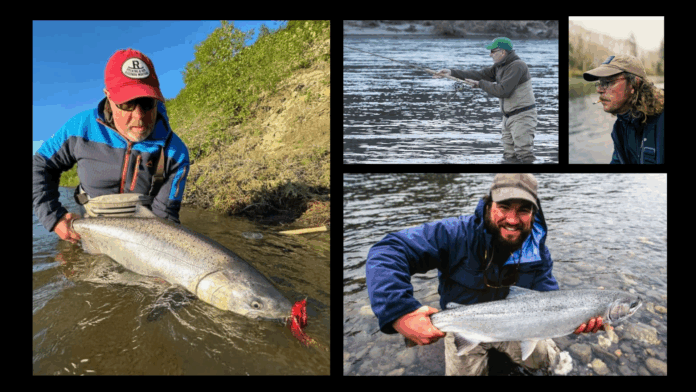
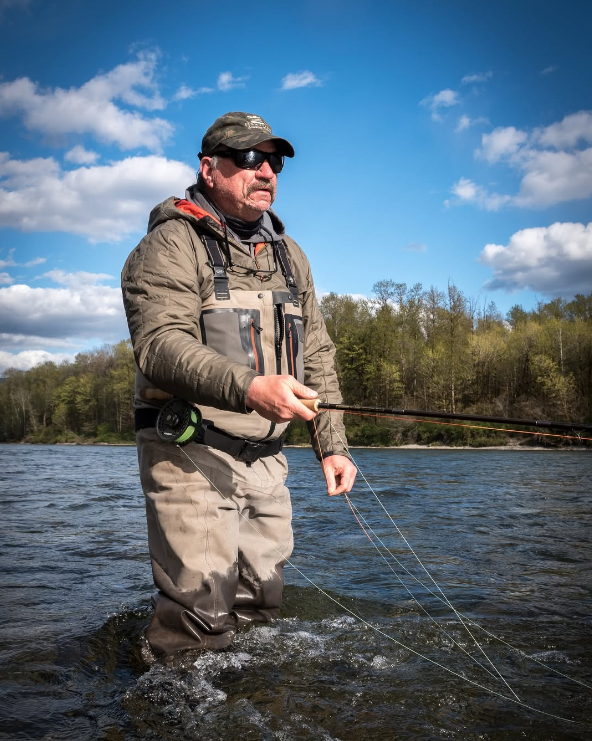
We’re heading to Alaska to chase King Salmon in one of the last great strongholds for Chinook. Today, we’re joined by Floyd Carter, a passionate guide at Togiak River Lodge and beyond, who’s sharing expert tips on swinging for Chinook on a spey. He’ll take us back to his first season at Togiak, the unique spey camp they set up, and the lessons learned along the way.

Here’s what we’ll cover today:

  • The only two lines and flies you need for Togiak
  • How to get your cast out even with zero room for a D-loop
  • Why you don’t have to be a mega hucker to land big Kings

Quick Reminder

We just launched a giveaway for a trip to Togiak River Lodge! Enter now at wetflyswing.com/giveaway for a chance to win. We’ll announce the winner next week!

Show Notes with Floyd Carter on Chinook on the Spey. Hit play below! 👇🏻


apple podcasts

Find the show:  iTunes | Stitcher | Overcast

Subscribe on Android

Subscribe on Apple Podcasts

Subscribe via RSS

(The full episode transcript is at the bottom of this blogpost) 👇🏻

Sponsors and Podcast Updates

About Floyd Carter

Floyd grew up fishing in Colorado but got hooked on swinging flies after a trip to Seattle. A chance encounter with Dave Mccoy of Emerald Water Anglers led to his first spey casting experience—in leaky waders! That moment sparked a three-year plan to move to the Pacific Northwest and chase anadromous fish.

He trained with Tom Mahan, learning the ins and outs of spey casting while exploring the Oregon and California coasts. After leaving Oklahoma, he saved up, went all-in on guiding, and took a chance on a new life.

His first big break came when he helped build a remote spey camp on the Togiak River with a “wacky bush carpenter.” That led to his first guiding gig for King Salmon on the Togiak, where he also met Zack and Jordan Larsen.

Check out our episode with Zack and Jordan of Togiak River Lodge.

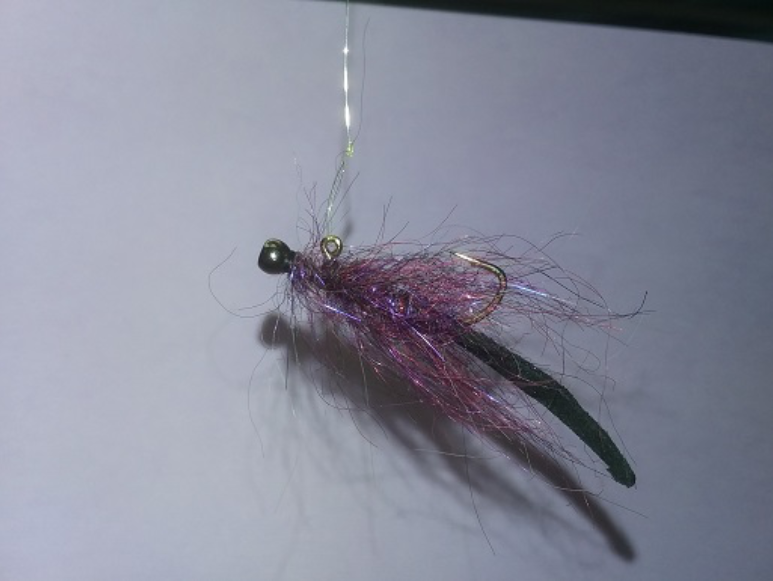
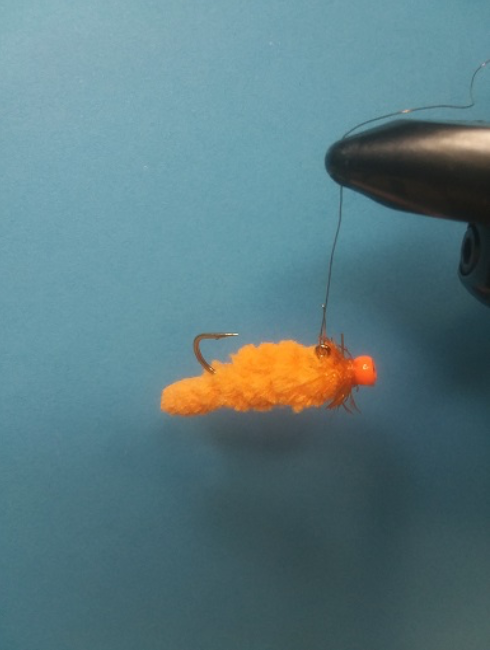
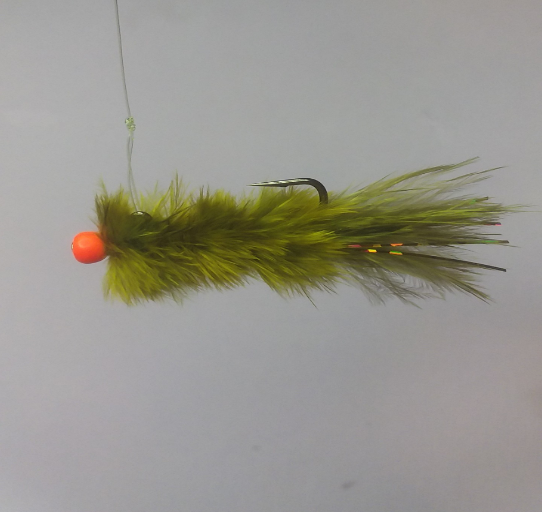
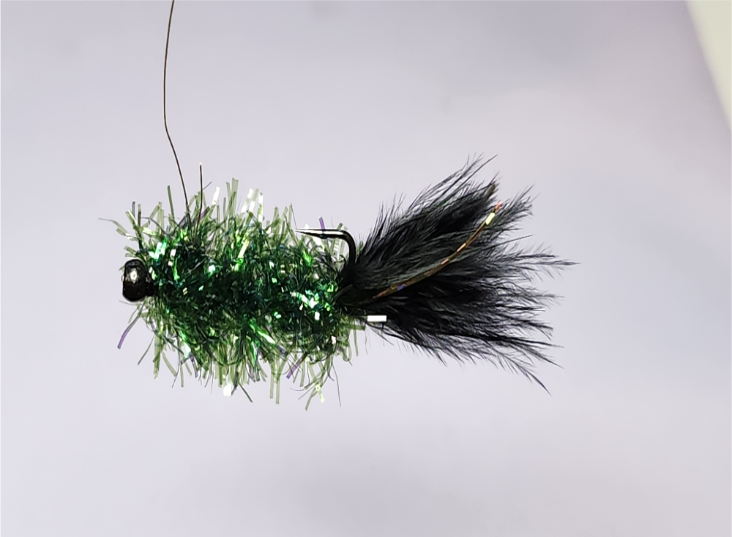
chinook

Episode Chapters with Floyd Carter on Chinook on the Spey

07:05 – Floyd had some great mentors who helped him transition from bass fishing in Oklahoma to being a spey guide in the Pacific Northwest. He met Tom Mahan through Emerald Waters, and while Tom got a good laugh out of Floyd’s goal, he still gave him the guidance he needed.

When Floyd landed in Oregon, he walked into Portland Fly Shop and told Jason Osborne his plan. Jason was skeptical at first but ended up being a huge supporter. Eventually, Floyd connected with Jack Mitchell at The Evening Hatch, who started sending him steady work.

Jack was actually one of the first guests on the podcast! If you want to hear his story, check out The Evening Hatch Fly Fishing Shop with Jack Mitchell – Steelhead Fishing, Klickitat.

chinook

Chinook vs. Steelhead – What’s the Difference in the Take?

10:49 – Floyd sums it up: “Rockets versus semi-truck.” Steelheads are explosive and unpredictable, while Chinook feels like an unstoppable force. He says the sheer weight of a Chinook makes every fight feel like you’re getting towed behind a boat.

How Do You Cast from a High Bank?

18:34 – Casting from a high bank with no room for a D-loop is tricky, but it’s possible. Floyd explains that you need to adjust your casting angle, starting higher and sooner. The Perry Poke is a great option, but the best technique depends on the angler’s skill.

The goal isn’t a long, fancy cast; it’s getting the fly in the right zone. On the Togiak, floating heads work well, but sinking setups like a creeper or game-changer in high water can help get the fly down fast.

Spey Camp

23:43 – Floyd shares what it was like during the first year at Spey Camp. They had to deal with the harsh Alaska tundra. Floyd and the team worked hard to set up tents on a gravel bar and move camp when the camp was flooded.

chinook

Fishing for Steelhead

33:19 – Floyd talks about where he usually fishes for steelhead. He focuses on areas around Portland and the Columbia River. Some of his go-to spots include:

  • Klickitat River
  • Clackamas and Sandy Rivers
  • The lower Columbia and its tributaries
  • The Olympic Peninsula

Why is the O.P. the “Super Bowl” for Steelhead Fishing?

Floyd calls the Olympic Peninsula the “Super Bowl” for steelhead because it’s the place to catch a giant fish. The opportunity to hook a huge steelhead, maybe even a 20-pounder, makes it stand out.

Tips for Preparing for Togiak

37:33 – If you’re heading to Togiak, Floyd has some great advice to help you make the most of your trip.

  1. Practice casting with heavier setups (9 or 10-weight rods).
  2. Get comfortable with heavier lines (650 grains or more).
  3. Work on muscle memory and rhythm by getting plenty of practice at your local casting pond.
  4. Consider taking a casting lesson to speed up your learning curve.

Follow Floyd on Instagram 👉🏻 @thefloydc

Visit his website at CarterSpey.com

Related Podcast Episodes

Read the Full Podcast Transcript Below

Episode Transcript
Dave (2s): We are heading to Alaska this year to chase King Salmon in one of the remaining Alaskan strongholds for Kings. We’re focused on swinging up Chinook on a spay rod. We’ve heard some people on this podcast tell us that it doesn’t get any better than swinging for Kings. And today you’re gonna hear from one of our guides and some tips on optimizing for success. Whether you’re fishing for Kings, steelhead, or any MOUs fish, This is the Wet Fly Swing podcast where I show you the best places to travel to for fly fishing, how to find the best resources and tools to prepare for that big trip, And what you can do to give back to the fish species we all love. Hey, how’s it going? I’m Dave host of the Wet Fly Swing podcast. I’ve been fly fishing since I was a little kid. I grew up around a little fly shop and have created one of the largest fly fishing podcasts in this country. Dave (45s): Floyd Carter passionate guide at Togiak River Lodge and beyond is gonna share some of his experience and expertise on what it was like his first time up at Togiak. We’re gonna actually get into here about this space camp that they started out with the first year, and some really interesting stories behind that. And then we’re gonna find out what two lines and two flies you’re gonna only need for Togiac and how you can get your line out there. Even if you have no room for a dlo. You’re also gonna find out why you don’t have to be a mega hucker to have success on the Togiak this year. Quick reminder, before we get into it, we’ve just launched the giveaway, and if you want a chance to win a trip to Togiak River Lodge Right now, you can go to wet fiw.com/giveaway, enter your name and email, And we will follow up with you with our big announcement. Dave (1m 30s): Next week. We’ll be choosing the winner. Also, if you’re interested in finding out more, we’ve got a little information at the end of this episode. Oklahoma bred, turned into a spay junkie. Here we go. Floyd Carter, you can find him@carterspay.com. How you doing Floyd? Doing Floyd (1m 47s): Well, doing well, Dave. Good to be here. Dave (1m 49s): Yeah. Yeah. Thanks for coming on here. This is, you know, I, I talk to people all the time. I was just at a recent show chatting with some people and randomly ran into somebody who, you know, we were talking and he didn’t know who, you know, that I had the show. And then he realized, he is like, oh man, I listen to all the show all the time. And he said specifically, you know, the space stuff. Like he’s kind of getting into it and, you know, I think he’s got a few struggles, but I think we’re gonna talk about that today. And then also maybe how people can take it to the next level and get in and think about Chinook fishing, which is something we’ve chatted on here before. But before we get into all that today and talk about Togiak and, you know, some of the other areas you’re fishing throughout the year, bring us right back to fishing, fly fishing, you know, had to get into, have you been doing this a while? Floyd (2m 32s): Well, you know, back to your original statement, I sure do understand the struggle. Yeah. I, I’ve fished my entire life. You know, I bought a bass boat before I ever bought a, a vehicle. Oh, wow. And I did some fly fishing in Colorado. That’s where I, I grew up in the high school and college years. But as I moved around about 10 years ago, let’s see, yeah, it was probably about 10 years ago, I took a trip to Seattle with my sweetheart and she had a conference And we were piggybacking that into a vacation. And so I had a few days to wander and I ended up in Emerald Water anglers talking with Dave McCoy. Floyd (3m 18s): And the essence of that conversation was, you know, there’s not a man in your family unless you’re swinging flies for a natural miss fish. Right. And I said, well, open up your books ’cause I’ve just got time on my hands. And so Jason picked me up from our swanky hotel, took me to the sky, comish put me in some leaky waiters. I came out at the end of the day looking like a baby giraffe. And on the flight home, my sweetheart and I were making our three year plan to move to the Pacific Northwest. ’cause I told her I was gonna be a spay guide. Wow. Floyd (3m 59s): So during that three year period in Oklahoma, I kept flying back out. I realized the skillset that was required and the investment, and I ended up getting paired up with Tom Mayhan from, from Swing Water. And he and I hit it off and Tom graciously put me under his wing and just went up and down the northern California, Oregon, southern Oregon coast, and some of those trips and, and just did a full deep dive into spay and, you know, the casting and reading water and rowing and all of the things I had a severe deficit in. Floyd (4m 45s): And we got out here and I had saved up and went full tilt and, you know, did a lot of poor diet, poor sleeping. Yeah. Heavy doses of caffeine, and just kind of tried to make my way into the game. And fortunate was lucky enough to get referred to Derek Boxford from Tom Mayhan for a program on the Togiac that they were starting and talked with Derek, signed up for it, and met Stevie on the Togiac. And he and I, and this wacky bush carpenter built a spa camp just down river from Togiak Lodge. Floyd (5m 35s): And it was a challenge And it was, you know, beautiful. It was, it was all the things that you would expect in building a spa camp in the middle of nowhere. And that’s where I also met Zach and Jordan. And they are, they’re wonderful human beings. Yeah. They’re, and you know, that was, that was my first official paid gig was the Togiak Summer. Dave (6m 5s): Wow. No kidding. And yeah. So that was it. So you jumped right into the, I mean, it’s pretty amazing. Right, right. And was this right into King Chinook fishing? Floyd (6m 14s): Yes. Yeah. That was the first guided fish that I ever got to hand. Wow. Dave (6m 19s): That was So what was, what was that like, Floyd (6m 22s): I have that photo. I have that photo in my mom’s house. That’s how sentimental it was. Dave (6m 27s): This was the first fish that you caught with the first fish your client got into first Floyd (6m 30s): Client fish. Oh, Dave (6m 32s): Wow. What was that like? That first client getting the fish? Floyd (6m 35s): It was, you know, you’re suspended, you know, anybody in the game knows what you put into it and the travel, the expenses, the time and effort and practice. And so the reward was, was everything you can imagine. Dave (6m 54s): Wow, that’s pretty amazing. So you had a, you sound like you had some pretty amazing mentors, or at least one big one along the way. What, what and what was Tom’s, what’s his bag? I’m not totally familiar with Tom. Floyd (7m 5s): Tom. So Tom’s a NorCal guy that’s been just about everywhere. Oh, okay. And he cut his teeth on the Trinity, but at the time that we hooked up, he was doing work for Emerald Waters, and that’s how we got connected. And we just hit it off. I told him what the goal was. He kind laughed at this dude from Oklahoma, who’s a bass fisherman, was now wanting to be a spay guide. You know, and I’ve kind of run into that in the best possible way. So when we landed here, you know, I walked into Portland Fly shop with Jason Osborne and told him, you know, my spiel. Floyd (7m 48s): And in his, you know, skeptical way, he kinda sized me up and has been, you know, nothing but generous and supportive along the way. And eventually was referred to Jack Mitchell with the Evening Hatch. And Oh yeah, Jack and I have, have got a great, great thing going with regards to, he sends me a lot of work and anytime I can get on the water with any of those individuals, it’s always education. Yeah, Dave (8m 21s): Yeah. It is. No, you, you’ve mentioned a few great people and, and I know, I know most of ’em, Dave McCoy, I mean, and Jason, Jack Mitchell, they’re all people that we’ve connected with, actually had on the podcast. And Jack Mitchell was, I wanna say episode number two. I mean, we’re up to, I think you’re gonna be episode 700 and something, but Jack was, you know, when I first got going on this, you know, he kind of stepped up and actually helped me. You know what I mean? So I, I know how cool he is and, and everybody else, but, but that’s awesome. So now you’re, you’re in it, you know, what was it about the spay for you coming from Oklahoma? Because obviously there’s fishing all around the country. What was the, the hook for you? Why did you just, it feels like you all, you went all in on this. Dave (9m 3s): Was there one thing? Floyd (9m 5s): It’s the thing, right? Yeah. It’s, the thing is the practice, the reading, the water, the cast, the tempo, you know, you get totally, I feel like with a brain like mine, there is the ability to find a little bit of peace on the water when you’re, because it does require a certain amount of focus. And there was something appealing about that. It just clicked. And, you know, I’m 12 years sober, I have an addict. Wow. And I have an addict wiring, you know, that is my circuitry. And it just appeals to that because, you know, you get in the zone, you’re covering water, you’re blasting some decent casts. Floyd (9m 53s): Yeah. You’re in it. Right. You’re lulled into that hypnosis and then all hell breaks loose and you’re a kite in a hurricane, and whatever chemical surge is, is occurring. Once that happened, I was done for Dave, I was done for Yeah, you’re in the swung fly take was the chasing the dragon from here on out. Dave (10m 18s): Yeah. That, that’s what I, it’s hard to pinpoint exactly what it is, but it feels like the take is the one, you know, one of the big things, and it’s part of that you never know, you know, the fact that you could be there for some places for, you know, days, weeks, years, maybe without getting a take. And then other places, you know, you might get more, more feedback. But it, but it is that question. Right. You don’t, it’s so challenge. I think you got the challenging part. It’s hard. Do you think when you look at Chinook versus Steelhead, and you do you do steelhead, you do some guiding with steelhead too? Floyd (10m 49s): Absolutely. Yeah. Yep. I’m looking forward to going to the op here in two weeks. Oh, nice. For about 40 days. Yep. Right, Dave (10m 55s): Right, right. So, we’ll, we’ll talk a little about that too, but, but the Chinook versus the steelhead thing, right? There’s a lot of similarities, but the take is different. Right. Maybe talk about that. What’s your take on, on the take, the Chinook take versus the steelhead? Floyd (11m 8s): The take of the take. Yeah. You know, the only thing, you know, rockets versus semi-truck. Yeah, right. You know, that’s kind of the distinction for me. The steelhead, there’s a element or lack of control in that explosiveness. The chinook for me, the weight, the heft of those fish. Right. Just, it feels unstoppable, right. Yeah. And it is just, you know, like if you’re getting towed behind a boat, it’s just, I gotta hang on for dear life. Dave (11m 48s): Right? Yeah. That’s it. They’re just more power Floyd (11m 50s): There. It is. It is a power distinction. The steelhead is obviously, you know, has its acrobatics and you know, its nuances, but, you know, they’re both radical. I mean, you know, catching the right brown trout on a, you know, four or five weight set up is just a sick, you know? Yep. But there is something special about those, you know, lyd up, Chinook up there that, you know, as long as they’ll have me put it this way, as long as they’ll have me, I’ll be Dave (12m 23s): There. You’re going back. Yeah, that’s right. You got, and what do you guys have there? Do you go up there, you said, for a couple months there at Togiak? Floyd (12m 29s): No, it’s a pretty short window. I mean, we go for, I believe it’s about four or five weeks, I think we have four or five rotations come through, and then the boys start to fill up and, you know, but initially it’s the beginning of the season into the middle and, you know, it’s everything that it’s chalked up to me. Yeah. Dave (12m 52s): So if you take it to that, you know, if you go to that first fish, I mean, that was early when you were up there, but describe that a little bit. Do you remember that pretty well? Like the conditions, like the Oh yeah. Take everything. Yeah. What take us there, what, what was that like, what were you, were you, you know, what, what was the Yeah, set the stage. Floyd (13m 8s): Okay. So, you know, we’re there, Stevie and, and Jack and I are, are building this place, and we get it ready and the other guides come in and, you know, on the, the flight in with the, the client, the first round of clients, we have beautiful weather, water conditions, things are dropping. You’re starting to see the shape of the river and some of these runs. And then it decides to rain for about 15 days straight. Oh, wow. And these are, this is this big water, you know, 40, 50,000 cfs. Dave (13m 49s): Oh, wow. So it came way up Floyd (13m 51s): And, you know, you’re, you’re put into varsity casting positions, you know, where you really, you need to be able to get it done and get it out there and, and some can and some can’t. And you do what you can. And then about the, let’s see, I think it was the second rotation thing started to shape up, And we had picked up the crew in the morning, dropped off the other crew, got ’em oriented, And we got out on the water. And Kenny Morris was actually hosting that week. And so Kenny was on the boat with me. Floyd (14m 31s): We went and fished a, a lower run. We’re about 30 minutes into the day we saw some movement. And my guy hooks in and Kenny was there to memorialize it with some great photographs. And it was, you know, the first, it was the first one of the crew. It was the second fish of the season. Oh, wow. You know, this was, these were a little more seasoned anglers. So, you know, that always helps. But yeah, it was just sunny. We had finally dropping into shape finally in positions where it could get done. Dave (15m 11s): God, that must have been a good day, a good night on, on Togiak after that. Floyd (15m 15s): Oh man. I mean, we were, we were ecstatic And it, it slowly but surely ramped up from that point on. Dave (15m 23s): Oh, it did. So it got better. It Floyd (15m 25s): Did. It genuinely, it improved each day. And, you know, we had our board and the guides, we’d meet up every meeting or every night and see who needs what. And, you know, if there were certain runs that were kind of our heavy hitters, then the people who needed one were put in a position to get one first. It didn’t matter who their guide was. And I really, I really liked that format of spreading the, the wealth out. Right. Dave (15m 55s): Spreading the love. That’s good. Yeah. Gotcha. Okay, so that was, and what, that guy that hooked up there, what was, do you remember the fly, the, the line he was using there? Or the Floyd (16m 5s): Tip? We were, let’s see, we had a T 14 and I think a reverse Maroo. Dave (16m 15s): Yeah. What? Black, Floyd (16m 16s): Purple pink. It was, Dave (16m 20s): I’ve heard pink is the only color you need in Alaska. You Floyd (16m 22s): Know, pink can get it done. Let’s just put it that way. But I think I was so wrapped up in getting that fish in the net because I, I missed the first stab. Oh, yeah. And oh, I was in a, I had a pucker moment. Dave (16m 40s): Oh, bet. What, what was the, what was the poundage? What size fish? Floyd (16m 45s): Oh, it was over 20. Dave (16m 47s): Oh it was, wow. So yeah, big fish. Yeah. Is that, is that the size? Is that when you get over 20? Is that pretty much your You got a serious fish? Floyd (16m 54s): Yeah. Over twenties. Real fun. And then when, you know, when you find that those thirties, which there’s plenty of those, that’s something to behold as well. They’re all, they’re all cool, right? There’s no, yeah. Oh yeah. There’s no bad fish. But, you know, I’m still a knuckle dragger. I still want that. I want that big one, you know? Oh, yeah. I mean, I’m not gonna sugar coat. I, I want that. I will fish for less fish, but the fish, you know what I mean? Oh yeah, Dave (17m 24s): Yeah, yeah. Is there a mix? Do you occasionally find small or a lot smaller fish and maybe even jacks? Are you catching some of those Sometimes? Floyd (17m 31s): Yeah. So there’s, there’s plenty of what the boys have coined as super jacks up there, Dave (17m 37s): Which are like 20 inches or something like that. Floyd (17m 39s): They’re like, you know, in that 12 to 15 pound category. Right. That’s, that’s what they call super jacks. And anything upwards of that is considered it an adult. And yeah, it’s a river designed for swinging. Dave (17m 56s): It is. Why, why is that? Why, why is the togiak compared to ’cause you fish and the cool thing is you fish California kinda all around, it sounds like, how is the togiak perfect for swinging? Like, talk about that a little bit. Floyd (18m 8s): It’s just that, you know, tundra effect. Oh. You know, it’s the, you know, the elevation. Not a lot of, I mean, just the easiest waiting you can imagine. Not long swingy runs. Yeah, Dave (18m 21s): Right. Like gravel. Gravel. There’s not a bunch of like wood and big burgers and Floyd (18m 25s): Stuff like that. No, no. If you get hung up on the togiak, you’re not paying attention. Dave (18m 29s): Oh, right. That’s cool. So that’s good. That’s a big thing. ’cause you’re getting down, right? You are touching the bottom occasionally with your Floyd (18m 34s): Tips. Yeah, yeah. And obviously, you know, there are scenarios where you want to be in a high bank situation and you, I mean, you might have zero casting room from behind, but if that’s where the fish are, there are ways to get that done. And, and most are willing to go past their comfort zone to do that. Then not comfort zone as far as safety, but comfort zone is casting ability. And that’s where, you know, that’s where if you’re doing your job as a guide, you give them the confidence and the, you know, ability to execute those casts. And there, there are a couple spots on the togiac that, you know, you’ll be standing on the bank, you’ll have no room for that D loop, but it’s possible, you know, it is possible you could turn that fly over. Dave (19m 23s): Yeah. How do you do that when you’re on the bank? How do you do a spa cast when you’re standing on the bank? Floyd (19m 27s): You just put your platform or your canvas out in front of you, you know, and the arc of that D loop is essentially what you’re designing. So you just start things higher and sooner, you know, and further out, Dave (19m 42s): Further out. Is this where you would use the, like the Perry Poke sort of thing? That Floyd (19m 46s): Exactly, yeah. Or, you know, yeah, there’s a couple different ways to get the same thing accomplished. But you know, it’s usually, I would say angler specific, you know, to what they’re proficient at. And usually, you know, a couple demos that cater to their strength. And, you know, if, especially on the high bank, you don’t have to make a, a hero cast of 80, 90 feet, you know, you’re just trying to get it down into the zone. And with these integrated systems now, it’s not that difficult to bury that fly and get it in the column that you’re trying, that you believe that they’re at. Dave (20m 29s): Right. Are you using, for the line, are you using a similar line that you would use for steelhead? Or what is that line you’re using on Toia? Floyd (20m 36s): Yeah, on toga, pretty much I was, you know, I was doing mostly floating heads. Every now and then I would throw, just depending on the water height, you know, high water situations, I, I’ll throw a, a creeper or a game changer just to, you know, just to sink it down as fast as possible. Dave (20m 57s): Yeah. And so the folding line to describe the creeper, the game changer, what are those, how are those connected? Those are Floyd (21m 2s): Just, you know, integrated heads that are, you know, float, intermediate sync, sync three, sync five, and you know, with a chunk of T 11 or T 14 and a weighted bug, you know? Yeah. Dave (21m 14s): And the advantage of the, the advantage of the, the, well, the dry line is that you got more of your lines easier to cast. Right. It little bit Floyd (21m 21s): Much easier. Yeah, much easier. I, I was just gonna add that that setup I just described isn’t the most pleasant, you know, to swing. But if you get the dynamics of it, you know, moving in the right direction, it’s, it can be effective in the right scenario. So, you know, but yeah, we all wanna be casting, you know, and looking great and throwing our, our floating heads and long leaders and light flies. But that’s not always on the menu. Dave (21m 51s): No, no. Sometimes you gotta get, get down a little bit. Do you talk about the fly? Is that typically what, what’s the range that you’re using up there to stay on Chinook for a little bit on Togiak, Floyd (22m 1s): You know, usually those roughly three inch flies, a lot of maribo weighted unweighted, depending on the circumstance in the run. But, you know, black and sharp truths, pink and purple, pink and orange. As you said, pink, pink, pink is pretty, pretty hard to beat in Alaska when it comes to salmon. But yeah, there’s, there’s not too many. It’s, you know, in, I’m on my fifth year of guiding now, and you know, I, I know our brains have had enough of these late night conversations or early coffee conversations, and it’s best for a knucklehead like me to not complicate it too much. Floyd (22m 51s): And after some time on the water and getting the feedback that you get, it essentially comes down to two line systems and two flies like that. I mean, after all the churching up we like to do, and, you know, all of the, the little tweaks we like to make, it just comes down to two lines and two flies for Dave (23m 16s): Me. Two lines. And what, and what are those, just to clarify? Floyd (23m 19s): No, I mean, it just, it’s just site specific, right? Once you’ve done your homework and you’ve, you’ve gone to the lab and you’ve, you know, put it in use in the field, essentially you’re getting feedback from, you know, two systems, a floating system, an integrated system, a a, a non weighted bug, and, you know, a lightly weighted bug or, or whatever, you know? Yeah. Dave (23m 43s): Yeah. That’s it. Okay. And I’m interested, the space camp is, I think it’s interesting because I think Stevie, you guys kinda started out in the program where you had this camp, and now I think you’ve moved more into Togiac, but talk about that camp. I’m interested to hear like what is, I’m picturing something, but describe the space camp. What, what was it like? You did it for like a couple years or a few years? Floyd (24m 1s): We did it for one year. Oh, Dave (24m 3s): Just one. Okay. So what, so what, so it wasn’t the easy, it wasn’t as easy as going to Togiac then? Floyd (24m 9s): No, no. Now that we do it through the lodge, that is what I call a crush velvet. Right? It is, is Honey Boo Booo lifestyle compared to what we did that first year. Dave (24m 22s): Yeah. Did you guys have to like, because you, what you do is you go from Anchorage, then you take a plane over to the town of Togiak, right? The, the Correct. And then from there, you hop on a jet. Did you guys do the same thing where you hopped on a sled with a bunch of gear and tents and all this stuff and just went up there? Floyd (24m 36s): Exactly. Yeah, we had a shipping container that had all of the stuff, you know, the site that they had originally planned, I believe fell through. So they had to pivot pretty fast. And this is all during Covid, so you have those, those complications as well. And you know, Stevie and Jack and I would get up every day, grab the saw and the scalp blade and, you know, try and inform some sort of platform of the frozen, gnarly Alaska tundra. Dave (25m 12s): Oh, wow. So you were out there in the tundra Yes. Trying to build, like, the platform to put your tents on. Floyd (25m 18s): Yeah. And by platform, we’re not talking about like wood decks or anything, we’re just talking about flat space to throw these canvas tents on and, you know, had a gravel bar that I think I ended up doing. I think I counted because it was a badge of honor, like, I think 36 different loads of 10 buckets of gravel to kind of fill in some of the holes, you know, and walking up those banks and Oh man. And, you know, it’s just, Dave (25m 51s): You made your pay, you made your pay. That, that, that year Floyd (25m 54s): I feel like I made, I made a contribution to the, to the cause and, you know, it was beautiful. We kind of lined the guest tents out on a ridge. And to call it a ridge is, I mean, we’re talking about two, three feet of difference in elevation Dave (26m 13s): Right. From the river. And, and do you had, did you have any issues with, you mentioned the 50,000 CFS what if that flow would’ve come up? Floyd (26m 20s): Well, it did come up And it flooded camp. Dave (26m 24s): Oh, it did. So you, so you had flood camp was flooded? Floyd (26m 27s): Yes. And I, I have pictures of where the guide tent was, and that we were shin deep in water. Oh yeah. And so we had to just make it happen on the fly, and the guests were ready to tap out. And it just so happened that it worked out that the next round of guests were already in Anchorage and they wanted to come. And so we were waiting for the, the fog ceiling to lift so that the pilot could get our guys out and bring us a whole new crew. And in that two and a half hour window, we moved the entire camp to the driest space that we could in that area that we had cleared. Floyd (27m 16s): It was a pit crew moment, it was all hands on deck. Oh, wow. And, you know, it worked out. We made it work, you know. Dave (27m 25s): You did. So you got a full season in there. You guys didn’t have to, you didn’t have to pack up halfway through it and then no. Kind of hang your head and go, Floyd (27m 31s): No, we dug in, we dug in, we were, we were there, we were in it. Dave (27m 35s): Yeah. In retrospect, it seems like those are always the times where when you’re in it, it’s like, oh my God, this is like the end of the world. But then you get out and you have like, the great story. Do you look back on it now as like, more fond memories? Or is it still painful? Floyd (27m 47s): Oh, no, it’s quite painful. Dave (27m 49s): Yeah, it is. Floyd (27m 50s): Yeah. It’s painful in, in a, in a good way. Like you’re describing, you know, like I said, this was my first gig, Dave (27m 58s): Right? Yeah. And this was your first Alaska gig. Like, Floyd (28m 0s): This was my first gig period, Dave. Dave (28m 2s): Oh wow. This is, right. You’re, you’re just in it. So you’re, you’re learning everything. And, Floyd (28m 6s): You know, every morning I would take a moment before I stepped out of the guide tent, and I would just have a little conversation with the universe. And essentially it was a one-way conversation that said, you know, this is what you wanted. So you want to be a spay guide. Okay, here you go. That’s Dave (28m 29s): So good. That’s so good. Because it’s like the ultimate, right? You just described the start, like you wanted to be a spay guide and now you’re in this place where it’s the most extreme, you know, like, it, I can’t imagine anything more extreme than literally you’re camping in Alaska, which can change right quickly, and you guys are just battling, and then you’re in the middle of it, and then you’re deciding, like, and then after the season two, so you get back Now at any point after that season is over, are you sitting there thinking, man, I don’t know if I wanna be a spay guide? Floyd (28m 57s): Nope, you’re Dave (28m 58s): Not. So you’re, you’re all in. Floyd (28m 60s): Nope. That just sealed the deal. Oh wow. For me, I thought to myself, this was what it was with the challenges that it presented and the hours and the, the sweat equity and the stoke was still there. And, and that was my measure, that this is a, a path for me. Dave (29m 21s): Wow. Okay. So that’s the spay camp. And then the next year, do you guys roll into, into Togiak Lodge? Well, Floyd (29m 27s): They did. Stevie had brought in with Chris Childs had brought in some people for the next two years and had kinda worked out what, you know, the program details and logistics would look like. And then last year we did, you know, a full program at the lodge, which was such a different experience, you know, just being dry and having amenities and rolling up and being able to gas your, you know, not having to make fuel runs and trash runs. I mean, everything, all the conveniences of Lodge life. Dave (30m 9s): Who was cooking on the spay camp? Floyd (30m 12s): We had a camp hand who, you know, for all intensive purposes was probably a little green. Didn’t quite understand. I don’t think any of us really had. Dave (30m 25s): Yeah, you didn’t know. Like, you probably even Stevie probably didn’t know what the, what you were getting into Roy probably. Floyd (30m 29s): But no, we, we all pitched in and cooked when we could and when it was required, you know, Alex, and I’m not gonna say Alex’s last name because I will butcher it, but Alex would help him with breakfast, I would help with dinner. We were doing a split shift, so we wanted to stay out of the lodge’s way. This is the first year because they had a full season going full lodge going. So we would fish from 4:00 AM to 11:00 AM have our essentially our big meal at lunch, which was the dinner that they would be serving at the lodge. Floyd (31m 10s): And then we would go back out at 4:00 PM and fish till about nine or 10:00 PM Oh, Dave (31m 16s): Wow. Yeah. So you broke it up. Floyd (31m 18s): Yeah. And that, that split shift was interesting, you know, because there’s always things to be done to prepare for the next round and whether it’s a meal or gear and boat and whatever the camp requires. So yeah, that w that put another factor into it that was part of the beauty of the challenge. Right, right. Dave (31m 43s): We’ve heard many of the stories on this podcast. Togiak River Lodge is one of the great destinations for Swain flies, for Chinook stripping for coho all day, and unwinding in a lodge right on the riverbank of the Togiak River with access to all five salmon species plus rainbows, Dali Vardon and more. Togiak offers a true Alaskan experience picture over 30 miles of river season guides, high quality boats and low fishing pressure. It’s fly fishing Alaska at its best. I’ll be heading up the summer. So reach out to Jordan and the crew to see what dates they have available this year. You can learn more Right now at wet fly swing.com/togiak. That’s togiak. Dave (32m 23s): T-O-G-I-A-K Alaskan fly fishing like you’ve always dreamed about. So you guys, so you guys survived that and then, and then at Togiak, so you’re there now. You were there this last year. It’s 25. So in 24 you were there like a, a full season, Floyd (32m 40s): Correct? Dave (32m 40s): Yeah. Or for the, the Chinook. And then, and then was that pretty? Yeah, like we’re saying just pretty nice. That’s pretty much rollout. You got food ready to go, you kinda get, you’re going, you guys, Floyd (32m 49s): I mean we, we order off a breakfast menu, you know, the gals come out and take our order, you know, the gas tank is right there, the boats are right there, you know, you just round up your folks for the day and you know, we’ve already discussed who’s hitting what beats and, And we are off and running and come back clean up, you know, get outta your waiters, hang them up. It was just luxury. Luxury, right. Dave (33m 18s): Yeah, Floyd (33m 19s): Luxury. Dave (33m 19s): So you, so you get the toga. What, what is the, And we might, we will probably swing back to Togiak, but I’m kinda curious, you mentioned, you know, at the start, some of the different areas, you know, have you fished like steelhead wise, I guess we could take it there, I’m guessing. Or have you fished Chinook, you know, salmon species? Any other areas other than, you know, up there? Floyd (33m 37s): Just only as, as incidental really. Dave (33m 41s): Yeah. Right. So you’ve been more steelhead has been what you’ve done? Floyd (33m 44s): Yeah, when I’m in the lower 48, I’m, I’m usually pursuing steelhead or trout. Dave (33m 49s): Okay. Steelhead or trout. And what are the steelhead, what are some of the areas or, you know, you’re fishing for steelhead kind of on a regular basis? Or are you fished the last few years? Floyd (33m 58s): I’d say probably a couple of the, the lower Columbia basins are tributaries. You know, I, I love the Clta. I fish the Clets backyard here. I’m in Portland, so I fish the clack mess in the Sandy. I’ve been, I do guiding on the Neal when she’s in shape and then I head up to the op for, you know, the Super Bowl of Steelheading as far as what we have. And so that’s pretty much what I would consider my home base waters. Dave (34m 37s): That’s it. So you’re focused mostly on winter steelhead is your focus. Floyd (34m 41s): Yeah. And then, you know, obviously the summer and fall fish on the Clta and the cowls are definitely players. Dave (34m 50s): Yeah. Gotcha. What’s the, and the op, why is that the Super Bowl? What, what is it about, you know, for those that haven’t been up there, what, what, how is it different than the other ones you mentioned? The lower Columbia, the Cowlitz, stuff like that. Floyd (35m 1s): Well, I think it’s the potential for that encounter with the dinosaur, right? I mean, that’s always, it just feels like it’s there. Dave (35m 13s): You mean a better chance to get a big steelhead, a 20 pound or something like that? Floyd (35m 17s): Yeah, the math, the math feels like for once it might be in your favor to get that fish of a lifetime. And I know that’s not everybody’s jam, but you know, I’m, hey, I’m, I’m still green and I still want to go find that fish that makes me question my manhood and just wrecks me. That, that to me is where my pursuit is at. And you know, places like the hoe when you’re standing on the banks of the Hoe river and the conditions are what they are. It just, there’s really no, it is one of my favorite places on this planet that I’ve visited so far. Dave (35m 58s): Hmm. Yeah, the ho and the hose iss a big river. Pretty big, right? Yeah. Decent size. Yeah, like the size. It would be similar to like a, I don’t know, what, what would be the comparison river like, is is that different? A lot different? Floyd (36m 10s): Yeah. Yeah, that’s probably a good comparison. You know, anything probably under 4,000 is optimal. You know, they, they rage up and the Neals the same way. It’s just a, you know, it’s just a kind of a different substrate. There’s something about that gravelly, what Jack Mitchell would call that glacial water. You know, it’s glacier runoff in clay banks that has this unique tint. You know, you got elk crossing the stream, you’ve got the Olympic range behind you, snow caps, and you’ve got every shade of green you could imagine with the ferns and the mosses. Floyd (36m 52s): And it’s just, it’s just land before time stuff. And yeah, it’s a special place to me. But, you know, each trip, anything from the, the Klamath and the Trinity to the Rogue, I mean they all, the Smith is another epic. I mean, they all have their unique characteristics that are appealing. I just, particularly when it comes to winter, I like to go to two places. I like to be on the Alem. I like to be on the, the Hope. And those are, yeah. Dave (37m 22s): Yep, those are, that’s it. Okay, cool. And, and so that’s a little on the steelhead. We, you know, we’re hopefully gonna be at Togiac this year, so are you gonna be there this year? Floyd (37m 32s): Absolutely. Dave (37m 33s): Yeah. Good. So that would be awesome to, you know, you know, kind of get, meet you in person and, and see some of this action on the water. What, what do you tell somebody, you know, and actually as we, as we’re talking, we’re kind of talking in the future here, but we’re, we have a giveaway going and, and somebody’s gonna win a chance to go up on, on this trip, that’s part of the deal here. But what would be for that person, whoever’s gonna win this trip to Togiak, what would you be telling that person? Like Right now, if that person’s listening to get ready for this? Like what would, if they’ve never saved fish for Chinook or maybe even spay, Floyd (38m 6s): I would say prepare. Yeah, I would say practice and, and, and get familiar with those, those heavier setups. Dave (38m 15s): Right. Which is what, what is that? Is that a nine? Floyd (38m 18s): Yeah, it’s a nine, you know, nine and 10 weights, 650 grains plus or minus thereof. And just get used to turning over something that’s got some dumbbell eyes and yeah. Prepare yourself to maximize the opportunity is what I would say, you know, because going up there and getting into a rhythm and then doing a day or two versus having some preparation and, you know, getting the lay of the land and being in your rhythm within two hours is quite a difference. Floyd (38m 59s): So I would say maximize your opportunity by preparing and going to your casting pond or your local water, putting those heavier systems in your hand and get a feel for it and get comfortable and get those reps, get that muscle memory so that you can just soak it in. Right. Dave (39m 17s): Maybe even get a lesson. Right. Floyd (39m 18s): Oh, 100% David. Yeah. Dave (39m 21s): Who would be, where would you go for that on the lesson? Like a spay lesson? I know, do you, where would you point somebody if they’re thinking like, man, I need a lesson, but I don’t know where to start. Floyd (39m 30s): You know, just depending on where you’re located, any of your fly shops, Dave (39m 34s): They’ll probably have something. So like Dave McCoy, Emerald, Jason, Floyd (39m 38s): Yeah. Abs Jason. They will point you in the right direction. And that is an investment that I encourage anybody. And, and look, I have been back almost a year from the to g from the, my first guide gig. And I went back out and paid for another lesson. I mean, I actually, I paid for two scratch that I paid for two. Like the evolution and the instruction and the perspective and the, the verbiage that others use and the technical ability that it all goes hand in hand with your recipe of success and that investment that time is well worth it. So instead of me out there beating my head, making the same mistakes, pushing with my top hand, rushing my forecast, my anchor placement, you know, having an objective lens behind you either videoing or watching like that will increase the learning curve significantly. Floyd (40m 39s): Yeah. And is well worth it and will relate to happy times on the water. It’s just, it’s a no-brainer getting instruction. Dave (40m 48s): Yeah, definitely. Yeah. I think that’s, that’s probably the biggest take home we we have on here is that, you know, that’s, you know, and you obviously you’re spending lots of money on all this other stuff, so you might as well put a little bit of that investment into yourself. Right. Well, Floyd (41m 0s): Yeah. And most instructors, they’re not gonna bend you over a barrel for, for their time because there’s only so much you can absorb. Right. And so it’s gonna be an hour and a half session and you know, they’re gonna give you stuff to work on and you now go work on it and then you, and you come back to it. Dave (41m 21s): Is, is that how it kinda works with the, so that you, you know, you’re typical, maybe take it to your lesson. You, you go out there, you’ve got some experience, but it’s an hour and a half and you get there and it’s a little bit of watching the instructor maybe talk about how that lesson looks. Floyd (41m 34s): Yeah. You know, it’s some demos and you know, the instructor’s gonna feel you out as well, but they’re gonna more than likely have it in their hand and they’re gonna talk you through what they’re doing as they’re doing it. And so then it’s just a cut and paste situation where you’re trying to emulate them along with your specific biomechanics that they watch and, and they, they break it down simply and, you know, it’s, they break it down into bite-sized pieces because there’s so many things happening at once that, that self-diagnosis can make a man or woman dizzy. Floyd (42m 18s): Right, right. Dave (42m 19s): Yeah. That’s where it’s kind of crazy ’cause you don’t know what you’re doing kind of wrong or Right, right. Floyd (42m 24s): Or what you did. Right. Like, you know, how did I just do that? That was the tightest furthest I’ve thrown all day. What did I just do? And so, you know, having that feedback is invaluable. And then, you know, give it some time on your own, work on it, see, you know, what the next hurdle is and then go back to the drawing board, break it down again, and, you know, evolve and you know, if that’s the goal, awesome. That’s how you do it. You, I mean, I am doing nothing but standing on the shoulders of people who have already cut their teeth. Like that is, that is just what I’m trying to do. Dave (43m 4s): That’s the amazing thing about it. Right? Yeah. The cool thing is, is that, you know, we’ve heard some of those stories about some of the people that were there at the start or you know, earlier on and they’ve been on here, but the cool thing about where you’re at is that you kind of got started when you had a lot of that was already, you know, the new lines, right. The stuff. Yeah. And, And we, and, and, and me too. I mean, I benefited from that too. Like I didn’t develop any of that stuff And it was like, okay, the Skagit stuff works. Like it’s, you know what I mean? Like, it’s a different world. Do you think, looking ahead, it feels like, I mean, you know, what else do you have to work on? Do you feel like your spay game, you still got a long ways to go to kinda get up to that upper level? Or how’s that look for you? Floyd (43m 41s): Yeah, I follow some people in the field who are worlds more talented than I am, you know, so, you know, around these parts, you know, Travis Johnson is, you know, a technician and so he mentioned something the other, I don’t know, it was a couple months ago And it, it kind of was a conviction for me to switch my hands, right. To start practicing, you know, with, with a different grip, with, you know, my left hand on top and just being able to do it and get it done from any position. Floyd (44m 26s): And that’s kind of the goal Right now in the short term is to be able to get it done no matter what the, you know, impediment or, or whatever the roadblock is. You know, if my view is, you know, to hike down into a place that maybe only has 12 decent swings or to make a cast from under these trees and get it turned over, if it’s holding that 10 or 12 pound steelhead, would it be worth it? And the answer is always, without a doubt, 100%. Yes. Yep. So get it figured out, right? Yeah, definitely. And challenge yourself and get uncomfortable and look silly and I do plenty of that, so Yeah. Dave (45m 9s): Yeah. Yeah. So that’s it. So the, the left hand or right hand on top, getting proficient where you’re just as good with the left hand as the right hand on top. Yeah, that’s, and I’m, and I’m not there either. That’s the thing. It’s like, I think that’s one of my biggest struggles, right? Is getting to that point where it’s you’re equal. Yeah. Floyd (45m 24s): Right. And that will translate into you providing a better service for the client because whether it’s a, a, you have a left-handed client or you know, somebody who’s wanting to evolve their spay cast, you know, as you improve you can pass that along just as it was passed along to you. So yeah, having those people is sort of my guardrails. You know, Tom’s always trying to push himself. Jason is constantly innovating with line systems and materials and fly colors. And so it’s just a cool evolution to sort of, you know, to full send and, and, and try and challenge yourself and not find that complacency, Dave (46m 13s): Right? Yeah. You have, Floyd (46m 14s): You know, Jack Mitchell? Yeah, Jack, Jack Mitchell is a great example. I, I’d like to see anybody keep up with him first off on the water, Dave (46m 23s): Right? Yeah. He, he, I remember that when we had, so the cooling about Jack is we our first steelhead, you know, kind of group trip. We did host a trip when I first, I can’t remember what year, but it was early when we started the podcast. We fished with Jack and then we took a little hiatus and didn’t do trips for a while, but we did that and I not, I recognized that in Jack right away, like out there he was like, he had all the, everybody set up, but then he was also still guiding and still going strong, like efficient, you know, doing things all day long. Like he’s, he’s always going, right. Floyd (46m 51s): You know, I hate to put this, you know, on recording. Yeah. But he is, Jack Mitchell is an inspiration. If I can have that level of ability and stoke at his age and for the, the time that he’s been doing it, then I will feel like I’m doing my part. But, you know, he’ll, he’ll tell you Right now, you know, that there are things in, whether it’s water or line system or color scheme or just all the variants, right? He will tell you from his own mouth that there are things that to this day that he’s still learning. Floyd (47m 31s): And that’s one of the appeals of this game to me is that you just, you don’t, it just keeps you right sized Dave. Dave (47m 40s): That’s right. Yeah. You’re never gonna master the, the spay or really even just the fly, you know, any evening. Yeah. That’s what keeps it going. Yeah. We had that conversation. It was interesting because yeah, I think that’s the harder it is to get some of these species, the more passionate people probably get about it, you know, like the muskie or the steelhead or it feels like the Chinook fishing can be challenging, but in different ways, right? Because if you’re there in the right time, the fish are there, right? They’re there, but if they’re not there and the conditions change or the river’s 50,000 CCFs, that can be a whole different set of, of challenges, you know what I mean is Absolutely. Is that the biggest thing when you look at Steelhead versus Chinook? Is that the biggest thing where like how do you I feel like Steelheads always like, you know, well, you never know. Dave (48m 22s): Is this the year? Like, are we gonna have an up year down or down year? Are the fish there is, is Chinook the same way? Floyd (48m 29s): Yeah. I would say there’s probably more uncertainty on the steelhead Dave (48m 32s): Side. On the steelhead, yeah. Right. Floyd (48m 33s): Just we’re just with my limited, you know, experience. That’s what I would say, Dave (48m 39s): At least for these areas, probably like the Togiac, some of these areas who, who still have strong runs of Chinook. Right. There’s definitely, we’ve heard the stories about the Kenai places where there, you know, there’s closures and things, but I think that, yeah, it’s a salmon run. They come in, steelhead is definitely, yeah, it’s a little bit different, but, but you’re hitting the op n we’ve had Trevor Kovich on and stuff like that, and he’s really talked about how he feels like there’s a really a negative too negative of a message out there. He feels like there’s still really good runs, you know, coming in there, Floyd (49m 8s): You know, my experience, my, my first full season was last Dave (49m 12s): Year. Okay. Yeah. Yeah. Gotcha. Did you guys have some success? Floyd (49m 15s): We had a great time. Yeah, we had a great time. And there were fish to be had on all three systems. We hit the sa duck, the Boca, she and the, the hoe. And you know, given the options, I’ll be on the hoe every day, but that’s not always an option. But no, I feel like the success was there and, you know, all, all indicators from what we think we know says it should be another successful year, you know, that counts and, and whatnot. And those variables are, are pointing in the right direction and I certainly hope so. Yeah. Yeah. I I really do, you know, for selfish reasons entirely. Floyd (49m 59s): Yeah. Dave (49m 59s): Right. Yeah. That’s it. Nice. Well, let’s, we mentioned it before, but let’s take it out here with our kind of our trip giveaway. Shout out. So everybody right now can go to wetly swing.com/giveaway and folks can enter right now to win that. We’re also gonna be looking to sell some spots for people who want to come up here. So if anybody listening now wants to get in on this, they can just send me an email, dave@wetlyswing.com and I’ll let you know what we have on availability. So I’m pretty excited about this because I think it’s this one of those destination, you know, know, I mean there’s these places around, you know, different species, right? That you think about red fish or whatever it is, muskie. And, but I feel like this is one of those destination species and spots, you know, that you, you kinda have to go to, right? Dave (50m 40s): You have to do Alaska before you die. Is, is that, what is it about the Alaska thing versus anything else you’ve done that, that like, what is Alaska, how is it, why is it separated from the rest? Floyd (50m 50s): Well, because Alaska has so got ’em, right? Right. That, I mean that, and with Alaska, you just, you, you are reminded of your place in the pecking order of the natural world and the fishery, the amenities are all that they’re built up to be. So the hype is real. And to say, I don’t wanna put anglers into classes, I don’t really like doing that. But I have seen firsthand people who are taking the plastic off the cork Oh wow. And are willing to, you know, just get uncomfortable and learn something new. Floyd (51m 35s): And those people find fish in Alaska. And so you don’t have to be a mega hucker, you don’t have to be all of those things that we build up in our mind that usually don’t come to fruition. You can get it done, you can get it done in Alaska. Dave (51m 56s): So somebody listening Right now, even if they have never picked up a spay rod, have never maybe even, you know, whatever, you know, they could go up to Alaska and have a chance or maybe go on this trip for Chinook and have a chance at Chinook. That’s what you’re saying. Floyd (52m 10s): You know, you got your line in the water, you got a chance, Dave, Dave (52m 13s): You got a chance. Right. Floyd (52m 15s): And you know, I think that with the staff in the program, the Epic and the boys have built up there, you are gonna get the type of instruction that will give you the best chance of success. That’s my biased view of it. Dave (52m 31s): Right. Well Stevie, I mean he’s obviously a big name. I think Stevie, he’s been on the podcast a couple times and he’s been on in the bucket with Brian and then, and I’ve had him on here, but yeah, it feels like he’s got a really cool program. Do you know much about that? Have you talked to Stevie about that thing he has going around with with Epic? Floyd (52m 48s): You know, we, we stay kind of focused mostly on what we’re doing on the AK at the time, you know? Yeah, you Dave (52m 56s): Do. So that’s your Yeah, you’re like there for that period. And it’s like we have one focus and that’s to get people into Chinook and have a good time. Floyd (53m 3s): And I should probably be having those conversations with Stevie about his other programs, but I’m too busy making fun of him. Right. So, you know, he quite possibly could be the funniest man I’ve ever Oh, is Dave (53m 15s): He ever Floyd (53m 16s): Met in Per, oh my gosh. He, his delivery is, is gold. Dave (53m 21s): What’s his delivery like? How, how would you describe it? Like what is the comic? Floyd (53m 25s): He’s just a dry Canadian that is just gonna cut you to ribbons and you’re not even gonna realize it till you see your arm on the ground. That’s Dave (53m 34s): It. Love that. That’s Floyd (53m 36s): It. But he is one fishy dude and technically he is, you know, as sound as they come and you know, just spending time dissecting water and brainstorming with Stevie, you know, that’s good stuff. You know, that’s, it’s good stuff. Dave (53m 55s): So yeah, that’s it. Okay, cool. So, so, well that’s pretty much it. I’ve got a couple random ones here and then we will, we’ll take it outta here. First, let’s just start with this. I always like to get a couple tips. So, so you’re on the water, we’re sitting there, we’ve got all of our gear, we’ve got the, and and what length is the, the right length for the, the, you know, eight or nine or nine or 10 weight? Floyd (54m 15s): I like the 14 ish. Yeah, Dave (54m 18s): 14 ish. Yeah. Yeah, so that’s right. So a little bit longer in that way. It gives you a little more control. Is that the idea there on Floyd (54m 23s): Yeah. And, and pick up those heavier, make it easier to have the leverage to pick up those heavier systems. Dave (54m 29s): Yeah. Okay. So you got that. And then, and then do you have a rod manufacturer or do you kind of use a little bit of everything? Floyd (54m 35s): I’ve got my nine weight. Scott. Dave (54m 36s): Yeah, Scott, again, that’s where you forget about this. There’s so many rods out there and they’re all good, right? They’re all great, but, you know, but Scott’s in the game. Everybody’s in the game. Floyd (54m 44s): Yeah. And, you know, go to your local fly shop and put ’em in your hand and play around. I mean, they want these things off the shelves and, and go find something that kind of, you know, slots the peg for you, right? Dave (54m 59s): Is that what the Portland fly shop, if you were to walk into Jason’s shop, which is on the, the west side of Portland, just off of, you know, 4 0 5, it’s right, right downtown, you know? Yeah, yeah. Is it, what’s it like when you go in there? Does Jason have just a bunch of spay? Is it a mix? What’s his shop like? Floyd (55m 14s): Yeah, he’s, I mean, he’s a flash up and, and I’ve seen this firsthand. I’ve seen people walk in off the streets who are just spin fishermen and you know, have some questions and Jason and his guys there do not hold back. There’s not any of that sort of elitist us versus them gear versus fly and whatever your pursuit is, they are going to do everything they can in their extensive bag of experience to put you in a successful position. That’s kind of what I love about those guys over at Portland Fly Shop. Floyd (55m 56s): They do not discriminate. They are going to help you out with what you have. And if you’re looking to up your game, they are going to, they’re gonna facilitate that in every which way they can. That’s Dave (56m 9s): Awesome. Yeah, I know Jason’s doing a cool thing over there and that is an interesting conversation about the conventional and spay right? Or flies that you have, especially when you’re at, at a lodge or something like that, you know? Do you feel like, and you know, you haven’t been there a long time, but do you feel like there, is there a mix of guys there at the lodge? Do you get some conventional guys? I, I know there’s some transition going, but like in the evenings when you’re there, is that kind of, or do you guys have the program where it’s all spay? Floyd (56m 35s): No, there’s a little bit of overlap. Yeah. And, you know, at the end of the day, we all love the same resource and what appeals to you and what appeals to me as far as tactics isn’t a distinction I’m gonna get hung up on. No. The pursuit and appreciation of the resource that is common ground. Yeah. It’s, and that’s what should be focused on. Dave (57m 0s): So you don’t see the old white, you know, again, I always go back to the old elitist yuppie white, old, white guy. Right. Do you not see that as much in, you know, because of the, the Jason and the shot and the people you’re around? Or do you still see some of that out there? Floyd (57m 15s): I mean, there’s some of that around, but the, the tone that is set in the places and the people that I work for to say it’s shut down. It’s not shut down aggressively, it’s just not really acknowledged to give it that much energy. Right. You know what I mean? Yeah, totally. Because the bottom line is we all know where this resource is at this time, so we all have our part there. We do not need to go the way of the buffalo with these species. And so, yeah. Yeah. It’s our responsibility. Right. I hear you. To, to adjust and to accept shutdowns and regulations and travel an extra 45 minutes through an hour to go to some open waters, you know, and let things recover and do our part. Dave (58m 3s): Yeah. Would you, this has come up a couple times on the show, would you, if it got in some of these areas where, you know, you couldn’t just, the runs were down, you know, on maybe your favorite water, but instead of closing it, they were like, well, you know, you can only use flies that don’t have a hook. Right? No barb or no hook at all. So you just basically feather, would you still fish that, would that be interesting? Floyd (58m 25s): Ooh, boy, that’s a deep question. Dave (58m 28s): Like just getting the, I guess winter steel has different probably because you’re down, but if you’re doing like summer steelhead, right, you’d have more feedback maybe if you’re doing some stuff on the surface, Floyd (58m 37s): You know, as opposed to that I would just travel further. I would make the investment to go somewhere where they’re not in jeopardy, is what I would do. And I fish with people who would do that. I am just a brush monkey who’s not that evolved yet. Dave (58m 52s): Yeah, yeah, that’s right. Yeah. You’re early in the game. That’s the amazing thing about it. ’cause you know, it’s all an evolution, you know, we’re all, I mean, I’ve evolved and, and stuff like that, so it’s, it’s pretty, that’s part of the fun. Yeah. Floyd (59m 2s): We are where we are at, right? Dave (59m 4s): Yep. At this moment. Right. And, and be in the moment. That’s also the take home is that, you know, this is the moment Right now whether you’re out in the river swinging for that, that one cast. Right. Be in that moment. Don’t, don’t be thinking about, you know, whatever you else you could be thinking about. Floyd (59m 18s): Yeah. Dave (59m 18s): Good. Well, let’s get a couple of random ones here and then we’ll take it outta here. You mentioned a few things. I thought that were pretty powerful. One of ’em, let’s just start, you know, go deep just for a second here on, you mentioned staying sober 12 years. I feel like a lot of people that’s a, a, a big thing, a big struggle for a lot of people I dealt with. You know, I’ve had alcoholism in my family, you know, for my whole life. Right. So it’s always a challenge. What would you be the tip, somebody’s listening now and they’re wanting to, you know, to get get to where you are. What would you tell that person? Floyd (59m 50s): Well, if, if that’s a struggle that they’re going through then, Dave (59m 55s): Or maybe what’s helped you do it. Floyd (59m 57s): Yeah. I was fortunate to have people in my life through their charity that I was able to go get help in a treatment facility. There you go. And the, the most common, and this might be a little over people’s head, but don’t believe your thoughts. That is the one, you know, my brain even to this day is not always my friend, you know? Gotcha. Right. My reaction versus my response is, is a universe of distinction. So, you know, because it feels impossible, because it feels hopeless, because there is no solution that your brain can come up with. Floyd (1h 0m 41s): Doesn’t mean it doesn’t exist. You know, asking for help, putting one foot in front of the other, doing what is recommended or suggested and rinse and repeat until you can rewire that brain and make it trustworthy is kind of the path that I took. Dave (1h 0m 58s): Yep. And, and it’s worked and that’s amazing. Yeah. I think that that’s, yeah, it’s, it’s, you know what I mean? We all have these struggles and there’s different things. I kicked tobacco, you know, actually about the same time as you actually, I think it was, it has been something about 12 years, 13 years now. That’s Floyd (1h 1m 13s): Huge. I feel like that’s my next one. I, yeah. There’s just not been enough heat yet, I guess. Dave (1h 1m 19s): Yeah. Well I’ll give you my tips on that. I’ll actually send you to a, I do have a blog post out there. I wrote, gosh, way back in the day. I, it’s, I think it’s still out there, but it was like the 12 things that helped me quit. And, And it was, you know what I mean, like you said, some of them accountability, like tell everybody you’re quitting. Yeah. Tell be like, Hey, hey everyone. No more secrets. Yeah. No more secrets. No more secrets because you can quit. ’cause I did that. I quit like a hundred times, you know, that year before I quit for good. And, and, but once I told people, you know, that was big. And then, you know what I mean, like set a plan and, and have something else to fill the gap. For me it was like working out, you know, running, exercising, you know what I mean? You gotta have something to fill the gap. So those are my two little, little tips on it. It’s worked, but also have a meaning, you know, you have a, have a reason to do it. Dave (1h 2m 2s): For me, I, it was right when my first daughter was born and I was like, All right. You know what I mean? Like, this is a good time to do it. There you go. They’ve never seen me, they’ve never seen tobacco Right. With me. That’s never been even a thing. So that’s a, and the reason I chewed, if you think about it, why did I start chewing? Because my dad chewed Copenhagen because my three older brothers chewed. And so I chew, right? It’s a family. It’s like you got all this family stuff, pressure, genetics, the environment. So anyways, does, does that make sense? Does that resonate with you at all? Floyd (1h 2m 28s): 100%. Yeah. 100%. You can just go down the family tree with mine as well and the, the, the verdict was already in. Yeah. Right. Dave (1h 2m 37s): Yeah. Totally. Cool. Well, you mentioned a boat. Are you a more a foot or do you have a boat out there that you’re, you’re fishing out of? Floyd (1h 2m 44s): Yeah, no, we do everything with boots on the ground. So I’ve got a, a liquid soar and Oh, you, Dave (1h 2m 50s): Yeah, you have a, yeah, you have a raft. Floyd (1h 2m 52s): Yeah. And so I, I get us from point A to point B And we dissect water And we, we swing, if it could be swung, we swing it, you know? Dave (1h 3m 2s): Yeah. The rafts the big Right. The raft gets you to places that a drift boat can’t get to, Floyd (1h 3m 7s): You know, that tends to be the case. I do like it, it’s just much more forgiving, you know? Yeah, right. Dave (1h 3m 13s): It’s a good, yeah, it’s forgiving too, right. And you can go, you can get a little more whitewater. We, we actually talked to the, I think it was, was it Jack Clack of craft, the guy who’s kind of running the show at Clack of when we were asking about that, you know, like the boats, you know, they’re still kicking butt. But that’s the same thing. Like there’s some places where you wouldn’t take a clack of craft, right. That you can’t, even though you could take those a lot of places, there’s some places where I, I wouldn’t take that, you know, drift boat. I’d rather take a raft. Floyd (1h 3m 37s): Yeah. And my, my rack and roll days are over, you know, I, I will do things in accordance to my skillset And it portage is required. We will, and, but the ultimate goal is to enjoyably start and finish the day. And so, you know, that might have not have been my point of view 25 years ago, but fortunately now I’ve come to the game with the right mentality, with a healthy respect. Love Dave (1h 4m 8s): It. This is great. This has been awesome, Floyd. I think, yeah, we can leave it there. I’ll send everybody out to carter spay.com and also, or is that the best way? Maybe just tell us where is the best place to send people if they wanna connect with you and pick your brain on stuff? Well, Floyd (1h 4m 22s): Carter spay or just, you know, reach out directly to the phone number, the (405) 402-5253. Awesome. Yeah, and I’m usually around, and if I’m not, then I get back pretty quickly. Dave (1h 4m 34s): Yeah, perfect. So yeah, so if people are interested and, and it’s still time right? As this episode comes out, obviously it’s gonna be out there a long time, but Right now I think it’s gonna go live in probably February. Yeah, a couple weeks. So is that, is this Right now primetime? Are you out there like full winter steelhead Right now? Floyd (1h 4m 50s): Oh yeah. I, I’ve been waiting for what we have today, right. Which we, we had some rain show up and I mean, we had next to nothing for January. And I feel like this is the pulse, this is what we’re looking for. Yeah, Dave (1h 5m 5s): The pulse. So where are, where are you going? So you get that pulse and you, like you said it, you’re hitting the op, so you’re heading to the op to the, and then you’re gonna do that for a, a month or so, and just like, do you, are you like go hard, like just kind of dirt bag it, trout bu sort of thing? You’re going for it? Floyd (1h 5m 20s): Yeah, I’ll be guiding for about, I’ll have a couple days off in between, but I’ll be guiding for, you know, 30 to 40 days up there. And then when I’m not guiding, I’m gonna be out there with, you know, friends or myself and I mean, if I’m not out there getting paid to do it, then I’m out there getting the payment myself. Dave (1h 5m 41s): That’s amazing. Yeah. You, you, you’ve got it, dude, this is great. All right. Yeah, Floyd, we’ll, like we said, we’ll send everybody out. We’ll have links in the show notes and thanks again for all your time today. Looking forward to Yeah. Hopefully getting on the water with you as well and, and staying in touch. Floyd (1h 5m 53s): Yeah, it sounds like we’re gonna share some time out there. Yeah, man. On Togiak. Yeah. So I look forward to it. Dave (1h 5m 59s): All right. Before we get outta here, just wanna remind you, if you’re interested in this trip, we have limited spots for Togiak River Lodge. This is, it doesn’t get any better than this. We’ve got the lodge on the river, we’ve got Chinook salmon, king salmon. If you’re interested in this trip Right now is your chance. Check in with me, Dave, at wetly swing.com and, and follow up with me and I’ll let you know, we’re gonna be sending some stuff out to see who wants to jump in on this. And, and it’s gonna be July. So if you wanna get out into Alaska sky under the, the, the land of the Midnight Sun, if you want that experience and to just go all in on this spa trip, check in with me. All right. Just wanna remind you, if you’re on Spotify Right now, definitely make sure to follow the show so you get the next episode delivered. Dave (1h 6m 45s): It’s your inbox and I’m gonna get onto the next one. Hope you have a great morning, hope you have a great afternoon or great evening wherever you are in the world, and hope to see you up on Togiac and talk to you soon.
 

Conclusion with Floyd Carter on Chinook on the Spey

Before we wrap up, I want to remind you about our limited spots for the Togiak River Lodge trip. This is an opportunity you don’t want to miss. If you’re interested, now’s the time to reach out. Just email me, and I’ll give you all the details.


719 | Flying with Ariel Tweto – Alaska, Bush Planes, Suicide Prevention

ariel tweto

In this episode, we take a unique journey into the world of bush flying in Alaska with Ariel Tweto—pilot, adventurer, and star of Flying Wild Alaska. Ariel shares what it was like growing up in a family of pilots, the thrill of her first appearance on The Late Show with David Letterman, and even a memorable drink with Harrison Ford.

Beyond the adventures, we dive into a more serious topic—suicide prevention in Native Alaskan communities, a cause close to Ariel’s heart. From broken bones to big dreams, this episode is packed with stories of resilience, passion, and making the most of every moment.


Show Notes with Ariel Tweto. Hit play below! 👇🏻

apple podcasts

Find the show:  iTunes | Stitcher | Overcast

Subscribe on Android

Subscribe on Apple Podcasts

Subscribe via RSS

(The full episode transcript is at the bottom of this blogpost) 👇🏻

Sponsors and Podcast Updates

ariel tweto

Episode Chapters with Ariel Tweto

4:43 – Ariel shares that flying has been an integral part of her life since birth, as her entire family is deeply involved in aviation. Her grandfather was one of the first Native American pilots to start an airline, founding Ryan Air in Alaska. Both her parents and extended family are pilots, and she grew up flying regularly, even before she could walk or talk.

8:33 – Ariel shares the unexpected journey of how Flying Wild Alaska became a TV show.

15:23 – Ariel recalls her first solo flight as a terrifying experience. Reflecting on the experience, she acknowledges that being a pilot isn’t her true passion. Though she respects the family legacy, she realizes she doesn’t have the mindset needed for full-time flying.

17:35 – She shares some of the projects she worked on after Flying Wild Alaska including being a recurring guest on The Late Late Show with Craig Ferguson and doing an episode on The Late Show with David Letterman. Currently, she co-hosts Native Shorts where she discusses short films created by Indigenous filmmakers from around the world.

19:41 – Ariel remains passionate about adventure and action sports, participating in extreme activities like mountain biking and surfing. She has suffered multiple injuries, including a broken collarbone from mountain biking, broken ribs, and a recent severe facial injury while surfing in Mexico.

ariel tweto
“I was out surfing in waves that were probably too big for me and my ability…then took a nose dive off a big wave and got caught in the barrel then got hit under my eye with the board.” (Photo via: https://www.instagram.com/arieltweto/)

21:41 – She tells how her parents inspired and encouraged her to explore which has been instrumental in shaping who she is today.

Photo via: https://www.instagram.com/arieltweto/

26:47 – Ariel has had a love for travel since childhood. One of her earliest experiences was a trip to Texas with her cheerleading coach, where she was fascinated by the cultural differences—frying an egg on the sidewalk and learning line dancing. Her curiosity grew when she joined Alaska’s travel basketball team in middle school, leading her to the UK.

30:35 – Ariel started a nonprofit called Popping Bubbles in 2014, inspired by her personal loss of a number of friends to suicide. The organization focuses on breaking people out of their comfort zones, encouraging them to explore new experiences, meet different people, and see the possibilities beyond their immediate environment.

35:39 – She reflects on her father’s deep passion for flying, emphasizing that no matter how many close calls he had—including a crash where he broke his neck—he never considered stopping. His happiest moments were in the sky, exploring new landing spots, and he had no plans to retire from flying as long as his body and vision allowed. Although he once said he would stop off-airport flying at 70, Ariel and her family believe he would have continued beyond that.

43:00 – She tells us about her running routine. Sometimes she runs for as little as 30 minutes, but on days like she had in Utah, she ran for three hours simply because of the beautiful surroundings

44:40 – Ariel is currently working on the animated TV show The Great North, which is now in its fifth season.

ariel tweto
November 15, 2019 “Aaaaaaaa!!!!!! Dreams are coming true! I get to be a voice in an actual cartoon!!! It’s called The Great North and will be on Fox!” (Photo via: https://www.instagram.com/arieltweto/)

47:09 – Going back to suicide prevention, Ariel emphasizes the power of human connection in addressing depression. She believes that feeling seen and valued is essential, as isolation often leads to hopelessness.

53:18 – Ariel played point guard in basketball. Growing up in Alaska, her high school team often flew to different villages for games. She later played college basketball in Boston but quickly realized she preferred a warmer climate with mountains, leading her to move to California.

57:00 – Ariel is an avid podcast listener. Some of her favorites include SmartLess, Conan O’Brien Needs a Friend, and Oprah’s Super Soul Sundays. She particularly enjoys Mel Robbins for her practical, life-changing advice.

1:01:23 – She also enjoys music, with her current obsession being Xavier Rudd, an artist from New Zealand known for his nature-inspired music and didgeridoo playing.


Follow Ariel on Instagram  @arieltweto.

ariel tweto


Ariel tweto

Conclusion with Ariel Tweto

Ariel Tweto’s journey is one of adventure, resilience, and passion. From growing up in Alaska’s wild landscapes to starring in Flying Wild Alaska and advocating for suicide prevention in Native communities, her story is both inspiring and eye-opening. Whether she’s flying bush planes, sharing laughs with Hollywood legends, or helping others find hope, Ariel embodies a spirit of exploration and connection.

If you enjoyed this conversation, be sure to follow along for more stories that celebrate adventure, community, and the power of pursuing what you love.


718 | Fly Fishing Minnesota with Carl Haensel – Driftless Region, Lake Trout, Great Waters Fly Fishing Expo

What makes Minnesota one of the most diverse fly fishing destinations in the country? From chasing wild steelhead on the North Shore and brook trout in the spring creeks of the Driftless, this state offers an incredible range of opportunities for anglers.

Today, Carl Haensel—author of Fly Fishing Minnesota, fly fishing guide, and manager at Great Waters Fly Fishing Expo—breaks down everything you need to know about fly fishing in Minnesota. We’ll cover the best times to fish, top rivers and lakes, and the species you can target, from lake trout and smallmouth bass to muskies and migratory browns. Carl also shares insights on conservation efforts, the history of Lake Superior’s fisheries, and what makes Minnesota’s public access some of the best in the country. Plus, we get a look inside the Great Waters Fly Fishing Expo and why it’s a must-attend event. Let’s dive in!


Show Notes with Carl Haensel. Hit play below! 👇🏻

apple podcasts

Find the show:  iTunes | Stitcher | Overcast

Subscribe on Android

Subscribe on Apple Podcasts

Subscribe via RSS

(The full episode transcript is at the bottom of this blogpost) 👇🏻

Sponsors and Podcast Updates


Follow Carl on Instagram 👉🏻 @namebini

Visit his website at 👉🏻 NameBini.com


Resources Noted in the Show

Minnesota Fly Fishing Maps

Fly Fishing Minnesota

Great Waters Fly Fishing Expo 👇🏻


Related Episodes

WFS 266 – The Boundary Waters in Minnesota with Riverhorse Nakadate

Read the Full Podcast Transcript Below

Episode Transcript
Dave (2s): We traveled to Minnesota this last year and explored part of the North Star state, but we didn’t come close to fishing all the great species or covering the state in detail. From Muskie to brook trout to Lake Trout, steelhead and beyond. Minnesota is for sure a destination that should be on your list this year. And we are in luck because Today we have the person who wrote the book Fly Fishing Minnesota, And today you’re gonna get a roadmap to fish some of these storied waters. This is the wifi swing podcast where I show you the best places to travel to for fly fishing, how to find the best resources and tools to prepare for that big trip, And what you can do to give back to the fish species we all love. How’s it going? I’m Dave host of the We Fly Swing podcast. Dave (42s): I’ve been fly fishing since I was a kid. I grew up around a little fly shop and have created one of the largest fly fishing podcasts in this country. I’ve also interviewed more of the greatest fly anglers and guides than just about anyone out there. Carl Hensel, the person in charge of the largest fly fishing expo in Minnesota, and the author of Fly Fishing Minnesota is here to walk us around the state. We’re gonna find out why you should find some time this year to Fish Lake Trout when they get started with their program. Right now as we spoke, it was negative two degrees, so we’re gonna talk about when they start fishing there, we’re gonna find out about the drift list again, taking it back to the drift list. And they’re also going to obviously get into steelhead salmon, talk about the fishery, and hear about a little bit of the history of sea lamb prey. Dave (1m 26s): That was very interesting. I think we’ve heard about that. They collapsed back in the fifties and now they’ve responded and rebounded And we got that story today. Here we go. You can check him out. Check out the book. Fly Fishing Minnesota. Let’s get into it. Here he is. Carl Hensel. How you doing Carl? Carl (1m 43s): Ah, doing great. Glad to be here today. Dave (1m 45s): Yeah, you have a bunch of things going on we’re gonna dig into today with the focus on Minnesota. You’re a guide out there. You wrote a great book that covers kind of fly fishing Minnesota. You have an expo and I’m sure there’s some other things we’re gonna pull out here and, and some great rivers. And we were actually up in Minnesota this last year and kind of traveled around. It was really awesome to be there. We have a lot of family there, so, So yeah, I’m really excited about this one. But maybe take us into what you have going this time of year. It’s kind of like, as this goes live, we’ll probably be in February, mid-February. How’s things looking for you doing any fishing now? Carl (2m 18s): Yeah, it’s, yeah, Minnesota does deserve its reputation of being cold. So we’re based up along Minnesota’s North Shore and right now, you know, lake Superior is open, but none of the streams in the areas are. So our fly fishing limit opportunities are limited in northern Minnesota, but in southeast Minnesota in the Driftless region, which we’ll certainly talk plenty about. All of those streams down there are limestone spring creeks, and that’s where we head for fishing in the winter because all those streams, even on the coldest days, are generally open year round. And we’re really fortunate in Minnesota to have a winter trout season that opens January 1st. Carl (2m 59s): That gives us the opportunity to fish hundreds and hundreds of miles of trout streams all through the winter. It’s really fun. Dave (3m 6s): Wow. It’s amazing. Yeah, it’s, it’s really cool. It sounds, this is gonna get into some diversity, I think, which is great, but let’s start kick it off with the book because, you know, fly Fishing Minnesota, you’ve got this guide and a, and a and a mapping book that goes along with it. How did that project come to be and, and you know, how’d you get into all that? Carl (3m 24s): That’s a great question. You know, I always really enjoyed using guidebooks whenever I travel around the country. And it was something I’ve always been interested in putting together. People had talked to me about it for a while and this really became a, to some extent, a pandemic project for us to, to get this done and across the finish line and make sure it was all published and entirely done. But we, we’ve been working on it for years. My wife, Jade and I, she’s really a huge part of putting this together. She shot more than half the photos in the book and she did all of the editing and layout, so she deserves a huge, huge credit in this as well. Carl (4m 6s): But it was a lot of fun, you know, in my entire life of fishing in Minnesota and throughout the Midwest, I’ve always been a photographer. So we’ve always recorded a lot of the details with these streams and I just really wanted to find a way to share it. Dave (4m 22s): Gotcha. Wow, this is really awesome. And I, I think today, like always, we won’t be able to get on touch on everything. So we’ll be sending people out to your website and all that and maybe let’s just do that high level where people can find the book. Where’s the best place to go right now? Carl (4m 35s): Yeah, you can get the book off of our website@namabinny.com and head there. That’s easy. You can also buy it and you know, local and regional fly shops, you can get it on the, you know, internet on Amazon. But, you know, we love to have people go to our website and pick up the book And we, we ship it on out and folks who buy it through us get a free introductory TRO limited membership. Oh, nice. We’re big tro limited folks. And you can get a free TU membership, even if you’re already a member, you can give it away to someone. So there you go. Dave (5m 6s): It’s cool. Carl (5m 7s): We’re big into conservation. We play a lot of conservation roles here in the state and you know, that’s part of, you know, why we wanted to do this book as a more than 350 page book. We wanted to be able to tell the stories of these streams so people could go out and visit them. That’s really, for us, the key is that at the core of what we do is conservation. And to have effective conservation for our waters here, we believe people need to go out and interact with them. If you don’t go out and fish water, you’re not as likely to be able to care about it well and advocate for it if it’s having issues. Carl (5m 49s): So that’s really one of the big reasons why we did what we did to put out this, this large guide. Dave (5m 55s): Perfect. So, great. Well that’s a a that’s a good intro. So I guess the challenge I would think on this is, you know, how do you cover it all? What do you choose, you know, what is left out? Like how do you maybe start there, how do you break up Minnesota? Because we, when we drove there, we actually went to, and you’ll know I’m sure all these places to the headwaters of the, the Mississippi right up at that state park. Yep. And then we, we drove down through there and then we headed south basically to the, to the Twin cities and all that stuff. But how has Minnesota broken up? Because you’ve got Lake Superior and you’ve got the Driftless, you mentioned you’ve got all this stuff. How has the book broken out? Carl (6m 29s): That’s a good question. So we’ve separated it out into some key aspects. So we talk about our Northern Minnesota trout streams, which both includes the trout streams that are around the headwaters in Mississippi on Lake Itasca. Yeah. Where you visited there. That’s right. There’s some cool streams there. We, so we talk about all those northern streams and the Lake Superior tributaries. We talk about the Driftless and Southern Minnesota trout streams as a group. We talk about Minnesota’s trout lakes. We have an incredible trout lake resource here. And so we have a full separate chapter of the book that highlights fishing in Trout lakes, which are primarily in northeastern Minnesota, but there are some spread throughout components of the state. Carl (7m 13s): Then we talk about our warm water fishing opportunities, both warm water rivers and warm water lakes. So it certainly is hard to cover everything. And while we have covered the trout waters very robustly and comprehensively and our warm water rivers that are good to float and good to explore for our warm water species, because Minnesota’s known as the 10 land of 10,000 Lakes, we utilized key lakes that could serve as examples of different lakes that you might be able to fish, because we certainly couldn’t cover all the lakes. Carl (7m 55s): That’s, Dave (7m 56s): Yeah, you don’t have 10,000 lakes in, in the book, right? Carl (7m 59s): We do not, yeah. But we have great examples of whether it’s lakes in the Twin Cities metro or Muskie Lakes or, you know, all sorts of different things that you might be able to go out Gotcha. And fish and explore. Dave (8m 12s): Yeah, that’s perfect. Okay. So yeah, I think that’s part of the thing. You know, if somebody was to get the book or if they’re heading into Minnesota, they could get the book and then really just get a, a taste for the area maybe where they’re gonna be. So, and maybe let’s talk about the species. What are the most common popular species in Minnesota? Carl (8m 29s): So for fly anglers, it really is divided in that cold water, warm water world. You know, we have robust Spring Creek fishing for both really hundreds and hundreds of miles of wild brown trout water, as well as wild brookies down in the Driftless in northern Minnesota. It’s more concentrated for stream trout on brook trout. We do have some brown trout waters as well in Northern Minnesota. And we have really incredible runs of steelhead. We have wild steelhead coming outta Lake Superior that show up on the Minnesota North Shore. That’s a lot of fun to target. We have some other incidental salmon like pink salmon, the occasional and rare coho or schnook type of thing that’s, that’s around. Carl (9m 17s): But really for migratory sail mods, we really talk about our steelhead here. And then we go into warm water fish and warm water fish. And our fishing opportunities are diverse and varied. So we have classic fishing for small mouth bass, large mouth bass, northern pike, muskies walleye of course being the state fish in Minnesota. Not as much a fly rod quarry, but we pick up a lot of incidental walleye. Anyone who is targeting warm water fish, it’s really a mixed bag. And so you, that’s part of the fun of the warm water fishing in the state. You never know what you’re really gonna get into. Some people are really excited about sort of those B-list species as well, whether that’s carp or fin or gar and different stuff like that. Carl (10m 4s): So there’s a lot of diversity up here for people to get into. Perfect. Dave (10m 8s): Perfect. No, that’s great. And Wal, and so your book, and just to clarify it, it is fly fishing Minnesota and not just fishing Minnesota, right? Carl (10m 16s): That is correct. So everything is, you know, we pursue with a fly rod and so the book really focuses on fly fishing. You know, like a great example that I didn’t touch on in the sail mon world is Lake Trout up here. Oh yeah. We have a, we have an amazing lake trout fishery in northern and northeastern Minnesota. And a lot of people don’t realize that those can be absolutely pursued with a fly rod. They’re a ton of fun to catch another big trout species here that people don’t think of as much. Dave (10m 48s): Yeah, I’m glad you mentioned Lake Draw. That’s perfect. ’cause I was thinking a little bit going into this, I was, you know, of course we talk a lot about steelhead and, and the Brule River right, is a, is a pretty famous river up there. Carl (10m 57s): Yep. The Brule is right across the border in Wisconsin. You know, like I, where I sit on the, on the North Shore, I’m looking across right now at the mouth of the Brule River, 20 miles across the lake. And you know, it’s a very cool migratory fish and resident fish river for a wide variety of Al Mons has a, you know, both an incredible steelhead population, but just an amazing migratory brown and coho and chinook run as well. So really neat river that we guide up here with myself and the other guides that work for us across the border on the, in the Wisconsin side. So we hit that as well. That’s sort of part and parcel out of being based out of the Duluth Superior area, is that we robustly guide both Minnesota and Wisconsin. Dave (11m 44s): Yeah. Both of them. Okay, great. Yeah, this is awesome. And, and so I guess maybe let, let’s go into a little bit on, you know, your guide service and talk about that a little. That might be a good way to frame this. ’cause I think the book, there’s so much, it’s hard to right dive into it all here, but we’ll, we’ll have links out where people can check out the book. But what does that look like for you? When do you start your guiding operation in the year? Carl (12m 6s): Good question. We start off here with a Brule River opener, which opens on the last Saturday in March, and that’s when that’s opened. The Brule River is an immense and massive Spring Creek, so it’s a huge volume of spring water emerging from the ground at the headwaters of that river. So that river, the moment that it’s legally open to fish, we’re ready to fish it And we start pursuing those steelhead. The brule has a genetically distinct steelhead run. Those steelhead were originally introduced to this component of Western Lake Superior in the 1890s. And the steelhead in the brule are genetically unique from the steelhead on the Minnesota North Shore. Carl (12m 51s): And one of the big aspects that is a key component of the kickoff of our season in the spring is the fact that about 80% of those Brule River steelhead run up in the fall, and then they winter in the river, and then they spawn in the spring. So 20% of that run comes up in the spring, but 80% of that run is already in the river and waiting for us when that river opens. So it makes for a, a very unique fishery that has really different run timing than any other steelhead river in the area. Dave (13m 27s): And it reminds us again on that. So the fish in the brule, so you’re starting in March? Yeah, end of March, that’s when it opened. So that’s kind of a more like a winter spring type steelhead. And then do you have a fish that, and then do you have fishing later in to the fall as well? Carl (13m 41s): Yes, yes we do. So we fish those steelhead in the spring And we really start off our season on the Brule. And then once winter loses its grip, finally on the Minnesota North Shore, we transition to fishing, spring run steelhead on the North shore as well. And eventually by mid to late may, generally those steelhead are back out to Lake Superior and they’re, they’re gone and they’re spending the summer in the, in the big lake. And our migratory fish runs then from a migratory perspective, start again right at the end of July, beginning of August. They start with brown trout migrating in, followed eventually by Sam and then followed by steelhead. Carl (14m 26s): So we have a, a very robust fall migratory run that takes place on the Brule River there in Wisconsin. And our season there closes on November 15th. So sort of our bookend and migratory fish picture. And in betwixt all of that, we have all of our incredible resident and warm water fishing that we do. Dave (14m 47s): Gotcha. Yeah. And are you, are you in physically, are you in Duluth? Carl (14m 50s): Yeah, I sit up above Lake Superior between Duluth and two Harbors on the Minnesota North Shore. Dave (14m 57s): Oh, and two Harbors. Yeah. Gotcha. Okay. And cool. So this is a big part. So, so if you had to say throughout the year, what, which species are you spending most of your time kinda chasing or guiding for? Carl (15m 7s): You know, it’s a, it’s a great question. There is a really good balance to everything, but steelhead are very popular. They’re iconic, they’re huge. Our wild steelhead here are just really an incredible fish. And we have a really strong, robust run. So we have a lot of people that come in from all over because they want a shot at a, a wild, naturally producing fish. And unfortunately, as I’m sure you’re aware, some of our West Coast steelhead stocks have fallen on hard times. So we get anglers who are like, wow, I want to come out, I want to see what a great lake steelhead is and, and what’s going on with that. Carl (15m 49s): We have people who come from around the country all over the region to do that and are really excited about that. But you know, we also have people that are as equally enthused about many of our resident trout and warm water species opportunities as well. Dave (16m 2s): Yeah, definitely. Yeah. And one of those is, I think lake trout I think is one that we haven’t talked quite as much about. What’s that look like with the fly? I mean, lake trout are known as the, the deep, you know, they’re down deep, they’re hard to find. Are lake trout, is that something that you, you can get into a number of with the fly? Carl (16m 19s): You can, but the window and seasonal opportunity for that is shorter. And that’s just the, the reality because lake Trout really do like cold, even, you know, much colder water than our other sail mons prefer. So that’s why they don’t have as much accessibility. I have friends of mine that are really diehard lake trout on a fly anglers, and they’ll, so they’ll fish ’em a little bit later into the season. But realistically from when they open in May into into early June, is the best window to chase Lake Trout. You know, it’s essentially all a streamer fishery because lake trout are a big predator. A lot of people might know, you know, both the story of lake trout here, where they’re native and the stories of lake trout where they’ve been introduced and are invasive. Carl (17m 7s): And in all cases, lake trout are just swimming around and eating as many fish as possible. So when the water is cold in early spring here, those lake trout are shallow and they’re accessible. So you’re gonna have times where some of the lakes in northern Minnesota, like in our boundary waters canoe area wilderness, where those fish are very accessible On the other hand, by the time you get into midsummer, yes, those lake trout are gonna be in a hundred feet of water and they’re not the type of fish that you want to try to pursue with a fly rod. Dave (17m 40s): No. So you gotta catch ’em that, that win. And what is that window, if you had to say the best, you know, kind of period that have a shot at a Lake trout, when would that be? Carl (17m 48s): It really is from when they open, you know, around the second week of, of May from that opener in the North year through early June Dave (17m 56s): To early June. Yeah. So a short window. Okay. Carl (17m 58s): It’s a, yeah, it’s a, it’s a short window and it’s, if the water stays cold, they’ll be up. You know, I’ve had people, you know, report some great lake trout catches, you know, into mid-June, but you can’t count on it Dave (18m 11s): When it comes to high quality flies that truly elevate your fly fishing game, drift hook.com is the trusted source you need. I’ve been using drift hook’s expertly selected flies for a while now and they never disappoint. Plus they stand behind their products with a money back guarantee. Are you ready to upgrade your fly box? Head over to drift hook.com today and use the code swing at checkout to get 15% off your first order. That’s drift hook D-R-I-F-T-H-O-O k.com. Don’t miss out. Pescado on the Fly offers a full range of fly fishing gear for any angler and any budget with premium rods delivered directly to you. This saves you money by eliminating the middleman markup. The L ray G six is the most packable high performance fly rod on the market, performing like a four section rod, but with unmatched portability, never fly without your G six. Dave (18m 59s): Discover the L Ray series and more at pescador on the fly.com. You mentioned a little bit on the life history of Lake Trout. What do you know a little bit about that? Like where are, where is the native range for Lake Trout? Do you kind of know that a little bit? Yeah, Carl (19m 14s): You know, certainly, and you know, lake Trout are native to the Eastern United States and Canada, and that’s at the end of our last ice age. They had a greater range that had been pushed south and as the last glaciation retreated, they really occupied a lot of those glacially carved lakes. And Minnesota has by far the best native lake trout populations in the lower 48. And there’s obviously vast lake trout fishing available in Canada. But I think for a lot of fly anglers, what they realize is that lake trout are not native to the Innermountain West or to any of the Pacific drainages. Carl (19m 60s): And that’s really that differentiation. So where we’ve seen Lake Trout, you know, introduced to such a wide variety of major western lakes, whether that be Flathead Lake in Montana, Yellowstone Lake, and Yellowstone National Park, lake Tahoe, all have lake trout that are, have radically influenced quite a few of the native cutthroat populations and have dramatically impacted them. So Lake trout are a fun, super aggressive predator that, you know, I love to catch one of the, you know, they’re gonna hit a fly and if they don’t get it, they’re gonna hit it again and they’re gonna hit it again and they’re gonna hit it again. Carl (20m 40s): Wow. Yeah, it is so fun. And so we have a, we have a lot of fun fishing on Dave (20m 45s): Yeah, sounds amazing. So if you’re, yeah, if you’re out there, that might be a good way. Yeah. You start out with some steelhead, but then by, you know, May 2nd week of May into June, you’re hitting some lake trout, something like that. That sounds like a pretty good plan. Carl (20m 56s): Yeah, it’s an adventure. You gotta get, you gotta get into wilderness. Oftentimes folks really enjoy getting into the boundary Waters, canoe area wilderness. We profile some specific aspects and routes in the Boundary Waters, canoe area wilderness within the book to give people a sense of exactly where they could go, what they might find, those types of things, you know, because it’s, it’s a wilderness experience, you know, experience. And these are truly wilderness fish. They are accessible at times in Lake Superior as well, but Lake Superior is a fickle lake. Dave (21m 32s): Oh it is. Carl (21m 33s): It’s, you know, it’s today it’s beautifully calm, it’s laid down and it’s, it’s a stunning day at negative two degrees. Dave (21m 41s): Oh wow. That’s the temperature today. Carl (21m 44s): That’s the temperature today. Not a day for fly fishing. Wow. But Lake Superior is a lake that can, if you plan a day on it, you can’t count on going fishing that day. No. You could have 6, 8, 10 foot waves come up and you won’t be out on that outta the lake that day. Yeah. But it really is also an amazing resource And it has an incredible lake trout population. And as well as all of these other salmon monets, everything from migratory coaster brook trout that we haven’t mentioned, you know, to all of the migratory brown trout, co-host Chinooks, all these different cell monets in the Dave (22m 20s): Lake. It’s got everything. Do they have a pretty good feel on the lake? It’s so big, you know, do they, do you have a feel for impacts from the, the fish and salmon are, are there still a lot of hatchery as far as the salmon stuff going on out there? Is, is that something of concerned or, I’m just thinking like you got these lake trout, which are the native fish, are there competitions, stuff like that with the other species? Carl (22m 42s): That’s a great question. And we are really fortunate that we have nationally award-winning biologists out here that have really been focused on management and restoration and have done an incredible job. The fisheries in Lake Superior collapsed around the middle of the last century due to over harvest and sea lamp ray predation, sea lamp rays as a non-native, invasive parasitic fish that really collapsed the native lake trout and other fish populations. And we have worked diligently since that point to get to a time now where our lake trout populations are fully recovered at this point in time. Carl (23m 25s): There’s no lake trout stocking in the Western Lake Superior Basin, and it’s a really sustainably harvestable fishery, which is something that we just can’t say about a lot of cell mounted fisheries, many places as a wild, naturally producing fishery that although it’s not fly fishing, there’s many charter boats that go out of Duluth every day during the summer. And for the most part, those anglers are bringing back limits of lake trout in a very sustainable manner. You know, the pie is carved up of the forage fish. There’s a finite amount of forage fish that can be consumed in the, in the Western Lake Superior Basin. And that is split between our native lake trout and our wild steelhead, our wild brown trout, our wild cohos and our wild chinooks. Carl (24m 10s): You know, along with the few coaster brook trout that we have that are hanging on as really our original native migratory fish, which is a great story in its own right for the migratory giant coaster brookies. But there with only a few exceptions, there is virtually no stocking that’s going into the lake at this point in time. Dave (24m 32s): No stocking of any of any of the salmon species. Carl (24m 35s): Yeah, there’s just a, there’s a small, small amount of direct progeny of wild steelhead in two near Duluth rivers that contribute very, very little into the, the fishery. And over on the south shore in Wisconsin near Ashland and Bayfield, there’s some stocking that goes on in a bay over there called Schwa Magan Bay. And Schwa Magan Bay has received some, some hatchery fish, but really in the main lake there’s nothing. And you know, when we’re out fishing and when we talk to charter captains out there, it is, you know, really the vast, vast majority of fish that we’re seeing in the lake are wild naturally producing fish, which we feel really fortunate about. Dave (25m 18s): Yeah, right. Wow, that’s amazing. So the, so basically the Lake Trout, everything’s doing, it’s really interesting ’cause like you mentioned the steelhead, you know, it’s this interesting thing, we’ve talked a lot about it. We’ve got a whole podcast series in the bucket where Brian’s been talking a lot about the ups and downs of the steelhead and things like that. But you know, there’s some challenges. And then also even go up to Alaska, you see Chinook, it seems like there’s some crazy stuff going there with closures and things. How is Lake Superior, do you think it’s different, a lot different than what’s going on in the Pacific Ocean or even the Atlantic Ocean? Like how have they got the lake trout dialed, figured out? Right? It seems like if, if these other places aren’t getting it figured out, how, how have you guys been able to do it? Carl (25m 55s): Well, it was a, a long and difficult process because Lake Superior, when it was in its original state before the accidental introduction of sea lamp rays that went along, you know, around Niagara Falls and up through the well and Canal and into the Upper Great Lakes, when that occurred, there were dozens of different genetically unique populations of lake trout that spawned in specific areas, had different life histories. And we lost a lot of that. Unfortunately, there really was a, a great genetic loss during the collapse of Someon Fisheries in the, in the Great Lakes that, you know, from a fisheries management standpoint, we still mourn to this day and to recover it. Carl (26m 45s): They initially tried, you know, stocking lake trout, but some of the Lake trout strains that they tried just weren’t ones that worked because they weren’t well situated to spawn in the areas that we had here. So they had to retool and retool and eventually came to some lake tr strains that did well here. And it took decades of continued monitoring adjustment and stocking to get it back to a point where all these lake trout are doing very well in the lake here and are really sustainable. And we just don’t have near the amount of variables, even though Lake Superior is the world’s largest freshwater lake by surface area, it does not compare to the Pacific Ocean. Carl (27m 34s): And we don’t have the variables of predation. Yeah. We don’t have some of the variables, the different climactic changes that we’re seeing. Yep. And we have really, really dedicated managers here that are really focused on, you know, on our populations here. Dave (27m 52s): Yeah. That’s what it is. And so, and then on the, maybe describe just quickly on the Sea Lamp Parade, describe that collab. How did that happen? Can you describe that, that process? How, how it sounds like it got accidentally introduced, but what happened there? Carl (28m 7s): So, so Sea Lamp prairies are native to, there’s a native sea lamp rate native to Atlantic Ocean drainages and had been able to historically migrate as far inland as Lake Ontario. And from a perspective of accessibility, it was not until we started creating a bypass around Niagara Falls. Oh. That eventually created the accessibility, not only for sea lamp rays, but all of the different invasive fish species that now occupy components of the Upper Great Lakes to be able to get around. Carl (28m 47s): And some of those moved on their own. Some were moved to ballast water, fish, some we, you know, baus water of ships and some, we just don’t know exactly how they got in. But Sea Lamp race specifically made it around Niagara Falls and then absolutely collapsed the, collapsed the fisheries in not only Lake Superior, but in Lake Michigan, lake Huron. Dave (29m 7s): Oh, really? So everything got hit, Carl (29m 9s): Everything got hit. There is an amazing book called The Life and Death of the Great Lakes. Oh wow. That details a lot of, a lot of the science and a lot of the history. And if people are interested, they can dig into that. And that talks a lot about some of this fisheries history and provides a perspective of, you know, what it was before and what it is now. Yeah, Dave (29m 29s): Right. That’s, yeah. Well that’s great. We’ll put a link out to that book as well so people can take a look at that. And that is interesting. And we’ve been, we’ve been jumping around, we’ve had a number of episodes on, you know, all the lakes and all the states and Ontario, and it’s really cool. Yeah. ’cause like you said, it’s all connected. You know, you’ve got these lakes that essentially, well I guess historically they weren’t connected like NamUs, right. Fish couldn’t get up there. Like Niagara Falls was the one, the place, right. That was the first place that stopped. But after they, what they created there, so they created some sort of a, just a fish ladder bypass whatever it was there that fish could get through. Carl (30m 1s): So it’s a, it is a massive system of locks and dams to get shipping and passage for, for goods and commerce around Niagara Falls. And that, you know, has been a, you know, a huge economic driver for the center of the North American continent and the, you know, invasive species aspects, you know, are just one of the results of that. Dave (30m 22s): Yeah. That’s it. Okay. Well let, let’s take it back into Minnesota and, and again, like we said, it’s gonna be hard to cover, you know, everything today, but back to your operation. So we talked steelhead, you know, we talked about lake trout. What, what happens in, what, what are you doing in say, you know, June, July, August when you start to get to the, the warmer months of the year? Carl (30m 40s): Yeah, we have just an amazing time here. After the steelhead season, we segue into some of our resident trout fishing. We have great resident trout fishing. We’ve got over a thousand miles of trout streams in northeast Minnesota in the top three counties of the Arrowhead region of Minnesota up along Lake Superior. And primarily those are native and wild brook trout waters. And so we do resident trout fishing there, the Boise Brule River in Wisconsin across the lake. We as a Spring Creek, we have just wonderful wild trout fishing there. And we focus on some of the really premier hatches. Carl (31m 21s): We’ve got an incredible brown Drake hatch. We’ve got a great hex hatch there. Just really, really good hatch fishing, which is a lot of fun, you know, because that river and our rivers on the Minnesota North Shore are really ensconced in forest and don’t have agriculture surrounding them. Our mayfly, cataly stonefly hatches have remained really robust where we’ve lost hatches and other places due to pesticide use like neonicotinoids and other issues that are affecting hatches elsewhere, both in Minnesota and around the country. Carl (32m 0s): We’re fortunate that our hatches up here are awesome and are doing really well. So that’s cool. And we get to fish those, you know, we focus on that a lot in June. You know, our warm water calendar starts really at the end of May and in June and for our guide business, we’re really pretty small mouth bass focused. Okay. From a warm water perspective, it’s a ton of fun. There’s a lot of top water action. You know, we get to, you know, we’re throwing out dalberg divers and poppers and just getting ba to come up and crush ’em. And it’s a really visual fishery, you know, whether we’re running it by a drift boat or by raft, you know, that’s, you know, it’s a lot of fun. Carl (32m 41s): And that, that warm water fishery is just a, an enjoyable, you know, component in the middle of the season. Dave (32m 48s): Perfect. And I wanna get into, I wanna give us, before we get outta here in a while, that, you know, some top places that might be hard to do, but some top destinations, which we’re always loving talking about, but, but let’s talk about the expo because this is another big thing. You, you sounds like, you know, you’re one of those guys that’s got a million things going on, but, but talk about that real quick. What, what is, describe the fly fishing expo for those that aren’t aware of it. Carl (33m 10s): Yeah, it’s the largest fly fishing event in the Midwest. It’s two and a half days. We run it as a Friday, Saturday, Sunday. The Great Waters Fly Fishing Expo is unique in fly fishing events in the United States because it really serves to benefit Minnesota Trout Unlimited. It helps drive some of our conservation funding. So my wife Jade and I operated on behalf of Minnesota Tu And it brings in anglers, presenters, exhibitors from around the world. So everything from Alaska to Argentina, we’ve got presenters and exhibitors that come in and are able to share information in addition to, you know, top brands, fly shops, all sorts of interesting components. Carl (33m 54s): That is everything that people are gonna be super excited to explore right at the end of winter. So we always run it in March this year is March 21, 22, and 23 Friday, Saturday, and Sunday. And it’s just what folks need to be able to get ready to get pumped for the season and get all the latest gear and learn a lot about destinations, both regionally. So we have a lot of guides and a lot of shops and a lot of people that are gonna just be able to provide direct instruction, be like, Hey, how do I fish the Driftless? How do I fish bass in Minnesota? How do I fish the North Shore? How do I fish the Boys Pool River? Carl (34m 35s): And we do programming on that. That is super cool. In addition to a lot of the destination stuff of like, you know, what am I gonna experience if I go to Alaska? Dave (34m 44s): Yeah. Right. So you cover it all and it’s probably kind similar to the, like the RIMSKY shows which are, or I’m not sure we’re the closest, but is it similar to that, like that program where you guys can have a little bit of it? Carl (34m 56s): Yeah, it’s thematically similar. You know, certainly we really like to highlight the fact that we don’t repeat any programming. So it’s similar to a conference track. We have usually nearly four dozen different program opportunities that are gonna occur. And so people can line that up through all three days. So if they’re excited about destination travel or they’re excited about, you know, technical trout fishing skills, you know, or if they’re excited about warm water fishing opportunities, they can segue through and be able to really have a unique experience to learn a lot from experts in the field. Dave (35m 32s): Wow. Out of the, the two things, I’m not sure how much you’re involved, but you got Fly Fishing Expo in your guiding business, which, which one is taking up more time throughout the year of your time? Carl (35m 42s): That’s a, that is a a great question of all the different things that, that we do. ’cause you know, we, we guide, we do the show, we write articles for different fly fishing magazines and that type of stuff. Do a lot of photography. But we’re really fortunate that we are able to segment this off. So, you know, during the spring, summer and fall, we are really focused on guiding, once the, the guiding season ends from mid-November until March, we’re focused on putting together the best expo that we can And we work on a bunch of our writing working toward additional, whether it’s magazine pieces or books that we’re, you know, working toward at this point. Carl (36m 25s): Some really neat stuff we’ll have coming in, you know, down the pipeline. So that’s sort of how we split things up so that we don’t drive ourselves crazy Dave (36m 35s): Step into the world where the river whispers and the fishing is nothing short of legendary. This year I ventured into the heart of Eastern Idaho’s Yellowstone Teton territory where the fish were larger than life and the waters held the secrets of the best fly fishing out West Yellowstone Teton territory is not just a location, it’s a gateway to adventures that will etch themselves into your memory with crystal clear rivers like the Henry’s Fork and the South Fork of the Snake and enough lakes to keep you going all year long. Make your way to Yellowstone Teton territory and embark on a journey to one of North America’s finest fly fishing destinations. Whether you’re planning your trip now or just dreaming it up, the YTT is where those dreams turn into reality. Dave (37m 17s): Remember Yellowstone Teton territory, that’s Teton, T-E-T-O-N. It’s time to experience eastern Idaho for yourself and support this podcast at the same time. Let’s get into, and this might be hard to do, but I want to talk, you know, because we talk top places, you know, I mean, you mentioned the boundary waters, which we haven’t dug into. We’ve had some episodes on that we’ve, you know, lake Superior, the Drift list, I mean the Land of 10,000 Lakes. But how would you, if you had to say like, you know, top 10 just a, a top list of destinations, somebody’s wants to go to Minnesota, maybe they’re in North Dakota or South Dakota, somewhere around, they want, they’re driving across the country or something like that and they wanna fish. Can you give us a list of maybe the places that you think are the most popular for fly fishing out there? Carl (38m 1s): Sure, we can talk through some of those And it really is because there’s so much water, it is very hard to pick, you know, here in the Driftless in Southeast Minnesota, you know, we’ve got over 1200 miles of different spring creeks down there. But really there’s some marquee options that stand out for anglers. And so we’ll start there in southern Minnesota and the Root River Watershed and the south branch of the Root River in particular, along with its tributaries is really at the top of the, of the list that we’ve got, you know, that we’ve got there. We’ve got a couple different fly shops in two small towns that are both on the south branch, the Root River, both offer guiding down there. Carl (38m 46s): So really great opportunity to get get out there. Which ones Dave (38m 50s): Are those? Which ones are those shops? Carl (38m 51s): You’ve got the Root River Rod Company in Lanesborough, Minnesota. And so the Root River Rod Company, super great shop, amazing fly selection guides that can get you out on the water there. And we, you have the Driftless fly fishing company in Preston, Minnesota, and that is a, an Orvis shop really got, you know, that water right around there nailed down and they have different strong points. So they do some kayak based fishing and kayak rental out of the Driftless fly fishing company in Preston. And the Root River Rod company has the only really good setup in the entire Driftless for float trips. Carl (39m 34s): If you want to do a drift boat and have that shot, that’s one river. And they’ve actually got a couple, there’s a direct tributary, the north branch, the route also that they float down there. Really cool. And you can get into some really great fishing and some big trout and there are literally dozens and dozens of tributaries that flow into those watersheds that are designated trout water and some of which are, you know, nationally recognized like Trout Run, which is a tributary to the North branch, the root in its own right. So a lot of neat water there elsewhere in the Driftless. The Whitewater River watershed is iconic. Carl (40m 14s): It’s got a namesake state park, whitewater State park that offers camping and a good opportunity to explore the river. There’s three rain branches, the white water, if you are going to the list, whether you explore the south branch route or the whitewater, you’re not gonna go wrong. And those are deeply profiled along with the shops in our book in fly fishing Minnesota. So we’ve got comprehensive mapping that shows all the rivers down there. And one of the key things that’s just amazing about fishing there in the Driftless, which makes this so good for visiting anglers is we have huge quantities of easements. Carl (40m 58s): These are perpetual easements, they never go away. Anglers can look at the book, they can pick out a spot, they know that they don’t have to ask for access and they can walk right into the water and fish on hundreds and hundreds of miles of water. And that’s what really makes the Drift list so unique is that Minnesota from our department of natural resources in our advocacy with Trout Unlimited has really prioritized access and specifically in the drift list that shines so brightly because you can just get out there, pull up to a pasture and you don’t have to worry about it. You have incredible open fishing. Carl (41m 38s): There’s been miles and miles and miles of habitat work that’s been done there and you can just walk in and fishing it. Dave (41m 45s): Wow, okay. So that’s the Root river, so that that area for sure as well. What would be another spot, And we, and I don’t know if we wanna break this up by regions or specific rivers, but what, what else would you be putting in that top list? Carl (41m 56s): Right, so that, so the drift list, I was, you know, going Root River and the Whitewater River as sort of two key and I mentioned trout run there, you know, like, so if we want to move, you know, move up, there’s certainly are other many excellent trout rivers and streams in between there and the Twin Cities metro area. But there’s a lot of incredible warm water fishing in the central part of the state. And I think that’s something that visiting anglers just shouldn’t miss because the fishing on the upper Mississippi, both just right in and outside to the north of the Twin Cities metro area has special regulations that protect the smallmouth bass there. Carl (42m 38s): The smallmouth bass fishing is just amazing. And there is, there’s great guides that work that there’s some amazing shop space in the Twin Cities metro area, a whole host of them. And they do an amazing job getting people on the water to fish that upper Mississippi River small mount fishery. And that fishery goes all the way from, as a quality excellent fishery all the way from the Twin cities all the way north to Grand Rapids, Minnesota as just a stunning fishery. And it’s somewhere where you can realistically have shots at getting out on the river and hooking an 18 to 19 to 20 inch small mouth. And whether that’s something that you’re gonna do on your own or whether that’s something that you’re gonna do with a guide, whether you’re gonna walk weight it, whether you’re gonna float it, it’s just a incredible fishery. Carl (43m 28s): It also has really good pike and musky fishing in segments of it, you know, in the river. Really neat shots at those big fish. So that’s a great, great resource there. A lot of fun. I was just on it, it’s actually even open in the winter. There’s a nuclear power plant. Wow. Dave (43m 48s): Is it still powering, getting power out of it? Oh Carl (43m 50s): Yeah, it’s power in the twin, the twin cities as we speak. There you go. And some, there’s a warm water discharge there that has some of that fishery is functionally viable all through the winter as well. So we were just out catching 18, 19 inch small up bass the other week, which is kind of crazy, but it is fun. So in a parallel world over to the east, in the central part of the state on the Minnesota, Wisconsin border is the Saint Croix River. And the St. Croix River as one of the first wild and scenic rivers in the nation has been amazingly protected. Carl (44m 31s): So a huge amount of the land along the St. Croix River is in federal hands as well as in state parks, state forests, county lands. And that watershed is as a large central United States watershed, one of the most pristine and well protected that we have. It has amazing facilities and mapping that the National Park Service has created for the river to be able to camp along it, canoe it, explore it, and fish it. It is well is an amazing small smallmouth bass muskie and pike fishery and has many distinct segments. Carl (45m 13s): You know, both the Mississippi and the Saint Croix are fully profiled and mapped in detail in our book. So it provides all the information that people need to be able to, to get on that. The Saint Croix has its headwaters in Wisconsin, it eventually goes east of the Minnesota, Wisconsin border. And fishing continues to be excellent in that up toward its headwaters. Dave (45m 36s): Wow. Okay. So, so we’re starting off. So drift list, Mississippi small mouth, St. Croix. What else would you add if we add a few more onto this list as far as top places in Minnesota, Carl (45m 48s): So the lake country world is worth considering as a flying angler. Dave (45m 53s): Is this the boundary lakes or is this is different from the boundary waters? Carl (45m 57s): This is, this is sort of the central Minnesota, you know, big water pieces and there’s both, you know, what we, you know, refer to as like resort area lakes and there’s like the big Musky lakes, the giant pieces like Lacs or Leach Lake and those waters are really cool if you’re going to try to find the biggest fish that you’ve ever caught. There’s some awesome guides that can get you on those. It’s big conventional tackle destination as well. And you know, you have both conventional fishing and fly fishing opportunities there in all of those lakes, but really diverse warm water opportunities. Carl (46m 38s): And what really highlights that is that there are innumerable lakes and places to stay and options to get on the water. So it’s just really great family fishing and a lot of these are resort communities, so they’re really focused on creating good experiences for everybody. So if you’re one of fly fish and you want to have a great time and you want to get in something, they’re super fun and just really enjoyable. And that really contrasts with the boundary waters canoe area wilderness and the boundary waters canoe area wilderness up along the Canadian border in northern northeastern Minnesota. That area is really, truly wilderness. Carl (47m 21s): Yeah, you know, we’re talking about a million acres that is visited by canoe And it is paddle only. There’s essentially, other than some of the entry area lakes that have a few motorboat options, once you get off of that, you are only by a hand propelled craft, whether that’s your canoe or kayak or what have you. And then you portage, so you portage from lake to lake to lake, carrying your canoe, carrying your gear, getting deeper and deeper in the wilderness. On the Canadian border where this sits on the Canadian side, there’s also another million acre wilderness there called quetico. Carl (48m 2s): And together they just make this vast canoe country where all of the lakes and all the land are just this interconnected area of water and woods and wilderness. And you are out there and it’s an incredible experience to get away from absolutely everything and get to some incredible fishing that is up there. The fishing really has, it’s very small mouth bass focused for fly anglers. There’s also really good spring, northern pike fishing that occurs up there at the same time when you have access to some of the lake trout. Carl (48m 42s): So very few muskies within that, that area specifically. But you have small mouth, you have northern pike, you have lake trout and there are also lakes that are managed specifically for brook trout. And you have shots at some trophy brook trout in the wilderness as well within the boundary waters canoe area wilderness. There you go. So wow. Just a, a super neat area and you know, it might take a day or a day and a half or more to portage into some of these locations, but if folks are, you know, they’re dreaming of hooking that 18 or 20 inch brook trout, that’s, that’s an opportunity that’s up there, which is, you know, hard to provide a lot of places. Dave (49m 27s): Right, right. That’s it. Cool. And then, you know, just looking, I guess we also mentioned kinda like superior, which would, you’d probably add that right steelhead onto this list of maybe the, the brewer. What would be the, or let’s say, what have we left out? What else would you add to this list from what we’ve talked about here? Carl (49m 42s): So one of the big things on the list are the North Shore tributaries. These North Shore tributaries two Lake Superior in Minnesota. They’re incredibly beautiful in the last 10 miles of all of these streams. They all drop about a thousand vertical feet coming down toward the lake. So every stream and river has multiple waterfalls that are just stunningly beautiful. And they offer both incredible brook trout fishing and then below the last waterfall, wherever that happens to be. Every stream is different. They’re going to have access to those migratory fish, whether it’s gonna be steelhead spring or pink salmon in the fall. Carl (50m 24s): And that’s one of the neat things. It’s really hard to call out any specific rivers because there’s so much diversity on the North Shore. There are iconic large ones like the Baptism River in Tet State Park has great trail access, three quarters of a mile of migratory fish water, and then resident trout water above that you, so it’s got camping, it’s got, you know, lodging opportunities nearby. It’s got hiking trails, it’s got all of those different things that you, that you want to explore on a large river on the Minnesota North Shore. Dave (50m 58s): Wow, amazing. Cool. Well let’s just take it out here really quickly with our, kind of our gear segment shout out. And I wanted to, we haven’t touched in detail on any of this, but maybe talk about that a little bit. What is, as far as, and maybe you probably have this at the show coming up, but let, let’s just focus on your companies. You had to spotlight a few that you’re using every day. You’re out there fishing. What are some of those brands that are kind of your go-to? We Carl (51m 21s): Use a lot of different stuff within our guiding business and you know, we work, we’ve got a fly shop in Wisconsin in the superior side that we’ll work closely with the superior fly angler and they, you know, they have a robust amount of gear. So, you know, whether that’s Orvis, whether that’s Sage, whether, you know, that’s St. Croix, you know, lot of really good brands here. You know, we use a lot of Orvis gear and they’ve been really wonderful. I, you know, it’s, I got my first Orvis guide Rod 29 years ago. Oh wow. Dave (51m 54s): No kidding. Carl (51m 55s): And you know, they have backed it up every single time that Rod has broken and it’s been absolutely incredible. So I’ve, you know, they’ve been, been great. Yeah, so I’m, I’m starting off my, my 30th year this spring of guiding people fishing and Wow. You know, it’s, it’s been a lot of fun on the, on the gear end of things, getting to see everything go through. But we’re really fortunate that we have a lot of great manufacturers out there that, you know, what I tell folks, and I really strongly believe this, is that you need to go out and cast a rod and have it work for you. Carl (52m 36s): Just because I like any particular brand or model doesn’t necessarily mean it’s the, the best out there and you know, we try to give everything a really good shot and if someone falls in love with a piece of equipment and they love that rod and they like how it cast well that’s right for them. And you know, so we’re really fortunate that we work with a lot of brands, you know, whether that’s, you know, some of the big names like, you know, Orvis and Sage or whether that’s, you know, you know, some things, you know, we also have Amazing Rods from Echo and from Temple Fork. Yeah. All those different groups. Love it. You groups out there. Dave (53m 11s): Love it. Yeah. And I’m glad you mentioned Echo. And this segment is presented by Togiak River Lodge And we have to give a shout out to our, one of the places we’re going to this year, we’re gonna be chasing up in Alaska. We’re gonna be chasing Chinook is gonna be the focus and, and actually Echo is one of the partners on that event. So they’re gonna be, we’re gonna be giving away a big echo spay rod, which is gonna be great. Yeah. I, I think this day and age, you know, there’s so many great brands out there that they’re kind of, they’re kind of all good. But, but for you on that end, we talked about Minnesota today, you’ve obviously got a ton of resources. Where are you looking out, where would you like to go? I’m not sure if you do much travel, but outside of Minnesota are, are there anything on your bucket list places you’re looking at? Carl (53m 48s): You know, even though I love and get a huge chance to fish all around Minnesota all the time, you know, we just love covering ground and exploring both all around the inner mountain west. I’m a cutthroat addict, so I love getting out and fish fishing cutthroat, you know, we’re gonna be doing some both, some in the lower 48 and we’ll be poking around Ferny and British Columbia this summer as well. So just a lot of off grid, amazing cutthroat options. And you know, at the end of this week we’re gonna be spending some time fishing Puerto Rico for Tarpon for a while, so. Oh wow. You know, just, I’m a big saltwater fan. Carl (54m 30s): You know, it’s as a warm water and cold water guide up here in Minnesota. We have a huge amount of people during the winter that want to go and fish saltwater. So we, we do a lot of training people how to double haul, how to present. And what I tell people is that if you can learn to be a great small mount bass angr, you’re gonna do really well for bonefish. And, you know, a lot of, a lot of similarities. Gotta double haul in the drift boat for small melts sometimes And putting a double haul into the wind for bonefish is, is a good option too. Is key. Is key. So yeah, so we we travel a lot and love to tell stories about those locations so we, you know, you can keep an eye out and stuff for like American Fly Fishing Magazine we work with closely and I always have some good content with them about some of our adventures. Dave (55m 22s): Perfect. Well we bet We’ve talked about a ton of great, it sounds like Minnesota is, is amazing. And obviously we mentioned we, we were out there this year. Give us some downside. What is the downside of Minnesota? I guess you have the cold, other than that, it sounds like a pretty amazing place for, for fly fishing with all the species. But what, what would you say are, what keeps you, what keeps you there and what are some of the struggles there? Carl (55m 43s): You know, certainly on the, on the struggle end of things. Yeah. The cold, I’m, I’m not, that’s today at negative, at negative two, but that, that drives our fly tying in the middle of the winter and you know, and as I mentioned, one of those great locations down in the Driftless South branch, the Root River that’s open and fishable right now. Like yeah, that fishing, it’s Dave (56m 6s): Not negative too there right now probably Carl (56m 7s): It is not. And with the Spring Creeks they fish so well during the winter. It’s just amazing. The nymphing is top notch. What I really love about Minnesota is the vast diversity that you can go from fishing, migratory sail mons in Lake Superior tributaries to resident trout, to spring creeks, to warm water, to, you know, big toothy predators and have just these best, you know, like best shots at, you know, like you want a 50 inch muskie. You have that shot here. Dave (56m 39s): Yeah, you do. Carl (56m 40s): And so, you know that diversity is what I think people really, really love about Minnesota as a, as a destination and the ability to get into so much cool fishing. Dave (56m 52s): Love it. Carl (56m 53s): Love it. And you know, like, and I think really what I mentioned before, the other thing is the public access. Yeah. Which is some of the best in the entire country, Dave (57m 2s): Right? Yeah. In the public access. And we, we noticed that too as well. So, so this is great Carl. I think we’re gonna have to bring you back on maybe for a follow up and dig into a little bit more detail on some of this. This has been a great overview. You’ve got obviously a bunch of resources. We’ll put in the show notes. You know, anything else before we head outta here? We missed on Minnesota? You wanna make sure people are aware of, Carl (57m 21s): It’s hard to cover everything in Minnesota and you know, but we tried in fly fishing Minnesota as a book. There is so much that you can dig into with over a three 50 page book there that we didn’t even touch here. Yeah. And although I’d like to keep talking about it, I just tell people, you know, dig into the book, get the book and you know, and then go from there and you can explore throughout the state, the companion piece, Minnesota Fly Fishing maps, you know, we couldn’t include all the maps for Rivers and Streams that we wanted to in the big book ’cause it just got too large. And so we created a spiral bound travel companion piece with all of the river and stream maps plus all those rivers that we wanted to map but couldn’t find space for. Carl (58m 8s): And so that’s why we created that as a standalone separate travel piece so that people can find their way and, you know, get all that access information for rivers and streams around Minnesota. Dave (58m 20s): Love it. Love it. This is perfect. So, so we’ll leave it there and then remind us again the best place to your website where people can go check out all this information. Carl (58m 27s): Yep. People can find us online@namabinny.com. N nam me BIN i.com. You can always follow us on Instagram or Facebook and find us on social media as well. Dave (58m 39s): And what is the name of Binny? What somebody who doesn’t know that name? What, what is that? Where does that come from? Carl (58m 45s): That is the original Ojibwe or Anishinaabe name for the Sucker River here on the Minnesota North Shore that we have done a ton of conservation work that, you know, we’re sitting in the watershed of right here. So it’s our home water here, that’s Brook Trout River on the Minnesota North Shore. Dave (59m 3s): Gotcha. Perfect. All right Carl. Well thanks again for everything today and we’re excited to keep in touch with you. Hopefully we’ll see you up at the show, you know, eventually here and maybe get on the water with you as well. Thanks again. Carl (59m 14s): Sounds great. Thanks so much. It’s been a lot of fun. I’ll look forward to being in contact. Have a good one. Dave (59m 21s): All right, if you haven’t already, check in with Carl. Check in with the show coming up here and, and see what they have for availability. If you’re looking for a guide trip, they’ve got a lot going on. If you want a resource, probably the best resource out there, check in with Carl and ask him what they could do for you right now. All right, we don’t have a lot of time here because we got a big day, but I just want to say if you get a chance, check out youtube@wetlyswing.com slash YouTube. We’re gonna be posting more videos there as we go. There’s gonna be lots of interesting sneak peeks and behind the scenes stuff as well. So subscribe to us and follow us there if you wanna keep this conversation going further. And big shout out to Togiak River Lodge. We’re kicking off the big event next week. Dave (1h 0m 3s): We’re gonna be giving away a spot to Togiak, but also we’re gonna be planning this trip. If you’re interested in going to Togiak River Lodge and fishing for King Salmon with me this year, send me an email, dave@welifeswing.com and I’ll let you know about availability. Got a small group of people going there, so this one’s gonna go fast. But if you’re interested, check in with me and we’ll get you the details. All right. That’s all I have for you. I hope you have a great morning. I hope you have a wonderful afternoon or if it’s evening, wherever you’re in the world, even if that’s on the other side of the ocean. I’m glad you stuck around to the very end and check in with me if you haven’t already, but have a great one, we’ll talk to you soon. 2 (1h 0m 39s): Thanks for listening to the Wet Fly Swing Fly fishing show. For notes and links from this episode, visit wet fly swing.com.


717 | Tim Cammisa’s Top 5 Euro Nymphing Flies from the Best Anglers in the World

euro nymphing flies

Take a quick moment and think about what your top 5 euro nymphing flies are right now. If you could only have five flies to use on the water, what would they be?

Today’s guest picked his top flies straight from some of the best fly anglers around the world. And now, he’s sharing the stories behind them, how to fish them, and a few tips to help you step up your game on the water this year.

Tim Cammisa—fly fishing show celebrity, author, and all-around go-to guy—is back with his new book on Euro nymphing patterns. But it’s not just Euro nymphs. We’re getting into it all!

Have you ever tried fishing a super light nymph in the wind? Want to know the best pheasant tail material and what makes his selection stand out? Tim’s got answers. We’ll also hear about his top picks for pheasant tail material and breaking down five of the best flies in the game. Plus, discover why your dry fly should act like a soggy diaper.

Show Notes with Tim Cammisa on his Top 5 Euro Nymphing Flies. Hit play below! 👇🏻


apple podcasts

Find the show:  iTunes | Stitcher | Overcast

Subscribe on Android

Subscribe on Apple Podcasts

Subscribe via RSS

(The full episode transcript is at the bottom of this blogpost) 👇🏻

Sponsors and Podcast Updates

euro nymphing flies

Tim Cammisa’s New Book

Tim Camisa has a new book about Euro nymph flies, and we’re diving into why he chose this topic. Euro nymphing started as a niche technique in the U.S., with little information available outside Europe.

That changed when anglers like George Daniel and Devin Olsen shared what they knew. Tim was drawn in, fishing with Josh Miller in Pennsylvania and quickly realizing how effective Euro nymphing could be. Even his wife didn’t believe his numbers at first!

Check out our episodes with Devin Olsen and Gilbert Rowley if you want to hear more about Euro nymphing.

euro nymphing flies

Tim’s first book, Fly Tying for Everyone, was a hit, but finding another topic to write about wasn’t easy. His good friend Josh Miller was writing a book on nymphing techniques, and that’s when it clicked for Tim that no one had written a book just about the euro nymphing flies.

Tim’s Top 5 Euro Nymphing Flies

In his book, Tim included 15 main euro nymphing fly patterns with 15 variations. The flies are grouped into different types:

  • Perdigons
  • Nymphs
  • Junk flies
  • Streamers
  • Dry flies

1. Gasolina Perdigon

The Perdigon is a must-have for fishing fast water because it sinks to the strike zone fast. Originally a Spanish fly, its name means “pellet,” which fits its quick descent. Many anglers, especially in competitions, fish perdigons in tiny sizes paired with large beads to help them sink even faster.

Gasolina, created by David Arcay, is a flashy fly with an oil-slick look that changes colors when wet. Some anglers use a special European material for its body, but in the U.S., Hends 233 is the closest match. Gasolina comes in light, medium, and dark shades, giving anglers more options to match conditions.

How to fish the perdigon:

  • It is often paired with heavier flies like mop flies or eggs.
  • It is sometimes used as a dropper fly while the heavier fly drifts along the bottom.
  • Sometimes fished in fast currents where quick-sinking flies are key.

2. Simple Pheasant Tail

https://tacticalflyfisher.com/products/weiss-simple-pheasant-tail-nymph

The Pheasant Tail Nymph is a must-have fly. Frank Sawyer first tied it using just wire and pheasant tail, making it one of the simplest and most effective patterns. Grégory Juglaret, a top French angler, swears by it as his go-to fly.

Tim highlights a variation—the Simple Pheasant Tail by Pat Weiss. It uses only pheasant tail, wire, and red thread. The key is the bleached ginger pheasant tail, which creates a natural light-to-dark effect.

Watch my Pheasant Tail Nymph Tutorial Here:

3. Worm Fly

The San Juan Worm and Squirmy Wormy are some of the most effective flies. But they’ve also stirred debate. Some anglers love them because they catch tons of fish. Others say they make things too easy.

Tim talked to David Highes, the creator of the Squirmy Wormy, and learned that the first one glowed in the dark. Some competitions even banned it because it worked too well. While many pros swear by worm flies, some European anglers refuse to use them.

Lance Egan from Fly Fish Food points out that worms naturally wash into the water during high flows, just like grasshoppers fall in. And he says if matching the hatch is the goal, why not fish a worm when conditions call for it? Tim adss that in the end, fly fishing is all about choosing your own path.

4. Jig Bugger

The Jig Bugger is a simple but effective streamer that works great during high water events. It’s tied on a jig hook with a tungsten bead, a marabou tail, and a flashy body. Many anglers like it because it’s easy to tie and catches fish.

How to Fish It:

  • Dead Drift: Let it float naturally with the current.
  • Jigging: Raise your rod tip slightly every few feet to create movement.
  • Stripping: Let it swing, then strip it back to trigger a chase.
  • Cross-Currents Retrieve: Slowly pull it sideways as it sinks.

Start subtle, then get more aggressive. If nothing bites, try a bigger bead size or change colors. Black and white in sizes 10-12 are solid choices.

5. Lubos Roza’s Rockerka

The fifth must-have fly is a dry fly. You might wonder why a dry fly is in a book about nymphing. Many top anglers, including Pete Erickson and Michael Bradley, use them in dry-dropper setups. A dry fly can help keep a nymph in the right drift.

Lubos Roza’s Rockerka is a unique dry fly that stands out for its simple yet effective design. It’s tied with red thread, a flashy crystal flash or floss tail, and an entire body made of CDC fibers. The CDC is spun into a dubbing loop, creating a dense, fluffy shape. This fly is super buoyant when pretreated and can be fished in multiple ways—dead drift, dry dropper, or even stripped like a streamer.

Take a look at this video of Lubos Roza tying the Rockerka:

Why your dry fly should act like a soggy diaper

Tim compares the perfect dry fly to a soggy diaper—one that barely stays afloat. The moment a fish even nudges the nymph, the dry fly reacts. Some top anglers even set the hook when they see ripples moving away from the fly! This level of precision helps detect subtle takes and land more fish.

Watch my summary of the top 5 Flies from the best fly anglers from all around the world!


 Follow Tim on Instagram @troutandfeather

Subscribe to Tim’s YouTube Channel @TimCammisa

Visit Tim’s Website at TroutandFeather.com 

Top 5 Euro Nymphing Flies Related Podcast Episodes

Read the Full Podcast Transcript Below

Episode Transcript
Dave (2s): Take a quick moment and think about what your top flies are right now. If you could only have five flies to use on the water tomorrow, what would they be? Today’s guest has his top flies, which come from direct communication with some of the best fly anglers from around the world. And today you’re gonna get the backstory on these flies, how to fish them, and some tips and tricks so we can prove your game on the water this year. This is the Wet Fly Swing podcast where I show you the best places to travel to for fly fishing, how to find the best resources and tools to prepare for that big trip And what you can do to give back to the fish species we all love. Hey, I’m Dave host of the We Fly Swing podcast. I’ve been fly fishing since I was a kid, grew up around a fly shop and have created one of the largest fly fishing podcasts out there. Dave (47s): I’ve also interviewed more of the greatest fly anglers and fly tires than just about anyone in the world. Tim Camisa fly fishing show, celebrity author and a go-to guy for inspiration is here to shed some light on his new book on Euro nymph patterns. And it’s not just Euro nymphs. Today we’re gonna get into it all. You’re gonna find out how to fish a super light nymph in the wind. You’re gonna find out how to select the best pheasant tail material and what that variation looks like for Tim. And also what this CDC Blob fly is all about. We’re gonna find out about this fly. We’ve got, like we said, five of the best in the world. Plus you will find out why you want your dry fly to act like a soggy diaper in the water when fishing at dry dropper. Dave (1m 32s): We’re gonna talk about that as well. We’re gonna talk dry flies and I think we got a couple flies here that are gonna really surprise you. So let Tim take it away and explain the behind the scenes. Here we go. Tim Camisa from trout and feather.com. How’s it going Tim? Tim (1m 49s): Dave, it is wonderful to be back. How’s everything going on your end? It’s Dave (1m 53s): Going good man. It’s always good to talk to you. I think I, I think we’re up to three or four episodes now, which is great. I think the more chat with you, like I always say, you’ve always got a big smile on your face and I love smiles and all that. So how, how’s the year been going for you? Tim (2m 6s): Oh my gosh. I mean, I know we’re, we are recording this in early 2025, so the year is like just off to the start. But I mean, 2024 was a wonderful year, great year for fishing. Lots of stuff, you know, in the fly fishing world. I mean, yes, it was really good. Dave (2m 19s): Yeah, great, great. Well, yeah, as you speak, it’s January now. This episode will probably come out in about a month. It’ll be February, but you’ll be right in the middle of show season, which is, I know you’re always a, a big celebrity, right? I, I love it how bad, you know, sets his dad and it’s always a celebrities. I love it. I mean, you’re a, do you feel out there? Do you feel like a celebrity? Tim (2m 38s): No, I mean I’m still, like, whenever I walk around these shows, and I think you’re referencing like in 2025 I’ll be, you know, headlining and, and a featured presenter at the Fly Fishing Show in Denver, in Lancaster, Pennsylvania over in Edison, New Jersey. And I’ll be headlining the Midwest Fly fishing expo. And Dave, I mean I know I’ve said this so many times, but anytime I’m at these shows I still feel like I’m a little kid. ’cause I used to go to the shows whenever, you know, I was an early teen whenever I was 10, 11 years old. So I seriously will just like be walking past a sign and see my name on the sign and wanna like pinch myself to be like, I remember 30 years ago when I was that kid walking up to that sign, like reading it saying like, whose presentation do I want to go see? Like who’s gonna gimme all the secret flies or how to catch all the fish And now like to see my name on the other side. Tim (3m 22s): It’s just, it definitely is a very humbling site every time I see it. Dave (3m 26s): That is really cool. And I’ve seen out there on just following you on social a little bit, you’ve been connecting with, you know, you got some good stuff out there, some great na you know, and maybe talk about that. Who are some of the guys you’ve been connecting with over the last couple years? Some big names that we should know about? Tim (3m 39s): Yeah, well, I mean, I guess to kind of tell your audience a little bit about where I’ve come from. I mean, I’ve been invested in fly fishing for about 35 years, but a little bit over a decade ago or somewhere in that timeframe, I started a YouTube channel. And it just started with, I originally was doing a lot of fly tying, you know, presentations. I was tying a lot of patterns and then it kind of took off to the point where I was giving a lot of my fly fishing presentations online and, and just kind of, you know, filling in with a lot of niche videos that may relate to European nim finger or dry flies. And then somewhere along the way I realized, like, you know, going back to that little kid in me, I grew up just looking up to some of these legends of fly fishing. I mean, we’re talking about like the lefty craze, the Dave Whitlocks, the Joe Humphreys. Tim (4m 21s): And now here I am in a position, I’m going to these fly fishing shows and I’m fishing around the country and around the world and I’m fishing with these people, like the people that I look up to. And I said to myself like, here I am in this prime opportunity. Sure I can make, you know, YouTube videos and promotes my social media on, you know, little things like dry flies and you know, the best streamer flies and that stuff is wonderful, but why not just dedicate some time to interviewing some of these legends of fly fishing? So I, I come up with a list every year and I say to myself, I plan on interviewing, you know, three to five of these people in the next year. I make it a point to get out there and we’re talking about people like Tom Rosenbauer of Orvis, people like Joe Humphreys recently I interviewed Tom Bolts, he’s a really famous angler from central Pennsylvania that, you know, has been guiding for 50 years. Tim (5m 7s): I mean, the guy is just an absolute legend. He’s developed fly patterns that are just known around the country. So, you know, I’ve, I’m really just trying to take some of that time and really give back to, to fly fishing and just to make sure that we know that these are the legends that came before us. Let’s, let’s kind of, you know, look up to them a little bit longer. Yeah, Dave (5m 25s): That’s great. No, I love that. Well good. Well I think tonight we’re gonna bounce around a little bit here and, and I want to get caught up in things, but you have a new book out and I wanna start there because I think this book is, I just got off, I was just telling the story, recent episode Gilbert Rowley, and I’m not sure if he’s in the book ’cause I haven’t read the whole thing, but we just did episode with Gilbert last year and it was one of our most listened to episodes of the year and you know, and not just because of Euro nipping or comp, but I mean I think that there’s something there, right? I don’t know what it is about the European nipping, the, all that stuff, but you wrote a book basically focusing on the flies. Talk about that, that how does this book come to be? Why do you focus on this and not any of the other topics you could have touched on? Tim (6m 2s): Ooh, that’s a great question. I mean, well let, let’s start with the notion of, you know, European Ming. I mean it, it has definitely, it was one of those topics that when people first started hearing about it, whenever I say people I’m talking about, you know, mainly anglers in the United States, it was kind of this underground thing where you heard about this new style of fishing and you were dredging these Czech nims and they were really heavy, but whenever you would fish them you would just catch fish like you were using a vacuum cleaner. It was one of these deals and it was all kind of secretive because most of the information was coming out of Europe, it was still written in Europe. There weren’t a lot of videos at the time. And it was kind of that unknown where we, we were just kind of grasping at straws and trying to figure out how to put a system together. Then some of the key players, at least from my perspective, people like George Daniel who wrote just an, an enormous, you know, book about this and really just kind of broke the ice and kind of put himself out there as this is a person who’s willing to share information and not just hoard it to himself. Tim (6m 56s): And then, you know, one of my mentors, Devin Olson, he was a member of, still is a member of Fly fishing team, USA and you know, he put out blogs and videos and started a website and just was on podcasts talking about it. And somewhere in between George and Devin, you know, I heard about it, I got invested to it, I started fly fishing more with a friend of mine whose name is Josh Miller from my area of Pennsylvania. And I just went down that rabbit hole and, and just like, you know, it was advertised, you catch a heck of a lot more fish. I mean, I remember I came home from fishing one day and I remember telling my wife like, Hey, I caught this many fish at this spot and this many fish here. And she was looking at me, Dave, and she was like, are you lying to me? You’re lying. Tim (7m 36s): Like, she’s like, is this a fishing story? I’m like, what are you talking about? She’s like, you’re telling me like three times as many fish from last year. And I’m like, Heather, I’m not lying. It’s Euro nymphing. Yeah. So that was kinda like my introduction to the topic, if that makes sense. Dave (7m 50s): Yeah, yeah, I love that. No, and I love you mentioned Josh Moore because we’ve been chatting with him. We’re gonna have him on the podcast soon and he’s a huge reason why I think the youth team and team USA has won. I think last year they swept the whole podium and I feel like, oh my gosh, I’ve heard that he’s just the man. I mean, so Josh, you guys have a lot of history out there, right? Pennsylvania, that east part of the, the country is a mecca for Tim (8m 10s): All this. Yeah, for sure. Yeah, I mean, I’m lucky to be out in this area and you know, Josh is a good friend of mine and he worked at a local fly shop And we kind of connected, ’cause we were both, you know, in this Pittsburgh area though, you know, he definitely was starting to make a name for himself in competitions and I was making a name for myself on YouTube and you know, content areas. And so, you know, we had a natural connection to each other. We’re we’re really good friends now, you know, our families hang out. So, you know, I went fishing with Josh, I think we were on our way to a show, maybe the International Fly Tying Symposium. And we stopped on this river and you know, we decided we’re gonna fish for a couple hours on our way out there. And I remember like, I’m leading, I’m going first, you know, up this river and I’m catching some fish here and there. Tim (8m 51s): And Josh is just smoking these fish. We’re talking like one after another and I’m watching Himm thinking, what the heck is he doing? And you know, eventually I say to him, Hey, what fly are you using? And he was using like a Frenchie. I’m like, well I got a Frenchie on too. And I’m like, well, how many split shot? And he’s like, well, I’m not using a split shot. I’m like, All right. And I’m, I make a few more casts and I’m like, alright, gimme your rig. Like, I’m not playing this game. Gimme your rod, you know, for friends, let me cast it. And I made this cast and it was like casting a piece of spaghetti. I mean, this thing just felt like it was all over the place. And you know, that was the beginning of the addiction of Euro nymphing. And you know, I just, I fell in love with it. I just, it was a challenge, you know, there’s a learning curve to it. Like there are in so many things, fly fishing and fly tying, but it just seemed like it wasn’t just about nymphing. Tim (9m 37s): You could also fish dry flies, you could fish streamers. You don’t have to just be fishing for trout or char. I mean, I’ve caught salmon using a Euro nymphing rig. I I’ve caught small mouth bass using a Euro nipping rig. So, you know, there’s lots of different things that you can do with that system. Yeah. Now I know you had asked me about the book and I guess somewhere, you know, after my first book had come out, it was called Fly Time for Everyone, which, you know, just blew me away that I’d been asked to write a book and I was like, I, this was, it was a really fun experience. I enjoyed it. It was an awesome project. And I was like, I think I can write another book, but you know, you gotta find that right topic. And somewhere in there I found out Josh was writing a book on Num Thing, and I’m like, oh, this is like awesome. It’s gonna be a killer book, which it is. Tim (10m 18s): And as he’s writing it, he’s, you know, he contacted me to tie some of the flies for the book. And I said to him, are you focusing on the Fliess? It really just, you know, tips, tactics and techniques. And he’s like, yeah, it’s just the latter. Yeah. And I was like, All right, cool. So I kind of planted this seed and I reached out to my publisher and I was like, Hey, I know where you are right now. You know, in the world of Euro NPH thing, I don’t think anyone’s done a book dedicated to the flies. And I think it’d be a really great thing. So I, you know, I had a call scheduled, Dave, I felt like, you know, I had this all lined up. I called Jay Nichols, I’m like, Hey, here’s my idea. And I was waiting for him to just say, yeah, Tim, you just hit it outta the park. And he was like, Tim, that’s a terrible idea. Like, I could have Devin write this book, right? I could have Josh, I could have Lance, I could have j he’s naming the names. Tim (11m 1s): And I’m like, and then, you know, as he goes on, he’s like, but the problem is, you know, George might use George’s flies and you know, Devin might just talk about Devin’s flies and he’s saying this, and though I’m thinking these are professionals, they’re not, they would do a great job. But as he’s kind of going through this, he starts to say to me, but Tim, what I need is somebody to kind of treat this book almost like they’re an editor where it’s still their book, but they have to go out, they have to interview these people, pull the information and put it all together. And you’re the only person that can do this. And I’m like, oh my gosh. Like we started off this phone call where like, I’m the worst person to write this book, and now I’m the only person to fly fishing that could do it. So he’s like, All right, just get started, you know, I’ll send you some contracts, let me know what you need. Tim (11m 42s): And it was literally just like that. I was like, off and running. So that was kind of the premise to the book where I reach out to some of the top anglers and top fly tires around the world and scheduled interviews and emails and just pick their brains about not just flies, because yeah, it started off as a book about flies, but you can’t talk to like the top five anglers in the world and just expect it to be about flies. I mean, it, it it was leaders and rods and reels and, and just so many other areas of fly fishing that we’ll get into. Yeah, Dave (12m 14s): Exactly. Yeah. So the book is, And we can, we can talk about that a little more in depth, but that’s a cool thing when I think about the Euro NPHs and just the whole thing is that it doesn’t have to be, you don’t even have to be euro nipping, right? You can use these flies for other situations. Is that the case? Do you find that people are using euro NPHs for all sorts of different things with a typical nine foot, you know, rods and all that stuff? Tim (12m 33s): Yeah, yeah, exactly. I think you really hit the nail on the head and you know, one of the people that wrote a little section for the book is Tom Rosenbauer of vus. And I really love to stress Tom’s section because he talks about, he’s like, what is a nymph? You know, I don’t even know what defines a num is just something really skinny that right sinks to the bottom and it, you know, it’s tied in the round, like, you know, and what if I don’t fish it on, you know, my euro infr, does that mean I’m outta the cool kids club? And, and so he did a really nice job of kind of teasing out what is a nu exactly, and do you have to fish it this way or else you’re not fishing it? Right? And, and the answer is no, no, these are, I mean, the flies that I have in this book, I, I really made it a point to say like, these aren’t just, you know, I don’t wanna say Euro nims, they’re not just Euro nims. Tim (13m 16s): They’re not just competition flies. I’m not a competition angler. Like, that’s not my area of expertise. The, the flies that I selected for this book are like, you know, 15 flies and 15 variations, and these are like 30 of the best flies being used today. A lot of them just happen to be used by some of the top anglers today who fish competitions too. Dave (13m 34s): Yeah, that makes sense. And maybe describe that a little bit. What did Tom say or what do you think, what is the definition of a Euro nph? What makes it a Euro nph? Tim (13m 40s): Oh gosh. I mean, I don’t know if there is one definition, and I think I’d get in trouble really trying to right, to narrow it or niche it down. I’ve heard a couple people talk about, let, let’s, let’s go to European Nim thing, because I think years ago it was really difficult for people to define it because you had all these different European teams and they all had their own little style. You had the French teams using long leaders, you had the checks using really heavy flies. And if people said, you know, are you Czech nim fing? Are you French nipping? Are you Spanish nim fing? That all meant something different. And it seems like over the last, you know, especially three or four years, there’s been this race to fish, you know, as light of a leader as possible. And that tends to be what we define as European nymphing now, where it’s just really light lines, light hooks, very sensitive rods, and you can really detect a lot of different strikes. Tim (14m 29s): That’s not the only style of euro nymphing, but that seems to be kind of the direction that everything’s heading that we can kind of cap everything under. So whenever I say to myself, All right, what are the flies that are being used in that situation? I mean, we’re talking about, you know, anglers like Howard Croton, he’s a national champion from the uk, anglers like Lubo Rosa, he’s a champion from the Czech Republic. We have an angler in the United States like Devin Olson. I mean, these are people that I, I interviewed for the book. And these are people who are fishing competitions still to this day. So you have these champions and all these medal winners, and these aren’t people that are gonna sit down and say, All right, I got, you know, three hours to tie some flies. I’m gonna take my time and tie a half a dozen. I mean, they have to be cranking these patterns out. Tim (15m 10s): So to me, you know, we’re looking at a, a pattern that’s gotta be tied in a really short amount of time, use few materials. It’s gonna be something that’s not gonna be so dialed in that it’s gonna be very specific for a hatch or as a certain bug. It’s gonna be something that fish can take as a generalistic style of pattern. The majority of nymphs in the book tend to be tied relatively slender with few appendages, you know, just so they sink a little bit faster. And I guess, you know, when I look at this, these are just general, you know, fish catching patterns. That’s how I’m gonna help to define all this stuff, right? Dave (15m 45s): Yeah, they’re just good patterns. I mean, they might be euro noms, but they’re just all around, you’re gonna find ’em in probably most people’s boxes or, or would you say most of them are pretty, people would know the names of most of these 15 flies? Tim (15m 56s): Yeah, I mean, yes and no. I think there’s a lot of different patterns out there that, that are being used today. And I tried my best to say, All right, if I was gonna really try to look at this as, let’s take a snapshot in time right now, and like this is 2025. Like if we say to ourselves what’s being used right now in 2025, I think I did a pretty good job of selecting those patterns. I also got kind of lucky at the beginning because, you know, I said to myself, I’m gonna be tying, you know, these 15 patterns, and for every 15 pattern there’s also a variation. So I have 15 patterns, 15 variations. So you got 30 patterns that are just given in their entirety in the book. You have like all this, you know, high res macro photography for those main 15, which by the way, they’re not just all nymphs. Tim (16m 38s): I have it broken down into nymphs. I have a section on paragons, I have a section on junk flies, I have a section on streamers, and I have a section on dry flies. So it’s called tying Euro nymphs, but it’s really a well-rounded selection. But then at some point I had asked, I think it was Devin Olson, you know, halfway through our interview, I said to him, Hey, if you could just carry five flies, it doesn’t matter where you’re fishing in the world, let’s just say you’re on a river medium gradient with, you know, trout or char, what are your five go-to patterns going to be? And Devin just, you know, rattled them off. So I just kind of tuck that information away and I added that question to my notes, and I got to the next angler, asked that person that question, got those five flies. And then, you know, by the end of this, I started to realize like, I have 30 confidence lists for 30 of the best anglers around the world. Tim (17m 25s): I better take a look at these lists and see to myself like, is there, you know, some commonality, commonality right? Amongst, you know, from Devin to Lance to Pat Weiss, which by the way, there were very few flies that were on every single list. There was a little bit of overlap, but looking at those lists, it caused me to kind of rethink my own and say, All right, well here is my original 15, I’m cutting these five and I’m gonna add these five in instead. And that’s kind of how my selection process came to be. Dave (17m 50s): Gotcha. That’s interesting because yeah, you, you would think that, yeah, maybe the Frenchie or whatever, the top five you would think, but there was, it sounds like a good mix of flies, like from all these guys. And, and how, how did you go into that? That’s a must be a tough thing too. You mentioned a few names, but there’s more than just 15 people out there that probably could have made the book. Right. How did you end up choosing the, the, you know, these people Tim (18m 10s): And who, Dave (18m 11s): And that was, and who’s mad at you now? Right? Tim (18m 13s): I mean, I, well, no one’s reached out to me saying they’re mad if it, I haven’t seen if anyone’s unfollowed me on social media, right? Yeah. I mean, to select the people I started off with Devin Olson. Yeah, he was the first, just because he and I, you know, we’ve made some videos together for YouTube, you know, we’ve connected at some of the shows And we have a very good relationship. You know, we text, we call, he’s somebody, you know, I’ll be out in the river, you’re an phi, and run into a problem. And I’ll text him, say, Hey, here’s what’s going on. What do you think’s happen? And he’ll tell me, he’s like, oh, here’s what you’re doing nice. And I’m like, how does he know this? Wow, he’s really good. So, you know, I started with Devvin and at the end of that phone call, kind of like you would with the podcast, I said to him, Hey, who else do I need to be talking to? Right? And he might rattle off four names and I, you know, maybe I had three of them written down, but I didn’t have that fourth. Tim (18m 54s): So I added them to the list, or it was somebody I’d never heard of. I think one of the questions I asked somebody was, who’s someone that I’ve never heard of that’s just, you know, out there and is somebody that we need to know for the future. And then somebody else’s name would come up and, you know, then I would just say the obvious, Hey, can you connect me? You know, can you share an email address or, you know, give them a call from me just so to see if they’re even interested in doing it. And I think like every single person I asked for my first round of people, they all said yes. For the second round of people, they all said yes. I think there were only like two or three people that said no. One of them, they were a European angler. I won’t say their name. There’s somebody there that always finishes in the top five. And I just think that they’re just so ultra competitive. Tim (19m 36s): They just thought maybe they would say something that would slip and they would lose their standing. I mean, when you get to the top three or four people, there’s a reason they’re, those names are repeated pretty frequently. Dave (19m 47s): Let on DeMar Lodge give you the Montana fly fishing experience You deserve. The gin clear waters of the Missouri River offer a world-class experience with one of the finest rainbow trout and brown trout fisheries in the world. Whether you’re a seasoned angler or new to the sport, their family of guides will tailor a trip just for you. You can head over to on demark lodge.com to fish one of the great trout streams in the country Since 19 72, 4 wheel campers has been building tough, lightweight campers, designed to fit almost any truck. Whether you’re after something minimal like me with the Project M or looking for a fully equipped camper ready for your next off-grid adventure, four wheel campers has a solution for every outdoor enthusiast. Dave (20m 27s): You can head over to four wheel campers.com right now and use the builder tool to see which topper slide in or flatbed is ideal for you. So let, let’s start there. So tell us if you can, and we’re not gonna talk about all the flies, but can you give us five, maybe out of this book we can talk about, or four or five, something that we could say, you know, these are flies that every one of us right now listening should have these in our box. Tim (20m 49s): Yeah, well listen, I’m opening the book right now. Let me, I have, let’s see, 1, 2, 3. That’s perfect, Dave, because I have five, like, I have a bunch of chapters, but I have five that are on my main headings of flies. Okay. And so I’ll pick one from each of those headings. How about the first one would be, I’m a paragon. Yep. That’s without a doubt. I mean, paragons are really exceptional patterns. Just to give a little background on it, it’s a Spanish fly. I believe Paragon stands for pellet because it sinks like a rock. I mean, they just get to the bottom in a hurry. My original experience with a paragon was, you know, it’s something tied with a, a relatively straight tail, maybe Coke daily on a flashy body, a hotspot behind a bead, maybe a s slotted tungsten bead on a jig hook. Tim (21m 31s): And, you know, it was meant to fish in really fast water when I first started fishing with them. Anytime I would come to a relatively, you know, high gradient section of a river, that would be a fly that I would tie on just to get to the bottom in a hurry, because there’s just nothing sticking out, nothing to slow. Its descent through the water. What I kind of, whenever I, I first said to myself, All right, you know, when am I gonna be using these on a regular basis? I said to myself, and I kind of put myself in this box. It’s only going to be in a section where it’s really, really fast water. ’cause that’s what I knew about them. And, and in fact in my first book, my publisher said to me, Hey, you can use any flies you want in that first book. In fact, I’m pretty sure I’m the, the first book to ever feature the mop fly that was in fly tying for everyone. Tim (22m 12s): ’cause I’m like, I don’t think anyone has a featured, I’ll be the first person whether that’s good or bad. But my publisher did, did say out of every pattern out there, he wanted a perigon in that first book. And I said to myself at first, I wonder why he’s stressing that so much. And, and now I realize why. I mean, nearly every one of these anglers, not all, but nearly every one of them said that a perigon really belongs, you know, easily in, in the top five, almost every list, or for sure a top 10 just because of its ability to get down. What I learned from my new book is that a lot of these anglers are fishing really small paragons. Like I would say to myself, you know, sixteens, eighteens maybe twenties, but most of the anglers that I talked about, again, a lot of these competitive anglers, they were fishing eighteens twenties and 20 twos, really small paragons because they could put a larger bead on a size 22 jig or a Downey mfo. Tim (23m 3s): And that thing just sinks to the bottom in a hurry. I feature a few different paragons and a few different variations. I’d say probably the most interesting one is one that’s called a gasoline and a gasoline. It’s a really cool looking pattern. And I’d heard about it from a fly time perspective because it features this material for the body. And I guess the closest material that we have to it in the United States is called hens 2 33. You can have as a crystal flash or a little tinsel. So this gasoline, it has this crazy color, Dave, it’s, it almost looks like an oil slick. That’s why they call it a gasoline. So whenever it’s wet, it just takes on a bunch of different colors. So it just looks like a lot of stuff. It’s a flashy Pentagon. Tim (23m 43s): You know, I interviewed David rk, he’s the creator of this. He’s from Europe. In fact, he sells what you would consider to be the original gasoline material. And he sells it in multiple shades, which I kind of found interesting because, you know, in in the United States, we mainly just fish hens 2 33, and that’s the gasoline. Yet you talk to David and he’s like, oh, I got a, a, you know, a bunch of different shades of this. So there’s a light version, a medium version and a dark version. But to me, kind of the standing thing with this gasoline is, you know, these people are fishing it in very small sizes, but they’re also pairing this gasoline and they’re pairing these small paragons with larger nips, something like a mop fly, and they’re putting the mop fly on the point they’re putting, you know, this little paragon as a dropper, and they’re just letting that mop or that egg just kind of slither along the bottom and just really slow down that paragon. Tim (24m 31s): So these fish are sink something really small in the water column and just coming up and attacking it. Dave (24m 36s): Wow, that’s awesome. Yeah. And the gasoline is, it’s kind of got a flashy as it have kind of like a floss flashy body. Is that what it is? Tim (24m 43s): Yeah, it’s imagine like a body with just crystal flash. Yeah, that’s really what it is. But it has all these different hus to it. And for these paragons, you cover all them in a, in a UV resin. So they take on this, this sheen anyway, but you know, you have this sheen that’s kind of over this green, and I dunno, blues and browns, there’s all these different shades depending on how you look at it. Now, let’s be honest, if a fish is chasing down a size 20 paragon, are they gonna see all those shades? Like I, I don’t think so, but at least whenever I look at it in my box, it gives me confidence to say, All right, this thing looks pretty cool. I’m, I’m gonna get some fish on it. That’s it. Dave (25m 15s): That is awesome. Yeah. And then the, the, the paragon is more of a, what’s the body material on the paragon? Typically Tim (25m 21s): Paragon, you know, from at least my interviews with these anglers, they were two main body materials that they looked at. One of them, a lot of anglers said, Hey, we want something really flashy. So think about crystal flash or a tinsel. That would be one body material. And then another body material that I feature in the book is using thread. So saying to yourself, All right, I’m gonna use this, you know, light olive color thread, knowing that whenever it gets wet it’s gonna darken a little bit. So, you know, that would kind of be the direction I would point to your listeners if you’re gonna, if you’re gonna tie some paragons, have some flashy ones, and have some more muted or dull ones tied thread body. Dave (25m 56s): Perfect. And when do you, I mean, just from what you’ve learned, when does the flashier, do you kinda use the flashier versus the more dull type flies? When would you use one over the other? Tim (26m 7s): Oh gosh. I’d love to tell you that. Like, if it’s a cloudy day, sometimes like, you know, dark day, dark fly, bright day, bright fly, I definitely at least lean down that setting. But, you know, I, I don’t look at it like that. It’s kind of like one of those things where, you know, first of all, if I’m coming to some fast water, a paragon might be one of my first flies simply because it gets down in a hurry. But I guess to tell another story, Dave, I remember I was fishing with my wife. We were fishing on this beautiful little stream in central Pennsylvania, and we’re out there and we’re on this really slow section, just slow moving water. There was some Cass on the water, and at one point, you know, my son and my daughter were out with us and I was showing my son how to pick apart, you know, a Cais case. And we dug out the larva and I took a picture of it in his hand. Tim (26m 48s): It was this really bright green cas larvae, it was a Gran Cadis. So a little bit later he was telling my wife about it, and I said, oh, why? Let’s show mom the picture. And we showed her the picture and you know, just kind of moved on from that. And about 15 minutes after that, she hooked a really nice brown trout. This was this just big wild brown trout. So, you know, she’s fighting it. She’s been, you know, fly fishing for a number of years. She did a great job with this fish. And she lands it. And you know, as it slides into the net, you know, the first thing I’m thinking is like, what fly did she use? And I look in the fish’s mouth and it’s a paragon. I’m like, well, that was a dumb idea. Like, why would you fish a paragon in slow moving water? And she’s like, well, you know, it had this green body. I saw that green fly. I figured that’d be a good idea. Tim (27m 29s): And I’m like, Heather, you don’t use paragons in slow moving water. And now, like, fast forward to this book, I’m having like an interview with Pat Weiss, this, you know, an incredible angler from Central Pennsylvania, and he’s telling me all about his paragons. And I’m like, so Pat, you just fished these in fast water, right? And he’s like, absolutely not like slow water paragons sleigh. And I’m like, oh my gosh. Like my wife definitely had me beat there. Dave (27m 52s): Nice. That is so good. Yeah. That’s awesome. You got the, and you got the, the kids too, right? You are, you are the kids into, you have two kids, right? Tim (27m 59s): Yeah, yeah. I have a son who just turned nine and my daughter’s four. And listen, all of our vacations, all of our trips are built around fishing. So those, those kids, they have to come, you know, no matter what I mean, they have waiters, rods sometimes. My son, he prefers to throw a spinning rod over a fly rod this year. He really wants to throw a fly rod again. So it, they just go back and forth. We had them steal head fishing a few weeks ago on one of the tributaries of Lake Erie. Oh, cool. And you know, my son landed a couple fish. He would, he loved it. And my daughter, for some reason, she didn’t want to catch one because they were just so big and she was afraid she was gonna get pulled in. But, you know, eventually, you know, I hooked one, handed her the rod and she did a great job with Dave (28m 34s): It. Amazing. That’s so good. Nice. Well this is great. Well, and talk about this a little bit. Let’s just stick with the paragon for a little bit. How is it, you know, in the book, maybe you could break down just overall so people know what to expect. Are you breaking down? Talk about how you break down that book. Do you have kind of some conversations with people that tied this fly? You know, talk about that. How is each chapter broke down? Tim (28m 52s): Oh gosh. I guess, lemme take a step back. So whenever I was writing this book, imagine like, hey, every morning, you know, I’m waking up around five o’clock and I’m writing x amount of words for the book. So I’m creating a skeleton of the book. I had an idea of my sections, I had an idea of the flies, but I’m, I’m like, I, I have to, you know, get some words down on, you know, in my, in my laptop. And then aside from that, I’m scheduling these, you know, one to two hour zoom interviews. I’m sending out emails with questionnaires to these, you know, 30, you know, 30 some anglers and tires. And at some point those two have to mesh. And, you know, once I had the flies finalized and I said, All right, these are the flies. I’m gonna do a step by step of pictures. I decided, you know, how I was gonna do that. Tim (29m 34s): So, you know, macro photography came out for all that. And then the trickiest part of this whole project was saying to myself, I have all these interviews that I like typed up. I probably should have used ai, but you know, I just, I said to myself, I’m just gonna re-listen to every single interview just so I can make sure, you know, I have it written down the right way. Just because, you know, you know, just like with a podcast, it’s one thing whenever you’re in the moment, but it’s another thing when you’re kind of watching as an observer. Yep. So I, I went through and I categorized them. So say for instance, I was talking with Lance Egan about bead colors, which bead color to use on which type of a day. You know, I wanted to be able to say, All right, Lance said you use silver on this day, copper and gold on this day. And I would put those into section under beads. Tim (30m 15s): And then, you know, I would have another section on thread color, and I’d have a section on, you know, pheasant tails. And anytime, you know, somebody said something about a new topic, I would, you know, write that section down in that heading. So it kind of, at the end, the, the final component was saying to myself, alright, how do I integrate all of their quotes with my writing and, and finding, you know, just that, right? I don’t wanna say jigsaw, but that’s really what it was. Because every morning as I’m also writing that skeleton, I’m thinking about the previous interview and about what they said and, and all the other ones. So I was able to still kind of build around all of their thoughts and ideas, but then back it up with their actual quotes throughout. So whenever you look at a section like the gasoline, like let’s just say to ourself, we’re gonna first see a really beautiful picture of that fly. Tim (30m 60s): Something like, I call it one of my mirror shots. So I have a reflection picture of the fly with the recipe. Then there’s going to be a few paragraphs about the gasoline, just to give a little bit of history. There’s gonna be some quotes from the individual that developed that fly or created the fly. There’s gonna be, you know, anywhere from 15 to 20, you know, pictures of it. Each picture is gonna have a description of what’s going on. As you go through the tying procedures. You’re also gonna have a section on something that I might call like fly tying tips. So there’s a section that we’ll talk about, like, here’s something that maybe I did and I really wanna just, you know, just tease that out a little bit and go into more detail as to this fly tying technique for it. Then one of the most important ones is, you know, fishing suggestions. Tim (31m 40s): So I talk about how would you fish this fly? And I, that’s where I pulled in a lot of quotes from those anglers to say, All right, if I’m fishing with a paragon, here’s what I’m gonna do. I mean, for the Paragon, for instance, I mean, you know, one of the best fishing ideas came from Devin Olson for that one. And I remember Devon saying, you know, like, you know, he really values paragons, but it’s tough to fish a paragon on a windy day because they do sink to the bottom in a hurry. But if the wind is blowing on your leader, it can lift that fly right back up. So he’s like, you have to say to yourself, how can you get it down there and keep it down there? And he paired it with a mop fly because he’s like, Hey, those mop flies. You know, they sink like a parachute. They take forever to get to the bottom. But then let’s use that thinking and say, All right, once they’re there, it’s gonna take that much more to lift them up. Tim (32m 23s): Oh, right. So let’s fish a mop, fly on a windy day, then, you know, pair it with a something small like that paragon. And you know, that’s kind of one of his go-to rigs in the wind. So there you go. You know, getting that type of information and then finding its home in the book, that was the tricky part. That’s where it really caused me to, to do a lot of thinking, Dave (32m 40s): Finding like where that, that’s really interesting. I remember when, you know, I asked the John Roc, you know, RID Yeah. You know, and I, he has on the podcast and, and I always ask him about his process in writing books, you know, obviously John Giro, and he said a similar thing. It was like, you don’t want your book to be like your watching your, your uncle’s slideshow from Hawaii vacation, right? Where it’s like, here’s the start, here’s the start, then here’s a fish. It sounds like you, is that part of the beauty of writing books? You kind of find that mix where it’s not about start to end, it’s just you find your own mix. Tim (33m 11s): Yeah, that’s exactly right. I, Dave, I don’t think I’ve told this to anybody. I wrote the introduction to this book three times. I wrote it three separate times, not realizing I had written it those other times. And at the very end, whenever I went to put all my sections together, I’m like, oh my gosh. Like, I wrote my intro three times and it was written three different ways. One of the three I did not like, it may have been my first one. I was like, All right, that one’s trash, but I’m looking at these next two and I’m like, oh my gosh, like, these are both really good. Like I, you know, when you’re kind of taking a step back, I’m like, I did a nice job with these intros and it was like, which 1:00 AM I gonna pick? And that’s kind of one of the struggles of being a writer is that, you know, once you start getting that stuff down and you do have to remove some of that, it’s like, you know, you, you, you’re throwing a piece of you away in a sense. Tim (33m 56s): So no, no, John, you know, he’s definitely at another level from, from any of us. Right. At least from me. Dave (34m 2s): Right, right, right. Well this is good. So we started off with the paragon. Let’s keep this rolling here. What would be a second pattern you’d say if we had to have four or five patterns in our box? Everybody should have these. What’s the number two? Tim (34m 11s): Oh gosh, I think I’ll go with an easy one, and I don’t wanna take the easy way out, but my second section is considered nymphs with dubbing and soft tackle. Oh, nice. So if we say to ourselves, Perigon sink fast, now let’s start building some stuff. So maybe like a, a thorax that’s, that’s a dubbed thorax or something with a little bit of c, DC for the hackle. And I have, I don’t know, I have four or five of like my top flies of all time in that section. So it’s really tricky. But I think the pattern that I’ll kind of point to is going to be a pheasant tail. And the reason I say that is because, you know, out of all those confidence flies, there was really one fly that kind of just has stood the test of time that nearly every angler said, this is one of my go-tos. Tim (34m 51s): In fact, Gregory jut, he’s a French angler, whenever I asked him about his five, he was, he kinda laughed and he’s like, Tim, there’s only one, it’s the pheasant tail, right? Like that’s it. Like this is a top three angler in the world and he’s fishing like one fly the majority of the time. Dave (35m 5s): Wow. One of the oldest, right? Like, but what, you know, the history probably a little about one of the oldest flies that’s out there, right? Tim (35m 10s): Yeah. I mean this, it’s a Frank Sawyer. Yeah, franker creation. It was originally tied with just wire and pheasant tail. I mean, it was a nothing fly. I mean, he developed this, I believe, for chalk streams over in England. So, you know, kind of knowing that, that it has that, that history, it’s a basic fly that could just represent so many different, you know, forms of food for fish. Just knowing that, like it’s out there. Now, I did say to myself, I can’t just tie like the typical pheasant tale because, and I’ll, I’ll point back to something that my publisher told me in my first book. He was like, Tim, I don’t want you to have the parachute atoms in your book. Like it’s been done. It’s in many books, you can find it everywhere. Like there’s no reason to try to recreate the wheel. So I said to myself like, you know, I have to have versions of the SSO tail in this book. Tim (35m 52s): And of course I’m gonna talk about the main version, but can I also just kind of highlight a new one that maybe not everyone knows about? And the pattern that I share is this pattern called the simple pheasant Tail. And this is a pattern that was developed from Pat Weiss, you know, the central Pennsylvania angler. And Pat is somebody that your listeners probably don’t know too much about now if they follow fooling mill at all on social media. Fooling Mills mentions his name quite frequently because they carry a ton of his patterns. He’s just got a bunch of flies to catch fish. He’s one of these competition anglers that, you know, as I like to say about him, if he’s in a room with other comp anglers and he starts talking, everyone gets quiet because they wanna know what he has to say. Tim (36m 32s): He’s just one of those people that he’s gonna catch fish wherever he goes. He’s a hunter, he’s gonna be successful whenever he’s in the woods. He’s just that guy. So there’s a couple flies that he’s kind of really known for, especially in the Pennsylvania area. But the one that, you know, I gravitated to this simple pheasant tail. It’s tied with like one material, it’s just tied with pheasant tail. But the tricky part is it’s a bleached ginger pheasant tail. And it kind of threw me off because, you know, Pat’s a really secretive dude. He’s one of those guys that like, you’ll ask him a question and he won’t lie to you. He just won’t tell you everything. And he kind of gotta put it, put the rest together. So, you know, sure enough, like I was talking to him about this fly and he gave me a little bit, but I felt like there was more. Tim (37m 14s): So I, you know, I was texting him and he gave me a little bit more, and I’m looking at pictures of this fly and I just, it’s something just wasn’t right to me. And it’s because, you know, they’ll find a, a true bleached ginger pheasant tail. It’s tough to do. So for anyone out there who gets this book, and I’m, I’m sure I say this in the book as well, like, I had ordered bleached ginger pheasant tails from fly shops from around the country. I think I ordered like six or seven sets. And I even went to a couple of local fly shops, and I’m the person that when I go, I will remove every single one from the bid and look them over. And it was really tough to find a true one because what you’re looking for, whenever you’re looking at the back of a pheasant tail, a bleached one, you want the tips of it to be relatively light, and it should be darker by the center, darker by that stem. Tim (37m 59s): And the reason that, that pat looks for them, that color, imagine this like you’re tying in the pheasant tail, the tips is the tail. Yeah. And it’s really bleached and it’s lighter by the tail. So as you start winding that forward, it’s gonna give you a relatively lighter abdomen for the fly. But if the center of that pheasant tail, if it’s darker, and as you continue winding it up, it starts to darken as the fly moves forward. So by the time you get to the thorax, it’s a dark thorax kind of like, you know, natural insects out there. So Pat found a way to take one material, a pheasant tail, create something that’s different than everyone else’s pheasant tail, but also find a way to have it replicate all the natural insects out there. And this is a fly that works for cadi, it works for like may flies, like the light cahill like sulfur. Tim (38m 43s): I mean, it’s just a fly that will catch fish in a lot of different situations. So I think he originally called it like the stupid simple pheasant tail. And I think fooling those said, All right, get the word stupid out of, right. We’re just gonna call the simple pheasant tail. Yeah. And it’s stuck. There’s no, no material for the thorax, there’s no dubbing or anything like that. There’s no CDC, it’s just like, I don’t know, pheasant tail wire and red thread. And that’s really it. Dave (39m 7s): It’s pheasant tail. I mean, it’s literally the original even simpler than the original, right? Yeah, the original was pretty simple because it had the, the only difference it had the thorax and the peacock, which is one big thing I always said, I love peacock. Yeah. I feel like peacock is one of those natural materials that’s just amazing. But it just shows you this fly works just as effective it sounds like, without the peacock. And it’s amazing. Do you think, I mean, and of course there are flies that are just floss bodies too. So it, what is it about these flies? What, what would you tell somebody who isn’t a master of the fly or the etymology, the tying, why do these super simple? Is it just about getting down weight? Is that a big part of it? Tim (39m 40s): I don’t know. I don’t wanna say that because I, I think a lot of these anglers, the more I talk to ’em about the notion of nymphing, they’re not dredging the bottom. They’re, they’re not really just bouncing these flies along the bottom. A lot of ’em are fishing them a lot higher up in the water column than, than people like me originally thought. And so knowing that they’re really trying their best to have the fish, you know, take them as they’re in the drift. So it’s not just about dredging the bottom and doing that, you know, with flies like that, I mean, I’d love to tell you a fish looks at a pheasant tail and a pheasant tail fiber has all these es all these little fibers on it that should move and should breathe in the water. But again, I don’t know if the fish can see that Well, when they were, they’re far away. Yeah. To me, i, i, I just wonder, does it look like something buggy? Tim (40m 21s): Does it look like something they see on a regular basis? Or in that flies case, does it look like something they don’t see on a regular basis and they say, Hey, let’s try this out. You know, I, I think, you know, any of us would just be kidding if we think we could figure out exactly why a fish eats. But there is something about that pheasant tail that’s just, is it natural? Is it something that just looks like so many of their, their food sources? I mean, I think you can make an argument that if you have a traditional pheasant tail, you could look at that and say to yourself, that kinda looks like a case for a case cadis. Like they could eat that as a CADs. That’s true. Could eat that as a may fly. Like they could eat that as in a merger. I mean, you know, with some of these pheasant tails, if you add just one or two turns of C, d, C and you take off the bead, that’s like one of my favorite dry flies of all time now. Tim (41m 4s): So, you know, there’s just so many different things you can do with that pattern. It, it just really seemed to attract the fish. Dave (41m 12s): Stay warm stay focused and don’t let the cold dictate. Quitting time with heated cores, advanced base layer technology. Hydro wick fabric wicks away moisture while undetectable. Carbon fiber, heating elements target key areas to keep you dry and warm all day long. I had a troubling experience fishing a New York steelhead stream while in December I was fishing it and my feet, my legs, I was getting cold. I literally felt like things were freezing. I had to step outta the water and I literally had to stop fishing and then I watched somebody else take that steelhead. So never again for me. I’m sticking with heated core, lightweight and unrestricting. You can stay on the water all day with three levels of heat and a rechargeable 7.4 lithium ion battery heated core may just be your ticket to more time on the water this season. Dave (42m 4s): Well, I think we’re, we got a good start here. Let, let’s keep this rolling. Let’s go to number three. What do you, if you had to say number three, everybody should have the fly in, in, in your box. And, and again, we’re not going deep on all of this, but I think it’s a taster. Give people, you know, wet their whistle a little bit. Tim (42m 18s): Ah, cool. Let’s get onto the next section. So the next section, I call this one slow sinkers. And I kind of looked at this as, All right, what are some patterns that take a little bit longer to get to the bottom? We’re talking about flies like the mop. And in this case, I think the one that I’ll probably share, gosh, this is a tricky one. Let’s go with the notion of fishing a worm. Yeah. ’cause I think that was a fly, and I think this will be a good talking point that caused a little bit of a riff in my book. We’ll say that now. Let’s take a step back. Yeah. Whenever I say a worm, I mean, in the book I feature a couple different worm patterns. Dave (42m 51s): Yeah. When you say worm to me, I always think, yeah. First thing I think of a San Juan worm. You know, that’s always like, All right, San Juan worm. Absolutely. Tim (42m 57s): And I have a picture of the original one in my book. ’cause you know what? I’ve been doing this since I was 10, that’s 35 years ago. Like, that was my first one. Yep. David, it’s like, that was the one, it was like, you had to find that right size chail. And you know, I remember like, I think it was Veril and you had, I, I remember burning the ends with the burners. Sometimes I would slide them through a bead. I, you know, that was my go-to fly for so many years. And then when the squirmy worm came out, it kind of exploded onto the fly fishing scene. Right. And I wanted to feature that because there’s just something that’s, I don’t know, the squirmy worm is just one of those flies that it just catches fish for so many different species. So I said to myself, All right, who’s the guy that created the squirmy worm? His name’s David Highes. I’m gonna interview David. Tim (43m 38s): So I reached out, had a great interview with him, which was super cool to be able to say, like, my book features the guy that created and invented the squirmy Warby. So that was like, that was awesome. So I have a whole section on that, which by the way, the first one was Glow in the Dark. You hit it with a UV torch and it glows. Wow. And that was the, the first one that he saw. I think he was in like a, a craft store or a party store with his kids. And he saw that material and he was like, Ooh, that’d make a good fly. And he was in line, and he was about to check out, and he was like, I think I should go back and get this just in case. And he did. And you know, everything’s changed since. But then in the competition world flies, like the squirmy whammy or that fly specifically, it’s gotten banned in a lot of competitions. Oh, Dave (44m 16s): Wow. Tim (44m 17s): So like now you’re, you’re talking about like art. You have a fly that, like people were saying it catches too many fish, which, which is so crazy to even believe that. But I, so for everyone out there like know that there are competitions that you’re not allowed to fish that fly, where they, they literally changed the regulations just so you can’t use a squirmy Warby. Wow. So, which, which should tell everyone if you’re not fishing competitions, it works like, yeah, know that number one. But I also wanted to make sure I was looking at this from a well-rounded perspective, and I’m like, All right, well the squirmy works, but a lot of these anglers aren’t using the squirmy, so what’s their go-to fly now? And so many of them, I, And we we’re wonderful. And the fly they’re using is kind of a, a Chanel version. And there are many different anglers that I talked to. Tim (44m 59s): But now let’s go back to our original San Juan Dave. Like that’s what we’re talking about. Like this micro Chanel stuff that’s even finer than the ones that we used. I mean, these were super fine down to, I can’t even remember how, how small, I think the, the Sue Shail that I used for one of the flies. It’s a, it’s a semper fly material. And it was one millimeter. I mean, it just, it’s just a really tiny diameter of stuff. And some of the anglers that I talked to about the worms were people like Noah Shapiro, and Noah is a member of the youth team. Because I said to myself, I don’t want just like all the adults, why don’t I find some members of the youth team out there and talk to them as well? So I did. So I interviewed a number of the youth team members and, and I remember Noah’s interview specifically because, you know, he really loved talking about the worm. Tim (45m 41s): And he, you know, he kept telling me about all these fish. And I was like, well, Noah, tell me how do you tie this worm? And he got a little sheepish and he’s like, Tim, it’s literally like a hook a bead, and then you jam the material right against the hook. Yeah. And you tie in like 10 strands of thread and then that’s it. That’s the whole fly. And I’m like, no, there’s gotta be like something to prevent it from fouling. He’s like, no, Tim, like, that’s literally it. This is like 10 terms of thread, maybe a little super glue. Wow. And you’re done. And I was like, oh my gosh. Which, you know, other anglers had other versions of that fly that are also shared in the worm section. I think I have multiple flies. That’s one of the few that has a couple different patterns that I share. But then, you know, after having that interview, I remember talking to a few other anglers and I realized that a lot of anglers, especially some of the European anglers, they are really opposed to worm fishing and to them, because it’s almost too easy. Tim (46m 33s): Oh, wow. And a lot of them said, you know, something along the lines of if you, you know, you could have a really poor fishing technique and still catch fish on a worm. And they said that, and, and you know, as the writer of this book now, I, I’m, I’m, you know, I’m rolling into a dilemma like, alright, I have like 15 people that say like, this is one of their ride or die flies. And I have 15 other anglers that are saying like, if you use this, I’ll never talk to you again for the rest of your life. And I’m like, oh shoot. Like what do I do here? And you know, as the person writing this book, I thought, listen, again, this is a snapshot of today. Like this is right now. Like, I want this to be as accurate as possible. I used everyone’s quotes. So for the people that said like, Hey, this is not for me. Tim (47m 13s): There’s a section on, you know, for them that’s talking about why they’re opposed to the worm. And I think it’s important to, to have that out there to say like, this is why this person who happens to be a top 10 angler doesn’t use worms and doesn’t think you should either. And, and here’s another section on, you know, people like, I dunno, Cody Bergdorf from the United States team, or public tro Pinos from Spain. And about saying like, here’s how you select the right material when you do tie a worm. And so I wanted to have kind of both perspectives in there. Dave (47m 40s): Nice. Yeah, that makes a lot of sense. And what is the, I guess on the, an, you mentioned one of ’em, it’s too easy, but what would be another objection to using the worm? Is it, other than it’s too, is there any other good objections that came up? Tim (47m 52s): I think there was a section on there. I talked a little bit about an interview whenever I talked with Lance Egan. And I wouldn’t say that he did not object to the worm. He really loves using worms. I shouldn’t say really loves, I I, I don’t wanna put that word in his mouth. Yeah, Dave (48m 5s): But he’s not against him. No, Tim (48m 6s): He’s not against them for sure. But he works in a fly shop called Fly Fish food. You know, you, I’m sure you know that, you know, you know, you know our boys out there. Yep. And Lance is, he was, he was telling me during our, during our interview that, you know, he gets a lot of customers that come in, they’re opposed to using worms. And he said to them, why? And they’re like, well, we prefer to match the hatch. Right. And he’s like, well, let’s talk about this. Like, we’re not talking about like a garden worm, we’re talking about an analy. And during high water events, you know, the water rushes through, you know, through the sides of the bank and it washes lys into the water. So you’re telling me like, you wanna match the hatch. Like, wouldn’t you want to after a high water event, fish these worms to match the hatch? Dave (48m 46s): Exactly. How’s that different than fishing a grasshopper? Right. Tim (48m 49s): It’s not. No, it’s not. So I, which, you know, my favorite quote about fly fishing is like, the wonderful thing about fly fishing and tying is we each get to choose our own path. Mm. Yeah. Like that’s the beauty of this. And you know, and, and again, like when I had that angler that said, don’t use it, you know, it’s gonna ruin your technique versus the other angler that says, you know, use this, you can catch striped bass, you can catch Atlantic salmon, you can catch all these fish on, on squirmy whammies. You have to pick your own path and say to yourself, what are you trying to get out of this? Yeah. Dave (49m 17s): Perfect. No, and just to clarify the third pattern you’re going with here, is it the squirmy or is it the San Juan style? Tim (49m 24s): Gosh, let’s just say a worm style. We’ll just say a worm. Why Dave (49m 26s): Just go worm. That’ll make it better. Yeah, I like that. Yeah, Tim (49m 29s): We’ll say worms. Why? Dave (49m 30s): I like that we have a worm in here. This is so good. Love it. So let, let Tim (49m 33s): Dirty Dave. It is Dave (49m 34s): Getting bad. It’s good. So let’s go number four. What do you have here? You got two more left to throw to this list. What would you go through your fourth? Alright, Tim (49m 40s): Well we’ll start to kind of slide a little bit away from NIMS and junk flies. I had a section on streamers as well because, you know, at at one point during these interviews, the notion of high water events definitely came up and, you know, during high water events, a lot of the anglers would use either darker flies or larger flies. That seemed to be one of the, the main things. But another fly that people really gravitate to is one that, you know, I’m sure you and I both love the wooly bugger and there’s just something about a, you know, a pattern that you look at that just you say to yourself, you know, what does this represent? It could be, I dunno, caterpillar, A bait fish could be a, a ide stone fall. I mean, it could be so many different things and they catch fish. Tim (50m 21s): And you know, as I was working on this book, you know, there’s kind of this buzz going in the fly fishing world about jig streamers. So we have these streamers that are tied on jig hooks, and they’re kind of like the poor man’s wooly bugger. That’s what I’ll call them. So a jig bugger. And that’s, it’s, it’s as simple as it sounds. Imagine you have a, a jig hook around a, a three to a four millimeter slotted tungsten bead, you know, bu tail, some type of flashy body, like a chail body, and that’s it. No hackle, no, you know, CDC or saddle hackle or anything like that. Just a really, really simple tie. That would be the next fly that I share because, you know, whenever it got down to this, these anglers all really do fish streamers, but they pick their spots when they’re fishing them. Tim (51m 8s): And they also wanna have some streamers that, you know, they can tie in a really short amount of time. So this book does feature, I think, four streamers, but out of the four that jig bugger is just the simplest one to tie and it catches fish. I mean, if someone’s out there listening and saying, All right, what should I tie? What colors, what sizes? It’s like, go the size, you know, 10 or 12, do some, you know, all whites, all blacks, and you are good to go. Dave (51m 30s): Good to go. And how do you typically, is there just a ton of ways to fish that? Or what’s your most common way you’re fishing that jig? Bugger. Tim (51m 35s): Ooh, I’m so glad you asked that because, you know, with these streamers, I wanna see if I can turn to the section on that as I’m, I’m going, I’m not gonna read the section Sure. To to everybody out there. But what I realized about these fishing suggestions is that, you know, first of all, you have to figure out what type of water are you fishing in. And say to yourself, how heavy of a bead do I want? Because if are you gonna fish it, you know, dead drift, that would be like the main thing to start. Like maybe we’re just gonna drift this through a dead drift and just see what happens. And we have to make sure we don’t have too heavy of a bead. Because if you’re on really skinny water, you might be fishing something like a three or a three and a half millimeter versus if you get to really big water, you might bounce it up to like a five and a half millimeter tungsten bead to really get down to hurry. Tim (52m 16s): So we’re gonna say, All right, what kind of bead size are we gonna select? Once we get to that bead size, we gotta say to ourselves, All right, let’s kind of go through the motion of streamers. Like, let’s start with we’re just gonna do our dead drift. Then the next time through maybe we’re gonna jig it. And by jig it, I mean we’re just gonna raise our raw tip, you know, a couple centimeters as it’s going down every three feet or every two and a half feet, just to give it a little bit of jigging motion, maybe to have a fish chase and eat. Maybe we’re gonna strip it back once it swings around and see if we have a fish that chases there. There’s another technique that people were talking about. They would cast it out and as it would start to go down, they would just do a gentle retrieve across the currents. So they would do that as well. Tim (52m 56s): And I kind of looked at this as it seemed like every fishing technique that I mentioned was a little bit more intrusive than the previous one. So it’s kind of like you start, you say to yourself, which of these techniques is going to disturb the least amount of fish till the end where maybe you’re just ripping this fly across the current to really just draw a strike. Gotcha. Dave (53m 16s): Yeah, it makes sense. So it’s, yeah, it’s diverse and, and you could, you said it, so I love how you started that questions they asked. First of all, when you’re thinking about it, like how are you gonna fish? Is that how you go into all your flies when you’re creating something? Is you’re always thinking like, okay, how am I gonna fish this? Exactly. How’s it gonna, whether I’m gonna be deep water, fast water, you know, kind of wind all that stuff. How, how do you, do you, what do you factor in when you’re tying these flies? It sounds like you’re thinking of a lot of things. Tim (53m 39s): Yeah, I mean, for, for sure. And I guess that would be a major takeaway that I had for a lot of these anglers. And I think for a lot of fly tires who say to themselves, like, I’m, I’m trying to tie a fly to hit not just this one situation, but a number of situations. You know, a lot of these comp anglers, they’re very intentional and precise in what they do, and they’re very thoughtful and constantly questioning why, you know, why should I make the tail this size? And let’s talk about this fly specifically this jig bugger, a lot of anglers looked at this fly and, and a lot of them fished this fly though. This is not a fly that’s just like a, oh, here’s a fly that Tim’s throwing out there. Like, this is a fly that, that they’re fishing. But one of the struggles that I had was selecting the one that I thought would benefit the readers the most. Tim (54m 21s): And the issue that I had was with the length of the tail, because a lot of the anglers said to themselves like, alright, number one, you wanna find quality maroo, which it’s not as easy to find quality maroo today as it was 10 or 15 years ago. So, you know, I really reached, and I found a lot of different maroos, I bought a ton of different maroos. I think there was one that was called, like, it was a fulling mill, maybe extra select that was probably the best maroo that I could find that that really made a nice tail, that really had nice fluffy fibers the whole way out to the tips. Had a bunch of bar mules, like that was the best maroo that I, that I could find at least everyone had access to. You could talk to a few independent people, but that would be the one that, that, you know, people could buy. Tim (55m 1s): But then it was like, All right, I got this baraboo, it’s awesome. I’m gonna get a, a giant pump of it and really just push it all together. So, you know, I have a, a ton of maroo and therefore a ton of movement, but how long do I make the tail? Yeah. And you talked to some anglers and they wanted that tail as long as possible. They wanted it super long because the longer the tail, the more movement, the more fish were attracted. Dave (55m 22s): Oh, wow. You mean like how long, like twice the body length or how long? Tim (55m 25s): Oh, more than that. We’re talking like four times the length. Oh, wow. I mean, oh really crazy Dave. Yeah, like to the point where people are holding up flies as we’re having these interviews on their cameras. And I’m like, there’s no way I would fish that. They’re like, you have no idea Tim. Like, but that’s, they’re like, that’s how you get the movement. Like if you’re not fishing, something articulated, how else can you get movement in a fly like that again, like they’re saying to themselves, how can I do this? You know, why am I gonna catch more fish than you? And it’s because of that movement. But then I had a couple anglers as well who kind of argued back and they’re like, yeah, you get all this movement, but whenever the fish eat you get a lot of, you know, short strikes or they’re eating that tail and you’re not hooking them. And from a competitive angler perspective, you know, they have to hook that fish, they have to land that fish. Tim (56m 7s): And I believe the fly still has to be in their mouth whenever they come over to score it. So they had to get those fish in the net. Yeah. So just looking at just like one pattern, there was a lot of thought that goes into this just when you’re, you’re saying, All right, well we’re gonna tie in the tail of a wooly butter. ’cause you don’t have to tie this jig bugger, but just, just if you’re like, I’m gonna tie the tail on my woolly bugger, like, yeah, do you just follow a recipe that says tie it, you know, one times the shank, but then we’re using jig hooks and some of these are like extra short shanks. So if I say like three times the shank, that still may not be that long compared to a traditional woolly bugger. Like, there, there are so many factors at play with some of these patterns. Dave (56m 43s): Wow, this is cool. Yeah, I think this, the cool thing about this is that people, yeah, I can grab your book and they know that these patterns are, have already been vetted, you know? Yeah. But at the same time, we should all be thinking like, hey, okay, I got this pattern on, you know what, just because Pat Weiss tied this pattern, or whoever it was, doesn’t mean I can’t tweak it a little bit. Right. Along along the way is that, do you think that’s good advice that we can even make it customize it to our own, our own fit along the way? Tim (57m 5s): Oh, without a doubt. And I think what I did with the streamers, I actually have, you know, a couple of these streamers and like, that was the most basic one. And the next streamer kind of builds upon that flying. And it’s another pattern that you kind of add a couple more materials just to kind of do what you’re saying, like customize it, maybe add a little bit more movement in behind the bead. So I said to myself, you know, I wanna make this book and have patterns that are easy to tie, but also some intermediates that people may not know so much about yet. So I tried my best to kind of build those throughout. Gotcha. Dave (57m 33s): Okay. Well let’s, let’s, you want to add one more here before we get outta here? A fifth fly of the people gonna have their must have five in their box for everybody listening. Yes. Tim (57m 42s): All right, let’s do that. Let’s get to the fifth one. I’ll, I’ll kind of follow the order that I’m setting as precedent and, and I’ll go through my sections. Yeah. The last section’s on dry flies. And it, you know, first if you’re like, wait, this is a book on nims, like where do dry flies fit in so many of these anglers, so many of the, the, the top anglers we’re talking about people like Pete Erickson, Michael Bradley, I mean, I interviewed some individuals who are on the, the, the adult, like the ex what do, what do they call Dave (58m 5s): That? Yeah, I always get confused too, because it’s not like the golf, it’s the opposite of the golf. Yeah. Tim (58m 9s): It’s kinda like, it is kinda like the masters though. I think it might be the masters. Dave (58m 12s): I think it’s the ma I think the seniors or the younger, yeah, the masters or the older guys. Tim (58m 16s): Yeah. I think that’s how it goes. And I could probably look up in the bio section, ’cause I have a bio in all these, but you know, I, I interviewed like Pete Erickson, he, you know, he was a, a gold medalist for the United States and we’ll call it the masters competition. So, and, and especially Josh Miller, I’ll kind of lean on Josh for this one. A lot of these anglers are fishing dry droppers. And at first, you know, I kind of said to them, All right, tell me a little bit about this, because you know, most people, if you say, All right, I fish a dry dropper, it’s like, well, what does that mean? It’s like, well, I’m fishing the big chubby Chernobyl with the hairs ear underneath, and whenever that chubby goes down, I set the hook. And it’s like the precision involved in these dry droppers is just, you know, it just seems light years ahead of where my thinking would’ve been because we’re talking about fishing a size, I don’t know, 16 or size 14 dryly with maybe a, you know, a nymph that has a two millimeter tungsten bead and they’re fishing this on a liter, a micro thin liter, maybe the entire is five x, and it goes down to a tippet that could be six x or seven x. Tim (59m 14s): So just saying to yourself, how are they even throwing these things 30 feet, 40 feet, sometimes 50 feet, right? Like, there’s just a lot that goes into that. So they couldn’t pick dry flies that ha that were super bushy that are going to have a lot of air resistance. So that’s like, right now, you just gotta eliminate a lot of flies that you would think, oh, this is something that I would use as a dry fly to support my nymph. But you also wanna make sure you’re selecting a dry fly where you also have a chance to catch a fish if they’re eating on top. Like in some cases, some of the dry flies are just kind of sacrificial. They’re out there to maybe keep a nymph in a certain drift or in a certain run. Because if you’re trying to nymph and you have a straight line to that fly, there’s going to be some sagging your system and it’s gonna kind of pull your fly across those currents. Tim (59m 57s): So at times, you know, these anglers are selecting dry flies in a dry dropper, which means a dry fly may be coming off a dropper tag and then a nymph on the point. And they want that because then they know that dry fly will kind of help to keep that nymph in a certain line. But you know, at times, yeah, sure it’s a sacrificial dry fly, but at other times they’re like, All right, we’re fishing for maybe brown trout. We know brown trout love to eat dryly. So we also wanna make sure we’re throwing a dryly that has a chance of getting eaten that the fish are gonna say yes to. But then probably my, the biggest takeaway I have before I share a fly is that whenever you’re selecting that dry fly to pair with the nymph, you don’t just go with any dry fly, you go with one that’s just going to suspend the nm. Tim (1h 0m 37s): I mean, I’m talking about Dave like, yeah, imagine like somebody in like a soggy diaper floating down the river, where if you would just like touch their toe, they would go underwater. And that’s the dry fly you wanna select for this. Because the moment anything happens, it could be a fish that’s, you know, six inches long or 16 inches long, even if they just touch that little nph for just a 10th of a second. You want your dry fly to react. And this is the level these anglers were on. Geez. You know, I’m thinking to myself, All right, it’s a dry drop, but you’re looking for that dry fly to go down. It wasn’t always going down. Sometimes these anglers are talking about they saw their dry fly turn 90 degrees during the drift. Oh wow. They set the hook At one point somebody said like, they’re like, Tim, imagine like whenever you pull down on a, like a volleyball or a beach ball in the water, how like the water ripples away. Tim (1h 1m 21s): Oh yeah. And they’re like, sometimes my dry fly would be floating down and I would see like ripples moving away from it. And I set the hook and sure enough, there was a fish there, like the fly wouldn’t even show anything. They were just, they just saw ripples moving away from it. And that indicated an E. So, you know, we’re talking like, some of these guys are next level, but it’s not that they’re next level, it’s just, you know, they have the ability to think at that level. But remember, like, they’re also sharing these levels with us. So for all, all of you listeners out there, if they’re thinking, oh my gosh, this sounds so advanced. It’s not like, remember my background? I’m an elementary school teacher, I teach sixth graders and I wrote the book so you can read this. I’m not saying, you know, sixth graders going to understand everything I wrote, but like, I’m putting all these concepts and these ideas in this book for all of us. Tim (1h 2m 4s): Like, this is for us to get better as anglers. Not just to get a peek inside this world, but, you know, I wanna be in that world. I think many of us could be fishing at this style, at this pace, at this level. We just have to know what the level is. Like. I think for so many of us, it’s like We don’t even know what, what we don’t know. And now I think this gives us a peek inside that world. Dave (1h 2m 23s): Yeah, it does. It, it, it pulls back the curtain a little bit, right? From these Yeah. Top of the game people who have really, and they’re fished. I mean, especially these competition, I mean, they, these guys are fishing in all sorts of streams all around the world. So there’s a good argument to say, these guys are kind of the best, right? Because they’ve fished Oh, sure. In every, every stream. So it makes sense. But no, this is great. So we got, and, and so your dry fly, so let’s go back to that. And I love this soggy diaper, right? Basically what you’re saying is like that analogy, you don’t wanna have some fluffy giant dry fly that takes a ton of power to pull down. You wanna really, the the subtlest little thing, the smallest. And that’s why maybe a lot of these dry flies too, you see some of these things are kind of almost in the surface film, right? What, what would you call those dry flies that are more down in, almost in the surface? Tim (1h 3m 5s): Well, I mean, it depends on the style of the fly. I mean, you could make an argument that if it’s in the film, it could be more of an merger, which could be an insect that’s, you know, making its emergence from a nymph or from a larva into an, an adult. So it could be representative of that. In many cases, these flies, they just happen to be low riders. I mean, it’s, it’s nothing more than that. They’re just, it’s, it’s a fly that’s just kind of being pulled down into the film a little bit. So I wouldn’t overthink exactly where it’s sitting there. Okay. Then again, maybe you should, you know, Dave, you’re, you’re thinking on another level now. I love Dave (1h 3m 34s): That you can, yeah. I, I’ve taken off to the next level. So, and then what would do you have and then the fly there, what would be the dry Tim (1h 3m 39s): Fly? Yeah, let’s go with somebody. Let’s go with Lubo Rosa Lubo is one of three people i, i I feature from the Czech Republic. One of the individuals I interviewed is Franta Hanock, he’s the owner of Hanuk Competition. F is a good friend of mine, I think, you know, like I, you know, I fly fishing in Iceland quite frequently. Oh yeah. And I host trips there, and Franta came on my trip this summer to, to fish for Atlantic salmon and trophy brown trout. We had a great time. And you know, I interviewed Fran about his hooks because the Hornet competition hooks are, you know, they tend to be known as the kind of like the Ferraris of, of the Flyting world for hooks. So I, you know, I interviewed him, got his confidence flies for this. And one of the, the, the really, I don’t wanna say an up and comer fly tire, ’cause he’s an incredible tire. Tim (1h 4m 21s): His name’s John. I’m, I’m that butcher’s last name, but it’s like Vitm or Whitman with a W And you know, I have him, he did a little section on fly tying for me, shared his confidence flies, and, and, and sent in a bunch of images to use. He was wonderful. And then the third person from the check is somebody whose name is Lubo Rosa, and Lubo is a world champion. He’s won the, I believe the gold medal. Just a phenomenal angler. And he developed this fly, and I’m not, I don’t wanna say this is necessarily his, but it was kind of revealed to me in this book that Lubo wrote, and it’s called Fly Fishing World. And this is a book that, you know, it’s tough to get your hands on the United States. In fact, I wanna say Franta sent me a copy of it, and I’m going through this book, and I remember seeing this fly that just was like, I, I don’t know even how to describe it. Tim (1h 5m 5s): Imagine like a blob of CDC. That’s what it looked like. And it kind of drew my attention. But I kind of like, I looked at it, but I kind of forgot about it. One of those deals where I’m just, you know, just, it was in my brain, but I wasn’t quite sure about it yet. And it was in a section on lakes. So I said to myself, All right, you know, maybe this is like, you know, the blob or the fab or you know, the booby or one of those flies. So, you know, fast forward now into this book, and I’m interviewing some of these anglers and I’m interviewing people like that. Noah Shapiro from the youth team, Ollie Bassett from New Zealand. I get to people like, oh gosh, Pete Erickson. I get to somebody, another person whose name is David Sch Chomsky, and all of them start talking about this fly, this Work care cup pattern. Tim (1h 5m 46s): I’m like, alright. I heard it once and I wrote it down and, and somebody didn’t know the name, but I wrote kind of this description of it. And then, you know, I get to Pete and, and David, they’re like, oh, you know, Lubo Roses Kuka. And I’m like, what the heck is the Kuka? And then I kind of put all the pieces together. I’m like, oh, it’s this fly. I like run to my library. I find my book and I see the fly and I’m like, this is the fly. So I immediately, you know, contact Lubo. So I’m like, All right, tell me about this fly. I need to know about, about this. I think this is going to be the one. And imagine this fly’s tied with like red thread. You have a tail of a handful of crystal flash fibers sticking out. Something like a flashy tail. Some people use floss and they change the color, maybe orange or pink or purple tails. Tim (1h 6m 30s): And then you have nothing but c, d, C for the entire body. Oh wow. But it’s not just like you’re tying it in. You’re, you’re taking your CDC, you’re putting it into a c, DC block, then you’re eventually cutting the fibers away from their stems, and then you put the fibers into a dubbing loop and you spin it. So you’re kind of making a c, DC hackle without the stems, and you get as many of them as possible. I mean, you really wanna find super long c, d, c if you can. Some of these will take upwards of 12 to 15 CDC fibers to make one fly. So this is a fly, like if you, if you snag it in a tree, you wanna climb the tree to get this one down, you get it. And I mean, you get to the end and, and you have this fly and it just is like this blob of C, DC and the fibers are going all over the place. Tim (1h 7m 13s): And I’m saying to them, All right, so I got this fly tide, like how do I fish this? And it’s like, there are so many different ways. I mean, most of them said they wanted it really, really dry. So, you know, whenever I tie my dry flies, as soon as they come off of vice, I put them in some type of a pretreatment. The brand that I kind of prefer is called high and dry. They’re actually just are releasing this pretreatment right now for fly tires where you put the fly in it, you let it soak for, you know, X amount of hours. I tend to let mine overnight. You dab it away with a paper towel, then they float like a cork for a while. So you wanna keep this super dry, keep it dried off, put it in a desiccant while you’re fishing it, you obviously can fish it, you know, dead drift. You could fish it dry dropper, so you’re fishing a nim underneath it. Tim (1h 7m 55s): But other things that I noticed with this fly, like Lubo was telling me, like he would cast it and he would strip it almost like a streamer on the surface. And he would see fish that would chase it, and they get really mad at the fly. But he would know, like when they started chasing it and say, All right, now I know it started chasing it right there by that rock. That’s where there’s a fish. I’m gonna give that fish a minute and then just make a cast and let it dead drift over it and that fish is going eat. And sure enough, it would. So, you know, I found like there were, there were again, like different fishing techniques to entice fish to eat this fly. Dave (1h 8m 25s): Amazing. Yeah. Rose’s rocka. I love the name. The name is awesome too. Rocka, this is so good. Nice, Tim. Well I think we’ve nailed this one. I think five killer flies. I love the five flies we’ve chosen. And obviously these are just five flies that are amazing. But your book is gonna go into more detail. Anything else you wanna shed on light on before we get outta here? I know I, I wanna talk Iceland, maybe we’ll have to talk about that again on the next one. But anything for you coming up other than the show season? You wanna give a shout out before we get outta here? Tim (1h 8m 54s): Sure, sure. I mean, number one, yeah. For, for anyone listening, I hope, you know, I, I get to connect with many of you at the fishing shows. I mean, you know, again, I have a pretty tight schedule because my day job is as an elementary school teacher, so I don’t get too many days off from my principal or superintendent to travel around the country talking fly fishing. But you know, without a doubt, like that’s kind of number one is that that will be kind of my winner. And then I tend to take off the spring and I, I prefer to fish with my family as much as possible. This summer, I have a number of like super fun trips coming up. I’ll be going to Iceland. I’m hosting a couple trips to Iceland, looking forward to ’em. I think one is already sold out, one has some openings. I’ll be going back to Alaska. I’ve been adding Alaska into kind of my, my hosted trips just because Alaska’s so much fun. Tim (1h 9m 37s): Yeah. And then, you know, I’m kind of dabbling with a couple more locations. I was invited to another European country, so I might have a chance to fish out there and maybe go out west in the United States. You know, we tend to fish for striped bass in the summertime and also go to the outer bank. So it’s just, you know, we tend to build the summer just around like fishing destinations and different species and, and hosting some trips to get out with, you know, anglers as well. Dave (1h 9m 58s): That’s perfect. And what, on the Iceland trips, so you guys, did you have some Atlantic salmon action when you’re up there? Tim (1h 10m 3s): Oh my gosh, we can have a whole podcast on that. Yeah, I mean, Atlantic salmon is, you know, it’s, it’s something that’s newer for me. I remember, you know, growing up and seeing those beautiful salmon flies and I was like, that, that’s not for me. Like that’s, I don’t need to catch Atlantic salmon. There’s, it’s just a fish. Even though Lee Wolf considered them like, you know, one of the greatest game fish of all time, I’m like, eh, you know, whatever. And you know, so I, I heard that Iceland was kind of known for them and you know, just, you know, for your listeners, I’ve been fishing in Iceland for a number of years. I, I, you know, I tend to go there two or three times a season to fish. Love it. You know, I’ve been hosting trips there because, you know, if if somebody’s gonna fish in Wyoming, I don’t think they need to go to Wyoming with me. I think they could figure it out. Yeah. But when you’re going to a place like Iceland, you know, the water’s private. Tim (1h 10m 46s): So you, you know, if you get there and you’re trying to book the day you get there, you know, more than likely they might tell you the river’s really good, but it’s probably not like the good spots are already, they’ve been reserved for a year already. So, you know, I heard about this one river in northern Iceland, the rist, and you know, I kind of heard that it was a little less of a, you know, a nuisance for casting. So you could get away with fishing a single hand rod and eight weight. And, you know, I was like, All right, that’s cool. Like, I, I don’t wanna be bringing people that, that have to bring a spay rod for Atlantic salmon, but I was like, All right, so you don’t have to cast as far but keep going. And they’re like, well, the beauty is there’s a lot of Atlantic salmon and I was able to book the peak week. So whenever I say a lot, like, you know, you fish two sessions a day, so you would fish a morning session and an evening session, and the expectation is that you’re gonna hook a fish every session you go out. Tim (1h 11m 31s): So, you know, I split the trip into, you know, half of the trip is targeting Atlantic salmon, then the other half of the time we’re targeting trophy brown trout. So we tend to fish around six sessions for Atlantic salmon. And I think this year I landed six or seven Atlantic salmon. Wow. Like nearly one every session. And every angler that came on my trip this summer and summer 2024 landed multiple Atlantic salmon, which is like unheard of. Like, you know, for some destinations you go there, Dave, and you like fish the whole weekend you had a bump and you’re like, oh, that bump was incredible. Right? I can’t wait till I come back next year. And it’s like every time you go out, you get a bump in, in, in, you know, on this river in Iceland. So that’s amazing for any of the people out there that are either who are into Atlantic salmon fishing and you know, wanna have a little bit more experience with it, I would say check out Iceland, but also know, like you have these trophy brown trout in your back pocket. Tim (1h 12m 21s): Like the first time I fished this river up there, I, my first fish was a 20 inch brown trout. And I remember, like, I went to get my camera out and the guy is like, what are you doing Tim? I’m like, I’m taking a picture. And he like, laughs. He’s like, but this is a small one. He’s like, why do you want a picture? And, and I, I thought he was just joking around and nope, he wasn’t like, that was one of the smallest fish of the week on that river. So it’s just, it’s one of those places where you go and, you know, not every day is like, like that where you’re catching, you know, 24 inch brown trout, but you’re fishing a river where every day you have an opportunity to catch multiple, you know, you know, mid 20 brown trouts. Dave (1h 12m 55s): That’s so good. Nice. Well, we’ll, we’ll put some links in the show notes to your website and if people wanna follow up with you on Yeah, definitely that trip availability. It sounds like you do have some openings there. That’s awesome. And I’d love to follow up with you more on all this. But yeah, Tim, I appreciate you coming back on today and shed some light on your new book and giving some nuggets here on some flies. Really appreciate that And we’ll definitely look forward to keeping in touch with you as we go. Tim (1h 13m 17s): All right, well thanks David. As I love to say at the end of these podcasts with you, especially, you are doing a ton of work for the fly fishing community and, and I had, I don’t think anyone has any idea like what you’re doing behind the scenes. So thanks for all the time and you know, thanks for all this content you’re giving all of us. Dave (1h 13m 33s): All right, quick CTA for you, your call to action today is to check in with Tim and let him know you heard this podcast and you want to get that book. I’ve got it right here in my hand right now. As always, it’s a great book. It’s got some great photos, great history, always love the history, the tips and tricks. He’s got a little bit of it all going here and we’re gonna be doing some more stuff with Tim this year. So stay tuned and check in on that. If you haven’t already, check in with us on YouTube, wetly swing.com/youtube. We’re gonna be posting some more video content as we go. This might be some podcast episodes and it might be some shorter stuff, but it’ll be a good way to follow up. And we’re also gonna be posting some from Tim and our guests. Dave (1h 14m 13s): What we’re gonna be doing is following up here and we’re gonna be having some video content along with this podcast. So 2025. If it’s 2025, oh, I’m sure it’s either 2025 or later, you’re gonna be seeing more of that out there. So please follow that, click that subscribe button, that would be amazing. And before we get out here, just wanna give you a heads up Argentina, golden Rado, if you’re interested in going down there, we’re trying to figure out how many people wanna do this trip. And if you can send me an email, Dave, at we fly swing.com, I’ll let you know on availability and what we have going there. We’ve got a big trip planned, so let me know if you’re interested and we’ll go take it from there. All right, we’ve got a lot to do tonight. Tonight. It’s getting late. It’s not super late yet, but if it’s late in the night where you are, I’d love to hear from you. Dave (1h 14m 57s): If you are in the southeast, are you interested in streamers? We’ve got some stuff coming here. Let me know. We’ve got a new sneak peek on you, a new podcast series coming up here this year that you’re gonna hear about and it’s gonna be focused on streamers. And so if you’re interested in that, let me know. This is gonna be pretty huge for us. I’m excited to share later this year, but I’m giving you a little sneak peek just because you’ve lasted all the way to the very end of this episode. Sneak peek. We got it coming here. And I’d love to hear what you think would be your favorite streamer content to share on this episode, on this podcast, anytime. All right. I’m gonna leave it at that for the night. We’re almost outta time here, so I hope you have a great evening. Dave (1h 15m 37s): Hope you have a great morning or a fantastic afternoon wherever you are in the world. And I appreciate you for staying in all the way till the very end. We’ll talk to you soon.


Top 5 Euro Nymphing Flies Conclusion

If you enjoyed this episode, check in with Tim and let him know you’re interested in his book—it’s packed with great photos, history, and expert tips. We’ve got more coming with Tim this year, so stay tuned! Also, don’t forget to follow us on YouTube for more video content, including podcast episodes and exclusive clips from our guests.


716 | Protecting Alaska’s Salmon: Insights from Tim Bristol of SalmonState

salmonstate

In this episode, we’re joined by Tim Bristol, the Executive Director of SalmonState, to discuss the urgent challenges and exciting successes in protecting Alaska’s iconic salmon populations. With nearly three decades of experience in conservation, Tim offers valuable insights into the complexities of salmon recovery, from commercial fisheries to the influence of Indigenous communities. We dive into the surprising story behind Alaska’s sockeye returns, the role of climate change, and how local efforts are making a difference.

If you’re passionate about salmon and sustainable conservation, this episode is for you! Tune in to learn what you can do to help ensure a future for these incredible fish.


Show Notes with Tim Bristol on SalmonState. Hit play below! 👇🏻

apple podcasts

Find the show:  iTunes | Stitcher | Overcast

Subscribe on Android

Subscribe on Apple Podcasts

Subscribe via RSS

(The full episode transcript is at the bottom of this blogpost) 👇🏻

Sponsors and Podcast Updates


salmonstate

Episode Chapters with Tim Bristol on SalmonState

3:49 – Tim, who has been involved in conservation for 30 years, shares his journey into working with SalmonState, an organization dedicated to preserving Alaska’s status as “the salmon state.”

6:11 – We discuss the significance of salmon in Alaska as an indicator of ecosystem health. Tim highlights the vastness of the region, spanning from Ketchikan to the North Slope, and the importance of the Tongass National Forest, the largest national forest in the U.S., as a key salmon habitat.

salmonstate
“Did you know: the Tongass National Forest has some of the densest concentrations of brown bears in the world — as on Admiralty Island, where the average is one brown bear per square mile. Tongass photos by Colin Arisman” (Photo via: https://www.facebook.com/SalmonStateAK)

12:37 – Tim discusses the current state of Chinook salmon in Alaska. He contrasts their decline with the resurgence of sockeye salmon, noting that while sockeye populations have flourished, Chinook salmon are facing severe challenges. These include restrictions on fishing in areas like the Kenai River and the Yukon River, where harvests have been completely banned for years. Factors contributing to this decline include food scarcity due to shifting ocean conditions and predation by marine mammals, such as killer whales, which are consuming millions of Chinooks annually.

21:55 – Tim outlines several key projects and initiatives his team is focusing on for the upcoming year. These include engaging with the Trump administration to push Canada to address issues around transboundary rivers, advocating for responsible forest management that prioritizes salmon, and pushing for legislative protections to preserve water quality and safeguard salmon habitats. Additionally, reducing bycatch from industrial trawlers remains a major priority.

salmonstate
Photo via: https://salmonstate.org/bycatch

27:38 – Tim one emerging issue which is hatchery fish production, with concerns that hatchery fish may compete with wild salmon for resources, particularly food. There’s also the question of where these hatchery fish go after being released, as some may stray into wild systems, potentially disrupting those ecosystems.

29:25 – He highlights various ways listeners can get involved, such as following their organization’s updates on social media and signing up for the weekly news roundup. Tim emphasizes the importance of supporting sustainable fishing by purchasing wild Alaska sockeye salmon. He also encourages visiting Alaska to support local economies and to be mindful of where to spend money.

31:57 – Tim discusses several ongoing issues related to salmon conservation. One key topic is the West Susitna River, the fourth largest salmon producer in Alaska, which is threatened by a proposed industrial access road. This road would be used to access a gold mine, with public funds supporting the project. The region is known for its massive smelt (hooligan) run, which is important to the local ecosystem. The road construction has sparked controversy, with concerns from sport fishing guides, local residents, and conservation groups like the Wild Salmon Center, who worry about the impact on the area’s pristine fishing environment.

Tim also explains the role of the Alaska Industrial Development and Export Authority (AIDEA), a state agency that funds large projects, which is involved in financing this road.

salmonstate
Photo via: https://westsuwild.org/take-action

36:17 – I mention Tim’s work on their website, an article entitled “My Turn”. This piece was written in reaction to accusations that their organization is comprised of outsiders aiming to disrupt Alaska’s development. Tim explains that half of their 13-member team, including himself, have deep roots in Alaska, with some being Alaska Native. They have backgrounds in commercial and sport fishing, illustrating their connection to the state.

37:22 – Tim mentions that their organization hosts weekly updates and a series called “Salmon Stories,” profiling individuals with strong ties to salmon. These profiles include sport fishing guides, commercial fishermen, and Alaska Native elders. Although they’ve considered starting a podcast, they currently focus on video interviews and transcriptions shared through their “Salmon Stories.”

salmonstate
Photo via: https://salmonstate.org/salmon-stories/sydney-akagi

39:59 – Tim highlights the robust conservation community in Alaska, particularly focusing on groups involved with salmon conservation and the intersection with fishing. Key organizations mentioned include the Susitna River Coalition and the Wild Salmon Center, which has a strong presence in Alaska under the leadership of Emily Anderson.

41:07 – Despite concerns about fish populations, Tim believes that wild-caught sockeye and coho are good choices for consumers, though he advises vigilance in ensuring that fish is responsibly sourced.

47:01 – Tim highlights how Alaska Native communities have long, uninterrupted histories in the region and emphasizes the importance of working with them.

salmonstate
Photo via: https://salmonstate.org/salmon-stories/mary-deacon

Over the past few decades, Tim notes, tribal governments have reemerged as key players in conservation, especially in protecting and restoring salmon habitats. They are now at the center of conservation discussions, and Tim believes that their involvement has significantly improved conservation efforts. Indigenous communities also offer a different perspective on timeframes, focusing on long-term sustainability, which is crucial for successful conservation.

52:43 – We talk about the unique aspects of Juneau, Alaska. Tim describes it as a self-contained town with a population of 30,000, accessible only by plane or ferry. Despite its size, it has various amenities, including a hospital, symphony, ice rink, and ski area.


You can find SalmonState on Instagram @salmonstateak.

Facebook @SalmonStateAK

Visit their website at SalmonState.org.

SalmonState


Read the Full Podcast Transcript Below

Episode Transcript
Dave (2s): What current activity do you think is the biggest thing affecting salmon recovery in Alaska? Is it bycatch in the commercial fisheries, the mining companies cross border, international politics, or maybe even climate change? What if there is something you could do today to help move the needle for recovering and protecting Alaska’s salmon species? Stay tuned as we share a path forward with the salmon state. This is the Wet Fly Swing podcast where I show you the best places to travel to for fly fishing, how to find the best resources and tools to prepare for that big trip, And what you can do to give back to the fish species we all love. Hey, I’m Dave, host of the Wet Fly Swing podcast. I’ve been fly fishing since I was a little kid. Dave (42s): I grew up around a little fly shop and have created one of the largest fly fishing podcasts in this country. I’ve also interviewed more of the greatest fly anglers and conservationists than just about anyone out there. Tim Bristol, executive director of the Salmon State, is going to share his insights into almost 30 years of trying to protect salmon in Alaska. You’re gonna find out how logging was replaced by more sustainable activities in his home area and how it’s possible that 72 million sockeye just returned to Alaska recently. But we’re still seeing big changes in Chinook runs and what the connection is to Idaho’s four lower Snake river dams. Plus we’re gonna find out how they work with indigenous people and how this is critical to sustaining these populations. Dave (1m 27s): Alaska may be my next home. Water. Here we go. Tim Bristol from salmonstate.org. How you doing, Tim? Tim (1m 36s): I’m doing well. Just staring out at the rain here in Southeast Alaska Day. Oh, awesome. Seems like 100 of it’s straight rain. Dave (1m 44s): Has it been, yeah, the cooling is is, you know, we’re in Oregon, so we’re south of you, but it has been, it feels like a very wet winter so far. Is that kinda how it’s been for you guys, or is that just normal? Does it rain every day? Tim (1m 55s): Well, it, you know, it does. But you hope by, by January it’s, you know, it’s more snow than rain. It’s been incredibly warm. Dave (2m 2s): Oh, it has. Like what, what’s the temperature? What’s your average temperature out there? Tim (2m 5s): I think today it’s like 42 degrees and you know, by this time of year we should be in the, the twenties and low thirties and we should have snow in the ground and the skiers should be happy. But everybody’s pretty, pretty miserable right now. Dave (2m 16s): See, you’re, you’re feeling that’s the ultimate, see, I live in the place where 42, 39 and rain is like the normal. Yep. You know what I mean? You guys are feeling what it feels like. I always feel like I’ve heard these stats. I’m not sure if they’re true that Alaska has like the highest suicide rate in Oregon and Washington. All of them are close behind because of the weather. But do you find that the weather, the 39 and raining is a lot worse than 20 in the snow? Tim (2m 40s): It is, but you know, I’ve, I live in southeast Alaska and you know, it’s a temperate rainforest and we kind of do always go up and down below that freezing point. So if you’re going to live here, you just have to embrace it and, and honestly, I think it’s never really bothered me very much. And I think some people think I’m really weird that it doesn’t, but I don’t know, living this close to the ocean and then having a forest directly adjacent to it and you know, you’re kind of amphibious and you either embrace that or, or leave You should probably leave. Or leave. Yeah, exactly. That’s Dave (3m 9s): Right. Good. Okay, well this is gonna be great. Today we are gonna talk about, you know, the salmon state and just kind of an update of what’s going on your organization. I know there’s some big talk, I mean, Bristol Bay always comes up, I hear these things where it’s, you know, it’s in the news and then it feels like it’s gone and then it comes back. So we’re gonna talk about some of these big issues. And obviously Chinook, you know, if we talk species is a big species that I think is a big, gets everybody worried because I think it’s, again, back to that story where you would think that Alaska was, you know, never gonna have issues. But now we’re seeing some with Chinook. So we’re gonna talk maybe that and some other topics. But first, before we get there, bring us back into your story. How did, how’d you get into this? How’d you come to be working for Salmon State and getting into the conservation stuff? Tim (3m 49s): Well, I’ve been doing conservation work for 30 years now in Alaska Salmon state. We’re 10 years old now. We’re a staff of 13 here in Alaska. And as the name lays out, we’re all about trying to re ensure that Alaska remains the, the salmon state, the, the home of the last great wild salmon runs. And yeah, I, I came over from the Alaska program of Trout Unlimited and had a 10 year stint there and it was great. And I just got to the point where I wanted to try something a little bit different, you know, maybe cast the net a little bit wider. Te was amazing. Chris Wood, you know, the big boss at TE gave us all kinds of freedom to try all kinds of things, but, you know, we wanted to probably do a little bit more work with commercial fishermen and with Alaska native communities and things like that. Tim (4m 36s): So, but we still work pretty closely with TU and a whole host of issues and, you know, it was all born a foundation that gave us money. Back in the day, the Gordon and Betty Moore Foundation, they had a wild salmon ecosystem initiative, and we did some polling and some focus group work to try to figure out what really engages and animates Alaskans and salmon was up there with education and employment, like the most important things to Alaskan salmon was right there. And, and ensuring that we had wild abundance salmon for, you know, generations to come was a, it’s, it just pulled so high. It resonated so well with people across the political and social spectrum that we decided you just put it in the name and lay it out there and saying like, this is a, you know, Alaska is a salmon state. Tim (5m 18s): And, and then our job is to sort of hold government industry accountable and say like, Hey, you’re not living up to those, those standards that are required to ensure we remain the salmon state. So that’s sort of our, our work, our mission. Right. Dave (5m 32s): Wow. Yeah, and I, I feel like, again, there’s, you know, I go back, I remember hearing somebody talk about, you know, the Pacific Northwest and like the old growth forest and talking about how like Oregon, Washington had these old growth forests and now they’re almost gone and, but the fact that Oregon is old growth forest, right? That’s what, without ’em is it the same state? And it feels like with salmon, that’s what you, that’s where you’re laying your stake, like without salmon. Alaska is not Alaska, right? That’s right. That’s kinda what you guys are saying. So how does that, you know, I mean there’s a lot of topics here. I guess maybe let’s start with high level, like right now, what are some of the big topics issues you guys are, are working on? Are there just a whole bunch or do you guys focus on a few? Tim (6m 11s): Well, the place is so big, and the other reason we picked salmon is it’s such a good indicator of ecosystem health, right? We have them from Kechika all the way to the North slope, and that’s a span of almost a thousand miles and totally different ecosystem types. So some of the big issues for us, so here in southeast Alaska, the Tonga National Forest is the biggest national forest in the country, and it is a old growth temperate rainforest. It’s this archipelago, a forest of violence, huge salmon producer, you know, there’s three big producers that flow from interior British Colombian out to the, out to the ocean at Ketchikan and Wrangle, and here in Juno, the Unix to Keenan to Taku. And we’ll maybe talk a little bit more about more about that in a second. Tim (6m 52s): And then you have the rest of the Tongass National Forest on these big and small islands, and we are on the cusp of a new forest planning process. I think this is really the first time that we can have a, have a plan that sort of dictates what you do in this huge 17 million acre forest that is not premised on large scale logging. Right? We had a lot of logging here in the fifties and sixties and seventies and eighties and even into the nineties. That’s no longer the case. The the economy and the, and the culture here have just totally shifted away from it. It’s, it’s sport and commercial fishing, recreation and tourism and government are really the big drivers of the economy here. And I think we’re at that, we’re at a point where some of that old lag of, you know, we need to get back to the good old days of, of timber production and, and all the jobs are provided. Tim (7m 41s): I think that’s, that’s finally sort of in the rear view mirror. And so it’ll be interesting to see how this plays out with the new administration. I think there’s gonna be some pushback of, you know, in trying to, trying to bring back some of the, the logging and road building. But I don’t think that the communities here in the region, you know, when they weigh in and, and talk to the, our congressional delegation, they’ll say like, Hey, we’re, we’re not interested in going back to that kind of approach that, you know, we’re just a different place now. So that’s, that’s pretty exciting. And we’re gonna be leaning in really hard on that there. The big rivers I just mentioned, the Euch and the Sta and the Taku there, the major salmon drivers of this region on our side of the border, in the us the mouths of these rivers are all in some kind of protected status, either wilderness, national monument or non-development land use designation as per the forest service over in British Columbia. Tim (8m 29s): It’s a totally different story. The mining industry in, in Canada has renamed this transboundary region as the golden triangle. There’s about a hundred mining proposals at some stage of exploration or development, including a couple that are already in operation. And one of ’em we’re concerned is already starting to leak from behind his tailings dam. Dave (8m 48s): Oh, wow. So this is in Canada. So you’ve got, what you’re saying is there’s a lot of exploration in Canada, but in, in the US there’s not as much in this area. Tim (8m 56s): Exactly. You know, my coworker Heather Hardcastle grew up fishing, commercial fishing on the TA River just south of here. She, she says that we’re sitting ducks and in Canada there’s ticking time bombs. And I think that’s a really, really accurate way of describing the situation. And what we’re trying to do is create some kind of international framework where we can discuss what is and what isn’t appropriate for Shared rivers. There’s a, there’s an agreement between the two countries, the Boundary Waters treaty that’s supposed to govern these things, and it’s never really been applied up here. So, and that’s, you know, this is a really bipartisan issue. Senator Dan Sullivan, Republican, Lisa Murkowski Republican, and, and we’ll see, we don’t know, are we just, we just elected a new representative. Tim (9m 36s): They’ve all weighed in saying like, Hey, you know, we need a seat at the table when it comes to how we’re gonna manage these rivers. The problem right now, there isn’t even a table. So that’s what we’re pushing for. So that’s a big, that’s a big issue for us. That’s, we use this, we have kind of a sub-brand, salmon and Beyond Borders. If you visit our website, you can also find salmon and beyond borders. And we have a whole essentially international effort dedicated to that, you know, Bristol Bay and the long saga struggle to prevent construction of the Pebble mine. That’s still something that’s very important to us. And we work very closely with a whole host of groups on that. And you know, that’s ebbed and flowed throughout the years. Right now we’re in a good place. The Environmental Protection Agency put some safeguards in place. Tim (10m 20s): There’s active litigation from the mining company and the state of Alaska that, that’s challenging that those decisions by EPA and you know, you never know what the courts are gonna decide. Yeah. Dave (10m 31s): Why does the state of Alaska, I would think that with the salmon, like you said, salmon state, I mean the, the bipartisan everybody knows without it you lose the salmon. I mean, that’s not gonna be good for Alaska. Why does the state of Alaska go against that, this situation? What’s the benefit of that for them? Tim (10m 47s): It was just this weird psychology up here, right? Where we had a governor back in the day, Wally Hickle, he essentially said to the United States, he said, let us make our own mistakes. Right? We, we, we oftentimes, you know, just don’t wanna, wanna listen to the lessons. Yeah. Dave (11m 1s): That’s why people live. Right. That’s the thing about Alaska is that people love Alaska because you are not having to, people aren’t telling you what to do. Right. That’s kind of part of that Alaska mentality. Tim (11m 10s): Exactly. And you know, the governor Mike Dunleavy is in place right now. He’s just, he’s just really pro development no matter what. And I think he kind of thinks this, I think he, he thinks of it in a more, more of an ideological than a, than a practical perspective. Right. He doesn’t like the federal government telling Alaska what to do. And so he kind of recoils against any action from the Environmental Protection Agency that flies in the face of the fact that the original petition to do this work was authored by a bunch of tribal governments from the region. About 85% of the people living in the Bristol Bay region are indigenous. And then they were joined by the commercial fishing fleet, you know, which is still a very important economic driver out there. Tim (11m 54s): And then, you know, all the sport fishermen and lodge owners and guides and, and then frankly, things that are kind of emerging, like bear viewing operations all weighed in. It was an amazing sort of across the board push for protection. And, you know, our governor’s definitely on the, in the minority, and I would submit on the wrong side of this one. So we’ll see how it plays out. I will say that at the federal level, we had, president Obama took the first steps. President Trump was the one who actually rejected the permit applications from the mining company via the Army Corps of Engineers. And then outgoing President Biden kind of sealed the deal. So, you know, we’re, we’re guardly optimistic that this is something that cuts across the kind of the traditional lines of battle. Tim (12m 36s): Right. So Dave (12m 37s): That’s great. That’s great to hear. So, I mean, it seems like with Alaska, like you said, it’s so big, there’s so much going on. It seems like, you know, always the question, especially people listening now, where do you start? How can we help? What can we do? Can you give us the chinook from your ex take? Like what is the current status? How are we looking? What’s going on? You know, what’s the future hold for Chinook? Tim (12m 58s): Yeah, I mean, you compare, you compare and contrast it, right? Bristol Bay a couple years ago had its biggest sockeye seminar on ever. It was 72 million Phish came back. Wow. It’s astounding, you know, that the experts think that, that maybe it was the biggest run ever. ’cause they can kind of go back into some of the, the sediment beds at the bottom of these lakes and sort of carbon date and kind of reconstruct runs. It’s fascinating. And they, they think that that run is maybe the biggest run ever. It clearly sockeye are a winner right now. And climate with climate change, Chinook on the other hand, are in really, really big trouble throughout the range in Alaska. You know, we, we don’t have any sport fishing on the, on the Kenai River. The, you know, the location of the largest sport caught king salmon ever. Tim (13m 39s): And we were totally shut down from king salmon fishing here in Southeast, almost the entire southeast Alaska, almost the entire year. They’ve closed the Yukon River to all harvest, including for, you know, custom air and traditional use by native people for seven years. So the entire life cycle of a Chinook, it’s really dire. And there’s a lot of different factors at play. At least that’s what researchers think. Everything from, there’s a, when out migrating Chinooks, mts get to the ocean, the food that they need to have almost immediately is not there. Maybe that’s due to some, you know, shifting things with climate and water temperature and that kind of stuff. Tim (14m 22s): There’s, you know, the thing that a lot of people don’t often talk about, but is clearly a big factor is predation by marine mammals. University of Washington thinks that killer whales are eating up to 2 million mature Chinook each year, sort of Pacific rim wide. So, which is incredible, you know, and if I, if I was a killer whale, if I was an orca, that’s what I would eat Dave (14m 44s): Up. I’d take the big Yeah, the biggest, that’s the thing about the Chinook, they’re, they’re the biggest salmon out there, right? Yeah. So they’re, they’re the best food that if you’re gonna pick a salmon, you might as well take a chinook. Yeah. Tim (14m 53s): And then, you know, so, so, you know, there’s just a, it’s really complex. I will say that the thing that we focused on, because we feel like we have some control over it over in the short midterm, is to try to try to reduce the amount of interceptive Chinook, particularly heading back to Western Alaska rivers by industrial scale fishing boats trawlers, most of which are based outta Seattle. And they, they haul these big nets behind, behind their boats, some 300 feet long, and they essentially catch everything in Wow. The ocean. And they’re targeting pollock, which goes into file fish sandwiches and simi fake crab and everything else is essentially thrown overboard. Dave (15m 36s): No kidding. Yeah. Tim (15m 38s): So far this year, it’s been about 32,000 Chinook that have been observed, recorded what they call bycatch in these straw fisheries. And it’s become really controversial up here. It’s, it’s, again, it’s one of those issues that sort of cuts across sort of the old lines of demarcation. And you see Alaska native people and resident sport anglers and guide services and commercial fishermen groups that don’t really agree on much of anything else saying that we need to, we need to reign this in. So that’s been kind of a, one of the other big issues that we’ve been working on. And do we think that that is like the thing that’s going to solve, or the Chinook situation? No, but it, it is one that we have some control on over, you know, Dave (16m 21s): Fish hound expeditions offers world class fly fishing right off Alaska’s incredible road system from monster rainbow trout to feisty arctic grayling. You’ll chase big species in the stunning landscape. Whether you’re a seasoned angler or just starting out their expert guides. Ensure an unforgettable adventure. Book your trip today before spots fill up and experience Alaska’s diversity like never before. Check ’em out right now. That’s fish hound expeditions.com. What are the numbers of Chinook historically? I mean, do we have an idea of, or even say 30 years ago what the numbers were like? ’cause this has been a, the decline has been, this didn’t just happen last year, right? No, this has been slowly happening. Dave (17m 2s): Yeah. Tim (17m 3s): On rivers like the Kenai, I don’t have ’em off the top of my head, but you know, they have counted fish on the, on the Kenai for a long time. And, and you know, we’re, we’re way below what they, you know, they, they term as the, the optimal escapement goal. And some of the rivers here, like the Taku, which is a pretty significant Chinook producer, you know, some of the, we’ve had some of the worst years ever on the Taku, you know, like just a few thousand fish. And I think like the escaping goal for the Taku is 26 to 30,000 or something like that. Even the Noga River out Bristol Bay, which has, you know, been one that sort of, kind of stood out for quite a few years is, is starting to suffer some significant declines. I don’t think they’ve met their escaping goals on the UTI Act for the last few years. Tim (17m 46s): So yeah. We’re at, we’re at a historically low level of returning Chinook Dave (17m 51s): For Chinook and then everything else. Do you have a, a feel for, you know, the, all the other species? How do you do that? Right? How do you know how all these other species and all these other areas with these tens of hundreds of millions of acres? Tim (18m 3s): Yeah, you know, I, I will say that the Alaska Department of Fish and Game spends an enormous amount of time and money and throws a lot of personnel in trying to actually count fish on a lot of systems, right? And so they have escapement goals for a lot of the big producers. Like I, like I said, sockeyes seem to be doing really well. Bristol Bay, we’ve had tremendous runs that same river just south of where I’m, you know, talking to you today from Taku had a, had their best sockeye run in over a decade, Chinook or a, a coho or all over the place. You know, I, that’s one place. If I was, if I had my, if I had my way and had lots of money, I would ask, or I would require the Alaska Department of Fish and game to, you know, start really doing a better job of, of managing coho. Tim (18m 46s): You know, we just, just assume they’re there. And we don’t really have escapement goals for coho. I’ve heard, I’ve heard that South Central had, has had some terrible coho years the last few years. So, and around Anchorage and the Kenai Peninsula region, this is sit in the river drainages here in Southeast. It went from good on the north end of this, you know, ’cause the, this region alone, the Tongas is about 250, 275 miles long. So on the north end it was pretty good. And on the south end, I guess it was, there was pretty spectacular coho fishing. So there, that’s all over the map. I think one of the things that really helps the southeast region is a fact. They think there’s probably over 10,000 co-host systems in the Tongass National Forest. Some ’em are really small. Tim (19m 26s): But that diversity of the portfolio I think really helps. And then, you know, chums, yeah, chum salmon pretty okay down here. Western Alaska, it’s again, you know, disaster are close to at levels. And you know, back to the TRA fishery last year, the trawlers by caught about 500,000 Chinook. Oh wow. During their operations, during their operations. A lot of those were hatchery fish from the, from Japan and the, and Russia and Korea. But about 70,000 of those chums were bound for Western rivers. And you know, you’ll hear the tra industry will say, well, that’s just a small percentage. Tim (20m 6s): And, you know, people live in these communities that have caught chum for thousands of years will say, well, 70,000 is a lot more than zero. So it’s a mixed bag. There’s a lot to be concerned about. There’s a lot to keep us busy. Dave (20m 28s): Yeah. Are you the steelhead, you’re the salmon state, but are you the also the steelhead state? Or is that one that doesn’t that, you know, you don’t have enough time? No, def Tim (20m 33s): Definitely, you know, but that’s, you know, that’s a whole as you as you know, I mean yeah. The steelheaders are a whole other species and we, and you know, we, we work with so many different sectors. I mean, I I lived in Homer, Alaska for 10 years and I spent a lot of time trying to figure out the Anchor River, which is just, just north of Homer. It’s a great little steelhead system. It’s one of the more northerly steelhead systems. And, and that one sort of, that one seems to be doing okay, although it’s a non glaciated system. So there’s concerns about warming waters. And then here in Southeast, you know, travel Unlimited has a, has a pretty cool program where they’re trying to identify systems that they believe have steelhead in them that are not in what we call the end analogous waters catalog. Tim (21m 17s): And they’re, they’re finding new systems that have never been identified officially as having steelhead in them. And they’ve got a guy here in here in Juno’s got the dream job of wandering around streams in the spring looking for steelhead. Oh Dave (21m 29s): Wow. There go it’s Tim (21m 30s): Hard work person. Someone’s gotta do it. And then, you know, some of the big systems, the taku and that there’s definitely a, a, a significant steelhead run. It’s kind of mysterious though that I don’t think anybody really knows how many are there. So, but it, you know, especially Southeast Alaska is definitely steelhead country and there’s quite a few opportunities. Most of the runs are pretty small. They’re not, they’re not long river systems. Right. ’cause they’re island based river systems. Dave (21m 55s): That’s right. Yeah. We’ve done, we’ve done some episodes recently on that, so this is good. Okay. And so what is it, you know, just looking again, maybe take us back to the salmon state. What, what is, you know, as you look out, it’s, it’s a good time right? Early January, February. What are some projects you’re looking out that you guys are gonna be really digging into this year? Next year? Tim (22m 14s): I think it’s approaching the, the Trump administration about, you know, really kind of pushing Canada to come to the negotiating table on those trans boundary rivers that we talked about. You know, it’s, it’s trying to put some sideboards or, you know, pour some concrete or in around this draft forest plan that’s, you know, we wanna forest plan the space mostly on salmon, right? Like, you know, it just, look, If you take care of salmon, you take care of so many things. And that’s sort of our, our platform, our position moving forward with when it comes to management of this, this big national forest. It’ll probably be a little bit of logging, but it’s gotta be done smart. It’s gotta be done the right way. And, and you know, the wood, that cut does come from the forest, hopefully will go to support local businesses, not get exported in around to Asia, which has been the, a lot of times what’s happened in the past. Tim (22m 60s): We have a state legislative session that’s gonna be starting here soon. And we’re always trying to push some proactive legislation dealing with protecting water quality and making sure that some really important salmon systems have, have proper zoning and setbacks when it comes to development. So it’s just a, it’s just a whole host of issues, you know? And it’s all playing out in a place that has 3 million lakes more coastline, the rest of the United States. You know, just, it’s just an, it’s an enormous landscape. And then I think probably other big one for us is just try to see if we can slow down the rate of bycatch associated with those trawlers I was talking about. Yeah. Dave (23m 37s): The trawlers. Yeah. The bycatch is a, is a big thing. How do you, I guess that kind of goes back to the partnerships, collaborations maybe. How do you, you, what’s your plan to get there? Maybe you guys could, you could talk about a little bit about maybe some collaboration, some successes you’ve had over the years. Tim (23m 51s): Yeah, I think really trying to use the model that kind of evolved, I’d say pretty much organically out in Bristol Bay, right? Mm. So, right. You, you have the largest sockeye salmon producing system in the world. Also some of the, you know, best rainbow fishing on the planet. And all of a sudden it was like late, the early two thousands, there was this rumor happening that they’d found one of the world’s largest golden copper deposits. And I think people in the region at first were like, well, this might be a way to diversify the economy. And then a few of us started to kind of dig into it a little bit and then reached out to some mining engineers and others that had experience and knowledge. And they were like, oh my god. You know, you look at the, the size of the proposed excavation, the amount of standing and flowing water. Tim (24m 34s): And they were, you know, we were told pretty quickly by some people in the mining industry that you have to stop this, this is gonna be a catastrophe. And then, you know, over time at this weird, interesting alliance evolved of, I was working for Trout Unlimited and started talking to a lot of the lodge owners in the region and, you know, their whole business model. It’s interesting ’cause a lot of those lodges, you know, salmon is part of it, but it’s really about trout. It’s really about rainbow trout fishing. Oh, it’s, you know, that’s, that’s sort of how they make their money. So they were on board and then the commercial fishing industry and, and out in Bristol Bay you still have, you know, several thousand boats, 32 foot gitters that are working for about six weeks to harvest. Tim (25m 16s): And sometimes they take up to half of that sockeye run. And that’s, that’s proven to be about what you can do and be sustainable. And that’s, you know, that’s almost a billion dollar a year industry. And then, like I mentioned at the outset, you have 32 Alaska native communities in a region about the size of Wisconsin. And they have been there, you know, literally, well almost forever 10,000 years or so. And, you know, they make up the most of the population. And through a lot of hard work and a little bit of luck, a really interesting powerful coalition came forward and, and we all kind of pushed for the same thing. And I think that’s sort of the model we try to use when it comes to, you know, preventing something really, I would submit dumb from occurring or, you know, hopefully, you know, pushing for something progressive, visionary protective through the legislative process. Tim (26m 9s): None of it’s easy. But that, you know, that seems to be the recipe that works better than anything else is try to figure out what you all agree on and spend all your time in that area of agreement and, you know. Dave (26m 20s): Right, right, right. And, and for Bristol Bay, it seems like, I guess it’s a little clearer, right? On Bristol Bay, you have this pebble mine, right? And it’s like, okay, we gotta stop that. But I guess the other issue, like you said, are not quite as, as clean, whether that’s trans, you know, international stuff or the schnuck, which really, it sounds like we don’t really know exactly. We know there’s a lot of things going, but we don’t, we can’t just say, okay, if we do that, that’ll fix things. Right? Tim (26m 45s): Yeah, no, it’s, it’s really difficult with Chinook, you know, I just, that’s when it’s just, you gotta do everything you possibly can to apply a precautionary principle or a, you know, a conservation first approach and you know, all these things, right? It’s like all the things in society, when you take things away from people, it’s, the reaction isn’t always good. And, you know, people here have been used to being able to essentially do what they want and always had healthy harvestable levels of salmon, including Chinook. And it’s been a real, it’s a real wake up call and you know, the reactions kind of run the spectrum from, to resign to sad, to angry, to whatever. Dave (27m 24s): Yeah. Everything. Yeah. No, totally. Well this is, I mean, any other, you know, as you look here, what are, you know, other big topics that we’re, we’re missing here you wanna highlight? I know you have a lot going on, but just to give people a little taste of some of the other issues around, Tim (27m 38s): Well, you know, there’s an emerging discussion about hatchery production. Mm. And what that means. And, and it’s not one that we’ve necessarily dove head first into yet, but, you know, there’s a lot more, there’s a lot more talk about some of the research showing that hatchery fish may be competing with wild fish when it comes to food, especially pink salmon production. There’s the know the issue of string. Where do these hatchery fish go? I think there’s always been sort of this faith that fish come out of a hatchery, they imprint on the water where they were, you know, in their net pen for a while before they were released. And that’s where they could go back to. But I think we all know that salmon survival strategy is to stray. And I think we need to start spending a little more time focused on where are these hatchery fish going? Tim (28m 21s): Are they indeed going back to where they were released or are they fanning out into other wild systems? And what are the impacts on those wild systems? Then there’s, there’s a pretty robust restoration effort, you know, here in southeast Alaska there was quite a bit of road building and logging that happened in the past, and there’s a pretty strong program going on for via a lot of different nonprofits and tribes and then the forest service to, to fix up some of the things that, that were, were messed up. And that’s really kind of gained a lot of momentum. And I, I think one of the things that’s really good is in these rural communities where you have, you know, folks that used to be in the, in the timber industry, heavy equipment operators, people are really skilled with, with tradespeople and really skilled with their hands or finding out that this is, this is some pretty rewarding work. Tim (29m 8s): And you know, I think our responsibility is to make sure they’re well compensated and, you know, they have multi-year of, of employment doing this restoration work. And, and I think that’s starting to come to, that’s starting to really happen is really coming to fruition. So that’s, that’s been a really positive development as well. Yeah. Dave (29m 25s): Wow. And what is, you know, for people listening now, what are the, the takeaways that they can do? What would you say somebody wants to have an impact help out? What do you tell people? Tim (29m 34s): Well, I mean, you know, we’re, we’re constantly putting stuff out through all our social media channels where, you know, people, you know, are encouraged to take action. We put out a little kind of news and issue roundup every Friday. Our communications director, she’s just awesome. She works really hard and, you know, we, we try not to just talk about ourselves. We try to like highlight issues that we think are important to anyone who cares about salmon and the people depend upon them. So, you know, you can sign up for that. That’s a pretty good resource. Some of the other, other groups that we work really closely with, like Trout, unlimit and I mentioned it, I imagine a lot of your listeners are really familiar with Trout. They do a bunch of really cool work up here. So I, I think just, you know, checking out our, our social media channels and going to the website every once in a while and seeing what piques your interest. Tim (30m 18s): And we definitely have a lot of requests out there for people to take action. And then, you know, and I I think consider coming to visit Alaska and do your research and figure out, you know, where you wanna spend your hard-earned money. I mean, it’s, it’s, it can be daunting If you haven’t been up here before I figure out what you want to do. I, I mean, if I had my way I’d, I’d spend all of every fall, all every, yeah. Every September would be in Bristol Bay, you know, Dave (30m 41s): In Bristol Bay. Yeah, Tim (30m 42s): Yeah, yeah. It’s just unbelievable. And then, you know, I, I think if you’re, and also when you’re shopping, If you see wild Alaska sockeye salmon for sale, you know, really considered buying it, it’s sustainable. You know, it, it puts money in the pocket of small boat family fishermen who in a lot of cases have really kind of stood up and, and took action to protect the resource. And you know, I think that in my experience, having done this for quite a long time, If you don’t have, you know, people in these communities, especially when you’re pretty remote, and if they don’t have a way to, you know, make a living, they can be pushed to make some decisions that I, I’ll just call ’em hasty decisions. Maybe not even like, you know, the decision they, they wanna make, but they’re, they’re forced to, right? Tim (31m 26s): I, there’s a proposal for a mine on the Chill Cat River, which is another major salmon producer in Hanes, Alaska at the northern end of the, of the inside passage. And you know, the, the price for salmon and the abundance of salmon has been down and a lot of commercial fishermen up there, gi netters are, you know, saying like, I might just just anchor the boat and go work at this proposed mine. And Oh wow. I don’t think a lot of ’em really are excited about it due to the potential for, you know, damage to the cho Cat river. But you know, we need to make sure that people have those choices. Dave (31m 57s): Yeah. Right, right, right. Well, and I’m looking at a couple of issues here on this is the take action on your website, salmon state.org. And you’ve got, you know, basically there’s six kinda stop wasteful bycatch, defend the West Sioux Defend Trans Boundary Rivers. We talked about support southeast communities, tourism reform, A-I-D-E-A fisheries meetings. So, but maybe let’s walk through those. Have we talked about all those w we talked about by catch? What about the Sioux? Now that’s the si sita Yeah, so the Tim (32m 24s): West is Sita. So the si Sita River is the fourth largest salmon producer in the state and it kind of drains the Alaska range. So Denali Yeah. As everybody and Denali National Park. And there’s a proposal to build an industrial access road through sort of the western part of this drainage. It’s totally wild now. And really productive salmon producer. You know, the thing that’s interesting about Theit is some people think it may be the most productive Enus river in the world If you include the smelt or the hooligan run. They have a huge amount of, you know, hooligan that come up there in the spring and just massive. So it’s always fun, kind of fun to throw it out there. ’cause you know, we, we talk about salmon and trout, but like there’s all these other species Dave (33m 5s): And what are, what are hooligan, what’s that species? Tim (33m 7s): Hooligan’s. A smelt sometimes also called candlefish, you know, ’cause they Oh, candlefish Dave (33m 11s): Yeah. Tim (33m 12s): Run. Yeah. I can run it down the oil and it’s, you know. Yep. So Dave (33m 14s): These are smelt. So you have a giant spelt run. Tim (33m 16s): Yep. Enormous. And this, this industrial access road will probably end up being private. It’s being paid for with public money. And it’s being used to access a gold mine that was prospected by a Canadian company. And then a lot of the, the additional funding is coming through this entity called the Alaska Industrial Export Development Authority, which it, it takes public Alaskan money and, and invests in projects. A lot of ’em are speculative. I have derisively referred to Ada as the Bank of Broken Dreams, or the Bank of Last Resort. If you can’t get your funding anywhere else, you go to these, you know, folks that are appointed by the governor and they sit on about a billion dollars of Alaskans money and when they kind of invest in these mega projects. Dave (33m 58s): Gotcha. And what, what’s ADA stand for? What’s that? Tim (34m 1s): The Alaska Industrial Development and Export Authority. Dave (34m 4s): Gotcha. And that’s a government agency. It’s Tim (34m 7s): A state agency that was created by the state legislature and over the years has really kind of become Dave (34m 13s): Private Tim (34m 13s): Grown and changed. Yeah. And yeah, so that’s become a real, real controversial issue there in South Central Alaska. And, you know, a lot of, a lot of sport fishing guides are, are really concerned, you know, ’cause that’s some of the, the best wildest salmon and trout fishing within a, a, you know, close reach of Anchorage, but, but not drivable. So it’s a, it’s still a pretty remote incredible experience and, you know, I think a lot of us are asking, it’s like, you know, who’s gonna benefit and who’s gonna lose and you know, who’s paying for it. So Yeah. And that’s, that’s become a, that’s another one of those issues. There’s a really interesting cross section of Alaskans working on it. There’s a little local group called the Cent Rivers Coalition. There’s Wild Salmon Center. Tim (34m 54s): Oh, okay. Yeah. Wild Salmon Center out of Portland. You know, they have an office up here and they’ve been heavily involved in that. They’ve actually been one of the real leaders on that. Just done tremendous work. A lot of sport fishing guides, like I mentioned. And then just, you know, kind of local residents that live off the grid out there that are just don’t want to see their, their way of life change. So yeah, that’s, that’s another big one. And yeah. Dave (35m 14s): Wow. Okay. So you got, yeah, that, and then I think we talked transboundary and then fisheries. And then what about the community’s recreation tourism? Now that’s just basically what you said, come up there and experience Alaska and like support Alaska. That’s what you’re saying. Tim (35m 26s): Yeah. And you know, I think we, we love it when people maybe spend a little bit more money and a little more time and get a little bit off the, the beaten track. You know, maybe don’t do the cruise ship thing. Nothing against cruise ships. Well, I don’t know when you Yeah, we had 1.6 million visitors in Juneau last year, maybe got a little more. Oh, right. Dave (35m 45s): Yeah. People are getting off. They, they got off their boat for a little bit. Right, yeah. Hang out. Tim (35m 48s): Yeah. You know, although there’s, there’s a pretty cool excursion you can do here in Juneau where you, you go fly fishing for four or five hours and get on a plane and, and you know, that gives folks a nice taste. But yeah, obviously, you know, come up and experience Alaska and leave a few dollars here and, and support local businesses. ’cause you know, I think that’s just a really important part of ensuring that Alaska remains a salmon state, is have people who are caring, committed stakeholders who can afford to live in these places and, you know, raise your families here. Exactly. Dave (36m 17s): I’m, I’m looking at now I’m on kinda the media part of the website and it’s got my turn by Tim Bristol. Is that a, like a blog you’re writing Tim (36m 25s): That was in response to someone who, you know, tried to accuse us of being a bunch of shadowy outsiders that are trying to ruin Alaska and, you know, that that just comes with the territory sometimes. Yeah. Especially in a state that’s, you know, fairly pro-development. I, I took real on bridge to that since literally half of our employee, there’s 13 of us and half half of us were born here. Oh, wow. I was not, but you know, including two Alaska native women who, who literally can trace their history back like millennia. And we have a few former commercial fishermen on staff and a former sport fishing guide. So, and I’ve been here 33 years now, so we have deep roots and they’re, they’re getting deeper every day. And so we just decided to push back. Tim (37m 6s): And you, that’s just the latest, you know, on the push and pull of all of it. Dave (37m 10s): Yeah. Yeah. That’s just part of it. Do you guys do regular, like board meetings? Are there places, could somebody follow, you know, what you, you have coming up this year? You mentioned like getting on the email list, it sounds like that’s one good place to do it. Yeah, Tim (37m 22s): You know, we try to do this weekly roundup and kind of let you know what’s going on. And we, we have kind of, we’ve tried to host a series of what we call salmon stories. So just do profiles of people that we think are interesting that, you know, have some kind of strong connection to salmon. And you know, we’ve had ev everything from sport fishing guides to commercial fishermen to Alaska native elders to Dave (37m 44s): Oh, cool. So this is kinda like a, like a podcast essentially. A little video. Tim (37m 47s): Yeah, yeah. We’re just, we’re, you know, we’ve kicked around the idea of a podcast and we realized how much work it is Yeah. How much time it takes. So we haven’t gone, Dave (37m 55s): You should still do it. It’s worth it. Yeah. Tim (37m 56s): Yeah. So we’ve been, you know, we’ve been just sort of like going out and interviewing people and, and videoing them and then, and then transcribing their, their words and, and voices and getting that out there through our salmon stories and that’s been really cool. Dave (38m 8s): Oh, cool, cool. Yeah. Is that on? So you can see these on, on YouTube or where can you watch the stories? Yeah, Tim (38m 12s): I, I think, I think If you go there on the website it’ll say like, salmon stories and it, and it can direct you to places where, where you can find Dave (38m 18s): Love it. Love it. We’ll put a link out to that too so we can take a look. Some of these Yeah, I see ’em now you’ve got Yep. Trollers, you got kind of all the issues. Right on. Yeah, this is good. So what, what about you? What’s your, are you a are you a big angler or what, what are you doing out there? You know, Tim (38m 31s): I, I’m a passionate angler. I would not say I’m a, a great angler. I mean that was was, that was when I worked at Tu man, it was like Dave (38m 38s): You had to be an angler. Yeah. Tim (38m 40s): I mean I was, but like holy cow. I mean, there’s so many people that are so good. Dave (38m 44s): Yeah. Are you, are you, is this, is this like fly conventional everything? Yeah. Tim (38m 47s): Yeah. I’m, I, I definitely would prefer to fly fish. You know, we had a, it was great, like this fall we had a really good runup coho here, right. In gas, no channel in front of Juno. And, you know, it was, I, I really focused on, on fly fishing for coho and I was just as productive as the guys ripping their hooks through the water. And it was, it felt really good. And yeah, it’s, I, I haven’t been out in, haven’t been out in Bristol Bay the last couple of years and it’s just, it’s just killing me. You know, like just being out there and trying to fish for rainbows in the fall is just, I, it’s just amazing. Yeah. Dave (39m 17s): That’s when the rainbows are getting, getting big after they’ve been eating a lot and all that stuff. Tim (39m 20s): Yeah. You know, and these big sockeye salmon runs years. I mean it’s been the number of big rainbows they’ve been catching is just, it’s just incredible. Oh Dave (39m 30s): Right, right. Because the more, the more salmon, the more food there is for the rainbows. Is that kinda how it works? Tim (39m 35s): Yeah, you know, I guess, I guess my, I mean, you know, I can, I can throw a fly, but I learned to fly fish up here so I’m, you know, matching the hatch is like whatever phase of the Yeah. With Dave (39m 44s): Food, eggs or flesh. So Tim (39m 46s): It’s like bigger stuff. It’s, you know, Ming with beads and then throwing big heavy stuff in the fall and Yeah. And then, you know, going to like a, a stream in Colorado and I still have a lot to learn. Dave (39m 59s): Exactly right. What about the groups up there? You mentioned a few of ’em, obviously Tes up there, you got the Wests SITA coalition. Are there, are there a lot of other groups smaller up there or is that kind of the bulk of the, the groups? Tim (40m 10s): There’s a pretty, pretty robust conservation community. I think when you think about groups that focus on salmon and, and sort of the intersection between conservation and, and fishing tro in Theos Alaska program, salmon State that defend the West Sioux Coalition was made up of a lot of folks that are, you know, are really deeply committed and embedded in that region. And then the Wild Salmon Center, you know, all the great work they do there in the Pacific Northwest, they have a really super solid operation here in Alaska, run by a woman named Emily Anderson. And, and they’ve, they’ve really established themselves as a really important force here in Alaska. And then, you know, I I think those are some of the, yeah, some of the groups. Tim (40m 51s): And then there’s some that, you know, kind of are more in the commercial fishing space and the marine space, the Alaska Marine Conservation Council and things like that. But yeah, that sort of intersection between like terrestrial and ocean and salmon and, and recreational angling I’d, I’d say that’s kind of the, the main groups. Dave (41m 7s): That’s it. What is the, you mentioned this earlier on the, the wild. So eating or buying, supporting wild sounds, that’s kind of interesting ’cause it’s a little bit on the surface, a little mis a little bit, you think like, oh, why would I wanna kill wild fish? Right. Yeah. But that’s not that you’re, the fact is you’re saying maybe describe that a little bit. Why is it more important to, to eat wild Alaskan sockeye than other fish in the market? Tim (41m 28s): Well, you know, I think I would submit they’re still really well managed and I think the, the abundance of those runs sort of illustrates that, you know, we’re at, you know, close to peak sockeye production, at least in Bristol Bay and a few other places. You know, you end up supporting small community family businesses. And I think I just, you know, the longer I do this work, if, if there isn’t a way for people to make a sustainable living in these places, they’re, they’re driven to some tough choices. And then, you know, I think it, it does take some vigilance and some, some research to make sure that you’re not being sold a false bill of goods. You know, I, you know, but I can say with, with great certainty that I’ll ask him commercially harvested coho and sockeye are, are good choices when it comes to, you know, feeling good about what you’re eating. Dave (42m 14s): Yeah. ’cause they’re man, and so they’re managed that, that’s the interesting part, right? ’cause they’re, there’s a lot 72 million sockeye coming back. They’re, they’re managing as part of it. But there’s also just the chinook, the fact that I’m, I’m guessing there was mismanagement too, but there’s also, like we said, other things going on. Do you think sockeye coho maybe just to take sockeye, do you think there’s a possibility in the future that the same thing could happen and it’s like, whoa, are are we seeing, you know, is there a history? Like I get, I’m just trying to get that thing like Chinook, it seems like, okay, we’re here now, no more Kenai, Chinook, no more fishing. It sounds like it’s been a 20 year thing of getting to this point. Do you think these other species have that potential too to, to fall in the same trap? Tim (42m 52s): I mean they, they absolutely do. And then, and then I think really the only thing you can do is to ensure the habitat and the water quality is good, right? Yeah. I mean, ’cause salmon are resilient and you know, you look at, I mean, you know this better than me. I mean, there’s examples all over the place. I, you know, it’s interesting. I mean, on the Snake River dam issue Yeah. We’re actually really tightly linked to that because Oh, you are? Yeah. A lot of those, a lot of those Fall Snake River Chinook would come to Southeast Alaska for part of their life cycle. Oh wow. And you know, we’ve seen dramatic reductions in, in harvest by the commercial fleet, the trollers in particular in response to the, you know, the listing of those Fall, snake River Chinook. So, I mean, I don’t know, you, you kind of think, you know, and I’ve only been on the periphery of it, but I’ve been able to talk with a lot of people down there. Tim (43m 38s): And you look at all that habitat in Idaho that those salmon can’t get to, and you wonder what would happen. I mean the, the Klamath I guess, you know, the, the preliminary results are incredible. Right? Dave (43m 48s): I know. Yeah. What are the, the results of Klamath showing that are, is there already results showing the, the what’s going, the benefit of what, what they did? Tim (43m 55s): Well, you know, yeah, I guess like, you know, from what I’ve read that there’s already Chinook, you know, making it all the way to Oregon. Dave (44m 1s): That’s amazing. And then the snake dams is obviously, probably no bigger issue, although those are, you would think would kind of be next, you know, but it’s been years, you know, 30 years people have been talking about ’em and you know, these, none of these things are easy. That’s, that’s the challenge. But what you’re saying is these Chinook historically would go up to the upper snake, they’d migrate out, and then they would grow in that southeast Alaska near where you are Yeah. And then turn around and come back. Tim (44m 26s): Yeah. They kinda like spent some time in the Gulf of Alaska. I, I actually worked on that issue for a short period of time years ago. And the federal government federal caucus came to Southeast Alaska when they were really thinking about, you know, his first big push to breach those four lower snake dams. And, and there were these, there were these older gentlemen in Petersburg, a commercial fishing community in central southeast Alaska. And this guy told this amazing story where he would go out in a rowboat with his little brother. They were like teenagers and their parents just let him go out in a rowboat at the south south end of one of the big islands here. And one would row and the other one would man the gurneys on the, as they trolled. And they, you know, you could row this boat at, at this dory, at essentially a speed that was perfect for catching king salmon. Tim (45m 6s): And, and they were pretty sure they were catching fall snicker or Chinook. They were enormous. And there was a time of year and they kind of consistently found them year after year feeding in this one spot. And, you know, it’s, it was kind of a really evocative story of, you know, something that was lost. And then this guy, you know, this was, this guy was like in this late seventies, but he, he essentially said that they just watched their, you know, ability to catch those fish vanish as those dams went in on the snake Dave (45m 34s): Right. In the fifties or whenever that was. Tim (45m 36s): Yeah, yeah. And, you know, it’s kind of, it’s anecdotal stuff, but those, I think those are powerful stories, you know, that I think we need to make sure get captured and repeated. And you know, that’s the thing with Chinook, right? Is they, they spend so much time in the open ocean and they, they range, they range widely. So there’s a lot of things that can eat them, a lot of things that can, they can interact with their, with their survival. And we’re all kind of stuck with this, right? None of us are blameless. We’re all got, we all got a role to play. Dave (46m 2s): Yeah. We all, all part of it. What is the, just quickly on the climate change, I know this is probably doesn’t get any bigger than this issue, but do you guys talk about that? Are you thinking, are you meeting and, and discussing climate change? Like what can we do? What’s going on? Tim (46m 15s): Well, we definitely do. I mean, it it definitely hanging over everything and affecting everything. We’ve kind of actively pushed for policies that’s to reduce the amount of greenhouse gas we’re pushing into the atmosphere and you know, we try to use salmon as a way to sort of discuss some of those bigger issues and know they can be so, they can be so hard to get your arms wrapped around. And I think, you know, we’re trying to find ways to talk to people where it’s something beyond, you’re gonna get less and you’re gonna pay more, which I think is often the case when you’re talking about climate change. And so, and you know, it might be true, but sometimes it’s hard for, it’s a hard pill for people to swallow. So, but it, it absolutely, I mean, you know, it, it definitely, you know, definitely flows through all the different issues and we work on, and all the, all the conversations and discussions. Tim (47m 1s): Yeah, Dave (47m 1s): Exactly. What is the, the, I, I guess I want to kind of start to take it outta here, and maybe we can talk about the indigenous people. I think the Klamath Dam, I think, from what I’ve heard, that was a big part. Like, I think the, the reason that went forward, they were down there really, you know, pushing for all that. And, and it actually happened. And I’ve heard relationships of indigenous people in Canada is different. What’s it like in Alaska? What’s it like for you working with the people there that basically, I mean, we, you know, essentially it’s really this crazy thing, right? Because you think of the history and I’ve even heard some crazy stories about like what the US did and, you know, to the indigenous people, essentially extirpated almost, right? Yeah. Yeah. What’s your take on it now and what can people learn from, like, people now that maybe aren’t around a lot of indigenous people, what can they maybe think about moving out of this today? Tim (47m 48s): It’s the most interesting and rewarding part of the work is to work with these communities. You know, they have this just unbelievably long, uninterrupted histories in these places. The way sort of Alaska native rights and title evolved here a little bit differently. We, there was an act in 1971 that created native corporations, believe it or not. So you have these for-profit corporations that own 44 million acres of land, and they’re, you know, required by law to generate revenue dividends for their shareholders, you know, their tribal enrollees. And so that sometimes leads to, you know, kind of like an interesting tug of war, not only within the indigenous communities, but the, you know, the greater Alaskan community between development preservation. Tim (48m 31s): And sometimes, sometimes you’ll have a native corporation that, that is pushing development, sometimes even development that we would submit is not great for wild salmon. And then over the last couple of decades, you’ve seen a reemergence of the, of the tribal governments, the, this legislation was supposedly supposed to extinguish sort of Indian country, the land over which Alaska native tribes would manage. But I think that was overstated. So you’ve seen a reemergence of, of tribal governments, and I mean, they’re in the middle of, or in a leadership position on almost every single issue about conserving salmon, restoring salmon habitat. Dave (49m 9s): Right. They’re at the table. Tim (49m 11s): Yeah. I mean, you know, not only at the table now, I mean they’re, they’re like in the center of all the conversations and, and frankly from a conservation perspective, we’re in way better shape because of that. Dave (49m 20s): Right, exactly. That that’s the thing. You want them at the table. That’s an important part of this. Yeah. Tim (49m 25s): And also brings a very different perspective, you know, sometimes, you know, we think, we think we’ve got things figured out. We talk in one and two and five year timeframes, and they’re like, you, you know? Yeah. Dave (49m 36s): You Tim (49m 36s): Need to think a little, Dave (49m 38s): I find that too. I, I find that most people think of it as their lifetime. It’s like, okay, I’ve lived here for 50 years and I’ve seen it all, you know, but actually, no. I mean, let’s go back 5,000 years. Yeah, Tim (49m 49s): Exactly. My, my coworker Dan said he was sitting down with an Alaska native gentleman elder a few months ago, and he is like, yeah. He’s like, I really appreciate the work you’re doing. You can take care of it for a while until we’re ready to take it all back. Right? Dave (50m 2s): Yeah. Yeah. Well, well that’s eventually in the bigger picture. Right? That’s interesting. Because nature will find a way, you know what I mean? Like, there, there might be some species that disappear, but ultimately, I mean, that nature does find a way that’s like the natural evolution. It’s, it’s a kind of weird thing ’cause we’re humans in the middle of this, like making things harder, but it’s always trying to recover. Right. And probably will. And in some form there’ll probably be some different, you know, maybe Chinook, maybe they do disappear, but there will probably be some other life history or species or something that changes it. It’s kind of a crazy thing to think about. ’cause it’s way bigger than us. It’s way bigger than our lifetime. Right. We gotta be. Do you guys look at it? I guess maybe we could leave it here as, when you guys look out, are you looking out a hundred years, 200 years, you know, thousands of years. Dave (50m 44s): I Tim (50m 44s): Mean, we try, you know, but I, I will say there is a sense of urgency, especially with Chinook, right? Like, I think we do look on a hundred years, and there’s two ways of looking at it. It’s like, well, you know, given a chance, nature probably can and will heal itself. But that said, you know, with climate change and the number of people on the planet, I would hate to, you know, feel like we didn’t do everything we possibly could to make sure that like, you know, two or three generations forward, kids are saying like, I wish I could have caught or eaten or even seen a Chinook. I mean, I don’t want to be in that. I mean, I, no, you know, I don’t want to, no, I wanna be able to say that I did everything I possibly could to ensure that didn’t happen. Dave (51m 21s): Yeah, no, I agree. I think in, I mentioned, you know, Adam at The Star, but Fishtown, I mean, he said that too. He is got a daughter and I have a couple little daughters as well, and it’s the same thing. Yeah. You want them to be able to experience what we’re experiencing in our lifetime, you know, in their lifetimes. Yep. So I think, I think you gotta focus there and have that outer view too, the bigger picture to say, Hey, we’re gonna do everything we can right now, but as things change, we’re going to adapt and do whatever we have to do. It’s kinda a crazy conversation. How do you, how do you stay? This is always the, the question I have is, how do you stay positive? How do you keep a positive? Are, are you always positive or are you more of a, like a pessimistic per, how do you look at all this? Tim (51m 57s): I think I’m more like, I’m positive, but darkly sarcastic. It’s probably, I think, I think, you know, sarcasm humor. I think humor is really important. You know, remember to laugh at yourself and kind of laugh at the circumstance every once in a while. And then honestly, you know, I mean, one of the best things about here is you just can step outside and, and be in a pretty cool place. Yeah. Very quickly. And that, I gotta say, you know, like you get stuck in front of your computer in an office and stupid phone calls, zoom calls and things like that. But podcasts, yeah, no, podcasts are great. But like, but then, you know, just even like a, just going and wetting the line for an hour or like taking a walk, and it’s amazing how restorative that is. And God, Dave (52m 33s): Can you do that right now? Like right out your door? Do you have streams within nearby walking distance? Yeah, Tim (52m 38s): I mean, like this time of year they’re, you know, they’re, it’s not real fishable, but Yeah. Absolutely. Dave (52m 43s): Well, when’s the best time to, so we’re talking June and what’s the town? What actual town are you in? Tim (52m 48s): I’m in Juno. Dave (52m 49s): Yeah, you’re in Juno. So what is June? Because Juno’s a obviously a, a huge hub. I mean, describe that a little bit. What, what is Juneau like, how does it compare to say, maybe not Anchorage, but any other bigger town in Alaska? Tim (52m 60s): Yeah, it’s, it’s funny, it acts a lot bigger than it is. It’s 30,000 people, but you can’t, you can’t drive here, right? So you either have to fly in here or take a ferry, right? So it’s kind of like, it’s really self-contained. We have a hospital, there’s a symphony for God’s sakes, you know? Oh wow. There’s an ice rink here, it’s ski area. It’s pretty amazing, you know, and it becomes a huge turn. It’s the state capital. So there’ll be a lot of activity here in another couple of weeks when the legislature convenes. Then we have just this exploding amount of cruise ship based tourism, you know, 1.6 million people. But you can go 15 miles away and you’re on the admiral, the Island National Monument, Kouts new wilderness, just a thousand square mile protected area. It was actually designated by President Carter and, you know, subsequently passed by Congress. Tim (53m 43s): There’s a thousand brown bears on the island. There’s unbelievable steelhead, salmon Valley varden fishing, super wild, you know, really good deer hunting in the fall. You can go south, you can go north, you can, you can get away from people so quickly. And that’s just incredible. That’s Dave (53m 59s): Alaska. Yeah, Tim (53m 60s): I mean that’s, that’s Southeast Alaska. Dave (54m 1s): Southeast and really, I mean, seems like the Joe kind is with the Anchorage, right? Anchorage is really not quite like Alaska, but everywhere else you can just walk out your door and there’s go for it and nobody’s there. Tim (54m 12s): Yeah. I mean it grows, the distance grows a little bit every year. The saying is Anchorage is only a 20 or 30 minute drive from Alaska. Yeah, Dave (54m 18s): That’s, that’s the saying. Yeah. That, that’s perfect. Okay. And what about you? If one final one for, you know, we’re gonna be heading up there, actually, like I said, we’re gonna be heading up hitting the road system, going into Anchorage Drive-in. We’re gonna be probably also hitting Togiak that area as well. Wow. But where are you heading if you’re thinking, okay, a place in Alaska I haven’t been to yet, that’s on your bucket list. Where would that be? Tim (54m 39s): I have, I’d love to go out and try to fish for steelhead in the Aleutians. Oh, Dave (54m 43s): The Aleutians, yeah. Yeah. Tim (54m 45s): Heavy weather, you know, I mean, that’s just so cool to be out there Dave (54m 49s): So crazy too, isn’t it? The Aleutians, this island chain of that. You could see it when you put up Google Maps. I mean, it is amazing to see the Gulf of Alaska in that huge drop in where the Lucians are. Yep. And it actually goes all the way to Russia almost, doesn’t it? That that chain Tim (55m 3s): Almost, I mean, yeah, it, I I can’t remember what the flight time, I mean, they go from adac, which is way out on the end back to Anchorage. I mean, it’s like a, I think it’s like a two and a half hour flight in the Jet Dave (55m 12s): Adak. Yeah. And there’s at two at two station. Yep. So you’re saying, yeah, find a little island some, like you said, a little stream, kinda like Southeast. I know we had an episode we did in Southeast for Steelhead, and it sounded like a lot of those are these little tiny streams that just have, you know. Yeah. Tim (55m 27s): You know, I was away from Southeast for 10 years and lived in, in Homer up in South Central. I, I guess the other thing I’d love to do is like, sort of the central part of the Tongass has a, has a significant number of those small steelhead systems, you know, and like a spring trip maybe hit like five or six or seven of those from a boat if money wasn’t any object, you know, I, I mean that would be, that’s like super bucket list. And then, you know, I’ve been there a bunch of times, but it’s really hard to stay away from Bristol Bay in the fall. I mean, those rainbows are just, they’re freakish. They’re, I mean, they’re just, they’re also just like so vicious and so powerful. Dave (56m 2s): Yeah. They’re like in that last thing before they get, they know it. The cold’s coming, right? Tim (56m 6s): Yeah. And then they, you know, like some of the, like the que Jack River, those rainbows there, I guess they did some telemetry studies and they’ll, they’ll like swim like 30 miles in a day. Geez. Dave (56m 15s): Yeah. ’cause essentially they’re, I mean, there’s a lot of overlap. They, they’re steelhead, trout, rainbow. Yeah. There’s a lot of, you know, they just don’t go out into the ocean because they don’t have to. Yeah. So good. Well this has been great today. Any, anything else we didn’t cover today? You want to give a heads up before we head outta here? Tim (56m 30s): No, just enjoy your trip up here. Keep us posted. Dave (56m 33s): Yeah, I will, I will. Yeah, definitely. No, it’s gonna be awesome. We’re really excited about getting up there and yeah, Tim, we’ll we’ll leave it there today. We’ll send everybody out to salmon state.org to connect with you. And like we said, they can sign up to the email. That might be an easy way just to get started and, and figure out what we can do to help support and hopefully protect some of the species. Thanks again for all your time. Oh, Tim (56m 52s): Thank you. Dave (56m 54s): Alright, what can you do? What can you do? I hope that got you stirred up a little bit and you’re thinking about what you can do. Something easy you can do is sign up to the newsletter, the salmon state.org right now, and they’re gonna send you some information on, on what’s going on, where you can get involved. I think Bristol Bay was a good example. It’s gonna take that sort of effort to protect and recover, you know, and probably more effort and get in the Chinook, you know, recovered and everything that we talked about today. So do that right now. One heads up, YouTube, wetly swing.com/youtube. If you’re interested in checking us out on YouTube, we’re just kind of relaunching the YouTube channel and we’ve got some content there. We’re also gonna have some full link episodes of this podcast there as we go. Dave (57m 36s): So stay tuned for that and I would love to hear there If you get a chance to subscribe, would really appreciate that. That helps us tons. Alright, what do we have next? What do we have next? Let’s take a look at what we have next, what we have next. I’m just looking now I’m scrolling down to the very bottom and we are gonna see what do we got here? We got Salmon State, we got a lot of good stuff here. Here we go. So yes, it is what I thought it was so golden Ro week. We had to postpone it a little bit to get some of our episodes up and ready to go. But it looks like we do have Golden Ro week coming, so stay tuned for that set Fly fishing and we’re gonna be putting together a trip to the other side. Dave (58m 16s): We’re talking Alaska here, but we’re gonna be heading down to South America, the other side of the, the Americas, and we’re gonna check that out too. So stay tuned for that. All right, I get outta here. Hope you have a great afternoon. Hope you have a wonderful evening or a fantastic morning. If it’s morning, maybe you’re just getting your cup of coffee. Maybe you saw This episode pop up and you’re interested on, you know what you could do. Maybe you’re in Alaska even having a cup of coffee, you got a river in your backyard and maybe it’s even Chinook time. I would love to hear a story from you if it is, if that’s you or if it’s, If you have a story for me, check in dave@weflyswing.com. I wanna give a shout out The Steelhead School. We wrapped, we filled it up. That’s gonna be going strong here. Dave (58m 56s): We got the crew. I wanna give a big shout out to Kevin. I know he just joined, he got access to that. So he’s gonna be heading there with Brian. Brian Ska, of course in the Bucket podcast. Jeff Liske Great Lakes dude podcast. And John McMillan from the Deep Wade Podcast, or our brother from another mother, John McMillan is gonna be, is gonna be epic with Jeff on that trip. So I won’t be there this year, but I think the trip is twice as good, if not 10 times as good with those guys. So check it out. If you want to get access to next year’s Steelhead school, the best chance is to go to Wetly Swing Pro. If you go to wetly swing.com/pro, you can sign up there and anybody that’s in Pro gets first access to our trips and whole bunch of other things where you can build trips together with the community. Dave (59m 42s): All right, like I said, we’re getting out here. Have a great day and we will talk to you soon. Outro (59m 47s): Thanks for listening to the Wet Fly Swing Fly fishing show. For notes and links from This episode, visit wet fly swing.com.


 Conclusion with Tim Bristol on SalmonState

Tim Bristol shared invaluable insights into the pressing challenges and victories in Alaska’s salmon conservation efforts. From the impact of climate change to the crucial role Indigenous communities play, there’s no shortage of issues affecting the future of these iconic fish. But the good news is, we all can make a difference. Whether it’s supporting sustainable practices or getting involved with organizations like SalmonState, there’s a lot we can do to help. So, if you’re inspired by Tim’s work and want to contribute to salmon recovery, visit salmonstate.org to learn how you can get involved.


In the Bucket #14 | Wilderness Steelhead Fishing Adventures with Tim Arsenault and Matt Bentley

Today, we head to British Columbia with Tim Arsenault and Matt Bentley, two hardcore steelhead anglers who know these waters inside and out. We’ll dive into spay casting techniques, winter steelhead fishing strategies, and how to maximize your time on the water. You’ll hear about casting efficiency, the best fly lines for big rivers, and why jet boats can be the key to reaching untouched fish. Plus, Tim breaks down what it takes to win the Spey-O-Rama Championship, and Matt shares insights from years of guiding on BC’s legendary rivers. Let’s get into it!


Show Notes with Tim and Matt. Hit play below! 👇🏻

apple podcasts

Find the show:  iTunes | Stitcher | Overcast

Subscribe on Android

Subscribe on Apple Podcasts

Subscribe via RSS

(The full episode transcript is at the bottom of this blogpost) 👇🏻

Sponsors and Podcast Updates

Matt Bentley

Tim Arsenault


Follow them on Instagram 👇🏻

Matt 👉🏻@bentleys_fishing_adventures

Tim 👉🏻@bridge_116.2

Check out their website at 👇🏻

BridgeOutfitting.com

BentleysFishingAdventures.ca


Related Episodes

In The Bucket #7 | April Vokey and Tim Arsenault on Anchored Outdoors and the 2024 Spey-O-Rama Casting Champion


714 | Tight Line Nymphing for Steelhead with Jeff Parks – Calmwaters Fly Fishing, The New Fly Fisher 

Jeff Parks, Ontario fly guide and New Fly Fisher host, will break down tight line nymphing for steelhead. We’ll discuss his setup and how he guides the fly to fish. Plus, he’ll share his four most important tips for tight line nymphing for steelhead.

You’ll learn how to find fish in holding water and his views on fishing pressure. He actually likes pressure and will explain why his techniques work better with more people. Let’s get into it with Jeff Parks from Calmwaters Fly Fishing.

Show Notes with Jeff Parks on Tight Line Nymphing for Steelhead. Hit play below! 👇🏻


apple podcasts

Find the show:  iTunes | Stitcher | Overcast

Subscribe on Android

Subscribe on Apple Podcasts

Subscribe via RSS

(The full episode transcript is at the bottom of this blog post) 👇🏻

Sponsors and Podcast Updates


tight line nymphing

Episode Chapters with Jeff Parks on Tight Line Nymphing for Steelhead

When Jeff was 18, he found an old fly rod at his family’s cottage on Puslinch Lake. He had no clue how it worked, but he tossed it off the dock anyway, and a big largemouth bass crushed his fly. And just like that, he was hooked. From there, he taught himself through books and trial and error.

Years later, after a frustrating trip with a Colorado guide who wouldn’t stop talking about himself, Jeff realized he could do a better job. That experience pushed him to start his own guiding business.

Jeff focused his business on the corporate world, pitching fly fishing as a unique alternative to golf outings. Companies loved it because their clients learned something new instead of just another “forgettable” round of golf.

The New Fly Fisher

Jeff’s journey with The New Fly Fisher started about five years ago. Mark Melynk contacted him about doing a show on Calmwaters Fly Fishing. He teamed up with Bill Spicer to film an episode on Small River Euro Nymphing.

After the show, Jeff connected with Colin and did some technical work with the team. He remembers Colin fondly as an amazing person. Check out our episode with Colin.

Tight Line Nymphing

Jeff uses a setup tailored for steelhead and fast-moving rivers for tight line nymphing. Here’s the breakdown of the gear he uses:

  1. Rod – Jeff prefers using a 9-foot, 7-weight rod for tight line nymphing, like the TFO Axiom II-X. While many people go for longer rods, Jeff finds that a shorter rod helps bring fish in faster, especially in faster rivers.

    With steelhead and big fish, you need some serious pulling power, and the extra muscle in the butt section of his rod makes a big difference. Jeff says it’s similar to fishing for smallmouth bass. Sometimes, even an 8-foot rod is easier to work with.
  2. Fly Line – The fly line is buried, and Jeff uses 12-pound Maxima Chameleon for about 30 to 34 feet, helping to get the fly line out of the way.
  3. Cider Tippet – Jeff uses 4 to 5 feet of cider tippet, with a 0X size, typically in 10-pound test.
  4. Tippet – Jeff finishes with about 2.5 feet of tippet, which he uses in 3X, 4X, or even 6-pound tests, depending on the situation.
  5. Split Shot – While some Euro nymphers avoid split shots, Jeff uses it to get the fly down quickly to steelhead. He says steelheads are focused on moving upstream and often aren’t looking for bugs. Jeff uses a split shot to force-feed the fish to get the fly in their zone.
Tight Line Nymphing

How Do You Catch Steelhead in Fast Water?

Jeff enjoys fishing in fast, shallow water, especially after other anglers have disturbed the fish. He explains that when steelheads get spooked out of a pool, they often head upriver into faster water.

He teaches his customers to analyze the water and look for places where fish might stop, like a pocket or a small channel. Most of the time, the depth is around 3 feet. Jeff advises staying in one spot for about 15 to 20 minutes.

Top Flies for Tight Line Nymphing

Jeff shares his go-to nymph flies for steelhead tight-line nymphing. He likes using a few different colors and styles. Here’s what works for him:

  1. A purple thread-wrapped size 14 caddis curved hook with a purple bead head and maybe a pink collar.
  2. A green caddis nymph.
  3. Larvae patterns with a purple head.
  4. Sometimes, he’ll go for a gunmetal head to avoid any shine that could spook the fish.
Tight Line Nymphing

How to Fish Shallow Water Runs

Jeff gets pretty close to the fish when fishing in shallow water, like a three-foot run. He’ll stand about 5 to 6 feet from a boulder and start working the water above it.

Jeff’s main tip is to keep your line straight up and down because if the line isn’t straight, your fly won’t get to the bottom. He tells his students to think of the line like a hot wire cutting through butter. He also leads with the rod tip, pulling the fly slightly faster to keep it in the right spot.

Tight Line Nymphing vs. Trout Fishing

Tight line nymphing for steelhead is a bit different from trout fishing. Jeff uses larger gear and often adds split shots to get the fly down deeper in the water. With brown trout, the water’s usually smaller, and they tend to look up for bugs, so you don’t need as much weight.

The key to success is reading the water and finding boulders, as they are perfect spots for fish to hide. Jeff also recommends not slowing the fly down too much. Instead, use a downward mend to make the fly rip through the current, which can trigger even a lazy steelhead to bite.

Top 4 Tips for Tight Line Nymphing for Steelhead

  1. Read the water
  2. Get eight to nine out of 10 perfect drifts
  3. Set the hook on everything
  4. Add more split shots if you’re not hitting the bottom

Follow Jeff on Instagram 👉🏻 @calmwatersflyfishing

Connect with him on Facebook 👉🏻 Calmwaters Fly Fishing

Visit their website at CalmwatersFlyFishing.ca


Related Podcast Episodes

Read the Full Podcast Transcript Below

Episode Transcript
Dave (2s): What do you think is the most effective way to hook fish on a fly? Is it knowing the water? Is it getting down to the fish, or is it something else? Today’s guest is a steelhead guide in the Ontario area, and today you’re gonna find out how he targets big fish in small rivers and how this will help you have more success this year on the water. This is the Wet Fly Swing podcast where I show you the best places to travel to for fly fishing, how to find the best resources and tools to prepare for that trip, And what you can do to give back to the fish species we all love. Hey, this is Dave host of the Wet Fly Swing podcast. I’ve been fly fishing since I was a little kid. I grew up around a little fly shop and have created one of the largest fly fishing podcasts in this country. Dave (42s): I’ve also interviewed more of the greatest fly anglers and guides than just about anyone out there. Jeff Parks, Ontario Fly Guide and New Fly Fisher host is gonna take us into Southern Ontario and the Great Lakes. With the focus on Georgian Bay, you’re gonna find out how to find fish in holding water and what he thinks about pressure. He actually likes pressure. He is gonna talk about why with his techniques actually more people is better. And then we’re gonna talk about how he does his tackle and how he leads the fly to a fish. Plus you will get his four most important tips on tight lining for steelhead. All right, let’s get into it. Here we go. Jeff Parks from Calm Waters fly fishing ca. Dave (1m 26s): How you doing, Jeff? Jeff (1m 28s): Hey buddy. I’m good. Thank you. Yeah, thanks for having me on. It’s fun to be talking fly fishing all the time. Yeah, Dave (1m 35s): Yeah, yeah. This is gonna be great. We’re kind of, we’ve been hitting on your neck of the woods, the Ontario area recently we had your daughter on Alex. In an episode we’ll put a link to that episode or in the show notes and, but it’s been pretty cool because you guys have a lot of great resources up there. Obviously steelhead is a big species that you guys focus on. And today we’re gonna be talking, I think, Ming, today. We’re gonna dig into that and also talk a little about the new Fly Fisher, which you’re involved with. But before we get there, maybe take us back, I think Alex might have touched on this, but how did you get into fly fishing in the, you know, what’s your first memory and then, then we’ll jump into the new fly fisher. Jeff (2m 8s): Oh, it’s funny. I live on a lake, or we actually cottage on the lake. So I was probably about 18, I think it was just before university and you know, living on this lake called this funny little name called Pus Lake, about maybe about an hour outside of Toronto. And in the shed there was this rod. I asked my dad, I said, you know, ’cause we always had spinning Rod. And I said, well, what’s this? He said, and he, he looked at me like I was an idiot. He said, well, it’s a fly rod. And I went, oh well, does it work? And then he looked at me, he says, I dunno. And so I took it out to the dock and it had this big bushy thing on it. Unbeknownst to me at the time, it was a big cataly. Jeff (2m 50s): Oh yeah. And so I tossed it out, tried to get it out there, and I was trying to get it to sink. And as I was trying to get it to sink, it was obviously making a lot of commotion. And this huge, I shouldn’t say huge, but it was about a two and a half pound large mouth hits it. And as just because I was making commotion. And from that day I was hooked. Really? Yeah. It was pretty funny. And, and that was a long time ago. I mean, I’m, I’m 65, so that’s probably, well If you, If you do the math, that’s a long time ago. So there was no, there, you know, the inter, there wasn’t any internet, that kind of stuff. So I was just reading books and just trying to figure it out. And that’s how I got into it for fly fishing. So, and then just on a quick note, we were in Vail, Colorado and we, my wife likes to ski and I like to fish. Jeff (3m 37s): So this is about 25 years ago. And I took a guide and there, and you know, normally I’ve taken a few guides there, but, and normally they’re just, all the guys in Colorado are awesome, was on the Eagle River. And this fellow that I had, this one particular year was just, I dunno, he talked about himself too much. It was all about him. He was gonna have Tiger Woods on the Oh, right. He was the only guy that would, you know, would let Tiger Woods would go with and he made me uncomfortable. Yeah. And we, I came back for Apre Ski with Kelly after going out with that guy, well, 25 years ago, and said, you know what? I can do a better job than that. I’m gonna start a, a guiding company. Jeff (4m 19s): And so her being an accountant said to me, he says, well, okay, it sounds good, but you’re gonna have to monetize it. So I went to the dictionary to look up the word monetize. Yeah. And went, oh. So that’s how I got basically into a lot of the corporate stuff. So I, I, my guiding business, there was a lot of, you know, mom and, you know, of father and sons, that kind of a thing. But it was really where I made the money on my, in my business was in the corporate world and getting 10 to 12 people out and hauling people up from outside of Toronto and doing that kind of a stuff. Dave (4m 55s): Gotcha. So when you first got into guiding your kinda, your target customer was like CEOs and kind of business, that sort of thing, and then you’d bring in like a group of, for like an outing sort of thing, like break work? Jeff (5m 5s): Yeah, yeah. My, yeah, my pitch was basically, you know, If you guys are taking your customers out golfing, you know, try something different and let us teach you how to fly fish. And you know, and they all looked at me and said, well, we don’t know how to fly fish. And I said, well, I know that’s the point. Let us teach you and your customers, let’s give them an experience because you know, every, your competitors are all taking these people golfing. Golfing. Yeah. So everything kind of sort of melts into one. And no one could remember who took them to this certain golf course, blah, blah, blah. But If you take someone out, teach ’em how to fly fish, they won’t forget that. And it just, it basically took off. The financial companies went great. Jeff (5m 45s): The automotive companies were awesome. Really? Yeah, yeah. ’cause they were always taking people to, you know, to hockey games, you know, to baseball games out for dinner. And, and it worked out great. So that was my sort of key to success with the, with the guiding. And I always tell young guides who are starting their own company, I said, you’ll kill yourself just doing, you know, ones and twos and stuff like that. You know, get the corporate business and you’ll make some cash. Dave (6m 13s): Right, right. And are you still doing a lot of the corporate stuff? Jeff (6m 17s): Yeah, well, a little bit. Obviously Covid screwed that up. Yeah. Everybody’s now starting to come back into it. So we’re starting to get, you know, ramping that back up, which is kind of nice. Last year, you know, before Covid we, I was trying to do at least 40 to 50 corporate days a year. And that was, that was pretty easy to do. And then, you know, the, the other a hundred and whatever, 150 days or like, I would try to get a 200 days on the river, so the other 150 were just, you know, your regular drift boat days or walking weight or teaching that kind of a thing. So. Dave (6m 51s): Okay. So, and the corporate stuff you would bring out, say a group of 10 people, would that be kind of like a, a clinic or how would that look on the water? Yeah, Jeff (6m 59s): Yeah. It was, it was perfect. You know, we’d get, we’d meet them on the river for eight 30 and we would obviously, we, we don’t do any dry land training. To me that never made sense when it came to casting and such. We’d always get everybody up in waiters and we’d start in the river right away and, you know, ’cause you got the current and it’s pulling on the fly line and you really have to, it’s a real different experience than just trying to teach somebody to cast on the, in a field and then moved, then moved to the water. So we always started in the water and really it to be about a four hour day. And pretty much after that four hour day, everybody’s laughing and giggling and then they’d head off someplace for lunch and chicken wings and beers and chat about the day. Jeff (7m 46s): And I can’t remember any day that wasn’t a success with these corporate guys. Dave (7m 51s): Yep. Right. Wow, that’s cool. And are these corporate, was this mostly like Toronto, like local? How were you finding the companies? Yeah, Jeff (7m 57s): It was, it was basic sales. ’cause I was always in sales and, and such. But yeah, I would just, I’d just call people up. I’d, I’ll especially, you know, If you hone into one sector, like the financial sector, which worked out great, then you can always say, well, you know, such and such has been using us, which is a, you know, competitor of theirs. And they had such a great time and as soon as they heard that Right, okay, Dave (8m 21s): There you go. Jeff (8m 22s): I better hop on this. So, you know, you tend to almost get one type of business that really, especially with the automotive guys. Dave (8m 30s): Oh yeah. It’s almost like the fear of missing out a little bit. Right. Like these guys did it kinda, yeah. Jeff (8m 34s): Yeah. Because it’s, they’re all, you know, buying for the same customer, especially a lot of them are. Oh, right. And yeah, so anyway, so that, yeah, that worked out well. So it, it was, we did a lot of 75% of my business for guiding was seemed to be teaching, which I Dave (8m 51s): Love. Yeah. Teaching. Right. As opposed to just your standard guide drip where you take a couple people out for the day and you try to get ’em into some fish a little bit different. Well, Jeff (8m 59s): E exactly. But even in that, if you’re taking out a couple people, you know, you always, you always look at some of this like, because there’s a lot of conferences coming into Toronto and such, and so people would be coming in from California or South Africa or whatever, and you meet ’em on the river. So you just take a look at, to sort of see how, like, I think, I think my daughter Alex was talking about this when you had the podcast with her. I’m a golfer. Oh yeah. So I always assess people on their handicap in fly fishing. So I’d take a look at ’em and say, okay, I see them cast. I’m thinking, okay, they’re probably about a 15 pretty good, but how am I gonna teach them to become a little bit better at fly fishing and lower their handicap of fly fishing? Jeff (9m 39s): And so, because you know, as you’re guiding some days the fish just don’t wanna cooperate. But If you can help them with, as you’re doing that, have a good time and but just help them with, help ’em to become a better fly angler. That’s still a great day. Dave (9m 57s): It is. Yeah. Yeah. That’s sweet. Well, we’re gonna talk today, I think we’re gonna talk about Steelhead specifically and all that. But I want to hear before we jump into that, just on New Fly Fisher, we’ve been doing a series of episodes with people that were affiliated. You know, Colin passed away, you know, earlier this year, and I’m just Yeah. Working around trying to touch base with everybody because I wanna just share more of that and celebrate kind of what he did. But yeah. How did the new Fly Fisher, was this one of those things where Colin, you know, tracked you down? Or how’d this come to be? Jeff (10m 26s): Yeah, no, it was, it was, it was about five years ago maybe, I think. And actually it was Mark, mark Malick that, or that reached out and said, you know, would you like to do a show? Like, not as a hostess show, but would you, we’d like to do a show on Calm Waters Fly Fishing. And I went, oh cool. So Bill Spicer, who was the face of the New Fly Fisher for years and years, he was the, he was the host and we did a show called Small River Hero name thing. Oh, nice. And that was on the Sine River, which is just north of Toronto, Northwest of Toronto. And it’s an amazing river. It’s got steelhead farther down below Musky, farther down below an absolute humongous bass. Jeff (11m 12s): But If you go farther up river, it’s an incredible wild brown trout fishery. And I’ve had some really good success, obviously tossing lots of streamers. I’m a streamer junkie from, from the old days. But I also found that the Euro nipping, or the tight line nipping, If you want to call it, is so, so effective there. And these browns can be just huge up there. So Bill and I, we had a great show and that’s how I first got to know the New Fly Fisher. And then I got to know Colin, who was just an amazing fellow. Yeah. And after about two years, I, I did a little bit of work with them for giving them some technical information. Jeff (11m 52s): And then they said, would you like to host? And a little bit nervous on the hosting. Yeah. When I first started, got it up to, I think a place called Elk Island Lodge, which is up in Manitoba. And it was a brook trout and pike, but it was a place called God’s River. And that was the first place I went to. And it’s like being on Niagara Falls, like the, the water just either below Niagara Falls or above where the rapids are just huge. So I was just trying to stand, keep a float on the boat. But that was my first, that was my first trip. First Dave (12m 22s): Trip. Okay. And and was that small river euro ing, was that focused on trout or steelhead or kind of everything? No, Jeff (12m 28s): It was just more on brown trout, brown Dave (12m 30s): Trout. So, Jeff (12m 31s): Okay. Yeah, that was on, that’s all that’s up on that, that one end. And that’s how I got to know, that’s how I got to know the guys on, on all that. And, and I was just up in Labrador actually, this, the, the show called Crooks Lake Lodge is coming out on Saturday. And that’s up in Labrador, which is above Newfoundland and out in the eastern provinces there. And Labrador is absolutely amazing. I I, yeah, I I’m so ecstatic to have been able to get up that way. So was Dave (13m 1s): That for, was that for Trout? Jeff (13m 2s): Yeah, it was for Big Brookies. Big, big Brook tr and these, these brook trout were anywhere from seven to nine pounds. Wow. And it was just, it was phenomen, it was tough fishing. ’cause they didn’t have any snow melt, no ice pack there, just so you know, there wasn’t any precipitation in the winter. So they’re obviously, so the water was low, the water was warm. So we were really, we were really working hard for those guys. And then, then, then last year I also went to, did some Atlantic salmon fishing for Pratt Falls Salmon Lodge. And that was amazing too. So, Dave (13m 33s): Yeah. Okay. And, and then, and you also do some steelhead fishing, it sounds like that nipping, right? Jeff (13m 39s): Yeah. Yeah. Nim Fing is, you know, I started out mostly swinging for steelhead and our rivers are double, you know, they lend well to double hand rods and stuff, spay rods. But I do a single hand spay rod here, and I love that. So I do a lot. But then I started getting into some of the smaller rivers. And we have one river here called the Big Head River, which is up in MyFord. And it’s Collingwood area, which is north again, north of Toronto, a couple hours north of Toronto, but a really fast, smaller river pocket water everywhere. So If you think of any of the rivers that you see, where If you need to walk 10 feet, you’re, it’ll take you, like across the river, it’ll take you maybe three minutes to get that 10 feet. Jeff (14m 23s): That’s how this river is. And it just lends so well to a tight line nipping rig. And so I started doing that about seven years ago, maybe eight years ago. And it increases your catch for steelhead by a thousand percent. Yeah. Dave (14m 40s): Which lake does the big head flow into? Jeff (14m 42s): It flows into Georgian Bay, which is part of Lake Huron. Dave (14m 47s): Lake Huron, yeah. Yeah. Gotcha. Yeah, it’s unique that the Lake Huron, the Great Lakes are so interesting because of the way everything’s connected and where things are at. But essentially you’re, yeah, you’re north of Toronto there. And how does the Georgian Bay, is that just a normal, basically another lake similar to Lake Huron? Or is it different? What, you know, why is it called Bay is just ’cause it’s a, yeah. What’s the deal there? That’s a Jeff (15m 8s): Really good question. I don’t think any Canadian knows. Yeah, right. To be honest with you. But it’s, it’s basically a bay, a huge bay of Lake Huron. Yeah. But it’s different because when you get into Georgian Bay, that’s called cottage country for here in Ontario. So, you know, Muskoka is a little place called Muskoka is up there. Okay. And that’s where all the, all the money is. Yeah. Dave (15m 34s): The fancy houses and everything. Jeff (15m 36s): Yeah. The $10 million homes. Dave (15m 38s): I gotcha. They’re on the lake, they’re around Georgian Bay, Jeff (15m 40s): All around Georgian Bay and all around in the, the rivers that are up there and the, the other little lakes and Lake Joe and all these, these different legs, they’re just, they’re absolutely beautiful. But when you get a, when you, if you’re boating on, on Georgian Bay, it is so rocky that you really have to watch yourself and, and know, know what you’re doing. But it has a lot of fish and it’s all, a lot of the, a lot of the steel head are, are all wild up there. Oh, they are. So, yeah. So they’re, they’re not just a, a stock steelhead. So when they come up, when they come up in October, especially in the Big Head River, you, it, it’s a little bit early. They, you can get them coming up. If you get the rain somewhere late September and early October and mid-October, and those fish are hot. Jeff (16m 26s): Mm. They, they, they’re hard. They’re, and with the flow of this river, it’s a really big flow. It’s skinny. So it just, it’s like the water’s just sort of pushed through in this river. And when you hook one, If you hook, say six steelhead in a day and you land too, you’ve done well. Dave (16m 44s): Oh really? Jeff (16m 46s): Yeah. Because they get themselves wrapped in rocks. They got, there’s not a lot of brush on it. Brush gets pushed away because of the flow, but a lot of pocket water. So that’s that. As I said, that just lands so well too. The, the tight line Dave (17m 2s): Trout Routes is the most comprehensive mapping app for trout anglers. With over 50,000 trout streams, 350,000 access points, public land maps and more Trout routes is the number one resource for navigating, researching, and exploring trout streams. You can download trout routes for free in the app store today. Just search for trout routes on your phone and take your exploration to the next level. That’s Trout Routes. T-R-O-U-T-R-O-U-T-E-S. Grand Teton Fly Fishing is a premier guide service and fly shop that has access to some of the most coveted rivers and lakes in Western Wyoming. Their simple goal is to share their valued resource and have you experience a native cutthroat trout rising to a single dry fly in the shadows of the Tetons. Dave (17m 49s): You can check out Grand Teton right now at Grand teton fly fishing.com. Let them know you heard of them through this podcast. Maybe let’s just talk about that a little bit on the, the, your setup on the gear and stuff with the tight lines. Maybe talk about that. What’s the ideal rod for this and, and talk about the, the leader setup and all that. Jeff (18m 8s): Yeah, no problem. The, a lot of people, like, you know, when they’re doing nymphing for steelhead, they, you know, especially when they have an indicator they like an 11 and a half foot or something that’s gonna, you know, get you out a little bit longer. And the same thing when you’re, when you’re say euro nipping for trout, you know, you 10 and a half foot rods tend to lend well, but what I find with this river and a lot of faster rivers that the longer the rod, it’s obviously you’re gonna have more bend and it’s harder to bring them in. So I actually just use a seven weight, nine foot rod, and I got one, it’s a TFO rod that I use the Axiom two x and it is, it’s beefed up on the butt section. Jeff (18m 53s): So you got a little bit more pulling power If you don’t have pulling power on these fish in this river, you can’t, you can’t get them in it just, they’ll just sit in the current and you can’t move them. So, so I just use a nine foot, whereas a lot of people will use a little bit longer, but I like a nine foot. ’cause it’s, it’s, you know, it’s like when you’re fishing for small mouth bass and you get some of these big hogs, we do a lot of small mouth bass here also. Sometimes it’s a, a a nine foot, but sometimes even an eight foot rod just a little bit shorter. So you can bring these guys in is just a little bit easier to, to do on that. And what I do is I just, I put on, I bury the fly line and I put on a 12 pound maximum chameleon and I put about 30 to 34 feet of that. Jeff (19m 42s): So that’s gonna take the fly line right out of the situation. Then I throw on a, depending on the, the flow on something, anywhere from four, three and a half, well probably four feet, five feet of cider tippet, I use the sa scientific angers. But Rio has some good, some good lines. So to also on the cider tipt, but I’ll probably use a zero X for that ’cause I’m just trying to taper it down the, yeah, the Maxima camil and it being 12 pound, the cider tipt being 10 pound, the zero X is a 10 pound test. And then I’ll probably go anywhere from a three x or four x or six pound or an eight pound on the Tippet. Jeff (20m 23s): So that will be about maybe two and a half feet, you know, that kind of a thing. So, and then I will use split shot and you know, If you talk to any of Euro nm for, you know, using split shot is a taboo. Yeah. But with steelhead, and they’ve got one thing on them on their mind, they, they need to get to the tributaries. They’re not looking up and they’re, I mean, you know, in, maybe in the springtime they’re looking up and they see bugs and they’ll, because they’re trout, they’re gonna be eating, but a lot of times they’re looking at the tail ahead of them and or the fish beside them and you know, they’re fighting that fish or they’re, they’re trying to, you know, get to this other fish in front of them. So you need to get the fish down. So you need to lose a lot of flies and, but they still eat as you know. Jeff (21m 6s): Yeah. They need to eat, so you need to bump it on their nose. It’s unfortunately, it, it is kind of a force feeding kind of a thing. Dave (21m 13s): Right. Yeah. How do you do that with your, your split shot? Where are you putting the split shot in relation to the fly? Jeff (21m 18s): Yeah. Well, I do a two fly set up and sometimes, depending on the flow, if the flow is really big and because If you get into some of these rivers, like the big head or a lot of rivers in the states that are, you know, quite turbulent, there’s a lot of pushup from the currents and a lot of different currents within, say a certain run that you’re trying to fish. So what I’ll do is I’ll put that split shot pretty close. I, it’ll be somewhere about six inches above to seven inches. Some people like to go 10 inches. I like to have it just a little bit above the fly. And I do like to use flies. I do use a lot of yarn flies Dave (21m 56s): As opposed to say what, like a bead pattern or something like that? Yeah. Jeff (21m 59s): But I, I do, yeah. I use the, the yarn flies and such. Yeah. But I do use a lot of fly, I mean, basic pheasant tails with a purple head, purple tungsten head or a hair’s ear purple tungsten head on, just on a hair’s ear works so well on these things. So even though you got a tungsten head, say on the, on your, on your, your point fly and probably a, you know, just a regular BB split shot, maybe six inches above. Then I’ll tie, and this is where it gets controversial, where you tie that second fly onto that, I will just tie it onto the shank of the, of the first fly. A lot of people will tie it on the eye of that hook, if that makes sense, If you following me on that. Jeff (22m 40s): But, because a lot of times what I wanna do, if I tie it on the shank of that first hook about another, say eight inches of say six pound tibit down to another fly, I will put another split shot between that first fly and that second fly because of the up currents and because I really want to get that both those flies right down to the bottom. Dave (23m 5s): Gotcha. Yeah. Yeah. Okay. So that’s your double fly setup and then was it four to five feet of cider Jeff (23m 10s): About that? Yeah. Oh, four to five feet. And that just depends on how deep your the river is at the time. Yeah. You know, see what the, you just check the flow, take a look at it if you’re, because what you’re not doing with this is that I find with steelheading is that I find I’m more successful if I look at the people pressure and you know, when you go to a Steelhead River, normally there’s lots of people out, and the big head river’s not one of those rivers where there’s a thousand people out on the river at a time, but there’s lots of, say, center piners and you know, the guys are using indicators, they’ll be in the pools. But those pools, when they catch those fish, they’re gonna squirt out, squirt out a lot of the fish. Jeff (23m 50s): And some of those fish were, are gonna maybe squirt out and go back down river or they’re gonna go up river into the really fast stuff. And we catch most of our fish in the really fast rapids. Dave (24m 1s): Oh really? So you’re getting ’em after if they’ve been kicked around a little bit. Jeff (24m 4s): Right. So that’s what I mean if, so I, I love, you know, someone, when I have a customer, they’ll go, oh geez, look at all the people out here. Yeah. And I’m just, I’m just rubbing my hands on going, oh, I know. Look. Dave (24m 15s): Oh wow. So the more people, the the better for you. This is great. It Jeff (24m 19s): Is. No, I mean it really is with this, with the tight line, it just gets you excited and you’re thinking, oh, look at all those people in those pools. That’s fantastic. So then, then you play the game where if you’re talking to your customer and you say, okay, If you were, if it was say your customer’s name is John. Yeah. And so you, you look and say, okay John, If you were a steelhead and you know, you just got spooked out of that pool and you came up river, where would you stop and relax? And so we just start analyzing a certain area. Then, you know, obviously you’re looking at maybe a little pocket water where water’s just pouring over a, a larger rock or even a smaller rock, or is there a channel here or there? And we just start hitting that. Jeff (24m 60s): And a lot of people, especially with steelhead will go, well, you know, we’ve done 20 drifts here, I should we move on? And no, you keep at it for a good maybe 15 minutes, 20 minutes in a certain spot. And If you don’t get anything, of course then move because you know, these steelhead are on the move, but a lot of times they just won’t hit anyway until you actually hit them on the, on the, yeah. Get em on in the right, right in the nose. Dave (25m 26s): Yeah. That’s how you’re doing it. So how do you, so you’re finding these little runs and and is the typically, what’s your typical depth in these faster water units? Jeff (25m 36s): Probably only about three feet. Dave (25m 37s): Yeah. So about three feet. Yeah. Jeff (25m 39s): You know, you know, and that three feet, and it’s the same thing with swinging, I find too, you know, when you’re, like, when you’re swinging on a, on our, some of our other rivers, not to talk about, you know, we’ve got the Maitland River, that’s my other river that i, I guide on. But when you fish, the Maitland River is such a large river that you are, you’re more, you know, the the single hand spay or double hand spay. But where we have the most opportunity for these fish and mo most action, isn’t it, around that three foot run, three, especially at the end of the run. So it’s the same thing with these fish that are in the big head. And when we’re nipping for them, and it’s a really fast river, they’ll be sitting in two feet of water and they’re not that spooky because the, the rapids is cover for them and because it’s cover for them, they really can’t see us that much either, which is kind of nice. Jeff (26m 30s): So I don’t find the, the steelhead, you know, whereas a brown trout, you know, you really gotta creep up on them. Or even a big five, five pound small mold bass. Yeah. You know, these big fish like that, you have to be very wary. Dave (26m 42s): Do you find, you have to be wary if you’re, are the bass and brown trout in, will they hold in that similar fast water? Jeff (26m 49s): Well, the, not as much, the brown, the brown trout, I find they, you know, especially up in the Sau River, they really hug the banks of the river and, and those slower pools on in the banks. I, I find them not as much in the pools. I find the ones that are feeding are the ones that are near the banks is what I find. Like Dave (27m 10s): An undercut bank or something like that. Or Jeff (27m 12s): Undercut. Yeah, you got it. The undercut. So, and normally my guy, my guiding is, you know, we start around, you know, seven in the morning kind of a thing or, or you know, light and till about, by the time three o’clock comes around, normally a customer’s pretty pooped. So we’re not getting that, we’re not really getting that afternoon unless somebody wants to go on the afternoon kind of a thing. Okay. Dave (27m 33s): So you don’t have to. So as far as these fish with steelhead and what, talk about that a little bit on the timing. So you mentioned September. Are you fishing all the way through until the snow starts coming in? Or how does that look? Yeah, Jeff (27m 44s): Actually we, I was out on the 29th of December this year guiding. So a lot of our rivers that are just trout rivers, they will close September 30th and then, but then the other rivers that have steelhead in them, they stay open until December 31st. Dave (27m 59s): Oh, okay. So everything closes, Jeff (28m 1s): So yeah. And then you just hope that it doesn’t get too cold that the river, you know, freezes over before that. But that’s what we’re doing. We’re we’re hitting them in the, at at that time, right. In October, November, you get probably the six pound to eight pound fish that are coming up and the steelhead that are coming up and they’re absolute bullets. They’re full of power and energy because of the water’s not that cold yet. But then as it transitions into mid or end of November, into December, that’s when the big boys roll in. And big boys for us, you know, this is not the cheena or, or or you know, that, but big boys for us are anywhere from 10 to 12 pounds. Jeff (28m 43s): And that’s when they seem to come up in that, that kind of water and that or that kind of timeframe. They’re a lot of fun too, because If you don’t mind the cold, they’re a lot of fun. And again, they’re always hitting flies and you know, people use a lot of the squirmy whammies. Dave (28m 59s): Oh yeah. I was gonna ask you, what, what are the, If you had to say a top, you know, a few flies for your box, squirmy whammy, what, what are for nipping, what are those? Jeff (29m 5s): Yeah, well, for nipping again, it, well I have a couple that are a little bit different. I, a lot of times I just wrap some purple thread on a size, probably size 14 cat curved hook and with the bead head, purple bead head and just a, you know, probably maybe a pink collar on it or off maybe a root beer collar. So the purple works really well. And also a green, a green Cass works really well. Also like a larvae, again with the steelhead, you know, a little bit of a per i i, for some reason I do like the purple heads and if it’s not that, I’ll just use a bullet or, what’s the word? Jeff (29m 49s): Gun metal gun metal head. Oh, okay. Color. Yeah, just an off block. And if it’s really bright, I like to use an off block color because then there’s no shine on it. Oh yeah. That might spook them. So, yeah, Dave (29m 60s): I gotcha. Okay. And then when you’re, let’s just take it to that, run, that three foot run or the shallower water, how do you fish? Are you standing there and how close are you getting the fish? And then are you casting upstream or talk about how you’re getting it down to ’em? Jeff (30m 11s): Yeah, well it’s a, my, my whole thing is that you can get pretty close to these saints because like say you, you walk into an area where it’s lots of rapids and you can see a boulder maybe out 10 feet out. So you, you get maybe, you know, you can, you can get maybe five feet away from that, that five to six feet away from that and start working the, the water above that. But my, my whole thing is that I try to get people to do, if you’re not straight up and down, your fly’s not gonna be down on the bottom. So I try to teach them to think of the line itself as a laser or a very hot wire. And what you’re trying to do is cut through like a piece of butter or, or something and you’re just trying to cut a, a line right through that, through the water with this really hot line. Jeff (31m 2s): And because if it’s lying straight or if it’s lying sort of on an angle a little bit, then your, your fly’s not gonna get down. But as soon as you, you go that up and down and lead it a little bit with your rod tip, just lead a little bit with your rod tip and you can actually almost pull it a little bit faster. ’cause nothing’s really gonna go slower than the current, you know, these nims aren’t gonna be able to go slower, but they might go a little faster. And so almost slightly pull it a little bit faster, but just guide it into the area where you think you can. And you know, really that’s, it’s a very simple method. People try to make the tight line nymphing very technical. Yeah. And it’s not, Dave (31m 41s): Yeah, it’s not technical, but it’s part of it is the challenging of the casting. That’s one thing with all this weight and the lead. And I guess that’s one question I had too on the leader. So you’re, you’re talking about using the, you know, kinda six or eight pound, I mean I think you, when you think of trout, you always think, you know, they’re using really super thin liters, super long liters. But are these like, are they thin? Are they cutting through the water? Is that the idea here that you’re getting really thin liters and could you go down even thinner down to four pound or something like, you know, even less? Jeff (32m 10s): Oh yeah, you certainly could, but you wanna use obviously as much as heavy as you can because you wanna bring the fish in as quickly as you can. Yeah. It’s fun to get the hook up and it’s fun, but you don’t want to wear the poor thing out. And you know, I do see a lot of people saying, well, I, I took out my three weight for the steel head and we had such a good time and I’m just cringing. Yeah. Dave (32m 29s): Three way. So like actually a three weight rod, not a three weight spay rod, but a three weight hand, like Jeff (32m 33s): Just a three-way rod, you know, kind of thing. Wow. And I’m just cringing for these four things, but no, if I could use a 12 pound tip, I probably would just to get it in. But this really six or eight is the best way to go. And when it comes to euro and tight line nymphing to be really successful, because most people, as I said, they catch the fish in more the, the places where you think they would be in the pools and all that. But when you’re working the rapids, you really have to know how to read water. So when I’m teaching the euro or the tight line NI keep, keep calling it euro. I don’t really wanna call it euro, but the tight line, yeah. I’m teaching almost 50% on how to get that fly down there. Jeff (33m 17s): But 50% of the time is, is where the fish are because you know, If you sounds silly, but If you fish where the fish are, it makes it a lot easier. Yeah. And so reading the water, especially in fast, fast pocket water, you know, it just looks like a blur to most people. And you know, when you really take a look at it and say, okay, there’s a rock there, there’s a channel there, there’s, there may be a ledge there. You really have to learn how to read water more. You learn how to read water in that specific situation. Boy you’ll be really, really successful with this type of steelhead fishing with this tight line. Right. Tight line style. Dave (33m 56s): Yeah. Find the ledges. ’cause the fish are gonna be in a big run or rapid, they’re gonna find the slot. Right. That’s the thing. If there’s one slot, If you could find that little area, then that’s your best bet Al. Although, well that yeah, yeah, Jeff (34m 8s): Well, well big pie. And you know what, there are slots where they will hang in all the time. I’ve got my five best spots on this one river and they’re basically, you know, I’ll say to somebody, I say, listen, I can’t guarantee a fish but put it here. Yeah. Dave (34m 25s): Right. Jeff (34m 25s): And almost, let’s say seven times outta 10 there’ll be a fish there and there may be fish there, they just might not even have on those other three times. But they always sit in these, these certain slots and these certain slots are so small and people walk by them all the time. And you just, once you get to know them, you just keep going back and each flow, you fish it better or fish it different with each flow. You know, just maybe an extra split shot or maybe a different fly to get it down. Or sometimes maybe only one fly. ’cause maybe the second fly, because it’s such a small spot, is is gonna kind of spook them. So it’s really as small of a brain they have, they’re pretty darn smart. Dave (35m 4s): Are you, when you’re getting it down, are you kind of feeling like bump bump? Are you bumping that split shot all the way down through the, the slot? Jeff (35m 11s): Kind of, kind of try not to bump it too much. I, my theory is, is that when a fly goes in the fish, even though they’re looking at the tail in front of them, probably see it maybe coming, maybe say from eight feet away. So if it constantly gets stuck on the bottom, they’re probably thinking it’s nothing really real. So you gotta find that If you can get that perfect drift where, and that’s why the cider tip, it works so well because you know, you’ve been catching this one rock constantly. So you, when you put it in, you lift it up a little bit at that spot, then you put it back down, lift it up, lift it down, and you’re just mapping out the bottom. And with the migratory fish, they’re on the bottom. Yeah. Normally, you know, they’re normally somewhere around that bottom area. Jeff (35m 54s): And, and I find too is that I get people to try to, when they put the fly up, try to get it up as much as you can and then lift it up quickly so you get a vision on that cider tip. ’cause it’s hard to see, especially in some light. And then try to get the maximum drift, try to get, you know, 20 feet of a drift or a 25 feet of a drift, which you can with this stuff. And that’ll really, that’ll really help. But always If you get caught, think it’s a fish, you know? Yeah. Just set on everything, you know, and you, you’re gonna lose flies. Dave (36m 24s): Yeah. You’re gonna, yeah, exactly. Or is the cider, so if you’re in a spot, you said sometimes you can get within five feet, once you, If you, I’m picturing cast upstream or a little bit, drop it down into where you think the fish is at and then you mentioned 25 feet. Are you letting it drift down below you and then down is further down? Jeff (36m 42s): Yeah. Big time, you’re know, know you, you’ve always got a certain amount out. It’s like, like say you’ve got, I don’t know, 10 feet or 12 or 15 feet of, of line out kind of a thing. So you know, you send it out in upriver and you know, just keep going. And then as it’s going past you, you’re lowering the rod tip to keep that fly at that same level and lean with it. Almost be athletic is what I try to tell people outta, you know, get on the balls of your feet. Just don’t stand there and Right. You know, think about what you’re gonna have for dinner that night, which I do a lot of times anyway. Yeah. But, you know, try to be ready for a strike at all times. And I find that’s the same thing with a spay rod. You know, you talked about, you know, I got a couple buddies, I got a buddy here that’s one of the most amazing steel header Jim Bonney. Jeff (37m 25s): And he catches so many fish on a spay rod is because every swing he swings, he feels he’s gonna get a fish, everyone. And so he’s ready and he’s swinging that flag correctly and that kind of a thing. So it’s the same thing with this is that just think you’re going to get a hookup every time and don’t be, you know, just be ready. And if you’re not catching your fish, that doesn’t mean, you know, some days you’re not gonna catch a fish. I mean, you’re not always gonna catch a fish. But If you do everything possible then it doesn’t matter If you don’t catch a fish, at least you tried and did everything. Right. Dave (37m 59s): What’s the hookup like on, you know, the fish? Are these mostly subtle takes or how do you know? You know, mostly Jeff (38m 6s): Subtle because it’s like they suck it in and they don’t even know and then all of a sudden it’s just a boom boom. Yeah. And sometimes you’ll get a slam on a fly like this, but it’s not like a spay where, you know, you get a slam in your rut is almost taken outta your hands. That kind of a thing. It’s more, If you think of it with the fly, going down into a, into a certain little channel and a fish just opens his mult and takes that fly. It probably doesn’t even know it’s hook for the first two seconds. But as it’s getting tighter with the flow and you give it that little yank, then you just feel that boom boom and because you’re tight line, which is nice all once soon as you feel that you just let go of your trigger fingers that you’ve got on that line and it’s off and you’re off to the races. Jeff (38m 52s): Yeah. Dave (38m 52s): And are you landing the, are these fish running on you getting down into your fly line and stuff like that? Or are you keeping ’em pretty close? Jeff (38m 59s): Oh, all the time. Yeah. Yeah. Yeah. All the time. And again, think of a fast river, a fast fish that’s maybe eight, nine pounds. It’s got lots of energy. It hits it. You know, I always say to people, you’ve gotta let a fish run so let it run. And a lot of times, we’ll with, especially with the flow on these rivers, we’ll land a fish maybe a quarter of a mile down the, down the river Dave (39m 22s): Downstream. Jeff (39m 23s): Yeah. It’s a pain in the butt for a guide. Right. Dave (39m 26s): You gotta, you gotta, yeah. You’re chasing with your client. Jeff (39m 29s): You’re just Right. And if it’s one of those days where, and we can have on this particular river and some other rivers, we can have days where you’re hooking up to 20, 23 fish or four Wow. 24 fish. It’s like some days are magical. My gosh. And you know, you almost, I, when you get one of those days, I almost feel like pushing, pushing the customer outta the way and gimme that ru this is, you’re having too much fun. But yeah, you can have some magical days. You can have some tough days of course, but you know, you can have some of those days that you know. But a real typical day on the big head, realistically you can get anywhere from six to 10 hookups. Yeah. Dave (40m 6s): Hookups. So that might be a, you know, maybe a fish on for a few seconds sort of thing or maybe longer. Jeff (40m 11s): Yep. You got her. And you know, they’ll run down and, or up river, but mostly down river. ’cause they’re, you know, they don’t live in the river. So their whole mindset is, screw this, I’m going home. And home is the lake. So they’ll just take the water and take the current, just go and they’ll snap you off. So, yeah. Gotcha. And you know, even though you’re trying to let ’em run, Dave (40m 32s): I just returned from an incredible 5,000 mile road trip to Wisconsin with my family and our project m from four wheel campers allowed us to see things and go places in comfort that we didn’t think possible for over 50 years, four wheel campers has been building tough, lightweight, popup campers designed to fit almost any truck bed giving adventures like me, the freedom to camp anywhere my truck can go, the popup design can be set up and taken down in under a minute. The interior has a slide out bed to maximize the space and the project M allows you to keep your trucks tailgate so you can still use your truck as a truck whenever you need. Four wheel campers also offers building campers like the luxurious Orvis edition for those, seeking a little extra comfort outdoors. Dave (41m 16s): If you own a truck and are curious which model best suits your needs, you can visit four wheel campers.com right now. And when you’re there, you can customize your own camper, find a dealer nearby and explore upcoming events to see one in person, elevate your outdoor experiences with four wheel campers. Wow. This is cool. Yeah. So I mean, what else would be we, are we missing here on the tight line euro nipping kind of for steelhead, is it similar to, very similar to trout, just with bigger gear? Is that kind of what we’re doing? I guess you, you’re adding split shot too, so that’s a little bit different than your typical Euro nipping. Jeff (41m 51s): Yeah, a lot of times a lot of guys don’t use trout. I just find brown trout are awesome, but they’re spooky finicky and I don’t use as much a split shot. I use maybe a, a larger tungsten head or sometimes the water really isn’t as high also when you’re going for brown trout. And so the flows are are smaller, so you really don’t need the split shot as much and those fish are looking up, so you know, those fish are looking up and looking for bugs brown trouts. So you, you know, you can be in different columns of the water when you’re doing that kind of tight line for them. But, but, but the steel head, yeah, no, it’s, I just find you gotta get it down and you, you got, you gotta read the water, be very, very good at reading water. Jeff (42m 39s): That is, you know, that is for any kind of fishing, but more so I find for the migratory fish. And, and the same thing with spay. You know, you want to be swinging where the fish are and and such, so, you know, obviously boulders are the key. Dave (42m 54s): Yeah. Boulder. So that’s the key to reading water is finding the, if there aren’t slots, you know, of find boulders or anywhere where the water’s broken. Jeff (43m 2s): Yeah. You know, and you know, that kind of a thing. And, and the same thing with spay also. And a lot of people try to slow the fly down too much. Whereas I tell ’em, well let’s, instead of doing a a upward mending on your fly line, let’s do a downward mend and get that fly ripping, ripping through the current. And a lot of times that’ll get a steelhead, even a lazy one, you know, getting up and going for that fly. It is just like, if someone’s throwing in a, in a spinner or a Ella or whatever, what’s, let’s say a spoon or something like that, If you don’t reel that in quick enough, it’s gonna get stuck. Yeah. So, you know, when you know, and guys catch a lot of steelhead with spoons and, and that kind of a stuff and hardware. Jeff (43m 45s): So those things are moving pretty quick. So you know, your fly should be moving pretty quick too. And that’s why I said on the Euro nymphing is that sometimes move that fly a little bit faster than the current. It’s just an anomaly for these fish to see that if it’s going slower, I find that doesn’t work at all. But if it goes a little bit faster, not a lot faster, but just goes a little bit faster than that current, get that fly just ripping a little bit that may entice these, some of these things that are lethargic to come out and to hit it. Dave (44m 15s): That’s awesome. How do you, once you get the fish on and it’s, and you’re getting ready to land it, talk about that. How do you, are you using a net or what’s that look like? Jeff (44m 23s): Yeah, always using a net and that’s the most stressful time for a guide. Yeah. Dave (44m 26s): Well, what’s the net, what’s your go-to? What type of net do you use? Jeff (44m 30s): I’m trying to just, just Dave (44m 31s): Regular hoop net with a big, big net. Yeah. Jeff (44m 34s): Just basic, you know, I got, well I lose nets all the time. I leave them on the river. Yeah. It’s just a pain in the, you know, I’m always thinking, oh, I lost my, I left my river and I know exactly where I left it, but that could be like three miles up river and there’s no way I’m going back for it really. Dave (44m 50s): So Yeah. Jeff (44m 51s): Yeah. No, screw it. Yeah. So I, so someone will have a nice nap, but I just good sturdy net, you know, just, you know, anything that’s not gonna hurt the steelhead or hurt the fish, you know, that kind of a thing. But that’s also what I, as I said, you know, someone says, well, do you have any stress in your, in your life as a guide? And that’s the only time I find where it, when it’s game on and you’ve got, you know, a big corporate customer or someone who hasn’t fished and they finally get a day out, they’ve been, you know, working their, their butt off and now you gotta get that fish into the net and If you make a mistake and it’s gone because you hit the line or whatever, you’ll get a stare Dave (45m 32s): That’s Jeff (45m 32s): From the other, from the other band. So Dave (45m 34s): You gotta get a picture of that one. Are these wild, you mentioned wild is there is, are there hatchery fishing here? There’s mostly all wild Jeff (45m 40s): Yeah, there’s a few, yeah, a few that come in that are hatchery and stuff, but you know, a lot of the ones, a lot of the ones that are coming up here are, are wild. So that’s a really cool, cool thing to see. And we’re, we’re obviously catchier bullies, you know, being an ambassador of the river. Dave (45m 55s): Yeah. Can you, can you keep fish? Yep. Jeff (45m 58s): Yeah. You can keep fish on, on this river. Dave (46m 0s): So people are keeping killing fish and eating steelhead. Jeff (46m 3s): They are. Which is just pains me to see. Yeah. And just pains me to see, and especially, you know, when you see one guy in the morning who took two out and then you see him in the afternoon, took two out. I just, yeah. It’s just, it’s a killer. Yeah. So it’s just like, I’m sure a lot of, a lot of rivers out there, north America and well in the world where, you know, there’s, there’s nothing wrong with keeping a fish and, and you know, at all, there’s nothing wrong. I’m not one of those preachers and like, but it, If you just take too many, that’s, that’s wrong. But steelhead to me, they should be catch and release, I think. And same thing with a large small mold. Jeff (46m 43s): Yeah. You know, you look at somebody who’s taking a five and a half pound river small mouth out and that thing is 25 years old for a river small mold, you’re, you’re thinking, oh, that’s just wrong. Wow. You know, smaller ones. Okay. Is Dave (46m 55s): That how old those smallies are? They get up to that, that old, they’re 25 years old. Jeff (46m 59s): Yeah. River small mold. They grow very slowly. And I think you had Rob Heal on Yeah. A little while ago. Yeah. And he talked about the Saugeen River. The Saugeen River, which I was saying we did a lot of stuff on for the Brown Trail farther up. But those, those bass in there, they get humongous and there’s some six pounds, but they’re fat, but they grow so slowly. So you know, some of them will be anywhere between those larger fish, anywhere between 18 and 25 years old. So they’ve seen a lot of, they’ve seen a lot. Yeah. They’ve seen a lot. They’ve seen a lot and yeah, so they, and they’re, they’re a neat fish. And the other river that I fish for small mouth is the Maitland. And that’s Maitland is still flows also into place called Godrich, which is in, also goes into Lake Huron. Jeff (47m 47s): But this river is, it’s a great steelhead. It’s a swinging river. I think I talked about it, but it’s a fantastic small mo bass river and it’s a sight fishing river, so it’s like fishing for bonefish. Oh wow. Yeah. So you’ll, you’ll sit there and you can see standing as you’re walking in, in a certain run or a certain small area, you can see two or three, four or five pound small mouth and try to get those. That’s technical and it’s fun. Yeah. Dave (48m 13s): Wow. That’s really cool. Nice. Well, let’s start to take it outta here. This is our casting and comfort segment today, brought to you by heated core and heated core. There tagline is, stay out longer and stay comfortable with heated cores, battery powered layers that provide consistent warmth through the year. And we had an episode actually on with Amber where we talked about this. And so shout out to heated core.com. There are one way you could stay warm out there. I think that’s a challenge, right? How do you keep your, your arms and you know, everything from freezing. So what’s your tip in the winter? So you talked about being fishing up through December. How are you staying warm out there? What’s your big tip there? Jeff (48m 49s): What’s my tip there? Dave (48m 51s): Are you wearing like, you know, like, because it’s cold, right? You guys get some cold weather, don’t you when you’re fishing? Yeah, big Jeff (48m 57s): Time. I, you know, I, I’m pretty lucky I don’t get, my legs don’t get cold. I mean, like, you know, you wear the thickest zip up waiters you can with regard to that, you know, good. What I do find spikes on my, I have spikes in my, my boots. And of course those really work well, Dave (49m 15s): Right? So that is one thing. You don’t wanna fall, like falling in the water would not be a good day. Have you, have you had that, have you had some clients have that happen to ’em? Jeff (49m 23s): Oh yeah. Actually it’s more me going in. Dave (49m 26s): Oh really? You going? So how do you deal with that when you go down and maybe you get water in your waiters? Jeff (49m 30s): Yeah. You just have to grim and bear it that kind of a thing. But a lot of times, you know, again, as, and I’m sure other guides are, are, are the same way. You know, your number one goal is to keep your customer happy and dry. Yeah. So If you see a customer going in, a lot of times the reason I’ve gone in is because I’ve kept him from going in, but then I’ve slipped and gone in myself. Yeah. And that kind of a thing. And you know, when you go in in November, that’s a pretty crazy spot. But I also, you know, when you’re in, in that kind of water, you always fish and take a look at what’s below you. So, you know, If you do go in, okay, where am I gonna get out kind of a thing. And if it’s, sometimes if it’s too precarious or if it’s a really looks kind of a dangerous, oh, just move on because it’s only a fish and there’s another fish that’ll be just farther up into a, in another easier spot. Jeff (50m 21s): But my, what I tell anybody when they’re especially winter steel heading is always bring a change of clothes and have it in your car for that kind of a reason. You know, that that’s, that’s always key and you know, a little pair of gloves, but your hands are gonna get warm or gonna get so they’re gonna get cold. Doesn’t matter how you look at it. Yeah, yeah. Dave (50m 41s): You are. Well, I find the one thing I love the fingerless wool gloves, like just basic, thin, nothing big, but I find that for some reason the tips don’t get quite as cold and you can, you know what I mean? So I love the fingerless gloves. I’m not sure about you. Jeff (50m 55s): Right. Those are good. My hands get cold, but I, I’m always having to do a lot of stuff with changing flies, putting split shots on. And so I don’t really use, I don’t really, I don’t really use gloves that much. I’ll just put ’em in my pockets. I’m not really carrying a rod. So, but yeah, for, for someone who’s fishing just a small fingerless gloves, they’re the best hat. As I said, change of clothes is the change of clothes is the best. Yeah. Dave (51m 20s): Those are all great. Those are all awesome tips. Yeah. Well, so that’s some winter tips. And then what about, give us a few, let’s say talk about tight line nipping euro nipping for steelhead. Let, let’s talk about that. Just give us like two or three top tips. Somebody’s thinking about going fishing, maybe they’re not gonna get a guy, but they want to do this. You know, what, what are you telling that person to help them? Maybe Jeff (51m 39s): Number one is reading water. So if you’re steelhead fishing, what you want to do is, and I know this sounds like, you know, a a, a scene from Caddy Shack and Caddy Shack where the guy Chevy Chase is saying to the guy saying, you know, be the ball, Danny, be the ball. Oh yeah. And be, you know, that kind of a thing. Well, If you are in a certain run, you have to look down river and say to yourself, okay, if I was a steelhead, you got Jeff the steelhead, I’m coming up this river, where would I go? How would I figure this out? So that sometimes will help people if they visualize themselves as a steelhead. I know that sounds really stupid, but If you, If you visualize the steelhead coming up, where’s he gonna sit? If he’s, and you, and I bet If you look at a certain area when you’re, especially when I’m with the customer and I and I, and we look at an area that’s maybe, I don’t know, a hundred or let’s say 50 feet of a river we can point to with our raw chips, there’ll be one property there, there’ll be one there, there’ll be one there because it’s there. Jeff (52m 35s): And that, and so again, fishing where the fish are is really, really key. And so once you get to where you sort of think the fish are, then you start trying to figure out how to get 10 outta 10 drifts in this spot. Where that in a row, where this spot where you think the fish is. So a lot of people say if the water’s pouring over a rock and you gotta get your fly just above that rock in a certain place. So then it filters into where the, you think the fish is. What I tell people a lot of time is don’t try to just hit that spot like on a dime, always overshoot it and then pull it back in so it gets to that spot. Jeff (53m 15s): And then that, that way If you overshoot it, you can bring it, you can drag it back into the spot and you can virtually get eight to nine to 10 outta 10 perfect drift. So the more perfect drifts you can do, can do. So that’s always a good key. So you’re, you’re visualizing where the steel head’s gonna be, you take that spot, you start hitting your fly in amongst that and set on absolutely Dave (53m 38s): Everything. Yeah. Set on everything. What’s that set look like? What, what is it like, is it just like a trout set, Jeff (53m 42s): Just a trout, just a very small trout set. Because once you do a very, If you do like a, a big large mouth bass Yeah. Trout or a set, you’re gonna rip it right out of the, the things mo but they’re, you know, the steelhead miles are are hard. But once you feel something pull and just a tap, because once that happens the fish are gonna react. I think they’re gonna hook themselves. Yeah. So it’s just trying to get that motion into that fish. So that’s the key. So again, fish with a fish are the set on absolutely everything and work with your weight If you don’t think you’re down. Oh, right. And put another split shot on. Yeah. Dave (54m 19s): And, and you know, you’re down just by the fact that you wanna be touching the bottom occasionally. Like, or, or you know, oh, big time. If you’re not feeling the bottom at all, that means put another split shot on Jeff (54m 29s): You Got it. You just make sure you, and, and there’s, you know, there’s three ways of getting, or a couple ways of getting the, getting a fly down. You can put more weight on and you know, in regular casting you can put weight on, you can set send your fly up farther or you can mend, but we’re not mending. That’s how to get a fly down to the fish. Three ways to do that. But with this you don’t mend. So really either put more split shot on or get your fly up farther up river so it has more time to sync originally. And then that’s how you’re gonna get that fly down. And also you have to have that, the number one thing is to have that fly or your cider tip it straight up and down. Jeff (55m 11s): If it’s on any kind of an angle, your fly’s not gonna get down. It’s just gonna get caught up into the current. So it’s pretty basic when it comes to that. So, and again, just to go through that, you gotta read the water is your best bet. You gotta make sure that you get eight to nine to 10 outta 10 drifts perfect. In that certain run. And you’ve gotta play with your weights on your, on your, on your tippet. So you add more weight or you don’t add more weight or put the fly up a little bit farther Rope river to get the fly down and set on everything and you’re good to go. Dave (55m 44s): Perfect. Good. Well that’s good. And we got a couple more takeaway. Take us outta here and we talked about the new Fly Fisher at the start. Do you have, I always love to hear you mentioned a couple places on the new Fly Fisher. How does that look for you? Are you guys looking out? Do you know exactly where you’re going this year? In the next couple years? Jeff (56m 0s): No. Yeah. No, not, I haven’t got a Dave (56m 2s): Clue. Oh, no clue. Yep. Yeah, Jeff (56m 4s): That usually comes in around April. Dave (56m 6s): Oh, April, okay. Yeah. Jeff (56m 7s): So find out, you know, when, you know what lodges are, are wanting us to come up or, or where we’re going. That’s Dave (56m 15s): Cool. So Mark’s doing that right now. Mark’s kind of behind the scenes, setting up all that stuff. And then you do you typically do what, like two or three trips or how many trips are you doing per year? Jeff (56m 24s): Yeah, I think I’ve done three trips a year, which is awesome. And maybe I’ve, I’ve always, I always say to Mark, I say, yeah, I’d love to do more. You just let me know. Right. If you want me to, you know, keep sending me out. I just did actually, I just did a, a show, a steelhead show with Mark. Oh yeah. That’ll be become out probably in April. Yeah. We were in November we did another river called an Ottawa Saga and the Saugeen. So we, I got some, some fish on the spay on the Sau and we got some fish on an indicator, but I gotta tell you, mark. Yeah. Can he fish? Dave (56m 56s): Oh really? Yeah. He said, I remember talking to him because we had him on the podcast and you could hear, I think I asked him some question about, I think it was about the phishing versus just the experience. And I said something stupid like, God isn’t fishing more, it’s just almost as much about being out there and experiencing it and Right. Is that almost more than the Phish? And Mark was like, no, I don’t agree with that. It’s the phish for me. He’s like, he’s a hardcore Right. Yeah. Jeff (57m 20s): He loves his fish. And you know what I I, he’s tough to be on the boat with ’cause he’s just like, he’s catching fish all the time. And you, and you know, around the, the, the Awasa River that just sounds so Canadian, right? Dave (57m 32s): Ottawas? How do you spell that? Awasa. Jeff (57m 34s): Awasa. Oh God. Wow. Yeah, yeah, yeah. Well, however it sounds, I guess that’s how you spell it. But it’s a slower river and I’m not, I like indicating, but I’ve just never been my, my favorite thing to do. But I hadn’t even got my fly on and he had a fish on, on our, on when we got on the river, I was just still tying my fly on. He’s already got a fish on. He’s unreal. He can find fish from underneath a bus. Just an amazing, amazing fisherman. And that’s why he does so well when he goes to all these places like Chile and, and you know, all the other places. So, you know, you just, he is, he is, as I said, he is, he is a lot of fun to fish with. He’s amazing. But he’s, he’s a, he’s a tough competitor. Jeff (58m 16s): Yeah. Dave (58m 16s): Yeah. That’s it. Okay, cool. So, so that’s Mark. So that’s what you have coming up. Let’s talk a little bit more. So just the area or for you, are you gonna be, is most of your traveling, I guess your guiding, so when does that start for you? When do you start picking up just your normal guiding? Yeah, I Jeff (58m 32s): Guess once the river start busting up, we’ll start getting out probably end of March or maybe maybe April, that kind of a thing. So right now we’re just, I’m actually heading to Sedona, Arizona. Oh really? Dave (58m 45s): There Jeff (58m 45s): You go. Yeah. Which is cool. And apparently you can do some fly fishing there. So I’m probably, my, my wife and I are gonna head out on the, in a couple weeks and we’re gonna go for a couple weeks. So I’m gonna see if I can find some fish there. And then maybe to Florida. We were gonna go to New Zealand, but, But we probably head back down to Florida. Dave (59m 1s): Okay. And are you doing, when you’re doing the Sedona or the Florida thing, are you kind of just flying in, staying in hotels? How, how does that look? Mm, Jeff (59m 8s): Well we actually, we had a timeshare there. Oh, nice. When I say the word ha had, it was in for, on Fort Myers Beach. And we were probably gonna spend quite a lot of the time. But that got blown away by Hurricane Ian. Wow. Couple years ago. Yeah. So, and that was a great spot. Fort Myers Beach was just amazing. There’s lots of snook that would cruise the beach. And there’s a place called Lover’s Key that I would head into, especially in November. And I’d get into Kayak and I’d go tarping fishing. ’cause these, anywhere from, from 20 to 40 pound Tarpon would be laying in Dave (59m 42s): There. The baby tarpon. Jeff (59m 44s): Yeah, the baby tarpon. But they were so quick and it’s all, you’re in a, you’re in an area where it’s like 30 feet wide and you’re in a kayak and it, there’s alligator signs everywhere. Oh really? And I hate to say it, I am zero for 14. Dave (59m 58s): Oh, there you go. So you’ve had ’em on though. Oh, Jeff (59m 60s): I’ve had ’em on, but I just can’t, they get, they get caught up in the, in the mangroves. Dave (1h 0m 4s): Oh, in the mangroves, right. Jeff (1h 0m 5s): Yeah. So, and then they, then they get ripped off kind of a thing. So it’s just, I had one to the hand, almost touched it, but I, I lost it. So I’m, I’m M zero for 14, so I suck at ification. Dave (1h 0m 16s): That’s it. Well, I, I’ve heard some, you know, the, the steelhead is not too different, you know, I mean, I think you’re in an area, the way we’re talking today, I mean, you catch a lot of fish, but you know, you hear some people, and even my brother, I remember he had this story on when he was a younger kid and he told, actually he, I think he wrote about it on our website, but I think he did the same thing. He was like over for 12, it was his first, he was probably 12-year-old and he was, he was out there swinging flies and he lost 12 steelhead in a row. Oh, I bet. And he, on the last one, you know, I think he almost threw his rod. And so it’s that feeling where, you know, it can happen to anybody, you know, but then finally you land one. Right. Same thing for you that tarpon, I think probably once you land that next one, you’re gonna be like, you’ll have it dialed in probably then it’ll be Jeff (1h 0m 55s): Oh yeah. Big time. Well you know what, as they always say, we learn from our mistakes, right? Yeah. So if someone loses a steelhead, like the fir their first two and they probably know what they did. Right. They probably had their left hand on the re didn’t let the real move or, or you know, that kind of a thing. So we learn by our mistakes and we only become better sounds so cliche-ish, but that’s the way I look at every time I lose a fish, it’ll make me better. Yeah, yeah. As I’m swearing. Dave (1h 1m 20s): Totally Good stuff. Well you, this is good. Take ta. We talked, you mentioned TFO, what about Rios or do you have a specific re brand you like to use? Jeff (1h 1m 28s): Re did you say? Yeah, Dave (1h 1m 29s): Like a reel? Yeah. Jeff (1h 1m 30s): Yeah. Well I, I actually, I am a dealer for TFO. Oh Dave (1h 1m 33s): You are? Okay. Yeah. TF o’s good. Yeah, yeah, Jeff (1h 1m 35s): Sure. Yeah. So I, I use mostly TFO stuff and they’re the great, like I said, they’re Axiom two X Rod is just a canon. It’s awesome. And they got some great reels and such. But, you know, I’ve used a lot of reels in the past. But you know, we do a lot of stuff with Orvis with the new fly fixture also. Oh, okay. And so the, the Helios and even the Clearwater rods are amazing, but the reels for Orvis are top-notch. I love them. Yeah. Dave (1h 2m 2s): Orvis is great. Yeah. Orvis is awesome. Yeah, TFOs too. I mean that’s a great story. We’ve had a number of episodes with, you know, TFO from the founder down to, I guess one person we never got was Lefty Cray. But I mean, lefty cray. It’s a cool, the TFO story is cool because of the way, you know, the founder kind of put that all together, you know, and brought all these, you know, lefty and these and Ed Roski like these people in some of the best to basically Oh I know. Basically work with the company and that’s obviously helped him. Jeff (1h 2m 28s): Oh, big time. You know, you got Flip Pal and, and you know, all these names and they’re just not names. These guys are intelligent and they’re amazing. Fly Fisher and they’re pioneers. Dave (1h 2m 37s): Yeah, exactly. Nice. Well this is cool Jeff. This has been a lot of fun. I, I feel like we definitely talk a lot about Swinging Fly, so I love getting a little nipping episode in here and you know, and really it’s, you know, it’s steelhead but it could be nipping for, you know, other species, right. I mean, it’s just fishing at the end of the day. Do you have anything else you want to, that we didn’t talk about today? Any, any last words before we head out here? Jeff (1h 2m 60s): No, I don’t, I think we touched on it quite a bit. I think everything, as I said, if I had my way I’d swing a fly for steelhead, but I got a hidden passion for this tight line. I really do. You know, when you, when you touch some of these steelhead and you are say six feet away from the hookup. Yeah. And it, it just blows the water in front of you. That’s just an insane fight. And that is probably one of the most exciting moments is that initial hookup when you are tight lining. It’s, and just to try to keep it on for, I dunno, three seconds, that initial three seconds. It’s tough to do. So that’s, yeah, it’s fun. Jeff (1h 3m 40s): It’s, I love, I love ’em both, but you know, hard to say. Dave (1h 3m 44s): Yeah, yeah, me too. But Jeff (1h 3m 45s): I, no, I appreciate the time to chat. I, I know I, I probably babbled too much, but I love talking fly fishing. Dave (1h 3m 50s): Oh yeah, no, it’s good. We’ll, we’ll keep up with it. We’ll send everybody out to Calm Waters fly fishing.ca if they want to connect and check in on trips and things like that. I mean, you’re awesome. You’re right there. You guys are kind of just across the border, so I mean, I think it’s probably pretty easy. Do you guys get a few people from the states heading up to fish up there on, on your trips and stuff like that? Jeff (1h 4m 9s): Oh, very much so. Actually a lot. For some reason, a lot from California. Oh Dave (1h 4m 12s): Really? Oh, there you go. Yeah. Jeff (1h 4m 13s): Yeah. I don’t know why. It may be because they’re coming in for conferences maybe. ’cause there is a lot of tech in, in Toronto and, and Waterloo area here, so maybe that’s it. But I, I do find a lot from yeah, a lot in there. Not as much from the border. Dave (1h 4m 29s): Oh right, yeah. ’cause they got their own right down there. They’ve got their own stuff. Jeff (1h 4m 32s): Yeah, they got their own good stuff and whatever. But that, and a lot of people from Italy and for, again, South Africa, it’s, it’s a funny demographic. So Dave (1h 4m 42s): That’s awesome. Yeah. Awesome. Nice. All right Jeff, well we’ll be in touch and thanks again for all the wisdom today and the great episode. And we will check back and talk to you soon. Jeff (1h 4m 50s): Awesome buddy. I really appreciate it. Thanks. Dave (1h 4m 53s): All right, there you go. Tight line nipping, that’s not swinging, that’s tight Line Nipping with Jeff. If you love This episode, please check in with Jeff. Let him know you heard about this podcast, you heard about him on this podcast. That would be amazing. And, and if you’re interested, pick his brain, see if he has availability for a trip. All right. If you haven’t yet, please follow that show. As always. If you’re new to it, you can do that really easy on any of your apps. I want to give, give you a quick reminder. We are gonna be heading out to Argentina, golden Dorado. We all hear about a golden Dorado. Take a look at this fish. It looks kind of like a salmon and in some ways has, I think there’s no resemblance or no evolutionary resemblance or connection, but they look similar with their big head. Dave (1h 5m 37s): But check out Golden Rado. We’re gonna be looking to head out there and we are putting together a trip right now. So if you’re interested in this, you can go send me an email, dave@wefflyswing.com and I’ll let you know what we have as far as availability for spots left on that one. Golden Rado with set fly fishing. Check it out, check in with me. All right, I can get rolling here. Hope you, I hope you have a great morning. I hope you have a great afternoon or if it’s evening, wherever you are in the world. I appreciate you and then hope you have a wonderful evening. We’ll talk to you very soon.


Conclusion with Jeff Parks on Tight Line Nymphing for Steelhead

That’s a wrap on tight line nymphing with Jeff! If you enjoyed this episode, be sure to contact Jeff and let him know you heard about him here. You might even get a chance to pick his brain or book a trip. And don’t forget to follow the show if you haven’t done so yet!


Traveled #24 | The Lodge at Palisades Creek with Scott Reimer – Snake River, Mutant Stonefly Hatch

the lodge at palisades creek

Scott Reimer, head guide at The Lodge at Palisades Creek, shares invaluable insights into the unique mutant Stonefly hatch, one of the most fascinating hatches in the Western fly fishing scene.

Throughout the episode, you will be guided through the South Fork of the Snake, learning not only where and when to fish a double dry fly setup but also mastering the art of reading water and setting the hook. Whether you’re an avid fly fishing enthusiast or a curious beginner, Scott’s tips on drift boat fishing and exploring small creeks will equip you with the tools to enhance your fly fishing adventures.


Show Notes with Scott Reimer on The Lodge at Palisades Creek. Hit play below! 👇🏻

apple podcasts

Find the show:  iTunes | Stitcher | Overcast

Subscribe on Android

Subscribe on Apple Podcasts

Subscribe via RSS

(The full episode transcript is at the bottom of this blog post) 👇🏻

Sponsors and Podcast Updates


The Lodge at Palisades Creek

Episode Chapters with Scott Reimer on The Lodge at Palisades Creek

2:07 – Scott recalls his first encounter with fly fishing in the Black Hills of South Dakota, where he received his first fly rod at the age of four or five. Encouraged by his father, who was an avid fly fisherman, Scott honed his skills in the backyard with a makeshift target practice involving a piece of pipe cleaner and a trash can lid.

4:23 – Scott discusses the guiding season, which typically begins in April when he starts assisting at the fly shop and occasionally running trips, depending on the weather and interest from clients. The main focus of their guiding is on the South Fork of the Snake River, as they hold a permit that allows them to operate there exclusively due to Idaho’s strict regulations.

Photo via: https://www.instagram.com/thelodgeatpalisadescreek/

6:34 – We discuss the geography of the area, noting the confluence of the South Fork and Henry’s Fork, which marks the beginning of the main Snake River. Scott clarifies that American Falls is approximately 60 to 70 river miles from this confluence.

9:19 – Our chat delves into the impact of hatches on fishing success. Scott explains that fish behavior is closely tied to these natural events, influencing when and where they bite. While some hatches are predictable, others have become less prolific, affecting fishing strategies.

10:02 – Scott shares his journey and experiences as a guide at the lodge, where he has been working for 12 years. He recounts his early days on the river, starting with his first drift boat, an older Clackacraft he acquired at the age of 18. Despite its imperfect condition, with visible repairs and missing parts, it served its purpose and floated well.

12:06 – He discusses the various hatches that anglers eagerly anticipate throughout the fishing season. He mentions the early spring betas, noting that while trout don’t often feed on them from the surface, streamer fishing can be effective during this period. As the season progresses into mid-June, anglers can expect a short but excellent green Drake hatch, primarily on the lower river.

13:11 – Scott explains his approach to determining fishing techniques, often starting with a dry dropper setup and adjusting based on fish activity. He shares a memorable experience from the previous season, where he successfully used double dry fly setups for several weeks following the salmon fly hatch, with fish heavily focused on caddis patterns. This technique involved using different sizes and patterns of caddis flies for effective fishing.

14:07 – We get into his double dry fly set up. Scott explains the strategy behind using a larger, more visible dry fly alongside a smaller, less visible one to keep track of potential bites while fishing from a boat. This setup helps maintain visibility and improve the chances of a catch.

18:09 – Scott talks about the logistics and characteristics of the sections near Palisades Dam. He explains that the fishing area is divided into four sections, covering approximately 66 river miles down to Menan. The colder waters from the dam influence the timing of hatches, with the upper section starting later than the lower sections.

19:40 – He shares some essential tips for fishing from a drift boat, especially focusing on the South Fork. As a rower, his primary role is to maintain the drift and guide anglers on when to recast. He advises keeping a 45-degree forward casting angle to maximize success, as casting behind the boat is less effective. Scott notes that on the South Fork, long casts are unnecessary because shorter casts near the boat can be just as fruitful.

21:11 – We discuss how the salmon fly hatch typically occurs in July, followed by the appearance of golden stones, which progress from the lower river upwards. Scott reminisces about a particularly good salmon fly hatch, recalling fishing well into August with these flies. As the season progresses, anglers can expect a variety of mayflies such as PMDs, sulfur duns, and mahogany duns, especially on overcast days.

Towards the end of August, the unique mutant stonefly emerges which are best fished in the early morning. Scott shares the excitement of early morning fishing programs, where anglers start at dawn to target these skittering insects using patterns like Dornan’s Water Walker.

23:16 – Scott shares insights into the best fishing practices, emphasizing the importance of water temperature and timing. He recommends fishing with stonefly nymphs, such as patched rubber legs, when water temperatures approach 50 degrees, just before the hatch. This period, often in June, is prime for targeting stonefly nymphs before the larger hatch in July.

28:20 – The conversation highlights the differences between the rivers, with the Henry’s Fork experiencing hatches earlier due to its status as a tailwater.

32:30 – Scott shares that Henry Winkler and his wife Stacy are frequent visitors to the area, with Stacy often being guided by Scott himself. They fish separately to enjoy the prime position at the front of the boat, which is typically the best spot because guides naturally focus on the forward drift. This strategy gives the angler in the front the first opportunity at the catch, especially effective when using a double dry fly setup.

the lodge at palisades creek
May 25, 2024 “It’s Friday! Be happy. Do things you love this weekend. Be like Henry. Enjoy the moment. Enjoy the release. Live your best life!” (Photo via: https://www.instagram.com/thelodgeatpalisadescreek/)

37:32 – Scott shares insights into techniques, particularly when navigating new water or changing conditions. He emphasizes the importance of adapting techniques based on the fish’s behavior and water conditions. He advises getting the fly close to the bank, especially when fishing with a single dry fly, as fish might be hiding in submerged grass. However, after certain hatches, fish tend to move to seam lines, making a dry dropper setup more effective.

Scott suggests adjusting your approach if fish are not biting, such as changing the depth or the type of flies used. He describes using a double dropper setup, with a big dry fly and a couple of feet to the first dropper, and even adding an unweighted pheasant tail nymph if necessary. He notes that fish behavior can change rapidly, sometimes overnight, requiring anglers to frequently modify their strategies to find success.

39:09 – Scott highlights the significance of local fly shops, such as the Swan Valley, for current fishing insights and guidance.

41:15 – We ask how anglers can avoid missing strikes when fishing with a nymph. Scott emphasizes the importance of setting the hook frequently, noting that “sets are free.” He advises that if something seems suspicious with the dry fly, anglers should set the hook without hesitation. Treating the set like a recast means they won’t lose much time, and although it might not always be a fish, there’s always the possibility that it is.

44:40 – Scott shares his bucket list trips, highlighting New Zealand and Patagonia as top destinations for their exotic fishing opportunities, including the elusive peacock bass.

45:00 – The conversation shifts to Scott’s personal experiences with steelhead fishing. He frequently spends time at the Clearwater and Salmon Rivers, with both offering unique challenges and rewards.

47:46 – We talk about the logistics and planning required if you’re planning to fish during the prime salmon fly hatch season on the South Fork of the Snake River. Below are some key things to remember:

  1. Lodging Guest Advantage: Guests staying at lodges have booking priority. They can reserve trips up to a year in advance when they are checking out, ensuring their spot for the next season.
  2. Day Trip Bookings: While day trips are available, they typically fill in the gaps left by lodging guests. Booking for day trips usually opens in April, and availability is limited.
  3. Guide Preferences: Lodging guests have the flexibility to select their preferred guides. Day trip customers, however, might need to go with whichever guide is available at the time of their booking.

49:18 – Scott walks us through their lodge. The lodge is set on a 26-acre property featuring a private pond stocked with large trout, fed by a spring creek that runs through the grounds. Guests can stay in various cabins, including a unique cabin with a porch extending over the river, providing an exceptional view. They offer dining with breakfast and dinner, and guests have access to a dedicated staff ensuring a great experience with cocktails and excellent food.

the lodge at palisades creek
“From the deck of our 2 bedroom, 2 bath A-frame that sits over the #southforksnakeriver” (Photo via: https://www.instagram.com/thelodgeatpalisadescreek/)

53:08 – We ask some random questions such as his music preference, restaurant recommendations, among others. Scott shares his favorite local restaurants like the SnakeBite and Sandpiper for good meals after a day of fishing. He also highlights the Mountain America Center, which hosts events like hockey games and concerts. Scott mentions enjoying hard rock and metal music, specifically naming Kingdom of Giants as a favorite band.


You can find Scott on Instagram @thelodgeatpalisadescreek

Facebook @palisadescreekflyfishing

Visit their website at tlapc.com.

The Lodge at Palisades Creek


Related Podcast Episodes


Read the Full Podcast Transcript Below


Episode Transcript
Dave (2s): There are a number of great hatches out west, but none more interesting than the mutant Stonefly hatch today. Not only are we gonna talk about this unique skittering hatch, but we’re also going to walk you through some of the greatest Western hatches of the year so you have more tools in the toolbox to hook a few more fish on the fly this year. Hey, I’m Dave host of the Traveled podcast. I’ve been fly fishing since I was a little kid. I grew up around a little fly shop and have created one of the largest fly fishing podcasts in this country. I’ve also interviewed more of the greatest fly anglers and guides than just about anyone out there. Scott Reimer head guide at the lodge at Palisades Creek and a double dryly master is going to walk us through the South Fork of the Snake. Dave (45s): You’re gonna find out where and when to fish a double dry fly set up and what that looks like. We’re also gonna find out some tips on fishing out of a drift boat and and how to get to some fish on reading water. We’re also gonna talk about setting the hook and a bunch of other things along the way. You’re also going to get a little bit of information on some other small creeks you might wanna check out this year if you’re looking in that part of the world. We’re gonna talk about that today. This episode of Trout is presented by Yellowstone Teton territory, where you can explore great fishing, hunting, hot springs, winter sports, and much, much more. Check out Yellowstone Teton territory now. All right, let’s go. Let’s get into this one. Here we go. Scott Reimer from the lodge at Palisades Creek. Dave (1m 29s): How you doing Scott? Doing Scott (1m 30s): Great. How are you Dave? Good, Dave (1m 32s): Good. Great to have you on here. This is gonna be a fun conversation. You know, we’re gonna talk, I think, not only, you know, the Snake River, south Fork, the Snake, and maybe some other streams in that area. You’re with the lodge at Palisades Creek. We’ve had Justin on the podcast, which was great. He told some funny stories. I think he talked about some of the presidents maybe that were down there fishing. So maybe we’ll get some of those stories outta you here today. We’ll see. But yeah, let, let’s take it back before we jump into a lot on the fishing and the lodge and everything you guys have going on, you know, with trout fishing. Take us back real quick. What’s your first memory of fly fishing? You know, how’d you get into it? Scott (2m 7s): I was at the time in the Black Hills, the South Dakota. You know, I got my first fly rod when I was four or five years old. There was the creek that ran right through town right there. And I just remember riding my bike to kindergarten and bringing my fly rod with me and fishing on my way home. Wow. Dave (2m 24s): Who was there to get you a fly rod at five? Because that’s definitely about as early as you can get started. Scott (2m 29s): Yeah, my dad set me up in the backyard with a piece of pipe cleaner on the end of the line and said, when you can cast it in that trash can lid, I’ll take you fishing. And I sat up there till I could do it. Dave (2m 40s): And is your dad a, was he a hardcore, it sounds like a pretty hardcore fly fisherman. Yeah, he Scott (2m 45s): Always fished, you know, I was born in Billings, Montana and he always kind of fished around there and then we moved to the Black Hills when I was pretty young and picked it up there. Dave (2m 55s): Yeah. And, and what was your, what did your dad do? Why’d you guys move to the Black Hills? Scott (2m 59s): Honestly, I think just a career change. Change in whatever scenery and, and whatever they needed to do, you know? Dave (3m 5s): Yeah. The Black Hills is, we just drove through there. We drove across the country from Oregon to, you know, to Wisconsin and we drove through and we stopped out in that area and yeah, it’s amazing. I mean, the country, how would you describe that? The Black Hills, that area to somebody who, you know, hasn’t seen, you know, that part of the country? Scott (3m 24s): Just kind of big rolling hills, a lot of granite stuff and plenty of trout streams, you know, pretty cool area. I remember even winters being pretty mild, really. You know, we usually play baseball on Christmas day, you know, it was not real cold all the time. It would snow and then it would melt, you know? Dave (3m 41s): Right, right. That is surprising. Yeah, I always think, you always think of Montana, Dakota is all that is kind of freezing. And you’re in a spot now where it is pretty cold, right? You’re, I think off air. You were saying it’s 10 degrees. What’s it look like there on, and maybe describe where you are now and what’s the temperature like today as we’re in kind of January? Scott (3m 58s): So I live in Idle Falls. It’s been pretty mild winter so far. Not a ton of snow yet. Just started kind of, today’s probably one of the coldest mornings we’ve had probably, you know, 10, 15 degrees outside, but looking at plenty of snow out there still, you know, had to spend plenty of time plowing the driveway and doing all that fun stuff. Dave (4m 15s): Yep. Is this kinda your off season or when do you start the, you know, the guiding you’re, you’re the head guide at Lodge of Palisades Creek. When does that all start up? Scott (4m 23s): You know, usually I’ll start helping shade out in the fly shop, try to start helping ’em out in April, maybe run a few trips in April. You know, if people are filling a little froggy and they want to get out there and battle what could be some iffy weather, you know, but fishing usually picks up about, then it’s, it can be pretty good out there, you know, kind of pre-run off. Dave (4m 42s): Are you guys on, is your program, are you fishing the, the South Fork of the Snake? Is that kind of the, like most of the time or do you guys hit some other waters? Scott (4m 50s): So we are only permitted, ’cause in Idaho we’re, we’re very heavily regulated. So we only have the permit to guide the South Fork of the Snake River. Gotcha. Dave (4m 59s): And that makes sense. I mean, obviously you’ve got the lodge, right? You’re, you’re on, you’re on the snake. How many, how many lodges are on of similar, you know, so, well just in total, how many lodges are on that, on that river? Scott (5m 10s): So there’s eight 12 boat permits. So our lodge holds one 12 boat permit, so we can put 12 boats out a day. And there’s eight of those permits for the South Ford. Some of those permit holders do not have lodging is kind of the big difference there. They just, they just run the fishing trips, but we’ve got the lodge and those accommodations, which is nice. But there are a couple other lodges. Dave (5m 32s): Yeah, there is it, is it two more? I, I know we’ve talked to Oliver, Oliver White, I think that’s another one. Yep. What, what’s the, what’s the other, is there just one more? Other than that, Scott (5m 41s): Let’s see. Got our South Fork Lodge just down the road from us and they’ve got, you know, their big lodge. Dave (5m 47s): There you go. So you guys got, got a unique obviously situation. So are people typically, are you guys getting everything in from the, I mean I’m, I’m assuming, is it mostly boat? Is it all boat fishing when you guys are doing your guiding? Scott (6m 0s): It is. Yep. Yep. Out of a direct boat. We also have a cast and blast permit, which allows us to run motors down on the lower snake a little bit. We don’t do that a ton. There’s a couple guys with jet boats and, and you know, if they get the right people they’ll go down there and maybe huck some streamers and, and do that program. But we can guide, we can guide down at American Falls, which is, you know, about a, from the lodge, it’s about a two hour drive down to Oh wow. American Falls area. But pretty cool fishing, not always good. A little different type of fishing down there. Yeah. Dave (6m 34s): So you have the south and talk about that. And when I know you’ve got the south for of the snake, you’ve got the Henry’s Fork. So basically when those two come together, is that where you make, that’s the main snake below that? Scott (6m 44s): Yep. You’ve got the confluence of the main snake starts there. Dave (6m 47s): Okay. And then where is, where is that falls that you mentioned with the cast and blast? How far down from there? Scott (6m 52s): So American Falls from the Confluence is probably just a rough guess. 70 river miles, 60 river miles maybe. Dave (6m 60s): Gotcha. Okay. So you guys cover, yeah, it’s not just the South Fork. You’ve got some other stuff going on there. Talk about your program a little bit. Are you working kind of five days a week covering the same area? Are you getting all over the place? You know, during the season we Scott (7m 12s): Try to cram it in, man, I’m, I’m seven days a week and I might go on big runners and you know, every once in a while you gotta have a day off to maintenance your truck or your boat trailer or something like that. Me personally, I don’t like taking days off. I don’t mind the grind. What is Dave (7m 26s): The longest string you’ve, I’ve heard some of the guides out around the country, you know, or I talked to somebody who said, yeah, you got 53 days in a row. And he was like, man, that was getting, that was a lot. What about for you? Scott (7m 38s): I definitely have done some runners in the, you know, 60, 65 days. Nice. You know, you get been doing this a while, so you get a lot of requests, trips and there’s not a lot of opportunities if you wanted to take a day off, you know, which is fine. I don’t mind it. Yeah. Dave (7m 54s): What’s the best and worst about 60 days in a row of as a doing that, Scott (7m 59s): You know, time goes by pretty quick when you’re working every day. Yeah. There’s not a lot of time to, not a lot of time to do much else. You know, you’re up early, you’re off the water pretty late in the evening and you know, by that time you’re getting some dinner and going to bed. Dave (8m 14s): Yeah. That’s it. That’s the cool thing is right. You are, I mean that’s the life that’s the cool thing about that season. I mean, you guys are one of the destination spots in that part of the country, really the whole country. I think, you know, I think, I’m sure people are coming from around the country to, to your lodge, but, but it’s like you’re in it, right? You’re, this is your time to not only make some money, but just do you feel like kind of a like kind of a rockstar kind of a, I don’t know what the best word for it is, you know what I mean? Like you must have things dialed. Is that kind of how it feels like every day is, or is it challenging every day to kind of get into fish? Scott (8m 45s): You know, you, you definitely get into a program when you’re out there every day, you pretty much, and not always, but you know where the fish are, you know what they’re gonna be doing at certain times. You know, the south’s kind of of funny, it’s a lot of times it’s, it’s either a morning or an afternoon game. There’s not a lot of days you get out there where it’s good boat ramp to boat ramp. It does happen, but it’s not all the time, you know, so managing expectations and hey, we might have a tough morning but it’ll get better in the afternoon. Or hey it’s, it’s gonna be a great morning and it’s gonna slow down. Setting those expectations is kind of a, you know, the truck ride to the boat ramp’s great for that. Dave (9m 19s): Yeah. Letting people know what is that the, you know, the fact obviously it can’t be great all day, is that just because of, depending on the season, the hatches things going on? Or what, why is it, you know, why is it typically not good all day long? Scott (9m 30s): It’s typically the hatches. I mean, you know, you might be fishing salmon flies and you know, by the afternoon those fish might be full or kind of depending on what section of the river you’re on. And typically you’re waiting for may flies to start around noon. You know, you, we get a pretty good PMD hatch on the south board and it’s a little different these days for some reason. But it used to be just go park up on a riffle your favorite riffle and wait till 11 o’clock. 11 o’clock it’ll start happening, you know, we still see that pretty often, but it’s not as prolific for some reason these days, but it’s still great. Dave (10m 2s): Right, right. Things are changing a little bit with the hatches. Are you seeing, and then now maybe take us back there a little bit on, on your time. How long have you been at the lodge guiding there? Scott (10m 11s): So I’ve been there 12 years. You know, I got my first drift boat when I was 18, so I guess I’ve been rolling that river for about 20 years. Dave (10m 20s): Wow. What was your first drift boat? Scott (10m 22s): You know, I picked up this older clack of craft that had been san and it was missing the back leg lock and Oh wow. Yeah, it was not the pretty boat you’ve ever seen. Dave (10m 33s): So the boat sank yet It was in, could you tell that it had been sank? Scott (10m 36s): There had been some repairs done to it for sure, you know, but it was the right price and it floated. Dave (10m 42s): Yeah, it floated. So do you know the story on, on the, ’cause I actually, the funny thing is my first drift boat that, well, let’s see, it wasn’t my first drift boat. I’m trying to think now. One of the first boats I had, same thing, it, it basically had sunk and I got it back and had to do some work. But do you know the full story? I Scott (10m 58s): Don’t know the whole story. I mean you could just definitely tell the original like rowers bench wasn’t in there anymore and the guy had rigged some metal sheet metal up to span across and we had a seed on there. So Dave (11m 10s): Yeah. Cool. So that was your first boat of clack and then eventually did you get a new boat along the way? Scott (11m 16s): I did when I was getting ready to start guiding, I did pick up a new boat and you know, had that one for a handful of years and then again got a new one a couple years ago. And Dave (11m 25s): Is that kind of on the boat? Is it pretty much, are you seeing most of the guides, you know, every few years getting a new boat? Or are you sticking with, you know, are guys sticking with the boats for a long time? Scott (11m 36s): Yeah, pretty, pretty much every few years. You know, I had my last one for I think eight, eight seasons probably do about the same with this one and once it starts getting kinda scratched up and beat up, which doesn’t take long, get a new Dave (11m 48s): One. Yeah, that’s awesome. Cool. Well let’s jump into a little bit on just the fishing, you know, because obviously you guys are in a, a pretty amazing spot here as the season. You mentioned, you know, April, things start slowly getting going. Let’s talk hatches a little bit. What’s that first hatch that you know, people are really Jones into to get out to? Scott (12m 6s): You know, we get some spring betas, it’s funny, the trout don’t eat the spring betas on top real great. You usually n in that time of year, maybe some streamer stuff, not a lot of dry dropper or dry fly stuff early in the spring. And then about mid-June we start getting, we have a pretty short window on a pretty great green Drake hatch. You know, it’s usually a week, week and a half long, mostly on the lower river. You don’t see ’em on the upper river a whole lot. And then you start getting in into the PMDs into your yellow, Sallys, some cadis, all that kind of stuff starts popping all about the same time. And then, you know, everyone’s always looking for the, for the salmon flies obviously. And then usually that’s kind of first part of July, you know, the first few days of July it’s, it’s going, Dave (12m 51s): It is, well what’s that salmon fly hatch look like? Is this the, the giant, this is the, the big bugs out there flying around. Scott (12m 58s): Yep. That big, you know, two and a half inch bug flying around that trt love to eat. You know, you kind of judge a day, I mean always start dry dropper and then first couple banks you might cut that dropper off and fish a single dry most of the day, you know? Dave (13m 11s): Yeah. How do you determine that? Because that’s always the, the interesting thing. I think there’s a lot of ways, right? You can go all dry and just like say, hey, I’m going to get one on dry. Or you can kind of go all nymphs, right? You could, there’s a mix. Do you guys find the dry dropper is a good in between that you’ve, you’re doing the majority of time? Scott (13m 26s): Yeah, once I start seeing fish look up, I’m a, you know, dry dropper pretty much the rest of this season. There was a really good spell last year where I threw double dries for a few weeks. Oh cool. After the salmon flies they were keyed on at cat it’s pretty hard. And bow ramp to bow ramp, I was throwing double dries and it was, it was awesome. Dave (13m 45s): Yeah. And double dries with like couple different maybe sizes of patterns. Scott (13m 49s): Yeah. Just a couple different cadi, you know. Dave (13m 51s): Yeah. What, what’s your cadi, what, what’s the cas you guys are typically using if on say that? If it’s on that dry dry or that just that double dry, Scott (13m 58s): Honestly my best was just a, just a tan X cas size 16, you know, maybe behind a little golden stone or something like that. Or a cider fly. Dave (14m 7s): What’s the cider fly? What’s that look like? Scott (14m 9s): So you know, if you’re, if you’re throwing a little dry fly, it’s kind of hard from the boat to keep that thing floating all the time. Perfect. You know, those long drifts, it might sink on you, you know, you get something bigger up top you can keep an eye on good. Kinda keep an eye around that big dry fly to watch that, watch out for that smaller fly bite. Just something to keep an eye on from the boat. Something that’ll float a little better most of the time. Dave (14m 31s): Oh right, right, right. That’s the, that’s kind of the double dry. You’ll have one maybe that floats better in there and, and then another one that’s maybe smaller, something like that. Correct, yeah. The xca is interesting because you know, I’m sure there’s different colors. Do you have a color or do you have a very, a number of different colors that work on that bug? You Scott (14m 48s): Know, I kind of just stuck with the tan. It kept working so I kept throwing it. Dave (14m 51s): Yeah. The tan and it’s pretty much, I always go back, I guess I do because I’ve used the, you know, the old school elk care ca a lot. But the Xca is actually very similar to an eCare. Yeah. Yeah. Scott (15m 2s): I mean Dave (15m 2s): It’s like the only difference, at least what I’m looking at here is that it’s got kind of a, a, a different like maybe a tail, but what do you know the difference between the elk care and the xca? Scott (15m 11s): Like the tail you mentioned and then the, just the original elk hair Cadis had that a hackle body, the tanner, the Xca did not have a hackle on it. Dave (15m 21s): No Hackle. Which is key because now you’re talking about, and we’ve heard this a lot with dry flies, is that you’re not necessarily trying to get that fly sitting up on top like this perfect, you know, dry. You want to end the surface a little bit for the most part. ’cause these fish aren’t necessarily just, yeah. Scott (15m 36s): And even, you know, you get a lot of eats under the water on that thing too. Those cat swim around, they swim around so it’s, if it’s under, it’s not always bad. Dave (15m 44s): Oh right. So you might actually not even see the fly and get a, get a fish on it. Right. Oh there you go. Okay. Yeah, the, the dry fly world. When you have somebody on the boat, how do you do that with expectations? Is that the morning drive where you’re going up and you’re starting to get a feel like of their level? Do you find that most people aren’t at the high level of dry fly fishing? Or do you find there are a lot of people that are pretty knowledgeable? Scott (16m 6s): You kind of get a mixed bag. I mean, you know, obviously castings, you know, a heavy nim rig is a lot different than casting little dry flies. You know, I feel like the, like the drift on a little dry fly rig is, has gotta be a lot more presented a lot better than some like a NPH rig. You know, NPHs an art on its own. But to get that fish, especially if you’re stocking a certain fish, a lot of these times these cutthroat, they don’t leave their lane to feed. You gotta have it right over ’em. So getting that drift perfect right when it’s crossing that fish is pretty key. Dave (16m 39s): It is like within, if you see a fish rise within, how far of that rise are you trying to get it? Scott (16m 44s): If their food source is plentiful, there’s a lot of times they won’t move six inches a foot. You know, you gotta have it pretty much on the button. Dave (16m 51s): Yeah. And you hear, you mentioned before the looking up when do you know, you know, describe that a little bit. You know, we’ve heard that quite a bit on the, the looking up. How do you know when it’s at that stage where it’s time to really go hard on the dries? Scott (17m 3s): You know, if I put the boat in and I’ve got a dry dropper rig on and I start seeing some, some rises kind of out the corner of my eyes, I’m not afraid to switch that up and give it a shot. I mean if you see in random fish rise, what’s to say? They won’t eat your, you know, going down a bank or going down a flat. You’ll see fish too, you know, you’ll see fish flash near the surface even if they’re coming all the way up. Just kind of keeping an eye out, watching, watching what the fish are doing, you know, you pay attention, they tell you what to do. Dave (17m 30s): So. Okay. So yeah, you got these cues and then if you’re seeing enough of that fish rising flashes, then you might switch over to Yeah, maybe to all dry setup. And what about the nipping? When are you, are you mixing up a little bit with, if you have a couple clients on the boat, are you kind of having one person with the nymphs, one person with the dries eyes or you know, how does that look? Scott (17m 48s): Usually if I’m gonna throw a double dry rig person in the front of the boat gets that set up and then the guy in the back or lady in the back will get the dry dropper cover all levels. You know, if they’re not eating that double dry, they might just be looking two feet under the water, throw that dry dropper through there and then kind of base your day, you know, make your changes off of that. Dave (18m 9s): Okay. Maybe describe a little bit on the areas you mentioned before, the lower versus the upper different hatches. You guys cover a few different sections. Maybe give us a summary of that. First off, where is the lodge and then where are these sections you’re floating? Scott (18m 21s): The first section starts at Palisades Dam down river, down to Kona Valley boat ramp. You know, obviously that little bit colder water coming out of the dam takes a little bit longer for those hatches to start on that upper section than it does the lower section. You know, the Southport, our sections, our four sections I think down to Manan, the confluence is like 66 river miles. You know, we’re broke up into four sections. The way that we’re regulated is we can only have four boats per section per day. So the mornings are kind of a, you know, everyone texts me at six o’clock in the morning and for their preferred section and you know, not everybody gets what they want every day and, but luckily we got a great team and everyone’s willing to bend and plain ice and you know, we figure sections out in the morning and sometimes there’s a lot of changes in sections. Scott (19m 7s): ’cause you know, guests might have an airport run and they need to be on the lower river for whatever reason to catch a plane or something like that, you know. Dave (19m 14s): Oh right. So you have the different section and it’s four boats. So outta your 12 you have the permit for 12 you can basically you you four or you mix well you have four sections. So you might have boats on each of the sections. Right. Maybe two or three boats on each section. Something like that. Scott (19m 28s): Yep. So you know if, if the lower river’s fishing grade, obviously everyone wants to go fish the lower, so your sections two, three and four might be full and there might zero boats on the upper section that day. Dave (19m 40s): Yeah. What are looking at the drift boat and you know, it sounds like you’re in the cockpit rowing a lot. Do you maybe give us a, a few tips as a rower, how are you getting people lined up to fish or if people are listening now they’re gonna be out there in a drift boat, what sort of advice would you give them? Scott (19m 55s): You know, if you’ve never fished out of a drift boat before, it’s a cool experience. My job rowing the boat is to follow those drifts and keep those drifts going as long as we can and telling people when to recast, you know, just that slight angle, 45 degree angle out front. You don’t wanna be casted behind the boat, which is a big, a big thing, especially if you’re in the back of the boat. If you’re casting backwards really tough to catch fish. Dave (20m 18s): Oh right. Scott (20m 19s): You know, your cast always wanna be pushed forward a little bit. The nice thing about the south fork is you don’t have to cast all that far. The further of a cast you get the more currency your line might be in and harder to get a better drift. So, you know, I’ve had plenty of days where you’re catching fish almost under the ore. Dave (20m 35s): Wow. So you’re just, and and are you guys typically on the boats drifting down? Are there times where you might see some fish and you’re anchored up casting the fish? Scott (20m 44s): A lot of both. Yep. I mean if you come across a a pot of fish, you know the number one rule, never leave feeding fish to find feeding fish. You know, if you got a spot where you got feeding fish work, ’em, you know the south works big water, a lot of times you might just have to flow past them ’cause drop an anchor might not be ideal. So you get your one shot at ’em and you’re on your way. But just getting that drift over those fish maybe one time if you could stop and work ’em. Great. Dave (21m 11s): Yep. Okay. And we started out talking a little bit about the, we kinda were getting into some of the Cass you mentioned a few through, so we, the salmon flies are July, so that’s kind of roughly in that area after the salmon fly is over. What is that? Are you getting some golden stones? Talk about the, the rest of the summer, how does that look? Scott (21m 28s): We do get some golden stones again kind of starts on the lower river progresses its way up. Couple years ago, what was it? We had really good salmon fly hatch and I was fishing I think the first day of August I was still fishing a salmon fly solo. Oh wow. Then kind of you start relying on your, on your PMDs, your pale morning duns little mayfly, you know, we’ll get some sulfur duns mixed in there. We’ll get some mahogany duns on overcast days, especially kind of a mixed bag of mayflies. And then kind of towards the end of August we start getting our mutant stone, which is a short wing golden stone. The males don’t fly, you know, they don’t have a developed wing so they skidder on the water, but they are also nocturnal. Scott (22m 13s): So early morning programs can be really good, which is cool. You know, a lot of the guys like to do the really early morning program. You know, you put the boat in at dark and start twitching bugs, you know, and shallow gra off shallow gravel bars. Pretty cool. Dave (22m 26s): And this is specifically for the mutant stonefly? Yes. Yeah. So you have a pat on that just is a, some sort of a golden stone type fly. How is it different than, does it not have a wing? Scott (22m 37s): No, I mean probably the best, the best one has been last couple years, obviously the water walker, Thornton’s Water Walker Creek batter. Dave (22m 45s): Gotcha. Water walker. Cool. And you guys have, yeah, you have a fly shop too that, so is this a typical normal fly shop within the lodge or is this a different area building? We Scott (22m 54s): Do have a fly shop at the lodge and then few miles down the road we do have another, another fly shop, more for the general public, a little more traffic into that store, kind of at a junction coming over from Victor and Jackson area. So it’s right at that junction and get a little bit more walk-in traffic there. Dave (23m 11s): Right, right, right. So you guys have just your typical, you got everything there, all, all the flies, everything. Yep. Scott (23m 16s): Yep. Dave (23m 16s): Nice. And what are, so we’re kind of going through the seasons here. We’re we’re talking I love the mutant stone ’cause that’s an interesting one. Do you know much, do you get into the, the nerdy bug stuff? Do you know about like the etymology and why that bug is the way it is? Any of the any of that stuff? Scott (23m 29s): Yeah, a little bit. I mean quite a bit. Yeah. Dave (23m 31s): Why is that? Because you have your typical and is this, is the mutant typically a golden stone or is it like a, another type of stone? Scott (23m 38s): Yeah, it’s just a, a short wing golden stone as far as I know. Dave (23m 41s): Yeah. What is the evolution or what is the, you know, why would they be a mutant? What’s the advantage for that bug to be and do you see massive amounts of these bugs with no wings. Scott (23m 50s): You don’t see a lot of ’em until you get out on the shallow gravel bars and start kicking rocks over. ’cause they’re an nocturnal and they’ll, they’ll walk around the rocks and hatch at night and then they’ll bury themselves into those gravel bars during the day. So you don’t see a ton of them during the day, but you start kicking rocks over and, and looking for those, those mutants. Or you’ll see their shucks on the rocks and you’re looking for, you know, then, you know, they’re out there and the travel still eat them, you know, a lot during the day. But, you know, that early morning program is pretty cool. Dave (24m 19s): Okay. And the site, the life cycle of the salmon and golden stone salmon fly and all that I think is, don’t they crawl like they hatch and they kind of swim to shore Right. And get, is that, is that the case for all those stone flies? Yeah, Scott (24m 32s): Yeah. Typically the stone fly, like the salmon fly is a, is a three year lifecycle. You know, their egg is laid in the river and then three years later when the water temp hits 56 degrees, they’ll work their way to the bank and crawl out and shed their shuck and dry their wings. So there’s always, you gotta think, there’s always an abundant mo of stonefly nms in the river, which is a good way to go. If you’re n an early season, you know, you know, there’s, you know, there’s stone flies in there, there’s always, always a plentiful amount of stoneflies. Dave (24m 59s): Yeah. When is the best time? Yeah, I always look at, ’cause some of these salmon flies are giant, right? The, the, I guess the terra narcissist California, right? That’s the scientific name I think of those. But those are the big ones. They’re like an inch or two or whatever they are. Are you guys fishing those, are you fishing the nymph down at the bottom at all ever? We Scott (25m 15s): Are. Yep. You know, right before they hatch, when that water gets to about 50 degrees, it’s pretty much time to start fishing that like just a patch rubber leg, you know, or some kind of stonefly variation. A lot of days you’re throwing, you know, two rubber legs on each rod. ’cause they get really keyed. They get really keyed on that Nim Falls soap. Dave (25m 32s): And so you wanna hit that like, so you got water temperature and you’ve got just before the hatch really happened. So if the hatches happen in July, you might be looking, if you’re planning a trip, I mean I guess June, right? Sometime a couple weeks before July would be might be a good time. Scott (25m 46s): Yep. And then you might get into the mix of those green Drakes, you know, the, the, the early PMBs. Oh Dave (25m 51s): Right. That’s why it’s so cool ’cause there’s a lot going on. And the Pat’s rubber leg is essentially, I always go back to the girl bug, right. The old school, the, you know, whatever it is black with white. But the Pat’s rubber leg is essentially the same thing. It’s got the rubber, but it’s more of a brownish color. Kinda like, almost like Montana stone style color. Scott (26m 8s): Yeah. Yeah. And, and we fish a lot of black rubber legs Dave (26m 12s): Step into the world where the river whispers and the fishing is nothing short of legendary. This year I ventured into the heart of Eastern Idaho’s Yellowstone Teton territory where the fish were larger than life and the waters held the secrets of the best fly fishing out West Yellowstone Teton territory is not just a location, it’s a gateway to adventures that will etch themselves into your memory with crystal clear rivers like the Henry’s Fork and the South Fork of the Snake and enough lakes to keep you going all year long. Make your way to Yellowstone Teton territory and embark on a journey to one of North America’s finest fly fishing destinations. Whether you’re planning your trip now or just dreaming it up, the YTT is where those dreams turn into reality. Dave (26m 55s): Remember Yellowstone Teton territory, that’s Teton. T-E-T-O-N. It’s time to experience eastern Idaho for yourself and support this podcast at the same time. When would you fish a black versus the brown and the other that the other color? Scott (27m 13s): You know, if you, for some reason, if you, if you got a black one and a brown one on one rod and they keep eating the brown one and keep eating the brown one and keep eating the brown one, you know, get rid of the black and go double brown or different little shade, different of brown. You know. Dave (27m 26s): Yeah. That’s probably a good tip for anybody. Right. If you’re out there fishing, it’s you and somebody else in the boat. You probably shouldn’t, you should be experimenting. Right. And you don’t know exactly. You might know they’re on the bug, but you don’t know the exact color. How important is that? What do you think is the most important thing when you are fishing? Let’s just stay on the nymphs. You’re fishing these nymphs is size, color, you know, what’s the most important thing to try to get right with these guys? Scott (27m 48s): I would say profile. So size, a lot of the times seems like color doesn’t always make as big of a difference as profile in my mind. Dave (27m 57s): Exactly. And are these flies, and I guess this is a good example ’cause the Pat’s rubber leg is a, I’d say a suggestive pattern, right? I mean it doesn’t, it sounds like the exact imitation or the stuff that’s really close isn’t that critical. Is, is that what you guys see? Most of the stuff you’re fishing is like this. Right. Scott (28m 12s): And I feel like a lot of these fish are more just opportunistic. You know, if they see something in their wheelhouse that looks close, they’re probably gonna try it. Dave (28m 20s): Yep, exactly. Cool. This is awesome. So, so we’re working through it. It sounds like, you know, again, I’m always thinking western rivers versus the east, eastern rivers, but it feels like there’s a lot of action going on out here. What hatches don’t you have, I’m not sure if you fished around other areas, but does it kind of, do you guys have everything out there? Scott (28m 36s): We don’t get like a hex hatch on the South fork. Dave (28m 39s): The hex is the, is that the Hexa Gina? Scott (28m 41s): The hexa Gina Hatch? You know, we, those eastern rivers, they get a lot of that. We do not. There’s, you know, I’m sure there’s a handful of different variations of may flies, Dave (28m 49s): But you guys, as far as the Western stuff, it sounds like you pretty much getting all the most of the big hatches out there, right? Scott (28m 55s): Yep. You know, and it’s funny, the Henry’s fork is when we’re still nipping rubber legs. Everyone’s kind of focused on the Henry’s fork and the, you know, south Fork’s not that busy ’cause Henry Fork’s going through their, their adult salmon fly hatch, which is the big thing there. Dave (29m 8s): Oh, so it’s earlier. Yep. Scott (29m 10s): They’re about a month ahead of us on the South Fork. Dave (29m 13s): Gotcha. Okay. And is that because it’s a, the Henry’s fork is, is that a tailwater or how is the, what’s the difference? It’s smaller, right? Scott (29m 21s): It is, yeah. So usually I think the Henry’s fork is running about 1500 cubic feet. South Fork might be running that time of year, might be running 20,000 cubic feet. Oh Dave (29m 31s): Wow. Scott (29m 32s): So big difference in water there. Dave (29m 34s): And what is the average throughout the, I guess it depends on the season. So you have, well let’s take it back. So you got April, you mentioned there’s some guys, some hardcore guys that might be wanting to get a trip. When does the, the higher water like, or is it pretty maintained because of the dams and all that stuff? As far as the spring flows? Scott (29m 51s): It, it is pretty maintained. They try to give us a, you know, at least a day heads up when they’re gonna change water flow. But it, you know, it varies year to year depending on snow pack and what the reservoir’s doing and how full it is. If the reservoir starts filling up and they need to make room, they’re gonna crank the south fork up. You know, I think this last year we saw 22,000 cubic feet of water, which is getting to that point where it’s, it’s a little sketchy out there. You gotta be on your toes, you know. But right now our winter flow is 900 cubic feet. Dave (30m 22s): Oh wow. Yeah, it’s totally different. Right. When does that start dropping later in the season? When does that start dropping down? Scott (30m 29s): So usually they try to have the reservoir at a hundred percent full by July 1st. So usually once that reservoir hits a hundred percent full, you know, inflow into the reservoirs coming down. And they’ll typically start dropping the river a little bit for that first part of July. And then our normal summer flow, I would say is anywhere in between 10,000 and 13,000 cubic feet. Dave (30m 52s): Okay. Yeah. So 10,000, which is, which sounds like depending on your river, I mean that sounds it, it is a big road. It just shows you, again, this is the, it’s called the South Fork of Snake, but essentially this is like the main stem Snake River. Right, right. Yeah. Which is a massive, which flows, I’m not sure how many hundreds or maybe, yeah. I don’t even know if you know until it hits the Columbia, right? Yeah. It’s Scott (31m 11s): A Columbia and then it ends up in the ocean. Dave (31m 13s): Yeah. Yeah. It’s, we’ve talked about this a little bit, but we’ve done a number of episodes around the entire Columbia basin all the way up to the, into Canada. And it’s interesting ’cause it is such a big river and, but the snake has gotta be, I’m not sure if it’s gotta be the biggest trip I’m, I’m guessing. Yeah. You Scott (31m 28s): Know, I’m, I’m a little unsure, but it’s, yeah, it’s a lot of water. Dave (31m 31s): Yeah. Yeah. Cool. Let’s take it back. I mentioned this a little bit at the start. I’m kind of just curious in this, the, I think when Justin was on, he talked about, was it Obama or he took a president out? Do you know that story? Were you involved in any of that? Scott (31m 43s): I really wasn’t involved in much of that. Dick Cheney just, he was a, Dave (31m 47s): Oh, Dick Cheney, that’s what it was. Yeah, Scott (31m 49s): He was an avid angler. And when he was vp, that was, that was just about, I think just before when I started guiding. But I have been, I have been, you know, he’s, even after he was vp he still fished quite a bit and been on those group trips and him and Dave guys. Dave (32m 5s): So you’ve been out there on some of Cheney’s trips? Yep, Scott (32m 8s): Yep. Never with the, never with the Secret Service or anything like that. Dave (32m 12s): Gotcha. Yeah, that was interesting. I think we’ll put a link in the show notes that episode, because he talked about, I think there was some guys with just the way it all went down the Secret service. Yeah. You got guys with whatever, you know. Scott (32m 22s): Yeah, yeah, yeah, yeah. Justin dealt with that quite a bit. That was, he’s got some funny stairway for sure. Dave (32m 27s): Yeah. Automatic weapons and road. Scott (32m 29s): Yeah. Yeah. Dave (32m 30s): Good. Okay. What about, have you guys had any other, you know, any other famous people out in that area over the years that you’ve been at the shop or something? Scott (32m 38s): You know, Henry Winkler and his wife come out and Oh yeah. You know, I’ve guided Yeah, his wife Stacy since I started guiding and Dave (32m 46s): Oh, you have, so you’ve, you’ve guided Stacy and Henry a number of times? Scott (32m 50s): Well, Henry and Stacy fish in different boats, so they, you know, they, they both like the front of the boat and that’s great. Oh, Dave (32m 57s): There you go. Yeah, Scott (32m 59s): I’ve taken her out tons of days and Henry usually fishes with a different guy and Dave (33m 3s): That right there, you know, and I don’t, the cool thing about that. Well, and we had Henry on the podcast, you know, and Oh cool. Yeah, we have an episode with him. It was really awesome. I, I love talking about this one because we talked a lot about fly fishing and you could hear his passion, but then we also talked about some of his, you know, his stories as the fawns and everything and Yeah, yeah. That guy was, I mean, he told this thing he had at one point, he was during the fawns, the heydays, I think he said he got 500,000 fan letters a week. Scott (33m 30s): Holy cow. I don’t doubt it. Right. Dave (33m 32s): To show you what, what level he was at, but so, but it makes sense to me like they’re so into it that they would literally wanna take a couple boats because they wanna both have, you know, the best opportunity. Is that kind of how you see it is the front of the boat always the better place to be. Scott (33m 45s): Typically, you know, as guide your eyes are forward naturally, so you’re, you’re kind of watching that drift more than what’s going on in the back of the boat most of the time. First opportunity at the fish, you know, if you’re back to the double dry, if you’re fishing that double dry and you gotta fish that wants to commit on that double dry guy in the back of the boat doesn’t have as good of odds on that fish that might be willing to come up and eat. Dave (34m 10s): Yeah. Because he is getting the second, it’s almost like the, you know, I go back to the steelhead, like swinging flies, you know, okay, you gotta, you gotta run, you got the guy in the front and then the guy in the back and you know, typically not always, but you know, the guy in the front has the first shot at the fish. Although, you know, depending on skill level and stuff, that guy in the back, you know, might actually catch more fish. Right, right. Do you find, is that how you do it when you’re on the boat? Do you typically put the, the best angler in the back of the boat? Scott (34m 35s): Typically and I usually let the people decide, you know, what they want to do. A lot of times, if you have, I’ve found out these last couple years, I’ve kind of toyed with it. If you put your better angler upfront, even for an hour or two, the person in the back might not be as experienced, but then they can learn what I’m saying. And you know, they might not know what a mend is, you know, and if I’m telling that person in the front, the mend men, their line person in the back is watching and picking up on that. And then when they’re in the hot seat up front, they know a little bit more of the lingo and what to do, whatnot to do. And it kind of, it can kind of be advantageous for the person in the back to watch for a little bit the better angler in the front maybe. Dave (35m 14s): Yeah, that makes sense. I used to do a lot more hiking back, you know, but I always used think of that when we were doing these summits, you know, going, climbing the top of the mountains. I had a friend Derek used to say, Hey, let’s put, let’s put the worst hiker in the front and then everybody, right. And then what it does is that first hiker in the front, he actually, it paces everybody so you’re not leaving somebody in the dust. But then it also, that person in the front actually does a better job. Right. He becomes, you know what I mean, he becomes more of this thing. So I don’t know if there’s any feel Scott (35m 42s): That, feel that pressure a little bit. Dave (35m 43s): Yeah. You feel the pressure and you gotta, you gotta stand up, you know, you know, step up to it. But Cool. So we’re talking a little more about the program and it sounds like maybe throughout the year, let’s talk about that as we’ve, as we go into the summer and you’re looking into the fall, like September, october. Are you guys wrapping things up? Does it vary or typically are you wrapping things up? You know, come October, November, Scott (36m 3s): You know, usually, you know, we work pretty hard through October, few straggler trips in November. Guys want to throw streamers and, and do that. But you know, October stays pretty busy. Still get some bug hatches, but you know, the fall beta typically more in October, the fish will eat those pretty good on top. Dave (36m 21s): Describe the beta. Is that a just a mayfly. Scott (36m 23s): Yeah. So your beta is like a bluing olive mayfly. Dave (36m 26s): That’s right. So you got the bluing olives, which typically are going a little bit earlier or later in the season. And how late is the, are you seeing the bluing olives? Scott (36m 34s): You’ll see ’em all the way through October. I mean, overcast obviously is a little better, but for some reason they hatch better, better when darker skies fish will typically look up a little better in darker skies feel more protected, they’ll expose themselves a little bit more. Dave (36m 48s): Yep. So the betas, you want a kind of an overcast or partly cloudy day is probably better than sunny skies. Scott (36m 54s): Definitely helps. Definitely helps. Dave (36m 56s): Yeah. Okay. And what’s your, what’s your typical pattern? Is this like a size 16? Like what would be a, a typical pattern for the betas? Scott (37m 4s): You know, those, a cripple like boots. Allen has a pattern, I think it’s just called the boots is cripple. And like in like in 18 cripples seemed to work a little bit better than a full adult dry a lot of the times for some reason, again, kind of going back to sitting down on the surface film a little bit, you know, little bugs, hard to see, but you kind of looking for rises, kind of knowing about where your flies out a lot of times, but a little bit of guesswork involved with those. But if they’re going hard, they’re usually not too picky. Dave (37m 32s): Yeah, they’re not. Once you get into it, as you’re floating down and you’re kinda reading the water and say you’re in a new section of water, what are you looking for? Like are you, how are you finding the fish if you’re not seeing ’em, you know, eating, let’s just say maybe you’re nipping or dry dropper, you know, are you typically, is it usually closer to the bank is better? Or how are you finding the fish? Scott (37m 51s): Kind of depends. You know, that salmon fly who you’re fishing, those is single dry, it’s pretty, it can help a lot to not have that dropper on there. So you’re getting that bug as close to that bank as, as you can, you know, they might be shoved up into the, you know, submerged grass or something. But if you’re going a couple weeks later after the salmon flies, those fish will push back out into the seam lines. So having that dry dropper and pulling it off the bank a little bit definitely helps. So if you’re scouting new water or if something’s changing, you know, they change flows, those fish will move. My kind of rule is if you’re, if you’re watching a couple good drifts in good water and nothing’s happening, change your depth, change something, there’s something they’re not liking, they’re doing something different. Scott (38m 35s): You know, if you’re, a lot of times we’ll go double dropper, really, you’ll have your big dry, you’ll go maybe two and a half feet to your first dropper. If they’re not doing that, maybe tagging unweighted pheasant tail off that nymph, you know, just kind of scouting the water and, and seeing what’s going on. You know, if nothing’s happening on that, you might have to go back to the nfr. They might be sitting deeper, further out off the banks. And there’s a lot of days where it, it seems like it changes overnight. You might do something for a week straight that’s working really well, all of a sudden it’s not working anymore. So mixing it up and, and just changing tactics and seeing what’s happening. Dave (39m 9s): Right. And that’s where the, obviously the guides come in there. Is there, what would be the other resource do you guys have, if somebody isn’t gonna be picking up a guy, but they’re gonna be heading out there, is there, do you guys have like on your website or where would you send people to kind of get those daily, what’s going on out there? Scott (39m 24s): That fly shop and Swan Valley proper is, is a great resource. Typically there’s a couple guys in there that are obviously very knowledgeable and we’re talking to them. They know what’s going on out there. They all fish a lot, you know, you know the south board’s right there out the, out the front door. So Dave (39m 42s): That’s it. That’s pretty much, yeah, call the fly shop. I mean, that’s always the, that’s always the best advice. That’s what’s cool about it. Right? The fly shops are the, you know, the backbone of, you know, the fly fishing. But they’re also, it’s, they’re the people doing it. I mean, you guys are on the South fork, the snake, so that’s awesome. Well talk about that little dry fly, the dry dropper. Maybe your setup. What is your typical dry dropper? Is this pretty straightforward on how you’ve kind of build your leader? Scott (40m 3s): Pretty much. So dry dropper, you know, I like to go like a seven and a half foot, two x or seven and a half foot, three x liter to your big bug. And then right off the bend of that hook, probably two, two and a half, sometimes even three feet deep off to that drop or you know, those tigons have gotten pretty popular over the last couple years. Yep. Dave (40m 24s): A Scott (40m 24s): Lot of the tigons, you know, the bullets, they go, they go down quick, you know, they sink fast and not hard for that dry fly to hold that up. And then, you know, obviously you’re using your, your big dry fly as that indicator when they do eat that nymph. So. Dave (40m 36s): Yep. So that’s it. So pretty standard. Yeah. You get your, and things have changed a little bit, right, with the, it seems like now the euro nipping kind of some of the bugs that are lots of crossover, right? Like you said you used the paragon on the dry dropper. Do you remember that transition or have you been doing any of that or do you remember the old I I kinda go back to the old days of nipping before you saw a lot of the paragons and stuff. Has that changed your method a little bit? Scott (40m 60s): Yeah, a little bit. I would say, you know, we don’t get, it’s really hard to fish a euro rod from the boat, but we do get guys that bring a Euro rod and they wanna pull over and work a riff or run, which is kind of cool to see. Personally, I’ve done it, I don’t do a lot of it, but it’s a different game. Dave (41m 15s): Yeah. It’s all about getting down exactly right to the, to the level of the fish and then also feeling every little bit of, yeah. Yep. What is the, how do you do that when you’re dry dropper? Do you find, as you’re going down, you got this nip on there, how are, do you think people are missing a lot of the, maybe some of the strikes out there? How are you making sure, you know, giving somebody a tip so they don’t miss that fish? Scott (41m 36s): Everyone says it, but sets are free. You know, it’s not gonna hurt anything. If you, if you think that dryly did something suspicious, set it, you know, treat that set just like a, just like a recast, you know, then you’re not out of it for long. Right. You know, you sat, nothing’s there, plop it right back in, you know, it’s not gonna hurt anything, but it could have been a fish. You never know. Dave (41m 56s): Yep. Sets are free. I love that. Cool. Let’s kind of take it outta here pretty quick with our, this is kind of our wet fly swing pro shout out. We’ve got a group of people that are in Wet Fly Swing Pro where we’re actually building out. It’s basically people putting trips together, which is really awesome. And I wanna give a shout out to Mel, who’s one of the newest members in there. And he’s talking a lot about casting. We’ve been sharing some resources in there on casting and it’s been really cool because I feel like the casting, obviously for fly fishing is a huge part of it. So first of all, shout out to Mel in, in the group, but what’s your take on casting? How do you, you get some people in the boat, you’re doing it, you’re maybe driving to the first put in, you know, somebody who’s new versus somebody who has skills. Dave (42m 37s): How has your day looked differently? How are you working with those people? Scott (42m 40s): A lot of times you get guys out here that have been fishing the river for 30 years and they remember those days that are really, really good days and their expectations might be a little higher. ’cause they’ve seen those days. You get a new angler, they land a handful of fish, they are sight. Dave (42m 56s): Right. Or maybe their first, maybe they’re only fish. Right. Maybe they, they don’t, they don’t need only need one. Yeah. Scott (43m 2s): And back to the expectations thing, you know, it’s always great to have really good anglers. It makes my day a little bit easier, but I don’t, I don’t mind, you know, taking somebody new, Dave (43m 13s): You don’t, you don’t get stressed out ever on the boat where you’re thinking you’re halfway through the day and the fishing hasn’t been great. How is that, how do you, in your own mind kind of, because that’s something I know I struggled with back when I used to guide the getting skunked Right. Worrying about that stuff. Scott (43m 28s): Right. And you know, that’s a, that’s a thing. Yeah, it is. You know, knock on wood, 12 years, I haven’t, haven’t had a bagel. Dave (43m 35s): Really? No kidding. So there you go. So not, not a bagel, knock on wood, but yeah, knock Scott (43m 39s): On wood, because Dave (43m 39s): That is the thing. I mean, and I know the snake, I’ve been on it a few times, and I mean, there’s boats around, you know, the cool thing, it’s the big river, it feels like you, you can find your spots, you know, it’s not like you’re necessarily, you might be around people or leapfrogging, but Right. You know, you’re not fishing Right next to people all, all day. Scott (43m 55s): Right, right. Yeah. It’s, it is such a diverse river too. I mean, you know, there might be dry flies going on and the dry fly fishing might be great, but if you got an angler that can’t quite handle that, there’s no shame in throwing an infr, you know, to find those fish for a certain angler, do what it takes, you know? Dave (44m 12s): Yep. Do what it takes to catch the fish. So, no, this is awesome. Well, I wanna take it out here. I get a few more, I wanna get a few more tips outta here, but we wanna go back to, to Mel and mention the trip. So we’re kind of in that group building trips, and that’s a cool thing about this, and we’re talking about where we’re going and, and there’s all these places. But for you, what is the, we’ve talked, you know, south Fork, the snake today. I’m not sure if you’ve done a lot of fishing around the country or the state or whatever, but do you have a spot that you’re thinking, looking out like, Hey, that would be a, a bucket list trip. I’d love to do, looking ahead, Scott (44m 40s): Obviously any angler, the New Zealand thing would be really cool. Patagonia would be really cool. Yeah. You know, even, even targeting some different species, you know, like I think the peacock bass thing would be really cool. Yep. You know, stuff like that. Some exotic stuff. Dave (44m 55s): I know it would. Have you tested the water? Have you thought about the, just the salt getting into any of that yet? Scott (45m 0s): I’ve never, you know, I still head fish a lot and do some stuff like that. Oh, you do? Yeah. Dave (45m 4s): Oh, nice. Where are you still head fishing? Scott (45m 6s): We try to hit the clear Clearwater for, you know, five, six days in the spring. The Clearwater system, we’re pretty fortunate. We have the Salmon River within a couple hours of my house, so I can be, you know, fishing the Salmon River over there and it can be fairly productive, so, yeah. Wow. It’s not too far away. It’s not a big commitment, you know, like going to the Clearwater 10 hour drive, you know, is Dave (45m 29s): It, is, is it Clearwater? 10 hours? Scott (45m 31s): It’s probably about a 10 hour drive. Dave (45m 33s): Yeah. That’s amazing. See, that shows you how big the, the areas we’re talking about. So the Salmon River versus the Clearwater, are those, is there a big difference in your steelhead fishing, everything there? Yeah. Scott (45m 44s): I mean, you know, it’s, it’s still head fishing. You gotta be there the right time, the right place seems like on average your fish are bigger at, but the clear water system, you know, you don’t catch a, a ton of those really small fish up there. Salmon River, you might catch a, you know, 20, 24 inch steelhead, which is still awesome. Right. Yeah. But you can also get the big ones over there. They do get a beer on fish over there, so it’s some bigger fish Dave (46m 7s): That’s the bigger, right. Where does the, I’m trying to get my bearings now. I always forget about this, but you’ve got, obviously you’ve got Hell’s Canyon, which is the barrier no fish are getting above hell. So is it, is the Salmon River flowing directly into the snake and then, and then where’s the clear water? Where does that come in there? Scott (46m 23s): So the Clearwater, I’m not exactly sure where that ends up. So it’s, I think it all meets up kinda right around there somewhere. Dave (46m 30s): Yeah. I’m, I’m starting to look at a map and I, you’ve got a lot of cooler. So the middle fork of the salmon, which is the, the, you know, I think one of the largest wilderness areas in the country. Yeah. You have that mixed in there and then, but you’ve got the salmon which flows it. So what’s the closest town when you’re fishing the Salmon River for Steelhead. Scott (46m 46s): So typically we’ll drive like to chalice and fish around there. Dave (46m 50s): Oh, okay. Yeah. Chalice. And are you guys just, is it typical swinging flies, just like dry lines, all that stuff? Scott (46m 55s): Yeah. Yeah. I mean, usually I just, I still had fish in the spring. I’m usually hunting in the fall, but springtime, you know, a lot of my better days on the salmon have been on a, just a sparkle min up swinging a sparkle Dave (47m 7s): Mint up. Yeah. A sparkle. And that’s just a typical little wet fly. Scott (47m 10s): Yeah. Just a streamer, small streamer. Dave (47m 12s): All right. Yeah. Gotcha. Yeah, I’m looking at now. So the clear water, yeah, it kind of flows down towards, you know, west towards, I guess towards Lewiston or whatever. We’ll, we’ll get a, we’ll get a map in the, in the show notes so we can take a look. I’m interested, don’t wanna waste anybody’s time here. Look at that. But, so what does it feel like up there? I mean, I guess guess today, you know, we’re in the winter time, but as you look out the season, anything else we want to get people prepared for you, you’d give maybe a, a tip or two on getting ready for the season time to be thinking about if somebody’s like now thinking like, man, they really want to hit the snake, you know, looking ahead this year, what would you be telling ’em? Scott (47m 46s): Obviously during prime salmon flies, it’s hard to get trips. I mean, the river’s busy guides are booked out. Dave (47m 52s): How early do you have to get in to get a trip? Like right now, if we wanted to fish, are things already, is it tough right now? Is it January, February? Tough to get a spot if you want to hit that salmon fly hatch? So Scott (48m 3s): Here’s where lodging guests get the advantage because lodging guests can book a year out, you know, when they leave, they can book their next trip if they’re lodging typically. And then after that we’ll start taking day trips kind of April. But we’re just kind of filling gaps with day trips where the lodging guests have preference. Dave (48m 21s): Okay. So you can’t get a day trip. Scott (48m 23s): Right. You know, lodging guests get their preference on guide where day trips, if, if your favorite guide’s available, great. If he’s not, you might have to go with somebody else that day. Dave (48m 33s): Right, okay. So if somebody’s now it’s say February 1st or February, you know, and we’re looking ahead, if, if you wanted to really do the Sam Fly Hatch, could you call the shop now and say, Hey, I really want, even if it’s a day trip or a half a day, you think there’s a chance you could get a spot on there? Scott (48m 49s): Not until, usually Shade doesn’t do all those bookings until, until April. So we just try to fill the lodge up first. Yeah. Dave (48m 56s): Gotcha. Fill the lodge. So fill the lodge up and that’s your multi, or typically people coming to the lodge are, or people typically doing a day, multiple days, weeks, something like that. What does that look like? Scott (49m 5s): You know, typically if they’re gonna make the trip to the lodge, they’re there for at least a couple days. Henry and his wife, they come for sometimes six, seven days at a time. Nice. A couple times a year, but usually 2, 3, 4 days. Dave (49m 18s): Yeah. That’s it. And then, and talk about the lodge a little bit. We haven’t talked about that at all. What is that? What is the lodge experience like? You walk in there, is this your typical lodge, but paint the picture a little bit to what people can expect? Scott (49m 29s): So it’s, I think it’s like a 26 acre property. You know, we, we do have a private pond down there stocked with some pretty large trout Oh Dave (49m 37s): Wow. That you can fish for. Scott (49m 39s): Yeah. If you’re lodging. Oh, Dave (49m 40s): Nice. Okay. Yeah, Scott (49m 41s): It’s pretty cool. It’s a little Spring creek that runs in and we got the pond and then it flows back out. But there’s, you know, there’s that spring that runs through the property. We got a handful of different cabins. There’s a really cool aframe cabin that’s got the only porch, actually the porch footings are in the river, so you’re Oh, Dave (50m 1s): No Scott (50m 1s): Kidding. Hanging over the river, which is really cool. It’s the only one on the south board. Dave (50m 5s): Oh my gosh. Scott (50m 6s): The A-frame cabin, you know, you got your dining, dining room for breakfast and dinner and Justin and the land-based staff, those guys are awesome. They do a good job and cocktails and great food. You know, if you want, if you want your own cabin, you get the little kind of one room cabins with all the amenities you need in there. I think we can sleep like 32 people or something like that. Wow. 30 people, you know, we can only fish 24, but you know, there might be a, a big group that comes in and somebody might not wanna fish, they just wanna want the lodge experience and hang out and that’s cool too. Dave (50m 40s): Yeah. Wow. This is so good. I mean, that’s the cool thing about it is that yeah, you might have people, a percentage of people that don’t, aren’t even fishing. Is that like how many, what percentage of people? Or is it more like a 80 20, you know, 20% of people maybe are, are not fishing that are staying at the lodge throughout the year? Scott (50m 56s): I, I would say 90, 95% of the people are fishing. You know, they’re there to fish, you know, and that’s, that’s what’s cool about the lodges. We’re a fishing lodge. Dave (51m 4s): That’s right. Cool. Well I’m looking at the, the cabin that’s on the river. It’s pretty awesome. I mean, yeah, you could literally, from Google Maps, see it, you got the little footbridge that crosses Palisades Creek Yep. From the main area. And then you go in and, and it’s right there on the upper part of, of the deal. That is so cool. And there Scott (51m 21s): Is a live feed camera on the corner of that porch that looks straight up the river too. You can get on the web. I’m not exactly sure what the website is, but you can hop on there and you know, you can see if there’s boat traffic and Oh, nice. All that stuff. Yeah. You gotta keep an eye on flows, you know. Dave (51m 36s): Okay. Yeah, we’ll get a link out to that, that feed. We’ll find that and put that on there and have that is Palisades Creek, is that obviously that’s where the name comes from. Are you fishing? Are people able to fish? Is it pretty much the South Fork Snake? Are there other tributaries that you could fish in that area flowing in? Are people or is it mostly the, the snake? Scott (51m 53s): Yeah. Yeah, so we can’t guide the tributaries, but the tributaries of the South Fork do fish. Great. Dave (51m 59s): Oh they do? Yeah. Scott (52m 0s): Yeah. They’re, they’re very cool, you know, smaller water if you want a little walk and wade trip or something like that, you know, like Palisades Creek has a trailhead that goes up to two lakes. There’s two separate lakes up there and Dave (52m 10s): Oh, cool. So you can fish, you can fish Palisades. Scott (52m 13s): Yeah, you can fish all the way up there. It’s, they don’t open till July 1st, but, ’cause they cutthroat use those to spawn, so they try to keep those cutthroat on, picked on. Sure. But they do fish. Well Dave (52m 24s): That is really good to know. I didn’t realize that. So yeah, you can go up there and fish and get some of these. It’s the, is it Yellowstone Cuties, is that what most of these are? Yeah, yeah. They’re all Yellowstone Cutthroat. Very cool. Nice. Well this is good. I think. Anything else before we get outta here that we missed? I know we can’t cover everything obviously, but any last words of tips on advice? It sounds like maybe just make a call. Is that what the best thing to do is to call the lodge and just the shop check in with, you know, get more information on? Yeah. Yep. Scott (52m 51s): You know, shade does all the bookings for the lodge. He’s kind of the guy to talk to on that, you know. Other than that, I think that’s about it. Dave (52m 59s): Okay. Well, well gimme a couple, I got a couple random ones before we get outta here. First on, you have your lodge, you’re in, you said you’re in Idaho Falls, is that where you live? Scott (53m 7s): I live in Idaho Falls. Yep. Yeah, Dave (53m 8s): Idaho Falls. What’s the, if somebody’s coming through, maybe they’re not stopping at the lodge this trip, but they want to get some food after a day on the water, where, where would you send them? Somewhere around that area. Scott (53m 18s): Ooh, man, idle Falls, got some, some pretty good low restaurants. I would say probably one of my favorite is called the Snake Bite. Dave (53m 25s): Oh, the Snake Bite. I’ve heard about one. Okay. Scott (53m 27s): Yep. There’s some pretty good ones. Sandpiper’s always good. Dave (53m 32s): Yeah, Sandpiper nice. And what about, what are people doing in Idaho Falls? What are you doing like when you’re not fishing? So Scott (53m 39s): This last couple years we got an event center and we now have a Farm league hockey team, which is really cool. Dave (53m 44s): Oh yeah, I heard about that. Right. So, Scott (53m 46s): You know, we get, you can go check out a hockey game. Sure. Do, you know, start to get some pretty good concerts and stuff like that at the event center, so. Dave (53m 53s): Okay. And what’s the name of this event? What’s the name of that center? Scott (53m 56s): What is it? The Mountain. Mountain America Center. Dave (53m 59s): Mountain America. That’s awesome. Yeah. So you got the event center and then on those shows, what does that look like for you? Are you like, let’s just go kind of music? Are you, are you watching shows out there? What’s your type of music you’re listening Scott (54m 10s): To? You know, I’m a metal guy. Hard rock and metal. Dave (54m 13s): Hard rock and metal. Scott (54m 14s): Yeah. You could’ve gone go to Salt Lake or Boise for some of those shows, but, Dave (54m 17s): Okay. What would be a hard rock or metal? What would be a a, a band or whatever name? Scott (54m 22s): Let’s see, probably one of my favorites lately is, is a band called Kingdom of Giants. Dave (54m 27s): Okay. Kingdom of Giants. Great. Scott (54m 29s): Yep. Yep. A lot of listeners aren’t gonna like that, but you know, it’s my, no, that’s good. That’s all I’ll listen to now. Dave (54m 34s): I’ll throw some of that in the show notes. I’ll find some Kingdom of Giants and Spotify and we’ll, we’ll get, we get that in there. Awesome. So getting, what about you can’t leave you out outta here without the podcast. Are you, do you listen to any podcasts out there? Or you listen to more music along the way? Scott (54m 49s): More music along the way? I have started listening to a couple podcasts, not like real regularly, but if somebody, you know says, Hey, you should listen to this. Yeah, I’ll, I’ll give it a listen. Dave (54m 58s): Good. Okay, well I guess we’ll we’ll leave that one there, Scott. But yeah, I wanna just say thanks again today for all the information. We’ll send everybody out to the lodge, Palisades Creek, tl a pc.com if they have questions. And yeah, just wanna thank you for all your time and hopefully we’ll we’ll be seeing you on the river here this next year or maybe next couple years and we’ll go from there first Scott (55m 19s): Year. Perfect. Dave (55m 21s): Alright, quick reminder for you, if you are interested in learning more here, check in with Shane. Check in with Scott, Justin, the crew out at the lodge at Palisades Creek. If you wanna fish some of the same waters that Henry Winkler, as we talked about, love the fact that Henry and his wife get separate boats. They’re so passionate about fishing that they, they’re going for it. So that’s amazing. And, and so we got some good story, a good follow up there. But yeah, if you’re interested, check in with the guys. Let ’em know you heard this podcast and, and then check out what they have going. Wanna remind you, we have the shop right now, we fly Swing Pro. This is your best chance to get involved in these trips and we’re gonna be doing one of these trips out here. Check in with me, Dave, at we fly swing.com. Dave (56m 2s): I’ll give you all the details on getting more information and getting one of these trips lined up. I’d also love to hear, if you’re interested in going on one of these trips, this is how we kinda do the pressure check to find out where we’re heading next. So do that for me right now and that would be great. All right, I’m gonna get outta here. Thanks for checking out Travel today. I hope you can live that dream trip this year and you can get out off the beaten path into a new area and I hope you experience that road less traveled.


the lodge at palisades creek

Conclusion with Scott Reimer on The Lodge at Palisades Creek

In this episode of Traveled, we had the pleasure of diving deep into fishing the South Fork Snake River with Scott Reimer. From mastering the double dry fly setup to understanding the intricacies of fishing from a drift boat, Scott shared his expertise to help you make the most of your time on the water.

Don’t miss out on future episodes of Traveled where we continue to bring you insights from top guides and anglers. Subscribe to the podcast now and be sure to leave a review to let us know how we’re doing. Until next time, tight lines and happy fishing!


712 | Fly Casting 101 with Marty McVey – Driftless Trout, Fly Fishing Iowa, Fly Casting Challenge

We have a special episode for you where we dig into the art of fly fishing and fly casting straight from the heartland with our guest Marty McVey. We’re gonna get into some on his journey from bait fisherman into fly fisherman, and now a respected fly casting instructor. We find out about the hidden gems of Iowa and some of the great opportunities in the Driftless. We talk about how Marty became a casting instructor and elevated his game. We get into some tips and tricks on that too, to help you with your game and your fly casting today. Marty does some casting instruction online as well. And then we’re gonna talk about this challenge. We got a little fly-casting challenge I have for you at the end. I’m excited to start getting this one out there.


Show Notes with Marty McVey. Hit play below! 👇🏻

apple podcasts

Find the show:  iTunes | Stitcher | Overcast

Subscribe on Android

Subscribe on Apple Podcasts

Subscribe via RSS

Summary of the One-Foot Casting Drill

Click here and Listen to the One Foot Casting Drill

The one-foot casting drill is a false casting exercise designed to improve your control, loop shape, and casting efficiency.

The goal is to maintain a consistent six-inch loop while progressively increasing force and line speed.

It also helps you adjust your casting arc, timing, and pause length to keep the rod tip on a straight-line path.


Follow Marty on Instagram 👉🏻 @martymcveyflyfishing

Visit his website MartyMcVeyFlyFishing.com 👇🏻


Resources Noted in the Show

Join the Wet Fly Swing Casting Challenge Here 👇🏻

Related Episodes

649 | The Five Essentials of Fly Casting with Bill Gammel – Texas, FFI, Casting Instructor

647 | The Six-Step Method to Perfect Your Cast with Bruce Richards – Scientific Anglers, Fly Lines, Fly Rods

629 | 5 Tips to Improve Your Fly Casting with Kaylyn Hoggard + Bruce Richards’ 6-Step Casting Method


711 | Sight Fishing for Northern Pike with Matt Martin – Smooth River Guiding

When you think of a predatory fish, what are the first few species that come to mind? For many anglers, Northern Pike is among the most thrilling predators to catch. If fishing for northern pike is on your radar, today’s episode is a must-listen.

In this episode, we will break down sight fishing for Northern Pike with Matt Martin of Smooth River Guide. Find out his secrets to targeting big Northern Pike by sight. Here’s what you’ll learn:

  • Muskie vs Pike
  • Best time to target Northern Pike
  • Sight Fishing Northern Pike
    • How to Find Pike in Shallow Bays
    • Best Flies (and color) for Northern Pike Fishing
    • The perfect strip, and when the fish strike

Show Notes with Matt Martin on Sight Fishing for Northern Pike. Hit play below! 👇🏻


apple podcasts

Find the show:  iTunes | Stitcher | Overcast

Subscribe on Android

Subscribe on Apple Podcasts

Subscribe via RSS

(The full episode transcript is at the bottom of this blogpost) 👇🏻

Sponsors and Podcast Updates


Fishing for Northern Pike
Photo credit: Nicolas Roman @salmographer on Instagram

Episode Chapters with Matt Martin on Sight Fishing for Northern Pike

Matt Martin grew up in Barrie, Ontario, and now lives in Midland, a town on the shores of Georgian Bay. Georgian Bay is known as the 30,000 Islands region. It’s the world’s largest freshwater archipelago.

Matt guides on over 50 lakes and a dozen rivers, targeting 14 different species. Northern Pike is definitely a top species to target, but it can still vary depending on where you are in the province.

Here’s a breakdown of the species you can fish in the area:

  • Smallmouth and Largemouth Bass
  • Northern Pike – Pike season runs from May to June and then again in September.
  • Walleye
  • Muskie
  • Chinook Salmon
  • Coho
  • Rainbow Trout
  • Steelhead
  • Brown Trout
Fishing for Northern Pike
Photo credit: Nicolas Roman @salmographer on Instagram

Muskie vs Pike

Unlike pike, which are easier to catch, muskies are tough. You might not even see one all day, and the chances of getting a hit are low. Muskies are more challenging to catch because they have a lower population and a bigger home range.

For those who want to target muskie, Matt recommends booking more than one day to increase your chances.

Best Time to Go Fishing for Northern Pike

The best time for northern pike fishing is in the spring. The season opens on May 1st in Ontario, and that’s when pike are easiest to catch. Here’s why:

  1. In the first week of May, pike can be found in less than two feet of water, sunbathing in sandy bottom bays.
  2. The main lake water is still cold (around 42-43°F), but the back bays warm up to the 50s. Pike use the warmer water to increase their metabolism.

According to Matt, sight fishing for pike is a whole new level of fun.

Fishing for Northern Pike
Photo credit: Nicolas Roman @salmographer on Instagram

Sight Fishing for Northern Pike

Matt uses an 18-foot Lund Deep V fishing boat for sight fishing. He says it’s perfect for the larger lakes, especially when the waves get rough. Matt uses advanced gear like a Minn Kota motor and Garmin LiveScope to spot pike before casting.

Fishing for Northern Pike in Shallow Bays

In the spring, focus on large, warm bays, especially those near river mouths. These areas draw pike because they offer the perfect hiding spots in weeds or along logs, where pike can ambush prey. Pike are ambush predators, so they wait below the surface to attack.

When fishing for pike, Matt says to keep your fly around 2 to 4 feet above the fish because pike strike from below.

Best Flies for Fishing Northern Pike

Fishing for Northern Pike

Matt prefers using bright, easy-to-see flies when fishing for pike, especially in spring. He avoids natural tones and uses colors like white, yellow, or bright pink.

The key is using flies that mimic the white belly of baitfish. Pike are drawn to movement, so keep that fly above them and use a strip to get their attention.

Stripping Your Fly for Pike

Fishing for Northern Pike
Photo credit: Nicolas Roman @salmographer on Instagram

The way you strip your fly is crucial for catching pike. Most strikes happen during the pause between strips, not while you’re actively moving the fly.

  • For some flies, like the Game Changer, Matt recommends a quick, short strip with a half-second pause to let the fly sink a bit.
  • Other flies like the Yard Sale need a longer strip with a hard kick at the end to make the fly wobble like an injured fish.

Essential Gear for Catching Big Northern Pike

Pike can be super aggressive, so it’s key to be prepared with the right gear to protect you and the fish. Here are some things to remember when fishing for Northern Pike:

  • Use a large, deep net to keep the fish in the water while you unhook it.
  • Have multiple sets of tools like jaw spreaders and pliers for safe handling.
  • Protect the fish to make sure they’re safely released after catching them.

Pike can live up to 20–25 years in the wild. Matt says it’s okay to keep smaller ones (around 27 inches), but those big 40-inch fish should go back in the water. If you keep one, make sure it’s injured and can’t survive being released.

Fishing for Northern Pike
Photo credit: Nicolas Roman @salmographer on Instagram

Matt’s Go-to Tips for Fishing for Northern Pike

  1. Start in Shallow Bays
  2. Bring Multiple Rods and Lines
    • Use 8-10 weight rods and carry lines with different sinking rates: floating, intermediate, type 3, and type 5.
  3. Add a 12-inch section of 20-25 lb bite wire to your leader.
  4. Short Leaders Work Best
  5. Use Durable Pike Lines
  6. Focus on bays with creeks, green weeds, and the right structure.

Matt’s final advice? Stick with it and have faith—pike are out there!


Follow Matt on Instagram 👉🏻 @smooth.river.guiding

Visit their website at SmoothRiver.ca.

Support Wet Fly Swing Sponsors

Sight Fishing for Northern Pike Related Podcast Episodes

Read the Full Podcast Transcript Below

Episode Transcript
Dave (2s): When you think of a predatory fish, what are the first few species that come to your mind and what is it that makes those species so special? Today we are going to break down Northern Pike from one of the best guides in Ontario, and today you’re gonna find out how he does it and how to find Big Pike by site. This is the Wet Fly Swing podcast where I show you the best places to travel to for fly fishing, how to find the best resources and tools to prepare for that big trip, And what you can do to give back to the fish species we all love. How’s it going? I’m Dave host of the We Fly Swing podcast. I’ve been fly fishing since I was a little kid. I grew up around a little fly shop and have created one of the largest fly fishing podcasts in this country. I’ve also interviewed more of the greatest fly anglers and guides than just about anyone out there. Dave (45s): Matt Martin, smooth River Guide and an expert on targeting big Northern Pike by sight is gonna share all of his best secrets today. If you’re gonna find out where to find the best bays and why you should be starting from the deep water and fishing in towards the shallow, we’re gonna get into that today. You’re gonna find out what the perfect strip is and when the fish will strike. We’re gonna talk about that today, the exact strip you need to do, and also what the perfect color is that you’re gonna be needing to have success out there. We’re gonna get into all today, a bunch of tips and tricks, plus you’re gonna find out how Matt site fishes for Big Pike and how you can do the same. We’re gonna get into it. Seeing the fish, seeing the fly, seeing the take. It’s all here today. Dave (1m 24s): Ontario at its finest. Here he is. Matt Martin from Smooth River ca. How are you doing, Matt? Matt (1m 33s): I’m doing fantastic, Dave. How are you today? Dave (1m 35s): Great, great. Yeah, this is gonna be a fun conversation Today. We are gonna get into Northern Pike. We’ve talked some more Northern Pike over the years. We’ve talked Muskie and really up where you are. Ontario, you know, I think is a hotspot. We’ve heard a lot about it and I think we talked off air though. You got the so fly crew coming on. We just did a podcast with them and there’s a bunch of great people and we’ve actually, it feels like we’ve been hitting Ontario hard recently because we’ve been connecting with the New Fly Fisher and I’ve had a bunch of episodes with them that are coming up here, so it’s been fun, but, but gimme an update. What’s going on now? It’s almost, when this goes out, it’s gonna be kind of early February as it, it’s kind of crazy right now. It’s pretty cold up there, right? Matt (2m 13s): Yeah. Ex extremely cold. You know, our, this year we’ve actually had our first, what feels like real winter in the last like five years. We’ve had snow and ice right from the beginning of December. And typically, you know, the last five years, some of our lakes haven’t even froze over. So now I, I even went out on the ice just yesterday and, and we had like 14 inches of ice in one spot that last year didn’t freeze over, so pretty crazy. Wow. Yeah, so we’re middle of winter right now. It’s perfect time for me to be, you know, getting all the prep done for the air, tying a lot of flies, you know, going on podcasts like yours and yeah, hosting conversations with local live fishing groups and just, you know, working on marketing and getting myself out there pumping up trips for next year. Matt (2m 55s): And I’m seeing bookings roll in faster than ever, which is fantastic. So yeah, it’s that prep time of year that I always look forward to. Dave (3m 2s): Yeah, this is the time when you live, right? The cold, whatever, wherever you’re at, I guess, unless you’re in San Diego or something like that where it’s a little different. Matt (3m 9s): Exactly. Now, now the, now the real work begins this time of year. The the guiding is the fun work. Dave (3m 16s): Yeah, exactly. Did you, did you grow up in Ontario? Matt (3m 19s): Yeah, yeah. I grew up in a town called Berry about an hour north of Toronto. You know, it’s kind of now been absorbed by what we call the GTA, the greater Toronto area. Sure. You know, people live in Berry and commute to Toronto for work, but I, I live just north of Barry now. I live in the town called Midland on the shores of Georgian Bay, known as the 30,000 Islander region. It’s the, the world’s largest freshwater archipelago. It’s like over a million acres of, you know, of bay. It’s off of Lake Huron. So people will probably have heard of Lake Huron. Georgian Bay is just the other side of the peninsula there in Ontario between, I guess it’d be Michigan and Ontario. Yeah, it’s huge. Matt (3m 60s): It’s a fantastic spot if you’re an angler. You know, I’m fortunate enough as a guide that I, I get to guide for, I think it’s 14 species and on, I think I’m, at this point I have like 50 lakes that I’m comfortable on and about a dozen rivers. So like we’ve got so many options for anglers up in this area and you know, even though it’s close to, you know, major population, Toronto’s not small, that vta a is like 8 million people an hour north. You’re, you’re on bodies of water where maybe you don’t see anyone all day. It’s crazy. Dave (4m 29s): That is cool. Yeah, that’s always the, I think that’s why, you know, Ontario and really just Canada in general is a little bit better in a lot of ways. You can get out and away from the city, away from the pressure. I mean, how does that look for Northern Pike? Is it like if you say if you look at the species up in Ontario, you’ve got a number of big ones. Is that a top species? Is that number one? Or what, what do you think is the biggest species you’re out chasing? Matt (4m 50s): Well, you know, for me, yeah, so what am I chasing you at? It’s hard to say across the whole province ’cause it’s huge, right? Ontario. Yeah, it’s like bigger, as bigger, slightly bigger than Texas. So the, what do you call it? The, the species like population demographic. It, it changes is where you are in the province. But where I am, I would say some of the most popular fish would be, you know, in the river or in the lake, sorry, is is definitely the Basque species. So like small mouth and large mouth, closely followed by pike, walleye muskie. And then we also have a huge population of, you know, inland like inland anadromous fish or patrius fish like Chinook salmon coho and rainbows. But in the rivers, yeah, our ANGs are really chasing, you know, rainbows or people call, you know, the, the great lake steelhead. Matt (5m 34s): And then we do have some fantastic brown trail fishing on a couple different rivers here as well. So it’s really diverse. But yeah, I think for me may and most of June is, is Pike time and then again back into September. So I probably do a, if I do a, about 200 trips a year, probably about 40 of them or so are, are pike focused. And then a, a large percentage, probably 80 plus are bass, and then the rest is steelhead and trout with some other cool stuff mixed in there as well. So yeah, pike are popular. Yeah. You know what, you know, you mentioned Muskie and, and I love muskie. I I think they’re a very addicting fish. Yeah. Because Dave (6m 12s): Of the pain. Is it more painful to, it’s more painful to chase a Musky then a steelhead, right? Matt (6m 17s): Oh my gosh, I, you know what, maybe steelhead on the swing is very similar, you know, just the fact that that one opportunity a day might be your only shot with Muskie it’s the same, but the difference is like, you might not even see one, you know, you might not see one porus or, or swirl in a tail out, it just might be zero signs of life, but with all that pain comes massive highs when you get one. You know, even just seeing one, I’ve been fortunate enough to catch a lot of muskie on fly and conventional gear over my life, but I never get bored of it. You know, everyone’s just so exciting. But the thing is with Muskie is it is such a grind, you know, if people book a muskie day with them, I highly recommend to book two or three if they’re really dead set on catching a fish, Dave (7m 0s): Right? That’s the way to do it. Yeah. Book multiple Matt (7m 3s): These. Yeah, you they wanna find the ultimate optimal weather, optimal wind, moon phase, all that kind of stuff. But with Pike, they’re fly rodders fish, you know, like I take a lot of people out that are, you know, long-term fly anglers and they bring a friend along that maybe doesn’t know how to double haul and you know, we give ’em the spinning rod and fly will, I mean 90% of the time out fish spinning gear for spring. No kidding. It is so effective. And the numbers that we get up here are incredible. While we do still have shots at fish in that upper 30 to 40 inch range, we get insane numbers of fish in that, you know, 30 to 34 inch range. An average day I, I would say has gotta be, you know, close to 30 interactions with pike. Matt (7m 44s): You know, whether they’re hits or fish on or fish lost with muskie a good day seeing one, you know, so you know, these pike, they’re a great way to dive into warm water, fly fishing, but also just fishing for predator fish in general. Dave (7m 58s): Yeah. And that’s always the question always seems like from somebody in the outside, and I’m hoping to, to get up and do more, you know, fishing in your neck of the woods, but you know, you got pike, you got muskie, it seems like pike would be the obvious choice, you know? Oh yeah. Like, like why is the, is the musky just because we, we like the pain and, and it’s like how, how are they different? What is the biggest difference other than one’s harder to catch? Matt (8m 19s): Yeah, that’s the biggest thing is, is they’re harder to catch because of their population’s lower. They have a larger home range even in lakes that don’t get much pressure. Like I cut my teeth guiding for Musky on Lake of the Woods in northwestern Ontario when I was in college. And that lake between there and another lake up there called La Sewell or Eagle Lake. Those lakes are absolutely full of Musky, but like a good day is still one in the boat. Right. And they’re as full as possible. Those lakes don’t receive the pressure and those fish are still spread out pike. They seem to be a little bit more comfortable with competition, which is also a problem when pike get into lakes that are predominantly dominated by Muskie Pike can overt or outcompete muskie and actually drive the population to be non-existent. Matt (9m 6s): We’re seeing that on some of our inland bodies of water that never traditionally had pike, which since our lakes have been connected with like lock systems, pike have migrated into some of them. And the downfall is, you know, we’re seeing less muskie, but now we’re also seeing the hybrids, the tiger muskie, which is kind of cool. So it’s tough, but yeah. Why, why are they different? Who knows? Yeah. Dave (9m 28s): Wow. So you’re seeing Tiger Muskie, like just na naturally they’re spawning in the wild. Matt (9m 33s): Yeah, yeah. We don’t stalk ’em here. They’re natural reproducing tigers. Oh wow. And we got two of them last year, which was cool. Dave (9m 40s): What do they look like? It’s a mix between a straight mix between a muskie and a, and a pike and Matt (9m 45s): A northern. Yeah. So think of, it’s very similar, but think of the markings on a tiger trout, but on a muskie, those wiggly, you know, those wiggly lines down the side, the muskie are green with like a dark green barring. They have the tail of a pike. So the tips of the tails and all the fins are rounded instead of a sharp oh, like sharp angle, like a sharp 90 or 45 degree. They’re all rounded over, they’re supposed to be sterile. I’ve heard mixed reviews on that, that they, they, the, the wild ones can also continue to spawn depending on who you talk to, I’m not sure. But they’re just, they’re cool fish. And there are lakes like, you know, where I live on Georgian Bay, like Musky fishing is, is a major part of our local like attraction. Matt (10m 28s): Especially in the fall. They get people up here coming from Musky when they they’re, but they’re like, it’s a huge lake. So the muske and pike have tons of room and they occupy different niches. That’s something I should say why they’re different too is is Pike are, you know, in the fly fishing world known as a warm water fish, but technically like they’re cold water fish. My optimal temperature range in Fahrenheit for these fish is 50 like to 60 degrees. So cold water. And that’s when they’re shallow. We’re talking like one to three feet of water. As it gets warmer, they’re going deep like they can, we’ve caught, we’ve caught pike out, you know, lake trout fishing in the summer, like jigging in like 80, 90 feet of water and you’re not targeting them, but like, it, it, they’re down there muskie, those fish have a much larger temperature range. Matt (11m 12s): And in the summer, like the upper limit I would say to ethically target them is in that upper 70 degree window and then shut it off once you get really close to 80 or or above 80, like, you know, leave Malone or go find colder water. The great thing about Ontario is a lot of our lakes and rivers don’t break 80 so you can fish for ’em all summer. When I’ve got friends that guide down the states and Virginia that have to, you know, cut off their season once June rolls around till end of September, they don’t fish for Musky ’cause water temperas are too high. We’ve got a season here that opens up either 1st of June or the third week in June and runs all the way till December. And you can pretty much ethically target them anytime year in that time range, which is cool. Matt (11m 54s): So those muskie will be right up in the shallow weeds all summer. The big mamas, those big females, they might be out and depending on the lake and the forage base out deep chasing white fish and Ciscos with the pike. But the, you know, there are a large portion of those fish that do love to live up in the cattails, in the reeds eating, muskrats, eating, you know, eating ducklings, stuff like that. So it’s, they’re really, they’re really cool fish. But pike are definitely more user friendly for any angler. Like, yeah, I’ve cut lots of muskie on gear and, and on and on fly, but pikes still get me so excited because you can go out pike fishing and have fun, like you’re gonna get awesome eats at the boat side. Matt (12m 37s): You’re gonna have explosive hard hits far out on a cast. They can get big, they can get 20 pounds or more and you never know, like, one thing I always try to tell my guests is a pike doesn’t know if it’s 28 inches or 40 inches, it’s gonna hit your fly so hard and it’s gonna take your fly deep every time. It just, it doesn’t know how big it is or how small it is, it’s just aggressive and it’s gonna leave you having a great time. So I highly recommend Pike for anybody that’s looking to get into, like if you love streamer fishing for brown trout, there’s no way you’re not gonna love stream or fishing for Pike. It’s just so addicting. Dave (13m 11s): That’s perfect. And, and you had mentioned a co a little bit on the timing, so if somebody was looking out to, you know, book some time with you, you’re saying it, it kinda starts in the spring or what is the best time on on this? Matt (13m 21s): Sure, yeah, yeah. Spring is optimal. So I’m looking, most of our areas here that eye guides open up on May 1st. We have very strict fishing seasons in, in Ontario or a lot in Canada in general. Yeah. So we can’t fish for them. Basically our ice fishing season stops March 1st on Georgian Bay. It starts again on May 1st and then May 1st until the end of March I can fish for them. But that time of year where they’re gonna be most accessible to a fly angler is gonna be May and then maybe the first week or 2nd of June if the temperatures stay Dave (13m 54s): Low. And is that just because the temperatures, because eventually the summer gets a little too warm, they go deeper. Matt (13m 59s): You got it. Yeah. So they, they typically spawn at the ice out or just while there’s still ice on the lake and they’re running up like the local, like estuaries, river mills, weedy bays and doing their spawn. So by May 1st they’re completely done their spawn and they’re back feeding. So our areas when, when you see fishing seasons in Ontario, it’s they’re, they’re trying to close them down during spawns. So we just don’t have the ability. There are some lakes where they’re considered invasive and they’re open all year, like I was talking about with Muskie. But the bigger, more successful bodies of water I guide are, are open on May 1st and they’re up shallow, like we’re first week of May, it’s not uncommon to catch some of our biggest fish of the year in less than two feet of water. Matt (14m 43s): You know, sitting out on sandy bottom bays sunbathing, just trying to warm up the main lake. Water temperature might be 42, 43 degrees and then the back bays could be in those fifties and those fish are just in their sunbathing and they’re not in their feeding. Like a lot of people think they’re gonna go up shallow and feed. If you go into these bays, very rarely are you gonna see a lot of bait fish and a lot of fish in there for them to eat. But what they’re doing is increasing their metabolism to head back out and feed. So as they warm up cold-blooded creature, right, they’re gonna sun warm up and when that fly comes across their nose, they just can’t say no. Right. It’s right. It’s like, oh cool, there is food here and they tank it and pike fishing on the fly is fun, but sight fishing for pike on the fly, that’s just a whole other level. Matt (15m 28s): Seeing your fish, making your cast, watching them explode on it, it’s wow, it just gets, I’m talking about it right now and I’m just like, can I fast forward through the next two months? Dave (15m 37s): Yeah, so that’s gonna be, so sight fishing is the, and that happens may, June. Matt (15m 41s): Yeah, and it’s, yeah, definitely may. And then as the month progresses through May and those water temperatures, there’s a magic number I find, and that’s 60 degrees. They move out of the shallows and they go into those first drop offs and weed lines. So they might be in like seven to 10 feet of water and holding right on the edges of those bays near, you know, some main lake structure. So where like a, a rocky point comes out and, and basically they’re just sitting on those weed lines waiting for food and it all comes down to where they’re comfortable water temperature wise. So they’re gonna try and find that cold water where there’s still food available. So they start moving out. That’s when we start switching from, you know, early spring in, in May we’re we’re using floating lines, maybe intermediate lines, but by mid to end of May, we’re already down fishing type three lines, type five lines, just getting a little deeper and also increasing the size of our flies. Matt (16m 30s): A lot of people see pipe flies and they think, oh, I gotta use these, you know, 10 inch flies with like wiggle tails and all these kind of cool stuff. While those do work in the early season, these fish are cold, metabolism is low. Also the bait fish that are around are also slightly smaller as it’s beginning of the year. Like the ba the young perch might only be three or four inches long. So we’re typically fishing flies that are four to five inches that first week and every week we almost add like an inch. Oh, okay. As we go towards June and then, and then they get really hard on the fly once, you know, early to mid-June hits, they go out into 20 plus feet of water and it’s, it’s time to target other fish For me. Matt (17m 11s): Really, it’s muskie opens and I, I got like all the cool prehistoric fish like boan and guard that we do. Oh, huge season on and then muskie and then bass opens and it’s just like, it just continuously rolls until September. Dave (17m 23s): It’s a free for all. Matt (17m 24s): Oh yeah. And then the fish come right back, the pipe come right back up in September and do the same thing all over again. So it’s super addictive. Dave (17m 31s): Wow. So in September, once the water’s cool again, then they come back to the shop for the same reason, just to warm up again. Yeah, kind Matt (17m 38s): Of. Yeah. That they’d be like in those late may spots. So weed lines, near rocks, maybe not right up in two feet of water, but adjacent to spawning locations. And they’ll spend their winter in those bays or close to those bays feeding up for the spawn when they, again spawn at ice out when they’re right up in the shallows, you know, a foot of water or less. Wow. It’s pretty cool. It’s a, it’s a, the great thing about Ontario, no matter when you come here, there’s always some cool fish to fish for. And as you go further north in Ontario, like I, I take a week off every year to go on a fishing trip with my dad and one of my best friends. And we go pike fishing up in an area called Lake Ngan, which is like Thunder Bay, like it’s way up Dave (18m 18s): There. Is that like an hour from the Georgian Bay? Matt (18m 22s): No, it’s like, so from where I live, it’s 14 hours north. Oh, Dave (18m 26s): Way Matt (18m 26s): Up there. Yeah, it’s a drive, but it’s on Lake North end of Lake Superior. Okay. So way up there. Anyways, it’s, it’s incredible. But we go in the summer and the water’s still cold, water’s still in the fifties, so ideal temperature. And those fish are still in like five to seven feet of water. Right. Those big pi, we’re talking like huge pike at that point. Like these fish are averaging 35 to 36 inches and our biggest one this past year was 45 inches. And you know, I think we broke 20 over 40 inches in like four days of fishing this year. It was crazy for the rest year ever. But yeah, just, you know, even if you come up in the middle of summer, whether, you know, if you’re, if it’s too warm for where I am, you can always head north. And there’s so many lodges in Ontario where like pike are available all year. Matt (19m 10s): We have like an insane amount of fishing lodges in Ontario. It’s crazy just due to how many, how many bodies of water we have. So as you go north of let’s say likes St. Marie, that’s when you get what I would consider Northern Ontario. You can fish for big pike, shallow all year. Dave (19m 27s): Pescador on the fly offers a full range of fly fishing gear for any angler and any budget with premium rods delivered directly to you. This saves you money by eliminating the middleman markup. The L ray G six is the most packable high performance fly rod on the market, performing like a four section rod. But with unmatched portability, never fly without your G six. Discover the l ray series and more at pescador on the fly.com. Trout Routes is the most comprehensive mapping app for trout anglers with over 50,000 trout streams, 350,000 access points, public land maps and more trout routes is the number one resource for navigating, researching and exploring trout streams. Dave (20m 9s): You can download trout routes for free in the app store today. Just search for trout routes on your phone and take your exploration to the next level. That’s trout routes. T-R-O-U-T-R-O-U-T-E-S. So when you’re on, let’s just take it early in the season, you’re talk about that site fishing. What, first of all, how are you getting there? What, what’s the, you know, boat you’re using? Yeah, Matt (20m 33s): So I guide out of an 18 foot Lund Deep, the fishing boat. It’s kind of perfect for the bigger lakes that I got on just due to the size of the swell and waves that can kick up. So it’s not like a, you know, a low sided john boat or bass boat. It’s not flat sided, it’s still got pretty low draft. I think I can get into, you know, a foot of water without hitting bottom, you know, and at that point, if we’re going shallower, I’ve been known to get out and just drag the boat slowly instead of kicking up weeds with the trolling motor or, or use my push pull. Like I’ve, I’ve got a push pull as well to pull you through the, the, the flats. But yeah, it’s, it’s got all the updated electronics. So you know, the, the min coda motor with like spot lock, it’s all GPS connected. Matt (21m 14s): I have like the, the Garmin live scope, so we’re like Dave (21m 17s): Fishing. So this is like the game, this is like the gamify. This is, is this the sort of thing, we’ve talked a little bit about this, I’ve never seen it, but we you’re, it’s almost like you’re on a video game, you can just see the fish. It Matt (21m 25s): Can, yeah, it can be, yeah. It’s for like, for deeper water fish. Like if we’re targeting piped later in the season, so talking like that June timeframe, we can go off of weed edges and drop down the, you know, the transducer on the live scope and look forward comfortably 60 to 70 feet in front of the boat in our lake. Just due to the amount of sediment in the water. It, it, it starts to get a lot of interference if we go try to go further than that, but we can kind of scan weed lines and actually spot fish before we even make casts. Dave (21m 51s): And how, well when you look at those, can you do, what does the fish look like when you’re on the Matt (21m 55s): Endoscope? It looks, it looks like a pike really. It is literally the shape. Dave (21m 59s): It’s not just a blurry, it’s a, it’s real clear. Matt (22m 2s): Yeah. The technology has come so far in such a short period of time. You know, I can tell, you know, most of the time I can tell species or at least like body types apart, so like pike and Muskie, they look the same. I can tell, you know, a walleye looks different than a small mouth and a small mouth and a carp kind of look the same. It’s pretty neat. But yeah, so I have all, you know, coming from like, you know, the traditional fishing guide here was a conventional guide with all the electronics. You can’t be, I don’t want holding yourself back by not acknowledging what’s out there. So even for fly fishing, like it’s so useful. We’ve had, you know, guide days for Muskie where I’ve watched someone cast a Buford and I find it with the live scope and, and we’re watching that fly from 60 feet away and all of a sudden we see a muskie following it at 60 feet away and we can see it on the screen, you know, and we’ve been able to turn those fish into biters before they even get back to the boat just due to now being able to sight fish. Dave (22m 58s): And so you can see your fly as well, you can see your fly on as Matt (23m 1s): Well. Yeah. Yeah. It’s pretty wild. Some flies better than others, but like musky fly show up perfectly fine if you’re using like a wooly bugger will not show up. But if you use like a clouser with lead eyes, it shows up no problem. So it’s pretty cool, cool technology and it, it’s incredibly useful for the small mouth fishery that I have here. Often our small mouth, I mean we’re talking pike, but often our small mouth are, are suspended over deep water. There’s been some really cool learnings that I’ve had this year where, you know, I’m pounding a shoreline with some guests and we’re catching some bass off, some rock piles and I just sweep out behind the boat looking out into the mid lake, let’s say 70 or 80 feet of water and there’s bass schooled up 10 feet below the surface just behind us chasing bait and we never would’ve seen them. Matt (23m 45s): And you throw your clouder over there and you know, you’re getting double headers. It’s so crazy. Like those fish have never seen a presentation just throwing out into the middle of a lake. You know, it’s pretty unique or not unique, it’s just, it’s it’s really cool what we’ve learned from it from fish behavior. So yeah, that’s kind of the outfit that I run. I got room for two fly anglers. I can get three flying anglers on there if people are comfortable taking turns, you know, just switching out every fish type thing. And it’s a, it’s a blast because we can get into these shallow back bays. It’s an aluminum boat. I’m not worried about, you know, dragging it off of a rock slowly or bumping it off shore lines. Yeah. Dave (24m 21s): How do you get into the back bays? How do you get into the really shallow stuff? Yeah, Matt (24m 25s): That’s where, that’s where like, you know, we got across open expanses of water. Like Georgian bay’s huge. It’s, it’s hard to fathom until you’ve been here. It can be a sea. Like at times if I’m looking at weather and I see winds that are like 15 miles an hour or more, I’m like telling people it’s getting kind of windy and that’s not even that windy. Right, right. It’s just so big that it gets a serious swell, it gets a ground swell almost coming in. So you’re getting four or five foot, you know, rollers coming through the bay. So that’s where having a boat like I’ve got with the high sides, you can go slow, you know, you’re not gonna be going 40 miles an hour but you, you can comfortably clip around it like 10 miles an hour and get through those waves and get over to where it’s sheltered. And the great thing about these, about Georgian base, esp, especially where I guide in in the 30,000 island region, is the amount of back days, like I say, 30,000 islands. Matt (25m 13s): And that’s legitimate. That’s a estimate. And if the water drops a foot, you probably got another 30,000 more the amount of protection that you have by looking at wind direction. And that’s, we’re hiring someone that’s on the water all the time. We’ll be able to like, you know, adjust day of and be like, actually, you know, meet me at this boat launch because we can, you know, we’re protected on this side of the bay the whole time and you know, it might be windy, it might be blowing 20, but this side of the bay is gonna be completely sheltered and we’ll be, we’ll be fine all day. It’s, yeah, you just, you’re, you take your boat, you rip over to them. It’s, I’m not afraid of burning gas. Like there’s times on our days where I’m running an hour at 40 miles plus an hour to start the day. Matt (25m 54s): Like it’s big, you know, and we’ll, we’ll fish our butts off for seven or eight hours and then run that hour back. Dave (25m 59s): Huh? Is that what it takes to drive? If you were go lengthwise across Geor and Bay, what does that take at 40, 40 miles? Matt (26m 6s): I couldn’t do it. It’s over a million acres. Like I would need multiple stops. Dave (26m 9s): Oh no kidding. You couldn’t, you wouldn’t have enough gas to make it across Geor and Bay. Matt (26m 14s): Yeah, I can like where I literally, if you look on a map, it’s on the southeast corner called Severn Sound and you can go across, like I can go across, it’s probably if I’m at full speed, I can go from where I launch in Midland over to a town called Honey Harbor in about 25 minutes at full speed. Oh Dave (26m 30s): Okay. Yeah you can, Matt (26m 30s): Yeah but like that’s a small portion of the bay. Like Georgian Bay itself is as wide as Lake Ontario, like as wide as Lake Ontario is from Toronto to New York. Like it’s huge. So yeah, I I, you know, I wouldn’t do it. It it’s wide open. It’d be dangerous. There’d be no way. I mean if you get the right day, I guess you could and you brought extra gas. But you know, you just, the great thing is you just adjust your launch location. I have so many launches and if I, I show people my map at the beginning of the day with like even just on my phone on my, you know, my Google Maps pins and I’m like, well where do you wanna go? And they just have a laugh ’cause there’s just literally thousands of proven bays where I’ve caught pike. Dave (27m 10s): Can you go from Georgia and Bay and in the boat cross out into Lake Huron and go over to to Detroit? Sure, Matt (27m 16s): Yeah. If you wanted to, you could. A lot of people do. We get a lot of people that you come from the states come up for the summer, you know, take their bigger, you know, sailboats or mini yachts and come up and spend time and just drive they the whole Great Lakes network. They do. Yeah. And then we even have something called the Trent s Waterway, which connects Georgian Bay to Lake Ontario. Dave (27m 36s): Oh no kidding. Like Matt (27m 37s): Through inland. Okay. Inland ways and smaller lakes. And that takes a lot of people like eight or nine days to complete. It’s pretty cool. A lot of our lakes are interconnected. They Dave (27m 45s): Are like Lake isn’t, is Lake Michigan connected to Lake Huron to, could you go? Matt (27m 49s): Oh yeah. The Great Lakes are all connected. Yeah. Every one of them, right? They’re, they’re basically one big river system basically. Yeah. Yeah. It all flows down to, you know, lake Ontario and out of the St. Lawrence, right. Yeah. So yeah, it’s a big system. Dave (28m 2s): So yeah. So let’s take it back to, you know, a shallow bay and you’ve got, you know, early it’s in may talk about that. So you got the boat pulled in there. Maybe describe what it looks like to, you know, how are you getting into these fish? Sure. Is it easy, is it hard? What’s that look like? Matt (28m 16s): Sure. Yeah. So if we’re gonna start right from the kind of the beginning, you’re saying like getting into these bays, it all starts with a bit of prep, right? So you’re gonna wanna utilize the tools that are available to you in, in today’s world, not only do we have, you know, bathymetric charts like paper maps that you can use to find these bays. You also have it right in the palm of your hand, right? With like Google maps, I mentioned that earlier. It’s one of my biggest tools for locating new Spring Pike spots. You know, this time of year I’m just cruising maps and I’m just dropping potential way points just to check out. In the spring what I’m looking for is a, is a, is either one of two bays, one, if it’s a regular year where it’s really cold winter and we’ve got lots of water in the spring, I’m looking for those big bays. Matt (28m 59s): They might be a hundred acres, right? They’re huge and you could spend a whole day fishing those bays. But what that’s gonna do is draw the largest population of fish into those bays. More spawning room, more food, more cover, just perfect. And the way to make that even better is if it’s a shallow bay that’s quite warm with a river mouth or two that’s coming in. So whether it’s, it doesn’t have to be a big river, I’m talking rivers that might be five, six feet wide, just some current and some flow that will encourage these fish to come into, ’cause a lot of ’em spawn in river modes. So we’re gonna look for those areas. Bays that are facing south are a great option. A little bit more sun that time of year warming up the back corners, which is nice. Matt (29m 41s): And then the biggest thing is finding the right kind of weed, the white right kind of cover. So it’s no secret that pike glove cover and like weeds, they’re a lion weight predator, an ambush predator, right? They don’t particularly like swimming open expanses of water and looking for schooling bait fish. They wanna sit next to some logs or into a weed bed and wait for an injured bait fish to swim over their head and attack. So pike and muskie are the fastest freshwater fish on the strike in the world, which is crazy but it’s for a short period of time it’s only for like, I can’t remember the exact, it’s insane amount of speed but it’s for like a meter or two, right? Like it’s just explosive energy where they come up from underneath and inhale, wow, inhale and, and they, they do a big, you know, they eat and they turn their body 180 degrees and you just see this big like circle in the water boil, right as we call it. Matt (30m 32s): So they live in their in and they’re waiting to attack from the bottom. And that’s really important in your fly line selection and your fly selection. You do not want to fish underneath these fish with like small mouth. You know, you’re dragging crayfish off the rocks, you’re dragging goby flies off the rocks ’cause they’re down there picking apart. The bottom pike are if they’re, if you look at them the way their eyes are oriented similar to a trout, they’re on that upper portion of their head and they’re looking up just like you wouldn’t, you know, euro nph underneath fish, you want to get above them. Same thing with pike. Keep those flies above them, 2, 3, 4 feet above them, they’re gonna close that distance no time. So we’re looking for those big bays. A lot of people and and myself even, even then probably 10 years ago I was so attracted to those back sections of the bays right away at the early season like oh that’s the warmest water, that’s where they’re gonna be. Matt (31m 20s): And you know what, probably 80 to 90% of the fish will be there, but the average size will be quite a bit smaller. Those will a lot of the time on opening day, if you go right into the back, you’re probably gonna have those 20, 30 fish days or more. But a lot of them might be 24 to 30 inches or less. Like they’re those male fish that are leftover, that are hungry. There’s the odd big one up in there still. But don’t ignore the mouths of the base. Find that first drop off and fish your way from the mouth to the back. Don’t start at the back and work your way to the mouth, which is what I used to do. I find if I want to get into bigger fish, like it depends on my, on my guests. Like if they’re stoked on just catching a lot of fish, we’re gonna go right into those back corners and we’re just gonna fish, you know, three, four feet of water with unweighted flies, unw and maybe a intermediate line and and just catch a lot of fish. Matt (32m 10s): But if people are like, yeah I’ve caught pike, I really enjoy pike but I really want to try to catch my first 40 here. We’re gonna be fishing that deeper water, not super deep, seven to 10 feet and we’re gonna fish type three lines, type five lines just to get the fly gown a little bit. And the fly still might only be two or three feet below the surface. One of my, I don’t wanna say that it’s a rule but it’s kind of my goal is in the spring I always wanna see the fly. I wanna see that fly coming back to the boat. You know, you don’t wanna be dredge and bottom like I said. So if we can keep that fly two to three feet below the surface and the water here is really clear, you know, and use a fly that you can see. So that’s really important too. I don’t use a lot of natural tones. Matt (32m 50s): I use a lot of whites and yellows or funny enough bright pink. Yeah pink flies that I can see. It seems to work better. It’s almost like it looks a little different. And one thing you always have to remember in in, in fly design, especially for pike and muskie when you’re fishing above their heads, every fish, every bait fish or predator fish even in our area has a white belly. So using something that’s a light colored fly, it’s above their heads. They don’t see the back of it, they don’t care. My best fly last year was a five inch white polar changer, all white made with polar fiber and chocolates, filler flash, really easy fly to see and it absolutely crushed and it’s just white. There’s no bait fish here that’s completely white. Matt (33m 32s): But the great thing is with a white belly or a white fly, it could be a perch, it could be a baby pike, it could be a smelt, it could be a Cisco, gotcha, it could be a bass and the pike just see movement and it comes down to the strip as well. So you know, we’re starting on the outside, we’ve got the fly, we’ve got the right line, we’re working our way back. What’s really important is how you strip your fly. I think that’s really what I work on the most throughout the day is how to show the fish the fly properly. And I would say 90% of our fish come on the paws. They don’t come on the actual strip. Very rarely you’re mid strip and you get a strike. It’s you know, whether we’re site fishing for these fish or we’re in deeper water and we can see our fly, we’re looking for the strike like we’re gonna see the strike every time, which is so addictive. Matt (34m 17s): Every time you see a swirl, every time you see a flash it’s awesome. Jeez. We’re gonna be stripping with like depending on the fly, if it’s a game changer, shorter wrap, more quick strips that have like a half second pause between strips and that fly. It’ll give it that one second to just kind of hang up and kind of just start to sink a little bit. Looking like that injured bait fish, if we’re using a fly, like a yard sale, which is another one of my best flies for pike, it’s gonna be a bit of a longer strip but with like a strip to a kick, you know you’ll have that last three or four inches of your strip be like a harder quicker kick and that’ll cause the fly to walk left and right and that fly design, a lot of pipe flies have like large heads, same with musky flies to push a lot of water but to cause the fly to kick out left and right and look more like an injured bait fish instead of just coming straight through the water. Matt (35m 4s): These fisher really dialed into hitting injured bait fish. They’re not looking for a hard meal, they don’t wanna chase something down, they wanna like pounce on something that’s barely getting by. In fact, my flies do better after they’ve caught about a hundred pike, you know, they start getting shredded. How Dave (35m 21s): Do you make that original fly? How do you make it look? Are you tying it to make it look wounded and the way you strip or how do you make it look wounded? Matt (35m 28s): It’s definitely, yeah it’s a combination, right? So like those large heads that push a lot of water and then the strip where you have those like, well depending on the fly design area it really comes down. But like a game changer, like a more rapid one foot strip seems to work better but with like a half second pause between strips and 90% of the fish will come on that half second pause. The great thing about it is they eat flies really well. So pike or muskie, even bass to a degree are are like suction feeders. So like they come up behind something or beside it and open their mouth and that rapid opening of the mouth creates negative pressure and pulls the fly or lure into their face. The benefit of a fly is it’s so supple, right? Matt (36m 9s): It’s neutrally buoyant most of the time I don’t use weighted flies ’cause we use a weighted line to get them down and when they open their mouth that fly just goes way back. Like it’s very positive eats most of the time you hook up. The big thing is though is to ensure that, or the great thing about that stripping technique is everything’s a strip set. So if you, you know, try to coax yourself into reducing trout sets, which is definitely something you want to do. If you make your strip hard enough that every strip to action your fly is also powerful enough to set the hook. Oh cool. So it doesn’t have to be like long to do a strip set, it just has to be fast and shark. So that, and then that pause is when they’ll eat and then you’ll just go into another strip instinctively thinking you’re moving your fly and you’ve got a fish on. Matt (36m 50s): The big thing with that though is ’cause they take the fly so well and pike come in all sizes, right Muskie they do as well but they seem to start at like 30 inches or or bigger like 35 and go up Pike can be like, you know, 20 inches and taking a six or seven inch fly. Like they’re, and while that’s, while that’s fun, it, it is also you’ve gotta be ready to remove hooks that are deep. Like they’ll take an eight inch fly, a 20 inch fish down the throat. So the biggest thing with pipe flies is typically I don’t run tandem hooks, I just run one hook in the head. If I miss a few fish a day because of it, it’s totally worth it. And then a lot of the time we run Barbless ’cause it’s easier to remove them and like we talked about Lake GaN briefly, it’s entirely barbless hook, fishery, single hook and like we’re targeting these large pike and we don’t miss them. Matt (37m 40s): Like we, we might lose a couple of fish a week because of Barbs, but that’s probably more ’cause of a bad, bad hook set, right? Like that’s really bad hook set and low pressure. That’s really what it comes down to. Barbs, you know, don’t hook the fish, they hold the fish when you make a mistake, right? Yeah exactly. Keep ’em tight and you’re good to go. The big thing with anything that I have to make sure everybody’s like I get a lot of messages like maybe they don’t live near me and they want to know what we’re doing to catch pike. I try to reiterate how important it’s to have the right release tools and be prepared for large fish. Like don’t go out with your bass net or your trout net thinking that that’s gonna be enough. If you for you know, for Pike and for your average 30 inch pike, you know a steelhead net that we use here would probably enough, but there are possibilities that you hook into 40 plus inch fish when you want to have a net that’s big enough to hold that fish comfortably in the water, right? Matt (38m 29s): These are big fish, they’re very aggressive but they’re big babies, right? Yeah. Like you hook ’em, ’em wrong, you keep ’em outta the water for a little too long, they don’t release well. So you gotta make sure you do everything you can to keep ’em wet. Dave (38m 42s): Well what’s the net you use? Do you have like a name, a type of net or what? Matt (38m 45s): What’s the name? I’ve got a couple of them. Dave (38m 47s): How big is it bigger than a steelhead net? Matt (38m 49s): Oh yeah, my net’s much bigger than a steelhead net. Yeah, my pike net is 34 inches across and like 36 inches long and the bag depth like my 4-year-old can stand in it and it’s like way over his head, right? Like it’s a, that’s big a deep bag so that when you net them you can leave ’em in the water, right? Because you’re in a boat, keep in mind like you’re not in a river where you’re just gonna put the net between your legs and keep ’em wet, the frame of the net’s gonna go on the gunnel and the fish is gonna sit in the water while you take the hook out. Yeah. So, and then my muskie net’s bigger than that. It’s, it’s one I have is from Fred Bill, it’s called the Big Kahuna. I think it’s like 38 inches long or 40 inches long. Like it’s just huge. But that’s ’cause these fish can get over 50 inches, right? Matt (39m 31s): You wanna make sure you’re ready to go with the big fish but the bag and then you have to have the right tools. So in my boat I have three sets of tools because things go wrong. I have three sets of jaw spreaders, three sets of cutters, whether they’re side cutters or bolt cutters and then three pairs of pliers on a minimum. These are fish they don’t wanna mess around with and unhook just with your fingers, like have a pair of long needle load pliers, they’ve got a lot of teeth, you know, you wanna make sure you’re avoiding injury to yourself as much as possible. You know I’ve got lots of scars on my hands and from pike and Muskie and while I wear them with a badge of honor, I do try to reduce the amount of injuries I get. They can get kind of nasty quick. So jaw spreaders are a big, big important tool because I mentioned how deep they can take the flies. Matt (40m 16s): Lures, they don’t seem to take as deep, you know, if you’re conventional fishing just because they’re hard, right? They open their mouth and they go to suck ’em in and like if it’s a jerk bait it just hits them in the mouth A fly just crumples, right? It’s all bucktail and craft fur and hackles. So it just crumples and goes right into the darkest part of their throat. Ah, which makes for positive hook sets, but a little harder to get out. So make sure you got the right tools for releasing as well. You gotta protect these big fish. You know there’s, we catch probably, you know, approaching a thousand pike in a month and of that maybe 20 or 30 of them are those big fish that are those 40, you know, upper mid thirties to upper to 40 inch fish, right? Yeah. So we don’t wanna be killing those fish, you know, they’re, no, they’re important. Dave (40m 59s): Trout routes is the most comprehensive mapping app for trout anglers. With over 50,000 trout streams, 350,000 access points, public land maps and more trout routes is the number one resource for navigating, researching and exploring trout streams. And it deserves a place in every anglers toolkit. I was in New York fishing recently, my first time in New York fishing. I had the trout routes app and I was able to check out and access public access points through the maze of private property on the rivers we were fishing. And after I got into the stream and was fishing down through a run, I wasn’t quite sure I saw a house down below. I wasn’t quite sure where the property lines ended, but given that I had trout routes, I was confident where I was fishing and I was able to assure that I wasn’t trespassing. Dave (41m 47s): You’ll be fully prepared with offline maps. You can get driving directions to points of interest, drop pins, add your notes in the app all while keeping all of your data private to your account. Only you can visit trout routes.com right now to learn more and download the Trout routes app for free in the app store today. That’s trout routes. T-R-O-U-T-R-O-U-T-E-S start exploring today. How old are those fish? The say the bigger 30, 40 inch pike? Matt (42m 20s): The, what I’ve heard from doing a little bit of research myself is they can, you know, in the wild reach ages of like 20 to 25 years old, so quite old, you know, similar in age to what our, our small mouth can get even older. Small mouth can get a little bit older, but they’re not like a trout that, you know, an old brown trout is like eight, nine years old, right? Yeah. They live a long time, you know, and, and it’s, you wanna get, you know, do best buy them. And don’t get me wrong, like people fish for pike because they also taste good. So like there’s a lot of oh they do catch, there’s a lot of catch and keep and if you’re ethical around how you, but there’s no shortage of Pike gear. Like we’ve got a great, great pike fishery and if you’re catching fish in that like 27 inch range, they’re fantastic eating. Matt (43m 0s): Like I’m not gonna, you know, very rarely do we talk about that in fly fishing, but they are fantastic evening. Just make sure you’re not taking home those big mamas, like the big females that are 40 inches. Those are fish you wanna see. Go back. Dave (43m 11s): Yeah. Well what’s your limit? What would be the best, if you’re gonna take a pike, what would be the best length? Matt (43m 16s): The very oh the, the very few people that want to take one with me, I try to limit the maximum is like 28 to 30 inches. That’s as big as we’re gonna go. My lake. So Georgian Bay, there’s a limit. It, I don’t ever keep a limit so I’ve gotta bear with me here while I try to yeah. Remember it. It’s right, I think it’s one over 27 inches and three under. I think that’s the rule. I think you’re allowed four, but three of them have to be less than 27 inches and one of them can be bigger. I think that’s, or it’s like zero between 27 and 35, something like that. Yeah, there’s zero between 27 and 35, you’re allowed to have one over 35 and three under or four under fish, four fish under 27 inches. Gotcha. I never keep a limit if people want to keep one, the rule with it is it’s gotta be injured, like it’s gotta be bleeding. Matt (44m 1s): We’re not keeping a healthy fish that we’re gonna be able to release. I think last year we kept four fish and I mean I, I guided for them like 40 times. So it’s like, okay, that one’s really bleeding, like it’s not gonna live. Let’s you know, have you ever eaten pike? I’ll show you how to clean it, right? Dave (44m 15s): Like right. Wow. So that’s it. So that’s, so, and you mentioned the bay, so going back to that a little bit on the bay. So you just go to go, you could go to Google map and just look at an inlet like what are the bays look like on Google Maps? What are you looking for? Matt (44m 28s): Yeah, yeah, great question. So you’re looking for, and especially on Georgia Bay, the water’s so clear that you can actually see under the water quite a bit just with satellite imagery. So you’re just looking for those bays that are, you know, large bays with the river flowing in adjacent to deep water. You know, maybe there’s 70, 80 feet of water close by and that’s gonna be kind of their home range. Like they’ll spend the summers out in that deep water, move back up into the shallows. Combine that with, if you, if you, if you want to get the most up-to-date, like detailed bathymetric charts, you can download the, I think it’s the Garmin active captain or the Navi system on your phone and you can actually overlay the data. So like you can look at both when it’s on your computer or whatever. Matt (45m 10s): And you can see a depth chart while looking at an aerial image. And you’re gonna wanna look for bays that have a large, if you get a, put it this way, if you get a summer image of that bay, which is hard to do, sometimes you get stuck with winter images and it’s frozen, you can’t really see. But if you get a summer image, you should be able to see a large amount of like pencil reeds or wild rice that grows out into the bay. And in May that stuff’s not there. It’s just emergent grass. But that’s where they spawn. So like you wanna Okay. Try to find those. I’m Dave (45m 37s): Looking at one and just, just to look, I’m looking at Georgia Bay and on the north side there’s this one called Bullhead Bay. Yeah. And it’s, there’s a little, looks like there’s a little creek coming in, a little bay that, so that, that would be one example. Matt (45m 48s): Yeah, totally. Yeah, exactly. You know, you can look at any of those bays and if you look closer to the town of Midland, like Midland, Ontario, and look over into like Sturgeon Bay, for instance, by Wab machine, it’s a huge bay. It’s like a hundred acres and it’s like five to seven feet deep, the whole bay. And that’s what we’re looking for. And we’re looking for like that, there’s a very specific weed we, we often call cabbage weed. It’s broad leafed, it’s grows sparse. Like that’s important too for big fish. Like we don’t want to have such dense weed that those big fish can’t move around comfortably. If you get into the, the thick stuff, often hydrilla is a common weed, like coontail is the common name. Matt (46m 28s): Or you get into the, the, there’s a bunch of invasive weeds too that we’re currently dealing with here. It gets so thick, that small pike, you know, those 20 to 30 inch fish can still totally, you know, move around in it. But those big fish like to be able to hide and move freely and attack. And cabbage is gonna be your best friend. So it often grows sparse, like maybe one weed every 10 feet, or in clumps where there might be a dense clump of cabbage and then nothing else around it. And those pike will just sit on those edges and wait. And, and if you come up with me, like, well I’ll, you know, I’ll be able to point it out and show you what you’re looking for. Yeah. You see it. But the one that we always look for often nicknamed tobacco, cabbage, it looks like tobacco leaf. Matt (47m 9s): It’s big, broad, it’s kind of browny red and it grows in dense clumps. And that’s like spring big fish territory. Like you could find those clumps fish around them. It comes up pretty early here. ’cause we’re pretty far south, right? Like Yeah. People think of Canada as north, but like just north of Toronto. We’re, we’re south of a lot of the states, right? Like Yeah, we’re, the peninsula comes way down in Ontario and it, we’re quite a bit further south I think, actually. I don’t know exactly where we’d be level with, but yeah, we’re like Michigan, like southern Michigan kinda level. Dave (47m 40s): Yeah. You’re level with Exactly. You got your Michigan, Vermont. Yes. Yes. Yeah, you’re below, like I look, I look across upper states. You’re below Montana, you’re lower than Montana, right? Oh Matt (47m 51s): Yeah, yeah, yeah, yeah. Definitely North Dakota and Montana. Yeah, we’re lower than that. Yeah. Yeah. But yeah, it’s, it’s so, it’s, it’s quite, you know, quite pleasant temperature wise. When you come here in the spring gets warm, you know, come here in May. Like it’s, unless you’re getting rain, you’re, you’re often fishing in just like long sleeves. Like it’s not cold, cold. Maybe when we’re ripping the boat around at 35 or 40 miles an hour, you might wanna put on a jacket. But other than that it’s very enjoyable fishing and, and full of action. You know, that’s the one thing I can, you know, I reiterate to people is I, I started out as a trout guide in the area and I quickly learned that Ontario’s not the most optimal trout fishing destination. Like we have great trout fishing, but it’s not Montana, right? It’s not, no, it’s not Montana right’s for me, there’s like two rivers that I feel an, let’s say, an ethical responsibility to guide. Matt (48m 35s): There’s a lot of other rivers that hold trout, but they’re so small that I would hate to like blow them up. And like, I would hate to be that guy. So there’s a couple bigger rivers, like the Grand River. I think you just had a show with Rob Hill, you were probably talking about the grand. Yeah, the, the upper credit river. Awesome rivers for Browns. But it’s busy. So like you get out there and you’re always behind someone and there’s another guide working up and there’s a lot of fly fishing guides in Ontario. But you know, you’re trying to give each other space When I’m up here on the Georgian Bay, like I come up to the parking lot at 7:00 AM and if there’s four or five other trailers, I’m not worried. ’cause the bay’s huge. Yeah. Like it’s no big deal and nobody’s fly fishing. Like, it’s still so common. Matt (49m 16s): And when we’re out there targeting Bass or Pike or Gar or Boan, and you hear people in other boats, ’cause people always forget how well sound carries on water. And they’re like, are they fly fishing? Like, don’t they know there’s no trout here? You know? Like they, they don’t even consider that, you know, we’re probably doing better pike fishing on fly than they are conventionally. Dave (49m 34s): Man, this is amazing. I’m just looking at the map. It’s interesting because the border between Canada and the US it’s, they pretty much, it goes right through all the lakes, like right through the middle. Pretty much every lake is split by the countries, right? So Matt (49m 46s): Oh, on the Great Lakes. Yeah. Yeah. Lake Dave (49m 48s): On the Great Lakes. The lake. Yeah. Lake. Matt (49m 49s): Yeah. Yeah. There’s pretty much an even split. I think you guys have more because of like Michigan. Because Dave (49m 54s): Of Michigan. Matt (49m 55s): Yeah. It’s all on you. Dave (49m 56s): Do you know that history at all? This is going back to the history books. Are you a history buff? I don’t, Matt (50m 0s): No. Yeah, I mean, a little bit, but I, I don’t, I don’t know that history. Yeah, there’s probably something to do with the war of 1812 and how Canada beat you guys. Dave (50m 6s): And is that, is that what happened in 1812? Matt (50m 10s): Yeah. I love, I love to throw that one. Dave (50m 11s): I don’t remember. Yeah, I, I didn’t cover much of that. I don’t remember that in history, but yeah. Matt (50m 15s): War of 18, 12. Yeah. It was all over like the Brits versus I guess the Americans and Yeah, that’s where like, it separated. I think a lot of the lines were drawn. Dave (50m 25s): Oh, right. So that was it. Yeah. We’ll, we’ll get a I’ll, I’ll have to find a video, throw in the show notes on the war of 1812. This is good. Matt (50m 32s): I love to throw that one back to my American guests. Talk about it’s the only war you guys ever lost. Dave (50m 36s): Right? Right. There you go. That’s amazing. I’ll definitely bring it up at the dinner table with my kids, you know, for school. It’ll be fun to talk about that. Yeah, Matt (50m 46s): Good stuff. It’s all, it’s all in good fun. Oh Dave (50m 47s): Yeah, yeah, yeah. No, it’s all good. For sure. So, okay, so we, we got, well let’s, let’s take it outta here. We’re going to, I got a few more questions for you here on fishing. Sure. That I wanted to do our kind of our partner shout out trip, shout out segment and, and today Totally. It’s presented by a four wheel campers. So we’ve been four wheel camper. We’ve, we’re actually playing a trip. I think this would be a cool one to do a drive across. We just drove to Wisconsin last summer and, and we’re kind of heading up to Alaska, but I think this would be fun to actually drive across and head up your way. And the four wheel camper is cool because it’s a popup, right? So you got on the back of pick pick and then when you want to camp, it pops up a few feet and you’ve got a king-sized bed on top. So we’ve been doing this and it’s been really awesome. So I wanna give a shout out to Four Wheel Camper first as we get into this segment. Dave (51m 29s): But for you, what is your, if we’re talking partner brands that you’re working, you love, like what are some of those brands? Obviously, you know, you got all the fly gear. Give us three brands you like out there every day that you’re using for fishing. Can Matt (51m 40s): I give shout outs to like local, like businesses and Dave (51m 42s): Stuff? Anything? Yep. Cool. Anything you want? Yeah. Matt (51m 45s): Awesome. So I cannot speak highly enough about really Drift Outfitters in Toronto. There are our Ontario’s fly shop. Like they are literally the fly shop that does it. Right? They have everything you need. Awesome guys. I get a, I have a great working relationship with them. Like give ’em a call, check out drift outfitters.ca. Those guys are awesome. Yeah, they’re fantastic. There’s, I mean, I’m just fortunate enough, I have a lot of people that I work with, I I brands and stuff. There’s some, some good brands out there, you know, with, it’s like, you know, I work closely with like Redington and Sage for my rods and stuff in the boat. Sure. You know, good quality stuff, you know, Redington especially, it’s like nice price point for guide rods. Matt (52m 26s): Yeah, it is. Like, I’m not too worried if people are breaking rods and, and Redingtons great. Like, you can just buy a tip and it’s over. Get it quick. But yeah, those are kind of the big ones. I mean, it’s smaller scale. I have the best marine mechanic. If anybody’s listening from an Ontario and is looking for a marine mechanic, check out bear repair, this guy will drop like everything at the top, drop his hat to help me out. Nice. Like he can cancel everything on his schedule to get my boat back in the water. Like, he’s awesome and he knows it. He’s like, you’re doing this for work. These guys are cottagers. They can wait an extra couple days. Dave (52m 57s): That’s awesome. What, what, what’s a cottage here? Matt (52m 59s): So we have a, we have a massive area called the, like Ontario Cottage Country. About an hour and a half north of Toronto is this area called Muskoka. And it’s thousands of lakes and it’s people that have, you know, holiday homes. Dave (53m 12s): Yeah. Lots of Matt (53m 13s): Money lakes and Yeah, I guess, yeah, some of them, I mean a lot of them are family homes that were purchased. You know, these cottages purchased way back and they might have bought ’em for like five or six grand and they’ve just, you know, sat on this property forever. Now they’re worth millions. But, so the cottagers, they, we have a, like my town grows by like, it’s gotta be 20,000 people in the summer just ’cause of Cottagers, local Cottagers. So yeah, it’s, it’s exciting. Good spot. Dave (53m 36s): Awesome. So there, there’s, and what was your, what was your boat that you have there? What was the brand? Yeah, Matt (53m 40s): I have a Lund fishing boat. Pretty common boat in like northern states and, and southern Ontario. Probably the standard I would guess that you see out here for aluminum boats. Yeah. 18 foot Lund Classic. Yeah. Dave (53m 54s): Yeah. And do you see, I’m sure you see different types of boats. Like do you see everything, you see people in like paddleboards all sorts of crazy stuff out there? Oh yeah, Matt (54m 1s): Yeah, for sure. It’s a popular spot. So yeah, from paddle boards to the ever dreaded wake boat and Seadoos. Dave (54m 7s): Oh right, yeah. You guys get that too? Matt (54m 10s): Oh yeah. Don’t we ever, but the lake’s big enough for Wake Boat, so it’s not too big a deal. And then, yeah, you know, a lot of it is gonna, you come up here, you’re gonna see a lot of that, you know, semi-pro BassPro kind of mentality running the, the, as people like to call ’em the glitter rockets, you know. Dave (54m 25s): Oh right. Are you gonna see some stuff with lots of sponsors on the side of the boat and all that? Matt (54m 29s): Oh yeah. These, these like 21 foot boats with 350 horsepower on him that are going, you know, 80 miles an hour to go catch bass. It’s pretty wild. And that’s just me being jealous. Dave (54m 40s): Sure, right. Yeah, that’s good. Okay, so you got everything there. What about, let’s just take it back to on the water, give us a few tips. So again, somebody’s thinking about going northern pike, maybe they’re calling you, maybe they’re just sure new and they’re going up there. What are, what are a few things you’re telling them to have success? Maybe define, let’s talk finding some of those bigger northern PIs. Matt (55m 0s): Find the shallow bays and then start deep and work your way in. Carry multiple lines. So I typically fish eight or 10 weight rods, eight to 8, 2 10 weights, eight, nine tens. But more importantly have lime sinking rates. So have a floating, have an intermediate. And if you had to have three, have a type five. If you can throw a type three in there as well. It’s also a great line. Make sure that you have good bite wire these fish have teeth. Incorporate a 12 inch section of 20 pound, 25 pound bite wire into your liter. If you’re fishing, sinking lines, fish is short leader no longer than four feet, including your bite wire. So three feet of fluoro or mono, one foot of liter. All you need just like, kinda like swinging for steelhead. Matt (55m 42s): Get let the sinking line get you down and, and you know, get it down to, because there’s no weight on my fly. So get ’em down that way. Yeah. Dave (55m 49s): Is there a pike line? Is there a pike, a fly line? Well, Matt (55m 51s): There’s so many, lots of, so many. Yeah. A lot of brands have predator lines. I like a couple. I mean the Rio Predator lines are cool. The scientific angular lines are awesome. Like they’re super durable. I’ve had some of them for like two guide seasons. Like that’s incredible. Like you’re getting a hundred plus days on the line and it’s still holding strong. Yeah. The Titan taper, I think they call it, they’re like triple, triple density sinking line, intermediate running line type three, you know, head and then like a type five tip. So it’s kind of cool. Maintains contact throughout the strip. Yeah, that’s a good one. And then just cover water, like find the right structure and just have faith like piker around. If you find a bay with a creek coming in, good green live weeds and you’re fishing from the outside in, you’re gonna find ’em. Matt (56m 38s): The biggest thing is just have patience. I’ve got, like I said, thousands of spots on this bay or in the area probably. You look at my map, it’s stupid. People think I’m bragging, but it’s, no, it’s, it’s real. It’s, it’s kind of hard to read the map with how many pins I have. Dave (56m 50s): Yeah. Matt (56m 51s): But of all those pins, there’s probably like 30 or 40 that are like really, really good that are always producing fish. And that just takes time. Fish, Georgian Bay for over 20 years that I’ve kind of broken it down and, and full-time for five. Dave (57m 5s): Why are you doing the, the, you mentioned the deep to shallow, why starting the deep water and head to the shallow. Why is that the better way? Matt (57m 11s): Often the, the biggest fish will be already post spawned and pushed out. A lot of those big females will come up spawn for their day and leave. And then the males will be recuperating up in the shallows like spawning for pike and muskie is pretty nasty. Like you’ll, you’ll catch fish in the spring that are all cut up and torn up from spawning, like males grabbing each other. Similar if you watch like salmon run a river and how they’ll, like males will fight, right? Dave (57m 33s): Yeah. Biting each other. Is that, how it works on the spawn is it’s just like salmon where you got the one male pairing up with one female or they’re fighting over that female, Matt (57m 41s): They’re like orgy kind of style. Dave (57m 44s): Yeah, right. Matt (57m 45s): They, they’ve got like five to six males swimming with one female. Dave (57m 48s): Are they digging reds? Are they digging a depression? No, Matt (57m 52s): No. They’re, they’re like often called a broadcast spawner. So they just spray, spray and pray, you know. Right. Sticks to the weeds. You’ll catch weeds and you’ll see pike eggs on them. Piker musky eggs. Like they’re like stuck to the weeds and yeah. And, and they just swim along the back bays and you’ll see their fins outta the water and like they’re just up there doing their thing. And then the males are constantly fighting each other. Jocking for position. Right. Getting closer to the female. Like a big male pike’s, 30 inches. A big female is like mid forties. Oh wow. So it’s obvious which one’s the female, you can tell. And yeah, those females finish their spawn, they do their thing and then they dip out. They’re like, let me get outta here. So they’re usually at the mouth of those bays. Like they don’t wanna go too far away. Matt (58m 32s): ’cause the food’s often back there. So start at the mouth of the bays, work your way in, make sure you’re eliminating those big fish. ’cause if you drive your boat over them, you might spook ’em. Right. Oh right. So it’s kind of like fishing a river, like fish from your feet to the far side. Just make sure you, especially on a really good spot. And then you’ll find your spots on your spot where like some of these bays I fish, like I said, are a hundred acres. There might only be a, I don’t know, quarter mile shoreline that I fish. ’cause I know that’s the best spot. That’s the, the icing on the cake right there. So, but that’s just from trial. Trial and error. Yep. And then just have Dave (59m 3s): Fun. Perfect. So what would be, so before we get outta here, I just wanna check, do you have any other, you know, takeaways from Today? We talked about a lot on pike. Anything we missed? Anything you wanna leave people with with as we get outta here? Matt (59m 15s): Yeah, I mean, Ontario is a short drive for anybody in the northeast US or a short flight from anywhere in, in North America, to be honest. Like, you can get on a flight at any major airport flies into Toronto. It’s, I live an hour from Toronto. Like it’s a major metropolitan center. But you come up here, it’s endless lakes little pressure, you know, right in the middle of what we call the Canadian Shield. All the granite outcropping rocks. It’s gorgeous. And, and and lots of options. So, you know, if you’re looking at planning fishing trips or if you’re in Toronto for work, ’cause a lot of people like, you know, Google and that. I’ve had offices in Toronto and I have a lot of people that come up on corporate work and they take a weekend or they take a day during that week to come out fishing. Matt (59m 55s): Just, you know, send me a message every time a year. Like we start guiding in March and we don’t stop till January pretty much. There’s always something to fish for nearby, whether that’s trout or steelhead or Gar or Boin Bass, Muskie Pike. There’s so much cool stuff. And I take a different approach, like most of the guides you’re gonna reach out to in Ontario, I’d say 90 plus percent of them are gonna be conventional focused. So if you’re a fly guy and you actually wanna go fly fishing with a guy who fly fishes, hit me up. I’ve got all the gear. Don’t even bring your rods if you don’t want. I’ve got, you know, all the rods rigged up, ready to go, got all the waiters and boots, you know, we’re rigged, we’re ready to just, just kinda show up and I can make a memorable day for you during your work week or your fishing vacation. Matt (1h 0m 36s): And yeah, that’s, Ontario is an awesome place to visit, so check it Dave (1h 0m 39s): Out. It is, yeah. Toronto is a, I mean obviously a huge city. What’s the next biggest city in Canada? Do you know? Behind Toronto? Matt (1h 0m 48s): Either Vancouver or Montreal. Dave (1h 0m 50s): Or Montreal. Oh, right, Montreal, which is Matt (1h 0m 51s): Right. Vancouver or Montreal. One of the two. Yeah, Montreal. Montreal’s like a six hour drive, five hour drive. Oh, okay. Yeah. And then Vancouver obviously another side, but like, it’s just like this, the GTA is just massive. Like, it just, it takes you two hours to drive across Toronto. You know, it’s, it’s got the world’s largest highway, if you can believe it, in Toronto. Like widest. It’s stupid. Oh really? It’s like 20, 22 lanes. No kidding. Whole like in like, like 11 in each direction. And it’s backed up every day. It’s horrible design. It’s so busy. But you know what, get in, you know, land in Toronto, get outta Toronto, like literally 30 minutes less than that 20 minutes north and it’s like chill. Yeah, Dave (1h 1m 29s): Right. Well if I, if I was going there, which hopefully I will soon. Yeah. It would be kind of cool to hang out, you know, I mean, for a little bit Yeah. To obviously get out, but I mean, if you haven’t been to Toronto, you know what I mean? Oh, Matt (1h 1m 38s): Toronto’s. It’s a cool city. Yeah, yeah. Stop by, you know, go in, stop by Drift Outfitters in downtown. Tell them you’re going out with me. They’ll make sure to hook you up with anything you might need. Here. Dave (1h 1m 47s): Here’s a question for you. This is totally random. I love the random segment question, but Yeah. Yeah. So do you guys have, I’m guessing, ’cause it’s up there, is, is the homelessness something you see around Toronto at all? I’m curious because out where we live, we have a major issue with it. Yeah, Matt (1h 2m 2s): Yeah. It’s sad. We sure do. Yeah, you do. You know the Okay. Yeah. It’s, it’s our, even in the town I live in right, it’s not a big city. It’s 20,000 people and like you go down to downtown, you’re gonna find it. It’s unfortunate. I mean the, the so many reasons, but you know, the worldwide economy and stuff right now is not doing so hot. Right. And it’s, you know, has not forgotten about Canada. So there’s a lot of people that are hurting and yeah, it’s sad, but it’s definitely a thing. Dave (1h 2m 29s): No, I totally, yeah, it is kind of crazy with everything, you know, in the world going on. I mean, I just didn’t even realize it. My brother was telling me about it, but like the fires in, in Southern California, right? There’s, there’s crazy, crazy, you know what I mean? Yeah. It’s like, whoa, what the heck? But I mean, I guess there’s always something Matt (1h 2m 44s): 14,000 people displaced. Dave (1h 2m 45s): Totally, totally. Yeah. There’s al there’s always something going on, you know what I mean? Whether it’s big like the covid or whatever, but I think that’s where fly fishing and fishing in general comes in. Right. Matt (1h 2m 55s): I was just gonna say that. I was just gonna say that, you know, like a great way for anybody, like anybody I’ve taken out for the first time fly fishing or fishing in general, like it’s one of those activities that they finally awaken to that. Like, holy crap, I can find peace and solace and forget about the stress of my life. And, you know, nothing else matters when you’re throwing a fly at a 40 inch pike in the shallows, right? Like Right. You’re really focused, you’re dialed in, you don’t even care what’s going on in your emails or your, or your phone calls. Turn off your phone, don’t get serviced. I can, I can take you to spots where there’s no cell service. You know? Nice. You know, it’s, yeah. It’s the best. That’s good. And I don’t know what I would do without fishing in my life, that’s Dave (1h 3m 34s): For sure. Right. Totally. Well, well, before we get out, give us one. I’d love to get into the music or podcast a little bit on, you know, on a road trip. Are you listening to more music or podcasts? Matt (1h 3m 45s): Yeah, both for sure. Depending on the length. I eventually, you know, I love starting out podcasts, listening in a Phish podcasts, like I mentioned my friend Soly. Oh yeah, awesome. The local Ontario boys, they do a good thing. Yeah, there’s a couple good ones up here, but, you know, I’d be, I’d be a bad Canadian to not acknowledge one of our most famous bands in the Tragically Hip. Oh, okay. Those guys rocked it so hard from Dave (1h 4m 8s): Tragically Hip. Okay. Matt (1h 4m 9s): Nineties into the early two thousands, rest in peace. Gordon Downey, the lead singer, but you know, they, they are the Canadian anthem. I’ve got a bit, no kidding, I shouldn’t say it ’cause it might wreck my, my streak. But if I’m musky fishing and on the way to the lake listening to the radio, not on Spotify, a Tragically Hip song, come onto the radio while I’m going, we’re gonna catch a muskie Dave (1h 4m 32s): That day. No kidding. That’s what, that’s Matt (1h 4m 33s): What happens. Oh wow. It seems to be that way. Dave (1h 4m 36s): So, yeah. Well, what’s, do you have a song? What one? I mean, we could look ’em up. Oh my God, what’s it? Is there a bunch? Oh my Matt (1h 4m 41s): God, there’s, there’s so many good ones. Weak Kings or the hundred hundredth Meridian or, oh my God, there’s, there’s, so they’re all, they’re the Canadian national anthem more so than Ocana. Gotcha. If, if you came up here and like, if you’re a Canadian said you hadn’t heard of the hip, especially if you’re like a fly angler now, or angler it hadn’t heard of the Hip, people would look at you sideways. Okay. Yeah. So if you’re coming up here for the first time, get a little bit of, you know, Canadian, you know, knowledge through listening to the words of Gordon Downey. And you probably learn a lot about the country just listening to some Dave (1h 5m 17s): Music. This is great. Okay, well we’re gonna plug that in right now. We’ll put some Tragically Hip in the show notes and maybe Awesome. On the Instagram on a reel or something like that too. So there you Matt (1h 5m 25s): Go. Yeah. Dave (1h 5m 26s): Cool, Matt, well this has been great. We will definitely be in touch and I think we’re gonna be putting together some stuff around trips and everything too. So definitely appreciate all your time today and yeah, looking forward to getting on the water and staying in touch. Matt (1h 5m 36s): Yeah, I, I appreciate it so much. It was so nice talking to you Dave. Had a lot of fun with you as well. And anybody, you know, yourself included, if you have any questions about the area, just reach out. Always available. Dave (1h 5m 48s): All right, quick call to action for you today. Head over and check in with Matt smooth river.ca. Let him know you heard this podcast today and if you’re interested, check in with him and see if he has any openings. We talked a lot about May and June today. He might also have maybe something later in the year. But check in with Matt, let him know you heard the podcast. And then also if before you get out here, click and follow the show and you’ll get that next episode delivered right into your inbox. We’ve got a big Argentina trip going right now. If you want to find out more about that, send me an email, dave@wetlyswing.com. We’re setting that up right now. Argentina, golden Rado. It’s something I know a lot of people are thinking about, talking about. Dave (1h 6m 28s): It’s one of those destinations, trip of Lifetime. So check in with me if you have any questions and I’m gonna let you get outta here. I hope things are going well right now for you. And I hope you have a great morning, a great afternoon or evening, wherever you are in the world, regardless of where that is. Maybe you are out on the eastern part of the of North America and you’re listening to this one getting ready for some pike. Maybe you’re out there on Pike Water right now. I hope you found some good nuggets of information in this one, and if you did, let me know. I’d love to hear from you. Thanks again and we will talk to you on the next one.
Fishing for Northern Pike
Photo credit: Nicolas Roman @salmographer on Instagram


Conclusion with Matt Martin on Sight Fishing for Northern Pike

Don’t miss your chance to connect with Matt over at SmoothRiver.ca. Tell him you heard about him here and see if he has openings for your next fishing trip. He’s got you covered whether it’s May, June, or later in the year. Before you go, follow the show so you never miss an episode.

     
Support Our Podcast Sponsors         
Support Our Podcast Sponsors       
Support Our Podcast Sponsors         

Support Our Podcast Sponsors

         
Support Our Podcast Sponsors         

POPULAR ARTICLES