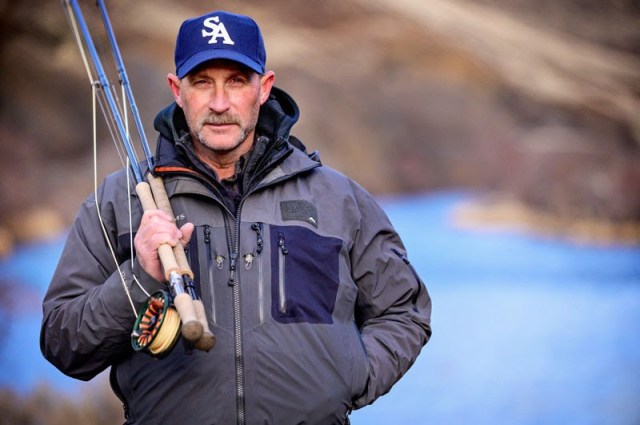
Zack Williams, who is the editor of Swing the Fly Magazine, is on the podcast to share the story of how he went from Great Lakes Steelheader to Spey Casting and Steelhead champion.Zack and I chat about why the number of swung fly fisherman is so low but growing.
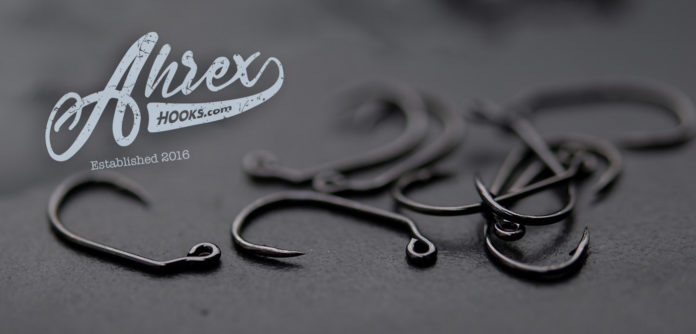
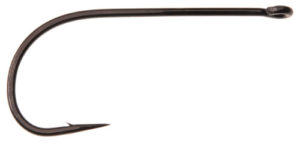
Morten Valeur, the founder of Ahrex Hooks, is on to shed some light on how and why he started a new hook company and how they have emerged as one of the leaders in the world.
Click below and listen to the Ahrex Hooks Podcast with Morten Valeur:
Find about the new hooks they have coming up this year and how you can replace some of your current hook line up. We hear about all of the big streamer mentors in Europe and the US on the podcast this week.
(Apologies for any transcription errors – this was generated automatically by Otter.ai)
Morten 0:00
Don’t fish with flies that have too long tails in the winter. It seems like pi Cabot tendency to to attack more often behind when the waters cold as to when it’s warmer, they attack more for the side. So you will have a lot of takes just you know, maybe just attacking if they if they take the fire directly from behind it and only
Dave S 0:24
that was Martin Luther with a nice little tip for your next pike trip. The man behind a Rex hooks today on the wet fly swing fly fishing show. Welcome to the wet fly swing fly fishing show where you discover tips,
Unknown Speaker 0:38
tricks and tools from the leading names in fly fishing. today.
Dave S 0:42
We’ll help you on your fly fishing journey with classic stories covering steelhead fishing, fly tying and much more. Hey, how’s it going? everyone thanks for stopping by the fly fishing show. Morton valuer who has one of the hottest hook companies on the market is here to tell his story. We find out about some of their new hook surprises. Coming up this year, find out which resources he recommends for streamers and who he thinks should be. You should be following. stay here till the end with a little nice bonus that I’m going to tuck in if you if you stick around to the very end. So without further ado, here’s Morton valor from a Rex hooks.com How’s it going, Martin?
Morten 1:22
Oh, good here in Denmark. Shining. Yeah. Nice. Really nice days. The middle of the summer here now and fishing is great. So yeah. Oh, good here.
Dave S 1:32
That’s cool. Yeah, we were just kind of just briefly chatting off here, right? I’ve interviewed a few people. I think, Martin Jordan, your godson is one from your neck of the woods and I’ve had a few people over around Europe but this is great to dig into it because your your name and your company has come up quite a bit, especially talking about pike and some other flight tying and stuff. So I’m interested to hear how, how that all came to be but maybe you just first talk about how you first got into fly fishing and then how that came into Your company.
Morten 2:02
Yeah, that’s a really good question. Maybe not a short one to answer really. It’s it’s a been I’m 55 now almost 55 at least and I’ve been fly fishing since I was 18 but started fishing when I was five. I grew up very close to a small pond and everybody else has started fishing there. And actually, we still the company is actually only still only 200 meters from the pond. So I’m kind of back to my roots doing this now but I’ve been in the industry fly fishing industry since I was 18. I worked in a shop where we had generals sporting goods, you can say but and fishing was one of them. And then I started fly fishing and well as well. So I was 18 when I started fly fishing. Did you just jump into as far as species was a brown trout pike? What was the first thing you got into as a kid it was
[expand title=”CONTINUE READING HERE”]
I think the mostly perch and Smaller species like white fish. That’s, that’s what is that’s in the lake down hill of this small pond here. And when I grew older I started pike fishing when it was start riding my bikes around my area here. And we have a lot of small pike lakes here. So that was the next species on my list. brown trout and see ron brown trout came on later, actually, when I was growing up, so I grew up with the with, yeah, perch, white fish and pike. I would say that’s the main species from the beginning. Gotcha. Yeah.
Dave S 3:33
Okay. Yeah. So you started so you’re in the shops over there and getting into that, and then I know you’ve written some books and some articles and then how, yeah, how did you bring that all into that? Yeah, maybe we can talk first about your books and then also and then how you brought that into the company. a wreck sucks.
Morten 3:51
Yeah, baby, because when I was when I was in the shop for maybe six or seven years and then I took some more education. And back in 95, my brother and I actually started a wholesale company just selling fly tying materials, mainly here in Scandinavia. And we actually, we’ve been doing that for almost 25 years. Actually, we just sold that company a couple of years ago. And then out of that came a Rex. And the main reason actually was I don’t want to blame other hook brands or anything, but we experienced a lot of difficulties in having all hooks in all sizes in stock all the time. So I kind of felt there was a market out there if you and I didn’t know if we could do it better or not. And and Time will tell. But that’s why that’s the route to to a bricks actually. So yeah, so we actually yeah, we’ve been in the industry for many, many years now and it but then again, there’s two things here. One thing is that Fly fishing and what we our passion and the other thing is the you can call it the business side of things but to me it’s it’s it kind of, it’s the same. It’s it’s a passion both for the fly fishing and for the hooks as well. It’s, it’s, yeah, it’s a way of living actually, I think a lot of people in this industry can recognize that it’s and guides and you progress as well. It’s hard to to keep those things apart.
Dave S 5:34
It is as I was just editing a podcast, I can’t remember who it was, but they were talking about that same thing. how, you know, you might not make a bazillion dollars, you know, but it’s just a way of life and it’s a pretty I know who was it was Matt Kelly’s the you know, with loon outdoors? Yeah. And he was saying that. Yeah. And that just that he said, You know what? I asked him the question I asked him, he’s got some kids. He’s got a seven year old that Yeah, got like eight fish over 20 inches already. And I’m like, yeah, so if that kid becomes a guide, are you good with it? And he was like, Yeah, I think it’d be awesome because he loves the industry. Does that. Yeah, you feel you? You kind of love The Yeah,
Morten 6:12
for sure. I know, Matt quite well actually and have the highest respect for him and what he’s doing. I totally agree it is. As you said, You’ll never be super rich selling flyovers. I know that but it’s it’s a it’s a really, it’s a fun job. You meet a lot of people, you can do what you like and love. And I think that’s probably more important than anything else. And I think, from what you’re telling, Matt is sharing that. The views on that I agree. It’s, it’s, it’s, it’s it how it is for us, at least for sure.
Dave S 6:49
That’s cool, though. Right? Who are the other? I mean, who’s the other big company, I guess his partners are there. How many companies are there competing with you guys in your next You know, in Europe, I guess or that yes,
Morten 7:01
there’s a lot of brands out there harsh gemco, gamakatsu, firehole.
Prime, many Kona, there’s a lot of brands and I think and the thing is actually to be honest, I think all these companies make a lot of very good hooks. And and you can all say why are we better or anything? I don’t think we are better but I think we have maybe have come up with a few designs that people like and and think they will be very useful with their fishing. I think some of the hooks we made for muskie, for example, has been quite well received then. And I think that actually comes out of our interest in fly fishing ourselves and we have a kind of an idea how hooks should look and how it works. But I wouldn’t say that we are much better than anybody else. I think we just were very focused on what we’re doing. And we don’t pay too much attention to what other companies So doing I, I know them quite well, because we’ve been wholesalers back in the day, so I know them quite well. I’d have respect for them. And I know they’re doing a good job and and we just try to do just as good job I would say exactly.
Unknown Speaker 8:16
So,
Dave S 8:16
yeah, and your hooks in that and I, like I said, there’s been a few people that have talked about, you know, when I asked the question, which hooks occasion I asked what what hooks you use, you know, and your name comes up. So when you talk about the muskie or pike hooks or some of that stuff, or just streamers in general, can you describe your hook and how maybe it is a little bit different than something else that’s out there? How it’s unique.
Morten 8:39
Yeah, I think it’s actually two things you asking about here because I want to separate it a little bit. If you look at the predator side, if you look at pike and muskie, that’s one thing. Then you have the whole scene around the what we call trout predator guys hunting for big tribe with big streamers. You have A lot of well known names out there doing that. And and, and I think that’s a pretty that’s a growing thing I would say. So I think both both areas if we start up the pike and muskie and even maybe some of the bigger saltwater species as well, I think we have a fishing pike myself I think we all do over here actually, I think we have a pretty good idea how the book should look. And it’s something to do with weight weight of the hook and hook gap if you build big streamers you want still they want a big hook gap and and you want to strong enough so you can’t make them to light if it’s but if you have a surface line you wanted light and all that and I think we know that I think we we got that in our blood. I know how we want the hook for exactly that. And I think that is recognized by both pipe fishermen and muskie guys, so yeah. When it comes to the the Trump side of things, we don’t have These big trout over here. And it’s not I think it came out of America, us the these, the hunting for the big crowds. And but we have one guy over here who’s really good at it. And that’s Andreas Anderson probably know that as well. Yep. And he’s a very good friend of mine and he helped out creating a building more or less all the hooks we have in that category. And so and he that was out of his experience from from the US and being friends with Ross Madden and a lot of the other guides in the US. So I’ve got a lot of Intel from from really, very experienced anglers and fly fishermen on that, that series of hooks. So I think that’s what we’re doing. We list some of the things we know ourselves from experience and where we don’t know anything. We just we listen to the people
Dave S 10:55
doing it every day. There you go. Yeah, there you go. That’s awesome. Okay, so So basically, I mean, like you said, one of the biggest tips is you listen to your customers and your in your, you know your people to let them tell you what to do. I mean, can you describe the process for somebody who doesn’t know how a hook? I mean, you could talk a lot about the design, you’ve talked a little bit about there, but how does a hook actually become what what does that process look like? Where does it you know, from your idea from a design, you’re out there fishing and you think, you know, you’re gonna do this. Can you talk a little about the manufacturing and how all that works?
Unknown Speaker 11:25
Yeah, for sure.
Morten 11:28
I think it always comes up as an idea when you’re fishing actually, maybe not ourselves, but friends, and people just riding. We have this kind of fishery, we really need a hook that looks like this. And then we will look into that and see if there’s any one thing for sure, we need to check is that a big, big enough market to do this because one of the issues with Hook manufacturing is, is the amount of folks who need to order just to make a new design. So,
Dave S 12:02
how many is that? What typically on average, how many of you? It’s like, yeah, 10,000 are
Morten 12:08
we looking most companies today in we’re not manufacturing the hooksett ourselves. We are. We’re working with both Japanese and Weejun and French hook manufacturers who are specialists in doing it, and they will make you the hook you want. And it depends on which company you’re working with. But most of the company’s asking 100,000 hooks pore size. So it’s, so you need to be you need to be pretty sure that it’s a hook that will
Dave S 12:41
have you had Have you had a situation where you got 100,000 hooks and and they weren’t good. You couldn’t sell it.
Morten 12:47
No, not not. Not yet. Yeah. But then again, I think we are different from other companies as well, because we don’t mind actually if who doesn’t become a huge seller. Anything if it fills a gap, and there’s enough, you know, enough people wanting it, we find with it, we don’t mind stocking a hook for maybe, let’s say a size in one model for several years. It’s not as long as we have other models and sizes that sell. Okay, uh, well, I think we’re fine with having sizes that don’t do that. So I don’t think we will ever discontinue models. Just because it’s not selling. I think it’s, I think you need to, I think you need to still be able to buy these special I know for myself, I’ve been flight I’ll fly tying flies from more than 30 years. And I think you get pretty annoyed when you find who you really like, and then this thing’s discontinued. I think a lot of people recognize that and I don’t like that. So I kind of promised myself that we wouldn’t do that. We’ll see in 10 years. You can ask me again in 10 minutes, right?
Dave S 13:58
That’s right. See if you’re still go if you’re still ghosts. Are you mentioned a bunch of companies at the start do is is it pretty much all those big companies? I mean, you’re one of the big companies now in the world and you know and in hooks I mean, are they all using kind of the same companies for manufacturing or they’re just a bunch of manufacturing companies?
Morten 14:16
Yeah, I’m To be honest, I’m not hundred percent sure about the different brands but I bought I know, I think in to my knowledge, at least I know that gamakatsu have their own production.
Dave S 14:27
Okay. So yeah, I was just asking about curious on the, you know, the manufacturers but it sounds like that. You don’t know exactly, but there’s probably a number of different manufacturers for some of the big brands.
Morten 14:40
Yeah, it’s no secret who makes the hooks actually in the world. It’s it’s mastered it’s VMC is a lot of Japanese combi companies. They are manufacturing the hooks and I think most of us are using these manufacturers and and the thing is, you could say why The big companies do this themselves and they do a lot of these companies do have their own fly hooks as well. I think I think the reason why there’s a room for a company like us and other companies alike is that we’re specialists on fly fishing and and you know fly fishing is a special group of people and and all I think all fly tires and fly fishermen have their own ideas how who should look and maybe these bigger companies all don’t always have both the time and, and an interest in doing such small numbers to be honest, which fly fishing is compared to maybe spin fishing for bass, something else? So I think there’s a room for small companies like us and others to to accommodate this and make the hooks to the market or the five times want. Yeah. That
makes that makes sense.
Dave S 15:58
Yeah, it does. So basically, so look Going out the process you have an idea you have some concept in your mind you you maybe send the company over a sketch or do you do some sort of a like 3d computer CAD design? Or do you just Yeah, yeah, send over a design and then they get it and then they can just produce it and send you get some samples that you can take a look at. And actually you Yes, yeah. And then yeah, yeah. Then you test it. Then you say, Okay, this is good to go and go for the next then you they send you an order. Exactly.
Morten 16:25
Yeah, exactly. That’s, that’s actually how it works. And it said, that’s the process. Yeah,
Dave S 16:30
yeah. Okay.
Morten 16:32
Perfect. We normally just get one size to check and that’s and that’s also enough, you can use it is a different thing to have the hook in your hand, maybe tie a few flies on it. And you really notice that maybe the shank should be one millimeter longer or something like that. And the gap was a little bit too small and it’s small adjustments in them but this they are pretty important. I would say. It’s almost always the last small touches that makes who great I would say it’s in my opinion at least Yeah. How is
Dave S 17:04
the hook you know this sharp you know the point and the the sharpness of the hook I mean can you talk about that or is that pretty common that most of the good companies have a similar you know the point stays sharp you know how often maybe talk about that yeah how often do you have to sharpen sharpen your or do you sharpen when you’re out there fishing for say pike
Morten 17:22
I’m old fashioned.
Unknown Speaker 17:23
Yeah so I do
Morten 17:27
honestly I don’t think a lot of the newer hooks you see out in the market today, most of them are really good quality and and are what you call chemical chemical shop. And so but then again, you know, you sell if you fish in the lake with rocks and and all idea yeah, and you’ll hit a rock now and then then you have to resharpen it for sure. And I do that I think that’s important to stay sharp all the time. So but I think out of the box today, all almost all hooks today, really good quality, I would say so you You don’t have to do it that often and they are stronger today in the point than when they were maybe 10 years ago. So a lot of things have changed to be honest. It’s it’s and the process how they do it is more accurate and yeah, it’s it’s, it’s buried, actually, honestly, it’s very, I think it’s difficult to find a really bad hook out there today. It’s, most companies are doing a really good job now.
Dave S 18:26
Gotcha. So if you’re out there fishing for whatever species, pike or brown Browns or anything, after you catch a number of fish, do you find that with your hooks? Or? I mean, you should you have a sharpener with you to keep it sharp. Is that something
Morten 18:40
No, not No, no, not if it’s, it’s if it’s only catching fish, I would say you don’t need to sharpen it. It’s more when you drag
Dave S 18:47
in the ball and get stuck in the bottom.
Morten 18:51
hit a rock or something like that, then then you might want to resharpen But otherwise, I think you’d be fine. That’s pretty sure. Yeah,
Dave S 18:59
yeah. I grew up You know Mustang you mentioned Mustang I grew up the I think it was a 36 890 the steel you know yeah steel head hooked up by in the black and man i mean i still I still have those hooks I got piles of those things and yeah, I mean if you look at that hook say back when you started in the 80s or you know early 90s you know do you have a first maybe what is your Huck what would be your recommendation for replacement for if somebody is fishing for steelhead? Or I guess you could maybe say Atlantic’s and what would you say what would be the comparable hook you guys have now?
Morten 19:31
Well, we’re talking about a hook to tie Oh, no. Do you use it? Do you think a tube
Dave S 19:38
right right right. Yeah, that’s a that’s a good question. I wasn’t even thinking tubes. So yeah, I was thinking to hooks to tie on do you guys do a lot of baby can talk about that? Yeah, I do do a lot of both.
Morten 19:48
Yeah, because I think in Scandinavia to fly fishing have taken over quite a lot from from standard hooks. fly’s tight on the hook. So yeah, we do both tube singles chip doubles and over here we are allowed to use choose travels as well. Even though that is changing, I think you’re seeing more and more fisheries asking for either tube doubles or even cheap singles, which is a good thing. I think we’re moving in the right direction. You’ve been doing this for many many years and only allowing people to fish with tubes a lot singles, which is a great thing. I think it’s down to the tradition. Honestly. It’s been a there’s a long tradition for using travels in both UK and Norway, Sweden and even in Denmark so yeah, but it’s changing. When it comes to seminars, stealing hooks for tying, we do have a few two hooks for for for tying. steelhead parents are no but we even have a few trailer hooks for if you you if you type
Dave S 21:00
Yep. intruder intruder since
Morten 21:02
it Yeah, exactly. So I think we got it covered now but it is one of the areas we want to expand to be honest and one of the hooks and I’m actually telling a small secret but I’m fine with doing that with you. Yeah, we actually need to do be introducing a bumper hook this fall. And summer. Good guys in the US has been involved in that. Steve silverio is one of them. You probably knew from regal. Oh, right. And he’s been involved. Yeah. So he’s been very helpful in in that design and how it should look so that that’ll be out in the
Dave S 21:36
fall. What is that? Can you can you say that again? What was that called?
Morten 21:39
A bumper hook for butterflies.
Dave S 21:42
Dry flies. Can you clarify exactly what that what that is?
Morten 21:48
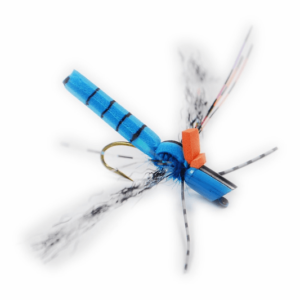
It’s a deer fly where you have a hackle one through it. It looks like oh yeah, it is called. I don’t know. I don’t have another name for that. I think it’s called bumper or be like
Dave S 22:01
a like a bomb or like a bomb or fly. Like Yeah, yeah bomber like yeah it’s just a basically spun or stack deer hair with with a hackle going through the middle kind of. Yeah. Fly for steelhead or whatever. Yeah,
Morten 22:13
exactly. Yep. And that’s one of the new additions for for the fall. That’s right. actually made, right, we think. Yeah,
Dave S 22:22
that’s right. Is that is that have a bit? I guess like you mentioned the gap. Does that hook have a bigger gap? Or? Yes, me. Exactly. That’s one
Morten 22:29
of the issue. Yeah. Right. That’s one of the issues with that kind of focus, very important that you don’t get the gap, the gap must have to have a certain width. Otherwise, you’d have you know, you will miss a few fish because you have the deer hair, and it takes up space underneath the hood and all that. So we’ve taken that into consideration. So it’s, yeah, gotcha. Cool. And,
Dave S 22:56
yeah, I mean, there’s obviously a ton of things. We can go into No, go go down some paths here. I mean, do you have as far as the history of some of the hooks and kind of hook design? Are you like, would you consider yourself kind of a history buff? Or is that something that you maybe don’t know as much about? And I and I asked I guess maybe I’ll just ask the question. The question I was thinking was, you know, again going back to these older hooks, you know, the the spro Limerick, there’s these different name, you know, names for styles of hooks, and I don’t know is that still, is that still kind of around? And do you have different names? I mean, how do you name your your hooks? I obviously you have a numbering system, but can you describe that a little bit? Yeah.
Morten 23:31
Yeah, it’s actually funny you asked because I think a lot of these names still is still around, I can use them as well. And Limerick for example, for the band and it’s still a very popular band and and we using that on both our wet fly hooks and we’re working on a new, a new stream of bogus well, where where we have the Limerick bend and I think it’s still very appealing. You even see one of our hooks, having And Aberdeen bend. So I think I think, you know, even though we think we are innovating and doing new stuff, yes, we’re still stuck in tradition. And I think we should be it’s not a bad thing I really, I really like that, you know, growing up with fly fishing is pretty important as thing still some things that are recognizable and, and I like that and we do that as well. And when it comes to naming that’s really really difficult. It’s you know, it’s so easy that you put up put on a name and a Hogan a new kind of, you know, you categorize it in one way but and back in the day so I think people are looking at that name and saying, Okay, this is a piku I can’t use this one for bass, trout or anything like that. But that has changed. I think most people today is just looking at the hook is that okay? This is a nice hook. I can use this for whatever So it’s so To be honest, I would rather prefer not to give the hooks a name if we do it anyhow. But it’s we shouldn’t be honest. It should just just be a numbers of people can make up their own opinion on what they wanted to use it for. But yeah, yeah, that’s it, but there was a little bit stuck in tradition and put on a name anyhow.
Dave S 25:20
Yeah. Yeah, that’s a good point. I wanted to dig into pike here in a couple of seconds. Yeah. But before we get there, can you just talk about maybe what your most popular hook style or number you know, what is your most popular hook you guys sell?
Morten 25:34
Yeah, depends on where you are in the world. I would say if you’re looking at the, at the in the US, I think our our, the hook we call trout predator is tp 610. To be precise. That’s probably one of the most probably hooks we have. And I think number two now is the the stakes are the big stinger hook for muskie, but it’s also It’s also down to seasons a little bit. So if the muskie season is on we sell them all muskie hooks if the trout season we sell my trout hooks. And the last couple of weeks it’s been hex because the hexes hatching on us and so it is very much down to was it’s a seasonal say is more or less now because I think a lot of people still tie flies when just the night before they go fishing. Yeah, I do that. So
Dave S 26:26
that’s awesome. So
Morten 26:27
yeah, I think I think there’s still a lot of people still doing even though that during the corona covid 19 prizes. I think a lot of people have been Time flies, not just the night before they go impeaching, but just Time flies in general. How is
Dave S 26:42
How is COVID in your area and in Denmark?
Morten 26:46
We’re fine. Fine now. Actually, I think we have more or less back to normal. We’ve been very fortunate then. Okay. Oh, government government has taken good care of all this. I think and we Still need to take care. I think we all do it still. Yeah, I think a lot of people in Denmark kind of forgotten now that we even had COVID-19 pentameric.
Dave S 27:10
Are there people still wearing masks around there?
Morten 27:13
No, no, no mask in Denmark at all. Look at that. I mean,
Dave S 27:16
did you go through a phase where you had masks?
Unknown Speaker 27:18
No, no, no. You have
Dave S 27:20
to have to have a headset. That’s amazing thing here is we’re we’re like the example of the I think the probably the worst case scenario of how we handled it, because we’re going through a second phase now of, you know, it’s this crazy thing we’re actually having to increase and so it’s this bizarre, bizarre thing, but no, it’s good to hear things are good in your neck of the woods. Yeah, but
Morten 27:42
Yeah, I agree. It’s good to hear but I think I think we all need to still pay attention. That’s even though it looks quite good. Now. I think still things we need to pay attention. I think everybody should do that and take care of each other and keep the distance and all that i think i think this is No, we’re to be honest. It’s Yeah. And we see we do see a small outbreaks here and then when they really take good care of that, so I’m trying to track
where they came from and all that. So we just cross our fingers. That’s okay.
Dave S 28:14
Has your time. Try? I mean, obviously I met you, I think at IFTTT last year. Yeah, a lot of Yeah, a lot of that’s been canceled. It has your year, you know, over the next year, what you’re looking out over the next year changed quite a bit now that the travel is kind of changed.
Morten 28:29
Oh, yeah, for sure. And that will be Yeah, there’ll be almost no travel at all. And I even think I think we’ve been talking about this. I think I will change how we work as well. I think a lot of meetings will be held, like we do now on Skype, Microsoft meetings and all these new things. And I think I think that will change and I think we’ll travel less than we did before. Even though I think the airline companies would like to travel a lot again. I think they’re hurting a lot. But I don’t think we will travel as much as we did before and yeah, I think we’ll do other stuff maybe more meetings online and maybe keep it down to a few meetings a year traveling. That’s it.
Dave S 29:13
That’s it I think yeah change for sure. Well, let’s let’s dig in. I know you mentioned you know, browns and pikelets I’ve had obviously you know, some some big names Kelly gallop and I guess Kelly house more streamers and stuff like that. But gunner brain kind of Bramer was on and I’m sure we talked about you know, you guys on that show, we talked a little bit about pike but yeah, let’s talk about pike in your neck of the woods. Can you describe maybe take us to your home water? It sounds like you fish more pike in lakes. But can you bring us to the water and talk about maybe if you have a water you want to describe a name or if you want if not just talk about how you catch pike there?
Morten 29:51
Yeah, I do two things. Actually. We’re, we’re based in Denmark. It’s a pretty if you look at the maps demo is a pretty flat country. I think the highest point we have hindon mark is 190 meters high which is it’s nothing no
Unknown Speaker 30:07
600 feet. Yeah.
Morten 30:09
It’s like a pancake. So yeah, it is like it lakes in Denmark and I do travel quite a lot to Sweden to fish for pipes as well, especially in the northern part of Sweden which remains I think probably very looks very much like Canada I would say like, it’s more mountainous and it’s, yeah, it’s more pristine as well as beautiful area. So it’s two different things. I think back home area, we got a lot of agricultural in the area and some of the lakes are, you know, maybe over fertilized a little bit so that’s what we are facing here. So my pike fishing, I do most of it in the winter. because water is clear and any fishing is maybe not easier because it’s winter but It’s just, it just got to be I’d prefer to fish in clear water to be honest. And it likes to get green in the summer and all that so it’s winter fishing for me. And most of that fishing is done in in smaller lakes. Shallow lakes I prefer to be honest, what
Dave S 31:18
would be a small sadly
Morten 31:19
Yeah, what small? It’s a
Dave S 31:21
like a like a I’m thinking two acres, two acres. Okay.
Morten 31:24
Yeah, but that’s pretty I think that’s small in my world,
Dave S 31:29
so it’s
Morten 31:31
not deep, maybe three to six feet deep. Is my
what I prefer because you can always we do have bigger legs, which are deeper for sure. And you have a great chance as well. But I think when it comes to fly fishing, I think we be better off with with more shallow lakes and you I think you get closer to more fish if you fish a more shallow water than you do on a big Like was really deep and you need to use sinking lines and all that, but I do that as well. But I prefer the the other ones so yep. And another thing is that the pipes here are spawning in May. Okay and we have a we have a period in April we are not allowed to fish show the best season is from December until end of March and okay. And and they’re really strong they’re big and yeah, and if you don’t have to cold winter it’s it’s you can have some pretty good fishing that time of the year.
Dave S 32:30
Yes. Nice. So and how do the you know as far as the you know, the life history of pike I don’t know the whole what what you know when I guess they spawn like you said in May. And so but are they getting pretty big in the small lakes and how are they you know, I guess yeah, there’s lots of growth either lots of sun and all that stuff.
Morten 32:48
Yeah. Yeah, that it’s
this may be the advantage of some of these legs being a little bit over fertilize. There’s a lot white fish in these legs so they got pretty got a lot of food so it’s they’re growing. I think the downside is that the small lakes get very warm in the summer so they don’t add any weight in the summer do in the fall, winter and maybe early spring. So it’s but if you have a healthy Lake you’d still still grow pretty, pretty big sizes. I think we Lego fish you will have them we have them up to 25 pounds or something like that. And we vary this decent parkins nice and the same thing you will find in a lot of waters in Sweden especially especially the northern part of Sweden, you have a lot of easy accessible good pipe lace up there because they don’t leave a lot of people out there and it’s not fished hard for pike. They’re more into trout, grayling, salmon and all that so you can even though pike fishing is become more and more popular as well. So it’s still it’s still a pretty it’s still Small sport but do you probably I think one of the most important guys over here making this pack for making pike fishing popular is Nicholas power. And he is he’s done a great work in and there’s also a way to now I’m talking about something else but it’s also a way of attracting young people to fly fishing actually, because pike is easy accessible, it’s not expensive. You don’t need a lot of expensive gear either. So it’s a really good way to start fly fishing nets for pike especially in countries like Sweden where we have a lot of likes it’s it’s easy to everybody has a lake within maybe five miles of the house so it’s just you can just go there Yeah,
Unknown Speaker 34:43
yeah.
Dave S 34:44
hose to like what Atlantic salmon I guess is the extreme right? That’s Yeah, that’s right. For sure. But no, that’s a good point. And even Yeah,
Morten 34:53
and even trout fishing over here is not that easy, accessible, to be honest. It’s I think you’re I think you log in to us. It’s You have, it’s pretty easy. It’s pretty easy to access good fishing in the US. It’s not as easy over here, I would say. So it’s not in Denmark at least Sweden is easier. That’s right.
Dave S 35:12
That’s pretty cool. That’s pretty cool to have Peggy I think you’re right. I mean, pikers seems like it’s really kind of I don’t know if it’s blowing up yet, but people realize that Pike’s an amazing fish to get into. Can you bring us to the to the water? I mean, what’s what are you fishing out of? Are you waiting? I mean, take us to the water, say one of those two acre lake or ponds. You’re going for pike? You know, talk about the rod reel, line. Yeah. And then and then what are you using to get into these fish?
Morten 35:39
Exactly. I’m using inflow to I’m
Unknown Speaker 35:43
to God, perfect.
Morten 35:44
I’ve done it for 20 years now and I love it.
Dave S 35:48
What float to do you have a name of a company like I’ve cast
Morten 35:51
the right now I have an outcast power. It’s It’s a fantastic, fantastic coach. Yeah, really good. Quality and really love my my throat you I’m trying to kayaks I’ve tried other kinds of boats and things like that but i’m not i’m i’ve never been a boat guy I’m a float guy. So that’s what I do and and it’s you know and in these small legs you don’t need about unique you don’t need a kayak anything else it’s much easier to get around in your flow tube. So typical day there would be yeah my flow too packed with fly boxes and two rods normally one for surface fishing and one for streamers. I prefer around six to eight weight I know that’s probably a little bit lighter than what you hear maybe in the US and even from the Dutch guys. The Dutch guys are using 10 weights 12 weights. I think it’s I think the reason for that actually this difference between countries there is that in in Holland, Netherlands, the fish were really big Very, very big flies quite heavy with a lot of material because the lakes are very unclear Alright, so I think they need a bigger route to cast these big streamers and up here where you may be facing clear water you can sufficiently smaller flies and lighter flies as well which you can easily cast on a six weight using a shooting head or something like that. So it’s so that’s a normal my normal setup it’s a shooting hair system with I do have both floating and intermediate and sinking lines for the legs for the shallow lakes I always use my intermediate lines for stream as my floater light for floating it for use a proper surface layer or something like that. Perfect so it’s a yeah and then the fish fishing there in general when you fish window is pretty cold water. So you you need I think there’s a few things you need to pay attention to when you fish for in that in the winner is unit to fish slowly, so you don’t, you can use really heavy flies with big leaded led eyes anything like that will sink too fast. So lightweight flies and alight, maybe intermediate line is what I’m preferring and and, and efficient pretty slowly normally if it’s a cold winter you Only you only get one chance with each fish because they lose using a lot of energy to attack your your bait. They even use a lot of energy to tag a small fish as well. Sure. So you need to you need to get them when you got a you need to hook them when you get the attack. So I think Yeah, slow slow receives and and, and and not too big flies. Is that what I’m using it it works pretty good. Gotcha.
Dave S 38:50
Gotcha and is the retrieve the slow retrieve is that kind of like a what do you do in like Poland? What does that retrieve look like? Are you mixing up quite a bit of either pretty standard research Even the winter.
Morten 39:00
Yeah, that’s pretty standard. But I like to especially in the winter, I prefer to pause quite a lot because it seems like they even have a lot of lot of takes when the fly was just kind of hoovering in the water. And it’s a thing a lot of people forget that a little bit, especially in the winter, it doesn’t matter it matter in the summer, but in the winter that you need to pass a lot on even sometimes when I’ve finished the retriever, just let the fly hang in the water and just in front of me. And I have quite a few takes right in front of me because seems like they just follow the fly maybe for eight to 10 meters without attacking. And then when you stand still in front of the belly, it can’t resist and they they attack anyhow, so yeah, slow retrieves another small thing here. small tip maybe is that don’t fish with flies that have too long tails in the winter. It seems like pike have a tendency to to Attack more often behind when the waters cold as to when it’s warmer, they attack more from the side. So you will have a lot of takes just you know, maybe just attacking if you take if you take the fire directly from behind it only by the tail if you have too long a tail, so it’s a short of short sales, maybe even you can use the trailer hook as well I’m not too happy about having two hooks in my flies. But if if you do that will increase catches I think if you have a trailer hook, or just make the tail shorter. Gotcha. Yeah.
Dave S 40:36
Okay that you know that’s a some good tips there. So, in when you talk about flies, maybe we can just jump into a little segment the 222 which is top two flies top two tips, top two resources and you know for this if we’re talking about flies, what pattern you’re describing that you know you’re we’re in a shower three to six foot lake and you’re kind of out there fishing in your flow to what would be a couple good patterns, we might be able to look up online.
Morten 41:00
I’m really big fan of Papa, which is flies. I think he is very lightweight, easy to cast. So my parents are variations of beast flies, you could say reverse tide bucktails and all that. Color wise black, maybe probably black is number one white. Number two, he also published classics, I would say if you read his books, it’s a that’s I think White is his number one, Black is number two. But to me, it’s it’s vice versa a little bit, but I think I think both work really, really well. And yeah, and I think that, for me, it’s not so much about patterns. It’s more like it’s more important that they’re super lightweight. I even have flies made just out of flashabou which is spawn in a dubbing loop and then and then turn around who and and it and it’s decrease very lively fly, which is very lightweight. So I think Wait for me is more important than how the flies is stressed out if it’s a specific pattern, but if you look into patterns but proper gesture, okay, he he knows what he’s doing. Gotcha yeah grammar as you work on grammar, same thing. Anything he is inspired by published as well I think we all are when it comes to these big flies he’s he’s been yeah he’s such an important fly turn in. And I think all of us are inspired more or less by him it’s it’s right yeah. And maybe adapted a little bit but it comes from him.
Dave S 42:38
Yeah, that’s right. Yeah, Gunner did talk about puppets and I haven’t had him on yet but we’ve talked on email so he’ll we’ll get him on as well. Okay, so and then
Morten 42:49
I’ll get into that. I’ll listen to that one.
Dave S 42:51
Okay. Yes.
Morten 42:53
He is the master in my world. What
Dave S 42:55
question if you had to ask Popovich a question, what would Do you have one that would come to mind? Or do you pretty much have you read all this stuff? You know, kind of all his his? You know how I
Morten 43:05
think? I think, yeah, I’ve read all his stuff for sure. I think you need to if you if you really, if you’re really keen on, on predator fishing, it doesn’t matter if it’s Tiger muskie bass, but all these big predators, I think you need to read his books. Yeah, I would probably ask him where he got all because he must have fished quite a lot. Otherwise he’s a very smart guy who can figure out because I think what I like about his book is is it’s based and it’s based on facts, actually, he said he has fished a lot and he must have, so I would just probably just curious how much how he goes, get that much time for fishing, developing all these techniques, and doing so well. That’s right. So he’s,
Dave S 43:48
yeah, that’s right. So you met you mentioned the flashabou fly. So is that fly so you’re just literally it’s just a wider black, kind of a bright, thinly does you No thinly designed flashabou fly
Morten 44:02
no the flashy blue flies I normally do in other colors I think it’s more the bees fly said you wouldn’t play a virus but you could I do have flashlights in black as well but when they got a similar design you could say but I think with the flash you can add more color to it like gold silver and yeah whatever calling like I think today you can get almost all colors and flashabou so it’s everything and even holographics and pearls and all that so there’s a lot of sand you can but to be to be honest then and I’ve tried I tried so many different colors and I it seems like you The more you fish Dale the fewer flies you actually use I think you’re getting your basics right and so I know it sounds boring, but it will come down to black silver.
You know, gold copper and yeah and black and white when it comes to the beasts and and buckton flies. Yeah, it is
And this is a true noun event for sure this is true. Oh, chartreuse. Right. That’s right. Yeah. Okay. And what?
Dave S 45:06
What would be your hook that you guys have that would be good with those flies? Or is there a number of different ones you might use?
Morten 45:12
Yeah, I have one one who can particularly actually which, and then then we’re back to the names and naming. This is actually the hook out of the trout predator series. It’s called the 615. It’s a it’s a long shank, lightweight, hook in and I use afo which is my preferred size for pike fishing. And then the just pinch the bar because we don’t need pipes and pipe fly fishing To be honest, back to naming of,
Unknown Speaker 45:42
you know,
Morten 45:44
it is difficult because trout predators and predator overlaps quite a lot. So it’s, I used to trout predator 615 and even the 610 it’s a it’s a pretty, the two good hooks for that. As long as they’re lightweight and strong enough to hold a big fish. I think the six feet 615 is that it might be something different if you’re fishing a big stream where you have a lot of power and the water but I think for pond fishing you don’t need anything else than that to be honest
Dave S 46:17
as it sounds like your area maybe is a little unique. Well I know the cool thing is there’s lots of small ponds all around the world so that’s a great great thing but yeah, I mean like you said lots of guys there’s guys fishing deeper water and have dark you know, water they can’t the visibility isn’t as good so there’s all sorts of different conditions but for the condition you’re describing, which is pretty clear water in the winter light a light hook and yeah, yeah, that sounds that’s the way i’d love because it said to me, you know casting a gigantic heavy and using a 12 weight or even a 10 weight is that doesn’t sound like a lot of fun. Although rods are better now obviously than they used to be. What’s your recommendation? Do you have a rod you know company or anything you Know you like to use out there
Morten 47:02
yeah I’m I am I’m a Scott guy when it comes to your RSI right right now I fish for
for pike I use my radian nine oh wait which is a very good rod and even tried the new saltwater rods for for pike fishing the new Scott sector and I don’t know how much you into Scott Ross but I think in my in my opinion for pike fishing at least I’m not the sole water guys need to talk about saltwater fishing with the new Ross but I think actually I think Scott has made a really really good pie grow to the new school sector even though it’s meant meant for soul water because it’s a it’s a it’s a Yeah, it’s much more forgiving than the old meridian they had. I think a lot of salt water guys preferred the meridian because they could cast longer and all that but for practical fishing sitting in the flow to score sector our aid weight is perfect for that and it’s It’s not too stiff it is is really nice rod for that so yeah radian So Scott sectors that’s the two routes I prefer for that purpose
Dave S 48:09
parade Ross both yeah I haven’t I haven’t used a Scott too often but I know the I have to check our local fly shop I have a we have an affiliate deal set up with our local the gorge fly shop so if anybody listening okay yeah, I wanted to check out I believe they have Scott but I’ll have to double check if they do I’ll put a link in the show notes to that rod you’re talking about?
Unknown Speaker 48:32
Yeah, those rods.
Dave S 48:34
So
Morten 48:34
yeah, when it when it comes to reels and lines and all that it’s, as I said, it’s more for me, it’s it’s a shooting head system and I use the scientific angles for that. And there’s a lot of good lines out there for scientific areas and have all been always been scientific angles for me. So that’s what I’m using. And then three years it’s watery slams and rails but it could be Anything but I really like the design I think you know Scandinavian descent design is something that lives together so I think this the waters lamps and greens are appealing to me so
nice really really nice Really?
Dave S 49:15
Yeah there’s there’s a ton of good stuff okay, well let’s keep so we got flies on that 222 so in you mentioned some tips any other a couple of tips you want to throw out there for for fishing like we’re talking about for pike
Morten 49:27
yeah I think I have a few small is small things but that’s something may you know, you know how that is. It’s sometimes the small things but the most important one thing I actually just discovered recently I’ve had a really hard time to find the right wire for pike fishing as a Yeah, it I just noticed that isn’t it just because I hadn’t have any gain from this but I think the new scientific answer just made and use seven times seven strand wire which is really really nice for pike face and they got a 25 pounds and a 45 pounds in that one and I prefer the 25 pounds it’s it’s just a fantastic wire and it’s not double you can you can make your knots and all that it’s really nice to use and just I just connected to piece of
Dave S 50:18
fluorocarbon
Morten 50:21
It doesn’t matter what what kind of you can use. What’s the knot you use? Well what are you to tie? Yeah, yeah, between the between the wire and the and the the monofilament or maybe fluorocarbon I’d use just a surgeon’s knot or if you even know what you can even use I think you’ve got some connectors now. I think it was not too kinky made some connectors many years ago I still have a few of those where you have two small holes where you can do you not know that they quite nice. Okay and then you says some Just a small snap lock to, to tie on the put on the fly. Yeah, that’s I know that’s small things, but it is really hard to find the right way. I don’t want it to be too stiff or too soft. You don’t want to curl up when you have you got the first pike and I’ve seen a lot of wires just curl up when you had the first patient that’s really annoying, to be honest. So
Morten 51:29
So bring a towel when you have pike fishing in the window, your hands will
Dave S 51:32
call. Oh, bring it bring a towel just to keep your hands warm.
Morten 51:35
Yeah, yeah,
Dave S 51:37
that’s right. What is it like? What is it what if you’re out there December you know, how cold does it get out there? I can’t get
Morten 51:44
Yeah, it’s I’m not so good with fire. Right. But then in Denmark, it would be zero degrees and I’m not sure what it is in Fahrenheit. But it’s it’s just before it’s the right
Dave S 51:58
thing. Yeah.
Morten 51:59
Yeah. Before it’s
Dave S 52:01
So yeah, you’re not getting down to like way way below zero
Morten 52:06
no otherwise the lakes will just freeze up and we’re not so I’m trying to and you know the that’s the backside of all this with the climate change and all that I think we don’t have ice in the windows anymore which is good for fishing. I’m not sure if it’s good for for the nature but it’s it’s it allows us to fish already all year round now actually, it’s I think it’s more than four or five years ago that we couldn’t go fishing when in the winter. So it is getting warmer here as well as it is everywhere in the world of thing. So, so it’s it’s
Yeah, which allows us to fish mobile pack in the winter. But
Dave S 52:44
yeah, this is the global warming. We won’t dig in too much on that there’s a whole No, I’d love to I’d love to dig into it too, because there’s a lot of good stuff there including, like, I have a friend that we just Oh, he was doing some stuff. Work at his property and he got a new new Tesla, new Tesla the garage. And I haven’t even driven I haven’t even driven a Tesla yet. But, you know, it just goes back to that thing like all this stuff. And that’s the cool thing about flyfishing is right, we’re all in this this industry, it’s really conservation minded. So I think that’s one of the great things.
Morten 53:17
Oh, yes.
Dave S 53:18
Do you notice? Do you notice that in Denmark, you guys are probably ahead of the curve on a lot of that stuff is that is kind of conservation, all that stuff. Pretty, pretty hot topic over there.
Morten 53:29
I think we am probably better at
working on renewable energy or things like that, then we are on. Yeah, because then my academic is a is agricultural country. So we have a lot of farming around here. And you know, when a country has a lot of farming, you always have issues around that. Farmers. It’s important for me, yeah, it’s important. Exactly. And it’s important for the country that the that the farmers can do what they’re doing and all that You guys don’t have loot
Dave S 54:01
you guys don’t have really like a, you know, necessarily an endangered, endangered species where you that takes precedence over the agriculture sort of thing. Or
Morten 54:14
we do have that in in some cases, I would say, but I’m not. I don’t think it works really, really well. To be honest, I think we can learn more about this from other countries. But I think I do think a lot of things are good here because, as I said, a lot of we’ve got a lot of wind energy here now and I think it today it’s smaller than I think with Denmark is covered with I think 60% of the use of energy in Denmark come from wind. So it is it is I think, there we are ahead of the curve. It’s but maybe, and then and that’s it, you know, that’s important for our nature and what have you as well, but it is just, sometimes we still see cases where you you, you get polluted streams and from farming and all that. It’s not over yet. I hear ya.
Dave S 55:06
Yeah. Cool. Well, let’s say we met you at the start about some of your books. Can you just describe? I’m not sure how many books you have out there but yeah, a couple of your books.
Morten 55:16
Yeah, it isn’t it it’s it’s a back in the days I was younger.
Dave S 55:20
Oh, yeah.
Morten 55:22
It’s it’s I think the last book I made was maybe I can’t remember. It’s almost in a while. Almost 20 years ago. That’s That’s cool. Yeah. It’s
Dave S 55:33
what got you in Well, maybe just I don’t know if you wanted to talk about maybe just pick one out that we can. It can you still find these books out there anywhere?
Morten 55:41
I’m not sure I think. I don’t think they’re available anymore. To be honest. It was about flying. So all we saw we always been about fly fishing and fly tying these will fly tying books. I’ve spent more than 30 years old so it’s almost 25 years ago to be honest. There you go. So it’s I knew it all back then. Yeah, you know that when you’re younger, you know what I was right? I don’t know.
Dave S 56:03
So do you have? Do you want to throw out a Dave? So we could try to dig it up on the Google machine? Or
Morten 56:09
I just I think if you just Google my name and write books, I think you’d probably find it.
Dave S 56:14
So if you looked at that book, now you picked it up and you read it, would you be? Would you be happy with reading it? Or would be would it kind of make you cringe a little bit?
Morten 56:24
No, I think I’ll still be happy because it was kind of you know, if you do, you probably have it the same way. When you look back at things you’ve done when you were younger, you can still kind of imagine how it was when you had that age. And you thought, as I said, I said with that Bogo, I think we put in maybe 100 patents we used at that time, probably not use a lot of those patterns today, but we thought we that was a toss. That’s what we love back then. And that was Yeah, it’s kind of a time machine you can say and you can look at it and I’m still proud of what we did there. When I still have Hugo flies in my boxes so it was not it was not too bad. There you go. Sure, yeah, we are in in in an evolving hobby. So I think especially the last 10 years I think a lot of things have happened I think we’re getting closer and closer to two from what you’ve seen the spinning and and and luring industry and, and trying to recreate that without flies and a lot of things have changed to in the better way to be honest. It’s not so it’s not locked anymore. You must do it like this. You must have five wraps of things on your seven, five, otherwise it wouldn’t work. And that’s what I grew up with. It’s I think it’s positive that people are so creative now
Unknown Speaker 57:41
to do cool.
Dave S 57:44
And you’re so as far as resources you obviously you know, we talked about profit any other books, magazines, people we might want to look at to kind of dig into pike fishing a little more that Yeah,
Morten 57:57
yeah, I must say I’m very much into books. I still are and I still am. And it’s a it’s a very fantastic resource for in. And I think you have some, some really good writers in the US. We mentioned Bob Popovich because a lot of other guys out there doing a really good job. And they have so much knowledge and I thankfully they’d still want to share it in books and not just on Rick Stoll is just came up with a book and and his books like that are very important to me. pedco and I think, yeah, so it’s, they it’s important, I think, I’m happy that they’re still publish properties out there that wants to do books. I know it’s difficult these days, because a lot of a lot of things are online today, but I think we should support and still buy books and learn from them. It’s definitely and I do Sure,
Dave S 58:53
yeah, I’ll put a link to that I actually had recently. Rich strawless and pat Cohen on different episodes. Ah, yeah, I’ll put links. Yeah, they were great. Yeah, Pat. Pat talked about tying the big, you know, all the deer hair stuff. And I’m sure he probably has in your hooks as well. And then rich straws definitely mentioned you guys. He said he loves he loves your hooks as well. So yeah, it’s all obviously a cool little, you know, you’re good. I mean, those guys are tired the big stuff and you know, and that’s what you especially I mean, would you say your company? I mean, as we start to wrap this thing up? You know, do you specialize more? That is your thing, the big, the big hooks the big more than some of the other types of hooks?
Morten 59:36
Yeah, I think you’re right there actually, even though that we want to kind of cover it all. I think we have become known as the brand who takes care of the big hooks, I must say. So we’re selling more big hooks than smaller hooks and we do have a pretty, pretty big freshwater series with all the dry fly and limbs and all that as well. And which is just as important as is for with all the big hooks. But I think I think that’s where we I think that’s where we came from and and and it’s Yeah, I think it’s and I think there’s a lot of more a lot more good freshwater hooks out there like nymphs and dryers and all that i think i think we kind of the big hoax was in smaller niche you can say and we kind of covered that in the beginning and I think people right, so yeah, I think I agree that we’re probably we’re probably more known for the big crusade and big hoax than the small hooks.
Dave S 1:00:35
I would say that’s perfect. So I got a couple of questions. Take us out of here. Yeah, and one of them you know, you mentioned at the start I think you got fishing when are you started when you’re 17 are in that range. If you look back at your let’s say your 20 year old self, you know back when you were 20 This is a while back. What What advice would you What advice would you give to that kid that you know, the Dow that maybe would help them
Morten 1:01:00
I would say one thing that has been really, really important for me is not just to be locked in one species, try fish with the fly for all species, you can find it. So you learn so much. And you can fish for all kinds of species. It doesn’t matter what species I’m looking for. I think it’s still fun. And you learn so much from you can use some of the techniques used for pike, you can use that for saltwater species and vice versa. So I think that’s Don’t Don’t be too narrow minded. I would actually yeah.
Dave S 1:01:34
And the same flies, you’re using the same you’re using a pike fly on different species.
Morten 1:01:39
Exactly. And you can maybe downsize a little bit for other species. So you can upsize it if you need to do that. So it’s maybe a few of the collars and maybe another hook and you can do these small tweaks to your parents, but yeah, but I think I think I see that more and more and a lot of people are getting focused on just one speech. See seven, for example, and I think I wouldn’t say it’s wrong, but I just think it’s you. If you’re young gangland just I think you should keep an eye out and try as much as you can. Just Yeah. Enjoy life switching.
Dave S 1:02:14
Right? Yeah. I, yeah, no, I’ll second that. I have a friend Greg Weiss. Gerber is a good buddy of mine. He just loves fly tying and I’m not sure if he uses your hooks or not, but I, he gave me He tied me some flies for saltwater, just some basic stuff on my last, you know, just some general stuff, man, but I’ve been using this little flyout even though what he calls it, but I bet I was just fishing for smallmouth bass with my kids. And that was the best fly. So you know, it’s just like, yeah, especially these flies. Were they they’re just I don’t know, they’re flashy that you can use them on also, and I’m sure it would work on trout as well in the right condition.
Morten 1:02:46
Yeah. Yeah. And I think I think in general, I think that’s what happening these year. People are more aware of all these pieces we can fish and apply. It’s not just trout, trout and salmon and and better anymore. It’s everything you can. Yeah, everything you can imagine. So I also because you have a lot of development in lines and rods and reels and flies and hooks, you, you you can actually target every species you want it. It’s it’s not impossible anymore.
Dave S 1:03:19
Do you have a species on your bucket list? You haven’t hit yet but that you want to get to before before we head out of here.
Morten 1:03:27
Yeah, I am, but I can’t remember the name I was I have a i was i was communicating with a friend on Instagram. He was from some part of the southern part of the US where you had it but it doesn’t really matter. I just thought it was very beautiful. I have to look name up I can put in. You could put it on the comments and I’ll look it up and see what species is. Well, that’s excellent. It’s probably it’s probably pretty common fish. I don’t I just thought it looked really beautiful. I wanted
Dave S 1:03:58
some sort of like a sunburn. fish like a like a blue gill or something like that or something like
Morten 1:04:03
yeah i think i don’t think it was one of those but it’s probably in the same family I would say I haven’t looked it up I have somewhere in my
Dave S 1:04:10
yeah that’s cool now I’m interested to hear what we’ll put a link to link to that and and then what about on your you obviously tie a lot of flies and you’ve got Instagram You’re doing a great job there What do you think you you know what do you What’s your advice? What what’s your advice you use and then we’ll talk about your other advice here but what what is your what’s your advice of choice and right now?
Morten 1:04:31
It’s a regal I must say it’s a regal wrestler, again there there’s a lot of fantastic devices out there. But I think it’s just a you know, it is a really reliable wise it’s been around for many many years and it’s videos super durable and all that and easy to easy to use. So yeah, I use my regal.
Dave S 1:04:56
What about your advice so this is not a different I’m not sure. If the Language kind of conversion but you know vice what anything you do that maybe is something you’ve had to quit in your life or something that’s kind of been maybe maybe a negative thing that you’ve, you’ve partake in it could be you know, like some people, some people were smoking and they had to quit anything, anything like that, that you can give us a little shout a little insight into your history.
Morten 1:05:20
Oh, that was a good one.
Dave S 1:05:24
Huh, putting you I’m putting you on the spot here. But I tell you by all as you think, as you think I’ll tell you my I haven’t really talked about this too much. But for years, I chewed tobacco which is a really disgusting habit. You know, tobacco, it’s over here. It’s kind of, you know, I guess it used to be maybe a popular thing, but I quit that when my first kid was born. And yeah, you know, and it’s been the greatest thing ever quitting it because I’m just obviously healthier and all that stuff, but I’m not sure if you have something like that. Or if it’s just like you saw
Morten 1:05:54
i think i got i think again, what you mean and thing
I’m constantly reminded about it and actually now you bring it up as should maybe pay attention. But it’s it’s all. It’s also something to do with the conversation conservation. Actually, it’s his whole kick plastic thing. All right. I do buy too many soft drinks in plastic,
Dave S 1:06:17
I should kick plastic. That’s a great is a hard one to do. I’m really
Morten 1:06:22
bad at that. Honestly, it’s and you know, being in this industry and doing what we do and love it so much. We do have a system over here where we can hand the plastic bottles back to the shop and get paid And all that which is fantastic. I do that I do that. I don’t throw them out just in the garbage can and all that but I still think I could do better on that. I would keep I would say yes. That’s what I would do. I love it.
Dave S 1:06:46
Yeah. What about what about heyrex hooks anything that nobody knows about? Something a little insider stuff that maybe you’ve never told anybody? Any what would be a little a little thing that no but what does nobody know about your company? that maybe is interesting.
Morten 1:07:01
No. Okay. I thought it was a new something new coming out. I don’t know. I can tell you a little secret. I can tell you Yeah.
Oh, cool. Yeah. And you hook design.
Dave S 1:07:12
Oh, there you go. So that’s coming that’s coming out in the next the next six months or a year or
Morten 1:07:16
so. Yeah, they would probably be out in October or something like that. Hopefully we’ll get the first hooks in August. So, yeah, and
Dave S 1:07:26
yeah, all right. Perfect. Perfect. Well, we’ll stay tuned for that. And all it
Morten 1:07:30
is. Yeah, that’s pretty pretty rad fly. Who can tell you that? It’s, it’s a little thing. You haven’t seen anything out there? Like, I don’t have like Lucy. It’s, it’s a bit of a very special thing, actually. So yep. That’s Best Kept. Secret I have. There you
Unknown Speaker 1:07:48
go. There you go.
Dave S 1:07:49
I’ll leave it at that. So. So yeah, well, I just wanted to thank you for coming on and sharing a little insight into kind of what you have going and some tips on pike and yeah, just Appreciate you coming on, and we’ll keep in touch with you as as we move forward here.
Morten 1:08:04
And thank you for having me. It was a big pleasure. I hope you can understand all my all my English with a Danish accent. Oh yeah. Well,
Dave S 1:08:11
you did awesome. I loved it. So yeah, we’ll talk to you soon. All right, good. See ya. Great. Thanks. So there you go. If you want to find all the show notes with all the links, we covered, just go to wet fly swing comm slash 150. That is 150 episodes. And that’s actually, technically I don’t know exactly. But there’s more because we actually had some that weren’t listed with episode numbers, but we’re just gonna keep it at 150. And I just wanted to say, holy crap, that’s a lot. Since December of 2017, I have not missed a single week of podcasting. I’ve been coming to you every Tuesday with new episodes. So I’m very happy that you are with me on this journey. I’m happy that you found some helpful information along the way. Some inner Telling stories, a better connection with the natural world with this community, maybe you’ve connected with somebody along the way maybe met somebody new talk to somebody learned about somebody. And I feel like 150 more episodes is going to be even better than the first it I can’t say it’s been easy all the time, you know, to stick with it, but, but I just feel like I’m gonna keep pushing this thing stronger. So I look forward to hearing from you and to better understand where you’re coming from, what’s going on and keep you up to date on the show. This is not my show. I feel very strongly about that. This is definitely your show. So I love, love, love to hear from you. And if you haven’t checked in with me, please take a moment if you’ve never connect with me and and let me know who you are. I’d love to hear about you. I’d love to hear your story. I’d love to celebrate, you know, celebrate what we have going 150 right. I mean this is. This is I’m not sure if you’ve listened to all 150 episodes in the past. If you’ve listened one or all 150 I feel like it’s just been totally amazing. So, just want to just say thank you again and and the little surprise here is I’ve got a little early intro into a poetry read. If you wanted to potentially read some of the poetry coming up, I’d like to hear from you on that too because I’d like to find some other people that could do this. So let’s let’s jump into this. No business. I weighed remnants of no business Creek. There used to be a steel tucked up the Gulch beyond the shack we tore down folks would say he had no business being up there. Creek trips in the river blends bends right, cottonwood angles over a deep cut. In August heat we strip and sink wash off work dust in the shade. September I come alone to cast Short flicks overshadows snagging flies in bushes practice in patience. The untangling a hit of pleasure at a fly precisely placed white hackles bobbing sometimes lost in bursts of light on water. The surface of the world is warming, waking. No business needs my attention. Morning slips in today, the still air undisturbed by speech. Nora SD holds a doctorate in mathematics from UC Berkeley and published articles on topological dynamics. she now lives off the grid in Eastern Oregon writing poetry raising sheep and fly fishing. That sounds like an amazing, amazing person and amazing life, Nora. I’m not sure if you’re listening to this, but I hope to meet you and I appreciate you for sharing the poetry and that’s awesome man off the grid, Oregon poetry
You know, right now August I guess right now it’s August when we’re doing this or it’s actually not August. It’s July. Right now. It’s July when I’m reading this, but when this goes out when you’re listening to it, if you’re listening to it right away, it’s gonna be August maybe it’s, and that’s august of 2021. You also might be listening to this in August of 2030. Could you imagine that 2030 I’ll be in my 50s anyways, you know how much I love the podcast, the podcasting. I’ve got a bunch of stuff going on and you know, appreciate appreciate being alive. So let’s make the most of the this year and get on the water. Thanks, everyone. See you soon. Let’s do one more read
Unknown Speaker 1:14:05
one more read.
Dave S 1:14:11
I weighed remnants of no business Creek. There used to be a steel tucked up the Gulch beyond the shack we tore down. folks would say he had no business being up there. Creek trips into rivers blends bends right that’s wrong. Alright one last time if I don’t get it I’m gonna skip it. I weighed remnants of no business Creek. There used to be a steel tucked up the Gold’s beyond the shack we tore down folks would say, he had no business being up there. Creek trips into river blends bends right, cottonwood angles over a deep cut and August heat. We strip and sink wash off work dust in the shade. September I come alone to cast short flicks overshadows I’m going to skip it because I just made an error and the other one was just one letter and I’m gonna stop there and just call it God. Thank you, everyone. Thank you. I’m gonna leave these cuts in as bonus bonus, as you can see that I definitely take multiple cuts and I’m not perfect. Actually, if you’ve been listening to this, you know that I’m not perfect because I’ve made plenty of errors along the way, but as, as all good has any people that are if you want to get good at something, what’s the secret? Keep doing it and doing it and doing it doing it. Alright.
Unknown Speaker 1:15:38
Have a good night.
Dave S 1:15:41
What is the best takeaway or not take away what’s the best message to leave off on the best message to leave off or the best single word you could say?
Love is the answer.
hidden content[/expand]
Conclusion with Morten Valeur
Morten Valeur who founded Ahrex Hooks talks about what they have going and how they have been very popular among predator hooks. We also find out how Morten fishes for Pike in Denmark and how to apply that information here.
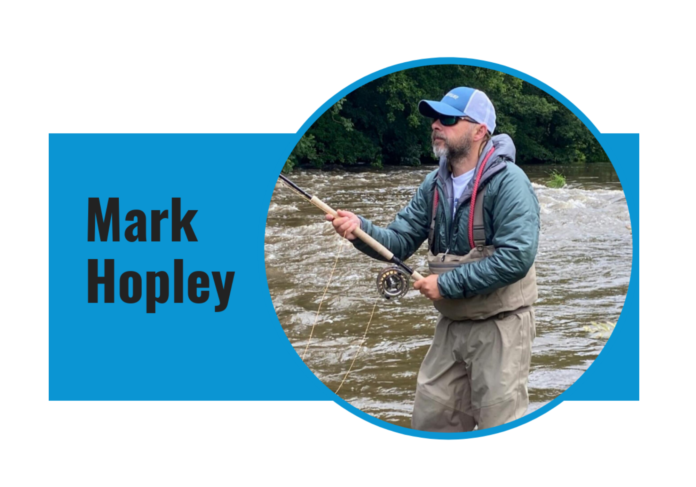
Mark Hopley, the Host of the Fly Fishing 97 Podcast is on the podcast to break down his popular show and why he does what he does.We find out about the Kamloops British Columbia area where Mark is from and why he’s going to podcast till he dies.
Click below and listen to the Mark Hopley Podcast:
(Apologies for any transcription errors – this was generated automatically by Otter.ai)
Dave S 0:00
I have Mark Leon from the fly fishing 97 podcast to share his podcasting story and some tips on fishing the Kamloops area. You know I love it when I have another podcast on the line. This is the wet fly swing fly fishing show.
Unknown Speaker 0:14
Welcome to the wet fly swing fly fishing show where you discover tips, tricks and tools from the leading names in fly fishing. Today, we’ll help you on your fly fishing journey with classic stories covering steelhead fishing, fly tying and much more.
Dave S 0:30
Hey, how’s it going everyone thanks for stopping by the fly fishing show. In today’s episode, I talked to mark Copley, who hosts a great fishing podcasts out of Canada. We hear about some of the great guests he’s had on the show over the years. Some of the people you need to connect with up in the Kamloops area and his favorite patterns for steel water. Before we get started, let’s hear from our sponsors. Since 1977, the fly fishing and tying journal has long been considered the anglers magazine with original how tos and technical articles written by the best trout steelhead anglers in the West. They’re committed to sharing exceptionally written essays, fiction, poetry and in depth guides to fly tying and fly fishing. FDJ is one of my go to magazines and if you haven’t checked it out recently, you can get started today by calling 1-800-541-9498 or heading over to the web at Ft. J angler.com. Got fishing comm is your trusted source of information with access to the world’s best fishing trips. You’ll never pay a dime extra for the trip you book and in many cases less than advertised find out where got fishing could take you by heading over to gut fishing calm today. That’s g ot fishing calm or reach them by phone at 208-630-3373 got fishing COMM The easiest place to start your next fishing adventure. So without further ado, here is Mark Copley from fly fishing 97 podcast.com how’s it going Mark?
Mark 1:58
Good day. Hey Matt. Thanks Thanks for doing this really appreciate you know getting a chance to chat with you
[expand title=”CONTINUE READING HERE”]
Dave S 2:04
yeah for sure this is gonna be awesome because I always love getting the chance to interview other podcasters and now you know obviously you’ve got the fly fishing podcast going so we’ve got I think enough that we’re going to be able to fill an hour no problem but yeah before we jump into all the you know the fly fishing I think your show we kind of do the same thing starting off in here a little background story. So can you just tell us how you first got into fly fishing and then how the podcast came to be?
Mark 2:30
You know, it’s funny, I asked everybody that question on the show, and I gotta think about it now. has had a feeling you might ask. Yeah. I’ve been fly fishing probably since I was 1112 years old. So I’m in the the Okanagan Valley in kind of the interior of British Columbia. So we got lots of still waters here. And I guess basically, my dad, actually my my folks were not inefficient whatsoever, but there’s a principal mme school teacher and His name was Bob Dunn, and I’ll never forget it he he took us to a lake called headwaters. So it’s just kind of behind Colonia area. Lake and we were catching all kinds of brook trout, rainbow trout. And I thought, you know what, I can’t figure out how to get into the sport because I’ve never ever done it before. And I was fortunate enough to be on a lake that it was just like, lights out. It’s one of those lakes that the fish are big, but there’s lots of them. And I would say that that kind of got my I got my passion. It got my attention. And ever since that has been everything fly fishing.
Dave S 3:35
Yep. So you’ve been going in was that and you were? How old were you? When you first
Mark 3:40
out? I want to say 12 I’m like 51. Nowadays, I’m really bad with time, but it was Yeah. You know, it was a long time. So the old Ted Peck flyrod remember that? bought at a local store called Woodward’s for back then they’re probably like 1820 bucks Nice.
Dave S 3:56
That’s cool. Yeah. I you know you’re in an area that is Obviously one of the probably the greatest still water areas, you know, maybe in the world and i’ve you know, my dad fished it a ton I remember hearing all the stories and I, the only time I went through there was on my way to the skeena for steelhead, so I haven’t really hit the Kamloops and all that stuff. But I mean, can you describe that whole area in the still water to somebody who hasn’t been up there?
Mark 4:20
Well, the thing that people don’t get is we’re in a desert. Oh, yeah. Yeah. So being in Canada a lot. Not a lot of people think of deserts. No. So we’re at the northern tip of the Sonora desert in its sagebrush, where I’m at it’s sagebrush sand. It’s Ponderosa pines, very similar to parts of California. So what we’ve got here Davis, we’ve got a lot of stillwaters that are basically these lakes have to be stocked or otherwise they wouldn’t hold fish because they do tend to winter kill a lot of them are some of them may or may not have an air Raider. But they’ve got an amazing stocking program in British Columbia. So we’re fortunate enough to have True wild fish as brood stock from there’s a lake called lake which has never been stocked ever and they pull a lot of eggs from there. So basically, you know whether they’re trip Lords or or diploids these fish grow and the bananas are just known to be a voracious insect feeder so it really, really match fly fishing. Well, they’re aerial. It’s like, I mean, it’s everything steelhead is on a smaller scale. That’s cool. How do you spell that?
Unknown Speaker 5:31
anass
Mark 5:32
PWNP Yeah, PWN a SK look them up. They’re beautiful fish. They don’t have a lot of spots. But beautiful sheen beautiful color. They get real clean silver, it depends on the water they’re into they can there’s some real clean cut of aqua blue lakes we fish for they just look like they look like Chrome coho.
Dave S 5:55
mazing. Amazing. Yeah. So that so that’s what it is. I didn’t even realize that either that you I mean yeah you mix the desert with Stillwater and you get a lot of food activity and then you guys with a great stocking program it’s just the perfect mix where you grow these giant fish right
Mark 6:09
well you know what I find Dave is wherever the Ponderosa wherever the timber meets the desert so you got the grasslands kind of neat and and the pines that’s where those fish grow and it seems to be the common denominator it’s all about the pH right? So slightly higher pH waters is you know, your neck of the woods too and Northern California you get into those you know where the pH just kind of getting borderline for the fish to survive but guess what too full of nitrogen they’re full of feed and you gotta be careful with the water temps for sure in the summer but those fish grow big That’s awesome. So I mean, I’ve had you know fill role I’ve had a few
Dave S 6:49
Danny Rickard, some big still water guys on and it seems like you know, it’s a there’s not as many obviously of those gurus are there other Who are the people in your neck of the woods, you got also brought Chan other than those guys are there any other big Stillwater guys that influenced you or do you know about their
Mark 7:06
100% that’s a long long list name to name two of them. I mean Brian Chan is walking encyclopedia without a doubt Phil Rowley has had on the show and same thing and they’re they’re good buddies I think are in business together as well. Yeah. just totally dialed in. I mean as far as Jordan Oelrich great guy to chat with, he’s a guide in the Kamloops area. And what you’ll find David’s a lot of the guys I mean, I go back to jack Shaw. You know, his original books kind of got me into it and then and then of course Brian Chan kind of expanded so much on that but Brian Gill the Douglas les puratchi he he drives a lot of content he he’s just a source of information runs the the private fishing ranch. I don’t know if you know Douglas Lake Ranch, but if You want to get into some seriously big rainbows? And you know it’s some some people love private fishing some Don’t I know myself it’s got a place because especially I’ve noticed that with COVID a lot of likes and getting heavily pressured because for a while there’s only so many places we could go. And I think just having that option to spend 100 bucks you know to go and fish a lake it’s a nice option to have some time I can’t afford to do it every day. But I think you know, it’s it’s good to have kind of let’s just say mix it up a little bit.
Dave S 8:34
This is something I wanted to talk to you about just because it’s you know, it’s interesting for me as far as the the podcast guests and more on the podcasting, right. So on your guests, I was kind of, you know, I’ve listened to some of your episodes as you’re looking through your back catalogue. How do you how do you choose your guests I mean in topics and where you’re going.
Mark 8:55
Well, you and I talked about this just before we started chatting like for me, I try not to be insulting by other fly fishing podcasts too much I want to be influenced by the podcasts that I want to listen to I want to drive the content like for me, just so you know it’s not this is not a how to like fly fishing seven podcast is not how to we may dig into that a little bit here and there but it’s it’s people’s stories and and for me like everyone’s got an amazing story you don’t have to be famous You don’t have to be a famous flyfisher to have an amazing story. But if I run into somebody at a random place having a beer talking fishing, chances are I might ask them to come on the show, because especially if they have an amazing backstory. So whether it’s a military background, or somebody who’s got a musical background or you know just people’s struggles in life, like for me that and I try to always tie it back to fly fishing. So I definitely have a framework for the show. You know, kind of the basics how’d you get into it, but then I want to dig it. I want to know what you listen to on the way to the water. I want to know where your passion comes from. I want to know the sports team you’re cheering for. I want to know lessons to take out a fly fishing so for me it’s I just tried to expand it a little bit get people comfortable and then when the story start coming after that,
Dave S 10:08
yeah, that’s cool and on your you know, the people that listen to your show Do you get I mean, how do you get feedback from them? Or you know, how do you know you’re on the right track?
Mark 10:18
Well, at the end of the show, I always have a tag My wife has radio background so she does the intro and the episode of the show but basically, if you want to hear from somebody specifically email me and emails right at the end of the show, just market efficient nine, seven calm and and I’ve actually gotten a lot of guests that way. But I suspect you and I are similar in the fact that I mean, they come from all over the place. Sometimes I’ll shoot somebody an email at their their.com sometimes I’ll, you know, message them on Instagram or Facebook or sometimes I’ll run into one fly shop to fly shoulders. I try to be diverse with that and not have any one specific way cuz I I’ll be honest with you, I think I felt like I was tapping out Instagram for a while. And I think, like I noticed last week, okay, so I dropped the show and you had the same guy and I know they peek and I’m like crap.
Unknown Speaker 11:13
Ty just right.
Mark 11:15
Yeah. Yeah, he’s awesome. He was a great guy to chat with. Yeah, but that was not that was a total accident, total fluke. I mean, I didn’t know you’re you and I had now conversation, but I know, I let, let’s face it. A lot of these fly fishing industries, too. They’re, they’re putting media out at the same time, whether it’s an author trying to sell a book, so they’re doing the circuit, right. They’re saying, Hey, I have had a lot of people reach out say I got a book coming out. How’d you like to do a show? Oh, yeah. I’m all over that. Yeah. What about you? Where do you get most of you’re
Dave S 11:46
pretty much the same. Yeah, pretty much the same. I I do a little bit of here and there. I try to as much as I can get feedback. You know, I have a Facebook group that, you know, I try to reach out to people in there as much as I can. And, and yeah, I find that Yeah, people let me know I, I try to keep it in seasons as well. So that’s the focus thing where I know if okay, right now I’m on a flight tying season. And although you know, we’re not talking about fly tying specifically, overall I can kind of have a number of episodes in flight tying then I can direct people that way. And that helps me focus to like I have this week I have Morton, from a Rex hooks coming on, right. And typically, I wouldn’t have had him on but I ran into him at the Denver show. And it was, you know, I mean, the shows that’s another good place right networking. So I just like you, man everywhere. I get people from all over the place.
Mark 12:39
Yeah, and I sound since COVID-19. And to be honest with you. I mean, I think you and I are in the same boat. We’re not doing a lot of face to face. And I found it very easy to get people to talk right now. Well, there was a lot of guides that weren’t doing anything. They were kind of Time flies and chomping at the bit to get out there and they wanted to talk.
Dave S 12:58
Exactly, exactly. Yeah. It’s it’s Good well I had a you know I guess let’s keep it on this the episodes a little bit further before we dig back into the the Stillwater stuff so I mean what is you know what episode was your your biggest or most popular or do you have a favorite or anything like that?
Mark 13:14
Yeah that’s funny yes
I always say the last shows a favorite because I kind of feel that way you know? Yeah, the truth I mean I feel Rolly was amazing I had Brian wise on from fly fishing in the Ozarks yeah under that character. Yeah, I had Jimmy watts that he’s a bamboo rod builder out of the Seattle area who basically hangs off the back of the fire truck during the day and I’ll tell you that guy, man he’s I couldn’t listen to him talk all day. I got Lonnie Waller coming up. Oh,
Dave S 13:44
you got lucky. Oh, that’s awesome. Oh, how did you how did you track down Livewire because he seems like a guy that’s disappeared off the map.
Mark 13:52
Well, you know what I did is I had a guide by the name of Dave Lisi out of Cooper landing, Alaska and we’re talking And steelhead and this guy has a huge passion for steelhead and a lot of times my guests come from my guess who they want to talk to. So Dave was saying, you know, I have so much respect for for lonnis books and his steelhead DVDs and, and he’s a steelhead guru, right. So he said, Man, you want to read some good writing league read Lonnie Walters writing so I just randomly emailed him on his web, you can any of these people you can find online. And I said, Hey, Lonnie, Dave Lisi from Alaska said, You’re the guy. How would you feel about coming on the show? and and you know what? He said, No, man, I’m he didn’t say no man. But he said, No, I’m not. That’s not my scene. I’m not a computer guy. Blah, blah, blah. I said, Look, me neither. I hate computers. But I like talking fishing. And it’s just a conversation. How’d you like to come on and have a chat and he’s like, absolutely. So usually, I just kind of let that go. You know what I mean? It’s like didn’t want to do it but I don’t chase people. I’ll ask him a few times and you know if they want to come on great if they don’t, I’ll chat with somebody else because there’s a lot of people that want to talk fishing. And, you know, it’s the hardest part for me and I don’t know about you, Dave, but just is lining up to schedules. Mm hmm. You know, I got a day job and it’s like it’s it’s all encompassing. So basically I’m working 24 seven these days just trying to get podcasts edited now, but I love it and I think I mentioned to you earlier I I would not stop doing this even if podcast went the way the dodo bird I would still do it for content.
Dave S 15:39
For sure, for sure. Yeah, it’s I think that’s one of the things I always say is that you wouldn’t who was I talking about? I’m trying to think now. But yeah, you got to have that passion because you know, you’re not going to make a million dollars. Typically doing this thing. You know what I mean? You got to have that passion. So and Lonnie Waller man that’s amazing because I eat Hold some story. Is it out? Is it out yet?
Mark 16:02
No, man, I am editing it right now. It’s gonna be released on Wednesday. What’s the date today? for July 1? I’m gonna Oh nice. See,
Dave S 16:11
that’s what’s great about it because I’ve got my little cue of you know, I mean so with that pops out it’s gonna be cured in Lonnie was we kind of joke about a little bit because yeah, he’s a steelhead guru and you know, my home river down here is the dish shoots and he made some videos on the dish shoots and he’s got he’s got this one where we joke about it we say what’s he say? He says something jumper in the tail outer. He said this fame, this funny quote, and he just had this huge steel head on and caught it and I fished that same water. You know, I mean, I just know the same, and I’ve hooked some amazing fish there. So I think that’s what I want to talk with Lonnie and see if I get them on as well. But those are you know what,
Mark 16:49
yeah, I’m an email and tell him you and I were chatting. He’s just an amazing individual. And I found them really, really sharing of information. I think he’s in Mexico right now. Oh, yeah.
Dave S 17:00
Did he give so is he totally done with steelhead fishing? Hell no. Okay, he’s still doing oh
Mark 17:05
he’s 80 years old and still going strong okay? He’s chasing permit bonefish steelhead. He still gets to California and Alaska. And and his, his I think his real heart is kind of in actually in my province here in British Columbia. He spent a lot of time on the Fabien Yep. And that’s right. I believe it’s called silver Hilton law. Oh, yeah. Where
Dave S 17:28
he had been I’ve been Yeah, we floated we floated by we’ve Yeah, that’s that’s amazing area.
Mark 17:35
Yeah. Amazing, amazing guy to chat with. And he’s really you asked my favorite show that’s that’s probably the one so far but it’s, it’s always changing. I had a guy by the name of Maitland Mike on and he does a lot of steelhead and on Lake Huron and this trips, and you want to talk I know you’re you’re big into the wet fly swing this guy. You should chat with Mike he cool. He’s
Dave S 17:58
dialed in. That’s all Yeah, there’s a, it seems like, you know, there’s a bunch of guests, we’re never gonna have a problem running out of people. Right? That’s, that’s no problem.
Mark 18:08
Well, that’s it first, I’ll be honest with you, David. First, I was worried about that. I thought, well, who’s gonna? I mean, how much ground Can you cover? But yeah, I think when you bring it back to life lessons and you bring it back to people’s stories, people don’t run out of stories, and everyone’s got one exam. And it’s just kind of tying it back for that content. So you have that common thread. Yep.
Dave S 18:28
It’s cool one. I mean, obviously, this like you said, the star, this is the, you know, networking, whatever you want to call it, the fact that we’re kind of connecting here. Yeah, you never know where this goes, right? I mean, just right away by me. interviewing you, right? You’re gonna have a whole bunch of people that maybe hadn’t heard of you, and hopefully, you know, you’ll get you’ll get in their queue as one of their top seven podcasts. Right?
Mark 18:50
Well, and that’s what you know what, that’s what I love about about this industry, not just the fly fishing, but the podcasting is it really is one big giant network and there’s a lot A lot of crossover, it comes up all the time on the show. I mean, the crossover and the outdoor activities, whether you’re into mountain biking or climbing or hiking or camping or canoeing or kayaking. I mean, it’s all the same language. Really?
Dave S 19:12
Yeah. Well, you know, it’s been interesting. We’ll probably talk about this when we chat. You know, again on our next you know, we’re kind of doing a double Andrew here but you know, the new podcast I have the outdoors Online Marketing Podcast, where I’m interviewing expert, right, these huge internet marketers, they it’s actually hasn’t been as easy right as the fly fishing because these people have all been on a gazillion podcasts and I can’t miss I haven’t been I’ve got some huge guests, but a lot of them right. I haven’t been able to get the gigantic guests on.
Mark 19:40
Well, I know you I heard you mentioned some pretty darn big names on another podcast that you have on the outdoor Yep, online marketing podcast. And I think you’re really smart doing that because you’re, you’re networking on a larger scale and you’re expanding your horizons and Yep, it’s probably you’re gonna get some more content for your other podcasts, the wet fly swing as well. Totally, totally. Yeah, it’s
Dave S 19:59
hopefully it And it builds on each other. So well let’s take it to let’s take it back to the water and again Can you remind remind us where your What is your home water and then maybe talk about how you how you catch the fish there and what when what species are you focused on?
Mark 20:13
I mean, it’s it’s largely rainbow trout centric. I mean that’s that’s what I’m chasing. There’s there’s three or four strains specifically we mentioned the pinaster beginning of the show and that’s that’s kind of the number one in my book. They’ve got a new strain which is called the horsefly that gets real Ariel to in the Blackwater strain more of a predatory nature kind of like your pyramid like fish that are you know, they’re after those shiners anything Blackwater related which kind of originates in in British Columbia in the Blackwater river area. They they are looking for big meals they’re looking for big fish are looking for large dragons. They’ll take Chrono it’ll take niches, but they’re definitely looking for meat. So streamer patterns things like that will work but in answer your question where I’m fishing Stillwater, I’m fishing on a like a Dave Scadden. Yep pontoon boat or I’ve got 14 and a half foot Arctic Cat that we use on bigger water. But it’s mostly float to pawn to pontoon fly fishing where I’m at. We also have, you know, I fished the similkameen River a fair bit. It’s limited windows. I mean, you got a couple of good months you know, it’s like any any river system we get some some pretty high runoff here and things don’t really settle down for another couple of weeks usually once once July hits I get July, it’s basically September and then you got to watch because that water temp gets so warm in August, you know, so you got to pick your spots. But I would say this gave 80% of my fishing is with a small strike indicator and a Chrono just because that’s such a large part of the fish’s diet at work. It works and all you have to do is tap into that resource once and I guarantee it’ll never leave your blood it’s like no. cron with fishing for me is I try to fish with an indicator whenever I can. I know that’s not a purist thing but I don’t really care. I don’t care. It’s like there’s lots of different ways to fly fish don’t get me wrong. I love to get them on El Kheir caddis on top and yet when the catalysts are poppin that’s gonna happen, but that’s more of a late July kind of thing around here.
Dave S 22:29
That’s cool. Yeah, I agree. The indicator in the in the steel water the cron image is huge. I’ve I’ve I remember my first time using those was on a same thing, a similar stream. It was the law he and it was same thing. I had a under indicare a little chronometer about a foot and a half under it. And it was lights out, you know what I mean? And it was cool. It was it was a good time. So So okay, so we got it. You know, it’s rainbow trout. It’s you’ve got these likes, and is it still and it’s 80% of the time you’re fishing still water versus stirring. Seems
Mark 23:01
Yeah, I’d say even closer than 90 if I’m being perfectly honest. Okay. I mean, we will, we’ll pick a section of the river. But it’s usually in July and August. And we’ll take off like, say, I don’t know, a 10 mile section and we’ll just take a couple trucks drop in at one point and pull out another and spend the day. Oh, yeah. I love it. That’s that for me, honestly, is probably my favorite way to fish. It’s just the reality is it takes a lot of time. And it’s, you know, we’ve all got day jobs or most of us do, and I got 15 days a year plus weekends to you know, make that happen, which is sometimes limiting but yeah,
Dave S 23:42
yeah. So you guys so you are putting in so these are big lakes and you’re putting in and doing a shuttle on the lake.
Mark 23:48
No, sorry. Sorry. That’s on the river. So okay, Dave. So So on the say the similkameen River roll put in and knock off eight to 10 miles or more. But as far as the lakes I’m fishing mostly smaller lakes to be honest with you, that’s where I mean there are some very big lakes in my area we got 100 mile Lake Okanagan languages, which is big ska Lake, which is another lake which which is a large lake. We’ve got, you know, bass, smallmouth bass, largemouth bass perch. Yeah. But I mean, I’m definitely focused on trout. So that means a lot of times getting out of the valley bottom getting up more into the Alpine and chasing rainbow trout, you know, two to two to 10 pounds, a lot of them two would be two would be quite average. A lot of lakes we fish. But if you really want to hunt some big fish, they’re out there. It’s just some of those waters get get a fair bit of pressure.
Dave S 24:46
Oh, sure. Sure. Okay. And so on the smaller lakes Do you fish them differently than you do some of the larger lakes?
Mark 24:52
Um, yes. Because I mean, the I look for shoals like so if a lake has nice shoals I mean, if you get an aerial picture better if you’ve got a I don’t even know the correct term for this. I always say topographical but I’m sure there’s another Oh,
Dave S 25:07
I think bathymetric I think maybe
Mark 25:09
bathymetric There you go. Yeah, I’ve never used that word yet. I love it. So yeah, like, that’ll show you the drops and whatnot. But I mean, the fish that we’re usually targeting are patrolling those shoals. So we’ll anchor deep and cast in shallow sometimes I’ll go in Super shallow if there’s if there’s a steep drop and you know, the fish won’t see you at all in your on your deep side, we do that. That works well, sometimes to kind of get a little reverse psychology, I think.
Dave S 25:38
So you’re on the testicles. So you’re saying you’re on the deep side or the shallow side fishnet?
Mark 25:42
Well, we do both. Normally. Normally the deep side casting in towards shell.
Dave S 25:46
Oh, cool. Yeah, right.
Mark 25:48
But sometimes, you know, like, say when there’s a damsel migration, or hats, those guys are, they’re coming from the deeper water and they’re swimming towards the reeds. So, sometimes when you’re in shallow, I think that’s kind of an underutilized Way to fish to be honest with you because it makes sense that you’re bringing them towards the shallows because that’s the way those dragons and damsels are swimming.
Dave S 26:07
Oh yeah so you’re bringing them towards the shallow so you’re exactly so now remind me and tell me tell me again how you’re fishing that so you’re in the deep water you’re casting into the shoal so they can’t see you as well.
Mark 26:17
Yeah, in that case, we’re usually fishing strike indicators so you might be 15 feet down under an indicator. Oh right efficient emergent. But if if what I’m saying is if there’s damsel hatches or dragonfly ABS is those fish those insects are not swimming out to the middle of lake to hatch, they’re they’re usually looking for reeds to climb up on and emerge right so it makes more sense that you’re swimming towards the shore and I think I think sometimes a lot of people miss that they fish you know, shallow to deep which is great if you’re fishing krumitz because they’re just coming straight up in the water column but those some of those larger and sexual and more efficient dazzles and, and dragons, even catus they’re usually heading towards the shore, right? They’re looking for something to climb. Upon. Hmm,
Dave S 27:01
interesting. Yeah, I had a, I mentioned Danny records was on he’s a kind of a big guru down in our neck of the woods and he broke down in the podcast like a step by step how he catches fish. And it was pretty sweet how he broke it down. But he said, You know, he always fishes perpendicular, you know, so to the shore, you know, I mean, so just kind of dragging that fly in front of these fishes. They’re going into feed in the shallows, and then sure, you know, then I had another guest on that actually contradicted that a little bit. It’s interesting. What’s your take? Do you have a Well, yeah,
Mark 27:32
it’s funny. It’s funny. That’s, that’s a great question. I do fish perpendicular quite a bit. But in the back of my mind, and I don’t know this to be true, but I have a feeling that if you are fishing perpendicular, you’re probably spooking fish coming the other way behind you, if that makes sense. So think of it this way a fish are cruising the shoreline. They don’t want to see you overtop of them in 15 feet of water. So if you’re out in the deep or out in the shallow, I think you’re probably going to scoop less fish, but you’re also fishing perpendicular. You’re going to be in the zone or let’s face it because that’s where those fish are is that kind of that transition? they’ll pop out of the deepwater where they’re protected from, you know, Ospreys and loons and and jet up grab a meal and jet back down. That’s it.
Dave S 28:14
That’s it cool. Well I have a little quick little segment I usually do it’s the 222 top two tips, top flies top resources and if we’re looking at you know, on still waters and thinking of your home water here, some of these lakes you mentioned chronic as you have a couple of Stillwater flies if you had to pick two for fishing tomorrow.
Mark 28:36
I love that question. Tomorrow, it will, let’s put it this way. I gotta say it’s gonna be a cron but the first line I’m gonna pick and it’s gonna have to have a gray body with a black rib. I don’t even have a name for this slide to be honest with you. I do a lot of time myself but I see I see a black bead black tungsten bead white Kill unit thread kill unit stretch Excuse me. And then I just go for a thin gray body with a black rib like an extra small black wire rib and that works so well around here I think because it they take it as a mayfly, they take it as a as a chronometer. Other than that I’d probably have to say a big big office I mean like a big deer hair dragon fly pattern alright darners are great too. I mean, those hits are are addictive right because they hit them like a freight train going in the opposite direction. Totally different style of fishing but they both have their place and if it’s fall late summer I’m probably fishing something a little Meteor like like a dragon.
Dave S 29:45
There you go. And and so in on those flies the said there wasn’t really a name if we went to search on Google
Mark 29:50
yet. Yeah. Well on the on the deer hair golf is in gray and green. That would probably be a go to for me. And then as far as the chronic I mean, the other one is a is a, just a black and black body chronic with a red rib and a white bead, we used to call them an ice cream cone. I don’t even know the name for it, but you’ll find them in every flight shop around here. It’s kind of a standard go to, but I’ll be honest with you what I’ve found with chronomancer the last few years is you need to get a little bit more creative because sometimes whatever is working now may not work three years from now and sometimes you have to tweak it a little bit. I know it sounds funny, but it’s almost like the fish get used to it on highly pressured systems and then you got to show them something a little different whether it means having a red tag, like just a little bit of hemoglobin showing through this red so important and in any crown wood pattern is you know, because there’s usually there’s usually a little bit of red somewhere in there. If not, it’s black or gray.
Dave S 30:51
Okay, and and then what about tips so you’re out there fishing tomorrow or this week and you’re, you’re let’s say you’re on one of the lakes, maybe one of those smaller lakes fish With Chrono meds or you know, any tips for helping somebody, maybe find a couple of fish
Mark 31:06
travel around, because even on these small lakes, there can be huge hatches going on 100 yards behind you and you don’t even know them. So watch, watch the birds watch the swallows where the swallows feeding. Look for casings coming off, like if there’s nothing in your area and you’re trying to fish around and then cruise around a little bit, because the water temperature isn’t is usually different. All over the lake. If if you’re in shallow water, it’s usually a little warmer depending on the time season but find the hatches because I can make or break. And then the other thing I would say is we use fishfinders all the time. So if those fish are in 15 feet and you’re coming up on a whole big school of them, well put that crown and at 15 feet under an indicator and just wait because that’s when things get good. If you find the fish you can usually get into them. That’s where I get nervous is when you don’t see the fish because a lot of times They just seem to be cruising kind of haphazardly and the fish finder is not going often those usually tend to be harder days for me personally, but if you find the fish, you can usually put some from you’re usually in for a good day. That’s and these fish finders you’re using these on on a little like a Skadden boat. Yeah, so we’re using like, Don’t make many more but efficient buddy to Oh, that’s a hummingbird product. And there’s all kinds of new ones now out there. I mean, fishfinders is you know, the technology just gets Wilder and Wilder I find for me personally, I like the simple ones that sometimes the more options and the more colors and the fancier they get the more there is to go wrong. But fishing buddy twos been a great fighter for a lot of years. I wish they still made it
Dave S 32:45
Yeah, that’s a great and I’ve never been a real big fish fighter just because I just never went into it but yeah, for those boats so you can get them small enough where you’re you know the battery everything isn’t weighing you down. You can get all your gear on there. No problem.
Mark 32:57
Yeah, hundred percent just takes batteries in the handle. And they last a long time.
Dave S 33:02
Okay, and what about what about resource? What about if somebody was going to be heading up there to fish? You know that year that you know your area? What would they, you know, anything online books, magazine websites, any resources to help them maybe get prepared for a trip up there?
Mark 33:16
Yeah, you know, I’d probably, you can look at
Well, for one thing, shoot me an email, I’d be happy to help you set you up in the right direction. I would say, give Jordan alrik a call in Kamloops if you want to fish that area, because there’s a guy that’s doing it professionally as a guide, real knowledgeable guy knows knows the waters. I would call Brent Gill at the Douglas Lake Ranch and say Hey, what do you recommend they’ll they’ll set you up on some some beautiful, you know, once in a lifetime kind of trips out of their lodge there and the Gup beautiful accommodations. But if you’re coming up this way, shoot me an email just market fly fishing line seven calm and I’ll punch in the right direction.
Dave S 33:59
That’s perfect. That’s probably Yeah, it sounds like and as we were talking earlier, you, you know, you listen, a lot of podcasts, but not necessarily a ton of flyfishing podcasts, if you had any, any other ones that, you know, if you had to think of a fly fishing or a podcast that talks about still, I can’t think of one. Is there one out there that, uh,
Mark 34:17
I don’t know if there’s any of that specifically. I know Jordan Auric actually had one on actually he has a podcast on fly fishing Stillwater, specifically in our region. Yeah, I’ll be honest with you. I try to keep it a little more general because what I finding is, I don’t just want to talk about the areas that I’m in. Yeah, I want to talk about Colorado. I want to talk about Maine I want to talk about Ontario. You know, we’ve had you guys from guys and gals from from the UK and all over South Africa. I mean, it’s such a universal sport pastime that i think i think it’s cool when we kind of get at least a slight understanding of what other you know fishers are doing because it’s not the same all over the place. So when we’re we’re chasing similar fish and probably similar hatches, but the the techniques and the methods vary drastically.
Dave S 35:09
Yeah, exactly. So you kind of spread around but would you say you have more episodes focused on kind of Canadian areas and all that or is it a good MC? No,
Mark 35:19
no, no, no. So what I do is I try never to be in the same region back to back. So gotcha. I’ll have I got Lonnie on he’s in Mexico, but that’s basically steelhead. Then I’ll go to Wisconsin or and then you know what I mean, I try to bounce around a lot. I try not to do two regions back to back. Just to keep it a little fresh. I think you know, I don’t want to be known as just still water podcast personally. I think for me, that’s a little limiting. I just want to talk fishing with with passionate people.
Dave S 35:52
Yeah, you know, I did, I did the same. I start out with a steel head focused, you know, the first 30 years or so episodes, but then I came to the realization I was like, well, man, I don’t want to speak just steel head I want to kind of talk about everything and I think that makes it more enjoyable right? I think that’s the way to do it. So
Mark 36:09
yeah, no, I agree hundred percent then then by that way you never run out of content you keep it fresh. And there’s just so much to learn out there like you could get a an entomologist talking dragon fly patterns, you know what it means? Yes.
Dave S 36:23
There’s just so many ways to come at it and none of us know at all. No, I was just gonna say do you have a entomologist that has been on talking about drugs or have you had any apologists on
Mark 36:34
I have from Stroud?
Stroud freshwater research, I believe is okay. And in Penn State. Also, I had on I’ve had some fisheries biologists on it had some people from the fisheries basically Ministry of Environment once I run the fishing, the fish docking program So we talked about strains we talked about actually, that was interesting to me. Hearing the experts talk about the different strains because it’s changing all the time. And it’s not static in the technology. I mean, anytime these triplets fish letter, all female fish that just don’t stop growing and never go never get, you know, egg bound because they don’t spawn. Those are usually the pretty, pretty big fish in my neck of the woods using.
Dave S 37:29
That’s amazing. Yeah, I always love to hear they enjoy it. We’ve got one, Rick hatefully, who I’ve had on he’s our big entomologist, kind of down here. I’ve struggled to find other one other people. But yeah, it sounds like you’ve got a few off to dig into some of your back catalogue.
Mark 37:44
Yeah, Strout, Strout. They’ve got a team. They’ve got a team of entomologist there and just some amazing people and they’re doing some great things in Penn State. And all over Actually, that’s right. I think it’s called Strout freshwater research.
Dave S 37:58
Yeah, I think that’s right. Cool. All right, Mark. Well, hey, I got a little rapid fire round here. If you want to take us out of here, you ready to jump into this year? Let’s see. So we’ve been talking, you know a little bit about podcasting. A little bit about fishing. I did want to dig it a little bit on the podcast just to hear I love to hear, you know, from another fellow podcaster. Your, how you set up your things. Can you talk just quickly about kind of your mic, what mic you use and how you set it up really quick? It’s just for the the nerdy podcasting part.
Mark 38:24
I went out and got a Shure mic. So I’m basically bought the most expensive mic I could find and I think only because for me that’s, that’s the tool, right? So without a good mic, you really don’t have anything. So yeah, so you got the you’ve got the Shure mic and then you go into a mixer and then into your computer. Yeah, so I’m just I’m coming off a msi laptop. Just got my iPhone. All I’m doing I don’t even have a mixer board right now. I do plan on getting a new board. I’m going through a scarlet. Okay, focus, focus, right as the name of it. That’s right so
Dave S 39:01
so right now we’re talking so I’m we’re talking through Skype and then your your Skype is coming through your phone. Correct? Oh yeah. So it’s coming through your phone and then level into the boards into the board and then the board has your mic plugged into it. Yeah, what’s your recording?
Mark 39:17
Yeah, I found that works really well for me and I found that I’m sure you’re probably similar Skype is the way to go as far as audio quality that’s fine with the cell phone sometimes it drops out depending on especially when you’re talking to guides in the middle of nowhere. If they have decent Wi Fi.
Dave S 39:33
Yeah, Skype is usually the way to go. You know, it’s interesting for me I have got I’ve got a road caster pro sitting here on my desk and I don’t even use it you know, I mean, I do use it but it’s just it’s I like the the zoom h6 for it’s really small and compact and easy to just record on, you know, on my end, but um, I find that the road caster I know there’s a couple podcasts use it and that’s thing when they call in the cell phone, you know, you can hear the guests it really sounds like it’s a cell phone You know what I mean? or Skype, my Skype when I record some of my guests on a phone. I try to get him on Skype like we’re doing but I just find the quality like you said the quality is better for with Skype and Skype has been around for like 20 years. So
Mark 40:13
to be honest with you, sometimes I cannot tell the difference between an in house interview with somebody you’re looking in the eye. Yep, or Skype. It’s really the quality’s amazing, but I find I never use the video, because then it does drop out once in a while. Yeah. What the audio is killer.
Dave S 40:30
Yeah. That’s great. That’s great. Cool. So in on podcasting, Amy, I think we’ve covered a lot of stuff I wanted to dig into, did you? You know, I guess think about the show. Can you just talk about long term plans? Sounds like you’re going to be in this Do you have a plan? Kind of a me sounds like you have some looking at sponsors and stuff like that. Well, what’s your plan long term with the podcast?
Mark 40:51
My plan is just to keep doing creative content, capturing people’s stories that are passionate in the industry. You know, I’m not trying to Make a million bucks doing this all on. This is a for me, it’s a passion. So we’re sponsored by the fly crate which I’m really thankful, grateful that Nate and the guys step in and do that because they’ve been big supporters and it, I’m not going to stop doing it. So yeah, whether I’m getting it or not, I’m gonna keep doing it. It started out just so you know, the reason it’s called flyfishing 97 podcast is I’m on the middle of highway 97, which it’s a big highway, it runs from weed, California, goes all the way to Watson Lake Yukon. And there are countless fishing opportunities on that highway. So that’s kind of where it started, but then we just tried to branch out a little bit, keep it fresh and plan on doing this for a long time, Dave, that’s awesome. Okay, that’s good. So I always love hearing that because this, you know, likewise with me, I mean, these episodes are going to be out there for a long time, so it’ll be fun to check back with you down the line.
Dave S 41:57
So on some random, I guess Little bit more random stuff what’s on your your bucket list any any places you want to hit up before you know before you head out of here?
Mark 42:09
Yeah, how about Argentina? Yeah, you know I would love to get down there and chase some of those I know the slang is what Jurassic Lake yeah I can’t remember proper name it’s a Spanish shoots not coming to me now but I mean those guys are chasing some giant giant fish it looks pretty exciting to me. I’d love to get into some more sea run like I keep hearing about these see Ron Brown Yep. Love to try that I have not tried that. And there’s you know steel hadn’t i’d love there’s a few rivers up in in in British Columbia that I definitely need to get to the bat beam is definitely on that list. bulkley You know, I know per permit bonefish not done any warm weather. What about you? Where do you want to
Dave S 42:59
go? Yeah, that’s I’m we’re setting up, one of our sponsors got fishing. Brian’s helped me set up a trip to the Yucatan. So that’s going to be really my first big saltwater trip early next year. So cool. Yeah, I’m still looking for a few more people to go on that. But I think if that comes together, it’s got the big four, you know, so we’ll be covering it pretty good. And then so what about get just quickly on gear? Do you have any specific What do you use? What like rod wise, do you have a rod really companies you want to give a shout out to?
Mark 43:30
I’m an orifice guy. And I like I get I don’t get anything for anything. So anything you hear on the podcast is basically just from trial and error and what what I like but yeah, for me, I like a 10 foot rod for the type of fish and we’re doing five wages perfect. I just find you need a little more leverage, especially if you’re casting some long leaders with indicators and whatnot. tend to get a little top heavy. I’ve got a Helios three f that I I love but I’ve also done a hardy I love I’ve got an echo. You know, they all have their place. And yeah, you know, I’m talking Canadian dollars here so 12 All right, well, 1200 bucks for a fly rod. It’s not a no. So, I mean, I love what some of these companies are doing in the three 400 like echo Douglas, there’s a lot of great brands out there. And I’m not going to go and spend 1200 dollars on a fly rod very often, but when I do it’s, it’s a beautiful run. I like the fast action rod that’s, that’s I’m not the greatest caster in the world. I get it out there. I know it’s flawed. But I I’m old school I learned a long time ago and it’s pretty hard to change my habits. Yeah,
Dave S 44:41
yeah, I hear ya. I hear I’m kind of the same way. It’s it’s not perfect, but I could I could get it out there. Cool, Mark. Well, I think we’re about there anything else before we get out of here? I think we’re going to kind of hit up another show here quickly so we’ll probably dig into some other stuff. But in the next 612 months if you want to give a shout out anything you have come with us yourself for the podcast, anything new?
Mark 45:02
Well just said we’re just, we’re just trying to get more more people that are passionate about fly fishing and I appreciate you doing this because for me, it’s just that shared passion. I’m looking forward to having you on my show. That’s gonna be exciting. You got Lonnie, Lonnie Walters steelhead, coming up as huge. Yeah, we’re working on a few things, but I I try not be honest with you, Dave. I try not to get too far ahead. Because what I found if I have 15 shows in the bag, sometimes I lose that relevancy in the current stuff that’s going on like when COVID hit. Oh, yeah, I had all these shows. And these guys are saying, Well, I’m going here I’m flying to believe Well, guess what, you’re not going anywhere. Now all sudden, I had to kind of backtrack and say okay, so now guys are sitting at home what’s going on how you keep them busy. So we try to be current, but at the same time, not get too far ahead. I’m usually about two three weeks out and I try to just kind of keep the
Dave S 45:52
shows that way. There you go. So you schedule Let me try to get so right now do you have a few episodes scheduled up and ready to go in the queue?
Mark 46:00
I only have to, you know, I’m gonna have three after this. So yeah, so and then that’s kind of my comfort zone, three shows in the bag. And because then I can really focus in on I like editing, and then not that I want it to be polished and perfect. Yeah, because I definitely try to capture people’s kind of personalities. So sometimes I find if I edit too much it kind of you got to be careful with that, right? And the interviewing, you know, what I’m learning is is how to interview people because that is a skill. And it takes time to develop that. For sure.
Dave S 46:32
Yeah. I’ll give another shout out the outdoors online marketing podcast. I had probably, I think one of the biggest guests in in the podcast space. Eric Newsom. He’s the guy that created the TED our podcast and all a lot of the NPR podcasts. He’s Well, he goes way back and, and he wrote a book called make noise. And I always love to recommend that for anybody in podcasting, because it’s a huge book. It doesn’t talk about the kind of the how tos but it’s more of the The deeper stuff on podcasting, and it was just a great interview. So I’ll put a link in the show notes to that one as well for anybody that wants to check that out. But yeah, Mark, this has been fun. I think we’re gonna we’re gonna keep going here a little bit, but I just wanted to say, you know, thanks for coming on here as we wrap this up by Like I said, I think I’ve had a few people definitely have reached out to me and said, you know, you got to chat with Barack and they love your show. So I love what you’re doing over there. And yeah, let’s just keep in touch as we go and kind of keep moving forward.
Mark 47:28
Well, hopefully you and I’ll be able to chase some fans. I’d really love it. If you’re up in my neck of the woods. Give me a shout. I love what you’re doing with the show both of them. And thanks for doing this man. All right, man. We’ll talk to you soon. Cheers.
Dave S 47:40
So there you go. If you want to find all the show notes with all the links we cover, just go to wet fly swing.com slash 149. Have you asked a question for one of our guests yet? I’d love if you could head over to wet fly swing comm slash Facebook and enjoying the group we have going just click join and And I’ll reply to you pretty quick this is a great chance for you to get in on the action and actually get some your your biggest questions answered. So we’d love to hear from you over there. And and thanks for listening I really appreciate the support every show is is huge for me so I want to thank you for that and and want to thank you today for some bye I hope to catch up with you soon maybe see you out there online or on that river.
Unknown Speaker 48:28
Thanks for listening to the wet fly swing fly fishing show. For notes and links from this episode visit wet fly swing COMM And if you found this episode helpful, please subscribe and leave a review on iTunes.
hidden content[/expand]
photo via: Fly Water Travel
Conclusion with Mark
Mark Hopley from the Fly Fishing 97 Podcast is on to share some tips and stories from his experience fishing up out of the Kamloops area.Mark shares some Stillwater tips on getting and staying in the zone more often.
Brian Silvey talks about his life as a fly fishing guide with a focus on Steelhead Fishing in Oregon.Find out what colors are best during the early and late season and how to get your fly down during the day.We dig back into some of the history of spey and how Brian transitioned into it.
Click below and listen to the Brian Silvey Interview:
(Apologies for any transcription errors – this was generated automatically by Otter.ai)
Brian 0:00
Yeah, a lot of guys got used to just you know, parking in a spot and just kind of doing laps in it saying thinking they were going to keep coming through and, and I don’t think that you can’t do that with these lower numbers of fish. So you need to cover as much different water you know and keep moving as you know, it’s one thing
where we go through a run like we’re not there. Let’s go.
Dave S 0:26
That was Brian Sylvey with a nice tip this year if the numbers aren’t quite where you’d like them. This is the wet fly swing fly fishing show. Welcome to the wet fly swing fly fishing show where you discover tips, tricks and tools from the leading names in fly fishing. today. We’ll help you on your fly fishing journey with classic stories covering steelhead fishing, fly tying and much more. Hey, how’s it going everyone thanks for stopping by the fly fishing show today. Bryan Silva is on to shed some light on his 35 year career guiding for trout instead. ahead in the Pacific Northwest, Brian describes how it all got started including the story of when he was a kid riding back from the steelhead river with two steelhead hanging off his BMX bike on the side of highway 26. Plenty of funny looks and the good story there. So looking forward to that, sharing that with you today, and plenty of good tips as well on steelhead fishing and a little on trout. Before we get started, let’s hear from our sponsors. Since 1977, the fly fishing and tying journal has long been considered the anglers magazine with original how tos and technical articles written by the best trout and steelhead anglers in the West. They are committed to sharing exceptionally written essays, fiction, poetry and in depth guides to fly tying and fly fishing. f TJ is one of my go to magazines and if you haven’t checked it out recently, you can get started today by calling 1-800-541-9498 or heading over to the web at Ft. J angler.com. Got fishing comm is your trusted source of information with access to the world’s best fishing trips. You’ll never pay a dime extra for the trip you book and in many cases less than advertised. Find out where got fishing could take you by heading over to gut fishing calm today. That’s g ot fishing.com or reach them by phone at 208-630-3373 got phishing calm the easiest place to start your next fishing adventure. So if you’re excited to chase a little chrome this year, I’ve got Brian Sylvie from Sylvia’s fly fishing.com
Unknown Speaker 2:36
How’s it going, Brian?
Unknown Speaker 2:37
I’m doing great.
[expand title=”CONTINUE READING HERE”]
Dave S 2:39
Great. Great to have you on here. I sent out a message in the Facebook group and asked them you know mentioned you were coming on and a few people replied and had some questions about the the silver Nadir and some other things that we’re gonna dig into some steelhead in some of the stuff you do with your guiding business. But before we get there, can you talk about how you first got into fly fishing and Have you brought it all into a business there?
Brian 3:03
Sure. Well, I grew up on Mount Hood, basically in Welch’s kind of grew up fishing the Salmon River and zigzag in the Sandy and, you know, as a kid, you’re out there Duncan worms and you know, fish and that kind of stuff. And, you know, it’s funny in those days in the late 70s, early 80s, he would hook steel head a lot with not very good tackle, and it would never work out. So you know, as a kid, you’re like, man, I gotta catch one of these things. And, you know, I think I finally did get one on a spin around, but I saw some guys that were fly fish. And I was like, man, I want to do that. And this older gentleman was a friend of my dad’s gave me a whole bunch of flight time stuff, which if I look back at it now, it was just a bunch of crappy, free stuff that had like mothballs in it but as a kid, it was about the hooks and you know stuff you could just wrap stuff on on the books and try to go catch you know, catch fish. I actually died like a Think Like a woolly bugger or a woolly worm or something like that and, and had my Berkeley fiberglass fly rod and you know and go out there I lived right on the Salmon River real close to it. So I fish it every single day and that’s where I kind of got my first steelhead and I was kind of hooked hooked from there. Were you near
Dave S 4:21
Welch’s or was your
Brian 4:23
Yeah, yeah, I was. I lived around you know, well, just so I was kind of in between like, Camp marijuana, which is marijuana Boulevard or Wildwood Park kind of right in between those two I would hike that pretty much daily.
Dave S 4:37
To the other so near the
Brian 4:39
fly fishing only bridge right is above your will the fly fishing only bridges up towards green Canyon campgrounds. But I would fish I would ride my bike up there and you know, like any kid would do and yeah, I have a funny story about that is that it seemed like I rode my bike. I’d always catch a steelhead or two and I’d be riding back on highway 26 With a steel letter to on my handlebars and I would get the funniest look
out people stopped me like Hey, kid, where’d you catch?
Dave S 5:09
That’s awesome.
Brian 5:11
Be like down at the river. Oh, and tell him
Dave S 5:15
your BMX bike.
Brian 5:19
You don’t probably don’t see that.
Dave S 5:21
You don’t really do you remember a place called the I think it was called the slaughter hole out on the surface on the salmon that’s on the sandy oh that was
Brian 5:30
on the sandy I did yeah, the other one was like
everything I don’t know that there was out of the rock quarry was kind of where a lot of people went down a Miller road on the Salmon River where they all staged up. There’d always be like, you know, a couple hundred steel and there you could never catch. They were just all staging up in that pool. But now those are enter interesting times with all those hatchery fish.
Dave S 5:54
I remember my dad talking about some of them. I never really got into that that area that much. I remember him talking about that and, and Jim Tini too. I think they would go out there and maybe Yeah, you know, do some write whatever is sufficient out there. Okay, so, so cool. So that’s, that’s where you’re at and then how do you bring that into you know becoming a guide how does that all happen? Well
Brian 6:16
I started trying flies enough and kinda was selling them to the some of the local stores and then I knew Mark Bachman from his son’s going to school with them and you know, he opened the flyfishing shop there and Welch’s and then kind of went through the school of hard knocks on how to tie commercially and you know, started tying flies and then from the flies, you know, you’d have to almost chain me to a table because you know, you’d have to tie so many flies you know, 900 to 1200 dozen or so a summer. After a while you want to want to go fish, so we the fish a lot and and those guys got busy doing the shoot so they kind of gave us the walking trips on the Salmon River and zigzag and so we did Like for our walking trips, you know, we were just right, you know, like junior senior in high school or you know, just out of high school and do that in the summer. And then I did that for a while. And then I was also going to college, but then started my, my own business in 19 8901 89.
Dave S 7:19
Okay, yeah. 89 right on. So back in those early times, when you’re doing the walking trips, did you have any, any guidance? Or were you just kind of out there just kind of taking people up? You knew where the fish rat and just kind of
Brian 7:30
Yeah, they were, I mean, you know, they knew we were kids, they, you know, to some degree with it, they kind of hired us to just show them around, or just, to me, it wasn’t as much guiding as it is now. Like, what I feel like I do now is more or less spotting fish, you know, and then kind of like, try to help them but you know, and then I would hike around and maybe try to find some more fish. And yeah, it was more just using us to learn a section of river and, you know, we were kind of the spotters and maybe a helper I don’t really consider That. Yeah, kind of guiding like what I think I might be able to do now. Right,
Dave S 8:04
right, right. Cool. Cool. Name. If we have time, we’ll get into a little bit on spotting fish. I did want to kind of turn the table a little bit and talk about the john day just for a second because I am. It’s kind of been an interest to me. We were just talking out there there a little bit. Sounds like it’s getting a little busier and things like that. But could you take us there? I know you’re just on the river. Could you take a second talk about the john day and where you fishing for? I mean, it was a Bastrop.
Brian 8:30
Yeah, this was a bass trip. And I was helping out Marty and Miss Shepard. I’ll help them off and on. And Marty Shepherd helps me and I call it I call a guide vacation. So I’m the guy. So I should just show up and kind of roll a boat. It’s kind of nice to just do a different river and kind of take a break from your normal program. And yeah, the last few years I mean, partly it’s water flows. On the john day, a lot of years the river gets starts getting low and ends Not as many people have floated but the last two years we’ve had a fair amount of water you know kind of late season it rain this whole trip we were just on and there’s plenty of flows and so there’s there’s lots of people out there using the john day now. I mean it’s a great river and it’s a great kids River. The trip we did was a couple families with some kids you know, I had two six year old twin boys that were just a riot, you know, and had a ball catching those bass. It’s just a great kid friendly family River. You know, that’s not real big and scary, kind of like the Deschutes school. Are you are you guys out there? Is this all a flight trip or is a spinner What are you guys doing? We pretty much will do flies. I mean, sometimes kids might want to you know, it’s easier to do a spin but you know, they can drag a fly out of the boat and catch most fish you know, but you try to teach them a little bit how to cask and one of the twins actually both the twin boys caught pretty good sized bags. There’s a funny story is one that one of the twins I had his name is Dylan. His dad was helping out a cast and we came in this little Cove and there was a big bass in there. And he threw it in there perfectly the fish ate it, but he wasn’t able to kind of set the hook. And then the dad was trying to help and then we got wrapped up in the bushes. And then I had a float over there until we floated back out that bass was still in this vicinity. So the dad threw it in there. And we hooked this bass I don’t know how big it was, was probably at least three four pounds. I mean, that’s a big, big small mouse for that river. And we were able to do and kind of help fight in landed. He was so excited. So that’s really fun as a guide after this long watching kids, you know, fight fish and just giggling and yelling it’s a whopper, you know, right what
Dave S 10:56
what are you guys like using woolly buggers and stuff like that?
Brian 10:59
Yeah. Yeah, the water started coloring up with all the rain but like couple days we were able to use poppers and kind of some dragon fly type patterns but a lot of wooly buggers with the kids basically you can kind of drag that along will kind of maneuver the boat perfectly forum and just kind of slimes accelerator decelerate the fly forum
Dave S 11:26
are you guys doing just a like dry lines with with split shot? Are you doing a sinking?
Brian 11:30
No, no, it’s just it’s just like a behead wooly buggers probably the best because it’s kind of sinks a little bit doesn’t get in the big boulders, but if you let it sink a little it’ll, it’ll get down where you want it but not not get hung up too much. I’ve tried some heavier stuff to kind of get down off those deep balls, but it’s too hard for most people to kind of deal with and sink tips or, you know, have some guys that are maybe a little bit better anglers might fish that kind of stuff, but we’re just Those little edges and, you know, little grassy banks with some rocks. And so this
Dave S 12:06
is not not rocket science, it’s pretty easy to find and fish. Yeah,
Brian 12:10
it’s I call it it’s not it’s not a fishing trip, it’s a catching trip.
Dave S 12:17
There was a typical trip down there. Um,
Brian 12:20
well, this one is in a sense, the weather was pretty cold and rainy. I mean, you know, you probably get maybe 2030 fish, which is kind of slow, you know, per person kind of thing where they you know, you go in, like, when the water warms up quite a bit and it drops down to four or 500 CFS instead of being about 2500. I mean, it’s a 50 to 100 fish a day, kind of kind of deal, but I mean, they’re all different sizes, you know, sometimes a bunch of little guys and then you might get some 810 inches and then, you know, you might get some that are 12 to 15. And then who knows, you might hook one that’s 1822 you know, so it’s Like I said, it’s more of a numbers thing and a lot of times poppers and foam bugs and you know, it’s kind of fun to watch those bats smash the
Unknown Speaker 13:10
top water
Dave S 13:12
would be a good phone or what do you use there?
Brian 13:15
Um, well I used to have a fly called a dragon popper that was kind of an in between a damsel in a dragon that kind of had a little pop her head off other emergencies to tie and there’s still a few shops that have that. Yeah, because the big hatch on the john day is later in the season you’ll get dragonflies and damsels in the bassel jump in the riffles. Like it’s the craziest though ever see?
Dave S 13:38
So that’s not on right now. That’s
Brian 13:39
a little bit like it’s too cold, right? It’s just it’s like temperature just like a salmon fly hatch. Gotcha. It’s a water temperature thing and it’s still a little cold for it. But uh, but any proper I mean a little frog pattern, but you don’t want to use too small one. I’ll tell you that because they’ll inhale that thing. So like a medium size large mouth popper. So that way they don’t suck it in too far because it’ll be nothing but a nightmare trying to get it out of them without killing them. So
Dave S 14:07
what’s the take us to the river? What’s the river? Is it like an easy float pretty flat? Are there any, you know, any tricky spots?
Brian 14:15
There is a couple tricky spots and most floats are very easy. I mean, you got burnt ranch rapids, which, at certain flows, we went through that kind of area and it it was pretty easy, but when it gets lower, that gets hard and then karno rapids. There’s certain flows you can’t really even make it through there. The rest of the river is really, really easy, especially the lower River. You know, they have that down at Cottonwood, they have that big state park down. That’s being used a lot and that whole area is you can there’s walking and waiting and you know, trails you can watch people walk way down there sometimes. Very friendly, usable River.
Dave S 14:56
Gotcha. If you did, if you didn’t have a boat that new cottonwood area is a pretty good area to go if you could pay for access.
Brian 15:03
Oh, sure. That’s probably your easiest. I mean the best. Yeah.
Dave S 15:06
Okay, cool. And then you guys took Do you do the drift boats down through that section?
Brian 15:11
Oh, yeah, this flow you can use a drift boat. Yeah, it’s from pure peace enough oarsmen not hitting too many rocks, but, you know, raft is probably more feasible for most people, especially when it gets lower. Gotcha.
Dave S 15:23
Okay, cool. Well, yeah, I just want to get a taste that had to me and Marty, they were on. I think it was Episode 76 A while back and we talked a little bit about the john day and talked a little bit about, you know, a little bit this and that, but it’s interesting because, you know, you mentioned the rivers busier, I wonder, you know, doing this podcast because this is gonna go out, you know, to thousands You don’t know how many thousands of people will see this, you know, in the long term, but you know, people are gonna hear this right. And they’re gonna be like, Oh, the john day and I wonder how much influence I had since that, you know, two years ago when I interviewed me and Marty, but what’s your take on that because you’re a guide as well, right? You’re getting people out to these areas, you know, with the pressure
Brian 16:00
Right, I think right now as the way the world is, I think people will just walk it away. I mean, I don’t blame him. So the Deschutes has been on the weekends have been kind of busy. You know, it’s just people camping and, and floating and fishing too. And I think that’s another thing. I mean, what a great way to escape with your family. Kind of on any river right now this kind of decompress and not watch the news, really. So that’s, that’s kind of a nice thing. And I think a lot of people are taking advantage of that would be my guest to go. Yeah, I mean, a lot of our reserves are being overused sometimes, but you know, it’s good and bad. I hope people respect the rivers that you know, they’re out there floating either the chutes or the sandy or you know, or the john day and and that way, you know, when we need people to fight for them, hopefully they’ll fight with us. And the way I look at it, you know, when there’s when there’s problems hopefully, though, They’ll be the ones who step up and say, Hey, we need to do something about this though. That’s right. So when you see all those
Dave S 17:05
people, lots of more people in the room, you don’t feel like oh, you know, I kind of, I’m kind of contributing to this over maybe over pressured rivers, you just feel like it’s probably going to be a good thing in the long term.
Brian 17:16
Well, yeah, I mean, yeah, you don’t like it as a guide at times. But you all need to get along and you’re all trying to do the same thing. None of us own it. I mean, he’s What are we, I’m, I’m a guide, but I don’t own this river. Like, you know, if you’re, if you’re in a spot, I’m going somewhere else, give me some space to, you know, don’t don’t come in where I’m at, you know, I’m trying to do my job but not week I, I always try to get along with the public and be super friendly and helpful in any way I can if they don’t know where they’re going or where they want to camp or, you know, you try to help them out. Because then you know, that we were kind of an ambassador of what river we’re on instead of going how those guys are always, you know, racing around or, you know, causing problems. It’s like, No, no, we’re here. Help if we can.
Dave S 18:02
Exactly not school? Who were some of your, you know, when you think about mentors, people that got me you mentioned Mark Bachman, I think that’s an interesting one because mark, I think maybe he he’s looked at as kind of a little rough around the edges to some people that maybe don’t know him. What’s your take on that? And then Who were some of your mentors to get you going?
Brian 18:18
Well, sure. I mean, I knew Mark since I was in the fourth grade. So it was just normal for me.
Dave S 18:25
What do you think was Mark? Because I have an interesting story, because I, you know, I didn’t know mark that well, for years. years. I kind of knew of him right. But I find that when I did the podcast because we did a podcast with him. And, you know, we went out on the river and he took me out. We had a full day on the Sandy. And at the end of the trip, I was like, Yeah, I was like, Mark, I think it was pretty cool. Because all these years didn’t really know you. And I think we’ve kind of created friendship, you know, so I got I got to know him a little bit and that whole thing that I thought about him being a little bit rough is like we know he’s a good guy. So what do you think people what do they get wrong about Mark? Start off.
Brian 19:01
Yeah, just a little rough around the edges, but his knowledge of wherever he is, that is amazing. I mean, you know, he’s, he’s been on these rivers for a long time since the 60s and and he’s very knowledgeable about the geology and just the historical facts of the river that sometimes I’m not always but uh, you know, but for me, Mark was always great. You know, like, I have a great story The first time I really tied a bunch of flies for mark for the shop. Were some Brookstone. I was kind of like going to be my job to tie all the Brookstone then. And at that time, there wasn’t a lot of commercial companies Time flies, I mean, um, qual was was there but it wasn’t you know, you most shops had their own kind of unique patterns and stuff like that. And so me and his songs with Thai, a lot of the flies and so I got this order of birthstones that was like 250,000 or something like that, and right and I’m like, Oh, great, here we go and, and so I tied them and I tied like 1520 dozen and I took them in to kind of get paid a little bit and mark in his voice like I’m not buying, you know, those are tied, right? I’m like, oh, what do I do? And so I had to shred all those but he was right they were kind of too skinny and they were right and, you know, any kind of pointing in the right direction like no you need to do this and, you know, to me, or you know, gave me my chance and kind of guiding and made me a pretty good flied car because they had to be a certain way and I saw you know, like, okay, they need to be you know, steel edge line needs to be tied this way and a stone line needs to be tied this particular way. And, you know, you got to be picky with it because it’s gonna have you know, you’re selling it to your customers and they need to be right and so after that I was always very particular on how I tie to fly or how I fly should be tied. So I kind of took that The hard and I appreciate that he did that even though I hated him when
when that happens I had a shred all those
Dave S 21:10
any other mentors along the way for you?
Brian 21:13
But another guy that another gentleman His name’s Steve Govan. He’s a tall bendy and he’s in Trey combs book. He’s a very amazing spaceflight attire you know, like clients pay flies full dress Atlantic salmon flies, but he tied just beautiful space flies and, and I got the guide here in quite a bit for a while there and we would trade flies he liked to mine I liked his and he would tie like he would show up with a box of flies like ikaika you know, and I would always show up with like his kind of style and I learned a lot from him because he hang out in the house and we would tie flies him and his wife Karen. But uh, I mean, there’s others from books, you know, Dave mcnees, you know john Hsu You know, those those types of you know, I always looked at those guys as patterns and I but you know, after a while you kind of get your own style I guess you know, I mean, you know anymore I just I try them my way exactly as
Dave S 22:14
I say, when did the silver dater? Where did that come to be?
Brian 22:17
Well, the so inators kind of a transformation from another fly which was attained them to fly. It was a pattern that were articulated leech pattern instead of tying it with a shake and braided type line, which took a long time to kind of rig up I tied it with two different tubes in a loop knot. And it’s kind of a crazy pattern, but it’s a really great fly and so it’s easy to cast so your clients can cast that fly. The Sylvan ater came by shrinking that down the fish on the john Bay or the dudes or the sandy when it’s really low water, just a tie leech pattern. It’s super easy to grasp. It sings really well. And then it’s a total guide fly where it takes no time
where you can crank those out really, really fast. And what’s your favorite color
Dave S 23:10
for that fly? And then and then why does it sink so fast?
Brian 23:14
Yeah, the less material the better. You know, a lot of times with flies, you think sometimes you put certain materials that you know, this is going to help, you know, get it down, but a lot of times it doesn’t it, it floats a little more. So it’s basically rabbit, a hackle and some ostrich on the on the edges on a tube. And it has a brass bead on it and a pretty good sized browse feed. So it seems pretty fast. But and it has a lot of action for being how small it is. It’s probably about two inches, maybe you know, two and a half would be the biggest I would tie it. It’s just that perfect all around length. But it’s like I said it doesn’t have enough materials absorb enough water so it’s easy to get out of the water and cast. You can cast it on a floating line. It really kind of came to came around on the john day for steelhead is where it really kind of was our best fly for a while there but I started using it everywhere and the best color is probably black and blue is probably my favorite but my second best would be orange and red.
Dave S 24:18
And I had that john john shrill and in the Facebook group was asking about for summers it so whether you can use it for summers and what’s your favorite color for some Yeah.
Brian 24:28
Your color for summers is that it’s a purple and pink one. That’s always you know purple is always a really good color but later in the fall, you know those fall fish maybe late October November seemed like black and blue with the water temperature seems to work a little better. I like the purple and pink kind of early season in black and blue. But I can see that somebody will go catch black and blue early season and get one on a purple and pink late season.
Dave S 24:56
I mentioned before of a George cook I had him on an asset but what is flipped Box looked like it he said it’s pretty much all a lot. So it’s all red. You know, it’s mostly reds. Yeah. Like, that’s pretty cool. I mean, not everybody has the same look at what is your box look like if you open up your steelhead box, your summer steelhead box,
Brian 25:14
oh, my summer steelhead boxes, usually a lot of traditional wet flies and some on shoots. So and I’m kind of an old school guy. I mean, there’s still green bugs skunks in there tight on you know, like a gold hook. I love those, you know, certain times a year but you know, I like golden demons and little muddlers and blue charms and to me like you can’t beat those traditional flies like they work. Yeah, they can’t reinvent the wheel. You know, where were some of the things needed to be changed was more winter steelhead. fliess you know, that was pretty new and, and, you know, leeches can be, you know, changed a little bit of, you know, like to me as Sylvan aiders is reinvented and egg sucking leads. Basically not not Something I really want to be known but it’s a great fly though I mean yeah
Dave S 26:08
exactly. Exactly that’s cool so you know what gets you more fired up summers or winter steelhead fishing
Brian 26:16
is a tough one to me winter cuz it’s talk to me it’s like seems like impossible sometimes when you get it then you finally get one of those chrome beauties you’re just like wow we did it you know
Dave S 26:29
burn out on the you know, I’ve had a few guests winter steelhead, well just steel efficient and they’re like, man, I think she was one of them. I think he was like, You know what? I don’t even think about bird hunting during the you know, I’m not even fishing. Yeah,
Brian 26:40
I do. I’ve talked to him a few times. Yeah,
Dave S 26:42
he’s usually bird hunting. Exactly. Do you feel that the call you’re still good with the cold those rainy, wet.
Brian 26:49
I love that stuff. I mean, it just reminds me of just growing up over you know, since I live in Montana, I mean, I kind of miss, you know, the downpours of Welch’s. And some of that Sometimes and now it just feels like oh, we’re gonna get them No, I’m not burnout at all. I mean like to me this is like I was meant to be like a steel guy. Like it’s my favorite like I love it. I mean after 30 some odd years it’s still I’m still kind of hungry for
Dave S 27:20
exactly Oh, love it. Well, you’re in a cool place because you get the in mop and you know, you only have to worry about 10 inches of rain a year so you kind of get the dry right you’re in the desert,
Brian 27:28
right? Oh, yeah, no, I’ll call home a lot of times after a trip of just being drenched. You know, just talk to the family and like it’s been raining over there like no not at all. I’m like, unbelievable. I just spent three days of solid downpour and like oh no, it has a rain much over here.
Dave S 27:47
What would you tell somebody if they were you know, we’re getting close to summer steel. It’s only you know, not too far off. I mean, somebody is over there. They’re they’re struggling maybe they haven’t caught us summer steelhead yet. They’re going over there and they’re just so what sort of thing Give them a couple of tips to help them find a finish or maybe hook their first fish.
Brian 28:04
Sure, well um you know a lot of it especially the early season comes down to how hot the weather is and water temperature I mean we always some guys are really keen on water temperatures other guys have no clue man or no idea that it affects things so much. So I would tell people that you know, if it’s really hot out especially on the dish shoots you know, it’s going to be that early mornings probably going to be your best shot and, and probably more of the faster water you know, the faster riffle or bouldery you know, pretty good current, at least will swing up fly, but you want to head for that. Just be like trout fishing. That’s why I always correlate the two between trout and steelhead are pretty closely related. So a lot of your trout are going to be right from the riffles and that fast water and and you want to swing knows that you want to be out there at first light and I always tell people it’s really hard when you haven’t caught one. They have confidence And what you’re doing and, and it could be really, really hard on your mind on like, Am I doing this right? or What am I doing wrong or, you know, there’s just none here or just you just keep going round and round and round and it just takes takes time now especially with the, the fish counts not being what they used to be and, and being a lot more people at times and you just gotta you just gotta be the optimist and go it’s gonna be the next cast. It’s gonna be the next cast. I mean, I tell people I feel like sometimes I’m just the motivational speaker. You know, I’m just got to keep people motivated. Sometimes people are like, I there’s nothing in here. I’m like, come on that rock down there. That could be one right by that rock. So yeah, you gotta keep people motivated.
Dave S 29:44
How do you do the days where maybe, you know, it is a struggle like this year, maybe the runs, you know? Well, I guess just think of that. You know, you have a day out there where the fish is just not good. And then steelhead fishing. They’re out there. I mean, how do you What’s your, you know, as a guide, how do you make that a good trip.
Brian 30:00
Well, I you know, I’m always the type itself people want a day is a good day. I mean, we hope one, get a grab, that’s a great day. And so when you get people in that mode, they’re just looking for the one and then I call it hunting. To me it’s hunting, you know, it’s not just swinging flies here. We’re just hunting. And so we’re just hunting along. Sorry, Mike.
Dave S 30:25
What’s, what’s his name or her name?
Brian 30:28
That’s Keystone even 14 year old yellow lab. He hardly ever barks but there’s somebody outside I think.
But um, it’s just hunting to me. And so
I’ll just keep covering water just I fish harder. When it’s less. When there’s less fish around, I just fish harder. Just cover more water cover every kind of water you can cover riffles bouldery, slow water, soft water, everything and eventually You’ll find one I mean, it just takes more water to fish.
Dave S 31:03
There you go. So, so don’t necessarily if it’s maybe a little slow, don’t necessarily stay in that one spot and cover that big run. Maybe just keep moving in covering Yeah,
Brian 31:12
a lot of guys got used to just, you know, parking in a spot and just kind of doing laps in it saying thinking that we’re going to keep coming through and, and I don’t think that you can’t do that with these lower numbers of fish. So you need to cover as much different water, you know, and keep moving is, you know, a Tron thing. Where we go through a run, like we’re not there, let’s go, you know, and then, you know, there’s kind of need to take breaks in the middle of the day, you know, if it’s too hot, or, you know, just not you got to take a break. It’s supposed to be fun. I mean, I’ll hunt pretty hard until a certain point, and then it’s like, Alright, let’s, let’s, let’s take a break for a little while. Let’s enjoy this. Let’s, you know, let’s have some fun, you know, just hang out, talk, have lunch, you know, chill out for a little while and you Talk about some leaders and flies and that kind of stuff and and I do a lot of teaching and I think that’s important is to teach people how to you know how to steelhead fish how I would do it and so sometimes when it’s slow that we’re doing a lot that we’re working on cast them and especially spey casting. You know, we’re all still learning, I call it I’m still learning.
Dave S 32:22
And now a quick word from our sponsors. Got fishing calm a boutique booking agency for fishing adventures around the world. Go Fishing is unique and working with a small hand selected group of Outfitters from around the world that are known for providing an experience that is second to none. Go Fishing can be your trusted source of information with access to the world’s best fishing trips. Their sole purpose is to help you plan the most authentic fishing adventure while making sure it fits within your budget. The beauty is that everything they do is 100% free, you will never pay a dime extra for your trip, and in many cases less than advertised. I can attest personally to the service that God fishing provides as they have been working with me closely to set myself first trip to the Yucatan for saltwater. They have taken care of all the important details and allowed me to avoid worrying about any other complications. I know Brian and the crew have you covered, I got fishing. Whether you need a fishing consultant, travel consultant gear pro or like they have you covered with top of the line Outfitters they represent around the world. They are confident they have just the right trip for you. You can give them a call at 208-630-3373 or head over to got fishing.com to get started today. Let God fishing help you plan the fishing trip you’ve been dreaming about. That’s got fishing calm. I forget that in the center are rivers and fish unspoken, for that there are valleys the strata of which we lower into perhaps in the hollow between breaths and the tiny pause between the rise of summer and his departure. I nearly forget the long sleeve of winter the absence the fractional glimpses of light. Dear one, I will go without speaking Blaze keep me until I disappear. That was a poem by Molly dam in the summer edition of the fly fishing and tying journal. On top of some great poetry as you as you hear here. FDJ is jam packed with another round of great articles and diverse departments. Joseph Rosano is back again provides another classic steelhead lesson for everyone. We hear from Garrett Lesko in a stalking deer hair frenzy find out about striped bass from Angelo peloso and hear from Dave mixie McNeese on seeing the blues and material dying. Lots of additional articles in the summer edition, including an editor’s interview with yours truly about how I became a fly fishing podcaster Craig did a really good job with this one so I’m pretty proud to be in this edition. I believe I have found the perfect sponsor for the show. I would be it would be really great if you can support ftg by heading over to F TJ angler comm and subscribing. so you don’t miss any of the tips, tricks and stories in the next issue. That’s f TJ angler.com to get started today and tell them tell Craig and the crew out there you heard about the magazine from the podcast and I’ll find a way to put something extra special together for you. Okay, back to the show. What was your transition to display like because I know you probably were there before with the single handed rods what what was that like for you?
Brian 35:27
Well, at first, I mean, I kind of fought it because on the first day rods I saw were like 1516 foot like 1011 weights and like who’s gonna use this for like a six, seven pound the shoots finishing is ridiculous. guys
Dave S 35:41
use it or guys do it.
Brian 35:44
JOHN Hazel is the first one I really saw out there with like a 15 foot 10 weight Sage when they first kind of came out with that rod. I started. It’s probably like 8889 or maybe even 90 without eight 140 that Sage came out with his first kind of rod that was more of a steelhead rod for us. And then it came out with the 7136 which was a little better for the Deschutes you know, a little smaller rod. And yeah, there wasn’t a wind like we had to please schedule lines you had to make your own. For for floating lines, there was a triangle taper. It was a lead wolf line that we use, but it was a 70 foot taper line. So it took a while to kind of get good at you know, throwing a 70 to 100 foot line and nowadays, everything’s dialed down where it’s really easy for somebody to just step right into a spray rod and throw a scandalous gadget that matches every rod very well and, and just get after it, you know, within a short period of time they’re throwing the head really well or even shooting line really quickly.
Dave S 36:55
What’s percentage of people on your trips are using single hand for 200 versus 200
Brian 37:02
zero
Dave S 37:04
percent anymore
Brian 37:05
not anymore I used to be there you know I would always like guys use their single hand rods you know in the early 90s and then I’m like hey let’s try this pay rod you know it’s a lot easier here where we were trying to roll cast and it just opened up more water for guiding so you know you kind of really wanted to do it because it just gave you more options then because with a single hand rod you had of just fish certain types of water you know where they had some back casting room and you know the dish shoots doesn’t have a lot of you know, the stay rod had to kind of play and so when the 6126 you know, like a 12 and a half foot six weight came around that was like the ultimate dish chutes rod and floating line and and everything so it was it was in my boat I had leads to have them all the time and my vote and but I would do it after lunch maybe or just go hey, you know, I know you’re struggling but just roll this thing out. I was put it in their hand. Just try it for a minute. like wow, this is way easier. Yeah.
Dave S 38:03
So that’s cool. What came about what line Do you use for that for that? 12 and a half foot six. Wait, well what’s your what blind Do you think you use scientific angles right? or?
Brian 38:15
Yeah, yeah, I’m kind of help inside of the angler with some lines and kind of designing some stuff. So it’s a green window. This is where it gets confusing. For some people it’s all green window or grain size lines. Not like a trial rod where I wait rod throws a five way line. Those are like a five way line is grain weighted to match that five way rod. A spear rod is not quite dialed in like that. But they’re starting to get better at getting those grain windows smaller for the stay rod so a six way usually with throw like a 390 grain skandi maybe a 420 grain on the heaviest, but a 390 is what I would look for for most six weeks. And that would be most skandi lines would have that Okay,
Dave S 39:05
so you just go pick up any any skandi line scientific angler, what is their line they have the good for they
Brian 39:10
have a Scandi, it’s just it’s just called a scanty line. It’s a it’s a, most of them are like 3031 feet in length. And the cool thing with the scientific angler when john Hazel was the one who was really working on that line, and I just kind of helped out because I was just starting with sa but we kind of tried to design that one we didn’t really need a poly leader, because a lot of people don’t know what those are either. And so we really tried to make it where it was a line that would work with either a poly or a mono leader. And it works really great with a mono leader too. So that was and we wanted one that like everybody could turn over. Like it would turn over no matter what kind of cast you would throw as a guide you want your no matter what I don’t care how far somebody can throw it, but you want the fly to turn over every time If it doesn’t turn over, it’s not going to swing very well. So that’s why we worked hard on an outline is to make sure it turned over really with almost any casting stroke, and then be simplified where you can just put a 12 foot mono leader and it would cast Great. So that’s kind of the aspects of that outline. What’s the difference between
Dave S 40:19
a moto leader and a poly leader.
Brian 40:22
moto leader is just like any type of moto leader which is a nylon. You know, like you’d use for trout or you know, your kippot or any of that kind of stuff. A poly leader was something that helped a lot with these scanty lines back when the skandi line was really gone. In Europe, they those guys would use like 22 to 24 foot leaders, a mono leader just to get an anchor, and which for most of us, that’s a long mono leader not to tangle up. And then it just seems ridiculous but you needed that much to try to get an anchor. So poly liter is a mono core with kind of a plastic coating on it and either comes in a floating or kind of an intermediate or kind of a hover type line with you know it has that plastic coating but you can do that in like a 14 foot lane or a 10 foot length and get that same kind of anchor or stick to the water that you do that 22 foot leader which Yeah, I didn’t really care for gotcha. Yeah. Okay made that a whole process a lot easier for the scapula and also
Dave S 41:32
so this summer for your setup for for summer steelhead is going to be like you said the 12 and a half foot six weight with that that skandi scientific anglers and yeah Nepali leader or something like that on or do you
Brian 41:44
follow a leader for you see the nose and with the poly leader, it has a loop at the end and then you just put like, I put 10 pound Tippett on there, whatever you like to use, and then, you know, three, four feet and you just try a fly on. So it’s pretty easy. Just to Loop The Loop and then tie a fly on with the model leader you know a lot of times you might buy like a 12 foot tapered leader and sometimes I’ll add like, you know, 10 pounds of a few feet so that way if you get any wind knots down there, you can just change that out. But you could just tie it right to the paper leader and go fish also.
Dave S 42:22
And what about dry flies for steelhead? Do you do any of that out there?
Brian 42:26
I used to do a lot of that. Especially when the October caddis start bouncing around. I mean, I caught quite a few steelhead when I was growing up when I was talking about the Berkeley rod and stuff swinging like October cat as I can remember I caught one actually on a dead drift to dry fly on the same because yeah, I didn’t really understand how that whole skating thing works. I was just thrown in like a dry fun. actually landed the steelhead on October cat more like a sofa fellow.
Dave S 42:55
Alright, so
Brian 42:56
yeah, I used to fish a lot of like a skater Anna would fly back Every day we’d always fish to flies. But with the pressure nowadays and the kind of lack of fish sometimes the conditions are not as as easy to catch them on skaters. There’s times you can do it. I don’t do it as much. Yeah. It’s really fun. And if you really want to learn a spot like a run that you fish a lot, you’ll learn so much by fishing a skater when it comes across where it’ll hesitate or where it kind of does some weird movement. That’s what your wet flies doing too. And you learn a lot about a run on there’s an escape. It’s really interesting to watch it.
Dave S 43:37
Exactly. Oh, if you had to go to fliess at the silver news and always one of your go twos
Brian 43:43
for summer stealing Yeah. Um, yeah, I mean, middle of day, you know, it’s a lot of times I’m doing day trips and guys have one day it is you know, officially to shoot so we’ll fish sink tips. Not real heavy. Not like we’re efficient t 14 and dredgen or anything. We’re efficient. Medium wincing tips but that Sylvan aid is a great one to fish in those same conditions because it’ll sink pretty good but you can use lightsync tip and not get hung up too much. So yeah, so Benadir is a good one for the low when the sun’s on the water and then the low light conditions. I mean one of my favorites is probably a number six little natural muddler. I mean it’s one of my favorite flies but I there’s others you know, there’s no golden demon. I like I said, I like a lot of those old school patterns and, or a max Canyon. Yeah, there you go. There you go. Got lots of vision Max kadian. Yeah.
Dave S 44:43
So back to to my pops. Yeah, the old orange and black. Yep. We’ve talked about this a little bit just fishing in the daytime. That’s always been a kind of a funny topic because I think, you know, some people think about his kick back and take a break but you’re fishing in the daytime with you with your clients. How do you can you break us down like what You’re using the sink tip line and then you know exactly how you find this. Are you? Are you hitting only certain spots? Depending on the sun?
Brian 45:07
Right? Yeah, the sun angles on the shoots, since it pretty much flows north are, are really important because especially in a canyon, we’re missing big turns, you know, and sometimes it’s in their eyes, which now I can say this and I’ve seen it happen where people catch them on a floating line, the sun’s in their eyes, it’s, you shouldn’t be fishing it but and they’re like, Oh, I got one you’re like unbelievable. You shouldn’t have call on there. But I always tell people this too. We made up all the rules in the steel that never read the rulebook. So I can tell you this stuff and all the rules will be broken. So I look for sentinels I want behind them or off to the side. I don’t really like it in their eyes. So I will skip a spot because I just lose total confidence in a place where it’s in the right even if it’s a sink tip. Think tips all fish in them, you know once the sun really gets out and that’s like The afternoon. I’ll still fish floaters who a lot of times I can find angles of the Sun I still like with a floating line. So it might be till you know 1011 o’clock and then finally we might change over to sink tips but it’s usually a like I said a light tip a flow tip emotive you know those lighter tips that are only like seven and a half think some guys will use some heavier stuff if or if they know the spot that that won’t get hung up as much if you’re not knowledgeable about the run your fish and I would recommend not going too heavy as it comes more familiar with the might be able to use TLS but nothing It’s not like I’m trying to get down like in the winter or slow the fly down. I’m just trying to put it down so they don’t have to look up. Yep, that’s my thinking of it. Yeah. But it’s always up to the client. Some guys will don’t want to fish you know, sink tips that much. They just want to fish floaters, but But yeah, we’ll try to push tips till please. Maybe one two o’clock and then take a break. And then then maybe hit it hard in the evening again.
Dave S 47:03
Yeah, gotcha. So that’s the main the main thing is is finding that angle so the sun’s not there and if you can do that, are you guys doing mostly drift boat trips?
Brian 47:11
Yeah, I’m using all drift boat. Yeah. So
Dave S 47:14
you’re floating just putting in are you doing kind of the the middle section? Are you doing the low river?
Brian 47:19
I do the low I so I do a lot of day trips from like pine tree to match and then all of September and first of October. It’s just back to back camp trips.
Dave S 47:29
Oh, yeah, you do? Yeah. You got all the camping stuff. So
Brian 47:31
yeah, I’m just doing I’m doing laps. I call it but I just put in do the three four days. Go to the Dalles. reshard put back in are you doing
Dave S 47:40
is that you? Are you doing the trips? Like kind of the everything or do you have somebody doing like a gear boat and all that stuff? Oh, I have a gear boat. Yeah, it seems like I’ve gotten
Brian 47:49
it either. I got smarter. You know lazier, as I feel like I’ve gotten smarter. I don’t want to do all that. Is there anybody out there still do it. Do you see much of that that are doing You know, kind of a one sided kind of trips? Not well yeah, there’s a few where you do the kind of, you know, Safari trip just fishing hard throw a cot down, you know, in a run and, ya know, I mean, that still can be fun, you know, but it’s busy enough that that can be hard you can you can end up in places like Well, I think I can put a cot here. So I like to have the luxury of camp and that’s nice to show up to that and have it all done and, and have everything ready for clients who like Wow, look at this. This is great, you know, so look, we have a nice run right here to fish. Like this is why we have our, our gear guy. He’s doing all the hard work. That’s right. That’s right. Yeah, that’s cool.
Dave S 48:45
Any other resources? You know, if somebody wanted to learn if they weren’t going out with you and they wanted to just again, that person that’s kind of trying to find that first steel head? Where would you direct me like books, magazines, online
Brian 48:56
resource? Well, deck oguns book is really good. The passion is He talks a lot about different angles and how fish come and fly. I mean, that’s, that’s a great resource. You know, my resource was always Trey combs his books, I had his first book, you know, that’s how I really got good at Time flies I tied all the flies that he had. And that was the first book I saw that had all the color plates, you know of colors. Because before that, it was always pen and ink, you know, drawings almost. So, but Trey combs his second book is a great book on and it gives history of rivers and stuff, but it talks different rivers and different techniques. There’s always YouTube too. I mean, there’s there’s some battery grade videos and Florida killer flying videos. Now there’s a lot of great tires out there that people never even heard of that. I even run into them. Wow, this guy’s really good. Yeah. So there’s a lot of that and even Instagram, I mean, which sounds funny, but there’s guys that do videos on that all the time. Fantastic spay tires and steelhead fly cars yeah it’s really cool to see all the
Dave S 50:06
yeah it has been made it is kind of cool to be able to connect around the world right i mean it literally is easy you can see all everywhere Atlantic salmon, whatever you want right
Brian 50:16
right right well it was during the whole lockdown I got kind of hooked into watching those when you know you weren’t supposed to go anywhere. I was just working around my ranch here and then tying some flies in the evening or watching some of these guys tie I’m like man these guys are good. Yeah.
Dave S 50:32
How did the yeah we’re in this still on the COVID thing how did I mean we’re still in it but it’s been let down a little bit. How has that been for I mean, did you go did were you like shut down completely? How
Brian 50:42
is all that? Oh yeah, we were shut down pretty much for guiding for almost two and a half three months and three months
Dave S 50:48
right?
Brian 50:48
No guiding Yeah. Okay. It was kind of hard I missed the whole spring steel Ed and and kind of early salmon fly to shoots trout you know, missed a lot of stuff. But you know, You got to do what you got to do and the kind of be safe for your family and keep others safe. I guess it’s, it’s lightened up now and and, you know, and people are wanting to get out. So, it’s it’s still a little weird but, you know, everybody’s trying to do their social distancing and, and be protective of each other. You know, we’re doing our best to keep working as guides, you know, but it’s still weird.
Dave S 51:29
You gotta wear a mask out there, right?
Brian 51:30
Yeah, well, I’ve been doing it in the boats, you know, I mean, we’re trying to keep it separate, you know, that like, while you’re out fishing, it seems kind of silly because I can keep away from people. I mean, I’ve been wearing a boss like I do. Some people we were air mass, um, you know, and having people drive down the boat ramps and trying to do the right thing or do what we’ve been told is what we should do. But it’s it’s still weird. And it’s kind of To the people I’ve been leaving it up to them yeah. On what how they feel about it and what they want to do. You want to want them to feel safe and and have fun and so that’s, that’s the most important thing.
Dave S 52:13
Yeah. Well let’s before we get out here let’s jump into just quickly into some winter steelhead a little bit and it sounds like the you know you you’ve been on the sandy for a long time. Any any quick tips for winter steelhead, I mean, it’s definitely a different game. And I actually Marty when he talked a little bit about winter fishing over there. But what do you tell somebody you know, when you’re out there, you’re taking a newbie out for a winter steelhead trip. You know, what’s the expectations and how does that day look?
Brian 52:41
Well, the expectations are if we get one a day is a good day. Like anything but it’s always funny when you take a beginner. Sometimes your expectations are really low. You’re just like, Hey, we’re just gonna pull into a spa. Just learn how to do this a little bit and kind of get the rhythm advantage. You’re not even looking to swing You’re just saying, let’s just cast for a little while just kind of get get the hang of this before we get too carried away. The main thing is just keeping it simple for somebody new like the head out maybe you know, find that easy spot just like I said the cast, but inevitably they always will hook on it was so funny I had I had some beginners this year one guy had three fish and never even I told him you might as well quit now like because it was unbelievable but the winter steelhead, it’s all about conditions similar to summer. But it’s all about water levels. And so you want to hit those fresh kind of rises after it’s risen pretty high maybe and it’s dropping down it’s it’s comes back to water temperature again, the waters warmer, the sandy averages about 39 degrees most of the time. And so when the waters up from some rains you’re getting maybe that’s 42 maybe even 43 degree water or those winter fish are going to be a lot more active to fly So then and then it’s kind of hitting the right kind of water it’s back to hunting again but with the beginner like I said, I’ll just keep it simple and then just put them in water where they’re don’t have to throw it very far and then work on trying to slow the fly down. That’s what I think is important with winter fish is not always deeper. It’s this needs to be slower sometimes, because the water is so much colder that they’re not as active so when I was we’re not fishing the same waters, you’d fish for summer steelhead, it’s some of that slower, maybe tail out or middle of the run. Kind of real methodical, slow water, where it’s kind of even pace all the way through.
Dave S 54:40
Yeah. How do you slow so other than finding the right water house? Do you slow that fly down?
Brian 54:45
Well, you know, mending or casting angles are always important, kind of with a steel heading summer or winter. But the angle sometimes is a little more across, just to give the fly time to get a little deeper and help It’s slow it down. So sometimes I’m missing a lot more, and I’ll throw one big mend and it’s a lot of like I call it a rendering, you know, just kind of rendering the fly just lifting that in right off the rod tip just kind of keeping that going a little bit slower as it starts coming across, like depends on the water, but I do a lot of rendering and then there’s lines there’s some of these 3d lines or like a line that I helped out with which was called a fist, which is a floating intermediate with a built in sink tip. So it kind of slows the fly down getting below that surface, kind of tension or surface, you know, currents that are going all over the place, you can break that surface, then it will go a lot slower all by itself without a lot of mending or a lot of hassle. So that lines become kind of important winners feel adding but you know it’s just getting that fly slower. Like I said, I tried. One year I tried to use a big a 10 weight 15 foot 10 weight I fished sink tips up to like 500 grains, I had like teeny lines and I paid for a schedule ahead basically. And I was dredging girls watching all these guys fishing gear catching all these fish. And I really didn’t catch any more fish, fishing all that heavy, heavy, heavy, some tips and heavy flies. I caught some but it was more of a hassle. And I thought, Man, I think I’m missing some of these fish in the higher flows that are in close. When the water is up there cruising along the edges, they’re not out in that heavy current. They’re on those inside seams in those little little depressions or maybe those rocks so I’m actually fishing I think lighter sometimes now than I ever did. And swing it in closer at least the first time through. And I’ll do that a lot roll Fisher run real light kind of first time through. And then if we got time, I’ll come back through with something totally different, you know, a little bit heavier fly, a little heavier sink tip and then try to you know, maybe slow it down or get it down a little more Out, out a little farther after we went through but sometimes that’s First time through with that light stuff that’s when we hooked on Yeah. Especially in that off colored water, you know a little more glacial colored and, and kind of higher flows that’s that’s the prime stuff so we’re constantly as guide looking at water flows I hardly ever do in the summer, but in the winter just like on your phone flows like oh it’s crashing oh no maybe the next day my guess. Right Is
Dave S 57:24
that how you how you get with clients when people I mean probably some are setting up scripts in advance Are you kind of guiding it based on flows?
Brian 57:31
Well, you know, we set up some people needed scheduled trips, you know, in advance this way their schedules are and then I’ll kind of have a hot sheet I call our guys might have a little leeway to get away and I’ll call you know, just kind of hit the list if I have openings and and tell them like hey, it’s it could be good and the next day or two and then they go Yeah, I can make it I’m like Alright, let’s get it down. And but I’m really picky in the winter. I’ve done this long enough that You can really burn somebody out on winter stealing if you go on a long day, and so on. Depending on the person that booked the trip, I will tell them that we will try to hit the best conditions we can and I might cancel on them twice. And it’s on me and I’m like, No, you don’t want to go on this. Yes. 35 degrees, it’s raining. That’s not when you want to start your winter steelhead experience that’s gonna be miserable. Even if the waters perfect. Like, yeah, you do not want to go on this now. So and then there’s other guys that just thrive on that stuff. You know, so it’s, it’s kind of a tough call, you know, sometimes I should have went navy and I didn’t, but I don’t want to I don’t want to. I want to make it fun. You know, I want to make it that they want to go do that. So I’m kind of probably one of the pickiest probably on some occasions on we’re still waiting, but we kind of have to be
Dave S 58:52
Yeah. So So how long does it take us back? You mentioned I think you were a teenager when you were guiding for that first trip till now. How long have you been getting
Brian 59:01
I think it’s like 35 years 35 Yeah.
Dave S 59:03
So what is your plan? You have a plan on you. Sounds like you just love guiding you’re gonna, because I hear different stories about people that you know kind of they love I mean god there’s a Davy Walton who’s back in kind of the white in Arkansas and he and he’s an older guy, you know, definitely an older guy and he I mean he still guides like, I don’t know 250 300 days a year or something like that and he’s so it’s amazing some of these people have the ability but some don’t right I mean, what’s your take on all that?
Brian 59:32
Some people get burnout or some people don’t realize that guiding is not fishing. Like I don’t fish a lot you know, I mean, I still get out on my own but I kind of knew guiding was giving up my fishing they teach other people that some of the already loved you know, some he already thought was the greatest thing ever was like it was easy for me like man, I want to get more people involved in this like this is a great sport. And, and I think a lot more people should be out here doing this and so that’s way I think of it yeah after all this time I would never thought I could make a career because in the beginning it was just like he did in the summer then you had to have some kind of job I mean, I would be going to college or whatever or working I worked at Larry sports center there was a there’s another Larry’s guide and we’re delivering sports that are for a while you know, basically finished every day and work at Larry’s but um, yeah, I mean, it’s surprising how, you know, I’m, I’m always surprised. It’s hard work. I mean, you can make a living at it. But it’s not easy. Like a lot of, you know, self employed people. There’s moments where you’re like, man, I should be on the river. And you’re not and then there’s other times you’re like, wow, I’m really busy. Yeah. So some people get burnout on I think it’s because they just don’t get deficient. And, you know, they kind of lost their fishing and just get burnout on on people that you know, can’t CAS and can’t do what they want them to do. And to me, it just mode evades me to get them, you know, get them gone without like yelling at them. You know, like, I hear all sorts of horror stories with stories of guides, like now you’re doing it wrong, do that rod, you know, kind of a thing like, Whoa, like, I would never do that. It’s like, now here’s how you do it. And I like to think it’s fun. You know, even if you’re not catching them, like they’re check those out cash this way. So, but no, it’s not for everybody. I definitely agree. Yeah, definitely not for everybody. And I don’t know how much longer I’ll do it, but I’m gonna keep doing it as long as I possibly can. There you go.
Dave S 1:01:37
There you go. Perfect. Perfect. And would you have a tip for a new guy, but what would you tell somebody that’s wanting to get into it or is just starting
Brian 1:01:45
a new guide? Well, it’s always tough. I mean, if they have no home river that they really want to work on. You know, there is guide schools that can kind of help them point them in the right direction, which at one time, I thought were kind of funny. school but that gets their foot in the door or working in a fly shop I mean that’s another way to get a foot in the door that’s how I kind of got into it was kind of hanging out in a fly shop being a you know fly shop brat basically just hanging out being you know casting in the back parking lot, you know, that kind of stuff and, and certainly meet the reps and other people and but really I tell I get emails off and on about guys that want to be a guide. I’m like, Well, where do you live? Well, I live here and like, what’s your favorite river? You know, I’m like, Oh, I fish this river. I’m like, Well, do you efficient all the time? And like, Well, yeah, like I would fish that as we’re, you know, every inch of that. Yeah. You know, like everything you’d want to know about it, and then try to work with a fly shop or maybe even start your own business. It’s definitely hard. I mean, I, I probably wouldn’t want to go through it again myself. Because there was times I, you know, I would take anybody for anything. Just because I had my guide license. I was like, man, I got nothing, you know, other than the trickle down what I could get from somewhere. So it’s definitely not easy, but I think most guys anymore would have to work either for an outfitter or a fly shop or do the guide school where they can set you up on maybe go guide in Alaska for a few years where you can build a clientele or meet some people and, and work from there. Yeah, but it’s definitely not easy to start. That’s perfect. Yeah,
Dave S 1:03:25
I’ll put a link in the show. I interviewed the person running the the Sweetwater guide school out there in Montana A while back. Yeah, I’ll put a link to that in the show notes. And,
Brian 1:03:34
ya know, that would be a great resource right there. Those guys do a really good job from what I can see. Yeah, it
Dave S 1:03:39
was awesome. Yeah, they mentioned that I think I can’t remember exactly, but I mean, they pretty much guarantee a job. I mean, it’s if you want to Yeah, no, it’s literally almost 100% and you know, they’ll they’ll find you something so it’s
Brian 1:03:51
right. They have that Yeah, they they fill up a lot of the lodges and a lot of places in Alaska. With with those guys that just came out of there and Which is perfect for some of those rivers where you don’t have a lot of people and sometimes not the pressure and not the amount of guides you can have in some of our rivers sometimes
Dave S 1:04:11
you have a Do you have a bucket? I’m not sure how much destination type fishing you do but do you have like a bucket list spot?
Brian 1:04:19
Oh man, I got you know everybody’s got a bucket list. You know, I did do one you know, I went to Christmas Island about four years ago. That was kind of one of my you know, everybody talks about Christmas Island and that was really hosted a trip that was really fun to do something like that. Any saltwater I mean like that, that just like I love that kind of stuff because being a winter steelhead, you know kind of guy or living out in Oregon, you go somewhere tropical. That’s pretty neat. And it seems like those fish eat anything you throw out and most of the time. From what I can see what I experienced though, is you know, you still have some tough situations but would be pretty fun but my other one is golden
Unknown Speaker 1:05:05
Colorado yeah
Brian 1:05:05
yeah I would love to do that yeah mark those seem like really fun visual kind of eating you know chasing things and stuff like that but but I would go to a steelhead river in DC I haven’t fished maybe even to like there’s so many options it’s hard to hard to choose we had a trip to scheduled to go to the skeena with some guys me and Marty and the whole COVID thing No No kidding shot that down. We were gonna go the end of April 1 and march to fish the skeena Yeah, we tried a few years ago to do that and I was blown out we were hoping to do it a little earlier and
it didn’t work out. So
Dave S 1:05:48
I’m gonna let you get out of here any in the next kind of six months, six to 12 months anything new coming up for you or you know your business and you want to give a shout out to
Brian 1:05:56
Oh, well just be working trial sessions. Still have some openings for for some summer trout fishing and then go into early steelhead and so that’s what I’ll be working on or this summer trout are you pretty much just hitting the dishes doing yeah just doing the shoots kind of looking for the cactus you know? Yeah dry fly fish and stuff. Well what’s your what’s your go to
Dave S 1:06:17
is probably not easy but if you had to say a dry fliers, what do you fish mostly? Or what’s the most common for trout? El Kheir caddis?
Brian 1:06:25
Yeah. Can bodied elk hair caddis size 1416 maybe an 18 that’s like the go to for me forever. You can’t be that’s the great one of the greatest drive bys. I have some of my own but, but that’s still on great as drive bys. And then one of my data’s pupils, it’s a beadhead caddis pupa is one of my other favorites for you know, some copper dropper style is what a lot do.
Dave S 1:06:52
Yeah, that’s it. That’s it. So Silvia flyfishing, calm if they want to track you down or book a trip with you.
Brian 1:06:58
Yeah, you can get On my website or even Instagram, just Brian Sylvie or Sophie flyfishing you can find me on there too.
Dave S 1:07:06
Okay, perfect. We’ll put links to all that in the show notes and put that out there so yeah just want to thank you for coming on and then sharing some tips here we’ve uh you know there’s the job day I never get tired it’s funny obviously it’s my home reverie you know, the disputes and stuff I never get tired of talking about it. You know, to me, it’s kind of like, you know, the stories and connecting you now to Bachman and that whole thing right, you’re part of that it’s so I appreciate you sharing everything today and coming on and talking a little efficient. Yeah, no problem.
Unknown Speaker 1:07:36
All right, having me All right. We’ll talk to you talk to you later.
Unknown Speaker 1:07:39
Okay.
Dave S 1:07:40
So there you go. If you want to find all the show notes, all the links we covered just go to wet fly swing comm slash one for eight. Could you share this episode with one other person who would love the show? I would. It would be great. If you could reach out and let somebody know I’m definitely shooting for the 5050 Eventually along with Orvis, so it’d be great if you know a person in the female variety that would even be better. And finally, go over to outdoors online deco head over there right now and click Play that’s outdoors with an S and help the journey I’m on there in the parallel, kind of the parallel universe, I guess you could call it. I’ve got I got some good stuff going on. So I’d appreciate if you had a chance stop on by and if it looks like something interesting, maybe you could share it out there with the world. Thanks again for stopping by today to check out the show. I’m looking forward to catching up with you soon and maybe seeing you on the river online. Thanks for listening to the wet fly swing fly fishing show. For notes and links from this episode, visit wet fly swing COMM And if you found this episode helpful, please subscribe and leave a review on iTunes.
hidden content[/expand]
Conclusion – Steelhead Fishing in Oregon with Brian Silvey
Brian Silveyy is on to share some tips on steelhead fishing and spey casting and takes up back to his first job.Find out about Poly leaders vs mono leaders and some of the lines Brian is working on now with Scientific Anglers.
We get some great tips for steelhead including a few tips on getting your fly down to the right level using a muttering technique.
Matt Callies in on the podcast today to describe how Loon is leading the way with some of their conservation minded products. We hear about the companies he reports to and why he does what he does.
Lots of tangents including why Air Flo split from Echo Rods and what the life of a fly fishing rep really like.Insider chatter and a few tips from my special guest this week.
Click below and listen to the Matt Callies Interview:
We find out about the difference between the Sacramento River and the Trinity Rivers for steelhead and the one shop you should stop by if heading that way. Matt talks about the companies he works with including his work as the sales manager for Loon Outdoors.
Jen Ripple is on the podcast today to tell us some of the history of women in fly fishing.Jen is the editor of Dun Magazine, the largest woman’s magazine on the planet.Jen talks about the foundation of woman in fly fishing and where she’s going with Dun Magazine after Covid.
We get into the topic of woman and swimsuits and the affect on social media.Find out why woman is the fastest growing demographic in fly fishing.
18:45 – Favorite Flies and Their Histories by Mary Orvis Marbury took over her dads fly business back in the day and had a huge influence on fly tying.
We hear about some of the amazing history of women in fly fishing today with stories from Mary Orvis, Joan Wulff, and others who helped to grow fly fishing around the world.
We also dig into social media, woman and bikinis and the challenges of posting online these days.Find out how to DIY your next redfish trip and what’s next for Jen Ripple.
John Billing created the largest free non commercial Facebook group for fly fishing in the world.We talk about the great resource it is and how it all came to be in over 10 years now running. With over 60,000 active members this is a great resource if you are new to fishing or just want to connect with anglers around the world.
Click below and listen to the John Billing Interview:
(Apologies for any transcription errors – this was generated automatically by Otter.ai)
Dave S 0:00
I have another special fly fishing founders episode for your listening pleasure today. I have john billing on the show this week to tell the story of how he created the largest non commercial fly fishing Facebook group on the planet. This is the wet fly swing fly fishing show.
Unknown Speaker 0:15
Welcome to the wet fly swing fly fishing show where you discover tips, tricks and tools from the leading names in fly fishing. Today, we’ll help you on your fly fishing journey with classic stories covering steelhead fishing, fly tying and much more.
Dave S 0:30
Hey, how’s it going, everyone thanks for stopping by the fly fishing show. And today’s episode I talked to john billing to dig into the Facebook group that he created and has become the largest in the world. We hear about the resources in the fly fishing community and how it all got started plus, where john is heading next with the group. So without further ado, here’s john Billings. How’s it going, john?
John 0:55
I’m great. Dave. How are you doing? Rob I am here in Australia. So good start.
Dave S 0:59
Let’s That’s right. That’s right. Is this the door on time? Do you do you get up at 5am? a lot?
John 1:06
Nine. I’m not trying to be an early riser, but I do like the exception this case to talk to you, but it’s all worth it.
Dave S 1:11
There you go. There you go. Yeah, it’s it’s, it’s noon our time. So. So it’s, yeah, definitely a little bit of a gap there. I’ve, I’ve had a few. Let’s see, I think I’ve had a couple of Peter. Peter Morris was the last fly fishing guru I had on from your area. So we’ll probably dig into a little bit of that. But yeah, I want to touch on the Facebook group.
John 1:32
Go ahead. So I’ve seen it the most very well, you know, I’ve been involved in fly fishing, casting instruction together. So because he’s a thought master casting instructor and I’m a casting instructor myself. So you know, I spent a lot of time together and running clinics and things like that Dan in Australia, so
Dave S 1:53
Oh, awesome. And I didn’t realize that Yeah, I knew what I didn’t realize you were from Austria. I knew that the Facebook group obviously is a worldwide, you know, people all over the place. But yeah, I didn’t realize you’re down there but obviously you guys have a ton of fly fishing resources and rivers and waters and so yeah, we’ll probably jump into a little bit I did want to touch on you know, definitely the Facebook group and then talk about what you have going on there. But maybe you can just start us off by telling us where you how you first got into fly fishing.
[expand title=”CONTINUE READING HERE”]
John 2:25
Yeah, sure. I mean, like most, most like this is I think it was my father who got me into it as a young child I grew up in in Tasmania down in the southern part of Australia, where there’s a lot of wilderness areas and fishing and outdoor activities is quite a popular sport pastime for people. So a lot of my time as a young child has been following my father and as he was fly fishing in in lakes and pristine areas in Tasmania, and so I got the I got the bug at a very young age and initially My job was dog Judy and because we had a pet dog and I said to spend time money looking after him, he didn’t go running off into the wilderness somewhere and then as I got a bit older and started getting a bit, a bit more mature and stronger and I started fly fishing myself, I got my first rod and reel set when I was about 11, I think, which was a Shakespeare fibreglass two plus six ride ride with a matching Shakespeare graphite reel
and then caught my thirst trout when I was about 12 I think on on that, on that read. My dad and his father walked away off over to the mountain somewhere and left me alone looked after the dog with my own rod and reel and I saw a fish cuddling around in the shallows and promptly managed to get a little bird machuca fly out to the fishing and managed to take it in and I just panicked and tuna hold the thing back into the into the shore and set a very taboo myself biting into Dead came back and, and from there I was just so yeah started a very young age. I moved from Tasmania to mainland Victoria in my early 20s. Chasing work and careers and things like that. Didn’t do a lot of fly fishing in that period of my life because there were other things that took precedence but then picked up again in my early 30s. And since then I’ve been actively chasing fish in salt water and fresh water around Australia and New Zealand. Some other places as well. So that’s cool.
Dave S 4:35
That’s cool. Yeah. You that’s the awesome thing to see. I mean, this group that you’ve created, is grown into I think it’s over 60,000 people now it’s it’s one of the biggest Facebook groups for fly fishing. How did you how did you start that group and where did that idea come from?
John 4:53
Um, well originally, like I said, when I was getting back into fly fishing of 2010, we started the group But knows, at that stage, there’s a lot of fly fishing related content that was popping up in Facebook because Facebook started become more popular in a global sense. And a lot of the information that was coming up was was very useful when a group of friends in line we said look can be good idea for a good sort of centralized all the access to this information somewhere so that not only so that we share it with other people, and make it a resource that that we could call on whenever we needed to. So started the group of us September 2010. So we’re coming up with nearly two years since it’s been running. And as I said, in that stage, it’s it’s grown to the level just nearly 60 and a half thousand members as of today. So the support has been amazing and, and the active members too. So I mean, I’m looking at the stats this morning, I think of the 68,000 members that we’ve had nearly 44,000 of them actually active members within the last month. So it’s amazing that they’re not just people who don’t join and sit there passively, they actually contribute and posts and share And all that sort of thing as well. So it’s, it’s a fantastic, fantastic thing and quite proud of it too. So
Dave S 6:06
that’s cool. Did you have any idea when you got started? It was gonna become the one of the largest groups in the world?
John 6:14
No, not at all. It certainly wasn’t the intent. Given the amount of work that’s involved in obviously administrating and looking after the group to is certainly wasn’t something we planned on at that point in time. And now we have a number of moderators and admin people who help me do the maintenance work on the site and keep people under control and review all the new members because as you appreciate in in the Facebook world, there’s a lot of spam accounts and fake fake accounts and things like that, that people are trying to to get access to your site for various reasons. So the administration load on it takes a little bit of time. So I’m very grateful to the other members and moderators needed help keep everything running smoothly. So you
Dave S 7:00
Go and and how did you so the admin and the moderator How many? How many of those people do you have helping you out?
John 7:07
I think there’s about eight of us registered now. And they’re all over the world so deliberately tried to make sure that we had global coverage because as you appreciate as the group grew and now primarily, a lot of the membership comes from the States, I think there’s about 35 to 34,000 members roughly from the US. So it’s well over half. well over half the membership is in the northern northern hemisphere. And so coming from Australia, being the administrator, the timezone didn’t do as much favor so we had a couple of people who are willing to to stand up and and help us from from the US. And so that’s been a godsend, because it means that we’ve got basically 24 hour coverage around the clock around the globe. So hopefully we can deal with issues quickly when they crop up and keep everything running smoothly. So
Dave S 7:55
that’s right. How do you how do you find those people how to have those people become means
John 8:02
basically through the association through the group. Like there’s various posts and chats and things that we would be and we pick up on, people have a vested interest in what we’re doing and are really keen to try and contribute and help out. So we offer to them too, if they’re willing to come on board and then moderate some of the content and things like that. So, and again, some of them are the friends who I started the group out with in the first place as well. They’ve carried characters through the journey as well. So it’s, it’s been a it’s been a joint exercise from a lot of different people, but much appreciated.
Dave S 8:35
Gotcha. Yeah, it seems like it’s almost, you know, I mean, there’s so much information there. It’s almost overwhelming, you know, you get on there. I just typed in, you know, fly tying. And the cool thing is, there are some ways to sort on there and stuff. What would be your record if somebody hadn’t been? Maybe you could start off first. You know, somebody who hasn’t been to the group. I’ll put a link in the show notes to where they can find it, but what can you describe it to That person Well, what the group’s like, you know, what sort of content? I mean, do you know what’s going on all the time, what contents out there.
John 9:08
Um, pretty much I mean, we don’t actively monitor every single feed that comes up. Because looking at the stats again, this morning, there was submit 10,000 posts or something in average is a week. So that’s a lot of content for people to try to keep on top of it, then administrating it. Now there’s some tools in Facebook that allow us to keep on top of keywords and things like that. So any content that comes up that’s outside of the group’s rules gets flagged automatically. So there’s some things in there to help us in terms of Facebook tools, but other thing is actively the members themselves can record content that they don’t think is appropriate or is breaking the rules as well. And most of the stuff that we deal with as moderators and admins comes through those channels. In terms of how the group’s structured I mean, like most Facebook groups, there’s a there’s a news feed that goes on the people who post fire And videos and things go through the newsfeed so if you go to the main page you’ll see the the the most current news feeds coming through in in that page there’s also a area which you’ve got file storage set up where people can have
various documents and things like
photographs and Word documents, PDFs and so forth. And there’s a lot of content content in there especially we put up in the early days things around a lot of the stuff that people regularly asked about and things like you know, what is the right floor fly along and for particular rated flow? And what’s the difference in the writings between different followings and what does the different numbering mechanisms mean and what’s the what’s the typical hook, size ratio and all those sorts of things. So there’s loads up there that have all this content on them. Now literally a lot of that stuff you can just Google now anyway and find it in a lot of different pages. But remember, back when we started the group, a lot of that information was more difficult to find. So we, we were how we were housed in the, in the file section of the, of the community. So there’s access there that people can go to and look absolutely.
Dave S 11:14
So okay, so that makes sense, basically, I mean, you got all this content, the cool thing, it seems like the group that obviously it’s a group, so you’re able to, you know, unlike Google, where you search for stuff, you can’t really necessarily talk directly here, you’re getting feedback. I mean, somebody posts in your, that person’s probably going to get 10 to 20 comments, right, right off of that thing. They posted, something like that.
John 11:34
Yeah, it was, again, I was looking at some of the content has been posted lately. And then some of the some of the posts are giving are 10 15,000 engagements with people and that’s comments or likes or all that sort of thing. So it does vary, the content does reach out a lot to to the members and like I said, the members are actively participating in what’s going on in the group. And then one of the other things I’d like to point out with badminton moderators, as we do it All gratis we don’t take any kickbacks or gratuities or anything from from companies or members wanting to you know basically pay us or give us or give us goods and services in relation to favorable treatment and one of the things I was actually very keen on and adamant about when we especially group up is it would be a free and open community for people to share information with no commercial involvement at all so yeah, so that’s one thing I think it’s self decided let people know that that their content is free and distributed without any without any strings attached. That’s cool.
Dave S 12:37
Yeah, that’s probably a big reason why you’re the group has grown probably people realize that right? That it’s not a big they’re not going to get advertised or spam to and all that stuff. That makes sense.
John 12:50
Yeah, I guess you’d have people appreciating the fluffy world is that there’s a lot of you know, pro staffers and things to people that are fine, the will and happy to participate. and promote the gold, silver or their products, but we’re trying to clear that and just keep everything open and free so that people know that some what’s getting shared is, is being done so on the basis of the content and its and its validity to the group rather than in.
Dave S 13:14
Yeah, it’s interesting. We, we have a little, you know, a Facebook group, you know, private group and, and it’s, you know, I see it already just a struggle, it’s just a small group, but, you know, you get companies coming in there and posting a lot of, you know, a lot of their stuff, and it’s obvious that, you know, it’s their stuff and it’s not you start to wonder, like, Where’s the value, you know, and that, is that something you struggle with? I mean, how do you if somebody in there say they’re just posting you know, it’s helpful stuffing, for example, like this podcast, right? I could go in to your group. I have post a few links to episodes over the over the years, but, you know, I mean, I’ve got like 140 episodes, you know, but I don’t post episode in in there every week, even though if I did right, it would get out to a bunch of people. Do you bounce that? What would you tell somebody that you know what I mean? Like there’s content, but it’s really it’s somebody’s own content.
John 14:08
I think the the volume of the membership in the group and the fact that they are actively participating sort of balances that out in a time like because, I mean, the number of people get exposed to that sort of content. And so you get a very balanced discussion about the pros and cons of whatever it is, it’s being put up and sound a commercial sense of somebody from a fishing company or a guiding company or something, post something. There will be a lot of feedback just through the nature of the membership participation. And so I think that helps provide a balanced feedback on on those particular There are of course trolls and spammers and people like that in any group that sometimes need to be brought under control. But in the in the most cases, the people in the group are pretty, pretty genuine and pretty willing to help them participate in discussions. And what’s the view? So I think that’s the main thing that helps keep everything balanced.
Dave S 15:04
Gotcha. Gotcha. And I look at what I’m doing, you know, and that is a struggle because timewise You know, there’s a lot of different things you can spend your time out, obviously, you know, you have this good group going, but it’s hard to get in there and interact, right and put a lot in. So if someone like myself or another podcaster was to post a link, you know, if they did a weekly show every week, would that be something? That would be kind of okay, or more frowned upon if they were just kind of posting that and then replying to comments that were posted on on that episode.
John 15:35
Yeah, absolutely. No, we encourage that sort of participation from from anybody who’s got content that’s fly fishing, like, I mean, that’s the main the main stipulation with the group is what never gets put up there is strictly for fly fishing related and not sort of a link to other types of fishing or other types of products that don’t directly relate to fly fishing. So that’s really the only caveat that we put on things as the Man, let’s keep it related to fly fishing, they follow the rules in terms of, you know, being respectful of each other and, and those types of things. But other than that, yet people are free to post whatever they like. That’s why fishing loaded, and hopefully they do.
Dave S 16:15
That’s cool. Well, that’s good to know see, and I, I always thought that I was kind of was going to be maybe a little spammy if I was posting I mean, I think the content that I’m putting out with the podcast is great. I think that you know, obviously we’re having an interview here and digging into helping people understand a new resource, right that haven’t seen your group. And I’m always thinking about that, right? I’m always thinking about who’s listening to this show and how and how can I help them so you know, that’s good to hear. I’m glad and maybe there’ll be some other podcasters that listen and maybe post in your group so so yeah, stay tuned I’ll be I’ll probably be adding some sub links as we go out of it. Check it out. But I do see it’s fine your group because, man, there’s so much activity, it takes up my feet and in my Facebook, right I’m parts of a lot of groups and it’s like, oh my god, that’s all fly fishing community, right? Because they’re So much so it’s, it’s pretty awesome. It’s an active group.
John 17:05
Yeah, and I think that’s part of the the trap for people if you want to call it that is that you can get stuck on there for a long long time searching straight into the stock that people post and participating in learning and, and that sort of thing. So it is an immersive experience that people can sort of lose themselves in the grip of it simply because like you said, there’s so much content and so much active participation that as a fly Fisher you’re always learning something new or seeing new approaches or new techniques that people are using. And so it’s a great way of picking up on those sorts of things and thinking about how you can apply them in your own efficient situations and
Dave S 17:37
exactly, that’s great. Well, there’s a you know, definitely a lot of research I what I did want to touch on flight time just for a second. I’m not sure how much flight time you do, but I was curious if somebody was a search flight tying in the group, you know, say they want to get some information on skating patterns for for steelhead. Is that something that You know, you they could find you think on there?
John 18:03
Yeah, absolutely. Like I said, there’s, there’s a whole range of active fly types who regularly post their flies on the grip, and also advice on how to how to fish them. I’m not actively a fly tire per se myself, I’m going to do Thai for a few flights here and there for my own use, but I’m certainly not doing that on a commercial basis. But there are a lot of commercial fly tires who do post photos and links to their own web pages we can buy by the flies by tires. So yeah, by all means, search through run through the content, you’ll find which element
Dave S 18:39
Okay, and I’m just kind of looking here to see skating flies. I’ll just put that in and see I’m just kind of curious how it comes up. So yeah, posts. So it looks like it post a link. Tim Cammisa is on there and it’s just got a list of links and then I think you can sort right you can sort by different topics. Yeah. Yeah, so there’s just a ton of content. And then it looks like yeah, there’s some, obviously Tim’s got some good stuff going on tons of different names. So this is cool. How is Facebook? Ben, as far as you know, you hear all these crazy things about Facebook. And this is a this is a public group, right? This isn’t a private,
Unknown Speaker 19:19
correct? Yes, it’s open to the
Dave S 19:21
public. And anybody right now can just start, they can join it. They don’t have to wait to be approved yet.
John 19:25
You know, there’s there’s an approval process so that the group is public and visible to anybody. So you can see the news feeds and so forth. But to actually participate in post you have to become a membership. I started up a membership. And that just involves answering a couple of key questions about what’s your background in fly fishing, why you want to join the group, how long you’ve been fishing for and so on. And they’re basically filters to try and get out any of the bots and things like that that are automatically trying to throw up fake membership accounts. So and to be honest, probably bout 50 to 54% of the applications that we add to the group are exactly that bots and spam. No kidding that we have. Now there’s a lot of that going on. So that’s probably a lot of what the membership filtering is, is that it would guard against. Yeah, yeah, no, unfortunately, it happens. But like I said that the tools that we’ve got for keeping on top of it help us make sure that we don’t get anybody in there. It’s not doing the right thing. And if they do, normally, we pick them up pretty quickly and block them from the sites and
Dave S 20:30
gotcha. And how does it work with Facebook as you hear these things, these stories about Facebook, how they’re cracking down, and I think groups is the place where they actually are expanding as the Facebook pages where the you know, the Pete your followers don’t really see it, do you? Do you notice changes in the Facebook group from Facebook algorithm changes affecting
John 20:50
Yeah, yeah, absolutely. There’s certainly being far more vigilant in some of the algorithms are running against the group policies and and that type of thing. So in the background as, as admin, we get feedback from Facebook directly when they find content that they feel breaks their own community standards. And that may not necessarily be the rules of the group per se. But if something gets posted, photos get posted, content gets posted that breaks the community standards, they are pretty, pretty red hot on letting the administrators know that something’s not right. And we’re going to get the choice to go in and, and delete it directly or in some cases, depending on the severity of the content, Facebook will deleted, the algorithms will delete it themselves and knowledge allows you that contents being deleted. So so they are definitely ramping up their vigilance on this type of content in groups.
Dave S 21:45
Gotcha. Okay. And, and so, you know, out of all the stuff that you’ve posted, you have an idea of what the most popular topics or a post or any of that stuff. Do you track that I’m just kind of curious.
John 21:58
Uh, yeah, bye. based on the feedback we get from members, probably one of the most contentious subjects that gets raised is the catching kill versus catch and release argument. All right? No. And normally, when that gets popped up, it creates a lot of mid feedback from people. And I can, I can see the argument from both sides. Because people sometimes are fishing in impairments where it’s a requirement to get access to you have to take what you take what you catch. In some cases, trout fish like that, or an introduced species, and they’re not endemic to the area that they’re fishing. In other cases, trout are native to the areas that are fishing. And so the dynamics of that fishery, totally different. So, and again, because we’ve got a global audience. Sometimes the appreciation of the nuances of the fishery that people participating in are necessarily shared or understood by everybody. So that’s probably that’s probably the most contentious topic that gets brought up from time to time it’ll, it’ll raise a lot of MIT feedback, which is great. But sometimes you just have to rein it in because people Little bit to the top with what they’re saying and the comments they’re making. But
Dave S 23:04
that’s right. That’s right. Yeah, I didn’t notice. And you can sort by by tag location, you can choose a location. So there are ways to I mean, what would be your recommendation? If somebody’s searching for again say, say they were searching for escaping flight, you know, fly tying patterns for skating for steelhead? How would they track down more exact, you know, instead of just just a bunch of stuff coming up?
John 23:28
Yeah, well, hopefully the people who are posting this stuff, we encourage them to use hashtags. And those sorts of tools as well, which helping the search algorithm. So if you’re looking for hashtags related to a particular topic, that’s probably the quickest way to sort and find all the tape in hashtags. Yeah, yeah. And that should pick up pretty quickly content that matches that search. Gotcha. Or even Yeah,
Dave S 23:53
just you can type in hashtag steelhead and see what pops up. For example, yeah, yeah, gotcha. Okay, okay, cool. This is this is good. Any other tips that you would get out there, you know, again, somebody coming to your, your group for the first time they just see this pile of information and some of it’s relevant some of it’s not, you know any other tips you would give them to get the most out of the group?
John 24:20
Well, the quickest way probably just to have a look at what’s going on is if you go to the group and just look at the the media and photos that have been posted up rather than the content and they’ll give you a feel for the type of, I guess fishing scenarios that people are covering a lot of it is is freshwater trout, steelhead, that sort of thing because a lot of people are coming participate from the northern Americas and Canada in the US so forth. But there’s a lot of saltwater fly fishing content is now getting shared and that’s coming from all over the place. I know there’s there’s been a big push on in Australia in the last five years or so in in the salt water environment because we have closed Seasons for our freshwater fishing basically were in Australia so when the seasons closed and the cooler months down here we tend to go and look for the saltwater species in the warmer climates that we can chase So, so saltwater fly fishing is certainly becoming a far more popular pastimes and that’s worth checking out some really cool things that people are doing in that in that space that are worth looking into. Okay,
Dave S 25:27
cool. And so what what do you think is the most it sounds like the wild versus hatchery are killing fish? What What is the most common question you get on there struggle from from people with a common theme?
John 25:40
It’s not really a question. It’s more of a point of view so that there are the pro catching kill and grill people are quite rightly able to catch and make a meal out of the fish that they’re catching around both salt water and fresh water is not just one particular environment or species. So and then and then the the The other side of it are people who are pro catch and release and advocate for letting fish go, because you know, they either don’t consume a lot of fish or they let them go to the court again, another time by somebody else. So personally, I tend to practice catch and release most of the time. And that’s only because the fishery that I’m fishing in is a dedicated trout fishery and I don’t particularly like trout as an eating fish. There’s there’s other species of fish that are 30 a week instead of trout. So I don’t tend to kill a lot of fish that I catch in that environment, but then there’s some fishing in salt water. In Australia, we do a lot of fishing for bear Monday, and related saltwater species here and those who shall tend to keep it the legal size because they’re great at fishing. And so I consider the the argument from both sides and then they said there’s no right or wrong situations, just whatever is unique and appropriate for your fishery, and also in your own individual circumstances. Something
Dave S 26:59
okay. And what about, you know, as far as the Facebook group, you know, you’ve grown this thing up to over 60,000? if somebody wanted to grow their own Facebook group, what what sort of tips would you give them
John 27:12
have a lot of patience. Yeah, and have content have content that is has value, because that’s the thing that you can you can go around and post links to your own groups and a lot of different groups at your own at your membership or members of yourself. And that’s a way of getting the word out there. But if the content that you have on the group isn’t a value to the people who are participating in it, then they’ll just leave the group. Yeah. And so that’s been the key, I think, to growing the group and retaining the membership is that the content that you’ve got, has to have value to the to the membership. So make sure that what you’re posting and what people are posting, is, is credible. And is of value to what they what their interests are. The dis tools within Facebook that allow you to look for particular search words and rules that you post around access to the group that are validated as well so there’s tools in there to help you do that. But primarily it makes sure that what’s the what the group is about is true to itself so the content matches what the group says it does. And that it has value to the membership.
Dave S 28:22
Okay, perfect. And now and what is your you know, your home water I mean, you’re down in Australia what what is the, you know, thing you fish most often.
John 28:35
freshwater for trout mainly. He live in Melbourne in Victoria, in southern Australia. So I have family back in Tasmania as well so I get back there and fish for freshwater fish. Again, trout, mainly down there. I also get away like I said in the winter months down here and go up to the northern part of Australia in the tropics in Darwin and chase. Um, saltwater species in that area to get away and do an occasional trip to New Zealand chasing trout in that in that country as well. And we’ve got a couple of trips coming up to the Pacific Islands next year mostly post COVID. And all the international flights get resumed trip to Christmas Island next year to chase bonefish and that sort of thing too. So I’ve got a wide interest in in a whole different species of fish I just find it interesting challenge because I’ve been asked to constructed myself it’s interesting to try and use those skills to present a fly to different fish in different environment to to get them delivered. So
Dave S 29:42
yeah, that’s cool. And are you an hour? I’m not sure what you do for your day job. Are you in the fly fishing industry? Or is this something you kind of do on the side?
John 29:53
No, it’s it’s purely, purely my own personal interests outside of my main at my day job. I’m the Operations Manager I’m a company that says we’re probably the largest rule testing organization in the world, in Melbourne. So that’s my day to day job. But the fly fishing stuff certainly keeps me busy. And outside of that, we’ve got a, I’m also the chairman of a company called mending cast in Australia. We run the casting for recovery and recovery programs, which people use will be familiar with on those programs down here in Australia, too. So that’s, that keeps me busy. Outside of my normal nine to five day job.
Dave S 30:32
That’s right. And that’s and those groups are that’s that’s part of the like, the cancer recovery, right?
John 30:39
Yeah, that’s right. So casting crew covering is specifically
breast cancer related. So it’s a program that that runs free weekend retreats for women dealing with breast cancer and uses fly fishing as a way of helping them to, to overcome their problems and introduce them to an outdoor activity that they can take forward as part of their own Every and real recovery is similar in that it operates in the male cancer space. It’s a little bit more generic and it covers all types of cancer. But the premise is the same that we run free weekend retreats for men suffering from cancer as a way of introducing fly fishing to them as a coping mechanism as a tool for getting them out into the outdoors and experiencing differentiating giving, giving them an interest that they can carry forward as part of their recovery from finances.
Dave S 31:26
Yeah, that’s right. I had Hank Patterson on I think back in Episode 58. And he mentioned that his, his partner, Daniel actually died of cancer, but he went through that program I think before, you know, that helped him you know, get through a period of his life. So yeah, it sounds like it’s a pretty good Why is there a if we want to
John 31:46
know i think i think i think Travis is actually one of the moderators one of the programs in Iowa or somewhere I think what he’s what he’s based to, so he’s actively involved in every program now.
Dave S 31:57
There you go. Yeah, I said, I said, Hey, pass it, obviously but that’s it. Yeah, Travis Travis shorts, right is his actual name.
John 32:04
Yeah, that’s true.
Dave S 32:05
Yeah, I’ll put a link in the show notes to that episode that was pretty cool because we I ended up talking to Hank Patterson at the start but we ended up really talking more to Travis and, and hearing some of the deep stuff that we got into So, so I think it was a good episode. Well, anything else we want to touch on here? You know, that we should know about with Facebook group, it just seems like there’s so much it’s almost almost overwhelming to try to cover it all. But anything else you want to touch on before? You know before we get out of here.
John 32:35
Like I said, just for those people who are interested by all means jump on the group. If you’re not a membership, then click the membership button and join up. That doesn’t happen immediately because like I said, the moderators and the administrators will have to go through and set the applications and make sure that people are legitimate and not program bots and things like that. So it may not get approved straightaway but it will happen within within 24 hours. So, jump on and have a look. By all means, post whatever you feel is appropriate that matches the group rules and actively participate. That’s all I can really encourage people to do.
Dave S 33:11
Perfect. And let’s, let’s wrap, get out here with the rapid fire round here, here. So I started this I started this off the, the 222 is where I typically start off but I want to start first and just talk about other Facebook groups you follow. Is there are there any other groups that you are following out there? fishing or other love?
John 33:33
Yeah, I do have another Facebook group, which is called Tasmanian fly fishes, which is basically dedicated just to people fly fishing in Tasmania. So that that’s another one that I ran. There’s a lot of other groups that are members of which couldn’t really list here because there’s probably hundreds of them but all of those all those will be pretty much fly fishing related as well. So I get an idea of what’s happening in in our groups and in other areas of the world. But that may relate to what we’re doing in the community as well. So, yeah, it’s certainly it’s a fascinating fascinating thing to be a part of the market. So you never stop learning. There’s there’s always things evolving and equipment evolving and, and people looking at different flies and different fishing techniques. And it’s all part of a learning curve. So,
Dave S 34:17
yeah, exactly. I had Dominic spin, Tosca was on and he was talking about how, yeah, his blog, the trout bitten blog is, you know, grown to it’s pretty massive, right? He’s got all this and it’s just, he’s just been writing over there and it and he talked about how he updates it, you know, he regularly updates posts because he’s never gonna run out of stuff to write about and that’s, I mean, obviously, with your group, there’s gonna always be something how many people are in the Tasmanian group.
John 34:47
This just turn off thousand in that group. So it is a little bit more bespoke in that it basically just deals with people who live in Tasmania, efficient Tasmania, so there’s not a lot of people outside of that of that location. That it members but but again, it’s specific to their particular fishery and the content in there is, is interesting, given the type of fish that they’re chasing in the environment, the pristine environment that the fishing.
Dave S 35:14
Yeah, cool. What What is it? You know, as far as the group, your bigger group, the fly fishing community, what was the you know, what are you most proud of with that group?
John 35:25
I just think the fact that its longevity has stood the test of time. Like I said, we’re coming up for me to enter the university in September. So there will be a bit of a celebration on the group at that stage when we reach that milestone and the fact that we’ve maintained just steady growth in membership is really the thing I’m most proud of, because it means that like I said, the content on there is a value to people and people are actively participating in making it what it is because ultimately it’s the membership that that make the group what it is because they’re the ones sharing their own photographs in their own content and willing to discuss it with with other people. And without that the group basically has nothing to, to share. So I certainly think that members should members for their participation and their support of the group.
Dave S 36:13
Do you? Do you still post content on it?
John 36:17
Yes, I do. Not as regularly as I used to but, but when there are things in my life and my fishing experiences that I’ll share, I’ll certainly do post content on when did you start?
Dave S 36:27
When did you stop kind of regularly posting?
John 36:32
Basically, as I got more involved in the mending casting, casting for recovery, your recovery space because that’s taking up a lot more time and a lot of the content on posting on those Facebook pages specific to those programs. So while there’s some of that I do share back onto the flybys community because it is relevant on a broader, broader fly fishing sense. So I’m sort of split my time between posting content in in those groups and content back on the fly fishing community.
Dave S 37:00
That’s right. That’s right. Okay. And well we’re gonna get out of here pretty quick. I just did I noted the 222. So, Top Tips top flies top resources and you know, we talked I guess, let’s just think of your if you had to pick two flies You said you do some saltwater or you do some trout fishing. Let’s just stick with the trout. What are your you know, if you had to pick two flies for trout? What what are you putting on tomorrow? Ah,
John 37:25
again, fishing in Australia is probably a little bit different to fishing in other places around the world. But in our fishery, I probably use a red tag as a go to dry fly. And I says it on the internet be the guy who is an employee.
Dave S 37:40
There you go. There you go. And what about other resources? So again, somebody is here. You know, I guess we just say generally talking about trout fishing somebody new to it other than your your group, which is a great resource. Where else would you direct somebody if you had a couple other resources? It could be another group, book, magazine, video, blog, anything yeah.
John 37:59
This this, there’s so much there’s so much content around. I mean, I’ve just actually become involved in the anchored webcasts put together by April Voki. So that that’s one thing I’ve just started getting into himself. She’s putting some some really, really great information up on her blog. Other than that, there’s nothing that really comes to mind because there’s just so much content that’s being shared by people. April.
Dave S 38:26
Yeah, April is a big one. So now what are you dealing with? What do you what sort of content are you working with her on?
John 38:33
Nothing directly, then I was just, I’m just an active member, then dealing in breeding what she’s been putting up. So all right. And some of the some of that contents been been been really careful with a lot of its,
Dave S 38:45
yeah, that’s right. Because she’s kind of she spends half her time down in your neck of the woods, right?
John 38:50
Yeah, that’s right. I’ve actually met her a couple of times and her husband and nice. They spend half their time in Australia and half the time in Canada. So it’s sort of split between the two companies. They can Trees so they’ve got a good appreciation of decision challenges in in both countries so
Dave S 39:06
yeah, yeah, cool and and this might be another hard one but as far as tips, what are any couple of tips that you know her hear about commonly or something that might help somebody? You know, say if we stick on trout fishing in your neck of the woods
John 39:21
will fly fishing and is really linked to fly casting. I’m coming at this from a fly cast instructors I’m declaring that upfront. Yep. But if people want to improve the fishing from my own personal experience, my fishing improved in leaps and bounds when I started working on my casting. So my encouragement to people is if you are having trouble, fly fishing or getting the knack of it or the technique, or you want to go to the next level in terms of saltwater fishing where you need bigger gear, longer casts heavier flies, you really can’t do yourself any disservice by seeking out I credited fly fishing instructor. If you go to the fly fishers international website, there’s a search function on there where you can look globally and find accredited casting instructors will be more than willing to help you out. So my biggest suggestion for people is to work on their casting, and I continually do that every week, just keep practicing and patreon improves, because that’ll help by that you present fly. And the presentation is really no, it thought for some of the problem in getting fished, fished way before.
Dave S 40:33
Yeah, that’s right. And the easy way to find a casting structure was just go to loads recommend go to the FF II website.
John 40:40
Yes, go to the flow fishes international website and there’s a search function there and the instructors I think we can look for instructors that are registered all over the globe because the SSI program is a globally
as a global program. So there’s instructors all over the world who are registered in
Dave S 40:59
it. And do you get a lot of conservation posts in your group?
John 41:06
There are a few Yes. And a lot of is to do with local content because the particular issues cropping up in, in people’s home waters and local government issues that people want to bring to the surface, which is fine. I mean, it’s all it’s all part of the challenges of having a fly fishing community and and the fisheries that they participate in. It’s just as long as the discussion stays on track and doesn’t become too emotive or too political. But yeah, there is a lot of conservation post content on YouTube, which is right.
Dave S 41:38
Yeah. And who’s the next biggest group Facebook group? next to you? Do you have an idea, similar group of what you’re doing?
John 41:47
I don’t To be honest, because I don’t really actively go and look and see everyone. It’s not like it’s a competitive thing where we’re selling a product or you’re promoting a particular company, so I don’t actively go and look at Other groups, I mean, I know some of the commercial companies like sage and AWS and and those, those businesses will have more. More membership simply because of the products that they’re selling. And people are interested in seeing what new products are coming up. But in terms of community groups like ours, I don’t actively go and look to see what other what other groups have done.
Dave S 42:21
Yeah, it’s it’s probably, my guess is it’s, yeah, probably more of a local group in your area, or there are some like fly fishing gear, buy sell trade stuff. Oh, there’s another fly fishing group. I’m just kind of looking at. Yeah, so there’s a few out there. But yeah, I think they’re, they’re all probably Yeah, there’s one here that’s got about 25,000 people. So yeah, there’s a few other other resources out there for sure. And what’s your plan now for the next the next year to five years down the line Are you just gonna keep kind of plugging away plugging away at it?
John 42:58
Well, up until the current situation emerged, we were actively looking at scheduling some more retreats for both the casting for recovery and recovery programs. But unfortunately, that’s all been put on hold, as you appreciate with the situation with COVID and the terrible, terrible problems that we’re facing globally in that sense. So really all that is on hold until we come out the other side of, of the common issue because now international travel and things like that is really going to be clamped down until they can find a vaccine and get it all under control. And so a lot of what we do down here involves participation from people in the States, like people like Stan Golub, who’s the executive director, Bill recovery was planning to come down to Australia to help us run our programs down here. So that’s been put on hold the fly fishing international program. We had testing events that we should do to be run here and in October and then they’ve been cancelled because we can’t get people from the States out here to help us participate. So A lot of things that we were planning in the next 12 months, two years, five years, really on hold until the current situation plays itself since right? So how is
Dave S 44:10
how is it going down there with with COVID? In your I know, in the US, I think we’ve definitely are probably the maybe the worst country at handling it so far. But how is it down your neck of the woods
John 44:22
where we’re relatively fortunate, I think in terms of how we sit, compared to the global situation, our governments obviously close their borders relatively early. And I think we had the benefit of hindsight in that what was developing here was sort of happening two weeks behind Europe in America so we could see what was coming in that sense. So governments act pretty quickly to close their borders and clamp down on social, social, just so forth to get on top of it. And, you know, I’m happy that, you know, the term flattening the Kurvers is being achieved and they’re looking outward. Relaxing some of the restrictions that they put on place in terms of Business, Business access and people getting out and about enjoying joining activities and socializing. I mean, we’ve only just as of yesterday in Victoria been allowed to go back fishing again. So yeah, that’s, that’s been a big thing from from the fishing fraternity point because as you appreciate people who have been locked down at home, who are used to getting out of the outdoors and using fishing as a way of relaxing and and
dealing with their mental mental health, I found it difficult to know that we were allowed to go fishing again, at least it’s going to help people.
Dave S 45:39
That’s that’s, yeah, definitely. Yeah. So I guess the next, you know, six to 12 months. Well, what do you think? What do you think it’s going to be looking like any predictions on where we’re going to be at or, or I guess anything new you got cut? I guess the real recovery is coming up, right, hopefully.
John 45:55
Yeah, I think that the crux of the issue, obviously globally is finding a vaccination. I think that’s the only thing that I’m just going to slow the spread of divorce globally and obviously, as people become exposed to it and the expectation is that once you’ve had your renewal is going to help slow the spread down eventually But the last thing you want is, you know, second and third waves of exactly. Infection spreading through countries. So I think we’re going to be in a pretty pretty stringent lockdown in terms of international travel until such time as the vaccines are readily available and and proven to start to be effective and and of course that’s going to have economical ramifications around the cloud. They’re gonna last for several years that’s Yeah, that’s
Dave S 46:42
that’s definitely probably a that’s definitely a good take on it. Well, I guess we’ll leave it at that john. And if they want to find you, anybody, they can just go to the fly fishing community, Search it up on Facebook and they can connect with you there.
John 46:56
Yeah, absolutely all send the message to one on the list of
Doesn’t that mean there so they can hook me up on the on the community page and send me a message as a plan.
Dave S 47:07
Perfect. Yeah, I think that’s how I originally looked you up I, I found either on the admin and we we finally got this thing put together. So this is a good spec. Good to have Yod Yeah, just want to say thanks for coming on and sharing. You know a little bit about the group and you know, appreciate you providing the resource. I’ll be maybe you’ll see me in there a little more post in some of the upcoming podcasts. I know this one will be there when we get this one ready to go. So yeah, thanks. Thanks for everything you’re doing.
John 47:35
Thanks, Dave. appreciate the support and hopefully, when this current situation sorts of server or get over the states have been catching up and they’re fishing in your local waters sometimes.
Dave S 47:43
Exactly. Yeah, we’ll have some steelhead ready for you. Alright job we’ll talk to you soon. You want to find all the show notes and some of the links we covered just go to wet fly swing comm slash
Unknown Speaker 47:53
JB.
Dave S 47:55
JB. If you want to find out more about growing your own Facebook group, head over to My new podcasts, the outdoors online marketing podcast and grab some tips directly from the marketers who are leading the industry in Facebook, and other social media platforms. That’s outdoors, outdoors with an S online.co. I want to thank you today for stopping by and checking out the show really appreciate you for coming in and listening. And if you get a chance we’d love it if you can share this episode or any of the past episodes with somebody who hasn’t heard of the wet fly swing show. Thanks again.
Unknown Speaker 48:30
Thanks for listening to the wet fly swing fly fishing show. For notes and links from this episode, visit wet fly swing COMM And if you found this episode helpful, please subscribe and leave a review on iTunes.
hidden content[/expand]
Conclusion with John Billing
John Billing shares the resource he created in the largest non commercial Facebook group in the world.With over 60,000 active members it’s not just another Facebook group.We find out how to take advantage of the group and why John puts so much time into this side project.
I sat down with Elke and Alysia Littleleaf from Little Leaf Guides. We covered some tips on fishing the Deschutes salmon fly hatch and what it’s like being the only native american guide couple on the river.
We find out how you plan for your next salmon fly trip and the best flies to use for the trip.We find out exactly what Elke’s fly box looks like and why he uses a 6 weight single hander and micro spey in the toolbox.
Click below and listen to the Alysia and Elke Littleleaf Interview:
24:13 – I note the Bruce Chard episode where Bruce tells another Jim Teeny story catching a trophy permit on the last cast.
28:45 – The norm woods special is a great pattern.Anything with legs can make a difference. Here’s Jason from the Portland Fly Shop tying up a Norm Woods Special.
Elke and Alysia LIttleLeaf share their best tips on the Deschutes River.Find out why you shouldn’t walk fast, and the other key items to have for your next trip.Tons of great tips including a biggie on when to stay out of the water and the best time to hit steelhead in the upper river.
Pete Tyjas, the editor of Fly Culture Magazine, is on to share a perspective on fishing UK chalk streams, dry flies, euro nymphing and more. We find out how Pete is fishing for Atlantic Salmon now that he has put in some time for steelhead.
We also hear about how he put together Fly Culture Magazine and why it’s growing in the US. Find out what the #1 four pieces of tackle were as noted in Fly Culture.
26:27 – Pete notes a Perdigon and how it was his goto pattern prior to going back to the pheasant tail.
42:30 – Vision Waders, a Patagonia Pack were a couple of Pete’s favorites.
45:20 – The Patagonia Waders and Orvis Two Handed Rods were both reviewed on the Fly Culture Website.
46:00 – The Sage Dart Video
47:20 – The founder of Buzzsprout was on the Outdoors Online Marketing Podcast. This is the show where I help fly fishing brands grow their online presence.
Pete Tyjas shares some tips fishing euro nympnhs and talks about how he breaks down and fishes the water in his home area. We also find out about the Fly Culture Podcast and what Pete’s doing to increase the awareness of his magazine.
Jason Osborn is on the podcast today to provide some tips and stories on flies for steelhead fishing. We hear the story of how he came to own the Portland Fly Shop and some tips on why they have been successful.
Click below and listen to the Jason Osborn Podcast:
Find out about the Kalama and how Jason used to catch fish year around on this river. Jason breaks down some tips for Skating Steelhead Flies on the Dean River and local Kalama River.
Jason Osborn describes the experience of opening and running a new fly shop.Find out why he quit guiding and why the new fly shop has been successful.We hear about the Kalama and other SW Washington rivers and how they have changed over the years
We also dig into the Dean River and how you might use waking flies for steelhead on this great river.We also break out some skating tips for rainbow trout as well.