Home Blog Page 3

Fly Fishing New Mexico with Trisha Valdez – Small Streams to Big Tailwaters

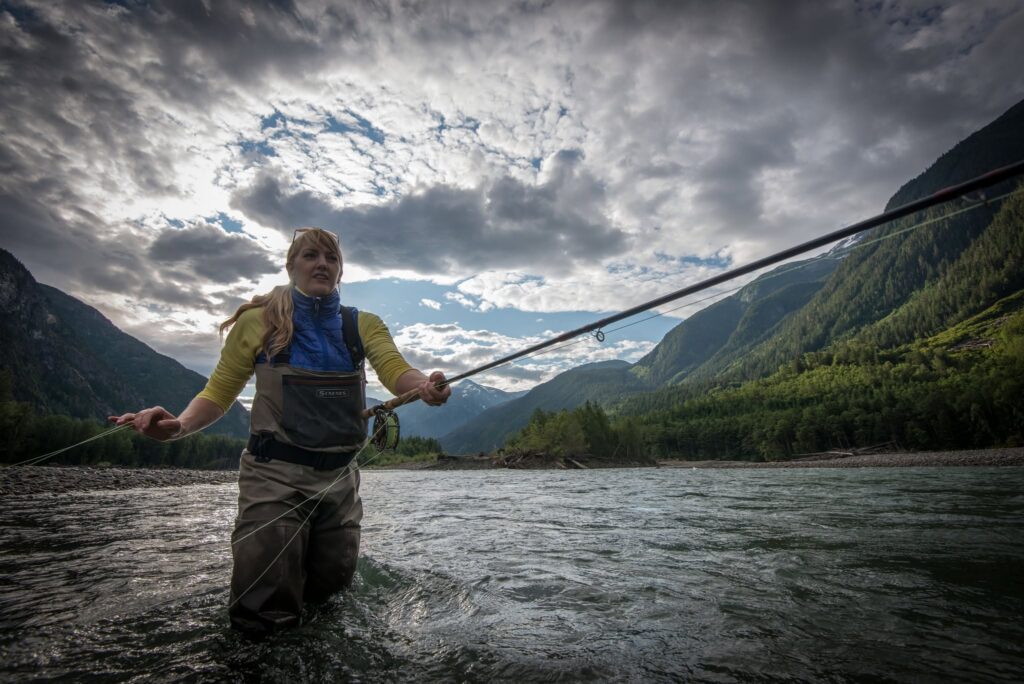
Trisha Valdez landing a trout from a Flycraft boat while fly fishing New Mexico
Trisha Valdez landing a trout while exploring rivers across the state during a fly fishing New Mexico trip.

Episode Show Notes

Fly fishing in New Mexico offers an incredible range of water that many anglers overlook. From tiny mountain creeks hiding in the Sangre de Cristo Mountains to the famous San Juan River tailwater, the state delivers everything from technical dry fly fishing to big trout below dams.

In this episode, I sat down with Trisha Valdez to talk about growing up around the Mora River, how she found fly fishing later in life, and why local rivers often shape us more than destination trips. Trisha also shares the story behind New Mexico Lady Anglers, the community she founded to help more women get comfortable with fly fishing.

We get into small-stream fishing, the San Juan River, conservation challenges, and several New Mexico trout streams worth adding to your list.

Hit play to start listening! 👇🏻🎧

apple podcasts

Find the show:  Follow the Show | Overcast | Spotify

Subscribe on Apple Podcasts

Subscribe on Android

Subscribe via RSS

(The full episode transcript is at the bottom of this blogpost) 👇🏻

Sponsors and Podcast Updates

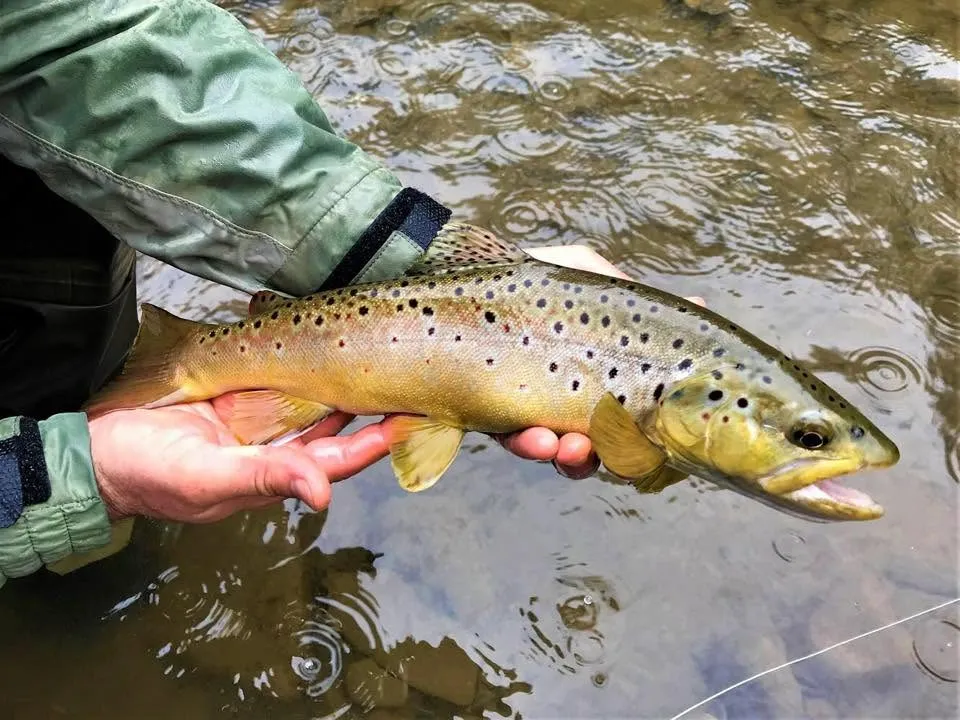
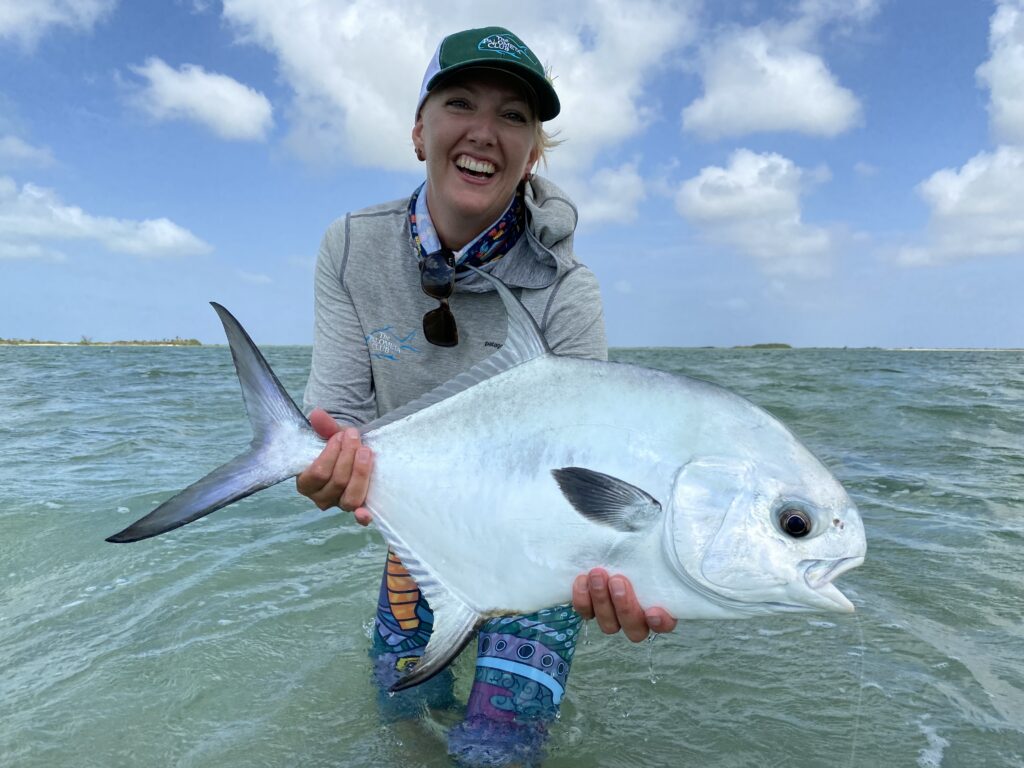
Trisha Valdez fly fishing New Mexico holding a brown trout in a clear mountain river
Trisha Valdez with a New Mexico trout while exploring one of the many rivers that make fly fishing New Mexico so unique.

Show Notes with Trisha Valdez on Fly Fishing New Mexico

Trisha Valdez shares how summers in Mora shaped her connection to rivers and how those early experiences eventually led her to fly fishing. We talk about the Mora River, the San Juan tailwater, and the growth of New Mexico Lady Anglers.

Why New Mexico Lady Anglers Started (02:01)

New Mexico Lady Anglers began with a simple goal: to make fly fishing more welcoming for women who are curious about the sport but unsure where to start.

Trisha experienced firsthand how intimidating fly shops can feel when you do not yet understand gear, flies, or terminology. A single dismissive interaction can discourage someone from ever coming back.

New Mexico Lady Anglers creates a space where women can learn fly fishing in a supportive environment while connecting with others who are exploring the sport.

New Mexico Lady Anglers group at Los Pinos Fly Shop promoting fly fishing New Mexico
Members of New Mexico Lady Anglers gathered at Los Pinos Fly Shop in Albuquerque, building community and encouraging more women to explore fly fishing New Mexico.

Learning the Fly Shop from the Inside (04:18)

One of the biggest learning experiences for Trisha came when she worked at Los Pinos Fly Shop.

Working behind the counter forced her to learn the details of fly fishing gear quickly. Instead of asking for a “black fly with white stuff,” she had to know exact fly names, sizes, hooks, and patterns.

That experience helped her understand what beginners face when they first walk into a shop. Today, she uses that knowledge to help new anglers build confidence when learning fly fishing in New Mexico.

Mora River Roots and Early Fishing (10:19)

Trisha’s connection to fishing started long before she picked up a fly rod.

Although she grew up in San Diego, she spent summers in Mora, New Mexico, with her family. Those months were filled with exploring the Mora River, turning over rocks, and spending long days outside.

Her father first introduced her to fishing there using spinning gear. Over time, the river became more than just a place to catch fish—it became part of her identity.

The Mora River is a small stream that holds primarily brown trout. Because the water is narrow and clear, anglers must approach quietly, crouch low, and make careful casts.

Evening dry fly fishing can be excellent when conditions line up.

Patterns she mentioned include:

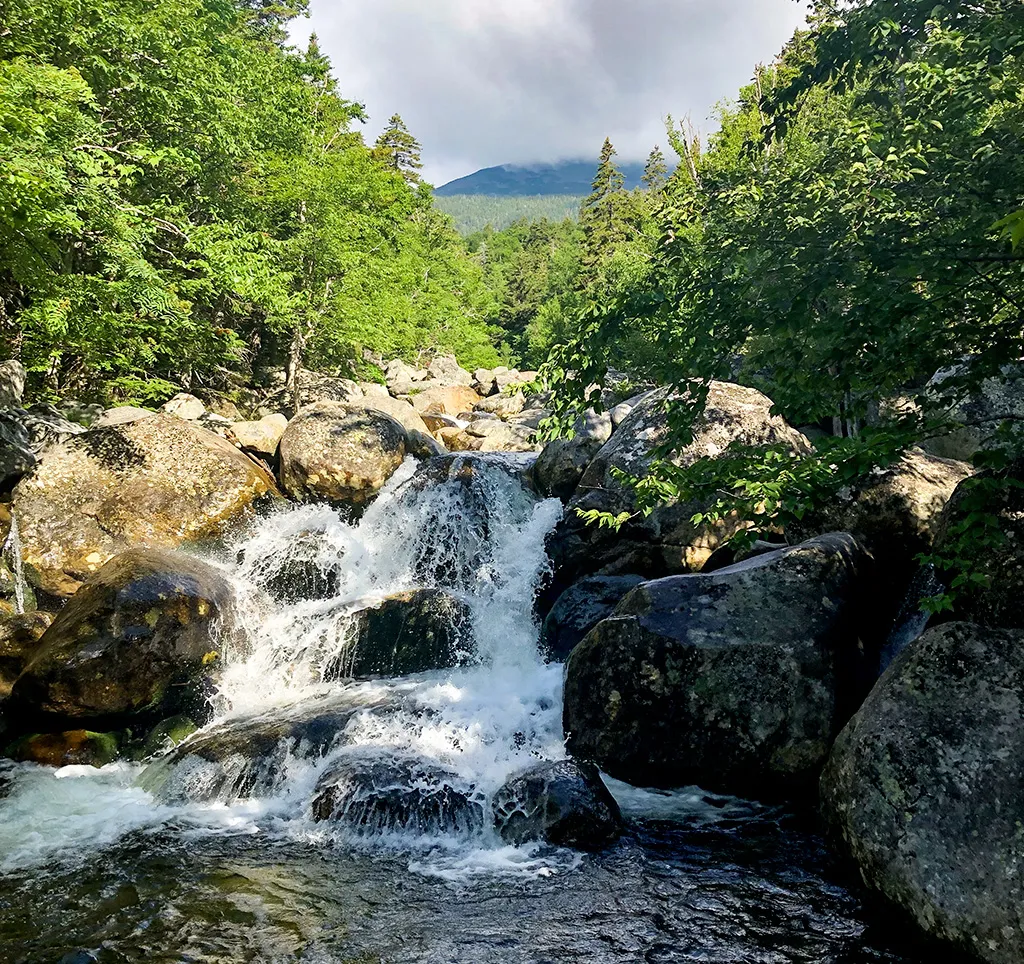
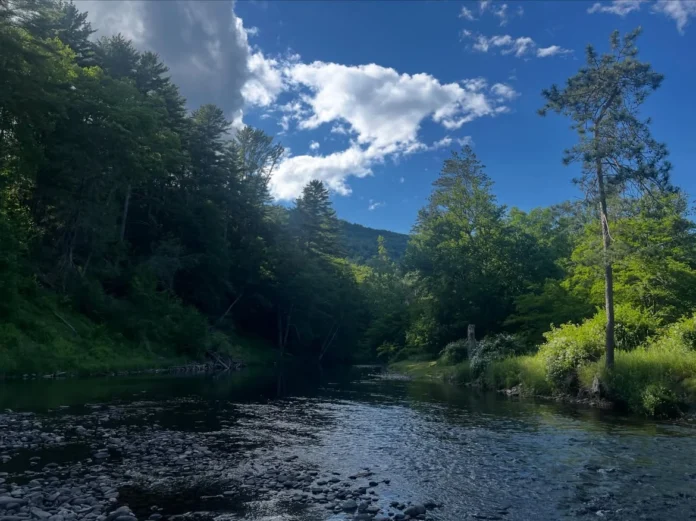
angler fly fishing a small stream similar to the Mora River in New Mexico
Evening light on a small stream in northern New Mexico, the kind of water where Trisha first learned to fish near the Mora River.

Writing About Mora and Local Culture (15:53)

Because the Mora River played such an important role in her life, Trisha eventually wrote about it for Fly Culture Magazine.

Her stories explored the history of Mora, the culture of the area, and the personal memories tied to the river.

It was an opportunity to share how fly fishing in New Mexico is deeply connected to the communities and landscapes surrounding these rivers.

Mora River story by Trisha Valdez in Fly Culture Magazine about fly fishing New Mexico
A feature from Fly Culture Magazine where Trisha Valdez reflects on growing up along the Mora River in northern New Mexico.

Building New Mexico Lady Anglers (17:02)

New Mexico Lady Anglers officially launched in November 2024.

The group began as a social media invitation for women across the state who were interested in fly fishing. Since then, it has grown into a network that hosts casting clinics, meetups, and educational sessions.

Many of the events connect with Trout Unlimited chapters across New Mexico, bringing together anglers, fly shops, and conservation groups.

The goal is simple: make fly fishing accessible and enjoyable for anyone interested in learning.

How Trisha Found Fly Fishing (22:22)

Trisha’s path into fly fishing started during a job interview at KRQE News 13.

During the interview, she noticed a photo of her interviewer holding a fish and used it to start a conversation. That connection helped her land the job and eventually led to her first exposure to fly fishing.

Her boss later gave her her first fly reel and planned to take her fishing on the San Juan River.

Although that trip never happened before he passed away, Trisha later honored that promise by taking a road trip with her son and fishing across several Western states.

Learning to Fly Fish on the San Juan River (29:53)

The San Juan River is one of the most famous trout fisheries in the Southwest.

Flowing below Navajo Dam, the river provides consistent cold water that supports a large population of trout. Compared to small streams like the Mora, the San Juan offers a completely different style of fishing.

Anglers often focus on small midges and technical presentations while targeting large rainbow trout.

For many anglers, the San Juan is where they first experience tailwater fly fishing in New Mexico.

Rivers to Explore When Fly Fishing New Mexico (43:07)

Beyond the San Juan River, Trisha recommends several rivers anglers should explore across the state.

Some of the best options include:

  • Mora River
  • Pecos River
  • Rio Grande
  • Cimarron River
  • Red River
  • Coyote Creek
  • Gila River

Each river offers a different style of fishing, from small mountain creeks to larger canyon rivers.

Fishing Alone and Backcountry Safety (45:27)

Many members of New Mexico Lady Anglers enjoy fishing solo, which means safety becomes an important topic.

Trisha shared a recent encounter with a mountain lion while hiking out from a stream near Valles Caldera National Preserve.

She spotted the animal before it saw her and slowly backed away.

Experiences like that are a reminder that anglers fishing remote waters should carry basic safety gear and remain aware of wildlife.

Advice for Beginners Interested in Fly Fishing New Mexico (49:36)

For people curious about fly fishing in New Mexico, Trisha recommends keeping things simple.

Take a casting lesson or book a guided trip before investing heavily in gear. Spend time in a good fly shop asking questions and connecting with local organizations like Trout Unlimited.

The most important step is simply getting on the water and enjoying the experience.


You can find Trisha Valdez at her website, on Instagram, and through the New Mexico Lady Anglers community online.

New Mexico Lady Anglers logo supporting women in fly fishing New Mexico
The New Mexico Lady Anglers logo, representing a growing community helping women discover and enjoy fly fishing New Mexico.


Top 10 tips from Trisha Valdez

  1.  Start Simple When Learning Fly Fishing – When beginners start fly fishing, avoid overwhelming them with technical details. Focus on the basics first—rod, reel, line, and simple casting.
  2. Try a Guided Trip Early – Booking a guide can accelerate the learning curve. Guides help you understand flies, presentation, and reading water much faster than learning on your own.
  3. Spend Time at a Fly Shop – Visiting a local fly shop is one of the best ways to learn. Talking with experienced anglers helps you understand flies, gear, and local fishing conditions.
  4. Learn to Approach Small Streams Quietly – On small rivers like the Mora River, trout are extremely sensitive. Move slowly, stay low, and avoid casting shadows on the water.
  5. Focus on Evening Dry Fly Windows – Small New Mexico streams often come alive in the evening when the sun drops behind the mountains. This is often the best time for dry fly fishing.
  6. Start with Proven Fly Patterns – A few reliable patterns will catch fish almost anywhere. Common patterns mentioned:
    • Elk Hair Caddis
    • Ant patterns
    • Small dry flies
    • Streamers for bigger trout
  7. Learn the Local Rivers – New Mexico has a wide range of water types. Exploring different rivers helps you understand how trout behave in different environments.
  8. Build Community Around Fishing – Joining groups like New Mexico Lady Anglers or local Trout Unlimited chapters can make learning easier and more enjoyable.
  9. Use Video for Better Fish Photos – Instead of taking multiple photos while holding a fish, record a quick video and pull a still frame later. This keeps fish in the water longer.
  10. Be Prepared When Fishing Remote Areas – Many New Mexico rivers are remote. Carry safety gear and stay aware of wildlife like bears or mountain lions when fishing alone.

Sponsors and Podcast Updates

Fly Fishing New Mexico Videos Noted in the Show

Related Podcast Episodes

Full Podcast Transcript

Episode Transcript
00:00:00 Dave: Fly fishing means something different. When you grow up around the river, you learn lessons by watching flows change. You learn respect by seeing what happens when water is stressed, and you learn stewardship simply by spending enough time to care. Tricia Valdez is here to talk about growing up fishing in New Mexico, and how her early experiences on local rivers influenced the way people fish later in life, and why connection to place often matters more than chasing the next destination. This is the Wet Fly Swing podcast, where I show you the best places to travel to for fly fishing, how to find the best resources and tools to prepare for that big trip, and what you can do to give back to the fish species we all love. In this episode, Tricia Valdez is going to share some of her background, and we’re going to find out about someone who’s fishing roots were shaped by the Mora River, the Moore River in New Mexico. And we’re going to find out how this path grew and fly fishing and how she started the New Mexico lady anglers. We’re going to get into that whole story and all of her connections around there with community. Plus, we’re going to get some fishing tips on New Mexico, one of the great places. All right, let’s get into it. You can find Trisha Valdez at Trisha Valdez dot com. Here she is. How are you doing, Trisha? 00:01:11 Trisha: I’m good. How are you, Dave? 00:01:13 Dave: Pretty good. Pretty good. Yeah. We’re gonna we’re gonna jump into, uh, New Mexico, which is a place that I have. I still haven’t been to yet, although it’s got to be close to the top of my bucket list because it seems like you have everything there. The good weather mountains, you got the desert, all that. But we’re also going to jump into New Mexico lady anglers and kind of maybe talk about some rivers and streams you fished there, but um. Yeah. How’s it going? What is it? Uh, this time of year? Is it still pretty awesome to be in Mexico when it’s kind of the middle of winter? 00:01:41 Trisha: You know what actually it is. I mean, we’ve had such a balmy winter, if you will. The winter’s just been so warm that pretty much a lot of things are still fishable. Of course, you’ve got the San Juan River. That’s always fishable all year round. But, um, yeah, you can go out there and find some chunks of ice and dig underneath there if you want to get a fish. 00:02:01 Dave: Nice. You can so you can do it. All right. And so I think part of this, I think you first. Uh, San Juan roadworks. Gary, who we’ve been working with, I think he was the first person who mentioned your name. And I’m always interested to connect, you know, with more lady anglers, because I feel like that’s a big struggle of ours, you know, connecting with more women out there and maybe start there. Talk to us a little bit about that. How did New Mexico lady anglers or maybe just fly fishing in general? Have you been doing all this, uh, working with the group and doing this for a while? 00:02:29 Trisha: Yeah. Well, first of all, thanks Gary for like the, the shout out. 00:02:33 Dave: Yeah. By the way, Gary has talked about you probably have some of his rods. Have you ever used the San Juan rods? 00:02:39 Trisha: Yeah I did, I bought the frying pan. 00:02:41 Dave: Oh yeah. Frying pan. Yeah. 00:02:42 Trisha: I bought the frying pan. Um, I had like, okay, so with New Mexico lady anglers, we have like a monthly meet and one of our meets was to, I like to incorporate anybody in New Mexico that wants to talk about what they do, their fly shop. It doesn’t matter who we don’t like. Stick with one certain person or one certain venue. We’re like, all over. 00:03:01 Dave: Yeah, it’s just like us. We interview everybody because we love it, right? 00:03:04 Dave: Exactly. 00:03:05 Trisha: Yeah. It doesn’t matter what kind of fishing you do. I don’t care just as long as you get out there. But, um, with Gary, I wanted him to introduce that fly rod to our ladies, because a lot of ladies think that they have to spend a lot of money in order to do this. You know, to do fly fishing and you just don’t. And so he came out and he brought his rods. He showed us how they work. He put them together. He talked about the different weights and how they swing. And I mean, things like that are important to the ladies because when they go into a fly shop, they don’t really know what they’re looking for unless they’re educated on it. And that can be intimidating. And that’s the whole pretty much premise of why I started, um, New Mexico Lady anglers. 00:03:42 Dave: Oh, wow. So you started. 00:03:43 Dave: It. Oh, yeah. 00:03:44 Dave: Wow. Okay. So good. So we got the founder on here. This is going to be great. I think that, you know, we’ve talked a lot about this over the years. Um, you know, going back, I think the Orvis fifty over fifty movement always is a big, you know, part of it because there was that big movement. But I mean, just in general, it feels like I mean, what’s your take on it? I know there’s been some struggles because you’ve heard stories about women going into fly shops and not feeling, um, I don’t know, supported. Right. And kind of what’s your take? Have you been do you think about that a lot these days? 00:04:12 Trisha: Dave, was I a victim? Yes. 00:04:15 Dave: You were a. 00:04:16 Trisha: Victim. I was a fly shop victim. 00:04:17 Dave: There you go. 00:04:18 Trisha: Let me tell you what happened. So basically, I didn’t really know a lot about fly fishing, but I’ve been doing it for a long time, so I didn’t know the specifics of it. Um, I think one of the best things that I did to help me was to actually go to a fly shop and beg for a job. So one of the fly shops that I worked at was Los Pinos fly shop here in Albuquerque. And I worked there for, I don’t know, maybe a year, year and a half. Um, during Covid and a little bit afterwards. And I was in charge of the flies. So instead of saying, hey, can you hand me that black thing with the white stuff on top, I had to learn like the names of everything, the sizes, the hooks. I mean, you have to tie it how to sift the whole inventory of a fly shop. And that was probably the best thing that I could do. And I told the ladies, you know, like you might want to go and see if you can volunteer at a shop. It’s probably the best, you know, education you can get. So starting out there was, was probably the best thing. But yeah, was I a victim? Of course. I mean, especially I’m not dissing you Colorado, so don’t write me. 00:05:18 Dave: Right. 00:05:20 Trisha: Um, but Colorado can be kind of harsh sometimes. I think all the fly shops in New Mexico are really friendly and they’re willing to help and they’re not they’re not one to look down on anybody if they don’t know anything. But when you go into Colorado, it’s like, you know, either they pay attention to you or they say, well, can I help you? And it seems like you’re kind of like bothering and, and that kind of thing. Sometimes I’ve seen that it’s happened to me and I, I know that that can be intimidating for the women. So a lot of them want me to go with them either shopping for flies or to help educate them. So they don’t look like that, and they know what they’re doing and they don’t have to worry about asking for help. If they don’t need it. 00:05:56 Dave: Yeah, exactly. Do you feel that that’s, um, gotten better over the years? Some of that. 00:06:01 Dave: I mean. 00:06:02 Trisha: Yeah, of course. 00:06:03 Dave: It’s still there. It’s there still. It sounds like. So there’s still some of that there in recent years you’ve seen still seen that. 00:06:08 Dave: Yeah. 00:06:08 Trisha: I mean, it was kind of a bummer. One day I was taking a, a woman who wanted to go out to the San Juan and she didn’t know what she needed. So I said, well, meet me at the shop. And, you know, the person that was working there gave the waiters to her, gave her the boots. And I said, hey, I’m going to walk out to my car real quick and get something. I’ll be right back. So she put her waders on over her shoes she was already wearing. And so, you know, one of the guys was like, oh, um, do you not know how to put this on? That’s not how you do it. And I was like, oh, you know what, I got it. I’ll take care of it. Don’t worry. So I mean, to talk to somebody like that, right, can really dismiss their energy to want to go out there and fish. And that’s what we’re trying to. 00:06:51 Dave: Like. 00:06:51 Trisha: Eliminate. You know what I mean? 00:06:53 Dave: That’s it. Yeah, that’s the thing. Because even somebody who’s brand new to fly fishing, right. Never fly fish in their life. Maybe never even fished if you come to the shop. I mean, everything is everything is foreign, right? I mean, like, it’s like, how would you know about the waiters or really anything? And and yeah, it seems like if you’re the person behind the shop, you would know, you know, pretty quick if the person’s fairly new, if they’re putting their boots on or putting their waders over their shoes, you know what I mean? There’s certain ways to, I don’t know, right. To address it in a better way than, say, some snarky remark. 00:07:25 Trisha: I’d be like, what are you doing? 00:07:26 Dave: Yeah, yeah. 00:07:27 Dave: Like make a joke out of it or something. Right? You make it. Yeah. You’d make a funny joke out of it or, you know, you’d you’d make it so it wasn’t weird, you know, and you’d show them how to do it. 00:07:35 Dave: Or I’d say. 00:07:35 Trisha: Like, okay, you got your shoes on, you got your waders on, and now you got to put on your boots. How are you going to do that? 00:07:40 Dave: Right? 00:07:40 Dave: You know what I mean? 00:07:41 Trisha: You do stuff like, but conversely, I mean, what happened to me one day was, um, when I was working at Los Pinos fly shop, you know, you’ve got the old guys that have been doing this a long time, and when they come in, they want to talk to the males that are working there. And so the owners wanted to have a woman in there to make the women feel a little bit more comfortable. And it’s kind of funny because I remember one day, um, I think I was, I don’t know when it was, it was during Covid. And Tom, one of the workers there, they asked him about fishing and Pecos and stuff like that. He goes, I have no idea. I’ve been up there in a while. But you know who just went up there and killed it with Trish? And they’re like, oh, who’s Trish? And I’m like, that’s me. 00:08:21 Dave: Yeah. 00:08:21 Trisha: So they’re like, oh, what did you use? And they said, oh, let me show you. I go, you got to do this and this and do a dry dropper here. And then you got to do this. And they’re like, where were you at? And I said, well, I was over here. And then I’ll tell you a secret spot if you don’t tell anybody. So I’ll give you some Intel if you ask. Nice. 00:08:36 Dave: But yeah. 00:08:37 Trisha: Not all the time. 00:08:38 Dave: Right? Yeah. 00:08:39 Dave: Right, right. No, that’s good I think. Yeah. Part of it is it is, it is just kind of um, feeling comfortable. You come into a shop. Yeah, I think I mean, I always go back to this diversity thing, not only men and women, but just, um, you know, everybody, you know, the more diverse fly fishing is with different people, the better it’ll be. Right? It feels like it’ll just be a better place. And, and so fly fishing struggle with that. You know, the old white guy. That’s always been the funny joke, right? That’s what fly fishing always used to be. But we’re working on it, right? We’re still trying to get to that place where we’re fifty over fifty. 00:09:11 Trisha: Don’t get me started. Yeah. For real. I mean, like, even on the wand, if I’ll go with my buddy Pete, sometimes we’ll go fishing out there, and some guys will walk by and we’re both fishing, and they’ll ask him, hey, how’s it going? But they won’t talk to me. And I’m like, it’s cool. It’s okay. Because, you know, I’m the one that’s been giving him the flies. I’m the one who’s been catching the fish. 00:09:33 Dave: Right? 00:09:34 Trisha: So it’s funny because they’ll say, oh yeah, I saw you catching fish. What’d you guys see was and I’m like, all right. But yeah, it’s gonna take a long time. 00:09:42 Dave: It’ll take some time. Yeah. Change takes time. You know it does. It’s not. It’s not going to happen. There’s going to be steps back to right. You’re going to two steps forward. Right. And so so we’re all hanging in there. And I’m definitely trying to do my part to, you know, that’s part of the thing where I’m always thinking, I look at the podcast and I see we’re still heavily male dominated, right? I mean. 00:09:59 Dave: I saw that, Dave. Yeah. 00:10:01 Trisha: Take a look at that. 00:10:01 Dave: I know, and I’m so whenever I get people like you and others on it, it makes me feel better because I’m trying, but, um, but well, tell me this. You mentioned kind of off air about the the Mora mora River. Talk about that a little bit. It sounds like that’s one of your little sweet spots. What is when do you like to fish that river? 00:10:19 Dave: So that river. 00:10:20 Trisha: Is good to fish. Like right now there’s probably some parts that are frozen over. And of course, with the winter being not as great as it has been the best part to fish, that is probably like, of course, right in like early, late June, I’d say late June all the way to like November. If it doesn’t get too cold, that place just pops off or dries right when the sun goes down, when it heads down back behind that Sangre de Cristo mountain range. I mean, it just goes insane. But the cool part about that river is that it’s all browns. They are introduced a while back. You know, back in the, what was it, early nineteen hundreds. And that’s all it has. There are no other species of fish in there. And, um, they’re skittish. I mean, you look at a shadow just darting out from underneath the banks. And, um, sometimes you’ll see a big old tank go by. It’s just nuts. But right now we’re having an influx of beavers, which I love my little. 00:11:20 Dave: Yeah. That’s good. Making those dams. 00:11:22 Trisha: Yeah. It’s good. It creates a new wetland. So, um, the Moore River has been special to me for a very long time because that’s where I grew up. Um, I grew up with Maura on, in the summers. I’m from San Diego originally. 00:11:35 Dave: Oh. You are? Yeah. 00:11:37 Trisha: I’m from San Diego, and my mom and my dad shipped me off every summer to Maura to go hang out with my aunt and my uncle. 00:11:43 Dave: Yeah. Cool. 00:11:44 Trisha: And that was fun because I learned so much because they were really old. They didn’t want to have anything to take care of. You know, they didn’t want to take care of a little young person that I was. So they say go outside. And that’s like the best thing that you can do. So I’d hang out in the river. I’d just like hang out in the cottonwoods. I’d go up and down flipping rocks. And my dad’s the one who actually taught me how to fish because he’s actually from that town. And so he’s the one who introduced me to fishing. At first it was spin fishing, and we’d fish like the mora. We’d fish up in the sangres, like in Fritos is what it’s called, where there’s a ski lodge up there called Sipapu and there’s some rivers up there. And he showed me how to do that. So but he actually didn’t catch fish with a rod. He used his hand. 00:12:29 Dave: His hand. 00:12:30 Dave: Yeah. 00:12:31 Dave: Wow. 00:12:32 Dave: Yeah. 00:12:32 Trisha: So a lot of the people and you’re going to probably, maybe some people will chime in on this or not, but a lot of the older gentleman from back in the day. We’re talking back in nineteen thirty four. That’s when he was born. They learned how to fish under the banks because that’s where the fish kind of hang out when it gets too hot in the summer and they hide there. 00:12:50 Dave: Or so the brown trout, the brown trout hiding. 00:12:53 Dave: Yeah. 00:12:53 Trisha: And so they would just dip their hands underneath the bank, get a big old baddy. 00:12:59 Dave: Really? 00:13:00 Dave: Yeah, it’s pretty cool. 00:13:02 Trisha: He showed me how to do that. We did that one time and that was amazing. 00:13:05 Dave: That’s crazy. So your dad basically was catching brown trout with his hands, which I’ve never heard about. I’ve heard about catching, like, catfish or where those people stick it up in the bank and the cats or I think it’s catfish. They cling on down in the southeast. But how would you catch a brown? I mean, so they’re sitting there and they’re just sitting there. Is this pretty easy to do? Have you ever done it? 00:13:23 Dave: I have done. 00:13:23 Trisha: It. I’ve done it one time and it’s really kind of creepy. I won’t do it. I don’t like to do it. 00:13:27 Dave: It’s gross. Right? 00:13:28 Dave: Because what do you do when you grab don’t the fish just spook once you touch them? 00:13:30 Trisha: Not really. Because they’re kind of docile already. They’re just kind of hanging out because either they’re it’s too hot and so they’re seeking some kind of shelter or they’re just resting. And that’s the bigger fish. Of course, not the smaller ones, but yeah, they usually just hang. Underneath the undercut of the bank because most of the banks just like. Curl under and then you’ve got the grass that’s right there. And then just like right there hanging out, waiting for something like a nice string. Something to go by now. 00:13:57 Dave: Are you still on that same river? Do you go back to those places where you caught them with your hands? And can you catch them with flies? 00:14:02 Trisha: Oh yeah. 00:14:02 Trisha: I’m still in the same room, still catching them with flies. Dries for sure. Guinea’s elk hair caddis articulated like streamers, would work their eggs. A lot of people poached, though. And that’s the hard part, right? I don’t really want to get into all that because it’s so political. 00:14:19 Dave: But no kidding. 00:14:20 Trisha: You know how when you have private property, it’s kind of hard to keep somebody off? And then there’s the whole argument about, you know, anybody can go on that, that water, as long as they don’t go onto the land. Right. And I’ve never been I’ve never had problems with that. As long as they put the fish back and they take care of the way that they left it. But a lot of times we just see stringers of like salmon, eggs and hooks and stuff hanging off of the banks to catch the fish. And there’s been a depleting population in the brown trout there, not because of the fires only, but because of the poaching. 00:14:51 Dave: The poaching. And these are people just going up there with like, bait, spin rods and stuff using bait. 00:14:55 Trisha: Yeah. 00:14:56 Trisha: For sure. 00:14:56 Dave: Yeah. And then you have it sounds like you have like a property there on the on the river. 00:15:01 Trisha: Yeah. 00:15:01 Trisha: The family has property there on the river, right in the town of Mora. And so, you know, they used to call my dad and ask, hey, can we fish your property? And my dad wouldn’t have a problem with it, but a lot of people don’t. Or they’ll just like tie the line to like a, I don’t know, like a little branch or something and just like, let it hang overnight and then get their fish in the morning. 00:15:21 Dave: Oh, geez. 00:15:22 Trisha: Yeah. It’s sad and I know it happens in other places too, but that’s the only bummer part about that. Other than that, I mean, the fire was a big mess. That was a bummer. And, um, so that’s just the hard part. And it’s just been droughty. We’ve just had tons of drought. 00:15:39 Dave: Yeah. The droughts. Yeah, that is the challenge. Yeah. You’re in a place where the weather’s kind of seems like it’s perfect, but as climate change seems to come in, it might make it even potentially hotter. Right? More droughts. It could be coming. Who knows. Right? 00:15:53 Trisha: Yeah. 00:15:53 Trisha: The water temperature for sure is like increased. And so that’s been a factor. So there’s a lot of things that that are kind of hard about that. But I was fortunate enough to write about it and like my background when I was asked to write for fly culture, fly fishing. 00:16:10 Dave: Fly culture. 00:16:11 Trisha: Yeah, yeah. 00:16:12 Dave: Where’s that magazine out of? Is that up in Canada? I can’t remember. 00:16:15 Trisha: Based out of the UK. 00:16:17 Dave: Oh that’s right, the culture. Right, right, right. 00:16:18 Trisha: Yeah. 00:16:19 Trisha: So Pete Tyga’s asked me to write up for him a couple of stories. So I’m in about, I think four for magazines. 00:16:29 Dave: Oh, right. 00:16:29 Trisha: Cool. Yeah. So it’s cool. He let me write about that. And I thought that was so nice because that’s like, I’m really important to me. And he wanted to know about like the whole culture of Maura and all that, which was cool. 00:16:41 Dave: Yeah, I see it now. I’m looking at, uh, Fly culture magazine. Um, yeah, there’s, there’s some content out here online. It looks like. So well, this is good. So we got a good start and we’re going to circle back to the probably the more river and some other areas. But talk about the New Mexico um lady anglers. Why did you get that started? Because I’m sure that that’s not an easy I’m sure there’s a lot of work involved in that. Talk about that. 00:17:02 Trisha: Alma. Okay, I will let’s see. I kind of get dragged into things and I have a hard time saying no. I don’t know if anybody else is like that out there. I’m sure there are, but I’m the type of person that will just take on whatever I can. So I was, um, at a board meeting and I got kind of caught up in, hey, do you want to be a part of the board for Trout Unlimited chapter? And I’m like, um, what does that mean? And they’re like, oh, you’ll be fine. And then it was like, hey, we need to get more women on the board. Can you help us with that or more women with this? I’m like. 00:17:33 Dave: Sure. 00:17:33 Trisha: What does that mean? And they’re like, oh, you’re going to do great. 00:17:36 Dave: Easy. 00:17:37 Trisha: No problem with all that. I was like, dang, what do I do? What do I have to? Start another social media account. How do I do all this? And so I actually talked to. And I can’t think of her name right off the top of my head. I have it and I lost it. But she is the founder of United Women on the fly. And anyways, we had a long conversation on the phone a couple of years ago, and we talked a little bit about how to get it started, but I don’t want to be as big as her. That’s too much work, and it’s really hard nowadays to try and get volunteers and people to like, help out with things. So I knew I would have to do a lot of legwork. And, um, so I was a part of that. So I started that in November, November twentieth of twenty twenty four. I posted that online and I said, hey, this is an inclusive place for women to learn educational and other venues of fly fishing. If you’re interested, you know, hop on, I’ll get everything started. And it just kind of took off. I mean, not that it was like anything viral, but I mean, we’ve got about five hundred people that follow on Instagram, which I know that that’s nothing. And in Facebook, we have more because I mean, the population that has been within New Mexico, lady anglers is like anywhere from like, I had a twelve year old all the way up until like eighty. And so the dynamic and the diversity of that is just cool. And I’ve got anywhere from African American people to Native American to Mexican American to whatever. And so that to me is what I want is to get anybody and everybody in here involved. And so I have about maybe three hundred, four hundred people on a mailing list. So basically, I started the Instagram, I did Facebook, I would get people coming in for that because we did casting clinics with the New Mexico game and Fish. So I would do the casting part of it where another person would do the educational part of it. So it just kind of grew. And it’s just been a nonstop thing to where we will hit up as many Trout Unlimited chapters in the state and do something with that chapter. So down in the Hilo, we spent a weekend. I’ve been taking video and pictures and I usually do the films every year. We have like a film every year that we show for the fly fishing film. But instead of doing outsourcing, we’ve been doing a lot of local films, which is really cool because a lot of people want to see what’s going on in the state, rather than in a saltwater area where they’re not familiar with and where they probably may not go. So that’s where it’s kind of come into play. So I hang out with people in the Gila chapter up in the northern New Mexico chapter, Taos chapter, Santa Fe chapter, and make sure that all the ladies are incorporated and something is happening in each chapter as I can. 00:20:20 Dave: That sounds sounds like a good idea. You get around all the two groups and you’re basically bringing new people in to your group, to the New Mexico lady anglers. 00:20:29 Trisha: Yeah. And it’s so much fun because I guess there’s there’s only. So I’m central. So I’m in Albuquerque, which is kind of central New Mexico. And so whenever we have like our monthly meetings, I’ll try and do it somewhere else. I’ll incorporate a different fly fishing shop or a different venue, and we’ll just have a blast with whoever’s out there. And it may just be like twenty people that show up. It’s nothing that’s exponentially like huge, but that’s still good, you know? 00:20:54 Dave: Yeah. It’s awesome. Sounds like you got a good program going. And and how much does that take up? Quite a bit of your time running. Like what do you do as the, I mean, the founder? And do you have other people helping out with, with the events? 00:21:05 Trisha: So, um, to get something going to get something started, it’s just a lot of social media stuff. I have to make sure that I do some really fun and simple, I guess graphics. So I have to learn how to do Canva, I have to learn how to post it all. It’s just, it’s a lot, but it’s fun. Um, I want to make sure that it’s something that the ladies want to do. So I always ask them, what are you interested in? So if it’s tying or if it’s doing knots, or maybe they want to learn how to cast, I mean anything, I’ll do that. And then I like to like I invited Gary to show his, his rods off and somebody else that’s doing their rods is um flat creek rods and they would come and they would do their stuff. But in Taos, so they went and they showed off their work in Taos. And so the ladies from Taos would come home. So what I’m trying to do is just make sure it’s inclusive not only to women, but to like all the vendors and all the people that incorporate fly fishing across the state, which takes a lot. Luckily, I had that connection working through the fly shop and just a lot of people kind of kind of know me. So I’ve been fly fishing for over thirty years. 00:22:14 Dave: Oh, right. Yeah. You’ve put your time in. Well, you said you started with your dad. He was he wasn’t fly fishing or. How’d you learn? How’d you pick up the fly rod? 00:22:22 Trisha: Oh, no, we’re getting there. Okay, so, no, my dad did not like this at all. He didn’t. He doesn’t know about fly fishing. And the only reason why I got interested in this is because I worked. When I first got out of college, I had my degree in communications, and I wanted to be like the next Barbara Walters and be on TV and all that fun stuff. 00:22:42 Dave: Have your own show. 00:22:43 Trisha: Right, right. And so, um, I ended up working at channel thirteen, which is Krqe here in New Mexico. And my boss, I went and I had a interview because I was like looking to work at a TV station because I wanted to be an anchor. So my boss interviewed me and it was going bad because I didn’t have any experience. I was tanking and so I like looked around the office. I’m like, what the heck can I connect with this guy? What can I make him like me? And all of a sudden I saw a picture of him holding a fish. I was like, there we go. That’s it, that’s it. So I was like, so, um, I understand that you’ve got, um, touched by an angler for your programming, right? And he goes, what did you say? And I said, touched by an angler. And he goes, you mean touched by an angel? And I said, yeah. And he goes, why do you say angler? And then I said, I don’t know. I thought that’s what it was called, and I. And then he starts laughing and he goes, well, son of a. Do you like to fish, Trish? And I said, really I do, I do. I go, do you. And he goes, well, look at that picture right there. And I said, yeah, I go, where was that? And he goes, that’s over there. And he goes, The Animas River. And we have a place up in Durango where we do some of our, uh, news stories. And he goes, you know what? If you work here, you know, you can go up to Durango and you can fish and maybe I can show you how to fish the San Juan. He goes, do you know how to fly fish? And I said, no. And so his name was John Tischendorf. He was a Navy veteran and he was gruff. And he’s the one who kind of showed me how to do this whole stuff. 00:24:11 Dave: And that’s amazing. And gave you a job too. 00:24:14 Trisha: Gave me a job. I was his favorite. 00:24:16 Dave: Look at that. You pulled it out. That’s a great interview tip. You’re you’re struggling in an interview and you just. 00:24:21 Trisha: Look around. 00:24:22 Dave: You got to make a connection. And you find the fish which you have no background fly fishing. At least you had caught fish with your hands, right? With your dad. But but that pulls it out and it’s actually it was touched by an angel. You said it wrong, but it was funny. 00:24:34 Trisha: No, I know I did that on purpose. 00:24:36 Dave: Oh, you did okay. I did that on purpose. 00:24:38 Trisha: I do things weird. I’m kind of weird like that. But yeah, so he was cool. Gave me my first fly reel during lunch. We would go to Rei and like, he would show me stuff, go to Charlie’s fly fishing box or Charlie’s. 00:24:49 Dave: Oh, yeah. Charlie’s. Yeah. Charlie up in. That’s in Colorado, isn’t it? 00:24:52 Trisha: Oh, it’s right here in Albuquerque. 00:24:53 Dave: Oh it is. 00:24:54 Trisha: Yeah. And then he took me to Los Pinos when we first had that fly shop here and show me all the stuff. And I was like, super stoked. And I ended up leaving the TV station. And so where I went, he was like, hey, we still have to go fishing. We’re making this crafting up this whole plan to go fishing because he would hunt up at our property and him and my dad, my dad and, and he were very good friends. They became very good friends. 00:25:20 Dave: So after you worked for him, your dad and this guy became good friends? 00:25:23 Trisha: Yes. And so they went hunting and up in Mora, and he was supposed to go fishing up in my place. But he goes, I gotta take Trish fishing at the San Juan, because that’s where she’s going to learn. And he got cancer and he passed away before we were able to go. 00:25:37 Dave: Oh, wow. 00:25:38 Trisha: So I promised him before he died that I would go fish Idaho, because that’s where he said was the best place to go fishing. I did, I fished Idaho, Washington, Colorado, Utah, Oregon, all in five days. 00:25:50 Dave: Holy cow. 00:25:51 Trisha: In Wyoming. 00:25:52 Dave: five days. You hit all those states? 00:25:54 Trisha: Yeah. I did a road trip with my son, and we hit up five or six different states, and we fished in every single one. 00:26:00 Dave: Doing that in five days is. That’s a feat right there. 00:26:03 Trisha: That was a blast. But yeah, I did catch one of my biggest brands on the reel that he gave me. 00:26:08 Dave: No kidding. Wow. Yeah. What a story. So and what was the job you had? What was your job at the TV station? 00:26:14 Trisha: Program director. So I was responsible for putting on all the programming. I was in commercials and I never was behind the the camera for the news or anything. And I ended up getting other degrees because that’s why I became a teacher. 00:26:28 Dave: Oh, yeah. And you became a teacher at the university. 00:26:30 Trisha: So I am part time faculty at UNM right now. Um, and then I am also full time, um, special ed head teacher at Albuquerque Public Schools for a middle school. So I’ve been teaching for twenty two years now. Special ed. 00:26:44 Dave: Uh huh. Geez, that’s pretty amazing. 00:26:46 Trisha: So all that incorporates into what I do as New Mexico Lady English as well, because I do a lot of education and the way that I work with the ladies is very. And I hope they agree with this. I feel that I’m very comfortable to them, and I feel that I incorporate a little bit of humor and just like, there’s no shame. Like, I don’t care if you don’t know what you’re doing, I don’t care. Whatever. We’re just going to go have fun because it’s what it’s all about. To me, that’s what it’s about. 00:27:13 Dave: It is, it is. Do you find a lot of the women coming in there are pretty brand new to fly fishing. 00:27:18 Speaker 5: Oh, yeah. Yeah, yeah. 00:27:20 Trisha: They have no idea what they’re doing. And I kind of like that because you can really work with somebody and mold somebody and not have to work with some of the things that they were taught in the past. 00:27:31 Speaker 5: Yeah. 00:27:32 Trisha: So same thing with kids and teaching. 00:27:36 Dave: If you’ve been holding off on getting a new fly rod because of the price tag, San Juan Rod works just changed the game. These rods are dialed in with the right action, clean design, and built to fish hard without the high price tag. Whether you’re stripping streamers, tight lining, or dead drift and dries, they’ve got a setup that feels right from the first cast. And the best part is you can try any rod, reel, or fly line for thirty days risk free. And if you’re not one hundred percent satisfied, you can send it back for a full refund. Check them out right now. That’s San Juan rod Works.com. S a n j u a n roadworks dot com. You support this podcast by checking in with San Juan. now. And what do you when you have somebody new in fly fishing, how do you get started? What’s your first steps? 00:28:24 Trisha: So if somebody contacts me and they say they’re brand new in fly fishing, they don’t know what they’re doing. Um, I’ll ask them if they want to join, um, one of our monthly meetings just to get to know people. But if they just want to like do a one on one, I’m totally down for that. I’ve met people in the parks, I’ve met people at ponds, and I’ll show them the basics of what they have or I’ll bring rods. Luckily with to you Boski chapter, we have like fly tying kits and we have fly tying rods that we bought that we can use for people that can use the equipment, check it out, see if they like the sport in the first place, because they may not. And then if they want to do more than we just work on that. But some of the first things I do is just introduce the basics of the equipment and like how to open up your reel, how to clean it, how to look at the line and all that stuff. Because a lot of times when you start talking about the line weight and the weight of the rod and all that stuff. It can get a little complicated until they actually understand what they’re doing and if they want to continue in it. So I won’t bring that up right away because I don’t want to scare anybody off. 00:29:23 Dave: Yeah, yeah. Just let them figure out how to set it up, put the line on lidar and really just get them casting right. That’s the first thing. Just get them feeling the rod and get them casting out twenty feet or thirty feet. 00:29:34 Speaker 5: Yeah. 00:29:35 Trisha: So we have hoops, we have casting out there that will do. And we do it in the park. We can do it in a pond or in a river. Sometimes I’ll even bring somebody who’s never fished before, and I’ll just take them to the San Juan, and I’ll just throw them in waders and boots and just let’s go. 00:29:50 Speaker 5: Just go for. 00:29:51 Trisha: It. That’s how I learned. 00:29:52 Speaker 5: Yep. 00:29:53 Trisha: So I never went to that San Juan fly fishing trip with John Tischendorf at Channel thirteen, but I went with a friend of mine, Deborah, because nobody else that I knew knew how to fly fish. But my son was dating a girl, Cassie, and her mom was a huge fly fishing person, and he hooked us up and we became really good friends and we’ve been fishing for twenty years together. 00:30:14 Speaker 6: Oh, wow. 00:30:15 Speaker 5: Yeah. 00:30:16 Trisha: So my first thing of going to San Juan was going with her and her little Toyota truck that had no air conditioning. It barely made it to the San Juan. 00:30:24 Dave: Oh, cool. This is like a little Toyota Tacoma or a little pickup. 00:30:27 Speaker 5: Yeah. 00:30:28 Trisha: We’re talking no air two seater. Barely made it to the San Juan. I didn’t know what I was doing, but I didn’t want to let her know. And so I can tell that’s what a lot of ladies do when they kind of show up. They don’t want to let you know what they don’t know because they’re afraid to be made fun of. 00:30:43 Speaker 5: Sure. 00:30:44 Trisha: So I just remember going with, you know, these waiters that weren’t worth a crap. And then I had a net. That was it was the nastiest net. It was like a metal wired net with that could like strip the gills off of anything. And then I had, um, boots that weren’t even waterproof and then a rod that I think it was like unbendable, like there was no flex in this rod whatsoever. And so when she saw that, she was like, what the hell, girl? You should be coming here looking like that. That’s embarrassing. So she’s like, put me in my place. But I had bought. I will tell you, Dave, I did spend a lot of money on my my glasses. I paid three hundred and fifty dollars for a pair of Evos. 00:31:23 Dave: Oh, these are for your polarized glasses. 00:31:25 Speaker 5: Yes. 00:31:25 Trisha: I went and I bought polarized glasses for three hundred and fifty dollars. And like, we went down this one place in the San Juan. And I know everybody who knows the San Juan knows this place. I call it Vietnam because you have to walk down literally. It’s like a vertical traverse that you walk down. And as you get down to the bottom, it’s like all like in the summertime, it’s like full of mosquitoes. The water’s like up to your hips. It’s nasty, wet, gross, scary. And then you walk out and you’re just like right there in the San Juan and the dam is just right there. And it’s just beautiful. But the sand in there, the mud in there is silty. So like when you walk in, you will actually kind of almost like sink in. And it’s really, it does a section where like you try to get your feet out and it sucks it up and it’s hard. Well, I lost my glasses in that mud that day. 00:32:17 Speaker 6: That’s too bad. 00:32:18 Dave: The reviews are the glasses. 00:32:19 Speaker 5: Yeah, three to fifty bucks. 00:32:21 Dave: Yeah, I haven’t heard of those. Yeah, there must be. They look pretty cool. I’m looking at them now. Oh, and I did look up, uh, earlier. Heather Hudson. 00:32:28 Speaker 5: Heather Hudson. Yes. Thank you for saying Heather Hudson. 00:32:30 Dave: Cool. So this is good. So we got a good background on what you have going here. Um, we mentioned the more reviews. How is the Mora different from the San Juan River? They look a lot different a lot. 00:32:41 Trisha: So I mean, the more river, the highest, the, you know, cubic feet CFS will go is probably like literally a good CFS for more would probably be like about maybe twenty five. 00:32:54 Speaker 5: Oh, it’s tiny on a good day. 00:32:56 Trisha: But then normally in the summertime, it goes down to like maybe about four to ten where the San Juan can go anywhere from like one hundred and something to like five thousand. 00:33:06 Dave: Right? Yeah, it’s much bigger. Okay. 00:33:07 Trisha: It’s huge. Yeah. Huge. Yeah. This is just a small little river that comes down from the Sangre de Cristos. And. And it just holds browns and it’s just so much fun. 00:33:17 Dave: It’s a dry fly Mecca. It sounds like a dry fly Mecca. 00:33:19 Trisha: Super dry fly Mecca. Super like get on your knees and crunch down and like stalker fishing. It’s the best. 00:33:27 Dave: Yeah, right. What’s your rod? What length rod do you like use on that on that stream. 00:33:32 Trisha: Okay. Um, I would do a seven six. But my arms, I know I’m probably going to get a lot of flak about this and I don’t care. I have T-Rex arms and you can say whatever you want about that Dave. 00:33:44 Dave: Right? 00:33:45 Trisha: So what? So what I usually use is like an eight five, and I’m definitely not going to have it too slow. I want at least a medium fast action. So if I’m going to throw a streamer or if I’m going to throw a dry, I want a precision cast because a lot of times you have to go sweeping around the willows. Um, because there are willows along the bank, which I know a lot of people don’t like, but to me, they’re my friend because I know that I’m going to be able to cast and the fish aren’t going to spook off. The areas where you have no willows, forget it. You won’t. You won’t catch anything there unless you’re casting like at least twenty or thirty feet back. And if you see somebody rising, you are back there and you’re just like casting it like and literally almost at night. That’s how spooky they are. 00:34:30 Dave: Oh, really? So is there a lot of pressure? A lot of people fishing it? 00:34:34 Trisha: Yeah. 00:34:34 Dave: Yeah, there’s people up. 00:34:35 Speaker 7: There, but not. 00:34:36 Trisha: Fly fishing. 00:34:37 Speaker 7: Okay. 00:34:38 Trisha: There’s fishing. And, um, right now I’m going to say no just because of the fires and the water has been contaminated and I really haven’t done a count. However, the more I fish hatchery is up there and they, um, produce hella trout. And so I’ve been working with the guy up there to kind of figure out what we can do to help the fish and more. 00:35:01 Dave: That’s right. Because Gila trout are the really unique, um, native fish to that area, to that base or that area, right? 00:35:07 Speaker 7: Yeah. 00:35:08 Dave: Yeah. Okay. I’m looking at the, um, Upper Pecos Watershed Association protecting and maintaining looks like so there’s some, some of those groups who do you connect with? Many of those like watershed groups in the area too. 00:35:21 Trisha: Does. 00:35:21 Speaker 7: Yeah. To you does. Yeah. 00:35:23 Trisha: You does. And if there’s any kind of volunteer opportunities with any of the other partners like that, we will definitely work with them to plant willows or to build up the banks. So that way there’s no corrosion or erosion because that’s that’s a big thing too. Also making water areas for like cattle and elk and different things like that. So they don’t go into the river because that’s a big problem at our river. 00:35:49 Speaker 7: And we’ve got. 00:35:50 Trisha: Cattle and we don’t have a way to keep. 00:35:52 Speaker 7: Them out. So. Mhm. Yeah. 00:35:54 Dave: It’s not fenced. What are you on your property there? Your family property. You have, uh, animals there. What is that property look like? 00:36:01 Speaker 7: Um. 00:36:02 Trisha: I don’t know how many acres, more or less. I want to say about three hundred. Oh, and it’s got the river winds like a snake through it. There’s probably about maybe sixty head, if that of cattle and my horse. A couple other horses. So I mean, it’s not like it’s trampled or it’s bad or anything. Um, it’s just it’s just such a pristine piece of property that’s really special. And you just want to keep it that way. And a lot of times it’s hard to, to show or to get that across to some of the people that live there. You know, we just want to keep it the way it is pristine. 00:36:38 Speaker 7: Yeah. 00:36:39 Dave: Do you have fences to keep the cattle out of the stream on the property, or do you guys do some of that? 00:36:45 Trisha: No, I think right now, um, I think my son’s working with FEMA because of some of the things that were happening with the water. And so I’m not really sure how that’s working in. There may be a possibility that the person might not have his cattle there for a lot longer because of that. But yeah, it’s just something that a lot of private owners ask to you to do support with, to make barriers. So that way the cattle don’t go in there or at least water troughs for them, so they don’t have to go into the river. 00:37:14 Speaker 7: Yeah. 00:37:15 Dave: On your website you have a bunch of great, really nice photos. Is that like your work down there at the. Tricia Valdez dot com? 00:37:21 Speaker 7: Yeah. 00:37:22 Trisha: So, um, on the side, when I don’t have time, like I always say yeah. To everything. So yeah, I do, um, photography on the side. So I offer photos for whenever I go out for fly fishing, I’m always taking photos for anything. And then I do some other things with photography. But yeah, I love outdoor photography. 00:37:42 Speaker 7: Yeah. 00:37:43 Dave: You do, you do a good job. These are great. What’s the key on getting a good photo on outdoors? How do you how do you get these photos? Do you have any little few tips? 00:37:52 Speaker 8: I’m glad you asked. 00:37:53 Trisha: Um, and the reason why I’m glad you asked is because that’s going to be one of our focal points. Um, for one of our meetings because a lot of women will take pictures of the, you know, the grip and grin and that kind of thing. And I’m not mad about that. I am I am a huge advocate for keeping the fish wet as much as you can. So, you know, I like taking video. And so my thing is like, if you have a fish, I’m gonna take video of it and I’ll get a screenshot of that so we can just like quick, really quick. 00:38:20 Dave: Oh, so you got video. So instead of taking the photo, you just video and then you’ll get. So can you get a high quality photo off of the video after you take it? 00:38:27 Speaker 7: Yeah, absolutely. 00:38:28 Trisha: You can get really good shots off a video. 00:38:31 Dave: You can’t. Okay, so a lot of these photos are coming. I see there’s one with this brook trout looks like a brook trout. And so yeah, you basically take with your phone, could you do it? Take a video and then use that to get it. Get photoshopped screenshots. 00:38:42 Speaker 8: A lot of those photos on there. 00:38:44 Trisha: A lot of them, I’m going to say about seventy percent are done on my iPhone. 00:38:48 Speaker 7: Yeah. 00:38:48 Dave: That’s great. 00:38:49 Trisha: And so what I want to do is tell people, you know, you can use your Nikon, your canon, your whatever, your whatever you want, but It’s hard to carry around that equipment when you’re out. I know that I’ve fallen and I’ve messed around and I’ve messed up my camera, so it’s kind of cool just to know how to use your iPhone. I don’t use androids, but I’ve always used my iPhone whenever I need to, and the settings are just the same as a different camera, but I also use my Nikon. 00:39:18 Speaker 7: Yeah. That’s cool. And my canon. 00:39:19 Dave: And your canon. Okay. 00:39:21 Speaker 7: Yeah, I’m a canon. 00:39:21 Dave: Gotcha. There’s a, um, there’s a drift boat in some of the photos is you had a drift boat that you got rid of. Is that what you were saying earlier? 00:39:28 Trisha: Yeah. So, gosh, when I first got really heavy into fly fishing, probably like about thirteen years ago, I found this drift boat for sale for three hundred bucks in Farmington. And when I went to look at it, you probably wouldn’t say wow. You’d say, yeah, I wouldn’t even pay three hundred dollars. 00:39:44 Speaker 7: For it, right? 00:39:44 Trisha: It was literally growing out of the grass and there was like holes in it. And it was just like, my son’s like, uh, mom, I don’t even think that you should get this. And I said, no, I’m going to put it together and everything. So here’s another caveat on the side. We, um, we rebuilt Chevelles. So we rebuilt six or seven chevelles and we sell them at Barrett Jackson auction. 00:40:07 Speaker 7: No kidding. Yeah. 00:40:08 Dave: The Chevy Chevelle. Like what? What year? 00:40:11 Trisha: Um, seventy, seventy one, sixty four. 00:40:13 Dave: Was the Chevelle around for many years. 00:40:16 Speaker 7: You know. 00:40:17 Trisha: Chevelle has been around for a long wave. 00:40:19 Dave: Well, I’m not a big car. I mean, I know, uh, I’m not a huge car, but I know the Chevelle. It’s like it looks like a it’s a big muscle car, right? 00:40:27 Trisha: It’s a big muscle car. We’re talking. Four fifty four. We got three fifty big block, all that good stuff. Yeah. No. That’s fun. My son is the one who’s into it with his grandpa and my husband. And then my son is now doing a seventy two. He’s doing a Mopar now. And it’s a challenger. 00:40:44 Dave: Oh, it’s a challenger. Okay. Dodge. 00:40:46 Speaker 7: Yeah. Yeah. 00:40:47 Trisha: And so I think that photo is on my website, but it’s him putting it together and. 00:40:52 Speaker 7: It’s just wow. 00:40:53 Trisha: A badass car. Okay. But anyways, yeah, so one of these days I’m going to get myself a sixty seven Chevelle, which I did have. And I took it back because it was too much work and I didn’t have time for it. But I am going to get another one and I’m going to take that fly fishing. But anyways, the reason why I brought that up is because the guy who does our cars rebuilt this drift boat, which was built by somebody from to, and I can’t think of his name. I have it somewhere and it’s a birch drift boat. And he put some fiberglass where there were some holes and he fixed it up and we made this thing was sweet. It was so much fun. But I had to like, fix it several times because you know how Birch can be so flexible. 00:41:28 Dave: So was it a homemade boat? It was a homemade, like wood boat. 00:41:31 Speaker 7: Yes, yes. Wow. 00:41:32 Dave: That’s great. And where does that boat today? Do you know where it is? 00:41:35 Trisha: I did, I sold it to my buddy Dave, and I don’t know if Dave has it. Dave, you better still have it or I’ll beat you up. But, um. Yeah, so I sold it to Dave. It had rope seats. I actually changed those out because those are really hard to row in and I just put like an oak bench. And then I had like compartments built in the front and the back so I can hold my stuff. And it was cool. Yeah, I liked that boat. It was hard to maneuver, I’ll tell you that much. And the first maiden voyage that I had of that boat was at the San Juan, and it was in the winter. And we took it in the river at about two o’clock. And we got so stoked that we were in a boat that we just fished this one area for like hours, and then it turned dark and we didn’t know where we were going. 00:42:19 Dave: Oh, no. How’d you learn to row the boat? 00:42:22 Trisha: Sit in the bench and row. 00:42:23 Dave: You just jumped in one day, like with the boat the first time and just floated down and figured it out? 00:42:27 Speaker 7: Yeah. 00:42:28 Trisha: And hit rocks. 00:42:29 Speaker 7: And. 00:42:29 Dave: Hit rock. I say the same one doesn’t have a ton of, like, rapids. Is it pretty safe? 00:42:34 Speaker 7: Yeah, it’s pretty safe. 00:42:34 Trisha: Especially when like the water flows pretty high. But like when it’s like at two fifty or something or three, it’s like pretty rough, especially with the drift boat because it’s going to hit bottom. And we did quite a bit. I’ve hit anglers. What else have I hit? 00:42:48 Dave: You’ve you’ve hit anglers. 00:42:49 Trisha: Yes, yes. I’m not going to I’m not going to be shy about that. I did hit someone. I said, just push me. 00:42:55 Speaker 7: Push me off of you. 00:42:56 Dave: Right, right, exactly. 00:42:58 Trisha: And then. 00:42:59 Speaker 7: Yeah. 00:42:59 Trisha: So I get. I’m not afraid. I am not afraid to go into that water and just have fun. 00:43:06 Speaker 7: Yeah. 00:43:07 Dave: That’s awesome. Well, I want to take before you take it out of here, I wanted to here again, I’m kind of focusing. I’m definitely going to fish the Moore River when I get up there. And along with the San Juan, everything else. What are the other rivers you would be fishing other than those two? Is there anything else you love hitting in New Mexico? 00:43:22 Trisha: The heel is really awesome, especially during spring break, like right before the spring runoff. So I’m going to go hit that up again. If I were you, I would definitely go up to the Vidal Villa Castilla and we’re talking like in the summer and in the fall. Definitely hit up Cimarron, Red River. Coyote Creek wouldn’t be bad. Okay, Maura, for sure. You got the Pecos River that you. 00:43:45 Speaker 7: Got to hit? Pecos. Yeah. 00:43:47 Trisha: Yeah, Pecos is great. Um, and I can show you a really cool spot there. 00:43:51 Speaker 7: Okay. 00:43:51 Trisha: But yeah, usually I just like the little rivers. I’m not. Oh. Rio Grande, I’m sorry. 00:43:57 Speaker 7: Oh, yeah. Rio Grande too. Yeah. 00:43:58 Trisha: You got to go hit that up underneath the bridge. Got to do the hike down. 00:44:02 Speaker 7: Yep. 00:44:03 Trisha: If you haven’t done that, you haven’t fished. And like, one of the things that I did was I hiked down one time. I got so stoked and this is me. I’ll just stay down there and I’ll just like, get fixated on fish and I will forget that it’s dark and I have to hike a mile back up. And I ended up spending the night down there. 00:44:19 Dave: Oh you did? Wow. You spent the night overnight? 00:44:22 Speaker 7: Yeah, it. 00:44:22 Trisha: Was a trash bag in a granola bar. Oh, I’ll do whatever. 00:44:25 Dave: Dave, how do you stay? Was this in the summertime? Was the weather pretty nice? 00:44:29 Speaker 7: Yeah, it was pretty cool. 00:44:30 Trisha: I fished at night. I caught a bunch of suckerfish. 00:44:32 Speaker 7: Gotcha. 00:44:33 Trisha: Um, the moon was super bright. It was scary as heck. But, I mean, if you don’t do things like that, are you really living? 00:44:40 Dave: So it wasn’t free. This is like a summer. So you weren’t freezing in the middle of the night up there. 00:44:44 Speaker 7: Yeah, it was cold. 00:44:45 Dave: It was. 00:44:46 Speaker 7: Yeah. 00:44:46 Trisha: I put that trash bag on. 00:44:48 Dave: Wow. So you had a, like, a survival trash bag sort of thing. 00:44:52 Speaker 7: I don’t know. 00:44:53 Trisha: Why. Where did I get a trash bag from? I don’t know. 00:44:55 Speaker 7: Yeah, I. 00:44:56 Trisha: Was like really young. This is like I was probably about twenty three when this happened. 00:44:59 Dave: Oh that’s cool. Well, we had a I love the survival talks. We had somebody I’ll put a link to the show notes to a episode we have on survival. It was basically we talked about this, you know, you get stuck down. There’s a few things. There’s a lot of misnomers out there in the survival space, you know, and there’s a, there’s a little this guy sells a really cool survival pack that lets you start a fire anywhere, even with wet wood. And, um, anyways, it’s, I always love it because, you know, you never know, right? Your, your car might break down, you might flip your boat, you know, you want to be safe out there. 00:45:27 Trisha: No, in fact, we just had like a meeting like that not too long ago about what are you going to do if you get lost? What are you going to do if you’re by yourself? Because a lot of women fish by themselves. I’m one of them. I was up by Cascade Creek up in Colorado, and I had my waders and boots on, and I tripped on a vine and I literally, like, was like millimeters away from a boulder, like hitting my head on that. What would have happened? Right? So we had to think about things like that. So a lot of us get together and we think, hey, we gotta do this. You got to get a Garmin, you got to do this, and there’s this and take this with you. And, and then the other day I came across a mountain lion. 00:46:02 Speaker 7: Oh, wow. 00:46:03 Trisha: Caldera. And that’s another place that you need to fill. 00:46:05 Dave: You saw. 00:46:05 Speaker 7: one? Yeah. 00:46:06 Trisha: You want to know what happened? 00:46:08 Dave: Yeah I do. Yeah. Let’s hear it. 00:46:10 Speaker 7: Okay. 00:46:10 Trisha: I am scared to death. Okay, so I was at the caldera fishing with my buddy Pete, and we were down fishing in the caldera. Has. It’s like a really skinny, skinny, skinny stream. Okay? And there’s streams all over that. You can fish mostly browns. You might catch a rainbow every now and then. You might catch a cutthroat, but mostly browns. And so we’re fishing. We’re having a good time. But about two years ago, I fell and I tore my tendon and I tore my hamstring. So I cannot run at all. And so I told my friend, I said, hey, I’m going to hike back to the car because you walk faster than me and I’m going to just take off. So he goes, okay. So instead of going around the other way that we went. That has a trail. I went over the mountain. As I’m going over this mountain, the wind is blowing towards me, so my scent is going behind me. And as I’m getting closer, I see like this like little bunched up thing and it looks like an animal. And I’m like, okay, I wonder what that is. So I get closer and I’m like, oh, I wonder if that’s like a baby elk. Because, you know, it’s that time where they were having babies. And I got closer and I’m like, Holy crap, man, that’s a freaking mountain lion. And I sat there and I was like, what am I going to do? I don’t have any spray with me. I don’t have a knife. I don’t have any. 00:47:18 Dave: There’s not much you can do. 00:47:19 Speaker 7: No. 00:47:20 Trisha: And his head was down and his ears were down and he was licking or eating something and he hadn’t seen me. And so I just like backed away really slow to where I didn’t see him anymore. And then my friend comes up and he goes, why are you coming back down this way? And I said, there’s a mountain lion. 00:47:37 Speaker 7: He goes. 00:47:38 Trisha: Where? And I said, over there. And he goes, well, I’m going to go see. And I said, oh my God, go. I said, give me your keys before you go see. So. 00:47:46 Dave: Right. 00:47:46 Trisha: I’m not going to go chase his ass. He’s gonna. 00:47:48 Dave: Know. Did he go? Look at him. 00:47:50 Trisha: Did he go see it? I think he did. But I don’t know. 00:47:52 Dave: And he was still there. 00:47:53 Trisha: I don’t think so. 00:47:55 Dave: Wow. That’s a scary. Yeah, because it sounds like it was a male. Full big male. 00:47:59 Trisha: I don’t know, I don’t want to know. I just know that I’m alive and. 00:48:03 Dave: Yeah. You’re alive. Is that the first cougar you’ve ever seen in the wild? 00:48:06 Trisha: Yes. And that terrifies me. It terrifies me. And you know what else gets me mad? I must say this really quickly before we go. 00:48:12 Dave: Yeah. 00:48:13 Trisha: Do not say if I get eaten by that mountain lion or whoever. Do not ever tell me that she died loving what she did. Because that is not true. 00:48:20 Dave: Because that’s not. 00:48:21 Trisha: True. 00:48:21 Dave: I know right. 00:48:22 Trisha: I did not die getting eaten by a mountain lion. 00:48:25 Dave: Well, you’re outdoors, but. Yeah. 00:48:26 Trisha: No, I don’t like that, so don’t do that. Yeah. 00:48:28 Dave: No, no, it’s I I’ve run into I’ve seen only two in my lifetime too. And they were both. Yeah. They’re, they’re scary because you realize there’s not if the thing wants to take you down, it’d do it in a second. Oh yeah. You can do about it. 00:48:42 Trisha: If he would have seen me or he or whatever it was that would have been that would have been it. And I can’t run so. Right. Whatever. 00:48:48 Dave: You did the right thing, though. You just backed away. 00:48:50 Trisha: I bought bear spray. 00:48:51 Dave: Yep. That’s good. 00:48:53 Trisha: Big old thing of bear spray now. Just because. 00:48:56 Dave: Yep. 00:48:57 Trisha: I think you need it. 00:48:58 Dave: That’s a good thing to have. Cool. So you’ve, uh. Well, and that’s cool. And this is, uh, that part of New Mexico. Probably lots of wildlife, not only cougars, but do you have everything else out there? Do you have bears out there? 00:49:07 Trisha: Yes, sir. 00:49:07 Dave: Yeah. You got bears because you’re up in the mountains. You got the. Yeah. Right. Yeah. 00:49:11 Trisha: There’s deer, mountain lions, cougars, bobcats, I mean everything. Yeah. Wolves. 00:49:17 Dave: Well. Oh, right. Wolves too. 00:49:19 Trisha: Mhm. 00:49:19 Dave: You have wolves. God. Yeah. That’s right. Well, tell me this. Let’s take it out here with our a few tips here on we talked about, you know, kind of getting started. What is it? You know, if somebody is listening, if they’re new, what are the few tips you tell them? If they’re asking you like, hey, I want to get going. What do you once they can cast and do some of that. 00:49:36 Trisha: Once they can cast, I would definitely the first thing I would do is go and take a lesson somewhere. You don’t have to pay for it, or you can whatever you want to do, like. 00:49:45 Dave: Take a casting lesson. 00:49:46 Trisha: I would definitely go on a. 00:49:48 Dave: Oh, like a guy trip. 00:49:49 Trisha: Yes, I would definitely do a guide trip because the guides will show you what to use. Although it’s a lot different than doing a waiting trip, you could do half day wade half day boat, but I highly recommend doing that. Yeah for sure. And then after that, see if you really like it because don’t go spend a lot of money on something that you really don’t like. And this can be such an affordable sport if you just look for the right things. And um, yeah, that’s what I would do. I would go to the fly shops and just say, hey, I want some help. Show me what these flies are, what are the best flies for here? And then hook up with your Trout Unlimited chapter. 00:50:28 Dave: That’s another good one. Yeah. 00:50:29 Trisha: Wherever you’re at. And, um, they’ve got to have some kind of a women’s group or something that you can hook up with. But I know that people, even though like I’m in New Mexico, if somebody contacted me from like New York or whatever, I’ll tell you whatever you want to know. I don’t know about New York, but I’ll tell you what I know. 00:50:45 Dave: Yep, definitely. What’s your recommendation for the guys listening now? Let’s say maybe they’re in the fly shop working or just guys in general to, to, you know, because probably sometimes guys don’t realize what they’re doing being, you know how they are, but how would they be? Do a better job to make it welcoming to women out there. 00:51:02 Trisha: Be patient and don’t think that you know why they’re there. Because sometimes they’re not. They’re shopping for their husband or getting a gift card. Maybe they want to learn something and they want to see what the vibe is before you approach them. You know, just kind of say, hey, how can I help you? What are you looking for? Have you ever fly fish before? You know, is this something that interests you? Talk to them, ask them questions, and, um, make them feel comfortable because that’s all people want. 00:51:27 Dave: Yeah. Perfect. Good. Well, I think we can leave it there. And we will send everybody out to either Trisha Valdez or what is the website for the New Mexico Lady Anglers? 00:51:37 Trisha: So I don’t have a website. I just have, um, Instagram and Facebook and it’s just New Mexico lady anglers. And I do have an email which is, um, New Mexico lady anglers at gmail.com. 00:51:46 Dave: Okay, perfect. So people can check in with you there. And would you recommend if people are listening? Uh, pretty much New Mexico, it sounds like that’s your focus for that, for that those clubs is the group as far as like, if there are other women listening now or they’re interested in connecting or going to New Mexico, is that could they connect with the group even if they’re not in the state? 00:52:04 Trisha: Oh, absolutely. Yeah. 00:52:06 Dave: Okay. 00:52:07 Trisha: Yeah. We’re listed. Come hang out with us, come fish with us and totally inclusive and we have a blast. It’s not anything weird. We actually have a lot of fun. 00:52:17 Dave: Perfect. All right, Tricia, well, thanks for all the time today. We will definitely put those links in the show notes. And hopefully I’ll be able to get out there and hit the Mora or the San Juan in the next year. And I’ll let you know if I do. 00:52:27 Trisha: Let’s go. I’m ready. 00:52:29 Dave: All right. We’ll talk to you later. 00:52:30 Trisha: All right. Thank you for having me on. 00:52:33 Dave: All right. Last thought before we get out of here, if you haven’t yet, check in with Tricia. Follow her on social media. Let her know. Check out some of those photos. Tricia Valdez dot com. Some beautiful photos. They’re definitely going to be staying in touch on that. Next episodes coming up. As always, we got some good stuff coming with our expert gurus in the bucket is right around the corner. If you want to listen to some of the West Coast Bay that Brian has to offer, check that out. And of course, as always, we got the boot camp going wet fly dot com slash bootcamp. If you want to bring your skills up to the next level and actually have a chance to ask some of our guests get answers to your questions. The fly fishing boot camp right now, you can go to boot camp. All right, I’m out of here. Thanks again for checking in all the way till the end. Look forward to seeing you on that next one and hope you have a great afternoon, morning or evening. We’ll talk to you soon. 00:53:24 Speaker 9: Thanks for listening to the Wet Fly Swing Fly Fishing show. For notes and links from this episode visit wet Fly dot com.
Trisha Valdez holding a trout while fly fishing New Mexico in a small river
Trisha Valdez with a beautiful trout while exploring the small rivers that make fly fishing New Mexico so memorable.

Conclusion with Trisha Valdez on Fly Fishing New Mexico

Fly fishing in New Mexico offers a mix of quiet mountain streams and world-class tailwaters. From the Mora River to the San Juan, the state has an impressive range of trout water waiting to be explored.

Through New Mexico Lady Anglers, Trisha Valdez is helping more people discover those rivers and build a stronger community around them.

All links, products, and host promises have been flagged inline throughout the post.


897 | The Science of a Perfect Fly Cast with Ed Jaworowski

Ed Jaworowski - circle spey

In this episode, we dig into the science of a perfect fly cast with legendary casting instructor Ed Jaworowski. We talk about rod loading, loop control, timing, and the small mechanics that make a cast efficient and accurate.

Ed also shares how he learned alongside Lefty Kreh, and why mastering these details can keep anglers improving for decades.

Hit play to start listening! 👇🏻🎧


apple podcasts

Find the show:  Follow the Show | Overcast | Spotify

Subscribe on Apple Podcasts

Subscribe on Android

Subscribe via RSS

(The full episode transcript is at the bottom of this blogpost) 👇🏻

Sponsors and Podcast Updates


Ed Jaworowski - circle spey

Show Notes with Ed Jaworowski on the Science of a Perfect Fly Cast

A lot of anglers plateau in fly fishing and don’t even realize it. They catch fish, and their casts look fine from a distance, but something quietly stops improving. Distance stalls, accuracy drifts, and wind start exposing weaknesses.

In this episode, we dig into the science behind a perfect fly cast. What actually loads a rod, how loop control works, and why most casting problems start long before the fly lands. We talk about timing, tracking, and the small details that separate a cast that works from one that holds up in tough conditions.

Catching Up with Ed Jaworowski

It’s been a few years since Ed Jaworowski was last on the podcast. That episode ended up being one of our most popular casting episodes.
If you missed that one, make sure to check it out here: WFS 233 – Perfecting Your Fly Cast with Ed Jaworowski – 3 Principles for Any Fly Casting Situation

Since then, Ed has stayed busy studying fly casting and teaching private lessons. He even consulted with a physicist to confirm some of the ideas he teaches about how a fly cast really works.

He still works one-on-one with anglers, and some travel long distances just to spend a few hours learning from him. His lessons usually run two to three hours and focus on how the cast actually works, not just how it looks.

Ed Jaworowski - Science of a Perfect Fly Cast

The Science of a Perfect Fly Cast

Ed says the most important concept in casting is simple. A rod can only do one thing. If it’s bent, it can straighten. And your job as the caster is to put the bend in the rod and then get out of its way.

Many anglers push forward at the end of the cast, trying to throw the line. Ed says that’s where most problems start. Here are the key ideas he teaches:

  • The rod must accelerate smoothly
  • Start slow, then move faster and faster
  • Stop applying force and let the rod straighten

Most casts take about half a second from start to finish. In that short window, the rod loads and unloads.

Ed also talks about what he calls the “windshield wiper cast.” This is when the arm moves fast but never accelerates properly. When you slow it down on video, the rod barely bends.

His advice is simple: accelerate smoothly and let the rod do the work.

Watch Ed break down acceleration and rod loading in this short YouTube video below:

How to Practice Acceleration

Ed says the best place to practice is on grass, not on the water. Casting happens in the air anyway, and so practicing on grass makes it easier to focus because you don’t have to strip line or deal with current.

Here’s the drill Ed recommends:

  • Lay out about 30 feet of line behind you
  • Cast sidearm and exaggerate the motion
  • Start very slow, then go faster and faster
  • Stop cleanly at the end of the stroke

You can also reverse the drill and practice the back cast the same way. Ed says he doesn’t teach people to cast. He teaches them about casting, and then they have to practice and discover the motion themselves.

Ed Jaworowski on the Science of a Perfect Fly Cast

Rules vs Principles in Fly Casting

I asked Ed if the best casters all end up developing different casting styles. Ed said the styles may look different, but the physics behind the cast is always the same.

He compared it to golf. Every golfer has a different swing, but at impact they all have to produce the same speed and motion. Ed believes many casting problems come from anglers following rules instead of principles.

Some of the common casting “rules” Ed says anglers hear all the time include:

  • Start the cast at 10 o’clock
  • Stop the rod at 1 or 2 o’clock
  • Keep the cast in the same plane
  • Always let the back cast fully straighten

Ed says these kinds of instructions can actually hold anglers back. Instead of fixed positions, the focus should be on what the cast needs to accomplish.

Adding Power to Your Fly Cast

Ed also shared an interesting way to think about casting mechanics. A fly rod works as a class three lever, the same type of lever used in sports like golf, baseball, and tennis.

In this system there are three parts:

  • Load – the line or fly you are moving
  • Effort – where your hand applies force on the rod
  • Fulcrum – the pivot point in your body

Ed says as you use more of the body, the effort arm gets longer, which allows the hand to move faster and farther during the cast.

The Science of a Perfect Fly Cast with Ed Jaworowski
Photo via Perfecting Your Fly Cast with Ed Jaworowski – 3 Principles for Any Fly Casting Situation

Where to Learn More from Ed

I asked Ed where people should go if they want to learn more after this episode. He pointed to two main resources.

One is the video The Complete Cast, which he created with Lefty Kreh after working on it together for several years. The film pulls together many of the same ideas we talked about in this episode, especially how the cast really works and how to remove slack and load the rod efficiently.

The other is his book Perfecting the Cast, which summarizes what he’s learned from more than fifty years of coaching anglers.

Photo via https://www.amazon.com/Perfecting-Cast-Principles-Fly-Fishing-Situation-ebook/dp/B08NGZRF5G

Ed says the book and video work well together because they explain the same ideas in different ways.

If you want to go deeper on these concepts, check out the digital version of The Complete Cast from TFO.

Staten Island, NY striped bass. Guide: Joe Mustari

Perfect Fly Cast
Staten Island, NY striped bass. Guide: Joe Mustari

Why the Backcast Matters

When I asked Ed about preparing for windy conditions and long casts, he brought the conversation back to the basics. The less energy you waste fixing slack in the line, the better your cast will be.

One big takeaway was how important the backcast really is. Ed says many anglers focus too much on the forward cast, but problems usually start behind you. If the back cast has issues, the forward cast will too.

Check out the video below where Ed breaks down how to focus on and improve your backcast.

Perfect Fly Cast: Critical Angle

Another concept Ed talked about is something he calls the critical angle. This is the angle between the rod tip and the fly line during the cast.

For shorter casts, a smaller angle works fine. But for longer casts, opening that angle wider lets the rod load much deeper and more efficiently.

Watch the video below where Ed explains the critical angle in more detail.

Form Comes Last

Ed says the main idea behind his book Perfecting the Cast is simple: form comes last.

Many casting instructors teach rules first. Things like where the rod should start, where it should stop, or what position your arm should be in. Ed says those rules only work in very specific situations.

Instead, he focuses on function first. Every cast depends on the conditions: the wind, the distance, the fly, and what’s around you.

Once you understand what the cast needs to do, the form naturally adjusts to fit that situation.

Why Fly Line Weights Can Be Confusing

Ed also talked about one of the biggest misunderstandings in fly fishing: fly line weight numbers.

Most anglers assume that if they have an 8 wt rod, they should use an 8 wt line. Ed says it’s not that simple.

The problem is that many lines labeled with the same number can actually weigh very different amounts. Two lines, both marked as “6 wt,” may have very different grain weights in the first 30 ft.

Here are a few key points Ed shared:

  • Fly line ratings are based on the weight of the first 30 feet of line
  • Many modern lines don’t match those original standards anymore
  • Letting out or stripping in just a few feet of line can change the effective weight you’re casting

Ed says this is why anglers sometimes feel like a rod works better with a “heavier” line. In reality, the lines being compared may already be very different in weight.

Ed’s advice: Do a little homework before buying a line. Check the manufacturer specs, understand the line profile, and think about the type of fishing you’ll be doing.

Learning from Lefty Kreh

The Science of a Perfect Fly Cast with Ed Jaworowski
Ed and Lefty Kreh – WFS 233 – Perfecting Your Fly Cast with Ed Jaworowski – 3 Principles for Any Fly Casting Situation

A big turning point in Ed’s life came in the mid-1970s when he first saw Lefty Kreh give a casting demonstration.

Lefty made a long cast in the middle of telling a joke, and everyone watching focused on how far the line went. Ed noticed something different. It looked like Lefty barely did anything, yet the line unrolled perfectly.

That moment stuck with him. Ed said he realized Lefty understood something about casting that most anglers didn’t.

That meeting led to a 42-year friendship and partnership. Lefty had an incredible instinct for casting, and Ed spent years studying the mechanics and physics behind why those movements worked.

Conservation Corner

We’re giving away a copy of Ed’s book, Perfecting the Cast, to one listener. To enter, head over to the Instagram post for this episode and tag a local conservation group you support.

One person will be chosen to win the book.


Sponsors and Podcast Updates

Science of a Perfect Fly Cast Resources Noted in the Show

Photo via https://www.amazon.com/Cast-Theories-Applications-Effective-Techniques/dp/0811732576
Photo via https://www.amazon.com/Perfecting-Cast-Principles-Fly-Fishing-Situation-ebook/dp/B08NGZRF5G

Science of a Perfect Fly Cast Related Podcast Episodes

Full Podcast Transcript

Episode Transcript
897 Transcript 00:00:00 Dave: A lot of anglers plateau in fly fishing and they don’t even realize it. They catch fish. Their casts look fine from a distance, but something quietly stops improving. Distance stalls accuracy drifts. Wind exposes weaknesses. Today’s conversation is about breaking through that ceiling. Today, we’re digging into the mechanics behind an efficient fly cast. What actually loads a rod, how loop control works and why most problems start long before a flyover lands. We talk about timing, tracking, and the small details that separate a cast that works from a cast that holds up in tough conditions. This is the Wet Fly Swing podcast, where I show you the best places to travel to for fly fishing, how to find the best resources and tools to prepare for that big trip, and what you can do to give back to the fish species we all love. Today in this episode, we’ve got Ed Jovanovski on, and he’s going to be stripping back the cast and breaking down the fundamentals. Not in a beginner way, but in a precision way. This is going to be an amazing episode, the kind of refinement that keeps someone improving for decades instead of just years. In this episode, you’re going to find out how he got started and how he mastered his cast with Lefty Kreh alongside lefty. He worked with him for years. We’re gonna find out about the book, his first book, the cast, and perfecting the cast and why you need to get your hands on this book. We’ll also find out about the technical way he breaks down casting. Loop control. Rod. Loading how he teaches. This is going to be a good one. The first episode was one of our best ever, so hope you enjoy this one. All right, let’s get into it. Here he is, Ed Jovanovski. How you doing, Ed? 00:01:36 Ed: I’m doing just great. Dave, good to hear from you. 00:01:39 Dave: Yeah, yeah, it’s, uh, this is going to be a fun one. It’s been a number of years. I think we had you back on or last time was episode two thirty three back in twenty twenty one. Twenty one yeah. Twenty one we’re going to get caught up on what you’ve been up to, and we’re going to get into, because you’re pretty much about as high of a level as you can get in casting. We do some casting episodes, but I feel like when we get somebody like you who’s written books about it and stuff, it kind of takes us to that next level. So before we jump into all that, give us the heads up on, you know what you’ve been doing anything new the last few years for you? 00:02:08 Ed: Uh, well, I just continue, believe it or not, studying casting, I consulted another physicist about some of the things that I talk about for confirmation. You know, the physicists always tell you, you know, you don’t know your math. I said, that’s why I’m talking to you. You do the math and just confirm what I’m saying. I just want to make sure I’m not, you know, throwing out junk there for people. So, uh, you know, doing that and, uh, fishing, obviously now this past year, I’ve had little problems at home here. My wife’s been sick, so I haven’t been doing anything recently, but I’m basically doing studying. I’m doing a private lessons, a lot of private lessons, people coming from all over. I had people drive down from Toronto. I had a guy flew in from Montana for a lesson, things like that, you know? 00:02:48 Dave: And what are your lessons look like? What do you do? Is this like a day lesson? 00:02:52 Ed: It’s a long it’s a long thing. I send them a long letter. It’s two to three hours. And what I do is I go over how it all works, and I can talk about some of that right here as we go into. 00:03:03 Dave: Yeah, let’s do that. 00:03:04 Ed: Yeah. And you’ll get an idea of where I’m going with, you know, how I approach all this. 00:03:08 Dave: Okay. Yeah, we can talk about that. I think we also, the last time we had you on, we talked about the the three principles of fly casting. I think we, I definitely heard from a lot of listeners that love that. So I think we’re going to kind of dig deeper into the principles and how people can apply them and maybe, you know, get better at casting, right? That’s ultimately the thing. But maybe talk about the physicist that’s kind of taking it to the next level. What is when you talk about physics, how does talking to a physicist help you do what you do? 00:03:33 Ed: Well, the problem is people want to hear the word physics. They sort of panic, you know? 00:03:37 Dave: Yeah, they do. Right. Like right now I’m like, it brings back memories. Bad memories of college. 00:03:41 Ed: Yeah, exactly. In high school, I didn’t do well in physics or something, but what I’m talking about is physics in its generic sense. It’s basic sense, how the universe works. Things like two kids on a seesaw. That’s physics. You open a bottle cap on a beer bottle or soda bottle or something. That’s a class two lever. I mean, that’s physics. It’s how things. Everything works. That’s all. Motion and force. Hammering a nail into a board. It’s physics. Take a pair of scissors and cut a piece of paper. That’s physics. That’s a class one lever working. You know, it’s. I’m talking about common sense. Everyday movements and motions. 00:04:18 Dave: Gotcha. That helps. So that clarifies. So we’re all we all understand physics. And then on the fly cast, what’s the most important physics to understand of the cast? 00:04:27 Ed: Well, the most important single thing, let me preface it by saying this. There’s two elements involved here, and this is the way I approach it now. The materials are the same, but I have found other ways to express it, to get through to people. A rod can only do one thing as one function and that’s it. The only thing that a rod can do any rod, if it is bent, it can straighten. That’s all it can do. It can’t bend. So people say to me, well, it can bend. I said, well, let’s stay in here and wait for this. Look at this rod and wait for it to bend. No, the rod itself can only straighten. The casters job is to put the bend in it and then get the heck out of its way. People have been abusing this. Every problem that anybody has either is involved in that loading process, which is what I spend all my time on, or the unloading process when the rod is straightening, people are getting in its way, you know. It’s causing issues. I can’t tell you how many people I’m talking eighty, ninety percent of the people that I’ve worked with in fifty years. At the end of the stroke, you see their arm pushing forward. They’re trying to throw the line at the target. That’s not your job. Your job ended. And I’ve got videos of all these clips. When your hand starts to move and when you get the load in the rod, and I’m going to talk about how we get that load. The only way you can do it, you get that load. And I freeze the video right there. And the rod. I have it bent into the cork and I said, now watch what I’ll do now. And I start the video up. Nothing. Just let the rod straighten. That’s the most efficient you can be. So I want to talk about how we get the rod loaded and don’t interfere with it when it’s trying to straighten. So what you want to do is understand that the most important element of all by far is acceleration, right? That means you start out. Now I’m speaking in relative terms. Now you start out slow and it gets faster, faster, faster. There’s only one motion involved. There’s no power stroke. I know people talk about good casters. They say power stroke. Know what they’re feeling is that final, final part of the acceleration curve. And I’ve got graphs. I’ve got images. You can see that in the average cast. You know what the length of the. And I’ve done this for hundreds of people. How long does it take to make a case to get that rod loaded? It’s between one half and one second closer to one half. I’ve got a lot of my time, four tenths of a second. Now, the trick in the act is in that four tenths of a second in that half second. You’ve got to speed up and stop. Stop applying force. You know, your hand may move because it’s like a follow through in golf or something. You know, the rod straightens, your hand can move a little, but you’re not applying any force anymore. You stop applying the force, you stop accelerating. Let the rod straighten. And so to do that in that short length of time and I’m saying that rank beginners, pros, everybody, it’s somewhere between a half a second and a second from start to finish. To do that, to accomplish that, to speed up, you’ve got to I don’t like to use this word if there’s mixed company out there, but you’ve got to practice, practice, practice. 00:07:46 Dave: Practice. 00:07:46 Ed: Practice. Who practices more in golf than the best golfers in the world. Exactly. These guys spend their life practicing. They’re still going to blow it when the time comes. Maybe on occasion. But the point is, I have videos one after another of students who I’ve worked with over the years, and you’ll see them going fast. They think that faster and harder is going to bend the rod. It doesn’t work. And I can show you. Do this. Get. I tell people have somebody video you. Okay. Just making a cast. It was hard as much as you want. Put it on a computer. Slow it down. Do it in slow motion. The first thing you will notice is that there’s almost no bend in the rod. And I’ve got pictures of people who stroke their stroke on the back cast and on the forward cast is blindingly fast. I mean, you hardly see their heart. It moved their hand move. But when you slow it down, one thing you realize they got this hard, gentle, gentle curve in the rod. I’ve got other ones where the hand moves Eighteen inches. Say. And you stop the video. The rod is bent like a horseshoe right into the corks, because the one accelerate it. The other one did not accelerate. What I call it is the windshield wiper stroke. People go like crazy. They their arm comes forward, boom, and you slow it down. There’s no bend. It’s like the windshield wiper on your car. It never changes speed. Once it starts up, it immediately goes to a speed and it goes across and back and forth and back and forth. 00:09:16 Dave: Yeah. You don’t want the windshield. You don’t want the windshield wiper. 00:09:19 Ed: No. And that’s what the vast majority of people are doing. I see it all the time. 00:09:24 Dave: Yeah. What’s the exercise for that to go from the what you want is to start slow and then fast, fast, fast, fast and then stop. How do you what’s the exercise to get better? Just practice on the water. 00:09:32 Ed: Not on the water, on the grass. 00:09:34 Dave: On the grass. 00:09:35 Ed: You can do it on the water, obviously. But here it’s easy because if you foul up, you don’t have to go stripping anything. It’s easier to rectify it. No, because casting takes place in the air, not on the water per se. The way I recommend people, and I tell them to do this just for the learning of this, you’re going to k a sidearm, put stretch some line out behind you thirty feet or whatever you have. Now you’re going to cast sidearm and you start out slowly. I mean, you would exaggerate this slow and just keep going faster, faster, faster. And so that in the later part of your stroke, it’s going a whole lot faster than it was in the early part of the stroke. And then the best thing you can do is reverse it if it’s not straight out there, okay. Straighten it out on a grass. That’s easy. Step back or something and then practice your back cast. Start bringing your hand back. Faster. Faster. Faster. And stop and see where it goes. And what I do is I put a rope down on the ground for them. At the same time, you can be practicing the control of that stop. So that you try to throw a back cast and lay it right next to or parallel or on top of this rope on the ground. And you keep doing that and you doing it. And. And little by little you start going a little faster, you start speeding up sooner, and you get faster and faster and you teach yourself. I’ve worked with thousands of people around the globe. I’ve never taught anybody to cast. I really, literally haven’t. I teach them about casting. And as you just ask, here’s how you can practice that. You have to find it. I can’t do it for you. Yeah. It’s like you take a music lesson and you go to your music teacher and he sits down at the piano and he plays this concerto or something, or this Bach etude, and he says, okay, that’s how you do it. Now you sit down and do it. 00:11:20 Dave: Yeah. 00:11:20 Ed: Well, come back in ten years, you know? 00:11:22 Dave: Yeah. So what you’re saying is like, everybody kind of finds they practice, they find their own style of caste. So could you look at say, you know, lefty and all the great casters of now in the past and see that their casts are quite a bit different between all the best. 00:11:35 Ed: They’re not different in what they’re accomplishing. They have to be doing the same thing according to the physics. You look at all these golfers. They all have different swings, seemingly, but at the moment of impact, they’re all at the same thing. If you want to hit it, you know, three hundred yards, it’s got to have so much speed to it. If you want the fade or draw the ball that’s built into the stroke. So the one thing you can tell is just from the result. Uh, there’s no rules for casting. There are no rules. And I’d like to talk about that a little because those rules are the key to the mistakes we’re making. We’re told to do things which are counterproductive. 00:12:12 Dave: Yeah. What’s the difference between a rule and a principle? Because we’re talking about three principles. Okay. Rules are different, right? 00:12:17 Ed: Yeah. This is my big thing here. Yeah. You go to get a lesson or something and people say, well, stand this way, face the target square to it and so forth. Other people will say, now when you come back, you bend your elbow at forty five degrees. I heard a famous, famous, very good, excellent fisherman and so forth. Good caster. He says the forearm and upper arm should be bent at the elbow forty five degrees. That’s a rule. Some people will say, well, start your back cast by holding your rod at ten o’clock. Okay, that’s a rule. And incidentally, it goes against physics, which I’ll talk about in a second. Stop your back cast at one o’clock. Right. Again, they’re telling you specifically what to do. Instead of approaching it from what has to happen, people tell you it’s very popular here now among trout fishermen. Move the rod back and forth between ten o’clock and two o’clock. This is. I’m telling you, you’re never, ever going to be really good. You can’t. And I’ll explain these things. People will say, oh, the back cast and the forward cast have to be in the same plane. We’re not talking about planes here. We’re in a three dimensional world. You know, um, the rod tip always has to travel in a straight line. Well, there are a lot of casts now that you can’t make. Here’s a recent popular one. The back cast is an upstroke and a forward cast is a downstroke. Many times that’s obviously true. But when I’m out in the boat fishing for striped bass on the ocean, about ninety percent of my casts, the forecast is going upward. 00:13:41 Dave: All right. 00:13:42 Ed: And I love this one. Everybody’s heard this one over and over again. Let your back cast straighten before you go forward. 00:13:48 Dave: Yeah. Straighten. 00:13:49 Ed: In fact, I showed that on the screen when I’m doing clinics and stuff. I said, I’m going to modify that. Let your back straight and I put over top of it. Never let your back straight. 00:13:57 Dave: Yeah, that’s not good. 00:13:58 Ed: In a short cast. If you’re in a little just, you know, stream making sure the damage isn’t so bad. It’s not, it’s not going to make a great difference, but you’re building in a stroke into your stroke. You’re feeling that thing going and it’s going to kill you. You’re never going to have be able to do a lot of things with it, right? 00:14:17 Dave: What do you do instead of that, instead of letting it load? Talk about that. What do you want to be doing there? 00:14:22 Ed: It doesn’t load the back. It doesn’t load it. Yeah. The back. When the back end straightens, it means we’ll go there right now. The back cast unloads. 00:14:30 Dave: Yeah it’s unloading. You’re losing your energy. 00:14:32 Ed: Exactly. You’ve got to start forward. Uh this this is kinetic. The line is unrolling to the rear. It’s pulling against the rod tip as it’s unrolling back there. Right? Yep. You want to start forward just before it straightens out. I’ve got videos of this. Stop. I mean very slow motion stop thing that we did when we were making our DVD. Lefty and I and I show here’s what happens. It stops and I stop the film right when the line goes perfectly straight. And then, you know, we do this in slow motion, so you’ll see things that people don’t even notice. And I start forward then and the line is falling, falling, falling, falling, falling. And then it picks up again. Well, in the meantime, about four negative things happened, which I can’t go into all this. Obviously I can, I can talk on this twenty four hours a day for a month. But so the point is what you want to do. And then I make this the next case. I got two camera boats filming this. 00:15:27 Dave: Oh, wow. 00:15:28 Ed: And I start forward when that thing looks, what do I call it? Like a candy cane or something back there just before it’s going fast. So it’s going to be great. And love it. The other thing is, so you start forward then, mainly because I say you don’t want the line to straighten because it releases the pressure on the tip. But you also have to understand reaction time. And I’ve read, I’ve studied these things. I’ve talked to, you know, scientists about it. Reaction time, typically for most of us is around one quarter to one third of a second, somewhere in that range. So when that straightens that one quarter to one half, remember my whole stroke’s only a half seconds. So you know you’ve blown it already. So you want to start. You’ve got to allow for that experience. 00:16:16 Dave: The waters of Bristol Bay at Togiak River Lodge, where fly fishing meets Alaska’s rugged beauty. This is the place to complete the Alaska Grand Slam with all five salmon species rainbow trout, Arctic char and more. Where each day offers a new Alaskan adventure, you can visit Togiak Lodge dot com right now to start planning your Bristol Bay experience with Togiak River Lodge. When it comes to high quality flies that truly elevate your fly fishing game, drift Hq.com is the trusted source you need. I’ve been using drift hooks expertly selected flies for a while now and they never disappoint. Plus, they stand behind their products with a money back guarantee. Are you ready to upgrade your fly box? Head over to Drift Hook dot com today and use the code swing at checkout to get fifteen percent off your first order. That’s Drift Hook d r I f t h o o k dot com. Don’t miss out. So the candy cane is a great that analogy is great. So if you look back, you want it to be just kind of like a candy cane, maybe no more than a candy. 00:17:16 Speaker 3: Cane or a fishhook or a fishhook. Yeah. 00:17:19 Ed: And so what you have to do is you’ve got to look at it when you’re practicing until you train yourself to start forward, just when it’s got that candy cane shape to it. And because by the time the message goes from your brain all down all the synapses and gets to your hand and you react. 00:17:37 Speaker 3: To. 00:17:37 Ed: All this is just human nature. What’s going to happen? That line will just straighten and never stop moving. It should never stop. And it just turns and reverses and goes the other direction. And you’re loading the rod. And then I did these two casts. First one where I let it straighten. Second one where I started just before it was straight. And we filmed that second one and my hand moved about eighteen inches and we froze it. And the guy, I’m telling you, the rod is bent. I mean, took horseshoe shape. I mean right into the cork because I started that fraction of a second sooner. 00:18:12 Dave: That fraction. Do you have is that DVD? Can you find that out there anywhere that DVD or. 00:18:17 Speaker 3: You know, I don’t you might. 00:18:19 Ed: I don’t know if it’s in production now. It was the one that lefty and I made. But all this, a lot of this stuff, most of it’s in there, but I have some new stuff I really want to talk about here a little bit. 00:18:28 Dave: Yeah. And is this where can somebody find so maybe talk real quick on your book. Is that the best place to. After we’re done today, do people follow up on what we’re talking about? Is to grab your book or where would they go? 00:18:37 Ed: Well, there’s two things. That video which we did called, um, you know, the complete cast and that was lefty and I did that between we worked on it for three years. I don’t know if it’s available right now, but you might find a copy around here and there. You can. 00:18:50 Dave: Yeah, we’ll work on it. 00:18:51 Ed: You can get that. Uh, and my latest book, which had just come out about the time we had our, we did this, you know, four or five years ago, uh, is, uh, perfecting the cast because what it is, it’s a summary of what I have learned from coaching for fifty years. And, uh, so with a book and again, book and video are two different media. You learn either one one’s not better than the other, right? They’re different and they complement one another. So with those two things, I mean, you’re going to get most of what I know, except that since that book came out, I’ve been pushing ahead and learning some new things which are just blowing my mind. And, uh, it started when somebody. Now, this is an instructor with all kind of credentials, supposedly. And he said to me one time, you should never turn your body when you’re casting. Huh? Well, let me tell you something. If you can convince Tiger Woods not to turn his body, if you can convince a baseball hitter not to turn his body, or a pitcher or a javelin thrower or anything like that, it’s in every sport, and I. That’s what set me off on a long study about these class three levers, because the body is loaded with class three levers, and a fishing rod is a class three lever. And it’s even complicated because it’s tapered and everything flexible and all. But it’s a there’s three kinds of levers. Class one, class two, class three fishing rod is a class three really? 00:20:16 Dave: And what would be a class two lever. 00:20:19 Ed: A class. 00:20:19 Dave: two? 00:20:20 Ed: Every lever. There are three factors involved here. One is the load. That’s what you’re moving, right? It could be a heavy rock. You want to move or a box or something. The words they use, that’s called the load. 00:20:31 Dave: Okay. 00:20:32 Ed: At the other end of the lever, some or somewhere in the lever is the effort. That’s where you with your hand or so apply the force. And somewhere along there, there is a fulcrum at the pivot point. If you take a simple lever, you’ve got a big rock, you want to move, you stick a board or something or a stick underneath the rock, and then at the other end, you’re going to push down to move the rock. But in between you have to have a fulcrum, a block of wood, another rock you push down at this end and it lifts the rock at the other end, but it pivots around that fulcrum in the middle. It’s like a seesaw. It’s a seesaw is of class one lever, a class two. The load is in the middle. A good example would be a wheelbarrow, whereas the wheel is the fulcrum, right? It’s not in the middle now it’s at one end. At the other end is the effort. That’s where you apply your effort with your hands. In the middle is the bricks or the dirt or whatever’s in that wheelbarrow. That’s a class two. We get to class three and class three levers have the effort in the middle. It’s a whole different world now. There’s no mechanical advantage, but what you have is golf clubs, baseball bats, tennis rackets, brooms, shovels, and especially fishing rods. These are class three seconds. In other words, just picture a rod there with the lines coming from the tip. The line. And if it were a spinning rod, it would be the lure of the plug, the sinker or something. That is the load. That’s the thing that you’re moving that you’re trying to project. You go down the rod and your hand is on the grip. That is the point of the effort. That’s where you apply. A force doesn’t have to be a great force, but you’re applying a force to move that thing. Now where is that fulcrum? The fulcrum is in the human body. Do this. I advise anybody listening to this. Just pretend you’re holding a rod in your hand and just flex up and down with your wrist. Up and down or side to side. Makes no difference. Okay, where is the fulcrum? It’s your wrist. 00:22:36 Dave: Yeah. 00:22:36 Ed: Okay. Now you’re not moving your upper arm, your forearm. Move your forearm up and down. Don’t bend the wrist. Just move the forearm. Where’s the hinge coming from? The hinge. Pivot. It’s the elbow. 00:22:47 Dave: The elbow. Right. 00:22:48 Ed: Right now you weren’t moving your upper arm. Move the upper arm up and down or side to side back and forth. Makes no difference. Where’s it coming from. The shoulder. And I hear instructors say now the cast all comes out of the shoulder. That’s nonsense. At some time, certainly. Sometimes it’s just the wrist, the elbow or the shoulder. Now turn your body, rotate your body, turn your torso right and left. Where’s the pivoting coming from? 00:23:13 Dave: Hips. 00:23:14 Ed: Your hips. Certainly you can continue this all the way down into your ankles. I’ve studied this in one hundred sports that I know nothing about, and I see it happening. I see what they’re doing. So the point is this third class lever? My God, when you’re making longer casts, you can’t believe the difference it’s going to have now. Oh, here’s the thing. Here’s the principle behind this. When you just did your wrist flexed with your wrist, the distance between the effort and let’s just measure it from where our thumb is on top of the grip, say to the wrist, it’s about four inches, right? It’s about four inches long. That’s called the effort arm. Okay. The distance between the effort, where the effort is applied and the hinge or the pivot, the fulcrum, it’s about four inches when you go to your elbow. It’s a now a total of about. They don’t have to be in a perfectly straight line, but it’s about fourteen inches now. Huh? Aha. Now when you go to your shoulder, take your shoulder, take the saw off to the side. It’s about twenty four inches long. The effort arm you go to your hips. Your effort arm is now forty inches long. Obviously it depends on your height and so forth, but on me it’s around forty inches. Now here is the principle. The longer the effort arm is in a class three lever, you don’t get mechanical advantage, which I could go into and explain that in detail, but you don’t get mechanical. What you do have, and they point to. Physicist wrote me a letter and he spelled this out so clearly because I confirmed it years. Years ago, many years ago. But then last year I wrote to another physicist and he said the same exact same thing. The longer the effort arm is, the faster and farther you can move that hand. That’s the trick. I’ve got pictures of me with a two handed surf, a fly rod on the surf casting, and it takes as long to make that as it took me to, like, just making a short cast on a trout stream, because you can move so much faster and farther, and the farther you’re moving it, of course, the more you’re getting faster, faster, faster, faster. And it’s so easy to throw long, long casts. And I have pictures where a bunch of casts where I freeze it when the rod is at maximum bend and I just again repeating, but just watch what the caster does does nothing. I had a guy come from Colorado for lesson. He’s a good caster. His hand came forward. He moved about twelve inches and I stopped it and the rod had a real nice bend in it. I said, now watch what he does now. And I started the video again. He does nothing. The rod just springs itself straight and he’s got a tight, tight loop. 00:25:50 Dave: Yeah, I. 00:25:51 Ed: Said wow because he got the load by accelerating and stopping. The number one problem in casting I’ll get you back to. But number two is not accelerating using that windshield wiper stroke. Number three is not stopping the acceleration and letting the rod do its work. People are getting in its way, right? Yeah. And here’s number one, the biggest single problem, which every so many people are taught to do, people will, they say to a beginner to get started and I’ve got videos of this, so don’t tell me different. Start with a rod at ten o’clock. You know, now right off the bat, you’ve just created a liability and are about four problems that come back to haunt you depending on the various casts you’ll make. So if you stand there at Rod Point, let’s say at ten o’clock or so, and the line is, it’s why it’s good to do it on grass, you can study it, it comes down and it hits the grass and runs across the grass. And let’s say you got twenty or thirty feet of line out. You can’t bend the rod until you make the end of the line move until you’ve gotten rid of all the slack. Well, you’ve just put by holding that rod at that position, three or four feet of slack in that, have somebody stand on the far end out there and just slowly bring your rod back. It’s not going to start bending till the line comes tight. I mean, it’s as simple as that. But yet we’re told to do this up front and it’s contrary to physics. That’s what I’m talking about. 00:27:17 Dave: Right. So slack. Well, and you’ve probably talked about these and well, let me say first I did actually on TF. Oh we haven’t talked about TF. Oh, obviously you’re connected to them. They do have the complete cast on. They said they have it on the site. So I’ll follow up with them to see if we can track this down because I think, okay, it looks like. 00:27:34 Ed: While it was, I think it was out of production or something. 00:27:36 Dave: But well, it is, but it says TF oh, it says, um, they have a digital version now, so we’ll try. Okay. 00:27:41 Ed: Fine. That’s fine. You know. Oh gee, I’m glad to hear that. I wasn’t even aware of that. 00:27:45 Dave: Yeah. 00:27:46 Ed: It’s something lefty and I know we cover a lot of different things in there and cleaning lines and everything else. 00:27:51 Dave: Yeah, yeah. No it’s great. This is why what’s great about this is that, you know, we’re talking now. You’ve learned a lot. But I mean, I love also going back to the old because I’m sure there’s stuff in there. I mean, you and lefty in a video would be probably blow our minds a little bit, right. I’m sure there’s probably some jokes along the way. Do you remember the video pretty well? 00:28:06 Ed: Oh yeah, very, very much so. Yeah, yeah, we spent three years doing that. 00:28:09 Dave: Wow. Three years doing the video. 00:28:11 Ed: Well, one of the reasons was the company that did that. The video team was in down in Dallas. and when lefty could get together or I was available and when they were available, we went down there and we did several sessions there. And I’ve got pictures we took at that time, two stills. And, uh, then they came up with us to Pennsylvania on two occasions, and we went up to Barry Beck’s water on in Pennsylvania on trout streams. We went down, they filmed with us in Louisiana on the, you know, down in red fishing. 00:28:44 Dave: What year was that when you guys did that? Those three years? 00:28:46 Ed: Uh, it was, uh, yeah, I can tell you exactly. The first session we had was in a park in Dallas. We did it on a park then that was in twenty. I could actually find the dates. Exactly. Yeah. It’s in twenty twelve and in twenty thirteen and fourteen and fifteen. 00:29:03 Dave: Oh, wow. So this is fairly recently really. I mean, this is twenty twelve. So this was not long. I’m not sure when. 00:29:09 Ed: The video was released. Twenty fifteen, I think in December of twenty fifteen, I saw something in my head tells me. 00:29:14 Dave: Oh, wow. Okay. Yeah. 00:29:16 Ed: But yeah, and you see this thing about getting rid of the slack. We kept talking about getting rid of slack and lefty and I kicked that around and we said, just get the end of the line moving. And you know, and there’s different ways you can do that. People, what people do, they get a lot of slack in the order. They start false casting back and forth and back and forth and back and forth. I mean, and instructors are telling you to do that. 00:29:39 Dave: That’s not good. You should should you be able to because I’m taking well, let’s take this example. We’re heading to Newfoundland to fish for Atlantic salmon. There’s probably going to be some wind out there. Sure. I have in my past fishing with a single hand, a nine foot eight weight. I’ve struggled sometimes with wind, especially when you’re trying to cast very far. So describe that again, if what would be the thing I could do to get ready for this trip? Right? I want to make a long cast and you mentioned it, you know, but talk about how again, maybe take us back to the three principles, what those are, remind us again and then what we can do to get ready for these long casts. 00:30:09 Ed: Okay, the first thing we’ve got to understand is the less energy that you waste just getting rid of slack. Okay, so you’ve got to make sure so you don’t hold that rod up. You point it as much as possible. Now. Obviously the conditions have changed. See, that’s the whole thing. Conditions, fishing change from cast to cast to cast to cast. It’s like golf. You never do the exact same thing on a golf course twice in a row. Nobody does. So it’s very similar to that. So I’ll get back to the wind. If you were just standing there casting and making twenty, thirty, forty foot casts straight ahead. Okay. And that’s fine. Now you move yourself five feet to the right. Well, now there’s a tree behind you or a bush. Obviously, you can’t do what you were just doing a minute ago, right? No, things like that. So you’re going to have to alter something. What are you going to change? How are you going to change it? Why are you going to change it? So in a situation like that, you’ve got wind and so forth. Okay. I’ve got pictures taken down in a Baja with a friend of mine, and we’re fishing in a surf at mutton snapper out there and the winds coming strongly to his right. 00:31:14 Dave: Okay, so it’s blowing against him. 00:31:17 Ed: If you’re right handed, I’m saying, you know, and it’s blowing against your arm. Well, strong wind, you’re going to get killed, you know? Yeah. So what do you do? You can’t turn off the wind, but you can change what you’re doing. The best and most. And I’ve got three or four things I could go into, but I’m not going to go into one. Turn around. Put your back to facing the wind. Now your arm and the rod are on the downwind side. You ain’t ever going to get hit. I mean, I can show you three or four other ways, but this is the most efficient. Which means now that you have to shoot your back, cast seventy, eighty, ninety feet. 00:31:50 Dave: Oh, right. So just you’re shooting the back cast out. 00:31:53 Ed: I fished for two days up on Cape Cod with a great guide, Dan Marini, and I was in the bow of his boat with his skiff. And we’re fishing the right side, the starboard side of the boat. I couldn’t keep my right arm on that side, my rod, because there’s rod racks there. There’s junk in the way, you know. So for two days, morning till night. I never delivered to fly one time with a forward caste. I used my forward caste as a shooting to the left, you know, to the to the port side as a, in effect, a back cast. And I shot the back. Caste back. Caste back. Caste back caste. And that’s all I did for two solid days. Lefty came over in a boat and he says, boy your back. You really got the back end down. I said, lefty, I’ve been working on that for three years. And he says, well, let me tell you something. You got it down. We all laughed, but that was you can deliver. Just a back cast is nothing but a forward cast going the other direction. 00:32:49 Dave: So a back cast. So you should be able to cast just as accurately and as long with a back cast. 00:32:54 Ed: You should do everything with the back cast. I spend more time working with people. I spend three times as much time working on the back as I do forward casts, because if that back cast is, you know, got a glitch in it, it’s going to affect your forward cast. 00:33:07 Dave: Yeah. When you make that back cast, when you, let’s say you’re doing it. So you’re going to make the backcast. And that’s going to be your cast that goes out to the water. Right? Right. 00:33:14 Ed: That’s my delivery. 00:33:15 Dave: Yeah. Is your hand does it switch? And because, you know, normally your thumb or whatever your fingers push putting power into it. How are you getting power when you’re when you do a back cast? 00:33:23 Ed: No. Well, it’s if I’m normally I will say if my thumb is on top of the grip, it helps me to push it. If I’m going to back cast, my fingers are pushing it from the other side of the grip and there’s not a whole lot of force. It’s the movement. You just have to have a grip and you don’t squeeze the hell out of it. Just make sure you got control of it. And you know what? It’s like a little bit. I even showed on screen throwing a frisbee just for an idea. It’s a little far fetched, but take a Frisbee and I’m holding it off to my left and I’m going to throw it to my right and I release it. Okay, if I want to go to my left, I start from the right and I go across and release it. You want to throw two frisbees? Picture in front of you and one goes to the right. One goes to the left. This is the best drill I use to teach them how to haul because the two movements are both accelerating, but they’ve got to be coordinated when you haul. And that’s the big problem. You know what they tell you? Oh, they’ll pull the line down past your hip or something. Nonsense. I have video of a guy pulling it past the hip. So worst case you ever saw. 00:34:23 Dave: Yeah. Wow. Well, give us a little haul description. How could we do the haul better? 00:34:28 Ed: Well, look, the right hand is moving the handle of the rod. Faster, faster, faster to a stop. Think of the left hand as simply pulling on the line at the exact same time, same rate and so forth. And so the speed up of the rod hand, the acceleration loads the rod. The pull on. This also loads the. That increases the load even more. And so they both contribute to loading the rod. I mean, you can cast without the hall, but the hall is. I get each hand. In other words, what I’m saying contributes fifty percent of the load that I’m putting into the rod. And of course, the other thing, the third thing that is so mandatory. Is like critical angle. I mean, nobody I went back three hundred years and I’ve never found anybody even paid attention to that or noticed it. 00:35:16 Dave: Yeah. What is the critical angle? 00:35:17 Ed: The critical angle is the angle between the tip of the the rod and the line. For example, if the rod were pointing straight up, we call it twelve o’clock. Okay. Yeah. And if the line behind you when you’re coming forward is ninety degrees, it’s like parallel to the ground. That’s ninety degrees. Now, I had this explained to me very carefully. This is where I started it. I started late eighties and I spent three years doing all sorts of tests. And he said that. He said that if the rod and the line were at ninety degrees, that is the least efficient. Mechanically. It doesn’t mean it’s wrong. It doesn’t mean you shouldn’t do it or anything. Right? It means from a mechanical standpoint, standpoint of the physics, it’s the least efficient. So if I’m only making a short cast on a trout stream or something, ninety degrees works fine because what it does, it puts keeps the load up in the tip of the rod. Now I said to myself, if ninety is the least efficient, what is the most. I did all sorts of tests. The most efficient position you could be in is one hundred and eighty degrees. When you start to move my rod and line. This. This is for extreme chaos. Now you want long cast. This is the best thing you can do. And I see people aren’t even doing that. They’re just going harder and harder. Get that line and run at one hundred and eighty degrees. Because as soon and again we start before the line straightens all the way. And as soon as you start to come forward, you’re rotating. Also, rotation is part of the stroke. Just as it’s getting faster, it’s rotating faster and faster. So as soon as your hand starts to move, you’ve already gone to one hundred and seventy nine degrees and one hundred and seventy eight and so forth before you stop. Let’s face it, it’s pointing to the back. When you start, it’s pointing to the front. When you finish, it had to rotate, right? People say there’s no rotation. I said, are you kidding? Of course it is. So the point is, you’ve got to practice that. And what it does again, it brings. We did when we were. Oh, you’ll see on that video. Video lefty and I did. Yeah we were down and this was my baby because I, I deleted my life and I’ve had a number of people say this was your contribution to the sport. No one’s ever talked about it. I couldn’t find any reference to that angle between the rod and the line. 00:37:26 Dave: Now and go back to the angle again. So I got the ninety. So your rod’s pointing straight up, the line is straight behind you, right? It’s parallel to the ground. That’s ninety degrees. Then one eighty would be what would one eighty be then. 00:37:37 Ed: The rod and the line are parallel to the ground. 00:37:40 Dave: Oh, the rod and the line are. 00:37:42 Ed: Straight up coming from the rod. Tip the line. And I’m glad to clarify that for me, the rod is the line is coming straight out from. 00:37:48 Dave: Oh, straight out. Yeah, yeah. So everything’s basically just laying on the ground parallel to the ground. Well. 00:37:53 Ed: When you’re casting, of course, it’s going to be a couple feet above the ground. Yeah, that’s. 00:37:56 Dave: But that’s the one eighty. 00:37:56 Ed: When you’re practicing. Yeah. Start it from the ground and just have the rod pointing right down the line. 00:38:00 Dave: Yeah. With no slack and all that. 00:38:02 Ed: Right, Right. Yeah. What we did in that video Leslie and I did in that complete chaos. We went to a darkened film studio in Dallas, and we had one camera mounted on a boom overhead, shooting down another one at ground level horizontally. And what we did. I wanted to verify this, and I had the rod at ninety degrees. You can see from the aerial shot because I’m sidearm. And what we did, we tied the line to a scale and I started bringing my hand forward. Like I’m making a cast sidearm and I’m pushing and I’m straining and straining my arm. I mean, it was aching. And we looked at the scale. I put far less than one pound of bend into that rod. Now that’s crazy because I thought I was going to break the I couldn’t I’d break the rod before I get much leverage on it. Then I started with one hundred and eighty degrees, pointing straight back, straight down the line, straight toward us, and I started bringing my hand forward. And if you look at the aerial thing, you’ll see it’s bent right into the handle. And the first one, I got less than a pound of load on that rod when I started from one hundred and eighty and started moving forward, and I didn’t kill myself, it was easy. I got seven and a half pounds of bend in the rod, because I’m into the lower part of the rod, the strongest part of the rod, you know. Yeah. And the rod’s just a it starts to come forward, but it’s still got a heck of a long way to go. And so you can see the one all the bends and I’ve got pictures of casting on streams. And if you make a short cast with a small critical angle, it could be, you know, ninety, one hundred, one hundred and ten degrees. That’s what we typically use in those situations. And that’s fine. Take the video, take the pictures and you will see it’s just got a gentle bend and it’s all up in the upper part of the rod, which is what you want for that cast when they take it way back. Open up that critical angle. I’ve got one here with one hundred and seventy degrees or looks like to me as I come forward, that rod is bent right into the handle again. You see. 00:39:59 Dave: These. 00:40:00 Ed: So the whole and the critical angle coupled with the acceleration. This is the magic. This is what makes it work. 00:40:06 Dave: And are those the. And what are the. In your book, the Three principles, if you had to lay. Is there like one, two, three. I know we’ve talked. 00:40:13 Ed: Well in the book we say four things, but one of them is just a corollary to, to, to the other. But they’re in the book. I mean, they’re spelled out, they’re in chapter, but nothing’s changed. I mean, I wrote my first book in nineteen ninety or so, but, you know, I just learned a lot more and much more in depth. And that’s why the perfecting the cast. My most recent one is the culmination. And I say right up front, Suzi read page one and I say, you know, this is about fishing. It’s not really casting. It’s, yeah, I’m explaining the casting, but I’m doing that so that you can meet any kind of fishing situation you run into. And since then, again, I get into these leveraging this class three thing and oh my God, it just again reinforces and proves the point. 00:40:57 Dave: There’s a place where every bend in the river feels like it’s been waiting for you. Where the air smells of sage and pine and trout. Rise beneath the shadows of the Tetons. That places visit Idaho’s Yellowstone Teton territory, the heartbeat of fly fishing in the West. From the legendary Henrys Fork to the winding south fork of the snake. This is where big fish and bigger stories live. You’ll find endless waters welcoming towns and locals who still wave as you drive by with drift boat in tow. This is your starting point for world class fly fishing, year round recreation and wild country that stays with you long after you’ve packed up your gear. Check it out right now. That’s. T e t o n. Visit Idaho for yourself and support this podcast while you go. I see it out here. Yeah. Perfecting the cast. This is your most recent book, twenty twenty one. And it’s got. Yeah, I mean, right now people can pick it up. It’s on Amazon. It’s oh yeah, four point nine reviews. I mean, you got about as good as you can get as far as reviews. This is people are loving this book, so this is a good resource. 00:41:59 Ed: I’ve had some fantastic I mean, from real celebrities that the, uh, you know, one person said, no author has ever done this in terms of text, photos or anything else. And it’s just a different approach. My whole approach comes down to this that if in fact, in that book, page one, the first three words of the book after the preface or whatever, you know, the lead material forwards. And so the first three words is the title of chapter one, which is also the theme of the entire book. And it says form comes last. 00:42:34 Dave: Form comes last. 00:42:35 Ed: Yeah. Now listen, form follows function. This is the, the architects, you know, principle. You say build me a building. Oh, okay. I’ll go out and build you a building. Now what’s the first thing you have to know? What’s it for? You know, is the school rooms at a hospital? Is it a store? So in casting, and as I look back and I looked at instructors, Instructors for the past since I started. They give you rules. They tell you to do this, do this, do that. Those rules will change. We just talked about that, you know, move between ten and two. Well, you know what it might call for moving from nine fifteen to two forty five, you know. Right. It’s going to change and change and rules change. They can only give you a specific thing to do for certain conditions. So if you’re teaching somebody new. Sure. You got to give them some sort of instructions because you can’t go into all this. But the only thing I beg instructors, I keep telling them, look, you’re going to cast twenty, twenty five feet of line or something. Just persons never held a rod. Pick it up. Lay it down. Okay, fine. Anybody can do that in five minutes. If you just. The one thing you have to be aware of is that you don’t give them the impression that this is the way to cast. It’s one way because. But they never do that. They tell them do that, you know, and people build habits from that. So just emphasize to them, look, we’re going to cast twenty five feet or something. Okay? We’re standing out here. There’s no wind, there’s no branches overhead, there’s no trees behind us and so forth. And we’re only casting a little tiny fly or a piece of yarn or something. So under these all these circumstances, this is going to work fine. Okay. But once you get out on the water, everything I’m telling you to do now will have to change, you know, depending on the circumstances and the conditions. That’s all I ask them to do so that the person isn’t walking away with this thing as mine. Oh, I know how to cast now. No, you know how to make that cast. And that’s my whole approach to fly casting. It’s that, you know, form follows function. Form comes last. A golfer walks up to that ball and he’s standing there talking with his caddie. And what’s the first thing he’s got to decide. 00:44:43 Dave: Where it’s going? 00:44:43 Ed: Where’s this ball supposed to end up next? Is it sixteen inches to the cup? Is it two hundred yards down the fairway? Do you want to put a fade in it or a draw. You want to put backspin. And now the guy says, I think he needs to use this seminar. No, I think I could do it with an eight. And they kick it around. And the last thing you do is you create a stroke for right now for this specific situation. And that’s the way I approach Flycasting. It’s going to change. You know what people don’t realize I’ve done, oh, I’ve put so much research into lines in the fly lines. If you get a spinning rod and you got a quarter ounce lure on there, and you untie that and you put it on a half a three quarter ounce one, that’s three times as heavy, right? You’re aware that you’re casting a different weight in flycasting. What people don’t realize was the ruination. And the biggest single problem in tackle is the number system on fly lines. Because most people believe that if I buy a seven weight line, it’s heavier than the six I have. And they think that, you know, uh, I got a whole I mean, I got detailed session about that. I’ve got boxes with six, seven, eight and nine are on the boxes. Wade all to all. The line’s first thirty feet on green scale. And they’re accurate. Okay. Yeah, I found four other lines. Exact same weights. It was one sixty one, eighty two, fifteen, two fifteen or something and two thirty five. Everyone on the box was listed as a six. 00:46:14 Dave: Oh, wow. 00:46:15 Ed: Oh yeah. Oh yeah. And I explained why and how that happens and so forth. But the thing is people assume, oh, do you overweight your rides? Well. Two guys were on the web and I found it. I don’t I never go into those things and I never answer them. The guy wrote in, he said, I have this eight weight rod, okay, blah, blah, blah. He says, but it doesn’t cast well with eight. I have to put a nine on it now. First guy that wrote in and this was crazy. People start writing in now. Now we’re going to talk apples and oranges. He says, well, I got the same rod, he says, and mine works fine with an eight. Well, this is really getting to be a stupid conversation. He said, my eight is too late for it. Which eight are you using? Number one, because some weights weigh the same as tens. I’m in the first thirty feet. 00:46:59 Dave: And you’re saying the difference between like scientific anglers versus real different companies? 00:47:03 Ed: I’m talking about individual lines. I don’t care who may I check? 00:47:06 Dave: Oh, so within so you could pick up a whatever the company is the same exact line and it’s going to weigh different. 00:47:11 Ed: Oh, absolutely. In fact, the same company. Catch this. I found one company has six different series of lines, and they boast that these lines are right on with the after numbers. And the next one a half. We have this series. They’re a half size heavier. This series they’re one size heavier. This size. They’re two sizes heavier. Well, wait a minute. If you’re selling me a five weight line that is two sizes heavier, that’s a seven, right? 00:47:35 Dave: So what is going on? This is good. I love this track because I wanted to give a shout to Dick Segarra. I know you know Dick. He. Oh he was chatting before. Yeah. And he sent me an email. He said, talk about fly lines. He said, that’d be a good topic. So I love we’re going down this track, but. So talk about that. What is going on there? Why wouldn’t. The line companies want to have the exact. Everything exactly the same. Wait, if it’s a seven. Wait. 00:47:53 Ed: And here’s one problem right off. Comes to mind instantly I started saying if you change your lure on a spinning rod. You change the weight of the sinker or the plug. You know that you’ve changed a different thing, right? Yeah. Fly fishing every now. It’s changed now because there are about four thousand lines on the marketplace. Four thousand if you want to buy a wait a six, a wait forward six or wait forward nine, you have well over one hundred choices. Wow. Yes. With all these manufacturers, all the different papers, the lengths and blah, blah, blah. And I’ve got all that listed with charts and showing it in my presentation. So where are you going to start? And here’s the thing, if you have a six, wait, let’s just say and you’re casting a six. Wait, if you’re casting thirty feet and it is an accurate six, let’s say, okay, what’s happening is every time you get in, you strip in a couple feet or you let out a couple feet. You’ve changed the weight that you’re casting. The spinning rod, it’s in a lump sum on the end. We know you changed it, right? People don’t realize that. If you let out the. Get back to the head of a long head on a rock. I have an eight weight. Once you get the head out, it’s three hundred and fifteen, three hundred and thirty grains. That’s a ten or eleven, but it’s an eight weight rod. You know, and the rule of thumb we always used was every five feet or so. And it’s again, it’s got to be approximate because there’s so many lines. But the rule of thumb generally to take into account is if you take in four feet or five feet or so and you or you let out, you’ve changed it one line size. If you pick up an eight weight, okay, and you’ve got thirty feet of line, okay. And you pick up the thirty feet. All right. And let’s say it’s accurate. It’s two hundred and ten grains. Okay. You’re on a boat and a fish breaks, you know, not too far away. You pick it up and you throw the fly there. It works. Right? All rods work with a very, very wide range of weights. People don’t accept that the fly rods are the only companies that the only types of tackle they tell you use a specific weight. They have these numbers. If they had stayed with grains sixty five years ago, things would have been fine. Archers use grains to measure arrows. Shooters weigh bullets in grains. Grains works just fine. 00:50:07 Dave: But did that change because that was the right space? Still does. They use, you know, the grain? 00:50:13 Ed: Well, it makes more sense any rod. And when the guy says, look, these two guys were arguing, one guy says, my eight weight line is too late on this rod. I got an overweight this rod, it ain’t the rod. The next guy writes in and he says, no, it works fine for me with an eight. There are more. I can almost guarantee you they’re using totally different lines and they’re not using the same length. So if the guy with the eight weight who’s claimed is too late, let’s just say the line he has. If he put it on a scale, you’ll find out it’s the low end of the eight. Number eight. You know, window. And maybe he’s only got twenty seven feet out. I mean, nobody’s going to go out there and measure it with a tape measure. So he’s got three feet short. You know he’s casting a seven and he’s telling you that his eight is too late. The guy that writes back says mine works fine with an eight. Well, he’s got an eight if you put it on a scale. Maybe it weighs two hundred and seventy. And he’s using a couple extra feet. He’s casting it nine or ten. 00:51:08 Dave: Yeah. So what you’re saying is let’s just say we take it to a let’s say we stay on this Atlantic salmon. I’ve got a. Well, I like to stay seven. Wait, you got a seven weight rod. You’re casting it with thirty feet out there. That same line, if you cast a sixty feet or some longer length, you’re saying that that’s right there with the same line. It’s just a heavier. It’s acting more like a nine weight. 00:51:28 Ed: Absolutely. If you put it on a scale. Yeah. What I’m saying is thirty feet of eight or forty feet of eight weight could weigh the exact same as thirty feet of ten weight. So in effect, you’re loading it with a ten or something, you know, And when you’re talking, you got a long line there. You’re going to shoot some line, obviously. But if you pick up forty feet instead of thirty, you’re picking up a couple sizes heavier. You’re loading with. 00:51:50 Dave: More. Yeah. So knowing that, how do we go about choosing the right line? I’ve got a whole. 00:51:55 Ed: Section on that in my presentation on lines and I. Oh yeah. Oh absolutely. And here’s one of the factors. And I did as much checking as I could with twenty manufacturers. The majority of lines on the market do not comply to the after standards. I’m sorry. You know, more than half of them don’t. 00:52:12 Dave: And what are those standards. That’s a thirty foot standard. Yeah. That’s the. 00:52:15 Ed: thirty foot. Now even when they started with that sixty five years ago. Right. That was an arbitrary thing. 00:52:21 Dave: Yeah. And why did they do that? Why didn’t they do grains sixty five years ago? 00:52:24 Ed: I don’t know what they did see lines up till that point were measured in diameter. The first line I ever had was an h, d h. And you think you have problems today? The h d h meant that it started to taper. At the front end was thirty thousandths of an inch in diameter. It meant the belly was forty five inches in diameter. 00:52:44 Dave: Wow. 00:52:44 Ed: Yeah. My first order line or bass line was a g, b, f, and each one was a diameter. Well, you had to have a micrometer to be sure. The problem was that that was measured in the days of silk lines, and they were all pretty similar. If you replace that silk line now with a h d, h, the synthetic, the synthetic material, the polyurethane or whatever, the PVC or something is lighter than that silk was. So you bought the same line because it was the same diameter, but your line is lighter now. And so they decided back then, which made sense. It was a good move. Said, look, we’re not casting diameters, we’re casting weight. So they said, let’s weigh these lines. And they started out by saying, well, let’s take thirty feet as just an arbitrary figure. And back then in the fifties. And so it was okay, you know. 00:53:33 Dave: That was enough. Yeah. Nobody was casting one hundred and twenty feet back then. 00:53:36 Ed: No, exactly. I have a whole list of all the things that have changed in this sport and so forth, from tackle to destinations to everything. 00:53:43 Dave: It’s like the basketball hoop or it’s like sports, right? Absolutely. Change the ball. 00:53:47 Ed: Changed. 00:53:47 Dave: Everything. 00:53:48 Ed: But it was a good idea. The only trouble was, and they took the latest lines on the market. And then they went to the heaviest lines and they weighed them on a scale. And they said, okay, there’s so many grains, so many grains. Okay, fine. If we had stayed with that by this time, everybody would have been comfortable with it. It’s the same as shooters do. And archers, they thought grains, all they talk about is grains. So we could be doing, I guess five fishermen were thought to be too stupid or something. They what killed the whole thing? What set this whole thing rolling? They put these numbers and the numbers are problem because that’s the only thing fishermen refer to. Oh, what wait line you’re using, you know. 00:54:28 Dave: And it matches perfectly. And when you think about it, it’s like, okay, I got an eight weight rod. I need an eight weight line. 00:54:32 Ed: And they say, yeah, it’s like Goldilocks and the three Bears. You put a six. Wait, this line is too late. We put a ten. Wait, that’s too heavy. We put an eight on an eight and I’m just perfect. That’s nonsense. 00:54:43 Dave: Well, and talk about this because this is something we’ve talked about with other casting instructors on the podcast is since those days as we got to present day lines, rods got faster and lines got to keep up with them, right? 00:54:54 Ed: That’s one of about seven or eight factors that I bring out. Yes, the rods are different. People are fishing for species. We never even, you know, people didn’t fish for carp and peacock bass and so forth. 00:55:05 Dave: Very. If you look at like Lee Wolf, I always go to Lee Wolf because we’re going back to the lodge that he used to fish at in Newfoundland. The rod he was fishing in, say, the sixties versus what I’m going to cast single hand rod is totally different. Right. And everything’s different, right? It’s not even no comparison, right? 00:55:18 Ed: There’s I mean, there’s the differences in the tackle. There’s differences in the species. We change the flies. Hey, Blane. Chocolate’s, uh, yeah. 00:55:26 Dave: Game changer. 00:55:26 Ed: He’s got he’s got those and there’s bigger ones. There’s T-Bones and all. I mean, it’s like trying to throw a dead chicken, for crying out loud. Yeah. You know, there were no closers. You know, you didn’t have these old Bob Popovics big flies and so forth were. It’s just so, so many things have changed. The problem is that numbering system is the key. And I don’t know exactly what because it’s you’re going to change every time. 00:55:50 Dave: Well, the simple thing would be to just go to grains, right? Why not just change it and just go to grains? 00:55:54 Ed: That’s my solution, you know? But now everybody’s going to balk because, oh, I’ve been doing this, but they don’t realize that when they start sticking with those numbers six, seven, eight, nine, ten. What do you say? I’ve got I’ve got six weights that weigh the exact same as nines. I’ve got eights that weigh a ten. I’ve got seven. I’ve got sixes that are heavier than sevens. 00:56:13 Dave: So given where we’re at, how does somebody select a line knowing that. 00:56:16 Ed: Well, what I tell them, what I tell them in my program, I say, whatever you do, do your homework. If you’re thinking of buying a thing, there’s two things I suggest here. One is to I’ve got some notes here. I’m just flipping through real quick. Okay? Okay. First thing you want to do is consult the manufacturer’s specs. You can go online and a lot of them are doing well with that now. And you could also have a diagram and it’ll show you the length. You got to see you see because you’re looking for something to suit your sport. 00:56:47 Dave: Right. Let’s take it to that fishing steelhead or Atlantic salmon. Say you are casting sixty, seventy, eighty feet regularly, right? Knowing that now you can figure out what now exactly. 00:56:56 Ed: If you’re going to be fishing just in a small trout stream, that’s one thing. You’re going to be throwing these big flies, you know, and a lot of times too, it’s not just distance. You might be fishing. Uh, I’ve got films of fishing for redfish down in Louisiana in close quarters. Now you’re throwing a pretty heavy fly, so you’ve got to have a lot of weight up front on that line. And, you know, you aim the leaders aren’t too long and so forth. So you’ll use a different line for that. Or if maybe you’re fishing on a bass pond and you’re just throwing, you know, deer hair bugs into pockets in the lily pads, you’re using big or bulky flies, but with short casts. So you get a line that has shorter front tapers, that has a shorter belly on it, a little heavier up in the front end. What you’re talking about the steelhead, where you have to make longer casts with comparatively light, smaller flyers. You know, smaller flies. So you want a different line for that purpose. So you’ve got to first of all consult the manufacturer’s specs. That’s all. You don’t walk into a car dealership and say give me a car. Right? 00:57:57 Dave: Right. 00:57:58 Ed: You go in there and you say, I either want a compact or I want a convertible or an SUV. You don’t just buy any first thing. But see, everybody thinks, oh, this is going to solve my problem. I got a seven weight rod. I put a seven weight line. 00:58:09 Dave: It’s too clear, right? It’s made it very like it seems like it’s very easy. But what you’re saying is there’s a lot more research you have to do before you buy a line. 00:58:15 Ed: Oh yeah. But the first thing consult the manufacturers, you know, specs and get yourself a green scale. They’re very inexpensive. I’ve got two. I’ve got one. You know, I’ve got two I’ve been using. 00:58:26 Dave: Yeah. Just an electronic scale. 00:58:28 Ed: Yeah. Just a little digital thing, you know. 00:58:30 Dave: Yeah. Digital. 00:58:31 Ed: What you do, you can take the first thirty feet or something in the first. In fact, I weigh these things at thirty feet, forty feet, fifty feet and so forth. So when I’m doing testing, I know how much I’m weight. I’m casting. I mean, it takes me days and days to test the rod because it is. But otherwise I don’t think you got any right to make any. So if it says seven, you’re seven weight rod will handle it. If it says ten, you said ten, but you got different weights of lines. So consult the specs. Get a grain scale. You can take that spool thirty feet of line on a little empty spool. And you can deduct the weight of spool separately and just deduct that. And you’ve got an accurate pretty accurate weight. And the main thing then is deciding what are you going to use it for. That’s where it starts really. What are you going to use it for. What conditions that long cast with small flies on a bonefish flat or something? Or a steelhead river? Or is it throwing heavy flies, bulky flies, short distances. And that’s going to affect not only the weight, but again, the profile. The front and rear tapers, the belly and so forth. If one rod has the short belly, a short front taper, and a short back taper, because you’re going to use this to turn over big bugs or something. Poppers. Okay, that’s going to work great for that. And your casting is supposed to be let’s call it a eight. I like eight because the math works out for me in my head. Yeah, let’s do it. Okay. So okay, but all that that you weigh it on a scale and that son of a gun weighs two hundred and eighty grains. Well, that’s a ten by after standards, but it’s listed as an eight. Now I get this other one. It’s listed as two ten for the same thirty feet. But I’m not just fishing thirty feet. It’s got a longer head. I’m making longer calves. So when you get back to the head out there, it weighs the same as that short heavy line. 01:00:17 Dave: Oh right. 01:00:18 Ed: I mean, I’ve got the charts to this to show you statistics and all this. It’s just, you know, it’s crazy. 01:00:22 Dave: That’s crazy. Yeah. That’s something we’ve never really talked. 01:00:24 Ed: People and people never think about it as the thing. 01:00:26 Dave: Because it’s thirty feet because it goes back to at thirty feet, it’s all standard or it’s supposed to be, right. That’s your standard. 01:00:32 Ed: Well, it’s supposed to be, but it’s no longer true because all these lines at thirty feet, more than half the lines. And I went through a couple hundred lines and I ran out when I got to three thousand five hundred, I didn’t. Yeah. It was. No, they’re not the same at, you know, thirty feet. That’s the problem. And they still have the same. We’re sticking with the same number. 01:00:51 Dave: And do you now as far as brands I know you’ve been affiliated with TFO. Are there any line companies that you you know, you’re kind of working with talking about this? 01:00:59 Ed: Not necessarily. I mean, I’ve used an awful lot of air. I mean. 01:01:04 Dave: Yeah, airflow. 01:01:05 Ed: I’ve used airflow. I used it more I for depends what I’m fishing for. I use airflow, I use psi anglers. And I used a lot of Rios and I had two hundred and fifty fly lines, you know, I mean, I can have six or in fact, I had about, I think fifteen or more eight weights. And they were all different, different profiles, different shapes. So if I’m going on a trip, I got to understand what am I doing? What kind of testing do I expect to do? 01:01:32 Dave: Well, what is the maybe talk about? I know you haven’t been out too much recently, but what are the trips you’ve over the last four years that you’ve been doing? Mostly like, what would those what have you been chasing? 01:01:40 Ed: Well, you know, I’m going full circle now. You know, I started out and I caught my first trout on a fly on June the fifth, nineteen fifty eight, and I had been casting for several years before that, before I could manage it. 01:01:52 Dave: And where was that? Where was that? June fifth fish caught. 01:01:55 Ed: In Philadelphia, in park in the in Philadelphia. 01:01:58 Dave: In Philadelphia, in city. 01:01:59 Ed: In the city limits. Uh, I lived close. 01:02:02 Dave: And what’d you catch? 01:02:02 Ed: I live close by there. And I caught it. There was a stock trout. And so but it was when I caught it, it just turned my life around. I got that that flies in a little box in the Pennsylvania Fly Fishing Museum. 01:02:12 Dave: What was the fly? 01:02:13 Ed: It was a little thing I tied. It was just a. I started fly tying about nineteen fifty four fifty five and that’s when I got my first rod. 01:02:19 Dave: Oh, wow. So you started tying flies before you fly fished. 01:02:21 Ed: Well, but at the same time, when I first got the rod, it was given to me by an uncle. I was fishing worms with it, you know. And then I said, well, I just started hearing things and reading things. So I started and then I got into fly tying and it was a little tiny number ten streamer. It had a white body. It’s in a museum right now here in Pennsylvania. Yeah. It’s just it’s just. 01:02:42 Dave: Like a white like a white. What museum? Could you go there and see it? 01:02:45 Ed: Oh, yeah. Well, it’s the Pennsylvania Fly Fishing Museum. It’s in Carlisle near the Letort. Okay. And cool. It’s it’s dedicated to Pennsylvania fish heritage and so forth. Lefty and I were both inducted in twenty fourteen into that and. 01:03:00 Dave: Oh, wow. 01:03:00 Ed: Yeah. Oh yeah. And a lot of people, I mean, you know, the Beck’s and so forth, lots, lots of people. And it was a little white body with a silver tinsel up the body and over the white silk. And it had red wings, red. 01:03:13 Dave: It was a tractor. 01:03:13 Ed: It was a little kind of, I guess that’s what now we call it. Yeah. Back then I didn’t know. I was just playing with materials and I. That looks cute. Well, here was the thing. I went back here to this local stream. I lived not too far away. And these guys were all fishing bait. And. Hey, hey, look at the kid. He’s just come out of a tackle store because I had a vest on and, you know, and they were. 01:03:31 Dave: All right. 01:03:31 Ed: Well, next thing you know, I throw behind this rock and I get this fish. Well, he was about a ten inch rainbow. Well, I mean, boy, did my chest pop out. These guys. Hey, the kid caught a fish, you know? 01:03:42 Dave: So nice. 01:03:43 Ed: You know what I did? I took it to hook out, and I just reeled in and walked upstream where nobody could see me anymore because I thought, I’m at the top right now. I don’t want to because I’ll probably never do this again. 01:03:55 Dave: Right, right. You’re at the top of your game. 01:03:57 Ed: And the other thing was, as I’m taking the hook out of the fish to fry, the head is unraveling. 01:04:03 Dave: Oh, nice. 01:04:04 Ed: I still had a lot to learn about fly tying too. 01:04:06 Dave: Sure. What was the rod in line you were using there? 01:04:09 Ed: I have no idea. 01:04:09 Dave: Was it bamboo? 01:04:10 Ed: No. Oh no no, no. I got into bamboo when I got started getting serious into trout. I wouldn’t fish anything but bamboo for trout until in nineteen seventy one, seventy one. 01:04:19 Dave: But fifty eight were those. Those were fiberglass rods. 01:04:21 Ed: Oh, absolutely. I was fishing all fiberglass. There was no carbon carbon fiber yet. And then throughout the sixties and into. I was using bamboo. I started collecting bamboo rods. I had a very fledgling collection and I had favorites for this and that. But then a thing came along. They called graphite carbon fiber, and my life changed. I said I could do at that stage for the fishing I was doing, I could do make the cast with either one. But I found out the carbon fiber was so much more efficient as a tool. I have no, I have a. If people collect rods, that’s part of your thing that turns you on. That’s what you should be using. If you get more delight and more joy out of using that cane rod, to me, it’s a liability, okay, because I can do things that I couldn’t do with a bamboo rod. And that’s all. That’s all, you know, it’s I don’t I’m not, you know, panning anybody’s favorites. We do whatever turns you on. If that’s what lights you up, then that’s what you should be fishing. 01:05:18 Dave: Yep. When did you go from the. When did all this come to be? Were you really were starting to take it next level and learning about casting and all that? 01:05:27 Ed: Well, I was I started meeting people and through the sixties and in the seventies, you know, you learn a little more and you get collecting tackle and blah, blah, blah, mid seventies. My life changed. I met a guy by the name of Lefty Cray. 01:05:41 Dave: Oh, that was it, nineteen seventy five. 01:05:43 Ed: He turned my I saw him, he was doing his demonstration watching him, and he made a cast. And I know he was just holding back for a while and he just. And in the middle of a joke, he makes the package. Tell you about the guy that says to his wife, I don’t remember the words. I saw him make this cast and hundred heads just turned around like a tennis match or watching this line unroll. 01:06:07 Dave: Really? 01:06:07 Ed: And everybody’s oohing and aahing because he didn’t. But the main thing I said, everybody here just missed the whole point. They missed the whole point. The cast didn’t wasn’t the impressive. It was an impressive cast. I’m not saying that wasn’t that. Yeah, I said what impressed me. I just kept looking at him. What the hell is he doing? He didn’t do anything, I said to myself, and I kept saying, he knows something. This son of a gun knows something that none of us here know. And I swore right then and there. I wrote about this. If I don’t find out what it is that he knows. I just might as well cut my wrist because I’m never going to finish. That was the day that we started forty two year friendship and we became partners very fast. And what we did as we were exploring and testing all these kinds of things and these theories and these casting principles. Lefty was so intuitive, so instinctive. He was the natural. I don’t have those skills. I had to go and I was teaching at the university. I spent forty years in a university and I’d go talk to physicists and engineers and so forth. Then I went to Kinesiologists from two universities and running things by them, and little by little. So I became like the techie side of things. And lefty said, before he died, he said, you have shown me more about casting than anybody in my life, he says. I could do all those things and he could. I’m no match for his things. 01:07:24 Dave: So he was a natural. He was like a natural. 01:07:26 Ed: He is common sense. He says. Why the hell do they tell me to do this? I can do this. And it’s a lot easier. Bingo, I. Then he said, you explain to me why. He said, because you had access to all these techie people, you know. 01:07:38 Dave: Right. What did his cast when you watched him cast? For those that I guess we could hopefully get this video, we could watch or see some. What is it about his cast that was so, you know, unique? Or how is it so effortless? 01:07:48 Ed: Because it was efficient because he complied with physics without knowing that it was physics? 01:07:53 Dave: Yeah, he was just doing it perfectly. 01:07:54 Ed: He just did it. Look, he said, I mean, Joe Brooks got him his first fly rod. He fished with Joe Brooks and Joe Brooks talked him into starting with fly. And he gave him his first lessons. And then and they went to a tackle shop and he got the same routine, you know, pick it up here and stop it at ten o’clock and blah, blah, blah. And he said, he goes out in the Potomac River and he said, wait a minute. He says, I take my arm way the hell back here. I can throw this thing across the river. What the hell is all this? Instructions. See? He found that for himself. That’s what impressed the hell out of me. That. And then he just. He. He was just thrilled to learn he had a thirst for knowledge. Like. You’ll never understand. He stopped. The lady in a restaurant who was playing a harp in the corner were having dinner. He disappeared. I’m looking around. He drags a chair over, sits next to the harpist, explained to me how this thing works. 01:08:42 Dave: Oh, wow. 01:08:42 Ed: Yeah, a harp. I mean, he’s not going to play the harp. He’s just fascinated by any kind of machinery or by anything. Everything. So he said, if I can bring my arm back and do this, why the hell would I use this? He says for some things, yeah, you’re only going to do that. But yeah, that was the that was that’s the start of my life. And I just went crazy with it. I, I took it and ran. 01:08:59 Dave: No kidding. Seventy five and then he passed away in what was it, twenty. Right. 01:09:03 Ed: No, no, no. 01:09:04 Dave: Eighteen no. 01:09:05 Ed: In fact, it’s coming up on March fourteenth. March fourteenth. It was the day the lefty died in twenty eighteen. It was eight years. It’ll be this March. 01:09:13 Dave: Right? Right, right. Well, I’m looking at some of your other books here. That one of them, I think one of the first ones, the cast. 01:09:20 Ed: The cast was the first book I did. And again, it was a different approach. It’s just a different way of going about it. It’s a different way of looking at casting. And that was thirty five years ago almost. And so there’s nothing in there to unlearn. But I’ve learned so much more in between. And then I did a small thing with just troubleshooting the cast with just line drawings and thirty two common errors and problems. But I have to tell people, you know, if you collect books, okay, but one book, I mean, my book that says it all is perfecting, is that up till that time, that was where I’d taken it. This stuff about the third class levers and a few other little refinements. And all I’ve learned, I’ve learned more in the meantime, and I’m still trying to learn things and understand things. 01:10:04 Dave: Are you going to come out with a more perfect next book, or is that the one? 01:10:08 Ed: No, at my age, believe me, I’m in my mid eighties and I. 01:10:12 Dave: Yeah, yeah. You’re good. 01:10:13 Ed: I just it just takes too much time, you know? And too much work. 01:10:16 Dave: It’s cool to hear because you’re still going strong. You know, just the the energy. You know, you haven’t lost it in since seventy five, right? You’ve had this going all the time. 01:10:23 Speaker 4: Yeah. I mean, I just I love. 01:10:26 Ed: Teaching it, I love teaching, um, but you know, the trouble is people expect, oh, show me what to do. I said, I can show you what to do, but you ain’t going to do it. Just like the piano player says. Here, go this here. Now you do it. No, I try to explain how it works. What’s happening, why it’s happening, show you how to get there. But if you’re not going to dedicate yourself. I’m sorry. You’re taking. You’re wasting my time. 01:10:49 Dave: What do you think? If somebody’s listening now, it’s probably likely they’ve been casting for a long time. Quite a while. They probably got struggles, right? They’ve got things they’re doing. When you get out there in practice, do you think going out there for, you know, ten minutes a day, an hour a day, a couple times a week, what is the, you know, how much should we be going out there to get to that? You know. 01:11:07 Ed: As much as you can. I, when I when I would go down to Lefty’s, I drove down one time I asked him one thing, one simple question. He said, I got it. He told me when I called him, he said, well, I can’t stay. I got an appointment, blah blah blah. I said, I’ll come down. I drove one hundred and fourteen miles. He came out of the house. We’re standing on a street in front of his house. He’s showing me something, and then he gets back in his car and takes off. 01:11:29 Dave: Yeah. So you’re there for a short time. He showed you something real quick. 01:11:32 Ed: Oh, we were there twenty minutes. 01:11:34 Dave: There you go. 01:11:34 Ed: But I went home, and every single day for the next two to three weeks. I spent two hours or more doing that one move, that one. So I trained my hand to do that repeatedly. Repeatedly. And I did that for fourteen years with him before I even thought about writing. 01:11:52 Dave: Oh, wow. 01:11:52 Ed: Oh, yeah. And I kept doing this. I got down there, he says, what do you want to know now? I says, well, we do this, this. And he shows me something. He explains something, and I practice. And I spent literally, I’ll tell you all those years I spent thousands of hours. 01:12:05 Dave: This is amazing. This is amazing because I mean, this video I’m excited about because we got to get this three plus hour video. But the perfecting the cast is great because not only is it you bringing in all of your stuff, the technical and all that, but you’ve also got all this years of lefty. Basically it’s lefty is in this book. It sounds like as much as you’re in this book, right. Because you learned from him. 01:12:23 Ed: Well, I mean, I got started through lefty and what mine does is just take in depth. I’m taking a deeper dive into every aspect of this. Uh, when I first started talking about the critical angle lefty booked, he says, oh man, he one of his constant terms was he said, he said, uh, it sounds too technical. He says, I only went to high school and he said, he gets a toe in the sand. Okay. Oh, I’m just too dumb, you know, redneck. And I said, lefty. I said, watch the six o’clock news. I promise you, you will hear the word critical used, you know, out on the highway, somebody got run down or something. He’s in a hospital in critical condition. I said, I don’t care what you call it, it’s not the words. And so pretty soon, within all the next year, lefty, every time he’s talking to somebody now, you get widened this critical angle here, you know. Yeah. And he he ate it right up. But yeah, he, he did stuff intuitively and naturally. And that his roll cast. Look, a principle of physics is simply this one example. When a rod straightens, you load it. You got it bent. Now just let it straighten the direction that the tip is traveling. When the rod goes back to straight is the direction the line has to keep going. That’s like saying the bullet’s going to go the direction the gun’s pointed. That’s as simple as that. You can’t argue with it. So why then when people are doing roll cards, why do they teach roll casting? Take it back. Here we go with the clock watchers again. Take the rod back to eleven o’clock. What the hell are you talking about? And chop down. You’ve seen it over and over again. You chop down. They got people show you on a video with a meat cleaver or a hatchet. You chop it down like that. Now, I got a question. If you want the line to go straight ahead, why are you stroking it downward and I turn it back to them. You know, and I said, what are you talking about? So lefty showed me early on in the game. He takes the rod way back and makes a forward cast, and his loops are about two feet high, unrolling on a roll cast. Nobody made roll casts like that back in those days. And there’s still guys are still teaching. You know it’s again, it’s counter to physics. You want it to go a roll cast. What is a roll cast? My definition a roll cast is a forward cast. Period. I’ve got videos. I show people roll casting, but I don’t. I cut off from the back. You can’t see where it’s coming from. You just look at the forward stroke. It’s a forward cast. It is nothing but a forward cast. The only thing is you used a different modification. You know, modify the back cast. It’s a different use, a different setup. But the actual stroke is exact same as any forward cast. And I know this is what people come to me and they’re chopping this thing down. I said, why are you going there? We just talked about, it’s got to go there. Oh, so get the rod back for it. He did that instinctively, intuitively. And then when I, when I if you make a roll cast and you come down and it piles up. We did this in the video. 01:15:21 Dave: Yeah. It piles up. 01:15:22 Ed: Well, it and I’ve heard this from some of the biggest, biggest names in this sport say the exact same thing. Oh, if it piles up like that, you got to use more power. I’ve never used the word power when talking about. 01:15:34 Dave: That doesn’t. 01:15:35 Ed: Work. In other words, if you say to me, if you say to me, use more power, you’re in fact saying to me, this cast lacked power is a shortage of power, and the remedy is more power. And I’m going to show you in one second that that’s not true, because I’m just going to take it back and go forward. And I said, I use less power and I can do it with like a half or a third of the power. 01:15:57 Dave: Yeah. How do you get your power with the roll cast? Because the back cast, you’ve always got this line loading. How do you get the good power to shoot out the roll role cast. 01:16:06 Ed: The energy comes from accelerating. You’re accelerating. The only difference is you don’t have all that, you know, length of line stretched out behind you to use to load the rod. 01:16:14 Dave: You’re using the water. 01:16:15 Ed: Well, you’re only using a little bit of water. 01:16:16 Dave: That’s a crucial. 01:16:17 Ed: Thing. You don’t want want number one when so so you got this what we call the loop behind you. And that loop can go back twenty feet if it has to. But when you come forward, you want to have only a couple feet of line on the water. You see the Spey casters, they’re just touching the water and coming. 01:16:34 Dave: Yeah, it’s just the touch. It’s the leader and a little bit of the head of the line. That’s it. 01:16:37 Ed: So half of your load that you’re trying to comes from the line. And the other half comes from the resistance against the water. And one thing too, the more line you have on the water, people say, oh, stop. Let the line stop moving. They drag it across the surface, you know, and then they stop and they got twenty feet of line on the surface. You’re going to spend most of your effort just tearing it loose from the surface and never have the end of the fly line Online maximum more than about a rod link in front of you because you only need about two or three feet of line touching the water. And we do this over. I’ll make a thousand casts and it’s the same thing. I said, look, and it’s so effortless. And the guy said, we didn’t do anything. I said, yes, I did. I loaded the rod, I said with using half of the load from the line in the air and pressure on the rod tip, and I got the rod well back. And the other little piece comes from the line touching the water. And I got a good load there, you know, and it’s. And let’s go on and on with this stuff. 01:17:32 Dave: Wow. And is that in do you talk about the role cast in perfecting the cast? 01:17:35 Speaker 4: Uh, yeah. 01:17:36 Dave: Yeah. Cool. What about here’s the kind of a random question somebody has, uh, in spate casting, you have your top hand on your right hand on top, but the real good casters will switch and they’ll do their left hand on top if they depending on the wind with single hand casting. Why, why didn’t anybody you know, it seems like your right hand. You cast right hand. Why not cast with your left hand? Both hands. 01:17:56 Ed: I did that for years. Did you? Yeah. I would fish for like, hickory. Of course I’d go down to Maryland here. I’d be fishing for hickory shad in the spring before trout season started, and I would force myself to. And I used to practice with left hand and I would fish for these hickory shad. Little shad flies and I was fishing left handed. I was comfortable with it. I was very comfortable. 01:18:16 Dave: Yeah. So why don’t we do that? If we do it with Spey, why not do it with the single hand? 01:18:20 Ed: Don’t ask me. Yeah. I’m serious. 01:18:22 Dave: You could. I guess you could. 01:18:24 Ed: Yeah, and I don’t do it much anymore. Or when I was doing classes, I would. After I’d explain something, I’d go like ten people there. They’re casting. I have them each casting. I said, now watch. I’d tell people watching. I said, watch, watch his back cast what it looks like. Watch his forward cast. I am going to duplicate exactly what each person did, and I’d go down the line. I’d pick a seat at the cast and I would duplicate his back cast, duplicate his forward cast. I go to the next guy. He’s left handed. I would take it in my left hand. I’d duplicate his cast. Lefty taught me that at the very, very early stages of this. He said, any bad cast, you see a cast you don’t like, whether it’s got shock waves, whether it’s, you know, a bad case of sloppy. He says, practice doing it. Make sure you can duplicate that. Practice every bad cast you see. So you can do it on cue, he says that’s the only way you can be sure you know what you’re talking about. And that’s what I did. I don’t know if I talked about it last time, but I’m going to show and I said a person, I made it to the crowd. I said, I’m going to make a cast here. A forty, thirty, forty foot line unrolls nice, smooth cast. I said, is that a good cast? They said, yeah, that’s beautiful. I said, okay, now watch this one. This one is going to look similar. But in the last, you know, at the end of this thing, the line is going to cross over and tangle three feet prior to the the connection of the leader, the lead or not. Yeah. And I’d make the case. And sure enough, I made it. I got a tailing loop. It crossed over three feet from the front because you can control that. And I said, now, was that a good cast? Oh no, that was terrible cast. I said, I beg your pardon. I made that do to exactly what I wanted. You see, to me. I don’t want that to happen when I’m fishing. Obviously, that’s not the point. That’s not the point. I’m just showing that I know what causes that. And it ain’t what everybody’s been telling you. But that’s okay. We’re not going to go there and do another thing. No, but you know, and it’s just you got to practice it and practice and try it and do the do it this way. Okay. Everybody wants to say, oh, I can make this case now. Can you make it do this? Can you make it tangle? Can you change the size of this loop? Because you’re going to have to, you can use cast over your opposite shoulder. Can you turn around and shoot your back? Yes. Can you throw curves? Can you go thirty forty feet and take in the air, turn ninety degrees and go behind a rock behind a tree behind a bush, right or left? Now you know you can’t. If your rod tips traveling in a straight line, I can tell you that, you know, it’s all these things if you’re good. Well, you know, there’s a lot of things you want to be able to do. I’m not there. I mean, I’m still learning. And hell, it Hello was better ten years ago than I am now. But I’m slowing down. But I know what causes these things. I used to specialize in curved cast. Even lefty said one time we got together. He said, how the hell are you making your right hand for a right hander now? And it has to do with the ulna and radius in the forearm a little bit. And I said, how are you getting that thing to unroll there and go turn so sharply ninety degrees to the right? I showed him I’d show him two or three things I could do to make it happen because I spent a lot of time. I mean. 01:21:24 Dave: You have. 01:21:25 Ed: You know, it was crazy. 01:21:26 Dave: So it sounds like the next step now from if people, you know, listening now, they could probably just getting your book. That would be a good next step, wouldn’t it? 01:21:32 Ed: Well, that would be a good next step. And as I say, uh, you know, when it comes to lines, okay, find out what the manufacturers are offering, decide what you need for your fishing. Uh, and you know, because we’re talking about you cast according to the physics, the principles. Well, what is needed for your situation? That’s what you have to do. And that’s all. And yeah, and the book will help. The book ain’t going to make you a caster. The only thing that’s going to make you a castor is understanding what it’s telling you. Understanding what the video is trying to show you. And no book, no video is one hundred percent perfect. I get that, you know. Right? Everybody’s got different situation or they just don’t grasp it that way. I spent forty years in a university, and I know one thing. I got twenty kids in a class and the guy on the left over here, he understood so clearly. He’s falling asleep because it’s boring. The guy on the right scratching his head, he says, I don’t know what the hell you’re talking about, you know? Right. We all learn and we receive things differently. We. So what I do is struggle to find out for this particular student, what’s the best. You’re never one hundred percent. You know, you’re never going to be right perfectly in getting to that student. But most the vast majority. And so you look for different ways to say the same thing, you know. But when they tell you fixed, you do this, you stop there, you do this. Oh, I said, oh my God. 01:22:47 Dave: Yeah, that’s it. Okay, so we got a great way to take this away. This is our conservation corner. We love doing these. And today This one’s, um, presented by Patagonia. Patagonia Swift current waders. We do a bunch of great things. They’re a great partner this year. They’re doing great stuff with conservation. The way this conservation corner is going to work, we’re going to actually give away a book to one lucky winner. One of your the book we’ve been talking about perfecting the cast and whatever. Anybody that’s listening now, what they can do is go on Instagram. There will be a post on Instagram and they just have to basically mention their local conservation group. So whoever that is, whether that’s T u or whatever, just make it at to whoever that group is on the post. They can also go to Netflix. Uh, Instagram cast and they’ll get right to that post. And then you can just basically leave your, uh, nonprofit group at mentioned them. And then we will choose one lucky winner out of those people. And we’re going to give away a book, one of your books. So, so that’s the conservation corner today. Big shout out to Patagonia. They’re doing great stuff out there and with waders and all their gear. So, so cool. Well, I’m glad we got that one going here. Also the DVD, we’re going to try and track that down or probably the video. We’re going to try and get that video. Just give us a last takeaway today. What are you telling somebody as they’re taking it out of here? What’s your last words about? What would lefty say if he was sitting here? What would he be telling us? 01:23:58 Ed: Well, he say just be careful and be wary of any fixed instructions that you’re being told as far as casting. 01:24:06 Dave: Okay, nice. 01:24:07 Ed: For certain situations, what the person tells you might be absolutely perfect, right on the numbers. But if one situation or one circumstance changes, what you’re doing could be totally wrong. So the rules are okay for certain things, but sometimes they’re just always wrong. Many times they’re right and they’re good. But as long as you qualify it and say, hey, for this situation, under these circumstances, this works, going to work fine. It’s not going to work fine for everything. That’s why you have to understand from a standpoint of biomechanics or physics or something, how it’s happening, why it’s happening because you want to change something. Well, you got to apply those principles differently. It’s just different applications of a basic idea. 01:24:51 Dave: Amazing. All right, well, we’ll leave it there and appreciate this. We’ll definitely have to bring you back on later. We’ll talk more. We’ll keep this conversation going. But thanks for all your time today. This has been amazing. 01:25:00 Ed: Thank you so much, Dave. I really appreciate the opportunity to to at least spread some of my gospel. 01:25:07 Dave: Definitely a good reinforcement today. Uh, progress is all about consistency and practice. We’ve learned that today for sure. And having mentors, uh, lefty Cray, one of Ed’s biggest, as we talked about today, amazing to get those stories in. I want to give you a shout out before we head out of here. Right now as we speak, the fly fishing boot camp is going, if you want to get access to this, you can go right now to fly fishing bootcamp dot com. And you can watch and access all the videos there. You can get access and actually watch real time as we’re launching this thing out. If you want to get in and ask some questions. The fly fishing boot camp, this is a live as we speak. It’s going right now. Get access to this and you can check out what we have going. We’d love to have you in there and see you in the group. I also want to give you a heads up on Denmark Lodge. The Dry Fly School is on this year. If you’re interested in grabbing one of the spots, you can reach out to me Dave at fly dot com. This is to the Missouri River, the dry fly school we’re doing a little bit earlier this year to hit another hatch on the Big Mo. We’re also doing some great conservation work, uh, with the Upper Missouri Watershed Alliance as well. So big year for us and hope to see you out there on the water. Uh, and if you get a chance, check in with me by email. Hope you have a great evening, morning or afternoon. And I appreciate you for stopping in all the way till the end here. We’ll see you on that next episode. Talk to you then.
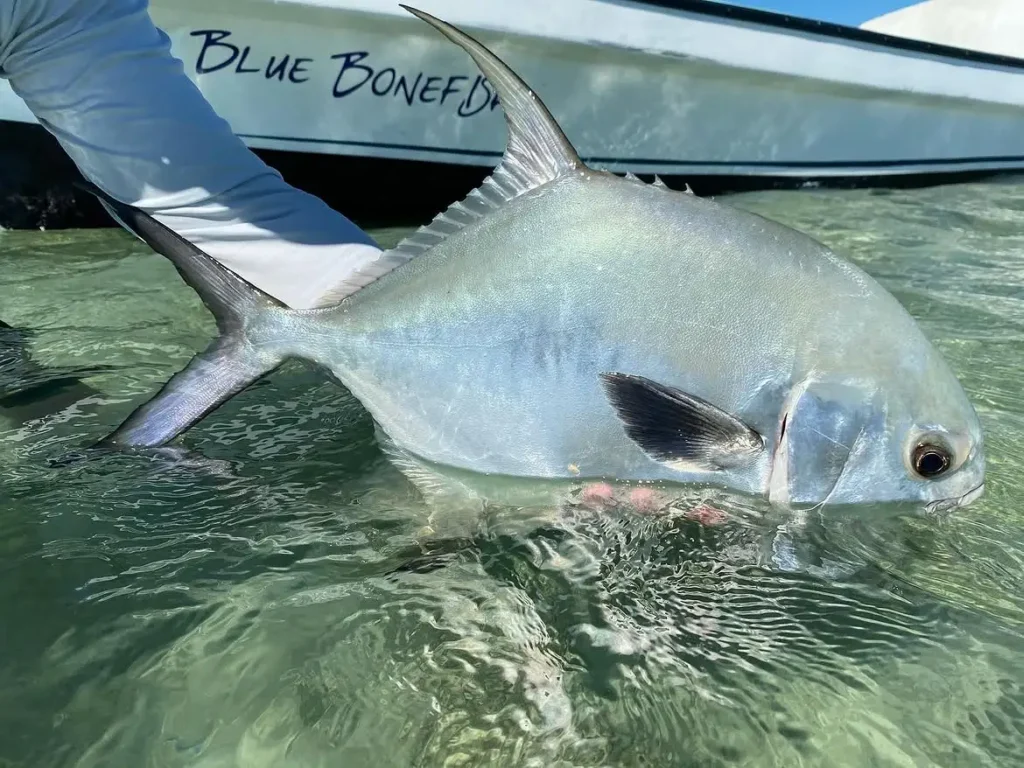
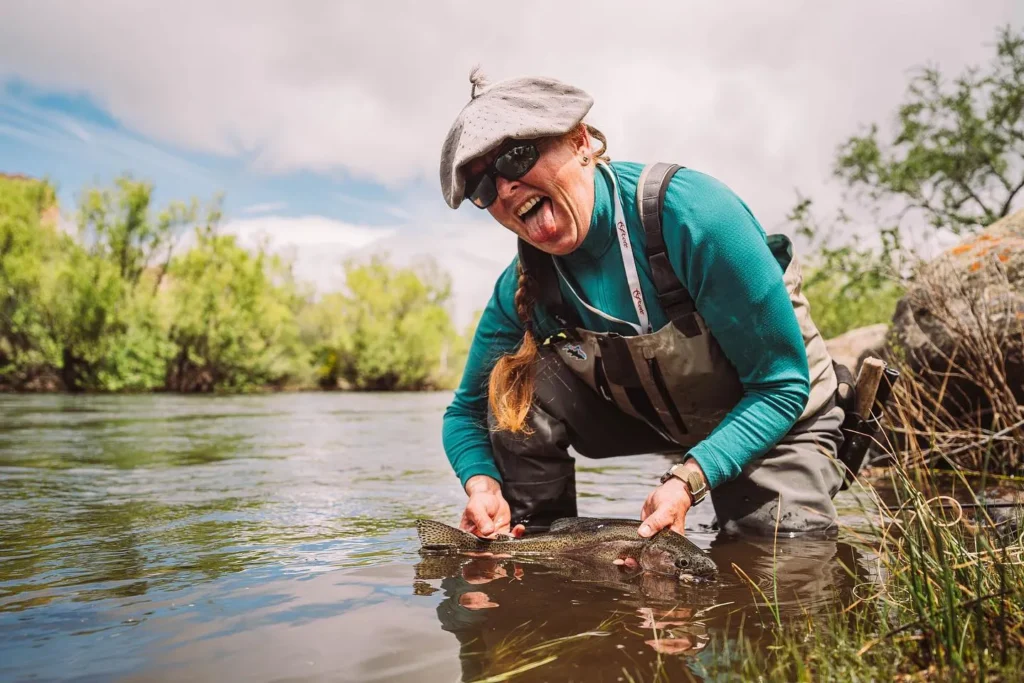

 

Ed Jaworowski with a crevalle jack

Conclusion with Ed Jaworowski on the Science of a Perfect Fly Cast


Fly Tying Travel with Dave Allison at the East Idaho Fly Tying Expo(Traveled #41)

Episode Show Notes

Some fly-tying skills come quickly. Others only show up after thousands of flies, years behind the vise, and a lot of mistakes along the way. Proportions, thread control, and material handling are things you really can’t shortcut.

In this episode, I sat down with Dave Allison to talk about fly tying travel, the expo circuit across the West, and the patterns he loves tying when people sit down across the table. We also dug into the East Idaho Fly Tying Expo, one of the best tying events in the country.

Dave shared some great insights into dry flies, Quigley patterns, Wally Wings, the Found Link, and the small tricks that make a big difference when you’re tying or fishing these flies.

Hit play to start listening! 👇🏻🎧

apple podcasts

Find the show:  Follow the Show | Overcast | Spotify

Subscribe on Apple Podcasts

Subscribe on Android

Subscribe via RSS

(The full episode transcript is at the bottom of this blogpost) 👇🏻

Sponsors and Podcast Updates


Dave Allison holding a large northern pike beside a river during a fly fishing trip to northern Canada.
Dave Allison with a big northern pike during one of his trips to northern Canada. Dave talked about these trips in the episode, where fly anglers chase giant pike using big flies, heavy leaders, and even double-handed rods designed for muskie and pike fishing.

Show Notes with Dave Allison on Fly Tying Travel

The Fly Tying Show Circuit Across the West (00:01:46)

Dave ties at several shows each year, including Albany, Boise, Bellevue, and the East Idaho Fly Tying Expo. These events bring together fly tyers and anglers who want to sit down, watch flies being tied, and ask questions.

One thing that makes the club-run expos different from larger commercial shows is the atmosphere. Instead of standing in aisles like a trade show, people often sit across from a tyer and spend time learning techniques and talking about fishing.

Dave mentioned he often ties around 50 flies per day at these events, and most of them end up going home with anglers who stop to watch.

Dry Flies Dave Allison Demonstrates at Shows (00:03:14)

Dave focuses heavily on dry flies, but when he ties at shows he often demonstrates patterns that highlight specific techniques. Instead of tying the most common flies anglers already know, he prefers patterns that allow him to teach material handling and proportions.

Several patterns came up during the conversation, including Quigley flies, Wally Wings, and the Found Link. These flies give him a chance to demonstrate wing construction, thread control, and hackle techniques.

The goal is not just to show a finished fly, but to help anglers understand the small details that make dry flies work.

Dave Allison sitting at a fly tying table with other anglers at a fly tying expo, with fly tying materials and vendors visible in the background.
Dave Allison tying flies and connecting with anglers at a fly tying show in the West. Events like the East Idaho Fly Tying Expo bring together tyers, vendors, and fly fishers to share techniques, patterns, and stories from the water.

Quigley Patterns and the Film Critic (00:05:24)

Bob Quigley’s patterns were a big part of the conversation. Dave talked about how well-engineered these flies are, particularly the Quigley Cripple, Hackle Stacker, and Film Critic.

Each part of the fly serves a purpose. The tails, body materials, and wing structure all help create a natural emerger profile that trout recognize.

Dave also shared a modification he uses for the Hackle Stacker. Instead of creating the hackle loop from thread, he uses a visible post material. This makes the fly easier to see on the water while still maintaining the original design.

Close-up of a Quigley-style dry fly in a vise showing hackle stacker style wing post and emerger body used to imitate mayfly emergence for trout.
A close look at one of Bob Quigley’s influential dry fly designs. Patterns like the Quigley Cripple, Hackle Stacker, and Film Critic are carefully engineered emerger flies that sit naturally in the surface film and imitate vulnerable insects trout key in on.

The Turkey Wally Wing (00:07:35)

Dave also discussed the Wally Wing, a classic dry fly wing style made from matched feather tips. Traditionally these wings were tied with duck feathers, but Dave’s friend Paul Shurtliff modified the technique using turkey flats.

The turkey feather creates a stronger stem, which makes the wing much more durable when fishing. The original duck feather wings often broke after only one or two fish.

This simple material change turned a delicate display-style fly into something much more practical for fishing.

The Found Link Confidence Fly (00:12:21)

Another pattern Dave talked about was the Found Link, created by Kelly Galloup. The fly evolved from Mercer’s Missing Link but includes several changes that help it float better and imitate multiple insects.

The fly blends features from several dry fly styles and has become a confidence pattern for Dave on several rivers.

Tying for Shows vs Tying for Fishing (00:19:50)

Dave made an interesting distinction between tying flies for demonstrations and tying flies for fishing.

When he’s tying at shows, he takes extra time to make the flies look perfect so people can clearly see each step. When he’s tying flies for himself, the focus shifts more toward efficiency.

The fundamentals still matter, though. Good proportions, clean thread control, and leaving enough room behind the hook eye are key details that make flies easier to tie and fish.

Dave Allison tying a fly on a Nor-Vise at the East Idaho Fly Tying Expo while demonstrating fly tying techniques to anglers at the event.
Dave Allison tying flies at the East Idaho Fly Tying Expo. At shows, Dave slows down the process so anglers can clearly see each step and learn the techniques behind clean, well-proportioned dry flies.

Dry Fly Tying Tips from Dave (00:35:25)

One of the biggest improvements in dry fly tying in recent years has been modern materials. Dave mentioned that ultra-fine threads like Nano Silk make it much easier to avoid bulky heads on small flies.

He also talked about kapok dubbing, which creates tight bodies that float well and are easy to apply.

One of his favorite tricks involves tying in hair wings. Instead of placing the hair directly on the hook, he gathers it with a wrap of thread in the air first. This helps prevent the hair from rolling around the hook shank when it’s tied down.

  • Semperfli Nano Silk
Semperfli Nano Silk fly tying thread spools used for tying dry flies and reducing bulk on small trout fly patterns.
Semperfli Nano Silk thread, one of the modern materials Dave Allison recommends for tying dry flies. Its ultra-fine diameter helps reduce bulk and create clean, precise fly heads.

Influences in Fly Tying (00:30:04)

Dave talked about several people who influenced his tying journey. One of the biggest inspirations early on was Davey McPhail, whose clean tying style made a big impression.

He also mentioned Curtis Fry and Cheech Pierce from Fly Fish Food, along with Tim Flagler, who have helped educate a new generation of fly tyers through videos and demonstrations.

The Nor-Vise and Norm Norlander (00:39:27)

Dave has been tying on a Nor-Vise for many years and began using it when Norm Norlander was still running the company.

While Norm was known for demonstrating fast spinning techniques, Dave uses the vise more like a traditional vise. One tool he still relies on heavily is the Nor-Vise automatic bobbin, which helps maintain thread tension.

Confidence Dry Flies for the West (00:48:52)

Toward the end of the episode, we talked about simple dry flies that consistently produce fish across Western rivers.

Patterns like the Found Link, Purple Haze, Stimulator, and Elk Hair Caddis came up in the conversation. These flies may not match a specific hatch perfectly, but they float well and work in many situations.


You can find Dave Allison on Instagram.

Top 10 tips Fly Tying Tips and Techniques from Dave Allison

  1.  Fly Tying Tips and Techniques from Dave Allison – The foundation of a good dry fly is proper proportions. Tail length, body length, and wing placement determine how natural the fly looks and how well it sits on the water.
  2. Use ultra-fine thread to reduce bulk – Modern threads like Semperfli Nano Silk allow you to build bodies and heads without creating unnecessary bulk, especially on smaller dry flies.
  3. Keep your thread flat when tying deer hair – Fine thread can easily cut through hair if it twists. Keeping the thread flat prevents the hair from being sliced off when tying wings or heads.
  4. Treat the tail as an “outrigger” – Dry fly tails help support the back of the fly. They’re not just for realism—they help keep the fly floating correctly on the surface film.
  5. Leave space behind the hook eye – Crowding the head is one of the most common tying mistakes. Leaving enough space early in the fly makes finishing the fly much easier.
  6. Gather hair before tying it to the hook – Wrapping thread around a bundle of hair before placing it on the hook helps keep the material from spinning or rolling around the shank.
  7. Use durable materials when possible – Small adjustments in materials—like using turkey feathers instead of duck for Wally Wings—can make a fly much more durable when fishing.
  8. Modify patterns when it improves visibility – Dave modified the Hackle Stacker by adding a visible post so the fly is easier to track on the water without changing its core design.
  9. Tie differently for fishing vs demonstrations – Show flies are tied slowly and cleanly for teaching. Fishing flies are often tied more quickly, focusing more on durability and function.
  10. Repetition builds real skill – The best improvement comes from tying lots of flies. Each fly teaches something, and the more you tie, the better your control of materials becomes.


Sponsors and Podcast Updates

Related Podcast Episodes

Full Podcast Transcript

Episode Transcript
00:00:00 Dave: Some skills are learned quickly, others are built over years. You can’t rush proportions, you can’t shortcut material control, and you can’t fake the kind of understanding that only comes from tying thousands of flies one after another. Today’s guest is tied at shows all over the west, from Albany to East Idaho to Bellevue, where he’ll sit down and tie fifty flies a day, give most of them away, and spend as much time as he can teaching proportions, thread control and everything you need to tie flies. This is the travel podcast series where we bring you to the best places to travel to and fish in the West, and the stories of how the region became what it is today. Dave Allison is here and he’s going to be talking about the East Idaho Fly Fishing Expo that’s coming up here. We’re going to find out what he’s going to be tying there, including some of the walleye wing patterns. We’re going to talk about, uh, Quigley’s film critic and the hackle stacker, some of his influences there. We’re going to find out why he modified the hackle stacker. And, uh. And what he and how he made it unique. We’re going to talk about the difference between tying and fishing. Uh, different flies. He focuses on dry flies. So we’re definitely going to get into that conversation today. We’re gonna find out about Kelly Gallops, found Link pattern and why this has become a confidence pattern for Dave. Uh, lots of good stuff, including some of his influences. Going back to Dave MacPhail, uh, the Norvis and Norm Norlander. This is going to be a good one. I want to let you know that this episode is presented by Visit Idaho and Yellowstone, Teton Territory, home to some of the most diverse and wild trout waters in the West. All right, let’s get going. Here we go. Dave. Allison, how you doing, Dave. 00:01:46 Allison: I’m doing good. Dave. How are you? 00:01:48 Dave: Not too bad, not too bad. I’m glad we’re finally able to put this together. It’s been many years. It feels like. I think the first time I saw you was at the, uh, the Albany fly tying Expo, like, many years ago and we chatted. I think we did a little video or something, but we talked about the podcast and now you’re getting ready to, I think, head out to the East Idaho fly tying expo and and all that. But yeah, it’s been a little while, right? Do you remember that first year when we connected? 00:02:12 Allison: Yeah, that was before Covid, uh, in Albany. And, uh, yeah, I think there were like two hundred fly tyers there. And, uh, you came over, I think you did a video. Um, and actually, that is the next show is the Albany show that comes before East Idaho. 00:02:28 Dave: Oh it does. That’s right. 00:02:30 Allison: Well, I hope I’m right about that. 00:02:33 Dave: That’s right. Yeah. The Albany show. Yeah. You got that. And then the East Idaho is I think it’s kind of the third week of, uh, weekend in March. Right. Right. 00:02:42 Allison: East Idaho and then the and then the Salt Lake, uh, the Wasatch show. And that’ll that’ll end the year for me. 00:02:48 Dave: That’ll be it. Nice. Well, we’re going to get a little update on you on the show season. I ran into you at uh, up at Bellevue, which was cool. We chatted there for a little bit and we’re gonna and then we’re going to talk about trout flies. Maybe get some tips and tricks out of you for tying those little beautiful little flies that you tie and all that. So but yeah, maybe just take us back first. What are you what have you been tying? I know you’ve got your flies. What do you how do you describe to people who haven’t seen what you do? What’s your focus? 00:03:14 Allison: Well, you know, my focus is for tying is, uh, dry flies. Uh, trout flies. And I tie things that are, you know, interesting to me, you know, I mean, as far as, you know, what I tie to fish, you know, here, in here on the Bitterroot in Montana, you know, in a couple of weeks, I’ll be tying Scala’s, you know, foam Scala’s like a maniac. And then salmon flies. But, uh, you know, I don’t tie that kind of thing at shows. Um, I tie things that are not as common, you know, things that, uh, people, um, I mean, let’s face it, you know, you can catch every, every fish you want to catch in a mayfly hatch on a parachute. Adams. But there’s a lot of flies that, um, you know, will catch the same fish, but they’re just not as common. You know, the the hackle stackers and the, um, uh, you know, the Wally wings with the turkey, you know, which is makes it so much more durable than the original version. And, um, so I like to tie, you know, things that, you know, people, people may have seen or things that, you know, require, you know, like a little trick, you know, in order to, to make them come out right, you know, like hackle stackers, you know, the way Bob Quigley tied that fly originally, he used his thread to make the loop to wrap the hackle around. And I would tie him like that. And then when I would get done, I would end up putting a piece of, you know, para post on the fly after I was finished tying so that I could see it. And then one day it just dawned on me, why don’t I use the para post for the loop. Wrap my hackle around that. And then when I finished the fly, I’ve got a built in post, right? I can see the fly, you know, I don’t know if I don’t know if Bob Quigley would approve, but, um, it sure made sense to me. So, you know, and a lot of people haven’t seen that before. So, you know, little things like that that are, you know, that fly tyers, you know, figure out just by tying, you know, thousands of flies. So. 00:05:24 Dave: Right, right. And as Bob Quigley, is he still around? 00:05:27 Allison: No, no, he passed away. Um, I may not have this right, but I think it was around two thousand and three. 00:05:35 Dave: Oh, yeah. A long time ago, quite a while. 00:05:36 Allison: He. Yeah. You know, he gave us the Quigley cripple, the the hackle stacker and the film critic, which is kind of a combination, uh, really well engineered flies. I mean, when you really break them down and how how to tie them, they’re just so well engineered and and, uh, so much thought went into it. Yeah. And, uh, yeah. So I, I really appreciate things like that. 00:06:02 Dave: Right. What is the when you say, uh, well engineered, what does that mean for a dry fly? For a trout fly? How is that different than, say, some of these flies that maybe aren’t as engineered as well? 00:06:12 Allison: Well, there there’s just so many parts and pieces, you know, like he had two tails. Um, he had a short tail and then an adult tail. And then your body material, um, you know, it’s an emerger. So you don’t really want to, uh, a super buoyant body material, right? You want it to hang. And then the way he does the wing bud and the post, uh, you know, wrapping the hackle, the way he stacks the hackle. Um, you know, there’s a lot going on up at the eye of that hook. And so I did a video on, uh, Tim Commisso’s website. 00:06:50 Dave: Oh. You did? 00:06:51 Allison: Yeah. That was also before before Covid. So it’s been a while. Sure. Um, we were going to get together and and do a fly tying video and then Covid happened. So we had to do it remotely. Um, but I’m pretty sure it’s still up on his channel, but it was, uh, it was a film critic video. And, uh, I got pretty deep in the woods on that one, so that’s awesome. 00:07:13 Dave: Yeah. So you did a video with Tim. We’ll find a link to that, and then we’ll get in the show notes so people can take a look. That’s good. Yeah, I see it right here. Uh, looks like it’s still out there going strong. Okay, cool. And so that’s. Yeah. Bob Quigley, we’ve got those patterns. And so you and then you tie and you described another one you mentioned with the maybe talk about the wings. I think that’s something you’ve done differently. 00:07:35 Allison: Okay. Well so this is something I can’t take credit for. But, um, I have a really good friend in Utah. His name was Paul Shurtliff or is Paul Shurtliff really good fly tyer? And, um, you know, um, we both really liked the Wally. Wings. But, you know, tied in their original version with the duck. It was a beautiful fly, but completely impractical, like, you know, one fish that flies toast, you know, one, one cutthroat tooth and that, uh, I mean, so it was a it was a it was a pretty fly that, you know, wasn’t you wasn’t really for fishing and so talked about, you know, another feather to use maybe. And he actually came up with the turkey flat and he had tied a fly for the, I think it was the Wasatch show and it was a parachute Wally wing and it one fly of the expo. And he got that, he got it on the the pin the next year for the show. Uh, but it was genius. And um, you know, it’s Turkey has got a much more substantial stem. So, you know, you got to deal with that with the duck feather. You can just tie all of that stuff in and then cut it off. But with the turkey, you’ve got to remove that stem first. It’s just too it’s too big and thick to be able to, you know, you got to get rid of it. So he figured all that out and, uh, we sat and tied a bunch of them and, uh, so yeah, I, I continue to go to shows and tie it, but, uh, I can’t take credit for the idea. 00:09:12 Dave: And what is the flight called? 00:09:14 Allison: It’s just a Wally wing tied with a turkey feather instead of a instead of a duck. 00:09:19 Dave: Yeah. What is the Wally wing? What is that exactly? 00:09:22 Allison: Well, a Wally wing is, um. It’s, uh, I think they’re. I think that fly originated in, I want to say Norway or one of the Scandinavian countries, um, and, um, and it’s just a, it’s a matched pair of wings. And basically you tie, tie the feather in, you kind of, um, it’s kind of hard to describe, but you take your feather and you kind of Christmas tree it and so that you’ve got a tip, uh, section and then you’ve got your, your the rest of the feather pulled down. And then when you tie it in, you take a barbule off of either side of the tip feather and strip it down the stem, and it forms two separate wings. And, um, it’s, uh, you know, it’s not an unknown, unknown fly. I don’t see a lot of people at shows tying them. The problem with doing it with the duck was that it sometimes at the end of the fly, when you go to strip it, the duck wouldn’t strip. Whereas with the, um, with the turkey feathers, they always strip. So. 00:10:28 Dave: Gotcha. So basically at the shows and you’re like we mentioned, you’re going to multiple shows. You typically describe that. What do you how does that work for you. Let’s just take it to the East Idaho show when you go there. What can people expect? Do you kind of tie a couple of these per day, tie a bunch of different patterns, or what do you focus on? 00:10:45 Allison: Well, uh, it’s it’s just kind of the mood. Um, you know, I ty, uh, I tie a lot of flies, actually. Um, well, I mean, at the shows, I’m tying. You know, I bet you I’m tying at least fifty flies a day. 00:11:01 Dave: Oh, wow. 00:11:02 Allison: Um. And I give them away. You know, if people sometimes people will come up and ask me to tie something or they’ll sit down, you know? You know, usually when people walk by, you know, they’ll start the conversation. I’ll ask them if they’re a fly tyer and and then I’ll ask them what kind of flies they tie. And sometimes people will sit down and say specifically like, you know, I’m having trouble. You know, I’m just getting into this and I’m trying to tie a parachute. Adams and and I’m having some troubles and I’ll. So I’ll tie one for them and kind of show them the little tricks, you know, how to set the tail, how to, you know how to finish, you know, uh, which is usually where people have problems is learning how to finish a parachute at home. So I, I teach him the, the the quick and quick and dirty way and uh, you know, so there’s sometimes there’s a lot of that sometimes people will sit and, you know, look at my display and ask me to tie a particular fly. Um, or sometimes they’ll just sit and watch and see what I’m doing. You know, I, uh, but I’m just kind of. I’m just kind of doing my own thing. Um, another fly that I’ve, uh. I’ve been tying quite a bit at the shows this year is, um, it’s a Kelly Gallup fly. It’s called the found link. 00:12:21 Dave: Oh, yeah. The found link. 00:12:22 Allison: Yeah, it’s kind of a take off on Mercer’s missing link. And it’s a it’s kind of a strange fly. It floats really well. And it’s got, it’s kind of a caddis pattern with a tail. And I’ve thrown them for caddis and I’ve thrown them for mayflies and, and it’s like it’s fast becoming like a confidence fly, you know, it’s like one of those flies that’s it’s not only fun to tie it shows, but it’s actually, you know, fish is really well. 00:12:52 Dave: So how is it different than the missing link? Because it looks a lot like the missing link, right? 00:12:56 Speaker 3: It looks a lot like. 00:12:57 Allison: The missing link. But so the main difference is the missing link uses hackle. So at the wing, uh, so you’re basically kind of doing like an elk hair caddis head and you’re tying a hackle. So where you tie your hair down and you’ve got the back part for your wing and the front part for your head, you wrap a hackle around that base, kind of a parachute style. And, uh, the The Foundling doesn’t have any hackle on it. Um, but what is different is that it’s, um, it’s got a long adult tail and really long. And that’s something that, you know, when I tie dry flies, I know, you know, we all know mayflies have three tails, but on a fly, you know, if you just put three strands of Coke De Leon or something like that, it looks great, but it doesn’t hold the back end of the fly up, you know? So on a fly, the tail is not as much anatomical as it is an outrigger. You know what I mean? So, you know, so it actually you can’t, you know, putting three strands of coke on in the back end of your flies down in the water. So you kind of gotta put a substantial tail on these flies, you know, it’s just it’s my opinion. I’m sure other people disagree but so but the the found link has a long, really long adult tail. And then it’s got like a kind of like a stimulator tail. And the body is, is deer hair and it’s flared right at the base of the base of the adult tail. And, but you, you do very loose wraps on the body so that you don’t squeeze all that air out of those hair fibers. And that, I think, is what helps it float. And then it’s got. And then it’s got spinner wings like spent mayfly wings coming off the sides, which is a whole different direction. And then, you know, and then it’s got the, uh, the caddis wing on top and some, you know, a dubbed thorax. And uh, and so it’s just, you know, a bunch of crazy stuff all put together, but, you know, it works. It’s like one of those flies. You look at it and you think like, how did, uh, Kelly come up with this fly? And obviously the the missing link gave him, you know, the start, but he refined it and said, you know, I like the spinner wings, I like the tail, I like, you know, and boom, all of a sudden, you know, and if I and if I tie the body loose, it’ll float better than if I don’t. And next thing you know, bingo. Jed’s a millionaire, right? Wow. 00:15:36 Dave: That’s a good one. 00:15:37 Allison: So, uh. Yeah. So I like tying, you know, I like tying stuff like that. And but, uh, you know, it’s, uh, you know, when I first started doing this, you know, guys like me were king because we went to tons of shows, and now it’s the kids that have thirty thousand followers on Instagram. 00:15:57 Dave: Right. Well, I guess it depends on who. Yeah, who you’re chatting with. Right. But yeah, definitely. I think it’s still it’s kind of cool because I mean, do you see any of that out there? Do you look at that. I’m not even sure on Instagram. There’s probably some people that are maybe new to it and tie in. Um, but do you. Yeah. Do you see some of that, do you follow that? 00:16:14 Allison: Well I do, here’s what I see is that, you know, I, I got started doing this, I don’t know, twenty, ten, eleven somewhere around there. And, you know, because I was at so many shows, people would, uh, you know, come up and ask me to, you know, be an ambassador, be on their pro team, and then all of a sudden, you know, it’s like now it’s like the the newer companies that are coming out, you know, like the you know, Renault is a good example. They’re making these great scissors, they’re polish. You know, the guys that are on the rental med Pro team are the guys that have the huge Instagram followings. And guys like me, you know, it’s like, uh, yeah. You know. Right. 00:16:58 Dave: Right. So yeah, the social has not been a focus for you getting your increase in your following. 00:17:02 Allison: I’m sixty six years old, you know, uh, that’s not my, uh. 00:17:07 Dave: Yeah. It’s not your not your, uh, wheelhouse. Yeah. Uh, it is interesting because, I mean, I think that some people are really love it and are really good at the social media stuff. And there’s a lot of people that are kind of like, well, yeah, I mean, it’d be okay if it wasn’t around, you know what I mean? Like, there’s there’s that. 00:17:23 Allison: I’m not against it. It’s just that, you know, I mean, I’m just not that concerned with how many people like me, you know? 00:17:30 Dave: Right? 00:17:31 Allison: I mean, if you meet me, I think you’ll like me. But, you know, it’s, uh. I mean, now my Instagram has got as much woodworking and as it has fish porn on it, you know. So. 00:17:40 Dave: Right. 00:17:41 Allison: Um, just whatever I’m into. 00:17:43 Dave: Yeah, yeah. Well, it’s cool, you know, I think cool for me and us to be able to, you know, kind of tap into this because there’s a lot of people that are in your age range that have a ton of knowledge, you know, that, you know, we were trying to share. Right. And these things are some of these flies, like the Wally Wing. I mean, I bet there’s a ton of people haven’t even heard of this thing, right? This style or whatever, or, you know, some of these flies. But but let’s, um, tell me a couple. So we’ve talked Wally Wing, we’ve talked Quigley’s we’ve talked the found link. What are a few other ones that you might be tying? Say, you know, coming up at the Albany and the East Idaho Expo. What what are some other patents? Because I know on your table you had the little wood with a few, uh, like a dozen flies sitting there. 00:18:23 Allison: So I, uh, yeah, there’s and there’s a couple of flies on my display that I don’t bring the things to tie them. I had a, um, you know, I used to tie some Davey McPhail stuff just because I thought it was cool. Um, and I’ve got that stuff, and people recognize it, but I don’t necessarily tie those shows up. I do tie, um, I tie some of mergers. I tie, you know, cripples and I tie, I tie the film critic and, um, let’s see, I’ve done, um, there’s a stimulator pattern that I was tying. Um, it’s a it’s basically a pheasant tail stimulator, and it’s just such a great, uh, great looking fly, and it fishes really well, and I apologize. I’m I’m I’m I see. 00:19:12 Dave: His. 00:19:12 Allison: Face, but I’m losing his name, and I what I hate to do, you know, I’m not one of those guys that like, if I come up, if I change a couple of components, I don’t rename the fly. 00:19:22 Dave: Right. 00:19:23 Allison: It’s mine. Yeah. Um, and I always, I think it’s really important to give credit where credit is due. Um, even when I was doing a lot of YouTube videos for for Norvis and Semper Fi. You know, I always, you know, make sure that people understand that this is somebody else’s, you know, pattern. Um, and I’m just tying it. And for the life of me, I can’t remember his name. 00:19:47 Dave: No worries. 00:19:48 Allison: But it’s a great fly. 00:19:50 Dave: So it’s a stimulator. So you’re typically a little bit of a different take on a stimulator. 00:19:54 Allison: It’s a stimulator with a pheasant tail body, and, um, it’s got a light wire rib, and it’s. 00:20:00 Dave: Just a. 00:20:01 Allison: It’s just a great looking fly. Um, and, um, you know, so it doesn’t have the, the traditional, you know, the hackle and stuff like that around the body, but it’s, um, it’s just a real finished looking fly. And, um, you know, I take the time to, um, to make the, the front hackle around the head, you know, like, just try to make it look like a brush. 00:20:25 Dave: Okay. 00:20:26 Allison: Um, and, you know, and also to, you know, in, in fly tying, it shows, you know, when I’m, when I’m going fishing, I’m not tying flies like that. Like I’m not stripping off half the hackle. So I get that perfect brush, right? You know, it’s it’s quick and dirty and we’re going fishing. Um, so there’s a big difference between Showtime and what I’m actually tying to go fish. 00:20:50 Dave: Yeah, that makes sense. 00:20:51 Allison: You know, when I’m tying, it shows I’m trying to do. You know, I’m trying. I’m trying to be as perfect as I can. And, um, sometimes it’s just for demonstration, and sometimes it’s for teaching. You know, it depends on who’s in front of you. 00:21:05 Dave: Yeah, that’s what’s cool. I think what’s cool about the shows is that, you know, they can go there and they can, you know, sit for those that haven’t been there, they can just stand or sit right in front of you and watch you tie flies. And the cool thing is, they could even ask questions and maybe even get a fly tied, right? I think that’s the power of the fly tying expose, is that you’ve got that one on one connection with these great fly tyer, right? And some of them, I think at East Idaho and Albany there’s hundreds of fly tyers, right. 00:21:28 Allison: Well there are. So that’s the difference between like the corporate shows like the forensic shows like Bellevue and Denver and and the East Coast shows. Uh, Atlanta, Pleasanton. You know, there those are great fly tying fly fishing shows. But if you notice, I mean, how many tires were at Bellevue? Twenty. 00:21:47 Dave: Yeah, there’s not as many. Yeah, there was like a dozen or twenty. Yeah. Right there on the right. 00:21:51 Allison: And so there’s a reason for that, you know, um, you know, when I, when I started doing those shows, you know, I had the jury, I had to send some flies in. Um, I had to be sponsored. I had to be a pro team Tire and and, uh, then, yeah, there’s only twenty some tires. And then there, if you notice, the tables are very high and there’s no chairs across from you. 00:22:15 Dave: Right, right. There’s no chairs. 00:22:17 Allison: And so people and that’s, you know, maybe that’s designed to keep people from just hanging out. Oh, right. And, uh, so, you know, how long can you stand and watch somebody tie? 00:22:29 Dave: Yeah. 00:22:30 Allison: Um, and then at the club shows, you know, the club shows are like the the two chapters, the FFA chapters. You know, I was part of the Wasatch show for I was the two president for the high Country Fly Fishers in Park City, Utah, and the president of the Salt Lake Chapter Stonefly Society. Uh, Scott Antonetti and I, we ran the the Wasatch show for six years. And, um, and so, you know, and those are those are club shows there, you know, we raffle and we do all kinds of things to raise money. And then at the end, we count up our expenses and hopefully we’ve made a little bit of money for conservation projects. Whereas, you know, the fly fishing show, the shows, you know, they’ve they’ve kind of made their money when the door opened. It’s a business. And um, it’s not um, you know, they’re not, they’re not hoping they’re, they know. And so at the club shows, um, you know, generally we have a big, you know, rectangle of tables with tires on the inside, and then you got four chairs across from you, and people sit and, you know, sometimes people, you know, they hang out for a long time. 00:23:45 Dave: Yeah. They do. Right. Yeah. Sometimes they’re hanging out. That’s that’s awesome. 00:23:50 Allison: Yeah. They’re just, uh, they just got nowhere else to be, right? And, uh. 00:23:54 Dave: Which is cool. 00:23:55 Allison: Yeah, it’s, uh, it’s a whole different vibe, for sure. It’s definitely more relaxed and, uh, and, uh, it’s kind of like being a barber. You sit down and people start telling you about their wives and their kids and their jobs and, you know. 00:24:08 Dave: Right. 00:24:09 Allison: You find yourself tying flies and giving marital advice all. 00:24:12 Dave: Day when you go to the, uh, let’s just take the, you know, the East Idaho. Would you go there? Do you how many of the people do you know that are coming up and sit at the table? Is it like a more you don’t know or, you know, a lot of people. 00:24:24 Allison: Well it’s I, I definitely There’s some that I mean, I recognize a lot, but a lot of it is. I mean, even at this show in Bellevue, um, you know, people come up and say, hey, I saw you in Denver four years ago. I saw you in, you know, they follow me on Instagram and, uh, you know, how’s the woodworking going? I look up at him and it’s like, you know, but, you know, I can’t, you know, maybe it’s just, uh, being sixty six years old, but I can’t really remember all the people. But, you know, there’s something about them that’s familiar. And then once they tell me a little bit, it’s like, oh, yeah, yeah, yeah. And, uh, that’s right. Um, you know, there was a guy at Bellevue that I’d met at the old Ellensburg show, uh, way before Covid. That show doesn’t it’s not in existence anymore. But he grew up in Lubbock, Texas, where I grew up. 00:25:16 Dave: Oh, wow. 00:25:17 Allison: And, uh, I hadn’t seen him in forever. And he comes up, he goes, you don’t remember me, do you? And I’m. 00:25:21 Dave: Like. 00:25:22 Allison: And then sure enough, you know, um, he’s also a fly tyer and, um, and, a pretty avid fisherman, but, uh, you know, so it’s it’s there’s that that great connection that’s there, you know, it’s, uh, people that, you know, fly tyers. I mean, if you’re going to the trouble to go to a show, you know, it’s usually there’s a little bit of out of pocket expense. There’s, you know, I mean, I drive eight hours to Seattle, I drive ten hours to Albany. Um, there’s some effort and then. But you do it because you love it, and then you have an audience of people that really appreciate what you do. So it’s just, you know, it’s just such a positive thing. And, and it’d be a shame to ever lose it. I mean, during Covid, I remember when the when the shows just fired back up, what was it, twenty twenty two or three, maybe twenty three. I mean, everybody was so glad to get back to see each other. I mean, we, you know. 00:26:23 Dave: It’s like. 00:26:24 Allison: You know, we all I mean, because it’s kind of if you go to enough shows, you see the same people kind of, you know, I mean, I mean, it’s like a traveling band of carnies, right? And, and so we actually we actually missed each other, you know. And, uh. 00:26:40 Dave: It was pretty cool. 00:26:41 Allison: I mean, I’ll never tell Phil Raleigh that I miss him, but I miss him. 00:26:45 Dave: Yeah, I think it’s pretty cool. I think the shows circuit and season is cool and it’s good for everybody. Yeah. You guys connecting, then? Everybody who wants to learn, they’re able to come out there and for a pretty small price to get in, you know, especially for the, you know, the Albany and the, you know, East Idaho Expos. Right. It’s not too much to get in there to support. And you’re supporting a good nonprofit too, right? That’s the other thing that’s cool. 00:27:06 Allison: Sure. And it’s you know, it’s the connection. I mean, it’d be a shame if all fly tying went to YouTube. 00:27:12 Dave: Yeah. 00:27:13 Allison: You know. 00:27:13 Dave: That wouldn’t be good. 00:27:14 Allison: It’s a great it’s a great medium and but but there’s just something about. 00:27:20 Dave: Yeah. 00:27:20 Allison: You know. 00:27:21 Dave: You need both. You need both. It’s kind of like the, um, it’s like books, you know, books of, you know, with all the blogs and everything that’s changed online, you know, books still aren’t going away and even magazines aren’t going. It’s just changing, you know, same with the show. Like, yeah, we’re not going to be all YouTube videos without, you know, be like robots out there, right? It would be. 00:27:39 Allison: Right, right. 00:27:40 Dave: So but you mentioned the family. I want to go back to that because I think that’s interesting about the transition. You talked about how, before you name it, something else and Kelly’s example, you know, he named it something very similar. So everybody knows where it came from. But he did call it a different name. So like he changed something substantial. What do you have to change on a fly do you think to make it substantial enough to. 00:27:59 Allison: Well, that’s that’s a really good point, isn’t it? I mean, it’s like, um, I was talking to, uh, um, Tim Flagler about, you know, the Purple haze, you know, which is, uh, a fly that is credit is given to a guide here on the Bitterroot River here in Montana, where I live. And, uh, what did he do? He changed the color of the body. 00:28:22 Dave: Is that it? Yeah. That’s it. 00:28:23 Allison: Well, it’s a parachute. Adams. 00:28:25 Dave: Yeah. Which is the color, right? 00:28:26 Allison: Uh, there’s another fly here called the brindle chute. That another tire here in the Bitterroot claims is his fly. It’s a parachute, Adams. It’s got a tail. It’s got a parachute, it’s got a hackle. It’s got a body, you know, but they you know, and I don’t know, for me, I’m just not that I figure that anything you could come up with, somebody is probably already tied. 00:28:51 Dave: Yeah. That’s right. 00:28:52 Allison: Right. It’s kind of like rock and roll. There’s probably nothing that’s really original. Um. And I just don’t have that, you know, that I try to be a little humble about this. I’m just, you know, I’m. I’m a copier. You know? I see somebody. 00:29:07 Dave: That I love. Yeah. 00:29:08 Allison: And I try to reproduce it to their stand. You know, I don’t like to take a fly and say, well, you know, so and so tied this fly. I think it would be better if you did this, you know, because I think that’s a little disrespectful. I like if I’m tying it, I like to tie it the way it was tied. Other than, you know, the hackle stacker, which I actually changed a little bit to incorporate the, the post and, uh, but I do it with all respect, you know, um, and I tell people that too, I say, you know, I always show them this is the way Bob Quigley did this, and and I just replaced it with this because at the end, I’d like to be able to see this fly when I cast it, you know, fifty feet down river. Um. 00:29:52 Dave: That’s it. Who were some of those, uh, you mentioned Bob? Uh, and some other folks. David McPhail. Are there a few others that have been out there that when you first started getting going, you were kind of learning from those tires? 00:30:04 Allison: Yeah. There were um, I mean, David Fell was like, you know, I mean, he was like, uh, Jesus to me, you know. 00:30:11 Dave: Right. What did David do? That was because the same for me. When I saw David the first time, I was like, whoa, what was he doing differently than than others out there? 00:30:20 Allison: Well, you know, I mean, it was a combination of stuff. I mean, you know, the accent was great, you know? 00:30:25 Dave: Yeah. 00:30:26 Allison: Trying to understand them, you know, tidy up the waste. It’s gonna fly, you know? 00:30:29 Dave: Right. 00:30:30 Allison: But, uh, he’s just such a clean tire, and it just for some reason, it just made me want to tie that, you know? But I’ll my some of my early influences were, um. I mean, most everybody in the fly fishing world knows who Marty Howard is, and Marty is my neighbor. Um, actually, when I. Well, not now, but, you know, when I. When I retired from veterinary medicine, I moved to Park City, Utah. Marty actually pulled me over one day. He was a motorcycle cop, which a lot of people. Oh, wow. And, uh, he was kind of a too, but. But then when he stopped being a cop, he became a good guy. 00:31:07 Dave: Oh. No kidding. 00:31:08 Allison: No, I’m just kidding. He was just, uh. He wasn’t warm and fuzzy when he pulled me over that day, but. 00:31:15 Dave: Right. 00:31:16 Allison: But his son, he has a son named Trevor. And Trevor was a guide and worked at a fly shop in Park City. And, uh, he just young guy and, uh, he just, uh, he would, you know, he would have to pass my house to go home from work every day. He would stop and spend a couple hours tying with me and, uh, really, you know, like, just getting the basics going, you know, learning proportions and material handling and thread management and all the stuff that kind of goes into tying any fly, you know? Trevor was instrumental. Marty was as well. Um, and those guys were, were really big, uh, you know, influences on me. And then, you know, uh, Curtis and, uh, and cheats, you know, I met them before. Fly fish food. Really? Um, um, you know, they were they still had day jobs and, um, and they were just great guys. They were so gracious and so giving of their time, actually. Uh, we used to have this outdoor show, um, in Heber. And what the, uh, I forget what it’s called. The Heber out. It was an outdoor fly fishing show. It was a little show. It went on for about, I don’t know, five or six years. And I’m sitting at a table with Cheech, and I have no idea who he is. And I’m buying his stonefly, the Masked Marauder. 00:32:43 Dave: Oh, really? 00:32:44 Allison: And I’m tying that fly, and everybody’s, like, watching it. And I’m saying, yeah, this guy, I saw him on YouTube. His name’s Cheech. And it’s really cool because he pulls the thin skin over the beard or the over the bead and, and, uh, and he’s sitting there next to me, listening to me all day. 00:33:00 Dave: That’s hilarious. He didn’t tell you, didn’t even mention it. 00:33:03 Allison: And then he introduced. But he wasn’t a big deal back then. Right, right. I mean, they were they were not big, you know, and, uh, humble beginnings and, you know, what they’ve grown into and what they’ve done is, is amazing. And it’s been a, a pleasure to watch, but I, you know, I just appreciate I mean, Curtis used to help me a ton with, with my, uh, videoing and when I was doing some YouTube videos and, and just always so willing to, you know, give me a hand and, and, uh, teach also, you know, um, I mean, just great guys, but, uh, you know, I, I’ve learned a lot from both of them. And most people, you know, they think of Cheech as the fly tire. Curtis is a great fly tyer. You know, he’s got, like, he’s like the brains of the operation and she’s just the personality. But Curtis is an exceptional fly tyer. Yeah. And, um, and you know, both of them, I mean, it’s just, uh, um, you know, and, and guys and, you know, the bottom line is guys like that are great. Yeah. For this, this industry for they are to fly tying for the whole thing. Um, you know, there’s a whole generation of, of young fly fishermen that, you know, they they are like, you know, the old guys Jack Dennis and Randall Kaufman’s and and Gary Lafontaine and Mike Lawson’s, you know, those were the guys that that I looked at. And now there’s a whole generation of people that, you know, know Cheech and Curtis. 00:34:31 Dave: That’s right. Yeah. Curtis. Yeah. 00:34:33 Allison: And they’re keeping the ball rolling. And you know, I can’t I can’t say enough nice things about those guys. 00:34:38 Dave: That’s awesome. Yeah. No those are you mentioned all all guys that we’ve had on the podcast, you know, um, you know, and it’s been great. That’s and we just had Davey McPhail on the podcast too. And it was I found myself relistening to that podcast episode because of his accent and trying to imitate him. You know what I mean? It’s really funny. Yeah, exactly. Yeah. I can’t I’m still no good at it, but, um. But good. So you that’s your influences and maybe take us back into. We were talking five so we got a bunch of cool patterns. If we made a list of the things you’ve talked about, it’s pretty awesome. And the cool thing is, again, people can go to the show, they can hit you up there. But what about like on, you know, tying tips? If we’re talking dry flies, what do you think? What are the the key things? People skills. You know, people should have when they’re tying or maybe. What are your biggest tips say on on tying dries like that’s a struggle for me for sure. 00:35:25 Allison: Yeah. So there’s, you know, there’s some materials that we have today. Um, um, I’ll give, uh, Semper Fly a little plug here. Um, they’re they’re eighty knot nano silk is such a game changer for dry flies, because you really never have to worry about creating bulk, right? Like, you know, if you watch, like, old dry fly videos, they talk about, you know, start your thread here, um, you know, and, and be economical in your wraps. And it’s all about not creating bulk. Well, when you’re tying with eighteen knot nano silk you can’t create bulk. I mean, you know, it’s just so. And you keep it nice and flat. You know, you have to learn if you’re doing deer hair, you have to keep your nano silk flat, because if you don’t, it’ll scissor that hair right off in your lap. 00:36:16 Dave: Wow. 00:36:17 Allison: Yeah. And, uh, so there’s there’s a little trick. 00:36:20 Dave: Yeah, there’s a trick right there. 00:36:21 Allison: Wow. And, uh, they have the, uh, the K-pop dubbing, which, you know, I’ve, I think I’ve probably tried every dry fly dubbing, you know, that I’ve ever seen. And I’ve never found one that I like as much. Uh, sometimes it clumps a little bit. Things like that. But not always. And, you know, you just. It just goes on so tight. It floats so well, and it’s, um. And so for, for dry fly, uh, tying, you know, the materials that you use are important, um, learning, you know, your proportions, uh, keeping keeping your eye clean. Um, you know, like some of the flies we talked about. I mean, the, you know, the front of the fly gets pretty busy a lot going on up there. So you got to keep that. Keep that in mind. 00:37:10 Dave: Um, do you have a little tip on that? On the eye? I clean. Do you have a certain distance? You like to kind of stop without any wraps or material? 00:37:17 Allison: Well, you know, it’s I, I learn it, I learn it by doing. I mean, you know, you you you tie it and all of a sudden you come to the end and you’re out of space and you can’t, you know, your whip finishes are now occluding your eye. And, and so you just, you just you figure it out. Yeah. You just gotta do it again. And I mean, you know, the one thing is, you know, with any fly you tie, you know, your tenth one is going to look a lot better than your first one. Right. And you’re just kind of figure some stuff out each time you go. So, so the key is just to get in there and start doing it and, um, you know, and learn from your mistakes. And, you know, it’s it’s very much muscle memory. I mean, for me, if I haven’t been on the bike for six months, as soon as I sit down and put my first wrap of thread on my first hook, it’s like I was tying yesterday. 00:38:09 Dave: No kidding. Yeah. You don’t lose anything. 00:38:11 Allison: No, no I don’t. It’s it’s just like riding a bike. 00:38:15 Dave: That’s cool. Do you find have the eyes. What has that been? Something that’s changed. I know for me, the the glasses and stuff has made, you know, a little bit. It’s changed, you know, changed things a little bit. 00:38:25 Allison: Yeah. It has. I, um, you know, I usually. So I’ve got some fly tying glasses now that I, it’s a they’re progressive’s. So I, you know, I’d sit down with my, uh, magnifiers on and then somebody would sit across from me and they were blurry. Um, and so I’ve got these glasses now they’re Ray-Bans, but they’re, they’re three hundreds in the bottom, and they progress up to two hundred at the top. So not only can I see what I’m tying, but I can see who I’m talking to. But, yeah, there’s. I tie a lot. Um, I have a dear friend from Park City. Uh, he’s an old Norvis guy. He’s been tying on a norvis forever, and, uh, his name’s John Schultz, and he’s. I think he’s fourteen years older than me or are twelve years older than me. He still doesn’t wear glasses. 00:39:13 Dave: Oh, wow. 00:39:14 Allison: Yeah. And, uh. 00:39:15 Dave: What’s his secret? 00:39:16 Allison: I think that it’s because he ties a lot of big Stillwater patterns, but, uh. But still, it’s like. 00:39:23 Dave: That’s pretty good. 00:39:24 Allison: I think he’s just showing off. Really? 00:39:26 Dave: Right. 00:39:27 Allison: He probably has secret contacts, and. 00:39:28 Dave: Yeah, he probably does. He probably does. Wow. And and then the norvis you mentioned a little bit the and you still tie on the Norvis. 00:39:36 Allison: I do, um, I started tying on the norvis when Norm was still around, and, uh, what a prince of a guy he was. You know, he was so grateful and thankful. I mean, every show, he couldn’t thank you enough for coming and tying on his vice and, you know, being an ambassador. And and he was, uh, I mean, you’d call him on Sunday and, you know, he’d pick up the phone on the second ring and you’d talk an hour about fishing first, and then it was like, no, now what do you need? And he always would send me things that he wanted me to have. You know, I remember when his mejores came out, he’s like, have you seen my mejores? And I’m like, yeah, I have. He says, have you tried them? I said, no, I’m still tying on the straight jaws and they’re fine. And and uh, so then I, I ordered whatever I was ordering and when my order showed up, guess what was in there? 00:40:31 Dave: Yeah. 00:40:31 Allison: He just he wanted me to have them, and and that’s the kind of guy he was. And, um, you know, and so for the all the old Norvis guys out there, that’s that was there. They were attracted to the vice. They were attracted to Norm. And I never I never have tied like Norm. I’m not a spinner. I’m, you know, I tie on the norvis like I would tie on a renzetti. Uh, and he used to say, you know, you could you could do some spam, like, you know, Norm, I’m teaching people that your vice is so versatile that you can even tie on it like a regal. 00:41:04 Dave: Exactly. It’s just. Yeah, it doesn’t have to be the spin, the spin. 00:41:08 Allison: He thought that was funny, but, uh, just, uh. 00:41:11 Dave: What is the on the spin? I guess I don’t think of that too much either, but I guess there are guys that tie and they spin and they’re faster. 00:41:18 Allison: Yeah. If you watch the videos on YouTube, I mean, he’s spinning dubbing on. He’s spinning, spinning, spinning. And he ties flies like, in seconds and and, uh, it’s just not how I tie, you know, I just, uh, I like his vice and and, uh, but I tie on it like a regular vice. I love I love his bobbins. I mean, I, I’m at a point where I, I cannot tie no matter what vice I tie on. I’m using those bobbins. 00:41:45 Dave: Yeah. Because the bobbins basically are they’ve got some mechanical thing where they actually they keep up the thread, they don’t let you, you don’t have to roll it up. 00:41:52 Allison: Yeah. They have a spring retractor in there. And people say, well, I don’t like them because when I let go all the thread winds up on me and it’s like, yeah, don’t let go. I mean. 00:42:01 Dave: Right, just hang on to it. 00:42:02 Allison: Yeah, that’ll happen to you a couple times and you’ll stop doing that. 00:42:06 Dave: Yeah, right. 00:42:07 Allison: Just like crowding the head. Right? 00:42:08 Dave: That’s cool. 00:42:09 Allison: You know. 00:42:10 Dave: Is there anybody at the shows that are tying on your vices that are doing a lot of the spinning? 00:42:15 Allison: Uh, you know, I don’t see a lot of people. I mean, the guys that, you know, when Norvis is at the shows, you know, it has a new owner now, and, uh, he’ll have people at the booth and they’ll be trying. They’ll be tying that way. They don’t. They don’t. Nobody does it quite like Norm did. But, uh. 00:42:32 Dave: Right. 00:42:32 Allison: Um, but, you know, John Schultz, um, he ties a lot of the. He’ll be at, uh, East Idaho and and Salt Lake. And he was at the Boise show. We sat next to each other, and he does some of that stuff, and he’s pretty much mainly a he’s like a Stillwater Yoda, you know, um, kick boat and, you know, uh, sinking lines. The guy is just a machine out there. But, um, but that’s what he ties. He ties Stillwater patterns and, uh, and they’re all mostly his, um, you know, some of the, uh, bill. Schiess the Henrys. Henrys Lake guy who ties some of his stuff. But, um. But yeah, he does a lot of that. Um, but, you know, there are some there’s a lot of, uh, guys that, um, you know, Ken Burkholder, people that go back years, I mean, decades on Norby and they don’t have, you know, thirty thousand followers on Instagram and they’ve, you know, it’s, um, it’s kind of sad because they don’t, um, you know, the company has gone in a different direction, it seems. And, uh, and, uh, is more geared towards the younger guys with all the followers and instead of, you know, um, remembering, you know, the guys that got him there. Right. Um, but there’s, you know, you’re sitting at a show and you’re, you’re, you know, you’re you’re an ambassador. You’re, you know, people ask you about your advice. They ask you about the materials, the hooks you use, the all this stuff. And, you know, you sit there and you, you tell them you know what you love about it. And, um, and, um, you know, you’re not knocking anything else. You’re just, you know, I love this stuff. That’s why I’m dying with this stuff. I could I could tie on any vice and use any material I want. This is what I choose, and this and this is why. And, uh, you know, and, uh, so you get some of these guys that have been tying for fifty years and, you know, they’ve got a lot to they got a lot to offer. 00:44:32 Dave: Definitely. No. That’s great. Well, you and you mentioned the, um, a few materials, except for the nano silk, the kapok. Are there a few others you’d throw on there that might maybe if we’re focusing on dry flies that, you know are your go to’s. 00:44:45 Allison: Yeah. For for dry flies. Um, you know, I use, um, I mean, I’m, I’m pretty much a hair and feather guy. Um, and so I tie with a lot of, um, you know, the, the saddle, um, saddle hackles, you know, the longer, longer hackles that are more consistent all the way through. I’m a huge Whiting guy. Um, you know, I love to get my dear hair from Blue Ribbon Fly shop in West Yellowstone. You know, from from cam. I mean, he’s got some of the best deer hair on the planet. Oh, nice. 00:45:17 Dave: Okay. 00:45:17 Allison: Um, and, uh, but, you know, I’m. I’m not a I’m not a big, synthetic, brightly colored guy. I tie with a lot of fur and a lot of feather, uh, um, you know, dry fly dubbing nano silk, you know, and, um, I’m. I, like doing my posts out of calf body, you know, calf body hair rather than para post. Um, but, you know, finding good long calf body hair is is a challenge. Um, there was, uh, at the Albany show a couple of years ago. There was a girl that showed up that I think her father was a commercial tire in Oregon, and he had passed away, and she brought Boxes of materials and they were like a dollar, a pack. I mean, and like, you know, old, old stuff. But it was I mean, it was like she had like a box of calf body hair, little packets for a buck. And it was just it was beautiful. You know, it was like a little gold mine. And, uh, um, and, uh, she was very popular at that show. 00:46:26 Dave: Right, right. That’s cool. That’s awesome man. So, you know, I remember too, Davey McPhail mentioning I think he does tie with some synthetics. I think he mentioned that he likes to mix, you know, synthetics with naturals. Do you remember seeing some of those videos that he did or talking about that? 00:46:42 Allison: Yeah, he did. And, um, I believe I may be mistaken about this, but I believe he also is a super fly guy. 00:46:51 Dave: Oh, yeah, I think you’re right. 00:46:52 Allison: Super fly is based out of London. So right there you have a you know, we do the fly jams on zoom and there’ll be, you know, eighty tires on there and and half of them are in Europe. And, uh, and you got all the Scottish guys and the German guys and the, you know, and, and you can’t understand a word they’re saying. 00:47:14 Dave: Yeah. It’s awesome. Nice. All right. So we’re gonna we’re gonna take it out here pretty quick. Uh, Dave. But we’re going to do our. This is a mouthful. Our Teton territory trout trivia question of the episode here. And so the way this is going to work is I’m going to ask a question, and and you don’t have to answer this. I think you’re probably going to know the answer, but the listeners can answer. All they have to do is go on to the post that we put on Instagram and at mention, um, Yellowstone, Teton Territory and wet fly swing and actually and you and give us a shout out it’d be at West Texas bugs as well. So if they mention that and then answer the question, and then we’re going to give away a little selection of flies of some of these dry flies we’ve been talking about here. So does that sound like a good plan here Dave? 00:47:55 Allison: Certainly. 00:47:56 Dave: Okay, so here’s the question. And so if you know the question again, I’ll go over there when this goes live on Instagram, and I’m going to choose whoever gets the right answer at random. So we’re going to just pick one winner. The question is which classic dry fly pattern was created on the Henry’s Fork, and remains a staple for selective trout in the Yellowstone Teton region. You mentioned I think you mentioned it in this episode, but there’s one fly that was created there. It’s a classic pattern, and I’ll give you well, let me just give three options the atoms, the Royal wolf, the Quigley cripple or the Elk Hair Caddis. And those are all great patterns. And so that’s the that’s the Teton Territory trout trivia for the day. As we get into this, as we get into our final segment here, Dave, what is you know, we mentioned a few patterns there. Um, what do you think are what did we miss today? What do you think are some of your dry fly? If you had to go to dry fly anywhere, whether it’s Utah or the Montana or the West, what are a few of those patterns? Have we not mentioned any that you would have in your box? 00:48:52 Allison: Well, um, the that found link has become like my, you know, my latest confidence fly. And I fished it on a bunch of different rivers, and it’s, uh, it’s a confidence fly because it gets eaten, you know, uh, that, I mean, you know, out here in Montana, everybody’s got a purple haze in their box. And, uh, you know, the, uh, you know, it’s funny, like, like on the green River in Utah, up at Dutch John. They’ve got a fly out there. They call it a triple double. And it’s basically the guy tied it. Uh, using it was like an old couch material from the fifties, like Herculean or something like that. And he would dub. So basically it’s an ant, right? It’s got a ring, a hackle, a dubbing ball, a ring, a hackle, a dubbing ball and a ring, a hackle. So they call it a triple double and it imitates an ant. They throw that fly for every hatch, right. It’s like yellow Sally’s are out. Throw a triple, double out. Throw a triple double. right? Yeah. Those guys up there, they just know that fly is catching fish. 00:50:00 Dave: Oh, wow. 00:50:00 Allison: Uh, here in Montana for mayflies, we have this fly called a brindle shoot. It’s basically, uh, it’s got a moose. Moose tail, calf post, uh, hackle, uh, grizzly hackle. And then it’s got this dubbing blend. It’s kind of a goldish greenish. It’s about four different, you know, it’s like a secret top secret mixture of the, uh, dubbing. And they throw that for every mayfly hatch out here. 00:50:28 Dave: No kidding. 00:50:28 Allison: And it works, right? I mean, it doesn’t matter. It’s just you tie em small, you time big. 00:50:33 Dave: Yeah, and it’s a parachute, right? It’s a parachute. 00:50:35 Speaker 4: It’s a parachute. 00:50:37 Allison: And they throw it for every hatch, and, uh. And it works. 00:50:41 Dave: Like the chubby Chernobyl. We’ve heard a lot about that one, too, right? The chubby is, like, thrown everywhere. Yeah. What about the stimulator? Are you still. It sounds like you’re still a big stimuli that. Cause that’s a Kaufman, right? Randall Kaufman pattern. 00:50:53 Allison: Uh, yeah, that’s. That is what I was always taught was that it was a Randall Kaufman pattern. I know there’s a there’s another guy that, uh, insists that he. And he, uh. 00:51:02 Dave: Oh. Is there. 00:51:03 Allison: Yeah, but I won’t get into that. 00:51:05 Dave: No. 00:51:06 Allison: Um, Randall Kaufman and. Yeah. So the Stemi is a great it’s a great pattern for throwing for, you know, like here on the Bitterroot, we have a hatch that’s going to take off. You know, with the winter we’ve had, it may be going now for all I know, but, uh, um, you know, uh, stemi’s can, you know, can imitate squalls, uh, they can imitate, uh, salmon flies. You time big enough. Um, you know, it’s a great fly. It floats great. It’s a great dry dropper fly because it’ll hold up any tungsten bead, you know, um, and I think it’s just one of those flies that, um, you know, does it look exactly like anything? You know? I mean, what is a royal wolf look like that hatches on the water? Not a thing. 00:51:51 Dave: No. 00:51:51 Allison: But, um, you know, it’s just it’s a very functional fly. Um, you can see it. It floats. It’ll. It’s a great dropper fly, you know, for putting a dropper underneath it. And, uh, so, yeah, I mean, there are certain flies that, you know, if you’re just getting into tying, you know, a parachute, Adams will cover all of your mayflies, you know, tied in a size eighteen for a blue wing or a size. 00:52:17 Dave: ten. 00:52:17 Allison: For a green drake and everything in between. So if you could get that in your arsenal, a Stemi in your arsenal, you know, in a, in some sort of caddis pattern, you. 00:52:27 Dave: Know, like the missing link or the found link. 00:52:29 Speaker 4: Oh, well. 00:52:30 Allison: Or or just an elk hair caddis. 00:52:32 Dave: Or an elk hair. What is the difference on the elk hair, the elk hair versus because the elk care the missing link, the found link, they look similar. They’ve got that elk hair wing or deer hair wing. 00:52:42 Allison: Well, that’s about it though. So you know the the so an elk hair caddis doesn’t have a tail. It’s got a dubbed body with hackle. Sort of like the stimulator body, right? And then it’s got an LQR wing on it and with a with a nice little head, you know. Kelly Gallop cuts it, cuts it first and puts it down. The traditional way was to tie in your hair and then trim it. Right. But, uh, I like Kelly’s method. 00:53:09 Dave: Do you do it Kelly’s way? 00:53:10 Allison: Yeah, I think that’s it makes total sense to me. And it makes a nice little perfect head. And, uh. Yeah, I mean, it’s and it’s just so much easier, and it’s a a lot less mess, right? 00:53:23 Dave: It is. How do you get the right amount of. You talk about proportions. You know, the, the elk hair on that wing. How do you know how much to put on depending on. Because I think you could overdress that pretty easily. Right. 00:53:33 Allison: Certainly you can. So, you know, you measure I put my my clump after I’ve stacked my hair, I put it in my right hand and I measure it. I want it to be I want the tips to just come to right at the bend of the hook. And then I, I go ahead and cut them Like Kelly did. Cut my butt ends off, and then I just place it and and I do another little trick on hair wings. So instead of just putting my clump of hair on the hook and then doing a pinch wrap or doing any kind of wrap, what I do is I wrap my thread around my clump up in the air above my hook. So I’ve already bundled it above the hook, and then I pull that down. And then when I tie it onto my hook, it doesn’t. 00:54:21 Dave: Yeah, it doesn’t. 00:54:22 Allison: Wrap around to the other side. Well, no, it doesn’t wrap. It doesn’t roll to the other side. 00:54:26 Dave: Yeah. 00:54:27 Allison: So I’ve collected it or captured it in a clump before it even goes down onto the hook. 00:54:34 Dave: Oh, wow. Okay. 00:54:35 Allison: And, um, I think I don’t I’m not the only one that does that. I mean, I saw I obviously saw somebody do. 00:54:41 Dave: Yeah. So in the air, you wrap a few wraps of thread around it so it can secure it a little bit, and then. 00:54:46 Allison: At least one and then it, so it comes down onto the top of your hook shank, already gathered together. 00:54:53 Dave: Yeah. 00:54:54 Allison: And so then when you do your next wrap, it doesn’t have that tendency to roll. You know, your hair roll around to the other side of the hook. Right. Which the pinch wrap also is designed to do that as well. But I just find it easier to go ahead and do a couple of collecting wraps, you know, up in the air and then pull that down straight onto my hook and then do my next wrap. And it just my hair stays put right on top of my hook. 00:55:22 Dave: It does. What’s your what’s your glue of choice. Do you, do you use a lot of glue or any of that stuff or you’ve. 00:55:28 Allison: You know, I do. I use a lot of Zappa Gap. I use a lot of crazy glue from Michaels Hobby Shop. I mean, I like a brush. Um, I also, uh, finish my parachutes with glue. Um, and I learned that from Cheech. 00:55:44 Dave: Oh, really? Where is that you hit on the post, or where do you use the glue? 00:55:47 Allison: Um, I just put a little bit on my thread. 00:55:50 Dave: Oh, yeah. 00:55:51 Allison: So I tie my, uh, when I, when I’ve done my hackle wraps down to my body. Then I pull the end of the hackle down and take my thread and go right around the base of that post and tie my hackle off, cut the waste away. And then I put just a little bit of glue. Right. You know, the first, maybe half inch of my thread. And then I just do three or four more wraps, cut it and it’s done. And I’ve never had one fall apart. And I’ll, I’ll give that one hundred percent to Cheech, who was the first person I ever saw do that. There you go. And and I’d seen people like Charlie Craven and people that would put a drop of glue on the thread and let it travel down into the post and kind of saturate the whole thing. And that, that works. Well, you know, I mean, you know, you can get a little glue on your, your hackles and, you know, and kind of glue them together. And I just find it easier to do it by putting just, you know, brushing a little bit of glue and I mean a little bit onto my thread and then doing a few wraps and it just seals it. 00:56:56 Dave: Perfect. Wow. Those are awesome. Before we get out of here, I want to hear I know how we’ve talked to you on the podcast here. I know he was at the Albany show. I think he moved to Idaho. Right. And he’s doing I think that’s part of the more of the success. I think Idaho has always been great, and I think this might be the thirty year anniversary, but do you connect with how over there, has he been part of the success on that show? 00:57:17 Allison: No. Hal and I are big buddies. 00:57:20 Dave: Oh you are. Oh, cool. 00:57:21 Allison: Yeah, we were big buddies at Albany. And, um. Yeah, I always call Hal up and give him a hard time about, you know, where he’s sitting. Me and. 00:57:29 Dave: Right. 00:57:29 Allison: And you know that nothing. You know, guys that put together all these fly tyers, they don’t let they love nothing more than to have guys call them up and ask them to rearrange the schedule for them. 00:57:40 Dave: Right. 00:57:41 Allison: So I like to be I like to be that guy. And um, um, also um, but yeah, he’s moved down to Idaho and he’s doing he’s putting together the tires. You know, he came in there at a really good time. Bruce Staples had done it forever. And Bruce is kind of, you know, he’s he’s on his way. Uh, you know, he’s he’s on his way to retirement. And Hal stepped in and it was, uh, you know, and now that show forever, that show was at a ballroom at the Shiloh Hotel. And, you know, it had like one hundred and twenty tires and about ten vendors around the edge. And it was just, I mean, we were crammed in there like sardines and it was just buzzing with energy. Um, and I always wondered, like, how do they make money here with ten vendors? Right. But, uh, they had tons of raffles going. I used to win a rod at that show every year. Um, which was kind of cool. I had, like a seven year streak where I won a rod. 00:58:38 Dave: No kidding. 00:58:38 Allison: But, uh, but now that they’re in the expo, the mountain home air Mountain America Expo center in Idaho Falls, and they put us out there on the hockey rink. They put a bunch of plywood down over the ice and and so now they’ve got a bunch of vendors and it’s turned into a very big show. It’s still a, you know, one hundred and I don’t know, one hundred and twenty five tires or whatever. But now there’s a lot of room, a lot of vendors now, which is great. And everybody complains about their feet getting cold. But, you know, we’re still we’re sitting on ice. So, you know. 00:59:13 Dave: There you go. There you go. That’s pretty awesome. Nice. Well we’re excited to follow. Hopefully I’ll see you there. And I might also see you in Albany I think, um, you know, this is going to be a fun show. Give me before we head out here. Just on the woodworking. Give us for those that don’t know, what are you what’s your focus on woodworking? What are you doing? 00:59:28 Speaker 5: Well, so. 00:59:29 Allison: I’m you know, I grew up in West Texas. I’ve always been I’ve always loved woodworking, like, fine woodworking, but I’ve never really done it at a big level. Uh, when I moved to Montana six years ago, I had this shop, and it was going to be, you know, I have some classic cars that was going to park cars in there. And I thought, you know what, let me give this furniture. You know, I’m, I’m retired. I, I don’t do this for to make a living. It’s I just gotta, you know, old retired guys gotta have something to get them out of bed in the morning. So I filled this shop with commercial tools and dust collection. And I’ve got a flat screen and surround sound and a wood stove and, um, and, um, I started, uh, you know, I don’t advertise at all. And my first job, there was a guy building a real custom barnwood house, and it was during Covid six years ago. Um, he was waiting six months on his front door. And so he asked me, hey, can you build me a front door? And, uh, so his contractor came over because he’d never heard of me. And two weeks later, he had a front door. And the contractors, like, where have you been all my life? And, uh, so he throws a ton of work at me. So I build, I build, you know, uh, dining tables, coffee tables, beds, exterior doors, interior doors, sink cabinets, custom built ins, you know, all kinds of stuff. And I. 01:00:53 Dave: Work. 01:00:53 Allison: seven days a week. Um, I come out here in the shop and put on some music, light a cigar and start, uh, start making sawdust, you know, and, um, and, uh, then just word of mouth and and I’m as busy as I could be. 01:01:10 Dave: That’s so. 01:01:10 Allison: Cool. And, uh, so it’s kind of, you know, I’ve kind of changed directions in life a little bit, um, and, uh. Yeah, but it’s, uh, you know, retirement is about chasing your passions. And, uh, you know, when I worked, I worked in South Florida, you know, in veterinary surgery and neurology for thirty years in a big, uh, referral hospital and with one hundred and sixty people. And I was on call all the time, and, you know, residents and interns and just working my butt off. And I used to think, you know, if when I get all the time and all the money I need, what would I do? And I retired and moved to Park City, and I think I fished one hundred and sixty days the first year and skied ninety. And then before you knew it, I was president of the two chapter. Before you knew it, I was dying. 01:02:01 Dave: For two. 01:02:02 Allison: Shows. Before you knew it, I had twenty eight fly rods. And I’m going to Alaska. And, you know, it’s just like it was just it just took off, you know? Um, and, uh, so now it’s the woodworking, but I still, you know, my thing now is I, I found this place in Canada. Uh, I met this guy at the Denver show, and I drive to Edmonton, and they pick us up on a little twin engine and fly us all the way up to the top of Saskatchewan and then take us into this little lodge on a on a, uh, Otter. 01:02:33 Dave: Oh, wow. 01:02:33 Allison: And it’s nothing fancy, you know, five cabins. It’s on a lake with the river coming in and out and really, you know, great Canadian kid guides, you know, just a hard working. And the food’s decent, the cabins are decent and the pike are off the chain. 01:02:52 Dave: Lots of pike, lots of big pike. 01:02:53 Allison: Like you’ve got a legitimate shot at a fifty incher. 01:02:57 Dave: Oh wow. 01:02:58 Allison: We use titanium liters and tin weights and forty pound fluorocarbon. 01:03:03 Dave: What’s your fly? What’s your pike fly? Are you tying your flies for it? 01:03:06 Allison: Well, I do tie a bunch of pike flies, but there’s an old guide up there. Not old, but, you know, a very experienced, uh, senior guide. And he’s got a fly that no matter what, I tie his fly. 01:03:20 Dave: Still, it works better. 01:03:22 Allison: Yeah, yeah. And, uh, you know, and, uh, so, um. 01:03:27 Dave: That’s great. That’s great. 01:03:28 Allison: Tim Flagler was tying him at, uh, at Bellevue. 01:03:31 Dave: Tim was. That’s so cool. 01:03:32 Allison: Tim and Mark Melnick went up there and did a a new Fly Fisher episode on this place. I hate to say the place because I don’t want it to get overrun, you know what I’m saying? 01:03:40 Dave: Right. You know. Yeah. Yeah. Well, I’ll mention one. We’re we’re heading up to, uh, Scott Lake for the first time, which is probably near in the same area. Maybe, but. 01:03:48 Speaker 5: It’s. 01:03:49 Allison: It’s very close. 01:03:50 Dave: Yeah. Very close. 01:03:51 Allison: Yeah. And, uh. Yeah, I mean, I, I love it. I grew up there twice a year. Every year. Wow. And I take people with me and, uh, uh, gotten into the, uh, double handed, uh, overhead. 01:04:02 Dave: Oh. You do? Yeah. You got the double hand. Yeah. 01:04:05 Allison: Yeah, but they’re not spey rods. They’re double headed over there. Muskie rods. 01:04:08 Dave: Muskie rods. Yeah. 01:04:09 Allison: And, uh, you can chunk a pike, fly ninety feet with those things, like, effortlessly. 01:04:14 Dave: Yeah. 01:04:15 Allison: And, uh, if you, you know, if you double haul a ten weight all day, you know, it’s not effortless. 01:04:20 Dave: No, no it’s not. No. That’s cool. Well, I think we’ve got lots to follow up with you on. I think, uh, the next step is to connect with you at the show. So whoever can we mentioned Albany is coming up. We got the East Idaho Expo, and you mentioned. 01:04:34 Allison: Salt. 01:04:34 Dave: Lake and Salt Lake also. So we got those coming up still. And then the cool thing is, is that next year there will be another round of shows and hopefully you’ll be back there. We’ll we’ll see how that’s all. Are you as you look ahead, are you planning on sticking with the shows? I know you’re you’re. 01:04:48 Allison: Yeah I am. I, I think it’s a part of my life I don’t want to lose. Um, so, you know, I start in Boise, Denver, Bellevue, Albany, and that’s that’s kind of my thing. Um, I got invited to the, um, symposium in Somerset, new Jersey in November, and I was all set to go. I talked to Chuck a couple times on the phone, and, and then, uh, we had the government shutdown and the, the, uh, air traffic controllers were off work, and I get an email from Delta the day before my flight was canceled, and I tried to scramble to rebook, and I couldn’t get there before, you know, Saturday afternoon. So if he invites me to come back out there this coming November, I’ll definitely will be there. 01:05:35 Dave: Yeah, you’ll be there. 01:05:36 Allison: Yeah. I have a lot of friends out in that part of the country that, um, I’d like to meet and and not meet, but, uh, you know, hook up with and, um. So. And that’s just a flat tire show. There’s, you know, it’s not a fly fishing show. It’s a fly tying show. 01:05:51 Dave: Yes. Fly tying. 01:05:52 Allison: Show. Yeah, it’s an international fly tying symposium. So. 01:05:55 Dave: That’s right, that’s right. Yeah, we’ve heard about that one too. Good. Yep, yep. All right. Dave. Well, I think we can leave it there. We’ll send everybody out to, uh, at West Texas Bugs. They can follow you on Instagram and keep up with you. And also, like we said, we’ll meet up with you at the shows. And. Yeah, thanks for all your time today. This has been a really great to connect finally, and we’ll look forward to keeping in touch with you. 01:06:13 Allison: Yeah appreciate it. 01:06:15 Dave: All right. Hope you enjoyed that episode of the Travel podcast. If you want to connect with Dave please do that. That’s West Texas bugs. And even better, uh, after you do that, head over to the East Idaho Fly Tying Expo and you can see him tie in person. You can pick his brains in person, and if you get a chance, this is one of the best fly tying expos in the country, and I would love to connect with you there. Uh, we’re likely going to be there and hanging out with Dave and everybody else, so check in there. Uh, I want to let you know that, uh, there’s a couple of ways you can connect with me, Dave at com or the boot camp just launched as we’re speaking. If you go to Fly Fishing bootcamp dot com, you can check in and get all the replays. Watch upcoming presentations. This is a multi-day speaker session where we got some of the best coming on to talk about all aspects of fly fishing, the fly fishing boot camp. You can go right now. Fly fishing bootcamp dot com. All right we’re going to get out of here. Hope you have a great day. And I want to say thank you for tuning in and hope you can explore a few more waters and experience that road less traveled.
Dave Allison tying a dry fly on a Nor-Vise at a fly tying expo, sitting at a tying station with materials and tools in front of him.
Dave Allison at the vise during a fly tying show, demonstrating dry fly patterns and sharing techniques with anglers throughout the event. These shows are where Dave spends much of the winter teaching proportions, materials, and the small details that make flies fish well.

Conclusion with Dave Allison on Fly Tying Travel

This conversation with Dave Allison highlighted how much fly-tying knowledge comes from experience and time at the vise. The little tricks and adjustments he shared can make a big difference when tying dry flies.

If you ever get the chance to visit the East Idaho Fly Tying Expo, it’s worth stopping by Dave’s table to watch a few flies come together and ask a few questions.


895 | Mountain River Lodge with Jason Pickerill and Jacquie Mosher

Picture this. You’re in Colorado with mountains in every direction, and the South Platte running just across the road. In this episode, I sit down with Jason Pickerill and Jacquie Mosher from Mountain River Lodge.

We talk about how this place began as a historic motor lodge and how they’ve upgraded it into a true base camp for anglers, hikers, hunters, and groups exploring some of the best water in the state.

We also dig into the Dream Stream, Mueller State Park, shoulder seasons, and why fall in Colorado is hard to beat.

This is the home base for our upcoming Landon Mayer trip, and we still have a couple of spots open. If you’re interested, send me an email and put “Landon Mayer” in the subject line, and I’ll get you the details.

Hit play to start listening! 👇🏻🎧


apple podcasts

Find the show:  Follow the Show | Overcast | Spotify

Subscribe on Apple Podcasts

Subscribe on Android

Subscribe via RSS

(The full episode transcript is at the bottom of this blogpost) 👇🏻

Sponsors and Podcast Updates


Mountain River Lodge

Show Notes with Jason Pickerill and Jacquie Mosher on Mountain River Lodge

Quick Reminder: Mountain River Lodge will be our base camp for the upcoming Landon Mayer trip, and there are still a few spots available. If you want in, email me and put “Landon Mayer” in the subject line, and I’ll get the info over to you.

What It’s Like at Mountain River Lodge

Jason and Jacquie say Mountain River Lodge is open year-round. When there’s snow in the mountains, it gets even prettier. It’s cold outside, but warm and “fiery” at the lodge.

They’ve got both wood-burning fireplaces and multiple gas fire pits. There are barrel saunas too. Some cabins have private saunas, and there’s also a shared community sauna.

Most guests are outdoorsy. A lot of hikers. A lot of anglers. The big reason anglers choose it is proximity. The lodge sits just minutes from Eleven Mile Reservoir and pretty much just across the street from the South Platte River. It even overlooks Lake George.

Jasos says Mountain River Lodge is like a gorgeous outdoor motel right off the highway, easy to find, with a lake right behind it. He loves water and mountains and wanted a place to get away. Jacquie manages the property and keeps it stocked, dialed, and looking great. She also convinced him to add the barrel saunas.

Fire Pits, Saunas, and Group Hangouts

The lodge is built for community. There are private cabins, plus a main lodge where groups can cook, hang out, and even play pool. Jason added a pool table and set it up so you can plug in extra TVs if you want that game day feel.

The barrel saunas are a big draw. Some cabins have private saunas, and there’s a larger community sauna on the patio. Jacquie says it’s her favorite property to stay at. She hikes at Mueller State Park, then comes back to the fire pits and sauna. It’s simple. Outdoors all day. Warm and relaxed at night.

Five Star Hospitality

Jacquie’s heart is hospitality. She loves taking care of people and building beautiful rentals with real amenities and experiences.

Jason joked that she takes it “over the top.” Nothing gets rushed. Clean baseboards. Labeled light switches. Professional photos. Sunset shots. She would rather wait and make it five star than list it early.

At Mountain River Lodge, that shows up in the details:

  • S’mores kits in every cabin
  • Fishing rod and gear stands
  • Outdoor hooks for waders and boots
  • A dedicated outdoor fish prep and cleaning station
  • Grills and stocked spices for cooking your catch

They are thinking about anglers and outdoor guests. Those little touches are what people remember.

Mountain River Lodge - Grill39

Fly Fishing at Mountain River Lodge

Lake George sits right there with a beautiful view, but it is private. The real action is just across the street on the South Platte River.

Jacquie said she’ll cross the road and hike miles along the river, and most of what she sees are anglers. You can step out of your cabin and be on the water in minutes.

We’ll also be fishing nearby stretches like the Dream Stream, along with stillwaters and a private section Landon has lined up for the trip.

Fly fishing at Mountain River lodge

Games and Space for Groups

If you are coming with a group, there is plenty to do when you are not fishing. There is a full game shed packed with outdoor games.

  • Cornhole
  • Outdoor dice
  • Tennis rackets and balls for the courts across the street

There is also a lot of parking space. Trucks, boats, and trailers all fit easily, which makes it great for anglers bringing gear.

The Lake George Area

Mountain River Lodge sits near Lake George, and it really feels like you are out there. Jacquie said it is pretty much the middle of nowhere, which is exactly what many guests want.

The closest town for supplies is Woodland Park. There is also a small corner store nearby and a barbecue truck across the street. But mostly you get mountain views, lake views, and that quiet outdoor setting.

Mountain River Lodge - Lake George

Other Outdoor Activities at Mountain River Lodge

When you arrive at Mountain River Lodge, everything is ready to go. You check in and settle into your cabin, and if you need anything the team is just a quick phone call away.

If you are there in September, Jacquie highly recommends getting out for a hike. That is when the aspens turn, and the fall colors are at their peak. One of Jacquie’s favorite spots nearby is Mueller State Park.

A handy tool Jason mentioned is Leaf Peepers, a site that shows a map of where leaves are changing based on elevation and weather.

Beyond fishing and hiking, the area also attracts a lot of hunters. Teller County is known for big game opportunities, including elk, deer, antelope, bear, mountain lion, and even moose.

How the Lodge Has Evolved

Mountain River Lodge - exterior

Jacquie says the busy season runs from March through the end of October. Summer is the peak, but the lodge stays active most of the year. Even in the quieter months, people are still coming through.

One big change came from guest feedback about the main lodge. It used to feel more like a check-in lobby with brochures and a front desk vibe. Now it feels more like a warm mountain house. They opened up the space and added features like:

  • A pool table
  • A large chef’s kitchen
  • A big dining table for group meals
  • A stone fireplace and log cabin interior

Booking a Stay at Mountain River Lodge

Jacquie says you can book just one night if you are passing through. A lot of anglers and travelers do exactly that.

Summer dates tend to fill up fast, and they are already seeing group bookings come in for that time of year. So if you’re planning a trip, it’s a good idea to check early.

You can book directly on the Mountain River Lodge website and find more details about the area, the river, and nearby activities.

Today’s Trivia

Today’s trivia question: The Dream Stream is a famous stretch of river between which two reservoirs?

If you know the answer, head over to the Instagram post for this episode and drop it in the comments. Make sure you tag @wetflyswing and @mountainriverlodgeco.

One winner will receive a Patagonia fly fishing hat and 10% off an upcoming Wet Fly Swing trip.


If you want to learn more about Mountain River Lodge or connect with Jacquie and Jason, here are a few places to start:

Join the Landon Mayer Trip

We’re heading to Mountain River Lodge with Landon Mayer, and there may still be a couple of spots open.

If you’re interested in joining the trip, check in with me and I’ll send you the details.

Sponsors and Podcast Updates

Related Podcast Episodes

Full Podcast Transcript

Episode Transcript
WFS 895 Transcript 00:00:00 Dave: Imagine you’re in Colorado with mountains in every direction, and the South Platte running just a stone’s throw across the road. Today’s episode is about what makes a destination lodge work not as a postcard, not as a fly shop, but as a true base camp for anglers, hikers, hunters and groups moving through some of the best water in the state. Today I’m sitting down with Jason Pickerel and Jackie Mosher to get the story behind mountain River Lodge. We’re going to talk about how this place came together, how it formed in the early days as a historic motor lodge, and how today they’ve upgraded everything to create one of the best experiences out there. We’re going to be hitting this this year. This is our destination for our land and air school, and we’re excited to share that. Today we’re going to talk about a little fly fishing, a little outdoor activities. And and if you enjoy Colorado or have thought about this, we’re going to give you some insight into mountain River Lodge. This is the Wet Fly Swing podcast where I show you the best places to travel to for fly fishing, how to find the best resources and tools to prepare for that big trip, and what you can do to get back to the fish species that we all love. Jason Jackie are here to talk about the fall school we just mentioned. We’re going to find out also what it’s like throughout the year here, including the shoulder seasons. Why Jackie loves hiking Mueller State Park and in some of the other great opportunities that are filled in September, including the fall colors, which we’re going to get through here, we’re going to get into it all the South Platte, the Dream Stream, and everything else in between. I just want to remind you, we’ve got a couple spots open for that land and mer trip, if you’re interested, and we’re just getting the word out right now. So check in with me. Send me an email right now, Dave at com, and just put Land and Mayer in the comments and I’ll check back with you. All right. Here they are. You can find Jackie and Jason at Mountain River Lodge. How are you both doing? Fantastic. Nice, nice. This is going to be a fun episode. We’re, uh, we’re doing a big trip with Landon Mayer. Probably one of the biggest names out there in fly fishing. And we’re heading to Colorado. Your neck of the woods to. We’re going to be staying at mountain River Lodge at your place. And today we’re going to talk a little bit about what it’s like. I know I’ve had some listeners already call me and say, hey, we’re passing through, you know, where should we go? You know, all this stuff. So we’re going to we’re going to talk about the details there. Um, and kind of just shed light on the trip. So first off, what’s going on this time of year? It’s we’re close to Christmas. Are you guys are you shut down or are you still running things? Are people still stopping by? 00:02:23 Jason: Right. We we finally got we got some snow. 00:02:25 Dave: Yeah. 00:02:25 Jason: Especially up in the mountains. So it gets a little prettier that way. I mean, the mountains are beautiful when you get the snow capped mountains and it’s still kind of warm a little bit lower. It’s perfect. 00:02:35 Jacquie: Yeah, it’s fire pit weather and we’ve got a couple of fire pits so people are enjoying them doing s’mores. It’s perfect. 00:02:43 Jason: We have one guest and then one natural wood burning. We have both, right? 00:02:47 Jacquie: Yep. We have like a wood burning fireplace. And then we have multiple gas fire pits. There’s also a barrel sauna there. Um or multiple barrel saunas. There are certain cabins that have private saunas, and then there’s like a shared community sauna for the cabins that don’t. 00:03:01 Dave: Oh, nice. 00:03:02 Jason: So what we’re saying is, while it’s cold and beautiful, it’s also very warm and fiery, right? 00:03:08 Dave: So it’s good. So, you guys, it sounds like you’re open year round if conditions. Is that true? 00:03:12 Jacquie: Yeah. Open year round. 00:03:14 Dave: Yeah. Good. So that’s good to hear. And I think we’re going to be coming there in in the summer. Well it’ll be in the fall. It’ll be this year in the fall. So but I mean fishing wise on the river, do you find a lot of your guests are coming to fish or what are the activities or are they just stopping in? Who are those people coming in? 00:03:32 Jacquie: Yeah. I mean, we get a lot of everyone that comes for the most part. Everyone that comes is outdoorsy, right? Yeah. Um, a lot of hikers, a lot of, um, a lot of anglers. Um, and I mean, I think the reason why we attract anglers so much is because, I mean, truly proximity. Yeah. Um, the lodge sits just minutes from eleven Mile Reservoir, pretty much just across the street from the South Platte River. And, um, lots of small lakes over there too. 00:03:59 Dave: That’s it. Yeah. And when I first talked to Landon, we were setting this trip up, and it was quite a while ago because we had some, well, year we had to postpone it, um, from some stuff that went on with Landon and everything. But everything’s good there now. And, um, and so he is, you know, basically I said, where should we go? And he mentioned you guys. That was kind of the first place because of the proximity of where the river is. And it’s right there because we’re going to be we’re going to have some people coming up, um, multiple groups fishing the river. And and it’s right there. It’s kind of a stone’s throw, almost right to the river. 00:04:30 Jacquie: Oh, yeah. Stone’s throw for sure. And it does overlook it has a beautiful view. It overlooks Lake George. Um, but most people choose to go to Eleven Mile Reservoir or the South Platte River. 00:04:42 Dave: Okay, good. Well, let’s hear I’m curious about your background. I know, Jason, you’ve done a little bit of fly fishing, but, um, how did you come to into the lodge. Is this something that you’ve, uh, you’ve kind of been a part of owned for a while, or. What’s your story here? 00:04:58 Jason: Um, yeah. I wanted to get an Airbnb and and ended up getting eleven Airbnbs. Is that right? There’s eleven units at this little. It’s like a gorgeous little outdoor motel. Um, it’s right off the highway for visibility, which is great and stuff. Everyone can find it right behind us. Got a lake. So I love water, love the mountains. Want to get away. It’s fantastic. So I bought that. And then Jackie manages it, makes sure it’s gorgeous and stocked up with wood for those fireplaces and convinced me to get barrel saunas. 00:05:30 Dave: Nice. Yeah. So these are actual. So there’s saunas here. You can go there and hop in a sauna during your stay. 00:05:36 Jacquie: Oh, those barrel saunas are so nice. It’s actually so I manage a good amount of properties, and I stay at them when I go and check on them. And it is my absolute favorite property to stay at. I’m not a fisher, but I love hiking. So when I’m out there, I’m over at Mueller State Park. Um, I am just getting my hiking fix. It’s just gorgeous. And then I, you know, I hop over to the fire pits and I hop into the sauna while I’m there. It’s just lovely. 00:06:06 Dave: That’s awesome. And describe these saunas. I’m curious a little bit. What are these saunas? Are these, like, one person saunas or what is the barrel sauna? 00:06:14 Jacquie: There are smaller saunas. It depends on which. So cabin number um five and cabin number four have their own private barrel saunas. Um, and those ones are a little smaller. Um, but they have a little window there. Um, they’re like a round barrel. Um, and they’re just, they’re lovely. And then on the, the patio, the community patio, there’s a bigger, um, barrel sauna for all the guests to enjoy. 00:06:39 Dave: Oh, gotcha. Okay, so. And that’s the sun. And then and, like, like you said, you kind of have the, the area out in the middle with the campfires and people can hang out. So when we’re there and we’re going to have I think we’re going to have a group of, I think six or seven, we’re going to be doing the cooking. We have a chef coming. It sounds like that’s going to be a good part, like we’ll be in there. We’ll be able to hang out outside by the fire. Is that the case? 00:06:59 Jacquie: That’s the case. And actually we do attract a lot of, um, group bookings. Um, just because of that community area. It’s just so beautiful for everyone to hang out at. 00:07:10 Jason: Yeah, there’s even been even been, uh, wedding bookings there, several weddings there. Oh, wow. And more requests because it’s just got everyone has their own little private cabin, and the main lodge is the best. I had a work event there and we took the whole place over, and it was fantastic because the main lodge, you know, six or seven people in there cooking and uh, and we put a big window into the pool table, added a pool table and stuff. 00:07:34 Dave: Oh you do. So there’s a pool table there. 00:07:36 Jason: Yeah. So we’re playing billiards and then, uh, you know, brought up, brought up a second TV because we were watching the Colorado Avalanche game as well as I wanted to watch the nuggets as well. So we watched both games at the same time in the main room, you know, kind of like a bar field. We just plug in the second TV. It’s easy, you know, they’re portable now. The TVs weigh nothing. 00:07:54 Dave: Yep. That’s it. 00:07:56 Jason: And then we walked outside and got all the outdoor grilling spaces and and firepits and. Yeah, it was pretty cool. 00:08:02 Dave: Nice. 00:08:02 Jacquie: Yeah, I would say I would discourage watching TV while you’re up in this beautiful area. 00:08:08 Dave: Right. 00:08:09 Jacquie: It was. 00:08:09 Jason: It was playoffs. 00:08:10 Dave: Yeah. 00:08:11 Jacquie: All that’s true. All the cabins are outfitted with, you know, beautiful TVs that have access to apps. So if you do want to watch TV, like you’ve got options. 00:08:22 Jason: I didn’t want the staff to revolt. That one was like, big ass fan. I want to watch nuggets. It was playoff season. Yeah literally when they they tear down Ball Arena overnight right. And they make ice. And the next day they tear it down and put a basketball court up. And the next day they make the ice arena. I’ve watched on YouTube and fast forward it’s quite amazing. But we had to bring two TVs and so everyone was happy. 00:08:42 Dave: That’s it. So this is the nuggets in the avalanche. They play in the same arena. 00:08:46 Jason: Yeah yeah in Denver. 00:08:48 Dave: Oh they do. That’s interesting. Yeah that’s right. So they have to switch it over. Who’s the, um on the sports stuff? Uh, who’s the better team? Is basketball or hockey or what’s the bigger sport in Denver? 00:08:59 Jason: Oh, you’re asking me? I’m gonna say basketball. 00:09:02 Dave: Yeah, yeah, that’s what I would say. 00:09:03 Jason: Even though I’m Canadian. So I love hockey, but. 00:09:05 Dave: Oh, you are okay. 00:09:07 Jason: Yeah. 00:09:07 Dave: Nice. 00:09:08 Jason: Pretty. Pretty Canadian. Hey. 00:09:10 Dave: Right. Are you from the east or west side of Canada? 00:09:14 Jason: Uh, Toronto. Right. Kind of in the Middle Eastern time zone. 00:09:16 Dave: Yeah, yeah, yeah. Gotcha. Okay, good. So that gives us a little high level on on you guys. And then Jackie, talk about your, uh, what you do. It sounds like you run these operations. Um, I think, is it five star B&B? Is that your brand that you kind of run these, uh, different Airbnbs? 00:09:31 Jacquie: Yep. Um, five star B&B. Um, my heart is hospitality. I absolutely love taking care of people. Um, you know, and I love to build beautiful rentals with amenities and just experiences for guests. So, um. 00:09:47 Jason: I’ll. I’ll pipe in right there. You have no idea. She is so over the top. It is crazy. Like like you can’t just say, hey, I got a unit, I put some sofas, I put some cutlery in there. Go ahead and just list it. It’ll take like three months before it gets listed. It’s almost annoying because the whole. Because she’s the one list like a four star. She wants a five star. So they go through. Do you have the baby stuff? If they have families come. Do you have these toys? Do you have these board games? Do you have this? Well, well, the baseboards weren’t clean, so the cleaners come back and do the baseboards. Then we had electrician check. And then we have to label all the light switches with a little label gun and they go over the top. So you know, you’re sitting there for three months going, can we list this thing yet? And it’s like, well, professional photographer come out in a couple of weeks and we’re going to check those. Then we’re going to send them back out to get more sunset photos. And it’s so over the top. They’re so gorgeous. And then all the management too right. She does all that I mean she goes there stays there yearly double checks make sure things are all maintained, but see if she called it four star B&B. That would have been way easier for everybody. 00:10:46 Dave: Right? Yeah. No. That’s true. I think that, Jackie. I mean, I think that it’s cool to hear that because, I mean, that’s the impression I got and I’ve heard from some other people out there in the, uh, the space doing what you do is that that’s these are the little things make a huge difference, because when you go to these places, you know, we’re going there for fishing and outdoors and everything. But at the end of the day, you know, we’re staying in these in those little touches really are the magical moments that people remember. Do you feel that is that you must have learned that somewhere along the way? 00:11:12 Jacquie: Oh my gosh, that is like the number one rule. And I think, you know, there’s a few small things we do at mountain River Lodge specifically for those guests. You know, we provide s’mores kits in every room so that people can take those out to the fire pits. Um, especially for anglers, you’re going to find, um, like fishing rod and gear stands in each cabin. You’re also going to find, like, outdoor hooks for waders and boots. And then there’s a dedicated outdoor fish prep cleaning station so that in plenty of grills so you can grill out with the fish you just caught. So, you know, I think those little touches really go a long way, because we’re really thinking about the type of people that we are hosting at those rentals. 00:11:52 Dave: Nice. Yeah. So there’s outdoor. So we can actually if the conditions are good, we can grow outside and and do all that. And then I think we do have the big lodge where we’re going to be in that we have that too. So I think we’re going to be cooking in both places probably. 00:12:05 Jason: Wait, wait, where is the outdoor fish cleaning station? Because it sounds gross, but I have. No, I’ve never seen it. 00:12:10 Jacquie: It’s, um. Oh, gosh, what do we call it? It’s the something sixty six. What am I? Oh, what is it called? 00:12:17 Jason: Oh, that bar sixty six. Whatever. 00:12:19 Jacquie: Yep, yep. So that you’re going to find you’re going to find an assortment of spices stocked in there. You’re going to find all the tools you need to do that. So um, we keep that stocked just for anglers. 00:12:30 Jason: Oh, a good a good fisherman is going to bring his own, you know, skinning knife. 00:12:34 Dave: Yeah. Right. Well, and I think for this one I’m not sure actually in the area I’m not even sure of the regulations. But since we’re fly fishing, I think there’s definitely some times where you can keep fish, but I’m not sure we’ll be doing it on this trip, so we might not need that for this one. But it’s good to have because you guys have. There’s a bunch of like the lakes like Lake George, right. Is that the that’s the big lake. That’s just like right near you. 00:12:56 Speaker 4: I think that private. 00:12:58 Jason: Though, isn’t it? We have a beautiful view of it, but I think it’s private too. 00:13:01 Jacquie: We’ve got a gorgeous view of that lake. It is right there, however. Yeah, it is owned by an HOA. So that one, um, only has private access. 00:13:11 Dave: Okay. 00:13:12 Jacquie: But in the opposite direction, right across the street is the South Platte River. So I actually I usually like to hike by that river. So I’ll just cross the street and I’ll hike, you know, a good eight miles just back all the way up and down, just. And all I see is fishermen. 00:13:28 Dave: Oh, what do you do? Right. So you can go from the cabin there and pretty much start fishing your way down. 00:13:33 Jacquie: Oh yeah. 00:13:33 Dave: Yeah. That’s right. And I’m totally new. This obviously that’s why we have Landon the best, you know, angler out there. He’s gonna take us and teach us all the the lessons. But yeah. So that’s it. But you do have the South Park and then there’s also not too far, I mean, the dream stream. There’s some famous places out there, you know, that we’re going to be fishing, including some stillwaters. Landon’s got a couple secret spots and a private water as well. We’ve got a private section stream. We’re going to be fishing, too. 00:13:57 Speaker 4: Yep. 00:13:57 Dave: So good. Okay. Well, so it sounds like hiking is a big part of this. You know, obviously we’re going for fly fishing. Maybe. Jason, I’d love to hear from you. Since you’re. It sounds like I think you said you off air. You fished once. What was your first fly fishing? Talk about that. How did you first try that? What was the story there? 00:14:14 Jason: Um, yeah, just. I know my dad did it before he passed years ago, and. And he loved it. And I love water, for sure. I mean, I do some whitewater rafting and stuff when I. And when I’ve done the, the kayaking on the same waters, it’s really cool because you go past like suddenly you turn, turn a corner and you see like three or four guys fly fishing and and, you know, they might pull it in or you kind of avoid the lines and you kind of give them a head nod and you’re both enjoying the water in different ways, right? Yeah. And they’re both very peaceful. And my son loves to fish. So for Christmas, actually, I’m buying him a fly fishing rod and some other and some flies. Maybe one day he’ll tie his own flies. Who knows? Like. Like the proper guides do. But. 00:14:56 Speaker 4: Yeah. 00:14:56 Jason: But, um. Yeah. Just standing in the water. Just, you know, you’re not on a boat. You’re actually in the water, and it’s just rushing and just. And you’re constantly casting, right? It’s like when I was a kid, it was just a bob and a worm, and you threw it out there and you just sat there. But the fly fishing, it’s it’s a sport in itself. Just casting. It’s so cool. 00:15:14 Dave: Yeah. It is. 00:15:15 Jason: It’s like like, you know, some guys like to play catch, right? Yeah. It’s like you’re just throwing a ball back and forth. Well, it’s the same thing. You’re just throwing a line back and forth and you get it just right. And then you hit it and then the water, it’s just it brings in so many different things. It just feels peaceful yet athletic and sporty and kind of like it nice. 00:15:32 Dave: It sounds like you’re going to be maybe doing more of this with your son. 00:15:35 Jason: Yeah. So. So I had that moment of cheapness too, though. I’m like, okay, it’s a Christmas present. Will he like it? Because he can get a good rod for like six hundred bucks and the cheaper ones in the Amazon starter one is like under two hundred. And I’m like, okay, do I start with that one or just get something quality or right? So I’m not going to tell you which one he got. But I think, you know yeah. 00:15:58 Dave: Fly fish with me Utah discover year round blue ribbon trout fishing on the famed Provo River. Choose a guided walk and wade or a scenic float and experience big trout, stunning canyons and unforgettable days on the water. You can book your adventure right now at Fly Fish with me Utah.com world class water. Incredible fishing that’s fly fish with me Utah dot com. When it comes to high quality flies that truly elevate your fly fishing game, drift is a trusted source you need. I’ve been using drift hooks, expertly selected flies for a while now, and they never disappoint. Plus, they stand behind their products with a money back guarantee. Are you ready to upgrade your fly box? Head over to drift Book.com today and use the code swing at checkout to get fifteen percent off your first order. That’s drift hook drive. Don’t miss out. Yeah, well, I think at that, you know, I’m not sure what age he is, but for a starter, there’s the cool thing about fly fishing is that you almost can’t buy a bad rod, you know, because the rods are so high quality. Now that, you know, it’s likely going to be a good rod. And, you know, again, if he’s just getting started, you don’t want to get something too high because he might not be into it, you know, down the line. But but no, that’s cool to hear that you’re into. And your dad I mean, I love the connection because that’s all we hear those stories a lot where it’s like a dad, a grandfather, somebody planted the seed and then, you know, and then down the line, you eventually get into it. Yeah. You know, and it’s and it’s kind of cool. 00:17:25 Jason: Yeah. My brother got him. So my, my younger brother, he bought my dad a new rod. I didn’t I had no idea what they cost. Right. Yeah. And uh, and he had the net. It ended up at my house somehow. Probably because of eight mile. So I had it all here, and I said, hey, Joe, I’m gonna. I guess I’ll just keep dad’s rod and whatever. He goes, oh, no, he goes, that thing was expensive. I’m keeping that. I’m like, I don’t know if he’s used it yet. I’m gonna actually, I’m gonna go find out after we’re done. 00:17:50 Dave: Yeah, you gotta find out. 00:17:51 Speaker 4: Have you done this thing yet? Let’s go. 00:17:53 Dave: Nice. Do you remember? I’m not sure how old both of you are, but do you remember the A River Runs Through It, that movie that came out in the back in the early nineties? 00:18:00 Jason: I mean, yes. 00:18:01 Dave: Yeah. You do. Yeah. So I mean, that was we I just actually had the author, um, John McClane, the son of Norman McClane, who wrote the book, and he was on the podcast and talked about all the stories behind the scenes. It was pretty cool. Yeah, but that movie was, you know, pretty powerful because it was a story kind of like you’re saying, you know, it’s about family. It’s about two brothers. And one of them eventually died, which was tragic, but it was a story about, you know, really, it wasn’t even about fly fishing, you know, it was about these two brothers making a connection and. 00:18:28 Jason: Family that was like a that was a Brad Pitt movie, wasn’t it? 00:18:31 Dave: Yeah, it was Brad Pitt, one of his first, actually. I think it was one of his first big movies it turned out to be. Wow. So we’re still working on Brad Pitt to get him on the podcast. Well, hopefully that’ll be coming soon. 00:18:41 Jason: You may be coming on maybe doing a cameo, so stay tuned. 00:18:44 Dave: Yeah. There you go. There you go. Good call. Um, well, tell me this. Let’s go back to the lodge. So we’ve got the lodge set. What else should we be knowing? We’re coming there. We’ve got this big group of guys, you know, if they’re going to be. I know some of them are going to be hunting and stuff like that. What should we tell them if they’re coming in? Anything to be prepared for this. Do they do they just show up with their stuff and be good to go? 00:19:03 Jason: Well, from the fun point of view, do we have what games do we have? We have. I mean, I like to throw some cornhole knives. 00:19:07 Dave: Oh, yeah, that’s a good idea. 00:19:08 Jacquie: I forgot about our game shed. Yeah, we have, we have a whole shed that’s set up just full of outdoor games. We have cornhole, there’s tennis courts across the street, so we provide, like tennis rackets and tennis balls. Um, there’s like outdoor dice. There’s, like, every outdoor game that you can imagine. And, I mean, it’s just kind of a peaceful place. I just enjoy, like, relaxing there. And the only other thing that I can think of that I think would be super helpful to know is there’s plenty of parking for trucks, boats, trailers. So anything you guys are drinking, there’s bringing, like, car wise, like you’re going to have so much parking for that. Um, which makes it great for groups for sure. 00:19:53 Dave: Yeah, that’s good to know. Yeah. Because we definitely will have some boats and and gear and stuff, so. Good. And you’re located in that area. Talk about the Lake George area. Is that the town that you’re in and where is that in relation to, say, some of the other parts of Denver that people I’m sure have heard about? 00:20:07 Jacquie: Yeah, I mean, it’s in the middle of nowhere. Um. 00:20:11 Dave: Is it good? That’s what we want. 00:20:12 Jacquie: Yeah. 00:20:13 Jason: And I don’t think the locals would appreciate that. 00:20:18 Jacquie: Um, I’ve stayed up there, actually, last January. Um, we were, uh, doing a lot of updates to the main lodge, and I stayed up there for an entire month. And I would say, you know, the closest town that you’re going to get to to get to, like a store or whatever it may be for the most part is Woodland Park, but there is a fantastic barbecue truck across the street. So if you ever want to get really good barbecue, that’s pretty much the only option, but it’s the best option anyway. So there’s like a little corner store up the street, but like, I mean, you are you are out in the middle of nowhere. You’re out. Um, beautiful mountain views, lake views. It’s really that remote, you know, outdoorsy experience that you would hope for. 00:21:05 Dave: That’s perfect. And what is and I know we’re traveling. People are going to be flying and then driving, uh, down and up. And what are the closest? Denver. And then what’s the other airport nearby or I guess it’s a couple hours away. 00:21:17 Jacquie: Colorado Springs. 00:21:18 Dave: Colorado Springs, those are the two. And those are a couple hours. Is that the distance a couple hours from or an hour and a half, something like that? 00:21:23 Jacquie: Yeah. 00:21:24 Jason: I mean, Collier Springs has got to be about an hour and a half, maybe a little bit less. A little bit more in Denver would probably be all of two hours. 00:21:32 Dave: Okay. So and then and we’re going to meet up there, I can’t remember the exact date. Uh, we will have that in the show notes, but it’s going to be like we said that September period. Um, when folks arrive, will we be kind of, uh, on our own there? Will there be other staff? You know, if we have any questions or if people are there just throughout the year, is it typically how does that work? Is it kind of like R&B? You show up and everything’s ready to go? 00:21:55 Jacquie: Yeah. You show up, everything’s ready to go. Um, we’re just a short phone call away. Um, and I have to say that September, uh, time frame you’re going in, I almost want to push you to go for a hike because the aspens are gorgeous up there during that time. 00:22:09 Dave: Oh, good. 00:22:10 Jason: They change in September or October. 00:22:12 Jacquie: End of September, end of September, Actually, if you wait too long into October, everything kind of falls because you’re at that higher elevation. Um, but I would say, you know, mid to end of September, you’re going to get peak foliage up there. Um, so definitely go out, check out Mueller State Park. It is one of my favorite parks to hike in. And you’re going to get so many beautiful aspen groves there. 00:22:35 Dave: Good. 00:22:36 Jason: And then have you guys heard of a site called Leaf peepers? I think it’s maybe a dot com could be a dot org. I’m not sure. But like, you know, like leaf and then peepers, like, uh, looking around peepers, and they, they have a whole map and it shows you where the leaves are changing. 00:22:52 Dave: Hmm. Oh. That’s cool. 00:22:53 Jason: Okay. As you get higher in elevation, it gets colder and they change quicker and stuff like that. And you always want a year where it’s got a lot of rain. Because I think a few years ago we had a drought, and then the rain and hail came all at once. So the leaves were dry. So the leaves just fell right off the trees. They almost didn’t even change. But yeah, it’s it’s gorgeous up there. I think Jackie, you mentioned you manage what, like five or six or seven other places within fifteen minutes of there. And one of I know one of her places is called Aspen, and the whole thing is like a little a frame house in the middle of a million aspen trees. 00:23:27 Jacquie: Oh it’s gorgeous. It’s in the middle of, like, a, um, flower like patch, too. So it’s like yellow flowers, yellow aspens. It’s overwhelmingly beautiful. But yeah, that A-frame is actually just a stone’s throw from mountain River Lodge, too. So I, I wonder if sometimes with those group bookings, if we’ll get a little overflow. Um, but yeah, it’s it’s beautiful up there. 00:23:52 Dave: Nice. Yeah. I’m looking at it now. It’s a leaf peepers. Com fall foliage reports. So we’ll get a link in the show notes. That’s a good resource for sure. That’s awesome. And so hiking definitely is. Hiking is big I love hiking too. 00:24:04 Jacquie: Oh yeah the hiking is great up there I, I so I’m based out of Colorado Springs, but I Drive up. Um, in the fall. I drive up the pass every weekend and hike up every single weekend in Mueller State Park. Um, because the foliage up there is just unmatched. You’ve got some, um, you’ve got some trails up there that are very well known in Colorado that people will drive from all over to see, uh, to, you know, hike. Um, you’ve got the crags, you’ve got Pancake Rocks. Um, there’s a really great, um, overlook loop that I like to do up there, and a few smaller mountains that you can easily hike as well. So it’s it’s fantastic for hiking. 00:24:45 Dave: Perfect. What other we talked about a little bit on the outdoor. What other outdoor activities are people doing out there other than I think hunting is another one, right? What do you guys what do you what do you do and what are other people doing? 00:24:57 Jacquie: Hunting. Yeah, I know we do attract quite a few hunters. I’m not sure. Um, I know quite well. Exactly. Uh, here, let me check real quick. 00:25:08 Dave: Yeah, I think they have. I mean, Colorado I know is known for there’s definitely some big game hunting. I’m not sure if it’s in that area, but also bird hunt. Upland bird hunting I think is big too. Yeah. People traveling through. 00:25:18 Jacquie: I want to say that’s a lot of elk hunting. Am I wrong? 00:25:22 Jason: My fisherman’s son’s always saying, dad, let’s go elk hunting. And then if we can’t get elk, we’ll go. We’ll go buck hunting. Or is it that dad get a deer tag? And I’m like, there’s a difference. A deer tag, a buck tag, a elk tag. 00:25:33 Dave: Right. Oh, yeah. 00:25:34 Jason: And fishing licenses. Right. You guys got that all taken care of? 00:25:37 Dave: Yep. Yeah. You got to have all that stuff. 00:25:39 Jacquie: Teller County specifically, it says that you can hunt deer, antelope, elk, bear, which I didn’t know you could. You could hunt bear, mountain lion, moose and antelope. 00:25:51 Dave: Yep. Everything. So you got it all? Yeah. All the big game. Colorado is definitely known in the hunting world. I know it’s it’s not easy to get tagged, especially for out of state, but, um, but it’s a good place to go. Good. And what is the, um, so in your lodge, do you really have a shoulder season? What would you consider the shoulder season? Is that is that that October range, or when is the peak that you see out there for people coming through? 00:26:15 Jason: That’s definitely attracting questions for sure. 00:26:17 Jacquie: It’s definitely summertime. Um, you know, we’ll definitely get a good amount of people staying, you know, from March to end of October. It stays very busy. Um, you know, we will even stay busy in the off season. I wouldn’t say, you know, obviously as busy. Um, but, you know, that place is pretty hoppin year round. 00:26:38 Dave: And what about the, um, we mentioned the location. Um, we’ve talked a little bit about our trip. What about, like, feedback? I’m always interested in this from, you know, and we do the same thing on the podcast. You know, you get feedback from somebody who’s listening. You try to make your place better. Have you had any feedback over the years at the lodge that you’ve, you know, basically tweaked things or made it a little bit better based on? 00:26:58 Jason: I know one of them was where you asked the question about what’s the check in process like. So the main lodge kind of looked like a like a check in place, like the bigger, bigger lodge dotted by, surrounded by the dotted cabins all around the property. So when you walked in, it kind of felt that way, like there was fly fishing and and trail brochures on the wall. So it looked like those things when you go to like Myrtle Beach and you walk in, there’s like a million like come to this putt putt and all these little flyers in the doorway. So it really felt like, uh, like a lobby. And it had the big commercial kitchen and, and this and a, a chess set and a and a big couch. It looked like a really comfortable, like, high end hotel lobby kind of waiting area. And then it had these two gorgeous bedrooms that were hidden away off to the back. So it definitely felt like a like that. But since we converted it and cut a big hole in the wall, put a pool table there, got rid of the brochures. The lodge is just a really warm, cozy, comfortable house. It’s got it’s got the wood ceilings, the. It’s all like a log cabin on the inside. Right? 00:28:04 Jacquie: The original beams? Yeah. 00:28:07 Dave: Oh, really? Oh, wow. It’s got the original. So this was built a while ago. 00:28:10 Jacquie: Yeah. When I when I was up there managing the remodel, um, I was going through all the junk and just kind of clearing everything out, and we redecorated. And when I was going through all the junk, I actually found this. I. 00:28:24 Jason: Please don’t say junk. I mean, I don’t I didn’t view that stuff as Joe. One man’s junk. Another man’s treasure. All right, go on. I’m a bit of a hoarder. 00:28:31 Jacquie: Sorry, sorry. Yeah, but, you know, we found it that way. So that’s when we were remodeling and cleaning everything out, and I found this photo album. Um. And I want to say it went all the way back to the nineteen thirties. And you. Oh, wow. Yeah, it used to be. What was it called? Ten. Um. Gosh. What what was it called? 00:28:51 Jason: Miles. 00:28:52 Jacquie: Yeah. Ten Mile Lodge or ten Mile Motel or something. And you could see the original beams and all the photos and you. But it looked completely different. It was mind blowing, but you knew it was the same cabin, because you’re looking at those beams and those beams and, you know, maintained and well taken care of over the years. Um, I will say that we completely overhauled that kitchen. It is gorgeous. It is updated. It is, you know, it’s a chef’s kitchen and there’s a massive dining table for, you know, having a big meal with friends and family. I’m sure you’re going to enjoy that quite a bit while you’re up there. A stone fireplace, a pool table. It is the place to hang out now, so I think that was probably the biggest. Yeah, you know, response to feedback that we that we did. 00:29:41 Jason: Well and the plates are gorgeous but we can’t take all the credit. Like there’s it’s like a whole old renovation that’s been going on through generations. The previous owner did a ton of work, and they were going to make the lodge into a restaurant, and they did a ton of work, made the property gorgeous, and even the owners, and we’re still in contact with them, and they still help us out with stuff if we have questions. They’re wonderful people that live nearby. And the owner, I think the owner before that couple, I heard she was very wealthy and just rehabbed all the cabins and made them all high end and did a heck of a job. I don’t even I didn’t see it prior, so it’s had a lot of love and money spent on it. And like I said, Jack, now I know why the places aren’t ready because Jackie spends a month just living there. 00:30:26 Dave: Yeah. 00:30:26 Jacquie: Stop. 00:30:27 Dave: That’s a smart move, though. 00:30:28 Jason: Let’s get it listed I want to go to. 00:30:31 Jacquie: I also didn’t want to leave, but at the same time, I was like, I want to see my kiddo. Um, it is so lovely up there. And those, um, it’s funny how, like, luxurious it feels for being a cabin in a remote location. That always blows me away. 00:30:47 Dave: Today’s episode is brought to you by Trout Routes by Onex, the ultimate mapping app for trout anglers. Whether you’re planning a big road trip or sneaking away for an afternoon session. Trout routes helps you find and explore new waters fast. You’ll get detailed maps that include public land boundaries, stream access points, regulations, and other extras like hiking trails and parking spots. I’ve been using it to plan my trips and it’s taken the guesswork out of the process. No more bouncing between multiple tools. Everything you need in one spot. Give it a try right now at Wet Fly. Routes and download the app to start exploring smarter today. So if somebody was coming through, obviously we have a bigger group coming, but if it’s just a single person that’s coming through and mountain River Lodge, they can go then actually your website’s great too. You have a bunch of resources on everything we’ve talked about, but is that can people just get a day here or there? Is that how would they do that? 00:31:44 Jacquie: Oh yeah, they can just book one day if they’d like. Um, you know, uh, it does fill up pretty quickly. Um, especially when it comes to summertime dates. Um, you know, we’re already, you know, receiving group bookings and bookings for summer. So, you know, definitely if you’re coming out in that summertime, um, you know, time frame, I highly recommend, you know, looking now, but yeah, you can book on our website, um, mountain, River Lodge and um, and. Yeah, uh, go get some fishing done. 00:32:14 Dave: Yeah. We we’re definitely going to, um, and we’re not quite out of here yet. I got a, I got a little trivia segment we’re going to do here before we get out of here, but, uh, yeah, not for you. So you don’t have to worry about this. It’s going to be for listeners. Yeah, you get it. You get to just hang out. Yeah. No, but but your website is, um. It’s great because you got activities listed. You got fly fishing, hunting, boating, hiking, everything. We talked about rock hounding, which is awesome. We love that scenic drives, off roading, rock and whitewater rafting. Right. All this. So I feel like you’ve created I’m not sure who did the website, but that’s a good resource there just to go at to like we said, mountain River Lodge net. Um, but before we get down here, a couple of random ones and then we’ll get into the trivia segment, but white water rafting is one of those. And Jason, you mentioned that you’ve done some whitewater rafting. Is that one of your outdoor activities? 00:33:00 Jason: Yeah, I love doing that. They’ve got, you know, level level, level one is like Stillwater and then two then five is just forget that. Yeah, yeah. But I mean, I want to go there for, for a week or two and just I don’t live too far of a drive. Right. Hour and a half. Two and a half hours max to wherever, wherever you want to be, like Buena Vista or whatever. But if you’re already up that way, I want to like my son. I was saying, we’ll do one day of fishing and one day of hiking, and then one day we rent ATVs and just throw them back the keys and say, sorry, here. Here it is. Dirty, muddy. I’m not sure I’m feeling right now. And then do whitewater rafting where you do like eight or ten people in one raft with the guy and the next day, you know, repeat, but then go solo in rubber duckies or kayaks. It’s totally different when you’re by yourself and mountain biking. I want to do all the things and just just disappear for a week or two. 00:33:45 Dave: Yep. That’s right. That’s. And how old is your son? 00:33:48 Jason: He’s sixteen. 00:33:49 Dave: Oh, he’s right in the prime. 00:33:50 Jason: Yeah. So he’s. and he wants to do all this stuff and and he, he he’ll take off school. He’s like dad, we can skip school and do this right now. 00:33:56 Dave: Nice. That’s pretty sweet. So he’s into it. So you’ve planted the seed on the outdoors? It sounds like he’s totally in. I guess if you’re in Colorado, though, I’d imagine most people are into the outdoors, right? 00:34:05 Jason: I think he’s into everything. I mean, football, I’m trying to get him to play pickleball with me. So I’m like, dude, prepare for retirement. I know you’re sixteen, but like, you know, one day be sixty five. 00:34:14 Dave: Oh, yeah, well, they have pickleball. There’s pro pickleball circuits now, right? I mean, it’s. 00:34:18 Jason: It’s a thing. 00:34:19 Dave: Good good good. Well this is great. So anything else before we jump into our trivia that we want to highlight about the Lodge or anything you have going. I mean, again, I think going to the website and taking a look at some of the photos and you even have a history section here, like you said, built in nineteen forty or the it was a motor lodge in nineteen forty nine, but um, but yeah, anything else we want to highlight here before we start to move out of here? 00:34:39 Jason: No, I know, I just want to remind Jackie there’s an old, an old rusted red sign that says Ten Mile Lodge that we we have in the storage room that the old, old sign from like, sixty years ago. Yeah, it’s in the downstairs basement somewhere. 00:34:52 Jacquie: I don’t know if I’ve found that. 00:34:54 Jason: I think it’s on the wall. It’s in the wall on the, uh, in the office bathroom. 00:34:59 Jacquie: We’re always finding fun surprises there. It’s. It’s definitely evolved over the years, and it has a story to tell, for sure. 00:35:08 Jason: My favorite is the s’mores. I do like s’mores. It’s like my favorite pastime, candy, because it involves fire and people. I don’t know if it’s like the nostalgia that comes with s’mores or what, but that’s my favorite. 00:35:17 Dave: Nice. Yeah. You can’t go wrong with fire. Having a fire, no matter what you’re doing, is always good. Perfect. Well, let’s just get into our quick trivia segment. And the cool thing about this is, is that this is going to be an easy one. Easy question. The way this is going to work is I’m going to ask a question and then whoever, if you know the answer of the listeners out there, you guys can do it too. But what we’re going to do is we’re going to throw a mention at wet fly swing. And uh, and let’s see here we have it was out, it was at mountain River Lodge Co, I think right on Instagram. That’s your handle. Is that correct, Jackie? 00:35:48 Jacquie: That’s correct. 00:35:48 Dave: Yeah. Perfect. So we’ll do a little app mention there. So if you know the answer to this question, just put the answer in the post. And then an app mentioned both wet fly swing at mountain River. Uh Lodge Co and then um and the question is, is this is a kind of a softball question. But the question is the dream stream is a famous stretch. I mean, that’s where we’re going to be fishing. It’s called we’ve talked a lot about on the podcast, but from many experts. But it’s a section of river stretch of river between which two reservoirs. So if you know the answer to that, throw that in on Instagram. The two reservoirs is the answer we need. And and I’m going to switch over there and look at my Instagram. And it’s not the first person that gets it, but it’s the first person I see when I switch over. So throw those out there and what they’re going to win, uh, which is exciting. Uh, from another one of our partners is Patagonia. They’re going to win a, a Patagonia fly fishing hat. So we’re going to get them a Patagonia fly fishing hat, which is amazing. And we’re going to give them a big discount on an upcoming trip. We’re going to give them ten percent off on the trip. So if uh, so that’s another big thing we’re doing here. So two things going, uh, go ahead right now. And uh, and that’s our trivia question. And so cool. So now, guys, that you’ve been part of the wet fly swing trivia, um, how has been let me just ask you, how has your first podcast been on this? It sounds like, uh, Jason, is this your first time you’ve been on a podcast? 00:37:05 Jason: Yeah, for first and and, uh, maybe my last. I’m not sure. It’s, uh. 00:37:10 Dave: Maybe your. 00:37:11 Jacquie: Last. You had a good time, huh? 00:37:13 Dave: What about you, Jackie? You’ve been on, um, on podcasts. You had your own podcast before. Talk about that. What’s, uh, describe your podcast and then tell us about that experience. 00:37:23 Jacquie: Yeah, you can still find it if you want to listen to it. It’s called the STR insiders. Um, we did a podcast for about two years just talking about hospitality and vacation, the vacation rental industry, and, um, just creating cool experiences for all the people we get to host. So, um, highly recommended. I’m a little biased, but, um, we had a lot of fun on that podcast. Um, uh, a lot of good laughs. 00:37:50 Jason: I think. I think there were some Airbnb rental nightmare stories as well in that podcast. Oh, good. She invited me on that podcast and I told her no, but I said yes to you, Dave. 00:37:59 Dave: Nice. There you go. I feel I feel lucky it is str what was it again? 00:38:05 Jacquie: Jackie the STR insiders. 00:38:07 Dave: Oh STR insiders okay I’m going to look it up. Insiders we’re going to get we’ll get a link out in the show notes to your podcast as well. I always love a. 00:38:14 Jacquie: New. 00:38:15 Dave: Podcast. Oh yeah there it is right there. Awesome. Yeah you got it STR the STR insiders podcast. Well, good. And what was that? What. Go ahead Jason. 00:38:22 Jason: The link or the, uh, or the email that never seems to go through is because out of habit we always put dot com, but hers is five star bnb for Colorado, so I don’t know. I don’t know how many like I know. One day I drove by one of the where the laundry places in town. They’re like, we’ve got seven bags of your laundry. We keep emailing you but no one’s called us back. We’re about to donate it. I’m like, I’ll take it. Yeah. So yeah, there’s that link. 00:38:47 Dave: It’s confusing. 00:38:48 Jacquie: They were doing dot com. 00:38:51 Dave: Yeah, it’s the costco.com. Although nowadays in Google, as long as you just type in five star, you know, Google is pretty smart and figure it out a lot of times. But good. So this is good. So we got a new podcast. Well as we take it out of here, let’s go back, Jason, to you um, podcasts or music? You’re on a road trip. What are you listening to more of podcasts or music? 00:39:13 Jason: Yeah, mostly XM radio or my Spotify playlist. I’m both okay. Once in a while I get hooked on an audiobook or an audio story, but I haven’t gotten I haven’t really dove into podcasts. I’ve got friends that do. I’m like, what, are you listening to this podcast or this or that? And I’m like, it sounds interesting. I haven’t really tried it though. 00:39:32 Dave: Yeah, yeah. Well, it’s yeah, it’s definitely it’s a thing for sure. I mean, it’s it’s kind of like an audiobook, right. But you’re listening to some stories and, you know, whatever that is. Jacki, on your podcast, it was all about learning. I’m guessing it was professionals that were in your space wanting to learn about how to be a better, um, you know, um, you know, the job you do, right? Do a better job of what they do. 00:39:51 Jacquie: Yeah. I think, you know, again, just because I’m in hospitality, I’m always thinking about the experience of the person, um, you know, that I’m, um, that I’m talking to. So I think that we had it was like, fifty percent having fun and entertainment, and then it was like, fifty percent like educational. I would say. 00:40:11 Dave: Yeah, that’s good. They say in podcasts and I have another podcast. I’m obviously a podcast nerd. I have a marketing podcast, I do, and uh, and I’ve interviewed some of the biggest podcasters in the world and they said, you know, you got to have one thing to be a successful podcaster, and that’s to be curious about your topic. You can’t fake that. You know, on a podcast. You can’t be you can’t make it up. So, you know, that’s that’s the biggest thing. So it sounds like you had that, but um, but good. Well, like you said, this has been great. We’ve got a big trip with Landon Mayer coming up here. Um, you know, we might even have a couple of spots open, uh, for this trip. Uh, we have some, uh. Yeah. There we go. There you go. So you got to check in on this. We’ll put a link out in the show notes so people can follow up on that. Um, obviously Landon Mayer is, you know, one of the biggest guys out there. So this is going to be a big trip for us. We’ll send everybody out to mountain River Lodge if they have questions for either of you. And yeah, just want to thank you for your time today. This has been amazing. And, uh, looking forward to seeing your place in person. 00:41:07 Speaker 5: We’re excited to host you. 00:41:09 Jason: Yeah, it’ll be awesome to have you guys. And I’m sure if you guys are all welcoming, it’s a very open public space. So if people if you get overflow, you can just invite people to the lodge or invite them to the fire pits outside. 00:41:19 Dave: Oh, there you go. 00:41:20 Jason: And then when they’re done barbecue or grilling, they could be like, okay, well, this place was full, but we’re going to go to our Airbnb fifteen, twenty minutes down the road. 00:41:28 Dave: Yeah. Or maybe that A-frame. 00:41:29 Jason: Yeah, the A-frame for twenty minutes. They’d just be like, all right, we’ll see you in the morning and they’ll just go back there, sleep there and come back and meet you guys for breakfast. So you could do that to a point. There’s a lot of space. 00:41:40 Dave: Yeah. Right. Right. Okay, well, we’ll leave that door open. I think you’re on to something. If we have some people that didn’t book on the trip, but they just want to stop by and maybe have a beverage or something like that, they might be able to do it and connect. Yeah. Good idea. Awesome. And, Jackie, are you going to be picking up that podcast again, or are you going to leave that one in the dust for the history books? 00:41:57 Speaker 5: Oh gosh, maybe. 00:41:58 Jacquie: Someday. 00:41:59 Speaker 5: Maybe. 00:42:00 Jacquie: Someday when my life isn’t my personal life isn’t so crazy. Um, but I, you know, I have some goals of my own right now and and some Airbnb dreams of my own. So I think I’m going to focus on those first. 00:42:13 Dave: Yeah, that’s probably smart. Good. All right. Well, thanks for all your time today and we’ll look forward to seeing you out there soon. Thanks. 00:42:19 Jason: Thanks, guys. 00:42:20 Speaker 5: Thank you. 00:42:23 Dave: All right. Before we take off, just want to let you know some of the other good things we got coming here. As always. Wet Fly swing pro. If you’re interested in getting access to Wet Fly Swing Pro, all the masterclasses, everything we have going there, you can go to flightseeing. This is also your chance to get access to that trip I mentioned. We’ve got a couple spots for this land and mayor trip. We’re going to be at mountain, uh, River Lodge here, uh, with land and mayor and we’re going to be fishing some of the greatest, uh, water in the country with one of the greatest anglers and guides. So we’ve got landing on on that one. If you’re interested, send me an email, Dave at com. We’ll get you hooked up for the next steps there. Okay. That’s all I have for you. Uh, I hope you enjoyed this one and look forward to hearing back from you soon. You can check in with me anytime, and I hope you have a great afternoon, evening or morning and hope to talk to you and see you on the next episode. Have a good one!


Conclusion with Jason Pickerill and Jacquie Mosher on Mountain River Lodge

After hearing all this, I’m even more excited for our upcoming trip to Mountain River Lodge. It sounds like the perfect base camp for fishing the South Platte, hiking the area, and just enjoying time outside with a great group.

If you want to join in the fun and fish Colorado with us and Landon Mayer, send me an email and I’ll get you the details on the remaining spots.


894 | Long Island Fly Fishing with Paul McCain of River Bay Outfitters

long island fly fishing

Episode Show Notes

Long Island fly fishing isn’t the first thing most people think of when they picture New York. Traffic, skyline, beaches maybe. But tucked behind all that is a network of spring creeks, salt marshes, kettle ponds, and over a thousand miles of shoreline that most anglers never see.

In this episode, I sat down with Paul McCain, owner of River Bay Outfitters — the only dedicated fly shop on Long Island. Paul’s been building community, guiding anglers, and chasing everything from native brook trout to stripers for decades.


Hit play to start listening! 👇🏻🎧

apple podcasts

Find the show:  Follow the Show | Overcast | Spotify

Subscribe on Apple Podcasts

Subscribe on Android

Subscribe via RSS

(The full episode transcript is at the bottom of this blogpost) 👇🏻

Sponsors and Podcast Updates


long island fly fishing

Show Notes with Paul McCain on Long Island Fly Fishing

Spring Creeks and Native Brook Trout

Long Island has three primary spring creek systems. They’re small — often 20 feet across — but heavily influenced by cold groundwater. Most are wadable and intimate, perfect for a 7½ foot four weight.

Two of the major fee-based parks:

  • Caleb Smith State Park
  • Connetquot River State Park Preserve

Both are stocked, offering fish from 10 to 22 inches.

Carmans River and Wild Brookies

If you’re looking for native fish, Carmans River is the spot. Above the stocking zones, there are true wild brook trout.

Most fish run 7–8 inches, but a 12-inch brookie here is a trophy. Evening hatches can bring them out, especially during brown drake season.

You’ll see:

  • Hendricksons
  • Sulphurs
  • Brown drakes
  • Terrestrials through summer

Small water. Smart fish. Stealth matters.

Dams, Herring, and the Future of Long Island Trout

Nearly every Long Island stream was historically dammed for mills. Many of those dams are now failing or being removed.

When Stump Pond blew out during a storm, it opened new access for fish migration. Native trout in tributaries are beginning to filter downstream again.

This isn’t just about trout — river herring need access too, and they fuel the entire saltwater ecosystem.

Saltwater on the South Shore – Stripers and More

Long Island has over 1,000 miles of shoreline.

On the south shore, Paul fishes shallow marshes and drains where sight fishing for stripers is possible. The north shore is rockier and deeper — more structure-based fishing.

Target species include:

  • Striped bass
  • Bluefish
  • Bonito
  • False albacore
  • Fluke (summer flounder)

Stripers begin showing up mid-March and move west to east across the island.

Warmwater Paradise – Pickerel, Bass, and Carp

Every town has ponds. Many were built as mill ponds. Others are kettle ponds formed during the Ice Age.

Species include:

  • Largemouth bass
  • Smallmouth bass
  • Chain pickerel
  • Sunfish
  • Carp

Pickerel are aggressive ambush predators. Think smaller pike with attitude.

Paul’s setup:

  • 5 or 6 weight rod
  • Floating line
  • 6 ft leader
  • 10–15 lb mono or fluoro
  • Flashy streamers or unweighted whistlers

The Whistler pattern pushes water and triggers reaction strikes.

long island fly fishing
Tied up the Whistler. Caught my first Striper and many more on it . One of my favorite flies. Also great with Fluke (Photo via: https://www.instagram.com/river_bay_outfitters/)

Housatonic River and Smallmouth Action

About 90 minutes away, the Housatonic River offers excellent smallmouth fishing.

Unlike rivers where you hunt individual rock piles, the Housatonic is full of boulders and current seams. Summer days can produce 30–50 fish.

Paul prefers:

  • 6 or 7 weight rods
  • Fishing deep slots between boulders
  • Aggressive retrieves

Spring and fall bring trout back into play.

Building Community at River Bay Outfitters

Paul opened his shop after Superstorm Sandy disrupted his restaurant career.

He started in 400 square feet and now operates in 1,400 square feet — still a one-person shop.

He runs in-store fly tying classes, Zoom fly tying sessions (twice weekly for 10 weeks), guided trout trips, and destination trips to Alaska, Montana, and Maine.


You can find Paul on Instagram @river_bay_outfitters.

Facebook at River Bay Outfitters Fly Fishing

Visit their website at riverbayoutfitters.com.

long island fly fishing

Sponsors and Podcast Updates

Related Podcast Episodes


Full Podcast Transcript

Episode Transcript
WFS 894 Transcript 00:00:00 Dave: Fly fishing has a habit of showing up where people least expect it. Sometimes it’s tucked away behind city limits, threaded through small spring creeks, mill ponds and salt marshes, surrounded by millions of people who have no idea it’s there at all. And when that happens, the fishing isn’t just about the fish, it’s about access, history, and the people keeping it alive. That’s the world today’s guest lives in. Paul McCain is owner of River Outfitters, the only dedicated fly shop on Long Island, and he spent decades fishing, guiding and building community across an area most anglers only associate with traffic and shoreline views. In this conversation today, we’re going to take a deep dive into Long Island. What the Spring Creek scene looks like there, what he’s doing with this warm water fishing and all the salt water out in this area. This is going to be a good one. This is the Wet Fly Swing podcast, where I show you the best places to travel to for fly fishing, how to find the best resources and tools to prepare for that big trip, and what you can do to give back to the fish species that we all love. Today we’re going to dig into Long Island fishing. We’re going to find out about all the history. We’re going to talk about spring creeks. We’re going to get into the brook trout fishing there and some history. We’re going to talk about some of the cool conservation work that’s there, and just all the history that is Long Island and everything Paul has going there. This is a fun one. Can’t wait to share it with you today. So let’s get into it. Here he is Paul McCain. You can find him at riverbayoutfitters.com How are you doing, Paul? 00:01:27 Paul: Great. How are you, Dave? 00:01:29 Dave: I’m doing great. Yeah. This is this is going to be a fun one today. Um, you know, we’ve connected a lot, actually, in kind of the northeastern part of the country. And today we’re going to dig back in. You’re the, I think, one of the maybe the only fly shop in Long Island, or at least you’re the main one out there covering it. 00:01:43 Paul: Yeah, I’m the only dedicated fly shop. A lot of other stores do have some fly fishing equipment, but that’s all I do is fly fishing. 00:01:53 Dave: Okay. River Bay Outfitters is the name of your shop, right? 00:01:56 Paul: Right. 00:01:57 Dave: Cool. Well, we’re going to talk today about everything you do at the shop, but we always love, uh, you know, talking a little shop talk. And, and we might dig into some potentially bass fishing. You cover salt, you cover a little bit of everything today. But before we jump into all that, maybe take us back on your background. How did you get into fly fishing? And then what’s your first memory out there? 00:02:15 Paul: Uh, so, you know, I fished as a kid, but come around age sixteen, I kind of gave it up, you know, started dating and all that. 00:02:24 Dave: Sure. 00:02:24 Paul: Then in my thirties, I was looking for something, and I actually went to a, uh, outdoors show, and there was a fishing group called the Long Island Fly. Rodders, I had a booth. They were time flies and I had no idea about any of it. And I got interested. So I went to the first meeting, signed up right away. Then I went out and bought a rod. Not a great rod for sure. 00:02:47 Dave: Right? What was the first rod? Did you buy like a package rod or did you buy a rod reel? 00:02:52 Paul: So we you know, I didn’t even know about fly shops. So I went to the local bait and tackle guy and he had like a cheap Berkley fifty dollar outfit. You know, and that was what I used. I used it very quickly. I realized it wasn’t a great tool very quickly, you know. So then I ended up going to finding a fly shop and going in and buying a really nice rod at the time. Uh, it was high end, over three hundred dollars. And I thought that, oh my God, that’s that’s crazy. But to this day, I still use that rod. And that’s the over thirty five years, you know. 00:03:29 Dave: So. And what was the rod, that three hundred rod that you still have today? What is that one? 00:03:33 Paul: It was age graphic three. 00:03:35 Dave: Oh, sage. 00:03:36 Paul: Yes. Sage. Seven and a half foot four weight two piece. It’s perfect for a long island streams. 00:03:42 Dave: It is so seven and a half foot four. Weight is perfect. Why the shorter. Why not the the longer rod? 00:03:48 Paul: Our streams are small and overgrown. Uh, in fact, we have three major streams on Long Island. But they’re small. They call them rivers, but they’re not. They’re not rivers, you know. Yeah. You could. You could wait across and never get above your knees, you know? Huh? They’re all spring. That’s cool. That’s why I went with that rod. I like that size. And even when I personally fish now and I do a lot of guiding, I use a seven and a half foot four. 00:04:16 Dave: Wow, this is great. Yeah. So lots of spring. Describe that. I mean, I know we’ve talked, um, we’ve had some podcasts in that area, but Long Island, specifically for people that aren’t familiar with it, maybe describe, you know, where it’s located. Kind of in the fishing. It sounds like. Is it a mix of trout and saltwater? 00:04:33 Paul: It’s it’s a mixture of everything, everything, everything. And and I’m located closer to the city, you know, long Island part. There are two boroughs on Long Island, Brooklyn and Queens. Two, five boroughs where I live. We have seven million people. 00:04:50 Dave: Wow. 00:04:51 Paul: Area. And, you know, we’re really packed in, but people don’t realize, you know, Long Island is one hundred and fifteen miles long and you get out east. Now you’re really farm country. You know, you leave the city behind, and we have spring creeks. Uh, we have over a thousand miles of shoreline for saltwater, and we have over one hundred fish ponds and lakes and thirty miles of streams. So, yeah. And we you could tell they touch it, you know, hand of man on all these. I mean, the parks, all these streams are were at one time private sportsmen’s clubs. They’re well manicured and everything. And now the state has them because, uh, the clubs couldn’t afford to stay in business. 00:05:39 Dave: Uh. 00:05:39 Paul: You know, and we’re talking very wealthy people, you know, and the clubhouses, and there’s a lot of history there. 00:05:47 Dave: Yeah, there’s a lot of history. I mean, obviously there’s, uh, you know, from the beginning of the country, right? I mean, New York has always been the place. And then fishing wise, do you know a little bit of that history? Have you dug in? Are you a big history buff on the fly fishing? 00:05:59 Paul: Yeah. I’m a I’m a fly fishing nerd, you know. 00:06:02 Dave: Nice. That’s what I like. That’s my favorite. That’s my favorite. 00:06:05 Paul: History. You know, I actually like, uh, you know, I like tying flies, and I like tying the old patterns, you know, the old streamers and all that. So basically, the connection is the big, big club. And that was the that was outside, uh, sportsman. And, uh, there’s, there were three dormitories. I mean, it was a pretty wealthy club. And their big thing was fishing and hunting, duck hunting. So there’s ponds on the property and there’s the stream well manicured. It’s it’s run by the state now. 00:06:37 Dave: What is the closest town to the Connetquot? 00:06:40 Paul: So the closest town is the major one is really, uh, well, Oakdale, but that’s it sits in Oakdale, actually. Uh, that’s where the. So I’m fifty minutes away from there. Right. 00:06:53 Dave: Okay. And are you. And so you’re wet. You’re west of Oakdale. 00:06:57 Paul: I’m west of Oakdale. I’m way. I’m like, ten miles from the city line. You know, I as a you know, when I started, I got really into it. I would there was a fly shop in Oakdale, and I used to go all the way out there just to do the fly tying classes once a week, you know. So that was back in the eighties. 00:07:17 Dave: So wow, this is great. Yeah. I get a feel. This is, you know, Long Island. I knew there was going to be a lot of, uh, you know, opportunities to talk about different species. But I mean, yeah, the cool thing is you have you mentioned the Spring Creek, so maybe describe that a little bit. You know, if somebody was going to head out there and fish the spring creeks, talk about that. What are the main species. And it sounds like it’s pretty small small creeks out there. 00:07:37 Paul: Right. The biggest one actually, I didn’t even realize this uh, was is the Nescac. And there there was a private club that ran it. It’s called Caleb Smith State Park, but it was part of the wine dance, hunting and fishing club. There we go. Wealthy people own it and they gave it up. Both the. That the Caleb Smith Park and, uh, the Connecticut state park are there fee based. You want to fish it? There’s a twenty five dollars fee for four hours. They’re heavily stocked. So you really have an opportunity in a stream that’s maybe twenty feet across. Catch a fish that’s anywhere from, you know, ten inches all the way up to twenty two inches. So it is what it is. It’s a great place to learn. I guide out there. I like it because you could see how the fish react to the fly. You could see the fish. But there’s another park called, uh, South Haven, and that’s Harmon’s River that’s run by the state. Uh, not by this county. It’s more wild. There are sections of that where you can actually catch native brook trout. They don’t stock up past a certain point. And it’s it’s like I said, we’re talking really small pocket of water, really small water braids going through the, you know, bubbling out of the ground, the springs. And so you’ll see, you know, in the evening when the hatch is on and a big a big brookie is around twelve inches. 00:09:08 Dave: Oh, wow. Yeah. That’s big. Yeah. 00:09:09 Paul: Yeah, that’s a big one. Most of them are in the, uh, you know, seven, eight. But they’re not easy because they’re wild and they’re smart. 00:09:16 Dave: Yeah, that’s what we love. I mean, the brook trout is I mean, I think that’s what a lot of us, you know, listeners and people around the country, love is just those native species, right? It sounds like this is a place where you can get some different other species, I’m sure. Right. Browns, rainbows, whatever. But if you wanted to find those native fish that have been there for millennia, right, you can still find them on Long Island. 00:09:34 Paul: You can, uh, there’s also a push. So all these streams at one time were dammed. Uh, they’d be for mill ponds. We had a very back in the eighteen hundreds. I mean, Daniel Webster. Well, you know, that’s available. You know, if it’s a story or not. Samuel Carman, he was actually credited with catching a big fish. And then everybody said Daniel Webster and eighteen twenty one. But these were all psalters. They would go out and come back in. 00:10:06 Dave: Oh, so these are brook trout that went out to the ocean? 00:10:09 Paul: Yes. Out to the bays and all that and would come back. So we’re the push now is through these dams are you know, they’re old. They’re falling down. There’s a lot of maintenance to them. 00:10:20 Dave: Right. Yeah. You gotta, you gotta basically when you have a dam that’s crumbling, you know, I think that you can’t, you know, probably the states coming in and saying, hey, we need to fix this or get it out of the way. 00:10:30 Paul: That’s right. And the bottom line is they were set up for Mills, you know, back in the rain and sawmills and all that. And there is none of that anymore. 00:10:39 Dave: That’s cool. Who is the one who is the group? Because this is really awesome. I mean, what it sounds like is that there’s an opportunity to come in there and fix a lot of these passages, remove them and get maybe some brook trout might, you know, potentially, you know, getting out and going to the ocean again. Is that true? 00:10:53 Paul: There is, there is, there is a Seatuck is one of the big organizations. So on the Nissequogue River, there was a huge park called, uh, blydenburgh. And in that park was Stump Pond, and that was the dam that was ahead of the trout, uh, stream. And it was the it was blocking the passage. And that blew out in the storm. We had this big storm two years ago and it just blew it out, just blew out the dam. And a lot of people were upset because it was a pretty popular park, boating and canoeing and stuff and warmwater fishery. But and I had that feeling because I loved to fish it, uh, you know, but I listened to a presentation from this organization. First of all, it’s going to cost ten million dollars to repair the damage. 00:11:40 Dave: To fit because you have to have fish passage in it now. 00:11:42 Paul: Oh, yes. And that they don’t work that great, you know, so their their argument is for three million dollars, we could build a beautiful park with observation decks. And they’re already starting to see more birds in the area. 00:11:58 Dave: Yeah. 00:11:59 Paul: There are native trout in the tributaries that are starting to filter into this river. So I’m like, you know, first of all, I’m being selfish. I will never be able to I’m I’m not young and I’m never know. 00:12:13 Dave: Yeah. You’ll never see it. You might not ever see the benefits of these projects, but you know, the people after you will, right? People that are still. 00:12:20 Paul: I at this point am like, the dam’s blown out so bad. And this is not the first one that’s blown out. 00:12:26 Dave: No, there’s probably there’s probably hundreds out there. 00:12:29 Paul: Oh, we got hundreds of dams. Every town has a park. They’re all parks. 00:12:34 Dave: Wow. And what was that group you mentioned? Was it was it seatuck? What was the conservation group out there you mentioned? 00:12:39 Paul: Uh, there’s Trout Unlimited. There’s actually two chapters on Long Island, the east and the west, And, um, they were again, Tom is in one chapter and Mike Barger was in another chapter. 00:12:50 Dave: Oh, okay. Yeah. That’s Tom. And so Tom McCoy and Mike Barger, we had him on the podcast. We did a cool episode. So we’ll put a link in the show notes to that one. So they’re yeah, they’re out there in your area in the same area. 00:12:59 Paul: Oh yeah. Oh yeah. They’re they’re out there and, and my, my feeling is these dams hold no purpose. And it’s not it’s just not about trout, by the way. It’s just we we have a problem with herring. You know, herring in our lives, they need places to spawn and they feed all the saltwater fish. So, you know, you want these places, these nurseries opened up. They do have some some of their ponds do have fish passages. And they do get a few fish going through, but they’re not really as productive as they would hope. And it’s funny as Long Island has a tremendous amount now Connecticut has the same problem with ponds, dams and these millponds, but they’re removing them. They really are very. We haven’t removed one dam on Long Island voluntarily. They have all blown out. 00:13:50 Dave: Oh, right. Gotcha. Yeah, yeah. So that’s it. So there’s a lot of opportunity out there, and it sounds like the species wise there’s trout. But maybe talk about that. Let’s go back. High level of Long Island again. We’re sticking on Long Island here. Now what are the other opportunities. And talk to everything. When people come to you and they call you, maybe they’re coming to New York for, you know, JFK for some event and they want to hit fly fishing. What are most people going for? 00:14:12 Paul: They come out here if they got a couple days, because it is a big resort area on the east end, the water is the king. I mean, I do have people that come in and they say, well, I’m there for a convention. Uh, I like to have a day out. I like to either do trout fishing. Saltwater is really difficult because it’s all about tides, wind variables. Right. Trout fishing. I can take you out any day. I mean, I’m guiding even in the winter, you know, and spring creeks never freeze, right? 00:14:42 Dave: And that’s the other good thing. Yeah. So these spring creeks, if you get a good day in January, I know there’s a cold snap over there. I think there was. But if you get a nice is that done. Is the cold snap over. 00:14:51 Paul: No no. 00:14:53 Dave: No. How cool does it say. It’s kind of we’re talking mid-January right now. How cold is it? 00:14:57 Paul: This is the biggest snowstorm yesterday that we’ve had in like ten years. 00:15:02 Dave: No kidding. Yeah. How big. 00:15:03 Paul: And it’s and normally you hope for a couple days of warm weather, but it’s supposed to be cold for the next ten days. So it’s the ice and snow. 00:15:12 Dave: How many how much snow? How many inches of snow did you get? 00:15:15 Paul: Where I am, we got about twelve inches. So that actually is protected because of the ocean. You know, the ocean. If it’s coming off the ocean, it’s it’s warmer. The water is warmer than the air and it keeps the the totals down the North Shore, which is throwing twenty three miles away. They got a lot more. They got up to two feet. 00:15:34 Dave: Oh okay. Yeah. You’re right on the south shore of, of, uh, Long Island. So you get, you get a little bit of more of the marine air on the north side. They get that cold stuff that gets stuck in. Yeah. 00:15:45 Paul: And and cilia too. I mean, the topography of Long Island is different, you know, because during the Ice age, the glaciers ended right in the center of the island. So what happens is when it was melting, where the washout. We have no hills. It’s all sandy soil. It’s just a very fine soil. And the beaches, of course, are all on the North shore, where all the rock stars. So that’s where the, you know, they ended. And that’s all hilly up there. 00:16:12 Dave: Uh, which one has better saltwater fishing, the north or the south side? 00:16:16 Paul: That’s a fight. 00:16:17 Dave: Is it? Yeah. Do you have the same? Is it the species wise, or is it the same species? 00:16:22 Paul: Well, we do, but we have, you know, slightly different times, uh, year. Uh, but I’m down here where we have big, huge marshes right on where I am, so. Which I like, because you get into these little drains and get back there, and you could sight fish. 00:16:39 Dave: And is this is this stripers mostly. 00:16:41 Paul: Well, the species that I fish for is stripers, bluefish, bonita, albacore, even fluke. Summer flounders. You know, summer flounders or fluke, we call them. And that’s where our waters on the south shore. The bays are fairly shallow Y on the north shore. They’re deep. They’re rocky and deep. So you’re looking more for structure up there and down here. You’re looking more for drains and, you know, salt ponds. And we do have some excellent, excellent site fishing here on Long Island for stripers. 00:17:16 Dave: This episode is brought to you by AVC Rig Adventure Vehicle Concepts out of Colorado. These guys build next level adventure vans designed to help you explore farther and stay out longer. Are you dreaming of a full van build? Or maybe you just need the best aluminum cabinets and storage for your DIY rig? AVC rig makes it easy to turn your vehicle into the ultimate mobile base camp. You can check them out right now at AVC. Com that’s a v rig. Com. Check out Montana Fly Fishing Lodge a twenty twenty four Orvis endorsed Lodge of the year finalist. Where luxury meets adventure on one point five miles of private wild and scenic East Rosebud River frontage. Experienced world class fly fishing on numerous Yellowstone Basin streams. Gourmet cuisine made from locally sourced ingredients and rustic luxury accommodations surrounded by breathtaking wilderness. You can book your all inclusive Montana Fly Fishing adventure today and discover why they are the premier destination for unforgettable fishing experiences. Head over to Montana Fly Fishing Lodge. Com right now. When is the best time to hit stripers out there on Long Island? 00:18:25 Paul: Well, then we’ll start seeing them in mid-March on up. And they work from the west to the east. So we’re in the be in the west. We will have the stripers two weeks before they get them out of Montauk. And they come because they’re coming up through the Chesapeake. They’re coming out of the Hudson. 00:18:42 Dave: Right, right, right. Gotcha. Wow. Okay, so so that’s all that. And then. But it sounds like you said, if people are coming in there just for a day trip or a business trip, that trout would be the easiest thing to hit there. And they could probably get some Spring Creek fishing, it sounds like, throughout the year. 00:18:55 Paul: Yeah, I fish, I was there out last Monday, you know, Monday I actually fished more on Mondays. So there’s a there’s several fly fishing clubs and the parks are closed on Mondays, but they rent out the park on Mondays. So there’s quite a, there’s like I said, there’s quite a few. Well we have several fly fishing clubs. You know, it’s between us and the surf guys. Surf fishing guys. 00:19:19 Dave: Oh okay. What is the what is Spring Creek fishing. What is that like? It sounds like we talked about the rod. You know, seven and a half foot four weight. What do you guys get hatches in all. All the full things throughout the year. 00:19:30 Paul: So they you know we’re populated area. So we do have hatches here. We on Long Island and the Carman’s has the best matches because it’s a little more wild. It’s quite a bit wild. They do have very good hatches. They get the basics. You get your Hendrix and you get your sulphurs. But it’s the brown drakes that we get that are just, you know, massive ten inch, you know, nice little brookies gobbling down these big brown, brown drakes and, you know, um, it’s just a lot of fun. And then, of course, you have terrestrials. 00:20:04 Dave: Yeah. When did the, um, you have the shop now. The only dedicated fly shop in on Long Island. When did that idea for the River Bay Outfitters? When did that all come to be? 00:20:14 Paul: I’ve been since the eighties, you know, really into it. And I, of course, you drive across country, you always stop at a shop. You know, I always like that. I actually was at the time, it was actually in, uh, twenty twelve, we had Superstorm Sandy hit, which I was a manager of a restaurant that got devastated. We had three feet of water inside the restaurant, destroyed the restaurant for about, oh, it had to be seven months, nine months before we could open again. And I was actually at the time looking, you know, to do something. And the state offered me the opportunity to start a business and you still could collect unemployment. That was. 00:20:55 Dave: Oh, wow. 00:20:56 Paul: We were I mean, everybody was unemployed. Everything factories, everything was shut down because. 00:21:00 Dave: And where were you? Where were you then? What part of the state. 00:21:03 Paul: I was in? The same. I was in the same area miles from where I am now. Yeah. We were on a barrier island, actually, is what happened? The restaurant was on a barrier island. Uh, the water just in it was super. It was, first of all, moontide. And then the storm hit exactly at a moon, the highest tide of the year. Time. And it just pushed it right in, uh, all the way up and down the whole East Coast. But new Jersey and Long Island got hit the hardest. So what happened was I actually got a job working for Orvis, which they had a store on Orvis, and they knew them because I used to teach all their one on one classes and their fly tying classes, and on weekends I used to do that. So they offered me a job in their new store that was opening up. But as everybody knows about those company stores, they’re really focused on clothing hired for the fishing department. But I spent more time folding clothes in the clothes. 00:22:01 Dave: Really, so that now now, I haven’t been into a lot of Orvis stores, but, um, is that the case in most Orvis stores? Is clothing is a big part? 00:22:08 Paul: Yeah. Corporation. It’s corporation, not. 00:22:11 Dave: Oh the corporation. Gotcha. 00:22:13 Paul: There are dealer stores too. And I get it, because you look at all the brands out there, all the outdoor brands, they all you know. 00:22:20 Dave: Yeah. Same thing. Right? Tons. Yeah. Rei is mostly clothes if you look at it. 00:22:23 Paul: Probably L.L.Bean. For me, L.L.Bean was always the outdoors, camping and all that stuff. But you go to their stores, that’s all in a little corner somewhere, and everything else is just outdoor clothes. So I get it. That’s where the money is. And this is a fairly big corporation. And they and they don’t get me wrong, they were great to me. You know, they were, but I just didn’t want to foreclose. So I did a very small space, uh, four hundred square feet. And I opened the first fly shop, and then, uh, I had that for about three years before I moved over to the location. I’m now and I’m now about fourteen hundred square feet. 00:23:01 Dave: There you go. And what does it look like in your shop if you if somebody was. Oh, you got a lot everything. Lots of flying materials, all that. 00:23:08 Paul: Oh yeah. It’s it’s just like, you know, fly rods here, but it’s a, it’s, it’s a one person store which. And so I do close down two days a week because I do guide and I do like the fish. 00:23:19 Dave: There you go. I was going to say that’s something we’ve heard a lot about fly shop owners that they get into it for because they love fishing, but they find themselves getting stuck behind the counter and not getting out. Sounds like you got a plan to stay outside. 00:23:30 Paul: Oh yeah, I mean, I’ll, I’ll forego, uh, vacuuming to go fishing. Uh. And I’m very fortunate. Listen, I’m very fortunate for Saul, I like Saul. I like it all, by the way. I like all fishing. And we have a really a lot of diversity here on Long Island. In fact, I consider Long Island and this area, uh, fly fisherman’s Paradise for the amount of species that we do have within a day drive right now. 00:23:57 Dave: Talk about that. What are those? Let’s run through that list. 00:23:59 Paul: Okay, so you have you have your saltwater species. And Long Island, like I said, has a over a thousand miles of shoreline. And then you have your warm water species besides the trout. Every town has ponds. Every pond has fish in it. It could be bass. It could be sunnies. It could be pickerel. Pickerel is very, uh. I like fishing for pickerel. Every pond has carp. And we’re talking big fish. And I love fishing for them because they’re not easy, but I do I do like, uh, you know, I feel like I say fish for everything. Um, I have kayaks and canoes, and I have float belly boats and I have all the toys, I have rafts and, uh, we have one really nice system called the Peconic River. And it’s basically it’s all warmwater fishery. It’s all snow trout, but it’s all warmwater fishing. But you’re out there and you’re away from everything, you know, even though there’s towns all around, you feel like you’re out in the middle of nowhere. 00:24:57 Dave: How do you spell that river? 00:24:59 Paul: P e c o n I c k. 00:25:02 Dave: Gotcha. Okay. 00:25:03 Paul: And there again, it’s a series of dams. So these shallow ponds, they were all for cranberries, you know, cranberry bogs. And they’re just great bass which largemouth and smallmouth. Well we do have some smallmouth. Not a lot but they’re not native to this area. You know, I don’t I don’t even know of pickerel are, uh, right. I have a lot of pickerel. And we do have sunfish. And, you know, I think the sunfish is the most underrated fish There is on a fly rod. If that fish was on one pond on one mountain, people would pay thousands to go fish for it, you know? 00:25:40 Dave: Yeah, yeah. Sunfish are awesome. Well, pickerel, we haven’t talked a lot about them. What is the pickerel? Maybe. Describe that. What is the fish that it’s most similar to. If you had to say. 00:25:49 Paul: Yeah. I have a family. And, uh, you got pickerel, pike and muskellunge and. 00:25:55 Dave: Oh, wow. 00:25:56 Paul: You have chain pickerel, which is the largest of the pickerel family. But you also have redfin, which is much smaller, about eight inches. But a chain pickerel will get up to close to three feet, and they can and they’re very ferocious. They are just full of teeth, you know. Yeah. And I love fishing for pickerel. I also like fishing for pike. We don’t have any pike here on Long Island, but not too far away from Long Island. We do. 00:26:23 Dave: Yeah. Yeah. So pickerel are kind of. Yeah. They’re in the same family, it sounds like. Because Pike and and Muskie. What? Describe that as pickerel. Um, how are you? Fly fishing for them out there. 00:26:33 Paul: Though, we just about anything that can get their mouth on. It’s all about the strike. They’re site predators. They’re ambush predators. They’re not. They don’t, uh, cruise or anything. Like they sit and wait, and and they’re in shallow ponds. And the ponds are not clear because they’re, you know, we’re very tannic out here. So you look for the weeds and all of a sudden you strip alongside a little ponds just on the edges, and all of a sudden you see the the lily of the weeds part, you. 00:27:03 Dave: Know, oh. 00:27:04 Paul: Big rush of water just comes out, just a wake and they will. And you don’t stop it. You got to keep that thing moving. 00:27:11 Dave: Stripping it fast. 00:27:13 Paul: It’s a great hit and everything. And after a couple runs, they put her out very fast. 00:27:18 Dave: Yeah, they put her out. And size wise, they’re a little bit smaller than Pike, right? 00:27:22 Paul: Oh, quite a bit smaller. 00:27:23 Dave: Yeah, but they look exactly. They look very similar. It’s the same. 00:27:26 Paul: But the whole shape is the same. But the body color. Why they chain pickerel have like a chain pattern on their body. Yellow and black chain. Why the pike have spots and which have bars like a vertical bars on them? 00:27:41 Dave: Wow, this is great. Yeah. Pickerel, I know we we’ve heard about them, but we haven’t talked about what is like time wise. When would be a good time to fish for them out there? 00:27:49 Paul: Actually, if people fish through the ice for them to I mean, they are protected in the sense that they spawn in March and April. So they’re protected from the seasons closed March and April. I think it opens up on the second, second Saturday of May. 00:28:07 Dave: So it opens up the waters getting things are getting. And are they in ponds? 00:28:10 Paul: Mostly or mostly, uh, slower moving. Or if you’re on, well. 00:28:13 Dave: Backwaters. 00:28:14 Paul: You won’t find them there again. You won’t find them on our spring creeks because they’re cold and they’re basically backwater sloughs of you’re on a major river like the Housatonic pike and pickerel, and you look for clues. They slow our waters on that river, you know? But, uh, just to let people know, we have several types. We have two types of ponds here on Long Island that have fish on the South shore. Mostly. You got the mill ponds. Those are the dams. They dam, they’re shallow. They do put trout in it, but it’s a put and take. They’re never going to survive past June. They put it in early spring and in late fall so that people can fish for more winter. But right in the center onto the North shore we have what we call kettle ponds. And kettle ponds have no inflow or outflow. They were remnants of the, uh, the Ice age. And they live on groundwater and they’re deep. They’re like cavities. And some of them, like Lake Ronkonkoma, is about fifty feet deep. So it’s fairly good. And some of these will hold trout all year. And then you have the warmwater species along the edges. 00:29:21 Dave: So you have pickerel in both in the north and the south side. 00:29:23 Paul: Oh yeah. Oh yeah. Like I said I love fish because they’re so aggressive. it’s just a lot of fun to watch them. 00:29:29 Dave: Yeah. Sounds amazing. I mean, it sounds like. And we’re actually going up for we’re heading up north to Saskatchewan to fish for Northern Pike. Up way up north. But I mean, the cool thing about this is that, I mean, it’s basically the same species, a little smaller and everything, but I mean, you’re catching a similar basically fish that’s aggressive. And. 00:29:46 Paul: Exactly. So I was fortunate. I run trips through the shop and we ran a trip to Alaska, and our main focus was Pike. Yeah. And it’s just watching them how they fight. I mean, it’s just incredible. 00:29:58 Dave: God. That’s great. What are you using for your rod? For the pickerel? 00:30:01 Paul: I use either a five or six weight. 00:30:03 Dave: Yeah. So five or six weight and then like. And are you using what’s your setup for them? Sinking lines. Dry lines. What are you using? 00:30:10 Paul: Uh, no, I use floating lines and I usually and I don’t even you could put a little bit of wire because they do have teeth. I mean, you lose a lot more because I don’t use wire form, because I don’t, you know, casting and wire is not fun. So it’s not pike. You do use wire because they’ll choose right through your leader. Um, but, you know, I use heavy mono, and they’re not leader shy, you know, so they’re not. No, not at all. I use a six foot leader and I’ll put on, you know, ten fifteen pound test of, uh, either mono or fluoro and, uh, I usually they’ll hit poppers and stuff, but I really like to use not a fast sinking fly. More of a, you know, do you ever hear a fly called a whistler? 00:30:53 Dave: A whistler? No, I don’t think so. 00:30:54 Paul: A whistler is a salt water pattern from, uh, San Francisco, but it has a lot of it moves water, and I don’t tie it. When I’m fishing for pickerel. I don’t wait it. I just want it to just push water. And, um. It’s a great fly. I mean, I am for salt even. Are you fishing for salt here? But I like flashy, flashy white red. 00:31:18 Dave: Oh, yeah. Yeah, I see it. Whistler kind of has a big. Is that is that just like a bucktail? What is the the wing or the big wing material? 00:31:24 Paul: Bucktail. But you could use a lot of different things. 00:31:26 Dave: Yeah. Different stuff. Synthetics and everything. 00:31:28 Paul: Yeah. It has a bead chain. Eyes on them. 00:31:31 Dave: Yeah. Bead chains. Got the old school bead chain. It’s got like a flash of red or something up front. So it’s imitating a just some sort of a baitfish, right? 00:31:38 Paul: Right. It’s. Well, it’s funny is it whistles because of the B chain when you can’t. 00:31:43 Dave: Oh it whistles right. 00:31:44 Paul: That’s where the name came from. Uh and it was made to fish deep you know. Uh so it’s San Francisco. They’re fishing very deep for stripers. So they’ll fish down with sacred lines. But I where I, you know, if I put a sacred line in a pond, I’m pulling up garbage, you know? 00:32:01 Dave: Right. Gotcha. This is fun. Yeah. So you got the set up pretty straightforward. And is it pretty easy? Is it? You always go back to the muskie versus pike because, you know, muskie are really hard to catch. Is is it as easy to catch a, um, you know, one of these pickerel as, say, catch a northern pike? 00:32:16 Paul: Even easier. Easy, easier. They’re just we call them water wolves. They’re just, uh, they’re just easy to catch. Pike, if you can see Pike and you put it, You annoy him enough. He’s going to chase it. Muskies are a little more. They’ll fall up and right up to the boat. 00:32:31 Dave: This is awesome. Yeah, I feel like. Yeah. You guys, like you said, I think in Long Island, people probably hear Long Island if they’re not from there and be like, well, yeah, the city and all the stuff. But man, it’s actually sounds like you got a lot of natural areas out there and probably more coming. 00:32:44 Paul: Well, yes we do. We have a lot of options. And like I said, and you know, the New York City lives on, their water supplies are all surface water. Long Island is all well water. You know, the New York City. So in Westchester just, you know, half forty five minutes, up to an hour and a half. Of course, it’s all about the traffic, you know. Oh, yeah. Yeah. There’s a series called the Croton Watershed, which is a series of reservoirs. But in between its reservoir, there is a small stream, a dam stream. They’re all bottom release dams. So they’re cool all summer long and they’re all got trout in them and some of them are wild trout, not native. You know, there’s one that wild browns but they’re they don’t have any natives. But that whole like I said, that’s a, you know, a man made system, but that’s that’s an option. And then Connecticut just has really great rivers. 00:33:43 Dave: Yeah. The Housatonic right, is one of the big ones that we’ve heard of out there. 00:33:46 Paul: Big one. That one actually runs all the way from Massachusetts, from middle of Massachusetts, from Pittsfield, all the way down to the sound. And there is a series of reservoirs or dams on them. You where I fish, it’s a marginal marginal trout stream. The fishing for trout. More are, uh, spring to about the middle of June and then again in the fall for trout, uh, because it just gets too warm and it does have springs and tributaries, and the trout will get into the springs that are bubbling up, and they’ll go into the tributaries. And the Connecticut really has a good program. They, they, you can’t fish for them in these tributaries. They they shut it down for spawning. For spawning. Well, just to keep them because they got it. The river will get up to into the low eighties. Yeah. It gets pretty warm where I fish, but that’s when I like to fish. And that’s for the smallmouth. It is I can have. So I do this smallmouth in a lot of rivers. And they’re not native to this area. They’re they’re from the Ohio River drainage. I don’t know how they got in there, but they’re all over the place. So I actually fished the Delaware has a pretty good supply of smallmouth about the Delaware. You’ve drifted and you look for rock piles, right. And then you fish and fish and you catch a bunch. Then you move on to the next rock pile. Right. Why Connecticut? On the Housatonic, it’s all rock. It’s all boulders. You know, it reminds me, uh, I don’t know if there’s a river up in the Adirondacks called code. This or. Oh, yeah. You know, or there’s a, you know, rapid River in Maine. It’s just fast water. And you look for these deep pools and the slots between the boulders, and you can have fifty fish days. I mean, it’s crazy. And and, you know, some of them are big. They will put a bend into a five or a six weight rod. And in fact, I like a six or a seven weight rod and some, you know, ten inches. But every once in a while you’ll get one that’s about eighteen inches. And, you know. 00:35:55 Dave: Fish Fly Guide Service is passionate about sharing Jackson holes world class fishing from its iconic rivers to hidden backcountry waters. The legendary mutant Stone and other fantastic hatches bring explosive top water eats during peak season. Backcountry creeks hold hidden gems where every bend offers something new, and wild trout rise in untouched waters. Jackson Hole sits in the Golden Circle for trout, home to the headwaters of three major river systems the snake, the green and the Yellowstone. Here you can chase native cutthroat trout, big browns, wild rainbows, and even kokanee on the fly. If this is your kind of fishing fish, the Fly Guide service is ready to take you there. Book your trip right now at Fish Thefly.com. So you basically spend some time heading up north when when you’re not fishing Long Island. 00:36:43 Paul: So one of the things I do for my store, my my shop is a community. I have extremely loyal customers. They come in all the time. You know, when I first started the store, I went to one hundred and fifty miles radius to go to every fly shop in that radius to see operated, right. I wanted to I wanted a certain feel right where people come in and don’t feel like, you know, you don’t. If you’re not going to spend money, you know. 00:37:09 Dave: You don’t want to get that thing where it’s like uppity, where you have to, you know, buy a thousand dollar rod to be okay. 00:37:15 Paul: I have a gentleman that comes in, you know, he’s living on Social Security. He’s he’s way up there. And you know, he comes in here and I always have, I have coffee. You know, I have a machine. He’ll have a cup of coffee and then he’ll, you know, he might buy a raw thread once in a while. And I’m. It’s a losing proposition. You know what I mean? 00:37:34 Dave: Yeah, but he’ll come in. He’ll come in. Will you just come in and sit and look around and just chat? 00:37:38 Paul: Everybody he sees. He’s always handing out my cards. 00:37:42 Dave: Yeah, yeah. That’s what’s I mean, I feel like the the, the Fly shop, you know, is why it’s so amazing, you know, for that reason. You know what I mean? It’s not only do you get the expertise like we’re doing here and learning about the areas and the fishing, but you get that group, you know that community, you know that place where you can go and you know that. You know what I mean? It’s just a place to hang out. 00:38:01 Paul: So we do right now in the winter time. Besides, I, I do, uh, fly tying lessons. I do in-store, where I have two days a week where the same ten people come in. But I also do zoom at night fly tying classes. 00:38:15 Dave: Oh, cool. 00:38:16 Paul: Yeah. So that worked out pretty good. I’ll have like, fifteen people. Twenty people at night. 00:38:20 Dave: Yeah. How do you do the zoom thing? So you just do a is this how often do you do that? 00:38:25 Paul: I do it twice a week for ten weeks. 00:38:27 Dave: Yeah. So twice a week for ten weeks. Okay. 00:38:29 Paul: Right. And there was a fee to it. Uh, not a ridiculous. I’m not, uh, my whole thing is like my day trips. I run up to the Housatonic, they’re thirty five dollars, and I go up to forty, but that’s. I supply lunch. 00:38:42 Dave: Oh, wow. So you can get a trip to the Housatonic for forty dollars? 00:38:46 Paul: Yeah. And we all go up there and I’ll have fifteen, twenty people with me that. 00:38:50 Dave: I mean, that sounds like an amazing deal. Yeah, thirty five, forty dollars to go up and fish a river. 00:38:54 Paul: Run my trips reasonably priced because a first of all, I’m a real I’m a I have a lot of tradespeople, a blue collar, I’m a blue collar shop. And we a lot of them have families and kids. And you know, I, I don’t run these high end. I mean, I do go to Montana, I run a trip to Montana and I do run a trip to Alaska, and I do am running a trip to Maine. But I try to find places where it doesn’t break the bank. And you know, I’m not. I’m not a high end guy. I don’t want to have the cocktail hour or anything like that. I just want a warm bed and fishing. So that’s that’s where my guys are from, you know? 00:39:33 Dave: That’s cool. You’re finding some of those trips that are not too. Yeah. Not super high. High expensive, you know, and I think of I always think of because I’ve been reading we’ve got a couple of big things going. I’ve been reading this book about Lee Wolf, but also we’re heading up to Newfoundland to fish for Atlantic salmon. Kind of my first time doing it. And that’s not far from you, right? I mean, you’ve got that stuff, which kind of some of those trips can be spendy, right? Have you have you touched on any of that? 00:39:56 Speaker 3: I looked into. 00:39:57 Paul: You know, you’re looking they’re up there with Alaska trips. I ran a trip and, uh, to Alaska, uh, and the reason why I picked it was because it was very reasonable. And it’s what I want. The cabins in the middle of the woods. You know, it’s called Alaska Adventures with Dan Paul. I had an incredible time. I mean, you know, all the meals were included and he had a good price. And it ran about with airfare and staying in Anchorage for two days. And, you know, ran less than eight thousand dollars. 00:40:32 Dave: Yeah. And was it this was a full, like, a week trip. 00:40:34 Paul: Six and a half days. 00:40:35 Dave: Six and a half. Yeah. Like a full week. And then what part of Alaska was this in? 00:40:38 Paul: I you know what I’d love to tell you, but way Sleetmute was the nearest town. 00:40:45 Dave: Sleep? 00:40:46 Paul: Yeah. Sleep. Mute. It was the name of the town. And it’s in the middle of. We had to take a. We took Piper Cubs. Uh, we flew in three people at a time. Two hours in, landed on a man made airstrip. Um, like it was. It was an incredible. 00:41:04 Dave: Oh, yeah. You are, I see it. Yeah. You’re. You are in the middle of Alaska. You’re not near any any towns. And you got a big river going right through, which is the, uh. 00:41:11 Paul: Holiday or something like that. I don’t know. 00:41:14 Dave: Oh, are you on the. Oh, yeah. So I fished that. Yeah. The Kuskokwim River. Yeah. Yeah, yeah. We fished the, um. The. Yeah. So you’re way up there. Yeah. Okay. This is awesome I love it. Okay. 00:41:24 Paul: And we were there when the water was high. So we went into the oxbow lakes for for pike. And you could sight fish for them, you know. And then we had, we had chum salmon and and accidentally caught some kings because you can’t target the kings. We had sheefish, which was a lot of fun. 00:41:42 Dave: Oh that’s cool. 00:41:42 Paul: Right. But, you know, it’s like they had it had a chef there that was, you know, a guy that’s been doing this for years. You know, he made great meals. But we we ate like moose. You know what they. 00:41:53 Dave: Yeah. He ate moose. 00:41:55 Paul: Moose bacon. Moose ribs. You know, moose meatloaf. 00:41:59 Dave: God, this is great. Well, I think that’s the cool thing about the, you know, again, fly fishing, the travel. You guys pick the place. You know, you got all this cool stuff out near where you are, but also, you know, people are heading out. I mean, why not go to the middle of Alaska and experience I do. 00:42:12 Paul: I have a very active newsletter. I put out a newsletter? 00:42:16 Dave: Yeah. How would we. How would we sign up to that newsletter? Where did we go to do that? 00:42:19 Paul: Oh, right on the front page of my website, River Outfitters dot com. And there’s a, there’s a form. You can just. 00:42:25 Dave: Just fill it out. Okay. And what do you cover. What’s the newsletter typically cover. 00:42:29 Paul: It’s so I theme it. For instance the last one went out was about um winter fishing you know, or what to do where, you know, and I pull articles, I pull podcasts. I pulled your podcast with we talked about the Catskills with, uh, Mike, uh, McCoy. So I pulled that and I theme it. So the next one will probably. I’m not sure, but maybe how to take care of your gear because nobody’s fishing. Fly fishing this week, you know? 00:42:56 Dave: No, no. This week. Yeah. Not for a while. Right? Until how long is that cold snap going to be there? 00:43:00 Paul: Uh, they took it ten to fifteen days. 00:43:02 Dave: Oh, wow. This is a big one. 00:43:04 Paul: So it’s it’s a long, long, cold snap. It’s not going to get out of the twenties. And most days it’s going to be in the teens. So it’s just going to sit here. 00:43:13 Dave: Yeah yeah I got you. Cool. Well, I guess you’ll have plenty of time to get behind the vice, right? And do some tie in there in the shop. 00:43:19 Paul: Well, I do that. And what amazes me is. So I’m. I’m a fly shop, right. And I’m the only shop in Long Island. Like I said, there were some people who have fly fishing equipment. Hey, they don’t fly fish. I know those people and they don’t really fly fish. And I’m like, why don’t you just sell shoes then, you know. 00:43:38 Dave: Right. Why sell the fly gear? 00:43:40 Paul: Yeah, I don’t get it. And then, um, I really hated when people buy by price, you know, because I could. I could fit any budget, and there was no bad equipment today. You know, I can fit any budget. I had a gentleman, and it was not an inexpensive rod. He bought it. And I’m like, this is not the rod you want. And he goes, well, it was a good price, but it’s not the rod that you want. That’s where fly shops really come into effect. You know this. Yeah. Where we’re so important for the learning aspect. There is a learning curve. 00:44:11 Dave: Yeah. Yeah definitely. No you’re right. I think that there’s nothing better than picking up a rod from a shop and casting it in the backyard, right? And you’re getting out there getting a feel for it. Well, I think I think we can take it out of here. We’ve got our segment. We love this segment. Our listener shout out segment. Um, today and uh, today is presented by Patagonia Swift Current Waders. So we’re giving a big shout out to Patagonia today. This is big listener shout out goes to Greg Fair Bend. So Greg is actually the first person who gave us a shout out about your shop. And obviously we had heard about you before, but we want to give a big shout out to Greg Fairburn for letting me know that he loves your shop. He’s definitely one of your guys in there. And um, and also Patagonia Swift Current Waders, our sponsor for this, uh, this segment of the podcast. So as we get into this, tell me one thing. We mentioned some history. I mentioned Lee Wolf. What do you guys got going there as far as, like, gear? I’m a big gear guy. What’s your best selling product? Do you think that goes out other than fly rods and all that stuff? Do you guys have any of the outerwear and all that stuff? 00:45:07 Paul: I do have waders, you know, have that weighted boots. I have very, very limited enclosed its branded clothes, you know. It has my logo on it. 00:45:16 Dave: Right. So you are the opposite of what you’re talking about. You’re not the shop that has all the clothes you have. The fly fishing gear. 00:45:22 Paul: Is amazing is and I’m debating because they, the Orvis is going through a strange period. 00:45:28 Dave: I know we’ve heard about that. They’ve been like a hundred stores, a bunch of stores closed around the country. 00:45:33 Paul: Had over thirty stores or something, and they laid off like one hundred and fifty people. 00:45:37 Dave: That’s right. One hundred people. Right? 00:45:38 Paul: Yeah. And they, you know, and I feel bad because I know the guys. And, uh, but when I first opened my store, I was literally I’m about fifteen miles from a corporate store. Right. And but they Orvis asked me if I would become a dealer. And I’m like, if I become the dealer, because if somebody wants an Orvis rod, they won’t go to the store because they’re not known for that. Come to me and I don’t didn’t want to do that to them. I didn’t want to take their business. So, you know, being a effect to them. But I haven’t become a novice dealer, and since the store closed, it’s always been a back of the mind thinking about it, because it is a it is a well branded brand. 00:46:21 Dave: Right. Yeah. What is the benefit of obviously Orvis is a great brand. They’ve got doing great stuff for conservation. What the benefit of them obviously is getting the name there. What’s the. Yeah, I guess just you’d be stuck with one kind of brand mainly. 00:46:34 Paul: No you can you could have other brands. If you’re a dealer you know, you could an independent shop, I could have other brands in the store and I would have other brands. You know, when I was starting, you needed a really good rod. I mean, there were a lot of crap out there, you know, and if you didn’t spend a couple hundred dollars on a rod, you got crap today. There are rides out there. I, you know, I can sell. You know, I have different brands like, you know, small brands that are, you know, really reasonably priced, that are excellent casting rods. So the thing is about the, you know, I’m a far banks dealer, so I have sage. But sage, you know that there high end. They’re not inexpensive rods even there five hundred dollars. So that’s the hardest sell. The only the big thing. If somebody says, I want an American made. Well, you don’t have that many options, you know. 00:47:24 Dave: Yeah, that’s the one thing. Nice. Well, I think this has been good. I guess we’ll take it out here a couple of tips. And I always I think today we’ve talked about a little bit of everything, but maybe let’s go back to what we said with the brook trout that we talked about the Brookies. If you’re going out to one of those small spring creeks, somebody’s going out there, maybe on their own. What are a couple of tips you’re giving them to have more success on those brook trout out there? 00:47:46 Paul: So there’s several rivers that do have brook trout in them that are what native. The Carman’s is the most famous one. It’s a county park and there is a daily fee of four dollars, but you can pick it up in the morning and fish right to dark, and I do. I pick up a season, I pay thirty eight dollars for that park, and I’ll go out there in the evening and just fish the evening. I like the evening. The crowds are down. But you got to be careful because you can get lost very easily in there, you know, and, uh, so you have to know it. But my advice is, you know, also, you know, Connecticut, relatively close to my shop. There’s several streams there that are native brook trout. So there’s there’s options around you also. And I’ve never really done any fishing in new Jersey, but, you know, an hour and a half from my shop you got new Jersey. So, you know, I always say that it’s a Paradise because I can catch saltwater, fresh water, warm water. And if I really wanted to catch Pacific salmon, I’m five hours away. 00:48:51 Dave: Yeah. You could go over to you, head over to the Great Lakes. That’s the thing. You are in a Pennsylvania, you got the Great Lakes. You got I mean, pretty much, if you think about it. Yeah, you guys kind of have everything. The only thing you have you have to deal with occasionally is the weather. Right? The cold weather. 00:49:04 Paul: Yeah. I mean, especially upstate, they get the lake effect snows and they have like three feet of snow right now in Syracuse, and they’ll have it all winter long. There’s a there’s a lot of good things to be in my type of area. First of all, I can always get a quart of milk no matter the time of day. And I can always get a piece of pizza at eleven o’clock at night, so. 00:49:24 Dave: Oh. You can. Yeah. You are. That’s the thing about to where you are. You are in a cool place, Long Island. And you are, I mean, right there in the middle of it, too. You know, you have these. That’s what’s crazy is you have these cool little spring crickets. Sounds like pretty remote. But then right there, your New York City, right downtown. I mean, how far away is that from you? 00:49:40 Paul: Um. By train. I’m thirty minutes away from downtown Manhattan. 00:49:43 Dave: There you go. Yeah, downtown. So you’re right in the middle of it, and you can get. So I think it’s kind of cool because I think being able to get a piece of pizza at eleven o’clock at night or whatever, you know, what is it? The city that never sleeps, right? 00:49:53 Paul: City that never sleeps. And I’m on the suburbs, but we do have places. They open pretty late. Like I said, you can do anything. And I could literally. I opened my store at ten o’clock. I’ll get up early in the morning and go fish for a couple of hours for saltwater and then go to work or go home, or I’ll hit a pond for carp, you know. So I do fish a lot. And, uh, the biggest thing is I’m very fortunate, you know, my family’s very supportive, and my wife is extremely supportive and lets me do these things, you know? 00:50:24 Dave: That’s right. What’s your plan long term? You know, this is probably a little ways out with the fly shop. Would you like to see this thing continue to keep going, or because a few shops have been going away over the years? Right. 00:50:35 Paul: Yeah. So the thing is about shops was during the river runs through, uh, back nineties, we had over seven shops on Long Island. 00:50:44 Speaker 4: Oh, wow. 00:50:45 Paul: And the thing is, they and they all did money. But as soon as the money started, people started, you know, Tiger Woods came along, and then golf courses became popular, you know. 00:50:53 Dave: Oh, right. 00:50:55 Paul: They just folded up. They they weren’t doing. I work extremely hard at keeping people interested. I do too, I do, uh, for a magazine, a video fishing report every week, and I do a private fishing report on my Instagram every week. And I also do the classes and the trips and, you know, you got to work it. Hence, my shop is not the cleanest, you know. 00:51:22 Speaker 4: Right. 00:51:23 Dave: You’re working hard. You’re the it’s like the real estate, right? They say that anybody could be a real estate agent, you know, in the good times of the market, but it’s when it goes down who’s left? 00:51:32 Paul: Right, right. And that’s what happened. All the shops closed down. And you have to understand, nobody gets rich in this. You know, nobody’s getting rich. And and I do it. You know, I’m in my seventies, so I’m, uh, you know, I kind of retired. Almost. 00:51:48 Speaker 4: Yeah. Right. Right, right. 00:51:49 Dave: Yeah. Well, you got plenty of time left. I’ve. I’ve had a number of ninety five year old, uh, anglers on the podcast, and it’s pretty amazing. A lot of them have been super still out there going strong. So I feel like we’re probably in the right field for staying healthy. You know what I mean? 00:52:03 Paul: I like to be active. I can’t retire, you know, even if I close the store. I have to do something. I still guide. I’m thinking about getting my captain’s license, so. 00:52:13 Dave: Oh, wow. 00:52:14 Paul: Do that. You know, and you know that. Going. Uh, and and even before the shop, I taught all the all the trout unlimited fly tying classes, and I’m a certified casting instructor. I do the fly casting, and I do presentations. I do sometimes zoom presentations. You know, I just put it out there in the. Hey, come on, this is the zoom. Come on in. It’s free. 00:52:38 Dave: Yeah. What do you guys do when you do your presentations? Do you focus on, like, kind of a little bit of everything. Knots tying. Like what is a typical presentation? 00:52:45 Paul: Everything is different. You know, every presentation I have I have like twenty of them in the can. So. Wow. So I talk about Montana because I go to Montana quite a bit. You know, I did a trip to the Bob Marshall Wilderness Area where he had a, uh, thirty miles. Uh, I was pretty beat up. 00:53:03 Dave: The river of no Return. Right. The middle fork. 00:53:05 Paul: Uh, I actually fished the South Fork of the flathead for native, native, cutthroat, and bull trout. That was a six day fishing adventure. 00:53:15 Dave: Cool. 00:53:15 Paul: You had a day in each end riding in and out. And every day you rode. I mean, I was pretty beat up. 00:53:22 Dave: You mean rode a horse? 00:53:23 Paul: I rode a horse. You can’t. The only way to get to the Bob Marshall Wilderness areas is by foot or stock by foot. 00:53:28 Dave: Or if you can get the boat right, the river, the Middle Fork. Trip the boat down through the Middle Fork. 00:53:33 Paul: There are people that put in at one end and float through it, but there’s no machinery allowed. You can’t have a chainsaw. You can’t have a bicycle. It’s a wilderness area. 00:53:42 Dave: Yeah, it’s the largest. It’s the you mentioned Alaska, but the wilderness, the that area is like two million acres. It’s the largest wilderness area in the lower forty eight, I think. 00:53:51 Paul: Connected to other wilderness areas. It is. It’s incredible. 00:53:55 Dave: Spectacular. 00:53:56 Paul: Yeah. It was a that, you know, these trips are what you know, that’s my vacation. You know, my wife likes her vacation. She goes on cruises and places I prefer. This is it. I’m fishing hard. 00:54:10 Dave: That’s cool. What is the, um. You mentioned. So you got the the travel. If people wanted to watch some of those. Zoom, is that something they can watch or get involved in those? 00:54:19 Paul: Yeah, they can go on the newsletter and I put up, you know, and I I’ll put it in the newsletter. I’m doing a zoom this night or something like that. 00:54:28 Dave: And yeah. When’s your next. So they can just get the newsletter. Then they’ll get updated when you do your next zoom. 00:54:33 Paul: And it’s like, you know, I’ll do a newsletter, I’ll do a zoom this week or something like that. Like I say, I do. We do a thing to keep people interested. Fly fishing in the salt is probably the hardest because, you know, it’s easy to go get on a party boat or sit on a bucket and throw bait. And even the surf fishing is is a lot easier than fly fishing in the salt. But what I do is, and it’s an excuse for me to go fishing, we do meetups, weekly meetups. I look at three days before the day or whatever day I pick, and I look for the weather. I look for the wind, the tides, all that. And then I say, well, meet us at this beach at five or six o’clock, and that’s how I do it. But the only way, the only way anybody’s going to know about them is through that newsletter, you know? 00:55:21 Dave: Amazing, amazing. This is awesome. Cool, Paul. Well, I think we can leave it there today. We’ll definitely send everybody out to River Outfitters comm. They can connect with anything there. If folks are coming through, they can pick your brain. And yeah, maybe we’ll get on one of these zoom calls and watch you tie some flies here. 00:55:35 Paul: Well, call the shop. I’ll talk to anybody. 00:55:37 Dave: Okay? Yeah, we’ll just call you, we’ll give you a call, and then we’ll go from there. Awesome. Paul. Well, thanks for all the time today. We’ll look forward to keeping in touch with you. 00:55:44 Paul: Okay. Thank you. 00:55:46 Dave: All right, before we head out of here, I just want to remind you, check in with Paul. If you’re, uh. If you get a chance, let him know you heard this podcast. And if you’re going to be out in that area, definitely check in with Paul and see if you can book a trip or just connect with him at the fly shop. Definitely get late night here, but I wanted to just remind you that the bootcamp is launching this week. In fact, tomorrow you can go to bootcamp and this is our bootcamp where we’re launching with some of the best speakers in the world. We’ve got them all lined up for four plus days of of action all day long. Sign up and you can any, any aspect of fly fishing. We’re going to have you covered. So I’m excited to share this one with you this week. Check it out right now. Wet fly bootcamp. All right, I’m gonna get out of here. Thanks again for checking in today. Hope you’re having a great evening. Great morning or afternoon. And we’ll see you on that next episode. Talk to you then. 00:56:38 Speaker 5: Thanks for listening to the wet fly swing fly fishing show. For notes and links from this episode, visit Wet Fly. Com.

long island fly fishing

Conclusion with Paul McCain on Long Island Fly Fishing

Long Island might not scream “fly fishing destination” at first glance.

But between spring creeks, native brook trout, stripers in the marsh, warmwater ponds, and easy access to the Northeast’s best rivers, it’s one of the most diverse fisheries in the country.

If you’re anywhere near the area, stop in and see Paul. He’ll get you dialed.


Hunting with a Fly #1 | Fly Fishing Like a Hunter with Joe Goodspeed

Fly angler Joe Goodspeed holding a large muskie in a landing net while fishing from a boat.
Joe Goodspeed lands a powerful muskie on the fly — a moment that captures the strategy, patience, and precision behind hunting apex predators.

Episode Show Notes

Fly fishing doesn’t fall apart because it’s too difficult. It falls apart because most anglers treat it like random casting instead of controlled hunting. Too many flies. Too many casts. Not enough intention.

In this first episode of Hunting with a Fly, I sat down with Joe to break fly fishing down to its core principle: approach it like a hunter. Read water like terrain. Move with purpose. Cast only when it matters.

Joe’s message is simple. The anglers who consistently catch fish aren’t guessing — they’re stalking, positioning, and presenting with intention.

Hit play to start listening! 👇🏻🎧

apple podcasts

Find the show:  Follow the Show | Overcast | Spotify

Subscribe on Apple Podcasts

Subscribe on Android

Subscribe via RSS

(The full episode transcript is at the bottom of this blogpost) 👇🏻

Sponsors and Podcast Updates


Angler holding a giant muskie in a boat during freshwater fly fishing.
A giant muskie boatside — the kind of fish that makes anglers rethink their fly rod setup.

Show Notes with Joe on Fly Fishing Like a Hunter

Fly Fishing Is Hunting (03:12)

Joe explains the mental shift: fish are not everywhere. They’re holding in specific lanes, just like animals use cover and terrain. Your job isn’t to cast more — it’s to identify where they live.

Stop Casting. Start Observing. (08:45)

Before your first cast, ask:

  • Where is the current soft?
  • Where is food drifting naturally?
  • Where would I hold if I were a trout?

Most anglers improve immediately by cutting their casts in half and doubling their observation time.

Reading Water Like Tracks (14:10)

Key holding areas discussed:

  • Current seams
  • Drop-offs
  • Undercut banks
  • Structure near depth changes

Joe breaks down how trout position themselves to conserve energy while maximizing feeding opportunity.

Fly angler pointing to a river seam while explaining trout holding water and structure like drop-offs and undercut banks.
Joe Goodspeed points out key holding water like seams, drop-offs, and structure while explaining how trout position themselves to conserve energy and feed efficiently.

Stealth and Approach (19:30)

Just like hunting, your approach angle matters.

Joe covers:

  • Staying low
  • Managing shadow
  • Moving slowly
  • Avoiding skyline exposure
  • Why your first cast often matters most

Presentation Over Distance (26:05)

Most fish are caught closer than people think.

Instead of long hero casts, focus on:

  • Controlled drifts
  • Line management
  • Accurate placement
  • Depth control

Fly Selection Simplified (31:40)

Joe emphasizes confidence flies over fly overload.

Basic framework:

  • One dry pattern
  • One nymph pattern
  • One streamer pattern

Master the presentation before expanding your fly box.

Muskie in a landing net beside a fly rod and streamer fly in a drift boat, illustrating the idea of using simple confidence fly patterns.
A muskie landed on a streamer fly — reinforcing Joe’s point that a few confidence patterns, fished well, often outperform a box full of flies.

Patience Is a Skill (38:10)

The biggest separator between beginners and experienced anglers isn’t gear — it’s patience.

Let the drift complete.
Let the fish decide.
Let the water teach you.

Wide river drift flowing through forested banks, illustrating patience and observation in fly fishing.
A long river drift reminds anglers of one of Joe’s key lessons: patience often makes the difference between a missed opportunity and a fish that finally commits.

Rapid Fire with Joe (44:20)

Quick hits: go-to setup, favorite conditions, one fly for life, and the fish he still thinks about.


You can find Joe Goodspeed on Instagram and on the website.


Top 10 tips Top 10 Tips for Fly Fishing Like a Hunter:

  1. Fly fishing is decision-making, not casting volume. – If you want more fish, make fewer “hope casts” and more intentional casts to specific water.
  2. Observe first, then cast. – Spend a minute watching the current, seams, and insect activity before your first cast — it instantly raises your odds.
  3. Fish hold in lanes, not randomly across the river. – Trout often sit where food funnels to them with minimal effort, so your job is to find the feeding lane.
  4. Your first cast is often your best cast. – Fish get wary fast, so treat the first presentation like a hunter’s first clean shot.
  5. Presentation beats distance. – Most fish are caught close, and a clean drift in the right spot will outperform a long cast every time.
  6. Adjust depth before changing flies. – If you’re not getting takes, it’s often because you’re too shallow or too deep — not because the fly is “wrong.”
  7. Move like a hunter: slow, quiet, and low-profile. – Noise, sudden motion, and shadows can spook fish before you ever make a cast.
  8. Simplify your fly choices to a few confidence patterns. – A small selection helps you learn faster because you focus on how to fish the fly, not which fly to pick.
  9. Finish drifts and let the fly work. – A lot of missed fish come from picking up too early — give each drift time to swing, sink, or settle naturally.
  10. Measure progress by execution, not fish count. – A good read, a good approach, and a clean drift are wins that lead to more fish over time.


Sponsors and Podcast Updates

Related Podcast Episodes

Full Podcast Transcript

Episode Transcript
00:00:00 Rick: This is Rick Kostick, author, guide and travel host and you are tuned in to the Hunting With the Fly podcast, where we dive deep into the strategy approach, flies and culture surrounding the fly fishing pursuit of apex fish like muskie, pike, trophy trout and saltwater predators. Fooling a fish at the top of the food chain requires the focus and commitment to understand the quarry’s habits. Going beyond simply casting and retrieving a fly. Each episode is geared towards information to improve your angling and enjoyment of the quest. If it concerns big flies and aggressive eats, we have it covered here on hunting with the Fly podcast. Please stay tuned. Welcome to hunting with a fly podcast. Today we are talking Muskie with Joe Goodspeed. Many of you know Joe or know of him, but for those that don’t, Joe is a highly accomplished fly caster and angler in both fresh and salt water. He has worked full time in the fly fishing industry for nearly twenty years. Signature tire for fulling mill and designs fly rods and operates the Diamond Pack Fly Rod Company. Many of his designs are being considered the new standard in the industry, but above all of that, Joe has an incredibly analytic mind and the ability to think out of the box with this fly fishing approach. It’s probably the thing that I appreciate most about Joe and fishing with him. 00:01:32 Joe: Thank you Rick. That makes me out to be more than I probably am. But, uh, glad to be able to, uh, you know, come and share some of our, uh, you know, mutual knowledge about this stuff. 00:01:44 Rick: Yeah. No, I’m honored to have you as my first guest on this new series. Yeah, I guess I it really kind of wanted to start just a little bit by talking about our fishing history together. Certainly have enjoyed that over the last ten years. We’ve, uh, really developed some, I would say very positive, musky mojo. You know, we pretty much get together, you know, once, maybe twice a year this past year. Unfortunately, the weather kind of prevented that. And, um, was unfortunate that we kind of got weathered out. But, uh, any particular experience that we’ve had together stick out in your mind? 00:02:19 Joe: Well, we’ve had a lot of, uh, we’ve had a lot of successful trips together to the point that we rarely have gotten together where we have not, uh, put, uh, musky in the boat on any given day. I think we we broke a streak of what had to be probably fourteen or so consecutive days where we’d landed, uh, fish, one of the last times that we didn’t catch one. So it’s. We’ve had a lot of good fishing together, and, uh, I think we’ve got a good chemistry of fishing together that contributes to, uh, to that success on a number of different waters where we’ve been able to, uh, to catch fish. So. And that, you know, I, I find that there’s different chemistry fishing, muskie fishing is something that has such a, a pace and calculated nature to it when you’re being, especially when you’re fishing successfully, that it’s different, fishing with different people, kind of the energy and the pace of, uh, of what the fishing is like when you fish together. So I think that we have a good rhythm of fishing together that’s produced fish in the summertime and also in the, uh, the late season. 00:03:24 Rick: Yeah. No, I agree with that. I mean, I think a good partner is almost as important as really anything your equipment fly, you know, having that, um, I think being on the same page, you know, just both the approach, but the type of water you like to fish and just kind of, you know, I think one angler feeds off another, you know, when when you feel like, you know, pushing forward is going to be the, you know, the, the way to catch Muskie and just kind of having both people in that same mindset, I think really makes a big difference, especially when there’s just kind of that, uh, you know, both people on the same page. 00:04:02 Joe: It’s different fishing alone. You know, for me, fishing with other people has a very different energy to it depending on who the person is. And also just the difference between the way you approach things when you fish solo. Because I know both of us spend a lot of time muskie fishing alone in the boats. And, uh, I definitely feel like I’ve got a little bit more energy when I have someone else in the boat and also the person in the boat. Really? Where your mind goes when you’re fishing. I think, you know, whether you’re talking to someone or you’re not talking to someone, you’re focused on what you’re doing or, you know, to a big extent, the person who’s in the, uh, in the boat with you just makes a big difference in the way that you fish. And I, I think I’ve had times where I’ve fished poorly with certain people who have, you know, make me anxious or are going at a pace. That’s not the pace that I want to fish at. So it’s a not something that we talk about very much, I think, in the sport, but I think that we, uh, feed off of each other as far as being able to stay in a fishy rhythm. And that could be different things in the summertime or in the, uh, in the fall time, but communicating about what the fish are reacting to and also what sort of things have produced fish in the same types of situations, because both of us have some great experience to draw on from different types of waters. You know, between your background and my background, I think that everyone has this really focused view based on what their success has been. And the more that I have been thinking about this and hearing other people’s perspectives who are maybe having podcasts in different parts of the country, the perception of the fish based on who the fish is, where it is that people are fishing for is so different. I really think that’s a a topic that isn’t, uh, pronounced enough. The difference between the fish, if you’ve got, uh, river fish or lake fish or you’re fishing a place that has a high concentration of smaller fish, or you’re really, you know, probing big water for a big fish, it’s a different fish and it’s a different experience. And the successful feedback that people get is a lot different from one region or one type of water to the next. And I feel like when you do a podcast or something where you’re sharing information, it’s important to put that information in the context of where you know where and how that experience came to be, because that really drives someone’s view. And it’s musky is like the hardest thing to have, that really wide angle view where someone knows what it’s all like because it’s, you know, the feedback is so limited and the success, we work so hard to get the success, you know, where we do it. And oftentimes it’s based on really understanding a certain water. You know, especially maybe even during a certain time of year and the patterns that the fish follow. But then that becomes someone’s perspective of what the musky is. And and, you know, anyone who’s had musky success, it’s hard to tell them, rightfully so. If you’ve had musky success, it’s a very probably gratifying thing that makes anyone feel like they have maybe a wealth of knowledge that’s a lot more limited oftentimes probably. And I think even for us, you know, the things that we’ve done, even the, you know, even with anyone who’s got a whole bunch of trophy fish, if it’s on similar types of waters, it’s similar, you know, times of year. It’s not a wide spectrum of feedback. It’s like a narrow spectrum of really good feedback. 00:07:40 Rick: You know, I couldn’t agree with you more, Joe. You know, the one thing that I remember from when I wrote my book and did some research on and I, you know, had the opportunity to to fish, you know, probably in about six or seven different states and up in Ontario. And the one thing that struck me is just how wide of a range of environments that Muskie live in, you know, from the smallest of streams to some of the biggest lakes and how they all do react differently. So, I mean, I and I, you know, I’ve certainly have seen that even just some of the techniques that work on my water haven’t worked as well on the water you’re most familiar with. And, you know, and I think vice versa to some degree. And, you know, and that’s just a small sample size that’s just two pieces of water that, you know, we both know very well. And there’s wide variations in the techniques that have worked there or been the most successful. So I think you can take that and extrapolate that over all of, you know, the Muskie kingdom. And you know, you’re going to see wide variations, you know, throughout that. So I do think that, um, yeah, I think that’s an important part of this is that being successful, you know, I think really does take some intimate knowledge of your water and, uh, you know, and some of that intimate knowledge is going to apply to the next place, but some of it may not. 00:08:59 Joe: Yeah. I think oftentimes it’s hard for us to come to grips with the fact that our knowledge and experience that’s based on what we know oftentimes isn’t that applicable in other fisheries. And, you know, there’s so many factors that a really smart fish like that grows up experiencing. And also, you know, the fishing pressure of what they see or don’t see, really also kind of forms the behavior patterns of the fish as as far as how it relates to the fishermen and what we’re pulling through the water trying to get them to, uh, to catch. So I know my experience is fishing, you know, fishing with you. I’ve had times where I really had to accept that what I wanted the fish to react to really wasn’t the best way to approach them as far as the presentation styles or the fly styles. And there’s the different strains of muskies, you know, and a lot of that has to do with not just, you know, where you are, but you could be fishing the Great Lakes strain fish that get up to sixty inches, and they inhabit the, you know, the Great Lakes and the things that connect them. Or in the East, we also have those Chautauqua or they’re the river strain fish, you know, I guess they would call them the Ohio River strain fish, but they inhabit most of the river environments in the northeast. And there are different fish. They don’t grow as long, you know, they get a better kind of girth to length ratio, especially the, uh, the females. But they behave differently. And I think that that’s one way of framing, you know, the know, the differences in the fish. I do think that when you talk about, say, the Ohio River strain fish in river environments that have similarities, that’s probably the sort of place where you can apply patterns, right. And, you know, and the patterns are going to have you can probably have success doing the same things on those same types of fish. And it might be the same with the Great Lakes fish, although I don’t have nearly the experience that you do with those Great Lakes fish. I you know, the the strain of fish is a different strain of fish. And when you talk about what people have out in the Midwest, those clear fish, the more kind of green fish or you go even further to the west and you have the, I guess, the Missouri River, you know, drainage fish, those are kind of each separate substrains of the muskies. And I haven’t I haven’t fished for the furthest west ones, I’ve caught the clearest and I’ve caught the Great Lakes fish and I’ve caught the Ohio River strain fish. And I would say that all three of them have their own flavor of how they behave and what they react, and just the type of environments that you have in those regions that the fish live in. 00:11:46 Rick: Yeah, I think that’s, uh, you know, really an interesting point for sure. And, you know, I think some of it too, is just each place has its own, you know, forage in bait. And I think that has some impact on that as well. So I think, you know, sometimes I think it’s, you know, it’s important to at least have an understanding. I mean, muskies in general seem so opportunistic on what they do feed on. And I think that’s really one of the reasons they can exist in such wide, you know, wide range of environments. But certainly I think that impacts things to a degree as well. 00:12:20 Joe: What are your thoughts on the muskie preference in what they prefer to eat? Because being an apex predator and being at the top of the food chain, the muskies have a pretty wide range of opportunities of what they’re able to eat. And I know when I see, you know, like stomach studies from taxidermist taking trophy fish. There’s oftentimes some interesting things that you can see from if a big trophy fish has contents in its stomach, oftentimes there’s a pattern of there’s a certain thing, it has a bunch of that. It’s eating. So what are your thoughts on how the flies relate to the forage? 00:13:02 Rick: Well, it does seem like in most places where they’re available, suckers seem to be one of the, you know, preferred meals for a for muskie. But I do feel as though like even in my own river, you know, shiners, golden shiners or, you know, a key part of their diet. So I do think where it comes into play, I guess, would be designing fly sizes that have, you know, more of a match with the forage that you think that the fish are eating? So I think that’s to me, that’s what I think in terms of, you know, just having some I’m not I’m not one hundred percent. And I know, you know, we’ll get into your flies. And I know you think very differently, but I’m not one hundred percent convinced that color has to be, you know, the perfect, you know, match for what they’re eating. But I think more in terms of trying to match what I think the general size of the bait, the muskie are eating in a particular area. 00:14:03 Joe: Yeah. There’s something that certain just anecdote that I’ll share that, uh, that stands out to me as far as this bait situation goes. And it was someone who was fishing live baits and catching prime baits on the water that they were fishing and floating them down the river, and they were fishing with suckers. And they’re also fishing with fallfish. And they said that the rate that the fallfish got eaten by the muskies, compared to the suckers on the same drifts, was about three to one with the, you know, same size bait, same setups. And for me, that really stood out because, you know, the fall fish in the sucker are both kind of they’ve got no sharp fins. They’re both a pretty easy to swallow and digest fish for the muskies. And that stands out to me. And also ice fishing for purebred muskies and going and setting a spread of baits down and seeing, uh, what baits got harassed the most by the fish and what baits got eaten. That was, you know, for me, that’s something that, uh, I have a strong belief that the more food that’s available for the fish, the more likely they are to be selective. And that in a situation where the fish are hungry and they don’t have consistent food sources, the likelihood that they, you know, react to any number of things, react to To presentations, vibration patterns compared to fish that are just fat and stuffed and trying to feed that fish something else to catch that fish. I think it’s so much harder to catch a fat fish that that has all the food it wants, and you’re trying to get it to eat something where it’s not probably hungry. And so, you know, my experience through the ice when I’ve gotten them to eat baits, I’ve gotten them to eat suckers, and I’ve gotten them to eat golden shiners. But when they’ve eaten those baits, they have harassed them for so, so much before eating them. And it just it makes you it gives you a concept of how much time a muskie might spend committed to interacting with something that’s going to eat. I remember the first time I caught one through the ice. You know, we were in a spot where we put down all these live baits and we were like, we’ve got a good chance of catching our first purebred muskie through the ice. And then halfway through the day, this one big sucker just started getting terrified and tripping. This one flag kept going off without the bait being hit like over and over and over again to the point that we were just like, this is ridiculous. That we just keep, you know, having to mess around with this one sucker. And even under heavy tension, the sucker was just panicking to the point that it was pulling hard enough to let it go. And then after maybe seven consecutive times of that happening, my buddy Artie and I walked over to that tip up and the line was just smoothly rolling out to the side, and we looked at each other and we and we nodded and said, you know, that must be because we knew a muskie was messing with that sucker. And the and they had to be some sort of very scary, predatory fish that was freaking that sucker out. And it was like a, you know, like a forty two inch twenty pounder. It wasn’t a giant, but it was a, you know, it was a nice fish. And so just how much time and how much those monkeys must think about whether or not they’re going to commit to making that decision to eat something. Let’s you know how much thought process there might actually be for them to decide yes or no on eating something? So, you know, for me, in those places where the fish really have a lot of food, I think it makes in those sorts of places, those are where I think it can make a difference to have those an imitation of a certain thing as opposed to, you know, places where you’re finding hungry fish that are in feeding mode, that are looking to hunt something down and then color contrast. And I think that there’s absolutely places where it doesn’t really matter to that extent what you’re imitating. You know, the the presentation, the contrast, making sure the fish find it way more important. And I think there’s some places where it’s critical where the fish are just very have just everything they could possibly eat. My theory on it is like, it’s like a it’s like a buffet. And when there’s so much food on the buffet that you have anything that you want. The most interesting thing to you is what, you know would be the first or last thing that you would grab. And I think that that’s my my fly theory on those waters where the fish are stuffed. 00:18:45 Rick: Yeah, I think that makes a lot of sense. I mean, that experience also, you know, sheds some light on a fish following your fly. You know, the frustration that we all feel with that. But that really kind of illustrates, you know, when they are following it. Probably the biggest thing is really just that they are before they’re committing, just giving it, you know, kind of in your words, a lot of thought and just a lot of inspection before they make that commitment. And I think that really leads to, you know, why we get a lot of follows. 00:19:16 Joe: What are your thoughts on the hanging fly bite? Because I oftentimes don’t figure eight. And I have a theory about the hanging fly bite. And I know that pretty much everybody has a story about the hanging fly bite. Yep. You know, whether they’re on their phone or something. Have you seen those situations where something is just sitting in the water and a fish that wasn’t engaged with it suddenly has come up and found it? 00:19:39 Rick: I mean, there was I, I had an experience probably two or three years ago, fishing on a lake. And, um, I was, you know, fishing up in front, messing around with my motor, you know, trying to, you know, adjust it for the wind. So I wasn’t looking. My fly was just hanging. And all of a sudden, it just took me a second to even realize what was going on. But I all of a sudden, I feel tension on my fly and still not really even thinking about what’s going on while I’m messing with my motor. And I look over there and there’s a muskie with, you know, just sitting there with my fly in its mouth. Yup. Went to to set the hook quickly and he just the angle wasn’t right and it you know, it didn’t set. But so it certainly has happened to me. 00:20:19 Joe: Have you ever seen one eat a fly that hasn’t been cast when someone just sets it in the water. 00:20:25 Rick: I don’t believe I’ve had that situation yet. No, not where it hasn’t at least come in. Although this in this situation that fly had been sitting there probably for a good 30s. So, you know, it possibly had followed it in, but, uh, it was just sitting there for quite some time. 00:20:42 Joe: And two different situations. I’ve seen someone who had just tied a fly on both of these situations. It wasn’t me fishing drop a fly over the side and within two seconds of it hitting the water. Adult Muskie, not a little one ate that fly. Yeah, one of them. We caught the fish because my buddy Cam Chaffee, who is a youth world fly fishing champion and he was a hockey goalie, he has very quick reaction time. He was looking right at me and he dropped his fly in the water. And I watched a muskie eat it just behind him. And I just said, damn, grab your rod and set the hook and cam, without, without hesitation, grabbed his rod and yanked back on it and hooked. And we caught a forty inch muskie there. 00:21:28 Rick: That’s crazy. 00:21:29 Joe: And an even bigger one. One of the only times I’ve seen a true fifty one hundred percent. You know, over fifty inch river. Uh, Ohio River. Strain. Fish. Summertime. Nothing going on. Floating down the river with my friend Eric. Master birdie. And we were in a spot. That of other friend who throws lures from shore. Had said that he had seen a big fish years before. And, uh, I was telling Eric this story and I said, yeah, we’re going past this rocky, this rocky kind of current zone that, you know, this other friend had won a suit from shore that he said was the biggest one he ever saw in the river. And my friend was like, oh, wow, crazy. And he had just tied on a black fly, and he dropped it in the water over the side. And that massive muskie came out from underneath my twelve foot boat and ate his fly off the surface going away from the boat. And I remember the back of the head of the muskie looked as like a shovel. So just the width of it. And just for a minute, kind of the he pulled, he had the line in his hand, I think, and the it happened quickly, but the fish kind of thrashed on the surface and dropped the fly. And the first thing I said to him as it disappeared was that was a fifty incher. 00:22:45 Rick: He probably he probably already knew that. But yeah. 00:22:49 Joe: one of those things that shows you how, you know, with with that fish, they could be stalking you in a way that you never see. 00:22:56 Rick: Yeah. No question about it. Well, you know, one thing I did want to get into, Joe. I mean, I remember from the first time, you know, we did fish together. I had a certain approach to fishing. A lot of it had or muskie fishing. A lot of it had been developed over, you know, twenty some years of of the time that I’ve been doing it, it seemed like a lot of other anglers that I had fished with other fly anglers, musky fly anglers, before I started fishing with you. I had kind of a certain approach and right away when we fished together, I kind of really noticed you had taken a, you know, I think, you know, maybe an alternative approach really to how you present the fly, how you thought about just the presentation. I mean, I think we’ve kind of touched a little bit about that right now, but, uh, where did you I guess, when you first kind of arrived on the scene of musky fly fishing? I mean, we’re kind of was your head thinking in terms of, you know, designing an approach that you were going to use for musky because it does seem like you weren’t following the crowd. You were kind of developing your own, your own strategy. 00:24:00 Joe: Well, at that time, I was living in Central New York. There when I was I was designing the products at Cortland Line Company and. Right, I don’t know, twenty miles from my house was Otisco Lake, which New York State just stocks with a prolific number of tiger muskies. And so something that I was doing all the time was I was ice fishing for these tiger muskies, and I was catching them at just a rate that no one else was catching them. By targeting these open water areas and figuring out that the fish were really working in the middle of the water column in certain depth transitions. And it was something that the first thing that I started doing, fly fishing for the muskies, was fly fishing for the tiger muskies that I was catching there, ice fishing where I’d caught, you know, maybe a hundred of them through the ice and had a very consistent idea of where they were setting up in the water column and working at Cortland Line. I had access to all these different sinking lines, and it was easy to I was also designing lines, so it was pretty easy to, uh, have the resources that I needed. And also at that time, I had gone to the people at Cortland line, the president, and said, I think that muskie fishing is really going to take off, and it’s something that I want. Our company should get into more product development in. Lines for muskie fishing, because there’s not really great options for that. And so I was already messing around with kind of compact heavier, you know, intermediate and sinking lines and fishing Otisco Lake. I was trying to create presentations where I was getting the fly into the middle of the water column in these deeper areas, let’s say, fifteen to twenty five feet of water. So the middle of the water column, there would be seven and a half feet to twelve and a half feet. And right away I started having success getting my flies that imitated the food sources in Otisco Lake, which were golden shiners and all wives. I had fish reacting to, you know, shiny flies that were fished in the middle of the water column. So one of the really standout situations I had when I first started, and I didn’t even have a boat yet, I was in a friend’s boat and I was out fishing and we were going to move, and I was wearing a GoPro, and I finished up my presentation and in the clear water of Otisco Lake, my fly was maybe seven feet down in front of me and all of my line was out. And I said, hey, uh, Chris, my friend Chris, tribal and his drift boat. I said, let’s reel up our stuff and move a little bit. And I pinched my line and I have this on. I had this on a GoPro. I reeled up all of the line, and just as I got to the end of the line, the biggest tiger muskie I’d ever seen came out of nowhere and ate that fly that had just sat there for about 30s, and I hooked it. And with a twelve way, I never brought the fish back up into view. It was a massive wow tiger muskie. But that presentation of creeping the fly up and then keeping it kind of a rod length away is something that I was like, if that class of fish, because that’s what I want to catch. I don’t want to catch a whole bunch of, you know, twenty five, thirty inchers. I was like, if that class of fish reacts to that presentation where I never see it coming in this clear water and it’s stalking it from below and behind for that much time. That was something that right away when I was fly fishing for muskies, I started to really focus on that end of the presentation where the fly is moving at an angle. And so before you started fishing with me, I had already seen a bunch of reactions like that from nice adult fish, and had worked that into my strategy of the pace of how I presented the fly. And really, you know, with having the fly finish up slow, it has to fish slow all the way, because if you see the fish in the water, one thing that muskies really seem to react poorly to, in my opinion, is a change in pace. Yes, the fly is doing. Yeah. You know, it’s either it’s either fast and they like it fast or it’s really stalled and they like that. But if you have a stalled fly that you suddenly speed up, I have seen, I know for sure I can picture it in my head happening. Seeing fish peel off of flies that I accelerated when I was fishing slow. And so that’s always, you know, trying to keep the bait, doing something consistent is something that I think is critical to the success of getting the fish. And people who get the fish fast boat side, I think they’re forced to fish fast all the way through. You either have one or the other, and if you’re going to fish slow install the fly out boat side. You really need to fish it slow all the way through, and you can’t go fast and install boat side or go slow and then figure eight fast boat side. That doesn’t work. 00:28:52 Rick: You know, I think because that’s really what I learned from you initially, was because I had always had more of a, a focus to get the fly down, you know, fish, you know, and maybe a bit of a steelhead mentality to, you know, fishing that fly maybe in the bottom third of the of the water column. And I know from our interactions that you weren’t necessarily getting, you know, fishing that fly as deep as I had been. And I think that changed my outlook and my thought a little bit more on, you know, giving more credit to the Muskie to move up in the water column for, you know, for something, you know, that maybe I hadn’t been considering as much in the past. Um, so I know that’s and that’s changed my approach, you know, on my water and a lot, you know, other places that I fish now. Um, certainly not putting the fly down as deep. I think the other thing too, then you you you’ve touched upon it. What is that idea really making that fly? I think you kind of, you know, that slow approach trying to make that fly look like it’s vulnerable, damaged, whatever, you know, kind of that something that’s, you know, Muskie would have an make an easy meal out lot of that seems like that is part of, you know, what you saw and what you’ve done. You know, I think that plays into your fly design as well. Maybe you can talk a little bit about that because, you know, I have a number of, you know, people that know I fish with, you know, know, and you’ll have seen your musky flies out there. And, you know, a lot of people ask, you know, do you fish Joe’s flies? And, you know, my response is, I do. But you know, my feeling anyway is you can obviously speak more to this, but I feel like when I if you’re going to fish, you know, one of your main fly designs, you know, your pad flies. That isn’t just fishing the fly. It’s kind of part of the whole system, you know, and just kind of just approaching what you were just, you know, describing that you really if you’re going to make that fly successful, you kind of got to commit to a whole process that is part of that. And, um, you know, and it takes some I know when I fish with you, you know, I rig the way you do. And, you know, sometimes it does take me a few minutes to kind of slow down a little bit or to get the right pace. And so maybe you can speak to that a little bit about, you know, how your fly design complements. I guess, you know, this thought process, your approach to, uh, you know, how you feel. Musky feed. 00:31:19 Joe: My concept is that in nature, when something is wounded and staggering around, that’s what the musky is programmed to find and eat is something that’s vulnerable. And when things are making irregular vibration patterns, that’s something that the muskies can feel and they can differentiate when something is moving in a healthy, active way or something is twitching and moving, you know, also just struggling, you know, because you’ve seen so many times someone’s fighting a smallmouth bass. And out of nowhere, muskie comes and finds it because the smallmouth bass is just thumping around and making a huge vibration profile. And that is something the muskies can feel from a long ways away. And you’re right. It isn’t just, you know, fishing the fly. It’s committing to the idea that you’re fishing, that you’re imitating something that’s basically dying and is staggering around out there in the water through the entire presentation. So you know how my flies are designed, how the leader connects to the fly, how long the leader is. Because I fish very long leaders, and that has a lot to do, I think, with the fly actions. So between and also what the lines are, because I go back and forth a lot with intermediate lines and with sinking lines, and they’re very different presentations. When you’re keeping a fly staggering around high in the water column, or you’re creating those angles where you’re pulling it down and pulling it back up, and depending on the activity level of the fish, there’s times where I really lean into one or the other with the same flies, although there’s a subtle difference with the flies. Some of them, although they look the same from the outside, they have different amounts of weight, and some of my flies have a very natural light sink rate, and some of them basically float, not like a cork, but float enough that you have to pull them down. And I tend to use the floating flies with long leaders with a fast sinking lines, and I tend to use the flies that sink a little bit with long leaders with the intermediate lines. And that slow sinking fly with the intermediate line allows me to fish the slowest. And so with that fast sinking line, I can only fish so slow because the line is going to pull the fly down to the bottom. But once I come tight to a fly, even that sinks a little bit with the intermediate. Once I’m tight to it, you kind of slow the sink rate down, and so having control of the depth and the speed of the flies is something that’s critical to me to make these flies work, right. So if I have to work them too fast, or if I can’t get them down to where the fish are going to see them and react with them. Game over. So I’m always, you know, depending on what the water temps are and what the flows are, what the time of year is. I do a lot of thinking and tinkering with the line connections and the pace of what I’m doing, maybe how long I’m waiting before I start a presentation to make sure that I’m showing the flies to the fish in a way where they see them like a injured, you know, let’s say it’s a sucker that’s banging around out there that’s stunned or something. If it’s not right, the muskies will find it and come over and look at it. And so I want to show the neutral fish that are the most skeptical fish. Oftentimes the big fish, something that looks like a realistic show of what they actually eat out there and, you know, a a pink fly or something blazing through the water for fish that are well fed is unlikely to get a reaction from those fish. So these presentations are also based on targeting fish that are stuffed, basically that have all the food that they want. And so they are going to be pretty jaded and not that hungry. And you’re trying to convince them that something is something that they should eat, as opposed to showing them something that they’re hungry to eat. And I think that there’s a big difference between what that means and, you know, presentations that are the best play on places where there’s not that much food, don’t produce fish on places where there’s a lot of food. And those slow presentations that produce fish where there’s a lot of food wouldn’t make sense to fish in places where the fish are hungry and covering the water’s going to be the best application. So I know that my flies and strategies are really tailored towards big open water situations, deeper water, well fed fish that you know you’re trying to convince to bite by showing them something really natural. 00:36:04 Rick: Yeah. No, I think that’s and again, this really goes back towards, you know, how we even started this discussion that, you know, adjusting to thinking in terms of, you know, where you’re fishing, how the fish are reacting and trying to develop something that, you know, kind of plays into that as well. So I think that, you know, that’s great. And I think that’s really an important thing to understand really, for anybody that’s listening, you know, that ask about Joe’s flies that it is part of, you know, really an entire system. You know, that he’s developed you know, one of the things too, that we’ve talked about, Joe, over the years is, uh, you know, stealth, you know, trying to not educate the fish. You know, I know you’re you’re one of the things that you’ve told me many times, and, you know, it’s always stuck with me is how intelligent muskies are. And, you know, certainly seems like they, you know, whether they remember actually, you know, consciously remember things or whether it’s just, uh, you know, reaction instinctual, I guess. What things we talked about this earlier, too, was about fishing alone and in fishing with somebody else. And I, I kind of want to get back to diving into that just a little bit more again. But what things do you think you do to try not to educate fish? Because I really think there’s times where when I’m out on the water, you know, I think in terms of I go back and forth on whether I really want to, you know, beat an area up that I know has some fish, but am I just going to educate those fish more for the next time that I, you know, next time through there that I’m fishing it or, you know, is it just a matter of just trying to continue to hit water where, you know, there’s muskies and just, you know, eventually one is going to get into that mode where it wants to feed. And I’m not sure what you know. Have you given that much thought in terms of, you know, what things are you doing to maybe not educate a fish or not overdo it so that it’s maybe diminishing your chances for, you know, later in the day or the next day or whatever, if that makes sense. 00:38:07 Joe: Well, I might as well put a aluminum hat on to answer that one, Rick, because I’m just about a conspiracy theorist when it comes to all, you know, my theories about this. But there’s a number of things that I think that the muskies can become aware of the slap of the fly landing, the thump of the fly line being pulled tight in the water, which I think the best way to describe what’s happening is like, if you think of a bass guitar string being strummed, when you pull tight, when you have a fly, like our musky flies oftentimes have a lot of resistance. So when you pull and you feel that thump in your hand. That thump is also that line pulling tight that’s creating a acoustic profile that just like that smallmouth bass thumping around in the water that the muskie can sense from probably thirty yards away at in certain water conditions where it’s calm and not and not very loud. I have the belief that the muskies can easily, if they’re within range of seeing and feeling your fly. I think that they can easily feel that consistent thump. So what I describe it as is like a like you’re banging a big bass drum while the fish is looking at the fly. It’s like doom, doom, doom as that fly is moving. So one of the things I have the theory of is the way that you pull the fly, that you can take away the thump. Okay? By drawing the fly forward instead of pulling tight to it. And one of the reasons that I’m pretty confident that this is important is I see how often if you move around with a trolling motor, that the muskies will bite the fly when you’re moving it without thumping whatsoever, when you’re just moving that fly smoothly through the water. That’s a presentation that the Muskies will react to. And I know between us, there was a time that we were fishing together, and it was the very end of the day, and we were we’d had a good day. We’d I think we both had caught muskies and I was, I don’t know, seventy five yards from the takeout of where we wanted to leave. And I, I cast a fly out and turn my trolling motor on high, headed straight to the headed straight towards the, uh, the launch and didn’t go very far and my rod just folded over so the rod folded over. And I think it was it was like a probably like a, you know, it was a very, very fat fish that ate a, a rainbow trout colored fly right up on the surface. And we and we landed it there at dusk. And but I’ve seen it a bunch of times, to be honest, moving around, not even having trolling be the way I’m trying to fish, but just, you know, trying to keep the fly in the water as I’m, as I’m moving, either trolling or moving with the trolling motor stopping and then starting to strip the fly in. The biggest one I’ve ever landed, I caught that way. I made a, I made a little move with my trolling motor to reposition while my sinking line was out. And then I think my first stripper to after the fly, you know, hung there and then started moving again. The fish had either eaten it when it paused, or it had to do with a movement with the trolling motor. So there’s two things there. It’s the thump of the line and also slapping the fly down. When you’re using the trolling motor, you take away having the fly landing because the that’s something the fish can really sense, the slap of the fly coming down. I’m under the impression that when we can get a drift going, that’s also, you know, not just the trolling motor, but when the wind is blowing my boat in a drift, I feel most confident that I’m going to take fish. The longer I can keep my fly in the water doing that sort of thing. So those are all things. And, uh, the presence of the boat. When I do use electronics, I often see big muskies come right up to my boat and sit right underneath it before I even start fishing, as I move into a spot. And I think, I don’t know if they recognize the boat, or they just know that they’re about to get fished. But I see that by using the electronics, the awareness of the fish when they come and hug the boat, and it’s not following a presentation that I’m just like, they’re a step ahead of us here. 00:42:25 Rick: Yeah. That’s amazing. I do remember that that fish too, that we got on the troll, if I remember correctly, that was the day we just got absolutely soaked. It rained all day long. That was the day we had to take our clothes to the laundromat, if I remember correctly, just so we could dry them out to be able to fish the next day. I think that’s what we were going back to the launch. We were just we were both just drenched. But no, those are yeah, both of those are great. You know, considerations and you know, definitely things to think about. You know, one of the other things I wanted to talk about too, Joe, is just we talked about earlier from a fishing pay standpoint, and I wanted to get your thoughts on this from a stealth standpoint. When I have a good fishing partner, I do really like sharing the boat with somebody. I mean, you know, provides the, I guess, confidence to that. You know, if you get a big fish and you’ll have somebody on the net, it helps with the photography. I you know, I think over the course of a long day, it’s nice to have somebody to bat theories off of. And like you said, when you’re with the right person, um, you certainly develop the right energy. You know, I’ve noticed in my own fishing, though, that when I fish by myself, I swear there’s I have a higher catch rate, not just for myself personally, but the boat has a higher catch rate. It seems like when I fish one by myself, then if we. Then when I have two people on the boat and I think some of it is, you know, I’m able to fish more efficiently because you’re able to cast three hundred and sixty degrees and all that type of stuff. What do you think about the stealth part of that with, you know, I often think, I mean, a second person in the boat is maybe creating more movement. You know, I don’t know if the, you know, if a muskie can actually decipher people talking if that’s a potential thing that could spook a fish. I just wonder about that type of stuff. 00:44:11 Joe: Sometimes for me, that’s the biggest factor. And you, you know, I want to have a communal situation and communicate with people in the boat. But those, especially the metal boats, I feel like it’s like a drum. Yeah. And when I’m out in my boat and I’m there alone and I oftentimes will take my boots off, so I’m just wearing the booties of the neoprene so I don’t have the thump of the boot, the hard bottom boot against the boat. And I cover my whole boat in foam pads. Yeah. So there’s no direct contact between me and the boat. But I think the base of our voice is something that that amplifies into the water. When I’m standing in the boat and say, a train goes by, I can feel the vibration of the train through the water, through the boat, through my feet. And I’m very confident that when we’re bellowing the base of our voice in that boat, that that’s something that the musky, which has a far more sensitive ability to feel those vibrations. Yeah. The train going by must sound like a I don’t know what, but I’m sure it’s a massive sound to those fish, and I’m pretty sure that they can hear our voice, especially through a metal boat. So that’s one thing when you take that out. I also, this year, in a time where I was having a hard time getting fish, I’ll go to this next That anchoring I think has a lot to do with stealth, and I catch a lot of my fish, especially alone off anchor. But, uh, by the time this year where I was having a hard time getting reactions from fish and I sat down in the bottom of my boat, so I didn’t have my, you know, silhouette sitting up, and I was eating pizza. So I just had my my rod down. But I intentionally kept my rod in a position where I could make a presentation. And I just made a couple presentations. And, you know, as I was sitting there in the bottom of the boat, my fly was just maybe fifteen feet off the boat. So it would have been in a range that I think the fish could have seen my silhouette if I was standing up. I took a nice twenty five pound fish that ate that fly. As I was crouched down, my rod folded over and I hooked it and stood up. And it was a it was my the biggest fish. I landed this fall, and that was the only time that I fished where I wasn’t creating a vertical silhouette. So that’s something that I think is also. 00:46:33 Rick: I think it’s huge. You know, and I definitely recognize that on my water, especially in the summertime when the water is very clear. I mean, I don’t know if you’ve really experienced it when you’ve been over here, but, you know, we you know, in the summer, it’s you can see down to the bottom in fifteen, twenty, you know, feet of water. So when you have a follow and that fish is coming in, a lot of times it just you feel like the fish is right on the fly and it’s focused on the fly. But then as it gets closer to the boat and all of a sudden, just like recognizes, you know, it just sees this towering image looking down at it. And, um, I think that’s, you know, a lot of times those fish will just peel off. And I think that’s probably the biggest factor is they’re just I don’t even think the boat spooks them as much as that hulking image of of the angler kind of looking over the edge. And, you know, a lot of times, I swear they they come in, I swear their eyes almost look at my eyes and then, you know, that’s when they’ll disappear. You know the one thing that you talked about this earlier was not speeding up the fly. And that’s probably the only time that I really feel like, you know, you’re going from a, you know, maybe a medium pace retrieve. And the one time, the only time that really seems to work where you really speed it up is in this clear water. If I speed up that fly, sometimes the fish will focus so much on that change in speed, they’ll forget that I’m there. And that’s your only really in that really clear water. It seems to be the chance of being able to fool one of those fish is to get it, just to kind of focus in on that fly and forget you’re there. And if you can get that, then you got a chance at them. But, um, it seems as though, you know that image. They just see you when they’re coming in. 00:48:13 Joe: I saw some of those bites this fall in particular, where that fish was just so transfixed on the fly boat side that it was going to commit to eating it. And the only time that I saw it was using these flies that had, you know, it’s a fly that I see you show pictures of frequently that has like a bright material coming out the back of it. You have black flies that have orange tails. Yeah, and I had a couple of fish that I took this fall that that ate flies that just were right in my lap, to the point that I thought the fish was guaranteed to spook, that were locked on to orange tailed fly that ended up eating that orange tailed fly. And so they’re all individuals? 00:48:56 Rick: Yes, absolutely. 00:48:57 Joe: And, uh, I feel like the fish that react to those bright colors are oftentimes kind of in a different mode than fish that are stalking, like a real neutral presentation that I’ll make with a natural looking fly. So even within the same, you know, fishery, if you go from fishing slow with like a sucker to ripping around something that’s like an attractor fly. Yeah. Because the muskies have these windows of activity when you have one that’s in that real kill mode, you’re just as well off making an aggressive presentation or using something you know that has those colors that are just, you know, vibrant or very unnatural. So I feel like it’s the way the fish, their mood changes is something that they’re likely to have behavior at times, that there’s no explanation for it, because the feedback that people see, if you fish in what I would consider a ridiculous way, you will catch fish when you cross paths with those fish that are in these feeding windows. And so, you know, some of this stuff. And that’s why when you talk about something like this, it’s easy for someone to say, I don’t agree with that, because my experience is different than that, and their experience is different than that. And everyone’s experiences are different. And it’s hard it’s hard to have enough positive feedback from the fish to really form patterned opinions about what they do. I think that when you’re someone who’s taken more than one hundred muskies on the fly, then I feel like anglers like that are much more likely to have a breadth of experiences and a width of saying, oh yeah, they could do that, they could do that. But my approach is this, you know, as opposed to someone who’s caught five who’s like, all I do is rip, you know, brown, pink flies through the water. And twice a year Muskie smokes it, you know, and so you can’t tell me I don’t catch them because, you know, here’s the five I’ve caught in the past three years. And it’s like, okay. And that is legitimate. But it’s it doesn’t mean that it’s the whole story. 00:51:06 Rick: Exactly. I mean, my my feeling is there’s no nevers and no always when it comes to muskie fishing. And I think if you kind of keep that in the back of your mind, uh, it definitely keeps you open to, you know, really all the possibilities. Yeah. The one thing I wanted to kind of end up here, Joe, is just. Let’s talk a little bit about your rides. You know, the Diamondback Universal Predator ride is, uh, developed a good following among muskie anglers. I know I used one this, you know, pretty much this entire year. Great casting rod, great fishing tool. You know, I landed my biggest fish on it this year. And a couple other, you know, a number of other good fish. And, you know, I really attribute, you know, that the big fish I got right next to the boat this year is, you know, having a lot to do with the, uh, with the power of that rod, but maybe talk a little bit about I mean, not many of us have the ability to, uh, design rods that meet the, you know, characteristics of how we like to fish. So you’re unique that way. You know, what went into the thought process of developing that? And, um, you know, really, what are the key attributes of why that rod is, uh, you know, such a good fishing tool? 00:52:15 Joe: Well, I’m fortunate to have the amount of experience I have with the rod building and, you know, to have well over one hundred commercial rods under my belt before I took on that project, including some rods in that same sort of, you know, predator type rod design concept. So a lot goes into that, and I feel like the good muskie rod, there’s a couple things that happen muskie fishing where the rod needs to do something. And that’s really what determines whether the muskie rod is effective. You have to work the fly. And so I think that you need to have enough tip power so that you can twitch a fly that has a lot of water resistance. And if your rod tip is soft enough that it folds when you try to move the fly, I think you just don’t make good presentations. So that’s how it starts. And then when a fish eats the fly, being able to hook a muskie, oftentimes it has to do with how you strip set. But keeping a muskie hooked a lot of times has to do with what the rod does, especially if a muskie eats a fly pretty far away from you and you get a hook set on that fish, and then you’ve got it moving towards you, and you need to kind of use the rod to create angles and to create tension. And for me, a lot of the times when a muskie rod isn’t quite right, that’s where I see it is. You drop the fish after they bite. You drop those fish during the fight in the mid range because you’re not keeping great tension on them. And so for that rod to keep good tension but still be a casting tool, not be a broomstick, you really need to have this action that’s similar to a very stiff spey rod where you have a stiff tip and then a bit of a progressive taper coming down the rod that distributes the load through the rod instead of flexing right up in the tip. And so an action like that allows you to get some load in the rod casting it, but to have the rod be stiff enough up near the top that you can twitch the flies and you can keep tension on the fish at distance. And then also, critically, when a fish bites right near you, you can, you know, cross a fish up and create good tension on the fish with that upper part of the rod. When you have to, because oftentimes you get put in a situation where where the fish eats what you have to do to get the fish to eat, it just puts you in a very awkward spot to set the hook. And you know, it’s, you know, when that happens, depending on the angle the fish eats at, suddenly it’s something that you couldn’t have predicted that you were going to be in that situation. And you have to rely on the rod no matter how good your technique is. As far as you know, you’re trying to strip set. Suddenly a fish eats at an angle seven feet off the boat, and you have nothing but the rod to rely on to create the the tension, to cross up and and stick that fish. And that’s where the rod really comes into play. So for me, you know, I spent a full extra year on the water because most of my muskie fishing is in the fall. So I’m trying to I’m trying to get the the development done right in the fall. And I had a great casting and fishing rod that I was dropping the fish on after I hooked them and I had to, I kind of re reassessed the taper and the materials I was using and came back to it where I just said, um, you know, this feels like a good muskie rod, but it’s not doing these certain things that when it comes down to putting the fish in the net, it’s not doing it. And so the one that I came to the next season, different taper, different material composition, fished similar, but just the way it hooked and kept fish on way better. And so that’s the the universal predator rods that you were just talking about. And I’m very happy with the way that, uh, that rod has come out. 00:56:07 Rick: Yeah. No doubt. And that was my situation with that big fish this year was just a total handcuff situation where that was all I had, you know, was was the strength of the ride to hook it also just the, you know, the, the lightness of that ride. I mean, when you pick it up, it’s just really amazing how light it feels in the hand. Um, and I was able to, you know, two hand cast that all this year too, with the shorter headline. And it felt great. Two hand casting as well. So really just a all around, um, you know, very versatile tool for sure. 00:56:39 Joe: When you talk about the weight of the rod, the muski rod is something where you have this. It’s a tough balance to run. You want to make the muski rod super durable, but a lot of the things, as far as the guides or the handles that increase the durability, they’re heavy. When you talk about composite cork in the grip, or you talk about having ceramic insert guides all the way up through the rod, both of those things, in my opinion, make it tough to really comfortably fish long hours and to have the sensitivity where you don’t get fatigue and you’re able to, you know, feel the tick of a bite or, you know, be able, at the end of the day to to have the power in your wrist to set the hook and not have your wrist roll over when a fish eats near you. But so that rod has all floor grade cork, and really, except for just the very bottom, it doesn’t have composite cork in the grip. And then it uses, although they’re like a heavy gauge steel snakes, it does have snakes and snakes will wear with sinking lines. But you know, for me the trade off is when you go to a full set of ceramics. It doesn’t feel like a fly rod anymore. Yeah, yeah. You know, you’re just more likely to hurt your wrist or elbow fishing it. So for me that’s the trade off is I want that muski rod to be as comfortable as humanly possible to fish. And that’s the trade off is you really have to use those guides that after time you might have to replace the, you know, those sections of rod that have those steel guides because the sinking lines will wear into them especially, you know. But you can replace a tip section, but you can’t replace your wrist or elbow. 00:58:22 Rick: Right. Exactly. Yeah. And that’s the other. I mean, those are the little things that you certainly have put into that or thought about. But even just the tip tap guide, oversized, you know, the the connection between the line and the leader slides in and out of that so easily every time. I mean, those are little things that when you’re trying to be an efficient, musky fly angler, that may not sound like much, but just that ability to kind of get that next cast going quickly without ever hanging up on the tip top, you know, it’s really a key part of that as well. You know, efficiency is the key for sure. 00:58:58 Joe: Yeah. None of us are getting any younger. And, uh, oftentimes those fish come right at the end of the day. Yeah. You know, and being able to not just still be strong at the end of the day, but to still be on the water at the end of the day because you haven’t hit a wall just from, you know, discomfort or fatigue. To get off the water, because I have lots of stories of getting that fish at the very end. You know, everybody who must be fishes, who commits to it, will tell you, boy, I fished all day and nothing happened. And then just at the last minute, boom, I got my fish. And it’s happened over and over. And for me, the ability to be out during that last window of time, that’s oftentimes when the fish are most likely to bite. Yeah. Is based on, you know, being comfortable. 00:59:44 Rick: Yeah, absolutely. You know, and that certainly happened with us a few times, you know, where the day is kind of been made right at the end. Yeah. So, you know, it’s definitely, uh, I think there’s a big portion of muskie fishing that, you know, comes with being comfortable all day, being able to stay in the game, both mentally, physically and, you know, even sometimes adjusting your fly to make sure it’s something you can cast comfortably all day long. I mean, I do think that, uh, you know, I’ve seen that situations where some anglers kind of try to struggle with too big of a fly, you know, just to having it in their head that that’s what they have to use. And then it, uh, you know, can tire you out during the course of the day. You’re better off, you know, casting something that’s comfortable all day long and being at the game, you know, in the game right up to the end. 01:00:30 Joe: The big fly does not equal the big fish. 01:00:32 Rick: Yeah. Not always, that’s for sure. 01:00:34 Joe: I know that, uh, it’s just with everything that I do, the different types of of fishing all across the board, it’s rare that you can achieve trophy fishing just by using the biggest thing that you throw in the water, because the fish just get smarter and smarter as they get older. And oftentimes that biggest fish, you know, makes a pretty calculated decision. And the fish that eat the really big things are oftentimes not the biggest, smartest fish. 01:01:01 Rick: Yeah I agree. You know, it just has a tendency to make you less efficient. So, you know, I think there’s there’s a lot to that. Well, Joe, this has been great conversation. Anything else you want to add or anything like that that, uh. 01:01:14 Joe: We could spend just as much time talking about, you know, the water temp trends, light trends when the, uh, when the fish bite. But, you know, I think this is a this was an hour and fifteen minutes. So that’s a good bit of, uh, of information to digest. I’ve got lots of things. 01:01:30 Rick: I think that, uh, is, you know, you’re inviting a part two at some point later this year, I think, you know, I think the other thing, too. Yeah. Bite windows, moon phases, um, you know, are other things that we could, uh, chat about for hours. So maybe we’ll set up another one later in the year. 01:01:46 Joe: Great. Yeah, I, I love talking, uh, you know, fishing with you, Rick. It’s the same reason I enjoy being in the in the boat with you. And so I’m happy to be a guest with you talking anytime. 01:01:56 Rick: Great. Joe, I really appreciate you being on the first episode in this series, and hopefully this continues on into the future. This is really the the type of content I’d like to develop on this, you know, kind of more in depth and, uh, really getting into thinking about, you know, why we’re casting a fly, you know, and why we’re casting it there and casting it here and, and, um, you know, the, the overall approach, thinking more like a fish than just, you know, simply going out and casting and retrieving a fly haphazardly. I think, you know, that whole idea of really focusing in on exactly what we’re doing, making sure that every, you know, I think every, uh, you know, step that we make has a purpose to it, you know, and I think that’s really what I want to try to, uh, continue to develop in this podcast. Great. 01:02:44 Joe: I think that it should be, uh, it should be a lot to learn with, uh, your experience here. 01:02:48 Rick: Yeah. Great. Well, again, Joe, thank you. Thank you for your time. It’s been great. And, um, I’m sure everybody will, uh, you know, appreciate the insight. 01:02:56 Joe: Sounds good. Well, thanks for your time, Rick.


Fly angler kneeling in a boat holding a large muskie over a landing net after catching it on a fly rod.
A trophy muskie brought boatside after a long day on the water — the kind of moment that rewards patience, persistence, and thoughtful presentation.

Conclusion with Joe on Fly Fishing Like a Hunter

Fly fishing becomes simpler — and more effective — when you approach it like a hunter. Slow down. Observe. Position carefully. Present with intention.

The anglers who consistently succeed aren’t lucky. They’re deliberate.

If you had to change one thing on your next trip to fish more like a hunter, what would it be?


892 | Rainy’s Flies: Innovation, Foam Flies, and the Business of Fly Tying with Jesse Riding

Episode Show Notes

Most anglers never think about where their flies actually come from or how an idea turns into something hanging on a fly shop wall. In this episode, Jesse Riding of Rainy’s Flies takes us behind the scenes of commercial fly tying—from a small home operation started by his mother to one of the largest fly production companies in the world.

We dig into how flies are designed, how patterns move into large-scale production, and why materials like foam changed modern fly fishing forever. Jesse also shares insights on fly design royalties, innovation ethics, and what really determines quality when flies are tied across the globe.

Hit play to start listening! 👇🏻🎧

apple podcasts

Find the show:  Follow the Show | Overcast | Spotify

Subscribe on Apple Podcasts

Subscribe on Android

Subscribe via RSS

(The full episode transcript is at the bottom of this blogpost) 👇🏻

Sponsors and Podcast Updates

Rainy's Flies

Episode Recap

00:00 – 03:00 — Growing Up Inside a Fly Tying Business
Jesse explains how Rainy’s Flies began as a spare-bedroom operation, showing how many fly companies started from simple demand rather than big business plans.

00:03:00 – 08:00 — Why Thailand Became a Hub for High-Quality Fly Production
Attention to detail and cultural craftsmanship—not just lower labor costs—are the main reasons commercial fly tying moved overseas.

Rainy's Flies

00:08:00 – 11:05 — The Moment Fly Tying Became a Real Business
A single large commercial order proved flies could be produced at scale, turning a side hustle into a sustainable company.

00:11:05 – 13:30 — Why Fly Prices Haven’t Increased Like Other Gear
Because flies are consumables, pricing pressure forced companies to scale production globally to keep them affordable.

00:13:30 – 18:00 — Scaling Production Without Losing Quality
Owning the factory allows tighter control over materials, training, and consistency across thousands of identical flies.

Rainy's Flies
Photo by Rainy’s Flies

00:24:15 – 27:40 — How Foam Changed Modern Fly Fishing Forever
Rainy pioneered foam-bodied flies to improve flotation, durability, and visibility—innovations now standard across the industry.

rainy's flies

00:27:40 – 30:10 — Working with Legendary Fly Designers
Jesse explains how collaborations with innovators like Dave Whitlock and Bob Clouser helped shape modern fly patterns.

00:34:30 – 38:50 — Choosing the Right Foam for Different Fly Applications
Foam density, stiffness, and buoyancy determine how a fly performs—not all foam behaves the same on the water.

Rainy's Flies
Photo by Rainy’s Flies

00:41:00 – 44:30 — Why the World’s Best Fly Tiers Work in Production Facilities
Elite commercial tiers achieve incredible speed and precision, often surpassing famous individual fly tyers.

00:45:30 – 48:30 — How New Fly Patterns Get Accepted (and Paid)
Designers submit samples and recipes, then patterns go through testing, trend analysis, and dealer feedback before launch.

Rainy's Flies
Photo by Rainy’s Flies

Visit their website at RainysFlies.com

Rainy's Flies

Sponsors and Podcast Updates

Related Videos

Related Episodes

Full Podcast Transcript

Episode Transcript
00;00;02;00 – 00;00;22;22 Dave Most people grow up around the smell of cookies or Sunday dinner. Today’s guest grew up around head, cement and deer hair. Boxes of flies on the kitchen table, strangers knocking on the door to pick up some orders. A mother building a fly time business from scratch in a spare bedroom, and eventually running a fly shop that would help shape warm water and commercial flight tying for decades. 00;00;23;06 – 00;00;41;08 Dave This is the Wi-Fi Swing podcast, right? Show you the best places to travel to for fly fishing, how to find the best resources and tools to prepare for that big trip, and what you can do to give back to the fish species we all love. Jesse Writing is here today to take us into his life and how he came to run the operation at Rainey’s Flies. 00;00;41;08 – 00;01;00;07 Dave We’re going to find out what happens when production moved to Thailand. Are we going to get the whole background here and how it started from the house? They moved to Austin with a connection to three M to find out how they maintain quality and scale their business and how materials like foam change the way commercial flies are built and fished. 00;01;00;23 – 00;01;21;10 Dave We also talk about royalties, intellectual property, the ethics behind famous patterns, and how to respect the originators in the industry. There’s a good one. We’re going to get the backstory on all this, plus a great story and a great company. Here we go. Jesse writing. You find him at Rainey’s Flies Tor.com. How are you doing, Jesse? 00;01;21;20 – 00;01;27;14 Jesse I’m great. Great. It’s. It’s great to be here with him. I’m somewhat honored, you know, So that’ll be fantastic. 00;01;27;22 – 00;01;46;22 Dave That’s great to hear. Yeah, it’s been a little while since we talked. I mean, we’ve talked about Rainey’s flies, you know, over the years quite a bit. But your. Your mom was on the podcast in 20. It was 2019 somewhere there. And we got a good background, but that was a little bit ago. So we’re going to probably do a recap and circle back around on what’s been new with Rainey’s and everything. 00;01;46;22 – 00;01;53;12 Dave And in just your background. So yeah, first off, what’s happening with you? What part of the country are you at right now? Oh yeah, that’s. 00;01;53;12 – 00;02;11;09 Jesse A good question. I do find myself all over the place. I actually just barely got back from Thailand, where our tie in facility is. We own and operate our own factory over there. So I spent about six weeks over there at probably the most perfect time to be there where it’s, you know, lows in the fifties and highs in the eighties and sunny every day. 00;02;11;09 – 00;02;29;25 Jesse So it was a good time to be over there rather than the hot, sticky, rainy mess that it can be. So I just got back from that and I’ll be in the Logan office for the next several months. I will be going back and forth, you know, that’s kind of my typical M.O. once or twice a year to go back and forth between Thailand. 00;02;29;25 – 00;02;41;29 Jesse And then I spend about 12 weeks of the year on the road visiting dealers with with our full time sales reps. So but yeah, I’m in I’m in northern Utah as we speak for a month or two. 00;02;42;05 – 00;02;51;07 Dave Yeah. And so you’re on the road quite a bit. What’s Thailand for those that haven’t been there, what is great about that place, You know what’s unique? It must be a pretty amazing place to be. 00;02;51;16 – 00;03;23;07 Jesse Sure, sure. So there’s obviously it’s a there’s some challenges running an international business, the first being that it’s completely opposite schedule. Currently, there are about 13 or 14 hours ahead of us. So night as day and day as night and traveling back and forth gives you some major jetlag, of course. But but just communicating, you know, like you will work a full day and then you have to spend an hour, you know, on the phone or or whatever it is at your night or that or your morning to try to, you know, catch them at the same time to manage it effectively. 00;03;23;18 – 00;03;53;06 Jesse The people themselves are wonderful. This is and, you know, Southeast Asia, I think Thailand is very different than other Asian cultures. It’s very different. And it’s the people are very different. It’s so interesting to have such a you know, it’s like a state like California and Texas, you know, and but but having them speak different languages act differently and have different customs is the craziest concept for us here in America to think about these countries that whether it’s Europe or we’re in Asia and how different they are from each other. 00;03;53;06 – 00;04;17;17 Jesse But it’s a wonderful culture, wonderful people. They drive on the opposite side of the road. So that’s kind of a challenge, right? And of course, it’s kind of chaotic. But, you know, I enjoy Thailand. I’ve been over there many times. This last trip was the funnest I’d ever I’d ever had. It was just like I said, probably coupled with the good weather and the the all of the different projects and things that I was able to accomplish. 00;04;17;17 – 00;04;42;19 Jesse So it was was a lot of fun. I enjoy it. I suppose if you are going to be anywhere, that’s that’s not a bad place to be. And couple that with not a lot of people don’t know this, but Thailand specifically, that’s how we get our high quality flights there are countries all over the world that Thai flies, but the reason we’re in Thailand is because their attention to detail, it’s part of their culture. 00;04;42;19 – 00;05;00;19 Jesse If you look at their craft in fact, this is a good test and maybe we can you know, we’ll elaborate this later. But, you know, when you go there as a tourist, for example, or any country is tourism, you go to the little flea markets for wherever it is that you buy the little gadgets for tourist stuff. You can look at the what’s made there. 00;05;00;29 – 00;05;20;14 Jesse And there’s no question that when you’re in Thailand, the things that they make are just heads above any other type of little souvenir that you could ever get. And it just goes back to their culture of attention to detail and really elaborate stuff. So and we were the ones that that first went over to Thailand and started to fly Thailand factory. 00;05;20;14 – 00;05;42;25 Jesse That was Dennis Black back in the fifties or sixties. But he figured it out then too, and we figured it out when we went over the same thing. That man you can they really can take a high quality fly and they’re good at duplication, unlike any other country. So that’s that’s one of the reasons we’re there and stay is because of how attention or the quality that we can get out of there. 00;05;42;25 – 00;05;44;24 Jesse And that’s one of our core values is quality. 00;05;44;24 – 00;05;53;17 Dave So yeah, right, right. When you’re over there, what is your six weeks look like? What are you doing over there? You getting some time? You know, Is it all behind the vise? But describe the hell of it. 00;05;53;25 – 00;06;18;29 Jesse Oh, yes, sure. So from a managerial standpoint, it’s different this time. And every time, you know, it’s slightly different. I’ll have these surprised X like, for example, we’re launching some new flights. So this time it included, you know, training on some new patterns and just making sure they’re tied to the proper specifications and stuff, as well as some new material ideas that I was having them make and some new procedures of that. 00;06;18;29 – 00;06;36;27 Jesse But generally speaking, it’s just like managing any corporation or business. You’re there to oversee things, to make things sure things are running properly, to help out where you can. You’ll notice little things that are being done that are better than you ever imagined. Just say, Wow, you guys started doing that. When did you do that? And I just will say, Hey, we thought this was a better way to do it. 00;06;36;27 – 00;06;50;10 Jesse You’re like, Oh, it totally is. Wow. Fantastic. You know, in other things, they’re doing something with multiple steps and you’re like, I don’t think we need to do that. Why are you doing that? And they’re like, Well, we thought we needed to do it this way because of this. No, no, no, no, no. Let’s cut that out. 00;06;50;10 – 00;06;51;09 Dave So, yeah. 00;06;51;19 – 00;07;15;27 Jesse It like I said, you know, it’s wonderful to be in the fly fishing business when it’s your hobby. It’s just an amazing experience and an opportunity. But there are very similar business related things that you do that that happen with any business and the challenges and the growing pains or whatever. It is so good. But every day you show up there and I have an office, but I’m out on the town for looking at what they’re doing. 00;07;15;27 – 00;07;31;17 Jesse I’m helping out with stock issues, you know, whether or not something needs to be ordered or not. I’m in the dayroom, you know, like saying, you know, is this the right color for this? And and they’ll save up things. Right? They’ll save up a lot of issues. So when you show up, they’re like, oh, we have like ten things we need to talk to you about. 00;07;31;17 – 00;07;48;08 Jesse And you’re like, Oh, man, we could have done this over the phone and it would have been not a problem. Right, right, right. So, but yeah, that’s, that’s what to do. And then we, we were kind of a typical day, you know, somewhere between eight and five or six. And then we go home and eat and come back and do the same thing five days a week. 00;07;48;15 – 00;08;03;08 Dave Yeah. Just work for six weeks. Yeah, you’re there. We work. That’s awesome. You know, we had this. We’ll put a link in the show notes. I think it was episode 114 that we did a while back. But take us back because it’s been a little while. How did the trainees get started? What is the story there? 00;08;03;18 – 00;08;26;02 Jesse Sure, sure. Yeah, that’s a I’ll try to be brief. It’s a long story, I suppose, but. But yeah. So the business and the company was started by Randy writing. Who’s Mom? That’s my mom. So? So she started it in 1971 officially, but in the in 69 and 70, she graduated high school. She grew up in in eastern Utah or the U.S. based in areas you’re familiar with, with that area. 00;08;26;17 – 00;08;43;06 Jesse And she grew up on a farm. So she grew up, you know, tomboy, you know, milking cows and doing all of the farm work with her brothers and everything. And so fishing was definitely one of those things that you did whenever you could. You’d fished the local creeks or whatever you could. So she that’s that was her background. 00;08;43;06 – 00;09;04;12 Jesse She grew up as one of the boys. When she graduated high school, she got a job at what is the Utah State University extension office there. So, you know, universities have have offices in rural areas to teach a few classes to people trying to continue their education or whatnot. And she was the secretary for the the dean or the guy that that head up that that extension office. 00;09;04;22 – 00;09;21;01 Jesse And he got the bright idea to do that. His name is Art Jones. There is Art Jones. I think he’s still living, but he got the idea to do an accredited fly tying class, which was just kind of coming on the scene. Right? You know, this is in the seventies and people have been time flies for for a while, but not overly mainstream. 00;09;21;13 – 00;09;37;10 Jesse And and he got permission to do so. And there’s like 30 people that signed up for the class. And if you ever thought to fly time class, you cannot teach 30 people that’s that you have to have like maybe eight or ten lunch around you and you demonstrate and then they do it and you go in and help them. 00;09;37;10 – 00;09;56;19 Jesse So 30 was way too much. So he went to his secretary and said, I need you to help me. I’m going to teach you the pattern before you’re going to teach half the class. I’m going to teach after class. And long story short, it just stuck to her. She loved it. She taught that class and she tied better than him, you know, She just really liked it, Thought it was really cool. 00;09;56;19 – 00;10;15;03 Jesse She knew a little bit about it. You know, people had been fishing flies for a while, so she knew what flies and fly fishing was, albeit still in its, you know, technological infancy. So she started doing that. But what happened quickly is that people would come to her and they’d say, Hey, can you tie this for me? You can tie this for me, because they didn’t want to do it. 00;10;15;15 – 00;10;33;26 Jesse And so she’s like, Well, yeah, but it’ll it’ll cost this. And so she kind of saw it as a side hustle or what we call a side hustle today, which is it’s like, Oh man, I can make some side money by doing this. And eventually she got the bright idea. She, she bought a magazine. I don’t even know which one it was some outdoor magazine or fly fishing magazine. 00;10;34;07 – 00;10;48;13 Jesse And in the back, you remember the ads that used to be and in all kinds of magazines. And it was an ad for Raymond Roth for someone to tie a bunch of mother minnows that was like 300 dozen. And they wanted him in like three months. And so she called them and they said, Yeah, if you can do it. 00;10;48;13 – 00;11;04;20 Jesse And so she tied 300 dozen mother minnows over a couple of months and sent them off to them and got a check back. That’s when, you know, the light bulb went off and said, Oh, this is I can do this as a product what we now call is, you know, a commercial or a production tire. Right? So and that was the start. 00;11;04;20 – 00;11;26;16 Jesse And then my parents got married. And again, she just opened up a little spot in the the typical extra bedroom office area and tide flies and eventually people kept ringing our doorbell and coming by. And we’d they’d come in and go through our house into that little bedroom and pick out some flies that she had tied, you know, over the weeks and buy them for. 00;11;26;16 – 00;11;32;20 Jesse Which is really funny because the price there, I remember them to this day, we sold them for $4, $25, $50. 00;11;32;20 – 00;11;35;03 Dave 25 What year was that? What year was that it was? 00;11;35;11 – 00;11;37;28 Jesse Well that happened all the way up through the, through the eighties. 00;11;38;05 – 00;11;45;12 Dave So, so there’s still a dollar toy and actually flies now. Or I mean what’s an average fly. Just that dollar 25. What does it cost now? 00;11;45;17 – 00;11;53;28 Jesse Well, I think a premium fly might be $3 for a basic fly, but you can get them for that same price. It’s ironic that that the price back then so you know. 00;11;54;10 – 00;11;55;14 Dave Had gone up that much. 00;11;55;25 – 00;12;00;08 Jesse It hasn’t gone up that much. And that’s that’s obviously one of the issues or one of the reasons why. 00;12;00;09 – 00;12;12;05 Dave They say That’s right. If you look at anything else, you look at flier odds, you look at it probably everything else. It’s probably gone up a lot in price in 40 years. But what’s up with flight? What Tell me of that on the industry. Why? Why is that not has that not changed? 00;12;12;15 – 00;12;31;07 Jesse I think two things happened. One, it was always something that since flies are consumable, they were always like you were forced to kind of, you know, sell for as little as possible because you wouldn’t sell any if you sold them for what they normally would offer. I mean, if we if we followed the trends of waders and rods and whatnot, it drive 5 to 6 or $7 right now. 00;12;31;10 – 00;12;38;11 Jesse Right. And frankly, from a margin standpoint and, you know, other people marking stuff up, that’s probably accurate. 00;12;38;11 – 00;12;42;14 Dave But yeah, there are some out there like big flies that definitely are six $10. 00;12;42;14 – 00;13;00;15 Jesse Yeah, there are I think flies itself with that. But those would sell for 15 or 20. So anyways when you when you really do that. But, but those were all domestic flies right. They’re all being tied by, you know, four or other tires and it became very necessary to, to go overseas and use a cheaper labor force. And that started happening. 00;13;00;15 – 00;13;03;09 Jesse I mean, like I mentioned previously, Dennis Black did that. 00;13;03;18 – 00;13;04;29 Dave Yeah, with Dennis Black with Umpqua. 00;13;05;11 – 00;13;21;25 Jesse Correct? Yeah. So he did that a long time before anybody else as well. Just try to tap into that and part of that is, is the demand or to keep up with demand as well. I mean you just simply cannot do the volume you need without a huge labor force and it’s really difficult. We did that for a time. 00;13;21;25 – 00;13;27;07 Jesse We ran a local university since about 25 for a time before we went overseas as well. 00;13;27;07 – 00;13;29;04 Dave And you had tires in the U.S.? Yeah. 00;13;29;09 – 00;13;51;17 Jesse Yeah. So if you’re going back to the to the story of of growing, you know, we really eventually opened up that little office that was in our house and she, you know, kept doing it. But my parents divorced and that had to become, you know, another part of the income. So she worked a couple of jobs to try to support us for kids, but also we had that. 00;13;51;17 – 00;14;07;02 Jesse And so that’s where where I came in is is people would come and ring our doorbell and I would have to let them in and take them back to that room. When my mom was at work and I would sell the flies on a cash basis, there was no such thing as checks. They’re like, we just like, give us money. 00;14;07;02 – 00;14;11;25 Jesse And I had like a little cash box and I would take the change out and give them the change as best I could. And oh. 00;14;11;25 – 00;14;17;18 Dave Wow. So you had people coming by the house to buy flies and you were. And you’re the cashier essentially. Yeah. 00;14;17;22 – 00;14;34;27 Jesse There was this right in our house. Yeah. But by like 1989, 1990, this is when one of our neighbors, Ellen, who’s still a partner in the business, she’s my partner currently because Rainey has now retired, and I bought Rainey out. But she was one of our neighbors, a single lady. And she’s like, Hey, you know, this sounds like fun. 00;14;34;27 – 00;14;55;01 Jesse Let me let me help you guys out. And she helped us. We we added on to our house. We built a huge fly shop on the side of our house that was probably about 5000 square feet. And and we opened up a fly shop in the in the early nineties, and that’s when there wasn’t a lot of fly shop, especially urban fly shops. 00;14;55;04 – 00;15;10;25 Jesse You know you had the the Bob Marriott and the Bud Lilies of the world that were famous fly shops, but most little urban centers still didn’t have any. They were just mostly destination. And that’s where we opened up a fly shop and we made it a full service fly software to guide service. Not that we contracted with and everything. 00;15;10;25 – 00;15;35;20 Jesse So that was the early nineties. So I went from helping customers into, you know, our back room to building onto the house and then actually having a fly shop. And I worked in that fly shop and we had that fly shop for a good ten or 15 years, actually longer, probably more like almost 20 before we decided, you know, the writing was on the wall as our business grew and res patterns were needing to be commercially developed. 00;15;35;20 – 00;15;42;06 Jesse That’s where we hire local tires to help us keep up with demand. And they’d come in with the raw materials and stuff. 00;15;42;06 – 00;15;45;21 Dave So when did that shop closed down? Do you hear that? Because I remember. 00;15;45;21 – 00;15;49;19 Jesse It was it was like 2001. 00;15;49;24 – 00;15;50;17 Dave Oh one. 00;15;50;17 – 00;16;15;10 Jesse Yeah, Yeah. So we were we were selling as with a lot of businesses, we were the back door selling out the back door, you know, like via UPS and two other fly shops became so much more profitable and busy that the fly shop out front just became crazy. Coupled with this is when the McKinsey guys who were starting a new flight company came to Rainey and said, We want to hire you, we want to send you overseas to start a flight to an operation. 00;16;15;10 – 00;16;17;08 Dave And now who are the McKinsey guys? 00;16;17;08 – 00;16;33;10 Jesse That’s just who, you know, I can’t remember all of their names off the top of my head, but they started the McKinsey flight program. There were a bunch of guys that lived in Washington, guys that were well off, and I can’t remember most of their names right now. But within a year, three M or Scientific England, who was owned by three them, bought them out. 00;16;33;10 – 00;16;41;03 Jesse So it was a very short time before 3 a.m. basically was employing my mom and Ellen and running a flight down operation. 00;16;41;04 – 00;16;53;02 Dave Oh 3 a.m. now 3 a.m. comes in. This is an interesting twist to the story because three of them who obviously owns well used to own scientific anglers. Yeah they they also owned Rainey flies for a period. 00;16;53;09 – 00;17;09;20 Jesse They didn’t own rented flies. No we ran that. We maintained ownership and they allowed us we said, well, Rainey was like, I’ll go over, but I want to be able to tap into that same labor force and time flies and we’ll just keep those things separately, like it will account for that. Rainey Flies will be the customer. 00;17;09;21 – 00;17;17;18 Dave Yeah. So Rainey’s was setting things up for the McKenzie, guys, 3 a.m. And then also she was doing her own thing through Rainey. Over. Yeah. And that’s how she built that. Yeah. Okay. 00;17;17;21 – 00;17;36;05 Jesse Yeah. So and then but it wasn’t it was only three years later that, that, that model or I should say the model was working. But 3 a.m. has really high standards for their profitability. Right. And they were like, whoa, flies are not an overly profitable thing as much as we want to want them to be or what we require for one of our subsidiaries. 00;17;36;05 – 00;17;56;13 Jesse And so they wanted out. And so they said, how would you would you be interested in buying the factory from us? And we said, Wow, So how we did that? We bought the factory from from 3 a.m.. And then it was it was still stream works as a separate entity over there. And but the sole customer then became just Rainey Flies, which is the, the the parent company of an all in. 00;17;56;20 – 00;18;00;04 Dave So is it still stream works is the factory still stream works. 00;18;00;04 – 00;18;16;21 Jesse Yep that’s the still name and the name on the books. Obviously when you register a company over there, it kind of sticks and stays even though the ownership may change. So yeah, so Stream Works is the name of our Our Factory and Rainey Slices is the company here that that’s the face or that sells the farmers all over the world. 00;18;16;21 – 00;18;39;10 Dave You located in Boulder, Colorado, Intrepid Camp Care is dedicated to designing and manufacturing the best and most highly engineered automotive camp gear on the market. Intrepid camp gear, specialized pieces in rooftop tents and aluminum cargo cases designed for skis, rods, hunting gear and any other gear you may be hauling. Elevate your adventure with intrepid camp gear right now. 00;18;39;10 – 00;19;00;10 Dave Head over to wet fly swing dot com slash intrepid right now that’s intrepid i n t r e p i d intrepid camp gear, San Juan rod work started with a simple belief great fly rods and gear shouldn’t cost a fortune. As a family run company, they focus on building high quality fly fishing products that perform on the water. 00;19;00;19 – 00;19;24;09 Dave Without the premium price tag. You can try San Juan roadworks for 30 days risk free right now, and if you’re not satisfied, send it back for a full refund. You can go to san juan. Roderic WSJ.com. That’s sanjay. You and rod works dot com I think 3 a.m. Yeah. I think they actually sold scientific anglers I believe now I don’t know yeah. 00;19;24;13 – 00;19;27;25 Jesse They sold it. Yeah I think it’s actually switch ten twice them. 00;19;27;29 – 00;19;46;05 Dave All right well it’s Orvis I guess Orvis now is yeah yeah. Owns them I think either way. Wow, what a story. So basically that’s it. So you’ve been, you’ve been obviously since a little kid, this is all you’ve known is this whole you’ve been in this whole thing. And then when did the transition happen to you? I remember myself because my dad was in the fly fishing business. 00;19;46;05 – 00;19;56;22 Dave And I remember when, you know, he started getting older and I we transferred, you know, just in our fishing. I remember I started fishing more than and harder than him. Right. Do you remember when you guys transitioned over? What was that like? 00;19;56;27 – 00;20;17;01 Jesse Yeah, you know, it’s interesting. So, yeah, I’ve been doing this for over 40 years. You know, if you really count those times and I started, you know, most kids come home to their to their mom’s or their house smelling like chocolate chip cookies and bread, I come home to drift, head, cement, you know, just smell the whole house, never gets met or smelled like wet deer because she was dying. 00;20;17;01 – 00;20;33;08 Jesse Deer, hair patches, you know, it was a very different industry back then. You know, we packaged most of our own materials. We buy them in bulk and then repackage them in the hairlines and wops. These didn’t really exist where you walk into a flight train, you see all those packages that are prepackaged like that. We had to package our own stuff for a fly shop. 00;20;33;08 – 00;20;53;28 Jesse But that’s how I, you know, I came home, did that. I tied flies. But even, you know, my mom was an accomplished fly tire and fly Fisher And she was a certified foot casting instructor. And she did all that through the shop. But unfortunately, she just didn’t have the time, which I unfortunately, probably more common than not to really teach me. 00;20;53;28 – 00;21;12;11 Jesse So I absorbed by just watching and kind of self taught, you know, I taught myself how to how to fish. I and here’s something crazy funny that you were is unheard of today but we’d have guys walking to the shop and they’d be heading up on the river. I’m like 11 or 12 years old, and they’d say, Hey, I’m going up there. 00;21;12;11 – 00;21;29;22 Jesse And she’d say, Oh, that sounds really fun. You know, I, I need to take it. Then they’ll say, Well, I’ll take Jesse. So this, this relative stranger would take me. I’d go fishing with him up on the river. I’d learn as much as I could from him. We catch a few fish and then he just dropped me back off at my house was Imagine that happening today, right? 00;21;29;22 – 00;21;38;02 Jesse Laughs No. Hard. And all the strangers that I fished with that. Yeah. Just digging me in a fight. I was. I know it’s funny, but that’s it was a it was a different time. 00;21;38;02 – 00;21;47;08 Dave And what is And it is the fly fishing space. It is different today, but most people involved in fly fishing, you would almost trust them, right? I think a lot of people there. 00;21;47;14 – 00;22;05;21 Jesse But but but so yeah I would say you know that that kind of continued and I just kind of was did my own thing up through my twenties and sometime in there sometime in my twenties, I think there was a day where I went and did something and we fished together or something and I and she looked at me and I looked at her and, and she just had this, this measure of pride. 00;22;05;21 – 00;22;26;29 Jesse And she’s like, You’ve just exceeded me and I’m all right. I didn’t think of it. I was like, Oh, yeah, maybe know, maybe, maybe I couldn’t be happier with that. You’ve done stuff. And that goes for the business, too, you know, like, as I, you know, took more and more responsibility and roles and worked on development sales, the same thing happened at some point. 00;22;26;29 – 00;22;40;02 Jesse It just became she naturally slowed down and I was going full bore, you know. So there was there was a time there when when it just definitely transitioned And so yeah as well things That’s cool. 00;22;40;02 – 00;22;56;22 Dave Yeah. No I, I go back to that I like the river runs through it. Right. I think of that too because it’s such a family movie but you know, same thing right. The transition of you know you saw on the watch, you know, Brad Pitt down there casting, doing the crazy cast and you know, you see it like he becomes the person. 00;22;57;00 – 00;23;08;09 Dave And you guys had that same thing. When when you transitioned into that, what did that look like for you on the roles that you guys continue doing the same things? Or was it a slow progression though, where you slowly started doing more and then your mom was doing less? 00;23;08;14 – 00;23;22;12 Jesse It was relatively slow. It was just like it was a natural transition then and part of that was it’s like one day you just do something new. You’re like, Oh, I’ll, I’ll take care of that. I’ll, I’ll take you of that guy. And then that or that issue or whatever it is. And then you do it the next time and the next time and the next time. 00;23;22;12 – 00;23;39;06 Jesse Pretty soon. That’s your responsibility. And once you as with a lot of jobs, once you get the hang of something, you can start doing 20 different things and just manage them all together. And and I think that was it was just kind of a slow transition into what became, you know, and my roles have changed over the last 20 years as well. 00;23;39;06 – 00;24;00;05 Jesse Like it became important to try to do new things or different aspects like the sales aspect or the development aspect became busier and I had to let go of something I was doing. And that’s just obviously you hire more people and give them those responsibilities and and then they take it from there, whatever it is. So it’s just a natural evolution and it’s it was a slow process in my case. 00;24;00;20 – 00;24;16;01 Dave Gotcha. This is cool. Well, tell me about this on some of the fliers I want to hear about, you know, maybe the products and things you have going. But I know your mom, as we’ve heard this on the podcast before, that I think she was kind of known as, you know, first like using superglue. Maybe you’re right regularly. 00;24;16;01 – 00;24;28;07 Dave I think I’ve heard that. And some other than foam that, you know, it sounds like you’re your mom is there on the forefront of some of these innovations. Describe that a little bit. Do you remember some of those times? And what do you think your mom is most most known for out there, what you guys do? 00;24;28;12 – 00;24;49;01 Jesse Yeah, that’s a good question. Yeah. I would say if I had to attribute something to her and I think it’s in fact, I know it’s a lot of things. I’ve seen it in the 40 years I’ve been in it. The two people come up with the same thing, states apart and and don’t even know it. But and back then there was no social media or anything, so it was certainly more possible where it is. 00;24;49;01 – 00;25;07;28 Jesse But but I attribute her to really adding founded the industry. I don’t know if we would have it to the extent we have it today without what she did. And it was simply like her first pattern was a Dave Hopper and she’s like, This sucks and this is before dry fly floating. But you were like constantly drawing your flies off when they got water set. 00;25;07;29 – 00;25;26;26 Jesse So and so she was like, you said, super gluing, maybe like our heads, many those deer heads really, really hard and trying to make them like quirks. But but really she saw the issue and she had some foam that was buoyant, you know, like a sandal or something, you know, or we all, you know, there was stuff kicking around all through the seventies and eighties like that. 00;25;27;06 – 00;25;42;28 Jesse And I remember one of the first patterns was simply putting a foam body on a Dave’s hopper or a style like that and making it buoyant. And that became a popular pattern. We sold for 30 years. It’s kind of dwindled lately because there’s so many other options. 00;25;42;28 – 00;25;44;03 Dave Well, what was that pattern called? 00;25;44;14 – 00;26;02;19 Jesse She called it the trimmed deer hair hopper, but out a foam body. And so like I said, it was really a variation of Dave’s our Dave’s hopper, but it had her her own spin on it and it had a foam body. And then the second thing I remember is she cut little white strips of foam and she tied a parachute. 00;26;02;19 – 00;26;19;04 Jesse ADAMS But instead of a calf tail wing, she used a parachute post what we call today made a parachute wing out of it, out of out of foam. And it stayed up all day long. And she then dyed the foam different colors or proto marker on it and paint. And so she could make like orange high vis parachute atoms and stuff like that. 00;26;19;15 – 00;26;35;15 Jesse And then it just it just went crazy. She went to the various foam manufacturers, said, this is what I’m after. Can you make the the specification? And one of the issues is, is it still happens today. They said, sure, you want to buy, you know, hundred thousand dollars worth or are you going to buy a, you know, like so many linear feet or whatever it is? 00;26;35;15 – 00;26;52;29 Jesse And so there was some negotiation to say, hey, I’m a small lady. Will you do me a favor? You know, this is a small time deal. If it works, then yeah, maybe there’ll be more colors and options and stuff. But so she started marketing foam flies as well as foam that you could do. And this is before you couldn’t walk in. 00;26;52;29 – 00;27;12;19 Jesse The craft. Stores didn’t exist. You couldn’t walk in and get that EVA foam and as well. And even the foam we use today is specially formulated for us. We actually have it. We want the right amount of density, we want the right colors. And so we don’t buy anything that’s already pre-made. We have manufacturers that actually make it for us for the most part. 00;27;12;19 – 00;27;37;23 Jesse There’s some stuff that you go and say, We’re after this. And I say, Oh yeah, that is a stock item. We sell that. But but otherwise, that’s what she what I feel like she really her mark on the industry especially in the eighties and nineties was adding foam flies to the industry and that’s what we sold We sold about 36 initial patterns that were all foam flies and people all over were just like ordering the fly shops all over were ordering as many as we could type. 00;27;37;27 – 00;27;42;14 Dave Right. So Dave Hopper did the original Dave’s hopper have foam in the body or. 00;27;42;14 – 00;27;45;12 Jesse No, it did not. Later, he added a foam one. So he. 00;27;45;12 – 00;27;45;21 Dave Did. 00;27;46;01 – 00;28;00;12 Jesse Fast forward, you know, up and, you know, Dave eventually signed on with us and became one of our fly. We did. And I talked to him about it. I said, you know why he did it? And he goes, He was somebody came up with the foam days hopper. And I felt, well, gosh, that’s a good idea. I needed to do one too. 00;28;00;13 – 00;28;08;01 Jesse So I added that to the lineup. So I laughed. I said, You know, that was Rainey, like, right, Like, we’re at his house, you know, staying and visiting with them. 00;28;08;01 – 00;28;09;19 Dave And this is that Dave? Dave Whitlock. 00;28;09;19 – 00;28;22;19 Jesse Dave Whitlock Correct. Yeah, Yeah. And he’s like, Oh, that’s so funny. I love full circle. I never even thought about who that might have been. Of course, that would have been you, you know? Yeah, right. Anyway, so that’s just a funny side story of that, but that’s amazing. 00;28;23;00 – 00;28;29;12 Dave Did you have a lot of people like Dave Whitlock on, you know, doing Fly? I’m not sure if you call him Signature Flies or what you call that, but Oh yeah. 00;28;29;12 – 00;28;57;04 Jesse You could call him signature fly design. We don’t fly designers or or we like calling them innovators as well. But why, designers is the more common term for it. We have about 140 currently. Wow. Fly designers on on our staff that act not only as a designer, but in many cases they act as pro staff to. And what that role is or what we ask them is, is to not only be continually innovating new patterns for us, but allow us to send you somebody else’s flies because this is your wheelhouse. 00;28;57;04 – 00;29;11;12 Jesse Like if you’re a red fisherman, you know, or you know, red fish, fish fly fisherman, you know, I want to send you something and tell me what you think about it. Go fish it, you’ll see if it’s awesome or whatever. And that’s how we actually continually innovate new patterns or whatever as we get feedback or design sent to us. 00;29;11;22 – 00;29;32;24 Jesse We obviously develop our own stuff as well. But we have these fly designers and we’ve and that’s another cool thing about being in this industry. It’s so neat. It’s so awesome to be able to say, I love the mark. It’s I love the fact that that my mom left a mark on the industry, you know, and with with foam and other things that she created over the years. 00;29;33;04 – 00;30;06;08 Jesse And the pioneer she was. And then I get to rub shoulders with Dave Whitlock and Bob Clouser and Lefty pray and visit with them for hours and spend time at their house and fish with them and and learn and everything. And and that is just so incredible to be associated with those guys and even guys that you just the other industry guys just because you’re you’re in the industry like yourself, you get to hobnob with just some of the coolest dudes and they know so much and you learn so much from them For the real thing to be able to be in this industry And that’s one of them is just to be like, I 00;30;06;08 – 00;30;07;13 Jesse can’t believe I’m sitting here. 00;30;08;11 – 00;30;09;00 Dave Like, Right. 00;30;09;03 – 00;30;20;12 Jesse This thing with Dave right now and he’s and his tie and my fly on for me, I’m like, Dave, I’ll do that all the time. I fly, I can, you know, He’s like, No, no, no, no, no. I’ll, I’ll try this other one on. And you can cast that back up in those that, whatever it is, I’m not going to this with you. 00;30;20;14 – 00;30;35;16 Jesse And you’re like Dave Whitlock is tying my fly on my line right now. How is this possible? That’s pretty sweet. So or whatever it is, I’m yeah you have lefty cray and efficient his deceivers like that right? So amazing like I don’t know how you do that. 00;30;35;16 – 00;30;41;13 Dave So who are some of the other big name signature tires you’ve had on there over the years? 00;30;41;13 – 00;30;59;14 Jesse Sure. So, yeah, I mentioned several. Obviously, Kelley Gallup was with us for a time. He’s a little bit and he’s such a a wealth of knowledge and and my personal favorite fishing is streamer fishing. So to have that connection and and we still have a relationship with him in the shop and everything like that. 00;30;59;14 – 00;31;04;12 Dave So what about some of the current people that are maybe selling some of your top selling flies that are out there? 00;31;04;23 – 00;31;08;21 Jesse Yeah, sure. Gosh, there’s so many to even think about. 00;31;09;00 – 00;31;16;01 Dave Who are some of those folks out there tying for you now? And maybe you could talk about some of the top flies and the people that are, you know, tying those. 00;31;16;10 – 00;31;51;16 Jesse Oh, yeah, sure. Sure. So, I mean, we I mean, and there’s an international flavor, too, you know, So you have the standards like, you know, like paddlers or Will Dornan. He’s a is a local or a regional favorite. Steve Daly down in Arkansas. Oh, yeah. Steve does a lot of his his fly is but like legends like Trey Combs, we do a lot of his still head flies okay Bob closer of course I think I mentioned that that earlier but other other guys like Colby Croslin, he’s just a local legend, but I think he’s well known. 00;31;51;16 – 00;32;05;29 Jesse He’s a guide on the Green River. We do a lot of his specific flies, a lot of guides all over the nation, everybody from like Tim host slag to Fred Phil say, and the Infinity, these guys. 00;32;06;07 – 00;32;07;05 Dave Oh, yeah, definitely. 00;32;07;17 – 00;32;13;24 Jesse Are really popular in their own own right and an area so yeah. 00;32;13;24 – 00;32;33;07 Dave Lots of I mean there’s just a few like what would be so yeah you mentioned Bob Clouser obviously Trey Combs, Steve Daly, they all have their specialty, right? I mean, that’s the great thing for you guys. It’s and and what do you think as far as flies just in general, are those foam patterns still your top sellers? I mean, I’m not sure if you could talk about that a little bit, but what are the flies? 00;32;33;07 – 00;32;40;03 Dave People should if they’re new to you, how do they should they just jump in there and search for on your website? What’s the best way to find the top flies? 00;32;40;15 – 00;32;55;28 Jesse Yeah, so that’s a good question. We actually have the largest fly assortment, so we do everything from A to Z. In fact, we have genres and categories that no one else does. So, you know, from a pattern, just pure quantity standpoint, we do more than everybody else do everything. 00;32;55;28 – 00;33;01;17 Dave So if you name you name fishing for like a shark shark from the beach, you’ve got a pattern that would cover that. Yeah. 00;33;01;18 – 00;33;22;01 Jesse Yeah. Correct. Yeah. So we have big blue water flies that that double as shark bites as well as some big just baitfish flies. But we do everything from classic patterns like, you know, an Adam’s elk care cat, us prints, nymph hairs, air, stuff like that, all the way to all those different signature patterns. And they incorporate all materials. 00;33;22;01 – 00;33;41;09 Jesse So not only do we do a lot of fun materials, and I would say we do a lot because we are, you know, that’s one of our specialties is coming up with our own form shapes and and foam material. So we do have a lot of foam flies and maybe that is one of our it’s hard to say because we do so many materials we talk with all through. 00;33;41;15 – 00;33;44;29 Dave You know, are you selling foam out to others? Just selling it individually as foam. 00;33;45;02 – 00;34;03;20 Jesse Yeah, we do. So we don’t sell thread and fur and stuff like that. But because we’ve created this foam, the fly time materials we do sell are the specialty materials that we kind of invented or created. Or had they come up with over the years. And most of that is foam. But we still do a variety of other things that just aren’t commercially available that we’ve come up with. 00;34;03;20 – 00;34;18;14 Jesse So we do sell almost all of our foam shapes that we use in production time or the sheets of foam or wherever it is is available as a fly time material as well. So and we have distributors that distribute those in Canada as well as, you know, hairline, obviously buy a little bit from us and distribute those. 00;34;18;22 – 00;34;33;27 Dave Okay. And what is the foam? When you think of foam, what’s the how would you select foam? You guys, it sounds like you’re at the highest level of this. How do you know what to choose? It sounds like there’s different levels within certain types of flies you’re tying. Right. Describe that. How would somebody sort through all the the products? 00;34;34;04 – 00;34;51;16 Jesse Yeah. So obviously it’s very application driven. So it depends on what your fly design is. You know, you know, are you going to want something that is more you know, are you going to are you going to strip it and wrap it? Are you going to try to just lay it on the back or are you going to laminate it to different colors? 00;34;52;01 – 00;34;53;22 Jesse Do you want just like a popper head? 00;34;53;29 – 00;35;11;25 Dave All right. Let’s start with the let’s say let’s was like this chubby Chernobyl. Is that kind of does everybody I guess question that be my example like let’s say chubby Chernobyl. What is the foam? Does it really matter what foam use for a fly like that? Or and is that a fly that everybody can just have in their lineup because it’s a generic fly? 00;35;12;04 – 00;35;36;10 Jesse Yeah, I know that the original chubby was probably that specific name was was designed by a specific person and marketed but Chernobyl ants as themselves have been around forever. In fact, Graney was one of the first ones I don’t she she thinks you know she you know coined that name it was her in a a client on the Green River basically said I want you to tie one of these little ants, but I need it huge. 00;35;36;10 – 00;36;00;13 Jesse I want it like a size six for it to imitate generic hoppers and crickets and things like that. And he’s the one that said, you know, call it a Chernobyl. And she thought, oh, that’s hilarious. You know, coming out of the eighties when the Chernobyl explosion and all that radiation stuff. And that’s how it got its name. However, I’ve heard, you know that the Montana Chernobyl, that double layer of to a man foam when it came out, someone was attributed to that and they’re like, oh, I came up with that. 00;36;00;13 – 00;36;22;05 Jesse So again, this goes back to that. Like are two people creating the same thing? You know, stays away from each other because they don’t have contact with her. Yeah, I think that’s what’s very happened. I didn’t see it today, like all the time. But like that that pattern is relatively generic in its chassis and, and you could use any foam, you could do two layers of two of them foam. 00;36;22;26 – 00;36;43;14 Jesse But I think that the current design has been perfected to do 3mm foam, which is very unique. We sell three of them foam. I know it’s available some some other places in certain colors, but but you know, so yeah, you could make a two of them chubby and it wouldn’t be as buoyant. You could make a foreman by putting two layers of of that on there. 00;36;43;14 – 00;37;01;12 Jesse But it might flip over. I mean all of these are considerations, but I think it’s been decided and that’s how what we do is we do a you know, depending on the size, but we pretty much do a3am sheet of foam in one color, throw it on top of that. The the hook with a double bass typically or some other bass. 00;37;01;23 – 00;37;22;15 Jesse And that is what you’d call EVA foam for the most part. But foam has different densities. Ours is very dense. We have ours about a £60 density. Your average craft for density is less than half that. And that’s good and bad. It’s it’s easier to wrap your tie with, but it’s not as durable. Right. So so that’s that’s the difference. 00;37;22;15 – 00;37;40;25 Jesse So, you know, when we’re creating foam, we’re looking at applications. One of the reasons why we use such dense form is because we use the same stock foam to shape our poppers. And if you tried to shape, you know, just imagine that really soft craft foam. If that was a popper like that thick and you tried to shape it, it would just tear up. 00;37;40;25 – 00;38;06;07 Jesse It just tears. It to shreds. So you actually need some density, more like a piece of wood to be able to get it to shape. And all of these are are shaped by hand, you know. So they are. Yeah. So we do, we do that. And, and so, you know, that’s one reason we use dense foam, but we have our, our other zone foam that is our result, which is a much softer, less dense foam and arguably more buoyant. 00;38;06;07 – 00;38;28;23 Jesse The trapped air sacs in it are larger. So it’s a little bit more buoyant as long as you don’t crush all of those air sacs in tying, you could have even a more buoyant form that way. And you could use that foam for, say, a chubby Chernobyl or the like. So again, foam is is is very application driven and I think all foam is closed cell or else you wouldn’t be efficient with it because it would sink. 00;38;28;23 – 00;38;47;26 Jesse Right. So generically speaking, it’s all closed cell and you’re really talking about density. So you’re you and that’s stiffness, right? Or whatever you want tribute that and that’s how you decide you’d say, oh, I want a really stiff application, a durable application, or I want something really, really softer, I need something soft. And that’s the application. You choose that. 00;38;47;26 – 00;39;01;00 Jesse And then obviously the next factors are size and color, like does this come in a small diameter? Does this come in a small size or thinness? You know, whatever your application is for an overwhelming or or a wrapped body or whatever it is. 00;39;01;00 – 00;39;28;14 Dave So let’s take a break and check in with Jackson Hole Flag Company. Right now, the right gear can turn a good day on the water into. An unforgettable one. Jackson Hole fly company’s combo kits are built to match the rhythm of the river, giving you everything you need in one simple package, each kit pairs a perfectly match rod and reel with essential accessories, ready to fish right out of the box from the beginner friendly Crystal Creek to the high performance Flat Creek. 00;39;28;14 – 00;39;52;25 Dave There’s a set up for every angler and don’t forget about their packs and slings. I’ve been loving my Jackson Hole Sling pack for a number of years now. The perfect size to fit all your gear, but not to heavy and not too big to drag you down. Check out their slings and rods and much more at Jackson Hole Flight Company AECOM, and you can support this podcast by checking in with Jackson Hole Flight Company today. 00;39;53;22 – 00;40;15;14 Dave Check out fly fish with me Utah dot com. Just a short drive from the Salt Lake City airport. You’ll find one of the finest trout fisheries in the west, a blue Ribbon river. That fish is strong all year long. Mike and his expert guides will take you straight into the heart of the is crystal clear runs and canyon stretches, putting you on Big Brown’s energetic rainbows and the kind of moments anglers don’t forget. 00;40;15;22 – 00;40;46;14 Dave And if you’re looking for something off the beaten path, Mike and his crew can take deep into remote rivers and small streams. Places with no crowds, no cell reception, and nothing but pure fly fishing in the outdoors. You can check them out right now. That’s fly fish with me Utah dot com to book your next adventure. Exceptional guides incredible surroundings A world class trout that’s fly fish with me Utah dot com check them out right now as far as the timing, it sounds like you’ve kind of obviously been doing it forever. 00;40;46;14 – 00;40;53;03 Dave Are you the one that’s when you go over there? Are you showing the tires, the new patterns or you know, is that or who’s doing that? 00;40;53;05 – 00;41;08;13 Jesse Not for the most part. We have a production manager and and every place has a has several tires that are the best tires you have, and they end up being in that role. And they do most of the training. When I was over there, I showed a few techniques. You know, I’m like, Oh, this isn’t right. It needs to be like this. 00;41;08;13 – 00;41;22;16 Jesse And they go, And that’s right here. And I’d walk right over their and say, like this, right, yeah. You have to build that up first before you put the little buy it in or whatever it is. So it goes off at the right way and they’re I go, oh they, you know, they like, they understand, you know, like so and so. 00;41;22;21 – 00;41;40;10 Jesse So I don’t, I do very little of that most of the time I’m here. So I simply have to send patterns and then they figure them out and we’ll we’ll cover any like when they send back the production samples or they we do a lot of teams or what used to be zoom and we’ll cover things over the video like this is what it looks like. 00;41;40;10 – 00;42;01;11 Jesse I’m like, oh, this is this is why. And then sometimes we’ll make a video and I’ll email the video or I’ll find the technique on YouTube. I’ll say, Oh, this is how you do this. You have to pull this down and do this kind of stuff. But they are incredible tires. Like I said, going back to just the culture of the Thai people, once they learn that they can pick up things really well. 00;42;01;11 – 00;42;20;21 Jesse And that’s another thing to be said for these tires. A lot of people will ask this question. They’ll say, who’s the best tire in the world? And people might say stuff like Charlie Craven or Gallup or something. I’m sorry to say, they’re not they don’t cost because I I’ve been over at our production facility. I know like ten of our tire the better than any tire I’ve ever seen in my life. 00;42;20;28 – 00;42;37;16 Jesse You can give them anything. You hand them a fly and they’ll like they’ll say okay, and they’ll go to stock, pull the materials and tie it better than the sample. They’re that good. And I and I know some of the other production managers from the other tiny firms right there in Chiang Mai where we are, there’s other companies that are there. 00;42;37;16 – 00;42;51;24 Jesse Some of our competitors. And we have a good relationship with those firms because we trade materials or we talk and just, you know, cover the same challenges and try to make agreements, not the still tires. When tires try to play both sides and say, Hey, I want to come work for you and you like, well, do you work for somebody else? 00;42;51;24 – 00;43;15;28 Jesse Because we’re not going to steal you because we have an agreement. We want to steal tires because once we train you, you know, we don’t want to play that right. Don’t play that game. But but we try to have agreements with them and they are the best tires in the world. So if you if you pick the whoever it is, like generally speaking, you know, whether it’s, you know, umpire’s tire fly or Montana Fire or Rainey’s or whoever it is, those those production managers are the best tires in the world. 00;43;16;14 – 00;43;33;02 Jesse That’s who we should be giving awards to as an industry in my yeah, we should really recognize those that run the factories and do all of the commercial tires because those, those are incredible tires. I’m never going to get to that level. I look and I just shake my head. I’m like, I don’t know how you how do you do that so fast, so efficiently? 00;43;33;09 – 00;43;39;27 Jesse They don’t even use half the tools we do. Their tool caddies are like nothing. They’ll use a razor blade instead of a pair of scissors because it’s faster. 00;43;39;29 – 00;43;40;18 Dave No kidding. 00;43;40;27 – 00;43;51;01 Jesse Yeah. They’ll just be like, Oh, I don’t need to cut my throw the scissors. I know you just have a razor blade, the elbow and you’re like, Oh, yeah. And they tie the knot with their hands. No matter where it is, no matter what if it’s in the hair or the middle of the borrow. 00;43;51;10 – 00;43;53;11 Dave So they don’t do it. They don’t have a whip finish tool. 00;43;53;11 – 00;44;10;15 Jesse Yeah, they don’t they don’t like what finishes and that’s something that I’ve learned from them too. I always knew how to hand whip finish, but I realized really fast or soon by watching them how much faster it is to not have to stop and pick up that tool. And I just learned exactly by watching them. I said, Oh, I just do. 00;44;10;15 – 00;44;25;10 Jesse I’ll I’ll whip finishes by hand. Now that’s so much faster and just pull back everything you do it. And they have certain techniques and ways that they do it so fast and so efficiently because they’re great, right? So they want to be as fast as possible. It’s amazing what they can do with a pair of utility scissors and a bobbin. 00;44;25;14 – 00;44;32;07 Dave So do you do any any tires? Are you guys out there on YouTube doing showing flies and all that stuff? 00;44;32;18 – 00;44;53;02 Jesse Not overly. Yeah. I mean, we’ve like what’s happening now are people over the years have come in and said, hey, can we grab some of your fly designers or you or whatever it is and do like a little demonstration? So there’s some videos out there, but we don’t we don’t publish the do a YouTube channel where we, we do that we, we have a YouTube channel that we publish new fliers, but we don’t actually do a tiny, tiny video. 00;44;53;03 – 00;44;56;06 Dave Oh, you do? Yeah. New fliers, Right. You have some stuff out. Yeah. Cool. Well, there’s. 00;44;56;10 – 00;45;09;29 Jesse Promotional stuff, but. And that just kind of goes back to, you know, we at the end of the day, we we support fly, but we’re a tiny firm, so we don’t we don’t want people to tie on their own necessarily as much as they want. We want them to buy our fliers, right? 00;45;09;29 – 00;45;29;27 Dave Oh, right. Yeah. Yeah, exactly. Yeah. It’s interesting. The whole thing of the fly tying is interesting how it works because it’s like there’s this, you know, you can if you have your signature tires or how does that work If somebody’s listening now and they wanted to try to become a tire for trainees, how does that process work? Is that something where you’re reaching out to people or could they reach out to you? 00;45;30;05 – 00;45;45;17 Jesse Both Yeah, sometimes I whether I’m on the road or whether or not someone a friend of a friend or a designer says, Hey, you know, I’ve got this buddy that does it, and I’ll reach out to them. I’ll say, Hey, I hear that you got some really cool flies or I’m going to tie and show, you know, or a regular consumer show on there’s a tire. 00;45;45;17 – 00;46;02;05 Jesse And I’m like, Hey, or I don’t think you’re familiar with anybody. I keep tabs on everybody and all our competitors. I don’t you ever consider doing, you know, similar patterns and there’s always that arm wrestle sometimes with like, well, gosh, these are my like secret flights. I’m a guy, these are my surfers. I don’t want them commercial, you know, I don’t want them out there, whoever is. 00;46;02;13 – 00;46;21;11 Jesse But in the end, most of them will do it. And otherwise people will find themselves approaching us directly. And that’s how most most people do. So we have a program like I meant, we mentioned earlier, there’s over 140 fly designers that are currently submitting and we have we’re producing their fly designs on a royalty basis. But yeah, we welcome all submissions. 00;46;21;11 – 00;46;37;04 Jesse You don’t have to be a famous celebrity Fly Tire or anybody. We look at the fly and if it if it’s interesting and cool and it has a need and it’s different than it’s on the table and obviously we get tons and tons of those every year and we only can come out with so much because we have a production capacity. 00;46;37;04 – 00;46;53;11 Jesse So as much as I’d love to to launch, you know, a couple hundred new flies every year, I only have the capacity to do some between 50 and 100. And then every three or four years I have to discontinue a bunch that aren’t selling as well just to make space for those additions each year. But but yeah, we welcome anybody else. 00;46;53;11 – 00;47;14;03 Jesse They can reach out to us through our email or whatever it is, and I can send them the program details. But essentially, if you have an interesting pattern or patterns you know that you think are unique, we welcome you to submit those to us. We require samples somewhere between three and six of each pattern a recipe, a detailed recipe explaining what it is, including what the model number of the material is. 00;47;14;03 – 00;47;30;17 Jesse You know, not just like this is some sort of synthetic fiber. I want to know exactly is it is it this blender, whatever it is? So a detailed recipe and everybody knows what those look like. But we have a that a lot of features do. And then we have an evaluation process. We always work about 18 months in advance. 00;47;30;17 – 00;47;58;21 Jesse And we also are very much on top of the trends. Since we sell flies in every genre we can actually see by genre, we can say, Oh man, we can see car flies are starting to increase. We can see that increase or we can see Stillwater, which are two growing categories right now, increase. And so when people submit stuff to us or we’re developing patterns, will developing in those genres because we know within the next 18 months that’ll be the hot thing, you know, and we see all those crazes come in. 00;47;58;21 – 00;48;15;18 Jesse Sometimes they’re fads and they fizzle out after a year or two, but sometimes they stay for a very long time. So we have everything already. So there’s not like a space that people say, Well, what are you looking for? I’m like, I want to see the best work. I want to see what you are famous for, what your your best work is, because we already have everything. 00;48;15;27 – 00;48;33;24 Jesse I want to see what else is out there and what else you’ve got up your sleeve. And if it’s new and fun and it might replace current CBS or wherever it is. And then we go through that evaluation process where we finish it ourselves. We send it to our pro staffers, which are many of our designers, and we also send it to some of our key dealers and we say, Hey, what do you think of these fly? 00;48;33;26 – 00;48;53;29 Jesse And we send them. They can fish them, they can swim them, they can just look at them. But they’ll we ask them just anything that stands out to them, write us a note about it and send it back to us and we send those around the country. Additionally, the 12 weeks that I’m on the road visiting key dealers, I’ll actually have a little plane, a box of them, and I say, Hey, you know, we just finished. 00;48;53;29 – 00;49;06;27 Jesse I showed you the new flights for this year and what we’re we’re working on and soliciting orders and things like that. But here, take a look at this box for a second. Tell me what you think of any of these. And I don’t tell them who they’re from or anything like that. And I watch them pull them out. 00;49;06;27 – 00;49;23;05 Jesse Go, man, That’s awesome. And it happens frequently. They’re like, So this isn’t available right now. I said, No, this is something we’re thinking about in the next year or two. And they’re like, Can I have something right now? And I’m like, Absolutely. I was hoping you’d say that because it allows us to run it as a custom for them and they get to sell it. 00;49;23;05 – 00;49;38;07 Jesse They get the exclusivity, they love that. And then it really shows whether or not something is going to fly or not. So we do a lot of things custom ahead of time and then we’ll put it in our catalog a year later or something after it. We know that there’s a good demand. It works, that the Fly shop was happy with that. 00;49;38;07 – 00;49;53;07 Jesse Sometimes a couple of them will do it. So there’s this this long evaluation process, and before they sent them to us, we hope and assume that they’ve tried them themselves, that they’ve fished them for a number of years that allow them in, in some cases were aware of the pattern. We’ve seen it, right? 00;49;53;08 – 00;50;02;14 Dave Yeah, because that’s a question you wouldn’t want to get a necessarily a pattern that, you know, how do you vet the pattern, right. That it’s going to be it’s going to catch fish or I guess all patterns kind of catch fish in some way, right? 00;50;02;21 – 00;50;27;16 Jesse Yeah, Yeah. And but yeah, there’s we’re pretty stringent make sure that they, they are designed well and, and there is a portion we go back to the designer and say this is a great idea, but I think this needs to be better here or this and we won’t, we won’t just fly with that. We’ll get their permission. In some cases we’ll say we’ll just go ahead and do that, like when we put it in production because we want to do it, we’ll just make sure we add this element to it. 00;50;28;04 – 00;50;45;05 Jesse And they’re like, Great, that’s fantastic. Or they’ll say, Oh, that’s a good idea. Let me tie up some more samples trying that, I’ll try it myself and then I’ll send you the new updated version. So we’ll work with designers over a period. A new designer like that could be, you know, a period of a year or so to dial something in that we think is a good idea that he’s had success with. 00;50;45;05 – 00;50;59;23 Jesse But that could be better or current designers we work with like constantly, our current designers are constantly submitting stuff to us as well. And the same thing applies. Like we’ll say, Hey, this is a good idea, but we have thought about doing this. They’re like, Oh, that’s a good idea, let’s do it. It’s rare that they say, Oh, that’s a terrible idea. 00;50;59;23 – 00;51;30;20 Jesse Like, I want it to stay the way it is. It’s usually the other way around or it’s already dialed in so perfectly that we’re like, Oh, this is fantastic. And we do get, you know, we ask it to be innovative and different and and stuff. You know, we do get we don’t want to compare done or a parachute may fly like those are those have been done and some people still send those to us like hey I came up with this and and they’re they’re they’re beginners and they just aren’t educated enough in the industry to know that certain patterns right there or will get somebody else’s somebody will knock somebody off and are willing 00;51;30;20 – 00;51;51;23 Jesse or knowingly or unknowingly and we’ll say this is exactly like another commercial pattern or one of our competitors. We don’t play that game. We’re not going to do it and we do our best. That’s why I, I try to educate myself in other patterns so that I don’t step on or make that mistake. And I and I, I have before like I have I’ve added a pattern that I didn’t know was something out there. 00;51;51;23 – 00;52;05;23 Jesse I added a pattern that was somebodies. But I but I thought it was a regional pattern. I didn’t I like the pink squirrel, if you know that one. Like that one is a fun, funny story. Like, I saw that and I’m like, what is this pattern? And everybody every fly shop told me it was just a regional pattern. 00;52;05;23 – 00;52;24;19 Jesse Been there forever and it wasn’t anybody, which was a total lie. They totally knew what somebody. And so I put it in the catalog and it was there for like two months and somebody finally told me, they said, That’s John’s John Beth Keys. And I was like, Oh man. I called them on the phone. Me the I told them exactly what I just did, and I apologized and I said, this is not this is not what I want to do. 00;52;24;19 – 00;52;40;02 Jesse And he said, I said, but by way of making this right, how would you feel about doing this in a commercial pattern? Like we got the cart before the horse, but now, you know, whatever. And he says, that’d be great. So we just signed him immediately. He was really nice about it and knew that it was an honest mistake and appreciated the call. 00;52;40;11 – 00;53;04;15 Jesse And that’s an incredible pattern, you know, regionally in the upper Midwest, I mean, goodness, we sell a thousand dozen of those in every excursion, it seems like. Yeah. So yeah, that’s an example of of sometimes getting the cart before the horse. And of course there are patterns that are similar. You know, once a technique is created, you know, there are elements that get regurgitated and that’s one of the downsides. 00;53;04;15 – 00;53;12;27 Jesse You want something innovative and new, but it’s really hard. Sometimes the wheels are already invented and you just come up with variations and so you do that a little bit as well. So yeah. 00;53;13;05 – 00;53;30;24 Dave That’s cool. So we’re going to do the Toyota trivia today and today. The way this is going to work is this is presented by Toyota. Obviously, we’re going to be giving away a fly assortment from Rayney’s and we’re going to have a question here. So people listening now, if they want to go to Instagram, there’ll be a post on Instagram. 00;53;31;03 – 00;53;52;01 Dave They can basically reply to comment there if you know the answer. And then I’ll select one person at random out of the people to get the correct answers and we’ll give them a flight pattern assortment from Raney. So so here it is. So the question is what Common household adhesive became one of the first major game changers in modern fly tying, especially for durability and commercial production. 00;53;52;01 – 00;54;08;15 Dave So that’s the question. If you know the answer, go ahead and throw that in there. And also just at mentioned, Toyota Pacific and at Rayney’s flies on Instagram and then we will choose a winner and and we’ll get that up to you. And that’s going to be how we’re going to do it today. So big shout out to Toyota. 00;54;09;07 – 00;54;20;23 Dave I’m a big fan. I drive a pickup. I love the Toyota. So as we get into our random segment, Jessie, tell me this. First off, I always love to ask, are you what’s your vehicle of choice? What are you driving out there? 00;54;20;23 – 00;54;37;20 Jesse Oh, goodness. You know, I have a I have a couple of vehicles. I have a Chevy and a and a Ford. So I drive a Ford Expedition. Well, yeah, I have a Chevy van and a Ford Expedition. So the Ford Expedition is definitely the Fisher vehicle. That’s that’s what gets me into the back country or whatever it is. 00;54;38;01 – 00;54;41;18 Jesse And the Chevy van is what I do with road trips with. So, yeah. 00;54;41;24 – 00;54;57;11 Dave I love it. I love that you have the Ford and the Chevy, right? Because that’s always the it’s always interesting, right? The fight between Ford and seven. But you’ve got so. Yeah, yeah. Good. Gets fun. Okay, cool. So we got that taken care of. Let’s go back to, like we said, the patterns, the genres. What are those up hot? 00;54;57;12 – 00;55;05;04 Dave You mentioned Stillwater and Carper. There are a few that you’re seeing right now that are up and coming that are really starting to get more traction. How do you see that in your sales? 00;55;05;16 – 00;55;33;09 Jesse Oh, yeah, Yeah. I mean, it’s it’s, it’s, it’s one of the fun things to sit there and watch, you know, the like the uranium craze, which has kind of plateaued a little bit, but still, like it plateaued at a high level. And carp fishing was really popular 15 years ago and it’s it’s making a resurgence now. Stillwater is and I think both Carp and Stillwater are growing because more people are trying, they’re using their standard five or six feet rod and trying different species using the same gear. 00;55;33;09 – 00;55;52;01 Jesse They don’t go buy new gear, they have to buy maybe new flies and rig differently. But otherwise I think that’s why they’re growing is because there’s so many people on the rivers or whatnot that it’s they’re just and all of these want to try new things they’re doing that. I also see destination travel, getting bigger and bigger. I mean, post-COVID now it’s bigger than it ever was before. 00;55;52;12 – 00;56;24;02 Jesse So people are going, you know, into the Bahamas or the Caribbean and or South America or wherever is Alaska even, and just trying different genres that way. So you see those type of flight categories growing. Consistent growers are the the flats, the salt. That’s always every year it’s just a little bit higher. And then warm water. Warm water is our largest category, not only probably in I mean, trout, trout fishing and the freshwater is definitely I mean, we sell more wooly buggers and prince nymphs than than any other. 00;56;24;02 – 00;56;41;22 Jesse I mean, those are some of our top selling flights. Those are still the top. Yeah, but if you wanted it, if we take out classics, then you start seeing our top selling patterns. Warm Waters is one of those categories, and that goes back to the same thing. I think it’s historically, always you’ll see new freshwater anglers going into the warm water. 00;56;41;22 – 00;56;45;11 Dave And so the warm water being bass or something like anything, Yeah. 00;56;45;12 – 00;57;01;06 Jesse Yeah, they want to catch bass sometimes, even Pike and Musky and things like that. But it’s really taking your current gear and going in and trying to catch some Panthers or bass. And, and so we’ve consistently grown that category to where now you open our catalog and that is the largest section by far. You know, you’re like, wow. 00;57;01;11 – 00;57;24;06 Jesse And it’s been a real profitable business for us to do. And of course with foam, it makes easy to we took all of those traditional deer hair bugs that were being tied in the seventies and eighties and we made foam heads for them. And that’s another thing that that helped us to grow that category is and something that wasn’t being done at the time was changing the traditional deer hair bug to a foam popper that wasn’t being done. 00;57;24;06 – 00;57;51;02 Jesse That was something Randy did as well you know, and that we still have patterns that are 30 years old that were sell like crazy because they became standards. But yeah, I think some of our top selling flies outside of the classics could be like in the flats. We have the Casablanca Rag Head. That’s just a huge seller. Bob Closers, Coors or Minnow, which I some might argue that is a classic pattern, but at the same time it is still a signature pattern. 00;57;51;22 – 00;57;54;07 Jesse That’s one of our incredible Yeah. 00;57;54;07 – 00;57;57;27 Dave So Clouser Minnow is one of Rainey signature patterns, correct? 00;57;57;27 – 00;58;11;02 Jesse Yeah, yeah, yeah. Bob Clouser is is living well down in Florida and enjoying himself with his wife and and and we still pay him a royalty. We’ll continue to pay his wife a royalty if and when that time comes. 00;58;11;02 – 00;58;22;07 Dave But yeah when does a fly become the Clouser is almost you know or the lefty’s deceiver they’re almost these flies that are so well known that they’re becoming what’s the word? You know what I mean? 00;58;22;07 – 00;58;27;08 Jesse It’s like duct tape, mainstream or whatever it is. Yeah, They’re certainly being tied by by most firms. 00;58;27;11 – 00;58;27;27 Dave Oh, they are. 00;58;28;12 – 00;58;33;07 Jesse Yeah. So. So and they and they have been for a while, probably unethically so, you know. 00;58;33;07 – 00;58;40;22 Dave Right. Because so if he’s tying if there’s a Claus or Minnow at some company they’re selling it as the Clouser minnow, they’re not paying Bob a royalty. 00;58;40;22 – 00;58;56;05 Jesse They’re not, they’re not. And so and so he has his intellectual property is, you know, basically being taken and and that you can attribute that to a lot of different patterns. And I suppose to some extent maybe we’re all a little guilty of that if we if we borrow technique or something like that. So it’s hard it’s a hard argument. 00;58;56;05 – 00;59;15;05 Jesse But generally speaking, yeah, I don’t see and I’ve talked to two industry greats and they, they, they said, you know, when does a pattern become mainstream and now no longer signature. No, I never I’m like, even when you die, they don’t know. Never Like it’s intellectual property. I think legally you know most of them don’t have design patents or or patents on it. 00;59;15;05 – 00;59;33;02 Jesse And if you did, you change it 10%, it would change it. So there’s really no legal option for it. But I think mainstream, you know, like 50, 50, 60, 70, 80 years, I think everybody embraces that as as any design that that’s been out there for that long can be can be reused. But most of these aren’t that old. 00;59;33;16 – 00;59;35;13 Dave What is the time? What what was the time range? 00;59;35;13 – 00;59;52;02 Jesse I’m just saying, you know, like whether it’s like a you know, in the music industry or something, you know, I think I think it’s like 60 or 70 or 80 years that it becomes mainstream, you know, along with all the patents run out on the copyrights better set. And I think that would probably be more than acceptable as far as flies. 00;59;52;02 – 01;00;09;09 Jesse But but most fly designers and that’s who really has should have the opinion about it. It’s not it’s not necessarily the average fly fisherman or producer flies. It’s the guy who designed it. Where does he think that it was? I think most would say that it that it really never it’s been for a long time. 01;00;09;17 – 01;00;19;26 Dave Yeah. The cool thing is is like with the Clouser minnow. I mean, the great thing is if people want to support Bob and the Great Fly, they would go to Raimi’s because you’re actually paying him a commission, right? That would make. 01;00;19;26 – 01;00;21;02 Jesse Sense to them. A royalty. 01;00;21;02 – 01;00;26;13 Dave Yeah. Yeah. You get you pay him a royalty. So it makes sense to go to Rainey’s. And you’d support Bob by buying fliers to Rainey’s? 01;00;26;19 – 01;00;45;23 Jesse Yeah. Yeah. So, I mean, there’s the Pattern Rainey’s Grand Hopper that she came up with 25 plus years ago. 30 years ago is still one of our top selling flies. It is an industry staple and almost every fly shop, especially here in the West and, and beyond, sells the grand hopper. That’s an extremely popular fly for for us. 01;00;45;23 – 01;01;04;01 Jesse And of course, we have, you know, regional and cult favorite flies all over the place. But a lot of Rainey’s bass poppers are so all over the place as well. And the blue water stuff, you know, like our our offshore flies. No one really is doing anything like that. That’s one of our our categories that is unique to us. 01;01;04;11 – 01;01;09;16 Jesse And so, you know, if you want something like that, you have to, you know, come to Rainey’s for the most part anyway, so. 01;01;09;27 – 01;01;16;09 Dave Right, right. Offshore is definitely one of those small niches, right? Like what percentage of people are offshore fishing. Yeah, it is. 01;01;16;12 – 01;01;33;18 Jesse It’s not a small but, but each fly costs 20 bucks, right? Or more. Oh wow. Yeah. So yeah, they’re very expensive. Flies are 10 to 14 inches long and they take hours and hours to do it. But you’re, I mean, you go on a blue water trip, you’re you’re dropping you know, 5 to 10 grand, you know, and 500 to $1000 for the flies. 01;01;33;18 – 01;01;56;07 Jesse And they’re the flies don’t unless you your knots break or something, you’re going to be fishing the whole week, you know. So for the most part, so as with any wealth well tight fly, you know, and that’s that’s again one of our core values is to type flies that are extremely durable and valuable. You know, you you might pay a little bit more, but you’re going to get you know, I would say you want to buy a two fish wire, 20 fish fly. 01;01;56;15 – 01;02;06;03 Jesse And I think we’ve all experienced that where you buy, you know, the less expensive flies and the quality is just not is going to be as great as a premium type fly and it will fall apart faster. 01;02;06;03 – 01;02;31;24 Dave So yeah, exactly. Nice. So yeah, I think that we’ve hit on this today pretty well. I feel like we’ve got a good background on, you know, the fly fishing industry and the tying and really have some good patterns to move with I think today. Jessie, we’ll leave it there. We’ll send everybody out to rainy flies dot com if they have questions for you and of course if they want to like we said, will tell you the trivia, they can answer the question on Instagram and we’ll take it from there. 01;02;31;24 – 01;02;36;26 Dave But yeah, I appreciate all your time today. This has been really great to again hear all the background and look forward to staying in touch with you. 01;02;37;07 – 01;02;43;06 Jesse Yeah Yeah, it’s been wonderful. I appreciate the opportunity. It’s it’s always fun. 01;02;43;06 – 01;03;06;10 Dave All right, before we head out here, if you get a chance, check in with Jessie Rainey. Space.com. Let him know you heard this podcast. That would be amazing. If you’re interested in the next trip we have coming, that is Montana Fly fishing lodge. You can check them out right now. That’s Montana fly fishing lodge. We’re heading there this year, Montana, Spring Creek, fishing and all the rest. 01;03;06;10 – 01;03;23;00 Dave Let me know if you’re interested and we’ll take it from there. I want to give a big shout out next week. We’ve got hunting with a flier, a new podcast, A new podcast series. Rick Custer is here. He’s going to be leading this new series on Hunting Big Fish with a Fly. I’m excited to launch this one next week. 01;03;23;00 – 01;03;40;09 Dave This is going to be fun. So stick around. If you haven’t already clicked unsubscribe button, if you have any questions, if you haven’t checked with me, please send me an email. Dave at flightaware.com, I always love to put together content for anybody who reaches out, and especially if you haven’t checked in, do it now and we’ll look forward to talking to you then. 01;03;40;21 – 01;03;59;06 Dave All right. Hope You’re having a good evening if it’s morning or afternoon. Glad you checked in with us today and I’m excited to catch you on the next episode. Have a good one. Thanks for listening to the Wet fly swing fly fishing show for notes and links from this episode, visit Wet Fly, swing, Dotcom.

Conclusion

This episode gives a rare look behind the curtain of the fly fishing industry and the people responsible for the flies anglers depend on every day. Jesse Riding shares how innovation, collaboration, and careful production have shaped modern fly design, from early foam experiments to global manufacturing. The conversation highlights how creativity and craftsmanship still drive the industry, even at scale. If you’ve ever wondered how a fly goes from an idea at the vise to a fly shop bin, this episode connects all the dots.


Choosing the Right Fly Rod with Gary Davis of San Juan Rodworks

Episode Show Notes

Gary Davis founded San Juan Rodworks in 2020 out of his garage. Today, he’s moved into a dedicated showroom and education space in Rio Rancho, New Mexico — built around community, casting, and conservation.

This episode walks through how to actually choose a fly rod without overcomplicating it — starting with species, then flies, then casting style.

Hit play to start listening! 👇🏻🎧

apple podcasts

Find the show:  Follow the Show | Overcast | Spotify

Subscribe on Apple Podcasts

Subscribe on Android

Subscribe via RSS

(The full episode transcript is at the bottom of this blogpost) 👇🏻

Sponsors and Podcast Updates

Gary Davis holding a brown trout while choosing the right fly rod for New Mexico river fishing
Gary Davis with a healthy New Mexico brown trout — matching the right fly rod to the water makes all the difference.

Show Notes with Gary Davis on Choosing the Right Fly Rod

From Garage Startup to Community Showroom (02:14)

Gary shared an update on what’s new with San Juan Rodworks. The business has grown enough that it had to move out of the house, and they’ve now set up a dedicated showroom and education-focused space in Rio Rancho, just outside Albuquerque.

This isn’t a traditional retail shop with set hours. It’s more of an appointment-based showroom where anglers can actually get rods in hand and even cast outside to feel the action before choosing. Gary’s also building this space to support the local fly fishing community through education and events with groups like Trout Unlimited, New Mexico Trout, and New Mexico Lady Anglers.

The Simple Way to Choose a Fly Rod (06:48)

Gary’s starting point is always the same: what do you already have, what species are you targeting, what kind of water are you fishing, and what flies do you like throwing?

That flow matters because action doesn’t live in a vacuum. It changes depending on whether you’re throwing dries, turning over a dry-dropper rig, lobbing indicator nymph rigs, or slinging streamers and poppers.

If you’re brand new, Gary said the classic answer still holds. A 9-foot 5-weight will handle about 90% of what most anglers need in freshwater, and it gives you a great baseline to learn your casting style.

San Juan Rod Works Gunnison 9 foot 5 weight fly rod setup for choosing the right fly rod
San Juan Rodworks Gunnison 9′ 5-weight — a classic all-around setup for anglers choosing their first fly rod.

Fast vs Medium-Fast Action Without the Confusion (08:30)

Gary explained the action in plain language. A fast-action rod flexes more toward the tip, while a medium-fast rod flexes deeper into the blank. The deeper the rod bends, the “slower” it feels.

Fast action rods tend to generate more line speed. That helps in wind, helps with distance, and helps turn over heavier rigs and bigger flies. Medium-fast rods tend to feel smoother and often present a fly more delicately, which is especially useful for dry fly fishing.

This is where Gary’s golf background shows up. In golf, the shaft has to match a golfer’s tempo. Same idea here. Anglers with a smoother, longer casting stroke often enjoy a medium-fast rod more. Anglers with a quicker tempo often prefer the crisp feel of a fast-action rod.

Picking Rods by Species (11:48)

For bass, Gary leans toward fast action because bass flies tend to be bigger and heavier. Poppers and streamers are easier to cast when the rod has the power to turn them over cleanly. A 6- or 7-weight is a common sweet spot, depending on the fly size and the fish you’re chasing.

For panfish like bluegill and crappie, Gary prefers going lighter. Not because you need it, but because it’s simply more fun. Light rods make small fish feel like a real fight, and most of the flies you’re throwing in that world don’t require a heavy stick.

For steelhead and larger fish, he’s back to fast action again. He also mentioned that the 6- through 8-weight rods in their fast-action line include a fighting butt, which gives you extra leverage when you’ve got a serious fish on.

Fly rod length and weight chart for choosing the right fly rod by species including trout, freshwater, and saltwater fish
Fly rod length and weight recommendations by species — a simple breakdown to help with choosing the right fly rod for trout, freshwater, and saltwater fishing.

Why 10-Foot 4- and 5-Weights Are Getting Popular (16:06)

One of the more interesting gear trends in this episode was the rise of 10-foot 4- and 5-weight rods. Gary said this came from guide feedback, especially from anglers who want better mending and more line control.

That extra foot of reach makes a difference, especially when you’re trying to extend drifts, manage current seams, or fish from a boat. Gary said these have quickly become some of their best sellers.

He also touched on euro nymphing rods, which are a different animal. The goal there is sensitivity and connection, and the technique itself is more “flip and lead” than traditional casting.

A Euro Rod Tip That’s Worth Trying (18:22)

Gary shared a great tip for making euro rods more versatile. You can spool a standard weight-forward floating line, then use a euro nymph leader kit when you want to nymph.

If fish start rising, you can remove the euro setup, put on a standard leader, and fish dries without switching rods. It’s not built for heavy rigs or big flies, but it can be a really slick “one rod for the day” option.

Rod Durability and the Stuff That Actually Breaks Rods (29:36)

Gary said modern rods are durable, and most breakage isn’t a manufacturing issue. It’s almost always accidental damage, like shutting a rod in a car door, stepping on it, or leaving it loose in a truck bed.

San Juan Rodworks includes two tip sections with each rod, which is a smart move since tips are usually the most vulnerable section. They also offer a lifetime warranty. If it’s a defect, they cover it. If it’s an accident, replacement sections are available for a fee.

New Mexico Rivers to Know (33:46)

Gary listed several of the major fisheries in New Mexico, starting with the San Juan. He also mentioned the Pecos, Rio Grande (especially up near Taos), and the Chama. In the southwest part of the state, the Gila River is a standout, and it’s home to the Gila trout, one of the rarest trout species in the country.

Getting Better at Casting (47:23)

Gary’s advice for anglers who want to add distance and control is refreshingly simple. Spend time practicing, and get feedback from someone who knows what they’re looking at.

He suggested practicing with targets like a paper plate or a hula hoop to build accuracy. He also recommended hiring a guide as a learning day, especially a wade trip where you can focus on fundamentals like reading water, where to place the fly, and how to adjust based on conditions.

The big theme here was expectations. If you want to level up, you have to put the time in.

Hotel California and the Mental Side of Learning (52:05)

We closed out with a fun detour into golf and guitar. Gary said golf is harder than fly casting, especially at a high level, because you have too much time to think. That mental game can be brutal.

On guitar, he’s a blues guy. Stevie Ray Vaughan, Clapton, B.B. King, and he called out the outro solo of Hotel California as an all-time favorite.


You can learn more about San Juan Rodworks and connect with Gary on their website, Instagram, or Facebook for help choosing the right fly rod.


Top 10 Fly Rod Tips from Gary Davis

  1.  Start with a 9’ 5-Weight – If you’re new, don’t overthink it. A 9-foot 5-weight will cover most trout scenarios and gives you a baseline to understand your casting style before specializing.
  2. Match Rod Action to Your Tempo – Fast vs medium-fast isn’t about hype. It’s about how you cast.
    Smooth, slower tempo → medium-fast often feels better.
    Quicker, punchier tempo → fast action usually fits.
  3. Choose the Rod Based on the Flies You Throw – Big streamers and poppers? Go faster action. Dry flies and lighter rigs? Medium-fast often presents more delicately. Fly size drives rod choice more than people think.
  4. Wind = Line Speed = Fast Action – If you regularly fish windy conditions, a fast action rod helps generate the line speed you need to cut through it.
  5. Go Lighter for More Fun (When You Can) – For panfish and smaller trout, lighter rods make the fight more enjoyable. You don’t need an 8-weight to catch a bluegill.
  6. Consider a 10-Foot Rod for Better Mending – A 10’ 4- or 5-weight gives you more reach and line control, especially when fishing from a boat or managing long drifts. That extra foot makes a difference.
  7. Euro Rods Are About Feel – Euro rods are built for sensitivity and connection. They aren’t traditional casting rods — they’re designed to help you feel the strike directly. And once you dial it in, they can be incredibly effective.
  8. Call the Guide Before a Destination Trip – Before buying a rod for Patagonia, Atlantic salmon, Belize, or anywhere new — call the guide or lodge. They fish in that water daily. They’ll tell you exactly what works.
  9. Most Rod Breaks Aren’t Defects – Car doors, truck beds, stepping on rods — that’s the real culprit. Modern rods are durable. Protect them in a tube and they’ll last.
  10. Practice with Purpose – Want 20 more feet or better accuracy? Practice with targets (paper plates or hoops). Film your cast. Work with a guide or instructor. Match your expectations to your practice time. Improvement is rarely about buying a new rod. It’s usually about time and reps.

Sponsors and Podcast Updates

Choosing the Right Fly Rod Related Podcast Episodes

Full Podcast Transcript

Episode Transcript
00:00:00 Dave: Choosing a fly rod is one of those decisions that sounds simple until you actually have to make it. Action. Length. Weight. Species. Water type. Suddenly, there are dozens of variables, and most anglers are left guessing on how to put it all together. Today’s conversation is about slowing that process down and making sense of it, one decision at a time. Gary Davis is the founder of San Juan Rodworks, a rod company that started in the garage and has grown into a full operation with a new showroom an education focused space in New Mexico. Gary’s background spans fly fishing, golf instruction and that mix shows up clearly in how he thinks about rods as the tool that should match the angler’s tempo, water, and goals. This is the Wet Fly Swing podcast, where I show you the best places to travel to for fly fishing, how to find the best resources and tools to prepare for that big trip, and what you can do to give back to the fish species we all love. In this episode, we walk through how to actually choose a fly rod without overcomplicating things. Why action matters more than marketing terms, and how thinking about species, flies and casting styles leads to better decisions. Whether you’re buying your first rod or if it’s filling out the quiver. This is going to be a good discussion today. And and I think you’re going to love it. So. Right. Let’s get into it. Here we go Gary Davis. You can find him at San Juan. Com how you doing Gary. 00:01:22 Gary: Doing great Dave. Thanks for having me back on. Looking forward to the conversation. 00:01:26 Dave: Yeah, yeah I think we’re going to get a nice little update on what you have going. Um, we were just talking off air on some big stuff you have coming up. We could talk about it the you’ve got a new place where you’re you’ve moved into a bigger place. You’ve got a, you know, kind of a showroom slash educational center, which we’re going to talk about. You do a lot of good stuff with to a lot of the groups. We’ve got, uh, another episode I think with, with Tricia that’s going to be coming out soon. So we’re excited to share some of that. But San Juan Rodworks. You’re doing some good stuff out there. We you know, we’ve heard a lot about, you know, just your rods. And so we’re going to talk more about what makes them tick and actually help somebody decide, you know, maybe what rod to choose. Right. Fast slow medium all the things. But give us an update. It’s been you know this last year you’ve been so talk about the show maybe start there because that’s kind of is that the biggest thing you’ve been working on. 00:02:14 Gary: Yeah. So you know we’ve been extremely fortunate. You know I started the company back in twenty twenty basically out of my garage. And we’ve been really you know the support has been incredible. We’ve really grown tremendously over the last three years in particular, uh, to the point where it’s like, all right, this has to move out of the house. So, so but I was really looking for something, you know, I didn’t really want a retail space. I really wanted something that was more of a showroom that had an element of it where, you know, we could start to do some things with the community. And, you know, particularly we’ve done a lot of work with, you know, the Trout Unlimited chapters here, you know, particularly in the Albuquerque Rio Rancho area. There’s a new organization called New Mexico Lady Anglers, which you’re again, you’re going to be speaking with Trish, who kind of heads up that organization. And then New Mexico trout. So we’ve been pretty involved with those organizations helping them out with fundraising and stuff like that. But I really kind of wanted to find a space that would not only allow us to, you know, kind of move our, our inventory, you know, shipping, receiving all of those kinds of elements of the business, but also something to help us to, you know, kind of give back to the fly fishing community through education programs. So we’re fortunate we found a space that allows us to do that. You know, we’ll be able to hopefully in the very near future, start offering fly tying classes with some of the, you know, some of the guys we work with and kind of become our brand ambassadors. And again, working with those organizations, you know, they do some fly fishing, you know, one on one classes, casting classes, that kind of stuff. So we we’re fortunate to find a space that will kind of allow us to at least start going down that path with some of these organizations. Um, had some initial conversations with them and was really just trying to get the place, you know, set up the way we wanted it. And then hopefully in the near future, we’ll have, you know, the representatives of those organizations coming in and, you know, figuring out like, okay, what’s a good game plan and how do they feel like they can help, you know, and best use of the space. So that’s kind of been our big push the last three months. 00:04:19 Dave: So yeah, I think that’s a great idea. You got uh, kind of starting local, right. All the local communities and we’ve talked a lot about the importance of obviously without them, you know, whether it’s conservation or education, you know, you kind of that’s the start of it, right? All these great groups and it sounds like you have a bunch and you’re reminding us again, which city are you located in? 00:04:37 Gary: The showroom is in Rio Rancho, New Mexico, which is basically a suburb of Albuquerque. 00:04:41 Dave: Okay. 00:04:42 Gary: You know, so so we’re really, really in the metro area here and, you know, pretty convenient for, again, those in the Albuquerque metro area, Santa Fe to get to. So. So yeah, it’s like I said it showroom is basically kind of by appointment only. 00:04:56 Dave: Yeah. Right. This is not like a retail store. 00:04:58 Gary: Yeah, exactly. So we’re not, you know, open nine to five, you know, Monday through Saturday or anything like that. But yeah, if people want to come check it out, see the rides, get it in their hand, you know, we’ve got space outside where, you know, if a customer wants to come in and, you know, go cast a fly rod outside and then kind of get a feel for it and the action and. Yeah, and all that stuff. We have the space to do that now. 00:05:19 Dave: That’s sweet. Yeah. I think that’s the you know and we talk a lot about that, you know. Okay. You’re choosing a new rod, you know, how do you get a feel for it. You know. So this is one way if you were coming either out in that area or maybe coming through to fish, it is you are in kind of one of those famous places around the country right to hit. So yeah, you know, I know it’s still on our bucket list. So I think it’s a good chance that people could swing by, maybe send you a DM or something on social and then, you know, meet up with you and do some casting. 00:05:46 Gary: Yeah, exactly. You know, contact us on social media, send us an email, you know, give us a call. You know, I’m a little bit older school. I’m really good at email and I’m really good at phone calls. I’m still trying to navigate my way through the whole all the different channels and social media, right? I usually get to it. So yeah. 00:06:03 Dave: Yeah, definitely. Yeah. Social is tough to keep up with. There’s always yeah, it’s always a lot going there. So good. Well today we’re going to walk through a little bit on maybe just imagine that somebody coming in you know to your your shop there and trying to decide on a rod. Right. Like actions. And I want to kind of walk through because there is some confusion on that. You know, what is the right action to get. So maybe. Yeah. Let’s take it to I think starting with different species might be a good way to do it. Obviously trout is big. Um, there’s a lot of people that trout fish I think probably most of us do some trout fishing, but also there’s all these other species out there. But what do you tell them when somebody’s calling you? Maybe talking on the phone and they’re talking about they’re not quite sure on action. Is there a big difference these days? Is it mostly medium. What do you do there at San Juan? 00:06:48 Gary: Yeah. So we have three different models of rod in our lineup. So our model is our euro rod. We do our Gunnison rod which is our fast action rod, and then our fryingpan which is our medium fast action rod. And then we do obviously various lengths and weights and, and all of those, you know, in those three particular models. So altogether we have sixteen different rods you could choose from. So you know, what I generally do is, you know, I generally try and start with okay, number one. Or is this going to be your first fly rod. Do you already have a fly rod. You know, what do you generally you know what kind of species are you generally targeting. You know what size and what kind of flies you know, do you prefer to throw? Are you more of a dry fly guy? Do you kind of, you know, do you mix it up? Do you throw dry droppers? Do you throw, you know, two nymphs under a, you know, a strike indicator kind of what’s your preference. So, you know, once we kind of get an idea of number one, what they already have as far as fly rods. Number two, you know, kind of what their preference is for, you know, and, you know, and obviously that has a lot to do with the species they’re fishing with or targeting. And you know, where they’re fishing. You know, what kind of water are they fishing in. Those are a lot of different variables that go to it. So you know, obviously most people and you know, in this is I think a very a great place to start is your first fly rod. If you’re just starting out, get a nine foot five weight. It’ll do ninety percent of what you need a fly rod to do. And you know, as far as the fast action or the medium fast action, you know, I again, you know, my background, we talked about this a little bit last time is in the golf business. And I did a lot of, you know, I did a lot of golf instruction, a lot of club fitting. And the interesting one of the interesting things to me about that is, you know, a graphite golf shaft is basically made exactly the same way as a fly rod. And, you know, so within that world of of golf shafts. There’s all kinds of different flexes and weights and, you know, what’s the bend point? All of these different things that, you know, influence the flight of a golf ball? Well, it’s it’s very much the same, you know, with a fly rod, you know, a faster action fly rod is going to feel a little bit stiffer in your hand. It’s primary, you know, it gets the most of it’s bend towards more towards the tip of the rod. Whereas a medium fast action rod’s a little bit more towards the middle. And then you, you get to medium and slow that the slower you get and quote unquote the action, the more the rod or the deeper in the rod. The majority of the flex is. So a slow rod is going to the majority of the flex is going to be down more towards the grip fast action rod. The majority of the flex is going to be towards the tip. So in general it’s going to feel a little bit faster or a little bit stiffer. It generates more line speed. So it’s really good in the wind. Um, you can generally cast a faster action fly rod further because again, with that, you know, with the majority of the the bend or the flex being towards the tip, you know, it allows you to generate, you know, a little bit more speed with the line. So again, that helps in the wind, helps you with casting distance, that kind of stuff. I also feel like a lot of it has to do and this and this really comes back to my golf background. I feel like what’s going to feel good in somebody’s hand is kind of their tempo. Somebody who tends to have a little bit of a longer, smoother cast, you know, our tempo is going to probably prefer a rod than more of the medium fast action category, whereas somebody has a faster tempo and a kind of a faster casting action is generally going to, you know, be more successful with a faster action rod. You know, we’d see the same thing in golf. You know, people who had kind of a slower, smoother swing preferred a softer, you know, more flexible shaft as opposed to, you know, somebody who had a much faster swing speed and tempo. So that’s kind of where we start, you know. And then once you’ve, you know, once you’ve kind of got that first fly rod, you’re going to learn a lot, right? You’re going to learn how to cast, you’re going to learn proper technique and you’re going to you’re going to get a feel for, you know, what your particular swing or you know, your particular cast fingerprint is, right. Kind of your motion with a rod. And then, you know, from there, you know, you can start, you know, going into the different, you know, different lengths and weights rods depending on what kind of species you’re targeting. Are you throwing streamers? Are you you’re fishing. You know more, you know, are you targeting redfish in Louisiana? Are you throwing poppers for Bass Lakes in the Midwest? You know, then you can start getting into, okay, now, maybe I want to look at a nine foot eight weight rod or a, you know, I really want a small stream rod. So we do like a six foot, six inch, two weight rod, you know, which is a ton of fun. You know, on small little streams, when you’re targeting, you’re generally into smaller fish. So so there’s a there’s a lot of ways you can go. There’s yeah, there’s a lot of rabbit holes you can go down. 00:11:48 Dave: No there’s good. Well maybe let’s do it by. I think part of this by species might be fun, you know, because we kind of cover everything, you know, and and I think trout obviously is big. I think we will cover trout. But let’s get into maybe some other species and talk about, you know, how you would choose based on that. And maybe it’ll probably be some overlap here. One to start off with I think is is pretty easy. Is the bass right. You’ve got bass and there’s different levels of bass, whether that’s small or, you know, or the large one or larger fish, but safe for smallmouth bass. Is it because there’s some areas that they get quite large. What would you recommend as far as action on on bass? 00:12:27 Gary: So what I generally try and you know, what I generally try and steer people towards is generally again, a lot of it to me comes back to what, you know, what type of fly you’re using. So when you’re casting poppers, you know, maybe streamers for bass, you’re going to want a little bit heavier, faster action rod generally. So with those a lot of times we’re steering people more towards like a nine foot six weight and our Gunnison line, which again is the fast action rod. Those faster action rods also, you know, deliver those bigger flies. You know better than you know, more of a medium fast, shorter, smaller rod. So that’s kind of where we generally steer people is, is, you know, that six seven weight um Gunnison rod is great for that. Yeah. So that’s kind of where we steal people kind of in the bass kind of Stillwater type realm a lot of times. 00:13:17 Dave: Okay. And what is the biggest thing on the fast action rod, do you think the the variable is that kind of the you mentioned the speed is there also the recovery the weight. What do you think are the biggest variables when you get a fast action? Or is it that fast tip? Is that the most. 00:13:31 Gary: Yeah, the fast tip in just the way that it’s able to handle bigger, heavier flies. 00:13:37 Dave: Yeah, it’s just a heavier. It’s not necessarily. Well, you you have the different weights in the rod, right. Which makes it heavier or lighter. But you’re just saying the faster just being faster. A comparable five weight is going to fast. Action will be able to cast bigger stuff easier. 00:13:51 Gary: Yeah. Exactly. Exactly. You know, we we really think of our, you know, our frying pan, which is the medium fast action rod. It’s a great dry fly rod. And part of the reason for that is, is with that, with it generating a little bit less line speed, it tends to present a fly in a much more delicate way. So when with that medium fast rod, when you’re throwing a dry fly, you know, it tends to lay that fly out on the water, you know, a little bit softer, which a lot of times when you’re fishing dries, you know, you you really want that. You know, you know. And that’s not to say you can’t cast a dry fly with a fast action rod. But, you know, once you kind of get to that point, like I say, where, you know, you start to you start to say, okay, I want rods more specialized for a purpose. That’s when, you know, that’s when we see people starting to go. 00:14:40 Dave: That’s the clubs. That’s like the golf analogy, right? You get your new I always get back to the Big Bertha. You know, your specialized club, right. The old driver. Yeah. But you get the, you know, and then, then you got your, your quiver or your golf clubs. Right. And your bag, your. 00:14:53 Gary: Exactly. 00:14:54 Dave: Whatever. Exactly. Okay. Let’s talk about another species. So another one we talk a lot about is steelhead. And you know, we definitely talk spey a lot. But there’s still lots of people using single handed rods for steelhead especially smaller streams and stuff like that. What would be what’s the rod there. Is that again probably depends on what you’re casting. But yeah. 00:15:12 Gary: It depends on what you’re casting. But generally, you know, that’s going to be you know, that’s going to probably be depending on the size and the size of the fly, you know, the size of steelhead you’re targeting. You know, the six, seven, eight weight generally in the in the Gunnison line are great for those. You know, our six, seven and eight weight in the Gunnison line, I’ll have a a fighting bud on them. Which which again makes fighting those larger fish a little bit easier. Um, you know, you got that fighting, but behind the reel that you can kind of really, you know, get locked in, you know, with that in your forearm and, you know, as your as you’re fighting the fish, which gives you, gives you a little bit more leverage, right. 00:15:50 Dave: Or use it just as a fighting. But. Right. 00:15:52 Gary: Yeah. 00:15:53 Dave: Yeah. It’s up to your, your stomach or whatever. Exactly. Yeah. Yeah. 00:15:56 Gary: Exactly. If you’re in a really big one, you can just kind of, you know, wedge that up against your waist or, or whatever you want to do. 00:16:02 Dave: So yeah. What’s the longest rod you guys have there on in your lineup. 00:16:06 Gary: So one of the new things we introduced this year, and this was came from a lot of feedback from the guides that we work with, particularly up on the San Juan. What we do, our Euro rods are both ten footers, um, a ten foot two, eight, ten foot three weight. But we introduced in our Gunnison line a ten foot four weight and a ten foot five weight. And one of the things that they really like about that. And honestly, it’s kind of become one of my favorites too. Is that extra foot of reach makes a ton of difference when you’re mending. And so a lot of people, you know, particularly if you’re fishing out of a float, you know, if you’re floating a river out of a boat, that extra reach, you know, people love that. And so that’s become quickly become one of our best sellers. Is that ten foot length in our Gunnison? Four and five weight, you know. So and there is you know, I think there we have kind of started to see, you know, that trend coming along. It seems like more and more companies are starting to look at, you know, adding those, you know, a little bit longer, you know, four or five weight rods to their, to their lineups. 00:17:12 Dave: Right. So not quite the, the euro nymphing sort of the two and three weight but a little bit heavier. So yeah. So you’re doing some other stuff. 00:17:19 Gary: Yeah, exactly. You know the big difference. You know obviously the weights the same. You know you got the ten foot weight. But you know the Gunnison again is a is a faster action, more traditional fly rod where you start getting the euro rods. You know those generally have a fairly robust butt section. But the tip sensitivity on those is is what you’re really, you know, really trying to find. So you know, because again, you’re not using any sort of indicator, you know, strike indicator or anything like that. So you’re really fishing by feel. And so the sensitivity and the tip of those things, you know, is, is kind of really a very important element. 00:17:57 Dave: So yeah. Is that a fast action. What would you call that. Your rod. What. 00:18:01 Gary: Yeah. So that that would be kind of fitting more of a medium fast action. But again you know when you’re euro fishing it’s such a different technique. You know it’s you’re not making a traditional you know, what people think of, you know, a traditional casting of a, you know, a way forward fly line. Right? You’re you’re really just almost, you know, I almost think of it as you’re flipping the flies out. 00:18:21 Dave: Yeah. That’s it. Yeah. 00:18:22 Gary: You’re one of the things that’s really cool about your rods too, is a lot of times they make a great dry fly rod. So the way I set my euro rods up is, you know, I’ll put a standard, you know, if I’m fishing the three weight, I’ll put a, you know, a standard weight forward, you know, floating three way line on there. But, you know, one of the things we sell is, you know, scientific anglers. I believe Rio makes one too is a it’s called Euro nymph kit. And so basically you know you can extend off of that. Oh way forward floating line that Euro kit. And so basically you can run it as a euro rig. But all of a sudden you’re out. 00:19:00 Dave: There, cool. 00:19:01 Gary: Fish start rising. You can basically take that Euro nymph kit off and just, you know, put a standard leader on it, throw dry flies with it and gotcha. Again, kind of because they’re they’re a little bit softer. You know they’re great at presenting dry flies. 00:19:15 Dave: So that’s sweet. That’s a great tip. 00:19:18 Gary: You know euro rods really can be multi-purpose. I mean you know you wouldn’t really want to went through heavy nymphs with it. 00:19:24 Dave: Yeah. Heavy? Yeah. You’re not tossing giant stuff, but. 00:19:26 Gary: Yeah, exactly. But throwing, you know, throwing dry flies. 00:19:29 Dave: That’s cool. 00:19:30 Gary: Fish start rising. It’s it can be a lot of fun. 00:19:32 Dave: Yeah. We had, uh, we’ll put a link out to the episode. Norman Mock who? I know you, he’s up in your area. He’s he’s obviously a superstar. I mean, he knows his stuff. Team USA and he I think on that podcast talked about that, how he doesn’t like to have a ton of rods. He’ll just have that one rod that does everything kind of. Yeah. And. Yeah. And so I think that’s the same idea. 00:19:53 Gary: Yeah. Norm’s a legend. He is particularly in this part of the world. 00:19:55 Dave: Is he a legend out there? 00:19:57 Gary: Oh yeah. Absolutely. So he, uh, he definitely knows his stuff. So he’s probably forgotten more than I’ll ever know. 00:20:05 Dave: So that’s awesome. Yeah, he’s doing, uh, he’s going to be on this is coming up right around the corner. Actually, I’ll probably be right around when this goes live our our fly fishing, uh, boot camp, where we’re having some guest speakers. And, Norman, he’s going to be one of those, uh, one of those speakers. So he’s going to talk. I think he’s going to talk to your own nymphing. So it’s perfect. Maybe. Yeah, well, I’m sure we’ll have this conversation go a little bit deeper. Um, yeah. Good. So, yeah, I think we’ve hit a couple of the, you know, on the fast action. I’m guessing the next one I have for you will be maybe a little bit different is kind of the, you know, the crappie bass, sunfish. What would be the rod there? What’s the action there. 00:20:40 Gary: Yeah. So you know, you can you can definitely go more of a medium fast action because generally those are going to be you know, particularly sunfish and crappie are generally going to be a little bit smaller. So you know, for me personally I like erring toward the side of lighter rods. Right. So and for me it just has a lot to do with, you know, the fight of the fish. Right? You know, if I’m pulling out, you know, bluegill with a, you know, and this is the extreme way, but if you’re fishing for bluegill with an eight way rod, you’re just like ripping them out, like, yeah, there’s no too much. You know, it doesn’t feel like you’ve got a fish on there. But no, you know, so a lot of times go to, you know, two three weight rod, you know, and some of those things particularly if it’s, you know, smaller panfish and stuff like that. But like I say, I, I kind of always prefer to go lighter with that kind of stuff, you know. And then it’s, you know, when you, when you get to that lighter stuff, you’re generally, you know, you’re throwing smaller flies, you know, even smaller, you know, streamer popper type stuff. You can do that with, you know, the frying pan, more of a medium fast action. You’re generally not, you know, trying to cast as far. So again, I prefer, you know, and again, I think a lot of it goes back to, you know, a personal preference kind of your casting tempo, you know, that kind of stuff. I always tend to lean more towards, particularly the smaller species towards our frying pan or medium fast action rod. I just like the way it feels. Again, it’s it’s a little bit more fun once you get the fish on, in my opinion. And you’re, you know, you’re you’re working to get him, you know, to the net. 00:22:16 Dave: So what would be the length there and when would you go down to say, eight and a half or even a shorter rod. 00:22:22 Gary: Yeah. So, so for us generally, as you know, with the exception of the euro rods, um, you know, in our Frying Pan series, we do our four ways, an eight, six, four way, and then we do a seven, six, three weight and a six six, you know, two weight, actually, that’s in the Gunnison, which is a fast action, which is a little bit different. But I fished the Pecos here in New Mexico a lot because it’s really the closest water to my house that’s, you know, of any substantial size just outside of Santa Fe. And the rod I generally take up there is our seven, six, three way frying pan. And again, you could fish that river with a, you know, a nine foot five weight all day long and have a great time. But, you know, I just love that seven, six, three weight. You know, again, I can throw a dry dropper with it. I can throw, you know, some smaller nymphs under a strike indicator or I can throw just dry flies with it and it’s awesome. 00:23:13 Dave: So yeah. Threw it and that would be A good sunfish rod as well. The crop? 00:23:17 Gary: Yeah. Yeah, exactly. 00:23:19 Dave: Well, you said frying pan, but yeah, the frying pan sized fish. Right. That’s the. Yeah, exactly. Yeah. Um, okay. So that’s a couple there. Um, one we have coming up is a trip I am excited for. And, you know, it’s more of a, I think more of a destination bucket list probably. I’m sure a lot of people it’s on the list. But Atlantic salmon, you know, I think that’s similar to steelhead probably. But what would be the rod there. And well first to stay on the action. What would that be. What would the action be. And then what would the the wait the rod be. 00:23:48 Gary: Yeah I what that kind of scenario. I’d probably again be sticking more towards the faster action, you know. And I would probably be leaning towards you know six seven six seven weight rod for that, that sort of application, you know, and the best of what I tell people to do is, you know, when you’re going to these locations, you’re going to a destination like that, you know, generally, you know, you’re going to be fishing with guides or you’re at a, you know, you’re at a location where there’s a lot, you know, a ton of local knowledge. And you know what I tell people to do, you know, reach out to the guides you’re going to be working with or the lodge you’re going to, because they will tell you exactly what you need. You know, given their specific set of circumstances. I’ve got a couple customers that are heading to Patagonia down in Argentina later this summer. And and, you know, one of them, he’s like, yeah, we were talking to the guys. They say bring nine foot eight weights. And then, you know, another another customer said, you know, they’re going not to the exact same place obviously, but they’re also going to Argentina. 00:24:47 Dave: Up in the mountains or something. 00:24:49 Gary: Yeah. And they said, you know, bring, you know, nine foot five weights. Yeah. So. 00:24:53 Dave: Right. 00:24:53 Gary: So again, those guys who fish that water every day and know exactly, you know, what they’re going to be getting into and what’s going to perform the best. That’s particularly if you are, you know, doing a bucket list trip like that. You know and you want to get, you know, maybe you only have a nine foot five weight rod and a, you know, seven foot three way, you know, you’re going on a trip like that. I think it’s absolutely worth it to talk to those guys and say, okay, if I’m if I’m going to do this, you know, I want to do it right. You know, what kind of rod should I be bringing? 00:25:23 Dave: That’s right. No, that’s a great that’s probably the biggest tip we should have highlighted here is that. Yeah. If you’re going somewhere new, you know, call the if you have a guide, obviously call them. But if not, call the local fly shop. Somebody who’s been out there that knows because I think where we’re going, it’s definitely going to be I know I’ve talked to those guys and there’s the fish are bigger. It could be, you know, there are some like I mean potentially hopefully we’re going to see some fish over twenty pounds and they even get up to thirty pounds or more. Um, so I think we’re going to be like nine way, you know, in that range. Right. But I’m also the eight weight steelhead rod is, you know, good enough to write and all that stuff. 00:25:59 Gary: Yeah. Exactly. Yeah. You could, you know, you get into a fish that size, you know, eight weights probably the smallest you’re going to want. Yeah. Yeah. You know, but yeah getting into nine, nine, ten weights. 00:26:09 Dave: But we’re also going to be fishing for brook trout, which some of them a good sized brook trout. Up there you might get a four pounder, you know, in that range. So that probably would be, I think, perfect to have a, I don’t know, something a little bit smaller. Right. Maybe a six weight or seven weight somewhere. 00:26:23 Gary: Yeah, absolutely. 00:26:24 Dave: So it’s always it’s always that thing. Like how many rods can you bring. You’re probably only going to bring two rods or three maybe. Yeah. You know and so you got to choose wisely. 00:26:32 Gary: Exactly. 00:26:33 Dave: What about the setup. So we kind of talked about that a little bit on the steps. So if somebody is going to be choosing you know maybe they’ve got one of these trips coming up. What is the steps. What do you walk them through if you’re if they’re in your education center, what’s the first thing they think about? First call the local guides. You talk to their what else on getting the right rod action. Maybe think about durability. Are there any other features. 00:26:53 Gary: So yeah. So basically again for me I kind of always start with, you know, what do you already have if you are looking for a rod for a specific species or body of water, you know, fishery that you’re looking at, you know. What is that? You know, are you are you going to be going to Montana and fishing, you know, big wide open rivers. You know, are you looking for something to, you know, put in your backpack. You’re going to, you know, on a backpacking trip and you’re going to be hitting, you know, small little streams, you know, you want you want something that’s a little bit smaller and lighter and, you know, and all of that stuff. So that’s kind of always where I start is, you know, what kind of species are you targeting and where are you fishing? You know, because once we get to that point, then we can kind of start to narrow down, okay, in those two specific scenarios, once we’ve kind of figured that out, you know, what kind of flies are you going to be using? Are you going to be throwing streamers or you’re primarily going to be throwing dry flies or, you know, is it going to be nymph rigs or what is it going to be? And and once I kind of start to narrow that down, like I say, if they’re going to be leaning more towards, you know, lighter, lighter flies, you know, dry flies in particular, you know, I would steer them towards the frying pan or more of a medium fast action rod. If they’re going to be throwing heavier rigs, you know, more, you know, double nymph rigs under indicators or something like that, I would steer more towards, you know, a faster action rod or a Gunnison. 00:28:16 Dave: And the other one, you’re you’re slower. What was your third one? Uh. 00:28:20 Gary: Well, that’s, that’s the which is the euro rod. Oh. So. Yeah. So yeah. So again, to me, euro euro nymphing is really kind of more of a if you’ve never done it, it takes a while to learn the technique. Um, but I will tell you this. I’ve never caught more fish than I’ve caught Euro nymph. Right. And, you know, much like normal probably talk about, you know, virtually every competitive fly fisherman or, you know, or woman is there Euro nymphing like they are. 00:28:49 Dave: Yeah. 00:28:49 Gary: Yeah, they’re. 00:28:50 Dave: Good at it. Yeah. That’s one of their. 00:28:51 Gary: They’re really good at it. And it’s, you know, you just got such a direct connection between your fly and you know, the fish when the, the fish takes it that, you know, it’s, you know, most people will tell you again once you get the hang of it, and there’s a bit of a learning curve. But man, once you’re able to, you know, feel that strike as opposed to watching a strike indicator. And usually, you know, a lot of times when you see the strike indicator move, it’s too late. Yeah. 00:29:17 Dave: You know. 00:29:18 Gary: And so that’s a very productive way to fish. But it’s also a different way to fish, you know. 00:29:24 Dave: So yeah you got to feel it. What about the the durability of the rods. What makes are there any a couple tips. Like if somebody has this rod, what do you recommend to make sure that the rod will last for a lifetime. 00:29:36 Gary: Yeah. You know, one of the great things about kind of the modern carbon fibers and, you know, the epoxies that they use nowadays is, you know, the durability of rods has really improved. I mean, you know, that’s not to say if you slam one in a car door, it’s not you’re not going to end up with a, with an extra piece or. 00:29:53 Dave: Hit it with a split shot sort of thing. 00:29:55 Gary: Yeah, exactly. Exactly. So, you know, but if you take care of your rods, you know, we always recommend putting them in a rod to, you know. That’s usually what we see when we get a customer who’s broken a rod. They’ve either shut it in a car door, stepped on it, or had it in the back of their, you know, truck or SUV. 00:30:14 Dave: Without an A rod tube. 00:30:15 Gary: Yeah. Something rolled over it and broke it. 00:30:18 Dave: Right? Yeah. 00:30:19 Gary: Very rarely. And I mean very rarely do we ever see one that’s kind of a manufacturing defect. You know, and one of the things that, you know, one of the things we do with our rods is we offer a lifetime warranty with every rod. So and in addition to that, you know, we ship every rod with two tip sections. So the most vulnerable component or part of a four piece rod is going to be the tip section. You know, so it’s just the thinnest it’s the most fragile, you know something’s going to break. It’s generally going to be that so. So that’s one of the things we do that’s a little bit unique. I know you know one other company does that. But you know you’ve always got a backup tip section. So if you are out there on the water and something happens, at least you you’ve got an opportunity to finish your day or trip, you know. But our warranty rate again, we do a lifetime warranty. Again, if it’s a manufacturer’s defect, we cover it. We don’t charge anything for that. If it’s, you know, a breakage accident. You know, we charge thirty eight bucks for a replacement section. Um, you simply go on our website, you know, order that. That covers shipping. You know, we generally ship everything out the latest, the next business day. You know, the nice thing about, again, the consistency of how fly rods are built now is, you know, they’re basically interchangeable. I mean, we don’t we don’t require somebody to, you know, send in the part that was broken so we can evaluate and all that stuff. 00:31:38 Dave: We match it up. 00:31:39 Gary: We feel like people are pretty honest in this world. Yeah. And so if somebody calls us and says, hey, you know, it broke and it’s a manufacturer’s defect, we take care of it. But very rarely does that ever happen. 00:31:50 Dave: See, a lot of. 00:31:50 Gary: Those vast majority of people are like, yeah, like stepped on it or whatever. 00:31:54 Dave: No that’s true. 00:31:55 Gary: And so but but that being said, going kind of back to the question of durability. I mean, our warranty rate is probably less than half a percent. You know, we’ve shipped north of twelve hundred rods now, and the number of replacement sections we’ve had to send out is is very, very small. So the durability of them has been, you know, been pretty impressive. 00:32:16 Dave: Yeah, that’s kind of a non-issue. What about trout. You’re obviously in you know kind of that area. Tons of you know, the Mecca right. What do you keep busy like what is your you know, it sounds like you do a little bit of everything, but are you do you have a specific stream or do you cover everything out there? 00:32:33 Gary: Yeah. You know, so for me, like I said, for me in particular, I fish the Pecos a lot, which is, you know, about outside of Santa Fe. And, you know, it’s kind of a really, really nice, you know, freestone stream. And, you know, we like I say, I’ll take a seven foot six weight frying pan, three weight up there. And again, I can pretty much do everything I want to do with that. Or I’ll, I’ll, I’ll take that and I’ll take a euro ride and I’ll kind of go back and forth. But, you know, for that, you know, I’m using something like that. We have a couple streams up in the Jemez Wilderness that are much smaller. So again, I’ll either take that three way frying pan or our six, six, two way up there. You know, when you get up to the San Juan, um, again, a ten foot, four way, ten foot five weight has become super popular on that water, you know, and then you can get a lot of streamer action up there, too, you know, for some of the bigger fish, you know, so most people up there using, you know, the nine foot seven weight Gunnison fast action rod to throw the streamers up there. So yeah, there’s you know, again it’s there’s a lot of variety. But again, that’s not to say that if you’re new to fly fishing, you know, you can’t fish in all of those scenarios with a nine foot five weight because you absolutely can. 00:33:46 Dave: Yeah you can. So those are yeah. You mentioned a few of those. Uh, what are the handful of the top streams that people would, uh, would know of or have heard of in in New Mexico. 00:33:56 Gary: Yeah. So obviously our part of the world I mean, San Juan is the one. 00:33:59 Dave: That San Juan. 00:34:00 Gary: The most, the most well known. But again, the Pecos, the Rio Grande, you know, particularly up, you know, in the Taos area, there’s a great fishery, the, the, um, the Chama. Yeah, the great river, you know, there’s a that’s up closer to Espanola, obviously. Chama as a city or a city, a town up in northern New Mexico. You get down in kind of the southwest, you know, the Gila River, you know, is a great fishery down there. And they actually have what’s called it’s a it’s a species called the Gila trout, which is unique to that, you know, that part of the state. 00:34:35 Dave: And is that like a rainbow, a rainbow species, the Gila? 00:34:38 Gary: Uh, no, it’s it’s kind of hard to define. 00:34:42 Dave: Yeah, yeah, we’ll look up some do. 00:34:43 Gary: Yeah. Pull up a picture of their beautiful fish. You know, and I’m quite honestly, I’m not sure kind of what they are a descendant of, but you know, so then you get up in the air again, some of the smaller streams up in the Jemez and, you know, Red River up in again in northern Colorado, the Cimarron River up in northern Colorado, you know. But but those are kind of the kind of probably the most well-known fisheries in the state of New Mexico. 00:35:07 Dave: Yeah, yeah. Those are yeah. I’m looking I think I’m not sure if I’ve seen here’s a blog post here, and this is one from Drift Hook. I always love to look at some of the ones Matt has because he tries to cover the country. And these are there’s a few this will be let’s run through a couple of these, because I think you’ve got a lot of them covered and uh, a couple of these haven’t. So one of them here is the, um, the Brazos. Brazos River flows through northern New Mexico. Are you familiar with that one? 00:35:33 Gary: Yeah, that’s up near. That’s up near Chama as well. It actually flows into the Chama. Yeah. 00:35:38 Dave: Oh, it flows into it. Okay. 00:35:39 Gary: Yeah, yeah. Another really good river. 00:35:41 Dave: Yeah. There you go. And we got and you mentioned the the Chama. Of course up there you’ve got another one. The Cimarron. 00:35:47 Gary: Cimarron. 00:35:47 Dave: Cimarron. 00:35:48 Gary: Cimarron. Yeah. Cimarron River. Uh, Exactly. That’s a kind of in the. They call it the Enchanted Circle. And, you know, Red River Angel fire that area. 00:35:56 Dave: Yeah, yeah. Okay. And then. And then you’ve got Costilla Creek. Is that up in. 00:36:01 Gary: That Rio Castillo? Yeah. Okay. That’s another one up in northern New Mexico. Great. A great river as well. 00:36:06 Dave: Okay. And then he’s got some lakes. Uh, the Gila River. Yeah. I mean, there’s a ton. So it’s not just. And it’s not just rivers and big rivers. You have a mix of lakes and everything. 00:36:15 Gary: Yeah. There’s some. Not as many as I would say, like in Colorado, but there’s some pretty good high alpine lakes that you can, you know, you can access. You know, it takes some work to get there, which is usually where the best fishing is obviously. You know, but yeah, there’s there’s no shortage of, you know, quality water in the state of New Mexico. Right. Want to bring a fly rod out. So. 00:36:35 Dave: Yeah it is. And the cool thing about it is, is that you’re because you’re south of Colorado, just south. You probably have some maybe some better weather during the like. What is the winter? I mean, I guess depending if you’re up in the mountains, but where you’re at, what are the winters like there? Here. 00:36:48 Gary: Yeah. So it’s interesting. You know, Albuquerque in particular is is basically the same elevation as Denver. Oh, wow. But a lot of people, you know, it is more of a high desert environment. So a lot of people, you know, particularly they aren’t familiar with the area kind of think, oh, it’s it’s like Phoenix. 00:37:05 Dave: It’s like Phoenix, right. 00:37:06 Gary: You know, one of the what I said, what I tell people is, is, you know, it’ll get cold in the winter. We get a little bit of snow in this part of the world, but it doesn’t last very long. And we don’t get as hot as Phoenix in the summer. 00:37:19 Dave: So it’s like the best of both worlds. 00:37:21 Gary: Yeah. One of the, you know, one of the great things about New Mexico in general is we get I say, I tell people we get four pretty mild seasons, you know, the summers get hot, but not again. Phoenix hot winters get cold, but not, you know, like Denver, Colorado. Cold fall is absolutely the best time of year. Spring gets windy. But other than that, I mean, that’s that’s kind of our biggest from a weather standpoint. You know, the wind in the spring is kind of the biggest, you know, biggest challenge we have. So. 00:37:51 Dave: Okay, I’m looking at the Gila trout now and it says, yeah, it’s one of the rarest trout species in the United States. 00:37:58 Gary: Yeah. It’s and you get over just across the border in eastern Arizona. And, and they actually have another species over there called the Apache trout. Oh, yeah. Which is, you know, another one that’s pretty pretty rare. 00:38:09 Dave: Yeah. Yeah. The Apache. That’s right. So you can you’ve got a few of these Western. We’ve talked about that a little bit. Well this is where this is I’m looking at the Western Native Trout initiative. Yeah. Which they are great at helping people find and do the I think trout slams and all that. Right. Finding all these native species. 00:38:25 Gary: Yeah, exactly. I’ve actually never fished the Gila. It’s kind of one of the things on my list. But one of the places I’d like to get to but just haven’t made it yet. 00:38:34 Dave: Yeah, it looks like you’re in one area then. Also, there’s a little range of them over in Arizona too. Yeah, a couple of. Yeah. That’s cool. Okay, so we got some history. We’ll do a little more research on this and put some, uh, some links there, but, um. But good. Well, anything else on. You know, we’ve been talking rods. I had, you know, a few other questions, just like components. Maybe, maybe give us a little rundown on that. How important are components when you are choosing a rod like, you know, because there’s different levels and all that stuff. 00:39:01 Gary: Yeah. You know, if you get a rye, you know, any, any rod kind of, you know, I would say in our price point and above, you know, it’s generally going to have quality components to it, you know, for, you know, if you’re fishing saltwater, you know, that becomes, you know, that can become a challenge. So you really want to make sure, you know, you’ve got an anodized aluminum reel seat. Obviously with the reels, you know, you need a quality sealed reel, you know. But other than that, you know, what we use on our our six, seven and eight weight rods, you know, all come with an anodized aluminum real estate so that you could use them in the you know, you could use them in saltwater. And we have several people who’ve done that with good success. You know, our two way through five weights. Well, our six weight actually in the frying pan as well. We use burled wood. Real seats on those, you know, and they’re they’re extremely durable. They’re beautiful. Like each one of them is obviously different because it’s, you know, it’s wood. But man, they’ve got some really cool. A lot of them have some really cool. You know Burling to them you know, which is just kind of different patterns in the wood you know. And then you can get into grips you know generally on larger rods you’re going to have, you know, more probably a full wells type grip which is a little bit bigger and beefier. Whereas, you know, on the, you know, the smaller rods, we use a half wells grip, you know, so there’s those are kind of the things that we look at. I mean, obviously you got the guides, you know, we do what’s called snake guides on our frying pan series for the most part. And we use single foot guides on the the Gunnison Series and the Gunnison because it is a little bit faster action rod. It’s, you know, it’s it’s a touch heavier, you know, so the single foot guides help reduce weight a little bit. I mean, obviously with fly rods, we’re, you know, fly rods. You’re not talking about pounds here. You’re talking about grams, right. So but that is important to a lot of people. So yeah, it’s um, you know, the components. 00:40:54 Dave: They are important. Like you mentioned the handle, the reverse. How many are there, how many types of handles is it just the the full. I mean, I always think of I’m looking at it now I’m looking at a site here, the full wells. And I always have a hard time keeping them straight. But you have one that’s really kind of more finer, right. Maybe more of the fly. And that’s kind of your half wells. 00:41:14 Gary: Yeah. I mean, there’s all kinds of grips you can get. I mean, there’s one called a cigarette or I mean a cigar grip cigar. 00:41:20 Dave: Right. 00:41:20 Gary: And, you know, and one of the things, you know, that’s kind of cool is, you know, we don’t really do it. At one point we had a custom shop where we would build rods, you know, and basically turn our own grips. But you can kind of do anything you want if you’re if you’re turning your own grip, but far and away the two most common ones that I would say you’d find on any sort of production rod, or either a full wells or a or, you know, Wells. 00:41:43 Dave: So yeah, that’s it, that’s it. Yeah. And the full Wells is just the it’s kind of the bigger, uh. Right. The full Wells is kind of it’s got same size on both ends essentially. 00:41:52 Gary: Exactly. Yeah, exactly. Whereas the half wells is tapered more towards the, you know, more towards the tip of the rod. 00:41:59 Dave: So yeah. And that makes sense for the, the finer stuff, the dry flies you want probably want to have a half wells. Yeah. So that’s easy. That’s easy to remember now. Yeah. Half wells are full wells and. Yeah. 00:42:08 Gary: Exactly. 00:42:09 Dave: So you got that and then um yeah. What else do we have here. Anything else to be thinking about? As far as you know, choosing a rod. Have we kind of covered the big pieces? 00:42:18 Gary: Yeah, exactly. You know, then you start to get into, you know, spey rods, you know, two handed rods, that kind of stuff, which, you know, is kind of out of our wheelhouse at the moment. We are. 00:42:26 Dave: Are you guys thinking about it? Are you guys looking at that a little bit. 00:42:29 Gary: Yeah, a little bit. I mean, you know, we really try to listen to our customers kind of our first thing is, is we’re getting more and more requests for like nine and ten way rods. 00:42:38 Dave: Oh, yeah. 00:42:39 Gary: Not so much. The two handed stuff. Because they’re, you know, not that we don’t. We ship all over the United States. But, you know, we also kind of want to try and stay in our lane a little bit too. Right. And you know, and stick with what we’re good at. I mean, that was that’s been kind of one of my philosophies since day one. Starting a business is I think a lot of a lot of companies, not just fly company, fly rod companies, you know, you can you can get out over your skis a little bit for lack of a better term. And so we really try to, you know, when we’re bringing new products online, we go through a really extensive, you know, testing program. You know, before we brought our reel line out, we fished those things for two years before we ever, you know, put them to market. It was kind of the same thing with our fly line that we came out with, you know. So again, we don’t we don’t necessarily want to be the biggest, you know, but we want to be, you know, we’re striving to be the best kind of at our price point. And, you know, backing that up with, you know, with the level of customer service that, you know, is kind of hard to find these days. And in a lot of instances. So, you know, we’ll slowly start to expand and add stuff to the product catalog. But, you know, we definitely are trying to do it in a, you know, a controlled pace that, you know, that, um, you know, keeps the level of quality where it needs to be for, for us. 00:43:57 Dave: Yeah. No, I love that that makes I think that’s a smart way to do it. And and the service is huge, right. I mean, that’s being able to call you up and, you know, ask questions, stop by the showroom here eventually and talk about the reels a little bit. You got the the reel, the Gila and the Pecos. What are the difference between those like if we’re setting these up, are they describe that a little bit. 00:44:17 Gary: Yeah. So the Pecos is, um, a fully sealed reel. Um, all of our reels are CNC milled. You know, they’re they’re extremely durable. Unless you’re, you know, really, the Pecos is you’re not going to want to use that unless you’re using, you know, seven, eight way rot. You know, it holds a ton of backing. It’s a little bit heavier. Like I say, it’s fully sealed. It’s, you know, great. If you’re if you’re fishing those bigger rods, you know, or salt water. 00:44:43 Dave: Yeah. So you could take this, you could grab your like seven or eight weight and go saltwater. That could be your setup. 00:44:48 Gary: Exactly. So you know the Gila we do you know on a two or three weight, which is a great little small way. It’s kind of a classic design. And then the kind of sits in between, you know, we do that in a three, four or five six and a seven, eight. Um, you know, it’s a large arbor. We’ll reel picks up line really quick. You know, aesthetically it’s kind of my favorite. It’s kind of we do it in a gunmetal and red, but we also do it in a black and red that yeah, I think looks really cool. 00:45:15 Dave: It does. Yeah. 00:45:15 Gary: The black and red and the, the charm is kind of what we call semi sealed. Um, it’s not fully sealed, but it’s, it does have a, you know, kind of a dust cover component to it that kind of keeps out debris and stuff like that. But but yeah, those are our three, you know, the three rail lines we have. Again, we’re looking to, you know, probably right now what we’re looking to do is we’re looking at some other real designs that we’re working on, you know, so that’s kind of probably the next thing on the product roadmap, I would say. That being said, we are we’re also in the process of very early stages of a looking at designing another another rod that’s going to be a little bit lighter. It’s a little bit different carbon fiber that we’re we’re currently working with. But yeah, we’re still really early in that in that process. 00:46:02 Dave: So yeah. Yeah. So this is going to be an even lighter than your. Yeah. The euro rod that you said. Yeah. 00:46:08 Gary: Exactly. 00:46:09 Dave: Yeah. So good. Well this has been good I think that um you mentioned a few. We’ve got some big another trip we have coming to is the Belize, you know, some Belize stuff going on. So I think that you mentioned it, the Paco’s reel with the, with the seven weight would probably be a great one to have in the quiver. 00:46:26 Gary: Yeah. Exactly seven or eight way for sure. 00:46:28 Dave: Yeah. Okay. good. Well, let’s do a quick wet fly swing pro shout out, and then we’ll take it out of here. Um, today I wanted to, uh, give a shout out to another rod builder. He’s got a, um. He does his own custom. He’s working in the bamboo space. Ed’s been on the podcast Ed Fuse. So we’re gonna give a big shout out to Ed. We’ve been doing some stuff. Um, we’re trying to theme some of our months, and we’re just coming out of, like, a sp-a kind of wet swinging theme. And we’re getting into really single hand casting is coming up. So we’re going to be talking all single hand casting. So first off, I want to give a big shout out to Wet Fly Swing Pro and Ed in there who’s doing good stuff. Um, as we get into our random segment here, maybe talk about that a little bit. So first off, we have this, you know, this community of people that are interested in getting better at fly casting. What is your recommendation for them to take it to the next level? What do you tell somebody when they’re thinking like, well, I’m okay, but I really need to get how do I get twenty more feet? What do you tell somebody like that? 00:47:23 Gary: You know, I think if you’ve got a fly casting instructor in your area or even a buddy who’s, you know, been doing it longer than you have. Just go out and spend some time with them, you know, and and I mean, at the end of the day, in my opinion, casting a fly rod, it’s not a hard thing to learn to do. It just takes some practice and some understanding. 00:47:43 Dave: It’s easier than swinging a golf club, right? 00:47:45 Gary: It’s it’s it’s way easier than swinging a golf club. 00:47:48 Dave: It’s way easier. So not just easier. It’s way easier than swinging a golf club. 00:47:52 Gary: Exactly. So, you know, and I think a lot of, you know, a lot of times is, is once you kind of understand that technique, you know, then go out and practice, you know, go out to a local park, you know, with your fly rod, you know, throw a paper plate down or a hula hoop, you know, and practice, you know, getting, just getting that fly to land, you know, and where you want it to land. You know, one of the things that I think, you know, people should do, probably early on in their fly fishing journey is, you know, get with a guide, go do a Wade trip, you know, with a guy, a good guide in your area, or even if you’re doing a float trip, you can learn a lot with that. But I think, you know, doing a weight trip with a good guide and learning how to, you know, read the water and do all that. And, you know, and you kind of tell the guy like, look, you know, I’m new to this. I really want to kind of use this as a fly fishing lesson. And those guys. Right. There’s no better people to learn from than those guys. 00:48:44 Dave: Yeah. Like instead of going out and saying, I want to catch the biggest fish today, you could just say, hey, I just want to learn how to maybe get better at my cast, all that. 00:48:52 Gary: Exactly. So I think, you know, it’s definitely worth the investment to do that kind of stuff. You know, it’ll definitely speed up, you know, your learning curve. I mean, once you get out there with somebody who really knows what they’re doing and can kind of educate you on, hey, here’s what we’re looking for. Here’s, you know, here’s how to read this water, here’s where we need to be trying to put our fly. You know, here’s the kind of fly we should be, you know, fishing in this type of, you know, this time of day or here’s what we’re looking for with hatches and that kind of stuff. I mean, you can just really shorten the learning curve, just spending a day or two with a guide on the water. 00:49:27 Dave: Yeah, those are huge, I think. Yeah. You mentioned a few of the practice and there’s a free thing, right? No cost at all. And we should all be practicing more and but yeah, I think the instructor and the guide are two big ones to. It costs a little bit of money. But your time the time and you know you’re going to save right over time is going to be amazing. 00:49:45 Gary: Exactly, exactly. 00:49:47 Dave: Yeah. Good. 00:49:47 Gary: You know and then you know again going back to the practicing, you know, it was the same thing in the golf business, right. You know, have a student come to me and be like, well I want I have I have this goal, I want to get to a two handicap like all right. Wow. 00:50:00 Dave: So somebody will come and they’ll be actually not just I want to get my swing straight, but they’ll say, yeah. 00:50:04 Gary: And so it’s like, all right, well, how much time do you have to practice a week? Well, I can practice on Saturday morning for an hour. 00:50:09 Dave: Oh, God. Right. 00:50:10 Gary: Not your expectation does not match your your goal. 00:50:14 Dave: And what is it, an a two handicap means you’re going to be almost a par golfer. 00:50:18 Gary: You’re shooting around par a couple over. 00:50:20 Dave: Which is crazy, which is my guess is there’s probably only a small percentage of people in the world that can do that. 00:50:25 Gary: Yeah, it’s definitely the much more the exception than the rule. But but yeah. So it’s you know, I think I think when you’re learning anything, you have to match your expectation to the amount of work that you’re willing to put into it. Right. So, you know, if you want to go, if you want to go fly fish once a year, it’s just a fun thing for you. Great. I mean, do that and then, you know, enjoy your time out in the wilderness, and you’ll probably get to the point where you can catch some fish. But, you know, if you really want to, you know, if you want to really want to get to a, you know, to a high level. Yeah, it’s going to take some work like anything. So yeah. 00:51:01 Dave: That’s great. Yeah. We I’m glad you mentioned this. I mean I think that if you have first start locally you mentioned a few. I’m sure there’s FFI has some certified instructors and we have in our pro community, we’ve got some instructors in there that will actually, if you want, send in a video of yourself casting and they’ll analyze and give you some tips online, which is kind of a cool way to do it too. 00:51:21 Gary: Yeah, absolutely. That’s the great thing with video and technology nowadays is. 00:51:25 Dave: Like the golf, right. Saying that’s probably where it came from. 00:51:27 Gary: Yeah, we did a ton of video work when I was in the golf business, you know, and even back then, I mean, the technology now is you take a better video on your iPhone than you could take with some of the expensive cameras we had. So cool. 00:51:39 Dave: That’s a great thing about it. So anybody here, everybody’s got the phone. You could literally just set it up and just film yourself casting and send it in to either in our group or anywhere else. And if you can’t get into somebody, at least get somebody to look at it to give you some tips. Yeah. 00:51:52 Gary: Yeah, exactly. 00:51:54 Dave: Okay, cool. Well, what about I want to here. So we got I know you got some guitars around there. Two guitars. Golf, fly fishing, fly casting. Is it harder to learn the guitar or golf to master those? 00:52:05 Gary: Wow. I mean, I guess I would say golf. I mean, the, the challenge with golf is, you know, you being able to put, put the club face on that ball consistently and being able to control where it’s going, you know, and being able to to get to, you know, again, if you want to get to a really high level, I think. 00:52:25 Dave: Really high. 00:52:26 Gary: Level. I think golf is the hardest sport. It is, in my humble opinion that there is just because and there’s so many variables to it. You got the, you know, you got no. Two golf courses are the same. No. Two golf shots are generally the same. You’ve got the short game, you’ve got putting, you’ve got hitting a driver, you’ve got hitting an iron, you know, navigating around trees, you know, all of this kind of stuff. And to me, the hardest part of golf, particularly once you get to a level where you’ve developed the technique to be able to consistently hit a golf ball, consistently hit a good chip shot. Yep. Then at that point, the mental aspect of the game is, you know what really sets great players apart from, you know, from people who may have the, you know, the technique and the talent aspect of it. But to really get it to a level where you know, the tour players are is, you know, it’s a whole it’s a whole different thing. 00:53:13 Dave: Yeah, it’s a whole nother it’s crazy. 00:53:15 Gary: You know, like I’ve always said that the hardest thing about golf is it’s not inherently a reaction sport. You got way too much time to think, and that’s what really kills most people, you know? Whereas, you know, I ski more than I do anything else. And, you know, once you once you learn the technique of skiing and you’re cruising down a run, you know, you don’t have time to think about it or think about playing tennis or basketball, like all those things. You’re, you know, you don’t have time to think. You’re just reacting to what’s in front of you, you know? So that to me is one of the the biggest challenges with golf, particularly when you get to a level where you’re pretty consistent in your ball striking and all that stuff. But, you know, being able to being able to overcome the mental challenges that that game tends to, to bring out is a big, big thing. You know, playing guitar, I mean, once you learn, you know, some basic fundamentals, you know, it’s, you know, to me it’s really about just putting in the hours and the work, you know. But again, I’m not by any stretch a great guitar player. I love doing it. But you know, I also I also don’t put as much time into it as I, as I one of the things I’ve learned to do as I’ve gotten older is manage expectations for myself. And so it’s like, alright, yeah, I’m not, you know, I’m not going to be playing at Carnegie Hall and that’s okay. 00:54:30 Dave: No, you’re not, you’re not the highest level. But yeah, you probably never will be. Most of us will never be. Right. 00:54:34 Gary: Yeah. I enjoy doing it. So yeah. And that’s that’s what I think that’s true for a lot of things in life. Right. And as we get older, we probably start to understand that more is it’s like, all right, what is really my goal here? What is what are my expectations need to be given the amount of work and effort I’m willing to put into it. 00:54:51 Dave: Right. And golf’s the same way, and fly fishing is maybe a little bit different, but kind of the same too. You’re never you just might not ever get to, you know, most people will never get to the Steve Rajeff level of fly casting. Exactly. Or any of these. But, um, what about your what about your guitar player? Do you have somebody you really love either live or dead, that’s out there? 00:55:12 Gary: Yeah. You know, I’m a big I’ve always been a big blues blues rock guy. Like, I mean, I love Clapton, you know, Stevie Ray Vaughan was like, one of my favorites. You know, B.B. King, you know those guys? Yeah. I just love kind of the that element and that, you know, that element of guitar. And that’s really what I play the most as a result. You know, I play a lot of blues and I love just, you know, putting on a, you know, a kind of a backing track. They call him, which is, you know, kind of drums and bass, you know, and then just noodling around and kind of making stuff up as I go along, which is, you know, you figure out the key the song is in and then, you know, just, you know, play some licks over that. I have a lot of fun doing that. 00:55:52 Dave: So, yeah. That’s good. Yeah. Stevie was awesome. He was the I mean, he was up there with all of them, right? Jimi Hendrix and. 00:55:58 Gary: Yeah, I, I loved him. He was definitely my favorite. 00:56:01 Dave: What’s one that has a, uh, one of the good guitar solos? There was a song that we could listen to on the way out of here. 00:56:06 Gary: That would be, oh, man. You know, honestly, one of my my favorite band is the Eagles whole Eagles. Yeah my favorite. You know my favorite song is Hotel California. 00:56:16 Dave: Hotel California. 00:56:17 Gary: The outro solo to Hotel California is is my favorite. 00:56:21 Dave: Okay, good. So can you play that? 00:56:22 Gary: I can muddle my way through it. 00:56:24 Dave: Yeah, because the Hotel California is one of those cool songs that everybody tried it, but it’s hard. 00:56:28 Gary: Yeah, the chord progression with that song is is a lot of fun. But, you know, the cool thing about that solo is, is Joe Walsh and Don Felder. It was kind of this, this dueling thing back and forth. 00:56:39 Dave: And so. 00:56:40 Gary: It was. 00:56:41 Dave: It was. 00:56:41 Gary: It was a really cool. 00:56:42 Dave: I’m glad you said this is one of my favorite parts. We’ll put a link to the show notes to that video so people can listen to it. And yeah. 00:56:48 Gary: Everybody should listen to more Hotel California. 00:56:50 Dave: We’re gonna do it right now. We’re gonna play Hotel California. Get it, get it going. So good. And then I also want to mention an episode we had, which was really awesome. Phil Blackmar was on. He was a PGA tour veteran. Do you remember Phil at all? 00:57:03 Gary: I do, yeah, I remember him from his playing days and he was he was also in the announcing world for a while. So yeah. 00:57:08 Dave: Yeah, he was a big guy. He was. I think he was the tallest pro golfer to ever make the tour. He was like six nine or something like that. 00:57:13 Gary: Yeah. He’s a he’s a big guy for sure. 00:57:15 Dave: Yeah, Phil was awesome. He said some of the same things. We were asking him about how to become a better golfer. And he said, get good at the short game. Right? Something people, everybody go out there, you’re like, okay, I want to drive this thing and do it. But really, the short game is a huge part of golf, right? 00:57:28 Gary: Yeah. If you want to shoot good scores in golf, spend your time working on the short game. And it was, you know, again, I taught golf for years. And you go to a driving range and there’ll be fifty people out there just pounding golf balls, you know, getting frustrated, ingraining their poor swings. And you look over at the short game area and there’s maybe two or three guys over there, and they are all the guys who are the good players. So. So it was pretty easy to see if you really want to get good at it, work on the short game. Not that you don’t have to learn how to hit the golf ball. 00:57:59 Dave: Oh yeah, you gotta have both. 00:58:00 Gary: You know, if you really want to learn to score, then you have to work on the short game. 00:58:04 Dave: That’s right. Short game. Cool. Awesome, Gary. Well, I think we’ll leave it there for today. We’ll send everybody out to San Juan. Com if they want to check in more on everything we talked about. And yeah, this has been a fun one Roy. Always great to catch up. And I’m going to be testing out some new species coming this year. So I can’t wait to, uh, you know, get some saltwater on the rod and you know what I mean? Yeah. Do some stuff out there. So. Yeah. Thanks again for all your time. 00:58:26 Gary: You got it. Appreciate it. Dave. Thanks. 00:58:29 Dave: All right, before we head out of here, one last thought. If you get a chance, check in with Gary and check out their lineup. Take it further if you have any questions about rods. Find out why people are talking so much about San Juan. Rod works right now. And and check in with Gary. Let them know you heard this podcast. I want to give you a big heads up. Our next episode, the Great Lakes Dude Podcast is back. Uh, Jeff is here and he is going to be bringing some good stuff, whether it’s a solo episode or a guest interview. Uh, you know, Jeff brings it. Jeff Lasky Great Lakes Dude podcast coming tomorrow. And I want to let you know, Teton Valley Lodge right now we are doing a giveaway if you want to get a chance to win the Teton Valley Lodge trip to Idaho Eastern Idaho, you can do that right now. Wet fly giveaway. You can enter there. And if you want to get more information on that trip, just let me know. Check in with me anytime. Hope you enjoyed this one. We are going to be in the middle of a casting month. In fact, that’s what we’re just getting started here. So if you’re interested in Wet Fly Swing Pro and want to take your cast to the next level, get some of the access there to our pros. Go to Wet Fly Swing and we’ll help you level up your cast this year. All right. That’s all I have for you. I hope you have a great morning and great afternoon or evening wherever in the country or world you are. And I appreciate you for stopping all the way till the very end here. We’ll see you and talk to you on the next episode. 00:59:51 Speaker 3: Thanks for listening to the Wet Fly Swing Fly Fishing show. For notes and links from this episode, visit Wet Fly Comm.


Gary Davis standing in a New Mexico river discussing choosing the right fly rod
Gary Davis on the water in New Mexico — where choosing the right fly rod starts with understanding the water in front of you.

Conclusion with Gary Davis on Choosing the Right Fly Rod

If you’ve been stuck choosing between fast and medium, the biggest takeaway is this: stop chasing labels and start thinking about what you actually fish. Species, flies, water type, and your casting tempo will lead you to the right rod almost every time.


891 | Southern Oregon Steelhead Fishing with James Sampsel of Humble Heron Fly Fishing

southern oregon steelhead fishing

Episode Show Notes

Steelhead don’t wait around long on the southern Oregon coast. They move with fresh water, travel tight to edges, and disappear as quickly as they show up. If you’re thinking about Southern Oregon steelhead fishing, timing and water conditions matter more than hero casts.

In this episode, I sat down with James Sampsel of Humble Heron Fly Fishing to talk about winter steelhead on short coastal rivers, fall fish on the middle Rogue, and why Chinook on the swing isn’t always the plan. James lives in Port Orford, guides year-round, and sees these rivers change daily. We covered storm timing, travel lanes, lighter sink tips, fall “Novembers,” and even plein air painting between steelhead sessions.


Hit play to start listening! 👇🏻🎧

apple podcasts

Find the show:  Follow the Show | Overcast | Spotify

Subscribe on Apple Podcasts

Subscribe on Android

Subscribe via RSS

(The full episode transcript is at the bottom of this blogpost) 👇🏻

Sponsors and Podcast Updates


southern oregon steelhead fishing

Show Notes with James Sampsel on Southern Oregon Steelhead Fishing

Winter Steelhead on the Coastal Rivers

Winter steelhead near the ocean are traveling fish. They’re pushing upriver to escape seals and predators, and they don’t sit long in obvious holding water.

James focuses on:

  • Travel lanes
  • Inside edges
  • Shallow water near the bank
  • Green, dropping flows

He emphasized that over-wading is a common mistake. If you’re in past your ankles, you may already be out of the game.

When flows are up and colored:

  • Light sink tips
  • Unweighted intruders
  • Fish it all the way to the willows

When rivers drop and clear:

  • Heavier tips (T8–T14)
  • Deeper slots
  • Structure-based swings

Small adjustments matter more than bombing casts.

Southern Oregon Steelhead Fishing

Swinging the Lower Rogue – Big Water, Edge Focus

The lower Rogue near Gold Beach feels like a mini British Columbia. Long gravel bars, sweeping bends, and surprisingly easy wading.

Even though it’s big water, James fishes tight to the edges. If you’re not swinging all the way to your feet, you’re missing fish.

Boats used:

  • Jet sled for lower Rogue access
  • Drift boats on coastal rivers
  • Rafts when needed

Fall Steelhead on the Middle Rogue – “November”

Fall is where things get interesting.

After steelhead push through the Wild and Scenic corridor and over Rainie Falls, they begin to slow down and stage. These are holding fish, and they’re easier to target than travelers.

James calls November “Novembers.”

Why?

  • A true fall strain enters
  • Bigger males (10–12 lbs common)
  • Aggressive behavior
  • Bright fish 70+ miles from the ocean

Key fall tips:

  • Floating lines
  • Traditional tapered leaders
  • Skating dries
  • Hitching muddlers
  • Fish chunky ledge water

Rogue fish like to rise. You don’t always need heavy tips.

southern oregon steelhead fishing
Photo via: https://humbleheronflyfishing.com/

Coastal Chinook – Stripping Comets and Claws

Southern Oregon also has a unique fall Chinook fishery.

Unlike Alaska swinging or nymphing tactics, this one is old-school:

  • Single-hand rods (9–10 wt)
  • Slow stripping
  • Comets and Clouser-style flies
  • 20 lb tippet
  • Strip set hard

Fish can show with sea lice near the mouth. When they eat, it feels like you hooked a log—until it explodes.

James mentioned harvesting hatchery Chinook and selective wild harvest depending on river regulations.

southern oregon steelhead fishing
Photo via: https://humbleheronflyfishing.com/coastal-chinook/

Storm Timing and Finding Green Water

Storm cycles dictate everything.

Rivers here are short—often 30 miles or less—so they rise and fall quickly.

Best window:

  • After the storm
  • As rivers drop
  • When water turns steelhead green

Hardest window:

  • As it’s rising before blowing out

Being local helps. Knowing how long each river takes to clear is the difference between fishing and guessing.

Boats, Tradition, and Rogue River History

The Rogue is a boater’s river.

James runs:

  • Willie Predator jet sled
  • Ray’s River Dories wooden drift boat (Rogue style rocker)

Wood boats row differently. They sit in current seams and glide through heavy water quietly.

The Rogue was designated Wild and Scenic in 1968, and its boat culture runs deep.

Art, Steelhead, and Plein Air

James is also an oil painter. About 70% of his work is done outdoors in plein air style. He travels nationally for juried paint-outs, often painting rivers during peak light.

Best time to paint and best time to fish? Same time. That tension might be part of what keeps him sharp.

Photo via: https://www.james-sampsel.com
Photo via: https://www.instagram.com/james_sampsel_artist/

Half-Pounders and Rogue River Stability

The Rogue is unique in that you can catch a new steelhead almost every month of the year.

Runs include:

  • Spring
  • Summer
  • Fall
  • Winter

Half-pounders (juvenile steelhead) return briefly before heading back to sea. Counts of these fish help predict future adult returns.

James feels the Rogue has remained relatively stable compared to other Pacific Rim systems, possibly due to migration patterns that keep fish closer to the Oregon coast.


You can find James on Instagram @james_sampsel_artist.

Facebook @humbleheronflyfishing

Check out his art at James-Sampsel.com.

Visit their website at HumbleHeronFlyFishing.com.

Southern Oregon Steelhead Fishing


Sponsors and Podcast Updates


Related Podcast Episodes


Full Podcast Transcript

Episode Transcript
WFS 891 Transcript 00:00:00 Dave: Steelhead don’t wait around long. They move with fresh water, travel on edges and disappear just as quickly as they show up. When everything lines up, the window can be short and when it closes, it’s gone. That reality shapes how today’s guests fishes for steelhead James Samsel spends his seasons guiding on short coastal rivers, swinging flies for winter steelhead and stripping for Chinook salmon that have just pushed in from the ocean. He’s the owner of Humble heron fly fishing, and his approach is built around movement and timing, understanding where fish travel, how they use the edges and why small adjustments often matter more than heavy gear or long cast. This is the Wet Fly Swing podcast, where I show you the best places to travel to for fly fishing, how to find the best resources and tools to prepare for that big trip, and what you can do to give back to the fish species we all love. In today’s conversation, James is going to break down what makes coastal rivers different, how fishing close to the ocean changes, fly choice and presentation, and why reading conditions matter more than forcing a plan. Today, you’re going to learn why travel lanes and edges outperform obvious holding water when lighter sink temps and simpler flies make more sense, and how storm timing and river drops change and shape success on the coast. All right, this is a good one. We’re going to get into some history as well on this one. So check it out. You can find James Samsel at Humboldt Heron fly fishing. Com here he is James Samsel. How are you doing James. 00:01:28 James: I’m doing great, Dave. Thanks for having me. 00:01:30 Dave: Yeah, yeah. This is, uh, this is going to be a fun one. I’ve been looking forward to this one for a few reasons. You’re you’re down on the road, which is a place we’ve talked a lot about in recent months here on the podcast. And we’re also going to talk about swing and flies, I’m sure steelhead fishing and also maybe touch on Chinook fishing. I think we’ve been talking a lot about that up in Alaska. I know people are heading up there, which is great, but I think there’s some places down in the lower forty eight where people can find Chinook too. So we’re probably going to touch on that today, but maybe take us back first. What’s happening? I want to do kind of a year in review, maybe of what you have going. But this time of year we’re just in January. Is this like prime time for you or what do you what do you got going? 00:02:07 James: Yeah, January is kind of the start of our, you know, the winter things happening here. So fall steelhead there in the rivers. But they’re thinking about doing their things in the spring. And Chinook have already rolled through. They’re dying off. And now we’re seeing winter steelhead start pushing up our our tributaries and main river stems down here in southern Oregon. So it’s an exciting time for a lot of anglers. As much as we get excited about summer fish and fall fish and fishing, dry lines and and skating flies, we really get into bright chrome steelhead on these shorter coastal rivers. Everyone kind of goes bananas for them. They’re inherently more difficult to catch because they’re traveling fish. But if you get one, you know it’s truly a game changer for a lot of lot of folks who tie into one. 00:02:57 Dave: Nice, nice. And the area you’re at is kind of maybe describe that a little bit. I know the rogue is part of it, but is it kind of all of southern Oregon? Do you go down into California? What’s your range? 00:03:08 James: Yeah. So we don’t really go into California. We we used to kind of dip into those Northern California rivers. It’s more of something that we do for ourselves. But in terms of taking people on rivers, we’re we’re pretty much in an area where it’s it’s very secluded. Uh, we live in this town called Port Orford. Um, and we kind of laugh about it because it’s like, you really want to have to be here. Um, it’s it’s basically in the middle of nowhere. It’s a really gorgeous area. There’s quite a few different rivers and tributaries down here. Um, but it’s the it’s the south coast, so we pretty much go from like Bandon, um, like Bandon Dunes area. And it’s a big golf community. Uh, south, uh, close to the border. So we kind of stick in this little area that’s kind of called a banana belt. Um, in southern Oregon. 00:04:01 Dave: Right? The banana belt. Yeah. The weather’s quite a bit different than the rest of the coast. Right? You’re used to. You guys still get some nasty weather, but describe that. How what is the banana belt mean and how does that affect the weather and the fishing? 00:04:13 James: Um, it’s just it has to do with the wind currents here. I mean, like in the summertime, a Port Orford is extremely windy. It’s, um, it’s like the most westerly town in the contiguous US. So, um, you know, it’s really rugged, rocky. And we just get these interesting storm cycles, um, and just warm weather patterns. So oftentimes in January, it can be seventy degrees here. Um, but that’s not always. Excuse me. Not always the case. Uh, you know, we can have storms that drop six inches of rain, or you can be fishing in the snow. Um, you just really never know. But it can make for some really pleasant times. And, you know, we got a we got a variation of of weather. So people like being here. Um, it’s a good place, but, you know, it’s also secluded. So it’s also difficult for some people to want to stay here full time. 00:05:09 Dave: Yeah. You’re down. You’re you’re like a ways from your hours from Portland and you’re quiet. What’s the next big town. What’s the closest bigger town to you? 00:05:16 Speaker 3: So that would be so south of us. 00:05:18 James: Um, the next town would be like the mouth of the rogue, which is Gold Beach. Still not very big. And then Brookings, which is, you know, about half an hour north of the California border. So, I mean, Coos Bay is north of us about an hour. Um, but it’s all pretty small. Even though that Port Orford was the first established, um, and oldest town on the coast, it’s still thirteen hundred people. So pretty small. 00:05:45 Dave: Pretty small. Yeah. You’re down there. This is great. So. And then you’re on your program. So January, when does the peak of like steelhead winter steelhead? When is that going for you? 00:05:55 James: Every year is is different. It really is dependent on how much water we receive because swelling rivers push fish up rivers. But um, I’d say like February. March is peak. There’s more fish in the river system, but also sometimes, uh, in January it can be really good. I was out just the other day, and we were doing a family float with neighbors on the Elk River, and we saw quite a few fish pushing up in pods. So it just it depends. And so basically the name of the game is to try and find the green water. So understanding all the different rivers here, um, when they come in, when a storm cycle goes through, how many of them are blown out, who’s going to come into play first. And then you know which one’s going to get low and cleared and you want to avoid and try and, you know, find that steelhead green waters that we talk about. So. 00:06:51 Dave: Right. Stay away from the low and clear. 00:06:53 Speaker 3: Yeah, but it’s not impossible. 00:06:54 James: You just have to switch up your your tactics. 00:06:57 Dave: What’s the difference when you’re, um, when you have maybe you’re fishing the low and clear. How do you fish that differently than and maybe talk about how you’re fishing. Is this swinging and nymphing. Are you doing everything. 00:07:06 Speaker 3: Yeah. No, we. 00:07:07 James: Only swing flies. Very rarely do we ever. Nymph. That’s not really part of our program. We kind of believe in stepping into rivers and connecting with rivers, and then, you know, you doing the work to be able to catch your own fish. So we believe in swinging flies. Plus, you know, getting the tug is just is almost everything to us. And so yeah, we’re we’re using on the lower rogue. We have a jet boat that we use, uh, to get us around because there really isn’t a shuttle service. Again, small towns. So a jet boat is really handy to get from place to place. And then the other rivers that we fish where we’re using drift boats if there’s enough water, and then also rafts as transportation to get downriver. So we step out and we swing flies. 00:07:55 Dave: That’s awesome. 00:07:55 James: Yeah. And so it depends on what river you’re on, uh, kind of what technique you’re using. Because the hard part about winter steelhead, and when you’re fishing so close to the mouth of rivers near the ocean, is that these fish are moving, right? They’re pretty keyed into predators. So seals and whatnot. So when they enter river systems, they kind of boogie. I’ve sat there and then just like followed fish at more than a walking pace up river banks where I can just following to see how fast they’re moving. Um, and they don’t really pause. There are some places, if you know rivers really well where they pause, but for the most part, generally they’re moving. So we’re trying to fish lanes like travel lanes. So maybe not as much as like the bigger chunky holding water, which of course they could be in. But we’re looking for rivers that are on the rise. Good color of water and then fishing those edges. So even like on the rogue, which is a big river towards the mouth, you know, it can be really intimidating. And people look at it like, well, how am I going to catch a fish in that? It’s almost kind of like the skena up in up in Canada that you’re you’re fishing the edges. So we’re not even really fishing that deep to these fish. And, and if you’re fishing deep and you’re not swinging it all the way to the willows, all the way to the bank, like you’re really missing out. And if you’re over waiting and you’re like, in past your ankles, you’re kind of out of the game. Those fish can swim right past you. You know, it’s tempting to want to wait out there and cast a country mile, but it doesn’t really do you any good. 00:09:27 Dave: Yeah, I hit the other side. So what you’re saying is you’re fishing. These runs kind of a typical steelhead run, but you’re fishing it in all the way to the bank at times. 00:09:36 James: Yeah, all the way in light tips, unweighted flies. Now, when rivers start to drop and get clear. That’s when we start to wait out a bit more. And then that’s when we start using heavier sink tips, because the fish start to get weary, and now they start to slow down a little bit. And then they’ll go into those deeper slots and kind of hang out by structure, kind of waiting for the next push of water to, to drive them up. So that’s how we kind of switch our tactics and go about it. 00:10:05 Dave: That’s cool. Do you guys fish the with the smaller the rogue is a bigger river with the smaller rivers in there. Are you fishing? Are you fishing those differently? Is it I mean because some of them get are they small enough where it’s hard to swing or are you always swinging even on the smaller stuff. 00:10:19 James: Yeah. So we you know, we’re selective in where we’re fishing. We’re not really like hiking into the high points of these smaller rivers where it’s more of, like, pocket water, um, where you’re leaving a boat behind. And so, like, Nymphing tactics would be really great. So we’re, we’re concentrating more on the lower ends of rivers where the runs start to broaden out and the steep incline starts to flatten out. So we’re looking for swimmable water as much as possible. 00:10:49 Dave: Nice. So we’re going to talk more about this. So let’s just run through the season a little bit. So you’ve got you’ve got all of that. You’ve got a lot going because of the rogue I think that’s what is unique. And we’ve just recently did an episode. It was awesome. I want to highlight it. We’ll put a link in the show notes with uh, with Woolridge boats. 00:11:04 James: Oh, awesome. 00:11:05 Dave: Yeah. And we, we interviewed, um, Grant, who’s the great grandson or great grandson, I think of, of Glenn, who basically is the guy who explored the rogue and blasted the he was talking about how he was blasting all the rapids and not just the a couple like the federal government was giving him dynamite to blow out the river to clean it up. You know what I mean? So it’s really an interesting story because the rogue was a famous river, you know, there was lots of famous people back in the day that fished it and went up it and stuff. So do you kind of know a little bit of that history of do you are you connected? Yeah. 00:11:35 James: Yeah. I mean that’s that’s kind of the lure of it. it, right? So when we describe the rogue, we talk about like three rivers in the United States that you have to do before you, you know, you leave this place. Grand Canyon, which, you know, the Colorado River, right? Um, the Middle Fork of the salmon. And then and, you know, the wild and scenic rogue River, you know, established in nineteen sixty eight and, you know, designated wild and scenic, like part of what we talk about with our guests on the rivers is like, certainly the pioneers, you know, guys like Glenn Wooldridge who were blowing up rapids to make them so you can navigate through them or going backwards up, you know, running. 00:12:15 Dave: Exactly. 00:12:15 James: The first guy is insane. I know it’s insane. The rogue is definitely a boaters river. So a lot of people geek out on the design of boats and drift boats and, you know, the rogue River drift boat and the McKenzie River drift boats in this area. You know, there’s a huge, rich culture along boats. 00:12:33 Dave: Yeah. There is. It’s cool. Yeah. It’s you’re part of that history, right? And and so the rogue, I’m guessing, is that a during once you change from winter steelhead into summer, are you fishing more of the rogue or are you still covering all the rivers? 00:12:44 James: So we tend to take summers off where you know, you can still fish the rogue. And where we’re at at the coast, like the water temps for us are just too warm for us to want to be targeting steelhead, so we leave them alone. Now, on some years where it’s not too warm and the water temps start to drop, we might consider start fishing them in August, but generally we start fishing the rogue in September, uh, when water temps have dropped. And so Kate and I used to guide the entirety of the river. So we were running multi-day trips in the Wild and Scenic corridor. Um, have a permit to fish the lower rogue from, like, say, Agnes down, uh, closer towards the mouth. And then we would fish, you know, the Grants Pass area, um, central point and then all the way up to, like, William Jess Dam where the, you know, navigable part of the road kind of starts. And we would fish trout in the spring all the way down. So. But at this point we’re we we’ve kind of in the fall are kind of bread and butter is sticking around the Grants Pass area fishing the middle rogue. It’s, you know, kind of hard to figure out in terms of steelhead water. It’s kind of challenging for people who don’t understand it, but it can be really productive. And we have a great time down there. So. 00:14:05 Dave: Yeah that’s awesome. 00:14:07 James: Yeah. So our fall is geared around that. And then we transition back over to the coast for our winter season. 00:14:14 Dave: Gotcha. So yeah that’s kind of the the year. It sounds like you get going. Like we’re saying right now, it’s it’s kind of January February you’re going to be rolling. And then then when does winter steelhead. When does that end for you. Are you fishing through up into like May. 00:14:28 James: Yeah. So winter steelhead for us kind of starts late December and we fish it. The small rivers closed March thirty first. And so then we extend our season by a couple of weeks by strictly fishing the rogue. So we’ll go about two weeks into April, and then we just leave fish alone because we want them to spawn and and do their business so we can keep doing the things. 00:14:52 Dave: Patagonia just launched the next evolution in waders, and they’re built for anglers just like you. The Swift Current line includes ultralight, packable options for the hiking crew and expedition ready waders. If you’re hard on your gear like me, they’re designed for comfort, built from recycled materials and backed by Patagonia’s Ironclad warranty. You can check them out right now at Wet Fly. That’s what. You are Swift current waders. Check them out now. Fishing expeditions offers world class fly fishing right off Alaska’s incredible road system for monster rainbow trout to feisty Arctic grayling, you’ll chase big species in the stunning landscape. Whether you’re a seasoned angler or just starting out there, expert guides ensure an unforgettable adventure. Book your trip today before spots fill up and experience Alaska’s diversity like never before. Check them out right now. That’s fishing expeditions. Com. The one thing we haven’t touched on yet is the Chinook fishing down there. And that’s something I know we don’t want to, like get too deep and spot burn and all that stuff. But, um, you know, we mentioned that we’ve been talking we’ve been doing some Chinook up in Alaska. There’s, um, you know, some great fishing up there, but there’s also some struggles up in Alaska, which is kind of a crazy thing, but you don’t hear as much. I know I had J. Nicholas on the podcast. This was probably, man, way back at the start. I think we’re talking when we first started and he was talking about a little bit of the Chinook up on the North coast, but we really haven’t had much on this since then. Talk about a little bit of high level on what you do there and maybe describe when that is and what that looks like. 00:16:37 James: Yeah, it’s kind of a fun, unique season for us. Fall true. Fall Chinook start coming into these smaller coastal rivers, um, as early as September. Um, and when, you know, water allows fish to move up, but they’re cycling in the ocean, kind of getting geared in, pushing their noses into the mouths of these rivers. Uh, around September. Um, and that fish is September, October, November. And then oftentimes until like about Christmas time, which is great. And it’s a different kind of fishery. It’s we use, you know, old school techniques. You know, we’re fishing single hands and we’re stripping flies, um, like comets and and claws. And, you know, I’m sure Jay talked about stuff like that. Um, but southern Oregon has, uh, you know, has a pretty strong community based in this and like, you know, even next door, I have a studio in downtown Port Orford. There’s a book and tackle shop, and it’s owned by Adam Davis and his his wife Kate. And, um, they do an antique book sales and whatnot. But they also have, like, a fly tying section. Adam’s dad is a Stan Davis who I know has done books with Jay. Um, and he’s a he’s a well-known fly tyer in this area, and people really geek out on it. And I mean, these guys, they live for three months out of the year. That’s all they talk about is Chinook. And I mean, it’s like it just ended and it’s, you know, they look like sad dogs right now. 00:18:08 Dave: Right? 00:18:09 James: There’s this kind of their feet are kind of just dragging a little bit because it’s over. 00:18:13 Dave: It’s over. And is, is this um, it’s interesting because the it’s different. Right? You’re not swinging flies. You’re casting. So it’d be kind of like more like fishing for coho. You hear about, like in Alaska, especially stripping for coho. They come all the way into your feet, right? 00:18:24 James: Right, right. Totally. Um, and so, like, you know, guys in, you know, the the Lost Coast in Northern California and southern Oregon have done this for some time, you know, since like the forties or something. And basically, you know, a lot of these guys will have prams. You can do it from a drift boat and you essentially sit on a pool and fish will show themselves. They’ll move in, they’ll move out. They may not show themselves, but it’s always great when they do. And so what you end up doing is you cast downstream into these pools, and it’s a slow strip, and everyone has their different idea of what the strip should look like or feel like. And it’s very much a learned feel thing. You know, you got to really have your sensei, you know, mojo going on. But it’s a slow strip kind of deal. And the fish either really hang on to it, clobber it, pull hard, or, you know, we talk about like, finding out what it is because it feels like you’re on a log and you’re like, that’s a log. And you keep stripping and stripping and you bury the hook, and then it just all of a sudden goes bonkers. And I’ve been slowly kind of learning it, and I’ve had mentors and starting to really understand these rivers. And the more that I do it, the more I can’t like, not think about it. So Kate and I, we live on the Elk River outside of Port Orford, and when Chinook are running, like Kate says, like I’m a dog, I just stare out the window, you know? And she’s just like, fine, just go out, you know, just go out and do ten minutes, which is like impossible. But, um, to be able to step out in your backyard and strip set on a twenty pound Chinook is pretty awesome. 00:20:03 Dave: Yeah, that is really awesome. What did the fish do? And these are. And these are not just, um, like, uh, dark fish that have in the river. They’re mostly chrome fish that are kind of coming in. You’re hitting them early. Is that how that looks? 00:20:14 James: So that’s the idea is, is trying to stay as close to the mouth as possible to see if you can get bright ones. But these are like, you know, we’re looking for sea lice, fish. And the people who are harvesting these fish like they won’t take anything that doesn’t have sea lice on them. 00:20:31 Dave: Yeah. Oh, so you can still and you can keep Chinook down there. 00:20:34 James: You can keep Chinook. 00:20:35 Dave: Wild Chinook or hatchery. 00:20:37 James: Um, you can keep some wild fish. 00:20:41 Dave: Yeah. There’s some areas I know that’s been a popped up. We don’t have to get deep into that, but I know there’s been some areas there where I think steelhead to. I think it’s one of the last places you can keep wild steelhead. Right. Which I don’t think there’s many places you can do that. 00:20:52 James: No there’s not. And I think it’s only in southern Oregon and there’s eight rivers that you can still do that which, you know, we’re not. We don’t have to get into all of that. But, um, yeah. So there’s guys harvesting and and there’s hatchery chinook on the Elk River too. So like, if I catch one of those. Yeah, I’m gonna bonk it. If it’s bright chrome. Yeah, we’re gonna eat that fish for sure. 00:21:14 Dave: Right. Which is the best, right. Chinook are like, lots of fat and all that stuff. 00:21:19 James: Yeah, yeah, they’re great fish. They’re great eating fish. So, um, you know, they do, you know, eventually start getting dark, but the goal is to try and get those chrome ones for sure. And there’s nothing, like, really strip setting, you know, it’s like, as close as you can get to, like, saltwater fish or like tarpon. Obviously not tarpon. But when you strip set into a Chinook and it pulls back and it’s a good one, man, it is just right. 00:21:43 Dave: That’s what you’re doing. 00:21:44 James: Oh man, it’s super fun. 00:21:46 Dave: That’s the cool thing is that it’s a strip set and Chinook are are big, heavy fish. So when you what does that look like when you strip set and then you get one or what does the fight look like. 00:21:56 James: Well it’s like it depends on the state of your boat. So if you’ve got a bunch of junk in your boat, yeah, it’s absolutely chaotic. So, you know, sometimes those fish will eat right next to the boat and you’ve got to clear eighty feet of line. While this fish is like pulling super hard and wants to go back to the ocean, and if you stop them when they’re on a run like that, you know they’ll break twenty pound, no problem. Right. So, um, you strip set on them, and you might get, like, a couple, like, deep, heavy head shakes. Um, and then they just move, and it’s their first run, and they just go, and they dog you. Sometimes they’ll they’ll go airborne. Um, but they’ll just pull and pull and pull and pull. And then the idea is to just get everything out of the way, get everything out of your guides, and then onto the reel as fast as possible, and then crank down on the reel. And, and then it’s a big, gigantic tug of war, you know, you got to put the wood to them. It’s super fun. 00:22:51 Dave: What’s the rod you’re using the length and weight. 00:22:54 James: Yeah. We’re using like I mean you can get away with an eight but like nine and ten pound or ten weight rods. Those are, those are good. 00:23:02 Dave: And nine foot nine weight or ten weight. 00:23:05 James: Yeah nine to eleven feet. Some of these guys kind of have custom rods. They like it a little bit longer too, especially if they’re like waiting in for like some mending capabilities. But yeah. 00:23:15 Dave: How does it compare to all the steelhead. I guess it’s different when you’re stripping. But how does for you? You do both. Would you do more of this if there was more opportunity throughout the year? 00:23:24 James: I think so. It’s just it’s become super addicting. And it’s it’s a kind of a nice thing too, because, um, when I first started fishing two hand rods and I got my first steelhead on a swung fly on the Deschutes River, like I knew that’s all I wanted to do forever and ever. And I became so obsessed with it, you know, it was essentially all I was doing for years and years and years and then, you know, moving out here to the coast and getting into Chinook and casting single hand rods. Again, there’s something really nostalgic and great about that. And it’s such a nice just switch up. 00:24:01 Dave: Yeah. 00:24:01 James: For me personally. Yeah, totally I agree. And getting back to the roots of casting single hand rod is super fun. And it’s not you know, and I love trout and I grew up in Montana fishing trout. But like it’s not just trout fishing. It’s like you’re fishing a single hand rod to like, you know, a predator. It’s awesome. They fight so hard, right? 00:24:21 Dave: And you can do that, right? With, uh, we talk a lot about the Spey and two handed because that’s kind of has made the change. The game right has made it a lot easier. But you can do all this. And this is all done with single hand rods like swinging flies before. Do you see anybody up there still swinging flies with a single hand rod. 00:24:37 James: Yeah, totally. And we do too. And especially in places like the North Umpqua where you’re fishing a dry fly that you don’t want to be casting super far out, and you want to be able to see your fly skating on the surface. So there’s there’s a lot of applications for it. It’s super fun. And then also like when we have guests who, um, you know, aren’t able to wade the rivers like they used to, they’re not young anymore. On the rogue, we can still fish from boats. So we’ll Kate and I will, you know, step our guests down. We’ll hop out of a drift boat and hold on to the back end and wade for people. And oftentimes these guys will cast single hand rods and swing flies through there and. 00:25:18 Dave: Oh that’s cool. Right. So somebody that doesn’t want to maybe isn’t as good at waiting or something. So you can take people no matter what age you can get them down fishing for steelhead. 00:25:26 James: Yeah. Yeah. I mean some of our most fond memories are with a duo father son duo, and dad’s like ninety five and son. Never thought he would fish with his dad again. Um, and then watch him tie into a steelhead. It’s really great. 00:25:39 Dave: Wow. That’s awesome. Nice. Well, this is cool. I think we’ve hit some high level here. Um, I want to talk more about, um, kind of tips. Maybe focusing on steelhead for a bit, because I think that we got a lot of people that are interested that obviously swing and flies. But before we do, tell me about I want to hear about your art because I think that’s a big thing that you do down there and probably separates you maybe from some of the just steelhead fishing, maybe in Port Orford too. Right? Is kind of an artsy area. Maybe describe what you do with your art and what that area is like. 00:26:06 James: Sure. Yeah. Port Orford is is an arts town. It’s pretty wild. How many studios and galleries are in this town, whether they’re open all the time, that’s a different thing. It’s a pretty sleepy town, but there’s a lot of artisans here, a lot of creative people. And that wasn’t the first allure in moving here, but being in this town and like, it’s a really nice community. And so for myself, I’m, I’m a painter. Uh, I have a studio and gallery on the main strip in downtown Port Orford. Yeah. Painting is an arts has always kind of been a part of me. 00:26:43 Dave: Um, like watercolors. 00:26:45 James: Um, I use oils. Um, I’m not adverse to, like, any, any medium, but I’m just kind of in this oil paint phase for a while now. But, yeah, like, my second memory was drawing with my dad. And so it’s kind of always been in me. And, and it’s funny how rivers have brought me even more into the art I had. My first painting mentor was on the Deschutes and he was a guy. His name is David and he taught me to to paint outside and observing the natural world. So plein air painting. So that’s a that’s a big part of what I do as an artist. Um, I always talk about the struggle between like, the best time to paint is also the best time to fish for steelhead. 00:27:27 Dave: Oh, right. 00:27:28 James: So I’m always kind of, like, torn and tormented. I drive my wife crazy, but. 00:27:34 Dave: Yeah. Do you paint outside? Is that part of it where you’re painting? Yeah. 00:27:38 James: Yeah. So? So about seventy percent of my work is all done out of doors. It’s called plein air painting, which is a French term for in the open air. And so, uh, like the Impressionists did it a lot. Yeah. So I paint outside a lot. And rivers are, you know, a big subject matter for me. Really. Light anything is a good subject matter for me. But, um, I’ve kind of taken it a step further, and I’m on a plein air circuit. It’s kind of an interesting kind of niche in the art world where artists get juried into, um, an event, um, and it’s called a planar event and essentially a paint out and maybe forty to, you know, depending on how big it is, upwards of sixty artists get juried into an area, and we all travel to an area, and then we have a radius in which we paint, live outside, um, for like a week or so. And then. And then what? Paintings get hung at the end. We have to frame all of our stuff. There’s a guest judge who gets awards and prizes, um, and then a good, good avenue to create more collectors, um, for the emerging artists. So that’s, that’s kind of a big thing. And that’s part of why, uh, our summers I kind of take off is because I’m traveling around and painting at these events, which is super fun. 00:28:56 Dave: Are those events all around the the region, the country, or is that. 00:29:00 James: Yeah, they’re everywhere. They’re everywhere. So right now is application season. So we’re kind of waiting to hear like what events are going to. But so far this year, I’m going to go to Virginia. I just got back from Texas, I’m going to go to Colorado. There’s one here in Oregon. Then I’m going to go to, um, some big ones in Maryland and Maine. I’m going to go to Michigan. No kidding. So there’s yeah. So it’s kind of everywhere. 00:29:26 Dave: Yeah. What is the biggest thing for you that you get out of it? Is it the connecting to the other artist or is it the learning from, you know, what is the big thing. 00:29:36 James: Yeah. Yeah. You know, you you always connect with other artists, which is great. You have opportunities to paint with other artists. You know, some of these events that I’m getting into, I’m like painting next to my heroes, the people that I look up to, which is really, really cool. But also, just like as an artist, you know, visual stimulation is a big thing. And being in places you’ve never been before, you just it comes out of you. And um, when you’re there, you know, I’ll paint like fifteen paintings in that week. And so then I come home. You know, if whatever doesn’t sell, I come home with like, a whole new body of work, which is pretty awesome. 00:30:14 Dave: Oh, there you go. 00:30:15 James: Yeah. So that’s that’s a big part of it. Um, connections and whatnot. But yeah, mostly being in a new region. It’s awesome. 00:30:23 Dave: Yeah. That’s right, that’s cool. Nice. So and then if people want to check that out, do you have a website for all your art? 00:30:28 James: I do, yeah. It’s my name. It’s James hyphen or dash. Com. 00:30:34 Dave: Good, good. Well, we’ll put that in the show notes so we can take a look at that as well. Let’s get back into I want to hear on the steelhead. So maybe take us into let’s just jump into winter steelhead fishing for a sec. Maybe talk about one of your popular rivers and talk about how you’re doing it there. 00:30:47 James: We primarily fish the Elk Sixes and Rogue um, in the winter time, which is really great. And people come fish with us, you know, like to fish three days because, um, depending on what’s happening, they have an opportunity to fish three different places when they’re with us, which is always appealing. So from a smaller, intimate rivers like the Elk and Sixes close to the mouth of the rivers, um, which is great, where you can float almost all the way to the ocean, which always blows people’s minds. 00:31:18 Dave: Oh, you can you can float out. You can literally almost. Can you see the ocean when you’re floating out? 00:31:21 James: Yeah, yeah. Yeah, totally. That’s cool. Um, on the elk, not so much because there’s a there’s private land there. Um, you can always walk out to it, but like the sixes we do. Um, which is awesome. And then the rogue two, which is like we always say, like the lower rogue is like a mini British Columbia. 00:31:39 Dave: Because it’s big, it’s a big. It spreads out. 00:31:41 James: It’s big, it’s spread out, you know, it’s mountainous. Um, there’s these big, long gravel bars which are great, and these big sweeping bends, um, and all these rivers are, like, really easy to wade. Um, you know, it’s like cobblestone. And so people who, um, also have issues with waiting. Also love being here. Like one of my favorite things is like. Hearing hearing older anglers say like, man, I feel like I’m forty on these rivers. This is great. 00:32:11 Dave: No kidding. 00:32:11 James: You know, you know, we’re not putting them in like ledge rock where, you know, they’re. Hesitating and we’re holding on to their waders. You know, they have independence. And so we really believe in that solitude bit. 00:32:24 Dave: And they’re not waiting super deep. And it sounds like you don’t have to wait super deep. 00:32:27 James: No. Yeah. No, no. You know, and it’s dependent on what’s going on. But for the most part yeah it’s pretty shallow waves which is great for everyone. But yeah. Um, swinging light tips, mostly fishing intruder style stuff. Bigger flies in general. Unless it gets low and clear, then we might step it down to more traditional Spey flies. 00:32:47 Dave: Okay, what’s your typical for? Let’s just say for winter steelhead like rod length and all that. 00:32:52 Speaker 4: On the smaller. 00:32:53 James: Rivers, anything between like eleven feet and twelve and a half foot in the seven eight weight range is a good rod on the rogue. You can get up to, you know, fourteen feet, but we usually stay around that twelve and a half to thirteen foot rod length. Again, you know, seven to eight weight rods and then also reels with good drag are helpful because these fish are inherently, you know, hotter because they’ve just come in from the ocean. And so they pull. And so if you’re not super well versed on how to palm a click and reel, like you can lose fish for sure. So having a good drag system is super key so you can slow fish down. 00:33:33 Dave: What are your um, as far as the line, the tips, the light tips, what are you using out there for your brand and all that stuff? 00:33:39 James: So we use a bunch of different stuff. Um, we often like for, for light stuff, we end up using like, uh, verse leaders a lot. So like anything between like, a sink five and a sink three, um, is really nice. Uh, in ten foot lengths and, you know, some of the older stuff that you can still find are those like those tips that you use in BC, they’re like fifteen feet long, like six, you know, sink three. Um, those are pretty good. And then the smaller rivers, we’re fishing a lot of like T8 and T11 and then sometimes T14, depending on what’s going on, you know, heavier sink tips when the river is clearing and the fish are going to the far end and hanging out in the deep structure T8 when and T11 fishing the edges with non-weighted flies when the river is up and colored so we can get it to the inside. And then sometimes the river’s up so much that we start using like multi density lines. So like for instance, the, the Elk River is more of a downhill river. Um, it doesn’t seem like it, but like its sister river just a few miles away is much more flat. And so it’s slower moving. But the elk seems to be kind of going downriver a lot. So when we have good color and there’s a lot of water pushing down, we use a lot of multi density lines. So that would be like fist lines or game changers. Game changers with, you know up to sink five and then T14 like thirteen feet on the end of that and then a weighted fly to just get it in there and dig in the beginning. And because they’re so down downhill, like, you know, oftentimes that fly will swing all the way to your feet. So a bunch of different systems. 00:35:23 Dave: Yeah a lot. So similar stuff to what people would be using but lighter. It sounds like a lot of the stuff you’re depending on flow but you’re loving to get because you gotta that’s the big thing is how do you get it all the way into the bank without snagging up, right? You got to have a pretty light tip. 00:35:36 James: Yeah, totally. And so, you know, you just like you just got to test it out, right? So take a few swings, and if it isn’t going through or if it’s starting to tick the bottom either mid-swing or towards the end of it, maybe you should think about either going to a non weighted fly if you have a weighted fly or, um, a lighter sink tip just to be able to get to the inside because man, you’d be surprised how many fish come on that hang down just because they’re moving in on the edges. 00:36:03 Dave: Right. Are you doing anything on the hang down? Are you when it’s hanging down, or are you just letting it sit there or do you do anything to it? 00:36:08 James: Yeah. You know, I always kind of just, like, twitch it or pulse my arm. Does it do anything I don’t know. 00:36:13 Dave: Yeah, I. 00:36:14 James: Know, you know, it’s kind of a ritual thing. Like, is anybody home? Right. You know, but like, but but typically if the fish is going to eat it, you know, it’s gonna be in the swing towards the end, um, and, or oftentimes right when it stops. But if you’re just sitting there dangling for a long time, you know, nice. 00:36:32 Dave: And I was going to follow up. We talked. You were talking about this North Coast or the California, the rivers of the Lost Coast was we’ve talked about that before. Right. There’s that video that came out, the Tom Skerritt where they talked about, I think, the history of of some of that fishing for those Chinook right down there and some of that history. Are you familiar with that, that, uh, that. Oh, yeah. 00:36:49 James: Yeah, it’s my favorite documentary. Fly fishing film, for sure. 00:36:53 Dave: Yeah. And what it reminds again, what is the the theme or the premise of that one? It was, I think, two thousand and nine that came out. 00:36:59 James: Yeah. So so basically that film is set in the Lost Coast, which is Northern California, and it really shows the history of steelhead and salmon fishing in those rivers from like, I think it goes as far as south as like LA or definitely like Sonoma County, like, um, the Russian River, um, the Smith River, you know, um, iconic rivers. Um, and it talks about the history, how it was publicized, the droves of people that went there, a lot of the strong characters like Russell Chatham and Bill Shad, you know, those guys there. And, you know, it talks about kind of the the heyday and then the decline. You know, it seems like anytime I go and fish the Smith River, if I’m like at a boat ramp and there’s a bunch of old timers there, we kind of get into a babble. Eddie, and they talk about how remorseful they are. Like we we didn’t realize what we had. You know, they talk about overfishing those rivers and then trying to protect them, which is great. The Smith River has lots of great protection, which is which is fabulous and one of my favorite rivers to fish and most challenging. But yeah, that kind of talks about all of those those drainages, their. 00:38:13 Dave: Fish guide service is passionate about sharing Jackson holes, world class fishing from its iconic rivers to hidden backcountry waters, the legendary mutant Stone and other fantastic hatches bring explosive top water eats during peak season. Backcountry creeks hold hidden gems where every band offers something new, and wild trout rise in untouched waters. Jackson Hole sits in the Golden Circle for trout, home to the headwaters of three major river systems the snake, the green, and the Yellowstone. Here you can chase native cutthroat trout, big browns, wild rainbows, and even kokanee on the fly if this is your kind of fishing fish. The fly guide service is ready to take you there. Book your trip right now at Fish Thefly.com. There’s a place where every bend in the river feels like it’s been waiting for you. Where the air smells of sage and pine and trout rise beneath the shadows of the Tetons. That places visit Idaho, Yellowstone, Teton territory, the heartbeat of fly fishing in the west, from the legendary Henrys Fork to the winding South Fork of the snake. This is where big fish and bigger stories live. You’ll find endless waters welcoming towns and locals who still wave as you drive by, with drift boat in tow. This is your starting point for world class fly fishing, year round recreation, and wild country that stays with you long after you’ve packed up your gear. Check it out right now. That’s wet fly. Visit Idaho for yourself and support this podcast while you go. And it seems like there’s a lot of overlap between the area you’re at. I mean, obviously it’s two different states, but it’s really kind of do you feel like it’s pretty similar to that north northern California coastal stuff? 00:39:53 James: Totally. Yeah, totally. Kind of has that similar feel about it, especially the more South you go. I mean, there’s so many there’s so many nuances in here and there’s so many different rivers and tributaries and, you know, you can be pretty spread out, which is nice. Um, of course, when rivers, when rivers really blow out here, the one river that comes in the shape first is the Elk River. And so at times, if the fish are in like, that river can be pretty busy. Um, just because everyone wants to get some. And so even even folks from California, even guides from California will come up and fish these rivers. But when, like, everything’s kind of in play, like it’s pretty spread out, which is nice. And the competition, um, can be pretty minimal. Like I said, you really have to want to be here because it’s a journey to get here. 00:40:41 Dave: Yeah. And you got to know the water, right? That’s part of it being there. Is that how like, if somebody was, you know, listening and they wanted to plan a trip, can you just pick that date? And then you just go and go with whatever is efficient best that day. Or like, what if you wanted to fish the elk or a specific river? Is that tough to do? 00:40:57 James: Um, it can be. So we were living in Grants Pass and even like three hours away, you know, it would be like kind of a gamble. And definitely knowing people helps in conditions and whatnot. Um, getting that insight, um, being here is like the, the greatest blessing ever. And people call me because I live on the river and they’re like, what’s happening, dude? Like, tell me, you know, like, what’s the river’s looking at? And then like, once you’ve been here, like you want to spend some time here, it’s really hard to do a day trip or to two days. 00:41:28 Dave: Um, yeah. Three’s a good start there. 00:41:30 James: Three is good. And if you have a guide, that’s even better because we’re in the know how. But if you’re totally in the do it yourself, which is great, I love that, you know, like you want to you want to be able to be here for a while because things change so frequently and then, you know, and you want to look at storm cycles too. You know, when you see that there’s going to be a bump in the river, that’s kind of a good time to be there. 00:41:52 Dave: Yeah. Is that the best time? Is that when you get. Do you want to get a you get a bump and then right as it’s going up. Coming down. When’s the prime time on that. 00:42:00 James: You know typically it’s like coming down you know as it’s going up you know before it blows out. It can be great. That’s the hardest one to time out. Like that one’s so unpredictable. But as the storm cycle goes through and the rivers are up, they tend to drop pretty pretty quickly. A lot of these rivers are, you know, thirty miles or less. So they come into shape pretty quick. So being there at the tail end of a storm is great, because then you can start driving around and looking at all the rivers and seeing how they’re acting and seeing how they actively low and clear. But once you’ve been here and you know it, you kind of understand the timing of it all. You know how much rain has fallen, you know. And as one clears, you know how many days until this other river starts to clear. So it’s good to be here for some time, you know, just chill out and hang out. There’s plenty of hikes to do, too, so it’s a beautiful area. 00:42:54 Dave: Are people that come down there for a few days or are they sticking in like doing the hotel thing? Or how do you know if they’re coming from out of town? 00:43:01 James: Yeah. So there’s lots of hotel options. Our guests use hotels. Um, there’s, uh, Cape Blanco is a, like, a kind of a it’s a camp site and, like, has RV spots as well, and yurts. So a lot of people like to do it on the cheap and camp. Um, and then also we have kind of a pretty nice little program at the mouth of the sixes. We have some, some friends, um, uh, Joe and Callie, and they have this ranch, and they have an Airbnb that’s on the mouth of the sixes, which overlooks Castle. Castle Rock right there, which is directly at the mouth, and you’re right next to the river. And she’s a cordon Bleu chef. And so our guests will stay there, and they don’t have to think about anything. We pick them up from the from the cabin. Beautiful views. And then Callie, you know, walks down from her ranch house and, you know, has amazingly delicious food that she she gives to our guests, too. So people have kind of got on to that, and they kind of love that. And what’s not to love? If you can afford it, it’s great. Um, that’s a good option, but there’s lots of hotels, um, in town as well. 00:44:12 Dave: Okay. So it’s pretty easy. So we’re talking a little on winner take us into now to the fall. Talk about that. Is that quite a bit different than what we’re talking about here with with the winner or is it similar swing and flies and all that. 00:44:23 James: It’s way different. So our fall so like starting September, October, November we’re on the middle road. Um, and the river is pretty stable. So in nineteen sixty four there is one of those hundred year floods, and there weren’t any dams on the rogue at this time. There was a big winter storm on Christmas Eve where a bunch of snow fell, and then a warm southerly storm rained on it and everything came down. And I think it was like the CFS at the mouth was like half a million and like big, big for us in the winter at the the bottom of the rogue is like eighty thousand. So I mean huge. And so because of that, um, the town got got scared. They put in all of these dams, um, which have now been since removed, but there’s one remaining. It’s called William Jess Dam, and it controls the flows. So, you know, Army Corps of Engineers will fluctuate the flows to get spring Chinook to come up. So there’ll be a bump towards late summer to kind of get those fish to come up or for fall chinook to come up. But for the most part, like the CFS, the water level is pretty constant. And so we fished the middle rogue because, um, it’s above the Wild and Scenic corridor. And so fish that come up through the lower rogue, through the wild and scenic, you know, when they first enter, they have seals to deal with. So they kind of boogie, they get through the Agnes area, and now they’re starting to get into some structure, but they they’ll sometimes hold there. But a lot of times they move through the wild and scenic. They’re just like want to get through all of it. 00:46:01 Dave: Yeah. So is that what’s going on there? So because you have the rogue, the rogue’s kind of cool because it’s unique for the half pounders too, right? You get these fish that are kind of like trout, trout size that are steelhead. They’re kind of cool because they’re small, but they take like a steelhead. That’s the reason that wild and scenic area doesn’t. You can’t catch it feels like you can’t catch many of the big the bigger adults in that it’s more half pounders. 00:46:23 James: Yeah. It’s really tough. Yeah. You catch a lot of half pounders there. I catch more like in the fall. I catch more adult steelhead, um, like Agnes area and down towards the mouth. 00:46:34 Dave: And Agnes is below. Is Agnes, below the take. Out of the. The wild and scenic. 00:46:38 James: Yeah, yeah. Foster bar is the is the take out for the wild, wild and scenic. And then Agnes is the small like really small town just downstream of that. It’s about thirty five miles up from the mount, from Gold Beach. And they kind of hang out there because there’s bedrock there, lots of half pounders. It’s super fun to do fall fishing down there. And I usually end up doing about two weeks out of a jetboat down there, um, or a drift boat there. But yeah, those fish like to move. And so like in the wild and scenic, we used to do spey trips like camp glamping trips, multi days, um, and we catch a lot of half pounders and then sometimes we would catch adult steelhead. It’s the weirdest thing with swung flies. But once they get through the wild and scenic they go over one last obstacle, which is a class five waterfall. Um, it’s called Rainey Falls and once they get above that, they tend to start slowing down. And then there’s also a bunch of spawning tributaries that will spawn the next winter in. So they kind of start to stage out. And a lot of fish will go up to the upper river and whatnot. But we stay around the middle River and like, you know, a holding fish is way easier to target. And we sometimes catch half pounders. They’ll make it up here. But it’s like we’re we’re targeting adult steelhead. 00:47:56 Dave: Yeah. So that’s the difference. So they basically it sounds like they’re shooting up through the wild and scenic the canyon section, getting up to pass Rainy Falls to where, you know, then they can settle down and get ready to find their spot. 00:48:07 James: Totally. And you know, it’s like I’ve caught I’ve caught steelhead with sea lice on them seventy eight miles from the mouth. Like, that’ll show you, like, how fast some of these fish will want to move. It’s pretty wild. So we catch pretty bright fish, um, in the fall. And also, it’s like, what’s really cool about the rogue is that virtually every month out of the year, you can catch a new steelhead. So we don’t just have a winter and summer run. We have a like a spring run. We have a summer fall and winter run. So even when we’re fishing, uh, there’s the salmon fly hatch on the upper rogue, the very top of it. Um, and we’re dead, drifting big bugs out of a drift boat, trying to catch those. Those big trout that are up there. Sometimes we catch steelhead and they’ll eat a dead drift dry, and it’s like, oh, you’ve got you got a steelhead on, you know, and we fished six weights for that for that reason. Single hands when we’re trout fishing up there. But what’s, what’s cool about this river too. It’s like it’s pretty wild is that the upper reaches are so much colder, you know, towards the source of the river. So a lot of these fish are just trying to get to colder water. 00:49:18 Dave: Oh, right. Yeah. 00:49:19 James: So oftentimes in the summertime we’ll fish higher up because that’s where the fish are. And so you can you can catch steelhead in the summertime on the road. You just need to be higher up and not lower, which is really interesting to think about. 00:49:33 Dave: Yeah. And then does that explain. So why do those half pounders. I mean I wonder why they’re sticking. Maybe it’s just a numbers things, but you catch more of them in the lower I guess they’re maybe they’re okay finding their spot I don’t know. 00:49:44 James: Well I think I think part of that is they’re juvenile steelhead, right. So they’re, they are steelhead that, you know, hatched in the river. Their metabolism was high enough that they wanted to go to the ocean. They go to the ocean, but then they also follow their kind of like jacks with Chinook. They follow the big fish in, right. And they’ll dip in and then go back out. So those half pounders we catch will go back out to the ocean. And that’s our future. Those are adult fish. So, um, I know, I know a lot of people like to, to eat those fish, but I, I release them all because I know that’s our wild stock. 00:50:21 Dave: Wow. Yeah. That’s your wild stock. So you can tell the run. Probably the future runs by how good those runs are. Kind of like you doing with the salmon. Similar. 00:50:30 James: Totally. Yeah. Yeah, that’s you know, half counter count is a big deal. They do counts on the lower end, and they’re always looking at half pounder counts to see the viability of the future stocks for sure. 00:50:41 Dave: Nice nice good. Well this is great I think there’s a ton we could talk about here. Maybe. Let’s take it out of here. Um, and let’s just kind of do our wet fly swing pro shout out here segment. We do we like to do here. We’ve we get a lot of questions in there. Obviously lots of people that are interested in swinging flies and all that. Um, today I want to give a shout out to John Jackson there. He’s been talking a lot about some of the trips. We’re just getting ready thinking about where we’re heading next. And, you know, this might be a spot one of those places, but, um, first off, I want to give a shout out to John, um, for this one today, I want to go to a few tips. Let’s take it back to that. So let’s stick on the summer steelhead. What are a few things you’re telling you know, your clients out there if you’re fishing that middle rogue section to have more success? 00:51:22 James: I’m definitely one that tries to keep it as simple as possible. So when someone’s looking at at flies and whatnot, I really want the angler to believe in their fly. It’s not really my choice, you know, I can make a recommendation. So believing in flies, making good casts that turn over, um, and sticking with it and it’s just like so much for steelhead for me is, uh, right place, right time, but more importantly, uh, right attitude. So I do feel like we’re kind of therapists on the river, mostly. And so it’s just really we talk about the zen of swinging flies. It’s just having a good attitude. So mostly my job is to get people out of their day to day, their work life and whatnot and immerse and connect with the river. I think people who are mostly connected with the river are way more successful. So attitude is a big one for me, and just fishing likely water and sticking with it, um, try not to overthink it too much. Um, rogue steelhead liked her eyes, so you don’t need to be fishing. Heavy sink tips and big flies. Not until later to like November, let’s say so. You know, floating lines and traditional tapered leaders is basically all you need. And if you’re really into skating flies and muddlers, like even better. 00:52:42 Dave: Is that doable? So you can get some fish on the surface? 00:52:45 James: Oh yeah. Rogue fish are really key to into eating bugs on the surface. They get pretty trouty in regards to that. So if you want to skate flies or hitch muddler, that’s awesome. Those fish will come up and eat them. They’re great. They’re pretty sporty that way. And if it gets tough, um, maybe when the sun is on. But like, I even see these fish eat all the time on the sun is up. Even dry flies. You can just bring it down with like a, like a three inch per second per liter. And that’s basically all you need to do. And then, uh, the biggest tip is find the chunky water man. Find the ledges. Find the structure for summer. 00:53:23 Dave: For summer. That’s the key. 00:53:24 James: Yeah, totally. Because you, you know, a lot of people get locked into fishing the inside of bends. And you know what looks good or traditional, but, like, keep an open mind, you know, there could be a spot that maybe there’s only ten swings in it, but if there’s a flat spot like the river looks like a table right in the middle of a rapid or whatever it is, um, over some ledges, like that’s where a fish is going to be. So be creative with it, stick to the chunk and find the flat spots and be open to it. Don’t just get locked into fishing the insides, just find the creative stuff. That’s my favorite part. 00:54:02 Dave: Get creative right. Fish the places where maybe somebody else isn’t fishing and and the fish are they? But they’re they’re not moving as much when they get up there that you’re fishing. More fish that are staging. 00:54:13 James: Totally. Um, whether they’re staging for a few hours or they haven’t been harassed for a week. It’s hard to say, but like a fish that isn’t pressured in that area. Like I said, they’re going to spawn in the wintertime. They’ll stay in that zone, right? And they’re curious. They’ll migrate. They’ll go up and down and cruise around and check things out. But, um, yeah, they’re they’re holding fish. 00:54:36 Dave: Is there a during that time, the if you wanted to try to get a Chinook and maybe steelhead on the same trip, when would be a good time to do some folks do that down there. 00:54:45 James: Uh, incidentally, our guests catch Chinook on the rogue swinging flies for steelhead, so that happens. We’re not really targeting them. I think last fall or two falls ago, this guy Dick, who’s a great guest of ours, he caught, like, a thirty five pounder, uh, on a swung fly that he was fishing. Maybe a three IPS. Oh, wow. That fish rose and ate it. 00:55:07 Dave: And this is up. This is up in the middle. 00:55:09 James: On the middle. Rogue. Yeah. So there’s Chinook in there. That kind of leads me to another tip. Would be like if there are a bunch of Chinook around and you’re likely steelhead water, they’re kind of bullies. Go to plan B and find water that the Chinook aren’t in, because then you’ll start finding your steelhead. That’s a good tip. 00:55:28 Dave: Okay, so if there’s a bunch of Chinook you don’t want to be swinging there for steelhead. Go to a different area. 00:55:33 James: No, they they push them out of there so they’ll either drop back or go to a different zone. So keep that in mind. That’s a helpful tip. And in terms of wanting to be able to do both, if you fish with us like we’ll fish the middle rogue to like mid November. So if you’re around this area in like the November timeline mid to late, you could find steelhead on the middle rogue or upper Rogue and then move to the coast and have a shot at finding Chinook as well. 00:56:00 Dave: And then go to the coast. Yeah. 00:56:01 James: Yeah, totally. So November would kind of be your month. 00:56:04 Dave: That’s a good month. 00:56:05 James: Yeah. And November is my favorite on the rogue. I call it November because a true fall fish comes in a different strain of fish. Oh, yeah. Um, with that have bigger males that are pretty aggressive come in. So I call it November. It’s my favorite. 00:56:21 Dave: November. Yeah. So these are so you got the early fish and then these would be late. These what are the fish that come the November. What are those fish. 00:56:28 James: They’re a true fall fish. So we have summer runs that come in like June, July, August, September and whatnot. But like the true fall fish are kind of that October, November. 00:56:39 Dave: Yeah. So those are fall fish. So those are fish that are essentially kind of like a summer late, late summer steelhead. They’re not a winter steelhead. They’re coming into the rogue as a and they’re bigger. Is that right. For the most part yeah. 00:56:50 James: Yeah yeah they’re bigger. Um they tend to be I feel so I mean every year is different based on ocean conditions and whatnot. So but like an average rogue fish is like five to seven pounds. And then some of those November fish are like ten and twelve and sometimes bigger. 00:57:07 Dave: Cool. This is great. And you guys, I know we’ve done the last podcast we did in that area. I think it was more the upper rogue. Um, we were talking about how the numbers haven’t been dipping, going down or, you know, as much. It seems like the rogues may be a more stable. Have you been finding that with the runs? Because we’ve heard lots of stories about steelhead. Runs around the whole Pacific Rim have been. You know, we’ve had some struggles. What’s that been like for you? Do you guys consistently do you see lots of ups and downs? 00:57:33 James: Yeah. You know, um, not as much. And we feel I mean, absolutely fortunate for that. I think a part of that is due to the migration patterns of steelhead. Now, we don’t know exactly where all steelhead go once they hit the ocean, but we do know that the southern Oregon fish and rogue fish kind of stay in this region. They’re not traveling all the way up, you know, past Alaska to the coast of Japan. They’re kind of staying in this area, in the ocean here, which I think is is what’s helping them out, because we have, you know, stricter policies and, whatnot in the ocean for, for keeping fish. But, um, yeah. So I, we we’re seeing pretty good numbers. Even if, like, our fish counts, we have a fish count up at the top of that where the hatchery is by William Jess Dam. And then they do these seen net counts on the lower rogue. Even if those counts aren’t very good, they don’t put their net in all the time. So and it’s only for like the month of October. So I don’t think we’re getting any real time data. I think the best is the people who are out there fishing all the time. We’ve been pretty stable for a long time. Um, I don’t I don’t want to jinx it, but yeah, we’ve been very fortunate. 00:58:52 Dave: Nice. So somebody’s listening now and they want to get down in that area in time of year. What do you think? Is it kind of sounds like it’s almost year round. I mean, except for the summer. You’re fishing out there all the time, is there? Do you find you get more people during certain times of the year? 00:59:06 James: Yeah, we do the middle, middle road. We tend to see more people like in end of September, October, um, November. When it gets cold, we see people start leaving. 00:59:18 Dave: That’s right. Yeah. As you get older, especially as you get older, you know, I think everybody, if you’re not at that age yet, eventually I think you I know John Shui is coming on the podcast here, I think next week. And I remember I talked to him last time and I said, are you still fishing for winter steelhead? He’s like, nope, I’m a I’m a you know, he’s a warm weather steelhead for now. 00:59:35 James: This is totally. 00:59:36 Dave: Right. And I feel like I’m the same way. I think there’s a lot of opportunities. And not that it’s bad, because I remember those days when I was loving, and I know there’s lots of people still listening that are probably in their whatever the age is, and they’re still like going strong. What’s your take on that? Do you feel like you kind of tend to more enjoy the warmer weather? 00:59:53 James: I love warm weather. Like who doesn’t enjoy wet waiting? Um, but I mean, I love getting my ass kicked. 00:59:59 Dave: Yeah. So you’re still you’re still young enough. You still enjoy it? 01:00:02 James: Yeah, but I feel it. You know, I’m going to be forty two in February, so I’m starting to feel some things. Um, you know, I’ve been rowing boats for twenty years, so I’m feeling that and joints and whatnot, but, um, I just, you know, it’s like, have good gear, man. 01:00:17 Dave: Yeah. That’s it. The gear is amazing. Yeah. 01:00:19 James: You know, because, like, it doesn’t matter how cold you are, if you connect with a fish that you don’t feel a thing. So, you know, you kind of kind of suffer a little bit. And I. And I just like suffering. 01:00:29 Dave: Yeah. Well, it’s those days of, you know, the steelhead are for sure, right? You’re out there and you could go days and get skunked, right. I mean, that’s so you could be out there freezing your butt off and not get a fish. And that’s that’s a possibility, which is why I think people even love it more. Yeah. So good. Cool. James. Well, give me one a couple random ones and we’ll get out of here. You mentioned boats. We mentioned Woolridge boats at the start. Um, you know, Glenn started basically I think the first pro or not prop, but the jet pump really came from him. And some of the, I think a guy from California. But what is the boat you’re on? What’s that? The sled you guys have? 01:01:01 James: Um, we we run like a Willys, uh, predator. It’s like an older one. And so, you know, it’s got a very slight, uh, degree V on the bottom, basically flat. It’s sixteen feet. It’s smaller. It’s got a larger engine on the back that kind of, you know, gets up on foot quick so that we can get in and out of spots that we need to. Um, it has just enough seats for for guys. It’s open. Um, so we can put spey rods in there and it’s just transport, you know, very, very basic tiller drive. You know, I’m standing up in the back driving around. So we use that. And then in the Agnes area we’ll run, run drift boats. Um, I’ve got a, I’ve got a woody from, uh, Ray’s River dories. 01:01:47 Dave: Oh. That’s cool. I saw that boat. Yeah, that my dad had a Ray’s actually still has a Ray’s river door. It was, uh. It’s cool because it’s the rogue. Let’s see. You’ve got the two, right? You got the McKenzie and the rogue style. So was raised more of a rogue one has more bend, right? 01:02:00 James: Yeah, it’s got more bend. It’s designed, uh, for, you know, it’s got more of a rocker to it. So it’s designed to run, um, bigger, heavier whitewater. And they’re also wider. So, like a McKenzie boat, there’s a lot of, like, narrow channels and bedrock ledges that you, you go through, which you also do on the rogue. But, um, their bottoms are like, forty eight wide. And so, like, my boat’s a fifty four wide and it’s seventeen feet. 01:02:29 Dave: So seventeen feet. Wow. 01:02:31 James: Yeah. So it’s got more room for everyone. It’s comfortable. It’s big. Um, and it’s just it’s so nice to row like wood. Boats are quiet and they drive, you know, you find a current seam and you just, like, push once and they just find the lane and it’s like they know where to go. It’s awesome. I love them. 01:02:51 Dave: That’s the advantage of the wood boat is that you you know, you’ve got all these different boats, whether it’s plastic or aluminum, but the wood is just made for the water. I’ve heard that before. Right. And but the problem is, well, one issue is right. You don’t want to run into rocks. Have you banged any rocks along the way or are they? How does that handle it? 01:03:07 James: Not in that boat, but I’ve definitely hit rocks before. I’ve got stories, you know, it’s like they talk about, you know, with anyone. They talk about the those who have and those who will, um, as drift boaters. My wife Kate, she’s always like, I don’t understand why we basically row around in a sinkable bathtub all the time, you know? And so, you know, that’s that’s it’s just it’s kind of just like the nostalgic feel of it. Um, and what’s really cool about being in Port Orford, like Port Orford Cedar was, uh, you know, a commodity, right? And so this guy, Buzz Holstrom, um, was from Coquille. I don’t know if you know that name, but he he basically was the first to solo row the Grand Canyon in a in a wood boat that he made. And he would build his boats from Port Orford Cedar. 01:03:58 Dave: Oh. No kidding. And what was. What was his name? 01:04:01 James: Buzz. Holstrom. 01:04:02 Dave: Buzz. Oh, yeah. Holstrom. Okay. 01:04:04 James: Yeah. And so, you know, I think he died on the the grand. I was up there with, uh, Marty Shepard this last fall. Went on a trip, and there’s a bridge there and a plaque of where he was said to have been, you know, died or was killed by his wife or. Oh, wow. His lover? Yeah. So there’s a lot of there’s a lot of history behind that and lore, but, like, Buzz Holstrom is like, uh, my wife Kate’s like, hero. 01:04:27 Dave: Oh, buzz holstrom. So he ran the. So he ran the the first person to ever run the Grand Canyon of the Colorado. 01:04:33 James: Yeah, totally. From, like, the green River down, like, the whole entirety of it. 01:04:37 Dave: Oh. That’s amazing. Yeah. And we I love this, as you can tell. I think everybody who’s listens knows I’m a big, uh, drift boat and just boat guy in general. But we did a whole series, kind of a drift boat series on this, and we went all the way back to like, the first boats, right? The first person making the boats. But then we got into that whole Grand Canyon thing and we got into the Martin, the guy who basically protected the Grand Canyon, You know, he was all those stories, right? Martin Linton and he built all those dories which were named. Each dory was named after a a river section that they were trying to protect. And what happened was, is they basically saved, you know, from the dams from ruining the whole the whole thing. And so it’s a cool story. And I think the Grand Canyon is amazing because you got those decked over with boats, which are just super intense. 01:05:17 James: Yeah. Those whitewater doors. 01:05:19 Dave: Yeah. Watch a video. I still have nightmares. Well, not even nightmares, but the video of those people going through. And then you watch them when they dump their boat. 01:05:26 James: Yeah, but they’re designed to flip over, though. 01:05:29 Dave: Yeah. Yeah, it’s really cool. So I’ve been upside down a couple times. Not in a drift boat, in a raft with gear, you know, yard sale. And it’s a crazy situation. Have you, have you been pretty close? Have you run the Wild and Scenic section through that area? Do you do that section? 01:05:44 James: Yeah. Yeah. No. That’s how Kate and I met. Um, as we were on different crews, we have run, you know, multiple, multiple, multiple days down the wild and scenic. That’s what we did as whitewater boaters. And then we started doing fishing trips down there. But yeah, that’s that’s like Kate’s dream. She’s a huge fan of buzz, and she wants to build a whitewater door and run the Grand Canyon. 01:06:07 Dave: Oh, cool. 01:06:08 James: Yeah, that’s like which that’s a big goal of hers. She’s she’s an amazing horsewoman. She’s a great boater. Yeah, yeah. She’s awesome. 01:06:16 Dave: That’d be great. Well, we’ll definitely have to wait to hear when that happens, because that’s a, uh, that’s one of mine, too. I mean, that’s actually I think it’s a it’s a big thing because you got to have a good chunk of time and building the boat. I’m trying to think now I’ll have to we’ll get a few links out, because I know we had one female boat builder who was on the podcast and did did that same thing. Uh, your wife should check in with her because she and she not only build a boat, but she built it out of, I think, wood she scrapped together. I think it was almost like a mix of driftwood, and it was kind of crazy. But she did this whole thing and built it and did it. But I think it’s a cool story. But I think the road going back to that is really for me, that’s almost been that’s probably been the highest level thing I’ve ever been down in a drift boat. What is it for you when you go down there? Do you feel like you know it’s still tricky if you were to go down there? Or do you always feel pretty confident? 01:07:01 James: Oh, man. Like I always say, it’s like if you feel confident, like that’s when you should stop rowing. Like you should be nervous because you know, rivers, you know, they’re they’re wild and they’re in control. 01:07:14 Dave: Yeah. Blossom bar is not right. You kind of. That one is a little tricky. You gotta. You got two things. Like, if you make a mistake there, you could be in trouble, right? 01:07:22 James: Yeah, totally. There’s that. But, like, the one that makes me even more nervous than that is Mule Creek Canyon. 01:07:27 Dave: Oh, mule Creek. Right. The coffee pot. 01:07:29 James: The coffee pot, man. And a hard boat. Like. That’s just it’s just it’s tricky, you know, and like. And I’ve been on trips to where I’m helping recover sunken drift boats. You know, it’s wild. I think we had one season, like thirteen sink. 01:07:43 Dave: Which ones taken out? Most of them, do you think. Which rapid. 01:07:46 James: Oh probably blossom. I think blossom is probably the most highly regarded rapid in Oregon, but it’s like if you run it right, it’s a class two, right? But if you don’t. 01:07:58 Dave: Yeah. Well, that’s I think that’s one of my, one of my kayak buddies was telling me about the what makes it a, a bigger class four. I think, you know, a class three or whatever it is, you got to make one move or you or you’re done in a class. For the bigger ones, you got to make usually two or more, you know. And so that one has two. You got the picket fence, which well, I guess you got that first move, but then you got to get back to the left around that giant truck boulder or your toast. Right. 01:08:21 James: Yeah. The Volkswagen Rock, but it’s it’s definitely. But like when you get into class four then you start talking about consequence. So when you, when you scale a rapid, it’s like, how many moves do you have to make, how much volume of water. But then consequences and blossom bar has consequences on the picket fence. So that’s that’s the thing that makes people nervous and it can totally psych you out. 01:08:44 Dave: Yeah. Well, you’re thinking about the way it works for me is the whole trip. I’m thinking about that one. Even though there’s a ton of rapids, right? There’s a ton of big rapids. And then as soon as you get past blossom, you’re like, you take a deep breath, you’re like, okay, now I can relax for the rest of the trip. 01:08:57 James: Yeah, totally. There’s always. And there’s a there’s a champagne. It’s called champagne, Eddie. Afterwards, it’s where everyone celebrates. Oh, right past blossom, you know, because everyone can finally relax. 01:09:07 Dave: Right, right. That’s. Well, that’s. And that’s the one that Glenn Woolridge for sure he didn’t. I mean, Grant was talking about this. He didn’t just blast out a couple of rocks and they cleared that thing out. They had to portage. I think it was like one hundred yards or more or it was a huge section that was just all rocks. 01:09:23 James: Yeah. So what I what I’ve heard from, um, a historian is that that was the old lake bed. And so like, the river would come to that point, um, and then it would widen up. So there was a big dam downstream somewhere that created a lake. And so that’s why there’s such a huge deposit of rocks right there. 01:09:41 Dave: Oh, crazy. 01:09:43 James: Yeah. And so that’s why all of a sudden you’re like, where did these come from? You know, um, but yeah, the rogue is is one of those places you have to see. The first time it went down and I had goosebumps the whole way, I felt like I was at home. I’m confident rowing it, but I’m always on top of it. 01:10:01 Dave: Yeah, I hear you know the rogue is one of those. 01:10:03 James: Yeah, because it’s a drop pool. So like, you go through a rapid and then there’s a big pool at the end. And like sometimes you can get complacent because you’re just like hanging out in this glass pool. And then all of a sudden you look downriver and you’re like, oh, man. You know, like, I got to be on this. 01:10:16 Dave: I got to get. 01:10:16 James: Ready all of a sudden. Yeah. So it’s a cool river. 01:10:20 Dave: Awesome, cool. This is good. Well, I think we’ll, uh, we could leave it there for today. James. We’ll send everybody out to, uh, humble heron fly fishing. Com if they want to connect with you on trips or anything you have going or your art and everything. And, uh. Yeah, this has been great, man. Really? Uh, I love nerding out on the rogue. I feel like it’s like we said, and there’s a lot of different. It’s not just the rogue. Like, you’re down in this unique area where you’ve got a bunch of rivers, and I feel like pretty unique part of the world. So, um. Yeah, looking forward to stay in touch with you and appreciate all your time. 01:10:46 James: Right on. David. It’s been a pleasure. Really great talking with you. 01:10:52 Speaker 5: Before you head out today, I just want to give a big shout out. Thanks again for stopping by. If you’re interested in this episode, please check in and let, uh, and let James know you heard this podcast here. Uh, that would be amazing. If you’re interested in anything we have, going head over to the shop and that’s the best place if you want to get access there. Wet fly swing pro, uh, anytime. And, uh, and I’m out of here. Hope you’re having a great afternoon. Hope you’re having a great morning. And I appreciate you for coming in today and enjoying this episode. We will see you on the next one. 01:11:23 Speaker 6: Thanks for listening to the Wet Fly Swing Fly fishing show. For notes and links from this episode, visit Wet Fly com.

Southern Oregon Steelhead Fishing

Conclusion with James Sampsel on Southern Oregon Steelhead Fishing

Southern Oregon steelhead fishing isn’t about forcing water. It’s about reading edges, watching storms, and staying ready when the river turns green.

James lives in that rhythm year-round. And if you’re willing to time it right, you just might feel that chrome tug tight to the bank.


890 | John Shewey on the History and Evolution of Spey Flies

If you’ve ever swung a fly for steelhead and wondered where that pattern really came from, this one goes deep. In this episode, we dig into the history and evolution of Spey flies with John Shewey.

Hit play to start listening! 👇🏻🎧


apple podcasts

Find the show:  Follow the Show | Overcast | Spotify

Subscribe on Apple Podcasts

Subscribe on Android

Subscribe via RSS

(The full episode transcript is at the bottom of this blogpost) 👇🏻

Sponsors and Podcast Updates


History and Evolution of Spey Flies

Show Notes with John Shewey on the History and Evolution of Spey Flies

John Shewey is Editor-in-Chief of American Fly Fishing magazine and the author of multiple books on Spey flies, classic steelhead flies, and fly fishing history.

John’s Two Decades of Research

John gave us the quick thumbnail story of his books. About 27 years ago, he published Spey Flies and Dee Flies. It was around 160 pages and written before internet research was what it is today, so he had to leave a lot on the cutting room floor.

After that book, he traveled to Scotland twice and did more research on the River Spey. More than twenty years later, he released Spey Flies, a much larger book packed with historical details that had never seen the light of day. He says it was a true two-decade project.

The Origins of Spey Flies on the River Spey

John says the Spey fly is named for the River Spey in northeast Scotland, one of the most famous Atlantic salmon rivers in the country. It is hard to pin down an exact date, but he believes the style began in the opening decades of the 1800s.

The defining moment likely came when someone decided to wrap the hackle the “wrong” way. Instead of tying it in by the tip and wrapping forward, they tied in a long rooster feather by the butt end and spiraled it up the body. That gave the fly its signature look and movement.

In the 1800s, every river in Scotland and Ireland had its own flies. But if you mixed most of them together, you could not tell which fly belonged to which river. Spey flies were the exception. They were unique, and you could spot them right away.

Spey Flies vs. Full Dress Salmon Flies

At the same time Spey flies were evolving, the elaborate full-dress salmon fly was exploding in popularity.

Patterns like:

  • Jock Scott
  • Green Highlander

These could include 30 different materials, often using exotic bird plumage. They were commercial fishing lures in the 1800s — not just artwork.

Over time, full-dress flies transitioned into display art. Spey flies survived longer as fishing tools because they were simpler and functional. Today, most full-dress flies are tied as artwork, though a few anglers still fish them.

https://flytyingarchive.com/jock-scott-kelson-classic-salmon-fly-pattern/

We also touched on the feather thief story and the obsession with rare materials. John says that the case was extreme, and while some feathers are hard to replace, great tiers can use substitutes and still honor tradition without harming wild birds.

If you want the full story behind that controversy, check out the episode we did on The Feather Thief with Kirk Johnson.

Dee Flies

John explains that Dee flies came from the River Dee in Scotland, south of the Spey. Each river had its own style in the 1800s, and Dee flies became known for their wing construction and long heron-style hackles. They shared some traits with Spey flies, but they evolved on a different river system.

When the gold rush hit in 1849, anglers brought their tackle west. Early California anglers fishing for what they called “salmon trout,” later known as steelhead, used Atlantic salmon patterns from England and Scotland. The influence was already there.

If you want to see a classic example of this tradition, check out the video below of Davie McPhail tying a Floodtide Dee Style Salmon Fly.

Gold Rush, Steelhead, and Early California Anglers

In 1849, 300,000 people flooded California during the Gold Rush. Among them were fly anglers bringing Atlantic salmon traditions west.

On rivers like the Eel, anglers encountered ocean-going fish that didn’t die after spawning. They called them “salmon trout” — what we now call steelhead.

Early steelhead flies included patterns imported directly from Great Britain. Sporting journals in the 1800s helped spread information across the Atlantic.

By the early 1900s, the center of steelhead fly fishing shifted north to the Rogue and Oregon rivers.

Do Spey Flies Still Work?

World War I changed everything in Great Britain. Many of the old estate systems shifted, and access to salmon rivers became more commercial. At the same time, new fly styles started replacing both traditional Spey flies and the fancy full dress salmon flies.

The full dress patterns slowly became artwork. But Spey flies were different. They were simple, unique, and they survived the upheaval.

John says they still work today if you give them a chance. What matters most is faith. If you believe in the fly you are swinging, you will fish it with confidence.

History and Evolution of Spey Flies

Even modern steelhead flies show Spey influence. Long flowing hackles, movement in the water, balanced design. You can see it in today’s shank and tube flies, even if the tier does not know the history. In the end, steelhead fishing is about belief.

Frank Moore

I once asked Frank Moore what fly I should fish on the North Umpqua. He said, “Put on a skunk.” Not a green butt skunk. Just a skunk. I did, and I landed my first North Umpqua steelhead on that fly.

John explains that the big shift to hair-wing flies started in the 1920s. Zane Grey wanted a more durable version of his Golden Demon, so the Bunnell sisters tied it with bucktail instead of a feather. By the 1930s, hair wings were all the rage and quickly replaced the old feather wing patterns.

If you want to hear more about Frank and his impact on the North Umpqua, check out the episode we recorded with him.

Stand on the Shoulders of Giants

John says do not just study the flies. Study the people behind them. These traditions came from real anglers who shaped the sport.

He went to work at McNeese Fly Shop as a teenager. Dave McNeese opened the shop in 1977 and became hugely influential in steelhead fly tying. His dyed materials changed the game. If you see a steelhead fly with a dyed golden pheasant crest tail, that lineage traces back to that shop.

John can still spot the McNeese influence in modern flies. He also shared how much Forrest Maxwell meant to him. They fished and hunted together for years, learning from each other along the way. Forrest’s impact, he says, was unforgettable.

Toyota Trivia

Today’s Toyota Trivia question: Traditional Spey flies were originally designed to be fished in what kind of water?

If you know the answer, head over to the Instagram post for this episode and drop it in the comments. Make sure you tag @wetflyswing and @toyotapacific. One winner will receive a new steelhead fly line.


Connect with John

You can connect with John and follow his work at https://americanflyfishing.com


Sponsors and Podcast Updates

History and Evolution of Spey Flies Resources Noted in the Show


History and Evolution of Spey Flies Related Podcast Episodes

Full Podcast Transcript

Episode Transcript
WFS 890 Transcript 00:00:00 Dave: Today’s guest has spent a lifetime swinging flies for steelhead and paying close attention to how Spey patterns actually work and move in the water. And he’s not just fishing them, he’s studying where they came from, how they are constructed, and why certain designs continue to show up on rivers around the world. John Shuy has been writing, tying and fishing Spey flies for decades. His work bridges classic Spey history with modern steelhead fishing, connecting old ideas to the way anglers swing flies today. This is the Wet Fly Swing podcast, where I show you the best places to travel to for fly fishing, how to find the best resources and tools to prepare for that big trip, and what you can do to give back to the fish species we all love. John Shuy is back to take us on a deep dive into Spey flies. We’re going to find out about their origins and evolution, and then we’re going to get into what decades of steelhead rivers teach you about fly design, confidence and fishing with intent. In this episode, you’re going to learn what defines a true spey fly and how these definitions developed over time. Why movement, proportion and balance matter more than surface detail. How traditional spaceflight concepts translate to modern steelhead rivers, and what materials and construction choices influence swing speed and depth. All right, take a deep breath. It’s always great to have John on the show. You can find him at Match the Hatch. Com here he is. John. How you doing, John I’m good. 00:01:22 John : Dave. Thanks for thinking of me for this again. It’s been a while. 00:01:25 Dave: Yeah, definitely. No, I was kind of thinking. I was talking to one of my assistants, and I was saying, we’re doing a lot of content, you know, now. And it’s great because it allows me to talk to people that some folks have never heard of them and people like you that, you know, a lot of us have heard of you. So it’s good to get you back on, because I want to do more of these episodes where we kind of circle back and, you know, catch up from, you know, what we did last time. So first off, it’s been a little while. Maybe just give us an update. You’re still editor of one of the big magazines out there. Maybe give me a heads up on what you got going and what’s been going on the last few years. 00:01:55 John : Yeah, I’m twenty one years into my seat as the editor in chief of American Fly Fishing magazine. I seem to be bolted to that desk, so to speak, and the big news in my fishing and active life was that ten months ago, I had a pretty serious shoulder surgery on my right shoulder. So that took me. It’s the first time I’ve ever missed a summer steelhead season. 00:02:18 Dave: Yeah, right. 00:02:20 John : And I, you know, I discussed all the different forms of casting with my PT people and they’re like, no, no, no. 00:02:26 Dave: None of it. So even Spey, even Spey, you can’t deal with the even with top hand. Switch to top hands. You still can’t do it. 00:02:31 John : That’s right. 00:02:32 Dave: That’s funny. What’s it look like? How long do you have to wait to get? 00:02:36 John : I’ve got. Well, I’ve got two more months until I’m cleared to pretty much do anything I want. So. Yeah. So we’re getting there. Yeah. I’ve been a real dog on the on the physical therapy. And, you know, you sort of have to be kind of I think you get the outcome you set yourself up for. So. 00:02:48 Dave: Yeah. Right, right. So you put in the work. 00:02:50 John : But it was not easy. You know, every, uh, October for many years, my family members and I, my cousins and my brother and my nephews. We do a lower to shoot steelhead trip with Brad Staples. Oh yeah, and we’ve been doing that for a long, long time. And I couldn’t fish this year. So I was sort of the designated heckler and designated photographer, which is actually kind of fun because, you know, normally on that trip, I sort of set the photography aside and just enjoy the fishing and the camaraderie. But this time I really focused on the photography, and it was kind of fun to do that. 00:03:21 Dave: That’s cool. Yeah. Did you guys have a little bit of action out there? 00:03:24 John : You know, we did, Dave. And the best part was that, uh, my seventy seven year old cousin from eastern Idaho got his first fly rod steelhead. It turned out to be a thirty two inch wild fish. 00:03:34 Dave: Nice. 00:03:35 John : And that was awesome. And if that wasn’t enough, my, uh, twenty two year old nephew from Florida caught on that trip. We also did some trout fishing and he caught his first trout and his first steelhead, so that was pretty awesome. Yeah. 00:03:48 Dave: Wow, that is awesome. That is cool. Yeah, that’s the thing about the Deschutes, I think sometimes people might not realize is that it’s got this great steelhead fishery, which you hear a lot about. But I mean, the trout fishery, it might be as good, right? Depending on where you’re fishing. 00:04:01 John : It is. You know, it’s funny in that that lower end, the lower twenty five miles, you know, it doesn’t get the credit. It’s due for its trout fishery because it’s such a steelhead centric fishery. But yeah, but yeah it can be great down there. Yeah. 00:04:12 Dave: It’s got them. Yeah. That’s something we always did down there. I know we fish both steelhead and trout in that lower twenty five. And it was great because nobody was trout fishing really. That’s right. You grew up there and swing a I mean well lots of times you’d be fishing for steelhead and you might catch a trout or vice versa, right. That’s possible too. 00:04:28 John : Yep. Absolutely. Well, we we took the kid out to my, my brother and my nephew. I took him out to Chickahominy Reservoir before the Deschutes trip. And that was pretty epic. It was, you know, it had held water for two years. And that’s the key. And it was one of those we had one of those, uh, two day spans where you could fish a size fourteen or a size four. You could strip fast, medium or slow. You could fish a floating or sinking or sinking tip line. It It didn’t matter. It was it was all just really, really easy. So that was pretty epic. 00:04:56 Dave: That’s awesome. Nice. 00:04:57 John : Plus, the wind didn’t blow. 00:04:59 Dave: Oh, yeah. Yeah. That’s out. Kind of in southeastern. Right. Southeastern? 00:05:02 John : Yeah. It’s one hundred miles east of bend. 00:05:04 Dave: Yeah, it’s way out there. Yeah. Cool, nice. Well, this is good. And American fly fishing. Is everything still, um, kind of as it was a few years ago. You guys still kicking out all the content there? 00:05:14 John : Yeah, we’re plugging away, and we’re. You know, we’re lucky that in this media climate that, you know, we have a dedicated subscriber base that likes what we do, likes what we’re different about. You know, we’re very destination focused. And we’re by that I mean, we’re focused on publicly accessible destinations in the United States. And, you know, our our dedicated subscriber base, they stick with us because of that. 00:05:37 Dave: Yeah. So people that come in, they want to know, they know they’re going to get some new new places to travel to. Right. Like new spots to think about. Is that kind. 00:05:44 John : Of. 00:05:44 Dave: Exactly. Yeah. 00:05:45 John : You know, we talked about this on the last podcast, but when we converted from the three regional magazines to the national magazine. You know, we upset a lot of previous subscribers. But of course, as our former owner used to say, they’re not the ones that have to pay the bills. Yeah, right. So it is it is what it is. But, uh, yeah, we’ve sort of come around full circle on that and gained a not only a lot of the people that stayed with us, but we’ve gained a new audience as well. 00:06:09 Dave: Right, a new audience. That’s great. Yeah. Awesome. Well, we’ll put links to the show notes to those. We’ve done two episodes now in the past, uh, with you, we’ll have those in there and some links to other stuff as we go today. But I wanted to talk, you know, and the other thing you’ve done a ton of is some of these amazing books, you know, and you’ve got this, um, experience. We’ve talked about it before, classic flight time today. I want to talk a little bit about, you know, Spey flies and flies, really just the history and talk about how it’s evolved maybe to where we are today. Does that sound like a good place to start? 00:06:38 John : Absolutely. 00:06:39 Dave: Nice. Well, maybe kick us off with your books first on that because I know there’s going to be we’re going to touch the skip, probably skim the surface on some of this, but where can people follow up on this if we don’t dig into it all on kind of this history. 00:06:50 John : Sure. Well, so to give you the quick thumbnail story, about twenty six, twenty seven years ago, I put out a book called Space Flies and Flies. And that book was one hundred and sixty pages long and was done largely without the benefit of, of, uh, internet available research resources at that time. And so a couple things happened. One, I, you know, I had to leave a lot of things on the cutting room floor. And two, I didn’t have nearly as much information available to me as I do now or any of us do. Uh, but the other thing it did is it opened some doors. And in the in the wake of publishing that book, I was able to travel to Scotland twice to the Spey River and continue a lot of my research there. Uh, and anyways, the culmination of that was, uh, more than twenty years later, a book called, uh, Spey Flies. And that book is, is nearly twice the size. And, uh, is just packed with historical details that have never seen the light of day. So you know that was really a multi. It was a two decade project. I always knew I wanted to put everything in the book that hadn’t made it before and also um, expand on my research. And I spent twenty years doing that and finally found a publisher that sort of saw my vision with me. And so, yeah, so that books out there and it’s uh, it has, you know, virtually everything that a Spitfire aficionado would want to know about these flies. 00:08:11 Dave: Awesome. That’s perfect. Yeah, that’s the perfect resource. So that’ll be the follow up so people can, uh, listen today and get fired up and then go pick up your book and take the deep dive. So. 00:08:20 John : Yeah. And I hope people do. You know, one of the things when you put a lot of work into historical research and then you sort of spew it all out in writing, you actually hope people will read it. Yeah. You know, because it’s funny how, uh, unsubstantiated so-called history gets spread around so rapidly these days. And, you know, to this day, there’s still things flying around on the internet and on social media that are just not true about space flies, because people don’t take the time to actually, you know, sort of read. Read the fine print, so to speak. 00:08:49 Dave: Yep. Exactly. No. That’s great. Well, maybe think just, you know, spay flies. Where do you. I’m not sure if we can kind of follow the book a little bit, but where do we start if we want to talk about the history? Was there a point in history you can go back to a certain place and say, this is kind of where it began, or maybe describe that a little bit. 00:09:04 John : Well, yeah. So obviously the spay fly is named for the River Spey in northeast Scotland of the most famous of of all the Atlantic salmon fisheries in Scotland. And, uh, it’s really difficult to pin an origin date on the particular type of fly that was invented on that river. But the original Spey flies sort of became what they were when somebody on that river in the early eighteen hundreds decided to try rapping the hackle the wrong way. And so instead of tying it, for example, when you Palmer a hackle through a fly, meaning tying it all the way through the body, normally we think about tying it in by its tip and wrapping it forward. but in this case, someone decided, let’s take that big rooster feather and tie it in by its butt end. So all the fluffy fibers are at the back of the fly, and then let’s spiral it forward. And that sort of became the defining characteristic that separated, you know, that differentiated an original Spey fly, a salmon fly tied for the Spey River and on the Spey River from the flies that were springing up on all the rivers in the United Kingdom. And we don’t know exactly when that happened, but the best I can pin it down would be the opening decades of the eighteen hundreds, when somebody came up with that idea and, you know, it became sort of the signature style for that river. And in the eighteen hundreds, all the, the Scottish and Irish salmon rivers had their own set of flies. But at that time, if you were to take, say, a say it’s eighteen sixty and I buy from one of the tackle manufacturers a set of tweed flies and a set of of, uh, flies from the Shannon, and a set of flies from five other rivers and mix them all together. I’m not going to be able to tell you which one goes where, but I would be able to tell you which ones are flies because they were unique. 00:10:54 Dave: Yeah, they were unique. 00:10:55 John : Yeah. 00:10:56 Dave: So okay, so what you’re saying is. Yeah, the River Spey and maybe take us to the River Spey. Is there a reason? Was the River Spey? Why was that the river or was it just happened to be the river that they came up with these flies on? 00:11:07 John : It’s hard to really say for certain, Dave. There. If you read more, more modern. By modern, I mean late eighteen hundreds authors, you might hear things like the because of how the gradient of the Spey River, pretty steep river compared to some of the others. So it flowed fairly rapidly that they wanted a fly that could sort of stand up to that flow and have, you know, significant movement. But I’m not sure that that was not sort of a misunderstanding, that that sort of came about sixty or seventy years after the flies were first invented. It might be true, but it may also be that a simple, unique style kind of caught on. You know, sometimes flies just get popular and, you know, there’s there’s no reason to think that a, a stimulator is a more effective fly than a sofa pillow. 00:11:53 Dave: Right? 00:11:54 John : But, boy, the stimulator just caught fire. You know, it was it was unique. It was different. It was fun. It was, uh, adaptable. So sometimes there may not be a pragmatic reason. Um, and then that may have happened with the Spey flies. I can’t be sure. Nobody can. Yeah. But, yeah, they were certainly unique. And they were sort of relegated to that river for a lot of decades. But in the middle, starting in about the eighteen sixties, um, English tourism exploded, English sporting tourism, and it sort of went hand in hand with the development of railways in the United Kingdom. As the railways spread into the Highlands, the highland rivers and the highland Moors, the grouse hunting areas became more and more accessible to the elite classes from England, and they were able to sort of take advantage of that with easier and easier travel to the Northlands. And that’s when, uh, salmon fishing as especially as a paid pursuit where they were actually leasing, uh, pools and stretches of river became a really big deal in Scotland when that happened. Of course, the unique flies from the Spey and other rivers spread throughout the kingdom and became pretty well known. So, you know, by the by the eighteen eighties, uh, a learned salmon angler from London would certainly recognize, uh, what a Spey fly was. 00:13:09 Dave: Yeah. And what were the other than the Spey flies? What were the other flies of the time like? How were they different than the Spey fly? 00:13:16 John : Well, one of the big revolutions that had happened and was ongoing was the development of the full dress salmon fly. The really the really regaled, uh, flies like jock Scots and green Highlanders and dozens of others that were, you know, they could have thirty different materials in them and they all relied on the, the plumage of exotic birds. And that was a revolution in salmon fly tying that was going on at exactly the same time. And it’s a testimony not only to the uniqueness of the much simpler Spey flies, but also to some of the Speyside ghillies and anglers that championed them, that they sort of held on to their popularity even as the salmon fly was becoming all the rage in Great Britain. 00:13:56 Dave: Mhm. Wow. That’s crazy. So and was the full dress salmon fly. So was it just as effective at the time. It feels like you know full dress flies are more for looking at now as, not as much as fishing right. You know they fished. 00:14:09 John : That’s a great question Dave, because you know, like if you were to talk to people that are really experts in tying full dress salmon flies today, you know, essentially they’re tying artwork. 00:14:19 Dave: The artwork. 00:14:19 John : And I know very few people that fish them other than like myself and a few others. But, um, you know, primarily they are artwork today. But in their heyday in the eighteen hundreds in Great Britain, they were absolutely critical fishing lures. Yeah, they were tied by commercial tackle houses in Great Britain, both in Scotland and in England and uh, appeared in, in all the tackle catalogues. And they were sort of the, uh, the most popular salmon fly of the day. 00:14:47 Dave: Wow. 00:14:48 John : Yeah. So, so a lot has changed since then. 00:14:51 Dave: Experienced the waters of Bristol Bay at Togiak River Lodge, where fly fishing meets Alaska’s rugged beauty. This is the place to complete the Alaska Grand Slam with all five salmon species, rainbow trout, Arctic char and more, where each day offers a new Alaskan adventure. You can visit Togiak Lodge. Com right now to start planning your Bristol Bay experience with Togiak River Lodge. Golden Fly Shop isn’t your average fly shop. They have a twelve foot shark painted like a cutthroat, hovering over a huge selection of the best rods in the business, a massive assortment of tying materials, and their famous steakhouse streamer display. And it’s the hub for a community of anglers who never stop tinkering with new ways to catch fish. Sometimes the conversation behind the counter includes what hatches are going off and what techniques are working best. Then tales of destination fishing, adventures sought after species, or a good old congratulations. When a customer brings stories of finally connecting with that fish they’ve searched for forever. With a growing online store and a budding YouTube channel, you’ll be able to follow along with their fun antics, international adventures, and helpful fly fishing tips. Golden Fly Shop where the community is hanging out even if they’re supposed to be working. That’s Golden fly shop.com check them out right now. It’s pretty interesting world because again, I want to ask you about this next question too, because I know we’ve had an episode on it. It ties right into this. But we had you know, I’m sure you heard, you know, the feather thief, right? We had the author of that and told the story of that. And I feel like part of that was, you know, the kid that, you know, did that at the time, you know, or whatever, stole, broke into the museum to steal these rare birds. Yep. He was just an addicted a tire of these types of flies, right? Absolutely. And he had to have the exact fly pattern. What’s your take on that? Do you feel like, um, because you’re kind of in that world of fly tying? Was that just so out there? I mean, like, do you remember that? I guess first off, I do. 00:16:47 John : And absolutely, it was just way out there. I mean, I think you’re talking about essentially an addictive personality in that case. But but nonetheless, I mean, I’ve known many other fly tyers over the years that would not go to the lengths that that that kid did, but they certainly have gotten addicted to the pursuit of rare feathers. 00:17:04 Dave: Right. 00:17:05 John : And, you know, and I always have thought that’s kind of a juxtaposition of values, really, you know, as fly anglers, maybe we should extrapolate our conservation ethic onto other genres, including, you know, ecology in general, you know. And so when you are, when you are sort of addicted to pursuing feathers for two reasons. One, they are used on some classic fly patterns, but two, they’re extremely rare, which makes them more covetable. You know, I struggle with that a lot myself. You know, I’m not a feather addict at all, but I’ve certainly known a few. So I think in a lot of cases, you know, if I had a if it was my perfect world, we would, we would keep the old full dress flies alive for historical purposes, but we would be willing to, uh, where possible, look for substitutes for some of the feathers that we probably shouldn’t be pursuing anymore. 00:17:56 Dave: Yeah. That’s right. Yeah. See, and that’s the people that I’ve talked to that that kind of are in there. That’s exactly what they say, is that, yeah, we shouldn’t be so stuck to the fly. Doesn’t have to be perfect. Exactly what it was like with that same bird. 00:18:08 John : Yeah. And I think, you know, and equally to that point, I think great fly tyers who excel at the minute details of constructing a full dress salmon fly, they can, um, highlight their skills with substitute materials. You know, the same skills apply. You don’t need to have the rare feathers to exhibit your skills. Right now, there’s a few feathers that I think if you took them away, we would no longer be tying traditional classic salmon flies. I mean, a good example would be the crest of a golden pheasant, or the tippet feathers of a golden pheasant. That’s pretty hard to replicate. Um, same with with jungle cock. Pretty hard to replicate that. But but in those cases, you know, golden pheasants and gray jungle fowl are raised substantially in captivity. And so, you know, those feather sources, I mean, we would never want to in further endanger things like a gray jungle fowl in the wild, uh, you know, by, by creating a market, you know, that relies on wild birds. But there seems to be enough domestically, you know, cage raised birds in some cases to sort of satisfy the demand. 00:19:17 Dave: Yeah. That’s there. Nice. So, yeah. So that definitely is a kind of a crazy story and the whole the whole thing there. But I want to jump back in just more, you know, like you’re talking on this history piece. So we have really the space flies. And maybe just for those that don’t know, space flies, flies, flies are in there too. What is the difference? Is that a subtle difference between the two? 00:19:37 John : It’s somewhat subtle, but I mean, I think first, for people that aren’t familiar with these these words like Dee and Spey, the critical difference is that Dee flies originated on the Dee River in Scotland, which is south of and over a big mountain range from the from the Spey River drainage. So each of the Scottish salmon rivers in the eighteen hundreds sort of had its local anglers develop their own flies, not surprisingly. And those flies evolved to become, um, associated with their home rivers. And in the case of the Dee flies, by the eighteen eighties, they had they had evolved their own unique characteristics, especially in the way the wings are assembled on the fly. So they’re different, but they share some commonality with the flies in that some of the Spey flies. There’s there’s I’ll back up here a moment. There’s two broad classes of original sp-a flies. There are the sp-a flies that are tied with a rooster tail hackle through the body, and as I mentioned earlier, it’s tied in the reverse way from normal. And then there’s a class of sp-a flies that originally were tied with heron hackles. So a longer fibred hackle D flies are tied with heron hackles. Or were. And so they have they share that commonality with sp-a flies. But most of them are a little bit fancier than sp-a. Flies have a few more components that borrow from from full dress salmon flies. Not all of them, but some of them do so. But the primary difference is that they’re they evolved on two entirely different river systems. 00:21:10 Dave: Yeah I gotcha. Yeah, it’s cool to hear. So you’ve got these people out there fishing. They get you know, the trains come in to the UK and now they’re able to fish these places in Scotland that are further up north or wherever. And then they’re and they’re evolving these different techniques. Is there any are there any similarities? I take it over to the steelhead because I know you’ve talked about that. Where? California. Right. The first days of steelhead and that happened. Yeah. Kind of a similar. Do you think there’s a lot of similarities there in the two. You know, those getting into the first steelhead versus that Scottish area. 00:21:39 John : Yeah. Well in a sense, yes. And in a sense the groundwork had already been laid for some of the early California steelhead anglers that sort of codified our sport, because amongst their first flies that they started using specifically to target at the time, they called them salmon trout. And that’s an interesting story, too. As an aside, when in the eighteen seventies, eighteen eighties, even earlier in California, you had, uh, anglers going to the eel River and a few other rivers, and they found these, these, uh, enigmatic fish that came out of the ocean like a salmon to go on their spawning runs. But unlike salmon, they didn’t die. Unlike Pacific salmon, they didn’t die after spawning, so they didn’t know what to call them. So they took the most logical approach, which is just to call them a him a salmon. Trout. 00:22:24 Dave: Yeah. 00:22:25 John : Eventually that became what we call steelhead. Um, but yeah, amongst the early flies that were used in use on the eel River and dedicated for these fish called salmon, trout or steelhead were some of the old Atlantic salmon flies that that came from England and Scotland. So when you look at, uh, reports of someone catching steelhead on the eel River with a blue charm or something like that, you have to recognize that the groundwork had been laid by the Atlantic salmon anglers in Great Britain. And not surprisingly, you know, one of the things that was, uh, very popular in Great Britain in the eighteen hundreds were the sporting journals. And they were, we would call them a magazine, but they were these usually large format, um, information packed periodicals that reported widely on, on sporting pursuits like salmon angling. And certainly there was ample opportunity for learned anglers in on the east coast of North America to absorb information from those journals and trade information with anglers in Great Britain. So you know what? Essentially what happened is the year eighteen forty nine rolled along and instantly in one year, three hundred thousand people moved to what would become the state of California because of the gold rush. 00:23:37 Dave: Yep. 00:23:38 John : And so when when the gold rush brought more than a quarter million people to the California territory in one year, those among them who were fly anglers brought the tackle that they knew. They brought the tackle that they’d fished with in New England, or they brought the tackle that they’d fished with wherever they came from. And so that’s how all the early flies were introduced to the steelhead Coast was by the, by the forty-niners, so to speak, forty niners. 00:24:04 Dave: And they had all sorts of trout flies and maybe some had this information on old salmon flies. Salmon flies. Right. 00:24:10 John : Exactly. 00:24:11 Dave: Yep. God, that’s so cool. And it’s cool to tie in. I we just watched the, uh, you know, Ken Burns, you know, came out with the American Revolution. His new his new documentary. Yeah. It was awesome. and it’s cool to put it in place because really, you look at this time, I mean, you’re eighteen, forty nine, you know, that’s after fifty years after Lewis and Clark, and then it’s just before, um, you know, the Civil War, right? In that time of this crazy period. But there’s still people out there, you know, traveling, exploring. And then you get in the eighteen eighties, seventies and 80s and were people now was people were fly fishing. So they were out there. That’s the cool thing, right? People were still they were doing it. 00:24:46 John : Yeah, absolutely. One of the you know, obviously, one of the fascinating things about history is the interconnectedness. And, you know, there’s no question that amongst many other things, the gold rush of eighteen forty nine had a profound influence on fly fishing in the West. I mean, it’s just inescapable. And, you know, you could go into the myriad details of that, but the fact is inescapable that that that that particular year had a profound influence on fly fishing and many other pursuits. I mean, when you throw in one calendar year, when you throw three hundred thousand people into a new landscape, you know, things are gonna things are going to change, and they certainly did. But, you know, it wasn’t. If you think about us, we fly anglers today. You know, so many of us are eager to try new places that we haven’t tried before. Eager to try new genres in fly fishing that we haven’t tried before. So they were no different. You know, they I mean, it was not much of a reach for someone in San Francisco in eighteen ninety five to say, you know, I heard these rumors about a river up in Oregon called the rogue River, you know? Hey. Hey, guys, we should go check this out. We should figure out, you know, how can we get there? 00:25:50 Dave: Right? God. 00:25:52 John : You know, so by, you know, the early nineteen hundreds, the rogue River was the whole impetus of the evolution of of fly fishing for steelhead had shifted north to the rogue River. 00:26:01 Dave: No kidding. It shifted. 00:26:02 John : Yeah, but, you know, even during those early founding years from, you know, especially the early nineteen hundreds through about the nineteen twenties, there were individual anglers, you know, making great strides in, in forwarding the idea of fly fishing for steelhead throughout the northwest. We had people fishing, the, uh, a few people fishing the Deschutes River that early, um, and many other places. You know, there was a time, as you probably know, that anglers could jump on the train in Portland and be dropped off along the Deschutes River. 00:26:31 Dave: Yeah, I love telling that story. My dad and my grandpa used to do that. 00:26:34 John : I mean, how cool would that be, right? 00:26:35 Dave: I know they’d literally go up there and they’d stop and drop you off for your trip. 00:26:39 John : Yeah, yeah. Pretty cool. 00:26:41 Dave: Yeah, that is cool. 00:26:42 John : So yeah, you can’t you just cannot escape the interconnectedness of historical events, you know, and as you said, you know, there was you can have profound historical events occurring that are culture changing, societal changing. It doesn’t stop people from fly fishing necessarily. 00:26:57 Dave: Yeah, exactly. Wow. This is great. I love that you went into the rogue. Um, and the Deschutes. Right? I mean, these are two of our if you think about Oregon, you know, there’s a lot of great rivers, but I feel like those are maybe the two, maybe the two biggest right in history just because of. 00:27:11 John : And the North Umpqua. 00:27:12 Dave: And the North Umpqua. Yeah. Exactly. Yep. That’s right. 00:27:14 John : Well, you know, obviously, Dave, you think about where summer run steelhead exist, especially before hatchery produced runs were created. So the list of rivers that that originally historically have summer run life history, steelhead is pretty short. You know, it’s I mean, in Oregon, you’ve got the rogue and you’ve got the North Umpqua and you’ve got the Deschutes and the, you know, the Columbia, Upper Columbia tributaries. But a lot of the rivers, like, for example, here in the Willamette Basin, anything above Willamette Falls, those rivers never had historical runs of summer steelhead. So our opportunities have expanded, you know, owing to introduced runs of summer run steelhead. 00:27:50 Dave: Yep. Exactly. 00:27:51 John : But in, you know, back in the old days, there was only a few choices. And, you know, you had to have some anglers at the time, they’re willing to say, we’re going to we’re going to do the hard work in getting there and we’re going to do the hard work. And sort of they might not call it this, but sort of pioneering that fishery, seeing what it’s all about. 00:28:06 Dave: That’s it. That’s and that’s such a good point that summer steelhead because back then winter steelhead probably wouldn’t have been as easy to catch, right. They wouldn’t have had the right gear. So summers were probably the easiest, probably the only way almost to catch a steelhead back then. 00:28:19 John : And you know, that’s still true today. Obviously fly fishing for salmon and steelhead is much, much easier. Yeah. Especially in terms of the tackle that you need. You know, I’ve told people for many years that I’ve caught a lot of steelhead on a six weight trout rod with a floating line, just because I happen to be driving by my local river on the way somewhere else and thought, I’ll stop and fish a pool, you know? And all I had with me was trout gear. So it is not that complicated. 00:28:41 Dave: No, no it’s not. And then there’s a lot of overlap again with Atlantic salmon. Right. Because summer steelhead are probably more like Atlantic salmon than winter steelhead, or at least the techniques very much. 00:28:52 John : Yeah. I mean the techniques are we borrowed the, you know, the swung fly technique. It dates all the way back to Atlantic salmon fishing in Great Britain. So yeah, that’s just something that we borrowed, you know, and it’s interesting that to this day, despite plenty of historical evidence that’s come to light, we did not, you know, using spey rods, using two rods for steelhead is not something that’s modern. Essentially, we took a hiatus. What is? What happened? 00:29:17 Dave: Right. 00:29:18 John : Um. You know, but but, you know, you go back to, uh, there’s published accounts that I talk about in, in my book called Classic Steelhead Flies of of John S Benn winning the one of the early two handed rod competitions at the San Francisco Casting Club. So that was in the eighteen eighties, eighteen nineties. 00:29:34 Dave: Wow. Yeah. 00:29:35 John : And, you know, there’s historical accounts of two handed rods in use on the North Umpqua River. So, yeah, we we just sort of took a hiatus from it. 00:29:43 Dave: Yeah. Well, and on the Deschutes, maybe take us there for a second because you mentioned the train. Do you know a little bit of that history on the Deschutes of how it went from, say, those, you know, the early nineteen hundreds into present day? 00:29:55 John : Well, obviously, the Deschutes was a very difficult river to access in the early days. Uh, didn’t stop a few of the town elites from what’s the town of Condon and surrounds, actually from going out and sort of pioneering it, but, uh, they, they and there was a couple of them that were including the original editor and the founder of the Condon newspaper. Um, but yeah, they you know, in the early nineteen hundreds, there were people going down to the Deschutes figuring out that these salmon, like, trout like fish would eagerly grab flies. But when the, uh, railroad. And the other thing that happened is the feats of anglers in those days tended to make the newspapers. 00:30:34 Dave: Uh. 00:30:34 John : So we don’t do that anymore. Right. I mean, you and I are the last generation that can remember how fly fishing feats catches, you know, remarkable catches, remarkable journeys. Made it into the papers, the local papers. You know, we you and I can remember that. Yeah. But that doesn’t happen anymore because we’ve sort of moved on, you know? I mean, if you’re not talking about the latest, your latest NBA hero, you’re, you know, you’re not talking about sports anymore. You and I can remember when Sports Illustrated covered outdoor sports. 00:31:00 Dave: That’s right. That’s right. 00:31:02 John : But that hasn’t happened in decades. 00:31:03 Dave: Has changed. 00:31:03 John : Yeah. So it has changed. But so so the publicity machine inadvertently, Um, through the newspapers of the era of the early nineteen hundreds helped sort of propel the idea that, uh, you could successfully fly fish places like the Deschutes River. But when the railroads went in in the early nineteen hundreds, that sort of changed everything. As we talked about just a little while ago, it, uh, by by providing that train service to the Deschutes River for anglers in Portland, not only did it open up the river for anglers, but it also created this amazing publicity stream because when the you can go back, you can actually these days, it’s easy. You don’t even have to go to a library. You just go to Newspapers.com or some of those other sites, and you can find all the accounts of of Portland anglers, you know, fishing the Deschutes River and getting there by train. 00:31:52 Dave: Oh you can so newspaper. Yeah. So Newspapers.com is a good resource to check out. 00:31:56 John : Yeah. And there’s a few others too, you know, even if you’re just a little bit cagey with your search terms, you can find those old stories. 00:32:01 Dave: Oh that’s great. 00:32:02 John : But yeah, you know, so that’s sort of what happened is not only did the trains provide access? But the newspapers provided publicity. And so then we had this, you know, obviously, the thing exploded. And, uh, and obviously things changed a little bit when the Columbia dams went in, that sort of changed the fishery, but it certainly didn’t change what we were doing as anglers in those days. And so, you know, by, by the time like your dad was, uh, you know, being a real active on the Deschutes River, it was just a hugely popular thing. 00:32:34 Dave: It was so by the time my dad. And that was probably in the, you know, he was born in thirty nine, I think it was in the fifties. Him and my grandpa were going up there, and they were. So by the time that there was already lots of people that have done this before. 00:32:47 John : Right, exactly. Yeah. 00:32:49 Dave: But, you know, you kind of. 00:32:50 John : Yeah, you sort of look at the heyday, you know, like like your dad invented his famous five in the seventies. And the seventies were just a huge decade on the Deschutes River and and for fly fishing in general. And, you know, guys like you and I, we started, you know, in earnest in the eighties. And, uh, the fishing was amazing. I mean, just incredible. You know, and throughout the eighties, the the fly fishing for steelhead from a numbers standpoint, we can’t I mean, I don’t know about you, but I can’t get people to even believe me anymore. 00:33:17 Dave: No, I. 00:33:18 John : Know. So it was just we lived in a little bit of a different world, and today I it just seems like there’s more. I’m talking about the Deschutes specifically here. It just seems like there’s more fly anglers competing for fewer fish most of the time. 00:33:30 Dave: Yeah. Yeah. 00:33:31 John : More than than what we had, you know? But, uh, one thing, you know, well, two things sort of stand out about the Deschutes River, especially that lower end is, you know, one is the jet boats starting decades ago made that end of the river very accessible and primarily accessible to guided clients. Right. And the other thing that happened was when the two handed rods became very popular, they became popular for good reason on the Deschutes River. They just made it a lot easier. 00:34:02 Dave: Yeah. They did. 00:34:03 John : Uh, you know, there’s that river. Could use a good one hundred year flood once in a while, if not a good fire once in a while. If you’re a single hand guy. Right? 00:34:10 Dave: Right. 00:34:11 John : You know that that bank side brush and the and the alder trees make it challenging? Uh, but, you know, and the funny thing about that is the same thing. The two handed rods did the same thing to all the rivers. They just made steelhead fishing much more approachable, much easier. And you look at the North Umpqua, it’s a great example of that. There was lots of water on the North Umpqua that you really had to be a pretty expert single handed caster to cover effectively. And, uh, two handed rods changed all that all the way to the extent that the legendary Frank Moore used to opine that the two handed rods have just made it too easy. 00:34:46 Dave: Right? Too easy. 00:34:47 John : You know, and maybe there’s some, you know, and I always used to talk to him about that. And I think I sort of understood his point of view because, you know, there were parts of fly fishing that, you know, should be challenging and should demand that you sort of level up a little bit and you know, so I understood his perspective on that. But there’s no question. You look at the lower Deschutes River that two handed rods changed the whole landscape. 00:35:12 Dave: Yeah. 00:35:12 John : As far as fly angling for steelhead. 00:35:14 Dave: Yeah. They made it definitely. And for me, I was always the single hand rod. I’m an okay caster. But you know, you had some wind on that and cast an eight weight and sure not not the easiest thing to do. You got to be a pretty proficient caster to get those out. You know, get the fly out there. 00:35:28 John : Yeah. You know, I’ve always loved single hand casting for steelhead. And especially when my the late Forrest Maxwell about twenty years ago started building cane fly rods. And he the first two productions that he made were a matched set of eight and a half foot, eight weight solid core bamboo rods with all the accoutrements. And one of them was Maxwell A and one of them was Maxwell B, and he gave one of them to me and kept one for himself. And I’m telling you, Dave, that the thing was revolutionary for me, because hooking and landing a steelhead on a fly rod is a mesmerizing experience. Wow. And I might add, a very efficient way to do it. To land a steelhead on a on a rod. Bit like his were, right. 00:36:12 Dave: What is that like? What is that like landing a fish with a bamboo rod like that? 00:36:16 John : Yeah. You know, I mean, first off, you have to learn to cast them a little bit. But secondly, I would I’m almost certain I could guarantee that I could land a steelhead faster on my eight and a half foot Maxwell bamboo rod than than I could on any two handed rod. Hmm. I mean, it’s just they’re just the the leverage on that particular bamboo rod, and they’re not all built the same, of course, but the leverage on that rod just breaks the fish down very quickly. 00:36:41 Dave: Oh, wow. There you go. 00:36:43 John : But the more important part of it is that every nuance, every breath that fish takes is vibrated down that cane fly rod. And it’s so it’s just an amazing feeling. 00:36:53 Dave: Oh that’s cool. So those little those little tips and taps you get with the steelhead summer steelhead, you feel all those really Everything? 00:37:00 John : Yeah. Yeah, yeah. You know, the funny thing about that, that’s. Can I wander off on. 00:37:03 Dave: Yeah, yeah, let’s do it. 00:37:04 John : One thing I learned over the many years that Forrest and I fished the North Santiam for steelhead is, you know, you always wonder when you get that little tap on the swing. Uh, and it’s not a tug. It’s a tap. 00:37:16 Dave: Yeah, it’s a tap. 00:37:16 John : You’re like, okay, is that a steelhead? Well, after many years of sort of studying that, Forrest and I came to the conclusion that usually it’s a trout or a smolt. 00:37:25 Dave: Oh, really? That was your conclusion? 00:37:27 John : Yeah. And then when you get that very subtle like, like sometimes, you know, the fly just feels like it’s getting pushed a little bit. 00:37:33 Dave: Yeah. 00:37:33 John : You know, it’s not like a tug or attack. It’s more of a that’s a steelhead. 00:37:37 Dave: Oh. 00:37:37 John : Right. One of the reasons we came to that conclusion is not only based on what happened in the immediate moments before a hookup, but we also started really watching on the North Umpqua, where you can actually see in many places, you can you can watch fish react to the fly. And we realized, gosh, you know, a lot of those little taps and tugs that we thought were steelhead had kind of missing the fly turned out to be trout. So yeah, it’s pretty interesting. 00:38:04 Dave: On to Mark Lodge offers a world class experience with one of the finest rainbow trout and brown trout fisheries in the world. They’re family owned and operated. Missouri River Lodge offers comfortable accommodations, delicious home cooked meals, and personalized service that make you feel like family. Days on the water are capped off by appetizers, beverages, dinner, and stories on the back deck and around the campfire. Book your stay for an unforgettable fly fishing adventure where memories are made and the fish stories are real. You can head over right now to Wet Fly. That’s. On Denmark right now to book your magical Missouri River trip. That is interesting because that’s one of our things out there we’ve always joked about. It’s like, well, not even I, you know, you’re guiding somebody or you’re trying to get somebody to fish and they feel something, you know? I mean, it’s like, hey, put that cast back on that same right. Keep doing it. And sometimes you do get a a tip and a steelhead. And it is steelhead, right? 00:39:02 John : Absolutely. 00:39:03 Dave: So you never know. And it’s good to stick with it. 00:39:05 John : Well, you know, one of the greatest things I ever saw when Forrest and I used to haunt the North Umpqua was we had stopped along one of the highway pullouts, where the bank is really steep above the river just to check a pool. And sure enough, we we see a steelhead laying on a slab of bedrock about eight feet below the surface. So, you know, it was Forrest turn. We always used to argue about whose turn it was, but yeah, we convinced ourselves that it was Forrest’s turn. And so he made his way down the riprap. And this was long before two handed rods. But, you know, you had to sort of master the steeple cast in places like that. And so, uh, it was a really tricky spot. But he had a big skunk fly on with a big white wing, and he, he would get a good stable cast, get that fly out there. And I could clearly see the fly in the water from my perch up on the highway embankment. So I’m watching that fly. And he had no choice but to throw a couple upstream means to keep the line from just bellying into a couple of big s-curves. Well, the funny thing was, on his second cast, he again made a great steeple cast, got the fly where it needed to be, and started executing those two big upstream ends to straighten out the fly line. And it just so happened that the moment he was making that mend, I was watching the steelhead ascend and come after that fly. Oh, the problem was, the men jerked the fly three feet upstream and the fish just disappeared. And I, in my own head I said, I am never mending again, right? 00:40:27 Dave: Never mend. I know. Yeah. That’s right. Well, the cast is the Atlantic salmon, especially. I’ve heard this, you know, is that you’ve got that first cast. You got to be ready because the fish could hit as soon as it hits the water, you know. 00:40:39 John : Yeah, yeah. And I’ve had that happen with steelhead. I mean, I’ve had steelhead grab the fly. I mean, I can’t believe they could react that fast. I mean, there’s one that I’ll never forget. On the North Santiam I was fishing, I tied a great big traditional spaceflight called a Charon, which has an orange body and a black hat going. And I was fishing. Uh, it was I was fishing a two handed rod with that one. And I made the cast over to the seam. And this is on the upper end of a pool. And this is what we call the ten percent water. You know, if you’re going to catch a steelhead in that pool, only ten percent of them are going to come out of that upper end. That fly I just splashed down and the fish was on and I thought, how can that happen? 00:41:19 Dave: Right? 00:41:19 John : How can they react? How can they see that and react like that? But but yeah, it happens sometimes. Yeah. You know, I always tell people that you have to fish every cast from the minute that fly splashes down to the minute you decide to strip it back in. And then, you know, the other part of it is, you know, for people that aren’t accustomed to steelhead angling, you got to believe in the last cast of a fishless day with the exact same faith that you believe in the first cast of the day. 00:41:45 Dave: Yeah, you do. 00:41:47 John : Because it can happen anywhere in between. 00:41:48 Dave: Or. 00:41:49 John : On the first or the last. You know, my my brother Mike. He caught his first steelhead on his first ever cast for steelhead. Not first day, not first pool. 00:41:57 Dave: first ever. 00:41:58 John : Ever. Cast. 00:41:59 Dave: Wow. We’re almost ruins a guy, right? That almost makes. 00:42:03 John : This story gets better, Dave. Yeah, so I had him. He’d come out to. He used. He used to always. He still does. He comes out to fish with me every few years. He lives in Florida. And the one year I told him, you know, it’s time I introduced you to steelhead. So I took him up to the North Santiam and up to one of my favorite pools. And we waited out about knee deep and I sort of pointed things out to him and I explained, you know, it’s real simple, Mike. I just want you to throw the fly sort of down and across over to that current seam and then just let it, you know, drag back to your side of the river. You know, we we steelhead anglers have this fancy word called swing swing. But what is a swing? It’s just a drag. You’re just dragging. You’re dragging the fly. So I explained it that way to him and he said, okay, I got it. I said, but the other thing is, Mike, you want to fish your short cast first. So I just want you to make about a ten foot cast over to this seam right in front of you and just let that swing out. And then I want you to add six feet of length. And then I want you to keep pulling line off the reel until you’ve reached the amount of line that you can cast and straighten out, and then just stick with that. And then I’m going to have you take two steps downstream between casts. So I explained all that to him and he says, okay, I got it. My first cast, I’m just going to flip a short cast over to that seam. And and I said, yep. So I turned around and started waiting back to shore and he goes, I got one. It all. It happened that fast. I turned around and sure enough. 00:43:14 Dave: Right in short, right in foot. 00:43:16 John : Cast on his first ever cast for steelhead. Well, but the moral of that story is be careful what you wish for, because his next steelhead came about ten years later. 00:43:26 Dave: Oh it did. That’s funny. 00:43:28 John : Yeah, yeah. So I mean, ten years sounds like a long time, but it might have been like four or five shoots before he finally got another one. But yeah, he got punished a little bit. 00:43:36 Dave: That’s great. What do you think is, you know, we talked about the Deschutes a little bit. The rogue, the North. If somebody’s listening now, maybe they’re from Florida or out of the somewhere around the country, and they want to come to Oregon to fish one of these iconic rivers. Which one is the one you maybe start with, or what do you think? 00:43:51 John : I think you get a good guide and you fish the Deschutes. 00:43:54 Dave: The Deschutes. 00:43:55 John : Yeah, yeah. And I think, you know, if you’re a really good fly caster, you know, and you’re not from here, I’d say, you know, just bone up on your two handed casting. If you’re not a good fly caster, make sure the guide that you are hiring is a good fly casting instructor because, you know, again, with a two handed rod, you don’t have to practice very long to put enough line out to catch a fish on the Deschutes. So, uh, but, you know, some of the other rivers, like the North Umpqua, can just be flat out punishing. Uh, I don’t care what rod you’re using. Um, the, uh, the rogue River is different. You know, you’re primarily fishing for small steelhead, right? Um, but I will say that if if anyone were traveling from somewhere else in the world or in the country and wanted to have an incredible experience, you know, do a multi-day float through the wild and scenic, uh, in October, you know, in early October, because it’s just incredible. Yeah. I mean, it’s and, you know, some of the what the what the guides that do that they some of them are camping guides, but some of them, um, they like Jeff Helfrich, they do trips where they stay overnight at the historic lodges. 00:44:55 Dave: Oh, yeah. 00:44:56 John : You know, it’s just it’s an amazing experience, you know? Yeah. The steelhead are small. They’re twelve to twenty two inches. But, you know, the thing about the half pounders is if you get into one, you tend to get into a bunch. 00:45:06 Dave: Yeah. 00:45:07 John : But yeah, it’s a blast. And it’s just an incredible scenic experience. 00:45:11 Dave: Yeah. It’s a cool. And the history there is unbelievable. We just had an episode we did with, uh, Grant Wooldridge. Yeah, the great grandson of Glenn and Glenn. He told the whole story about Glenn, how the the federal government used to give him dynamite to go blast out the river to make it navigable. Yeah. But it’s really interesting because, I mean, he’s one of the he was right there at the start of Jetboats and going up the river and stuff. So that’s a really cool story. And then you go to the rogue with all the history of all the famous people that have been there and yep, writers. Right? I mean, it’s it’s a cool. 00:45:39 John : Hollywood stars, Hollywood starlets. Yeah, absolutely. 00:45:41 Dave: Yeah. So it’s cool. So, so good. Well that’s right. Now take us back. So we’ve been talking about this kind of some cool history. Now where are the are the space flies in all this. So we’ve got all this steelhead or spey flies still out there during this time. We’re talking about the early nineteen hundreds. Are they still being fished or what keeps them going out there. 00:45:58 John : Yeah, that’s a great question. So what happened in Great Britain? Uh, well, World War one, the Great War sort of interrupted everything, and it interrupted things in ways that we might not think about. One of which was when the when the elite classes, you know, when the, the peerage of England, you know, the people that are rich and famous and, and landed and estate owners, you know, when they send their sons off to the trenches in World War one, some there’s a lot, a lot of casualties, high casualty rates. And then all of a sudden you’ve got, uh, nobody to inherit, nobody to pay the inheritance taxes, nobody pay, you know. So so it was a massive social upheaval in Great Britain, and that had a profound impact on the whole concept of least rivers. And you know the thing about Great Britain, you don’t go to Scotland and just grab a, you know, like like, here we go to the shoes, we fish wherever we want. 00:46:51 Dave: Right? 00:46:52 John : That doesn’t exist in Great Britain. You know, all the water is private. And, uh, accessing most of it even today costs a lot of money. And there’s still many parts of, for example, the Spey River that are held in private hands and reserved for an exclusive set of people. Sometimes in a few cases, it’s it’s not paid fishing, it’s just held in a family’s hands and they reserve the fishing for themselves. But in many cases, the estates and the property owners that hold the the property on the river, they lease the fishing rights or they sell the fishing rights on a rod by rod basis. So it’s not like here not, not at all. But the Great War, World War One, caused a massive social upheaval in that whole system. And so that’s when a lot of the fishing went from, uh, owned by landed families on the Spey River and other rivers to owned by other property owners whose. Their business model was to provide leased fishing on a rod by rod basis or a. Year by year basis. So so it was a massive change but along at the same time. You know, fly styles tend to evolve and sometimes pretty rapidly. But uh. So some different kinds of flies started replacing the traditional salmon flies, not just the Spey flies, but also started replacing the fancy full dress salmon flies. So we had similar styles coming along. But luckily for those of us who enjoy fishing, a Lady Carolyn or a Karen fly or a purple king, the Spey flies were pretty unique. They were different and they managed to survive all the upheaval, all the evolution in fly styles and still remain, um, at least marginally popular as did as did a few of the the full dress flies, but as fishing tools, as lures. The full dress Salmon flies really took a beating. They took. They ended up being relegated to artwork as. 00:48:44 Dave: They did. 00:48:45 John : Earlier. 00:48:45 Dave: Yeah, they took a beating for for a number of different reasons. 00:48:48 John : Yeah. 00:48:49 Dave: The cost getting the materials. 00:48:51 John : Yep. 00:48:52 Dave: So if you were to go over to Scotland today or this year, would those Spey flies work just as effectively as anything else out there. 00:49:00 John : If you gave them a chance. Yeah. You know, and it’s, you know, so like flies you know tube flies are popular. They’re, you know, all the sort of the same revolutions and flies, you know, that that we’ve seen over here, you know, and I would it’s the thing the funny thing about flies is, you know, for example, I was mentioning earlier that my cousin and my nephew and my brother and my other, you know, they all catch fish on the Deschutes River on the same day. They all catch them on totally different flies, right? 00:49:27 Dave: Yeah. 00:49:27 John : You know, so what matters with flies, with steelhead is that you have faith in what you’re using, so you’re not spending your time questioning it. You’re not spending your time changing flies all the time. That’s not to say that a five inch long, articulated, weighted leech swung deep in the flow is going to be on equal terms with a size four Mack’s Canyon swinging on a floating line and just below the surface. Those are. That’s not a level playing field. 00:49:53 Dave: No. 00:49:54 John : But nobody can explain to me in logical terms that a black skunk is somehow rendered less effective swinging one inch below the surface if it doesn’t have a green butt. Right, right. 00:50:08 Dave: So yeah. 00:50:08 John : So I’m a big believer and believe me, evidence is on my side. It’s just a matter of how one individual’s brains work. Right. We’re all a little bit different. Some of us are more in tune to logical thinking and some of us aren’t. But nonetheless, if there was one particular style or color or size of traditional, say, heroin steelhead fly that was more effective than all the others, we’d all be using it by now. 00:50:32 Dave: We’d be using it. 00:50:33 John : Yeah, because we have plenty of years to let that sort out. But instead we have a broader selection of patterns than ever before. But luckily, within that broad selection of patterns, we still have aficionados like myself and many others who love to swing a lady. Carole. 00:50:47 Dave: Exactly. 00:50:48 John : You know. And it’s because, yes, they do work. You just got to give them a chance. Um, but, you know, the other thing that I see is that the influence of sp-a flies in flies that don’t look anything like a sp-a fly. So you take like some of the, the modern, the most modern style of steelhead flies, which are often tied on shanks or tubes using dyed ostrich herl for what counts for a hackle, you know, and, and dyed guinea feathers. And some of them are, you know, even though that they’re not a traditional fly in my definition, they are a fly that approaches artwork because of the way that the tires assemble and sort of conceive colors and patterns. So you’ve got these beautiful flies, whether they’re tied on a shank or a tube, and they’re they’re very different than a traditional fly, but they’ve approached the realm of artwork and and certainly they’re effective. But what I see when I see those flies is I see the influence of the the long hackle spey fly. 00:51:46 Dave: Yeah, exactly. 00:51:47 John : Even though. Yeah, even though the fly designers, you know, you might find a twenty five year old fly designer creating these beautiful steelhead flies. And he has no idea where his influences came from. His influences might go no farther back than the last person he saw tying a fly in the style he’s trying to to work on. Right. But there’s a deeper evolution there. 00:52:07 Dave: Yeah. You see it? Yeah. The Spey fly. The especially those long hackles that are just beautiful and wispy on the fly. I mean, that’s definitely similar to like you said, these articulate or not articulated but these steelhead flies, you know, whatever the fly is. Yeah. 00:52:20 John : Yeah. Exactly. 00:52:21 Dave: Intruder. Intruder. 00:52:22 John : Intruder. Styles. Yeah. Exactly. Yeah. And you know, that whole style flies evolved, you know, so rapidly and created this whole outpouring of these colorful, uh, you know, well conceived color patterns and, you know, they’re just beautiful works of art. Now, um, you know, and I can see where the influence is, you know, which is kind of interesting to me. You know, as an aside, I don’t know. It must have been twenty, twenty five years ago. I was reading an article in one of the magazines, and the article was about, um, space flies and their ilk, and, uh, the author said something to the effect that the reason that the space fly is so effective is because of the way those long hackles breathe and undulate in the water. And my reaction to that is, well, I know a lot of guys that fish cookies and they catch way more steelhead than we do on space flies. And there’s no breathing and undulating going on in a Corky. Nope. So the outflow of that is, if you believe that a breathing, undulating hackle matters, then you better fish a fly with a breathing, undulating hackle. 00:53:21 Dave: Yeah, right. 00:53:22 John : You’ve got to have faith in what you’re doing. 00:53:23 Dave: Confidence. 00:53:24 John : You know? Yeah. I mean, steelhead fishing is not so much fishing as it is, or is not so much catching as it is fishing. Right. We do a whole lot of fishing for a tiny bit of catching. So you really just have to believe in there’s there’s parts of that process. You just have to have faith. 00:53:38 Dave: In, believe in and have, like you said, have a good guide. We as you were talking, Frank, Frank Moore, I you know, we had him on the podcast before he passed away and I actually did it at his place. And I remember when we were there, I had never fished the North Umpqua before. It was my first time being there fishing it. And and I asked him, Frank, what should I put on tomorrow? I’m going to go fishing. What should I put on? He said he told me where to go, and he said, put on a skunk. And I was like, oh, a skunk. And I said, A green but skunk. And he’s like. And he, he got mad at me and he’s like, no, not a, not a green, but skunk, a skunk, but on a skunk. And so I put on a skunk and I went down to the spot and I fished it and I landed my first North Umpqua steelhead. 00:54:16 Speaker 3: There you go. 00:54:17 Dave: On Frank’s Fly. And it was just really. But it was you know, the skunk is cool because it’s pretty standard a black a white wing. The hair wing. What is the hair wing style? Um, when did that pop? I mean, I guess it’s been out there, but was there a transition when that thing you had these other flies and then the hair wing popped up? 00:54:33 John : Yeah. You know, for steelhead, it happened in the nineteen twenties when, uh, essentially, Zane Grey probably is mostly responsible for it because he had a fly he called the Golden Demon that he brought with him from New Zealand. And he asked a fly shop tackle shop owner down in Grants Pass if he could have that fly rendered in a in a Bucktail version, because he wanted a more durable version of it. The original Golden Demon had a wing made of of a mallard, a mallard, feathers, and uh. So Zane Grey wanted a more durable version, so the flies that were tied for him were tied by the Bunnell sisters, who were, uh, two sisters from Portland who were commercial fly tyers in the nineteen twenties. And, uh, so they tied the Bunnell sisters, tied the first herring Golden Demons. And I guess the idea kind of caught on because the hair wings in the nineteen thirties, hair wings became all the rage and they replaced all the feather wing flies pretty quickly. That was it. Yeah. 00:55:30 Dave: Yeah. And the feather went right. And now her wings. I think those kind of went away. Right. It’s changed back. Right. I guess it goes back and forth. 00:55:37 John : Yeah, it definitely changes. I mean, the the traditional. What you and I grew up with, the traditional bucktail wing steelhead fly is sort of a relic now. 00:55:46 Dave: Yeah, it’s a relic. 00:55:47 John : Uh, not for me. You know, I love them. Yeah. Me too. I love fishing a golden demon, but, uh. But, yeah, you know, they’re fly. Styles evolve. No question about it. Yeah. 00:55:56 Dave: Yeah. Awesome. Well, anything else we’re missing on? I know we’ve kind of hit high level on this. Um, just the Spey flies. What else would you tell us about? I was kind of thinking. Maybe talking a little on. Just design on them, but it sounds like that there’s been a lot of evolution there. Is there any anything we want to hit on before we get out of here? In a bit? 00:56:13 John : Well, I would I would encourage people to really, you know, take a deep dive into the not only the flies themselves. I’m talking specifically about Spey flies here, but this what I’m going to say applies to all genres. But, you know, take a deep dive into the flies themselves, but also into the people that are behind them. You know, some fascinating angling personalities created these traditions for us. And it’s pretty easy to sort of forget that part and sort of and I think it’s important that we sort of acknowledge that we stand on the shoulders of giants. Right? Yeah. Um, you know, one of the I, you know, my own in my own history, when I was a teenager, I went to work for Dave Mcniece at Mcniece Fly Shop in Salem, and that shop became iconic. And I’m not sure that most people, even these days in the northwest, don’t recognize how much they themselves were influenced by the fly tying that came out of Mcniece Fly shop in the nineteen eighties. Uh, because it revolutionized steelhead fly tying. And we and I see that when I go to fly tying shows, when I see flies that are published, I’m saying, you know, I’m seeing the fly shop influence there, and the tire doesn’t even know that anymore, you know. So I think it’s important to sort of understand where we come from and that we do stand on the shoulders of giants. 00:57:32 Dave: Love that. Well, tell me that before we jump out of here in a bit. The first Dave McNeice and also you mentioned Forrest Maxwell, maybe give us a quick summary. Who is Dave McNeice? For those that don’t know. 00:57:43 Speaker 3: Sure. 00:57:44 John : Yeah. So Dave McNeice opened McNeice Fly shop in Salem in nineteen seventy seven. And Dave was even at a young age. Dave was a well schooled fly dresser who had studied under some of the masters, you know, such as Preston Jennings. He always liked his work. Dave had already traveled to New England to study trout flies under the the likes of Walt Disney. Um, so he was a well schooled fly tyer even when he opened that shop, but also sort of a guy who’s artistically minded. So he always had these wonderful concepts of of colors and patterns and how they go together. And he became a expert materials dyer. So his, uh, methods for dyeing feathers and furs made Jesus Fly Shop just a really popular place for the people that wanted to tie steelhead flies and Atlantic salmon flies, and I came on the scene there in the early nineteen eighties, and Dave embraced me right away, and I went to work for him. And I even during my college years, I would work for him during the summer and anytime I was back and thereafter. And by that time, you know, by the time we got into the mid nineteen eighties, the place had already become iconic. I mean, we had a huge mail order business specializing in hard to find materials, many of which Dave dyed himself. Um, our steelhead flies were all tied by us right in the shop. Uh, myself and Dick Meyer were publishing magazine articles about the flies we were doing about steelhead fishing and steelhead flies, and it just became an incredibly influential. In fact, uh, just one little aside, if you see any steelhead fly today that has a dyed golden pheasant crest used as a tail, that’s a direct lineage to Dave Mcniece and that fly shop, because prior to that, you can dig all the history you want. You will not find a fly that’s tied with a dyed orange golden pheasant crest as a tail. 00:59:33 Dave: Really dyed orange golden pheasant. 00:59:35 Speaker 3: Crest, or. 00:59:36 John : Dyed red or dyed fluorescent pink, or, you know, all the different colors that we worked with. 00:59:39 Speaker 3: Yeah. 00:59:40 John : You know. Yeah, yeah. Natural golden pheasant crest. Yes. 00:59:42 Speaker 3: Okay. 00:59:43 John : On flies like. 00:59:43 Speaker 3: The Golden Dawn but. 00:59:44 John : Not dyed. And so that was something that, that sort of just one little aspect of the type of ingenuity coming out of that shop at the time. And it was incredibly influential at the same time, a force Maxwell originally was a customer of Dave’s, but then became a part time employee as well. And Forrest and I hit it off right away. Uh, he was twenty years older than me, but we hit it off right away, and we started palling around, and we spent years, uh, fishing all over the West, uh, hunting chuckers all over the West. Uh, we spent years doing that. He passed away two and a half years ago at the age of seventy eight. Um, but, uh, you know, the legacy that he and I forged together was, uh, unforgettable and, uh, just a critical part of my own, um, development as an outdoorsman. Because, you know, we taught each other a lot of things. You know, one of the great things about forest is, you know, he sort of took me under his wing in, in certain aspects. And I taught him things, you know, from my fishing background. And so it was just a great partnership, a great outdoors partnership. Uh, so, yeah. And just a very influential but yet to this day, Dave, I assure you that I can look at steelhead flies and tell you where the McNeese influence is. 01:00:56 Dave: Yeah. You can. That’s so cool. So you can see a fly and you can see Dave’s influence. 01:01:00 Speaker 3: Yeah, yeah, yeah. 01:01:01 Dave: That’s right. And he’s still out there, right? He’s still. 01:01:03 Speaker 3: He is. 01:01:03 John : Yep, yep. I saw him just a few weeks ago down in Eugene. 01:01:06 Speaker 3: Yeah. Yeah. 01:01:07 Dave: In Eugene. Okay. Yeah. And is the, um, the show season is kind of upon us. Is that going to be coming up here? Uh, the, uh, the Albany. Is that still going on strong? 01:01:15 John : Yeah, that’s going on in March. And, uh, I missed it last year because I was a week out, a week away from shoulder surgery, and I couldn’t really keep my right arm up in the air very long. 01:01:23 Speaker 3: Right. Yeah. 01:01:25 John : But you know, the the I’ve been doing the March Expo since it started in the eighties down in Eugene. And, you know, it’s changed a lot. It’s a two day event now instead of a single day event. And, you know, we didn’t used to have vendors. We do now. But, um, you know, the thing that the one thing that keeps me coming back is that, you know, like, every year I go through this in my own head. Oh, boy. I gotta go sit around and tie flies for a few hours, you know, and I’m not a guy that sits down and does one thing for very long. I just, you know, I got other things in my brain, but, you know. But then every year I do it, I end up with, uh, three or four young kids standing around, you know, watching and asking me questions. 01:02:02 Speaker 3: Oh, yeah. 01:02:03 John : And that’s where it all is worthwhile. 01:02:05 Speaker 3: Yep. 01:02:06 John : Being able to sort of to interact with the, the, the kids and maybe have some influence on them and. Yeah. 01:02:12 Dave: Right, right. Exactly. Well, and it’s part of a way to, for people to connect, you know, I mean everybody listening now that maybe doesn’t know the history. Being able to connect to you, you know, connects them to all that history, right? I mean. 01:02:23 Speaker 3: Absolutely, that’s. 01:02:24 Dave: What your books do. 01:02:25 Speaker 3: Yep. 01:02:25 Dave: That’s great. Awesome. Well, I think we can leave it there. I’ve got one little segment we’ve been doing on the podcast, which is our, our partner, uh, shout out today. And I’m going to do it really quick here. And this is, this has been kind of a fun one with us. We got some really exciting stuff coming through the podcast. We’re testing the waters. We might even have, uh, have some new events going here this year, but today this is going to be our Toyota trivia. Toyota is a big partner of ours, and the way this is going to work is I’m going to ask a question, and it’s going to be something related to Sp-a flies today. And then for folks listening, they can just go to the post for this, because we actually have a post on Instagram that is going to talk about this podcast. And uh, and it’ll have, uh, a little summary there and whoever gets the right answer and I see it there, I’m going to choose one winner. And they can just mention a Toyota Pacific and at wet fly swing there. And then we’re going to give somebody a new fly line. And it’s going to be uh, we’ll get a steelhead line out here since that’s what we’re talking about today. So the question is, is traditional spaceflights were originally designed to be fished in what kind of water. And so and John, I’m sure you might know the answer to this, but what kind of water, you know, was that pools was that riffles. Was that shallow. Was that deep. So if you know the answer, throw that. Just say just mention it in the answer to Toyota trivia. And we’re going to give somebody a new line. So so this is kind of a fun thing we’ve been doing. Um big shout out to Toyota. I’m a Toyota driver now with the tundra and stuff. So that’s all good as we take it out of here. John, I want to get a couple of random ones for you. Um, first off, tell me I’m not even sure we haven’t seen each other. What’s your car of choice that you’re driving these days? 01:03:54 Speaker 3: You know. 01:03:54 John : That’s a great question, Dave. I’m actually sitting right now talking to you in my Tacoma. 01:03:58 Dave: There you go. 01:03:59 Speaker 3: Boom. 01:04:00 John : And I’ve had two tundras and, uh. Yeah. So I’m a big Toyota fan. Uh, for two reasons. Nothing ever goes wrong with them. 01:04:07 Speaker 3: That’s the big one. 01:04:08 Dave: I know that’s a big part of it. Yep. That’s great. Well. 01:04:12 John : And mine mine always end up having the Nevada pinstripes on them. If you don’t know what a Nevada pinstripe is, it’s when you drive your Toyota through a desert road where the sagebrush is just a little bit narrower than your car is. 01:04:21 Dave: Oh, right. Right. So you abuse them a little bit. 01:04:23 Speaker 3: That’s good. 01:04:24 John : Yeah. I use them for what they’re meant for. 01:04:25 Speaker 3: Nice. 01:04:26 Dave: Yeah, yeah. That’s great. Well, that’s the perfect segment. Shout out to Toyota. And we’ve been doing some events. We’re going to be doing another event we’re heading up to actually to Saskatchewan. I’m probably not going to drive up on that one, but we’re going to head up to northern Saskatchewan and fish for pike, which I’ve never done before. So a couple of the questions I want to have for you as we take it out of here. Just back to American fly fishing. You know, what is how do you choose? I mean, I’m sure that’s kind of a challenge, right? Your next topics, because everything’s been done, you know, give us a little insight on the magazine. 01:04:55 John : Yeah. So I like to choose locations based on a couple things. One is the contributor who’s proposing the story. Either have expertise in that fishery or talking to the right people who do have expertise in that fishery. Uh, and two, you know, has it been done to death? And if it’s been done to death, you know, I mean, we’ve all read about the Deschutes River. We’ve all read about the Henrys Fork. But can it be presented in a way that’s different? You know, that gives new information, different information. One of the little bits of pushback we get sometimes is, you know, you’re you’re basically low holing us. You know, you’re giving all this, you’re going to send a swarm of people. Well, that never happens, you know? We’ve been doing this for twenty seven years. It’s never happened. 01:05:35 Speaker 3: No. 01:05:35 John : And, you know, because most people like to read about cool destinations. And then if they are motivated to go there, it’s not everybody rushing there at once. It’s one or two going here and there. Uh, and funny story, if I got if you got. 01:05:47 Speaker 3: A moment here. Oh, definitely. 01:05:48 John : I did a story on it. I’m not going to name the locations because I don’t want to sell anybody short here. But I was doing a story on a particular river years ago, and our ad people decided to call the local fly shop to see if they might want to advertise based on the story. Now, the story wasn’t scheduled to run until four months later. Well, within a month of the ad, people calling that shop was posting that we had sold them out by. 01:06:13 Speaker 3: Publishing this. 01:06:14 John : Article, and that they were swarms of people on the river. And I’m like, the article hasn’t run yet. 01:06:18 Dave: Right? 01:06:20 Speaker 3: So you take all. 01:06:21 John : This stuff with a grain of salt. 01:06:22 Speaker 3: For sure. That’s a classic. 01:06:23 Dave: Story. There you. 01:06:24 Speaker 3: Go. 01:06:25 John : Exactly. 01:06:25 Dave: Nice. So, so. And tell me about we talked about influences. Anybody else we missed on your influence? I’m sure with all the research and history and everything, you know, that you’ve done over the years, you’ve got a lot. But you mentioned a couple people. Anybody else you want to, you know, give a headlight to or a spotlight to. 01:06:40 John : Well, you know, I mean, just some people that are still living is great to talk about. Um, you know, when during those fly shop days, I got, you know, sort of exchange ideas with some great fly tires and, you know, one guy that’s sort of under the radar, but just a super guy, an amazing fly tyer is Brad Burden. You know, I don’t know if you’ve ever had Brad. 01:06:59 Speaker 3: On the podcast. 01:07:00 John : But yeah, he’s great. 01:07:01 Speaker 3: And. 01:07:01 John : You know, he was one of those guys that that we got to hang out. He’d he’d hang out in the shop. We’d exchange ideas and you know, so that was one of the steelhead tires that, that I think was great. There was a for those that are no longer with us, there was Al Brunel, who was, um, one of the last experts on tying the classic rogue River herring flies. Um, you know, al was great, you know, just very giving and generous. And, uh, I learned a lot from him. Uh, but, you know, my other influences were people that are, you know, that are no longer with us, like, Walt Johnson, uh, was a friend of mine. And, you know, one of the, the great, uh, fly tyers and steelhead anglers from up in Washington. So I could make a long list. But, you know, like I said, we stand on the shoulders of giants for sure. 01:07:40 Dave: Love it. Love it. Well, do you have any other, uh, I know you’ve written some of the most amazing books out there. Anything else? You always have something you’re thinking about or anything in the hopper there. 01:07:49 John : You know, there’s always something I’m thinking about in terms of fly fishing, and I’m sure it’ll come about. Um, right now I’m working on another, uh, in my series of books about birds. 01:07:58 Speaker 3: Oh, yeah. 01:07:59 John : Yeah. So I just did a book on owls, and before that, a book on hummingbirds. And so I’ve got another one I’m working on in that series. So that’s sort of tying up my book writing time. 01:08:08 Speaker 3: There you go. 01:08:09 Dave: There you go. And we can check that. Where can we find the books on the birds? 01:08:12 John : You can find them all on Amazon. 01:08:13 Speaker 3: Yeah. Amazon. Okay. Yep. 01:08:15 Dave: Awesome. John. Well, I think we can leave it there for now until we get you back on. We’ll do another update. This has been great. I feel like again, the classics. I love the history. I think that’s why I love doing these episodes and it’s going to get me fired up. I’m going to be actually fishing for my first time for Atlantic salmon this year. 01:08:30 Speaker 3: Oh, awesome. 01:08:30 Dave: And I’m going to be bringing some of the traditional, you know, my steelhead stuff over to the other side to Newfoundland. 01:08:36 John : Yeah, fantastic. 01:08:37 Dave: So yeah, I’ll be I’ll have some stories there. But yeah, I appreciate all your time today. This has been great and look forward to catching up with you again. 01:08:43 John : Yeah. Thanks for having me on, Dave, I appreciate it. 01:08:46 Speaker 3: Uh, before we head out of here today, just a. 01:08:48 Dave: Couple quick things I want to give a shout out to John. I want to thank him for this great episode. If you get a chance, head over to match the hatch. Com, get all the details from him and you can get all of his books, everything he’s got going. Lots of great resources there if you’re interested. We’ve got a bunch of good things going on right now as we speak. We’re getting ready to kick off the fly fishing boot camp. This is your chance to get a taste of what we’re doing inside the shop, and to listen to some of the best speakers and presenters from around the country. It’s all on right now. It’s all going to be free and it’s all starting soon. So if you go to, uh, wet Fly Swing Boot camp, you can sign up and save your spot for the next, uh, this next big boot camp. It’s going to be a lot of fun. Next week, we’re going to have some more prizes to give away for those that show up live. And, uh, and it’s just an exciting time for us as we’re getting into another big event. All right. I just want to give a shout out if you are interested in any trips again. Uh, Wet Fly Swing Pro is the best place. Head over there, wet fly swing. And if you get access to that, you get first shot. At all the trips we’re doing this year and we’re doing some good ones, uh, including, uh, the Teton Valley. So that is also upon us, the Teton Valley, the big trip and, uh, giveaway we’re doing there. Uh, if you want to get more information on that, you can check in with us at Fly Swing Pro. All right, I’m out of here. Appreciate you for listening all the way to the very end. And as always, if you get a chance. You haven’t checked in with me yet. Dave at Wet Fly swing com. Always love to hear from, uh, new listeners or folks that I haven’t heard from in a while. Send me an email, drop me a line, let me know you’re listening. And and I want to thank you again and hope you have a great morning. Great afternoon. Or if it’s evening, maybe it’s late in the evening. You’re traveling to that next fishing spot. You’re, uh, you know, it’s late in the night. You’re getting ready because in the morning, you want to wake up and maybe get the trout gear out there and get ready to make a few casts and maybe get a shot at a fish and just experience the outdoors. So I would love it. I appreciate you, and we’ll see you on that next one.
History and Evolution of Spey Flies


Conclusion with John Shewey on the History and Evolution of Spey Flies

Spey flies carry a deep history, but they are still very much alive today. From Scotland to the Pacific Northwest, the ideas, patterns, and people behind them continue to shape how we fish. If this episode sparked something for you, take the time to learn the history, tie a few classic patterns, and go swing one with confidence.

         
Support Our Podcast Sponsors         
Support Our Podcast Sponsors       
Support Our Podcast Sponsors         

Support Our Podcast Sponsors

         
Support Our Podcast Sponsors         

POPULAR ARTICLES