Long Island fly fishing isn’t the first thing most people think of when they picture New York. Traffic, skyline, beaches maybe. But tucked behind all that is a network of spring creeks, salt marshes, kettle ponds, and over a thousand miles of shoreline that most anglers never see.
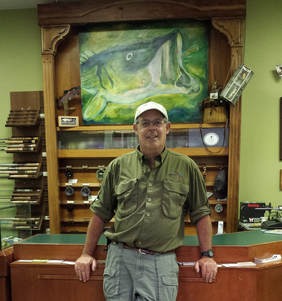
In this episode, I sat down with Paul McCain, owner of River Bay Outfitters — the only dedicated fly shop on Long Island. Paul’s been building community, guiding anglers, and chasing everything from native brook trout to stripers for decades.
Long Island has three primary spring creek systems. They’re small — often 20 feet across — but heavily influenced by cold groundwater. Most are wadable and intimate, perfect for a 7½ foot four weight.
Both are stocked, offering fish from 10 to 22 inches.
If you’re looking for native fish, Carmans River is the spot. Above the stocking zones, there are true wild brook trout.
Most fish run 7–8 inches, but a 12-inch brookie here is a trophy. Evening hatches can bring them out, especially during brown drake season.
Small water. Smart fish. Stealth matters.
Nearly every Long Island stream was historically dammed for mills. Many of those dams are now failing or being removed.
When Stump Pond blew out during a storm, it opened new access for fish migration. Native trout in tributaries are beginning to filter downstream again.
This isn’t just about trout — river herring need access too, and they fuel the entire saltwater ecosystem.
Long Island has over 1,000 miles of shoreline.
On the south shore, Paul fishes shallow marshes and drains where sight fishing for stripers is possible. The north shore is rockier and deeper — more structure-based fishing.
Stripers begin showing up mid-March and move west to east across the island.
Every town has ponds. Many were built as mill ponds. Others are kettle ponds formed during the Ice Age.
Pickerel are aggressive ambush predators. Think smaller pike with attitude.
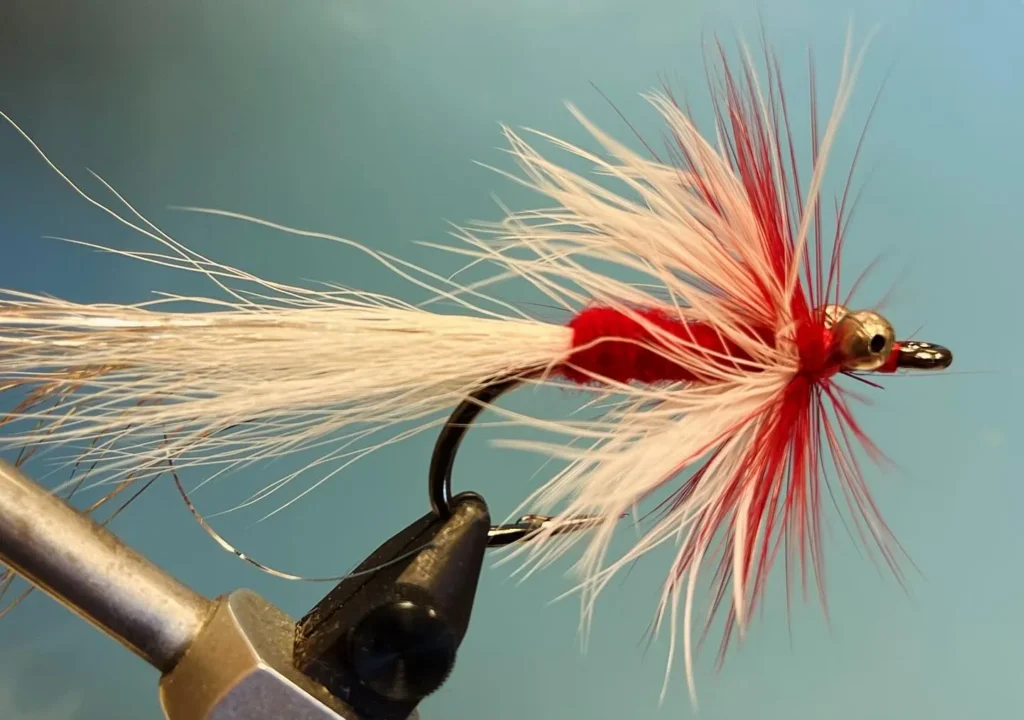
The Whistler pattern pushes water and triggers reaction strikes.
About 90 minutes away, the Housatonic River offers excellent smallmouth fishing.
Unlike rivers where you hunt individual rock piles, the Housatonic is full of boulders and current seams. Summer days can produce 30–50 fish.
Spring and fall bring trout back into play.
Paul opened his shop after Superstorm Sandy disrupted his restaurant career.
He started in 400 square feet and now operates in 1,400 square feet — still a one-person shop.
He runs in-store fly tying classes, Zoom fly tying sessions (twice weekly for 10 weeks), guided trout trips, and destination trips to Alaska, Montana, and Maine.
Episode Transcript
WFS 894 Transcript
00:00:00 Dave: Fly fishing has a habit of showing up where people least expect it. Sometimes it’s tucked away behind city limits, threaded through small spring creeks, mill ponds and salt marshes, surrounded by millions of people who have no idea it’s there at all. And when that happens, the fishing isn’t just about the fish, it’s about access, history, and the people keeping it alive. That’s the world today’s guest lives in. Paul McCain is owner of River Outfitters, the only dedicated fly shop on Long Island, and he spent decades fishing, guiding and building community across an area most anglers only associate with traffic and shoreline views. In this conversation today, we’re going to take a deep dive into Long Island. What the Spring Creek scene looks like there, what he’s doing with this warm water fishing and all the salt water out in this area. This is going to be a good one. This is the Wet Fly Swing podcast, where I show you the best places to travel to for fly fishing, how to find the best resources and tools to prepare for that big trip, and what you can do to give back to the fish species that we all love. Today we’re going to dig into Long Island fishing. We’re going to find out about all the history. We’re going to talk about spring creeks. We’re going to get into the brook trout fishing there and some history. We’re going to talk about some of the cool conservation work that’s there, and just all the history that is Long Island and everything Paul has going there. This is a fun one. Can’t wait to share it with you today. So let’s get into it. Here he is Paul McCain. You can find him at riverbayoutfitters.com How are you doing, Paul?
00:01:27 Paul: Great. How are you, Dave?
00:01:29 Dave: I’m doing great. Yeah. This is this is going to be a fun one today. Um, you know, we’ve connected a lot, actually, in kind of the northeastern part of the country. And today we’re going to dig back in. You’re the, I think, one of the maybe the only fly shop in Long Island, or at least you’re the main one out there covering it.
00:01:43 Paul: Yeah, I’m the only dedicated fly shop. A lot of other stores do have some fly fishing equipment, but that’s all I do is fly fishing.
00:01:53 Dave: Okay. River Bay Outfitters is the name of your shop, right?
00:01:56 Paul: Right.
00:01:57 Dave: Cool. Well, we’re going to talk today about everything you do at the shop, but we always love, uh, you know, talking a little shop talk. And, and we might dig into some potentially bass fishing. You cover salt, you cover a little bit of everything today. But before we jump into all that, maybe take us back on your background. How did you get into fly fishing? And then what’s your first memory out there?
00:02:15 Paul: Uh, so, you know, I fished as a kid, but come around age sixteen, I kind of gave it up, you know, started dating and all that.
00:02:24 Dave: Sure.
00:02:24 Paul: Then in my thirties, I was looking for something, and I actually went to a, uh, outdoors show, and there was a fishing group called the Long Island Fly. Rodders, I had a booth. They were time flies and I had no idea about any of it. And I got interested. So I went to the first meeting, signed up right away. Then I went out and bought a rod. Not a great rod for sure.
00:02:47 Dave: Right? What was the first rod? Did you buy like a package rod or did you buy a rod reel?
00:02:52 Paul: So we you know, I didn’t even know about fly shops. So I went to the local bait and tackle guy and he had like a cheap Berkley fifty dollar outfit. You know, and that was what I used. I used it very quickly. I realized it wasn’t a great tool very quickly, you know. So then I ended up going to finding a fly shop and going in and buying a really nice rod at the time. Uh, it was high end, over three hundred dollars. And I thought that, oh my God, that’s that’s crazy. But to this day, I still use that rod. And that’s the over thirty five years, you know.
00:03:29 Dave: So. And what was the rod, that three hundred rod that you still have today? What is that one?
00:03:33 Paul: It was age graphic three.
00:03:35 Dave: Oh, sage.
00:03:36 Paul: Yes. Sage. Seven and a half foot four weight two piece. It’s perfect for a long island streams.
00:03:42 Dave: It is so seven and a half foot four. Weight is perfect. Why the shorter. Why not the the longer rod?
00:03:48 Paul: Our streams are small and overgrown. Uh, in fact, we have three major streams on Long Island. But they’re small. They call them rivers, but they’re not. They’re not rivers, you know. Yeah. You could. You could wait across and never get above your knees, you know? Huh? They’re all spring. That’s cool. That’s why I went with that rod. I like that size. And even when I personally fish now and I do a lot of guiding, I use a seven and a half foot four.
00:04:16 Dave: Wow, this is great. Yeah. So lots of spring. Describe that. I mean, I know we’ve talked, um, we’ve had some podcasts in that area, but Long Island, specifically for people that aren’t familiar with it, maybe describe, you know, where it’s located. Kind of in the fishing. It sounds like. Is it a mix of trout and saltwater?
00:04:33 Paul: It’s it’s a mixture of everything, everything, everything. And and I’m located closer to the city, you know, long Island part. There are two boroughs on Long Island, Brooklyn and Queens. Two, five boroughs where I live. We have seven million people.
00:04:50 Dave: Wow.
00:04:51 Paul: Area. And, you know, we’re really packed in, but people don’t realize, you know, Long Island is one hundred and fifteen miles long and you get out east. Now you’re really farm country. You know, you leave the city behind, and we have spring creeks. Uh, we have over a thousand miles of shoreline for saltwater, and we have over one hundred fish ponds and lakes and thirty miles of streams. So, yeah. And we you could tell they touch it, you know, hand of man on all these. I mean, the parks, all these streams are were at one time private sportsmen’s clubs. They’re well manicured and everything. And now the state has them because, uh, the clubs couldn’t afford to stay in business.
00:05:39 Dave: Uh.
00:05:39 Paul: You know, and we’re talking very wealthy people, you know, and the clubhouses, and there’s a lot of history there.
00:05:47 Dave: Yeah, there’s a lot of history. I mean, obviously there’s, uh, you know, from the beginning of the country, right? I mean, New York has always been the place. And then fishing wise, do you know a little bit of that history? Have you dug in? Are you a big history buff on the fly fishing?
00:05:59 Paul: Yeah. I’m a I’m a fly fishing nerd, you know.
00:06:02 Dave: Nice. That’s what I like. That’s my favorite. That’s my favorite.
00:06:05 Paul: History. You know, I actually like, uh, you know, I like tying flies, and I like tying the old patterns, you know, the old streamers and all that. So basically, the connection is the big, big club. And that was the that was outside, uh, sportsman. And, uh, there’s, there were three dormitories. I mean, it was a pretty wealthy club. And their big thing was fishing and hunting, duck hunting. So there’s ponds on the property and there’s the stream well manicured. It’s it’s run by the state now.
00:06:37 Dave: What is the closest town to the Connetquot?
00:06:40 Paul: So the closest town is the major one is really, uh, well, Oakdale, but that’s it sits in Oakdale, actually. Uh, that’s where the. So I’m fifty minutes away from there. Right.
00:06:53 Dave: Okay. And are you. And so you’re wet. You’re west of Oakdale.
00:06:57 Paul: I’m west of Oakdale. I’m way. I’m like, ten miles from the city line. You know, I as a you know, when I started, I got really into it. I would there was a fly shop in Oakdale, and I used to go all the way out there just to do the fly tying classes once a week, you know. So that was back in the eighties.
00:07:17 Dave: So wow, this is great. Yeah. I get a feel. This is, you know, Long Island. I knew there was going to be a lot of, uh, you know, opportunities to talk about different species. But I mean, yeah, the cool thing is you have you mentioned the Spring Creek, so maybe describe that a little bit. You know, if somebody was going to head out there and fish the spring creeks, talk about that. What are the main species. And it sounds like it’s pretty small small creeks out there.
00:07:37 Paul: Right. The biggest one actually, I didn’t even realize this uh, was is the Nescac. And there there was a private club that ran it. It’s called Caleb Smith State Park, but it was part of the wine dance, hunting and fishing club. There we go. Wealthy people own it and they gave it up. Both the. That the Caleb Smith Park and, uh, the Connecticut state park are there fee based. You want to fish it? There’s a twenty five dollars fee for four hours. They’re heavily stocked. So you really have an opportunity in a stream that’s maybe twenty feet across. Catch a fish that’s anywhere from, you know, ten inches all the way up to twenty two inches. So it is what it is. It’s a great place to learn. I guide out there. I like it because you could see how the fish react to the fly. You could see the fish. But there’s another park called, uh, South Haven, and that’s Harmon’s River that’s run by the state. Uh, not by this county. It’s more wild. There are sections of that where you can actually catch native brook trout. They don’t stock up past a certain point. And it’s it’s like I said, we’re talking really small pocket of water, really small water braids going through the, you know, bubbling out of the ground, the springs. And so you’ll see, you know, in the evening when the hatch is on and a big a big brookie is around twelve inches.
00:09:08 Dave: Oh, wow. Yeah. That’s big. Yeah.
00:09:09 Paul: Yeah, that’s a big one. Most of them are in the, uh, you know, seven, eight. But they’re not easy because they’re wild and they’re smart.
00:09:16 Dave: Yeah, that’s what we love. I mean, the brook trout is I mean, I think that’s what a lot of us, you know, listeners and people around the country, love is just those native species, right? It sounds like this is a place where you can get some different other species, I’m sure. Right. Browns, rainbows, whatever. But if you wanted to find those native fish that have been there for millennia, right, you can still find them on Long Island.
00:09:34 Paul: You can, uh, there’s also a push. So all these streams at one time were dammed. Uh, they’d be for mill ponds. We had a very back in the eighteen hundreds. I mean, Daniel Webster. Well, you know, that’s available. You know, if it’s a story or not. Samuel Carman, he was actually credited with catching a big fish. And then everybody said Daniel Webster and eighteen twenty one. But these were all psalters. They would go out and come back in.
00:10:06 Dave: Oh, so these are brook trout that went out to the ocean?
00:10:09 Paul: Yes. Out to the bays and all that and would come back. So we’re the push now is through these dams are you know, they’re old. They’re falling down. There’s a lot of maintenance to them.
00:10:20 Dave: Right. Yeah. You gotta, you gotta basically when you have a dam that’s crumbling, you know, I think that you can’t, you know, probably the states coming in and saying, hey, we need to fix this or get it out of the way.
00:10:30 Paul: That’s right. And the bottom line is they were set up for Mills, you know, back in the rain and sawmills and all that. And there is none of that anymore.
00:10:39 Dave: That’s cool. Who is the one who is the group? Because this is really awesome. I mean, what it sounds like is that there’s an opportunity to come in there and fix a lot of these passages, remove them and get maybe some brook trout might, you know, potentially, you know, getting out and going to the ocean again. Is that true?
00:10:53 Paul: There is, there is, there is a Seatuck is one of the big organizations. So on the Nissequogue River, there was a huge park called, uh, blydenburgh. And in that park was Stump Pond, and that was the dam that was ahead of the trout, uh, stream. And it was the it was blocking the passage. And that blew out in the storm. We had this big storm two years ago and it just blew it out, just blew out the dam. And a lot of people were upset because it was a pretty popular park, boating and canoeing and stuff and warmwater fishery. But and I had that feeling because I loved to fish it, uh, you know, but I listened to a presentation from this organization. First of all, it’s going to cost ten million dollars to repair the damage.
00:11:40 Dave: To fit because you have to have fish passage in it now.
00:11:42 Paul: Oh, yes. And that they don’t work that great, you know, so their their argument is for three million dollars, we could build a beautiful park with observation decks. And they’re already starting to see more birds in the area.
00:11:58 Dave: Yeah.
00:11:59 Paul: There are native trout in the tributaries that are starting to filter into this river. So I’m like, you know, first of all, I’m being selfish. I will never be able to I’m I’m not young and I’m never know.
00:12:13 Dave: Yeah. You’ll never see it. You might not ever see the benefits of these projects, but you know, the people after you will, right? People that are still.
00:12:20 Paul: I at this point am like, the dam’s blown out so bad. And this is not the first one that’s blown out.
00:12:26 Dave: No, there’s probably there’s probably hundreds out there.
00:12:29 Paul: Oh, we got hundreds of dams. Every town has a park. They’re all parks.
00:12:34 Dave: Wow. And what was that group you mentioned? Was it was it seatuck? What was the conservation group out there you mentioned?
00:12:39 Paul: Uh, there’s Trout Unlimited. There’s actually two chapters on Long Island, the east and the west, And, um, they were again, Tom is in one chapter and Mike Barger was in another chapter.
00:12:50 Dave: Oh, okay. Yeah. That’s Tom. And so Tom McCoy and Mike Barger, we had him on the podcast. We did a cool episode. So we’ll put a link in the show notes to that one. So they’re yeah, they’re out there in your area in the same area.
00:12:59 Paul: Oh yeah. Oh yeah. They’re they’re out there and, and my, my feeling is these dams hold no purpose. And it’s not it’s just not about trout, by the way. It’s just we we have a problem with herring. You know, herring in our lives, they need places to spawn and they feed all the saltwater fish. So, you know, you want these places, these nurseries opened up. They do have some some of their ponds do have fish passages. And they do get a few fish going through, but they’re not really as productive as they would hope. And it’s funny as Long Island has a tremendous amount now Connecticut has the same problem with ponds, dams and these millponds, but they’re removing them. They really are very. We haven’t removed one dam on Long Island voluntarily. They have all blown out.
00:13:50 Dave: Oh, right. Gotcha. Yeah, yeah. So that’s it. So there’s a lot of opportunity out there, and it sounds like the species wise there’s trout. But maybe talk about that. Let’s go back. High level of Long Island again. We’re sticking on Long Island here. Now what are the other opportunities. And talk to everything. When people come to you and they call you, maybe they’re coming to New York for, you know, JFK for some event and they want to hit fly fishing. What are most people going for?
00:14:12 Paul: They come out here if they got a couple days, because it is a big resort area on the east end, the water is the king. I mean, I do have people that come in and they say, well, I’m there for a convention. Uh, I like to have a day out. I like to either do trout fishing. Saltwater is really difficult because it’s all about tides, wind variables. Right. Trout fishing. I can take you out any day. I mean, I’m guiding even in the winter, you know, and spring creeks never freeze, right?
00:14:42 Dave: And that’s the other good thing. Yeah. So these spring creeks, if you get a good day in January, I know there’s a cold snap over there. I think there was. But if you get a nice is that done. Is the cold snap over.
00:14:51 Paul: No no.
00:14:53 Dave: No. How cool does it say. It’s kind of we’re talking mid-January right now. How cold is it?
00:14:57 Paul: This is the biggest snowstorm yesterday that we’ve had in like ten years.
00:15:02 Dave: No kidding. Yeah. How big.
00:15:03 Paul: And it’s and normally you hope for a couple days of warm weather, but it’s supposed to be cold for the next ten days. So it’s the ice and snow.
00:15:12 Dave: How many how much snow? How many inches of snow did you get?
00:15:15 Paul: Where I am, we got about twelve inches. So that actually is protected because of the ocean. You know, the ocean. If it’s coming off the ocean, it’s it’s warmer. The water is warmer than the air and it keeps the the totals down the North Shore, which is throwing twenty three miles away. They got a lot more. They got up to two feet.
00:15:34 Dave: Oh okay. Yeah. You’re right on the south shore of, of, uh, Long Island. So you get, you get a little bit of more of the marine air on the north side. They get that cold stuff that gets stuck in. Yeah.
00:15:45 Paul: And and cilia too. I mean, the topography of Long Island is different, you know, because during the Ice age, the glaciers ended right in the center of the island. So what happens is when it was melting, where the washout. We have no hills. It’s all sandy soil. It’s just a very fine soil. And the beaches, of course, are all on the North shore, where all the rock stars. So that’s where the, you know, they ended. And that’s all hilly up there.
00:16:12 Dave: Uh, which one has better saltwater fishing, the north or the south side?
00:16:16 Paul: That’s a fight.
00:16:17 Dave: Is it? Yeah. Do you have the same? Is it the species wise, or is it the same species?
00:16:22 Paul: Well, we do, but we have, you know, slightly different times, uh, year. Uh, but I’m down here where we have big, huge marshes right on where I am, so. Which I like, because you get into these little drains and get back there, and you could sight fish.
00:16:39 Dave: And is this is this stripers mostly.
00:16:41 Paul: Well, the species that I fish for is stripers, bluefish, bonita, albacore, even fluke. Summer flounders. You know, summer flounders or fluke, we call them. And that’s where our waters on the south shore. The bays are fairly shallow Y on the north shore. They’re deep. They’re rocky and deep. So you’re looking more for structure up there and down here. You’re looking more for drains and, you know, salt ponds. And we do have some excellent, excellent site fishing here on Long Island for stripers.
00:17:16 Dave: This episode is brought to you by AVC Rig Adventure Vehicle Concepts out of Colorado. These guys build next level adventure vans designed to help you explore farther and stay out longer. Are you dreaming of a full van build? Or maybe you just need the best aluminum cabinets and storage for your DIY rig? AVC rig makes it easy to turn your vehicle into the ultimate mobile base camp. You can check them out right now at AVC. Com that’s a v rig. Com. Check out Montana Fly Fishing Lodge a twenty twenty four Orvis endorsed Lodge of the year finalist. Where luxury meets adventure on one point five miles of private wild and scenic East Rosebud River frontage. Experienced world class fly fishing on numerous Yellowstone Basin streams. Gourmet cuisine made from locally sourced ingredients and rustic luxury accommodations surrounded by breathtaking wilderness. You can book your all inclusive Montana Fly Fishing adventure today and discover why they are the premier destination for unforgettable fishing experiences. Head over to Montana Fly Fishing Lodge. Com right now. When is the best time to hit stripers out there on Long Island?
00:18:25 Paul: Well, then we’ll start seeing them in mid-March on up. And they work from the west to the east. So we’re in the be in the west. We will have the stripers two weeks before they get them out of Montauk. And they come because they’re coming up through the Chesapeake. They’re coming out of the Hudson.
00:18:42 Dave: Right, right, right. Gotcha. Wow. Okay, so so that’s all that. And then. But it sounds like you said, if people are coming in there just for a day trip or a business trip, that trout would be the easiest thing to hit there. And they could probably get some Spring Creek fishing, it sounds like, throughout the year.
00:18:55 Paul: Yeah, I fish, I was there out last Monday, you know, Monday I actually fished more on Mondays. So there’s a there’s several fly fishing clubs and the parks are closed on Mondays, but they rent out the park on Mondays. So there’s quite a, there’s like I said, there’s quite a few. Well we have several fly fishing clubs. You know, it’s between us and the surf guys. Surf fishing guys.
00:19:19 Dave: Oh okay. What is the what is Spring Creek fishing. What is that like? It sounds like we talked about the rod. You know, seven and a half foot four weight. What do you guys get hatches in all. All the full things throughout the year.
00:19:30 Paul: So they you know we’re populated area. So we do have hatches here. We on Long Island and the Carman’s has the best matches because it’s a little more wild. It’s quite a bit wild. They do have very good hatches. They get the basics. You get your Hendrix and you get your sulphurs. But it’s the brown drakes that we get that are just, you know, massive ten inch, you know, nice little brookies gobbling down these big brown, brown drakes and, you know, um, it’s just a lot of fun. And then, of course, you have terrestrials.
00:20:04 Dave: Yeah. When did the, um, you have the shop now. The only dedicated fly shop in on Long Island. When did that idea for the River Bay Outfitters? When did that all come to be?
00:20:14 Paul: I’ve been since the eighties, you know, really into it. And I, of course, you drive across country, you always stop at a shop. You know, I always like that. I actually was at the time, it was actually in, uh, twenty twelve, we had Superstorm Sandy hit, which I was a manager of a restaurant that got devastated. We had three feet of water inside the restaurant, destroyed the restaurant for about, oh, it had to be seven months, nine months before we could open again. And I was actually at the time looking, you know, to do something. And the state offered me the opportunity to start a business and you still could collect unemployment. That was.
00:20:55 Dave: Oh, wow.
00:20:56 Paul: We were I mean, everybody was unemployed. Everything factories, everything was shut down because.
00:21:00 Dave: And where were you? Where were you then? What part of the state.
00:21:03 Paul: I was in? The same. I was in the same area miles from where I am now. Yeah. We were on a barrier island, actually, is what happened? The restaurant was on a barrier island. Uh, the water just in it was super. It was, first of all, moontide. And then the storm hit exactly at a moon, the highest tide of the year. Time. And it just pushed it right in, uh, all the way up and down the whole East Coast. But new Jersey and Long Island got hit the hardest. So what happened was I actually got a job working for Orvis, which they had a store on Orvis, and they knew them because I used to teach all their one on one classes and their fly tying classes, and on weekends I used to do that. So they offered me a job in their new store that was opening up. But as everybody knows about those company stores, they’re really focused on clothing hired for the fishing department. But I spent more time folding clothes in the clothes.
00:22:01 Dave: Really, so that now now, I haven’t been into a lot of Orvis stores, but, um, is that the case in most Orvis stores? Is clothing is a big part?
00:22:08 Paul: Yeah. Corporation. It’s corporation, not.
00:22:11 Dave: Oh the corporation. Gotcha.
00:22:13 Paul: There are dealer stores too. And I get it, because you look at all the brands out there, all the outdoor brands, they all you know.
00:22:20 Dave: Yeah. Same thing. Right? Tons. Yeah. Rei is mostly clothes if you look at it.
00:22:23 Paul: Probably L.L.Bean. For me, L.L.Bean was always the outdoors, camping and all that stuff. But you go to their stores, that’s all in a little corner somewhere, and everything else is just outdoor clothes. So I get it. That’s where the money is. And this is a fairly big corporation. And they and they don’t get me wrong, they were great to me. You know, they were, but I just didn’t want to foreclose. So I did a very small space, uh, four hundred square feet. And I opened the first fly shop, and then, uh, I had that for about three years before I moved over to the location. I’m now and I’m now about fourteen hundred square feet.
00:23:01 Dave: There you go. And what does it look like in your shop if you if somebody was. Oh, you got a lot everything. Lots of flying materials, all that.
00:23:08 Paul: Oh yeah. It’s it’s just like, you know, fly rods here, but it’s a, it’s, it’s a one person store which. And so I do close down two days a week because I do guide and I do like the fish.
00:23:19 Dave: There you go. I was going to say that’s something we’ve heard a lot about fly shop owners that they get into it for because they love fishing, but they find themselves getting stuck behind the counter and not getting out. Sounds like you got a plan to stay outside.
00:23:30 Paul: Oh yeah, I mean, I’ll, I’ll forego, uh, vacuuming to go fishing. Uh. And I’m very fortunate. Listen, I’m very fortunate for Saul, I like Saul. I like it all, by the way. I like all fishing. And we have a really a lot of diversity here on Long Island. In fact, I consider Long Island and this area, uh, fly fisherman’s Paradise for the amount of species that we do have within a day drive right now.
00:23:57 Dave: Talk about that. What are those? Let’s run through that list.
00:23:59 Paul: Okay, so you have you have your saltwater species. And Long Island, like I said, has a over a thousand miles of shoreline. And then you have your warm water species besides the trout. Every town has ponds. Every pond has fish in it. It could be bass. It could be sunnies. It could be pickerel. Pickerel is very, uh. I like fishing for pickerel. Every pond has carp. And we’re talking big fish. And I love fishing for them because they’re not easy, but I do I do like, uh, you know, I feel like I say fish for everything. Um, I have kayaks and canoes, and I have float belly boats and I have all the toys, I have rafts and, uh, we have one really nice system called the Peconic River. And it’s basically it’s all warmwater fishery. It’s all snow trout, but it’s all warmwater fishing. But you’re out there and you’re away from everything, you know, even though there’s towns all around, you feel like you’re out in the middle of nowhere.
00:24:57 Dave: How do you spell that river?
00:24:59 Paul: P e c o n I c k.
00:25:02 Dave: Gotcha. Okay.
00:25:03 Paul: And there again, it’s a series of dams. So these shallow ponds, they were all for cranberries, you know, cranberry bogs. And they’re just great bass which largemouth and smallmouth. Well we do have some smallmouth. Not a lot but they’re not native to this area. You know, I don’t I don’t even know of pickerel are, uh, right. I have a lot of pickerel. And we do have sunfish. And, you know, I think the sunfish is the most underrated fish There is on a fly rod. If that fish was on one pond on one mountain, people would pay thousands to go fish for it, you know?
00:25:40 Dave: Yeah, yeah. Sunfish are awesome. Well, pickerel, we haven’t talked a lot about them. What is the pickerel? Maybe. Describe that. What is the fish that it’s most similar to. If you had to say.
00:25:49 Paul: Yeah. I have a family. And, uh, you got pickerel, pike and muskellunge and.
00:25:55 Dave: Oh, wow.
00:25:56 Paul: You have chain pickerel, which is the largest of the pickerel family. But you also have redfin, which is much smaller, about eight inches. But a chain pickerel will get up to close to three feet, and they can and they’re very ferocious. They are just full of teeth, you know. Yeah. And I love fishing for pickerel. I also like fishing for pike. We don’t have any pike here on Long Island, but not too far away from Long Island. We do.
00:26:23 Dave: Yeah. Yeah. So pickerel are kind of. Yeah. They’re in the same family, it sounds like. Because Pike and and Muskie. What? Describe that as pickerel. Um, how are you? Fly fishing for them out there.
00:26:33 Paul: Though, we just about anything that can get their mouth on. It’s all about the strike. They’re site predators. They’re ambush predators. They’re not. They don’t, uh, cruise or anything. Like they sit and wait, and and they’re in shallow ponds. And the ponds are not clear because they’re, you know, we’re very tannic out here. So you look for the weeds and all of a sudden you strip alongside a little ponds just on the edges, and all of a sudden you see the the lily of the weeds part, you.
00:27:03 Dave: Know, oh.
00:27:04 Paul: Big rush of water just comes out, just a wake and they will. And you don’t stop it. You got to keep that thing moving.
00:27:11 Dave: Stripping it fast.
00:27:13 Paul: It’s a great hit and everything. And after a couple runs, they put her out very fast.
00:27:18 Dave: Yeah, they put her out. And size wise, they’re a little bit smaller than Pike, right?
00:27:22 Paul: Oh, quite a bit smaller.
00:27:23 Dave: Yeah, but they look exactly. They look very similar. It’s the same.
00:27:26 Paul: But the whole shape is the same. But the body color. Why they chain pickerel have like a chain pattern on their body. Yellow and black chain. Why the pike have spots and which have bars like a vertical bars on them?
00:27:41 Dave: Wow, this is great. Yeah. Pickerel, I know we we’ve heard about them, but we haven’t talked about what is like time wise. When would be a good time to fish for them out there?
00:27:49 Paul: Actually, if people fish through the ice for them to I mean, they are protected in the sense that they spawn in March and April. So they’re protected from the seasons closed March and April. I think it opens up on the second, second Saturday of May.
00:28:07 Dave: So it opens up the waters getting things are getting. And are they in ponds?
00:28:10 Paul: Mostly or mostly, uh, slower moving. Or if you’re on, well.
00:28:13 Dave: Backwaters.
00:28:14 Paul: You won’t find them there again. You won’t find them on our spring creeks because they’re cold and they’re basically backwater sloughs of you’re on a major river like the Housatonic pike and pickerel, and you look for clues. They slow our waters on that river, you know? But, uh, just to let people know, we have several types. We have two types of ponds here on Long Island that have fish on the South shore. Mostly. You got the mill ponds. Those are the dams. They dam, they’re shallow. They do put trout in it, but it’s a put and take. They’re never going to survive past June. They put it in early spring and in late fall so that people can fish for more winter. But right in the center onto the North shore we have what we call kettle ponds. And kettle ponds have no inflow or outflow. They were remnants of the, uh, the Ice age. And they live on groundwater and they’re deep. They’re like cavities. And some of them, like Lake Ronkonkoma, is about fifty feet deep. So it’s fairly good. And some of these will hold trout all year. And then you have the warmwater species along the edges.
00:29:21 Dave: So you have pickerel in both in the north and the south side.
00:29:23 Paul: Oh yeah. Oh yeah. Like I said I love fish because they’re so aggressive. it’s just a lot of fun to watch them.
00:29:29 Dave: Yeah. Sounds amazing. I mean, it sounds like. And we’re actually going up for we’re heading up north to Saskatchewan to fish for Northern Pike. Up way up north. But I mean, the cool thing about this is that, I mean, it’s basically the same species, a little smaller and everything, but I mean, you’re catching a similar basically fish that’s aggressive. And.
00:29:46 Paul: Exactly. So I was fortunate. I run trips through the shop and we ran a trip to Alaska, and our main focus was Pike. Yeah. And it’s just watching them how they fight. I mean, it’s just incredible.
00:29:58 Dave: God. That’s great. What are you using for your rod? For the pickerel?
00:30:01 Paul: I use either a five or six weight.
00:30:03 Dave: Yeah. So five or six weight and then like. And are you using what’s your setup for them? Sinking lines. Dry lines. What are you using?
00:30:10 Paul: Uh, no, I use floating lines and I usually and I don’t even you could put a little bit of wire because they do have teeth. I mean, you lose a lot more because I don’t use wire form, because I don’t, you know, casting and wire is not fun. So it’s not pike. You do use wire because they’ll choose right through your leader. Um, but, you know, I use heavy mono, and they’re not leader shy, you know, so they’re not. No, not at all. I use a six foot leader and I’ll put on, you know, ten fifteen pound test of, uh, either mono or fluoro and, uh, I usually they’ll hit poppers and stuff, but I really like to use not a fast sinking fly. More of a, you know, do you ever hear a fly called a whistler?
00:30:53 Dave: A whistler? No, I don’t think so.
00:30:54 Paul: A whistler is a salt water pattern from, uh, San Francisco, but it has a lot of it moves water, and I don’t tie it. When I’m fishing for pickerel. I don’t wait it. I just want it to just push water. And, um. It’s a great fly. I mean, I am for salt even. Are you fishing for salt here? But I like flashy, flashy white red.
00:31:18 Dave: Oh, yeah. Yeah, I see it. Whistler kind of has a big. Is that is that just like a bucktail? What is the the wing or the big wing material?
00:31:24 Paul: Bucktail. But you could use a lot of different things.
00:31:26 Dave: Yeah. Different stuff. Synthetics and everything.
00:31:28 Paul: Yeah. It has a bead chain. Eyes on them.
00:31:31 Dave: Yeah. Bead chains. Got the old school bead chain. It’s got like a flash of red or something up front. So it’s imitating a just some sort of a baitfish, right?
00:31:38 Paul: Right. It’s. Well, it’s funny is it whistles because of the B chain when you can’t.
00:31:43 Dave: Oh it whistles right.
00:31:44 Paul: That’s where the name came from. Uh and it was made to fish deep you know. Uh so it’s San Francisco. They’re fishing very deep for stripers. So they’ll fish down with sacred lines. But I where I, you know, if I put a sacred line in a pond, I’m pulling up garbage, you know?
00:32:01 Dave: Right. Gotcha. This is fun. Yeah. So you got the set up pretty straightforward. And is it pretty easy? Is it? You always go back to the muskie versus pike because, you know, muskie are really hard to catch. Is is it as easy to catch a, um, you know, one of these pickerel as, say, catch a northern pike?
00:32:16 Paul: Even easier. Easy, easier. They’re just we call them water wolves. They’re just, uh, they’re just easy to catch. Pike, if you can see Pike and you put it, You annoy him enough. He’s going to chase it. Muskies are a little more. They’ll fall up and right up to the boat.
00:32:31 Dave: This is awesome. Yeah, I feel like. Yeah. You guys, like you said, I think in Long Island, people probably hear Long Island if they’re not from there and be like, well, yeah, the city and all the stuff. But man, it’s actually sounds like you got a lot of natural areas out there and probably more coming.
00:32:44 Paul: Well, yes we do. We have a lot of options. And like I said, and you know, the New York City lives on, their water supplies are all surface water. Long Island is all well water. You know, the New York City. So in Westchester just, you know, half forty five minutes, up to an hour and a half. Of course, it’s all about the traffic, you know. Oh, yeah. Yeah. There’s a series called the Croton Watershed, which is a series of reservoirs. But in between its reservoir, there is a small stream, a dam stream. They’re all bottom release dams. So they’re cool all summer long and they’re all got trout in them and some of them are wild trout, not native. You know, there’s one that wild browns but they’re they don’t have any natives. But that whole like I said, that’s a, you know, a man made system, but that’s that’s an option. And then Connecticut just has really great rivers.
00:33:43 Dave: Yeah. The Housatonic right, is one of the big ones that we’ve heard of out there.
00:33:46 Paul: Big one. That one actually runs all the way from Massachusetts, from middle of Massachusetts, from Pittsfield, all the way down to the sound. And there is a series of reservoirs or dams on them. You where I fish, it’s a marginal marginal trout stream. The fishing for trout. More are, uh, spring to about the middle of June and then again in the fall for trout, uh, because it just gets too warm and it does have springs and tributaries, and the trout will get into the springs that are bubbling up, and they’ll go into the tributaries. And the Connecticut really has a good program. They, they, you can’t fish for them in these tributaries. They they shut it down for spawning. For spawning. Well, just to keep them because they got it. The river will get up to into the low eighties. Yeah. It gets pretty warm where I fish, but that’s when I like to fish. And that’s for the smallmouth. It is I can have. So I do this smallmouth in a lot of rivers. And they’re not native to this area. They’re they’re from the Ohio River drainage. I don’t know how they got in there, but they’re all over the place. So I actually fished the Delaware has a pretty good supply of smallmouth about the Delaware. You’ve drifted and you look for rock piles, right. And then you fish and fish and you catch a bunch. Then you move on to the next rock pile. Right. Why Connecticut? On the Housatonic, it’s all rock. It’s all boulders. You know, it reminds me, uh, I don’t know if there’s a river up in the Adirondacks called code. This or. Oh, yeah. You know, or there’s a, you know, rapid River in Maine. It’s just fast water. And you look for these deep pools and the slots between the boulders, and you can have fifty fish days. I mean, it’s crazy. And and, you know, some of them are big. They will put a bend into a five or a six weight rod. And in fact, I like a six or a seven weight rod and some, you know, ten inches. But every once in a while you’ll get one that’s about eighteen inches. And, you know.
00:35:55 Dave: Fish Fly Guide Service is passionate about sharing Jackson holes world class fishing from its iconic rivers to hidden backcountry waters. The legendary mutant Stone and other fantastic hatches bring explosive top water eats during peak season. Backcountry creeks hold hidden gems where every bend offers something new, and wild trout rise in untouched waters. Jackson Hole sits in the Golden Circle for trout, home to the headwaters of three major river systems the snake, the green and the Yellowstone. Here you can chase native cutthroat trout, big browns, wild rainbows, and even kokanee on the fly. If this is your kind of fishing fish, the Fly Guide service is ready to take you there. Book your trip right now at Fish Thefly.com. So you basically spend some time heading up north when when you’re not fishing Long Island.
00:36:43 Paul: So one of the things I do for my store, my my shop is a community. I have extremely loyal customers. They come in all the time. You know, when I first started the store, I went to one hundred and fifty miles radius to go to every fly shop in that radius to see operated, right. I wanted to I wanted a certain feel right where people come in and don’t feel like, you know, you don’t. If you’re not going to spend money, you know.
00:37:09 Dave: You don’t want to get that thing where it’s like uppity, where you have to, you know, buy a thousand dollar rod to be okay.
00:37:15 Paul: I have a gentleman that comes in, you know, he’s living on Social Security. He’s he’s way up there. And you know, he comes in here and I always have, I have coffee. You know, I have a machine. He’ll have a cup of coffee and then he’ll, you know, he might buy a raw thread once in a while. And I’m. It’s a losing proposition. You know what I mean?
00:37:34 Dave: Yeah, but he’ll come in. He’ll come in. Will you just come in and sit and look around and just chat?
00:37:38 Paul: Everybody he sees. He’s always handing out my cards.
00:37:42 Dave: Yeah, yeah. That’s what’s I mean, I feel like the the, the Fly shop, you know, is why it’s so amazing, you know, for that reason. You know what I mean? It’s not only do you get the expertise like we’re doing here and learning about the areas and the fishing, but you get that group, you know that community, you know that place where you can go and you know that. You know what I mean? It’s just a place to hang out.
00:38:01 Paul: So we do right now in the winter time. Besides, I, I do, uh, fly tying lessons. I do in-store, where I have two days a week where the same ten people come in. But I also do zoom at night fly tying classes.
00:38:15 Dave: Oh, cool.
00:38:16 Paul: Yeah. So that worked out pretty good. I’ll have like, fifteen people. Twenty people at night.
00:38:20 Dave: Yeah. How do you do the zoom thing? So you just do a is this how often do you do that?
00:38:25 Paul: I do it twice a week for ten weeks.
00:38:27 Dave: Yeah. So twice a week for ten weeks. Okay.
00:38:29 Paul: Right. And there was a fee to it. Uh, not a ridiculous. I’m not, uh, my whole thing is like my day trips. I run up to the Housatonic, they’re thirty five dollars, and I go up to forty, but that’s. I supply lunch.
00:38:42 Dave: Oh, wow. So you can get a trip to the Housatonic for forty dollars?
00:38:46 Paul: Yeah. And we all go up there and I’ll have fifteen, twenty people with me that.
00:38:50 Dave: I mean, that sounds like an amazing deal. Yeah, thirty five, forty dollars to go up and fish a river.
00:38:54 Paul: Run my trips reasonably priced because a first of all, I’m a real I’m a I have a lot of tradespeople, a blue collar, I’m a blue collar shop. And we a lot of them have families and kids. And you know, I, I don’t run these high end. I mean, I do go to Montana, I run a trip to Montana and I do run a trip to Alaska, and I do am running a trip to Maine. But I try to find places where it doesn’t break the bank. And you know, I’m not. I’m not a high end guy. I don’t want to have the cocktail hour or anything like that. I just want a warm bed and fishing. So that’s that’s where my guys are from, you know?
00:39:33 Dave: That’s cool. You’re finding some of those trips that are not too. Yeah. Not super high. High expensive, you know, and I think of I always think of because I’ve been reading we’ve got a couple of big things going. I’ve been reading this book about Lee Wolf, but also we’re heading up to Newfoundland to fish for Atlantic salmon. Kind of my first time doing it. And that’s not far from you, right? I mean, you’ve got that stuff, which kind of some of those trips can be spendy, right? Have you have you touched on any of that?
00:39:56 Speaker 3: I looked into.
00:39:57 Paul: You know, you’re looking they’re up there with Alaska trips. I ran a trip and, uh, to Alaska, uh, and the reason why I picked it was because it was very reasonable. And it’s what I want. The cabins in the middle of the woods. You know, it’s called Alaska Adventures with Dan Paul. I had an incredible time. I mean, you know, all the meals were included and he had a good price. And it ran about with airfare and staying in Anchorage for two days. And, you know, ran less than eight thousand dollars.
00:40:32 Dave: Yeah. And was it this was a full, like, a week trip.
00:40:34 Paul: Six and a half days.
00:40:35 Dave: Six and a half. Yeah. Like a full week. And then what part of Alaska was this in?
00:40:38 Paul: I you know what I’d love to tell you, but way Sleetmute was the nearest town.
00:40:45 Dave: Sleep?
00:40:46 Paul: Yeah. Sleep. Mute. It was the name of the town. And it’s in the middle of. We had to take a. We took Piper Cubs. Uh, we flew in three people at a time. Two hours in, landed on a man made airstrip. Um, like it was. It was an incredible.
00:41:04 Dave: Oh, yeah. You are, I see it. Yeah. You’re. You are in the middle of Alaska. You’re not near any any towns. And you got a big river going right through, which is the, uh.
00:41:11 Paul: Holiday or something like that. I don’t know.
00:41:14 Dave: Oh, are you on the. Oh, yeah. So I fished that. Yeah. The Kuskokwim River. Yeah. Yeah, yeah. We fished the, um. The. Yeah. So you’re way up there. Yeah. Okay. This is awesome I love it. Okay.
00:41:24 Paul: And we were there when the water was high. So we went into the oxbow lakes for for pike. And you could sight fish for them, you know. And then we had, we had chum salmon and and accidentally caught some kings because you can’t target the kings. We had sheefish, which was a lot of fun.
00:41:42 Dave: Oh that’s cool.
00:41:42 Paul: Right. But, you know, it’s like they had it had a chef there that was, you know, a guy that’s been doing this for years. You know, he made great meals. But we we ate like moose. You know what they.
00:41:53 Dave: Yeah. He ate moose.
00:41:55 Paul: Moose bacon. Moose ribs. You know, moose meatloaf.
00:41:59 Dave: God, this is great. Well, I think that’s the cool thing about the, you know, again, fly fishing, the travel. You guys pick the place. You know, you got all this cool stuff out near where you are, but also, you know, people are heading out. I mean, why not go to the middle of Alaska and experience I do.
00:42:12 Paul: I have a very active newsletter. I put out a newsletter?
00:42:16 Dave: Yeah. How would we. How would we sign up to that newsletter? Where did we go to do that?
00:42:19 Paul: Oh, right on the front page of my website, River Outfitters dot com. And there’s a, there’s a form. You can just.
00:42:25 Dave: Just fill it out. Okay. And what do you cover. What’s the newsletter typically cover.
00:42:29 Paul: It’s so I theme it. For instance the last one went out was about um winter fishing you know, or what to do where, you know, and I pull articles, I pull podcasts. I pulled your podcast with we talked about the Catskills with, uh, Mike, uh, McCoy. So I pulled that and I theme it. So the next one will probably. I’m not sure, but maybe how to take care of your gear because nobody’s fishing. Fly fishing this week, you know?
00:42:56 Dave: No, no. This week. Yeah. Not for a while. Right? Until how long is that cold snap going to be there?
00:43:00 Paul: Uh, they took it ten to fifteen days.
00:43:02 Dave: Oh, wow. This is a big one.
00:43:04 Paul: So it’s it’s a long, long, cold snap. It’s not going to get out of the twenties. And most days it’s going to be in the teens. So it’s just going to sit here.
00:43:13 Dave: Yeah yeah I got you. Cool. Well, I guess you’ll have plenty of time to get behind the vice, right? And do some tie in there in the shop.
00:43:19 Paul: Well, I do that. And what amazes me is. So I’m. I’m a fly shop, right. And I’m the only shop in Long Island. Like I said, there were some people who have fly fishing equipment. Hey, they don’t fly fish. I know those people and they don’t really fly fish. And I’m like, why don’t you just sell shoes then, you know.
00:43:38 Dave: Right. Why sell the fly gear?
00:43:40 Paul: Yeah, I don’t get it. And then, um, I really hated when people buy by price, you know, because I could. I could fit any budget, and there was no bad equipment today. You know, I can fit any budget. I had a gentleman, and it was not an inexpensive rod. He bought it. And I’m like, this is not the rod you want. And he goes, well, it was a good price, but it’s not the rod that you want. That’s where fly shops really come into effect. You know this. Yeah. Where we’re so important for the learning aspect. There is a learning curve.
00:44:11 Dave: Yeah. Yeah definitely. No you’re right. I think that there’s nothing better than picking up a rod from a shop and casting it in the backyard, right? And you’re getting out there getting a feel for it. Well, I think I think we can take it out of here. We’ve got our segment. We love this segment. Our listener shout out segment. Um, today and uh, today is presented by Patagonia Swift Current Waders. So we’re giving a big shout out to Patagonia today. This is big listener shout out goes to Greg Fair Bend. So Greg is actually the first person who gave us a shout out about your shop. And obviously we had heard about you before, but we want to give a big shout out to Greg Fairburn for letting me know that he loves your shop. He’s definitely one of your guys in there. And um, and also Patagonia Swift Current Waders, our sponsor for this, uh, this segment of the podcast. So as we get into this, tell me one thing. We mentioned some history. I mentioned Lee Wolf. What do you guys got going there as far as, like, gear? I’m a big gear guy. What’s your best selling product? Do you think that goes out other than fly rods and all that stuff? Do you guys have any of the outerwear and all that stuff?
00:45:07 Paul: I do have waders, you know, have that weighted boots. I have very, very limited enclosed its branded clothes, you know. It has my logo on it.
00:45:16 Dave: Right. So you are the opposite of what you’re talking about. You’re not the shop that has all the clothes you have. The fly fishing gear.
00:45:22 Paul: Is amazing is and I’m debating because they, the Orvis is going through a strange period.
00:45:28 Dave: I know we’ve heard about that. They’ve been like a hundred stores, a bunch of stores closed around the country.
00:45:33 Paul: Had over thirty stores or something, and they laid off like one hundred and fifty people.
00:45:37 Dave: That’s right. One hundred people. Right?
00:45:38 Paul: Yeah. And they, you know, and I feel bad because I know the guys. And, uh, but when I first opened my store, I was literally I’m about fifteen miles from a corporate store. Right. And but they Orvis asked me if I would become a dealer. And I’m like, if I become the dealer, because if somebody wants an Orvis rod, they won’t go to the store because they’re not known for that. Come to me and I don’t didn’t want to do that to them. I didn’t want to take their business. So, you know, being a effect to them. But I haven’t become a novice dealer, and since the store closed, it’s always been a back of the mind thinking about it, because it is a it is a well branded brand.
00:46:21 Dave: Right. Yeah. What is the benefit of obviously Orvis is a great brand. They’ve got doing great stuff for conservation. What the benefit of them obviously is getting the name there. What’s the. Yeah, I guess just you’d be stuck with one kind of brand mainly.
00:46:34 Paul: No you can you could have other brands. If you’re a dealer you know, you could an independent shop, I could have other brands in the store and I would have other brands. You know, when I was starting, you needed a really good rod. I mean, there were a lot of crap out there, you know, and if you didn’t spend a couple hundred dollars on a rod, you got crap today. There are rides out there. I, you know, I can sell. You know, I have different brands like, you know, small brands that are, you know, really reasonably priced, that are excellent casting rods. So the thing is about the, you know, I’m a far banks dealer, so I have sage. But sage, you know that there high end. They’re not inexpensive rods even there five hundred dollars. So that’s the hardest sell. The only the big thing. If somebody says, I want an American made. Well, you don’t have that many options, you know.
00:47:24 Dave: Yeah, that’s the one thing. Nice. Well, I think this has been good. I guess we’ll take it out here a couple of tips. And I always I think today we’ve talked about a little bit of everything, but maybe let’s go back to what we said with the brook trout that we talked about the Brookies. If you’re going out to one of those small spring creeks, somebody’s going out there, maybe on their own. What are a couple of tips you’re giving them to have more success on those brook trout out there?
00:47:46 Paul: So there’s several rivers that do have brook trout in them that are what native. The Carman’s is the most famous one. It’s a county park and there is a daily fee of four dollars, but you can pick it up in the morning and fish right to dark, and I do. I pick up a season, I pay thirty eight dollars for that park, and I’ll go out there in the evening and just fish the evening. I like the evening. The crowds are down. But you got to be careful because you can get lost very easily in there, you know, and, uh, so you have to know it. But my advice is, you know, also, you know, Connecticut, relatively close to my shop. There’s several streams there that are native brook trout. So there’s there’s options around you also. And I’ve never really done any fishing in new Jersey, but, you know, an hour and a half from my shop you got new Jersey. So, you know, I always say that it’s a Paradise because I can catch saltwater, fresh water, warm water. And if I really wanted to catch Pacific salmon, I’m five hours away.
00:48:51 Dave: Yeah. You could go over to you, head over to the Great Lakes. That’s the thing. You are in a Pennsylvania, you got the Great Lakes. You got I mean, pretty much, if you think about it. Yeah, you guys kind of have everything. The only thing you have you have to deal with occasionally is the weather. Right? The cold weather.
00:49:04 Paul: Yeah. I mean, especially upstate, they get the lake effect snows and they have like three feet of snow right now in Syracuse, and they’ll have it all winter long. There’s a there’s a lot of good things to be in my type of area. First of all, I can always get a quart of milk no matter the time of day. And I can always get a piece of pizza at eleven o’clock at night, so.
00:49:24 Dave: Oh. You can. Yeah. You are. That’s the thing about to where you are. You are in a cool place, Long Island. And you are, I mean, right there in the middle of it, too. You know, you have these. That’s what’s crazy is you have these cool little spring crickets. Sounds like pretty remote. But then right there, your New York City, right downtown. I mean, how far away is that from you?
00:49:40 Paul: Um. By train. I’m thirty minutes away from downtown Manhattan.
00:49:43 Dave: There you go. Yeah, downtown. So you’re right in the middle of it, and you can get. So I think it’s kind of cool because I think being able to get a piece of pizza at eleven o’clock at night or whatever, you know, what is it? The city that never sleeps, right?
00:49:53 Paul: City that never sleeps. And I’m on the suburbs, but we do have places. They open pretty late. Like I said, you can do anything. And I could literally. I opened my store at ten o’clock. I’ll get up early in the morning and go fish for a couple of hours for saltwater and then go to work or go home, or I’ll hit a pond for carp, you know. So I do fish a lot. And, uh, the biggest thing is I’m very fortunate, you know, my family’s very supportive, and my wife is extremely supportive and lets me do these things, you know?
00:50:24 Dave: That’s right. What’s your plan long term? You know, this is probably a little ways out with the fly shop. Would you like to see this thing continue to keep going, or because a few shops have been going away over the years? Right.
00:50:35 Paul: Yeah. So the thing is about shops was during the river runs through, uh, back nineties, we had over seven shops on Long Island.
00:50:44 Speaker 4: Oh, wow.
00:50:45 Paul: And the thing is, they and they all did money. But as soon as the money started, people started, you know, Tiger Woods came along, and then golf courses became popular, you know.
00:50:53 Dave: Oh, right.
00:50:55 Paul: They just folded up. They they weren’t doing. I work extremely hard at keeping people interested. I do too, I do, uh, for a magazine, a video fishing report every week, and I do a private fishing report on my Instagram every week. And I also do the classes and the trips and, you know, you got to work it. Hence, my shop is not the cleanest, you know.
00:51:22 Speaker 4: Right.
00:51:23 Dave: You’re working hard. You’re the it’s like the real estate, right? They say that anybody could be a real estate agent, you know, in the good times of the market, but it’s when it goes down who’s left?
00:51:32 Paul: Right, right. And that’s what happened. All the shops closed down. And you have to understand, nobody gets rich in this. You know, nobody’s getting rich. And and I do it. You know, I’m in my seventies, so I’m, uh, you know, I kind of retired. Almost.
00:51:48 Speaker 4: Yeah. Right. Right, right.
00:51:49 Dave: Yeah. Well, you got plenty of time left. I’ve. I’ve had a number of ninety five year old, uh, anglers on the podcast, and it’s pretty amazing. A lot of them have been super still out there going strong. So I feel like we’re probably in the right field for staying healthy. You know what I mean?
00:52:03 Paul: I like to be active. I can’t retire, you know, even if I close the store. I have to do something. I still guide. I’m thinking about getting my captain’s license, so.
00:52:13 Dave: Oh, wow.
00:52:14 Paul: Do that. You know, and you know that. Going. Uh, and and even before the shop, I taught all the all the trout unlimited fly tying classes, and I’m a certified casting instructor. I do the fly casting, and I do presentations. I do sometimes zoom presentations. You know, I just put it out there in the. Hey, come on, this is the zoom. Come on in. It’s free.
00:52:38 Dave: Yeah. What do you guys do when you do your presentations? Do you focus on, like, kind of a little bit of everything. Knots tying. Like what is a typical presentation?
00:52:45 Paul: Everything is different. You know, every presentation I have I have like twenty of them in the can. So. Wow. So I talk about Montana because I go to Montana quite a bit. You know, I did a trip to the Bob Marshall Wilderness Area where he had a, uh, thirty miles. Uh, I was pretty beat up.
00:53:03 Dave: The river of no Return. Right. The middle fork.
00:53:05 Paul: Uh, I actually fished the South Fork of the flathead for native, native, cutthroat, and bull trout. That was a six day fishing adventure.
00:53:15 Dave: Cool.
00:53:15 Paul: You had a day in each end riding in and out. And every day you rode. I mean, I was pretty beat up.
00:53:22 Dave: You mean rode a horse?
00:53:23 Paul: I rode a horse. You can’t. The only way to get to the Bob Marshall Wilderness areas is by foot or stock by foot.
00:53:28 Dave: Or if you can get the boat right, the river, the Middle Fork. Trip the boat down through the Middle Fork.
00:53:33 Paul: There are people that put in at one end and float through it, but there’s no machinery allowed. You can’t have a chainsaw. You can’t have a bicycle. It’s a wilderness area.
00:53:42 Dave: Yeah, it’s the largest. It’s the you mentioned Alaska, but the wilderness, the that area is like two million acres. It’s the largest wilderness area in the lower forty eight, I think.
00:53:51 Paul: Connected to other wilderness areas. It is. It’s incredible.
00:53:55 Dave: Spectacular.
00:53:56 Paul: Yeah. It was a that, you know, these trips are what you know, that’s my vacation. You know, my wife likes her vacation. She goes on cruises and places I prefer. This is it. I’m fishing hard.
00:54:10 Dave: That’s cool. What is the, um. You mentioned. So you got the the travel. If people wanted to watch some of those. Zoom, is that something they can watch or get involved in those?
00:54:19 Paul: Yeah, they can go on the newsletter and I put up, you know, and I I’ll put it in the newsletter. I’m doing a zoom this night or something like that.
00:54:28 Dave: And yeah. When’s your next. So they can just get the newsletter. Then they’ll get updated when you do your next zoom.
00:54:33 Paul: And it’s like, you know, I’ll do a newsletter, I’ll do a zoom this week or something like that. Like I say, I do. We do a thing to keep people interested. Fly fishing in the salt is probably the hardest because, you know, it’s easy to go get on a party boat or sit on a bucket and throw bait. And even the surf fishing is is a lot easier than fly fishing in the salt. But what I do is, and it’s an excuse for me to go fishing, we do meetups, weekly meetups. I look at three days before the day or whatever day I pick, and I look for the weather. I look for the wind, the tides, all that. And then I say, well, meet us at this beach at five or six o’clock, and that’s how I do it. But the only way, the only way anybody’s going to know about them is through that newsletter, you know?
00:55:21 Dave: Amazing, amazing. This is awesome. Cool, Paul. Well, I think we can leave it there today. We’ll definitely send everybody out to River Outfitters comm. They can connect with anything there. If folks are coming through, they can pick your brain. And yeah, maybe we’ll get on one of these zoom calls and watch you tie some flies here.
00:55:35 Paul: Well, call the shop. I’ll talk to anybody.
00:55:37 Dave: Okay? Yeah, we’ll just call you, we’ll give you a call, and then we’ll go from there. Awesome. Paul. Well, thanks for all the time today. We’ll look forward to keeping in touch with you.
00:55:44 Paul: Okay. Thank you.
00:55:46 Dave: All right, before we head out of here, I just want to remind you, check in with Paul. If you’re, uh. If you get a chance, let him know you heard this podcast. And if you’re going to be out in that area, definitely check in with Paul and see if you can book a trip or just connect with him at the fly shop. Definitely get late night here, but I wanted to just remind you that the bootcamp is launching this week. In fact, tomorrow you can go to bootcamp and this is our bootcamp where we’re launching with some of the best speakers in the world. We’ve got them all lined up for four plus days of of action all day long. Sign up and you can any, any aspect of fly fishing. We’re going to have you covered. So I’m excited to share this one with you this week. Check it out right now. Wet fly bootcamp. All right, I’m gonna get out of here. Thanks again for checking in today. Hope you’re having a great evening. Great morning or afternoon. And we’ll see you on that next episode. Talk to you then.
00:56:38 Speaker 5: Thanks for listening to the wet fly swing fly fishing show. For notes and links from this episode, visit Wet Fly. Com.
Long Island might not scream “fly fishing destination” at first glance.
But between spring creeks, native brook trout, stripers in the marsh, warmwater ponds, and easy access to the Northeast’s best rivers, it’s one of the most diverse fisheries in the country.
If you’re anywhere near the area, stop in and see Paul. He’ll get you dialed.