Home Blog Page 2

908 | Fishing Smaller Flies for Great Lakes Steelhead and Salmon with Alex Belonga

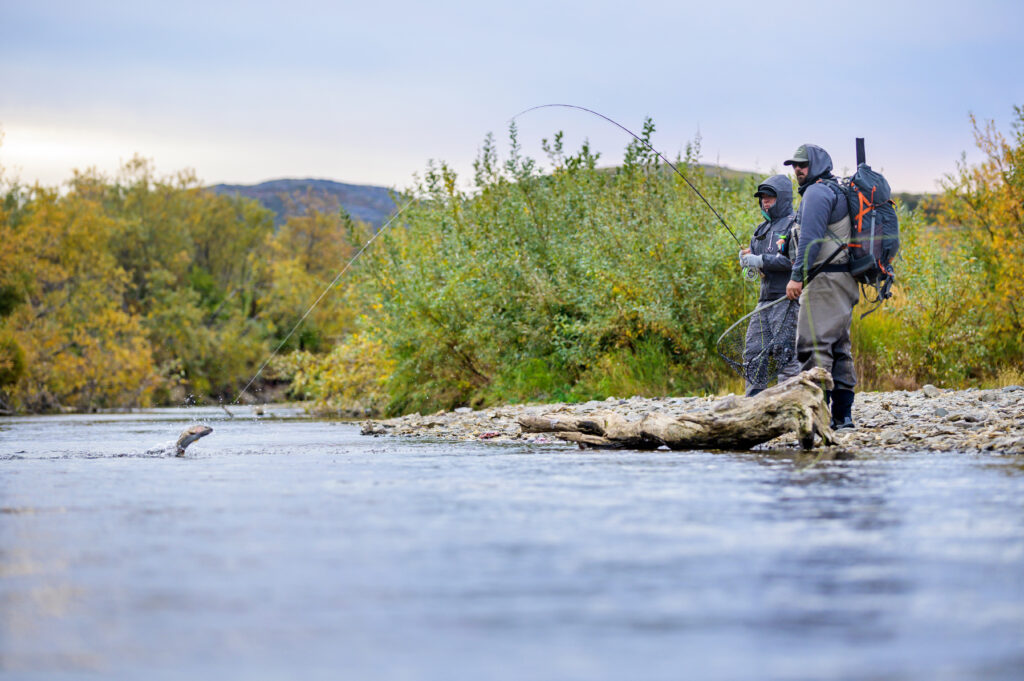
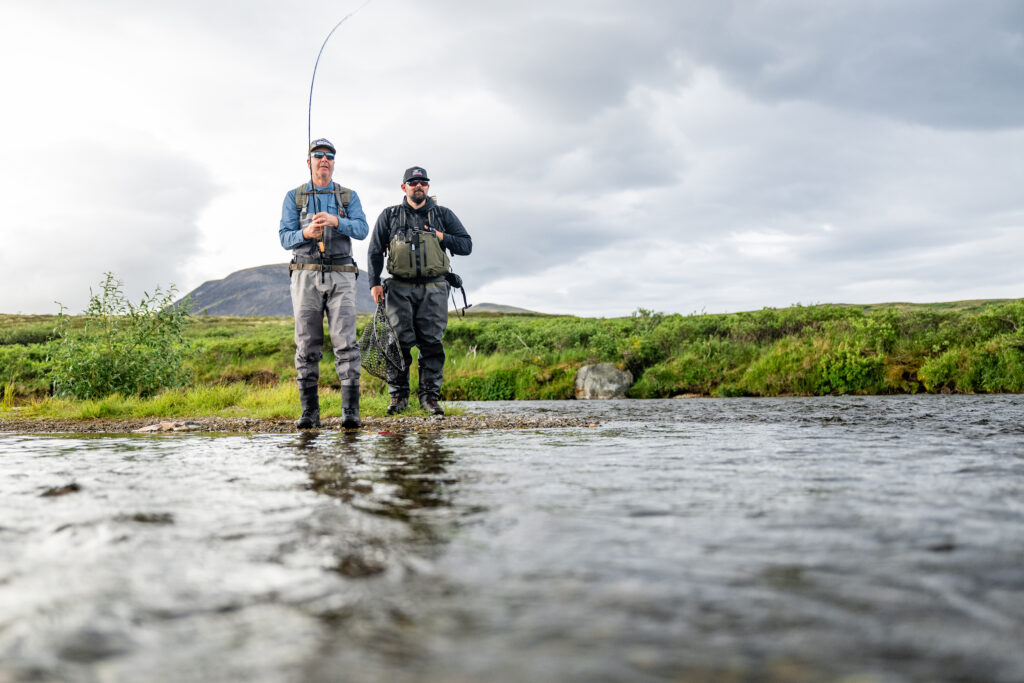
Do you remember when intruders took over with big profiles and tons of flash? But what if the real edge is going smaller? In this episode, we’re digging into fishing smaller flies for Great Lakes steelhead and salmon, and what happens when you shift from bulk to balance and from heavy push to a more subtle presence.

Alex Belonga breaks it down, from Temple Dogs to sparse hair wings, plus how presentation, movement, and fly design all play into getting more eats.

Hit play to start listening! 👇🏻🎧


apple podcasts

Find the show:  Follow the Show | Overcast | Spotify

Subscribe on Apple Podcasts

Subscribe on Android

Subscribe via RSS

(The full episode transcript is at the bottom of this blogpost) 👇🏻

Sponsors and Podcast Updates


Show Notes with Alex Belonga on Smaller Flies for Great Lakes Steelhead

About Alex Belonga

Alex picked up a vise back in 2018 and just went all in, tying flies almost every day. It became a big part of how he stayed connected to fishing, especially during the long winters when everything freezes up.

These days, things look a little different. He and his wife run a greenhouse and floral business. Between that and family life, he’s stepped back a bit from tying flies commercially, but he’s still active and sharing what he’s doing.

The Munker Fly

The Munker was one of the first flies Alex tied back in 2018 when a guide buddy up near Ontario asked him to tie something with a zonker and a deer hair head.

Alex didn’t even know what it was called at the time, so he went digging, found some videos, and that led him to Kim Sorensen.

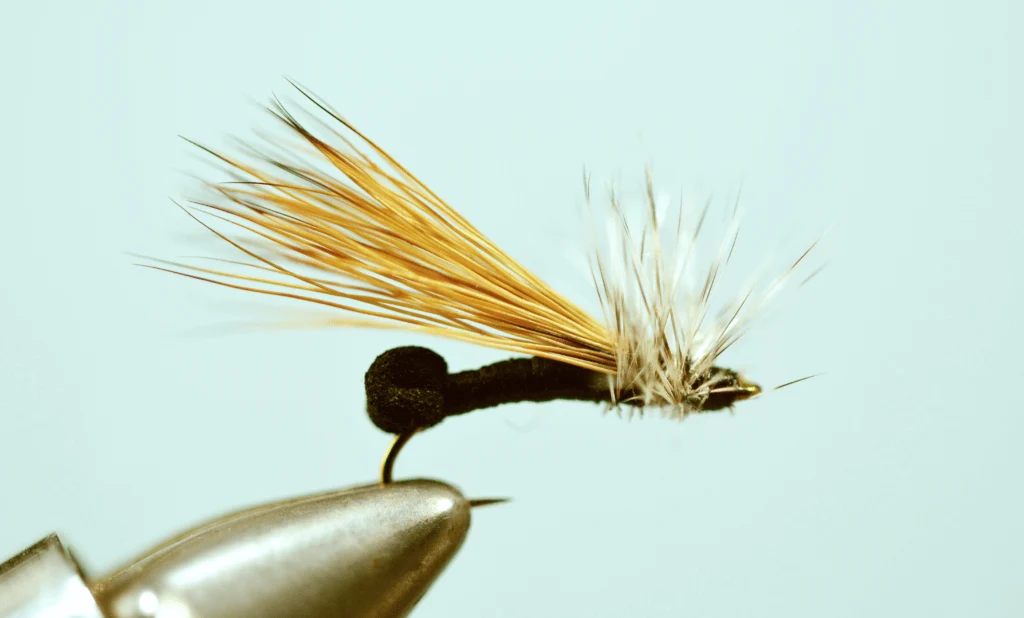
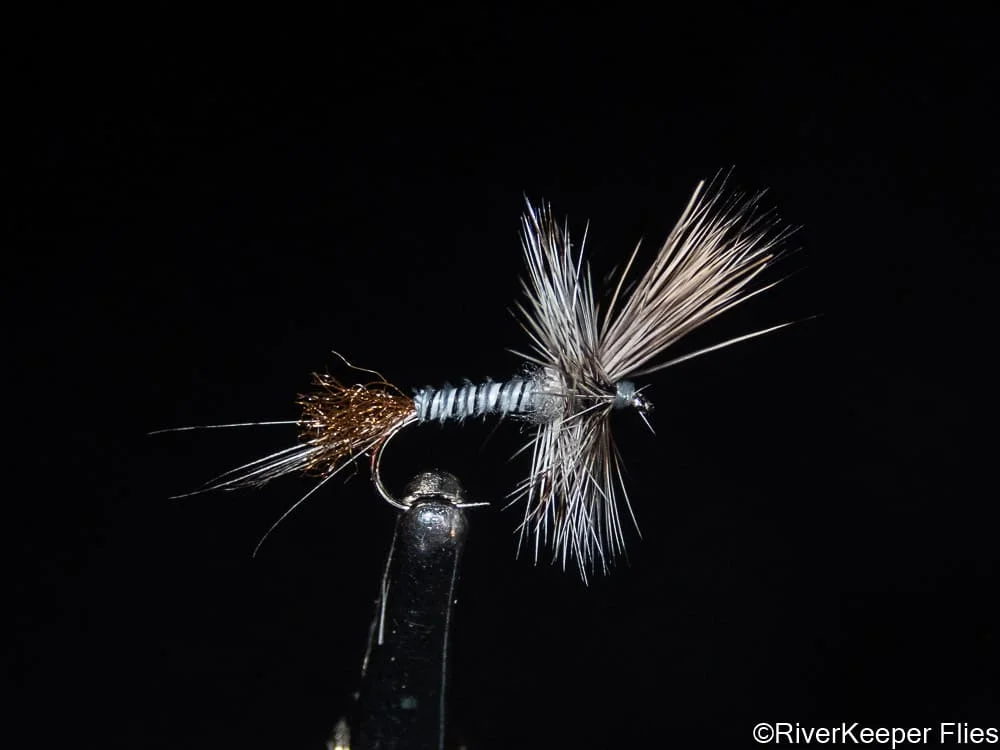
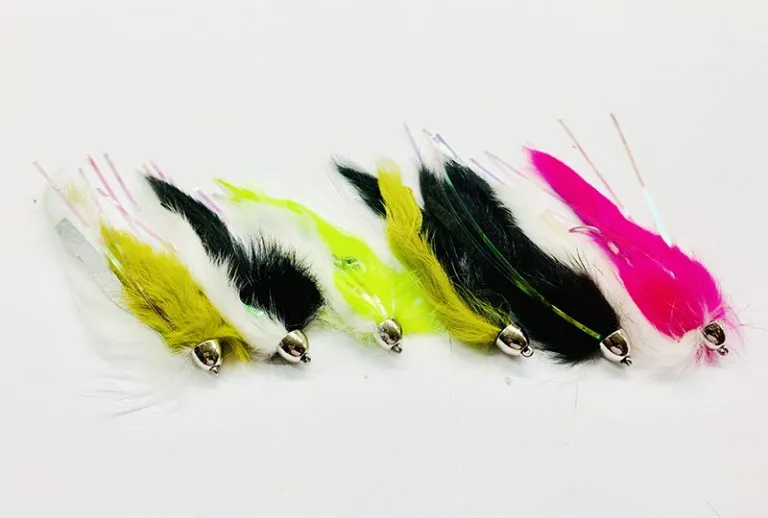
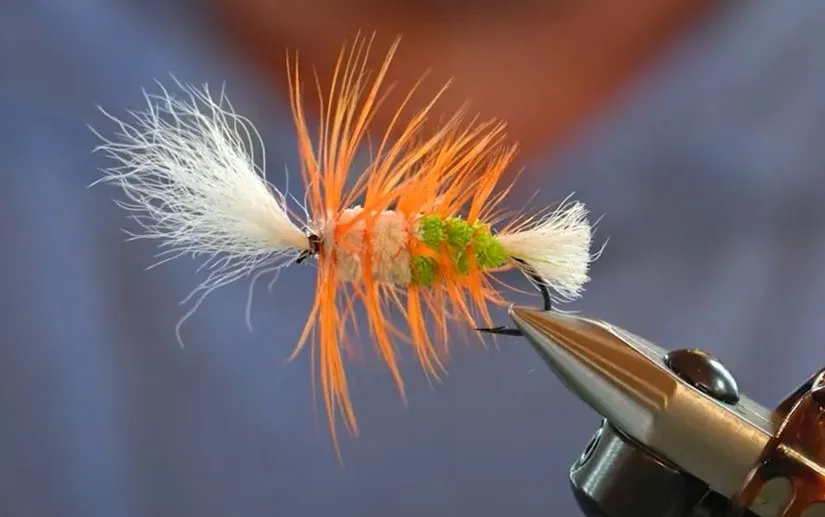
The Munker is tied on a short tube with a bead at the back. You tie in a zonker wing, then add a deer hair head. But the key is you don’t stack a bunch of hair. You just spin a sparse clump once and keep it wide.

That wide deer head is the whole deal. It pushes water and acts like a little turbo cone in front of the fly.

👉 Watch Alex Belonga tie the Tsunami Munker:

Munker vs Muddler: What’s the Difference?

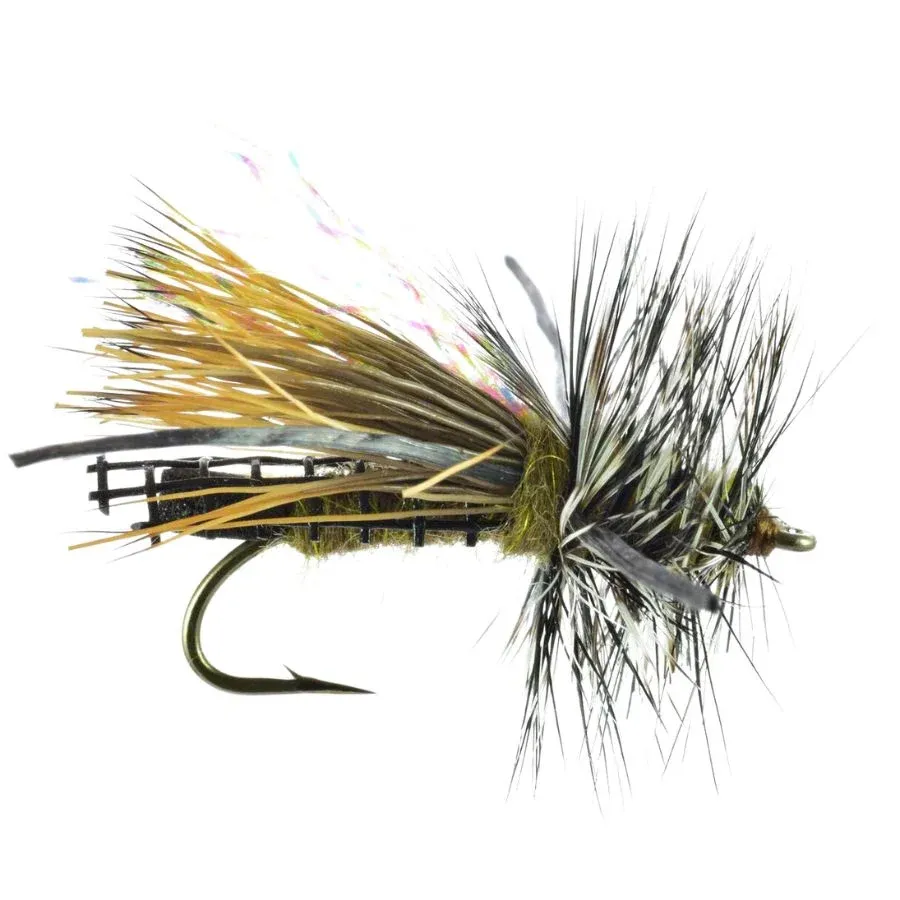
Alex broke this down in a really simple way. The muddler is usually a smaller fly. You’re often fishing it on a lighter setup, letting it skate or sit in the surface film. It moves around, dips a bit, and has that buggy look. It’s a go-to for summer steelhead and even Atlantic salmon.

The Munker is a different deal. It’s bigger right away. More like a leech or intruder-style fly. It’s tied on a tube, with a zonker in the back and a wider deer hair head.

That head is left long and flared, so it pushes more water. And instead of skating it, you’re pulling it down with a sink tip. Different size, different setup, and a different way to fish it

How to Fish the Munker

In really clear systems, Alex will go lighter. Longer lines, longer leaders, and smaller flies. Fish will move up, so you don’t always need to go deep.

Most of the time though, the Munker is fished like a classic winter fly.

  • Swing it under a sink tip
  • Let it pulse through the run
  • Go heavier if you need to get it down

You can also use the fly’s buoyancy to your advantage. With a heavier tip and a little rod movement, the fly will dive and rise, almost like a plug. That motion can trigger fish that are just sitting there.

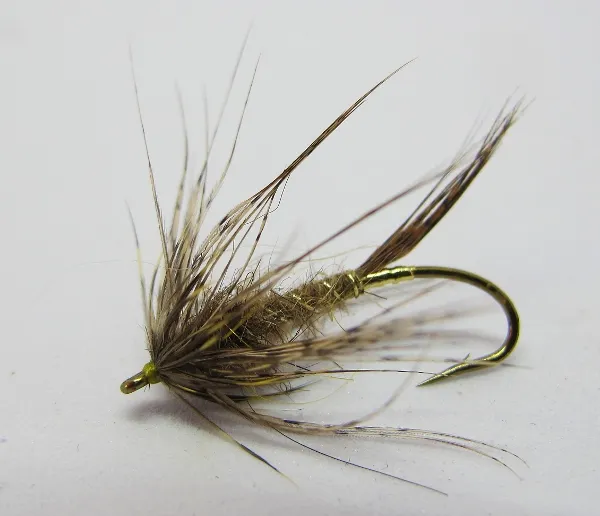
Tsunami Munker -
fishing smaller flies for Great Lakes steelhead and salmon
Tsunami Munker – Photo via https://www.instagram.com/straitsonthefly_customflies/

Understanding “Pushing Water” and Fish Behavior

Alex said pretty much any fly with mass will move water when you swing it. That’s just part of pulling something through the current.

Where it gets interesting is how people try to enhance that. Things like cones or turbo discs get talked about a lot. Some say they push more water, others say they just help keep materials from collapsing. Alex said he hasn’t overthought it, sometimes they just look good.

The real key is how fish respond. They’re feeling movement through their lateral line. That’s why patterns built for darker water or tough conditions often focus on more movement. It’s the same idea as spinners. More vibration, more presence, and sometimes that’s what gets a reaction when nothing else is working.

Other Flies and Styles

Alex has tied flies for both Great Lakes and West Coast anglers. He said it was kind of all over the place depending on what people needed.

He got into Scandi-style flies like Temple Dogs, which not as many people were tying locally. He also tied patterns using Snowrunner, inspired by Jaap Kalkman. These were simple flies with longer fibers and more structure, tied with things like a bead, marabou, and reverse-tied materials.

He also spent time tying intruders, especially the flashier West Coast style. And over time, he ended up tying a lot of Munkers as well.

fishing smaller flies for Great Lakes steelhead and salmon

Best Fly Colors for Different Waters

Alex said color depends a lot on where you’re fishing. In the Great Lakes, fish tend to feed more, so he leans toward natural colors that match baitfish.

  • Olive, brown, and copper
  • More “trouty” colors
  • Black and copper
  • Black with a bit of green

He said these often work better than the big, bright stuff people usually think of for steelhead.

Out west, it’s different. You see more bold colors like:

  • Black and blue
  • Pink and orange
  • Purple and blue

Those are more about contrast and visibility, especially in bigger water.

Temple Dog Flies

The Temple Dog is a classic Scandinavian pattern, usually tied on a tube with layered wings and a hackle in between. It has a slim, teardrop shape and a strong baitfish look in the water.

What makes it stand out is how it moves. It’s lighter and sparser than bulkier flies, but still has presence. It swims differently, and that alone can make a big difference when fish have seen a lot of the same patterns.

He also mentioned that going lighter and simpler can help more than people think. Flies that are easier to cast and present often end up fishing better. And when you’re not the first person through a run, showing fish something different can be the edge.

The St. Mary’s Rapids and Great Lakes Diversity

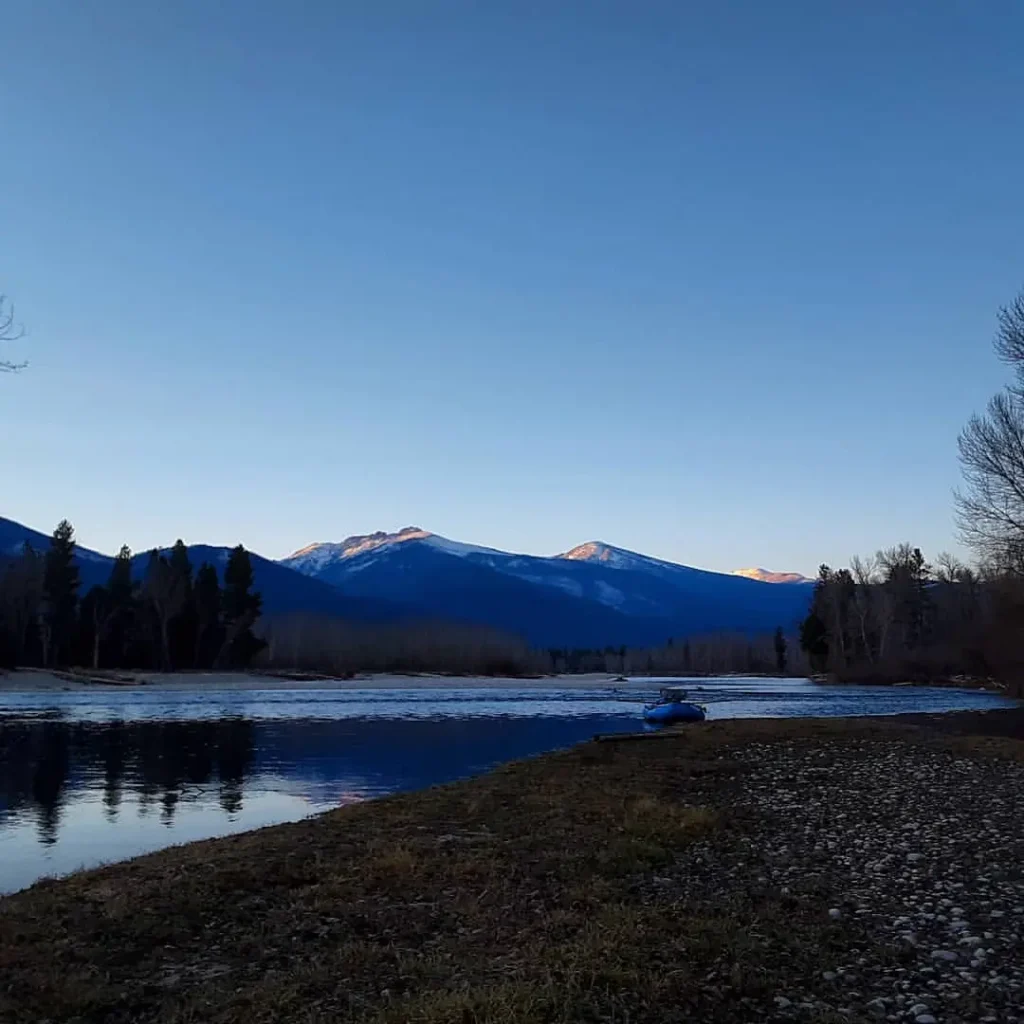
Alex’s home water sits in a unique location where Lake Superior flows into Lake Huron. The St. Mary’s Rapids offer a mix of species rarely found in one system.

In a single river, anglers can encounter:

  • Steelhead
  • Atlantic salmon
  • Chinook, coho, and pink salmon
  • Kamloops rainbow trout
  • Brook trout, sturgeon, and more


Connect with Alex

If you want to follow along or connect with Alex, you can find him on Instagram: @straitsonthefly_customflies

Sponsors and Podcast Updates

Related Podcast Episodes

Full Podcast Transcript

Episode Transcript
WFS 908 Transcript 00:00:00 Dave: Do you remember when intruders took over Big Profile’s flash movement? But what if the real edge is going smaller? What if the fish that just slid past your size two intruder would have eaten a sparse size ten hair wing? Today, we talk about the other side of modern steelhead and salmon fishing. In this episode, we connect where Lake Superior pours into Lake Huron and we break down what happens when you shift from bulk to balance, from heavy push to subtle presence. Alex Belongie is here, and he’s going to share all these details, including the temple dog versus the bulky intruders. We’re going to get into what this pushing water is all about. We’re going to talk about tubes versus double flies and what actually lands more fish. We’re going to talk Great Lakes migratory rainbows versus coastal. It’s all here today. And if you’ve ever stood in a run wondering where to go bigger or if you should actually go lighter, this conversation is for you. All right, let’s get into it. Here he is, Alex Belongie. You can find him at Straits on the Fly on Instagram. How are you doing, Alex? 00:01:04 Alex: Good day. How are you doing, buddy? 00:01:06 Dave: Pretty good, pretty good. I’m excited about this one. Today we’re going to be talking back into steelhead flies and kind of everything you do. Um, I think I first heard about you on In the Bucket, Brian had you on the podcast episode number six. So that was a couple years ago. People can go back and listen to that story. You’re on there with Trevor and, uh, I think was what, who was the other guest on there? I can’t, was it just you and Trevor? 00:01:27 Alex: Yep. Just, uh, Trevor and I and Brian was, uh, spent a lot of time on that one, too, so. 00:01:33 Dave: Yeah. Yeah. That’s right. So basically we have that episode and then, but today we’re going to talk more. We’re going to dig deeper about, you know, tying flies, steelhead flies, fish and all that. But just give us an update in the last couple of years, maybe what’s been going on with you? 00:01:46 Alex: Yeah, man. So I’ll back up just a little bit. Twenty eighteen, I picked up a vice and, you know, just started tying really loved it. And, um, you know, it was just kind of tying every day. And, uh. It really helps to feed the addiction, um, up north here because in the winter time where I’m at, um. We just lock right up, everything freezes. So we don’t really get to go out for four months or whatever it is. But last couple years, I mean, um, my wife and I own a business. It’s a greenhouse and florist shop. So we do, you know, grow in the greenhouse like bedding plants and hanging baskets. And she runs a full floral shop. So we do a lot of weddings and full setups anyway. Uh, that’s grown quite a bit. And of course, our kids are growing and getting older. So I’ve been slowly stepping away from, you know, commercial fly tying, uh, but still staying active on social media as well. 00:02:50 Dave: So you’re still out there going strong. Nice. Yeah. And maybe we could just fly. I don’t, I’m not that familiar with the flag. Maybe we can start there at the top. We’re going to bounce around a little bit, but maybe describe what that fly is. 00:03:01 Alex: Yeah, yeah, that’s a that’s a good one because I feel like maybe if anybody knows me for anything, you know, I’ve tied that quite a bit and it’s, uh, somewhat of a unique fly. Um, the munker fly, that was the first fly when I started tying in twenty eighteen, I was friends with, um, a guide across the border in Canada. And I lived forty five minutes from the Ontario border right there. So we’re pretty close. And, um, he wanted some monker flies for his home river. He didn’t say the word monker basically, he described it, you know, a fly with a maybe a little zonker and a kind of a deer head on it. And so I, you know, being a new fly tire, I went, um, to YouTube and, um, I think I might have reached out to Stuart Foxhall to and said, you know, any videos on how to tie something like that? And it sent me to Kim Sorensen, um, who actually invented the Monker fly and that fly essentially. I mean, the original design of it is just a short tube with a bead, right, right on the back. You start tying there and he puts, uh, an American possum zonker wing, and then he does this deer head essentially, which is just a really wide, um, deer head. But it’s not, it’s you don’t keep stacking and stacking hair. You do it one time and just try to spin a sparse amount of hair, but that’s really wide. And effectively the deer head becomes like a turbo cone in front of that body of the fly, you know? So, uh, I will say here in the States, though, our North America people have been tying, um, Patterns like that, though the Zedler is one that’s been around for a while. I haven’t, you know, looked into it too much, but it was, you know, a rabbit strip on a hook with a muddler head. Um, so people have been doing stuff like that for a while. Um, yeah, the monker is just, you know, that’s, uh, Kim’s name and it has a distinctive, uh, shape to it. Um. 00:05:18 Dave: It’s interesting because I mean, we’ve asked, I’ve asked a lot of steelhead anglers on this podcast, you know, about like what their favorite fly is. And I’ll bet you a muddler if I had to guess, maybe comes up more than any other, you know, at least. 00:05:32 Alex: Oh, yeah. 00:05:32 Dave: Right. Yeah. And so the muddler is no question is a and the difference between this and a muddler is that it’s just basically it’s. Well, there’s a few differences, but the head’s a little bit bigger. It’s not quite as trimmed or how would you describe the big difference between the monker and the muddler? 00:05:47 Alex: Sure. I mean, one one would be size of of the fly, you know, so the muddler most people when they fish a muddler, myself included, they’re not going to run a heavy sink tip, although taking flies that kind of want to float and pulling them down a little bit on a light sink tip is a good trick. But most I think most people with a muddler, you know, they’re going to run a long leader, a Scandi line. Uh, some of the more modern mid Spey lines that are out there now. And, um, just let that thing dance up on the surface, get in the film, do whatever it does, right? It kind of skates, it kind of goes under and it’s a smaller buggier, um, pattern that’s going to be used more. What you guys would call summer steelhead, though I’m sure plenty of. 00:06:36 Dave: Atlantic salmon probably would be. 00:06:38 Alex: Oh yeah. Yeah, Atlantic’s quite a bit. But I mean, that being said too, I know there’s guys who skate and use Muddlers all winter long for steelhead, you know, and it’s um, yeah, the, the muddler just kind of works. And, you know, deer hair is just kind of magical, I guess. You know, on a fly. Something about it. Um, so the difference with this is this fly. I mean, you can tie it on any platform, but you know how Kim does it would be on a tube. Um, you’re going to put a big zonker on the back. It’s going to have that size of like a winter steelhead fly that we think of, right? Like a big leech or kind of intruder size fly. So I mean, the size right off the bat is what separates it. And then the deer head on, on the monker too. You know, you’re going to use much longer. You’re going to leave the the tips of it and everything flared out to the back. So it’s going to be much more of a water pusher and you’re going to pull it down with a sink tip, right? So it’s going to be used on a Skagit line or some sort of multi tip line. So the way you’re going to fish it’s going to be different too. So yeah. 00:07:51 Dave: Yeah. And so describe that. How would you fish that maybe describe. Are you fishing more steelhead in your area when you go out? What is your home water. You’re fishing there. 00:08:00 Alex: Yeah. So I mean, we, we have, um, I’m kind of in a interesting central location somewhat. 00:08:08 Dave: And where are you again? Remind us again, what city are you? 00:08:10 Alex: Yeah, I’m in Saint Ignace, Michigan, so it’s great. Michigan is basically, uh, two peninsulas, right? The lower and the upper. And I’m right in the Upper Peninsula. And there’s a bridge that connects it to the Mackinac Bridge. And as soon as you drive up from Lower Michigan and cross the bridge, the first town you’re in when you cross over the bridge is Saint Ignace. And essentially that little area right there is called the Straits of Mackinac, and it’s where Lake Huron and Lake Michigan converge. The Mackinac Bridge is the, you know, official dividing line of Lake Michigan, Lake Huron as well, too. So, so it’s a great spot. So there’s I live right on Lake Michigan and Lake Huron. Wow. And then north of me, you know, little less than an hour’s Lake Superior and all of its trips as well. 00:09:06 Dave: Man, you’re right in the middle. Man, you are right in the middle of everything I am. 00:09:09 Alex: I mean, I’m only, you know, a few hours away from like literally three hours from Lake Michigan tribes, like the good ones, like the Muskegon, the big man, the Pere Marquette, the Sable is not far from me either. It’s only two, three hours, depending on where you want to hit it. Um, we have some couple great rivers in the U.P.. They’re not as prolific as like the Lake Michigan Tribs. Um, as far as fish and size, but there’s way less people on them sometimes you’re the only person and I’ve kind of gravitated more towards that. Um, home river though for me I would say is the Saint Mary’s Rapids. And essentially we, we just drive north. There’s the international bridge that connects, uh, Sault Ste. Marie, Michigan to Sault Ste. Marie, Ontario. And the way to access that river and come in and wade and fish it is to drive across into Canada and come through the Canadian side. And it’s, um, it’s a real interesting waterway. You know, if you look at it on Google Earth, I mean, it’s somewhat ugly in the sense and I want to be careful how I say that. But yeah, there’s like, it’s industrial because on the Michigan side is the whole lock system for the freighters going in between Superior and Huron, because there’s like a thirty foot plus difference between Superior and Huron. So they had to build. Yeah. They had to build a whole lock system right there with gates and everything else and that runs that whole stretch. And so you drive into the Canadian side and there is wilderness. It’s kind of an island, and you got to hike through that and you get onto the rapids. And it’s essentially the flow of the rapids, though, is controlled now by the gates that they set up to control the flow of superior into Huron. So it’s just unique and it’s set up right? 00:11:14 Dave: Oh I see. Yeah. So superior flows into Huron. 00:11:18 Alex: Yeah. We’re essentially fishing. Lake superior’s tail out is one good way of looking at it because that whole river system is massive. I mean, it it it goes for several, you know, it it goes for fifty, sixty miles to connect to Huron. But at the mouth of Huron, it’s a mile or two wide. And you know, the water flowing in it is just as cold, you know, as the lake that the fish are swimming up into. So they move up into that river, uh, early and kind of on the feed, you know, not really turning or moving into their spawning mode as quick, you know, they’re actually hunting up through that, that river. So we’re able to target them. Oftentimes we get just super fresh fish, right? That are not, um, I haven’t begun to turn, haven’t switched to that whole spawning mode like most other rivers in Michigan. So yeah, it’s just a unique waterway. 00:12:20 Dave: Is this near Churchville, the town of Churchville? No. What’s the nearest town where you’re where you’re fishing? They’re on the the rapids. 00:12:28 Alex: Well, the town itself is Sault Ste. Marie, Ontario. 00:12:31 Dave: Yeah. Okay. 00:12:32 Alex: And then, I mean, there’s other towns in Ontario, but that’s mainly just, um, soo Ontario as that whole city that’s, uh, right there on that river. So yeah, I see. 00:12:45 Dave: And the rapids. So you’re fishing that area. The rapids are right in that area. Right. Like right in the downtown area. 00:12:49 Alex: Yeah, exactly. You just cross the international bridge and you’re. Yep. You gotta drive to the right a little bit and cross another section. But it’s pretty much all right there. Yeah. 00:13:00 Dave: Right there. Okay. And then you’re fishing for fish that are basically migrating. And that’s the cool thing. These steelhead, right? They’re migrating between the two lakes. Is that what’s going on? 00:13:10 Alex: We think so. It’s actually an interesting concept. Some of them are, um, staying there are spawning there for sure. Some of them we think might be swimming under the gates and heading into, uh, superior as well. And then there’s some that kind of just hang out in that system all year as well. And there’s also, uh, they still have the Kamloops strain of rainbow trout in that river, which is, I think that’s from BC and they’re a fairly large resident. Um, rainbow trout as well. And I that might be the only spot in the Great Lakes to find the Kamloops I know. Ernest Hemingway, that was one of his favorite waterways to fish and specifically for the Kamloops rainbows that were in there. 00:14:02 Dave: So Golden Fly Shop isn’t your average fly shop. They have a twelve foot shark painted like a cutthroat, hovering over a huge selection of the best rods in the business, a massive assortment of tying materials, and their famous steakhouse streamer display. And it’s the hub for a community of anglers who never stop tinkering with new ways to catch fish. Sometimes the conversation behind the counter includes what hatches are going off and what techniques are working best. Then tales of destination fishing adventures sought after species are a good old congratulations. When a customer brings stories of finally connecting with that fish they’ve searched for forever. Were they growing online store in a budding YouTube channel? You’ll be able to follow along with their fun antics, international adventures, and helpful fly fishing tips. Golden fly shop where the community is hanging out even if they’re supposed to be working. That’s Golden Fly Shop.com. Check em out right now. Fly fish with me. Utah discover year round blue ribbon trout fishing on the famed Provo River. Choose a guided walk and wade or a scenic float and experience big trout, stunning canyons, and unforgettable days on the water. You can book your adventure right now at Fly Fish with Me Utah.com. World class water. Incredible fishing that’s fly fish with me Utah dot com. How do you the moniker describe that? How do you fish the monker? I’m not. Are you fishing in this section sometimes. 00:15:28 Alex: Uh, that, you know, the Saint Mary’s is a really clear waterway. And in the fall, I will, um, that particular river system really lends itself well to longer Spey lines, long leaders and, um, smaller type flies just because of how clear it is and how alive the fish are. You know, the high oxygen water kind of churning through the gates and, and everything. And I’ve kind of discovered they’ll chase, um, flies and take them up high as well. So I’ve kind of changed my game there, but most other, um, Great Lakes, rivers and tributaries, I should say, you know, the Monker I, I like quite a bit, especially when it’s, you know, um, whenever the steelhead are in, in the spring or in the fall when there’s high water and it’s usually kind of cold and I’ll run it just under a sink tip like you would any other, um, uh, fly, you know what I mean? Any other winter steelhead fly, whatever your favorite setup and section of T material or whatnot. Sometimes I’ll accommodate if I really want to go deeper. You know, maybe run a heavier tip to kind of balance out the deer head that’s on it. But yes, swing it through and pulse it through. There’s a there’s another way you can do it too, which is if you have wide enough of a stream, especially, you know, think like a king salmon, Chinook salmon. Sometimes they pool up and show themselves and just get lockjaw, you know. Well, one way is to run, you know, your really heavy sink tip, maybe even a multi density head and kind of lengthen out your tippet on the bunker a little bit and, you know, cast. So it’s coming over top of them and kind of like jig or pulse your rod, you know, because you have that heavy maybe a multi density Skagit heavy sink tip and what that fly is going to do since it has a little bit of buoyancy, then by giving it that extra tip, it is, it’s going to kind of, um, you know, like those quick fish plugs. You know, if you reel on them, they dive down and shake, but but then they kind of rise back up. They suspend almost, you know? So it’s kind of a dirty trick, but, you know, any fly that has some buoyancy to it, you can apply that technique to it. You know what I mean? 00:17:54 Dave: Right, right. That’s awesome. 00:17:56 Alex: Almost like you would a pike fly or something. 00:17:59 Dave: Yeah. Like a pike fly. How many flies out there? And you tie quite a bit through your. I mean, I know Brian, you guys talked about this on the podcast that I think you’ve tied a lot of flies for him for the system, but how many of the flies are pushing water versus, say, doing other things out there like this one, or would you describe that? Is that what this is doing? Is that the main thing this is doing is kind of or is it more floating? 00:18:19 Alex: No, no, I think you’re kind of pushing water to some extent. You know, I, I mean, that’s an interesting concept. I guess I would say any thing that has physical mass underneath the water when you swing it through, I mean, it’s moving water to some extent, right? Like you can’t pull something through the water without it having some sort of push in the water. 00:18:44 Dave: Yeah. This is a physics, right? If we had just physics master here, it’s like it seems to be that it would push water, right? If you’ve got some structure going through the water, that it’s pushing that water out of the way. Just like the I mean, there’s other things I always thought that, you know, what are the disks called, you know, that you put on the front, they’re. 00:18:59 Alex: Turbo discs or. 00:19:00 Dave: Are those meant to push water or is that for something else? 00:19:03 Alex: I you know that. Okay. So the claim is that they do either or push water or create like a little vortex for water to go around to maybe protect your marabou right from it just collapsing. Um, you know, I’ve, I’ve heard people on both sides say, you know, just some dubbing up front works just as good, if not better. If we put it in the water tank. We can’t tell the difference. Um, and then I’ve heard other people say, no, it is nice. And, you know, by the shape of it, the water flows over. And, you know, I think those are meant more for protecting, you know, making the water fly over your softer material so it doesn’t collapse. You know, I’ll be honest with you, I put them on because they kind of look nice, you know? 00:19:57 Dave: Yeah, they look cool. 00:19:58 Alex: Yeah. So I can’t say I’ve never gone under and studied it. I do know one of the ways though that fish you know, hunt is they sense something moving in the water. 00:20:09 Dave: Yeah. They sense their lateral line. 00:20:11 Alex: Right. And so and I guess my thought there too is, um, I mean, anything in the water, you know, no matter how streamlined it is or whatever is going to create some sort of noise, just the physics. So everything moves water. Um, I don’t know if it’s just maybe it’s semantics moving, water, pushing water. You know, I’ve seen sculpins underneath the water that have bigger heads. You know what’s interesting though, is I kind of was thinking about that when, you know, Kim, when I kind of discovered that the monker is a pattern and I was tying it and, you know, looking at Kim’s theory behind it, and it was designed for us. And he lives in Denmark and fishes a lot of rivers up there, though, up into Sweden and Norway. But um, it was designed around the Danish rivers, I guess that come in pretty muddy and dark. And um, for Atlantic salmon. And this provided more push in the water maybe to allow him to see it or feel it. You know, however a fish does that and it, it seems to work quite well. I was thinking about pushing water. I mean, a lot of times when I was first tying flies and trying to figure out what colors for our fish, I would just, you know, Google what to, um, you know, uh, spin fisherman, just normal gear fishermen. What do they like to fish for steelhead in the Great Lakes or what colors did they use? You know, and that kind of sent me down the rabbit trail of like map spinners. Right. And I think out west there’s blue fox spinners or there’s a couple, the Steelhead Hammer Company. Well, if you go on their website or maps, you know, they’ll tell you, you know, like what does a spinner actually do? Well, a spinner like pushes water and makes a lot of noise underneath there. And on the maps website, you know, it says, you know, our spinners, you know, catch fish when they’re not eating regular bait and when the normal stuff doesn’t work. Now, I know there’s a lot of marketing in that, but there’s something to be said there, right? Because spinners catch fish all over us. And so maybe. You know, if you were to kind of apply that, you know, to the bunker when the. When the fish are maybe not actively biting or whatever, you put something else under there. That makes a little bit more noise and they go after it, you know? 00:22:50 Dave: So yeah, yeah, no, that all makes sense. 00:22:53 Alex: I mean, people have used things like that for steelhead and salmon and pretty much every other species that you can find in a lake and a river in North America for a long time. You know, I mean, ever since maps came out with spinners. So. 00:23:10 Dave: Well, that makes a lot of sense. What about on some of these? So we’ve got the fly. What are some of the other flies that you’re tying or in the past that maybe that you’ve tied some of your popular patterns and are you tying for Great Lakes West Coast kind of all over the place? 00:23:22 Alex: Yeah. So when I was tying in orders and stuff, it was kind of all over the place. There were some on the Great Lakes. There was a good amount on the West Coast and I mean, I haven’t really invented any patterns. You know, I’ve. I suppose you could say maybe I’ve put my touch on a couple or whatever, but, you know, I got into that Scandi style flies quite a bit like temple dogs and stuff like that. And they’re just, you know, not as many people tying those over here. So I would spend a good amount of, uh, temple dogs out there. Started tying some cool patterns with Snow Runner that I were inspired by, like Yap Coleman’s style flies, you know, um, snow runners just, uh, a hair material, you know, and I would use it like somebody would use craft for it’s a little bit longer, more structure. So just kind of reverse tying hollow, tying that against a bead and a couple wraps of marabou and some simple kind of stuff, you know, and the flies call it the runner. So I sent quite a few of, um, those out as well. I did go through a, you know, a little season there where I was tying. A lot of rere intruders and they, you know, they’re fun to tie. They’re really pretty. And you know, that would be more of a West Coast style too. So but I seem to have tied a lot of munkres as well for people. 00:24:46 Dave: So what do you think on colors are the colors? What would be your top colors for winter or for steelhead? Do you think that you’ve. 00:24:54 Alex: In the Great Lakes? 00:24:55 Dave: Yeah. Is there a difference between Great Lakes versus the West Coast? 00:24:59 Alex: I think so. I mean, one, you know, technically the steelhead here, you know, because they haven’t gone into salt water. Um, a steelhead. And I think, you know, and that’s a debate that can be a lot of fun or people get really angry about, oh yeah, I tend to have fun with it a little bit. You know. 00:25:18 Dave: Who gets the most angry on that debate? I think the. 00:25:21 Alex: Guys on the West Coast, I mean, and I don’t want to attack them too much, But like, because all of us here, like everybody I know on the Great Lakes that loves steelhead. You know, we all seem to share kind of a passion for the wild steelhead out west. A lot of us travel out there and, you know, even though we’re not there and as involved, I know, you know, quite a few anglers here in the Great Lakes, Jeff Linsky. Oh, yeah. As one of them and a lot of guys on the West Coast came from, um, the Great Lakes too, right? As Zach Williams was swinging the fly and just a lot of great dudes, right? And so they all care very passionately about wild steelhead. And so for us here, I don’t think we put as much of a divide on. I will say this though. Um, you know that what that changes though is that since our fish don’t come from like salt into fresh water, I do think that they feed, um, a little bit more. You know, the big question, why do steelhead bite a fly right in the water? And that’s one of those things. They have it broken up into a few categories they’re certain of, but we can’t tell for certain. Um, I can say I do think that the, you know, our steelhead, the migratory rainbow trout, uh, do tend to feed a little bit more like actively when they come into a river system. So for me, when you say color, where I’m going with that is you’re going to kind of want to match the baitfish forage in our river systems. And so as far as Lake Michigan goes, um, Kevin Feenstra has a book out there. The, the bait fish are matching baitfish and that helped me a lot. So I, I tend to gravitate more towards, you know, those natural type colors, whether they be the different shades of olives or browns, you know. And copper flash and and that that the stuff that you would, um, that a lot of guys kind of shy away from, um, maybe a big winter steelhead fly and I guess essentially more of those trout y colors then. 00:27:39 Dave: Yeah. And I’ve seen the book here, the, uh, matching baitfish patterns and techniques for Great Lakes, steelhead and Lake Run. That was twenty twenty. That’s pretty cool. So Kevin, put that out just a few. Yeah. I mean, six years ago, but that’s, that’s a good book, good resource. 00:27:51 Speaker 3: And there are a couple bright colors in his. 00:27:54 Alex: I mean, I know one color on the Great Lakes is kind of a secret. Um, I haven’t tried it out west at all. It’s like black copper, Kelly green, you know, stuff like that. And if you look at like Kevin’s, um, his, uh, the Halloween leech and then the grapefruit leech, you know, and stuff. There’s a lot of black in that with a ton of flash and those seem to work pretty good. So yeah. 00:28:18 Dave: That’s it. So and then West coast On the other hand, if you’re talking west, what would be the top kind of. Colors? Maybe two or three. 00:28:26 Alex: Well, I can tell you. I mean, I’ve only fished out there so much and. 00:28:29 Dave: That you tied a ton, right? 00:28:30 Alex: I have, I have, yeah. Yeah. So I mean, for me, all my trips out west have predominantly been chasing Chinook. Oh. Because I’m a salmon guy through and through. I love steelhead, but Atlantics and Chinook are kind of my favorite fish to chase. But yeah, I mean, so sending patterns out west, I mean, the variations of the black and blues, you know, black, orange, blue, black, purple, blue, the orange and pinks, those shades. Um, and then once in a while I’ll talk, you know, a guy into man, why don’t you have like, um, olive and copper or something, you know, as a good change up fly up in there, you know? So I haven’t yeah, pretty much out west. Um, but you’ll get guys who like, you know, maybe like white and orange or, or red and orange or black and reds and stuff like that, depending on where they’re at or their system, you know? 00:29:27 Dave: So yeah, that makes sense. Where were you? Chasing Chinook on the West coast. 00:29:32 Alex: Yeah. So I went up to Brian’s Lodge here two years in a row. Um, so we were on the Kitimat and then the, the Skeena system. I went to the Connect.org a few years ago with, um, Alaska West, I think. Is that. Yeah. And I was in Southeast Alaska one time, so I’ve officially taken like four trips for chasing, um, Chinook out west. So which is pretty rad. So yeah. 00:30:04 Dave: Yeah. And you’ve done some Atlantic salmon fishing too. 00:30:07 Alex: Uh huh. 00:30:08 Dave: How do they. Is there a comparison? Like Sam versus Chinook salmon? 00:30:11 Alex: Yeah. Well, I, I haven’t done enough. I haven’t, like, hooked into any of the really big Atlantics are or whatever. And you know, to me, yeah, there, there’s a difference. But the, you know, Atlantics and um, early season, I guess like Norway and stuff like that, you know, they’re fishing them with pretty heavy, um, sinking lines and multi density tips and large flies. So it seems like they’re fishing those early season Atlantics kind of similarly to how you’re right, right to how they fish Chinook out west, but then the Atlantic, the season kind of changes, you know, and next thing you know, they’re up top with like size twelve or size ten flies. You know, Newfoundland is a lot like that. And that’s where I was. 00:31:03 Dave: Oh, you were in Newfoundland. 00:31:04 Alex: Yep, yep. So we were chasing with kind of, you know, way up high. No tips or anything. Yeah. So I just haven’t gotten to do like a full season of Atlantics, you know? uh, in rivers that you would you get in the Atlantic season just goes on much longer too, because they don’t die when they spawn. So I there’s a little overlap, I would say for from what I’ve researched from early season Atlantic salmon, uh, like in Norway or Russia where they’re fishing huge flies and heavy sink tips and all that kind of stuff. Right? That little window for Atlantics, uh, for the big ones are pretty similar for sure. And then, yeah, the way they fight and stuff can be a little bit different. 00:31:53 Dave: So yeah. Where do you, uh, fish in Newfoundland? Did you hit one river or a few? 00:31:58 Alex: Oh, man, we hit a few. We were at that, um, help me out here. I went with my buddy Tim and Dave to. 00:32:06 Dave: Oh, yeah. Yeah. You went to Portland Creek. You went to Portland? 00:32:08 Alex: Yeah. 00:32:08 Dave: Portland Creek. So you’ve been to Mountain Waters Resort? Yes. Oh, awesome. This is perfect because I’m going up there for the first time. Yeah. This year. 00:32:15 Alex: But I’m like, I’m one of those guys. I don’t remember like numbers or names. Oh, sure. We, we, we hit a couple spots within that area, right? Like there’s the home water and then there’s, um, a couple of other rivers. Or maybe we were just farther up like one morning. I remember it took us like, you know, three hours to get to where we were going to fish, like driving up into it. And we were, we were pretty close to where like Lee Wolfe and his wife, uh, and everything else like that. So. Yeah. 00:32:49 Dave: Yeah. Did you guys find some salmon there? 00:32:51 Alex: I did, yeah, I actually had a lot of luck on that. Right. Um, yeah. Um, it was an interesting trip. I think everybody did hook up. I had some banner days and there was just one day I was there and you know, I had all the small wet flies or whatever and undertakers and. 00:33:13 Dave: Right. 00:33:13 Alex: I had purchased a couple, tied up a couple. You know, and, um, just kind of went with the guide’s recommendation, but the guide was there and he had a bomber and he goes, do you want to try this? And, um, I don’t know if anyone had put one on yet at that time. And, you know, bomber fishing is I guess it has to be, there’s a certain window for it. And he felt like it was the right time. And man, I put that thing on. And that day I, I think I had five or six on really. Yeah. I didn’t land any of them. 00:33:48 Dave: Um and they just tear you up. 00:33:50 Alex: Yeah, yeah, I know I, I was doing something wrong too because they’re, they’re like, hey, you gotta keep your ride high, which was different for me. And maybe it’s because, you know, they’re using smaller barbless hooks there. So you do want to put some of the shock into the rod tip? Maybe. I’m not sure. I’m not sure. 00:34:10 Dave: Because you’re using small stuff. You’re using like size what, like eights or tens? 00:34:14 Alex: Yeah. They weren’t. I mean, I guess the bomber hook was bigger. I don’t know, maybe I just fumbled in and failed, you know? But I had fun nonetheless. But. And I wasn’t just catching grills, though. There was a couple nice. Yeah. Salmon that were on the end of my line. So I took that as a win though. That was pretty fun. 00:34:31 Dave: Oh yeah, that’s a win. I feel like steelhead Atlantic salmon fishing. If you’re if you’re getting the tug you’re hooking up and you got. Yeah, it. 00:34:37 Alex: Was just in a three hour window. I had like five or six on that spot. 00:34:42 Dave: So was that on Portland Creek or Extreme UPS? Another stream up around. 00:34:46 Alex: We went upstream. 00:34:47 Dave: Yeah. You went upstream? 00:34:48 Alex: Yeah, to a different spot. And I forget what that one is. I’ll ask my buddy Tim when we’re done. I’ll tell. 00:34:54 Dave: You. 00:34:54 Alex: Where that was. 00:34:55 Dave: So that’s all good. No, it’s awesome and it’s good to hear you got some action. Yeah. 00:35:00 Alex: What’s funny with that though too, man, I, I gotta tell you a little story. I had a guide, you know, because we were switching through guides and a lot of them up there aren’t really big into the two handed thing. I’m. Some are, but most aren’t. And and you don’t necessarily need it. And there’s a case to be made about using the single hand rod and presentation and everything. Well, we got to this spot and there was, you know, two fishermen with their guide and they had already fished through the run a couple times. You can keep one or two grills, I think up there. I can’t remember what the rules or regulations are, but I know you can keep a certain amount of fish. And so they they had gotten their two grills and decided to walk off the river. Um, but I was watching them while they were fishing and they, you know, were just using the single hand rods and they weren’t really casting out more than twenty feet in front of them. So I actually had like a, a switch rod and a, like a short spey rod too. And so I started like launching out the bomber, like, uh, father because I could see fish rolling out there and the water had some chop on it. You know, it was overcast. There was a little drizzle. So, you know, I wasn’t worried about, you know, spooking him with like a, um, using like a, a shooting head or something to cast out. And man, I just started having a ton of luck out there. You know, just. Yeah, yeah. And I had the wrong setup too, man. I’ll tell, I’ll tell. I wouldn’t, I would not recommend this setup for Atlantic salmon going back there, but I had like a short Skagit with a floating tip and just like everything wrong about it for Atlantic salmon and. But the thing was, like I said, the water was really choppy. No one had fished out to these fish out there. Right. Because it’s kind of hard to reach that with trees behind you and not having to backcast room. And so I just, I walked up to the head of this whole run, you know, and just started casting that bomber out and kind of, you know, the way the guide showed me maybe to present it through. And I just started up and worked down and every few casts I would have one on, you know? 00:37:20 Dave: So no kidding. 00:37:21 Alex: Yeah, I’m not kidding. And I tell people that and they’re like, because I hear people say all the time, you know, two handed rod, why would you use it? And you’ll just spook fish. And and I get that. I mean, I think in different. 00:37:33 Dave: Yeah. Splashed in the water and stuff. 00:37:35 Alex: Yeah. But I would me personally, I mean, I’m a two handed rod kind of junkie, so I would still take a twelve foot, you know, um, seven way. 00:37:45 Dave: And is that the rod? Is that the rod a twelve foot or not anything bigger? That’s about the right length. 00:37:50 Alex: It depends on where you’re at. If I was going to go back to that area, Portland Creek, I would personally. I mean, if I was just going to take Spey rods, I would probably take a twelve footer and that seven weight type category, and then I would take a fourteen footer and that like, um, eight nine categories. Something like eight, nine, ten. Let’s just say that. 00:38:11 Dave: For lower River. Yeah. Yep. 00:38:13 Alex: Yep. For the lower. And then because that twelve footer with and you can run an integrated, um, kind of spay line or whatever. I mean, there’s all kinds of options, gale force. I mean, I use their rods and lines. Uh, Tim’s tributary line would be awesome. 00:38:29 Dave: Oh. The tributary. Okay. 00:38:30 Alex: Yeah. Oh, yeah. For the wet flies and stuff. And, and I would, I personally would use like, um, kind of a multi tip, something with a little bit of power behind it for bombers, you know what I’m saying? And you would be running it all floating or whatever, but they’re a big bushy fly. And if I were to do it different, I would run more Scandi grain weights and finesse, you know? But yeah, I think it works great. 00:39:00 Dave: When it. 00:39:00 Speaker 4: Comes to premium flies that deliver results drift. Hq.com is the name to trust this season. Whether you’re chasing trout with dry flies, swinging streamers, or dialing in those Euro nymphs, they’ve got everything you need. Here’s a quick story. I was fishing a tricky Spring Creek earlier this year and nothing was working. Then I pulled out a royal wolf from the drift hook box. I cast upstream, letting it drift effortlessly toward a holding fish. It was textbook. One of the biggest fish in the run rows slipped the fly and the fight was on. That’s definitely a moment I’ll never forget. Their flight kit shipped free. Straight to your door, fully stocked and ready for action. You can support a great small business right now and this podcast by heading over to drift hook dot com today. That’s drift hook d r I f t h o o k. Use the code at checkout to get fifteen percent off your first order. Pescador on the fly offers a full spectrum of fly fishing gear for any angler at any budget. By bringing high performance rods directly to the angler, they eliminate the middleman markup, saving you time and money. The top tiered El Rey series is designed for serious anglers, with the El Rey G6 being the most packable high performance rod on the market, and most anglers who try the G6 can’t believe it is a six piece rod. It performs just like a four piece. There’s no difference in performance whether you’re fishing local streams or embarking on your next adventure across the world. The G6 delivers precision and power wherever you go. You can get ten percent off your next order right now if you use the code Wet Fly at checkout, that’s Pescador on the fly dot com. Use the code Wet Fly swing for ten percent off. Never fly without your G6. Discover the El Rey series and more at Pescador on the fly dot com. 00:40:42 Dave: We’re excited because we’re going there this year, and then I think we’re going to also have Rick, which is going to be coming up here. Oh yeah. Yeah. So we’re going to have I kind of was thinking the same thing. I was like, man, it would be great to get Rick up there because you know, because yeah, it’s mostly a single hand. But I think, you know, there’s a lot of people obviously interested in the two hand stuff. So so that’s what we’re building. I’m going to get a taste of the I kind of love the single hand too. I think it’ll be fun to catch one. 00:41:05 Alex: Hopefully it. 00:41:05 Dave: Is great. 00:41:06 Alex: Yeah, it’s a good weapon. You know, I think it’s, um. Yeah. There’s it’s just another tool in the toolbox. And, um, the guides are comfortable with them too, so that’s helpful. I would definitely recommend taking one. I’m just stubborn and I just, you know, fish my two handles the whole time because that’s how I wanted to do it. But it would be wise to take a ten foot seven way, ten foot eight weight or something like that. 00:41:32 Dave: Good. Well, this is good. We’ll have to follow up with you more on after we get on these. 00:41:36 Alex: Oh man. 00:41:37 Dave: Yeah, I’ll let you know. And maybe we could trade notes, but um, but I was thinking to on fly, so I’m heading out and this is a good night. Sounds like you’re not tying quite as much as you used to, but would you occasionally get orders? People would be heading up to the OPP or some winter steelhead fishing on the coast and say, hey, you know, I need some flies. You know, Alex, what would you recommend? Is that would you do stuff like fill orders like that? 00:41:56 Alex: Yeah, definitely. That was kind of the main way that I did it. There was a season where I was tying quite a bit. And you know, would tie for a couple shops and then, you know, mainly it was just kind of word of mouth like that, like, hey man, we saw some of your flies. Yeah, we saw, um, you posting flies and we, you know, man, this one looks beautiful. You know, would you do me up a dozen or two or whatever? I got a trip to the OPP. Here’s some colors I like. Any recommendations you have? 00:42:29 Dave: Yeah. What would that be? So we’re heading we’re actually heading up this weekend to hit the OPP. What would be your recommendation if we had to say what are a few patterns? You know, I know there’s pretty standard stuff, but what would you say would be good to have in the maybe to mix it up a little bit? 00:42:41 Alex: Oh man, I guess it depends on the river system. You’re you’re at up there. I’ll be honest with you, Dave. I have personally not fished the OPP and I can’t really remember what was requested of me up there. So I don’t want to just regurgitate to you black and blue in this. 00:43:00 Dave: Right, right, right. Well, that’s the great thing about it, is that literally it could be, you know, black and blue or purple, you know? 00:43:06 Alex: Yeah. Pinks and oranges and. Yeah, I don’t know enough about the op. Dave. 00:43:12 Dave: So what about that monk or fly? Do you think that one would work up there? 00:43:15 Alex: Yes, absolutely. I would definitely take a couple of those with you. So and yeah, I like it. I mean, I would do one in some shrimpy colors, you know, some pinks. And I know that, you know, I’ve seen a lot of flies hanging out at op fishes mouths with pink in it, no doubt. Um, and I would definitely try that, uh, black copper. Kelly Green we’ve just had a lot of success with that, you know, unique color combo, even when conditions were really tough. And that’s where it seemed to really shine was when, you know, nothing else was working, you know what I mean? And I started tying it another way instead of the zonker, and I just called it the tsunami marker because I’ve seen, uh, tsunami flies from Scandinavia, which was a sun ray shadow with a muddler head. So what I did was instead of doing a zonker, I would just do kind of a nice little wing of Fox or something like that. So it almost was like a temple dog with a monk, her head. But what that did was made it even easier to cast and sync and present in the water and everything else like that. So yeah, I would do one kind of shrimpy and then I would definitely try that black copper. Kelly green color. 00:44:36 Dave: Okay. Kelly Green and what is the, um, we’ve talked about the temple dog before, but describe that again. What is the temple dog? How is that different than the other flies that are out there? 00:44:44 Alex: Yeah. So temple dog was, you know, like Hawk and Norling. Um, Michael Freeden um, in the mid eighties, they had been, you know, fishing some of the standard Scandi type plays, um, like Bucktail and stuff like that. And essentially it’s, you know, temple dogs on a tube and they’re predominantly three wings with a hackle in between. But it’s just the way you tie that, you know, fox hair in at the top where you get a nice teardrop type, um, pattern. But instead of having like, it’s not just like marabou all in the round or ostrich all in the round. It’s a very significant wing. And so it’s going to be slimmer than other flies in the water and still have a presence. And it definitely, you know, has a great bait fishy look to it as well. For whatever reason, you know, it is just worked on Atlantic salmon for years. I think every Scandinavian probably has a temple dog in their wallet now or something. Um, they just move and breathe. And I, and I think here, especially in North America, you know, since most people aren’t fishing that you know. So if you’re with a group of guys and you know you’re not the first one through the pool or whatever. You know, it’s nice to have something that’s just different swims different. 00:46:09 Dave: So yeah, it swims quite a bit differently than say, your typical intruder or whatever. 00:46:14 Alex: One hundred percent. Yeah. And I mean, you know, another great pattern is, uh, stews, pot belly pig. And I mean, he is, you know, that fly has proven itself on, um, you know, steelhead salmon here on the, you know, Pacific, uh, migratory fish. So, and it’s even slimmer and has less to it. So I think there’s something about switching up from what everybody else has and going a little sparser and lighter and, and they’re easy to cast too. I think that’s a big part of it. I think when guys switch from big, bulky flies that they struggle to cast, to flies that are easy to present, you know, that probably has a lot to do with it. Dave, to be honest. 00:46:58 Dave: Right? Are you more do you tie more on tubes or. Shanks. 00:47:02 Speaker 5: I guess tubes. 00:47:04 Alex: But I still do tie on shanks occasionally. And physchem. It’s kind of more of a mood thing I do. I’m kind of sold on tubes in general. Just their hook up rate, I think is really good because you’re, you know, essentially tied directly to the hook, right? That’s where all your there’s no leverage given up at all on a tube because I mean, your tippet is right to the eye of the hook. You’re actually fishing. So you set the hook, you’re pulling directly on a hook, you through the fight, you’re pulling directly on the hook where, where a shank with stinger wire. You know, there’s you’re not actually having a direct connection to the hook, right? You have the leverage of the stinger wire and then the pulling at the top of a shank. So I’ve had better success landing fish, like on tubes, like, um, you know, bras to hand. Let’s say I have gone back to Italian on single hooks, like spay hooks and stuff quite a bit too, just for just for fun, you know? 00:48:07 Dave: Right. Traditional. 00:48:08 Alex: Yeah. Yeah, that’s kind of been a thing for me the last, uh, year just to switch it up and, you know, cast a spay line where I have the space and time to do it and a lady. Caroline. So, but if I was on a trip and I really wanted to land and catch fish, I definitely would probably have a majority of an assortment of, uh, tubes, um, save for the Portland Creek, you know, trip there. So you would definitely want a lot on hooks. 00:48:37 Dave: Oh, you would. You don’t want a lot of tubes for Portland Creek. 00:48:40 Alex: Uh, no, I mean, you’re not going to fish anything big like a couple, like really small. 00:48:45 Dave: Oh, right. 00:48:45 Alex: Um, you could do like the, the rifled tube, like, um, hair rings where you literally just put like a tiny clump of black squirrel, right? 00:48:57 Dave: Like just a little bit on the tube and. 00:48:59 Alex: Just lasso that down and call that good. Burn the needle through the side of the tube or come underneath. 00:49:06 Dave: Yep. That is the thing with the tube because it is a little bit of depending on the size of the tube, it’s a little bit bigger profile, right? Like I think of it is the size we use for summer steelhead, which is I think there’s some good comparison between Atlantic salmon is that there’s about as sparse as you can make them, you know, and they’re these little and it’s a tiny little slim noodle in the water and it pulses a little bit, but it’s a harrowing just like we just had John Shuey on recently. And we talked about the old traditional herrings. They’ve kind of gone away a little bit, right, because the intruders have taken over, but they’re still super effective. A little sparks fly. 00:49:36 Alex: Absolutely. Yeah. And I don’t know, they’re just I did not fish many tubes up on Portland Creek because, you know, unless you really want one to just stay up on top like that, you know what I mean? If you really want one kind of skating. I’m not saying they can’t be done, but I just. I felt like tying on the hooks and just, you know, simple little hair wings and stuff like that. I don’t know, it was just more enjoyable. I thought they were easier to fish. Uh, you could get some depth if you wanted to, depending on the weight of the hook, you know, if you mended it, if that was, um, the thing, it was just. Yeah, I just mainly fish hooks there. I really wish doubles were legal. Um, right in Newfoundland. I’m not sure why they’re they’re not. 00:50:26 Dave: You mean two a hook with two. Uh oh yeah. Yeah. 00:50:29 Alex: That’s I, I fish that quite a bit on the way back to Atlantic salmon real quick. So the Saint Mary’s, which is kind of my home water, they’ve been stocking Atlantic salmon there since, uh, the eighties. And so we have a pretty robust population of Atlantics that swim into that river system. and the Isabel. And, um, I guess technically they’re a landlocked strain because they’re in the the Great Lakes and stuff like that, but they swim in pretty big. And I mean, there’s, we, we don’t get like massive size Atlantic salmon, but you can get like twenty pounders and stuff like that, which they’re all chrome silvad out, you know, and everything else. So and I’ll fish on that river system. It’s really clear water. So you don’t need anything big, but I’ll fish on doubles quite a bit. And I, you know, the beauty of that is you can have a small size ten double and but it has the, you know, it’s strong enough to hold a big fish too. So it really doesn’t. I know a lot of people kind of shy away from doubles and they see doubles and they think of like herding fish or whatever. That’s not been my experience. They’re definitely not trebles, Dave and the other. No. And the other thing is too. I mean, you can get them barbless. Uh, Atlantics have soft mouths too, compared to steelhead or Chinook. And so the doubles actually penetrate, you know better on Atlantics than they would steelhead. That’s another thing to think about. Generally, a double if you were fishing for steelhead isn’t going to penetrate as deeply versus like a single point, you know what I mean? Um, because you have two points of contact and so it’s harder to bury it a little bit deeper where it goes in a little easier. But all that to say, I mean, if you do it correctly, I can use really small hooks. And if I hook into a fifteen or twenty pound fish, you know, I have the strength to actually land the fish. And I, I love like a, just a small hair wing or sparse cascade, which is a hair ring on like a size ten double for a latex. Yeah. It’s awesome. You just cast it out there. It’s got a little bit more weight than a single hook. So you can get under the water column a little bit easier and it just rides upright and true. And yeah, it seems like every, um, Atlantic I’ve hooked with a double, you know, I end up bringing it to hand pretty quick. 00:53:13 Dave: You do. So there you go. So, so I didn’t realize it. So it’s a good and that’s part of it. Fishing the fly. Like if you’re using one of these temple dogs, you would want to keep that fly, right? Kind of in the position. Is that is that part of the thing, keeping it how you want to fish it with the double hook? 00:53:26 Alex: Yeah, for sure. For sure. I mean, yep. So if you were I do have I haven’t used them a lot. I mean, I’m probably going to get in trouble for saying this. I wanted to do a little bit more experimenting with the double hooks and steelhead on the Great Lakes. Um, mainly because they’re not wild fish. And if you were to accidentally kill one, you know, you could harvest and eat it. And then I wouldn’t use it again because I’m mainly catch and release. I don’t know if I’ve ever kept a steelhead, to be honest. Oh, really? Here. I mean, we could and I like the taste of, um, trout and everything else. I’ve heard people say, oh, steelhead aren’t good to eat. Anyway, I beg to differ. 00:54:10 Dave: Oh, steelhead are great. 00:54:11 Alex: I think they are. Yeah. For sure. 00:54:13 Dave: Um, well, the hook is interesting because I think that, um, like you said, the trouble I think people, when they hear the double hook, they instantly, if they’ve never used one, they think treble. And if you’ve used a treble hook, which I have not recently, but I have and think about treble hook is that it’ll get caught up like three times in their mouth or, you know, and then it’s like you’re ripping that thing out. And if it’s Barb, it’s toast, right? But what you’re saying is a double hook. Barbless double hook is not any harsher than just a single hook. 00:54:39 Alex: I don’t think so. I mean, you could make the case. I mean, if you think about. And what I’m saying is you can use one much smaller two and get the strength. I mean, if you look at like a size two steelhead hook, right? Or even some of the traditional flies. I’m not knocking guys who fish traditional flies. I mean, in my mind, if you compare that to like a size ten or size eight double, I mean a single hook if it goes into the wrong spot, is going to penetrate a lot deeper. It’s just naturally pulling on it. You know, it has the potential to hook all the way through where it’s harder to pull two points, um, through and some, and I’ll be honest, some, a lot of the Scandinavians have actually switched to single hooks because of that. They can penetrate them deeper and are actually getting more fish to hand. So I think there’s a misnomer about doubles in general. And like you said, I think people see it and they immediately think troubles and killing fish. I do want to say I haven’t used them long enough to know one way or another, but in my time, fishing with doubles. Yeah. Uh, and I, you know, I’m very careful about it and make sure it’s legal. I’ve only ever done it on the Great Lakes. It’s certainly not going to come out west and, and, or anything. And I couldn’t even use them in Newfoundland, and I wanted to. And you would think there’s Atlantic salmon. You can even keep some, uh, but it’s not legal. So we didn’t do it, you know, but in my experience, I mean, I get away with a nice small herring, you know, like they’re beautiful pinch of black squirrel touch a flash right at the head. That’s it. Right. Be an awesome summer steelhead fly. And, uh, you could use size twelve doubles, even. And, um, I doubt they’re coming loose. I doubt they’re going to bend it. And. Yeah, I have not seen him do any damage. Like in the way that you would think. I you know, I guess if they swallowed it. 00:56:50 Dave: Right. But they swallow anything, it’s they’re going to be toast. 00:56:53 Alex: If you swallow, you know, a size two stinger hook. I think you have a lot of trouble too. So yeah. 00:57:01 Dave: Were you on your you mentioned Saint Mary’s Rapids. So are Atlantic salmon and steelhead in that section? 00:57:06 Alex: Yeah. So in the Saint Mary’s, what runs that river right now are, uh, you know, we get the steelhead. There’s a population of resident rainbow trout. Uh, there’s some Kamloops rainbow trout in there. Uh, lantic salmon. Um, come in. The pink salmon. Come in some coho. Come in. The kings come in. Wow. We get sturgeon that come in. 00:57:32 Dave: This is what’s cool about the Great Lakes. Yeah, because you could travel all around the world and target certain areas of these species. But in the Great Lakes. Yeah. Where else can you get? Atlantic salmon, steelhead, Chinook, salmon, all these species. Right? Right. The only place. 00:57:46 Alex: It is cool, man. Right. That’s I mean, that’s one of the things about the Great Lakes. Like I’m, I, I am happy to live here. And I think like, you know. Yeah. Would it be nice to, you know, have a home right somewhere on the Skeena or you know what I mean? Like, yeah, that that’d be fantastic. And, or some of the rivers in Alaska, which are amazing, you know. 00:58:10 Dave: But, but you wouldn’t be able to catch Atlantic salmon out there. 00:58:13 Alex: No, no, you wouldn’t, you wouldn’t. So there’s, I it, it is neat. I mean, I if you are into, you know, if you’re a sportsman or whatever, and fishing, especially fly fishing, the Great Lakes isn’t too bad. Right? Because um, I mean, we, we get like, uh, kind of a, they call them coaster brook trout. They’re migratory, like our steelhead are migratory here. So, and they get pretty good size. Um, I think the largest one that, that was on the Nipigon River. 00:58:44 Dave: Yeah. The Nipigon, we’ve heard about that. 00:58:46 Alex: Sixteen pounds. Yeah. Brook trout. 00:58:48 Dave: Did you guys fish any? Uh, because that’s something we’re talking at Mountain waters fishing for Brooks because we got some people that. 00:58:54 Alex: Oh, I think that’d be awesome. On a trout Spey. They get migratory brook trout. 00:58:58 Dave: They’re like a what, like a four or six or three. Yeah. 00:59:02 Alex: Three. Four maybe. Yeah. Three. 00:59:03 Dave: Four. Right. 00:59:04 Alex: Yeah, I don’t know. I guess it depends how big their migratory brook trout get. 00:59:09 Dave: So I think they’re saying I think they get them in the, you know, they can get up to like four or five pounds or somewhere in that range, maybe bigger, but I think five pounds is pretty typical. 00:59:17 Alex: I think you’d be fine with a four weight all around. So that’s probably what I would take. Um, yeah, so I mean, I’ve seen carp swim up the Saint Mary’s. This is just one river too, right? And, um, whitefish I’ve seen swim up the Saint Mary’s, you know, and then further down in the Saint Mary’s system are muskie and Walleye and all kinds of stuff. That’s just one river, you know? So and that’s kind of how the Great Lakes is in general, right? Like there’s a river fifteen minutes from my house and that’s one that I, you know, fish quite a bit. It’s a little bit smaller, not as many crowds, not as big of runs and stuff like that. But on that river, I mean, there’s rainbow trout, brook trout, brown trout, uh, there’s pinks that’ll come in coho, steelhead, king salmon. I’ve caught smallmouth bass, you know, in it before. I’ve seen sturgeon in it, you know, and that’s just the nature of that, you know, being on the Great Lakes, the stocking program, stuff like that. 01:00:20 Dave: So no, it sounds amazing. I can’t wait to get back there for sure and get up in that area. But let’s take it out here. We talked. Let’s talk a little history. I love a little history lesson before we get out of here. Well, first off, before we get there, anything else you want to highlight on on what you have going with any, you know, flies or any notes there? 01:00:35 Alex: Yeah, yeah. Thanks, Dave. Yeah. For sure. So I am just, you know, um, slowly but surely kind of stepping out of doing any kind of fly tying orders all together. I just don’t have the time anymore with with with the kids. No, I mean, Sam and I, you know, so I have a wife, four kids. Um, my oldest is in high school, and so we’re just, we’re busy with that. Yeah. Um, and the fly time and we have, uh, our own business, which is year round. And it just, you know, it took a lot of time away in the evenings away. I mean, I’m thankful for it and everything. Um, so my goal, I kind of bought a little shed, you know, one of those sheds to go outside. An Amish built one. And I’m going to set up all my fly tying stuff out there. And I really hope to just do more like fly tying videos and educational stuff, just because I enjoy it. I like playing with material. I like, you know, building flies and stuff like that. And I just like staying a part of the community and chatting with people. So whether, whether people like that or not, whatever, that’s my plan to move in that direction. And then in my free time, I mean, to be honest with you, uh, spend more time with, um, family and stuff like that because, well, the realization that I only have our oldest daughter, Margot, I mean, she’s a freshman now, so I’m like, oh, you know, what do we have three years? Four years maybe. And, uh, depending. Yeah. So I can’t be, you know. 01:02:12 Dave: You can’t be everywhere. That’s one thing you can’t be is. 01:02:15 Alex: I don’t want to be sitting there trying to fill orders all night. 01:02:18 Dave: So. And you got to focus on family for sure first. So. Well, so where would somebody go if they wanted to get some of these mucker flies? Where could they, uh, you know, could they buy them from somebody else? 01:02:27 Alex: Yeah, actually, they certainly could. There’s a guy in Wisconsin, um, and he actually sent me a care package of some flies. And I’ll be honest with you, I had done like a tsunami monker, which was kind of a different take on it. And he sent me some and I think they were better than mine, to be honest with you. And that’s Mitch’s fly bench. He’s in Wisconsin and people know Mitch in the community. But if you look up Mitch’s fly bench on Instagram and stuff like that, he’s one of the best I’ve seen at tying them. And if I ever needed some and couldn’t tie him myself, I personally would trust him to tie him to specs. 01:03:13 Dave: So yeah, yeah, I see it. Mitch at Mitch Mitch’s fly bench right there. 01:03:17 Alex: He is a great guy. He’s a phenomenal fly tyer. Um, yeah. And when he sent me a box of stuff and a couple patterns, I quote unquote my patterns. I want to be careful because everything I’ve tied is just a culmination of ideas. 01:03:33 Dave: That. 01:03:34 Alex: People have done, you know? So anyway, he sent me that and I texted him back. Actually, I went out and caught a steelhead on one of his flies. Nice. Yeah. And I don’t, you know, it’s weird. Fly tyers don’t like tie fishing. Other people’s flies all that much, you know? And I’m like, man, I can’t believe it, Mitch. Yours are better than mine. So anyway. 01:03:55 Dave: Yeah. Perfect. Well, we got we got a great resource there. Well, tell me this. You mentioned when we got started off here, the history. I would love to hear again. The the city that you live in there. It’s one of the oldest in the country. Take us back there. Remind us again. What is the history? 01:04:08 Alex: Yeah, yeah. So it’s just a really interesting little, um, point of fact, I guess. So I live in Saint Ignace, Michigan, and then north of me, forty five minutes to Sault Ste. Marie, Michigan, right across the border, Sault Ste. Marie, Ontario. So, uh, Saint Ignace, where I live, is the third oldest continually Operating established city in the United States. Sault Ste. Marie, Michigan, would be the second. And those were in the sixteen hundreds, I think. Saint Ignace was like sixteen seventy one or somewhere around there. And that was all established by the French in this area. Yep. They came over from. Well, obviously they hit the coast Newfoundland somewhere over there and then through Quebec and Montreal and um, you know, a lot of fur trading and everything. And then, uh, the Jesuits, you know, set up churches and stuff and, uh, in the area and all that kind of stuff. So it was very much a French and Native American, like people, um, when they think about American history, they don’t realize the French and the Indians actually got along pretty well. 01:05:20 Dave: Oh, they did right. 01:05:21 Alex: It was the British that um, the French and natives had been living together. Oh for a while. Right. So everybody in this area. If your family goes back far enough. We all have a certain amount of French and Native American in us. Yeah, you know, that’s how that all worked out. So yeah, it’s kind of a just a little piece of history right there. So it is a very old area. And that, you know, that goes back to my last name has been anglicized, but it’s, um, the, what it is, is Belanger, which is a very common French-Canadian name and you still see it all over and it’s spelled B e l a n g e r. That’s who we are. Ours just got changed. And, you know, now it kind of looks like Bologna and that’s what it is. 01:06:10 Dave: So Bologna, right, right, right. Bologna. 01:06:12 Alex: Everyone’s like, are you Italian? And I, you know, Dave, I just I’m not gonna lie. Sometimes I’ve been like, yep. Because I don’t want to go through this too much of. 01:06:21 Dave: Uh, too much. Yeah, yeah. We’re all, we’re all kind of like you said, we’re all a melting pot. So it’s. 01:06:24 Alex: Oh, man. 01:06:25 Dave: Yeah, it makes sense. 01:06:25 Alex: I don’t know what I have in me anymore. So yeah. 01:06:28 Dave: If you go back to sixteen seventy one that time. Um, what species were in going through that? Or maybe there wasn’t even a canal, but what species were in the Great Lakes? 01:06:38 Alex: Oh, that’s a great question. So no, there was no, uh, lock system there. So it was a real treacherous waterway, um, that the natives did, uh, fish. Um, but it was extremely dangerous. And that whole rapid system probably went for several miles, I would assume, because there’s a thirty plus foot difference right there between Huron and Superior. Right? So might even had almost a waterfall ish. Look, I think what we had in the Great Lakes at that time there was sturgeon for sure. 01:07:12 Dave: Yeah. I’m looking at a list now. I see the there’s over thirty native species in, you know, Lake Superior, Lake trout, Lake, Whitefish, Lake trout, Lake whitefish. 01:07:21 Alex: Maybe like Menominee, Cisco, which are kind of offshoots of the whitefish. But no, there was no salmon or steelhead or like rainbow trout, stuff like that. Those were all introduced here. 01:07:33 Dave: Yeah, but there were lake trout. Right. But you had lake trout. Yeah. Do you still find lake trout out there? 01:07:38 Alex: Oh, yeah. Yeah. Actually, a funny thing. I forgot to add that to the species list that you can fish on the Great Lakes. So if I want to, um, it’s more prolific in Wisconsin for some reason, and I’m not sure why that is. But again, where I’m at, I’m about four hours from green Bay. So and it’s a real beautiful drive and that’s really not that far if you think about traveling to fish, you know? So I talked to guys out west, you know what I mean? If there’s a river within three hours, they almost call that a home river, right? 01:08:08 Dave: Yeah. Right. Exactly. 01:08:10 Speaker 6: We just have. 01:08:11 Alex: So many here. So what else we get is, um, so we have lake trout out in the, the Great Lakes, and there’s a couple of species of them are varieties that I can’t think of the word I’m. Um, but then. And then we also have lake run brown trout, which are a sea trout. Right. That’s what brown trout are. And they’re related to Atlantic salmon. So we have a three strains of that. I know at least two. We have the Sea Farallon. There’s another one called rosy Red and some other. I don’t know what it is. See, I’m bad about these names, but. 01:08:49 Dave: But. 01:08:49 Alex: But when they run into the rivers, when you first catch them, they’re all silvad out, and they look like an Atlantic salmon, kind of. You gotta. You can tell by their face and the spotting. But you can get pretty large size Lake run browns, we call them, but they’re sea farallons, you know. And, um, and it’s funny because the first time I caught a salmon in the fall up here, I thought I caught a brown trout because they turn and get that brown trout coloration, right? So yeah, so that’s another species like people. And I know people head down to Argentina for the sea run trout, which I’m sure that’s amazing. Um, but you can catch them here in the Great Lakes, too. 01:09:30 Dave: Yeah, we’re definitely gonna have to get back out there soon. So. So this has been good, Alex. I think we’ll leave it there for today. We’ll send everybody out to, uh, at Straits on the fly and, uh, they can follow up with you there on Instagram. And yeah, this has been great. 01:09:42 Alex: Oh, man. Dave, thanks for what you do. And, uh, you got one of the best podcasts out there. I love listening to it. And if you, uh, are ever coming around this area or whatever, um, hit me up, man, we could trip out of it. There’s a lot, uh, to do here, so we’ll do. 01:09:58 Dave: Thanks again. We’ll talk to you soon. 01:10:00 Speaker 6: All right. See you. Dave. 01:10:02 Dave: If you get a chance, check in with Alex at straights on the fly on Instagram, checking in with him, let him know you heard this podcast. Uh, if you’re interested in checking in more with me on any of our trips, you can check in. Send me an email Dave at webplace dot com. We just announced the On Dry Fly school. This giveaway is going on right now. If you want a chance to win, you can go to wet fly swing dot com slash giveaway. And if you want to save a spot for the big mo, the Missouri River this year, we’ve got limited spots available. You can send me an email there anytime and I’ll let you know. We’ll also have a link in the show notes where you can sign up to get your name on that list. And, and we’re heading out. We’ve got more of the same goodness to come. If you have any questions, as always, check in with me if you haven’t yet, uh, check in with me if you’re new to the podcast or haven’t said hi in a while, just send me an email, uh, to the one I mentioned before and I’m getting out of here. Hope you have a great afternoon. Great evening or morning. And, uh, thanks again for stopping in today and we’ll talk to you soon. 01:10:59 Speaker 7: Thanks for listening to the Wet Fly Swing Fly Fishing show. For notes and links from this episode, visit Wet Fly dot com.


fishing smaller flies for Great Lakes steelhead and salmon - Alex Belonga


Conclusion with Alex Belonga on Fishing Smaller Flies for Great Lakes Steelhead

This one flips the script on what most anglers think they know about fly size and presentation. If you’ve been stuck going bigger, this might be the shift that changes everything.


907 | The Story Behind Fishpond and Modern Fly Fishing Gear with Johnny Le Coq

fishpond

Episode Show Notes

What does it take to completely rethink how we carry gear on the water? In this episode, we dig into fly fishing innovation through the story of Fishpond and the mind behind it, Johnny Le Coq. From cassette tape cases to chest packs and carbon fiber nets, this one connects design, function, and purpose in a big way.

We get into the early days of Fishpond, how disruption shaped the brand, and why conservation became just as important as the gear itself. Johnny also shares what he’s focused on now, including a powerful citizen science movement that’s giving anglers a new way to protect the waters they love.


Hit play to start listening! 👇🏻🎧

apple podcasts

Find the show:  Follow the Show | Overcast | Spotify

Subscribe on Apple Podcasts

Subscribe on Android

Subscribe via RSS

(The full episode transcript is at the bottom of this blogpost) 👇🏻

Sponsors and Podcast Updates


fishpond

Show Notes with Johnny Le Coq on Fishpond

From Colorado Roots to Global Design

Johnny grew up in Colorado, where fishing started early with simple moments around water. Like many of us, that early connection turned into something deeper that stuck for life.

Before Fishpond, he built a career as a global photographer, traveling to over 70 countries and working with major brands. That path eventually led him into product design, starting with ski boot bags and eventually co-founding Case Logic.

Launching Fishpond and the First Chest Pack

Fishpond officially launched around 1999, and right away Johnny went in a different direction. At the time, fly fishing gear was traditional, muted, and honestly a bit stale. Then came the first modern chest pack — something that had not existed before.

Early innovations:

  • Roaring Fork chest pack
  • Drop-down fly bench
  • Built-in retractors and tool systems

This wasn’t just new gear — it changed how anglers approached organization on the water.

Why Design Matters on the Water

One of the biggest shifts Fishpond brought was the idea that gear should feel good to wear. Not just functional, but part of your identity. That same feeling you get putting on a great jacket or gearing up for a trip — that became part of fly fishing.

Fishpond design philosophy:

  • Functional first
  • Clean, modern aesthetics
  • Modular systems that adapt to your style
  • Gear that fits your personality
fishpond
Photo via: https://fishpondusa.com/collections/chest/products/stormshadow-chest-pack-duskwood
fishpond
Photo via: https://fishpondusa.com/collections/chest/products/stormshadow-chest-pack-duskwood

Modularity and Carry Systems Explained

Fishpond didn’t just create packs — they built systems. Everything works together so anglers can customize how they carry gear. You can run a chest pack alone, attach it to a backpack, or strip things down for a minimalist setup.

Examples:

  • Chest packs that dock to backpacks
  • Sling packs for quick access
  • Small packs for simple setups

This flexibility is a big reason the brand took off early.

Waterproof Gear and Why Zippers Fail

Waterproof bags sound simple, but they’re one of the hardest things to build correctly. The biggest failure point? The zipper.

Key points on waterproof gear:

  • Zippers require maintenance and lubrication
  • Saltwater requires rinsing after use
  • Pressure (like airline travel) can stress seals
  • Materials and welds must be extremely durable

Johnny emphasizes that durability and quality are what separate great gear from average gear.

fishpond
Photo via: https://fishpondusa.com/products/thunderhead-submersible-backpack

The Rise of Nomad Nets and Tacky Fly Boxes

Fishpond didn’t stop at packs. They helped push innovation in other categories too. Nomad nets introduced lightweight carbon fiber designs that quickly became the industry standard. Tacky fly boxes changed fly storage completely.

Tacky innovation:

  • Replaced foam with durable silicone-like material
  • Won’t tear or degrade like traditional foam
  • Cleaner, more reliable fly storage
fishpond
Photo via: https://fishpondusa.com/products/tacky-pescador-fly-box-large-baja-blue

Becoming the First B Corp in Fly Fishing

Fishpond became the first B Corporation in the fly fishing industry, setting a new standard for responsibility. That means looking at everything:

  • Materials
  • Manufacturing
  • Employee treatment
  • Environmental impact

Sustainability efforts:

  • Recycled fishing nets turned into fabric
  • Recycled materials across product lines
  • Long-term durability focus

This shift helped push the entire industry forward.

Science on the Fly and Citizen Science

One of the most impactful parts of this episode is Johnny’s work with Science on the Fly. This program turns anglers into citizen scientists by collecting water samples across rivers.

How it works:

  • Anglers receive sampling kits
  • Collect water data monthly
  • Send samples for analysis

What’s measured:

  • Nitrate levels
  • Phosphates
  • Carbon content
  • Water temperature

This creates real data that can influence conservation and policy.

Photo via: https://www.instagram.com/scienceonthefly

Why Conservation is the Future of Fly Fishing

Johnny makes it clear — without healthy water, there is no fly fishing. He’s now deeply involved with conservation groups and policy work, helping push real change at higher levels.

Key idea:

  • The product is secondary
  • Responsibility to the resource comes first

That mindset is something every angler can take forward.

Advice for New Brands in Fly Fishing

For anyone thinking about starting a brand, Johnny keeps it simple:

You have to be different.

His advice:

  • Don’t copy existing products
  • Build something with meaning
  • Create a brand people connect with
  • Focus on purpose, not just profit

You can find Johnny and Fishpond on Instagram @johnlandlecoq and @fishpondusa.

Visit his website at LeCoqphoto.com and ScienceOnTheFly.org.

Fishpond at FishpondUSA.com

fishpond


Sponsors and Podcast Updates


Full Podcast Transcript

Episode Transcript
WFS 907 Transcript 00:00:00 Dave: What do cassette tapes, climbing rope handles, recycled fishing nets and carbon fiber nets all have in common. They’re part of one of the most unlikely journeys in fly fishing. Today we sit down with Jonny Le Coq the founder of fishpond. But long before fishpond changed the way we carry gear on the river. Jonny helped build Case Logic into the global leader and music storage, from designing ski boot bags in the eighties to disrupting the fly fishing industry in the late nineties. With the first modern chess pack, Jonny has spent a life rethinking how we carry things that matter. This is the Wet Fly Swing podcast, where I show you the best places to travel to for fly fishing, how to find the best resources and tools to prepare for that big trip, and what you can do to give back to the fish species we all love. Jonny Le Coq is here today and we are going to find out about fishpond. We’re going to get the whole history, including how they became the first B Corporation in fly fishing, why waterproof bags fail and what most anglers don’t know about the zippers. We’re going to find out about the origin of the tacky fly box line and how he created, and why science on the fly, and how that’s turning anglers into citizen scientists across the country. If you’ve ever clipped tip and dispenser from your pack, carried a nomad net, or wondered how a fly fishing brand can actually influence conservation, this conversation is going to hit home. All right, here’s the story behind fishpond. Johnny Lecoq. How are you doing, Johnny? 00:01:27 John: Good morning. Talking to you from Mexico this morning. But I love what you’re doing, Dave. And so proud of all the content you’ve done and happy being humbled to be a part of, uh, one of your episodes. 00:01:37 Dave: Amazing. Amazing. No. It’s kind of cool how this stuff works because, you know, your name’s been on my mind, you know, and just what you’ve done for a long time. I think you guys have been an industry leader, and it’s kind of cool because all these years we haven’t connected until now. And finally we get a chance to to dig into Fish Pond, right? The story of, of how you built this brand and, and now you’re doing these amazing things in conservation. We’re going to talk about that today. I’m really excited. So maybe take us back first. You know, I’d love to hear like Fish Pond. Was that something that was always on your mind as a, as a youngster or how did that come to be? 00:02:09 John: Yeah. Well, you know, angling, like a lot of the people that you’ve interviewed on your podcast, I mean, angling starts for most of us at a young age, right? In some form, uh, interest in fish or water or, you know, it may not just be fly fishing, but it’s, it’s interesting in, in water and catching fish. And that magic happens to a lot of us early in life and it just sticks with us. And, and it’s a passion that, you know, as a kid with my dad, we had, we had lakes. I grew up in Colorado and we had a cabin. And, you know, like a lot of, you know, kids, whether boys or girls, they get out and they’re throwing bobbers and they’re throwing spinners and things like that in a lake. But that quickly morphed into just this somehow mysterious passion of things underwater and, and fish. And, uh, you know, I used to catch fish with my hands in a little irrigation ditch that through the middle of our property, and I would wait till they turned off the irrigation ditch and there’d be trout, you know, kind of stranded in these pools, and I’d go and catch them with my hands. And there was just something just so magical about, you know, that fish. But, you know, it grew into just a obviously just a passion and sport, you know, through college and things. And I, you know, I didn’t start fishpond. Well, I started fishpond twenty five years ago. I founded it at my ranch in Colorado. But how I got there, it’s kind of an intertwined story. I didn’t want to hear the whole thing, but yeah. 00:03:30 Dave: Yeah, no, let’s hear it. I think this is what’s great about the podcast. We get an opportunity to, to hear and you know, I know. Yeah, people would love to hear it. 00:03:37 John: Yeah. So I’m a Colorado boy. I’m just a, I’m a trout guy, pretty much, you know, people fish all over the world for a lot of different species. But I’m, uh, you know, kind of centric on, on trout most of my life. And just because of where I live in the mountains of Colorado, but, you know, kind of the journey to Fish Pond was kind of multiple things. But, you know, I started well, first of all, my, my main career in my life has been as a photographer. I’ve shot on location in seventy two countries of the world for, you know, big corporations, fortune fifty companies, Apple Computer, Microsoft, Federal Express, UPS, you know, big brands. So, you know, a couple hundred days a year traveling on the road, creating photographs to tell the story of, of big companies. And so, you know, I moved from Colorado to San Francisco. That was where my studio was. And in that period of time as a photographer, I was asked to shoot a catalog for a ski company called Spyder Active Sports. So I created some of the branding, the logo catalogs for this brand, Spyder. And during that process, they had asked me to help them design a ski boot bag. And having never designed any physical product before, it was kind of a challenge. And so I helped them. This is in the eighties. They asked me to help them design a ski boot bag, which I did, and I learned a few things about, you know, making product. Um, so at the same time, one of the partners of spider said, hey, you know, I’ve got these cassette tapes all over the floor of my car and, you know, could you help me design a cassette kit case? So which I did. And, uh, we founded a company called Case Logic, which. Oh, yeah, maybe you’re probably way too young to even know about what? 00:05:19 Speaker 3: No no no no no no. 00:05:20 Dave: I know case logic. Well, yeah, that’s a huge. Yeah. So you founded Case Logic? 00:05:24 John: Yes. Yeah. Co-founded it with a partner. And, uh, but we ramped that up into B, you know, the world leader in music storage. And at the time it was cassette tapes and then all of a sudden moved into CDs. And then we moved into, you know, photo storage and bags and organization. The tool company from Sweden owns the brand now. But anyhow, it was the foundation day of, of design and looking at disrupting what people were accustomed to, and it’s something new and innovative and fresh. You know, at the time, you know, cassette tape or, you know, music storage was just old naugahyde, you know, rubber plastic cases with, you know, silver buckles. And, you know, it wasn’t really fun to carry your music around in that. So we created something kind of sporty and fun with color and we just disrupted that industry. And so it was fun. And then, uh, the early nineties when I sold, uh, the brand, you know, I came back to Colorado. I bought my ranch where I’d been living for the last thirty three years. And my two girls grew up there. But after a couple of years, I was still shooting pictures around the world. But I wanted to do something to leverage my my factory contacts, my factory relationships in Asia, and to do something that really resonated more with with my, my own heartbeat and music storage was never it. I mean, I think it was just something I probably owned, you know, five CDs in my life, you know, before that time. But I, you know, fly fishing was just where my heart sank. And so one day, you know, sitting around, I said, yo, man, I’m going to get back into doing something with product. And on the, you know, the deck of my, my house in my ranch, I kind of started sketching out the first ideas of what was needed in the fly fishing industry. And this is nineteen ninety nine. So our first trade show was two thousand in Salt Lake City at the fly fishing retailer show, you know, and so to really be a disruptor in the fly fishing industry, which I knew I needed to do something really radically different. You know, I looked at what was out there at the time. Now it seems kind of, you know, odd because there’s so many great offerings from different brands in the industry. But, you know, it was pretty much an old man’s, you know, kind of smoking a pipe kind of scenario. It was, you know, khaki vests and, uh, you know, big neoprene waders. And it wasn’t very exciting. So I just moved into this realm of, uh, thinking of really innovative design. What stuck with the fishpond brand all the way through for the last twenty five years of creating really innovative, different ways to use product while we’re fishing to help us become more organized, but also to make us feel it’s almost like skiing or something, or sports or clothing becomes a part of your persona, right? I mean, it becomes, I mean, if you feel sporty, you feel like you’re part of the sport. It’s like skateboarding, whatever. I mean, there’s a, there’s a, there’s a field. 00:08:17 Dave: Or like a one thing I’ve been thinking about is Patagonia. You know, I’ve got this new Patagonia puffy jacket that a lot of listeners have been talking about. And man, you put it on in the cold weather. You’re just like, oh man, I’m ready. I’m ready to climb a mountain. Right? That’s kind of the feel, right? You kind of put on the thing and you become that. 00:08:34 John: Well, it has to be functional, which is the most important thing with any fishpond product. Uh, but it also has to have a design aesthetic where you feel good wearing it, it. You feel it put you into a certain place, if that makes sense. So we started out and we just created some very, very esoteric Typekit dispensers and clippers that had built in retractors. You know, I designed the first drop down fly bench that ever existed in the fly fishing industry. The first chess pack ever that was out there, uh, sling packs. 00:09:05 Dave: Oh, really? So all that so ninety nine, what was your first product that really hit hard out there? 00:09:11 John: Well, they look, you know, I mean, if you go back to that time, you know, we’ve morphed, but the I created the product called the Roaring Fork Chess pack. And it was kind of a rudimentary, you know, pack that you put around your neck and stuff around your guest. And it’s this big bench that just dropped down where you put all your flies organizing it. But what made it great was that it was simple. We didn’t need to carry these big, huge pockets filled with things and whatever. And it was just an alternative to to what was out there. And I used colorful webbing. uh, jacquard webbing. Uh, and most people said, Johnny, you know, fly anglers, they want green. They want, they want something really conservative. And I said, I don’t think so, but I think, you know, guys, they like color. It’s like your Patagonia jacket. You’re not just going to wear a green jacket. I mean, there’s colors, you know, men like colors. And at the time, angling was mostly fly fishing was mostly very male centric. So, you know, but I did, I created color and I created options and things just took off because we were so different than anybody else. And not only from a look perspective, but from a function perspective. And we created, you know, really organized ways to use your gear. As you can see now in the fishpond brand, I mean, we’ve just kept doing that all the way through. But you know, David, that’s kind of the same. So, you know, we launched fishpond and I just kept at it and every year was something different. And we got the best reps in the industry. My friend Van Rojo, who was instrumental in the foundation of the company. Because he was a Sims rep, he had some of the best brands in the industry, probably the most respected fly fishing rep in the industry. He was in Boulder, Colorado. But Vann, who took a chance, he knew a little bit about case logic. He knew that we had something different, took a chance on us, and he helped, you know, align us with other Sims reps. And the best reps in the industry in different parts of the country. So right out of the chute, we had people who believed in us. They had the context, they had the dealers, and we were able to penetrate the market pretty quickly. 00:11:14 Dave: So yeah, you pretty much came out with a product that stuck out, looked different, and but also had some products that were different, like was the chess pack. There wasn’t a lot of those chess packs at the time. In ninety nine. 00:11:25 John: zero. 00:11:25 Dave: zero, there were none. So this was like the first chess pack. 00:11:28 John: Yeah. And we did some best products. And you can see kind of the timeline arc of what, what crate over the years on our on websites and things. And I can send that to you. But I, you know, we just kept morphing into more complex, more innovative, you know, chess packs. Everything that was modular, there was a few. Like today, if you buy a chess pack, it works with any of our backpacks. I mean, everything is modular, so you can switch and play. You can wear a chess pack. You don’t have to wear the backpack with it. Or if you want, if you’re jumping into a river canyon, you know, you don’t want your chest pack on your chest. As you’re walking down for a few miles, you can strap it to the back of your backpack. So it’s, there’s just, you know, we just thought everything through. And my passion is design. My passion is just creating product that is relevant, I guess for the, for fly fishing, but really fits with the outdoor industry as well. I mean, these are very fishpond product can live with the most technical product that’s created for the outdoor industry. 00:12:28 Dave: Yeah, it’s ready for I was thinking of a, you know, like a trip, you know, you’re getting ready for your Alaskan adventure, right? A ten day week long trip and you would have a lot of gear for that, right? The waterproof stuff. And it sounds like not just fly fishing. Do you guys have you gone outside and you kind of think more of the outdoor industry? 00:12:44 John: Um, no, but I mean, you know, we have our waterproof, which we really paved the path for waterproof bags. You know, our waterproof gear, which is in my opinion, the best that that is made anywhere in the world. It kind of set the bar. And so the outdoor industry, people can use it on boats. They can use it in a lot of different applications anywhere, whether it’s a really wet environment where mostly, I mean, your survival sometimes depends on keeping your gear dry. So, you know, our product is to that caliber. I mean, we with our fabrics, which is all recycled, everything we do is recycled from a sustainability perspective. But you know, it’s just we really kind of set the bar with that. So the outdoor industry has adapted and adopted our product, but our focus with the fishpond brand has always been to our core, which are fly fishing anglers. 00:13:34 Dave: Yeah, the waterproof packs are interesting because there’s a lot of them out there. I’ve used a lot. There’s all sorts of different types. And you know, I’m not sure like what separates the, you know, the stuff you guys do. Maybe for the other packs, like what are their features or is it just the durability? What do you think is the biggest thing? 00:13:49 John: I think quality and durability is a big one. I mean, people, serious anglers who use our product and it kind of runs around the line. I mean, if you look at like nomad nets, I mean, when we we purchased nomad nets when they had just one product from a guy named Kevin Best, who was working at a company that made lacrosse sticks and, you know, anyhow, but we recognize that that could be a game changer in the net industry. And everything else was wood at that point, right? There was no carbon fiber. There was none of that stuff. And so we took that category. And today you hardly see a photograph on any social media, Instagram, anywhere around the world without somebody using a nomad net. It’s kind of become the standard out there, which we’re proud of. There has been few people to enter that market. It’s been there’s been some people you know, recently have come into it. A lot of people knock us off. But it’s, you know, it’s never the same quality. But from a feature perspective, we’re just those were carbon fiber. They were light. They were, you know, all the variety of hoop sizes. We give choices and we give anglers, you know, like for example, on the soft goods isn’t waterproof. Do we make a small like the Canyon Creek chest pack? It’s just a small little chest pack that sits on your chest, holds a couple fly boxes. You know, it’s just simplicity. And I think we offer that as well as a system of full on vest with somebody who wants to carry, you know, the kitchen sink with them and also with a backpack. We have that as well. But also that little Canyon Creek chest pack can be docked to a backpack if you want to. 00:15:26 Dave: Or I can or not. 00:15:27 John: So, I mean, there’s just options. So I think the answer to your question, Dave, is modularity and function for accessories because we make a lot of accessories. So you want your, you know, your clippers, your hemos and you know, your, your typical whatever to, to sit on, on your product and, you know, like tip a dispenser. Yeah, we make a really beautiful aluminum tip dispenser that stacks up your spools of tip it and there’s places to put, you know, that dispenser in a variety of locations to best suit a person’s style of how they fish. So we just think about things like that. 00:16:05 Dave: Yeah, the Candy Creek, I don’t have that back, but I have something similar in size and I love the size because you’re right. Having something very simple, like I’m out there fishing for summer steelhead and having that little pack for just a box and a couple of little tip and stuff, you know, it’s perfect. You recently, so you’ve sold now it sounds like your shares of fishpond. What do you feel like as you look ahead? I know I was at one of the shows recently and they had the the Storm Shadow chess pack, which I think is a newer pack. As you look ahead, how do you transfer everything your knowledge over? Is it already transferred to the team? And can you just walk away and know fishpond will be good? Looking ahead. 00:16:39 John: Yeah. You know, I mean, we’ve seen a lot of disruption in the industry with brands that have sold. I mean, you see that, you know, sometimes the same vision doesn’t always persist. And brands that move into a corporate realm, especially, you know, big private equity firms, etc., you know, the guys at fishpond now are, are just so attuned to what the brand is, the ethos of the brand, the responsibility to design, etc.. And after twenty five years of designing all the product, you know, I’ve set a platform of there’s kind of a map or a guideline of what to follow. I mean, we have a design language, which is easy as long as. And the guys in the fishpond, they’re, they’re very focused on that. They know they, they just didn’t swoop in from outside. They were two equal partners in the business who came in, who were very capable and young. And here’s another point. I think what happened with fishpond when we first started the brand, you know, it was kind of this mid forties, fifties kind of angler. As gear got better, as gear became more exciting, more technical. We started to attract a younger crowd also. And fly fishing became like a really cool sport. It became like, oh cool, I can go do this. So college aged kids, young people, uh, women, I mean, we, we just saw a complete shift in how youth became involved in the business. And then just like this podcast, we grew up with social media to where all of a sudden, you know, people were seeing images and sharing images and visually the sport became impactful. It became, I mean, the visual world was such a punch. So then youth became involved and they started using the social media. And it just it was a game changer for dealers for the spirit of what fly fishing represents, you know, and to me the responsibility which I learned very quickly at fishpond. You know, we first started out as a brand that, you know, of course, we wanted to make money and make it a great little business. But I quickly realized that the products that we make were secondary to the responsibility that we had as to the sport, and to be able to use the brand and products to help teach people about the responsibility towards the environment. So that became a big focus of our brand, and I just hope that continues in the future. 00:18:57 Dave: Trout Roots by Onix is built for fly anglers who want better Intel without spending hours digging for the information. You’ll get access to public land maps, stream access points, regulations, and even road and trail maps all in one place. It’s become my go to app for scouting new trips. You can check them out right now, go to Webflow Complex routes and download the app today. Where did that. Because that is obviously, I think a lot of people in fly fishing. You know, they get started regardless of their background in conservation. They it seems like people get into it, you know, because they learn, you know, it’s important. Obviously protecting species and the habitat for you. Has that always been part of you, or was that fly fishing that brought that ethos into your thinking? 00:19:41 John: I think it was probably fly fishing. I mean, I’ve always been very, you know, concerned about our environment. Animal welfare species are what I mostly am concerned about. But when you start talking about water and the importance of water, especially in the West this year where we have a severe drought. I mean, I think some of the worst, you know, snowpack levels I’ve ever seen in my lifetime. Um, and I think in Salt Lake City, it’s one hundred and thirty years since they’ve seen snow levels so low. 00:20:09 Speaker 4: Oh, wow. 00:20:10 John: So we have a major shortage of water in the West. It’s going to impact, you know, not only sport but the agricultural community. The Colorado River, which runs just fifteen miles from my ranch on the western slope of Colorado. Is drinking water for forty four million people. 00:20:27 Speaker 4: Wow. 00:20:27 John: Just just drinking water, let alone the use of water for agriculture all across the seven basin states. So the conservation, we won’t have an industry unless we band together and everybody in the fly angling community to start using their reach, their power to talk to their local town council, to the local people, to help shift the focus of protecting our natural ecosystems, biodiversity in our water systems. 00:20:56 Dave: No, it’s that’s huge. Definitely the most important thing, obviously. And, well, it sounds like I mean, we’ve got a little bit of background on, on fishpond, so let’s just stay on that track on the conservation a little bit. What are you focused on these days? What’s what’s keeping you busy? What can people be thinking about as far as, you know, how do we impact, you know, water and all that? 00:21:15 John: Well, I, I’m on the board of directors of the Nature Conservancy, which is the world’s largest, you know, conservation organization with offices in over eighty countries of the world. And so I do a lot of work with the Nature Conservancy on water related issues, on policy. I go to Washington and meet with senators, and the voice that I carry with fishpond is it gives me a little clout because people can understand it, because a lot of people in who work in the policy side, in politics, you know, they can kind of get it. They may fish or they they’re anglers. And so they kind of resonate with, okay, here’s a person in whose business depends on on water, on sustainability. And I can kind of get it. So I feel like I, it gives me a little better seat at the table when I, when it comes to talking about policy and I leverage my relationships with people who do fish, who care about it, who have the capacity not only financially sometimes, but just connections, etc., to help steer the course of creating, you know, positive impact. And I’m also on the board of directors of the Woodwell Climate Research Center, which is in Woods Hole, Massachusetts. And we work on climate related issues, which a lot of it is water and deforestation and impacts to ecosystems. So that keeps me busy a lot. But one part of what I’m doing now is I founded a group six years ago called science on the Fly, and science on the fly is a amazing organization. It basically unites the fly fishing community and river scientists, which are basically citizen scientists to study, protect and restore rivers around the world. So that was, you know, between myself and the Woodwell Climate Research Center, fishpond helped give us some reach to that because we could reach a lot of people through our our social media, etc.. And we started, you know, aligning ourselves with people. We have one hundred and fifty citizen scientists every, uh, you know, a month studying over three hundred and fifty rivers, taking water samples monthly and sending the water samples back to us at the Woodville Climate Research Center. And so we’re leveraging angling, we’re leveraging fly fishing to engage these anglers who care about their their own backyards, the water and their their own little community to say, I’m going to make a difference. I’m going to I’m going to get these water samples to Woodville so they can study them. So these water samples that come in from, you know, over forty five states now in the United States and six different countries, you know, we’re studying the analysis of the of the water is basically to analyze the, you know, the concentration levels of nitrate of phosphate of silica, ammonium, dissolved organic carbons, and dissolved nitrogen. And that information gives us a data set, which we published on the science on the fly website, science on the fly org website, which is public data, uh, that communities and policy makers and other scientists around the world can use to inform them on the health of our, our, our water systems. So that’s keeping us busy and that’s really fun. I’ve got amazing, uh, partners who work with me on that. And, um, so that’s keeping me busy today. 00:24:32 Speaker 4: Yeah. 00:24:32 Dave: That’s amazing. Yeah, I love it. Science on the fly. Dot o r g here. I’m looking at it here and people can get involved. It looks like pretty easily there. So the water quality samples basically you’re just if somebody’s listening now and they’re in their, you know, whatever state, how would they get the sample? How does that work to get. And then, and then the samples they take, does it matter if they’re in the city or versus like out in nature in the rural area? 00:24:53 John: Yeah. I think the key is, is that we just want people committed to saying, hey, here’s a creek, here’s a piece of water that, you know, unknown that’s down the street, down the, you know, whatever, wherever they like to fish, have access to that can take this sample. We send them a kit, uh, with syringes and filters and rubber gloves and in bottles and and a Fedex form with each sample that comes back to us. So it’s pretty seamless. It’s very easy for them and they record the data. And also with temperature, which is as we see, it’s rising rapidly around our, you know, world of water, but they simply just go to science on the fly dot org. And Ali Cunningham, who’s our director of the organization, you know, she will communicate with them, she will engage them, uh, understand where their water systems are, where they’re sampling and get them involved. And it’s a great community. It’s so fun. It feels good to give back. And so I think people want to do that. And how do you do that as a, as an angler who fishes and loves the sport, but how do you feel like you can actually give back? And I think this is just a great way to do it. 00:25:56 Speaker 4: Yeah. It is. 00:25:57 Dave: No, I think it’s it’s awesome because I think a lot of times we’ve talked a lot about conservation. Sometimes it feels like, you know, what do you do? You know, climate change, you got all these things and you feel like you’re kind of stuck, like we can’t make a difference. But this actually is a way somebody today could literally make a difference. They could take water samples. And the good thing about that is you’re getting the data to know like, okay, here’s what it is today. You know, and then you can create this database. Do you find that people are, you know, policy makers and stuff? When you go to Washington, D.C., is this the sort of data they need to make decisions? Is that why this is important? 00:26:28 John: I think no, I think the answer to the data is that, you know, it’s scientific data. It’s you know, you look at this stuff and it looks, you know, like Russian or something. Some of this, I mean, if you look at the data set and you can go into our website and drill down on any part of the country and you can see exactly what rivers we’re studying and then go, you know, you can just keep drilling down, down until you find a river system that you see on the map. Click on that and you can see all the published data on that water sampling. Uh, but the, I think the, the nuances of the data are complex, but I think what it shows to policy makers is that we give a damn and that this research is being done and they can see the trends and that they can see the passion behind it from a community that really cares. And as you know, Dave, the outdoor recreation economy is one of the largest sectors of our economy in the United States and growing. Being part of it, voting, uh, you know, any water sports, you know, floating boats, rafting, I mean, the, you know, the mountain biking. I mean, the recreation economy is so powerful. Most states and it’s the states that actually recognize that, that are doing well economically. I mean, they’re promoting healthy habitats. They’re promoting sport, they’re promoting responsibility. And policy makers know that it resonates with their constituents. So we bend their ear, so to speak, with how profound of an organization science on the fly is because it is purely science that it’s not just fluff. It’s not just, you know, we’re talking out of one side of our ear because we just love talking about water. I mean, this is science. This is data. It can’t lie. I mean, we’re just showing the data. So it’s powerful. So I think that’s how we’re winning the hearts and minds of policy makers at the moment. 00:28:14 Speaker 4: That makes sense. 00:28:15 Dave: Yeah, I’m seeing it now. It’s pretty cool. Yeah. All the data is right there. There’s an interactive map and then you can download the data and it takes you right into a spreadsheet. You can look at the data from all the data points. 00:28:25 John: Exactly. 00:28:25 Dave: Pretty cool. That’s amazing. So you know, basically you’ve gone in from running Fish pond to now. Is this what takes your time? You’re in Mexico, right? What part of Mexico are you in? 00:28:35 John: Yeah. So I live, you know, living on a ranch in Colorado. You know, I live about twenty five miles from the nearest town was where my place is. And it’s a working ranch. It’s just it’s got beautiful water. It’s just amazing place. But in the winter time, it’s a little bit desolate and it’s a little bit removed. So, you know, I have my home here on the coast and in Manzanillo, Mexico, just north of Manzanillo, uh, on the water. And it’s just a place that just feels, you know, I love speaking a different language. I love just kind of removing myself from the dreads of winter, right? I think it’s a little bit. I mean, where I am, it’s just like, okay. I mean, the birds, the birds leave and, you know, all of a sudden it’s just pretty quiet on the ranch. But, um, but I love being down here and it’s my home now. Uh, right now for probably six months, a year going forward. 00:29:25 Dave: That’s cool. Yeah. I feel like the older, the older we get, you know, the more the, the summer, the warmer weather looks good in the winter. You know, I feel like, you know, so it makes total sense. So good. So you’re kind of splitting your time six months down there. Six months in Colorado. What else is going on with you now? So you’ve got, um, it sounds like you’re still with Fish Pond a little bit helping them out. Are you? What’s the transition once you kind of leave that fully? 00:29:46 John: The transition now is that, you know, I mean, from a creative level, I mean, my, my focus now is mostly painting. So I’ve kind of switched my design level to oil painting. And, um, that’s kind of my, my passion. I’m painting lots of trout, uh, which are on my website, my photography website lookup photo dot com. But you can see a lot of my, I’m a young painter, I painted hundreds of paintings, but I’m still kind of still searching for my exact style. But there’s a thread there that is definitely species based and, uh, Western based, you know, check it out sometime when you get a chance. But anyhow, but that’s fun. So that’s kind of my, my focus right now from a creative perspective, but I haven’t been in the industry, especially, you know, with your, your podcast, which is, you know, really the best podcast that exists in the marketplace. And so, so amazingly thorough with the amount of people and the perspective I always enjoyed. I think, you know, there’s a common thread through people who, like yourself are doing this because of your own particular passion. And all of our collective passions together are important because the leaders of industry or the people who have the knowledge, who are just so deep and invisible in the social media world with their angling and their pursuits. It helps bring us together, and it also makes us stronger from our ability to build impact conservation. So I love things like this because what we’re doing is talking to our brothers and sisters that they love what we do, right? I mean, and we’re stronger together than just trying to, you know, hack that on our on our own. And that’s why I just appreciate so much in hearing and listening in different episodes that you’ve recorded with amazing people. So inspiration to me and you’re allowing that to happen by creating your, your platform. And, you know, with AI now, I mean, the world is changing. And I think the fact that we’re, I’m in Mexico, you’re where you are and we’re having this great conversation and you’re able to put this out there in the world. It’s, it’s, it’s phenomenal. 00:31:52 Dave: It is cool. Yeah. I’ve always, I’ve always since, I mean, you know, like a lot of, uh, you know, people that are successful, you stick with something that you like, you love, and you know, you keep doubling down. And we’ve been doing this a while now, you know, haven’t missed a week in many years, you know, and I feel like it’s great. I think that we do have, you know, some brands, you know, people out there that are interested. I talked to a lot of them too that are newer. You know, maybe they’re just getting started this year or they’re, you know, they’re kind of getting into it. What would be your, what would you tell them? It’s a new brand getting into fly fishing right now and they’re kind of like, okay, you know, maybe they’re just getting started. What would be your advice to that person? 00:32:28 John: I think, again, you have to look at how can you disrupt what is being done right now. In other words, how can you take Fish pond and turn it on on its back? I think you have to create something new. You just can’t say another, you know, another product that that just has this. It just looks a little bit different, but it’s the same thing. 00:32:44 Dave: Yeah. Another waterproof bag. Another waterproof bag. That’s the same thing. 00:32:48 John: Yeah. The industry is small enough that it’s getting harder and harder to carve into the space because dealers only have so much capacity They can only carry so many brands, right? 00:33:00 Dave: Yeah, there’s so many brands. Like you mentioned, Sims is a good one. Like even Sims has similar even colors a little bit to fishpond, right? It’s different, but they have like a lot of the same products, right? There’s a lot of overlap. And for all out there, it seems like. 00:33:13 John: Yeah. Well, I think, you know, and there’s only, you know, again. So you take competing brands and they see something that’s doing well, like on the fishpond side. And so they got to try to get a piece of that as well. So they come up with another chest pack or they come up with another product. And I think the key is, is that and no matter what somebody does is tries trying to copy you, they’re going to try to do it in their own way. But the key is, is that you have to do it to make it look different, feel different. And but consumers are buying more than just product. So a new brand that’s coming into the industry, you have to have some soul. You have to have something that will really deeply connect with new buyers, not just from a design perspective or product perspective on the shelf, but that the brand means something. And so I think it has to have, I look at people who, you know, sell sunglasses or Toms shoes or something that really you get out there and you get back a pair. If you’re doing good for the world, people are more aligned. Just I’m going to give that brand a chance. And like for Kristen, we started out being the first, you know, well, we were the first B Corp. I don’t know what a B Corp is. But yeah, so we were the first B Corp in the, in, in our industry in the fly fishing industry. Oh wow. You know well before Patagonia anybody. And so you know, we made that commitment. So that kind of set us apart because you have to earn B and B Corp. Yeah. There’s a lot of standards that are going into being certified as a B Corp. We had to meet those standards and we met those standards because we made a commitment to using one hundred percent recycled materials. 00:34:52 Dave: Is that what B be if you had to describe B Corp. Just high level of what it is. 00:34:56 John: B Corp is basically it’s a certification of corporate responsibility and the way you treat your employees, the way you create your product, the way you treat your factory employees, the way you have, you dedicate yourself towards sustainability. And there’s measures that really you look into really how truthful you are to those standards and your checks and balances. So there’s no greenwashing. And so I think it’s a great mark because if you commit to it, you know, you really made that as part of a focus of your brand and your story. Um, you know, we were the first company or first actually pretty much anywhere, any industry to use recycled fishing net, uh, that was pulled from the ocean environments, uh, with whom our South Korean factory that spun that recycled material into nylon yarn, and we use it for our products. And, you know, unlike big industries like Nike, which now uses some recycled nylon fishing net, they have much bigger scale. But we were able to do it and, and get people to notice that we’re doing it. We use recycled carpet in some of our products and mostly because we use because it’s nylon fishing nets, nylon. Otherwise you’d use recycled water bottles, which is a polyester. It’s not as strong of a material as nylon. So anyhow, so we did things like that, Dave. And so, you know, and we’re never perfect. And we, we, we try as hard as we can with our small little industry to, to make that impact. But I think hopefully we’ve inspired others to do the same. And I think that’s, that’s where our biggest impact comes from is not so much from a consumer buying the amount of material that we actually make that’s recycled. It’s inspiring other brands to do the same thing. So collectively, you know, there’s a larger impact, right? 00:36:48 Dave: That’s amazing. Yeah, I think that is a, that’s a cool legacy to have, right? To leave and know that your brand is inspiring other brands to know they can do it. That’s really cool. Well, we mentioned some gear. Let’s hear about back to the gear. Are you pretty well in touch with everything that is still going on there or their products coming out now that you’re not fully on top of? 00:37:07 John: I’m aware of everything. I mean, the, the fishpond brand, I mean, they’re setting their new course, their own course. I think following the legacy and the ethos of what we’ve already started, you know, there, there hasn’t been a lot of new products since I moved on. And what’s in the works? Uh, I’m not privy to, but I think a lot of the product that before I left was in the works and design stages. So that’s coming out. Uh, you’re seeing that, but I give kudos. These guys are going to do a great job. They’re going to they’re going to move on. They’re going to create amazing, great product. Fishbone will continue to thrive, uh, from a design aesthetic perspective, uh, hopefully from a conservation perspective and it’s happening And, you know, and it’s just, it’s fun and, you know. So there’s very capable people at the helm of Fishbone right now. Two equal partners that were in the business who bought my share. So we didn’t sell it to a big corporate entity. It’s still a family run, family owned business. So that pulse and young guys. Um, so there’s this energy and pulse, uh, which these guys the very best and they will do an amazing job. 00:38:11 Speaker 3: That’s awesome. 00:38:12 Dave: Well, how did it work where you were able to sell? You know, because you hear these stories out there, you know, some company sells to a, you know, a big whatever corporation. You know, how were you able to do what you did? You know, is that something where you just have to take a hit on the, you know, monetarily or, you know, like, was that easy to do as opposed to taking maybe more money, I’m guessing. 00:38:33 John: Yeah. I think if you, if you sell it to a big corporation, you know, or a private equity firm or somebody who’s going to run it, uh, from a financial perspective, uh, which we’ve seen with other brands in the industry, it can quickly go downhill because they just don’t know the pulse of of what the brand is all about. They they’re looking at it from a dollars and cents perspective rather than from a social perspective. But I think, you know, for me, it was just, you know, I think it’s important in life and I’ve done it like, you know, with photography and case logic and fishbone and, and I think after twenty five years, it was just time to reinvent. So I’ve got things in the works from a design perspective that will make a difference down the road. But I, right now, I, what I wanted to do is to make sure that the brand stayed true to itself. And it was sold to a group of people, which happened to be my equal partners because and here’s the, here’s the one thing. I started a fishpond with a great friend, Dave Thompson, who lives in Overland Park, Kansas. He and I ran fishpond for thirteen years, built the brand, built the the brand legacy, the the whole design guidelines. I mean, the fishpond product that exists today is because of what we did for this first thirteen years, and then he was a little bit older than I, he decided to move on. So I brought in a family in Denver who took over his shares. And they’re young guys. And so they in the last, you know, basically, you know, twelve years, these guys have worked alongside me, uh, for the whole time. And so they know the business. They just didn’t come in from the outside and all of a sudden swoop in and take it over. So the brand now is in great hands with the guys who, the family who bought my shares. So it was the perfect scenario. Now, if we sold the brand to an equity group, one hundred percent of the brand, we could have probably received multiples of what the valuation was. I sold to these guys, but to me, it was important to I mean, what do you need in life? I feel like very well taken care of. And I think and I know that the baby that I started and founded is anchored with the right people that will survive and endure and maybe become better than I ever envisioned. 00:40:45 Speaker 5: Let’s take a break and check in with Jackson Hole Fly Company right now. The right gear can turn a good day on the water into an unforgettable one. Jackson Hole Flight Company’s combo kits are built to match the rhythm of the river, giving you everything you need in one simple package. Each kit pairs a perfectly matched rod and reel with essential accessories, ready to fish right out of the box. From the beginner friendly Crystal Creek to the high performance Flat Creek, there’s a setup for every angler. And don’t forget about their packs and slings. I’ve been loving my Jackson Hole sling pack for a number of years now. The perfect size to fit all your gear, but not too heavy and not too big to drag you down. Check out their slings and rods and much more at Jackson Hole, Mycompany.com, and you can support this podcast by checking in with Jackson Hole Flight Company today. 00:41:39 Dave: Products wise, so there’s, you know, a lot of products out there. How would you describe the. The categories you’ve got the bags, you know, of the current line that you know. And you have some other things. You got nets. What do you think are the main categories of products for fishpond? 00:41:52 John: Well, I think, you know, obviously our soft goods are are the core of our, uh, you know. Vest, chest packs, you know, things like that. Those are the core, the carry systems. Uh, which was kind of, you know, came from the case logic world. I mean, we basically created. Carry storage. Um, and that’s kind of, you know, organized carry storage. But I think from a software perspective, obviously our tools and accessories are a group of guys from Salt Lake City called me and, uh, they had won best of show at one of the fly fishing retailer events, and they had created a fly box called Taki. And Taki was very innovative, had very interesting, uh, urethane, uh, die cut, fly storage in boxes. And they were just was really. They were just elegant and. But yet they were kind of having a hard time finding penetration in the marketplace, trying to get the dealer, trying to get reps, trying to penetrate the market. So they called to say, hey, Johnny, will you, uh, you know, can we collaborate and do some shared, you know, marketing together or whatever? Can we help? Can you help us? And it kind of morphed quickly into say, hey, you know, why don’t we just buy you a taxi? Uh, and these guys were basically scientists. They study sperm, which is the funniest. 00:43:09 Speaker 3: Thing. 00:43:09 Dave: Right? I mean, that’s tacky. That’s what tacky does or did. 00:43:12 John: Yeah. And so these guys were, you know, scientists, they’re trying to run this business on the side. And, you know, they’re, they’re doing all this stuff. It was so funny. So I said, hey, why don’t we just buy you and we’ll give you guys a commission on sales. And so, and which has been an amazing thing for them because we’ve taken tacky to be, you know, in my perspective, the most respected play storage product in the market. And so we’ve innovated the boxes, the types, sizes, the styles, the innovation that we did from a, from a molding perspective, it’s just been phenomenal. 00:43:46 Speaker 3: And on. 00:43:46 Dave: The techie. So maybe describe that. What is that? How is that fly box different than or at the time? How is that different than other things? What does it do differently or how does it disrupt? 00:43:55 John: Before techie came around, you know, fly storage was mostly in foam and foam with your hooks. It tears apart, you know, you, but you go in and out with a few streamers. You go in and out with flies, you know, for a season and your box is all torn up. So they had developed a technology with this kind of sticky, rubbery urethane with die cut slits that just wouldn’t rip. I mean, there was a place, there was a there was a place for the shank of that hook. And they were just elegant. They just were beautiful. Look and feel. Yeah, yeah. And so we just ran with that. They became our, uh, confidants. They helped us, uh, from a technology perspective, we worked with, um, their supplier in Asia who had the molds. And we just expanded upon that market. We we took that and we just moved it in different sizes and categories and, uh, all sorts of stuff. And now we’re making little fly pucks and all sorts of fun stuff like that. 00:44:51 Dave: Yeah. The fly pucks. Yeah. Yeah. Well, you’ve got the lineup. Yeah. We’ve talked about, you know, a number of things here. If you were to be, you know, in Fish Pond, say for the next ten years and still designing new products, what would be what would be a category, a big one you might go into? You know, we hear a lot of almost jokes about some of the new waiter companies and stuff, but like, what are your thoughts? Is there something big that you think you could maybe do a good job at? 00:45:14 John: I think, which I don’t think it really aligns with what my, uh, with the current ownership of Fish Pond is right now, but I, I would move into to apparel. I think that like our accessories that we wear, I think there’s a lot of me too product in the marketplace from apparel, from the outdoor industry, a lot of things kind of blend in. They start looking like each other, and I think that’s what really excites me. I mean, it’s a tough market because again, flight dealers, their shells are loaded with different shirts and different fleece jackets and whatever. But I think, you know, one thing we haven’t done in Fish Pond was to get into that market. And I think waders scare me. I mean, I don’t think I’d ever want to get into the water market, but but from a technical perspective and lifestyle clothing, I mean, the technical market is one thing. And I think we would do, you know, that we would serve that market really well from a design perspective. But what excites me more is from a lifestyle perspective. I mean, we often want to wear or align ourselves with our sport, but not fishing. When you go out or when you’re traveling in the airport, whatever, you still. 00:46:19 Speaker 3: That’s true. 00:46:19 John: It kind of feels like, hey, this is my sport. I don’t want to wear a ski jacket if I’m not a skier, in other words, or I don’t want to really feel like I’m, you know, a Mount Everest climber if I’m not. 00:46:28 Speaker 3: Really. 00:46:29 John: You know. So I would take it to that level and really create a product that elevates our identity to our sport and also create that product to make a difference from a sustainability perspective. In other words, with the purchase of this product, you align yourself with these particular goals that we’re going to give back to you. And I think that’s kind of what I would do, you know. Moving forward, I think, you know, we’ve got a lot of technical product or Fishbone has a lot of technical product right now. But personally, that’s what I would do. But they also say stick with what you do, right? 00:47:04 Speaker 3: Yeah. 00:47:04 Dave: Stick with what you do well. Right. 00:47:06 John: Yeah. I mean, y you’re moving to these other areas and we’re never going to be an AI company, right? We’re never going to be, you know, those things. So you just have to say, okay, the fly fishing industry is small. It’s, you know, it’s somewhat bifurcated, but you know, own what you have, know who your customers are and basically have fun with it. And I think that’s the key is that a business just needs if you’re not having fun, why are you doing it? 00:47:29 Speaker 3: Yeah. 00:47:29 Dave: Yeah, definitely. Definitely. Um, and the bags are interesting too, because, you know, you talk waiters, you know, you’ve got some life of the product and it eventually might start leaking when you look at waterproof bags or maybe just, you know, that’s a good one because it’s supposed to be a hundred percent waterproof. How long do you expect to get out of this gear? Like somebody buys a bag? How I guess depends on how much you use it and stuff. But what are your thoughts there? 00:47:51 John: Well, we have a lifetime guarantee at this point. So in other words, you know, we really back the product that we make. I think that’s another thing that’s really separated us from a lot of competitors. In other words, we and our product is not the least expensive product out there, but it’s more expensive because of what we put into it. Uh, the quality of the fabric, the quality of the laminations on the waterproof coatings, you know, zippers that we use. Um, I think that, you know, ubiquitously people would tell you that, I mean, like all product, if you just use it day in and day out, day in, day out, if there’s a lifespan, I mean, it can wear out like anything and most people respect that. But people, you know, we had somebody who found a one of our gear bags in the bottom of the Bighorn River. That must have been underwater for a couple or two or three years. And, um, there was a wall in it or something. So the bag was returned to the owner and we got this bag back. I mean, it was filled with dirt. I mean, it was just literally it was just shredded. Yeah. And, and it was sent back to us. And so. Okay. And we, we just didn’t question. I said, okay, that’s kind of funny, but here, here it goes. Let’s send it back. 00:49:02 Dave: Really nice. 00:49:03 John: But, but durability is key. And I think as I mentioned earlier, the literally the, you know, your life can depend on this gear sometimes. And the waterproof gear is just, it’s just a whole different level of execution. 00:49:16 Speaker 3: Yeah. 00:49:16 Dave: What is the hardest thing about the waterproof gear? Because you hear these things about waterproof, you know, I know just experience wise, sometimes you’ll get a bag and the zipper is hard to open or sometimes, Um, you know, it just doesn’t fit quite. Or maybe it doesn’t have as much, um, organizational as you want. It’s just some big open bag. Like what, what’s the toughest thing about waterproof bags? 00:49:34 Speaker 3: Making them. 00:49:34 John: Well, I think the fail point is a zipper. And so as a brand, you know, you don’t manufacture the zipper. There’s only a couple zipper companies in the world, you know? True zip, which is the zipper that we use right now is the self-healing zipper has to be lubricated. And we use a couple of different zippers depending upon the bag. One from Germany. But the fail point is the zipper. So they have to be maintained. They have to be lubricated. I mean, it’s like anything. It’s like you can’t buy a car and never change the oil. So and that’s what people have to understand, that you have to take care of the zippers on these waterproof bags and salt water, rinse them off and then lubricate them. But you know, that’s the potential fail point. But for the most part, you know, they work as, as they’re supposed to be, you know, with a lot of pressure. Some of these true two zips. They can. The zipper can split open. So an air travel and say, hey, you know, put. 00:50:28 Speaker 3: A couple. 00:50:28 John: Cam straps around your bag. Uh, for airline travel because, you know, people drop these things from forty feet and, but, you know, the zipper heals itself. You can, you know, realign, zip it back up. So when you’re out in the field, you’ve got a zipper. But I think the mark that sets us apart on waterproof gear was when I started designing these products. Well, first of all, it was beautiful. You know, climbing rope handles. I mean, they just they just have an aesthetic that’s beautiful from a color perspective and where you can put accessories, but also from a shape like our backpack, you know, they’re not square boxes, you know, some of the brands because they’re molded. You have to use these molds, which, you know, and then once they start having shape, it becomes very difficult to, to mold this, uh, there’s no sewing. So it’s just, it’s heat welded each one of these seams on a bag. So once you start giving it shape and changing the form, it becomes more difficult. But we’ve done that. And so we’ve really, really, you know, changed the, the angles and, and how it feels and fits on your back. So that separates us. Yeah. 00:51:33 Dave: That’s awesome. When on the internal side of bags is there because you were known for right with case logic organizing things, is that a challenge? I’m not sure what your the new bags look like, but can you put more pocket dividers? Is that more challenging than just a regular non-waterproof bag? 00:51:48 John: Well, unlike bags that you. So you know, the organization is sewn into the bag, you know, I mean, these things are sewn upside inside out. So, you know, all the organization, the dividers, the pockets, the interior, interior pockets, etc. they’re sewn in on waterproof bags. You know, it becomes a vacuous shell. So because you can’t really show things on the inside. So we do weld some pockets on the inside of our bags, but for the most part, you know, on our backpacks and things like that, we create Interior organization inserts that go into the bags. For example, if you want to, you know, use your backpack for photo storage. We have a padded interior component that slides into your, you know, into your sling pack or into your, into the backpack that is protective and, and has dividing compartments for fly boxes that are not flopping all over the place. 00:52:45 Dave: That’s like the, uh, the thunderhead, like I’m seeing the thunderhead lumber. There’s some other inserts, Thunderhead sling inserts. Yeah. Okay. Gotcha. That makes sense. Cool. This is this is really good. Well, I think, um, you know, again, we try to do our best to get the background. Anything we missed on on fishpond. I know we’re not hitting everything, but anything you want to just highlight, you know, on on the journey and kind of, you know how it was for you. 00:53:07 John: I think we’ve had a lot of things there. I mean, I think, you know, fishpond is it’s kind of a living entity, so to speak. I, I, I look at the brand that started twenty five years ago on On the deck of my house, with a vision of disrupting an industry, but creating a product that had a purpose functionally. That at the time I didn’t really know, but really morphed into something that was more livable from what it represents from a conservation perspective. So I’m living that now with science on the fly. I’m living that now. He’s still able to talk to people like yourselves. You know, so many of the people that you’ve interviewed in your podcasts are, uh, are heroes of mine are our inspiration to me. And frankly, I’m still a hack when it comes to most fishing around the world. 00:53:52 Dave: I mean, right? 00:53:53 John: I mean, there’s people that most people can out fish me, Dave. I mean, you. 00:53:56 Dave: Know, me too. 00:53:57 John: I just, you know, and I love learning from them. And I love the exploration of where Fish Pond can take me. 00:54:02 Dave: Are you still getting out there? Are you still, um, are you traveling or you got still destinations on your on your list to hit? 00:54:09 John: Oh, yeah. I mean, you know, again, I’m pretty much I’m a truck guy for the most part, but I love fishing the West and I take my van, I drive. I just love fishing the high country. I love going up and hiking up to high mountain lakes and catching cutthroats. And, you know, that’s pretty much my passion. You know, I get around the world and I fish the amazing places I go with great friends. And, you know, that’s what inspires me and the guys I work with at either goodwill or the Nature Conservancy, the leaders of those two organizations. Carlos Fernandez and Max Holmes are truly my inspiration right now. Uh, they lead these conservation organizations in ways that give me access to amazing places. They’re my best friends. Um, both those leaders. And so we, we explore together and at the same time, we do good for the world. At least we try to. And we don’t have all the answers for sure. But I’m just really proud and happy to be a part of a community in the fly fishing world with all, many of the people you’ve interviewed that we’ve all grown up together. I saw one of your podcasts on Mark Vaile from. Oh, yeah. 00:55:13 Dave: Yeah. You know Mark. 00:55:14 John: Yeah. So I mean, there’s just people. I mean, back from the days when I, you know, showed Lefty Gray my, one of my first products that they kind of shrug it off at the time. 00:55:22 Dave: Did he? 00:55:23 John: Yeah. 00:55:24 Dave: Do you remember what the product was that you showed him? 00:55:26 John: Yeah, it was a I made a titanium clipper. I mean, I was buying titanium tubing from Boeing up in Seattle and anything below six feet, they would scrap the titanium. They were just like, you know, half inch tubes, three eighths inch tubes. And I was split it down the middle. Machine it. Make these blades for it. And they were just the most beautiful. And they still are one of the most beautiful designs ever made a fish pond. But these titanium clippers and but I, you know, I showed them to lefty and, you know, I was with our rep Raz Reid from, from the southeast in Florida, another great friend. And, uh, but lefty looked at it and kind of like, you know, we were really nothing at the time as a brand. And, you know, he was kind of the old school guy. He showed that smoking pipe with old khaki vest, you know, like, what’s this thing all about? What are you. What are you doing there, boy? So it’s, uh, it’s pretty fun. 00:56:18 Dave: It’s pretty awesome. The history is I, I love the history because, and that’s what I love about this because we’re connecting now finally fishpond the history and, and to these other, you know, you mentioned it, you know, lefty Lee Wolff is interesting, right? He’s, he’s known as the guy that invented the vest. 00:56:32 John: Oh, totally. 00:56:33 Dave: You know what I mean? So it’s really interesting to hear. And now we’re going back to Fish Newfoundland and the same, uh, basically lodge where Lee Wolff first was fishing for Atlantic salmon. So I love the history. I feel like you’ve got a quarter of a century, right? With one brand. So do you feel like you’ve left your mark on this thing on fly fishing? 00:56:52 John: Yeah, I do, I think we’ve I think Fish Pond as a brand by itself has shifted the paradigm from how people look at design in the industry as a whole. I think we really pushed the envelope, uh, early on for other brands to be inspired by and to feel like they’ve got to step up their game, so to speak. So I feel really proud about that. I don’t want to pat my back on that, but I think we really, you know, really do that. And I think fishpond today, you know, based on what’s happening with corporate mergers and things like that, you know, it may be one of the most relevant brands in the world, which we’ve earned over twenty five years. So I feel really proud about that. But, you know, I’m humbled by, you know, who knows how things happen. You, you just have a vision and you know it. There it is, right? 00:57:37 Dave: There’s, there’s probably some luck along the way for everybody, right? Yeah. You know, from my perspective on the kind of on the outside, although I’m kind of in the industry here, but yeah, I mean, I feel like fishermen first time talking to you. I mean, I always saw, you know, again, the last twenty five years is like this brand that kind of I didn’t know almost came out of nowhere, you know, but you were but a leader, right? And you’re up there with everybody and I didn’t know the story. So it’s really interesting. I love that we’ve connected now that you’ve got this big conservation, you know, ethic and all this stuff. So yeah, this is pretty, pretty exciting. 00:58:08 John: And maybe someday we have a conversation about science on the fly. I mean, I think it would be an interesting podcast because that alone is, is something that’s a real game changer. And, and anglers are interested in it because they just, it resonates with their, you know, their own backyards, so to speak. 00:58:22 Dave: Yeah. I think we will definitely, I think science on the fly would be great to, uh, chat more on that. So until then, uh, Johnny, we’ll leave it there and we’ll send everybody out to, uh, what’s the best website again, remind us if people want to take a look at your photos and stuff. 00:58:35 John: Uh, lucac photo l e c o q photo p h o t o dot com. It has, you know, many, many portfolios from my photography career, but it also has my, my recent paintings and, you know, I mean, you know, they’re trout and things like that. So can you check that out? But that’s just kind of my, my newfound passion and, uh, but, uh, yeah, and obviously keep, keep abreast with Fishbone, but, uh, just know that I’m just, I’m humbled and I really appreciative of your time and thank you for, uh, the one thing I have realized over the years is that, you know, we never do anything on our own, right? Right. We all have influences from everybody, and there’s always somebody who who gives us a mark and gives us an inspiration, who gives us an idea and, and we do it together. So collaboration is the key in life. And I think we all have to recognize that in any of these new brands, there’s new people entering the sport of fly fishing. Uh, you know, reach out to people like myself and, and get perspectives and be a part of a community and, and realize that all dreams are possible. And I truly believe that. 00:59:35 Dave: Love it. All right, Jonny, we’ll leave it there until the next one. Thanks again for all your time and we’ll talk to you soon. 00:59:41 John: Thank you Dave. 00:59:43 Dave: Hope you enjoyed that one with Jonny. That was a great episode. Really excited to have him on the podcast. Finally, after years of, uh, of thinking about it, this is a great one. I hope you enjoyed it. I want to give a shout out if you want to check in with science on the fly or go to Coco dot com, you can check in some of the other good stuff that Jonny has going. Also, I want to give a shout out. We do have a big trip event and giveaway going on right now, the dry fly school. We have it going right now. If you want to check in with me, Dave at fly dot com. I’ll let you know what we have open for availability. We always have the giveaway going right now. Wet fly giveaway if you want to enter for a chance to win a dry fly school spot to the Missouri River, the Big Mo. We’re heading there this year and it’s going to be exciting. I hope we can join you on the water and that’s all I have for you today. I appreciate you for stopping all the way till the end. Hope you have a fabulous afternoon, evening or morning wherever you are in the world, and appreciate you for listening till the very end here. Talk to you soon. 01:00:41 Speaker 6: Thanks for listening to the Wet Fly Swing Fly Fishing show. For notes and links from this episode visit wet Fly dot com.
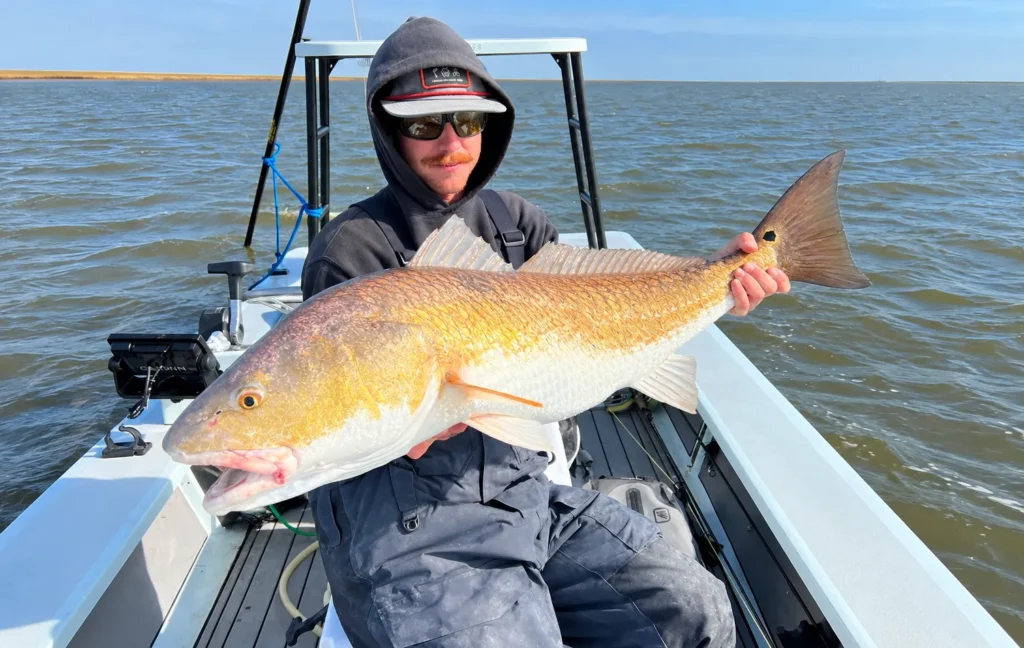
fishpond

Conclusion with Johnny Le Coq on Fishpond

This one connects a lot of dots — gear, innovation, and the bigger picture of conservation. Johnny’s story shows how one idea can ripple out into an entire industry.

And it’s a good reminder that what we carry on the water matters, but what we protect matters even more.


906 | Scott Fly Rod Founder Larry Kenney on Design and Innovation

Lkenny Rodmaker

Episode Show Notes

Fly fishing has always evolved, but some moments change everything.

From bamboo to fiberglass to graphite, each shift has redefined how anglers experience the water. In this episode, Larry Kenney shares what it was like to be at the center of one of the most important transitions in fly fishing history—the move to graphite fly rods.

Larry, co-founder of Scott Fly Rods, takes us through the early days of rod building, the rise of graphite innovation, and the lessons he’s learned from decades in the industry. Along the way, he shares practical advice that challenges how anglers think about gear, casting, and improvement.

Hit play to start listening! 👇🏻🎧


apple podcasts

Find the show:  Follow the Show | Overcast | Spotify

Subscribe on Apple Podcasts

Subscribe on Android

Subscribe via RSS

(The full episode transcript is at the bottom of this blogpost) 👇🏻

Sponsors and Podcast Updates

Larry Kenney building a fly rod in his workshop demonstrating fly rod design and craftsmanship at Scott Fly Rods
Larry Kenney is working on fly rod building, showcasing craftsmanship behind Scott Fly Rods and early fly rod design innovation.

Show Notes with Larry Kenney on Fly Rod Design

The Early Days of Fly Rod Design (00:00)

Larry Kenney’s journey began with a passion for fishing that eventually led him into rod building.

In the 1970s, he partnered with Harry Wilson to grow Scott Fly Rods. At the time, fiberglass dominated the market, and most rods were built within the same limitations.

Getting Started in Rod Building (02:00)

Larry didn’t begin as a rod builder right away. His involvement grew naturally as his interest in fly fishing deepened and opportunities emerged through his partnership with Harry Wilson.

What started small quickly turned into a serious venture as demand increased.

Larry Kenney and Harry Wilson designing fly rods at Scott Fly Rods in the early days of graphite fly rod innovation
Larry Kenney and Harry Wilson working on early fly rod design at Scott Fly Rods during the rise of graphite innovation.

How Graphite Changed Fly Fishing (04:30)

The introduction of graphite in the mid-1970s transformed fly rod design.

Fiberglass rods were heavier and limited in performance, while graphite allowed for lighter, longer, and more responsive rods. Larry and his team developed rods like the 9-foot 4-weight, which was groundbreaking at the time.

This shift marked the beginning of modern fly fishing equipment.

Why Timing Was Critical (06:00)

Larry explains that success came from both innovation and timing.

Scott Fly Rods grew during a period when graphite was emerging, and fly shops were expanding across the country. This created the ideal environment for growth.

Spigot Ferrules vs Tip-Over Ferrules (07:00)

A key technical topic in the episode is ferrule design.

Scott used spigot ferrules, which allowed for a smoother bend and better taper continuity. Other companies used tip-over ferrules, which were easier to produce but changed the rod’s flex.

Close-up of a spigot ferrule on a fly rod showing a classic rod design feature used in Scott Fly Rods
A close look at a spigot ferrule, a fly rod design feature that helped Scott Fly Rods create smoother flex and better taper continuity.

Major Fly Rod Brands and Competition (12:00)

During this time, several companies were shaping the industry.

Fenwick was a dominant force, while brands like Sage, Winston, and Orvis contributed to innovation and competition.

The Return of Fiberglass Rods (16:00)

Although graphite became dominant, fiberglass continued to have a place in fly fishing.

Larry later revisited fiberglass rod building, focusing on craftsmanship and performance for specific fishing situations.

Expensive vs Mid-Range Fly Rods (21:30)

Larry offers a realistic perspective on rod pricing.

While premium rods may use advanced materials, the difference in performance is not always significant. Many mid-range rods provide excellent value and performance.

Why Casting Skill Matters More Than Gear (24:30)

One of the most important lessons from this episode is the importance of casting skill.

Larry explains that a good caster can make almost any rod perform well, while a poor caster will struggle regardless of equipment.

First Steelhead Story and Fishing Experience (33:00)

Larry shares a memorable story about catching his first steelhead on the fly.

This experience highlights the excitement and challenge that define fly fishing and keep anglers coming back.

Advice to His Younger Self (38:00)

Looking back, Larry reflects on what he would have done differently.

He would have taken more risks, traveled more, and explored opportunities earlier in life.

Progressive Rod Action Explained (43:54)

Larry explains progressive rod action and why it matters in fly rod design.

A progressive rod bends more and more into the butt section as pressure increases during the cast. This allows the entire rod to engage, creating smoother casting and better control.

This type of action remains a key feature of many high-quality fly rods.


Visit Larry Kenney’s website to learn more about his work.

Kenney Rodmaker logo representing custom fly rod design and craftsmanship
Kenney Rodmaker logo highlighting custom fly rod craftsmanship and traditional rod building expertise

Top 10 Fly Fishing Tips from Larry Kenney:

  • Improve Your Casting Skills – A strong casting foundation will help you more than any gear upgrade. Better technique leads to better control, accuracy, and overall performance on the water.
  • Do Not Chase Expensive Gear – A higher price does not always mean a better rod. Many mid-range rods perform extremely well and offer all the quality most anglers need.
  • Match the Rod to the Fishing – Choose your rod based on the type of water, flies, and fish you are targeting. The right setup matters more than owning the most expensive option.
  • Learn Your Materials – Understanding the difference between graphite and fiberglass helps you make smarter gear choices. Each material has strengths depending on the style of fishing.
  • Practice Consistently – Regular practice builds confidence and helps you improve faster. Even short sessions can make a big difference over time.
  • Keep Things Simple – You do not need a complicated setup to fish well. A simple, reliable outfit is often more effective than carrying too many options.
  • Understand Rod Action – Rod action affects how a rod loads, casts, and feels in your hand. Learning the basics will help you choose equipment that fits your style.
  • Value Experience Over Equipment – Spending money on trips, time on the water, and real fishing experiences often teaches more than buying another rod.
  • Stay Open to Change – Fly fishing continues to evolve, from materials to techniques. Anglers who stay adaptable are better prepared to learn and improve.
  • Take More Chances – Try new water, new methods, and new opportunities when they come up. Growth often happens when you step outside what feels familiar.

Sponsors and Podcast Updates

Related Podcast Episodes

Full Podcast Transcript

Episode Transcript
00:00:00 Dave: Some parts of fly fishing evolve quickly. Materials change, resins improve, rod prices climb. But every once in a while, someone is there at the exact moment the material shifts. Today’s guest helped build one of the most influential rod companies in the country. From the garage days of fiberglass to the early experiments with long light graphite rods in the mid nineteen seventies. He was there when fly rod stopped looking like bamboo and started becoming something entirely different. This is the Wet Fly Swing podcast where I show you the best places to travel to for fly fishing. How to find the best resources and tools to prepare for that big trip, and what you can do to give back to the fish species we all love. Larry Kenney is here to talk about the founding of Scott Fly Rods. We’re going to find out how internal spigot ferrules mattered and what made early graphite revolutionary and how timing shaped the company’s growth. We’re also going to find out about the difference between spigot ferrules and tip over, but ferrules and why this mattered at the time. What separates a good rod from an expensive rod. We’re gonna get into some details there. Why? Progressive rod action still defines great casting tools, and the one piece of advice he’d give to every twenty five year old angler today. This is going to be a good one. All right, let’s get into it. Here he is. Larry. Kenney, how are you doing? Larry. 00:01:19 Larry: Good enough. 00:01:20 Dave: Yeah. Good to have you on here. Um, I’m excited about this conversation because you were part of a pretty major company out there. Scott. Fly rods, I think. Uh, you go way back on the history. We’re going to talk about that. And what makes those rods unique and just your history of being involved, right? At the time when there was fiberglass and a lot of transitions, I think on the early days and in the present day. But first off, maybe take us back there. What is your connection? I guess fly fishing start at a young age, right? Did the rod building come pretty quick? 00:01:51 Larry: Uh, the rod building took quite a while, actually. The fishing. The fishing started at a young age. The rod building didn’t start until I was in my late twenties. 00:01:59 Dave: Gotcha. When did the, um. Like, how did the rod building come? Is that something where you were just always interested in it? 00:02:06 Larry: You know, it’s hard to say. I was captivated by fly fishing. And that led me to join up with Harry Wilson when we started the scout fly Rod Company in the late or the mid seventies. So I moved from being interested in fly fishing to, uh, getting involved with a guy who was building rods and wanted to increase the size of the rod company to something that was more professional than working out of his garage. So rod building, I started, I started at the ground floor. 00:02:35 Dave: You did you start and how was and who was Harry Wilson? What was his. I’m not sure if he’s still around or what was his. 00:02:41 Larry: Uh, no. Harry died twenty years ago or so, but Harry was an older guy. He was a an interesting man. He had an early MBA from the University of Chicago. And, uh, he’d worked as a management consultant when I met him. And I met him through our mutual interest in fly fishing for striped bass. We got to be friends. We fished steelhead, salmon and striped bass together. And at that point, he was actually building a fly reel that he’d patented using the lathe in the back room shop of a guy who had a tackle shop out in the Mission District in San Francisco. His thought was, okay, I’m building rods because I like to build rods. I want to get this lathe, patent this fly reel patented, and we’ll use the rod business if we can do it. So a few fiberglass fly rods to pay for the reel. Well, the reel never happened. It was far too complicated. And the timing of our getting into rod building more seriously was perfect because it coincided with the introduction of graphite to the market as a rod building material, and it also coincided with the start of the the professional fly shop. If you think in the fifties and 60s, there were probably just a handful of dedicated fly fishing shops across the country. By the middle eighties, there were probably one hundred. So we. We were fortunate to that extent that not only did we have a new material that we could work with, but we had an increasing number of outlets through which we could sell the rods we built. So while we started with, I think, really fine fiberglass fly rods that Harry was building, graphite gradually took over. And by nineteen eighty two, eighty three or so, most of our business, the great majority of our business was graphite, and we’d gotten into graphite in a big way. By being one of the first, if not the first, to come up with a long light line rod, which was something that wasn’t quite possible in in fiberglass due to weight. 00:04:44 Dave: Right? So what was that first rod that you came up with? That was the unique transition. You had all the fiberglass and graphite comes. So you were one of the first brands to have this longer rod. And what was the length and weight on that. 00:04:56 Larry: Write about the same time. Fenwick came out with a nine foot graphite rod. Their model HMG for a five weight fly line. We came out with a nine foot four weight and then a nine foot six weight. And they were at that time, kind of revolutionary. I mean, nobody built rods like that. It was possible, I suppose, to do it in in bamboo. Some people are doing it now, but nobody was doing it then. You get people excited about something and word of mouth builds and you start doing better. We had a few dealers on the West Coast. We got a couple of dealers on the East Coast, and we grew reasonably well from then on. 00:05:31 Dave: Who were the first dealers you had out there? Do you remember those. 00:05:34 Larry: On the West Coast? It’s interesting. We started selling in the San Francisco shops of Eddie Bauer and Abercrombie and Fitch. We had a dealer in Portland, the Barbless hook. We had a dealer in Eugene, the caddisfly. 00:05:49 Dave: Oh, wow. The caddisfly. 00:05:50 Larry: Yeah. Back when Bob Gard. 00:05:52 Dave: Yes. They’re still around. 00:05:53 Larry: Yeah, Exactly. But, um, we got picked up our fiberglass rods, got picked up by. Fireside angler out in New York, and they had a national catalog and did pretty well for us. So we were lucky. I mean, it was a combination of having something, a product that was good and the rods were good, the fiberglass rods were excellent, the graphite rods were revolutionary, but being there at the right time and we started that business in the sixties, we’d have gone nowhere. 00:06:24 Dave: Or the eighties you would have been flooded, right? A lot of rods were doing. 00:06:27 Speaker 3: In the eighties. 00:06:28 Larry: You know, might have done it in the eighties, but it would have been a lot more expensive. 00:06:32 Dave: Right. So and what was the year that that first graphite rod came out? 00:06:36 Larry: Harry was fooling with graphite when I first ran into him. And before I actually just before I joined up with him, Jay Kennedy Fisher Company had some graphite material and they were making blanks. They weren’t doing it commercially. They were just trying to see what was going on. So we fooled around with that a little bit. In nineteen seventy four, seventy five, and by seventy six we developed the nine foot four weight in the nine foot six weight. And I think what was significant about what we were doing with it is we used the same kind of internal spigot ferrule that we were using on fiberglass rods rather than the tip over, but ferrule that Fenwick was using, or metal ferrules, which were not uncommon on fiberglass. 00:07:21 Dave: Right. So the two feral types at the time were. Yeah, the metal ferrule, like the bamboo style or. And what were the other two? What was the style you had? 00:07:29 Larry: Well, the ferrule that Jim Green developed for Fenwick, which was where the tip section slides over the the top of the bus section. I call them tip over, but ferrules tip over. 00:07:40 Dave: But yeah. 00:07:41 Larry: But, um, we used that internal spigot ferrule, which was a variation that Harry had perfected over what John Tarantino had done for Hardy and for Fisher and Winston in the sixties for fiberglass, where an insert protrudes out of the tip end of the butt section and is inserted into the butt end of the next section above it. 00:08:04 Dave: Oh yeah. Right, right. And you don’t see those like anymore, right? Most of them are the tip over butt section. 00:08:10 Larry: Well, tip over. But ferrules are production efficient and spigot ferrules are labor intensive. I think the spigot ferrule is a better design for many, many purposes because it allows a continuous taper across sections rather than having to make a bigger section into which the butt section inserts. 00:08:28 Dave: Right? Right. 00:08:30 Larry: There’s a lot of argument about that. Yeah. Good rods built with both. 00:08:34 Dave: Yeah. With both. Okay. And then also the fly shops you mentioned. So in the, the sixties, you know, what happened there between the sixties and 70s where you started to have this flood of new fly shops? You know what triggered that? 00:08:45 Larry: Think about fiberglass and fiberglass was introduced after World War Two in the early mid fifties. And by the sixties it had really taken over everything. And by the mid or, I’m sorry, by the early eighties, it was dead. Nobody wanted it. You know, anglers are curious people. They’re fully convinced that the new rod or the new fly pattern or the new fly reel is going to make them better at what they’re what they’re trying to do, you know, which is patent nonsense. Yeah. But there were certain advantages to graphite. Lightness let you do things with length that you couldn’t do before. But where did I get away from your question? 00:09:26 Dave: Oh, no, you got it. I was just I think it’s a hard question. I think the fly shots because I remember. Yeah. I mean, in the eighties it’s like you had this heyday. Well, still in fly shops are, you know, still going strong out there. You know I’m not sure. I think there’s been dips. 00:09:38 Larry: They’re not doing that well lately but they’re still doing. 00:09:40 Dave: Yeah. They’re still doing. 00:09:42 Larry: Of other shops that had I think Dan Bailey picked up our fiberglass rods and did did reasonably well with them. We were I say we were both lucky and good. 00:09:50 Dave: Lucky and good. Yeah, it’s a good, good place to be. And then. And you were in San Francisco. Are you still in San Francisco? 00:09:55 Larry: I’m across the bay in Marin County now. 00:09:57 Dave: Okay. 00:09:58 Larry: Yeah. I came back to California from eleven years up in rural Oregon. 00:10:02 Dave: Oh, really? Okay. Where are you at in Oregon? 00:10:04 Larry: I was rural. 00:10:06 Dave: East. I’m thinking east. You’re southeast? 00:10:09 Larry: No, actually, I wasn’t. I was down on on the main stem. Umpqua River down. Oh. From Sutherland and Roseburg, ten fifteen miles. 00:10:18 Dave: Oh, sure. Yeah. That’s pretty rural. That’s cool. So the the San Francisco, you know, we’ve talked quite a bit about that. You know, the connection because of like the Golden Gate Casting club and all the amazing innovation really that’s come through there. Is that did Harry have a connection to that or was did you guys have a connection to that at all, or was that separate? 00:10:35 Larry: We did have a connection to it, though. Harry was never a member of the Golden Gate Club. We used the Golden Gate casting ponds extensively, and Harry had a number of friends out there, but I think somebody high hatted Harry at one point at the Golden Gate Club, which is probably in the late sixties and early 70s, was a little on the snobbish side and that put him off. He was a member of a club down in San Jose that was very active in the steelhead salmon striper community. But as I said, we used Golden Gate a lot. I’ve been a member of Golden Gate for twenty years. It’s an important organization. 00:11:12 Dave: Yeah it is. What is the the first rod you built, was that focused on trout or did you guys expand out in different species soon, or was it mostly trout? 00:11:21 Larry: I think probably the trout rods that Harry built in fiberglass early on led us to building trout rods primarily, though we both fished steelhead and salmon and striped bass and saltwater as much as we could. So we always built. We built to the idea that we were going to have a complete range of rods in whatever material we were using, and we did in fiberglass. I don’t think our heavier line weight rods were as good as some of the others that were out there. They were good, but they weren’t as good, I think, as Winston’s glass rods. But our light line rods in any material, I think, were as good as any and better than most. 00:11:59 Dave: Yeah. At the time when you started and say that mid nineteen seventies, who were the brands that were there? I mean, like the rod companies? 00:12:06 Larry: Well, Fenwick owned the fly market at that point. 00:12:08 Dave: Yeah, Fenwick was huge. 00:12:10 Larry: And it’s a shame that they didn’t continue. But through a couple of company sales, they ended up really sort of losing it. But you know, sage came on a little later than we did and did marvellous stuff. Winston was doing similar work to what we were doing. And though they’d had a, you know, twenty five, thirty year head start was in about the same place we were. Llama glass was building rods and trying. You know, you go back through old issues of fly Fisher and magazine and look at the ads. 00:12:41 Dave: Right. 00:12:41 Larry: Fenwick, sage, Scott, Winston. Glass. Orvis was, of course. 00:12:46 Dave: Orvis, right? 00:12:47 Larry: Not far behind anybody. 00:12:49 Dave: Yeah. That’s it. Those are some of the big ones. 00:12:51 Speaker 3: I think Leonard. 00:12:52 Larry: Tried. And right about the time that Leonard started getting into, uh, into graphite rods, it was about the time they they went out of business as well. 00:13:00 Dave: Yeah. You know, we had the fiberglass change, like you said, fiberglass to graphite. Graphite, obviously still going strong. What happened? Were you there when, you know, more recently the fiberglass. Um, you know, you heard a lot more about fiberglass recently and you’ve been building some of those, right? Or been connected to that? 00:13:15 Larry: Yeah. You know, it’s funny. I always really liked fiberglass rods. My first good rods were Winston glass rods, and my next good rods were rods that Harry made and later that we made together. But, uh, I always had a soft spot in my heart for a material which I think was too quickly overlooked when everybody got interested in graphite. I mean, as I say, the angler is a curious person. He wants something new or better and brighter. And, uh, graphite offered that. And fiberglass just sort of got pushed behind him. So I was living in rural Oregon in the early nineties. After I’d left Scott Rods and I started thinking, why couldn’t there be someone who wanted to build artisan level fiberglass rods in appropriate lengths and line weights to the same level of excellence and performance that people were doing with bamboo at that time? And there were a couple of people who were trying. Dennis Frankie was one name from Wisconsin who was doing interesting work with fiberglass. And I started thinking about it and I thought, well, what the hell, I’m going to try this. I’ve got to have something to do. I was working for a magazine group at that point, after I’d left Scott and didn’t particularly want to stay with that. So I started in a real small way, designing some mandrels, which I had a fellow on the East Coast who had a little rod blank rolling shop bill blanks for me, which I built rods and I kind of puttered around for for a couple of years coming up with stuff. But I kept thinking, you know, this is something that actually might be interesting to do. And I ended up moving back to San Francisco because my mother was in poor health. So. So we came down to the city and moved into the San Francisco house there. And I thought, I need something to do with what appears to be semi-retirement. So I chanced upon company in New Zealand, CTS, who’s still in business and doing blanks and rods. And they said they they’d work with me if I had some mandrels built, they’d fabricate a limited number of rods, and I was talking a really limited number of rods. I mean, if I could build fifty rods a year, that’s a lot. But they were happy to work with me on that. So we worked together for a while and I developed four or five models, and Lord knows, they started to sell to people. All of a sudden I was busier than I really wanted to be. I only. 00:15:41 Dave: Want right? 00:15:42 Larry: I wanted to build a couple of rods a week at the most. So it took off from there. I built three piece rods in fiberglass in three, four and five weight line configurations at a number of lengths, and we did well. I expect I had an impact far greater than the size of my business, possibly because my name was known from my association with Scott, and possibly because some relatively well-known people were fishing my rods. But it grew from there. 00:16:14 Dave: And that was in the nineties when you started that late nineties. 00:16:18 Larry: And I really didn’t get going until about two thousand and eight, two thousand and seven. 00:16:23 Dave: And you had an actual. I mean, what was the name of the company? Did you actually have the. 00:16:27 Speaker 3: L Kenney fly rods? 00:16:29 Dave: Yeah. That’s right. And so, and at that time, late nineties, was that where fiberglass, you know, you started seeing all these other companies because now it seems like everybody’s got a fiberglass rod in their lineup. 00:16:38 Larry: You know, I don’t think that proliferation of glass rod builders began until ten years or so into the twenty first century. That’s right. But, you know, I wasn’t the only one with the idea that this was a good material. And again, anglers want something new, even if what they want is old. 00:16:56 Dave: Right. Yeah. The bamboo in point, right. There are some people we have that are listeners, you know. You know, shout out to Ed and Brandon, lots of small bamboo builders that are just, you know, love the bamboo and they love the tradition, right? So I feel like it’s never going to go away. They’ll probably just, I don’t know, I mean, what’s your thought on bamboo? Have you ever dug into that at a high level? 00:17:14 Larry: I’ve mentioned to other people before, you know, I have the greatest respect for good bamboo rod builders and good bamboo rods. And I fish a couple of them myself, but I simply don’t have the patience to put twenty hours into something, right? You know, the Golden Gate Club, of which I’m a member, has a number of fine bamboo rod makers. Kim Anderson and Tom Chen and Haruko, who do really good stuff. And Brandon was out with, you know, in this neck of the woods for a while. So was Mario. Where’s Nikki? We got visitors from all over at Golden Gate with interesting rods. But yeah, I love them. I love bamboo, but bamboo and fiberglass in my mind still make the best relatively short light line rods up to about eight feet. Bamboo and glass, I think are the best materials you can possibly use. You get to eight and a half feet and over and it’s arguable whether it’s it’s the wisest choice. 00:18:12 Dave: Is that because like weight becomes a factor, a bigger factor? 00:18:15 Larry: Yeah. It’s like they become self deflecting. They’re heavier. 00:18:21 Dave: Fishing expeditions offers world class fly fishing right off Alaska’s incredible road system. From monster rainbow trout to feisty Arctic grayling, you’ll chase big species in the stunning landscape. Whether you’re a seasoned angler or just starting out, their expert guides ensure an unforgettable adventure. Book your trip today before spots fill up and experience Alaska’s diversity like never before. Check them out right now. That’s fishing expeditions dot com. Today’s show is brought to you by Visit Idaho and Yellowstone Teton Territory, a place that should be on every angler’s list, from the Henry’s Fork to the south fork of the snake and all the hidden creeks and alpine lakes in between. This region is built for fly fishers who like a little room to roam. You can head over to Wet Fly right now for guides, lodges, and trip ideas to plan your next adventure. That’s Teton T e t o n. You mentioned earlier that you. When you left Scott and I guess I’m not sure the exact date. But why did you leave Scott? What was going on there? 00:19:23 Larry: After Harry Wilson had a stroke in nineteen eighty six, we sold his shares and all the shares in the company except mine to Bill Ford of the Ford Motor Company family. Really nice guy and an angler. And by nineteen ninety three, He had a friend who wanted to buy in as well and wanted to move the company to Colorado, which was, you know, a reasonable decision. It’s a great fishing state. I wasn’t particularly interested in that. My roots are in the West Coast. There’s no steelhead in Colorado. 00:19:55 Dave: Right? 00:19:55 Larry: It’s sort of like the sons of Norway meet Patagonia, but, uh. Yeah. But at any rate, um, so there were differences of opinion. And I moved to Oregon because I was doing a lot of off site work anyway, handling international sales and marketing and some raw design. And ultimately, you know, Scott and Larry Kenney separated reasonably amicably. And I stayed on as a director of the company for a couple of years. But, um, they’re still doing great work. I’m really proud of what they do. 00:20:27 Dave: Yeah. They are. Yeah. I think Scott still has it feels to me like it’s kind of unique out there. Like Scott, it’s definitely one of the higher end, right? The best rods is up there with all of them still. 00:20:38 Larry: That comes and goes. I mean, sage ruled the roost for. That’s true. 00:20:42 Dave: Yeah. Sage has. Yeah. 00:20:44 Larry: And you don’t hear as much about them anymore. I think Scott has been sensible in sticking to just high quality, relatively relatively high priced stuff. They experimented a little bit with inexpensive rods, and I don’t think it worked very well. The production has always been relatively small compared to sage, I think. I’m guessing at one point that Sage’s repair facility was probably the third biggest rod company in the United States. They had so many rods out there that aftermarket work on them required probably a whole a whole rolling plan. At any rate, they still do good stuff. But Scott stuck with it. I mean, Winston’s fallen a little bit on hard times. I’d love to see them come back. 00:21:28 Dave: Yeah, definitely. What do you think the difference is between you mentioned like an expensive and I’m not sure, to be honest with you, I haven’t ever I have not owned a Scott rod, but the difference between an expensive higher end rod and, say, a less expensive. You know, whatever middle tier or lower tier. What is the big difference? 00:21:45 Larry: Well, the cynic in me wants to say not a hell of a lot, right? I’m sure that the new proprietary mixes of different kinds of graphite’s that are used in the more expensive rods of a company’s line require more time investment in in manufacturing, the blank and the components are probably a little more expensive. But, um, I think there’s a sweet spot in a mid-range rod that leads me to kind of look at that in some cases. 00:22:15 Dave: Yeah, I think another Golden Gate person that we hear a lot about is, uh, Tim Rajeff. And I feel like the echo, he really went right in the middle to that really affordable rod that a lot of people say is the most durable rod. You know what I mean? He just obviously. 00:22:30 Larry: Inserted Tfoh. 00:22:31 Dave: And TFA too. Yeah. 00:22:33 Larry: But, um, what is the company? I’m trying to remember the name Asquith. 00:22:37 Dave: Oh, Asquith. 00:22:39 Larry: Being sold by Loomis. They’re selling a sixteen hundred dollars fly rod. 00:22:42 Dave: Oh, really? Sixteen hundred dollars. So is that above everybody else as far as just your. 00:22:47 Larry: Oh, yeah. By by four hundred bucks, I mean, the most expensive. Winston’s and Scott’s and Sage’s and Orvis are probably eleven, twelve hundred dollars. 00:22:55 Dave: Right. Asquith. 00:22:56 Larry: And it’s hard for me to see right where the money where the money really comes from for that. 00:23:02 Dave: Yeah. Well, that was one you didn’t mention at the start, but I’m not even sure it was Loomis. Gary Loomis back in those old days. Was he around? 00:23:09 Larry: Yeah. Oh, yeah, he was around all of the significant force because he was a sort of a premier machinist materials guy. And they, you know, too easy to forget too many names. And they had Steve Rajeff designing rods for them. And I don’t think Steve’s ever designed a bad rod in his life. 00:23:25 Dave: Right. There’s, there’s so many connections and we’ve heard a lot of them, but, uh. 00:23:29 Larry: And again, the connection to the Golden Gate Club. 00:23:32 Dave: Oh, yeah. 00:23:33 Larry: Because Tim and Steve were raised half a mile from the club. 00:23:37 Dave: That’s right, that’s right. And Steve is still known as the kind of the greatest fly casting champion of all time. You know, his unique. Do you know Steve? Have you? I’m sure you’ve run into him. Yeah. Sure. What’s the difference between when you look at Steve and Tim? Do they look a lot different as far as their size and physicality? 00:23:53 Larry: Do they look a lot different in terms of what? 00:23:55 Dave: Yeah, well, you’ve heard that, Steve. Is this like, uh, super strong, you know, kind of specimen that that’s part of the, you know, his success. But obviously technique is a big part of it. But I guess, you know, Tim went one way with the rods with Echo and Steve, he’s been in the business, you know, doing designing and stuff like that. Do you still talk to those guys at the at the club or any of those folks. 00:24:17 Larry: When they’re, when they’re down from their from their homes in the northwest, we run into each other probably a couple times a year. But you know, Tim’s a champion caster like Steve. He’s never focused on it to the extent that Steve has. Um, Steve’s a unique guy in terms of casting his dedication and interest spectacular. 00:24:37 Dave: We talk a lot about, you know, somebody is looking to get another rod, right? They got a bunch of rods already. What is it when you think of feel that people should be. How should we be thinking about that? To choose the right rod for the right situation. I mean, what does feel mean? Do you know what? Like you take the rod and you shake it, right? Can you get a feel for the rod there? How do you do that? 00:24:55 Larry: I think a good caster can. I think what most anglers ought to do is spend a hell of a lot more time learning to cast than spending money on tackle. I think Russ Chatham had a line a long time ago, and you can just add a zero to his numbers now. He said, you know, spend your hundreds on travel and your dollars on tackle. But as far as you know, a good rod, you know, the choices are are pretty bloody obvious. I mean, it’s not a complicated process. If you’re a trout fisherman, you’re you’re going to probably want a couple of rods, something for small streams, something for bigger water, something for little flies, something for bigger flies. What does that mean? You got a seven or a seven and a half foot rod to fish creeks with, with a number four line and an eight and a half or an eight foot or a nine foot rod with a five line to fish, you know, bigger water and then a seven line rod to fish streamers. Doesn’t take a big intellect to figure it out, but we make the decisions really, really hard. And I’m just as bad as anybody else. At one point, I must have had twenty five or thirty rods in my rod locker. 00:25:59 Dave: Yeah you do. That’s the thing. We make it. It’s like, that’s like the fly fishing is all about right? Or it’s known for you can make it as difficult or go as deep as you want. You know, if you want to get into get nerdy on bug etymology, you can go deep down into certain families of bugs, or you can just keep a high level and just put on a whatever fly the shop recommended, right? Same thing with fly rods are pretty easy. You don’t have to know the recovery action of a fly rod to pick a good rod, right? 00:26:24 Larry: No. And a good caster can make anything work. A bad caster isn’t going to be able to take a top line rod and use it to its potential. So, you know, place yourself somewhere in that matrix and something will happen. 00:26:37 Dave: Good to go. 00:26:38 Larry: But learn to cast. 00:26:39 Dave: Yeah, learn to cast. I think that’s the best tip. Learn to cast. We’ve definitely heard that a lot. Like that’s a huge thing. Spend some extra money on a casting instructor if you have it. 00:26:48 Larry: Yes. 00:26:49 Dave: Yeah, I love that. Did you have a connection to some of the work going on in Japan? Maybe talk about that a little bit. As far as are you familiar with. I think I read something about that. 00:26:59 Larry: I mentioned that I’d used CTS to manufacture my own blanks, to fabricate my blanks on mandrels that I built. And at one point oh, ten years ago or so, CTS decided that they wanted to put their logo on every blank that went out of the shop, and I went, what the hell’s going on here? I did all the design work. I bought the Mandrels. I designed the Mandrels. You guys are doing a great job fabricating it, but they’re not your blanks. And the people who ran CTS said, look, we’re we’re faced with an intolerable situation. We have to compete with cheap Asian imports on the one hand, and expensive US made rods on the other. So for us, visibility is viability and we need to be visible. So we’re going to put our stamp on everything. And I said well I’m not going to work for me. No I’m not going to continue working with you. At that point, I’d run into a guy I’d met a couple times before and had hit it off with really well. Bill Higashi. Tomonari Higashi. He goes by Bill to his to his US friends, and he’d been the editor of fly fishing magazine, Japan. I met him down in Chile when we were both fishing with a bunch of people down there at one point. So I emailed Bill for some help. Did he know any Japanese fabricators who could do my stuff? And we found someone. And that was great. They did better work than CTS. They didn’t want to put their name on everything. So I worked with Bill as kind of an intermediary since I obviously speak no Japanese. Bill is fluent in English, as you or I, and we continued that connection up to the point where I decided it was time for me to sort of back off and get out of the business. I mean, I’m pushing eighty right now. Don’t expect to be doing this for that much longer. And Bill and a road building friend of his in Japan essentially bought my designs and the right to use my name and are still building the rods that I do. But Bill’s tapped into everybody in Japan. 00:28:58 Dave: Yeah. Japan. Have you been over there? Have you spent some time in Japan fishing at all? 00:29:02 Larry: Oh, no. I’d set up a trip with. We were going to fish together up in the north, in Japan and meet with a lot of people. And this was going to be in twenty twenty. I just got back from a New Zealand trip and was looking for in February, and was looking forward to June of twenty twenty to spend time in Japan and Covid hit. So it completely knocked my plans out for going to Japan. And at this point I don’t see me doing that. Bill and his partner, Katsumi Harada, came over here and spent a. Spent a week staying at my house and working in my shop. 00:29:35 Dave: Oh, nice. 00:29:36 Larry: So that they did all the legwork rather than me having to do it, but I’m really pissed. I would have really enjoyed that trip. 00:29:45 Dave: Stonefly nets makes nets with soul, each one handcrafted to stand out and built to last. When you spend time on the water, your gear matters. And these are the kinds of nets you can pass down for generations. I know my stonefly net goes with me everywhere and has seen the abuse, but it seems to get better each day. I’m on the water. Every net is shaped from premium hardwoods, balanced by hand and finish to handle a lifetime of use. We all love a big fish story, but it’s the moments around it that stick. Stonefly helps turn every one of those into something you’ll remember. Head over to Stonefly Nets dot com right now to see what stories you can create with this beautiful custom landing net. That’s stonefly nets dot com. When it comes to premium flies that deliver results, drift hook. Com is the name to trust this season. Whether you’re chasing trout with dry flies, swinging streamers, or dialing in those Euro nymphs, they’ve got everything you need. Here’s a quick story. I was fishing a tricky Spring Creek earlier this year and nothing was working. Then I pulled out a royal wolf from the drift hook box. I cast upstream, letting it drift effortlessly toward a holding fish. It was textbook. One of the biggest fish in the run rows slipped the fly and the fight was on. That’s definitely a moment I’ll never forget. Their flight kit shipped free. Straight to your door, fully stocked and ready for action. You can support a great small business right now and this podcast by heading over to drift hook dot com today. That’s drift hook d r I f t h o o k. Use the code swing at checkout to get fifteen percent off your first order. What have you been? You know, if you look back on your places, what are you focusing on? Do you have like a home water now or in the last ten years you’ve been fishing or what does that look like? 00:31:26 Larry: You know, it’s funny, I used to think of my home waters as basically California steelhead and trout waters. I fished all over the north part of the state. I mean, foolishly and a lot. Yeah. 00:31:37 Dave: All the famous Northern California River steelhead started, right? 00:31:41 Larry: Well, where a lot of it started. At any rate. And then as I as my means to fish more widely increased, I find myself fishing California less and less. I spent eleven years up in Oregon living on the Umpqua, so I fished that quite a lot. I fished the rogue quite a lot, but I was traveling and I tick it off. I fish a lot in Baja. I fished in Canada, I fished in Europe, I fished in South America, I fished in New Zealand. And I treasure all those trips. But, you know, it’s kind of made me feel like I’m a flibbertigibbet no longer having a home water, right? The coastal steelhead streams that I love to fish in the seventies and early 80s are really shadows of their former self for a couple of reasons. The fish runs are down and just a significantly low flow fishing restrictions, which are necessary to kept a lot of people off the water, have kept everybody off the water. One stream I can think of that I like to fish a lot, lets you fish when the flows are more than one hundred and one hundred and fifty cfs at a certain gauge. Well, frequently that that window of being fishable is two days long, a week long. You know, when you get a storm and it goes up to one thousand cfs, or you don’t get a storm and it drops to one hundred cfs and it’s illegal to fish it. So that home water sort of went away. But I still have dreams of hitting it right for a week. I used to sort of live out of a Volkswagen camper up on the north coast for a week at a time, fishing up and down wherever I could. 00:33:20 Dave: That’s cool. 00:33:22 Larry: Gone are the days. 00:33:23 Dave: Yeah, yeah, those are the days. The Volkswagen camera. Do you remember your first steelhead you caught on the fly. 00:33:29 Larry: Like I did it yesterday? 00:33:30 Dave: Where was it? 00:33:31 Larry: I’m not even going to. 00:33:32 Dave: Okay. Secret? Yeah. You got a secret spot. It was in California. Oregon? 00:33:36 Larry: It was? Oh, it was in California. Coastal stream. 00:33:38 Dave: California. Oh, coastal. So winter steelhead. 00:33:40 Larry: In winter steelhead. And that was most of what I did. Most of what my my cohort did. We fished from basically late November into early March. But no, this fish was a bright hen of about twelve pounds that jumped about eight times. Ripped me up one side and it was wonderful, right? 00:33:58 Dave: What did it take? How were you? Fishing? 00:34:00 Larry: The fly? 00:34:01 Dave: Yeah. Were you swinging flies or doing something else? 00:34:03 Larry: Oh, definitely. Swinging. Swinging. Um. Sinking. Shooting heads on coastal water in foggy cold conditions. And probably fishing a comet or a boss. 00:34:13 Dave: Right. So this is in the, what, the eighties? Somewhere in their seventies. 00:34:16 Larry: Oh, I’d been in the seventies. 00:34:18 Dave: Yeah. 00:34:19 Larry: Actually, I’d taken steelhead before that because my father and I fished for steelhead when I was a kid. We fished the Russian River, But my father fished it alternately with a bait and a bait rod and a fly rod. And I fished bait when I was a little kid. So we took fish. But that first big fish on the fly was was something else. 00:34:37 Dave: That was it. 00:34:38 Larry: I’m looking at a picture of it right now. 00:34:40 Dave: Oh. No way. Maybe we can get a, uh. Maybe there’s a way we can get a copy of that, throw it in the show notes so people can take a look at it. So your dad was your influence to get you into fly fishing originally, or at least to see it? 00:34:51 Larry: I expect that had to be the case. I mean, my father’s friends all fished and hunted. My friend’s father’s all all fished and hunted. We camped together and camping and fishing were sort of synonymous for us. That’s why you went camping? You didn’t go camping to sit in the sun. But when I was in college, in graduate school, I. I fell in with a bunch of reprobates who backpacked a lot. And we backpacked in order to fish. So, you know, it goes back a long ways. 00:35:20 Dave: It does. Those are some good days. Um, did you guys make a steelhead rod like for. And were you swinging with a single hand rod back then or whatever? 00:35:30 Larry: If the nine foot four and the nine foot six were our first two rods that were popular. The next two rods that came were a nine and a half foot eight and a nine and a half foot nine in graphite. And they were wonderful rods. They were not as durable as contemporary graphite rods are. We didn’t know as much about resin or Feryal reinforcement, but they were incredibly good rods. And yeah, we spent a lot of time at it. 00:35:57 Dave: So nine and a half. And the nine and a half is. Do you think that’s a better steelhead rod than the nine foot or even shorter. 00:36:05 Larry: It depends on where you are. Yeah. You know, if you’re deep waiting nine and a half or ten feet is nice. If you’re fishing out of a boat, nine feet is probably better than eight and a half. Might be better still. But, um, you know, there’s trade offs in everything, but no, we paid a lot of attention to, to steelhead rods because it was something we did. We built ten foot seven, eight and nine line rods. Nine and a half foot rods. Good rods. All. 00:36:31 Dave: Yeah. That’s it. So now, as you look at it, sounds like you’re still doing some travel. Are you still out there? Got some trips looking ahead. 00:36:38 Larry: I think my next trip will be Baja, but I’m not sure quite when. I’m waiting for a window. I’d love to go up the coast. I was planning to fish a the Russian River with a friend of mine, but we just got this big storm that came through for the last five days. And the river levels are insane. 00:36:54 Dave: Yeah, you’ve been getting some weather down there the last couple years a lot. 00:36:58 Larry: And the good side of that is we don’t have to worry about a drought. It’s good for the fish. It’s not good for the fishermen. 00:37:04 Dave: Right. Gosh, the steelhead number. You know, obviously we’ve heard a lot. We’ve been talking a lot about the changes the ups and downs. Um, they’re still what do you think is your favorite? You know as far as steelhead, coastal rivers or even coastal, just those Northern California rivers, you know, take away the fish numbers just in general, if you had to go to the perfect place. 00:37:22 Larry: Boy, that’s a hard call. 00:37:23 Dave: Yeah, there’s a lot, right? Like I could think of a dozen. Great. 00:37:26 Larry: In California. I would say the eel and the Klamath for inland streams. The Smith, which is the northernmost coastal stream. The Navarro, another coastal stream. All wonderful. But they’re all great in their own way. You know, the trouble is, how do you spend enough time on any one of them? 00:37:48 Dave: Yeah, there’s not enough time. Exactly. This is awesome. Well, let’s take it out of here. We got a little segment of our top tips and tricks segment we’re going to get into. And I have a couple random questions for you here as we get into it. But maybe first off, just looking back, I mean, obviously you were at the start of one of the great companies, you know, in history. If you go back to I love the question of your think of your twenty five year old self back when you were twenty five. You probably remember those days. Would you have any advice you’d give that person knowing what you know now? 00:38:18 Larry: Yeah, I think I would. I think I would have dropped out of graduate school earlier. I think I would have, um, I probably wouldn’t have known about the opportunities in fly rod building. I would have gone into publishing or something like that. I was doing everything I could to avoid going to law school. So I went to graduate school, basically studying intellectual history through sort of literary analysis, which is of course, the, you know, the road to unemployment and. 00:38:49 Dave: Right. 00:38:51 Larry: And a little income. But, um, I would have fished a lot more widely. I think I’d have taken a lot more chances. I’ve always been relatively conservative in the things I’ve done, but I think I would have I would have tried to travel more than I did. 00:39:03 Dave: Yeah. That’s it. And what was the law school? That was something. Where did that was that kind of a goal that somebody had for you? 00:39:10 Larry: Oh, that was sort of the expectation among a bunch of my friends when we were in when we were in college, was law school seems like a reasonable thing to do. You know, none of us are smart enough at science to want to be doctors. I guess we better be lawyers. 00:39:22 Dave: It seems like a lot of work. It seems like it’d be a lot of work. But you were on that. You were like an undergrad for that. Thinking about it. 00:39:28 Larry: Up till the time I was probably a junior or so, at which point I fell in love with with literary analysis and intellectual history. So I went to graduate school in that. But I’m no scholar. That made itself clear to me shortly. 00:39:42 Dave: Nice, nice. Well, this is good. Well, a couple random ones here. You mentioned kind of the Oregon, San Francisco. Take us back there a little bit on the Oregon. So you made that move to the Umpqua. Seems like a pretty unique move from where you’re at. What? 00:39:55 Larry: The Bay area had sort of just grown horrible for me. You know, it was crowded. I just was unhappy. And my wife was was unhappy as well. So we, uh, we were looking around and we both liked the Umpqua friends with Jim and Sharon Van Loan up at Steamboat in. My wife went looking for property and I think she lived in the bedroom off Jim’s office there for weeks at a time. But we ended up buying a place downriver, fifteen acres up on the ridge and a couple of acres on the river. And I was gradually sort of divesting myself from Scott Rods at the time, and it seemed like a great move. We had we had a lot of fun for ten years. I enjoyed we heated with wood. I shot grouse and deer off my front porch. I mean, it was, you know. 00:40:41 Dave: Nice. 00:40:42 Larry: What every city boy wanted. 00:40:44 Dave: And did you fish the North Umpqua during those times? 00:40:47 Larry: No. It’s funny. I fished the North Umpqua probably no more when I lived there than I did when I was driving to it, living in California. I fished the Mainstem Umpqua a lot. I fished the rogue as much as I fished the Umpqua, but of course I fished it. Yeah. It was, you know, I used to take a. I bought a little cheap trailer. Fifteen foot, twelve, fifteen foot trailer, made in the sixties, weighed a thousand tons. Horrible to pull, but I used to drive up at four o’clock at night from my place down on the main Umpqua up to like the Susan Creek Campground on the. On the Umpqua on the north, and fish the evening and fish the morning and pull the trailer back and go to work at ten o’clock. 00:41:29 Dave: Nice. That’s some dedication. Did you ever run into Frank Moore out there when he was? Yeah. 00:41:34 Larry: Yeah. Frank and Jeannie were friends. 00:41:36 Dave: Okay. 00:41:37 Larry: I miss them greatly. 00:41:38 Dave: Yeah, he was definitely one of a kind. That whole whole thing up there. But, uh. Well, this has been great. Uh, Larry, I think we could probably leave it there for the day, and, um, you know, I’ll definitely be keeping in touch with you here. You know, maybe just let me know on, you know, looking ahead, it sounds like you’ve got the you’re hitting the some Mexico. Is that is that kind of what you’re thinking as you look ahead a little bit? And what is the species down there you’re going to be chasing? 00:42:03 Larry: I just passed on a trip with a bunch of friends of mine that I’ve done for the last ten years, because I want to do something new. We generally go down to just below La Paz and fish for Roosterfish and Dorado. But, uh, I’m thinking now Magdalena Bay again. I’ve been down there twice. And the possibilities for for marlin and and big fish are are very real. Anyway, it’s all in the planning stages. I don’t know, we’ll see. 00:42:28 Dave: Yeah. You don’t know. What’s your rod down there for. For roosters. If you go down what will you be using. 00:42:33 Larry: My fishing eleven. Wade Scott graphite an older one one of their helium series eight foot eight three piece eleven weight a nine for the for the dorado which aren’t that um aren’t that huge and and an eleven for the rooster and the big fish and for marlin. I’ve got a thirteen weight Scott that Jim Bacci sent me as a blank to build up that I’ve not yet fished. I’m looking forward to doing that. 00:42:59 Dave: Amazing. This is good. We’ve heard that on the rods. You mentioned the eighties. We’ve heard some of the casting champions say that some of those rods from the eighties, they’re actually using those rods because, you know, something was different about them. I’m not sure. Is that does that resonate with you that some of those rods you guys were building in the seventies and 80s are just as good as what they have today. 00:43:17 Larry: I think some of the rods and my dad was fishing in the forties or as good as the rods we have today. Yeah. 00:43:23 Dave: Yeah. That’s awesome. 00:43:25 Larry: I mean, I have an AC Powell nine foot five, six line bamboo that, uh, that he ordered in nineteen forty and picked up after the war. That, uh, is one of the nicest casting rods I’ve ever had. You know, good fly rods aren’t a mystery. They’re not the easiest thing to come up with. But again, it’s not. It’s not rocket science. 00:43:46 Dave: No. Have you ever casted a bad fly rod? 00:43:49 Larry: Many. You have many, many. 00:43:51 Dave: What do you feel when you feel a bad fly rod? 00:43:54 Larry: No life. 00:43:55 Dave: Oh no life. No recovery like that. That’s recovery. 00:43:59 Larry: You know they’re not alive in your hands, but you got to put a line in a rod to see. I mean, I like progressive action rods, which bend more and more into the butt section of the rod as you put more pressure on it and cast longer. And there’s arguments for other kinds of other kinds of rod action. But I come out of the West Coast and the Golden Gate Angling, Casting Society and Club, and that’s what we like. 00:44:22 Dave: And what is the progressive? What does that mean exactly on a rod? 00:44:26 Larry: Well, think of a rod that has a stiff tip and a soft button, and it’s going to move relatively slowly. Then think of a rod that has a light tip and a stiff butt, and that tip’s going to move fast. A progressive action rod is going to be somewhere in the middle between all parts of the rod are going to come into play at some time while you’re using it. 00:44:46 Dave: Yeah. Okay. Perfect. Good. Larry. Well, I think we’ll leave it there for the day and we’ll have everybody connect here if they want to check in. And um, definitely appreciate all your time today. This has been great to finally connect and hear some of the background on one of the great rods up there. Yeah. And thanks for all your time. 00:45:01 Larry: You’re welcome. Thank you. Have a good one. David. 00:45:05 Dave: Did this episode made you think differently about casting, about your casting stroke, choosing a good rod or the way you approach the water. The next step isn’t buying another rod. It’s actually sharpening your fundamentals. And that’s exactly why we built the dry fly school. A place to slow things down, refine your mechanics, and build your skills on one of the greatest rivers in the country. Dry fly school. We’re heading to the Big Mo again this year if you’re interested. I’m going to be there. We actually just launched a giveaway right now wet fly dot com slash giveaway. You can enter that also if you want to pick one of the spots that are available, send me an email Dave at fly dot com and I’ll let you know what we have going for availability. We’re excited for this one. The big Mo, we are back the dry fly school. We’re going to be there right in prime time. Um, excited for it. So that’s all I have for you today. Thanks for stopping in till the very end. I hope you have a great afternoon. Great evening or morning, wherever you are on this planet. And I look forward to seeing you and talking to you on the next episode. 00:46:00 Speaker 4: Thanks for listening to the Wet Fly Swing Fly Fishing show. For notes and links from this episode, visit Wet Fly dot com.

Larry Kenney holding a large fish on a boat during a fly fishing trip
Larry Kenney with a memorable catch, reflecting a lifetime of experience in fly fishing and time on the water


Conclusion with Larry Kenney on Fly Rod Design

Larry Kenney’s story offers a clear look into how fly rod design has evolved and what truly matters in fly fishing.

From graphite innovation to the importance of casting fundamentals, his insights highlight that skill and experience often outweigh equipment.

If improving your casting could make a bigger difference than upgrading your gear, what is one thing you can start practicing today?


How the Project M Four Wheel Camper Changed the Way We Travel

A cancelled work trip turned into a family road trip… the kind where you don’t really have a plan, just a direction.

We packed up the truck, loaded the Four Wheel Camper Project M, and headed East. The goal was simple: fish as much as possible, explore some of our favorite places in Oregon, and see where the trip took us.

Somewhere between late-night camp setups, desert runs, and chasing trout in small rivers, it turned into one of those trips that sticks with you.

The kind where things don’t go perfectly, but somehow that’s what makes it better.

Our truck camper in distance with desert terrain at sunset

Trip Highlights

If you want to jump around, here are a few highlights from the trip:

Before Project M: How We Used to Travel

Before this trip, most of our family camping looked the same. Roll in late, throw something down, and figure it out in the dark.

After years of last-minute trips to escape the city or bad weather, we actually got pretty good at it. Tarp, pads, sleeping bags… done. If we didn’t have to set up a tent, we wouldn’t.

This is how Dave had always done it, going back to his early river trips with his dad. And it worked. But it wasn’t always smooth. Rolling into camp late, setting everything up in the dark, then packing it all down early to get moving again… it always felt a little rushed.

And then there were the moments that made us question it.

Like the time we rolled into Glacier National Park past midnight, transferred our sleeping kids straight onto the ground, and woke up surrounded by bear signs… with kids still covered in snack crumbs from the drive.

Nothing happened. No bears, thankfully. But still…

Or the trip where our daughter woke up with her eyes swollen shut from spider bites after sleeping outside.

We loved being out there. Sleeping under the stars, being close, talking about constellations and random things as a family. That part never gets old. But over time, it started to feel like we were pushing it. Not always safe, not always comfortable, and definitely not always easy, especially with kids.

And we kept saying the same thing over and over:
“We should probably get a camper.”

>>Back to Trip Highlights

How Project M Changed the Game for Us

Then came Four Wheel Camper’s Project M.

We picked it up on a road trip with the kids, driving from Oregon down to California and back along the coast. And right away, something felt different.

We could pull off pretty much anywhere, pop the top, and be set up in minutes! No scrambling in the dark. No “let’s just deal with it.” It just… worked.

Toyota Tundra with Four Wheel Camper Project M set up at campsite
Our truck with the Project M set up

That first trip wasn’t about dialing everything in. It was more about realizing what was possible.

We’d stop on random roads, let the kids climb up top, and suddenly “bedtime” wasn’t a whole production anymore. It felt easy in a way our trips never really had before.

>>Back to Trip Highlights

The Wisconsin Trip: When It All Clicked

Soon after, we took the Project M to Wisconsin for a fly fishing trip Dave put together for clients. That’s where the setup really started to shine.

We drove through Montana, stopped in small towns like Helena, and started using TroutRoutes to find fishing access points where we could also camp for the night.

And that’s when it clicked. We weren’t just traveling anymore. We were waking up in places we normally would’ve just passed through! It was pretty exciting for all of us.

Side view of Four Wheel Camper Project M
Rolling out with the Project M

>>Back to Trip Highlights

When the Kids Took Over the Setup

Somewhere along the way, the kids figured it out too.

Our youngest was able to pop the top up and down on her own. After a few reminders about the latches, we started relying on them to help with setup and breakdown.

It turned into a team thing, which made everything faster… and honestly, more fun.

setting up camp next to truck camper during our road trip
Settling in wherever we land

>>Back to Trip Highlights

Project M: The One Mistake We Learned the Hard Way

Not everything went perfectly, especially early on.

One night, it was so cold that we sealed everything up tight and went to sleep without really thinking about ventilation. At the time, we didn’t have the insulation yet, and we figured staying warm was all that mattered.

We woke up to condensation pouring down the walls, soaking everything, including our bedding.

It was one of those moments.

The foam pad we were using had already started to mildew, and in full frustration mode, I ended up tearing it apart and tossing it.

That trip ended up being a big learning experience for us.

>>Back to Trip Highlights

Project M: Small Upgrades That Made a Big Difference

After that trip, we added insulation to the walls of the pop-up and upgraded to the black sleeping pads, and it made a huge difference right away. Warmer, drier, and just way more comfortable overall.

One thing we made sure to have from the start was the magnetic bug net, mostly because of our daughter’s ability to attract every bug in the area… especially knowing we’d be heading into the Midwest.

It makes a big difference, not just for keeping bugs out, but also as a wind block and a bit of added privacy.

And honestly, I’m still trying to figure out a way to run a double bug net… so if you don’t close it right, there’s still another layer there to stop everything getting in.

Gotta have it.

>>Back to Trip Highlights

Oregon Road Trip with our Project M

Let’s get into the most recent trip we took in Oregon.

We kept this one close to home so we could spend more time fishing and less time driving. The plan was simple: head toward the Steens Mountains, fish the Donner und Blitzen, check out the Alvord Desert, and spend time on one of our favorite rivers, the Deschutes.

Like most of our trips, we didn’t have everything figured out ahead of time. And somehow, those always end up being the best ones.

Deschutes Stop + A Good Start

We drove east from the coast, stopping in Bend to grab a few flies where Leila picked out some X Caddis.

By the time we made it to Mecca Flats on the Deschutes, we hadn’t planned to stay there. We were just tired and happened to be nearby, so we pulled in.

We rolled in late, popped the top, and were set in minutes.

In the morning, we skipped the camp kitchen and drove to a small diner on the reservation where Shitike Creek meets the Deschutes.

A tall Native man named Randall took our order, cooked it, and brought out huge plates of breakfast. When Dave asked who was tying flies, he just said, “Me,” and pointed to his truck outside. Turns out he’s also a guide.

A pretty perfect way to start the trip.

Toyota Tundra with Project M camper during a road trip stop in Oregon

Steens Mountain and Fishing the Blitzen

We drove The Beast east toward Page Springs, just outside of Frenchglen. Yes, we call our truck and camper combo “The Beast” because of the black camper top and the license plate with “666.”

We stopped in Frenchglen for snacks, then headed to the campground. Page Springs is first-come, first-served, and by the time we got there, it was full. It was already dark, so instead of forcing it, we drove up Steens Mountain a bit and found a spot to overland camp under a huge, open sky.

Within minutes, the kids were asleep in their cozy beds, and Dave and I were sitting outside, finally still. That’s one of the biggest things with Project M. No setup, no stress. You just stop, pop it up, and you’re done.

Four wheel camper Project M set up

In the morning, we made coffee and breakfast, then headed up to explore the Steens. It was a full day of volcanic rock, short windy hikes, and small moments like the kids playing and singing near one of the springs off the “Wet Blanket” trail.

We made sandwiches out of the back of the camper and looked out over these huge gorges that don’t really hit until you’re standing there.

Four wheel camper Project M set up


By evening, we made our way back down to the river to fish.

Still no open campsites, so we parked near a day-use trail and walked in. This is where having the pop-up really matters. We didn’t have to choose between fishing and setting up camp. We could just fish and figure the rest out later. Without it, we probably would’ve left.

Dave took Leila, and I went with Juna. I hooked a big redband that jumped and threw the fly. At the same time, we heard yelling downstream. Leila had hooked a huge fish too, played it for minutes… and lost it.

Fishing Oregon with Project M

We warmed up in the camper, found another quiet spot off Steens Mountain Road, and called it.

The next day, we finally grabbed a campsite. No shade, just heat, so we used the Four Wheel Project M camper to make our own while the kids fished again and everything started to click. By night, it turned freezing, but with the insulation and better setup, we were good.

Next stop: the Alvord Desert

11 RV Camper Mistakes to Avoid and the Project M

The Alvord Desert

The goal was simple: get out onto the playa, let the kids drive, run around, and just be out there.

We made a stop along the way and checked out the hot springs, but they didn’t live up to it. So we didn’t overthink it, we just headed out onto the playa and left it behind.

Once we got out onto the lakebed, it felt like another world.

Wide open, bright, and quiet in a way that’s hard to explain.

The girls took turns driving while we ran across the desert, laughing and trying to take it all in. At one point, we stopped, popped up the camper, and made sandwiches right there in the middle of it.

That’s one of those moments where everything just works. No planning, no setup, just being out there.

Four Wheel Camper Project M desert

We drove out toward the edge, where a few shrubs gave some relief from the wind and ended up camping there for the night.

After the sun went down, everything got quiet.

I walked out onto the playa and lay back under the stars for a while. It’s the kind of place that makes you feel small, in a good way. Just you, the sky, and a lot of space to think.

Mann Lake (Quick Stop, Quick Reality Check)

We made a stop at Mann Lake, hoping to fish a place Dave remembered from growing up.

It didn’t pan out.

The trout were gone, and the lake felt different than what he remembered. We stayed for a bit, saw a lone egret and a few ducks, and moved on.

Not every stop hits, and that’s part of it.

Fort Rock and Paisley Caves

We kept going, even though it was a bit out of the way.

Fort Rock rises out of the landscape like something from another time. We hiked into the crater, then around the outside, where the rock formations really stand out. The girls explored while Dave stayed back in the shade of the camper.

Later, we drove out to see the Paisley Caves from a distance. Even from the road, it felt like one of those places that carries weight. Ancient, quiet, and hard to fully explain.

Covered Wagons

By then, we still hadn’t figured out where we were staying.

We looped back toward Crane Hot Springs and lucked into the last available spot, a small wagon setup with a deck.

After days of dust, heat, and moving nonstop, it felt like exactly what we needed.

We had been joking the whole trip that our setup felt like a modern covered wagon. Ending up in one felt kind of perfect.

We soaked, cleaned up, and finally slowed down for a bit before heading home.

Back to the Deschutes… and a bit of drama

We made one last stop at Mecca Flats on the way home, this time to actually fish.

Leila was all in.

New flies, her own setup, and completely focused. Dave took her to the same deep pool Randall, the guide we met earlier, had pointed out. She hooked a fish but didn’t land it.

What mattered was that she was in it.

After years of casting, watching, and being around it, she finally got to step into it in her own way.

Four Wheel Camper Project M - bugs

I fished a bit too, and landed a native sucker, with the kids running to grab the net, thinking it was a big redside the whole time. Not quite, but still a win.

Not every part of the day went smoothly.

While I was wading near camp, a couple of anglers dropped in right next to me and made things uncomfortable. It caught me off guard, but I stayed calm, finished my run, and let it go.

We got the kids back into the camper and called it early.

That night, we were grateful for the camper. Everyone inside, settled, while things outside felt a little less predictable.

Four Wheel Camper Project M

The next morning, we stopped back at the diner and saw Randall again. We told him about the day before, shared a few laughs, and it felt like a good way to close things out.

We headed home with a lot to sit with.

The kids were already writing stories about the trip, replaying everything in their own way. They drove across a desert, hooked fish, and experienced both the highs and the harder moments.

And for us, it was a reminder of why we do this in the first place. Being able to just go, figure it out as we go, and still have a place to come back to at the end of the day… that’s changed a lot for us.

Now it’s just a matter of where we take our Project M next.

>>Back to Trip Highlights

Four Wheel Camper Project M

Alright, if you want to go deeper on Four Wheel Campers and how this setup works for fishing trips, check out these episodes:

And if you’re thinking about a setup like this, check out Four Wheel Campers here. And if you’ve got questions, just hit me up: dave@wetflyswing.com

four wheel campers logo


904 | Upper Missouri Watershed Conservation with Josh Seckinger and David Stagliano from UMOWA

upper missouri watershed

Episode Show Notes

If you’ve ever wondered what really keeps a world-class trout river healthy year after year, this Upper Missouri watershed conversation goes deep into the details that most anglers never see.

We get into flushing flows, bug data, and what it actually takes to protect a river when the solutions aren’t quick or obvious. This one goes beyond fishing and into the long game of conservation.

Josh Sickinger and David Stagliano break down how science, partnerships, and boots-on-the-ground work all come together to keep the Missouri River thriving.


Hit play to start listening! 👇🏻🎧

apple podcasts

Find the show:  Follow the Show | Overcast | Spotify

Subscribe on Apple Podcasts

Subscribe on Android

Subscribe via RSS

(The full episode transcript is at the bottom of this blogpost) 👇🏻

Sponsors and Podcast Updates

upper missouri watershed

Show Notes with Josh and David on Upper Missouri Watershed Conservation

The Upper Missouri Watershed Alliance Mission

Josh shares what the organization is all about and how it’s evolving with its first full-time role.

The focus is simple but powerful: improve river health while working with the people who depend on it. It’s not about regulation, it’s about cooperation.

  • Locally driven, non-regulatory approach
  • Focus on landowners, river users, and habitat together
  • Expanding work across 200 miles of river

The Science Behind the Bugs

David explains how decades of entomology work are helping track the health of the river through macroinvertebrates.

The team focuses on fall sampling because it predicts what hatches will look like the following spring.

  • 3 replicate samples per riffle
  • Focus on density and species composition
  • Fall sampling predicts spring hatches

Key species tracked:

  • PMDs (Ephemerella excrucians)
  • Baetis (BWOs)
  • Caddis

Why Flushing Flows Matter

This is one of the biggest takeaways from the episode. Without periodic high flows, the river starts to lose key insect species.

When flows don’t hit around 15,000 cfs, sediment builds up and favors worms and scuds over mayflies and caddis.

  • Ideal flushing flow: ~15,000 cfs
  • Clears silt and improves habitat
  • Leads to stronger hatches the following year

The wild part is how fast the river responds. One good flush can reset the system within a season.

Dams: The Blessing and the Trade-Off

The Missouri near Craig is a tailwater system controlled by multiple dams, and that’s why it fishes so well year-round.

But those same dams also limit natural flushing events.

  • Holter, Hauser, and Canyon Ferry dams regulate flows
  • Stable flows = consistent fishing
  • But reduced natural disturbance

Without dams, this stretch would likely become too warm in summer to support trout the way it does now.

Nutrient Issues and Agricultural Inputs

The team discovered elevated nutrient levels coming from upstream tributaries, especially near Townsend.

This was significant enough to trigger attention from the state.

  • High nitrates and phosphates linked to agriculture
  • Irrigation return flows are a major source
  • Data shared with Montana DEQ

Restoration Work and Wetland Solutions

Josh talks about how they’re working with landowners to reduce nutrient loading and improve habitat.

One key strategy is restoring natural stream function.

  • Re-meandering straightened creeks
  • Creating wetland buffers
  • Installing beaver dam analogs

These slow down the water and allow it to filter naturally before entering the Missouri.

Invasive Species and Weed Control

A big part of their work isn’t in the water—it’s along the banks.

The team is actively managing invasive plants like leafy spurge and cheatgrass.

  • Partnering with landowners
  • Cost-sharing weed mitigation programs
  • Targeting river corridor spread
upper missouri watershed
Photo via: https://umowa.org/wp-content/uploads/2026/03/2025-Missouri-River-Island-Report.pdf

What anglers can do:

  • Clean boots and gear thoroughly
  • Remove mud and seeds before moving locations
  • Let gear dry completely

The Missouri River Rendezvous

The annual rendezvous in Craig, Montana is their biggest community event.

It’s part education, part gathering, and part fundraiser.

  • Free beer, food, and community discussions
  • Boat raffle and bamboo rod giveaway
  • Opportunity to connect with landowners and anglers

📍 June 6, 2026 in Craig, MT

Upper Missouri Watershed
Photo via: https://umowa.org

You can find UMOWA on Instagram @umowaorg.

Facebook @umowa.org

 Visit their website at UMOWA.org.

upper missouri watershed

Sponsors and Podcast Updates

Full Podcast Transcript

Episode Transcript
WFS 904 Transcript 00:00:00 Dave: How do you protect a river for future generations when the winds are slow? The work is steady and the payoff isn’t always visible in a single season. Today’s guest joined to talk about the work the Upper Missouri Watershed Alliance is working on this year, a group that gathers long term scientific data on water quality macroinvertebrates and flushing flows in the Upper Missouri watershed, then uses this information to guide effective actions on things like stream work, stream restoration, invasive species control, and the health and monitoring the stream. We’re also going to get into some random tangents a little bit on fishing, a little bit on music. It’s going to be a fun one. This is the Wet Fly Swing podcast, where I show you the best places to travel to for fly fishing, how to find the best resources and tools to prepare for that big trip, and what you can do to give back to the fish species we all love. Josh Seckinger and David Stagliano are here today with the Upper Missouri Watershed Alliance. They’re going to walk us through what they do throughout the year. We’re going to talk about the long term data they’re collecting on macroinvertebrates and water quality, and how this is playing into protecting the river and making sure things are good for fishing. We’re also going to find out about more on on what they’re working on. Moving ahead, what the biggest challenges are and what you can do to help out. We’re also going to be talking about a big trip we’re doing this next year. And if you want to get a chance right now, you can go to web dot com slash giveaway. We’re going to be giving away a trip to the Missouri. I’ll be there along with some other folks. And if you want to get a spot for this trip, we also have some paid spots. You can do that right now. Dave at web dot com. All right, let’s jump into it. You can find the Upper Missouri Watershed Alliance at u m o w a dot. Here they are. How are you guys doing? 00:01:51 David: Doing great. Doing great. Thanks for having us, Dave. 00:01:53 Dave: Yeah, yeah, thanks for being here. Um, we’re going to get into a little bit about what you guys do. We’re doing a big trip, and hopefully we’re going to be connecting to an event that you guys have out there. I know we’re going to talk about the rendezvous. You do what that’s all about, but just a whole, you know, kind of year in review of the projects you have going. And I know Josh, you’re new, they’re fairly new. So we’re going to talk about that as well. But why don’t you guys just introduce yourself first? David, maybe we’ll start with you since you’ve been there a little while and who you are, just give us a little quick little elevator pitch on what you do, and then we’ll do that for Josh and we’ll jump into it. 00:02:25 David: Okay? Yeah. This is David Stagliano, and I am the sole proprietor of Montana Biological Survey, a consulting firm in Montana. I’ve been at that position since twenty fifteen, but I’ve been in the state working on state projects since about two thousand and three. And I actually came on with the MOA in twenty fifteen when they wanted to start some of these projects. And I was a pretty, pretty, uh, good scientific name in Montana. So they brought me on. 00:02:54 Dave: Perfect. How about you, Josh? 00:02:55 Josh: Yeah. Um, my name is Josh Sickinger. I wear many hats. I’ve been a fishing guide for, I don’t know, sometimes you hear fishing guides talk about how long they’ve been guiding in dog years, and that’s what it feels like. Um, well, over a decade on the Smith and mostly around Bozeman. I have the unique distinction of being maybe the only fishing guide who hasn’t worked on the Missouri. 00:03:19 Dave: Oh, okay. 00:03:19 Josh: I’ve never taken a paying client down to Missouri, and I got hired in November to run this organization. And it’s been really interesting so far. 00:03:30 Dave: Yeah. November. So you’re we’re talking now in February. So you’re kind of four months into it. Just you’re. Yeah, you’re the new, new person out there on the job. 00:03:38 Josh: Yeah. It’s really interesting to me. I mean, just a brief overview of Yamoah. You know, we, we work to strengthen the health and the resilience of this watershed while supporting the people who depend on it. And our focus is on practical solutions that work for the land, the river corridor, the water and the communities that use this river all at the same time. You know, we’re locally driven. We’ve been all volunteer organization until I got hired in November. I’ll say it this way. We’re not adversarial. We’re looking for cooperative agreements with landowners and and so on. And we’re definitely not a regulatory body. I think that’s that’s worth saying. So it’s a cool organization. I’m looking forward to expanding capacity over, you know, my tenure here, however long that may be. And we’ll see where it goes. 00:04:32 Dave: Nice. And David, what does your company do? What are the samples that you’re doing out there? 00:04:37 David: Yeah, I was brought on as a, I guess, scientific consultant to Uemoa. And the big need that they saw when, uh, you know, they first put the organization together in twenty fourteen was a lot of the guides were complaining about the hatches. You know, the fishing hatches weren’t the same as they used to be. They’re lower in numbers. And they said, well, we should look at this. And since I’ve been an entomologist, like a lot of people claim to be entomologists, but I actually graduated. 00:05:09 Dave: You are you are actually you have a degree in entomology. 00:05:12 David: I do multiple degrees. Cornell and then Kansas State. And, you know, just, uh, I’ve been doing bug samples since nineteen ninety. So we’re going on thirty five years of doing bugs. Yeah. 00:05:27 Dave: There you go. 00:05:28 David: So yes, I am the scientific arm of Uemoa. And we bring on other contractors when we need like the plants to look at plants. But I am, I am doing the water quality and our water chemistry, uh, analysis guy. 00:05:43 Dave: Okay. And does this similar because when I was, uh, the salmon Fly project is another group that’s out there that analyzes bugs, I think, or how are they? I’m sure you’ve heard of them or know of them. How are they? Are they similar to what you do? 00:05:54 David: Yes. And in fact, full disclosure, I am a consultant for them as well. 00:06:00 Dave: Yeah. So you guys are and it makes sense. Montana. And it it’s funny because the etymology thing is almost become a little bit of a joke because I’ve been struggling to find analogies over the years. You know, we’ve always had this, um, you know, kind of old friend Rick Haifley, you know. 00:06:14 David: Oh yes. 00:06:15 Dave: Wrote Western hatches and obviously a great, you know, he’s kind of an all star in the field, but it was like, he was like the only guy I knew for a long time. And now I’m running into a few more. You know, Rick. 00:06:24 David: I do know Rick. Yes. Fantastic. Entomologist. 00:06:27 Dave: Yeah, definitely. So, so good. So we’re going to jump into that and there’ll probably be a lot of overlap here, but maybe start us off. Um, let’s just go to the rendezvous because I think that’s something that I’m hoping that we’ll be able to connect to. Um, maybe you guys don’t know who wants to take it, but maybe describe the rendezvous and why people would want to attend that event. 00:06:43 Speaker 4: So yeah, we. 00:06:44 Josh: Do an event every year and Craig Montana, the trout capital of the world. Um, it’s our event. You know, we basically just get a bunch of people together, kind of talk about the river. We listen to people’s concerns about what’s going on out there. Talk to landowners about specific needs they’re seeing. Uh, there’s free beer, there’s food, uh, all of that this year. Uh, we will be raffling off a I was looking for the manufacturer of this old bamboo fly rod that someone graciously donated. So we’re going to raffle that off. 00:07:21 Dave: Oh, nice. 00:07:22 Josh: Or at least start the raffle at the rendezvous that the rod will be there. Our boat raffle, which we do every year, will also start probably before that actually, but we’ll be selling tickets for that. I think most of our board is going to be present to field questions and talk about the organization. It’s a good time of year to be in Craig. It’s June sixth this year. 00:07:45 Dave: Is it usually the first week, first Saturday of the month. When is it typically. 00:07:49 Josh: Somewhere around there? Yeah, it’s depends on people’s availability. But this year we’ve been locked in for June six. So that time of year, the Missouri is one of few places in Montana that’s actually fishing because of runoff. 00:08:08 Dave: Oh so it is fishing so that in June. So you’re not getting the huge runoff. You don’t get as big of a runoff there. 00:08:13 Speaker 4: Well, yeah. 00:08:14 Josh: So it’s because of the nature of the river. Craig sits below Holter Dam and Holter sits below Hauser Dam. Well. And Hauser sits below Canyon Ferry. So there’s three dams immediately upstream of Craig to keep that water clear and fishable. So just the nature of the location, you know, when the freestones are kind of either blowing out or blown out. Craig is becomes the center of the universe there for a little bit. 00:08:42 Dave: Right. That’s right. So Craig is where everybody. It’s the only place to fish. So you got you got everybody there. So June is a good time because everything else is kind of blown out usually in that in that time frame. What is the so on the dams and we probably won’t get into a huge conversation on the history there. But what were they mainly built for? 00:09:00 Josh: Hydropower. 00:09:01 Dave: Yeah. Hydro. And are they still producing a lot. Is that still a big part of the the electricity? 00:09:06 Josh: It’s part of Northwestern’s portfolio. It’s it’s changed. Thirty years ago they used to do generation spikes on a regular basis. So, you know, one of our board members, Bill Ryan, has a cabin right there in Craig. And he would talk about going up there when he was a kid and they’d pull up to the river and just go, is the river up or down? Now those dams have been turned into run of river dams. So there’s not these huge daily spikes like you might see, say, on the white in Arkansas. 00:09:37 Dave: I was going to say the whites, the great example, right? It goes way up to tens of thousands and then it drops way down, right? 00:09:43 Josh: Based on, you know, demand for electricity so that it doesn’t work that way anymore, it still fluctuates, but not these huge spikes on a daily basis. So yeah, the dams, because they run a river, it’s, it’s the fishery is stabilized. Does that make sense? 00:10:00 Dave: Yeah. Yeah, it’s stabilized. So it’s a so it’s good and everybody loves it because it makes a more stable environment for kind of everything, right? The fish and all that stuff. And fish passage is probably not as big. Or are those passable? Is that something where fish are able to get up and down through there? 00:10:17 Josh: No, I mean, these are we don’t have steelhead. We don’t have salmon. So rainbow cutthroat and brown trout just bang their head against the dam. But there’s no yeah. They’re not going up or down. Yeah. 00:10:30 Dave: They’re trying. But yeah. And it’s not critical to their, their life history, although there probably are some advantages of being able to migrate up and down, but not an issue. So okay, so we got that that, you know, kind of covered there. Let’s go into a year of what you guys have going. What is the work you do? It sounds like David, you’re doing a lot of field sampling. Talk about how all that plays into it. What are you guys learning there? What have you learned? It sounds like you’ve been doing this a number of years. Do we? Do we know exactly the bug? You know, um, where they’re at, who they are. All that stuff. 00:10:59 David: Yeah. We have a really good handle on the river from Holter Dam all the way down to cascade. And at cascade, it starts to transition. Actually, before that, the dam effects, uh, you know, the, the dams are a blessing and a curse in a lot of these rivers. But the blessing is like Josh was saying, we get to fish that thing year round. Uh, there’s never a time when it’s unfishable and turbid up so bad that, you know, you can’t get some fishing in. But the curse of the dam is also what we were describing with the flushing flows. And, um, because they’re not, they’re not flushing the river as often as they could based on pool levels in those three reservoirs. And they’re kind of maintaining just a steady state flow. So when one reservoir gets really full, they’ll start pulsing that through and the river comes up a little. But we, you know, what we found through the years is that we really need those flushing flows to clear out silt. So, you know, the tail water system is a low diversity system in terms of bugs and macroinvertebrates, but also highly dense. They’re very dense and and unfortunately scuds and worms and some of those critters that don’t hatch out and produce a hatch are the ones that take over when the flushing flows do not occur. So you kind of start to lose. Our mayfly hatches, our caddis hatches. Those become minimalized. When a drought period happens and we’ve got enough data now to show that it really takes a good flow of about fifteen thousand cfs to. Clear out a few miles below the dam. And once we do get that flow, our caddis hatches and our mayfly hatches are phenomenal. The next year. 00:12:50 Dave: Oh wow. 00:12:51 David: Yep, yep. 00:12:51 Dave: So that happens quick. 00:12:53 David: It happens quick. They respond because they’re not gone. Like our Pmd’s. The Ephemerella Excrucians. Species, the PMD and also the betas. The Bwas. They will rebound very quickly because the betas will have two cohorts a year. So you could get two betas hatches on a good year in the Missouri. And the strength of those hatches relies on better habitat. And the habitat gets cleared out when we have that flushing flow. 00:13:22 Dave: Nice. And now are these is that the plan to get to a point where you have at least one of these big flushing flows every year to keep things clean? 00:13:29 David: We have tried to work with, uh, with the Bor, which is the Bureau of Reclamation. And it’s tough because they’ve got a set threshold of what they can release based on snowpack, which we know in the West is declining on a yearly basis. So it’s all it’s all. 00:13:48 Dave: Not getting easier like a lot of these things, right? 00:13:50 David: It’s not getting easier. And of course, the fishermen want to see those big PMD and caddis hatches. So it’s a tough balance. It’s a tough balance. 00:13:58 Dave: But it’s cool that the cool thing is, is that since you’ve been there with all these years, you got this data, which is great. Imagine if you were there and you had no data, right? It would be a lot harder to make the the argument to try to change things. So it sounds like probably, you know, you know, like you said, uh, Josh just kind of like keep the partnerships going and hopefully, you know, people can, you can switch it eventually because I think there are places, I mean, everybody’s different. You mentioned the white River. You know, that seems like a lot, right? These giant flows, but it’s working and they have some of the biggest brown trout in the country. And then you got Colorado, I think, right. That whole thing with the South Platte, they’ve got a whole system set up. It’s I’m sure a lot different, but it sounds like there’s a lot of these partnerships around the country that are built around fly fishing, where they manage it for multiple things, but fly fishing is a big part of it. That must be a big part of it there in Craig, right? As far as the management. 00:14:46 Josh: Where it gets interesting is Northwestern Energy owns Holter and Hauser dams, which are the bottom two in the situation we’re talking about, but they don’t own Canyon Ferry Dam. That’s Canyon Ferry dam is owned by the Bureau of Reclamation. Now, Holter Lake and Hauser Lake have a Ferc Federal Energy Regulatory Commission water level, where they have a foot of leeway. And northwestern manages that, that foot of leeway within the middle three inches of that. So from five to seven inches. So what makes it complicated is that we’re actively trying to get these flushing flows. You know, if we have a year or two of drought. What we would like to see happen is that the Bureau of Reclamation holds back some more water. Um, northwestern would kind of would cut their flows downstream through Holter and Hauser. And then in the spring we could push three days of, of fifteen thousand cfs. Now the problem with that is we need that during a drought. So we’re asking them for water that they don’t necessarily have to give. Um, and this, this goes back to the whole waters for our whiskey is for drinking water is for fighting. 00:16:08 Dave: Right? Well, there’s the book on water wars, right? Which is a great book that’s like, that’s, this is the big going to be the big it already is. It already is the big thing, right? 00:16:17 Josh: Yeah. It really depends on where you are. And it’s, uh, the old saying, it’s better to be upstream with a shovel than downstream with a water. Right is, uh, really problematic. So what we’re getting into is a federal oversight of our water here. Here in Montana. 00:16:36 Dave: Right, right. Which is not abnormal either. You could look at the you know, the Columbia system is a good example of all the dams there. And I think they were they have been doing trying to release more flows to get fish, you know, sent more that I think the more of that is to get fish downstream. So they’re not stuck in those pools. But again, it’s like you said, it’s a partnership thing. It’s like, you know, how do you work together to figure it out? And, you know, I guess the only way to do it is to stay at the table, right? It’s probably the only way you guys. I mean, is it something where you’re able to, um, have regular meetings and chat about that and have that conversation on solutions? 00:17:09 Josh: Absolutely. Yeah. It’s, uh, the Bill Ryan, who’s our, uh, treasurer currently on the board. And I had a meeting with Northwestern Energy a little over a week ago. Um, I’ve got a meeting with the Bureau of Reclamation here in about a week. Right now, we don’t know where the hurdles are. So we’re trying to figure out, you know, if this is the problem, how do we get past that? 00:17:34 Dave: Right. What would happen if and this is again, probably will never happen. But what would happen if you just all three of those dams were gone? Would fishing be better or worse if that happened? Not to say that that that’s going to happen. 00:17:46 Josh: You can’t see me right now, but I’m shaking my head. 00:17:49 David: Yeah, I’m shaking my head too. 00:17:50 Dave: Yeah. You need you need those things to basically, the reason it’s such an amazing world class fishery is because of those. That’s the big. Because in the summertime you’d have. Without them, you’d have super low flow. It’d be way up and way down, right? 00:18:02 Josh: Roughly the same situation as the Yellowstone, where you get a huge spike in June and then it slowly drops till September, and then it kind of levels off. 00:18:10 David: Since we are downstream of three forks by many, many miles. Um, we actually would be transitioning to a more cool water fishery back, you know, pre dam in the early nineteen hundreds, there was westslope cutthroat all the way down to Great Falls, Pre-dam. But as the summer came around, it would kind of transition to more suckers and whitefish and native or native fish. Whereas those trout would, uh, the native trout. I mean, we had browns and rainbows way back in the day, but they would start heading up into tributaries, uh, to get out of that main stem because, because by the time they would get to Craig, it would be, it would be too warm during most summers, uh, for really good salmonid reproduction and year round fishery. So the dams are sustaining that coldwater fishery for us. 00:19:02 Dave: Yeah, that makes sense. Cool. Well, I think this is good. We went down the, you know, the road they’re on on the dams. I think it’s interesting because there’s always a lot depending on where you are, you know, things change, but that makes sense where you guys are at. It’s more figure out those water flows, right? So you get those flushing flows. What else do you have going? Maybe give us you know, the rest of the year we talked about the rendezvous. What else are you working on Joshua. David. It sounds like you guys are staying busy. Is, is the bug thing going on throughout the whole year or what are the big other than the water? What’s the big thing you guys can do to help protect these populations? 00:19:34 David: So we used to our first few years of sampling to get an idea of the Macroinvertebrate community throughout the river system. We did sample spring, summer, fall, but budget restraints and all that, you know, kind of scaled us back. And our most efficient sampling, which still tells us a lot, is our fall benthic macroinvertebrate sampling, because that will tell us what’s going to pop out in the spring and how the class the year classes did through the summer after all the hatches have happened. And even in in September, when we do sample those, we’ll start, we’ll see the betas that are about to pop out in that second cohort. So we do get a lot of information from that fall sample. 00:20:14 Dave: You do. And the fall is like, is that a like September, October period or. 00:20:19 David: Yeah, we’ll we’ll adhere to the Montana Department of Environmental Quality. Period of study. So their threshold is to sample before September thirtieth to allow it to be entered into their database and used as comparable data. 00:20:35 Dave: Okay. Yeah. Before September, before the higher or the changes into the winner is that or maybe describe that a little bit. Why is the fall the best? And then what are you maybe give us again a high level of how you’re sampling collecting them. 00:20:47 David: Okay. Sure. Yeah. So we’ll do three replicate test samples, which is a defined area. Think of like your trash can, like a size of a trash can with a hole on the bottom and you put that down and there’s a net that pops out. So you can, you can disturb all the, all the cobbles and gravel and all that goes right into that, that net. So we’ll take three of those samples per riffle. And that’s a pretty good, you know, that’s a pretty good amount of information. Usually three replicates in a riffle will give you ninety percent of the taxa that’s there. and you’ve got some some good replicates and some, you know, you can encompass that variability of one sample to another. 00:21:28 Dave: Okay, so you stick your, your sampler down there, you disturb, you collect the bugs and then take those back and analyze them at the lab. 00:21:34 David: Correct. And, uh, then we can get density estimates for all the taxa that are there and how the mayfly caddisflies are doing. We start to see, you know, get into the, the community composition a little bit. You know, we start to see a transition once the Dearborn River comes in. It’s one of our bigger tributaries. And the Dearborn down low still has a little bit of a salmon fly hatch. So we’ll start to pick up some some stoneflies once the Dearborn comes in and some different caddis and that sort of thing. So there is, uh, you know, above the Dearborn, it’s kind of still that like a tail water system. 00:22:13 Dave: It’s more more tail water, like. 00:22:15 David: Correct. And then once the Dearborn comes in, the characteristic changes a little bit. 00:22:19 Dave: So because the Dearborn is free, free flowing. 00:22:21 David: It is a free flowing river and that’s got some water issues as well. But usually it pumps in some nice cold water because it comes from some wilderness areas. So yeah, we have we have some of these tributaries that will contribute some nice diversity of insects that come in. And in fact, I mean, a lot of people fish that area. You know, once you get down to the Dearborn for different hatches, like that’s where some of our caddis hatches will be better and some different caddis. So, so yeah, it’s a neat system because what Ummo is, is sampling is basically a tail water all the way to almost the transition to almost a freestone type system by the time you get down to cascade. So yeah, so going into the fall with that data from those eight sites, we can, we can see, you know, how the bugs are going to be doing in the next spring. And we can make some predictions based on, you know, because most of their life cycles are going to be one year. So we’ll be able to say, hey, the caddisflies are going to be looking good down here, you know? 00:23:26 Dave: Yeah. So you’ll kind of know. So you guys, so you’re probably getting the guides are calling you up and asking like, what’s the, is everybody waiting on your surveys to come in and get those analyzed? 00:23:35 David: Uh, you know, the guides pretty much know, you know, they’re, they’re on the river more than I am. But yeah. So yeah, it has borne out, though, when we’ve announced in a newsletter that we put out in the fall or winter that, you know, the pmd’s are looking good this year. And sure enough, in May and June, the PMD hatches a little stronger than, than usual. So yeah, sometimes it works. Sometimes we give him some good advice on to. 00:24:01 Speaker 5: Mark Lodge offers a world class experience with one of the finest rainbow trout and brown trout fisheries in the world. They’re family owned and operated. Missouri River Lodge. 00:24:10 Dave: Offers comfortable accommodations, delicious home cooked meals, and personalized service that make you feel like family days on the water are capped off by appetizers, beverages, dinner and stories on the back deck and around the campfire. Book your stay for an unforgettable fly fishing adventure where memories are made and the fish stories are real. You can head over right now to wet fly swing. That’s o n d e m a r k on Denmark right now to book your magical Missouri River trip. And Josh, you’re out there. You guide. Right? Also, you’ve got the couple, you’re the executive. Are you still guiding and not not on the Missouri, but these other rivers. 00:24:53 Josh: Yeah. So I’ll be guiding in on what I would call a limited capacity this season. Typically I start my season on the Smith here in Montana, which is a five day, four night overnight. It’s the only lottery permit in the state. Through that, you know, May through June. Um, and then I come home and mostly guide on the Yellowstone if I can keep it that way. If we get a big rain or something like that, I’ll go over and guide on the upper Madison outside of Ennis. But yeah, I mean, I’m planning on guiding a little bit and I might actually have to break this whole. I’ve never guided on the Missouri thing, um, to take. Right. Some of our folks out fishing. 00:25:35 Dave: Yeah. That would be a fundraiser. Right. For a fundraising event. Yeah, I could see that would be a good thing. 00:25:39 Josh: Yeah. And then I just want to add, because we haven’t really touched on it, it’s yamoah covers two hundred miles of this river. Um, we started three forks and we end in Great Falls. And one of the reasons I was brought on was to expand capacity because we really focused on about fifty miles of the river. You know, there’s inputs upstream specifically out of the Townsend area, where it’s my hope that we can get some nutrient mitigation Done on some of these tributaries. There’s just a lot of river that we haven’t had the capacity to take care of. So, you know, I’m entering into conversations with landowners upstream of of the area that we’ve been talking about, trying to expand awareness that our organization exists to the landowners around Craig. You know, we’re starting a big push for people to get involved and show up at the rendezvous and just learn about what we’re doing. And then we’re in conversation about expanding our purview up the Smith River and joining forces with it’s called the Smith River Habitat Project, and they have pre-existing agreements with Montana Fish, Wildlife and Parks, the Forest Service, the BLM that would enable us to do some work up to Smith under their banner. And it’s all it’s just I think my my number one goal is to expand our capacity and raise public awareness that we exist. So. 00:27:14 David: Uh, we as an organization decided that the water chemistry samples that we take. So we do take, uh, seasonal water chemistry may, July and in September. And we do get that analyzed for nutrients. And down below Holter Reservoir, we basically have similar nutrient levels from the dam all the way down to cascade, other than a few deviations where some tributaries come in. So what we get down below Holter is the sum of all those tributaries above. And since our values below the reservoir were, you know, sometimes they’d be high, you know, we’d get some high nitrates, we’d get some high phosphates, and other years they’d be low and we’d be like, well, what’s going on here? So in twenty twenty one, Uemoa decided that we were going to address some of these tributaries that Josh was talking about. Above all the reservoirs and that Townsend area. So we sampled those tributaries and we found some hot, hot nutrient levels. And we reported this to DEQ, our environmental agency and the state. And they were concerned. So it took our organization to bring that to their attention that what we see going into Canyon Ferry is dependent on what’s coming out below Holter. And sometimes we get some nasty nutrient levels, you know, spiraling through, and it’s all due to what’s going in. So yeah, we brought that to their attention and they and they’ve done some more surveys to kind of build on our work. 00:28:53 Dave: Gotcha. And the nutrients, what are those elevated levels? Where is that coming from mostly? Is that a lot of different things? 00:28:59 David: Yeah, a lot of agriculture. There’s a lot of a lot of pivots. There’s a lot of pivot and irrigation returns. and that tossed into Townsend area. They grow a lot of wheat and alfalfa and all the usual. 00:29:12 Dave: How do you address, uh, when you know, you have high nutrient levels? How do you try to find the work back to find where they’re coming from? Or how do you do that without, you know, with, with working with, I’m sure there’s some bigger players up there, you know, what are the steps to take, you know, to help fix things a little bit? 00:29:27 David: This is where Josh comes in and sits down with some of these folks to talk a little bit of like remediation and maybe, you know, not allowing so much ag return to happen. 00:29:38 Josh: One of the best ways, as far as I can tell, is wetland mitigation. So you reconstruct, you take a creek that’s straight with vertical banks, uh, kind of meander it through a wetland, create some beaver dam analogs, uh, let the water slow down, filter itself. And there’s, there’s plenty of smaller tributaries that dump into the Missouri up in that section around Townsend. This work would theoretically, it would cut the nutrient load a lot. So we’re actively seeking out partnerships with our friends in agriculture to facilitate this. And furthermore, there’s there’s money in DIC. The Department of Environmental Quality, it’s called three nineteen money that funds projects of this sort. So as soon as we get some willing partners that’ll let us go to work, we’ll go to work. And actually that brings up another project on the Ssmith drainage, uh, Lower Hound Creek. We’re going through a grant application right now with many, many partners. Uh, conservation districts, other non-profits to do some streambank rebuilding on lower Hound Creek to, for the same purpose to try to cut some nutrients out of that the Smith River. 00:31:00 Dave: And what is the Smith River? Where does that flow in? 00:31:04 Josh: It flows in at Ulm or as the locals say, Ulm. 00:31:09 Dave: How do you spell it? 00:31:10 Josh: U o n. 00:31:12 David: There’s a great buffalo jump right outside of Ulm. 00:31:15 Dave: A buffalo jump. 00:31:16 David: Yeah. Where the Native Americans used to drive the bison over the little outcrop. And then they’d die and they’d cut them all up. 00:31:23 Dave: Oh, Buffalo. Jump! Right, right, right. Gotcha. Yeah, yeah, that’s pretty amazing. And you pronounce it. Yeah. Ulm. So at that area is that one of the bigger maybe describe that a little bit high level. What are the biggest input streams into the Missouri in your area and maybe describe that too. We haven’t talked about that. What are the boundaries of the Upper Missouri of your alliance? 00:31:42 Josh: Yeah. So for our purposes, the Moas quote jurisdiction is from Three Forks to Great Falls. And at Three Forks you have the big three, the Gallatin, the Madison, the Jefferson, and the Jefferson is formed upstream with the Beaverhead big hole in Ruby. So those big three come together at Three Forks and then downstream you have, I mean, my God. Uh, sixteen mile you have. I’m going to skip down to the next kind of bigger one, which would be the Dearborn and then the Smith. And there’s a bunch, like countless smaller tributaries that flow in. 00:32:23 Dave: Yeah. What is. And then above Three Forks, are there other groups like yours working up there too? 00:32:28 Josh: Yes. And on each of those rivers, it’s oftentimes there’s more than one with slightly different missions or slightly different goals. 00:32:38 Dave: That’s right. Yeah. We had, um, there was one I believe we were talking to them there. They do part of the river cleanup right in that area somewhere in there. Is it the Stillwater? I’m not sure if you know the watershed Group council there, the. 00:32:52 Josh: Stillwater flows into the Yellowstone. So that wouldn’t be kind of our neighbors. But I mean, you got the Gallatin River Task Force, the Gallatin River Watershed Council, the Madison River Foundation, Big Hole Foundation. It’s there. The long list. And we’ve got good relationships with them. What they do up there directly affects us down here. 00:33:13 Dave: This has been good so far. So tell me. I don’t want to miss anything. I know we’re not going to be able to cover everything, but are there any other big items we want to make sure to cover today before we take it out of here in a little while? 00:33:24 Josh: Well, so you may find this interesting. We do a lot of weed spraying. Our board president, Sherry Middaugh, is just all over this invasive weed mitigation throughout the corridor. And so we’re we’re hosting an event in cascade, Montana, catered to ranching families to try to partner with them so that we can we can spray weeds throughout that whole corridor. Developing relationships with landowners. We get money from the state we trust fund and partner with landowners to take care of their weeds, specifically along the corridor. You know, it’s real easy when you’ve got someone who owns fifteen thousand acres. You’re talking to one person. Generally the ranch manager, not the landowner. And they say, yeah, go nuts. And the further upstream you get and the more kind of subdivided the land gets because there’s a bunch, you know, everybody’s got their little cabin. It just gets harder and harder to try to take care of this problem. So that’s what we’re hoping to pull a bunch of landowners in. Not to say smaller, but, you know, cabin owners and say, hey, let’s you own riverfront property. We can see the noxious weeds. Let us take care of it. So that’s a huge project. I think we just asked for seventy five thousand dollars in funding from the state that that’s matching funds. So we’ll we’ll take care of half the landowner takes care of half. And hopefully we can stop the march of some of these noxious weeds upstream. 00:35:05 Dave: Yeah. Is there a few that are the big invasive species? 00:35:10 Josh: Yeah. I mean, it’s so we’re we’re dealing with terrestrial noxious weeds. So leafy spurge, cheatgrass, white top, it seems to be marching up the corridor, but there is a pretty distinct line where like the, the leafy spurge is below that, but not above it. And I would like to say that’s largely due to our efforts. Uh, there’s a bunch of islands in the river that we’re, we’re really focused on. You know, it’s people coming. I mean, the vector is mostly people, right? 00:35:42 David: Right. Yeah. 00:35:42 Dave: It’s people. Right? It’s the whole back to the boots, you know, the right the felt. Remember everybody. And I think where is that at now? Right. I think we went to this period where it seemed like the whole country was going to no Feltz. You know just rubber. I feel like that. That’s kind. Of come back and what’s your take on that. Is that is that a big part of it? 00:36:00 Josh: I honestly don’t believe it matters what soul you’re wearing on your boot. It’s about where you were and what species was there specifically for the. Terrestrial, noxious weeds. You know, if you get a little seed stuck in your. Gravel guard and then you get out of the boat, you know, it’s. You just introduce that. 00:36:22 Dave: What’s like cheatgrass? I mean, cheatgrass is. Oh, yeah. I mean, think of that stuff you get out there and I mean, you look at the. And I’m not sure what it looks like exactly, but in some parts of the West, I mean, it’s all cheatgrass, just hills and for miles. Right. And it used to be probably these native bunch grasses. Right. That’s the difference, right. 00:36:38 Josh: So I think your average angler doesn’t really think about that much. And that’s I don’t I don’t blame them. It wasn’t something I was thinking about much. Not all that long ago, but it’s a huge part of our portfolio. 00:36:50 Dave: It is no it’s important. It’s kind of being aware so people what they can do. What would you be the recommendation. You’re out there fishing. Say you’re you’re coming in to Craig or you’re going from Craig somewhere else. What’s the best thing anglers can do to decrease or help out? 00:37:03 David: Yeah, just like with the aquatic invasives, you know, really, really clean those boots off, you know, get all the mud and the seed pods and everything off your gravel guards and your pant leg or, you know, the boot itself, a good drying overnight and brush that stuff off. We’ve been fortunate on the Missouri that even though we’ve had a few, uh, New Zealand mud snail infestations over the years, they really haven’t taken over. It wasn’t this mass takeover that was predicted. They’ve kind of just reached some equilibrium. They will increase and some of the areas during droughts because they don’t get flushed out, just like, uh, silt in the gravels, you know, they can, they can survive in some lower velocity flows. But, but once we do get a good flush, we notice that New Zealand mud snail densities go down as well. So the flush is good for everything. 00:37:56 Dave: Yeah, it seems like you guys are back to the start of the conversation. It feels like it’s you got to have kind of that natural right. That would be the natural thing. You get a big spring blowout, it cleans things out. But because of the dams you’ve got to balance that, right. That’s the world you guys are in trying to figure out that nice where we can have our human finger on it to control it, but then also to get the natural variation. Is that kind of the struggle there, trying to figure that out. And then you also have, you know, water climate change too. 00:38:22 Josh: Yeah. It’s, uh, if we can get to some sort of agreement with, uh, northwestern, the Bureau of Reclamation to facilitate these flushing flows, it’s we’re living in a different world, I think. 00:38:35 David: And for trout spawning as well, uh, we used to have a lot more trout spawning in the main stem river and some side channels, uh, back in the day of, of more frequent flushes and the fisheries folks have, you know, some old data that kind of bore that out. There was a lot more spawning going on in the main stem, whereas now a lot more of the the fish are running up tributaries or, you know, kind of using just specific side channels that kind of flush themselves a little. If there’s a little bit higher velocity areas, they can clear out some nice clean gravels for those trout. 00:39:09 Dave: Yeah. How does it look right now I guess. You’re talking about predicting it’s February. We’re looking out the winter. Why is it looking like it’s pretty light? Like not not lots of. I’ve heard some in the West. It’s not not a ton of snow. Right? 00:39:22 Josh: Yeah. I don’t want to be alarmist or anything. It’s, um, there’s no snow on the valley floors. The snow lines at about seven thousand five hundred feet above that. You know, I’m looking at the NRC’s website right now. It’s we’re in the this basin is in the high eighties percentage wise, but you know, that’s that could change tomorrow. 00:39:46 Dave: Yeah. You could get dumped, right? I mean, you hear about these stories where it it snows or rains. I mean, up in, uh, the other side of the country, they just had this crazy winter. You know, there’s seven feet of snow up in Newfoundland. Yeah. So it feels like it can come in a, in a blast, right? You can get hit that winter could happen next week or whatever. 00:40:02 Josh: One hundred percent. Winter’s not over till winter’s over and we’re nowhere. It’s early February. A lot can change in the next couple of months. 00:40:11 Dave: Yeah, but it hasn’t been a super like this. The skiers and snowboarders aren’t super stoked right now. Or so far. 00:40:16 Josh: No. 00:40:17 David: Same here. Uh, it’s going to be fifty eight or sixty degrees here today. 00:40:21 Dave: Sixty degrees? Yes. And where are you at? Where are you located? 00:40:24 David: I’m in Helena, Montana, sixty degrees. 00:40:27 Dave: So it’s going to be. That’s pretty amazing. Yeah, that is warm. I mean, again, there are lots of ups and downs, but uh, sixty is not not typical for February. 00:40:35 David: No. The lower part of our drainage in Great Falls, they’re going to have a heat wave and maybe be close to seventy. 00:40:42 Dave: Wow. Seventy. 00:40:43 Josh: Yeah, I’m seeing sixty seven and Craig today. 00:40:46 Dave: That is unbelievable. 00:40:47 David: People will be out fishing for sure right. 00:40:49 Dave: Fishing. Fishing will be open, right. This is definitely bonus bonus days on the water. Although there might be some implications later. Right? The after effects. But hopefully we’ll keep the fingers crossed that we’re going to get a big snow blast before the the winter is out. Well, before we get out of here, you guys just let’s do a couple random questions. Then we’ll take it out of here. And I guess, Josh, you were saying skiing. Are you more into skiing or snowboarding? 00:41:11 Josh: Snowboarding? Yeah, I used to ski as a kid. And then at some point I switched. 00:41:16 Dave: Yeah. Are you in Helena too? 00:41:18 Josh: No, I’m actually in Bozeman. There’s some real local gyms around here. You know, there’s a handful of ski areas in Montana that are open, like Wednesday to Sunday or Thursday to Sunday. And it’s just a real mom and pop. Very chill. No, it’s a ski area. Like there’s no hotels. You go home at the end of the day. 00:41:41 Dave: Oh right. Yeah. There’s there’s no giant lodge. 00:41:43 David: Yeah. There’s one up in, in the Smith River basin, uh, Sheep Creek, which flows into the Smith that, that actually you could buy three ski passes for one hundred and fifty dollars. 00:41:54 Dave: That’s a pretty good deal. Cool. And and Dave, what about you? What’s your hobby if you’re not collecting bugs out there? What are you doing? 00:42:00 David: Yeah, right now, I wish I was skiing, I but, uh, yeah, it’s pretty bleak right now, but, uh. Oh, the usual fishing, hunting, mountain biking, the usual outdoor pursuits. A lot of rafting when there’s some good water. 00:42:15 Dave: Oh, nice. Nice. Do you guys get some some whitewater in that area? What was the rafting look like? What does that consist of? 00:42:21 David: Pretty mellow. Uh, around us, like the Madison and the Gallatin. They’ve got some, you know, hairy sections that you could get some whitewater in, but like the Dearborn that we talked about, one of our tributaries when that’s running, it’s a beautiful canyon, the Smith River. When that’s running, it’s another beautiful canyon to float through. So a lot more scenic and fishing rather than whitewater adventure. 00:42:42 Dave: I see. So good. So you have that and then on on. The boats don’t want to leave you. You guys mentioned you’re giving away. Let’s go back to the rendezvous. So what is the boat that is you’re raffling off this year. 00:42:51 Josh: So we are raffling off a row drift boat made here in Bozeman. It’s whatever model you want. You contact them after you win. They will figure out with you. You know, paint model, all of it. And, uh, yeah, it’s a pretty good deal. A hundred bucks a ticket. We’re going to sell two hundred and fifty tickets. Basically, you get to pick your own boat. 00:43:14 Dave: There you go. And that’s the cool thing about the area. There’s a ton of obviously the west, right? Lots of big, great companies out there with good boats. What’s your um what are you rowing or do you have a boat or a raft? 00:43:24 Josh: Josh uh, I have a drift boat. 00:43:27 Dave: We’re, uh, I mean, we kind of. I haven’t had everybody on, but we did a whole, you know, a drift boat season essentially, and had a number of different manufacturers on. But there’s, um, yeah, I mean, there’s a bunch we’ve talked to, we’ve talked to adipose, we’ve talked to hide. Well, actually, actually, we haven’t talked to hide, but we’ve. I’ve been in hide. I’m trying to get around and there’s more boats coming. You know, that are out there. What about on the raft? It sounds like. David, are you are you using the raft? Do you have a boat that you love out there? 00:43:55 David: Yeah, yeah. More of a rafter. I’ve got a raft. Yeah, I’ve got some dns’s raft setups that I’ll switch out the frame if I’m going to fish or switch it out for like a multi-day. So. 00:44:07 Dave: Yeah, yeah. Okay. Yeah. And there’s lots of great rafting brands out there as well. Well, let’s just take it out. We love to hear on the podcast and your music question or either of you guys listen to any other podcasts, or are you more into listening to music when you’re on a road trip? 00:44:21 Josh: Cornell seventy seven. 00:44:24 Dave: Cornell seventy seven. 00:44:26 Josh: Yeah. 00:44:26 Dave: And now we have to guess, is that is that a is that music or is that a podcast? 00:44:31 Josh: That is a Grateful Dead show from nineteen seventy seven. 00:44:35 Dave: Oh, there you go. Nice. That’s Cornell seventy seven. So just plug that in, search that and listen to that. That would be good. 00:44:41 Josh: Yeah, it might be their, uh, their best show of all time, I don’t know. 00:44:45 Dave: Oh, this is so good. I don’t think in all the years I’m not sure. Well, I’m sure the Grateful Dead has come up, but we’re going to take it out of here with some Cornell seventy seven. That’ll be in the show notes. 00:44:54 David: Yeah. 00:44:55 Josh: Sure, baby. 00:44:55 Dave: And maybe we’ll get an extra. Maybe we’ll get it on our, um, if we can, maybe we’ll get that also on the, uh, Instagram reel so we can listen to that right now as it’s going out. Good. So we got, we got some music and David, how about you more music or podcast on the road? 00:45:08 David: I’ll generally like do a Spotify mix some, whether I’m feeling mellow or want to rock out a little bit. 00:45:15 Dave: Yeah. What would be the, what would you put in there to get your mix? 00:45:18 David: Well, for the rock out mix, it’d be like a Soundgarden, Pearl jam, some sort of alternative 90s mix, or like a mellow, like a one of those Spotify generated mixes are pretty good. 00:45:31 Dave: Yeah, that’s that’s kind of how I work it too. Good. So so we’ll get those, we’ll find some. Maybe we’ll throw some Soundgarden in there as well. 00:45:37 David: A little black hole sun. 00:45:38 Dave: That’s right, that’s right. Black hole sun. Perfect. 00:45:41 David: And I have to make a comment on that. Cornell seven seventy seven. That’s that’s my undergrad alma mater. And I actually did my registration in the building that they played. 00:45:52 Josh: Oh, really? 00:45:53 Dave: Oh, nice. 00:45:53 David: Yes. And every one of us, I think, had bootlegs of that, of that recording. Uh, it was awesome. It was an awesome show. 00:46:01 Dave: Oh, wow. Cornell seventy seven. So. And what was that building like? 00:46:06 David: Uh, it was Barton Hall. It wasn’t that big. You could probably cram maybe, I don’t know, six or seven thousand people in it. 00:46:14 Dave: Okay. That’s a decent. Yeah. Decent size. In seventy seven, the dead were going. They were like at the top, right. 00:46:20 David: Oh, yeah. And they actually during the show in the in the tape, they would say everybody back up two steps because they were smushing the people in the front. 00:46:29 Dave: Oh God. 00:46:31 Josh: Yeah. That’s uh, the beginning of the Scarlet Fire on that album is, uh. Everybody back up. 00:46:39 David: Yep. 00:46:40 Dave: Scarlett. Okay, Scarlett. We’re gonna play that right now. Scarlett. Fire! Okay. So did you guys, either of you get a chance to, uh, see the dead, or were you Deadheads or any of that? 00:46:50 Josh: Well, I was born in nineteen eighty five, so I was, uh. 00:46:52 Dave: Okay. So. Well, they were still. Were they still? They were going right in the eighties, but kind of getting towards the end. 00:46:57 Josh: Yeah. My mom was a little more into like U2 and that sort of thing. 00:47:02 Dave: Yeah, yeah, the eighties stuff. Yeah. The kind of the weirder stuff. Well, I guess the dead were kind of weird too. But how about you, David? Are you were you old enough to see them? 00:47:10 David: I was, I was, uh, pretty much an undergraduate when they were still touring around in the eighties and early 90s and got to see him about six or eight shows in the northeast. So a lot of Albany, a lot of, uh, Pittsburgh. 00:47:24 Dave: What was it like for somebody that’s never been to one of those dead shows? And what year was it when you were doing those? 00:47:30 David: Let’s see. I saw eighty six and eighty eight. Couple and ninety and ninety one. 00:47:36 Dave: Which one was better the earlier or the later? Are they about the same? 00:47:39 David: Oh, uh, well, I think Touch of Gray. When they came out with Touch of Gray. That kind of ruined them a little bit. 00:47:45 Dave: Oh, but why was that kind of mainstream or it changed? 00:47:50 David: Yeah, they kind of went mainstream a little bit with some of the, the newer stuff. 00:47:54 Dave: Yeah. That was mainstream, right? Not as much of the long like twenty minute jam sessions and more. Oh, they always made sure. 00:48:00 David: They always threw some of those in there for sure. 00:48:03 Josh: I have friends who are real Deadheads who refer to that era as the, quote, junk era, like, uh. 00:48:10 Dave: The eighties. The eighties. Well, isn’t the eighties. I always thought it was kind of maybe the worst decade of music, but I’ve I’ve had people tell me that that’s not true. 00:48:17 Josh: I would tend to agree with you or right now. 00:48:21 Dave: Yeah. Right now. Right, right. 00:48:23 David: There’s definitely a shift in that eighties to something weird, right? 00:48:27 Dave: Yeah. The eighties. Something happened there. The I don’t know. Well, it was probably wasn’t the drive, but something happened that it was just a. And then you get into the nineties and like you said, you’ve got Soundgarden and this whole another thing which. 00:48:37 David: Right. 00:48:37 Dave: Pearl Jam, everybody’s got different tastes, right? Yeah. Pearl jam, Nirvana. 00:48:41 Josh: I will say I, I think for the, the Grateful Dead specifically, it was the drugs and like running into the eighties, they were all on the same drugs. And then in the eighties, they started, each individual member was on different drugs and it did not mesh well. 00:48:59 David: No. No it did not. 00:49:00 Dave: No. Yeah. It’s that whole thing is kind of weird because it’s, uh, it probably helped them in some ways to create some of their art, right? Or whatever. But, and then it also took them down. Yeah. You know, imagine how much longer they would have lived if they didn’t go through all that. And Garcia. Right. 00:49:16 Josh: Bobby lived till, what, two weeks ago. Rest in peace, Bobby Weir. 00:49:20 Dave: That’s true. Yeah. And you had, um, look at the Rolling Stones, right. What’s his name? The guitar guy that’s been smoking. I don’t know if he’s. Is he still going out there. 00:49:28 Josh: Yeah. He’s just. I think his blood is drugs. Yeah. Mhm. 00:49:33 Dave: Nice. Nice. Good. Well, this has been one of the best random segments. Uh, you guys, this has been awesome. So. So I think we’ll leave it there. We’ll send everybody out to, um. Yeah. Where’s the best place? It should just send them to you. Oh, and people can follow up with you guys and, and follow you. 00:49:48 Josh: Yeah. Uh, u m o w a dot org. And, um, we’ve got all the river health that Dave has talked about up there under our river health dashboard. We got the current weather, we got, you know, what the dam’s doing. Um, and then a whole bunch of other stuff on there. So yeah, go to the landing page and if you’re going fishing, stop there first. We’ll tell you what’s going on on the river. 00:50:12 Dave: Perfect. All right guys, well, thanks for all your time. We’ll be in touch and yeah, hopefully we’ll be seeing you on the river and maybe, maybe get some time on the water and we’ll go from there. 00:50:20 David: Great. Thank you. Dave. 00:50:22 Dave: All right. If you get a chance, if you’re interested in any of the events we talked about, head over to the Upper Missouri Watershed Alliance. Um oh w dot org and sign up there and you can get some information on when that event’s coming and where you can meet us in town. And Craig, that’s going to be coming up this year. And also, if you’re interested in one of those spots for the paid trip to the Missouri, you can send me an email, Dave at webplace dot com. We’re also doing a giveaway and you can enter at wet dot com slash giveaway. Uh, we got a big year going, so we’d love to see you out on the water if you get a chance. And thanks again for stopping in today. Hope you have a great morning, afternoon or evening. We’ll see you on that next episode. Talk to you then. 00:51:03 Speaker 6: Thanks for listening to the Wet Fly Swing Fly Fishing show. For notes and links from this episode, visit Wet Fly dot com.

upper missouri watershed

Conclusion with Josh and David on Upper Missouri Watershed Conservation

This one really shows how much work goes into keeping a river healthy behind the scenes. It’s not just fishing—it’s data, partnerships, and long-term thinking.

If you care about the future of trout rivers, this episode gives you a clear look at what it actually takes.


903 | Fishing the Trico Hatch and the Missouri River Dry Fly School with Craig & Warren DeMark

fishing the trico hatch

In this episode, Craig and Warren break down what really matters when you’re fishing the Missouri during peak dry fly season. We get into fishing the Trico hatch, how timing and rhythm often beat perfect fly choice, and what anglers miss when targeting rising fish.

You’ll also hear about the Missouri River Dry Fly School at On DeMark Lodge. Find out what you can expect on the water, and how to apply the techniques you’ll learn there anywhere you fish.

Hit play to start listening! 👇🏻🎧


apple podcasts

Find the show:  Follow the Show | Overcast | Spotify

Subscribe on Apple Podcasts

Subscribe on Android

Subscribe via RSS

(The full episode transcript is at the bottom of this blogpost) 👇🏻

Sponsors and Podcast Updates

Craig and Warren fishing for bonefish in the Keys

Show Notes with Craig and Warren DeMark on Fishing the Trico Hatch

Getting Ready for the Missouri River Season

Craig and Warren are getting ready to head back to Craig, Montana, as the season kicks off. They’ve been making some updates at the lodge, including expanding from 6 to 8 guests while still keeping things small and personal.

The goal hasn’t changed. Keep it simple. Keep it tight. Guests come in, and by the end of the trip, it feels like family.

If you want to learn more or hear past stories from the lodge:

Dry Fly Fishing on the Missouri

July is one of the best times to be in Missouri. The big thing is consistency. You’ve got dry fly fishing almost every day.

June starts with Blue Winged Olives and March Browns, then PMDs take over. By late June into July, Tricos come in and everything overlaps. There’s always something happening.

By July, a typical day looks like:

  • Tricos in the morning
  • PMDs still hanging around
  • Hoppers starting later in the month

You can fish dries all day.

Go-To Patterns and What Actually Works

Warren keeps his set up simple. He leans on a few go-to patterns instead of constantly switching.

  • Cripples for PMDs and Blue Winged Olives
  • Spinners for Tricos
  • High-vis flies so you can actually see them

When Tricos are thick, it can look like a carpet on the water. If you can’t see your fly, you’re just guessing.

They don’t go deep into Latin names, but they pay attention. If something different shows up, they figure out what it is and whether fish are eating it. That’s how they stay dialed in.

Fishing the Trico Hatch

Tricos are one of the most unique hatches on the Missouri River. In the morning, you’ll see clouds of bugs in the air. It can look like it’s snowing. They’re up there mating, and the fish aren’t really on them yet.

Once they fall to the water, everything changes. Fish start feeding hard, and you get a long window because the river is slow and the bugs stay on the surface.

With Tricos, it’s pretty simple. Fish are mostly eating spinners, not duns. It’s less about matching stages and more about timing and getting your drift in the right lane.

Timing and Rhythm in a Trico Hatch

When Tricos are everywhere, it’s not really about having the perfect fly. Craig said they’ll often fish a slightly bigger spinner with a high-vis post so they can see it, but what really matters is timing.

Fish get into a steady rhythm, rising over and over in the same lane. If you miss, it’s usually not a refusal, you’re just out of sync. The key is to slow down, watch the fish, and match that rhythm before you even cast.

OnDeMark-Lodge-Fishing-the-Trico-Hatch

Finding Bigger Fish in a Trico Hatch

One of the coolest parts about Tricos is how many fish come to the surface. You can have big pods, sometimes dozens of fish rising in one spot, and that gives you a chance to slow down and really look.

Warren said you can often pick out the bigger fish just by watching. Look for a bigger head, a back showing, or a different rise. It takes some time, but once you see it, you can key in on that one fish.

On the Missouri River, even the “small” fish are solid. Most are around 16 inches or more. But if you’re patient, you can find those bigger fish over 20 inches, especially during Tricos and hopper season.

Simple Gear Setup for Trico Fishing

The setup is pretty straightforward. Craig keeps it simple and easy to cast:

  1. They’re usually fishing a 10 to 11-foot leader and sticking with 5X. Even with small flies, they don’t go lighter because you’ll just break off more fish.
  2. For rods, a 5-weight is the go-to. It gives you a soft enough presentation but still lets you reach fish that are farther out.
  3. Fly size is usually an 18 if they can get away with it. If fish get picky, they’ll drop to a 20. The real bugs are even smaller, but as long as you’re close and in the right lane, the fish will eat.

Final Tips for Trico Success

When it comes down to it, Craig kept going back to a few simple things. The reach cast is everything. You’ve got to get the fly in the right lane, then extend that drift as long as you can.

A lot of that comes from feeding line. Strip some out, then gently shake your rod tip to keep that fly drifting naturally. Sometimes it’s just that extra couple feet that gets the eat.

The other big takeaway is this. Don’t be intimidated by Tricos. People say it’s technical, but it’s actually one of the best ways to learn. There are so many fish rising that you get tons of chances to practice and figure it out.

If anything, the hardest part might just be seeing your fly in all those bugs.

The Missouri River Dry Fly School

The trip kicks off in late July with a casual arrival and dinner, then gets going early the next morning. Days start early to match the hatch, and most of the teaching happens right on the water.

They focus on things like reach casts, long drifts, and fishing downstream to rising fish. In the afternoons, they might switch to hoppers or longer casts.

Evenings are more relaxed. You’ll go over what you saw during the day, watch videos, and talk through gear, leaders, and how to apply everything back home.

Why Downstream Presentation Matters

On the Missouri River, fishing downstream is key. The current is complex, and fishing upstream can create drag or put your line over the fish.

Fishing downstream fixes that. The fish see the fly first, not the leader, and you get a cleaner drift.

It’s one of the biggest skills you can learn here, and it carries over to other rivers too.

How to Prepare for the Trip

You don’t need to be perfect, but a few skills will help a lot before you show up.

The big one is the reach cast. That’s key for fishing downstream on the Missouri. Craig said most shots are around 30 feet, but sometimes you’ll need to reach 50 feet for bigger fish in shallow water.

Another skill is learning how to extend your drift. After your cast, you’ll feed line by gently shaking the rod tip. That lets your fly drift longer without drag. It’s hard to practice without moving water, but you’ll pick it up quickly on the river.


If this episode got you fired up, now’s the time to take the next step and see it all for yourself on the water.

👉 Check out past On DeMark Lodge episodes: https://www.wetflyswing.com/on-demark-podcast
👉 Learn more about the Dry Fly School: https://www.wetflyswing.com/dryflyschool
👉 Visit On DeMark Lodge: https://ondemarklodge.com

You can also follow along and stay connected here:
👉 Instagram: https://www.instagram.com/ondemarklodge
👉 Facebook: https://www.facebook.com/ondemarklodge

Sponsors and Podcast Updates

Related Podcast Episodes

Full Podcast Transcript

Episode Transcript
WFS 903 Transcript 00:00:00 Dave: What if the way you’ve been thinking about fly fishing all these years is only part of the story? What if the real key isn’t the fly, the rod, or even the river, but something much simpler that most anglers overlook? Today, we’re diving into that idea on one of the most famous dry fly rivers in the world, the Big Mo. The Missouri. And we’re going to talk about some tips and tricks on fishing the dry fly during our dry fly school. This is the Wet Fly Swing podcast, where I show you the best places to travel to for fly fishing, how to find the best resources and tools to prepare for that big trip, and what you can do to give back to the fish species we all love. Today, I’m joined by Craig and Warren Demark from On Demark Lodge out of Craig, Montana. We’re going to be talking about all the tips and tricks on fishing the Missouri. In this episode, you’re going to find out why the Trico hatch can blanket the river with bugs and how to bring the big fish up for these hatches. We’re going to talk about the simple mistake anglers make when fishing to rising fish. Why timing and rhythm might matter more than the exact flight pattern and how they work this downstream presentation, and how you can apply it to your home waters. Plus, we’re going to teach you how to spot bigger fish when there are dozens rising in the same pod. We’re going to get into all the background on the dry fly school you can go to right now. If you want to enter Wet Fly Swing giveaway, enter to grab a spot there and enter the giveaway. You can also go to Wet Fly Fly School right now if you want to get some more information on the some of the paid spots we have for this trip and this event. I’m excited to share this one. Here they are. Craig and Warren. You can find them at onda marklogic dot com. How are you guys doing? 00:01:38 Craig: Great. How are you doing, Dave? 00:01:39 Dave: Good, good, good. Yeah. We’re gonna walk through right now. It’s exciting because we are just kicking off the Dry Fly School twenty twenty six. And for those people listening now, there’s an opportunity to to join that to win a trip. Uh, you know, and we’ll have links out in the show notes to where to go there. but we’re also going to be finding some people that want to go to the dry fly school and pay for a spot, and we’re going to talk about what it’s going to look like this year and the fishing, because we’re going to go a little bit earlier in the summer. So before we get there, maybe first off, give us an update on what’s been going on for you guys. It sounds like you’re down in in Florida fishing. Is that the case? 00:02:12 Craig: Yeah, we’re actually in La Mirada fishing down in the keys right now. We have a boat down here. We do some flats fishing in the spring and winter. So yeah, we’re chasing tarpon right now. So it’s wow. It’s always interesting. 00:02:24 Dave: Yeah, yeah. Have you guys seen any yet or what’s it been looking like? 00:02:28 Craig: Oh yeah. There’s lots of big fish around right now and they’re pretty happy. 00:02:32 Dave: Yeah they are. 00:02:33 Craig: Yeah. 00:02:33 Dave: Are you guys doing your own thing? Are you actually just out with a boat on your own, or do you got some guides and stuff like that? 00:02:38 Craig: Uh, no, we actually have our own boat. Uh, I have a beavertail skiff and I actually have a captain’s license, do a little bit of guiding, and then we just fish in the, on our off time. So. 00:02:50 Dave: Wow. 00:02:50 Craig: Totally different world down here, but. 00:02:52 Dave: Right. Is it a little bit different than the in Craig Montana? 00:02:56 Craig: Yeah, just a tad bit. Yep. Yep. 00:02:58 Dave: Do you guys go down there every year this time of year? 00:03:00 Craig: We do. We always spend the winter here. Uh, December, January. We’re kind of get leaning more into the spring now. Uh, trying to get some, some of that better tarpon stuff this time of year, but, uh, December and January are real fun because you have a real good snook fishing and some red fishing. And then on the nice days, you’ve got tarpon and there’s always, always bonefish around all through the years. So there’s always something to do down here. 00:03:24 Dave: Right on. Well, we might have to follow up with you more on that because that’s the place that we’ve been thinking about getting out to. So but today, like we said, we’re going to talk about the Missouri, the big Mo. We’re going to talk about the trip we have coming up this summer, which is great. And, um, maybe first off, take us back. We’ve got a link people can go to. Wet Compress podcast right now and they can listen to past episodes we’ve done with you guys. Um, so you got this going. When are you going to be heading back to Craig area to get ready for fishing there? 00:03:54 Craig: Uh, we’re going back at the end of the month. Just Warren and I are down here right now. Becky’s in Montana right now getting everything ready for the season. We actually went through a kitchen and dining room remodel this winter, so we’re expanding. Things are changing and she’s finishing up with that. So we’re we’re slaving away here and the keys and she’s yeah she’s they’re doing that right there. 00:04:14 Dave: You you must have. Yeah. It sounds like a good person to, to be able to do that. 00:04:18 Craig: She is. 00:04:19 Dave: Very. 00:04:19 Craig: Yes, very good person. Yes. To let us do this. Yeah. 00:04:23 Dave: That’s cool. All right. Yeah. And that’s something we heard on the last trip. I know we had that podcast, which is there at the link with the winner, the person who won last year. It was really awesome because he talked about some of the specifics of the lodge, right? Which is not a giant operation. It’s nice and kind of like a family oriented thing, right? You’ve got yes, yes. 00:04:40 Craig: Very small. Yeah. You had Eric on, right? Yeah. 00:04:42 Dave: Eric. 00:04:42 Craig: Yeah, yeah yeah, yeah. He’s a great guy. We, we had a really fun group in at that time. But yeah, we’re small. We’re actually expanding a little bit this year. We’re going to go from being able to hold six people to eight people. Uh, so four rooms now. But no, we always want to keep it small and keep that family atmosphere and make sure people come as guests and leave as family. So that’s what we always try to concentrate on making things easy. 00:05:07 Dave: Good. Well, this is going to be fun this year. So let’s talk about, uh, just a little bit on the timing because I think that, you know, fishing gets started in the spring, but summertime as things change, maybe talk about that. What is the, the July we’re looking at going in July? What does that month? How does the June to July transition look like for like bugs and dry flies? 00:05:26 Craig: So in, in, in Warren’s here with me so he can, he can jump in on this if there’s anything amiss. But in June, we kind of start out, uh, in early June, we have the end of the, the bluing olive and the March Brown stuff. Um, and then that kind of overlaps a little bit with the beginning of the pale morning duns. And then through June you had the pale morning duns, and then they kind of taper off a little bit in late June or early July. And then our trichomes start, everything overlaps. So from, uh, you know, the early June all the way through September, we have pretty consistent dry fly fishing every day. And then July is one of our, well, maybe our favorite month for dry fly fishing. It’s really good that time of year with hatches, uh, pretty consistent every day and good Trico stuff in the morning. And then we get that late July when, when the school is we’re going to have hopper fishing starting then too. So it’s kind of kind of got some dry fly fishing all day. I, I really like our timing this year with the school. Uh, last year we, you know, we were mid-October and that’s good blooming olive stuff, but you always can have different weather that goes through and changes things. We lucked out this last year because we had a actually a snowstorm come through. Wow. When everybody got here and then the but that really kicked the bluewings into gear and we have just some amazing dry fly fishing while people were here. But, uh, that’s not always the case that time of year. But but July and August are very, very consistent with the dry fly fishing. So it’s just, it’s going to be great to be able to, to just count on that every day and be able to, to go out and have targets every day for people. 00:06:59 Dave: Right? Awesome. So July, so, uh, basically the, uh, trichos and some of the other ones you mentioned in the Bloomingdale’s, when you guys are fishing out there, do you have a few certain. And maybe Warren, you can chime in if you want on this, but do you have certain patterns that are that kind of work throughout the whole year that can imitate all these different, you know, you change the color the size a little bit and it works for different, you know, do you have kind of those confidence patterns in your box? 00:07:23 Warren: Yeah. Um, we throw lots of downing stuff and crippled patterns. I think I fish a crippled pattern for PMDs and Bluewings whenever those are going on. And then once I get to Trico fishing, I’m always throwing a, a spinner pattern. I like the high viz spinner where it has that colored post, which you can see really well. It makes it stick out because when you get the tricos going full swing, it’s it can look like a carpet of bugs in the water. It’s really hard to see or bug and all those bugs. So having something that sticks out a little better is a good way to be able to see it. 00:07:57 Dave: Amazing. 00:07:58 Craig: Want to give away the trade secrets now. 00:07:59 Dave: So that’s what we want. We want to get the good stuff out of you guys. This is going to be good. Well we have um we have the Salmon Fly project which is getting me going on this entomology stuff. I feel like that, you know, some people maybe feel like the entomology is too much to Latin names, but I’m always thinking like, man, I think it’s cool to go dive a little bit deeper. Do you guys get into all that? Do you kind of get nerdy on the bug and kind of scientific names and all that stuff? 00:08:22 Craig: Yeah, we get pretty nerdy. I mean, not not into the the full Latin name of everything, but, um, but it’s not like we just see, oh, there’s a, there’s a green mayfly in sixteen. We, we try to always identify what we’re fishing and, and we’re always. And I think the part where we really nerd out is when we see a different bug floating down the river and we’re like, oh, what was that? We got to figure out what that bug was because, you know, we just see all different sorts of mayflies on this river. And, and, you know, you get your normal pale morning duns and the bluing olives and, uh, the trichomes. But then every once in a while, there’s something, something different going on the river. And we got to figure out what it is and if they’re eating it or not. So it’s. Yeah. 00:09:02 Dave: Right, right. That’s cool. So the trichomes are unique. Maybe talk about that. How are the trichomes unique versus say some of the other bugs? Are they are they quite a bit different than is the hatch different or similar to, say the bluing dolls? 00:09:15 Warren: Um, I think of trichomes. They’re a really unique hatch. And I think when I think of the Missouri, I think of the Trico hatch. You wake up early, you get to the river as the sun’s coming up. And it’s a site that a lot of people haven’t seen before. When they see it for the first time, it looks like it’s snowing on the river. I mean, there’s just clouds and clouds of bugs, and you can see the sunlight reflecting in all their wings. And it’s kind of like it’s hard to understand what you’re seeing when you first look at the Trico hatch coming into the river and, you know, early morning, they’re not on them yet because they’re just up in the air spinning. But once they come down to the water, it’s, it’s, it’s a lot different than the other mayfly hatches. It brings a lot of fish to the surface. 00:10:00 Dave: It does. And that’s what they’re doing, right. So early morning, the bugs are getting going and they’re hatching. And then and then are they is the swarm. They’re kind of mating up there. Is that what’s going on? 00:10:10 Warren: Mhm. Yep. They’re mating in the air. And then as the day goes on, they fall back down in that spinner phase and get on the water. And, you know, the Missouri, it’s an interesting river. It’s really easy flowing. It’s a really soft current. So you don’t have big rapids or riffle bars or anything like that. So whatever food gets on the water in the morning, it’ll stay on that surface throughout most of the day and it gets into the back and stuff. So you have lots of opportunities all day long because that food source is staying on the surface of the water. So Trychos just gives you a really long window to fish to sipping trout. It’s a really good hatch if you just want to throw dry flies. 00:10:49 Dave: Okay. 00:10:50 Craig: What I find most amazing about Tricos is that this last year we had an exceptional Trico hatch. And just the the duration at which it lasted, we were seeing Tricos in what, like third week of June, late June starting, which was a couple weeks early. And then they lasted all the way into early September and, and pretty consistent every day. And it just that when you see the amount of insects in the air and on the water every day, but you know, that that that those insects are dead and gone. And so the next day, it’s a whole different set of tricos just that there can actually be that many bugs in the water. It’s it’s crazy. 00:11:28 Dave: Wow. Yeah. And your are you fishing? The is the spent wing like the spinner fall. How you’re fishing. Are you also fishing more of the traditional like as they’re hatching out that other part of their life cycle. 00:11:39 Craig: And I know trichos, um, they hatch it like very early in the morning and during dark when they’re, they’re done are out before they start their mating flight. So their mating flight is at first light. And then after they come back down to the water to spin and lay their eggs and die, they that’s when the fish get on them. So the fish are on the done stage. It’s pretty much all spinners that they’re eating with trichos or, or cripples or dead bugs. But yeah, they’re um, there’s not really much, um, there’s no done fishing with trichos and so it’s, you don’t have to get like in during pale morning duns sometimes there’s individual fish that are eating different stages of pale morning duns. So you have to get sometimes figure that out where trichos they’re always eating spinners. It’s more about uh, the timing and the lane versus the stage of the bug. 00:12:30 Dave: Yeah. How do you stand out with the with the trichos? It sounds like you got just mats of them dead and alive on the water. How do you get your insect to stick out from the pack? 00:12:40 Craig: Uh, we throw a little bit bigger than the naturals, uh, usually. And we use that, like Warren said, that high vis spinner a lot, which has a, a colored post on it or wing, so you can pick it out from the other bugs where it’s bigger and, and it has that wing sticking up that’s got a little bit of color on it that you can see. Uh, and so it’s, it’s pretty easy. I mean, it’s, uh, people think how small trichomes are and how many there are in the water, but, uh, that fish is just seeing the bug from below the surface and looking up. So it doesn’t really matter how tall you are above the water. Um, as long as you have that right silhouette, um, and close to the right size because those fish are just, uh, gorging themselves, um, on Trico. So they’re just getting in a lane where there’s a lot of tricos coming through and they’re just in a rhythm, just coming up and down and eating a lot of times, three, four, five bugs at a time when they’re coming up and eating. So it’s more about getting it in the lane and the timing. You don’t really get refusals on Tricos, you just get mistiming windows. 00:13:42 Dave: Oh, right. Missed timing window, you mean so you’re not catching it quite right during the day, right? 00:13:47 Craig: Exactly. When you’re missing it, when the fish is rising. So you might or if you’re out of the lane a little bit, um, or if you have drag on it, but if you have the right rhythm and just, and that’s what a lot of times we just will sit there and watch a fish feed for five or ten minutes before we even throw a cast just so you see what they’re doing and, and get that rhythm down. And then, um, that’s more important than actually the stage or the, uh, size of bug or anything like that. It’s just more about the timing and the rhythm, the rhythm. 00:14:17 Dave: So when you’re out there fishing, you got there’s a rhythm of the bugs kind of landing on the water and the fish eating. You get in that rhythm and. 00:14:24 Craig: The rhythm of the fish is. 00:14:25 Dave: Of the. 00:14:25 Craig: Fish. Yep, yep. Of the fish. Yep. The fish that I mean, some fish are up and down, you know, like every two count. Uh, some fish are up and down every five count. It’s, um, but they always get very consistent in what they do. 00:14:37 Dave: Oh, right. Nice. Nice. Okay. And and what about finding the, you know, the different size? I know the Missouri is known as holding some big fish. Are you guys able to when you’re out there with all those heads and stuff, find, you know, how would you find the bigger fish? 00:14:52 Warren: Yeah, I, I think a lot of it is time on the water and knowing the different type of water that those fish sit in. But when you have the, the Trico hatch, you know, July and August and it brings all those fish to the surface, it gives you a good opportunity to just sit and watch. I mean, when you have a, a really good hatch going on, you’ll see pods of fish. You know, you can see two dozen fish in a pod. There’s some big back eddies where you’ll see fifty fish rising. So you really can just sit and watch and find the bigger head in the pot. I mean, you have to really dial in and find an area to look at and see if, you know, if fish might show his back or his back. Fin will stick up after his nose. And you can kind of judge length and stuff like that. But really just sitting and watching and that head hunting stuff is why I think the hatch is pretty cool. Yeah, but you can find bigger fish that way. 00:15:45 Craig: And I think, um, it’s, we’re so fortunate with the Missouri that I think Eric touched on it when he’s talking about when he was here during the, uh, the bluewings, um, when he said that we, we catch a sixteen inch fish, we’d say it was small, right? Um, so it’s, we don’t have many small fish, um, even during tacos, eating in the surface. So pretty much everything you catch is that in that, that sixteen inches or up. But you know, we’re, we are definitely looking for those bigger fish, you know, those ones that are over twenty. And like, you know, those big, you really want to look for those really big browns at times that that are out that time of year. That’s that’s time of year. We get a lot of our bigger browns too is during Trichos and hoppers that time of year. Yep. 00:16:29 Dave: Okay. So you can literally yeah, you’re sitting there, you see, you can just see which heads are bigger and say, okay, that one’s definitely over twenty or it’s bigger than that other fish. And then you can just key on that. 00:16:39 Craig: Yes. Yep. Absolutely. Yep. 00:16:41 Dave: Gotcha. And then you just get on the timing of how they’re rising to the bugs and you’re sitting there usually are you guys typically anchored up when you’re in these like July? Is that going to be the situation or are we going to be fishing as we float down? 00:16:54 Warren: Yeah. For Trichos you’re usually we don’t do much blind casting when we’re fishing to rising fish on Trichos you’re finding a pot of fish. Uh, yeah. You’ll anchor. I’ll anchor the boat upstream from them. I’d like to get within thirty feet. Sometimes it’s forty feet that you’re throwing the cast and you’re making a downstream presentation to them with a reach cast and then feeding lines. So it’s all. You’re starting above the fish, fishing down to them. 00:17:21 Dave: Okay. Yeah, that’s so that’s the way it’s gonna. We’re gonna, you guys obviously will know the areas. We’re going to know a spot. We’re going to anchor up and are a lot of the spots kind of these back eddies. Is that where you might find some of the, you know, some of the bigger fish or. You fishing a diversity of types of like water types. 00:17:37 Warren: Yeah. There’s lots of different water that they’ll hold in, um, all day long. You’ll see them in back eddies because that’s where the food will concentrate. So, you know, two o’clock in the afternoon, they’ll still be fish eating those dead bugs in the water in the back eddies earlier in the day. I like to see if I can’t find fish in a little faster water. If you have a little bit of a riffle or just some more pace to the water, those fish are eating a little more aggressively and it gives us a better shot at getting hooked up with them. Um, so yeah, you see lots of different water. There’s lots of side channels on the Missouri, which is a really good opportunity to to get out and find some rising fish in those side channels. Um, and yeah, there’s plenty in the, in the main river as well. So there’s lots of different places. It’s a river that can be one hundred yards wide. So all the way across that flow, you can find some fish rising and spot. 00:18:25 Dave: That’s, that’s what’s going to be cool about the river because I, you see pictures of it and we’ll have some links in the show notes here on, you know, for those that haven’t been there. I mean, it’s a giant river, but it sounds like what you’re saying is there’s not just some super deep, you know, forty foot hole down the middle. It sounds like it’s fairly shallow. Is that the case? 00:18:42 Craig: Yes. It’s a very shallow, wide river. Yeah. 00:18:44 Dave: Yeah. So you’re getting opportunities to fish the hole. You’re fishing these seams. Can you just across the river just are you working your way? Is it typically when we’re out there, are we covering like maybe half a dozen spots throughout the day? Or are you really covering more, even more spots? You know, is it you. 00:18:59 Craig: Know, a lot of times we’ll, uh, even with with Panama Dunn’s and Trichos both, there will be will launch and then we’ll see a pod pretty much immediately after we launched, and you’ll anchor up and be sitting and fishing for that pod for three hours sometimes because yeah, there’s just so many fish that, uh, that are around you that you don’t have to move. And then there’s sometimes there’s that individual fish, you’re, you’re looking at that, uh, that takes, you know, you’ll throw cast to it for half an hour or forty five minutes sometimes. Um, just trying to get that one single fish and get that rhythm down. But, um, and I think what’s unique about that time of year also is that we have that, that anchored up, uh, somewhat technical fishing in the mornings with the tricos. But then in the afternoons, uh, the tricho hatch is over and then we’re just like floating the river and blind fishing, uh, hoppers a lot. And which is it just gives you really big contrast in one day of different kinds of fishing. That’s cool. And that’s also another, uh, something that’s really good at that time of year is we do, we have a crayfish, there’s a lot of crayfish in the river. Um, in that time of year, the water temp warms up and the crayfish are moving around and they’re moulting a lot. So there’s a lot of crayfish in the drift. So, so fish will, uh, key on crayfish too. And that’s another thing that we catch a lot of our bigger browns on that time of year. Crayfish out. And so you might do some dry fly fishing in the morning and then do some real short leash, shallow nymphing with crayfish in the afternoons, which can be productive. 00:20:30 Dave: Yeah. Is that under a would that be like a dry dropper under the hopper doing some sort of a nymph? 00:20:35 Craig: Uh, usually we’re just running a small indicator with the crayfish under it. Um, and like I said, real shallow, but that’s something we can change up. It’s like we’ll do hopper dropper, um, small nymph under it. Uh, in the afternoons. Yes, we’ll, we’ll run that too. Like with a, like a little Frenchie or zebra midge or something like that in the afternoon. So you’ll get some, some eats on, on the nymph and the hopper. But sometimes, uh, well, honestly, most of the time I like to just throw a single hopper with no dropper because it’s I okay, I think it’s think you don’t ever get you don’t get tangles. Yeah. And you don’t worry about weeds or anything. And pretty much, I think a fish that’s gonna eat that dropper or a foot below the surface is probably gonna eat that hopper on the surface so that you just got to get it over it. 00:21:17 Dave: And on the hoppers are you looking for, you know, closer to the banks or could you just throw a hopper anywhere? Really? 00:21:24 Warren: Uh, yeah. So we were talking about the size of the river and, you know, the, the depth and stuff. A lot of the stuff we’re fishing, you’ll be fifty feet from the bank and it’s a foot and a half of water or two feet of water. So it’s pretty shallow across. And the river doesn’t have a whole lot of hard banks, like you’ll see in a classic trout fishery where you have a big undercut. 00:21:47 Dave: Oh, right. A big pool on, on. 00:21:49 Warren: Yeah, yeah. So there’s not a ton of that. So those fish really spread out on these. We call them flats. You know, you’ll get like weed beds, then gravel bars in these really shallow spaces across the river. So those fish spread out and. Yeah, I mean, I’ve caught plenty of fish on Hopper’s one hundred feet from the bank here in the middle of the river, fishing them. Sometimes it just depends where those fish are holding. 00:22:10 Dave: Right. So they’re opportunistic. They’re just going to if they see a big juicy hopper, they’re likely going to take it. It sounds like. 00:22:16 Warren: Yeah, they’re fish at the end of the day, you know, they like to take stuff when they can. 00:22:20 Dave: Yeah. Right. Right. Cool. And so, and the other good thing about this is that yeah, we’re doing, you know, the dry fly school for sure. We want to learn about dry flies, but I think the idea being is that if somebody comes in, depending on their skill level, we’ll be able to guide them. You know, we’ll be able to tweak things based on them, right? We might be doing some nymphing, you know, it could be anything, right? Do you guys find that you’re getting diversity of people? I can’t remember, you know, last year kind of what it was like, but um, are you guys kind of finding a lot of new people and people that have experience on your trips? 00:22:49 Speaker 4: Yeah, yeah, we, we get. 00:22:51 Craig: Pretty much every experience level. Uh, we get beginners, we get very experienced fishermen. Uh, so it’s. Yes, we tweak things to our anglers. We don’t put everybody in a box and make them do one thing. We work with who we have and, and what they want to do and what they want to learn, or just what they would have experienced. And that’s what is so cool about this river is you can do all of those things. There’s so many fish, you know, if a person wants to nymph and catch a bunch of fish, that way you can do that, but you have that experienced angler that wants to just go out and look for twenty plus inch fish on dries. And you can do that too. That’s it’s a very, very user friendly, right? 00:23:27 Dave: You could do that if you want. If somebody had a goal of like, I want to catch, try to find a twenty inch plus fish, you could do that. Like you could plan your day around that. Is that true? 00:23:36 Craig: Absolutely. Yep, yep. Absolutely. 00:23:38 Dave: Okay. Okay, nice. So we talked hoppers. We talked. Um, tracos. Um, what else is, is that the focus on the dries out there? That kind of the terrestrials and the trichos are they’re going to be any other potential bugs popping off during the day? 00:23:52 Craig: They’re probably not. I mean, there’s, there’s still some caddis left around that time of year and the evenings a little bit. Um, we start seeing some. Yeah, that’s that’s too early for pseudos, but there’s still some actually pale morning duns around. Uh, you’ll see random pale morning duns floating around in August and September, but there’s still enough of them that sometimes you throw a bigger pattern. That’s like a rusty spinner, like an A fourteen, and those fish will eat that because they’ve been seeing pale morning duns as well. So. Right. But the main the main hatch that time of year is the tricos and the hopper fish in the afternoon. 00:24:27 Dave: Yeah. Triclosan hoppers. And you said Warren, you said the high viz spinner. Is that pretty much the only fire. What what is your fly box? Have we looked at your dry fly box in July? What would that thing look like? 00:24:37 Warren: Yeah, it’s got high viz spinners and then an ungodly amount of Moorish hoppers. That’s all I throw for hoppers. I love that fly. 00:24:45 Dave: Oh, really? More the Morris hopper? 00:24:47 Warren: Yeah. There’s something about that profile on this river that they really, really like. Yeah, it’s my go to bug. 00:24:53 Craig: And also I did mention my, uh, late July that that box is going to be pretty disorganized. Yeah. Is it because he’s been in it a lot by then? 00:25:02 Dave: Right, right. Okay. Yeah. And the Morris hopper is just a big a lot of foam. Is that big foam fly? 00:25:08 Warren: Yeah, it’s all foam. It’s got a really triangular backside to the fly. And. Yeah, it’s an all foam fly. 00:25:15 Dave: Okay, cool. So that’s going to be the July. And we’re going to, we’ll circle back around on this a little bit here today. But and then as you go into, let’s just take us through the seasons again on. So we’re July as you get into August, September, you know, things change a little bit. Maybe just describe those other hatches if people aren’t going to make this, but maybe they’ll hit later in the summer. 00:25:34 Craig: Um, so yeah, once you get through Trichos Trichos go, like I said, this last year, they went all the way into early September. Then we have, uh, the pseudos in September, the pseudo klien’s, which are they’re back there actually a tiny blue and olive. They’re in that family. They’re like a twenty. They’re very small. They’re like a twenty four. Um, twenty two. But we’ll find fish eating those and still throw them. Those like size eighteen twenty. Hi vis patterns and they eat them just as well as they would a small pattern. So we have that, um, in September. Uh, we still have the hopper fishing in September. We have really good nymphing in September. Uh, you can catch a lot of fish on nymphs that time of year. And then as we move to late September, early October, then we get our, our next wave of bluing olives, uh, coming that, uh, are really good dry fly fishing like we have in the spring with those big blanket hatches. So yeah, we have that’s, that’s just a, again, I don’t want to harp on it, but we’re just so lucky with our dry fly fishing in this river. It’s, um, even on days that like, you might have a bright sunny day and it’s windy, um, you know, July and August, you’re going to do some hopper fishing because you’ve got those really good conditions for that. But even other times of the year, you can always find a side channel or pocket somewhere that that’s out of the wind, that you’re going to find some fish rising. So it’s if you’re, if you’re a dry fly purist, you really can do it on this river almost every day. 00:27:04 Dave: And that’s, I mean, I always go back to that, you know, the Missouri, it’s a this famous water. You know, what makes it what has put it there, right? It’s not just because it’s a big river, but it’s got these amazing hatches. Right? Is that do you think that’s the big thing on that river or what do you think is the most people are coming? Yeah. 00:27:19 Craig: I think it’s a lot of factors like we described that it’s a very wide river and it’s very shallow. So it has a lot of water, but it also has a lot of habitat for for insects and crustaceans. Um, so we just have this huge biomass of, of, of those bugs that I think there’s so many of them. You have shallow water that there’s always insects on the surface. So the fish see them and they’re just get really tuned into that surface feeding. but that’s what makes it, uh, there are several factors. Elevation plays into it. Uh, we’re lower elevation in a lot of places, so we have longer growing season, um, early spring later falls. And then we always have that really good supply of good, clean water that helps with all of that. I mean, what actually makes all of that? Because we have those three big reservoirs behind us. And so we always have a always have cold water and it’s stable. 00:28:13 Dave: That’s the cool thing is, right? It’s a stable. 00:28:14 Craig: Consistent, stable water. 00:28:15 Dave: Yeah. That’s awesome. Do you guys get much? I know when we had the Salmon Fly Project podcast guys on, you know, we were talking a little bit about the life history of the sand flies and all that stuff. Do you guys get those? Because they mentioned that there’s some rivers that don’t get as many salmon flies and the snow, the big stones. 00:28:30 Speaker 4: No, we don’t have. 00:28:31 Craig: Salmon flies in Missouri. Salmon flies. They probably touched on that too. I mean, they require, uh, fast turbulent water with boulders and that kind of habitat and where our rivers, Mostly small gravel bottom, slower flowing, not riffles. So yeah, our rivers made more for mayflies. Um, and caddis were um, some of those rivers like the, you know, like the Madison or are made for salmon flies. 00:28:56 Dave: Okay. So the Madison would be one that’s nearby that would have the Madison would have some salmon flies. 00:29:01 Speaker 4: Yeah. And we have some tributaries. 00:29:02 Craig: On our river, like the Dearborn, um, the smith, the, uh, prickly Pear Creek. They do have salmon fly hatches on those. So it is strange sometimes. We’ll see. We’ll see salmon flies floating down our river, but they’re coming out of tributaries. 00:29:16 Dave: Oh, wow. No kidding. Yeah. Have you ever caught. Have you ever caught a try? Even tried that. A sand fly on the on your the big river. 00:29:22 Craig: No I haven’t. Yeah. Have you tried. 00:29:25 Dave: It. No use. That’d be a lot of. Yeah that’d be like fishing. We got the. We’ve had a couple episodes on steelhead fishing where, you know, people fish for winter steelhead or fish on the surface, dry flies for winter steelhead, right? It’s like the most extreme you can get, you know, something that almost never happens. But there are a few crazy people out there that do it right. 00:29:40 Craig: We do have, um, we do have some golden stones down in the canyon where we are. Uh, so that’s, that’s our biggest stonefly we have, which they’re good sized, but yeah. Um, and I think that, uh, it’s hard to tell if a fish that eats a hopper. Was it eating it for a hopper or is it eating for a golden stone? I mean, you know, you don’t know what they don’t tell you, so. 00:30:00 Dave: No. That’s right. Do you guys also get out? And, uh, are there opportunities? Would you be walking, waiting or is this mostly out of the boat? Or are there other people that are like waiting in the stream? 00:30:09 Warren: Yeah, it’s you’ll see people out waiting, fishing. And I think there’s a time for it and a approach for certain fish. I do it, I do it in side channels every once in a while. But I like the control I can have with someone in the boat. I can put us where we need to be, and I think it makes it easier. But yeah, there are opportunities to get out and wade fish to, you know, pods of fish. Or if we’re nymphing, there’s some good holes you can get out and run some bugs through. 00:30:36 Craig: So and we have some um, Them access at the lodge to a stretch of river that um, we actually when we have like good caddis stuff in the evening going, we have people that when they get done with dinner, they’ll go out and fish, you know, into the dark for, um, during that caddis activity. Um, so yeah, it’s pretty, um, you think of it as a big river, but it has, uh, really shallow areas and it’s got a gravel bottom, so it’s easy to wade as opposed to like, you know, big slimy boulders. Um, so yeah, it’s a good Wade fishery. 00:31:07 Dave: Okay. What about the lidar setup with those trichos? Let’s take it back to the trichos a little bit. Is this a pretty straightforward maybe describe your lidar and maybe what the, you know, best rod and sort of thing is for it. 00:31:17 Craig: So we usually use, um, ten foot to eleven foot liters. Um, we always go to five x. We don’t really ever go below that even though we’re throwing small bugs. Um, if you get less than five x you break off a lot of fish. So, um, yeah, we, we try to get, you know, a little longer. We don’t ever go to like a fourteen or fifteen foot leader. We’ll use, like I said, we kind of stick in that easier to throw and get it to turn over that ten eleven foot leader. Um, and then we’re always using five weight rods. Uh, it’s so you can get a pretty delicate presentation, but if you do have some wind or, or you have to get some distance on it, you know, if you got a fish out there, fifty, sixty feet, you’ve got to get it to that, that five way to get it. Um, at the lodge, we, uh, we have lodge rods, we have Orvis Recons, but like we’re dry fly fishing, we usually use five weights in that. Um, but just to give you an idea, not not endorsing anyone as far as rods, but that’s, you know, just a stiffer, a little bit stiffer with a nice delicate tip for presentation in a five weight. Uh, but now for throwing hoppers or for nymphing. Then we’ll go to a six weight. Even with streamer fishing, we don’t ever really go too above a six weight. Do you ever throw some weight water? 00:32:32 Warren: Every once in a once while. Usually I’m throwing a six. Yeah. 00:32:35 Dave: Yeah. Okay. So pretty much standard there and then leader wise. So yeah, you got your ten foot leader and putting a little Trico on the end. What’s the typical size Trico of that spent fly eighteen or twenty. Yeah. Eighteen or twenty. 00:32:48 Craig: Yeah. 00:32:49 Dave: Okay. 00:32:50 Craig: Yeah. If we can get away with eighteen, we’ll throw eighteen. We like to be able to pick it out easy. So, um, but I mean, every once in a while you get a fish that maybe a little bit finicky. So you’ll put on a twenty and go that way. I mean, the actual bug is probably their twenties and twenty twos. Um, the naturals. So yeah, if you’re pretty close and you get just get in the lane, they’ll, they’ll, they’ll eat it. 00:33:11 Dave: Okay. And then as far as the trip, take it back to that the period, I don’t have the exact dates, but we’re looking at July. We’re going to probably arrive there the evening. Um, I think on I think last year we did it on a Sunday, I believe. Yeah. 00:33:23 Craig: So we’re um, we’re doing it July twenty sixth is when everyone will arrive and that is a Sunday. So yeah, everybody kind of is on different schedules usually. So everybody kind of filters in, you know, through the afternoon and evening. And they will have, you know, have APS and dinner ready for you. Um, so yeah, then everybody kind of meet and greets, um, get to know everybody kind of go through what we’re going to do, uh, the next few days. And, and then, then we get to Monday where we’ll be out early. Um, breakfast will be early, be out early because like I said, that stuff starts early. Yeah. 00:33:58 Dave: Um, so you want to be on the water as soon as things are kind of getting light out there. 00:34:01 Craig: Yep, yep, yep. We try to get out as early as we can. Yeah, yeah. So, um, and with this, with that being said, we don’t really have any, um, we want to get going. So we’re going to be teaching on the water, you know, that first day for the people who are inexperienced, um, or people just trying to get better. But you know what? We’ll learn the things as we go, as we’re floating and, um, as we’re fishing. To fish and, you know, work on like the reach cast and being able to dump that line out, which are things that are pretty unique to the Missouri. I talked to a lot of people that, you know, they never they never fished downstream to rising fish. Most a lot of places you fish upstream, but you just, you have to on the Missouri fish downstream to them. So that’s something you’re used to. Um, so we teach that and then like that afternoon, we might, uh, work on, you know, some hopper fishing and getting real long casts and maybe twitching that hopper a little bit to get fish to eat it and then, you know, get back to the lodge and have some dinner. And then after dinner that first night, we’ll, we have some videos, some really cool videos of, of fish feeding and like if stuff that time of year and we’ll show videos and we’ll compare it to what we saw or what we did that day and nice. And then, um, yeah, and then go from there. And then the next day, I think we’ll, you know, back in the water again, fishing and, and learning. And then that evening we’ll, we’ll talk about rods and knots that you want to use and leaders and, and then maybe how to translate that to places that that your home waters or where you fish so that, you know, we don’t want to just be that you come to Missouri and that’s the only place you’re going to use these things. You learn, right? To be able to, to take it with you to wherever you go. 00:35:39 Dave: So you’re able to apply this stuff. So this downstream fishing to we can probably do that in other rivers, some of the home waters, every river. 00:35:46 Craig: You can do it. Yes, yes. I mean, it’s I hardly ever fish upstream to rising fish anymore. Yeah. Any further than that. Yeah. 00:35:52 Dave: Why is that on the Missouri? Why is that so important on the Missouri? Why can’t you fish upstream to him or. I mean, it makes sense. The downstream. It seems like it would be easier, but could you catch them upstream? 00:36:01 Craig: I think there’s different factors as there’s the Missouri is has lots of different currents and seems. So when you’re casting upstream, uh, it tends to like as a current will grab a part of the line or part of the leader and, and start pulling that fly a little faster and, and putting drag on it. You may not even see it. Um, and you can get away with that on some rivers, but you can’t get away with it on this river. And then also you don’t you don’t want to get your, your lidar or line over a fish that spooks them. Um, when you’re fishing upstream. And then also with that downstream presentation, it pretty much all the fish will always see the fly before the tippet gets to it or the leader gets to it. So that’s the first thing they see. And there’s no, no worries about fish being leader shy when they eat. Um, so there’s yeah, there’s lots. And like I said, it’s um, there’s rivers that you can get away with some drag you can get away with, um, putting a line over a fish at times. But this river, you can’t. And I think that makes you a lot better angler that you have to do those things. And then like I said, that that translates very well to other places. 00:37:08 Dave: Nice. Okay. Yeah. So that makes sense. So that’s it’s they see the fly before they see the leader. And these fish are I mean, I’m guessing. Yeah, there’s plenty of people out there fishing. So some of these bigger fish are pretty smart. Is that is that the case that they’re kind of getting wary of of the flies, the artificials. 00:37:21 Craig: Um, I don’t think it’s so much fishing pressure as it. They’re just big and wary and they’ve gotten that big for a reason. Yeah. You know, they’re, uh, that they’re always on the lookout for ospreys and eagles and pelicans and things that are trying to eat them and. 00:37:37 Dave: Pelicans Pelicans too. 00:37:39 Craig: Yeah. Yeah that is that’s that’s unique to a little bit. We have white pelicans on our river. 00:37:44 Dave: Yeah I don’t remember seeing a pelican in Montana last time I was there. That’s pretty awesome. 00:37:47 Craig: Great big white pelicans. Yeah. 00:37:49 Warren: And they stink so bad. 00:37:51 Dave: Oh really? 00:37:53 Craig: Yeah. Yeah. They like to just sit on certain islands so that island starts smelling like pelicans. Yeah. 00:37:59 Dave: Oh wow. Yeah. That’s really interesting. 00:38:02 Craig: But yeah, there’s. Yeah. All the birds come to our river to eat. That’s right. 00:38:06 Dave: Right. 00:38:07 Craig: It’s, um. 00:38:08 Dave: Nice. 00:38:08 Craig: So the fish are worried about. So yeah, they’re just anything that’s, um, a little bit off. Uh, the bigger fish are more wary to. But but I mean, it’s, uh, those big fish. You get the cast with the good drift and they’ll eat it. They got big. Also because they like to eat so. 00:38:24 Dave: Right. And the when people are getting prepared for this. What are the big things that they should be as far as casting one thing, I mean, getting that reach cast going. Is there a certain distance we should be proficient at to be ready on this, or is that critical? 00:38:37 Craig: Like Warren said, um, we’re trying to get you as close to the fish as we can without spooking the fish. And that varies in water and with specific fish. So a lot of times we can get within thirty feet, but sometimes there’s some real big fish and real soft, shallow water that you can only get, you know, fifty feet. Um, so you might have to do that cast, but, um, but there’s plenty of fish eating at thirty feet too. So it’s, um, you can be very universal, but I would work on, work on your reach cast. Um, the one thing that’s unique also with fishing downstream is dumping the line out of your reel so you can extend that drift and shaken your rod and. 00:39:13 Dave: Oh, yeah, yeah. How does that, how do you do that? What does that look like when you’re doing the your feeding line? How do you guys do that. 00:39:18 Craig: So you know, we get the reach cast down and sometimes you still got, um, you know, another ten feet to go to get to the fish and, or there’s several fish in a pod that you’re just trying to extend that drift to. That’s natural. So you’re stripping line out of your reel down into the boat, and then you wiggle your rod tip sideways or up and down to shake that line out and just keep it moving without pulling that line at all and keeping in getting any drag on the fly. That’s something you can’t work on in the park. Uh, you have to have moving water. So that’s one thing you do have to learn on the water for sure. But I mean, for starters to yeah, go YouTube, uh, reach casts and watch how people do it and practice that reach cast. And once you get that down, everything else is pretty easy. 00:40:01 Dave: That’s it. Okay, we’ll work on that. The reach out and then the wiggle and you can wiggle the line down without. I guess that’s the key without pulling up. Obviously on your dry fly, you just kind of do it a quick wiggle. 00:40:11 Craig: Yeah. And that’s like I said, it’s something you just with experience and getting that knack and you wiggle your rod tip real fast to get that line out. So to shake the line out so it doesn’t pull in that fly and there’s, um, yeah, it’s something like I said, you have to demonstrate in the water. It’s hard to just describe it or tell you that. Um, yeah. 00:40:28 Dave: There’s some good videos. I’m looking at them now. You got, uh, Pete Kutzer from Orvis has got a reach and then you’ve got the new fly Fisher. There’s lots. That’s a great thing about the resources, right? There’s tons of good YouTube videos. 00:40:38 Craig: Yeah. It’s every one of tie knots. You want to learn. CAS yeah, you can you can learn anything on. 00:40:43 Dave: Have you guys thought about doing more of that? It sounds like you guys have some videos doing more of the, you know, videos on the water sort of stuff. 00:40:52 Warren: Yeah, a little bit. I don’t know. I have trouble keeping up with the social media and the videos and stuff, but I think it’s something that, yeah, I think people. 00:41:00 Craig: Can, I’m just laughing because we know we’ve talked about this, that we’ve got to do more of that. So you’ve. 00:41:04 Dave: Talked about. 00:41:04 Craig: That. Yeah. 00:41:05 Dave: Yeah, yeah. The YouTube it’s a whole thing. 00:41:08 Craig: A hard time. 00:41:09 Dave: Yeah. Yeah, totally. I feel like you gotta. It’s nice to enjoy it, right? You guys? I’m guessing during the season, you probably don’t have a lot of time to be setting up cameras and doing all that stuff. Right? 00:41:18 Craig: That’s the issue. Yeah. And we try to find little windows that we can go out and film and, and do that stuff. But um, sometimes it’s hard. You get real busy and. 00:41:27 Dave: Yeah, you get busy. 00:41:28 Craig: And it always, it’s, um, I guess the other thing is it’s like both of us will have days off, but you have to have two people to do it. So we both have to have days off or someone else. And, um, that’s where that’s where it gets a little more difficult. But yeah, we’re going to definitely. 00:41:45 Dave: Okay, who’s the, um, so there’s going to be you guys are guiding. Who’s the other guy that you guys have out there? 00:41:51 Craig: Um, so we have, we have two other guides, um, on the trip. It’s Caleb Ferguson. Um, but he’s, he’s one of our guides. Um, he’s a younger guy. He’s from the area. He’s great. Um, very much fits in with our program. And then, uh, we’re gonna have Sam on it, too. And another young guy who’s from the area and just. Yeah, both of them are really, really good. We’ll have four of us. 00:42:14 Dave: Okay, so you guys and you guys, uh, mix that up a little bit, I guess. You guys have been doing, I guess, Warren, maybe take us back there a little bit. I know we had that other podcast we did, but, um, you know, you’ve been doing this. Have you been doing this since you were a little kid? I can’t remember the history. I know Craig, you guys, we talked a little bit about that on the previous podcast, but when did you realize, Warren, that this was going to be like your thing? You know, dad, your dad’s doing it and then you come in and you’re fully all in. 00:42:37 Warren: Yeah. I mean, he, he had me fishing really young. I think I was throwing a fly rod when I was four years old or something like that. Yeah. So I, I grew up doing it, but I never really thought too heavily into the guiding aspect of it for myself until I got a little older. I actually was going to school to become a teacher. And I thought, you know, I could guide a little bit in the summers. And yeah, I started guiding when I was eighteen and that was it. I just fell in love with it. And, you know, I thought about doing something else with it, but I just I wanted to get a full the full season in, you know, start in April and in October, do the whole thing. And it’s really hard to fit something else in there with it. And I just, yeah, I’ve completely fallen in love with it. And so yeah, I started when I was eighteen, so this will be my sixth season coming up. So there you go. I love it. 00:43:25 Craig: Grizzly old vet. 00:43:26 Dave: Yeah. That’s it. That’s you got a good chunk of time in and you’re that’s pretty cool to hear, you know, because I feel like it’s, uh, from all the times I’ve done this, these podcasts, you know, I feel like there’s these guides you run into that were just kind of meant for it. You know, I feel like they’re really good at it. And so that’s what’s kind of exciting about getting out there with you guys, you know, to be able to experience that on the water and your home water, right? I mean, this is your home. You guys fish other trout waters around or is the Missouri the place that you guys are spending most of the time. 00:43:53 Warren: A little bit. It’s hard to leave. Yeah. Most of my off days I’m fishing the the Mo. I’ll do some other stuff every once in a while. But yeah, I just love it. 00:44:00 Dave: Yeah. That’s right. Yeah. Guys are coming around, right? The Missouri is known for like when the other rivers are blown out or whatever. That one still fishes, right? Is that kind of the case that’s kind of known for that a little bit? 00:44:10 Warren: Yeah, for sure. You’ll see. Um, we laugh about it, but in late May or early June when that run offs going, you know, west of us or south of us, you’ll get a rubber hatch where all the rafts come over from those. 00:44:23 Dave: Oh, right. 00:44:23 Warren: The rafts and yeah, so you’ll see some of that. But yeah, I mean, it’s just a giant consistent tail water. So it’s a good option for people to flex to if they’ve, they’ve got some sort of runoff situation, but it’s a huge river. So there’s tons of space for everybody and plenty of fish. So it all works out nice. 00:44:42 Dave: And you guys are running. You guys aren’t running rafts, right? You’re running classic rafts. 00:44:46 Warren: Yeah. I personally have a road. He’s got a classic craft and they’re all, yeah, low side skiffs. 00:44:52 Dave: Cool. Well, anything else before we kind of take it out of here today? We missed about, you know, that period in July summer hatches. It sounds like it’s pretty, you know, straightforward that we will have the trichomes, we’ll have the the bugs. You know, there are other terrestrials. Should we have some ants in our box or do you guys. Sounds like just have those big Moorish hoppers. You’re good to go. 00:45:08 Warren: Yeah, lots of hoppers. I throw some beetle patterns every once in a while. Your ants are good. Yeah. Any any sort of terrestrial works. Um. Yeah, that’s the stuff I really enjoy. Is that afternoon terrestrial fishing. 00:45:19 Dave: The terrestrial. Well, give us that before we get on that terrestrial. How are you? Are you doing a lot of the twitching or, you know, describe that a little bit how you’re getting these fish to come to that fly. 00:45:27 Warren: Yeah, that’s a great question. Um, it depends on the water you’re in and the fish, it seems like some days if you twitch it, you’re never going to get something to eat it. And then there’s other days that that’s the only way you get a reaction is throwing a little twitch in there. Um, I have people throw really long casts, like about as long as you can comfortably throw it, you know, forty five, fifty feet if you can. Um, and then it’s really long drifts, it’s kind of slower water. So we’ll lay it out and I’ll get the boat situated so we can get. You know, sometimes you’ll be floating without casting the hopper, you know, two or three minutes, sometimes really, really long drifts. Um, and yeah, when you get into water that the Missouri is so clear and shallow, you’ll start seeing fish scatter below you when you’re getting into them sometimes. So sometimes you’ll see that you’re getting into a, a spot with a bunch of fish laid up. So you’ll throw a little twitch in it and sometimes that’ll trigger any. I see that with brown trout a lot more that the little bit of action gets them to eat it versus rainbows seem to like it sometimes just on that that dead drift. 00:46:32 Craig: Yeah. A lot of times you’ll see a fish, um, you have that dead drift and you’ll see a fish just appear below the hopper and it’ll just swim with the hopper for ten feet downriver. And then sometimes if you give it that twitch while it’s following it, it’ll eat it. 00:46:45 Dave: No kidding. 00:46:46 Craig: It’s just looking for something that makes it look like food. 00:46:49 Dave: Oh, wow. So you can actually see, there’ll be times where you’ll see some of these big fish following the hopper? 00:46:55 Craig: Yes. Yeah. 00:46:56 Dave: And then you do something to it and it’ll. And it’ll eat. 00:46:58 Craig: Yeah. Sometimes you get buck fever when you see that. 00:47:01 Dave: Oh, man. 00:47:01 Warren: It’s a big problem. Yeah. I wish it wasn’t so clear sometimes. Yeah. 00:47:05 Dave: Oh my gosh. Is that the. Yeah. Is it pretty much. It’s clear. So you guys are for the most part, seeing you’re able to see a lot of these fish. 00:47:11 Warren: Yeah. And a lot of times you’re fishing in two feet a foot and a half of water. So yeah, you can see pretty much everything that’s going on. 00:47:18 Craig: Yeah. We get the comment all the time with people that they cannot believe how many fish they see in the river, like floating. And we always just kind of tell them it just don’t look down. You know, you want to know how many fish there are. 00:47:30 Dave: That’s really cool because it’s like almost like a, you know, I think of a Spring Creek, right? The same. You get the spring creek’s right where fish are. And sometimes I’ve been in a few of those situations where you’re casting at these fish, they’re just sitting there. I mean, they could literally see you. I mean, you know, it looks like they could see you. And sometimes they’re giants, but they’re not taking anything. But then they do take something eventually, right? That’s the crazy thing. 00:47:51 Craig: Yep. Exactly. Yeah. Or. Or maybe five of them won’t, but one of them will. Yeah. 00:47:59 Dave: Yeah. It’s cool. That’s a rewarding thing because I feel like fishing. If they were all taking, you know, it wouldn’t even be any fun. 00:48:05 Craig: Right. Exactly. Right. No, that would keep. That’s what keeps drawing back, is that. It is. It’s hard sometimes and it’s it’s hard. But there’s always that reward. It’s like, it’s like golf. You hit that one drive. Feels good. Keeps you coming back. Right? 00:48:19 Dave: That’s right. Yeah. One good drive the whole day. You’re shaking balls all up, but you get the one. You’re like, okay, I’ll come back. 00:48:24 Craig: You’ve seen me golf before I go. 00:48:25 Dave: No, no. I just know my my own skills. It’s golf is a tough game. There’s a lot of good analogies to fly fishing, fly casting. Right? 00:48:34 Craig: Exactly. Yep, yep. There it is. 00:48:36 Dave: Cool. All right. Well, I think let’s just take it out of here with our kind of tips, tools and takeaways segment here. And we’ll get a couple more tips and then jump out of here. First off, I just want to give a highlight the couple links. We want to make sure to not miss the. wet fly swing on the podcast. People can listen to the past episodes we’ve done here. And then also the dry fly school, wet fly swing, dry fly school. People can sign up there if they want to get some information on how to save a spot. And obviously you guys, they can go over to your website and check out Andymarshall Lodge. Um, anything you guys have going here, but, but let’s take it back on, uh, you know, tips kind of high level again. So we’re getting ready for this. We’re on the water. Um, you know, and we’re in this Trico hatch. What are you telling me, you know, or one of the, you know, the clients that are on the boat with you guys to, you know, have more success or if there’s struggles, you know, is it going to be anything specific on the tricos that you like little tips? 00:49:31 Craig: Um, I think the biggest thing is, is that reach cast. I know we, we harp on it all the time, but um, yeah, we’re going to be telling you to, to hit the reach cast, get it and get it in their lane. And then the thing that we’re constantly talking about is stripping out that line and dumping that line and extending that float, because that’s a lot of times, that’s just what gives you that extra couple feet that gets that fish to eat. So yeah, it’s a lot about extending that dead drift in the right lane. Um, but I think that’s, uh, that’s what we’re saying most of the time. 00:50:05 Dave: Yeah. Stripping out and when you say, are you stripping out just a bunch of line on the bottom of the boat there before you’re getting ready when you get the cast. 00:50:11 Craig: Stripping it out and then yep. And then just shaking that rod tip and getting it out there and just explaining that drift. Yeah. 00:50:17 Dave: Okay. 00:50:18 Craig: And one thing too, I think is like with the Trico fishing is you shouldn’t don’t be afraid of the Trico fishing because everybody talks about how, uh, technical it is and stuff on this river. It’s some of the best learning experiences because of the practice you get because of the number of fish that are rising. So don’t be intimidated by hearing about Trico. Just come and do it and just see how many fish are are rising and you’re going to have success because you’ll just have so many opportunities to do it. 00:50:44 Dave: Yep. That’s it. Now I feel like tacos. And that’s the cool thing, is that tacos aren’t as prolific as they are in other areas like they are there. I know in my home water, I don’t know. I know there’s probably tacos, but I really haven’t fished the hatch. So I think it’s exciting to be on a place where there’s going to be this massive hatch and clouds of bugs. 00:51:00 Craig: Most rivers do have them, but we it is it’s pretty amazing how many tacos we have sometimes or most of the time it’s um, yeah, yeah, it’s like, it’s like Warren said, describing snow. Or he’ll be driving up the road and just like, you’ll think there’s columns of dust up and down the banks of the river and it’s all tricks. 00:51:17 Dave: And they have white. They’re kind of unique. That’s the snow thing because they have this like white wing. Is that what they what they have on them or they’re kind of unique looking? 00:51:24 Craig: Yeah. Yep. Well, the wings are they’re pretty clear, but they have a whitish tint to them. Um, and that reflects off the sunlight. Yeah. Like it’s almost pure white. Yeah. 00:51:35 Dave: That’s sweet, that’s sweet. Yeah. I’m just looking at another. I’m searching here. Try Orvis on the website. Three terrific patterns for Tricho time. And they got a couple other videos here. 00:51:44 Craig: Just make sure when you can see. 00:51:45 Dave: Yeah, that’s the key is that’s the biggest thing. Yeah. 00:51:48 Craig: Yes. That’s the biggest thing. Yeah. Yep. 00:51:50 Dave: Yeah. Good. Okay. Awesome. So that’s it pretty much tricho time. And then we’ve got a little bit of the, uh, the bugs in the afternoon, which will be the terrestrials, all that stuff going and then really just hanging out, having a nice beverage and, and enjoying the week. That’s the game plan, right? 00:52:06 Craig: Yep, yep. Like that. Last night we, we called, we called the like this last, when we did, uh, in October, we called it graduation day on the last day. 00:52:13 Dave: So okay. 00:52:14 Craig: We were out and fish and I like that and learn everything or use everything you’ve learned. And then that night, we just kind of a celebration. We’ll probably be out around the fire and yeah, have a beverage and nice. 00:52:25 Dave: So that’s that we mentioned. So that’s dry for school. If people want to check out, you can enter right now, wet fly dot com slash giveaway. Uh, everybody can enter and get a chance to win. There’s going to be one lucky person that’s going to take away the trip this year. But, But tell me this. I’m interested. You guys are in Florida right now. We mentioned this at the start. Um, yeah. Is this something you guys are looking at doing more of down the line? It sounds like you’ve got your license and all that stuff. Are there opportunities for people to connect with you out there? 00:52:53 Craig: Uh, yes. Yeah, I do have my captain’s license and we just started this year doing a little bit of it. Um, so yeah, you can just connect with me through the, uh, through our website and or social media. And then actually, Warren also just ordered a boat that he’ll have this fall. So I think. 00:53:08 Dave: Really. 00:53:09 Craig: He’s headed that way also. 00:53:10 Dave: Oh, wow. You’re going all you are, Warren. You’re you’re all in on this thing. 00:53:14 Warren: Yeah, I’m pretty excited about it. Yeah. Makes it so I can, uh, have a little longer season, you know, if I can work somewhere else. So. 00:53:21 Dave: Yeah, because the Montana like. Right. Well, right now as we’re talking, it’s March, so things are probably getting a little bit nicer. But yeah, January. 00:53:28 Craig: We actually just had a blizzard. 00:53:30 Dave: Um, oh you did. 00:53:31 Craig: Becky’s back home in a blizzard right now. 00:53:33 Dave: Oh that’s good. That’s good news though isn’t it. 00:53:35 Warren: Yes. It’s great. Yeah. We need some precipitations. Always good. So yeah, we’re happy to see it. 00:53:40 Craig: I actually just looked at snowpack this morning and it, um, it bumped some of our snowpacks around. It’s over one hundred percent, so. 00:53:46 Dave: Oh, good. Oh, wow. Just like that. 00:53:48 Craig: Yeah, it was a big storm, so. 00:53:50 Dave: Oh. So there you go. So that’s a good sign. Yeah. We were hearing a lot about the snowpack stuff. So good. So it sounds like you guys have that going. But yeah, I could see this pretty cool operation where you guys have your, your, uh, summer Craig, all that. And then you switch over to Florida. Is that kind of the, the other place? Why now? Why Florida? Why? Because there’s other places you could go to. Is that do you guys have a is tarpon. 00:54:09 Craig: Um, the Florida Keys are very unique and just the amount of country and flats that they have in the back country and you have the, the Oceanside stuff and there’s, there’s not many places you can go where, you know, you can get the tarpon and the bonefish and the permit, but you can also go in the backcountry and, and catch snook and redfish. Um, there’s just, there’s a lot of stuff going on here. And, you know, it’s almost like an extension of the quality is pretty much an extension of the Caribbean where we can actually drive here. Um, yeah, when we come down and then, um, not leave the states, um, and do this thing where that’s pretty unique. There’s not, you know, if you stay in the, the lower forty eight, there’s really nowhere else you can get this kind of variety. I’m not saying really nowhere else. There is nowhere else gets this kind of. 00:54:56 Dave: Yes. 00:54:56 Craig: The key here, I mean, you can get the snook and redfish stuff, um, and those Gulf states, but where you have the, the tarpon and bonefish and permit here, it’s yeah, it’s very unique for, for being able to drive here and do it. So that’s, that’s pretty much the reason we do it. That’s, that’s why I picked this spot. We’ve, we’ve kind of, uh, experimented a little bit all over, like on the Gulf side that we just keep coming back to the keys and just kind of love the fishing here. Yeah. 00:55:20 Dave: That’s great. Yeah, I know, and I know there’s some people we’ve talked to, plenty of them that are up north in New York, probably fish in the Delaware and all those great rivers for trout. And they probably head down to Florida, you know, in the same time of year and get their break from the winter. 00:55:33 Craig: Yep. Yeah. There’s a lot of New York plates down here this time of year. 00:55:36 Dave: There you go. Yeah, it’s pretty awesome. So no. Well that’s exciting. I think hopefully, you know, down the line we’ll be able to talk more about, you know, some of that stuff too. And you know, it seems like it’s the next step. I feel like, you know, everybody a lot of people get into fishing, fly fishing for trout, you know, and still a lot of people, you know, that’s the majority. But eventually I feel like some people are like, okay, this salt thing is kind of worth, let’s check this out. Do you guys probably find a little bit of that? 00:55:59 Craig: Yep. We do. Yeah. It’s people haven’t done it or they um, and just trout fished and yeah, they want to check that. Check this thing out where all this site fishing and um, it’s a whole, whole different ball game. It’s like these fish have a whole ocean to move around in. So if you get your shot, you better be able to get it on the nose and tarpon. 00:56:20 Dave: Tarpon is like, you know, we got Jim Teeny is a friend of the podcast here and he’s done, yeah, tons of stories. And he’s actually, I’m talking to him, you know, here this year again. But, you know, a lot of people said tarpon is the number one. You know, if you had to pick one species, you know, let’s just leave that out here with you guys. So Craig, you’re one. You could only fish for one species for the end of time. Either one you fish for already or one that you haven’t caught yet. What do you think you’d put there? 00:56:46 Warren: Um. 00:56:47 Craig: Um, that is a hard one. I, I would say I would probably if I could only do one, I would stick with trout. 00:56:55 Dave: Brown trout or rainbows. 00:56:57 Craig: I personally like rainbows. 00:56:58 Dave: Yeah. Rainbows. 00:56:59 Craig: They fight so hard. Um, they’re available in so many places. Yeah. 00:57:03 Dave: They’re diverse. They’re everywhere. 00:57:05 Craig: Yeah. Yep. Um, more what what do you think? 00:57:08 Dave: Yeah. What about. 00:57:09 Warren: Uh, Rocky Mountain Whitefish, probably. 00:57:11 Dave: Really? 00:57:12 Warren: No, I’m just kidding. 00:57:12 Dave: Oh, wow. Well, that’s a that’s a native. 00:57:15 Warren: I think. I don’t know, I really like bonefish. 00:57:17 Dave: I yeah, bonefish fish. 00:57:19 Warren: And they’re in beautiful places. You can travel to do it. Yeah, I bonefish are pretty neat. 00:57:24 Dave: You get some, uh, bigger bonefish or what’s that like down there in the keys? 00:57:28 Warren: Um, yeah. The bonefish numbers have been rebounding pretty good the last five years from how I understand the the research from bonefish Tarpon. Yeah. So, uh, yeah, I know it’s we see lots of, um, big numbers of bonefish, not the really big ones, but there’s, you know, you’ll see schools of fifty, sixty bonefish down here. Um, and there’s occasionally, yeah, you’ll see a, a really big one on its own still, but. 00:57:54 Craig: Yeah, there’s still some double digit bonefish around. 00:57:56 Dave: There are. 00:57:56 Craig: Yeah. 00:57:57 Dave: Okay, cool. All right guys. Well I think we’ll leave it there for this one. We’re we’re excited. We’ve got a number of things going on here, including the giveaway and the trip and everything. So and also we didn’t talk about the conservation stuff. Upper Missouri Watershed Alliance where we’ve been talking to them. They’re actually this week, um, two days from now, we’ve got an episode going live with a couple of their heavy hitters. And actually we’re going to be talking etymology on that podcast as well. So that’s going to be a cool one two punch today, big Mo. And then and like we said, as we go forward, I think there’s going to be some other events throughout the year to help support some of the good work. You know, the conservation groups are doing there. So we’ll send everybody out to on Denmark dot com if they have any general questions for you guys. And yeah, thanks again for all the time. This has been awesome. 00:58:38 Craig: Yeah. Thank you Dave. It’s great talking to you again. 00:58:40 Warren: Thanks, Dave. 00:58:42 Dave: All right. Your call to action is clear today. If you get a chance, go to wet fly dot com and you can add your name there and your number. We’ll follow up with you to let you know on details. We’ve got a limited number of spots for this one. So if you’re interested in getting into the Trichos and fish and everything about the big Mo, finally, this is the year it’s going to happen. Also, wet fly swing Pro, that’s your best chance. If you are a wet fly swing pro member, you’re going to get first access to this trip. And so that’s your best chance. If you’re not a member yet, join Wet Fly Swing Pro, go to Wet Fly Swing Pro and we’ll follow up with you on details there. That’s what we have for you today. Hope you enjoyed this one. We’re excited to get on the water. I’ll be there on this big Missouri River trip this year. We’re going to be fishing in the sunshine, I’m guessing enjoying a good early morning. There’s nothing better than an early morning river trip in the drift boat. It doesn’t get any better than that. So we’re going to be hitting it hitting hard this year. If you have any questions, as always, send me. Send me an email Dave at Netflix dot com. I always love to check in with listeners of the podcast. That’s all we have for you. I hope you enjoy this one and I hope you have a great morning. Great afternoon or evening, uh, wherever in the world you are. I look forward to seeing you and talking to you on the next episode. We’ll talk to you then.


Conclusion with Craig and Warren DeMark on Fishing the Trico Hatch

If you’re thinking about this trip, now’s the time. Spots are limited, and this is your shot to fish the Trico hatch on the Missouri and dial in your dry fly game.


902 | Winter Steelhead Fishing Tips: Dax Messett on Swinging Flies, Tides, and Reading Water

Episode Show Notes

Steelhead fishing rewards patience, repetition, and time on the water. In this episode, Dax Messett shares practical winter steelhead fishing tips on reading water, fishing near tidewater, choosing the right setup, and making better swings on coastal rivers.

We also get into the lower Rogue, the Klamath, leader strength, tide influence, and how to land fish cleanly without a net.

Hit play to start listening! 👇🏻🎧


apple podcasts

Find the show:  Follow the Show | Overcast | Spotify

Subscribe on Apple Podcasts

Subscribe on Android

Subscribe via RSS

(The full episode transcript is at the bottom of this blogpost) 👇🏻

Sponsors and Podcast Updates

Dax Messett landing a wild steelhead while fly fishing on a Pacific Northwest river during winter steelhead season.
Dax Messett releases a bright steelhead after swinging flies on a Pacific Northwest river.

Show Notes with Dax Messett on Winter Steelhead Fishing Tips

From Tahoe to a Life in Fly Fishing (2:23)

Dax talks about moving to Tahoe, noticing fly anglers on the Truckee River, and getting pulled into fly fishing through the local club scene. That early obsession turned into guiding, travel, and a year-round fishing life built around steelhead, trout, and destination fisheries.

Dax’s Yearly Fishing Program (6:20)

Dax walks through his year, starting with winter steelhead in southern Oregon, then moving into Fall River in California, BC trips, the North Umpqua, and the lower Klamath. His schedule follows the best seasonal windows and shows how much of his program is built around timing and river conditions.

Lower Rogue Winter Steelhead Tactics (15:01)

On the lower Rogue, Dax targets fish that are often fresh from the ocean and moving through shallow water. He explains why he likes lighter tips, controlled swings, and covering water thoroughly instead of automatically fishing heavy and deep.

Typical setup discussed:

Rod Nam Ren 13′ 8 – weight Spey rod

Tip: T8 sink tips and T11 sink tips

Nám Ren 13 foot 8 weight Spey rod and fly line setup used for winter steelhead fishing with T8 and T11 sink tips.
Nám Ren 13′ 8-weight Spey rod setup with T8 and T11 tips for winter steelhead on the lower Rogue River.

Rod Setup, Reels, and Shooting Line (19:25)

Dax shares his preference for traditional click-pawl reels and explains why full-cage reels are important when using mono shooting line.

Mentioned: Nám Hazumi shooting line

He also talks about rod lengths between 12–14 feet and why a 13-foot rod often feels ideal for the Rogue.

Trying Spey Rods Before Buying (24:11)

Dax talks about the value of Spey claves and demo events where anglers can try different rods and casting styles. These events make it easier to find a setup that actually fits your casting style.

He also emphasizes supporting local fly shops whenever possible.

Start With the Inside Water (29:47)

One of Dax’s biggest points is to fish the inside water first. Many anglers wade too deep and miss fish traveling close to the bank, especially in colored water or on lower river systems near tidewater.

Low, Clear Water and Tailouts (32:38)

Dax explains that he still fishes when rivers get low and clear, but he changes where he looks. Tailouts, softer holding water, and subtle travel lanes become more important when fish are cautious and conditions are less than ideal.

Tides and Fish Movement Near Tidewater (34:13)

When fishing close to the ocean, Dax pays attention to tidal timing and the windows when fish tend to push upriver. He talks about watching patterns around both tide swings and using repeated observation to understand when fresh fish are moving.

Angler Spey casting for steelhead in a coastal river near tidewater during winter steelhead fishing conditions.
Spey casting for steelhead near tidewater, where timing the tides can influence when fresh fish move upriver.

Lower Klamath and Dam Removal (46:23)

Later in the year, Dax runs trips on the lower Klamath River near tidewater. This section of the river offers classic swung-fly water where anglers regularly encounter both half-pounders and adult steelhead.

Floating lines and traditional steelhead flies like muddlers are commonly used. Dax also mentioned flies from Aqua Flies, including patterns developed by longtime Klamath guide Jason Hartwick that work well in this fishery.

Dam Removal and the Future of the Klamath (50:40)

Dax talks about the recent dam removals on the Klamath and the positive signs already appearing in the system. Salmon have already begun moving into previously blocked habitat upstream.

Leader Strength and Tippet Choices (1:05:30)

Dax explains why he prefers strong leader material when swinging flies for steelhead. Leaders in the 30–35 lb range help turn over larger flies and give anglers confidence during the fight.

Mentioned: Nam Zentai leader material

Nám Zentai leader material spool used for steelhead fly fishing with strong tippet for swinging flies.
Nám Zentai leader material used for swinging flies for winter steelhead, offering strength and durability for large fish.

Landing Steelhead Without a Net (1:06:34)

Dax shares how he lands steelhead without a net by keeping the fish in the water, stripping slack before grabbing the leader, and controlling the fish carefully by the tail wrist.


You can find Dax on Instagram @daxmessett or contact him on the website https://www.daxfly.com/.


DaxFly FlyFishing Logo


Top 10 Winter Steelhead Fishing Tips:

  1.  Start with the Inside Water – Always fish the water closest to the bank first, since steelhead often travel tight to shore, especially in higher or colored flows.
  2. Fish Lighter Than You Think – Instead of defaulting to heavy tips, use lighter sink tips when possible to maintain a better swing and presentation in shallower water.
  3. Focus on the Swing, Not Just Depth – Getting your fly to swing naturally across the current is often more important than simply fishing as deep as possible.
  4. Fish Tailouts in Low, Clear Conditions – When rivers drop and clear, target tailouts and softer water where fish feel more comfortable holding and moving.
  5. Pay Attention to Tides Near the Ocean – On coastal rivers, tides can influence when fish push upstream, so watching tidal patterns can improve your timing.
  6. Cover Water Thoroughly – Slow down and fish each run completely, making consistent swings rather than rushing through water.
  7. Use Strong Leader Material – Fishing with heavier leaders (30–35 lb) helps turn over larger flies and gives you better control when fighting strong fish.
  8. Match Your Setup to the Water Type – Adjust your rod, line, and tip based on the river size and conditions rather than using the same setup everywhere.
  9. Enjoy the Process, Not Just the Catch – Steelhead fishing is about repetition and persistence, so focusing on the casting and experience makes the long game rewarding.
  10. Handle Fish with Care – Keep fish in the water, minimize handling, and use proper techniques when landing and releasing to protect the resource.


Sponsors and Podcast Updates

Related Podcast Episodes

Full Podcast Transcript

Episode Transcript
00:00:00 Dave: You don’t need to fish a river for forty years to understand it, but you do need to stay long enough to notice patterns others miss. We’re talking steelhead today through the lens of repetition and river miles. We’re going to talk about the discipline of swinging water thoroughly. The patience required when conditions aren’t perfect and the mindset that keeps someone returning season after season. This conversation moves through depth control, fly angle, confidence, and the kind of incremental adjustments that only come from time spent on the water. This is the Wet Fly Swing podcast, where I show you the best places to travel to for fly fishing, how to find the best resources and tools to prepare for that big trip, and what you can do to give back to the fish species we all love today. Dax Messitt is here, and he’s going to share his biggest tips on the right gear, the right techniques for fishing for steelhead. We’re going to be focusing on steelhead and his program around the year. We’re going to find out how to fish winter steelhead on coastal rivers and how this applies and how you need to think about tidal influences. We’re going to find out how to land a fish correctly without a net. It’s a good little segment. Plus we’re going to talk leaders and the best leader out there right now. The best tip it uh, what lines you need for success. We’re going to get in all summer steelhead, winter steelhead. We’re going to be bouncing around, uh, all around the Pacific Rim here today. So this is going to be a fun one. Uh, you can find Dax messitte at fly dot com. Here he is. Dax Messitte. How you doing, Dax? 00:01:28 Dax: Great, Dave. Thanks for having me. Huge fan. Your podcast helped me get through a lot of plane rides and long road trips. So yeah, fantastic stuff. Yeah. 00:01:38 Dave: Love it, love it. That’s cool to hear. It’s always awesome because, you know, I feel like steelhead is where we got started. You know, back when we first started season one, we’ve gone into everything now, but I always love it because I can never get enough right. It feels like there’s always a topic or a change or a evolution of rods. Right. And I think that’s what we’re going to talk about today. We’re going to talk about Nam. You know the brand you’re working with. We’ve had at least one episode where we talked about that, but we’ve heard about them. You know, I know Brian in the bucket. He’s talked about some of the good stuff you guys have going. So we’re going to talk about that. But you’re also a guide many years and covering winter and summer steelhead. So we’re going to we’re going to dig into all this today. I always love to get the story at the start. And before you got into Nam and guiding for over twenty years, you know, what was your first memory out there? 00:02:23 Dax: Fly fishing was a mistake for me to even find. I was addicted to snowboarding first in college, which is weird because I went to Akron U. But we had a little ski resort and I just got addicted to snowboarding. So I started, you know, for spring break, I was going to like mammoth and then in Colorado. And then when I first saw Lake Tahoe, I’m like, I’m moving here as soon as I graduate. Um, and then I did, and I moved to Tahoe in ninety seven and, you know, did a bunch of jobs, but I was longboarding down the Truckee River and riding, you know, bikes along the river and I’d see guys fly fishing. I’m like, man, I was really attracted to. I guess you would say the artistic nature of the casting and so forth. And my dogs, I had young dogs at the time, and I swim with them and fly fisherman and be like, get that now I get it right. And they were kind of trash in their water. 00:03:14 Dave: Yeah. 00:03:15 Dax: But, uh, anyway, and then I taught them to just sit and stay nice. So anyway, uh, one of my good buddies that was a pro snowboarder that moved there before me and skipped college, he’s like, I know how to fly fish. I know how to do that. And so, uh, I went along with him and, um, was a disaster, of course, like all of us at first. But Dave, you know, there was just something about it. I had to figure it out. And so I started, I just got completely addicted to it and was started mountain biking last and wakeboarding last and just, you know, started going all in and was really fortunate. Gosh, within really within months, you know, I got involved with the local fly fishing club, which I highly recommend to everybody out there if you’re trying to figure out fly fishing. 00:04:02 Dave: Where was that at? 00:04:03 Dax: Tahoe. Truckee. Fly fishers. Um, it was the FFA chapter and those are still around in most places. And I think they have, you know, they have guest speakers. So I remember some of these guest speakers that would come in. Um, and I and show, you know, slide presentations of these exotic places and I’m like, wow, I want to go there. And, and then so after that first summer, you know, I befriended because there were a lot of guides, you know, they’re in the business in the winter. And, uh, that’s kind of what I was into. So I started meeting guides and becoming friends with them. And, um, and then I started guiding by, uh, two thousand, um, and then two thousand and one, I think was the first year that I quit everything and just started guiding in the summers. And then by, uh, two thousand and four, I started doing the winters in New Zealand. Um, so I could maintain that endless summer of fly fishing, if you will. Um, and so, yeah, so I went from just kind of seeing fly fishing as something artistic and cool from a casting standpoint. It went from that to a vehicle of, uh, of travel. I was addicted to travel. I had serious wanderlust and it seemed like fly fishing occurred in these places that I wanted to travel to and immerse myself in those cultures anyway, you know, whether it be the tropics, I got way into saltwater fly fishing and of course, the New Zealand thing. And then I went and guided in Montana for a summer in Alaska, in Washington and Oregon and California. So, um, I’ve guided in a lot of different places and hosted trips and still host trips in a lot of really cool places, you know, everywhere from, you know, Christmas Island to Mexico to Honduras to, you know, Belize and BC. Um, it’s just has been an amazing life that I’m really grateful for. Um, but a lot of people helped me with all that for sure. 00:06:00 Dave: Right. And you’re still moving around, right? You throughout your prime. Maybe give us a little background before we get into some. We’re going to talk today. I think we’re going to bounce around, but definitely we’re going to cover steelhead fishing. You know, like we said. But today when you look at your year, what does that look like for you? Is that pretty much every year kind of you’re hitting the same spots, guiding throughout the sounds like the western part of the country. 00:06:20 Dax: Yeah. And it’s, it’s evolved as I’ve got older and married my wife eleven years ago, Leslie Ajari, who’s also a guide with me in a lot of these places. Um, you know, we spend the, uh, the main winter months, February and March, um, in southern Oregon, um, and Gold Beach on the coast where we do group trips for winter steelhead, me, Leslie, and my good friend John Hazlitt. A lot of people out there know. So we do four night, three day trips and you fish with me one day, John one day and Leslie one day, hopefully on a different river. And we’ve got great accommodation and a private chef that does all the cooking. And then, uh, April, I’m usually spending times, you know, at Clay’s and events and on the road, um, doing a lot of prep work for Nom products. And I usually in April, early May try to sneak a saltwater trip of some sort in there. Um, whether it’s Belize or the keys or something like that. And often it’s a hosted trip. And then once I start mid-May through June, I spend that in fall River, California, um, which is North America’s largest spring Creek. And it’s a really, really unique fishery. Um, it’s all flat water, classic spring Creek. I focus on dry flies and sinking lines there. And I do the same thing. I have a large operation there actually, I operate out of where we do groups of six and same thing four nights, three days. Um, we also have a hex hatch there. That’s pretty rad that we fish right at dark. Um, biggest mayfly in the world. If people haven’t experienced that, that’s pretty special. And that’s kind of mid June through. Boy it goes into August now and then in August, I always host a trip to my buddy Jeff and Katherine Hickman’s Lodge Kimsquit Bay, one of my favorite places in the world. Been doing that for a long time. Um, and Leslie and I kind of co-host that and sort of in part of that July and August, I usually spend a week on the North Umpqua where I do some guiding as well. And then late August, I transfer down to the Klamath River, the Lower Klamath. Um, again, we do a lodge sort of thing, um, four nights, three days and that’s all jet boat access. There’s no drive around walk waiting stuff down there. And that’s really exciting. We had a huge dam removal project happened there over the last few years. And we’re really excited about, you know, the future of that and being part of watching that whole thing evolve, you know, and that takes me into September. Um, and I always go to our good buddy Brian Lodge, uh, asking for a couple weeks in September. I love seeing the country. My time there is a little less. I used to go to the Skeena. I used to drive up there and spend like five weeks up there fishing all those tributaries. That was kind of my dirtbag steelhead. I did that for a lot of years, just lived in the back of my truck and would meet buddies. And just wherever the the conditions were good. That’s where I’d drive to. And then in October, um, after skiing at time, I go back to the Klamath for a couple weeks, usually to work with, uh, Spey cam, something I developed with Confluence Outfitters, um, where we’re camping right on this, uh, this bluff overlooking this unbelievable swing run, um, super special. And then then November, December. I try to spend a lot of time at home, which is Medford, and we luckily have the rogue River, uh, the upper rogues in the backyard. So I’ll guide that, you know, a bit, but I’m usually doing a lot of admin and catching up on a lot of, um, and in between all this, you know, I’m doing the rep gig, um, with all these travels I’m trying to fit in. We have, uh, twenty five retailers in the Pacific Northwest and I try to pop my head in every one of those, uh, brick and mortar stores over the course of the year when I can. So I know that that’s just me saying all that. How do. Yeah. 00:10:19 Dave: That’s pretty that’s a busy schedule. Yeah, well, it’s cool because I mean, you’re definitely, you know, it’s focused. You know, it sounds like steelhead, right? I mean, swung fly, you know, for the most part, although I know you’ve done some other stuff, but, but yeah, you’re, you’re on the road. Does it seem like you must. Yeah. You love the travel. Does it is it easier to do the, that sort of travel or, you know, it sounds like you’ve also done lots of the airfare stuff, air flights. Does it seem easy to you or do you ever get tired of doing it? 00:10:45 Dax: The air flights just have gotten harder and harder. You know, it used to be because when I was growing up, I didn’t do any travel with my family. It’s just not really what we did, at least not, you know, in planes and so forth. So I didn’t fly in a plane until I was probably like twenty one or so. And it was exciting then. And even, you know, when I, you know, flying out to California from Pennsylvania, I was like, wow, this is, you know, exciting. And then when I started flying to like New Zealand and the Bahamas and, you know, and Mexico, it was, you know, this is all early to mid two thousand and getting into the twenty tens. And then it just started getting heck, domestic travel’s kind of a pain now even, you know, you might just. So the air travels. Um, in that sense it’s getting a little more frustrating. Um, and man, I did Bolivia, you know, five times. Love that place. Um, and love New Zealand and love Christmas Island. But you know, the being on planes for ten hours now and then hoping you, it’s like I, I book everywhere and here’s some advice. 00:11:54 Dave: Yeah. Let’s hear your best advice. 00:11:56 Dax: If you’re doing a massive destination trip, like get there a day early because if you’re there a day early, man, then cool, you got time to settle in. If it’s a place that has like kind of cool, you know, culture or something, you can immerse yourself in that for an extra day. But what happens a lot is your flights get delayed or backed up in the States. You might be in Portland an extra day or Dallas or Miami, you know, or Lauderdale or, you know, so, and I, I just, uh, I used to, uh, book trips and every guide in their twenties and thirties knows this. You get done with one gig and you’re like, you get home from maybe one or two days and then boom, you’re doing the other gig. I don’t do that anymore. I give myself three or four days and, uh, and a lot of that, it’s like the, I think the rep thing and the opportunity I had with Nom really helped balance that kind of maniacal, I need to guide two hundred and forty days a year to survive type thing. Um, now I’m down into a more comfortable amount of guide days. I, I don’t know exactly how many those are, but. And also I was one of those maniacs that, oh, what do you do on your. Yeah, I did go fishing on my days off. I was, I just I’m addicted to it. Right. Um, the process and it’s not the least part of it, especially with wild steelhead. It’s, and I know it’s good that people are starting to say, boy, I just really enjoy the casting and the process. Um, that’s a good thing because if you just enjoy the catching, you should go fish for truck trout somewhere. 00:13:35 Dave: Yeah. Steelhead. Steelhead is not your species. 00:13:37 Dax: Or something just go on a trip where you’re gonna crush fish, you know? Um, so I and even the trout guiding, you know, it’s like, yeah, I like getting them as much as anybody, but I really like the technical aspect of it, which was New Zealand. It wasn’t like we’d go out and catch all these fish, but you’re going to remember that day. It’s like you might walk four or five kilometers and you might only encounter a half dozen fish. And each one, you’re like, okay, the sun’s here, my shadow’s there. We need to stand here. The fish is there, the casts should land here. And it’s I just like all that technical aspects of, of site fishing, right? That’s why I love flats fishing so much where steelheading and swinging flies. It’s like you’re just throwing it out there in a place where they, you hope they will be either sitting if you’re inland or if you’re fishing this coastal stuff like the winter. Often we’re fishing the moving fish, at least where I am, you know, I love fishing the rogue because I’m targeting a lot of the spots where I’m hoping fish are moving through or slowing down at a certain part of the day, which means I don’t have to throw big giant heavy sink tips and multi density lines and bullet weights and all that stuff there’s on the smaller rivers. Yeah, I’ll have to get more technical, but man, I like throwing, you know, a light, relatively light tip and not having to dredge. And it’s wonderful. 00:15:01 Dave: Right? So that’s the lower rogue. That’s what the lower rogue. So and this is the, what’s the section that you’re guiding on down the lower rogue? 00:15:09 Dax: Well, I actually have a permit to fish up into the wild and scenic up in actually all the way up, um, above the Illinois, um, and even the lower part of the Illinois. And there aren’t too many of those. So that’s kind of what’s cool about my group trips is you’ll fish with me one day if everything’s right on the rogue with the jet boat and there’s no driving to any of these spots, right? You have to take a jet boat just to the fish that these spots and and there’s no drift boat access. So you’re not seeing like an armada of drift boats. Water loading beads and gear and oh, you know, it’s. 00:15:44 Dave: Like, oh, wow. So there’s no drift boats because everybody, nobody’s floating it really this time of year, like the wild and scenic as much right as. 00:15:51 Dax: They take out, even if they were floating the wild and scenic, which no one’s doing in the winter, they take out at, at like foster Bar. Right. And so there are some people that do like some little floats around foster bar, but I’m, I’m well, like I’m in between where anybody would float. So the only people around are, um, you know, there’s certainly some rock star gear dudes, um, fishing it and some guys, um, kind of running fish from the boat rigs and we all understand each other. So there’s no conflict. So that’s really, it’s really a nice, pleasant experience. Um, and, and I’m fishing, you’re, you’re waiting between your ankles and knees and. And the fish were hooking are only in three four feet of water usually or less. Um, you blow up a big chrome fish in the ocean a few hours ago and a couple feet of water. I’m just addicted to that. Um, I just, I love that. 00:16:49 Dave: Check out Montana Fly Fishing Lodge, a twenty twenty four Orvis endorsed Lodge of the year finalist, where luxury Meets adventure on one point five miles of private, wild and scenic East Rosebud River frontage. Experienced world class fly fishing on numerous Yellowstone Basin streams. Gourmet cuisine made from locally sourced ingredients and rustic luxury accommodations surrounded by breathtaking wilderness. You can book your all inclusive Montana fly fishing adventure today and discover why they are the premier destination for unforgettable fishing experiences. Head over to Montana Fly fishing dot com right now. When it comes to high quality flies that truly elevate your fly fishing game, drift hook com is the trusted source you need. I’ve been using drift hooks expertly selected flies for a while now and they never disappoint. Plus, they stand behind their products with a money back guarantee. Are you ready to upgrade your fly box? Head over to Drift Hook today and use the code swing at checkout to get fifteen percent off your first order. That’s Drift Hook d r I f t h o o k dot com. Don’t miss out. Are the fish that are down there. Are they different than you know that lower the closer you get to the ocean. I mean they’re going to be fresher obviously. But as you get up, say the wild and scenic section, does that change a lot on how you fish? 00:18:05 Dax: Nope. 00:18:06 Dave: Nope. Same. 00:18:06 Dax: Yep. Same. And my permit goes to what’s called Watson Creek, which is basically just above Foster Bar. I do know a guy and he does some trips for us. Uh, Travis Bowman his permit can go even above their the flows need and you need to be. He’s one of the best jetboat operator pilots I’ve ever seen because you’re going through like class three and four whitewater there in a jetboat once you get above Watson Creek and he grew up on the river as family, he was probably driving a jetboat when I shouldn’t even say because I’m on the Marine board, so I shouldn’t give away that information. But. 00:18:42 Dave: Right, right. No, we’ve heard the stories we had. We did an episode with the Woolridge, with Grant Woolridge, and we heard, yeah, we heard the story. The stories of his great grandfather. 00:18:51 Dax: Made it possible. Yeah. 00:18:53 Dave: For you. Right. Made it possible for people like you guys. All of us. 00:18:56 Dax: Yeah, yeah. 00:18:57 Dave: So that is. 00:18:58 Dax: Cool. It’s cool. So yeah. And that that’s like the way I’m not running boats up through there. My permit doesn’t make it there. So it’s actually there’s like that wild and scenic that goes to Watson Creek. And then there’s like a special use permit area from Watson Creek to what’s called Lobster Creek. And so that’s where my permit is. And there’s only a handful of them, just me and a couple, me and Travis and, uh, Gino Brunero, another great guy. Like we’re the only fly guys there. 00:19:25 Dave: Um, you’re the only ones and you’re just doing wonderful. It sounds like it’s, um. I mean, how would you describe it? So I mean, this is for, you know, winter steelhead, but what the technique sounds like it’s close to summer steelhead. What describe the gear you use like, and we’re going to talk about noms too. So maybe tell us what your setup looks like as far as length of rod line and stuff like that. 00:19:45 Dax: Yeah. So for winter fish seven and eight weights, um, anything from twelve to fourteen feet, if you like to use some of those longer rods, like we got a seventy one, forty, fourteen foot seven weight that, uh, Barrett Ames designed primarily for the Deschutes. But heck, I’d use that on the snake. You know, the clear water. Um, it’s a five piece, so it breaks down relatively small for a fourteen foot rod and it’s really light. So that’s in my quiver that’s going with me. Um, and thirteen foot eight weight, the rent. I love that rod and, um, our seven weight epic waters. Um, which twelve seven, you know, and, uh, in terms of reels, me personally, I love clicking paulw reels. Um, I just like that sound. I like the added aspect of technicality to it, you know? So I love chamber reels. I love VR reels, you know? And, uh, you know, people that are making reels, I dig all that. I love older hardies. You know, are they harder to deal with fish? Sure. Good. Yeah. If they. 00:20:49 Dave: Take more skill. 00:20:49 Dax: I love it, you know? 00:20:51 Dave: Right. Have you ever how many times have you had a big fish? Um, you know, tear you up and do you have your lots? I’m sure you have some clients that are using those too. 00:20:59 Speaker 3: Oh, man. 00:21:01 Dax: I mean, yeah, man, I’ve got a lot of days on the lower Skeena. So I’ve watched a lot of just total and the dean, you know, so I’ve. Yeah. Well even here even our opp bogus geo like I. Yeah. I’ve only seen like a real totally Milton it was enable click and poor they had that cool click series for a few years and um I really liked those. And, um, it was just one of those fish. And what was it? It just annihilated it. Um, Johnny just had a guy, um, on the chetco last week using um, a hardy and it same thing. Just one of these fish a few miles from the ocean ate it and just the inertia hit it in such a way that it just destroyed the spring on it, you know? So anyway, um, and that’s, that’s part of it. And I do have clients that are like, nope, I don’t like the sound of those clicking pawls or I just want a better shot. So I want to use those steel drag reel. So if you do that, there’s lots of great reels out there. Our reels are einerson. So I really obviously I’m going to gravitate towards Einarson’s. Um, one of the main thing I love about our einerson reels when you’re fishing for, um, anadromous species is that I like to use mono shooting line. Um, and ours is called hizumi if you like mono shooting line. There’s just really no comparison. And I’m fine to say that if you want to write me and say something’s better, I want to try it. Um, it’s part of what gravitated me to the company in the first place. Um, but what I like about our einerson reels is their full cage, meaning that that shooting line’s not going to slip through that gap that reels that aren’t full cage have. And if you want to lose a fish, that’s a good way of that happening is having that mono slip through there. And even just casting and dealing with a real the mono line wants to slip through those non full cage reels, which is agonizing. So that’s another benefit of our interests and reels. And the drag’s been proven. I’ve been using them for, you know, almost uh, we’ve had, we bought Anderson. I’m probably pushing two years now, um, year and a half, two years maybe. So I used them all last winter. I’ve used them up on the dean and I don’t I don’t like selling anything that I wouldn’t use myself. That’s always been a big thing for me. Um, and I’ve been blessed and, um, I feel grateful for all the companies I’ve worked with for over twenty five years. If stuff wasn’t working out for me, I’d let them know. Um, and I’d use something different. So, um, I’m out there. You know, I want my clients to land the fish. I want to land them. 00:23:44 Dave: Right? You know, don’t want to lose the fish. Yeah. 00:23:46 Dax: I’m not going to use it because I get this for free or get paid a couple hundred bucks, you know? So, um, no, I want to use what I feel gives me my best opportunities at all times. 00:23:57 Dave: Nice. And you mentioned this. So the twelve and a half to fourteen foot. If you take it to that rogue fishing, is there any advantage of the fourteen foot. Sounds like you’re using lighter tips and stuff like that. But what would be the perfect rogue? That lower rogue rod length wise. 00:24:11 Dax: And probably thirteen foot. 00:24:12 Dave: Yeah, thirteen, I’d say. 00:24:14 Dax: Yeah. Perfect. Rod would be a thirteen foot. You know, one of the the things when you fish with my group trips is I bring like six or seven of them. You don’t even need to bring a rod when you fish with us. And, uh, and John Hazlitt guides with us too. So he has a quiver of sage rods to use. And so we’re, we’re like, cool, try all these. Um, the best way to decide what new Spey rod to get is to physically try one that’s balanced appropriately. And um, where you could do that is either with guides like us that have them, um, that are dedicated one hundred percent spey guides, dot guides and nothing against any guides program, but we’ll do both. We’ll, we’ll do a fifteen mile float and we’ll bobber fish and then we’ll get out in a good swing spot and swing the bat. It’s just hard to get any consistency that way. 00:25:05 Dave: Yeah. Right. 00:25:06 Dax: I mean, um, I did lots of bobber fishing and I wouldn’t want to be bothered pulling over to like, why are we going to mess around with that, you know? 00:25:13 Dave: Right. So focus. 00:25:15 Dax: Focus on one or the other. And that’s just my opinion. But, uh. And the other good place to demo rods is at the sparkles. We got Sandy. We just did Seattle sparkles with emerald water anglers. That was great. Um, great shop, great event. We’ve got Sandy River Spey clay that me and Marty Shepherd are putting on again, and did that for many, many years and used to present at that watch the presenters. You could demo these rods. Um, there’s uh, Spey palooza up on Skagit, I believe that’s the last weekend of April, I want to say. Or in May, uh, me and John Hazlitt put on the rogue River Spey Club, which is August twenty second. And, you know, you come to this and you could try twenty rods. 00:25:59 Dave: Yeah, you can try everything, you know. 00:26:01 Dax: Um, and so, you know, it’s not enough to, to read about a rod on Spey pages. And that’s a good frame of reference. That’s an excellent place to research stuff. Um, but there’s no substitute for going to one of these claves. Going to your brick and mortar fly shop. Maybe they have a demo. They’ll let you take out. Maybe they got a shop employee that will let you come kick around and fish with them for a couple hours and try a rod you’re interested in. You know that’s where you get rods. Is that a brick and mortar fly shop? I know you could get them for cheaper on classifieds, on Craigslist or wherever around these online stores. But you know, myself personally and nom as a company, um, we really point you towards a brick and mortar store to make your purchase so you could cultivate that relationship with that staff there. Fly shops are dwindling and we want to support them. 00:26:55 Dave: Yeah. Are they our fly shops going? We’re losing fly shops. 00:26:59 Dax: I would say. Yeah. I would say when I started, you know, I started in an interesting time. It was just the wave was starting to get just almost to the beach of the river runs through it, right? 00:27:11 Dave: Yeah. So you start so ninety three, whatever that was ninety four, right. So six years. Yeah. Two thousand. Right. You started guiding. 00:27:18 Dax: Yeah. And so, um, the first lodge I worked for was this legendary place that’s gone now. It was called Clearwater House on Hack Creek that started in the seventies by this Renaissance cat named Dick Gallen, who was brilliant. And, um, and it was on this, this, this section of River of rising River. And it was close to Hack Creek, the McCloud River, the Pitt River, fall River. And so like, yeah, you could cut. And that’s kind of where I got the like, wow, you could anywhere where I could go, where you could fish a different river or a different section of a river over the course of three days. That’s what’s appealing to me as an angler, right? You know, and that’s like, why here? You know what we do here? Like, so tomorrow I’m going to take two people on the road. Then the next day Hazlitt’s going to take them to the checkout, and the next day Leslie’s going to take them to another unnamed river. Right. So you’re you’re going to fish three different rivers. So that’s kind of what we were doing at that clear water place. And I really enjoy the kind of that premise. 00:28:17 Dave: Are the techniques going to vary between the three days like this week? Is it going to be quite a bit different, or would that one thirteen foot rod with one line be able to, you know, handle everything? 00:28:29 Dax: It’ll pretty much be able to handle everything. Rogan and Chico are pretty similar. Um, you know, we’re fishing the lower part of the Chico, so we’re basically putting in six miles above the ocean and fishing down into tidewater. So the fish that we encounter there are going to be memorable. And there are some heavier sections that echo that we will fish some game changer or, you know, heavier tips into the T14 or maybe some, you know, multi density heads. There’s a few spots on the Chetco and there are a few on the rogue that I will fish some chunkier. Um, I do like those. Me personally, I’d rather fish a multi density head than like ski twenty, right? I just think for me and the type of water I’m fishing, I’m not fishing off of like ledges into deep tanks or anything, but I am trying to dig into some heavier water where I want that swing to be as slow as possible. And boy, those multi density heads will really slow a swing down for you. And I’ll usually have somebody that’s the cleanup rig in case they’re in the heavier water. My first guy is usually always going down with like a pretty light tip, whether they’re light tip. 00:29:46 Dave: Yeah. Right. 00:29:47 Dax: You know, and maybe t eight, right? 00:29:50 Dave: Yeah. So that’s a good rule of thumb. When your winter steelhead fishing, if you have a few guys or even if you’re solo, start with a lighter tip. Is that a good rule of thumb? 00:29:58 Dax: Yeah. And fish the inside fish the inside to the beat to the bank. Yeah. You know, and that’s, you know, I really started learning this when I fished like the lower Skeena a lot more. And um, because again, I kind of got, I started steelheading, it was all like, you know, Trinity River and places like that. I wasn’t winter steelhead fishing. So and that’s, you know, a hundred miles inland or more than that. So those fish are hanging in structure. So that’s way different than fishing within five or ten miles of, of the tide on gravel bars. Those fish, there’s times I tell people I’ll see somebody, I’m like, back up. You don’t need to wade to your tits out here, right? You know, the fish are coming up in the inside water column. They’re using the bank as the frame of reference to navigate up the river, especially when it’s dirty. You know, if it’s super turbid. I mean, you might get them out in that heavy seam that you normally would, but I see them hooked more on the very inside. Um, so I’m using really light tips when it’s dirty in my rivers that, you know, I’m focusing on that like, gosh, one to four feet. You know, you watch these clunkers out here. They’re not throwing it to the middle of the river. They, they’re using gear rods. They could cast it one hundred and fifty feet. They cast it like right out in front of it. 00:31:24 Dave: Right. And they just let it trickle. 00:31:25 Dax: Right off the bank, you know, spinning out there with chicken guts on it, you know? Yeah. Um, we don’t have that advantage, but, uh. 00:31:33 Dave: Right. 00:31:33 Dax: I tell you, it works. It works really good, right? 00:31:37 Dave: Yeah. That’s pretty effective too. Is there any time when you’re fishing, you’re in, you’re catching more fish than the gear guys out there? No, no, never. Yeah. 00:31:46 Dax: I don’t want to say no. No, I’m not going to say never. 00:31:49 Dave: Yeah. The smelly bait. It is a different thing, right. Because the winter fish. But they are down there in shallow water, but they’re still kind of deep or talk about that where so you’re using T8. 00:31:58 Dax: We’ll go back to that. So I am catching more than that when it’s low and clear Because they’re not out there. They only want to fish when they’re getting them. So they’re just physically not there. And that’s a testament to, you know, participation as spangler’s. So if you enjoy the casting and angling aspect, like we’re going to go out there anyway when it’s low and clear, right? And guess what? We do get them when it’s low and clear. Not with an insane amount of consistency, but I mean, you know, I’ve done it several thousand times in the winter. So yeah, I’ve seen unbelievable fish caught in low and clear. You know. 00:32:38 Dave: So low and clear. So basically hasn’t rained for quite a while. Yeah, the rivers are super low. They’re super clear. And then you’re fishing a lot more out in those like buckets deeper water at times. 00:32:48 Dax: Yeah. I’m fishing. And it’s, it’s pretty interesting to see where they’ll lie sometimes in the clear water. Tail outs. Don’t ever skip a tail out, man. Anywhere where you’re fishing, whether you’re on the whether you’re on a rocky river like the North Umpqua or a or a tidal river that has some size to it. You know, if it’s low and clear and look for bigger rivers that are low and clear. You know, like the rogue is still fishable when it’s low and clear in the winter on the rogue is what it is now, which is, I think, three thousand five hundred cfs. That’s a pretty big river if you compare it to the Sol Duc when it’s low and clear, right? That’s going to be harder to find. So that’s filled with bedrock and so forth. So then you’re really targeting areas like that on. That’s just an example of a river that’s winter and smaller. 00:33:39 Dave: And smaller, right? So that’s the whole thing. Yeah. 00:33:42 Dax: And some we just say they’re dropped out, you know, unfishable when they’re that low and clear and you probably shouldn’t be messing with those fish anyway. When it gets to that point where the rogue three thousand five hundred cfs, heck, in the summer it gets down to two thousand and we still fish for them. So we’re not doing any any harm, particularly in the lower parts, where they’re on their way up to spawn and they’re still trickling through because they just can’t take it anymore and they’ll start coming. I start focusing on the tides a lot. I think that’s kind of. 00:34:13 Dave: A is that the key? Is that the key down in the fish, in the rogue or something? 00:34:16 Dax: The I’d say it is everywhere. You know, where you’re fishing around Tidewater. The best time to go fishing. People ask me a lot. Well, I’m like, whenever you you have time. 00:34:27 Dave: When you. 00:34:27 Dax: Can. If you have to watch your kids or do yard work on Saturday or have a bunch of honey do’s or meetings like, yeah, but so yeah, go whenever you can. But if you have the luxury of picking when to go for winter steelheading in particular, boy, you’re really going to pay attention to the flows on whichever fishery you pick. And then if you’re fishing with, if you really want that fish close to the ocean, then you’re going to start paying attention to tides. And when the this certain tide is and where you’ve noticed fish coming through, um, in a certain place, and whether that’s from you hooking them or you’re in a place where you see bank anglers and gear dudes, it’s like, wow, it seems like after this blank tide, these guys seem to be the bells start ringing, right? 00:35:16 Dave: Um, yeah, yeah. What is that tide? Is that kind of on average, like more like high tide and then swing out. 00:35:22 Dax: Both. 00:35:23 Dave: Swings. 00:35:23 Dax: Come on. Both swings. Right. And so in terms of where you physically are and how fast they go, um, and there’s no people want to be like, well, how far do they travel in a day or two? And it’s like, man, I’m not a biologist. Also, I know, you know, that depends. And people I hated when my mom would say that, you know, mom can, but that depends. I’m like, right. 00:35:49 Dave: Well, yeah, that’s a tough one. 00:35:51 Dax: Right? So, um, yeah, and I find I say that a lot. 00:35:54 Dave: Yeah, yeah. Well, it’s interesting in the rogue because you have those fish. Maybe. I’m not sure if the winter steelhead do. Oh, I guess they probably all do. But you’ve got it. Seems like you got that section in the middle of the river, the wild and scenic, which is kind of a lot of those half pounders. Yeah. And some of the bigger adults and they’re kind of busting up through that section, right. And then you get into Hazlet, or is it Hazlet, the fishes, the upper rogue, or who’s up there fishing that. Yeah. And and you get, you get to his water up there and it’s like. And then you get some of these bigger fish again. Is that kind of the case the way that works down there? 00:36:22 Dax: Well, the interesting thing also about the rogue that’s pretty unique is you can catch a steelhead twelve months a year on the road. Obviously, there’s huge pushes of fish, you know, in the early summer into the fall. And then there’s kind of a lull in, you know, when do the first quote unquote winter fish start come in? Probably December, you know, and it depends where you’re at. So if you’re up, you know, above Grants Pass, let’s say like below, grants pass, a lot of the summer fish, they’ll kind of hang out in that. Grants pass down into the top part of the wild and scenic. The guides down there tend to do pretty good, and if there’s not a lot of fall rains getting into September and October, that upper road will be slow and kind of stale because those fish didn’t make it yet from that part of the river. So that’s that could fluctuate year to year, right? And then so, gosh, it’s almost as though and then it’s like the early winter fish might catch up to them. Right. And so then we had this, we had one big storm about a week or about eight or nine days ago, and a big push came in all of our rivers, right. And then it didn’t rain at all. Now the lower rivers have dropped out the smaller rivers. And now we’re waiting for this storm. It looks like it’s here. I’m looking at the bridge right now and. 00:37:45 Dave: It’s going to hit tomorrow. It’s coming in. 00:37:47 Dax: Right? Right. When our will our folks come today. Um, so our first clients are tomorrow, so they might be having one of those kind of Caddyshack moments where the priest is on the golf course and this torrential like hurricane. 00:37:59 Dave: Oh, right. 00:38:00 Dax: And he’s this is the greatest, you know, we might we might be out there with. 00:38:05 Dave: That’s true because it could be conditions. Even if conditions are crazy, fishing could be still good out there. That’s right. 00:38:09 Dax: That’s right. You know, they started smelling this new water coming out there. They might start charging up. So hopefully that sort of answers your question because we’ll be fishing. I would say my last guide day here is March thirty first. But certainly new winter fish could still be coming after that. 00:38:27 Dave: Yeah, they’re coming. They’re coming through there. And guys are catching in that wild and scenic section. Let’s just say, you know, the blossom bar anywhere in there that you guys could catch. Big winter fish in there for sure. Yeah. Fished it. Yeah. Yeah. That’s right. Okay. 00:38:40 Dax: And the other cool thing is Springer’s right. So we don’t get a great Springer run anymore here. Um, and that’s a whole nother conversation probably. But, um, last year, I mean, their bycatch for us, which is the greatest bycatch of all time, because they’re one of the rarest fish to hook on a fly is a spring Chinook, right? 00:39:01 Dave: No kidding. 00:39:01 Dax: It’s really hard to accomplish. And very rare. But, um, I got one last year. My client got one last year, March third, which is crazy early, like unheard of early. 00:39:14 Dave: So it’s like. 00:39:15 Dax: What was that fish doing? You know what I mean? So and the answer is, well, the rogues are really cool fish. 00:39:23 Dave: Yeah. The rogues are very diverse. 00:39:24 Dax: Right? 00:39:24 Dave: And um. Yeah. 00:39:25 Dax: And bigger rivers when taken care of, you know, and I’m not saying ours is taken care of. Great. We’ve got hatcheries that I don’t necessarily, you know, agree with what’s happening with those or whatnot. 00:39:37 Dave: Some places are just different. You feel it the second you step into the water. Mountain Waters Resort sits on the legendary Portland Creek, a place where Atlantic salmon runs strong and where fly fishing history was written. Lee Wulff himself fished these waters And now you get to experience the same world class fishing in a setting that feels untouched by time. Whether you’re swinging flies for fresh chrome or kicking back in a cozy riverside cabin, this is the kind of trip you’ll be talking about for years and years to come. And guess what? I’ll be there this year as well. But here’s the deal Prime time season fills up fast, so don’t wait. Check in now and join me on this historic river. This year you can head over to Wet fly mountain waters. Right now that’s Mountain Waters Resort. You can go to Wet Fly swing mountain waters right now and save your spot for this epic adventure. Well, the cool thing about the road is you have, you know, in the coastal rivers in Oregon, there’s only two that cut through the Coast Range. Yeah, right. The rogue and the Umpqua. Those are the two. Everything else kind of has its headwaters kind of in the range, right? So there are these big giant rivers. And that’s partly why you see more of these different life histories of summer steelhead. Winter. Right. And the other ones were like, the Chetco probably doesn’t have a summer steelhead run, right? 00:40:54 Dax: No. Absolutely not. No. And the cool thing about that, like so the Umpqua is having a great winter run so far. Um, that last big bump of rain, they got good amount of. The only good part of Winchester Dam is that they. It’s a good data collection center because they could literally count the fish going over that disaster of a dam. Right. Um, so and data is valuable in terms of, you know, determining how many fish are going back somewhere, right? Which helps in terms of management, but that’s nice to hear that. Um, you know, and guess what? The Archie Creek fire burned down the hatchery back in twenty twenty. So there’s no more hatchery on the Umpqua and here we are, you know, five, six years later. You know, it’s looking like it’s probably going to be the best winter run they’ve had in a long time. And so if you want to, you know, extrapolate any, you know, science from that. It’s just I’m just making observations. You have enough like fish biologist on your podcast that could probably speak. 00:41:56 Dave: Yeah, definitely. 00:41:57 Dax: With much more. 00:41:58 Dave: Um, we’re in an interesting time too, because it’s like, it’s hard, you know, with the runs are up and down and, you know, they talked about like the OPP closures and stuff, you know, it’s just really kind of crazy time. But the bottom line is, and we’ve heard it from different guides, you know, that are, you know, I think it’s not all negative. You know, there’s lots of positives to steelhead are not extinct. They’re still here. They’re obviously hitting a low point. John McMillan’s been on he’s talked a lot about that. The fact that we were at a low point or whatever. But you know we can still kind of climb out of it. It seems like the rogue is one of those ones. I think John said that on the podcast is he felt like, you know, it’s just a it’s an outlier versus everything else. Like the runs were still good. Like the rogue didn’t even really see a huge downturn. It sounded like at least maybe those upper river fish. Do you feel like that was the case that the rogue is a little bit different than, say, the some of these other basins you fish? 00:42:45 Dax: Yeah, it’s just and it’s important, I think, to talk about some of this simplicity, you know? But at the same time, and I also think it’s important to bring up, you know, in terms of closures for conservation measures, I think there’s a I’m not saying a better way. I understand when you. Okay, we need to close this. The North Umpqua, there’s only fifty three fish. Like we shouldn’t even be. There’s a mortality rate even for catch and release angling. I think maybe some things should be put in place before that in terms of. So there’s ways that people angle that are way more successful than swinging flies, right? And so maybe instead of saying we’re going to close the entire Olympic Peninsula, maybe we focus on regulation changes, but then whichever user group and the way they fish is part of what gets eliminated, then they’re going to be really upset. And I understand that, I understand that, but is that better? If changing the way you fish a little bit is able to keep angler ability, the ability to actually go fishing open? I take that over full closure personally because I believe, you know, closing rivers removes advocates and we could talk for hours about all that stuff. 00:44:02 Dave: Yeah, yeah. And well, and Brian, I think has talked, you know, on the in the bucket. I think he’s definitely covered that. And I think it’s a it’s a valid point right. That all the all the system there. Well this is cool. I think that the great thing about this is. Yeah, I mean, you’re kind of in the middle of everything here with, you know, and then the products back to Nam. Well, let’s take it to this. And then I want to switch over because I want to talk just a little bit about the Klamath because it’s a different system and there’s a lot of stuff going there. But what is the rod? So if we’re going to pick up one norm rod, one setup for the rogue, it’s a thirteen foot. Is there one style or one model or what would you recommend for that? 00:44:34 Dax: I’d probably pick up the thirteen foot eight weight. 00:44:37 Dave: Ren yeah. The double hand. Okay. Yeah. The. Ren okay. And that one. And then and then as far as a line, what would you pair? What would be your line? I’m not sure what you used there as far as the, you know, the line and the heads and that stuff? 00:44:51 Dax: Yeah, I really there’s a lot of great lines that work on it. But, um, you know, if you’re fishing, I really like I’ll bring up several lines. I really like, um, bridge line torrent on there. A five twenty five and that’s great for tips. T8 t11 ten feet of T8 ten feet. Eleven bridge line five twenty five is awesome on that. Eighty one thirty uh, Rio Scandi body. Five ten um, with replacement tips on there if you want to fish twelve and a half foot, fifteen foot tips, that’s a great, great line on there. Those are two examples. 00:45:27 Dave: Those are two good ones. 00:45:28 Dax: I’ll go with. Um, but if somebody’s like, well, I’ve got this other brand five, twenty five or five hundred, that’ll work too. But that’s a great rod. 00:45:37 Dave: That’s a great rod. Good and bridge line’s good or the bridge line because we had, um. Tim. Uh, yeah. Yeah. Tim. Of course. Tim. He was on an episode. We’ll put a link to it. He was on with our Great Lakes Dude podcast. Jeff Lisk interviewed him. 00:45:50 Dax: Another great guy. Those are both good guys, man. 00:45:53 Dave: Exactly. I know those are two. I’m always excited because I’m, you know, we have these episodes where Brian’s a good example, you know, covering somebody who’s way, way above my level. You know, most people, it’s good to hear them interviewing some of these superstars. Yeah. But, um, so that gives us that. So let’s circle back or switch around to the Klamath because I don’t want to miss that. There’s been equally maybe more news headlines for the Klamath because of the dam removals. But talk about your program there. And I can’t remember exactly when you’re heading over there, but what does that look like? What’s the time of year you’re hitting the Klamath? 00:46:23 Dax: Yeah. So I’ll do over there late August like that last week or two of August, um, around our rogue, uh, spay clave event. And before I go to Niska’s, um, into like September twelfth is my last day there this year. And so moving forward, yeah, I’ll probably do that three week period last week or two of August and first week or two of September. Um, you could fish it before that and you could fish it after that. Um, because I go back um, in October to work with, uh, confluence Outfitters Sp-a camps that I helped start and develop. Um, so I still love doing that with those guys. Um, and their camps right on the water. Um, where I do it. We have a, we have a lodge I use at Tidewater and we do groups of six and all my groups are catered and you fish, um, with a different person each day. And down there, it’s all jet boats. So it’s really cool. We usually we just you walk, have your coffee, look at the sea lions crash and fish and we run out to the boats and motor up to the first riffle and fish for them. Sometimes we get them, sometimes we don’t. But it’s pretty miraculous To be fishing in their estuary is probably six seven miles long, which is a really long one. Like, you know, I’m sitting here looking at the rogue estuary, which is probably, I’d say three, three miles or so. You know, the main stem of the Umpqua is like thirteen miles. You know, the Siletz is a really long one. So I’m getting really more interested in this estuarine, you know, environment and driving a boat from the estuary up into these swings of the tide that disappear as the tide comes in or appear as the tide go out. So I really like fishing tide water. You know, my favorite spot on the dean that has like a lot of miles of water. I really like on the upper and lower. I’m like, drop me off on that gravel bar going into the ocean. And if I catch one sweet, if not, whatever. Um, I’ve had whole trips where I didn’t touch a fish and I had ones that I got one every day or smoked by one every day. Those fish are really hard to land, especially with my click and Paul’s. 00:48:37 Dave: But right. So the lower the better you like to get, the lower the better. 00:48:41 Dax: I just love that stuff. And so but we’ll run, you know, my range is about I’ll go twenty miles up into there. Um, some guys that work for me will go farther than that. Um, or work with me, I should say. We’ll go farther than that up there. So it’s the lower clam is phenomenal. Once you get a couple miles upriver, there’s just not really any houses, there’s no roads. The only way to cruise around is by jet boat. So again, you’re not going to see a lot of pressure. The most pressure you will see there is, uh, July, August when the Sam or July in the early August when the salmon gear guides are working through those lower sections. So you will it’s culture. So if you’re standing in a riffle swing and a run, they might throw their stuff right by you and float and then they side drift through. Don’t yell at them. They’ve been going there longer than you if you don’t know about that. Right. Um, and that’s the same kind of everywhere, you know, there’s etiquette. That’s when guys have. And then there’s etiquette that most of the other people have. So, you know, if somebody’s doing something blatantly rude, then okay, I guess it’s okay to about it. But generally they’ve been fishing that area longer than you. So I’d really hold my tongue with some of that kind of stuff. 00:49:52 Dave: Yeah, yeah. That’s right. 00:49:53 Dax: You know, and that’s why, you know, I really love the system as a whole. You just don’t see that. You don’t have that. Basically everybody’s swinging or they’re going in there, um, you know, with a float and a gear rod, you know, you just don’t see a lot. Nobody’s like throwing at your feet out there. 00:50:11 Dave: No, no. Yeah. You got lots of room. 00:50:13 Dax: There’s not an army of drift boats on the Bulkley water loading bobbers and beads and all that stuff, you know, so it’s right. It’s just they would look at you like you’re an alien if they saw that, you know? 00:50:24 Dave: So the Klamath is pretty much from the ocean up to say the Trinity. Is that the section that’s pretty remote that you’re in? 00:50:30 Dax: Oh, the Trinity is my. Yeah. My range doesn’t go anywhere near that. Yeah. Not no not mine. You could if you’re, if you camped like up there. But in terms of the amount of gas I would burn I’m staying with it. Yeah. I’m staying within fifteen, twenty miles of the Tidewater and the Trinity, you know. Great run. I guided that many years. If you know, if you’re a steelhead angler out there and you’re kind of from the Tahoe area that I would call it, and you are used to fishing from the boat, you want to check out a steelhead river, the Trinity killer for that, right? Those techniques work there. It’s accepted there. Um, it does, it is steeped in steelhead tradition of, of single hand swing angling. And then later the Spey rods. You don’t need an eight weight. They’re a six weight spey rods. Plenty for the Trinity. Yeah. Six or seven. I’d even use a five there. And that’s a. And so that’s the biggest tributary of the Klamath. What we’re kind of talking about. And then you have the salmon River, which is highly regarded. You know, for whitewater rafting and kayakers, tough access. And same thing about the Scott River. Um, so these are the tributaries kind of going up the Klamath and then the Shasta River. And then you get up above the Shasta River. You know, about ten miles up is where they took out the the lowest dam and above that is all water. I, I haven’t finished yet or seen. Um, so they took out four dams, um, from talking to my buddies, uh, you know, uh, the Shane Anderson and my Cal Trout buddies, you know, the salmon are already all the way up in the Williamson River, um, which is just mind blowing how fast, you know? Well, it’s the opposite. If you build it, they will come. It’s like, if you take it down, they. 00:52:17 Dave: Take it down. 00:52:18 Dax: So yeah, it within a year they’re saying these salmon going up there, which is amazing. And, um, and so I think, I don’t know, it’s speculation just like hearing stuff. it. So above those dams were these insane, you know, rainbow trout that were just steelhead giants. You know, genes in them. Yeah. So I think, well, I hope from what I hear in time they will go down and then steelhead should be going up into there too. And you know what Dave? I don’t care if that takes a hundred years. 00:52:48 Dave: Yeah. 00:52:48 Dax: It’s easier without dams. Yeah. 00:52:51 Dave: It makes it easier without the barriers. 00:52:53 Dax: Yes. There’s a lot of people are like, oh, you’re gonna ruin it. And I’m not really concerned, you know? 00:52:58 Dave: Um, no. 00:52:59 Dax: And efficient stuff for a year or two. I’m not really concerned. Um, find a different program. I, I get, I get upset when I hear, you know, guides that are making money on a resource complain when something that’s going to be good for the future of a river, um, is changed that that frustrates me because. 00:53:17 Dave: Shortsighted, right? 00:53:18 Dax: Yeah. And I’m and just find somewhere else. And if they say, oh, easy for you, I’m like, no, it, it is easy for me to say because that’s what I’m constantly doing, is adapting to changes, and that’s what guides me to do too, because a lot of guides used to like to do the float right below that dam. It was a four mile section and sure, yeah, guess what? 00:53:40 Dave: That’s great. 00:53:40 Dax: The fish were tagged up there. 00:53:42 Dave: Yeah, right. Of course. 00:53:44 Dax: Bouncing against the dam and that tree. 00:53:47 Dave: And the water temperatures were probably not not natural. And yeah, it is a tough. I remember my dad before, you know, he used to say before he kind of quit fishing, he was always like, oh man, I don’t have enough time in my life to wait the ten years or whatever it takes to see the effects of these things. But that’s what it is. You know, it is. Maybe it won’t be in your lifetime, but maybe it’ll be in your kids lifetime or your kid’s kids, you know, like that’s what we got to be looking out. So, so that’s really interesting because the Klamath, I mean, when you look at it, it’s just this huge river, massive but massive. But you guys are down the lower. So how does the lower Klamath compare to where you’re fishing down those lower fifteen miles to say the Skeena. Size wise? 00:54:26 Dax: Well, it’s cool because it’s in terms of water type, it’s like a miniature Lower Skeena, you know. 00:54:32 Dave: Oh it. 00:54:33 Dax: Is. Yeah. 00:54:34 Dave: Oh, wow. 00:54:34 Dax: So same way I’m fishing the rogue lite tip. Except it’s summertime, so I’m fishing a lot of floating line. I love Muddlers. Um, I really do. I love fishing muddlers and I, I yeah, purples in there. Um, and I also like fishing. Foamies. You know, I like seeing that. I don’t chug them down there, you know, and that’s a whole nother podcast, right? Oh, so I’m an old school North Umpqua guy or not old school, but just did for twenty five years or so and, and got it a little bit and just loved that, you know, I’m pretty much that’s all I fish up there. But, uh, on the, the lower Klamath, it just seems like the history aspect. I like muddlers and I like, you know, bosses and comets and kind of those old school flies. And, uh, aqua flies is a great company if you’re looking for commercial flies. Oh, yeah. Um, and your favorite shop. Oh, look at aqua flies. They’re just so well done. And Hartwick, Hartwick, Jason Hartwick, long time guide on the lower Klamath. And his patterns are spot on and fantastic. They work really well. Um, but yeah, like tips and floating lines. It’s great. Um, and you know, something I noticed in the first year that the dams went out, the river temperatures are cooler and there’s less algae. Um, and this is one hundred miles below where the lowest. Yeah. You’re way down, you know. So, um, and so that’s just what I noticed fishing way down there. So I mean, so for that change that happened in a year, I can’t wait as years go by when there’s more riparian, you know, and all that starts growing in, um, up by where the dams were and some of the sediment just keeps filtering out, you know, with let nature do its thing, man. Like the, you know, like the Elwha, you know, like. 00:56:19 Dave: Yeah, the Elwha good. A good example success story. 00:56:22 Dax: And so this is like, uh, ten to it’s not coastal like up there, right? So, you know, with these headwaters of the Klamath that start up in the desert and, you know, up beyond the Cascades, these spring creeks that feed. Right. The whole thing up there, I can’t imagine what, you know, it’s just really exciting to even if I wasn’t fishing it, Dave, you know, it’s just it’s just a cool thing. Yeah. 00:56:45 Dave: I know you get to see that. You get to see the changes firsthand. Is it how long? I’m not sure if you know the Klamath River. Do you know how I mean, it’s I’m not even sure on the length. I always feel like. 00:56:54 Dax: From like the first tributaries that come together, that would start the Klamath, probably two hundred and twenty miles. Yeah. I’d say yeah. Yeah. A couple hundred miles couple. 00:57:04 Dave: Absolutely. 00:57:05 Dax: Yeah. Yeah, absolutely. And I believe the dam’s taken out. And I’m sure John or one of these other guys would know exactly. But I think it opened up probably six hundred miles of possible tributaries spawning. So that’s because it’s just the scope of it is mind blowing. And this is like primo tributary spawning like Spring Creek, you know, it’s just going to be really cool. Um, where it is, it’s not going to be. It is. It’s really cool. 00:57:32 Dave: It already is. Yeah. And you’re seeing changes. So when you’re down there, maybe on the rod again for the Klamath, it’s pretty much the same thing you talked about on the road. 00:57:40 Dax: No, I go I go lighter because we we come into, you know, and that, you know, if you’re fishing there, July, August, even into early September, you’re going to be running into half pounders. So I love four and five weight rods. So, um, okay, you know, we’ve got a forty one twenty, we got a fifty one twenty. Um, we have a new Trout Spey series coming out. Um, we should have it by this summer and then we’ll, yeah, we’ll have everything. I think our lowest will be, I wouldn’t do the two weight there. That’s more like one hundred and eighty five grains soft caddis stuff. But for guys that like fishing, really light stuff. Yeah. You could use four and five weights, but definitely it’s nice to have a six and a seven. We do occasionally encounter both Jack Chinook down there that are dime bright and um and adult Chinook. Not a super often, but they will eat um, not the muddlers, but you know, they’ll eat like moss backs and some of those classic patterns, um, hernias and things like that. Those kings will eat that. So if you got a four or five weight in your hook, uh, an eighteen to twenty five pound king, you’re kind of outgunned there. So that’s kind of crazy, but we’re not targeting them. So yeah, I, I like, you know, most common I’d say is six weight. Um, we have a sixty one thirty coming out. That’d be a sweet. That’s going to be my baby down there. I can’t wait. And it’s rare that we come out with a rod that me and Barrett don’t cast first. But man, those guys that are, you know, like Marcus and the guys that are helping him design rods, like I’m like, okay, I know how to cast him. Pretty fair, but like designing them like Marcus, if you. 00:59:21 Dave: Say, yeah, those guys have it down. 00:59:24 Dax: Right? 00:59:24 Dave: Yeah, they got it down. That’s pretty cool. Yeah. Because I mean, there’s obviously it’s pretty cool, right? There’s because on both sides of the, of the pond, right. There’s these everything going on where and where’s Nom located again. Where’s the headquarters. 00:59:36 Speaker 3: There in Sweden. 00:59:37 Dave: Yeah. In Sweden. Yeah. And Sweden. We’ve done that episode we did, which was great with Marcus. We just heard, you know, that background on Sweden, which there’s all sorts of cool opportunities to fish out there. And it’s not the same as fish in Norway where you’re spending, you know, whatever the cost is for a trip, you can actually kind of find like public water type stuff over there, right? Which is pretty interesting. Yeah, I’ve. 00:59:56 Dax: Only done the one trip there and was just blown away at the level of skill that these guys we encountered on this public river that were just, I mean, this one guy, um, it was like me and Stevie Moreau and Chris O’Donnell, right? So us three are on this bank watching this guy and this guy just in terms of casting and how he’s fishing. He hooks this. You know, and these are Baltic salmon that we’re fishing for. And so he lands. And this guy is like a banker. And I’m like, this guy’s one of the best casters in. Anglers. I’m with Stevie Morrow and Chris O’Donnell and the three of us are like. Damn, this guy can fish. 01:00:33 Dave: And he’s like, literally standing on the bank and on the drive. And shooting it out. 01:00:37 Speaker 3: Oh, dude. Just. 01:00:38 Dax: Yeah, just single Spey with a full multi density line. You know, left hand, you know, and um, because we’re like, ah, we gotta, we’re gonna look like. Kooks if we catch hand any of this stuff because they just don’t do that. They’re, you. 01:00:51 Dave: Know, they. Don’t do it right. 01:00:52 Dax: Yeah. 01:00:54 Dave: There you go. 01:00:55 Dax: Um, so it was really a learning experience there and just. It was just cool. And everybody was so sweet there. And just, but just in general, just the level of angling we saw by their local community was such that we’re like, okay, this makes sense why these guys rods are so good. Um, they just they’re, they’re all about it. So, um, yeah, and, and part of, you know, me coming on with them and eventually Barrett is, is and, uh, and Stevie Morrow and Derek Botchford, you know, it’s kind of like that was knome’s idea was. Yeah. Okay, we’re doing this Atlantic salmon thing. There’s this cool Canadian Pacific Northwest steelhead thing. And it wasn’t like a, oh, let’s open up that market so we can make all. It was not it was nothing to do with that. Um, of course we need to sell rods to make the company continue, but these guys are just so into fishing and so into like our saltwater stuff. You know, Barrett and I had background with saltwater fish and they’re like, try these and then come out and they, they do their saltwater fishing up there, but it’s mostly lochs and lakes and stuff like that. Turns out the first time I tried, uh, our salt rod before we released it, I took it down. I used to do a lot of, uh, router. Uh, I’m sorry, Redfish trips down in Louisiana Marsh and, um, and I and I’m like, is it just me? And I pass it to my guy. He’s like, Jesus, is this a nine? Wait, it feels like a set. And we’re like, all right, let’s see if we can break this. I got now I got a job to do. Let’s try to find a big one. And, um, and I go in like November, December. So the big bull reds are around. And so yeah, I hooked his first fish and I’m just trying to do stupid stuff to break this rod and I couldn’t so I’m like, okay, a cast well, like, all right, all right, maybe do this and that on the cork. So it’s just been kind of fun to be involved with, not just the, the sales rep thing and, and brand development, but be involved with like, okay, when we talk about rods and what we want to come out with, you know, this, we’re such a small group and we talk about what we would like for our personal fishing, right? And then what could conceivably sell, you know, and, and it’s the same thing. We’re developing lines now. And those are there already in Europe. 01:03:13 Dave: Oh, really? Yeah. So you have the for the fly lines coming. 01:03:15 Dax: We the fly lines are coming. Um don’t know if they’ll be there this year. Um, I think I’m allowed to say they’re coming though because they’re, they’re using them and. 01:03:24 Dave: Right. 01:03:24 Dax: You know nom already had lines and another big company was making them. And then this big company stopped making them for all the independents that were using them, but they were, um, when we would drive around, um, in Sweden, almost everybody that would recognize Marcus because he’s kind of a legendary, they’d come up and they’d ask if he had any lines left, right. So they were very well received there. And they were mostly, they were pretty much all multi density stuff, which aren’t, you know, huge here. And, uh, so we’re coming out with basically like scandals and we’ve got some gadgets and Barron and I have been, they’re great, you know. Um, I’ve tried them, but they’re just not for sale or anything here. So I’m not just like, you know, showing people any of that, but they’re coming. Um, it’s and you know, we, we’ve done great with our shooting line and with our, uh, our zentai, which is our leader material. 01:04:16 Dave: Yeah. The zentai and Marcus talked about that and Brian talked about that too, right? It’s this really unique, super strong. And we’ll get a link out to that episode with Marcus because he took a deep dive on that. But yeah, that that leader or that material is pretty amazing, right? 01:04:29 Dax: It’s taken the I never thought you’d get me off maxima. 01:04:33 Dave: Yeah. Maxima’s. Maxima’s always there’s always the standard. Right? 01:04:36 Dax: It is. And it’s great stuff. And that’s what I get it. That’s what people are used to and that’s great. And um, many times I worked for a long time on the Grand Ronde with one of my best buddies, Scott O’Donnell, who’s legend and a teacher of me, one of my best mentors. And, you know, companies that do like try this and we just shake our head in the air like we’re not, we’re maxima, you know, anyway, but this stuff, and the first thing I noticed was the spool of the prototype. And I’m like, oh my God, the spool is awesome. Just the ease of which it comes on and comes off. 01:05:09 Dave: Oh, right. Yeah. Because maxima doesn’t have. It’s got that thing, that. 01:05:12 Dax: Agonizing plastic. 01:05:13 Dave: The. 01:05:13 Dax: Plastic, the rubber band. And then it comes out and gets caught in your zipper and you’re like, oh my God. Anyway, yeah, but this stuff, I love it. Dave. Because it’s floral coded mono. So it’s got the elasticity of mono, but the hard core of floral, you know, in terms of strength for winter steelhead. We should talk about this. I use thirty five pound thirty. 01:05:34 Dave: five pound. 01:05:34 Dax: Yeah. But it’s about the diameter of fifteen pound maximum a fifteen. 01:05:39 Dave: Right. And that’s your if you ask Brian on the Skeena he’d tell you twenty pound maxima. That’s you’re essentially getting stronger material and it’s thinner diameter. 01:05:48 Dax: Yep. And so because we have sixteen pound. But that’s like three x or two x. And so that’s not going to turn over a lead I intruder for instance. Or you know you’ve got like that stuff like the guys that are fishing like Bobbers and stuff like that. And guys in the Midwest, they’re just like, oh my God. Like, it’s almost too strong, right? Like if you’re fishing, like lead inside drifting. And for me, I’m like, there’s no such thing as too strong because if I’m at Tidewater on the dean trying to land the fish of my lifetime without a net. Right? And I don’t I don’t use a net most of the time. It’s just it’s got O’Donnell as a mentor and him and Keaton. And that could be a whole nother that could be a whole nother podcast episode. 01:06:34 Dave: Right. Landing fish. Right the right way. 01:06:36 Dax: Yeah. And, and not to, to, uh, you know, promote another podcast, but, um, Scott O’Donnell did a podcast with Finn and fire. Oh, yeah. And yeah, he talks about the no net thing and why, and Scott can articulate it and break it down way better than I. 01:06:53 Dave: Finn and fire. That’s a yeah. We’ll definitely get a link to that episode with Scott O’Donnell. That’d be. 01:06:58 Dax: Oh, it’s fantastic. And just the way he breaks it down, it’s like it’s pretty hard to argue against it. 01:07:04 Dave: Well, I was just going to ask you to. So we won’t go in. We won’t go in deep to the landing fish. We’ll save it for that. That people can listen to that fin and fire. 01:07:10 Dax: But there’s an art form to it. 01:07:12 Dave: There is an art form. I always feel like it’s, um, you know, for somebody newer to it probably. And this might apply to trout too, it’s probably better having a net just because you know what I mean. You’re going to do less handling of the fish. But if you’re experiencing I’m the same way. I mean, my dad kind of taught me how to land fish. We never had nets, you know, and so I always landed steelhead without a net, you know, and you just get that you figure out, you know, you learn how to do it, right, but it’s not easy. What’s your biggest for somebody listening? Just a quick tip. How do you land? What’s the biggest secret to landing a steelhead without a net? 01:07:40 Dax: Well, like when it gets first of all, you’re in a really good dilemma, right? 01:07:45 Dave: First, you’re landing the fish. Yeah, you’ve even if you lose it, even if it loses, you’ve probably seen the. 01:07:49 Dax: Fish happen here. I can finally land this fish. Finally. One, two ate it. Finally. He’s not off yet. I didn’t break him off yet. All that. Um, the first thing to do is avoid the urge to drag him into the gravel onto the beach. Right. And then go while he’s flopping around, remove the hook. So you need to kind of look and see a conceivable place where you could land this fish, where the water isn’t too deep, where you could still swim away from you easily, but deep enough where he could stay in the water, which is the whole point, right? And then, so it depends on the length of your leader slash sink tip. So if I can add in the length of the rod, but generally if you strip too much line or reel too much line into your rod tip, then you could be walking to try to grab the sink tip slash leader and you can’t reach it, right? Because it’s really too much of it in and it’s all awkward. So have enough out. And often it’s like right where a six inches of your shooting head out. And then there’s your, your sink tip, right? So then I pinch my control finger and then strip out four feet or so under my control finger. So it’s like off the reel. So I have that slack for when I grab the leader, right? I’m not going to break my rod tip. 01:09:10 Dave: Yeah. 01:09:11 Dax: That’s huge. 01:09:12 Dave: That’s huge. Yeah. 01:09:13 Dax: If you grab the leader and your lines tight to the reel and you got your drag cranked down because you’re scared of losing the fish, that’s a great way to break the tip of your rod. 01:09:21 Dave: Yes you could. You could do that. Right. 01:09:23 Dax: Spey rods are famous for that. Like Spey rods break most often when you’re landing fish. Ask Pat Bing and I think he had him on. Or you know, any of those those Dean guides. 01:09:35 Dave: Yeah we. 01:09:35 Dax: Did. And that even with nets. Right. It’s just fish do all kind of crazy when you get them in the shallows, you know? So, you know, when you’ve pretty much won in this fish is ready to be landed. You know, I’m going to get them in that like magical couple feet of water, hopefully if I can. And um, I’m going to get that line pinched and stripped off. I’m bringing the tip over my head and if I need to get it closer, then you could twist your arm back behind you and bend your wrist. And that brings the tip even closer, brings the line even closer. That works with a single iron rod, too. And then when you grab the line, you have all that slack. Then you let go of the slack and then your rod’s nice and straight instead of bent in a crazy manner. Now, at that point, the fish might kick a little bit again. So I’m looking to right now to get them where I can grab his tail, right. And that’s why I like our stuff, because the elasticity of that, it tends to break a lot less than if it was straight fluoro or a weaker material, because there’s a lot going on right there. And also don’t just put like if sometimes I have clients show up and I’m like, were you fishing this? And there’s only like fifteen inches of leader after they’re sensitive, they’re like, oh, I want my fly to be close to my sink, right? I’m like, dude, that like, there’s no elasticity in this thing. Like you’re gonna break this fish off. Um, so that doesn’t make, you know how, you know, let’s just say at least three feet, right? 01:11:05 Dave: Yeah, yeah. 01:11:06 Dax: Um, and probably more if you blow your anchor a lot while you take power off your forward stroke, that’s. 01:11:11 Dave: Another more than three feet. Yeah. Right. 01:11:14 Dax: That’s another story. But anyway. And then yeah, when you grab the wrist and the tail, you know, you’re going to go behind the adipose fin, of course, which is tells you it’s a wild fish and hopefully you get one. You got to grab it by the wrist of its tail, right. And then once you get it and again, you’ve already kind of scoped it out. Hopefully you have a safe place to kind of set your rod down. If you want to do the put it over your shoulder thing. There’s all those other things. But the fish is my first concern is the main thing. I don’t want this fish. I don’t want him getting sand in its gills. I don’t want to get, you know, I’m hoping the hook comes out and it’s minor. Barb, I don’t care if you’re allowed to have the bar, I don’t care, I’d barb it, I just do. 01:11:57 Dave: Barb is the way to go. 01:11:59 Dax: Yeah, it’s easier to get out of me and my clients, too. So, um, but the fish is the first priority. And when a fish is on its side, they tend to really chill out, right? If he’s still, you know, his normal way, you know, like, I guess parallel in the, uh, in the car, he’s gonna kick and then you gotta land him and go through all of it again, right? And that might happen, you know, until even with a lot of practice, you know, this is kind of the moment that you wait for. And so, um, yeah, so having that slack line out so you don’t break the rod, getting the fish in the place where you can get them on inside and grab that tail, remove the hook, have your forceps close by if you do need a picture. Have your dude already. Don’t pick that fish out of the water until you’re in the frame. And the guy, it’s like, here’s my phone, here’s that phone, here’s this, here’s that. Right? 01:12:50 Dave: All that right, right, right. 01:12:52 Dax: The fish should be in the water during all of that. Chilling out and. 01:12:56 Dave: A quick second photo. Yeah. 01:12:58 Dax: And you know, then somebody might ask, well, if I have a big net, he’s in the playpen. That’s true. But in no matter what kind of net you have, you know, like maybe kicks and maybe his gill gets caught in that, maybe his maxillary gets caught in that. Maybe again, there’s listen to Scott’s thing and he’ll go over all that. 01:13:15 Dave: Well, you know, I see it now. It shows. It’s episode thirty nine of the Fin and Fire perfect podcast with says highly recommend. 01:13:23 Dax: It’s so good. I might listen to it again. 01:13:25 Dave: I haven’t. 01:13:25 Dax: Heard it since it came out, but. 01:13:27 Dave: Yeah, we’ll do that. So cool. So the tippet, obviously we talked about that. That’s great. We talked about the Klamath. So Klamath River, you’re going to be down there again. And then that October piece that you come back, is that just more of the same of what you’re doing earlier in the summer? Yeah. 01:13:40 Dax: It’s different. So the early parts, I run out of a lodge. Um, and that’s in August and September. And um, yeah, if anyone’s interested, they need like I’m booking it in like twenty eight for that at this point. Um, and then, uh, Spey camp with Confluence Outfitters, I do that in October. Um, so October. Yep. And so that’s camping on the river. The other one, you’re staying in a, in a lodge, you know, inside. Um, Spey camp is glamping though there like wall tents. You’re driving. 01:14:09 Dave: Right? 01:14:09 Dax: You know, it’s super woodstoves. Yeah. All that stuff. Yeah. You’re it’s epic. And then the last thing, um, Mike trout, you know, thing is fall River Valley, California, and that’s in May and June and that’s also based out of a lodge. Um, and you fish three different sections of river, mostly dry flies and sinking line, no side drifting. Um, we teach you how to cast. We teach you how to fish. All my stuff is very instruction based and the guides I work with, you know, if you’re new to Spey casting or new to anything, you know, we, we enjoy that. We actually we welcome the people that, um, either want to get better at If they’ve already been doing it a while and want to get to that next level. But if you want to bring your brother in law along or your neighbor or whatever. We’re fine with that. And we provide everything for all my group trips that I do. Throughout the year. 01:15:01 Dave: Gotcha. Cool. Well, let’s take it out of here in our kind of our tip segment. This is going to be just a quick blast. A couple questions and we hit on a couple of these already. But one of them was on leader length. Um, you mentioned what is the, you know, how do you determine the length of the leader? Is it pretty standard for you? Do you just kind of have one set length or are you adjusting that throughout the season? 01:15:20 Dax: That depends. 01:15:22 Dave: It depends. 01:15:23 Dax: There’s a yeah, that depends too much. And so it’s yeah. And there’s different, you know, thing I might want to fish a certain way. I might lengthen it. I might put a, you know, I might put a tungsten head on and maybe cast a little more cross. You know, it just depends on too many variables. Having a too short is definitely one of the ones I wanted to bring up though, is I do see that a fair amount. And man, I keep blowing anchor, you know? Right. Your leader’s too short, man. That leader, you know. 01:15:49 Dave: Yeah, well, it’s interesting, because I think one of the only guys I’ve ever heard that goes super short like that eighteen inches was Jeff Lisk when we were talking about all that South Shore Lake Erie stuff. And he fishes. There’s times when they fish that really short leader, but it’s a different fishing. I think they’re kind of fishing over these ledges and yeah, it’s kind of in tight and there’s smaller rivers, right. But it’s uh, but yeah, I always love that. So yeah, longer leaders and I mean, I always feel like, you know, you’re whatever your leader length is five, six feet. You mentioned three somewhere in that range. That’s probably. Yeah, that’s a start. Yeah. 01:16:19 Dax: They’re usually like more in that five and they end up, you know, because you’re, oh, let’s try this flyer. That one kind of grinded and I’m kind of a leader snob both in my trout fishing and still had fish. If I run my fingers down that and feel anything out of the ordinary, I put on a fresh piece. I just do it. I’m a big advocate of that. Um, not because I sell the stuff either. It’s just I’ve always been that way. I learned that in New Zealand. Yeah. You know. 01:16:45 Dave: Yeah. Change it up. Yeah. Good. Well, the final one is just on again. High level tips. So somebody we’re winter steelhead time right now. What is something you’re telling somebody on reading water. That seems to be always the challenge when you come up to a new piece of water, what are you evaluating as you look at that thing to know you know where to start. If you’ve got a bunch of different places, you can. 01:17:03 Dax: Go inside first. 01:17:05 Dave: Inside. 01:17:05 Dax: first, walk up to a run. I look at the speed and then I, I evaluate the inside of it and I’m very I’m going to have a heavy focus on the inside first. And that doesn’t matter if I’m a mile above Tidewater or eighty miles above Tidewater, and there’s boulders and rocks and stuff all over the place. Inside I’m looking at the inside first and like that boulders and rocks sort of place. Like I always come up to the Sol Duc because I spent ten years working on the peninsula. It was one of my favorite rivers. On a river like that, where you will be waiting deep at times and you will have trees and brush around you. A good rod would be like an eleven and a half foot eight weight, and Nom has when it was actually developed on Haida Gwaii. Um, Derek and Stevie um, helped design that whole thing. And so it’s an eleven, seven, eight weight and that’s a great rod for that kind of situation. And even on our smaller rivers on the southern coast, um, I used that on the North Umpqua too. Even in the summer, um, if I’m on some ledgy stuff where I know I’m going to be under trees, that eleven, seven, eight weight is key that that’s in my quiver and that’s. Yep. And that’s a really good one. It’s an epic waters design. Um, it’s a six piece, which is cool. I love our six piece rods. Um, they break down for travel super easy, you know. So I’m doing a couple trips to BC every year. Yeah. I’m gravitating towards just bringing six pieces because they’re so easy to travel with. And we have multiple series. And I think that’s, you know, for us, our newest series that’s coming out are lighter or Ren Lite Sp-a. Those are all going to be six piece. They will. Um, yeah. 01:18:44 Dave: The six piece. What is the I guess take it away on that because it seems like the six piece is a no brainer. You know, especially if you do a lot of traveling. Yeah. Is there any disadvantage of the six piece? 01:18:55 Dax: No, it’s just what the technology is such that nowadays that there is no disadvantage. Um, yeah, I, I really dig it, you know, and, and ours fit together so great. I don’t use like, um, ferro wax or any of that. Right. 01:19:10 Dave: Yeah. You don’t the taping back in the day. Right. Taping your referrals and stuff. 01:19:13 Dax: Yeah, yeah. That’s just the hockey tape. That’s a bamboo rod thing, you know, and it’s like, you don’t have to do that with ours. We have line up dots and I make sure I’m checking those and tightening them. And if I have somebody that’s like hacking away, like for I’m like, oh my God, Bob is just crushing his foot. Like, I should check that. 01:19:35 Dave: Yeah, check it every once in a while. That’s a. 01:19:37 Dax: Good tip. So yeah, if you got multi, well, even on a four piece. You got it. 01:19:41 Dave: Yeah. 01:19:41 Dax: You gotta you gotta check that every now and then. There’s nothing. Sometimes, you know, you, you would walk up and I’m like, I’m always doing the eye check. I look through all the eye, the snake guides and make sure they’re all lined up because I mean, like that it’s straight lines make straight casts. And if it’s twisted or whatnot, then that’s shooting lines not going through there as efficiently. So yeah, I, I, I really dig our six piece rods and we have five piece rods too. So, and that’s, I dig that. I think other companies, you’ll probably in the future start seeing more of those. 01:20:13 Dave: Yeah. What’s that just again takeaway here on this one the five versus the six. So what is the advantage of the five over the six. 01:20:19 Dax: It’s just the I’ll go to the advantage of the six and I won’t I don’t like advantage. Marcus would probably be like what do you mean advantage? 01:20:26 Dave: Yeah. Advantage. Right. 01:20:27 Dax: There’s like six pieces because they break down evenly, like. So I break them in half. Yeah, I break rods in half all the time to. 01:20:34 Dave: Put. 01:20:35 Dax: On my rack in the back of my truck. And you could, you could break down a five, just not right in half. So. Stevie Mauro has a way that he does it. I have a way, I do it. Leslie has a way. She does it. It’s just from a, you know, American standpoint, right? Like I like to break it right in half and. 01:20:54 Dave: Then in half. 01:20:55 Dax: And you know that. And they kind of gone away from it. I mean, you remember like, uh, nine foot rods, there used to be the big, you know, canon rod cases where you break it in half and shove it in there. I can’t find any of the major companies that are even making those anymore. Um, because when I’m on fall River, I have like eight rods and I want to just break them all in half and store them in my truck and whatnot. 01:21:19 Dave: Yeah, yeah, they’re all, they’re all just the tubes now, right? It’s pretty much just your one rod. Take off the reel. 01:21:24 Dax: Yeah. So I could leave it rigged up if I leave it in two pieces. But if I have to break it down to four pieces, then the leader gets all mangled. 01:21:31 Dave: Yeah, it’s too much. 01:21:32 Dax: And. Yeah, but a cute piece. I just reel it in to the fly and break it in half. And then it’s quicker to put together like in the boat. I grab it because we use smaller boats on fall River in general, especially on the upper river. So I kind of miss those old, you know, kind of because it’s just easier to store rods that way instead of having five rods. And then they all get twisted together and mangled and. 01:21:53 Dave: Yeah, yeah, that’s right, that’s right. God, this has been great. Dax. I think that, uh, like always, there’s always all these topics and I think we’ll have to follow up with you and bring you back on here and talk more. But this has been great today. I think if anybody has questions, we can send them to Dax Y.com also obviously non products. Uh is it non products dash Usa.com. Is that the best place for people in the US. 01:22:16 Dax: That’s correct. 01:22:17 Dave: Yeah. Okay. So we got that there and then and obviously on social media. But yeah, this has been great today. Appreciate all the the knowledge and look forward to that next one. 01:22:25 Dax: All right. I really appreciate you having me. I really appreciate it, Dave. Take care. 01:22:30 Dave: All right. Before we get out of here, if you get a chance, if you’re interested in checking out Nom or any of Dax his trips. Anything going there? I’m checking with Dax. Let him know you heard this podcast. That would be amazing today. If you’re interested, next week we’re kicking off our dry fly school. This is the Missouri River Dry Fly school with on to Mark Lodge. This is going to be going on later this summer. We’re doing the the giveaway event for one winner. Big winner is going to be starting next week. If you’re interested in the trip itself, fishing the Big Mo. I’ll be there this year along with some folks from the podcast listeners of the show. Just check in with me, Dave at Netflix dot com and I think I’ll leave it there for the day. We’ve got a full episode list coming up for you, so I hope you enjoyed this one and hope to see you on the water. All right. Hope you have a good afternoon, evening or morning, wherever you are in the world. We’ll talk to you on that next one. See you then. 01:23:21 Speaker 4: Thanks for listening to the Wet Fly Swing Fly Fishing show. For notes and links from this episode visit Wet Fly dot com.
 

Angler Spey casting for winter steelhead on a Pacific Northwest river during cold water conditions.
Swinging flies for winter steelhead on a Pacific Northwest river, where patience and timing make all the difference.

Conclusion with Dax Messett on Winter Steelhead Fishing Tips

This episode with Dax Messett covered the core of what makes winter steelhead fishing both challenging and rewarding. From fishing the inside water first to understanding how tides influence fish movement, it’s clear that success comes from slowing down, paying attention, and making small adjustments over time.

We also touched on gear choices, leader strength, and the importance of fishing lighter and more efficiently, especially when targeting fresh fish near tidewater. More than anything, this conversation reinforces that steelheading is about the process, not just the outcome.

So next time you step into a run, are you really covering the water thoroughly—or just moving through it?


901 | Montana Spring Creek Fly Fishing with Chase Glowacki from Montana Fly Fishing Lodge

Montana Spring Creek

Episode Show Notes

In this episode, Chase walks through Montana spring creek fly fishing — from the Yellowstone and Stillwater to spring creeks and the Shoshone. We dig into double-nymph rigs, streamer strategies, dry-dropper setups, and how fall fishing in Montana changes the whole game. If you’re planning a Montana trip or just want to fish smarter on big western rivers, this one is packed with ideas.


Hit play to start listening! 👇🏻🎧

apple podcasts

Find the show:  Follow the Show | Overcast | Spotify

Subscribe on Apple Podcasts

Subscribe on Android

Subscribe via RSS

(The full episode transcript is at the bottom of this blogpost) 👇🏻

Sponsors and Podcast Updates


Montana Spring Creek

Show Notes with Chase Glowacki on Montana Spring Creek Fly Fishing

Spring Creeks and Dry Fly Roots

The spring creeks near the lodge offer a totally different experience from the big rivers. These are smaller, spring-fed systems where anglers can slow down and focus on dry flies and technical presentation.

Chase says many anglers love mixing these creeks into a trip after spending time in the drift boat.

Typical spring creek experience:

  • Wade fishing
  • Clear spring-fed water
  • Mostly brown trout
  • Excellent dry fly opportunities

The lodge has access to areas like Deer Creek, which gives anglers a chance to fish less pressured water alongside the bigger river floats.

The Four Rivers Near the Lodge

One of the unique parts about fishing with the lodge is the variety of water within driving distance. Chase regularly rotates between several different rivers depending on conditions.

The primary options include:

  • Yellowstone River
  • Stillwater River
  • Shoshone River
  • Bighorn River

Each one fishes differently. The Yellowstone is a massive freestone river, while the Missouri system nearby is a classic tailwater that requires more technical fishing.

Chase says you can technically fish any method on any river, but certain techniques shine in specific places.

Example differences:

  • Yellowstone – big freestone structure, forgiving water
  • Stillwater – fast pocket water
  • Shoshone – tailwater with worms and scuds
  • Bighorn – classic technical tailwater

Double Nymph Rig for Montana Rivers

One of Chase’s go-to setups in recent seasons has been a refined double-nymph rig. This is especially effective during runoff or high water when most feeding happens below the surface.

His rig setup:

  • 25–30 lb mono butt section
  • Swivel connection
  • Indicator above the swivel
  • 8 lb leader to second swivel
  • Split shot weight above flies
  • Two flies tied off the hook eye

Key detail: both flies are tied eye-to-eye, not off the hook bend.

Chase believes this improves hookups and gives the flies a more natural drift. Common fly types include:

  • Euro-style nymphs
  • Pheasant tails
  • Saw bugs
  • Worm patterns
Photo via: https://orosfishing.com

Why the Yellowstone River Fishes So Differently

Even though it looks similar to other western rivers, the Yellowstone requires a completely different approach.

Chase describes the river as huge structure layered over hidden drop-offs and ledges. When water levels drop later in the season, those structures become easier to see and target.

Important Yellowstone features:

  • Deep ledge drops
  • Slow seams next to fast riffles
  • Froggy backwater pockets
  • Big mid-river holding zones

The Yellowstone is also the longest undammed freestone river in the United States, which makes it unique among western trout fisheries.

Streamer Fishing for Big Browns

Fall brings some of the best streamer fishing of the season as brown trout begin moving toward the spawn. Chase mixes two main streamer techniques:

  1. Fast stripping along banks
  2. Swinging streamers through runs

He often uses a single-hand rod with a sinking line like the Scientific Anglers Sonar Trout Express.

Photo via: https://scientificanglers.com/product/sonar-trout-express/

Favorite streamer patterns include:

  • Skittish Smolt
  • Kreelex
  • Dungeon patterns
  • Flashy whitefish imitations

Many of the larger browns are feeding on:

  • Juvenile whitefish
  • Baby trout
  • Minnows

Streamer retrieves often follow a simple rhythm: Strip → Strip → Pause or Strip → Pause → Strip. If a fish eats, repeat that same cadence.

Photo via: https://blog.fullingmill.com/5-must-have-articulated-streamers/

The Shoshone River Surprise

The Shoshone River near Cody, Wyoming has become one of Chase’s favorite sleeper fisheries. Unlike the freestone Yellowstone, the Shoshone is a tailwater with slightly tinted blue water and tons of aquatic food sources.

Common forage in the river:

  • Worms
  • Scuds
  • Aquatic bugs

One of Chase’s best days happened here when the fish locked onto a simple pattern. Winning rig that day:

  • Purple Squirmy Worm
  • Saw Bug
  • Indicator rig
  • About six feet deep

Eventually they switched to two squirmy worms and started doubling up on fish.

What Makes the Lodge Experience Unique

Montana Fly Fishing Lodge sits along the East Rosebud River and offers access to several surrounding fisheries. Beyond the fishing, the lodge itself has a strong community feel. Guests often enjoy:

  • Big dinners and shared stories
  • Live music some evenings
  • Game room with pool and Pac-Man
  • Fishing access right outside the lodge

There’s also a casting pond connected to the river where anglers can practice or fish in the evenings.

montana spring creek

You can find Chase on Instagram @docta_chae and @montanaflyfishinglodge.

Visit their website at montanaflyfishinglodge.com.

Sponsors and Podcast Updates

Full Podcast Transcript

Episode Transcript
WFS 901B Transcript 00:00:00 Dave: Why do some anglers keep getting better year after year, while others fish just as often and feel like they’re standing still? It’s not about chasing harder water or switching flies every drift, and it’s rarely about talent. This episode moves through Spring Creek’s big freestone rivers, tailwaters and fall transitions all through the lands of someone who spent real time guiding anglers through those moments when things finally start to click. This is the Wet Fly Swing podcast where I show you the best places to travel to for fly fishing, how to find the best resources and tools to prepare for that big trip, and what you can do to give back to the fish species we all love. Chase Glowacki from Montana Fly Fishing Lodge is here, and he is going to break down everything we know about Montana and this part of the state. We’re going to find out how reading water with your eyes changes everything. We’re going to focus on that and talk about that today. We’re going to get into why relying on nymphing dry droppers or streamers can make the difference in how to fish all of these differently in different water types. We’re also going to find out how different rivers in Montana demand completely different approaches. We’re going to get into this style with Chase today, and what actually helps anglers move into the next level in fly fishing. All right, here we go. Chase Glowacka. You can find him at Montana fly fishing dot com. Here he is. How are you doing, Chase? 00:01:17 Chase: I’m doing good, man. How are you doing? 00:01:19 Dave: Oh, pretty good, pretty good. Always good to get started with the podcast, you know, like we’re doing today. Um, how are things going out there? You guys getting a winner yet? I heard things were pretty, uh, pretty mild in some parts of the West. 00:01:29 Chase: Yeah. So this winter, I, uh, Montana’s winter for sure is not doing too good for snow wise. I think it got a little cooler. Um, this winter. I actually am down in targhee, um, living in Victor, Idaho skiing. But even here, it’s not the best. They get a good amount of snow, but it’s not, um, what we usually see. 00:01:47 Dave: Yeah, it’s not quite there. Well, hopefully we still have time. It’s, uh, as we’re talking, we’re just into February, so it’s, uh, fishing is right around the corner. When do you start getting fired up? When do you switch from the the skiing snowboarding stuff over to to fishing? 00:02:01 Chase: For guiding I switch over probably about, you know, March. I start getting into guiding headspace. But right now I, uh, recently kind of, you know, the other week said, I’m done with this trying to chase the snow because I’m living right by the South Fork and I’ve never really fished it too much. And so I, uh, just traded my drift boat in for a brand new one from Hide in Idaho Falls because I realized there’s the factory right there. And so yesterday was I went out and fished the South Fork floating wise for the first time. And that was awesome. Um, I’ve been wade fishing it, so I’ve already kind of switched over my mindset to fishing. 00:02:36 Dave: Right, right. That’s cool. Yeah. So we’re already and is the, the hide boat. What did you go with? Did you switch up the style boat or what do you have there? 00:02:43 Chase: Yeah, so I had originally I wanted to switch was it was just real heavy to row kind of hurting my back. So I traded it in. They gave me a good trade in value for twenty twenty six Lowepro not the XL, so it’s just two foot shorter and a little smaller interior. And yesterday, taken out for the first time. I can already notice a difference with how it rose, and I’m real excited to use it for this next season. 00:03:08 Dave: Nice and two foot shorter. Is it shorter in the in the length or where is it two foot shorter? 00:03:12 Chase: Yeah, shorter in the length. So that XL is a sixteen two I believe. And then this one’s a fourteen two. So not too much shorter. But you can notice it a lot actually. 00:03:22 Dave: Yeah. You notice a lot. Yeah. So and this is a lo pro. So is it a does it have a pointy barrel or is it more like the skiff style? 00:03:29 Chase: So I was going back and forth. I with, you know, floating the Yellowstone a lot. I’m kind of hesitant on a skiff. You know, I do the Missouri a lot, which would be great for skiff, but this is kind of a combination. It has a upturned rockered nose like you’re describing, and you can take some whitewater on it, but low sides for easy entry into the boat. 00:03:47 Dave: Yeah. That’s awesome. So, so probably yeah. And we’re going to be heading out there this summer and we’re going to have some people coming out. I think that I’m excited because last time I actually I think I was in a hide was we were fishing the South Fork and I, I rented one from. There was a company that rents boats there. I can’t remember, I’m drawing a blank on the name, but it was the first time I rode a height or really even a skiff. The low, the low pro skiff style. It was amazing. 00:04:10 Chase: It was the skiff. Uh, hide model. 00:04:13 Dave: Yeah, I can’t remember. I don’t know if they have multiple, but they just gave me a skiff and it was, it was super awesome. I mean, just getting. 00:04:18 Chase: You liked it, enjoyed. 00:04:19 Dave: It. Oh yeah. Yeah. I wrote, I wrote back here, you know, I’m out in Oregon. So a lot of the times I’m running, you know, some whitewater and stuff. So we’ve got like, you know, I have a Koffler aluminum boat, which is great. 00:04:29 Chase: Yeah, those are sweet. 00:04:30 Dave: Yeah, it’s great, but it’s not it’s, you know, that skiff style is just so much easier to fish out of get in and out, right? All that stuff. Low sides. 00:04:37 Chase: I agree. Takes the wind really good. 00:04:39 Dave: Yeah. And the wind. Nice. Well good. So we’re going to be looking at we’re going to be in this boat hopefully this summer as we get down there. But let’s let’s talk about that a little bit. We’ll probably jump around and talk, uh, you know, South Fork, Missouri, all that stuff. But let’s focus first on, you know, this trip. We’re talking about Spring Creek. I know there’s some Spring Creek fishing where we’re like walking, waiting and all that, but what’s it look like with you when we get out there? Do you have specific areas you really love to fish? Talk about those areas around when you’re fishing out of the Montana fly fishing lodge. 00:05:06 Chase: Definitely. So I guess I’ll just start with the Spring Creeks. Yeah. So this year we have, uh, the Deer Creek and, uh, it’s a natural spring fed creek and it just has great dry fly fishing. Um, a lot of little fish, but potential for bigger fish as well. And it’s just, it’s some people, you know, just like how I grew up fishing. I started with, you know, fish and dry flies only on little creeks like that. And that’s what got me super excited. And I think that’s a cool option for people because some people don’t want to, uh, be in a boat for three days, you know, and they want to mix it up. And I think the, the Spring Creek stuff is awesome. I really enjoy that. But then we, we also have a variety of boat fishing. And that’s kind of what we mainly do at the, at Montana fly fishing lodge. 00:05:49 Dave: Yeah. You do. So it’s a lot of boat fishing, but there are the spring creeks to target some species. And what are the species there? Just for the Spring creek. Is it rainbows, browns? What are the species there? 00:05:58 Chase: So in the Spring Creek, you know, I’ve only noticed brown trout really in this one. Um, but the we also have other creeks that feed off these, you know, main rivers or feed into them and those are holding, you know, rainbows, browns and potential cutthroat hybrids here and there too. 00:06:14 Dave: Okay. Yeah. So there’s the, there’s going to be some of the private water, but then there’s also going to be some of just other tributaries, spring fed trips that are running into the Yellowstone or the other bigger rivers. 00:06:23 Chase: Exactly. And some, you know, with with the lodge access, all that stuff’s public, but some of the stuff we fish is actually private access. So it’s a little less pressured and way a lot, you know, it’s just real fun. It’s fun. 00:06:36 Dave: That’s right. That’s gonna be good. Well, talk about let’s go on the river. So we’re getting set up in the morning. We’ve talked a little bit about this already. We’re going to the lodge is amazing. I think it sounds like it’s epic Lodge the food. There’s even maybe some live music. Is that true? Has there been? Is there. Oh, yeah. There’s live music, right? 00:06:52 Chase: Yeah, they do live music. And yeah, you’re right on the money with that. Uh, I work, I work for a few different people and this is my main, main gig here. Oh, I love it. 00:07:01 Dave: Yeah. Good. So the live music is going to be epic and. 00:07:03 Chase: Great food, like you. 00:07:05 Dave: Said, great food. Right? Legendary food. Judy and Lincoln running the show there. They have a I think they have a background in that field. Right. So they’re really into the good food and the cuisine and all that. So we’re excited about it. I feel like on the trips when you do these things, it’s like the X factor, you know, getting the really good high quality like meals and stuff, right? Because fishing is fishing, it’s out there, you know, and all that stuff. But you know, it’s all the other stuff that makes the trip, right. 00:07:28 Chase: You know, that’s funny you say that because I’ll be on the boat and we’ll be having a, you know, awesome day. And I’ll tell people, hey, this is just a perk. Just wait till you get dinner tonight, you know? 00:07:37 Dave: Nice. So we’re going to be there and, um, and we’re going to be, I think we’re going to get there in one of the, you know, evenings, probably have dinner there, get ready for the next morning. Where are you thinking that night before when you’re thinking where you’re going, how do you plan that day? Because you guys have maybe talk about that a little bit. What are the rivers that potentially we could be fishing here out of the boat? 00:07:55 Chase: You know, the night before I kind of gauged the day by, uh, you know, what I’ve had in the past week or even that day, how it went. Um, we got with the lodge, we got the Yellowstone River, the Stillwater River, and then we do the Shoshone and Cody and here and there we’ll do the Bighorn. So we got four good options for drift boat or raft floating. And, you know, uh, like the Yellowstone and the Bighorn are, you know, big river fishing, but they are very different. And the style and then same with the, uh, Stillwater, like the Stillwater is a very fast river despite its name, and it’s a lot of pocket water fishing. It has some potential for good dry fly, chubby fishing like that. And then the Shoshone is a newer river to me, but it blows my mind. And how many fish you can catch. And the, you know, the color of the water’s a little tinted. It’s like a lagoon goonie color. You know, a lot of Scuds worms. That’s, you know, and that’s just cool to have the variety, uh, with those rivers. And that’s about how I’ll go, um, plan a out for people. 00:08:56 Dave: Yeah. Do you ask, uh, are you talking to the clients in the morning? Maybe you have a plan that something was fishing good the day before, but if the clients say, hey, I want to maybe fish all dries or I want to try streamers or nymphing, do you focus that on a different river or do all these rivers, could you do all that. 00:09:13 Speaker 4: You know you can? 00:09:13 Chase: Do you know anything on any river? But you’re right with, uh, it’s better to switch it up. I agree there’s different styles with the fishing. And what I try to do is it’s the client’s trip. It’s not my trip. So if I think a river’s fishing kind of poor, I’ll let them know. But if they want to go and try it, you know, we still go and do it and we try our hardest and we, you know, a lot of times more than none. We end up having a good day. Like one of the key things I say that changes your fly fishing is fishing with confidence. Really, you know, if you’re confident what you’re doing, you’re going to catch fish? 00:09:46 Dave: Yeah. What do you think is the most common? You know, we hear a lot about dry drop or stuff like that. What do you think is the most common method or technique that you love fishing out there that you do. 00:09:55 Speaker 4: Recently. 00:09:56 Chase: With these hot summers? It’s been a lot of double nymphing in Montana, we can only run two hooks, so we do two flies under an indicator. And that’s just because we have this run off time on the Stillwater and the Yellowstone, so there’s not much going on in the surface. Everything’s underwater. Fish are pushed on the banks. But then, you know, once it gets, uh, like June, July, we can start fishing dry drop. You know, that’s fun. I like doing that a lot. It’s a little easier to cast sometimes than a super heavy nymph rig, but, uh, with beginners, you know, um, that just want to catch fish. I’ll be, I’ll be nymphing kind of mainly and then streamer fishing as well here and there for, uh, certain weather patterns. 00:10:36 Dave: Talk about that double nymphing, uh, that rig set up. What is the sounds like you use an indicator to describe that, how you set up the rig. 00:10:43 Chase: In the past, I’d say this season I’ve kind of perfected almost this nymphing rig that I like to use. It’s a, I use a but section of like thirty pound or twenty five pound mono. And then I was at first tying a loop, not trying to create that ninety degree hinge there, but I’ve recently switched to a swivel. It does the same thing and allows it to spin. So then I’ll go swivel from there. Bobber above the swivel, you got like three to two foot of adjustment from that swivel down run, eight pound or whatever, you know, you could go ten to another swivel. That swivel is your stopper for your weight. If you’re using weight from that swivel, you can run your two flies. And I tie the first fly on the I and the second fly go comes out of the I two. I don’t run it off the shank of the hook. 00:11:29 Dave: Okay. Yeah, off the I. 00:11:30 Chase: Yep. I to I’ve had better luck with that. Uh, I think it looks a little more natural. And then with the swivels, it allows that stuff to spin around and like eddies and stuff. I’ve noticed. And I think it’s just a good natural looking rig. You can use weight without it or you could use weight. You know those swivel axes? A little bit of weight for you too, but that’s kind of the nymph rig I’ll be using. And then for a bobber, I usually just use an Oros because they’re super easy to use. 00:11:56 Dave: Yeah. How are you choosing? You know, we’ve talked a lot about flies. You know, are there certain flies during the different seasons you like to use? Are there certain, you know, Euro nymphs or whatever you’re using that just work all year round, you know? 00:12:06 Chase: In the past couple of years, the Euro nymphs have been real popular and I’ve been using them a lot. I do use a lot of Euro style nymphs as point flies getting down. You know, sometimes not using weight. But the how I decide to use different flies is rivers. So like the Yellowstone, I might run the same two flies for a couple of weeks because they’re working real good and maybe dinking around with the bottom fly like the Yellowstone. You can use those old patterns, the pheasant tails, but you switch it up to a river like the Missouri with a lot of people on it. And it gets technical. Uh, you might be switching flies. You know, every fifteen minutes until you find one that they’re eating different patterns. You know, it could be the same pattern, but a little twist on it. I’ve noticed that has work, but that’s how I’ll go about switching flies is kind of what river I’m on. 00:12:52 Dave: So back to that rig. Just let’s make sure I have this right. So you were saying you were saying you’re going to do, um, you know, basically thirty pound or twenty five big. So and that’s about three feet down to a swivel. And then you have eight pound mono down to another swivel. And then from there you’re going to have whatever your tip it is, which might be what typically five x six x or something like that, or depending on the size. 00:13:13 Speaker 4: Exactly. Yeah. I’ll use, uh. 00:13:15 Chase: six pound and what I’m using, um, actually after the main mono strip is fluoro red label cigar, just normal fishing line because I’ve noticed it’s real abrasion resistant, resistant and, uh, sinks quick. 00:13:28 Dave: Yeah. So you’re doing floral and then, and then when you tie your fly on, you’re tying your, your tippet onto tying one fly on and then off of that same, how do you tie that second fly? Where is it tying off from? 00:13:38 Chase: So I’ll kind of like have the fly straight up and down and that first knots on the left side, and then the second knot would be on the right side of the eye. And usually there’s enough space you can leave a gap between there. 00:13:52 Dave: Oh, gotcha. So you do it right off off the bigger hook. Your your main hook. You’ve got that tie. And then right off of that eye of the hook, you’re going to have a smaller fly. That’s kind of your dropper. 00:14:01 Chase: Exactly. You got it. 00:14:02 Dave: That’s sweet. And what does that do? What does that just um how does that play better than say, because I don’t even know if people still do. I used to do a lot of the droppers where you’d have a dropper kind of off your lead or maybe off the, the surgeon’s knot or something. How do you think this fish differently than that? 00:14:15 Chase: I don’t know if it’s presentation, but I’ve noticed hookups are a little better. I think that hook is exposed in a different way to where it kind of even if you, you know, the, the client gets a poor stab on the fish, it somehow gets kind of straight up in its mouth. 00:14:29 Dave: Yeah, yeah. Gotcha. Okay. So that’s the, that’s the two dropper rig. And then that one, it sounds like that one’s pretty popular now if you’re getting started here in March, is that typically when you’re. When do you roll out back to the to the lodge. Get rolling there. 00:14:42 Speaker 5: So I’ll be going. 00:14:43 Chase: Back, you know, home to Helena and see my family and do some personal fishing there, and then I’ll be rolling out to the lodge around April May. You know, mid-April. I have trips already in May, so I’ll probably be there a month before, you know, dialing in all the rivers again. 00:14:56 Dave: Gotcha. Yeah. April. May. So May’s going. So you get started going strong May and then June. July. What does it look like as you you know, you’re pretty much fishing throughout the summer through the fall. Or when do you when do you wrap up the season? 00:15:08 Speaker 5: Yeah. So this last. 00:15:09 Chase: Season, me and Alex Fishtail, uh, October thirty first was our last day. Oh, nice. And we were only supposed to fish till I think the end of or the first of September. So we had a very good season and I expect it to be the same this year. 00:15:24 Dave: Yeah. So weather and all that was uh, yeah. October right all the way through. It was good. Good fishing weather. Things probably got a little colder as you as you went into October. 00:15:34 Chase: Yeah, I got a little colder. And, you know, I kind of hung my hat up maybe too early this season because back home on the Missouri, the weather stayed real nice. So the fishing people were fishing and I should have been getting a little more instead of trying to chase the snow. 00:15:48 Dave: Oh, right. Right, right. Gotcha. Yeah, yeah. It’s interesting. There’s some changes going on. So it is changing things up a little bit. And then when we’re going to be there, I think we’re going to be there kind of end of September maybe mid end of September. So what can we expect in that time? Is that a time where we might have opportunities to do a lot of these different techniques? 00:16:05 Chase: Definitely. Um, I like September a lot. I like because it’s the fall fishing season. So the Browns are starting to run, you know, getting to spawn mode, maybe that pre-spawn bite. And that’s where stuff actually kind of changes you a lot more. Uh, chubby dropper fishing fish might be looking up a little more lower water and then streamer fishing, you know, might start to get rainy and overcast, pressure changes, different weather patterns. And last season we had really good, uh, time in September and beginning of October. Fishing streamers. 00:16:37 Dave: You did okay, cool. So streamers is good. That’s what’s awesome about this, is that Nymphing is going to be their dry droppers, but we also will have the opportunity to do some streamer fishing. 00:16:45 Chase: Yeah, exactly. You have something new, but all the old stuff will still be there. You could still throw a bobber and catch a bunch of fish, but you could go after the bigger ones that time of year. 00:16:54 Dave: That’s great to hear. Well, talk about that because I think streamer fishing is always a, you know, a hot topic. And I think it’s mainly because you get a chance to, you know, do something different, right? Toss some bigger flies, maybe find some bigger fish. What does the streamer game look like for you? Describe that a little bit. How you how you get set up there. 00:17:10 Chase: I really enjoy personally fishing streamers in March and kind of swinging them on the Missouri River. There’s a section above the dam called land of the Giants, and it’s in the canyon and it’s pretty true to its name. They’re like, every fish you’re catching is kind of like a smaller one is like twenty inches, but that’s still a big fish to me. So you’re going there and you’re swinging streamers. And I’m not swinging with a two handed rod. I’m swinging with just a six weight or seven weight with a heavy sink tip line. And, uh, I’ve taken this technique because I really dialed it in there and used it with my clients from the boat here and there. You know, I’ll say kind of swing it out just kind of exactly how, uh, you’d be swinging your nymphs at the end of a drift. You know, sometimes you might hook a fish when it looks like it’s emerging. These fish might be getting lethargic because of the water starting to cool down. They don’t want to chase it. So it’s kind of slowly right in front of their face. And then you know a lot on the Yellowstone that time of year we will be stripping fast off the banks or in the middle of the river. The river is so low that you kind of just target the deep pockets almost. And that’s how I go about streamer fishing. And we mess with flies. Big little. I’ve had success, you know, on the Yellowstone with real big flies articulated and then on them. Um, it’s so it’s cool for good variety in the streamer Fishing. 00:18:31 Dave: Yeah, yeah. And so deep pockets when you talk. About those is that kind of, I guess the waters a little bit lower. These are kind of almost things that are kind of backwater, just slow almost. Would you call them almost froggy type water? 00:18:42 Chase: Definitely. Sometimes will be catching fish in that froggy stuff. But a lot of times on the Yellowstone, it’s like still very slow, but it’s got some good riffle current coming down and then all of a sudden it might just drop. It might just be a huge ledge drop. And I haven’t seen different or like structure like this in a, in another river like the Yellowstone. It’s very, very cool how it is, but the fish, they could be hiding anywhere. And when the water’s low, you can really see the structure in there and you can target them pretty well. 00:19:10 Dave: Okay. Yeah. So you have basically you’ve got these shallow water and the Yellowstone is a big is the Yellowstone the biggest? I mean, kind of all those rivers are kind of flowing or describe the Yellowstone versus the Missouri. Which one is on average bigger, do you think? 00:19:23 Chase: I would say probably the Yellowstone. You know, it’s the longest river, Undammed River in the United States, I believe Freestone River. So it is very, very different, like compared to the Missouri. You know, being a tailwater. But it’s like the same thing. You know, you look at it in your mind, it’s the same thing. But you if you were to fish the Yellowstone like you fished the Missouri, you would probably have no no luck. Yeah. It’s crazy to me. You know, you look at a big river and then looking at the South Fork yesterday, just floating it. It really reminds me of the Yellowstone, but it fishes like the Missouri almost. 00:19:56 Dave: Oh, there you go. Yeah. So the South Fork. So the South Fork reminds you of the Yellowstone, but it fishes like the Missouri. 00:20:02 Chase: Yeah. And it has bugs like the Yellowstone, you know, have stoneflies in them already. Doesn’t have stoneflies. You know, it’s very weird. 00:20:08 Dave: Yeah. It is. It’s cool where you’re at because you have these. It’s almost like you’re describing this triangle, right? This area, you know, the South Fork is down there a little south. You got the Missouri, which is a little bit west, right? And then the Yellowstone is flowing kind of east, right, heading out of the park and this giant river. It’s pretty amazing. I think that’s going to be the biggest challenge for us, I think, is that I think we’re going to be there for three days, four nights. So you know what I mean? We’re going to fish. I think the Yellowstone, I could see that a Spring Creek day. But then it’s like, man, what is the third day? I guess if it’s good enough on the Yellowstone, maybe we go back there. But I would love to check out the, um, you know, the Stillwater or the Shoshone, right? I mean, those would be probably equally as fun. As much fun, right? 00:20:47 Chase: I think you guys would have a blast on either one. But the Shoshone, I think you got a counter in at least one day. 00:20:53 Dave: There we go. We’ll count on the Shoshone. Okay, cool. So on the streamer fishing, you’re doing this. Back to that. What is the sinking line? Does it? I mean, because there’s a lot of confusion on sinking lines, right? The type like type three, type six like heavy, full sink. What is it you’re using there? What would be a good one? 00:21:08 Chase: I’m using more heavy kind of in the middle. You know, I have the type seven, the super quick syncs, but you got to be on that thing and I can really get you tired. So I use like a, I think a three, five, seven. So the last little bits of seven, but most of your line is, uh, intermediate kind of. And then you have a floating section so you can look where your fly’s at and you can mend it a little easier that way. Um, and I really like the, I think it’s called the Trout Express. It’s from scientific anglers. I really like their lines. And, uh, that’s the one I’ve been using a lot. 00:21:41 Dave: Oh, cool. Yeah. The Trout Express. So you’re using kind of a more like an integrated type of line. 00:21:45 Chase: Exactly. Yeah. I think they advertise it actually as more of a, like a single handed rod swinging live streamer line, but it works great for stripping too. 00:21:55 Dave: Okay. I’m looking at it now. Yeah. The sonar. The sonar trout express, sometimes the biggest trout live. I love reading the line, the line marketing stuff on it. This is cool. So this is on scientific anglers and and like you said, the cool thing about these lines is they’re not just a full sink where it just sinks down to the bottom. It’s actually got an integrated kind of slowly from dry line down to your sink tip, it’s sinking down. 00:22:16 Chase: Exactly. Yeah. And what I like about that one too, is it’s got a little blue section between the sink and the float that tells you where to pick it up. And if you pick it up there, it’s already loaded perfectly. 00:22:27 Dave: Oh, really? Okay, so the blue section knows. Let’s try that again. How does that tell you where to pick it up? 00:22:33 Chase: I think how they built the line. So it’s like a little blue section. The main sync lines like a gray to a black. And then the floating is a yellow. So if you’re stripping that in and you see that blue slider. If you, you can pick that up with your finger holding the line tight, you know, and start your cast with one arm. It’s, I think how they built it is it’s if you have the right rod, it’s weighted perfectly at that spot to start another cast with the heavy streamer. And that line’s not when they sell it. It’s not advertised by weight, it’s advertised by grain. So like that’s I’m throwing a two ten grain. So it’s a little heavier. 00:23:09 Dave: Yeah. Because your rod now the rod you’re using, does it do the rods now the single hand rods because with the, the two handed rods, they all have grain weight. But now do the single hands tell you the grain weight on them? 00:23:19 Chase: Um, no, it’s still the, uh, it’s. 00:23:21 Dave: Like six. 00:23:21 Chase: Weight, you know. Exactly. So when I saw this line, I was like kind of confused and I did a little research because I’m not totally, um, like into the swinging yet, like the two hand. 00:23:32 Dave: Yeah, it’s kind of confusing. 00:23:33 Chase: Yeah, exactly. 00:23:34 Dave: Yeah. It’s totally, I mean, once you get into it, you start to realize, yeah, it’s all about balancing and figuring it out on the grain weight right window. 00:23:42 Chase: Well, a lot of details that I’ve tried to understand it, but you, you know, you got to actually do the two hand stuff, I think to understand it. 00:23:50 Dave: Well, yeah, yeah. Well, the advantage of doing single hand is especially you guys, because you’re out of a boat, right? You’re in the boat. So exactly. The two hand is is okay would work, but it’s probably much easier, right? Having a single hand rod with these sinking lines because you’re not casting, are you having to cast far? Like if you’re in the boat fishing streamers, describe how that would go down. Like you’ve got a client. How does that look? Are they just casting out and stripping in or what are they doing? 00:24:13 Chase: Most of the time I’ll start them casting out, stripping in to get a feel for that heavy line, especially if they haven’t thrown heavy lines. A lot of people fish streamers with floating floating lines and a long leader, which is how I started. Um, but that heavy line just eliminates you having to wait. It gets down instantly. So I kind of get them started with the feel for it. And then what I’ll do with the swinging is we’ll anchor the bow on a run, and then I’ll kind of explain how the two handed works and how we’re kind of doing a version of that with the single handed rod I see. 00:24:45 Dave: So you’re kind of covering water, you’re swinging like casting across and swinging it down and stripping. 00:24:50 Chase: Exactly a piece of water that I pick out that has not too fast a flow, but good flow to where they can swing that whole thing. And then later, while we’re floating, you know, at the end of your strip, you can put a little swing in there and it all kind of comes into one with floating and streamer fishing and then anchored streamer fishing and then adding a swing aspect I see. 00:25:13 Dave: Okay. And where do you think you’re getting a majority of the hits? Is it while you’re stripping? Is it are you, Is it on the pause? When are you. How are you getting more, more hits out there? 00:25:24 Chase: So I’ve noticed this time of year. So time of year, colder months. Um it’s going to be more on the slow swing, warmer water. I’ve noticed more aggressive strips. And then when it pauses on the bed, they’ll hit it. 00:25:38 Dave: So if we’re looking at when we’re going to be there, let’s just take it to, well, let’s just start March, March, April, May. It’s going to be a little cooler, right? The higher waters and things like that. So that’s going to be more aggressive. And then as you get into the summer, it’s going to change. Is that kind of how it looks later September. 00:25:52 Chase: Yeah you got it. It’ll start slowing down again maybe. Um and but still have those bigger fish that are, that are going to smack it though. 00:25:59 Dave: Okay, perfect. And what is your, uh, on that we talked some flies with the nymphing with the streamers. Do you have some go to streamer patterns and color wise, what are you working out there? 00:26:08 Chase: Yeah. Over the past seasons, I’ve really come to like, you know, streamers like the skittish molt. It comes in three different colors, I believe. White, brown and olive. I fished the brown one. It’s a good medium sized streamer. Not too big. Felix, I think everyone knows that Cree likes all different colors. I like purple a lot. 00:26:27 Dave: Yeah. Creole. Okay I see. Oh yeah. Right. The Creole, it’s kind of a it’s a minnow type pattern. 00:26:32 Chase: Yeah. It’s got dumbbell head so it’s got some weight to it. 00:26:35 Dave: Is it flashy? Do you have a lot of flash in this thing? 00:26:37 Chase: Yeah, a lot of the ones I see or you know, my buddy Alex ties a lot. I works at the lodge. We tie him flashy, pretty flashy. 00:26:45 Dave: Pretty flash because you’re just imitating some sort of a whatever it is, a tiny. I mean, are you imitating. Do you think. What are they eating? Do you think they’re eating? You know, just other, you know, brown trout, little whatever. What do you think the species is? They’re trying to eat? 00:26:58 Chase: I think a lot of the time, um these fish are eating white fish, little baby white fish. So we’ll, we’ll tie up a lot of, you know, dungeons even, and we’ll put flash on them because in the summertime, those white fish get real flashy looking. Uh, they got a little hint of blue on their belly, kind of on the tips of their fins. And then at the same time, one hundred percent. I think big brown trout are eating baby brown trout. So we’ll tie a lot of yellow brown patterns, you know, more natural without flash. So what kind of fish? Uh, best of both worlds, but more than not will be fishing. Flashier looking streamers. 00:27:34 Dave: Discover the Montana fly fishing lodge nestled along the federally designated wild and scenic East Rosebud River with one point five miles of exclusive private frontage. There, all inclusive luxury experiences combine world class fly fishing on legendary waters like the Yellowstone, the Bighorn and Stillwater rivers with rustic elegance and their spacious lodge and luxurious canvas cabins. Beyond fishing, explore the stunning Absaroka-beartooth wilderness through guided adventures, or simply relax on their outdoor fire pits surrounded by quaking aspen and cottonwoods. With capacity for up to eighteen guests, private Spring Creek stocked trout ponds and a fully equipped fly shop. Every detail is designed for the perfect Montana escape. You can book now and experience the ultimate combination of responsible fishing practices, breathtaking scenery, and unmatched hospitality at Montana’s premier fly fishing destination. You can head over to Montana fly fishing dot com right now and check in with them and see what they have available. That’s Montana fly fishing lodge dot com. The crew likes a good pattern because it, um, like, what is it? It’s got the Dumbo eyes. Does it sync quick? Is it is it kind of sparse? How is it different? Yeah. 00:28:47 Chase: So it syncs quick. Um, I think whatever it’s tied with like I’m not sure exactly what it’s called. It might be chenille or something, but it’s really a, um, like in the water. It kind of pulses good. Like if you, the way you’re stripping, it moves really good for being a non-articulated fly. And then at the same time, I think that dumbbell head gets it down quick. It’s almost like a Clouser with a little bit of, you know, chenille off of it. And the claws are minnows, a staple fly in saltwater fishing. And I’ve used it on these rivers before and it works great. 00:29:22 Dave: Oh, you have. So the Clouser work works good for browns out there too, or for streamers? 00:29:26 Chase: Definitely. And I would say on any river Montana, throw a Clouser streamer and you know, give it a shot. I don’t think it’s a bad idea. 00:29:34 Dave: Yeah. Okay. And the streamer maybe describe the strip a little bit on that. Does that really vary throughout the year? What if somebody was kind of new to it? What would be a good system of stripping to start out with? 00:29:45 Chase: Beginner, you know, streamer fishing, I would say, you know, starting with like maybe a foot strip, just kind of getting a feel for a strip set even, you know, a lot of people want to go to setting the hook like they would. 00:29:58 Dave: Trout. 00:29:59 Chase: Dry fly or. Yeah, exactly. And, uh, you know, we kind of get the strip set going. And then most of the time with streamer fishing, you’re hitting the banks a lot. So I’ll kind of, you know, start with hitting the banks and, like, hey, you can almost smack the bank with that flying dragon in. You know, and, and sometimes, especially at the brown trout, uh, adding in the smack on the water to. Get their attention. I believe in that. You know, some people say spooks fish, but I totally believe. Brown trout are real aggressive. And I just kind of show them all the, the basic things that we all. Kind of start with streamer fishing and then we’ll switch it up and maybe move to like pockets or the middle of the river or swinging. But we’ll start with just, you know, straight strips. I usually go quick, you know, with the pause in between maybe two quick ones and pause or one quick one. And that’s, that’s what I’ll tell people so long. 00:30:48 Dave: Like a foot. You could do like strip. Strip pause. 00:30:52 Chase: Exactly. 00:30:52 Dave: Strip pause. It doesn’t have to be like strip, strip pause. It could be slower. That’s that’s always a, I guess it’s just the key there is to mix it up. You never know what it’s going to be. So try fast, try slow, try different pauses. Try. Is that kind of the case? 00:31:06 Chase: Yeah. And I will tell them that exactly what you said, you know, like mix it up. And if you catch a fish, remember what you were doing and just do that for the next thirty minutes. And if that doesn’t work, switch it up or we’ll add in maybe a little mend because of anything you do with your rod tip. If your line’s tight, it’s going to affect that bug. So maybe we’ll do a little strip and a pop, you know, like a pop jig at the end of your rod tip. And that’s going to move the fly up and then drop it back down to the bottom. Switching things up like that, you know. 00:31:33 Dave: Yeah. And what is the strip and pop? Is that a different pattern or how are you doing that? The strip and pop. 00:31:38 Chase: So I picked that up actually, I think from like a red YouTube video or something. And it worked great. You know, Red’s. 00:31:44 Dave: Uh, yeah, yeah, red, uh, the fly shop there. 00:31:47 Chase: Yeah, yeah, I think I picked it up online and I used it one day and it worked great like that. Men dropped that fly. So if you give it a man, it’s sinking quicker. And then as long as your line’s tight, you can almost jig like you would be on a conventional rod, you know, fishing a marabou jig. And that’s bumping the fly up in the water column and then dropping it back down. You know, it might be looking injured or something. And that’s actually worked real good for me. 00:32:12 Dave: That has. Okay. And that’s something. And the fly you would have on there, what would be a typical pattern you might be using. 00:32:17 Chase: With that one? You know, I’ve done a lot of that with the skittish, but I do also have like jigged flies, like jig styled streamers with a jig head on it. So they’re kind of meant to even do that. And sometimes I’ll have people fish those and we’ll jig the bottom, you know, because we got crayfish in the Missouri and the Yellowstone. So that’s a good imitation there. 00:32:37 Dave: Okay, perfect. Yeah. We had, uh, Joe Rodon from Reds back in, uh, one eighty six. Yeah, quite a, quite a number of years ago we had him. 00:32:45 Chase: Oh that’s. 00:32:45 Dave: Cool. Yeah. So we’ll put a link out to that in the show notes so people can check that out. Yeah. They’re doing some good stuff out there is reds is that I guess that’s a little bit further into Washington right from where you guys are at. 00:32:55 Chase: Yeah, that’s the Yakima River. I think. 00:32:57 Dave: That’s right. Which is also, I think, a pretty big river. Maybe there’s probably some similarities to what you’re talking about, but we’re today we’re talking and the streamer, the way you talked about what we’re talking about here could apply to the Yellowstone, the bigger stuff and the smaller Shoshone and those other rivers as well. 00:33:11 Chase: Definitely. I think the fast, aggressive stripping applies great to like the Shoshone and the Stillwater, where you don’t have time to do that swinging stuff. 00:33:19 Dave: Okay, good. So that’s we’re kind of, you know, breaking this out. So again, it’s this is think September mid September. We’re in that range. We’ve got, you know, some dry flies, potentially streamers, some nymphing. And then also of course the dry dropper, right. That’s something that is that just a, a staple. Do you find the dry dropper throughout the year is the, the easiest thing to use or is nymphing the two Nymphing rig kind of easier, better, you know. 00:33:45 Chase: I’ve kind of switched, but you know, I, I believe the dry dropper is the easiest thing and it covers the most water because you can mess with how long you have your dropper and then you’re always fishing a dry. And I’ve noticed a lot of these guys in Montana might just be using a chubby as an indicator and they’re fishing maybe sometimes six feet off of that that bug. And you’re rarely getting hit on that show because you’re fishing so deep. It’s easier for people to cast. And like you said, it’s what they know. It’s a staple, I would say. Yeah, that’s kind of the. And it’s also way more fun than staring at a bar brawl. I mean, everything’s awesome. You catch fish, it gives you a good understanding. But at the same time, there’s nothing like watching a fish come up and crush a dry right. 00:34:29 Dave: And the chubby does get eats, right. I mean, if you’re fishing a dry dropper that it’s getting a maybe not an equal number eats as the nymph, but it gets some throughout the day. 00:34:38 Chase: Yeah, definitely. I like it too, because you might be catching, you know, three fish on the, uh, dropper and then all of a sudden, boom, you get a huge you’re not the client sometimes not even ready for it. So it’s just awesome. It’s awesome. It reminds you why you’re fishing and what you came there for. 00:34:53 Dave: Yeah, I see. Okay, what’s the background look like when you’re there? You’re floating the Yellowstone, I think where, where the lodge is located, right at the Absaroka. I always kind of get that on the pronunciation. But the bear to the wilderness, right area right there. I think it’s the largest mountains, Montana, in that area. Are you looking at kicking back, looking at mountains around you as you’re floating? 00:35:14 Chase: Oh, yeah. So on the drive back from the Yellowstone, you’re looking at the bear tooths with the granite peak in there. That’s, I think pushing like twelve thousand five hundred feet, always snow on the very tippy tops until maybe the end of September. You know, there’s always snow up there. And then, uh, while you’re on the river, especially the Yellowstone, very, very scenic river. Super cool. Where the lodge is located. It’s kind of on the lower Yellowstone with very beautiful high cliffs like these cliff caps, kind of almost overgrow the top of the river like a cornice. You know, when you’re skiing and the trees grow right off the edge of that little cornice, that’s super cool to look at. Oh, wow. Then you got like the swallow nests all up in the cliffs. Even if you’re having a, you know, slower day of fishing. I’ve had people just come and, you know, the husband may be fishing and the wife’s just taking pictures all day. You can see, you know, eagles, golden eagles, falcons, all types of different birds, blue herons, things like that. A bunch of wildlife. You’ll see deer, a bunch of cattle farms. You’ll see cows. It’s very, very cool being down there. And then, you know, like being lower on the the Yellowstone there. Sometimes we’ll be catching like, uh, here and there, smallmouth bass and, and these fish called goldeye. So it’s a little bit different experience, you know, along with the trout fishing. 00:36:35 Dave: Right? Right. Wow. And the lodge is located on the, we’ve talked about this a little bit, the East Rosebud Creek. And it’s amazing because when you look at that area, I mean, it is like multi channels of water streams everywhere, right? Meandering and is that what the spring creeks are like? Or are you just going in there? There’s like these waters and waterways everywhere. How do you do you fish the East Rosebud Creek? 00:36:57 Chase: Oh yeah. Sometimes after I get off a trip, I’ll just go dink around because it’s so fun. The East Rosebud. So I believe the lodge is on the east Rosebud. And what you’re seeing when you talk about all that, you know, branching off and different, you know, runs and stuff, it’s called there’s a town there called fishtail. And I think Lincoln told me it comes from the East Rosebud and the West Rosebud kind of branching off, and I guess it creates a fishtail look on the map. 00:37:23 Dave: Oh, really? 00:37:24 Chase: And so at the same time, with all that, I think in twenty twenty two, there was a massive flood. So it kind of reshaped all that. I didn’t fish it too much before that, so I couldn’t tell you what it looked like, but I know it completely changed. You know, that creek, the East Rosebud and then the Stillwater and then the Yellowstone as well, like the Stillwater is, has like some in some spots. There’s like screen doors from houses that had, you know, the flood ripped down there. 00:37:53 Dave: Oh, wow. Oh, this is that giant flood. Yeah. Like five years ago or something like that. 00:37:56 Chase: Yeah, yeah. I went through Red Lodge, I believe, um, there’s like still a bunch of debris in some spots there. Um, it’s kind of crazy to think about, but yeah, I think a lot of that stuff kind of got reran from that flood and maybe branched off into new sections. 00:38:11 Dave: Yeah. Gotcha. Yeah, I see it. And so yeah, the East Rosebud and the West Rosebud come together and then downriver at Absarokee. AM I pronouncing that right? 00:38:19 Chase: Yeah. So the, the I believe the mountains are called the Absaroka Beartooth. And then the town’s called Absarokee. 00:38:26 Dave: Oh, okay. Yeah. So so the town there. And so the rosebud, they come together, then they hit the Stillwater there, and then the Stillwater flows down towards, uh, you know, it keeps going north and then hits the Yellowstone right at Columbus. 00:38:38 Chase: Yep. You got it. And, well, that’s actually super cool. We’ll float right into the Yellowstone off the Stillwater some days. 00:38:44 Dave: Oh, you will. So you’ll do the Stillwater into Yellowstone? 00:38:47 Chase: Yeah. And you’ll get like, two or three miles of Yellowstone fishing, uh, in that same day. That’s actually a super cool float. 00:38:54 Dave: We got to do that one. That’s one for sure. The Stillwater and the Yellowstone. And then, yeah, like I said at the start, it’s going to be hard on this one because there’s going to be so many, you know, sections. But the cool thing is, I think what people are doing, I’ve already been talking to some, and this is what we do on a lot of trips, is that you’ll come in, we’ll have our, you know, our trip for whatever it is, three, four days, and then people will either come early or stay later, right. Because after they get a guide trip, now they’re learning it, you know, maybe they’re fishing some of this and they’ll stick around and do do some more of it right on their own, maybe. 00:39:21 Chase: Yeah, exactly. Some people will, you know, have the experience that, uh, they came for the guides and then they’ll have such a good time that they’ll stay on their own and just stay at the lodge and fish every day by themselves or with a friend not being guided, you know, and it’s super cool to hear their stories at the end of the day and what you may have caught them and what they have learned while they were there. 00:39:42 Dave: That’s cool. What do you think when you look at the lodge, what is the thing that really you think of when you think of the lodge? The just what makes it so cool out there? 00:39:49 Chase: Well, I think makes it super awesome. Being at the Lodge is the atmosphere the people like. It’s a very big property. So you come back and, you know, you might have people at the lodge, you got people, you know, all the guides in the guide area at the guide shack, and everyone’s having a good time at the end of the day, talking, swapping stories here and there. You might get invited to dinner with the clients. Even more fun. We got a game room with, like, Pac-Man. Oh, nice pool table, things like that. And then you got all the fishing right at the lodge, too. If you still wanted to fish, at the end of the day. 00:40:23 Dave: It’s right there. So if you’re at the lodge and looking out, I’m just looking at a couple photos. There’s a there’s a dock that goes out onto a waterway. Now is that what is that waterway that’s out the back. 00:40:32 Chase: That’s our pond there. And that’s just connected right to the east Rosebud. And so there’s fish in there and we’ll use that for casting lessons. And we’ll also fish it too. We’ll catch fish there on dry flies in the spring. It’s pretty fun. 00:40:46 Dave: Cool. All right. So this is this is good. And and I guess today we haven’t talked about I mean, the Shoshone, the Cody now. And those are two. Where do those flow in versus what we were talking about with the, uh, the Stillwater. 00:40:58 Chase: The Shoshone is pretty similar in the way the Stillwater is in like a narrow kind of pocket pocket y water river, except that it is a tail water. So it does have a dam. Like I said, it’s like a blue lagoon color. It’s very cool. You can’t see it at the bottom in some sections. Not that it’s because it’s like dirty. It’s just a blue color of the water. I think it’s silty from like limestone or sandstone, maybe bunch of minerals in there. But like what the is in there is a bunch of worms. Like if you were to pick up the, the bottom of the river, you know, like the dirt there, you’d probably get a bunch of worms or dirt or scuds. So you’re fishing there. The fish are getting pretty fat and they like to eat towards the end of the season, in September, the end of September. I had one of my best days there and we, I have no joke, probably got like Fifty to sixty fish. Like we couldn’t keep them off the line. It was awesome. And then like, we got, you know, a couple other guys from the lodge floating with us and we’re floating next to each other, you know, catching fish. 00:42:02 Dave: What were you guys fishing on those big day? What were you using there? 00:42:05 Chase: So this is actually funny. That day we I put the worm on, right? The purple squirmy worm. That’s cool. And they would not leave that alone to where I put two of them on. 00:42:14 Dave: Nice. 00:42:15 Chase: We started catching fish on on both flies underneath the popper. 00:42:20 Dave: How do you fish the squirmy. Is that like on a. Describe that a little bit. Is that like an indicator or how do you do it? 00:42:25 Chase: So that exact nymph rig I was describing earlier, I will just use, you know, the squirmy as the fly. And then I was using a small saw bug and we were catching them on that. But then I was like, hey, I’ll just put two worms on. And it worked. It worked. Fantastic. One split shot, I believe, you know, like maybe six feet. 00:42:43 Dave: Okay. Six feet. Yep. And just just drop it down and yeah, so in the substrate, it sounds like the substrate is just more, it’s not as much gravel, more fine sediment is what the Shoshone is in that area. 00:42:54 Chase: We have fine sediment and then kind of like has a bunch of like that little duckweed on there, a bunch of, uh, it’s like a marshland, kinda like on the banks. 00:43:04 Dave: Where does the Shoshone flow into the system? We talked about the, does it flow into the Yellowstone or where are you guys fishing? What’s the closest town? 00:43:11 Chase: So the closest town is Cody. We drive right through Cody and we put in there at the, I believe, the Interstate bridge. 00:43:17 Dave: Oh, so you’re going. Yeah. So you’re going actually from Montana down into Wyoming. 00:43:21 Chase: Yeah. So I don’t think it it flows into the Yellowstone. I’m not sure where it goes. We only float one stretch, but I’m pretty. 00:43:29 Dave: That’s cool. 00:43:29 Chase: Interested in sufficient, you know, in different stretches and maybe make that option a little bigger. But just that stretch alone where we’re floating in Cody is fantastic. 00:43:39 Dave: So you actually that’s the other cool thing is we’re not just fishing Montana. We’re actually heading into Wyoming and hitting some of that water. 00:43:45 Chase: Yeah. And that’s and it’s only an hour, thirty minutes. Um, too, which is cool. So you’re driving through like the Badlands? Almost the deserty stuff. It’s crazy. The clients get to see the landscape completely switch. 00:43:56 Dave: Oh, right. Because you go from the mountainous where you are down south into kind of the whatever that is, the plains, the desert into Cody. 00:44:04 Chase: Yeah, I call it the Badlands because that’s what it reminds me of. But it’s, it’s like just Sandy kind of looked deserty looking with that cool structure. 00:44:14 Dave: Yeah. Cody’s a good town. We definitely we were, uh, last time we were there, we went to Cody. We saw, um, uh, a Native American hip hop artist. His name is, uh, Supaman. 00:44:23 Chase: Oh, heck. 00:44:23 Dave: Yeah. That was awesome. Yeah, he was in Cody. He’s, uh. Oh, I’m drawing a blank on the reservation. He, um, one of the Shoshone. That’s what’s interesting about this, right? The history. You know, Shoshone. I just got done. I’m not sure if you saw it, but the Ken Burns, you know, does all these great documentaries. He did just did the American Revolution. And, and, uh, yeah, I mean, the history there, right. With the Native Americans and all these names you’ve mentioned, Shoshone. That’s you’re right in the middle of what was a pretty, a lot of amazing history, right? 00:44:50 Chase: Oh yeah. Especially in the in the Beartooth. And like the we got the crazy mountains. I don’t know if you. 00:44:56 Dave: Know. 00:44:57 Chase: Or remember the Robert Redford movie Jeremiah Johnson. 00:45:00 Dave: Oh, right. No, I don’t remember that kind of. But yeah, I’ll have to throw that to the film queue. 00:45:05 Chase: I always tell people the story from that movie because they say it’s true with what happened. But yeah, that’s that’s right there in the Crazy Mountains. 00:45:14 Dave: What happened? What’s the short story? The Jeremiah story. 00:45:16 Chase: So what I tell people is, you know, from the movie watching as a kid and then kind of getting some, you know, facts is that Jeremiah was, you know, coming in from the war off a boat and he came to Montana and he just wanted to be a mountain man. And, uh, he went up into the crazy mountains and we got the, the Crow Indians, you know, right there, he came across the crazy lady because the crow came in, you know, they killed her whole family. And, uh, he took her son in and, uh, he ended up having a family with a. I think can’t remember what other tribe it was, but he had. He had a family with a. An Indian wife and the expedition came to his house one day. The Americans asking him to lead him through this Crow Indian burial ground. And Jeremiah was really hesitant and he ended up doing it. And when he came back, his house was burnt down and his whole, you know, they killed his whole family. So he went on the rampage of killing all the crow. But at the end of the the story, he became the mayor of the town there and, uh, made peace with the Crow Indians somehow. And, uh, the name The Crazy Mountains came from the crazy woman he came across that day. 00:46:27 Dave: Oh, there you go. 00:46:29 Chase: Yep. And a lot of my clients have read the book and seen the movie when I bring it up. So it’s cool to be like, that’s where it happened. Right there. 00:46:36 Dave: That’s it. And so that was Jeremiah Johnson. Is that the name of the movie or the book? 00:46:40 Chase: Yeah, that’s the name of the movie. And I believe it’s the name of the book too. 00:46:43 Dave: Yeah. Wow. Yeah. That’s a, it’s a pretty it’s a pretty obviously crazy history. 00:46:48 Chase: Very crazy history. Like real cool. Like real history, you know? 00:46:52 Dave: Yeah. I think it’s in I think it’s really awesome because now. You know, there’s been lots of all that history, but there’s still, you know, the tribes that are out there that are still, you know, going strong. And people, like I said, like Superman who’s doing really cool stuff, trying to, you know, get the kids, you know, fired up. And we’ve talked about some of the, you know, not far, I’m not sure where it’s from, Cody, but in Wyoming, there’s a big Native American reservation that’s there’s a big guy that does a bunch of fly fishing. So it’s you know what I mean? You probably know. Do you know that area? It’s a huge reservation. I can’t remember. It’s the wind River reservation. 00:47:22 Chase: Yeah. Yeah, exactly. Yep. 00:47:24 Dave: Yeah. The wind. So they have a series of you can go down there and just it’s all if you want to fish it, you got to fish with a Native American guide, which is super, super cool. So good. Well, yeah, we’ve got all that. I think that’s what makes these trips special, right? Is the history, you know, all the people and the places. And if you’ve never been to Montana or Wyoming, you’re getting a feel. And I remember Lincoln when we first had him on the podcast we talked about, he said, it’s not as busy out there. And it kind of surprised me because I think of those areas like, you know, the Missouri, right, is can be very busy. What is it about this area around, you know, what we’re talking about here? You know, all this area around the lodge that makes it it’s not as busy. Is that what you’re seeing there too? 00:48:01 Chase: I agree, so coming off the Missouri River, that’s where it kind of grew up fishing and learned how to fish. I’m real grateful for that because it’s a very technical river. It has like six thousand fish per mile. But with that, it has a bunch of people. So it teaches you how to fish technically, but then you come to a river like the Stillwater and the Yellowstone in this area. And there’s just, you know, not as near as many people like on some days on the Missouri, you could walk across the river by drift boat, if you know the Yellowstone in that aspect. And the stillwater’s, it kind of gives you that feel of just, you know, what fly fishing originally was, you know? You know, a lot of people do fly fishing now just because of, you know, we had Covid and stuff. It’s not a bad thing at all. But, uh, certain areas there’s fewer people and I really enjoy it out there with that. 00:48:49 Dave: Well, like we said on the history, another, another great movie. We love to throw this one out there as a River Runs Through it, which was well before your time. I think you were probably, you know, when that came out. I think it was in the, what was it, the nineties, early nineties, right? 00:49:02 Chase: Yeah, I think so. 00:49:03 Dave: Right. But the cool thing, you probably still here. Do you still hear that name popped out around? Do you think about it because you’re from Helena, which is where the actually the movie, you know, where he lived, right? He was. Yeah, yeah. Do you ever hear about that or think about that much? 00:49:15 Chase: You know, so my dad showed it to me growing up. I watched it really young. And then, uh, yeah, it gets brought up to me almost every day. 00:49:22 Dave: Does it really? Almost every day. 00:49:24 Chase: Love that movie. Oh, yeah. People love it in the car rides, at least. They’re like, hey, someone’s gotta bring up the River runs through it with Brad Pitt. 00:49:32 Dave: Yeah, with Brad Pitt. I know it is kind of one of those things. Well, because Montana, you know, I mean, that makes sense, right? Because it was filmed in Montana. In fact, I think the Yellowstone, there was multiple rivers that it was filmed on right in that neck of the woods. 00:49:43 Chase: Yeah, I think the Blackfoot maybe, or the Yellowstone. Um, but I think why it gets brought up so much is because of the feel of the Stillwater. It kind of gives you that feel of the movie, the way the river is laid out, you know? 00:49:57 Dave: Yeah. The Stillwater feels like kind of like what you see in the river because it’s got deep canyons and stuff like that. Or. 00:50:02 Chase: Yeah, it’s got a canyon section. It’s it’s fast. It’s rocky. You know, in that scene where he’s fighting the massive fish. Yeah. It’s like that almost, you know, it’s not it’s narrow, it’s not super big. And I think that’s what makes it, uh, pop into people’s heads is just when they look at the Stillwater. 00:50:17 Dave: We recently had the, um, the son of Norman McLean who wrote the book. Right? He, his son was on the podcast and he’s a writer too. And he talked about some of the history there. It was really interesting. And we haven’t yet had Brad Pitt on, so we’re still working on that, but we might. 00:50:31 Chase: Be. 00:50:32 Dave: Sweet. Yeah, we’ll keep working on that, see if we can get him him on. And uh, yeah, because I think, I think it is really, it comes down to Montana. I mean, I think that Montana is this special place, right? And, um, and it’s just because it’s the American West. I think that’s right. You can still go there where you guys are at. I mean, you can still literally go see, uh, Buffalo, right? That’s the amazing thing. 00:50:52 Chase: Oh, yeah. Definitely. As soon as you get into the park, you can’t get away from the buffalo. And then, uh, driving actually to the lodge, there’s a dude who has buffalo on his farm, so he can even see him driving to the lodge. 00:51:02 Dave: Yeah, yeah, yeah. Cool. Right on. Well, Chase has been great. Uh, before we get out of here, maybe just let me know. Anything else we missed? I know we’ve hit some high level stuff on this. Uh, as we get into this floating with you on the river. Any other tips? You maybe give us a couple tips. Somebody’s going to be fishing Montana, maybe this area. What are a couple of things you’re telling them to have more success this year? 00:51:22 Chase: Definitely. I’d say my first thing is, uh, fishing with confidence. I really, truly believe in that. If you’re, if you’re not having a good day and, and, uh, it’s just going to make your fishing that much worse. Fishing. Happy fishing with confidence is a great key. Even I’ve used in fly fishing. 00:51:39 Dave: Even if you’re out there and maybe you’re having a slow start of the day, don’t feel like that means it’s the end. It could change. Is that what you’re saying? So stay confident. Keep with the patterns, your confidence patterns, maybe the things that you know that work out there one hundred percent. 00:51:51 Chase: And even if you’re having a slow day just sitting there, casting is going to make you a better angler. And then I’d say for the second thing, um, making you successful, fly fishing in Montana is knowing how to read water with your eyes coming up on a spot, knowing how the depth is, you know, having good polarized sunglasses, reading water can really change your fishing if you don’t know what bugs are working, but you have the good piece of water you most of the time you’re going to catch fish and it’s going to start clicking. And then, uh, I’d say for my last, uh, little tip is, uh, with the reading water thing is then upgraded to learning what bugs you got in your system. You know, like we talked about all these different rivers and how they fish differently. Make sure you know if it’s got stoneflies or style bugs or just, you know, it doesn’t have to be super in depth or worms. 00:52:41 Dave: Right? 00:52:41 Chase: Exactly. Or the purple worm. You never know when you might want to break that out. But that’s, you know, those are my tips. I’d say you have pretty good success with in fly fishing in Montana. 00:52:51 Dave: Okay. And what are your glasses wise? Do you have, are you a certain brand that you love or lens style, or are you just kind of grab whatever. 00:52:59 Chase: Uh, I’ve been fishing Smith for the past like five years. And then for lens, I love the brown polarized lens. Brown cuts the water best for me. I’ve realized. 00:53:10 Dave: Okay. And for our random segment, you talked a little bit of snow. Are you a snowboarder or skier? Mostly. 00:53:16 Chase: I’m a skier. 00:53:17 Dave: Yeah. You’re a skier. So have you been skiing since you’re a little kid? 00:53:21 Chase: I probably started skiing when I was nine. My mom put me into ski lessons. She was a skier, so I’m thankful for that. I love skiing in the winter. It pairs well with the fishing. Gives me something to do. 00:53:32 Dave: It does? Yeah. Skiing is a little more. I guess it can be a little more intense, right? Although you get your your, you know, are you a, like high level? Like going off crazy stuff, jumps, flips, stuff like that, or are you more low key? 00:53:45 Chase: So a lot of my friends are park skiers. So I kind of grew up, uh, learning park skiing, the rails, skiing, the jumps. But I love skiing all mountain, you know, steep runs. Target’s got sweet cliff bands here and just awesome terrain. So I really like that. Nowadays, I kind of do the all mountain and, uh, keep myself from getting hurt in the park. 00:54:04 Dave: Oh, mountain. Okay. And, and if you’re listening to music on while you’re skiing down the mountain, what would you be listening to? What would be a tune we could listen to on our way out of here. 00:54:14 Chase: In the winter time? I listen to, you know, all the dad rock, I guess you could call it, you know, because I work in the repair shop there and I’ve been ski tech for a few years. So that’s what we’re listening to. The repair shop. 00:54:25 Dave: What is dad rock? We’re talking like seventies 80s rock. 00:54:28 Chase: Yeah, like Van Halen, uh, stuff like that. 00:54:31 Dave: Awesome. Van Halen, we haven’t thought about Van Halen a little while. That’s a good one. We’ll pull out a Van Halen and. 00:54:36 Chase: Play from Panama. Yeah, there you go. That’s your song to end with of Panama. 00:54:40 Dave: David Lee Roth. Yeah. Panama. Okay, we’ll throw in that. Throw some Spotify in as we take it out of here. And yeah. Chase, I think we could leave it there. This has been great. Um, we’ll send everybody out to Montana fly fishing lodge dot com for questions and connect with you. And then remind us again on Instagram. Is it just your name? 00:54:56 Chase: Yep. Just Chase Glowacki. You can find me there. 00:54:59 Dave: Okay, good. We’ll do that. And then yeah, we’re excited to put this together and see you on the water. Definitely put into place. That’s what’s great. All the stuff we talked about now on the water then for folks that you know are listening, I think a lot of this will apply to not only Montana, but areas around the West. Right? So thanks again for all your time. 00:55:15 Chase: Thank you Dave. Appreciate you having me on, man. 00:55:18 Speaker 6: All right. Before we get out of here, a quick heads up, if you haven’t already, check in with Montana fly fishing lodge dot com, follow them on social media. 00:55:25 Dave: And check in with them and let them know you’re interested in hearing more about everything they have going. We have a big trip going with Montana this year? If you’re interested in checking in with me and getting on this trip, send me an email Dave at fly dot com and you can find out about accessibility and see what we have available this year. And, and yeah, we got all sorts of good stuff going here, including the boot camp. I’m very excited about the boot camp. Um, this is going to be something we’re going to do over and over again this year. So if you’re interested in hearing and seeing presentations from some of the best out there, taking it to the next level, have an opportunity to answer and ask questions directly. Um, that’s one of the cool things about our boot camp is being able to talk directly to speakers, fly fishing boot camp dot com. Go check it out right now. All right. Thanks again. Uh, appreciate you for stopping in today. Appreciate you for, uh, being a listener and I hope you have a great morning. Great afternoon or evening, Reverend. The world you are. We’ll talk to you on that next one. 00:56:20 Speaker 7: Thanks for listening to the Wet Fly Swing Fly Fishing show. For notes and links from this episode, visit Wet Fly dot com.
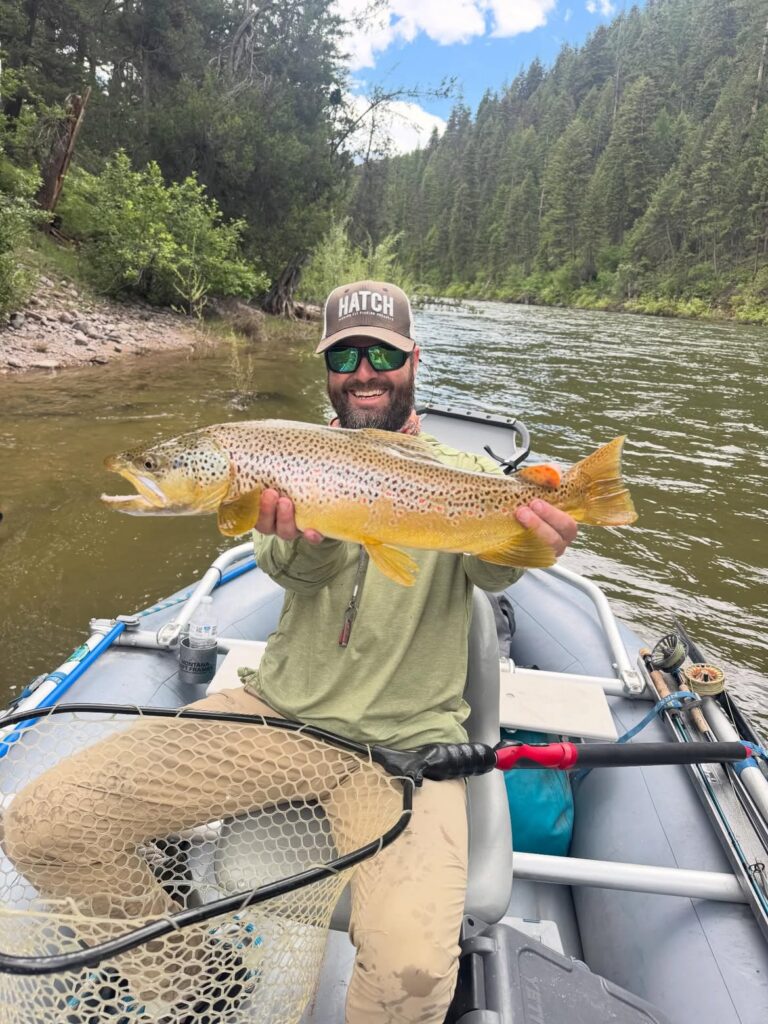
montana spring creek

Conclusion with Chase Glowacki on Montana Spring Creek Fly Fishing

Montana offers a huge mix of water, and this episode with Chase highlights how different each river can be. From spring creeks and double-nymph rigs to fall streamer fishing for aggressive browns, there’s always another layer to learn.

If you’re planning a trip out west, or just looking to sharpen your fishing skills, this conversation is a great reminder that the biggest improvements usually come from reading water and staying confident.


901 | Jim McLennan on Bow River Fly Fishing Then and Now

Bow River Fly Fishing - Jim McLennan

In this episode, I sit down with Jim McLennan to explore Bow River fly fishing across generations. We talk about the shift from classic dry fly fishing to streamer fishing, increased boat traffic, and the challenges of managing a well-known tailwater fishery in Alberta.

We also get into key hatches like golden stones, how dam operations impact river conditions, and how fly fishing techniques have evolved on the Bow River. Jim shares stories about legends like Lefty Kreh and Gary LaFontaine, along with insights from his books, including Blue Ribbon Bow.

Hit play to start listening! 👇🏻🎧

apple podcasts

Find the show:  Follow the Show | Overcast | Spotify

Subscribe on Apple Podcasts

Subscribe on Android

Subscribe via RSS

(The full episode transcript is at the bottom of this blogpost) 👇🏻

Sponsors and Podcast Updates

Bow River Fly Fishing - Jim Mclennan

Show Notes with Jim McLennan on Bow River Fly Fishing

Jim McLennan is based in Diamond Valley, a small town about 40 minutes southwest of Calgary. Over the years, Jim has worked across books, TV, and film in fly fishing. He’s created two shows, including Iron Blue in the 90s and later Fly Fusion TV with the Fly Fusion team.

If you want more on Fly Fusion, check out our past episode with the founder of Fly Fusion here:
WFS 387 – Fly Fishing British Columbia with Derek Bird – Fly Fusion Magazine, Bull Trout, Cutthroat

Jim McLennan’s Books

Jim’s first book, Blue Ribbon Bow, focuses on the Bow River and came out in the mid-80s. It was later revised, but it’s now out of print and mostly found through used copies.

He also wrote Trout Streams of Alberta, which covers rivers across the province, including fish species, hatches, and fly patterns. That book has also gone out of print, though there have been talks about another revision.

Before and after these books, Jim spent years writing magazine articles, building a strong base of knowledge around Alberta fly fishing.

Key Rivers and Regions in Alberta

Alberta is a big province, but most of the best trout fishing is in the south. That’s where the majority of the well-known rivers are.

Jim breaks it down by drainage. The Bow River is the most famous, especially outside Alberta. Then you’ve got the Oldman River system.

As you move north and west of Calgary, you’ll find more brown trout streams. These can be tougher. Fewer fish and harder to figure out. Closer to Edmonton, you move farther from the mountains. That means fewer trout streams and more lakes instead.

Bow River Fly Fishing

The Bow River starts in the eastern slopes of the Rocky Mountains in southern Alberta. It flows through Calgary, then joins the Oldman River.

From there, it becomes part of the Saskatchewan River system. What surprised me is where it ends up. All that water eventually flows into Hudson Bay.

Jim also pointed out that most rivers in Alberta drain north. Very little water goes toward the Mississippi system.

Trout Conservation on the Bow River

One of the biggest issues right now is trout getting pulled into irrigation canals. Fish can swim into these canals easily, but when the water gets shut off, many don’t make it.

This problem has been known for over 100 years, and it’s still happening today. There have been fish rescue efforts for years, with crews going in to move fish back to the river, but it only helps in the short term and doesn’t solve the root issue.

Now, a group called Trout Trust is focused on real, long-term solutions to stop fish from entering the canals in the first place.

Bow River Fly Fishing -
Photo via https://www.facebook.com/McLennanFlyFishing/

Where to Find Big Fish on the Bow

If you’re looking for bigger trout, the stretch from the south end of Calgary down to Carseland is the one. Jim says it’s the most accessible part of the river, with solid access points and boat launches.

Below Carseland, there are still plenty of fish, but it gets harder to reach. That’s why most anglers stick to that 50 to 60-mile stretch below the city.

Jim says there might be fewer fish overall now, but there are more big ones than before. Fish over 20 inches, even pushing two feet, are showing up more often. This reminds me of the episode we did with Josh Nugent, where he talked about offering a money-back guarantee for landing big fish on the Bow.

But he adds that the Bow isn’t always easy. It’s a temperamental river. You can have a great day, or you can get skunked. That’s just part of fishing here.

Jim McLennan’s Early Days of Guiding on the Bow River

Jim started guiding in the mid-70s while he was still in university. Back then, there were barely any guides and hardly anyone fishing the river. That early timing gave him access to some of the biggest names in fly fishing:

  • Lefty Kreh
  • Gary Borger
  • Doug Swisher
  • Ernest Schwiebert
  • AJ McClane
  • Charles Brooks

One big connection was Lee Perkins from Orvis. Jim had known him since he was young, and later got him out on the Bow. After that trip, Lee wrote about the river, which helped bring a lot of attention to it.

Bow River Fly Fishing -  Jim McLennan
Jim McLennan, AJ McLane, Keith Gradner (Photo via https://www.facebook.com/McLennanFlyFishing)

Bow River Fly Fishing Tactics Then and Now

Jim’s book looks at the whole river, but most of the focus is on the Calgary to Carseland stretch. That’s the main zone where people fish. He walks through the seasons, hatches, fly patterns, and even touches on conservation.

Boats, Setups, and Early Techniques

Most people fish the Bow from a drift boat. It’s a big, gentle river, so it’s very doable. You’ll also see rafts and pontoons out there.

Back in the early days, they mostly fished streamers. Leeches, Muddlers, casting to the banks, then getting out and swinging flies through runs. That was the program.

How Fishing on the Bow River Changed

Jim said it started as a streamer game. Then he began noticing rising fish. The more he looked, the more he found.

Strong hatches like PMDs, caddis, and Blue Winged Olives had fish up most days. It built a reputation as a dry fly river, and Lefty Kreh called it one of the best.

Now it’s a bit different. The fish are still there, but hatch fishing isn’t as consistent.
The focus now is more on bigger bugs. The golden stone hatch in July is a good example. Fish them early, before sunrise, tight to the banks. You’re covering water, not waiting on rises.

Key hatches

  • PMDs: late June to late July
  • Caddis: Mother’s Day hatch pre-runoff, then heavy evening hatches after runoff
  • Fall: Blue Winged Olives and tricos (less consistent)

Jim also mentioned that things just feel different now. Warmer temps and fewer bugs overall are hard to ignore.

Bow River Fly Fishing -  Jim McLennan

Toyota Trivia 🎣

Quick one for you. The Bow River we’ve been talking about eventually flows into a much larger system. The question is simple:

Where does the Bow River end up?

Head over to Instagram and drop your answer on the post. Tag @prairietoyotadealers and @wetflyswing to enter. We’ll pick one correct answer at random and send out some Toyota + Wet Fly Swing swag.

Random Segment with Jim McLennan

Q: Any trips still on your bucket list?
A: Saltwater. Jim has fished a lot of freshwater but hasn’t really done the tropical side yet. He’d start with bonefish, then maybe move into tarpon and permit.

Q: What do you listen to on the road?
A: Sports radio or a local Alberta station, CKUA. It’s all over the place in a good way, lots of different music.

Q: Are you into sports?
A: Big on hockey and also a huge baseball fan. He follows the Blue Jays and grew up playing both hockey and baseball.


Learn Fly Fishing with Jim McLennan

Jim and his wife have spent the last 20+ years focused on teaching fly fishing. Their website is where everything lives, from beginner schools to more advanced, on-the-water instruction.

They offer:

  • Beginner and intermediate fly fishing schools
  • On-the-water and classroom instruction
  • Private group and corporate sessions

Check it out here: McLennan Fly Fishing
Facebook: https://www.facebook.com/McLennanFlyFishing

Sponsors and Podcast Updates

Related Podcast Episodes

Full Podcast Transcript

Episode Transcript
WFS 901 Transcript 00:00:00 Dave: A river can teach you different lessons depending on how long you stay. Spend a season out there and you learn where to stand. Spend a decade and you learn when to move. And when you spend forty years. You start to understand how it breathes. Today’s conversation traces the bow River across generations from the early days of light pressure and dominant dry fly culture to the rise of streamer fishing. Heavier boater traffic and management realities of a major tailwater. We’re going to talk about the golden stones in this nocturnal insect hatch. How dam operations shaped one of the famous rivers in Alberta. And then we’re going to dig into the early years. We’re going to get back to how Lefty Cray and Gary La Fontaine. All this came to be. Jim’s got some amazing connections. We’re going to hear all the stories today. We’re also going to get into and hear about some of the books that Jim wrote, including Blue Ribbon, Bow and some other books around Alberta. This one’s jam packed. Excited to share it with you. Here he is, Jim McLennan. How you doing, Jim? 00:01:05 Jim: I’m doing all right, Dave. 00:01:06 Dave: Great to have you on here. I’ve heard a lot about you over the years. Um, you know, we’ve done a few episodes up in Alberta, but I know you’ve traveled a lot. So we’re going to talk about that. And some of the, the books you have going today and, and probably just focus on a good chunk of Alberta in the bow River, which is obviously a big famous river today. But, um, maybe before we get into it, take us back. Are you still in, uh, where are you at in Alberta these days? 00:01:29 Jim: I’m in a little place called Diamond Valley, which is a town of about five thousand people, about forty minutes southwest of Calgary. 00:01:38 Dave: Okay. 00:01:39 Jim: Far enough from the big city, but close enough to the big city, if you know what I mean. 00:01:42 Dave: Yeah, exactly. Yeah. Nice. Um, let’s start it off because I know you’ve done a lot in fly fishing, you know, shows, books. Where do you start when you’re trying to give somebody your bio on on things? What do you think is the biggest impact you’ve had out there? Do you feel like you know the books, the shows? What is the thing you really love? 00:01:59 Jim: Oh, the biggest impact I’ve had. Oh, I don’t know. Um. 00:02:04 Dave: Or maybe. What do you think is the stuff you really love doing? Do you love the the TV shows or do you love writing more? 00:02:10 Jim: Um, I like them both. They’re really completely different. Um, when you’re writing, you, you really, at least theoretically, have complete control over what is going to turn up when you’re finished and when you’re doing a television program or any sort of video stuff to do with fly fishing. There’s so many variables that you try your best but you really don’t know. It’s, you know, a script is just a, a possibility when you start. 00:02:38 Dave: Right? Yeah. You’ve got a script, but do you, do you find when you were doing your shows and we’ll talk more about the details on them, but when you were doing them, did you kind of have this script? And then it kind of got thrown out the door and you just went with it? 00:02:49 Jim: A lot of the time, yeah. You kind of have a hope what you’re going to, what you’re going to see and what you’re going to do. But we learned this pretty quickly, Actually, I have done two fly fishing TV shows over the years. The first one was back in the nineties called Iron Blue Fly Fishing. We did two seasons for Outdoor Life TV network and very quickly we learned this will give you an idea of what we’re talking about that we would. The very last thing we would do that we would shoot would be the introduction to the show. I mean, because you just there’s no point in doing it at the beginning because it’s probably not going to be quite accurate. So you do the show and get everything you think, okay, well, this is I think this is what this is about. So let’s introduce it that way. Yeah. 00:03:32 Dave: Yeah, that’s exactly how we do it here too. The podcast episodes are always the best when they’re not scripted. You know, you just kind of go with it, right? And then you do the intro after. And what was your other show that you did? 00:03:43 Jim: Well, more recently, like ten years ago or so, I did three seasons of Fly Fusion TV, which was done by the Fly Fusion magazine people. 00:03:53 Dave: Yeah, definitely. Yeah. Fly fusion, we’ve had. I’m trying to think of the name of the the gentleman who runs that. But, um. 00:03:59 Jim: Oh. 00:03:59 Dave: Chris Burke yeah, yeah, we’ve had him on the podcast and talked about, I think he talked about the Upper Columbia, which, which I guess that’s part of, maybe take us back there where you fit with the let’s get into the bow River piece a little bit there. Maybe talk about the bow. It’s we’ve talked a lot about it, but how does it fit into that? What does it flow into? What’s it connected to in the bigger system up there? 00:04:19 Jim: Okay. Yeah, sure. The, the bow comes from the, the east slopes of the Rockies in southern Alberta and flows through Calgary, and then is joined by another one of our best trout streams, the Old Man River. And it carries on as part of the Saskatchewan River basin. And, uh, this part, I suppose, surprises people because it ends up in Hudson Bay. 00:04:42 Dave: That’s right. 00:04:43 Jim: It’s, uh, we have only one tiny bit of water in Alberta that flows into the the Missouri and Mississippi drainage, and that’s the milk River. But, uh, everything else goes either. Uh, well, I guess everything goes to the Arctic Ocean, either via Hudson Bay or, you know, the farther north drainages in Alberta go more directly to the Arctic Ocean. 00:05:03 Dave: Right? Yeah. That is amazing. 00:05:05 Jim: Not Missouri. Mississippi drainage. 00:05:07 Dave: No, no. What’s your substantial. But yeah, I mean, the fact that it travels all the way across Canada. Oh yeah. Right. And towards Ontario. And then. Yeah. That’s amazing. Yep. 00:05:17 Jim: Long ways from here. 00:05:18 Dave: Yeah. Yeah. So good. So that’s kind of the boat where you’re fishing. Maybe take us out even higher level. Let’s talk about we talked about the shows. We’ll get more into all this as we go, but I think a couple of the books you’ve written will shed light on Alberta, maybe describe those books that you’ve put together. 00:05:33 Jim: Yeah. Well, the first book I did was a book on the bow, and it was called Blue Ribbon Bow. It’s out of print really completely now, except for, uh, whatever you can find in a used bookstore, sometimes online at a, at an outrageous price. Yeah. But, um, it was done in, um, I guess it was, I think it was nineteen eighty six, it came out. So it’s, um, and then it was revised, uh, sometime, I can’t remember, maybe late nineties or something like that. So if you find a copy, it’s going to have, uh, I mean, it’s going to be dated for sure, but that was the first one. Then I did one called Streams of Alberta, which just talked about, well, trout streams of Alberta. Yeah. Looking at each drainage and what the, um, you know, with the fish species and the type of fishing and the bugs and fly patterns and all the usual stuff. And, and that one has just basically just gone out of print recently. And there were talking about a revision. There actually was one revision. We were talking about possibly another revision in the future, but nothing has really been settled on that yet. So that’s where the that’s where the book writing started. Prior to that, I had written some magazine articles and things and carried on through the whole the whole time. 00:06:49 Dave: That’s perfect. No, I think that’s the perfect, um, kind of segue into, you know, talking about this because I think Alberta, it’s, you know, all the provinces are huge, right? But, but I think that it’s interesting because Alberta has the bow. It’s got some big cities and it’s got all the northern areas. How do you describe, you know, when you break that down or maybe how did your book break down Alberta? How did you talk about that? I guess it’s focused on trout. So does that mean it was more south, more southern? 00:07:14 Jim: Uh, there was there would be more certainly more words written about the South. Um, because that’s actually where the there are more of our good trout streams are in the south. I mean, Alberta is it’s a big province. I mean, you know, I guess not all the Canadian provinces are big. The Maritimes are not. But um, yeah, Alberta, it’s really big if you look on a map. Uh, northern Alberta is way up there. The northern boundary of Alberta is with the Northwest Territories. So, um, anyway, so yeah, most of the, the trout streams of Alberta book is dealing with the more southern streams. Now there. I took a drainage by drainage. So there’s a chapter on the, on the, um the northern drainages, the Athabasca River system and that, but, but they take up less space in the book. Yeah. And so that’s what I did. I went sort of drainage by drainage started with the old man in the south, then the bow bridge and then the Red deer and then the North Saskatchewan and then, uh, the Athabasca, and then the peace with the peace River system up way up north in Alberta. 00:08:21 Dave: Okay. What is the when you break down the, you know, the top or the most famous rivers, I’m guessing the bow is number one. How would you break that? What are the maybe the top ten trout streams that are out there? And did you also add Stillwater in those. 00:08:35 Jim: Uh, no, no, no, it was just just moving water. Moving water. 00:08:38 Dave: Okay. 00:08:39 Jim: Um, the top ten. Well, certainly the ten. Well, I don’t know if I’ll get. 00:08:42 Dave: Or maybe not or. Yeah. Just give us the top. Yeah. 00:08:44 Jim: No, the old man or the bow is certainly the best known beyond Alberta. And then it would then it would be the Old Man River system, which is like one drainage south of about, oh, two hours from Calgary. You’re into the old man system and there’s a a bunch of streams there, the old man itself. And it has some, you know, main tributaries, you know, the crow’s Nest River, which is would be on that list for sure. And, and a couple of other tributaries of the old man. Um, those would be the best, the best known once you get north of Calgary, northwest of Calgary, there are quite a number of, uh, brown trout streams in our, in our foothills coming off the mountains, they’re mostly pretty temperamental streams. They, um, they don’t have high numbers of fish and, uh, they’re, it’s very easy to take a kind of random visit to one of these and not really see much. So. 00:09:37 Dave: Right. Are these cutthroat streams? 00:09:39 Jim: Uh, no, these would be brown trout streams. 00:09:40 Dave: Oh. Brown trout. 00:09:41 Jim: Uh, the old man and its tributaries are rainbows and cutthroats and bull trout too. We still have bull trout, but northwest of Calgary it’s mostly. It’s mostly brown trout. 00:09:51 Dave: And then as you get up to Edmonton in that area, does it just start to get more, less trout and more kind of Stillwater as you go from there? 00:09:59 Jim: Yes. Yeah. Um, if you look at the the placement of the Rocky Mountains, they, they sit on, on an angle through Alberta kind of running. Let’s see. 00:10:10 Dave: The border, the border of B.C. and Alberta, right? 00:10:12 Jim: Yeah. B.C. and Alberta border is sort of diagonally, uh, from right to left, top to bottom. If you’re looking at a map. So Edmonton is much farther from the mountains than Calgary is. And, um, and there are so Calgary is closer to the mountains and closer to the cooler streams where trout can live and a different type of streams too. Um, the best concentration of our moving water fisheries are certainly from, um. Oh, maybe there’s a city in between Edmonton and Calgary called Red deer. Maybe from west of Red deer to west of, uh, all the way to the Montana border. That’s where the best of it is. 00:10:55 Dave: Yeah, that’s the best. Okay. And that’s all the trout streams. Awesome. Well, and then, of course, the bow River we mentioned and you wrote another book on that. Um, where do you start with the bow River when, you know, if somebody, you know, kind of new to maybe fishing it? Maybe you could take us into that book, the first book you did there. How did you cover the bow? Because it’s got some different segments, right? It’s got some segments, areas that are known for really big fish and then some places higher up. Describe that. How do you describe the bow? 00:11:21 Jim: Well, it’s interesting and I guess fairly complex. Maybe it comes out of the mountains in Banff National Park. And up there it’s entirely a freestone stream, not particularly productive as far as, um, you know, water chemistry and bug life and, um, the native fish throughout the Bo system were, uh, westslope cutthroat and bull trout, and they are mostly gone from the Bo system. Not actually, not entirely. They’re pretty much gone from the Bo proper except for the, uh, the real extreme sort of upper ends. There’s still some bull trout there. Um, there are brown trout throughout the river from about the town of Banff on downstream until well below Calgary. But the part of the Bo that people will have heard about most is the park sort of in and downstream of Calgary for about fifty miles. And that’s pretty interesting because it’s, uh, there’s about one point six million people in Calgary. And the river that flows right through it is a really good trout stream. And that, I think is probably the distinctive thing. And a unique thing about the Bo is that there’s not many streams going through that many people that are still hospitable to trout. 00:12:44 Dave: Still blue ribbon. Right. Great. 00:12:45 Jim: Yeah. Yeah. I mean, blue ribbon is not an official designation here like it is in some places in the States, but it’s just kind of a descriptive. Yeah. Yeah. 00:12:55 Dave: And what was the name of your book? It was the blue. What was the name of the. 00:12:57 Jim: Blue ribbon bow? 00:12:58 Dave: Yeah, yeah. Blue ribbon bow. Yeah. Yeah. What do you call the in Canada? Do you have a name for the. If it’s not blue ribbon, what are your top streams? 00:13:05 Jim: No, we don’t have anything I know. I guess Montana’s got blue ribbon and Colorado’s got what? Gold medal or something? 00:13:11 Dave: Oh, yeah. I always think blue ribbon in the in the States is kind of a just a general. Maybe. Yeah. Maybe there isn’t an official thing for all states, but. Yeah, blue ribbon seems to be the name. 00:13:20 Jim: Yeah. No, we don’t have an official official naming system. It’s just what people kind of glom on to for description. And the publisher thought it was a good title and I did too. 00:13:31 Dave: So yeah. Yeah. No, I think it is. I think they’re both good titles. So. And then and then is it a it’s a tail water coming out. Is there a big reservoir out there? 00:13:39 Jim: Yeah. well, there’s a number of dams upstream of the city of Calgary between the mountains and Calgary. And, um, the last one, the most downstream one is a, it’s called the Bearspaw reservoir. And it was actually built in, I think, nineteen twenty five, really to stabilize the flow of the river through the city. Um, the instability was caused by some power dams further upstream. And so it’s, it’s kind of a stabilizing dam and, uh, which helps, you know, stability is a nice thing for, for trout. And so that’s one of the things that has created the, the exceptional fishery in and downstream of Calgary. The other is the, the water treatment plants in the city that, that, uh, Calgary through the years has done a pretty good job of keeping up their, their water treatment. Um, so that what goes back into the river is not killing everything downstream. It actually provides some nutrients and some phosphates and nitrates that allow for a, you know, a heavier growth of insects and aquatic plants. So the combination of the, of the more stable river because of the, the bearspaw dam and then the, the addition of some nutrients allowed the river to carry more fish and fish that grow more quickly than most other places, certainly in Alberta. 00:15:05 Dave: Right, right, right. Yeah. 00:15:06 Jim: That’s a little unusual that way. There is sort of debate over whether it’s a true tailwater or not. It doesn’t have all the things we think of the tailwater, which would be, you know, bottom drawer, deep reservoir, cold water temperatures doesn’t have that. The reservoir is not a not that kind of reservoir. No, but it is downstream of a dam. If that’s how you define Tailwater, then yeah. 00:15:31 Dave: San Juan roadworks started with a simple belief great fly rods and gear shouldn’t cost a fortune. As a family run company, they focus on building high quality fly fishing products that perform on the water without the premium price tag. You can try San Juan roadworks for thirty days risk free right now, and if you’re not satisfied, send it back for a full refund. You can go to San Juan roadworks dot com, that’s s a n j u a n roadworks dot com. Pescador on the fly offers a full range of fly fishing gear for any angler at any budget, with premium raws delivered directly to you. The lre G6 is the most packable high performance fly rod on the market, performing like a four piece rod but with unmatched portability in six pieces, and you can get ten percent off your next order right now if you use the code Wet Fly swing at Pescador on Thefly.com never fly without your G6. Discover the LRE series and more at Pescador on the fly dot com. Yeah, it’s kind of unique. It sounds like because of the the way the water quality is managed, it’s the perfect fit for that area? Is it managed? Is that a focus? Is the trout fishing a big focus? Are there other things that take precedent over over that area? For the river, um. 00:16:45 Jim: Almost everything takes precedent over the over the quality and the requirements of the river as a trout stream. The fact that it’s still here is, um, probably more good luck than any sort of intention. 00:16:59 Dave: No kidding? No kidding. 00:17:00 Jim: Yeah. Um, you know, as the city grew, the needs for more sophisticated and larger treatment of its, um, you know, domestic water increased and, and, and so it was done. And that helped, you know, both both the people and the fish. But it’s never been, it’s been kind of a sore point with a lot of us who’ve been around the river in the fishery for a lot of years that it’s never really been, um, what’s the word cared for as carefully as it should be. And we’re really pretty fortunate that it’s still around and still a good trout stream. You know, lots of bad things could have happened. 00:17:39 Dave: And could there be some things that could still happen? Looking ahead. 00:17:43 Jim: Oh yeah. Everything that, um, that puts stress on the river is increasing. You know, from the, the, the number of the population of the city, um, the climate change, increased water usage. Um, one of the things we’re, we’re dealing with now is there has been an identified decline in the number of particularly of rainbow trout in the last ten years or so. And the, the Alberta government has identified three main causes of this. One is um is still the instability in more minor ways of the flows through the city. Um, because of the requirements of the, from the power dams and things, it’s not completely stable. Uh, and that’s one of the stressors. The other one is, uh, catch and release fishing mortality, which they believe has a significant effect on the population of fish. And the one that I’m currently involved with, with a new conservation group up here is, um, what’s called entrainment of trout in irrigation canals, uh, in and downstream of Calgary. There’s a, there’s two places where water is diverted from the river for irrigation and goes into canals and out to the irrigated farmland, uh, east of Calgary. And, um, these are fairly significant canals and the fish just have an unrestricted access to these, um, just because there’s nothing to stop them from going down these canals. So they significant numbers of fish move into these irrigation canals and they’re probably happy, happy enough through the summer. But come the end of irrigation season, in the fall, the, uh, the water to the canals is shut off. The tap is shut off actually, and the canals dry up. So, um, whatever. Fisher is still there. Um, are pretty much doomed now. The the local Trout Unlimited chapter for many years has conducted a, what they call a trout rescue. They go down and fish the canals. 00:19:44 Dave: Oh, yeah. Yeah, we’ve heard about that. 00:19:45 Jim: Yeah. You might have might have heard that. It’s a neat um, initiative. What’s wrong with it is that it started, I think in nineteen ninety eight. And the idea was not that this is going to solve the problem of losing fish to the irrigation canals. It was going to return a few of them to the river and kind of make a point and make a statement that this ought to be addressed properly, which would be, uh, the installation of, um, devices that can keep the fish out of the. 00:20:14 Dave: Yeah, you got to keep them out of them in the first place. That would solve the problem. 00:20:17 Jim: Yeah. Because they, I mean, they catch a lot of fish in these fish rescues in a tiny portion of the canals. And that’s what’s so disturbing. I mean, it’s over the years, it’s it’s been over a million fish now, not all trout, but lots and lots of trout. Every year it’s thousands of them that they put back in the river. Um, but I think the if I get my numbers right, the main fish rescue on one of the canals, uh, takes place and I think about three. Okay, I’m going to go all Canadian. 00:20:47 Dave: Yeah. Let’s hear it. 00:20:48 Jim: Three kilometers of the canal and the canal is sixty six kilometers long. So. 00:20:53 Dave: Yeah, which is a kilometer. Yeah. I mean, we, I think we got that a thousand meters. That’s pretty decent size. Like a kilometer is like a quarter of a mile or something like that. 00:21:01 Jim: Yeah. And a quarter and a half, I think. 00:21:03 Dave: Yeah, yeah. 00:21:04 Jim: So anyway, the fish rescue was never intended to be a solution. It was intended to help a little bit and to make the government aware of the problem. But so far nothing has been done. So there’s this, um, this new conservation group that started in Alberta called the Trout Trust that I’m involved in with the another half a dozen people who are concerned about the same thing and trying to, to push the provincial government to solve this problem because it’s so clearly the right thing to do. As you know, I sometimes tell people when we’re talking about this, nobody thinks it’s okay. 00:21:38 Dave: No. Yeah. Nobody loves us. Even the farmers, I’m sure, don’t love it. Yeah. 00:21:42 Jim: It’s just time for something to be done. And what really gets people’s attention. We’ve put together a about a fifteen minute film on this on this issue of entertainment. And in there we one of the points we make is the idea or the knowledge of fish lost to irrigation canals in Alberta first appeared in a in a government report or a report, I guess it was a report to the government. And, uh, we put a big pause in the film here or a short pause while we say that the year that this report came out saying there’s significant damage to the trout populations in the rivers because so many fish are caught in irrigation canals, that was first identified in Nineteen ten. 00:22:27 Dave: Yeah. 00:22:28 Jim: Yeah. So it’s been going on, uh, whatever that is, one hundred and fifteen years. One hundred and sixteen years. No attempt to fix it. 00:22:34 Dave: No attempt. Yeah. No. And you have you have some not easy fixes, but I mean, you could put fish screens, right? I mean, that’s the thing that you could put in there. They’re pretty common all around the world keeping fish out. 00:22:44 Jim: Yeah there are lots. We’ve been looking into it. There are a lot of different technologies. A simple screen wouldn’t work on the go because there’s it would get clogged with there’s a lot of plant life. 00:22:54 Dave: Oh yeah. 00:22:55 Jim: And we have a runoff and lots of debris comes down in the spring and it’s a big river anyway. But there’s other technology. Some of them are really interesting. Some of them use light, some of them use sound, some of them use sort of, uh, I guess the opposite of decoys. They put a predator sort of, um, statues or whatever. Oh, wow. Over the water to keep, you know, I guess probably bird predators too. Anyway, yeah, it’s the opposite of decoys, whatever you call them. 00:23:24 Dave: Sure, sure. 00:23:25 Jim: And some of them like they’ll, they’ll make a barrier of bubbles. Um, kinds of things. It can be done depending on the specifics of the. Of the situation. And um, we’re just pushing the government to figure this out. And because it’s frankly, it’s just stupid to allow this to keep going. And the reason it keeps going is because there’s other priorities. 00:23:45 Dave: There’s other priorities. Yeah. It comes back to a funding thing, right? I’m sure the sure, the government would love to fix it, but they’re probably thinking, well, we got these other things. And yeah, so really it’s finding, you know, finding some funding, right. Which two does have funding? You know, they there’s funding sources, but we’re probably talking millions and billions of dollars probably to fix this. 00:24:03 Jim: Probably in the millions, depending on which structure would make the most sense and be the most successful. Yeah. One of the things we’re going to try and push for while the thing is it’s going to take some more. Oh, I guess investigation to figure out which is the best structure and then what it’s going to cost and then who’s going to pay for it. And, um, the other thing we always point out in this business is that, um, we’re not this group of ours, this trust. We’re not opposed to irrigation. We know. 00:24:31 Dave: Right. 00:24:31 Jim: Farming is a big deal in southern Alberta and. 00:24:34 Dave: Yeah, we gotta eat. We gotta eat food, right? 00:24:35 Jim: We gotta eat. You know, it’s dry out there and we need irrigation. Uh, we’re not saying, uh, we don’t want we don’t want the water. 00:24:41 Dave: Yeah. You don’t want to, like, remove all the dams and make a natural stream. 00:24:45 Jim: No, we don’t want to stop irrigation. We just want to stop. Stop the fish from getting out. 00:24:49 Dave: Well, it sounds like a pretty good, uh, something that we could maybe, you know, get involved with. So where would be the place is the. You mentioned that video. Where can we find that video to look it up? 00:24:57 Jim: Uh, well, we’ve just it’s just been finished up. Um, if people can find out more about this specific problem at, uh, we have a website called the trout trust dot. 00:25:08 Dave: The trout dot com. 00:25:11 Jim: actually dot com or dot c a will. 00:25:13 Dave: Get you there. Okay. The trout trust okay. 00:25:16 Jim: There’s a whole bunch of information there. And before long the film will be, uh, placed there. We just had the first showing of the film. Well, last week at the, uh, the IFC Film Fest in Calgary. 00:25:28 Dave: Oh you did? Is this running at the I because I think i4 is running at the fly fishing shows down here too. 00:25:33 Jim: It is. But our film is not part of the festival films. It was kind of a special presentation in Alberta. 00:25:39 Dave: Yeah. We see at the Trout Trust com. It’s um. It’s awesome. Yeah. You got the sign? The petition? Yeah. You got it all here. So this is a great place. So we’ll send, we’ll put that link in the show notes so people can take action. 00:25:49 Jim: That would be. 00:25:49 Dave: Great. That’s awesome. Yeah. We’re always, uh, you know, I mean, I think that all the streams have some of these issues, right? And it’s a matter, it’s amazing. The bow has been, you know what it is, right? It’s still this powerhouse. Maybe describe that where, you know, uh, you hear about these big fish, you know, when you think of the bow, are there certain segments that really have the chance to find those bigger fish? What does that look like? 00:26:08 Jim: Yeah, it’s really from, oh, the southern part of Calgary, the downstream part of Calgary. Down, down mostly, I suppose about fifty miles. There’s a um the little town called Carseland. It’s a farming town downstream of the city, downstream of Calgary. And, um, certainly the brown trout and the rainbows continued downstream of there. There is an irrigation. Well, that’s where one of the canals comes off the river at Carseland, downstream of there. There is still it’s still a very good trout fishery. It’s just really inaccessible there. It, uh, enters an Indian reserve shortly downstream. And, um, the only way to access it down there is with a powerboat. And there’s some people, you know, that do that, but the more accessible part of the river is always considered to be the Calgary to Carseland stretch, because there’s a number of public accesses and drift boat, okay, boat ramps and that sort of stuff. So. So there’s fifty or sixty miles of the river where you can find the the big fish. And one interesting thing is when I guided on the bow a long, long time ago, back in the seventies and 80s, it was still a river known for big fish and lots of fish in the sixteen to twenty inch range back then. But what there are more of now. There are fewer fish overall. Still a good average size, but the chance at a fish of two feet or longer is. There’s more of those caught now than there really ever was when I was working on the river. Um, I’m not really sure why that is. Well, we’ve, it’s had, uh, pretty restrictive regulations, you know, about catching at least for quite a long time. And that’s probably something to do with it. And, but yeah, this past summer especially, it was, uh, it was a really, um, there was an awful lot of big brown trout being caught at least. And the reason I know this is because I saw it on Facebook. Yeah. Um, you know, it’s true. 00:28:09 Dave: Yeah. You’ve seen the photos. You see the photos. Well, that’s the interesting thing always about the social media is you see, you know, you see the best of the best and you don’t see the days when people are getting skunked and stuff, but no, that’s good to hear. It’s some pretty good stuff. And we’ve done a couple of podcasts on and I’ve heard about some of these fish. In fact, one of the guides there, I think he has a fly shop. I can’t remember. I’ll have to track down. We’ll put a link in the show notes. But he was talking about when he started, he had this guarantee. I think it was something like you would catch a fish over twenty inches or twenty four inches or something huge or your money back. You know what I mean? Really? Yeah. 00:28:40 Jim: That’s bold. That’s bold. Because the other thing that’s always been true in my sort of observation is that it’s a temperamental river. Yeah. 00:28:48 Dave: Yeah, exactly. 00:28:50 Jim: I always tell people, you haven’t been skunked on the boat yet. You haven’t fished for very long. 00:28:53 Dave: Yeah, and I just found a link to it. So it’s, um, episode seven seventy seven. It was, um. Josh Nugent. Oh, okay. Yeah. Josh Nugent so he. I don’t think he’s still guaranteeing that. Um, but, but it worked for marketing. It was good. And then we had another good episode, episode four hundred sixty one that was back in twenty three with Barry White, which I’m sure you’re aware of. 00:29:13 Jim: Yeah. 00:29:13 Dave: He talked about some of the high level stuff on floating the river and stuff. So yeah, I think we have a couple of great episodes and out there, but maybe, you know, like you said, what was it like when you were guiding? Did you do that for quite a number of years or. 00:29:25 Jim: Well, it was it was very different. I started in probably about it was nineteen seventy five or nineteen seventy six maybe. I was, uh, in university going to university in Edmonton. That’s where I, where I grew up and I was, uh, keen on fly fishing and I’d fly, fished the bow a little bit. And a friend of mine was running a little, um, a little tackle shop in Edmonton, and he was going to expand to Calgary and open a second shop in Calgary. This wasn’t just a fly fishing store, but a general store. And, and, uh, he also knew about the, the fishing in the bow and was going to start a guide service. So because I had fished the river a little bit and had my summers off from, uh, one university, I got to be the guide. So I was, um, perhaps the first, quite likely the first sort of full time guide, if you want to call it full time back in the seventies. 00:30:20 Dave: Were you first in the seventies? What was the were there a number of guides on the bow then? 00:30:24 Jim: No, no. There. This was sort of the beginning of it. I think it pretty much started with, uh, with this story I’m talking about. 00:30:32 Dave: No kidding. 00:30:33 Jim: I came down for the summers and guided, and then it wasn’t too long before we got some other guides to work with us. But it was pretty interesting because there was, there was essentially nobody fishing. And um, when we got, um, a few other guides, maybe by the, by the early eighties, maybe we maybe had four guides working the river. And I remember we would get together at the hotel to pick the clients up in the morning and we would, uh, if somebody claimed one stretch of river, one ten mile stretch of river, one of the other guides would say, well, I wanted to fish that stretch today. 00:31:09 Dave: Right? Wow. 00:31:10 Jim: So yeah, that’s what am. 00:31:12 Speaker 3: I going. 00:31:13 Speaker 4: To be there if you’re there. 00:31:14 Dave: Right? Right. Was Barry White out there then? 00:31:16 Speaker 4: Yep, yep. Barry worked for us. Oh he did? Yep. 00:31:19 Jim: Shortly after we started that. 00:31:21 Dave: Gotcha. 00:31:21 Jim: I really like to point out that the way the, um, the CEO got known was through some, um, prominent American fly fishers and writers who, uh, sort of heard about it through the grapevine and then came up and we actually invited some of them. Um, Lee Perkins, the CEO of Orvis for all those years. He came up, he was actually a friend of my father’s. I had known him since I was five years old. 00:31:48 Speaker 4: Oh, wow. 00:31:49 Jim: And so he came up and he wrote about it in the Orvis news. And then, uh, AJ McLean came up and Ernest Schwiebert came up and Gary Borger came up in later years, and all the big guys came to fish here because of the bow. And especially in the early years when somebody was going to take him fishing, it was usually me because there just wasn’t anybody else around. So the perhaps the best thing, you know, that circumstance did for me was I got to fish with almost all of my fly fishing heroes. 00:32:22 Dave: Right? The greatest fisherman out there. You did. And what was that like? Did you kind of pinch yourself as you were going. 00:32:26 Speaker 3: Oh, yeah. 00:32:27 Jim: For once, I think I was aware enough to try and make the most of it. And I, uh, I asked a lot of questions and I, you know, I stood beside lefty when he was fishing to rising fish. And the same thing with Lee Perkins and yep, Gary Borger and Doug Swisher and all those guys. And I just soaked it in, you know, I soaked it up. So it was it was a wonder. It’d be like, I don’t know, some young golfer getting to caddie for all the greats. 00:32:55 Dave: Well, it’d be like, yeah, I go back to any of the sports, you know, you’re sitting there with whoever your hero is. 00:32:59 Speaker 3: Yeah. 00:33:00 Dave: And how old were you when you first when you were out there with Lefty Kray? 00:33:03 Speaker 3: Uh, well, let’s see. 00:33:04 Jim: I think it was nineteen eighty, so almost thirty. Yeah, twenty seven or something. 00:33:10 Dave: Yeah. So thirty. So yeah. Right in your prime and left you. Yeah. What was he out of all those guys you mentioned? I mean, you know. Lefty. Um, I’m trying to think. Well, yeah. Gary’s still alive. There’s a number of. Yeah, but, um, who was the most. You know what I mean? Like, out of all of them was lefty who stands out. 00:33:26 Jim: Well, lefty stood out because he was, uh, well, he was lefty. He was, uh, you know, so gregarious and personable and knew more jokes. 00:33:37 Dave: He did. He was a joke teller. 00:33:39 Jim: He was a joke machine. Yeah. Yeah. And you could bring up any topic you’d say. He’d say, hey, I got one here for you and tell you about that. And he was really, you know, he, he was really big on, as he described it, uh, sharing knowledge rather than just displaying knowledge. Um, and so I learned a bunch of neat stuff from him. 00:34:01 Dave: Yeah. What does that mean? So sharing versus displaying, what’s the difference there? 00:34:05 Jim: Well, I think he was saying that, um, maybe some of some of the other writers that he felt were more trying to make themselves look, um, look good rather than helping the reader learn something. And, and, uh, he made that distinction and he certainly carried through with it. I, you know, all these guys that I fished with, I didn’t find any of them that were anything other than personable and willing to share. Yeah. I think they kind of, I wasn’t too subtle, probably in my, uh, quest for knowledge with them. And I think they were almost all kind of picked up on that. Here’s this young guy. He’s really soaking this stuff in. And so I think that I’m going to help him if I can. 00:34:49 Dave: Sure. 00:34:49 Jim: And a number of them, uh, you know, I kept in touch with, uh, Charles Brooks, who, uh, wrote a book, some books. He lived in West Yellowstone and wrote a number of books. He became a really good mentor to me and did a foreword for one of my books. 00:35:02 Dave: And yeah. 00:35:03 Jim: Charlie Waterman, who was, uh, I know I’m talking about guys who are gone now. 00:35:06 Dave: Yeah, yeah, we’ve heard of them. Yeah. 00:35:08 Jim: Yeah. Did it forward and Lee Perkins did it. Forward. 00:35:10 Dave: Oh yeah. Yeah. What was your. Sorry. No go ahead. 00:35:15 Jim: I was going to say that I have this probably the strongest connection or had to Lee Perkins from Orvis because of the long connection with my dad and, and uh, he came up to fish quite a number of times and I subsequently. And he was also a bird hunter. That’s the other bird hunting. And I hunted with him for quite a few times. And he was never, uh, you know, he never say, now sit down over there, Jim. I’m going to teach you something. It was never like that. I just was was watching and doing stuff with him and, you know, realizing how he knew how well, how good he was at enjoying the hunting and the fishing. And, uh, he would love to laugh. And I know one time he told me that he’s talking about both hunting and fishing. He said that if you’re only if you’re only happy when it all turns out perfect, you’re not going to be happy all that often. 00:36:06 Dave: No. 00:36:07 Speaker 5: No, you gotta be completely okay with partial success. 00:36:10 Dave: Exactly. How does your dad know Lee? 00:36:13 Speaker 5: Well. 00:36:14 Jim: Uh, this was before Lee was, uh, before he bought our office, which, uh, happened in nineteen sixty five. He worked for a company in Cleveland where he was from, and, uh, that made, uh, automotive equipment like welding machines and stuff like that. My dad in Edmonton sold some of the stuff that the company Lee worked for manufactured. 00:36:38 Speaker 5: Wow. 00:36:38 Jim: So Lee would come up. Um, he on a on sales trips. And after the first sales trip, he realized that, uh, he and my dad had a lot in common. Mostly the hunting stuff. Then because my dad was, uh, not that much of a fly fisher, but he was a really avid, um, waterfowl and upland bird hunter. And so one of the stories they both used to tell was that after they realized this connection, Lee would always schedule his sales trips to Alberta in October so that his dad could go hunting before or after their meeting. The sales meetings. And the joke was that back in those days, businesses were always closed on Sundays. Uh, this was like in the well, after sixty five and before sixty five, uh, businesses were closed on Sundays. So my dad would say to his staff, okay, well, this Sunday you’re going to and also you couldn’t hunt on Sundays. 00:37:32 Dave: Oh. 00:37:33 Jim: So he’d say they’d have to have the sales meeting on Sunday so that the dad and Lee wouldn’t lose another possible day of hunting. So that was not all that popular with my dad’s staff. But that’s the way they did it. 00:37:44 Dave: Oh, wow. So they worked on Sunday. 00:37:46 Jim: They worked on Sunday. Uh, because dad and Lee couldn’t hunt on Sunday. 00:37:49 Dave: Yeah. Gotcha. Wow. Wow. There you go. That’s some pretty hardcore dedication. 00:37:53 Speaker 6: Oh, yeah. Yeah. 00:37:54 Dave: And then when did Orvis. When did Lee buy Orvis? 00:37:57 Jim: Uh, nineteen sixty five. 00:37:58 Dave: Oh, that was it. Yeah, nineteen sixty five. Yeah. Wow. And of course, it’s still the Perkins family. It’s still it’s been an amazing story because. And I have a connection to Orvis as well. I mean, my dad had a little fly shop back in the day and, and Orvis was a big, um, you know, a big brand that I knew. I mean, everything I had was it was great. You know, a great company. And then I’ve learned a lot about, you know, over just through the podcast, the conservation and how great of a company they are, you know, and. 00:38:21 Speaker 6: Yeah, I always. 00:38:22 Jim: And I, and I told you this even a long time ago, I don’t think Orvis ever gets enough credit for their conservation work. 00:38:28 Dave: No, they don’t. 00:38:29 Jim: You know, they don’t brag about it. 00:38:31 Dave: They don’t, they don’t brag about it. No. And that’s why it’s fun to talk about it because I think that they’re just quietly, you know, doing their thing and people. You know what I mean? Doing the right thing. 00:38:40 Speaker 6: Yeah. Let’s see. So it’s, uh. 00:38:42 Jim: third generation Perkins now running the show. 00:38:45 Dave: Yeah. We’ve had, um, we had, I think it was the son of Leon. Um, yeah, we had perk. A perk was great. He talked about his trip down to the Bahamas for a year. He took off and fished the, you know, perk a little bit. 00:38:56 Jim: Yeah, I know, but yeah, um, I haven’t been in contact with him, but yeah, do some kind of a sailing trip or something. 00:39:04 Dave: Yeah, yeah, he went down, he bought a giant boat. You know, he described I’ll get a link in the show notes, but he got this giant boat and he just basically it was his, whatever you call it, you know, his, his, um, you know, he took a year off and it was like, who wouldn’t? You know what I mean? We should all be doing that, taking a year off and going. But yeah, he caught Barracuda. He just and he was it was his boat. He was like he was the captain. It was a pretty cool story. So yeah. And then and now of course they’re still going, you know that family. 00:39:30 Jim: Now it’s not her son. Simon. Yeah. Simon. 00:39:33 Dave: Yeah. Simon. Cool. Well, so that’s the connection back. Did you guys start with your dad? You said, were you living in Edmonton when your dad was working there with with perk, or was that or with. Um, yeah. 00:39:42 Jim: No, I lived there. Well, basically until I moved down to Calgary to start the guiding stuff in the mid seventies, I guess. 00:39:50 Dave: Gotcha. So what were you guys fishing? So were you in, uh, not the, um, the founder was, uh, yeah. Lee Lee was the founder. So were you were your dad. Where were they fishing or were they just hunting? 00:40:02 Jim: They were just hunting. Yeah. It was quite a long time before Lee came up to fish. After I had started guiding, I’d stayed in touch with him and. And I just said, you should come up and and fish. We got, we got a pretty good river here. And finally he and his, his other son Dave came up for, for one day in September. And uh, we had really, really good fishing. And then he wrote about it and then, you know, and that’s when I think we were contacted by McLean and AJ McLean and some of the other guys and stuff who wanted to come up, and that sort of got the ball rolling on the whole thing. Yeah. 00:40:36 Dave: We’ve heard many of the stories on this podcast. Togiak River Lodge is one of the great destinations for swinging flies, for Chinook, stripping for coho all day and unwinding in a lodge right on the riverbank of the Togiak River with access to all five salmon species plus rainbows, Dolly Varden and more, Togiak offers a true Alaskan experience. Picture over thirty miles of river, seasoned guides, high quality boats and low fishing pressure. It’s fly fishing Alaska at its best. I’ll be heading up this summer, so reach out to Jordan and the crew to see what dates they have available. This year you can learn more right now at Wet Fly. That’s t o g I a k. Alaskan fly fishing like you’ve always dreamed about. That’s really cool. And so yeah, so that’s a good backstory there. What, you know, on the river, let’s again take it to there. So we talked about some of those big browns in your book that you wrote. How did you break that down? Did you talk about the bow River book? Did you talk about that section or how did you describe, you know, was it like tips and tricks? 00:41:42 Jim: Uh, yeah, there’s some of that. I talked about the whole river because that’s what the publisher wanted to do. But certainly the most focus was on that Calgary to Carseland section. And, and I went through the seasons and the hatches and the and fly patterns, the usual sort of stuff. And, uh, and then later on in the book, there was, um, you know, some conservation stuff about what was going on in the river back then and what, what the concerns were for the future were all that kind of thing. 00:42:09 Dave: Yeah, yeah, yeah. 00:42:10 Jim: Okay. It’s pretty tried to be pretty comprehensive. 00:42:13 Dave: Sure. And most people are floating that in drift boats. Is that the common way people are fishing it? 00:42:17 Jim: That’s the most common way. Yeah. It’s a very gentle river. You can certainly do it in a raft and people do it in, you know, pontoon boats and stuff like that too. So it’s that section, the river. It’s a it’s a big gentle river. It is kind of like the Missouri. It has more, um, more riffles and broken water than the Missouri does. But it’s. 00:42:35 Dave: Okay. Yeah. 00:42:36 Jim: It’s not a dangerous river. It’s. You’re doing something really dumb. 00:42:39 Dave: Yeah. What were you, what were the techniques you were guiding on mostly when you were guiding on or when you wrote the book? 00:42:45 Jim: Yeah. Well, when I was first on the river. What? Everybody. Not that there were that many people, but yeah, those are those fishing and guiding. We started out fishing streamers, um, Leach and, um Muddlers and that sort of stuff. And, uh, you know, casting them to the banks while we were, you know, on the drift and then stopping and getting out and waiting a nice run and swinging the, the streamers and leech patterns downstream. And, but it wasn’t very long until I started, uh, finding rising fish and, you know, I don’t know if they were there all along and I just never saw them or whether they just started doing that. But sometime in the late seventies, I started finding rising fish. And then the more I looked for them, the more I found them. And we had really good pale morning dun hatches and really good evening caddis. And then bluing dolls. We have most of the, you know, the big tough bugs. And when again, this was sort of timed with the surge in, um, famous fly fishing visitors. Okay. Is when, when lefty was here and. 00:43:53 Dave: Like the was this like seventies 80s? 00:43:55 Jim: Yep, yep. Exactly. Yeah. Late seventies and through the most the eighties. And, uh, we had just, just really good, really reliable rising fish, dry fly fishing, huh. You could, um, expect to find rising fish most of the time most days. And so that’s, that was the initial reputation of the river was as a well left, he called it the best dry fly stream in the world. He did after he fished it. Yeah. And um, so that part of the river or that type of fishing has fallen off. 00:44:26 Dave: Oh it has. So the bug catches aren’t there as much. 00:44:28 Jim: It doesn’t seem like it. Um you know, there certainly it still supports a reasonable number of fish and some great big fish, but a lot of the, the best dry fly fishing now is probably with big dry flies. We have a pretty good hatch of one of the, the golden stone flies, the one that. 00:44:45 Dave: Oh yeah. 00:44:46 Jim: Sometimes night stone or a short wing stone that uh, that and hoppers are probably the way. 00:44:52 Dave: So you guys, you don’t get the giant salmon flies, but you get the Goldens, right? 00:44:56 Jim: We get that particular that golden that’s almost completely nocturnal. So you don’t hardly ever see them. 00:45:01 Dave: Oh yeah. This is the one with the yeah. The wings that aren’t totally developed. 00:45:04 Jim: The half length wings, the males. Yeah. 00:45:06 Dave: Yeah. Wow. That’s cool. Yeah. So those are the ones that are well, I guess they’re all crawling to shore, but so you do get some big fish and big bugs on the near the banks and stuff. 00:45:14 Jim: Yeah. Yeah. You do. And it’s kind of an interesting way to fish because it seems like pretty much everything about that bug is nocturnal. They emerge at night, um, they mate at night and the females lay eggs at night. So you wouldn’t even. It’s very hard to you don’t see the adults much unless you’re out at the right, you know, in the dark with the light or. But if you start looking around the rocks, you’ll see the, you know, the empty. Shucks that tells you this is going on. But they just do not like the sun. So, you know, there’s a number of different golden stoneflies. Yeah. And some of them are perfectly active in a nice sunny afternoon. But not this one. 00:45:52 Dave: But not this one. How do you fish these nocturnal ones? 00:45:54 Jim: Well, um. And I can’t take any credit for figuring this out, but some of the, um, some of the, you know, for a while there was some. Well there still are I guess, but the guys who have become some of the prominent guides on the bow, um, who started fishing the river and, and guiding on the river like twenty or twenty five years ago, kind of figured this out. And what they do is they, um, they float the river starting really early in the morning. Once they know these, these bugs are around, you know, kind of by the calendar or by seeing the shucks on the rocks and, uh, I mean putting the boat in before sunrise, uh, which at our latitude means, um, cold by by five five. 00:46:40 Dave: And then and in what month is this like, uh, June. 00:46:42 Jim: This would be, um, July. July. 00:46:45 Dave: Yeah, yeah, July. 00:46:46 Jim: And, uh, just fishing the big bugs blind, you know, they’re not looking for, you know, fish actively eating them. 00:46:53 Dave: So you’re fishing dry flies. 00:46:55 Jim: Yeah. Fishing. You know, big foam, the size six. 00:46:58 Dave: Chubby Chernobyl or something like that. 00:47:00 Jim: Exactly. Or what’s that other one called, I can’t remember. 00:47:02 Dave: Yeah, yeah. The sofa pillow was an old classic sofa pillow. 00:47:06 Jim: Exactly. Yeah. Yeah. The fishing, the foam versions of those and fishermen in quite shallow water because most of the the theory being. And it seems to be true that um, when the, the female stoneflies are laying their eggs, they’re doing it. Um, they don’t fly out into the middle of the river. It’s a big river there along the banks along the edges, and the fish will move in there and be working on them. Um, and the fish will, they’ll stay there until something moves them out in the morning and maybe just, you know, sunlight or it may be, you know, the first boat that goes by or something, but, uh, kind of counting on there being some fish in relatively shallow water really early in the morning because they spent the night there working on these stoneflies. So you throw these big bugs and catch a few. It’s some of the biggest fish are caught that way. I mean, I guess the absolute biggest is probably caught on streamers, but there’s lots of these twenty to twenty four inch fish every year caught on. Um by doing this. 00:48:08 Dave: No kidding. 00:48:08 Jim: And of course they probably you’re probably trip is done by noon. 00:48:12 Dave: Yeah, yeah. You got you got plenty of and this is July. So July’s are pretty amazing up there. I’m guessing that time of year long days. 00:48:18 Jim: Yeah. You can fish till ten at night if you want to. 00:48:20 Dave: Yeah that’s great. You could do a half. Do your golden stone in the morning, take a little mid-afternoon break and then hit streamers in the later. 00:48:27 Jim: Yep, yep. That’s a good plan for the summer, that’s for sure. 00:48:30 Dave: Wow, that’s so cool. So you got the stones and then what are some of the other. So it sounds like the other hatches other than streamers. Wet flies. Is that something you ever got into out there? 00:48:39 Jim: Um, a little bit. Not an awful lot, but um, we had the other, I think the probably at least my two favorite hatches. The ones I was most familiar with were the Pale Morning Duns, which was a sort of late June through late July deal. And um, and then the caddis all summer long and even we have a pre run off caddis like a Mother’s Day caddis. And then that after runoff, which should be like sometime in mid to late June, then we get the, the summer caddis flies that are really a late, late afternoon evening deal. And um, they just, it would be really heavy hatches. There’s, there’s still some of that going on. Um, that fishing was, is quite late, like the last hour of daylight maybe. And uh, so that, that was good was then we had bluing olives in the fall and varying numbers and tricos in the fall in a kind of unreliable numbers maybe, or not quite as reliable as it used to be. Those would be the main ones. 00:49:41 Dave: Those are the main ones. And it’s probably, I’m guessing, changing a little bit with, you know, climate change. Does it feel like things are getting less snow up there, a little bit warmer during the year, during the winter? Yep. 00:49:51 Jim: It sure does. Um, we had a day, um, last week. We’ve got a, we’ve had a really warm spell over the last three weeks here and we haven’t really had much cold weather at all, but we had a day of, uh, here I go Canadian. It was eighteen, I was eighteen degrees, which is about sixty five. 00:50:09 Dave: Yeah. Sixty five. So that’s yeah, we were just in Denver at the show and it was like mid sixties, like same warm. Yeah. We’re not far. Yeah. Just that’s just down south of you. Right. Just follow the Rockies down. 00:50:19 Jim: Yeah, exactly. So yeah, and there’s, I think there’s, I’ve read a little bit and you probably have too. There’s seems to be something going on in a negative way regarding, I guess aquatic insects and insects. 00:50:34 Dave: Just insects in general. 00:50:36 Jim: In the world, I think. Yeah. There’s a, I don’t know what I don’t think anybody knows what it is, but I know um, Certainly there’s a couple of like somewhere I can’t remember what river in the US, maybe it was in Oregon River that had a good salmon fly hatch. Doesn’t have it anymore. 00:50:52 Dave: I’m not sure. Oregon definitely still has. At least the Deschutes is the big river that does. 00:50:55 Jim: Okay. 00:50:56 Dave: Yeah. Yeah, that one’s still. But you know, I think there’s definitely some changes. We’ve been talking to the Salmon Fly project. We’re going to have them on the podcast. They’re doing some bug. Okay. Etymology and they’re collecting. In fact, I met with the, um, yeah, one of the hardy ambassadors at the show and he was talking about how yeah, it’s, it’s a big push. I’ve always etymology has been a big thing for me. I’ve always loved learning. And I think that the more we can document, you know, that’s the first part. Like knowing what species are there and then knowing how that’s changing, right? That’s a big part of it. 00:51:23 Jim: Get the baseline data. So, you know. 00:51:26 Dave: Well, so I think, yeah, like I was saying, I think it’s interesting with the, the bugs, the entomology, because it tells us a lot, you know, like you said, stoneflies, you know, if those species are there or missing, you know, it teaches us. So we’re going to be following the Salmon Fly project and doing some research there. And hopefully we can. I think there’s a lot of good things we can do here, but maybe I want to hear a little bit more too about your we talked about the the shows you did maybe when that first show you did, what was the name again? And when was that going? When was that airing? 00:51:53 Jim: Yeah, the first TV show was called Iron Blue Fly Fishing. And I think we did it like ninety seven and ninety eight. Okay. And so we did thirteen episodes each year. Uh, an idea that a friend of mine had, he, he was sort of looking for something to do. And he’s a real creative guy. And so he and another, another friend started a little production company and decided, well, let’s see if we can make a fly fishing TV show. And they wanted me to sort of be the guy. And so we, we did a pilot show, you know, that’s the way it used to work and how it works now. But you make a show and you send it to networks and say, do you want a season’s worth of these? And so we did that and Outdoor Life Network said, yeah, we’ll sign a contract to get, uh, have you produced thirteen of these shows? And back then they they didn’t pay a lot of money, but they paid some money for the shows. I don’t even think it works like that anymore. And so we did these shows and, um, we learned all kinds of things about, uh, as we talked about earlier about the, the unreliability of fish when you’re right. 00:52:59 Dave: It was and was this on? Were you guys fishing mostly the Bo? 00:53:03 Jim: Uh, no, we did, we did a show on the boat. We actually, we, we went up, we moved around a little bit in the northwest. We did quite a few of them here in Alberta. We did, uh, quite a few in Alberta we did or the rest of Alberta and we did several in BC. We did a few in Montana. We did one, uh, fishing for Arctic Grayling in the Northwest Territories. So we did move around some and the, the way it worked, then you could afford to do that. Oh yeah. So yeah, it was, you know, we, I guess the main lesson was you just never, never trust a fish. 00:53:35 Dave: Never trust a fish. And where can you can you find those, uh, that series out there anywhere. 00:53:40 Jim: I’m not sure if you can or not. I’m blue fly fishing. Yeah, there used to be some up on YouTube, but I really haven’t looked for a long time. 00:53:49 Dave: That’s one of those things that’s interesting. You know, it’s like you have these things and you wonder, you know where they’re going to be, how long they’re going to be out there. But I’m sure. Yeah, I’m sure YouTube, we could probably track it down. 00:53:57 Jim: It might be able to. 00:53:58 Dave: Yeah, yeah. And then the show with Fly fusion, when was that? When did that release? 00:54:03 Jim: That was, um, I think that was about ten years ago. Yeah, we probably started and we did three seasons. Now those are only six shows each. 00:54:11 Dave: Yeah. 00:54:12 Jim: And in fact, the last, the last series of shows, uh, was really turned out to be just for, uh, just for online. It never did go directly to TV. And, uh, it was sort of frustrating because apparently the proper length of a TV show that’s being shown on, on online was about seven minutes. Oh, really? Yeah. So we were shooting with the, you know, the intention of, uh, getting whatever it is, twenty three minute show for television. But everybody said, no, that’s too long. They won’t watch it all on, uh, if it’s online, people have such a short attention span, you got to keep it short, which was really annoying to me. 00:54:54 Dave: Right, right. Wow. Yeah. How do you in six or seven minutes. 00:54:58 Jim: You don’t. 00:54:59 Dave: Yeah, yeah. That’s like, how would you do it? It’s almost like a, it’s a yeah, that’s a short that’s not even a show. 00:55:03 Jim: First time I saw one, I thought, well, that’s, that’s kind of a nice preview. I’d like to watch the whole show. 00:55:07 Dave: Right. 00:55:08 Jim: I said, that is the whole show. 00:55:09 Dave: Oh that’s funny. Yeah, yeah, yeah. I feel like part of it is. Yeah. Obviously people’s attention spans have gotten smaller, but I think, you know, what we’re doing right here is a testament to the fact the long form still works. 00:55:20 Jim: Well, that’s true. And you know, my argument that never got anywhere was, well, if people don’t want to watch the whole show, they’ll turn it off. 00:55:26 Dave: Exactly. And that’s the same thing with this for five minutes. 00:55:28 Jim: But the people who want to stay can stay. 00:55:30 Dave: Yeah. And I mean, I’m right now, you know, like there’s a bunch of I listen, I’m a podcasting addict myself and I was just listening to, you know, Joe Rogan, you know, he’s always got he’s got Alex Honnold, who’s the guy that just, you know, free soloed. I’ve been on this free solo climbing kick watching. Oh okay. It’s the guy. I don’t know if you heard Alex Hall he basically free solo climbed El Capitan without ropes. 00:55:49 Jim: I think I heard about that. 00:55:51 Dave: Yeah. So he just recently claimed the tallest. The eleventh tallest building without ropes. You know what I mean? Like crazy. But I was listening to that. And in that episode is three hours long. Wow. And so I’m not listening the whole thing, but it’s on my Spotify right now. And I listen to I just drove an hour, I listened to it and later today, I’ll probably listen to it. And so it’s long form. People listen, but you don’t have to listen to it all. Like right now. You know, that’s the great thing about like, this episode will be out there indefinitely and people can listen to a chunk of it, right? It’s kind of cool. 00:56:18 Jim: Exactly. That’s a good thing about the whole, you know, computer digital world is that the lack of, uh, you know, time restrictions or space restrictions and, you know, internet magazines and stuff. 00:56:31 Dave: Yeah, that’s the good thing about it. Awesome. 00:56:32 Jim: No matter what your story is. 00:56:34 Dave: No, no, it doesn’t, it doesn’t. Cool. Well, I think we’ve covered a good chunk of your background. Anything else you want to make sure you know that we missed today that you want to highlight here on on what you’ve done. And you know, gosh, it’s been a number of years, right? 00:56:47 Jim: Yeah, we covered a lot of ground. I don’t nothing really springs to mind. I’m glad we got to talk about the entertainment stuff. And I always like talking about the good old days. I’m an old guy, so of course I’m trying not to be that grumpy guy. I said, well, it’s not as good as it was back then, you know? 00:57:04 Dave: Right. 00:57:05 Jim: Although it’s, uh, it’s kind of easy to get like that. 00:57:08 Dave: Yeah. 00:57:09 Jim: I guess if I had the message would be support the conservation organizations that are, you know, doing, learning and figuring out what these natural resources need. 00:57:19 Dave: Yeah. 00:57:20 Jim: And, you know, I’ll just go back for one second to the the Orvis connection with both Lee and perk. Their big thing was if, especially if you have some kind of a business that relies on fishing or hunting or the outdoors. You gotta you gotta give back. You’ve got to support the conservation organizations and spend your money and your time. Uh, that’s the perk said at one point he said, that’s the cost of doing business. Cost of entry? 00:57:48 Dave: Yeah. Cost of entry. No, I love that. I love that. 00:57:50 Jim: Too. And so that’s really important, I think. 00:57:52 Dave: Yeah. And that’s a big thing for us too. We love supporting all the good conservation work. Well all right. So Jim, we’re going to do our Toyota trivia segment today. And uh, and today this is a great question. So the way this is going to work is we’re going to ask a question. And for those listening, they can go, we’re going to have a post on Instagram where people can just answer the question there. And whoever gets the right question, I’m just going to select somebody randomly out of the people who got the right question, and then we’re going to give them some swag from Toyota and wet fly swing here. So, um, and so the question is, is the bow River we’ve been talking about the day it flows into eventually, where does it flow into? So that’s the question very straightforward. And if you know the answer, make sure to mention at Toyota Prairies and at Wet Fly Swing today. And some lucky person is going to win some swag here today. So good. So we got our Toyota trivia. So this is the start of our random segment. Jim and I love doing these because they’re always fun. Um, first off we talk in Toyota. Um, are you a big what type of car do you drive? Are you like a truck or what are you driving around? 00:58:54 Jim: Well, um, I think everybody’s going to like this. Uh, we’re at two Toyota family. 00:58:59 Dave: There you go. 00:59:00 Jim: I have a two thousand and six forerunner with, uh. Okay, here I go again. Four hundred and forty thousand kilometers on. 00:59:06 Dave: It. Oh, kilometers. Yeah. Which is about probably. Yeah, half that or something like that. 00:59:11 Jim: Yeah. And then we also have that’s the main hunting and fishing vehicle. And we have a twenty twelve Rav4. 00:59:17 Dave: And a Rav4. Yep. There you go. 00:59:18 Jim: And we have, uh, we really, really like them both. And they, there’s no trouble and they’re exactly what we need. 00:59:24 Dave: Yeah. That’s it. Yeah. Toyota is great because that’s what you hear. It’s just like you don’t have to worry about any problems. They just can’t. 00:59:31 Jim: That’s kind of why we got. 00:59:32 Dave: They just kind of go. Yeah. That’s awesome. No good. So that’s a good shout out. Toyota’s going to love that. We’re we actually did a podcast that’s coming up with, uh. Probably the most expert, uh, person in up in your neck of the woods for Toyota. And he described all the new tech that’s coming out and all these cars and trucks and stuff. We talked about tundras. And yeah, it’s really interesting. You know, I mean, like gas mileage, we talked about it, right? That’s a big part there. You know, I don’t think they make a V8 anymore. You know, it’s all they’ve got. Yeah. So like even the tundra I have, it has a turbo V6, you know, that’s partly for gas mileage trying to get better mileage. Um, plus all the, of course the, the, uh, the Toyota, you know, the first Prius, right? The hybrid that was okay. Sure. You know, still, they’re still leading the way there, but so good. So we got our shout out to Toyota. We got your Toyota driver. So that’s great. And then as far as like we talked trips, you know, it sounds like you’ve been around a little bit. Do you have any any trips, travel bucket list, places you haven’t been to, you’d still love, love to get out to? 01:00:28 Jim: Well, yeah, it’s a pretty big list. For whatever reason. And part of it is because of my living in these oddball ways, which is means that I’ve never been particularly wealthy and never really been able to do the saltwater thing. Oh, yeah. And that would be what’s the main thing that’s missing? I fished a lot of quite a lot of the, you know, the North American West in the in the New Zealand. Oh, cool. Wow. Recently, but um, and actually fished Pennsylvania a couple times, but, um, I have not done the, the tropical saltwater thing. And that would be the, the main thing that I haven’t done but would like to do. 01:01:04 Dave: Do you have a species you would love to start hit first or. 01:01:07 Jim: I don’t know, everybody says start with bonefish and then when you get bored with them, then, you know, try the tarpon and permit. And I’m sure you like everybody else there. 01:01:15 Dave: Yeah, exactly. Yeah. That’s right. We’re heading to, uh, Blue Bonefish, uh, Belize, uh, this year. And actually I’ve had, uh, Chris, my assistant, was already down there and had a great trip and with bones, His his first time down. Oh alright. A bunch. Yeah. Caught a bunch using the. We talked about earlier. Earlier. Um but um you know, it’s pretty cool. Yeah. I think that it’s unlimited. That’s always the challenge, right? We have a limited amount of time. We can’t go everywhere. So, you know, how do we prioritize it? So that’s great. 01:01:43 Jim: Yeah, exactly. 01:01:44 Dave: Okay. Um, so while you’re driving, so again, keeping our random questions going. So while you’re on the road, driving to your next destination, maybe you’re fishing the bow. Are you, what do you listen to on the radio? Are you listening to podcasts, music or quiet? What’s that look like? 01:01:58 Jim: Um, I would probably listen. I listen to either a sports station, maybe. Okay. Or we have a really good, um, radio station in Alberta that’s very eclectic and plays all kinds of music. Uh, and that would be I listen to because I know I’m going to hear things that I’m not going to like everything I hear, but I’m going to hear things I wouldn’t hear anywhere else. 01:02:20 Dave: What’s this radio station? 01:02:21 Jim: It’s called c k u a. 01:02:23 Dave: C k u a Alberta. 01:02:26 Jim: Yeah, you can look him up. It’s a it’s a fabulous. 01:02:29 Dave: Yeah, there it is. Secure.com right there. We can listen. We’ll put that. We’ll be listening to that on the way out today. Arts and culture. This is great. 01:02:35 Jim: Yeah. And people in case they want to see what kind of music they play, they’ve got a playlist and you can look up, listen live. 01:02:40 Dave: There’s a there’s a listen live again. I think that’s what’s amazing about today in this world. You know, forty years ago, you wouldn’t be able to just listen to it right now. But now we can go over and actually listen to it. And so, so we got that. Awesome. So we got some music to take out of here. What about your sports? Sounds like are you is this all hockey or do you listen to some other sports? 01:02:57 Speaker 7: No, I like hockey. 01:03:00 Jim: I’m very, very excited about the Olympic hockey that’s going to start tomorrow. Um, and, uh, and I’m also a really big baseball fan. I’m really, really. Oh, nice. I mean, I don’t know if you’re a baseball guy, but, uh, yeah, that. 01:03:12 Dave: Was one of my sports. 01:03:13 Jim: Blue Jays went to game seven of the World Series last year. This whole country was nuts, and it was really disappointing. 01:03:19 Dave: Oh, yeah, they lost. That’s right. I watched some of that. Yeah. 01:03:22 Jim: Extra innings of game seven. 01:03:23 Dave: Yeah yeah yeah I know. Gosh, I remember when my always I’m not as much into it. But you know. Baseball has been in my life my entire life. But I remember the Blue Jays win. What was his name? The guy with the walk off Homer back in the. 01:03:36 Jim: Oh Joe Carter. 01:03:37 Dave: Yeah. Joe Carter. 01:03:38 Jim: Yeah. Oh yeah. 01:03:38 Dave: Right back. And they won back to back. I mean that is when I think of Toronto. That’s my that’s what I think of. 01:03:43 Speaker 8: Well that’s a good one. That’s a good one. They’re putting the statue up. 01:03:46 Jim: Of Joe Carter I think outside. Yeah. 01:03:48 Dave: And did you play any sports as a kid or any of that? 01:03:51 Jim: Uh, I played I played hockey more than anything else. And I played baseball a little bit, um, about it. And I was, you know, fishing and hunting and stuff. So yeah, I didn’t stay with the other ones very long. 01:04:02 Dave: Sure, sure. Awesome. Well, this has been great, Jim. I think we could probably leave it there today. This has been, you know, always good to catch up with folks like yourself who have such a history and all the connections to all the great anglers. Um, yeah, any maybe give us a heads up again if people want to follow up with you. Is it just maclennan fly fishing dot com? Is that the best place if they want to connect and follow you. 01:04:22 Jim: Yep. That’s the website’s got. Uh, we didn’t really get talking much about it, but, uh, my wife and I have our main sort of thing, and we’re kind of retiring. 01:04:30 Dave: Oh, yeah, let’s hear that. Give us a little take on that. Yeah. What do you want to say about that website? 01:04:34 Jim: We both have done a lot of teaching of fly fishing. And that’s what you’ll mostly find on, on our website. And, uh, with, you know, beginner schools and sort of intermediate level fly fishing schools and, and on the water stuff and classroom stuff and some corporate things and stuff like that. So we really, since about two thousand and four, that’s been our main kind of focus has been on teaching fly fishing. And now we’re, um, I’ve kind of retired from the teaching. Linda’s still doing some. Okay, we’re cutting it down a little bit. We’ve got grandkids and stuff we like to spend time with and yeah, in the summer. So. But that’s a big part of what we’ve been for the last whatever it is, twenty years, twenty years. 01:05:15 Dave: Okay. So yeah, so you’re still doing. So if we were to put together a little group of listeners who wanted to come up and maybe do some fishing up there and do the school instruction. Would you still be have time for that potentially. 01:05:27 Jim: Oh yeah. Yeah, we could definitely figure out. I mean, that’s the kind of thing we do is we can also put something together for people. Oh yeah. 01:05:33 Dave: And I see on this, I see an instructor’s. I’m just looking on your page here for the private group instruction. I see you have alad. Um, one of your instructors. Yeah, yeah, yeah, we know him. He’s been actually, I fished with him out in BC. Oh, we fished the Skeena. We’re working with Brian Niska. He’s one of our podcast hosts. 01:05:49 Jim: Yeah, I know Brian a little bit. Yeah. Okay. Sure. Yeah. Allard’s been working for us for years. 01:05:53 Dave: Yeah. Awesome. Yeah. Super awesome. So shout out to our and actually, I see you got a bunch of. Yeah. So I think obviously there are tons of connections here. We, we’ve been doing some, we have a big Spey contingent, people that love swinging flies for steelhead. So Brian’s been awesome and he has a in the bucket is his a show that he does in our network. 01:06:11 Jim: Oh, okay. Okay. Is he still in Whistler? 01:06:13 Dave: Uh, no, he’s up in terrace. 01:06:15 Jim: Okay. Okay. Yeah, he’s at Whistler. 01:06:18 Dave: Yeah. He owns the lodge there in terrace, right on the Skeena. 01:06:22 Jim: Okay. Oh, great. 01:06:22 Dave: And so, um. So yeah, I met Howard up there, but no, it’s all obviously fly fishing is this tiny niche. It’s always cool to make the connections. But yeah, we’ll put a link out to that. I see you have some good stuff and we’ll keep in touch with you. Maybe down the line we’ll connect and maybe if you’re still doing it, we’ll follow up with you on a school there. 01:06:37 Jim: Sure. That would be great. 01:06:39 Dave: Okay. All right, Jim, thanks for all your time today. We’ll be in touch and we’ll talk to you then. 01:06:43 Jim: Okay. Thanks, Dave. You guys keep up the good work. 01:06:47 Dave: All right. I wanted to give a big thanks to Jim. If you get a chance, check in with Jim at mcclennan dot com. That’s mackinnon dot com and let him know you heard this podcast. Uh, we are excited to hopefully get up to the bow in the coming years. And, and we’ll be connecting with Jim as we go. Also want to let you know we’re kicking off the big dry fly school with on to Mark Lodge that starts next week. So if you’re interested in a trip or a spot, send me an email Dave at fly dot com. Uh, going to be a big trip this year, going a little bit earlier and we’re going to hit a different hatch. So if you want to get the dry fly school and fish with me, I will be there in some other listeners of the podcast. Uh, send me an email. All right. It is late, late, late, late, late, late in the night. So late. It’s almost morning. It’s raining out there. It’s cool. It’s winter time still, but, uh, spring is right around the corner. I’m excited to get into it. We all know, especially in those colder environments, we’re getting ready to get out and go fishing. Hope you’re getting some flies tied. Hope you’re enjoying everything around and, uh, and appreciate you for stopping all the way till the end on this podcast. Thanks again. We’ll see you on that next one.
Conclusion with Jim McLennan on Bow River Fly Fishing

The Bow River is one of those places that keeps changing, but still holds onto what makes it special. Big fish, a long history, and a lot to learn every time you’re out there.

If this one got you thinking about your next trip or your own approach on the water, this is a good place to start.


Henry’s Lake Fly Fishing with Darren Huntsman (Littoral Zone #23)

Henry’s Lake fly fishing has a reputation that stretches across North America. Big trout, shallow water, legendary hatches, and a history filled with anglers chasing trophy fish.

In this episode, Phil Rowley sits down with Idaho native Darren Huntsman, a lifelong angler who has spent decades learning the nuances of this famous stillwater.

Darren grew up fishing nearby rivers and lakes, eventually falling in love with Henry’s Lake for the same reason many anglers do—the chance to chase truly big trout in a bug-rich, shallow lake that fishes differently from almost anywhere else.

Hit play to start listening! 👇🏻🎧


apple podcasts

Find the show:  Follow the Show | Overcast | Spotify

Subscribe on Apple Podcasts

Subscribe on Android

Subscribe via RSS

(The full episode transcript is at the bottom of this blogpost) 👇🏻

Sponsors and Podcast Updates


Henry's Lake Fly Fishing - Darren Huntsman

Show Notes with Darren Huntsman on Henry’s Lake Fly Fishing

In this episode, Phil Rowley sits down with Darren Huntsman to dig into stillwater fly fishing, with a focus on Idaho’s Henry’s Lake. They talk about why this lake stands out, from big fish to tough conditions, and the memories that keep anglers coming back.

Darren shares how he got started in fly fishing and what he’s learned after years on Henry’s Lake. They also break down the flies, strategies, and presentation techniques he uses throughout the season, and how they apply to other lakes too.

Listener Question: Choosing the Right Stillwater Fly Line

Before jumping into the episode, Phil answers a great question from Tim Carpenter: how do you know which fly line to use in different situations?

Phil explains that stillwater fly fishing can feel overwhelming because there are so many line options. But you don’t need all of them. He breaks it down into a simple core setup:

  • A floating line for indicators, long leaders, and weighted nymphs
  • A clear intermediate line for shallow nymphing, streamers, and leeches
  • A fast sinking line (type 3 to type 7) based on how deep you fish

He also reminds us that line choice depends on conditions, and many lines can do more than one job. The key is to learn your lines and use them often so you know what works when things get tough.

Want to go deeper on this? Phil already has a few episodes that break it all down:

About Darren Huntsman

Henry's Lake Fly Fishing - Darren Huntsman

Darren grew up in Idaho near the Snake River, learning from his dad, who loved to fish and teach. By age six, he was already out there, picking things up fast.

He started with worms and bobbers, but noticed the biggest fish always came on a fly rod. That stuck. By seven or eight, he had his own fly rod and was all in.

He chased big fish from then on, from salmon and steelhead to trips in Alaska. When those slowed down, he turned to stillwater, which led him to Henry’s Lake.

Henry’s Lake Overview

Henry's Lake Fly Fishing

Henry’s Lake sits between Island Park and West Yellowstone on the Idaho–Montana border. It’s a big lake, but still easy to explore in a weekend. Wind can hit from any direction, and conditions change fast.

It’s shallow and very productive. Even in summer, fish find cooler spring-fed water.

  • Big fish: Cutthroat, brook trout, and hybrids
  • Lots of food: Bugs, scuds, and Utah chub
  • Shallow lake: Full of life across most areas

Darren says the fish numbers dipped a few years ago, but are now coming back. And Henry’s Lake doesn’t always follow the usual rules.

Set up for Henry’s Lake Fly Fishing

Henry's Lake Fly Fishing - Phil Rowley

Rod

Darren says a 6 wt rod is the minimum, but his go-to is a 10 ft 6 wt. Some anglers step up to a 7 wt when the wind kicks up or when they need more distance.

He likes rods from Sage and Echo, especially the Echo Stillwater rod.

Fly Lines

Darren says you can keep it simple with just a few lines:

  • Floating line for indicators
  • Hover or intermediate for most retrieves
  • Type III for deeper water

If he had to pick one, it’s an intermediate line. It stays under the surface and handles wind better.

Leader Setup

For indicator fishing, Darren starts with about 30 inches of 20 lb nylon. He uses nylon because it floats better than fluorocarbon. From there, he builds down to a swivel using the same line size, then adjusts depth below that. He uses knots as markers so he knows where to place things.

When fishing deeper lines, he switches to fluorocarbon so everything sinks properly.

For retrieves, he goes lighter, usually 10 lb down to 8 lb, and runs a long leader. He says most anglers use 7 to 10 feet, but he prefers 12 to 18 feet.

One key thing he points out is that many top anglers use just one fly.With all the weeds, a second fly can cause more problems. It snags more and throws off your depth and timing.

Depth, Pattern, and Retrieve

Darren says three things matter most: depth, pattern, and retrieve. But depth comes first. If your fly isn’t where the fish are, it doesn’t matter what you’re using.

He also says Henry’s Lake fish can be really picky. Even when you match what they’re eating, it can still be tough.

Retrieve makes a big difference:

  • A steady “Henry’s strip” (about 8 inches) is a good starting point
  • Some days they want it fast, almost ripping it in
  • Other times, especially shallow, they want it very slow

One of his favorite tricks is fishing near the bottom and stripping fast. He often uses a simple bug like a Halloween leech, and the fish just crush it.

The key is to stay flexible. What works one minute might not work the next.

Henry's Lake Fly Fishing - Darren Huntsman

Go-To Flies for Henry’s Lake Fly Fishing

Darren keeps his flies simple and sparse. One of his favorites is the crystal bugger. It’s basically a woolly bugger with a slightly brighter body, but tied thin with a plain marabou tail. He uses a smaller hackle than normal. Even on a size 10, he’ll use a hackle sized for a 16 to keep the fly clean and not bulky.

He also mentions patterns from Bill Schiess’s book Fishing Henry’s Lake, which has been a big influence on these flies. A lot of today’s patterns come from those originals, just tied a bit cleaner and thinner.

For example, the Mity Mouse is usually tied thick, but Darren ties his very sparse with minimal materials.

Darren also shares a simple but powerful tip he learned from Bill. Keep your rod tip low and watch your line. When you pause your retrieve, your line should sag slightly. If it suddenly tightens or lifts on its own, that’s likely a fish.

You can find copies of Bill Schiess’s book Fishing Henry’s Lake at Drift Lodge & Fly Shop.

Henry's Lake Fly Fishing -Rootbeer Crystal Bugger
Rootbeer Crystal Bugger

Hatch Timeline at Henry’s Lake

Darren lays out a simple order of what shows up through the season:

  1. Early season – leeches, baitfish, and bigger patterns
  2. Chironomids start coming off
  3. Damsels follow
  4. Caddis show up and can last a while
  5. Calibaetis mix in, especially in the shallows

Most of the feeding is still below the surface, but you will see some fish come up during caddis or calibaetis hatches.

For patterns, he likes a Henry’s Lake Renegade for caddis, tied sparse with a peacock body and light hackle. For damsels, he keeps them thin and bright, close to that Kelly green color.

The order helps, but every day is different. You still have to figure out what they want.
Henry’s Lake Fly Fishing: Where and When

Early season, fish are spread out. You have to move and find them. Once you do, you can stay and pick off a few.

Duck Creek is one of Darren’s go-to areas. It has shallow water and deeper weed pockets. Find the holes in the weeds, that’s where the fish are. The north shore, county dock, and Howard Creek can also fish well depending on the day.

Get out early if you can. First light can be really good. Midday, around 10 to 2, is usually steady. Just keep an eye on the weather, it can change fast.

What Makes Henry’s Lake Special

Henry’s Lake gives you a real shot at big fish on every cast. You’ve got hybrids that can hit double digits, plus big brookies and Yellowstone cutthroat. That’s what keeps people coming back.

It’s also easy to access. Roads are good, and there are plenty of places to stay around the lake. You’re close to other fisheries too, so you can mix things up if you want.

There’s also ongoing work to keep the lake in good shape. Groups like the Henry’s Lake Foundation are helping improve the fishery and protect it for the future. You can learn more about the great work being done by the Henry’s Lake Foundation here.


Connect with Darren + Plan Your Trip

If you want to learn Henry’s Lake faster, Darren is now offering instruction and guiding. It’s a great way to shorten the learning curve and get on fish quicker.

You can reach out to him directly or check out his work here:

Website – STLWTR Fishing Co.
Email Darren – huntsmanoutdoors@yahoo.com
Henry’s Lake Guide Service – @henryslakeguideservice
Follow Darren @stillwaterskeeter

Henry's Lake Fly Fishing

Sponsors and Podcast Updates

Henry’s Lake Fly Fishing Resources Noted in the Show

Henry’s Lake Fly Fishing Videos Noted in the Show

Related Podcast Episodes

Full Podcast Transcript

Episode Transcript
Littoral Zone #23 Transcript 00:00:00 Phil: Welcome to the Littoral Zone podcast. I’m your host, Phil Rowley. The Littoral zone, or shoal area of the lake, is a place where the majority of the action takes place. My podcast is intended to do the same, put you where the action is to help you improve your Stillwater fly fishing. On each broadcast, I, along with guests from all over the world, will be providing you with information, tips and tricks, flies, presentation techniques, along with different lakes or regions to explore. I hope you enjoy today’s podcast. Please feel free to email me with your Stillwater related fly fishing questions and comments. I do my best to answer as many as we can prior to each episode, just before the main content. Thanks for listening. I hope you enjoyed today’s show. I’m often asked what my favorite lake is to fish. The answer to this question is tough because there are just so many factors to consider. My response would be similar to what my favorite fly is. Frankly, there’s no clear answer. There are many factors to consider. If it were purely about the largest fish, it might be Argentina’s Jurassic Lake. However, I also have many lakes with fond memories of spending time with family and friends. And they could also make my list. Lakes that offer extremely challenging conditions that test my skills also place these lakes amongst my favorites. Once again, there is no clear good answer. Many lakes fall onto my Favorites lakes list. One of these lakes is Idaho’s Henrys Lake. Henry’s Lake offers scenic beauty. Challenging conditions, the opportunity for huge fish, and numerous memories. Today’s guest, Darren Huntsman, also shares my love for Henrys Lake, Idaho. Born and raised. Darren has spent not just hours exploring and learning the nuances of Henrys Lake, but years. I invite you to join Darren and me as we discuss how he first started fly fishing, his love for Stillwater fly fishing, in particular Henry’s Lake and the flies and presentation techniques he uses throughout the season. You will find that Darren’s approach, strategies, flies, and presentation techniques also work on other lakes as well. But before I talk with Darren, I want to respond to a question from Tim Carpenter. Today’s podcast question is a good one and one that, frankly, could spawn numerous episodes all on their own. Tim Carpenter asks, and he has many questions, but his main question is, how do I know when to use which line in which situation? Floating with bobber indicator, midge tip, slow, fast, sinking, etc.? Again, a great question and as I mentioned a few seconds ago, one worthy each of their own episode. Now, thankfully, I already have recorded a couple of episodes, a two part series entitled Making Sense of Stillwater Fly Lines. You can check those out early in my podcast library. But, uh, again, the choice is when you get to Stillwater, fly fishing, if you’re coming from moving waters, the sheer volume of lines available to you can be a little overwhelming. You know, there’s lines, you know, different types of floating lines, whether you’re fishing dries, um, you want a different line for that, whether you’re fishing indicators or long liters, you’re going to need a line that’s better designed for turning over that mask. Basically oversized heads and short front tapers with the mass pushed towards the tip of the line to help push all that over. And then, of course, you’ve got your midge tips and your emerger tips and your hover lines and your clear intermediates and all your different sinking lines. Then you’ve got sweep lines or parabolic lines, and then you’ve got lines that may not be designed specifically for still waters, but they have great Stillwater applications sometimes fly fishers don’t understand or realize these lines are available because of the brackets. They’re put in on a fly line, company website or the names they use to help sell and market them, but they all have a place. But what I would recommend as a core of lines, every Stillwater fly Fisher should have is a floating line that’s best designed for fishing, subsurface for using indicators, and for fishing long leaders and weighted names. You got to remember we don’t get the surface activity generally that river and stream anglers get. All the fishing is typically done subsurface. So that’s why you want those lines that are best suited for casting indicator rigs, long leaders, weighted flies. Then you’d want a line that’s a clear intermediate, something that sinks at about one and a half to two inches per second. This is a great line for trolling around if you like to do that. For fishing nymphs and streamers and leeches shallow. You can also fish Chironomid pupa with it. Very versatile line. And then you’d want some sort of fast sinking line, either from a type three sync rate, perhaps down to a type seven. And that choice is going to be based a little bit on the depth of the local waters. You’re going to fish if you’re going to fish a lot of deep lakes with not much shallow shoal area, then you’re probably going to want to fish something in that type five type seven line that sinks anywhere from five to seven inches per second. But if your lakes are predominantly shallow, like Henrys Lake, we’re going to talk to you about on today’s episode, which is the deepest part is less than twenty feet deep and often averaging even less than that. Then a type three line is probably more than enough line for that lake. So a tough question. Sorry if I didn’t answer it specifically, but each of these questions within a question that Tim had are worthy of their own episode. And I’m going to commit to doing episodes on indicator fishing, uh, situations. You’d want to use that in episodes on fishing long leader naked technique Midge tips arguably one of the most misunderstood fly lines out there. Lots of different applications for that line. And I also did an episode as well on sinking line techniques, so I encourage Tim and everyone else to check out that episode. Going deep, sinking line strategies and tactics for Still Waters. So I hope in a roundabout way, I gave some insight to Tim’s question. It’s a tough one to answer because there’s just so much good answers to all of those questions, and trying to get it down to one simple yes no black and white answer, unfortunately, isn’t always easy because a lot of times it’s situationally specific and many times a line may have a specific purpose but also has secondary purposes. You can use it for as well. For example, you can use a midge tip to fish dry flies. Um, so again, that would be something I would cover in the tip episode. So hopefully I shed some light on that. Um, Stillwater fly lines can be a little daunting, a little overpowering, a little confusing, a little intimidating. You don’t need all of those lines. I look at them as kind of golf clubs, if you will. Well, you have the core set of clubs you can get around most golf courses with. So again, that would be your floating line designed for fishing indicators and long leader weighted nymphs. Then that clear intermediate that sinks at about two inches per second, and then some sort of fast sinking line from a type three three inches per second. Type five five inches per second, or a type seven seven inches per second. The best suits the syncing needs you envision you’re going to use it on, and then once you get comfortable with those lines, then you can start looking at the other ones and start filling in the blanks. And they’re going to help you out in those specific sort of Nietzsche presentation challenges. You’re going to face that, that line. Maybe it’s a midge tip, maybe it’s a sweep is going to be a better line choice for you. But one thing you want to remember is whenever you buy a fly line, learn how to use it. Get familiar with it. So you’re going to pull it out and use it as much as you can. There’s no point in buying a fly line. It’s just going to sit at home in your kit bag, in a pocket, in your float tube or pontoon boat, and you’re never going to pull it out. And the best time to figure out how to use a fly line is when you’re on the water and the fishing is good. They’re active. They’re willing to eat the fly. Maybe you’re catching them a lot on strike indicators. Maybe it’s time to maybe pull out a midge tip, or just use that floating line with a long leader and a set of weighted nymphs and see if you can catch them that way. Because once you get the experience of fishing those lines and having some success, then the next time you’re on the water and things aren’t going as well, then you’re more likely to pull out these different lines, these different techniques, and give them a try to see if they’re going to unlock the puzzle, because it’s no good trying something you’ve never done before in a situation that is not working like it’s slow fishing, that’s not really the time you want to experiment with a different technique or a different line you’re not familiar with, because if you’re not successful, you don’t know whether it was the line, your technique, the fish, or a combination of all three. So I hope that helps. And again, I commit because I’m always looking for good ideas for future podcasts. And that’s what these questions often create. So again, great question from Tim. And if you have any additional questions you can think of, please don’t hesitate to reach out and email me through my email address at Sean. Or you could send a question through my Instagram, Phil Rowley fly fishing or my Facebook page, Phil Worley fly fishing or Phil at Phil really fly fishing dot com through my website. Phil Rowley fly fishing. So lots of ways to get to me get those questions to me and hopefully I can help you out. And now on to our podcast. All right, Darren, thanks for joining me on my Littoral Zone podcast. It’s an honor to have you here. And it’s important because I think we’re talking about one of my favorite still waters here. And Henry’s Lake and Wyatt deserves a deep dive. It’s got a pretty incredible legacy as a trophy. Stillwater trout fishery and many anglers from all over North America go to visit it, and I’m sure from other parts of the planet. And of course, it’s a personal favorite with you because it’s just up the road from where you live. So why don’t we get into a little bit about yourself, tell us a little bit about Darren Huntsman and where he came from, and how did he end up falling in love with Henry’s Lake like I have? 00:10:08 Darren: Cool. Thanks, Phil. Thanks for having me on. 00:10:10 Phil: Oh you’re welcome. 00:10:11 Darren: You’re one of my idols. Fish with you for a couple of weeks over the last couple of years. It’s fun to visit with you. 00:10:18 Phil: Yeah. So talk about Darren. Let’s talk about Darren first. So your native idahoan. Is that the right way? I am, yeah. 00:10:25 Darren: Born and raised. My mom and dad had a place down just outside of Shelley, Idaho, just south of Idaho Falls. Okay. And luckily we were right on the snake River there. Not better places for a kid to grow up. 00:10:40 Phil: That’s a pretty good body of water. 00:10:42 Darren: Uh, yeah. Good place to tromp around. I was really lucky because my dad was a hunting and fishing fanatic, and by the age of about six, I was his shadow. And I was lucky because I’ve seen a lot of guys out boats and different things like that with kids and their patients run stints sometimes. I probably, mine included. He wanted us to learn and he taught us, and it just absolutely thrilled him to see us grasp things and then be able to do them on our own. Yeah. And so, yeah, I was really lucky in that way. 00:11:16 Phil: And always fly fishing. Or did you start gear and transmit to fly or fly fishing right from the start? 00:11:22 Darren: Well, some of my earliest fly fishing memories was we had a memory or a, a reservoir that’s just west of us that my granddad loved. It’s called Mackey Reservoir. And as kids, we’d go out and we’d jump in the boat, all the cousins and we’d go out and we’d, you know, put that worm six feet under our bobber and then stand there or sit there in the boat and watch that bobber. And my dad, as soon as he got all us kids situated, he’d grab his fly rod and stand in the bow of the boat and start casting. And I could still remember almost every time we’d go out there, the bigger fish was always off the fly rod underneath the surface. And that just stuck with me all through growing up through the bobber days. And then when I finally got my first fly rod when I was probably seven or eight. And I remember catching my very first fish on a fly rod, putting it on a paper plate in the fridge, and my mom and dad were out, and I put it in there so that when they came home, they’d see it. And from then on it was. Yeah, fish, fish, fish, fish, fish. 00:12:27 Phil: Yeah. And what led you to Henry’s? How did you get. Because that’s arguably your favorite body of water. Now, is that fair to say? 00:12:33 Darren: It is. My dad was a salmon and steelhead angler. He loved big fish, and that’s what got him fly fishing in the lakes that we would fish as kids. And so seeing those big fish, just that’s what I wanted to chase all the time, was big fish. And that got into salmon and steelhead. I got an opportunity to go to Alaska and spend a couple of weeks every year for twenty years up there, because we lost our runs down here in Idaho. So we’d go up there and chase the big fish. Then we ran into problems up there because of the the ocean conditions and the trawling, the ocean fishing out there. And so now we’re back to really no runs to fish for. And so we started looking for big fish again. And that’s just stillwater’s period. 00:13:20 Phil: Yeah. And specific Henry’s, which is again, as we said earlier, one of North America’s most hallowed Stillwater fisheries. So let’s talk about Henry’s as well itself. So it’s located just North Island Park, right? So for those of those out there, the two people that are listening. 00:13:37 Darren: Yeah. The parrot beak or the little just the little knob right there in the centennials. Just barely, I guess you’d call it north of Island Park proper and then south of West Yellowstone. So yeah, right there on the divide between Montana and Idaho. 00:13:55 Phil: Yeah. Northern Fremont County. It’s pretty big lake. It’s over six thousand acres. 00:13:59 Darren: So yeah, it’s it’s big when you get out on it. You know, when you compare it to some of the other lakes, you know, I love to go down to pyramid. When you compare those two, it’s there is no comparison, however. Yeah. For a lake the size. That you want to go out and be able to explore in a weekend. Henry’s is the perfect size. 00:14:18 Phil: And it’s nestled in in the intersection of three valleys, right? 00:14:23 Darren: Yeah. You basically have four different passes that come in. And what makes those passes so important is. Those are the wind channels for that, for our lake. And so any direction, you know, north west, southeast there. That wind can hit you from any direction because it sits in that little plateau. Right between those four valleys. 00:14:45 Speaker 3: Patagonia just launched the next evolution in waders. And they’re built for anglers just like you. The Swift current line includes ultralight, packable options for the hiking crew and expedition ready waders. If you’re hard on your gear, like me, they’re designed for comfort, built from recycled materials and backed by Patagonia’s ironclad warranty. You can check them out right now at Wet Fly. Current. That’s wet. W I f t c u r r e n t Swift current waders. Check them out now. San Juan roadworks started with a simple belief great fly rods and gear shouldn’t cost a fortune. As a family run company, they focus on building high quality fly fishing products that perform on the water without the premium price tag. You can try San Juan Rod works for thirty days risk free right now, and if you’re not satisfied, send it back for a full refund. You can go to San Juan dot com, that’s S a n j u a n road works dot com. 00:15:49 Phil: Yeah, because it was unique when we fished it last year, twenty twenty five, the fall of twenty twenty five. It was I remember one day we were at the county launch, right. And it was calm. We went over near the state launch and it was blowing pretty good. And it was this little sort of dividing line about halfway across the lake. It was kind of unique how that went around. So its elevation is quite high over six thousand feet. I think it says six thousand four hundred and seventy in my notes here. And so that’s pretty high. So that means it fishes well throughout the season right? Pretty well if you do dry spots in the warm summer about it. 00:16:26 Darren: When we have our high temps in late July and August. There are a lot of places in that lake where those fish can find refuge from the high surface temperatures, and we get temperatures that will push that seventy degree mark. But if you get around, you can find those spring fed areas where the fish will congregate because of that warmer water. And yeah, that could be really fun. 00:16:49 Phil: Yeah, yeah. And the fish in there, you’ve got Yellowstone cutthroat Brookies and the hybrids, which everybody really likes because those are the, those are the ones that get particularly big. How based on is the population right now? How is it doing? Are they up, down or is there one doing better than the others? 00:17:08 Darren: It’s coming back. I think we’ve seen our low spot and we’re starting to come back. About three or four years ago, we. Yeah, our population was pretty small. Our net counts every spring, fish and game puts out nets during the night, and they get counts out of those nets. not only fish population, but also what species and what the population densities of those are. Besides the three species of trout or subspecies of trout that you mentioned, we also have the Utah chub in there and they’re growing in number. They compete with the trout as far as that goes. They, you know, they’re they’re a pain in our fannies when we hook them. As far as that goes. But they’re also a food source for these fish too, so it’s hard to say. Oh, I don’t want those Utah chubs in there when they’re actually a benefit. 00:17:59 Phil: Yeah. Because they’re they’re definitely. And that’s part of the reason those fish get so big. Plus it’s a pretty productive body of water, isn’t it? 00:18:06 Darren: Yeah. You can have no bait fish in there. And those fish would grow to the sizes they are. The bug life in that lake is astounding. 00:18:14 Phil: I know it reminds me of a lake I fished many years and still do in British Columbia called Tonquin. Obviously not as big as Henry’s, but the same basic average depth, very shallow. It’s a giant shoal or littoral zone to throw a plug in there. And it’s like Henry’s just bug rich, full of Scuds and damsels. And it just amazes me when I go there. The weed growth and the the amount of food life that those fish have to eat on. All the food groups are represented there from the Utah chub, as you mentioned, all the way down to the smallest of chironomid. So there’s lots of them to eat there. So, um, I guess just like. And what, who’s the Nate named after? It’s after a. 00:18:56 Darren: It’s after a fur trader, uh, by the name of Andrew Henry. 00:19:00 Phil: Yeah. That’s it. Yeah. And it was, was it always in that state or was it damn somewhat. And levels brought up. How was it. 00:19:08 Darren: Yes. It had a dam put in in the early nineteen twenties, nineteen twenty three. And it basically doubled the level of the lake. So it averaged somewhere around six to eight feet before the dam max level was probably about twelve. Now we average about twelve feet with the max level. Max depth about twenty one twenty two feet, depending on what your water level is on the lake. 00:19:32 Phil: And yeah, there’s lots of what I liked about the lake is it’s all the famous little places that you know, where you’re getting the fish at the names of the, you know, the cliffs, um, you know, by Staley’s and I always like, I, you know, you don’t always see that on lakes, but that lake has quite a historic culture, um, behind it. 00:19:51 Darren: So a very historical culture. I was actually the other day, I found an article in fly fishing magazine back in nineteen seventy talking about Henry’s Lake, and it was really cool. It was written by a guy, Dick Gomer. 00:20:08 Phil: Dick. Okay. 00:20:09 Darren: Yep. And it talks about it anyway. It’s really interesting because they call it the lake because they said, you can take any other Stillwater, you can take all of the rules that you know for all of the other stillwaters and lakes and throw them out the door, because it’s not going to come to, you know, it’s not the same at Henry’s. 00:20:31 Phil: It is different. I will admit that the first time I went, it was a little puzzling. It didn’t quite behave like other lakes. I’m familiar with it, you know, it’s lakes are lakes, so they have their similarities, but it’s definitely got a, a heartbeat and a pulse of its own. Um, the other guy I was thinking of was Marv Taylor. Um, he wrote a book, fly rods, float tubes and other essays, and he had the old del cante float tubes that you would, uh, fill up by just sweeping a little, basically a bag through the air and gather that, roll that up and squeeze, transfer that air you gathered into the float tube and put them up. And, uh, and those are the old float tubes that look like old toilet seats. There was not a lot. I don’t know how anybody. 00:21:09 Darren: On an inner tube. 00:21:10 Phil: Yeah, the old truck tubes now they’ve come, you know, quite, you know, float tubes and other water inflatable watercraft have come quite a ways. Um, so let’s talk about when you’re when you’re fishing Henry’s, we talked about the species of fish. And, you know, there’s those hybrids. That is the sort of the trophy fish there, isn’t it? That’s what you and I ran into last fall. Um, I was telling who was I talking to today. I was telling somebody about. We were moving. Um. Oh, it’s Howard Croston. I was talking to Howard Croston. I was doing another podcast, um, with him. Don’t worry. There’ll be links to that in the show notes. Um, and, uh, just telling him about you and I were, you know, we had plans to go down to, uh, where are we going to go? It was down the east side. 00:21:52 Darren: Chesterfield. 00:21:53 Phil: Yeah. And, um, there was, we just kept running across as we pushed through the shallows, just those hybrids scattering everywhere. And we were like, I think we better stop. And those fish were in less than four feet of water, weren’t they? Just in and amongst the weeds? It was challenging because of the dealing with the weeds. We could, you know, your little, uh, we’ll talk about flies in a bit, but your little crystal bugger unweighted. That little brown one, that’s just so simple, but it’s so deadly. And that was so much fun. Just fishing a midge tip hover or a hover line if you could. And that’s anything heavier. You were just gardening all day. So it’s uh, those fish were I was impressed how the average had come back up because we were getting, I think what, what we were the one I got was about nine pounds, wasn’t it? We, we did, we managed to weigh the one that. 00:22:42 Darren: Yeah, you gotta add another pound to that because that scale was already part of my net. So it was nine point one. 00:22:49 Phil: Yeah. I remember the panic weighing it because somebody says it’s in kilograms. I said, don’t worry, I got an iPhone. We’ll figure it out, you know, because we’re, you know, we’re worried about the welfare of the fish and trying to figure the scale out. And it’s like kilogram. We can work with that. We got a measurement. So yeah. All right. So based on that, let’s talk about your gear. What’s your favorite? What fly rods do you like as far as weights and lengths, those kind of things. What would somebody, what kind of fly rod would somebody need to bring to the Henrys. 00:23:15 Darren: Uh, definitely at least a six week. My favorite is a ten foot six weight. I’ve got a bunch of buddies that fish a ten foot seven weight. Not necessarily because every fish that you’re going to catch is going to be big enough to play with on a seven weight, but sometimes that wind can get blowing a little bit. And if you want to throw a longer line, which is to me very important, when you’re fishing still waters, it makes sense to throw a little bit heavier line. 00:23:39 Phil: Yeah, it does. It let the tool do the job, right? 00:23:42 Darren: Yeah, absolutely. 00:23:43 Phil: You know, years ago when I was young and full of energy, I’d fish five weights a lot. But as you get older, it’s like, you know what, let’s let the tool do the job. And and, uh, yeah, sixes and sevens. You like long rods? Short rods. 00:23:55 Darren: I do well, to an extent. I like a ten foot. Yeah. My son likes a ten and a half foot. Ten and a half. Just a little bit too much rod for me to throw all day long. And yeah, usually when I fish, I like to fish all day long. 00:24:07 Phil: Yeah, yeah. 00:24:09 Darren: Yeah. Ten foot six weight. I love Sage’s bar I’m in love with echo. Stillwater rock. 00:24:14 Phil: That’s a good rod. That’s a good. 00:24:16 Darren: Is really a nice rod. 00:24:17 Phil: There’s a, you know, more and more these days, more of those ten. I think we can perhaps attribute that to Euro Nymphing. And another, you know, that had the longer rods because for years we were struggling on lakes with an old nine footers. And they just, you know, they don’t I just personally like you don’t feel they perform as well on a lake as the longer rods. 00:24:35 Darren: Well, I remember how important they were when we were fishing out of tubes as kids all the time. Yeah. You know, if you look at all the old books that are around about Henry’s Lake, you’ll see a lot of the authors gripe about the the float tube kids, you know, the rubber hats they used to. 00:24:50 Phil: Cheerios bowl. 00:24:52 Darren: Yeah. I remember when Paige came out with her RPO three and they had a nine foot six and it was the ideal tool. Yeah. And of course, now that we can get ten foot and ten sixes, it’s even better when you’re sitting in the water. But I’m lucky enough to get a do it out of a boat Yeah. 00:25:11 Phil: Um, what about fly lines? What fly lines should somebody be bringing to Henry’s? 00:25:15 Darren: You’ve basically gotta have three fly lines there for ideal. But you can get away with three. You want your floater for your indicator work? Mhm. If you’ve got a calm day and you can use a super long leader, you can still use that floater and retrieve if you’re going to retrieve, I want to at least the hover. I want my line underneath the water surface. Uh, we’re almost always going to have a breeze in the mornings at Henry’s. And if you’ve got your, your floater out there and you’re having to work that line slow, that wind is going to create a belly in that folder. And it’s just, it can get really frustrating because you’re going to feel fish, but as they’re saying goodbye. Yeah. So if you can get a hover and get it underneath the surface. Yeah, I love that. If I only had one line to fish, it would be an intermediate, whether it’s the clear or the electric one, you know, that one and a half to two inches. 00:26:08 Phil: Per second. 00:26:08 Darren: Per second. But I don’t want this one line, so. Yeah, yeah. The hover, the intermediate and then yeah, you could use the type three. A lot of times early in the season, uh, when the water gets warmer, those fish can move out into the little deeper water. And if you’re using an intermediate, you’re fishing ten to twelve feet. You can still do it, but you’re having to count down sixty 70s on every cast. Yeah. If you’re fishing all day long, that can be a lot of casts that you’re not getting a bug in front of. Yeah. 00:26:38 Phil: To me it’s definitely a line lake rather for those slower sinking lines because it’s just, you know, you know, when it’s averaging, was it averaging twelve feet? There’s a lot of skinny water there. 00:26:48 Darren: Right? Most of the fish that we like you, like you mentioned earlier when we caught those fish in the shallows. That’s the fun thing about Henry’s is the seasons. But we can catch fish anywhere from a foot and a half deep to four feet for a month and not have to go any deeper than that. And so if you don’t have a covered line, you don’t have one of the tools that is prime line for that. 00:27:11 Phil: Yeah. And if people don’t know what a cover line is, it’s a slow sinking line. You can get sinks at about one inch per second depending on the manufacturer. And, uh, just, I’ll put in the show notes, but I did a whole, uh, two episode set on understanding and making sense of Stillwater fly lines. I think, Darren, you can agree most times people transferring from a moving water fishing to lakes and just overwhelmed by the volume of line choices and trying to make heads or tails out of it. It gets to be a little intimidating. And unfortunately, I think it maybe pushes some people away thinking they need all these lines. When, you know, each lake’s a little different and you and I both like lines, but that doesn’t mean you need all of them all the time. So. 00:27:50 Darren: Right. And it’s not only intimidating, but when, you know, when people come up to me at a seminar and say, how many lines do you have in your real life or real bag there? Yeah, I start counting them and it’s like fifteen, sixteen, seven and they’re going, wait a minute, at one hundred bucks a piece plus a spool. I can’t afford that. 00:28:08 Phil: Yeah, well, you don’t have to go buy them all on Tuesday. 00:28:10 Darren: Yeah, exactly. 00:28:11 Phil: You gather them over time? 00:28:12 Darren: Yeah. Over time. Some of my favorite lines are still lines that I bought back in the eighties. 00:28:19 Phil: Yeah. There’s still that, isn’t there? That, um, you know, it’s like and fly rods are the same and other things where that manufacturer made that one particular product for a short period of time. It was fantastic. We all fell in love with it and then it got discontinued for whatever reason. And everybody’s just, if you can find that, you grab it, right? So yeah. 00:28:39 Darren: I’m always watching eBay for it. Yeah. An old see, when Scientific Angler first introduced their quote unquote uniform sync. Yeah, it wasn’t the parabolic like it is now. It would sync in a level. Otherwise the tip wasn’t sinking slower or faster than the belly. It all sync at once. And the old quote unquote uniform sync. Type three was my favorite line in the world. 00:29:07 Phil: Yeah, they used to make it called the high speed high D. Everybody wanted that one too, which was about a type back then was I think was a type three sync rate. So when you look nowadays, when we got sixes and sevens, it wasn’t so high speed ID. 00:29:19 Darren: No, not at. 00:29:20 Phil: All. Uh, what about leaders? Um, everybody likes leader setups and formulas and we can spend hours on debating the the pros and cons of every leader system on your, let’s say, on your, um, your talk about your floating line. How do you set up, how do you like to set up your indicator leaders? 00:29:37 Darren: My indicator leader is pretty easy. In fact, both my indicator leader or my indicator setup and my hover setup. I use a nylon twenty pound, but that’s probably thirty inches long. The reason I want that is because nylon or monofilament is going to float, where if I’m using the floral, it sinks faster now when I go intermediate three, anything heavier than that, then I’m using everything. Is the fluorocarbon. 00:30:06 Phil: Okay? 00:30:07 Darren: Because it’s going to sink. I don’t want anything to keep my line from not sinking. On the other hand, with my floater, I think you and I are probably spitting images of each other as far as that goes. I go probably two feet, twenty inches of twenty pounds, and I run that with a nail knot. I don’t use one of your rings or your new lines, and I’ve seen those. That’s okay. However, I’m old school. From there I go down and, uh, blood knot down to wherever I want my swivel. And from that not to wear my swivel is will always be the same pound test. Otherwise I’m running, you know, red label or whatever. I’m running ten pound from there all the way down to my swivel. Yeah. And that depends on what my depth of my water is. And then from there, I swivel. If I’m running two flies, I’ll run a tag off of that swivel. Otherwise I’ll run probably two to three feet down to my fly from that swivel. And I, I pretty much leave that alone except for changing flies. Everything that I change as far as water depth goes from the swivel to my blood knot, and I’ll have a couple of blood knots in there just because it’s, it’s easier for me to say, hey, that’s where my swivel or my indicator goes is two inches below the third knot. Yeah. And it’s easier for old guys to keep track. 00:31:34 Phil: And of course, by the end of the day, your leader doesn’t look as nice as it did when it started. It’s all been chopped and changed. It’s longer, it’s shorter. It’s all put together because you want to keep fishing. And if I’m. 00:31:44 Darren: Retrieving Phil, the only difference between that on my hover and my intermediate lines, I’ll step that down a little bit. Down to ten pound test. And I’m almost always running either In or eight pound. Yeah. 00:31:57 Phil: You don’t want to go late. 00:31:59 Darren: But I run it long. Yeah. Most of the guys on the Stillwater I think will run seven to ten feet. And you know they think anything over nine feet is long. Yeah. I’m a believer of twelve to fifteen to eighteen feet on my lidar. Especially if I’m eating more than one bug. Normally when I’m fishing still waters, I use one bug. 00:32:19 Phil: Well, where Henry’s is, sometimes that second floor gets to be a a pain in the butt because it’s hanging up on everything. And if you hook a fish, it’s going, you know, it’s it’s one of the times you need to think about it. I think single flies is when you’re fishing in those kind of rich, weedy conditions. You know, one fly is challenging enough sometimes to keep it weed free to have two on there. Plus, I think it accelerates the sink rate of everything at times as well. So yeah, that’s what makes it unique. Yeah. 00:32:45 Darren: If you’re using that countdown method. Yeah. Having an extra fly on there just. Yeah. Kind of screws up my count. So if you were to go out on any given day, You know, let’s just say you. We’ll go over to Turkey Creek, one of the marquee places on the lake. You could probably sit there and count twenty boats within, you know, seventy five yards of each other. 00:33:06 Phil: Mhm. 00:33:07 Darren: The guys that have been out there doing it the longest, the guys that catch the most fish, the guys that make everybody else scratch their head. Almost all of them are using one bug, and it’s because of that extra undergrowth. Usually if you’ve got two, that’s just something else that you’ve got to clean off. Mhm. So anyway, that’s what we see. 00:33:26 Phil: When you are using two flies. You mentioned when you’re fishing vertically on an indicator, you’re about two to three feet apart. How about when you’re fishing, you know, cast and retrieve with your hover or intermediates. How far do you like to keep the flies apart? If you’re using two flies. 00:33:38 Darren: At least three feet. Now, I know this is about Henry’s, but I love pyramid too. And I always fish two bugs down there. Yeah, but they’re six feet apart from each other. So. Yeah, Henry’s six feet apart. That’s I’m not going to say it’s not feasible. It’s doable. But yeah, it just doesn’t give you the control that I like over that. One single bug and where it’s at, what it’s doing, the retrieve, you’re doing different things like that. 00:34:04 Phil: Any other things? Uh, Rod’s lines and leaders. People need to know for Henry’s brother. 00:34:10 Darren: No, but like you teach and like, I like to teach my seminars. You know, the depth pattern. Retrieve. Now you turn yours around. Retrieve pattern. Yeah, because I like Henry’s. I switched those last two. And it’s not that they’re not equally important. The first one is if you can have any bug on it. And if you’re not down where those fish are or at the level that those fish are hanging out, you’re just going to watch everybody else. 00:34:37 Phil: Best fly in the world. If it’s not where the fish are, it doesn’t really matter. 00:34:40 Darren: Exactly. 00:34:41 Phil: Yeah. 00:34:42 Darren: When it comes to the retrieving the pattern, the reason I switched it is because you’ll hear people talk about how selective fish are on the Madison or on the Henry’s fork, or on the South fork of the snake or any of these renowned trout streams. I will put Henry’s leg up as being selective against any moving water fish there is. There are days when you will pull your hair out. I love to throw, pump fish and try to try to match them. Exactly. And it’s still it’s it’s a huge puzzle some days. 00:35:15 Phil: Well, yeah, because some days you do that throw and they’re full of those little scuds and it’s exactly. 00:35:20 Darren: Thankfully then that retrieve is really important too, because like we saw last fall, you know, we’re doing our normal eight inch, what we call an eight inch Henry strip, which is just a normal cadence, eight inch strip. They didn’t want that. They wanted everything fast. And it took us a minute to discover that. But boy, once we did, it got pretty fun. 00:35:40 Phil: Yeah, usually you figure that out when you’re reeling in to go somewhere else and you get plowed and go, wait a minute. 00:35:45 Darren: Then when we moved to the shallows, it was just the opposite. Yeah, they wanted it really, really slow. 00:35:51 Phil: Yeah, it would just lock up. Yeah, that’s a good point. Just to keep everything. Um, very so you were mentioning retrieves, uh, the eight inch strip. What else have you got that you like? 00:36:00 Darren: One of my favorite strips, especially early morning and Henry’s is get your bug down close to the bottom and just rip it in as fast as you can. And I mean, I’m not not doing the, the roly poly, but either. A little baitfish imitation. One of my favorite bugs is called a Halloween leech. And it’s not really a leech. It’s more of a woolly bugger, but it’s got that orange brown variegated chenille with a brown tail on it, a marabou. And for some reason, those fish when you rip it fast, I don’t know what they think it is, whether it’s a little baitfish or what, but they can really get on it. 00:36:38 Phil: Yeah. Or maybe they just see it moving and it moves to them. Food moves. So go get it right? 00:36:44 Darren: Absolutely. 00:36:45 Phil: No, it’s a good thing fish don’t have flashcards down there, right? Oh, wait a minute. That’s not that. You know. 00:36:50 Darren: Those mornings that you catch them on the fast retrieve it. I don’t want to say it’s cheating, but it is almost cheating because all you gotta do is strip it. And if they hit it, you don’t have to strip set or nothing. They’ve they themselves. 00:37:05 Speaker 3: Not many companies are building their own gear these days, but intrepid camp gear is changing that. Based in Boulder, Colorado, Intrepid designs and manufactures some of the most rugged, technically advanced rooftop tents and aluminum cargo cases on the market. Their gear is built in-house, with patented designs that stand up to the elements and the miles. Whether you’re chasing elk deep in the backcountry, hunting for fresh powder, or heading out for your next fly fishing trip, intrepid gives you the confidence to go further. Their rooftop tents keep you warm, dry and off the ground. Their cargo cases bomb proof weather tight and ready for just about anything. So stop settling for flimsy, mass produced gear level up with the gear that’s built to last and engineered for real adventure. Go to Webplace intrepid right now to get started. That’s I n t r e p. I’d intrepid camp gear get started right now. 00:38:00 Phil: Um, any other go to flies you like? I know you introduced me to that little crystal bugger. That brown one. 00:38:06 Darren: Absolutely. And the crystal bugger. Just for people’s. Just so they know what it is. It’s basically a woolly bugger. Yeah. And then we just use a little brighter some of the crystal Chanels or the crystal dubbing as a body. And then some guys will like a little bit of crystal flash or mylar in the tail. I all of my woolly buggers were my, my crystal buggers. I’ve got just a plain marabou tail and they’re fairly sparse. 00:38:32 Phil: They’re very sparse. Yeah. And you also liked I noticed a really short hackle on them. Um, almost undersized. So if you’re. What are you using. Were you using a size twelve? Were. 00:38:45 Darren: We were. We were throwing. Actually, it was a size ten. 00:38:47 Phil: It was a ten. Yeah, I knew it was small. 00:38:49 Darren: Size ten, but. See, my hackle on that is actually for a size sixteen. 00:38:53 Phil: Yeah. Very small. 00:38:54 Darren: Yeah, yeah. Very small. So yeah, they are. In fact, if you go back to some of the old books and the Bible for Henry’s Lake was written by a gentleman named Bill chess. Yeah. And it’s fly fishing, Henry’s Lake. And I mean, it’s been around since the mid nineties. I think it came out in ninety six or ninety seven, somewhere in there. Right. In the heyday, right when I was one of those tubers that everybody got. But he’s the one that has really probably the father of, of some of these fly patterns. And a lot of us have developed little offspring of them and just build them a little better. I can remember some of the old fly patterns. They’d say they you Palmer your hackle and then trim it close. Well, I hate trimming hackle period. And so I always like to use the smaller, you know. Otherwise, if I’m using a ten. I’ll go down at least three sizes. Yeah, I’ll go down to a sixteen. If I’m using twelve or fourteen, fourteen is one of my favorite blogs up there is a limitation and it’s called A Mighty Mouse. Yeah. They call for a big old thick body on that and a big Palmer tackle on it. Uh, mine is almost completely opposite. It doesn’t look anything like it. We still call it a mighty, but it’s as thin as you can use it. It used peacock girl. Uh, the original recipe calls for three strands. I used one strand, one wrap of hackle on. As far as that goes, just I peel the hackle and then wrap it forward with just one piece of hackle. 00:40:22 Phil: Okay, so you’re stripping the the, uh, one, stripping off one side of it. So you’re only wrapping. Yeah. Okay. Just to keep it sparse. Yep, yep. 00:40:31 Darren: And so the thing that I learned up there, and I learned this from my brother, my brother is one of the quote unquote old timers. and he’s also an artist. That’s how he made his living was illustrating artists. He taught at one of the colleges down here in Idaho. His fame was probably, uh, Prince of Egypt, uh, spirit. An animated horse show. 00:40:55 Phil: Okay. 00:40:56 Darren: Um, and then he did a lot of the Harry Potter promotional stuff. 00:41:00 Phil: Oh, really? 00:41:00 Darren: Cool. He worked at Dreamworks, but his art went right into his writing. And because he was a teacher, he got to spend every summer up there for a bunch of years. And he just it was a labor of love. But you’d be proud of him. He loved that throat bump. And he’d pump those bugs out and then make his bugs look like them. And so a lot of the bugs that I use, a lot of the bugs that I teach people to tie, are imitations of what my brother made. It pretty much has come up with. 00:41:32 Phil: Okay. And you mentioned that book by Bill. Um, it’s still available. Um, It links to it in the show notes. I know, um, our mutual friend Mike at, uh, Drift Lodge and Fly shop carries that there. They’re probably like, oh yeah, one of the great shops there that actually caters to Stillwater fishing and Henry’s Lake in particular. So, um, he’s got a great, um, operation there with a fly shop and accommodation options as well. So yeah, and, uh, that book is I got it. It’s as you said, it’s the Bible, little blue book. It’s not very thick. It’s not, it’s not going to take you three months to read, but it’s got all the spots, um, marked in there, all, you know, any, all the reference points. I think he breaks it down seasonally. He’s got fly plates in there. So if you want to tie some of these patterns that Darren is mentioning, um, and others, um, you can see the originals, um right there, I think Bill, is he still tying commercially? No, he is okay. 00:42:27 Darren: His business and uh, he lived down in Idaho Falls now and he’s retired and. 00:42:32 Phil: I know he was still a couple of years ago as a bike shop and he was dropping off some flies. He was still tying. So he must have just recently stopped tying because Mike had still some original bill sheets patterns that he would he would tie, he would bring him in a little box and drop him off. I met I had the good pleasure of meeting Bill and talking with him. Very modest man, um you know, and he said he actually took a little bit of heat when that book came out. I guess some of the old timers didn’t like him, uh, giving away the secrets. But, uh, as you’ve taught me, when I went to Henry’s, all the secrets in the world still didn’t help some days. 00:43:04 Darren: Absolutely. I remember one day at Stanley Springs. Bill gave me a tip on keeping my rod tip just an inch or two above the water out of my float tube, so when I retrieve my pause, that line was just a little bit. 00:43:22 Phil: Yeah. 00:43:22 Darren: And he says, if that line all of a sudden doesn’t group or you see it straightened, that’s probably a fish. And that was one of the most memorable lessons I’ve ever had. And it taught me how to catch a lot more fish than I was at the time. 00:43:36 Phil: Yeah, that’s a really good tip. Um, watching for those line takes. The line when you strip it, uh, rises up and when you pause, it droops down. And then if you’re pulls up again or starts to pull up and you’re not doing any retrieve, then something else is pulling on it in the form of a fish on the other end. So that’s a great tip. Um, what else we got here? Any other flies you like? 00:43:57 Darren: Boy, I’ll tell you what. That little root beer crystal that I told you about, you can tie that in innumerable colors. Uh, that one is root beer. It’s kind of a lighter brown. 00:44:08 Phil: Yeah, it’s almost a. 00:44:10 Darren: Black and olive. 00:44:11 Phil: Yeah. Root beer, root beer color. It makes sense. It’s not a deep dark brown. Um, you mentioned olive as well, and I think you said black. Of course. 00:44:19 Darren: Yeah. And one of my favorites in that pattern is not quite chartreuse, but really close. It’s a real light olive. Yeah. And when the damsels start moving early in June, sometimes that bug can be a good ticket. But the thing about Henry’s is it’s like any other Stillwater. You can get out there one day and have a good day on a pattern the next day. They don’t want anything to do with that pattern. And so every day, that puzzle that you’ve got to start working out. Now, sometimes the pattern’s easy. Uh, sometimes it takes us a little while like I did us last fall. 00:44:52 Phil: Yeah, yeah. It did. And then we kind of ran over him by accident and went, that’s a, that’s about the fifth hybrid I’ve seen. Scoot away, I said. You and I are like, I think we should stop here and just see what’s the convention going on here. We’re missing. So other flies you mentioned the, the, uh, the mighty mite, the, uh, the crystal buggers. Um. 00:45:12 Darren: Yeah, if you’re going to come to Henry’s, you’ve gotta have a bunch of contacts. Uh, anything from your basic ice cream cones to your silver’s a lot of darker beads, lighter bodies. But again, it’s. You’ll go through a half a dozen before you find out which one they’re going to eat. And the fun thing about Henry’s is, generally speaking, if you put the right bug on, they let you know pretty quick. And if you find the right patterns, you can be in a group of boats and you know, there’s only one or two boats that’s catching fish. And you can have the same exact pattern, but it’s just the way it ties it and be a little more sparse than the other guy. 00:45:54 Phil: Okay. Um, let’s you’ve been mentioning chironomids, damsels, leeches and stuff. Is there a if you were to draw a hatch chart for Henry’s, what would it look like? What bugs come off in what order? And Ronnie’s first. Yeah. 00:46:07 Darren: Yeah, that of course when it first comes out, you pretty much big stuff, you know, your liters, your crystals, uh, any of your bait fish imitations like that. Those fish want to eat first, you know, have free water again, then our colonies come off, then the damsels, then we have a really good caddis hatch. And yeah, that keeps us going for a good month. And those fish. Remember that all the way into the fall, they’ll you’ll catch them on imitation. But we also have calabashes in there too. And sometimes those fish, especially in the shallow waters, Howard Creek, uh, over Duck Creek Creek, some of those, those fish can just get boiling. 00:46:50 Phil: So they’re eating the nymphs and the adults. 00:46:52 Darren: And once in a while, in fact, last year we were having a fairly good morning there at the state park, which is Howard Crickets. I mean, it’s, it’s kind of weird. You launch your boat and you’re at one hundred yards from the shore and you’ve got State Park, all the campers and everything. It’s like you’re, I don’t know, like you’re fishing in Central Park in LA. The caliber starts to come off about ten o’clock, and every once in a while you’d hear a fish hit an adult because you could hear him gulp, you know, or you’d see a bubble and you could tell that that’s what they were doing. And there’s one guy that came out here, and he was bound and determined that he was going to catch him on dries, and about every fifteen minutes or so he’d. Hey, got another one on Ladams. So yeah, you can catch him there on dries. But yeah, vast majority are underneath the surface. 00:47:38 Phil: And same with the caddis, mostly on the pupa patterns and. 00:47:41 Darren: Yes. Absolutely. 00:47:42 Phil: Yeah. How big are the caddis? What size are we talking? 00:47:45 Darren: Uh, generally we’re tying them. Sometimes we’ll tie them in a three x long size eight. We get a lot of those those night or those, you know. 00:47:54 Phil: Travelers or motorboat big ones. Yeah. 00:47:56 Darren: Yep. And and they get big. Most of the patterns that I tie are in size ten standard length ten or twelve. 00:48:04 Phil: Okay. 00:48:05 Darren: So yeah, my favorite hook up there is the Hanoch. Nine twenty five. 00:48:10 Phil: Yeah. 00:48:10 Darren: Which is a, a, a stout hook. I’ve never had one fail. Henry’s on a fish. So yeah, that’s what I tie most of my bugs on up there. As for Hanoch nine twenty five. Uh, like I said, no standard length. So a lot of the guys I’m on two or three x long, but they’ll go twelve, two x long, something like that. 00:48:29 Phil: What’s your favorite caddis pupa pattern. What’s it look like? 00:48:32 Darren: I would probably call it Henry’s Lake Renegade. 00:48:34 Phil: Oh okay. 00:48:35 Darren: You know the old renegade which has got the brown hackle on the back. It’s got a peacock girl. 00:48:41 Phil: Body. 00:48:42 Darren: A mid body, and then a white on the front. White hackle on the front. Well, the Henry’s Lake Renegade has got. And you can tie it with a little red tag, a little thread tag just below that rear hackle. And then you just one twist of your hackle. And again, I downsized those hackles on that bug. And then I also used a little wire rib kind of work holding my peacock girl body down. Otherwise if you do it just a peacock girl, or even if you thread it up, they just don’t last very long. Special trash those bugs pretty quick. And so with the if I count a wrap a little piece of These small or extra small wire, usually in a gold or red. Those are my two favorite colors and in a real small one, wrap a hackle on the front. Very sparse. When the cat is moving, that could be if I only had one fish, one flight of Henry’s. That probably what it would be. 00:49:40 Phil: Yeah. What about your damsels? You mentioned damsels. Got any favorite damsel patterns you like? 00:49:44 Darren: Yeah, we’ve got one. And the cool thing about damsels. Most of your damsel patterns will work if you tie them real, real skinny, real sparse. The cool thing about those damsels. And I’ve watched them crawl out on my boat and morph. The color of those nymphs is Kelly Green, G.I. Joe Green. Yeah. And so a lot of my damsel damsel nymphs are bordering chartreuse because I want it just bright. Because that’s the thing that I noticed. Is there just a bright Kelly green when they’re, you know, when they climb out. And so a lot of times those those fish are key, I think, on the color of that bug. 00:50:23 Phil: Yeah. That’s probably why that little sparse bugger of yours works so well. 00:50:27 Darren: Yeah, I’m sure. 00:50:28 Phil: It. 00:50:28 Darren: Does. Yeah, I’m sure it does. Especially if you’re shipping it quick. Yeah. 00:50:31 Phil: All right. Let’s talk about the scourge of many still waters that people hate to fish but work so well are Scuds. Um, because there’s just so many of those things. It’s a bit of a needle in a haystack. Yeah. But they, I have any fish I’ve ever thrown, sampled. They’re, they’re always in, they’re not the biggest Scuds in the world. It’s probably like Argentina. The poor things don’t get to get that big before somebody’s chowing down on them. 00:50:54 Darren: Yeah. And that’s what makes them tough to fish. A lot of guys I’ve seen guys use a little bit of, uh, scud pattern that they’ll hang under an indicator and do extremely well. And that’s, that’s one of my goals this next season is to become better that way with some of those patterns. As far as stripping a Scud, as small as they are, it’s almost tough if you’re fishing two bugs. A lot of times you can put that as your dropper. Yeah. But yeah, just use that as your single fly. It’s there’s times that I’ve had good days on that. But generally I’ll eat something a little bigger. 00:51:30 Phil: Yeah, I think we look at a lot of times, at least the way I grew up, if they had those little Scuds, a little tiny hyalella or mature gamma shrimp in them, it told you the fish were eating and you could usually get them to eat a leech or something a little bigger. Um, you know, typically we ran into that kind of situation in the fall months and that’s when we were there. They start switching over to those staple bread and butter food sources to fatten up for. 00:51:52 Darren: Well, and they eat a lot of them. Yeah. You know, if, if a guy ever has to kill a fish and, you know, he cleans it, I. I killed one fish last year. Out of all the fish I caught up there. And the meat, it looks like salmon that come from Alaska. Is that right? 00:52:08 Phil: Yeah. Rich and Scuds. 00:52:09 Darren: That’s part of our score, is people like to eat them. I want to believe my pet in the water. 00:52:15 Phil: Yeah. Um, what other any other insects in there? You got some snails? I know sometimes people try and imitate. 00:52:23 Darren: Yeah, they do every once in a while. Dragonfly nymphs. Uh, you know, a lot of times I think that when we’re using a bushier bugger. I think that that’s what they think those are. Especially if you run them in little bursts as you retrieve. Yeah, we’ve got quite a few of those. Um, I think later in the year. The big thing that people overlook is bait fish imitations and, and small skinny bait fish imitations. You know, they, they see the gear guys coming back and they’ll catch a fish or two on a Rapala that they’re breaking and they figure, hey, I gotta throw, you know, something that I got over at the slide in. Yeah. And I’m not saying that Kelly’s bugs don’t work. 00:52:59 Phil: No, they work great. 00:53:00 Darren: No they do. Yeah. I’ve got a whole box of. 00:53:03 Phil: Kelly’s, but. 00:53:04 Darren: But sometimes I think on the Stillwater smaller is better. 00:53:07 Phil: Yeah. We have that in ours. We’ve got two species of minnows getting our legs, fathead minnows and brook stickleback, and they’re both very small and, you know, a small little. You know, an eights big right and slender little zonkers or, you know, little. I think sometimes half of the times those little micro leeches and small leeches, we fish, they’re taking them, you know, they got the coloration of those bait fish as well. So they’re taking them for that. Yeah. 00:53:31 Darren: Especially if you’re using one that maybe balance that you’re using as a retrieve. So you get that extra motion. Oh yeah, that works good. 00:53:38 Phil: So have you got those lots of space, lots of spaces, lots of places around. Henry’s have you got some favorites? You’ve been mentioned some like Taji and Howard. Um, there’s a number of creeks that come into Henry’s that feed it. Right. So if we start off in the, let’s say the northeast corner up by, uh, the, the interchange there that takes you back out of Idaho towards Montana Highway two, right? Yeah. I’ve driven it so many times. I’m just kind of in a, in a trance, just sort of driving and not really paying attention. I know I’m going in the right direction. 00:54:08 Darren: Yeah. The north shore where the hatchery is, where wild Rose is. There’s a lot of good water along there. Uh, especially early in the year. Early in the year before our weed growth comes up, our spring season. The fish are scattered everywhere. And so you’re, you’re basically just searching for fish. Once you find a pocket of fish, that’s the fun thing is sometimes you can sit there and pick off several. You know that if it slows down, then you got to move around and find them a little bit more as you work around the lake. Counterclockwise from the north shore. Then you come over to the Timber Creek Pintail Point area, which is got a lot of springs before they put the dam in. That’s where the old timber creek came into the reservoir or into the lake. And so the old, the old stream channel that goes through there has a lot of old willow clumps, old downed trees that are still in there and different things like that. So if you go in there sometimes you can have good days, but you’re going to lose some bugs on, you know, submerged stuff as you move around from point. Probably the most popular place on the lake is Staley Springs. Uh, in the old days it was called The Springs. But yes, Haley’s is used to be the best place on the lake. Back when I learned how to fish the lake in the nineties in the tubes, that’s where July, August, that’s where ninety percent of your fishermen were. Was around Staley Springs. Uh, unfortunately, we’ve loved that part of the lake to death. We’ve got huge, big old million dollar homes that ring all the way around. Staley’s above. Staley’s up, down. 00:55:45 Phil: Yeah, there’s some beautiful houses there. 00:55:47 Darren: Pretty much. 00:55:47 Phil: Yeah. 00:55:48 Darren: Killed our spring. 00:55:49 Phil: Yeah. 00:55:49 Darren: We have no flow and we have no spring flow. Uh, all of the weeds have gone back in. Last year is the first year that we could only find one little circle that was weed free and what used to be the best place in the lake. So if you pick up that book from, you know, from Mike up there at They the lodge, or if you order one online. A lot of the things that Bill talks about in that lake of change, just because our water conditions have changed. You know, Duck Creek used to flow really nice. Targhee Creek used to flow really nice. Now they’ve got pivots, you know, and those pull out of the aquifer. And so those cricks come down. Now thankfully we’ve got a group up there called the Henrys Lake Foundation. I Damon used to be the director, now it’s Kevin Schneider. And those guys do so much good work on the tributaries putting whether it’s bridges or irrigation diversions, to keep the fray going out into the fields or into the pasture. It keeps the fish in the creek. And the way they’re doing it, they’re trying to keep more water in the creek. You know, they’re keeping the cattle out of the creek, which is good. And so, yeah, the Henry’s Foundation. Henry’s Lake Foundation, along with those landowners around the lake, they’ve done a lot of really good things to help the lake. and we’re on an upturn this year. We’re going to get more fish. Bigger fish. 00:57:09 Phil: Okay, so we’re moving now down the east. Sorry, the west shore down by the west shore. 00:57:14 Darren: You got a state? 00:57:15 Phil: Yeah. 00:57:15 Darren: Then you come to the county dock, which is from Park. Yeah. Great place to camp. It’s just a dry camp, but it’s got a boat dock, so you can launch your boat there. Out from straight out from there, east from there is some good water. Usually you’re eight to twelve feet right in there. Then around the corner, especially in June, you get into the area that’s called Gamesville Haven. And yeah, shallow water. So sometimes if the pelicans are in there heavy or the cormorants are in there heavy, the fish may not be in there. Very good numbers. You’re going to have to go out a little bit deeper water. But that’s what makes that fun in the fall is because that area in the fall, those fish will move back in there because all of the predation is left. And that’s one of the places that we did well last year. One day, then from that area down to heaven, then next is Duck Creek. And that’s, I guess overall, that’s probably my favorite area on the lake. It varies anywhere from a foot and a half in close to where Duck Creek comes into the lake to where you can go out and find holes in the weeds out in twelve feet of water. Uh, that’s where we were fishing that morning that you caught your big fish last fall was just out Duck Creek in six feet of water. And you just have to putt around and find holes in the weeds. And as soon as you find the holes in the weeds, that’s, uh, chuck-a-rama for the fish. 00:58:32 Phil: Yeah. 00:58:33 Darren: From there, you get over into Hope Creek, which is in the southwest corner. You’ve got the cliff. Creek is tough because it’s really weedy really fast. Uh, it could be good in the fall, but most of those fish are even living or living in the weeds. Where else? The predation is pretty heavy on them until they move out of there during the normal month of the season, fall and spring, they can be in there pretty good. Then you’ve got the cliffs on the south side, which can be really good. There’s a bunch of springs that come into the lake over along there. It could be good either retrieving or a lot of guys. That’s one of the the indicator hang out over there, uh, goose Bay, which is getting back over towards the state park. Good place for cutthroats. It gets really weed choked as the season goes on. And so a lot of people don’t pay a lot of attention to it. It can be fun if you sneak in there in an evening when it’s a little bit windy out on the main lake, because it’s sheltered from the wind that way. Then you get into Howard Creek, Howard Creek, and Turkey Creek on the east side, and Howard Creek is on the northeast corner. Those are probably or the northwest corner. Those are probably the marquee places of the lake. Uh, hatch. Good hatch. You’ll get damsels in there. All kinds of stuff. Lots of crannies early in the season of Star Trek. Uh, that’s the cab hang out over in Star Trek. 01:00:05 Phil: Now, in the fall months, um, one of the first times I fished. Henry’s brought my big boat down, launched it at the state launch, and everybody was fishing right off the beach. Um, yeah, because that’s where they plant a lot of the cutthroat in there and they kind of come back. Is that right? Is am I understanding? 01:00:20 Darren: Yeah. They do. If you’re there early in the year. Yeah. The kind of places that we found on are the boat docks. Just because a lot of people stack up right around there, because when Fish and Game launches all those fish. Yeah. That’s where those fish are going to come back and they crowd up there. And so, you know, it’s tough to launch a boat when everybody’s stacked up around the launches. 01:00:43 Phil: Yeah. And I launched and I basically, you know, launched and I went out and sat and fished back towards the launch, almost into the to the east of it. And I sat there for about half an hour. I think I caught a couple fish and I went, I did not come all the way down here just to launch a boat and go twenty five feet and sit there. I’m going to go exploring and see what. You know, because it was a nice day and you could run around with, you know. Relative peace of mind, because I think we should mention it’s important. On Henry’s to really pay attention to the weather because as you and I. You told me that that lake can go from glass to North Atlantic four to. Six foot swells. And people, you know, unfortunately, have passed away on. That lake almost every year of getting themselves into. You know. In situations that um are very avoidable if you pay attention to the conditions. 01:01:29 Darren: Yeah. Just as, oh, we lost a couple of veteran fishermen got out there and. Of course, nobody knows exactly what happened, but they found their boat. Running and then found them a day and a half later. Yeah. 01:01:40 Phil: Sad story. Yeah. It’s sad. 01:01:42 Darren: So just gotta be careful. Yeah. And the tough thing about it is a lot of times you don’t know what direction that’s going to come. You can get a breeze that’s coming from one direction. And you can have a thunderstorm that’s coming in off of Reynolds Pass, which is off of Montana, and all of a sudden that wind switches. And if you’re on the other side from where you launched, yeah, you better have a boat that can get back to it. 01:02:02 Phil: Yeah. Well, we see, you know, there’s people with, you know, you’ve got a pretty substantial boat that’ll get you around. And then you see some people in little float tubes and boats and things like that. And you can certainly fish Henry’s that way, but you just got to be careful. You know, maybe stay close to home. So if you’re going to launch at the at from the county dock, just stay close there. Don’t be deciding to go for a paddle to the state launch because yeah. 01:02:25 Darren: Don’t let the weather scare anybody off. But you just got to be careful of it. I mean, the fun thing about Henry’s is I would say probably eighty percent of your mornings are fishable the mornings that aren’t fishable, you’re either going to have a wind coming off of Reynolds, which is a northwest wind, and it can shut that lake down when it blows from that direction. Sometimes you can get an east wind that’ll be bad in the mornings, but most of the time you’re going to be able to fish the mornings. 01:02:51 Phil: Yeah. Now from let’s talk about that because um. Henry’s is an early lake, isn’t it? You get out there. You had us out there at first light. And, uh, tell me about your. If Darren’s going fishing just by himself or with a friend like myself who’ll do whatever Darren says. Um, what time are we starting? Where are we going? Uh, let’s. 01:03:11 Darren: Yeah, as I tell my buddies or or some of the guys that come to fish with me, uh, the boat leaves the dock at five, and if you’re there at five oh two, uh, I’ll see you at lunch. Uh, you know, I’m not going to say that that first hour before the sun comes up is the best. But if you’re not out there, you can miss some phenomenal fishing. I’ve had some mornings where. Yeah, it’s just you don’t tell people how many fish you cook because they don’t believe you. It’s not like that all the time. Sometimes you can catch one or two in the morning before the bugs start moving. Generally speaking, if you’re on the water around nine, ten o’clock. Yeah, ten to two, I love that? 01:03:52 Phil: That’s most of the experiences we got in a lot of the other lakes. I fished in North America. It’s one of the appeals about it is it’s a ten to two, you know, ten to three, ten to four kind of fishery. But you know, those are those special places. Pyramid is one. Henry’s is another where getting on their first light is often a very good strategy. And the other thing too is it’s just nestled in such a beautiful place. And you watch the world wake up. Yeah. And just look at the, you know, all the scenery everywhere you look. And especially in the fall when I was there with you last, you know, the colors in the in the trees along the shorelines and up in the passes, you’ve got elk bugling. It’s just. Yep. Yeah. It’s nothing prettier. 01:04:31 Darren: Than the centennials in September. That’s one thing we haven’t talked about is, is how pretty it is. There’s a lot of times that I’ll get frustrated with, you know, not having the right plug or a line that kinks up on me or knocks up on me, and I have to sit down and just look where I’m fishing. I mean, it’s like you’re fishing inside a pitcher. 01:04:51 Phil: I know I’ve caught myself gazing there sometimes. And you know. You alright? Yeah. I’m fine. Sorry. Just zoned out for a minute and just absorbing everything. Mother nature’s got to show me there. So we’ve talked about, uh, a little bit of the history of the lake. Um, we’ve talked about, uh, the rods and lines a little bit into your lidar setup. Some of your favorite bugs retrieves where to go. We walked through the hatch cycle, um, sort of when to fish it. Anything else we’ve missed? Darren, is there anything else you want to get out there and talk about? 01:05:25 Darren: Not really. I think the fun thing about Henry’s is even the last slow years that we’ve had, you know, we’re building up good. We’re starting to catch some bigger fish. Every cast you make out there, you’ve got a chance at a double digit hybrid. You’ve got a chance at a six plus pound brookie that are still in there. Four and five pound cutthroat. Which are Yellowstone cutthroat. You just don’t see that everywhere else. Um, that’s what makes Henry’s really special is the chance of catching those big fish like that. Yeah, that’s why we fish stillwaters. Yeah, the fish are big. Yeah. Don’t measure our fish in inches. We do it by pounds, so. 01:06:06 Phil: Better watch. 01:06:06 Darren: It. But anyway, that’s what I love about Henry’s. 01:06:09 Phil: Yeah. And it’s again, it’s easily accessible. You know, great roadways. You’re not going ten miles in off a four by four road and beating your vehicle to death. It’s all paved to get there. Lots of accommodation options. You’ve got the state campground. You mentioned. You’ve got the county site that you mentioned. You’ve got Mike’s place, Drift Lodge and fly shop with cabins nearby. You’ve got other accommodations. The. Yeah, the wild rose on the north side. I’ve stayed there. You’ve got West Yellowstone, you could go stay in there if you want. And of course you’ve got a lot of other things to see and fish around there. You’ve got the Henry’s Fork, the Madison, the south fork of the snake. You guys are just loaded with you. Just all of you could just get spun around in a circle. And then when you stop and slowly get your bearings back and just walk straight, you’ll run into something. Um, yeah, it’s it’s. 01:06:55 Darren: Yeah, it’s a really good place. Even if a guy just wanted to come make a trip out of Stillwater, you’ve got. Besides that, you’ve got Sheridan Lake, that island, Park reservoir, you jump over, you’ve got Cliff Lake, Wade Lake, all of those Hebgen Lake. 01:07:09 Phil: And I’ve, I actually I’ve. You were telling me that Island Park Reservoir has rebounded a bit and the water levels are back up and we’re seeing some bigger fish back in there. 01:07:17 Darren: They’re doing a lot of work on that. There is another organization that is very well funded called the Henry’s Fork Foundation, and they are doing a lot of work on Island Park Reservoir because of course, it it basically what feeds the Henry’s for the rest of the Henry’s fork. Uh, and so they’re doing a lot of work on it, trying to get the water quality better. And that’s going to turn into a better fishery there in the reservoir for us. 01:07:40 Phil: Yeah. Last time I fished it, it was pretty low and pretty tough. And we didn’t bump into two too much. Even launching a boat was challenging. Yeah. 01:07:48 Darren: Yeah. The last couple of years that lake has come back pretty well. 01:07:51 Phil: There’s some nice houses on there too. I remember driving as we headed out. We launched up at the north end near, um. What is it? Uh, what’s the name of the launch up there by the dam? It’s the dam. 01:08:02 Darren: Well, yeah, buttermilk and some of those up there, but yeah, now you’ve got Centennial Shores and there’s a couple of launches in there that you can get a little closer to. 01:08:11 Phil: Yeah. We launched up by the dam and motored through out to the main reservoir. And I remember going by a house that had a helicopter in the backyard. So I thought that was pretty cool. 01:08:21 Darren: Yeah. 01:08:21 Phil: So, Darren, um, I want to thank you for joining me tonight. Uh, it’s been great. You know, we’re talking. I could talk for hours about one of my top ten, uh, Stillwater destinations in the world. Yeah, easy to do. And, uh, you learn every time you go out there. Um, how can people get Ahold of you? You’ve got a little company you started as well called Stillwater, and it’s spelled a little differently. So how do we spell it? 01:08:43 Darren: The water fishing code, the Stillwater is no no vowels. So spell w t r. Yeah. Yeah. We’re just an instructional company. And then this next year for the twenty sixth season, I’ve signed on with a team of guides to do some guiding on. 01:08:59 Phil: Oh, outstanding. 01:09:00 Darren: Which is exciting. After school’s the last couple of years, I’ve had some people say, you need to share your knowledge with the people who want to learn that lake. So we’re going to do that. Easiest way to get Ahold of me is my email is huntsman outdoors at yahoo dot com. Uh, they can get Ahold of me there or. Yeah, there’s also a, a message board there on Stillwater fishing co dot com. 01:09:24 Phil: Stillwater fishing co dot com. And of course you’ve got Instagram too, right? 01:09:29 Darren: You bet. Yeah. On there either Stillwater fishing tool or my personal is Stillwater. 01:09:35 Phil: Stillwater. Skeeter with the vowels missing. 01:09:39 Darren: Not on that. 01:09:40 Phil: one. Yeah. Oh, no. That’s right. Yeah. 01:09:41 Darren: Yeah. On the Stillwater fishing. 01:09:43 Phil: Yeah. We’ll have links to all of those. So if people want to get in touch with you and talk to you more about Henry’s Lake, or perhaps book a day with you on the water. 01:09:50 Darren: Oh, that’d be awesome. 01:09:50 Phil: Yeah. Darren, thanks so much for doing this and talking again, talking about one of my favorite places and your knowledge and expertise on this body of water has certainly been helpful to myself. So I just envy anybody that’s going to book a trip with you and get the benefit of that, because you’ve got all those. 01:10:04 Darren: Years can take one of my idols out, like Phil Rowley and Eric Fish, and good to see that smile in my boat. That would be, yeah, that goofy crooked smile. 01:10:13 Phil: The Nike check mark. My oldest son calls it. Yeah. 01:10:17 Darren: Hey, I appreciate it. We’ll probably see you in Boise here in a little bit. 01:10:20 Phil: Yeah. Looking forward to. 01:10:21 Darren: It. Salt Lake too. 01:10:22 Phil: Yeah. Take care. Darren, thanks for joining me today. 01:10:24 Darren: Thanks, Bill.
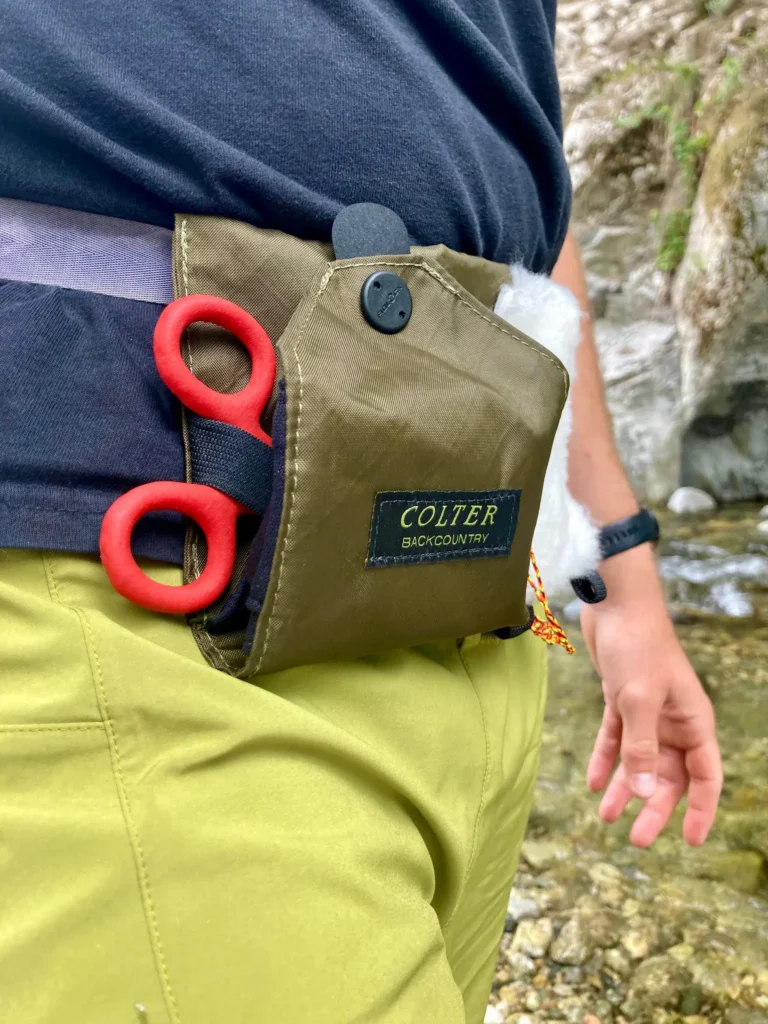
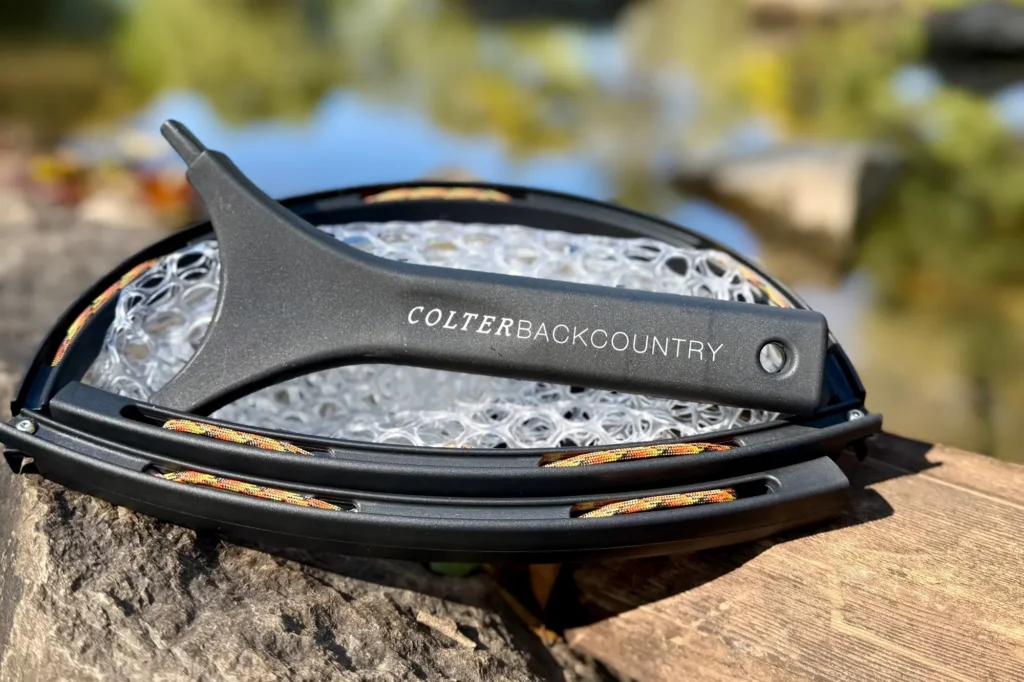
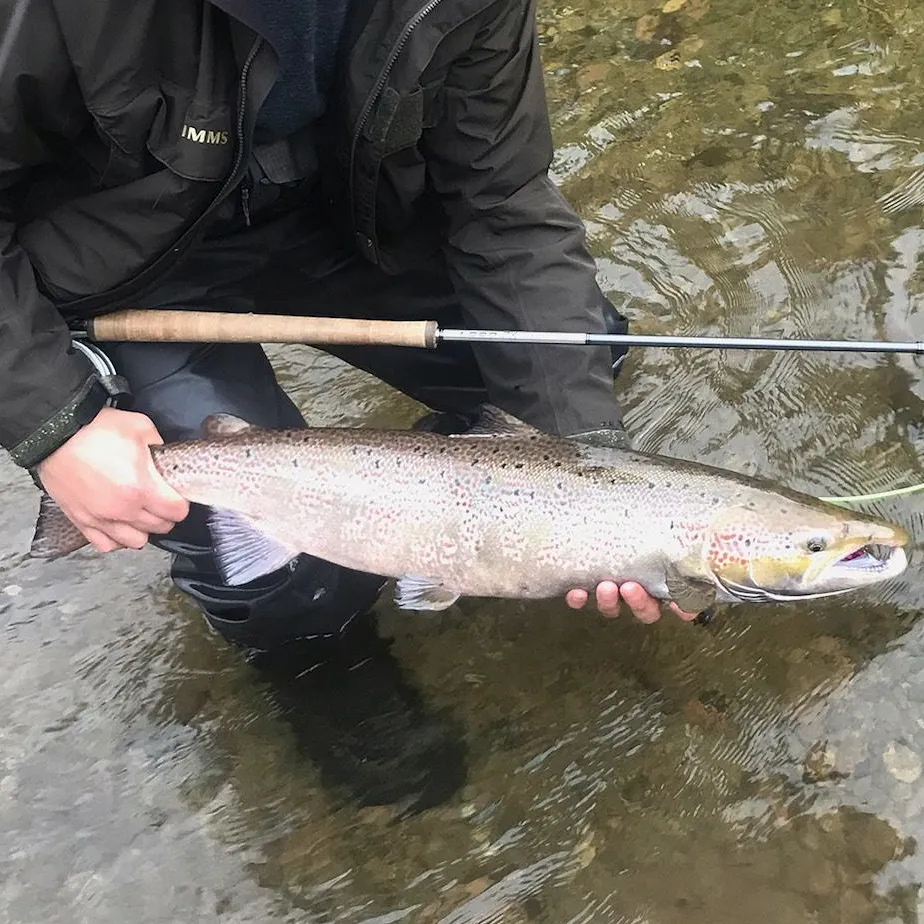
 

Henry's Lake Fly Fishing - Darren Huntsman

Conclusion with Darren Huntsman on Henry’s Lake Fly Fishing


If you’re heading to Henry’s Lake, this episode gives you a solid starting point to figure things out faster. Now it’s your turn to get out there, put it into practice, and see what works for you.

         
Support Our Podcast Sponsors         
Support Our Podcast Sponsors       
Support Our Podcast Sponsors         

Support Our Podcast Sponsors

         
Support Our Podcast Sponsors