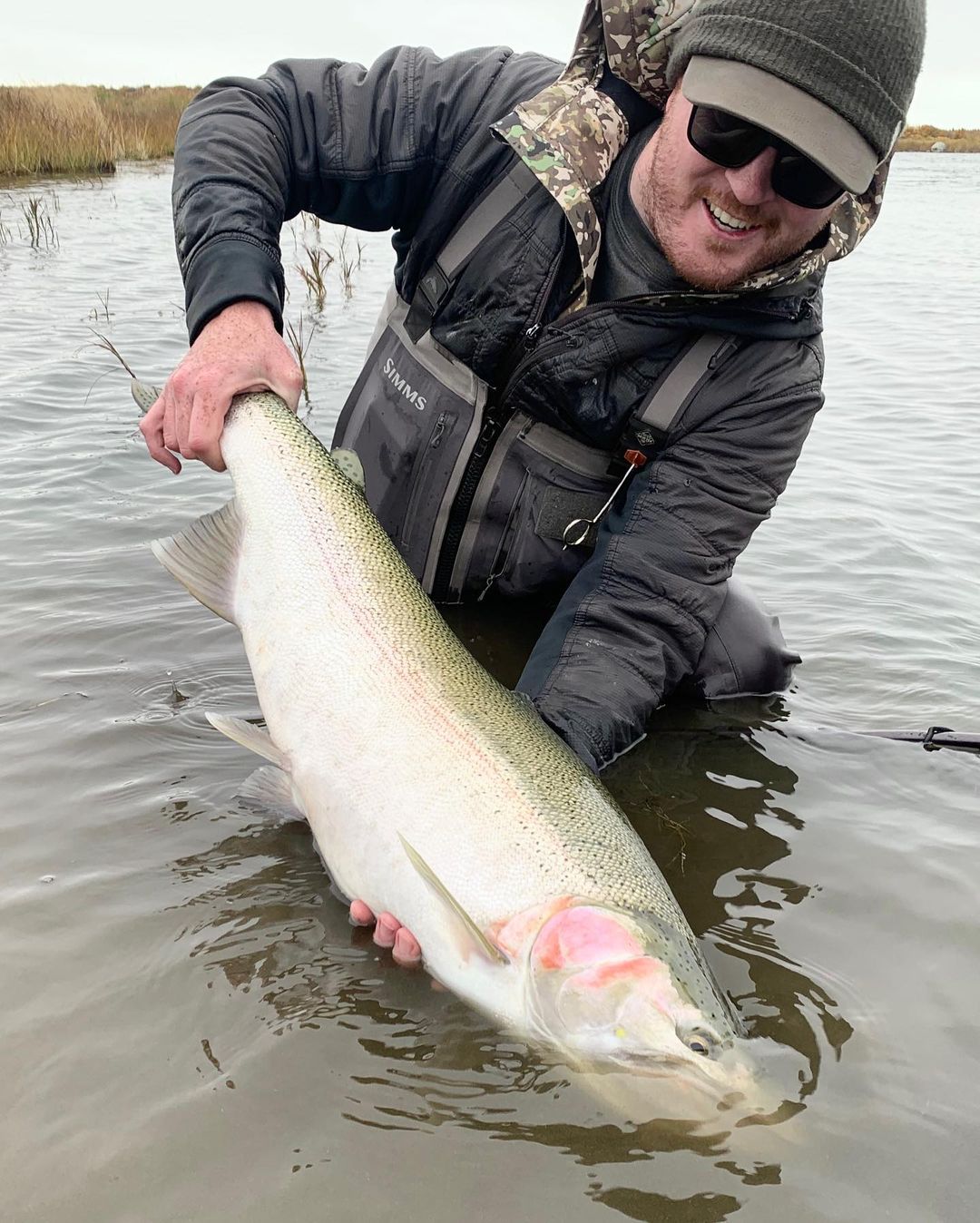
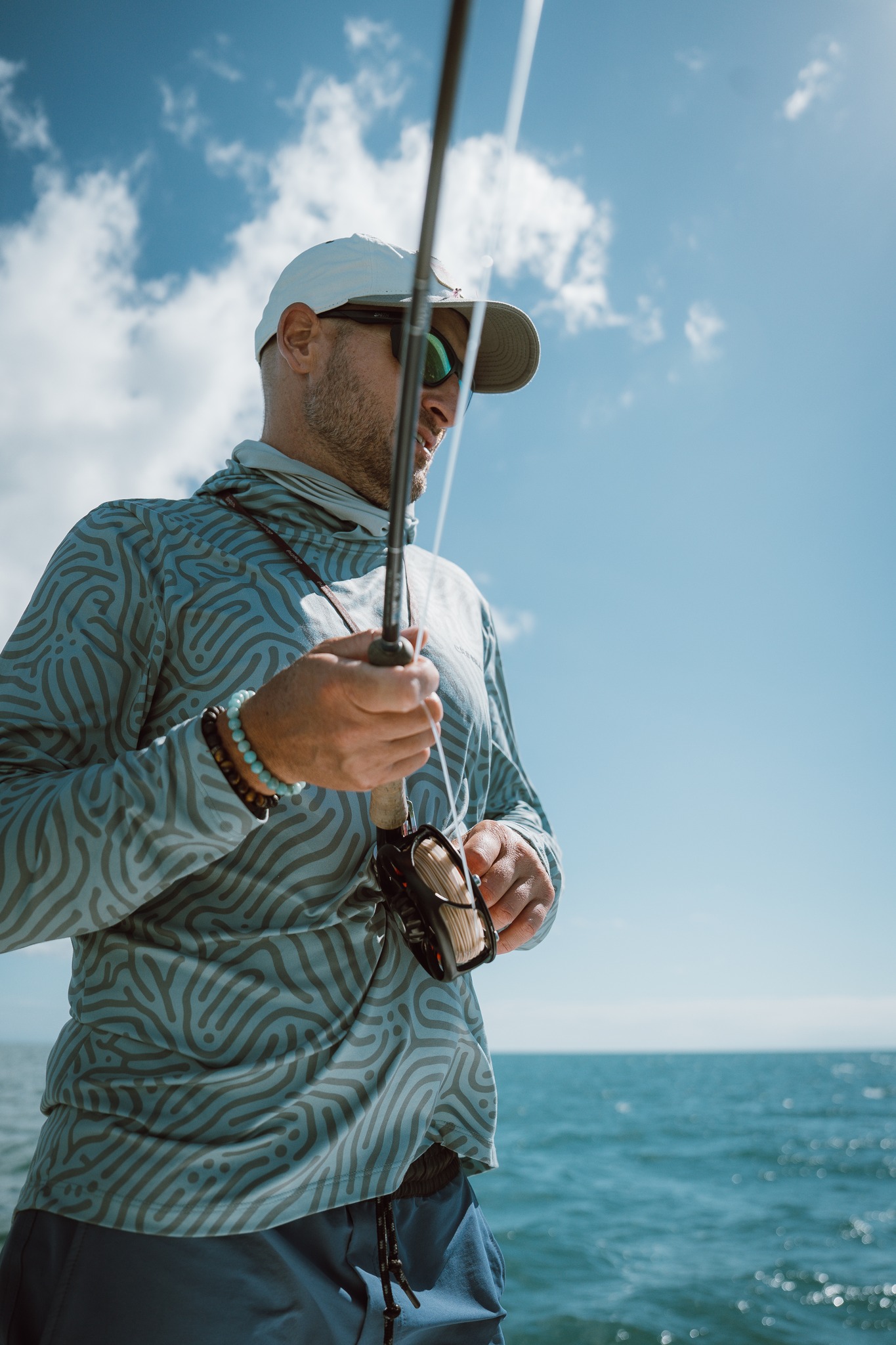
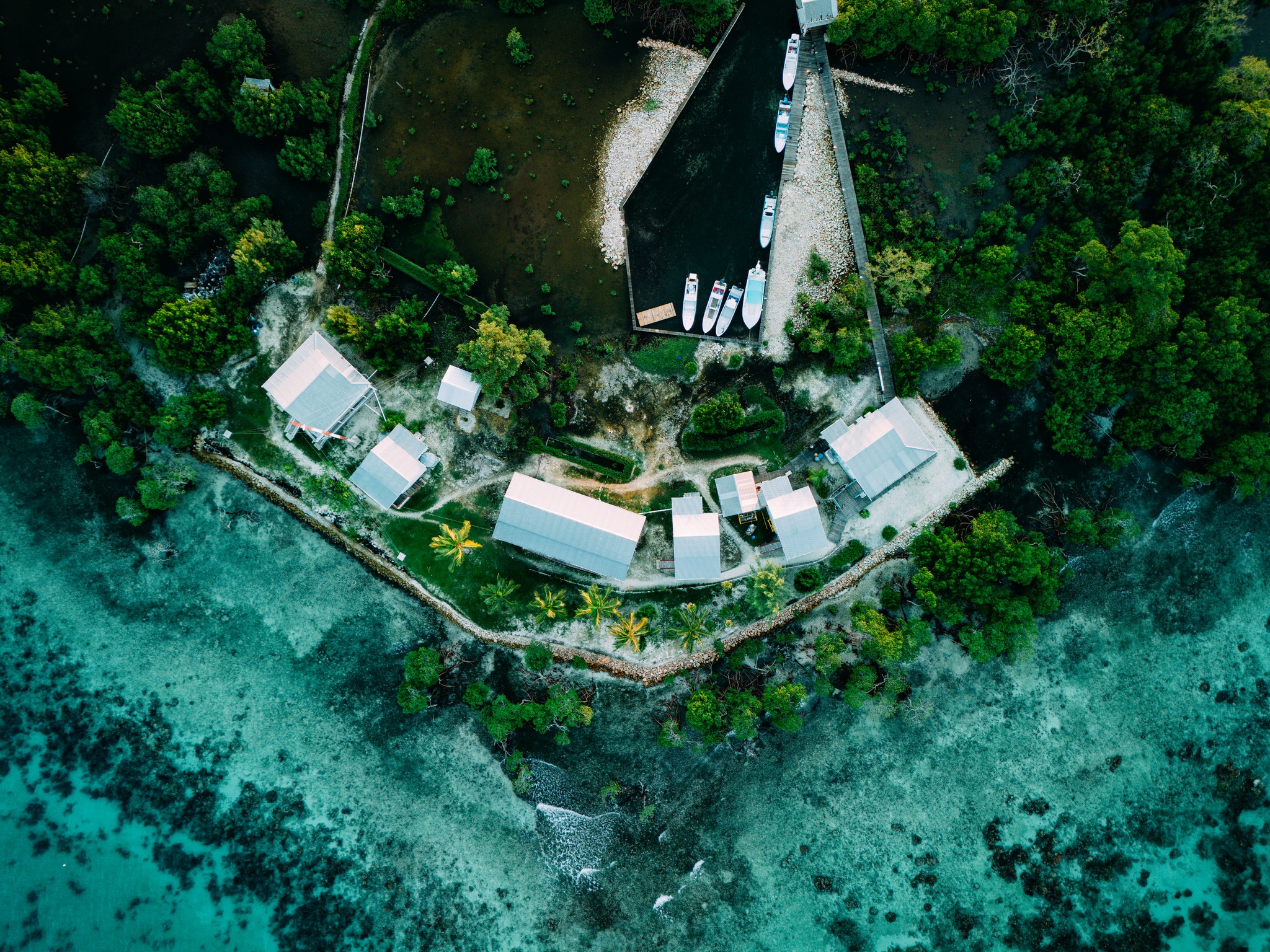
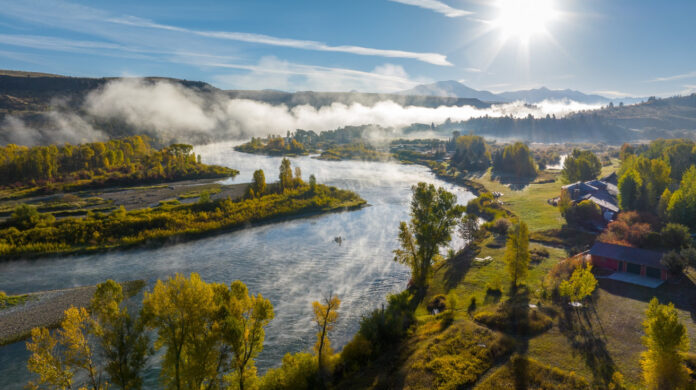
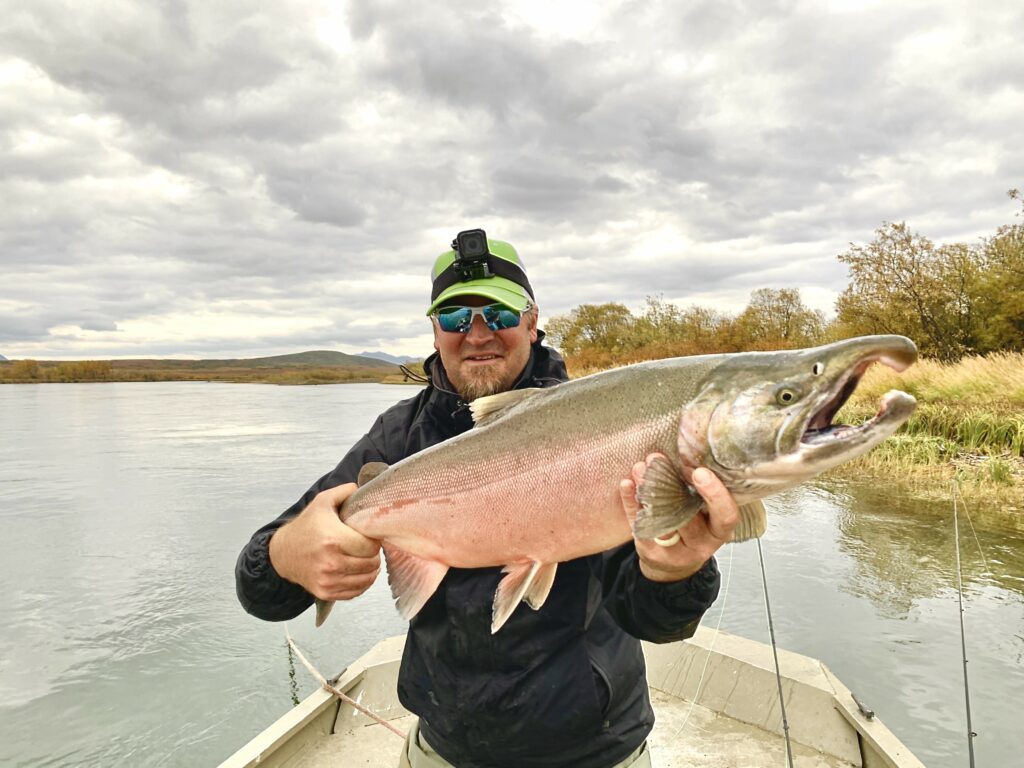
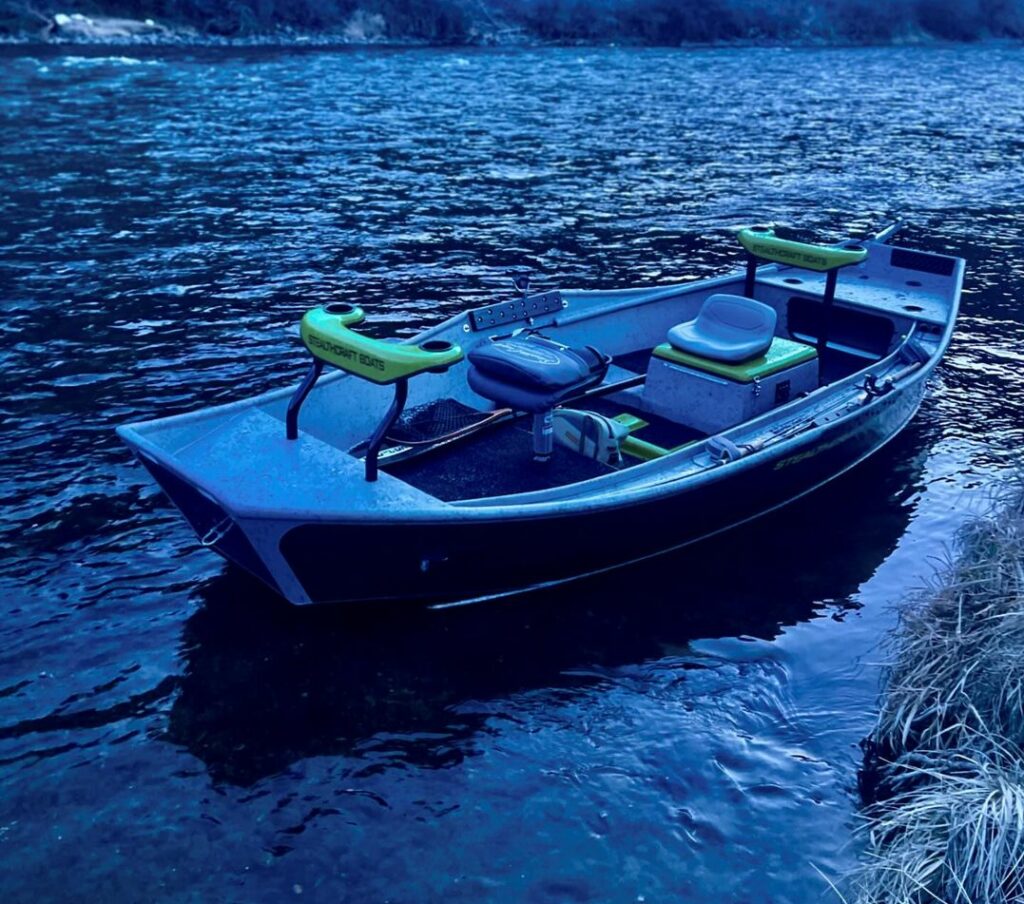
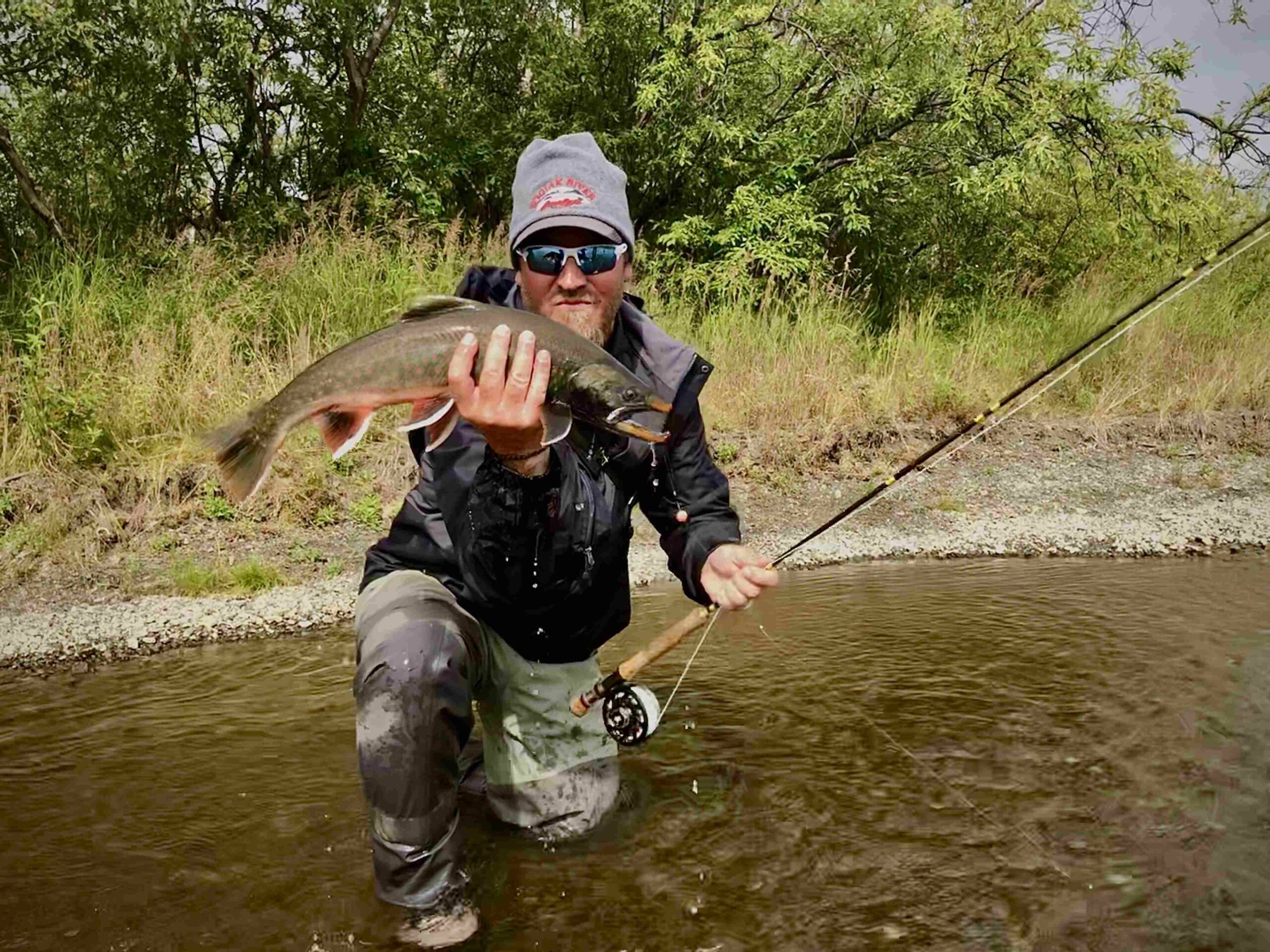
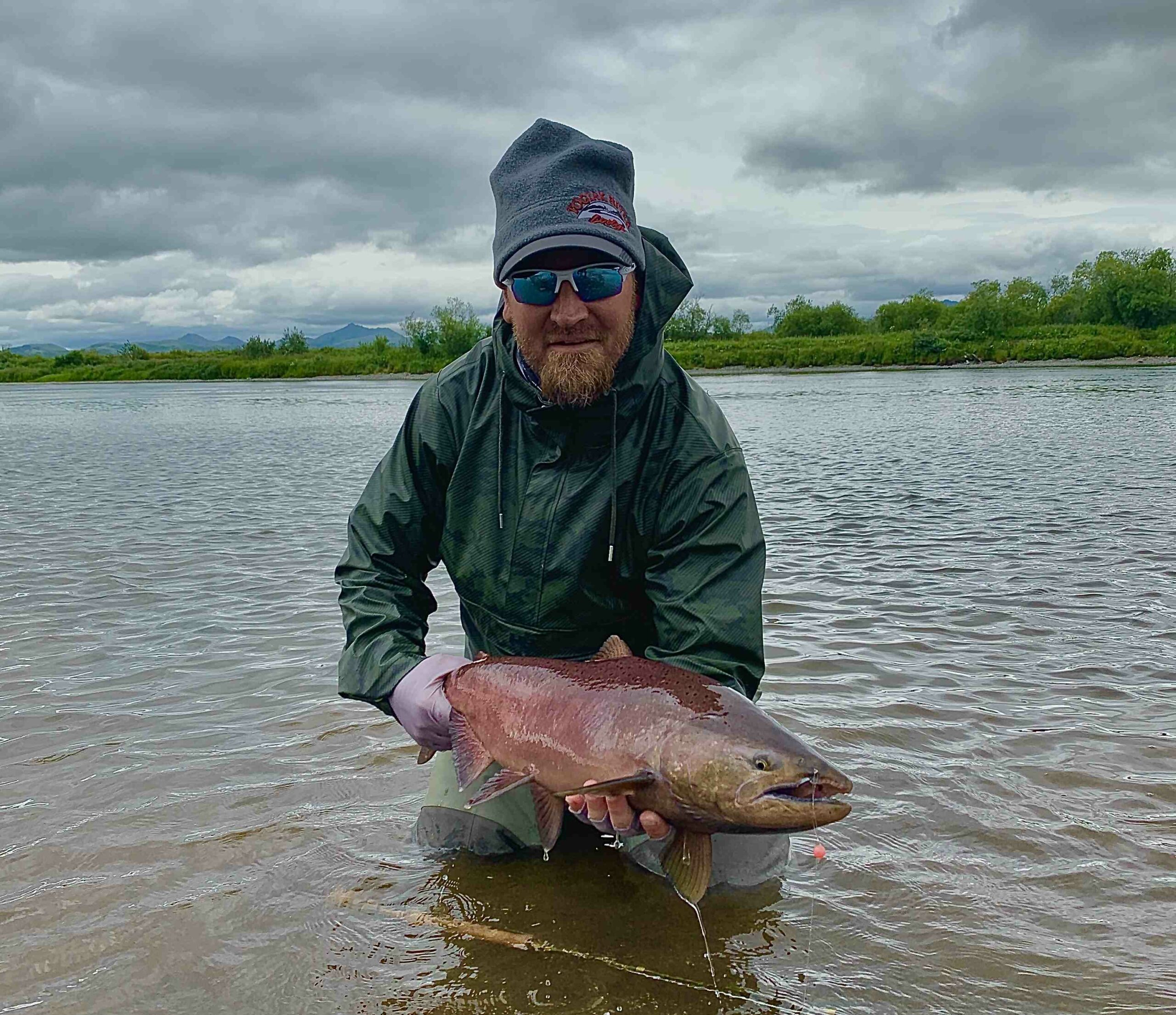
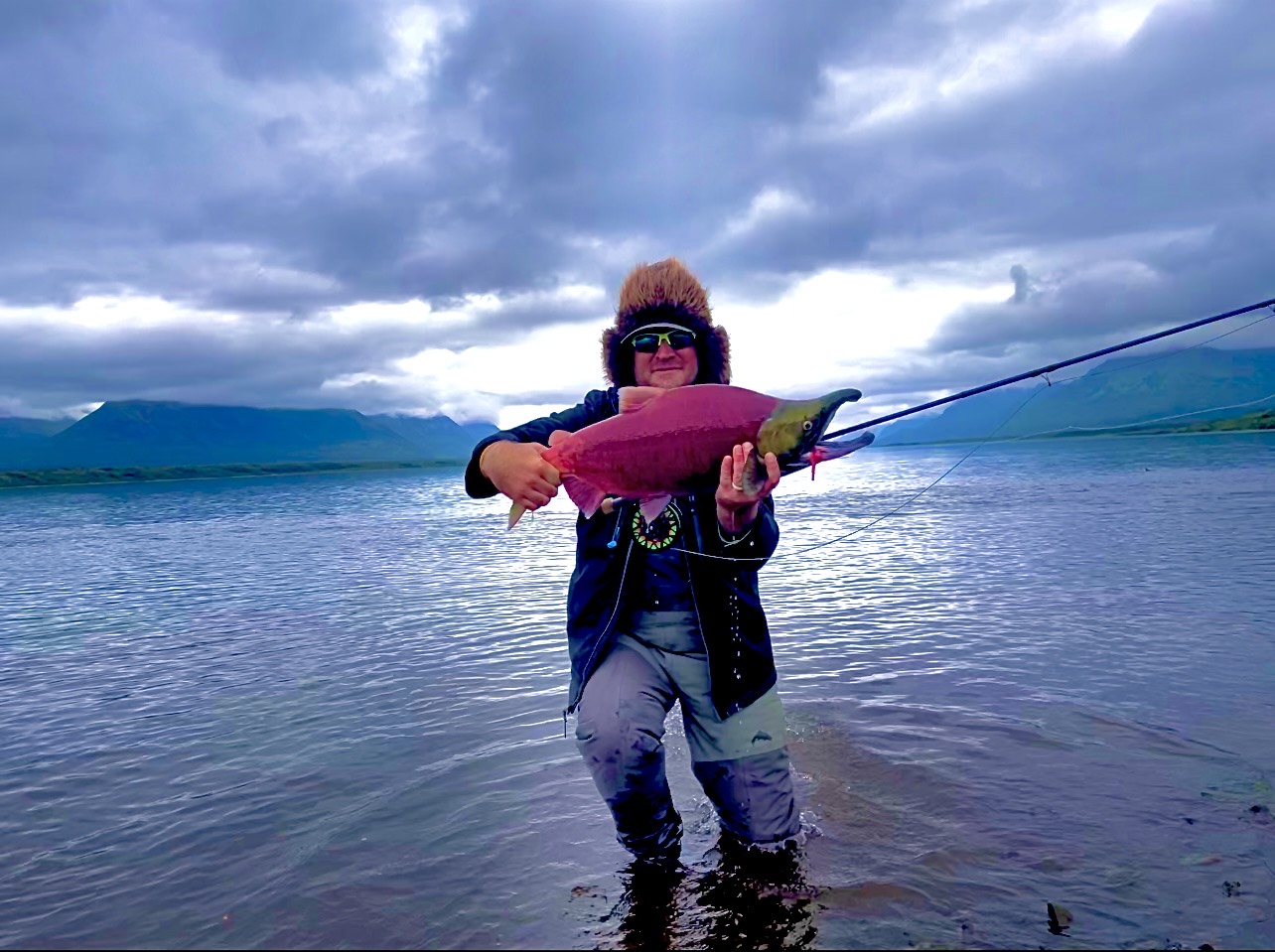
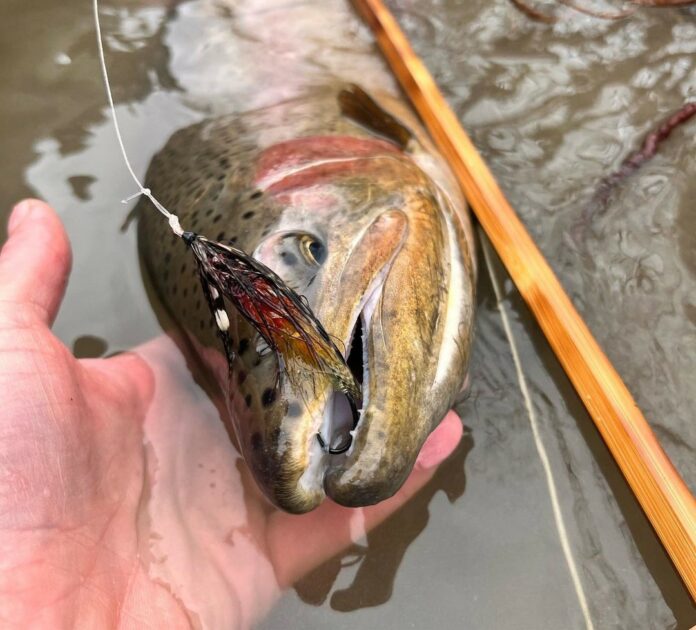
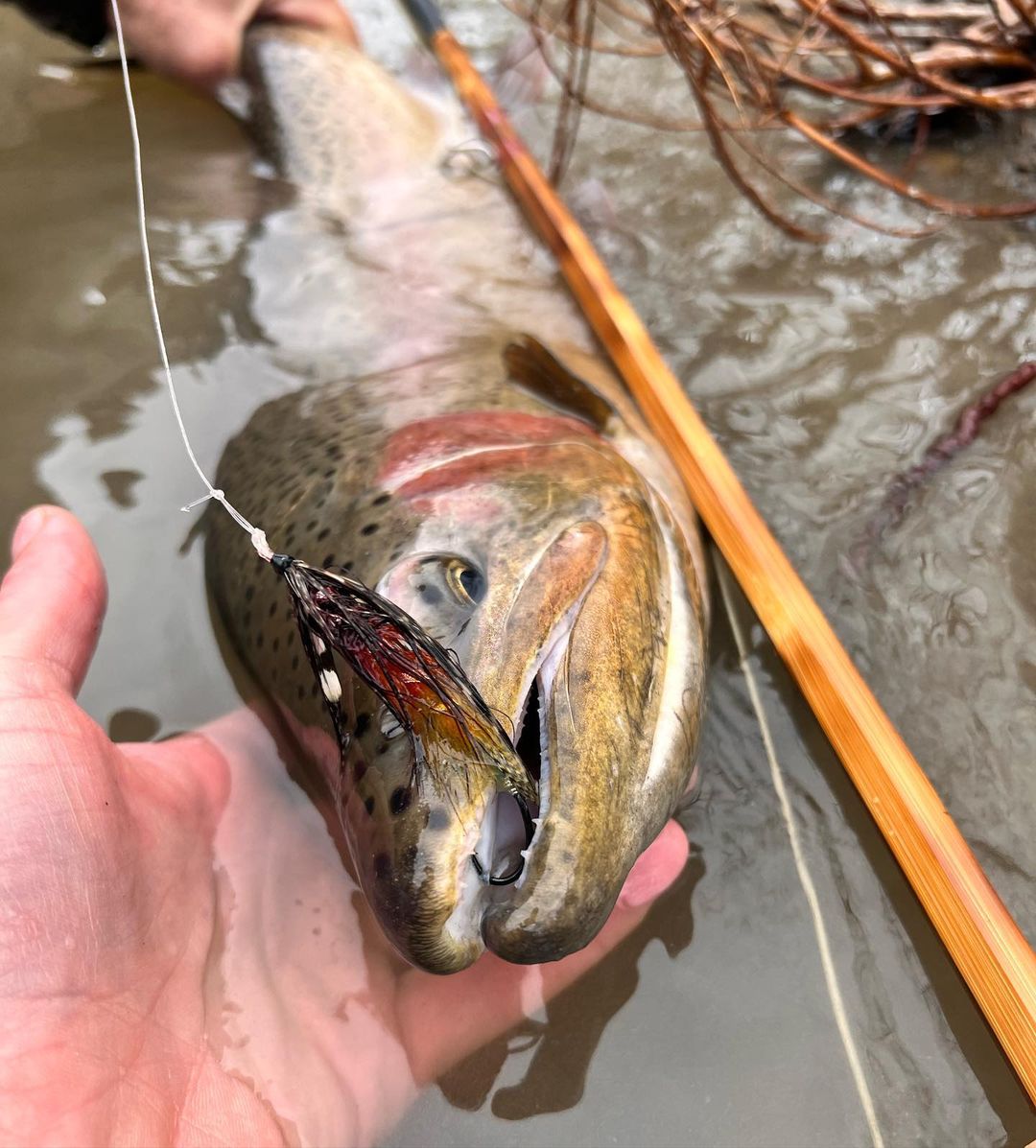
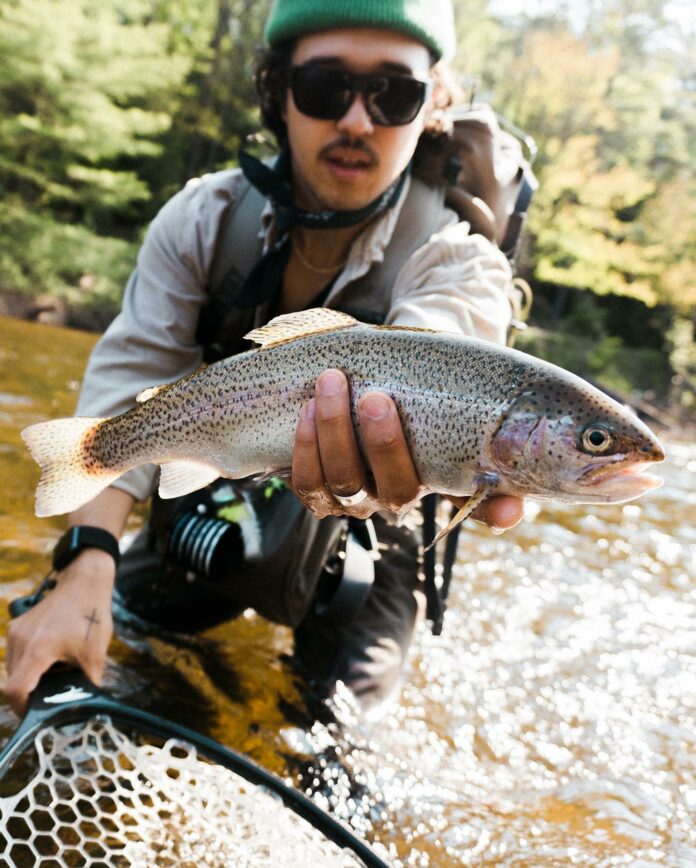
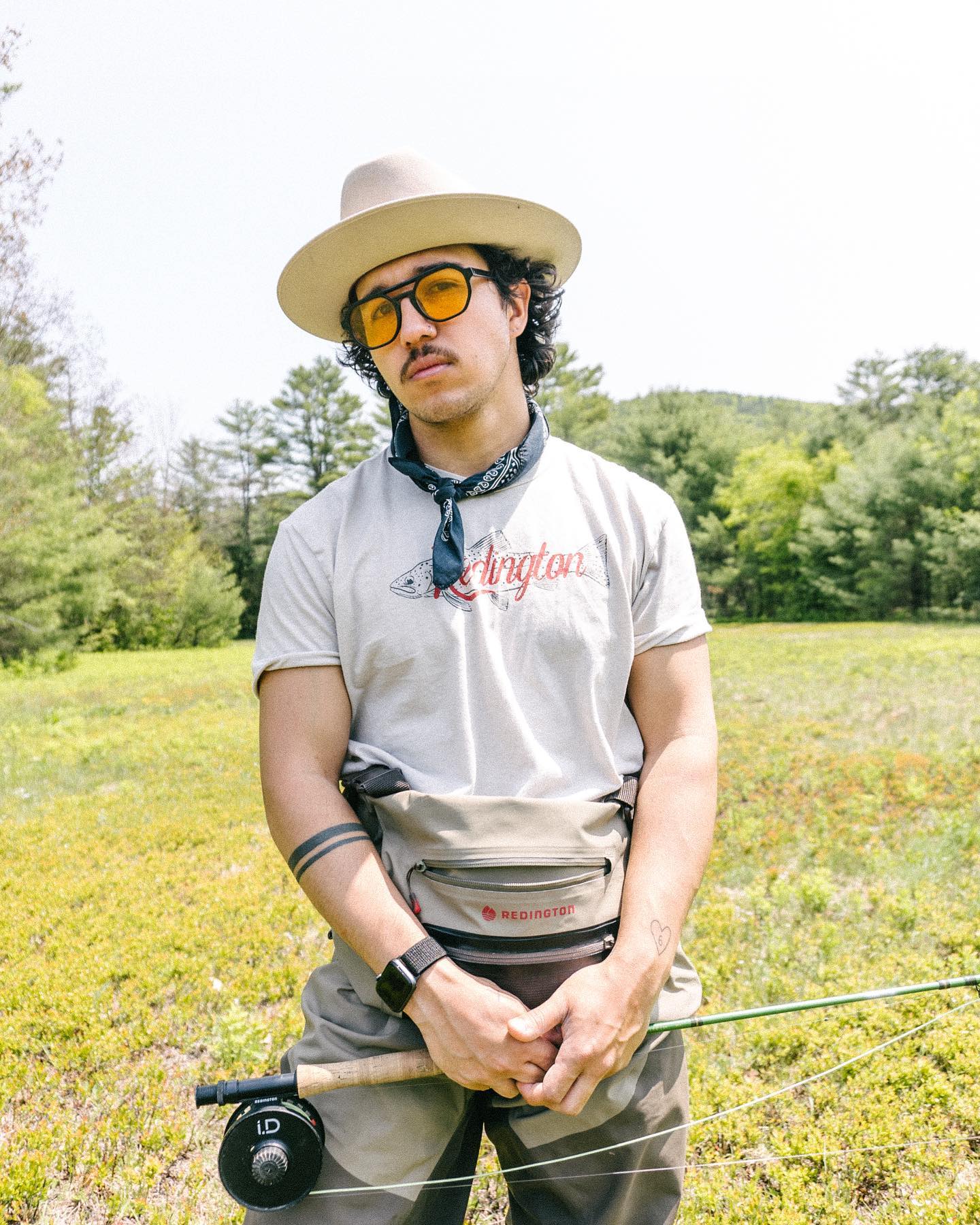
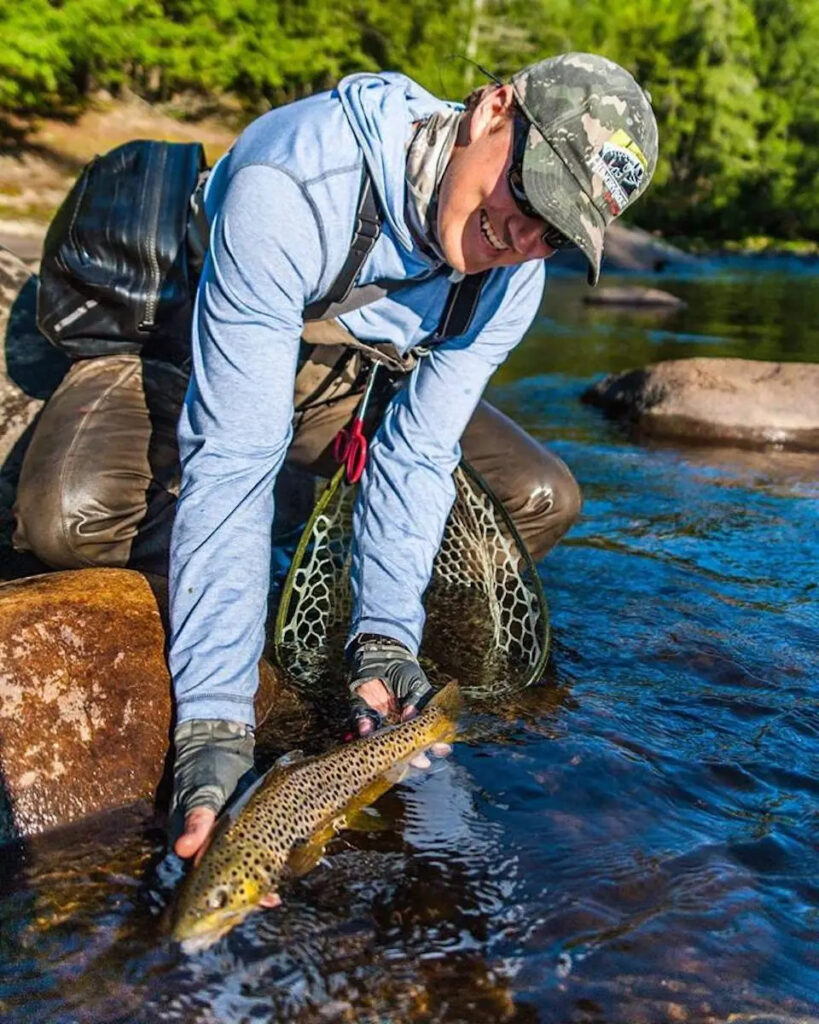
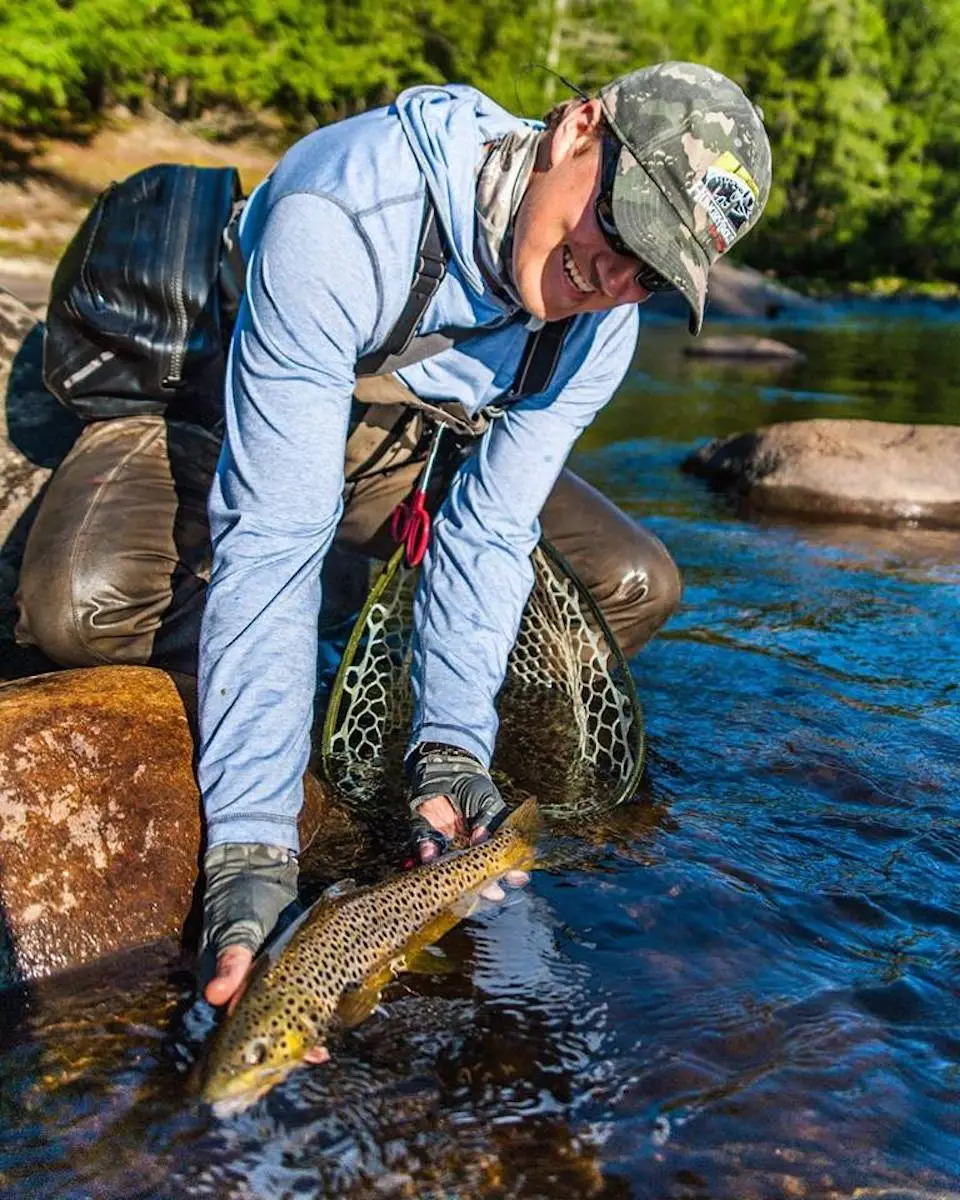
In this episode of Traveled, we journey with Oliver White to the breathtaking South Fork Lodge in Eastern Idaho, where the legacy of fly fishing is as deep as the river’s own stories.
Episode Transcript
Dave (2s):
Do you know what Jimmy Kimmel, Huey Lewis Rockefeller, and Big Browns all have in common? Are you interested to hear when the best time is to catch big Browns on the South Fork of the Snake River? And are you ready for the history and story behind why are guests left his Bahamas Lodge behind for the inland waters of Eastern Idaho? We unveil all the seekers today on Traveled. This is Traveled where we take a deep dive into the specific region of the country so you have a better feel for what it takes to put together a trip and how you can better prepare for this big adventure. Hey, I’m Dave host of Traveled and the Wetly Swing podcast. And I have been fishing most of my life.
Dave (43s):
I grew up around a fly shop, And. I have been loving traveling ever since. There’s nothing better than getting on the water, getting in the truck, getting on a boat and, and going for it. Oliver White is here to take us into the South Fork Lodge, one of the most iconic lodges in the west. Oliver is going to take us into putting together a trip to the lodge, and he’s gonna dig in deep into the seasons the type of fishing we’re gonna be doing. And as we start to build our trip, heading out to the South Fork again this time through the South Fork Lodge. Plus, you’re gonna find out some insight into Oliver’s business partner Jimmy Kimmel.
Dave (1m 24s):
Why Huey Lewis Only Fishes Dry Flies? And the story of Rockefeller Building this amazing lodge, something that was quite unusual at the time. This episode of Travel is presented by Yellowstone Teton territory, where you can explore great fishing, hunting, hot springs, winter sports, and much more throughout the year. Okay, let’s jump into it and see where that road less Traveled is gonna take us today. Oliver White from South fork lodge.com. How you doing, Oliver?
Oliver (1m 55s):
I’m doing great, Dave. Thanks so much for having me back.
Dave (1m 57s):
Yeah, thanks for coming on here. We, you know, it’s, we gotta go back into the, the way back machine to look at the last episode, it seems, episode 69. We’ll have a link in the show notes to that one. We talked about bonefish, And I. Think that was a different time in your life when you were kind of in another area. Now you’ve got the South Fork Lodge, a a famous lodge out in Idaho, south Fork of the Snakes. So we’re gonna be talking about that today. Before we jump into some on Fishing and the Lodge, maybe talk about what you’ve been doing since the last episode we did a few years back. Yeah,
Oliver (2m 27s):
I guess it’s been quite a, you know, from the outside a big life transition. But I was involved in The Bahamas for more than 15 or 16 years, and ultimately during Covid, let those businesses go and, and acquired South Fork Lodge in Swan Valley, Idaho. And it might seem like a big disconnect, but I started my guiding career in Jackson Hole. When I graduated college, I’d moved out to Jackson and was guiding Shroud and then went down to Argentina to guide and did that for a bunch of years before moving to The Bahamas. And even all those years in The Bahamas, I was coming back to, to Jackson in the summer. So, so it’s actually a place that’s been really close and integral in my life. And not only was it a great business opportunity, but it’s a great experience.
Oliver (3m 9s):
It’s nice to be domestic and from a life perspective, I have two little boys now and it’s a, it’s a wonderful place to, to raise, raise a family.
Dave (3m 18s):
That’s right. And, and where is, for those that aren’t aware, where is the South Fork Lodge? What’s the nearest town?
Oliver (3m 23s):
Yeah, so we are about an hour west of Jackson Hole, Wyoming in Idaho, and headed the other direction, Idaho Falls would be the next closest airport. Nice.
Dave (3m 32s):
And we’ve been doing a ton of episodes out in that area. It’s just, it’s one of those famous areas from the Henry’s Fork, the South Fork, the Snake, which you’re on all these, you know, kind of famous waters and people up in the area. What is it about, you know, why did you, when you made that decision, the South Fork, why was it the South Fork? Why was it not any other great lodge in, in the country? Part
Oliver (3m 50s):
Of that is driven by opportunity, right? The South Fork Lodge happened to be for sale, but if you were to pick one river that you are kind of banished to for eternity, the South Fork is a good one, right? Yeah. I mean it’s, you know, we’re at a high elevation, so this is the headwaters for a lot of things. At the same time, it’s a tailwater so you know, it, it’s behind a reservoir. So we’d never have the hoot hour war water restrictions that you see in Montana. That’s never happened. So if you think of the, the impact of climate change and cold water fisheries and, and, and hate to be a naysayer, but, you know, cold water fisheries are apparel. This will be one of the last holdouts, right? We, we have cold water year round. I mean, I’m sitting here now, we’re getting snowed on in March.
Oliver (4m 30s):
You know, we’ve had 70 inches of snow this month. Wow. And so, you know, that creates a really, really healthy environment. And And I, it makes it really stable. And, and even with, you know, the potential runoff of a big snow year, the fact you’re below a dam kind of controls so much of that, that we really have very little blowout risk, you know, for runoff or anything. And so we have great early season fishing, great core of the summer fishing. And then it continues on into the fall, you know, next week we’re expecting some temperatures in the forties and we’ve got a couple trips thrown out.
Dave (5m 1s):
There you go. There you go. Awesome. So, yeah, I mean the trip, we are planning this trip and an event around it to actually, you know, typically we’ll do a, a giveaway, we’ll launch this thing and then we’ll get a few people that are interested in coming out and basically paying for a spot. So I wanna paint the picture of what that looks like. So if we were coming out in the springtime and right now it’s good because it’s right as we talk it’s early March. Maybe describe that. When does your season start, like full on and when are good times? I’m guessing hatches are a big part of why people love to come there. Yeah,
Oliver (5m 33s):
Absolutely. You know, part of what makes the South four great is the prolific insect life that is there. And our, our fishing really gets going strong in May. We will start to get kind of completely booked in May and then we’ll stay full all the way towards the end of October. And that spring fishing is kind of some of my favorite. You often think of kind of may as, as kind of runoff time just because of our elevation. Our, our runoff typically doesn’t come towards the end of June. So that, that preseason that or that spring Fishing could be some of the most productive of the year. You talking kind of late May, early June ’cause you are ahead of runoff. So the river’s really, really clear still. And the water’s typically low.
Oliver (6m 14s):
Everything’s been rested all winter and it’s a fantastic time to go out and really chase big fish and kind of work on your techniques. The only potential downside of that is the drive fly fishing is not as prolific as the South fork is known for, which kind of kicks off really with our salmon flies, which often is kind of around, you know, July 4th. You gotta think about that.
Dave (6m 34s):
Gotcha. So how would that work with the, so you’ve obviously got this, the runoff thing. So if you planned a trip, let’s say, you know, we planned something in July, we wanted to hit the salmon flies, but it blows out or does that happen or does it actually blow out or just the conditions change a bit? It
Oliver (6m 49s):
Doesn’t necessarily blow out, but the water quality and turbidity can change, which impacts the quality of the dry fly fishing. The fishing will always be good. It’s just a question of of of how you’re gonna get ’em. So, and typically part of the way the the statement fly lifecycle works is it is nature has timed that to come after the runoff as these fisher are coming out of winter to give them this, a huge meal to gorge themselves for. Right. So that is part of the nature. So oftentimes, and not just on the South fork, I mean, you know, the Hoback for example, over in Wyoming, which flows into the snake is another really great salmon fly fishery. And often the salmon flies are in full force when that river is in full nuke.
Dave (7m 30s):
Oh it’s really run
Oliver (7m 31s):
Off. And the fish here still just there just eating the nets. They’re happy it fine, but you know, it might impact the way you catch
Dave (7m 38s):
’em. That’s awesome. Yeah, I remember one time we floated, the Deschutes was running at like 10,000 CFS. It was just raging, you know, and, and we were like, well we, we already had the trip planned so we just hopped in and did it anyways and we were catching fish on the right on the edges, you know, those fish were tucked right up against the bank and they were still eating bugs. Right. So, so they’re still out there doing it even with higher flows.
Oliver (7m 56s):
Oh, no doubt. And the south fork is amazing in that sense. Like our winter flows right now are just under a thousand CCFs and we will fish it as high as 20,000 cfs. So Wow. It’s just incredibly dynamic river with all these braids. And so, and one of the reasons if you’re gonna pick one river is, is it is different rivers based on the flow and, and there’s really nothing scary between 1,020 thousand. You get above that and it starts to get a little bit sketchy. Yeah. But you know, that’s a big, big giant range to fish the same drainage.
Dave (8m 25s):
That’s huge. So I think the, let’s describe that early part of the season and if we were planning a trip, you know, I know you guys are fully booked up, but if we were shooting for May and we had a slot there, I’m just guessing kind of, you know, if you throw a, a dart on the board, what would be just kind of mid-May, early may, does it matter anytime in May?
Oliver (8m 43s):
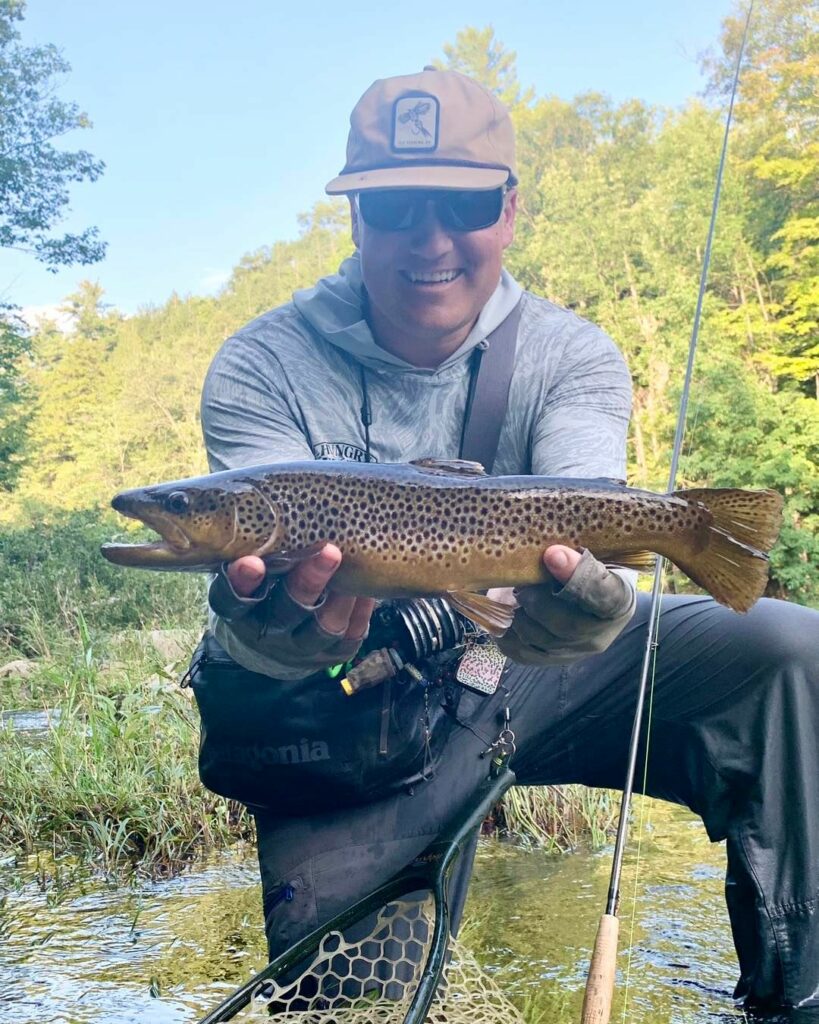
You know, really all of that is pretty much water’s gonna be consistent. It’s just weather. Right. And so like if you push towards the end of May, that gives you a little more cushion for just the weather. And you know, we, we, we do, we stay really full, but we’ll always make room for good folks. And I love that early season fishing. ’cause you are beating the crowds, right? Just like everywhere man, these rivers see a lot of people, you know, that that late may fishing, you’re not gonna see a lot of people on the river and it’s probably one of the best times of year to catch up big brown drought. Right. I mean we catch some of our biggest fish of the year every early season. And, and so I really love getting out there and doing that. And the river is kind of at a pre-run off flow. Right. So it’s also very obtainable to kind of introduce somebody to Western drift boat fishing.
Oliver (9m 29s):
Yeah.
Dave (9m 30s):
And which, and that is that, so we’re gonna be floating each day putting in, there’s different segments right in the river. Do you guys cover, like, talk about that? What sections do you guys cover when you’re floating?
Oliver (9m 40s):
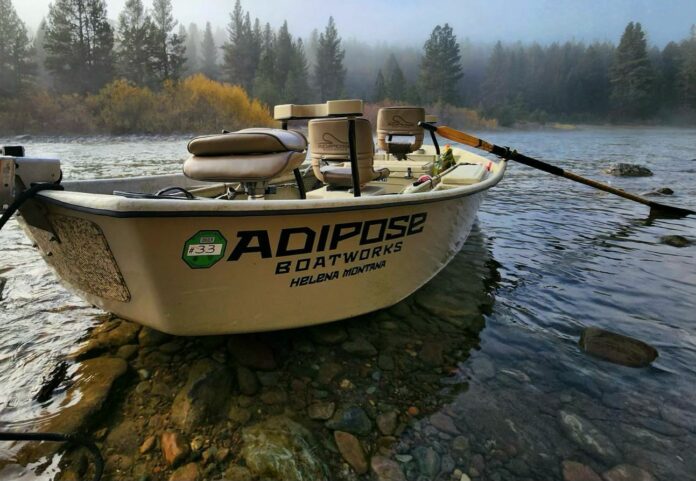
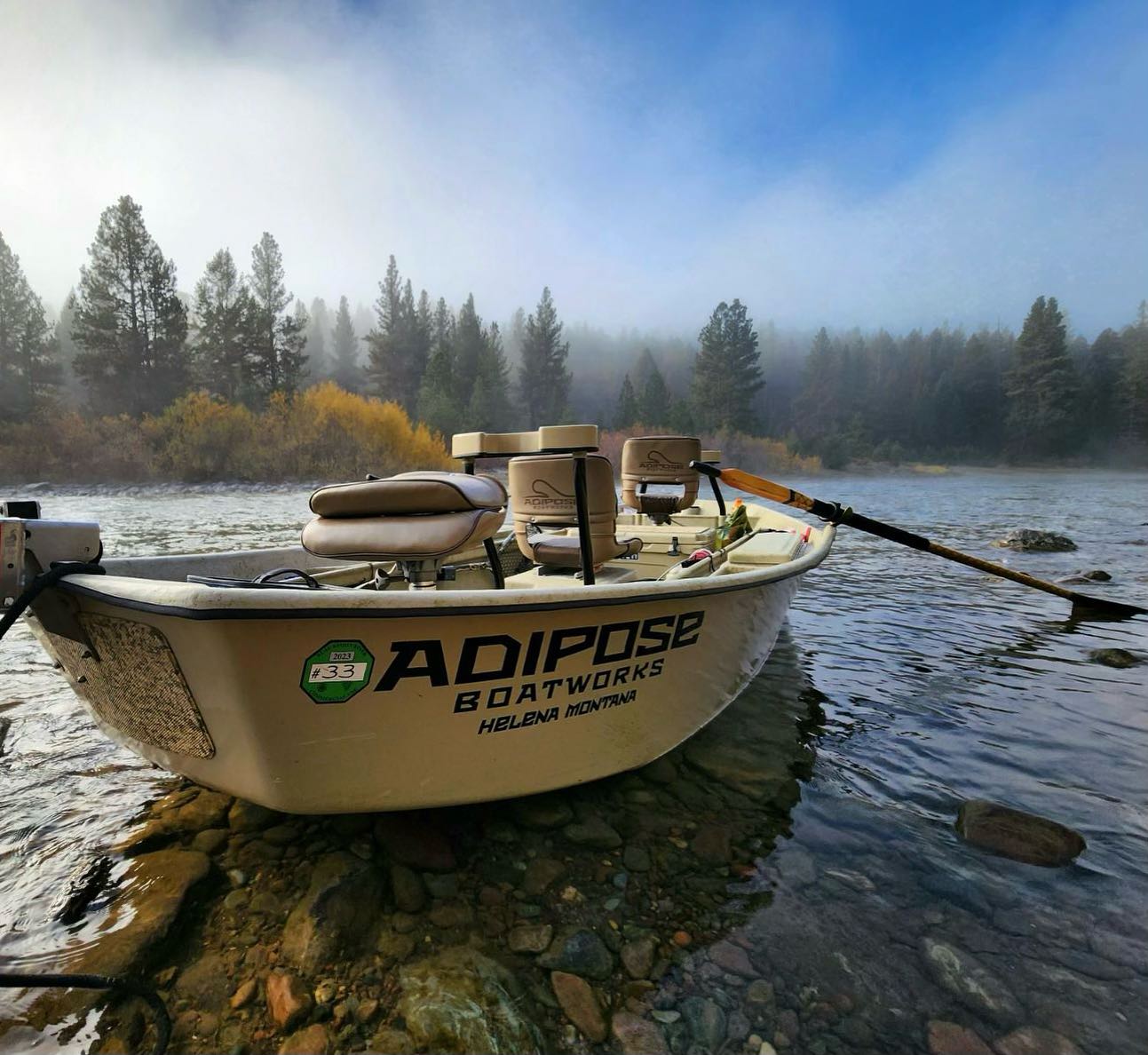
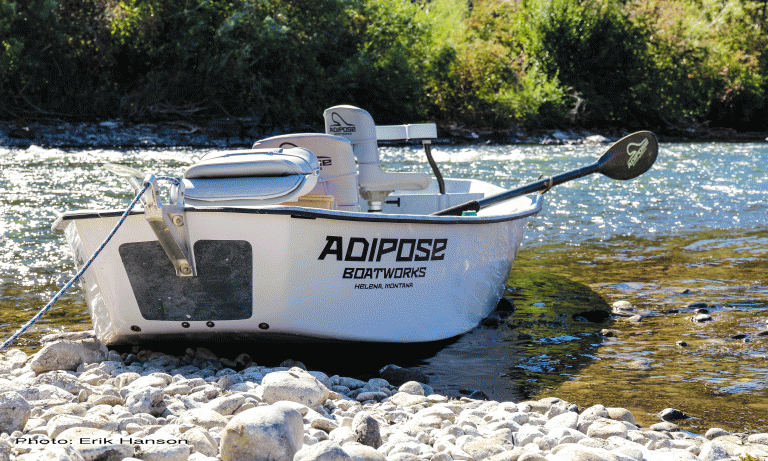
Yeah, so the, the South Fork is a 65 mile tail water. And then it joins with the Henry’s fork becomes the main stake. And we will fish the whole thing. And the, you know, there are man almost infinite floats between various Putins and takeouts, but the river’s kind of divided into five sections, you know, from the dam down to the canyon to the lower canyon. And then, then you have two sections down in kind of lower flatter land. But even within those sections, so there’s multiple Putins and takeouts. So every day we’re gonna put you on a different section of river so you’re seeing something different. So you not only get a diverse fishing experience, but you’re also gonna get a geographically different experience. ’cause floating through the canyon is, you know, beautiful and scenic.
Oliver (10m 21s):
And then you can kind of go in the, in the lower river where it’s, you know, flat and really Brady with a lot of down timber and structure and very, very different experience.
Dave (10m 29s):
Yeah. And typically when we do these things, we’ve been trying to do kind of a, a three days fully guided four nights just to make it, you know, kind of decrease the cost a little bit so more people can get involved. But I mean, is that something we could do or is this something where most people are going there for a week on a trip? Our
Oliver (10m 44s):
Average trip is just that four nights through three days or even a three night, two day trip. You know, it’s so easy to get in and out of here that we, we typically give people for just two or three days. It’s really unusual for somebody to stay for a whole week.
Dave (10m 56s):
Oh good. Okay. So if that was the case, and let’s just paint that picture a little bit. So, and typically we might be coming in on a Sunday, you know, meeting, hanging out at the, the lodge. So let’s talk about that. Let’s, we, we’re going to get into the fishing fully, but let’s bring it back to the lodge ’cause I know it’s pretty amazing and you’ve got the, you know, the bar and where it’s at on the river and there’s this amazing side channel. Describe that. What is the lodge though, if we were walking up there today, you know, and setting up to hang out for a few days, what would that look like?
Oliver (11m 21s):
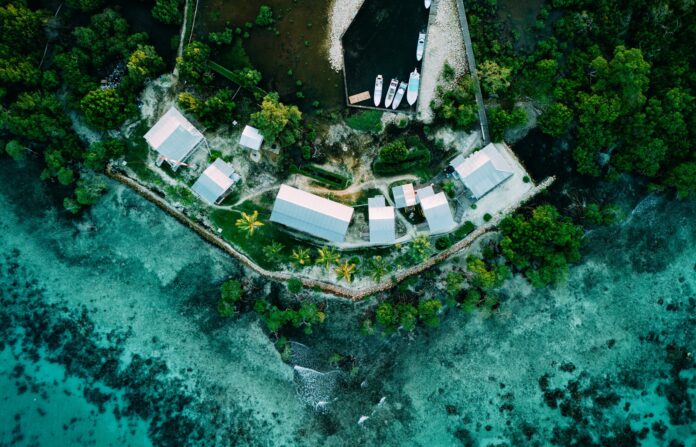
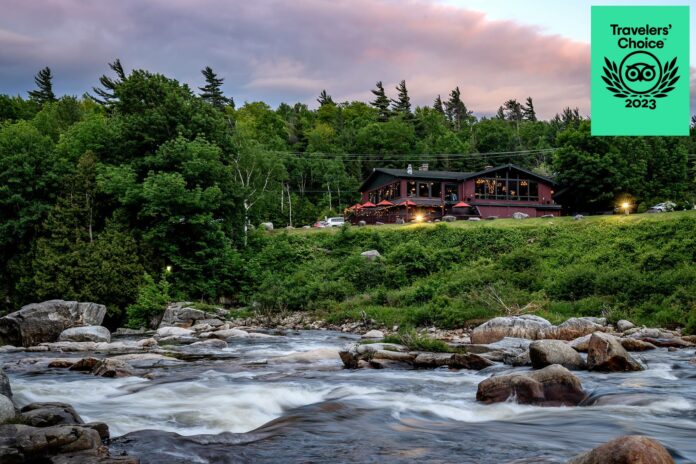
Honestly, that’s one of the things that we put a lot of emphasis on that makes us different than anybody else. It is a really incredible hospitality experience. We have a great chef, we do great food. We have a killer bar called the Machete Bar with a, I’m a, I’m a bourbon drinkers. We’ve got a great bourbon selection. We’re right on the banks of the river. We have a pond on property full of fish. We’re right there on a little side channel. you can go off and fish on your own. We have a couple fire pits right on the river, but it is really meant to feel like a really high end home. But it’s not stuffy at all mean. We want people to be really comfortable. you can put your feet on the couch and you can walk around barefoot and have a great time and really, really unwind with a really luxury experience.
Dave (12m 4s):
Yeah. That’s it. And and the cabins you guys have, those are the, the a-frame cabins? Is that you guys? They’re right on the river.
Oliver (12m 10s):
Yeah, we, so we really have three types of rooms. So last year I built a handful of a-frames right along the river. They’re all three bedroom, two bath, kind of 2000 square feet. One of them is where I live. And then, and then the rest are kind of available as part of the lodge. There’s eight rooms in the main lodge itself. And then we have two other log cabin structures that were built to be hotel style rooms that each have five rooms in ’em. So we have a really large capacity. I mean, we really can kind of, you know, sleep 40 people.
Dave (12m 38s):
Gotcha. And so, and this is all awesome, but, and do you know, like what is the, a little bit of the history of that lodge? I, I’m, I’m assuming there’s a few owners maybe that have been through there, but how long has that place been going? Yeah,
Oliver (12m 50s):
It, it’s, it’s kind of been a legacy on the South Fork. The, the original South Fork Lodge opened in a different location in 1939. And then it was bought by the Warner Family, Buell and Spence Warner in 1949. And that family had it until the late nineties. And it had been a lot of things, man, it had been like a campground. It had been a fishing lodge, it had been a biker bar and it was on a different location actually on the other side of the river. And when the state put the highway across, they took that land with imminent domain and swapped it Oh. For its current location. And that happened in the seventies. And then Mark Rockefeller bought it in the late nineties and built the infrastructure that is the South Fork Lodge today.
Oliver (13m 30s):
And that is part of why it’s so amazing is ’cause Mark made this incredible investment in the late nineties that really probably didn’t make financial sense and built this beautiful giant high-end lodge. And then we, we picked it up during Covid and have done a big renovation, some expansion from there.
Dave (13m 48s):
That’s it. Wow. That’s really cool. And Rockefeller is the same, he owns the, or the Henry’s Fork angler, right?
Oliver (13m 54s):
Yeah, correct. Yep.
Dave (13m 55s):
Yeah. Yeah. So he’s been, I mean, he’s a big, do you know him? Is he still a big angler out there? Do you see him? Is he fishing out there still?
Oliver (14m 1s):
Mark is a very passionate angler. He has a ranch on the river still, and he, I mean, he’s a, he’s a big supporter of conservation as his family. Al always has been.
Dave (14m 10s):
That’s great. Nice. And this is awesome. So I think the painting, that picture of what this lodge is gonna be like is awesome. And, and you know, we probably will have six or eight people that are coming in, so it sounds like we could probably in a couple of those cabins, you know, basically have everybody hanging out right. Together. And in the lodge the same sort of thing. Are most people in the evenings coming down, maybe getting a drink, hanging out, talking, fishing at the lodge?
Oliver (14m 33s):
Yeah, it’s a really communal atmosphere, right. We, you know, the, the guides come and hang out in the bar, you know, after fishing and, you know, tell, tell stories and so it, it, you know, part of the appeal of being at a fishing lodge is that ability to interact with other like-minded people. And so it is a very communal, communal field. Most people are, are not going back to the room per se as much as they’re staying and just hanging out and and interacting.
Dave (14m 56s):
That’s right. That’s right. This is really cool. And, and then the fireside chats, of course, right. You’ve got the campfire out, out back, that’s gonna be an option as well.
Oliver (15m 3s):
You know, fire is, it just brings people in. And, I, even when we were in The Bahamas, man, I, we would do a fire every night and it just is such a great way to cap off the evening and get people to, to really unwind and, you know, that cowboy TV kind of brings people back to nature in a way that I feel is really important and, and offers a really great experience. So yeah, we we have fires every night all the time.
Dave (15m 24s):
Yeah. We did that. We did a, a trip with Jeff Lige, our first Steelhead school. We did out on the Great Lakes and we sat around the last night, And I had the microphone, And I just passed it around to everybody. And I said, Hey, what, what did this trip mean to you? You know, what was this like? And everybody kind of took a few minutes and chatted about it and it was really cool because you really heard why people were coming to do these trips. You know, it’s about the connection and, you know what I mean? It, it is about the Fishing, you know, that’s obviously why we come, but it’s everything else. And that’s why I think what you have is so unique and why you’re probably booked up, you know, way it advances that that’s is that the experience you’re trying to get is just that, that thing that’s more than fishing, it’s just about, you know, experiencing that whole thing. Yeah,
Oliver (16m 2s):
There’s no doubt, man. The language I use as I train my staff is, you know, it doesn’t really matter. Whatever we charge for our trips, man, the most valuable thing anybody ever gives us their time. So man, we, we put a lot of energy into the whole experience, you know, from kind of the moment you arrive and start that decompression to getting out in the water and maximizing that experience and that fishing and then, but also kind of closing it, you know, when the fishing’s really great man, people will eat peanut butter jelly and not complain, you know? That’s right. If you have incredible fishing and then come back to, you know, a great bar and great food and great ambiance and great people, right? That really rounds out a spectacular experience. And so we work really hard on the whole thing.
Dave (16m 41s):
This year I ventured into the heart of Eastern Idaho’s Yellowstone Teton territory where the fish were larger than life and the waters held the secrets of the best fly fishing out west with crystal clear rivers like the Henry’s Fork and the South Fork of the Snake, and enough Lakes to keep you going all year long, make your way to Yellowstone Teton territory and embark on a journey to one of North America’s finest fly fishing destinations. It’s time to experience eastern Idaho for yourself and support this podcast at the same time. Well let, let’s jump back into the fishing a little bit. So if we’re, again, let’s say we’re coming in Sunday, we’re hanging out Sunday night, we’re getting ready the next day is our first day. How does that look?
Dave (17m 21s):
What, you know, take us there, you know, are folks getting up early in the morning getting their, their guides? How does all of that look?
Oliver (17m 27s):
Yeah, honestly, this is a pretty country club river. So, you know, we are often meeting our guests at eight 30 or nine. You know, there’s, there might not be a reason to get up too early. You know, sometimes getting a little sun on the water can be really helpful. And so, you know, get up, have a leisurely breakfast, have some coffee, meet your guide, we’ve got an incredible fly shop. Go out there, pick out your bugs for the day and then you’re gonna jump in the truck and head to the river. And you know, we’re about 15 miles from the dam on, and like we said, it’s a 65 mile river. So you know, you’re put in might be as close as two minutes or might be on the furthest drive, about a 45 minute drive and we’ll get you moving. And with a group of that size, we would try to keep everybody on the same section.
Oliver (18m 9s):
So even if you had eight guys in four boats, we’d put everybody on one section so you’d be on the same section together. So you could have lunch together and hang out and then the next day you’d fish a different section and, and the third day fish you had a different section, but still you could swap boats and have lunch together and do, you know, do that type of thing.
Dave (18m 25s):
That’s awesome. Yeah. Yeah. So you stay together. So basically in the, if you did three days, you could hit the canyon, then hit the two other sections lower down or something like that and, and basically and stay together the whole time. Yeah,
Oliver (18m 35s):
Absolutely.
Dave (18m 36s):
Good, good. Okay. And, and then let’s just jump on, I mean, and think about this, if we were the day one, let’s just, I always think the canyon that might be cool to start at the top is, is the canyon at the top? Is that where the canyon is?
Oliver (18m 46s):
The canyon’s? Certainly the highest demand mix of that is the fishing is the fishing’s great, but it’s also, you know, just beautiful. And so it all depends, it really depends on people’s ability. Sometimes maybe if, if you’re, if you’ve got a group of beginners, maybe we’re not gonna start in the canyon. Maybe, maybe we’re gonna kind of put in a day cushion or two days cushion to kind of build up their skills a little bit and, and finish there. But you know, those are the dialogues that we have every day of, of just like how to put people in the right experience for their whole trip and making sure they’re seeing different things and building their skills so that, you know, they’re kind of moving in the direction of being able to execute and have a, have a wonderful experience and catch a couple of really memorable fish.
Dave (19m 26s):
Yeah, I gotcha. So it’d be more of, and that’s cool, it could be kind of a, a little bit of a game time decision. Like before, you know, I guess you, we probably planning beforehand, but let’s just say we start lower down. So let’s just say we have a few people that are kind of new to it. Maybe we’re starting in one of the lower sections. How does that look you put in your boat? Are you, are we fishing the whole day out of the boat? Are we cast into the bank? Are we getting out and Fishing? How does that look?
Oliver (19m 47s):
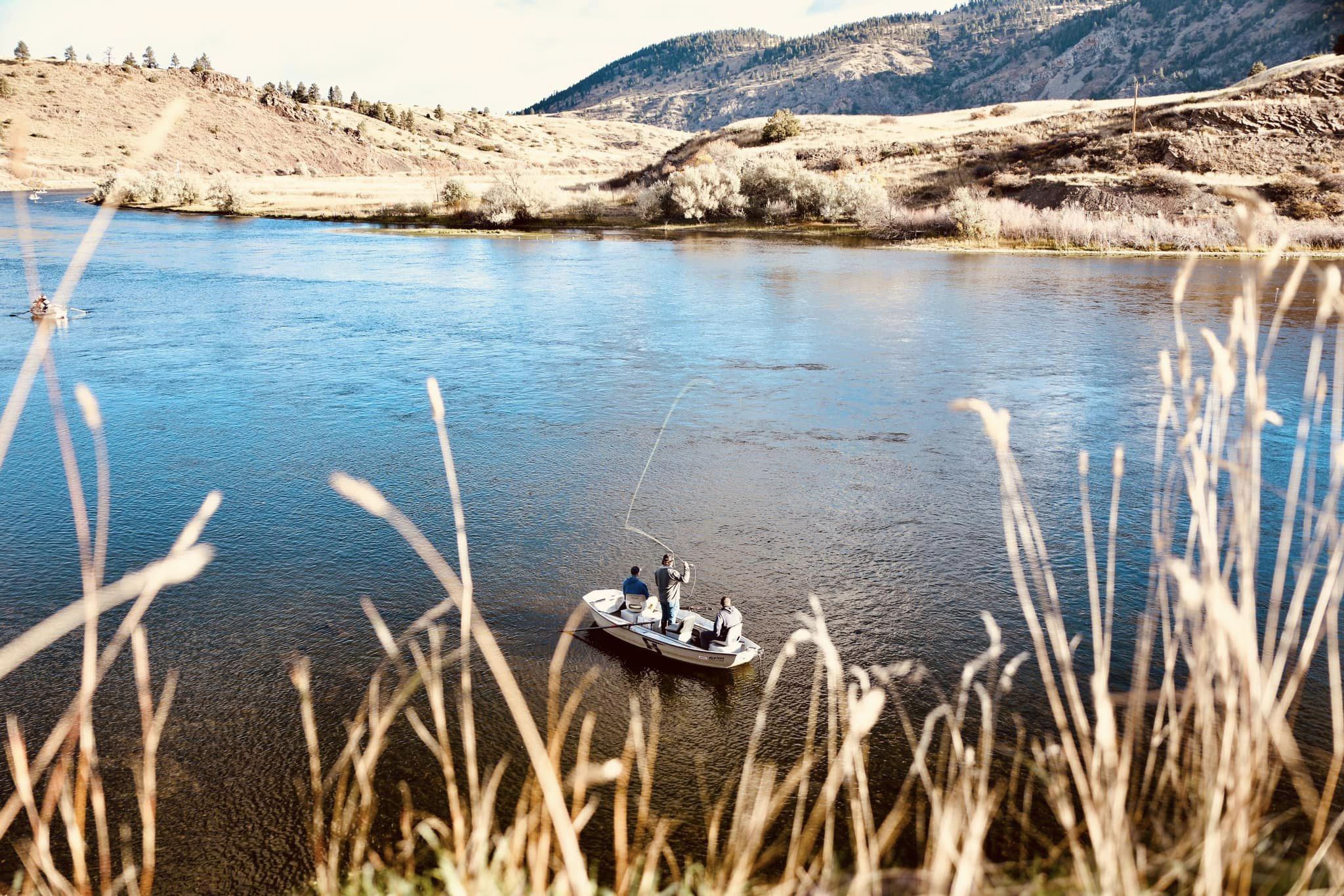
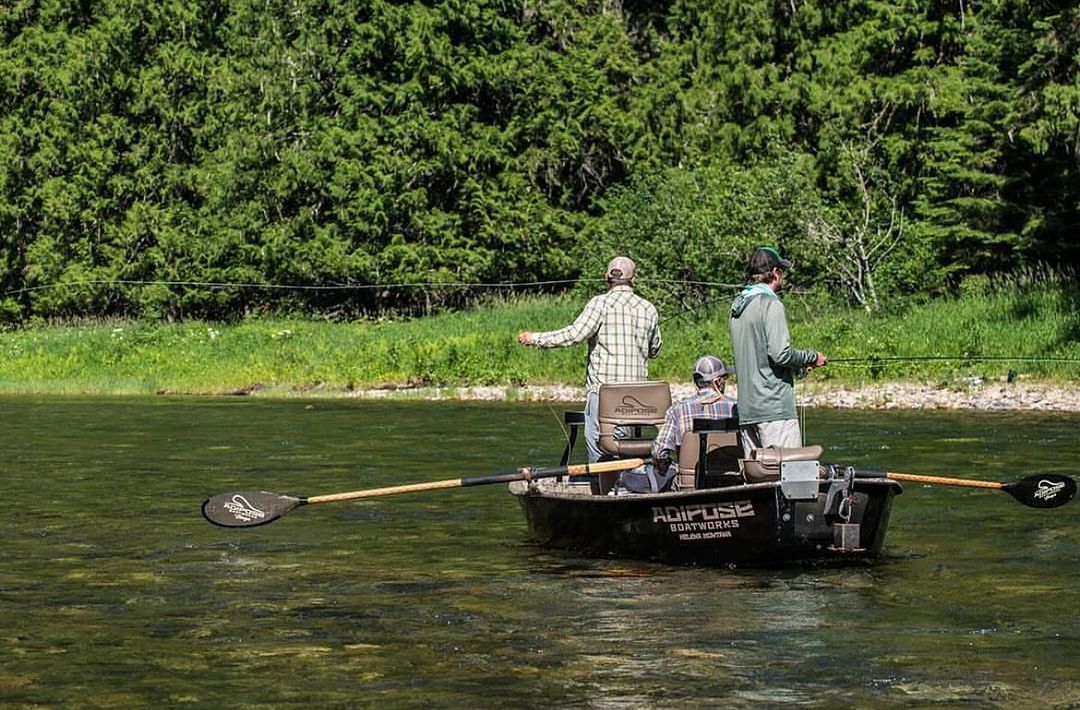
Yeah, the south fork, you know, is, is a big river and there’s lots of breeds. So your day will start and end in a drift boat. And there’s a lot of, you know, casting towards the bank and there’s a lot of kind of fishing inside out where, you know, we’re gonna put the ba on the inside corner and kind of fish back towards that, you know, that little little run that’s created there, you know, that time of year the water’s low, we often can get out and wait up side channels or, you know, get out and, and Swing flies and riffles and do things like that. So it is a dynamic fishery and you know, that dialogue is a big part of what are you looking for for your trip, you know, what’s your experience level and you know, the guides are there to kind of make it happen for you. And if you love to wait, we’ll get outta the boat more.
Oliver (20m 28s):
If you, if if, if you’re not able to wait and you gotta stay in the boat the whole time, that’s fine too. You know, we can do, we can do it all.
Dave (20m 33s):
You got it all. That’s great. And I just talked to somebody yesterday, we’re putting together kind of our eastern trout school and, and we’re heading into the shenandoahs to fish for brook trout and stuff. And then the one guy, he was like, man, I’m 78, you know, what’s this gonna look like for me getting up and around? Am I gonna be able to do this? And I was kinda like, well yeah, we’ll have to look at that. Right. So but for you, this operation, right, I mean pretty much anybody, you can take anybody down the river big or small or any sort of level of age, right? Is that, is that the case and they just stay in the boat and fish?
Oliver (21m 0s):
Absolutely, man, I, we, you know, take, you know, my, take my boy at six and three, my two little boys go out in the drift boat all the time and we have several clients in their nineties still fishing hard. So that’s a big range.
Dave (21m 11s):
Yeah, I gotcha. Okay. And when we’re on, again, taking it back to May, let’s just say we’re in later May and we’re Fishing, what does that typically look like? Are we doing a lot of dry drop or, I guess it depends on what’s going on, but maybe paint that picture of, of that first day on the water. We kind of experi I guess your guys are already knowing what’s going on out there, but how might that look if you had to estimate it ahead of time?
Oliver (21m 31s):
Yeah, that, that pre runoff fishing is gonna be primarily subsurface. So you’re gonna do a lot of indicator Fishing and or streamer fishing if you’re comfortable with that. We might be able to find some small drive flies in the riffles depending on what’s going on with the, with the air temperature and water temperature. But it is a, it is a really good time to kind of nip and find some big brown trout and work on really getting that clean drift from a drift boat, which, you know, is a, is a really important skill for western trout.
Dave (21m 56s):
And you mentioned streamers, that’s always a, a hot topic. It seems like that’s one of those buzzwords, right? Could somebody come in here if they really wanted to get the streamers dialed? Could you guys get this dialed in for somebody having a good opportunity on a, on a big streamer or any streamer?
Oliver (22m 10s):
Yeah, no doubt man. And when you have, you know, both a population of trout that we have and all the brown trout that are in the river and the, you know, they are audacious. We’ve got a couple guides that are streamer wizards happy to get you out there, especially whether you wanna learn to stream or fish or something that you’re already proficient at it. It’s a very productive way to fish.
Dave (22m 29s):
That’s awesome. Yeah. So this is good. So, and what does that look like? Maybe walk us through that logo bit on the streamers. Is this kind of, you know, the bigger, the better on the fly or they, you know, same thing out of a boat stripping streamers or how, how does that look?
Oliver (22m 42s):
Yeah, most of this can be from the boat, you know, whether you’re fishing towards structure and really trying to get it in there and you know, a couple of these guys have really varying techniques. You, you know, I mean I have one guy that particularly loves fishing, his streamers like coming downstream, which is kind of counterintuitive to what a lot of people feel. And he, he does really well with that kind of casting, you know, 45 behind the boat and fishing back down, you know, the argument that, you know, wounded bait fish would be tumbling down the river and he does really well. Whereas, you know, another school of thought is, you know, big fish never want bait swimming towards them. But one thing you also see in this river is that those brown Shaw will get in these riffles, these big long flats where the water, you know, is two or three feet deep consistently.
Oliver (23m 23s):
And bringing a a streamer through that, particularly a bigger streamer, can really help move some big fish as well.
Dave (23m 28s):
Okay. So, so, and it’ll be something, let’s typically, if you were fishing with streamers, could you fish one person, streamers one person nipping or doing other things while you’re in the boat? Or is that open?
Oliver (23m 39s):
Oh, absolutely and but you know, if, if one person wants to streamer fish, then we’ll put ’em in the back of the boat. Typically, you know, you don’t want the guy in the front kind of thrashing the water stream or fishing if, if the person behind him is dry fly fishing or even ing it in. But yeah, whether both if everyone wants to stream or fish or everybody, you know, we’ll, we’ll we’ll make it happen.
Dave (23m 57s):
Okay. So that would be a, a day on the water. And this would be typical I’m, I’m guessing Yeah, 8, 8 30 to four kind of a typical day you’re getting lunch in the middle and then you get back to the, you know, to the lodge and have dinner around five or six. Is that kinda how that looks? Yeah,
Oliver (24m 10s):
A little later. So you know, we’re often, you know, you’re gonna meet your guys somewhere kind of 8 39, you’re typically gonna get back kind of four 30 to five 30 cocktails. We’ll have, have a couple appetizers floating around. And then we typically do dinner at 7 0 7.
Dave (24m 22s):
Okay. And then we’ll, we’ll chat about the fish at on the day. And I. Guess that’s a cool thing is you could chat about, see how things are going and maybe if you wanted to mix it up or maybe if you did streamers that day, I mean IF again, I always go to this thing for me, if it was me, I’d be thinking, okay streamers, I wanna get a giant brown, you know, and honest streamer that would be kind of cool. Do you, if you wanted, if that was somebody’s goal, you know, again it’s always about expectations, but if somebody really wanted to get a big fish, are you fishing different areas? You know, are you doing different things focusing on big fish or are you just kind of doing the same game plan?
Oliver (24m 54s):
No, you know, if you are really kind looking for one of those trophy fish and you’re willing to stay committed to it, then absolutely we change the game a little bit. The, the lower river in particular. So as you kind of move from the dam down river, the density of fish slows down a little bit, but the quality of the brown trap of the lower river gets exceptional. Oh right. So if somebody is really looking, you know, if you wanna spend the day really just chasing big fish, man, we’re gonna go down low. We might even go to what we call the main snake where the Henry’s fork in the South fork join and open up. Like that’s a great place, especially that time of year to go and look for like some really big fish where you’re really fishing for a couple fish for the day, but they’re gonna be studs.
Oliver (25m 35s):
But that also takes, you know, a level of skill, you know, that you wanna set realistic expectations.
Dave (25m 41s):
Yeah. Okay. So if somebody’s listening now, and we’ll put a link out at we fiw.com/southfork lodge where people can sign up and we can follow up with them if they’re interested in this trip. But let’s just say it is that, you know, somebody, you have one person that’s really interested in in the streamers, he’s got skills, you know, he’s done it before and maybe hasn’t done it on the South fork, they’re coming in. So then yeah, we could focus them maybe lower down for a day, see how that goes. And again, if you know it goes well, maybe they go back or maybe they mix it up the next day. It sounds like this is pretty flexible. Do you guys find that people have to have this dialed in, you know, a month in advance before the trip? Or when do we have to have the schedule kind of ready to roll?
Oliver (26m 19s):
No man schedule’s real time. And man, we do that kind of the night before, so that is very fluid ’cause we’re processing everything. You know, you’re processing weather, angler ability, angler desire. Right. You know, and you know, and we are there to pivot and kind of make, make it happen. So yeah, really you just gotta get the trip on the books and then we will adjust all the other minute details into real time to make sure you get the best experience you can. Perfect,
Dave (26m 42s):
Perfect. And we, we call, you know, we talk about this as like our schools and we have some clinics we’re working on as well, but the, the school part for us is like what we’re talking about, you know, it’s definitely a guided, you know, focus and a lot of people don’t want necessarily like the the education, you know, sitting down in the classroom. But, but I think it sounds like that’s something you could do here. You know, what we’ve been doing is actually doing some online courses and putting these together. So I’m, I’m hoping that maybe we can get some of your guides maybe on for some short little courses just to give people some, a way to give them like, before they get on the water, you know, they could watch these things. Like here’s your, your guide talking about the streamer fishing. Is that something you guys have thought about doing? Do you think that would work here if we did something simple like that?
Oliver (27m 22s):
I’m sure we could talk a couple guys in, right? You know, guides are a secretive bunch. They don’t like to give away secrets too much. Just, but, but at the same time, you know, part of being a great guide is elevating your client skills. Like I can remember talking to my guys at back in The Bahamas, they’re like, these guys are terrible. It’s like, man, they’ve been here seven times. If they’re terrible now it’s your fault. Right? So, so we do really work from a experienced guiding perspective of, you know, this al Fork often fishes so well, you know what you’re, what I encourage the guys to do is like, hey man, if you’re really getting them, man, push your angler to do better. Right? So like, hey man, we’ve had a really great day. How about we practice that streamer Fishing, right? You’ve never done that. Let’s, you know while the fishing’s really good and you’re having a great day, man push their limits a little bit.
Oliver (28m 5s):
So man, the guides are trained to really help broaden people’s skills so that they know how to dance, they know how to drive fly fishing, they know how to streamer fish, they know how to Swing flies. And so, you know, I I think it’s really important to be a well-rounded angler like that. And part of the guide goal is to groom people in a way that they are getting better and better for a lifetime of fishing.
Dave (28m 27s):
Yeah. Yeah, that’s well put. I think that’s, and that is the essence of, if you talk about a school being well-rounded, not just streamers, not just drives, but really everything, it sounds like your guys can, can take us on that journey. So this is good. Well we’re, we’re kind of talking about this trip. I think, you know, as we, we work into it, we’re gonna have a few days out there. The final night is probably, you know, gonna be a, a fun one. I mean, what’s the last day look like? So once we, we wrap things up, are people checking out kind of early the on the final day and heading out, are people fishing, sticking around? You know, is there an option to extend their stay if they wanted to or, or maybe not in the cabin, but fish more in the area.
Oliver (29m 3s):
Yeah. A you know, absolutely the answer is always yes. Right? So what, whatever people are looking to do, man, we can, we can help facilitate and make it happen. And, and we do, you know, part of the, the great thing about this part of the world is not just the, the fishing that we are on, but if you’re talking about a two hour radius, I mean you have Yellowstone Park, you can go down and fish the green. I mean you can go on fish, the Wind River reservation. I mean there’s so many things you can add on to go do kind of from this launching point. So if someone’s looking for a great Western experience, man, this could be one stop of many and you can segue them all together. Absolutely.
Dave (29m 40s):
Okay, good. Yeah. And I think that we definitely talked to a lot of people who are, you know, they’re gonna be traveling, this is a good time to get out early and maybe travel around the country at this time of year. I guess the weather can always be up and down, but like you said, may is typically pretty decent, you can get some rain, but later in May there’s a good likelihood that the weather will be what kind of in the sixties kind of fair weather.
Oliver (29m 60s):
Yeah, I mean you’re, you can expect, you know, highs, you know, in the sixties to even seventies and it’ll still be crisp cool mornings, everything will just be starting to get green. It’s a beautiful time.
Dave (30m 11s):
Good, good, good. Well we, you mentioned Rockefeller. I wanted to, I I wanted to check in on, you know, Jimmy Kimmel who I think is part of this thing. Is he Jimmy Kibble check it? Is he out there fishing? Has he, is he, does he get out a lot on the water? Is he getting out a few times in the year?
Oliver (30m 26s):
Yeah, so Jimmy is my partner here at South for Lodge. And really that’s, it’s the reason that it exists and I think people really don’t, it surprises them when, when they hear that Jimmy is a really serious angler. Like this is his favorite thing, right? I mean this isn’t, this isn’t an investment where he thought he was gonna go make a bunch of money, man, this is like his favorite thing. And so one of the things that I think makes South Fork Lodge so special is we really run this business as if it’s Jimmy’s second home and he’s there for, you know, a month outta the year. Oh wow. And then so he fishes really hard and he’s there. And so we do a lot of things that are really catered to him and his needs that all the other guests benefit from.
Oliver (31m 6s):
And like an example of that would be, you know, like our coffee cups and our plates are made in America by hand in Arizona because that’s something that’s important to Jimmy. But you know, that means a coffee cup costs a business 18 bucks. And like if you’re running, just running a business, you would never spend that money because, but it feels really great and it’s, it is, it’s, you know, it, you know, it has the south for logo and it’s made in America and they’re awesome, you know, but we do that because that’s what Jimmy wants when he is there. And so the guests that come in and out, they really benefit from, from someone that has such a passion for this, that loves it and uses it and, and, and then is willing to share it with everybody else.
Dave (31m 44s):
Yeah, that’s cool. Yeah, a lot of people don’t, probably don’t even know that about Jimmy. Right. That he’s into that sort of stuff. Right. You know, keeping it local. And we just did an episode with the Mississippi Valley Conservancy, you know, ’cause we’re doing a trip out to the Driftless and, and she was talking about the same thing, right, keeping it local, you know, buy your food locally, do whatever you can because these little things do add up. You know, they might not seem like it as we’re in this, you know, the climate’s changing, but the, these little things do add up. Do you feel that that’s true?
Oliver (32m 10s):
No, I think not only is it true, it’s really important and it’s really important as a business owner to be a leader in that space. And I think what people don’t understand is the effort it takes to do that. It sounds like it’d be really easy to shop local, but I mean, for example, you know, we are getting all of our produce and as much of our protein local as possible, but that means we’re spending a significant amount of time going from farm to farm to get various different things. And you know, it takes a lot of energy both in, there’s no delivery mechanism. I mean, you can order from a Cisco and they’ll bring you stuff right. That, that’s the easy way out and often the cheaper way out. So if you, if you really care and you’re trying to support all these little local businesses, it takes a lot of effort. It takes a lot of relationships and you’re often typically paid a premium to do so.
Oliver (32m 55s):
But I think that the end product of doing that and the community involvement of doing that creates a superior experience.
Dave (33m 2s):
Yeah. Perfect. And, and on one, one more thing on Jimmy. So is he, without getting too personal, you know, is fishing, does, does he love doing everything? Is he into streamers? Like when he comes out, is he gonna be fired up for a certain set, you know, area? What, what’s his, what’s his deal?
Oliver (33m 16s):
It, Huey Lewis is the one who got Jimmy into fishing.
Dave (33m 19s):
Oh, nice.
Oliver (33m 20s):
And Huey lives up in Montana on the Bitterroot and Huey is old school, dry or die. Oh nice. Suffer through it no matter what. And, and Huey tries to convince Jimmy and all of his buddies to come that that is the only way to fish. So I am constantly battling with the idea of being a well-rounded angler with them. ’cause they will, they will throw dry flies to the end of the earth.
Dave (33m 41s):
Yeah, perfect. No, it’s good. And, and we actually, we met, I talked to this or mentioned this to you a while back, but we actually did have Henry Winkler on the podcast and that was a pretty epic episode because you know, I’m sure you know Henry And I think he’s fished in your area, but you know, he just talked about the, you could just hear the passion and, and we were doing this call and it was just, he, he just loves it. You know, it was really funny. I, I’ve told this story a number of times, but I asked him, I said, Henry, so you, you, you’ve done, you love Fishing, you’ve done everything in your career, you know, why not just retire at fish? You know, just fish every day. And he’s like, man, why would I retire? I’m at the top of my game with Barry. I just won an Emmy. I’m literally on top of the world. Right. And so I didn’t even think about that, but Right.
Dave (34m 21s):
He still loves, you know, his acting like that’s still the thing. Do you see Henry out there? Have you, if you connected with him? Oh yeah.
Oliver (34m 28s):
You know, the South Fork is one of the places that Henry Fishes all the time. So we see him every summer. He actually doesn’t stay with us, but he comes in and has dinner. And when we know Henry quite well, he’s had the same fishing guide for a long, long time. So, and he, he is, he’s a passionate angler. And I think one for me, what I extrapolate from that is the interesting people for me in the world are passionate people. Right. And, and Henry’s one of those man, he, he is passionate about his craft and he loves what he does and that, that then comes out in all the other aspects of his life, like fishing. And, and those are the people that I look to surround myself with very be, it really doesn’t matter what their passion is man, but when people go all in on something, they generally are kind of interesting and thoughtful people and that, that impacts all aspects of their lives.
Dave (35m 15s):
There you go. And so we talked a little about, you mentioned the Wind River and we’re always thinking about, you know, kind of the nonprofits to support and you have a, a good one Indie Fly maybe we had an episode we did with the, I think it was the executive director a while back. We’ll have a link of the show notes to that. But maybe talk about Indy Fly. Are you still working pretty hard on that and is that kind of you’re bringing stuff more locally around your area?
Oliver (35m 36s):
No, absolutely. Indy Fly has long been one of my favorite little side projects. I’m still the chairman. We are doing really good work and making a really big push right now with our first domestic project on the Wind River Reservation in Wyoming, which is in driving range of South Fork. So absolutely that is in full speed. We’re, we’re in the middle of kind of building and constructing a lodge and, and offering that experience. And so you, you could easily add on a few days to go in the Wind River and we can horse back you back into there Amazing. On some tribal land and get the fish some unique things.
Dave (36m 9s):
God, that’s great. Yeah. So maybe give us a just high level kind of elevator summary of, of what that is going on there, because it, you kinda have the local indigenous folks and, and maybe just high level indie fly is the idea being that you empower the local community, the local, whether it’s in, you know, folks here or around the world to actually take a lead and have their own businesses. Is that how that looks?
Oliver (36m 29s):
A hundred percent right. The, the, the whole goal with Indie Fly is the idea that, you know, indigenous people all over the world typically have this incredible asset of their land. And what they don’t have are sustainable livelihoods based off of that. They often just sell the rights to use it or, or or extract commodities from it, whatever it is. But our goal is to locate indigenous populations that have wonderful fishing, help them create a lodge that they fully own themselves, where they make a hundred percent of the money and you create these jobs for them. And the idea that if you can create sustainable livelihoods, they will become better conservationists. And we’ve, we’ve seen that work all over the world now.
Dave (37m 10s):
Yeah. So Indie fly, maybe describe one other place where you’ve actually implemented indie fly around the, the world and, and kind of how that looks.
Oliver (37m 18s):
Yeah. The most successful Indy fly project was in Guyana, which is where the, the indie fly was born. And that is in Rio Village in the middle of the jungle. And that that’d be a place we’d love to get you to so we can take Yeah. Wow. You know, 4, 4, 6 anglers count
Dave (37m 32s):
Me in. Yeah, this is amazing. You
Oliver (37m 33s):
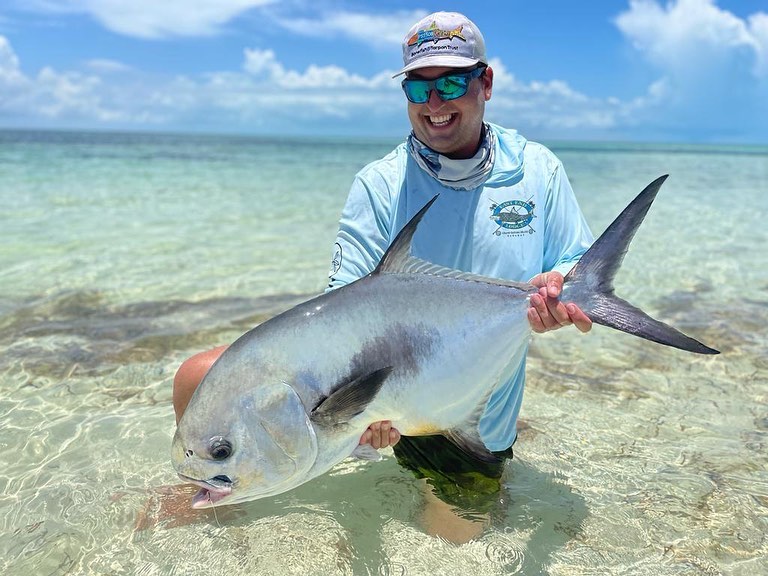
Know, you’re catching air pma, so it’s the world’s largest freshwater fish with that’s with scales. Yeah. They jump like Tarpon, fully indigenous owned, we employ almost 80% of the workforce of the village. And you’ve had multi-generational improvement in quality of life, purely from fly fishing, catch and release. And that project now is, you know, 12 years old and it’s just been remarkably successful. I was just down there last year, And I took my wife and my little boy and my wife had gone with me on, on the very first trip a dozen years ago. And so it was, she was particularly astute and noticing the difference of improving a life, right. Like, you know, from the way they dressed and wearing shoes to the dental work, to the way they communicated, you know, there’s water in the village now and satellite internet and just an overarching improvement from everyone completely touched by taking a handful of people fly fishing a year.
Oliver (38m 26s):
It’s really been amazing.
Dave (38m 27s):
Wow. Wow. This is great. Okay, so we’ll, we’ll have a link to that and we do have a few episodes. We had one where we had the just Roy Indie Fly, the executive director, and then we also had one where we went up and went onto the wind reservation. I’m trying to think who is the name of the, one of the guides who’s been up there leading the charge up there for a while. Yeah,
Oliver (38m 44s):
That’s Johann Dupree Johann’s from South Africa. So he is, he’s the country director for Guyana, for, for Indie Fly. And he’s been helping in the Wind River. And he also helped with a project that we worked on in Latu in Africa.
Dave (38m 57s):
Oh, cool. And actually, and the, the other person I was thinking of here is, is episode three 90 Wind River with Darren Calhoun.
Oliver (39m 2s):
Oh yeah. So yeah, so Darren is a really fascinating guy and he’s helped Indy fly from the peripheral as well, but Darren has his own lodge up there called the Wind River Canyon. So Darren is, is a native guy and he has the only permit to fish the Winter River Canyon, which arguably is the best trout fishing in the lower 48. So yeah. And Darren’s a fascinating guy.
Dave (39m 22s):
There you go. Yeah. And the other one was episode 3 42, indie Fly with Matt Shilling. That was the episode. We talked just generally about Indie Fly.
Oliver (39m 30s):
Yeah, Matt Shillings our executive director. He, he really is the heart and soul of Indy Fly. It does, it doesn’t exist without him.
Dave (39m 36s):
Awesome. So, I mean, you got that going, you got the lodge, it feels like you’re back at home with the kids, which is amazing. How’s it going with the kids? Are are your kids, are they into the fishing? Are they out there like casting, like tight loops and all that stuff? How does that look for them?
Oliver (39m 49s):
You know, not quite. They’re, they’re still little. So, and I’m trying not to push too hard, but the boys love the outdoors. Wintertime, they’re skiing summertime, they’re fishing. Huck is six now. He’s really proficient with his little spinning rod and we’ll take him out there and he can do that on his own. I’ve taken both boys, I mean, the nature of what I do, And I still travel and fish all the time. So they’ve gone to Boa Shells, they’ve been to Alphons. Oh wow. You know, I, I mean I was hooking GTS and, and letting Hawk pull on him, you know, he’s got Bonefish, he’s been to The Bahamas. Oh yeah. He went down to Guyana and Peacock Bass totally on his own, like throwing his little zco out there and and catching peacock bass. And they’re, they’re living pretty large.
Dave (40m 28s):
Yeah, that’s it. Okay. So yeah, they’re doubt, regardless of whatever on the fly, they could, their, they’re traveling that’s gonna be, that’s already impacted their lives, I’m sure. Right. That’s that’s pretty cool. Yeah.
Oliver (40m 38s):
The fly fishing will come. Yeah,
Dave (40m 40s):
Same for me. I, with my girls, I got two, they’re a little bit older, but yeah, I never pressured ’em to get out, but we just get outdoors and do stuff and they love that. And the fly. Yeah. If it’ll come, you know, if it comes and if not, it’s all good, but good. Well, well anything else on the trip itself or just, you know, fishing? I know we didn’t do a deep dive on the fishing stuff, but I think we talked about the experience. Anything we’re missing here to paint the picture of what this is gonna be like for people that want to get involved?
Oliver (41m 4s):
No, I think for most people, you know, this is a trip where you can really just take the pressure off, right? We, you’re going with people that really care, you know, there’s a few things you can’t control, mainly the weather, but man, the fishing will be good. We’ll maximize whatever’s available and you know, if you come to it with some ideas of what you’re looking for, we’re gonna help you achieve those goals. And if you just come be like, Hey man, I’m looking for a great time, we’re good with that too. You know what I mean? We don’t have to overthink it, we can just go get you out there to have a great time as well.
Dave (41m 31s):
Yeah, perfect. And that’s kind of what we want. We want that like, like laid back atmosphere where people can just hang out, you know, if they’re struggling with this, you know, whatever it is they can get out there. Maybe it’s practicing their casting, you know, maybe it’s getting, you know, that dialed in or whatever it is. And typically, do you, when people come in, do you talk to them? Does somebody talk to them before the trip to talk about expectations? Or is that something that you’re doing kind of once they arrive and digging it in, having to meet up with their guide?
Oliver (41m 55s):
Yeah, a lot of that is real time. Right. So, and, and it depends on how we’re engaged with ’em in the process. So in the booking process, sometimes that’s coming out and we’re keeping notes and having it dialed in. Sometimes it’s on check-in, sometimes it’s in the boat with the guide. I mean, we are constantly pivoting as we get new information and oftentimes people don’t know what they want until they’ve gotten a taste of something. Right. So it might be they go out one day and be like, Hey, that was really cool. I’d like to go dive into that a little deeper and we’ll make that happen.
Dave (42m 22s):
Perfect. So I’m gonna take it outta here really quick with our, our fun facts segment. I’ve got a few little, I I’m gonna get you thinking here. So I, this is putting you on the spot, but think of a fun fact that you know, something either about you, the South Fork Lodge or maybe just something in general bigger about, you know, fly fishing, if you have that. Think about that as we go here. But this one is presented by, I wanted to highlight an episode. Patagonia, we had, I was pretty happy to have on Yvonne Chenard on a recent episode. And we talked about, you know, just him, I mean, I’m sure you know some of the stories about the conservation stuff. So he’s always my kind of the guiding light when I think of, you know, how we do things. Right. But first for you, other than, you know, we talked about Ely, but as far as conservation, are there any groups out there who you would recommend we’d want to check in with and maybe support?
Oliver (43m 8s):
There’s a lot of good work out there and all of it’s important, so I’d hate to neglect anyone, but, but you know, a couple that I have long supported and am always a fan of that might not be fly fishing centric. Right. So the Teddy Roosevelt Conservation Partnership does really, really good work. And I think it might not be on the radar of a lot of fly anglers. I mean, the obvious ones for the fly anglers, you know, are are, are always there, man. The travel limited at the Boat Star trust, these guys do great work. But TRCP does a, a much higher level of, of work across like all disciplines, you know, where they’re doing hunting and fishing, but they’re particularly lobbying in DC trying to move the needle for like high level legislation. So that’s a group I I’ve always really, really enjoyed.
Oliver (43m 50s):
American Rivers, same thing. They do have a, they ha they have an angling division, but they, they not only do really good work on protecting rivers, but they communicate in a really clear way of like how much money it takes to save a mile of river. And, and those guys do do really good work as well.
Dave (44m 4s):
Yeah. Awesome. Yeah, I love American Rivers and, and they’re of course helping to, part of it’s just yeah, removing like some of the dams, which is interesting because if you look at the American West, you know, dams and you guys are in the Columbia system, right? So there’s, I’m not sure how many large dams are throughout their, including Hell’s Canyon right. Downstream a away, which I’m sure probably doesn’t affect you guys too much. ’cause I’m guessing, well you had, you have American Falls, right? So steelhead and those fish couldn’t get up to your area historically, right?
Oliver (44m 30s):
Correct. Yeah. You know, the dams are, are really it, in our position, dams are particularly unique, right? ’cause our, our fishery exists because of a dam. At the same time, I’m a huge advocate for removing dams, particularly where those dams are impacting in aous fish, right? So when you’re impacting the migration of fish, particularly from the ocean into the river, that is where they really, really have the most impact. And you’re correct. Like there’s big movement right now to remove five dams on the lower Snake River, which is the ultimately the same water that we’re talking about.
Dave (44m 59s):
Yeah. That’s a, that’s a huge system. Cool. And that’s part of the, the thing I think is unique for those that don’t know this area, why it would be so cool to be out there and, you know, essentially kind of the headwaters right. Of the Snake River, you know, you’re way up the top. But, so let, let’s do our quick little fun fact segment. So first of all, do you have one, anything comes to mind about, you know, you yourself, anything that people don’t know about or your, you know, your business or, or the lodge?
Oliver (45m 22s):
Man they, there it’s Antoinette, but you just mentioned Yvonne and you know, Yvonne is obviously an icon and one of my heroes, and I’ve interacted with him a few times over the years. And one of those was when I first built my first lodge in The Bahamas, Yvonne was the first client to show up Oh
Dave (45m 38s):
Wow.
Oliver (45m 39s):
And with a group of people. And then I had just poured my heart and soul and sweat and blood into this project. And I was, you know, really proud of it and really excited. And I’m walking around with Yvonne and he totally destroyed me ’cause I used the wrong white bulbs. And I didn’t do this. Oh, that. And I didn’t do that. And I’m like, And I was, it was both like, so frustrating and just, and so enlightening of just his a constant awareness and that, and that it really helped plant that seed and, and push you to always kind of be aware and dig in and kind of take that next level of analysis. But, but I’ll never forget that of just walking around of this new project I had, you know, with one of my heroes and, and he really just pointed out all the mistakes I’ve made and all the flaws.
Dave (46m 18s):
He did that to me too. I was, I was making the comment, I just mentioned the R two fleece, which I love, and I’ve been wearing And I had it on in the call and the only thing he said was like, do you know how many microfibers from fleece get into the, the, the system, the water supply? And he was like, Hey, we’re working on a, a new washing machine with Samsung that takes out 99% of those microfibers. Right? And so that’s where he’s always his his, he will always be there, right? That’s his, that’s just where he is.
Oliver (46m 43s):
No, you know, he’s an amazing person. One of the books I recommend to people all the time is his, you know, let my people go surfing. I just love that story and perspective of being a business owner and, and what it means and making, making hard decisions.
Dave (46m 57s):
Perfect. Well, one thing before we take it out here, Oliver, I want to just, and this is maybe a, a little bit of a harder question just came to my mind, but, you know, you had, I think with the lodge, didn’t it get, wasn’t there a hurricane or something that got destroyed? Maybe? Can you tell us what happened there and what, what that felt like to be involved in that whole thing? Yeah, that
Oliver (47m 13s):
Was, that’s honestly a big part of my exit of The Bahamas. That was a really challenging thing. So, you know, it built Abaco lodging kind of 2008, you know, and in 2019 it was completely wiped off the map in Hurricane Dorian, you know, lost a couple staff members during the storm, you know, and Abaco also really changed at that time, right? Like the whole island was decimated and it has now been rebuilt, you know, and without my involvement and, and is going again, I haven’t set foot on it or, or looked at it. I don’t have really any opinion there. But that was a particularly challenging thing to deal with, you know, putting so much energy into making something so good. I mean, Lige literally right before Abaco gotten, gets destroyed.
Oliver (47m 54s):
It was named one of the top 10 fishing lodges in the world and then just wow. Just disappeared. God.
Dave (47m 59s):
So it leveled did it pretty much just level the, the whole or they restarted from scratch? Yeah.
Oliver (48m 4s):
Yeah, man, it’s, it’s ground zero. Redo it. God,
Dave (48m 8s):
It brings me back to that. I was thinking the flip power, it’s been a while, but again, we had him on a long while back and he just, he described that situation where he was in his home, right? And he stayed, he, it was, the home was getting destroyed around him, but he stayed because he didn’t wanna leave it. And then, and then he had the story of Lefty Craig coming up where nobody else could get out to him, right. He made it out with a bag of cash to give flipped. Have you heard that story?
Oliver (48m 30s):
Oh, yeah. You know, I mean, flip, I was just with flip last weekend and we were, we were really close, but that, that was Hurricane Andrew. Yeah, absolutely.
Dave (48m 36s):
Oh,
Oliver (48m 36s):
Andrew lost everything in that storm and, and it prompted him moving because he was living in Homestead, Florida then, and he moved further north to get away from the hurricanes after that.
Dave (48m 46s):
God. Yeah. So much. Cool. Well this is what’s cool about talking to you Oliver, is that you, you’ve obviously got a ton of connections with the fly fishing and kinda all the, the big names out there and you yourself are obviously a big name. But tell me this on the bourbon, I’m interested because I’m not a big drinker of the hard alcohol though. I probably will partake when we get up there. Gimme one bourbon. If somebody’s gonna go pick up a really good bourbon and have a drink, what would that be?
Oliver (49m 8s):
You know, I think part of bourbon is the chase. Like you can’t find it anymore. It’s not even that it’s expensive, it’s Right. So one of my favorites, for example, would just be Weller, which is like a 30, $40 bottle, but it doesn’t exist, right? So you just have to, it’s like Chase chasing Ghost all the time of just trying to find it because the demand is so high for these products. But, but I do, you know, and that’s part of the appeal is just, just the pursuit as much of any, just, just like phishy
Dave (49m 32s):
The pursuit. Cool. All right, Oliver, I think we’ll leave it there. We’ll send everybody out to south fork lodge.com or I guess on Instagram. Tell us again, what’s your Instagram?
Oliver (49m 41s):
Oliver White fishing.
Dave (49m 42s):
Perfect. All right, great. Oliver. Well this is gonna be awesome. I’m excited for this trip and definitely we’ll be in touch as we kind of move ahead and definitely appreciate all your time and all the good work you’re doing. We’ll talk to you soon.
Oliver (49m 53s):
Absolutely. Look forward to showing you guys the West.
2 (49m 56s):
Whoa,
Dave (49m 58s):
Whoa. There we go. Love talking to Oliver. He’s always leading the way with his vision and his fishing, so it’s great to catch up today. Please check in with our new school events and courses anytime. We’ve got one going most of the year right now at we Swing dot com slash giveaway. And if you wanna jump on an upcoming trip, potentially this one, you could check us out anytime. Thanks for checking in today on Travel And I. Hope you can experience that dream trip this year or maybe just that trip in your backyard. And I. Hope you experience and enjoy that road less Traveled.
In this episode of Traveled, we journey with Oliver White to the breathtaking South Fork Lodge in Eastern Idaho, where the legacy of fly fishing is as deep as the river’s own stories.