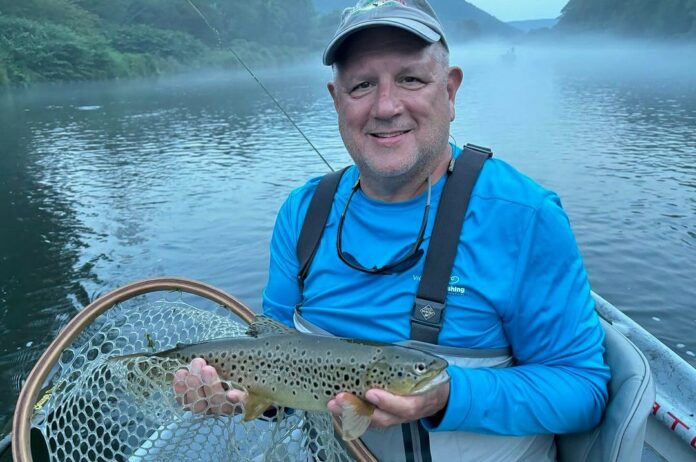
We’ve got Tom Bie, the editor of The Drake Magazine, back on the show. Tom’s written about everything from the issues facing brown trout in the Grand Canyon to a wild story involving a dad and daughter busted by the FBI for selling synthetic weed. They even sued Tom for a quarter of a million dollars.
Strap on the seatbelt, grab your beverage, and get comfortable. Let’s get into this one with Tom Bie!
Show Notes with Tom Bie on the Drake Magazine. Hit play below! 👇🏻
(Read the Full Transcript at the bottom of this Blog Post)
Sponsors and Podcast Updates
Episode Chapters with Tom Bie on the Drake Magazine
02:26 – We get an update on Tom and The Drake Magazine since our last episode with him in October 2020. We also dive into the challenges facing journalism today.
07:52 – Tom praises Monte Burke for his storytelling skills and how he lets people share their stories. He also talks about Monte’s latest work on Nick Lyons.
14:24 – Tom also highlights Jon Krakauer, known for his gripping books like Into the Wild. Krakauer’s reporting on a Yosemite climber who committed serious crimes is a prime example of his courage and commitment to justice.
19:16 – We chat about the fish removal in the Grand Canyon. The issue revolves around removing brown trout to protect the native humpback chub. Tom highlights how this problem mirrors other areas, like Yellowstone.
He explains that while protecting native species is important, it’s tough when their removal affects popular sport fish that have been around for decades. There’s also a bounty program where guides earn money for killing brown trout, which has led to the killing of over 6,000 fish.
35:49 – We discuss how changes in river flow and dam operations have impacted brown trout in the Grand Canyon. Starting around 2014, increased flow rates and historic high flows allowed more brown trout to migrate.
47:56 – We talk about ways to help with the fishing issues in the Grand Canyon and Yellowstone. Tom suggests people contact the National Park Service to express that killing sport fish might not be the best solution.
Inside the Drake Magazine
54:33 – Tom shares that he always includes at least one in-depth reported piece per issue of the Drake Magazine. While essays are popular with readers, he often gets way more essays than actual reporting stories.
Tom also explains that good reporting involves more than just writing; it needs interviews and research. He advises aspiring writers to use quotes from real conversations to improve their stories.
1:02:00 – Tom shares a crazy story about a father and daughter from Texas who got into big trouble for selling synthetic weed.
Tom even got sued for talking about it on a podcast! The family also bought the Deneki lodges in Alaska, which was part of the money laundering charges.
So, here’s your call to action: head to DrakeMag.com right now and dive into the latest articles. Check out the piece we discussed or explore other great reads from Tom. There’s always something interesting happening at The Drake Magazine, so don’t miss out!
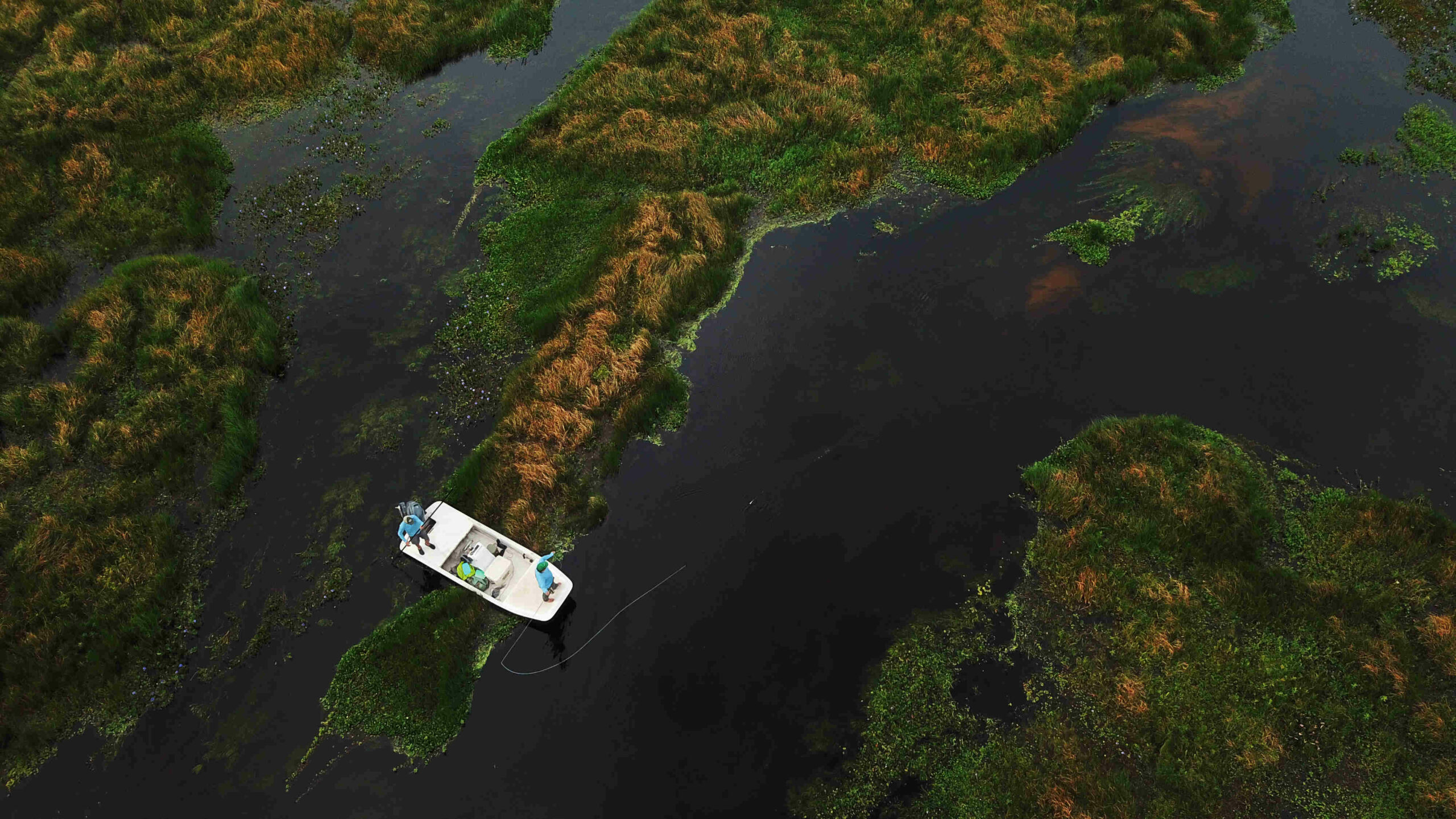
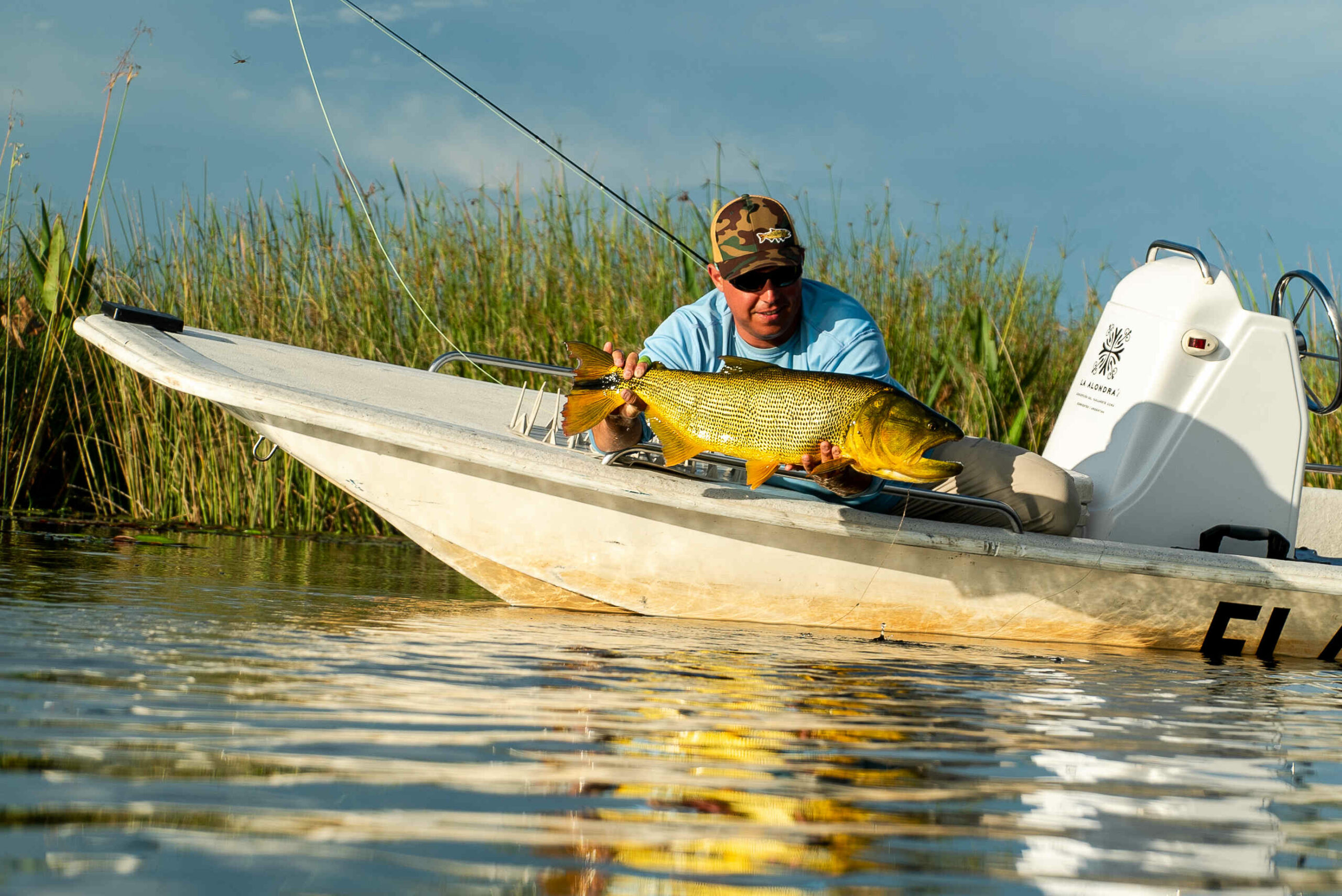
We’re fly fishing Argentina today with Gustavo Hiebaum of Set Fly Fishing. He’s here to tell us all about fishing for golden dorado in the eighth-largest country in the world.
We’ll also explore Argentina’s fly fishing, the culture, and the amazing outdoors. We’re going to cover it all today!
Show Notes with Gustavo Hiebaum on Fly Fishing Argentina. Hit play below! 👇🏻
(Read the Full Transcript at the bottom of this Blog Post)
Sponsors and Podcast Updates
Episode Chapters with Gustavo Hiebaum on Fly Fishing Argentina
02:18 – Gustavo got into fly fishing when he was eight during vacations in Northern Patagonia. By the age of eleven, he was tying his own flies, and by fourteen, he already knew that he was going to run his life around fly fishing.
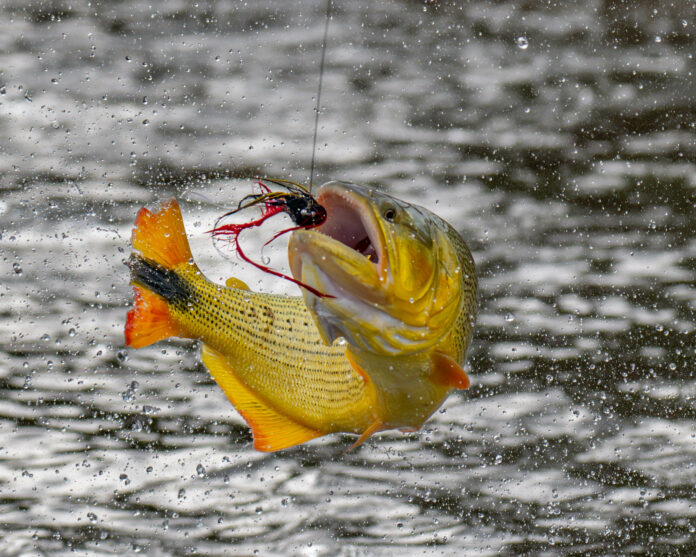
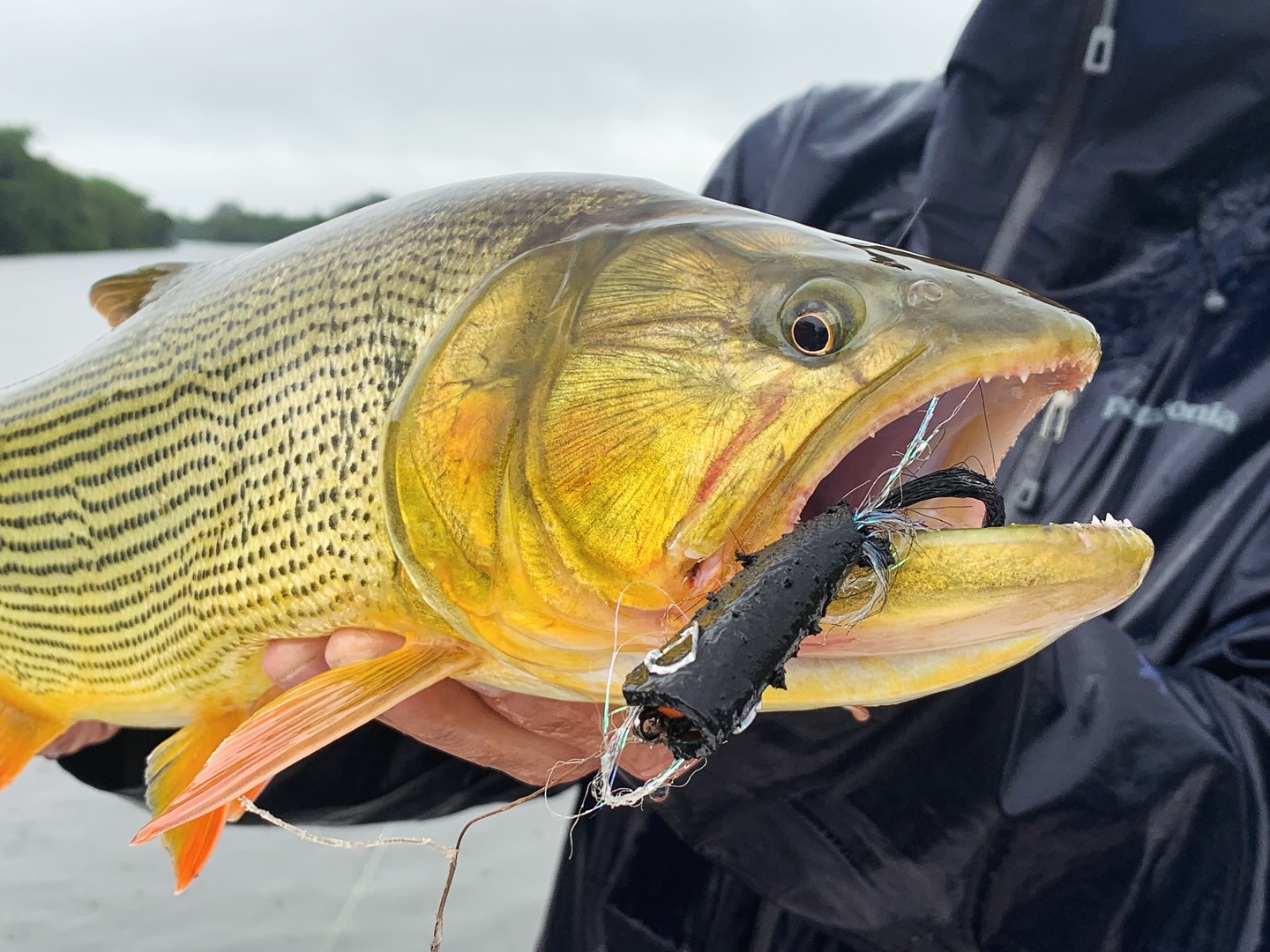
7:48 – Argentina is famous for its trout fishing, with rainbows, browns, and brook trout thriving since their introduction in 1904. But the country is most known for the Golden Dorado. There’s also the Perca, a bass family fish.
Photo via @setflyfishing on Instagram
11:34 – Argentina’s population is about 40 million, with 70% living in Buenos Aires and the nearby areas. The rest of the country is less populated and perfect for fishing. While fly fishing isn’t as popular in Buenos Aires, you can still catch fish like dorado in local ponds.
13:55 – Gustavo runs lodges in two main regions: the northeast and northern Patagonia. These spots are remote, about 700 to 1000 miles from the city, requiring a flight from Buenos Aires.
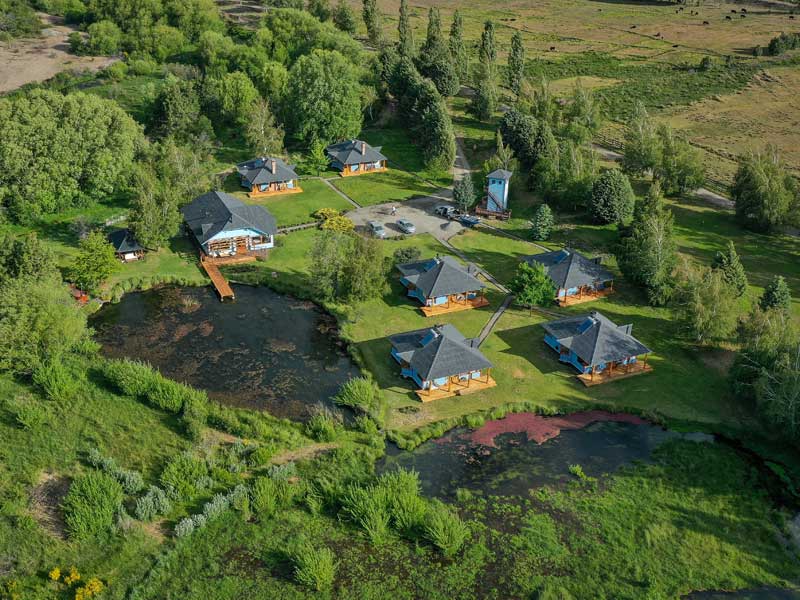
Spring Creek Lodge, Patagonia
23:16 – For first-timers visiting Argentina, Gustavo recommends the Spring Creek Lodge in northern Patagonia, which is easy to get to from Buenos Aires.
Spring Creek Lodge, Patagonia
The Thrill of Golden Dorado Fishing
26:32 – Gustavo describes the golden dorado as an addictive catch because of its fierce and wild nature. This freshwater fish has a crazy mix of speed and power, kind of like a barracuda and shark combined.
They have sharp teeth and can eat prey twice their size in seconds. It’s a thrilling experience that’s similar to saltwater fishing.
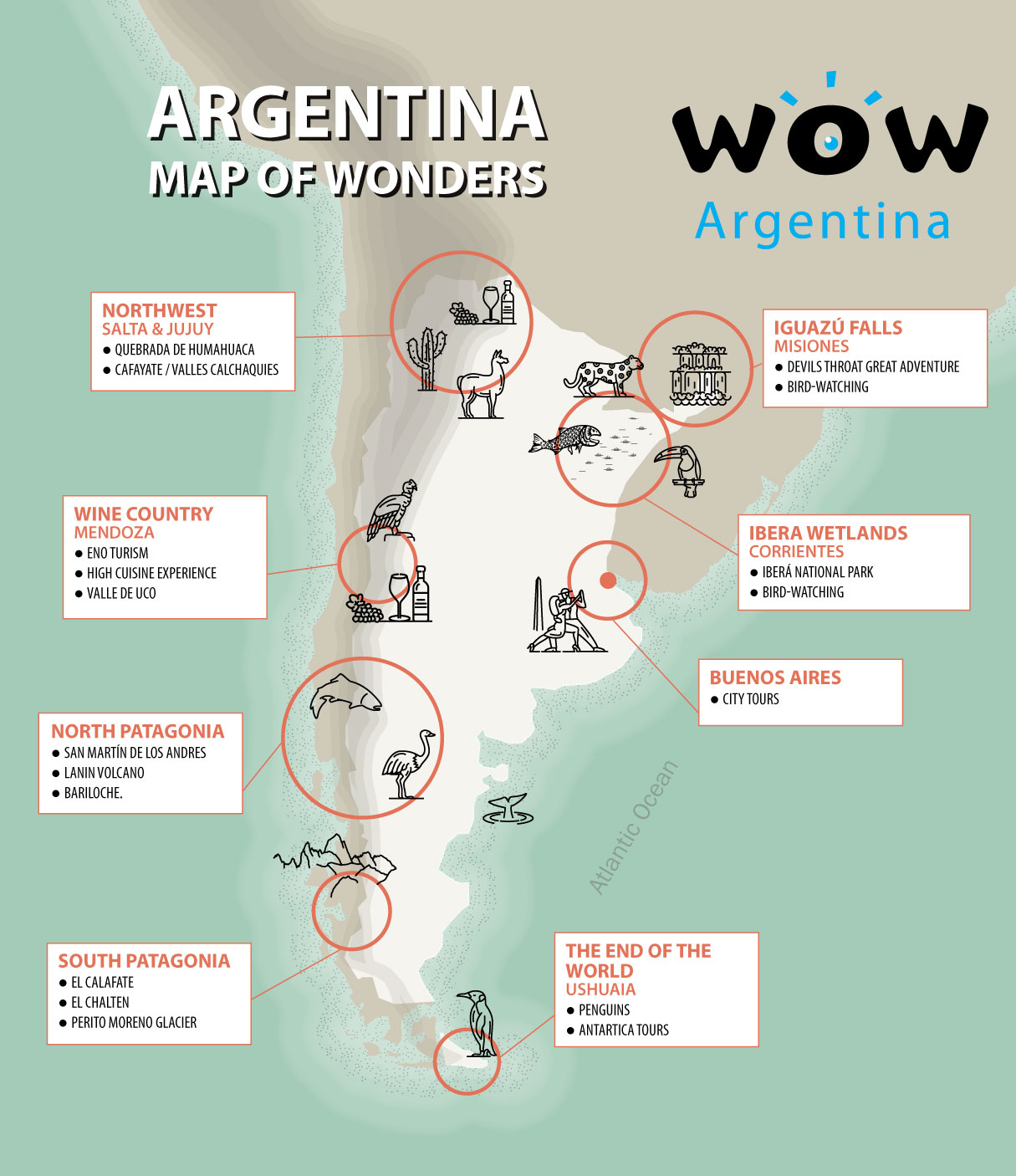
29:13 – Gustavo talks about how they run three lodges in different environments, but the Ibera Wetlands is a standout spot for Golden Dorado.
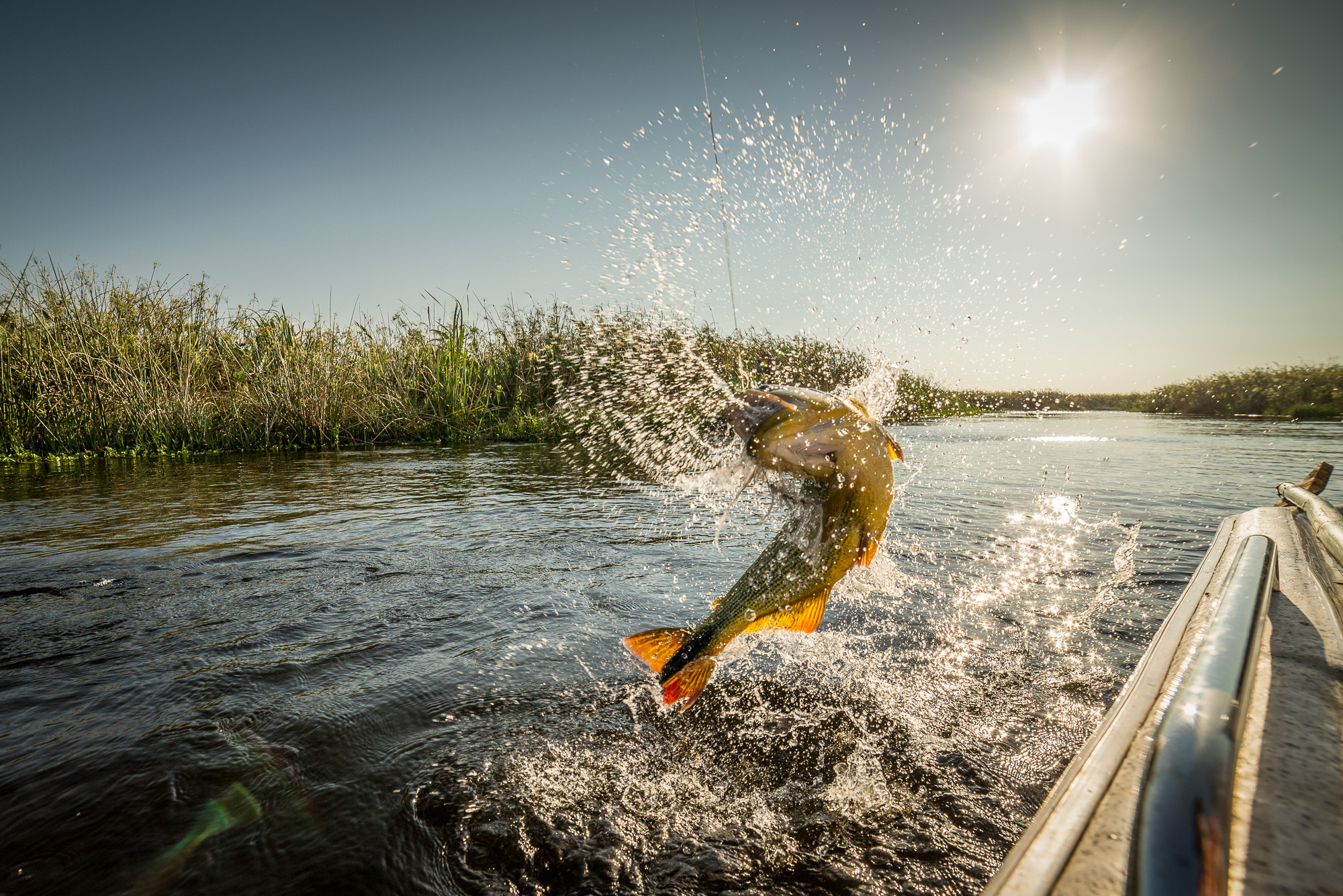
The Ibera Wetlands in Argentina is a massive, crystal-clear paradise for fishing and wildlife watching. It’s like the Everglades but with clear freshwater.
Photo via Set Fly Fishing
37:29 – Gustavo talks about the huge Golden Dorado you can find in the upper Paraná River. These fish can grow up to 50 pounds, with some reaching nearly 70 pounds!
The Paraná River is massive, similar in size to the Mississippi River, and it eventually flows into Buenos Aires. The river is full of life, with dorado feeding on fish like the savalo.
42:15 – Gustavo talks about the variety of fish you can catch on the Upper Parana, like the paku and piapita.
50:02 – Gustavo explains that their fishing trips are flexible and tailored to their preferences.
They recommend starting at the Ysoro wetlands, which is like a nursery for smaller dorados, to get used to the fishing style. Then, you can head to the main Paraná for a shot at the bigger fish.
55:51 – The prime seasons for catching golden dorodo are September to November and mid-February to early May. Some visit in January and February to combine trout fishing in Patagonia with a Dorado trip.
Set Fly Fishing
59:44 – Gustavo describes the amazing lodges SET Fly Fishing provides for golden dorado fishing. Each lodge offers a unique experience with great food and easy access to fishing.
Conclusion with Gustavo Hiebaum on Fly Fishing Argentina
Your call to action today: reach out to Gustavo to express your interest and let him know you heard about SET Fly Fishing on the podcast.
Take the opportunity to pick his brain on some ideas. We’re also planning to organize a trip to this area in the future, so stay tuned for more details!
Today we’ll have an exciting conversation with Nick Secrist on spring creek fishing! Nick shares practical strategies and techniques, including the dry dropper method and tips for identifying when fish are ready to eat. He also recommends some fly selection, rod preferences, and nymphing setups. Additionally, we explore the Mossy Creek Fly Shop, its services, and community initiatives.
Nick’s passion for fishing promises to make this episode an invaluable resource for anyone looking to enhance their fishing skills. Dive in and join us on this journey through the spring creeks of Virginia!
Show Notes with Nick Secrist on Spring Creek Fishing. Hit play below! 👇🏻
(Read the Full Transcript at the bottom of this Blog Post)
Sponsors and Podcast Updates
Episode Chapters with Nick Secrist on Spring Creek Fishing
1:36 – Nick shares his background in fishing, noting that he comes from a “fishy” family. He recalls an early photo of his dad fishing with him shortly after he was born and describes his family’s fishing adventures, particularly offshore fishing.
4:44 – Nick briefly talks about the current fishing state. They are experiencing a drought similar to the one from the previous year, which is affecting the water levels and temperatures. Despite these challenges, the fishing for smallmouth bass, particularly on the South Fork of the Shenandoah River, is exceptional.
7:14 – Nick explains that Mossy Creek is unique due to its significant spring influence, cold water, and consistent fishing conditions throughout the year. He also mentions similar streams like Beaver Creek and Spring Run, which also have spring influences but may not be as consistently fishable as Mossy Creek.
8:30 – The conversation then shifts to smallmouth bass fishing. Nick outlines the peak smallmouth fishing season, which starts in late April and runs through September, with June, July, and August being the most consistent months for good fishing conditions.
11:25 – We discuss tips for spring creek fishing, specifically focusing on the technical aspects and nuances of fishing in Mossy Creek. Nick emphasizes that fishing in such environments can be challenging due to the unique micro drifts and currents caused by weed beds. He advises anglers to pay close attention to small channels and the drift of their lines, as simply casting into the middle of the creek is often ineffective.
13:36 – Nick talks about the dry dropper technique, especially during the spring and summer months. He explains that even if fish are not actively rising, there’s still a good chance they will come up to take the dry fly. The dry dropper lands more naturally on the water and provides an opportunity for fish to strike. This technique is preferred over indicators in certain conditions, offering subtlety and a higher chance of success.
14:47 – He talks about the unique experience of fishing in spring creeks, particularly emphasizing the clear waters that allow anglers to see the fish. He also explains that while there are days with abundant catches, many people go to spring creeks for the challenge and satisfaction of sight fishing and having meaningful encounters with individual fish.
18:38 – Nick discusses how to identify when a fish is ready to eat. He explains that observing the fish’s behavior in the water is key. Fish that are stationary at the bottom with closed mouths are likely not feeding, whereas fish that are more active, darting around and opening their mouths, are more likely to be in a feeding pattern.
He also shares tips on fishing techniques, particularly for Mossy Creek. He suggests that people often fish with streamers too slowly and nymphs too quickly. When streamer fishing, he advises making a few casts and then moving to find fish that are more willing to eat. Conversely, nymph fishing requires patience and precision due to the complexity of the creek’s currents and depths. Persistence and varied techniques are necessary to catch fish with nymphs.
23:06 – He shares the patterns they use in fishing the Mossy Creek. He recommends using flies of different weights, sizes, and colors.
27:46 – Nick highlights the variety of streams available in their area, many of which are full of brook trout, thanks to the Blue Ridge and Allegheny mountain ranges. He also mentions the abundance of options within an hour’s drive, including both naturally occurring and stocked streams.
30:09 – We delve into the Mossy Creek Fly Shop owned by twin brothers, Brian and Colby. Nick explains that the shop offers both smallmouth and trout fishing trips. Smallmouth fishing is conducted via floating trips on rafts, covering five to ten miles of river depending on the route. These rafts provide flexibility, especially in areas with big bedrock or without boat ramps. Trout fishing, on the other hand, is done through walk-and-wade trips, suitable for the specific river conditions they encounter.
32:53 – Smallmouth fishing generally offers higher catch rates than trout fishing, even on less productive days. Nick elaborates that the Shenandoah River has a robust smallmouth population, making it possible to catch many fish, including smaller ones, with ease.
35:02 – Nick mentions that as temperatures drop in the fall, they pivot back to trout fishing due to the cooler temperatures and increased moisture, which makes the conditions favorable for trout. During the fall and winter, they engage in musky fishing, particularly in the South Fork and the James River.
38:26 – He shares that while they manage private stretches for guided trips, there is also a four-mile public section available, thanks to cooperative agreements with local landowners. He shares his experience of learning to fish in these waters and emphasizes the abundance of fishing options in the area.
44:11 – We dig into some key strategies for spring creek fishing. Nick suggests the importance of having a variety of flies to increase the chances of success. He also highlights the significance of achieving the right drift and being patient, as it can sometimes take considerable time to get the presentation just right. Nick notes that some fishing spots may require extended efforts, especially if they’re complex, and advises anglers not to rush through but rather to adjust and refine their techniques as needed.
45:43 – Nick further elaborates on fly selection, mentioning specific types of flies suitable for the season and conditions. For instance, he recommends using dense flies for subsurface fishing and instant streamers. For dry fly fishing, he points out that a trico hatch is effective during early mornings throughout the summer. Additionally, he suggests using ants, beetles, hoppers, or PMX flies for blind fishing, as they have a larger profile and float well, making them attractive to opportunistic fish.
46:30 – He also emphasizes the importance of using longer rods, preferably eight and a half to nine feet. Longer rods help with mending and controlling the line over moss beds. Additionally, Nick advises using good floating lines and split shots for optimal nymph depth. He also mentions the importance of having a large net to accommodate the size of the fish one hopes to catch.
48:20 – Nick shares his typical nymphing setup, which involves using a 9ft 5wt rod and a nine-foot knotless tapered leader. He adjusts the tippet size based on the fishing conditions.
50:21 – He talks about his experience with fly tying, noting that his engagement with the hobby fluctuates. He uses a Renzetti Traveler vise, which he praises for its longevity and reliability, a sentiment echoed by Brian and Colby, who still use their vices bought at age 15. We had Lily Renzetti on the podcast in episode 486.
Traveler 2300 – True Rotary® Series Streamer Pedestal Base Model w/Material Clip (Photo via: https://www.renzetti.com/traveler/)
52:53 – We talk about vices and hobbies. Nick admits to having a coffee problem but reveals that his real obsession is tarpon fishing. He describes how he indulges this passion by reading books, listening to podcasts, and practicing his fishing techniques at home. He also goes on to share his upcoming travel plans centered around fishing.
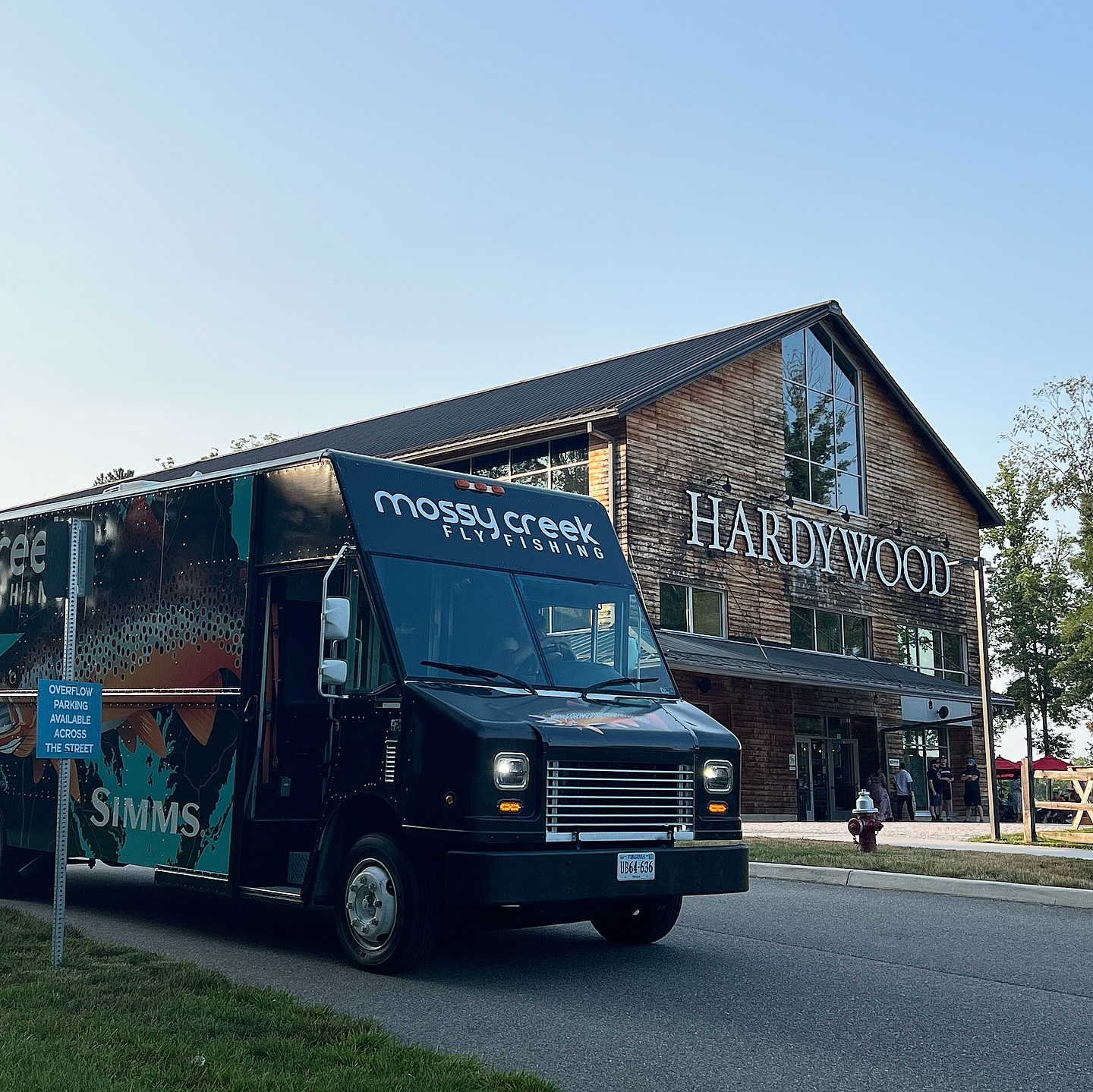
55:23 – We talk about the Mossy Creek Mobile Fly Shop. The truck, resembling a retired UPS vehicle, has been fully outfitted with fly fishing gear, including spooling machines, lines, reels, rods, and flies. It features a distinctive Derek DeYoung trout wrap on the ceiling. Through the mobile fly shop, they aim to thank loyal customers and attract new ones by visiting various breweries across the state.
56:49 – Additionally, the Mossy Creek team collaborates with local Trout Unlimited chapters, Project Healing Waters, and other clubs to host events like fly tying competitions, further fostering community involvement. Dates and locations for the tour are available on their website.
58:31 – We talk a bit about the history of Virginia. Nick shares that he has been reading about historical figures like Daniel Boone and reflects on the historical significance of the local streams and landscapes. He also mentions that the fly shop was originally constructed in 1832, retaining much of its original wood, which adds to its historical charm. The shop is located in Harrisonburg, just a few blocks from the downtown area, making it a convenient and historically rich location for visitors.
Conclusion with Nick Secrist on Spring Creek Fishing
Our conversation with Nick offered a deep dive into the nuances and joys of spring creek fishing. From understanding the unique attributes of Mossy Creek and the optimal fishing seasons to mastering technical strategies like the dry dropper technique and the importance of fly selection, there’s a wealth of information to enhance one’s fishing experience.
Whether you’re looking to catch smallmouth bass or explore the clear waters of spring creeks, the insights shared in this episode are sure to up your fishing adventures.
Beau Beasley, author of multiple fly fishing books, Director at the Virginia Fly Fishing and Wine Festival, and a super all-around guy, is here to enlighten us about River Access Laws. He’s gonna be breaking it down today. You’re gonna hear about what you should do if you get challenged by a landowner while fishing near a private property, who to contact if you have other big questions while you’re out there, and how this applies directly to your state. Plus, you’re gonna hear a bunch of great stories, and all of these stories are gonna help you clearly understand how to navigate these river access laws and what you can do to make sure you are ready to go for your next trip.
(Read the Full Transcript at the bottom of this Blog Post)
Sponsors and Podcast Updates
River access laws vary from state to state. There are some states where you can fish and walk up to the high water mark in some states where you cannot step foot in the water on private property. You also may have heard the word navigability, but do you know what it means and why it’s So important? And where do you go for help? If you have questions today, we have one of the most knowledgeable river access all stars in the country. And today he’s gonna break it all down. So the next time you are on the water, you know exactly where to stand and how to navigate private property.
Phil Rowley is back with the ultimate guide to inducing a take in Stillwater! In today’s episode, we’re diving deep into the unique challenges and techniques of stillwater fishing.
We’ll cover rod and hand position, retrieve essentials, and how to use ‘the hang’ to keep your fly in the strike zone longer. Plus, discover top indicator retrieves, wind drifting techniques, and fan casting methods.
Show Notes with Phil Rowley on Inducing a Take. Hit play below! 👇🏻
07:00 – Presenting your fly in stillwaters can be tricky since there’s little to no current to help you. Most fish feed near the bottom, where it’s safe. The key is to move the fly in a way that attracts fish.
Rod and Hand Position
08:40 – Getting your rod in the right position when fishing helps eliminate slack and ensures you have direct contact with your fly, so you don’t miss any takes.
Keep the rod tip low or even in the water for subsurface presentations. When fishing dry flies, hold the rod higher to create some slack and time your strike better.
Always be ready to set the hook quickly because fish will spit out the fly fast if they realize it’s not food.
11:38 – Use your forefinger to control the line tension when fighting a fish. Phil also recommends putting fish on the reel to avoid tangles and practice for big catches.
Use side pressure to tire out the fish quickly, and keep the rod angle low to prevent the fish from jumping.
Retrieve Essentials
17:26 – The “drop” is when your fly hits the water and starts sinking. Get your rod and hands in position to gather any slack. Sometimes fish grab the fly as it descends, so be ready!
After the drop, start the retrieve using a countdown system to get the fly to the right depth, usually near the bottom. Begin with two quick strips to attract fish and eliminate slack. Your retrieve should mimic the natural movements of insects in the water.
21:00 – Phil Rowley breaks down the retrieve into four key elements:
Length of the Pull: Determine how much fly line you gather with each hand motion.
Speed: Adjust the pace at which you pull or gather the line.
Retrieve Cadence: Vary your rhythm, such as using quick strips or slow pulls, to mimic natural movement.
Pause: Pauses can trigger strikes from fish attracted to sudden stillness.
Phil’s Four Core Stillwater Retrieves
2:43 – Phil Rowley emphasizes key retrieves essential for stillwater fly fishing. Here’s a breakdown of these techniques:
Hand Twist (Figure Eight or Hand Weave): This retrieve involves twisting the line with your hand, creating erratic movements to mimic various aquatic insects. It’s versatile in speed and can imitate baitfish to chironomids.
Strip Retrieve: Simply pull the line with your thumb and forefinger to mimic swimming insects like water boatmen or leeches. It can be adjusted in speed but beware of going too fast.
Pinch Strip: A variation of the strip retrieve using your fingers fused to control the line, ensuring a slower, more controlled retrieve ideal for cold days or when precision is needed.
Roly Poly: A fast-paced retrieve where you tuck the rod under your arm and use both hands in a hand-over-hand motion. This retrieve is great for triggering aggressive reactions from fish.
30:00 – Phil also talks about the versatility of using indicators in stillwater fly fishing to control the depth and retrieve speed effectively.
Pay attention to the subtle movements of the indicator that signal a fish taking the fly. Adjusting retrieves based on fish response and environmental conditions can significantly improve success rates.
The Hang
36:00 – As you retrieve your fly and it starts to rise, pause to let it “hang” at the surface. This mimics prey trying to escape, triggering fish to strike. You can experiment with the speed and length of the pause to see what works best.
How do you know it’s a hang?
39:00 – Almost all line manufacturers nowadays have some sort of a hang marker system with their stillwater lines. Phil uses RIO lines that have a focused hang marker on the line set at 20 feet.
Phil also shares tips on how to make your own hang markers if your line doesn’t have one.
Use a high-vis thread like white, chartreuse, or hot orange.
Wrap the thread around the fly line, then secure it with a bit of fishing line and super glue.
Add a coating of AquaSeal for durability.
Fan Casting
42:50 – Phil Rowley talks about fan casting to cover more water in lakes. You need to cast in different directions, like a clock face, from 10 o’clock to 2 o’clock.
This helps you find trout by casting at different angles. It works whether you’re anchored, on shore, or fishing loch style.
Floating Line Presentations and Wind Drifting
45:36 – When fishing with floating lines, two effective techniques are wind drifting and moving the strike zone. Here’s how to make the most of these techniques:
Wind Drifting
Utilize longer leaders and weighted flies to let the wind carry the flies across the water’s surface.
This technique mimics swinging wet flies on rivers, covering large areas efficiently.
Adjust casting angles based on wind speed to ensure proper drift and presentation.
Moving the Strike Zone
Ideal for fishing with indicators, this method allows flies to swing below the angler and be retrieved.
By using an indicator, flies are prevented from snagging on the bottom, maintaining a consistent depth.
This technique maximizes the coverage of water and keeps flies in the target zone effectively.
Loch Style Technique
53:20 – Loch-style fishing is popular in Europe, particularly in the UK, and emphasizes controlled drift using a drogue or underwater parachute to manage boat movement on lakes. This technique ensures anglers cover water effectively without the need for constant repositioning.
If you want to explore loch-style techniques further, check out Devin Olsen’s site for equipment and detailed guides.
Photo via https://tacticalflyfisher.com/pages/about-us
We hope you enjoyed learning about key fishing techniques from our stillwater guru. Apply these tips to enhance your fishing experience and catch more fish on lakes.
Welcome to another exciting episode where we dive deep into the Troutroutes app innovations and partnerships. Today, we are thrilled to have Erik Johnsen with us, a passionate fly fisherman who has transformed his love for the sport into a groundbreaking role at Troutroutes.
As we explore the app’s acquisition by OnX and its impressive features—from color-coded trout stream maps to a river miles calculator tool—it’s clear that Erik and his team are revolutionizing how anglers navigate and enjoy their fishing experiences. Join us as we delve into Erik’s insights, including his favorite fishing spots in Wisconsin and the hidden gems of the Driftless Area. Whether you’re a seasoned angler or a curious beginner, this episode promises to inspire and inform, bringing the world of fly fishing to your fingertips.
Show Notes with Erik Johnsen on Troutroutes App Feature Updates and Partnerships. Hit play below! 👇🏻
(Read the Full Transcript at the bottom of this Blog Post)
Sponsors and Podcast Updates
Episode Chapters with Erik Johnsen on Troutroutes App Feature Updates and Partnerships
1:51 – Erik shares his background on fly fishing, explaining that he is from the Upper Midwest and became interested in fly fishing while visiting the Driftless region with his wife. He learned to fly fish on his own about 15 years ago, driven by a desire to connect with his father-in-law, who was an avid fly fisherman. After many attempts, Erik finally succeeded in getting his father-in-law to join him, rekindling his enthusiasm for the sport.
4:54 – He shares his journey to working in Troutroutes. His entry into the fly fishing industry began unexpectedly during a fishing trip with a friend, who suggested he apply for a position at TroutRoutes. After a successful interview with founder Zach Pope, Erik joined the initial team to support the app’s development.
8:19 – We delve into the recent acquisition of Troutroutes by OnX, a well-known mapping application used by anglers. Erik explains that this acquisition, which took place in March after years of networking and relationship building, has been a significant milestone for Troutroutes.
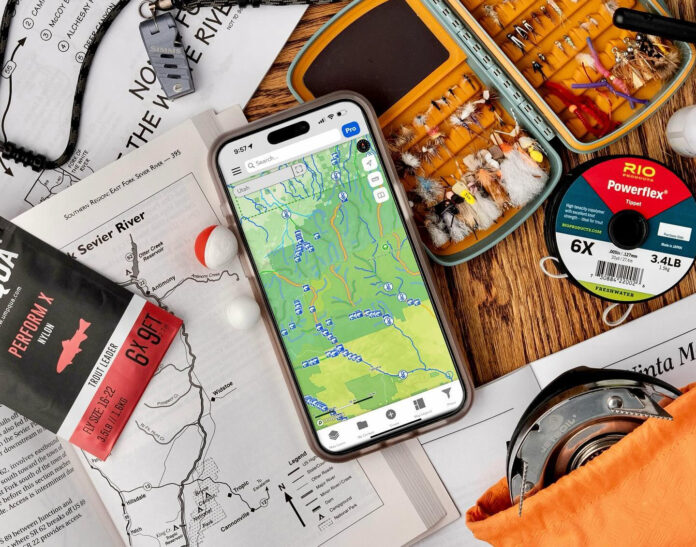
10:55 – He discusses the key features of the app. Troutroutes specializes in mapping trout streams across the lower 48 states, offering stream classifications that are color-coded to indicate the quality of trout habitat and ease of access. This feature is particularly useful for beginners in trout fishing or fly angling, helping them identify healthy trout populations and accessible fishing spots.
Additionally, the app provides detailed maps that show public and private land boundaries and legal access points, ensuring anglers know where they can fish without trespassing. A standout feature Erik highlights is the river miles calculator tool, which allows users to measure the distance between any two points on a trout stream. This tool is especially beneficial for planning fishing trips, whether for floating, walking, or wading. It provides precise stream miles rather than straight-line distances, making it easier to gauge the actual distance and plan accordingly.
13:53 – Erik mentions that one of the primary challenges is helping users determine what information they need when looking at a map of trout streams. To mitigate this, they outline icons and explain filter and layer settings to make data interpretation easier. Another significant challenge is presenting extensive data in a way that is easy to read, filter, and sort. Erik emphasizes the importance of organizing data meaningfully for different user needs, such as regulations or public access.
16:56 – He says that while maps are accessible online, users can download specific sections for offline use, ensuring the GPS signal remains functional even without cell coverage. This feature enhances navigation and instills confidence, especially in unfamiliar areas. Erik elaborates on the process of downloading maps, which can be done directly on a smartphone.
22:29 – Erik highlights the integration of USGS stream gauges within the app, a feature that provides real-time river conditions, which is crucial for assessing fishing prospects. This feature allows users to gauge stream levels, flows, and heights before even stepping onto the water, offering a significant advantage and a delightful surprise for many users.
25:34 – Our conversation also touches on the importance of fly shops within the app, which Erik notes was a key element from the beginning. These shops are not just places to buy gear but community hubs for conservation activities and educational events. The app manually maps these shops, connecting users with local expertise and resources.
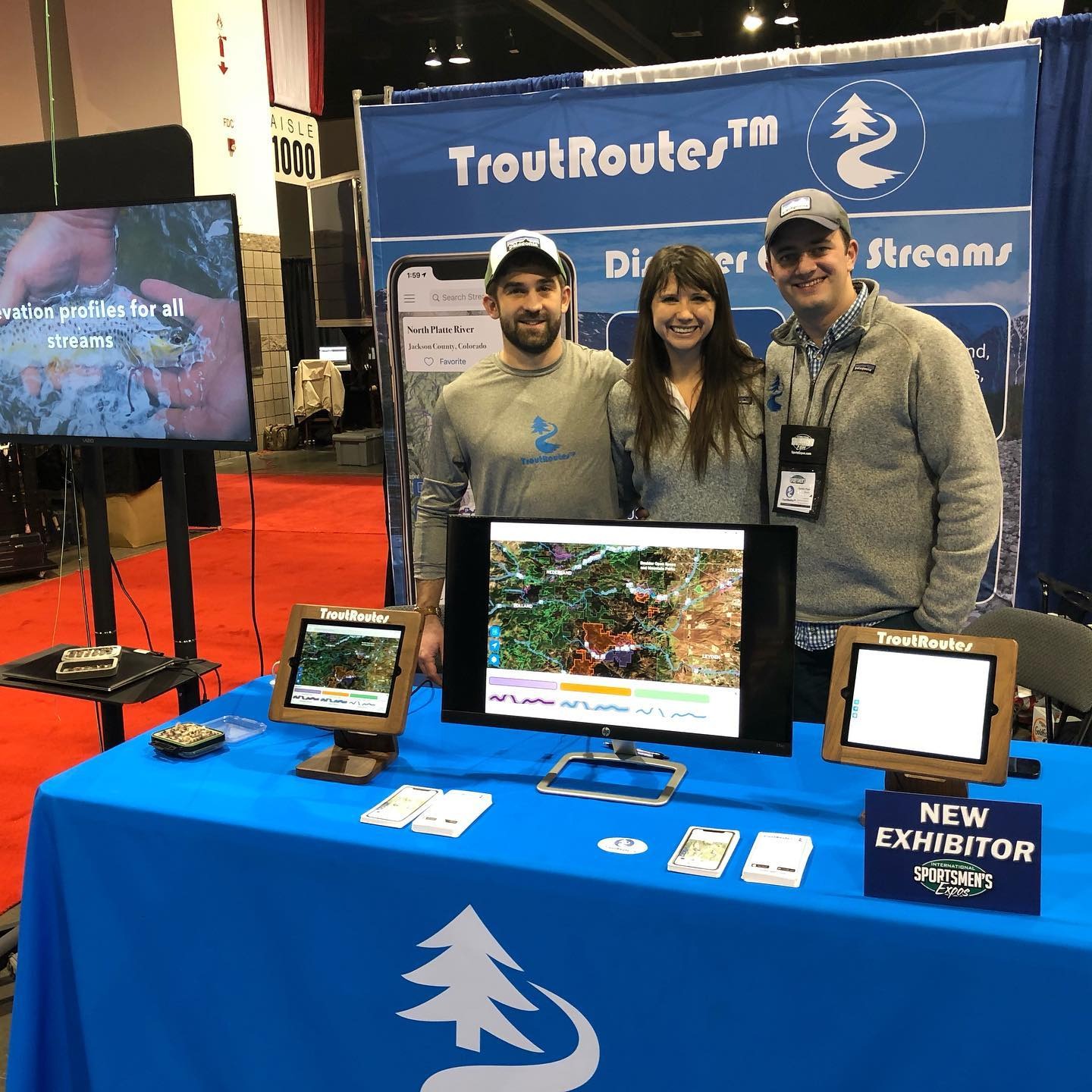
29:51 – Erik reflects on the company’s success, particularly emphasizing the importance of community and partnerships. He explains that a pivotal moment occurred about a year and a half ago when they attended their first national fly fishing expos. Initially uncertain of the outcome, they were pleasantly surprised by the positive reception and the eagerness from industry members to collaborate.
January 11, 2020 (Photo via: https://www.instagram.com/troutroutes/)
32:17 – We dig into the complexities of water use laws and access regulations in different states. Erik explains that access to waterways can vary significantly depending on the state, season, and even water temperature. To navigate these varying regulations, their team compiles as much data as possible into their app, making it easier for users to find relevant information by simply tapping on a stream and accessing the “access laws” tab. This feature links users to up-to-date resources when regulations are subject to change.
36:24 – We discuss their partnership with RareWaters, emphasizing the value and benefits of the collaboration. Erik elaborates on how RareWaters aligns with their mission of increasing access to fishing spots. The partnership allows anglers to explore new fishing opportunities that were once restricted by private ownership. He appreciates the dedication of RareWaters’ team to conservation and public access advocacy, highlighting their collaboration with Colorado Trout Unlimited and efforts to support local businesses.
41:05 – Erik commends the Driftless Angler, highlighting their excellent fishing reports.
He also expresses his excitement about exploring the less accessible streams in the Driftless Area, which is rich in fishing opportunities yet often overlooked compared to other regions.
44:35 – We ask Erik about potential destinations in Wisconsin, particularly for a fly fishing trip. Erik suggests stopping by Viroqua, a central hub for fly fishing. He also highlights the charm of hidden dive bars in the backwoods, which often don’t have signs but offer unique and inviting atmospheres.
Conclusion with Erik Johnsen on Troutroutes App Feature Updates and Partnerships
The Troutroutes app, as revealed by Erik Johnsen, is making waves in the fly fishing world with its tech-savvy approach. By teaming up with OnX and providing nifty features like stream maps and land boundaries, they’re taking fishing to a whole new level. With a strong focus on community, partnerships, and conservation, this app is on a mission to revolutionize fishing adventures. Whether you’re a seasoned pro or a newbie, Troutroutes has got your back as your trusty fishing sidekick.
Do you ever struggle with your accuracy in fly casting? You try to hit that spot on the bank where you see the fish feeding as you make your cast, it’s going towards the spot and then it hooks up on a tree limb on the other side, and you break off having to sit down for 10 minutes to build a new rig. And are you content with the amount of line you can cast right now, or would you like to increase that with a nice sexy loop? And what if I told you today’s guest lives in Malaysia on a boat and is quite possibly the best flight caster in the country and the world right now? Stay tuned because we’re gonna cover it all today.
(Read the Full Transcript at the bottom of this Blog Post)
Sponsors and Podcast Updates
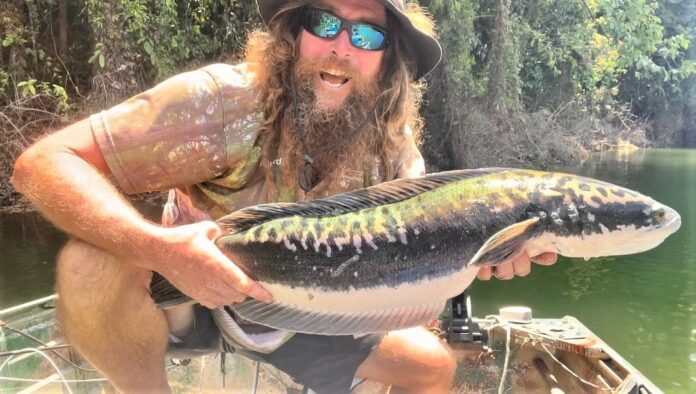
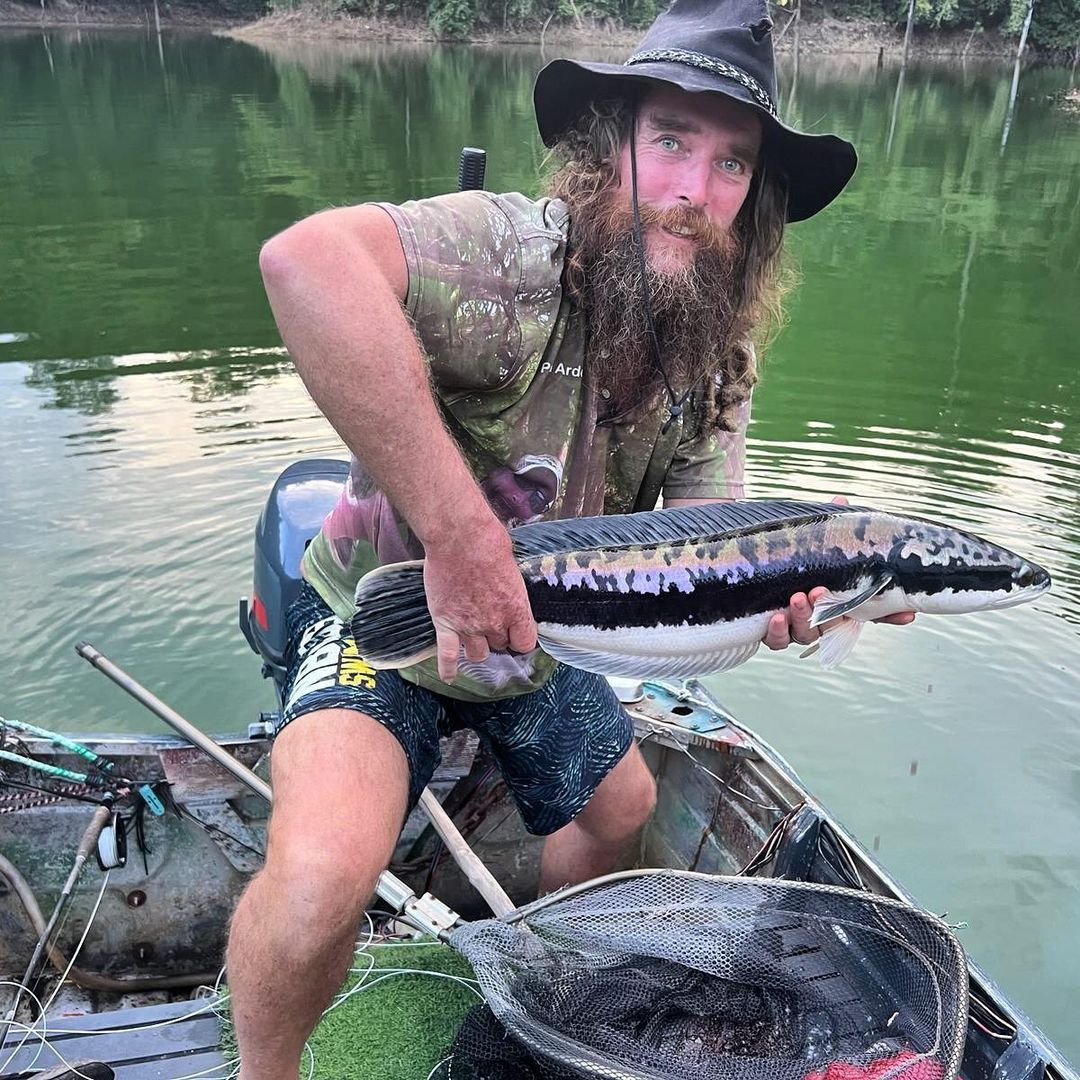
Paul Arden, an online casting instructor, and the man behind sexyloops.com is here to take us behind the scenes and how we put it all together. You’re gonna find out what the four key blocks are to the fly cast and how you can implement them today. You’re also gonna hear about why you should be walking while you fly cast to increase your skills. And you’re gonna find out why a 10 to 15-minute session is all it takes as you go to keep elevating your cast this year. Plus we’re gonna find out how Paul catches snakehead and why this is such a cool and tough, challenging fish to catch in the part of the world he’s living.
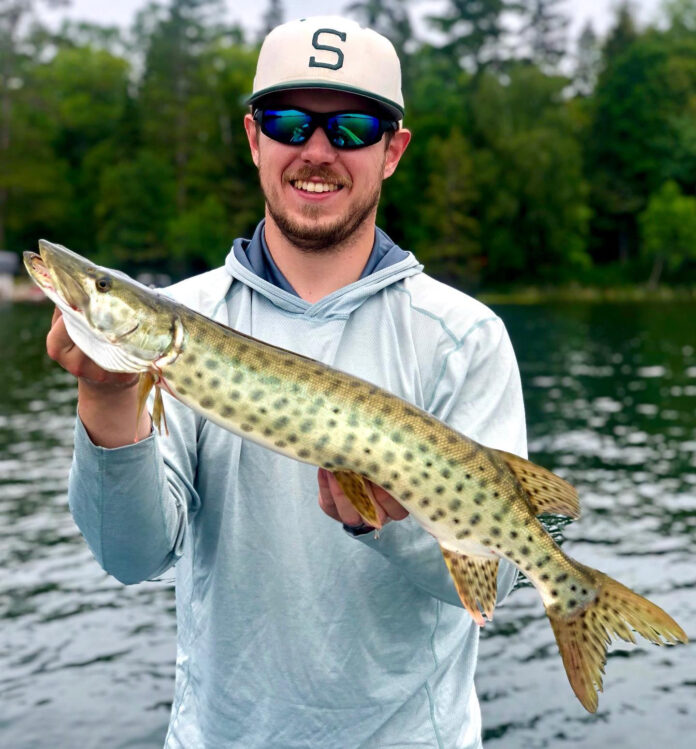
Kamden Glade, fisheries specialist from the Minnesota Department of Natural Resources, joins us to discuss his groundbreaking research on the Minnesota musky diet. In some regions, these formidable fish have earned a dubious reputation for preying on prized sport fish like walleye and bass. However, Kamden’s research provides a different perspective, revealing that musky in Minnesota seldom consume these highly valued species.
Throughout the episode, Kamden shares intriguing insights from his comprehensive study, including the innovative techniques used to examine the stomach contents of these apex predators without causing them harm. Listeners will gain a deeper understanding of what musky feed on, the average sizes of their prey, and how this knowledge can enhance their chances of a successful catch during the fishing season.
Show Notes with Kamden Glade on Minnesota Musky Research. Hit play below! 👇🏻
(Read the Full Transcript at the bottom of this Blog Post)
Sponsors and Podcast Updates
Episode Chapters with Kamden Glade on Minnesota Musky Research
3:45 – Kamden shares his lifelong passion for fishing, which started at a young age with his family, and later evolved into a professional career in fisheries biology. He explains that his interest in the ecology and biology of fish was sparked during his undergraduate studies, where a professor with a background in fisheries biology inspired him to pursue this path.
8:50 – Kamden discusses the diet of muskies, focusing on why walleye are not a significant part of their diet. Kamden explains that research, including studies in Minnesota and Wisconsin, shows that muskies primarily consume yellow perch and suckers. Other notable components of their diet include Northern pike, insects, aquatic invertebrates, and bullheads, depending on the region.
Despite the presence of healthy walleye populations in the lakes studied, walleye were found in only four out of 650 muskie stomachs analyzed. This scarcity is not due to habitat differences, as both species often occupy the same areas in the lakes. Instead, it appears that walleye have effective defenses against predation. They have large tails for quick escapes, a heightened awareness of their surroundings, and sharp dorsal spines that deter muskies.
12:11 – We delve into the status, native range, and life history of muskies. Kamden explains that muskies are originally native to the Mississippi River and Ohio River basin, the Great Lakes drainage, and parts of Eastern and Central Canada. Despite remaining naturally reproducing in many systems, habitat changes caused by human activities like building dams and docks, and removing aquatic vegetation have led to a decline in natural reproduction.
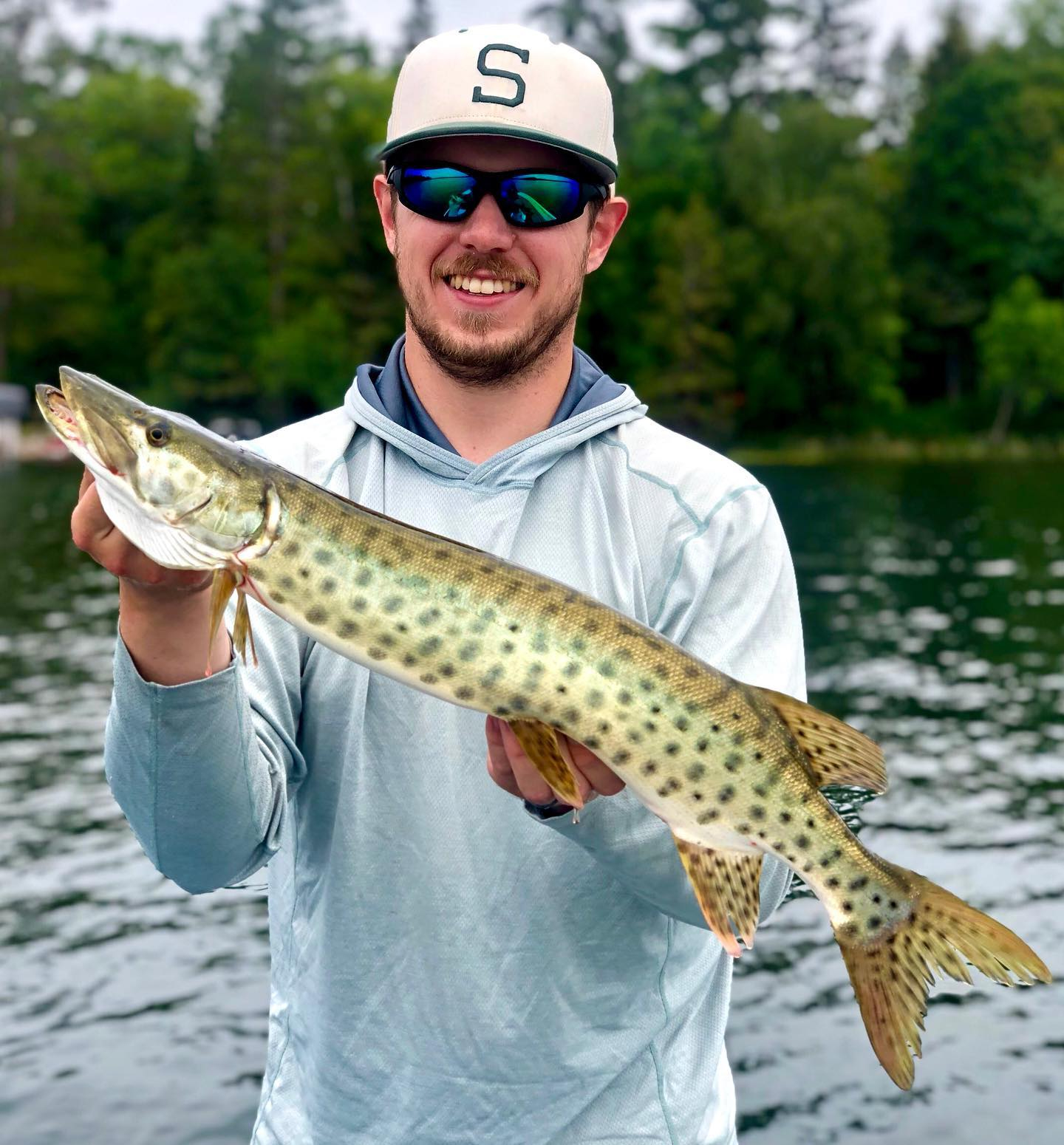
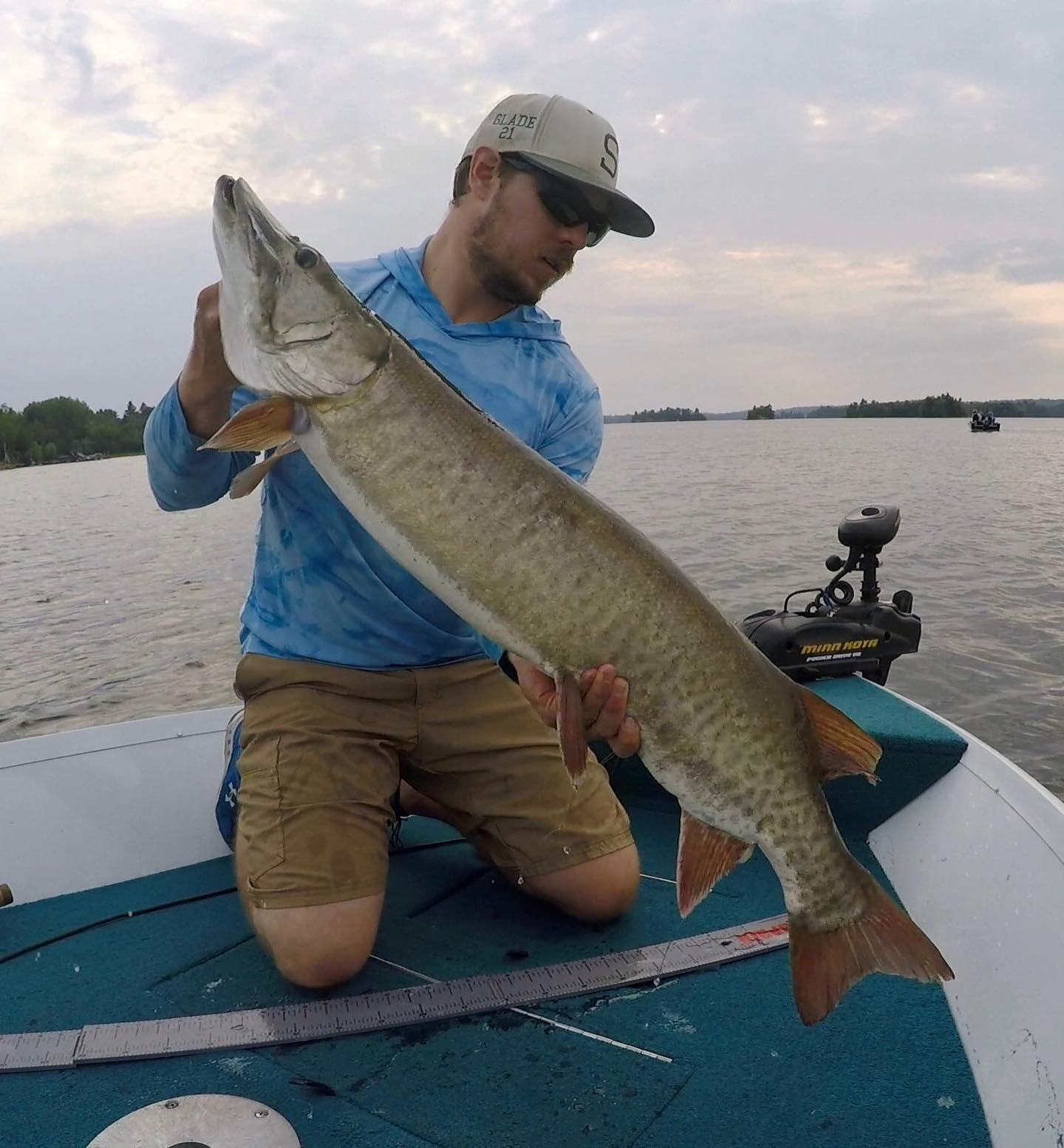
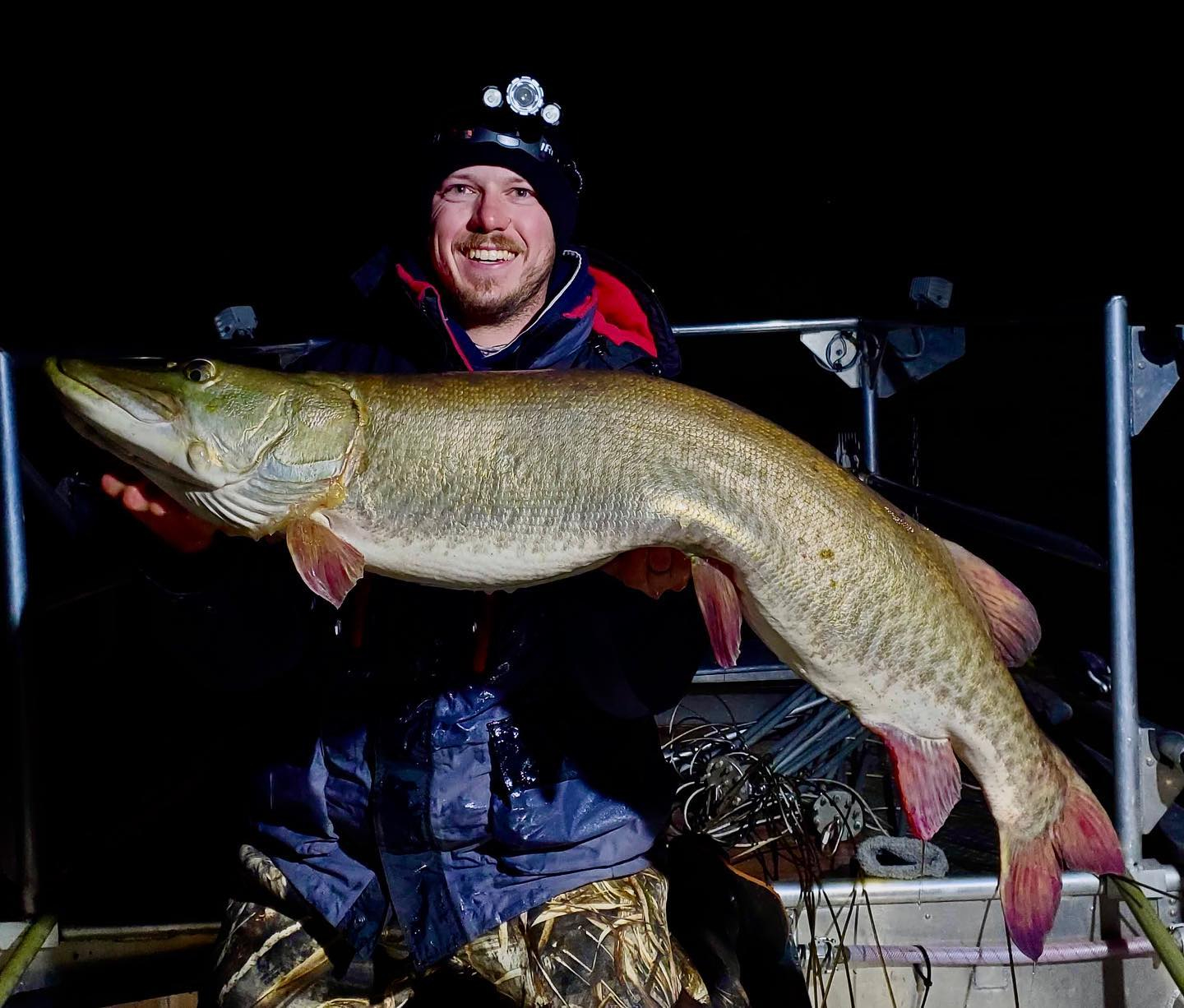
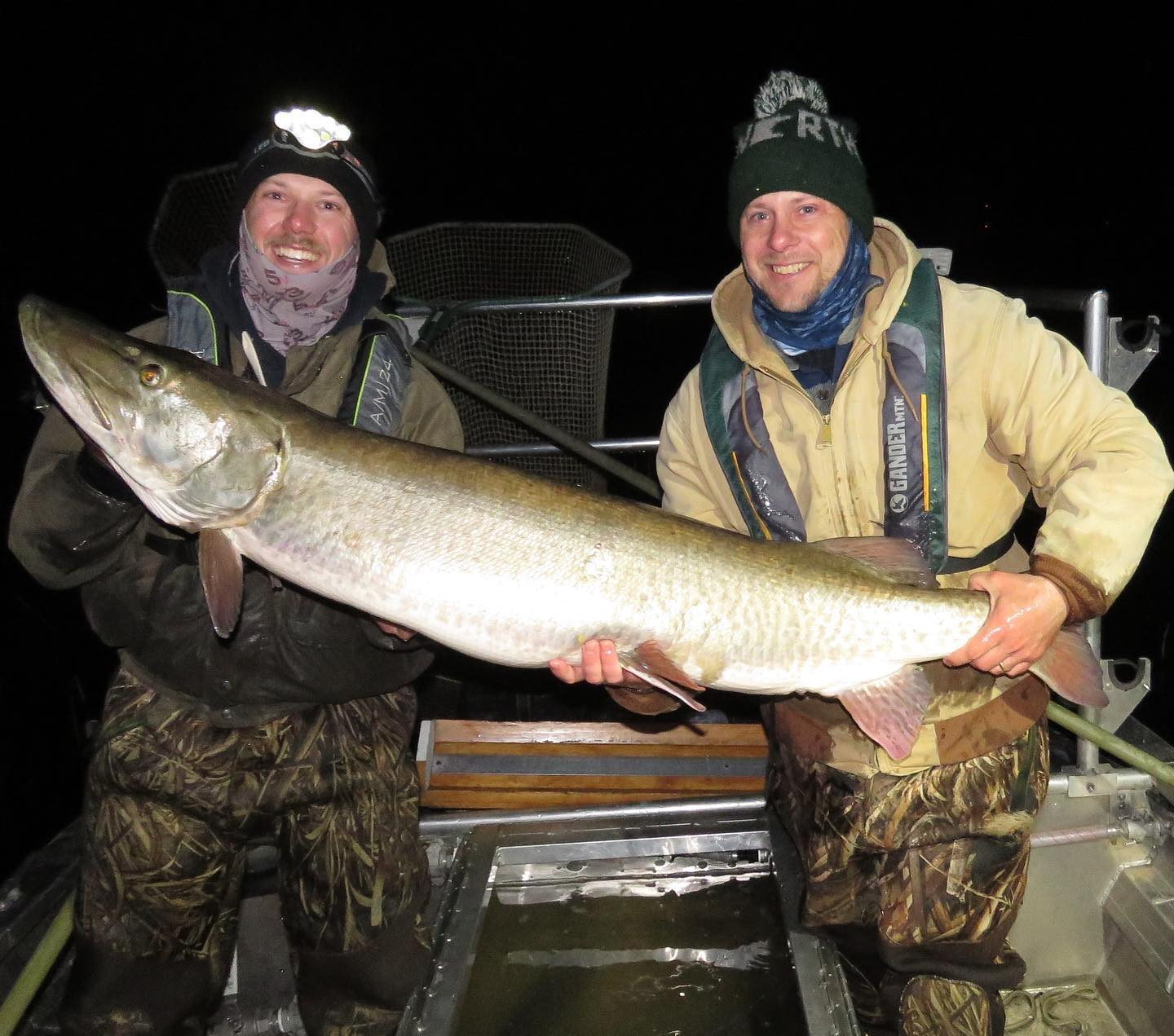
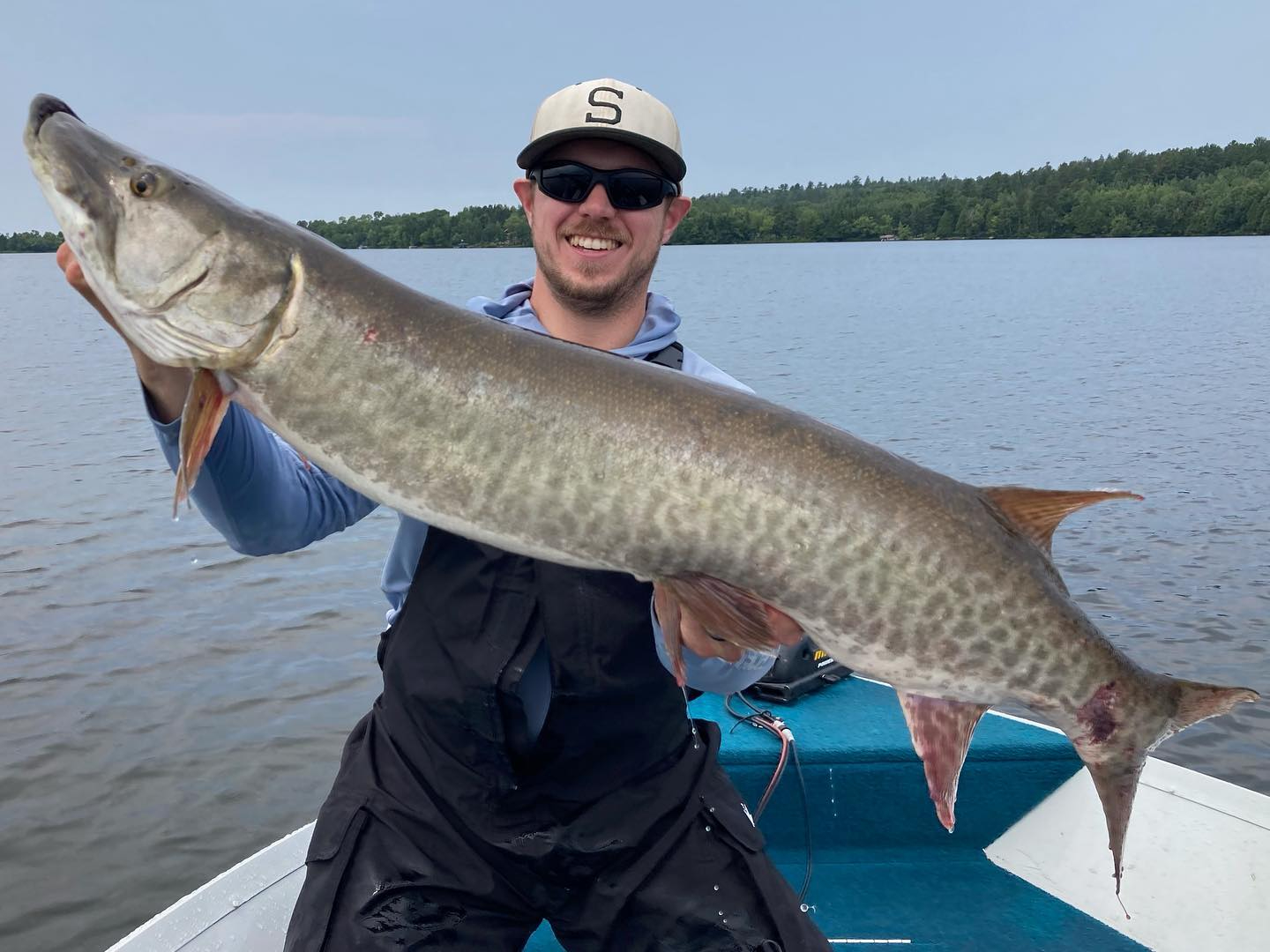
Nov. 11, 2021 “Wrapped up field work for my MS project last night, and the last fish we caught was a THICC 46” #muskie. This was the 205th #muskellunge of the year, and no. 379 of the project, along with more #walleye, #northernpike, and #largemouthbass than I cared to tally this morning 🙃” Photo via: https://www.instagram.com/kamdenglade/)
14:27 – On the musky life history, he details that muskies typically spawn in spring when water temperatures range from the high 40s to low 60s, with peak spawning activity around the mid-50s. Unlike some fish, muskies do not build nests or defend their eggs. Instead, they spawn in shallow vegetation, and the eggs are left to fend for themselves.
16:25 – We talk about the conservation efforts surrounding musky fishing, particularly in Minnesota. Kamden explains that in Minnesota, muskies are generally not eaten, partly due to a statewide minimum size limit of 54 inches, which promotes their status as a trophy fish. This size limit means that by the time muskies reach 54 inches, they are usually quite old and less critical to the population, allowing for occasional harvesting without significant impact.
May 27, 2021 “Records are meant to be broken 🐳 over the span of one week, we caught the biggest #muskie of my research project twice. This is the biggest so far at just under 55”, a true MN giant!” (Photo via: https://www.instagram.com/kamdenglade/)
19:23 – I ask how their project has impacted public perception and regulations on musky fishing. Kamden explains that the project aimed to provide robust data on musky diets and their impact on other fish populations in Minnesota lakes. This data would help address any future disagreements or questions regarding musky management strategies.
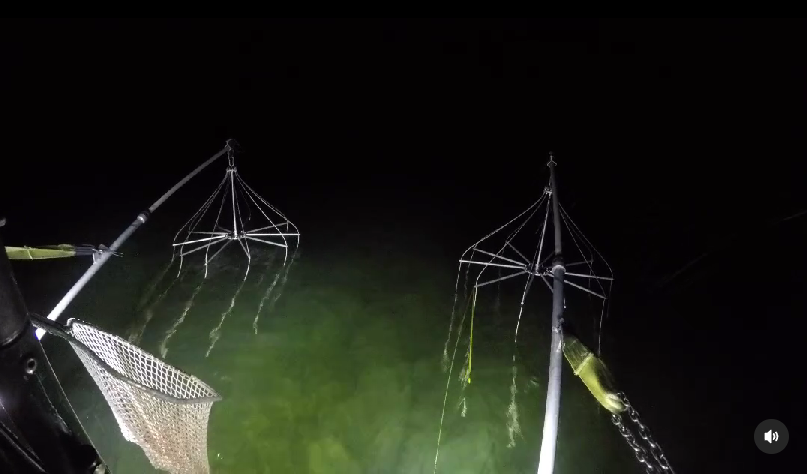
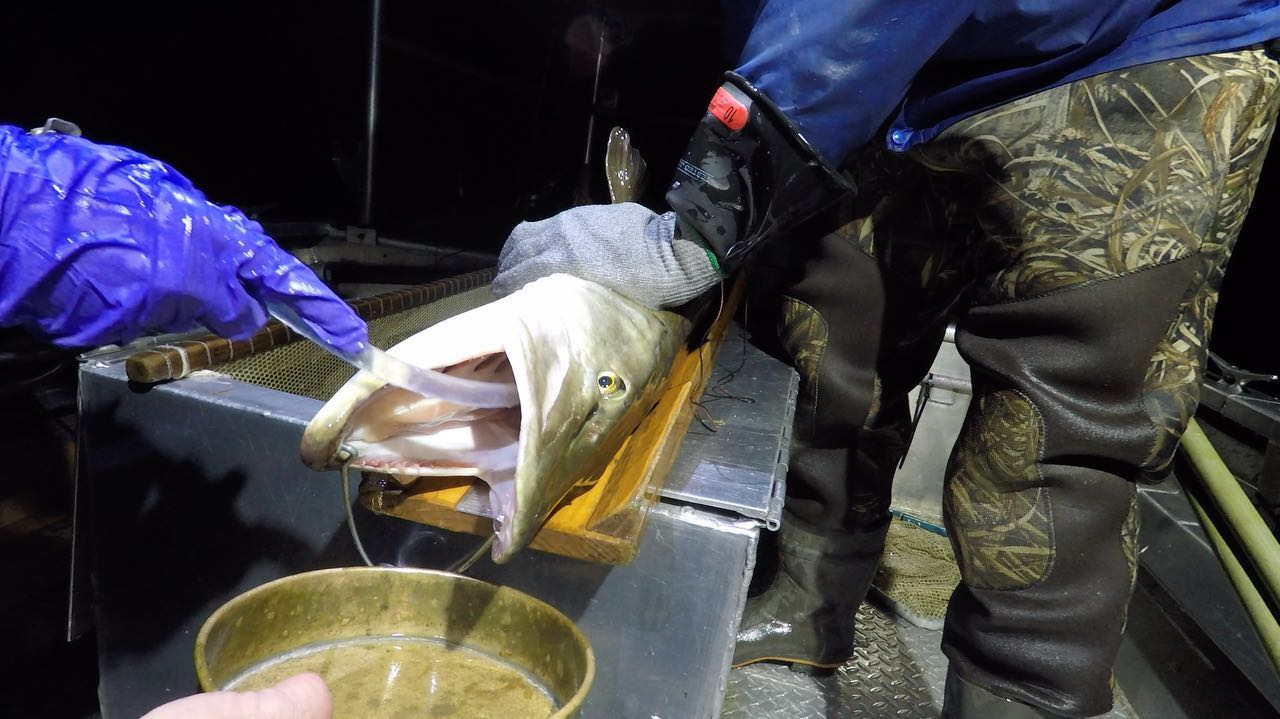
22:09 – He describes how they got samples from the muskies’ stomachs. What they did was catch them through electro-fishing. They had a generator that created an electrical field in the water. That temporarily stunned the fish enabling them to net and bring them on board. They put them in a live well to let them recover. They worked on these fish and then released them back into the lake.
To get the food out from the fish, they used a regular bilge pump, hooked that up to a garden hose nozzle with a little piece of tubing and copper pipe on the end, and then they were able to put that pipe into the fish’s mouth through their throat and into their stomach and then fill their stomach with water. That created pressure in their stomach and forced anything they’d eaten recently back out through their throat. They caught whatever was in their stomach and brought it back to the lab, identified it, and measured it.
Photo via: https://www.instagram.com/kamdenglade/
28:16 – I ask about the long-term success of musky populations, particularly in light of climate change and other environmental factors. Kamden explains that in his region, climate change is not currently a major threat to musky populations because there are musky populations further south that suggest resilience to changes in water temperature. However, he acknowledges that climate change could affect the food sources for these fish, specifically citing the cold-water species Cisco, which are vulnerable to temperature changes.
31:03 – He says that in Minnesota, muskies are primarily found in larger lake ecosystems where natural reproduction is more prevalent. He speculates that the sheer size of these lakes might help protect the habitat better than smaller, more developed lakes.
36:34 – Kamden explains that the Cisco is a cold-water pelagic bait fish related to lake whitefish which inhabits deeper waters and has specific temperature and oxygen needs, making it a sensitive species. Due to its habitat, the Cisco has a unique isotopic signature compared to other prey fish.
37:37 – On the appropriate size of lures or flies for musky fishing, Kamden explains that their analysis shows a wide variation in prey size, but on average, predators tend to eat prey that is about 25 to 30% of their length. He mentions that while some large muskies have been observed eating very small aquatic insects and small yellow perch, others have consumed prey up to 60% of their length.
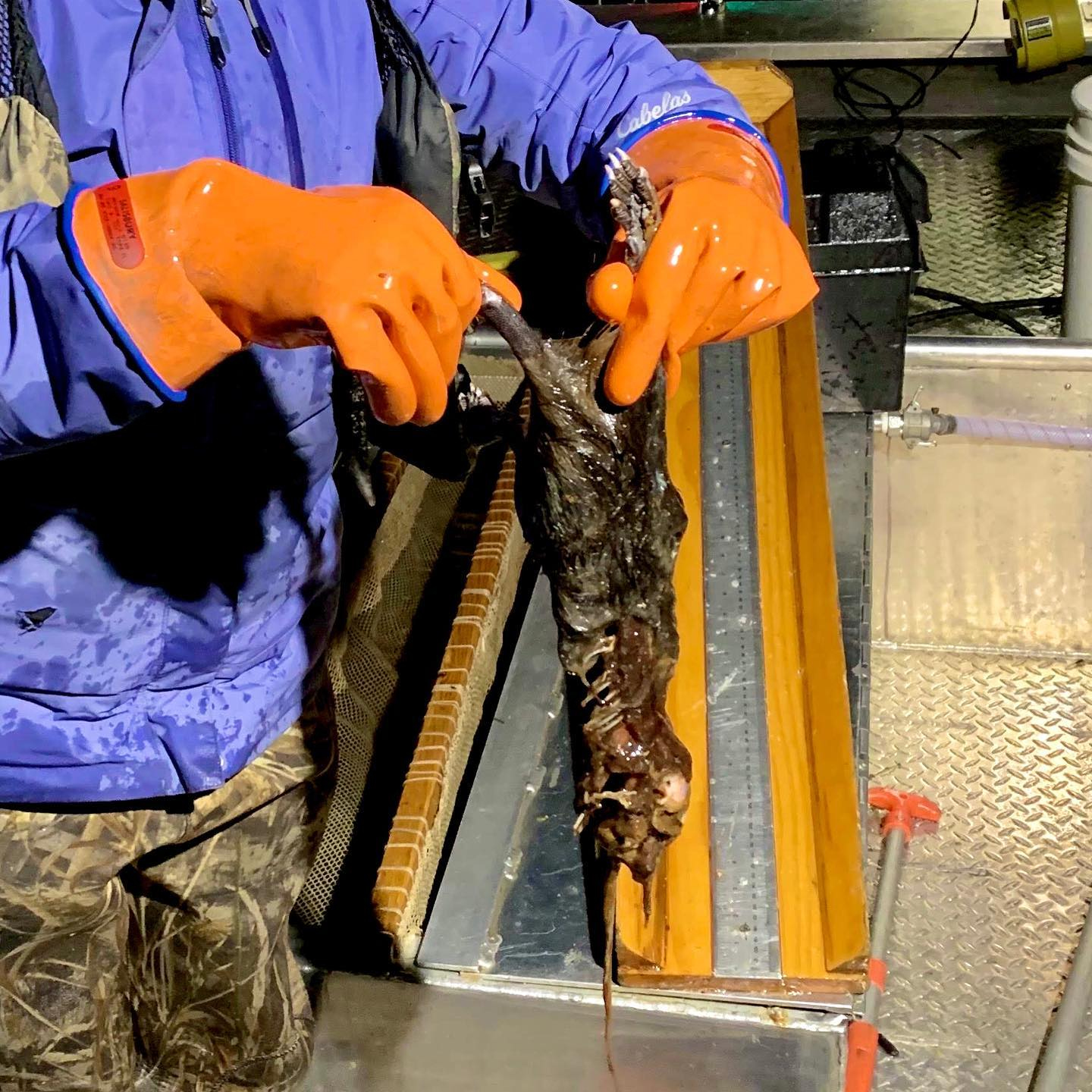
“Big fish typically eat smaller fish, but when you have teeth like a #muskellunge, your menu gets a lot bigger! Muskrats are abundant near many Minnesota lakes, and are the most common mammal seen in #muskie diets so far.” (Photo via: https://www.instagram.com/kamdenglade/)
38:36 – We discuss fishing tips, particularly focusing on muskies and their feeding habits. Kamden challenges a common belief among anglers that smaller baits are necessary in the spring due to colder temperatures and fish not eating large meals. He notes that, contrary to this belief, many large fish are caught early in spring between the ice-out and the spawning period.
44:11 – Kamden mentions having recent interactions with Muskies Inc. Specifically, they helped purchase gear to trap minnows, which are essential for feeding the muskies during the summer before they are stocked in the fall.
46:28 – Kamden shares that he still enjoys fishing whenever he has time, particularly highlighting his enthusiasm for musky fishing. He notes that while working with fish professionally can sometimes diminish the desire to fish recreationally, especially with challenging species like muskies, he has rekindled his interest in musky fishing since completing graduate school.
Conclusion with Kamden Glade on Minnesota Musky Research
Kamden Glade’s research is a game-changer when it comes to understanding what Minnesota’s muskies really snack on. Forget what you thought you knew about these fish being top predators of walleye and bass. Turns out, they’re more into yellow perch and less fancy fish-like suckers. Kamden’s crew used some cool and kind methods to gather this eye-opening info, shedding light on musky eating habits and helping us manage and protect these creatures better. It just goes to show how important it is to base fishing rules on solid science, making sure both the environment and fishing fans come out on top.
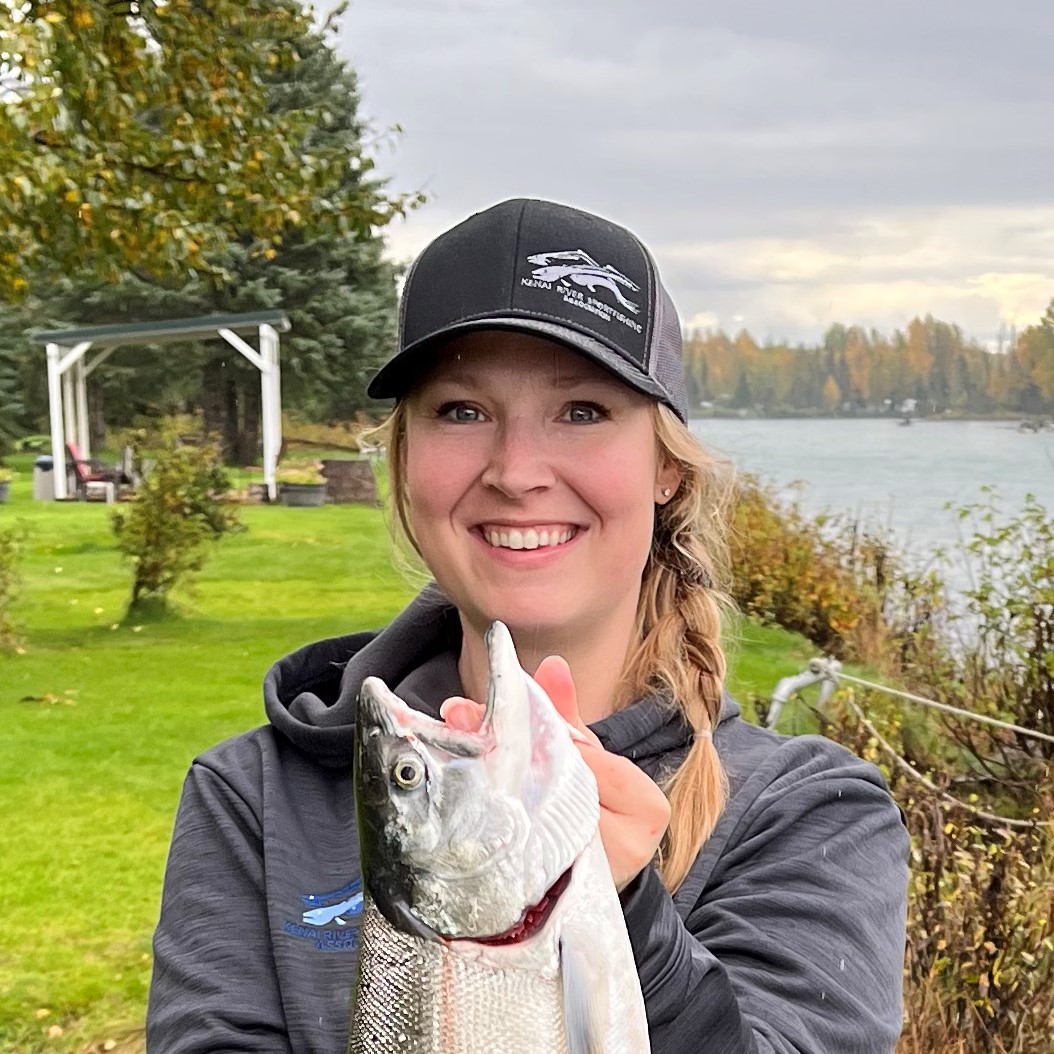
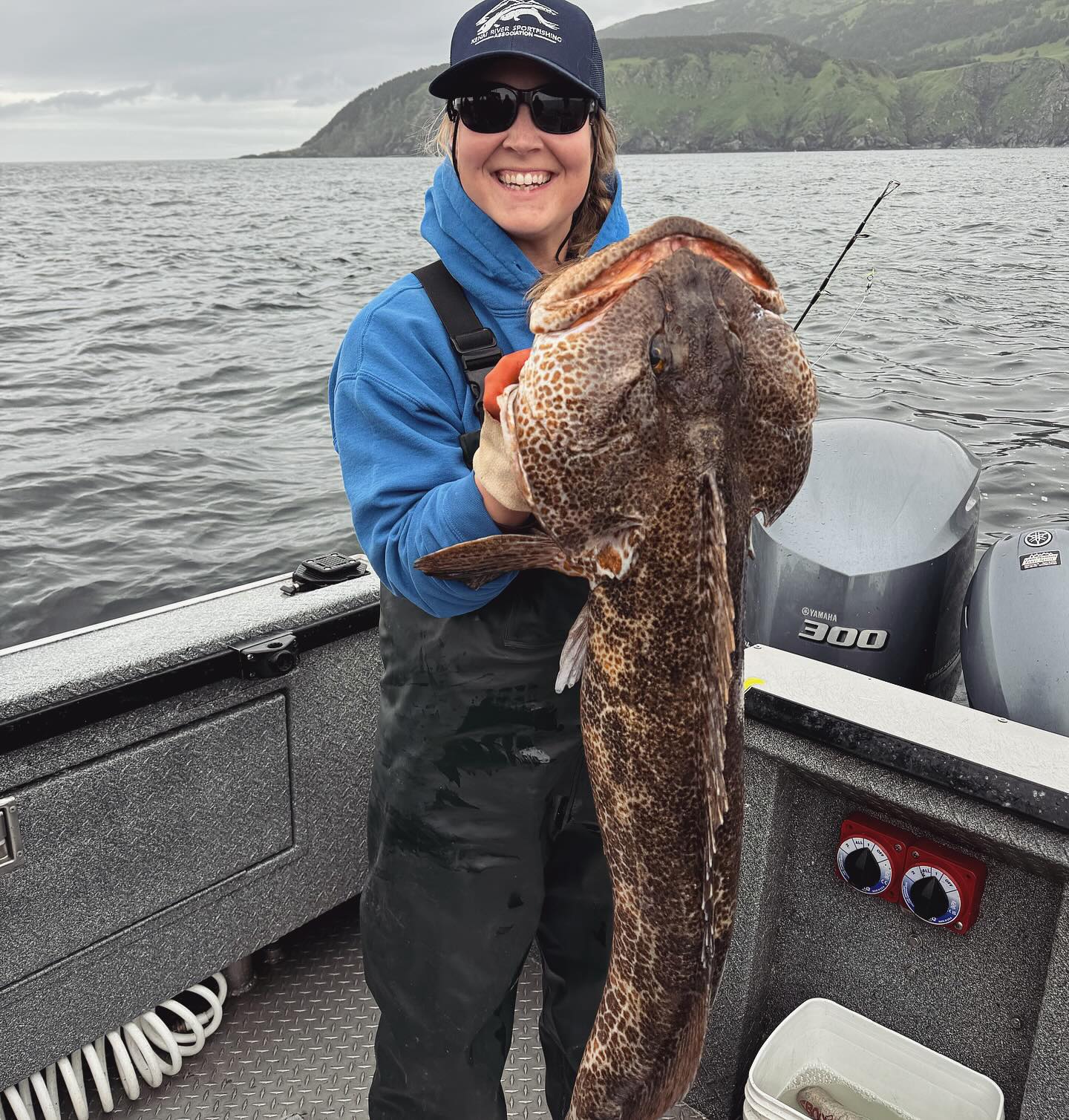
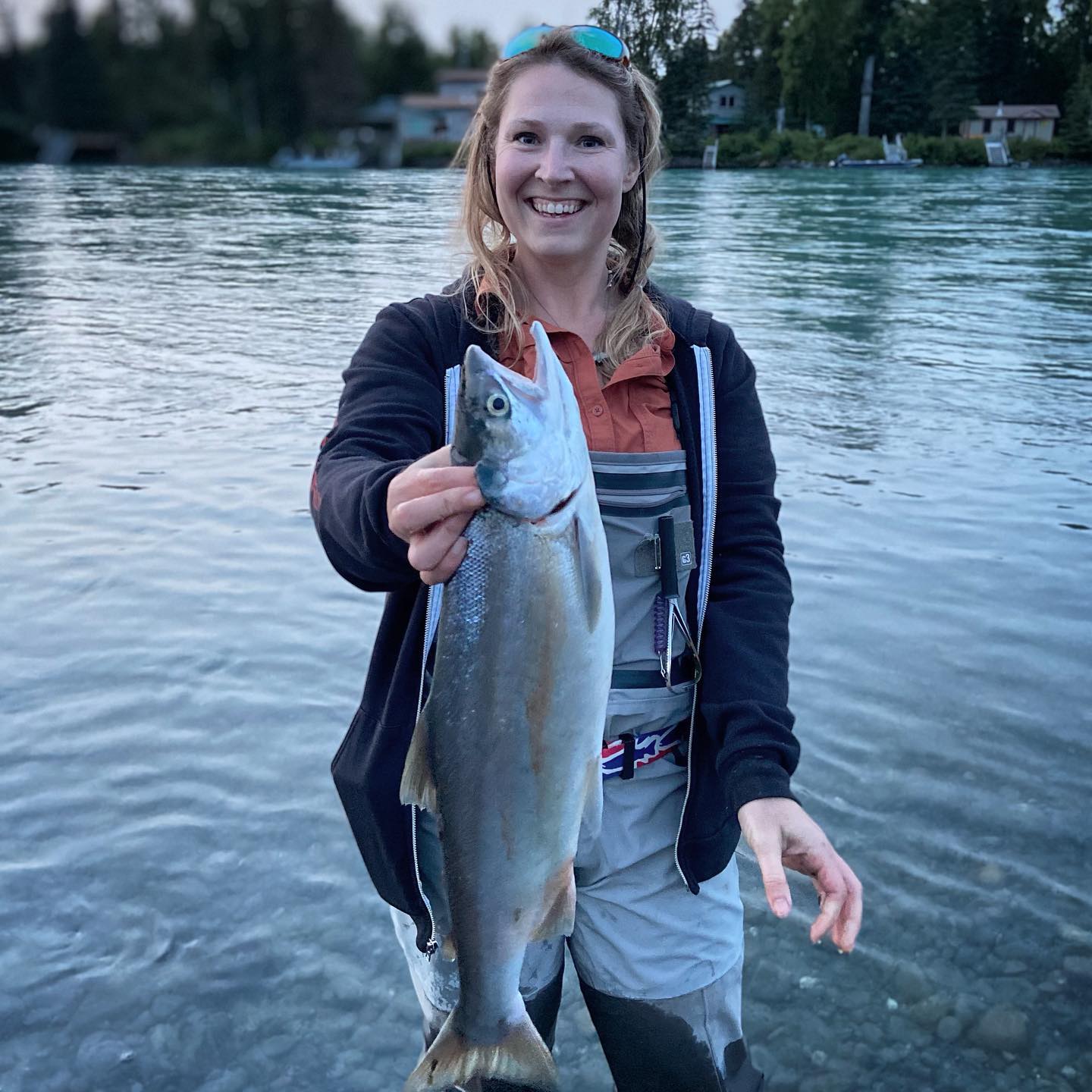
Today, we hang out with Shannon Martin, executive director of the Kenai River Sportfishing Association. She’s here to take us behind the scenes into what they are doing to protect the best salmon rivers in the country. Plus, we’ll get an update on the Chinook status in this area.
Have you heard of the suicide run? It’s a multi-day fishing adventure where anglers stay up all night, catching their limit for the day and getting their limit again for the next day.
There’s nothing better than Alaska King Salmon. Let’s jump into it with Shannon and KRSA.
Show Notes with Shannon Martin on Kenai River Sportfishing Association. Hit play below! 👇🏻
(Read the Full Transcript at the bottom of this Blog Post)
Sponsors and Podcast Updates
Episode Chapters with Shannon Martin on Kenai River Sportfishing Association
02:34 – Shannon grew up in Alaska, where fishing has always been part of her life. About 15 years ago, her brother retired from the Army and got into fly fishing on the Kenai River. Shannon joined him, fell in love with it, and got hooked.
Fly Fishing the Kenai River
03:48 – The Kenai River is over 80 miles long with more than 15 public access points. The river is famous for its huge salmon, including the world record King salmon that weighed 97 pounds.
The “Suicide Run” and Dip Net Fishing
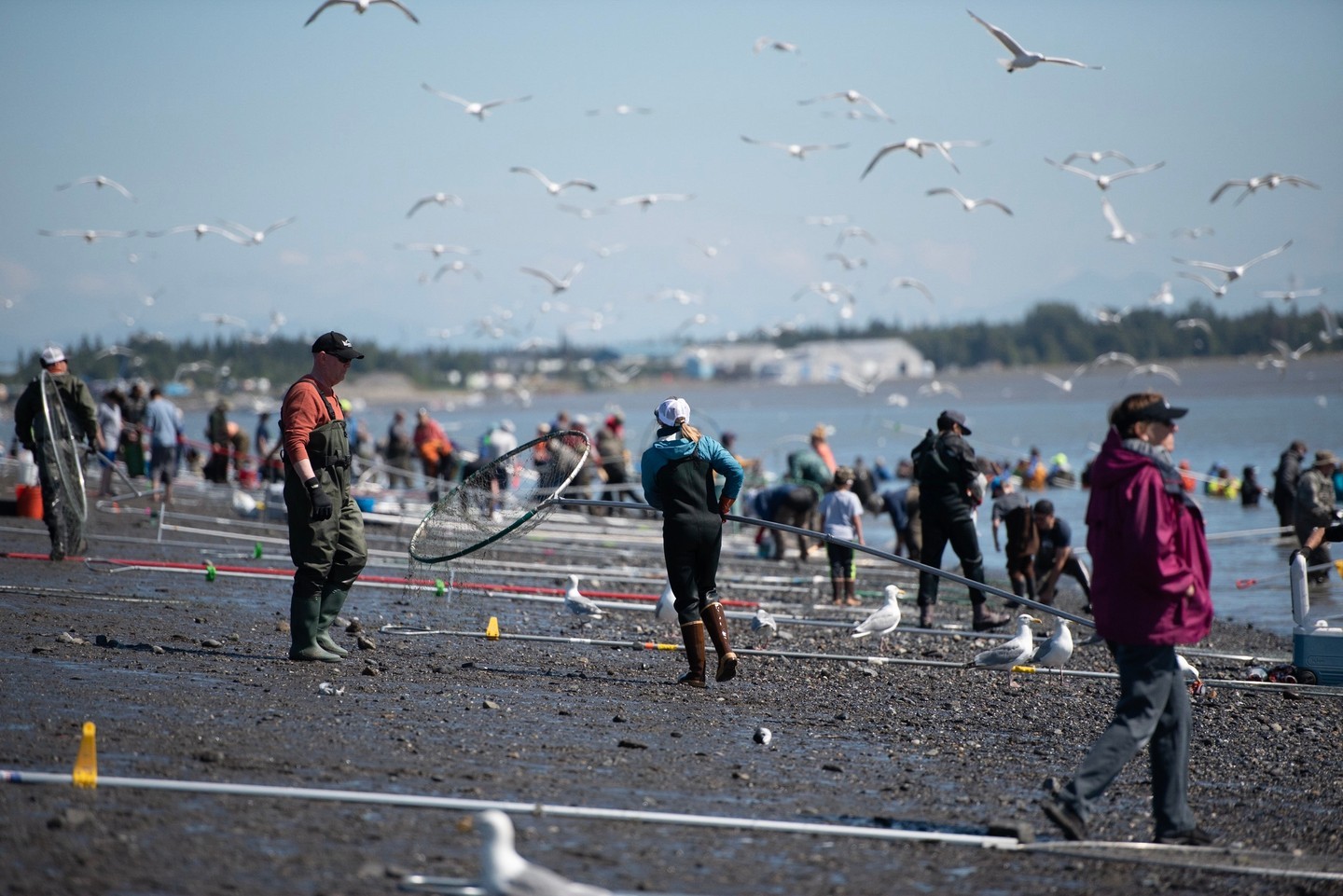
06:26 – The “suicide run” is a unique way to fish on the Kenai River. You get off work at 5:00 PM in Anchorage, drive down to the river, catch your limit of salmon by midnight, and then catch the next day’s limit after midnight.
This July, the sockeye salmon run is expected to bring in about 3.3 million fish, making it a great time to try out a suicide run.
Dip net fishing is only for Alaska residents where they can harvest salmon using a five-foot-wide hoop net. Each household gets 25 fish for the head of the household and an additional 10 for each dependent.
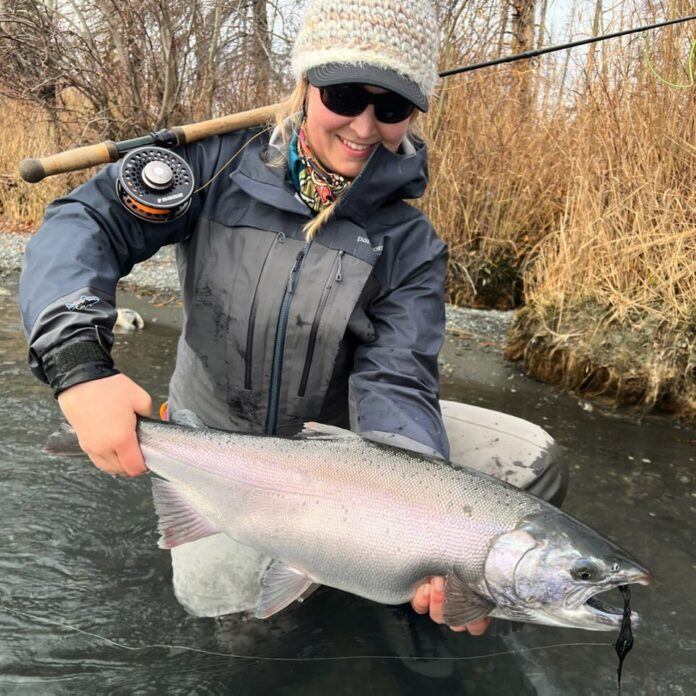
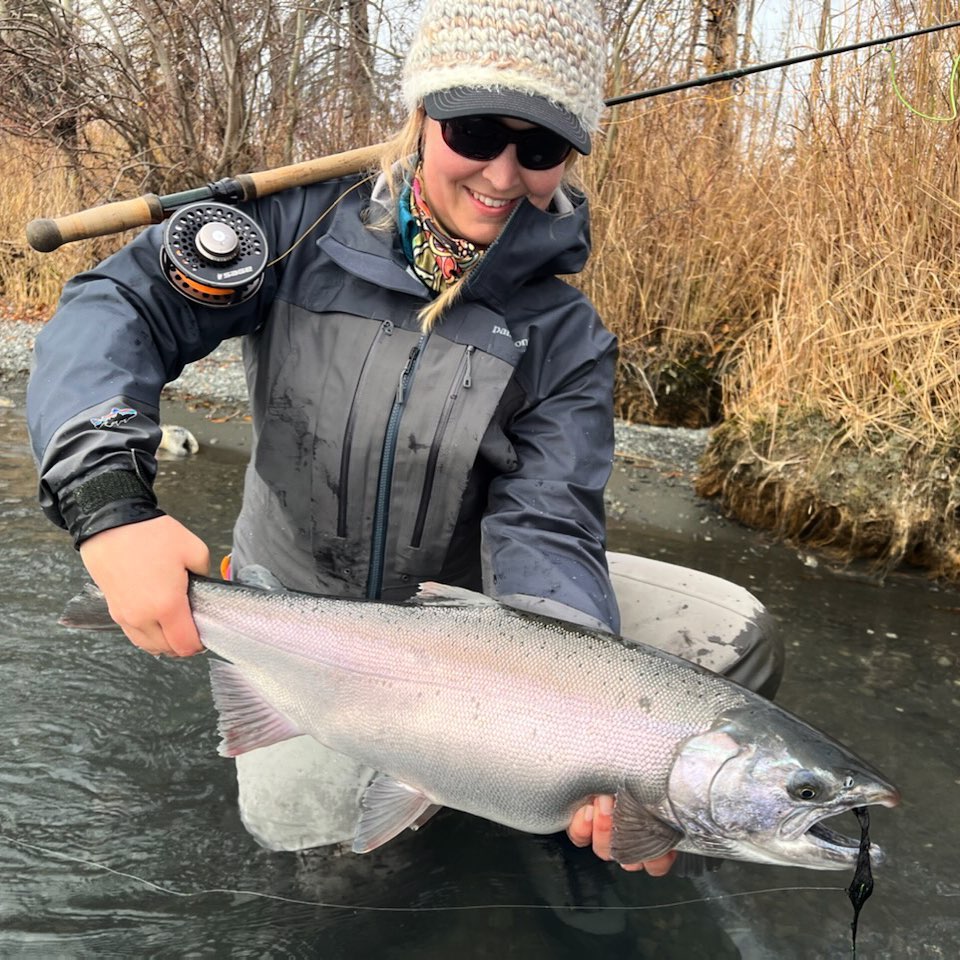
Photo via https://www.instagram.com/reelalaska/
Kenai River Sportfishing Association
10:25 – Kenai River Sport Fishing Association was founded in 1984 by Bob Penney to protect Chinook salmon. Commercial fishing, especially with gill nets, impacts Chinook as they return to spawn. KRSA aims to balance commercial interests with preserving fish stocks for future generations.
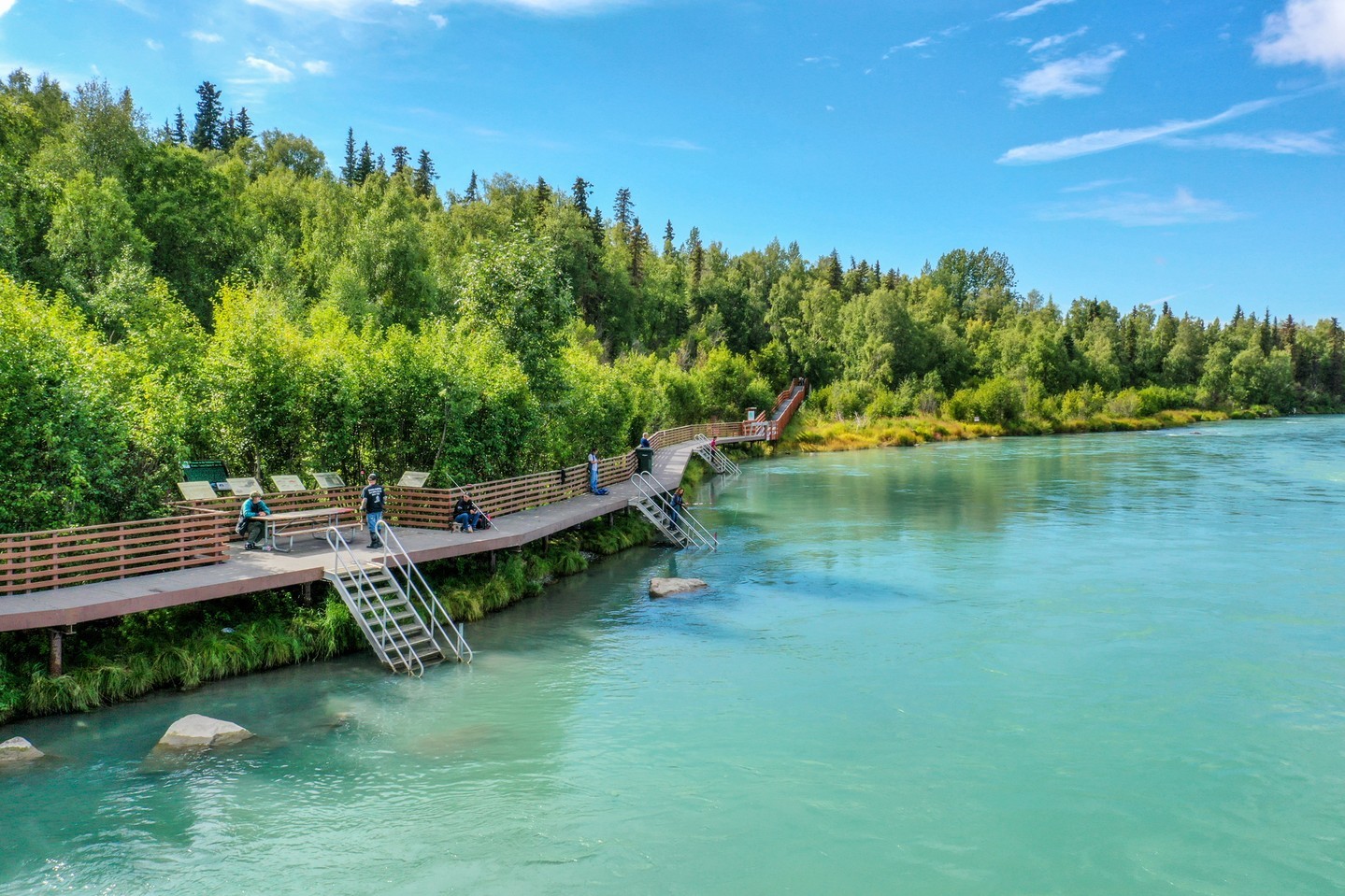
16:42 – Shannon explains how heavy foot traffic on the Kenai River banks harms salmon habitats. To fix this, they’ve built light-penetrating boardwalks. These walkways let people access the river without damaging the vegetation that holds the banks together.
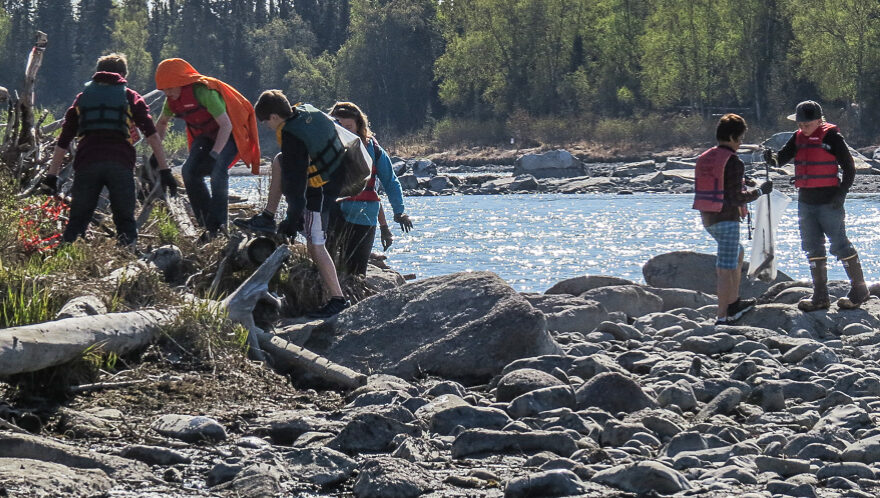
18:35 – KRSA hosts events like the Kenai River Spring Cleanup, where local students help remove litter from the riverbanks. They organize the Jr Classic in the fall, where they introduce around 100 children to fishing and water safety.
Photo via https://krsa.com/program/kids-kenai-river-clean-up/
24:19 – Shannon talks about the importance of educating anglers on proper catch and release techniques, especially for the declining Chinook salmon.
31:24 – We talk about KRSA’s major project with Alaska State Parks to restore and improve a popular state recreation site on the Kenai. This includes:
Installing light-penetrating boardwalks
Adding stairwells
Providing offsite parking
Photo via https://www.instagram.com/p/C2p6chmt709/
Kenai River Classic
33:58 – The Kenai River Classic functions as not only an educational opportunity for KRSA to get together with local policymakers and philanthropists, but it’s also a fundraiser. Highlights of the Kenai River Classic include:
A three-day fishing event for about 150 participants
The national round table on sport fish policy, in partnership with Yamaha Rightwaters
Speakers from the American Sport Fishing Association and local tribal entities discussing important topics like the MMPA and in-river fishery protection.
Conclusion with Shannon Martin on Kenai River Sportfishing Association
If you’re inspired by the work being done at KRSA to protect and enhance our fisheries, reach out to Shannon and let them know you heard about this podcast.
Every small action helps make a big difference. Get involved and let’s work together to support our fisheries!
Today we’re heading back north to Alaska to find out what the road system has to offer. Not only are we going to talk about where you can find 20 and 30-inch rainbows, but we’re going to get Mike’s take on why Chinook have taken such a downturn and why this is connected to 30 billion hatchery fish being released up there. We’re also gonna talk about swinging for rainbows so you’re ready this fall when the game turns on.
(Read the Full Transcript at the bottom of this Blog Post)
Sponsors and Podcast Updates
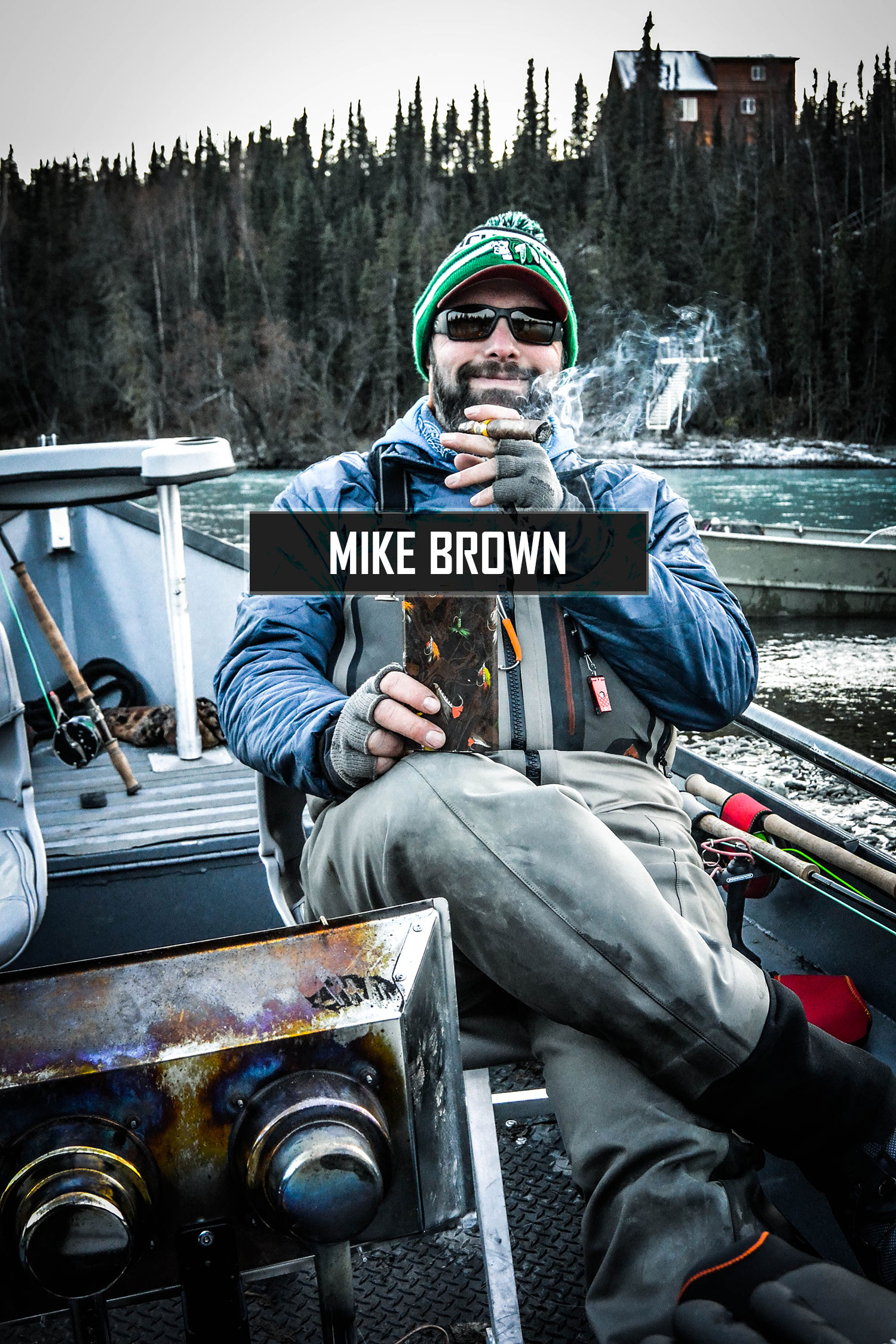
Mike Brown, owner of Moss’s Fly Shop in Anchorage, Alaska takes us into the 49th State. We’re gonna take a drive south and north along the Alaska Highway. We’re gonna take a stop along the way in the area where I’ll be meeting up with the winner from this year’s Alaska giveaway. And then we’re gonna jump down on Highway one, head to the Kenai, find out how to catch sockeye on a fly. And then we’re gonna finish up with the Spey clave and the one fish that flies under the radar. Plus you’re gonna find out how to join this amazing trip if you’re interested in big rainbows.