In this episode, we sit down with Joe Clark of Trout Yeah Guide Service to talk about his trout bum life. Joe has guided everywhere from Steelhead Alley to Pennsylvania spring creeks, and he’s also coached Team USA Youth to three straight World Championship titles.
We dig into what it means to read new water with confidence, how to use drift angles instead of heavier flies, and why sensitivity and feel often matter more than the gear you’re holding. Joe also shares stories from Idaho, Montana, and the Kootenays, along with his own experiences living the trout bum lifestyle one creek and one van trip at a time. If you’re interested in becoming a more thoughtful angler and slowing down enough to see what the river is telling you, this episode has a lot to offer.
Joe talks about guiding in Steelhead Alley during the fall run. Some days are full of fish moving through and feel amazing. The next day can be slow and technical if the water drops. These creeks rely almost completely on rainfall, so water levels change fast. On high water days, fish spread out and move. When it drops, they slide into holes and hide under cover.
Many of these steelhead are hatchery fish, with a small number of wild fish showing up in the right streams. The system can be tough on young fish, especially in hot summers or icy winters, but steelhead are tough. They travel far and make the most of whatever water they get.
Joe talks about coaching the US Youth Fly Fishing Team and how hard the kids work. They practice on their own and as a team, building skills every week. Before the World Championship in Idaho, the team spent two weeks fishing from sunup to sundown, rotating rivers and even focusing on lakes to improve where they were weaker. They treated every session like practice fishing, not just fun fishing—gathering information, sharing it, and building multiple backup plans for different conditions. The effort paid off with another world title.
Joe explains that when fish get pressured, the main focus is still a slow, clean drift. The plan doesn’t change much, but the fly choice might. Early on, fish may eat bigger or “flashier” flies. As pressure builds, switching to more natural-looking bugs can help. Joe also talks about the mop fly. It doesn’t sink fast, so it stays in the fish’s view longer. It moves a little in the current and can help fix a drift without adding weight. The key idea Joe repeats: presentation comes first. Fly pattern comes second.
Joe jokes that Pennsylvania fish “went to Penn State.” The real reason is pressure. There are a lot of skilled anglers in the state, and the fish see many different presentations. That makes them cautious and tougher to fool. When Joe compares Pennsylvania to places like the Henry’s Fork in Idaho, he says they feel completely different. Henry’s Fork is a big tailwater with powerful flows and rough access, where just getting to the water can be hard. Pennsylvania streams are smaller and easier to reach, but the fish make you work for every take.
Joe says the first step in reading water is knowing what kind of fish you’re dealing with. Are they wild or stocked?
Then he looks at the season and conditions.
Cold weather → slower, deeper water.
Spring with bugs hatching → fish move into riffles and faster runs.
Joe also pays attention to the angler’s skill level. He wants people to learn and feel successful, so he adjusts the location and difficulty based on their ability. The goal is simple: help people understand why fish are where they are, so they can apply it on their own later.
Joe explains that finding the right depth and drift isn’t about guessing—it’s about listening to the fish. He tries different drift angles and presentations, then pays attention to which one gets the best response. He says you can have a plan in your head, but the river might want something different that day. Joe also separates fun fishing (doing what feels good, like throwing dries) from practice fishing (trying different techniques on purpose to learn). The key is staying flexible and letting the fish show you what works.
Joe doesn’t roll around in a big Sprinter van. He keeps it simple with a Honda Odyssey. No stickers, dark windows — total stealth mode. He removes the seats, builds a bed, and keeps just enough room for gear and a small fly tying spot. Before this he lived out of a Toyota Sienna and even a RAV4. He says it’s really just camping with wheels — sleep where the fishing is best, move when the river calls. In winter he switches to an apartment for steelhead season, but once spring hits, he’s back on the road, creek to creek, living the trout bum life.
Joe explains his Popsicle fly — a dry fly that also works as a lightweight indicator. It’s tied with polyfill, a cheap and super buoyant material you can buy at Walmart. The fly floats high, stays visible, and keeps floating even after catching fish. It doesn’t imitate any specific bug — it’s basically a small, sensitive bobber that fish will still eat. Joe likes it because it lets fish pull the fly under easily, which gives you more time to set the hook. It’s simple to tie, easy to see, and works for new and experienced anglers.
Episode Transcript
WFS 841 Transcript 00:00:00 Dave: Some anglers chase rivers during the year, others build entire lives around them. Today’s guest has done both from guiding in the heart of Steelhead Alley to coaching team USA youth fly fishing to three straight World Championship titles. Our guest life revolves around teaching, learning and living the trout bum lifestyle, one creek and one van trip at a time. By the end of this episode, you’re going to discover how to read new Water, what the SMD drift is all about, and how this helps you get to the right level of the fish. We’re going to find out what it takes to help young anglers become world champions. We’re also going to discover some stories across Idaho, Montana, Pennsylvania, bull trout from the Kootenays all the way over to the Pennsylvania Spring Creeks. It’s all covered today. Hey, I’m Dave, host of the travel podcast series where we explore waters of the West, the people, and the places that define the spirit of fly fishing. Joe Clark shares his tips and tricks on becoming a more thoughtful angler. We’re going to find out how to use the drift angles instead of heavier flies, and how that’s going to help you be more effective this year. Why sensitivity and feel matters more than gear, and the subtle ways that presentation can turn a slow day into something unforgettable. Today’s episode is presented by Visit Idaho and Yellowstone, Teton Territory, where you can explore the waters of eastern Idaho. All the great waters that we’re going to talk about today, and some of the best and most remarkable waters in areas in the western United States. Whether you’re chasing Browns in Pennsylvania or plan your next trip out west to the Teton Valley, Jo has got you covered. Let’s jump into it right now. You can find him at TroutYeah.Com or on Instagram. How’s it going, Joe? 00:01:43 Joe: Going very well. How are you, Dave? 00:01:45 Dave: I’m pretty good. Pretty good? Yeah. We’re, uh, we’re sitting down in the rainy season. Has kind of started here. How’s it looking out? And are you in Pennsylvania right now? 00:01:52 Joe: I am in Conneaut, Ohio, currently in the middle of Steelhead Alley. And yes, we’re finally getting some rain and lots of fish starting to move in the creeks right now. 00:02:03 Dave: Nice. Yeah, I love, uh, Steelhead alley is an amazing place. You know, I was there with Jeff Linsky and some, some, uh, you know, listeners of the podcast. We had a great time. It’s, um. Yeah, really unique area. So it sounds like you split kind of your time when you’re guiding between that and some trout instruction, but right now it’s. Yeah, it’s kind of as we’re talking October going into November. So this is you’re in prime time steelhead, right. You’re kind of in that range. How’s it been looking so far. 00:02:29 Joe: Yeah. So I just did my first week of steelhead guiding. And the first day I started I mean it was just on fire. It was like one of those days that you just dream about. You just want one of those days. But there were maybe hundreds of fish that probably swam by us that day. I would say, you know, if I had to like, give a little bit of a rough estimate. But out of those hundreds of fish you can imagine you catch some of this. Yeah. So it was a pretty good day. And then the next day was very slow. Technical. The water drops. You know, this fishery here is so incredible, yet so strange in some ways because, you know, we we heavily rely on rainfall for the creeks. There’s very little spring influence. So the next day was very low in clear water, very spooky fish, you know, fish that are kind of huddled up under tree limbs, under rocks, you know, just hiding, you know. So you get a little bit of the full spectrum when you’re here, you know. 00:03:33 Dave: Right, right. That’s amazing. Yeah. So those fish, it must be interesting. I mean, you know, you have water, it’s high or it’s higher. Lots of turbidity. You know, they have cover and all of a sudden it drops like within twenty four hours, it sounds like. Right. This thing’s dropping down. And then the fish are just sitting up there trying to find some spots to hide. Right. Is that kind of how things are looking out there? 00:03:52 Joe: Yeah, they kind of settle into the holes, I would say, and kind of just wait for the next rain to come. 00:03:59 Dave: That’s right. Because they’re doing. And what are they doing? I mean, obviously steelhead are migrating, you know, to go spawn. But what’s going on with these fish because it’s a different story up there. Right. Or where because fish aren’t rearing. Right. Because it gets too warm in these streams. Can you talk about that. What’s going on there with the kind of life history. 00:04:15 Joe: Yeah. So well, I’m no expert, but, you know, from what I do understand, these are stocked fish primarily. We do have very little wild reproduction in certain streams that I would say are a little bit more forested and have a better gravel substrate than than some of our shale streams. So, you know, it’s it’s supported by hatchery fish. And actually it’s kind of interesting. But right now, from what I understand, we have some Shasta rainbows, which you’re probably a little familiar with. 00:04:48 Dave: Yeah. Mount Shasta, right. Mount Shasta in California. 00:04:51 Joe: Yeah. So there. that strain of rainbow trout, which I guess are technically a steelhead. And we do have some steelhead though too as well. Like Pennsylvania, they kind of collect the fish in the fall and collect eggs from those fish for the next year’s, you know, reproduction. So we still have that. And I don’t know if. 00:05:13 Dave: There’s an overlap. There’s probably a little bit of overlap where you have a lot of fish that maybe, you know, they come in and spawn, you know, and the fish that make it, maybe they are rearing there are probably are some wild fish that come back eventually. Right. But a lot of them aren’t because. Yeah, yeah. 00:05:28 Joe: Just because of the sheer numbers. I mean, we are spoiled with fish. It’s insane. And the sheer numbers of fish, of course, like some of those have some babies and have to have some babies that make it, you know, especially if you have a good water year and you have the right conditions that maybe not so hot of a summer, the more food that those little babies can eat in the stream. And before they get out into the lake and get eaten by walleye, the better. 00:05:55 Dave: Oh, right. Right. Yeah. That’s it. No, it’s cool because it is a unique system. And I know Jeff was talking about another podcast we did. He was just briefly chatting about how the runs when we were there, which was it’s probably been a few years now at least. Runs were really good. But since Covid hit the hatchery, they quit putting out as many hatchery fish I guess a couple of years there. So it hit. It did a little, and maybe that’s more on his area, but it hit the population a little bit. But it sounds like maybe it’s recovering from what I’m hearing from you. 00:06:26 Joe: It’s hard to say. It’s early in the season yet. Last year was brutally cold. We had like four feet of snow at one point. That pretty much shut everything down after Thanksgiving for a while, so it was hard to tell like what the run would have actually been like. The streams almost locked solid with ice, you know, come late December, and sometimes they don’t open up until March. 00:06:49 Dave: Oh, right. Yeah, that’s the thing. So they’re fully so these streams are solid with ice. 00:06:55 Joe: At times they can be. Yeah. It’s a harsh life for a steelhead. 00:06:58 Dave: I was going to say. Yeah. If you’re a, if you’re a little fish, that’s not a good place to be hanging out in. Yeah. 00:07:04 Joe: But it’s amazing. They do travel so far such far distances. And at times they go up every little ditch that you can imagine the spawn and miles away from the lake, which is amazing. I mean, they’re such a resilient fish. 00:07:20 Dave: Yeah. I was gonna say that’s the word. I mean, no matter the wild hatchery, West or East coast, they’re resilient. That’s the way for for millions of years, you know, these fish have have survived and adapted. I mean, that’s part of the reason they’re the life history is as it is with the freshwater and a, you know, anadromous form. Right? That’s the cool thing. Yeah. They’re able to adjust if they need to. But um, okay. So cool. That’s that’s a little touch on steelhead. But you also have a bunch of things going today. I. I think we’re going to touch on team USA because we’ve been chatting about that a little bit. We did have Josh on definitely on the podcast. That was great. Josh Miller, who you’re working with there with your, um, kind of everything. We’ll talk about that today as well. But, um, yeah, maybe let’s just jump into team USA a little bit there. So you had I mean, I remember because I was talking about it before you guys went and you had two world championship wins. I mean, greatest in the world. And I was thinking, I didn’t want to jinx you, but I was I was thinking, man, this could be a dynasty, right? You get three in a row. So tell me what happened at the event this year in eastern Idaho? 00:08:21 Joe: First of all, we just have an incredible team right now. I’m so proud of the kids. And I still call them kids. They’re still kids, but I’m so proud of them that the work that they’ve put in off, you know, team time and just on their own was immense. And then the time that we also put in as a team was, you know, it was a very, very large effort, I would say. Um, and they’re they’re just an incredible group of kids. They’re so thankful for opportunities. And they’re they’re so willing to learn and suck up as much knowledge as they can, but also just puts a practice like in and work hard. So I couldn’t be more proud of them. We actually started I know the podcast that you did with Josh, you were. Yeah, it was before Worlds. 00:09:07 Dave: Yeah. It was. That’s right. 00:09:08 Joe: We did a practice in Colorado on some lakes. I believe that was a month before worlds, which, you know, lakes is something that us people kind of struggle with a little bit very, very strong. 00:09:23 Dave: Yeah. I still don’t get the lake thing because I’ve loved lakes my whole life, so I still don’t get why there’s not more people interested in lakes. I guess it’s just a limited time sort of thing. But yeah, I feel like lakes are the next big thing. Maybe in the US. 00:09:37 Joe: Yeah. I mean, when you’re out west, which, you know, the lake, fishing opportunities out west are good at East Coast. We have a hard time. Our lakes are stocked. There’s not really as much opportunity. But when you’re out west, passing the Madison River to go fish a lake, you’re like, ah, I’m gonna go fish the Madison. That’s true. You know, it’s very hard to put in the time and be like, well, I’m going to go out west and just do lakes. Like nobody. I’m going to go fish creeks like I. That’s what I want to do. So, you know, a little bit of effort is needed to just put in practice time, which we did. We went to Colorado. We fished nothing but lakes. We Cody Burgdorf and Jack Arnott were a huge help. They met us out there, worked with us. We had worlds. Which worlds consisted of two weeks ahead of time. We’re there and we’re practicing every day, sunup to sundown, putting in some long days, you know, with ice cream breaks included, of course, but. 00:10:34 Dave: Right. So you guys got there. You arrived. So this is the world championship was in Idaho Falls, essentially, right? You guys stayed there and you got there two weeks before the event started? 00:10:43 Joe: Yes. Yeah. And, you know, preparation begins. I mean, even when as soon as we got off the airplane, we headed straight to the river and started fishing on the Henry’s Fork. So it was a great experience. You know, this was awesome for me because I’m the northeast coach of the US youth team. And when when we do worlds, it’s usually overseas. And we can only send our our team manager and our head coach Josh, you know. So this was an opportunity for me to get to go and, you know kind of be a part of it, be a help with the kids. You know, a lot of times we’re just carrying gear being a support. Oh somebody forgot something. You know, being there for whatever may or may not happen, which is a big help too. So we had a bit of a team effort. 00:11:28 Dave: So you’re normally not so during the worlds. Most of the worlds, if they’re not on our home ground, you’re usually not at the event. 00:11:34 Joe: Yeah. Most of what I’m involved with is our clinics, which we hold all over the US, and then we hold a national championship. 00:11:43 Dave: What was that like being there for the first time on your, you know, with the team, you know that you’re coaching, that you’re getting ready and to actually be there and then to have a win. Right. That’s the amazing thing you guys won this year, right? 00:11:54 Joe: Yeah, yeah. 00:11:55 Dave: What was that like? 00:11:57 Joe: Very sweet. Very sweet. Because you know, definitely like I knew that there would be a lot of work involved, but it was more than even what I expected. Even just being a coach, being a bystander, you know what I mean? Yeah, we put in probably two thousand five hundred miles on our rental car, just driving from venue to venue and just putting in as much time as we can. Like I said, we would fish till dark. A lot of times and go eat dinner and crash and repeat the same process the next day. 00:12:30 Dave: What are you guys doing when you go out there? You’re you start in the morning, you fish all day. Describe how that’s different than, say, one of us. You know me going out there and just fishing the Henry’s Fork all day. How are you guys doing? Is it a different thing, or is it still just fishing. 00:12:45 Joe: A little bit? I mean, there’s there’s some differences between I call it fun fishing and practice fishing, you know, and there’s a different mindset. And, you know, obviously you’re looking to gain as much data as possible and also be able to relay that data to your teammates, to your coaches, have feedback from your coaches, have feedback from the other the team, and then maybe do it all over again the next day. You know, some of the water that we fished, we would fish again at the end of the week when all the other countries had ripped through that water because we wanted to experience what it would be like to fish for pressured fish, you know, and that helps a lot because it gives you not just your plan A, but b c d e f g, right. You know, multiple game plans already in your head, you know? 00:13:39 Dave: Yeah. Is that when you think about that pressure fish, that is a challenge for some people, you know, around the country in these areas. How do you fish a pressured water like that? Like so at the end of the week versus when you start, how do you fish that differently or what would be a tip there for pressured water? 00:13:53 Joe: So for this one, you know, you could notice a little bit of a difference. But honestly our game plan kind of stayed the same. It was more about just getting nice slow drifts in front of fish. You know, that’s that’s kind of the bottom line at times though, you will like you know, oftentimes fish will eat more junk flies right away and then get turned off. And you may have to start fishing a lot more natural looking bugs, you know, can sometimes help. And these are things these are just generalizations that we kind of go through. 00:14:26 Dave: But that is good to know, right? You go, you can go to a stream that maybe doesn’t have have pressured fish and you can get away with a lot more, maybe throwing out a mop fly fires. Does a mop fly? Describe that. Like, are some of these crazier patterns? Why does a mop fly work and why does it work better for unpressured fish? Or does it work better for pressured fish? 00:14:45 Joe: Oh my gosh Dave, we could do we could do three hours on just the mop fly. 00:14:49 Dave: Hey, no. First tell me this is the mop fly a legit. Is that a I’m not even sure. Do you guys even use that? 00:14:54 Joe: The world is not ready for the mop fly yet. 00:14:57 Dave: Take us to the mop fly, because I’ve never used the thing. I’ve seen it out there. I see these pictures. It’s. It looks kind of crazy, but I’ve heard all these stories that the thing is amazing. 00:15:06 Joe: Well, I’ll give you some some thoughts on it. Um, I mean, it can represent bugs. I’ve heard so many different people. Oh, it’s like a crane fly larvae. It’s this. It’s that. Whatever. I don’t I don’t put much stock in that at all. But it is a bigger fly. It’s, you know, a little bit of an attention grabber. But the, the biggest thing with it is the drift. It is a fly that does not sink very fast. You know, it has a slow fall. It has some movement to it. You know what I mean? It’s it’s not just going to sink to the bottom like a pentagon and be out of the fish’s view. I know Josh often talks about, like, keeping the flies a little bit higher. I mean, it’s a misconception with Euro nymphing especially like, oh, I’m gonna dredge bottom, you know, and ninety five percent of the time we’re not we’re keeping our flies in certain columns and keeping them in, in the sight of fish longer, which, you know, is a big part of the mob fly. You know the drift. I mean, we we talk about presentation over patterns so much till we’re blue in the face. But I really think that, like, Josh and I are people that like it’s something we believe so deeply and we make it a part of our life so much that we like. That’s our focus. The first thing we focus on is presentation, which is a big part of the fly. You know, I’ll say like it. It corrects a bad angler’s drift. Like. or a bad drift. It kind of corrects the drift automatically for a lot of anglers. Fish hold on to it for a long period of time. It’s. Yeah, I mean there’s there’s so many different benefits to it. But in competition you don’t want to be the last one to a mop party if fish are like keyed in on it for whatever reason, that scientifically is, you don’t want to be like the last one to realize that, because it can be crazy at times, you know? 00:17:00 Dave: Right. Wow, wow. Okay, so this is and these are I mean, I wouldn’t know the confidence. Would you call that a confidence fly or. No. The mop fly. 00:17:07 Joe: No no no. Because sometimes sometimes fish are gonna swim away from it, you know? And you really have to make that judgment call quickly. But you know, so oftentimes first session people are fishing a lot of more junk flies, you know, just to see, uh, maybe even eggs at times. 00:17:24 Dave: To today’s show is brought to you by Visit Idaho and Yellowstone, Teton Territory, a place that should be on every angler’s list, from the Henrys Fork to the South Fork of the snake, and all the hidden creeks and alpine lakes in between. This region is built for fly fishers who like a little room to roam. You can head over to Wet Fly right now for guides, lodges and trip ideas to plan your next adventure. That’s Teton to. The eggs a good one because it’s for steelhead. I know it very well. I probably fished it more for steelhead than anything and it works great. I probably caught hundreds of steelhead on an egg pattern just nymphing and but at a certain point, you know what I mean. You evolve. I think, you know, as you go and you’re fly fishing and you, you kind of get into now, you know, swinging flies might be it. And then you get into something different and harder, you know, maybe harder, right, as you go through your, your evolution. But this is awesome because I want to hear a little bit more again on the team USA. So you guys you arrive. It’s was it July. Was it mid-July when you guys the comp started? 00:18:28 Joe: Yes. 00:18:29 Dave: Yeah. Once the event starts, where did you guys fish? What were the rivers you fished the Henrys Fork and then did you also fish a lake? 00:18:36 Joe: So yeah, we fished a few different venues. We fished the Henrys Fork, we fished the Grays River, which is in Wyoming, just kind of over the border, which was amazing, really cool river. We fished the warm River, which is just over the hill from the Henrys Fork, which again, like one of the most coolest rivers I’ve ever fished. 00:18:56 Dave: Is that a trip to the Henrys Fork? 00:18:58 Joe: Uh, yes. Yeah. And it’s just like blue spring water. But in mountains, it’s just incredible. I mean, just one of the coolest places I’ve ever fished. Then the Henrys Fork, obviously, which was flowing pretty much at full volume. I mean, it was a beast. And I could talk a little bit about that too. Um, and then we fished lake venues, we fished Hebgen Lake, and we fished Sheridan Lake. Two lake venues and they were very tight, low number venues. 00:19:31 Dave: Yeah, I’ve heard, I’ve heard Sheridan was, uh, maybe the numbers aren’t as high as they were in the past or something out there. 00:19:37 Joe: Yeah, yeah, but big fish, which is really cool, especially on Hebgen. Hebgen has some, like, beautiful browns in it. 00:19:45 Dave: What do you think was the secret or the X factor to the win? How does that look when you look back at it? You know you guys you took it. So now you’re you are I guess kind of a dynasty. Three in a row. It seems pretty amazing. But what was that like as you look back on the venues and the fishing? Like, I can’t remember who took the the gold and the medals. Talk about that a little bit. 00:20:04 Joe: So Lawson Braun, our man from North Carolina, he placed first in worlds which we couldn’t be more proud of him. And yeah, he just did did extremely well. And and all the kids were all of them actually placed very high in the standings, which is really awesome. And as a team, we could have literally not even shown up the last day and we still would have placed first. 00:20:30 Dave: Oh no kidding. 00:20:31 Joe: That’s how far we were kicking butt. 00:20:33 Dave: Wow. 00:20:34 Joe: You know, in this, this particular world. So, I mean, we were just we were stoked by that last day. We were only concerned with trying to get individual medals at that point, trying to, you know, put boost the kids up a little bit, which we did. So it was awesome. 00:20:50 Dave: So this was just a and again, it goes it seems I mean to you when you think about it, was it I mean all the preparation. You guys obviously have done a lot of work. When you compare it, I think of the, the men’s right where it sounds like, you know, they haven’t won three in a row there. Right. What is the big difference of the youth. What are you guys doing with the youth that compared to other youth you know how have you guys put this together? Like is there a secret to the magic here? 00:21:14 Joe: Not really. You know, you have generations like, I’ve been with the youth team for a good many years now. I don’t even know, really. But you go through generations of kids and some of them are just, you know, superstars. Yeah, I would say, because a lot of our kids on the youth team could compete with the men and do pretty dang well. And I hope, I really hope they do continue their competition career and kick butt as well too. But, you know, the bottom line is we just want to kick all the other teams butts and put forth the best United States team we can, you know? 00:21:50 Dave: Yeah. It sounds like you’re on track to I mean, with the youth, you know, dominating now and some of those kids will become in the next level. Right. It seems like you’re in track. And then also the women’s right. The women’s were there. Did they. How did they do? Remind us on that one. How’d the women do out there? 00:22:03 Joe: They did awesome. I mean, Norm, he’s he’s just like, you know, one of our heroes, and he’s our head coach. And we even had a dinner with the women one night and just to, like, hang out. And they just have such an incredible dynamic with their group. You know, all good, good chemistry, good friends, like good relaying of information and team effort, I would say. Um, Tess Wigan, also from Pennsylvania. We’re really proud of a lot of our Pennsylvania anglers, for sure. You know, because I think some of the best come from this area. But, um, yeah, they’re just awesome group and I’m really proud of them as well. 00:22:42 Dave: Yeah. You guys have uh, Pennsylvania is always, you know, it’s one of the hot spots and you guys are showing it. You know, you have a lot of a lot of people there, but just, um, yeah, throughout Pennsylvania, it’s I guess it’s because of the spring creeks right there. It’s the fishing is is tough. Right. Why do you think Pennsylvania is if you go back, it’s such a hot spot for all the fishing because as you look around you have New York, you have Ohio, you have the Great Lakes and some other areas. But what’s up with Pennsylvania? Why is it such a hot spot? 00:23:08 Joe: You know, I, I skipped college, but I think our fish went to Penn State. So and that’s really what makes them so, so educated, you know. 00:23:17 Dave: Yeah. 00:23:17 Joe: No, I mean we have a lot of good anglers and it definitely makes the fish smarter, you know for sure. Pressured a little bit more pressure. So I think that goes a little bit to it. 00:23:28 Dave: Yeah it’s harder. So when you take Pennsylvania where you fish and you do you’re a guide there. So guide for not only steelhead but trout and everything. When you compare Pennsylvania to eastern Idaho where you fish the Henry’s Fork, because the Henry’s Fork is also known as pretty technical, right? How does how does what your home waters compare to the Henry’s fork and some of that stuff you fish. 00:23:46 Joe: Wow. Completely different. Especially you know, it’s a tail water there at full volume on the Henry’s Fork, which I’m. This was the first time I fished the Henry’s Fork, but I’ve seen photos of it on low water, and I’m like, that doesn’t even look like the same place. 00:24:00 Dave: Oh, wow. 00:24:00 Joe: You know, so it was, you know, definitely like, even during the competition, I was actually pretty much stationed at the Henry’s Fork during the competition itself. It was a grueling venue, like the hike in and out of the venue itself is just it’s spectacular, it’s beautiful, but it is grueling. And, you know, there’s no there’s not like trails or, you know, anything like that. You’re we’re going in the thick of it basically. 00:24:30 Dave: And is this forested or what’s the habitat look like as you’re going in. 00:24:34 Joe: Very rocky. It had a bunch of those plants with the stickers that just stick on your clothing and pants and everything. I mean, you could not get away from them. They’re just you’re covered in them by the end of it. 00:24:45 Dave: Oh, man. So this was, uh, just getting to the river was a little bit of a. This is some work. This is. You guys had to work to get this in. This wasn’t like you’re hopping out of the car and just fishing. 00:24:54 Joe: Yeah, yeah, it’s a good. You know, you need a good hour, forty five minutes to, like, really get to your spot and get comfortable and get set up. You know what I mean? Yeah, right. You really had to have a lot of time for that drink. Plenty of water. It was, you know, very physically demanding. So that was a big part of it. And then on top of that, you’re fishing a river that’s full volume. The kids were obviously pushing themselves crazily with waiting. I mean, I would do the same thing in a competition. You’re gonna do it anyway, so that’s a part of it. But there were moments where we’re on the shore just watching and with great concern. As you know, kids are wading in some crazy spots and rapids. 00:25:36 Dave: And trying to get to water. Maybe that is a little bit out there a little bit further so you can get some fish that haven’t been touched. Is that kind of part of the strategy? 00:25:43 Joe: Yeah, that was an advantage. Come, you know last session you know the fish were starting to move off of the edge and not get caught there as much as as further out. 00:25:52 Dave: Wow. Yeah. So that was intense. So you had the Henry and then what about the warm River. Was that a little bit different? 00:25:57 Joe: That river a bit different. Yeah. That river is crossable and you know a little bit more pocket. There’s so many logs in it. Just stuff that would really make you lick your lips with trout fishing and just beautiful. I couldn’t Imagine like a better stream, tons of whitefish, which we’re a big part of the competition to learning how to really not only, like, hook them effectively, keep them on and fight them, you know, but just finding them was a big part of it. 00:26:28 Dave: So and then you guys had and then we talked about the lakes a little bit. What is it? You know, some questions that we get. And this probably applies to not only, you know, where you guys fish in Idaho, but back home like reading water is is a big challenge for people, you know, like how do you find the fish? What’s your you know, if you were doing the instruction, you do that through the trout, right? Part of what you do is yeah, yeah. Some of your guiding talk about that. How would somebody, as they’re approaching a new water, how do you teach reading the water. Is that something that you have. And maybe you can talk a little bit more about the instruction that you do there in PA. 00:26:58 Joe: Yeah. Um, so yeah, Josh and I, we love to just teach people we consider ourselves more of instructors than guides, I would say, but we have tons of options to fish in central Pennsylvania with wild brown trout. That’s kind of like our our focus in wild trout within that area. There’s there’s just I mean, so many famous streams and then a lot of streams in between. But really we love to teach people we love. Like, I’m really proud of having people like, call me later, you know, even maybe years later and be like, hey, like what you taught me. I’ve been catching fish left and right now and, you know, really understand it a lot better. And, you know, I love hearing that from people. But also, you know, it’s like a lasting value when somebody goes with me on a trip, they get to take tools away with them. You know, it’s not just a day thing. You get more. And that’s what also, I think why people always like to come back and learn more because, you know, there’s so much value there. 00:28:01 Dave: Yeah, definitely. Definitely. No. That is uh, you know, again, it’s a challenge. There’s just all these little challenging, whether it’s fly casting or, you know, reading water fly selection. You know, if you take it to your streams, what does that look like when you’re, you know, you get to a new stream and you’re what are the main things you talk about? You know, boulders and cover and stuff. But what what is reading water. How do you describe that to somebody who’s kind of new to it? 00:28:24 Joe: The first thing I asked who is? And Josh mentions this a lot too. Is it is it wild or stocked fish? Oh, right. Um, that greatly, you know, changes your approach. And I really liked his. He talked about that a lot with you on the one podcast, which was really good. Good information. 00:28:40 Dave: Yeah, that’s something I didn’t think about. That’s why that’s it’s really interesting because I that’s one thing I don’t think about that much, you know, wild or stock. But the reason that that makes a difference is that the fish behave a lot different. Right. Because they’re some have been in the wild their whole life and some have been in a hatchery. Is that kind of what where that goes? 00:28:54 Joe: Exactly. Yeah. I mean, certain, you know, if you fish a stream with stockfish, they’re going to be maybe more concentrated in the holes or those areas where they stock, you know, whereas wild fish may be way more spread out. They’re going to be in water that they’re comfortable in. Um, that they’ve lived their whole life and, you know, maybe a bit more natural looking areas too. So that definitely goes with strategy. But also, you know, temperature, time of year. If it’s really cold out, I’m going to go to the holes in the slow water and and hit that stuff. And if it’s springtime and there’s bugs hatching and fish are happy, they’re probably up in the riffles, you know, and that’s, that’s a generalization. But that really kind of speaks true to most of the, the fishing that we do. 00:29:41 Dave: Yeah. Right. So depending on the time of year, the environmental and what are the most important kind of key environmental questions or factors you’re thinking about. Because you got water temperature, you know, flow like pressure. Is there a few things or are you always thinking about like all this stuff at the same time? 00:29:58 Joe: All of that stuff, but also included is, is angler ability. You know, I really love to get feedback from somebody, especially if I’ve never fished with them before and get a feel for what their level would be. The success is really, really important to me. I mean, you got to catch fish to learn is something I kind of always say. So it’s really important that we we have success with that. And if their ability is maybe a little newer, I’m going to take them somewhere a little easier. And if it’s if they’re a little more advanced, like we can go somewhere a little bit harder. And also with waiting in general to some streams are more accessible to certain people than others. So that’s a big part of it too. 00:30:41 Dave: Yeah. So you look at the ability of the person if they have some experience, let’s say, you know, they’ve got five years of experience, but they’re, you know, maybe, you know, most people aren’t fishing hundreds of days a year, right. So they’re probably don’t have a ton of experience. But so you start there and then you work back, you know, and you’re looking at the stream, like you said, water temperature. Are you making a picture before you get into the stream of, of what you’re going to expect? Or do you kind of wait until you get to the water? 00:31:06 Joe: Yeah, I mean, I always expect good things, but, um, I will take consideration the weather and that kind of thing. And just it’s great because I live such a trout bum lifestyle. I travel in my van when I ride in central PA, I sleep in my van, I sleep wherever the fishing is good. And in Pennsylvania we have so many endless options to fish, and it allows me some flexibility to just guide certain areas that I think will be, you know, maybe more temperate water at times, like if it’s a really cold day, maybe I go to a spring creek or a really hot day, you know, I would have to find colder water where the fish are going to be a little bit happier. And so I’m afforded that that option, which is great, you know, and there’s always going to be times when the fishing is harder or easier, but just being able to like focus on that, that practice aspect and giving people ample opportunity to hook fish, to lose them, to, to hone in their technique. And, you know, have so many chances. You know what I mean? 00:32:09 Dave: Right. The more chances you get, the the better you’re going to learn. It’s, you know, we talk about again, back to the steelhead, the conventional gear fishermen a lot of times have a lot more hook ups because they’re down. They’re easier to get down. And and sometimes that’s a good you know, those people that get into fly fishing are maybe better fly anglers for steelhead because they have so much experience hooking fish, just touching fish. Right. And it’s kind of the same thing you’re talking about here on the experience. So okay. This is this is good. What about like your for a new water. Let’s say you’re going to a new water. Or maybe it was the team USA stuff. What was the rig. You know. Do you have a you know a setup you love using. Typically like I guess you could start with nymph fishing because that’s pretty popular. But what does that look like for you? Do you have a pretty standard nymph setup? 00:32:56 Joe: Yeah. Pretty standard. Um, of course, like we all like, want to catch fish on dries stuff and and during practice we try everything. You know there’s there’s streamer fishing involved. If we see fish rising of course we’re going to like capitalize on that and try to to push to, you know, during practice once you catch fish on a fly, sometimes we we switch right away. We don’t just keep hammering fish on that fly, we switch it up, switch different technique to just see if something might have an advantage over something else, you know. But typically, like I said, for most of like the Henry’s Fork, it was about just getting flies deep and slow to where the fish were slowing the flies down so that they could see it. It was just such heavy water at times that that was literally the bottom line. 00:33:45 Dave: That was it, right? High water high. And I’m just imagining. Yeah, high water. It’s raging. So it’s just ripping through. So you got to slow it down. How how do you you’re fishing the edges probably. It sounds like a little bit, but how do you slow the fly down when you’re fishing out, hitting that deeper, you know, out there further. 00:33:59 Joe: So we talk a lot about angles of our drift. And I know, uh, Gordon Vanderpoel, he’s from North Carolina. Yeah, I think he came up with this, but he came up with, uh, SMD shallow, medium deep in three options for your drift. And basically your shallow angle drift is going to be where the slider is a little bit more parallel to the water surface. And you’re leading it a little bit more. And then your medium angle drift is going to be like a forty five degree angle. And then your deep level drift is going to be like a ninety straight up and down vertical to your nymph. So we have those three options. And those three options correlate to speed. A shallow angle drift is going to go move a little bit faster and is is useful for areas like this is just an example. But maybe you’re fishing shallow water where you don’t want to necessarily hook bottom right away. If you lead the flies a little bit more and have a shallow angle drift, they won’t hook bottom as much. And then say you’re trying to slow the flies down. Well, we go right to a vertical drift. Like trying to crawl those flies a little bit more. And then there is even one other option called the Colorado Drift that we talk about a little bit, where you’re almost inverted, where you’re cider is upstream of your flies, and you’re holding them back enough to where it doesn’t look unnatural, but you are slowing the flies down a little bit, like cutting the current with your tippet, just holding the flies back just enough to where they slow down even more. So that’s like that’s the extreme of it. But just having those angles in your mind and in your pocket as options, I call them like tools for your toolbox, is like a really great way to like, look at the water instead of just, all right, I’m going to put on a heavier fly. Yeah, right. You know, we try to do what? How can we control the fly and present it in different ways without doing that? 00:35:55 Dave: Yeah. That’s great. This is awesome. So yeah. So this gives you some options. Now you’re thinking about. So if you get to a stream that’s like were you guys were at it was raging and you need to really slow it down. You’re putting you’re doing that deep ninety degree or you’re even holding it upstream a little bit and feathering it or whatever. And is this more for nymphs or is this also apply? Are you guys fishing stuff? You know, emergers or talk about that on this SIMD method. Is this mostly for Nymphing? 00:36:21 Joe: Yeah, mostly for Nymphing. And again, we use such a variety of weights, from everything from unweighted flies to brass bead flies to one point five millimeter beads to four point oh millimeter bead tungsten beads, you know, so you have such a broad range of weights. But for the most part, we’re pretty dialed in already. We kind of know generally like what weights we’re going to use after practicing all week. You know, we kind of have that already dialed in. And how can I a good weight that I can drift. A variety of ways if I need to. 00:36:57 Dave: Also, yeah, you gotta dial. This is great. So. So I love I love this. And then when you guys were there, you know in Idaho was the nymphing game was, was that the thing you spent most of your time doing out there? 00:37:09 Joe: Mostly, yeah. I mean, like I said, when we were afforded dry fly opportunities, we would. The warm River, I believe, gave up some fish on dries, you know, but completely different venue, very, very temperate water and, you know, very like normal flow I would say for the warm. 00:37:25 Dave: Yeah. Normal flow. Yeah. I’m looking at some photos of it. It looks like a really cool river down in like a definitely. Yeah. I mean, you guys are out in forested areas. It looks like it’s, um, just a picture of the West, you know, big conifer trees and a steep slope into the stream and kind of some valleys. 00:37:40 Joe: It’s spectacular like that. That river in particular is like, very special. I love it. 00:37:46 Dave: Yeah. Looks cool. That’s definitely one on the radar. So. And then what about your flight? We always love to talk flies. We mentioned confidence flies, but do you have a few like what would be like say top, you know, four or five flies you guys use that week while you’re out there? Did you have a ton of things or did you have some that really worked well? 00:38:02 Joe: You know, everybody has their like confidence. But we kind of dialed it into just some, some more like Pentagon stuff looking stuff. France flies pheasant tails, you know. 00:38:15 Dave: So the pheasant tail just a straight up pheasant tail. 00:38:17 Joe: Yeah, yeah. Straight up pheasant tail. Maybe with a hot spot. You know, different kids have different versions of that. But oh my gosh. I mean we use the same flies pretty much everywhere we travel in the world. It’s it’s. 00:38:29 Dave: Yeah same as Pennsylvania. So you’re using the same confidence flies in Idaho are working in Pennsylvania pretty much. 00:38:35 Joe: Yeah. Like we noticed old copper bead works a little bit better on Henry’s fork. You know, different things like that. Just subtleties that, you know, through all of our data that we gathered in practice, like, seemed to put up more fish. 00:38:49 Dave: Yeah. What’s your. You know, I love going back to the SMD method. You’re getting down. Let’s say you’re let’s say you’re doing that parallel right. How do you know. You know that you’re getting down to the right depth. Or is it more where you start out high or low and work your way through the, you know, the column? 00:39:06 Joe: Well, everything I say is up to the fish, you know, and I, I really try to be a sensitive angler. I really try to be sensitive to whatever the fish, whatever way they’re eating that day. And really, because it’s hard, it’s hard for me to like, you know, I have a preconceived notion of the way I’m gonna fish when I get to the river, I’m gonna do this, and I’m going to do that. Well, it’s hard to, like, squash that desire and really pay attention to the fish. Start off with all your different tools and run through them and see what feedback is more positive than others. And that’s really, you know, I let the fish decide what drift do they want? Where do they want it? We’re going to catch fish. It’s just which way is going to work a lot better. 00:39:53 Dave: Yeah, definitely. Yeah. I had a I think it was Rick Hafley, an entomologist a while back was on, he talked about how, you know, when you get there, even though he’s studying the stream and knows it very well. He says, you know, you’re so fired up sometimes it’s good just to get out there and start fishing, you know, don’t put too much analysis into it, you know, and then maybe, you know, get loose and then maybe take a break and step back and kind of do your more analysis. But because I think some people, you know, fish and wise, they’re not fishing hundreds of days a year. They might get, you know, a time out here or there and just getting on the water feels good. What’s your take? Do you do a lot of analysis before? Do you think that’s a good, good recommendation to just get out there and make some casts loosen up? 00:40:32 Joe: Well, like I said, I kind of split my fishing into two different categories fun fishing and practice fishing. You know? And there are times when I’m going to just force the issue and dry fly fish because I want to dry fly fish that day. It’s so much fun, you know what I mean? And maybe I’m not going to catch as many fish. That’s fun. Fishing. Practice fishing is like. How can I catch the most fish? You know, bottom line. Like, what’s going to work the best? Run through different tools purposely, you know, not just try to, like, figure it out quick and then just stick on that one technique, but. And be stuck. You know I really try to be flexible with that. 00:41:10 Dave: Yeah. Definitely. Definitely. Well, you know, we were talking off air just about a couple of things that have been recently in your your head. One of them is the lodge you were at up on the Kootenai. We had, um, is it Linehan Lodge? What was the place you were at recently? 00:41:23 Joe: Yeah. Tim and Joanne Lenihan. Lenihan Outfitters is what they’re called. Yeah. And they, they run a really just cool lodge up in on the Kootenai River near Libby, Montana. Middle of nowhere. You know, I talk to people and they’re like, yeah, I’ve heard of that, you know, or, you know, a couple people have fished there before, but the majority of people are like, no, I’ve never, never even heard of it, I thought. And then, you know, I even thought that Glacier was pretty much the extent of like the western part of that northwest Montana region. But there’s actually a lot of land between Glacier and Idaho with a lot of good fishing, that it’s kind of under the radar. And well, now I’m blabbing about it on a podcast, right? 00:42:07 Dave: Yeah. Well, we’ve talked about it. We had, uh, Kootenai River. We had, uh, Dave Blackburn on who was another great episode. He’s up there somewhere as well. And so we have put it on the map at least that area. It sounds amazing. Yeah, it sounds like a really cool spot. 00:42:19 Joe: Yeah, I think Dave, he’s. Yeah, I’ve heard of Dave and I think they’re all friends up there, all the different. There’s two different outfitters really. But I think they even arrange it where like okay, you’re fishing up there, we’re gonna fish over here and you’re, we’re never going to see each other. And that’s what blew my mind about this area, is it’s just untouched. There are no I didn’t see any other anglers the whole time I was there, for one thing, not even a a bait fisher on the shore. 00:42:48 Dave: Nothing really. 00:42:49 Joe: I, you know, find it crazy to not see any little wooden y sticks next to the whole, you know, where bait people fished, like in some of these places where I’m like, yeah, there’s always something like that. But, you know, and no, you drive around town and there’s no rod vaults. That’s like a dead giveaway where you’re like in a whole different area in Montana, because Montana is mainly like anywhere you go, you’re going to see rod vaults. Yeah, you know, on the vehicles. 00:43:15 Dave: So definitely, definitely. And drift boats right on trailers and. 00:43:19 Joe: Yeah, it’s such a massive tail water with, um, native rainbows, cutthroat cut bows, bull trout. You know, it’s just as good as you could want it to be. And there’s just nobody, nobody around. 00:43:32 Dave: Yeah, that’s so cool. Yeah, I’ll put a link to the, uh, the episode we did with, uh, Dave. The one. That one was cool because he plays the banjo, and he did an intro for us. Or he took the podcast away with his live play recording. 00:43:44 Joe: Oh, that’s so cool. 00:43:45 Dave: Yeah, so it was. It was good. He was a good dude. But, um. But yeah, I think again, it is one of those places where it’s just remote and you have bull trout, which is something that, um, you know, not every place can say. Right. Having bull trout up there. 00:43:57 Joe: Yeah. It’s, you know, because, yeah, there are few and far between in Montana, you know, kind of endangered. And you’re not supposed to target them, but you do see them, you know, and actually, my first initial thought when I first saw one swim by was, oh my gosh, there’s a sturgeon. And then I realized it was a bull trout. It was the biggest, probably like trout salmon species that I’ve ever seen in my life. 00:44:22 Dave: Some giant twenty pounders. Bigger fish you saw. Yeah. 00:44:25 Joe: I was totally, like taken off guard by it, you know. 00:44:28 Dave: Wow. Yeah. What, were you guys catching up there when you were there? Mostly species wise, mostly rainbows. 00:44:33 Joe: They have just some crazy, hard fighting rainbows. 00:44:36 Dave: How are you catching them? What was the technique you guys were using there? 00:44:39 Joe: Literally everything. I mean, we we dry fly fish, we nymphs, we streamer fished and, you know, like me, I want to experiment with a lot of different things. I’m there for the week and you could pretty much catch fish on everything. So I don’t get that in Pennsylvania. 00:44:55 Dave: Right. You don’t. Yeah. You have to be, uh, like you said, you’re in the college class up there. It’s it’s not, uh, you know, it’s not easy. You’re probably right. Pennsylvania’s not easy. 00:45:05 Joe: Yeah, but the biggest thing, though, my biggest takeaway was the people up there are just very genuine and very joyful. Like, they just love what they do. They’re very, um, knowledgeable. But they were willing to let me do my own thing and Euro nymph. And do you know what I mean? Yeah. And just really good people. Tim and Joanne, I can’t speak enough about how awesome they were and how kind of people they are. And to me, that goes a long way. And, you know, I just love that that kind of family atmosphere. fear? 00:45:38 Dave: Definitely. Definitely. Yeah. Linehan Outfitters we’ll put a link to in the show notes that I see it now. It looks yeah they got some not only fishing hunting too. It looks like. 00:45:44 Joe: Yeah yeah good people. 00:45:47 Dave: Yeah yeah yeah. Perfect. Cool. Well, we’ll uh we’ll mention that. Well, let’s kind of take it out here pretty quick. Here. We got our Wet Fly Swing Pro segment. This is kind of a shout out to some of our members in the community. We had a call this week chatting about this kind of what we’re doing here. Chatting about trips and stuff and getting ready, getting fired up. But um I want to shout out to Mike Willis who’s going to be going. Actually, I think we’re going to be hitting Atlantic salmon later this year at, uh, in Newfoundland. That’s one we’re excited about. Not too far from where you’re at, right. You head up north, you can get to Newfoundland probably. 00:46:16 Joe: Yeah. I might be able to drive there. 00:46:19 Dave: Yeah. There you go. Yeah. You can. Yeah. You can drive across the and take the ferry. Yeah. But we’re excited about that because it’s it’s going to be awesome. I’ve never caught a salmon. We’ve been talking about. The place we’re going to is Lee Wolf’s Lodge back in the day. Yeah. The you know famous Lee Wolf. He in fact the royal wolf and some of those patterns he created for fishing. You know that area. And so we got this fun trip. So I want to shout out to Mike Willis and Wet Fly Swing for our community as we get into this. Like our Fun facts segment here. And kind of I want to start it off because I have a couple of random questions for you. One, I know the van stuff is pretty awesome. I know people that, you know, like you said, living out of their van. There’s all sorts of different things and there’s lots of different types of vans. Right? There’s. And me, I don’t have a van, although I’ve always wanted one. I have like a four wheel camper, a pop up thing, which is, which is similar in some ways. But talk about your van. What do you got there? Is this a small van? Big van? What’s your. 00:47:09 Joe: Oh yeah. So I do it a little bit different. I currently have a Honda Odyssey. It’s a minivan. 00:47:14 Dave: Oh yeah. 00:47:15 Joe: Previous to that I had a Toyota Sienna. And I can’t say enough about those vehicles. Super awesome, reliable, great on gas, you know, good vehicles. And I try to go stealth like my windows are blacked out. I have zero fishing stickers on my car. It looks like it’s a mail van Basically, you know, it looks like it could be a government vehicle, especially with the new Pennsylvania license plates. They look like they just look like they’re government vehicles. 00:47:43 Dave: Oh they do. So you could pull up to a market and nobody would ever know you were had the whole thing built out. 00:47:48 Joe: Yeah, yeah. I want I want to go as stealthily as I can. It just looks like a mom van. And the seats were taken out. As soon as I bought it from the dealership. I had them take the seats out and keep them. 00:48:00 Dave: Oh, wow. So you literally got rid of the seats? They’re gone. 00:48:02 Joe: Yep, yep. And I built, you know, a bed in there. And, you know, this is kind of the cycle that I’ve been doing with vehicles for for a while now. You know, I get rid of the seats. I built a bed, you know, some some seating area, you know, maybe a little fly tying station. And what more do you need in life? 00:48:22 Dave: That’s it. So you’ve had a few, uh, what are some of the other vehicles you had before the Honda Odyssey? 00:48:26 Joe: Uh, the Toyota Sienna. I had a Toyota Rav4 for a while. 00:48:31 Dave: Oh, wow. A Rav4, a little one. 00:48:32 Joe: Yeah, really small, but just enough in that vehicle in particular. I mean, that was back when Josh and I were still doing some competitions, and we would travel in that thing together and like, we’d be crammed in there together with our wet gear and and then even before that, we would drive in regular vehicles like little cars and even sleep in those while we traveled. But, you know, just really embracing the trout bum lifestyle, I would say, is something we did a lot and continue to do to continue. 00:49:06 Dave: Exactly. I mean, I think it’s it’s pretty cool because I love camping, you know, I mean, it’s like I’ve always loved camping. Throw the stuff out on the dirt. I mean, as I get older, I find that, yeah, I’m not as good as just laying on the on the ground anymore. It’s kind of nice having a pad, but I feel like, like, you know, what you’re talking about or any of this stuff is just camping. You know, camping, that’s all you’re doing. And you got your car rigged up so it’s a little more comfortable. 00:49:29 Joe: Exactly. 00:49:30 Dave: Right. So you probably have some sort of a what’s your pad in there. Do you do like a full on, um, you know, memory foam or what is the pad you’re sleeping on? 00:49:38 Joe: Yeah. I actually went to like a little I found a little local upholstery shop and went in, and they actually had a bunch of scrap padding that they sold me some pieces of it, and that’s what I use. It’s in it’s memory foam. It’s good, good stuff. But that was a good investment. You know it’s very comfortable in there. I get the best sleep of my life in that thing. 00:49:58 Dave: Yeah, yeah. How do you deal with it? You’re. I’m guessing during the winters. You’re not doing this. Is this more of a spring summer time? 00:50:03 Joe: Yeah. That’s why for steelhead guiding, I have to have an apartment. Something with a with some warmth to it. And, you know, that’s that’s kind of where I’m stationed, you know, for the winter and for the majority of the steelhead season. And then come springtime, I head out to central PA and just fish every crick I can out there. 00:50:23 Dave: Yep. So you’re going, man, that’s pretty cool. Yeah. Bouncing around the creek to creek and yeah, yeah. That’s awesome. Nice. Well, a couple of, uh, other ones. I wanted to, uh, just, you know, we get a I mentioned Mike Willis. That’s definitely something Mike said that they love. You know, some of our segments we’ve done, like on on the resources segment. Right. Like, what are the things that you would recommend somebody I like to go to books because, you know, books are obviously great resources, old and new. Do you have any you know, you’d say there are good things that you’ve read over the years that you’d kind of say would be good for somebody else to check out? 00:50:56 Joe: Oh, absolutely. I mean, I have like my I call it like my Mount Rushmore of fly fishing heroes, you know, and it’s different for everybody. I’m a I’m a different generation to, you know, I don’t know so many of the like necessarily. 00:51:10 Dave: Old. 00:51:10 Joe: School. Yeah. But, um, you know, first and foremost, Josh’s book, uh, Euro nymphing Josh Miller’s book. Just a great resource. I mean, I definitely, like, had a little bit of a hand in helping Josh write that book and kind of compile the information and, you know, a lot of Bouncing back ideas and stuff, but that’s just such a wealth of information. And especially like in George Daniel, you know, has some incredible books. 00:51:36 Dave: Does he still put new books out because he’s got the one dynamic nymphing, which was like the cornerstone, right, of like, kind of seems like a lot of the stuff that you guys do now right from the beginning, way back in the day. 00:51:46 Joe: Yeah. And he’s put out several books since then, and I know for sure he’s continuing to write more, and which is really cool. Tim Comey’s new book on fly tying was it’s a great book for for tires, you know, and just different patterns. And he had one of my fly patterns in that book as well. Um, actually, I should mention this. It’s, it’s I kind of came out with a dry fly called the popsicle. Okay. And it’s a dry dropper indicator fly. Um, it’s made from a material called polyfill, which you can purchase at Walmart. You can get a life twenty angler’s lifetime supplies in one bag. I mean, it’s endless, so definitely share it. But it is a very buoyant material, especially when dipped in, like, liquid floating. Um, it just holds floating really well. And it’s a little bit different than like, you know, we have trigger point and pair of posts and all that kind of stuff and fly shops that we purchased, but it’s a little less manicured than that. It’s very scraggly. And I find that not only does it, like kind of look natural, but it, it holds holds the fly up a lot better. So very, very, very useful tool like I can’t I’m excited to like you know, this is kind of in the works. But you know and this fly kind of goes through iterations. But I’m excited because it’s such an accessible material. I call it a fly for the people because everybody can tie it. It’s very easy. And it’s, you know, I think there there may be a YouTube video tutorial on it, but it’s made from this material. I’m sure you’re going to hear about it in the future more. And it catches fish too. But the biggest thing is it’s accessible for people. Not only can kids have a dry fly that they can see, they can drag it through the water and still fish with. But maybe older people who have trouble seeing flies, especially dry flies on the water surface. It’s a game changer. It gives people that extra fishing ability when they were kind of losing it. 00:53:50 Dave: How would you describe it? Because I think there’s one I’m looking at that might not be the right fly. What is the is this a fly for trout? 00:53:56 Joe: Yes, yes. Well, I mean I use it for everything, but yeah. 00:53:59 Dave: Describe it a little bit because in the book you’re talking about is, um, tying your nymphs and other competitive competition flies with Tim Cammisa. Right. That’s the book we’re talking about. 00:54:07 Joe: Yeah, yeah. And it’s an indicator dry fly that you can tie in a variety of sizes. That’s key for a lot of competition. You know we want options as far as size and what kind of weights and nymph that we’re trying to suspend, you know, because you use a lighter weight nymph, you really don’t need a heavy big giant grasshopper to support it, right? Yeah. So I wanted especially like out west. I want there to be some options for people to go to when they’re not necessarily trying to catch fish on the surface, but trying to suspend a fly and do it without, you know, the bigger the dry fly, the more tension the fish feel when they eat the nymph, you know? And I find that if I can use a lighter weight dry fly, so to speak, like a smaller one, the fish will eat the nymph and be able to pull the fly under the water with with ease, giving me extra time to set the hook, which is important to me. You know, I want to give myself as much of an advantage as possible. 00:55:07 Dave: So yeah, you want to make it easy for the fish to eat it. Not hard. So it feels like it’s. Yeah. You want it to take it and go. 00:55:13 Joe: Exactly. Yeah. So that’s what’s great about this fly. It’s it’s very buoyant, yet it’s sensitive and, you know, finding the right balance of that has been, you know, a struggle for me and having something that I can literally catch a fish on it and just kind of squeeze it out and it’ll continue to float. I mean, I’ve had people just like holding it under the water while they share a story with me, and then they go to cast again and it still floats, which is amazing. You know what I mean? It’s such a huge game changer, especially when when I was. So now I’m starting to incorporate this material in just my standard dry fly patterns, you know, just adding it. And it’s a game changer because I can now not only like see my dry fly when it is a small pattern, but fish eat it very easily too. 00:56:01 Dave: They like it. What is it? What is that pattern? Because it definitely the one I’m looking at has the the the Walmart material. It’s big and fluffy and it’s white and white and chartreuse. But what is it imitating or is it just like a not really imitating anything? 00:56:14 Joe: It is imitating a bobber. 00:56:16 Dave: Oh right. So yeah. 00:56:18 Joe: But a bobber that fish will eat sometimes, you know, and I find that, you know, like really the popsicle, it just has like a dubbing body. It looks like a waltz worm with wings above it. Basically, you know, nothing too, too fancy. And fish do scarf it up pretty good, especially when it’s attached to a nymph. But the biggest thing is I needed an indicator, I needed something I can see something that’s not going to spook fish. Be sensitive. 00:56:46 Dave: So that’s your indicator. That’s your. So when you do indicator, dry dropper, whatever it is this is this is what you’re using for your indicator. 00:56:52 Joe: That’s my go to. Yeah. 00:56:53 Dave: So you have now does that count when you do that. Can you guys fish in PA two or three flies. 00:56:59 Joe: Um I think you can even fish three. Not that I ever do that, you know, but. 00:57:03 Dave: You don’t have. But you could, right? If you had this as your, as your bobber, you could have two flies down below. 00:57:08 Joe: Yeah, yeah. 00:57:09 Dave: Okay. I see it now. Yeah I was looking I the popsicle is also a I guess it might be spelled a little bit differently but there’s also a steelhead or salmon pattern I think called the popsicle. 00:57:18 Joe: Oh, really? I heard that before. I think to. 00:57:20 Dave: Which I think is George, I believe it’s George Cook created it for like, fishing, Alaska salmon and stuff. But but no, this is not the same pattern. This is I see it now. I see Josh Miller and his YouTube channel has it here. Yeah, yeah, we’ll get a link out to that so people can take a look at that as well. 00:57:36 Joe: Like I said, it’s just such a useful pattern for for everybody. 00:57:40 Dave: That’s perfect. No, I’m glad you mentioned that one because I think that’s something that people don’t think about. Right. The that’s pretty smart. And when you’re fishing that what percentage of the time do you think fish are eating that versus what you have down below? 00:57:52 Joe: I mean, I’m surprised at times sometimes, you know, I think we’re getting eats because we have a nymph under. And just the way you you cast it and you can bounce it a little bit, it kind of triggers eats in that way. You know, if fish are keyed in on the surface a little bit more, I use something a little more natural looking, but maybe still incorporate the material. You know, I will go to, like a Bloomingdale or a caddis or even a compare done if I, you know. But if fish are on the surface too, I’m probably going to go right to a dry slot. Single, dry. You know what I mean? 00:58:26 Dave: Yeah. This is more your like when do you go to the dry dropper sort of setup. When is that your your go to versus say fish in the dry. 00:58:34 Joe: Yeah. So dry dropper is my favorite. You know I would even say like Josh his favorites floating the cider. And we’ll fish both of them and battle each other out and argue which one’s better you know. But again I’m also I love to learn floating and cider too. I really utilize as many tools as I can, you know, um, I definitely do use dry dropper when it’s windy. I mean, it’s a lifesaver when it comes to that kind of stuff or like when it’s hard to see, you know, this fall we do a little bit of trout fishing in the fall, but it’s it’s like, you know, there’s leaves everywhere. It’s the leaves are off the trees. So there’s so much glare. And just having that dry out there to. See visually is sometimes can make or break your day. You know gotta see the bites to catch them. 00:59:24 Dave: Yeah. Yeah. You gotta see the bites. Cool. Awesome. Joe. Well, one last one. I always love to get a random one in here. Um, are you a big. So when you’re out in your van, or are you. Or throughout the year, are you watching movies at all? What are you doing in your when you take your break from fishing? 00:59:37 Joe: Well, being a guide, I’m constantly like replenishing my fly supply. I mean, there are I’ll scarf down some Chipotle usually because that’s like my go to. I like living on the road. I try to eat a little bit healthy. You know, I feel like Chipotle is like my semi go to. But I will tie a lot of flies. I mean, just sitting there behind my steering wheel sometimes before or after a guide trip, just whipping out a quick dozen. So um, so I feel comfortable for the next day. 01:00:06 Dave: Right. How do you do that on your steering wheel? Do you have a vice? How does that clamp down on your steering wheel? 01:00:11 Joe: So really, I just have a shoebox with a little, like, it’s like a coffee table thing that you put your, like, remote control in and your your coasters and that kind of thing. And it has my, has my voice on it. It’s just a little platform that has my voice and I just hold it on my lap. I scooch the seat back, scooch the steering wheel forward, and just sit there in the car. 01:00:32 Dave: So there you go. That’s pretty amazing. And then. And so you don’t ever. You’re not ever doing that with your phone up watching a or having music or what do you have on or is it just pretty? Listen to the nature outdoors. 01:00:43 Joe: Oh yeah, I listen to a lot of wet fly swing, you know. 01:00:46 Dave: Oh, there you go. There you go. Yeah. 01:00:49 Joe: No, actually, Dave, like, your your podcast was like one of the first kind of fishing podcasts that I ever. Oh, really? Yeah. 01:00:56 Dave: Oh, wow. 01:00:56 Joe: Because you’ve been around a while. 01:00:57 Dave: Yeah, I have been. I’ve been around since. Not as long as Orvis. You know, Tom has been doing it, you know, well before us, but, um. Yeah, I think we got twenty seventeen. So we’re getting we’re pushing ten years, which is pretty amazing. 01:01:09 Joe: That’s really awesome. That’s really cool. 01:01:11 Dave: No. It’s cool. It’s been. It’s been nice for me. You know, this is part of the fun part of it. You know, I think that, uh, learning the tips and tricks, of course, is huge because people love that. But I love just hearing the stories. Like you say, this story about the van thing is really interesting to me, because I think that it’s cool that you can kind of live that, you know, kind of that dream, right? I mean, that’s like you’re out there where everybody wants to be way more than anybody else is out there, you know, because you’re out there every day. You’re, you know, and you’re at some higher level, too, because you’re coaching the best, you know, in the world. You guys are winning championships. I always go back to the sports thing because I’m a big sports fan. And it’s funny, I just looked up Josh’s video on the fly dropper and on the side it gives me all the videos that wants me to look at after this. 01:01:55 Joe: Yeah. 01:01:55 Dave: You know, and most of them are basketball videos, right? Or Saturday Night Live or, you know, I’m looking through them now or some movies. Um, Moneyball has popped up because I’ve been searching that. But, you know, I feel like like for me, like it’s this sports analogy. You know what I mean? You guys are you guys are on top of the game. You just won three in a row man. Like the Chicago Bulls. 01:02:14 Joe: Yeah. 01:02:14 Dave: You know I mean like so I think it’s kind of cool. And then you’re doing this other thing where you’re guiding and you’re at this. So for me, I don’t know, it’s interesting because you’re at the at the high level and like this fly, you pulled out this popsicle fly. I would never think of fishing tying that come up with that fly. But it makes total sense when you say it because, yeah, it’s a bobber. I mean, we’ve all seen fish eat, you know, nip at the bobber or something like that, right? 01:02:37 Joe: Yeah. Oh, they’ve eaten the bobber. 01:02:38 Dave: Eating the. 01:02:39 Joe: Bobber. 01:02:39 Dave: Yeah. Eating the bobber. 01:02:41 Joe: Surprisingly. 01:02:42 Dave: Yeah. Totally. Well my question was going to be on the movies. Like do you have a favorite movie? 01:02:46 Joe: I do listen to a lot of podcasts. 01:02:48 Dave: Yeah. You do. Yeah. Give me some podcasts. Other than other than the Wet Fly swing, what other podcasts, like any other genre or types of niches and stuff. 01:02:55 Joe: Oh my gosh. Of course I listen to a lot of Joe Rogan. I just love different interesting topics and hearing stories and, you know, that kind of thing. But when I was traveling out west Recently, I listened to an audiobook called Empire of the Summer moon, and it was all about the Comanche Indians and. 01:03:14 Dave: Oh, wow. 01:03:15 Joe: And super interesting. You know, while you’re driving through the desert plains and through. 01:03:19 Dave: There thinking. 01:03:20 Joe: About all. Yeah. So I did a little bit of that. I mean, I drive a lot. 01:03:24 Dave: Yeah, you drive a lot. How many miles do you put on per year? 01:03:27 Joe: Oh my goodness. Maybe at least probably twenty thousand I would say maybe more, you know, depending on where I go. I just came back from North Carolina because we had a youth clinic down there. So I pretty much hit the four corners of the US this year. 01:03:43 Dave: Yeah, all over the place. Cool. So, yeah. So Empire is it? Empires of the Summer. 01:03:48 Joe: Empire of the Summer moon. I think it’s called really good. And I’m not an audiobook person. I don’t read a lot of books these days, so that should say a lot for it. It’s very interesting. 01:03:59 Dave: No. It’s good. I love those one you can’t put down. Right. You start listening to it and it’s you’re going to listen to the whole thing or read it. 01:04:05 Joe: Yeah, yeah. And it helps for long drives too. 01:04:07 Dave: Yeah. No. That’s good. I love a good audiobook. I definitely have a bunch on my phone right now, so I’ll add that to the queue. And then Joe Rogan of course, is the largest podcaster. You know, our goal is, you know, obviously to eventually get towards Joe, but he’s um, you know, he, you know, like a lot of these things, people that are doing something he loved just the podcast. Like he didn’t start out as hundreds of millions of, you know, things. It was small. It was like him and his buddies, I think is how it started. 01:04:35 Joe: Exactly. Yeah. And I’m not like a big comedy fan. I actually don’t really like stand up comedy, but I listen to a lot of comedians podcasts. 01:04:44 Dave: Me too. 01:04:44 Joe: Just because they’re just natural and having a conversation. And I crave that, you know? I love that. And talking about fishing’s fun, too. 01:04:52 Dave: Yeah, exactly. Well, Marc Maron, I will just leave it on on the comedy stuff is that he just ended his his podcast, which is pretty crazy because I think it was, uh, what the WTF was his podcast, right? It was one of the I think he was out there early on. Probably similar when Joe got started. 01:05:08 Joe: Yeah. Yeah. 01:05:09 Dave: So anyways, all those guys paved the way to the fact that I’m able to do this for, you know, going on ten years talking about fly fishing, which is pretty amazing, right? I think that says a lot about something fly fishing and, you know, the interest. 01:05:21 Joe: But because I found you, I found you just by being like, okay, I like podcasts. Maybe there’s a fishing one out there. And that’s how I. 01:05:28 Dave: You did by searching. 01:05:29 Joe: Yeah. 01:05:29 Dave: There you go. There you go. Cool. All right. Joe. Well, thanks for, uh, going down that track. Uh, I definitely love the random. That’s always a good part of the podcast for me. But also everything you guys are doing with team USA. You know, I think that you guys are coaching and teaching them, and we’re all learning from from you guys, you know, all the, you know, things. You’re, um, like you said, creating. And I appreciate all the support and, you know, everything you’ve done over the years. 01:05:50 Joe: No problem Dave. I really enjoyed talking with you. 01:05:54 Dave: There you go. If you want to connect with Joe on steelhead trout fishing, education, anything around team USA, you can go to trout comm, check in with him. He’s always there to help. And if you get a chance, would love. If you’re interested in exploring this area of Yellowstone. Teton. We just had a podcast also on the Teton River. Uh, we’ve got the Henry’s Fork, if you’re interested. We’re going to be going out there this next year, and I’d love to hear from you if you send me an email. Dave Comm, I can get you in touch with Wet Fly Swing Pro, which is where, uh, the place that I’m building trips together with everybody in this community. Wet fly swing pro. Uh, we’re trying to build your best trip of the year every year. All right, that’s all I have for you. I hope you enjoyed this one. And hope you, uh, have a chance to get out and check out some new waters. And as always, I hope you have a chance to enjoy the river and explore that road less traveled.
The trout bum life isn’t about covering as much water as possible — it’s about learning from every river you stand in. Joe Clark reminds us that technique, awareness, and presence often outpace tackle and gear. Whether you’re exploring new spring creeks or returning to your home water, small adjustments in drift and feel can make a real difference.


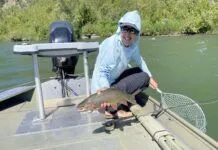
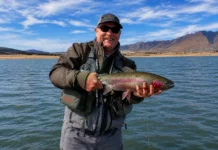


The podcast with Joe Clark was excellent–one of the best I’ve heard on Wet Fly Swing. Keep up the good work!
Great to here you enjoyed the episode Robert! Was there any topic that really stuck out to you from the episode?