Today, we’re sitting down with someone who has lived two deep lives, one on the PGA Tour and one on the flats of South Texas. Phil Blackmar spent years competing against the best golfers in the world, studying pressure, tempo, and how to stay calm when everything speeds up.
Now he brings that same understanding to fly fishing, especially sight fishing for redfish and trout.
Phil Blackmar takes us into South Texas and breaks down how to keep your cast relaxed when it matters, what changes when you’re fishing from a drifting boat, why timing beats power, and how switching hands after a shoulder injury reshaped the way he casts.
You’ll also hear stories from his days covering Tiger Woods, watching Jack Nicklaus handle pressure, making quiet presentations to spooky fish, and the moment a shark ate his cobia.
Phil Blackmar says he has been an angler his whole life, but fly fishing started for him in the early 90s when a friend brought a fly rod on their South Texas fall trip. He now rarely throws anything but a fly rod.
Phil also shares how golf shaped his life. He started playing at seven, earned a scholarship to Texas, and never planned on going pro until his uncle pushed him to try. Five or six years later, he made the PGA Tour, won Rookie of the Year, played sixteen years on tour, five more on the Champions Tour, and spent over twenty years as an on-course reporter.
Phil Blackmar says golf is harder because there are more moving parts and more gear. Even with his injury, he learned to cast left-handed in six weeks, so he feels fly casting comes quicker than a golf swing.
He remembers winning PGA Tour events, all in playoffs, and playing with legends like Jack Nicklaus and Tiger Woods. He also watched top casters like Steve Rajeff and loves seeing the parallels between great golfers and great casters.
Phil also shares a story from his first Masters in 1986 involving a downhill putt, Greg Norman, and a surprise moment with Jack Nicklaus.
Phil says commentating was fun but tense because it was all live. You couldn’t take anything back. He had to listen to the host, the lead analyst, and the producer while knowing exactly when to jump in.
Phil mainly chases redfish and spotted seatrout. He has his own boat, and for him, the whole experience is bigger than catching fish. He even says his best moment last year was making a fast, clean 90-ft cast at a giant trout that never even ate the fly. The perfect loop was the win for him.
He likes knowing the full puzzle: tides, seasons, colors to choose, and how fish move.
Phil fishes once or twice a week and spends a lot of time with his eight grandkids. His main passion now is fly casting. He loves working with different rods, lines, and loops, and figuring out how to make the cast work in wind or distance. His favorite time to fish is the fall when the crowds drop and the weather settles.
Phil says fishing now is mostly about enjoying his time on the flats. He ties his own flies and looks for quiet water away from crowds. He doesn’t need a big school of fish. Seeing a few in shallow water and getting one good cast is enough.
He’s also deep into the small details of casting. He talks about timing his haul and making a fly land soft by loading the rod, then loosening his grip so the tip doesn’t kick down.
Phil also shares one of his favorite tricks: the inverted cast, where the loop flips upside down, the fly travels under the line, and it drops in low and quiet. He uses it when fish are spooky from boat traffic.
Phil says a low, quiet shot keeps the fly out of sight in shallow water, and spooky redfish won’t see it until it lands right where it needs to be.
Phil Blackmar says if you want to get back into golf, start with the easy stuff. The short game teaches control, feel, and coordination long before you ever need to swing hard. Most of your shots come from around the green anyway.
He says casting has some overlap. You follow basic rules like keeping the rod tip straight, but there’s still room to find your own style. He laughs that casting with no wrist is really tough, especially now that he’s been working left-handed for six weeks.
Episode Transcript
854 Transcript
00:00:00 Dave: Today, we’re sitting down with someone who has lived two deep lives, one on the PGA tour and one on the flats of South Texas. Our guest spent years competing against the best golfers in the world, studying pressure, tempo and how to stay calm when everything speeds up. Now he’s applying that same understanding to fly fishing, especially sight fishing for redfish and trout in shallow water. This is the Wet Fly Swimming podcast, where I show you the best places to travel to for fly fishing, how to find the best resources and tools to prepare for that big trip, and what you can do to give back to the fish species we all love. PGA tour veteran Phil Blackmar takes us into South Texas. And today you’re going to find out how to keep your cast relaxed when what matters most, what changes when you fish the flats from a drifting boat instead of pulling or sitting in one spot? Why timing matters more than power, and how switching hands after a shoulder injury reshaped how he approaches casting. There are also some great stories that we talk about. He covered Tiger Woods. He watched Jack Nicklaus handle pressure, had some great conversations there, and stories and learning how to make quiet presentations to spooky fish. And what happens when a shark decides to eat your cobia. This is a good one. Here we go. Let’s get into it. Here he is. Phil Blackmar. How are you doing, Phil?
00:01:14 Phil: I’m doing great, Dave. Thanks for having me. I look forward to this conversation.
00:01:17 Dave: Yeah, yeah. Me too. I think, um, you know, we’ve talked a lot about fly fishing and golf. You know, golf has come up a lot over the years, whether it’s, um, you know, we’ve had people talk about, you know, which one’s harder casting a fly rod or swinging a golf club. You’ve won some PGA tour championships, so you’re at the highest level there, and then you’re also a fly angler. So we’re going to talk about that today. But maybe just take us back first on fly fishing. How did you get into I mean have you been doing this a while or what’s your first memory of fly fishing?
00:01:42 Phil: No, I have actually. I’ve been an avid angler for pretty much my entire life. And a friend of mine, John Adams, who used to have a trip in the fall when the tour season was over and we’d go down. I fished the flats in South Texas for redfish and trout sight fishing, and he showed up one year with a fly rod and we made all sorts of fun of them and everything else. This was back in about nineteen ninety two or three. Oh, wow. And we made lots of fun of them. And by ninety four, I had, uh, I had started fly fishing and and I gravitated to that. And that’s pretty much all I do. I very rarely throw anything other than a fly rod now.
00:02:13 Dave: Okay, so fly fishing mostly for, like, redfish and the Texas area.
00:02:18 Phil: Pretty much. I mean, I’ve done a little bit of of bonefish and other other saltwater fishing, uh, and some different locales down in the keys and Hawaii and of all sorts of places. Um, a little bit of trout fishing. My freshwater experience. Actually, I probably enjoy upstate, upstate New York. Um, I’ve done some smallmouth fishing up there, waiting in the rivers up there. I found that to be really fun.
00:02:40 Dave: Yeah. Yeah, definitely. Yeah. We’ve done. It’s pretty cool because, like, episodes all over the country, all over North America, and there’s a species wherever you go, there’s some species, whether it’s like a sunfish or a bass or whatever, but a carp.
00:02:51 Phil: Who knows?
00:02:51 Dave: Or carp? Yeah. Carp are huge. Yeah, there’s all sorts of species. But we have been talking a lot about redfish. In fact, we’re trying to put together a trip down to Louisiana or maybe Texas to hit redfish because I haven’t fished for them yet. So we’re going to talk about that today. But I also want to hear about your golf background, because I’m really curious to hear what that sounds like to be, you know, kind of that highest level. What I’m guessing you got into golf as a young person or describe that a little bit.
00:03:14 Phil: And my father was a very good player, and he got me started in the game when I was seven, and I played baseball and golf growing up. And I went to the University of Texas on a golf scholarship and but never had any designs on playing professionally. And my uncle talked me into trying it out after I’d gotten out of school. And I did, and it was a long journey to get to the tour. But, uh, five or six years later, after beginning that journey, I was able to make it to the PGA tour and and had a great first year. I was rookie of the year the first year, and I played sixteen years on the PGA tour, and I played another five years in the PGA Tour Champions. And then I also did, uh, twenty two years, I think of television. Yeah, as on course reporter as well. So golf has been really kind to me.
00:03:54 Dave: Yeah. Golf has been great. What is the when you look at the golf, maybe going to that, the golfing and the casting, you’re probably a good person to talk about, especially now because you’ve got an injury and you’re casting left handed. Now, can you compare that? Like what is harder is the golf swing. Or if you’re brand new to it, the golf swing or the fly cast, which one’s harder?
00:04:10 Phil: I think golf is, without a doubt, harder. There’s more moving parts. There’s more, more equipment. You have fourteen clubs in your bag. There’s all sorts of different things. Of course there are on fly fishing too. I’m obsessed with fly casting and have been for fifteen years. I throw every single day. But, uh, golf just has a few more moving parts, you know, fly casting and fly fishing. It doesn’t take like I’ve shown myself I can’t do anything left handed. In a matter of six weeks, I’ve gotten to where I’m a fairly decent fly caster, left handed. I don’t know that I’m a great fisherman yet, but I’m a good fly caster, so I think you can pick that up quicker than you can golf.
00:04:45 Dave: You can. Okay. And staying on the golf a little bit, what was that like for you? Talk about the championship because you had some wins out there. Right. Uh, describe that a little bit.
00:04:53 Phil: I did I won three times, all in playoffs on the PGA tour. Birdied the first hole each time to win. I was only in three playoffs. I birdied the first hole and won all three. Uh, was it one one time on the PGA Tour Champions? And, um, I mean, I played with a lot of the best players in the history of the game. I played with Jack Nicklaus, I played with Tiger Woods, you know, I played with with all the best players. I also got to cover those players in doing television. So I’ve been able to see the game played the way it should be played. I’ve also been fortunate to watch some casters. You know, Steve Rajeff, I’ve got to watch Steve Simon though, Larry Allen and some other guys that are on the current national team. Um, so I’ve been blessed to be able to be around some people that are really good at both. And it’s interesting drawing parallels between them, what the people are that are great at whatever they do. Those parallels. I enjoy trying to figure that out.
00:05:41 Dave: Right. Yeah, that is a good I mean, Jack and Tiger, I mean, when you look at those two. So you play. Did you play in the same events as when those guys were playing?
00:05:49 Phil: I did, yeah, I played towards the beginning of Tiger’s career and I played it towards the end of Jack’s career. But, uh, actually a real quick story, I was playing in the first my first Masters, and I was putting with Greg Norman on the putting green the first time I’m there, and the green was incredibly fast, and we had a four and a half foot putt downhill. We were going, how would you hit this if it was on the last hole to win by one? And the greens as fast as a pool table and wow. And I’m, I’m talking about well I’m gonna fly it in there. I’m gonna hit it hard. Nicklaus comes over and I didn’t know Jack at that point. He says say what? And so I’m gonna hit it hard. He says, why? He. I said, because that’s the best chance I have to make it. And so that’s when it happens. I got Greg Norman, who was soon to be number one in the world, Jack Nicklaus, the greatest player of all time. And Jack looks at me and he says, well, let’s see it. And now, now I’m a rookie there. I’m nervous. Can be I miss it. It lifts out. He gets let me try. He gets up there and he gets in there, you know, and he taps this thing down the hill and he just barely breathed on it. And it seemed like it took two minutes to get to the hole. And it falls over the front edge and goes in. And the people that were watching start clapping. Well, that was nineteen eighty six. He won his sixth green jacket at the Masters that year.
00:06:56 Dave: Oh, wow.
00:06:56 Phil: Eighty six yeah. It was pretty cool.
00:06:58 Dave: That was your rookie year?
00:06:59 Phil: Eighty six that was my rookie year. Yeah, at the Masters. It was.
00:07:02 Dave: Crazy. Well, and you kind of had the overlap. So you saw some of Tiger, which I mean, he was kind of, uh, pushing. Right? He was you know, you said Jack’s the greatest, but Tiger was pretty close, right?
00:07:12 Phil: I think Tiger maybe played the best golf over a shorter period of time. Jack had the best career. He won the most majors. Yeah. And played against a longer a longer stretch than Tiger. Tiger had more injuries. Um, but I think you could argue that Tiger might have been the best player over a shorter period. Tiger had an incredible short game, one of the best short games in the world. Yeah, Jack was phenomenal in other aspects, but the one thing they had in common, both of them, were there were tremendous competitors, absolutely tremendous competitors. That’s that was what was fun to watch.
00:07:43 Dave: Yeah, yeah. I think it’s like comparing uh, Jordan versus LeBron, you know, or maybe something. Right. Like Jordan different eras As you know, and all that. But, I mean, they’re both great. They’re both the greatest. You know, it’s hard to even compare, right? You just say they’re in Tiger. I mean, who else? You know? I know there’s been a lot. Do you keep up with it now with golf like current day?
00:08:01 Phil: Uh, yeah, a little bit. I mean, I just just recently retired, so I’ve still been covering it for a long time. Yeah. Uh, it’s interesting in today’s game to see it’s going to be interesting to see what Scottie Scheffler does long term. Rory McIlroy is without a doubt one of the most talented, uh, physically talented players ever to play the game. And it seems that he’s maybe finally starting to figure out the mental side of it. But for a long time, he didn’t quite have the mental side to a level that Jack or Tiger would. But from a ball striking perspective, he was incredible. And he has just recently. Now it seems like maybe he’s figured that part out. He has that piece of the puzzle a little better, so it’ll be interesting to see what he does here in the latter latter half of his career. And Scottie Scheffler just getting started is on a tremendous pace. What will happen with Scottie. So I have to wait and see.
00:08:49 Dave: Yeah. Wait and see. Nice. Well, and so it sounds like keeping you busy. You’re out there fly fishing for as redfish. Is that your species? The one that you’re really focusing on?
00:08:57 Phil: Primarily redfish and spotted seatrout? Yeah.
00:09:00 Dave: Yep. And what does that look like for you? Are you going out there? Do you have your own, your own boat, your own gear, or are you going out with guides or how do you do that.
00:09:07 Phil: No, I have I have a boat I enjoy. For me, the fishing experience is more than just catching fish. In fact, it’s gotten to be. Probably you don’t even have to catch the fish. The my most memorable fishing experience last year, uh, actually was I was down fishing area south of here, and I saw a giant trout going away from me at about ninety feet, and I just happened to have a nine weight in my hand and a light winter light. And I made this real quick, beautiful cast, laid it right out in front of this fish, and the fish didn’t eat it and in fact, didn’t even turn on it. But for me to make a quick cast that far, that accurately, that’d be a perfect loop. Everything. That was the highlight of my season. Now in the summer time down there because of that. So I enjoy all aspects of fishing. I like to know where to fish, what time of year, on what tides. You know, what time of day, how are they moving, what should you throw? What colors should you throw? I like the entire game to me is what I enjoy, and the flycasting is just kind of the tip of the iceberg.
00:10:06 Dave: Yeah. That’s great. Is that what for somebody who hasn’t been out there for redfish? Is that what it is? I mean, it sounds like that’s for you just being out there. Maybe talk about that time of year. Do you like sounds like you fish throughout the year. Is there a time you really love to get after it?
00:10:18 Phil: Well, it’s anything else. It’s gotten pretty crowded down here on the water. Yeah. And, um, I think the fall is my favorite time of year to fish down here now because, you know, you have hunting season really kicks in. So a lot of people get off the water. So you don’t have quite as many people out there. And we get some really nice weather in the fall. Uh corpus South Texas tends to be a pretty windy spot if you can’t throw in the wind, don’t come to South Texas because it’s most likely going to blow. And, um, the spring can blow really hard, so the spring is kind of iffy. You know, great days, but not many of them. The summer. Summer can be really good, but it’s really hot and really crowded. And in the winter it’s just iffy with the weather. So the fall is my favorite time of year.
00:10:58 Dave: Yeah. So fall. So pretty much, uh, what is that? Is that kind of a September October period?
00:11:03 Phil: Yeah. First September all the way through December. I mean, we have fish on the flats year round. Um, you know, it doesn’t typically normally it doesn’t get that cold down here. We’ve had some freezes and cold snaps, but usually unless it’s a severe freeze, it might push the fish off the flats for a couple days. But as soon as the sun comes out, they’re going to move back up on the flats.
00:11:21 Dave: Yeah. Okay. And are you are you the type of person that’s out there, you know, like every day all the time or you kind of have, you know, are you doing some other stuff with your time now that you’re retired? Right.
00:11:31 Phil: I have lots of other stuff that I get into. I have eight grandkids. Oh, wow. One, you know, I occupy a lot of time. Yeah. And, um, I do I fish a couple times a week, you know, once or twice a week on average. Um, I like to pick my days and I go on the days that I want, but I. My real passion has become fly casting. I just enjoy for me it was always golf. It was been trying to figure out the swing that would work under pressure, and it was a battle. I never did get comfortable with my golf swing. I’m almost six eight. I was I’m shrinking. My gravity’s winning. But at that tall, my swing just never felt very good. But it was a constant battle trying to figure it out. Well, when I quit playing golf, I quit competing. Uh, that interest gravitated towards fly casting and trying to figure out everything I can about fly casting. And so there’s so many variables involved and and dynamically trying, you know, different types of loops and distance and curving it or, you know, most of your saltwater fish in a straight cast, you know, where a lot of your, your freshwater trout stuff might be a lot of curving stuff and men and men’s and you get some of that in saltwater.
00:12:36 Dave: Unless you’re doing some. Yeah. The low like the wind’s blowing. You got to do some weird casts because of the wind, right?
00:12:40 Phil: Yeah. You might try it if a fish is moving straight away from you, if you can curve it around so the fly doesn’t work right, right towards them is an advantage. But generally it’s pretty straight cast. But the dynamics of different weight rods, different weight flies, different which lines throwing in the wind, controlling your loop, throwing long distances. I got enamored for a while with with some of the competitive distances these guys are throwing. So the whole thing kind of interests me.
00:13:04 Dave: That’s right. Yeah. Steve Rajeff, you mentioned we’ve done quite a bit with casting because that’s a you know, for a lot of people it’s a big struggle. And we’ve had we’ve had his brother, you know, we’ve had you know, but we haven’t we haven’t talked to Steve. He’s going to be on here hopefully soon. But yeah it’s amazing the level those guys are at. You know, because the Golden Gate Casting Club is a lot. You know they grew up around that and we talk about that. Are you thinking with your casting and maybe getting into you know I know you’re retired and stuff, but trying to get into some competitions, you’re I’m sure you’re a competitive guy still.
00:13:32 Phil: No, no, no, I don’t think so. I you know, first off, I just had my shoulder replaced. So we’ll have to see how that comes around. But but I know several of those guys who are on the team. And I would be in the senior division. Um, I don’t think so. I’m not quite in that league. I can throw pretty good, but these guys are throwing. You’re throwing a five weight line one hundred, three thousand five hundred and forty feet. You know, I’ve. I’ve thrown over one hundred twenty, but I’m not out where they are. So, um, I just enjoy it. But I enjoy watching those guys who can really do it. It’s like anything else. I mean, you’re like, how did they do that? Right?
00:14:03 Dave: Right. Do you still you did a lot of when you were following golf. Talk about that. That part where you were, you retired from actually playing golf and then you’re kind of doing the commentating stuff. What was that like for you? Was that pretty enjoyable? Was that similar? As much enjoyment as golfing itself?
00:14:17 Phil: Well, it was you know, it was. Yeah, it was because it’s, uh, it’s nerve wracking. You can’t, you know, right now we’re doing a show that you can go in and edit. If you say something you don’t want to say, you can edit it out. Well, we were.
00:14:29 Dave: Not.
00:14:29 Phil: Live. And something jumps out of your mouth. You’re like, you want to grab it and take it back and you can’t take it back. But but you’re challenging the envelope, trying to be interesting, trying to say something that will catch somebody’s attention. And so sometimes you say something and you’re like, oh God, can I have that back? Um, and then the whole thing, I was on the course mostly. I did some studio stuff. I did little stuff while I was in the tower, but mostly I’m on the course. So you’re trying to figure out when to talk based on what you’re hearing? It’s all what you’re hearing.
00:14:57 Dave: Oh, so you got the guys up in the bar. So you’re watching the golf game, you’re at home watching it. You’ve got the guys there doing the play by play, and then you’re down the field on the course. Or are you sitting down there just talking or are you going, you know, talk about your role during that whole position.
00:15:10 Phil: So there was there was a traffic the way it went. It went from the host, which would be you in this case to lead analysts and then to the guy on the ground. So the the host, if there was say say Nicholas getting ready to hit his second shot, the host would say Jack Nicholas sixteenth hole, second shot, you know. And then then I would pick it up next. That would be my turn to talk. And I would say something when I got done in the lead analyst would jump in at that point or we’d have a conversation or and of course, at that time the producers in you were telling you something else or send it here, mention that. So you got all these different voices? Yeah. And then sometimes we did tape shots, too. So you weren’t watching the shot. You were remembering what happened and trying to time it out just right, too, which is a whole nother element. And so the whole thing of trying to listen to who’s talking, be able to talk while someone’s talking and listen to them at the same time, and then not say something that you want back was was a challenge and that’s what made it fun. And that that in getting to watch the best players in the game, play the game.
00:16:08 Dave: Check out Montana Fly Fishing Lodge, a twenty twenty four Orvis endorsed Lodge of the year finalist, where luxury meets adventure on one point five miles of private wild and scenic East Rosebud River frontage. Experienced world class fly fishing on numerous Yellowstone Basin streams. Gourmet cuisine made from locally sourced ingredients and rustic luxury accommodations surrounded by breathtaking wilderness. You can book your all inclusive Montana Fly fishing adventure today and discover why they are the premier destination for unforgettable fishing experiences. Head over to Montana Fly Fishing lodge dot com right now located in Boulder, Colorado, Intrepid Camp Gear is dedicated to designing and manufacturing the best and most highly engineered automotive camp gear on the market. Intrepid Camp Gear specializes in rooftop tents and aluminum cargo cases designed for skis, rods, hunting gear, and any other gear you may be hauling. Elevate your adventure with Intrepid Camp gear right now. Head over to Wet Fly. Right now that’s intrepid. I t r e p I. Intrepid camp gear. Do you have a memorable like one you watched, which was a. You know, you just can’t believe you were there for it. Is there? I’m sure you had a lot.
00:17:21 Phil: Probably. You know, I was mostly cable. I wasn’t doing networks. So a lot of the big events I didn’t cover, um, I was I covered Tigers eighty second win in Tokyo.
00:17:31 Dave: Oh, no kidding.
00:17:32 Phil: I was there for. Yeah, I was there for that.
00:17:33 Dave: Was this after Tiger returned because he got injured, right. He had some accidents.
00:17:38 Phil: Yes. This was after he came back.
00:17:39 Dave: Because he came back and you were thinking like, maybe he’s going to be the. And then it turned out the injuries just were too much, right?
00:17:45 Phil: It was too much. But he did come back and win. A lot of people thought he would never win again. Right. And, uh. And he did. He’s such an incredible competitor. Yeah. And able to do certain things. And so we were there watching. I was, uh, getting to cover that. And we were watching Tiger’s mannerisms. I know we were. Craig Perks and I, you know, Craig won the Players Championship. He was the one another announcer. And we were watching Tiger get ready to tee off the first day and on the range. You know, as he’s gotten older, he’s not quite as stoic as he used to be. So he’s visiting with Pat Perez and the range laughing, he comes over to the first tee and I say, hey Craig, look. And Tiger’s over. And the bleachers behind the tee box were about ten feet off the ground, and he’s right up against the bleachers so no one could see him. And he’s staring down the fairway with this blank, focused look on his face. And I looked at Craig and I said, perks. I said, look at that. I said, how different is that guy than the guy two minutes ago standing over there on the driving range, and Tiger had that ability to harness and touch into that. And a lot of it was due to, you know, his mom taught him meditation. She’s Asian. His dad was a ex-Marine.
00:18:52 Dave: Yeah.
00:18:52 Phil: Military, ex-Marine and, uh, special forces and trained him in situational redundancy, that sort of stuff. And he worked with the sports psychologist growing up a military sports psychologist and a lot of, um, they did a lot of, uh, hypnotic kind of stuff as well, and tapping into his feels and stuff. Yeah. And so he’s this perfect blend of these different aspects of the mental side of the game. And it’s it’s fascinating to watch.
00:19:16 Dave: It is fascinating. Is that something. So I you know the comparisons right. To fly fish I mean that’s such a different thing than fly fishing which we well we do talk about this, right. It’s meditative. There are some similarities.
00:19:26 Phil: Different. Yeah. Well it depends now if you’re on a stream and fish are rising, if you’ve got to hit that, if you got to hit a spot where you’re trying to curve it around a rock or a little branch or get it underneath something. Now you’ve got to be able to relax enough to make that shot without tightening up, right? Throwing it in the tree. And then you got to tie a whole new tippet on or leader and you know, you’re.
00:19:45 Dave: In the zone. You got to be in the zone.
00:19:46 Phil: You got to be in the zone. Now on the flats, it’s even more so because you see a fish. The fish is moving. You’ve got to get it there in a hurry. And you got to make the perfect cast, because the tendency is to tighten up and not make that good cast. And so it’s just it doesn’t matter if you’re a pitcher playing baseball, if you’re playing golf, or if you’re throwing a fly rod. The thing is to be able to relax and make that shot with focus, and it can be hard to do.
00:20:10 Dave: Yeah, we had I heard, I can’t remember if it was Jack Dennis. We had a guest on that said, um, Ted Williams was a big angler, uh, fly angler. And he said that the three hardest things to do in sports are to hit a baseball, to hit a golf ball and to cast a fly rod. And he was obviously a fly angler, but I’m not sure. I mean, have you done any baseball? Uh, any any other sports?
00:20:31 Phil: Well, I grew up playing baseball and golf. Yeah, you did. And, uh, I loved baseball. And my my youngest son played minor league baseball for six years. And so that’s probably why my shoulder wore out, because I used to pitch batting practice to him and play catch with him for more than a decade growing up. And I’d throw batting practice for two hours straight, come home, and my right arm would feel like it was a foot longer than my left arm. Yeah. So I’m sure that contributed to some of my shoulder issues. And throw on a fly rod every day. Yeah. But, uh. So, yeah, I love baseball, and I would agree with that. You know, Ted was a fabulous fly fisherman. He was, by all accounts, he was tremendous. Yeah.
00:21:06 Dave: Do you remember him out there? I can’t remember when he was out there. He was.
00:21:10 Phil: I didn’t know Ted. I met him once. I didn’t know him. He fished primarily down in the keys. Saltwater stuff, mostly. And, uh, he loved chasing bonefish, tarpon and that, you know, that old game down there. And, uh, when I heard he was really, really good caster.
00:21:24 Dave: Mhm. I feel like that’s something that, um, it probably a reason why you’re a good caster. And my dad actually was a really great caster. He was also kind of a semi-pro. I feel like the athletic thing, right? Even with fly fishing, there’s something to that. Like pro athletes tend to be really good fly anglers if they get into it.
00:21:40 Phil: I think that’s true. What’s interesting is why is it because they’re willing they’re willing to practice more? I mean, certainly I do. I mean, somebody who’s played any sort of sport at a high level has had to put a lot of time into it. So they’re used to practicing that could be part of it. Or is it their approach? Are they you know, how they’ve concentrated on something. You know concentration is so difficult. Yeah. Most people if you said I want you to, Dave, I want you to concentrate harder on this shot. Right. Well, you’re going to tighten up, right you are. I gotta loosen up. I can’t do I gotta loosen up. So. Well, then. Then you’re not concentrating. So how do you concentrate and stay loose? And I was fortunate in college. We had a couple Olympic swimmers come work with us on the art of relaxed concentration. Oh, wow. And that’s an oxymoron for most right to be. So they taught us how to concentrate harder and be more relaxed at the same time. And uh, what a great skill to have.
00:22:32 Dave: No kidding. Right. So when the pressure’s on, when you’re in that last hole and you’ve got to make the putt, you’re not stressing out. You’re kind of relaxed. Is that what happened? I mean, when you were there?
00:22:41 Phil: Yeah. I’m stressed. You’re stressed in a good way. You teach yourself, you know, like tiger in the situational training. If you think of a of a special forces, how they have redundant training in these situations over and over and over so that it becomes kind of second nature. You don’t have to think about it. Yeah. I think that the feelings you have, you train yourself to when you feel nervous, it’s a good thing, not a bad thing. Hey, that’s all that means. I can focus a little bit better. If I can learn to control my nerves, I can focus better. So you, as you practice in a manner that helps you to, uh, use that as a skill rather than have it work against you.
00:23:15 Dave: Exactly. Did you talk about your on one of the wins you had? Was that were those close calls? Were those things where you were really close or were you blowing out the competition?
00:23:24 Phil: No, no, no. All three of my wins on the PGA tour were in playoffs in sudden death. Yeah. Wow. And I birdied the first hole all three times.
00:23:31 Dave: To.
00:23:31 Phil: Win. So one of the first all three times. So it doesn’t get any more to the point than that does.
00:23:37 Dave: So you went into the final round. It was a is it typically. Yeah. You have what you do what eighteen thirty six holes. Right.
00:23:44 Phil: You play well. We play seventy two holes. Seventy two yeah. And you play eighteen holes the last day in this case we played seventy two holes and we tied. My first win was in Hartford and it was a three way playoff myself, Dan Paul and Jodie Mudd. So we went to a par three and I birdied that hole. And so I won in sudden death. It’s whoever wins. The whoever wins the first hole wins. That’s it. And uh and so I did that three times. And I had a when I won the Champions Tour, PGA Tour Champions, I had a really good up and down in the last hole to win by one shot there. So that was really close as well.
00:24:17 Dave: Yeah. Up and down and that. What is that up and down.
00:24:18 Phil: You I was in a bunker with a really tough lie. And I was able to get it up in one putt to save my par and win by one.
00:24:24 Dave: So gotcha. And who are you playing against on that that round.
00:24:27 Phil: Jay Haas Jay J. Haas finished second, but Andy Bean, who is a tremendous fisherman who unfortunately we lost Andy last year. Um, Andy was right there. Tom Kite was right there.
00:24:37 Dave: Okay. Right.
00:24:38 Phil: Bernhard Langer was right there. There were a lot of players. Really top players right there. Close.
00:24:42 Dave: Yeah. Wow. Okay. Yeah, it’s hard for me. I’m trying to, you know, because I’ve never been in that moment. But I understand what you’re saying about the anxiety. There are times where you get a little anxious and you got to know, hey, that’s not a bad thing necessarily, right? Gives you that keeps you on your edge and keeps you focused. Like you’re saying.
00:24:55 Phil: It does if you like. You say it’s something. I think some people have that naturally, that gift. Nicklaus had that gift as a youngster. He talked about how he did that, playing basketball growing up. But, uh, I think others learned learned to develop that skill.
00:25:09 Dave: Yeah. That’s it. So now as you look out to what you have going. You’ve got some projects you’re working on. But fishing wise, are you just going to stick with, um, you know, like how do you take redfish to the next level for you? It feels like, you know, you’re just enjoying your time out there. Is that what it is for you these days?
00:25:24 Phil: It is. You know, I tie my own flies. Um, and so that keeps me interested in it. And just trying to find water that’s not run over by a bunch of boats by idiots and their boats out there, their tower boats, they got all these tower boats these days and tournaments, and they run the flats looking for fish. And so they run over the top of everything. So trying to find maybe new water that people don’t, you know, I don’t have to find. I don’t need fifty shots in a day or a big school of fish to have fun. If I can go out and if I can go see five or six or seven fish in less than ten inches of water where you have one cast, that’s got to be a really good cast. Their single fish that for me, that’s what’s fun, is that if I can find that, then, then I’m happy and that. And then from the casting standpoint, I just will once I get back where I can with my right arm, with my left. Right now, it’s just I just enjoy the, the different aspects of trying to there’s all sorts of little nuances to casting. Yeah. Like are you going to the timing of your haul? Are you going to haul late? Are you going to haul early? Are you going to haul short? You’re going to haul long. Um, I’ve got a short cast that I make or that, uh, will take the rod. And the thing that makes a fly land loud is if you throw overhead overhand, that the rod tip will kick down while the fly is going to follow that it’s going to kick down also. So if you can throw to where the rod tip doesn’t recoil, where it just sort of just soft. Yeah. So the way I do that in saltwater for those quiet short shots is I will load the rod with the right hand. As soon as I feel it loaded, I’ll just loosen my grip and let go of my right hand. And I’ll control the speed with my haul and the length of my haul with the left. And you can just feather that thing in there like that, where it just sinks down really quiet.
00:27:07 Dave: Yeah, you can leave it, let it go or take it back. Yeah.
00:27:10 Phil: Yeah, exactly. So little nuanced kind of things like that. Throwing so in an inverted cast, you know how good are your inverted cast. There’s different things like that. Or I enjoy messing with that.
00:27:21 Dave: And what is the inverted cast. What is that exactly.
00:27:23 Phil: You loops upside down the flies underneath the fly line are above it. Yeah. And so that way the fly, when it goes out, instead of kicking over and down, it goes out and kicks up. Oh, wow. So now it really comes down soft.
00:27:35 Dave: And how do you do that. Is that more. How do you do that inverted cast.
00:27:38 Phil: Well you can throw it overhead but the easiest way is more sidearm. Yeah. And if you take it sidearm, if you were to make just and keep the rod in the same plane. Sidearm. The loop’s going to be horizontal. Yeah. Horizontal sidearm. Yeah. A horizontal loop. But if you take it and as you give you a little power snap at the end, if you roll the rod under, you turn your hand under the loop. The tip of the rod will now work under and the fly line will follow, and the fly leg will be below the the line.
00:28:10 Dave: Gotcha. And then it’ll come up and you do that. When would you do that cast.
00:28:13 Phil: When you’re trying to make a really, really quiet presentation. They get they’ve gotten so spooky with with all the boat traffic. The fish have gotten tremendously spooky. And so if you can take it down, they’re there. Right in there, right next to him with with just the lightest of noise, the noise will attract him if it’s not too much. And so it’s a game of. And plus it comes in low that way too. They’ve gotten to where that, you know, they can see up in the air. Oh they’ll think it’s only in there in eight or ten inches of water. And so they’ll see something coming right. Yeah. Yeah. They’re looking over their shoulder. Who’s going to eat me? You know. And so if you get that fly to come in really low, they don’t see the fly either. So low quiet presentation is really really important.
00:28:52 Dave: So that’s a big tip. What else would you for spooky uh fish on the flats for redfish. What else would you say?
00:28:59 Phil: Well, uh, you go as light as you can with your fly line because you want the line to land quietly on the water. And so, yeah, it’s easier to throw an eight or nine weight, but the line’s heavier, so the line’s going to have a little slap when it lands. And so to throw a, say a five weight and the wind’s blowing fifteen. Well, how are you going to make a seventy foot cast into the wind. Right. With the five weight. Well, you better be able to control your loop. And really, more than that, it’s not as much a loop. It’s more if you get your fly leg to be perfectly straight. Even if the loop is bigger, the fly will penetrate the wind just fine. Yeah, you can throw if you throw a small loop, but the fly leg, you know, the fly kind of releases up a little bit. Then the wind’s going to kill it.
00:29:41 Dave: Yeah, you got to keep it tight or not.
00:29:42 Phil: Yeah, yeah. Straight. It’s all about a straight fly. Like all the way to the fly. Yeah. And if you can do that, you can throw in the wind. And so for, for me down here, uh, I do a lot of drift fishing, site fishing, drift fishing. That’s an interesting game because now the boat’s moving pretty fast. The fish are moving, and you don’t have a guide back there that’s going to stop the boat, so. Okay, make three false casts and go. It’s like there’s that fish and you got almost no time to get it there. How are you going to get it there that quick and quiet. And so it becomes a speed a game of speed also.
00:30:13 Dave: That’s cool.
00:30:14 Phil: And that brings me to the the the most impressive cast I’ve ever seen in my life. Yeah, I was just learning to fly cast. I was down in Doral in southern Florida playing in the, uh, the PGA tour event down there. Steve Ray Jeff had come in to do this outing where he was casting a golf ball with a fifteen foot fly rod with a breakaway line against John Daly, who was going to hit a golf ball, and they were having a distance championship. What? And Ray Jeff threw a golf ball three casts in a row. He threw at two hundred and eighty yards yards. Unbelievable. And Daly beat him. Daly hit it just a little over three hundred feet three hundred yards. But, um. But anyway.
00:30:52 Dave: So yeah. So what did Steve do now? Describe that again. What did Steve do with the golf ball?
00:30:56 Phil: He had a fifteen. He had a fifteen foot fly rod.
00:30:59 Dave: So a big giant rod. Big like a surf, a big two handed rod or something like that.
00:31:03 Phil: Yeah. Where you make the big, big circle kind of thing they do. And he had a, he had a short distance line and then a breakaway tip it so that he would throw it and then that short distance line would come taut. Gotcha. And it would just spike and it would go, oh wow.
00:31:18 Dave: So he shot. He was casting his ball. It was shooting off.
00:31:20 Phil: His cat and he was shooting off. He said over two hundred and eighty yards three times.
00:31:25 Dave: And what is it? What is it? Yeah, a good hit. Yeah. John Daly was one of the biggest hitters of all time. Right?
00:31:29 Phil: John Daly I think at that time and we’re talking this was back in the early nineties, and John hit it like three hundred or something. To beat him. Oh, yeah. I mean, there he goes further now, but it’s.
00:31:39 Dave: Oh it does.
00:31:40 Phil: But at the time that was the deal. And so anyway I saw Steve, I was over I don’t even flycasting for about a month. And the wind was blowing about twenty miles an hour. And I had an eight weight with just a piece of yarn on it. And I’m trying to throw downwind and I’m like, hey Steve, how do you throw this thing downwind anyway? You got to be able to throw it backwards back into the wind. How do you do that? And he says, well, let me see it. So he takes my you know, he was with Loomis at that time. He takes my Loomis fly rod. He peels all the fly line off well into the backing. And about a hundred feet away from us was an eighteen Wheeler. That was our equipment trailer, where they would work on your golf clubs and stuff. And the door was open on the back of it. The door was open. This is over one hundred feet away. Straight downwind. He takes that and he holds that piece of yarn and he flips it backwards. Once up there, he throws it forward. Once he throws it back one time and he shoots that entire fly line into the backing out of the rod tip with this perfect loop right into the door of that trailer. And to this day, it remains the most incredible fly cast I’ve ever seen in my life.
00:32:46 Dave: One hundred feet away.
00:32:47 Phil: I think it is. Yeah. Quick cast. I mean, just a quick cast. I mean just just.
00:32:51 Dave: Like boom.
00:32:51 Phil: Boom. Yeah, yeah. That was tremendous to see that.
00:32:55 Dave: Yeah. He’s still, I think, pretty much the greatest fly caster in the world. I mean nobody’s there’s been a few people that have come close and there’s been some interesting stories. But he’s I don’t know. What do you think it is about him obviously practice and stuff. Is it does it does he have the physical build for it or.
00:33:10 Phil: Well you listen to people talk about it. He is he’s he’s built like a fire hydrant. You know, he’s super strong and super quick and, um, a bigger guy, but he’s super quick. And when you watch, he doesn’t have all the all the stuff today and the distance stuff has gone to what they call a one seventy. It’s a much longer cast. And actually the distance guys will take a step. They’ll walk into it and they throw off the other foot.
00:33:32 Dave: Oh, wow.
00:33:32 Phil: Steve was conventional, uh, West Coast style with a short stroke, and he would just hammer it hard and quick at the start. And people have asked, you know, I’ve watched Steve, but the people I’ve asked, okay, why is Steve so great? And they all say he has an incredible sense of timing in his stroke. His timing is is perfect. And if you think about it, throwing a fly rod at that level really does come down to timing. You just have an instant where you’ve got to hit it at that right moment where everything’s lined up just right to get that thing to go. And that’s what they say. His timing is just incredible. It’s timing, but it has changed like anything else, you know, it’s changed a different stroke. Now some of the guys are using around the world uh different game.
00:34:14 Dave: There’s a place where every bend in the river feels like it’s been waiting for you. Where the air smells of sage and pine and trout rise beneath the shadows of the Tetons. That places visit Idaho, Yellowstone, Teton territory, the heartbeat of fly fishing in the west, from the legendary Henrys Fork to the winding South Fork of the snake. This is where big fish and bigger stories live. You’ll find endless waters welcoming towns and locals who still wave as you drive by, with drift boat in tow. This is your starting point for world class fly fishing, year round recreation, and wild country that stays with you long after you’ve packed up your gear. Check it out right now. That’s wet. Fly to visit Idaho for yourself and support this podcast while you go. On to Mark Lodge offers a world class experience with one of the finest rainbow trout and brown trout fisheries in the world. They’re family owned and operated. Missouri River Lodge offers comfortable accommodations, delicious home cooked meals and personalized service that make you feel like family. Days on the water are capped off by appetizers, beverages, dinner and stories on the back deck and around the campfire. Book your stay for an unforgettable fly fishing adventure where memories are made and the fish stories are real. You can head over right now to Wet Fly. That’s. On Denmark right now to book your magical Missouri River trip. Yeah, I think I saw a video you were casting with. I’m drawing the name. There was a real casting instructor we’ve had on. Or. He’s. He lives overseas. Do you know who I’m talking about? I think you were on, um.
00:35:56 Phil: Oh, well, I was on. I did a video, a couple videos with Paul. Yeah.
00:36:00 Dave: Paul. Paul. Yeah. Sexy. Sexy lips. Yeah. We had Paul on. It was great because Paul’s, uh, one of the great casters in the world as well. True. Talk about that. How did that video what were you doing on that video? How’d that come to be?
00:36:10 Phil: Oh, we’ve done a couple. One of them we did was on the mental side of competing No, because Paul is a competitive caster and his website is built around high level casting. I mean, they do a lot. There’s a lot of stuff on there about instruction and getting people into casting and how to teach beginners or earn the novice casters, and but there’s also stuff there you can find conversations about between some of the best casters in the world and talking about very high level stuff as well. And so I’ve enjoyed, uh, trying to take my game to another level. Paul’s been very generous with his time in helping me, and so we’ve established this relationship long distance. And, uh, he is a really, really accomplished caster. And, uh, it’s interesting. On his site, he has the videos where he explains all these different casts, you know, short freshwater cast, longer casts, uh, just an incredible bank of videos that are, that are open to anybody that’s open to the public. You know, it don’t cost you anything. It’s tremendous. But an interesting guy living in living on a houseboat in Malaysia, I know it’s an interesting guy.
00:37:11 Dave: It’s a cool story. We hear all sorts of stories about this, and fly fishing is, um, you know, it’s probably, I mean, again, the passion. Right? I think that’s what we hear a lot about. But maybe all sports are like that. You have these people. But, man, I mean, I just interviewed a guy who’s, you know, living in his car, living in his van like half the year in his Honda Odyssey, so he can fish every day so he can wait, you know what I mean? Like, there’s all. And it’s like, hey, you know, that guy is living the dream. You know what I mean? Because like, when you find what you love and you can do it every day, that’s kind of what it’s all about. So it.
00:37:38 Phil: Is absolutely.
00:37:39 Dave: So the tech thing is interesting to me too, because fly rods, we had this story about you probably know about this, but Fly rod started back in the day in the eighties and they were kind of softer rods and not as fast. And they got faster and faster and faster as the time went on. And also fly lines got kind of tried to keep up with it. And there’s this weird thing going on now. Rods are pretty fast, but we’ve heard that people like that are winning championships now. The casting stuff are actually fishing rods from the eighties because they’re the better action. But the tech has changed, right? Talk about the tech in fly fishing. Then you also have the tech in golf. Is golf. Did it follow a similar trajectory where things got, um, you know, changed a lot from now versus, say, the eighties when you started or when you were out there?
00:38:18 Phil: It has they follow a similar trajectory and that people making fly rods are doing it to make money, you know, companies that are trying to sell them. And so they’re trying to make something if you’re going to sell it. Hey, I got the newest fly rod. Mine goes further than the one that you’re throwing. Remains easier to throw than one throwing. If I’m hitting a golf ball, my club hits it further than your club hits it, and my club hits it straighter.
00:38:37 Dave: The Big Bertha I remember. Remember the Big Bertha.
00:38:39 Phil: Big Bertha came out. The Callaway Big Bertha came out back around two thousand or late, I guess in the late, uh, late nineties. Um, but yeah, so golf has followed this trajectory where everything’s about distance. And so the balls are they don’t spend nearly like they used to. The clubs are high launched, no spin. So the game has changed where it used to be more of a combination. Distance has always been an advantage, but it was really hard to harness in golf, very difficult to harness. And so there was always this nice balance between control and feel and touch and distance. Well, that has shifted now more towards distance. Uh, fly casting, if you think about it, it’s done the same thing. Fly rods. They’ve gone to faster and faster rods where you have to use a heavier and heavier line to throw it. So like if you look at the, the, the weights, you know, seven weights supposed to be what, one hundred and eighty five? You know, grains roughly, I think the first thirty feet. The head. The thirty feet ahead. And um, now the rods have gotten so much stiffer and faster, you know, you really need to that seven weight line. Unless you’re really a really good caster, you really need to throw more of an eight weight line. So now the lines are started getting heavier as well, right?
00:39:48 Dave: But now the lines also now the line companies. Now instead of that they’ll have a seven weight line or they’re actually, you know, they’re changing the way they do it too.
00:39:55 Phil: Sure. They’re they’re following suit. So you might say, hey man, I’m throwing the seven eight. This is great. So yeah, but that’s an eight weight. Exactly. What do you mean? Well it’s an it’s not a seven way. It’s an eight way. So it has all changed. But for me uh, fishing the flats, you know, really fast ride if you’re going to make a really quick cast and some wind is probably the way to go. But I’ve grown to really like a little bit more of a moderately fast rod now. Okay, I got my first, uh, glass rod last year. Yeah, and really enjoyed throwing that glass rod. Really a lot of fun. What was the glass rod?
00:40:28 Dave: What company was that?
00:40:29 Phil: It’s a.
00:40:31 Dave: Oh.
00:40:31 Phil: Cts. Okay. Like. Yeah. Had CTS blank made. It’s their. What’s their turbo?
00:40:36 Dave: Okay. I’m not familiar.
00:40:36 Phil: With what it’s called. Yeah, yeah. Um, but anyway, it’s a really nice blank and it’s a, it’s an eight weight. I really I could throw it a long ways and it’s fine, but it is heavier and it’s obviously a lot softer.
00:40:48 Dave: It’s heavy and it has a lot of flex. Pretty like it’s softer.
00:40:51 Phil: Yeah it does, but I think when you learn how to use that flex, it’s really cool what you can do with it.
00:40:56 Dave: Yeah.
00:40:57 Phil: But you do need time. It’s a slower stroke. You need time for the flex to develop and to throw it. And so for drift fishing, you know, it’s maybe not the best weapon.
00:41:07 Dave: O drift fishing being when you’re drifting down and you have to make that quick shot.
00:41:11 Phil: Yeah, maybe not the best weapon to do that, but I really enjoy that. And what that got me to realize was that overall, I like a little bit softer rod. Not a soft rod, but a softer rod. And so, uh, so I’ve moved away from the super fast rods, the direction the industry has gone. I’ve gone back like what you were saying. I’ve gone backwards a little bit in time.
00:41:31 Dave: Yeah. And the drift is interesting too. Do you see people? A lot of people doing that. I haven’t heard much about that. It sounds like a fun way to do it. But your boats drifting with the wind and the current.
00:41:40 Phil: Not many people do it. Fly fishing because you have to be so quick. They most of the fly fishermen down here will wade or take a guide and pole, or take turns poling so that they have time to make that cast. There’s only a couple of us down here I know of that will get out and just drift. Wind’s blowing twenty. That boat’s moving pretty quick. Yeah. And, uh, you know, then you will go to a little, little heavier line so that you can get it out there really fast. and, um, fish won’t be as spooky with the wind blowing that hard, but it’s a difficult game. Yeah. And, uh, most people, I don’t think, really, really want that much difficulty. They find fly fishing already hard enough. They don’t need to make it more, more difficult.
00:42:20 Dave: Exactly. Yeah. There’s there’s some species that are I mean, we we see that, you know, you, you kind of do a species trout or whatever. And then you step it up to something harder. You change things, you make it harder. Have you tried have you thought about doing, you know, a tarpon some of these other species. Have you looked at those and really, you know, do you have any trips thinking about in the future?
00:42:37 Phil: I went down to Mexico last year. We didn’t. We had some bad weather and it didn’t really pan out. Like I said, I’ve caught bonefish both in the keys and in Hawaii on on a fly rod and that was a lot of fun. Yeah, but, you know, I’ll be honest with you, Dave, I, I enjoy there’s a lot Texas is a big coastline. Yeah. And I, I know about one hundred mile stretch of it. I know really, really well. Right. But there’s some stuff down South, Padre that I haven’t fished that I want to start going down there and learning it. I want to take my boat and go spend four or five days down there at a time and start learning it, maybe up the coast a little bit further and learn that I, I think I enjoy that more than going someplace and, you know, doing a guided trip. I enjoy being in charge a little bit more.
00:43:18 Dave: You got a pretty cool place. You got a boat, you’re in this place. You’re right on the Gulf Coast, right? You’re pretty close to it. Yeah, you’re right there.
00:43:24 Phil: Right on the.
00:43:25 Dave: Coast. I mean, I can imagine I haven’t been down there yet. We’re trying to get a trip, but I can imagine if it was me with the boat, I’d be cruising out there, maybe taking a siesta somewhere on a nice little place. What’s your what’s your day like out there when you. When you got your boat, you.
00:43:36 Phil: Know you’re not going to want to go with me then because I’m hardcore, I don’t stop for lunch. That’s awesome. And that’s it. It’s all hardcore, but, you know, it’s also there’s redfish and trout is my primary thing. But in the fall, the cobia, the ling migrate through cobia. And we got about a six week period there, a two month period where we have near shore oil wells. And when the weather’s right, when the wind’s not blowing one hundred, I can go out and you can work the oil wells with a trolling motor and look for them, and they’ll come up and you can sight cast at them. Wow. Um, and so, yeah, those are pretty fun to throw at, too. I haven’t caught a real big one yet. The biggest one I’ve caught about twenty six, twenty seven pounds, but geez, I’m hoping to catch. It’s pretty fun because I’ll throw for those. I’ll throw a ten or twelve weight because you’re throwing around the rig and you hook that fish and you’ve got to stop them immediately. And if you can survive the first attempted run, if he gets you in the rig, then you’re going to lose your fly line. You’re gonna lose. You’re gonna lose. But if you keep him out of the rig, then he’ll turn and go the other way. And then he can just take your time. Yeah. Now, I was down there. The biggest one I had on, um. I got away from the rig, and so my son’s fishing with me. I’m just out there taking my time playing with him. Right. And he got up by the boat, you know, two or three times, and I could tell he was tired. So I bring him up last time and I said, Mark, get my get the phone ready to take a picture of this fish. We get it up here and I’m pulling it up. And all of a sudden there’s this. I was fishing out of my shallow water boats, so the sides of my boat are only about eighteen inches tall. Fifteen eighteen inches tall. Very low. And all of a sudden there’s this big commotion and water flying everywhere. The back of the boat. And I glance back there and I see this fin that’s about about eighteen inch tall fin and a big bull shark had come up and eat my entire cobia in one bite. I had a Kobe on that was in the thirty pound range, and it didn’t take it behind the head. It ate the whole thing.
00:45:28 Dave: Just ate the whole thing.
00:45:29 Phil: Gone. Whole thing gone. One bite. Wow. That’s how big that shark was.
00:45:33 Dave: That’s amazing. And you guys are fishing right around these oil rigs out there.
00:45:36 Phil: Oil rigs? Yeah, yeah. We’re within. We’re just a couple miles offshore.
00:45:39 Dave: Okay. Yeah. And the fish kind of, uh, come to those because it’s a safe place or something.
00:45:43 Phil: They’ll they’ll migrate through and its structure. You know, there’s not much structure in the Gulf of Mexico. So they’ll go there and there’s, you know, there’s food, there’s places for them to hide or rest or whatever as they’re working their way back down south for the winter.
00:45:54 Dave: What other species are you guys are out there that you could potentially be catching?
00:45:59 Phil: Well potentially tarpon. We have tarpon here in Texas, and there were more tarpon around this year than we can remember. You know, they used to have the tarpon rodeo here. Actually, Roosevelt came down and caught tarpon.
00:46:09 Dave: Oh, no kidding down here.
00:46:10 Phil: Yeah, back in the day. He did. Um, but the the tarpon, the Texas tarpon had a tough time. They got netted out for a while, but they’re making a comeback and they’re doing really well. Uh, so you can fish for tarpon? Uh, we get big jacks if you want to fish in the Gulf. Got big jacks. Uh, sometimes you can get some snapper to come up on top. You can chum them up and throw at them or, um, Dorado, that sort of thing as well. In the bays, it’s mostly redfish and trout, black drum. A lot of people fish for black drum. You can go for sheephead as well.
00:46:39 Dave: And sheephead, right?
00:46:40 Phil: Yeah. You got sheephead also, um, in the bays. Uh, if you go down south, Padre, you’ve got some. Okay. Snook down there in South Padre as well. And there Tarpon fisheries are more consistent down there also.
00:46:50 Dave: Yeah. And South Padre is kind of on your way towards Mexico.
00:46:53 Phil: Yeah. It’s not close to Mexico. Yeah, yeah, I’m about one hundred and fifty miles from there. Something like that.
00:46:58 Dave: Oh. You are. So you could could you go down to that area? Can you even fish. How does that work down as you get into Mexico? Are there places you could actually.
00:47:05 Phil: Uh, I don’t know that you want to go across the border, how you get across the border, but you stay on the side of it. But yeah, there’s there’s some beautiful places to fish down there.
00:47:13 Dave: Yeah. That’s cool. Well, um. Yeah, this has been a great conversation. I want to take it out of here in a bit. Here. Um, and I had a few other questions to ask you. One was on, you know, again, we’ve been talking about this golf, and because you’ve kind of been in both of those worlds, what if somebody was let’s take it to the golf first and then we’ll get into the fly fishing tips. Somebody. I did a little golfing in my life. I was not a great golfer, you know, but we had this period where I did it and my brother’s really into it. My dad, all that, somebody that wanted to get back into it. What are you telling them? What do you think is the best thing that they could do if they want to get back into golf? Like, you know me, myself and want to get good at it, it’s just practice. You take a lesson.
00:47:46 Phil: Well, if you want to get good at it, start small and work your way bigger. The problem with golf is that imagine you were going to learn to ski. Yeah. Would you go to the Black Diamond first? No, no. You kill yourself. You go to you go to a green slope somewhere, you get a couple lessons, you go to the green slope and you master that stuff first, golf master your short game, half your shots and more that you hit are going to be around the greens. Yeah. So where can you chip in and putting and the chipping stroke and pitching stroke is a miniature golf swing. So it’s easier to work on your golf swing working on that. And as you’re doing that you’re working on your hand-eye coordination control on the club, all these sort of things that are so important. And then as you develop the longer part of the game, be sure if you work with somebody that is somebody that takes what you have and develops it, not somebody that says, no, you need to look like this guy, look like that guy? Yeah. Cookie cutter thing. You don’t want that. You want. There’s like, Mac O’Grady was was a very interesting guy. He played the tour for a number of years. And Mac said, one of the greatest things I ever heard. He says there’s there’s different ways to swing the club, and each way has its own set of rules. So the secret was not necessarily to change the way you swing it. The secret was to learn the rules that govern the way you swing it, and you do that with a little practice, a little experimentation. Don’t be afraid to experiment and get a set of eyes on you that can help you, but wants to work within your own, your own thing. But the short game certainly start there and stay there because that’s how you score.
00:49:09 Dave: That’s it. And I guess there’s probably overlap again to Flycasting because a similar thing, a flycasting. Is that true that everybody’s a little bit different and you got to get your cast. You can’t you’re not going to have the exact same cast as the next fly caster, right. Or what are your thoughts there?
00:49:22 Phil: Yeah. Yes, but not as much as golf. I think you can throw in different planes, but the basic rules, you know, that the Gamble’s came up with.
00:49:28 Dave: The straight.
00:49:29 Phil: Tip. You know, you got to have a straight tip and, you know, straight and level tip to have that straight fly leg. So that limits a little bit how far out there you get. But you can have a do you want to use wrist or do you not use wrist. Right. I can sit there and throw all wrist or no wrist and there is no right or wrong way. I think that throwing no risk to me is the hardest thing to do. I find that really, really, really difficult.
00:49:51 Dave: Yeah.
00:49:52 Phil: Um, so if I was going to start in fly casting, I see I’ve done this left handed the last six weeks.
00:49:57 Dave: Right. Yeah. You’ve been doing it. Talk about this journey you’ve had here, right?
00:50:00 Phil: So I started with a five weight because it’s light enough that I could feel it and I could control it. And, um, the main thing I started out first was just making loops, just with just a short distance, thirty or forty feet, just working on making loops and having a straight fly leg, which is a straight rod tip and no tailing loops, you know, don’t throw a tail. And that’s all timing, just straight rod tip and timing and work on that and then gradually starting to lengthen it out just a little bit and exploring the difference between rotation and translation and translation being the back and forth motion that your hand makes, rotation being the rod rotating around a fixed axis. Basically, it’s rotating on an arc and exploring how to use those two together, which for me, a lot of teachers, a lot of people would teach you where it’s primarily translation with no wrist. I find that so hard to do. There’s no touching that. So I want a little translation. And as the cast gets longer, I have more and more translation. And but I do have risks in it as well. And so that’s been the thing for me. Is starting short again there. Same thing. Start short short work on a good loop and a straight fly leg, and then gradually lengthen it out and then work on a double haul. And people would tell you cite Tracy and they’ll say, well, you don’t need to throw far. Well, I’ll tell you what, it’s like golf now. You don’t have to throw hit it far either. But it’s a heck of an advantage.
00:51:24 Dave: It is. Right. Yeah. That fish is out there ten more feet. It’s. You’re going to be better if you can cast further.
00:51:30 Phil: Well, the same rules that allow you to throw it further are the same things that allow you to throw in the wind or to throw a bigger fly, right? Same thing.
00:51:38 Dave: Yeah. So if it’s really raging at you, those skills are going to help you.
00:51:42 Phil: Absolutely, absolutely.
00:51:44 Dave: And so how has that been for you? So you’re casting left. You got this shoulder injury that you’re working on. Have you been out there fishing for redfish with your left hand?
00:51:50 Phil: No, I can’t use my right arm yet because I had a total shoulder replacement. So this thing is I’m not allowed to do anything with it. So and to fall would be the worst thing. So to get on a boat right now would be the worst thing I could possibly do. So I, I haven’t been fishing, but I am throwing it targets now. Yeah, I’m throwing at targets and uh, and my distance. I’ve got some for not hauling. One thing I’ve learned, I think, is that I need to spend more time right handed throwing without a haul. All I ever do is haul. I haul on everything.
00:52:16 Dave: Everybody. Right? You haul, you haul every time.
00:52:19 Phil: And going left handed. I can’t haul because I can’t use the shoulder. Uh, I have gotten to where I can throw my back cast. Isn’t that great? I’m not strong enough to really do that really well going back. But my forward cast, I mean, I’m throwing pretty good distances with a really nice fly.
00:52:33 Dave: Without.
00:52:33 Phil: Hauling, with no, with no haul. And I’m thinking I need to learn to do that. When I can throw with my right hand again, I better I need to do that also there. So I think I’m learning some things there and I’m also learning. John Waters is a champion fly caster down in Australia who’s done some work. He’s been on FFI and talking about some work that he’s done for competitive distance casting and making it similar to javelin casting or throwing, throwing a javelin and using the body how the body sequences up. And so in this no hall throwing left handed, I have started using my body a little bit for longer casts, and it’s pretty incredible how well it works when you when you take the hall out of it. How much more speed I can get with the little get the body action going properly. Right. So I’ve learned some things I think that will help me when I go back to right handed casting.
00:53:20 Dave: Wow. That’s awesome.
00:53:21 Phil: Plus, now if I’m on the flats, I don’t have to throw a back cast to the fish. If the wind’s across the wrong shoulder, throw it left handed.
00:53:27 Dave: That’s funny because we do a lot of spey casting too. You know, we have a lot of steelhead and the two handed cast is a thing where they, you know, if you’re right handed, you kind of use your top hand. But they say if you’re really good, you should learn your left hand top two, you should be able to do both. Yeah. And some of us, you know, me included, haven’t quite got to that level where we’re, you know, we’re, you know, at the pro level. Right. But it’s one of those things where we’re always working on it. And I feel like, do you feel like that with your flight cast, you’re always even though you’re at this higher level, you’re always kind of you can get better.
00:53:54 Phil: Always. And I taught for a while with a Hall of Fame instructor named Jim Flick. Tremendous guy, a wonderful, wonderful guy. And Jim used to say, golf is a lifetime of problem solving. And I think you could say the same thing about casting. It’s very similar to that, you know, if your timing’s not just right or something, you know, your your line’s not laying out perfectly straight, you know, or it’s not doing exactly what you want. It’s a lifetime of problem solving. And that’s what makes it interesting.
00:54:20 Dave: Yeah. It does. What was it like for you in golf? Um, you had this career. How did you know when you were ready to, you know, retire and get out of the, the actual playing?
00:54:29 Phil: Um, you know, for me, it just got to be, you know, supporting my family, playing golf and golf. People like to think that, hey, if you can shoot par better, then it must be easy. And it’s not. And even at the tour level, it’s not easy at all. And it just got to be emotionally just it’s really difficult to keep fighting that battle because it was a battle.
00:54:53 Dave: Because you’re getting older, it’s not getting any easier to shoot the same score.
00:54:56 Phil: Yeah. And trying to be competitive and shoot those and do that. And so, uh, I was very fortunate when I, you know, I was finally time I just, you know, I just, I just needed to do something else until I really lucked into the TV thing.
00:55:08 Dave: Yeah. And the TV thing was right there. So you had a great opportunity.
00:55:11 Phil: Yeah, I didn’t know it. My manager at the time, ESPN, was trying some people. I said, you want to try out? I said, for what? He says, TV. I’ve never thought about it. And so I was very fortunate to kind of get a foothold in and get to be able to do some of that.
00:55:22 Dave: And is that who you worked with? Was it ESPN for a while?
00:55:25 Phil: I started with ESPN. I went to USA and primarily did, uh, Golf Channel and PGA tour and, um, a little bit of a few shows for CBS and NBC, but primarily those. Yeah.
00:55:37 Dave: Yeah. That’s right. So you knew and then and you had this how long was the career in the, uh, commentating as a commentator?
00:55:42 Phil: It was, I think twenty or twenty two years, I think all told. I mean, there were breaks in there. Yeah.
00:55:46 Dave: So huge. So, so almost like a full career there.
00:55:49 Phil: It was. I’ve had a couple careers, all in golf, so. Gotcha. I said, I’ve been very, very fortunate. It’s been afforded me a lot of opportunities that I probably would not have had otherwise.
00:55:59 Dave: So the final question for you here is if you look back, say, your twenty five year old self, I’m not sure how old you are now, but what would be that advice as a twenty five year old that you’d give to yourself, knowing what you know now?
00:56:09 Phil: Um, a couple of things. Actually, number one would be to enjoy the people, take advantage of the people a little bit better. Get to know them a little bit better. The chances that people I’ve been around, uh, get to know them a little bit better. I think that, um, be nicer to myself. I wasn’t always very nice to me.
00:56:26 Dave: Oh, you mean, like.
00:56:26 Phil: Putting to one? I just, I just, you know, if things didn’t work out, I’d put myself in front of the butt kicking machine and kick myself in the butt too hard. And you know, it’s not necessary. You’re already doing everything you can do. It’s not. There’s no reason to do that because you’re already trying as hard as you can. Um, I think those are the two things and try to find a way to appreciate it a little bit more as you go. I got so caught up in trying to stay out there, stay competitive, you know, I wasn’t one of the top players, but I was able to play for sixteen years, which is pretty cool. But a lot of times it was a grind just trying to keep my status and stay there. And I didn’t take time to to enjoy it as much as I should.
00:57:05 Dave: How hard is it to get there? I think like the NBA, the all these professional sports where there’s only a few hundred people really that make it to the. Is golf a similar thing that like how many people make it. Yeah. So when you’re doing that for sixteen years you’re one of like, you know, it’s almost a better chance to win the lottery, right, than to make it to the pros.
00:57:22 Phil: Yeah, it really is. Um, I don’t remember the numbers. I actually did a little study one time. I don’t remember what the numbers were, but think of it. You know, the PGA tour is a world tour. Everybody around the world wants to get to the PGA tour because until they live, they play for more money than anybody else. That might have changed a little bit, but he probably got five thousand legitimate players around the world trying to get to the tour each year. The way it works now, I used to be a qualifier once a year for the tour, and they would and fifty guys would get their their tour cards. So of those three to five thousand entries around the world, it would get whittled down to fifty. Wow. And of those fifty, on average, six or seven of those fifty would keep their status and stay on tour for more than a year or two.
00:58:03 Dave: Crazy.
00:58:04 Phil: So annually, you’re talking about an addition of six or seven players from around the world getting on tour, staying there some years, maybe ten, but that’s it. So you’re trying to be one of ten players from around the world to get out there and stay there. Wow. That what it boils down to, you know, per year, every year.
00:58:18 Dave: Amazing.
00:58:19 Phil: And then you’re trying not to be one of those guys that those ten guys kick off.
00:58:23 Dave: Yeah. Well exactly. Yeah. And so I guess tell me that how were you able to do it for sixteen years? What was your secret?
00:58:30 Phil: I had a good short game.
00:58:31 Dave: Yeah. You did. You had a good short game.
00:58:33 Phil: Short game. And, uh, I wasn’t afraid to work and grind at it. I wasn’t afraid of the moment, of the pressure. I enjoyed the pressure. Um, so just. You just fight it, you know, you do the best you can, and you just try to figure it out.
00:58:45 Dave: Yeah. Awesome. Well, this has been great. Phil, I really appreciate you shedding some light on this. We, um, we haven’t done a ton of golf episodes like this, but we have been talking to Mark O’Meara. He’s a big fly fisherman as well.
00:58:55 Phil: He’s a fantastic fly fisherman. Yeah. Have you had him on your show?
00:58:59 Dave: No. We’re going to get him on soon, so we’ll hopefully get him on.
00:59:01 Phil: Okay. Well, be sure if you do. Yeah. Have him send you a video of his fly room fishing.
00:59:08 Dave: Okay.
00:59:09 Phil: It is amazing.
00:59:11 Dave: Really?
00:59:12 Phil: Yeah, it’s more impressive, I think, than any fly shop you might ever walk in.
00:59:15 Dave: No kidding. Oh, cool.
00:59:16 Phil: It is incredible. Get him to show you a picture of that.
00:59:19 Dave: We’ll do.
00:59:20 Phil: That. It’s phenomenal. Yeah.
00:59:21 Dave: Yeah, because Mark was obviously a good golfer himself, right? He was out there. He probably played with him.
00:59:25 Phil: Oh, yeah. Mark’s the Hall of Fame.
00:59:26 Dave: Yeah, he’s the Hall of Fame.
00:59:27 Phil: Yeah he’s Hall of Famer. Yeah. He won the Masters in the open the same year. Yeah.
00:59:31 Dave: Right right right.
00:59:32 Phil: Good stuff. Tremendous player. Yeah. Tremendous player. And a very, very good fisherman. He loves steelhead fishing.
00:59:37 Dave: He loves steelhead. That’s right, that’s right. He’s a big steelhead angler. No it’s been good. I mean this podcast is all about we’ve done every species you can imagine. And you know, with over I think we’re over nine hundred interviews now. I’ve talked to a lot of you know what I mean? A lot of anglers. So it’s been pretty exciting. But it’s good to connect with you. I really appreciate you shedding light on everything today.
00:59:53 Phil: Sure. Yeah. Anytime. Appreciate you having me.
00:59:57 Dave: You can follow along with Phil on Facebook. Say hi, reach out to Phil, let him know you heard this podcast. If you’re interested. We are going to be doing some more good stuff on Wet Fly Swing Pro. If you haven’t yet checked it out, this is your best chance to take the conversation deeper. Get first access to trips, and just connect with the community of the Wet Fly Swing community. You can do it right now. Also, I want to let you know YouTube if you haven’t already. This podcast actually is now on YouTube. We are doing some podcast episodes where there is video and if you want to watch the full video, go to YouTube. Right now I fly swing, click that subscribe button and you’ll get notified when we get new video content over there. That would be amazing. We’re not changing anything on what we do with the podcast here. It will all continue to be audio on Apple and Spotify we’ve been doing. I feel like that’s still the best way to get it out there, because you can listen on the road, you can download and do all that good stuff. But if you want to check out the video and I would love to hear if you think that’s something you’d love to hear more of, send me an email Dave at com and just say video in the subject line. Let me know if you want to see more of that. And and we’ll put that more more of that together for you. I want to give a shout out our next trip. Uh, we are actually heading for Pike if you’re interested in pike fishing. Uh, this is definitely one of the big species we haven’t done yet, and we’re going to be putting together a trip there. So if you want to get more information on this, send me an email. And I want to thank you today for stopping in and hanging out till the very end here. Hope you’re having a good morning, good afternoon or evening, and I hope to see you on that next episode. We’ll talk to you then.
Phil keeps it simple: Stay curious, keep practicing, and enjoy the good shots when they show up. Golf or fly fishing, it is all the same game.


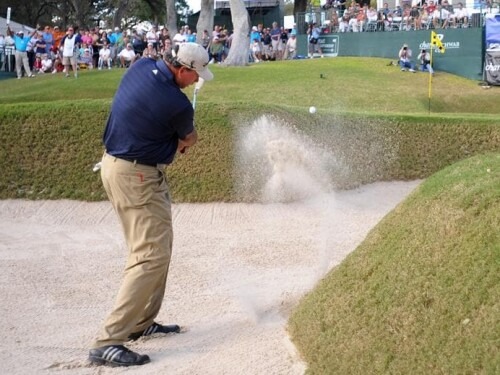




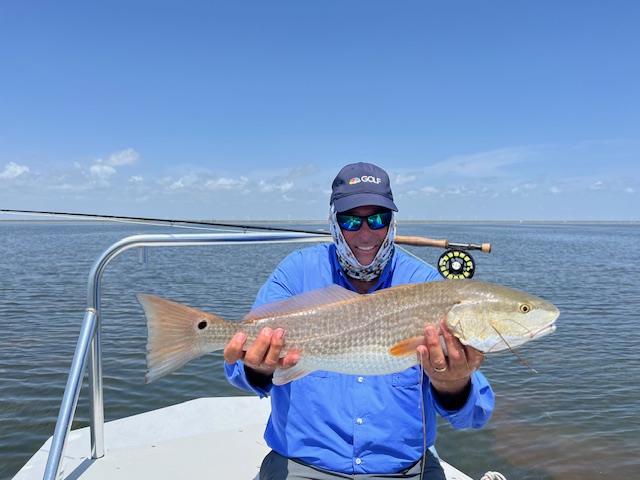
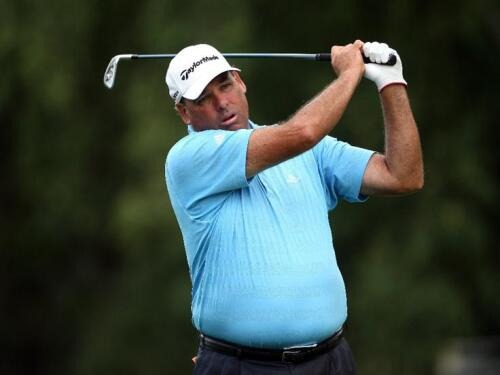
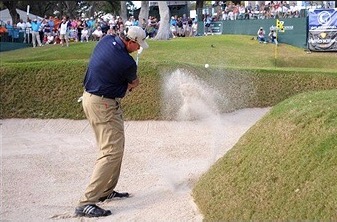

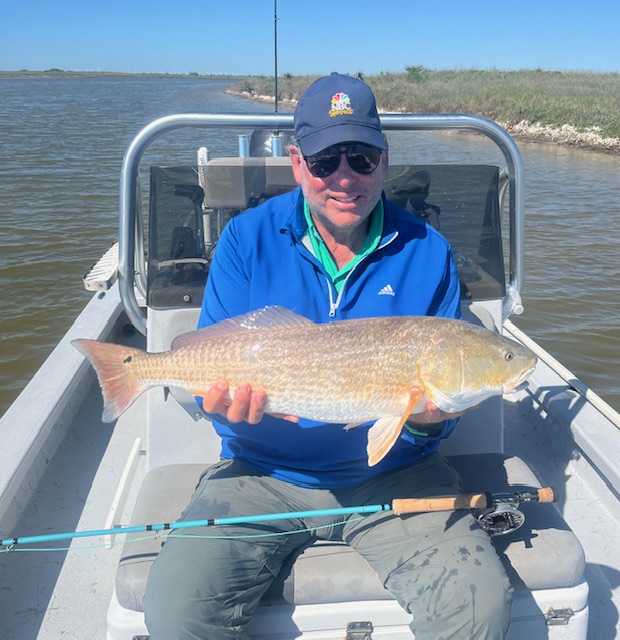
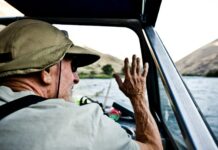
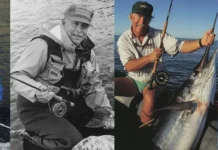








Stickman Hook — Swing physics that feel perfect when you nail them. Chain momentum, skip anchors, and fly. Challenge: complete a hard set with zero falls—clip it.