Home Blog Page 39

WFS 553 – Fly Fishing North Carolina with Mac Brown – Bryson City, Guide School, Fly Casting

fly fishing north carolina

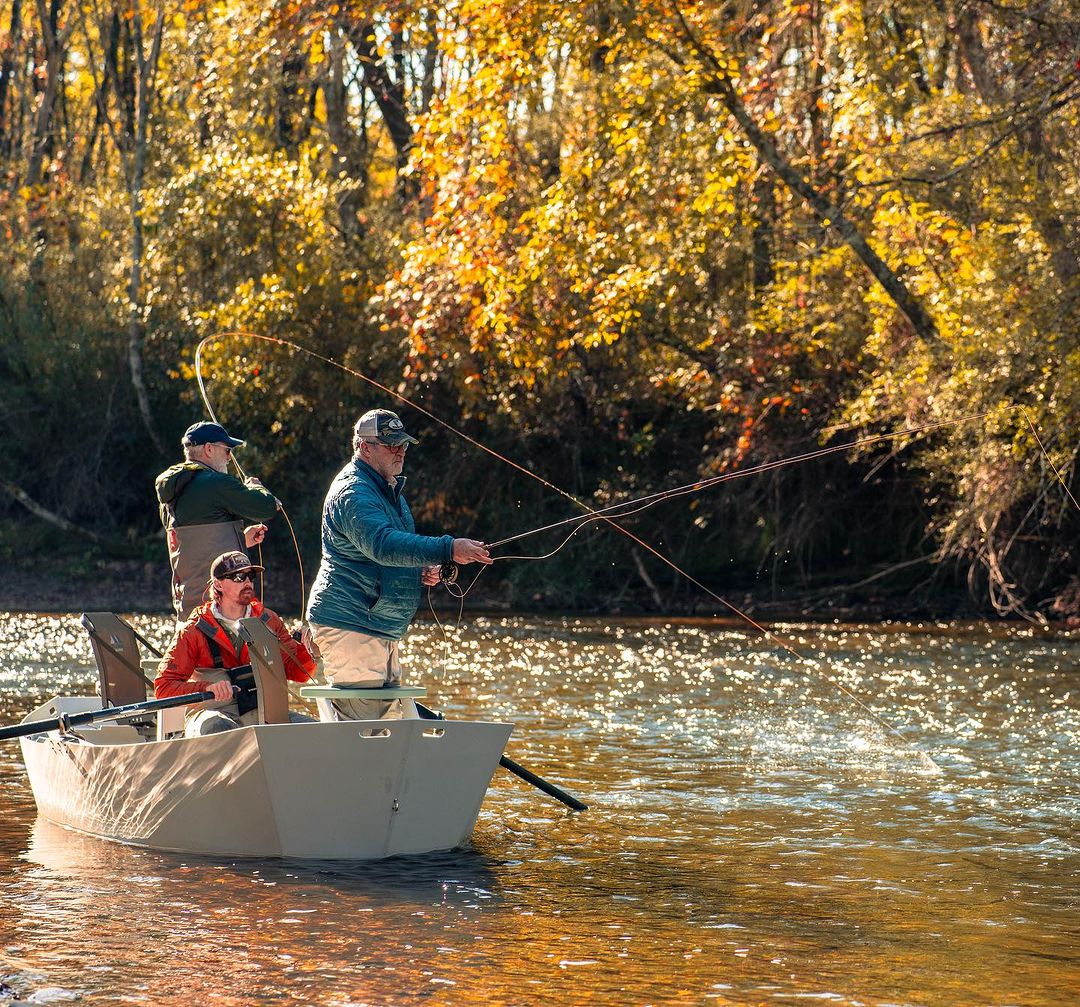
In this episode, we dive into fly fishing North Carolina with the seasoned pro, Mac Brown. With his experience in casting and teaching, Brown shares his knowledge on not only the techniques of fly casting and fishing but also its history and evolution throughout the years.

Whether discussing his journey from the Ozarks to the Great Smoky Mountain National Park or unraveling the intricacies of fly casting. Read on for an insightful journey into the world of fly fishing with Mac Brown.


Show Notes with Mac Brow on Fly Fishing North Carolina. Hit play below! 👇🏻

apple podcasts

Find the show:  iTunes | Stitcher | Overcast

Subscribe on Android

Subscribe on Apple Podcasts

Subscribe via RSS

(Read the Full Transcript at the bottom of this Blog Post)


Sponsors and Podcast Updates


fly fishing north carolina

Episode Chapters with Mac Brown on Fly FIshing North Carolina

1:30 – Mac shares how he started fly fishing as a kid with his grandfather. He was born in the Ozarks, and then eventually moved to Bryson City, North Carolina.

fly fishing north carolina
“Throwing it back to 68′ fishing in the Ozarks with Doc. Pass it on to the next generation. Fly box over xbox. 😯 Thankful he took the time to take me out often & even helped me pose for the pic. 🤣 We used glass rods & silk fly lines in those days. A great combo overall for the”feel” aspect when casting.” (Photo via: https://www.instagram.com/flyfishingguideschool/)

9:15 – He tells us what he loves about living in Bryson City, including the weather.

14:44 – He helped start the Delayed Harvest on the Nantahala River and the Tuckasegee River in the early nineties with the North Carolina Wildlife Resource Commission (NCWRC).

18:10 – We talk about the fishing techniques he uses in his area in North Carolina.

21:55 – He walks us through the activities they do in his guide school.

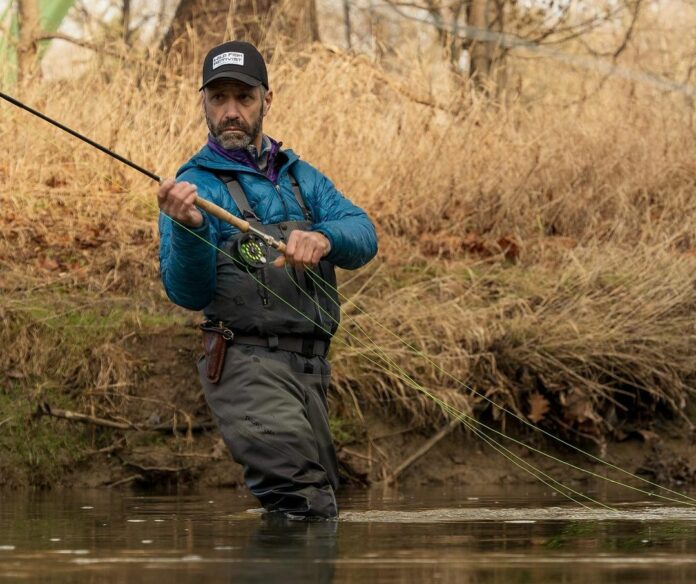
fly fishing north carolina
Photo via: https://www.instagram.com/flyfishingguideschool/

26:02 – He also does fishing shows. He mentions the upcoming shows he’ll be attending to teach casting and tying classes.

33:18 – He gives valuable tips on casting. He also reflects on his experiences learning from some of the best fishers in the world, such as Jim Green and Gary Borger. With decades of teaching behind him, Mac emphasizes the importance of understanding casting techniques comprehensively and advises investing both in formal and informal learning experiences.

36:44 – He walks us through the game he and his kids play to master their casting.

“Fun evening having a casting session with my boys.
This has been a thing since they were babies walking around the house with their MPR and strings flying.
It is really cool to see their understanding of mechanics growing with it now.
I am ready for a fall trip to happen with them soon. 👍🏼” (Photo via: https://www.instagram.com/macbrownflyfish/)

39:43 – Mac recommends visiting the Fly Fishers International (FFI) website to find a casting instructor.

41:59 – He helps us understand the basics of casting and the importance of a proper casting technique.

44:39 – He talks about casting distance and teaching casting to kids.

48:34 – We dig into the role of acceleration in casting. He says casting is more of a timing game, not a muscle game. He also says that the biggest thing about casting is dealing with external surroundings.

52:46 – He talks about teaching how to roll cast.

55:53 – He’s one of the Board of Governors in FFI’s Casting Instructor Certification Program.

57:18 – He talks about kinesthetic relative to casting.

1:05:23 – We dig into the gear. He prefers a 10 1/2″ 2wt rod. He likes the stealth rod from Temple Fork Outfitters (TFO)

Photo via: https://tforods.com/product/stealth/

1:08:05 – We talk about euro nymphing. That’s how he fished with his grandfather in the Ozarks.

1:12:12 – I ask him about his definition of fly fishing. He also gives a tip on casting with heavy flies.

1:14:17 – We talk about music. He likes playing music with his kids and their electric guitars. He likes the Grateful Dead and Robert Johnson. He also mentions some other artists he likes.


You can find Mac on Instagram @MacBrownFlyFish and @FlyFishingGuideSchool.

Facebook at Mac Brown Fly Fish

YouTube @MacBrown3137


Related Podcast Episodes

Traveled #2: Pete Erickson on the Euro Nymphing School – Team USA Gold, Eastern Idaho, South Fork Snake


WFS 483 – Echo Fly Fishing with Tim Rajeff, Jarrod Black, and Jamie Hixson – Fly Rods, Double Haul, Fly-O


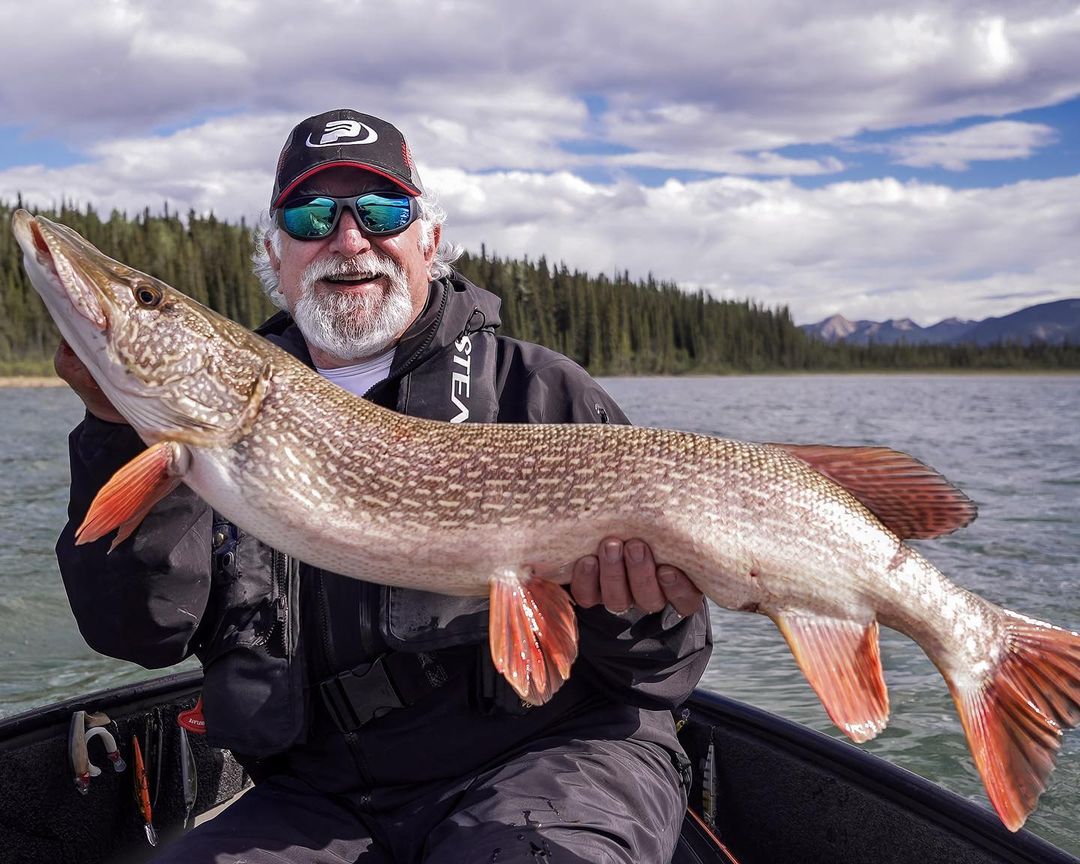
fly fishing north carolina

Conclusion with Mac Brown on Fly Fishing North Carolina

Mac Brown has shared valuable insights into fly casting techniques, making this interview a must-listen for aspiring fly fishers. His expertise and passion for the sport shine through as he discusses the nuances of proper casting techniques. Moreover, Mac’s guide school offers a unique opportunity for beginners to learn firsthand from a seasoned professional. Whether you’re a novice or an experienced angler, Mac’s Guide School is the perfect platform to hone your skills and take your fly fishing journey to new heights. Don’t miss out on this chance to learn from the best!


Traveled #16 – Snake River Cutthroats with Dave Pace – East Idaho Fly Fishing Expo, Trout Unlimited, Idaho Falls

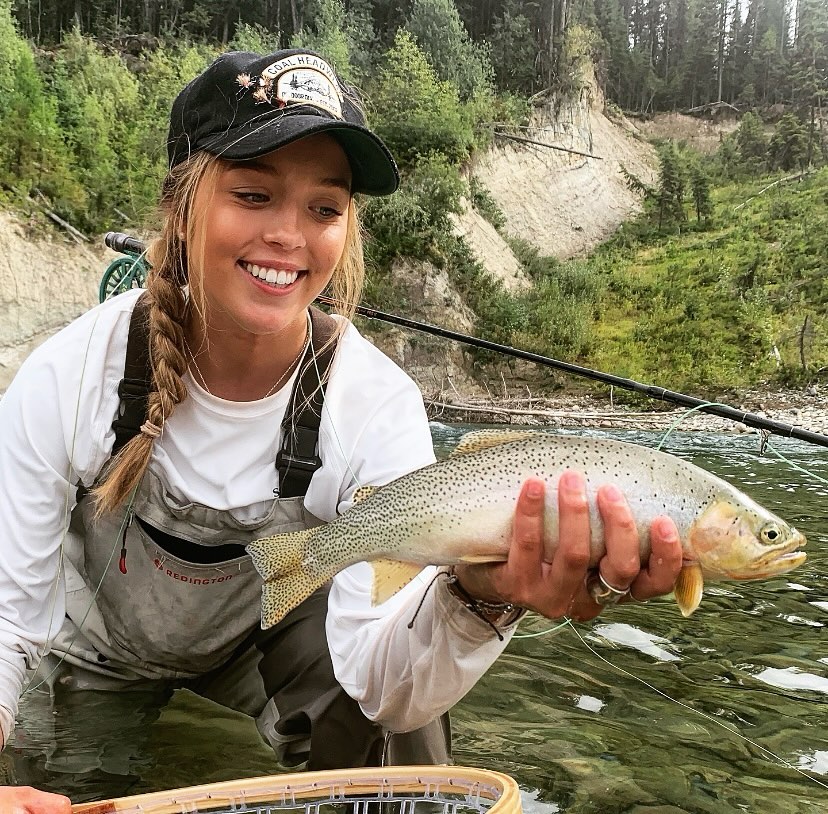
Snake River Cutthroats

Get ready for a wild ride as we dive into an engaging conversation with Dave Pace of the Snake River Cutthroats. We’ll encounter the thrill of the chase as we learn about their annual East Idaho Fly Fishing Expo.

Tune in to this episode and be ready to be lured in by the adventures and initiatives of the Snake River Cutthroats. It’s a journey you won’t want to miss!

Show Notes with Dave Pace on Snake River Cutthroats. Hit play below! 👇🏻


apple podcasts

Find the show:  iTunes | Stitcher | Overcast

Subscribe on Android

Subscribe on Apple Podcasts

Subscribe via RSS

(Read the Full Transcript at the bottom of this Blog Post)

Sponsors and Podcast Updates
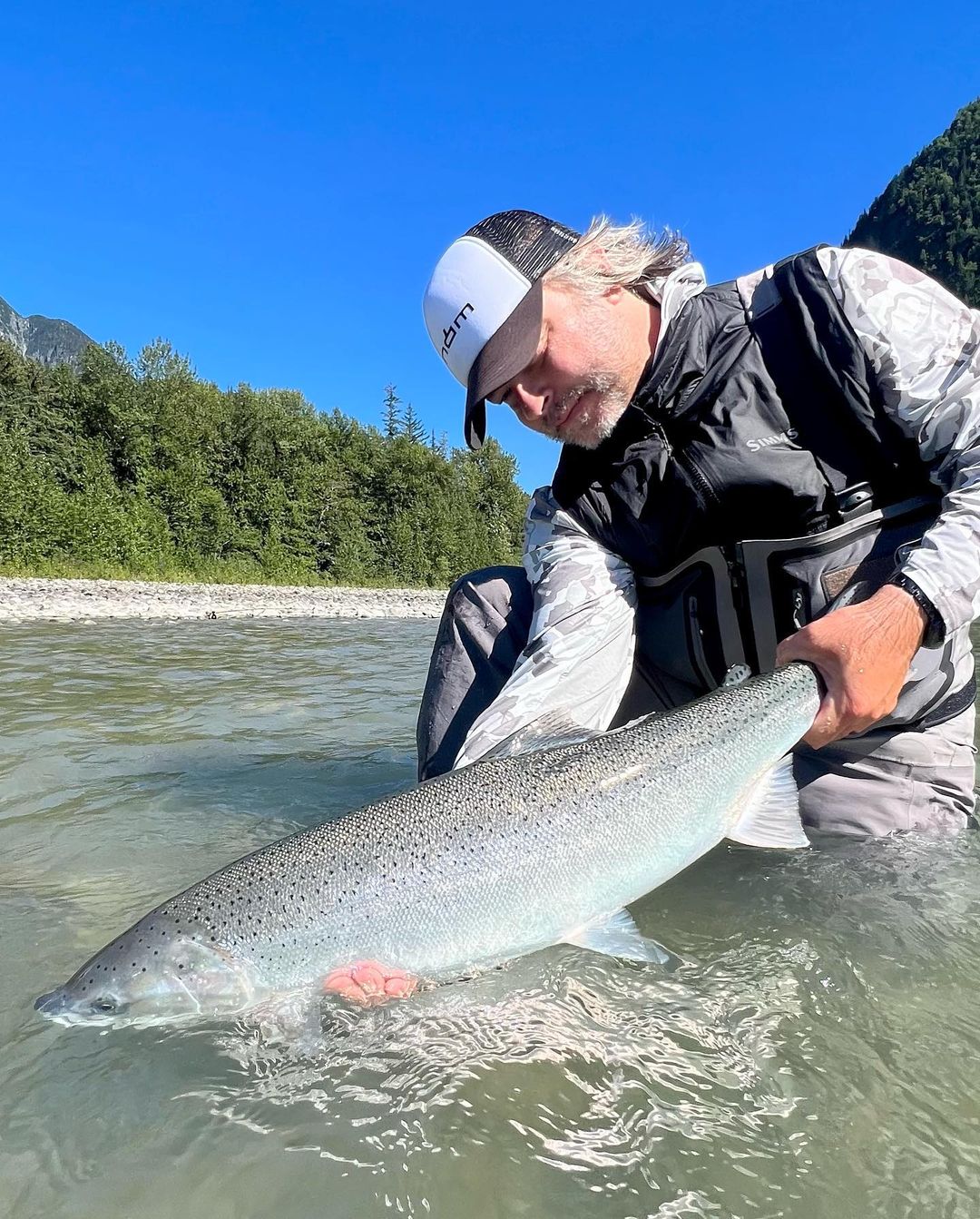
 

DAVE pace

Episode Chapters with Dave Pace on Snake River Cutthroats

1:10 – Dave Pace talks about growing up in a fishing family and his early memories of fly fishing in high mountain lakes. He prefers the South Fork of the Snake River over the Henry’s Fork for fishing, finding its waters more aligned with his interests.

03:31 – They held the 27th East Idaho Fly Tying and Fly Fishing Expo at the new Mountain America Center with approximately 3000 attendees for two days. It was the first time the event took place after a three-year hiatus due to COVID.

07:00 – Planning for the upcoming 2024 East Idaho Fly Tying and Fly Fishing Expo is already underway, with the scheduled dates set for March 22nd and 23rd.

08:00 – Dave is a co-chair of the event and has been working with it for almost 20 years.

Snake River Cutthroats

11:18 – Dave discusses the conservation efforts of Trout Unlimited, specifically their focus on the South Fork and Rainey Creek.

19:47 – Dave talks about his fishing experiences. Floating is the preferred method in summer due to the high water levels.

29:00 –  We also talk about the winter sports activities and his involvement with the Idaho Falls Ski Club.

37:00 – This year’s expo has seen an influx of attendees from different age groups, including kids. Additionally, there has been an increase in younger people attending the event, both in terms of personal interest and professional engagement.

Snake River Cutthroats

40:00 – We talk about some of the local fly shops in the area.


Check out Snake River Cutthroats on Instagram @snakerivercutthroats

Visit their website: SnakeRiverCutthroats.org

Snake River Cutthroats

Snake River Cutthroats Videos Noted in the Show


Related Podcast Episodes

Read Full Transcript Below

Episode Transcript
Dave (2s): Welcome to Traveled, where we take a journey to a specific region. So you discover what makes this part of the world so unique. Before we get rolling with our guests this week, I wanted to share the love with our Traveled sponsor. This podcast is powered by Swing Outdoors, the Wet Fly Swing podcast and Yellowstone Teton territory. Please head over to Wet fly Swing dot com slash teton to connect with the great brands that make up this amazing region of the country. Let’s do it. Let’s jump in and find out where that road less traveled is gonna lead us today. how are you doing Dave? Dave Pace (38s): I’m doing good. Dave (39s): Good, good. Thanks for setting some time aside here. It’s been a little bit of work. I appreciate you for hanging in there. To put this one together, you’re in a neck of the woods that we’ve been to recently. There’s a lot going on there. It’s kind of a mecca, you know, the South fork of the snake, really just eastern Idaho. So we’re gonna talk about that today, talk about how people can maybe put together a good trip out there. But also you have the expo coming up. I think I want to hear about how that went this year and, and describe that. So before we get into all that today, let’s take it back to your fishing, fly fishing. What is the first memory? How’d you get into it? Dave Pace (1m 10s): Oh, I grew up in a Fishing family, although my dad tended to do more spin Fishing and trolling fishing. Yeah, probably my first memory of fly Fishing is probably at High Mountain Lakes. My dad liked to go to the High Mountain Lakes and so it was probably fly fishing High Mountain Lakes when I was six. Okay. Eight. Dave (1m 27s): That’s it. So you got started early and were you guys doing, was this kinda off the bank or in float tubes or how are you doing it? Yeah, Dave Pace (1m 32s): Mostly off the bank. It’s, we were doing High Mountain Lakes you had to hike into, so at that time, carrying float tubes in was kind of prohibitive. Dave (1m 40s): Oh, gotcha. Yeah, so, and who was in the, with your dad who was on the trip? Was this the whole family thing? Dave Pace (1m 46s): Yeah, we did whole family. I have a sister and my mom and dad, and then sometimes just my dad and me and then sometimes my dad, me and another friend and a son or something. Gotcha. Dave (1m 57s): And where’d you guys, did you grow up in Idaho? Dave Pace (1m 60s): Yep, I’m born and raised. Local boy, born here in Nile Falls, Idaho. Dave (2m 3s): Yeah. So you’re in Idaho Falls currently? Yes. Oh, perfect, perfect. Yeah, we’ve been doing quite a bit because we’ve been doing our travel series, so we’ve talked to a number of people from that area. I’m sure you know most of ’em that we’ve covered, but yeah, there’s a lot of amazing waters in that area. Not only lakes but streams. What is your, what do you consider, do you kind of have a home water that you consider one? Yeah, Dave Pace (2m 24s): Our, our Home Rivers is the South Fork of the Snake River. Yeah. Dave (2m 27s): South Fork Snake. And, and not is the Henry’s Fork, I mean obviously that’s nearby too. Is that kind of just not quite as big or why do you go for the South Fork? Dave Pace (2m 37s): South Fork Fish fits my interest efficient, I guess better. The Henry’s Fork’s a smaller river, not as fast a banks, so, and not as big a season either. So I tend to fish the Henry’s Fork more first thing in the season. And then when it gets more into the summertime, I switch over to the South Fork and fish it clear into the fall. Dave (2m 57s): Oh, right. And so right now as we’re looking, looking, it’s kind of close to mid-December. Are you guys still as fishing done now for the season? Dave Pace (3m 4s): Yeah, people are still fishing. I kind of switch over to other things myself, but yeah, I would say even later in the year than I used to go back to Fish to Henry’s work, but I’ve not fished in this, this time of year as much more recently. Dave (3m 17s): Okay. Then in the, the expo that happened this year, we’ve been talking a little bit about this. I wasn’t able to make it out, I’m hoping to make it out this next year. But how did that go? The East Idaho flight tying and, and Fishing Expo? How’d that event go this year? Dave Pace (3m 31s): Yeah, we had a great event this year. It was our first time back since Covid. We took three years off for Covid and in the meantime we got a new facility, the Auto Falls Mountain America Center. It’s a, a hockey facility, multi-use facility was built. And we were actually, I think the first venue to, to book with them and they were just kind of finishing it up as we put on the show this last spring. And it was a lot of new things. Yeah. Several years off and new facility and, you know, all the costs and everything were different, but everything worked out really well. We had a, I think about 3000 people show up. Wow. We run it for, for two days. So yeah, we had 3000 people show up and had a good time. Dave (4m 12s): Right. And this is kind of a mix between a lot of fly tying and then some companies that are there presenting products and things like that. Maybe describe, you know, when you walk into the, the center, what you’re looking at there. Dave Pace (4m 24s): Yeah, so the reason we put on this is for a fundraiser for our, our club where a trotted unlimited chapter, the Snake for Cutthroats. And we’ve been doing this, oh, expo now for 27 years. So this new one, this coming year will be the 28th year. And we’ve always considered ourselves a fly tying centric show. So we do feature a lot of tires. A lot of the other shows, there’ll be some fly tires, you know, in a small table in the corner. And our fly tires are right out in the middle. There’s, we have about a hundred demonstrating fly tires over the whole time of the show. This year we had 46 tables going at one time, and then around the outside. So this is basically in, in the hockey rink, there actually was still ice on the floor and they, they put a floor insulated layer down over it. Dave Pace (5m 9s): So that was interesting too. Couldn’t tell the ice was there, but yeah. Amazing. And then we have, we had 40, 45 vendors that kind of go around the outside. So our show has a open feel ’cause the, the taller vendors with the backdrops are just around the outside. So yeah, we got a pile of fly fishing vendors, boat vendors, equipment vendors, clothing vendors, all sorts of that kind of stuff. And then we also run workshops, tying workshops. So if people wanna sit down in a small environment with, you know, 10 other people and, and learn to tie specific kind of flies, you know, those are kind of three hour events. And then we have destination slideshows. Dave Pace (5m 52s): People can sit down and we have a person talking about kind of where or how to fish in our area. And then they have a women’s program. So it’s, she does a all day kind of introduction to fishing and then a separate class she does, this is Leslie DeLago runs our women’s program. She does a, a tying class, so something specific for women. They’re fine, women are uncomfortable when they’re hanging around a pile of men. So she does really well with that and women enjoy that. And then the second day we kind of wrap it all up with a, a banquet and a live auctions silent auction. And that’s kind of our main fundraiser. Oh, nice. And the whole show, the only thing we charge for is coming to the banquet, obviously for the food and tying workshops. Dave Pace (6m 35s): All the rest of that is free and open to the public. Dave (6m 38s): Oh wow. Great. And does it look like you guys are gonna be doing this again in 2024? Dave Pace (6m 43s): Yep. Yep. We signed a three year contract with the center when we did that, so certainly I don’t ever see us wanting to move from that. It’s a wonderful new facility and yeah, we’re already in the planning phases. We’ve been working on that probably a month already. And the dates this year are March 22nd and 23rd. Oh, great. Dave (7m 0s): All right. I’ll put those in the show notes and we’ll get a link to all this in the show notes so people can check it out. But it sounds like if somebody’s listening now, maybe they’re, you know, around the country listening. I mean, how far are people coming from, I know this is in eastern Idaho. Are you getting folks kind of from around mostly the, the adjacent states or what, how does that look? Dave Pace (7m 18s): Yeah, adjacent states, we get a lot of people that come from California. We’re kind of a summertime area from California. A lot of our tires will come from California, Oregon, Utah, Montana, Wyoming. And then even further, we have some that come from back east. We’ve had Charles Jardine come over from England even. So yeah, it, it draws people from a wide range. Dave (7m 39s): Right on. What was the most memorable thing that happened there? I mean, you guys planned this whole thing. I imagine it’s just a ton of work when you get it going. Did anything interesting happen that sticks out in your mind? That’s a tough Dave Pace (7m 53s): Thing. Yeah, it was. It was just a big juggling effort. Dave (7m 56s): Was it, what’s your role? What’s your role there with the, with the event? Dave Pace (7m 59s): I’m a co-chair. I’ve been, we kind of call my category people, the senior advisors with the club ’cause we’ve been here long enough. But with the expos specifically, I’m a, I’m a co-chair. I’ve, I’ve organized most different parts of it throughout the years. I’ve been working with it for almost 20 years, so. Wow. Yeah, just there’s three of us that are co-chairs and yeah. With going to a new facility, it was a lot of stuff to juggle a lot of work last year and we always said, okay, we’ll put in the work last year and reap the benefits this year. ’cause it’ll be a lot of, it’s already done. So hopefully that’s true. Dave (8m 34s): Yeah, that’s right. And so did you guys find, I mean, I guess you probably had some goals set to think like, Hey, we’re gonna get this many people there. Did it meet your expectations and, and all that looking back? Dave Pace (8m 44s): Yeah, the facility people were like, oh, you’ll do much better. And we’re like, eh, it, it’s a more expensive facility. So we were worried about that and how it’ll come out financially. But yeah, we, we saw a significant increase in the number of people, you know, it’s been three years and Idaho is getting more popular. Yeah. So there’s a lot, a lot of new faces here so that we have those people to draw on. So I think that helped with the numbers and being in the new facility that everybody wanted to see helps out too. The fact that we’re a free show, it was kind of the first, I think we were the free, first free show to be in that facility. So people I think took advantage of that just to come see the facility too. And then financially we did better than we expected. Dave Pace (9m 25s): We did well. So yeah, it was, it worked out best all round. Cool. We got, we got hosed by the weather. It was, it’s that time of year, it’s, that’s always a crap shoot. Oh right. You, you get bad weather, you get, I think more people show up, but then we’re planning on having some casting classes outside and you know, it snowed, I think two inches during the show. So we had to scramble and luckily one of our people that helps, helps out with one of their high school track teams and it was their spring break week. So we ended up being able to use the high school gymnasium for the casting at the last minute. So that, that worked Well, Dave (9m 59s): There you go. Yeah, the weather is always, I mean, I guess it’s fly fishing, right? We were, we were in New York last week and, and the weather, same thing. It, it snowed two inches the night before. We weren’t expecting it. And so it actually kept the rivers a little bit more turban than we were hoping. So, you know what I mean? It kind of, it’s, it’s tough when, but it’s far efficient. Right. You never know what’s gonna happen. Same with your event, that type of year. Yep. Yeah. Dave Pace (10m 21s): Yep. Yeah, we, we like having it, like I said, it’s, it’s better when the weather’s crappy, people are out doing yard stuff and they come to the show, but you pay for it on some of the other things like the casting. Dave (10m 31s): Yeah. Gotcha. How do you guys go about finding all of the, you know, the guests? The vendors? Do you kind of just put a shout out to everybody or how do you choose who’s gonna be there? Dave Pace (10m 40s): Yeah, we’ve got, our vendor chair right now is John Stenson and he works for Clack of Craft and he’s been going to shows in that role for a long time. So it’s another person, Gary Barnes was involved with Loop USA, now he’s running Semper Fi. So we’ve got some people, local people that are involved in the chapter that are kind of involved in that industry and go around to shows and, you know, talk to people and see who we can get bring to our show and build the kind of show that we want. So. Dave (11m 10s): Nice. Yeah. And these events are around, I mean, they’re definitely spread around the country. This one is, you guys with the Snake River Cutthroats are with Trout Unlimited. Talk about that a little bit with Trout Unlimited. How I know one, there’s some big things going on in that area, right. Especially in the South Fork. What is Trout Unlimited doing? Give a little shout out to them, some of their programs. Dave Pace (11m 28s): Yeah, we’ve been Trout Unlimited, we were fortunate here to have a, they have what they call the Home Rivers Initiative and that’s kind of a nationally funded person working on projects for Trout Unlimited. And we have that position here for probably 10 years. And that was good for our chapter ’cause that gave us, you know, good projects to be able to put the money we generate through the expo into that are local projects. And we did a, they did a lot of of work on the South Fork and we’re still doing a lot of work on the South Fork. They decided to kind of back off on that Home Rivers person. That person retired and they did not replace that. But the South Fork Initiative, which is a, a branch of the Henry’s Fork Foundation was formed and their goal is just the South Fork as well. Dave Pace (12m 12s): So we’ve been teaming up with them more recently to work on conservation projects on the river. The South Fork is kind of our main area and Rainy Creek is one of the main tributaries on the South Fork that should be. And you know, going back 50, a hundred years ago was a main stocking, spawning, tributary for the river and hasn’t been, they have wear fish wears on ’em so they can count the number of stocking fish. And it hasn’t been, you know, in the last 20 years been something, been a producing tributary. So we spent a lot of work trying to get that figured out and hopefully get that turned around. So it is a fish factory again for our cutthroats and pumping them into our south work. Dave (12m 56s): Right on. And I’m, I’m assuming people can just go to like Trout Unlimited or they can they go to your website and maybe give a shout out to that? What is your website for the Snake River Cutthroats? Dave Pace (13m 4s): Yeah, it’s just snake river cutthroat.org and you can see what we’re up to there or try to limit it or the South Fork Initiative. All three of those would would have, it’s the South Fork of the Snake River. Dave (13m 16s): Yeah, perfect. And the, and we’ve had a number of episodes now. We’ve had the Henry’s Fork, lots of people talking about the areas, but it’s the South Fork of Snake, the Henry’s fork come together to make the Snake River, which is a massive western river that eventually flows into the Columbia and, and all that. So there’s a lot going on up there. What is, you know, maybe talk about, I think one thing we talked about in the past was the, the some of this, I’m not sure if this is kind of a political thing, but some of the removal of the rainbows, is that something that Trout Unlimited is working on? Or what’s going on there with that current? Is that still going on? Dave Pace (13m 49s): Yeah, trout Unlimited supports native fish. I mean that’s one of their, their stances and in our area that, that is the cutthroat and yeah. And they’ve been here for centuries and the rainbows are introduced and the rainbows are in 49 of the 50. Dave (14m 6s): Right. They’re everywhere. They’re all around the world and Dave Pace (14m 8s): Yeah. And the South Fork actually is considered the last main stem river. So like you said, a, a major stem, major artery river. It’s the last main Stem river that still has cutthroats in it. So Oh wow. So we kinda, our chapter, you know, we’re called the Snake River Cutthroat. Yeah. We take that personally and, and we wanna protect our local fish. And there are some people, and even a couple of outspoken guides that want the rainbows and ’cause they fight harder and you know, if you want to fish rainbows, go fish the Henry’s for Go Fish, you know, the Madison, there’s Yeah, there’s a lot. There’s 20 other rivers in within two hour driving range of our area you can catch rainbows on. And we don’t agree with that. Dave Pace (14m 49s): And the think that the cutthroat should be here. The analogy I like to put is that’s kinda like telling an elk hunter that you should let Cape Buffalo, right. Let’s replace elk with Cape Buffalo. It’s really the same thing. No one in their right mind would ever consider that, but No, but you know, Cape Buffalo or they’re stronger, bigger, tougher. I mean that would be a better trophy. But the Rocky Mountain elk or, or what’s here, and that’s the same thing with the cutthroat. They’ve been here forever and a lot of guides like the Cutthroats. Yeah, I certainly like the Cutthroats ’cause they like to eat dry flies a lot more. So if, if you’re into dry fly fishing, especially with bigger flies, cutthroats are easier prey and more aptt to eat a dryly and not so much with the rainbows. Dave Pace (15m 29s): So Dave (15m 30s): Yeah. Not so much the rainbow. Yeah, no, that’s, I’m glad you clarified that a little bit. And I think that, yeah, I mean I tend to agree. I think that there’s some areas, obviously every river’s different, but if this is the last remaining main stem stock of Cutthroats, you know, I mean there’s some stuff you gotta do sometimes drastic if it means protecting the diversity of a, a native fish, you know? And so those choices aren’t always easy. Right. Dave Pace (15m 51s): Yeah. you know, fish and Game is spearheading that We support their work, you know, I, we volunteer and help ’em travel limited supports at work, but it, they’re the ones that are really pushing that and it’s, it all comes down mainly to a, a listing. I mean, they’re, the populations are getting low enough that it could potentially be listed as an endangered species. And, and the whole worry there is then it gets out of state fish and games control and gets put into federal control and then you have no, no control control of Yeah. And they’re, they’re gonna, they’re gonna save the fish and that may mean not being able to fish the river. So, yeah. you know, we’re, and some people get wrapped around the axle too. I mean, they are, fishing game is actively, they tried to let the, the fishermen do as much of it as possible. Dave Pace (16m 34s): So they came up with a three-pronged approach. They wanted to increase the spring flesh up froze flows, the rainbows spawn in the, in the main stem where the cutthroat spawn in the tributaries. So if they could get a historical flush, and that’s really why the rainbows have taken over is, is it’s not a natural river anymore. We’ve got Palisades Dam and Jackson Lake Dam in there that control the big springtime flows. The historically would’ve, would’ve favored the cutthroat that are spawning in the side tributaries and disrupted the, the rainbows. So now that, that’s not natural. That’s, that’s why the rainbows have done so well in the rivers. So, but their, their approach was that flush, fresh, fresh at, they call it, you know, try, try to dump a bunch of water in the springtime and mess the reds up, but that they’re just water’s, the river’s, water management system’s not really set up at all for, for the fish. Dave Pace (17m 24s): It’s all for, for irrigation. And, and they just haven’t been able to get the flows. And they’ve learned a lot and found out okay, they, they almost have to get the flooding idle falls levels to really be able to do it. And then they instigated no, no ke for their cutthroats and then, man, not mandatory, but no limit on the rainbow. So, you know, they had some public meetings, the anglers said, Hey, we wanna be able to, to help you solve this problem, don’t do it yourself. And they did that for I would say 10 years. And it kind of kept it even, but hasn’t got to where they wanted. So this, I think three years ago they started shocking and removing the rainbows off of the reds. They transplant ’em, they move ’em to some of the fish and ponds and other areas. Dave Pace (18m 5s): Oh. They move some over to the Henry’s fork. And so they’re trying to see how that works and, and I gotta give them credit for, for going as, as far as they can. They originally didn’t think, you know, it’s a big river Yeah. For summertime flows or 14,000 CCFs. But they were, they do it in the springtime and they were successful. I’ve helped once with them net and fish and, and did, well they, they, when I helped, we transplanted ’em over on the Henry’s fork and they actually moved him clear over to central Idaho. Wow. They had a Oh wow. Tributary to one of the medium-sized rivers over there. And they put a whole bunch of ’em over there and got a really lot of great feedback from the people that were fishing over there. And that’s what they wanted do is have good feedback. So like, all right, we’re gonna take more over there. Dave (18m 46s): Right. Wow. Yeah, it’s, I think any of these operations are never easy. Right. It’s just invasive species in general. It’s hard to get rid of ’em, you know, you imagine. Yeah. Yeah. Dave Pace (18m 55s): I think a lot of people look at it as you’re taking fish out of the river, that means there’s gonna be less fish. And it doesn’t really work that way. When you look at the biological setup of it all, you’re just taking fish out. There’s always more fish in the river to fill the available slots. So the fish, the river can handle so many fish per mile. And if you take X number of fish out, there is an excess of fish waiting to fill those spots. So you don’t really see a, a drop in in your ability to catch fish. You’re just catching more cutthroats than rainbows. Dave (19m 25s): Gotcha. Thanks for clarifying that. We were, we were over there this year in early October, and we fished the Henry’s Fork and the South Fork and we were doing like a euro nipping school with Pete Erickson. And so it was really focused on nipping, but, but it was fun. It was like it’s a beautiful river floating, like drifting. Is that kind of how you do it? What, what, what’s, talk about that a little bit. Your Fishing are, it sounds like you do some dry fly fishing. Are you floating mostly? Dave Pace (19m 47s): Yeah. The, especially in the summertime, the South fork, it’s a big river and in the summertime the water’s, the water’s up, up to the bank. So it’s not, you know, there, there are waiting opportunities but that tends to be more in, in gravel bars, riffles out in the middle. So it’s not really a, a bank fishing friendly river in the middle of the summer. It is this time of year and early in the spring for sure. ’cause the water’s a lot lower and, and you can get foot access to some of those gravel bars a lot easier. So the majority of the time I fish it, it is from a boat. And I kind of first learned to fish the south fork, what we call bang in the bank. So it’s back rowing. Dave Pace (20m 27s): Yeah. The oars always slowing the boat down. You’re back rowing it. And I always tell everybody, if you can cut the distance, your fly is from the bank in half, you’ll double the number of fish. So you try to get it as close, you know, if people are throwing it a, a foot from the bank and catching a dozen fish from the day in a day, you can cut that down to six inches from the bank. ’cause our banks are deep, they’re brushy and deep. So the fish, they ha wanna hang out the current, so they’re tied against that brush with the current drops off and the closer you can get it to the brush, if you’re bank Fishing like that, the better you do. And that’s the kind of Fishing I originally started. Fishing, I enjoy streamer fishing too. And I, I streamer fish quite a bit floating. Dave Pace (21m 8s): A lot of people think streamer fishing Iss just a shady fall, shady day fall kind of thing. And that’s not the case. No. You can catch fish on streamers anytime, anytime of the year, you know, and it’s, I always tell everybody, if you’re not catching fish, do something different, you know? Yeah. If you’re fishing the bank, banging the banks, you’re out catching ’em. Try streamers, try, you know, kinda the last thing I’ll try in the middle of summer is an infant, but hey, sometimes that’s what it takes. Dave (21m 32s): Yeah. Right, right, right. And and are banging the banks, are you doing that with dry flies mostly? Dave Pace (21m 36s): Yep. Usually a big dry fly. Some people like to try droppers, but you can’t get it real close if you got a dropper. So it’s usually a, a big Chernobyl an or a big foam fly and we tend to, to twitch ’em a fair amount too, just to get more attention. Dave (21m 52s): Right on. And what’s your, what kind of boat are you running down there? Dave Pace (21m 56s): I mostly fish with friends in their drift boats. I, I’m kind of a, a boat geek. I own 14 boats, but don don’t own a drift boat. Oh wow. Dave (22m 4s): You have four 14 boats. So, so what, what are these boats? Are these a mixture of rafts or what are they? Dave Pace (22m 10s): Yeah, I’ve got, I a whitewater guy too. So I’ve got a bigger whitewater raft that we run down the middle fork and the salmon. Oh right. Whitewater stuff. I’ve got a smaller raft that I run down smaller rivers that you can’t, don’t have access. And then I’ve got lots of kayaks, three whitewater kayaks, sea kayaks, duck hunting kayaks. I got a couple of lake, a lake boat, a jet boat, so. Oh, okay. But all my friends have drift boats. Dave (22m 33s): So you got everything but the dr and I guess you don’t need it just ’cause your friends have the boat. Yeah. Dave Pace (22m 37s): You always have to go fishing with somebody. And all my fishing friends have drift boats, so I fish out of a drift boat most, you know. Yeah. On the river for sure. But Dave (22m 44s): That’s right. And most of those boats that drift boats hides or cls, are those kind of typical Dave Pace (22m 50s): Yeah, hides and klaas are the, the two popular, I would say on the South Fork it’s more CLS than hides. But then if you go over on the whitewater, you know, upstream some around Jackson, then you see more of the hides that are higher sided. They’re a little more whitewater. Dave (23m 6s): Yeah. More Dave Pace (23m 7s): Whitewater whitewater ish. Dave (23m 8s): That’s right in the middle fork. You see some boats there. Right. Some of the, the wooden drift boats that are floating. That one. Dave Pace (23m 13s): Yeah. I’ve seen some drift boats on that river on crazy low waters that I have. I would’ve loved to see how they rode through some of that stuff. Dave (23m 21s): I know, right. Dave Pace (23m 22s): Well, you know, ’cause Yeah, they’re beautiful wood drift boats and, and the one trip it was 2.4 feet, which is extremely low and Yeah. And even the outfitters, they were running flying in their clients to the Yep. Dave (23m 35s): Flying in miss the low stuff. Dave Pace (23m 37s): Yep. Miss the high stuff or the high stuff. Right. Where the, where the water’s, water’s really low. Yeah. And, but the boats have to get there. They can’t fly a drift boat in. So, you know, we started from the top with a private trip and, and they even run those crazy huge sweep boats at crazy low water levels. Oh wow. And we were, you know, it took us three days to get to the, the Indian Creek airstrip and here comes these drift boats, you know, it’s the guides, they call it dead heading. They get it put in and they gotta go all the way down to any creek in a day. ’cause that’s how their permits work. So here comes these drift boats down here, just, just one guy in the boat. And usually you’d only see, you know, one or two and then it’d be, you know, half an hour you’d see another one. They’re kind of all on their own. It’s like, how do you do that? Dave Pace (24m 17s): Right. Amazing, amazing rowers that they can take. Beautiful wood drift boats. Dave (24m 22s): They’re wood. Right. Because they’re mostly And why, why are they mostly wood drift boats down there do you think? Dave Pace (24m 27s): Don don’t know. Dave (24m 28s): Yeah. Yeah. Because you think a fiberglass or something else might be a little more durable. Dave Pace (24m 32s): Yeah, a fiberglass would probably be more durable, but don don’t know. They’re historic and beautiful. But yeah. You, you wouldn’t wanna ding ’em up but, you know, aluminum one’s gonna get banged up and fiberglass one’s gonna get banged up. I I, I, like I said, I would just pull up to see them run a couple of the rapids. ’cause we’re, I know, I mean, there’s barely enough room for your raft. There’s no room for your oars. So your oars are lifted up going near, you barely fit between the rocks and you know, you, you go through a slot like that and you gotta do a 90 degree turn and slide over and you know, we’re rafts we’re constantly bouncing off the rocks and Right. They, they can’t be doing that. So. Dave (25m 5s): Yeah, totally. No, it’s a cool area. ’cause you have that, the middle fork, we talked about the middle fork on a recent episode as well. And then, and then you said the salmon, I mean you’ve got the main, the main salmon. Is that something you guys do quite a bit? Are, are you doing these trips typically every year? Dave Pace (25m 18s): I would say we do a big whitewater trip every three years or so. This year we did float the main salmon and the Smith River over in Montana. Dave (25m 27s): Oh, Smith. Yep. Dave Pace (25m 28s): And we, we did float the middle fork last year, so Dave (25m 31s): Yeah. How was the middle fork? Was it low or high? Dave Pace (25m 33s): It was medium. Medium. Dave (25m 36s): Yeah. Dave Pace (25m 36s): I think it was running three, three feet. Three Dave (25m 40s): Feet. Okay. Dave Pace (25m 41s): I think the lowest ran was actually 1.4 and I think last time it was like 2.7. And I was surprised. It felt low, but I couldn’t believe we ran it at, at the lowest we had when it felt low at this level. But yeah. Dave (25m 53s): Do you get any, I mean are there any rapids there that you kinda get fired up that, you know, get a little anxious on? Or you you got ’em pretty dialed. Dave Pace (26m 1s): The middle fork is, is a yeah. Impressive river. It’s a hundred miles and there are a pile of, pile of white water and when it gets lower it gets more technical and not so pushy. You still can wrap boats pretty easy. Then the rocks are more, more prone. So you can wrap boats easy. But maybe the odds of flipping a boat in the middle of a big rapid are, are lower ’cause it’s more technical rather than big. Dave (26m 25s): Gotcha. No, it’s a good, I’ve been hoping to get back out there and do that trip again. And when we did it, we, it was really low and it was, like you said, it was technical. We were hitting a lot of rocks, but it wasn’t as crazy. So, I mean, have you been at the higher flows where things are really pushing and boats are flipping and it’s, I mean there must be some crazy things that have happened, you know, with all that whitewater, Dave Pace (26m 44s): The highest we’ve done it at is five feet. And I did that in a kayak and that was, that was a pretty comfortable, friendly level. I’ve got some friends that have, you know, been doing it for way longer than I have. And they’re the kind of rule of thumb, once it gets above six feet, it gets really pushy and crazy. And I think this last year it, it hit seven feet, so Oh wow. Our rule of thumb is, I mean, I don’t don don’t do whitewater for the excitement. I do it for the, the scenery and the right, the Fishing and that kind of thing. So I, I’ve never been one that sought out the craziness of it. But our, so our rule of thumb is always we’ll get on it. If it’s you, you never get on it while it’s going up. Dave Pace (27m 25s): So if it’s going up, you know, if your, your limit is maybe five feet, you don’t get on it at 4, 4, 4 and a half feet, five feet when it’s going up. You wait until it peaks and then you wait until it’s coming down and then you get on it because it can go, it can get crazy. you know, you can get on it at four feet and it can be seven feet in, in three or four days and you’re like, what did I sign up for? Right. Dave (27m 47s): How how do you do that with the passes? ’cause isn’t this a, like you get your pass for a certain time of week or something like that? How do you do? Yeah, yeah. It’s Dave Pace (27m 54s): A lottery and so there’s four rivers in the state of Idaho. The cell way, the middle fork, the main salmon and Hell’s Canyon are the four that, that are lottery systems. And yeah. So you got, I’ve only drawn once but got enough friends that we built with that I’ve, I’ve been down it like, I think eight times the middle fork. Hmm. Dave (28m 13s): Yeah. So it’s doable. So if somebody’s listening now and they wanna do this trip, I guess they just go to the website. Is it a national forest or forest service sort of thing? Or how do they get their permits For the middle fork? Dave Pace (28m 24s): Yeah. It’s all our rivers are managed by the forest service. So yeah. And then all the outfitters, I mean, if someone just wants to go on a trip and wants to go with an outfitter, they, they get launches every day. So yeah, pretty much can just buy a trip on an outfitter. They sell it pretty quickly, so Dave (28m 38s): Yeah. Perfect. What, so Idaho Falls, so you’re in, you’ve been there a long time. What, what is, what do you love about Idaho Falls? What keeps you there? Dave Pace (28m 47s): It’s close to a lot of things. A lot of outdoor things I guess. So it’s, it’s not that pretty of a town. It’s a desert on the edge of the desert. So it’s not, I mean I’ve recently been to some other places in Arizona. We, I just spent a month in Arizona and, and Flagstaff and, you know, all the big pretty ponderosa pine forests and spent a week in pace in Arizona and you know, there’re, that’s prettier than here, but you know, we’ve got oh, what, five blue ribbon rivers? Yeah. Within, within two hours. I, I was an outdoor person. I’ve been, have been an outdoor person my whole life, so I did backcountry skiing, rock climbing, fishing, hunting. My dad was a big, he came from here from Nebraska to be a hunter, elk hunter. Dave Pace (29m 27s): So hunt hunted a lot when I was growing up. Dave (29m 31s): Yep. Dave Pace (29m 31s): Just a lot to do here. Dave (29m 32s): Yeah, that’s right. I think that’s what I keep hearing is that not only is there the fishing and the hunting, but there’s everything else. You got all these, especially the winter sports, I think it’s known as, you know, I think it’s the snowmobile capital of the world. Right. You got all these different things going on out there. It seems like there’s just a, like right now are you guys getting, I guess you’re getting some snow or when, when’s the, when’s the season come where you kind of, you know, get into the skiing and all that? Is that right now? Dave Pace (29m 54s): Depends on the year. Last year, so I help out with, I follow ski club. I maintained two wall tents above ski hill, just above town for cross country skiing. And we always put those up late November, early December. And last year I got back a week before Thanksgiving and there was already two feet of snow in the ground. Wow. And we hadn’t put the, we usually put the floor drive the drive in and put the floors down, you know, at end of November and we weren’t doing that or we had to change our plan and haul everything in by snowmobile. So last year was different. It was, you know, like I said, middle of November when we had two feet of snow in the ground. Dave Pace (30m 35s): But usually it’s a couple weeks, middle of December usually is when this skiing ski season starts. Dave (30m 41s): Mm Okay. And so those tents, so this is something where you put these up for the season and then you’re just what there to help people? They’re cross country skiing or how does that work? Yeah, Dave Pace (30m 51s): They’re warming tents for cross-country skiing. And then the one tent actually people can reserve it and spend the night and it’s a 12 by 20 tent that they both got wood stoves in them. And yeah, just kind of a, a resource for the local cross country skiers. Dave (31m 5s): That’s awesome. And then you and then people man, it, there’s somebody there manning the, the tent throughout the season? Dave Pace (31m 11s): Nope, nope. We just put the tents out and, and enough users, the only thing we gotta do is keep the snow off the, off the roofs and there’s enough users there and they’ve, they understand they have to do that if we wanna keep ’em upright. Gotcha. So yeah, people, people just, you know, it doesn’t take too much to knock the snow off. Well Dave (31m 29s): This is awesome. Yeah. So where would you go if someone wanna find out about that and do some of that cross country skiing? How can they track this down? Dave Pace (31m 34s): Yeah, the Aall Ski Club’s webpage. I think it’s just aall ski club.org. Yeah, Dave (31m 39s): Yeah. Yeah. You must get, I mean, you’re obviously close to Yellowstone. I mean, that’s another thing we haven’t talked about, but you’ve got all sorts of all all of that. I mean, or do you think it’s an equal amount of summer and winter activities out there? Or, or it seems like you, there’s a, a lot of both. Dave Pace (31m 54s): There’s plenty to do in the winter if you’re, if you’re into that kind of thing. Yeah. you know, if you’re into cross country skiing, downhill skiing, snowmobile and ice fishing, there’s plenty to do. But if you’re a warm weather person, then yeah, it’s a long winter. We got snow just before Thanksgiving and we’ll have that snow in the ground here until it melts in March. Dave (32m 16s): Oh, in March. I was gonna say, so the expos around the March 22nd, so will it, there’ll still be snow on the ground by then Dave Pace (32m 22s): Up in the mountains for sure. Yeah, it’s amazing. We take those tents out probably mid-March. We took it out this year and that was the deepest snow pack we had had all year. So it, it, you get more snow, you get more snow and it just doesn’t, it settled some, but it doesn’t really melt. More snow, more snow. And then spring gets here and it melts and in like two weeks you lose five feet of snow. Oh wow. Dave (32m 46s): Just like Dave Pace (32m 46s): That. It’s, yeah. So it’s funny, we’re up there, you know, I’ve got pictures we’re taking down the wall tent and I mean the, the, there’s five feet of snow beside the tent, you know, when we’re done, here’s this huge hole in the snow with the plywood floor. Oh wow. And then, you know, two weeks later it’s all gone. Yeah. Dave (33m 3s): And what is, is this a homemade wall tent or is there a brand that is behind the tent? Dave Pace (33m 8s): No, well the time these were built, don don’t think there was many. Yeah, it’s a Dave (33m 11s): While ago. Dave Pace (33m 12s): Yeah. Many brands, well actually our, our tents are new now and the day we’re built by a local canvas company. Idaho Canvas. Oh Dave (33m 18s): Yeah. Idaho Canvas. Okay. Nice. Well let’s go back to the expo a little bit here. So anything else we want to, you know, as we look ahead, because I want to get people primed up for that. So, you know, you gonna have probably some of the same vendors, some of the same tires, you know, what can people expect for this next year come up here in March? Dave Pace (33m 34s): Yeah, so we’re, should have a few more vendors. We, you know, we’re a new facility, we kinda learned some things last year. We kind of learned besides the hockey arena area, there’s a concourse around the outside. So we’re gonna take advantage of that and maybe get some more vendors and use that space and hopefully get a few more tires to, I mean, a hundred tires is plenty, but the one thing, I guess the one drawback to this facility is the, the banquet facility, the old facility, we had one room, so we had to change the show. So what was it, 3, 3 30 we kicked all the vendors out and five o’clock we opened the door for the banquet. So Oh wow. We, we changed the whole entire room over, kicked all the vendors out, cleaned up the floor and set up all the banquet tables. Dave Pace (34m 18s): So, geez, that’s what’s nice about this area is they have a separate convention center, but that convention center isn’t quite as large. So where we used to be able to seat 500 people, now we can only seat like 330 people at the banquet and, and we sold that out. So I would say if, if anybody wants to come to the banquet and the live auction and you know, enjoy that night and help us raise some funds, you gotta get your tickets early for that. You do. Yeah, that will, that will obviously sell it again. Dave (34m 44s): And where would they go if they wanna get those tickets? Right now Dave Pace (34m 47s): That’s our, they’re not on sale yet. We probably don’t put ’em on sale until probably the 1st of February. Okay. And that’ll be the, the stake of her cutthroats.org is when you can see where everything that’s going on and you can sign up for the workshops online there this year and also the buy the banquet tickets or packages if you wanna raffle ticket package. Dave (35m 7s): Oh, perfect. To Dave Pace (35m 8s): Go with your banquet. But yeah, I definitely, if you want to go to the, the tying workshops, like I said, that is something you can’t just come to the show that’s, you need to be signed up ahead of time and then the banquet, that’s really the only two things that people have to get signed up ahead of time before they come. Yeah. Dave (35m 26s): Did, did Renee Harp, did he make it down this last year? Dave Pace (35m 29s): Don? Don’t think so. Renee’s kind of a personal guy. Yeah, he doesn’t show up a lot. Leslie, his daughter Leslie taught fly time classes with us Oh okay. A lot over the years. And as a president, Mike Lawson used to offer trips through our expo through the light. He would donate and live auction and Jack Dennis as well. So we used to have some personal trips from some big name people that they’re getting, they’re getting Dave (35m 52s): Older. Yeah. Dave Pace (35m 53s): They don’t want to do that anymore. And I certainly don’t blame ’em Dave (35m 56s): Who are the new, that’s always the question. ’cause we had, we’ve had a lot of old amazing people, you know, older people that have, like you said Jack Dennis, he’s still out there. I mean I think Mike, all those people are out there, it’s just they’re slowing down. Who are the next people, you know, like who are those people at your show that are maybe the next up and comers that are gonna be the next Mike Lawsons. Even though we, we can’t really replace somebody like Mike. Dave Pace (36m 14s): You know, I don’t, I don’t, I mean there’s tying people, you know. Yeah. But I don’t, I don’t see the, I mean those guys, you know, Bob Jacqueline, you know Mike Lawson, Jack Dennis. Yep. They, they all were kind of at the start of the popularity of Fly Fishing. I mean when a river runs through, it came out and Right Fly Fishing took off. They, they were in the fly shop business and, and you know, they were, had the guide businesses and had the fly shops and got that notoriety. But I don’t see that any anymore really. you know, it, there’s enough fly shops around and there’s, they’re busy running their business and, and don’t need to be the celebrities and there’s an enough influx of a whole bunch of different guide shops around that. Dave Pace (36m 55s): You just don’t see those expert people that are willing to, to share, interested in being a celebrity and wanna share, write books and do talks. Yeah. You just don’t see that anymore. Yeah. Dave (37m 7s): That’s changed. Are you getting a, a influx of newer, is it mostly older folks or are you seeing some younger generation at your event? Dave Pace (37m 15s): Oh, our tires tend to be a little more of the, we, we get a little bit, a lot of everything. But I would say, you know, having, not having the show for the last three years, I would say this year we did see a, an increase in even kids. We have, we have some time tables and I would say there was more kids that that came. And then yeah, more of the, you know, just starting your personal life, your per profession, you know, people in their twenties or whatever increase in, in that category. People too. Dave (37m 48s): Nice. So if somebody was wanting to come to that, this is in, you know, mid, like you said March 22nd, what, what does that look like if they’re kind of coming from a distance? Where would they be staying? Do you have recommendations on hotels or what are t you know, if they’re coming from a ways where, what are people doing? Dave Pace (38m 3s): Yeah, yeah. There are a few. Not not out there just yet, but when, when we get closer to the show, we do have deals with, you can get reduced rates. It’s at a couple of hotels that are close to the venue. So, so that’s there. And the reason we kind of also settled on, we used to do this in April, I think the third week of April. And we ran into a conflict with a show in California. And also when you get into April, our runoff season is starting and our, our fishing actually gets worse where in March you’re pre-run off. So the Henry’s fork actually, and, and a lot of the other smaller rivers in our area are better fishing. So, you know, as, as long as it’s not snowing, it’s actually better fishing in in March than it would be in in April. Dave Pace (38m 46s): So that was kind of one of the reasons why we settled on that date is ’cause I think it do, a lot of people do come from the area. Certainly our tires, you know, coming from California, whatever, they’re, they’re not just wanting to sit down and tie, they wanna combine it into a trip. So they, they fish some of the local area as well then, Dave (39m 2s): Right? Yeah, so March you can definitely get some fishing out there that, well I guess that you have the Tailwater so throughout the whole year you can fish out there. Dave Pace (39m 9s): Yep. And like I said, you, you get into April then the natural runoff starts to happen and the water clarity water gets higher and, and more turid. So the fishing’s not as good, but March is still the pre-run off springtime season. So as long as you get a, a warm weather day, the Fishing can be really good. Dave (39m 27s): Perfect. And if somebody wanted to learn more about the fishing, I guess like we said, there’s a ton of great fly shops, maybe we could start to take it out here with our fly shop. Shout out here. And then I have a couple of other random questions for you, but, so I wanted to hear about that. We’ve talked to a number of these fly shops from around the area, but today’s, this is presented by Yellowstone Teton territory, who’s obviously in your, I think they actually promote the event. Right? Do you know the folks involved with that? Dave Pace (39m 53s): Yeah, they were a, a big part with kind of, we got hooked in with them through the Mountain America Center and last year yeah, they, they did pony up and help us promote the show a a lot. Dave (40m 3s): Nice. What is, so let’s talk fly shops. What, what is your local flight, your Idaho Falls? So I know there’s a few big ones, I think even maybe the fly fish food guys have purchased one up in that area. What, but what is your local fly Dave Pace (40m 15s): Shop? Yeah, so our, our local fly shop for my whole, my whole life here has been Jimmy’s fly shop in town here. And and he did retire this last year, sold his fly shop, had been in the market to sell it for a while and I’m glad he got the chance to retire finally. Amazing guy did more for fly fishing and our Snake River cutthroats than, than anybody I’ve ever met. And, but he did sell that to fly fish food and you know, they weren’t on kind of our radar as someone that might take that over. And we’re all wondering man, who’s gonna replace Jimmy? And that was an awesome fit. ’cause fly fish food is, Jimmy was a fly tying centric shop rather, you know, we mentioned all the other shops in, in the area and that more destination West Yellowstone Jackson kind of thing. Dave Pace (41m 0s): So those are outfitters and that’s kind of their main business. And we don’t have, Jimmy never guided outta that shop, never had that. It, it’s a fishing shop. And, and we were real pleased that Fly Fish food took that over ’cause that’s their business, you know, it’s, it’s tying materials and they took Jimmy’s crazy amount of inventory to like tripled it. So now we’ve got an amazing selection of materials here in, in town for tying. Dave (41m 24s): Yeah. So you see it. So you see a lot, a lot more materials then. Is Jimmy still around the fly shop occasionally? Dave Pace (41m 30s): No, he’s retired. Not, he comes in as they need to help, you know, help figure things out that Yeah, sure. That I think, yeah, he’s fishing. Dave (41m 37s): Yeah, he’s Fishing. That’s right. Dave Pace (41m 38s): And he he should be. Yeah. Dave (41m 40s): Yeah. That’s cool. So, so Jimmy’s he deserves it. Yeah. And are there other fly shops in Idaho Falls Dave Pace (41m 44s): That’s the main fly Fishing only shop. There’s a, a sportsman Cabela’s here, but they don’t have near as near the stuff that Jimmy says by any means. Dave (41m 54s): That’s right. Yeah. And, and what do you, you know, when you think about Jimmy, what made him so unique, how would you paint that picture of somebody who’s never met him before? Dave Pace (42m 2s): Jimmy’s just one of the nicest, most congenial people you could ever meet. And he trained all his employees do the same thing when you walked in there shop. He is like, you know, hey Dave, how’s it going? Let us know if you need anything. And they just, no high pressure, no nothing, you know, and, and he, we had all our expo planning meetings in his shop, you know, he just opens the door to all of that and supported us with donations and everything over the years. And just his goal was, you know, let’s just make fly fishing and tie in in this area as good as it can and I’ll reap the benefits. And, and he did, had a very successful shot. Dave (42m 35s): That’s awesome. Yeah, I hope to get Jimmy on. I would love to hear more of that story from him as well. So, well let’s jump into a few random ones then we’ll take it outta here. So, you know, like we said, the Yellowstone Teton territory, we’re helping to promote some of the, you know, local businesses and brands around that area. But, so let’s think of this. So we’re, somebody’s doing a trip up there, what would be, I’m not sure restaurants out there. Do you guys get out, would you have one recommendation if somebody was fishing there, you know, during the time of the, the event for the expo? Or where would they go and get some dinner? Any, do you guys have a a favorite place? Dave Pace (43m 6s): Yeah, I would say my favorite kind of steak place is probably Stockman’s. Dave (43m 9s): Stockman’s? Yep. Dave Pace (43m 11s): Okay. Yeah, it’s a nice steak place. And there’s, there’s a couple other ones. Jakers is another one and the Sandpiper are kind of our three nice steak places and they’re all three pretty close to the river. We have the sneaker river flowing through town here. And, and both I guess sandpiper’s the only one that actually has a deck that is out looking on the river, but they’re all all pretty close to it. Dave (43m 33s): Perfect. Perfect. And, and then you talked about cross country skiing. Any other activities that you like doing, whether it’s, you know, throughout the year, other than the skiing, anything outdoor? Dave Pace (43m 43s): Yeah, downhill skiing. I mean we’ve got targe. Oh Dave (43m 48s): Yeah, right. Dave Pace (43m 49s): Yeah. Always targe is, I grew up skiing there. I backcountry skied on Jackson Pass a lot, which is the same kind of snow. Jackson Hole is on the other side, but it gets more sun. And I spent my thirties traveling all over the west skiing different places and you never find any snow that’s better than targe really. So if you’re after quality powder snow, like fluffy snow, yeah. It doesn’t get, isn’t any better from all the places I’ve skied Dave (44m 19s): And targe is And where is that in relation to Jackson? Dave Pace (44m 22s): It’s just on the other side of the Tetons in the, in the Driggs Valley. Dave (44m 26s): Oh, in Driggs. Yeah. Yeah, that’s right. Okay. So Targe. Yeah, that we must have been close ’cause we stayed in Driggs when we were down there fishing at Airbnb. So yeah, it’s really, it is amazing ’cause you’re literally, and Jeff, we’ve had some guests on Jeff Courier. I know when he was on here last, he talked about how, you know, he lived in on the, the west side and just went over the, you know, the mountains to get over to Jackson because it’s so spiny. Yeah. And, but I think everything’s getting a little spiny there, even the driggs in those areas. Right. Because it’s just, yeah, Dave Pace (44m 51s): Driggs and Victor are blowing up too and Yeah, it’s turning into a Jackson. Dave (44m 55s): It is. Right. And as Idaho Falls, Iss just kind of not, it’s kind of a different type of town. It it’s, you’re not seeing the same thing. Dave Pace (45m 2s): No, I would say the last five years we’re definitely doing that too. We’ve probably seen a 25% increase in the last five years in population here. And it’s, it is a richer clientele that’s moving into retiring to the area basically. Dave (45m 16s): Gotcha. Okay. Well let’s keep going down this with our rapid fire here. So we got, we talked flies, you mentioned the Chernobyl Chernobyl ant. What’s your one, you know, if you had the one fly for dry fly other than that one? Or is that your pattern if you’re fishing in the summer? Dave Pace (45m 28s): Yeah, yeah. I mean we tie our own, all our own flies. So the Cher and is a genre. Yeah. And we, yeah, you can paint it in whatever colors. That is my favorite dry fly bang in the banks fly. ’cause it, we can twitch it well, it floats real well. And the fish just like it. I mean it’s, it got picked up by the guides and I fished with world cast anglers this year. My, my wife bought a trip at the Expo two day overnight trip and we fished with them and the guide had us on a different kind of hopper, golden stone pattern. Just fished that with my wife and she did really well with it. And, and I got tired of that and I put on a, a purple Chernobyl and he is like, well, okay. Yeah. And, and I caught fish on and he Iss like, wow, I’m surprised they still eat that. Dave Pace (46m 10s): Oh really? It got really popular and you Dave (46m 12s): Know. Oh Dave Pace (46m 13s): Right. Yeah. The more, but you know, when you’re tying ’em your own it’s, you’d make your own colors and they’re never exactly like the popular fly and the fly shop that everybody buys, so. Yeah. Dave (46m 22s): Yeah, definitely. And who, who’s your, your guide? Who is that the guy to you that day? Dave Pace (46m 26s): Oh geez. He’d asked me that. I don’t remember his name. He Dave (46m 29s): Was, I’m trying to think. ’cause we, we went out, well Pete works with WorldCast as well, so we met the owner and, and hung out with those guys a little bit. But yeah, they got a big crew. I mean I think they have like 40 or 50 guides or something like that. Dave Pace (46m 39s): Yeah, they do. And they came to the expo that a lot of the guides, they don’t, I guess look at it, there’s that much business. I mean, the locals don’t buy trips on the local rivers. Right. So they haven’t come to our expo. But yeah, the WorldCast came and they brought more of their shop and we’re selling items and stuff and yeah, it was fun to, to see them there. And yeah, they do have a big shop and a lot of stuff going on. Yeah. Dave (47m 1s): Yeah, definitely. Well let’s take it outta here. I always love to ask the podcast music question. Do you listen to any podcasts or you, do you do more music or what do you listen to more? Do you have any podcasts in your queue or, or do you listen to music? What’s that look like when you’re traveling to, to go fishing? Dave Pace (47m 17s): Yeah. I, I play music off a MP three player, not really a streaming guy. Okay. For sound. Yep. Dave (47m 22s): Yeah. How about podcasts? Have, have you got into that at all? Dave Pace (47m 25s): Nope, not really. Dave (47m 26s): Not really. There you go. So we’ve got a potential new future podcast listener. They, they say that about 50% of the, the population in the US listens to podcasts and the other 50 doesn’t. So I guess you’re one of the, one of the other. That’s good. There you go. So what’s your, give us some music to put in the show notes to put on Instagram. What would be something, what type of music? Or do you have a group or genre or what, what do you listen to? Dave Pace (47m 47s): We’ve been listening to the record company a lot lately. Dave (47m 49s): The record company. Yeah. Okay, perfect. And what type of music is that? Dave Pace (47m 54s): Oh, it’s kind of Southern rock I think. Dave (47m 57s): Oh, nice. Southern Rock. Awesome. Dave Pace (47m 59s): They were in Sun Valley. We had a concert. My wife got us plugged into three different concerts over there and that was the one we enjoyed the most. Dave (48m 6s): Perfect. All right, good. Well we’ll put this in the show and also we’ll get a link to the record company if we can, a video or something there. And that kind of scratching my own itch. I always love to get some new tune. So. Perfect. Dave. Well I think that’s good. I guess maybe just give a heads up. So you got the big in the next six months or so, you’ve got the big event coming up in March. What else are you looking at? Are you excited about over the next six months to a year? you know, for you or, or the Snake River Cutthroats? Dave Pace (48m 29s): Oh, I just enjoy the coming of the springtime season fishing season. Dave (48m 33s): Yep. Dave Pace (48m 34s): So I always, there’s a lake I like to fish around here actually for pan fish. Oh really? I’ve been, I’ve been fishing that lake. I grew up fishing it and my wife did as well for forever ago when we were six years old. And I’ve been going back to that lake for, for years. So since we both have history there, we like to spend a week there and every June, so Dave (48m 55s): There you go. That’s it. I mean, so the Stillwater is still good there, right? I mean you still hit that as much as the rivers. Dave Pace (49m 1s): Yeah, it just kinda depends on what you’re interested in. But yeah, we certainly have good Henry Henry’s Lake, that’s, yeah. Anybody in the country probably has heard about Henry’s Lake and Yep. And, and more recently I’ve even gotten into small mouth fishing that, which is kind of rare in this area, but we do have some small mouth fishing and we put together a, a pike trip actually that a bunch of us on the club were going. So one of the guys that used to be a Trout Unlimited guy is now running a travel business Hatch Adventures. And he, he had a article in the paper about him checking out a potential pike place up in the Yukon. So we got hooked up with him and 10 of us are gonna go up there in early June and, and chasing Pike. Dave Pace (49m 42s): We’ve done a trip over on Saskatchewan on Reindeer Lake once before. So those guys, people that went on that were like, oh, we gotta do that again. So it’s always fun. I if you’re a streamer, fisherman Pike is like pure adrenaline pike. Dave (49m 55s): Is it? So you’re heading up north up to Canada to hit the pike? Dave Pace (49m 58s): Yep. Clear. Clear North Yukon, clear up by Alaska. Dave (50m 1s): Oh wow. Yukon. Dave Pace (50m 2s): Yep. Dave (50m 3s): That’s really cool man. And so this is part of the, your local tu chapter that the people are the, you’re connecting these, putting these trips together? Yeah. Dave Pace (50m 11s): Yep. Dave (50m 12s): Wow. And what is that, what’s your chapter? What is the, you know, what are you guys doing mostly there? It sounds like you’ve got some events, so what, what, what keeps people coming back to, you know, the Steak River Cutthroats? Dave Pace (50m 23s): Yeah, so we’re, it’s just a nonprofit just to kind of, you know, get people, people together that like fishing. So we, our main fund road, their razors at expo and then we turn around and, and do fund and also carry out our own conservation projects. So we do, you know, three or four or five of those a year Build fence. We did some instream, we did work up in on the Salmon River or tributaries as salmon for 25 years. We did different projects up there more for steelhead stuff. Now we’re doing more stuff more locally. Yeah. And then over the summer we’ve got fishing outings, so it’s just kind of get togethers with people. We have a summer picnic and Christmas party. I’m wrapping gifts, got a pile of gifts here on the floor for the Christmas party. Dave Pace (51m 5s): And then we do some education stuff. We have tying workshops, kind of learning how to tie beginning. Dave (51m 13s): Oh yeah, I saw that you guys are doing those kind of at local pubs or something like that or Dave Pace (51m 16s): Yeah, that one’s tie went on. Yeah, tie went on. Yeah, we, yeah, we have a get together once a month and just bring in kind of a noted tire and he ties and chairs kind of his patterns and what he’s tying. Yeah, Dave (51m 28s): I love how you guys do it. ’cause I, I haven’t been to one, but I was checking out some of the photos and you’ve got kind of the big screen on and is that typically at like a pub or where do you guys do that? Yeah, Dave Pace (51m 36s): It’s called Tap and Fill. It’s a, it’s a local local pub. Dave (51m 40s): Perfect tap and fill. And then you got the big screen, which is cool, so it’s all blown up. So from hanging out you can just sit wherever and then watch it on the big screen. Dave Pace (51m 47s): Yeah, I mean we’re just in the bar so I mean there was a lot of people that just come to the bar, so Yeah. We get a lot of people just walking over what is going on back here. Dave (51m 55s): Yeah. You’re probably recruiting some new people, right? Some new flying anglers maybe at, at the event. Yeah. Dave Pace (51m 59s): And that, that was kind of the goal with that. Yeah, that thing is to get some, I mean there’s, there’s always everybody’s different groups of people and that’s a younger crowd that, that we kind of get get with that. And, and we do have the Fly Fishing film Festival as part of the expo and we see a different, totally different group of people that comes to that than, than a lot of the other stuff. So yeah, we, we try to be diverse enough to give something that everybody can enjoy. Dave (52m 23s): Sweet. All right, Dave, well I think if people want to connect with the expo i this your website right? Snake river cutthroats.org, is that the best place? Dave Pace (52m 31s): Yep, that’s the club and the expo. Dave (52m 33s): Good deal. Okay, well we’ll put that link in the show notes as well and just wanna Thank you today for your time. I’m hopefully gonna be out there this year. I’d love to meet up with you and everybody there and chat about, I know we’ve had at least one episode here where we talked about it, but I know we’re gonna have more of this going forward. So yeah, I appreciate all your time today and looking forward to hopefully meeting you in person. Dave Pace (52m 52s): Yeah, that’d be nice. Dave (52m 54s): That’s a wrap on travel part of the Wet Fly Swing podcast and Swing Outdoors. This podcast was supported by Eastern Idaho’s Yellowstone Teton territory. You can support this podcast and eastern Idaho by heading over to wetly Swing dot com slash teton right now. And you could let any of the brands know that you found them through this podcast and click in there and check out all the great brands. We’ve had a number of ’em on this podcast and, and we would love you to find out all the good stuff they have going. You can also check in with me anytime Dave at wetly Swing dot com if you have any questions or feedback or have an idea of where we should be traveling to next. And one big reminder before we get outta here, the Stillwater School is going right now. Dave (53m 34s): If you go to wetly Swing dot com slash Stillwater School, you could find out if we have any slots available for the big trip out to this part of eastern Idaho. Phil Row is gonna be our guru. He’s gonna be breaking out the Stillwater Magic. And if you wanted to up your game this year, this is your best chance right now. You can check in there or send me an email, like I said Dave at wetly Swing dot com. And as we roll outta here, I just want to Thank you for taking the time to, to check out the Traveled podcast. And I appreciate you for your support and all the listens here and I hope you have a chance to experience that road less travel.

Dave Pace

Conclusion with Dave Pace on Snake River Cutthroats

We had a great conversation with Dave Pace about Idaho’s rich fishing traditions. Dave gave us an insider’s view of the annual Traveled Expo, an event that brings together hundreds of fly-tiers and gear vendors while attracting thousands of attendees from around the country.


Traveled #15 – ClackaCraft with John Stenersen – Drift Boats, Boat Design, Fly Tying

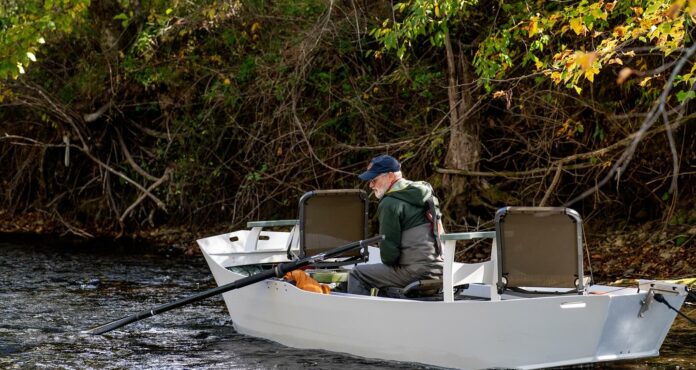
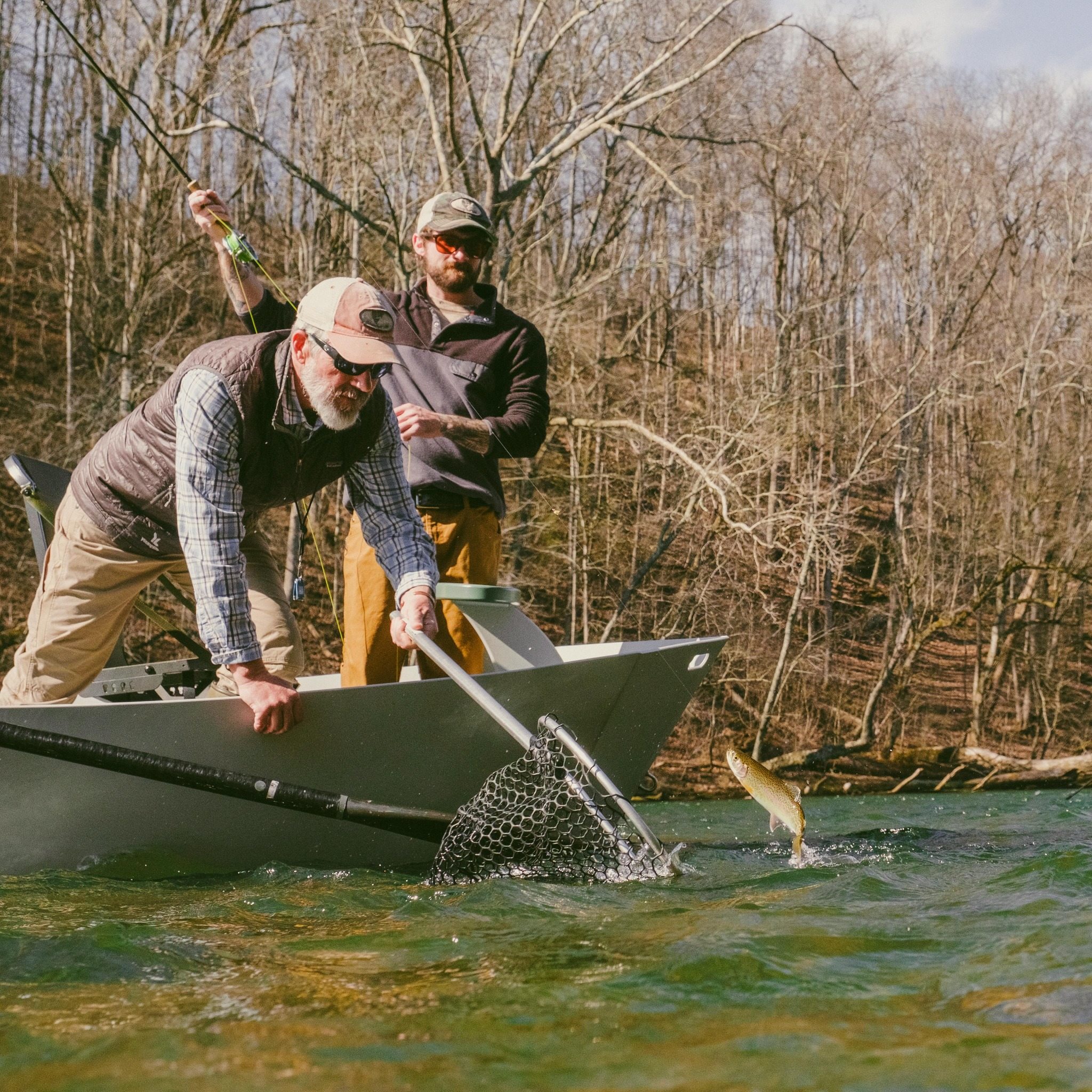
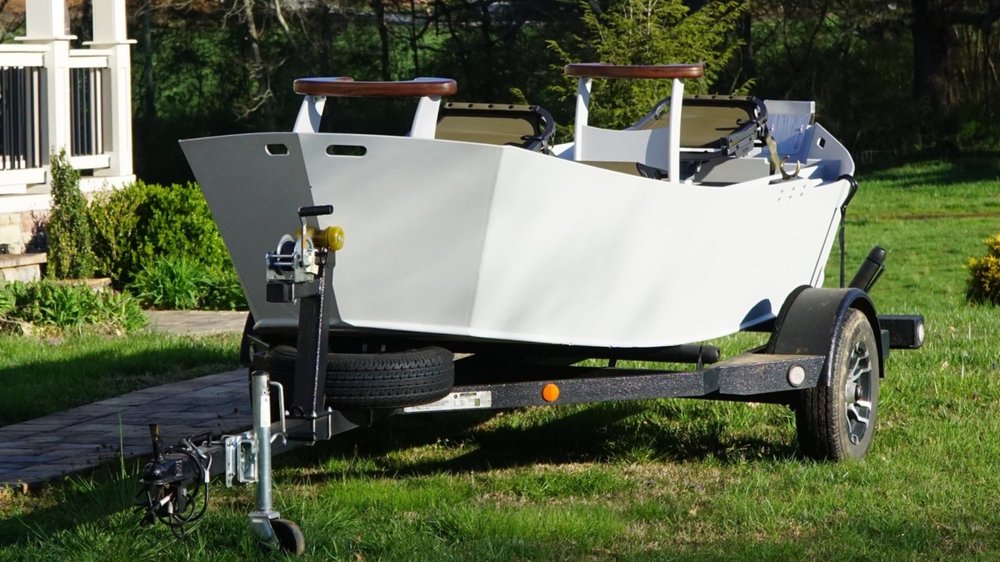
clackacraft

In this podcast, learn about ClackaCraft with John Stenersen!


Show Notes with John Stenersen – ClackaCraft. Hit play below! 👇🏻

apple podcasts

Find the show:  iTunes | Stitcher | Overcast

Subscribe on Android

Subscribe on Apple Podcasts

Subscribe via RSS

(Read the Full Transcript at the bottom of this Blog Post)

Sponsors and Podcast Updates

clackacraft

Episode Chapters – ClackaCraft

clackacraft

clackacraft

clackacraft
Photo by Bruce Belles

clackacraft

clackacraft


Follow ClackaCraft on Instagram @clackacraftdriftboats

Visit their website at Clacka.com

clackacraft


Resources Noted in the Show

Videos Noted in the Show

https://www.youtube.com/watch?v=S8ukyYGw5bk

Related Podcast Episodes

Read Full Transcript Below

Episode Transcript
Dave (2s): Welcome to Traveled where we take a journey to a specific region. So, you discover what makes this part of the world so unique. Before, we get rolling with our guests. this week I wanted to share the love with our Traveled sponsor. This podcast is powered by Swing Outdoors, the Wet Fly Swing podcast and Yellowstone Teton territory. Please. head over to Wet fly Swing dot com slash teton to connect with the great brands that make up this amazing region of the country. Today. on the Wet Fly Swing podcast, we’ve got John Stenerson who takes us into clack of craft boats and Idaho Falls. John has been fly fishing and in the boat game for quite a while. He’s worked at fly shops, he’s done just about everything. Dave (45s): He’s gonna share a little bit of insight on his history and talk about what has made clack of craft such a great boat. Today John’s gonna give us his three takeaways on why you might want to think about getting a boat this year. John’s three big takeaways, plus we get a little bonus tip where John talks about if you’re having issues, maybe you’re like me getting a little bit older and those tiny flies are not so easy to tie on anymore. John’s got a nice tip that you don’t wanna miss today. Stay tuned. One of the biggest drift boat brands in the world and the guy behind the daily operations Here. we go, John Stenerson from clack of craft.com. how you doing John? 2 (1m 24s): Good, thank you for having me. Dave (1m 26s): Yeah, thanks. Thanks for doing this today, I. think this has been, you know, a, a long time coming. Clack of Craft is one of those boats out there that I think you guys are definitely leading the way on a lot of things. There’s lots of drift boats now. We’ve been doing episodes all around the country. you know, there’s some boats even on the east side of the country now. But I wanna talk about all I wanna talk cl graph. I wanna go deep into drift boats, clack of craft, but also I wanna find out about your background. So take it to fly fishing first. How did you first get into fly fishing? Kind of what’s your first memory? 2 (1m 56s): So I was pretty lucky to have a, a dad who was into fly fishing when I was a young kid. Grew up in Central Idaho and salmon Idaho. And so he was into fly fishing and fishing in general. So he taught me and took me and then as I progressed I was able to go to work in fly shops. you know, been in that, started in a fly shop in the late eighties and then kind of worked through a shop in Ile Falls. Jimmy’s here in Ile Falls for 10 years and then, you know, ended up in CL of Craft. So pretty lucky to be have a dad that got me into fishing and then pretty lucky to have a wife and a, you know, and family that’s likes to go fishing and support me that way. So, Dave (2m 33s): Yeah. Right. So you’ve been doing this for quite a long time and And Jimmy’s has come up a number of times ’cause we’ve done some episodes. We were up there fishing this year and I think he just sold the shop. So that, that was one of the big shops. What was it like? Talk about Jimmy’s. I haven’t had him on yet. I’m hoping to do it. Describe that shop a little bit. You were there for 10 years. How would you describe that to somebody? 2 (2m 55s): I worked with his dad, Jim Senior and Jimmy. It was great. They were both mentors to me. They taught me a lot. The shop was, you know, it’s interesting transitioning from shops to when I went to work there to where we’re at now. I mean they’re busier compared to back then. So it was, it’s it’s, it’s a great shop. It’s a fly time central shop if you like the Thai flies. It was, it was great. And then like really having Jimmy and Jim Sr to mentor me on fishing and teaching me that next level I guess would be the step. ’cause I fished a lot but you know, getting, having him and then I actually had like one other guy, Tim Frontier Anglers, Tim Tallett was another one that was a good mentor. 2 (3m 35s): So I had those guys to get me going and you know, I was lucky, lucky to have them. They were there and Jimmy’s wonderful. He was over to dinner last night with us. He’s a best friend. Nice. We spend, we hunt, we hunt every week. I try to hunt together everything so we’re always yeah. Doing something. So yeah, Dave (3m 53s): That’s a good deal. Yeah, it sounds like that was a pretty awesome, and now as Jimmy, I’ve asked this question from a couple other people, is he still around? Is he gonna be in the shop or is he pretty much out of it? 2 (4m 2s): Jimmy’s out of it. He’s, he’s I think he told me that he spent eight days in his bed in November. Yeah. So he was either fishing or hunting somewhere the other days of those other days. Dave (4m 14s): That’s awesome. 2 (4m 15s): Yeah, it’s, it’s a good, it’s great. So Dave (4m 17s): Yeah. And the shop is in Idaho Falls, right? 2 (4m 20s): Yep, yep. And it’s a new shop by the guys out of Utah I think five. Yeah, fly Fish Foods. They’re doing a good job with it. They’ve got a couple of good kids in there running it, so, yeah. Yep. Dave (4m 31s): So good. So, and then you’re in, are you in Rexburg or Idaho Falls? 2 (4m 35s): We’re in Idaho Falls, so yeah, we are on, would be on the east side on your way out towards the South Fork and Henry’s Fork. Yeah. Dave (4m 41s): Okay, cool. And, and so clack of craft is, you know, I think gonna be kind of a main topic here today. It’s, you know, it’s one of those boats that is all over the place, seems like. And who is the, talk about the, the current owner I think is the current owner also the founder of the company? 2 (4m 58s): Yeah, Bruce Bells was the gentleman that, my boss who founded the company, 1975 I think was when he started building boats. And then he’s, and then kind of did it on his own. They would take these loads. It’s funny, you’d see pictures of ’em with a bunch of boats and they’d head to like George Anderson’s in the Yellowstone and they’d stay there for a few days and sell boats there. Then they would did a few things like that. They created a little small dealer networks and then basically in like 98 or 99, they decided to kind of go more bigger big time I guess. And they came to Idaho Falls and set up a shop here. And then we’ve been here ever since. And I went to work for a clack of craft in the January 2nd, 2005. 2 (5m 41s): So. Dave (5m 42s): Okay. Yeah, so that was the thing. So now is K Clack Craft there, they have the, you know, obviously out in the Clackamas area, but are they, is that the only other shop in Idaho Idaho Falls? Or do they, do they do this in other areas? 2 (5m 53s): No, So, we are the national sales office. We handle everything other than basically California, Washington, Oregon and Alaska. So. we handle all the sales outta here and we do help in those other states, but we do it all outta here. The boats are built in our Oregon facility. They bring ’em to us 15 at a time and then we distribute ’em out to over. Gotcha. So, yeah. Dave (6m 16s): Yeah, and that makes sense. And that’s why Idaho falls, the, the more you get closer to the inland of in the US the better it is to kind of distribute the boats, right. Instead of sending ’em out from Oregon, it’s to take longer or whatever. 2 (6m 27s): Yeah. And then just for like, you know, population based forest trout fishing, you know, we’re in the mecca of it here. So people come from Wyoming, Colorado, Montana, Idaho obviously the pickup boats here, you know, there’ll be weeks where we’ll have 20 to 25 boats going out and they’re all just within driving distance. Dave (6m 44s): Oh right. Yep. Gotcha. And so like, you know, obviously you’re in this mecca for fishing, fly fishing, especially where you’re at. What is the distribution of, you know, I always think about this ’cause I know we have lots of conventional people in our listener, you know, audience as well. But what do you think is the breakdown between, out of all boats on clack, you know, clack of sales, you know, conventional fishing versus fly fishing? 2 (7m 5s): I’d probably say 70% is fly fishing is our market. Could be more, could be less. But I would say 70% of it is the fly fishing side of it. Maybe 80%. But yeah, it’s 70, I would say for sure. 70%. Yeah. Dave (7m 18s): Yeah. So, and then is that, has that evolved over time? Like if you go back 30 years, was that when you went to Idaho, when that happened in Idaho Falls? Did that change the game a little bit on the fly? 2 (7m 27s): The boats have really, you know, drift boats have progressed a long ways. And so I would say yes, probably just having more drift boats available has probably made it so it’s become more of the fly fishing. And then obviously guides are a huge, huge purchase of our boats. And so, and you know, as those businesses have grown on our business has grown with them. Dave (7m 49s): Oh, right, right. That’s right. Yeah, because you have the just people out there. Yeah. Personal people buying boats, but the guides are huge and yeah. And we’ve asked a lot of guides that like what boat do you use in cl comes up quite a bit. 2 (7m 59s): Yeah, yeah, Dave (7m 60s): That’s right. Nice. So, and then on the boats, and I haven’t I mean I’ve been in a cl craft. I, I, in fact, I rode on a recent trip, I rode a hide for the first time and I hadn’t been in a, you know, that boat and I think there’s probably some similarities between the two boats, but what is, you know, between like right now the boat save versus when you started in, in, when, whenever that was 2004. Have they changed a lot in 20 years? 2 (8m 25s): The, the com you know, we’ve had to change far as like gel coats and things like that just because of the EPAs and stuff, you know, like that. But design wise, not a lot. We still have the, you know, we came out with the Gulf Stream bottom, the tunnel hall. That stuff’s still available. What we’ve done is increased like rod storage. You make the, the interior of the boat a much user friendly guide, friendly per, you know, so that when you’re in the boat it’s, you know, everything’s laid out. So that thought out, like I can put three rods on one side, three rods on the other side. When I first started we had one rod, you know, and so, and it was fine, but you know, now everybody’s got a streamer rod and a dry rod and an in rod. 2 (9m 6s): And so, so we’ve really had to adapt our boats to meet those needs. And they have. And then the biggest thing for us has always been reliability and, and durability. And so, and that’s kind of where we’ve always stood out. So making sure that our boats handle well and are durable Dave (9m 23s): And durable. And that’s always the, the a question that comes up a lot between the boats. ’cause you have, you know, the main boats, right? You aluminum, you know, wood I guess you could throw in there and they even plastic and fiberglass. Yeah. And out of those, and you’re saying fiberglass are pretty durable, do they, you know, would you say they’re the most durable? Or how does that compare? 2 (9m 42s): I would say that they, that’s a hard question, but, ’cause I always tell people when they ask about, because cl crafts, like I say, if you hit a, a rock hard enough to poke a hole through a clock of craft, you’re gonna poke a hole through aluminum boat, a wood boat, any of those. So the beauty of, of a fiberglass boat is if you do damage it, you can clean ’em up pretty quick. I’ve been here a long time with this company and we offer a lifetime warranty on those boats. And I see maybe one or two a year and all of the years that I’ve been here that are truly a warranty issue where someone’s hit a rock and poked a hole through it. Dave (10m 18s): Oh wow. So it’s just a, just a couple. And that’s, that’s pretty much it. Yeah. Yeah. I 2 (10m 22s): Mean they’re, they’re these, you know, they guides run ’em down a river and beat ’em up and, and you know, they, they’re durable that way. So. That’s Dave (10m 30s): Right. That’s right. And what is the, and I know about, I’ve heard about the, the, the golf stream and, and tunnel. Talk about those features a little bit. What, what is that, what does that do for the boat? 2 (10m 40s): So basically the, the thought process is when we were designing and doing all that was, you know, golf balls, sailboats all have the dimpling on the bottoms to help increase, reduce drag and flight. And so the idea is like if you’re on the South Fork, for example, we have a lot of mixing heavy currents. And the idea is instead of it forcing the boat to one way or the other, it goes underneath the boat and disperses. And so you have a little more lift and a little more, you know, and So, we have the tunnel hall which forces the water to the middle of the boat. And then with those dimples, and there’s obviously everybody has different philosophies on how it works and how that works, but it does, you know, for us it’s something that we’ve, surprisingly we don’t talk a lot about anymore. 2 (11m 24s): We used to talk about it a lot has a difference in boats and difference in manufacturers, but I think over time people have figured it out that it’s, you know, it, it helps, helps with definitely, especially on big, heavy rivers, smaller rivers, you probably wouldn’t notice it much, but on like the South Fork or some bigger, the Missouri, some of the bigger waters, the Yellowstone where you got bigger stuff, so, Dave (11m 46s): Right. It makes a difference. Nice. And I’ve seen some of the photos of your boats out there around I. mean, where are you guys, I’ve even seen, like there’s one photo you guys have out there, the boat going through the, the Breakers I, think on the ocean. Have you seen these boats? I mean, how far are these being distributed? I know they’re all across the US pretty much, but do you guys send these out other places? 2 (12m 6s): Yeah, if, yes, we send them, we’ve sent them to Argentina, we send to Chile, Mongolia, they, if you guys go look at them, they have two sections where they run a section and it’s all through drift boats with us. Then Mark Jonad is the guy that I’ve always dealt with and I think over the years we’ve probably send eight to 10 boats with him, that with them over to there on that. So, and then obviously Canada. Yeah, we sent a lot up there and a lot of pro staff guys outta Calgary that run our boats. Oh, Calgary, Dave (12m 39s): Right? Yeah. 2 (12m 40s): Yeah. And then since, you know, and Alaska, we’ve got a, you know, up there, but our big, our big market for us is Montana, Wyoming, Utah, and then surprisingly Tennessee in that area, the Tailwaters, we send a, you know, probably three to four boats a month back there, Dave (12m 56s): So Oh, yeah, in Tennessee, right? Yep. 2 (12m 58s): Yeah. And Michigan too. Dave (13m 0s): In Michigan, 2 (13m 1s): Yeah. ’cause Mike Schultz, you know, Schulze, he’s, he runs stuff in, he does a Really good job of promoting our, our stuff there, so. Dave (13m 8s): Oh yeah, he does. That’s great. No, and, and Schultz is, we’re doing a little event with Mike Smallmouth bass Clinic here this year. So it’s gonna be fun to do that. I think I think sometime. We’re, we’re checking on that right now, so yeah, we’ll probably be in one of your boats that, that’ll be the cool thing is that out there, I’ll be able to actually finally get a chance to spend a good few days in the boat. 2 (13m 28s): Yeah, he, they fish out of the skiffs out there and they, they, they love him. Dave (13m 32s): So yeah, the skiff. So there you go. So, so the skiffs, now we go back to the, you know, the skiff because I’m more of a traditional style. I’m not, you know, but I, I fished the skiff for the first time and I was blown away. And I know your skiff is similar in size, but that’s the great thing is that there’s just those skiffs are made for I, mean, what is the skiff made for? It’s, it’s made for like dealing with wind, right? That’s one. What are the big features of a skiff that you guys converse to say the conventional high sighted pointy boat? 2 (13m 59s): So the reason for our skiff, and we built a skiff was to have something that was before like a class one piece of water, which I, we could get into a whole thing about classifications of water, but a class one, something low profile, something that rode, it’s by far a best rowing boat, but it’s not by far our most versatile boat. So meaning you, you, you know, it’s great on certain pieces of water, but you don’t want to use it everywhere. Right. That type of stuff. Like Dave (14m 25s): Heavy white water. 2 (14m 26s): Yeah, exactly. I love the skiff. It’s what I fish out of. I have a deck for still water so I can get up on top and sight fish all the way to where I fish it, you know, on the Henry’s fork and the Beaverhead and big hole and all those types of rivers. So, Dave (14m 39s): Right. So, so the skiff is, yeah, more functional. It, it allows you to get in and outta the boat. Really good I mean fishing, two guys in the boat. It’s perfect. It’s comfortable, but it doesn’t have the Yeah, you can’t take it through what, like class four, like how do you know what you can take 2 (14m 55s): It down So, we basically rank ’em like on all classifications. So like our skis would be a class one, class two possible. And then like our, our low profiles would be class two, class three, and then our standard size would be what we call, you know, class three, class four. And so luckily we can, we’ve all worked in here and the salesman at work here have all been here enough that they understand different rivers and different needs. And so for, you know, like if we have a beginner buying a boat versus somebody who’s had a lot of boats, we could steer ’em towards the boat that’s gonna fish the river they’re on. And you know, the rule of thumb for us is to always buy the boat that you’re gonna spend 90% of your time on, and you can always make that boat work other places for those 10 times or 10% of the year you go someplace else. 2 (15m 43s): That’s kind of, and that’s, that’s a good rule of thumb even with you’re purchasing a boat, you really need to think about that is, okay, where do I spend 90% of my time? And I can, so if I’m on the Henry’s fork 90% of the time, well I can wait until the flows drop on the South fork to use it, or I can wait until the flows drop on the Yellowstone to use it and that kind of thing. So yeah. Dave (16m 4s): Yeah. Gotcha. Okay. And the, and the, the deck. So talk about that a little bit. You we’re, we’re also trying to get some steelwater trips going out probably in your neck of the woods. What, what is that? Is that something that you can order custom or do you guys do that regularly? 2 (16m 18s): No, it’s just one we had built a good friend of mine and he works for Hart Montgomery, Travis Morris. He designs them and he built me one and we, we use it like up at Georgetown Lake when you’re out side fishing and stuff. So it’s, we haven’t really designed or gotten much into that stuff, partly because we’re usually so busy with all the other things we got going on. We just haven’t had time to, to explore all those options. Oh Dave (16m 41s): Right. Yeah. Yeah. But, but that’s something maybe in the future if, if you got more pop, it seems like stillwaters are maybe getting more popular around. Do you see that A little bit? 2 (16m 49s): Yeah. I mean, I, that’s probably me. For me, I love Stillwater finishing over anything and so I spend more time trying to do that. But I think it’s interesting because being in this a long time, there was a huge, you know, the belly boats, then we went to pontoon boats and now I hardly see a lot, I don’t see many, any of those on waters anymore. And I hardly see like, the much time as I spend on Stillwaters, I don’t see as many anglers as I used to see. Oh. Dave (17m 17s): So there’s less anglers out there, but more in boats and drift 2 (17m 20s): Boats. I think so, yeah. More, more rafts and boats and that kind of stuff. Oh, and raft. Dave (17m 23s): Yeah. Right, right, right. Yeah, no, I know. It’s interesting. I haven’t done as much Stillwater fishing as of late, but yeah, I remember that it was a lot of singles, the boats, the pontoon boats out there and then, but I had a friend that Gene who definitely we, the drift boat was a thing we always fished out of in the lakes and he’s kind of probably the first one that I did a lot of that. But again, that was out of a conventional boat, so I can imagine out of a skiff. Ooh. Now what is the boat? Is that, is the skiff a good lake boat? Is that a real good lake boat to use? 2 (17m 51s): It’s a, it’s perfect for if you’re obviously, you know, when the wind comes up, we’re in a drift boat, so you’re not gonna be out in the big white caps, so you have to pay attention to that kind of stuff. But it’s perfect for what I like to do, which is fishing like Clark Canyon, Georgetown, some of those pieces of water. So down South Chesterfield, treasure 10, some of them. So, and it’s perfect for those ’cause you’re, they’re not big pieces of water and you’re usually fishing weed beds and edges anyways. You’re not out in the middle. So, Dave (18m 20s): Yeah, that’s right. And on your boat, is that something, you know, putting it in, can you drag that around, pick it up pretty easy, get it in? Like if you, if there wasn’t a boat ramp, is that a doable thing? Yeah, 2 (18m 31s): Yeah. They’re not, they’re not the lightest, but once they’re off the trailer you can slide ’em, you know, everybody’s boats are all gonna be in the same weight class, so it’s pushing ’em around. It’s gonna be the same. So it does, it’s always, we, you know, we always, we always have laughed. Be like, you’re, we’ll be at a show and someone will come and lift up the tongue or do something like that. Man, that thing’s a heavy boat. I’m like, yeah, but you know, you’re not lifting it, you’re rowing it, so. Dave (18m 52s): Exactly. Yeah. You’re, you’re not, yeah, you’re not, you’re not dragging it, you’re not carrying it around for the most part, mo I mean, usually there are boat ramps where you’re fishing on most of your places, 2 (19m 1s): Most of everything. Even the stuff like where I have to slide it off and in, it’s not hard. It’s the skiff you, you know, is, is not that hard to do. I’ve done it so much. You, you know, you know, ins and outs and that kind of stuff, and drag ropes, you can drag ’em. We’ve drug them a long ways up banks and stuff to get ’em in and out, so, oh yeah, Dave (19m 20s): Yeah, yeah. That’s awesome. And, and then your story with, you know, running into Clack. Talk about that. How did that, was that just, you were in the fly shop in Jimmy’s and then you knew somebody there that was talking about it? How, how did that come to be? 2 (19m 32s): Yeah, so when I was at Jimmy’s, a gentleman by the name of John Lint was running Clra or running the Idaho operations in Clack Craft. And he asked me if I wanted to come out and come to work. And it was kind of, for me, Jimmy’s was incredible, but starting a family, this was more of a nine or you know, an eight to five job with weekends off and coaching. ’cause I coached my son through baseball, hockey and football and you name it. And I was always one of the helping coaches or in the coaching, and until he graduated in high school, I was always coaching. And so it allowed me to come to work and work here and then, you know, have weekends off or get out in the afternoons. 2 (20m 13s): Like I could come in and leave at four o’clock and go coach a practice. And the Jimmy’s was good, but it just was more of, I needed to be there on Saturdays. ’cause that’s, you know, a busy day, busy day. And so it worked out. It’s been a good move for me, been a good move for our families. We’ve been able to meet a lot of really cool people through the business and go fishing in different places and you know, it’s just, and like my son loves it, my wife loves to go on a boat, so it works. Dave (20m 41s): Yeah, yeah. And do you talk to Bruce quite a bit? Is that kind of a daily, weekly thing, checking in with him? 2 (20m 48s): Bruce and I talk pretty much every other day, if not every day, just real quickly. Sometimes it’s just, how about the weather? Sometimes it’s just about, you know, vacations, fishing, you know, that kind of stuff. you know, you know, things like that. So Dave (21m 6s): Yeah. How would you describe Bruce to somebody that hasn’t met him before? He is he, he’s a little bit older than you I think, right? 2 (21m 13s): Yeah, Bruce is in the seventies. I’m fifties, mid, I’m 53. So sometimes it’s funny just because like he’ll be, he brings, he still drives the loads from Oregon to Idaho. Oh he Dave (21m 24s): Does? That’s awesome. Pretty much every time. So he doesn’t want, he can’t let it, he can’t let it go. 2 (21m 28s): Yeah. And he’s in, he’s a, and he works, he loves, he works, he always is at work. He’ll, and he’s, he’s really, really kind. And so, but the like, you know, you’d run into him hauling the load and he’d like, oh yeah, just call over there. He, he, he’s very, I don’t know, he doesn’t like to have like the, I don’t know, honor, I don’t know how to say it. Oh yeah. The correct, you know, he’s, he’s not about the fame and fortune of Dave (21m 50s): Yeah. Like he’s, he’s created this amazing, yeah, yeah. He’s created this amazing company, but he probably won’t ever tell you how amazing it is that he, what he’s done. Exactly. 2 (21m 59s): Yeah. He, and he’s humble. There is the word I’m looking for. Humble. Humble. He’s very humble and very super kind. He’s a great guy and you know, he runs a good business, has a great product. He does really well. And, and like I said, and I’ve been with him for 20 years and we’ve had some great fishing trips and some, you know, great laughs and it’s, I’m lucky I have a, I have a Really good job. And I get to work for a good, you know, good company and a, and a good product and like a good boss. So Dave (22m 26s): Yeah. No, that’s really, that’s really amazing. So that’s, that’s good. So, so Bruce is run the show and he’s still, you know, going strong and then, you know, what does that, so who else is in the, the company I mean, you guys have, I guess people building the boats and stuff like that, but are you the only person in Idaho Falls running the show there? 2 (22m 44s): No, So, we have basically the two sales facilities. We have the Oregon, which Jake, Jake, Greg runs and then, and he’s got a couple salesmen that work there and then a crew that like puts boats. We have Roger, his Giles is his name, he’s been with the company forever. He builds all the boats, puts everything together. And then in Idaho we have, there’s myself and Matt Kelly, he’s, and then a couple salesmen, Nick Johnston and Travis Toller. And then we have our, a repair guy who’s been with us for like 20 some years, over 20 years. And then we have a basically a, a do all fix all guy that can do anything in anything that you need done. 2 (23m 28s): Like he can. And he does that. And he’s been with us for a long time too. And he can like problem solve boats, you name it, he can fix it and does like all of the prep work, small fiberglass work. It’s, yeah. Dave (23m 41s): That’s really cool. Yeah. 2 (23m 42s): And and his name’s John Hinkel and he does a, he’s a, he does a great job for us. Yeah. Dave (23m 47s): Gotcha. Okay. So, so that’s the crew. And then have you guys, I mean as far as, you know, looking at east versus west, how many boats are going out kind of east? Are you sending out more and more every year or is that kind of a growing market? It 2 (23m 60s): Has like the Tennessee market, obviously the Delaware’s a big market for us. Michigan and Georgia, north Carolina, south Carolina, you know, all those tailwaters are becoming more and more fishing. And so, you know, I would say we probably send 50 to a hundred boats. It’s hard to say, you know, in an exact number, but we send a lot of boats out there. There’s times we’re sending three a week and sometimes like, you know, we don’t send any, obviously this time of year slows way down, but it always picks up, you know, starting in January, February we’ll start shipping a bunch of boats again. Oh Dave (24m 34s): Yeah, yeah. That’s right. And, and Bruce, and you mentioned at the start, but, so you know this, it’s, has it been 50 years now? Almost I think pretty close to 50 years this company’s been going. 2 (24m 44s): Yeah, I think 75, right? I think so. 75, yeah. Dave (24m 47s): Yeah. So, so next, next year might be the, the 50 or the year or two, the 50th anniversary. So if you go back to 75, so what was Bruce, do you know his background? You mentioned boat building the bigger boats, but what was his, you know, because I guess drift boat, getting the design and stuff right on, seems like we’ve had, we had somebody on that talked about the history of drift boats, like back to the McKenzie and Rodale. Yep. What, do you know a little bit of that history with Bruce? 2 (25m 13s): Yeah, Bruce, his family, they had a, a trolley business where they built the big T trawlers, you know, that would do the ocean stuff. And from there he kind of created this side business, a clack of craft and started building drift boats and pretty much they’re one-offs, so to speak. He would build them basic, you know, the basic haul that you could do in different interiors. And so we’ll see, it’s crazy. We’ll still see boats that are like 1979 show up on the lot and you know, he, like I said, they were all standard sites and, and he, he literally was doing the work and building them and doing it all and then load them up and driving them and taking ’em places, so, oh wow. And so, yeah, Dave (25m 53s): That’s right. The orig. So This is the original, what was the, the fur back in the seventies, would that be just the normal high sided, you didn’t have like the Big Eddie and stuff like that? What was the first boat? 2 (26m 3s): So basically the first boat would’ve, would’ve, they called it the pro or the guide series or something like that. And it was just a standard sided bench boat. You could do either a bench rowing section and a bench up front. And then eventually they started going, you know, into the early nineties when the trout fishing started picking up in that market. And then they went to what we call our weight forward, which is the single pedestal box up front. And then from there they, in the late nineties, they started building the low profiles. And so then we came out with like the 16, 15 foot low profile, and then we came out with a 16 foot low profile. And then in like 2012 or 2010 or 12, we came out with the Eddie, which was a combination of our headhunter skiff, which we brought out in 2006. 2 (26m 51s): So a combination of those. And then we brought the biggie out a few years ago because the Eddie is by far our number one rowing boat. And So, we, it’s, we just basically mimicked that boat and made the big Eddie match that one. Dave (27m 2s): Oh, and what is the, the Eddie as a traditional style drift boat? 2 (27m 5s): It’s the traditional style drift boat and a low profile Dave (27m 8s): And a low pro. So that means instead of having the sides being what, what are what, what’s a normal high sided versus a low pro sided length? 2 (27m 16s): So, we, we, we’ve always had three side heights. And so a low profile, it’s gonna be the 19 inch side height, a standard side, which is, would be the 24 inch side height. And then we have a high side, which is a 30 inch side height. And the whole standard side comes from like the wood boat guys, you know, they would take a sheet of ply would’ve cut it. And so 24, there’s your, there’s your standard sided boat. And so some people call those high sides. We’ve always called ’em just a standard side. Dave (27m 47s): Oh, gotcha. Yeah, that’s standard because the typical 30 inch you call your high side, but probably a lot of drift float. I’m just thinking of more of the aluminum boats. My guess is a lot of those are 30 inch, just your sta you know? Right. Is that true or no? 2 (28m 1s): I would say most of your aluminum boats are gonna be probably 24 still. Still they’re, I would say yeah, most everything is that, yeah. The, the difference is that we with the nose is on like the aluminum boats, you know, they had a higher a nose and sometimes depending on how long they made them rocker and that type of thing on the boat. Yeah, Dave (28m 19s): The rocker. And on that rocker is that, you know, going back to the old traditional like rogue versus Mackenzie, are these a full rocker kind of the, I guess the Mackenzie style or Yeah, Mackenzie style boat? 2 (28m 30s): They are, but what we’ve found over time is by flattening the bottom and having a wider boat, you’ve been able to, you know, shallow draft and, and track straighter, things like that. you know, the original boats were, you know, like say you take the old McKinseys, you took a 48 sheet inch sheet of plywood and that was your width at the bottom, and then two sides, 24, and you built everything off of that. And so now we run, you know, bottoms that are 56 inches wide to 60 inches, so the bigger footprint on the water, so you know, less draft, so you can put more weight in ’em, handle more gear, more, that kind of stuff. Dave (29m 13s): Yep. That’s it. So basically the more surface area, the more, the less your boat sinks in the water, the more you can carry. 2 (29m 19s): Exactly. Yeah. Yeah. Dave (29m 20s): Gotcha. So, so the skiffs are, what, what’s the, what is the dimension on the skiff? The width of the bottom? 2 (29m 26s): The skiffs are 55 and then they’re, and they’re pretty much flat with just a small rocker at each end. Dave (29m 33s): Oh wow. So they’re flat. So the whole bottom of the boat is pretty much flat. 2 (29m 37s): Yeah. So you can, you can like 3, 2, 3 inches of water. They track super straight. So yeah, they, they’re, they’re, like I said, they’re the great boat, but they’re definitely, if I’m, if I was talking to, you know, if you were a first time buyer or you know, what you were doing, we’d all be talking to Eddie’s, right? Dave (29m 56s): Yeah. We’d be talking to Eddie’s because Eddie’s are made for you. You could take an Eddie down through class, through Whitewater, big whitewater. 2 (30m 2s): Yes. You could get up to a class three and if you’re a good rower, they use a mic on the green, you know, down below Flaming Gorge and on the Yellowstone, they, you can take it everywhere if you’re, if you, if you’ve got experience in a drift boat. Yes. Yeah. Dave (30m 14s): You can do it. And, and where is the, so have you heard any crazy places I look, I mentioned that photo you guys have of the guy I, think he’s I, think he’s rowing through the Breakers in Pacific City, but have you ever heard any stories of boats, you know, kind of being in crazy places, flipping any of that stuff? 2 (30m 30s): Yeah, I mean, you know, we, we see it every year with boats in spots, in crazy places, slides, you know, see ’em when they’re running it down steep faces. Yeah. It’s, it’s just, that’s just part of the game, you know, is boat’s getting sunk and people taking ’em in places that are unique shouldn’t be Yeah. Dave (30m 49s): Or not, or they don’t have the skills to be taking ’em in those places. Right. Yeah. 2 (30m 52s): I mean, you know, we used to, before they changed it, we used to be able to take boats down below what they call Mesa Falls, and we would slide a hard, you know, glass boat all the way down that So, we would do that. And then there’s other places that we slide ’em off of bridges and down shoots do a lot of that stuff. The water stuff, the water’s water. you know, you have to be, you have to really understand that there’s not, there’s places they can and can’t go and that’s, that’s what rafts are for, so, Dave (31m 19s): Yeah, exactly. Yeah. Rafts still have a good place out, out there, out Yes. Really anywhere, right. Rafts are great. 2 (31m 25s): Yes, yes. Yeah. Dave (31m 27s): Right on. No, this is great. It’s cool to hear some of this because I’ve seen you see ’em everywhere and what is, what is it Fear No Rock, right? Is that still the slogan that the Yeah, that’s, yeah. Fear no rock. 2 (31m 36s): Yep. Fear no Rock. That’s, that’s our, you know, with our warranty, we, like I say, it’s, it’s, we do a, our boats are a little bit heavier in the, in the chime area because that’s typically where all the damage occurs. And so, oh, Dave (31m 49s): Right, yeah. The chime being the, is the China the front part of the boat? The pointy part? No, 2 (31m 55s): The China is at the sides where you go from the side of the boat to the bottom of Dave (31m 58s): The boat. Oh yeah, the side, the chime. Yeah. So that’s where you’re ramming rocks and banks and stuff. Yep, 2 (32m 3s): Exactly. Yeah. Dave (32m 4s): Yeah. Okay. So that’s a, that’s a durable. And what does that look like if somebody goes to buy a, well, let’s talk about that because boats, I feel like boats have gone up a lot in cost over the I mean all boats really, everything I mean look at trucks, right? Everything’s so more expensive. Yeah. 2 (32m 17s): Everything. Dave (32m 17s): Yeah. I, I remember when boats used to be kind of in the, you know, under $10,000, right? Or seven you could get a brand new boat for 7,000. Seems like most boats are a lot more expensive now. Is there, what, what’s a, what’s a price? Just, I know you guys have a huge amount of line, but let’s say one of those gifts. 2 (32m 33s): Yeah, so basically if you’re looking at new boats, you’re looking at around $14,000 for New Boat, but that’s a trailer ORs packaged up everything ready to go fishing. Yeah. Pretty loaded. And, and everybody’s in that price range and the prices have gone up. What’s what we’ve noticed, obviously people forget that this is a petroleum-based product you sell, you still have to when gas prices are higher. And then what we’re also seeing that it’s, you know, supply and demand obviously has always changed. And so it’s been very interesting Yeah. To see the changes for us because when I, you know, went to work here, boats were a lot less. Dave (33m 11s): Yeah. They were, well they were I mean, and my guess is, I see 20 years ago I would say boats were I mean, maybe not, maybe half the cost, maybe not half the cost, but quite a bit less. Right. Under 10,000. 2 (33m 20s): Yeah. Like eight grand probably for a new package. Yeah, Dave (33m 24s): Exactly. So it’s just part of the, the world we’re living in with everything. But yeah, it’s still not a bad deal if you think about it, you know, especially when you compare it to if you’re to buy a, buy a truck, you know? Yeah. Pay for that. So 2 (33m 35s): Yeah, it’s, it’s an interesting business because you, you know, for fishing wise, you don’t need a drift boat to go fishing, but they obviously make it so you can cover a lot of different places. And so, and then obviously for us, we’re, we do a lot of guide business and for them it’s a job, you know, they gotta have the, the boat to work. So Yeah. Dave (33m 55s): That’s cool for you guy I mean, that’s probably, I’m sure a great thing with the business, the fact that you have so many guides that Yeah. Guides they’re gonna buy their boats because they have to. That’s right. 2 (34m 3s): Yes. Yeah. Yeah. And, and we’re lucky we have, we have great guides that work for us. Dave (34m 9s): Yeah. Talk, talk about a few of those. We, we mentioned Schultz. I know Schultz is a, is a big player out in the Michigan area. Who, who else are some of the big name people that are running clack of boats? 2 (34m 19s): So, you know, Patrick Crod would be able to kind of work, stay out that way. He’s does Clacks and he’s an incredible, like an Orvis guy of the year. I. think he had Jake Cock I saw there, they maybe had Jake Cock on. Oh Dave (34m 34s): Yeah. Yep, yep. 2 (34m 34s): Jake’s Jake’s runs one of mine. He’s a skiff guy. Oh, nice. I think Jake. Yeah, he, he’s a big skiff guy. And so those guys out there, there’s, I’m sure there’s more I’m missing. And then I, we have, you know, this, we have a gentleman, Dave Brown, he’s been with us forever. Tim Lenahan he’s been with Dave (34m 52s): Oh yeah, Tim’s awesome. 2 (34m 53s): Yep. Tim’s one of the best. Yeah. Obviously Kelly Gallop’s been with us, Dave (34m 58s): My boss. Oh, Kelly Kelly’s on your right. Yep. Sure. Yeah, 2 (35m 1s): I Dave (35m 1s): Was just looking at episodes, I was just looking at our downloads because I’ve been trying to like everything, every year try end of the year, you know, you’re thinking, okay, how do we do better next year? and I, and all his episodes are still the most listened to and the most re-listened to, you know, his episodes get like I mean people listen to those over and over again because it’s just, you know. Yeah. He’s got this thing. Do you, do you know Kelly A. Little bit? 2 (35m 23s): Yeah, Kelly and I get a fish quite a bit together. Oh, you do? We’ve had some, yeah, we’ve had some great times and Oh, Dave (35m 29s): That’s cool. Yeah. 2 (35m 30s): Yeah. He, he, yeah. Kelly’s awesome. We get, we fish together. In fact, he, we always, I don’t know, my wife loves him. She loves getting to see him and hang out and tease him and have a good time with him. Dave (35m 43s): Yeah, that’s right. My 2 (35m 44s): Son, my son’s gone fishing with him and did a, actually when my son was like 10 years old, they used to did a, like a, call it Spay kid, you could still find it on, on YouTube. And he did a thing with Kelly. We fished for three days for Steelhead? Yeah. Dave (35m 60s): Oh, and it’s called, what’s it called? Spay Kid. 2 (36m 2s): Yeah, spay Kid. Dave (36m 4s): Oh good. So This is the video we could find on YouTube. 2 (36m 6s): Oh, you go find it on YouTube, you’ll laugh. It’s pretty good. Dave (36m 9s): Oh, good spay kid. I’ll put a, I’ll put a link in the show notes to that So. we can all take a look at it. Awesome. 2 (36m 14s): Yeah, so, and Kelly was, he was, when he was working with Gene Herring and they, they Oh yeah. Did a bunch of stuff, you know? Dave (36m 20s): Yeah. Gene’s been on. Yeah. Yeah. Gene was their producer of his, the TV show. So, we, we, we talked to Gene a while back too. This is great. No, it feels like I’m circling, I’m kind of circling back around a lot of this because, you know, you’re just in that one of those mecca, you know, one of those areas that’s just, there’s a ton going on, you know, if you’ve got Montana Yeah. You got all the states, all pretty much, all the Western states are surrounding Idaho kind of, right? That’s, is that how it feels? Is where you’re at? Yeah, 2 (36m 44s): Yeah. you know, and I mean I didn’t mention, like I say, we’ve had Idaho ain’t, you know, there’s the Deschutes, we’ve got lots of boats over on that I mean Washington, the Aala, Joe Rotor, those guys. Dave (36m 54s): Yeah. Joe, right. All kinds of, 2 (36m 56s): Yeah, Dave (36m 56s): Sure. Yeah, that’s good. Yeah. Nice. So, and, and what is your, you know, just on your daily, like your job, I don’t even know if you really what your title is, but I mean, what does that look take us into your daily, weekly, other than being on the river when you can, I’m sure getting out and doing that stuff. What else are you doing? Yeah, 2 (37m 13s): So basically like when I show up here in the mornings, it’s of paperwork and then I try to knock out emails and then just, you know, from there it’s just answering. Phones are a big customer service where we take care of a lot of customer service, a lot of calls, a lot of calls with, you know, old boats. Dave (37m 30s): Yeah. What are the common, what’s the common call you get every, like every week you’re like, okay, I’m gonna get this common thing. What, what, what are those calls? 2 (37m 37s): Probably the, for us, if it’s not sales related, it’s going to be parts related. Like somebody has purchased a boat and they need to get parts for it, you know, and they don’t know the boat models and So, we, you know, we spend a lot of time on the phone trying to help them out and make sure they understand what they’re after and get the right part because it’s, Dave (37m 56s): That’s really cool. you know, what’s great about that is that the service piece is obviously huge in business. And I remember my first boat was a boat I bought from somebody used boat. It was really not that great of a drift boat, but it was my first boat and I remember how good it felt to get this old used boat that was mine. Yeah. you know, it was that first boat. And so, but then once you get in the door, I’m sure, especially these older clack crafts, I’m sure guys are like, oh man, once they use it, they probably end up buying a new one. Do do you find that a lot that people start? Yeah, 2 (38m 24s): It, it, it is, you gotta take care of ’em because you just never know if they’re gonna come back or not. And the other thing is, is that it’s, you know, it’s a boat. We stand behind and so, you know, we try to help ’em, there’s times you can’t and there’s times that sometimes, you know, you take a, we kind of say, oh, you know, it’s like if you had a 1980 Forbes, you don’t call Ford and hope to put, you know, brand new engines and everything in it. It’s ’cause they’ll wanna put like new rod storage in. It’s like we have solutions for that, but it’s not, you know, you can’t do it here. So. Dave (38m 52s): Yeah. Yeah. And it’s, yeah. And all this stuff isn’t cheap to upgrade. Yeah. And do all that. Yeah. Interesting. Yeah. Nice. 2 (38m 59s): But then, then from there, if I’m not on the water fishing, I’m either, you know, hunting, I do a lot of big game and bird hunting and just hiking and being Outdoors. So I’m pretty lucky that my wife loves to go. My son, he’s, he graduates in college. He has a full-time job, so, which just her and I most of the time and we’re always doing something. I think we have a hundred, we’re, we’re at 111 days this year. Outdoors. Dave (39m 25s): No way. So, yeah. So between, so hunting, fishing, like if you had to choose, you know, I don’t wanna force you to do this, but between hunting and fishing, are you, you can only pick one. Which one is it gonna be? 2 (39m 35s): Well, it’s, it’s, well the beautiful thing about it is you can fish year round, so you only get a hunt certain amount of time. Oh Dave (39m 41s): Right. Yeah. And 2 (39m 42s): So typically from September 1st until basically next week, it’s hunting time. I do, I do steelhead fish, I, I’ll call slide a few steelhead trips in. And when my son was young, that’s all we did was steelhead. But now, now that he’s graduated has his own life, so to speak, with his family. I spend more time hunting probably and hiking and doing things like that in the fall. And then we’ll still get 60 plus days on the water. So yeah, Dave (40m 10s): Still doing it. This is cool. Yeah. And you mentioned I, think off air, the fly tying signature flies. Talk about that a little bit. Are you, what are you tying and what’s your, what’s your specialty? 2 (40m 20s): So I have a few have flies with a couple different companies. you know, it’s evolving. Back a long time ago, again, when I was tying stuff, it was, you know, we were a foam. I was lucky to be one of the end of the foam, first part of the foam stuff. And then, so you know, if like, if you go into fly shops and you’ll see fly patterns called the CFO stuff. So like it’s, it’s the CFO flies or they may say Stenerson, CFO. And the CFO was just was my nickname for Jimmy’s sort of the Chief feather officer. Dave (40m 53s): Oh right, there you go. 2 (40m 56s): So that, that’s kind of how that pattern name came about. So it’s like, you know, shops will carry ’em and I have ants, like small terrestrial stuff. That’s probably my, my stuff that I do. And you know, things like that that are, I like to fish still water, so you know, a lot of ants patterns people don’t think to fish ants on still waters, but stuff like that. Dave (41m 17s): Oh, that’s good. Yeah. Yeah. Is the CFO ant one of yours? 2 (41m 20s): Yes. The CFO ant stuff. If you, you’ll see that around. Gotcha. Dave (41m 24s): Yeah, it’s a 2 (41m 25s): Foam. Yeah. And that’s, I do, yep. I do some with solitude and then JD flies, it’s Marty Downey with him, so yeah. Dave (41m 33s): Oh, gotcha. Yeah, you got a bunch. I see him on CFO. Yeah, the mini aunt, the Chernobyl. Yeah. Lots of good stuff. Golden stone. Cool. Yeah, 2 (41m 42s): I tie, I, I tie pretty much I get up every morning and have a cup of coffee and then I try to tie a little bit and I still have some com you know, people that I tie for and then obviously for family and friends and Right. All that kind of stuff. Dave (41m 57s): Yeah. So you tie, what do you tie? You sit down, you tie how many, like a dozen flies or tie more than that in a session 2 (42m 4s): I try to tie a dozen. A dozen a morning. Dave (42m 6s): Yeah. One dozen a morning. That’s pretty good. Yeah. That’s, that’s that, that’s like that one thing where if you do that, you’ve probably been doing that my guess, for 20 years. Have you been doing that a lot? 2 (42m 14s): Yeah. Oh yeah. A long time. Yes. Yeah, it’s, yeah, the amount, like, yeah, the amount of flies it, all my buddies, you know, they, they all chip in and throw cash into the kitty and they all get flies and so a friend of mine’s come out the, then they come fishing, you know, they, they’ve never had to really, they get by flies, but I take good care of all my fishing partners, so Dave (42m 38s): Yeah. Right on. That’s, that’s awesome. Nice. So you got the flight tying, you got hunting I mean, it sounds like you got a pretty, a full year and then you, you get out and do a little bit of working with the boats, which is part of the, part of the gig anyway. Yeah. So it sounds like you, you never really get tired. What, what are you, you know, as far as when you’re, when’s your break time throughout the whole year, do you have a time where you’d sit back and maybe go take a vacation, do something different then? Or is it always kind of Outdoors all the time? 2 (43m 2s): It’s pretty, it’s pretty much, pretty much Outdoors we’ll do a little bit of, you know, here and there. So most of the stuff we do is gonna be Outdoors just ’cause that’s kind of, my wife likes to be Outdoors, I like to be Outdoors. We do a little bit of traveling, like if we do a spring break, it’s gonna be to like Utah, St. St. George and it’s more hiking and biking, that kind of stuff. And more hiking. But I’m not, I’m not a big biker, but more hiking and then that’s always like the outdoor stuff is what we like to do. And so, and then, you know, our summer vacations are for 20 some, or probably about almost 25 years now. 2 (43m 46s): We go to Georgetown for a full week. Georgetown Lake and Montana stay a week there. We can on the Beaver head with some real close friends that come over at a, he’s, he’s a college football coach. One of my best friends, a college football coach, so he gets just a short time off and So, we always spend a week with him on the Beaverhead and that area, that kind of stuff. Yeah, Dave (44m 5s): Yeah. Sounds, sounds great. Nice. Well, you know, I think there’s probably a few things that, you know, we didn’t cover on the clack of craft, but, you know, maybe we can check back with you later. I wanna take it out here real quick with a couple of segments we’re gonna do and then we can kind of got a couple random questions for you. Then we’ll head outta here. But I wanna do a quick winner shout out. So we’re doing this trip, we’re actually doing a, a giveaway with, with Schultz, like I said, so we’re gonna be doing this here in a couple months. But, but Michael Hawley won one of the last trips we did. This was like our trout school and, and he won a, this is our bonus, bonus thing. He won a pair of bahi sunglasses on that, on that event. But I’m curious with you as we kinda get into this, a little bit of the random section first, let’s just start there. Dave (44m 48s): Sunglasses. What, what are your go-to glasses? We’ve talked to Acosta a lot of, you know, there’s a lot of companies out there that’re great. Do you, what’s your go-to brand or do you more of like, so yeah, 2 (44m 58s): I wear this the act Smith optics. Dave (45m 2s): I was just gonna say Smith. Yeah, I was gonna say Smith. Yeah. 2 (45m 4s): Yeah, they have, they do the a yellow lens and that’s what I wear. And then I’m old now, so I have to put bifocals in them. Dave (45m 12s): Yeah. Oh, so do you put bifocals actually like paste something onto ’em? Or do you get ’em made? Yeah, 2 (45m 17s): They make, no, they make these now, they’re like a little half moon that you can stick inside of your glasses and they’re the best. Oh, and they’re in your glasses. Dave (45m 26s): Okay. And now tell me about this, ’cause there’s a lot of people that are gonna be liking this. So do, is this something you can just buy from whatever store? Or do you have to go to your optometry? Yeah, 2 (45m 33s): They, they used to, no, nope. Jimmy’s had ’em at his shop. I, they’re just a half, like I said, a half moon and they’ll set in the bottom of your sunglasses. And like I wear, so I wear my contacts so I can see distance and then I have those for when I’m tying on flies and and they’ll go in any sunglasses. I just wear the, the, the yellow lens. That’s my fishing glasses for Dave (45m 53s): Everything. Yeah, that’s a perfect little tip. Nice. And then my guess is something like that cost you what, like 20 bucks or something to get the little house? Yeah, 2 (45m 59s): I don’t, yeah, they’re not much there at all. Yeah. And they do ’em in all, you know, the 1.5 and up, so Dave (46m 5s): That’s awesome tip. Good. So, we got So, we got that. That’ll be something definitely I. think a lot of people, you know, will get some use out of. And, and we’re gonna hit a couple more of the takeaways in a little bit, but let’s talk about where you are. So we’re, we’ve been doing this segment called Traveled, kind of in that part of the area. What’s Idaho Falls? you know, you’re out fishing at the end of the day, you come back where, where’s a good place to eat dinner? Is there anything good, some good food out you’d mentioned? 2 (46m 30s): Yeah, so like if you’re, if you’re, you know, in Idaho Falls, depending on what you’re after, there’s kind of like, for us, our go-to is a little Mexican restaurant called Pachangas, which is downtown Idaho Falls. And then for our sandwich hamburger place is basically across the street at the snake bite. Dave (46m 47s): Oh, the snake bite. Okay. Good. And I think I’ve heard of Pena’s before, so that’s awesome. Yeah. And, and then what else, what else is around town? What’s in Idaho Falls? What are people doing if they’re not fish, if they’re just during the kind of the nightlife? What are people, what, what is something fun to do there? 2 (47m 3s): There’s obviously we have the green belt, so, you know, I think a lot of people come in that are staying the night and they’ll do walks around that. Dave (47m 10s): And what is the green belt? 2 (47m 12s): It’s just basically, it’s a walking path all the way around the Snake River in town. Oh, nice. And you can walk it at all times of night. It’s lit up. Oh, cool. It’s really cool. Especially in the summertime. It’s really cool. Right. We’ll go down and do walks just to, and then obviously they have like ice cream vendors and all those kind of things down. Oh yeah. Dave (47m 28s): So now is this the snake now here at Idaho Falls? Is this actually the snake or is this the, the Henry’s fork? 2 (47m 34s): Nope, so the, it’s the snake, the Henry’s Fork and the South Fork come together on the North Fork and the South Fork, we call it the Henry’s Fork. They come together up at Manan Butte. So it’s about, it’s probably 15, 20 miles up river, so north. And then, so the main snake flows through town and surprisingly the main snake has some really, really Really, good fishing around, close to Otto Falls and in town and this area. So Dave (47m 58s): There you go. So you got the main snake. Awesome. And, and we’ll keep a couple more random ones going. What, what’s your, you talked about hockey and your kid being into some of those sports. What, what was your sport? If you were gonna be going pro, what, what sport would it have been? 2 (48m 13s): That’s a good question. So I played football all through high school and in college and so Dave (48m 19s): Oh, you did in college? Yeah, I would’ve, 2 (48m 20s): Yeah. Yeah. So position would’ve probably been, I was a free safety. Dave (48m 24s): Oh, free safety. There you go. Yeah. Yep. Free safety, which is a, which is a what, what do you, what are the skills you need as a free safety? What’s the main thing? You gotta be like fast, quick 2 (48m 33s): Or fast. Yeah. I was, luckily I’m tall and fast, so yeah, back then, now I’m just slow. Not Dave (48m 40s): As much. Not as much. Good. Okay. Yeah, so, so football, so you got that going and you guys are in, what’s the closest, what’s your football? You got some good college sports. Is it is Boise State? That’s a little ways away from you, right? Yeah, 2 (48m 52s): Boise State is the other side of Idaho. It’s probably, yeah, you know, there’s Idaho State and then there’s Oh yeah. Vandals, Boise State and Idaho and the Vandals. And it’s Idaho Vandals, yeah. So Oh, Idaho Vandals, okay. Those are all, yeah. And then from there, you know, my, I I’m a college football, it’s my favorite thing, but to be honest with you, I don’t have a favorite team because it’s wherever my best friend’s coaching at the time. Oh Dave (49m 16s): Yeah, yeah. Your, where’s your best friend? Coaching now? 2 (49m 19s): He’s at Oregon, luckily. Oh, he’s Dave (49m 21s): A doc, so, oh, he’s a doc. So he’s the, the head football coach for Oregon? 2 (49m 25s): No, he’s the special teams coordinator. Nichols coach, his there. Joe Lord’s his name. It’s so, yeah. Oh cool. I’m pretty lucky. So yeah, we get That’s awesome. We go down and watch the game. Dave (49m 34s): Yeah, that’s really cool. Yeah, I just saw, there was a, I was just kind of watching, I can’t remember I think it was at the gym or something, but the, somebody from I, think Westland, one of the high schools here in Oregon was I. think he was a safety I. think he’s in Oregon. I. think just picked him up. Was it a safety? I might be wrong. 2 (49m 49s): No I. think so. Yeah, was yeah, they just got, yep. Dave (49m 52s): Yeah, they got the kicker. That’s right. That’s what it was. Yep, 2 (49m 54s): Yep. That’s what it was. Joe would’ve been the guy that recruited him. Yep. Dave (49m 57s): Oh, and he’s the guy. Yeah. Awesome. Yeah. Oregon’s I mean, I’ve just, again, I don’t keep on much either with this, but I mean they’ve gone from I mean, aren’t they good? Like Really good again, they were rank the top. Yeah, yeah, 2 (50m 8s): Yeah. They’ll be, yeah, they’re, they’re doing really well. Yeah. Dave (50m 10s): Yeah. So Oregon is always, what, where does, what, how is that happening? ’cause it seems like Oregon, if you go back, I guess Oregon’s always been pretty good in football, right? Over the last 2 (50m 18s): Three years, years, they’ve good. Yeah. Yeah, they’ve, yeah, they’ve always been good, but like he’s been all over, so I’ve, it’s interesting. So when, and, and depending on where he goes, then he was at Penn State, he Iss been all over. But anyways, that’s a whole nother subject. So, but yeah. Dave (50m 30s): Yeah, that’s right. That’s right. Good. Okay, well we got one last one and, and This is the takeaway. We, I just wanna have like a, a few takeaways. We talked about this off air a little bit, but you know, as far as boats, right, you don’t have to have a boat. You can walk in and wait in a lot. But, but give us your, your three takeaways why, you know, getting a boat, it doesn’t have to be a clack of craft, but just a boat is gonna change the game for you. 2 (50m 53s): Yeah, like, you know, we always, like I mentioned before, I, when I, I could, a long time ago I was told, you know, that to go fly fishing takes a lot of effort when I worked in a fly shop. And so you don’t need a drift boat necessarily, or a raft or anything to go fishing. But what boats allow you to do is, one is for me, it has always allowed me to take my whole family fishing and so I could load up everybody and go fishing. In the past it would be, if I was wade fishing then my, you know, everybody couldn’t be together. So probably, you know, family would be obviously the number one. If you would liked taking your family, getting out with your family and taking my dad when he got older fishing, I could put him more boat. Right. Those type of things. Yeah, that’s huge. you know, for us, like we’re on the South Fork, it’s a big river, it’s hard to access it, so it allows you access obviously in Wyoming and Colorado and some of those places where you can’t wade fish, but you can float boats are gonna have offer you an opportunity to fish more water and you know, and even in Montana there’s a lot of private water and when the rivers are up or private property and when the rivers are higher, you can’t access access ’em. 2 (51m 56s): So it just allows you to have more access. And then obviously probably the other thing is for us, the boat is obviously we talked about as being a tool for guides. It’s, you know, to, you know, if you put, you know, they work every day out of them and that kind of stuff. So Dave (52m 11s): Yeah, if you’re a guide, yeah, that’s your, that’s one of the tools you kind of have to have in, in a lot of places. You gotta have drift boat or some, some type of boat. Yeah, 2 (52m 19s): Some sort of a boat. Yeah. And then again, like the family thing for me is probably the biggest, just being able to, to keep everybody in the boat and go fishing and, and enjoy an afternoon or an evening. you know, we fish, we fish on Wednesdays, go try to go fishing Wednesdays and you know, date night, stuff like that. Yeah. So nice, Dave (52m 38s): Nice. Good stuff. Right on. And are you guys gonna be, you got show season coming up, is that something that you get out or is, are you guys getting out around any of the shows now or is that something you’re not doing as much? 2 (52m 48s): No, we were, we’ve got back into the shows a little bit this year we’ll be down at the Denver fly fishing show and then we will do a couple of others. We do some stuff, quite a bit of stuff out of the Oregon, Washington office. Do a lot more shows than us. We’ll do the di you know, the KY show down there, then we’ll do the one in Washington and then we do some of the others try to, you know, do we do a big, there’s a big fly fishing show here in Idaho Falls every year that we participate in and help with and you know, things like that. So yeah. Dave (53m 16s): Perfect. Well, and leave us with, you know, we talked features a little bit, but again, when somebody comes and they’re talking to you about a boat and they’re like, oh, you know, I’m thinking I wanna buy, you know, there’s so many boats out there, there’s tons I mean, there’s like, you name it, all these different boats. Yep. What do you tell somebody when you try to make the, let them know why cl kind of stands out? What, what, what do you tell that person? 2 (53m 36s): Most of the time what we try to sell on is what, what we sell on is the durability, obviously of our boats where you’re gonna be using the boat. So like, you know, if somebody’s coming in to buy a boat, we find that they’ve done quite a bit of research. They’ve already looked at, you know, rivers and waters. It’s changed I mean we used to be, you went to a show, you sold a boat at the show. Now they are so much information out there. So basically it really comes down to features. You’re looking for what water you’re gonna be on. Our job here is to make sure you understand, you know, the accessories and the options and why and what and where. But you know, like if, if you’re going, if you’re going to buy any boat, it doesn’t matter any boat, make sure that, you know, you do your research and then I always like to like put it back on the customer a little bit. 2 (54m 24s): Like, okay, go to your river and see what boats are on it and talk to those guys and visit with why they’re running this boat or that boat or what they would do if you have that time and opportunity. And a lot of people have fishing guys that they’ve gone with and so re you know, refer to somebody like Dave (54m 39s): Yeah, like Right. That’s a good point. Yeah. And I’ve heard that before too, the fact that I mean your guides are probably not even meaning to but selling your boats just because they’ve peak, their clients are in the boats, right? They’re seeing the boat. Yeah. 2 (54m 51s): Yes. Yeah. Dave (54m 52s): That’s, that’s part of it. No, that’s, that’s a good point. So yeah, do your research and figure out what accessories you want and, and to figure out, like would they just, if they wanna know with you, do they just call you? Can they go online and see all the accessories? 2 (55m 4s): You can call, typically we like to, we have, you know, information we can email you. We like to work with a phone call, get information, email, send you out the information, send you pictures, different options, you know. And more or less it’s like, again, like if you were asking me, okay, I’m gonna be fishing this river, I’m gonna try to sell you the boat that’s gonna be for that river, you know, I don’t want to, that’s the whole point is to get you with the exact boat you want for that piece of water. And that’s key. That’s really key. Dave (55m 32s): That is key. Yeah. So figure out with wine and give you a call. And I think your email, john@clackofcraft.com is a good place people can reach out to you. 2 (55m 39s): Yep. That or sales@clackofcraft.com too. If they don’t want to go directly to me, they can just go to sales at clack of craft Dave (55m 46s): Perfect com. All right, John, well that sounds like a good place to wrap it up. Appreciate your time today and, and filling us in on a little bit of the history. I, I’m hopeful that maybe I’ll, I’ll check in with Bruce. I talked to him once and maybe we can hear more of the, the founder’s story from him if we can get him on down the line. But yeah, I, I appreciate all your time today. Thanks. Thanks for all the info. You 2 (56m 5s): Bet. Thank you. Have a good rest of your day. Dave (56m 8s): That’s a wrap on travel part of the Wet Flight Swing podcast and Swing Outdoors. This podcast was supported by Eastern Idaho’s Yellowstone Teton territory. You can support this podcast and Eastern Idaho by heading over to wetly Swing dot com slash teton right now. And you could let any of the brands know that you found them through this podcast and click in there and check out all the great brands. We’ve had a number of ’em on this podcast and, and we would love you to find out all the good stuff they have gone. You can also check in with me anytime Dave at westlife Swing dot com if you have any questions or feedback or have an idea of where we should be traveling to next. And one big reminder before we get outta here, the Stillwater School is going right now. Dave (56m 48s): If you go to wetly Swing dot com slash Stillwater School, you could find out if we have any slots available for the big trip out to this part of Eastern Idaho. Phil Roll is gonna be our guru. He’s gonna be breaking out the Stillwater Magic. And if you wanted to up your game this year, this is your best chance right now. You can check in there or send me an email, like I said, Dave at wetly Swing dot com. And as we roll outta here, I just want to thank you for taking the time today to check out the travel podcast. And I appreciate you for your support and all the listens here. And I hope you have a chance to experience that road less traveled.
Conclusion – ClackaCraft

In this podcast, learn about ClackaCraft with John Stenersen!


WFS 550 – Oklahoma Fly Fishing with Julie Mattson – Team USA, Broken Bow Lake, Lower Mountain Fork

oklahoma fly fishing

Julie Mattson of the US Women’s Fly Fishing team talks about Oklahoma fly fishing, Broken Bow Lake, and Lower Mountain Fork. She also shares her love for the sport, her endeavors in competitive fishing, and the destinations that draw her attention.

Her journey, from tying flies with industry-notable Joan Wulff to representing Team USA in Norway and Canada, showcases her dedication to the sport and her continuous pursuit of knowledge and improvement. Join us in this episode as we delve deeper into her experiences and perspectives on fly fishing.


Show Notes with Julie Mattson on Oklahoma Fly Fishing. Hit play below! 👇🏻

apple podcasts

Find the show:  iTunes | Stitcher | Overcast

Subscribe on Android

Subscribe on Apple Podcasts

Subscribe via RSS

(Read the Full Transcript at the bottom of this Blog Post)


Sponsors and Podcast Updates


oklahoma fly fishing

Episode Chapters with Julie Mattson on Oklahoma Fly Fishing

1:40 – Julie’s love for fly fishing started young, growing up in Montana, a state known for its fly fishing streams. Inspired by accomplished fly fisher Joan Wulff, Julie began her journey in fly fishing and hasn’t looked back since. We had Joan in the podcast in episode 100.

Photo via: http://wulffschool.com

3:30 – Her passion for the sport took her to Alaska where she worked as an outfitter for 13 years. Then she eventually ended up in Oklahoma and has been guiding there for the past eight years.

4:53 – Julie is an integral part of Team USA’s fly fishing team, where she has been deeply involved in the international competitive fly fishing scene. These competitions have taken her across the world, from Norway to Canada and soon to the Czech Republic.

Photo via: https://www.instagram.com/on_the_rivers/

10:35 – Oklahoma offers limited trout waters, with the Lower Mountain Fork being one standout river. Other rivers in Oklahoma, such as the Blue River and the Illinois River, open up during the winter.

11:37 – Julie tells us the fly fishing techniques she uses year-round in the rivers in Oklahoma.

13:18 – Broken Bow Lake is a popular destination for recreational activities and fishing. It offers a diverse range of fish species such as big bass and walleye, making it a great fishing spot in Oklahoma.

oklahoma fly fishing
Photo via: https://www.instagram.com/beaversbendok/

20:30 – Fishing in Ketchikan, Alaska is an exciting endeavor that Julie embarked on last year and will continue this year.

22:00 – The Texas Fly Fishing & Brew Festival is an annual event to be held in Mesquite, Texas from February 24 to 25. Julie has been attending this festival for the past three years. This will be Julie’s third year of joining the event.

Photo via: https://txflyfishingfestival.org

24:08 – Julie will also join in the Virginia Fly Fishing & Wine Festival on January 13-14.

24:34 – She talks about the techniques they use in fly fishing competitions.

26:34 – The Lower Mountain Fork is a great place for year-round fishing, thanks to the continuous hatches of various bugs. It is recommended to avoid fishing in March (spring break) and from July 15 to the end of August (hot weather). Guided tours are available in the early morning hours to minimize stress on the fish.

28:07 – Aside from her team at the On the Rivers, she also recommends the Beavers Bend Fly Fishing & Guide Service for anyone who wants to do a fishing trip in Oklahoma.

Oklahoma fly fishing
Photo via: https://www.instagram.com/beaversbendflyshop/

32:12 – We talk about the hatches in the rivers in Oklahoma. They have a huge black caddis hatch that happens in October. She says the dry dropper is the most effective during this time.

36:30 – It was in Alaska that she realized she wanted to pursue fishing as a career.

38:32 – Fishing in Ketchikan, Alaska is a unique and exciting experience for anglers. She mentions that it is a popular destination for fly fishing for species of salmon and trout. There she works with Family Air Tours from mid-June to around October or September.
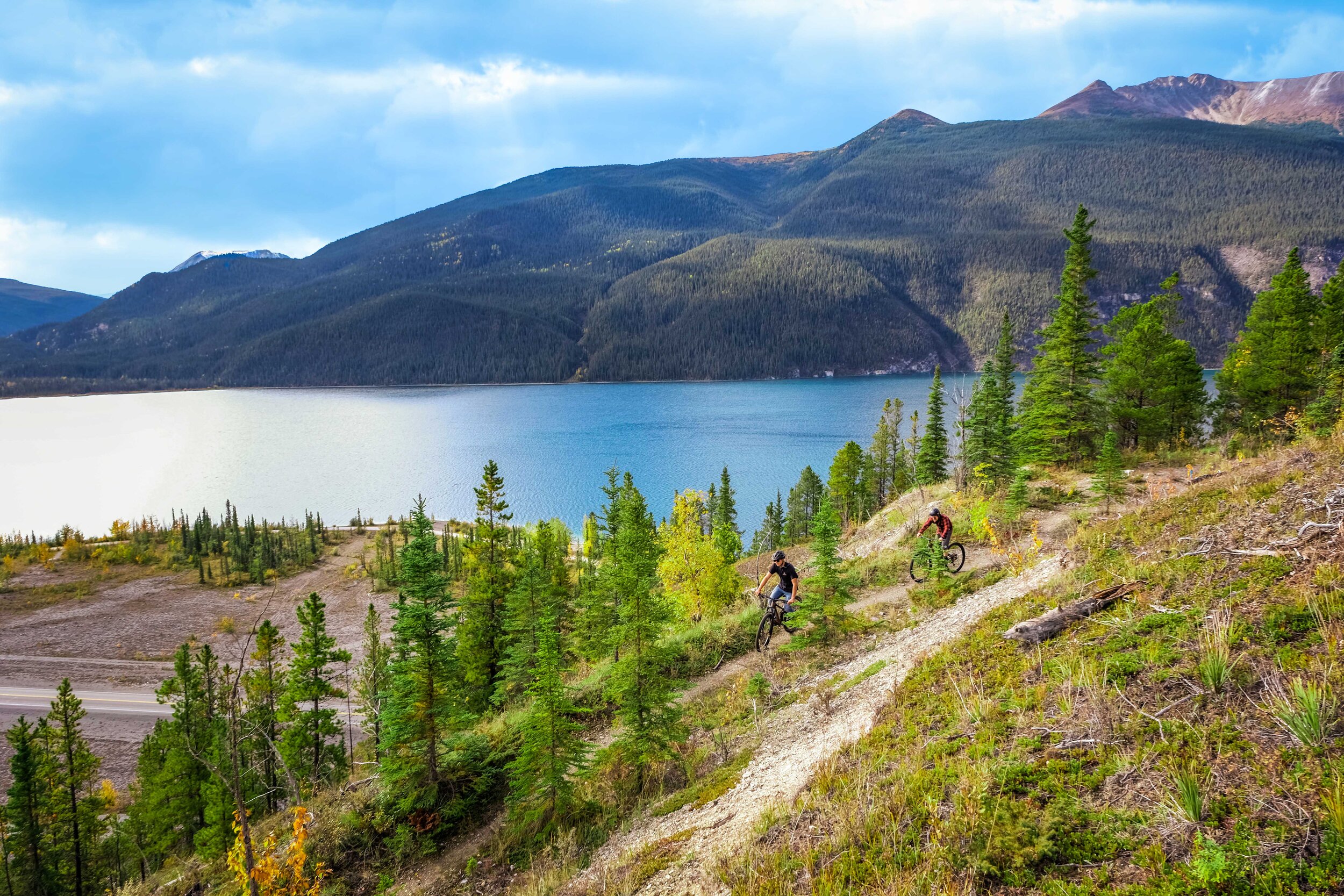
Photo via: https://www.instagram.com/familyair907/

46:24 – She describes what the mini competitions are for fly fishing teams.

49:08 – Julie talks about how people can show their support to the US Women’s Fly Fishing Team (USWFFT). For those who want to donate or sponsor, you can check out USAngling.org/us-womens-fly-fishing-team/.

Photo via: https://www.einpresswire.com/article/662940138/us-women-s-fly-fishing-team-wins-bronze-medal-at-2023-world-ladies-fly-fishing-championship-in-canada

53:43 – We talk about the popular fishing spots in Oklahoma based on Drifthook’s blog entitled “Top 16 Places to Fly Fish in Oklahoma and What Flies to Use”. She also recommends using smaller flies when fishing in Oklahoma.

56:00 – For rods, she recommends a 9ft 5wt as a general rod and a 10 1/2 ft 3wt for euro fishing. Her go-to brands are Temple Fork Outfitters and Cortland. For the lines, she uses the ones from Scientific Anglers.

58:28 – She likes listening to outdoor podcasts and country music.


You can find Julie on Instagram @On_The_Rivers.

Facebook at On the Rivers Fly Fishing Company

Visit their website at OnTheRivers.com.

Related Podcast Episodes

WFS 100 – Joan Wulff Podcast – Fly Casting Tips, Lee Wulff, Yarn Rod, Dun Magazine, American Sportsman


oklahoma fly fishing

Conclusion with Julie Mattson on Oklahoma Fly Fishing

Fly fishing is more than just a sport; it’s an immersive experience that connects you with nature in a unique way. Whether it’s exploring the idyllic waters of Oklahoma, competing on an international stage, or attending a fly fishing festival in Texas, Julie Mattson embodies the spirit of adventure and passion that this sport inspires.

Should you want to support the US Women’s Fly Fishing Team, check out USAngling.org.


WFS 549 – Backcountry Hunters and Anglers with Hal Herring – BHA Podcast, Conservation, Fly Fishing

Step into the wild with Hal Herring as he shares captivating stories of hunting, fishing, and the great outdoors. Hal delves into his early experiences, the roots of his passion for conservation, and the exciting initiatives he’s leading.

We also hear about the Backcountry Hunters and Anglers Podcast and Blast and get a sneak peek into Hal’s upcoming book. Don’t miss out on the excitement – tune in and discover the extraordinary tales that await in the great outdoors!

Show Notes with Hal Herring on Backcountry Hunters and Anglers. Hit play below! 👇🏻


apple podcasts

Find the show:  iTunes | Stitcher | Overcast

Subscribe on Android

Subscribe on Apple Podcasts

Subscribe via RSS

(Read the Full Transcript at the bottom of this Blog Post)


Sponsors and Podcast Updates


Hal Herring

Episode Chapters with Hal Herring on Backcountry Hunters and Anglers

01:41 – Hal Herring tells us about his early experiences hunting and fishing.

06:00 – Hal acknowledges that his parents’ decision to move to the countryside in his youth significantly influenced his life.

The experience of farm work during middle and high school later provided him with valuable skills, allowing him to easily secure a job in Montana when he was in his mid-20s.

10:34 – Hal tells us how he got into conservation. Hal emphasizes that his passion for conservation was a natural development rooted in his upbringing, influenced by magazines like Field and Stream, Sports Afield, and Outdoor Life.

14:21 – Hal expresses optimism in the power of conservation efforts. He sees the main obstacle as indifference and highlights the potential for passionate anglers to make meaningful contributions to conservation by fighting for the rivers they fish.

Hal Herring

22:43 – Hal tells us the story of how the BHA’s Podcast & Blast started.

27:49 – Hal talks about how his writing career started. His writing career gained momentum when his work was acknowledged by publications like Field & Stream.

Hal Herring

38:31 – Hal encourages individuals to join conservation groups like Trout Unlimited and Ducks Unlimited, citing their positive impact on small-scale dam removal, creek restoration, and wetlands conservation.

44:00 – Hal talks about Ray Scott, the founder of the Bass Angler Sportsman Society.  Scott’s significant legal efforts involved numerous lawsuits against polluters in the Tennessee River system before the enactment of the Clean Water Act in 1972.

50:31 – Hal shares a recent initiative involving the planting of 286,000 sagebrush and bitterbrush in October.

BHA Podcast & Blast

53:09 – Hal discusses how he selects topics for the Backcountry Hunters and Anglers Podcast and Blast.

56:00 – Backcountry Hunters and Anglers is a hunting and fishing conservation group focused on issues about public lands.

Hal Herring

01:01:10 – Hal emphasizes the importance of getting involved locally and mentions several organizations contributing to conservation efforts, including the Mule Deer Foundation, Ruffed Grouse Society, Pheasants Forever, and the Rocky Mountain Elk Foundation.

01:06:00 – We also delve into wolf recovery efforts.

01:19:29 – Hal discusses his upcoming book. The book explores the history and profiles various National Forests and Bureau of Land Management lands.


Follow Hal on Instagram @hal.herring

Check out BHA’s Podcast & Blast:

Related Podcast Episodes

WFS 516 – Redeye Bass Fly Fishing with Matt Lewis – Alabama, Redeye Slam, Native Fish Coalition

WFS 500 – Klamath Dam Removal with Ann Willis – American Rivers, Snake River, Salmon

Hal Herring

Conclusion with Hal Herring on Backcountry Hunters and Anglers

So, there you have it – a riveting glimpse into the world of Hal Herring. From the early days of hunting to the inspiring conservation initiatives, Hal’s stories paint a vivid picture of the wild. Whether you’re an avid outdoors enthusiast or just love a good story, Hal’s adventures are a must-listen for anyone captivated by the magic of the great outdoors.


WFS 548B – Trophy Trout with Landon Mayer – Virginia Fly Fishing & Wine Festival, Fly Tying, Fitness Tips

trophy trout

In this podcast, learn more about Trophy Trout with Landon Mayer!


Show Notes with Landon Mayer – Trophy Trout. Hit play below! 👇🏻

apple podcasts

Find the show:  iTunes | Stitcher | Overcast

Subscribe on Android

Subscribe on Apple Podcasts

Subscribe via RSS

(Read the Full Transcript at the bottom of this Blog Post)


Sponsors and Podcast Updates

trophy trout

Episode Chapters – Trophy Trout

(0:00:05) – Trophy Trout and Fly Fishing
Nature’s guide Landon talks about his fly fishing experiences, upcoming shows, and simplified teaching style.

trophy trout

(0:10:59) – Presentations, Home Water, and Trophy Trout
Nature’s evolving education in fly fishing, adapting to changes in angler preferences and highlighting Phil Rowley’s contributions.

(0:18:43) – Timing and Presentation for Trout Fishing
Strategic timing for trout fishing in Colorado, targeting post-spawn periods, using dead drifts and matching insect hatches for success.trophy trout

(0:25:15) – Canyons and Water for Trout Fishing
Nature’s intricacies of trout habitats, behavior, and adaptation to changing conditions and angler pressures.

(0:36:25) – Angling Strategies With Leeches and Midges
Nature’s advanced angling strategies for catching elusive trout, using leech patterns and adapting presentations to conditions.

trophy trout

(0:43:17) – Delivering and Handling Leeches in Fly Fishing
Nature’s mini leech jigs, presentation and knot tying, understanding the ‘breaking point’, upcoming events, and tips for setting the hook and fighting fish.

trophy trout

(0:54:37) – Books, Fitness, and Health Tips
Nature’s literary contributions and fly fishing expertise, pursuit of trophy trout, and importance of fitness and healthy lifestyle.

landon mayer fly fishing

(1:06:22) – Staying Fit for Life
Staying fit and active allows us to continue enjoying passions like fishing, with gratitude for support and anticipation for the upcoming show season.

landon mayer fly fishing


Follow Landon on Instagram @landonmayerflyfishing

Visit his website at LandonMayerFlyFishing.com

landon mayer fly fishing


Resources Noted in the Show

landon mayer fly fishinglandon mayer fly fishing

landon mayer fly fishing


Related Videos

Related Podcast Episodes

WFS 295 – 7 Easy Fly Patterns for Trout with Landon Mayer

trophy trout

Conclusion – Trophy Trout

In this podcast, learn more about Trophy Trout with Landon Mayer!


WFS 548 – Three Rivers Lodge with Robin Reeve – Fly Fishing Labrador, Brook Trout, Canada

three rivers lodge

Join us as we cast our lines into the remote and wild waters of Labrador, a treasure trove for fly fishing enthusiasts seeking the road less traveled. Our guest, Robin, takes us through the hidden allure of Labrador, contrasting it with the crowded streams of Canada and sharing the tale of how a Father’s Day gift rekindled his passion for the sport, ultimately leading him to the Three Rivers Lodge. We discuss the journey from hobbyist to lodge owner and the intricate dance of business and conservation in such a pristine environment. With tales of the lodge’s significance and the importance of maintaining its legacy, we get an insider’s look at what it means to operate a haven for anglers.


Show Notes with Robin Reeve – Fly Fishing Labrador. Hit play below! 👇🏻

apple podcasts

Find the show:  iTunes | Stitcher | Overcast

Subscribe on Android

Subscribe on Apple Podcasts

Subscribe via RSS

(Read the Full Transcript at the bottom of this Blog Post)


Sponsors and Podcast Updates

Listen in as we reel in stories of friendships forged over the fly rod, where a simple invitation to the waters of Labrador resulted in an assembly of fishing legends like Jim Babb, John Gierach, and A.K. Best. These bonds, strengthened by the shared love of brook trout and the East Tennessee culture, are a testament to the camaraderie that the sport can foster. The conversation shifts from the sentimental to the technical as we discuss the peculiarities of fish behavior and the impact of environmental changes on the trout population, guided by years of experience and a wealth of stories from Robin’s upcoming book.

three rivers lodge

Wrap up your fishing gear and join our conversation that navigates the ebb and flow of the fishing industry, from the fly fishing shows’ evolution to the intricate techniques that make a successful catch. Our discussion is peppered with practical tips and heartfelt advice for anglers of all levels, whether you’re a seasoned pro or just getting your feet wet. And for those seeking more than just a catch, Robin’s anecdotes serve as a reminder of the richer experiences and knowledge that come with every cast. So, tune in, and let’s set sail for an adventure in Labrador’s untouched wilderness, where every fish tells a story.

Episode Chapters – Three Rivers Lodge

(0:00:05) – Fishing in Labrador
Rediscovering fly fishing in Labrador’s remote wilderness and the allure of Three Rivers Lodge for solitude and abundant brook trout.

three rivers lodge

(0:11:18) – Selling the Lodge
Retiring lodge owner sells business, discusses challenges and changes in leisure pursuits, wildlife patterns, and future plans on organic apple farm.

three rivers lodge

three rivers lodge

(0:26:33) – Labrador Fly Fishing & Building Friendship
Serendipitous connection between fly fishing and personal relationships, gathering of fishing legends, value of privacy and respect, struggles with quitting tobacco.

three rivers lodge

(0:35:29) – Fly Fishing and the Importance of Flies
Nature’s unpredictable fishing conditions, effective flies, and ideal fishing times in Labrador’s freestone rivers.

(0:43:47) – Brook Trout Fishing in Labrador
Nature’s fascinating world of fly fishing in high mountain lakes, including eagles’ tactics, brook trout allure, pike’s aggression, and lake trout behavior.

three rivers lodge

(0:52:13) – Fish Movement and Environmental Impact
Brook trout behaviors include complex hierarchy, long upstream journeys, resting under alders, and impact of climate change.

(1:00:13) – Fishing and Wilderness in Labrador
Nature’s balance between sport fishing and conservation in remote destinations, including cultural considerations and logistics of trips.

three rivers lodge

(1:10:45) – Fly Fishing Shows and Tips
Attending fly fishing shows for business, friendships, gear, techniques, successful flies, trip preparation, and resources.

(1:16:04) – Answering Questions and Sharing Stories
Nature’s essence of fishing is explored through storytelling, emphasizing the ease of fishing in Labrador and directing listeners to trophylabrador.com and Three River Lodge.


Visit their website at TrophyLabrador.com

three rivers lodge


Related Videos

Related Episodes

WFS 434 – John Gierach on Dumb Luck and the Kindness of Strangers, McGuane and Hemingway

three rivers lodge

Conclusion – Three Rivers Lodge

In conclusion, our journey through Labrador’s remote waters with Robin has unveiled the hidden allure of fly fishing at Three Rivers Lodge, where personal passion seamlessly intertwines with the delicate dance of business and conservation. Beyond the mere act of casting lines, this episode illuminates the profound camaraderie among anglers, as legends like Jim Babb and John Gierach gather on Labrador’s pristine waters, weaving tales of brook trout and East Tennessee culture. Robin’s transition from hobbyist to lodge owner offers a unique perspective on the challenges and triumphs of sustaining a haven for serious anglers, while the exploration of fish behavior and environmental impacts provides practical insights for anglers of all levels. This episode serves as an invitation to wrap up your gear and set sail for an adventure in Labrador’s untouched wilderness, where every cast tells a story and the essence of fly fishing finds its purest expression at Three Rivers Lodge.


WFS 547 – Freshwater Sight-Fishing with Craig Bailey – Tennessee River, Carp, Gar

sight-fishing

In this episode, learn more about Freshwater Sight-Fishing with Craig Bailey!


Show Notes with Craig Bailey on Freshwater Sight-fishing. Hit play below! 👇🏻

apple podcasts

Find the show:  iTunes | Stitcher | Overcast

Subscribe on Android

Subscribe on Apple Podcasts

Subscribe via RSS

(Read the Full Transcript at the bottom of this Blog Post)


Sponsors and Podcast Updates


sight-fishing

Episode Chapters with Craig Bailey on Freshwater Sight-fishing

1:28 – Craig grew up in Cincinnati and it was the series called The Walker’s Cay Chronicles that got him hooked on fly fishing.

2:36 – He spent a month on an island in Belize to learn fly fishing and do saltwater sight-fishing.

4:18 – He tells us how he got into what he is currently doing at Knee Deep Expeditions when he went back from Punta Gorda, Belize. When he saw the carp episode of The Walker’s Cay Chronicles, he came up with the idea of teaching saltwater fishing back home.

sight-fishing
Photo via: https://kneedeepexpeditions.com/exotic-expeditions

6:20 – Eventually, he expanded down to the Tennessee River which he says got everything that he wants in a sight-fishing environment.

7:53 – His guiding season starts from July to August which he says are the best months.

10:15 – He talks about fishing for gar. Two years ago, they caught a 62-inch gar which he got certified by the International Game Fish Association (IGFA).

sight-fishing
Photo via: https://www.instagram.com/knee_deep_expeditions

12:27 – He describes the measuring device that the IGFA uses to certify a catch.

13:20 – A typical fishing trip with their team goes for about three to four days. They also do campfires and go out for dinner. He tells us more about the unique fishing expeditions they do.

16:45 – I ask him for tips for saltwater sight-fishing. He created a fly which he calls a gar fly. It’s a small baitfish pattern that is about four inches.

22:11 – He says that the buffalo is the hardest to catch. He can only target them on the sand flats so they can easily see the fly. They have very small mouths so Craig downsizes his carp fly.

sight-fishing
Photo via: https://www.instagram.com/knee_deep_expeditions/

29:16 – We talk about the drum. They like rocks and clear water. He also shares his technique for catching carp and buffalo.

31:40 – He shares about his setup which he calls the Walmart set.

33:51 – He gives more valuable tips for successful freshwater and saltwater sight-fishing. He says that it’s harder to spot fish in freshwater because the water is not clear.

35:01 – We dig into the importance of proper equipment in sight-fishing. He recommends having a skiff. He uses a 2006 Ranger Banshee fiberglass boat.

35:16 – He wrote a book entitled “10 Feet Above Water”.

sight-fishing
Photo via: https://books.apple.com/gb/book/10-feet-above-water/id1542127073

35:59 – We explore the Tennessee River. He also gives tips on exploring new water.

38:52 – We dig into his book. It has an instructional video. It is exclusively on Apple books.

41:53 – He talks about Thad Robison who has a show on Discovery called “Fish or Die”. He fished with Craig’s crew two years ago. He also says that the longnose gars are aggressive. Their scales and sheer power are more dangerous than their teeth. So they have their clients wear gloves when handling gar.

sight-fishing
“Don’t let go of that business end of these fish till you put em back in the water. Hold on tight! Teeth everywhere! Such and incredible an unique fish. Very lucky to experience this adventure with @knee_deep_expeditions and @jakeshunt666 🤘🏼” (Photo via: https://www.instagram.com/fishhippie/)

44:31 – He trained a group of guys in Punta Gorda, Belize for fishing trips. For him, Belize is the most technical and hardest location they offer. He also mentions other locations where they have partner guides and villas.

46:46 – He also trained military folks so they could get an FFI certification.

49:18 – We talk about the Virginia Fly Fishing and Wine Festival. Their 23rd annual event will be at The Meadow Events Park on January 13th and 14th, 2024.

51:16 – He works with Project Healing Waters and Casting for Recovery. He wrote about that in his book.

52:46 – He commends Capt. Jeff Arnold from Louisiana who is one of his favorite guides. He loves to target Gar.

Photo via: https://www.instagram.com/arnoldsguideservice/

54:55 – If he could book a fishing trip for himself, he’d go to Exmouth, Australia.

56:31 – He has three species on his list: golden trevally, golden dorado, and golden mahseer.

57:01 – He likes blues and classic rock music like Muddy Waters and B.B. King.


You can find Craig on Instagram @Knee_Deep_Expeditions.

YouTube @KneeDeepExpeditions

Visit their website at KneeDeepExpeditions.com.

sight-fishing


Resources Noted in the Show

sight-fishing
Photo via: https://books.apple.com/gb/book/10-feet-above-water/id1542127073


sight-fishing

Conclusion with Craig Bailey on Freshwater Sight-fishing

In this episode, learn more about Freshwater Sight-Fishing with Craig Bailey!


WFS 546 – Catch of a Lifetime with Peter Kaminsky – New York Times Author, Nick Lyons, Cooking Tips

Peter Kaminsky

If someone says the word fly fishing, where do you go in your head?

In today’s episode, New York Times writer Peter Kaminsky takes us on a journey through the pages of his latest book The Catch of a Lifetime. We hear captivating stories from Peter’s fly fishing adventures and writing career.

Stick around because Peter also dishes out some mouthwatering cooking techniques that are bound to tantalize your taste buds.

Show Notes with Peter Kaminsky on Catch of a Lifetime. Hit play below! 👇🏻


apple podcasts

Find the show:  iTunes | Stitcher | Overcast

Subscribe on Android

Subscribe on Apple Podcasts

Subscribe via RSS

(Read the Full Transcript at the bottom of this Blog Post)


Sponsors and Podcast Updates


Peter Kaminsky

Episode Chapters with Peter Kaminsky on Catch of a Lifetime

01:44 – Peter first got into fly fishing during a vacation from working at the National Lampoon in the mid-’70s. He stumbled upon a fishing camp in Boca Paila, witnessing fly fishermen in action.

02:52 – When he returned to New York, he went on a Catskills trip with Geoff Norman.  There, he encountered Doug Swisher and attended his clinic for two days.

Photo via https://www.amazon.com/Selective-Trout-Expanded-Carl-Richards/dp/1585740381

03:50 – After getting fired at the National Lampoon, Peter started writing for outdoor magazines like Outdoor Life, Field & Stream, and Sports Afield.

04:35 – Peter also had the chance to build a connection with Nick Lyons through his work. This led to a remarkable opportunity when, in the early ’80s, Nick recommended Peter to write for the outdoors column at The New York Times.

Peter Kaminsky

11:50 – Peter and his brother created the Mark Twain Prize for American Humor at the Kennedy Center, overseeing its production for two decades.

The Works of Peter Kaminsky

17:20 – One of Peter’s most famous works, which overlaps into the outdoors realm, is the book Seven Fires with Francis Mallmann. He also did a book with John Madden called John Madden’s Ultimate Tailgating.

21:43 – Peter Kaminsky shared the story behind his new book The Catch of a Lifetime. The book features short pieces from various contributors like Nick Lyons, John McPhee, and Rachel Maddow.

32:45 – Peter also talks about his connection with Flylords, which he discovered during COVID-19. He recently worked with them on a new video series called Flavor on the Fly.

Peter Kaminsky

35:24 – Peter shares a simple and effective cooking technique for fish from his book How to Dress an Egg with Ned Baldwin.

48:20 – Some of Peter’s literary influences include Nick Lyons, A.J. McLane, Ernest Hemingway, Raymond Chandler, and Ivan Turgenev. Check out our episode featuring The Life and Works of Ernest Hemingway with Mark Cirino.


Follow Peter on Instagram @peterkaminsky1

Check out Peter’s latest book:

Resources Noted in the Show

Photo via https://www.amazon.com/Seven-Fires-Grilling-Argentine-Way/dp/1579653545

Peter Kaminsky

Related Podcast Episodes

WFS 202 – Nick Lyons on Great Fly Fishing Books – Lyons Press Publishing, Tom McGuane, Ted Leeson

WFS 164 – Flylords with Jared Zissu – Fly Lords Mag

WFS 513 – The Life and Works of Ernest Hemingway with Mark Cirino – One True Pod, One True Sentence, Mets

Peter Kaminsky

Conclusion with Peter Kaminsky on Catch of a Lifetime

We hope you’re as hooked on Peter’s fly fishing adventures and anecdotes from “The Catch of a Lifetime” as we are. If you’re planning to fire up the grill, Peter’s cooking tips are a must-try. And be sure to check out his latest book.


GLD #7 – Cuyahoga River with Mike Durkalec – Great Lakes Dude Podcast with Jeff Liskay

cuyahoga river

Embark on a journey of environmental triumph and angling adventure as we explore the Cuyahoga River’s spectacular comeback, guided by the expertise of Mike Durkalec, aquatic biologist and fishing report hero. Discover how this once fiery river became a success story of ecological restoration, propelling forward thanks to the Clean Water Act and concerted community efforts. Dive into our discussion about the significance of dam removals, and witness the river’s rebirth through improved water quality, enhanced biodiversity, and the return of thriving aquatic life.


Show Notes with Mike Durkelac – Cuyahoga River Restoration. Hit play below! 👇🏻

apple podcasts

Find the show:  iTunes | Stitcher | Overcast

Subscribe on Android

Subscribe on Apple Podcasts

Subscribe via RSS

(Read the Full Transcript at the bottom of this Blog Post)

Sponsors and Podcast Updates

Feel the pulse of Cuyahoga’s currents as Mike and I unpack the nuances of steelhead migrations, the survival of these resilient fish through urban challenges, and the stocking strategies that promise a brighter fishing future. Learn how walleye and the prehistoric lake sturgeon are making waves in the river’s ecosystem, potentially turning the Cuyahoga into their new spawning haven. As the river flows, so does our conversation—from the excitement of elusive muskies to the practicalities of finding the best fishing spots—offering a treasure trove of tips for anglers eager to cast their lines into these revitalized waters.

cuyahoga river

Finally, join us as we reveal the secrets to successful fishing along the scenic Cuyahoga, where every bend in the river might yield the catch of a lifetime. Get the inside scoop on the optimal bait presentation, the art of navigating stream access laws, and the most effective techniques to lure in the big ones, whether you’re after steelhead or musky. From towpaths to tackle, this episode is a call to all fishers of dreams and stewards of nature to celebrate and partake in the resurgent spirit of one of America’s most storied rivers.

Episode Chapters – Cuyahoga River Restoration

(0:00:24) – The Rebirth of the Cuyahoga River
Nature’s transformation of the Cuyahoga River, its role in sparking the environmental movement, and ongoing restoration efforts are discussed with aquatic biologist Mike Durkalec.

(0:08:29) – Dam Removals’ Impact on Fish Migration
Nature’s revitalization through dam removal improves water quality, biodiversity, and fish migration, including the introduction of steelhead in the Cuyahoga River.

(0:14:18) – Cuyahoga River Steelhead Surveys and Fishing
Nature’s resilience and unexpected spawning behavior of steelhead in urbanized areas, highlighting the importance of stream quality and the inclusive opportunity for anglers.

(0:20:02) – Cuyahoga River Spawning and Stocking
Monitoring fish populations, dam removals, and sturgeon introduction in the Cuyahoga River for potential spawning and migration.

(0:30:05) – Exploring the Cuyahoga River for Steelhead
Nature’s elusive muskies in the Cuyahoga River, strategies for steelhead fishing, comparison to other streams, and potential for a successful fishery.

(0:40:06) – Fishing, River Access, and Lure Presentation
Nature’s scenic towpaths for fishing and biking, bait ban confusion, stream access laws, and public access on Cuyahoga River.

(0:48:09) – Fishing Techniques for Steelhead and Musky
Nature’s effective fishing techniques for steelhead and musky, including vertical and horizontal presentations, seasonal patterns, and gear setup.

(0:54:32) – Weight and Depth Considerations in Fishing
Nature’s techniques for presenting bait naturally in different fishing environments, including trotting, adding weight, and adapting tactics.


Follow them on Facebook at Rocky River Watershed Council

Visit their website at MyRockyRiver.org

cuyahoga river


Related Videos

Related Podcast Episodes

GLD #6 – Grand River Fly Fishing with Tyler Dunsmore – Fly Fishing BC, Steelhead, Wet Flies

Conclusion – Cuyahoga River Restoration

In a nutshell, our journey along the Cuyahoga River has been incredible, thanks to the wisdom of aquatic biologist Mike Durkalec. From a once troubled past, the river has made a triumphant comeback, thanks to community efforts and the Clean Water Act. Dam removals have played a crucial role, not only in improving water quality and biodiversity but also in welcoming back steelhead and other thriving aquatic life. Our chat with Mike uncovered the secrets of steelhead migrations, the surprising resilience of these fish in urban environments, and promising prospects for the river’s future. From walleye to prehistoric lake sturgeon, the Cuyahoga is becoming a hotspot for diverse aquatic species. Whether you’re into elusive muskies or steelhead, our conversation covers everything from fishing spots to bait presentation, offering a treasure trove of tips for fellow anglers. This episode is a call for all nature enthusiasts to celebrate the revived spirit of the Cuyahoga River and join in its ongoing story of restoration and conservation. So, let’s cast our lines into these revitalized waters and be part of the magic!

         
Support Our Podcast Sponsors         
Support Our Podcast Sponsors       
Support Our Podcast Sponsors         

Support Our Podcast Sponsors

         
Support Our Podcast Sponsors         

POPULAR ARTICLES