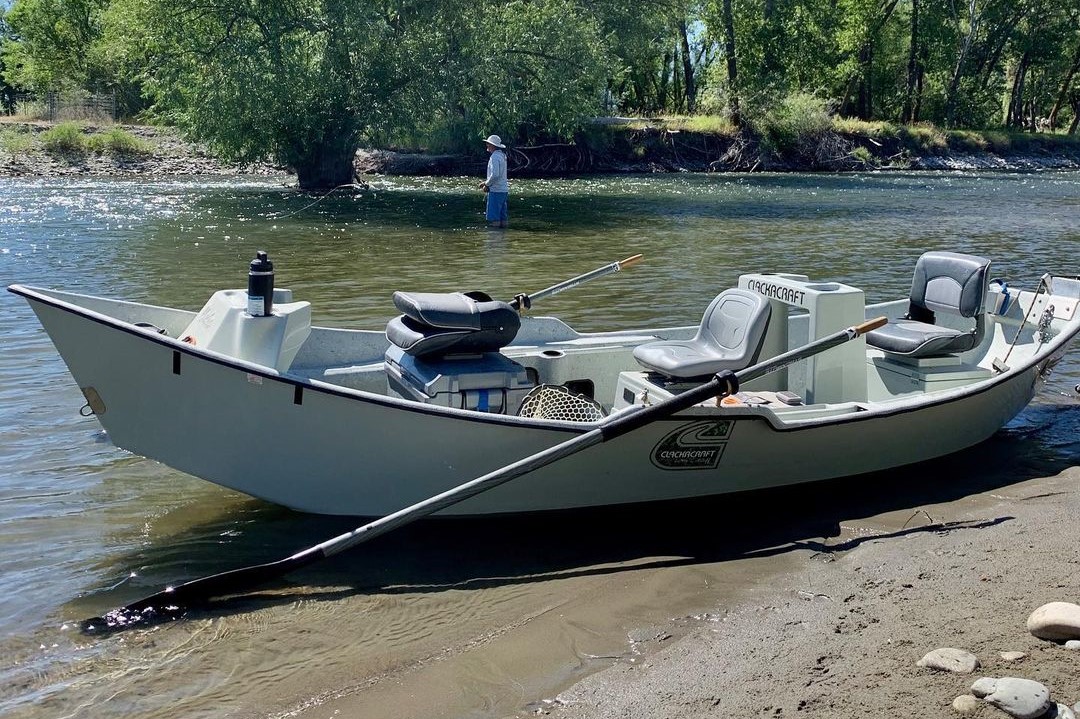
In this podcast, learn about ClackaCraft with John Stenersen!
Show Notes with John Stenersen – ClackaCraft. Hit play below! 👇🏻


Find the show: iTunes | Stitcher | Overcast
(Read the Full Transcript at the bottom of this Blog Post)
Sponsors and Podcast Updates
Episode Chapters – ClackaCraft
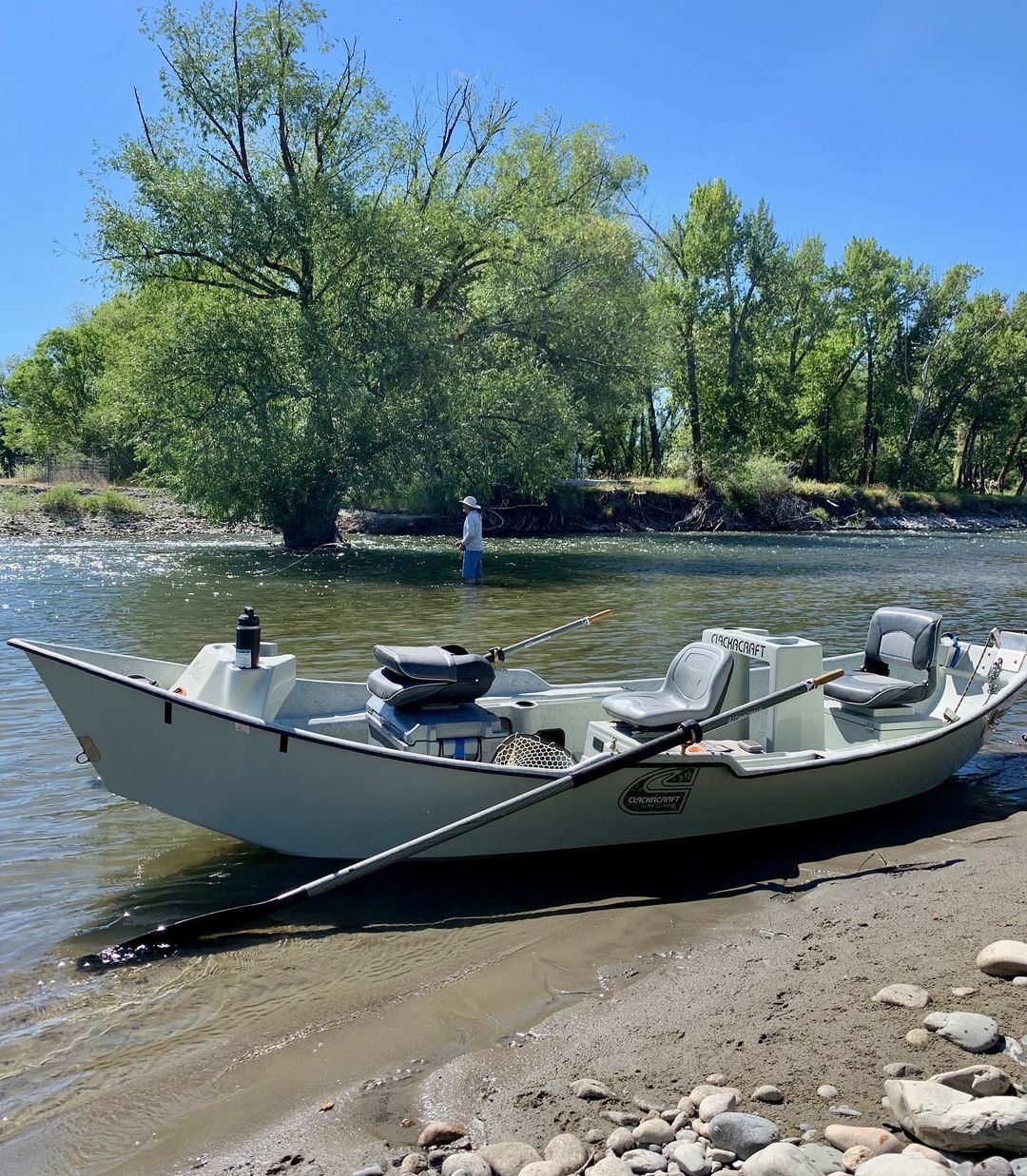
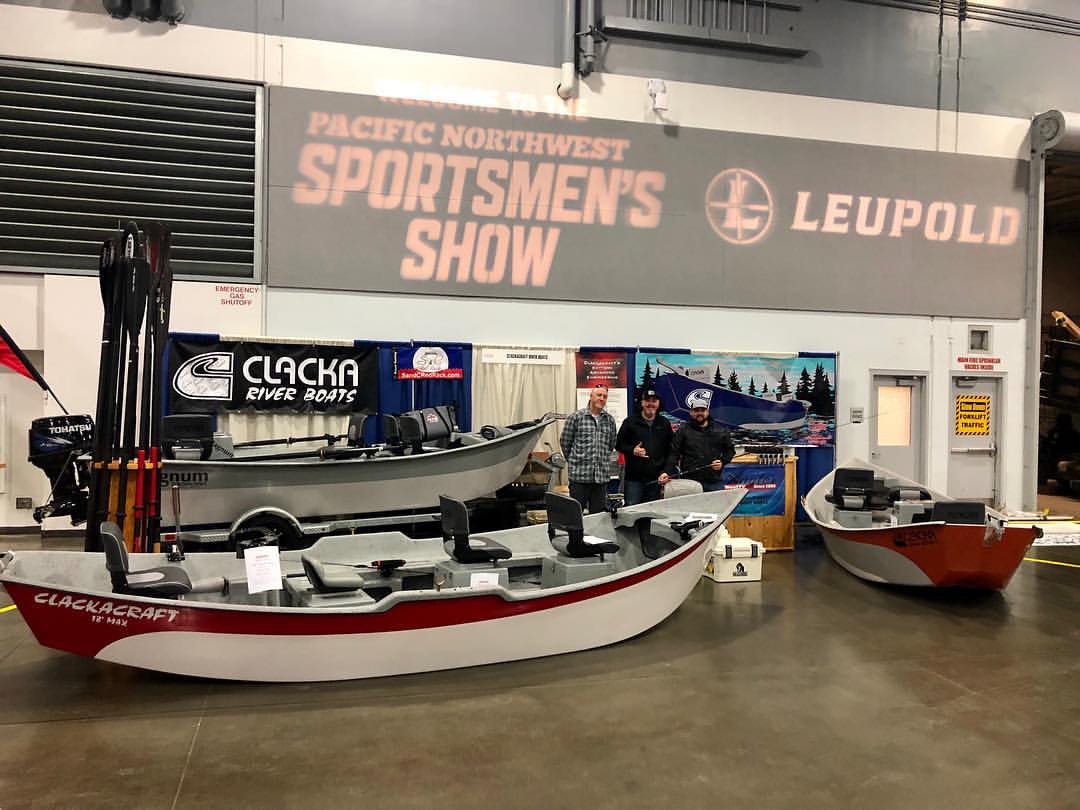
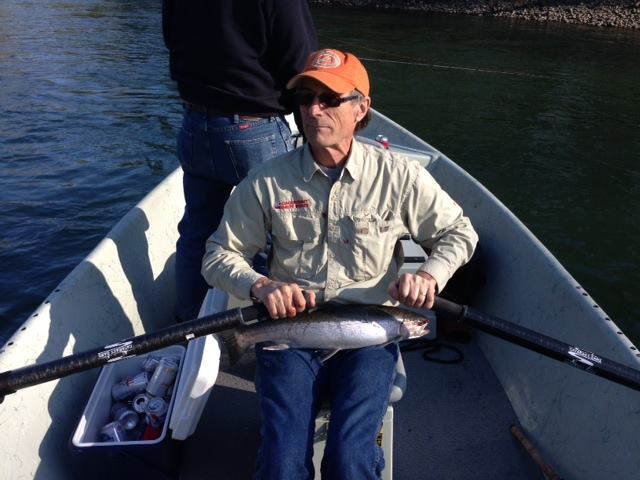
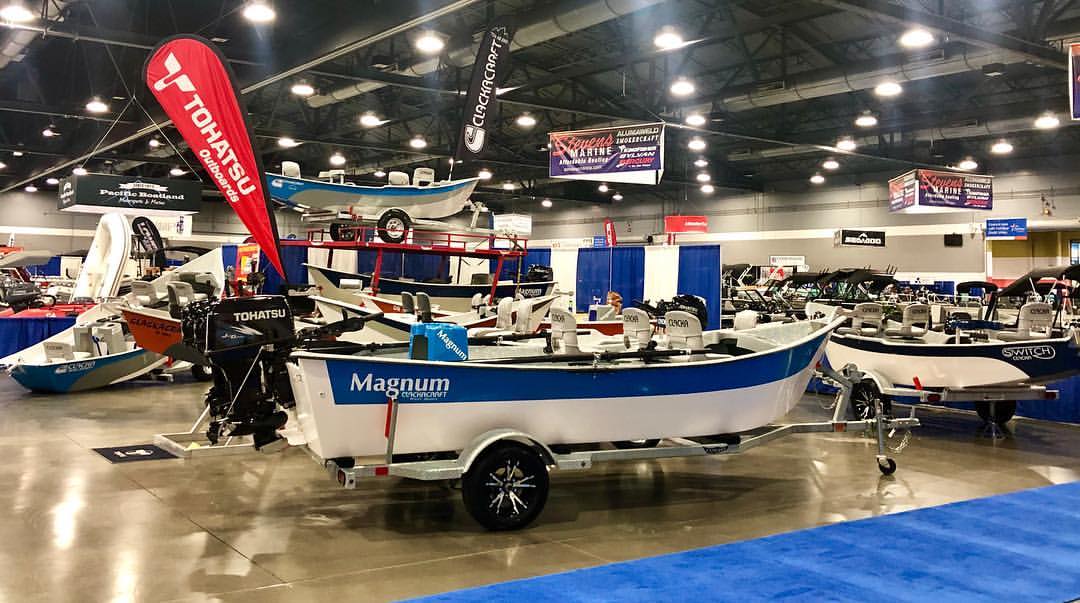
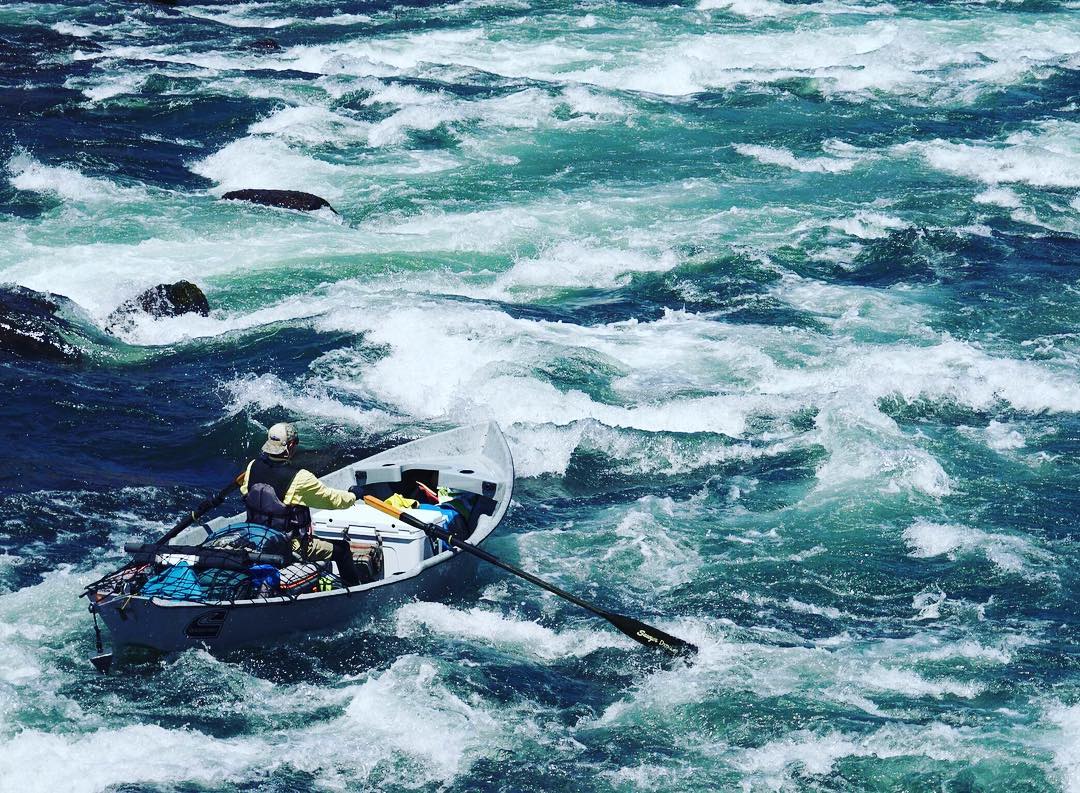
Follow ClackaCraft on Instagram @clackacraftdriftboats
Visit their website at Clacka.com
Resources Noted in the Show
Videos Noted in the Show
Related Podcast Episodes
Read Full Transcript Below
Episode Transcript
Dave (2s):
Welcome to Traveled where we take a journey to a specific region. So, you discover what makes this part of the world so unique. Before, we get rolling with our guests. this week I wanted to share the love with our Traveled sponsor. This podcast is powered by Swing Outdoors, the Wet Fly Swing podcast and Yellowstone Teton territory. Please. head over to Wet fly Swing dot com slash teton to connect with the great brands that make up this amazing region of the country. Today. on the Wet Fly Swing podcast, we’ve got John Stenerson who takes us into clack of craft boats and Idaho Falls. John has been fly fishing and in the boat game for quite a while. He’s worked at fly shops, he’s done just about everything.
Dave (45s):
He’s gonna share a little bit of insight on his history and talk about what has made clack of craft such a great boat. Today John’s gonna give us his three takeaways on why you might want to think about getting a boat this year. John’s three big takeaways, plus we get a little bonus tip where John talks about if you’re having issues, maybe you’re like me getting a little bit older and those tiny flies are not so easy to tie on anymore. John’s got a nice tip that you don’t wanna miss today. Stay tuned. One of the biggest drift boat brands in the world and the guy behind the daily operations Here. we go, John Stenerson from clack of craft.com. how you doing John?
2 (1m 24s):
Good, thank you for having me.
Dave (1m 26s):
Yeah, thanks. Thanks for doing this today, I. think this has been, you know, a, a long time coming. Clack of Craft is one of those boats out there that I think you guys are definitely leading the way on a lot of things. There’s lots of drift boats now. We’ve been doing episodes all around the country. you know, there’s some boats even on the east side of the country now. But I wanna talk about all I wanna talk cl graph. I wanna go deep into drift boats, clack of craft, but also I wanna find out about your background. So take it to fly fishing first. How did you first get into fly fishing? Kind of what’s your first memory?
2 (1m 56s):
So I was pretty lucky to have a, a dad who was into fly fishing when I was a young kid. Grew up in Central Idaho and salmon Idaho. And so he was into fly fishing and fishing in general. So he taught me and took me and then as I progressed I was able to go to work in fly shops. you know, been in that, started in a fly shop in the late eighties and then kind of worked through a shop in Ile Falls. Jimmy’s here in Ile Falls for 10 years and then, you know, ended up in CL of Craft. So pretty lucky to be have a dad that got me into fishing and then pretty lucky to have a wife and a, you know, and family that’s likes to go fishing and support me that way. So,
Dave (2m 33s):
Yeah. Right. So you’ve been doing this for quite a long time and And Jimmy’s has come up a number of times ’cause we’ve done some episodes. We were up there fishing this year and I think he just sold the shop. So that, that was one of the big shops. What was it like? Talk about Jimmy’s. I haven’t had him on yet. I’m hoping to do it. Describe that shop a little bit. You were there for 10 years. How would you describe that to somebody?
2 (2m 55s):
I worked with his dad, Jim Senior and Jimmy. It was great. They were both mentors to me. They taught me a lot. The shop was, you know, it’s interesting transitioning from shops to when I went to work there to where we’re at now. I mean they’re busier compared to back then. So it was, it’s it’s, it’s a great shop. It’s a fly time central shop if you like the Thai flies. It was, it was great. And then like really having Jimmy and Jim Sr to mentor me on fishing and teaching me that next level I guess would be the step. ’cause I fished a lot but you know, getting, having him and then I actually had like one other guy, Tim Frontier Anglers, Tim Tallett was another one that was a good mentor.
2 (3m 35s):
So I had those guys to get me going and you know, I was lucky, lucky to have them. They were there and Jimmy’s wonderful. He was over to dinner last night with us. He’s a best friend. Nice. We spend, we hunt, we hunt every week. I try to hunt together everything so we’re always yeah. Doing something. So yeah,
Dave (3m 53s):
That’s a good deal. Yeah, it sounds like that was a pretty awesome, and now as Jimmy, I’ve asked this question from a couple other people, is he still around? Is he gonna be in the shop or is he pretty much out of it?
2 (4m 2s):
Jimmy’s out of it. He’s, he’s I think he told me that he spent eight days in his bed in November. Yeah. So he was either fishing or hunting somewhere the other days of those other days.
Dave (4m 14s):
That’s awesome.
2 (4m 15s):
Yeah, it’s, it’s a good, it’s great. So
Dave (4m 17s):
Yeah. And the shop is in Idaho Falls, right?
2 (4m 20s):
Yep, yep. And it’s a new shop by the guys out of Utah I think five. Yeah, fly Fish Foods. They’re doing a good job with it. They’ve got a couple of good kids in there running it, so, yeah. Yep.
Dave (4m 31s):
So good. So, and then you’re in, are you in Rexburg or Idaho Falls?
2 (4m 35s):
We’re in Idaho Falls, so yeah, we are on, would be on the east side on your way out towards the South Fork and Henry’s Fork. Yeah.
Dave (4m 41s):
Okay, cool. And, and so clack of craft is, you know, I think gonna be kind of a main topic here today. It’s, you know, it’s one of those boats that is all over the place, seems like. And who is the, talk about the, the current owner I think is the current owner also the founder of the company?
2 (4m 58s):
Yeah, Bruce Bells was the gentleman that, my boss who founded the company, 1975 I think was when he started building boats. And then he’s, and then kind of did it on his own. They would take these loads. It’s funny, you’d see pictures of ’em with a bunch of boats and they’d head to like George Anderson’s in the Yellowstone and they’d stay there for a few days and sell boats there. Then they would did a few things like that. They created a little small dealer networks and then basically in like 98 or 99, they decided to kind of go more bigger big time I guess. And they came to Idaho Falls and set up a shop here. And then we’ve been here ever since. And I went to work for a clack of craft in the January 2nd, 2005.
2 (5m 41s):
So.
Dave (5m 42s):
Okay. Yeah, so that was the thing. So now is K Clack Craft there, they have the, you know, obviously out in the Clackamas area, but are they, is that the only other shop in Idaho Idaho Falls? Or do they, do they do this in other areas?
2 (5m 53s):
No, So, we are the national sales office. We handle everything other than basically California, Washington, Oregon and Alaska. So. we handle all the sales outta here and we do help in those other states, but we do it all outta here. The boats are built in our Oregon facility. They bring ’em to us 15 at a time and then we distribute ’em out to over. Gotcha. So, yeah.
Dave (6m 16s):
Yeah, and that makes sense. And that’s why Idaho falls, the, the more you get closer to the inland of in the US the better it is to kind of distribute the boats, right. Instead of sending ’em out from Oregon, it’s to take longer or whatever.
2 (6m 27s):
Yeah. And then just for like, you know, population based forest trout fishing, you know, we’re in the mecca of it here. So people come from Wyoming, Colorado, Montana, Idaho obviously the pickup boats here, you know, there’ll be weeks where we’ll have 20 to 25 boats going out and they’re all just within driving distance.
Dave (6m 44s):
Oh right. Yep. Gotcha. And so like, you know, obviously you’re in this mecca for fishing, fly fishing, especially where you’re at. What is the distribution of, you know, I always think about this ’cause I know we have lots of conventional people in our listener, you know, audience as well. But what do you think is the breakdown between, out of all boats on clack, you know, clack of sales, you know, conventional fishing versus fly fishing?
2 (7m 5s):
I’d probably say 70% is fly fishing is our market. Could be more, could be less. But I would say 70% of it is the fly fishing side of it. Maybe 80%. But yeah, it’s 70, I would say for sure. 70%. Yeah.
Dave (7m 18s):
Yeah. So, and then is that, has that evolved over time? Like if you go back 30 years, was that when you went to Idaho, when that happened in Idaho Falls? Did that change the game a little bit on the fly?
2 (7m 27s):
The boats have really, you know, drift boats have progressed a long ways. And so I would say yes, probably just having more drift boats available has probably made it so it’s become more of the fly fishing. And then obviously guides are a huge, huge purchase of our boats. And so, and you know, as those businesses have grown on our business has grown with them.
Dave (7m 49s):
Oh, right, right. That’s right. Yeah, because you have the just people out there. Yeah. Personal people buying boats, but the guides are huge and yeah. And we’ve asked a lot of guides that like what boat do you use in cl comes up quite a bit.
2 (7m 59s):
Yeah, yeah,
Dave (7m 60s):
That’s right. Nice. So, and then on the boats, and I haven’t I mean I’ve been in a cl craft. I, I, in fact, I rode on a recent trip, I rode a hide for the first time and I hadn’t been in a, you know, that boat and I think there’s probably some similarities between the two boats, but what is, you know, between like right now the boat save versus when you started in, in, when, whenever that was 2004. Have they changed a lot in 20 years?
2 (8m 25s):
The, the com you know, we’ve had to change far as like gel coats and things like that just because of the EPAs and stuff, you know, like that. But design wise, not a lot. We still have the, you know, we came out with the Gulf Stream bottom, the tunnel hall. That stuff’s still available. What we’ve done is increased like rod storage. You make the, the interior of the boat a much user friendly guide, friendly per, you know, so that when you’re in the boat it’s, you know, everything’s laid out. So that thought out, like I can put three rods on one side, three rods on the other side. When I first started we had one rod, you know, and so, and it was fine, but you know, now everybody’s got a streamer rod and a dry rod and an in rod.
2 (9m 6s):
And so, so we’ve really had to adapt our boats to meet those needs. And they have. And then the biggest thing for us has always been reliability and, and durability. And so, and that’s kind of where we’ve always stood out. So making sure that our boats handle well and are durable
Dave (9m 23s):
And durable. And that’s always the, the a question that comes up a lot between the boats. ’cause you have, you know, the main boats, right? You aluminum, you know, wood I guess you could throw in there and they even plastic and fiberglass. Yeah. And out of those, and you’re saying fiberglass are pretty durable, do they, you know, would you say they’re the most durable? Or how does that compare?
2 (9m 42s):
I would say that they, that’s a hard question, but, ’cause I always tell people when they ask about, because cl crafts, like I say, if you hit a, a rock hard enough to poke a hole through a clock of craft, you’re gonna poke a hole through aluminum boat, a wood boat, any of those. So the beauty of, of a fiberglass boat is if you do damage it, you can clean ’em up pretty quick. I’ve been here a long time with this company and we offer a lifetime warranty on those boats. And I see maybe one or two a year and all of the years that I’ve been here that are truly a warranty issue where someone’s hit a rock and poked a hole through it.
Dave (10m 18s):
Oh wow. So it’s just a, just a couple. And that’s, that’s pretty much it. Yeah. Yeah. I
2 (10m 22s):
Mean they’re, they’re these, you know, they guides run ’em down a river and beat ’em up and, and you know, they, they’re durable that way. So. That’s
Dave (10m 30s):
Right. That’s right. And what is the, and I know about, I’ve heard about the, the, the golf stream and, and tunnel. Talk about those features a little bit. What, what is that, what does that do for the boat?
2 (10m 40s):
So basically the, the thought process is when we were designing and doing all that was, you know, golf balls, sailboats all have the dimpling on the bottoms to help increase, reduce drag and flight. And so the idea is like if you’re on the South Fork, for example, we have a lot of mixing heavy currents. And the idea is instead of it forcing the boat to one way or the other, it goes underneath the boat and disperses. And so you have a little more lift and a little more, you know, and So, we have the tunnel hall which forces the water to the middle of the boat. And then with those dimples, and there’s obviously everybody has different philosophies on how it works and how that works, but it does, you know, for us it’s something that we’ve, surprisingly we don’t talk a lot about anymore.
2 (11m 24s):
We used to talk about it a lot has a difference in boats and difference in manufacturers, but I think over time people have figured it out that it’s, you know, it, it helps, helps with definitely, especially on big, heavy rivers, smaller rivers, you probably wouldn’t notice it much, but on like the South Fork or some bigger, the Missouri, some of the bigger waters, the Yellowstone where you got bigger stuff, so,
Dave (11m 46s):
Right. It makes a difference. Nice. And I’ve seen some of the photos of your boats out there around I. mean, where are you guys, I’ve even seen, like there’s one photo you guys have out there, the boat going through the, the Breakers I, think on the ocean. Have you seen these boats? I mean, how far are these being distributed? I know they’re all across the US pretty much, but do you guys send these out other places?
2 (12m 6s):
Yeah, if, yes, we send them, we’ve sent them to Argentina, we send to Chile, Mongolia, they, if you guys go look at them, they have two sections where they run a section and it’s all through drift boats with us. Then Mark Jonad is the guy that I’ve always dealt with and I think over the years we’ve probably send eight to 10 boats with him, that with them over to there on that. So, and then obviously Canada. Yeah, we sent a lot up there and a lot of pro staff guys outta Calgary that run our boats. Oh, Calgary,
Dave (12m 39s):
Right? Yeah.
2 (12m 40s):
Yeah. And then since, you know, and Alaska, we’ve got a, you know, up there, but our big, our big market for us is Montana, Wyoming, Utah, and then surprisingly Tennessee in that area, the Tailwaters, we send a, you know, probably three to four boats a month back there,
Dave (12m 56s):
So Oh, yeah, in Tennessee, right? Yep.
2 (12m 58s):
Yeah. And Michigan too.
Dave (13m 0s):
In Michigan,
2 (13m 1s):
Yeah. ’cause Mike Schultz, you know, Schulze, he’s, he runs stuff in, he does a Really good job of promoting our, our stuff there, so.
Dave (13m 8s):
Oh yeah, he does. That’s great. No, and, and Schultz is, we’re doing a little event with Mike Smallmouth bass Clinic here this year. So it’s gonna be fun to do that. I think I think sometime. We’re, we’re checking on that right now, so yeah, we’ll probably be in one of your boats that, that’ll be the cool thing is that out there, I’ll be able to actually finally get a chance to spend a good few days in the boat.
2 (13m 28s):
Yeah, he, they fish out of the skiffs out there and they, they, they love him.
Dave (13m 32s):
So yeah, the skiff. So there you go. So, so the skiffs, now we go back to the, you know, the skiff because I’m more of a traditional style. I’m not, you know, but I, I fished the skiff for the first time and I was blown away. And I know your skiff is similar in size, but that’s the great thing is that there’s just those skiffs are made for I, mean, what is the skiff made for? It’s, it’s made for like dealing with wind, right? That’s one. What are the big features of a skiff that you guys converse to say the conventional high sighted pointy boat?
2 (13m 59s):
So the reason for our skiff, and we built a skiff was to have something that was before like a class one piece of water, which I, we could get into a whole thing about classifications of water, but a class one, something low profile, something that rode, it’s by far a best rowing boat, but it’s not by far our most versatile boat. So meaning you, you, you know, it’s great on certain pieces of water, but you don’t want to use it everywhere. Right. That type of stuff. Like
Dave (14m 25s):
Heavy white water.
2 (14m 26s):
Yeah, exactly. I love the skiff. It’s what I fish out of. I have a deck for still water so I can get up on top and sight fish all the way to where I fish it, you know, on the Henry’s fork and the Beaverhead and big hole and all those types of rivers. So,
Dave (14m 39s):
Right. So, so the skiff is, yeah, more functional. It, it allows you to get in and outta the boat. Really good I mean fishing, two guys in the boat. It’s perfect. It’s comfortable, but it doesn’t have the Yeah, you can’t take it through what, like class four, like how do you know what you can take
2 (14m 55s):
It down So, we basically rank ’em like on all classifications. So like our skis would be a class one, class two possible. And then like our, our low profiles would be class two, class three, and then our standard size would be what we call, you know, class three, class four. And so luckily we can, we’ve all worked in here and the salesman at work here have all been here enough that they understand different rivers and different needs. And so for, you know, like if we have a beginner buying a boat versus somebody who’s had a lot of boats, we could steer ’em towards the boat that’s gonna fish the river they’re on. And you know, the rule of thumb for us is to always buy the boat that you’re gonna spend 90% of your time on, and you can always make that boat work other places for those 10 times or 10% of the year you go someplace else.
2 (15m 43s):
That’s kind of, and that’s, that’s a good rule of thumb even with you’re purchasing a boat, you really need to think about that is, okay, where do I spend 90% of my time? And I can, so if I’m on the Henry’s fork 90% of the time, well I can wait until the flows drop on the South fork to use it, or I can wait until the flows drop on the Yellowstone to use it and that kind of thing. So yeah.
Dave (16m 4s):
Yeah. Gotcha. Okay. And the, and the, the deck. So talk about that a little bit. You we’re, we’re also trying to get some steelwater trips going out probably in your neck of the woods. What, what is that? Is that something that you can order custom or do you guys do that regularly?
2 (16m 18s):
No, it’s just one we had built a good friend of mine and he works for Hart Montgomery, Travis Morris. He designs them and he built me one and we, we use it like up at Georgetown Lake when you’re out side fishing and stuff. So it’s, we haven’t really designed or gotten much into that stuff, partly because we’re usually so busy with all the other things we got going on. We just haven’t had time to, to explore all those options. Oh
Dave (16m 41s):
Right. Yeah. Yeah. But, but that’s something maybe in the future if, if you got more pop, it seems like stillwaters are maybe getting more popular around. Do you see that A little bit?
2 (16m 49s):
Yeah. I mean, I, that’s probably me. For me, I love Stillwater finishing over anything and so I spend more time trying to do that. But I think it’s interesting because being in this a long time, there was a huge, you know, the belly boats, then we went to pontoon boats and now I hardly see a lot, I don’t see many, any of those on waters anymore. And I hardly see like, the much time as I spend on Stillwaters, I don’t see as many anglers as I used to see. Oh.
Dave (17m 17s):
So there’s less anglers out there, but more in boats and drift
2 (17m 20s):
Boats. I think so, yeah. More, more rafts and boats and that kind of stuff. Oh, and raft.
Dave (17m 23s):
Yeah. Right, right, right. Yeah, no, I know. It’s interesting. I haven’t done as much Stillwater fishing as of late, but yeah, I remember that it was a lot of singles, the boats, the pontoon boats out there and then, but I had a friend that Gene who definitely we, the drift boat was a thing we always fished out of in the lakes and he’s kind of probably the first one that I did a lot of that. But again, that was out of a conventional boat, so I can imagine out of a skiff. Ooh. Now what is the boat? Is that, is the skiff a good lake boat? Is that a real good lake boat to use?
2 (17m 51s):
It’s a, it’s perfect for if you’re obviously, you know, when the wind comes up, we’re in a drift boat, so you’re not gonna be out in the big white caps, so you have to pay attention to that kind of stuff. But it’s perfect for what I like to do, which is fishing like Clark Canyon, Georgetown, some of those pieces of water. So down South Chesterfield, treasure 10, some of them. So, and it’s perfect for those ’cause you’re, they’re not big pieces of water and you’re usually fishing weed beds and edges anyways. You’re not out in the middle. So,
Dave (18m 20s):
Yeah, that’s right. And on your boat, is that something, you know, putting it in, can you drag that around, pick it up pretty easy, get it in? Like if you, if there wasn’t a boat ramp, is that a doable thing? Yeah,
2 (18m 31s):
Yeah. They’re not, they’re not the lightest, but once they’re off the trailer you can slide ’em, you know, everybody’s boats are all gonna be in the same weight class, so it’s pushing ’em around. It’s gonna be the same. So it does, it’s always, we, you know, we always, we always have laughed. Be like, you’re, we’ll be at a show and someone will come and lift up the tongue or do something like that. Man, that thing’s a heavy boat. I’m like, yeah, but you know, you’re not lifting it, you’re rowing it, so.
Dave (18m 52s):
Exactly. Yeah. You’re, you’re not, yeah, you’re not, you’re not dragging it, you’re not carrying it around for the most part, mo I mean, usually there are boat ramps where you’re fishing on most of your places,
2 (19m 1s):
Most of everything. Even the stuff like where I have to slide it off and in, it’s not hard. It’s the skiff you, you know, is, is not that hard to do. I’ve done it so much. You, you know, you know, ins and outs and that kind of stuff, and drag ropes, you can drag ’em. We’ve drug them a long ways up banks and stuff to get ’em in and out, so, oh yeah,
Dave (19m 20s):
Yeah, yeah. That’s awesome. And, and then your story with, you know, running into Clack. Talk about that. How did that, was that just, you were in the fly shop in Jimmy’s and then you knew somebody there that was talking about it? How, how did that come to be?
2 (19m 32s):
Yeah, so when I was at Jimmy’s, a gentleman by the name of John Lint was running Clra or running the Idaho operations in Clack Craft. And he asked me if I wanted to come out and come to work. And it was kind of, for me, Jimmy’s was incredible, but starting a family, this was more of a nine or you know, an eight to five job with weekends off and coaching. ’cause I coached my son through baseball, hockey and football and you name it. And I was always one of the helping coaches or in the coaching, and until he graduated in high school, I was always coaching. And so it allowed me to come to work and work here and then, you know, have weekends off or get out in the afternoons.
2 (20m 13s):
Like I could come in and leave at four o’clock and go coach a practice. And the Jimmy’s was good, but it just was more of, I needed to be there on Saturdays. ’cause that’s, you know, a busy day, busy day. And so it worked out. It’s been a good move for me, been a good move for our families. We’ve been able to meet a lot of really cool people through the business and go fishing in different places and you know, it’s just, and like my son loves it, my wife loves to go on a boat, so it works.
Dave (20m 41s):
Yeah, yeah. And do you talk to Bruce quite a bit? Is that kind of a daily, weekly thing, checking in with him?
2 (20m 48s):
Bruce and I talk pretty much every other day, if not every day, just real quickly. Sometimes it’s just, how about the weather? Sometimes it’s just about, you know, vacations, fishing, you know, that kind of stuff. you know, you know, things like that. So
Dave (21m 6s):
Yeah. How would you describe Bruce to somebody that hasn’t met him before? He is he, he’s a little bit older than you I think, right?
2 (21m 13s):
Yeah, Bruce is in the seventies. I’m fifties, mid, I’m 53. So sometimes it’s funny just because like he’ll be, he brings, he still drives the loads from Oregon to Idaho. Oh he
Dave (21m 24s):
Does? That’s awesome. Pretty much every time. So he doesn’t want, he can’t let it, he can’t let it go.
2 (21m 28s):
Yeah. And he’s in, he’s a, and he works, he loves, he works, he always is at work. He’ll, and he’s, he’s really, really kind. And so, but the like, you know, you’d run into him hauling the load and he’d like, oh yeah, just call over there. He, he, he’s very, I don’t know, he doesn’t like to have like the, I don’t know, honor, I don’t know how to say it. Oh yeah. The correct, you know, he’s, he’s not about the fame and fortune of
Dave (21m 50s):
Yeah. Like he’s, he’s created this amazing, yeah, yeah. He’s created this amazing company, but he probably won’t ever tell you how amazing it is that he, what he’s done. Exactly.
2 (21m 59s):
Yeah. He, and he’s humble. There is the word I’m looking for. Humble. Humble. He’s very humble and very super kind. He’s a great guy and you know, he runs a good business, has a great product. He does really well. And, and like I said, and I’ve been with him for 20 years and we’ve had some great fishing trips and some, you know, great laughs and it’s, I’m lucky I have a, I have a Really good job. And I get to work for a good, you know, good company and a, and a good product and like a good boss. So
Dave (22m 26s):
Yeah. No, that’s really, that’s really amazing. So that’s, that’s good. So, so Bruce is run the show and he’s still, you know, going strong and then, you know, what does that, so who else is in the, the company I mean, you guys have, I guess people building the boats and stuff like that, but are you the only person in Idaho Falls running the show there?
2 (22m 44s):
No, So, we have basically the two sales facilities. We have the Oregon, which Jake, Jake, Greg runs and then, and he’s got a couple salesmen that work there and then a crew that like puts boats. We have Roger, his Giles is his name, he’s been with the company forever. He builds all the boats, puts everything together. And then in Idaho we have, there’s myself and Matt Kelly, he’s, and then a couple salesmen, Nick Johnston and Travis Toller. And then we have our, a repair guy who’s been with us for like 20 some years, over 20 years. And then we have a basically a, a do all fix all guy that can do anything in anything that you need done.
2 (23m 28s):
Like he can. And he does that. And he’s been with us for a long time too. And he can like problem solve boats, you name it, he can fix it and does like all of the prep work, small fiberglass work. It’s, yeah.
Dave (23m 41s):
That’s really cool. Yeah.
2 (23m 42s):
And and his name’s John Hinkel and he does a, he’s a, he does a great job for us. Yeah.
Dave (23m 47s):
Gotcha. Okay. So, so that’s the crew. And then have you guys, I mean as far as, you know, looking at east versus west, how many boats are going out kind of east? Are you sending out more and more every year or is that kind of a growing market? It
2 (23m 60s):
Has like the Tennessee market, obviously the Delaware’s a big market for us. Michigan and Georgia, north Carolina, south Carolina, you know, all those tailwaters are becoming more and more fishing. And so, you know, I would say we probably send 50 to a hundred boats. It’s hard to say, you know, in an exact number, but we send a lot of boats out there. There’s times we’re sending three a week and sometimes like, you know, we don’t send any, obviously this time of year slows way down, but it always picks up, you know, starting in January, February we’ll start shipping a bunch of boats again. Oh
Dave (24m 34s):
Yeah, yeah. That’s right. And, and Bruce, and you mentioned at the start, but, so you know this, it’s, has it been 50 years now? Almost I think pretty close to 50 years this company’s been going.
2 (24m 44s):
Yeah, I think 75, right? I think so. 75, yeah.
Dave (24m 47s):
Yeah. So, so next, next year might be the, the 50 or the year or two, the 50th anniversary. So if you go back to 75, so what was Bruce, do you know his background? You mentioned boat building the bigger boats, but what was his, you know, because I guess drift boat, getting the design and stuff right on, seems like we’ve had, we had somebody on that talked about the history of drift boats, like back to the McKenzie and Rodale. Yep. What, do you know a little bit of that history with Bruce?
2 (25m 13s):
Yeah, Bruce, his family, they had a, a trolley business where they built the big T trawlers, you know, that would do the ocean stuff. And from there he kind of created this side business, a clack of craft and started building drift boats and pretty much they’re one-offs, so to speak. He would build them basic, you know, the basic haul that you could do in different interiors. And so we’ll see, it’s crazy. We’ll still see boats that are like 1979 show up on the lot and you know, he, like I said, they were all standard sites and, and he, he literally was doing the work and building them and doing it all and then load them up and driving them and taking ’em places, so, oh wow. And so, yeah,
Dave (25m 53s):
That’s right. The orig. So This is the original, what was the, the fur back in the seventies, would that be just the normal high sided, you didn’t have like the Big Eddie and stuff like that? What was the first boat?
2 (26m 3s):
So basically the first boat would’ve, would’ve, they called it the pro or the guide series or something like that. And it was just a standard sided bench boat. You could do either a bench rowing section and a bench up front. And then eventually they started going, you know, into the early nineties when the trout fishing started picking up in that market. And then they went to what we call our weight forward, which is the single pedestal box up front. And then from there they, in the late nineties, they started building the low profiles. And so then we came out with like the 16, 15 foot low profile, and then we came out with a 16 foot low profile. And then in like 2012 or 2010 or 12, we came out with the Eddie, which was a combination of our headhunter skiff, which we brought out in 2006.
2 (26m 51s):
So a combination of those. And then we brought the biggie out a few years ago because the Eddie is by far our number one rowing boat. And So, we, it’s, we just basically mimicked that boat and made the big Eddie match that one.
Dave (27m 2s):
Oh, and what is the, the Eddie as a traditional style drift boat?
2 (27m 5s):
It’s the traditional style drift boat and a low profile
Dave (27m 8s):
And a low pro. So that means instead of having the sides being what, what are what, what’s a normal high sided versus a low pro sided length?
2 (27m 16s):
So, we, we, we’ve always had three side heights. And so a low profile, it’s gonna be the 19 inch side height, a standard side, which is, would be the 24 inch side height. And then we have a high side, which is a 30 inch side height. And the whole standard side comes from like the wood boat guys, you know, they would take a sheet of ply would’ve cut it. And so 24, there’s your, there’s your standard sided boat. And so some people call those high sides. We’ve always called ’em just a standard side.
Dave (27m 47s):
Oh, gotcha. Yeah, that’s standard because the typical 30 inch you call your high side, but probably a lot of drift float. I’m just thinking of more of the aluminum boats. My guess is a lot of those are 30 inch, just your sta you know? Right. Is that true or no?
2 (28m 1s):
I would say most of your aluminum boats are gonna be probably 24 still. Still they’re, I would say yeah, most everything is that, yeah. The, the difference is that we with the nose is on like the aluminum boats, you know, they had a higher a nose and sometimes depending on how long they made them rocker and that type of thing on the boat. Yeah,
Dave (28m 19s):
The rocker. And on that rocker is that, you know, going back to the old traditional like rogue versus Mackenzie, are these a full rocker kind of the, I guess the Mackenzie style or Yeah, Mackenzie style boat?
2 (28m 30s):
They are, but what we’ve found over time is by flattening the bottom and having a wider boat, you’ve been able to, you know, shallow draft and, and track straighter, things like that. you know, the original boats were, you know, like say you take the old McKinseys, you took a 48 sheet inch sheet of plywood and that was your width at the bottom, and then two sides, 24, and you built everything off of that. And so now we run, you know, bottoms that are 56 inches wide to 60 inches, so the bigger footprint on the water, so you know, less draft, so you can put more weight in ’em, handle more gear, more, that kind of stuff.
Dave (29m 13s):
Yep. That’s it. So basically the more surface area, the more, the less your boat sinks in the water, the more you can carry.
2 (29m 19s):
Exactly. Yeah. Yeah.
Dave (29m 20s):
Gotcha. So, so the skiffs are, what, what’s the, what is the dimension on the skiff? The width of the bottom?
2 (29m 26s):
The skiffs are 55 and then they’re, and they’re pretty much flat with just a small rocker at each end.
Dave (29m 33s):
Oh wow. So they’re flat. So the whole bottom of the boat is pretty much flat.
2 (29m 37s):
Yeah. So you can, you can like 3, 2, 3 inches of water. They track super straight. So yeah, they, they’re, they’re, like I said, they’re the great boat, but they’re definitely, if I’m, if I was talking to, you know, if you were a first time buyer or you know, what you were doing, we’d all be talking to Eddie’s, right?
Dave (29m 56s):
Yeah. We’d be talking to Eddie’s because Eddie’s are made for you. You could take an Eddie down through class, through Whitewater, big whitewater.
2 (30m 2s):
Yes. You could get up to a class three and if you’re a good rower, they use a mic on the green, you know, down below Flaming Gorge and on the Yellowstone, they, you can take it everywhere if you’re, if you, if you’ve got experience in a drift boat. Yes. Yeah.
Dave (30m 14s):
You can do it. And, and where is the, so have you heard any crazy places I look, I mentioned that photo you guys have of the guy I, think he’s I, think he’s rowing through the Breakers in Pacific City, but have you ever heard any stories of boats, you know, kind of being in crazy places, flipping any of that stuff?
2 (30m 30s):
Yeah, I mean, you know, we, we see it every year with boats in spots, in crazy places, slides, you know, see ’em when they’re running it down steep faces. Yeah. It’s, it’s just, that’s just part of the game, you know, is boat’s getting sunk and people taking ’em in places that are unique shouldn’t be Yeah.
Dave (30m 49s):
Or not, or they don’t have the skills to be taking ’em in those places. Right. Yeah.
2 (30m 52s):
I mean, you know, we used to, before they changed it, we used to be able to take boats down below what they call Mesa Falls, and we would slide a hard, you know, glass boat all the way down that So, we would do that. And then there’s other places that we slide ’em off of bridges and down shoots do a lot of that stuff. The water stuff, the water’s water. you know, you have to be, you have to really understand that there’s not, there’s places they can and can’t go and that’s, that’s what rafts are for, so,
Dave (31m 19s):
Yeah, exactly. Yeah. Rafts still have a good place out, out there, out Yes. Really anywhere, right. Rafts are great.
2 (31m 25s):
Yes, yes. Yeah.
Dave (31m 27s):
Right on. No, this is great. It’s cool to hear some of this because I’ve seen you see ’em everywhere and what is, what is it Fear No Rock, right? Is that still the slogan that the Yeah, that’s, yeah. Fear no rock.
2 (31m 36s):
Yep. Fear no Rock. That’s, that’s our, you know, with our warranty, we, like I say, it’s, it’s, we do a, our boats are a little bit heavier in the, in the chime area because that’s typically where all the damage occurs. And so, oh,
Dave (31m 49s):
Right, yeah. The chime being the, is the China the front part of the boat? The pointy part? No,
2 (31m 55s):
The China is at the sides where you go from the side of the boat to the bottom of
Dave (31m 58s):
The boat. Oh yeah, the side, the chime. Yeah. So that’s where you’re ramming rocks and banks and stuff. Yep,
2 (32m 3s):
Exactly. Yeah.
Dave (32m 4s):
Yeah. Okay. So that’s a, that’s a durable. And what does that look like if somebody goes to buy a, well, let’s talk about that because boats, I feel like boats have gone up a lot in cost over the I mean all boats really, everything I mean look at trucks, right? Everything’s so more expensive. Yeah.
2 (32m 17s):
Everything.
Dave (32m 17s):
Yeah. I, I remember when boats used to be kind of in the, you know, under $10,000, right? Or seven you could get a brand new boat for 7,000. Seems like most boats are a lot more expensive now. Is there, what, what’s a, what’s a price? Just, I know you guys have a huge amount of line, but let’s say one of those gifts.
2 (32m 33s):
Yeah, so basically if you’re looking at new boats, you’re looking at around $14,000 for New Boat, but that’s a trailer ORs packaged up everything ready to go fishing. Yeah. Pretty loaded. And, and everybody’s in that price range and the prices have gone up. What’s what we’ve noticed, obviously people forget that this is a petroleum-based product you sell, you still have to when gas prices are higher. And then what we’re also seeing that it’s, you know, supply and demand obviously has always changed. And so it’s been very interesting Yeah. To see the changes for us because when I, you know, went to work here, boats were a lot less.
Dave (33m 11s):
Yeah. They were, well they were I mean, and my guess is, I see 20 years ago I would say boats were I mean, maybe not, maybe half the cost, maybe not half the cost, but quite a bit less. Right. Under 10,000.
2 (33m 20s):
Yeah. Like eight grand probably for a new package. Yeah,
Dave (33m 24s):
Exactly. So it’s just part of the, the world we’re living in with everything. But yeah, it’s still not a bad deal if you think about it, you know, especially when you compare it to if you’re to buy a, buy a truck, you know? Yeah. Pay for that. So
2 (33m 35s):
Yeah, it’s, it’s an interesting business because you, you know, for fishing wise, you don’t need a drift boat to go fishing, but they obviously make it so you can cover a lot of different places. And so, and then obviously for us, we’re, we do a lot of guide business and for them it’s a job, you know, they gotta have the, the boat to work. So Yeah.
Dave (33m 55s):
That’s cool for you guy I mean, that’s probably, I’m sure a great thing with the business, the fact that you have so many guides that Yeah. Guides they’re gonna buy their boats because they have to. That’s right.
2 (34m 3s):
Yes. Yeah. Yeah. And, and we’re lucky we have, we have great guides that work for us.
Dave (34m 9s):
Yeah. Talk, talk about a few of those. We, we mentioned Schultz. I know Schultz is a, is a big player out in the Michigan area. Who, who else are some of the big name people that are running clack of boats?
2 (34m 19s):
So, you know, Patrick Crod would be able to kind of work, stay out that way. He’s does Clacks and he’s an incredible, like an Orvis guy of the year. I. think he had Jake Cock I saw there, they maybe had Jake Cock on. Oh
Dave (34m 34s):
Yeah. Yep, yep.
2 (34m 34s):
Jake’s Jake’s runs one of mine. He’s a skiff guy. Oh, nice. I think Jake. Yeah, he, he’s a big skiff guy. And so those guys out there, there’s, I’m sure there’s more I’m missing. And then I, we have, you know, this, we have a gentleman, Dave Brown, he’s been with us forever. Tim Lenahan he’s been with
Dave (34m 52s):
Oh yeah, Tim’s awesome.
2 (34m 53s):
Yep. Tim’s one of the best. Yeah. Obviously Kelly Gallop’s been with us,
Dave (34m 58s):
My boss. Oh, Kelly Kelly’s on your right. Yep. Sure. Yeah,
2 (35m 1s):
I
Dave (35m 1s):
Was just looking at episodes, I was just looking at our downloads because I’ve been trying to like everything, every year try end of the year, you know, you’re thinking, okay, how do we do better next year? and I, and all his episodes are still the most listened to and the most re-listened to, you know, his episodes get like I mean people listen to those over and over again because it’s just, you know. Yeah. He’s got this thing. Do you, do you know Kelly A. Little bit?
2 (35m 23s):
Yeah, Kelly and I get a fish quite a bit together. Oh, you do? We’ve had some, yeah, we’ve had some great times and Oh,
Dave (35m 29s):
That’s cool. Yeah.
2 (35m 30s):
Yeah. He, he, yeah. Kelly’s awesome. We get, we fish together. In fact, he, we always, I don’t know, my wife loves him. She loves getting to see him and hang out and tease him and have a good time with him.
Dave (35m 43s):
Yeah, that’s right. My
2 (35m 44s):
Son, my son’s gone fishing with him and did a, actually when my son was like 10 years old, they used to did a, like a, call it Spay kid, you could still find it on, on YouTube. And he did a thing with Kelly. We fished for three days for Steelhead? Yeah.
Dave (35m 60s):
Oh, and it’s called, what’s it called? Spay Kid.
2 (36m 2s):
Yeah, spay Kid.
Dave (36m 4s):
Oh good. So This is the video we could find on YouTube.
2 (36m 6s):
Oh, you go find it on YouTube, you’ll laugh. It’s pretty good.
Dave (36m 9s):
Oh, good spay kid. I’ll put a, I’ll put a link in the show notes to that So. we can all take a look at it. Awesome.
2 (36m 14s):
Yeah, so, and Kelly was, he was, when he was working with Gene Herring and they, they Oh yeah. Did a bunch of stuff, you know?
Dave (36m 20s):
Yeah. Gene’s been on. Yeah. Yeah. Gene was their producer of his, the TV show. So, we, we, we talked to Gene a while back too. This is great. No, it feels like I’m circling, I’m kind of circling back around a lot of this because, you know, you’re just in that one of those mecca, you know, one of those areas that’s just, there’s a ton going on, you know, if you’ve got Montana Yeah. You got all the states, all pretty much, all the Western states are surrounding Idaho kind of, right? That’s, is that how it feels? Is where you’re at? Yeah,
2 (36m 44s):
Yeah. you know, and I mean I didn’t mention, like I say, we’ve had Idaho ain’t, you know, there’s the Deschutes, we’ve got lots of boats over on that I mean Washington, the Aala, Joe Rotor, those guys.
Dave (36m 54s):
Yeah. Joe, right. All kinds of,
2 (36m 56s):
Yeah,
Dave (36m 56s):
Sure. Yeah, that’s good. Yeah. Nice. So, and, and what is your, you know, just on your daily, like your job, I don’t even know if you really what your title is, but I mean, what does that look take us into your daily, weekly, other than being on the river when you can, I’m sure getting out and doing that stuff. What else are you doing? Yeah,
2 (37m 13s):
So basically like when I show up here in the mornings, it’s of paperwork and then I try to knock out emails and then just, you know, from there it’s just answering. Phones are a big customer service where we take care of a lot of customer service, a lot of calls, a lot of calls with, you know, old boats.
Dave (37m 30s):
Yeah. What are the common, what’s the common call you get every, like every week you’re like, okay, I’m gonna get this common thing. What, what, what are those calls?
2 (37m 37s):
Probably the, for us, if it’s not sales related, it’s going to be parts related. Like somebody has purchased a boat and they need to get parts for it, you know, and they don’t know the boat models and So, we, you know, we spend a lot of time on the phone trying to help them out and make sure they understand what they’re after and get the right part because it’s,
Dave (37m 56s):
That’s really cool. you know, what’s great about that is that the service piece is obviously huge in business. And I remember my first boat was a boat I bought from somebody used boat. It was really not that great of a drift boat, but it was my first boat and I remember how good it felt to get this old used boat that was mine. Yeah. you know, it was that first boat. And so, but then once you get in the door, I’m sure, especially these older clack crafts, I’m sure guys are like, oh man, once they use it, they probably end up buying a new one. Do do you find that a lot that people start? Yeah,
2 (38m 24s):
It, it, it is, you gotta take care of ’em because you just never know if they’re gonna come back or not. And the other thing is, is that it’s, you know, it’s a boat. We stand behind and so, you know, we try to help ’em, there’s times you can’t and there’s times that sometimes, you know, you take a, we kind of say, oh, you know, it’s like if you had a 1980 Forbes, you don’t call Ford and hope to put, you know, brand new engines and everything in it. It’s ’cause they’ll wanna put like new rod storage in. It’s like we have solutions for that, but it’s not, you know, you can’t do it here. So.
Dave (38m 52s):
Yeah. Yeah. And it’s, yeah. And all this stuff isn’t cheap to upgrade. Yeah. And do all that. Yeah. Interesting. Yeah. Nice.
2 (38m 59s):
But then, then from there, if I’m not on the water fishing, I’m either, you know, hunting, I do a lot of big game and bird hunting and just hiking and being Outdoors. So I’m pretty lucky that my wife loves to go. My son, he’s, he graduates in college. He has a full-time job, so, which just her and I most of the time and we’re always doing something. I think we have a hundred, we’re, we’re at 111 days this year. Outdoors.
Dave (39m 25s):
No way. So, yeah. So between, so hunting, fishing, like if you had to choose, you know, I don’t wanna force you to do this, but between hunting and fishing, are you, you can only pick one. Which one is it gonna be?
2 (39m 35s):
Well, it’s, it’s, well the beautiful thing about it is you can fish year round, so you only get a hunt certain amount of time. Oh
Dave (39m 41s):
Right. Yeah. And
2 (39m 42s):
So typically from September 1st until basically next week, it’s hunting time. I do, I do steelhead fish, I, I’ll call slide a few steelhead trips in. And when my son was young, that’s all we did was steelhead. But now, now that he’s graduated has his own life, so to speak, with his family. I spend more time hunting probably and hiking and doing things like that in the fall. And then we’ll still get 60 plus days on the water. So yeah,
Dave (40m 10s):
Still doing it. This is cool. Yeah. And you mentioned I, think off air, the fly tying signature flies. Talk about that a little bit. Are you, what are you tying and what’s your, what’s your specialty?
2 (40m 20s):
So I have a few have flies with a couple different companies. you know, it’s evolving. Back a long time ago, again, when I was tying stuff, it was, you know, we were a foam. I was lucky to be one of the end of the foam, first part of the foam stuff. And then, so you know, if like, if you go into fly shops and you’ll see fly patterns called the CFO stuff. So like it’s, it’s the CFO flies or they may say Stenerson, CFO. And the CFO was just was my nickname for Jimmy’s sort of the Chief feather officer.
Dave (40m 53s):
Oh right, there you go.
2 (40m 56s):
So that, that’s kind of how that pattern name came about. So it’s like, you know, shops will carry ’em and I have ants, like small terrestrial stuff. That’s probably my, my stuff that I do. And you know, things like that that are, I like to fish still water, so you know, a lot of ants patterns people don’t think to fish ants on still waters, but stuff like that.
Dave (41m 17s):
Oh, that’s good. Yeah. Yeah. Is the CFO ant one of yours?
2 (41m 20s):
Yes. The CFO ant stuff. If you, you’ll see that around. Gotcha.
Dave (41m 24s):
Yeah, it’s a
2 (41m 25s):
Foam. Yeah. And that’s, I do, yep. I do some with solitude and then JD flies, it’s Marty Downey with him, so yeah.
Dave (41m 33s):
Oh, gotcha. Yeah, you got a bunch. I see him on CFO. Yeah, the mini aunt, the Chernobyl. Yeah. Lots of good stuff. Golden stone. Cool. Yeah,
2 (41m 42s):
I tie, I, I tie pretty much I get up every morning and have a cup of coffee and then I try to tie a little bit and I still have some com you know, people that I tie for and then obviously for family and friends and Right. All that kind of stuff.
Dave (41m 57s):
Yeah. So you tie, what do you tie? You sit down, you tie how many, like a dozen flies or tie more than that in a session
2 (42m 4s):
I try to tie a dozen. A dozen a morning.
Dave (42m 6s):
Yeah. One dozen a morning. That’s pretty good. Yeah. That’s, that’s that, that’s like that one thing where if you do that, you’ve probably been doing that my guess, for 20 years. Have you been doing that a lot?
2 (42m 14s):
Yeah. Oh yeah. A long time. Yes. Yeah, it’s, yeah, the amount, like, yeah, the amount of flies it, all my buddies, you know, they, they all chip in and throw cash into the kitty and they all get flies and so a friend of mine’s come out the, then they come fishing, you know, they, they’ve never had to really, they get by flies, but I take good care of all my fishing partners, so
Dave (42m 38s):
Yeah. Right on. That’s, that’s awesome. Nice. So you got the flight tying, you got hunting I mean, it sounds like you got a pretty, a full year and then you, you get out and do a little bit of working with the boats, which is part of the, part of the gig anyway. Yeah. So it sounds like you, you never really get tired. What, what are you, you know, as far as when you’re, when’s your break time throughout the whole year, do you have a time where you’d sit back and maybe go take a vacation, do something different then? Or is it always kind of Outdoors all the time?
2 (43m 2s):
It’s pretty, it’s pretty much, pretty much Outdoors we’ll do a little bit of, you know, here and there. So most of the stuff we do is gonna be Outdoors just ’cause that’s kind of, my wife likes to be Outdoors, I like to be Outdoors. We do a little bit of traveling, like if we do a spring break, it’s gonna be to like Utah, St. St. George and it’s more hiking and biking, that kind of stuff. And more hiking. But I’m not, I’m not a big biker, but more hiking and then that’s always like the outdoor stuff is what we like to do. And so, and then, you know, our summer vacations are for 20 some, or probably about almost 25 years now.
2 (43m 46s):
We go to Georgetown for a full week. Georgetown Lake and Montana stay a week there. We can on the Beaver head with some real close friends that come over at a, he’s, he’s a college football coach. One of my best friends, a college football coach, so he gets just a short time off and So, we always spend a week with him on the Beaverhead and that area, that kind of stuff. Yeah,
Dave (44m 5s):
Yeah. Sounds, sounds great. Nice. Well, you know, I think there’s probably a few things that, you know, we didn’t cover on the clack of craft, but, you know, maybe we can check back with you later. I wanna take it out here real quick with a couple of segments we’re gonna do and then we can kind of got a couple random questions for you. Then we’ll head outta here. But I wanna do a quick winner shout out. So we’re doing this trip, we’re actually doing a, a giveaway with, with Schultz, like I said, so we’re gonna be doing this here in a couple months. But, but Michael Hawley won one of the last trips we did. This was like our trout school and, and he won a, this is our bonus, bonus thing. He won a pair of bahi sunglasses on that, on that event. But I’m curious with you as we kinda get into this, a little bit of the random section first, let’s just start there.
Dave (44m 48s):
Sunglasses. What, what are your go-to glasses? We’ve talked to Acosta a lot of, you know, there’s a lot of companies out there that’re great. Do you, what’s your go-to brand or do you more of like, so yeah,
2 (44m 58s):
I wear this the act Smith optics.
Dave (45m 2s):
I was just gonna say Smith. Yeah, I was gonna say Smith. Yeah.
2 (45m 4s):
Yeah, they have, they do the a yellow lens and that’s what I wear. And then I’m old now, so I have to put bifocals in them.
Dave (45m 12s):
Yeah. Oh, so do you put bifocals actually like paste something onto ’em? Or do you get ’em made? Yeah,
2 (45m 17s):
They make, no, they make these now, they’re like a little half moon that you can stick inside of your glasses and they’re the best. Oh, and they’re in your glasses.
Dave (45m 26s):
Okay. And now tell me about this, ’cause there’s a lot of people that are gonna be liking this. So do, is this something you can just buy from whatever store? Or do you have to go to your optometry? Yeah,
2 (45m 33s):
They, they used to, no, nope. Jimmy’s had ’em at his shop. I, they’re just a half, like I said, a half moon and they’ll set in the bottom of your sunglasses. And like I wear, so I wear my contacts so I can see distance and then I have those for when I’m tying on flies and and they’ll go in any sunglasses. I just wear the, the, the yellow lens. That’s my fishing glasses for
Dave (45m 53s):
Everything. Yeah, that’s a perfect little tip. Nice. And then my guess is something like that cost you what, like 20 bucks or something to get the little house? Yeah,
2 (45m 59s):
I don’t, yeah, they’re not much there at all. Yeah. And they do ’em in all, you know, the 1.5 and up, so
Dave (46m 5s):
That’s awesome tip. Good. So, we got So, we got that. That’ll be something definitely I. think a lot of people, you know, will get some use out of. And, and we’re gonna hit a couple more of the takeaways in a little bit, but let’s talk about where you are. So we’re, we’ve been doing this segment called Traveled, kind of in that part of the area. What’s Idaho Falls? you know, you’re out fishing at the end of the day, you come back where, where’s a good place to eat dinner? Is there anything good, some good food out you’d mentioned?
2 (46m 30s):
Yeah, so like if you’re, if you’re, you know, in Idaho Falls, depending on what you’re after, there’s kind of like, for us, our go-to is a little Mexican restaurant called Pachangas, which is downtown Idaho Falls. And then for our sandwich hamburger place is basically across the street at the snake bite.
Dave (46m 47s):
Oh, the snake bite. Okay. Good. And I think I’ve heard of Pena’s before, so that’s awesome. Yeah. And, and then what else, what else is around town? What’s in Idaho Falls? What are people doing if they’re not fish, if they’re just during the kind of the nightlife? What are people, what, what is something fun to do there?
2 (47m 3s):
There’s obviously we have the green belt, so, you know, I think a lot of people come in that are staying the night and they’ll do walks around that.
Dave (47m 10s):
And what is the green belt?
2 (47m 12s):
It’s just basically, it’s a walking path all the way around the Snake River in town. Oh, nice. And you can walk it at all times of night. It’s lit up. Oh, cool. It’s really cool. Especially in the summertime. It’s really cool. Right. We’ll go down and do walks just to, and then obviously they have like ice cream vendors and all those kind of things down. Oh yeah.
Dave (47m 28s):
So now is this the snake now here at Idaho Falls? Is this actually the snake or is this the, the Henry’s fork?
2 (47m 34s):
Nope, so the, it’s the snake, the Henry’s Fork and the South Fork come together on the North Fork and the South Fork, we call it the Henry’s Fork. They come together up at Manan Butte. So it’s about, it’s probably 15, 20 miles up river, so north. And then, so the main snake flows through town and surprisingly the main snake has some really, really Really, good fishing around, close to Otto Falls and in town and this area. So
Dave (47m 58s):
There you go. So you got the main snake. Awesome. And, and we’ll keep a couple more random ones going. What, what’s your, you talked about hockey and your kid being into some of those sports. What, what was your sport? If you were gonna be going pro, what, what sport would it have been?
2 (48m 13s):
That’s a good question. So I played football all through high school and in college and so
Dave (48m 19s):
Oh, you did in college? Yeah, I would’ve,
2 (48m 20s):
Yeah. Yeah. So position would’ve probably been, I was a free safety.
Dave (48m 24s):
Oh, free safety. There you go. Yeah. Yep. Free safety, which is a, which is a what, what do you, what are the skills you need as a free safety? What’s the main thing? You gotta be like fast, quick
2 (48m 33s):
Or fast. Yeah. I was, luckily I’m tall and fast, so yeah, back then, now I’m just slow. Not
Dave (48m 40s):
As much. Not as much. Good. Okay. Yeah, so, so football, so you got that going and you guys are in, what’s the closest, what’s your football? You got some good college sports. Is it is Boise State? That’s a little ways away from you, right? Yeah,
2 (48m 52s):
Boise State is the other side of Idaho. It’s probably, yeah, you know, there’s Idaho State and then there’s Oh yeah. Vandals, Boise State and Idaho and the Vandals. And it’s Idaho Vandals, yeah. So Oh, Idaho Vandals, okay. Those are all, yeah. And then from there, you know, my, I I’m a college football, it’s my favorite thing, but to be honest with you, I don’t have a favorite team because it’s wherever my best friend’s coaching at the time. Oh
Dave (49m 16s):
Yeah, yeah. Your, where’s your best friend? Coaching now?
2 (49m 19s):
He’s at Oregon, luckily. Oh, he’s
Dave (49m 21s):
A doc, so, oh, he’s a doc. So he’s the, the head football coach for Oregon?
2 (49m 25s):
No, he’s the special teams coordinator. Nichols coach, his there. Joe Lord’s his name. It’s so, yeah. Oh cool. I’m pretty lucky. So yeah, we get That’s awesome. We go down and watch the game.
Dave (49m 34s):
Yeah, that’s really cool. Yeah, I just saw, there was a, I was just kind of watching, I can’t remember I think it was at the gym or something, but the, somebody from I, think Westland, one of the high schools here in Oregon was I. think he was a safety I. think he’s in Oregon. I. think just picked him up. Was it a safety? I might be wrong.
2 (49m 49s):
No I. think so. Yeah, was yeah, they just got, yep.
Dave (49m 52s):
Yeah, they got the kicker. That’s right. That’s what it was. Yep,
2 (49m 54s):
Yep. That’s what it was. Joe would’ve been the guy that recruited him. Yep.
Dave (49m 57s):
Oh, and he’s the guy. Yeah. Awesome. Yeah. Oregon’s I mean, I’ve just, again, I don’t keep on much either with this, but I mean they’ve gone from I mean, aren’t they good? Like Really good again, they were rank the top. Yeah, yeah,
2 (50m 8s):
Yeah. They’ll be, yeah, they’re, they’re doing really well. Yeah.
Dave (50m 10s):
Yeah. So Oregon is always, what, where does, what, how is that happening? ’cause it seems like Oregon, if you go back, I guess Oregon’s always been pretty good in football, right? Over the last
2 (50m 18s):
Three years, years, they’ve good. Yeah. Yeah, they’ve, yeah, they’ve always been good, but like he’s been all over, so I’ve, it’s interesting. So when, and, and depending on where he goes, then he was at Penn State, he Iss been all over. But anyways, that’s a whole nother subject. So, but yeah.
Dave (50m 30s):
Yeah, that’s right. That’s right. Good. Okay, well we got one last one and, and This is the takeaway. We, I just wanna have like a, a few takeaways. We talked about this off air a little bit, but you know, as far as boats, right, you don’t have to have a boat. You can walk in and wait in a lot. But, but give us your, your three takeaways why, you know, getting a boat, it doesn’t have to be a clack of craft, but just a boat is gonna change the game for you.
2 (50m 53s):
Yeah, like, you know, we always, like I mentioned before, I, when I, I could, a long time ago I was told, you know, that to go fly fishing takes a lot of effort when I worked in a fly shop. And so you don’t need a drift boat necessarily, or a raft or anything to go fishing. But what boats allow you to do is, one is for me, it has always allowed me to take my whole family fishing and so I could load up everybody and go fishing. In the past it would be, if I was wade fishing then my, you know, everybody couldn’t be together. So probably, you know, family would be obviously the number one. If you would liked taking your family, getting out with your family and taking my dad when he got older fishing, I could put him more boat. Right. Those type of things. Yeah, that’s huge. you know, for us, like we’re on the South Fork, it’s a big river, it’s hard to access it, so it allows you access obviously in Wyoming and Colorado and some of those places where you can’t wade fish, but you can float boats are gonna have offer you an opportunity to fish more water and you know, and even in Montana there’s a lot of private water and when the rivers are up or private property and when the rivers are higher, you can’t access access ’em.
2 (51m 56s):
So it just allows you to have more access. And then obviously probably the other thing is for us, the boat is obviously we talked about as being a tool for guides. It’s, you know, to, you know, if you put, you know, they work every day out of them and that kind of stuff. So
Dave (52m 11s):
Yeah, if you’re a guide, yeah, that’s your, that’s one of the tools you kind of have to have in, in a lot of places. You gotta have drift boat or some, some type of boat. Yeah,
2 (52m 19s):
Some sort of a boat. Yeah. And then again, like the family thing for me is probably the biggest, just being able to, to keep everybody in the boat and go fishing and, and enjoy an afternoon or an evening. you know, we fish, we fish on Wednesdays, go try to go fishing Wednesdays and you know, date night, stuff like that. Yeah. So nice,
Dave (52m 38s):
Nice. Good stuff. Right on. And are you guys gonna be, you got show season coming up, is that something that you get out or is, are you guys getting out around any of the shows now or is that something you’re not doing as much?
2 (52m 48s):
No, we were, we’ve got back into the shows a little bit this year we’ll be down at the Denver fly fishing show and then we will do a couple of others. We do some stuff, quite a bit of stuff out of the Oregon, Washington office. Do a lot more shows than us. We’ll do the di you know, the KY show down there, then we’ll do the one in Washington and then we do some of the others try to, you know, do we do a big, there’s a big fly fishing show here in Idaho Falls every year that we participate in and help with and you know, things like that. So yeah.
Dave (53m 16s):
Perfect. Well, and leave us with, you know, we talked features a little bit, but again, when somebody comes and they’re talking to you about a boat and they’re like, oh, you know, I’m thinking I wanna buy, you know, there’s so many boats out there, there’s tons I mean, there’s like, you name it, all these different boats. Yep. What do you tell somebody when you try to make the, let them know why cl kind of stands out? What, what, what do you tell that person?
2 (53m 36s):
Most of the time what we try to sell on is what, what we sell on is the durability, obviously of our boats where you’re gonna be using the boat. So like, you know, if somebody’s coming in to buy a boat, we find that they’ve done quite a bit of research. They’ve already looked at, you know, rivers and waters. It’s changed I mean we used to be, you went to a show, you sold a boat at the show. Now they are so much information out there. So basically it really comes down to features. You’re looking for what water you’re gonna be on. Our job here is to make sure you understand, you know, the accessories and the options and why and what and where. But you know, like if, if you’re going, if you’re going to buy any boat, it doesn’t matter any boat, make sure that, you know, you do your research and then I always like to like put it back on the customer a little bit.
2 (54m 24s):
Like, okay, go to your river and see what boats are on it and talk to those guys and visit with why they’re running this boat or that boat or what they would do if you have that time and opportunity. And a lot of people have fishing guys that they’ve gone with and so re you know, refer to somebody like
Dave (54m 39s):
Yeah, like Right. That’s a good point. Yeah. And I’ve heard that before too, the fact that I mean your guides are probably not even meaning to but selling your boats just because they’ve peak, their clients are in the boats, right? They’re seeing the boat. Yeah.
2 (54m 51s):
Yes. Yeah.
Dave (54m 52s):
That’s, that’s part of it. No, that’s, that’s a good point. So yeah, do your research and figure out what accessories you want and, and to figure out, like would they just, if they wanna know with you, do they just call you? Can they go online and see all the accessories?
2 (55m 4s):
You can call, typically we like to, we have, you know, information we can email you. We like to work with a phone call, get information, email, send you out the information, send you pictures, different options, you know. And more or less it’s like, again, like if you were asking me, okay, I’m gonna be fishing this river, I’m gonna try to sell you the boat that’s gonna be for that river, you know, I don’t want to, that’s the whole point is to get you with the exact boat you want for that piece of water. And that’s key. That’s really key.
Dave (55m 32s):
That is key. Yeah. So figure out with wine and give you a call. And I think your email, john@clackofcraft.com is a good place people can reach out to you.
2 (55m 39s):
Yep. That or sales@clackofcraft.com too. If they don’t want to go directly to me, they can just go to sales at clack of craft
Dave (55m 46s):
Perfect com. All right, John, well that sounds like a good place to wrap it up. Appreciate your time today and, and filling us in on a little bit of the history. I, I’m hopeful that maybe I’ll, I’ll check in with Bruce. I talked to him once and maybe we can hear more of the, the founder’s story from him if we can get him on down the line. But yeah, I, I appreciate all your time today. Thanks. Thanks for all the info. You
2 (56m 5s):
Bet. Thank you. Have a good rest of your day.
Dave (56m 8s):
That’s a wrap on travel part of the Wet Flight Swing podcast and Swing Outdoors. This podcast was supported by Eastern Idaho’s Yellowstone Teton territory. You can support this podcast and Eastern Idaho by heading over to wetly Swing dot com slash teton right now. And you could let any of the brands know that you found them through this podcast and click in there and check out all the great brands. We’ve had a number of ’em on this podcast and, and we would love you to find out all the good stuff they have gone. You can also check in with me anytime Dave at westlife Swing dot com if you have any questions or feedback or have an idea of where we should be traveling to next. And one big reminder before we get outta here, the Stillwater School is going right now.
Dave (56m 48s):
If you go to wetly Swing dot com slash Stillwater School, you could find out if we have any slots available for the big trip out to this part of Eastern Idaho. Phil Roll is gonna be our guru. He’s gonna be breaking out the Stillwater Magic. And if you wanted to up your game this year, this is your best chance right now. You can check in there or send me an email, like I said, Dave at wetly Swing dot com. And as we roll outta here, I just want to thank you for taking the time today to check out the travel podcast. And I appreciate you for your support and all the listens here. And I hope you have a chance to experience that road less traveled.
Conclusion – ClackaCraft
In this podcast, learn about ClackaCraft with John Stenersen!