Home Blog Page 20

Littoral Zone #16 | Fly Fishing Australian Lakes and Beyond with Tom Jarman

fly fishing australian lakes

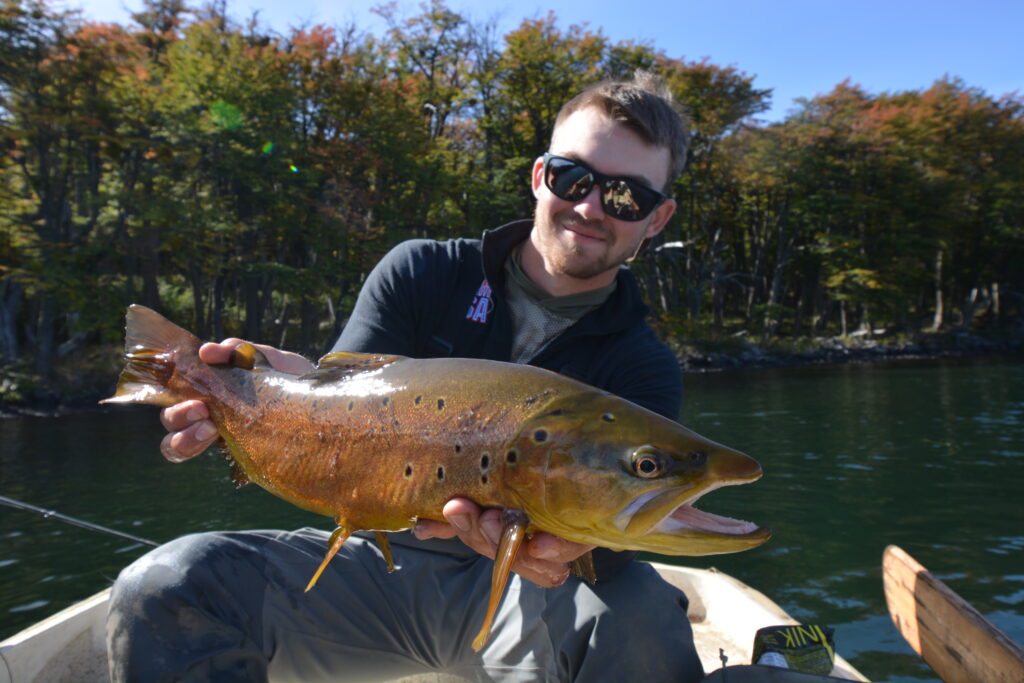
In this episode of The Littoral Zone with Phil Rowley, Tom Jarman, a top competitive fly angler and winner of the 2024 Australian Fly Fishing Championships, breaks down his best strategies, tactics, and flies for fishing Australian lakes and beyond.

Show Notes with Tom Jarman on Fly Fishing Australian Lakes. Hit play below! 👇🏻


apple podcasts

Find the show:  Follow the Show | Overcast | Spotify

Subscribe on Apple Podcasts

Subscribe on Android

Subscribe via RSS

(The full episode transcript is at the bottom of this blogpost) 👇🏻

Sponsors and Podcast Updates


Fly Fishing Australian Lakes

Episode Chapters with Tom Jarman on Fly Fishing Australian Lakes

Tom was born in Melbourne, Australia, but he spent part of his childhood in England, where he first picked up a fishing rod. When his family returned to Australia in 2000, his passion for the sport grew and he got into competitive fly fishing at 15.

He later studied environmental science, while spending summers guiding in Tasmania. Now at 31, Tom has built a life around fly fishing—guiding, coaching, and sharing his knowledge with others.

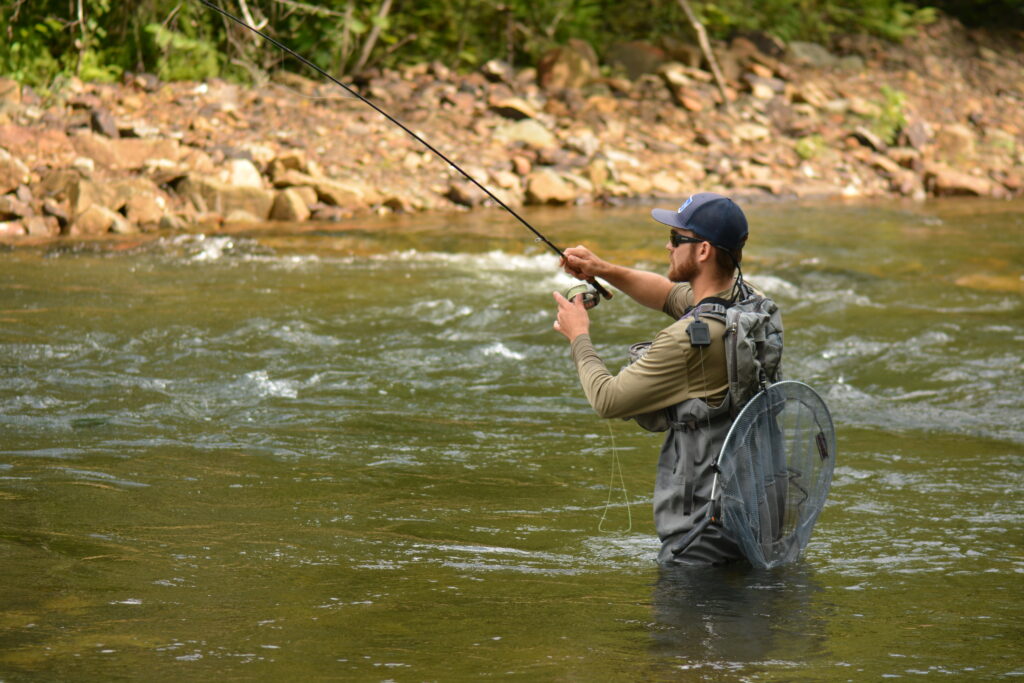
Tom started his YouTube channel to showcase the incredible fishing in Victoria. His videos highlight both river and lake fishing. Tom also designed a range of flies with FlyLife Magazine, built specifically for Australia’s unique fisheries.

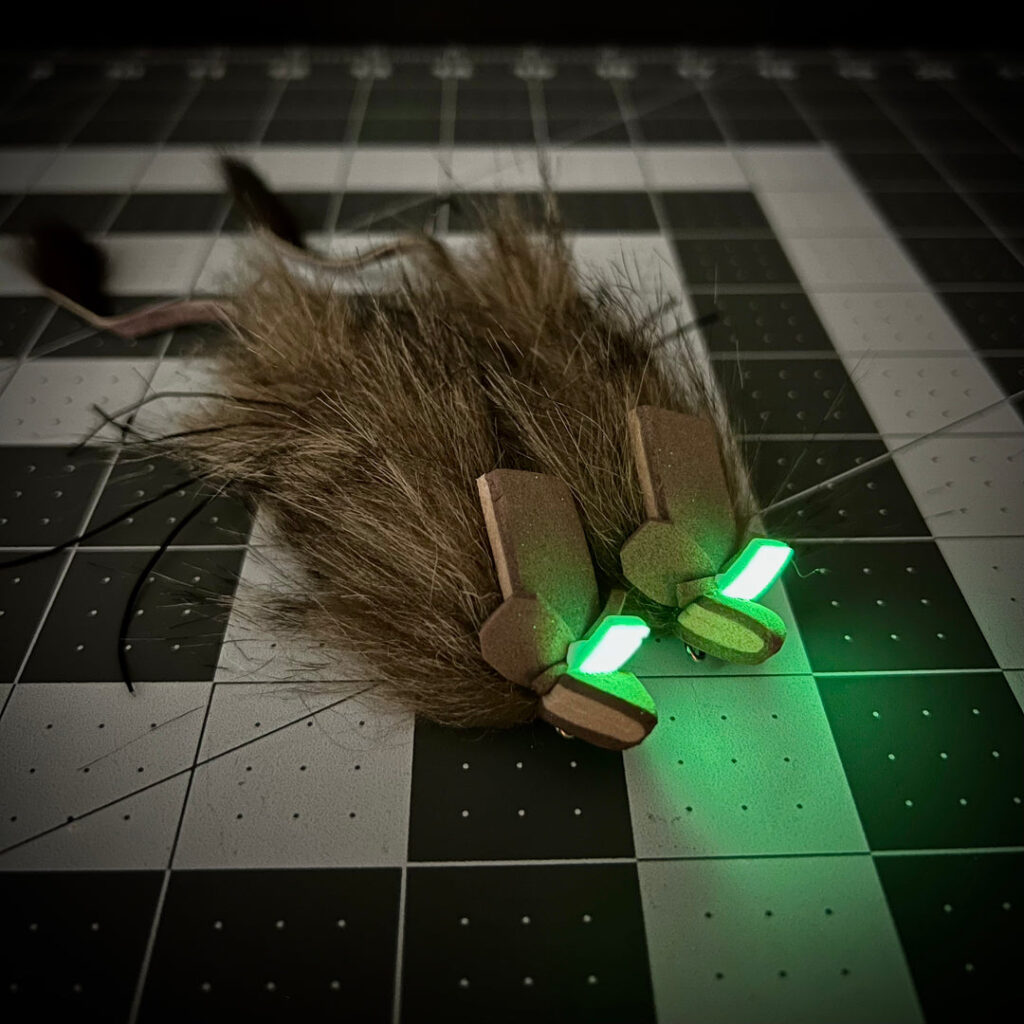
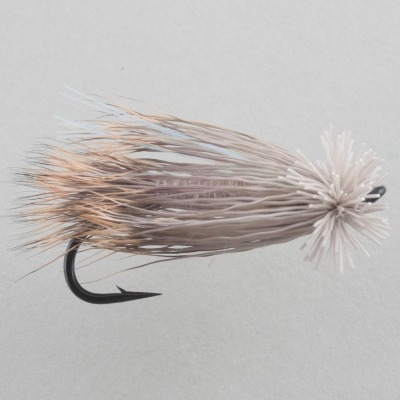
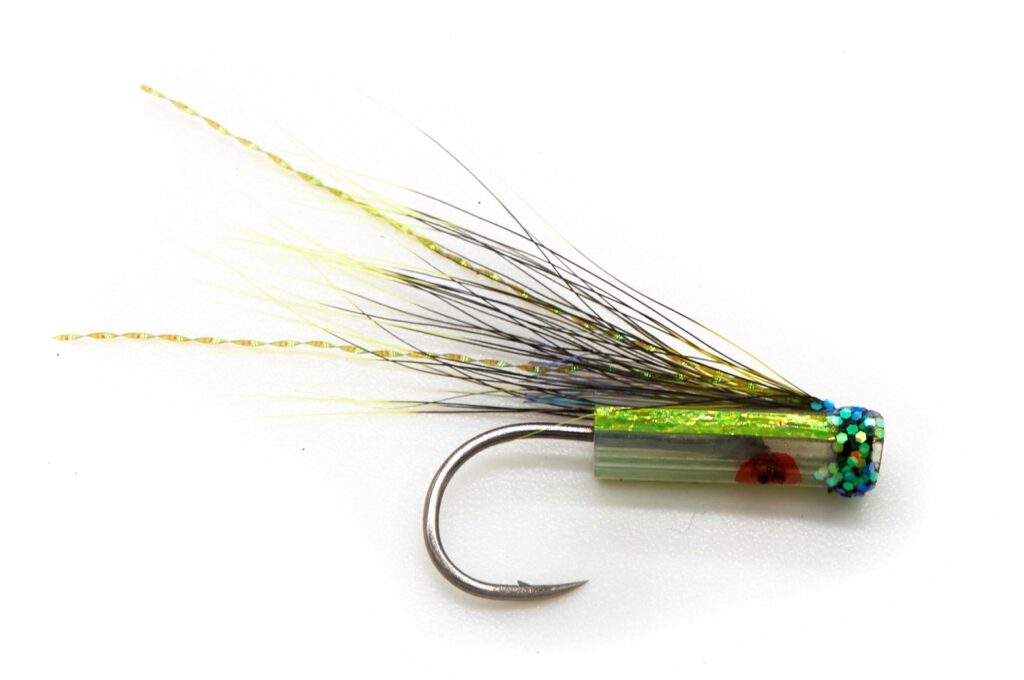
The Shrek Fly

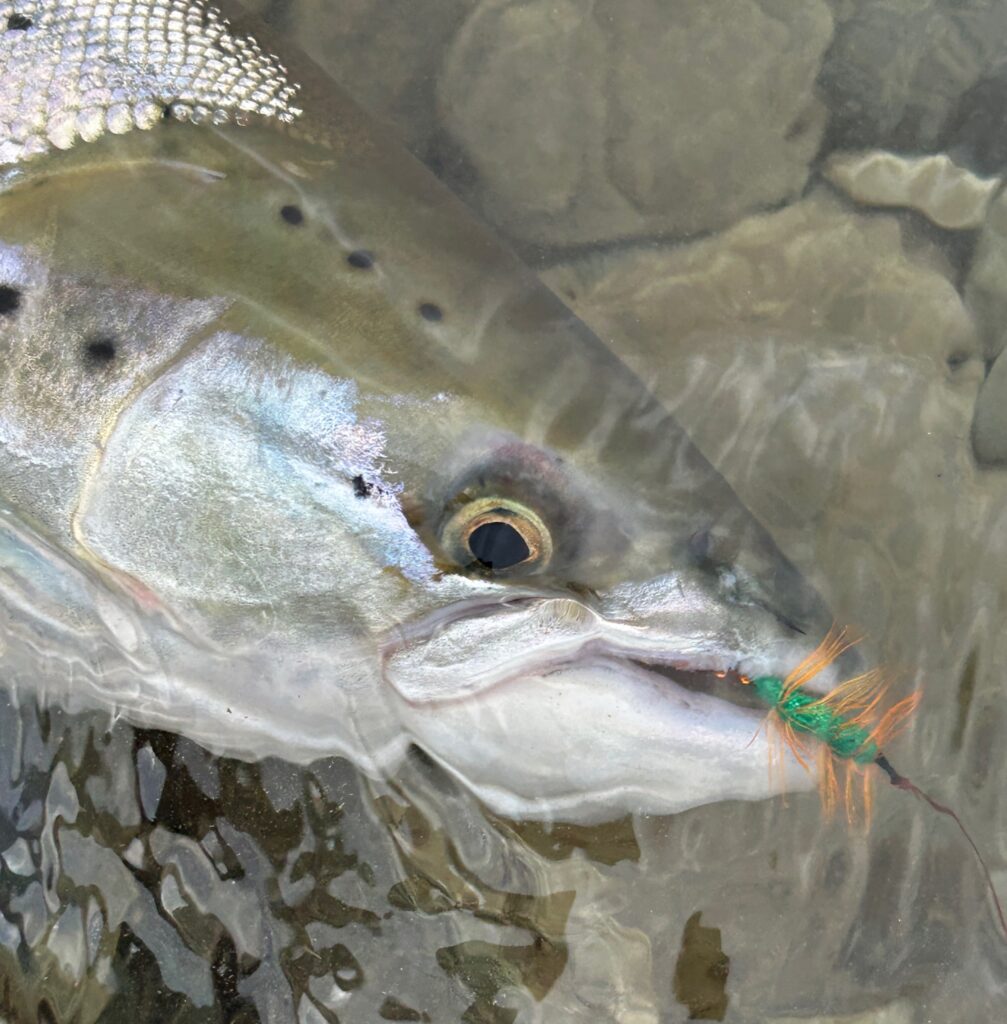
Tom and Phil dive into the effectiveness of the Shrek fly. Designed by Joe Riley, this fly stands out with its metallic green and gold hues, mimicking Australia’s native baitfish. It’s so effective that even anglers from the U.S. have adapted it for their own waters.

Check out Tom’s video tutorial on How To Tie Shrek and see why this fly is a must-have in your box:

Key Tips from Competition Fishing

17:38 – Tom shares what he’s learned from competitions that every angler can use:

  1. Structure your day to maximize your chances of success.
  2. Location is key. Fish aren’t everywhere, so focus on finding them.
  3. Cover water fast. In a boat, you’d move quickly to locate fish. Apply this same mindset on the bank.
  4. Fish key spots. Target windward shores, calm areas, drop-offs, weed beds, and rocky structures.
  5. Don’t get stuck in one place too long, especially if the fish aren’t biting.

Gear Tips for Stillwater Fishing

Rod

Tom swears by a 10-foot rod for Stillwater fishing. It gives him better casting control, helps manage flies near the boat, and allows for longer leaders. Here’s what he prefers:

  1. 10 ft 6 wt – Tom’s all-around choice.
  2. 10 ft 7wt – Great for streamers and windy conditions.
  3. 10ft 8wt – Helps cast farther in competitions.

Tom also likes stiffer rods in windy conditions for quicker hook sets. A strong rod means better control, especially when fish push farther out.

Leader

Tom keeps things simple when fishing subsurface. Instead of a tapered leader, he uses a level fluorocarbon leader for better contact with his flies. He also uses a beaded fly at the end to help the cast turn over, even in the wind.

When fishing dry flies, he switches to a tapered leader to transfer energy smoothly. He trims off the extra thick butt section and the non-tapered tip, then adds a tippet ring before tying on his tippet.

Fly fishing australian lakes

44:21 – In Victoria and New South Wales, anglers can use two flies, while Tasmania allows three. British Columbia limits you to one, but other places allow more. Tom says that most of the time, two flies work best. A third fly can sometimes help but also increases tangles. If using two, spacing them 10 feet apart keeps things clean and effective.

Loch-Style Fishing

In Australia, lock-style fishing is the common. Most anglers use a drogue to slow their drift and stay in control. Some anglers buy them from fly shops, but many make their own.

Tom says one of the biggest mistakes in lock-style fishing is casting straight ahead. If you always cast in the same direction, you’re just fishing the same narrow strip of water. Instead, try casting at a 45-degree angle. This way, your flies cover three times more water, increasing your chances of hooking fish.


Follow Tom on Instagram: @jarmanfishing

Want to see Tom’s tips and tactics in action? Subscribe to his YouTube channel here.

 Check out Australia’s Best Trout Flies – Revisited


Fly Fishing Australian Lakes Videos Noted in the Show


Related Podcast Episodes

Read the Full Podcast Transcript Below

Episode Transcript
Phil (2s): Welcome to the Littoral Zone podcast. I’m your host, Phil Rowley. The Littoral Zone, or Shoal area of the lake is a place where the majority of the action takes place. My podcast is intended to do the same, put you where the action is to help you improve your Stillwater fly fishing On each broadcast. I, along with guests from all over the world, will be providing you with information, tips, and tricks, flies, presentation techniques, along with different lakes or regions to explore. I hope you enjoy today’s podcast. Please feel free to email me with your still water related fly fishing questions and comments. Phil (43s): I do my best to answer as many as we can prior to each episode just before the main content. Thanks for listening. I hope you enjoy today’s show. If you’ve been listening to my earlier podcast, you might remember episode number eight, dryly Strategies and Tactics with Stillwaters, where I was joined by Jeff Perrin. If you haven’t listened to this podcast, I suggest you do, I’ll leave a link in the show notes section of this podcast. Jeff owns the Fly Fisher’s place in Sisters Oregon. Jeff mentioned a friend and fellow Stillwater Angler, Tom Jarman from Australia. During our discussions, Jeff suggested that I follow up and contact Tom for a future podcast episode. Phil (1m 24s): I followed Jeff’s advice, subscribe to Tom’s YouTube channel, and began following him through his Instagram account. After watching a few of Tom’s videos, I quickly realized that Tom is an outstanding fly fisher on both lakes and streams. In addition to fly fishing the lakes and streams in his native Australia, Tom is also an accomplished, competitive fly fisher, not only in his country but on the worldwide stage as well. He’s finished amongst the top 25 places in every tournament he has participated in, including a fourth place finish in Slovakia in 2023. Recently, Tom just won the 2024 Australian fly fishing Championships. As you will find out, Tom is an outstanding fly fisherman who shares his knowledge and experience freely. Phil (2m 9s): I’m thrilled to talk with him today about the strategies, tactics, and flies he uses whenever he fishes Stillwaters in Australia and worldwide. I believe you’re gonna enjoy our conversation. Well welcome Tom all the way from Australia. Thanks for joining me today. 1 (2m 27s): Thank you very much for having me. Phil (2m 28s): Yeah, it’s great to have you on board here. So why don’t you tell us a little bit about yourself. I’ve got some notes here, but yeah, where you were born, where you grew up, where life took you, and especially the fly fishing aspects of your life. 1 (2m 43s): Yeah, sure. So I was born here in Australia, so Melbourne, which is the southern part of Australia. Actually, my family moved to England when I was very young, so my introduction to fishing and fly fishing was in the uk, moved back to Australia in 2000. So did most of my schooling here in Australia. Finished school, went to university or college for you guys. I studied a bachelor of environmental science, specialized in wildlife and conservation biology. And while I was studying that, that’s when I started guiding in Tasmania. So my summers were guiding and then the rest of the year was at college. I guess before that I, we’ve talked about a lot of my fishing background is competition, fly fishing, and I started that when I was 15. 1 (3m 28s): So fished, you know, ever since I was a little boy with my dad and played a lot of sport. Then I had some injuries and that opened the door to start doing some competition fishing, competition, fly fishing, and then, you know, that really just accelerated my skillset and my passion for the sport. And then that led into dieting over the summers. And then once I finished my degree, I was then allowed to do what I wanted to do. So I just, I didn’t actually go on and pursuing anything in that realm. I just, you know, kept coaching or guiding coaching, running clinics, writing out articles in a few magazines, contributing some books. And yeah, here we are now, I’m, I’m 31, so, and I’m just still plugging along in the industry, loving it. Phil (4m 12s): Good. So it was funny you said you were allowed to go do something you want, was that your parents said you’re gonna finish this thing and then you can do what you want. 1 (4m 20s): Yeah, yeah. I was allowed to do, they said, look, you can do whatever you want for a career, but you just have to go to, you know, go to college, go to university, get your degree and then you’ve at least, you know, got your fallback if you need. Yeah. And then pursue what you want. So it was just fly fishing all the way. Phil (4m 34s): Funny. My two sons were sort of the same way, you know, you need to have, because in today’s world, you know, when I graduate, I’m 62 now, God, I’m old, but 1 (4m 45s): That’s exactly double my age. Yeah. Phil (4m 47s): So you know, a high school education back then would get you a job nowadays if you don’t have that, you know, that post-secondary, as we call it here in North America education, you don’t even your resume or whatever, however you apply just doesn’t even get into the selection process. They just whittle you out. So you mentioned sports too. What did you play and how did you get hurt? ’cause I’ve got a similar life story too. 1 (5m 12s): I played a lot of soccer, so ah, football I was all in on. Yeah, yeah, yeah, yeah. I have to call it soccer ’cause in Australia we have football as Australian rules football. Yes. Phil (5m 22s): We played that in school a little bit. 1 (5m 24s): Yeah, Aussie rules. Yeah, yeah. Phil (5m 26s): Loved it. 1 (5m 27s): Yeah. So ever since like I was 11, it was, you know, training three to four days a week. I had two games on the weekend and then, you know, you hit that 14, 15 mark and you’re kind of like, okay, I think I want to, you know, pursue this. And you know, trial overseas looked to go to Scotland, China. At the time my club was sending some people to China and then I got a really bad ankle injury on my right ankle and then it was kind of like, hmm, I’m a bit of a liability now. Yeah. And then I just had injury after injury, so I kept playing soccer at a high standard here in Australia, but just never had the ability to go on. And as we’ve, you can probably tell I’m just ultra competitive. So yeah, it was a great outlet. Going into competition, fly fishing, Phil (6m 7s): What did you play? What was your position? 1 (6m 9s): So at my best, I was a really good right wing back, so I was quite a overlapping wing back, but you know, I played a lot of central midfield, like defensive midfield, controlling the tempo of the game. Phil (6m 21s): Yeah. I didn’t play it quite as your level. Then I got into other sports, then I was playing recreational softball for a company, dislocated my shoulder. Now I’ve done it eight times. I’ve dislocated my elbow playing ice hockey ’cause I thought I’d tried that. So I was, I always joke, I started writing checks my body wouldn’t cash. So I had to get out and I got into coaching ’cause my son was very much into soccer, my oldest one. And then got to about 17, 18, we were thinking about maybe he could get a scholarship and college, it’s very hard for Canadian soccer players to, you know, make it, you know, into the professional. We weren’t that disillusioned. But he said to me one day, And he was a striker, he says, I really don’t like to run. Phil (7m 1s): I went, well that’s a problem. 1 (7m 3s): That’s every striker though. Yeah. Phil (7m 5s): They don’t like to, they like kicking the ball in the net. Yeah, 1 (7m 8s): Yeah. They don’t wanna defend. They don’t have any responsibilities when they turn the ball over. Phil (7m 12s): He went on to play, you know, recreational men’s soccer and dropped back And he was a really good midfielder and then even went and played some central defense. And because as a former striker, he kinda knew what they wanted And he would deny them, that kind of thing. He, you know, I had a friend of mine who was a coach said, strikers can often make good defenders ’cause they know what to take away, you know, and play. So do you follow any of the big teams in the world? 1 (7m 37s): Look, not as much anymore because the time difference is very challenging over here. So yeah, it’s, I was always, when we lived in England, we lived in West London, so the closest team was Chelsea, Stanford Bridge, their home team was across the road. So I was a member of the blues, which was, you know, the, the club there. But then when I moved back here and then at school and by all my soccer fans, I got bullied because that was when Roman and Brach took over and all the money got spent and they became really, really good. So I got bullied and abused for just apparently jumping on the bandwagon. But I’d actually lived there. Phil (8m 13s): Well that’s me. I was born in Liverpool, so you can guess who I follow. And I am a, yeah, devout Liverpool fan. And I actually subscribe to a, a web channel we call fubu over here it’s called. And I watch, I’ll be watching Liverpool Southampton tomorrow, which is the time of the broadcast. It’s mid-November now, so, oh yeah. I’m a, a live and die scouser and yeah, so anyway, we’re digressing badly. 1 (8m 38s): It’s a shame you don’t have the access. Phil (8m 39s): No, I know, I know. It was handy when I had had it. I was like, wow. It was handy when I had it, but puberty took that away from me ’cause I was born in Liverpool so that happened. So, okay, let’s get back to fly fishing. We’ll be all over the place here. But you’re also, you designed some flies too. I see when you, because you’ve got a very active YouTube channel with some excellent content. I strongly recommend anybody listening to this podcast to check out Tom’s channel. We’ll put links in the show notes, but you’ve got just under 8,000 subscribers and growing and 196 videos and over a million views. So that’s pretty, I notice your view, you know, people are definitely interested in what you’re putting out there both on Rivers and your lake stuff, which I really like. 1 (9m 20s): Yeah, so I mean I try to do a mix of the content on the YouTube stuff. It actually, I started doing it when I moved back to mainland Australia to Victoria. ’cause I kind of wanted to be like, Hey, I’m, I’m back home now so I’m gonna be, you know, guiding and working here. And I just wanted to show people what the fishing is like in Victoria because in Australia or down here you hear a lot about New Zealand, you hear a lot about Tasmania and you don’t hear a lot about Victoria and it’s amazing. So many people who watch my stuff still think that all of the stuff’s from Tasmania, but it’s actually on mainland Australia. So there is so much to do, you know, here both rivers and lakes and yeah, it feeds in, in quite nicely because I have like my fly range with the Fly Life magazine shop. 1 (10m 8s): Yeah. So all the whole premise behind working with Fly Life, which is fly life magazine’s, like the biggest fly fishing magazine in the southern hemisphere, it’s Australia and New Zealand. And the whole premise was, you know, over here in Australia our fisheries are slightly different and you could appreciate how, you know, even from Stillwater fishing in where you are in Canada to the styles of flies you’d be using there, be it the size, the shape of the hook, the form of the hook, the gauge, the weights you’d be using are gonna be vastly different to in the uk, which would be different to here. And yeah, we wanted to kind of design a fly range, which is what I did to kind of suit the Australian context to kind of go, okay, look, all of those, the flies you can get from America and the UK are great, but there are little subtleties that I may fly are in this size rather than that size. 1 (10m 59s): And, and that was the whole premise there of going, okay look, they’re very, very similar flies, but these are purpose kind of built for this, you know, Australian context. Yeah, Phil (11m 8s): I, I under, I understand that totally. My first book was a dedicated still water fly pattern book because most of the still water flies were transfers lateral from rivers and streams. Right. That have been adapted for and they worked. But there was times, as you’ve talked about, when you need something a little more specific to handle a situation in front of you. So yeah, I totally understand that. But your flies have, one of the things I wanna mention, I, I actually have both books and I, I’ve got the original, it’s Australia’s best trout flies. So there’s the first volume and then they did a revisited volume I think it is and your flies are in there. So I was very pleasantly surprised, you know, to see that and congratulations ’cause that, that’s pretty cool. So ah, 1 (11m 47s): Thanks Phil (11m 48s): Because I, I, yeah, I tie a number of your flies. I’m just not saying that just ’cause I’m on here. But that Shrek I love, I think that’s just a very cool look and fly that kind of, you know, just uncomplicated and works. Right. 1 (12m 1s): I gotta give a shout out to Joe Riley. So he was, you know, arguably one of Australia’s best ever competition fly fishermen and that’s his fly. He’s a Tasmanian angler And we have so many galacia which are like our native bait fish over here and is just the most phenomenal fly. And it has all of the, you know, the famous trout colors in it, the metallic green, the metallic gold. Then it has that dams Lee look and it just works everywhere. And you know, at the World Championships in Colorado in 2016, my first ever event, first ever session in world championships was actually on Sylvan Lake. And sure enough Shrek was the fly that caught most of my fish there. 1 (12m 42s): And it’s been, you know, it’s wherever I go in the world, if there are wild trout, it’s just a fly that you can fish in every size from you know, a 16 to a size 10. Yeah. Phil (12m 52s): I’ll probably be taking some number tens with Feed Australia. I mean not Australia, Argentina, I’ll let you know. Yeah. What they do. And again, everybody listening, Tom does a great video on his channel on how to tie that along with a bunch of other flies so we’re not talking about something you perhaps can’t get your hands on, create demand without supply. 1 (13m 11s): I know, yeah. And I know a lot of dudes like, I’m not sure if you know Russ Miller who used to be in the American team. Phil (13m 16s): Yeah, I know Rus, I know Russ well. Yeah, 1 (13m 18s): He uses the, he after the World championships in Tasmania in 2019, everyone who fished there was like, oh my god, trek this fly is amazing. And Russ has taken it back And he fishes it with, with just olive booby eyes. So he’s just, you know, taken it, put his spin on it for his fisheries over there. So yeah, there’s so much you can do with it. Phil (13m 38s): No, you have some great, so let’s talk about your competitive year. You know, in my research in all the tournaments you’ve been in top 25 in the world and you were fourth in Slovakia in 2023. So that’s, congratulations quite an accomplishment. You were the two, one of the members of the 2015 winning team in the Oceania fly fishing Championships. You’ve been to Colorado in the States, the Dolomites in Italy, Tasmania, Astoria in Spain, Lipski Nicholas in Slovenia. Hopefully I said those right. And you just finished winning the Australian championships again. So well done. You said you’re competitive by nature. I’m I’m sure that’s to do with your previous sports background. Phil (14m 18s): What do you like about competitive fishing? ’cause it’s kind of in North America here, a bit of a love hate relationship with it. I think some fly anglers over here, you know, don’t like competitive fishing. There’s a growing competitive, you know, coming more and more commonplace here. I think some in North America it’s a little bit, perhaps some of the conventional bass tournaments may turn fly fishers off. But I think as anglers we’re all pretty competitive at most times. Especially if dinner and drinks depend on, if you’re out with a bunch of mates dinner and drinks is on the, the one who catches the least amount of fish, I think the competition is on. 1 (14m 54s): Yeah, you know, it’s interesting. There’s a lot of things I love about it aren’t what you’d expect. I mean obviously it is one of the best ways to learn and develop as an angler because the how it works from both bank competitions on a lake and river competitions, you are allocated a beat. You are allocated a section of water for say three hours only you can fish that and you have to do the best you can of it. So you are really competing against yourself. You’re not competing against other people because they’re on other water. And it forces you to catch fish in scenarios that and in water types that you wouldn’t normally choose to fish on a social day of fishing. ’cause you’d be like, oh well I won’t fish that shallow, you know, slow glide because there’s a beautiful run coming in up here. 1 (15m 37s): So I really enjoy that element ’cause it challenges you, makes you catch fish in scenarios you wouldn’t normally fish and you just learn so much because of it. You learn from yourself from other angles on the water. At the same time it’s one sport that, you know, you don’t get feedback from other, you know, people performing around you. Like I say with golf, you know, you turn up to a, a, you know, a hole and it’ll say par four and you kind of can go, okay, well this is where I’m at. Like if I’m, you know, shooting five on this bogey, you know, that’s not too bad. And I think it gives you, it really gives you a benchmark to you know, get a feel for how you are going and your development. But also I love the fact that when I actually, so the nationals just gone, I was really busy in the lead up. 1 (16m 20s): I’d had, you know, I’d just bought a house moved in, I had a lot of guiding on so I wasn’t doing the fishing for myself. And I actually loved that, you know, during the competition I had three hours on one piece of water. There’s no one else around me. You know, you’ve got your referee on the bank, your controller who measures your fish, but it’s just you and the water. And it’s interesting people go, I like to be a, you know, to fish to be on my own and just to fish and in a three hour competition session I’m just so immersed in that piece of water and trying to maximize it, catch the fish I can, you know, I just completely zone out of life. I’m just solely focused on what I need to do on the water. 1 (17m 1s): I’ll dry fly fish that little bit. I’ll you know, nim fun to dry that pool. I’ll nim the top bit there, I’ll swing a streamer through that hole. It’s really immersive. Yeah. And then afterwards you know, you can kind of switch off. You come out it’s very social. You see how the other guys went during the session and then that afternoon bang you’ve got another three hours where you zone in and yeah and it’s fantastic. Phil (17m 23s): So in regards to Stillwater fishing, what are some of the the biggest memorable lessons you’ve learned on your competitive that somebody who perhaps doesn’t want to compete, can’t compete, whatever the reasons, but certainly can use to their, you know, sort of social fishing as you call it? 1 (17m 38s): Yeah, so that’s a great one. It’s hard. I mean you know the one thing I think about lakes, well I think we’ll talk about it later. Boat fishing versus bank fishing. Yeah. So I apologize if I’m jumping ahead. No, that’s fine. We’re just, it’s interesting in a lot of the competitions are from a boat, so you are actually paired with a competitor. So you are both competing against each other but you are in the same boat. So there’s an element of actually working together to try and maximize your boat’s performance. But you know, one thing that is amazing over here is we don’t necessarily have huge fish density in a lot of our fisheries and lakes are just patchy ’cause they function in very different ways to rivers, wind concentrates, food, other things. 1 (18m 27s): So what I would say is I think location is so important. That is one of the biggest things, your location on the water. And over here I guess, you know we have a lot of bait fish driven fisheries and may fly driven fisheries and you can fish reasonably quickly from a boat to cover water to find fish. And it is amazing how much water you cover for absolutely nothing. And then when you find them, both you and your boat partner are catching them even if you are fishing different techniques. So it’s something that I always keep with me. If you are a bank angler and you are, you know, you are wishing you are fishing from a boat because you feel like from a boat you have more access to more water. What I do when I’m on the bank, often socially fishing is I try to visualize, okay, if I was in a boat setting a drift, I would’ve fished this shoreline in about 20 minutes and I would’ve expected to have caught a fish or have not caught a fish. 1 (19m 19s): And yet when we’re on the bank, people spend two hours there, say yeah. So I think the one big takeaway you can think about is water coverage and location of the fish and just your read on the lake from, okay, I wanna make sure I fish a windwood shore. So where the wind’s blowing on, I wanna make sure I fish a calm shore where there’s no, where there’s no wind. ’cause there may be some mid hatching, some cat. I wanna make sure I fish off a point where some current’s coming around when a fish off a drop off, you know, fish over some weed beds, fish over some rock. So this is a bit of a ramble, but giving yourself time parameters around it as well because in a competition session we get three hours on a lake to catch ’em and sadly you can’t afford to spend two hours bogged down in one area. 1 (20m 4s): So I often, even when I’m guiding or when I’m fishing in a competition, I have my watch on and I often go, okay, well this shoreline looks amazing. There’s a few weed beds here, I’m gonna give myself half an hour to fish that then I’m gonna jump over, you know, onto the other side. Do some short drifts onto the windward shore again, another half an hour and once you hit some fish, obviously all of that can change. But I think giving yourself, you know, a, a structure to your day is really important. And when you’re on the bank it’s very easy to get bored or to bog down in your water but you just keep moving. You know, keep moving, give yourself a system to work to rather than just aimlessly going. And you’ll find that people often go, it’s a bit boring on the bank ’cause you know you’re just flogging away or this or that. 1 (20m 47s): But I kind of look at being on the bank and I’m like, I really don’t have enough time in the day ’cause I’ve gotta fish that point down there. I’ve gotta fish that leash or up there. I’ve gotta get into the wind down there. There’s a beautiful series of weed beds over there. There’s some rocky boulders over here. So you just run outta time. 2 (21m 3s): Since 19 72, 4 wheel campers has been building tough, lightweight campers designed to fit almost any truck. Whether you’re after something minimal like me with the Project M or looking for a fully equipped camper ready for your next off-grid adventure. Four wheel campers has a solution for every outdoor enthusiast. You can head over to four wheel campers.com right now and use the builder tool to see which topper slide in or flatbed is ideal for you. Pescador on the fly offers a full range of fly fishing gear for any angler at any budget. With premium rods delivered directly to you. The L ray G six is the most packable high performance fly rod on the market performing like a four piece rod but with unmatched portability in six pieces and you can get 10% off your next order right now if you use the code wet fly swing at pescador on the fly.com. 2 (21m 52s): Never fly without your G six. Discover the Elra series and more at pescador on the fly.com. Phil (21m 59s): It’s funny, I think sometimes when you’re fishing from the bank you want to be in the boat and when you’re in the boat you’re looking at that shore going, boy I’d like to not just drift by this like you said in a limited amount of time and stop there and fish that we’re never happy. We always wanna be somewhere else. 1 (22m 13s): Oh it’s so funny and you know the biggest thing in competitions in the boat and it was the same at the nationals just gone. Yeah. When you’re setting a drift, everyone wants to be on the inside casting at the bank, you know, that is the gold a lot of the time because from a confidence point of view you feel better fishing at something. Yes. But when you’re on the bank you are trying to fish out to the middle a lot of the time. Well we Phil (22m 35s): Are, ’cause we tended in our lakes we fish a lot of anchored techniques, lock style and we’ll talk about that in a second. It’s getting more and more popular in certain situations. But we’ll anchor perhaps on the deep side for stealth so the fish can’t see us And we can fish that shoal area between us and the shore without disturbing the fish. And you, like you say, we’re either fishing straight at that shore or we’re fishing parallel to it, you know, along the edge of a drop off where fisher cruising or something like that. So yeah, we’re always seem to be enough, you know, I’d rather be there than where I am currently. Right. So 1 (23m 6s): Definitely, you know, and you don’t need a cast far, that’s the probably the biggest thing, especially if you’re on the bank for our fisheries. I mean we don’t, lakes aren’t overly deep so you don’t need a cast far to get that depth. And I think one of the, you know, the common mistakes you see is people fishing too long and you know, if they do get that taken, that opportunity at distance, your line control’s not necessarily there to always hook that fish. So, you know, starting short I think as well is super, super important. Yeah. And Phil (23m 34s): I find too, sometimes you cast long and you’re, you know, most of the insects war feeding and lakes tent, they’re not, you know, they don’t have any rockets strapped to them. They’re pretty slow moving creatures and you’re doing that slow retrieve. Your fly is on the bottom and you’re not fishing anymore. You just don’t get that effective retrieve. ’cause over time your fly is gonna continue sinking. And all that casting you did and my experiences in Argentina when you’re standing it’s all fishing from shore because it’s so windy down there. I joke if you went out there in lock style, you’d die, you’d get rolled over and pounded against the rocks. It’d be nothing. There’d be nothing left of you. But the guy, they all want you casting, you know, not quite parallel but on an acute angle ’cause that’s where the fish are in cruising that wave action you talked about that windward shore, it’s churning up food and you watch these giant swim through and all those scuds are just like, you know the, I always joke like the turtles in Finding Nemo all in the current spinning around having a great old time. Phil (24m 28s): And these, these travelers, they’re gliding through like basking sharks. They don’t even move. They just kind of ooze through the water and they just, whatever they see. Yeah. Right. And yeah, it’s exactly what you talk about. So we’ll come back to your lakes in a second. Let me, let’s talk about a little bit about gear and tactics you like to the gear you like to use. We’ll talk about some dryly stuff, washing line, sinking line, and then we’ll come back to the lock style bank style and then maybe sort of summarize it by sort of how you, the local lakes you like to fish and give a little bit of a, give yourself a shout out to the waters you fish. How’s that 1 (24m 59s): Sounds perfect. Okay. Phil (25m 2s): All right. So let’s talk about your, the rod. What rod weights you’re using. Everybody likes to talk gear, let rod weights lengths, those kind of things. Just go ramble. 1 (25m 11s): Perfect. All right. So it’s definitely first of all has to, for me 10 foot, you know, I love 10 foot. The main reason for that is managing one, you have a longer lever to cast with. You have a longer lever to manage your flies when they are close to the boat when you’re fishing the hang when you’re, you know, if you’re trying to manipulate your flies close to you. And you can also manage, did I say longer leaders? You can manage longer leaders and greater spacings between your flies. Yep. So that is a huge one 10 foot, I mean 10 foot six weight is, it’s a hard length and weight to beat. So I like the 10 foot six weight zone. I also use a 10 foot seven weight a lot when I’m fishing streamers and just slightly. 1 (25m 56s): And when I say streamers, not like I know in America you guys have like, you know, I’m not talking articulated streamers, giant streamers. When I talk about streamers I’m Yeah, yeah, yeah. I’m talking about like a five centimeter long streamer. That’s an Australia, that’s a stream we use here. Phil (26m 10s): I think that’s one of the people, sorry. One of the things in our waters when people come over from river and fishing are used to fishing, you know, seven inch articulated and they say Okay, we’re gonna fish streamers. Well our streamers here imitate leeches and small bait fish. So they’re, you know, they’re that five meter two or three inches long, like a size six is a big streamer for us. We’re mostly each and tens. 1 (26m 32s): Yeah, I don’t think I even have a six over here. It’s too much. I Phil (26m 35s): Haven’t used them much in years we’ve gone smaller and smaller. It seems to be more effective. 1 (26m 39s): Yeah, I, I do like a 10 foot seven weight and then I also use, sometimes if I’m comp fishing off the bank, I’ll actually use a 10 foot seven weight or a 10 foot eight weight and I underline it so I can cast further. ’cause that allows me to aer realize more line and I can cast further. You know, you can cast 110 feet with a, not that you often need to in bank competition, sometimes the fish push out and out and out. So under like using a six, seven weight line on an eight weight allows you to cast a lot further because your rod can handle the weight of that line before it buckles. And I also on really windy occasions on some of my lakes here in winter, I do like the 10 foot seven weight, do eight weight because it is a lot stiffer. 1 (27m 22s): So when you are fishing in the weed wind and casting in the wind, it’s just more resilient to it. It doesn’t get buffeted blown around. And then also when you’re hanging your flies you are a lot quicker on the strike ’cause the ru actually doesn’t flex kind of counterintuitive to it doesn’t cushion the tip it or anything. I just almost wanna stick. So the moment something touches my fly, if I turn my wrist, that actually sets the hook on it. So, but look, as I said, 10 foot rod must have, if you can’t get that nine foot six is still is still a nice length. And then yeah, six, seven weight is probably is bang on. Phil (27m 59s): Yeah, we’re very similar here. I think sometimes in Stillwater fishing we have in North America there’s such popularity of fishing, you know, nine foot five weights is, you know, some people said that’s the only rod you ever need. And it’s like I don’t even take one of those, you know? Yeah. 1 (28m 14s): It’s an InBetween weight. Yeah. Phil (28m 16s): We use, you know, I’m a, you know, when I was a younger, more energetic I would, I remember my first competition I went in, I fished a 10 foot five weight my first session I was exhausted. There’s a lot of, you know, when you’re fishing lock style there’s a lot more casting and you know, moving and and casting than there is sitting still and fishing under an indicator or a b as you call it when you’re fishing social. Yeah, I, I stepped it up right away and, and sixes and sevens. And we’re also starting to do with some of our bigger lakes, pyramid lake for those big cutthroat and down in Argentina on those, we’re actually starting to use a little two handed switch. It’s just better in the wind ’cause you’re just doing a big roll cast. You’re not doing a lot because there’s high banks and you know, a lot of things that, you know, overhead casting, just one big roll cast and get it out there and and a lot of times we’re fishing under indicators are fishing very, very slowly. Phil (29m 5s): So they’re sort of becoming, I’m starting to use those a little bit more. I don’t know if you’ve tried any of that there but you know, my 10 footers work just fine as well. 1 (29m 13s): Yeah. So there’s actually one exception which I, I didn’t mention there at times and it happened on one of my local lakes here. You know, in really calm conditions when the fish get really tough, when there’s a lot of pressure, if I do need to fish lighter tip it on the lake. And this was the case that the world championships just gone in France in the Pyrenees on those high alpine lakes where you are actually fishing for very spooky fish with tiny dries eyes or very small nims. We were fishing six seven and atex tippets. So the lightest you’d I’ve ever fished on a lake before. And the reason being is if you are fishing a really small dry, having you know, thick tippet going to it, that tow point in that hinge is just absolutely awful. 1 (29m 58s): Your tipt really needs to scale with the size of the flight a lot of the time, especially in those calm conditions in the wind you can get away with it a lot more ’cause there’s a lot more going on. So at the worlds I actually fished a nine foot six four weight and a nine foot forward on the lake. So that is the only time I’ll fish something a lot lighter as if I need to fish lighter tippet because the conditions are so tough or the fish are so tough and you just need a rod that’ll protect that tippet when you strike and set the hook. So that is the only exception. But that is like a 1% of the time, you know, like until then I haven’t really encountered that around the world. Phil (30m 35s): So next to Rods, one thing that, you know, any of the seminars I do or people I talk to is leaders. Everybody just stops in their tracks and becomes obsessed with leader formulas of construction. Our leaders I find lakes are not, are relatively straightforward. So what’s your basic setup like for pulling lake subsurface? 1 (30m 54s): So pulling subsurface is pulling streamers or small wet flies or any weighted nymph. I actually go level so no taper so I’ll just go straight through because you know, we all like to think subsurface that are flies there, there’s this beautiful straight line between our fly line and and our flies and that’s just not the reality. So there are curves and waves with the way the water pushes and pulls. So having a thick tapered leader subsurface for me is a negative because it puts you slightly more out of contact with your flies. So if I have, whenever I have a beaded fly on the end, that’ll give me the kick to turn over the cast. ’cause there is so much energy going through a six or seven weight rod. 1 (31m 36s): Even if you have, you know, a 15 foot straight, you know four x liter, the like four x fluer carbon the whole way through, it’ll always turn over. And especially for us on the lakes we’re off, we’re fishing from boats, mainly fishing lock style with fishing downwind or at angles downwind. So it’ll always kick and turn over and even into the wind it will kick and turn over ’cause that that weighted fly on the, on the point on the bottom will kick and punch over. Yeah. So that is, if I’m pulling level fluorocarbon the whole way through when I’ll use tapers is when I’m needing to turn over unweighted flies, you know, for accuracy. So if I’m fishing a single dry or a team of two or three dries, naturally you need a taper to transfer the energy from your fly line down your lead to turn over that relatively unweighted fly. 1 (32m 27s): So often, a lot of the time I’ll use about four or five foot of a tapered liter. So you take a nine foot liter, I’ll chop a bit of the butt off ’cause that’s just really thick and is kind of irrelevant ’cause it’s the same diameter as your fly line almost half the time. Almost. Yeah, almost. It’s like 80 pound or something. And then I’ll take a little bit off the tip end ’cause I only want that section of tapered liter, which is tapering. That’s the whole point of having it that it tapers. As soon as that tapered liter levels out in that bottom end, the thin end, I chop it. Once that taper stops, I pop a tipper ring on there and then from there down I’ll fish my tipper. Phil (33m 7s): Yeah. So, but I think more and more people are, are are going that way. I think the big thing everybody worries about, at least I talk to people over here is we tend to fish a lot longer leaders in lakes than they’re used to in, in rivers and streams. If they’ve come from that, you know, a nine a 12 foot liter is long and we’re kind of like wow that’s just not even, that’s to my, you know, I’m not Joe almost to my first fly. It’s not really that way but you know, they get worried about tangles. So any sort of thoughts of advice you can have for people that are concerned about fishing that level setup because you’re fishing your, your multiple flies off independent tags too, right? You’re not Yes, off North America here tying to the bend, which I personally don’t like to do. 1 (33m 46s): Ah, that’s the worst. Phil (33m 47s): Yeah. For it’s probably the least tangled prone ’cause all the flies are following along like a train. But after that it loses its appeal pretty quick for 1 (33m 56s): Me. Do you guys have kebabs kebabs? Do you have, do you know what a kebab is? It’s like the skew, it’s a skewer. It’s meat on a skewer. Phil (34m 4s): Oh yes. Yeah. Okay. Yeah I was thinking the fishing term, yes. It’s 1 (34m 7s): Like you’re expecting them to like inhale a piece of meat off the middle of a kebab. Yes. And it just doesn’t work. Phil (34m 16s): No, because 1 (34m 17s): It, a trout doesn’t necessarily bite a fly. They inhale a fly. So how is it meant to go with the fish? Yeah. If it’s in line like that. Yeah it just doesn’t, it just fundamentally it doesn’t work Phil (34m 27s): Well and I just think even the, the action, if you have a, a fly with lots of action and you tie something to its back end it, the fly doesn’t move in the same way it is does if it’s independent. I joke it’s like putting a towing your boat with a Porsche. It’s not the same car when it’s towing your boat. You know, if the boat represents that other fly you’ve tied on the bend, right? 1 (34m 51s): Yeah. So yeah. So I’ll tie all my flies. If I’m fishing multi fly rigs, they’re always off a dropper. So I use a triple surgeons not to tie off and I use the bottom tag. The length of that. Obviously a huge advantage as you’d know is your ability to change flies is just fantastic ’cause you don’t need to change your whole rig for that. But the length to eliminate tangles on that, it’s very important that your drop of length is scales with the diameter of tip it you’re using and the size of the fly you are fishing. So if you are using a larger fly off your dropper, you want to shorten that dropper because there’s gonna be more resistance in the air, which makes it more prone to tangling. 1 (35m 31s): Likewise, if you are using thinner tipt, it is gonna be subtler. So it is gonna be more likely to spin and potentially tangle around the dropper. So it’s just, if you’re a fishing light tip it or a big fly shorten your dropper up, you know, to maybe, I don’t even know how long that is. 10 centimeters. Yeah. Phil (35m 49s): So we’re still, we’re kind of metric here in Canada, but I’m in the wrong, I changed, well no I 1 (35m 55s): Changed. Yeah I didn’t even know what Phil (35m 56s): It grade seven. So I’m half metric, half standard. A lot of colleagues in this, they’re, you know, full imperial measures still. So we usually say about four to six inches, you know, for a dropper length. I joke some days I could fish a, you know, a 12 inch tippet and have no problems and other days I couldn’t fish one inch, you know, I couldn’t fish two and a half centimeters. I’d have a tangle. I just, you have those bad days where it’s just not your day. 1 (36m 20s): Yeah. So there’s that. And then also when you’re fishing a multi fly rig on a, you know, for me a six weight or a seven weight rod is a lake rod where a three, a two, three and a four weight rod is a river rod. Yeah. When you are fishing your late gear, the energy going through your fly line is so much greater. And to make the cast a lot of the time you don’t need the world’s tightest loop. If you are fishing a multi fly rig, you can just open that loop up and just don’t have your flies going near one another. So obviously that’s one option to avoid tangles. Another one, you can always use a constant tension cast or like an oval cast, make sure you’re clearing your flies so they’re not tracking on the same lines. 1 (37m 2s): So there’s no risk of wind blowing into them. But I, it, it’s surprising everyone that I take out for a day on the lake that is kind of like scared of these, you know, multi fly rigs and, and droppers at the end of the day you ask ’em if they noticed it and everyone’s like, oh I just completely forgot. Phil (37m 18s): Now if they’ve got good casting skills, you know, smooth application of power, good rod, stop all the basics you’re taught casting the leader in flies are just along for the ride, right? There’s 1 (37m 29s): Yeah. Phil (37m 29s): Yeah. And I think there’s also a benefit to the 10 footers helping you throw a more open loop. Because if you look at, I sat down once and did this, if you take a, the the rod path that a nine foot travels with your, the same motion and you did the same motion with a 10 foot rod because of that extra foot, the casting arc is going to be more open. It’s gonna help you throw that more open loop just by the length of the rod. 1 (37m 55s): 100%. Yeah. You’ve just got a longer lever so the tiniest movement of your wrist or your forearm or however you like to cast is gonna, you know, if you take that out to the tip, it’s gonna move it further. Phil (38m 6s): Yeah. Oh that’s cool. So let’s talk, you know, some of the techniques you mentioned dropper talk, washing line, very, very popular in the competitive world and I use it a lot. I love fishing washing line tactics from the surface to the bottom of the lake. Depending on what, what’s required. You use ’em a lot too. 1 (38m 23s): Well yeah. So it’s interesting believe it or not. No. No. Okay. No I don’t, we don’t seem to wash, we don’t washing line much over here. You know, I’ll very occasionally do it with, you know, you might fish a blob on the point and a two nymphs above it or you’ll fish a fab like a foam. Foam blo or a boo. I love, that’s my favorite. That’s my favorite Boyo and fly. Yeah. Yeah. Or sometimes like a dry is good on the point but I find a lot of the time if our fish are up and they’re looking to, if you are trying to like our, we talked about before we went live like our lakes over here aren’t overly deep a lot of the time. So you know, 5, 6, 7 foot, 10 foot, like that’s your water. 1 (39m 7s): The fish are often down around the weed or they’re up. There’s not generally a huge spread and a lot of the time on our lakes, like a couple of lakes north of me here like lake ee and I’ve actually, I’ve got forward facing sonar on my boat just so I can at least watch the behavior and I have an understanding of how they behave and it’s very rare that our fish hold outta depth. So they’ll very rarely hold on that lake for example two foot beneath the surface and stay there. They are pretty much down and then they come up and eat and then they go down again. So often I find if I was going to washing line, because I think the fish are feeding really high a lot of the times our fish just want to eat a dry. 1 (39m 51s): Yep. Can’t that our fish just love eat, especially Tasmania’s like that the fish just love a dry so much, so much of their food is above them. So if they’re up they will eat a dry and doesn’t matter if it’s sunny, it’s cloudy, calm, windy, they’ll just eat it. So a lot of the time, you know those scenarios where you’d go, I think the fish are feeding quite high, just a lot easier to just throw the dry because it’s more pleasant, more enjoyable. I agree. So yeah, I don’t washing line heaps for that reason. Okay. And then if the fish are at a very specific set depth rather than washing lining to them, I’ll often fish the bung because indicator I can just indicator Yeah, yeah. 1 (40m 35s): An indicator you can get the fly to that depth, eliminate all human error. ’cause ultimately we are our own worst enemies. So you can take, you know, no matter how tense you might be getting as you’re fishing going, come on, I really want to catch one here. Sometimes you might be speeding up your retrieve or slowing down your retrieve, which is affecting your depth fishing. An indicator of the bung just allows you to go that’s, I want that three foot down and I just want it down now and I want keep it down. Cool. Okay. What about your And watching my having said that, sorry, I was gonna say yeah like when I was in the UK after the world championships just gone in France on lake of man teeth, like the rainbows were like didn’t want to eat off the top super well and they were like a foot down and you could sometimes see them when the sun came out. 1 (41m 25s): Yeah. So in that scenario you kind of have to washing line ’cause you need your, you don’t want your flies dropping beneath them because they’re just not gonna eat it. So you know, it’s a phenomenal technique when it’s right. I just over here there are times when it is good but it’s not always the best way. Okay, Phil (41m 43s): Well that’s good and that’s why, you know, I’ve invited you on here for that, the different ways of doing things ev we all learn from that. So you’re dropper spacing. Do you have any, any rules whether you’re fishing near the surface or deeper about keeping or you’re always keeping them roughly the same, same distance apart. Any factors in there you think about? 1 (41m 60s): They’re pretty much, you know, if you’re fishing on a floating line or a sinking line and I’m fishing slowly or retrieving flies, it’ll pretty much be at a standard five or six feet apart. Yeah. That’s very common for us over here. And one of the, I like the space or if I’m fishing two flies I love two flies, 10 foot apart. So 10 foot from my fly line to my first fly, 10 foot to my point fly. And you know, one of the reasons behind that is I fish love the drop, they love the plop of the flies hitting the water. It’s one of ’cause our fish, like I said, are so focused up, they are very like our fish just look up naturally the majority of their food is up. 1 (42m 42s): So that plop and the initial landing of the plot is so important and if you can have a greater spacing of your flies on the initial landing yeah then you’re essentially covering more water and you can pull ’em from a greater range to your flies. So for that reason, yeah I like to have them spaced as far as reasonably as as is manageable and a lot as well. Our lakes are quite, our lakes are very clear so you know you don’t like if they are clo the closer they are together, well you’re covering the same fish with the same fly anyway. Yeah. So I like having them well spaced. It’s just a little bit more natural And you know when you go to at Europe at the world championships on the lakes, it’s very common for them all to fish stream as one meter path. 1 (43m 26s): Which is like, seems crazy short but it works so, so well over there. So I generally find over here further apart is better. And then also our fish are hor our fish fight so dearly and if your flies, if you space your flies close together a lot Here. I was just talking with a friend Josh actually the other day at the Nationals. ’cause we were talking about why in Europe on a lot of their lakes they’ll fish, you know, three streamers, one meter apart and a lot of the times you can get double if the fish are tightly bunched together. You get more doubles when you flies are close together. Yep, we do. Yeah. Which doesn’t, we don’t get many doubles over here, but as soon you hook a good brown over here, like a 40 centimeter brown or or bigger, it just rolls. 1 (44m 11s): You know, you get it close to the boat and it rolls and your flies just come back in a giant mess. So having them spaced that little bit further apart is a lot cleaner as well. When you fighting the fish. Phil (44m 21s): Yeah. Do you fish two flies or three flies? 1 (44m 24s): So in Victoria where I live, it’s two flies is the rules. So the the state rules, like in British Columbia, it’s one fly in BC isn’t it? Is that right in Canada? Phil (44m 34s): One fly in BC and then everywhere else in North America, the best of my knowledge, you’re allowed multiple flies where I live I can fish up to three. Yeah I know other states and provinces it’s two so you make a great point there. You gotta check the local ra I most of the times fish too. It works. Yeah. I just find sometimes that third fly just adds a whole nother level of tangle in there some days. 1 (44m 55s): Yeah. So where two flies in Victoria, new South Wales is the state north of me where Sydney is. That’s two flies as well. Tasmania is three flies. But competition fishing, we actually have a, you know, everywhere. So recreationally here, two flies. So that’s generally what I fish. And so if I’m fishing, two flies like two nims or two streamers, two flies, 10 foot apart is beautiful. Phil (45m 21s): Do you compress the fly distance at all if you’re fishing to surface rising fish or is it still the same four to five feet apart? 1 (45m 29s): No, it’s about the same distance. Yeah. Phil (45m 31s): Sometimes I compress it if I’m just trying to make sure my flies again, that plop of a surface feeding fish, he’s looking up if two flies land in closer vicinity, there might be a better chance of he or she taking one of them. ’cause just two pieces of food landed in the area as opposed to one and the other one may land outside of of their their view or something. But you know, it’s just a thought. 1 (45m 53s): Definitely. It definitely would work. Yeah. If a lot of the time if I’m covering a rising game of flies, I just go one big long slow draw and they artificially love the animation of the dries. Yeah. It moves and they just straight up to it. So Phil (46m 6s): Yeah. Even if the bug you’re imitating doesn’t move like a mayfly usually just sits still. It’s the, I always tell I same way give it a pull but it doesn’t move. It doesn’t matter. It’s that if there’s lots of bugs on the surface too. It separates yours from all the naturals. Right. You wanna be seen. 1 (46m 22s): I fly fishing is both on lakes and rivers is probably one of the most underdone things I see. Yeah, because fish love it. Like it’s just like you said, it’s different. They’re inquisitive, it moves, you know, insects move. It’s not ab, it’s not that abnormal and it draws their attention 2 (46m 40s): Step into the world where the river whispers and the fishing is nothing short of legendary. This year I ventured into the heart of Eastern Idaho’s Yellowstone Teton territory where the fish were larger than life and the waters held the secrets of the best fly fishing out West Yellowstone Teton territory is not just a location, it’s a gateway to adventures that will etch themselves into your memory with crystal clear rivers like the Henry’s fork and the South fork of the snake and enough lakes to keep you going all year long. Make your way to Yellowstone Teton territory and embark on a journey to one of North America’s finest fly fishing destinations. Whether you’re planning your trip now or just dreaming it up, the YTT is where those dreams turn into reality. 2 (47m 23s): Remember Yellowstone Teton territory, that’s Teton. T-E-T-O-N. It’s time to experience eastern Idaho for yourself and support this podcast at the same time. Phil (47m 35s): Okay, let’s talk lock style a little bit. Again. The culture in Western Canada at least is a lot of anchored techniques where you sit, you anchor and you fish that way and it’s very effective. But I think with the increasing popularity of competitions and just the way the world works nowadays, more open communication, more the internet, those kind of things, lock style. I see you do a lot of that on your channel and I like it. I really enjoy it. Great way to cover water dynamic. You’re always doing something. Talk me a little bit your setup, your boat and just some of the tactics you like to use. 1 (48m 11s): Sure. So well over here it’s very, very rare to have anyone not lock star fishing. Yeah. Like if you see a guy anchored, you’re kinda like, what is he doing? It’s so abnormal. Phil (48m 23s): I’m working on a little bit the opposite like, and the two methods don’t work well together. You know, somebody’s in the middle of your drift or somebody drifts through where you’re anchored. There’s usually some colorful words coming out. 1 (48m 36s): Yeah. So yeah. So I use a drug as pretty much most people do over here. So a drug is like, for those that may not know it’s a C anchor essentially. Big Phil (48m 46s): Parachute. 1 (48m 47s): Yeah. So it’s a big rectangular. So my drug is, I think it’s a three meter drogue. So it’s three meters along the top and I think it’s about one and a half meters or one meter down. And so it’s that big rectangular shape and it attaches it the the bow of the boat and the stern of the boat. And you adjust the length of line, like the rope to the dr, you adjust that length so your boat drifts straight because all boats aren’t, you know, perfectly uniform. So they catch the wind differently. So sometimes if you wanna drift straight, you, you know, you may need to have your stern line in a little bit more than your bow or something. 1 (49m 27s): So the aim is to, for the drug, is just to slow your drift up, to give you more control, give you more time over the water and yeah, it’s great. The ones over here, here commonly you have the drogue has like, it’s almost, do you know what a pool noodle is? Oh yeah. You know kids when they play in a swimming pool? Yep, yep. Yeah. They jump on those like noodles. Those foam noodles. Yep. So our drugs have those in the top built into the material. So it floats on the top. And then the bottom is chain. So it’s just like linked chain. Like you might have the chain connecting from a, you know, your boat trailer to your boat for your security chain. Okay. That Phil (50m 5s): That heavy. Okay. 1 (50m 6s): Yeah. That’s what makes it set. So as soon as you pop the drone in, it says, so it floats along the top and then you’ve got the chain along the bottom. And the first drug I ever used was actually one my dad made because they’re very easy to make. They’re like a shade cloth. Do you know, do you guys have shade cloth? Phil (50m 26s): Probably. It’s probably known by a different term, but it, you know Yeah. Facing it on the, 1 (50m 30s): It’s the concept of it. Like yeah, you have them over children’s playgrounds. So light still penetrates, but Oh, okay. It’s not harsh. Phil (50m 36s): Yeah. Kind of a tarp. But we have a lot of plastic. I think I understand what you’re, 1 (50m 40s): Yeah, it’s, it’s a tarp, but it doesn’t, it’s not a solid like tarp. It actually water can pass through it. That’s the key. ’cause if you just use like a tarp for your drug, which some people do, when you lift it into the boat, it’s hard ’cause it’s heavy and it just pulls water in. Yeah. So it’s literally a shade cloth, a cut bit of that, that shade cloth. You lay the pool noodle along the top, a lot of ’em come with holes in them and you can pass the rope the whole way through. And then the shade cloth, it’s literally folded like over and sewn. So it locks that noodle in that foam in the top. And then at the bottom it’s the same thing. The chains laying along it and then it’s just folded. 1 (51m 23s): The she cloth is folded over and sewn again. And that’s it. And my dad made it for me. I think I was, oh, how old would I have been? I would’ve been like 13 or something. And dad, dad did it with old fishing line. Like he actually sewed it closed with fishing line And we still got it today and it still works a treat on one of our other smaller boats. So. Okay. Phil (51m 41s): All So you can’t Yeah. Get them commercially made in Australia. 1 (51m 45s): So not, I don’t believe so. You can buy them from a couple of places. Like in Melbourne there’s a fly shop called the Fly Fisher and they, I’m pretty sure they make one or they, you know, outsource one and sell some the fly fishing club. I’m a member of the Ballarat Fly Fishing club. Yes. A couple of guys there make them and sell ’em as a hobby for the club. And that’s where Jeff got his from Jeff Perrin. Phil (52m 13s): Yes, because I saw your drove, ’cause I’ve got, you know, we in Canada here until recently, it was very hard to, you had to order them from the UK and they’re, they have no, you know, no fold in and definitely no weight. And I find sometimes with those strokes, if the wind is up and this, you’ve got a bit of rolling chop, it kind of doesn’t allow, it pushes the drug closed and it’s very hard to get it to open to inflate water and slow. It takes a long time to set. Right. But your, you know, I thought of clipping weights on, but when I saw yours in your video, I’m like, what’s he got? I wanted it. 1 (52m 49s): Yeah, that’s right. Phil (52m 50s): So if I put a link to the, the fly fisher in Melbourne and, and maybe your fly club in the show notes, am I gonna perhaps create a stampede? Nobody wants for people trying to find those drugs? 1 (53m 3s): I dunno. I mean the shipping will be the hardest part, but Oh yeah. Phil (53m 6s): But you know, fly fishers if we want it, we don’t care. 1 (53m 9s): That’s right. If you search, if you look in Australia, if people search for a drug, D-R-O-G-U-E is the spelling. Yeah. They’ll be, you’ll they’ll find him somewhere. Yeah. Okay. Phil (53m 22s): Alright, we’ll do that then. Okay, so tricks, techniques, when you’re lock styling anything top three tips kind of 1 (53m 29s): Thing. Yeah, so my, the biggest thing that is just don’t cast because if you are drifting, moving from all of the same water over and over and over, if you cast at any angle other than straight down the middle, you are covering multiple, you know, you are covering more water. So the analogy I give to people is, so take, let’s take a bird’s eye photo or a bird’s eye view of your boat. If you are drifting straight down wind, if you are watching your cast, if you are casting straight down the middle, all of your cast are overlapping and you are fishing essentially that one avenue of water. 1 (54m 14s): Correct? Yep. Is if you now are looking bird’s eye, let’s say you are sitting at the front of the boat and you are casting on a 45 degrees angle out towards the nose, like not 90 degrees to your right, but you know, 45 degrees now if you look from a bird’s eye view and see the areas that your fly has traveled through, it is covering like three times or more water. Does that make sense? Yeah, Phil (54m 45s): No, we do a similar thing when we fish anchored style, we, I call it wind drifting. Or if I’m fishing under the indicator bump, moving the strike zone where I quarter out and let it swing or I move it through just to cover more water, kind of fan cast, you know, cover different area. Not always in the same lane over and over, unless obviously the fish are sitting there. But that really happens. Yeah. You want to cover as much water as possible. That’s a great tip. 1 (55m 11s): Yeah. Look, other than that, I guess the biggest, the other biggest thing is the hang. So yeah, let’s talk about that. I’m not sure if you guys Yeah, sure. Do you guys call it the hang? Yep. Yeah. Yep. So Phil (55m 24s): Got hang markers on our lines, all kinds of things. 1 (55m 28s): See I don’t like hang mark. Phil (55m 29s): Oh really? I love them. 1 (55m 31s): But that’s a, we can talk about that in a sec. Yeah, sure. Yeah. The hang is obviously where you’re retrieving and let’s say just before you recast your flies, if you’re fishing subsurface, let’s say with NIMS or streamers, you typically, if you weren’t to hang, you’d just go strip, strip, strip, strip, strip or retrieve and then pick up and recast. The hang is that stage before the recast where you lift and then stop your rods. So your flies ascend through the water column, stop them dead. And it actually gives the fish a chance to eat that fly static just before, just after it’s ascended, before it leaves the water and hanging the flies from a, when you’re lock styling is sounds simple, but people do it. 1 (56m 11s): People aren’t always very thorough with it because naturally as you are lifting and then you, you lift and then hang your flies, you stop them dead. What happens is the boat keeps drifting onto the flies. So if you are not able to keep up with, if when you stop your flies, you must gather the slack or move your rod to compensate for the drift of the boat. Yeah. So that your flies are still static, but you have contact your relatively tight to them. Because what often happens is people will lift, hang the boat drifts onto their flies, a fish eats them, but slack is accumulated because the boats kept drifting onto them. And that is the hardest skill. It’s managing that fine line between actually getting your flies to lift hang, stop dead. 1 (56m 55s): Yeah. But then still be able to detect a take of a fish does eat them. And it’s just one of the ones where so much of Stillwater fishing is doing the simple things really, really well. Control and take detection is everything. And just understanding the speed of the drift of your boat, how that affects, you know, your slack management on the hang and even how it affects the speed of your retrieve. Because you need to deduct the, the speed of the drift of your boat from the speed that you, you are retrieving and that’s your actual retrieve speed. Yeah. A lot of people think their fly is moving at the speed that you are retrieving, but your fly is actually moving at the speed that you are retrieving minus the drift of the boat. 1 (57m 35s): Yeah. Phil (57m 36s): I’ve had discussions with people who think they’re moving their fly and if they’re fishing, floating line is all this man, I says, you’re not even moving the fly. Yeah. It’s not until that comes tight, you’re not moving it right because it, they’re just gathering line and think they’re doing well and you can see everything’s, you know, no tension. Yeah. You can’t feel anything. You’re not even the flies just on 1 (57m 57s): The Totally. Yeah. Yeah. Phil (57m 59s): No that’s brilliant. Seems like you thought of a lot of different things when you’re out there, all like you said, and you beats by yourself. It’s funny, isn’t it? Just thinking things through everything. I always say to myself, everything happens for a reason. Why did I get, what did I do? Because I got, I did something different, you know? And sometimes it’s a total mistake. You stepped on something, pulled on something when you shouldn’t. And that was the, the thing that it’s like why did that work? Why did that make the difference? Because I’ve been casting, you know, four or five times previous, nothing happened. I did something slightly different. What was that? Yeah, it wasn’t an accident. Something you did something a little different. So very thoughtful. Very thoughtful. Okay. Bank style. You mentioned that, you know, in North America, not a lot of it, not all of our lakes, we can fish from shore, you know, the shore is muddy, there’s trees and rocks behind you. Phil (58m 47s): Private property, you know, as you mentioned, you know, the boat certainly does give you good access, but you know, there are t you know, fishing from the bank is, I find it when I go I, I have to really downsize the amount of kit I can bring with me. ’cause a boat, I’m sure you’re like me in your boat. I’ve got a lot of kit in my boat ’cause it can, I’ve got everything I got, you know, 20 fly lines, I’m, you know, a bit of a gear junkie, but I’ve got everything I need. Whereas in the, on the bank I’ve gotta make some. 1 (59m 15s): Yeah, definitely. Well do you use for start, do you use cassette reels? Phil (59m 20s): No. And not, I, I certainly understand the real supplier I’m aligned with doesn’t do cassette. So that’s why I, I do it. But I certainly, okay, 1 (59m 29s): There you go. Yeah, we won’t go into it then. Yeah, you got But that helps me. Yes. That helps me when I’m off the bank because having, you know, the spare spools with no weight makes it very easy to carry stuff. I’m very minimalistic in my fishing so I’m probably the opposite to you as far as you know, what I carry. I mean I was just, before we got on I was arranging my river flies, which I mean people can’t see. But that’s all I carry on the river as far as NIMS go. And my lake stuff is very much the same. It’s a, and that was the whole premise behind the fly life fly range. It’s having flies that serve a purpose and a function and fit in with a technique rather than having so many different options. 1 (1h 0m 10s): Having pheasant tails with every different color hotspot or every different color this. And I think when you’re on the bank, so much of it is positioning of fish and actually finding the fish. So that comes as the priority. And you know, on our lakes at least, you know, our fish are very, very opportunistic here. It’s, and like I fished over over in North America and it’s amazing your fish us can get so locked in on something like Cal or you know, it doesn’t happen a lot over here. So that’s very easy for us in Australia. ’cause I don’t, we don’t need to have the exact fly or this or that. ’cause our fish don’t tend to be as hatch driven. We get more trickles of stuff throughout the day and the fish will kind of eat whatever I envy Phil (1h 0m 52s): Devoted Corona in Fisher were, you know, I was fishing with my wife this year And we had to get them under an indicator they wouldn’t take ’em retrieved. And I had to hang them a foot off the bottom and my wife wasn’t getting the same amount of fish. She was four inches out on her depth set and that made. Yeah. And it’s just stuff that you know, drives you to drink at the end of the day because it just, please. Yeah, 1 (1h 1m 15s): So I mean, I mean bank phishing, the good thing about being on the bank is you can do a lot with a floating line and adjusting your leader and the weights of your flies, that is one of a floating line is probably the most versatile fly line. And it’s very easy for us to get sucked into mid tips that are five foot in length, 10 foot in length, this and that. And that stuff is brilliant. And you know, I, under having spent more time in the UK this past year, I have more of an appreciation for how important that is on some of their still waters where the fish get hugely pressured and you’re standing in a peg like you’re standing in a spot. Phil (1h 1m 56s): Yeah, I saw your video of that one. You were on a, you know the peg a little, a little, a little dock or wharf. We were yeah. 1 (1h 2m 2s): Jet and sometimes yeah, yeah, totally. And sometimes you can’t cast further to get more depth on a cert, on a intermediate. So you don’t have the luxury of being able to lengthen or shorten your cast to affect your depth. So you have to do it in the line. And that is where a, a lot of that stuff comes into it. But with a floating line, if you have, you know, nylon tapered leader, fluorocarbon tapered leader, they in, they fish very differently. If you have, you know, a range of tungsten bead heads on the point that again can anchor and get your flies to different depths. So if I was off the bank floating line, maybe an intermediate, that’s probably all I would take really, you know, a floater, maybe a sink of intermediate and a full sinking intermediate. 1 (1h 2m 46s): And that would cover me here in Australia. That Phil (1h 2m 48s): Would cover most as well. Most of the times where fishing shallow from shore, there are a few times, you know, I have fished where it’s steep bank and it goes in and the fish are there for whatever reason, then I might, but even then floating line with an indicator or B would work. But not a lot of the sinking line stuff. ’cause the wet, the sinking line’s a little more challenging to manage when you’re knee deep or waist deep in the water. Totally. Without some kind of gripping a and it’s around your legs and your feet and just, yeah, lot of fun thing. 1 (1h 3m 17s): And one thing I’m not sure if you do the same, I’m huge on all of my, like all of my lines, even from the river, from year influence to everything, I’m huge on having a loop on the end of them. So on my floaters, I make sure I keep the manufactured welded loop on the end and my leader is a completely terminal part of my fly line. So I like to think of my leader as being as changeable as the tip it in the flies. So I don’t nail knot, I don’t do anything like that. I just tie, for me the smoothest connection is literally a clinch knot of like three or four turns not locked to the end of the welded loop on the fly line. 1 (1h 4m 0s): And it’s super smooth and it means that I can fish that. And if I need to change, you know, if I wanna change to get more depth, you could tie a poly liter on and you could tie, you know, a fluer, carbon tapered liter lyric Caron tapered leader on chop that knot there, tie another one to it. It’s very simple. You’re not worrying about loop to loop. You’re not worrying about nail knots eating into your fly line. That makes it even more versatile for me. Phil (1h 4m 22s): Yeah. I do a similar thing with the line manufacturer I work with. We’ve actually put a tipt ring on the end of the line for that reason. Perfect. Goes through the guides and I can change. Perfect. Right. Because everybody does loop to loop connections here, which are problematic and that loop to loop connection can actually jam up on rod tips and totally the, it h it’s, it’s more the leader the line goes through, but the leader, especially if you’ve got a high rod angle when you’re landing a fish. Yeah, 1 (1h 4m 49s): Yeah. And horrible Phil (1h 4m 50s): Sound. 1 (1h 4m 51s): Totally 100%. Yeah. Yeah. So exact same concept. And I think having that versatility and flexibility is really important. Phil (1h 4m 58s): Yeah, no, I agree with, so any tips on choosing the right bank? I know local knowledge and things come in, but you know, in the competition environment you don’t, obviously you get assigned your peg where your session is and sometimes that can make or break you. ’cause you could get a really crappy place. You would never, but you know, if you have the choice, do you have certain banks that you’d gravitate to more than others? 1 (1h 5m 23s): Look, if I had a choice, I would always be on the windward shore. The shore where the wind’s blowing in. Give me that every single day of the week. Yeah. Phil (1h 5m 29s): And most anglers would shy away from that. Yeah. 1 (1h 5m 31s): Right. Yeah. Phil (1h 5m 32s): Because they’re, they’re envisioning they have to push into the wind and really you don’t wanna do that, do 1 (1h 5m 36s): You? You don’t have to, you can go at all angles other than straight into the wind. And you know, even whether the lake’s, a terrestrial lake where the food’s from above that gets blown in on the surface and washes in, or whether it’s a lake where, you know, a lot of our lakes are just jammed with bait fish where weed gets dislodged and then, you know, bait fish feed on, you know, algae and whatever gets washed into that edge, the bigger fish come in as well. So just give me a, a windy shoreline to be standing on with the wind blowing it onto me and a beanie. Phil (1h 6m 6s): And I find those scenarios as well because that wind pushes the fish in that surface chop. I think it also, they feel a little more safe in there. Correct. They’ll come in so close. You don’t have to power a big long cast out, as you mentioned earlier, that usually works against you anyway. But God, you can fish a short 20 foot cast off to an angle either side of where you’re standing and get all the fish you want all day long. 1 (1h 6m 30s): 100%. Yeah. And they’re just, they’re definitely so much more comfortable and confident to eat in that. Yeah. Phil (1h 6m 37s): Yeah. ’cause it’s, you know, with bank fishing, when I talk to, you know, in North America so much of our trout fishing is river and stream dominated for good reasons. Like you, I love fishing rivers and streams, but I think a lot of people wanting to come over to lakes view Lake, oh I need a boat. There’s a lot of cost to that. I don’t have one. Yeah. And you can have some really good sport just fishing from shore and get right into it. Yeah. So, okay, you’ve mentioned your lakes. Before we let you go, talk to me about, a little bit about your, your lakes. We’ve got the tactics now, fishing, boat bank, different lines, different leader setups, all that wonderful stuff you’ve been talking about. I’ve been writing notes here feverishly. 1 (1h 7m 15s): So Phil (1h 7m 16s): Very analytical. I find your approach to Stillwater fishing very analytical and thoughtful and I’m attracted to that. Oh, very 1 (1h 7m 22s): Cool. Phil (1h 7m 23s): It’s the same way I, like I talked about here, everything happens for a reason. Why did that happen? Yeah. I wanna know why. Yeah. And how can I impact that, you know, in certain situations or to make it even better. So I like the way you think. So let’s talk about your, your Victoria area and the Tasmanian, the lakes in Tasmania. Tasie you fished. 1 (1h 7m 41s): Yeah, so, so where I am in southwest Victoria, I’ve got two kind of very different fisheries, lake fisheries around me. So the west, we’ve got the crater lakes, which I’ve talked to you before. They’re volcanic, they’re actually lakes in volcanic craters. So they’re very crystal clear waters, extremely fertile because of the volcanic soil. And they’re fisheries that are at lower altitude, they’re about, you know, a hundred, 200 meters above sea level and because of the depth of the lake. So they’re about 45 meters deep. Okay. So what’s, I dunno what that, what’s that feed? A hundred and 150 feet or something like that? Phil (1h 8m 18s): Yeah, something like that. Yeah, 1 (1h 8m 19s): Yeah. They fish best in winter. You know, when the water temperatures on the surface are optimal, the fish pull up shallow. They also feed on our galacia, which are our bait fish that spawn on the rock and weed beds on the edge of the lake. So those fish come up and predate on them in winter and they grow really big because of that. So that’s pretty much from May, June, July, August. That’s my fishing and what I do, and they’re not big number fisheries, but they’re big number, like they’re large, they’re trout fisheries where, you know, if you caught five fish for the day, that’s a great day and they’re gonna be some absolute crackers if you go. So that’s west me, north of me. You head to the, like the broader western Victorian lakes, which are probably the closest lakes to Melbourne. 1 (1h 9m 2s): And they’re lakes. They’re the lakes that have the most mayfly in Victoria. So Lake Weee, mul and Reservoir Hepburn lagoon, mur, there’s a lot of them. A lot of them are water storages. Some of them you can put a boat on and some of them you can fish from the bank and they’re very, very shallow lakes. So Lake Weee is probably the best Mayfly lake. That’s actually the one in the middle of that town. That’s the Phil (1h 9m 25s): One your fly club’s located on, isn’t it? Yes, 1 (1h 9m 28s): Correct. Yes. Sensational lake. And it’s about five foot deep, so extremely fertile, extremely weedy and just lots of brown trout. And you know, you get the same in winter, you still get the fish feeding on bait fish. But spring and autumn it’s mayfly hatches are varying, varying species. And on all of our lakes, you know, there’s a spattering of Midge as well like, but we haven’t talked about it. The one thing about our lakes is Midge fisheries go, our fish don’t lock into them like they do in the UK or Phil (1h 9m 60s): Out here in western Canada. They lock in, you know, that is your bread and butter. You know our mayfly, our call beta is a narrow, you know, they’ll feed on ’em in certain lakes on the nymph stage, you know, throughout the year. But the actual hatch itself is quite narrow. Whereas our Carin, our midges will hatch from the second the ice comes off, till the ice goes on again. And even if there’s no hatch coming on, those fish will respond to a well presented fly. ’cause they’ve just seen and eaten so many of ’em. They’re kind of like peanuts, jelly beans, whatever your favorite can. They just see trout sees one and goes, I, you know, eats it out of reflex almost. So yeah, very important here. Phil (1h 10m 40s): But it’s surprising to hear that yours is not the case. But you know, it’s, 1 (1h 10m 44s): That’s the beauty different place we get. Like we have so many on those lakes. We have so many mayfly, so many snails, so many scud, a lot of bait fish, lot of damsels we get, it’s very popular. We get Do you guys, oh yeah, you have, you are from the home of the gums aren’t you? Phil (1h 10m 60s): Yes. The dragonfly nims. Yes. Mud eyes as you call them over there. Yes. 1 (1h 11m 4s): Mud eyes. The mud eye fishing down this way is spectacular in the evening and night over summer. Yeah. Yeah. I got, I had a friend in the Canadian team who actually came over and gave me some, some of the fus my name and they’re fantastic. And Phil (1h 11m 17s): We do ’em either in the natural deer for those of you don’t know, I’ll put a link in the show notes to the fu so you know what it is. But it’s a dragonfly nymph that we have two families of dragonflies here in North America. The DERs, we, the common name we call ’em their slender hourglass shaped big, very aggressive. I actually used to have an aquarium tom that I would study insects in. And I had one get I I accidentally, well what’s a one inch one of these DERs gonna do? Right? I had a 30 gallon aquarium that I dropped this guy in when he was an inch long in July. And by October 1st he was almost two and a quarter inches long and had eaten just about everything in the tank. Phil (1h 11m 58s): It was like alien. It was just going like, just does not play well with others. They stalk, you know, the weeds like a cat. And then they all dragonfly nips have that ability to jet water out their back end where their gills are. And that’s what they used to PI used to sit and watch ’em how they’ll eat each other. They’re just, whereas the fu actually imitates a, a sprawling nymph we call it that is more sedentary in its habits. It shuffles into the weeds and just sits in ambush and lets things come to them little more, you know, a little more laid back in its approach to destroying everything down there. Still equally voracious. But so the gofi is more, again, back to the, is more squat and spider like, you know, a back, a wider body section, a front head. Phil (1h 12m 41s): And we just spun and clip deer hair bodies a fussy pattern to tie, not hard, just deer hair and horrible. Yeah. And you end up trimming half the legs off if you’re not careful and all that stuff. But it’s a great flight. Very popular. We tie it in natural deer hair and olive. Yeah. But you could probably take a permanent marker, tie a natural one and color it to whatever color you see on your water. So yeah, it would work. I’ll put a link to that. But yeah. Yes, 1 (1h 13m 7s): For that I use, I’m a lazy lazier attire. I love a like a little booby. So a booby with a blob body, an olive blob body or a brown or a black blob body and a little mabu tail. ’cause that’s perfectly here. But yeah, gum is, is such classic pattern. So yeah, we have those, those fisheries around Ballarat, mayfly, lots of damsels mud eyes. And then you know, you go right up into the northeast where the national championships just were And we have some alpine lakes around our ski fields. So they’re wild brown trout, that very barren lakes. Not much food. Very opportunistic fish where you know, you’re fishing terrestrials, you know, they look, they eat Midge ’cause that’s a lot of the time all there is. 1 (1h 13m 51s): But those fish are just hungry and they want to eat. Phil (1h 13m 53s): So what terrestrials do you have there? We, over here we’ve got hoppers and beetles and ants are probably our big three. 1 (1h 13m 59s): Yeah, exactly the same. So we have grasshoppers there, we have ara, so many different types of beetles of a range of different colors. We get ants in summer on warm, you know, stormy kind of evenings. So we get flying ants and termites that are like anywhere from black brown to orange in color. We get a lot of, on our rivers and lakes like orange ants, orange termites. Phil (1h 14m 21s): And we, we nicknamed those cinnamon ants. Yeah, 1 (1h 14m 23s): That’s that’s that’s actually, yeah, that’s the color almost. Yeah, that, so that’s Victoria. Tasmania. There’s a lot. So in Victoria we have a lot more rainbow trout and than Victoria and New South Wales have more rainbow trout than Tasmania. Tasmania is more of a brown trout with some rainbows. Whereas a lot of the places over here is 50 50 where I am. Yeah. And then we also have some areas with some tiger trout and those lakes, the cradle lakes near me, we have chinook salmon in them. That’s one of the big appeal. Oh Phil (1h 14m 53s): Yeah, I saw one of your videos on that. Yeah, that looked like a fun fishing. 1 (1h 14m 57s): Yeah, so that’s that. Tasmania is very brown trout focused. So a lot of the lakes, the really iconic fly fishing ones where the world championships were in 2017, like little pine lagoon, penstock lagoon. The lakes that I took Jeff Perrin to when he was over fishing with me. They are very much may fly waters so lush weed beds very fertile. They get beautiful, they get like a highland done there, which is like a brownie. And then you also get Canaan, which are like the, you know, the tiny black may fly, which the fish are horribly painful to catch when they’re on. 1 (1h 15m 41s): And then in Tasmania you get a lot of terrestrials as well. So gum beetles from obviously gumtrees gum beetles falls are very big. And then you get some ant falls and other stuff. So yeah, Tassie has, the central highlands is, it’s about 1,800 to a thousand meters above sea level. And that’s kind of the main hub of, of trout fishing. That is lakes all around the state. Tassie’s, if there’s water, there are brown trout in it in Tasmania pretty much. But yeah, sounds horrible for like the Mayflower fishing. Yeah, that’s right. Yeah. So And Phil (1h 16m 15s): You’ve got tigers. We’ve got tigers here too. They’re fun fish. Little aggressive at times. Yeah, we have some good fun with those here. 1 (1h 16m 23s): They definitely, it’s interesting ’cause they, they stock them in in a number of the lakes around here and the tigers really affect the behavior of the brown trout on the lakes here. Our browns don’t like on like my lake, local lake rum beat the browns just do not want to compete with them. So the tigers go in and occupy the weed beds, you know, tied to the bank and on the edge. And they’re so aggressive and so territorial. The catch rate of browns just plummeted for me in the last two years when the tigers were in and they didn’t put more tigers in. And this last winter just gone, I was back to catching the numbers of brand trout I was used to. So it’s like the brands just didn’t wanna have anything to do with them ’cause they’re just so aggressive and fiery. 1 (1h 17m 6s): Yeah. Phil (1h 17m 6s): The ones we’ve got, you know, I, I got to meet them in a, a province of ours called Manitoba. There’s a lake there that, and they grow big, like some of the ones I’ve seen that are 25 plus inches long. And yeah. And we get them in the evening stripping mouse pattern stripping Chernobyl ans long English pattern. Your, what’s it called? You know, with a foam post in front of, I’ve got blank right now. Your suspender minnows or your, you know what they fish 1 (1h 17m 31s): Papa fry. Phil (1h 17m 32s): Papa fry. Exactly. Yeah. And they love that. And I’ve stripped that, you know, like we’re casting right into the weeds, right into the pockets of the bull rushes. And, and they’re in there chasing minnows and they come at it like a great white shark taking a seal. They just come out and goes and it’s like your heart stops. You almost miss the take ’cause it’s so violent, so aggressive. Right. And it, it’s a lot of fun. They become a very popular fish here because of that aggressive nature. And it’s interesting ’cause the last lake I fished before our lakes froze up ’cause we get a nasty winter here. It’s a mix. It was originally a rainbow fishery, then they added the tigers and now they put the browns in it. Phil (1h 18m 12s): And I was very surprised to get a brown because you’re right, they, as I think on it, they’re a little more few and far between. The rainbows seem to, they seem to occupy diff they’re just, they seem to play well together. Yeah. But different habitats. But yeah, the browns sort of, and that’s why I think in those lakes, if you get a brown, it’s a big deal. Right. Yeah. It’s a brown. 1 (1h 18m 33s): Yeah. Phil (1h 18m 34s): So this has been great. I could sit and talk with you for hours. We’ve been chatting for a long time here and it’s just been fantastic. I, I really appreciate you taking the time to talk with me today. And yeah, I wish you all the best and maybe one day I’ll get over there and spend some time with you on the water. I’d really enjoy it rather than just living vicariously through your YouTube channel. So how can people get ahold of you? What’s the best way they can do that? 1 (1h 19m 1s): So they can go to my web. So from my website you can, they there, there’s also a page where they, there’s some of my YouTube videos on the website they can find, they can see my fly range up there. If they follow me on Instagram jam and fishing is my handle there. You’ll see, you know, there’s a whole bunch of stuff that goes up there. Be it tying flies, fishing ins, all of that stuff. There’s obviously my YouTube channel Tom Jarman fishing, which is a mix of fly tying and some instructional videos and then some just hopefully edutainment, which is just me fishing a day on the water or an afternoon on the water. Just talking through what I’m doing and why. And yeah, they’re probably the best ways to, to see what I’m doing and hopefully yeah, learn and get something out of it hopefully. 1 (1h 19m 43s): Yeah. Phil (1h 19m 44s): Okay, well good. We’ll have all those links to all those places you can contact Tom, Instagram is YouTube channel, all of that stuff, plus a lot of the stuff we talked about today. Anything else you wanna say, Tom? Have we not covered anything you were hoping to touch base on or, I know we kinda rambled all over the place and I take you down bunny holes, bunny rabbit holes and 1 (1h 20m 4s): All kinds of things. Yeah, yeah, you can talk better than I can. I, Phil (1h 20m 9s): Yeah, that’s not hard. 1 (1h 20m 13s): No, I think that’s about it. I mean, just, yeah, like, I’m just very, very passionate about our fisheries here in Australia. ’cause you know, everyone New Zealand is amazing, it’s absolutely phenomenal. But Australia is, you know, equally unique and beautiful in its own way and there’s so much to do down here. So I just, yeah, highly encourage people, whether it’s fishing with me or anyone, you know, any guy in Australia or anything. The, the beautiful thing about fishing in Australia, you know, compared to fishing in, in America, which I love fishing in America, I found it quite challenging with private access land, all of that in America, in Tasmania and Victoria, if you come over here, you can jump in at a bridge and you can fish your way up, walk along the bank. 1 (1h 20m 57s): There’s no restrictions. The land issue, the private water, there’s no such thing as private water. Phil (1h 21m 3s): Yeah. Very similar to here in Canada. Yeah, there’s a few places with private water. It’s not really private water. The land around, it’s private so the access is governed. But yeah, we call it crown land here where everybody has, you 1 (1h 21m 16s): Know, it’s exact same here, access to Phil (1h 21m 17s): It 1 (1h 21m 18s): Fish. Yeah. So it’s just super accessible. The fishing’s fantastic. The dry fly fishing here in Australia is absolutely magic. Like our fish just look up and, and want to eat off the top. So that is definitely, you know, one of the highlights and one of the cool things fishing here can, you know, the more I travel around the world and like I get to go away and compete at the world championships every year and love it, but every time I go away it makes me realize how lucky I am to be here in Australia where the, like, like you guys, you have public water everywhere over here, one license fee, I think like $30 and you can fish for a whole year anywhere you like. Well Phil (1h 21m 55s): That, that’s great. Tom, I, I, again, I really appreciate you taking the time. I’ll let you get on with your day. I know you’re 18, 19 hours ahead of me when we recorded this, so I’m, I think I’ll go upstairs and have a bite to eat for dinner and you’ll probably be getting towards lunchtime and you’re a day ahead of me too, aren’t you as well? So yeah, that’s different. So you’ve got all fired up to spend more time with you. So I’ll probably be pestering you by email a lot more often now. So, but really great to meet you and thank you for spending the time with me today. I hope you enjoyed my discussion with Tom. I found his approach and insight into fly fishing lakes. Fascinating. I could have talked to them for hours. Phil (1h 22m 36s): I found Tom to be a brilliant fly fisherman who thinks about every aspect of his techniques, strategies, and tactics. Reviewing our conversation, I forgot to circle around to one comment Tom made about not liking hang markers. Subsequently, I emailed Tom to find out why he didn’t like them. Here’s what Tom had to say. I don’t like them for a few reasons. From a drifting boat in different conditions and on different fly lines. For example, intermediate compared to a type seven full sink, you’ll want to start your hang at different distances from the boat. So the hang markers aren’t super helpful. I guess they may give you a rough starting point though. Also, if you rely on your hang marker, you aren’t thinking hard enough about where the line and flies are during the cast. Phil (1h 23m 22s): Knowing the length of your cast, your speed of retrieve and feeling the change in the thickness of the fly line with its taper through your fingers, et cetera, you could know almost exactly where your flies are. Naturally. It’s different from a moving boat to an anchor boat. Interesting. As I sort of rely on hang markers myself, I guess I’ll have to start integrating some of Tom’s thoughts into my approach to still water fly fishing. You never stop learning. That’s my motto. If you wanna learn more about Tom’s approach and methodology to fly fishing lakes, I suggest you check out his YouTube channel and subscribe so you don’t miss out on any of his fly fishing and fly tying videos. You can also follow Tom through his Instagram account. Phil (1h 24m 4s): I’ll place links to both his YouTube channel and Instagram account. In the show notes section, you’ll also find links to the Australia’s best Trout Flies Revisited book I mentioned where you can learn more about Australian trout flies and Tom’s patterns. In particular. Thanks for joining Tom and I today.


Conclusion with Tom Jarman on Fly Fishing Australian Lakes

I hope you enjoyed this deep dive into stillwater fly fishing Australian lakes with Tom. Check out Tom’s YouTube channel and Instagram, the links are above. 👆


734 | The Bycatch Crisis with Adam Cuthriell: How Trawlers are Killing Alaska’s Wild Salmon

bycatch

Did you know that large-scale trawling is wiping out Alaska’s wild salmon, halibut, and other key species? In this episode, we talk with Adam Cuthriell of Fishhound Expeditions about the bycatch crisis—where thousands of fish are caught and discarded every year.

Adam breaks down how trawlers operate, the impact on fisheries, and what we can do to fight back. From signing petitions to making smarter seafood choices, we all have a role to play. Tune in to learn how you can help protect Alaska’s fish and fishing communities.


Show Notes with Adam Cuthriell on The Bycatch Crisis. Hit play below! 👇🏻

apple podcasts

Find the show:  iTunes | Stitcher | Overcast

Subscribe on Android

Subscribe on Apple Podcasts

Subscribe via RSS

(The full episode transcript is at the bottom of this blogpost) 👇🏻

Sponsors and Podcast Updates


bycatch

Episode Chapters with Adam Cuthriell on The Bycatch Crisis

The Fight Against Bycatch: What You Need to Know

Alaska’s fish populations are under serious threat, and commercial trawlers are a big part of the problem. Adam Cuthriell breaks down the devastating impact of trawling, where massive ships drag enormous nets, destroying everything in their path. The biggest target? Pollock—the fish found in fast food sandwiches and fish sticks. But the real cost is the destruction of salmon, halibut, and other species, which is hitting indigenous Alaskan communities the hardest.

How You Can Help:

The Devastating Impact of Bycatch in Alaska

Adam shares shocking numbers—tens of thousands of Chinook and chum salmon, millions of pounds of halibut, and even orcas are being caught, killed, and tossed overboard. Meanwhile, indigenous communities and small businesses that rely on these fish are suffering.

What’s at Stake?

  •  Indigenous Communities – Many rely on salmon for food, but fishing bans leave them with nothing.
  • Small Businesses – Fishing lodges and guide services are shutting down due to dwindling fish populations.
  • Alaska’s Economy – 93% of revenue from trawling doesn’t even stay in the state.

Sustainable Seafood Choices: How You Can Help Alaska’s Fisheries

Trawling is devastating Alaska’s fish populations, but there are better ways to harvest seafood. Adam shares how other sustainable methods could help—but big corporations aren’t making the switch. Why? Because trawling is the cheapest way to fill freezers with fish sticks and imitation crab.

How You Can Take Action:

  • Skip the Fish Sticks – Many frozen fish products come from unsustainable trawling.
  • Avoid Imitation Crab – Most fake crab in sushi is made from trawled Pollock.
  • Choose Wild-Caught Seafood – Look for labels that confirm responsible sourcing.

Fighting for Alaska’s King Salmon – Why Action is Needed Now

Adam shares his firsthand experience witnessing the decline of Alaska’s once-thriving Chinook salmon population. What was once an abundant and essential part of life—both for Alaskan culture and the economy—is now disappearing at an alarming rate.

Key Takeaways:

  • Spring Chinook are disappearing. Once plentiful from late May to early July, these fish are now nearly absent from the rivers where they used to spawn.
  • A personal loss: Adam recalls catching kings in ankle-deep water after guiding trips. Now, his daughter may never get to experience the thrill of landing a wild Alaska king.

Alaska’s salmon can recover, but only if we act now. Let’s make sure future generations can still witness these incredible fish running up the rivers where they belong.


You can find Adam on Instagram @fishhound_expeditions.

Visit their website at fishhoundexpeditions.com.

fishhound expeditions


Related Podcast Episodes


Read the Full Podcast Transcript Below

Episode Transcript
Dave (2s): Have you ever eaten a frozen fish stick? How about a fillet-o-fish from McDonald’s? Did you know that most of the fish in those products come from ocean trawlers who are heavily impacting wild salmon species, sharks and many other wild creatures in the ocean? And today their impacts have gotten so bad that we are seeing closures of Chinook salmon fishing in Alaska right now. Today you’re gonna find out what you can do to assure these iconic salmon species do not go extinct in Alaska and beyond. This is the Wet Fly Swing podcast, where I show you the best places to travel to for fly fishing, how to find the best resources and tools to prepare for that trip And what you can do to give back to the fish species we all love. Hey, how’s it going? I’m Dave host of the Wet Fly Swing podcast. Dave (43s): I’ve been fly fishing since I was a little kid, grew up around a little fly shop and have created one of the largest fly fishing podcasts in this country. Adam Cuthriell of Fishhound Expeditions, Alaskan Fly Fishing Guide, who has been fighting many of these issues for quite some time, is going to describe what the By catch report is all about. And just in general, what this bycatch problem we’re talking about here is he’s also gonna give us some ideas of how we can turn around. What you can do today, you can actually take some action today. We’re gonna find out what these massive ocean trawlers are killing out in the sea and some different things we can do, including checking in with the salmonstate.org right now. If you contact them, they are fighting the battle trying to keep these trawlers from killing the last remaining stocks of Chinook salmon. Dave (1m 30s): And as always, we’re gonna get a passionate rant today from Adam. As we get into this, I can’t wait for you to listen to this podcast and get some actions. Our main man from up north here he is, Adam Cuthriell from fishhoundexpeditions.com. How you doing Adam? Adam (1m 46s): Doing good, man. Dave, pleasure to be back on the show talking with you bud. Yeah, Dave (1m 49s): Yeah, definitely. As always, we just got done with, I think just recently, right this week we got done with the meeting with our crew. We’re, we’re heading up there. I’m excited because we’re gonna be back to fish with you guys and this time it’s gonna be kinda off of the road system. And we talked to, you know, the crew that’s gonna be up there, everybody’s really jacked because we talked about some of the trout species, the, the salmon. And I think today we’re gonna get into, You know, some issues right, that are going on. And I think the bycatch, you’re going to explain what that is, like, why that’s important, what people need to know, and maybe what we can do. ’cause I feel like you hear a lot about Chinook. We’ve talked a lot about it on this podcast. You know, the fact that Chinook runs have, have not been doing well, especially in the Kenai, some areas like that. Dave (2m 32s): So we’re gonna talk about all that today. But maybe before we jump into that, give us a little update since last time I, I can’t remember when you were on last, but we’ll put a link in the show notes. But what’s been going on for you, like this year, early year of 2025 and maybe late last year? Yeah, Adam (2m 46s): Yeah, we’re gonna talk about some conservation and given some folks a little bit of call to action and some of the issues that we’re facing. But yeah, it’s winter here now in Alaska. I’ve been getting alder out on the slopes, a bunch skiing and snowboarding, ripping around a bunch on the snow pony and backcountry snowboarding and riding the resort and getting ready for this season. It’s crazy how fast the, the winter is, is flying by when I’m talking with guests and getting folks out fishing, you know, it used to be so many clicks away on the calendar, it’ll be booking trips and now it’s, it’s getting really close. It’s gonna be go time. You guys will be up here before we know it. Adam (3m 26s): Looking forward to Dave (3m 27s): It. Yeah, definitely. Yeah, July is right around the corner and back to the, the land of the midnight sun. Right? That’s what we’re, we’re excited for this year. It’s gonna be good. Hell yeah. Well let, let’s start off, let, let’s just go straight from the top on, you know, bycatch the report talk about, and I know you were at a meeting last night, maybe shed light for somebody who’s brand new, doesn’t know anything about the, the issue of what bycatch is, how it’s impacting, and kind of what’s going on up there. Adam (3m 51s): Yeah, definitely. Thank you Dave. So bycatch is the referral to species that are caught by a type of commercial fishing that is called T trawling. There are both midwater, t trawling fleets and bottom t trawling fleets. They will say they are different, but they are not. The long and short of trawling is these massive ships dragging massive nets behind them that just rape pillage and destroy everything in their path. They are targeting Alaska Pollock, which is basically fish that is used for fish sticks, big fish sandwiches. Adam (4m 37s): It is the most harmful form of fishing in the world. There are other ways that commercial fishing can be done, but T trawling is absolutely decimating our fish stocks in Alaska. I’ve been working with salmon state trout, unlimited wild salmon conservation and they’re really trying to bring to the forefront what is actually happening in our oceans. And the numbers and facts are staggering and that’s why I wanna thank you, Dave, for letting me get on your platform to try to tell fly fishermen and what’s going on so that we can give a call to action to folks in the lower 48 who don’t know what’s going on. Adam (5m 25s): Because the big money that’s involved in this industry is doing its best at trying to keep it silent and not let the public actually know what’s going on. Right, Dave (5m 35s): Right, right. Well, what is, maybe just straight up, before we get into the deep dive on some of this, what is the, do you have a call to action? Like what if somebody’s like here listening now, is there something they can kind of take action on just as we’re getting going? Adam (5m 47s): Yes, they can go to salmon state.org. They have a petition on bycatch that they can sign. They can contact their local congressman senator. They can let them know. They can go to the North Pacific Fishery Management Council, N-F-M-P-C and let ’em know what they’re doing sucks. There’s lots of calls to action that you can do, whether it’s just signing a petition, subscribing to Salmon State so that you know what’s going on. And then, like I said, going to the North Pacific Fishery Management Council and letting them know what they’re doing is wrong, contacting their local senators, congressmen, just brief email like, Hey, you’re killing a bunch of your stuff that we don’t want to be killed. Dave (6m 31s): Yeah, and I think that there’s a couple of examples. I think, You know, as you can look at winds, You know, up there, right? The, the Bristol Bay one, I think is one that is a constant, seems like it always comes back up. But you know, that was a success. I think that was partly a success because of the same sort of thing, right? The public got out and the word got out and people spoke. Do you know much about that, that issue? And is that kind of how that happened? Do you think this could play the same way? Adam (6m 56s): 100%. So Salmon State used to be the No Pebble Mine company. It was started by a fishing guide. You had Tim Bristol on a little bit ago. And it was very much a grassroots organization such as this, bringing awareness to fishermen, to the public, getting the word out, writing emails, signing petitions, emailing your senators and congressmen. Yes, this was very much a grassroots, just like pebble. This is the next step that we are taking to try to fight for our fish and our people here in Alaska. Dave (7m 29s): Right, okay. And who are you maybe talk about who are and the species, right? You got a couple things going here. What are the most impacted species then? Who are some of those people in the country that are most impacted by this bycatch? Adam (7m 43s): On the broad side of things, everyone is affected by this. You know, I mean, healthy oceans, healthy planet, all that stuff. Native Alaskans, indigenous Alaskans are suffering. Like we were saying, I was at a meeting last night and I was there representing sport fish and future generations of being able to get out and fish. But hearing some of the indigenous people up there talking, telling their stories, I mean, it is heartbreaking. The, a lot of the indigenous people here in Alaska, their whole way of life revolves around subsistence fishing. It’s, it’s their food, it’s their food stability. And they have not been able to fish for the last four years longer in some places. Adam (8m 26s): Meanwhile, the t tra fleet is out there raping and pillaging with no consequence. We can get into some of the numbers later, but again, back to the how it affects people. I mean, these folks who live in these villages, I mean, salmon is their life and fish camp is their life. It’s their food stability. And they haven’t been able to do it. They closed it down. They have no, they have no food. And it’s just heartbreaking to see some of these elders and their, their kids and their kids’ kids and just the blank look in their face just like, this was what we did and now we can’t do it. Meanwhile, these multi-billion dollar seafood companies are out there just killing everything, throwing it overboard dead as bycatch. Adam (9m 12s): Wow. And these people, they have no food. I mean, it’s so much of their culture. Anyone who lives in the northwest, you know, right, wrong or indifferent, knows that indigenous people rely on salmon and fish. But here, especially in rural Alaska where they don’t have a Freddy’s, they don’t have a Costco, they don’t have a Safeway, they don’t have a king soupers, whatever grocery store you are used to, those don’t exist. They get their food from the land and the federal government is telling them they can’t fish, they can’t feed themselves. All the while these massive corporations out there are just dredging and killing everything. It’s so sad. Dave (9m 53s): So that, that is the crazy thing. Yeah. It’s not like you’re in here where you can just go down to your local, you know, Costco Right. In some of these villages or probably most of them and, and get food. So, and then what you’re saying is essentially the numbers are so depressed from lots of things, including the bycatch, but the federal government says nobody can fish. Right. For some of these species. And, and so which species are, are there, we talked about Chinook, but what are the, are there multiple species that are, that are closed down as you know, being impacted by the bycatch? Adam (10m 22s): Yes. So the big numbers we can kinda get into, those are obviously kings. So this year alone, and this is just what was reported. So on these vessels, on these traw vessels, some of them have actual physical human reporters that count bycatch. Others will have automated means. But it’s readily known that everything that they count isn’t the exact numbers. And the, the numbers for 2024 are staggering for the amount of chinook salmon, AKA kings, it was 38,751 kings caught, killed, thrown overboard for chum salmon. Adam (11m 6s): It was 48,643 just thrown overboard. And the next number that I’m gonna give is, is staggering for halibut. Four and a half million pounds of halibut were caught, killed. Dead thrown overboard. There were 3 million pounds of herring caught, killed, thrown overboard. 950,680 individual crabs. That’s tanner crabs, king crabs all just thrown overboard. One orca this year, last year there were nine orcas caught and killed. This year there was only one woo-hoo. Big improvement. Adam (11m 46s): Right? And salmon sharks, they don’t even report salmon sharks at the meeting that I was at last night. They’re showing video of these T tra nets coming up and the amount of sharks that they’re just pulling in there and throwing overboard is, it’s just atrocious. I mean, if this was being seen on land, right, it would be done. No one would tolerate this. But the fact that it’s under the water it’s way up here in Alaska, no one knows. Dave (12m 12s): And who’s doing the, who’s running these boats? Are these American or is this international? Who’s doing this? Adam (12m 17s): So there are troll fleets from all over the world, but right now we are talking about just the American troll fleet. And the really sad thing is, is most of these are from Washington. They’re not even Alaskan boats. 93% of the T traw fleet money that they make, and that is made here in Alaska, goes outta state. 93% of their revenue goes outta state. It’s not benefiting Alaska in the slightest. Right. Dave (12m 48s): It’s not even staying in the state. So this is kind of crazy. And, and it doesn’t look like, I mean, things obviously aren’t getting better. I mean, what, so we talked about that, about signing the petition, you know, who are some of the other, I mean, obviously you’re affected, right? May maybe talk about that. Just you, yourself, your family, people that are up there. How has that impacted you? What’s been going on? You know, recently Adam (13m 10s): It’s really sad, Dave. ’cause it affects everyone. You know, it affects our food stability as a nation. It affects small business. I mean, personally, this has affected me so negatively. As we know, I’m a fishing guide. You take people fishing, it’s Alaska. People want to come to Alaska, they want to catch salmon. For the last three years, people call me up and they’re like, Hey, it’s always been my dream. It’s been my goal to catch an Alaskan salmon, Alaska king in a river. Let’s go. Like I wanna go too. They’re like, what? What do you mean it’s closed? What do you mean it’s closed? We haven’t been able to sport fish for kings for the last four years here in the majority of South central Alaska. Adam (13m 54s): And when people come up, they’re like, oh, I want to go salmon fishing. Sorry, it’s closed. I mean, it is affecting small business. When I was in the meeting last night, there’s a great river here in Alaska called the Dsca River. And the Dsca River used to have some of the best king runs in the world. Massive kings, massive kings. And that river supported probably four or five lodges like big, beautiful lodges. It supported 20 plus guide services, countless guides. And the fact that it’s been closed for so many years, it’s a ghost town. It’s just vacant. Adam (14m 34s): It’s boarded up. And if we don’t start taking action, that is the fate that the rest of Alaska is going to have. It’s gonna be a ghost town. We all know people who like to travel and fish. We all know that We can look at research, go to places to fish. We are gonna go elsewhere. People are gonna not come to Alaska because we’re not gonna have the fish. And that’s gonna turn Alaska essentially into a ghost town if we don’t step up and fight for these fish. Dave (15m 3s): Yep, exactly. What, what are the, with the, the t trawl or you know, the, I guess it’s the, the trawlers, right? That’s basically the, the thing we’re focusing on here, because that’s mostly, is that where most of the bycatch comes from? Adam (15m 15s): Correct. Yes. So the, with trawling, the way it’s done, as I mentioned earlier, these are massive ships that drag massive nets. And they, even the ones that say they’re midwater t trawling, they’ve done studies. There’s been other independent organizations out the nets don’t t trawl in the Midwater Ocean column, they’re dragging the bottom. That’s why they kill all the crabs. That’s why they’re killing all the halibut. I mean the, the pictures, if you guys go on to salmon state, you can see the before and after. And the images that they show of the ocean floor before and after is horrible. Adam (15m 55s): I mean, it’s just gone. I mean, just think about it, these nets, they’re massive. They can pull in orcas. Geez, orcas are huge. Dave (16m 4s): Yeah, they’re miles, right? These nets are, can be like miles long, right? Adam (16m 8s): Huge. Yeah, huge. So they’re just dragging the floor. They’re killing all the life. I mean the, like I said, the amount of crabs. Crabs really don’t swim. Crabs are on the bottom and they kill damn near a million just this year. So they’re obviously dragging the bottom. And it’s just, it just is When you see these photos and you see the pictures of the before and after, it is just so abhorrent and appalling that this is still allowed to be going on. Dave (16m 35s): We’ll do a little search and put some photos and videos of kind of what you’re talking about. So what are the alternatives to the trawler, right? Instead of this, what other methods are more sustainable that we could change like right now and then do it better? Adam (16m 48s): It really just comes down to money. So just dragging a net behind a massive ship is the easiest way for us to get our Mick Fish sandwiches and our fish sticks. There are other means, whether that be long lining that are more specific to the, the Pollock. There are other means to getting these fish. And don’t get me wrong, I am all for commercial fishing. Commercial fishing in Alaska is a lifestyle. It’s part of our economy. There are small businesses that do it, but these massive trawlers are all owned by billion dollar corporations. Adam (17m 30s): It’s the, the Alaska Pollock fleet. They say they’re sustainable. It is not, it is all a wool being pulled over our eyes for these type of fish and this type of fishing. It is not sustainable. And there are other ways to harvest these fish that will not result in the massive bycatch that is currently going on. Dave (17m 52s): Yeah, okay. So yeah, there’s obviously some things and, and where is it at right now? I mean, we’re, it feels like, it feels like the world kinda knows about this now, right? Do you think that’s true or, or do you think most people still don’t understand what is going on up in Alaska? Adam (18m 8s): I do think more people are becoming aware of this, but just like from my business, you know, back to the lens that I see everything through. So many people call me up and like, Hey, I want to do this. I want to go fishing. You know? And people aren’t aware. And every time that goes on, I do tell people like, Hey, this is what you can do. And it has been very nice in the fact that like a lot of clients that I’ve spoken to after letting them know what’s going on, they email me back. They’re like, Hey, I’m gonna let you know that I signed up for Salmon State. I signed the petition, I emailed my senator, I emailed my congressman. So people are starting to become aware and just like with Pebble Mine and how we halted that, just this grassroots movement, it does take time, but it’s getting pretty bad. Adam (18m 57s): I mean, like I said at the meeting last night, just with the halibut, there’s a gentleman up here who’s been a, a halibut charter boat captain for 40 years. I mean, he is just a, the dude’s a yeah, he’s a salty badass, right? And he’s probably one of the fishies dudes up here for halibut. And he stopped. Oh wow. He stopped fishing. ’cause everything they’re getting is not of mature age. And he, he just stopped because he is like, I can’t be a part of this. I can’t be a part of this decimation. And the fact that a guy that has been up here for so long and seeing what is happening and stopped his business, ’cause he doesn’t want to be a part of the downfall of this species is paramount. Adam (19m 42s): I mean, it’s so bad. Dave (19m 44s): Yeah, no, I, and I’m st I’m looking now at the website. Yeah, there’s a whole thing on, what is trawling? They got some videos and photos here now. We’ll, we’ll put a link. It’s sam salmon state.org/bycatch right there. You can just go there and there’s a whole, there’s a whole page dedicated to it. Okay. So this is, yeah, obviously this is a, you know, a major alike, a lot of these things, I mean, I think we can go back throughout history, right? And see things that have gone on, you know, whether you start in the 1970s with the, the killing of the DDT, right? And all the, the bird stuff, you know, and we made some changes there, but you know, we mentioned the pebble mine, so it feels like there’s still opportunity here. I feel like there’s still some things we can do. So people are gonna be signing up for this petition, calling their local representatives. Dave (20m 26s): Do you think it makes sense if somebody’s down not in Alaska, let’s say they’re in you name the state Michigan, does it help for them to call their representatives there or there’s senators or, or do they need to call Alaska folks? Adam (20m 38s): They need to call their senators. They need to call their representatives. And just letting them know that they don’t approve of this. And really the best way folks in the lower 48 can help. This is where you spend your money. Don’t buy the fish sticks. Don’t buy imitation crab. You know, the Pollock are used in the fish sticks, the imitation crab. You know where you spend your money counts, right? What you buy counts. And if you don’t support these factory trawlers, they will see it in their bottom line. And that’s how we can really make an impact right now. Don’t buy it. Buy real salmon. Adam (21m 19s): Don’t buy farm salmon. Dave (21m 22s): Do you think you need a bush plane to fish Alaska’s legendary waters? Think again. Fish Hound Expedition specializes in road accessible adventures that don’t skip on excitement. Picture yourself fishing for massive rainbow trout, arctic grayling, and plenty of salmon species all within Alaska’s epic road system. It’s doable. I fish the road system on our first day with Adam and the crew, and it did not disappoint. The largest leopard rainbow I caught and landed was right off the road system. And we’ll be driving up again this year, heading up from the lower 48 all the way up to Alaska to hit those streams again. You’ll experience the breathtaking beauty of Alaska’s wilderness from mountain streams to hidden rivers perfect for anglers of all levels. Dave (22m 4s): Fish hound expeditions makes it easy to explore Alaska. Why wait? Your Alaska adventure is just a drive away. Book your spot now before spaces fill up. That’s fish hound expeditions.com. F-I-S-H-H-O-U-N-D expeditions.com. Don’t miss out The fish sticks, I think is a great thing to just reiterate, right? The fish sticks. Not, not only are they probably not, probably not that healthy for you, right? Compared to eating regular fish. But that’s a good example, right? That’s what we’re talking about. And the fake crab that you can get in sushi, right? You get some sushi from the store, it’s probably got fake crab in it. So if you stay away from that stuff and stick towards what wild caught, right? Dave (22m 45s): You wanna see the, the wild caught is that, how do you know what, what is the right fish to buy? Adam (22m 50s): That’s a tricky question. Yeah. A lot of these big companies do a pretty good job at marketing their product. Well yeah, Dave (22m 56s): They hide it. They hide it, right? Like the chum salmon, they, they call it CAA in the store, right? They call it caa, but that’s actually chum salmon. Adam (23m 2s): Exactly. Exactly. You know, when you see, when you go to the store and you want, Hey, I want have fish for dinner, buy a real filet of fish, You know, buy a real cod, buy real halibut. You know, anything that says imitation or farmed, you know, just these, these big companies. And I don’t wanna, I mean it’s Trident and Icicle and Peter Pan avoid anything that has those names on it. Dave (23m 30s): Oh, that’s it. So Trident icicle, Peter Pan. Yep. Gotcha. So these are the mega, the mega companies that are running. Yep. Gotcha. Wow. All right. So this is, and like we said, Chinook is a species that, and you know, it’s, it’s the king, right? It’s the king salmon. It’s the biggest fish. It’s the one that, do you have any idea, I mean, we talked to Tim, I think when we had salmon state, and I think it’s a big question, right? I think he had some ideas about why Chinook, but it feels like it’s just, it’s the biggest one. So it’s the easiest one to kill. Do you think that one, like why have not, you know, say the chum coho, I guess there probably have been some impacts, pinks, you know, the other fish sockeye. Are we seeing similar things to those other species? Adam (24m 10s): So kings and chums are definitely taking the brunt of the impact. And the main reason for that is they are pelagic fish. They go out from the rivers where they, they’re born, they grow out into the Gulf of Alaska and they go all the way over to Japan, all the way to Russia and back around. And they’re, they’re predators, you know, they are out hunting fish. That’s why they’re such awesome fish for us to target on the fly on lures unconventional tackle, because they’re predators, they hunt and they go out into the ocean. That’s where they’re just getting demolished. Whereas sockeye runs are still doing good because they are krill eaters. They’re not predatory fish. Adam (24m 52s): So a lot of the sockeye, they go out into the estuaries and they mill around the bay. They’re not going out and in the blue where these trawlers are. And that’s why the kings and the chums are just getting slaughtered out there because they’re predators. Dave (25m 5s): Wow, okay. That makes total sense. So yeah, so that’s, so essentially it’s just where they’re going. So these fish and I, I’m guessing steelhead maybe, is this because they’re out there too going for it? Or is that why we’re seeing, do you think some of these impacts with steelhead? And I know that that’s not a fish, well you have, obviously you have Kodiak, right? You’ve, you’ve Yep. Been in Kodiak. But do you think steelheads similar or is there a lot of differences with the steelhead? Adam (25m 27s): Again, I’m not an ocean fisheries biologist, but just from being here and seeing the numbers, yes, steelhead are, are also suffering the same plight. And you know, just to bring back up, like can things change? Yes. Perfect example. In southeast Alaska it took 10 years, but trawling is no longer allowed in the Southeast. And they stopped it from a grassroots movement, just like this spreading awareness, spreading knowledge to, to stop it. So it definitely can happen just through knowledge and beating on doors so that people realize what is going on to end this type of barbaric fishing. Adam (26m 8s): Yeah. Dave (26m 8s): So there’s still some opportunities here. And like I said, I think this is a good chance to, you know, get people fired up. And, and these meetings that you’re going to, is this kind of a, a monthly type meeting? You also mentioned the, the PFMC. Maybe you could talk about that. And some of these meetings that are out there, are these meetings that are mostly you have to be in person or can you see these online? Or what would that be if somebody wanted to take another step? Yep. Adam (26m 29s): You can definitely testify. The N-P-F-M-C meeting is this weekend. They do have Zoom testimonies. They have written testimonies. Yes, you can do this now and take action. Dave (26m 44s): You can. And, and that is the organization that kind of manages the fisheries? Is that kind of what what you’re looking at there? Adam (26m 50s): Yeah. Manages would be using that word very loosely. Right, Dave (26m 53s): Right. Yeah. Because it’s a, it’s kind of a, a free for all right, this stuff’s going on. Okay. And just for the record, and at least from what you’ve seen, you haven’t seen a lot of positives and changes or have there been any changes where they’ve tried to reduce t trawling and, and stuff like that? To this point, Adam (27m 12s): The t traw fleet will say that they have updated technologies and methods so that they don’t have as much bycatch. Last year when I went to a meeting with one of our senators and they had me come up to represent sport fish and the t traw fleet went first and this woman from icicle was like, oh, we’ve done all this and blah, blah, blah. We’ve changed the net diameters and we’re only pulling in a hundred kings on each net. As before, we were pulling in thousands of kings. Each set a hundred kings each set. How many babies are those kings gonna make? How many sets do they run a day? Adam (27m 52s): They say they’re doing stuff, but it is not having effect. I mean, on the, the Yukon River alone, 97% down for return rates for chum salmon on the Kaska Quim region 76 below historical average for the return for Norton sound, 72% down below historical average. I mean, these numbers are just appalling. There are other factors that are going on in our oceans that are affecting our salmon, but those can’t be controlled. The trawl bycatch can be fixed and it can be controlled. Adam (28m 33s): I mean, I’m looking here at the, the total numbers, it’s just abhorrent. I mean, millions of fish caught, killed, thrown overboard as bycatch. If those fish were able to return to the rivers to spawn and create future generations of fish, we wouldn’t be in this plight right now. Numbers would probably be down a little bit, but not 97%. God, the native indigenous folks here would still be able to feed their families. They would still be able to go out and live their subsistence life, but they can’t. All the while the troll fleet is out there going away the entire season. Dave (29m 11s): I know. And I, and I’m looking now at a website. This is kind of a, a government US government accountability office. Here you go. I’m looking at one here and it’s talking about the Federal fisheries management efforts to reduce and monitor unintentional catch and tracking. It says right here that the percentage of, for instance, only 2% of fishing trips in the Gulf of this is talking about the Gulf of Mexico, but has an observer. I’m guessing that it might be the same for here is there’s just not enough observers. So these boats out there, given the chance without any observation, are gonna probably take advantage. It sounds like that’s probably what’s going on up here. Adam (29m 43s): 100%. Yeah. Dave (29m 45s): So, okay. And I think we made it start, what would you say next steps we talked about at the start, you know, sign the petition, sam state.org, call your representatives, You know, anything else as we’re in with a phish too, like don’t eat fish sticks, right? Realize where you’re coming from. Any other things that you are doing, people locally are doing or you recommend that are trying to kinda make the move? I mean, obviously you made a trip to Washington dc. Are there some bigger things people can do out there on top of what we talked about here? Adam (30m 14s): I mean, I think the, the biggest thing that we can do as individuals is, like I mentioned earlier, where we spend our money and what we buy. Don’t support this industry. Don’t fall into it. Buy real fish. Don’t buy fish sticks, don’t buy a mc, fish. Spend your money where you know that it’s going and don’t support these companies. Dave (30m 38s): Yeah, yeah. No, and like you said, that’s, that’s good health advice and it’s good and it’s good advice for what we’re talking about here. Okay. Well given where we’re at, You know, I think that this is pretty, pretty straightforward. We talked about some of the groups. Let’s talk about that. We’ve had a few on here. We’ve had Tim from Salmon State, we’ve had the Sait River Coalition on, we talked about some of the road, you know, things going up there, trout Unlimited, those are kind of some of the main groups up there, right? Are there anybody we’re leaving out here of other groups that people can connect with, maybe sign up to and support? Adam (31m 9s): Salmon and State is definitely the, I would say the biggest, just because it is an Alaska organization that has been here forever and they have boots on the ground supporting them. Trout and Limited definitely a great organization to protect our fishery. But yeah, salmon State is definitely the one that has the biggest footprint here in Alaska. You know, we really helped stop Pebble Mine and they are transitioning their focus to try to stop bycatch. So Salmon State is definitely a great organization that you can support there in the lower 48, both by listening to their newsletter, signing the petitions, donating money. Adam (31m 53s): They have boots on the ground. Yeah, Dave (31m 55s): Great. And I feel like the, the indigenous people up there, and I, I will put a link out the show. We had a really cool episode with Ariel tto, who is part of the show, flying Wild Alaska. It was actually on for three seasons. And then it got, she told this story about how her dad was such a true Alaska, this is really cool, right? We did this amazing discovery show, but the discovery producers started to get to the point where they’re like, well, you know, you don’t have to fly today. We’ll just make up this skit Right? And act like you’re flying. And he was like, Nope, that’s the end of the show. So, so they canceled, they broke the contract off after three years. She told that story, but it really went down to, ’cause we talked about the indigenous people with her, you know, ’cause she’s indigenous up in Alaska in the village where she grew up and, and she loved it so much. Dave (32m 36s): But she said there was a lot of challenges. You know, the suicide rate’s really high for people listening now who aren’t indigenous, I feel like some people don’t understand, like, why should they care? Even some people, I’ve heard people say that like, well, let’s you know, the Native Americans, the indigenous, you know, we, let’s pay ’em off and let ’em do their thing. Right. What’s your take to people that are maybe not understanding why we should care so much about indigenous people? ’cause I feel like we should, right? Adam (33m 2s): For people that don’t have empathy, who can’t reach out to another human and see how they live their life and just say whatever. I know we’re on a, a podcast here and I shouldn’t use atrocious language, but off Yeah. You know, have empathy for your other human beings. Have empathy for people who live a different way of life. Have empathy for people who don’t have the opportunities that you do. And also, I mean, half of these villages, these indigenous people are living a life we should all strive for. They focus around family, they focus around friends, they focus around fish, they focus around hunting, they focus around gathering their own food. Adam (33m 46s): I mean, that is pretty badass. It’s how many of us white people wanna go and live off the grid and live subsistence? These people are doing that. And for us to say that, oh, just pay ’em off. It doesn’t matter is ignorant. And not everyone wants to go to McDonald’s and eat a mc fish sandwich. Some people actually want to go and catch their own fish and eat it and cook it over a fire and smoke it in a house that has been there for hundreds and hundreds of years. I mean, for these folks who live in these villages and live this life, that’s what they know. That’s what they love. It’s a part of them. And guiding in these villages and meeting these indigenous people, you know, I mean, it’s so cool how they are able to still live this life. Adam (34m 29s): And the fish to them as their life, bud Salmon are family to them. And we are taking it away from them. Dave (34m 35s): Yeah, that’s well said. I think that, and that’s what Ariel said too. I think I asked her at that. I said, what was it like? ’cause she actually lives now, I think, well she doesn’t, she lives around the country, but she’s in California part of the year, you know, but I asked her like, what was it like growing up in her little village? And she said it was amazing, you know, she said, it’s like, man, we were out there, my mom, we would be running in like below Sub-Zero temperatures within wind, you know, crazy storms. And they’re out there jogging and she just said how the community, like you said, was so impactful. And, and so I feel like a lot of people in lower 48 and probably around, you know, the kinda your typical white person doesn’t understand. Right. And although we’re trying, you know, I think the fishing is what brings us, like, like this trip we’re doing with you, right? Dave (35m 16s): We’re all coming up to Alaska because we want to experience Alaska. We want to experience what a little bit of, you know, a little bit of what that feels like. Do you, do you find that’s, that’s what people are coming up there for on these trips? Obviously they wanna catch a fish, but do you think the experience of Alaska is a almost an equal part? Adam (35m 32s): A hundred percent. I mean, we all want to catch fish, but it’s not just the fish we’re after, it’s the experiences and places that go along with the fish. And Alaska, it’s, it, this is Alaska. Like this is the last frontier. This has created so much history in our nation from people coming up to Alaska, whether it be the gold rush or the fish boom or new way of life, you know, that’s, it’s what brought me here. I mean, I dreamed about Alaska since I was 13 years old and picked up a fly rod. You know, seeing fishing magazines of Alaska wild rivers, wild salmon bears, just vast untouched. Adam (36m 13s): Yeah. Nature Dave (36m 14s): Is that, when that first came to you, Adam, when that first came to you was when you, you were 13 when you realized, wow, Alaska is this amazing place. Adam (36m 21s): Yeah, yeah. I mean, when I, I always, you know, I used to be a big fan of Discovery Channel and the nature documentaries on BBC and just seeing, you know, the herds of caribou, massive mountains, tons of snow. And then when I got into fly fishing and put two and two together, I was like, holy crap. Like that still exists. I mean, I’m from Colorado, there’s great fishing, obviously great fishing in the Rockies, but there’s roads everywhere. There’s evidence of humanity everywhere. And Alaska was always this last frontier of nature in wild places. And it still very much is. But we are at a precipice in Alaska with the T tra fleet, with mining, with oil, and it’s in the crosshairs to be forever changed. Adam (37m 8s): And that’s why it’s so important that people from the lower 48 pay attention to what’s going on up here. Because if we don’t pay attention, it’s gonna be gone and there will be nothing left. Dave (37m 19s): Yeah. That’s it. We’re we’re, the time is now. Right. There’s no more thinking, like, you know, something’s gonna change. Like, we’ve gotta take action. So I think that’s the, the focus of today’s episode is take action. We’ll put links to all everything we talked about here, and we’ll be following up. What would be a next, you know, follow up from this story. So we’re talking about the bycatch, this trawlers. If we were to go into the next storyline of, of this podcast and, and sharing more of Alaska and some of the impacts things people can do, where would you send us? Adam (37m 48s): I would say just keep doing it. You know, as a society, our attention spans are so, are so short. Yeah. Right now, you know, it’s, we’re always dealing with something and we’re like, all right, what’s next? What’s next? What’s next? What’s next? But just to stay perseverance and pay attention to these issues so that they are changed and that they are fixed. My advice would be to, to not give up, stay vigilant and keep fighting. Dave (38m 16s): That’s awesome. Quick question. And this is, we, we mentioned this a little bit on the, the Steelhead program. Is that something that is still out there for you? Have you seen when you fished that? I’m not quite sure on an update on that. Are you seeing changes with the steelhead? Last time I heard you guys had great, great success out there, right? Adam (38m 33s): Yeah. Numbers for wild steelhead are still doing good here. And one of my good, good friends, good clients, he lives down in, in Washington and just talking with him and, you know, a lot of the rivers down in Washington that have been closed forever are now opening up and having good returns of fish. So it shows that it does matter. I mean, look, for instance, like in Northern California where they remove the dams and in the first year, Kings are returning. I know. You know, just like, you know, to quote Jurassic Park, nature will find a way, you know, if we remove these dams and allow fish to come back, they will come back. Adam (39m 16s): Nature is resilient. We just gotta do our part and stay vigilant so that nature can find a way so that our fish will come back. Dave (39m 25s): That’s the truth is that we can, we can’t get there. And I actually just saw some footage on that, and it was within two weeks of removing, because they had the four Klamath River dams after they removed the last one within two weeks, fish went all the way from the ocean all the way up into Oregon in responding. Yep, yep. Right. And that was like, after literally, I mean, a hundred years of no access, that, that just shows you Right. How powerful, how resilient, you know, even with everything that’s going on, right. That they’re still resilient. So as long as we don’t, You know, extricate ’em, right, as long as they’re still there, we, we have a chance. So I feel like we’re still in a place where we are on that precipice. Right. We’re, we’re very close, but we still have an opportunity to make change now. Dave (40m 5s): Right. Adam (40m 6s): A hundred percent agree with you, Dave. You know, not to sound all doom and gloom with the numbers and the bycatch, but we can affect positive change. You know, if we limit the trawling, stop the trawling, our fish will come back. We’ll be able to fish for kings again. I mean, I remember when I first got here going out, going king fishing, throwing the spay rod. It wasn’t if you were gonna catch a king, it was how big and how many. And just to see that absolutely plummet is so sad and horrifying. But if we do take these small actions, the fish will come back and we can’t have this again. Adam (40m 47s): I mean, small business and fishing and tourism in Alaska is our largest industry. And if we allow this to come back, people will be able to continue to come here, go out fish, have a good time, do everything that we love, all while impacting positive change for our fisheries. Dave (41m 6s): Yeah. That’s what it feels like for this. And you’ve seen this in some areas, other areas, but the, you know, getting outdoors, right, the whole thing versus impacting the habitat. You can actually create this place where, you know, you reduce the, the bycatch, right. Maybe eliminate the bycatch and now there’s more fish in. Now you bring back all those people who wanna fish and all the resources and money that come back to Alaska, I’m sure is gotta, it feels like that’s gotta outweigh the other end of, of killing all these fish. Is that something that comes up? I, I guess that’s gotta come up at these meetings, right? The fact that that’s where we want to get, where we have this place where people, you know, don’t have to kill things, they can just experience nature. Adam (41m 41s): Yep. Very much so. I mean, sport fishing alone in Alaska generated $1.4 billion, $1.4 billion. That’s just sport fishing that doesn’t take into account, like in our, our economy, backcountry snowboarding, backcountry skiing, guided hunts, photo tours, river rafting, You know? Totally. You know, just sport fishing generated $1.4 billion for our economy. And we are on the risk of losing that. And if we lose that, Alaska will be a ghost town. There’ll be nothing left. Right. Dave (42m 18s): Did you see that in yours though? You know, on the area. So the, maybe talk about that real quick just for the reminder. The Sait comes in and then you have the Kenai, are those coming into the same General Bay area, or are they kind of separated quite a Adam (42m 30s): Bit? Nope, they’re, they’re all coming into the Cook Inlet. Dave (42m 33s): Yeah, the Cook Inlet. So it all comes in there. So it’s this massive inlet. And I’ve heard things about the Siit, just these, about the size and everything, but were you, so were Chinook coming up into these creeks where you’re fishing now or you still occasionally see, do you still see Schook even though you can’t fish for Adam (42m 48s): ’em? Man, it’s David’s, it’s, it’s so sad. I mean, because Dave (42m 53s): When would you see those, you would see those in the Chinook, right? These are kind of, these are fall Chinook. Right. So you’d see ’em in the coming through there in Adam (42m 60s): The No spring, so Oh, these are spring. Yep. In Alaska it’s, yeah, so it’s spring salmon. Okay, Dave (43m 5s): So August, September you’d be seeing a on, so you’d be catching potentially Yeah, in July, like June, July. Adam (43m 10s): Yep. Yep. We used to have king season kind of the end of May through the first part of July. And yeah, we used to see ’em all over the place. We used to, when we could fish for ’em, they were everywhere. I would get done guiding and wouldn’t even put my waders back on. I’d just put my, my muck boots on, my extra ts go stand, you know, ankle deep throwing the spay rod catch kings after work. Oh, wow. And now it’s, it’s gone. We would see where our fish camp is in our backyard. We would walk down, walk the dogs, and we would see schools of kings spawning everywhere. Adam (43m 51s): We don’t see ’em anymore. Dave (43m 52s): Yep. So not just gone, they’re just not there at all. Adam (43m 55s): They’re just gone Dave (43m 56s): Crazy, Adam (43m 56s): You know, and it’s, it’s negatively impacted our economy. It’s negatively impacted our livelihoods. It’s negatively impacted everything in Alaska. I mean, salmon in Alaska, whether you are an indigenous person or just your average white person, like fish is a part of life. You see it up here, it’s everywhere. It’s in our culture, it’s in our artwork. And to not see the kings anymore is just so sad. I mean, last night when I was speaking, you know, I brought up economy, I brought up business, and then the main reason we’re doing this, I brought up my daughter, she’s four and a half. Adam (44m 39s): I really, really, really wonder if she’s ever gonna be able to catch a king in Alaska, because we’re killing them all. And for her and for her generation is why we need to fight so that she can see kings running up the river returning to their spawning beds to create their own future generations of fish. We have the ability to fix this. We do. We, this isn’t an unattainable goal. We can fix this. We can right the train. We just gotta do it. And that’s the hardest thing is doing it. And how we, you know, bringing it back to what you can do, what we can do. Don’t buy fish sticks, don’t buy a mc, fish sandwich. Adam (45m 20s): Buy real wild caught fish. Don’t buy this crap that these massive corporations are selling us. We can do it super easy. Dave (45m 29s): All right, Adam, well I think we’ll leave it there. That is a, a, a perfect summary and, and kind of digging down into this one, like we said, we’ll have lots of links and show notes and we’ll be following up. The cool thing is, is definitely we know our listeners love to hear these episodes and take action on this stuff. So we’ll be getting the word out and I’ll be spreading this as I go, you know, throughout the year and, you know, hopefully we can look back here in, you know, maybe few years, you know, whatever that time and say, wow, okay, that this was back in 25 and, and here’s, here’s what we’ve done. And, and look what’s happened. So I’m gonna, I’m gonna stay positive in this, Adam, but we’ll send everybody out to fish hound expeditions.com if they wanna track you down and ask you any questions or find out what else they can do. But dad, man, thanks for all your, your hard work on this, you know, and, and just putting in the, the good fight, right? Dave (46m 13s): Because I think that’s about all we can ask, right? Adam (46m 15s): That’s all we can do. You gotta try. Cool. Dave (46m 17s): All right Adam, we’ll see you soon. All Adam (46m 18s): Right, Dave, later, bud. Dave (46m 20s): All right. Your call to action, your CTA is clear today. Go to salmon state.org right now. You can sign that petition. You can also connect with your state representatives right now. Check in, find out. If you don’t know who that is, find out and let them know you are very concerned and you want them to do something. This is how it happens. This is how as we talked, Bristol Bay, some of the pebble mine stuff got halted, partly in a large part because of this work right here everybody’s doing. So if you can speak your voice, get out there and do it. Alright. If you like shows like this and you wanna hear more of this, you can check in and follow this show at any time. And also wanna check with what we have coming up next. Dave (47m 3s): Okay, our next episode, we’ve got the Lato zone on Monday, Phil Roy is back, baby, he’s back again. And this time you don’t wanna miss it because he’s always gonna bring the goods. I also wanted to let you know that Chad Johnson, the Real Southern podcast, is getting ready to kick off. I’m gonna have a great episode with him. We’re gonna talk streamers. The big great Chad Johnson is gonna be awesome. So don’t miss that as we kick into our next major series on this podcast. Alright, hope you’re having a great evening. I hope you’re having a fantastic morning or if it’s afternoon and maybe you’re getting lunch, maybe you’re eating in your car along the way, listening to this podcast, getting ready to get out on the river. Dave (47m 45s): I appreciate you for stopping In today and hope to see you on the next episode and we’ll talk to you then. Outro (47m 50s): Thanks for listening to the Wet Fly, swing Fly fishing show. For notes and links from this episode, visit wet fly swing.com.
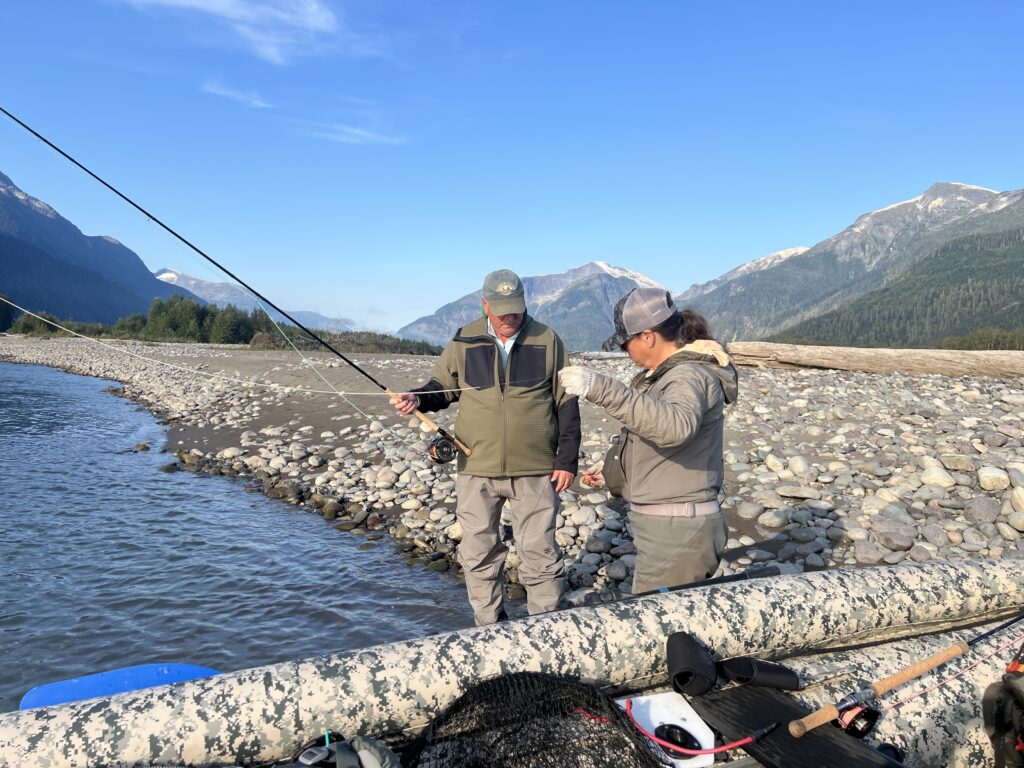
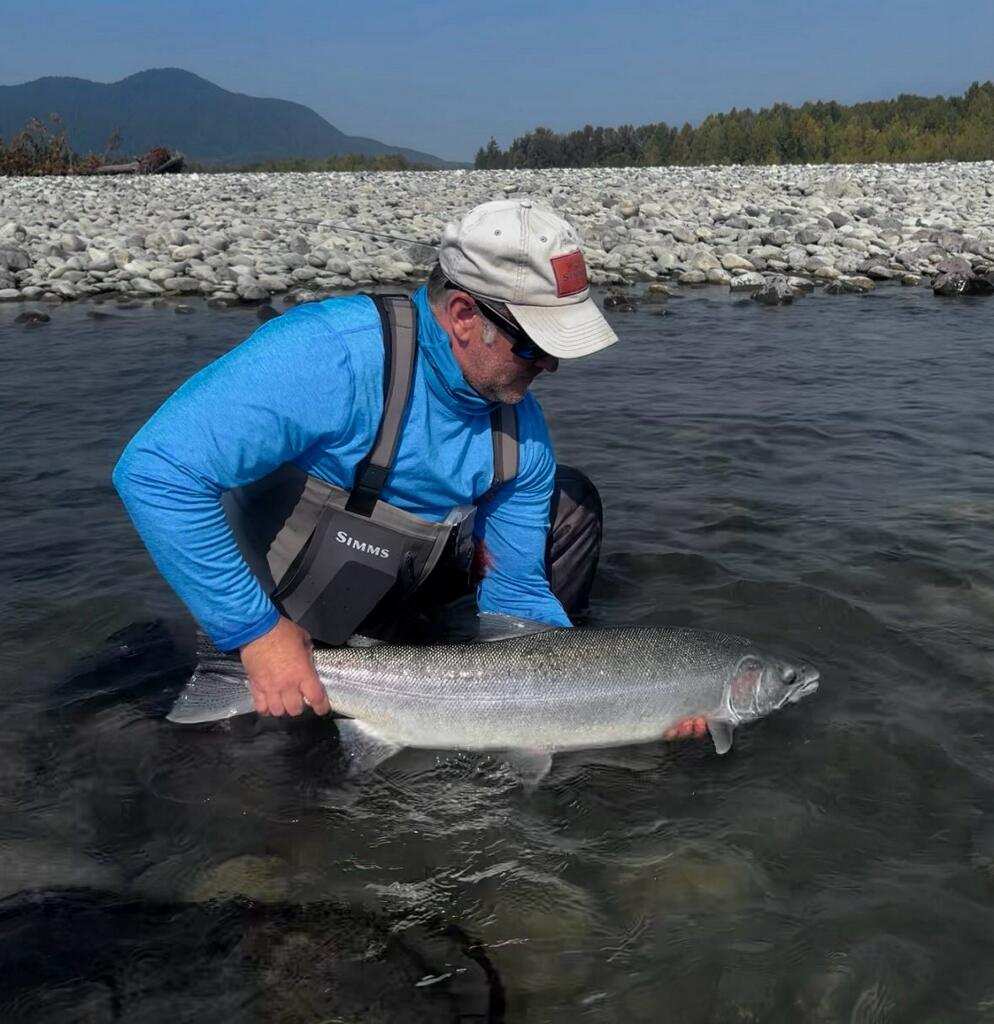
Conclusion with Adam Cuthriell on The Bycatch Crisis

The fight to protect Alaska’s salmon and marine ecosystems is at a critical point. The impact of large-scale trawling is devastating, but as Adam Cuthriell shared, there are real actions we can take. Signing petitions, contacting representatives, and making conscious seafood choices can all make a difference. History has shown that grassroots efforts work—Bristol Bay is proof of that. Now, it’s time to do the same for Alaska’s Chinook salmon. Visit salmonstate.org to take action today. Let’s keep these waters thriving for future generations.


733 | 5 Rules for Streamer Fishing with Gunnar Brammer – Predator Flies, Musky Fishing, Minnesota

What makes streamer fishing so different from dry flies and nymphing? Is it about imitating baitfish, triggering aggression, or just throwing the biggest fly you can? 👇🏻👇🏻👇🏻


Show Notes with Gunnar Brammer. Hit play below! 👇🏻


apple podcasts

Find the show:  iTunes | Stitcher | Overcast

Subscribe on Android

Subscribe on Apple Podcasts

Subscribe via RSS

(The full episode transcript is at the bottom of this blogpost) 👇🏻

Sponsors and Podcast Updates

Today, Gunnar Brammer, streamer master and fly designer, is back on the podcast to break down predatory fish behavior, how to cast oversized flies, and why natural materials like bucktail still outshine synthetics. Gunnar shares his five essential streamer fishing rules, the biggest mistakes beginners make, and how to design flies that fish actually want to eat. Plus, we talk about casting the right fly line, why fast-action rods aren’t always the answer, and his new Articulated 2.0 streamer design. If you’ve ever wanted to fish bigger flies, target aggressive fish, and rethink everything you know about streamers, this one’s for you.


Gunnar Brammer’s 5 Streamer Fishing Rules:

  1. Always fish the fly to your feet – Many fish will follow the fly all the way in, so don’t pull it out too early.
  2. Leave your fly in the water – If you’re moving, talking, or repositioning, keep the fly in the water; accidental catches happen more than you think.
  3. One-third head, two-thirds body – When tying streamers, keep the thickest, most prominent part of the fly in the first third behind the head.
  4. Never take a long hair and cut it short – If you need shorter fibers, use short fibers. Cutting ruins the natural taper and movement​.
  5. Always fish it before you walk through it – The best streamer water is often right in front of you, don’t wade in before making a cast​.

Resources Mentioned in the Show:

Guest & Business Links:

Fly Fishing Gear & Materials:

Fly Fishing Communities & Conservation:


Related Videos

Related Episodes

WFS 367 – Streamer Flies with Gunnar Brammer – REPLAY from 2019 – Predators, Kelly Galloup, Bass

Full Podcast Transcript

Episode Transcript
Dave (2s): When you think about streamer fishing or tying flies for predatory fish, what do you think is the most important factor in creating that fly? Is it the silhouette? Is it the size, the color, or is it something else? Today’s guest is going to show us how to tie and fish predator style flies. And after this episode, you are going to have some key rules to apply next time you’re tying or fishing streamers on the water this year. This is the Wet Fly Swing podcast where I show you the best places to travel to for fly fishing, how to find the best resources and tools to prepare for that big trip And what you can do to give back to fish species we all love. Hey, how’s it going? I’m Dave host of the Wet Fly Swing podcast. I’ve been fly fishing since I was a little kid, Grew up around a little fly shop and have created one of the largest fly fishing podcasts in this country. Dave (47s): Gunner b Bramer is back on the show to walk us through how he fishes streamers. And he’s gonna be focusing a little bit on the Minnesota area. You’re gonna find out why he loves national materials and why synthetics are a distant. Number two, you’re gonna get some tips on casting a big fly, what flies you need and how to fish them effectively. You’re also gonna find out about his articulated 2.0 series and and methodology coming up. Stay tuned for that. Plus you’re gonna find out gutters five rules for streamers and how you can apply them today. If this episode is half as good as the first one, you’re in for a big treat. Here he is, gunner Bramer. How you doing Gunner? Gunnar (1m 26s): Doing pretty good. How are you? Dave (1m 28s): Great. Great. Yeah, it’s really exciting to get you back on here. You know, it’s been like five or six years since you, the first episode you were here, it seems like it was yesterday. We talked about, You know, how you got into it, the connections to Kelly Gallup and the streamers. So today we’re probably gonna jump right into streamers, You know, kind of go strong on this because I think that’s a topic that people love hearing about, but also it’s a big struggle for a lot of people. So it’s Gunnar (1m 51s): The only topic. I don’t know what you’re talking about. Dave (1m 54s): That’s right, that’s right. And do you think streamers, do you teach streamers? I’m not even sure on that. Are you? I’m not even sure what you’re up to, more on that, that end, but is it, do you think it’s a big, the biggest challenge for people to learn streamer? Why do people feel it’s so challenging? Gunnar (2m 7s): Because they’re fly fishermen and not fishermen, right? Oh, was that a zinger? Did I start the show with a zinger? Nice. I’m sorry you guys don’t turn me off yet, right? I’ll reign it in a little bit. But no, I don’t think stream fishing’s hard at all for people who gear fish and for people who fish for predators and, and understand essentially reading still water or reading big rivers and and the right presentation. But when you come to it from the fly fishing perspective, I feel like people are so, I don’t know, told right and wrong, right? Like dry fish, dry fly fishing, nit fishing. There’s like right and wrong, right? Like dead drift. There’s right and wrong mending. Gunnar (2m 48s): There’s right and wrong. And so when they get to streamer fish and they’re kind of like, am I doing this right? And I’m like, dude, just smack it everywhere. There’s no wrong answer. Fish are everywhere. Smack the fly down really hard, hard fish it really fast and be mean, mean be mean about it, and they’ll be mean back. And then all of a sudden you start, You know, you’ll get reactions and see fish and yeah. People just don’t ask questions, right? Dave (3m 11s): And Gunnar (3m 12s): I don’t mean they don’t ask their guide or their buddy, that’s all they do. I mean, like when they’re on the water, they don’t ask the fish questions. Like they want you to tell them what’s right or wrong instead of just cast there. It, it only takes a cast to ask the question, just cast, Dave (3m 28s): Right? So you cast, so some of the questions you might ask yourself, okay, do I have the right fly on? Do I have the right size? Gunnar (3m 34s): Yeah. Or fast or slow color depth, right? You know, are, are they and the slack, are they in the current, are they on the ledge? Are they on the rocks? Are they in the grass? Are they in the eddy? It’s like just nonstop. Yep. And I think the best way to get over that is wade fishing, right? Because you have to work the water usually a lot slower. You have to be more methodical. And you have to realize that literally every nook and cranny is a potential opportunity. And if you’re gonna cover even like a mile of river on foot, it’s gonna take you a long time and you just have a lot of time to ask questions and you should, because you’ll learn your river really, really, really well. Yep, Dave (4m 11s): Yep. Exactly. Yeah, I was looking at one of your videos there. Yeah, I think it was, might’ve been the most recent one, but you came to this pool, it looked like it was a tail out of nice. And you said this is the spot you, you hiked in for a mile and it was just this nice slow section below it drops into a riffle. Is that, maybe describe that little spot there. Is that your secret route? Is that your home water? Is that your out there? Gunnar (4m 30s): Yeah, that’s right here in town. Yeah. Dave (4m 33s): And where are you? Just for those that don’t know, where are you at? Gunnar (4m 35s): I live in Duluth, Minnesota. I’m a transplant. We’ve been here about nine years now. And You know, when we moved here And we started having kids, well, I kind of drew like a 40 minute circle around my house and I’m like, okay, that’s, that’s where I go fishing, right? So if you ever see me fishing, it’s, I mean, it’s within 40 minutes of my house. Like I don’t, I’m not going anywhere special. And the crazy thing is, is we have wonderful warm water rivers. There’s only like two in town. I mean you have the Cloquet and the St. Louis. I don’t want to like name drop, but there’s two, like there’s two rivers in town that are within my area and there’s no pressure. I never see anybody there. Nobody’s fishing them. Nobody wade fishes them. Gunnar (5m 16s): You know, people use it like a, a canoe kayak tubing type river. And it’s just loaded with small mouth and pike and channel cats and walleye. Oh wow. Just loaded. Yeah. Nobody’s there. It’s the best. No Dave (5m 30s): Kidding. Nobody’s there. Nobody’s there. No fly anglers or just nobody fishing. Gunnar (5m 34s): Nobody. The people who do our own canoes. And so like I’ve made the point, You know, wade fishing, you, you have to be more methodical. The speed is not in your favor. And you’ll see you canoe guys and kayak guys will come fishing down the river and it’s like, I couldn’t care less. They get one cast at my hole and then they’re out. They’re gone. You know, it’s like a drift. Boat’s a little different ’cause you might anchor up or you might have somebody on the oars back rowing and slowing you down. So you get multiple looks. You might have two anglers, but like a doing a canoe, especially if there’s fast water up ahead, You know, they’re rods in the boat, paddles on, oh, pay attention. Oh yeah, there you go. It’s like they miss 99% of the fishable water because they have to canoe. It’s like, yep, if you just get out Dave (6m 16s): Right Gunnar (6m 17s): Dude, they touch nothing. They literally touched no part of that stream. I could just watch a hundred canoers come by and I’m not worried at all. I’m not the fish, don’t know the difference. I have a video, I don’t know, it’s gotta be like three years ago. And it’s the only time in any video I think I’ve made in five years where I actually capture a canoeist. Like there’s, it’s the first time there’s somebody else in my videos. That’s how un unpressured this kind of water is, right? And it’s right. I look up and I’m like, oh, look at that. Going right past the good part or something kind of sarcastic. Yeah. And I flip the fly down five feet in front of me and a bass comes up and eats it like on command. It was so funny. Oh, nice. Gunnar (6m 56s): And it’s like, You know, they’re 50 yards off of where I would wanna fish anyway. And they’re forced into that by necessity of having to navigate the river. It’s like they can’t even canoe in the fish water. Like it, yeah. It just works to your disadvantage. Dave (7m 12s): So that’s one tip right there is, is get out and get in your feet and start waiting to fish out there. Gunnar (7m 17s): So the best thing, I love this. I told you you’re gonna have a the impossible task of keeping me under Dave (7m 22s): An hour. Let’s hear it. Yeah, go for it. Gunnar (7m 24s): So I have had the pleasure to experience a drought condition. Now most that doesn’t sound wonderful, but even if it’s so low, you don’t get to fish, walk the riverbed, walk the trails, go out there and learn every single hole because like some are lowest, you’re talking like July and You know, August I will ruin my fishing spots intentionally and I’ll walk to places I normally wouldn’t walk. Or when the water’s high, I can’t get to it just to learn what’s on the other side because when it’s, You know, a medium flow and I can just kind of get over there, what was useless and low and clear has now turned into a nice little duck bunk that’s gonna have two or three bass in it. Gunnar (8m 5s): Yeah. And I know it is like I have the entire Riverbed channel left and right banks mapped for like, You know, two or three miles above and below every access that I can get into. Dave (8m 17s): Right. Gunnar (8m 17s): Because it’s like, as soon as it’s July and August you’re like, oh, I’m gonna fish two or three days a week, I’m gonna memorize this. Yeah. ’cause then when it’s high and it’s dirty, it’s like you are so much more restricted. But now You know, every little honey hole Dave (8m 33s): Got it dialed. Gunnar (8m 34s): Just makes a huge difference. Yeah. Dave (8m 36s): Are these streams that you’re fishing mostly? What’s the bottom? Is it gravel? Do they change a lot over the years? Are the bedrock slots, what’s that look like? Gunnar (8m 43s): It’s all gravel. Most of it. I mean, I keep telling everybody the wade fish, most of it’s not safely wadeable. I mean, it’s like ankle sprain territory up the wazoo. You better have felt or bars on your boots if you wear shoes or sneakers like I do all the time, be prepared to, You know, sprain toes. Oh. Or break a toe or something. Dave (9m 3s): Right. It’s is it just super slick and bouldery Gunnar (9m 6s): Or It’s super slick. Yeah. And the rocks are big. Most of them are big boulders. Yeah. Dave (9m 10s): So Duluth, I mean, you’re right at the head of Lake Superior, is that right? Gunnar (9m 16s): Yeah, it is the headwaters of superior. Dave (9m 18s): Yeah. That’s the headwaters of Superior. What is that like? There’s so much water out there, right? Do you, are you staying in the streams? Gunnar (9m 24s): I stay where nobody is. If I find a spot where nobody is, that’s not my spot. Yeah. Dave (9m 30s): That’s where you’ll go. Is it hard to find out there? I always, we just went up there And we drove kind of more drove through that area. Well we didn’t even get that far over to the east, but is it busy up there? Like during the peak times? Are you seeing, are there places you can go and see like, oh wow, there’s a bunch of fly anglers everywhere? Gunnar (9m 46s): Yeah. Like if you want to fish the North shore during steelhead season, good luck. Yeah. That’s it. Right? If you want to go fish the brule during the fall, steelhead run the brule. Good Dave (9m 54s): Luck. Yeah. The brule, right. Gunnar (9m 56s): First off, when it’s fall, I have to cross way too much musky water to go steelhead fishing. I never make it steelhead fishing, I just go musky fishing because Yep. Right. Dave (10m 5s): I why would you musk? I Gunnar (10m 6s): Never make it there. Yeah. And then the spring stuff, man, I used to be so much more diehard fishermen about it and now it’s just like, I don’t want to deal with it. I don’t wanna be around all the people. And I got kids and family stuff. It’s like I, I fish when I can now, not when I want to. Right. Dave (10m 24s): Yeah. Gunnar (10m 25s): Big difference. Big difference. Dave (10m 27s): So you mentioned a few of the species. So muskie, small mouth bass walleye, was it channel catfish? Yeah, Gunnar (10m 34s): Channel cats. Dave (10m 35s): Channel cats. What outta all those species? Okay. You gotta pick one out in that area. What, which one do you go for? You have, you can only pick one. Gunnar (10m 43s): I mean, I prefer muskie fishing above the mall, but you can only do it for so long. I have seasons. It’s so wonderful. Right. I can only really fish muskie in the spring for about a month, month and a half. And then the water’s too hot. So even though I would probably want to, I don’t, and I just bass fish until fall anyway. And that’s when the rivers are low and clear and I’d rather bass fish anyway. Right. So it’s like my seasonal desires, there’s no conflict. It’s just like, hey, spring, let’s go musky fish as soon as it’s open for about a month. And then that becomes miserable anyway. So then you go bass fishing and you get all happy because you actually have slimy hands that smell like fish. Gunnar (11m 25s): It’s Dave (11m 26s): Like you actually touched something. Gunnar (11m 27s): I actually catch stuff. Dave (11m 29s): What, what is the, on the flies, we’re gonna talk about that a little bit too fly design, but are the patterns you have you use similar for all those species? Are you using similar stuff? I mean, obviously bigger muskie might be bigger, but are you using the same types of flies with the same action and all that? Gunnar (11m 45s): I mean, I would say yes, but it’s kind of been like, I kind of just fish whatever I recently tied whatever it is. And, and I, I had mentioned this, I, I forget who I was talking with. I was essentially, I was just saying I’m stubborn, right? I’m, when I tie something and I’m excited about that thing, I’m gonna fish that thing. And I don’t really care if the fish want to eat it or not. I, I am going to find a fish that will eat it and that will make me happy. And so I know that’s not helpful to anybody because nobody can follow that advice. But just, I mean, fishing’s about you, Dave (12m 21s): Right? Gunnar (12m 22s): It’s about you enjoying creation and the environment and, and enjoying that time outdoors. And so I’m gonna do whatever makes me the happiest. And usually that is me just tying on one fly and be like, Hey, I’m gonna fish this and they’re gonna eat it and trust me, I’m, I’m gonna find one that’s gonna eat this fly. Dave (12m 44s): Yeah. Right, right. So that’s, that’s good advice because basically you’re saying stick with it, you’re gonna eventually find a fish even no matter what fly you have on there. Is that what you’re saying? Gunnar (12m 54s): Well, I think fly design gets maybe a bad rep at being too complicated. Yeah, it does. And certainly it’s complicated, but it doesn’t have to be. And what governs something being successful more often than not is does it have the right size and silhouette proportions? Is it proportionally food? Like if a fish looks at it, does it proportionally resemble food so that they instinctively react to it? And then are you fishing it as such? Are you, are you animating the lure the fly in a way that resembles what you’re actually imitating? And if you just have the right silhouette and you just fish it aggressively, it doesn’t have to be more complicated than that. Dave (13m 37s): Right. So silhouette. So silhouette is the, just overall the size, the shape, that’s the biggest thing. Gunnar (13m 43s): That’s my biggest thing. You know, everybody, everybody prioritizes it differently. Yeah, everybody likes to talk about maybe action and whatnot, but I am a silhouette. That’s where I draw the line as the most important bait fish or bugger or, You know, crayfish characteristic is what is the silhouette? And usually that comes down to the artistic proportions of how the fly is taper. You know, having a certain head diameter or, or You know, roundness or width that’s tapering relative to the length to imitate a sculpin or a Gobi or a chub or a sucker or whatever it is. Or it could just be all of the above, You know, at three inches, four inches, five inches. Gunnar (14m 24s): Most bait fish kind of have the similar FuseForm silhouette where you can kind of sculpt the fly. And like, so you could talk about, well why is it silhouette versus action? Why do you hold silhouette to be more supreme or or at a higher level of priority in your time? And it has to do with the fact that I fell in love with Bob Popovich’s Bucktail stuff. Oh yeah. And I started tying bulkheads on a single hook that were four or five inches long. And all’s I, the only action I have is just some bucktail coming out the back. Like no hackles, no flash, no nothing, no shanks, no bu You know, like all the stuff that all the trout guys are really hard on, You know, like even Blaine’s game changers, it’s like alls I had was like a stick of bucktail, like a stick, like a stick bait. Gunnar (15m 7s): But it was tied out a bucktail and it just moved enough, it looks awesome in the water. They have just some subtle life to ’em. Like they, they don’t look dead. It’s way better than fishing like a jerk bait. And yet the silhouette, because I can sculpt the bucktail butts and really get a nice proportional blunt F form shape out of the whole head and shoulders, it just looks like food. Put white bucktail, tie a bulkhead, flip that thing down and just start stripping it. It’s Musky food, it’s bass food, it’s pike food, it’s trophy trout food. It’s peacock bass food, it’s striped bass food, it’s blue fish. It’s Dave (15m 44s): Like, it’s everything really. And this is just a bucktail. This is basically just bucktail, white bucktail. That’s all that flies. Gunnar (15m 50s): I love bucktail. Dave (15m 52s): So what is it that, about the bucktail that, because it’s cool, right? It’s the natural material with all the synthetic stuff you hear so much about Why do you still like the bucktail? Gunnar (16m 0s): Because it’s hard to tie with. Dave (16m 2s): Yeah, it is. It is hard to tie with, yeah, Gunnar (16m 4s): It would be boring if it was the same every time, which is exactly what synthetics offer you, right? It’s the trade off. You can have the same thing every time you pull it out of the package, which is an awesome thing for a beginner or somebody who’s learning to have that kind of consistency. You know, you can take off a stack being like, Hey, I’m using this much, this is the density, this is how we use it, this is, You know, the technique and the recipe. And they can imitate it and they’ll get the same result. They’re pretty close. But as soon as you take a natural material and I’m like, Hey, I have this beautiful five and a half inch tail and you have a really gross three inch tail, we’re gonna not tie the same fly. Not only that, but it’s not gonna respond the same. Mine might have the perfect amount of trapped air in it where I can get it to compress and flare or control the butts, or they’re gonna have a nice wave to it. Gunnar (16m 51s): And I have hundreds of tales to comb through and find those characteristics. And a beginner’s gonna be overwhelmed by that anyway. I mean, you’re talking about nuance upon nuance of, hey, I’ve spent a thousand dollars on bucktail and I’ve spent 10 years tying with it in order to feel comfortable tying off the cuff. Like you don’t just tie off the cuff because you can’t appreciate the nuance of the variation. It just leads to frustration, which is what you gotta do to get there. But that’s why I feel like the natural materials always come back into rotation. They, they always cycle back into, You know, whatever’s trending or something. And it’s because they’re always difficult. Gunnar (17m 33s): And so they always have the challenge of, I want to master this, I want to pursue this. And then man, once you get it and you understand the castability is better, I will, I will talk about this for hours. The castability of natural materials is so superior to synthetics. Dave (17m 52s): Grand Teton Fly Fishing is a premier guide service and fly shop that has access to some of the most coveted rivers and lakes in western Wyoming. Their simple goal is to share their valued resource and have you experience a native cutthroat trout rising to a single dry fly in the shadows of the Tetons. You can check out Grand Teton right now at Grand teton fly fishing.com. Let them know you heard of them through this podcast. Don’t let the chill keep you from your next big fish. Heated cores next to skin heated base layer is your secret weapon for staying warm and comfortable during those early morning fishing trips or late seasoned adventures engineered with advanced heating technology. This base layer keeps you toasty all day long, ensuring you can focus on what really matters. Dave (18m 34s): Gear up with the heated core base layer and make every cast count this season. And is that because, I mean, I know deer hair is kind of hollow a little bit, right? Or I guess elk here, but why is that? Why, why is it that it’s better? You know, because you would think the synthetics, they could make this whatever they wanna make Gunnar (18m 51s): Sure. So obviously we’re talking about streamers, keep it in that context. Yeah, yeah. Streamers, and we’re talking something decently, large flies, like let’s just say 5, 6, 7, of course you get bigger, bigger, bigger, bigger, bigger like 10, 12, You know, 14 inch pads for muskie, right? Yep. The problem with the synthetic is that it, first off, synthetic materials are usually gonna be crimped, right? That’s how they get the volume out of them. So they take a uniform material that’s made out of plastic and they will essentially heat it up and crimp it so that it has some sort of zigzagging pattern and the degree of the zigzag will give it volume, right? So all those zigzags push off each other to create volume. Gunnar (19m 32s): Now when you cast this, the air has to go around all those zigzags and it slows it down tremendously. So when we think about casting, one of the things we’re always trying to do is we’re trying to create the most castable pattern, which is a pattern that doesn’t interact negatively with the fly line. Now, something that’s only slowing the fly line down is a negative interaction. I don’t want that, right? It’s, it’s literally pulling and taking energy away from this entire system that’s trying to deliver a fly. And so if you are adding air resistance, that’s a problem. But the nuance of this whole shindig is it’s not always a problem because let’s say you have a sock and you try to throw a sock, right? Gunnar (20m 19s): A sock is only air resistance. It’s not gonna go very far. Well if you put a small rock in the sock, now I can chuck it across my yard, right? So when we have these synthetic flies, usually the best way to make them castable is to put them on a big, huge gauge salt water hook. This is, I think, where the whole idea of synthetics cast better comes from. It comes from you took a wind resistant material, you didn’t really know it, but you haphazardly put it on this huge, You know, heavy blue water hook, like four off for tuna or something like that. And you’re like, wow, this casts really well. Well all you did was put a rock in your sock. There Dave (20m 54s): You Gunnar (20m 54s): Go rock. And so the two rock sock and you put a rock in your sock. So the two balance each other out and you can cast it really well. But one of the problems is as the fly gets, let’s say big, like you want to try like a eight inch hollowly or like a beast or an extended body bulkhead, you start to get into pike and musky fishing, you’re trying to imitate large fors like suckers and, and chubs. You can only add so much weight. And usually the best triggering mechanism in this whole shindig of streamer fishing are flies that hover, they’re flies that are neutrally buoyant. They’re flies that suspend and change direction, in which case adding weight is now not becoming beneficial because you’re getting the negative action impact on the fly. Gunnar (21m 38s): And so when we tie flies weightless, or we’re trying to tie flies out of neutrally buoyant material to be fished on say intermediate lines or light sinking lines, then we want hang time, we want glide, we want hover. Well now I don’t have any weight. I don’t have a rock in my sock. And so when you go to the natural, understand the natural is usually gonna be perfectly rounded on diameter, no zigzag, and it’s gonna be tapered, meaning it’s literally gonna get, You know, it’s fat at the butt, skinny at the tip like a fly rod. So as the wind and air travel across this material, it’s literally kind of accelerating. It doesn’t have to follow the zigzags. And it’s not uniform in friction as it goes, but it’s able to accelerate around the material on top of the fact that when that material gets wet and absorbs a little water weight and you pull it out of the water, it all slinks down. Gunnar (22m 27s): There’s no air resistance to begin with. So now you take like a fresh water hook, like a four out or a six out, something that’s not blue water, crazy heavy. And you have this completely slicked down natural material that has no zigzag to it whatsoever. And its own water weight that’s absorbed in the hair becomes the rock, if you will, in the sock. It is the most superior material for tying a weightless suspending batter. Dave (22m 54s): That makes total sense. Yeah. So you have, and what is the hook? What’s your typical four aught hook Would you be using? Like is there a brand or a type of hook? Gunnar (23m 2s): Yeah, You know, I think the old Partridge attitude streamers were sick. The attitude extras, the universal predators Aex, You know, has the, the TP six 10, the trout predator. I think the four OTT in the TP six 10 is almost perfect. The six. So gets a little bit, a little bit and it needs a slightly heavier wire. But they take, came out with the TP six 12. I know this is like product numbers, but Dave (23m 31s): Yeah, now it is a good, Gunnar (23m 32s): Yeah, the six 12 is the trout predator short. That is musky perfection. I love that hook. The four aught, six shot. Oh they’re just sweet. Dave (23m 42s): That’s it. Okay, good. So yeah, so that’s good. So we hit on a little bit, I mean, again, I wanted to ask you about casting because I think that’s all another thing that comes up like, God, how do I cast these giant flies? But what you’re saying that’s a good reminder. It’s like the fly is a big part of this equation, right? Getting the right fly on that. What is the right fly? Let, let’s take it to a species. Let’s, you mentioned Musky maybe, maybe let’s talk small mouth bass for a second. What, what is that pool you, we talked about at the start where you went out to your perfect pool, what fly line are you throwing there? Is that like a dry line or what? What do you typically have for bass? Gunnar (24m 15s): So I fish, I mean you could give me any species on the planet. I only fish three fly lines, which I have a box in the garage, it’s probably got a 90 fly lines in it. I’ll have to take a picture. It’s nuts. All the different stuff I’ve tried over the years, Dave (24m 29s): Really. Gunnar (24m 30s): But like, I like ideas, like I like to pursue ideas. So if I see potential in something, I will buy it and screw around with it. But all of this has come down to, as I learned, fly line taper and, and the purpose of it and the engineering behind it. I fish Rio’s elite predator. That is my all time favorite wade fishing fly line. I fish Rio’s outbound short, which is my favorite still water line and huge fly line. Like if you’re gonna fish beasts and stuff, that’s preferable over the elite predator. Even though they’re kind of designed to do the same thing. They have opposite tapers, which we could talk about. Gunnar (25m 10s): But it’s, it makes a huge difference in, in big fly carry ability at distance. And that’s really relative to casting, really relative to casting. And then if I’m gonna fish something fast sink, I’m gonna fish like an outbound custom or like the Rio striper line. But something that’s just level, I just love a level heavy, fast sink that I can cut the head back, right? Because if you gimme a fly line that’s tapered, I’m not gonna cut it and mess with it. But if you gimme a level line now I can start to screw around with the grain windows and how long it is and how easy it is to slip and shoot and do all the fun stuff. So those three elite predator outbound, short and outbound custom are really the only three I fish. Gunnar (25m 51s): And I like you could, You know, I love Rio if you’re a different company, dude, just look at the taper diagrams and take those tapers to whatever company you enjoy and support and all that. It’s the taper that is, it is, I mean the taper is what makes it happen. And, and Rio has a lot of really good tapers. But those three, that’s the bread and butter. Dave (26m 12s): Yeah. Okay, perfect. So that gives us the, the line. And then, sorry, Gunnar (26m 16s): When you were asking me about that hole and you said something about dry, were you talking about, You know, are you fishing a sinking line or a triple density line or a floating line? Because I went, I went straight to kind of the different, Dave (26m 27s): No, I was thinking what you said. I was thinking big picture, like the three lines. I love simplifying it. So that helps. So we got to simplify and then, and now I’m just thinking more like, yeah, you’re on the water, you got your fight again, we’re experimenting, we’re out there, You know, you’re gonna, somebody is gonna learn on their own and we’re gonna say get out there. But what, what do you do in there? So you make your cast, You know where that little slot is, where those fish are holding. Are you typically casting across and down and then stripping it? Talk about that. How are you, what action are you putting on the fly? Gunnar (26m 54s): Everything. Dave (26m 55s): Yeah, everything. Yeah, you’re doing it all depending. Gunnar (26m 56s): So it’s like I’ve worked that hole from the top down. I’ve worked it on the right side, I’ve worked it on the left side. I work it from the bottom up. Usually if I work from the bottom up, then I swing on the way back down again. I just, I ask every question. And so when I’m walking up to the hole, You know I’m walking up and I’m standing at the tail out. And So what you have is you have a pinch point, you have a riffle section, it kind of has a nice little cut or gouge that then turns into this pool that rises up to this wonderful tail out. And typically you’ll get a lot of small bass at the back that’ll be like eating bugs and stuff. I mentioned as soon as I came up, I was like, oh, someone just ate a, You know, he just ate a mayfly or he just, I saw a fish rise or something like that. ’cause bass do that. I mean you could dry fly fish bass if you wanted. Gunnar (27m 38s): They’re not that picky. I guess that’s what people do with boole bugs. Everybody knows that anyway. And so I’m gonna start to kind of fan cast the back of that hole. And obviously I’m forced to cast upstream, retrieve down just by context of where I’m standing. But I’m gonna work that with, You know, short cast. I probably start like 20 feet or something, not very big. And I’m gonna make a fan cast. It’s essentially like if you were to fish still water, you find a productive spot, you hit spot lock or something and you’re gonna fan cast and then you’re gonna move over 50 feet and then fan cast and then move over 50 feet. Dave (28m 13s): What is the fan cast exactly? Yeah, it’s Gunnar (28m 15s): Blind casting, right? Because I’m working a tail out, which is essentially a large pocket of consistent water. I’m gonna cast, You know, let’s say straight across and then I’m gonna cast at 11 o’clock and then 10 o’clock and then nine o’clock and then eight o’clock, right? I’m gonna work the full clock spectrum of what’s visibly open to me. And each one’s gonna be like a different angle of attack because there’s not structure, it’s a tail out, it’s just a pool. And then as I start to move up one of the sides, the right or left side, it doesn’t really matter. Well now I’m gonna throw one straight up at 12, which is gonna be, You know, parallel to the bank. And then I might come off at one and then I might come off at two and then three. Gunnar (28m 55s): Right? So I’m gonna clockwork out from that as I start to walk up slowly. And part of this that people have to understand in my context, ’cause it won’t be explicit unless you’ve seen the video. My water clarity is a foot or a foot and a half. And so I am forced by necessity to almost never target specific structure unless it’s like a side channel and I can actually see a log or a boulder or a little, You know, a pocket or something. But usually I can’t, my rivers are, have so much tannic staying to them that the best way to approach it is honestly just to walk at a slow pace, work the full spectrum, You know, from noon down to six or whatever, noon down to three, and let it swing out. Gunnar (29m 44s): And then just walk up slowly and keep rinsing and repeating that. Because I can’t actually be more specific. I can read the water, I can see the current, I can understand, You know, the current velocities and what fish are gonna hold in to feed or, or, okay, that’s way too fast. Nothing’s gonna hold there. That’s too soft. That’s slack. They’re not gonna hold there. Oh, here’s a perfect amount. Kelly Gallup would call it soft water, right? It’s like it’s water that’s moving, but it’s not fast. It’s not hard, it’s not super flowy. It’s consistent. It’s even, it’s soft. As soon as you learn to identify what soft water looks like, that’s kind of the biggest thing that’s telling me I need to cast there and ask the question really? Gunnar (30m 23s): Because I don’t know the depth, I don’t know the bottom structure. If there’s a boulder or a log or something that they can hold onto, I can only identify what is probable based on current velocity. And when you can identify what is soft water, well you can stop asking a lot of dumb questions. Yeah, right. Soft water, my my encouragement’s to ask all of them. But eventually you’re gonna learn which ones are more intuitive and which ones are the better question to ask. Dave (30m 50s): Right? So for small mouth bass, if we stay on those for a second, you’re looking for that softer water. You’re not really looking for fish in like riffles or any of that faster stuff. Gunnar (30m 59s): My fish don’t hold them the fast stuff. Dave (31m 0s): Yeah, they don’t, Gunnar (31m 1s): They love a run. There’ll be an entire school that’ll just hold out in a run Dave (31m 6s): And a run. Right? Yeah. They don’t like the fast. Yeah, Gunnar (31m 9s): I don’t find ’em in the holes unless it’s like off of a side channel. Like if, if the river come down and there’s a little like, You know, let’s say the main current is fast. There’s this weird little nook off to the side where the current gets cut in half and it drops down two or three feet, a hundred percent chance there’s a bass in there, 0% chance there’s a bass in the fast water, right? I’m, I’m, yeah, I’m walking through the fast water looking for those little, little nooks and crannies that, You know, the difference between one foot, one foot, one foot two and a half feet. Oh there’s a bass there, You know, it’s like, and you learn that by walking and low and clear and just walking around. You have to walk, just walk across the river back and forth and back and forth and back and forth. Gunnar (31m 53s): ’cause I can’t see the, I can’t see the bottom. It’s like you, you don’t know. Dave (31m 57s): So you’re just covering Yeah, you’re being systematic about it. Covering all the water. Gunnar (32m 1s): I wish it was different. I’ll tell you what, I went to visit my brother-in-law once and I stopped on the bank of the Mississippi in Grand Rapids, which is like an hour and a half north. Oh yeah. And I could see the bottom and it was like six feet deep. And I was like, are you serious? Like, is this what it’s like for normal people to go fishing? Like I can’t, I have gone fishing with the most ridiculous chartreuse neon green fly before and stripped it into my guide because I couldn’t see it. Wow. Like all the way to the front guide and just ripped it right into it. And I was like, good grief, this is not good. Like, Dave (32m 34s): That’s your water. Now I’m going back a little bit now on, on more of your, your history, but what was, because I wanna get into the fly design and give people a little heads up on that, but was it Kelly Gallup, right? Was your first influence in Yeah. In this fly design stuff? Is that talk, talk about that a little bit. Give us a reminder on, on on that and how your design got to where you are now with what, what you do. Gunnar (32m 55s): Yeah. Okay. So I think it was my, my junior year of college I got to work for Kelly and moved out to Montana, lived in a trailer and fished Oh, that’s right. In Madison River. Yeah. You know, for about four Dave (33m 7s): Months. And where’d you come from? Where, where were you, where were you, where were you coming from? Where were you living before that? Gunnar (33m 11s): I went to school in Michigan Tech. So I was up in Houghton, Michigan. Oh, okay. Dave (33m 15s): Yeah, Michigan. Gunnar (33m 16s): Yeah. And that was wild because I didn’t know anything and I was horrible. And I told Kelly I didn’t know anything and he told me that was fine. And I just went wade fishing every single night for four months straight. And that’s what taught me what soft water was. And You know, it’s like obviously I had trophy water to learn it. On Dave (33m 38s): On on the Madison. Gunnar (33m 39s): On the Madison, yeah. And this is, You know, it’s, it’s right below Quake Lake. It Dave (33m 44s): Was. Oh Gunnar (33m 44s): Right. Yeah. It’s like two miles below Quake Lake. So it’s in between Ness and West Yellowstone. Right. And it’s just beautiful white water. And it’s above the, the, it’s the Wade only section. Right. So from like quake down to Lions Bridge I think is wade fishing only people can take a drift boat. But you have to get out of the boat to fish. And one of the coolest things that I ever got to experience was, it was, must have been like the first week of June, we had crazy runoff coming outta the mountains. The rivers, You know, climbed 1500 CFS in about two days, three days by every person’s consideration driving over that river. Gunnar (34m 25s): They would’ve said it was blown out, you couldn’t fish it. And what’s the most beautiful thing is every single person drives across Reynolds Pass to go into Idaho to fish for salmon flies to fish the salmon flash. Yeah. And the streamer bite on the Madison. Yeah. If you give it like two or three days for the fish to get used to the new flow, it’s off the charts insane. It was like, You know, like when you’d see like a field and stream magazine and they like put a circle where every trout should be. It, it was real. There was a trout where they set a trout. Should be, it was like you just like walk the river smack a fly down with like a five and a half foot cast, three inches from the bank, six inches from the bank. Gunnar (35m 13s): Yeah. Dave (35m 13s): Like Gunnar (35m 13s): A drive five inches behind the boulder. Like it was the most ridiculous thing. And you just like 16 inch trout, 17 inch trout, 18 inch trout, 14 inch, they just out of the woodwork to try to eat these cul and patterns that are like five inch black pieces of meat. It was nuts. So that’s, that was kind of my, I went from being a really bad fisherman to being a really spoiled fisherman really quickly. Yeah. Dave (35m 38s): And that’s right. Yeah. And you were around Kelly and all of his, You know, the sex dungeon and all that stuff. You, you kind of got a Gunnar (35m 46s): Yeah, I, I always wanted to be like a competent fly tire and I sucked at it for, I don’t know, ever for like 10 years. And then I got Kelly’s DVD, it was like called streamers on steroids. And it was the first time I had a visual, like, You know, someone took me through it, start to finish visually. I’d never had that, I had never taken a class, You know, like the pictures in the books didn’t do it because I had missing gaps of information. Right. Pe I don’t, like kids don’t understand that anymore. Like we have YouTube alright. Like it’s not a problem. But as soon as I saw it, I was like, oh, like I don’t have to go from, You know, A to DI understand A, B, C, and D now. Gunnar (36m 27s): Like I see the whole progression. I saw it on video and so I just ripped all of Kelly’s stuff off. Like alls I did was tie Kelly, gale variations, boogeyman variations, sex dungeon variations. And I would just, it turned into something where when I started my tying company, You know, looking back, right, this is what hindsight’s wonderful for. But when you look back at kind of all the stuff the trout guys tie, especially in the Russ Madden kind of style of our, it’s essentially articulated buggers with a head. Right? Right. And what everybody does was they would tie the articulated bugger, but then they’d wing it with something like Kraft fur and you’re like, oh, it’s a Goma. Oh yeah, right. Or like Arctic Fox and you’re like, oh, it’s stroll headbanger. Gunnar (37m 9s): It’s like, it’s still an articulated bugger. They just took a wing material that somebody hadn’t used yet and then they put a head on it, whether it was Laser dub or Kraft Fernal loop. And I’m not trying to take anything away from that because in my own journey, those jumps aren’t intuitive. Like when you’re walking through it step by step in real life, like I have so many patterns that are so similar, but you only see the similarity when you look back like four or five years and you’re like, why didn’t I think of that? That was so obvious. But in the moment you, you are like, man, this made a huge difference. Oh dude, Arctic fox is sick. How come nobody did this before? It’s like, well, if you just skeletonize the recipe, You know, it’s like bu hackle body in a wing bu hackle body in a wing and then a head and you can change the head to whatever you want. Gunnar (37m 56s): Wool, deer, hair, lead eyes, no lead eyes, You know, synthetics. And so you start to kind of like see the different segmentations of a fly, whether that’s like tail body weighing head, and you can honestly substitute nearly anything. And as long as you scale it appropriately, you understand how it’s gonna build so that you get the right taper and proportions, you’re gonna get a pretty successful fly. Dave (38m 20s): Right. Okay. And and you mentioned bu well you talked about a couple things. We talked about the deer hair, but I’m trying to get a picture of what is the Kelly’s, what is the sex dungeon? Is that Gunnar (38m 32s): It’s a stacked deer. Her head over lead eyes. Dave (38m 34s): Yeah. Yeah. That’s what it is. Yeah. So it’s stacked here, here. It’s been five years since we’ve talked. Has there been, have there been any changes in the streamer? Have you seen, have you changed your style at all? Is there new stuff out there? Or is this pretty much Gunnar (38m 47s): Thing five? Oh, I’ve gone totally off the walls. Saltwater East coast striped bass style. Yeah. Anybody, anybody who’s, who’s kept up with the YouTube knows that I, I very quickly became a, a disciple of Bob Popovic and spent, I don’t know, probably the past seven. So I guess this would’ve been part of our last talk. I bet the past seven years, I have dedicated almost everything to Bucktail fly design based off of all the innovations that Bob Provi brought to the table. Dave (39m 15s): Oh, okay. Yep. Gunnar (39m 17s): And so I’ve gone, You know, like I don’t really tie articulate it anymore. I’ve gone almost all the single hook. I do use naturals, but the big thing I’ve been working on is, is adapting my old Kelly Gallup style patterns to a new shank hook layout that allows them to be single hook, but still have the same tie space so that the recipe’s not actually forced into being changed. And so you can take the same recipes but superimpose them onto a totally different chassis layout. And I, I call it articulated 2.0, nobody knows about this. I haven’t made any videos about it because life right now is, is really difficult. Gunnar (39m 57s): Yeah, yeah. But hopefully, You know, Lord willing, in six months from now or next year, I’ll get to kind of bring this idea to light. But when you, the videos you’ve referenced so far, those are all fishing the Hot Fuzz 2.0, they’re all fishing the season Geezer 2.0, the Triple Sculpt Daddy 2.0. It’s all part of a series where I was trying to build up a little bit of hype around this idea of, hey, I don’t fish articulated flies, two hooks connected by a wire joint anymore. I, I can’t stand fishing two hooks. It just doesn’t fit me. And that wire joint has driven me absolutely bonkers as a tire for years. I hate putting that joint in at the vice. Gunnar (40m 39s): But then on the water, they get kinked and they get weakened. Oh yeah. They break and they fray and they foul. And trying to find a way around that, it’s like hybridizing articulated flies with game changers, but you take the same recipe that the articulated fly was, that’s 2.0 in a nutshell, Dave (40m 59s): It’s time to talk about something that elevates your fishing experience. Stonefly nets nestled in the heart of the Ozarks Ethan, a master craftsman dedicates his skill to creating the finest wood landing nets. They aren’t just tools, they are works of art blending tradition and craftsmanship. You know, every time I set my stonefly net in the water, it’s not just the fish that catches my eye, it’s the beauty of the net itself. These nets are tailored to your fishing style with options to customize the size handle and even the intricate wood burrows. They are a perfect mix of functionality and aesthetic appeal. And let’s talk about the memories. Just like Ethan, many of us cherish fly fishing as a way to connect with our past and creating lasting memories. Dave (41m 40s): Stonefly nets are more than just nets. They are part of our story. Each cast and every cast. Are you ready to make fishing trips? Unforgettable? Visit stonefly nets.com right now and discover the difference a handcrafted net can make. How do you get the articulated is, makes it longer. You got a hook out there long, how do you tie your same length of the fly and get the hooking? Are you getting short strikes and stuff like that with the style? Gunnar (42m 8s): The only hangup is that I’ve had to test it all on small mouth bass, which are kind of notorious for smashing the head. Dave (42m 15s): Oh, okay. They t-bone don’t, don’t a lot of the predators T-bone stuff, isn’t that how they’re, are they getting hooked that way or they come from the side? Gunnar (42m 23s): Well, yes and no. It depends a great deal on how their mouth is shaped. So if you look alike pike muskie and trout, and you look at their teeth structure and how their mouth opens when they eat something, their teeth are designed essentially to kind of poke or stab or hold prey. Wound prey. They’re like, you would, you would identify them as a slash and grab style mouth type. Whereas if you look at bass, you look at schnook, you look at tarpon, that would be like a bucket mouth where they use literally the, the suction of dropping their jaw to draw in water, turning a bait fish’s head into their mouth so that they can eat. You know, even Tarpon will eat a huge thing. Gunnar (43m 3s): Headfirst striped bass will eat, You know, a 14 inch mullet head first because of their mouth shape. A barracuda’s not gonna eat a mullet head first. He’s gonna slash it in the middle because his teeth are designed to slash and grab, he’s not worried about sucking in water like that. He’s gonna cut pierce injure and then consume. Whereas the bass species bucket mouth style species use the water suction to orient bait fish’s head so that they can swallow head first and kill. So when I’m taking something that is essentially a articulated trophy trout style pattern, which is very much more slash and grab, and then I’m catching a 12 inch bass on it, you’ll see in those videos, I, I’m like, oh, he missed it. Gunnar (43m 48s): Or like, I’ll I’ll say that just kinda like off the cuff and it’s like, man, if it was articulated, maybe I would’ve got ’em. Yeah. But that’s, it’s not, I’m not trying to target 12 inch bass either. Right. And so it’s like, where do you, as the designer, it’s like, well shucks, because if it was a 30 inch pike that was game on, if it was a Musky game on, if it’s a 16 inch bash, he’s got, he’ll fit the whole thing in his mouth. Dave (44m 14s): Yeah, that’s right. That’s actually a good thing. That’s actually, you’ve, you’ve created a, a fly that keeps the small ones away. You don’t have to worry about Gunnar (44m 21s): The small ones. I know it’s like, but do you let that deter you? Because sometimes the recreational guys, You know, it’s like every fish matters and every every fish makes you happy. And it’s like, well shoot, if I was fishing a willy bugger I would’ve caught twice as many fish today. Dave (44m 35s): Yeah, yeah. Right. Well you’re, you’re a, you’re a musky fisherman too, so my guess is your style, you’re not as worried about catching numbers of fish. Gunnar (44m 43s): I told you it’s I’m gonna fish the fly I tied on. Yeah. And I’m gonna make them eat it. That’s the game. The game that I am there to play is I’m gonna make you eat this slu I’m not here to figure it out. I’m not here to pattern fish. I’m not here to be the most successful fisherman. I’m here to enjoy myself. Which means you’re going to eat it. Dave (45m 3s): Yeah, totally. So that’s awesome. So, so this is it. So, so you’re, I mean, we’re simplifying it here I think a little bit, which is cool. What, what would you tell if somebody was gonna get down at the vice, just look up a popovic style. I mean, you could see ’em all, they’re giant, they’re all bucktail. Like what would you say if somebody wanted to tie some of these or pick these up, what would they go in the store and buy? Or could they Gunnar (45m 25s): Yeah. Do you narrow it down more Pike Musky bass size? Dave (45m 28s): Yeah. Let, let’s keep on the, let’s keep on the bass. I think that’s a good topic to stay on. Yeah. Gunnar (45m 33s): If I was gonna go, I mean, I would probably take a, a one knot TP six 12. I’d run the, the, You know, like a, a short shanks but thick gauge. One knot would probably get you by just fine. I would grab two bucktails and I would select them by hand. And you’re just gonna look for two different lengths of tail. You’re gonna try to find something around four and a half, which is actually pretty common in shops. And something around three and a half. The four and a half is gonna be your tail and your mid-body section. So you’re gonna have a longer out the back and then you’re just gonna go to that three and a half to finish it so it gets shorter and denser upfront. It’ll get a nice teardrop to it. You’re just gonna tie either bucktail receivers or bulkheads. And then to get a little extra length, you can either do like the strung saddle, which is super easy, or just a little flash tail, like a flash tail whistler. Gunnar (46m 20s): Just a wad of like a original flashabou and silver out the back. Dude that, Dave (46m 26s): That’s it. Gunnar (46m 27s): That’s it. And you could tie it, I mean you could tie it half and half style. You could tie it klauser style, you could tie it Bob pops bucktail Deceiver style. Bulkhead style. The bulkheads gonna be neutrally buin suspend bucktail deceiver is gonna be about half and half, but the hook weight will slip it under. The clouder is obviously gonna bottom dredge it and jig it. You could tie it bend back if you wanted it. Weedless and weightless. It’s infinitely versatile and it’s like a four and a half inch catchall, You know, it’s like a finess minnow essentially. It’s like fishing a soft plastic that’s four and a half inches long. Right, Dave (46m 60s): Right, right. Okay. Gunnar (47m 1s): Not, not soft plastic like worm, like a, You know, a plastic minow molded type Dave (47m 5s): Tape. Yeah. Minow. Right, right. Gunnar (47m 7s): Alego, I’ll, I’ll give you a Dave (47m 9s): Slug. Yeah, a sluggo. Okay. So now you were back, back to your pool. So in on the line again. So what, what was the line? So you, you talked about three lines there on that pool that day, on that video, what was the line you were using that day? Gunnar (47m 22s): So that was Rio’s Elite Predator. It was a six weight, I believe it was the float intermediate sink three. So they got three different line densities. Dave (47m 31s): Oh yeah. Flow intermediate sync three. Okay. Gunnar (47m 33s): The beautiful thing about that line, you got like a 32 foot head. So it’s got a really short compact head for streamer fishing, which is what you want. Your head length should be 35 feet or shorter. 30 is about ideal. Yeah. Dave (47m 44s): Okay. Gunnar (47m 45s): The taper diagram on it is a spay taper or a heavy rear belly or a triangle taper. It’s all the same nomenclature essentially. Right. Yeah. What you’re describing is that out of that 32 feet, the heaviest part is the closest to the rod’s tip. Dave (48m 1s): Yep. Gunnar (48m 1s): This creates control and accuracy and stability because as it is unrolling, it’s getting the taper is helping the energy towards the fly. Right. And so it’s a really stable, really stable, controllable, accurate line that doesn’t feel clunky or bouncy or splashy. Right. Lands down really well, but because it’s compact at 32 feet, it can handle a payload. And so I’m casting a five and a half, six inch fly on a six weight line. I’m carrying it probably 40 feet and shooting it out to 50, 60 feet with a rod from the 1940s. Dave (48m 41s): Right. I was gonna say that Rod, what is that rod you’re using there? Looks like a bamboo rod. Gunnar (48m 45s): Is it like five dust? There’s, there’s no markings on it. I couldn’t tell you what it is. It’s old. Yeah. It’s got a full wells cork on it, but it’s seen better days. Dave (48m 54s): Is it bamboo, Gunnar (48m 55s): Uhuh? It’s it’s glass. You Dave (48m 57s): Know what’s cool about that Rod? I love seeing that because right away when I saw that we had, we’ve had a Reese, a bunch of casting episodes recently, and one of the guys, I’ve mentioned this before, one of the guys we’ve had on was Chris Corch, and I’m not sure if You know Chris, but he’s a casting instructor and he’s the guy that took Maxine McCormick, who was that 13-year-old girl who won the championship, the world. Cool. She was like the caster. But what he said, the take home message, and I’ve been saying this a lot because I’m trying to preach it because I think he’s basically said the, the fly fishing space went into this nuclear arms race with like faster, faster, faster rods. But he’s, what he’s saying is like, you don’t want a super fast action rod, especially if you’re new. You want a rod that bends all the way into the cork because then it allows you to feel the line. Dave (49m 38s): So he feels like the fly fishing industry has really got that wrong. And so it sounds like, and that’s what he said, the championship, the people that are winning championships with right now are wish fishing with 1980s rods not new rods these days. Right. So it seems like that’s the same rod you have. Gunnar (49m 52s): Yeah. Dude. That thing’s ancient. Yeah. So I love glass. I I, I was talking to a friend yesterday on the phone and it became really clear to me just, I mean, there is personal preference. People like different things and different feelings, but I would fish, I don’t even know where I’m going with this. He, he was telling, he was talking about new technology, he was all excited about some of the technology that these rod companies were talking and, and coming out with. And I essentially said to him, I was like, look, like, I agree that that’s exciting, but taper is what determines whether a rod is successful or not at its intended job. And then roll it out of whatever you want. Gunnar (50m 32s): Because I love glass. I’ve, I fish my grandpa’s 1961 Wonder Rod all the time. I have, You know, like a blue halo zenas. Love it. I have that 1940s fiberglass. That’s what I fished for the whole season. Nice. I just fished a 1940s fiberglass fly rod. Like, I don’t, I don’t need some thousand dollar rod to catch fish. Like, Dave (50m 56s): And what do you like about that 1940s rod, when you cast it? Gunnar (50m 59s): So I, I like, so you talked about how, You know, feeling it through the cork. I have a really slow cast. I don’t like a punchy, jumpy cast. I have a really slow cast. I like a really long kind of lateral movement of my hand. Yeah. Right. I think it’s fun. It’s, it’s like dancing. I like to be a part of the casting experience. To me it’s not about efficiency. Like I want to enjoy what I’m doing. Yeah. Dave (51m 22s): Like a big, you have like a bigger arc typically. Gunnar (51m 25s): Yeah. Yeah. And so that’s, as my stroke length increases and my arc increases, I need to bend your rod to match my style. Yeah. Dave (51m 34s): Right. Gunnar (51m 35s): And so when I fish a fast rod, it’s not that I can’t, I do it all the time. It’s just that I have to think about it and be consciously aware because I’ll throw tailing loops because I have such a long kind of stroke with such a big throw arc. And so I can very easily fish something that’s 50 years old and it just fits me. And, and I have no problem casting it 70, 80 feet either. Like people, it’s, it’s like I’m pretty sure 30, 40 years ago people could still cast really, really well. Dave (52m 7s): Yeah. They Gunnar (52m 7s): Could, when you put a modern fly line on it, I think the fly lines would have what changed the game. The fly line is what makes streamer fishing possible. The whole point of that video, the title of that video is the, the line is Mightier than the Rod. Dave (52m 19s): Oh, that’s right. Yeah. And Gunnar (52m 20s): I, I meant it kind of as a joke, but it’s like people, when they get into streamer fishing, the first thing they think of is, I need a new rod. I need a streamer rod. Yes. I need to get a six wave. I need to get a Dave (52m 29s): Set something. I need something heavy duty to cast so I can cast in big case. Gunnar (52m 33s): Absolutely. You don’t, what you need is you need a fly line with a 30 foot head that’s designed to throw streamers. You could put that line on any rod ever manufactured ever. And cast streamers really well on it. Dave (52m 45s): The big stuff you can cast six eight inches with that. Heck, Gunnar (52m 48s): I was fishing a six inch fly on that rod. Yeah. With a six weight line. It was nothing. If you gave me the same rod in a heavier rod class, I could throw beast flies. I, I would go musky fishing with it. I don’t care. And of course I like that style, so I’m drawn to it. And I think the history’s cool. And I think part of it’s me. I don’t, I don’t like where the industry’s going. I, I don’t like the idea of if you just had this rod, you’d catch more fish. Right. Yeah. You do it like, it’s just, it’s a lie. It’s a marketing lie and I don’t like that. And it’s like, if I could just change your perspective on that and just, hey, what you need to do is practice casting in your grass one hour twice a week for an entire summer, and then enjoy fly fishing for the rest of your life. Gunnar (53m 32s): Like, just invest one summer into being better and then that skill won’t really diminish that much and you’ll just have gained perspective and understanding and skill and you’ll have invested time that makes it more valuable. But buying a rod, that’s the cheater’s way to getting better. And honestly, it’s not gonna help you. Dave (53m 51s): Doesn’t work. No, it doesn’t. And it’s not, and it’s not gonna help you. Right. You gotta like anything great. You know, like to get good, you just gotta get your hours in your, do your reps and Gunnar (54m 0s): It sucks. Dave (54m 1s): Do your reps. It Gunnar (54m 2s): Sucks because I know the rod companies, I know half of ’em, You know, they’re well intentioned. They want to make the best fly rod ever. Dave (54m 10s): Right. Well, and I think there’s some situations where there’s truth to that. You know, when you’re at it’s truth. Oh yeah. When you’re at a, when you’re at a high level and you’re on the salt water flats and the wind’s blowing, You know, having that super fast or that specific rod is gonna be important probably. Right. Yeah. There’s some situations, but for most people you probably don’t need that. Right. In a lot of situations. Gunnar (54m 29s): Right. I don’t wanna belittle it. Yeah. ’cause I understand the advancements have done a great deal of good, but the marketing behind it has done a great deal of damage. Yeah. And it’s like, you don’t need that new rod to catch fish. You just need to stop sucking at fishing and get better at casting. Dave (54m 47s): Exactly. Gunnar (54m 48s): But it’s, You know, the ancient saying is it’s, it’s the Indian, not the arrow, it’s you. Oh yeah. You need to practice. That’s okay. Own that. Dave (54m 57s): Yeah, Gunnar (54m 58s): Own that. Dave (54m 58s): Yeah. Yeah. Good, good, good. Well, let’s, I, I want to talk rule. You had these, it’s kind of funny because you had the rules of streamer fishing, which was kinda, you’re kind of joking in there. I think you had rule 21, rule 37. So I’m not even sure if the numbers, You know, what’s going on with the numbers, but arbitrary, could you break? Yeah. Could you break it down and say again, just let’s say streamer phishing and say, what are a few rules? You know, are there any rules? Are there things that somebody listening now should know? We’ve been talking about stuff just kind of high level, but, You know, are there rules? Like what, why’d you say that first? Why did you, what gave you that idea? To put down rule number 21? Gunnar (55m 33s): I didn’t want to do rule number two because I didn’t want people to think I was being super rigid or intentional. Right. And so I went from rule one to rule 21, hopefully, so that everyone who was paying attention realized instantly it was meant as a joke. Like, okay, let it go. There’s there, there’s not, Dave (55m 50s): But you did say rule, you did throw the word rule in, which means something’s, Gunnar (55m 55s): I don’t know if it’s click bait, but it grabs people’s attention. Yeah, Dave (55m 58s): It does. Gunnar (55m 59s): And I do, maybe, I don’t think there’s rules, but I definitely think there’s sins. Let’s call ’em that. Right? There’s peccadillos to streamer fishing that beginners ignore and they do it to their own detriment. And usually they’re frustrated by it. So it’s like perfect example. Right. I think rule number one’s like always fish it to your feet or something. Mm. Yeah. Something like that. Always fish the fly to your feet. Maybe that was rule 21. Dave (56m 23s): That’s a good Gunnar (56m 23s): Rule. That’s a good rule. But I, I have a buddy who’s never been stream or fishing before, but he has a trout fishing background. A fly, You know, dry fly fishing background. And typically when you drive fly fish, you’re casting out to where you want the fly to land, you’re gonna get a drift. And then once it starts to drag, you pick it up because it’s not fishing anymore. So you’ve ingrained this habit that you’re only fishing when it’s out there, and as soon as something changes, it’s wrong. Right. And the fish aren’t gonna eat it and you pull it out of the water. But that’s not how streamers work. Yeah. And so we’re fishing together, he casts out, he starts to retrieve and then he picks it up. Yeah. And I’m like, whoa, whoa, whoa, whoa. Like, what are you doing? What are you doing? Gunnar (57m 4s): Like bass pike and muskie, large mouth, everything, everything will follow. They, they will Right. Tail it all the way. And what’s really interesting is not only do they follow, which is a great reason to leave it in the water, but fisher, they’re not as spook as some people think. So I, in the, in the first video, I’m literally talking and I’m explaining this lie of water between me and the bank. And I flop the fly down five feet in front of me as I’m talking. And I catch the biggest fish of the day right there. I didn’t cast, I didn’t slip line, I didn’t carry line, I didn’t work it. I wasn’t animating it, I wasn’t stripping it, I wasn’t trying to catch a fish. Gunnar (57m 48s): He was just five feet in front of me on a rock shelf. And I’m, I had stood there long enough that he wasn’t spooked by me. He didn’t think I was a threat. He didn’t care. You know, the, obviously the water’s a little dirty, so he’s like, whatever. And my fly just swings right over his head and he smashes the crap out of it. Yeah. Dave (58m 5s): There you Gunnar (58m 5s): Go. And it’s opportunities like that where the beginner thinks the fish are out there. Yeah. Right, right. The thought is is they’re far away from me. I have to cast. Right. I have to strip it, I have to fish it. Once it gets close to me, they’re not going to eat it. There’s nothing, why would something? And of course it’s like, well, if you’re standing on the bank, sure. Don’t fish it. You know, it’s like, but if you’re in the water, keep the fly in the water. If you’re walking, keep the fly in the water. If you’re fishing, it fish the fly all the way to where you’re standing. Dave (58m 35s): To where you’re standing. Yeah. How do you, when you’re, you make that cast out there, how are you fishing that fly all the way to where you’re standing once you get in, maybe out of the current, are you doing stuff with your rod stripping a certain strip, but what is, what are you doing there? Gunnar (58m 48s): I wouldn’t say I’ve, I’ve abandoned Kelly’s jerk strip. I use it once in a while. Yeah. The strip. Yeah. But like with a soft rod, it’s not an effective technique. The rod doesn’t have the power to drive the fly. And so that’s, You know, that’s one of the big things around Kelly’s rod design is he has one of the only rods designed around fly animation, Dave (59m 6s): Which is, which is like a super, what is it? Is it a soft tip with a, a powerful rod? Or what, what is his rod? Gunnar (59m 12s): It’s definitely kind of a tip. Flex style with Yeah. With a quite a powerful butt and heavy medium. And it’s because he wants, You know, the tip to drive the fly and then recover quickly back to it. That’s right. But you have to have the nuance. Right. So the tip has to be soft enough to have nuance, but when you have like a soft midsection and a soft butt with no recovery, it’s kind of just like mush every, if you, if you try to use a jerk strip, Dave (59m 38s): It’s not re it’s not recovering. You’re just, it’s like, yeah. Gotcha. You’re Gunnar (59m 42s): Just pulling it at that point, right? Yeah. You’re pulling the rod cannot snap, the rod can’t whip the fly. It can only pull lethargic. Dave (59m 49s): Yeah. Gunnar (59m 50s): So there’s no difference essentially between that and stripping, I fish a lot under arm. Right. So I’ll throw the rod and reel up under my arm and fish hand over hand, like salt water style really fast. And I’ll, I’ll animate flies with men’s, You know, there’s no right and wrong. Sometimes I’ll just stop it halfway through the retrieve and let it swing out and then I’ll just twitch it in the current. I’ll just leave it there and twitch it. You know, if you cast across, you can fish up real slow and you can be quite methodical about where fish are and really hang it in front of their face and tease ’em and kind of do cat and mouse and give it to ’em and pull it away. If you’re casting upstream, I mean, you can only come down and it should be a little faster than the current, so you gotta be pretty quick on your, that’s a hard thing for beginners to get used to. Gunnar (1h 0m 34s): ’cause it’s fast. You gotta be stripping real fast to keep up with current. Yeah. But like I said, You know, it’s, I cast the whole spectrum 12 o’clock down to six. Yeah. Dave (1h 0m 43s): Just cover it. Gunnar (1h 0m 44s): And so you, you, You know, you start, you come up on that hole, you’ll find where you’re gonna stand. And I’m usually casting like one or two to get to the top of that pocket, and I’ll fish it downstream fast and I’ll start casting at three and I’ll kinda work across that hole, You know, probably underarm because it’s enough slack water. And then as I start to get down to four or five, I’m gonna let it swing now up onto that ridge line, and then I’ll just dead stick twitch upstream real methodically. So just, it’s all context driven. Dave (1h 1m 12s): Yep. And, and you’re like you said you got the sinking line, the fly that’s neutrally buoyant, so it’s kind of down below the surface. Are you, like, how far on those bass do you think your fly, how deep is it? So let’s take it to that pool again. How, how deep foot and a half, how deep do you think you’re, oh yeah. So you’re kind of under there and that’s just the fly line, getting it down, you’re letting it sink as it’s swinging across and then, and then you’re doing some stuff as you pull it across. Gunnar (1h 1m 34s): Yeah. So like all the 2.0 streamers all have Yeah. 2.0, You know, like medium led eyes, they’re like 0.6 grams. Oh, okay. The hot fuzz is weightless. Those fish, you can see ’em boil on it, You know, that’s like two inches under the surface. So they’re, they’re presence behind the fly. Everything. They’re awakened behind it. It’s so cool to watch. But that line will, You know, it’ll get a foot down, which in three or four feet of water is plenty. Those fish are looking up. They, they’re always looking up, moving two feet up in the water columns. Absolutely nothing for a fish. It’s not like in a lake, let’s say you’re in a lake and it’s 10 feet deep and you’re fishing a fly a foot deep, that’s a problem, right? Like, that ain’t gonna work. But in a river that’s two and a half, three feet deep and you’re a foot up, no big deal. Dave (1h 2m 18s): Yeah. That’s really do Gotcha. Gunnar (1h 2m 20s): Absolutely. No big deal. Nice. The walleye, that’s a big deal for walleye. Walleye don’t go up. Oh, Dave (1h 2m 23s): Walleye. Oh yeah. Walleye Cow. And we haven’t talked walleye yet. I, that was one. So, so walleye is, that’s the one species that I, I love, we’ve talked a little bit about, but I know that’s a popular sport fishing not, not, and conventional guys love it right there because I think they’re good to eat. But are you fishing walleye just as much as you’re fishing smallmouth bass throughout the year? Gunnar (1h 2m 41s): No. Dave (1h 2m 42s): No. Gunnar (1h 2m 42s): Okay. It happens accidentally depending on the fly’s design. So, You know, I I I told you I’m gonna fish what I, whatever I tide. And so part of that experimentation process is I have to adapt my day and my presentation to the fly because the fly might not come out perfectly. It might not do exactly what I wanted. I might have to fish it faster or slower or wait it more or whatever. So it’s like you get to the water and let’s say I’m working on a design to kind of be dead drifted or swung, maybe it’s tied on like a shank stinger, steelhead style. I take it to the water. I’m like, oh, okay. I’m really gonna have to fish this kind of slow and deep That didn’t work well on the jerk strip. Gunnar (1h 3m 22s): I moved it too fast, it rolls up on its side. I really gotta let it hang. Right. So I, I immediately look at the fly and I’m like, okay, I can’t fish the way I thought I was going to this fly demands. I fish it the way it wants. So I’m immediately locked into trying to figure out how to maximize the fly. And so then maybe I’m gonna dead drift and swing this fly in the bottom. And because of the line and real combo I brought, okay, it’s gonna get down about three or four feet. So I’m gonna go and fish this hole in that hole or whatever. So I walk downstream to those holes that I know are deep enough. And that’s where the walleye inevitably show up, is when I’m fishing something slow and methodically on bottom where they don’t go up because the bass will beat ’em to it every time. Gunnar (1h 4m 3s): And it turns out they’re almost always in the same water. Like the walleye love tail outs. They’re at the same tail house that the small mouth bass are on. They’re just eating leeches and stuff that are like right in front of their face. They won’t go up for a bait fish. But if you take like the same pattern, like a clouder, you could tie that same bucktail, deceiver clouder style and fish it on the bottom and you’ll start catching walleye instead of bass. Dave (1h 4m 27s): Oh, no kidding. Yeah. ’cause they’re just, they’re down deeper. That’s the with wall, it’s like, Gunnar (1h 4m 32s): So the only difference essentially between the two is, You know, the, the spectrum of the water column that they occupy. It’s the only difference kind of in their niche. Oh Dave (1h 4m 41s): It is. Yeah. Gunnar (1h 4m 42s): It’s like bass are like, Hey, we’ll take the middle, you guys take the bottom deal. They’re like, yeah, sure. Like we’re lazy. Do what you want. Right, Dave (1h 4m 49s): Right, right. Yeah. Gunnar (1h 4m 50s): Sounds good to Dave (1h 4m 50s): Us. Okay, nice. This is good. Okay, well, well let’s, and I do want to try to get a couple more of these rules outta you here, but before we do, I wanna take it away here and get, this is our getting into our wrap up segment here. But I’m gonna do a listener shout out. And today I had a really cool Alex, I ran into Alex just randomly at, at one of the shows. He works for Bench Made the Knife Company. And we were just chatting about Knives. I was up there looking at these amazing knives and all this stuff stuff. And it turns out he was a huge fan. He is. Listened to all the episodes. So I wanna shout out to Alex with Ate Who we Connected with today, which was amazing. And today this is, we always do a listener shout out. This is presented by Mountain Waters Resort. We’re heading out Atlantic salmon fishing this year. Dave (1h 5m 31s): I’ve never fished for Atlantic Salmon. We’re heading out to the northeast part of Canada and, and we’re chasing it. So I wanna give one big shout out to Mountain Waters Resort today in this episode. But for you, the question is, and this is our random segment, first off, I know you’re busy, you got a lot of stuff going, but have you been looking out, is are trips, are you doing anything outside of Minnesota? Do you have anything you’re thinking about or you’ve been in the last few years? Is that, is travel or are the kids keeping you? Because I know for me the kids don’t allow me to travel much. I’ve got a couple of young kids. I think you’re the same way. Is that how it’s looking for you Gunnar (1h 6m 3s): Right now? It’s definitely the kids. Yeah. Well, I should, right now it’s, it’s the cancer stuff. Yeah. Dave (1h 6m 7s): Right, right, Gunnar (1h 6m 8s): Right. But once that’s behind us, I think we’re gonna try to go up to Walton and Dave (1h 6m 14s): Doon Gunnar (1h 6m 15s): Pike fly fishing. Dave (1h 6m 16s): Oh, is that up north in Minnesota? Yeah, Gunnar (1h 6m 18s): It’s in Manitoba. Dave (1h 6m 19s): Oh, Manitoba, okay, cool. Gunnar (1h 6m 21s): Yeah, I think it’s in northern Manitoba. Dave (1h 6m 23s): Yeah. Okay, nice. Yeah, that’s right. You, yeah, you’re not far. Gunnar (1h 6m 25s): At least I have to drive to Manitoba in order to fly. To fly in. Dave (1h 6m 30s): Oh, okay. Yeah. Gotcha. Gunnar (1h 6m 31s): That’s where I have to get to, Dave (1h 6m 33s): Man. I know that’s, there’s so much country up there, You know, you guys have just unlimited from where you are, but okay, so we got that. Let’s, let’s again, we, we talked Kelly A. Little bit here, but talk about if somebody wanted to take the Bob Vic’s stuff more, what resource do you talk about his book? Gunnar (1h 6m 51s): Yeah, dude, fly Design is Yeah. Is the best book Dave (1h 6m 53s): And it’s fly design. Why is it the fly design F-L-E-Y-E? Is that, is that actually, does that make sense to you? Gunnar (1h 7m 1s): I’m pretty sure Bob did that because the, i, the, the I spot is such a critical feature on a lot of bait fish patterns. Oh. Dave (1h 7m 8s): Oh, there Gunnar (1h 7m 9s): You go. He kind of did it almost jokingly, like fly, that’s it. Fly. Right. It spells the same. Dave (1h 7m 14s): Okay. Is Bob, is he a joker? Is Bob a joker? Jokester? Gunnar (1h 7m 19s): He’s he’s a salty guy, man. Is he? That’s hard to say. Yeah. I don’t know why he did it, but I know that the, the, the prominence of the eye and the bait fish patterns, especially in the East coast, is something that he wanted to imitate in his, his fly patterns. Dave (1h 7m 37s): Yeah. Okay. Okay, cool. Gunnar (1h 7m 38s): That’s where it comes from. Dave (1h 7m 39s): All right, good. So we’re definitely gonna throw some Bob Popik in the, in the show notes, some resources there, but, and a couple random ones for you. And then we’ll, we’ll jump outta here. Do you wanna jump into a few of these rules or, or what do you think this rule segment do? Do you have a couple rules you could throw in here? Gunnar (1h 7m 54s): You know, off the top of my head it’s gonna be pressure, but Dave (1h 7m 57s): It’d be pressure. Yeah. Well you mentioned always fish to your feet, which I think is always Gunnar (1h 8m 1s): Fish to your Dave (1h 8m 1s): Feet is a great rule. I for just fly fishing. Right? Yeah. I mean, that’s a good one. Gunnar (1h 8m 6s): I think the second one was always leave your fly in the water. You know, especially if you’re moving, right? Because when you’re wade fishing, if you’re walking upstream, downstream, you gotta go around a little Eddie, just throw it in the water, drag it, swing it. If you’re talking to the camera, leave it. If you’re showing your friend how to do something, put your fly in the water. In the water, you catch so many accidental fish, it’ll blow your mind. Nice, Dave (1h 8m 29s): Nice. Gunnar (1h 8m 29s): You know, the, the line is mightier than the rock. Right. Understand. Dave (1h 8m 33s): What about tying, what about a, a rule for tying these streamers? Are there any rules for that? Like you like the stuff you tie Gunnar (1h 8m 40s): The rule of one third head, two thirds body. Dave (1h 8m 43s): Oh, one third head, two thirds body. Gunnar (1h 8m 45s): So if you just look at kind of f deformed bait fish, that’s the proportion that most of my flies are tied to. So as far as the thickest, widest most shoulder part of the flies that the one third mark. Okay. Behind the head. Dave (1h 8m 58s): Behind the head. Gotcha. Gunnar (1h 8m 59s): And then it tapers out to a tail from there. And so two thirds, You know, tail body, one third head and shoulders is, okay, that’s food. Right. We talked about that food. That’s food profile. Dave (1h 9m 9s): That’s your typical, typical bait or whatever that fish is. They all kind of have that, like whether it’s a sculpin Yeah. Or they all have that bulky little head area, right? Yeah. Kind of whatever. What about, So what about the rule for choosing the right deer hair for these flies? Any rules there? Gunnar (1h 9m 26s): Fish? Good luck with that. Dave (1h 9m 29s): Yeah, that’s hard because you, you’re the type that goes through like hundreds of deer hides to find the right Gunnar (1h 9m 35s): One. So almost everything we’re talking about specific, just so we’re Dave (1h 9m 40s): Accurate Yeah. Is just Gunnar (1h 9m 41s): Dreamer bucktail, Dave (1h 9m 42s): Right? Bucktail. Right bucktail. Gunnar (1h 9m 43s): We’re talking about the whitetailed deer’s bucktail Dave (1h 9m 45s): White tail deer bucktail. Yeah. Gunnar (1h 9m 46s): And what I would encourage you to do is to not, I’ll give you one of Bob’s rules. That’s what I’ll do. Dave (1h 9m 52s): Okay. Yeah. Gunnar (1h 9m 53s): Never take a long hair and cut it short. Right. Oh wow. So if you need short hair, use short hair, Dave (1h 9m 59s): Get short hair. Yeah. So find the short hair. Yeah. Gunnar (1h 10m 1s): People undervalue it because obviously when you’re tying big flies, everybody wants long hair because you need the length. That’s understandable. But then people will do sacrilegious things like take beautifully tapered long hair and they’ll cut it short to meet a shorter need. But now you’ve cut the taper out of it, you’ve cut the compressible butts out of it, you’ve cut the ability to trap and flare and sculpt the hair out of it. You’ve lost the progression and action and the tips ’cause you distorted the taper of the, the material. So use the length hair relative to the need. Never manipulate the length of the hair, get other tails. Dave (1h 10m 37s): That’s awesome. And what about, are you stacking this hair ever? Gunnar (1h 10m 40s): It’s mostly done in a 360 format. So I’ll stack it on top, shove my thumb into it to get it to move around the hook in a 360 format. But you can high tie, low tie, totally. You can high tie, low tie. You can do like, Bob’s got a 3D fly right. Where you’re doing short belly stacks with long back wings to create the, the silhouette that you want. Something like a bunker belly. They have a really nice deep Oh okay. Profile belly. And the short hair allows you to sculpt it, but it also doesn’t follow around the hook. And then the long hair out the back gets your taper. It gets a nice long, shallow, sweeping back section. But it also helps stabilize the fly with the longer back wings. So, yep. Gunnar (1h 11m 20s): I don’t know why I just said that. I don’t, I forget what you asked, but, but that was my answer. Dave (1h 11m 25s): Yeah. Good, good, good. Well let’s keep this going. So the rule, high tide, Gunnar (1h 11m 27s): Low tie, we were talking about high tide, Dave (1h 11m 29s): Low tie. Yeah, high tide, low tie. What about, what about a Kelly gallop rule? Gunnar (1h 11m 33s): A Kelly gallop Dave (1h 11m 34s): Rule. Does he have any rules? Gunnar (1h 11m 36s): Always fish it before you walk through it. Dave (1h 11m 38s): Oh yeah. Always fish it. That’s a good Gunnar (1h 11m 40s): One. It’s a Kelly Gallup rule. Dave (1h 11m 41s): Always fish it. Yeah. No matter what. Like he loves the, Gunnar (1h 11m 44s): So like people when they walk up to a river, right? We talked about this. People look out, they think the fish are out before you walk through that water to get to that good spot that you think is good. It’s probably not, you better fish through what you’re about to walk through because you’re probably gonna disturb the best streamer water. You’re just gonna blow right through it. That’s Kelly’s point. You’re gonna walk through the good spot to get to the bad spot fish before you walk. Dave (1h 12m 9s): That’s it. Okay. Well, any is that, I think that’s probably pretty good. Do you want any other rules you, you’re thinking about here? That that’s Gunnar (1h 12m 16s): A decent list? Dave (1h 12m 17s): That’s pretty good. I like, I like, I like five is a good number. So, okay. I got a couple random ones that I’ll let you get outta here. And one is on, I saw a video, this was a couple years ago, I think I saw you popped up on social media shooting a gun. And I was like, oh, okay. That, that’s pretty cool. What, what’s going on here with the gun? So are you, are you into the target practicing? What, what was that gun? Did you do that quite often or was that like a one-off thing? Gunnar (1h 12m 38s): No, kind of new to it. I picked it up maybe two or three years ago. And You know, part of it is I’m a husband and a father and I want to be a capable protector. I also feel like I’m fairly levelheaded. Right. And it’s like, Dave (1h 12m 55s): Yeah, Gunnar (1h 12m 56s): I, I want to be capable of protecting life and protecting innocent people and being able to say, hey, like, You know, I’m a civilian, but guess what, these people are under my care. And so I kind of took a, You know, defensive kind of tactical. Dave (1h 13m 13s): Oh, you did. Same class. Gunnar (1h 13m 14s): You know, I’ve, I’ve had nice pistol one and pistol two training from Warrior Poet Society and John Love pretty big on the EDC, You know, kind of everyday carry Glock 19 stuff. Dave (1h 13m 25s): Sure. Yeah. What is the, is that the gun? What’s the, what’s the, is the Glock or what, what is the, the good gun? The good carry gun? Gunnar (1h 13m 31s): I mean, Dave (1h 13m 32s): Are you into that? Are you like the fully, ’cause I’ve had some people tell me about, Gunnar (1h 13m 36s): It’s like fly rods, right? Like I don’t really care about the nicest new, I want the most reliable Right. Thing. Glock 19 is is the most universal, ubiquitous, most military police firearm. Dave (1h 13m 48s): Oh, it is. That’s your standard Gunnar (1h 13m 50s): Ever produced. That’s Dave (1h 13m 51s): Your Glock. Gunnar (1h 13m 51s): It’s a hundred percent reliable out of the box. Okay. Most aftermarket accessories you could ever hope for, like, forget it. Okay. Dave (1h 13m 57s): And is the Glock, is that the style of gun, the Glock? Or is that the name is the Glock, the name Gunnar (1h 14m 1s): Glock is the, the manufacturer. Dave (1h 14m 2s): Yeah, that’s the manufacturer. Yeah. Glock. All, all right. Okay. Gunnar (1h 14m 6s): Nineteen’s the compact size. Dave (1h 14m 7s): Oh yeah. 19. Okay. So you got the, the Glock and, yeah, no, I mean, I I I totally hear you. I feel like I am the same thing. I mean, I, I’ve grew up hunting a little bit right. Deer hunting, so we always had guns around, but, and I think my dad, yeah, we had pistols too, but I just never really into it. But I think, yeah, you, you have a family and you just, you realize like, You know, there is stuff that could happen. So you feel better about having something like that around. Gunnar (1h 14m 31s): I get a lot of crap for carrying in some of my videos. Not a lot. Oh, do you? But Dave (1h 14m 34s): Enough. Yeah. Yeah, you do. Like people are saying like, what, just Gunnar (1h 14m 37s): So I have, I have a 10 mil, a Glock 20 that I carry usually in a shoulder holster when I’m out on the river. And I don’t think people understand that Minnesota has the highest wolf population out of any state in the lower 48. Dave (1h 14m 50s): Oh really? Gunnar (1h 14m 51s): And that entire population is in the top third of the state where I live and go fishing. And we have a pretty healthy bear population. Well, guess what? They’re all in the top third up here too. In fact, I, I get my trash broken into about 10 times a year and Dave (1h 15m 5s): Oh, no kidding. These are, these are black black bears. Gunnar (1h 15m 8s): Yeah. Three or four black bears a year. I’d probably see. And me and my dog walked up on one in the middle of the neighborhood at like 6:00 PM last year. Yeah. Really? So when I’m, I’m, You know, a mile and a half from my truck and nobody knows where I am, and I’m up a creek in the middle of nowhere. You’re darn right. I have a firearm on Dave (1h 15m 26s): Me. Yeah, yeah, totally. Yeah, yeah, yeah, yeah. It makes you feel, and if nothing else, it makes you feel a little better, a little bit better out there in case something happens, You know? Gunnar (1h 15m 36s): Yeah. It takes one mama bear who I piss off and I don’t come home that day, so. Dave (1h 15m 41s): Yeah. Yeah, definitely. Yep. Cool. All and the, the other one I was gonna check in, I love in the, on your videos again too, I occasionally see some music out there. What, what is that? Remind us again. I think you’re into the, some of the heavier stuff or what, what’s your, you got any tunes you wanna give us for the Yeah, Gunnar (1h 15m 55s): I’m a Christian Metalhead big to Dave (1h 15m 57s): Oh yeah. Christian metalhead. So, so metal just like, hard rock, loud? Gunnar (1h 16m 1s): Well, no, I mean, it’s metal man. And it’s, it’s not like someone like the, I mean, like there’s, there’s bands who have, let’s say, Christian beliefs and they make like positive music. This stuff is like Preacher Corps, you’d call it Preacher Corps. It’s like super heavy reformed, doctrinally dense. Like for today Sleeping Giant, like old school cool metal bands. That Dave (1h 16m 27s): Is that, is that the name for, for Today Sleeping Giant? Is that the name of the Gunnar (1h 16m 30s): For today is a band, sleeping Giants a band. Okay. Yeah. Living Sacrifice. Dave (1h 16m 34s): Oh good. Okay. Gunnar (1h 16m 36s): Nice. Saving Grace. These guys are intense, but it’s perfect. Dave (1h 16m 39s): All right, we’re gonna, I’m gonna grab some of this from Spotify. Hopefully we can find some of this out here. Those Gunnar (1h 16m 42s): Are my jams. Dave (1h 16m 43s): Okay. Yeah, we’ll throw out in the show notes. Awesome. Nice. Well you’re right Gunner, from the the start. I do, You know, it’s gonna be hard to, because if we could talk about, I think what we’re gonna have to do is just, just bring you back on more regularly so we can kind keep, keep this rolling out, something like that. But yeah man, this has been a lot of fun. Definitely appreciate what you have going. We will like send everybody out, we set at Gunner Bramer on social or check out your YouTube channel. Yeah, man. Does that all sound good to you? To you? We’ll maybe stay in touch looking ahead and maybe put another one together down the line. Gunnar (1h 17m 13s): Yeah, right on. For future talks, we gotta talk about two-handed Musky Casking. Oh yeah. We got some custom lines that we’re working on for those rods, which are gonna be sick. Dave (1h 17m 23s): Okay. Yeah. Two handed Musky, like, like we’re talking how Gunnar (1h 17m 28s): Like, like 10 foot foot compact overhead casting Dave (1h 17m 31s): Rods. Yeah. And you’re doing that because You know, you can’t, because it’s just too heavy. You just can’t cast single hand Gunnar (1h 17m 36s): The swing weight on your wrist when you’re getting Dave (1h 17m 38s): To Yeah, it’s too much, Gunnar (1h 17m 39s): You know, a 12 weight, 500 plus grains and a 14 inch fly. It’s just not, yeah, it’s too much mechanically possible. Dave (1h 17m 46s): So 500 grains. I was just listening to your Gunnar (1h 17m 48s): 500 is nothing, that’s the start. Oh Dave (1h 17m 50s): Really? Gunnar (1h 17m 50s): The two handers go like 600, 6 25, 7 50, like they go way up for that. And that’s a 30 foot head. I mean, you’re talking some heavy gear. Dave (1h 17m 59s): Oh, a 30 foot head with 700 grains. It’s Gunnar (1h 18m 2s): Mind blowing. But you can cast, I was gonna say, you can cast a wet sock. Dave (1h 18m 6s): Wow. Yeah, that, that’s Gunnar (1h 18m 8s): Heavy. It’s, it’s, it’s cool. Dave (1h 18m 9s): That’s heavy. Yeah, the guys went in, actually Tim Arsenal, who just won the spay casting champion at Spay Aama, who’s, I think they’re cast in somewhere in that, I have 14, I can’t remember what the length is, 14, 15 foot rods, whatever they are. But they’re casting like up to 1100 grains sick, but they’re longer, You know, I think the lines are a little bit longer, but still it’s just heavy, heavy stuff. Right. But awesome. Well, I, it sounds like a good topic for the next one, gutter. So yeah, we’ll be in touch man. And thanks again. Gunnar (1h 18m 35s): Alright, thanks Dave. Dave (1h 18m 38s): All right. If you get a chance, head over, check in with Gunner at his YouTube channel, you can do that. Or on Instagram, either Instagram or YouTube. Gunner, bramer. Check in with him, get some streamer tips, let him know you heard this podcast. And, and we’ll go from there if you haven’t already, if you’re new to the show, please follow that show, that plus button you’ve get the next episode, deliver right to your inbox. And in that next episode is gonna be a good one. And that next episode that’s gonna be coming to you next week, we got a big lineup next week. We’ve got a La Toro Zone podcast with Phil Roy, and we’ve got a big surprise. We’re gonna be getting back in even deeper into streamers down in the southeast part of the country. Stay tuned for that big announcement next week. Dave (1h 19m 19s): Click that subscribe button so you get notified. All right. That’s all I have for you today. It is, it’s fairly early in the morning. Nice and quiet here. I’m not sure where you’re at, but if it’s morning, it’s morning. I hope you’re having a good morning. Hope you’re enjoying your beverage. Maybe that’s a, a hot cup of coffee or a cup of tea. Maybe you’re on the, on the vice right now. I’m not sure where you are, but no matter where you are in this country, in North America or the world, appreciate you for stopping in today and look forward to seeing you and talking to you on the next episode. 3 (1h 19m 49s): Thanks for listening to the Wet Fly, swing Fly fishing show. For notes and links from this episode, visit wet fly swing.com.
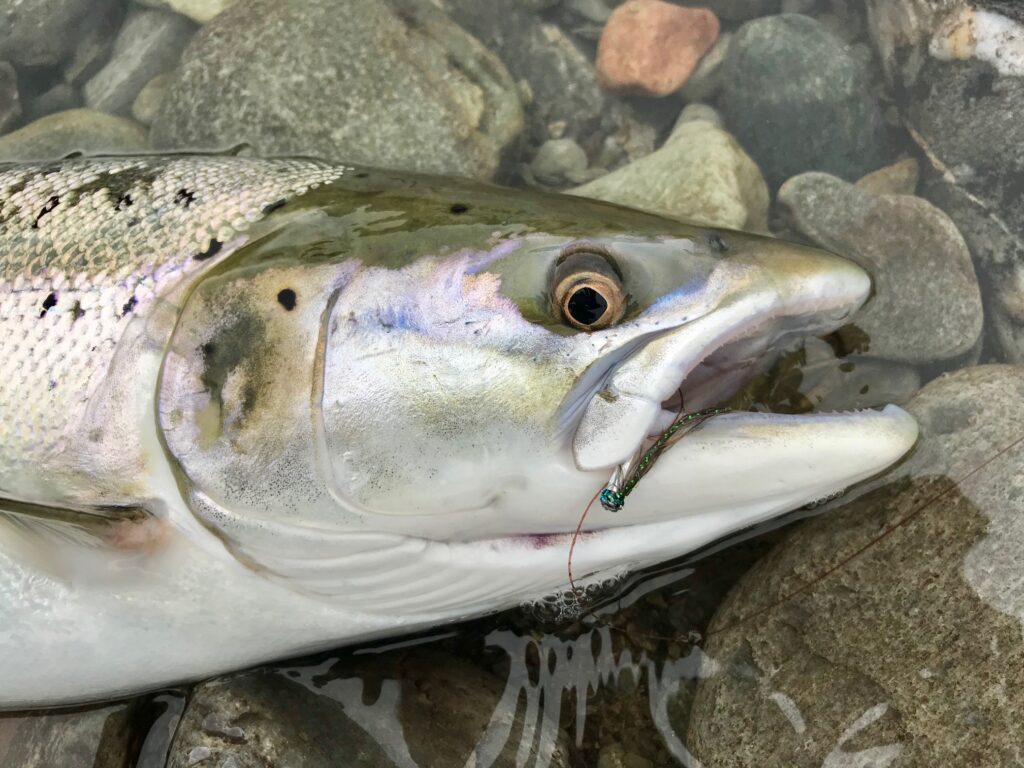
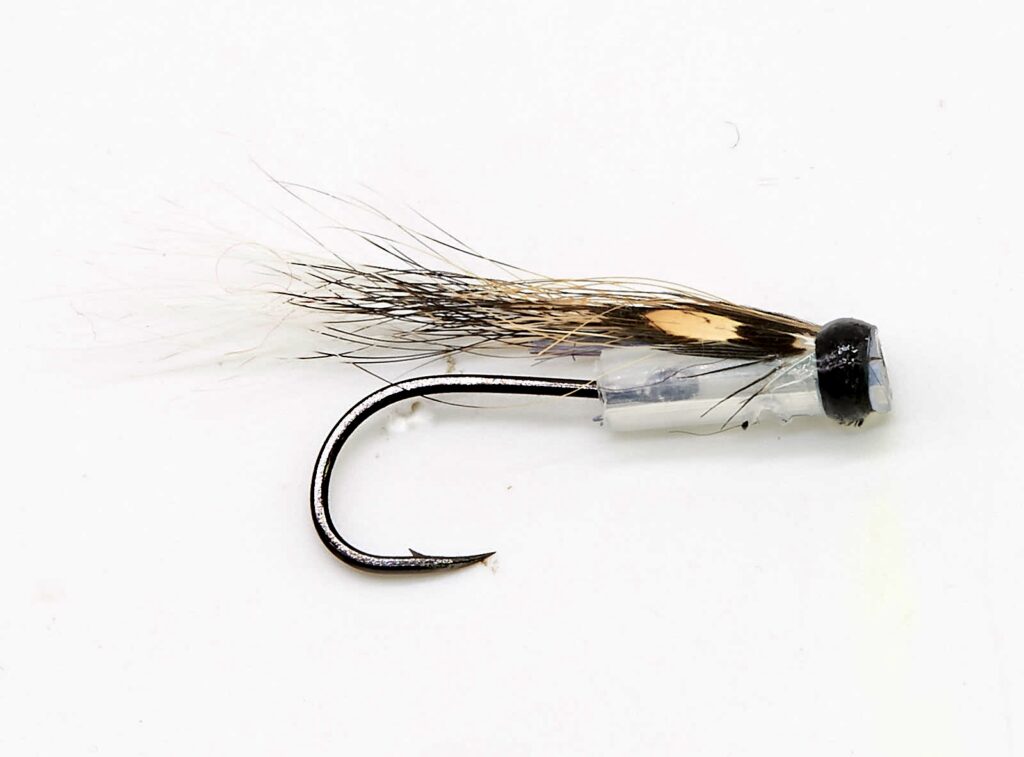


732 | Chad Johnson’s Reel Southern Podcast – Streamer Fishing, White River, Big Johnson

If you’ve ever wanted to level up your streamer game, this one’s for you! We’ve got legendary White River guide Chad Johnson breaking down the secrets to targeting trophy browns. You’ll hear a classic Dave Whitlock story, learn when the big fish bite, and find out why Chad still loves the area—even after the famous Dally’s Fly Shop moved on.

Plus, there’s a big secret dropping today about a brand-new podcast. Don’t miss it!

Chad Johnson’s Reel Southern Podcast Show Notes. Hit play below! 👇🏻

apple podcasts

Find the show:  iTunes | Stitcher | Overcast

Subscribe on Android

Subscribe on Apple Podcasts

Subscribe via RSS

(The full episode transcript is at the bottom of this blogpost) 👇🏻

Sponsors and Podcast Updates


Episode Chapters with Chad Johnson’s Reel Southern Podcast

01:26 – Chad Johnson talks about some big updates, but first, he clears up the rumors. Although Dally’s Fly Shop may have closed, Chad isn’t going anywhere. He’s still guiding on the White River with CJ’s White River Outfitters, and the fishing is just as good.

CJ’s Reel Southern Podcast

And the big news… Chad is teaming up with us and is launching his own podcast series, CJ’s Reel Southern Podcast. He will bring a fresh take on fly fishing in the Southeast. Chad’s no tech guy, but he sure knows how to talk, and that’s exactly what makes this a perfect fit. Get ready for real stories, real fishing, and so much fun along the way!

White River Fishing

08:39 – Chad shares how the White River went from being mostly for bait fishing to a fly fishing destination. He said that back then, hardly anyone went there to fly fish until people started catching massive brown trout on streamers in the winter.

Steve Dally helped make sure those big catches got plenty of attention online. Now, the river is half fly fishing, half bait fishing, and it’s one of the best trout spots in the country.

14:10 – In the ‘80s, Dave Whitlock planted brown trout eggs in the White River, but it took decades for those fish to grow into the giants we see now. Around 2010, an invasive algae nearly wiped out the river’s insect life, but luckily, the river’s strong currents helped flush it out.

Since then, the bug life (mayflies, caddis, and even big sulfur hatches) at the White River has thrived and turned the White into a fantastic dry fly fishery, something CJ said it never really was before.

22:43 – We’re gearing up for a trip to the White River this year with Chad and his team in September. This event is part of Project Healing Waters, a program that helps wounded veterans recover through fly fishing.

Listen to some of our episodes on Project Healing Waters here:
Heroes Mending on the Fly with Gervais Jeffrey
Fly Fishings Impact on Veterans and Volunteers with AJ Gottschalk

White River Boats

Chad talks about the unique Shawnee/Supreme boats they use on the White River. He says these fiberglass john boats are 20 feet long with a jet motor and oars, built specifically for the changing water levels of the White River.


Follow Chad on Instagram: @flyhead73

Visit their website: CJsWhiteRiverOutfitter.com

Related Podcast Episodes

Read the Full Podcast Transcript Below

Episode Transcript
Dave (2s): If you ever had any questions about what it would take to elevate your streamer skills, today’s episode is just for you. That’s because we have one of the great streamer anglers who guides in one of the greatest, most remarkable rivers in the country. And today, you’re gonna get some of his best tips and find out about a new podcast that was created just for you. This is the Wet Fly Swing podcast where I show you the best places to travel to for fly fishing, how to find the best resources and tools to prepare for that big trip, And what you can do to give back to the fish species we all love. Hey, how’s it going? I’m Dave host of the Wet Fly Swing podcast. I’ve been fly fishing since I was a little kid, Grew up around a little fly shop, and have created one of the largest fly fishing podcasts in this country. Chad Johnson, legendary guide on the White River, is gonna take us back into his amazing world. Dave (45s): You’re gonna find out how the White River came to become this legendary fishery. It wasn’t always that way. It starts back with Dave Whitlock, a great Dave Whitlock story, and you’re also gonna find out when the best time is to target big browns and big fish on the white with streamers. And we’re also gonna find out why he’s still excited about the area, even though the famous DaLiss fly shop has moved on. And I don’t wanna forget that big secret. It’s gonna be unveiled Today. You don’t wanna miss this one. It’s about a podcast. It’s about CJ’s. This one’s gonna be good. All right, let’s get into it. Here we go. Chad Johnson from CJs white river outfitter.com. How you doing, Chad? Chad (1m 26s): Doing great, Dave. Thanks for having me. Dave (1m 28s): Yeah, yeah, this is another good one here. I was just looking back, episode 5 24, which actually wasn’t that long ago, really. It was, I think November, kind of a fall winter 2023. And You know, we’re 25 now and looking ahead. So I think that episode that we did was so amazing. And we’ll have a link in the show notes. It got me going on a couple things. One was that I wanna do another podcast with you and talk more about the White River and everything you do. But also we have a big announcement that we’re gonna talk about today, which is something that we’re gonna really be taking, I think, this podcast to the next level, talking about, You know, fly fishing for, You know, not only streamers, but just for big fish and kind of what you do. So, but first off, thanks for joining here. Dave (2m 8s): What’s been going on the last kind of year and a half for you? I know you’ve had some big things, there’s been some big changes in all that, but what’s been going on on the fishing end and everything else? Chad (2m 17s): Yeah, there’s been a lot of changes this year. You know, we have, I guess the number one big change here that I should kinda clarify with some people that know us and have visited us here in the Ozarks, that Dali’s fly shop that we have worked out of for the last 20 years is no longer. Hmm. The fly shop has closed down as of a couple of weeks ago. Me and Dally are still in the area doing our thing. We’re running our outfitter services. Most of you guys know I’m CJ’s White River Outfitters. Yep. So we’re just gonna kinda start seeing what’s next and what’s in the future for us. Chad (3m 3s): We’ve got some things on the burners that we’re not ready to turn loose yet, but just to kill any rumors or anything that’s going around out there, like we’re still here. Dave (3m 13s): You’re still here, you’re, you’re not retiring anytime soon. Chad (3m 16s): We’re still fishing. We aren’t leaving the area. Yeah. All of our customers that have booked with Dolleys for years can come book through me or Dally Steel. And we’re still running the same guide services and guide teams. We’re just doing it without the money man supply shop, that’s all. Gotcha. And so we’re still in there, but yeah, big change. But, You know, it’s pretty exciting. Dave, for me, just a little side note, it was really funny for me. You know, you called me with the new news and big announcement. Yeah. Literally the day before the shop closed. Wow. And I lost my media outlet. Chad (3m 58s): You popped up. And so like, I just feel like, yeah, change is coming, but things are falling into place. You never know where life takes you. Right. Dally was good for us for a season, and we appreciate everybody that let us do what we love to do for the last 20 years. You know, like, obviously, I mean a little cliche, but we couldn’t have done it without ’em. I mean, our customers are what allow us to do the jobs that we get to do. So anyway, I know that’s kind of a bummer thing or whatever, but I just, right off the bat, just kinda wanted to get that out of the way. It’s kind of the buzz out there surrounding us right now. Chad (4m 42s): And so I just, just a little clarification. We’re here. Everything’s good. The white ribbon still going good, blowing. There’s still brown trout that live in it, You know? Dave (4m 52s): Yeah, yeah. There’s still fish to be had. It’s just that, You know, and change is part of, I’m glad you started off with that first off, You know, because that’s a big, a big change. But like I said, I think the cool thing is, is that, yeah, we’ve got this new potential, You know, thing we’re doing well, we are doing this thing and, and basically just to shed light on this, just so people don’t have to hold to the very end, You know, what we’re doing is a series. We’re gonna be doing a series of podcast episodes where you’re gonna be hosting. And I’m excited about it because we’ve been doing this around the country. And the ones we’ve done so far have been really a big hit because I think it’s focusing more regionally. So we’ve been in, You know, now we’ve got steel water, we’ve got like West coast stuff, we’ve got Great Lakes, and the one place was the Southeast. Dave (5m 32s): You know, I always think about it, the Southeast is a place that I really, we’ve done a lot of episodes there, but I don’t have as much of a connection. And, and when we did that episode after we got done, I just had this right away. I was like, man, that was amazing. You know, that was one of the best episodes I’ve ever done. So I felt like it was just, it was kind of meant to be. It sounds like maybe we’ll see how the episode goes. Is that kind of how it’s feeling for you to get to like test the Chad (5m 54s): Waters? Yeah, it, well, and you gotta, You know, me like, You know, it’s, I’m looking at this media outlet type, You know, scenario in my business. And it’s always been through Dali’s and Dali’s such a great media guy and You know me, I’m no tech guy. Yep. Don’t pretend to be. And so I was sitting there looking at where my media outlet was gonna go. And the reality is, is the one thing I do not struggle with, Dave is talking. And so you’re good at it. It was such a perfect matchup with just where my capabilities or where I shine goes potentially, or just such a perfect fit and timing for me. Chad (6m 41s): And just such good response as well. Dave. Like I can’t tell you how many people after that last podcast week goes, oh man, you really hooked up with the right guys, the guys from Wetly killing it. Yeah. And just like every since I’ve been on it, I’m hearing just more and more and more about you guys. That’s every time I mention that name. Right. So like, it just feels very comfortable. It feels like things are gonna fit in. I’ve kind of picked the name I felt like would kinda be true to myself. And we’ll see. We’re going to go with CJ’s real Southern podcast. Chad (7m 22s): Yeah, Dave (7m 22s): That’s perfect. Chad (7m 23s): And that’s kinda what I’m gonna do. I hope I don’t get too redneck for everybody. No, I’m sure they can hear from my voice what part of the world I come from. So real southern makes a lot of sense. Dave (7m 39s): It does. It does. No, I think it’s perfect. Chad (7m 42s): And don’t get mad at me if all of a sudden we pop up and we’re talking about kitchen carpet out of a mud hole. Oh yeah. So just kinda be prepared. Dave (7m 51s): That’s what we’re looking forward to. I think that’s what’s cool about this is that I always find that the, You know, it’s the best podcasts really are just, You know, I think a conversation. You know, you’re just sitting there talking about fishing, You know, and You know, so you’re not gonna be necessarily the streamer guy all the time. You’re gonna cover everything, You know. And I love the, the CJ’s, You know, real southern podcast is perfect. So, so that’s great. I think we gave a big shout out there to that. So we’re gonna be working on that. And as this, I think the first episode you’re gonna do won’t be too far in the, in the future. That first one. And then you’re probably gonna do, I think one a month, something like that. You know, we’ll kind of be flexible, but, and you’re gonna have a mix of probably some guests and maybe even some solo episodes. But again, we wanna give a big shout out. I want to go back really quick to the Fly Shop and talk about, just main thing is like on the history, I wanna know how did that shop become such a big name? Dave (8m 39s): ’cause I feel like I’ve heard that name out there a lot. Maybe that goes back to the White River itself. Like how did the White River become such a destination? Were you, I mean, you’ve kind of been there to see this whole thing. Chad (8m 49s): Okay, so 19 years ago, I come up with some friends of mine, a cousin of mine and fished and ended up, I won’t go into, we told the story last time. Yeah. But I ended up getting a job at the Fly shop. Most everybody, when we got here, there were way more bait fishermen. Oh, there were. And guides. Then there were fly guides in fishermen, like 75, 80% bait fishermen. And this fly shop was started at a resort over here called Rim Shoals. And then they moved to town to a bigger place. Chad (9m 30s): And I come in contact with him, got up here, got started. And a gentleman, Alex L, which I’ll have on one of my episodes, come down and started doing some streamer fishing. Me and him got together on it. He taught me a little streamer fishing. I taught him the river. We started working on it. And as we started working on it, what we come to realize was that wintertime was a great time to fish our bigger streamers. And we began to come and work that season. As we began to come and work that season, we just started because of the trophy brown trout we were putting into the boat with a fly rod versus that a spinning rod or bait. Chad (10m 17s): We started getting loads of clout. And then here, I’ll drop back to the shop with Dally. At the point in time when we started catching those trophies, 24 to 30 inches on flies, dally come to us and said, if you and Alex will give me content Yep. Continue to gimme this content, I’ll make you famous. I remember him saying that. That’s awesome. And I was like, yeah, yeah. All right. Whatever Dally, we’ll keep giving you pictures and holy cow, like he did. Little did we know what Dally could do with that. Right. To be honest, the snowball started rolling. We started getting more clout. Chad (10m 58s): We started getting more guides moving to the area from out of town. Even the baked fishermen, they never went. They took off from October to March and now every one of ’em start working January. Well, all of that came place was because they seen us out there catching those fish during the winter. Yeah. It’s kind of a love hate thing. ’cause we brought a lot of pressure to the river when we brought a lot of clout to the river. Right. So where our fly fishing world boomed here and there was room for more guides and fly shops and all the things we love, also brought a little more crowded river. Chad (11m 42s): But that’s kinda when that river and us as the fly shops started gaining this notoriety. And because US guides were out of galley’s, dally actually wasn’t guiding at the time. At the time, galley was a hundred percent managing the shop and doing a phenomenal job. And he made sure that everything we’d done on the water was out there. And over the last 20, or I would say over the last 15 years, the river has totally changed. And now we are 50% fly fishermen and 50% bait fishermen. Chad (12m 27s): Yeah. Dave (12m 27s): 50 50. 50 Chad (12m 29s): 50. And it went from like, You know, 80 20. Dave (12m 32s): Yeah. Yeah. Gotcha. Chad (12m 33s): Over a matter of 15 years, we have begun to get some really nice regulations. Dave (12m 40s): Oh, okay. Chad (12m 41s): Due to the pressure, I think that the gaming fish has seen pressure coming in, began to make some changes to try to accommodate that pressure. You can’t keep a brown trout unless it’s over two foot. Dave (12m 56s): Oh, okay. Chad (12m 57s): And really the only people that are catching the fish over two foot are people that are going out with guides. Yep. And the people that are going out with guides, the guides, you’re making sure they throw ’em back even though they are over two foot. Dave (13m 11s): Yeah. Right. Chad (13m 12s): So I would say that barring your bank fishermen, like most of your browns on the white are being turned back. Now. They put a ruling restriction in place with the, with the rainbows, you can only keep one over 15 inches. And in other words, I guess what all I’m saying is the pressure has also brought some really nice regulations. It’s brought attention to the river, both in the law enforcement and by the fishermen themselves. So I think you’re just seeing the White River and this Ozark area mature as a trout fisher because 15 years ago that wasn’t a thing. Chad (13m 54s): Yeah. 20 years ago that wasn’t a thing. You tell people that you were going to trout fish in Arkansas and they looked at you like, right. Dave (14m 3s): Well, Chad (14m 3s): It was this mentality. Well why are you going down there to the trout parks instead of going to a real trout fishery? Dave (14m 10s): Right. And that tailwater Right. And the White River is a tailwater. Right. So it’s been a tailwater for quite a while. Right. Chad (14m 17s): It’s been a tailwater. Our downs were made in the fifties, early fifties. Yeah. It’s long, late fifties. And what you’re seeing though, as this Tailwater, so we’ve got a couple of unique things, and we’ve touched base on this once before, so I won’t go into detail, but just to touch base, You know Dave Whitlock? Oh Dave (14m 37s): Yeah. Chad (14m 38s): Yes. Okay. He planted virum boxes in this river from 1980 to 1990 with Bitterroot brown trout. Hmm. And so we have a naturally self sustaining population of brown trout. Those bitterroot brown trout are the strain that you’re seeing that’s being caught of these massive fish Dave (15m 3s): Now. Oh right. Chad (15m 5s): Okay. And so that, and the reason that that’s happened is because of Dave. Well, you’ve seen it mature over these last few years. Yeah. You know, when Dave first started doing it, we weren’t seeing the results because those fish had to get to that caliber and begin to reproduce. Wow. And so now you’re seeing 20 years later, or You know, 40 years later, 40, you’re seeing the results of that. Dave (15m 32s): Wow. That is so cool. Chad (15m 34s): And then the other part of the white that’s becoming, so we never fished it that way before. Right. We weren’t catching those big caliber fish because we weren’t doing it that way. And then over the last 40 years, our river is actually maturing Mr. Dave, is it? You know what I mean? No, in other words. Yeah. What is it doing? So to begin with, we had saddle bugs and scuds. And midges. Okay. That was your typical tail water Ozark. That’s what everything’s feeding on. You couldn’t walk into the river without walking out with your boots covered in scuds. Chad (16m 18s): And so bugs. Okay. A few years ago we had some Diddy mow, which is like this rock snot probably come in on somebody’s boots or what have you. And it actually killed a lot of our crustacean. Oh. We were really worried there for a period of time. Dave (16m 38s): So you had an evasive species that came in. When did that, when did you start hearing about that? Chad (16m 44s): I would say that that would’ve been in the like early 2000. Okay. Oh wait, no, that would’ve been 2010 to about 2016. Okay. And it’s really cool, there’s a lot of rivers across the pond that got that Diddy mo that it just took over the bottoms. Our saving grace was that we run this big generated power, so it would be low and that stuff would get a lot of sun and it would grow, grow, grow. But then they would cut on eight generators and it would just rip it off the bottom. Oh Dave (17m 23s): Wow. Chad (17m 24s): And so that was our saving grace. It never let that stuff root real well. And it ended up finally getting flushed out. Dave (17m 33s): No kidding. Chad (17m 34s): Yes. It was amazing. It ended up getting flushed out and I mean, we still see some here and there, but like just nothing with the, that we used to deal with. And so since that time over these last probably I would say 12 to 14 years, we have seen a prolific catis hatch come about that we did not have before. Well, that’s the river maturing. Those bugs are finally getting settled in and matured in. Huh. And then we started seeing sulfur and we would always have a few sulfur here and there, but now we’re having prolific hatches. Chad (18m 17s): Oh wow. Where they’re just hatching in your cup holders and and getting in your glasses. And so it is becoming a dry fly fishery. And we never had that before. And so now at some point through the day from basically April to September, I’m getting a fish, some sort of dryly through the day. Nice. I didn’t get to do that, but like 10 years ago, even 10 years ago, I didn’t get to do that. We didn’t have that many bugs that I could pull that up where, like you say, almost every day you can pull off something on a dry. Chad (18m 60s): And so it’s just really cool to see that river maturing. I think the river maturing, this is a long, long answer to your question, but I think the river maturing at the same time that us guys, me, Alex, Steve, Ben Love and Gabe love and all these different guys come in and started fishing at different Yep. All correlated at the same time with Dali’s Media. Yeah. Steals. And that’s the correlation of what you’ve seen Dali or how you’ve seen Dali’s blow up. It was a matter of a core three or four guys hitting the river at the exact right time with the exact right media guy for all of it to come to fruition. Chad (19m 51s): That is awesome. And that’s what made Dali’s blow up into what it was. Dave (19m 56s): Grand Teton Fly Fishing is a premier guide service and fly shop that has access to some of the most coveted rivers and lakes in Western Wyoming. Their simple goal is to share their valued resource and have you experience a native cutthroat trout rising to a single dry fly in the shadows of the Tetons. You can check out Grand Teton right now at Grand teton fly fishing dot com. Let them know you heard of them through this podcast. Since 1972. Four wheel campers has been building tough, lightweight campers designed to fit almost any truck. Whether you’re after something minimal like me with the Project M, or looking for a fully equipped camper ready for your next off grid adventure. Four wheel campers has a solution for every outdoor enthusiast. Dave (20m 37s): You can head over to four wheel campers.com right now and use the builder tool to see which topper slide in or flatbed is ideal for you. I can’t help but think you, I, I just watched the movie, I can’t remember the name of, there’s this new Elvis movie that came out. It’s a really interesting take. I’ll put a link in the show notes of it. But what it covers is the background of the person who basically hit the me Elvis’ media guy. And he was this really kind, crazy guy who was in a lot of ways bad for Elvis, You know, but he was a very good producer and he got him, You know, basically got him to become the most famous person in the world. But I can’t help but think about Dally here is that he’s this media producer, You know, this great. So where does that come from him? Dave (21m 19s): Is he, do You know much about that? Is that something like he’s always had the production. Chad (21m 23s): I know a little. So You know, he’s from Australia. Dave (21m 28s): Okay. Wow. Chad (21m 30s): He’s an Aussie and he wrote, I don’t wanna get this wrong Sure. But I’m, I’m pretty confident here. I know this. He was a sports writer for a magazine over there. Oh wow. Okay. And he somehow got a gig over here. He’s also a photographer. He got a gig over here to come take pictures and do Right. For this magazine. Sure. And met his wife and ended up moving over and working at a shop up in Missouri for a while. Oh yeah. Where his wife was from. And then got hired by Mountain River Fly Shop where I was already working to come and be our media guy. Chad (22m 15s): And then he came to be our media guy started getting everything set up. Shortly after that in oh nine, we had that big downturn in the economy. The owner lost the shop, so on, so on, so on. Dally ends up getting a money man and buying the shop. There Dave (22m 37s): You go. Chad (22m 37s): And then it just, the rest is history all blew up and that’s the point it really started taking off. Dave (22m 43s): Right, right, right. And I’m sure you’re gonna have over time, this is what’s great about this podcast that you’re gonna be doing is I’m sure Steve, you might be on the show and you can talk more about the history. ’cause I, I really love the history. I think that for me, being an outsider and the cool thing about this is that we, I’m not gonna be an outsider anymore. Not only will we be working together, but I’m gonna be hitting the White River with you. And maybe let me just shed light on what we have going here with this trip because I think it’s pretty amazing is Yeah, we’re heading out to the White River and I’ve been thinking about this for a long time, but the cool thing is it’s a Project Heating Waters event. So we’re actually gonna be raising money for Project healing waters through this. So by having you on board and your team and stuff like that, it’s gonna basically, You know, again, promoting what we have going, which is helping, You know, wounded veterans, You know what I mean? Dave (23m 29s): Recover and stuff like that. So I’m excited about that. And you said you would be willing to help with this. So let’s start there with the trip. So those people, there are gonna be a couple people that are gonna win a trip here. And then we’re gonna be fishing. I think we, I, I can’t remember how many people, how many boats, but we’re gonna have some people on the water you’ll be guiding. Let’s talk about the timing. We’re thinking early September maybe for those people who might be there. What’s that look like? How is that different from say right now in the fishing? Chad (23m 56s): Yes. So the Y is so seasonal. I try to tell people to make sure they book for what they want to come and do. You know, so like right now is like the Super Bowl. We’re out throwing giant flies for very few fish. Yeah. Hunting for trophies. That’s gonna go on through the beginning of March. Dave (24m 18s): Beginning of, and right now, just for people listening, it is kind of Superbowl time, right. We’re kind of coming to the end of, end of January, early February. Chad (24m 25s): Oh yeah. We’re in streamer season late January, all through February the 1st of March. This is when You know you better enjoy just fishing. ’cause we do just a little catching. Yeah. But when we catch ’em, they’re gonna be nice. Like this is just the Super Bowl, right. This is where you go fishing all the time in hopes to catch a big one. Yeah. This is your opportunity to come for three days and, and really have the opportunity of putting that fish of your lifetime in the boat. But you’re not gonna come catch a bunch of fish. That’s what I sell this time of year. Chad (25m 5s): I don’t want people thinking they’re coming to catch a bunch of fish. We’re not gonna have some blowout day where we catch five over two foot or some crazy, like that’s not the way it works. Dave (25m 17s): What you might think on social media, right. That that happens. Right. Chad (25m 20s): Yeah. Well that’s ’cause all we ever show is our pictures of big fish. We don’t show you the three days before it where we didn’t catch anything. You know? And so I very much that time of year, I’ve had people go, Chad, are you trying to talk me out of coming? No. I just really want people to know what they’re coming for. Yeah. That it is the Super Bowl and it is a grind, but it is also your best shot and the best place you can go to try to put that fish of a lifetime in the boat. Dave (25m 52s): A big one. Why is, we talked about this probably on the last episode, but why is this time of year the best time to get one of those giants versus say, later in the year? Chad (26m 2s): Right. Well, it’s really funny. A lot of people think that the huge brown trout season for streamers would be fall because most areas of the country have a great fall bite where those people, those fish will go on a pres spawn bite before it gets cold and before they spawn. We don’t really have that major temperature change here that pushes those fish into a pres spawn bite. They pretty much get the feed year round here. And so the best time for us to try to catch those fish is pon when they come off. They have been protecting beds, they haven’t eaten in good in a while. Chad (26m 45s): They’re super aggressive to other fish because they’ve been running all these other fish off of their beds protecting their eggs. And so they’re just super aggressive that time of year and they put on the feed sacks before they go sit back down in their holes. So we just have a little different bite regarding that spawn bite. So we just wait until they get done with their spawn and then we catch ’em before they go back to their holes. Versus most people catch ’em on the early transition when they’re going from their holes to their spawning grounds. So we’re just in a little bit of a opposite play because of our temperatures. Chad (27m 25s): But then we will quickly after the streamer season’s over come April, may cata dry into May, June, early July, sulfur dries mixed with nip fishing in on the mornings and things like that. And then when you guys are coming, it’s kind of the, y’all will be here through the hopper season. So most of the time hopper season would be like June, July, August and September. And normally for hoppers, just like you guys, I would wanna bring you in early September. Chad (28m 6s): I’m not really gonna bring in any hopper guys any later than September. But we have chosen to put that in that time because one, we are doing a fundraiser, it’s this time of year is a little more fish and friendly. They’ll, there’ll be more numbers called. We’ll have a big mixed bag of rainbows, cutthroats, brown trout. You’ll kind of be targeting everything versus just going and targeting a big brown trout for the day. You will have those opportunities on all your low light situations where in the morning and in the evening, we’ll probably be focusing on hoppers for your dry fly fishing. Chad (28m 50s): And then through the day when the sun’s high and those fish don’t want to come up to my hopper, that’ll look like it could be drifting girdle bugs on, if the brown trout bite is strong, it could be drifting girdle bugs on the bank. And just because they won’t come up to a hopper, don’t mean they won’t eat a girdle bug. Yep. Fish tight to the bank just like you would fish a hopper. Or it may be, depending on the water flows, it may be jumping out on the current seams with a couple of bead head nmps, a dally still water jig down to a Midge that’s a may fly to a Midge. Chad (29m 30s): You may do a girdle bug to a Midge where you’re still in the game for a brown, but you got a Midge on that could catch a rainbow. And we just kinda will mix it up through the middle of the day just to keep some action going and then have ample opportunities on front end back in for Hoppers. And that will run till about the end of September and then October, November really look like I try to bring a lot of families that time of year. I try to bring a lot of beginners that time of year. It’s a great time just to come catch rainbows, maybe have a shot at the occasional brown. Chad (30m 11s): They have started moving at that time, but that’s more of a time of year. I try to do that program. So I have very specific programs for very specific people and just as they call, I try to fit ’em in the right places. And then I have a lot of guys that just call and go, I don’t care. Just take me fishing. Right. Dave (30m 31s): Take me fishing whenever. Chad (30m 32s): Right. So like we, we we’re able to just accommodate people per what they need. But that’s just kinda what the year looks like as we go into the podcast. Yep. I’ll be breaking that down more and more. The plan is, is to kinda have a 10 minute segment at each, on each one that’s kinda just letting You know what’s going on on the White River today. Yeah. Or this month. And so there’ll be a tag in there. So we’re gonna kinda work that out where we somewhat have our guests and do our podcast. But then I’m gonna give you a little 10 minute gig at the end on just what’s going on that month here in our waters. Chad (31m 12s): And so I’ll keep you guys up on that and kinda how we do that. But very excited about this program with these guys in September. This is, yeah. I don’t know if we can’t give back, what are we doing? Right, right. This is kinda what it’s all about. So it’s, it’s really cool that y’all have, that y’all reached out to these guys and that these are the kind of programs that y’all are trying to run. You know, we do a lot of conservation stuff, but giving back to our veterans, man that’s, it’s just kind of, it’s another step man. It is. It’s just, it’s a really, it’s very admirable. Well Dave (31m 51s): It’s cool and I want to give a shout to, to Stonefly Nets because Ethan is the really, the person that kinda kicked this off as we’ve been working together the last few years. But he really, we were thinking about this and You know, I think Project Healing Waters just came to the forefront for him. And, and I haven’t done anything specifically. We’ve done some Project Healing Waters episodes, but nothing like this. And the cool thing is, is that I think the, You know, who we’re working with there, AJ at Project Heating Waters, he’s really stoked and excited about this and things that can be like, this could be a really cool annual event, You know, if, if it works out well. So I feel like, You know, again, it’s kind of a good timing, good fit. And then we’re gonna be also, right. Have some opportunity at fishing. Do you think we’re also gonna have some opportunity at catching one of those 24 inches in early September? Chad (32m 36s): Okay. So on. I’ll give you a little short rundown. Yeah. This is kind of a generic, all right. So when we’re fishing those streamers, we’re catching fish anywhere. And this is a, the broadest spectrum I got, we’re catching anywhere from 20 inches to 30 inches Dave (32m 54s): And why? Oh, and it’s just size, right? Because you’re using the big five. So the little fish, they’re still there, the 15 inches, they can’t, it’s just too Chad (32m 60s): Big. We’re just kinda rolling them out. Yeah, yeah. We’re rolling them out with those bigger bug. Yeah. So that’s what is gonna give kind of a size rundown within, You know, within perimeter. So I’m looking at that caliber 20 inch to 30 inch and I mean, there’s been a couple over that caught, but that’s a, that’s a large target when you get over that 30. I’ve only had a couple caught outta my boat. Yep. Over 30. Geez. And then when we get into our cattle season, just basically April, may, I’m catching browns and from 17 inches to about 23 inches on those dries, 23 would be getting into a big one. Chad (33m 41s): And then if you got over that, that holy grail and then when I get on my sulfur into May, June and early July, that’s gonna be the same gig. I’m gonna catch ’em 17 to 23 inches with anything over that being a holy grail. And then when I get to my hopper girdle bug season that June, July, August, September, I can pull some bigger fish on those at times, at times I, You know, I can get ’em up to 25 inches on the hopper and I can get ’em up to 25 inches on a girdle bug. And I have seen some bigger ones caught on girdle bugs. Okay. Girdle bugs can catch some slipping sometimes. Chad (34m 22s): But yes, I have opportunity to catch fish up that two foot to 25 inches on a hopper. As a general rule, they’re gonna be 18 to that 23 inches. But you are more likely to catch a two footer on a hopper or a girdle bug than any of my other dries. Okay. They seem to be that caliber up to two foot that focuses on those smaller fourteens and 16 jars. And then I can get some of those bigger fish to eat a meatier, You know, that’s a, that hopper’s a little bigger meal, that girdle bug’s a little bigger meal and I can get up into that two foot class with those and then October, November, or generally, no, I’m not gonna catch anything of that caliber at that time of year. Chad (35m 10s): That’s, You know, I’m, I’m doing other things. That time of year, Dave (35m 15s): Pescador on the fly offers a full spectrum of fly fishing gear for any angler at any budget. By bringing high performance rods directly to the angler, they eliminate the middleman markups saving you time and money. The top tiered l ray series is designed for serious anglers with the L ray G six being the most packable high performance rod on the market. And most anglers who try the G six can’t believe it is a six piece rod. It performs just like a four piece. There’s no difference in performance. Whether you’re fishing local streams or embarking on your next adventure across the world, the G six delivers precision and power wherever you go. You can get 10% off your next order right now if you use the code wet fly swing at checkout, that’s pescador on the fly.com, use the code wet fly swing for 10% off, never fly without your G six. Dave (36m 1s): Discover the L Race series and more at pescador on the fly.com. So yeah, that’s great. So there are some opportunity, and again, this is not about, You know, and that’s a cool thing, it’s not about the catching the biggest fish, this is about generating some, You know, some, You know, sponsorship, some support for project heating waters. Right. And we’re gonna have some fun along the way. Is this, and this is a drift boat, right? The the White River, is it mostly a drift boat type of thing for with the fly? Chad (36m 30s): No, no, Dave (36m 32s): No it’s Chad (36m 32s): Not. No, I can hear that. You’re surprised. No. So y’all are gonna come to Arkansas and see a boat that you’ve never seen anywhere else. It’s literally made here in our hometown. The only like three or four companies that make ’em are all right here. It is known as a White river boat with a very unique story. So we have a fiberglass John boat that is four foot wide bottom that’s 20 foot six inches long with oars on them and a jet motor. Gosh. Chad (37m 13s): Yeah, I know. It sounds so crazy. Dave (37m 15s): It’s almost like a big canoe. Chad (37m 17s): Yeah. Like a river sled. It’s, the principle of it is, is like in super high water, your boat’s still big enough that it’s stable because we’ll get these big flows of like 26,000 CFS. Right. Wow. So you need a boat that’s big enough that’s stable and high water, yet we’ll get all the way down to 500 CFS where there’s rocks showing everywhere and you need to be able to get on plane and, and be able to float in skinny water. Well, with us having that much surface, the boat floats really high. And so it’s kind of the best of both worlds. Chad (37m 58s): So what we end up finding ourselves doing is jetting to where we’re gonna fish and then jumping on our oars and rowing through the section and You know, we need to cover water. So we’re a tailwater. We may be sitting in 5,000 CFS and I can’t get ’em to bite a streamer in that for anything. Well they just turned on 10 grand at the dam. Well I need to be able to run up and get on that 10 grand where my streamers work. Dave (38m 31s): Oh, Chad (38m 31s): Right. Well I can’t run upstream in a drift boat. Nope. Now mind you, there are some trips when the water’s steady. We all have drift boats. Dave (38m 41s): Oh you do? Chad (38m 42s): Yes. Yeah. And if the water’s steady and da da da da da, then yes you can carry your drift boat. Yeah. We carry our drift boat on all our, You know, that’s what we guide small mouth out of on our creeks. We got small mouth over here as well. And we do that out of drift boats and rafts. But on the big river, we’re generally in that jet boat. I was gonna tell you what’s really cool is back in the day, the way that boat originated was anything under 20 foot has to be coast guarded certified. Dave (39m 14s): Oh right. Chad (39m 16s): And to be Coast Guard certified means that you have to have enough flotation in it to float the boat. If it flips Well on a river, if your boat floats when it flips, then all it’s gonna do is beat and bang its way down river and tear your boat apart. Yep. We would rather it go to the bottom and sink and sit there and when the water goes back low, we’ll go get our boats. Oh wow. So we want ’em to sink and stick to the bottom. So we went 20 foot six inches to beat that Coast Guard rule. That’s Dave (39m 51s): Sweet. Chad (39m 52s): So we actually designed our boats where they would sink instead of float. Wow. And then when one sinks, we take a leaf blower with a big long hose on it and run the hose underneath the boat and start blowing air under it till the boat lifts up to the top. Then we flip ’em over and then pump the water out of ’em. Dave (40m 15s): No way. Chad (40m 16s): Oh yeah. Dude, it’s crazy to watch Dave (40m 19s): A leaf blower underwater. Chad (40m 20s): I’ve never flipped one, but I’ve had to get ’em out before. Dave (40m 23s): No kidding. Chad (40m 24s): Yeah. But it works man. And that way that’s like, You know, a drift boat flips, you see it going down river, nose up, anchor down and it just beats and bangs its way down river till it tears to pieces. Oh Dave (40m 39s): Yeah. Well and we’ve seen, You know, in the river that I’m at on the, You know, our home water, the Deschutes River has, You know, lots of white water and I’ve seen lots of boats, aluminum boats, wooden boats, like just tin can, once they flip and they lose the structural integrity, they’re just like squash, You know? Yes. But it’s amazing to hear these boats, which are basically fiberglass, don’t, like you said, they just sink and then they hold their structure. Chad (41m 1s): Yeah. And just suck to the bottom of the river and stay there until I can go back and get ’em. Dave (41m 7s): Wow. And then the motor, you probably what? Just yeah, flush it out and it’s a, is it a pump? Chad (41m 11s): Yeah, lots of ’em. Depends on how long you had to set and wait to get it out. But most of the time they can go in and flush ’em. Wow. And get ’em back going. Dave (41m 20s): How long have these boats been out there and do You know who actually invented, was there like one person that invented this? Chad (41m 27s): So Al, a guy by the name of Al Reinhardt started the first company making them, but I don’t want to get this wrong. Yeah. But I really think that one of the first original molds of that boat, a gentleman that worked at Champion Boats came up with it. Hmm. And then somehow down the road, a gentleman by the name of Al Reinhardt bought the mold from him and began making them, and then it changed hands and that guy made it bigger and it changed hands again. And that guy made it bigger and then it changed hands one more time and that guy has made it even bigger yet. Dave (42m 12s): Gotcha. What would you search on Google to look at the boat? What would be the name of, to see a picture? Chad (42m 18s): The name of the company is the or Dave (42m 19s): Or just the name of it? Crane. Yeah. Or like a boat like you would have out there. What would be a name Chad (42m 22s): We could, right. Well you’d have to look up this company name because they’re the ones that built it. Okay. Remember I was saying it’s only built here in the Ozarks. In other words, I can’t just tell you like Dave (42m 33s): Yeah. Type Right. Chad (42m 35s): It’s, well the type is, it’s a white riverboat. Yeah. Dave (42m 37s): It’s white Chad (42m 37s): Riverboat. And so like, So what you would actually look up and if you start typing in River Skiff and all that, all kinds of other things pop up. So just look up the name of the boat. They’re great guys. It’s, the name of the company is called Supreme and Shawnee Dave (42m 53s): Supreme and what? Chad (42m 55s): Shawnee. Okay. And that’s the boat company name. And if you look that up, you’ll see the kind of boats we run. Dave (43m 2s): Oh yeah. Shawnee. Yeah. S-H-A-W-N-E-E. Yeah. Oh wow. Okay. Now I’m seeing it. So, and do you guys have, I’m seeing one now here that’s popping up Riverboats Supreme and Shawnee Boats and it’s a, it’s got a, a platform, like a polling platform. Chad (43m 16s): Yeah. So we don’t have polling platforms on ours for the river, however, we put polling platforms on ’em and we take ’em down to the coast and catch a bunch of big red fish out of them. Dave (43m 29s): There you Chad (43m 30s): Go. As long as You know. Now I can’t go out to the islands like the barrier islands and all, but we go fish that Louisiana flat marsh and all we go, I’ve been fishing them out of that boat for 20 years. Dave (43m 43s): It’s so cool. I see it now. It’s exactly what it is. I’m looking at this Shawnee boat. I mean it is a, yeah, like you said, it’s like a jambo mixed with a, a jet sled mixed with, You know, kind of a drift boat, a skiff, Chad (43m 56s): A drift boat. It’s even got a backdrop anchor on it. See that anchor off the front Dave (44m 1s): Deck? Oh yeah. Oh, it’s got an anchor on the front. Right, right, right. Chad (44m 4s): So it’s considered, if you get that, if you get the anchor and you get the oars, that’s just the drift boat package. Dave (44m 11s): That’s the drift boat package. Right, right, right. Wow, I’m glad we got into this. ’cause I, I’m a big, You know, big boats is I love boat talking boats and we, Chad (44m 20s): Okay, well check this out. Yeah. So what you’ll see when you come is all of your bait fishermen are gonna have that same boat with a prop motor on it. Oh. And they are gonna run their motor all day long. Huh? They’re gonna run up and then they’re gonna kick it in reverse and add an angle and they’re gonna start drifting backwards and controlling their boat. Oh yeah. With their motor running while they’re catching fish. Dave (44m 49s): Yeah. Back trolling. Like what are they running like spinners and spoons and stuff like that? Chad (44m 54s): Spinners? Nah, they’re running a lot of these guys up here. Dude. They’re fishing Dave (44m 58s): Bait bait. So like what would be ba like eggs and stuff? Chad (45m 1s): Minnows minow straw dads. Oh yeah, worms. That is the one thing, like we’re in Arkansas, baby Dave (45m 9s): Bait is good. Chad (45m 10s): That part has not changed. Dave (45m 12s): Bait’s not going away anytime soon. Chad (45m 14s): Has not going away anytime soon. Yeah. And then you’re gonna see all of your fly guides are all gonna have a jet boat with a rowing package. Oh right. Because we’re gonna jet to where we’re going and we can get in skinnier water with our jets and we’re gonna go run to those skinny places and then row row our guys back through ’em. So that’s why we go with jets so we can get to all that skinny shoal water and still row our guys through it. So there’s really two different setups for the same river, but we’re both using the same boat. Just set up two different ways. Chad (45m 54s): Yeah. Wow. Very unique to our river. Dave (45m 56s): It is. No, this is really cool. And I could see why, You know, obviously it wouldn’t work everywhere because it’s the narrowness, right. There’s probably some disadvantage of having such a narrow boat, which is what you lose room inside. What would be another disadvantage of having the narrow forefoot? Chad (46m 10s): Why? Well, but you gotta figure it’s a four foot wide bottom, not beam. Dave (46m 15s): Oh right. Just the bottom. So it’s wider, Chad (46m 17s): The bottom’s four foot and then we actually make one that’s a foot bigger if you want the bigger boat. And so you can get one that’s five foot bottom. So heck, it’s actually, you figure when you get four or five foot and it’s 20 foot six inches long. I mean my fishermen are in a boat together standing 15 foot apart. Dave (46m 40s): Is it pretty stable? Chad (46m 41s): Oh dude, that’s the whole principle of it. The way I normally explain it to people is like it’s got enough surface that it floats high in skinny water and it’s got enough surface that it’s stable in high water. Right, Dave (46m 55s): Right. Chad (46m 56s): Dude, I mean, guys are walking around my boat and it’s barely tipping. Dave (47m 0s): I wonder why people, maybe they are. Maybe. Maybe it’s, but why I’m sure these could probably be used in other areas around the country. Right. I mean like a Stillwater boat. Chad (47m 9s): So in 2009, the boy that bought that company came to me and made me an offer I couldn’t refuse and I left the fly shop and went to work for him for a year. Huh. Dave (47m 22s): Wow. Chad (47m 22s): As his salesman. Dave (47m 23s): No kidding. Chad (47m 24s): And I was taking that boat all over the place and I would pull into places out in Tennessee and Georgia and all over these places and I’d pull up with that boat and they’d go, why in the world would I want a 20 foot fiberglass john boat? And I’d try to explain it to ’em and they weren’t having it. Right. Dave (47m 46s): The 20 foot is a big boat. Right. Versus say a like a skiff, which are pretty, which you do see out there, right? Or not, maybe not in your area. Yes. But the 16 foot of the, Chad (47m 54s): I see some of ’em. Yep. Yeah, Dave (47m 55s): You see some of this, the 16 foot skiff is probably a little more manageable when you’re floating. When you’re rowing. I, I’d guess maybe it’s easier to get down a river, You know, Chad (48m 4s): It is easier to turn these boats. We say you don’t row ’em, you steer ’em, Dave (48m 9s): You steer ’em. Right. It’s more like those, those giant rack, well maybe not, this is a good comparison, but some of those gear boats on the middle fork of the salmon, which are just keep ’em straight. Chad (48m 18s): Yes, that’s right. You just kinda steer those things down. You ain’t just like rowing and back rowing and holding them in a little Eddie or nothing. Dave (48m 27s): No, you’re not doing that. You’re anchoring, you’re finding a spot in anchoring up and like fishing. Chad (48m 31s): It’s a tank. Dave (48m 32s): Yeah, it’s a tank. That’s Chad (48m 33s): Really cool. Somewhat. Yeah. Dave (48m 34s): I got That’s pretty awesome that you had a, a sales gig there for a little Chad (48m 37s): Bit. Oh dude, I tell one quick little gig. Yeah. So I have the owner at the time, he goes, all right Chad, I got this boy over on the kaney fort that says if we can take him from his house to the dam that we can sell as many of these boat, he can sell as many of these boats as we want. They need a boat over on that tail water. He goes, meet me over there, bring me a boat. And so I loaded up a boat and met him over there and he goes, well when we get there I’m going to drive him up to that dam ’cause Chad, I’m going to get him up there. I don’t care if I tear up the boat, I’m going to get him up there. And I was like, all right, I’ll bring you a boat. Yeah. So we get over there and he had never seen that candy fort before and he looked at it and he went, Chad, You know, you weigh a little less than I do, you might oughta run it, you Dave (49m 26s): Better take Chad (49m 26s): It. But she started realizing that it was, this was fixing to be a chore. Well if I’m being honest here, dude, I don’t, I had just went to boat for that work for that company and I had been rowing a drift boat. Dave (49m 38s): Oh, it was new to you too. Chad (49m 40s): I didn’t know how to run that jet boat like that. I mean I had run it a bunch, but not like that. Dave (49m 46s): Not through like technical water. Chad (49m 48s): Yes. And so he looked at me and he goes, Chad, I don’t care if you tear it up, but you better not let off that gas till you get your nose to the dam. And I was like, all right dude. And I took off in this thing. Oh man, David. Really? And I was puckered the whole way. I’m running through all this stuff. I’m running through five inches of water. Oh Dave (50m 12s): Wow. And are there obstacles? Are there rocks and shallow bars and stuff? Oh Chad (50m 16s): Dude, there’s rocks, there’s gravel bars. Oh wow. Yeah, there’s logs. Like and dude, I am, if I let off, you’re Dave (50m 24s): Done. Chad (50m 24s): I’m just stuck because I mean, we’re in nothing water. Right. And so like, I burned about a mile up this river and geez, I idle down in this pool and I go, Hey man, so where’s this skinny water that you brought us up here to test? Dave (50m 43s): No way. Like this was nothing. Chad (50m 44s): And then he literally turned around to me, I’d never met him before in my life. And he turned around to me and he goes, you little SOB, You know, we just went through a bunch of that water and I was like, now are you telling me that you brought me all the way from Arkansas just to see if my boat would go through that? Well that ain’t even a test for this boat. Yeah. This and this boy goes, Of course at this time I’m trying to sell ’em. Right, right. And he goes, well I tell you what, Chad, over here by this island, there’s a place even the canoes have to drag through. And I was like, now that sounds like a test. And at this point I’m going, oh god, money you keep your mouth shut. Right. Chad (51m 24s): You had him, why’d you say a word? Yep. And I take off over this place and I try to get up it and I, I bought ’em out. I don’t make it, it’s on gravel. And I bought ’em out. Yeah. And I start backing up and I realize it’s two inches deeper to the right little bitty channel. And I back up about 50 yards and I, he thought I was turning around and I take back off again and he goes, whatcha doing? Whatcha doing? And I seen his butt clench into that seat and I whipped up around that island where those canoes come through and I got to the other side and smiled real big and idled down. And he goes, okay, take me back to the house. Chad (52m 6s): We don’t have to go the rest of the way to the dam if it’ll make that, wow. It’ll make any of it. Dave (52m 13s): No kidding. And Chad (52m 14s): I don’t wanna ride with you no more. Dave (52m 16s): So you made it. Chad (52m 16s): I made it. And he bought five of them and I went home and told my boss. Wow. I was like, dude, at some point me and you gotta go on a ride. You have no idea what your boat will do. Dave (52m 28s): No kidding. Chad (52m 30s): So that was like one of my first experiences like running that kinda crazy water in the jet boat or whatever. But as soon as we got ’em over there and those guys realized what they could do with them, they bought a ton of them. Dave (52m 43s): They did. Chad (52m 44s): But it was just a matter of guys like really realizing what those boats could do. Dave (52m 49s): Right. Like putting ’em to the the, the test. Right. That’s what you did. Chad (52m 52s): Yeah. Not telling them, showing them, showing ’em. And then we actually started making some money, but they’re just, they’re really nice boats. They’re just really different. Dave (53m 0s): Yeah. Well this is good Chad. Well I think You know like all these, and I think this is the way I hope you, the podcast series that you’re doing will go is that you start talking and then You know, you get on one topic and I love it. You know, you just go deep in it and I think that this is what I enjoy. So before we get outta here, let’s just do a couple little wrap ups here on everything. Okay. So, You know, like we said, it’s kind of January, February now, so it’s streamer season. We’re gonna be looking at hitting kind of that early September. Anything else you want to give a shout out to? You know, what’s kind of new for you coming up here? Anything with phishing you wanna before we get outta here in a little bit? Chad (53m 33s): Yeah, well one super stoked about the new podcast. Yeah, I think it’s gonna be a lot of fun. Can’t wait to make chat with you guys and bring you guys some information. Hopefully everybody enjoys it. Another thing is I just want everybody out there right now, everybody’s a little confused about what’s going on with the shop and all. Just know like, just call my service. All you’ve gotta do is call CJ’s White River Outfitter. Dave (54m 4s): Right? So nothing’s changed with you. I mean the shop is closed, Chad (54m 7s): My website’s up and going. The shop has no affiliation with my business. My business is still running like it always has. I have no ties in that manner with the shop. And so if you were used to booking with a shop and now you’re wondering where to go, just give me a ring. We’re running the same services. And then I would also like to throw one little plug out. My buddy Morgan Guss at Diamond State Fly Shop is a new fly shop that’s opened up down the road. He was actually one of our managers at one point and when he seen the shop starting to go, he went and opened a new one. Chad (54m 51s): We’re gonna be happy to send our guys over there. Leaders tip it Rods reels, everything you would need, he’d be able to accommodate you. So we’re gonna be using him as a resource guy. So we still have a fly shop for you guys to pick your things up at. So yeah, things are gonna look just a little different, but guys, we still have everything going that we did before. You’ll just be calling a different phone number. Dave (55m 14s): That’s so good. And I’m glad you said that because I was kind of thinking about that. The Fly Shop Friday, our little segment of what other fly shops are in the area. So you, you answered that one. So, so that’s good. And then like we said, the cool thing is, is that, You know, typically we would be signing off and we wouldn’t be hearing from you for maybe, You know, a while years. But now we’re actually gonna have some episodes with you coming up. Maybe give a heads up on that. What do you feel like your early episodes are gonna look like on this as far as who might be on the show? Can you give us some little, without giving away too many secrets? Chad (55m 44s): Yeah, so I am going to, so I know for me a lot of guys want to hear about the streamers. Yeah. Everything I’ve got going on there and we will guys, we’re gonna be talking streamers, we’re gonna be, but what we are gonna do is we’re gonna be talking about targeting trophy fish more than we are just streamers. There’s many ways that we catch those trophy fish and there’s so many customers and people out there that want trophy fish that may not enjoy throwing streamers and they are not limited to streamers aren’t the only way that we catch these nice fish. Chad (56m 25s): And so we’re gonna be talking a lot about that. We’re gonna have on some Musky guest, we’re gonna have on some small mouth guest, we’re gonna have on some streamer guest, we are gonna kinda touch base on trophy hunting as a whole. We’re gonna do a monthly episode. There will be a 10 minute, I don’t wanna call it a fishing report. Yeah. Because, right. So else may else, may or may not tell you what rock to stand on. Sure. But I’m just gonna kinda give a 10 minute, maybe even opener on just what’s going on in the area, in the Ozark area, what’s hot, whatever, maybe what fishery just to hit that month. Chad (57m 9s): Just gonna give a quick 10 minute. If you’re in the Ozarks this month, this is what you ought to try. We’re gonna do that. We’re gonna try to be somewhat more than just a feel good two guys chatting. We are somewhat just like yourself, gonna be somewhat informative. We’re gonna be working with some conservation guys, some different things. But we’re gonna try to be informative and bring you guys some things you can actually use on the water and or know what waters you need to travel to and what guide services you can use there. And then we’ll bring in that pro to talk to you about that. So we’re gonna do some guests, I’ll do some here with a couple of local guys. Chad (57m 54s): Probably have on the Buffalo River Boys, Alex Que, we’ve got some surprise guests for you guys. I don’t wanna let too many cats out of the bag on guests. Dave (58m 6s): Don’t let too much out. Chad (58m 8s): Yeah. Yeah. But dude, I’m excited about it. Think I got some things for you guys and like just kinda ready to get started. I’ll have the opening one up by next month. All right, good. And we’ll get started and we’ll kind of go off some feedback too, guys, as y’all give us feedback. You know, the end podcast could change and look different depending on what kind of feedback we’re getting. So you guys don’t be like, be involved. Right? Hit us back up, let us know what you’re thinking. Dave (58m 39s): Yeah. Where’s the best place if somebody’s listening to the podcast this year and they want to like ask you a question or give you feedback on it, how can they get in touch with you? Chad (58m 49s): So emails are gonna be the best for any questions. Dave (58m 54s): Yep. For questions. Okay. Chad (58m 56s): And then for any bookings, there’s actually a booking number on there. Oh, Dave (59m 2s): There’s a phone number. Okay. Chad (59m 4s): And just to put out there guys, I mean you guys with shops, you guys with different things you have going on, if y’all are interested in me or any of my guys coming and doing like tying classes, casting events, don’t be afraid to reach out. That can be done by email as well. Dave (59m 26s): So you’re doing some of this, so some of the stuff you’re gonna cover are not, the topics won’t just be for White River, it, it could apply to other areas around the country. Chad (59m 34s): Oh no, it definitely will. Yeah. I’m going to, so several of my guests will be from certain destination places, and so those are gonna be destination places that we’re gonna talk about as you go. So like when I have Alex, we’ll talk some about the White River, but we’ll also talk about small mouth fishing, musky fishing on the Great Lakes, You know, well some of my other guests, Montana, well we’ll talk about the must to hits over there in that area. And then there’ll be the 10 minute clip on the Ozarks. I’m gonna be able to cover most of what I got going on in the Ozarks with my 10 minute clips at the beginning. Chad (1h 0m 16s): And so most of the fishing will be on other places other than the couple of episodes that I just do myself. And so yes, this will be the where to and how to hunt trophies across the us. Dave (1h 0m 31s): Perfect. And right now, as we’re gonna be kicking this off, we’re looking at CJ’s real Southern podcast as the title and that that can be flexible, You know, but I think that sounds amazing to me. And then like we said, CJ’s white river outfitter.com is the best place to kind of track you down there. And yeah, Chad, I’m, I’m really excited about this because for everything we talked about, so I think we can leave it there today and just get fired up for this first episode coming up here. And yeah, I just wanna thank you for all your time today and definitely, like I said, I’m just as excited to jump into this. So thanks again. Chad (1h 1m 4s): Yeah, David, this is just great time and I think it’s gonna line up really well. I think we’re gonna have a lot of fun and the more we can do for our veterans and that type thing, as far as I’m concerned, the better off we are for it. And I just really like the whole program, man. I’m excited to be a part of it. And I just reiterate one more time. Yeah, you guys let, let us know what you’re enjoying out there. Like feedback is good because end episodes could change depending on what you guys are giving back to us. So just, You know, don’t be afraid to put in your 2 cents. Love Dave (1h 1m 40s): It. All right, Chad, we’ll be in touch. Chad (1h 1m 42s): All right Dave, thank you. Dave (1h 1m 45s): Okay, You know what your call to action is right now. Check in with Chad and let him know you are excited about the new podcast we talked about here. Checking in with him and let him know you heard this episode and make sure you subscribe because if you subscribe you will get that upcoming episode with Chad. The new podcast will be delivered right into your inbox. You don’t wanna miss that. So subscribe on whatever app you’re on and make sure you are ready to roll. Alright, a couple updates before we get outta here. We’ve got that next episode. Coming up here is gonna be Gunner Bramer that’s going live on Wednesday this week. Don’t miss that. Gunner is another big streamer guy and he has a different take on everything as well. So you don’t wanna miss Gunner. It’s one of our best episodes ever, the first one he did. So we’re excited about this one as well. Dave (1h 2m 26s): We also have a coho clinic. If you are interested and you’re on the West Coast and you wanna learn about fishing for coho, we’re gonna be up in Washington state with Waters West if you’re interested. Waters West Outfitters Waters West. We’re gonna be doing this Coho clinic style. So check in with me dave@wetlyswing.com if you have any questions or wanna get more information on that. And, and I’m gonna get outta here. I hope you enjoyed this one. I’m glad you stick around to the very end and I hope you have a great afternoon. Hope you have a fantastic evening or if it’s morning, I hope you have a great morning. I hope it’s, it’s gonna be a good day for you. We’ll talk to you soon.

Chad Johnson’s Reel Southern Podcast Conclusion

Make sure to check in with Chad and let him know you’re excited about the new podcast we talked about. If you enjoyed this episode, subscribe so you don’t miss the next one with Chad!


Traveled #26 | The South Fork Lodge with Justin Adams – Salmon Flies, Snake River, Cutthroat

south fork lodge

The West is home to some incredible bug hatches, but only a few can match the size and intensity of the great salmon fly hatch. Today, we’re diving into the magic of this hatch with Justin Adams of the South Fork Lodge.

We will talk about the Middle Fork, the Salmon River, and even the Grand Canyon. Find out how Justin puts a 90-degree bend in the leader to fish nymphs more effectively. Plus, he’ll share the #1 thing he tells his clients and why fish on the South Fork have scuffed noses!

Show Notes with Justin Adams on the South Fork Lodge. Hit play below! 👇🏻


apple podcasts

Find the show:  iTunes | Stitcher | Overcast

Subscribe on Android

Subscribe on Apple Podcasts

Subscribe via RSS

(The full episode transcript is at the bottom of this blogpost) 👇🏻

Sponsors and Podcast Updates


South Fork Lodge

Episode Chapters with Justin Adams on the South Fork Lodge

04:54 – Justin started as a part-time guide while working for the Forest Service for 10 years. It was around 2018 when he went all in and started guiding over 100 days a season.

Fishing the South Fork

Justin says the South Fork is one of the best-known fisheries in the region. It holds a lot of fish per mile and can handle plenty of fishing pressure while still producing great days on the water. You can fish for cutthroat, brown trout, rainbows, and even hybrids called cutbows.

Seasons & Timing

Winter (December to February)

  • Fishing slows, but snowmobiling and skiing take over.
  • Ice fishing is possible on nearby reservoirs.

Spring (March to May)

  • High water from runoff, but big browns are on the move.
  • Worm patterns and big nymphs work best.

Summer (June to August)

  • The legendary Salmon Fly hatch happens around July 4th.
  • Dry flies dominate, with fish looking up for big bugs.

Fall (Sept–Oct)

  • Low water levels make for easier wading.
  • Brown trout start spawning, so target deep holes away from the beds.

Most anglers visit in July, especially around the 4th, when the salmon flies hatch.

Justin’s Go-To Set-Up for the South Fork

13:13 – Justin swears by a simple but deadly setup, which is the double Pat’s Rubber Legs or what they also call “two turds”. He usually runs it under a mini bobber with a swivel setup, and if he needs more depth, he says he’ll add a split shot.

Guides also swear by the Mic Drop, a simple olive-bodied fly with an orange collar. It looks like a zebra midge but could imitate just about anything. Sizes 16 to 20 work best, depending on the conditions.

Rods

Justin swaps between 9 ft and 10 ft rods for nymphing. He uses the 10 ft rod (usually a 5-weight with a 6-weight line) for easier mending. Since they’re mending all day, he says the extra length helps control the drift. It’s all about keeping the fly line behind the indicator for a slow, natural presentation.

Leader

Justin builds his leaders instead of using store-bought tapered ones. His setup uses a hinge system under the indicator, creating a 90-degree rig.

South Fork Lodge

Why Fish on the South Fork Have Scuffed Noses

During the salmon fly hatch, the trout on the South Fork get aggressive. They’re actively picking them off the rocks instead of just waiting for bugs to land. Many fish end up with scuffed noses or even a bit of “road rash” from rubbing against the rocks while feeding.

The One Fly

The One Fly is a fly fishing competition and fundraiser on the South Fork and Upper Snake River. Anglers get just one fly. If they lose it, they’re out. Bigger fish earn more points, so strategy matters. The event brings in top anglers from all over, but local guides lead the way.

The Rainbros Tournament

Jimmy Kimmel and his crew fish every spring in their dry-fly-only competition. The rules are simple: Topwater fish are two points, subsurface is one, and a whitefish is a minus point. Michael Keaton, Jason Bateman, and Huey Lewis get in on it.

south fork lodge

Follow Justin on Instagram: @ja_fishski

Visit their website: SouthForkLodge.com


South Fork Lodge Videos Noted in the Show

South Fork Lodge Related Podcast Episodes

Read the Full Podcast Transcript Below

Episode Transcript
Dave (2s): The West is home to some incredible bug hatches, but few can match the size and intensity of the great salmon fly hatch. These massive aquatic insects have a wildlife cycle, and when they start climbing on the banks and fluttering clumsily over the water, trout lose all sense of caution. Today we’re diving into the magic of this hatch and what it means for anglers fishing one of the most diverse rivers in this region. By the end, you’ll have a few extra tips and tricks up your sleeve for when you’re casting to a not so graceful terror narcissist on the water this year. Hey, I’m Dave host of this podcast. I’ve been fly fishing since I was a little kid, Grew up around a little fly shop and have created one of the largest fly fishing podcasts in this country. Dave (42s): I’ve also interviewed more of the greatest fly anglers and guides than just about anyone out there. Justin Adams, south Fork Guide and Master Behind the Oars is gonna take us into his world of the Snake River. We’re gonna talk about the middle fork, the salmon. We’re gonna get into even the Grand Canyon today. You’ll find out how he puts a 90 degree bend in the leader and how this helps him fish nips more effectively. You’re gonna find out what the number one thing is, he says to his clients every day, and why fish have scuffed noses from the rocks on the South fork and why and how this can help you find more fish. Plus, you’re gonna hear about the rainbows and who they are and why Jason Bateman, Michael Keaton and other celebs are heading to Justin’s lodge to fish this challenge. Dave (1m 27s): I, we get into the rainbows. This episode of travel is presented by a Yellowstone Teton territory where you can explore a great hunting, fishing, ski, joing, hot springs, and much more. Lots of good stuff. And Justin talks about today that just the relaxing is something he enjoys in the wintertime. So here we go. Justin Adams from the South Fork Lodge. How you doing Justin? Justin (1m 49s): Great, thank you. How you doing? Dave (1m 51s): Good. Yeah, I’m excited about today’s podcast because we’re gonna jump into the South Fork, which I have fished once and it’s a pretty cool river. We’re gonna also talk about some of the stuff you’re doing traveling around the country. And I think it’s interesting, I had Oliver, we’ll put a link in the show notes on the podcast a while back. I guess Oliver and Jimmy’s Lodge, right? Jimmy Kimmel. So this is gonna be cool, but yeah, maybe take us back. Let’s just go back to start real quick before we get into this, before we get into your guiding and all that, how, what’s your first memory of fly fishing and how’d you get into it? Justin (2m 20s): Oh gosh. Probably some of the younger memories. You know, when I was younger, I fished a, a bunch on the North Fork of the Big Lost River with my grandpa. They had a cabin up there, really neat little brook trout stream, a lot of little rainbows and stuff. And so we used to, I had a lot of cousins and stuff, so we used to go out and spin fish a lot when we were, You know, young and then fight over grandpa’s waiters and fly rods once we got old enough to know better. And, but yeah, I had a ton of cousins so my grandma would kick us outta the cabin and get your asses out there and go fishing. And so we didn’t drive her nuts, but that’s a lot of the younger, You know, walk a lot of walking and wade fishing when I was a younger lad out there and didn’t really have a drift boat back then. Justin (3m 6s): Just a lot of walking and wade and we float tubed a lot. I had float tubes that we’d kick around in, stuff like that. But my grandpa showed me a lot on the fly fishing in Dave (3m 15s): Yeah, you did. Okay. And, and that was in, is that the, the loss now? Where is that exactly? Justin (3m 21s): Kind of central Idaho, near Sun Valley. Dave (3m 25s): Oh, okay. Sun Valley. Yeah, I was gonna say. Okay, so not right in like the wood, the wood river, big wood and that Justin (3m 30s): Wood river runs through Sun Valley. This would be north of that. Okay. Yeah. Cool area up there. The Pioneer Mountain range, their cabin overlooked the Devil’s bedstead. It was called really cool mountain range that we’ve actually skied since. So it’s kind of cool. Dave (3m 45s): Oh wow. Right on. Is and is that where your cabin is at, near where you grew up? Justin (3m 50s): Yeah, just the grandparents cabin. I’m originally from Pocatello, but we spent a lot of time up there at, at grandpa’s cabin. Dave (3m 57s): Yeah, he did. That is really cool. And is the cabin still out there? Did grandpa pass it on? Yeah, Justin (4m 2s): Both of the grandparents have passed away, but they sold the cabin. It’s still there. Unfortunately it didn’t stay in the family. Dave (4m 9s): Oh it didn’t, there you go. Yep. Those are always the the, the tough right, the tough one. You look back on it, especially as you get into it fly fishing and you’re like, oh man, we still Justin (4m 18s): Jump the fence and still go fishing in there still though. Oh, Dave (4m 21s): Can you? Yeah, you can still get in there. Justin (4m 22s): Yeah, we might piss some people off, but we still know the honey holes. Dave (4m 25s): Oh, right, right, right. Is that with Idaho? Is that on the river laws? Is there access, how has that worked? Is there public access up to the high water mark? Justin (4m 34s): Yeah, a lot of it. And a lot of those people, if you just ask, they’ll let you go through there. They’re Dave (4m 39s): Fine. Justin (4m 40s): Yeah. There’s a lot of, You know, Idaho is the high water mark though. Dave (4m 43s): It is high water, yeah. Gotcha. Okay. And so you got that grandpa early days. And then is the, the fly fishing, have you been the guiding with, You know, south Fork and everything doing that a while? Justin (4m 54s): Yeah, I worked for the Forest Service up here for about 10 years and I guided part-time, You know, when people got sick or were kind of getting burned out. So I guided part-time for a long time and then worked for the Forest Service and did a lot of river patrol with the forest. So I was on the river a lot. But I think I started hitting it hard around 2018, doing over a hundred days of a season, You know, from about 2018 till now, it’s hard to find housing up here. So I had free housing with the Forest service, so I used that to kind of root down in Swan Valley and then, You know, got a boat, started rowing a lot more and I borrowed everybody’s boat. Justin (5m 34s): I could get my hands on before started guiding so I could learn the river and stuff. But I had fished the South Fork for, You know, from being from Pocatello. It was only an hour and a half from my house. So fished to a lot. So yeah. Dave (5m 46s): Yeah, the South Fork is kind of the biggest, most known best fishing, is that kind of what the South fork’s about out there? Justin (5m 52s): Yeah. Yeah, it’s a really great fishery. A lot of fish per mile. It can take quite a bit of pressure. It gets a lot of guy days, but it fish is pretty good. So we’re fortunate to have that. Dave (6m 6s): And are those, is this the mostly cutthroat? Justin (6m 9s): Yeah, cuties, brown trout and rainbows and then we have the hybrids, the cut bows. Yeah, Dave (6m 13s): I gotcha. Okay. And what’s your boat you’re running now? Justin (6m 16s): I do a 16 foot low pro CL of craft. Yeah, Dave (6m 19s): Low pro. Okay. Justin (6m 20s): Most of the guys are running clackers or hides up here. You’re starting to see some more of those boulder boats. Oh yeah. Some GIF and stuff, but for the most part, a lot of these guys are running cl Yeah. Dave (6m 30s): Cls. Okay, perfect. And so when does your, You know, this time of year it’s, it’s pretty cold out there right now? Justin (6m 36s): Yeah, it’s negative 12. Dave (6m 37s): Yeah. So it’s cold, right. So you’re not doing, unless you’re into ice fishing, is that, are you pretty much in the wintertime just hitting your skiing in the winter sports and stuff? Justin (6m 44s): Yeah, in fact those guys, they wanted me to go snowmobiling yesterday and I told ’em no, it was too cold. Yeah, it’s just rough on your face and your hands and stuff when you’re out there. But yeah, there’s not much else to do. I don’t fish a whole bunch. We’ll go ice fishing like on Rory Reservoir and poke around on the river a little bit. Just a lot of the access is on the river. You have to have ropes and stuff to get in and out of the ramps right now. Oh right. And it’s ob, it’s super cold. So we’ll go snowmobile and ski around here in the snake ranger. There’s a ton of backcountry skiing, so it’s not far from the house. So we’ll load up the snowmobiles and use the snowmobiles to get close and then we hike up and ski down, so Gotcha. Exercise too. Dave (7m 24s): Yeah. So that’s, so you got the winter time. When does your, when does the winter end or when does the fishing start picking up for you? As far as like either personal or the guiding? Justin (7m 33s): I usually start May one through end October. Yeah, we’re usually, it depends, a lot of people, we don’t get a ton of bookings in May. It’s, it’s getting better. I think I have right now in the books, probably a dozen days in May as of now. But yeah, it’ll fill up quick and then we’ll go, You know, mid-October or to the end of October depending on if clients wanna come. Dave (7m 56s): Gotcha. Yeah and depend and usually October’s a pretty, it can be a pretty decent weather, a good time to go out there. Justin (8m 1s): Yeah, October’s really good actually. Yeah, it’s usually low water, so the river’s low and it’s easy to find for the bigger fish. And then the browns are starting to spawn in the fall too, so those guys are making beds and stuff. So we usually leave those guys alone and once you, You know, you start seeing their beds, let them do their thing, then there’s obviously a ton of white fish that are starting to spawn at that time as well. A lot of the winter fishing, there’s a ton, you’ll catch a lot of white fish. Yeah. But it’s still fun catching fish. Dave (8m 32s): Sure. I saw you mentioned on email before we got going some other trips like Mexico. Are you traveling also around after You know, the off season? Justin (8m 41s): Yeah. Right when we got done, in fact, we had the employee party at the lodge and then they picked me up. I actually stayed at the lodge and they picked me up the next day and we went to Mexico and we go down to Kay’s Lodge in Butan Allen. And I’ve been down there twice, but we do 10 days down there. Jose and Lily run that lodge and a couple of the other guides hosted some trips from our lodge that I kind of piggybacked with them this trip. It was raining a lot, tough weather conditions, but I ended up getting a really nice permit about a 25 pound permit. Wow. One of the biggest permit I’ve ever caught. So it was pretty Dave (9m 19s): Cool. No kidding. Justin (9m 20s): So yeah, we wanna do anything but trout fish when we get done. So it’s nice to go to the salt water and, and do a little dip fishing. ’cause honestly you get sick of tracing trout around all summer. Yeah. Dave (9m 33s): So, right. ’cause you’re doing it pretty much. Are you doing it every day or what’s your summer look like? Justin (9m 38s): Pretty much. I’ll grind it out. Do as many days. I’ll probably do, I usually do like 10 days, take a couple off, 10 days, take a couple off. It just depends. But usually I’ll crank out, You know, as many as my back will let me. Yeah. Dave (9m 52s): Yeah. Okay. And and where was the, was that a lodge you guys went down to in Mexico? Justin (9m 57s): Yeah. Yeah. It’s called Kay’s Lodge. Dave (9m 59s): Oh, K Kay’s Lodge. Okay. Justin (10m 2s): A YS. Yeah. I’d recommend people go and check it out. It’s a really nice fishery too. They’re famous for permit tarpon, CUDA bonefish. Obviously it’s cool for me to go down there and get guided too. It helps me, You know, be a better guide when I get back here and it, all the guides there are really good. Yeah, it’s a blast. Have a good time, good food, all that good stuff. So, Dave (10m 25s): Yeah. That’s awesome. This is really cool. So you got that going and then, and then, yeah, you’re pretty much in the season when May starts, well, whenever you start getting trips, you’re going, what, what is it, what do you think is the most popular time? Or is it pretty much busy? You know, June, July, August, all summer out there, Justin (10m 41s): Most of the people are shooting for that, You know, 4th of July au the month of July or when the salmon flies get here. Dave (10m 49s): Yeah. The month of July. Yep. Justin (10m 50s): Yeah. And it’s, it varies each year, but usually 4th of July they’re, they’ve hatched and that a lot of the people freak out about the salmon flies. Yeah. And it, and it’s good, You know, that’s one of the, one of the biggest hatches we have. And there’s usually multiple hatches and there, there’s, I mean these bugs are thick. You hit ’em with on your car, on the, on the highway and Dave (11m 15s): Stuff. Right, right. These are the big, the giant salmon flies. Yep. Yeah. Is it like kind of a, it’s a short window or what’s the window look like? Justin (11m 21s): Well, we’ll start ing them, You know, there’s a ton of NPHs and you’ll start seeing ’em, You know, and then they’re all over in the bushes when they hatch, obviously. And once we start seeing them, or you start, a lot of times they’ll start trying to eat your bobber, You know, fishing with strike indicators and that. And once they start, You know, hitting out bobber or we just start putting on big bugs just ’cause we know they’ll eat it. Yeah. Basically when we start fishing those, I don’t really deviate from the big bug droppers, so unless I really wanna fish deeper with, You know, with the bobber or whatnot. But pretty much from July, You know, all the way clear into, You know, October and now I’ll still fish big, big dries too, if You know. Justin (12m 3s): Oh, okay. Because they’re still hoppers and golden stone flies and Right. They like to look up. So Dave (12m 10s): Yeah. So that hatch starts. So on the salmon flies you’re saying, so before even the hatch starts, when might you be fishing some of the big, You know, when’s the earliest you might fish those big nims? Justin (12m 21s): It kind of depends on the clients. You know, if they’re antsy to fish top water stuff, a lot of these guys, You know, that’s all they want to do sometimes. But I’d say as soon as you start seeing them, those nips and You know, they’re, and we fish ’em a lot, it kind of works its way up from the Henrys fork. Okay. And then works way to the South fork or You know, where the confluence is down lower on the snake. So we, we kind of get, You know, it starts, You know, the hatch down there, so we kind of know when it somewhat, when it’s coming and or we’ve already fished down there, so we’re kind of anticipating it. Same with the fish, I think the fish anticipated as well. So if you throw those big bugs on, they’re going to eat ’em eventually. Justin (13m 3s): So Dave (13m 3s): They are okay. Justin (13m 4s): Put ’em off. Yeah. Dave (13m 5s): Right. So what’s your nipping setup if you’re fishing a big nph? You know, are you always using an indicator or how, what’s that look like? Justin (13m 13s): We use, like, the thing with bobbers a lot and, and just for the newer like mini bobbers with the little swivel setup, You know, deadly setup here is just two pats rubber legs. I do a lot o on a tag, You know, you can use split shot if you want it to get down, but a classic deadly rig here is just double rubber legs. Dave (13m 34s): Really double. That’s awesome. Justin (13m 36s): I’ve caught tons of fish with just two turds we call it. Yeah. Dave (13m 39s): Two turds, just brown or black, Justin (13m 42s): Orange too orange. And there’s colors, there’s tons of different colors. And then you get your Sharpie game too. You can sharpie and stuff. So a lot of times we’re using, You know, the rainbows are spawning in the spring and the cuddy follow them. So we’re using a lot of our tractor stuff, You know, subsurface, You know, pink beads, stuff like that. Pheasant tails and more attract flies with. But that rubber leg is a staple in my box. Dave (14m 6s): It is, it is. Okay. Yeah. How do you, what, what’s your, and are you using kinda like a six weight, nine foot, six weight? Justin (14m 12s): Yeah. Yep. I’ve got two nine foot six weights for nipping and then two 10 footers that I’ll use for nipping. And then, You know, nine foot, we have tons of Dave (14m 23s): Rocks. Yeah. Why do you guys, why would you go for the 10 foot or the nine foot or why not just stick with the 10 foot? Justin (14m 29s): Well, a lot of times I’ll do my 10 foot as on a five weight, but line it up. So I’ll put a six weight line on the five weight, 10 footer, just ’cause you’re mending all day. You’re not, not a huge fasting game. It’s more of that, You know, big jump rope style men’s. And so that longer, that 10 footer nice for that just for mending your face off all day. Dave (14m 50s): Right. Oh, the 10 foot. Yeah. It gives you a little more leverage. Justin (14m 53s): Yeah. There’s, we say mend all day long. Dave (14m 56s): It’s yeah, like mend, because what happens is you, you’ve got your indicator, let’s just say your indicator. So even that you’re mending all day with the indicator. Justin (15m 4s): Yeah. You’re keeping that fly line behind the indicator as much as you can getting Right. You know, nice slow presentation and, and getting those flies down. Dave (15m 12s): Yeah. Yeah. What, what is the, so let’s say you got the 10 foot five weight out there. What is your leader typically? Like? How long is it? What’s that? Is that a pretty custom build there for that Justin (15m 23s): I build all my leaders. A lot of these guys have, You know, all the tapered leaders and stuff. But I generally will build mine and I, and it’s all on a hinge system from the indicator. So it’s on a 90 degree reig we call ’em, You know, you do a couple loop knots or there’s several ways you can attach it knot wise, but it basically creates a hinge system underneath the indicator so your flies aren’t, You know, dragging parallel Dave (15m 48s): To the right to 90. Justin (15m 50s): Yeah. And so they hinge in a lot of times instead of mending, I’ll have ’em just rip, lift the raw tip up Yeah. While we’re moving in the boat and it’s kinda like a mini men and it works well with those 10 foot rods. Dave (15m 60s): Right. It just kind of move it. Yeah. And Justin (16m 2s): It brings, it moves the flies up into little more current sometimes and, and it triggers a reaction from the fish to move, You know? Dave (16m 8s): Yeah, right. Instead of, yeah. Move it a little bit. So you got this 90 degree off of the bob, is it kind of from the bobber then? It it goes down 90. Yeah. Justin (16m 16s): Yeah. I’ll run depending on, You know, what time of year it is. If we’re in heavy, You know, blow as far as runoff and the, the water’s a little off color, whatever, you can usually run two x or You know, pretty heavy one X to two X to your first bug and then go accordingly. But towards the end of the year, I’m, I’m down to like five x you gotta be sneaky, so, oh yeah. It just depends on what time of year as far as You know, your leader. So. Dave (16m 41s): Gotcha. Okay. So, so if you were starting out in, let’s just say that July period, you’d be using more like heavier stuff? Justin (16m 48s): Yeah. In fact when we’re fishing for the, You know, salmon, well during that salmon fly hatch, a lot of times I got my guys on two x seven foot, two x just rope so they can throw in the bushes and get the flies Dave (17m 1s): Back out. Get it back. Yeah. Justin (17m 3s): And they’re not gonna be, You know, the fish aren’t super, you can line ’em and stuff, but they’re not super leader shy when they’re eating those big sandflies, they’re hammering those things. So. Yep. In fact, I, a lot of times I have ’em, You know, smack the water and I don’t have ’em present the fly, You know, nice and pretty, a lot of us really slapping the water, hitting it, triggering the reaction, You know, they see that and look up and go, ooh. You know, so it triggers a reaction and so it doesn’t have to be super pretty. Yeah, Dave (17m 29s): That’s cool. Justin (17m 29s): And that’s what’s fun too. You can, You know, fish your, your six or, You know, little heavier rod and then huck it in the bushes and still get your flies back, so Yeah. Dave (17m 38s): Right. That is, that’s smart. Yeah. Justin (17m 40s): He but tuck them in underneath stuff and get ’em into pots. Dave (17m 44s): Right, right. That’s cool. Yeah, we were, we had a podcast with, God, I can’t remember exactly who it was, but he, he was talking about, we were, they’re in a canyon and they could see where the big fish were by the splash the fish would make on the side of the wall. So they’d be going down, they Right. They’d see a big tail splash and be like, okay, there was a big one living there. Justin (18m 0s): Yeah. We have a bunch of cliffs on our river like that. And, and these fish, especially during the salmon fly, a lot of their noses are scuffed up. Oh Dave (18m 9s): Wow. Justin (18m 10s): From running, You know, picking the bugs off the rock while they’re Dave (18m 13s): Oh, crazy. Justin (18m 14s): They got road rash on their, on their beep. Dave (18m 16s): That’s so awesome. Yep. And so you’re doing the same thing. So down there are you like, I think they were saying that you just pretty much hit the wall with the fly, that’s real easy. Just get Justin (18m 24s): Bank shot. Yeah, bank shops. Dave (18m 26s): Yep. Justin (18m 27s): Yep. Dave (18m 28s): Man, that’s great. So the, yeah, the South Fork has, does it have a lot of diversity? Is it, is there areas where you’re like, in a nice deep canyon, it’s tight and then it opens up a little bit? Justin (18m 37s): Yeah, you start up at the dam and that’s pretty much pavement to the dam and that most of the sections are, we break ’em out in about 12 mile sections. So we break it down in five different sections and it’s about 65 river miles or something like that. And you get kind of, I call it kind of like the town float or whatever from the dam to say our lodge. And that goes to Swan Valley and Irwin. We call that the upper stretch. And that, that’s got a ton of really nice fish. It’s really pretty in the, in the spring and fall when there’s still snow in the mountains or like when the leaves are changing and stuff. But then you, once you get down in the canyon, there’s no roads, You know, boat or horseback or by foot and it’s all wilderness. Justin (19m 24s): It’s really pretty. So that’s kinda like the primitive stretch of the river. And then you get down to section three and four and you start getting into the bottom of the canyon and then you kind of go into a bunch of braids and more like agricultural areas, but the, there’s a lot more brown trout down there. It’s super fun to row a lot of that. ’cause it’s, it’s a little more technical rowing ’cause there’s a lot of junk in the water, like cottonwood trees and a lot of different side channels. You gotta be careful and know where you’re, You know, you can’t just take a random side channel ’cause you’ll end up in somebody’s farm field. There’s, You know, in an irrigation ditch. Oh wow. Yeah. So you gotta know where you’re going. But it’s super fun rowing down there. Justin (20m 4s): I like to row those sections. Dave (20m 6s): Yeah, there’s, so there’s a little bit, a little bit of white water in there. Justin (20m 9s): Not anything technical. It’s just, you gotta be a lot more on your toes. There’s a lot more water. Yeah, Dave (20m 15s): Yeah. A lot more. Yeah. Just whatever. You just gotta be ready and you guys are doing. Yeah. Justin (20m 20s): Yeah. You’ll go down there and if you’re not careful with some of these clients, they’ll lose every one of your flies on all these snacks. Dave (20m 27s): Oh man. How, how do you avoid that when you got a client that’s kind of tends to get snagged up? How do you keep him, what’s the, what do you do? What’s the tip there? Justin (20m 35s): Well, you gotta risk it for the biscuit we always say, but when it starts getting a little outta hand, You know, you’re like, you don’t have to fish all the time. Just when I tell you it’s gonna be really good, make sure you’re getting good drifts through there and or don’t be snagged up before we get to the good spot. Dave (20m 52s): Yeah, right. That’s the worst where you’re like, okay, there’s the spot, You know, there’s a nice fish and then he breaks off before you get there. Justin (20m 59s): Yeah, they’re hung up on something. Yeah, sure. But that’s part of the game. Yeah, I mean Dave (21m 4s): It is, you gotta risk it, like you said. Justin (21m 6s): Yeah. And so you just gotta take, take plenty of flies and expect to lose a bunch of flies down there if you’re putting ’em in the spots. But yeah, it’s, there’s a lot of really nice brown trout down there. And like I said, that’s where the confluence of the Henry Sport comes in down there. Then it, it goes all the way to the little town called Manan. And yeah, we fish all, all the way down there and then we can fish clear down on the lower snake too down by American Falls and that, that’s kinda where I grew up. I went to Idaho State and Pocatello and so we fished below the American Falls a ton and out in Fort Hall on the reservation and stuff like that, so. Oh Dave (21m 43s): Wow. Is that still considered a tailwater down there? Justin (21m 47s): Yeah, below American Falls is, but all the reservation stuff’s like Spring Creeks and stuff. Dave (21m 53s): Wow. This is great. Yeah. So you got that and then you’re, you’re rowing, I think you have some skills. Have you done like the, the Grand Canyon, the middle fork, some big white water? Justin (22m 1s): Yeah, that’s kind of how I started was rowing, You know, whitewater and fishing, stuff like that. But yeah, I’ve been down to Grand Canyon twice, 2 21 day floats. I used to float the middle fork of the salmon almost every year. My mom actually lived at the Flying Bee Ranch on Oh wow. The salmon up there. And when we were kids, they’d fly us in, I was probably like 13, but they’d fly us into the Flying Bee Ranch and we had to do chores and stuff, but we had kind of a commissary so we could have candy or whatever if we worked it off. But we rode horses and fished and my mom kind of was the do all down, she did a lot of the cooking housekeeping, so like that for the ranch and we’d stay there for a couple months. Justin (22m 46s): And so yeah, I love the Middle Fork. It’s a really cool fishery too. A lot of good cutthroat and bull trout. Dave (22m 53s): Oh, bull trout too. Yeah. That’s Sweet Justin (22m 55s): Streamer Fisher on there. So fun. And then the Cell Way River’s really neat. That’s another really cool one in Idaho. Both. That one’s pretty technical as far as we’re, Dave (23m 6s): Is the Cell way. I’ve been on the Middle Fork once. Is the cell way a lot more technical than the Middle Fork or, or just different? Justin (23m 14s): Yeah, I’d say there’s just some spots where there’s like class three, class four, class five, like ba boom, boom, boom, boom. Like if you swam one of ’em you’re gonna swim ’em all kind of thing. Right. That’s why that one’s a little more scary, but it’s just real bony. It can be and and low water. But yeah, I’d say it’s a little more technical than the middle fork. A Dave (23m 31s): Little more. Okay. Justin (23m 32s): Yeah, depending on the flows though. Yeah. Dave (23m 34s): Did you see any of those when you were on the Grand Canyon? The, the Dory, the wood boats floating down? Justin (23m 40s): Oh yeah. Yeah. In fact a friend of mine had a, a dory, an old one that they didn’t take it down. I wrote it down the Upper snake where it goes into ADE’s Reservoir, You know, from ho the Hoback where everybody does the whitewater stretch up there, lunch counter and what’s the other one? There’s a couple of big Rapids in there, but I actually ran that in the Grand Canyon Dory. Dave (24m 3s): Oh you did? Oh, so you took a dory through the canyon. Justin (24m 6s): Yeah, on the upper snake here. It was pretty cool. Dave (24m 8s): Wow. Yeah, that is really cool. Was it, was it one of those boats from the grande, the, the decked over and all that stuff? Yep. Okay. And what was it like, what did they make those, are those like 18 footers? Are they bigger? Are they about, are they 16? Yeah, I think Justin (24m 20s): That one that I rode was 18 feet. Dave (24m 22s): What’s it like when you road, is it a lot different than your typical standard drift boat? Does it feel different like when you’re Justin (24m 29s): Yeah, it, the high, the high sides on it are a lot different. You can definitely take on a lot more water than, than the lac. Dave (24m 36s): Oh right. Yeah. Well it’s unlimited, right, because you can, because it’s stacked over. Yeah. Justin (24m 40s): You can run some big water in those boats. Yeah. I think when I ran that it was like class four or something when it, when we did that. But there’s Big Kahuna is the other wave in there. They call it Big Kahuna and Launch Counter. Okay. They’re kind two little, they’re just big wave trains in there. But they’ll definitely eat up your low profile drift boat. So mainly these guys are doing it in rafts, so Dave (25m 2s): Oh yeah, rafts, right. Justin (25m 3s): Yeah. That door is fun out there though. Dave (25m 5s): Yeah, I know. That is a, that’s a cool, cool deal they have going there. Nice. So you got, yeah, you got some of that experience. And then, You know, I guess going back to the fishing with, and I’m kind of sticking on the ni because I wanna make sure I, I get this doubt. So you, you’re back to that you were talking about the 20 or the 90 degree curve. So if you’re fish in the double nymphs, is it, so you, you’re saying like a two x liter down to your first line, do you, Justin (25m 28s): Depending on, depending on the flows and stuff in the spring on minimum two x and a lot of these bigger fish, you’re not gonna land unless you are using some heavy hit and stuff. ’cause in fact a lot of the bigger fish in the fall that I, that my clients lost, some of it was probably my fault, not fishing heavy enough, tip it or liter. But you can’t, ’cause they just won’t eat it. They can see it, You know, and it doesn’t sink as fast. Yeah. So generally I’m spending two to three X to the first fly and then I’ll run it on a tag and then I’ll run, You know, three x or four x under that. So I’ll, I’ll taper it myself when I build the, the leaders and I, and I just do basic kind of hinge. Justin (26m 12s): No, they call it, a lot of people call it orvis knot. There’s a bunch of tags. You can do million different knots. But this tag system works pretty well and you can, you can run it to two x to a swivel and then run a tag off that swivel and then another fly under that as well. And that works pretty good. Dave (26m 27s): Oh, I see. So yeah, so you use the swivel so you can run your main fly off and then off of that swivel, that’s where the tag could go. Yep. Oh, I see. Justin (26m 34s): A lot of times too, you can just, once you, when you tie that on the swivel, you just leave that tag in longer and then tie your bug on that and then just tie it that way. If you want to change flies, you can change one fly easy and not have to chop the whole rig. So you can just take, You know, if you wanna change the top or bottom, it’s easy to swap ’em. And then you, you can mess with the, the depths as far as how far you want the flies in be, You know, from the in between, from each other, if that makes sense. Dave (26m 60s): Right. But typically your leader is seven feet. Are you adjusting it quite a bit depending on the water depth you’re fishing? Justin (27m 7s): Yeah, and it’s all, all size, depth colors, all I’m doing figuring out what’s, You know, what size of flies, what depth, what color. Yeah. A lot of times we’re, I’m fi shallow nit fishing, so you’re fishing a wing, You know, deep would be your wingspan. So I’m, I’m under six foot, so it’s gonna be under six foot. A lot of these new figs with the double and we’re fishing a lot of aloe flats, You know, little drops runs, You know, stuff like that. So. Right. And we’re constantly changing. A lot of times people fish way too deep. So I, I like shallow MFRs, they’re pretty effective here. And, and the fisher usually will tell you what you need to be doing. You know, if you’re not deep enough you’ll figure it out really quick. Justin (27m 50s): So Dave (27m 50s): Yeah, just, just ’cause you’re not getting the feedback. Is that how You know you’re too deep or? Yeah, Justin (27m 54s): Yeah. And we know where the fish are, You know, and so a lot of days it’s, some days it’s tougher, but a lot of times you just gotta go a little deeper or add some split shot stuff like that. So Dave (28m 4s): Yeah. So you guys are using splits, so this isn’t just like tungsten beaded flies. Justin (28m 9s): Yeah, a lot of, we are using heavy weighted flies as well, but sometimes you gotta get ’em down quick, especially when they’re, You know, when it’s cooking in the spring, so. Dave (28m 17s): Gotcha. Where would the split shot go on that setup? You talked about how far Justin (28m 21s): I’d put it above that swivel so it won’t slide when you cast it Dave (28m 26s): Like a foot above it or something like that. Or even closer. And Justin (28m 29s): I put it right up on the swivel so Oh, Dave (28m 30s): Right on the swivel. Yeah. Justin (28m 31s): Yeah. So that way it’s a, it stops it. Yeah, Dave (28m 33s): It stops it. Right. Justin (28m 35s): Yep. And like I said, that’s gonna be more when the water clarity’s off so the fish can’t see. Yeah, you can’t do that when the water’s real clear. Dave (28m 42s): No. So we’re talking more earlier season. Yeah. Justin (28m 45s): We’re talking May early June when the water’s, You know, anywhere from 18 to 20,000 CFS and it’s off color. Dave (28m 53s): Yep. So you got that early rig where you’re setting, where you’re going, kind of going big and and targeting mostly. Are you targeting more of those big browns rainbows or just kind of whatever? Justin (29m 2s): Both. Yeah, you’ll get a mixed bag, but a lot of times when you’re early on you’re gonna get some really nice brown trout. Yeah. Dave (29m 9s): And then the water, as far as reading it, if you didn’t know where the fish are at, you’re just floating down looking for like little what ledges drop off, stuff like that. Justin (29m 18s): Yeah. Seams, riffles, foam lines, any structure. And that’s the thing about the south for, is you can be rowing down and be like, oh that looks really good. You know what I mean? Yeah. And it, and it is good, but if you don’t fish here all the time, they, these people that You know, like the general public will just bounce around to the spot that they say, oh that looks good. You know what I mean? Yeah. And so they, a lot of the bigger fish I get is when we’re moving and not like stopped anchor fishing, it’s a lot of ’em are like moving through some of these runs and stuff and shallow a lot of shallow or shallow water. Dave (29m 53s): Oh really? Is that nipping in dries? Justin (29m 55s): Both, yeah. A lot of the big browns that I caught were in real shallow water that where you would not have thought they’d be sitting. Yeah. Dave (30m 4s): They’re coming in to feed or right into the shallow Justin (30m 6s): Water. I just surfing, You know, surfing in there and any bug that comes by, they eat it and they don’t have to work a lot, it’s coming to them. Right. So we fish a lot of stuff where these fish, they’re lazy, they’re like us, they don’t want to eat, move to eat that much. So, You know, they’re just in there surfing and when the food’s coming down they eat it. So. Dave (30m 24s): Yeah. Right. So you might be, if you’re floating down river, you might not only looking for those deeper seams, but maybe some of the, is this shallower water, like maybe on the side of a gravel bar or what, what does the shallow water look like? Justin (30m 35s): Yeah, right. Like on these runs where you’ll have a, a real shallow gravel inside edge, You know, and I sitting on those edges and then you can, a lot of times we’ll anchor up and, and just, You know, fish these riffles like that and you start close to the boat and work your way out or vice versa kind of grid the whole riffle. Gotcha. That’s the thing a lot of the, these guys don’t think outta the box and go fish, You know, some weird shallow runs or we’re on the river every day so we have to mix it up. You can’t just go from honey hole to honey hole ’cause eventually it just doesn’t work. So even streamer fishing, we’ll throw those streamers in, ride off those shallow inside edges on the gravel bars like that and those fish eat ’em up on, You know, right as it hits the water on or on your, You know, second or third strip. Justin (31m 20s): Mm. Like six inches of water. Dave (31m 22s): Gotcha. So it’s the same stuff. You’re fishing streamers and the same waters you fish the dries. Justin (31m 27s): Yep. Dave (31m 30s): Step into the world where the river whispers and the fishing is nothing short of legendary. This year I ventured into the heart of Eastern Idaho’s Yellowstone Teton territory where the fish were larger than life and the waters held the secrets of the best fly fishing out West Yellowstone Teton territory is not just a location, it’s a gateway to adventures that will etch themselves into your memory with crystal clear rivers like the Henry’s fork and the South Fork of the Snake and enough lakes to keep you going all year long. Make your way to Yellowstone Teton territory and embark on a journey to one of North America’s finest fly fishing destinations. Whether you’re planning your trip now or just dreaming it up, the YTT is where those dreams turn into reality. Dave (32m 13s): Remember Yellowstone Teton territory, that’s Teton, T-E-T-O-N. It’s time to experience eastern Idaho for yourself and support this podcast at the same time. So that’s a good reminder. Yeah. That it’s not just in those deep runs where the big fish are holding, you’re getting some of those big. And what is a, what’s a big brown or rainbow? I know the cut through lower is smaller though. What’s that look like for those species? Justin (32m 37s): Yeah, I mean you get anything 1820 inch fish on our river, that’s a nice fish. Anything above twenties I consider a nice trout. I think the biggest at our lodge was 31, 31 inch brown this year. Oh really? Dave (32m 52s): Wow. You got over 30 this year? Yeah. Justin (32m 54s): Yeah. Several 20 fours, 20 fives, 20 threes, stuff like that. Dave (32m 58s): And these are browns or the, the big fish usually browns or there’s some rainbows that get up there too. Justin (33m 2s): Yeah, I think one of our guys got a 27 inch cutthroat, which is huge. Dave (33m 8s): Dang. 27 inch Cutty. The, the not west slope. These are the snake river cuts. Justin (33m 12s): This is the Yellowstone fine spotted. Dave (33m 15s): Oh okay. Justin (33m 16s): This is massive for that fish that that fish. Right. And it was like 17 inches around huge fish. And that was caught in section three. So yeah, there’s still some really big cuds in there too, so. Wow. A lot of these guys too are fishing worms and eggs and stuff in the spring, so that’s why they’re getting these big brown trout as well. Dave (33m 37s): Oh right. So there’s guys out there fishing conventional with bait and stuff. Justin (33m 40s): Yeah. Or we’re using, You know, like San Juan worms or You know, these blobs and egg patterns. I don’t fish a lot of eggy stuff, I just don’t like to do it. But occasionally we’ll fish, You know, big burgundy worms or You know, San Juan looking style worms and stuff. ’cause a lot of these fish they will gorge on worms. Yeah. Especially in the spring. Dave (33m 58s): In the spring. Right. It’s ’cause that’s what happens, right. The water comes up from a lower and then the water’s over in the banks where all the, the worms are at. Right. And they’re coming out. Justin (34m 6s): Yeah. And then you get all these tributaries that feed the South fork. So all these, You know, rainy Creek, Palisades Creek, pine Creek, all these tributaries coming in are blown out. So there’s a lot of sediment coming in and there and pumping worms and coming outta those. Yeah. Yeah. A lot of other insects as well. But yeah, these tributaries pump a lot of food into the system. Dave (34m 26s): That’s sweet. Yeah. So the San Juan worm is not something you’re afraid to fish that one and definitely works. Justin (34m 31s): Yeah, no, we, we’ll fish the whatever works. Dave (34m 35s): Yeah, right. Exactly. Yeah. No that’s awesome. I feel like that’s the way it should be, You know, and even like the rubber leg, I mean you think about the bats rubber leg, it’s like that is not much different than a San Juan worm when you think about it. Right. It’s some shail and some rubber. Justin (34m 50s): Yep. I don’t tie a bunch of those just ’cause I hate tying them, but we go through tons of those at our shop and I mean if that’s one, You know, like one fly that you have to, A lot of people don’t fish them though. But I, it’s a staple for me. And a lot of times, You know, there’s a million different sizes obviously, but a lot of times I’m using that as a a, You know, the sink or fly too. Dave (35m 12s): Oh, okay. With with like weight, are you lining that with weight? Justin (35m 15s): Yeah, there’s lead wraps or whatever. Yeah. Weighted wraps you have. But I’ll use that a lot as my point fly and just as a sinking fly too. And those rubber legs too, they, they don’t, You know, the stone flight nims, they don’t swim so to speak. They kind of just trundle down the river then they kind of curl up. So a lot of times I’ll bend the hook a little on the rubber legs and kind of make ’em look like, almost like that potato bug or whatever that curls up and then use that as my sink or fly and then put a bead behind that, You know, 18, 20 inches behind that or something. But yeah, we’re constantly mixing it up, so Dave (35m 49s): Yeah. Gotcha. So on the pat’s rubber leg. Yeah, it’s, so like you’re saying you’ll have that one as maybe the heavy fly to get things down then off of that, off the tag you might have a little, like what would it be? Would you also fish something smaller if you weren’t doing the double rubber legs? Justin (36m 2s): Yeah. Yeah. And a lot of guys will fish the rubber leg like a drop shot as their second fly so to speak. So the heaviest ones on the bottom and then tag a lighter fly on top, just depends how you want ’em to swim. But yeah, we’ll do, I’ll use, You know, betas, flies any, any may fly nymphs Cass nymphs basically whatever food’s there, I’m trying to match the hatch all the time, midges. And a lot of times if you’re not matching the hatch, you’re fishing something that, I don’t know what it is, but they like it kind of thing. Yeah. So duracells stuff, like a lot of tractor flies, You know. But yeah, we just kind of, You know, a lot of it we, we go out every day so we get back to the lodge, You know, and we’ll talk about, You know, where’d you go? Justin (36m 48s): What’d you do? How was, so we get a lot of beta and we have so many flies at our shops. Dave (36m 53s): Oh you do? Justin (36m 54s): Yeah. A lot of the flies that I tie are just guide flies that work well that we put on better hooks and just make ’em more durable so we don’t, You know, catch one fish and the flies toast or one fish. Dave (37m 6s): What, what’s a couple of guide flies you’d be using to like, what’s typical, Justin (37m 12s): We call it one called the mic drop. There’s some, what do they call that one? Dave (37m 19s): Is it just when it’s the mic drop of these other ones? Is it just a similar to just a less material, just kind of simpler? Justin (37m 26s): Yeah, a lot of it thinner, You know, thinner profiles. Dave (37m 30s): What is the mic drop? What if you could describe that, what, what’s that thing look like? Justin (37m 35s): It’s basically, it looks like a, a zebra midge almost with orange collar and it’s olive body super easy. Dave (37m 46s): So it’s imitating a, a guy could imitate anything any may fly any cadis. Justin (37m 50s): Yep, exactly. It’s Midge Cadi may, I don’t know exactly what they think it is, but they like it. Dave (37m 56s): Size range. Are you varying with that stuff? Kind of 1616 Justin (38m 1s): Eighteens yeah. 20 pins. Yeah. And then we will, we’ll do the, there’s a one, I actually did the one fly and did really well and that we called it the devil jig and it’s just basically a mayfly nymph that’s got some CDC soft tackle around the collar red body. But yeah, that one did well and the one fly when I fished that and we just fished that single under a strike indicator. Yeah. Dave (38m 24s): So the indicators, it sounds like, I mean I know like in the boats right, indicators are really nice, especially with clients. Do you find there’s places where maybe you don’t use an indicator for nipping, maybe you do more like euro nipping stuff? Justin (38m 35s): Yeah, you and if you want to swing flies and You know, we’ll, we’ll swing wet flies every now and again. It’s, it just kind of depends on the client when we go out. I’m usually gonna try and dry fly fish or stream or fish when I’m fishing. Yeah. ’cause we bobber fish all the time and you stick is staring at the bobber Dave (38m 51s): So. Right, right. Justin (38m 52s): But on on this river though, we want, I want my people to be able to do it all. You know, I want you to be able to nmp do it all because some days are different. You need to be able to nm fish and You know, or pull out in the streamers when you need them. So that’s Dave (39m 8s): Sweet. What is it the south fork, You know, I know it’s in this amazing place. What is it about the fishing or You know, that makes it so unique or You know, that people are coming for? Is there one thing, what do you think? Justin (39m 20s): Well, like if you stayed at our lodge, you’re not, you’re gonna get, especially if you stay multiple days, obviously you’re gonna get, You know, three different rivers so to speak. ’cause it’s each section so different so you’re not gonna the same water each day. It’s, You know, constantly changes. So, You know, it’s kind of day to day. And a lot of these guys, if they want to go back to the same section we can, but You know, I like to mix it up too. I don’t like to sit and count the same water every day. So no, it’s nice we get a, You know, fish all these different sections and then obviously kind of adapt to, You know, your clientele as You know, as far as their skill level and stuff like that. So Dave (39m 57s): Yeah, that’s, that’s great. So what is the, so the one fly, I’ve heard a little bit about that and you had a, did you had some success out there? Was that this last year? Justin (40m 6s): No, I didn’t do it. I haven’t done it in what, two or three years? I can’t remember. Yeah, I think I got fifth place last time I did it. And those were on flies that I tied. And the years that I didn’t do well, I had my guys streamer fish and I shouldn’t have ’em do that ’cause they lost their flies. But you get one fly, you lose it, you’re done. But the one year, yeah, we, I just nmp fished and had drew the upper sections and ended up getting fifth hung out by the dam and did a bunch of laps up by the dam and ended up getting like a 22 inch cuddy up there and Dave (40m 38s): Right. Is the one fly, is it on the South fork every year? Yeah. Justin (40m 42s): And on the upper snake as well. On the, in the hoback section. Dave (40m 46s): Okay. Upper snakes, hoback. So that’s up towards like Jackson? Justin (40m 49s): Yeah, so they do it on the upper snake and the south work of the snake. Dave (40m 53s): Oh, upper snake and the south. Okay. And then is the one fly, maybe describe that a little bit. We haven’t talked about it in a while. How does that competition work? I think it was that one of that’s been going for a while, right? Justin (41m 2s): Yeah. Long time. It’s a fundraiser, big bucks. These guys, I can’t remember how much they pay per boat, but it’s a lot. And you’ll get a guide to two anglers and the anglers are on different teams. So they’ll get on a boat together, different teammates that way they get a, I think they do like half hour rotation or 15 minutes, they rotate front back of the boat, but they’re on different teams so they can’t cheat. Then the guides keep track and You know, measure all the fish and you can score, I think it’s six fish that you can score. So you kind of gotta be careful which ones you wanna score. And over 18 inches you get more points and they have the whole scoring thing, but you’re basically just trying to catch the most and biggest fish. Justin (41m 45s): And it’s just two days, two different sections on the south fork and then on the upper snake as well. Gotcha. Dave (41m 51s): Wow. And, and when that happens, is the, does the river close down for that event or are there’s lots of people still out there? Justin (41m 57s): We guide during the event. It’s, there’s just a lot more boats. It doesn’t really, not a big deal. Yeah. There’s a lot of really good anglers that’s, if anything, that’s the only thing is you get some good sticks out there that are gonna catch some fish. Dave (42m 10s): Right, right, right. Yeah, Justin (42m 11s): You can tell who’s in the competition and who’s not. So really don’t affect the river that much. Dave (42m 16s): Okay. And is that, are people, are the guides mostly guides in that area or are they coming from all around the place? Yeah, Justin (42m 21s): No, these guys are, the anglers are coming from all around and then they’re using the south fort guides. Oh, okay. Dave (42m 27s): Yeah. Justin (42m 28s): So they know what’s going on here. I think some people, they might have other guides come that have done it, but most of the time you’re getting guides from all these outfitters from around here. Dave (42m 38s): Yeah. Yeah. I think that was one of, was that Jack Dennis’s brainchild coming up with that thing? Justin (42m 43s): I, I am not sure. It might be he, I’m sure he is been involved with it. I’m not positive though. Dave (42m 49s): Yeah, yeah, that’s right. Nice. So, so cool. Well we’ve talked definitely a lot about, You know, in past episodes kind of the lodge, but it’s pretty amazing. Right. And you have Of course Oliver, who’s well known out there and then Jimmy Kimmel, who also is well known. What is that like there, do you see Jimmy a lot? Is he, he’s fish, he fishes there for like a month straight or something like that, doesn’t he? Justin (43m 9s): Yeah, yeah. It’s cool. Yeah, he’s, he loves to fish and he brings a crew out. He comes in the spring. He has it several times that he comes, but he, he spends about a month like you said and yeah they have the, they call em the rain bros. Dave (43m 25s): Rainbows. Justin (43m 25s): Yeah. Rain bros. And their competition, You know, and it’s dry fi only you catch a subsurface. It’s one point top water’s two points. If you get a white fish, it’s negative two points. And so they have this scoring deal and Michael Keaton’s in on it and Jason Bateman a lot of this Huey Lewis and the celebs. So they do this rainbow tournament when he comes the first time, which is usually in the spring. And they try and dry fly fishing when the dry fly fishing sucks. Yeah. So, but that’s what they like to do. So Dave (43m 59s): That’s pretty good. The rainbow is awesome. Justin (44m 1s): I fished Jimmy several times, he’s chill, listens to music fishes. He’s a good angler. Fished with Huey Lewis several times. He’s dry fly only I, I even put on two dry flies and he is like, no, no, no, no, no. And I’m like, well what if the one fly works? And he goes, we’ll just take the other one off then. Dave (44m 20s): So, so Huey like, Huey likes one fly. Justin (44m 23s): Yeah. And he’s super cool. I fished with him and his son Austin and those two were, You know, barking at each and Huey can’t hear very well from all the music, so he is a little hard of hearing. But yeah. So we get a little bit of bickering with him and his kid and Huey likes to fish way out in front of you, so to kind of reel him in so to speak, to get him and his from killing each other. Dave (44m 48s): Right. That’s so good. Yeah. Huey, Justin (44m 50s): All those guys that come are really cool. Dave (44m 52s): Yeah. That’s awesome. Do you guys get any, we don’t talk, You know, rarely about politics here, but is with, with Kibble, do you hear a little bit of that just because of, You know, kind of the political stuff? I’m sure. Justin (45m 3s): Yeah. And I’m sure some of the people don’t even come to our lodge anymore because of the political stuff. Yeah, yeah. But either love or hate him Yeah. Kind of thing and they’ll let You know. Dave (45m 12s): Yeah. They’ll let You know. Right. That’s, that’s the first thing. Yeah, I know it’s interesting ’cause it’s this, we’re in this kind of crazy world right. Of politics just of of of total opposites of, You know, it’s just kind of a rough place to be. But, but yeah, I think being able to laugh at stuff is important. Right. I think that’s what’s cool about it is if you can’t laugh at yourself. Yeah. This stuff, Justin (45m 32s): No it’s not, it’s scripted for him and so it, You know, he’s doing his thing and he is a good guy. Dave (45m 38s): Yeah, that’s good. Cool. Cool and awesome. So you got the CELs out there going. So other than the, the rainbows time, is it pretty much standard throughout the year as far as what you’re doing, the operation you got? Are the clients coming in, repeat clients or a lot of these people new coming in? Justin (45m 55s): As far as with Jimmy? Dave (45m 57s): No, just in general when you’re guiding throughout the year. Justin (45m 59s): Yeah, so usually I try and have like my say, a hundred requests. I try and get a hundred people that want to come fishing with me and then the rest will fill and I, I’ll do like 120 days usually. But a lot of ’em we want requests so we want, You know, we fished with, so I’m trying to get all the repeat PE customers and then, You know, then the rest are people I haven’t met and or You know, new to the lodge and stuff. So they’re basically go out in the morning and they say, hi, I’m Justin, I’m your guide, and we go, go from there kind of thing. So, Dave (46m 34s): Yeah. Yeah. Cool. Well let’s take it outta here, here in a few minutes. This is our kind of outdoor, random, You know, activities segment here and I wanted to hear, You know, just a little bit about, You know, what you’re doing. You mentioned a couple things, skiing, So what are the activities out there. I know that part of the world has a ton going on in the winter. Other than fly fishing, what are you interested in? Have we talked about everything? Justin (46m 56s): We just got back one of our guides, grant, I used to do it quite a bit. I’m too old to do it now, but ski joing where you get pulled behind the horse. Dave (47m 5s): Oh wow. What’s it called? Ski Justin (47m 7s): Joing. Dave (47m 8s): Ski joing. Like J How do you spell that? Justin (47m 10s): J-O-R-I-N-G. Dave (47m 11s): Okay. Joing. Gotcha. Justin (47m 13s): And they, they, there’s a circuit they, they do like big sky Montana. There’s four or five all around, You know, in Colorado, Idaho we used to travel and, and race and make money skiing behind the horses. My buddy Grant, we just went and he had a race. We went to support him and he ended up winning it actually. Dave (47m 31s): So this is like a, would this be kinda like dog, like a dog sled thing instead of dogs? You’d have your pulled with a horse. Justin (47m 36s): Yeah. You’re going fast behind a horse on skis and there’s gates and jumps and Oh Dave (47m 41s): Man. Justin (47m 42s): Yeah, it’s pretty crazy. Dave (47m 43s): Holy cow. Is that going on in Idaho there? Justin (47m 45s): Yeah. And Dre, there’s actually a race coming up in Driggs. I think it’s not this weekend, but next. And that’s a pretty big one in Driggs. And then like we have a few of the cowboys and stuff here in Swan Valley that they actually have a course at their house that we’ll go practice and they’ll pull this with horses or snowmobiles yank us around there. Oh man. Their wow. Dave (48m 8s): So, wow. So do you have a quick release? Like if you take a a slip, are you able to just let go of the horse? Justin (48m 13s): Yeah, you should let go of the rope. But a lot of people, there’re like this last race, there are a lot of people crashing. They just did the big sky one. Check it out, you’ll see the highlights from it. Google the big sky ski drawing. Okay. And they had like snowmobiles doing back flips and oh man, hitting jumps and there’s flames. This one pretty big race. But yeah, we’re, we’re doing a little bit of that skiing a lot. We go to Targe Jackson Hole, do a back country skiing here. Dave (48m 41s): Skiing’s good. Is it good Snow, everything’s great out there for skiing, Justin (48m 45s): Powder skiing, we ski a lot of deep powder. There’s been a lot of blanches so we’ve been having to be real careful so we’re constantly looking at that kinda stuff. But yeah, it’s pretty quiet here in Swan Valley in the winter it is, You know, after fishing all summer, every day it’s nice just to sleep in sometimes, You know? Dave (49m 3s): Yeah, yeah. That’s it. Justin (49m 4s): It kind of slows down here in the winter. It’s nice. Dave (49m 6s): Yeah, yeah, definitely. Yeah, because you mentioned if you like snowmobile, ice fishing, there’s definitely lots of winter activities right there out there. Stuff you can do. Justin (49m 13s): In the fall we elk hunt so I try and get an elk. Oh Dave (49m 17s): Cool. Is that bow or rifle? Justin (49m 20s): This year I drew a muzzle loader tag. Oh wow. Was the old, You know, powder? Dave (49m 25s): Yeah. What was that? What was that like? Did you hunt it? Justin (49m 28s): Yeah, I spent a week. I just couldn’t get close enough to hit ’em. Dave (49m 32s): Yeah. Was this in, was this near your hometown? Justin (49m 34s): Yeah, yeah. But yeah, these muzzle loaders are open sites. Dave (49m 38s): Oh man. So it’s like bow, are you kinda getting the same distance as if you’re shooting a bow? Justin (49m 43s): Yeah, about that. You can shoot a little further. A hundred yards is about as far as I try. Yeah. You know, is that accurate? But yeah, they were, we were getting close but just not close enough where I could hit ’em. Wow. So we had no elk meat this year and Yep. That’s my favorite. Dave (49m 59s): Oh man. I know. See the elk is, I, and I haven’t had elk be in the freezer for a while, but it is nice. Yeah man, you get an elk ’cause that that really loads it up. A deer is nice, but you can burn through a deer elk. Right. You gotta really, You know, work on it. Yeah. Justin (50m 13s): Loads where I live up here on Rainy Creek, we have a ton of white tail there, You know, I have a, I bought a drone impulse buy it. Costco bought this drone, so I’ve been practicing the drone thing, but you can see the whole deer migration through here. It’s kind of cool with the drone. Oh Dave (50m 29s): That’s Justin (50m 30s): Awesome. But yeah, I’m gonna, working on that, I’m gonna do some cool drone shots on, You know, following us down the river, so. Dave (50m 36s): Right, right. That’s a good idea. While you’re guiding, just throw the drone out there and get some shots. Justin (50m 40s): Cool. Follow mode. So practicing with skiing, so pretty sure I can do it down the river and not to swamp it. Yeah. So, Dave (50m 48s): God this is great. So yeah, so lots of good stuff there. Well, any other may, maybe we’ll take it outta here with just a, a couple of tips. We were talking nymphs, I, I was kind of focusing a little bit on nymphs, although, You know, dries is obviously everything’s good. What are a couple of nymphing tips? You know, somebody’s out there again, maybe it’s their first time, You know, fishing the South fork. Justin (51m 7s): I always tell my clients, cast less and hunt your flies more. And that’s like we talked earlier by using, you’re gonna be mending, mending, mending. That mend is super important. Long slow drifts. A lot of times these guys are not getting the flies down where they need to be and, and then they recast when the flies get to where they need to be. So a lot of being patient and letting those flies hunt, let ’em get down there, use those mens, use the lifts. And I always say the fish live in the river to quit casting. Yeah. You know, the people cast way too much. Dave (51m 41s): Keep it in the water. When you do that lift instead of the roll cast, do you kind of just pull the rod up and upstream like a few feet? Yeah, Justin (51m 48s): It’s kinda like jigging if you’re jigging ice fishing. Yeah. It’s just like a jig. Dave (51m 52s): Oh right. Lift it up and then the current kind of keeps it, straightens it out and gets it down. Yeah, Justin (51m 56s): Exactly. Yeah. Dave (51m 57s): Yeah. Yeah. That’s awesome. Okay. And then, then pretty much you’re floating when you’re going, are you, rods are floating, are you pretty much just steering that fly right in the slot? Justin (52m 6s): Yeah, I’m, that’s what I tell clients too. Let me drive your flies to the fish. I’ll drive you to the fish and a lot of times keep your rod tip down, keep that tip of your rod pointed at the indicator and I’ll drive you to the fish. All you gotta do is I tell ’em answer the phone and that’s when you set Yeah, just like answering the phone. Dave (52m 27s): Right. Answer the phone. Yep. That’s it. Justin (52m 29s): And then keep that round tip up once you’re hooked up, You know, and then you’re gonna turn the heads and, and I’ll drive the fish, You know, to the net so to speak. But yeah, a lot of it, yeah, we’re, we’re, and I can even, You know, with an or stroke, kind of tweak the boat to throw a mend in for someone that’s struggling, kind of mend for them with the boat. So there’s little tricks that we, we use all the time like that if people are having a hard time with their mends. Right. Dave (52m 54s): Yeah. Gotcha. Okay. Is there any like a hidden gem fishing spot, maybe not on the South Fork, something that we couldn’t, You know, or that maybe people know about but You know, we could mention here Or is there, I know you can fish trips, right? You can fish some of the trips there. Justin (53m 8s): I get, I get in trouble, but there’s a really cool, we, it’s called Bear Creek. Yeah. And it goes into Palisades Reservoir, which goes into the South Fork. But Bear Creek’s an awesome cutthroat fishery. There’s a ton of big cuties up there. They eat small dry flies and hoppers and stuff and then, and you just drive up there and walk and wait. It’s a cool little creek. Dave (53m 29s): Okay, perfect. Yeah, that’s one. And then this is good. Well, well let’s, I always love to hear a little bit on, on the music just to kind of round things off here. Are you listening to more music or a podcast when you’re out there heading to the river Justin (53m 41s): Music? Dave (53m 42s): Yeah. What, what’s your music? What’s usually in there? Is this on Spotify or Apple? Justin (53m 47s): I have both. I like all sorts of music. Yeah. It’s hard to say. I, I’ll go from country one day to death Metal the next. Yeah. Dave (53m 58s): Yeah. What, what is the country? Something like more something you’d newer, you’d hear more old stuff. Justin (54m 4s): I like the older country. Some of the, I don’t like the, the newer pop country stuff. Dave (54m 8s): Yeah. What would be an old, what would be one person or band or, Justin (54m 14s): That’s a tough one. You can’t, some good, good old Brooks and Dunn. Dave (54m 19s): Yeah, Brooks and Dunn. There you go. Yeah, Brooks and I love it. I don’t think we’ve had a Brooks and dud sighted yet, so, we’ll, we’ll throw a, a video in the show notes for that too. So Brooks and Dun, I’m trying to think of a song, but I, I remember that was the nineties, right? Justin (54m 32s): Neon Moon. Yeah. Oh Dave (54m 33s): Neon Moon. Yeah. Right, right, right. Good. Okay, cool. And and what about on the nightlife around there? Is there any, any food, anything you had mentioned in the evening? Like if you’re going into town? Justin (54m 44s): No, well there’s two restaurants here and one one’s open Wednesday through Sunday and the other one’s you never know when it’s open. So there’s not much is no’s nothing. We have one, we have a bar in Irwin now that’s, they remodeled so we have kind of a bar, but other than that, yeah, Dave (55m 3s): Yeah, Justin (55m 4s): We spend a lot of time about the lodge Dave (55m 5s): Too. That’s the, that’s thing right? The lodge is nice. Justin (55m 8s): Yeah. Yeah. It’s super nice. So, and they encourage us to, You know, hang out, talk to the clients and stuff so. Oh sure. Dave (55m 15s): What’s the bar called? Isn’t it have a name there? The Machete. Machete bar. Justin (55m 19s): Yeah. Dave (55m 20s): Right, right. You got the bar and it’s just super nice. Yeah, I mean Justin (55m 22s): We have new Fly Shop now that has a bar in it as well, so. Dave (55m 26s): Oh, so there is it so there’s a new fly shop on the lodge grounds. Justin (55m 29s): Yeah. And it’s awesome. It’s a huge full Yeti endorsed fly shop. Yeah, it’s super nice. Yeah. Dave (55m 38s): Oh wow, this is awesome. Okay. Yeah, I didn’t realize that. Nice. Well this has been awesome Justin. I appreciate the time today. Maybe on the, You know, if we get you back here we’ll talk more about some of the other, You know, hatches and things and some of your explorations. But yeah man, this has been a lot of fun. Appreciate the time and we’ll definitely look forward to keeping in touch with you. Justin (55m 56s): Yeah, no problem. Thanks man. Dave (55m 59s): Alright. Your call to action is clear. You can head over to Instagram, check in with, at JA Fish Ski J Fish Ski and let Justin know you heard this podcast. Check in with him. If You know Justin, just say hi today and if you’re interested in the South Fork, check out the South Fork Lodge and, and check out some of that action we talked about today. I want to let You know we are going live on YouTube regularly now and we’ve got sessions, flight time sessions, we’ve got some upcoming webinars. The next one that’s coming here is gonna be Bruce Richards. If you’re interested in elevating your fly cast, we’ve got one of the best on the planet. Dave (56m 39s): Bruce Richards is gonna walk us through his webinar presentation and some actions that are gonna include the six step method to get you leveled up for your casting. Go to wew.com/webinar right now and you can sign up for that next webinar. We got a big one, one last one here. A big one, new episode, a new podcast series on this podcast, CJ’s real Southern Podcast. You don’t wanna miss this one. I’ve got the new host of CJ’s Real Southern podcast, which is gonna be one of our podcasts in our feed. Chad Johnson is gonna break it out. We’re gonna be talking streamers, it’s gonna be a big one. I can’t wait to launch this one out. I want to thank you for checking in travel today and I hope that you can live that dream trip this year and get out and experience that road less Traveled.
south fork lodge

Conclusion with Justin Adams on the South Fork Lodge

If you enjoyed this episode, don’t forget to check in with Justin on Instagram and say hello. And if the South Fork is on your radar, check out the South Fork Lodge for an unforgettable trip.


731 | Fly Fishing Massachusetts with George Sylvestre – Cape Cod, Tailwaters, Midges

Fly Fishing Massachusetts

Switching from freshwater to saltwater fly fishing isn’t always easy, but today’s guest makes it simple. In this episode, we talk with guide George Sylvestre about fly fishing Massachusetts and the flats of Cape Cod, the Tailwaters of the Northeast, and how to make a smooth transition between fresh and saltwater. George shares his top three differences between the two, plus expert tips on casting, reading the water, and targeting fish in both environments. Whether you’re a seasoned angler or just getting started, this episode is packed with insights to improve your game.


Show Notes with George Sylvestre on Fly Fishing Massachusetts. Hit play below! 👇🏻

apple podcasts

Find the show:  iTunes | Stitcher | Overcast

Subscribe on Android

Subscribe on Apple Podcasts

Subscribe via RSS

(The full episode transcript is at the bottom of this blogpost) 👇🏻

Sponsors and Podcast Updates


Fly Fishing Massachusetts

Episode Chapters with George Sylvestre on Fly Fishing Massachusetts

Mastering the Transition: From Trout Streams to the Saltwater Flats

Many fly anglers start on freshwater rivers and lakes, but making the switch to saltwater fly fishing comes with some challenges. In this episode, guide and instructor George Sylvestre shares insights on fishing Massachusetts waters, from the tailwaters of the western part of the state to the flats of Cape Cod. He also introduces his Cape Cod School of Saltwater Fly Fishing, designed to help anglers confidently step into saltwater fly fishing.

Key Differences Between Freshwater and Saltwater Fly Fishing:

  • Casting in the Wind – Saltwater fishing almost always involves wind, so anglers need to adjust their casting technique.
  • Longer Casts – Unlike trout fishing, where accuracy matters at short distances, saltwater fly fishing often requires reaching fish that are farther out.
  • The Strip Set – Trout anglers often instinctively lift their rod when setting the hook, but in saltwater, a strip set is crucial to securing a strong connection with fast-moving fish.

Fly Fishing in Massachusetts: A Diverse and Exciting Fishery

Massachusetts offers fly anglers a wide range of fishing opportunities, from technical trout streams to expansive saltwater flats. George shares what makes this state a special place to fish, with its mix of tailwaters, freestones, reservoirs, and a world-class saltwater fishery.

Top Fishing Opportunities in Massachusetts:

  • The Deerfield River – A productive tailwater that holds brown trout, rainbows, and brook trout year-round.
  • The Miller’s River – A freestone river that challenges anglers with changing conditions and a variety of techniques including dry flies, nymphs, and streamers.
  • Stillwater Reservoirs – Great for targeting smallmouth and largemouth bass, plus a fun spot to take kids fishing.
  • Boston Harbor & Cape Cod – Striped bass fishing at its finest, with miles of coastline and ever-changing fishing spots.

Exploring the Brewster Flats: Fly Fishing Cape Cod’s Hidden Gem

Cape Cod is known for its stunning coastline, but for fly anglers, the Brewster Flats offer one of the most unique and exciting fisheries on the East Coast. 12,000 acres of tidal flats create an ever-changing landscape where anglers can walk for miles in search of striped bass and bluefish.

Why Fish the Brewster Flats

  • Diverse Species – Stripers in May, bluefish in summer, and albies in the fall.
  • Easy Access – Public access points make it simple to explore.
  • Changing Conditions – A 12-foot tide swing means careful planning is key.

Guides like George help anglers navigate this fishery with clinics and guided trips focused on timing, casting, and reading the water.

Chasing False Albacore and Stripers in Cape Cod

September fly fishing in Cape Cod is all about variety. Mornings start with chasing albies as they crash bait along the coast. These fish are fast, picky, and put up a serious fight. Instead of constantly running after them, George likes to find their pattern and let them come to him.

Once the sun gets higher, it’s time to head to the Monomoy rips, where strong currents create standing waves that attract striped bass, bluefish, and more albies. Fishing here is full of action—big fish, heavy flies, and rods bending deep into the backing. If you’ve never had an albie on a sinking line in rough water, you’re missing out on one of the best fights in saltwater fly fishing.

For those looking for a more classic flats experience, Monomoy’s Great Flats offer prime striper action. As the tide pushes bait into shallow channels, stripers line up like cars in a traffic jam, waiting for the perfect ambush. It’s sight fishing at its best—just be ready for fast-moving water and changing conditions.

fly fishing massachusetts

From Freshwater to Salt: How Cape Cod Became a Fly Fishing Obsession

George’s fly fishing journey started young, thanks to his grandfather’s curiosity about the sport. Growing up on the Connecticut coast, he spent his days chasing bluefish and learning the rhythms of the water. His fly fishing passion really took off later, after a trip to the Catskills that changed everything.

Over time, he found himself drawn back to Cape Cod, a place he visited every summer as a kid. What started as freshwater fishing in kettle ponds turned into a deep love for saltwater fly fishing. Eventually, George left his corporate career, got his captain’s license, and never looked back. Now, he spends his days guiding anglers through the diverse waters of Massachusetts, from tailwater trout to stripers on the flats.

Steelhead Dreams and Boat Tweaks: George Sylvestre’s Off-Season Adventures

When he’s not guiding on the flats of Cape Cod, George is chasing steelhead on the Lake Erie tributaries. Every fall, he packs up his truck, cranks some Bob Marley, and makes the eight-to-ten-hour drive from Massachusetts for a few days of battling these powerful fish. This year, he’s heading out in the spring for the first time, eager to see how the bite compares.

Back at home, George can’t stop tinkering with boats. Whether it’s his 22-foot hydro sports skiff for saltwater or his drift boat for local rivers, he’s always making small tweaks to improve the fishing experience. Cape Cod’s tides and chop require a boat that can handle waves while still sneaking into quiet estuaries. It’s a balance he’s always fine-tuning, making sure his anglers get the best ride possible.

Winter Fly Fishing in Massachusetts: Midges, Tight Lines, and Cold Water Challenges

Winter fly fishing in Massachusetts means small flies, light tippet, and patient presentations. The Deerfield and Swift Rivers are prime spots this time of year, but they demand precision. With crystal-clear water, fish can see you just as well as you see them. That means size 22-26 midges and 6-7x tippet are the name of the game.

George uses a mix of tight-line nymphing and indicator setups, depending on conditions. In his Avon Path Maker raft, he floats the Deerfield and Ware Rivers, sometimes stopping to let anglers wade into productive sections. In winter, trout sulk low and slow, so getting your fly right in front of them is key. It’s not easy, but for those willing to bundle up and put in the work, the rewards are well worth it.

fly fishing massachusetts

Mastering the Wind: Saltwater Fly Casting Tips from George Sylvestre

Saltwater fly fishing demands adjustments in casting technique, especially when dealing with constant wind. George shares three key casting strategies to help anglers adapt and make accurate presentations even in tough conditions:

  • Sidearm Casting – Tilting the rod horizontally moves the fly away from your body, keeping it out of the wind.
  • Casting Across Your Body – Shifting the rod to your non-dominant shoulder helps when the wind is coming from your casting side.
  • Delivering on the Back Cast – Sometimes, turning around and making your back cast the delivery cast is the best way to fight the wind.
fly fishing massachusetts

Practicing these techniques before your trip—even in your yard—can make a big difference on the water. Whether you’re fishing the Cape Cod flats or any windy saltwater spot, these casting adjustments can save the day and help you land more fish.


You can find George on Instagram @sylvestre_outdoors.

Visit his website at sylvestreoutdoors.com.

fly fishing massachusetts


Read the Full Podcast Transcript Below

Episode Transcript
Dave (2s): Many fly anglers start in freshwater and eventually add salt water at some point, but the transition isn’t always smooth. And today’s guess is a freshwater and saltwater guide and runs schools in the northeast part of the country. And today, you’re gonna get some of his best tips on fishing the flats of Cape Cod and the Tailwaters of the Northeast, so you can more easily make that transition to saltwater. This is the Wet Fly Swing podcast where I show you the best places to travel to for fly fishing, how to find the best resources and tools to prepare for that big trip, And what you can do to give back to the fish species we all love. Hey, how’s it going? I’m Dave host, the We Fly Swing podcast. I’ve been fly fishing since I was a little kid, grew up around a little fly shop, and have created one of the largest fly fishing podcasts in this country. George Sylvestre, a guide in Massachusetts, is gonna walk us through his fishing program throughout the year. Dave (47s): You’re gonna get his top three differences between fresh and saltwater and how to prepare for these changes. You’re also gonna discover how to find and hook fish on the flats out in Northeast, in Cape Cod and around and around the arm. And also, we’re gonna get some great casting tips and some other tips and tricks along as we go. Plus, you’re gonna get a few bonus tips today on the Northeast and fishing winner, Midges and Tailwaters. It’s all here today, plus a little history here. He is George Sylvestre from sylvestreoudoors.com. How you doing, George? George (1m 19s): I’m great, Dave. Thanks for having me. Dave (1m 21s): Yeah, yeah. Thanks for making time today to put this together. We’re gonna talk, I think today all things, you know, Massachusetts a state we haven’t really dug into specifically. We’ve been all around the East coast, but I think that’s one state that we haven’t dug into. We’re also gonna talk some salt, probably some fresh, and just everything else you have going at Sylvestre Outdoors, so, so yeah. Well, first off, how are things going? What are you up to this time of year? It’s kinda, as we’re talking, it’s, it’s early February, this episode’s probably gonna go live in March. So what, what’s been going on? Well, George (1m 51s): You know, when Mother Nature allows us, we’re still doing freshwater trips. We’ve got some great tail waters out in the western part of the state. Mother nature hasn’t been all that cooperative lately, Dave, to be honest with you. It’s, it’s pretty cold here. So, you know, like most fly anglers, I’m tying flies, filling up the fly boxes, getting my gear ready, actually tearing apart one of the boats and trying to put it back together again. And yeah, we’re, we’re, we’re actually now starting to promote saltwater fly fishing school that we just kind of kicked off. It’s gonna have its first session in May, so pretty busy with that. George (2m 31s): And this time of year with a little bit more downtime, I could spend a little time, you know, in the gym. I, I try to spend some time training jiujitsu. Oh, wow. Which is kind of a, a cool hobby of mine that I think has some surprising similarities to fly fishing. But yeah, just trying to pass the time, be on the water as much as we can and, and get ready for the salt season. Dave (2m 53s): Nice. And, and is the, the Saltwater School, what, what does that entail? How does this school, you know, we do some of our own schools, but how is that different? Maybe describe that a little bit. George (3m 3s): Sure. It’s called the Cape Cod School of Saltwater Fly Fishing, and we actually have two formats. We run an intensive two day school where students come in, they’re gonna get all sorts of techniques, tactics, you know, discussion of target species, and a whole lot of casting instruction that takes up two days. We have a great group of folks coming in in May, and we also do what we call 90 mini clinics. And we do ’em in a series of five. It takes folks, you know, through the very beginning of salt, saltwater fly fishing, casting, the, the tackle, the techniques all the way through in the end of the fifth in the series, you know, sort of more advanced techniques. George (3m 45s): And the idea with both of these formats is that as students come in, we’re introducing them as they leave, we’re wishing them good luck, and they’re ready to go out and really sort of get after it on the salt. Dave (3m 56s): Gotcha. Go after it. What is the, when you’re getting into that, do you find you have a mix of kind of people that are brand new experience? What’s that look like? George (4m 4s): We have folks that are, maybe some folks are brand new to fly fishing. Other folks have some experience on the salt. And we do have a lot of folks that tend to come from the trout world and are interested in salt. And our philosophy is just to meet every student right where they are, have, you know, a good understanding through a discussion with them of what their goals are, and then really do the best we can to get them from where they are, wherever they’re starting, right. To, you know, that that sort of angling experience that they want to have. Dave (4m 33s): That sounds great. And, and what is the, when you get into it, if you have somebody that’s new coming from the trout and they’re, what’s the biggest challenge? I, I guess is the casting or are there other big challenges? George (4m 43s): Yeah, it’s, I actually do, this whole presentation I’ve been doing at fly shops recently, it’s really focused on the difference between fresh water and salt water fishing. And I’d say there’s a few things, certainly casting, it’s not to say that there’s never wind over fresh water, but there’s almost always wind over salt water, right. So specifically focusing on casting techniques that will help an angler deal with the wind distance, you know, is another aspect I think that’s pretty different between fresh and salt. So working on that double haul, working on some accuracy at longer distances. And then, and this is something if it gets me every time when I transition from the fresh to the salt is sort of, you know, the old trout set versus strip set. George (5m 32s): And it’s probably when I’m on the salt, probably the number one reason for fish not making it to the boat. So we, we really try with this sort of transition from fresh to salt to show anglers, you know, the skills that you have on freshwater are useful and we can build on those, but there’s some important differences and we really encourage people to sort of understand what those differences are. And more importantly, practice, practice, practice before you get out on the salt, it’s gonna make your salt trip so much more worthwhile. Dave (6m 5s): Nice. What is the, if you had to pick, say a few, the biggest differences between trout, like if you were to have a, a headline, you know, the top five differences between the two, how would you, would you say there’s five or is there more like 20? George (6m 18s): There’s probably more like 20, but, but I would say, you know, things like, you’ve gotta be able to deal with wind in any direction in, in freshwater, you know, we’re making some aerial mends that help to get that fly to really dead drift fly first down a current seam. So we use slack when we cast, and the salt slack is not your friend at All, right? Because the wind is gonna do whatever it’s gonna do with that. So casting without slack and, and really techniques to, to not only reduce slack, but increase line speed. And then I think maybe if I just sort of pick the top three in the salt, we’re, we’re always, I think, very focused on staying in contact with the fly. George (7m 5s): When that fly hits the water, you need to be ready to strip in some cases right away. In some cases, even I have angler strip before the fly hits the surface of the water, which, you know, in the fresh water, you’re really, you’re using a different technique. You’re letting the river sort of move the fly in salt water. You really need to impart action into the fly. So yeah, those, I guess those would be my top three. Dave (7m 31s): Yeah, that’s huge. So that’s a big difference. So yeah, so those are definitely a few key differences. We’re gonna talk more about this today. I think we wanted to kinda tee this up so people understand your program, what, we’ll obviously have links out to your, you know, your website as well. But let’s get in more. I wanna talk to, because you not only do salt, but you cover do some trout stuff. Maybe we can start high level with Massachusetts, kind of the area you are, talk about what are the opportunities like in mass? Is this different from a lot of the surrounding Northeastern states, or is it very similar to say, if you pick any of the Northeast states, what, what you offer? I, George (8m 3s): I’d say it’s similar in nature, of course, I’m, I’m biased, so I’m gonna say it’s, it’s probably better. And I think the best part of it, and this is not unique just to Massachusetts, but it’s, it’s really David, it’s the diversity of fly fishing that, that you can, you can experience. Let’s say we start all the way out west and we’re fishing rivers like the Deerfield, which is a great tail water, A place that we spend time this time of year, that place fishes great. Honestly, all throughout the year you’ve got brown trout and rainbow trout. You can pick up some book trout, if you go even farther down, more sort of the central part of Massachusetts. George (8m 45s): The Deerfield itself turns into a great small mouth river, which I think is kind of an incredible opportunity for folks to experience different species of fish even on the same river over the course of the year. We also have a bunch of great Freestone rivers. There’s one that we fish that I in particular am really fond of. It’s called the Miller’s River. And that river, as opposed to the Deerfield, I would call it a more technical river. All right. It’s, it’s, I call it technical and moody, because as a freestone it, it’s really more susceptible to variations of water flow, temperature, things like this. So it’s a place that you can really go and use almost every fly fishing technique that you’d like to try. George (9m 30s): There’s dry flies, certainly this time of year we’re gonna go with small nymphs. In the fall, there’s, there’s great streamer fishing. It’s great because in one river over the course of a year, you can really practice for whatever technique that you want and really try to work on it. So just two examples I think of, of some really nice rivers. There’s a bunch of still water, some great reservoirs right here in the central part of Massachusetts that you can, you know, you can target all sorts of species, small mouth, large mouth bass, you know, take your young kids out and hook some blue gills, lots of fun there. And then, well they, I mean, I wouldn’t be truthful if I didn’t say I was biased towards the salt. George (10m 15s): I mean, we’ve got just, whether it’s, you know, the North shore, which is that part of Massachusetts up towards Cape Ann, north of Boston, the South shore, that area south of Boston, Boston Harbor, Dave (10m 28s): Right. Boston Harbor. There’s nothing more famous than Boston Harbor as far as just, just the history. George (10m 33s): Yep. Have some tea. Right. Commemorate that. And, and I mean, there’s, there’s just, there have been years where there’s schools of, of monster stripers in there, and then of course my hometown of Cape Cod, you know, to 70 mile sandbar with more than 400 miles of coastline to fish. Wow. And I contend, and I don’t know, maybe I’m in the midst of it right now, but you could fish there your whole life and not fish everything. Right. It, it’s just, it’s a really unique fishery. God, Dave (11m 1s): That’s great. And is that what, I mean, you hear a lot about Cape Cod probably for a number of different reasons, but what is it about that that is so unique? You know, I mean, it looks unique. You look on the map. Is that a natural, is that all a natural, whatever that’s called Island? It’s not island, but look, it sticks out. George (11m 16s): Yeah, it’s, I think it’s probably called the Peninsula. And yes, I think, I think it is, is all natural, probably formed through the, the Ice ages and, and stuff like that. But you know, I think Cape Cod is probably, there’s at least two big things that make Cape Cod great. One is accessibility, and the other is diversity. And, you know, accessibility where about 70 miles south of Boston, which is, you know, depending on that infamous Boston traffic, maybe it’s an hour, it might be two hours of travel, but not, not far at all. Lots of different kinds of places to stay, different venues for recreation, great restaurants, it’s, you know, I think everybody kind of thinks about Cape Cod as a, a family vacation spot, which it is. George (12m 5s): But from a fishing perspective, I think this is where the diversity aspect comes in. I mean, from a fly angling point of view, we’ve got some really great species over the course of the year, of course, the iconic stripe bass blue fish, which are probably an underrated species as far as fly angling is concerned. You know, we get into August and we’re visited by Benito and then later on by, by false albacore. So you’ve got, you know, a diversity of species, but there’s a diversity of terrain that I think makes it really interesting. You know, Cape Cod Bay, the very southern part of Cape Cod Bay has the Brewster Flats, which maybe not everyone is aware of, but it’s actually the largest flat system in the northern hemisphere. George (12m 54s): Oh Dave (12m 54s): Really? What would be the nearest town to this? George (12m 57s): So starting on the western side, east Dennis Cess Wood Harbor, which is a place I go out in and out of quite a lot, really, in this central part of the peninsula of Cape Cod. And it really kind of goes all the way through, you know, the inside of the arm up into Eastham. Even as far as Wellfleet, it’s 12,000 acres of tidal area that you can walk out, you know, you could park your truck at the, at the beach parking lot, and you can walk maybe a mile and more on some of these big low tides and, and just a huge area to fish. You have to, you do have to be careful though, there’s a about a 12 foot tide swing that comes in there. George (13m 42s): So low tide, you could be sand on dry sand, and then six hours later, the top of the high tide, it could be 12 feet deep. Wow. So there’s, Dave (13m 51s): Is this in the Buzzards Bay? Is that what we’re talking about here? George (13m 54s): Well, no, actually this is east of Buzzards Bay, sort of, if you think about Cape Cod, you know, like an arm that’s curled up fifth at the top. Dave (14m 3s): Yeah. It’s like an arm that’s flexing its muscle. Yeah. George (14m 5s): So this area, the Brewster Flats is really like where the bicep would Dave (14m 10s): Be. Oh, okay. George (14m 11s): Of that arm on the northern side. Dave (14m 13s): Yeah, I see a Brewster. Yeah, yeah, Brewster. Gotcha. Okay. So you’re on the inside. Yeah. You’re on the Cape Cod Bay side, right? George (14m 19s): Cape Cod Bay. Exactly. Yeah, we call that the north side. And, you know, even, even as much as I think Brewster Flatz is iconic and interesting, and for all the right reasons, there’s, there’s even more out Dave (14m 32s): There and even more so. That’s pretty amazing ’cause you come down to it, so you can just take yeah, highway six or right in and just hop in there and hit for Brewster. And you, like you said, you got miles of, of flats, essentially just explore. Is that how it works? Is it public? Is it all public water? George (14m 47s): It’s all public water. There are private beaches kind of interspersed along there, but the public access is, is, is really plentiful there. You should have no trouble getting out on the flats at all. Dave (14m 58s): Wow. Cool. And then what would be, like, how do you do it? Are you doing, what is your program when you’re out there guiding? Are you doing as much guiding or is it more like the schools and clinics? George (15m 7s): I’d say it’s a mixture in the beginning of the season, for sure. The majority of the work that we’re doing is schools and clinics, and it’s, you know, getting folks ready to go out and fish for the season in the season. And I think when we’re talking about the north side, normally that’s where we begin the season, around about the, the middle of May. As far as guiding is concerned, those clinics, they’ll sort of happen maybe last part of April into the first part of May. And they’ll, they continue through the summer, but the concentration really is before the season gets started. In mid-May. mid-May, geez, you know, we, we, we have some great spring tides that are wonderful to fish. George (15m 52s): You know, there’s a lot of water moving in and out. And so really what it is, it, it’s waiting usually around about two hours before the bottom of the low tide. We’ll fish through that fish a little bit, you know, sort of in the middle there, and then two hours on the incoming tide. And, and really what happens is that because of the water depth, you can walk the flats beginning around two hours before the bottom of the low. And as the water comes in, it really chases you back to the parking lot. So once the, once the tide turns, you’ve got about two hours to, to make it back, which, which makes for some terrific fishing Dave (16m 34s): Experience. The waters of Bristol Bay at Togiak River Lodge, where fly fishing meets Alaska’s rugged beauty, this is the place to complete the Alaska Grand Slam with all five salmon species, rainbow trout, arctic char, and more where each day offers a new Alaskan adventure. You can visit togiak lodge.com right now to start planning your Bristol Bay experience with Togiak River Lodge. What species would you be getting off, off these flats? George (17m 3s): So in the beginning of the year, it’s stripers for sure. We have a big migration of stripers that they come through the Cape Cod canal for the most part. And, you know, many continue north, they’ll head into Boston Harbor and even points farther north. But there’s a group that break off and sort of take a right hand turn and they take up residency in Cape Cod Bay. So those are the fish that we’re really targeting really that first part of the year. Dave (17m 30s): And when is the first part of the year? What, what months would those be? George (17m 33s): So we’re looking at, you know, middle of May in terms of some consistent fishing. And then, I mean, those stripers are, are in the bay for the most part through the course of the summer. But, you know, I think around about July 4th, the water temperatures in Cape Cod Bay can get a little warm. And when they do the level of dissolved oxygen goes down. And so what happens then is that we start to turn our focus on the south side of Cape Cod. So if you were to look again there, you sort, you’ve got that flexed arm, you’re looking at the bicep, that’s Cape Cod Bay. If you go directly south off the elbow Yeah, if you will, of Cape Cod, there’s this feature called Monomoy Island. George (18m 21s): And Monomoy Island has its own series of flats. They tend to fish pretty well even into July. And that’s because those flats are exposed to the Atlantic. Right. So the water temperatures stay lower, generally speaking, than in Cape Cod Bay. But the, the feature of most interest, I think down that way are these shoals that sort of extend from the elbow of Cape Cod all the way down to Nantucket Island, which is about seven miles off the tip of monomoy. And these shoals, they can really produce some amazing fishing. What happens is that we get these strong coast wide currents. George (19m 3s): They travel along the coast, coast wise, I should, I guess I should say. And when those big currents come up against these giant mountains of sand, these shoals, they create standing waves and, which is like very visually cool to see, but it tends to really attract a lot of bait and therefore a lot of game fish. And that’s where sort of we shift our focus there second, third week of June. Really, you’re, you’re looking at stripers from that point on, the blue fish tend to come in a little bit later. And then as we continue through the season, you get into the late part of August, early part of September, and we get those false albacore starting to show up and and that’s a real party right there, Dave (19m 51s): Right. So that’s a false, yeah. And when, when did those start coming in? George (19m 54s): You can probably start to find them in the very western part of Cape Cod, sort of the last week of, of August. You know, we’re out on the boats, you know, looking intently in anticipation that time. But really, I, I think it’s probably the first part of September before they’re there, you know, in numbers and that that really, that throws the entire fishing community into a frenzy at that point. Dave (20m 19s): Oh, is, is that more of a frenzy than, because I’ve heard some things about the, you know, the, the striper fishermen that are just kinda like, you know, living outta their van, going for if you have the same thing for the false albacore. George (20m 31s): I, yeah, I, I really do think so. Yeah, the, we don’t have the, the alies around for all that long. And I think because of that, people really focus on them very intently for that period of time. But for sure, I mean, I know guys that have lost their jobs, wreck their boats, you know, and, and strain their marriages for sure over that course of sort of September, October, Dave (20m 56s): September. Is, is that when the in the bay, like temperatures change back to the cooling down? Is that why That’s good. George (21m 2s): Yeah, that, so September and October are a little bit like, you know, Christmas, your birthday and, and any other holiday you want to put together because yeah, you’re right. So not only do we have on the south side the ALBs that show up, but you begin to start to see the southern migration of the Stripe bass. And they do come back onto the flats. They’re swinging around the outside of Cape Cod and they’re, they’re in numbers and in size. And I think part of the reason it’s such an exciting time to fish Cape Cod is that there’s plentiful bait, and those bait have grown, you know, they’ve become pretty mature, so you could throw some big flies and catch some big stripers and yeah. George (21m 47s): Yeah, it’s, it’s a magical time of year for sure. Dave (21m 51s): Wow. So that might be, if you’re gonna pick one week to go up there, you you think maybe September october might be, might be the best. That’s George (21m 59s): What I would suggest. In fact, looking at my calendar, the month of September for 2025 was already fully booked before Christmas, got here in 2024. So folks definitely, they, they know when to come and they’re focused on that time of year. Dave (22m 15s): Gotcha. And then are you pretty much, for you when you’re guiding, are you out taking the boat around and talk about that a little bit? George (22m 22s): Yeah, I think it’s a real mix. So we do a bunch of waiting trips, you know, primarily in the first part of the year. I also have a flat skiff, which I use up on Cape Cod Bay on those flats. It’s tremendous casting platform. It’s a great way to sneak around and change locations and, and find concentrations of fish. And then for the bigger water on the southern side of Cape Cod, I’ve, I’ve got a Jones Brothers 1910 light tackle edition, 20 foot center console. And that hull, I mean, it is the quintessential saltwater fly fishing boat, but I can personally vouch for that hu being just one of the best platforms of, of any boat that I’ve Dave (23m 8s): Oh, really? Like, like, so it’s good in kinda rough waters And also good for the, like a skiff style. George (23m 13s): It is, I mean, it, it’s really good. It, it makes two to three foot chop seem like it’s almost not even there. It handles three to four feet of chop without any kind of problem at all. And one of the best parts about that Jones Brothers boat is that it can get into pretty skinny water. I mean, I can get into less than two feet of water with that boat. So it’s kind of a, it’s go anywhere, do it all kind of a platform. Dave (23m 38s): Gotcha. Cool. So, so let’s just imagine you had some open spots and we were heading out there in kind of end of September. Talk about that. What would that look like potentially? What would we expect? Let’s say we were gonna be out there for a few days. George (23m 50s): It’s a great mixture of approaches that we could take. One of my favorites is I usually leave at a Chatham, which is sort of right there at the elbow. And in the morning Al’s will, will sort of surface feed, right? They, they don’t feed in the dark, they need light. So normally what I like to do that time of year is pick up my clients and Chatham and then we’re gonna head west down towards Hyannis, kind of hugging the coast. There’s quite a bit of structure there. And what you’ll find is you’ll find, you know, schools of Albee’s that are crashing bait at the surface. And man, they are fun to chase and they are really hard to catch. I mean, you might, you might have a shot or two, they’re here and they’re gone. George (24m 33s): There’s a group of folks that will do sort of the run and gun. They’ll, they’ll chase those schools around. I tend to try to identify a pattern because those schools will swim sometimes in a circular pattern, sometimes just some kind of identifiable pattern. And I can kind of wait and, and let them come to me. We’ll have a ton of fun doing that in the morning. And then as the, as the sun comes up, those EYs can be pretty picky. They’ve got some great eyesight. So at that stage what I like to do is run out to the rips off of Monomoy. And from there, you know, you you, there’s any number of species you could run into, you know, a a big pile of blue fish on your way out to Monomoy and have a blast with those guys. George (25m 17s): I mean, pound for pound one of the best fighting coastal fish that you can find up here. Make our, our way out to monomoy and, and fish those rips. Certainly there’s plenty of big stripe bass out there, but you can most definitely hook into Albee’s as you’re fishing the standing waves of the rips. And in fact, last year we found those ALBs, for whatever reason to be a little bit more difficult, a little trickier, a little pickier than your typical season of ALBs. So we tended to have the best luck for Albe in those rips when we’re sort of drifting, you know, heavy flies on sinking lines low and across the, the tops of the shoals and the ays would take ’em. George (26m 1s): And man that’s one heck of a flight right there, right? It’s kind of chaos, right? You’re bouncing around and and chop that’s two or three feet and, and the wind’s blowing and, and the al’s taking you right to the end of your backing and you’re wondering what’s gonna happen next? It’s pretty, pretty exciting stuff. Dave (26m 19s): Are you kinda chasing them down in the boat when they’re running? George (26m 22s): There are definitely times when we have to chase ’em. I did that a few times last year. I’m not sure exactly why, but you know, we had bigger ALBs last year than we’ve had in the past. Some in the 10 to 12 pound range. And yeah, for sure when you start to see the end of the backing coming up, you’ve gotta get the boat in gear and try to chase that guy down a little bit. Dave (26m 44s): Gotcha. And then what is the, and then the stripers, would you be out say in that same time, end of September be you mentioned off the tip there, would you be going out also on some flats and doing some of that? George (26m 55s): For sure. You know, Monomoy itself is this, this great island that forms a very unique ecosystem and part of that ecosystem is a small area of flats called Great flats actually. And the stripers will go in there chasing bait, you know, corralling them up against the shore in that, that shallow water. And there have been times where you can get into some of these small channels and they look like, you know, a traffic jam on, on, on the Massachusetts turnpike just to filled with with stripers. Yeah. But it’s a very dynamic environment. Again, there’s a, a tidal swing is is pretty steep there, not as steep as in the bay, but the currents that move through there really push a lot of water, you know, in a lot of different directions. George (27m 40s): So again, something if you’re sort of weighting the, the tidal flats of Monomoy, you gotta be real careful out there. Dave (27m 48s): Gotcha. What, what is the, do you know a little about the kinda life history of stripers? Like why they’re coming in to the bay and kind what they’re doing and all that stuff? George (27m 57s): Sure. You know, stripers are, are, they’re, first of all, they’re ISTs, right? You can find them in fresh water, you can find them in right in salt water. And, and I think kind of the life cycle of stripers that, that we pay most attention to, you know, starts in their, in their spawning time of year, which is, is coming up here pretty soon. And, and that takes place for the most part in Chesapeake Bay in the Hudson River. There are other locations for sure. But as far as the population of stripers that visit Cape Cod, they’re principally from, from Chesapeake Bay. Oh, they Dave (28m 33s): Are? So they’re now Chesapeake is is south of there. George (28m 36s): Yeah. Sort of, you know, Delaware or Maryland Del Marva Peninsula. Dave (28m 41s): Basically they spawn in the, the spring and then they’re heading up north after that. George (28m 45s): They do, yeah, they spawn in the spring. They actually need mostly fresh water to spawn in. And then after that what they’re doing is they’re basically chasing concentrations of bait north as the water temperatures warm and as that bait moves north, you know, so do the stripers. And there’s actually a magazine here that publishes an online version that shows the migration of stripers up the east coast Oh yeah. And sort of a heat map style. And it’s, it’s interesting because everybody’s sort of ch chattering about, you know, where are they and how soon will they be here? And, and, but in, in terms of the, the striper migration, you know, that they kind of come in at the Cape Cod area around the middle of May. George (29m 30s): They’ll head, you know, as far north as the Canadian Maritimes. We’re lucky in Cape Cod because the stripers stay for the summer, which is not the case in all locations. If you happen to fish maybe further south in New Jersey, you know, there’s a part of the summer where the temperature’s warm enough that the stripers won’t hang out there, but they do hang out all summer in Cape Cod and that’s pretty cool. Dave (29m 55s): Right. Wow. So you have ’em all summer. So there, there’s that window where it’s a little bit warm, so you’re not really targeting ’em, but you’ve got the, like you said, the June, maybe you’re taking a break in what, July later July, August, kinda that period, then you’re back to it. George (30m 9s): And the sort of the warmer months in July and August we’re, we’re on the southern part. Oh, Dave (30m 14s): Just hit the Southern. Yeah, George (30m 15s): Yeah. You know, it’s, it’s incredible to me how much variation there is in water temperature down there between Cape Cod and Nantucket is, it’s kind of a, a funny story I’ll tell you. Yeah, I remember this last year very clearly. It was the 14th of July and I remember ’cause it was very foggy and I was listening to the radio frequency that all the guides use and we’re out there bobbing around in the middle of the fog and one of the guides says, Hey, look at your, your electronics and tell me if you’re seeing what I’m seeing. The water temperature was 48 degrees on the 14th of July and had something to do, I’m sure with a variation of maybe the Gulf Stream or something like that. George (31m 1s): But it’s the coldest temperature that any of us could remember happening in July. And you know, oddly enough in a few days time, you know, the fog cleared, the sun came back out and the water temperatures, you know, bounced right back into the sixties and and seventies. And it was just, it’s kind of the way Cape Cod goes every day is something different. And, and that makes it both, you know, challenging and exciting. Dave (31m 25s): So it’s always changing and that, and so when it gets down to the cooler temperature, is that kind of the prime? Like is there a temperature that’s like the perfect temperature for, for fishing, find these guys? George (31m 35s): For sure. I think the preferred temperatures for stripers for feeding anyways is somewhere in the sort of middle sixties to middle seventies. But having said that, they will feed in cooler temperatures. I don’t think that they’ll feed much above sort of 74, 75, but I think they’re, they’re sort of preferred. Where they like to hang out is, is sort of mid sixties, mid seventies. Dave (31m 59s): Okay. And then, and back to, you know, I’m kind of going back to the flats ’cause that’s kind of interesting I think what, yeah, so they’re basically going on there to, like you said, they’re pushing the bait in and trapping them essentially. What, what is it like when you’re sitting there on the boat, if you’re kinda on the flats, talk about how you’re setting up for the fish and how you’re kinda hooking into ’em. George (32m 18s): Yeah, yeah, for sure. Well, on the boat we’re, we’re gonna take into account, you know, things like what’s the direction of the wind so we can, if we have the ability to set up a drift, you know, over the top of, of a likely spot and you know, a likely spot is on the outgoing tide where one of these estuaries empties out into Cape Cod Bay. And the reason that’s a likely spot, and this is, you know, in a way similar I think to fishing for trout in a river is that, you know, the marsh that’s being drained through at that estuary is really bringing all sorts of food from that marsh area out into the bay. George (32m 58s): And stripers, you know, they want to be, they want to be efficient in their use of energy, so they’ll wait there. So a good drift on an outgoing tide takes advantage of the wind sometimes. And, you know, early part of the year we can catch a favorable southwest breeze, not too strong of a breeze and just sort of let the boat very stealthily move over that area and have anglers cast into it. The thing about the flats, I like to say they’re not flat. Yeah, they’re, they’re a series of, you know, channels and, and gies and, and sandbars. So we try to be as stealthy as possible. George (33m 39s): I’ve got a, a trolling motor that I use, you know, sort of to get from here to there when I’m not, I don’t have the outboard fired up and I’ve also got, you know, a polling platform. So once we find ourselves, you know, sort of in that spot where we think fish will be i’ll, I’ll put the trolley motor away and, and just pull that skiff right over the top of them if I can. Dave (33m 58s): Gotcha. Gosh. So you have kind of this period we’re talking about and, and I mean going back to the trout. So when do you, or maybe talk about that, why, why are you choosing trout versus the salt? Or is there one that you would, you know, go all in? It sounds like salt’s pretty exciting. What brings you back to the trout stuff? George (34m 16s): Well, you know, by the time October, November comes around, the stripers have migrated south of us and you know, I like to think about that time of year that that trout they need to get ready for the winter. So the anglers that I fish with are very happy to feed them and get them ready for the winter. So, and you know, to be honest with you, I personally just really like the variety I, I like, you know, during the, the salt season to really sort of fully concentrate, you know, on what’s going on out there. But over the course of the year it, it’s really nice to change it up and I, I think, you know, there’s certainly similarities and you can carry some things across from fresh to salt and, and back the other way. George (35m 2s): But you learn stuff I think on, on the fresh water that you can bring over to the salt that’s different and vice versa. So it’s a nice nice to change it up. Dave (35m 11s): Yeah. Okay. And we’ve, we’ve done a little bit, well more than a little bit of some episodes on New York, which is kind of right, right there adjacent to it. Yeah. Is that just mainly, you hear more about New York, you think ’cause it’s a bigger state, there’s more waters more because you guys have a little history there too, like we said, but is it, is kind of Massachusetts, do you feel like it’s still kind of off the radar compared to some of the other ones? George (35m 33s): I think you’re making a good point. I I do in a way. You know, you hear the iconic stories of fishing stripers off of Montauk and, and for all the right reasons, right? It’s a beautiful place. And those fish in their southern migration just, they just, that’s their highway. And so why not fish there? I do think maybe Cape Cod is still yet a bit underrated maybe. And you know, in my opinion, I, I think it ranks up there with some of the most, you know, world class fly fishing fisheries that I can think of. Certainly different, you know, than fishing for let’s say bonefish or tarpin or permit. George (36m 13s): But yeah, I, in a way I’m glad that we can have this conversation and just sort of introduce people a little bit to fishing Cape Cod. Yeah, Dave (36m 22s): Definitely. I think, like I said, we’ve, we’ve talked stripers and, and the albacore, but it’s, you kinda never get tired of it. ’cause it sounds like, it sounds like there’s this addiction to it, like a lot of these species. So George (36m 34s): I’ve been doing it my entire life and I’m not tired of it yet. So, Dave (36m 38s): So have you now maybe take us back there a little bit. Let, let’s go go big picture. Did you, you’ve been fly fishing for quite a while here. Like when, when did that get started? Yeah, George (36m 47s): You know, I was really fortunate growing up. My hometown is a place called Stonington, Connecticut. It’s right on Fisher’s Island sound. My grandparents were next door neighbors and they both lived on the water. So I spent my growing up time on, on the water. I had this grandfather. He was just a, a real central part of my life. And, and he, when he wasn’t working, he was fishing and, and he introduced me to fly fishing because he was kind of curious. He is mainly a bait fisherman, but he was curious about fly fishing and I would follow him around everywhere. I just wanted to be him. So I did everything that he did. And when I was nine years old, he took me to a yard sale and bought me a fly rod. George (37m 30s): And you know, I think over the course of time we explored fly fishing, but neither of us really had enough patience for it. Right. We just wanted to get out there and, and, and chase mainly blue fish at that point in time. And then, you know, time goes by and, you know, I, I grew up and, and started a career and started a family and all that sort of stuff and you know, it’s kind of, it’s a little bit of a funny story. At one point I was, I was pretty deep into golf and I had some injuries that I had sustained when I was in the army and eventually, you know, like they caught up with me, it kind of ended my golf career and I was kind of looking around, what am I gonna do next? George (38m 12s): And a college buddy of mine said, Hey, I’m taking a trip to the Catskills, would you wanna, you wanna join me? And it was kind of never looked back, you know, at from that point and have gotten, I think you never touch bottom ’cause there’s always stuff to learn, right? But it’s, it’s kind of at this point it’s consumed my entire life. It’s how I make my living. It’s kind of all I think about and dream about at night, so. Dave (38m 39s): Right, right. That’s awesome. So you, so yeah, so the Catskills and then where does the kinda, the Massachusetts, how does that all fit into it? George (38m 48s): Yeah, my family would come to Cape Cod every summer when I was a kid. We used to camp out here and, and back then would mainly fish in the kettle ponds fresh water on, on Cape Cod. And, and normally really great fishing. But having started from a salt water background and kind of learning a little bit more and more over time about salt water fly fishing in, in Cape Cod, it pulled me in and it was kind of nothing I could do about it. I, it just, it kind of took over my life. And when we moved to Cape Cod, I was in the process of kind of transitioning from a, you know, a corporate career I’ve been doing, guiding for salt water and freshwater there, you know, as kind of a part-time thing that I, I was doing with my kids. George (39m 36s): And my corporate job just sort of ended and I was out of excuses at that point for not guiding fly fishing full-time. So the next thing I knew I had two boats and a captain’s license and we were off and rolling. Dave (39m 50s): There you go. Never looking back then. George (39m 52s): No, there’s no looking back at this point, Dave. It’s, that’s this is it. Dave (39m 56s): Gotcha. That’s cool. So I love, I love the always the story on that because it goes back to your grandfather, right? You had this connection and there was a fly rod along the way, and then it’s like the planting the seed and then eventually, you know, years later you find yourself buying two boats and you know, going all we, I hear that story a lot. I think it’s, I’m not sure what it is. I think it’s because, you know, fly fishing kind of hooks you there somewhere along the way and then yeah, there’s a life change and you have this opportunity right. To go for it. Yeah. George (40m 23s): Somehow kind of, I found the more people I talk to, the more clients I fish with. It. It’s something that happens at one point in your life and it’s just sort of the right place, right time. And then from there, people just take off with it. Dave (40m 39s): On Demark Lodge offers a world class experience with one of the finest rainbow trout and brown trout fisheries in the world. Their family owned and operated. Missouri River Lodge offers comfortable accommodations, delicious homecooked meals and personalized service that make you feel like family days on the water are capped off by appetizers, beverages, dinner and stories on the back deck and around the campfire. Book your stay for an unforgettable fly fishing adventure where memories are made and the fish stories are real. You can head over right now to wet fly swing.com/on DeMar, that’s O-N-D-E-M-A-R-K on DeMar right now to book your magical Missouri River trip. Dave (41m 23s): I want to hear about a little bit, we’ve been talking a little bit about Midges, you know, I mean the tail waters, especially this time of year, you think of February, you know, January, February, March, it’s winter time. But the cool thing is on tail, especially in these cold areas or around the country, you can still fish, right? Are you still fishing this time of year, like right in the middle of the winter when opportunities arise? George (41m 42s): When opportunities arise, that’s the key. Yeah. It’s pretty darn cold. And, and you, you can run into a lot of problems with ice and the guides and things like that, but for sure and in these tail waters, you know, ’cause of the nature of tail waters, they generally speaking don’t have as much sort of bug life as maybe a a, a freestone. So for sure you’re gonna go with those, those small Midges you know, maybe in, you know, tandem or, or or three at the end of, at the end of your leader and you’re gonna fish ’em slow, right? Yeah. ’cause those, the metabolism of trout at this point in time, given, I mean some of our rivers are, are even frozen. George (42m 22s): Those that don’t move very much. So the metabolism of trout are pretty slowed down and it’s a pretty technical form of fishing. I think people in my experience who are fishing this time of year up in this neck of the woods are, you know, their expectations are adjusted accordingly. But they’re, you know, they’re happy to be out, they’re happy to be fishing if they happen to hook a trout. While that’s a, a pretty nice thing, but the expectations are pretty low at this point. Dave (42m 50s): Gotcha. So it’s been a cold winter so far. I’ve heard there’s been some cold temperatures. Yeah. George (42m 56s): You know, this one reminds me of those good old fashioned New England winters when I was a kid, relatively speaking. We’ve had more cold days and, and more sort of snow and ice this year than, than the most recent years. And, you know, it’ll be interesting to see what happens both in terms of how these rivers wake up over the course of the spring and then if the ocean temperatures have cooled as a result, you know, will that affect the striper migration? Hard to say. Dave (43m 24s): Yeah. Gotcha. That’s awesome. Well, I wanna start to slowly take it outta here and, and we’re gonna be thinking about, I’m gonna get some, some maybe some midge fishing tips outta here in a few minutes, but I want to do our kind of our fly fishing travel spotlight segment. And today it’s presented by Mountain Waters Resort. So we’re heading up to fish for Atlantic salmon up north of you. And this is out of like Newfoundland and there’s a, a cool area that we’ve been looking at and it sounds like the fishing’s pretty good up there. So I wanted to give one big shout off that. The other cool thing about this, talking about history, which you have a lot of in your state, but this lodge was where Lee Wolf, you know some people that are may know about Lee, he’s kind of an old, you know, famous iconic. Yeah, iconic, right? Dave (44m 4s): Well he used to, this was the lodge he used to fly his plane up to and fish for Atlantic salmon. So we’re gonna be fishing some of the same pools that Lee we’re actually gonna be staying in the same cabin Right. Essentially that he was in. So it’s gonna be this Roy. That’s amazing. I know. It’s amazing. And for me, I’m a big, I’m a big steelhead angler, so it’s gonna be cool to finally compare Steelhead Atlantic salmon. And so I wanna give a big shout out to Mountain Waters Resort. So for you on the, you know, the travel segment here, what is, you know, we’ve talked about Massachusetts today. What is on your travel segment, do you have other places that you’ve been to or you want to go to around the country, the world that, that you haven’t been to yet or that maybe that you’ve been to? You wanna go back? George (44m 40s): Yeah. Well I know you’re a steelhead guy. Yeah, I am. I am secretly a steelhead guy. Oh, nice. Myself, I’m in the early part of the spring. I’m gonna head out to the Lake Erie tributaries. I I go there every year in the fall. Never been there in the spring, but those fish, I mean, well, you know, probably even better than I do. They’re just, they’re really something else. So Dave (45m 5s): Yeah. So that’s it. So you can travel in probably from, what is it from Boston? It’s what, like a 10 hour drive or something like that to get over there? George (45m 13s): Yeah, eight to 10 hours. Not so bad at all. Usually pretty solitary driving up through that northern part of New York, but yeah. Worth the drive for sure. Dave (45m 22s): Worth the drive. Are you gonna be Yeah, I’m probably some of the same rivers we fished up there. So is that drive, you know, what is that? Just hop on the road, throw in some, some music podcasts. Is this something you’re doing on your own or what do you got going there? George (45m 36s): Throw the gear in the back of the truck, pop on some Bob Marley and just go for it. Dave (45m 40s): Just go for it. Nice. Awesome. And what, what’s your, what’s your on the, this is the start of our random, you know, segment in the podcast, but what’s your, are you doing the, like hoteling it ca well you’re probably not camping, it’s in the fall or what, what, what’s that look like? Are you traveling through George (45m 53s): Yeah, pretty cold, but you know, just whatever cheap motel, all you need is a place to lay your head down. You’re gonna be fishing otherwise, so. Dave (46m 1s): Yeah, exactly. Nice. Okay. So that’s kind of the, you know, like I said, kicking this off, that’s a spot. I love that you’re into steelhead. We obviously have a lot of steelhead episodes we’ve talked about. Let’s hear a little bit, I wanna hear about the, the boat. So you’re talking about you’ve got this boat, we’ve done a few, some episodes on like drift boats, but are you into, are you’ve tearing your boat apart? Are you a big boat maker? George (46m 22s): Oh, I can’t stop tinkering with boats. I mean, I, I guess properly, I have three, I’ve got two salt water boats and I’ve got a, a drift boat that I use for the rivers out here. And I, you know, honestly I wish I could stop with all this tinkering and tearing apart and putting that together, right. But every time I fish one of these boats, you know, I think about something we could change that would make it a better fishing platform. And so it’s kind of irresistible to try to tweak it and make it better for my anglers. Dave (46m 51s): Right. And is the, is the what the boat you need there different from say if you’re fishing in any other flats around? I mean, it sounds like maybe the high tides make it, you need a more stable boat for that. George (47m 2s): Yeah, no, you’re making a good point. The flats boat I run is a 22 foot hydro sports ocean skiff. And the way to think about it is that it’s got a more, more of a v hole than a flat, like a chitum or, or something like that. And that’s because, you know, we’re always gonna be with a little bit of chop and I wanna be able to get out onto the bay, you know, if it’s maybe rolling one, one and a half, two foot, get out there and be able to get into some of these estuaries and you can get into the estuary and you’re not dealing with any kind of wave action at all. But the ride there and the ride back, you know, you need a little bit of a, a v haul to get you there. Dave (47m 42s): Yep. Yeah, because without the vha you’re, you’re not doing well going through the waves. George (47m 46s): No. You’re getting, you know, kind of brutalized on the way out and back. Dave (47m 50s): Yeah, yeah. Okay, cool. Well let’s maybe talk about that just before we start to kinda wrap this up on, on the tips. So we, we talked a lot, you know, about, you know, the Cape Cod and if people again want to follow up with you, we can send ’em out to sylvere outdoors.com. But yeah, let’s hear some, you mentioned maybe a couple there on the Midge fishing. What, what would be your main tailwater or for fish and Midges? Is that the, the deer field? George (48m 12s): Yeah, the, the deer field. There’s, there’s another river folks will recognize that in central Massachusetts called the Swift River. And, and that river very, very clear water. You can see the fish, they can see you. So you’re, you’re down to some pretty small, you know, sizes of Midges. Maybe you’re in the 22, 24 or 26, you’re, you know, sometimes Oh wow, small, real small. Yeah. And you’re gonna be fishing six seven x tbit, which, you know, is pretty tough to tie on a 22 if it’s 30 degrees high. Right. So yeah. But that would be, that’s pretty much the approach you have to take at this point. Dave (48m 53s): You gotta go small and the reason you go small is because you why it just, the images are smaller. Is that kind of why you’re going small? George (48m 60s): Yeah, it’s, it’s more of a match the hatch thing. Dave (49m 2s): Yeah. Yeah. And then, and then the techniques. Are you typically fishing more down to the bottom or more emerging or what, what’s that look like? Well, George (49m 10s): My personal preference is, is to have, have a fly low, have a fly sort of in the middle part of the water column. But I, I think, I think you’re concentrating probably on that point fly for the most part these times a year. Yeah. They’re, let’s try their sulking, you know, it’s cold. Yeah. And they’re sulking down low and, and yeah, you gotta get run, gotta Dave (49m 29s): Get in George (49m 30s): Front of him. Yeah. He gotta pretty much bonk him on the head with it. Dave (49m 32s): Right. Well, what’s your nipping, is the nipping like a euro style or is it indicator? What does that look like? George (49m 39s): I do a little bit of both. I, it, it kind of, this time of year, I think probably your, your tight line nipping is gonna be your bet or bet. But you know, again, if we’re in the drift boat, we’re gonna be doing some indicator, nipping Dave (49m 51s): Indicator. Okay. Oh, right. So you, and you have the drift and, and the drift boat is like a fold. Is that kind of where you just hop out on the water even during the wintertime, you’re using that boat if it’s conditions? All right, George (50m 1s): For sure. Yeah, we do a couple of different trips. The deer fields is usually just a fully float trip. We, we do a trip on the Ware River, which is a little closer into central Massachusetts, and that’s, that’s a trip where we, we drift for a while, then we’ll anchor up, allow our anglers to kind of wade certain sections of the river and then drift down to the next, next pool. Dave (50m 25s): Okay. And what’s your, what’s your drift drift boat? You, you got there? George (50m 28s): So I have a Avon path maker. It’s, it’s one of the, it’s an inflatable raft. Oh, really? Yeah. Yeah. Dave (50m 36s): So you have a, you have a, a drift boat and a raft or That’s George (50m 38s): That’s my drift boat. Yeah. You know, the, the, the rivers here not really friendly for a drift boat, like a cl or, or something like that. It gets super skinny in places. These rafts are, are really what folks use up here and they’re super comfortable. Dave (50m 54s): Yeah. So you’re using a raft, you’re not using a hard boat. Right. Yeah. I gotcha. But it’s set up with the, the frame and the, all the casting. Exactly. Playing Okay. George (51m 2s): Casting platforms. So two anglers, one on the back, one on the front, and there’s me shoveling water in the middle. Yeah, that Dave (51m 8s): Makes sense. Okay, perfect. I was gonna say, yeah, I, you know, you don’t tend to see as many drift boats out east, right? There’s definitely some, there’s some rivers, but mainly that’s because yeah. Why is that on, on your rivers? Mainly because it’s just a little too technical or rocky. George (51m 21s): It gets really skinny, you know, in some places that you’ve gotta get through, which is, I mean, when I fish the Catskills, which I still do every year with my college buddy. And that’s, you know, that those, that’s where you see a lot of drift boats and much fewer rafts. And I just think that, you know, systems like the Delaware are just more amenable to those boats, different to the systems that we have up here. Dave (51m 43s): Gotcha. Nice. Okay, well a couple more and then we’ll kind of get outta here. One thing I was thinking about was just, you know, there’s always changes in, you know, whether that’s gear or technique, stuff like that. What, what is one, have you seen one big change in fly fishing maybe in the last year that’s really, you know, you think of has made a big difference in your fishing? You could, you could bring it back to the stripers if you want, but anything come to mind there? Yeah, George (52m 7s): The thing that leaps to mind is, is that these fly rods are getting faster and, and faster. And I think especially from a, a salt perspective, that’s good because they’re better able to handle the wind. The downside is, is if there is one, is that you have to adjust your casting technique between, you know, a, a rod that’s slower action versus a rod that that’s faster action. And I, I get a lot of this in my, my casting lessons where a student will come, they’ve purchased this really fantastic rod, it’s a super fast rod, and it’s really difficult for them, you know, to make a, a good cast until we break that cast down and, and really get them to understand how to use that particular rod, Dave (52m 53s): Right? So you can take a person that gets a really fast action rod that doesn’t have the skills yet, and you can take them and actually teach them to give them the skills to cast it. George (53m 2s): Exactly. Yeah. And sometimes, you know, just as a, as an approach if, if this would work, I’ll step them back to a slower action rod and get them to really have a sense for how a rod loads and unloads and then move them back to the faster action rod. And just, it’s a matter of, you know, adjusting that casting stroke for that particular rod. Dave (53m 23s): That’s perfect. No, I love, I love that you, this seems to keep coming up now that we’ve opened up the casting, you know, questions. And I think that the, I’ve heard this from some of the best that, that that’s a big challenge is that people get a rod that’s too fast, you know, because the industry is promoting faster and faster rods and, but at the time, especially if you’re newer, you’re not that good at casting a fast action rod, so you actually want a slow action. Yep. Good. Well this is great. Well, what would be a, like a casting, let’s just take a casting tip. Like if somebody’s listening now and we were putting this into a bunch of ca they could do like today, like what could they do today as a casting? Maybe a, not, maybe not even a tip, maybe it’s a casting exercise to kind of get ready. Dave (54m 3s): What would be one, George (54m 4s): You know what I think remember that over the course of a fly cast, whether it’s your back cast or your forward cast, that rod is never moving at the same speed. It’s either accelerating or decelerating. Right? And that’s, that’s really with the physics of getting that rod to bend or load loading and bending are the same thing, right? And then unloading, so maybe two things to remember is that you’re always either accelerating or decelerating, never moving, you know, at the same speed. And one of the things that, that I really find is a common casting error for clients or students is really bringing that rod to an abrupt stop. George (54m 49s): It’s really that point. And the cast at which, you know, the moving line overtakes the stationary rod, and that’s where the loop forms. So I tell people, you know, make sure you stop the rod, don’t blow, blow past that stopping point, stop it and then lower it. But don’t, don’t just lower Dave (55m 5s): It. Yeah. What would be, would there be something if somebody was getting ready for, let’s just say a salt water trip that you would say, Hey, do this. I don’t know if there’s an exercise or something they can do in their lawn or on the water practicing. George (55m 18s): I guess maybe the simplest way to get somebody ready that, that maybe doesn’t have a whole lot of time is, is to think about how you would handle wind, because there’s always gonna be some, right? And, and, you know, if, if the wind is coming onto your casting arm, I think the simplest, most straightforward approach is to basically just tip that rod from vertical to horizontal, essentially moving that fly away from your body, right? Dave (55m 43s): Oh, right. George (55m 44s): Yeah. And, and the way I teach this in my advanced saltwater fly casting lessons is, is that, you know, if if you do that and you’re not able to either make an accurate cast or you’re not able to compensate for the wind enough, you gotta take that rod and move it over to your other shoulder. And maybe now rather than that wind blowing onto your casting arm, you’ve moved, you know, the rod across your body, your casting over your non-dominant shoulder. But you still need to be able to make that cast in that case, you know, the fly is now downwind from your body. Dave (56m 18s): Right? So not necessarily changing your hand from a right to left hand, but just using your right and casting across your body. George (56m 24s): Exactly. Yeah. I mean that, that’s, that’s saved trips. I mean, sometimes you’re out on the flats and you know, you can’t, you’re constrained by where you can stand because of the water. You can’t change the direction that the wind’s coming in. Moving that rod from one side of your body and being able to cast it across your body has saved trips for me. Dave (56m 42s): No, that is a good tip. And really exercise you could do, right? You could be in your yard absolutely. Instead of just casting like regular, you can practice casting across your body, like figure, act like the wind’s blowing against you and you gotta cast over there. And then also the side arm, right? You could practice that. You can just go out in your yard. And I think there is a couple of exercises, we’ve had some casting instructors who’ve been on, they’ve talked about doing the, you know, where you have the rod just down to the side like you said, and it’s in front of you and then you just cast back behind George (57m 8s): You. Oh yeah. Delivering in the back cast that, that’s, that’s super handy. It’s a little bit more complicated than the first two examples that I mentioned, but you know, if you have time, really handy skill to have and that’s sort of on the boat or on the flats or, or sort of whenever. But yeah, if you’ve got a real strong win, you can’t compensate in either of those two more sort of simple approaches. If you could turn around and deliver in your back cast something I personally practice a lot because I think it’s a real useful skill. But yeah, that, that’s the third of the three, I think Dave (57m 40s): That is. Okay, perfect. And, and I just wanna get a couple you mentioned at the start, I wanna take it back here as we, as we kind of wrap this up, the jujitsu, let’s talk about that. You mentioned it’s kinda like fly fishing. So what, what’s the, what’s the connection? How are they similar? You George (57m 53s): Know, it’s, it’s so interesting. I think it’s just something that over the course of time my brain kind of absorbed. I, I think they’re similar in that, you know, they both have these sort of broad concepts that you have to think about, but the only way you can get better is really kind of working through a more and more detailed view of the broad concept. You know, both of them take a lot of practice. And the other thing that I think is interesting and, and similar is that neither of these two are about strength. It’s about technique and timing. And that’s maybe the biggest similarity that, that’s occurred to me lately. Yeah. Dave (58m 29s): As technique and timing, right? So you could be a of small or a big person and be good at jujitsu. George (58m 35s): Absolutely. Lots of examples of Dave (58m 36s): That. Gotcha. Okay. And what about, what about sports? I always love to hear some sports questions. Are you, are you a fan? You mentioned golf, is that, were there other sports out there other than golf? George (58m 45s): I, I, I’ve always been a fan of, I don’t know, martial arts and sort of combat sports. I, I was, a long while ago I was, I was doing some amateur boxing here in, in Boston. My wife very rightly talked me out of that. Wow. For all the right reasons. Dave (59m 4s): And amateur boxing means that you’re still boxing, like full people are hanging. Oh yeah, it’s like boxing. George (59m 9s): Oh, for sure. Yeah. In front of crowds and, and, and all that stuff. It was holy cow. I mean, it was, Dave (59m 15s): What was that like? Did you ever get like knocked out or knocked down? George (59m 20s): No, fortunately for me, I’ve never had either of those two experiences. But I, I will say that the very, I remember my very first fight, you know, I was in this gym and there was 200 some odd people there. Wow. There was a band playing in the, the corner. There was like three or four kegs by the door. Oh my god. And I was so nervous climbing into the ring I thought I was gonna pass out. Just, wow. Dave (59m 45s): What’s that like when you get up into the ring, you’re nervous, you get up there and then you gotta go and look across, are you looking across at the guy that you’re fighting and thinking, wow, that guy’s bigger than me and or what’s that look like? George (59m 57s): It was exactly the case in my very first fight, I fought a, a guy that, man, I think he was, seemed like he was three feet taller than me. I’m sure he wasn’t that much, but much taller longer. And it’s, it’s all by weight class, right? So that’s kind of how you get matched up. And I, I remember thinking to myself, this is gonna be a problem, Dave (1h 0m 15s): Really. So, so what happens, the, the bell rings. What is your tactic to stay alive? George (1h 0m 20s): The bell rings and this particular fight is kind of funny, right? So I’m, I’m relatively short. This guy was long, had a long reach, so anytime I tried to get close to him, he would just, he would throw jabs and, and keep me on the outside. And that was pretty much how the first round went. So I went back to my corner between the first and the second rounds and my corner man says, look, this is what you do. Put your hands in front of your face and just walk straight at ’em until you back ’em up in the ropes. And then just get in the inside and go to work. And you know, I, I came out the second round, they rang the bell, I walk into this guy, landed a few punches on the inside, and the rest of the fight was me chasing him around the ring. Dave (1h 1m 2s): No kidding. Oh wow. George (1h 1m 5s): Yeah, because I don’t think he wanted, he didn’t want any more of that, so he just wanted to kind of stay away. Dave (1h 1m 10s): So you were, you were hitting him, you were like going in the ribs and sort of stuff like those punches? George (1h 1m 14s): Yeah, yeah. I mean, my corner man said, look, you’re gonna take some shots on the way in. You just gotta expect that. But once you get inside of his elbows, you’re, you’re, you’re home. Dave (1h 1m 22s): That’s it. Wow. So how did, was this, how many rounds was the fight supposed to be? George (1h 1m 26s): This one was three. Most of these amateurs rounds are three, three minute rounds. Dave (1h 1m 30s): Gotcha. So you went three rounds and then you guys basically called it chose a winner. Is that how that works? George (1h 1m 35s): Yeah, yeah. I think I, I ended up winning that one, but man, I got tired chasing that guy. Right. Dave (1h 1m 42s): Wow. George (1h 1m 43s): Amateurs, we don’t know what we’re doing. We’re just in there having fun, you know, and Dave (1h 1m 46s): Oh, totally. Well, it just seems like, I mean, I, the fighting right is, is interesting because it is entertaining to watch, you know, you go back to like Mike Tyson, Muhammad Ali, you know, any of the greats like watching those fights, but it’s brutal, you know, it’s brutal too. At the same time you’ve got like Muhammad Ali, all these fighters are, are getting brain damage, you know? Exactly. Right. So it’s this brutal thing. It’s crazy. George (1h 2m 8s): It’s crazy. And I was getting into my forties and I remember my wife looking at me going, Hey man, I don’t think this is a long term thing for you. Why don’t you pick something else? I was like, oh yeah, okay, how about Jiujitsu? That’s good. So that’s where I went. There you go. Dave (1h 2m 22s): Cool. All right. And, and, and what about, what about the football? I, I hear you hear a lot about, I remember the, the Tom Brady days and all that stuff. Are you, are you a big football fan or other sports? George (1h 2m 32s): Well, living here, I mean, you have to be, this has been like title town for, you know, whether it’s the Red Sox or the Bruins Oh yeah. Celtics or the Patriot. We’ve, we’ve had, you know, some really great years. Right now we’re in a little bit of a dry spell. I mean, I, I’m not disparaging the Celtics, they won the championship last year. I’m just not Oh, a big, yeah, a fantastic year after having built, I think, you know, seasons for it. I’m, I’m just, I’ve never been a basketball fan. I’m more of a football fan I think. Yeah. Dave (1h 3m 0s): Yeah. I gotcha. So you were loving the, the Tom Brady years. George (1h 3m 3s): Oh, it was great dude. Winning all those Super Bowls. Absolutely. Dave (1h 3m 8s): That’s good. Cool. Well, anything else before we get outta here on, you know, we’re talking if people are interested in checking out your trips. Anything we missed today on anything? George (1h 3m 15s): Not really. I would, I would just put this out there for folks that are interested in, in learning all things sort of fly fishing. I do work as the education committee chair for Fly Fishers International. Oh, cool. And you know, I just, I, I’m not sure actually how familiar most people are with FFI or the amount of resources that are available. It’s just, it’s a vast amount. And so yeah, I would just put a plug in there for, for FFI come check it out. There’s something there for you. Dave (1h 3m 44s): Good. We’ll we’ll put a link in the show notes to that as well. Yeah, we’re doing some cool stuff I think in moving ahead with FFI too. They’ve got a ton, like you said, casting is a huge part of, you know, that. But all sorts of other stuff. Good. Well, we’ll send everybody out till we set at the start. Sylvere outdoors.com. And then same thing, remind us again on Instagram, where can they find you? George (1h 4m 1s): Same thing, handle Sylvere Outdoors. Perfect. Dave (1h 4m 4s): All right George. Well thanks again. This has been great today. Hopefully we’ll be in touch with you in the future and maybe get, get on the water. I’d love to check out those flats sometimes. And yeah, definitely. Thanks for all your time. George (1h 4m 14s): Absolutely Dave. Thank you. Dave (1h 4m 16s): Alright, quick, quick call to action for you. If you’re interested in stripers, albacore, maybe even some trout fishing in the winter, check in with George. You can do that right now at his website. We’ll have a link in the show notes. Let him know you found this podcast there. Also, if you haven’t yet, you can follow this show. Just click that plus button on any app you’re, you’re on right now. I wanna give you a quick heads up next episode. Going live Monday is gonna be a big one. We got, we got CJ Chad Johnson’s back and he’s gonna be going deep oz always on streamers. Plus we got a big bonus surprise that we’ve been talking about. Stay tuned and subscribe so you get updated on that one. And, and that’s about all we have now. Hope you are having a great day. Dave (1h 4m 56s): Hope you have a great afternoon, great evening, or a great morning, and we’ll talk to you and see you on that next episode. Outro (1h 5m 3s): Thanks for listening to the Wet Fly, swing Fly fishing show. For notes and links from this episode, visit wet fly swing.com.

Fly Fishing Massachusetts

Conclusion with George Sylvestre on Fly Fishing Massachusetts

From the expansive flats of Cape Cod to the technical tailwaters of Massachusetts, George Sylvestre shared invaluable insights on both fresh and saltwater fly fishing. Whether you’re transitioning from trout to stripers, chasing false albacore in the fall, or perfecting your casting technique, his tips can help anglers of all levels refine their skills. If you’re looking to experience these fisheries firsthand, check out George’s guiding services and saltwater fly fishing school at sylvestreoutdoors.com. Tight lines, and see you on the water!


730 | Saving Wild Salmon and Steelhead with Rick Williams – Managed Extinction, Snake Rivers

What if we could bring back wild salmon and steelhead to the rivers where they once thrived? With historic runs in the Columbia and Snake Rivers plummeting, it’s time to ask—what can we do to reverse the damage?


Show Notes with Rick Williams. Hit play below! 👇🏻

apple podcasts

Find the show:  ApplePandora | Overcast

Subscribe on Android

Subscribe on Apple Podcasts

Subscribe via RSS

(The full episode transcript is at the bottom of this blogpost) 👇🏻

Sponsors and Podcast Updates

Today, we chat with Rick Williams, fisheries biologist, master fly casting instructor, and co-author of Managed Extinction, a follow-up to the groundbreaking book Salmon Without Rivers. Rick breaks down the four Snake River dams, the barriers to fish recovery, and what needs to happen to restore wild salmon and steelhead populations. Plus, we dive into the hatchery debate, what history has taught us about failed management strategies, and why he still has hope for the future of these fish. If you care about the future of wild salmon and steelhead, this episode is for you.


You can find Rick on LinkedIn 👉🏻 here


Resources Mentioned in the Show:

Books & Publications:

Conservation & Fish Recovery Efforts:

Fly Fishing & Education:


Related Episodes

In the Bucket #13 | The Conservation Angler with John McMillan and Tom Pero

Full Podcast Transcript Below

Episode Transcript
Dave (2s): Salmon Without Rivers was an amazing book written by Jim IC that explained how we got to where we are with the salmon and steelhead numbers today. This book talks about all the issues including dams, harvesting, climate change, and everything else that has impacted and to get us where we are today. And on this episode today, we have Jim’s new co-author on to talk about their new book Managed Extinction. And today, this is gonna help you understand what you can do this year and how you can help protect the salmon and steelhead species we all love. This is the Wet Fly Swing podcast where I show you the best places to travel to for fly fishing, how to find the best resources and tools to prepare for that big trip And what you can do to give back to the fish species. Dave (42s): We all love. How you doing today? This is Dave host of the We Fly Swing podcast. Grew up around a little fly shop and have created one of the largest fly fishing podcasts in this country. Rick Williams has been helping save salmon and finding solutions since the 1980s. We dig into his new book today and find out why he’s optimistic, given our current status And what we can do today to help move things around. We find out what the status is of the four Snake River dams and some actions you can take to help move this towards recovery. And also we’re gonna hear about what the total numbers would look like before all the dams got started and how that looks in species. We talk about co-host salmon distribution. Dave (1m 23s): This is a fun one. Plus we’re gonna get his best exercise to improve your fly cast today. Rick was also a master certified FFI instructor and you’re gonna get a bonus casting tip as well. All right, let’s get into it right now. Here he is, Rick Williams. How you doing Rick? Rick (1m 41s): Fine, thank you. Good to be here, Dave. Dave (1m 42s): Yeah. Appreciate you coming on here today to shed some light on an important topic or probably a lot of topics here. You have a book out there, managed Extinction. Jim Ow is your, I think, co-author on this. You guys have a lot of experience, not only in, You know, the subjects we’re gonna talk about today, but steelhead fishing, just like everything that we have a lot of listeners that are interested in. So we’re gonna get into all this today. Before we jump into the book, maybe take us back first, You know, kind of into the book itself, fly fishing. Have you been doing this for a while? Rick (2m 15s): Well, I’ve been a fly fisher since I was a kid. And I, and a pretty hardcore steelhead fisherman since the 1980s when I ended up in Portland, Oregon and worked for Kaufman’s Stream. Born for a couple of years, well, after I’d finished my PhD in conservation biology and, and before I found kinda academic work, my wife was in a surgical training program in Portland. And so most of our free time was spent up on the Deschutes or the Lias. So we both caught our first steelhead on fly rods over on the Deschutes, they’re back in the eighties. And then picked up two hand fishing in the, in the nineties. I got fascinated by the two hand rods and I’m a flight casting instructor. Rick (2m 58s): And so I dove into that pretty deep and have been ever since. Dave (3m 1s): Nice, nice. And I think we will probably be talking about some of that today. ’cause I’m interested, we’ve got a, a casting challenge going for our listeners right now, so we can talk a little more about that. But let’s, let’s jump right into the book and manage extinction. You know, that title I think is, is catchy. You know, anytime you say extinction, that definitely is a word that catches the attention. And then, but the managed part, maybe describe that, what does that mean exactly? And then talk a little about how you frame describe the book to a new audience. Rick (3m 30s): Well, it’s, it’s funny because, You know, Jim and I have worked together for over 30 years on salmon issues. And his original thought for the title for the book was Managed Annihilation. But we backed him off to manage extinction, which we thought was a little more accurate. And what we mean by that is, and it could apply to not just salmon and steelhead, but to any natural resource. It’s managing it from a, And what we call a paradigm, a management paradigm, which we refer to as a conceptual foundation, kinda how you think the ecosystem works, which then drives your actions and your assumptions. And then that leads you to what you’re gonna try to do. And if that paradigm or conceptual foundation is erroneous, and then it can lead you down a path to where you’re trying to, in all good faith trying to manage the resource, but it isn’t working. Rick (4m 22s): And that resource just keeps declining and has gone to extinction. And we’ve had, You know, there were 350 or so stocks of salmon steelhead in the Columbia River and, and we’re well down from that now. So a lot of ’em have gone to populations have gone to extinction, some species have, but for instance, the Snake River coho, a lot of people don’t even know there was a coho that came clear up into the Snake River basin and it one extinct in the late eighties. The, the tribes have been really actively trying to reintroduce it over the last 15 years or So. Dave (4m 58s): What was the original historic distribution of coho in the Columbia? Well, Rick (5m 3s): We think of ’em more as coastal rivers and lower rivers, You know, lower river fish, You know, that are widespread all up and down the, the whole Pacific coast, You know, Oregon, Washington, British Columbia, and they spawn in smaller streams and You know, they don’t get these huge coho runs. Like you get Chinook runs, like we used to get Chinook back to the Maine Columbia and the Hanford reach and into the Weezer River here in Idaho cohort are a little more widespread. And so, but they’re highly productive. But their production comes from kind of an aggregate of all of these smaller populations. But they extended clear up into the Snake River basin, probably utilizing the lower Salmon River and the lower clear water primarily. Rick (5m 45s): The last one was observed in 1986. They were declared extinct in 1989. And then the runs, You know, the runs all kind of collapsed right about that point. And all through the 1990s were, were very, very low. And that’s when all the ESA listings started to happen for all the up river. Dave (6m 4s): Yeah, that was kinda in that late nineties, early two thousands. Right. When things was that just a, I mean, obviously it was a culmination of a lot of things, but that was that mainly just also a big drop in ocean conditions that hit that and then because things bounced back up, right. We had the 2000 tens where things like jumped Right. You know, back and we had great fishing, You know, but what was going on in that early nineties when all the ESA listings started? Rick (6m 26s): Well, it’s a combination of all the impacts over the many years. Habitat degradation, over harvest, initially, all those things. But, and ocean conditions played a role in it too. But probably the biggest role relative to the Snake Basin where I live and all these endangered species has been the, the, the completion of the lower Snake River dams. Lower Granite Dam was the last one that was completed in, in 19 74, 75. And the runs dropped right after that. In hindsight, it was, it was coincident with the downturn in ocean conditions. Dave (6m 60s): Okay. Yeah, granite was the last one. So in 1974, that one’s completed. And then essentially, You know, 20 15, 20 years later, then you have the ESA li was it just like a slow trickle? Why did it take 15 years to see that, You know, that ESA listing? Rick (7m 18s): That’s a great question because the environmental groups and the fishing and conservation groups, they were, they were watching the fish runs decline, You know, back in the sixties, before the late fifties and sixties, before the lo before lower Snake River dams came in, the, the fish had to come up the Columbia River and go through three or four dams. And we were getting returns good enough in Idaho that, You know, Ted Trueblood is a famous western fishing writer, turned conservationist, preservationist was writing about going into Hell’s Canyon and just having these heydays catching steelhead. Dave (7m 50s): Oh, like, so before, are we talking before Hells Canyon was put? When was Hells Canyon? No, Rick (7m 56s): No, they, they were about the same time, but, so, but, but he was down lower in Hells Canyon, below the Idaho Power Hell Canyon complex. But the point was that, You know, with the fish transiting three or four dams, they were doing well enough that we had a sustainable fishery both for Harv Recreational and Harvest, which we don’t have now. Yeah. And the other four dams went in and that Dave (8m 21s): Took care of it, Rick (8m 21s): Right? Yeah, pretty well took care of it. Yeah. Dave (8m 23s): I mean I think it sounds like it’s a slow, it’s whatever you call that, right? The slow creep or something’s going on, You know it and you just keep going with it and then all of a sudden it’s like, oh wow, there’s nothing left. Do you feel like with the four snake dams, that’s such a big issue, it seems like something that’s doable. Do you think if we remove the four snake dams in 15 years, we would have a rebound of the steelhead? Rick (8m 46s): Oh, no question about it. The fish numbers would bounce back. Now the uncertainty is, You know, how far will they come back? What other factors are going on? Will they recover to levels that will support the kind of recreational fishery and, and some harvest like we saw in the, in the fifties and sixties? And the answer is we don’t know. Yeah. But You know, I’ve looked pretty hard into the, there’s a metric we use called sar and it stands for SMT to adult return ratios. And to really simplify it out of a hundred SMS going out down river two need to come back to replace the male or female that de spawned them. So 2% SAR. And we can measure these by putting little pit tags in the fish, they little right grain or rock sized tags that as they go through the, the dams and the locks and the fish ladders and things, they can get it. Rick (9m 36s): And the, there’s an electronic interrogation and we get feedback from ’em so we can track the fish down and back up. So we can use those to es estimate sar and 2% is kind of the threshold for just maintaining. Okay. And the, and the Idaho fish are below 2% de spring, chinook and steelhead and have been for 20 years, which is about the time period we’re talking about. And in contrast, You know, the fish down in the Yakima and the Deschutes are, You know, two point five to four point half percent. And the regional goals for recovery are SAR in the four to 6% range. And so if you look at the transit through the eight dams, the fish down at the, in the bottom end of the system are coming in somewhere around three point a five to five 6%, and you lose about a half. Rick (10m 26s): It appears that you lose about a half a percent SAR six tenths of a percent at each dam. And so the Yakima, I think system’s the highest that go through three or four dams there, and they’re, they’re sitting about 3%. Well, you start taking half off or four more dams, that puts you down to about 1%. And that’s where we are. Yeah. That’s where we are. Yeah, that makes sense. Populations downward trajectory. So extrapolating from that, if you take the lower all four of the lower snake dams out, we should get about a 2% bump up and that would put ’em into a rebuilding, a low rebuilding range. You know, a question I get asked a lot of times is, well, couldn’t we just take one or two of ’em out? And I mean, that’s a societal choice, but it’s not gonna do what the fish need. Rick (11m 10s): Yeah. And the four dams are down in River Canyon anyway, so they’re, each of ’em are about a hundred feet tall. So they provide almost no flood control. You can’t hold much water back on a hundred foot tall dam that’s down in the canyon. They produce, You know, depending on what the calculations are, two to 4% of the electricity that comes outta the whole basin averaging about two, 2%, two to 3%. You know, that is probably replaceable through conservation efforts and other kinds of electrical generation that’s coming online. You know, the other impacts that people are concerned about are the, the farms there. But You know, the rivers and the dams are down in a canyon. Rick (11m 52s): There’s a, a few farms along the, along the riparian zone and along the river corridor, but most of the farms and most of the water is used up on the canyon tops up on the rims. So it has to be pumped anyway. Dave (12m 5s): Yeah. It has to be pumped. Rick (12m 6s): The last thing, not, not to interrupt, but the last thing that people are concerned about is moving goods down outta Lewiston by barge. Yeah. And that’s the rain and the wood chip products. Yeah, Dave (12m 16s): That’s the barges. Rick (12m 17s): And the barges are very, are small, very small compared to the barges on the Columbia. So the thought there is to, You know, move, move those subsidies and, and expand the ability to move things by truck and then expand some of the rail lines. Yeah. So that goods from Theus area can get down to the Tri-City. It’s where they can get on the big Columbia River bar. Dave (12m 38s): Oh, right. Yeah. I feel like the argument is, You know, like you just said, it is so easy there, it seems like that’s like such an easy thing to get over, especially. And now that like, You know, after Elah and the Klamath dams now have been removed, I mean it’s different probably right. With the tribal, You know, folks down there. But like why is this still such a thing? I mean we’ve been talking about this for like, like you said, probably the eighties about removing these dams. Do you, first of all, why has it been so long and do you have any positive thinking that we’re gonna get these removed in in your lifetime? Rick (13m 10s): Well, yeah, I certainly hope so. I, I think the concern that I and other fisheries biologists have is we’re, we’re very optimistic and hopeful for the fish because they have such incredible reproductive capacity to rebound. And we’re, You know, the El wa has shown us some of that, the steelhead of the population in the elah, You know, when they were taken out 12 years ago or about a hundred fish, but they’re up over a thousand now going back up into the headwaters. So they’ve, they’ve gone up and order magnitude in a, in a decade. The coho numbers, they’re, again, they’re, they’re, the elah is unique because it has a couple of canyons with some very, very heavy water in them that are hard for the fish to navigate. Rick (13m 51s): The steelhead have the ability coho used the lower and middle parts of the river in some of the tributary systems and that, and they seem to be coming back and doing well in that part of the system. There’s no expectation that they’re gonna get up in the headwaters. The Chinook used to go up into the headwaters and spawn and, and the elwa Chinook were renowned. They were large fish, early run spring run fish. Yeah. They don’t seem to be showing that rebound and being able to, to navigate the really heavy water, but they don’t have the size. And John McMillan, who was, You know, the steelhead biologist for tro, he’s, he’s now the director of the Conservation angler. Rick (14m 31s): And I work with him quite a bit on a variety of things. He, he’s, he’s speculated, and I think he’s probably right, that there’s been such a long hatchery influence on the Chinook, on the Lwa and their population got so small that they may have lost the genetic capacity. Right. Get that size and be able to navigate that heavy water and get back up in the headwaters. You know, we, we do know if, if, You know, because of natural selection, if a few of ’em can get up there and survive it, then they’re gonna reproduce and, and it would kickstart that, that life history again. But we haven’t seen it yet. Yeah. You know? Dave (15m 7s): Yeah. Gotcha. Rick (15m 7s): But the, the bottom line outta all of that is that these fish are remarkable. They’re capable of colonizing. The Klamath dams came out in October of 2024 and six to eight weeks later I was looking at videos on my computer of f Chinook up river of where the dams were digging reds exploring habitat. So their capacity to jump back into these renewed systems is just incredible. Dave (15m 35s): Yeah. They can do it. They can do it. That’s awesome. And yeah, Rick (15m 37s): So we gotta give ’em a chance. Dave (15m 39s): Yeah. We gotta give him a chance. Exactly. And, and John McMill, we love John. He’s been on the podcast. He we’re actually doing a trip with him up to, up to the ski of Spay Lodge and we’re gonna be talking more steelhead up there. That’s the interesting thing. ’cause there are these places around, well, the ski has been struggling too, but there are some places that, I mean, maybe talk, let let, let’s talk about that. So around the Pacific Rim, You know, talking about steelhead, did you guys cover in the book a lot of these different areas other than the Columbia? Did you cover everything? Rick (16m 8s): No, our book was really focused on, on the Columbia River and in the Pacific Northwest. You know, we do bring in some examples from BC and, and one of the Habitat chapters. We point to the salmon productivity and habitat heterogeneity that’s found over up in Alaska, in the Bristol Bay area and over in, in the Russian near East. And Kamchatka as the last really highly productive areas and areas where we, we really can learn a lot from the salmon themselves about what they need to be successful. Jim wrote a book in 1999 called Salmon Without Rivers. Dave (16m 45s): Yeah, I was gonna say that book is, I read that a while ago. And that, that is a great book. Is that book like a this is like part two to that book? Pretty Rick (16m 53s): Much. Yeah, it is. That’s awesome. And so we invited some other people to join us and, and contribute portions of the book. We have a section, a chapter on the relationship of Chinook and the Southern resident Killer Whales that Misty McDuffy wrote. Nick Eski wrote a chapter on the, on the steelhead declines we’re seeing in the Frazier River and how they’re paralleling, they’re actually a really good example of what we call managed extinction. And Jack Stanford been around a long time, done a huge large river habitat guy, wonderful friend. And he contributed to the habitat part of the book. And many of us had all collaborated together in other scientific writings. Rick (17m 33s): Our, or the earlier book that I did called Return to the River, which was about the Columbia River Salmon, You know, the whole Columbia River decline and how it was being managed through the two thousands. And, and then Jim’s book, salmon Without Rivers, which explored the idea, the title comes from an observation, a friend of his maid when Jim was explaining about hatcheries and how they were being used. And the guy said, well, we will have Salmon without Rivers. Then Jim grabbed that title, God. So this book Managed Extinction, we wanted to write as kind of a follow up what we’ve learned and what the salmon have taught us. And we wanted to write it very much in the style that Jim wrote that book, which was with kind of heavily documented with Endnotes, but not cluttering the narrative up with a lot of scientific references. Rick (18m 23s): So, and a lot of attention to editing and writing so that it reads really smoothly in a, as in a story. We tried to interject personal stories from our career and I have a few little, You know, family stories of growing up in we, You know, Western Idaho and the Payette at Salmon River Drainages. Yep. Try to make it a little more interesting to the readers. But so we, we aimed the book at, You know, probably the kind of folks that are listening to your podcast, but we also documented it enough through the endnotes and things that we’re hoping that the fisheries professionals will use it. And like Jim’s book, salmon Without Rivers, that it would get used extensively in undergraduate and graduate fisheries and, and environmental science courses Dave (19m 10s): When it comes to high quality flies that truly elevate your fly fishing game. Drift hook.com is a trusted source you need. I’ve been using Drift hook’s expertly selected flies for a while now and they never disappoint. Plus they stand behind their products with a money back guarantee. Are you ready to upgrade your fly box? Head over to drift hook.com today and use the code swing at checkout to get 15% off your first order. That’s Drift hook D-R-I-F-T-H-O-O k.com. Don’t miss out. Since 19 72, 4 Wheel Campers has been building tough, lightweight campers designed to fit almost any truck. Whether you’re after something minimal like me with the Project M or looking for a fully equipped camper ready for your next off-grid adventure. Dave (19m 52s): Four wheel campers has a solution for every outdoor enthusiast. You can head over to four wheel campers.com right now and use the builder tool to see which topper slide in or flatbed is ideal for you. Back to the dams, the four Snake River dams, like you said, as people are listening now, are you on top of that? Is that something, where are we close to getting things moving forward, but what would you tell somebody listening, how can we help this process? Rick (20m 17s): Well, the last time we had a real shot at this was in the late nineties and, and it kind of got shut down politically and it also happened when California had a bunch of brownouts. So every bit of electricity was needed and that pretty well just quelled that movement. I think we’re back to that point right now and we’re hopeful. I think it’s been, You know, representative Mike Simpson came out about three years ago with a, a very visionary and ambitious plan to take the Lord Snake River dams out. And I think it was like three, it was a huge amount of money. It was like $330 billion, but only about 20 or 30% of it was actually aimed at Fish and Wildlife. The rest of it was all money going into the communities and the infrastructure to replace the services that the dams held. Rick (21m 3s): And it didn’t gain much traction. And I think it’s been working its way, kind of through the background of some of the stuff that Senator Murray and Governor Insley did on their work in the last few years. The, the tribes have become much more vocal and active and I, I think that’s a really good thing. They, You know, salmon were a huge, huge important part of the tribal culture and their diet as well as, I mean the diet you can’t under, you can’t underestimate how important that was with the incidents of diabetes and health issues that they have the co-evolved with salmon and so they wanted salmon back and, and they wanted them back soon. So as a result they moved pretty hard into hatcheries and aquaculture to assist that. Rick (21m 47s): But I think that some of the tribes, particularly the Nez per tribe, I think they’re also kind of tired of waiting. And we’ve also seen over the last 30 or 40 years that, You know, the hatcheries have given us fish to fish for, but they’re not rebuilding wild runs. And in fact, when hatchery fish and wild fish interact, wild fish suffer and we can’t use the hatcheries to keep our wild fish in the system. In fact, they’re detrimental to the wild fish. Right, Dave (22m 15s): Right. And and you always, I kind of go back to like the four H’s, right? The Yep. The Columbia’s a good example of it because you’ve got, You know, the hatcheries harvesting hydroelectric and habitat, right? And so you got all those things going on. It feels like the X factor is kind of, seems to be now, You know, the ocean condition. Sure. That is always there, but also climate change. Right. What do you think about that? That seems again, like it’s just another gigantic thing that is part of it and gets people stymied because we’re like, oh man, what do we do now we got this other thing. Like how do we deal with this? How do you manage that? Rick (22m 49s): Well, climate change is, You know, it’s intimately tied into the ocean conditions and the food web and the marine survival is really critical. It’s a major driver of salmon productivity. But all of that said, there’s not much that we as humans can do to reset those things. Dave (23m 6s): There isn’t. So you don’t think if we just like said quit driving all gas cars and we go to electric cars, that’s gonna save, right? That’s not gonna save the day fully. Rick (23m 15s): No. It’ll all help Of course. And we, we need to do more of all of that. But, but I think the, the flip side of is, is it underscores that are a real opportunity to, to interact with these fish and to really help them is, is in providing ’em access to historical habitat, trying to keep the water quality high and trying to restore them into some of their historical systems wherever we can and wherever we have the opportunity to. The was just a phenomenal example. Those dams were in there for a hundred years and we, we took ’em out and part of the reason the steelhead have rebounded so well is that they were landlocked up above, You know, for years people talk about the extraordinary rainbow trout fishing Right. Rick (24m 0s): Part of the awa system if you were willing to hike up there. But You know, those were landlocked steelhead. So all the genetics was there, all the life history was there waiting and we pulled the plug and boom boom go. Real surprise. They came back theist facial, which were down below and we had kind of had on life support through hatcheries and everything. They’re having a little tougher go. And and part of that is ’cause they probably lost genetic diversity. Some of the habitat had been degraded in the lower part of the river, but the majority of the habitats there. And it’s been astonishing how fast the river and the riparian zone have come back. And in even in fact how much the estuary has rebuilt and it’s providing, it went from like two acres to over a hundred acres and it’s providing rearing habitat for the juvenile monts going out of the elah as well as near shore marine fishes that have moved in there and are also rearing and using it against everyone’s expectation about all, all the problems with all the sediment in there within two and a half years it kind of sorted itself out. Rick (25m 2s): It’s still evolving, still changing. Right, Dave (25m 4s): Right. And it’s gonna do that, that that’s, that’s the great thing about Mother Nature is that if we just give it room, it’s going to recover. You mentioned, so like the four Hs we mentioned the habitat, you’re, you’re kind of talking about habitat hydro, you mentioned hatcheries. The harvest is the other thing. And I, I guess I turn to like the Chinook and I know this is kind of more Jim’s wheelhouse, but You know, we’ve talked about this, we’ve had the Salmon state, we’ve had some episodes where we’ve talked about the Chinook up in Alaska, which is really scary because I think this has been a, this has been happening for a while, but now we’re at this point where wow, this is like, we’re seeing it and they’re talking a lot about ocean trawlers, right. And things that are harvesting fish. What do you think is the Chinook and is there a big difference between what’s going on with Chinook and Steelhead? Dave (25m 45s): Or do you see the same, You know, the same solution to fixing it? Rick (25m 49s): Well, we’re seeing an overall similar decline, but I think different things are going on probably. And the Chinook you’re talking about, they’re primarily up in the bearing sea, although many of them come down here and Greg Rou, I don’t know if you’ve had him on, he’s a first class scientist. He’s done a ton of work up in the Bering Sea and he’s looking at the interaction of Chinook pink salmon and sockeye. And there’s some preliminary data that he and he and all of his colleagues have gotten together that suggests that part of the reason for the Chinook drop is that there’s a mortality at about age two in the marine out part of their lifecycle. And that’s when they’re about the same size in feeding on the same prey base as sockeye and pinks who are more efficient at feeding on that, that prey base at that particular size and time. Rick (26m 40s): And so there’s a suggestion that that’s contributing to the drop in the Chinook. And Of course then that takes you into, okay, so we got all these pink salmon hatcheries up there needed, You know, right now there’s a ton of salmon up in the, up in the bearing sea, but they’re not necessarily the chinook that we’re, that we’d like to see. And some of the, You know, Alaska rivers and, and the tribes who who’ve relied on them. So for subsistence are paying a, a really tough price. Dave (27m 10s): Right. Right. So that’s it. So yeah, we’ve, and we heard that in our, in the Bucket podcast series. I think John mentioned that the pink, that issue. So we’ll put a link out to that episode in the bucket where we talked about that the, lemme Rick (27m 22s): Lemme describe, yeah, if you don’t mind kind of the Arcy of our book Managed Extinction. Dave (27m 27s): Yeah, yeah, let’s hear it. We’re kind Rick (27m 28s): Of hitting pieces of it. And if I can describe the Arcy of it briefly, then I, then I think it’ll fit into a lot of the questions you’re asking. Like I said, it was a follow up to Jim’s book, salmon Without Rivers that looked at the history of the decline of the Columbia River Salmon. And we revisit a lot of that in the first couple of parts of the book. We’d go through the history of the decline, some of the big mitigation programs like the Lower Snake River Comp program and the Lower Columbia River Fisheries Development Program. All of these hatchery based programs that were designed to mitigate for the losses caused by development of the hydro system and, and why they haven’t worked and leading to the situation we’re in now, which is kind of the definition of managed extinction. Rick (28m 12s): And then, and then we say, okay, we got a lot of good science, so why, why has it been so hard to get science into management? And so we’d first draw a distinction between fisheries science, which is a field I work in versus fisheries management. And then, and then out of fisheries management, you get actions and then you have fisheries policy and administration sitting over the top of that. And as you can imagine, there’s some tension between those three fields. So science can come out, but it may not be reflected in the policy depending on, You know, perspectives, often political perspectives. And then, so then we talk about the barriers to getting good science into fisheries management, which was really fascinating. Rick (28m 54s): I went clear back and read the original Phish surveys done out of the Stanford group in the 1890s by Gilbert Everman Jordan and that bunch. And I think one of the things that knocked me over in researching for that chapter and subsequently writing it was, You know, our early work, we looked at the cannery effects, the huge canneries down in the lower Columbia River that were catching everything that was going up the river. And the, we have graphs on the landings, they weren’t counting fish, but they were counting the number landed and the pounds and so forth. And the P harvest down in the lower part of Columbia was 1886 through 1888. Rick (29m 34s): And Jordan and Everman came up into Idaho, Gilbert and Everman. I, I mean, and they got here in 92, 93 and 94 and they looked at the Clearwater, the Payette, the Salmon River and the main Snake River up near Twin Falls. And everywhere they went, people said, yeah, we still got really big runs, but you should have seen them seven years ago. That’s exactly that time period, five to seven years ago. So the, the amount of fish they were harvesting at the mouth of the Columbia was noticeably impacting the number of fish that were making into the upper base and 140 years ago. Dave (30m 7s): Yeah. And this is 1886. Rick (30m 9s): Yeah, that’s when the peak harvest was. And then Jordan and Gilbert Everman surveys were 92, 93 and 94. And, and reading those original reports was just, was astounding. These river systems that I grew up fishing and hiking around the, the fisher that salmon steel are absent from now, like in the pa Right. Bayat river system. They’ve been absent since the early 19 hundreds. Dave (30m 31s): Right. They’ve been gone. And Rick (30m 32s): I grew up in that system and our family, You know, our family’s been there since the 1920s. There’s no, no stories in our family about salmon and steel ever being in the Payette system. Right. Dave (30m 42s): But Rick (30m 42s): We would get in the car and drive up over the hill into the salmon system and trout fish and chase steelhead around and things, but nobody even knew that they’d been in the Payette system because some guy down in Horseshoe Bend just north of Boise put a little dam in about 1904 and it just knocked the whole run out. Dave (30m 59s): Right. And those dams are still all over, obviously all over the state. All over the, the country. Yeah. Yeah. All over. What do you think the historic, do you have any idea, let’s just go back to 1700 or pre whatever, how many millions of salmon were there? Do we have an idea versus now? Rick (31m 16s): Well, historical estimates of, of salmon runs back into the Columbia River range from about 9 million annually to 16 million. Recognizing there was annual variation. Of course this is work that the Council Northwest Power and Conservation Council funded to try to establish a historical baseline on what numbers might be. When we started working on salmon recovery, You know, Jim and I, I was appointed in 1989 when the council and BPA first formed an independent scientific advisory board to advise BPA and the council on implementing their fish and wildlife program. And it was done because issues would come up before the council members. Rick (31m 58s): These are council members, two from each state, from Idaho, Oregon, Washington, Montana. And that issue would come up and one set of biologists would come in from an agency and describe something, and then another set of biologists would come in and describe the same thing, but in a way different way. And then the council members and administrators and policy makers couldn’t make heads or tails of it. So they asked for an independent scientific advisory group be formed that could act as a referee. Yeah. Referee or filter on all this stuff. And so I was appointed to that in 1989 and Jim joined that group two years later and that’s when we started working together. So anyway, that, so that all, all came out of that. Rick (32m 39s): Yeah. Dave (32m 39s): That’s it. So so nine to 16 million, that’s total all five Pacific salmon and steelhead. That was the total or is that just one? Rick (32m 46s): No, that’s all of them. Aggregate. Yeah, aggregate. And then about the time Jim and I were put on that group, that’s when the run started to collapse. And they got down one year, I think below a million. And the council’s original goal was to double the run to about 2 million. And they did kind of come up to about that. And then the council come up, You know, decided they’d have a new goal of, of 5 million. And we’ve never come close to it. They, they’re still h close to it, they’re still kind of hovering between 1.5 and 2.5 million. Gotcha. 80% of those hatchery origin. So Dave (33m 17s): Yeah. I see. Okay. So, so again, going back to 1886, that’s a good, probably Italian ’cause that’s when dams probably is that, when, when did the, I guess the whole history of the country, there’s been dams put in, but when were the, the massive, wasn’t it between then and like the 1950s when we really put these giant, well Rick (33m 32s): The first big dams on the Columbia went in in the early thirties. Dave (33m 36s): Thirties, yeah. Rick (33m 36s): Yeah. So the impacts prior to that were primarily over harvest and then just habitat development in the tributary systems. You know, there were lots of small dams put in for towns for, and then they would logging, You know, they would use these things called splash dams, which were just horrific. You know, they build a dam across the river and then fill the whole river up with trees and then cut it loose in the spring when the floods came down. And then all the, it would take all this timber down. But you can imagine what it did to the riverbed in the riparian zone. Right. Dave (34m 7s): God, that’s crazy. So, so pretty much that’s, if you look at the big picture, it’s the dam start going in and, You know, 18 86, 19 all the way through the 19 hundreds. And then there’s this slow process, and then you have hatcheries probably that add fish. So maybe that Rick (34m 22s): Yeah. That, that’s kind of the story, You know, it was, it was over harvested. First coincident with habitat development is, is the, You know, Pacific Northwest populated and then it subsequently became the, the large dams that went in that started to put constraints on the fish and then those were going to be ameliorated everyone thought with using hatchers. Yeah, Dave (34m 42s): Right. Rick (34m 42s): Which didn’t work and, and actually turned out to be kind of detrimental to this. So it’s this kind of slow attrition addition of factors, You know, so the, the sequence has allowed some people to say, well, You know, the, it’s not the Lord Snake River dams. Those are not what a constraining, You know, it’s all this other stuff that happened first. And to some extent they’re right. That’s what set the stage, You know, that caused a lot of the problem. But the SARS tell us unequivocally right now, Dave (35m 10s): Yeah, the dams, Rick (35m 11s): That what is constraining wild salmon and steelhead in Idaho are the mortality through eight dams going down and then having to come back up through eight. So they passed 16 projects in their life history. Dave (35m 25s): Trout routes is the most comprehensive mapping app for trout anglers. With over 50,000 trout streams, 350,000 access points, public land maps and more trout routes is the number one resource for navigating, researching, and exploring trout streams. And it deserves a place in every anglers toolkit. I was in New York fishing recently, my first time in New York fishing. I had the Trout Routes app and I was able to check out and access public access points through the maze of private property on the rivers we were fishing. And after I got into the stream and was fishing down through a run, I wasn’t quite sure I saw a house down below. I wasn’t quite sure where the property lines ended, but given that I had trout routes, I was confident where I was fishing and I was able to assure that I wasn’t trespassing, you’ll be fully prepared with offline maps. Dave (36m 14s): You can get driving directions to points of interest, drop pins, add your notes in the app all while keeping all of your data private to your account. Only you can visit trout routes.com right now to learn more and download the Trout Routes app for free in the app store today. That’s trout routes. T-R-O-U-T-R-O-U-T-E-S start exploring today. What is the, like right now, is there a person, a group like that’s working on getting those removed? Where could we direct people to like jump into this fight? Like what could we do today? Rick (36m 51s): Well, I think, You know, let me take a small tangent back through the book then, because we, we have a section after we describe all the history where we give examples of what, what we’re calling this current conceptual foundation or paradigm where we continue to develop, we continue to extract services, we continue to try to use hatcheries to solve things. It’s not working. And those are the managed extinction examples. Then we have a section in the book where we say, okay, here are some examples where we took a lot of those constraints away and see what the fish did. And there’s a fabulous story that Dan Bottom writes in the book about the Salmon River over on the Oregon coast right near Lincoln City, where they took that or a coho hatchery out and then took a lot of the tide gates and things out and reconnected all the tidal estuary and the coho numbers bounced back up and they’d seen life histories. Rick (37m 43s): Life histories showed up they’d never seen before, didn’t have any record of, now they may have been there historically, we don’t know. But it, it just shows you how fast and how what we call plastic, meaning that the, the fish are capable of doing lots of different things when they have the opportunity. And then we have a big chapter on the elah, which goes through that. So we have these restoration examples and they show how dramatic and how quickly the fish can bounce back when the constraints are removed. And so, and then, then we’d have a section where we go through at a very high level, the four Hs you just talked about, trying not to get down the weeds, but say, okay, here’s harvest, here’s hydro, here’s habitat, here’s the big factors, here’s the big impact, here’s what’s causing things today, here’s the concerns. Rick (38m 30s): Then the last part of the book, Jim and I talked a great deal about this because as scientists, You know, we look at the graph I’ve just described to you about the SARS going downhill like a ski run, when you go through the eight dams, to us, it’s telling us a really compelling story that within 20 or 30 years we, if nothing changes, we’ll probably lose the vast majority of wild steelhead and salmon in here in Idaho, in the Snake River basin. And that’s compelling to us to want to cause action, but it doesn’t seem to be changing the minds of those people who kind of have their hands on the levers. Dave (39m 7s): Right. That make the decision, which are who, who are the people that are making the decisions? Who, who can move the needle on this? Is this like more of a, Rick (39m 13s): The northwest governors, the northwest congressional delegations, You know, state legislatures, all of that. Dave (39m 20s): Yeah. Could the federal government come in and say that? Could they come in and say, You know, at the highest levels, the president, whatever, like, all right, let’s do this, You know, like go to the moon, You know, like, let’s take these things out. Could that get done at a higher level? Rick (39m 32s): Yeah, they could, but they’re not going to, unless the Northwest delegation stands up and says, we need to do this. Dave (39m 37s): Yeah. They need support. Rick (39m 39s): And that’s not gonna happen unless people in the northwest become concerned enough and start putting pressure on their politicians that this is needed. Now the, the tribes, the tribes are actually putting as much pressure as anybody right now, and they have, You know, very strong their sovereign nations and there’s a lot of legal system behind them. But it needs to be more than that. It needs to be more of an effort than that. So, and I mean, and You know, I’ll be really candid, Idaho’s really frustrating politically, Dave (40m 9s): Right, right, right. Rick (40m 10s): We’ve got the last remaining wild runs of spring Chinook and steelhead, including the big B run fish. Right. And we’ve got the last remaining best habitat and a lot of it is at higher elevation. So it’s a little bit protected against climate change. Ought be going full blast right now on trying to get the, these fish to have as much access as we can back into this system because this is their refuge. This is where they can probably continue to survive through plane changing, You know, environment that we’re going through. And other than Simpson, all the rest of the Idaho delegation governor are just dead set against it, which is a little hard to understand. Rick (40m 52s): To be honest, the lore four Snake river dams are in Washington. So the water, the water’s already already left. I, the water’s already left Idaho and the electrical generation that supports a lot of, of Southwest Idaho comes from the Hell’s Canyon complex in Idaho power. Right. So you’re kind of going, okay, what else is there? You got the barging out of Lewiston, but like we talked about, You know, if you shift subsidies around and try to work with people instead of saying no, then that one’s solvable too. So I, I actually think it kind of boils down to a little bit of just in transience and, and this this some, this kind of perverse idea that we’re protecting some kind of western lifestyle legacy Dave (41m 34s): Yeah. That that’s what it is. That that’s the bigger, it’s the, which is the hard stuff to combat, right. Where you’ve got this like generational stuff of like, hey, these are, these are our dams, they’ve been there, it’s part of what we do. Yeah. Rick (41m 47s): Well, You know, I, I understand it. My grandparents immigrated here 1908. Yeah, Dave (41m 53s): Yeah. They probably, they, they probably built some of those dams, right? They, they probably built some of those barriers, right? They were probably part of that whole process. Rick (42m 0s): Yeah, I get all that. I mean, they, they homesteaded up, You know, some of the totally Idaho desert, the water was brought through irrigation network from Arrow Rock Dam. Right. You know? Yeah, yeah, I understand all that. But, but You know, that whole legacy is 200 years old at the max. Not even that 160 and the salmon have been here for tens of thousands of years. The Native American cultures coexisted with the salmon runs in the, in the Columbia and some of the archeological work that’s been done through the Columbia and the coastal areas looking at middens and, and artifacts and so suggest that Native Americans may have had harvest impacts on the Columbia River runs that were almost to the magnitude of what the canning harvest were. Rick (42m 53s): But the habitat was all there. The fish still had access, enough fish got through the gauntlets of collections at Sali Falls and other places that they made it back to the headwaters and replaced themselves. And in coastal systems where they were smaller, the tribes operated with a bit, little bit of a different paradigm and they, they kind of knew when they were big runs or small runs, and they would harvest for a, You know, a finite period of time and then, and then pull the wes out understanding that they needed to let the fish go back into the upper. If they overdid it now, they would pay for it in the future Concept. We don’t have very, well Dave (43m 30s): No, no, we don’t. That’s not our concept. You, you mentioned tens of thousands year, do we know on steel or just salmon in general? Are they, have they been around for millions of years? Like do we know that geologic timescale? Rick (43m 41s): Well, the salmon are, are, You know, have, are millions and millions of years old, but we also had the whole, You know, cord ice sheet and the glacial, You know, time period and so forth. So, so we think that salmon have been in the Pacific Northwest probably for tens of thousands a year. And they may, they may have as the glaciers receded, they started, they were in the ocean, they colonized the rivers and I don’t know if you’ve ever been on a, on a big section of, of a river that’s has a lot of salmon in it. They move habitat around, they’re digging reds and chasing each other. And so they’re kind of engineering too. Tom Jay is a northwest writer and sculptor and he is written really eloquently about salmon and northwest and he, he talks about a co-evolution between habitat and the coniferous trees and riparian willows and things and salmon all evolving together to shape these landscapes and to shape the salmon into the species they are are today. Rick (44m 45s): I think it’s a really beautiful way to look at things and it, it captures a phrase Jim and I worked a lot with, which is a phrase called place-based. So salmon or place-based species have place-based relationships, meaning that they’re a reflection of the habitat that they evolved in and came out of that sustains them and supports them. Dave (45m 6s): Right. So they can, they can evolve and change over time based on changes. Rick (45m 11s): Yeah. There’s interaction actually between the habitat and the fish themselves with the habitat probably having a stronger influence on shaping the fish than the other way around, Of course. Right, Dave (45m 21s): Right, right. And and probably the best example of that might be the steelhead and rainbow, right? The fact that rainbow can become steelhead and vice versa based on environmental changes. Rick (45m 32s): Absolutely, yeah. And that’s a great example of that, that term plasticity I was talking about either ultimately their goal is to reproduce and have offspring that that also survive and reproduce and there’s multiple ways to get there. Dave (45m 45s): Yeah. Do you feel like steelhead, again, steelhead versus chinook, we talk a lot about these because these are the, the two swinging species, You know, I, I obviously could fish for all of ’em, but they’re the big ones. Steelhead have, they feel like they’re more resilient, right? If something happens, a rainbow like we just said can become a steelhead, but chinook, You know, are they as resilient as a steelhead? Do you think they have a, a chance up in Alaska with all the changes and the closures and stuff to come back? Like steelhead could if you removed dams? Rick (46m 10s): You know, it’s, it’s strange. This is gonna sound really weird. I think in some ways I think steels are both more fragile than Chinook and more resilient all at the same time. And the resilient, I think part of it comes from the fact that I think they, they have more plasticity, they can do more things. They’re a little more adaptable to new opportunities and new changes. But the Chinook are pretty robust animal, so I don’t know if that makes any sense to you Dave (46m 36s): Just being like big, I mean, because they’re diverse too. They’ve got lots of life history types, right? Ocean lengthy. Rick (46m 41s): Oh, absolutely they do. Yeah. For races and all, You Dave (46m 44s): Know. Yeah. Oh, and there actually are kind of freshwater, right? You do have fish that stay in freshwater, right. And and don’t, yeah. Migrate. Yeah. Rick (46m 51s): Yeah. So I, I think, You know, I’m just, I’m speculating at that point, Dave (46m 54s): So I like to stay optimistic on this stuff. I always, I hate these episodes to be really like, You know, terrible like the collapse of the world. Right? I feel like there are some things we can do. It feels like you can call your, You know, representatives right. For your state and let them know. And, and to you, does it feel like, You know, there’s, we got a shot at this thing. It sounds like you’re still optimistic. Oh, Rick (47m 14s): I think we do. Certainly the, the recent political changes haven’t probably have slowed things down, is probably the right way to put it. Yep. And, and we, and we have to play a longer game, but I do think that, You know, for the average angler that’s listening, if they want to help, You know, get involved in your local clubs, try to limited club or or whoever and start writing letters, go into meetings, You know, make your voice heard. Let the people in the political seats know this is an important issue. Yeah. They’re gonna do anything. It’s clear from, You know, Mike Simpson’s proposal and the kind of lack of response from the whole Pacific Northwest delegation, not just Idaho, but almost without exception to, there were a couple of people that that jumped in too. Rick (48m 1s): But I think we’re in a day and age where I think it’d be really hard to be a politician. Everyone’s running scared for whatever reason. I know. And so we have to provide both the impetus and the courage for the, the politicians to be able to stand up for things that we say are important. Yep. Without a combination of, of kind of pressure and support all at the same time. It seems unlikely that things would change, but they could. Dave (48m 27s): Yeah, they could. They could. I think, I think they definitely could. I mean, I feel like the social media, it’s interesting, right? Because you’re not on social media, you don’t have a lot of it, it’s really, there’s a lot of negatives right. To that social media. I mean, that’s part of the reason why we have these, You know, bipolar politics going on right now because all this stuff that’s going on, it’s ma it’s not making it easier to talk across the table and find solutions, You know, the big thing. So I feel like it, that is a struggle right now. We got some work to do there for sure. But I wanna take it outta here, here in a few minutes, Rick, we got, we got the casting challenge. This is our fly casting challenge and you’re a, you’re a certified instructor. So I, I’m gonna ask you a question here in a sec, but this one today is presented by Togiak River Lodge. We’re actually going up there to fish swing for Chinook, You know, in one of those places that’s still open this year we’re gonna have a group of people going up there. Dave (49m 13s): Togiak is actually giving away a custom rod for anybody who completes the challenge, which is gonna be a series of 10 exercises that people do in fly casting to improve their cast. So it sounds like you’re more spay, is that your casting history? No, Rick (49m 27s): I’m a, I’m a master single hand. Oh, Dave (49m 28s): You got both. Okay. Rick (49m 30s): Yeah, so I teach Dave (49m 31s): Both. Good. Good. Well, well let’s keep it on the single hand. If you had somebody who was listening now casting’s a struggle for me at struggle for a lot of people. What would be one exercise they could do today that can help them get better at the cast? Rick (49m 43s): You know, it’s funny because everybody is always worried about their forward cast and the line not going out and turning over. And so I get this a lot from people who wanna cast farther or going on saltwater trips. And what I work on ’em with is their back cast. You know, learn how to put power into your first back cast and it, have it go straight back. If you get a powered up back cast, the rod’s loaded and the line has line speed, then your forward cast is gonna take care of itself. But if you do a soft or weak back cast, then you almost can’t catch up with it and get the forward cast to work again. So I spent a lot of time teaching people how to haul and how to power up that bad cast and how to keep it on a straight line path. Dave (50m 26s): Yeah. Straight line path. Yeah. We, we have really excited, we’ve got Bruce Richards coming on to do a, a webinar and he’s gonna be talking about his six step method and some of that stuff, but, and I’m sure this probably there’s a lot of overlap there, but what would be that to power up or to get that straight line? Would there be a, You know, something you would tell me today to go out and work on that? Rick (50m 45s): Okay, so yeah, this is gonna get a little more technical but, You know, aligns down on the ground, make sure there’s no slack, and when you start to pick up into the back cast, don’t rotate your wrist early pull straight back. Oh. Almost to where your hand comes past your shoulder. Yep. And then right as it gets your shoulder, do a sharp downward haul with your left hand and then rotate and almost pitch the line back like you’re throwing a Frisbee, but don’t pitch it down. Right. Pitch it back straight. And if you do that, you get a burst of line speed that the line goes back and it’s straight. And then the forward cast is just pull straight forward into that, turn over and let it go. Oh, Dave (51m 25s): I love that. Rick (51m 26s): And it’s so easy, the forecast becomes so easy if you set the back cast upright. Dave (51m 30s): Yeah, that’s right. Wow. That, I love that. It’s, it’s always fun to do this in audio because You know, you’re picturing it and I’m picturing Exactly. So yeah, you’re keep that wrist, don’t twist it until you get to your shoulder. Everybody Rick (51m 41s): Wants to rotate up into the back cast. Yeah, you do. Before you pull straight back and don’t rotate till you get your shoulder. Then you’ve got the line speed. You’ve Gotcha. So the end of the line is gonna go where you’re pulling, and the fact that you’ve pulled straight back for so long has the line going and that straight line path, and then you just accelerate it through the end of it. So Dave (52m 2s): That’s huge. Love that. Yeah. That is a really good exercise. And you can practice that right now, even with your hand, you can just practice like going up, going straight Right. Without doing any twists or turns. Rick (52m 10s): Yeah. And like I said, I’m, You know, kind of a two hand junkie. Yeah. Dave (52m 14s): You wanna give us a bonus, a bonus, two hand exercise or tip here? Rick (52m 17s): Well, the tip I would be was, was my casting buddy, Todd Sammel and I, who are, he’s another master, we actually developed a new Scandy long line Oh wow. Last year. We worked on it for about four years called Pacific Northwest Bay Lines. And it’s an advanced scandy long because a, a lot of us like to fish up on the upper part of the water column, either swinging soft tackles or space flies, or even skating. And this is a brilliant line. It just turns over really well, and yet it’s got a long back taper so you can shoot, so it’ll fish at regular scandy kind of distances of about 42 foot head. Or you can take it out and throw it to a hundred. Dave (52m 58s): Oh wow. Yeah. Rick (52m 59s): Gosh. But you can check that out called Pacific Northwest Bay Lines, P and w Dave (53m 3s): Bayline. Okay. Yeah, p and w. And so this is a new, that’s actually the, the brand. That’s Rick (53m 7s): The brand, yeah. Yeah. We’ve got a website with those lines on it and Oh, good. F FAQs and a couple of little videos and we’re just getting started. Dave (53m 14s): Yeah, yeah, yeah. We’ll get a, we’ll get a link out to that one for sure. Yeah, we’ve got lots of, lots of hardcore spay anglers listening, so that, that’s really good. Okay. Rick (53m 22s): And then if anybody wants a deeper dive in the book, Daniel Ritz, who was the conservation coordinator for the Idaho Wildlife Group, did a really nice review of it for Swing the Fly Magazine. You type in Managed Extinction, swing the Fly, you get a re a review of the book that goes through in a lot more detail. And we got into, Dave (53m 42s): Yeah. Okay. Yeah. Yeah. And I saw that review and Swing The Fly is, yeah, they’re doing awesome stuff. I think the, the call to action today is for people to go out and get your book. You know, I think that that’s would be awesome. People can take a look and maybe even get that first book if they haven’t read it. The first one Jim had out there, which was Salmon Without Rivers, right? Yep. Rick (54m 1s): Absolutely. So Dave (54m 2s): We got those two books. Okay, cool. Well, I got a couple random ones to talk to you about here, and then we’ll take it away in a little bit. But, You know, the first one was just on today. I mean, anything we left out here on species or areas that you think people should know before we head out? Rick (54m 18s): No, I think, I think the last thing I wanted to say about the book though is that in the last three chapters, what Jim and I tried to do was to tell a new kind of what we called a new salmon story. We got thinking about other ecological writers who’ve had impact and they’ve, they’ve impacted people and gotten people to care because they tell a story that people care about. And you, when you care about or love something, that that’s when you’re gonna rise up and do action on it. So rather than trying to point people toward all the data, we have some in the book, Of course, we really wanted to try to connect people to the salmon and steelhead and their habitat, and how trying to work on that place-based concept of taking it back to local fisheries and local connections, maybe that’s what’s needed to get people involved and caring enough to be able to then reach out to community members and politicians to share that and make a difference. Rick (55m 15s): Yeah, Dave (55m 16s): I agree. I think that, I think part of it is, like we was saying, You know, talking to each other. I think that’s part of the struggle right now is that they’re, so, it’s polarized with the politics that people aren’t even talking. But I feel like when you get at the table with somebody, it’s even like my friends, I’ve got some good friends that have different political views than me, You know, and, and we text and we fight sometimes, but then whenever we’re in person, it’s like, oh, what were we fighting about? Right. That seems ridiculous. We’re actually talking, You know, you can find solutions. I feel like we’re, we’re at that place where nobody’s really talking and we’re just like, You know, kind of battling. Is that kind of how you see it right now? Oh, Rick (55m 51s): Absolutely. I’d love to see people come to the table with an attitude of can instead of can’t. And I think like, like all the lower Snake River dams, I mean, it really kind of comes down to, aside from the kind of legacy thing we talked about, which I think is a false, the real legacy or the salmon runs themselves, but, You know, we approach these things as, You know, well, we can’t do this because you’ll take this away. And I think if we all came together and said, okay, these are the services that come out of those dams, how can we, how can we change things and try to either offset whatever impact that’s gonna have on you, or keep you whole and, and we’re just, if we were just, You know, more creative and kinder, I’d go a long ways. Dave (56m 34s): Do you think the people that are have the different view or maybe are just there, that aren’t at the table saying, Hey, let’s remove these dams for whatever reason. Do you think they’re thinking? You know, I mean, because I, I can’t imagine somebody’s thinking like, Hey, I’m in Idaho. I live in Idaho and I’m okay if the day, if all the steelhead go extinct. You know what I mean? My guess is that’s a very small portion of people. Do you think the people are thinking like, I just think, You know, they think something else is gonna happen to save the day? Or do you think they just don’t care about salmon and steelhead? Rick (57m 2s): I don’t think most of ’em are connected. I don’t think they care, You know, in the Pacific Northwest, I’m not sure where you live, but in, but through Oregon or Washington, You know, you still have salmon and steelhead in those systems, so their numbers may be down, but the people in the state are connected to the fact that there are seds in those river systems that are inus here in Idaho. We’ve had dam blockages so long, my example in the Payette system. Dave (57m 26s): Oh, right, yeah, Rick (57m 27s): Yeah. The Payette, You know, was, was singled out by David Star Jordan as one of the two or three most productive salmon and steelhead river systems in all of Idaho. And that’s why he, oh, that’s why he sent Gilbert Neverman up here to survey it. And even my family who’s going on four generations here now, had no memory of ADEs in that system. Inus fish. And so I think most people here, over here, especially with the influx of people we’ve had into Idaho recently, from everywhere else in the nation, they have no clue, no concept that Sam Dave (58m 1s): Steelhead. No, that’s it. Rick (58m 2s): Wow. You know, they were swimming right through downtown Boise and the Boise River. Dave (58m 5s): Oh man. Gosh. Yeah. I mean, it’s hard to imagine. And even like Hell’s Canyon, right? You could even go back to that. Like at some point, I mean, when was Hell’s Canyon put in there? Rick (58m 15s): Oh, those dams were in the fifties and sixties. If you’re talking about the dams. Yeah, Dave (58m 18s): Yeah. Like the big, like Hells Canyon Dam, like that one that, that has no, yeah. Rick (58m 21s): Three the, it’s the complex and three dams, Bradley Oxbow and, and Hells Dave (58m 25s): Canyon. Yeah. So you got the Yeah. You threw, yeah. So those going too. So without those are fish going all the way up to what American Falls? Or they going even further? Rick (58m 32s): Well, Shoshone would’ve blocked him. Shoshone would’ve blocked him, but Dave (58m 35s): Oh, where’s that? Is that in there somewhere? Rick (58m 36s): Oh, that’s near Twin Falls. But, but okay. Everman, when he was here, I mean, he described a section of the Snake River just below Twin Falls as probably the major spawning habitat in all of the Snake Basin. Right. And nobody knows about that. Dave (58m 53s): No. Rick (58m 53s): It’s just gone. Dave (58m 55s): Yeah. Yeah. I mean, this point is so, You know, valid, because we’ve talked about this a little bit. You go up to the Skagit River and some of these places where they close fishing. And the struggle is, is that, man, you close it after a certain number of time, five years, 10 years, people forget about the river. And they’re like, oh, I I That’s what you’re saying, like the pet’s Exactly. Rick (59m 13s): On here. I mean, if we, well they, in Idaho, I mean, once you get outta Hell’s Canyon, you open up into this farmland kind of country that’s down here. I mean, you had all these rivers, you have the Yhe, the garbage, the Wheezer, the Payette, the Boise, all of these tributary systems had all of the salmon in them, plus the main Sam Snake River going all the way up to, I mean, there’s, there’s a, I remember if you go to Twin Falls and drive down into Nevada, like you’re going down to jackpot to go gamble or something, a sign out there in the middle of the road that says Salmon Falls Creek. And I remember driving by it back in the eighties Right. And thinking, why would that name be there? Well, it was below Shoshone Falls. Rick (59m 53s): It was a Tributary Creek and a very large run of Chinook went back in there. Yeah. It was stopped by Little Falls on the creek. And that’s where they spawned, geez. Out in the middle of just this desert habitat Dave (1h 0m 5s): Desert. Rick (1h 0m 5s): Incredible. Dave (1h 0m 6s): Right, right, right. Gotcha. So I have a couple of random ones for you and then we’ll take it outta here. One is, and this is on this same line. So you’ve got these runs, closures for steelhead, let’s say, You know, hopefully we don’t get there, but on the salmon or some of these, the clear water things get so bad that it’s, they have to close them or they say, You know what, you can fish but just, you have to use, you have to cut your hook off so you can use with feather. Right. So you can’t actually hook the fish. Would you still be out there swinging for these fish? Rick (1h 0m 34s): Actually, I’d probably go more than I have. Dave (1h 0m 37s): You would? Rick (1h 0m 38s): Yeah. I mean, I teach, I teach all kinds of people to hand cast. Oh, right. Out there all the time. All fall. Getting everybody ready for the season. I’ve steelhead fished once in the last five years. There Dave (1h 0m 48s): You go. Rick (1h 0m 48s): Right. For two and a half hours. Yep. Up on the Salmon River for two reasons. One, the, the numbers of fish are so low and because it’s gotten low and precious, You know, you go up there and, and I see, I’ve seen a lot of bad behavior. I don’t wanna go up there and Yeah. Argue with people about who has access to a run. And so I just haven’t done it. But if, if we got to the point where I’d have to take a bomber on or a skater and cut the Yep. Hook, the others wouldn’t go. So I’d probably go Dave (1h 1m 19s): Right. You’d have the whole river to yourself. That’s the positive outlook on the, the Rick (1h 1m 24s): Well it’s, it’s the take anyway. Yeah. It’s the take. It’s not possible. We all love the land of fish and see it and they’re so absolutely stunningly beautiful. But yeah, we’re all out, we’re all out there for that tug and the take, You know? Yeah, Dave (1h 1m 36s): I know. I know. And everything else good on your, your outdoor, so you’re in, you’re in Boise, right? Is that where you are now? Rick (1h 1m 43s): Yeah, we live in Eagle, just west of Boise. Just Dave (1h 1m 45s): West of Boise. Oh, gotcha. And how is the looking, how’s the ski, how’s the skiing? Are you guys getting a good snow pack for the year? Rick (1h 1m 50s): Okay. A great year. And You know, just north of Boise is a area called Brundage at McCall. Yep. They hit 200 inches of snow frequently by late March. They hit it the last weekend of January this year. Dave (1h 2m 2s): Oh good. So that, that’s a positive. Right. So that means all the streams are gonna be better off this year. Rick (1h 2m 6s): Well, maybe. We hope. Yeah. Right. I mean, it can always end up with a dry spring, you don’t know. But right now it looks great. Dave (1h 2m 13s): It looks great. Back to just leaving a message. So the one thing right now, again, the call to action for somebody, right. Other than buying your book, ’cause ’cause everybody’s gonna buy your book today. What, what is another call to action somebody can do to help what we’re talking about? Maybe help get these dams or just do something? Rick (1h 2m 27s): There’s a lot of concerned anglers and groups all through the Pacific West. So I would say the first thing, if somebody’s not hooked into their local fly fishing club, I mean, I’ve been going out, I’ve been going out and talking and presenting the book and talking to people at various fishing clubs and the local EU chapter. I’ve done some zoom stuff. So, nice. Get involved, get educated and start writing some letters. Dave (1h 2m 47s): Perfect. Well Blake will love that too. We’ll get everybody hooked into FFI if they aren’t already. The great thing is FFI is amazing and not only all the conservation stuff, but like you said, all the casting, You know, You know, certifications and, and knowledge there. So, great resource. Rick (1h 3m 2s): Well, I’ve been tied in there since actually I came in to the FFI for conservation. I’m the one, one of their two senior conservation advisors. Oh, you are? And have been for Yeah, I’m the conservation advisor kind of people with the west, all the west coast stuff and all the ISTs and, Dave (1h 3m 17s): Yeah, that’s right. Yeah, he’d been there since the beginning. So Rick (1h 3m 19s): I’ve been doing that for almost 30 years. But, but I also just love all the casting stuff. That’s been great fun. Bruce Richards was one of my early mentors. Dave (1h 3m 27s): Oh, he was? Yeah, he has been, yeah, his, his his sixth step method. I mean, he’s had a lot of stuff that’s influenced. Right. But is that, is that a big thing that a big document? Rick (1h 3m 37s): Oh, it’s a big thing. In fact, I did a, I did a continuing education webinar earlier this year, probably tracked down on the FFI site where I took his six step method and applied it to two hand casting. Oh, Dave (1h 3m 49s): Amazing. Okay. We gotta get that for sure. There you go. So the sixth step. Okay, good. Good. Yeah. And you’ve had, so back when you started with FFI, who were the, who was on the board? Who were the, was Mel Krieger there at that time? Rick (1h 4m 2s): Oh yeah, yeah. Mel and Joan. And, and, and Bruce, You know, Bruce was early on McCaulay Lorde, You know, and then Tom Jindra and Floyd Frankie. And it started, You know, it really started with it with a, You know, the major I teachers, lefty and Yeah. But a lot of celebrities. But what they found over the next decade was that the board was served a little bit better, perhaps by having less well-known people who were more willing to dig in and do work. Dave (1h 4m 30s): Do the work. Yeah. There you go. Love that. Yeah. The, the unnamed people, the people doing all the hard work that you don’t hear about. Right. That’s, that’s Rick (1h 4m 36s): What moves it. Yeah. But like I’ve been, I’ve been involved in the, in the casting board program. We’ve, we’ve restructured it recently for over 20 years now. And I mean, I, I authored our new, along with a couple other people, Todd Somil being one of ’em, and Thomas Bergham from Sweden. I authored our new two hand short head exam. We, we have a two hand master exam that looks that you use the long 50, 60 foot headlines. And then we have a entry level casting instructor exam that focuses on scan and Skagit line. And we, Thomas and I authored that exam about three or four years ago. So Dave (1h 5m 9s): There you go. Yeah, that’s great. Awesome. Well, a as we knew at the start, Rick, I knew we, we would, we’d run out of time eventually, but we’ll hopefully follow up with you down the line and we’ll obviously send everybody out Managed Extinction on Amazon. And where was the other place they could pick up that book? Rick (1h 5m 26s): Caxton Caxton Press, C-A-X-T-O-N press out of Caldwell, Idaho. Dave (1h 5m 30s): Oh, Caldwell. Good. So, we’ll, we’ll put those links in the show notes and yeah, I really appreciate all your time, all the hard work. I mean, obviously you’ve had a big impact on fly fishing and, and all the conservation work. So definitely appreciate that and look forward to keeping in touch with you. Rick (1h 5m 43s): Yeah. And if some of your listeners wanna reach out to me with further questions, happy to deal with ’em. Dave (1h 5m 50s): All right. Here is your call to action for today. Go to check out your local group. That could be FFI tu, any local conservation groups. Join that group because that’s the best chance for you to get started. And you could also check in any time with me. I can connect you with Rick if you want to connect with him. He’s a hard guy to find out there on social media, so, so let me know if you have questions, if you haven’t heard, we are posting on YouTube and we have a webinar with Bruce Richards on fly casting. If you wanna see this. This is the man you heard it today, from Rick, the Guy, the Six Steps. This is a huge one, Rick talked about it. Bruce Richards is here full webinar video if you wanna check this out step by step right now. Dave (1h 6m 31s): Quick ones before we get outta here. We mentioned Alaska, we mentioned Togiac, the giveaway that is going on, if you wanna get a trip right now, wet fly swing.com/ Alaska. Sign up there and I’ll follow up with you on details. We’re heading up there to swing for these big Chinook. We’ve been talking a lot about this, but this is your chance right now. If you’ve been waiting for this one, check in with me next week. CJ is here, Chad Johnson, CJ’s real Southern podcast. I can’t wait to share this one to the world and fill you in on it. Lots of good stuff going this year. Hope you’re enjoying it. As always, dave@wetlyswing.com, if you have any questions, any feedback, I always love to hear from you. If I haven’t heard from you for a while, if you’re brand new, never check in with me. That’s the easy way. It’s a direct shot right at me, dave@wew.com. Dave (1h 7m 13s): If you have an episode topic, any feedback for the show, how we can make it better, I would love to hear from you. Appreciate you for stopping in and listen to the very end here today. And I hope you have a great morning. I hope you have a fantastic afternoon, or if it’s evening, might be late in the evening. Even though we all know that getting sleep is going to increase your lifespan is what they say. So you don’t wanna be up too late staying up for that next fishing trip the next day. But if you are, that’s okay. Enjoy it. Fired up. You might be young and looking ahead, they could. Life is long. But trust me, I’m with you, so stay in touch and let’s talk to you soon. Thanks again. 3 (1h 7m 50s): Thanks for listening to the Wet Fly, swing Fly fishing show. For notes and links from this episode, visit wet fly swing.com.
         

729 | Stillwater Fly Fishing Myths Debunked with Denny Rickards

Stillwater fly fishing

Stillwater fishing has always been close to my heart, but it also comes with its fair share of challenges and misconceptions. I’m excited to have Denny Rickards on today’s episode because we’ll debunk some stillwater fly fishing myths.

Denny is one of the most knowledgeable stillwater anglers out there, and he’s here to share his step-by-step approach to finding big fish in lakes. By the end of this episode, you’ll have a solid framework for what to do (and what not to do) when fishing stillwaters.

You’re in for a big treat today because you’ll learn how to know when fish are moving, when they’re not, and when they’re feeding. You’re also going to find out why you should be casting to the edge of the lake, how to find the exact depth for holding fish, and why fish take on the pause.

Show Notes with Denny Rickards on Stillwater Fly Fishing Myths. Hit play below! 👇🏻


apple podcasts

Find the show:  iTunes | Stitcher | Overcast

Subscribe on Android

Subscribe on Apple Podcasts

Subscribe via RSS

(The full episode transcript is at the bottom of this blogpost) 👇🏻

Sponsors and Podcast Updates


Stillwater fly fishing

Episode Chapters with Denny Rickards on Stillwater Fly Fishing Myths

It’s been six years since we had Denny on Episode 064, where we covered lakes and the history of stillwater fishing. Today, we’re going to do another round, and we’ll also talk about some common stillwater fly fishing myths and challenges.

Matching the Hatch

03:13 – Denny said many anglers start their day by trying to match what they think the fish are eating. He said this practice of matching the hatch comes from our days when we first started fly fishing on streams and rivers. Denny points out that 90% of a trout’s food is below the surface, not on top.

Just because a fly isn’t working right away doesn’t mean it’s the wrong one. The real question is, did the fish even see it?

Stillwater fly fishing myths

Finding Fish on a Lake

07:36 – Denny says there are two things you must figure out first: where the fish are and how deep they are. If you don’t, you’ll fall into the trial-and-error trap.

A common stillwater fly fishing myth is that a fish will hit your fly again if it missed the first time, but Denny’s never seen that happen. Instead of wasting casts on the same spot, Denny said to move. The angler who keeps moving will always outfish the one who stays put. The more fresh fish that see your fly, the better your chances.

The angler who keeps moving will always outfish the one who stays put.

Denny Rickards

Where Do Trout Feed?

Denny said that no two lakes are the same. But trout feed in only two places where fish feed anywhere in the world: shoreline edges and the top foot of the surface. If the trout are not in any of those two spots, then that means they’re under and not feeding.

If a trout is deeper than six feet, it’s not eating; it’s just sitting there like a brick. Some anglers think that because they catch fish at 10 feet, that’s where trout are feeding. But that’s a stillwater fly fishing myth. Trout move to eat, and they always go where food is most concentrated—shoreline edges and the surface.

Here’s why:

  1. Food gathers in specific areas. Insects emerge from the bottom and stop at the surface.
  2. Shoreline edges are loaded with food because that’s where the proto plankton and zooplankton live.
  3. Big fish don’t share space with small ones. They move shallow when there’s wind or darkness for cover.
Stillwater fly fishing myths

18:47 – Most anglers think fish come up from behind and chase a fly. But that’s a myth. Fish hit from the side. If you check where the hook lands, it’s almost always in the corner of the mouth.

Here’s how to take advantage of that:

  • Show them the profile view. Fish moving along the shore want to see the whole fly—head, tail, color, and movement.
  • Don’t strip too far. If you pull more than five feet, the fish won’t follow.
  • If you hook one, stay put. There’s probably more fish nearby.

The Truth About Where Trout Go

22:17 – Some say trout move way out deep when the sun gets high. That’s a myth. Why would a fish waste all that energy just to come back later? They don’t. They move just 8 to 10 feet out, right under where you are!

Why Water Temperature Matters

Water temperature is the number one thing that moves fish. Spring fishing can be tough in reservoirs because the water chemistry is out of sync. When lakes are drawn down in the fall, nutrients and oxygen levels take time to rebuild. That’s why the best fishing often doesn’t start until late summer or fall.

Here are some key things to remember:

  • In the spring, reservoirs that are drawn down don’t fish well.
  • Cold water and low oxygen levels stress fish, making them harder to catch.
  • Fish like a temperature range of 55-62°F for optimal feeding.
  • The top water layers heat up in warmer months, but fish stay at the cooler, oxygen-rich depths.
Stillwater fly fishing myths

Why Fish Take on the Pause

31:29 – Fish don’t always hit when you’re pulling. They strike when you pause. Here’s why:

As you retrieve, your fly moves up in the water. When you pause, it drops. That’s when the fish makes its move. But instead of chasing, it simply opens its mouth and sucks the fly in. Denny learned this trick firsthand when he went fishing on Hebgen Lake.


Check out FlyFishingStillwaters.com

Stillwater Fly Fishing Myths Related Podcast Episodes

Read the Full Podcast Transcript Below

Episode Transcript
Dave (2s): Steelwater fishing has always had a special place in my heart. And at the same time, there’s been plenty of challenges and misconceptions around fishing steel waters. Today we have one of the most knowledgeable steelwater anglers who will take us on a step-by-step through finding big fish on steel waters. At the end of this episode, you will have a framework to understand what to do and what not to do. So you can apply these to your home waters this year. This is the Wet Fly Swing podcast where I show you the best places to travel to for fly fishing, how to find the best resources and tools to prepare for that big trip, And what you can do to give back to the fish species we all love. Hey, I’m Dave host of the Fly Swing podcast. I’ve been fly fishing since I was a kid. Dave (42s): I grew up around a little fly shop and have created one of the largest fly fishing podcasts in this country. I’ve also interviewed more of the greatest fly anglers and Stillwater anglers than just about anyone out there. Denny Rickard’s, author, show speaker, and Stillwater Guru is going to share his wisdom today on the show. You’re in for a big treat today ’cause you’re gonna find out about feeding fish and how to know when they’re moving, when they’re not moving, and when they’re feeding. You’re gonna find out why you should be casting to the edge of the lake, to find big fish, and also how to find the exact depth for holding fish. And why fish take on the paws. This one is loaded with so many tips and tricks that you’re going to have trouble keeping up. So let’s get into it. Here we go. Danny Rickards from fly fishing stillwaters.com. Dave (1m 25s): How you doing, Denny? Denny (1m 27s): Good. Nice to talk to you Dave. Dave (1m 28s): Yeah, yeah, it’s good to have you back on the show here. It’s been quite a while actually. I, I’m, we’ve connected at some shows along the way, but it’s been since 2019, I think, early 2019. So it’s been about five years or six years now, episode 64. We’ll put a link in the show notes to that episode so people can listen. But we’re gonna do a whole nother round of this steel water fishing. You’re one of the biggest names out there in the country, so we’re gonna focus on just what you teach and you do a lot out there. You’ve been around for a long time. So does that all sound good to you? Denny (1m 56s): Sure. Far away. Dave (1m 57s): All right, let’s jump into it first. Maybe episode 64, like you said was five, six years ago. What have you been up to the last few years? Are you still doing clinics, schools? Like what’s keeping you busy throughout the year? Denny (2m 7s): I’m not getting quite as much time on the water as I used to. That’s because I need to be here with my wife more often. She’s not getting around as well, so it’s cutting the time down. And the worst part, and the main reason is here in Oregon where I guide the lakes are either very low and they close because of no water. And another one that is a trophy fishery couldn’t get fish. So, oh wow. And I’m finding a lot of the private lakes are having trouble getting fish from the private guys out there that grow ’em. And I think the state, it’s kind of an erroneous thing, but they’re clamping down on ’em for some phony thing about something that they’re afraid might get into the public waters and so they’re shutting ’em down. Denny (2m 54s): So other than that, no. I’m still getting a hundred, 150 days on the water, so, oh Dave (2m 59s): Yeah, you’re still getting a lot. Okay, well let’s break this down. Today we’re probably gonna talk about a few things, some common myths, some you know, misconceptions about Stillwater fishing. But let’s just take it just generally because this will apply to anybody around the country, right? Anything we’re talking about today. Denny (3m 13s): Yeah, it’s a lot of guys, Dave think because of they have a favorite lake that they go to all the time ’cause it’s close to home or whatever, but, or they’re gonna travel to another lake. And a lot of the information that these guys get and the methods that they apply when they’re on the lake come from either a close friend, family member or a guy behind the counter on a sporting goods store. And what I found over the last 56 years that I’ve been doing this on lakes, there just aren’t a lot of guys out there that really understand what’s going on in Stillwater and the reason for it’s, they don’t spend the time to learn it. So when it comes to myths, as we talk today, I’m gonna get into some of the things that people may tell another guy, and the information that these guys get on, what flies to use lines, where to go, what to do, that sort of thing. Denny (4m 7s): There’s just, it’s a trial and error approach. And when you use a trial and error approach, you’re gonna get into trouble because you really don’t know. And I always ask myself when I get the strike, I want to know why did I get it right? When a fly’s working, I wanna know why. If it’s not working, I wanna know why. So, you know, there’s one of the big myths out there. And when guys are fishing, you know, they, and I’m gonna put 90% of the guys in this category, when they select the fly to start their day, what they do is they try to think what the fish are eating and they try to take a fly to match it. Well, that comes from our days when we first start fly fishing on streams and rivers match the hatch. Denny (4m 51s): And it’s usually associated with dry flies. But 90% of what a trout eats is below the surface, not on top of it. And that comes from fish and game studies that they’ve done forever. So when you’re thinking about the fly that you’re gonna use and trying to match up, most of the flies that are sold or tied or guys having their fly box will work. But that’s not what happens when they’re on the water. If they’re out there casting away and they don’t get a strike or they don’t land a fish in the first 15, 20 minutes, they’re gonna get that fly box out and they’re gonna look at it and they’re gonna think, Hmm, they’re not eating this. And when they make that statement to themself, they’re making an assumption that they shouldn’t make. Denny (5m 36s): And the assumption is that the fish was there and saw it. Well how do you know he was there and saw it? You don’t. No. So you know, you can’t blame the fly for it. On the other hand, if you’re catching fish after fish after fish, you’re getting strike after strike, you aren’t gonna change the fly. Nobody does. I mean, I’ve gone through this for years with guys, they don’t want to change the fly when they find what works Well, you’re having a lot of fun, but the learning curve stops right there, right? You know that fly works, you’ve already proved it. So think about when you go back to that lake two, three days later or the next day or maybe in the afternoon and you were fishing in the morning and now all of a sudden you’re not getting the strikes you were getting. Denny (6m 19s): Didn’t you just prove that the fly and the method that you used, a presentation worked? Of course you did. So why did it work three hours ago and it’s not working now, not working a day later or a week later or a month later. There’s a reason for it. And guys don’t know what that reason is. It’s like everybody knows that when people make the statement that you learn from your mistakes, Dave, on Stillwater, you don’t learn. You don’t learn anything. You don’t from what you’re doing wrong. You learn from what you’re doing, right? ’cause that’s what you’re gonna repeat. So if you’re in a, in a spot that you’re catching a lot of fish, you aren’t moving. Denny (7m 0s): If you got a fly that’s working, you’re not gonna change it. If you have a retrieve and a line that are working, you don’t change those. So you learn from what you’re doing, right? So guys suddenly build in this sense of confidence, okay, this fly works. That’s why guys have favorite flies and favorite colors. What they don’t know is most of the flies you have in your fly box will work is just there are certain styles and types of flies that you should use under certain conditions and others that you should use under different conditions. And we’ll get into those today. Dave (7m 36s): What is that when? Let’s just start right there on the lake itself. So you come up to a new lake, where does somebody start? You know, let’s just say they’re fairly new to it. They’ve heard a lot of misconceptions about stuff. Good Denny (7m 46s): Question. Yeah, good question, Dave. Here’s the two things when I’m guiding this is the two things that I always make sure that guys get answers to. And the first one is, when you get on the water, whether it’s a lake, you know, or it’s new to you, when you get on the water, you have to know where the fish are. Yeah. In other words, where are you gonna put the fly? And the second thing you need to know is how far down are they? If you don’t know the depth of the fish, then you’re gonna go to that trial and error. And where I see guys go, and my last book Stillwater presentation, there’s a chapter in there called positioning. And the first sentence in that chapter is, this may be the most important chapter in a whole book. Denny (8m 28s): Because if you go someplace, and guys don’t know this, and here’s a myth that guys think, and I learned it God, 40 years ago when you put a fly in front of a fish and he says no, he’s not saying yes in the next cast. Watch a guy and I, I did this 40 years ago, I’m going up one of the channels in Upper Klamath Lake and I make a cast over by the brush along the shoreline, and I see this huge boil behind my fly. Didn’t hit it, but he boiled on it. So I know he’s there. Where are you gonna put the next cast? You’re going right back in there. We all do. Yeah, that was 40 years ago and I’m still doing it. And here’s what’s interesting, Dave. Denny (9m 9s): I’ve never caught a fish on the next cast. Never. Not one, really. So what does that mean? What it means when I’m guiding guys is that you put a fly out there. If you get a hit, he’s not coming back and hitting it a second time. They don’t do that. Another fish might, but not the one you just hit. And if you see a boil and you recast to it, there’s for some reason, I don’t know if it’s the angle or what, but they don’t come back. So why waste the time and make that second cast? It’s the same thing when a guy goes out, puts an anchor down, and he’s fishing a 360 around where his boat is. There’s certain fish within your casting range that are gonna see that fly. Denny (9m 50s): You’re gonna spook half of ’em with your cast. There’s others that it’s the wrong angle and they won’t go near the fly. And you might catch a few fish. And guys, if they catch a few fish, they stay there. Well, one of the things that I teach guys, the guy that moves always out, fishes the guy that stationary because the fish haven’t seen you fly yet. So if you keep casting to those same fish, you’ll notice that the strike range is gonna start dropping. And So if you keep moving and put the fly in front of the fish that hasn’t seen it yet, your strike increases because it just has to do with the presentation of it. So you need to know where you’re gonna put the fly and you need to know how far down the trout are. Denny (10m 33s): And when we talk about miss, here’s one of them guys think that when a fish, and before I get into that, let me present something else here to guys to help ’em on where to fish. I’ve done in my lifetime, somewhere between five to 700 lakes around the world. No two lakes are the same. And I’m talking about whether I’m in Argentina, Chile, New Zealand, Italy, France, Germany, Scandinavian countries, Iceland, Alaska, Canada, Western states, wherever I’m fishing, all of those lakes are different in size, shape, the altitudes, the habitat, no two are the same. Denny (11m 16s): It’s like a snowflake. They’re all different. But one thing that I learned about every one, and it comes from my logs that I keep when I’m fishing, is that where fish feed is where you need to be fishing and where trout feed in those lakes, there’s only two places where fish feed anywhere in the world. Shoreline edges is number one. And in the top foot of the surface is number two. If trout aren’t in those one of those two places, they’re in one other spot. And that means they’re down. Yeah. And the depth that they’re holding, if it’s deeper than six feet, the myth that guys don’t understand, maybe they’re in 10 feet of water and guys using indicators and putting an indicator with a chron or something down on the bottom and they’re catching fish. Denny (12m 8s): They’re thinking, well fish are down 10 feet and that’s where they’re feeding. No, you can catch ’em, but that is not where they go when they feed. So the myth is when a fish is deep, what guys don’t know is the trout doesn’t move. And I learned this from biologists in the fish hatchery. I got a fish hatchery about a mile from where I live. And I spent a lot of time down there talking to guys about things about water and pH and things like that. These all oxygen. And when a fish is deep, they don’t move, they don’t eat, they don’t do anything. They lay there like a brick. If they wanted to eat, they would go where the food is concentrated and it’s concentrated on the shoreline edges and near the surface because the insects that emerge from the bottom and come up through the water table, when they get to the top, they stop. Denny (12m 58s): Guys see this all the time when they see rings and they see fish feeding up near the surface. Okay? That tells you that you need a certain line, a certain fly and a certain form of presentation to fish for those fish. It’s different when you fish a shoreline edge. You can use the same flies, but why would you go to a shoreline edge of a lake? Because that’s where the proto plankton and zooplankton is located. That means that’s the food stuffs for the aquatic insects and other food sources that live there. And it doesn’t make any difference what we’re talking about. Take anybody’s fly box, open it up, and they’re gonna have all kinds of flies. They’ll have imitation of mayflies, cataly, dams of Midges, what leeches, scuds, minnows, all of the different food sources that we see in lakes. Denny (13m 48s): And of the all of those food sources, that’s where they’re found. So when you fish a shoreline edge, the reason they’re so productive is the bigger fish in the lake. Let’s say the lake that you’re fishing is got 500 fish over four pounds and it’s 200 acres out of that day that you’re there. Maybe only 50 of those four or 500 fish are feeding that day. The others have already fed or what they ate, they haven’t digested it yet. So the fish that are going to eat that day, and I’m talking about the ones that you want to take a picture of when you catch ’em, those are the fish that are gonna move into the shoreline itch. And for a guy to be effective, you need to be there when the trout are gonna be there. Denny (14m 33s): So the big fish that you want to catch is not going to enter shallow water because trout are really skittish when they get into water. It’s very shallow because they know they can be seen by predators. So a fish that comes in there, and I’m talking about the big ones, big ones, and little ones don’t share the same space. When they move in the shallow water, they need some form of cover to for protection. And the cover comes in the form of darkness or wind. If you don’t have one or the other, you’re not gonna find fish on the shoreline. But when they do come in, like for me, I always start my day before the sun hits the water and I’m gonna go in there and I’m I’ll. We’ll talk about how to fish it a little bit later here. Denny (15m 16s): But when you put your cast in there and that big fish sees your fly, those big fish they don’t miss. They’re there for one reason and that’s the eat. So when they see a fly, it’s an imitation of food. So how you present it becomes very critical. And I see a lot of guys doing it wrong. They don’t do it right. And I’m not gonna run over and tell ’em that. But if it’s a client, I’m gonna tell ’em. In fact, I tell ’em even before we get there, here’s where you position yourself, here’s what you do. And here’s what I’m referring to. Never face a shoreline edge where you cast straight in, turn your boat sideways so you can kick. And I’m talking about a boat that you can use your feet to move. Denny (15m 59s): Yeah. Or you could use an electric motor if you can control the speed and angle. What doesn’t work is a boat that has an anchor and oars and a motor. Because if the wind blows and you’ve turned the motor off, what are you gonna do? Right? Guys will tell. Well, I’ll put an anchor down wrong when I’m guiding, we’re leaving all the anchors in the trucks. Guys, we aren’t taking ’em out. Dave (16m 21s): Pescador on the fly offers a full range of fly fishing gear for any angler at any budget. With premium rods delivered directly to you, the L ray G six is the most packable high performance fly rod on the market performing like a four piece rod, but with unmatched portability in six pieces. And you can get 10% off your next order right now if you use the code wet fly swing at pescador on the fly.com. Never fly without your G six. Discover the L race series and more at pescador on the fly.com. Since 19 72, 4 wheel campers has been building tough, lightweight campers, designed to fit almost any truck. Whether you’re after something minimal like me with the Project M or looking for a fully equipped camper ready for your next off-grid adventure. Dave (17m 3s): Four wheel campers has a solution for every outdoor enthusiast. You can head over to four wheel campers.com right now and use the builder tool to see which topper slide in or flatbed is ideal for you. Okay? No, no anchors at all when you’re guiding Denny (17m 19s): Not for the way I’m gonna fish. If you’re going to indicator fish, yeah, then you’ll need an anchor. Yeah. It’s not that they don’t work, it’s just that you reduce your chances of hooking fish because you’re gonna be fishing the same spot. Right? How far can you cast? If you did a 360 around your boat and you cast 50 feet, draw a circle around your boat, all the fish within that circle, those that are gonna eat, you’re gonna catch in the first few casts. After that, you’re wasting your time. But if you don’t put the anchor down and the wind is blowing, you’re gonna move and you’re gonna move in the direction that the wind is blowing you. So you can’t row and cast at the same time. Yeah, you’re gonna be drifting and that’s not a good idea. Denny (18m 2s): So your only other option is to put an anchor down, but you’re gonna have to put it down, move, put it down again, move and continue to do that. That takes time. It’s so much easier if you’re in a pontoon or a belly boat and all you have to do is kick with your fins casting in, right? So when you cast into the shoreline, you need to reach the as close to the edge as you can possibly get. The reason for that, you’ll find if you do this enough, you may only catch three, four fish, Dave, but they’re gonna be the biggest fish you’re gonna catch all day, huh? They are on the trophy size because the little ones aren’t around. And if you are catching little fish go somewhere else that tells you the big fish aren’t there. So anyway, when you do it, just position yourself so you can kick and move parallel to shore. Denny (18m 47s): The fish that you’re fishing for is also moving parallel to shore. And one of the things that guys don’t understand about Stillwater fly fishing. Anytime you can get a presentation that shows the fish to profile view of your fly, you have the advantage. And you’d be surprised how many fish you’re gonna catch. And here’s what I mean, since the fish on the shore are moving, ’cause in Stillwater a feeding fish is always moving. He’s never stationary. They don’t go out and find a spot where they hunker down unless it’s midday and there’s enough cover to seclude themself from predators. And what they do is they’ll hide in that, whether it’s brush down, trees, rocks, whatever, any place that they can seclude themself. Denny (19m 31s): When a prey comes by out there, they’ll run out there, grab it and go right back in. And that’s what I do when I’m fishing upper klamath in the upper channels, I’m casting tight to the shoreline, but I’m always moving. I’ve got an electric motor in the front of my boat. I sit in a chair and I can steer it with my foot, the direction and the speed while I’m casting into the shoreline. And I catch a lot of fish. And 90% of them are in the four pound and upper range. They’re not little trout. So when you’re fishing a shoreline edge, no matter what the lake is, the more cover that’s in there, the better protection for those fish. But not just for the fish, but for what they’re feeding on the fish is gonna be moving parallel. Denny (20m 12s): Dave? Yeah. So when you cast in, you’re showing the fish the profile view because you’re gonna be pulling it out to you as the fly lands. If the fish is coming toward it, he’ll see it. Head, tail, body, color, movement, everything. And here’s the thing that you cannot do when you make your cast, don’t bring it out to you more than about oh five feet. The reason for that, it took me years to learn it, but a fish doesn’t turn and follow it out to. You want to talk about another myth? Here’s another myth. Yeah. 99% of the fish guys catch if they’re trolling a fly and they hook a fish, they think the fish came up from behind the fly. Denny (20m 53s): Mm. Not true. When you cast and retrieve and, and you hook a fish, you think the fish came up from behind it. They don’t do that. Fish that take a fly come in from the side and how you’ll know what I just told you is true. When you hook the fish, look and see where the hook is, you’ll see it’s in the corner of the mouth, one side or the other, and that’s it. 90% of the time, the only time that’s not true is if you’re casting where you see a fish roll and you cast to ’em, what direction are you gonna cast? You’re gonna put it out in front of him, three or four feet. That’s what everybody does. When you do that, you show him profile view because you’re retrieving it back to you and the fish is moving to where the fly landed. Denny (21m 36s): So he sees the head, the cut of the body and all that. The closer you get to him, if there’s a hatch going on and you don’t know the fishes there, but you just cast blindly and as the fly lands the fish sees it and takes it. Right now, that’s when a fish might get hooked in the upper or lower jaw. But when you’re trolling or cast and retrieving, you won’t find that truth. Yeah, just see how many fish are hooked in the upper lower jaw and it’s almost zero. Hmm. And I had a biologist tell me that 30 years ago. He says, no, they don’t come up from behind. They come in from the side. So when you’re trolling and you hook a fish, there’s a reason where that fish came in from the side. There may be more there. Denny (22m 17s): So turn around and go back to that area again. And the closer you are to shore, the more fish you’re gonna hook. And here’s why. If you’re fishing a shoreline edge early in the morning and you’re hooking fish, you’ll notice that as you move along when you cast an air, the strikes are very vicious. You’re not gonna miss any. So the fly that I use for that type of fishing is gonna be a bugger, a leach or a minimum imitation. One of the three. Would the small stuff work? Yeah, it will ’cause it all imitates food. But fish want a mouthful. They want as much protein as they can get. Reason for that. Another myth want a fish is inactive. He doesn’t want to burn the cow. Denny (22m 58s): He is swimming around looking for food. He’s gonna go where the food is concentrated when it’s safe to do it. That’s what a trout does every day. The only two times that a fish moves in still water is when he’s either hunting for food or avoiding danger. That’s the only thing that moves him. If the shoreline edges and you have a window on this, I start at first light, I’m usually done by 8 39 o’clock. ’cause the sun is up high enough that the fish have lost their cover of darkness. So they’ll move off into deeper water. Where do you think they’re going? If you’re 40 feet from shore cast, an end fish isn’t going out a hundred feet from you in 10 to 15 feet of water, why would a fish waste all that energy, burn all those calories to go out to the deep water and wait to come back later and burn all those calories to come back again? Denny (23m 50s): Where he is going, Dave is usually an eight to 10 feet right about where you are. All right? And they’re gonna be underneath you. But that means when you cast in, if you were hooking fish along the shore and the strikes will be instant, the fly lands fish doesn’t swim up to it and trying to see, you know, let me see what color the tail and how long is this? They don’t analyze any of that stuff. They react. Yeah. So when a fish leaves that area, he is gonna go out to eight 10 feet and that’s where he is gonna hanker down. So what you do later on, when the sun rises, if there’s no hatches started yet, what you can do is continue to fish along the shoreline edge. Denny (24m 30s): But now instead of fishing tight to the shore, you bring the fly out away from it. So as you make a cast, say it’s 50 feet, you retrieve about three or four feet of it, then pause up to 5, 6, 7 seconds. When you pause, the fly drops, you pull again, it moves parallel. You pause in your retrieve and the fly drops. So it’s slowly following the contour of the bottom. You will get hit eventually as you come out to you. If you’re in eight feet of water and you’re 40 feet from shore. I can remember a lake up in Wyoming last year when I was showing another fellow how to do this. And we were retrieving, we were hooking fish tight to shore early, but now we’re out maybe 30, 20 feet from the shore in about three four feet of water. Denny (25m 17s): And that’s where the strikes were coming. There’s a reason for it. All you have to do is go if you count the number of poles back to you. In other words, I do it all the time. I’ll strip line from my reel before I start. And as I cast into the shoreline edge, I want to know how many strips of the line, if it’s about a 10 inch pole, how many of those 10 inch poles does it take to get the line back to the point where I’m ready to pick up and recast. And if it’s halfway, and in this case it just happened to be halfway. So I said, okay, let’s go find out what the depth is. We’re getting hit halfway back. So we went to about the spot, put the rod tips down into the water and we found it was four to five feet. Denny (25m 57s): That’s where the fish were holding. They had moved off the shore. What’s interesting is if you go around the lake, it makes no difference where you go. You’ll find them in four to five feet of water everywhere until there’s one thing that’s gonna change the whole thing. And we might as well talk about that before we talk about the other spot where fish go. Water temperature is the number one thing that move fish daily, hourly, seasonally. It’s the one thing that moves fish. And the water temperatures like on reservoirs. Reservoirs that are drawn down late in the fall and after refill in the spring do not fish well in the spring. Denny (26m 40s): Reason for it is the nutrients have to settle. So the chemistry of the water is out of sync. Fish are stressed because the oxygen levels haven’t built back in yet. And if you think that’s wrong, what happens when an lake is drawn down, all the proto plankton, zooplankton, the weed beds and all that, they’re all shore. They’re gone. Hmm? They’re sitting up there on on dry land and that stuff will eventually decay and you have to start all over again because in the spring when the lakes are being refilled, water’s gonna be off color and it’s gonna be cold. And until that proto plankton and zooplankton build back in the lake does not have a way of regenerating itself with dissolved oxygen, which is what a fish needs in order to breathe, to hold at different depths. Denny (27m 27s): When that happens, it’s gonna be more like August, September, October, before you’ll start noticing change in the bite. So that’s reservoirs. Yeah, that’s not natural. Like that’s reservoirs. If the reservoir is not drawn down to any great degree, then it may not, it’ll have less of an impact. It won’t be as serious. And the only way you’re gonna find it out is go fishing in the spring. Although spring fishing, I just, I avoid reservoirs as much as I can unless they haven’t changed water that much and wait until in the late summer or fall. But as the proto plankton, zooplankton build back in, photosynthesis takes place. That’s mother nature’s way of taking dissolved ox or carbon dioxide out of the water from the plant life and kicks out carbon or dissolved oxygen, which is how a lake oxygenates itself as the layers begin to set. Denny (28m 22s): Because in the spring water’s gonna be cold. Yeah. And where is it coldest on top? ’cause lakes freeze from the top down. Where’s the warm water? In the spring it’s on the bottom. So fish go down to where they’re more comfortable. But on a reservoir, the bottom is acidic. All the plant life that died down in the winter, it takes bacteria to break it down and it’s acidic and there’s no oxygen there. So fish don’t go there. And where they hold is somewhere between four to six feet from the surface. If you’re in 10, 15 feet of water, it’ll be consistent amongst lakes. But that narrow belt at the top will be too cold and the oxygen of the water is gonna be very thin because the water’s cold. Denny (29m 7s): So guys need to wait. So the question always comes up, well what’s a good temperature that fish feed under? That temperature ranges somewhere. And it’s a wide range relative to the lake that you’re fishing as far as water quality. But it’s somewhere between about 55, 56 to about 62 degrees. That’s optimum. And you’ll get the most activity on plant life and insect life if it stays in that range. But it won’t because as you get into your July and August in the warmer months, the sun as it comes up heats the upper layers. And this takes us to another condition that guys will recognize when I tell you about it is that when you make a cast and you’ve been catching fish in the top foot, maybe for the first two hours of the day, you’re out there at first light and you’ve hooked eight or 10 fish and you just making a cast and or trolling and you’re hooking fish, then all of a sudden you’ll notice that the strike ratio is starting to drop off. Denny (30m 5s): This is what the fish is telling you. Do you think that they got full, they don’t want that fly anymore? No, that’s not the problem at all. What they’re doing is they’re dropping down in depth, they’re moving from the top layer and they’re going down to maybe three or four feet. I had a biologist here from the fish hatchery and he really knows water and and conditions and habitat and stuff like that. What he didn’t know is how to fish. So I took him over with me and where fish is like, and he had some of his instruments and this is what was happening. We had got some fish, nice big rainbows on one of the lakes that I guide on. Denny (30m 45s): And in the early morning it was pushing 9 30, 10 o’clock and the strike ratio was drastically dropping off and for both of us. And I said, what do you have in the way of instruments to find out? We gotta find out why the fish aren’t hitting. And he says, well I can tell you right now. He said, did you check water temperature when we got here? And I said, yeah, it was around 55. He says, well it’s 58 now. And I said, what does that mean? And he got his instruments out and put ’em in the water. And he says, Denny, for every degree that the water drops or increases from 55 to 56 or 56 to 57 as it goes up, the parts per million. Denny (31m 29s): And I don’t understand this part of it, but he says the parts per million of dissolved oxygen is dropping. So what the fish do to adjust to the warmer water on top is they drop down in depth where the water’s cooler. Yeah. So where you find the cooler water, you find the heavier oxygen levels. So the fish were holding four to five feet below and that was about the limit that they would hold and still feed. So as the guys out there casting, this is what we noticed as we brought the fly across, we’re moving the fly parallel in the water. We’re making 50, 60 foot cast and bringing it back. We are not getting any strikes in the first 40 feet of the retrieve ’cause we’re high in the water where it’s a little bit warm and the fish have vacated those areas, they’ve dropped down. Denny (32m 15s): As we get to the back end of the cast, the line is now changing angles. It has to come up to your rot tip as you get to the back end. ’cause you’ve retrieved almost all the water that you just, or all the line that you just cast out. So as you reach that, the line is now coming up instead of moving parallel. Yeah, well the fish hits right at that point right in front of your feet. And everybody this fish lakes has had this happen to ’em and they know what I’m talking about. Yeah. Okay. What did you do to cause that strike? You didn’t do anything intentionally. But I had a guy tell me 15 years ago, and this is how I learned to fish pupa in a lake, is based on this theory. Denny (32m 57s): He says, Denny, remember when you get to the back end of your retrieve and that fish takes, he says, fish never take on the pole. I said, what? What are you talking about? And he says, they don’t take on the pole, they take on the pause. Well, I didn’t put two and two together yet. I said, okay on the pause. I said, how long do you pause between polls when you get to the back end? He says, I’ll count as much as seven seconds. He didn’t tell me why. He just told me that’s what he did. So that was in a show in January in the Bay Area. Come June of the same year, I’m on Hebgen Lake just outta West Yellowstone. And I fished the first three hours with my buddy and we each caught three or four nice fish on seal buggers. Denny (33m 42s): And then the strike was really dropping off and I’m starting to see fish roll. And then I thought about it, you know, I’ve gotta try this new line that I had Cortland make for me to fish the small stuff up high. And then I remember what he told me. He says, remember the take on the pause. What he was trying to tell me, Dave, is that what happens when you pause on the retrieve, when your fly’s coming up, when you pause on the retrieve, what does your fly do? Goes down. That’s right. It drops. Yeah. So what the fish does when you reach their zone as you’re coming up, they merely open their mouth and suck it in. They don’t strike it, they just suck it in when you go to pull on the line to pull more line toward you, right? Denny (34m 25s): Okay. He feels the resistance in any bolts. And you think it was on the pole and it wasn’t. It was on the pause. And that is so critical. So when you’re doing this on that lake that day, I counted 20 strikes in 18 of the, of those 20 strikes, I hooked the fish. And most of them I did not know the fish was there. It wasn’t until I went to pull again that I could feel the line come tight. And I said, I’m not in weeds, tell ’em just below the surface in 10 feet of water. So I would set the hook and sure enough the fish would be dancing, he’d take off, go aerial, whatever it might be. So that’s what was happening. So I learned that’s how you fish the pupa form. Denny (35m 6s): So let’s talk about what happens with insects when they’re coming up. If the fish were on the shoreline early in the morning and you fish that and we’re running at nine o’clock and now all of a sudden you’re not getting the strikes that you were, the reason for it is the fish have left the area and they’re moving into deeper water. They’re telling you this is not a productive area to fish unless you get a wind or ripple. Then they’ll come back in and feed in there because that’s their protection against predators. So if the hatches begin somewhere around 9 30, 10 o’clock on the lake you’re at, that usually occurs around weed beds in shallow water. Shallow water being eight feet or less. Denny (35m 48s): So I’m on a lake down in Wyoming with my body. We’re fishing out there using seal bug, we’re we’re sticking big fish and lots of them. And around nine o’clock the bite was starting to drop off. And I looked at him and I looked at my watch and he says, what are you looking for? And I says, well, I’m gonna go over by that weed bed where those calaba are gonna start coming off around 9 30, 10 o’clock. And he says, oh, you want to go do that pupa thing, aren’t you? And I said, I gotta figure out what the hell I’m doing wrong because Dave, I couldn’t catch fish that were feeding on Pupa. Well stop and think. What is a pupa? Let’s look at the insects on any lake that’s rich enough to have aquatic insects. Denny (36m 32s): There’s four insects that go from the bottom to the top. And those four insects are mayflies cataly, dams of flies and Midges. Yeah. Those are the only four that go from the bottom to the top out of those four insects. We match those insects in three different stages. Those insects go through three stages before they become the adult. And that’s from the egg to the larvae stage. The larvae stage, the insect is doing nothing more than scrounging for food on the very bottom of the lake. It’s the same in a stream or a river. They move around the rocks and that’s what they’re looking for is the little minute stuff that they feed on. Once the oxygen and the temperature, we get back to this temperature thing. Denny (37m 16s): And I didn’t really go into that, but I’m gonna do it after I tell you about this because it’s really important that guys understand what temperature does to the trout’s feeding behavior. But when the water temperature and the lifetime of the insect, let’s say the insect lives three years before he emerges and becomes an adult, most of his lifetime is gonna be spent in a larva stage on the bottom. But when the the time like a woman reaches nine months, she gives birth. Whoa. When the insect reaches that magic time, it’s waiting for the water temperature to reach a certain degree. And when it does, it starts its journey to the top. And if there’s a, it’s a rich lake, then there’s a lot of insects, you’re gonna see a lot of insects coming up through the water table. Denny (37m 59s): When they reach the surface, that means they’re emerging. So those last second cast we were just talking about, that stage is different. It’s a larva insect stage that you’re fishing when the insects reach the top out of the four, only one heads to shore. Do you know which one that is? Dave (38m 20s): The only one that heads to shore. I’m just guessing. Damsel flies. Denny (38m 23s): That’s it. Yeah. The dams will head to shore about four or five, six inches below the surface. So a guy who makes a cast and retrieve is matching that insect to a T. If he’s got an insect that looks like a damsel. Before Lee Wolfe passed away, he wrote an article on Fly Fisherman magazine and his article was on the Madison River. Maybe it was a big hole, it was one of the two. But he showed a picture and I have the the magazine article still here that I go back and look at. And he took a picture of a mayfly, a caly, a midge, and a stonefly. And he shows he turned them upside down and took the picture and the the caption to the picture was, guess which one was the mayfly? Denny (39m 10s): Hmm. Dave you couldn’t tell. ’cause they all looked the same. Oh wow. Dave (39m 14s): From underneath they all looked the same. Denny (39m 15s): That’s right. The only one that you knew wasn’t that was the stonefly. ’cause the body was longer. Yeah. So when the insects reached the surface, what are the other three doing? The dam’s gonna head to shore. But what is the mayfly ca and mid doing? They hang in the surface film. As they reach the surface, as they’re coming up through the water table, they have to break through the surface film to become an adult. So they get a running start at it. If they don’t make it, they hang in the film and they drop down a little bit and get another running start and try to break through again. Eventually they’ll make it may take ’em three or four tries, but they’ll eventually 90% of ’em will break through and become an adult. Denny (39m 57s): Once they get on top, they open their shuck and become the adult. And that’s what you fish with a dry fly. Yeah, because it’s the adult version of that insect. But what about the other stage? The other stage is the pupa stage and the pupa stage. I learned when talking to different guys and I had Cortland build me that seven foot intermediate sink tip, the fish pupa. I wanted to keep the fly in the top foot. And here’s one of the things we talk about erroneous things and thoughts about fish. You cannot anybody listen to this broadcast when you’re fishing the lake never, never allow the fly to drop below the, the level of the fish are holding or feeding at. Denny (40m 43s): ’cause a trout never looks down for food. He only looks up. Right. And he’s looking at the surface. And when you see rings on the surface, that means that the fish are on pupa. Could you still fish a bugger or a leach or a minow? Sure. Yeah. And you’ll catch the occasional fish. But the fish are telling you what they’re looking at right now. They never remember this. They never get selected to the insect. They don’t care if it’s a may fly, a cat, a midge or a damsel. There’s some lakes where all four insects will be active at the same time and the fish can pick and choose. Does that mean they’ll say no. Let me give you a little example of what happened on a school that I did 10, 12 years ago in Montana. Denny (41m 29s): I had these guys come to this private ranch and I picked this time in June because I knew the damsels would be coming off. And we went in and did the clinic in the lodge. And right around noon they’re all in eating lunch. And I walked outside and went down to the water on one of the lakes there. And there were damsels everywhere. There were fish popping in the water everywhere and all along the shoreline. And I went back and told the guys, I said, you guys, you better get out there ’cause there’s fish popping everywhere. I didn’t tell ’em what they were coming up to. I think some of the guys knew it anyway. Yeah. But they finished their lunch, they got their rods and reels and went down. There were 12 of ’em all together. Half of them were fishing from shore and the other half got in pontoon belly boats were out there and all of ’em are catching fish. Denny (42m 12s): And one of the guy comes over to me and he says, Denny, the damsel is headed to shore, right? And I said, yeah. So if the damsel’s coming into shore, if you stand on shore, cast out and bring the fly back in, you’re matching the same direction that the insect is moving. Is that correct? And I said, yeah, but I said, A damsel will go to any port in the storm. He says, what do you mean by that? I said, if, if you are there or there’s a log there or a tree sticking up, they’ll go to that. They won’t go to shore, they’ll go to the closest thing. And so he says, well, he says, everybody’s catching fish. I says, which proves my point. So we get on our boats and we go out in the water and I’m out there and he comes over to me after about a half hour and he says, I gotta see your damsel limitation. Denny (42m 56s): He says, you’re catching more fish than anybody else. And so I flipped my rod around and threw the fly and landed on his apron on his boat. And he looked at it and his eyes got as big as dinner plates. He says, you’re using a black leach. I says, I know. He says, well how come you have everybody using damsels? I said, I didn’t tell him to use damsels. They chose that because that’s the insect that was out there. So the thinking about the angler when you’re in a Cali beta hatch or a damsel hatch is to match the insect. Well of course you’ll catch ’em because when the fish becomes selective, it’s not the insect, it’s the stage of the insect that they’re selective too. So I just wanted to prove to ’em Yep. Denny (43m 36s): That a black le will be eaten just like the damsel. It’s just a question of getting in front of a fish. And that’s why I was hooking fish. So to tell you that you have to match the hatch, you gotta remember 90% of what they eat is below the surface. They don’t care, Dave. Yeah. They don’t care what the insect is. Yeah. So it’s presentation. It’s how you make it appear. Gotcha. Dave (43m 57s): Do you fish dries very often? I Denny (43m 60s): Do. And it’s a ton of fun. Yeah. But fish in the dry is very selective. Yeah. Let me give you an example. When you see rings, yeah, let’s say you’re out on the on the lake and you’re over in an area where the hatches are coming off and the fish that are feeding on him. Remember I told you a feeding fish is always moving? Yep. He’s not stationary like in streams and rivers where a trout let the current bring the food to him. He’s out there moving around looking for food and he knows where it is. It’s a question, will he go there? The big fish are gonna lay low in the water not to feed because there’s no food down deep. One because of sunlight, depending on what the depth is, will not reach two, you got nutrients in the water. Denny (44m 41s): Three, you gotta deal with water. Temperature, time of day, time of year. You gotta factor in those things because that’s what’s gonna put a fish where you find him. And when the food is not there, they aren’t gonna stay there. They’re gonna go down. So if a fish is not feeding up near the surface or on the shoreline, he’s down. And if he’s down deeper than six feet, I had to do this on a lake where I was teaching, not teach him, but I wanted to find out. I designed some lines for the Cortland line company that were sink tip lines. And I wanted to get the, I wanted to see how the line, the angle that it was when it was sinking, how the fly acted and so on and so forth. But what I really found out is I was in six feet of water. Denny (45m 26s): I used a a garden hose to breathe through and had a mask on. And I could see fish five feet in front of me laying on the bottom. As I looked out across the water, I could see the boat, him casting, putting the fly down there. And the fish that were attacking his fly were in the top two, three feet. Yeah. The fish that were deeper than six feet we’re stationary. Right. What does that mean? This is gonna affect every guy listening to this program right now when you’re on the water and the fish is deeper than about six, seven feet, they aren’t there to eat. They’re there because of oxygen and temperature and they want enough water over their backs for safety. Denny (46m 6s): Does that mean that they won’t take a fly? No. They’ll still take it if if you get it in front of their mouth because they’re not gonna move. We could put a fly down on the bottom, come within a foot of the of the fish, and Then we know they see it, but they wouldn’t move to it. So a fish that’s deep is basically telling you he’s not eating. Can you catch him? Yeah. Yeah. But you’re gonna play, you’re gonna spend a lot of time making a lot of casts for a few fish. They will be big. You won’t get small fish. They’re gonna be big. But you gotta find them. You gotta find them. But here’s the big point about fish pupa, and I think this is really critical to anybody that’s fishing. Like in the summer months when the hatches begin, when you see a ring on the surface, the fish that’s making the ring is cruising between 10 and 12 inches below the surface. Denny (46m 56s): And he’s looking for insects. When he sees one, he comes up, whether it’s the adult or the pupa, it’ll be one or the other. It won’t be both. And he’ll take the pupa. You can tell by the rise type. So if you see a ring and you do not see the fish, guys, all of you that are listening to this, remember what I’m gonna tell you now because I see so many guys making this mistake and not getting hit and they don’t understand why I went through this for 10 years and couldn’t figure it out. But here’s what’s going on. When the fish comes up, if it’s the adult he’s taken, you’ll see a ring and you will not see the fish. Denny (47m 40s): You might see his nose, but that’s all what the T trout’s doing is he’s sucking the adult underneath the surface. If it’s on the pupa, you will see him porous and you’ll see his back and his tail. That means he’s moving very slowly. They don’t move fast. The fish feeding on dry flies or the adults on top. Once they take it, they zip forward. It’s a totally different motion or movement. So you have to look at the rise type. If you’re in doubt, go to where you see the ring and you will see a bubble in the middle of it. The bubble indicates that the fish got air as well as the insect. Denny (48m 20s): If you see the fish porus, then he is on pupa. That means you have to fish below the surface. Okay? The insect that reached the top, as the fish is cruising when you see him porus, here’s what I learned. And I learned that fish in the lake in Wyoming. Oh boy. When I was with my buddy up there and I said, I’m going over by those weed beds ’cause that hatch is gonna start. And he says, oh, you’re gonna do that pupa thing? I said, I gotta figure out what I’m doing wrong. I had the flies, I had the line, but I still couldn’t catch ’em. Yeah. And then I remembered what my buddy had told me. When they’re coming up in the water, they never take on the pole. They always take on the pause. Denny (49m 1s): And what I realized then the fly drops when you pause, so the insect laying on the surface will drop down maybe a half inch to an inch, Dave. Yeah. And then he’ll wiggle and take a running start. All right. Go for it to get through the film. So here you are, you make a cast three or four feet in front of where you see the fish purposing. He’s moving slow. In that time, what I did is when I made my cast, I didn’t do anything right. I just started counting the five seconds. Thousand 1002, about 1,003. The fly will position itself in a 45 angle because the tip holds the head of the fly up. Denny (49m 42s): The bend of the hook is down at a 45. At about four to five seconds, the whole thing begins to sink. It only has to drop a quarter of an inch. When the fish sees it dropping, he opens his mouth and sucks it in. So as I saw this, I made my cast and I started counting the five. I never got the five fish. Picked it up and hauls ass across the water and goes aerial. And I landed him, and Garth says to me, he says, what did you do different? And I said, well, I’m not gonna tell you I’m gonna try it again and see if it works again. Well, three for three, I make the cast. I hook three fish, and I never got the five count on all three. So I had him try it. When he made the cast, here’s what happened. Denny (50m 24s): I watched the line back up and I know the fish had it, and I said, set the hook. And he says, well, I haven’t felt him yet. And he didn’t. He didn’t feel the fish take, but I saw the line back up. So finally he sets the hook and he missed him. Yeah. So what we’ve added to that, we do a five count and then do a strip very slow, about 10 inches pulling the fly toward you very slowly. Yeah. The reason for it is when the fish sees your fly, if he comes in there, because every cast you make, you’re gonna have some slack in that cast. And when the fish picks up your fly, you won’t feel it because he’s removing the slack as he swims away, but he’s moving very slowly. When you pull on the line toward you, you tighten it when he feels the resistance, then he bolts. Denny (51m 8s): Yeah. So a combination of a five count and a strip, another five count and a strip. The combination of the two. I’ve gone from about 5% success to about 80 to 85%. Wow. Success. It’s really easy. And it’s deadly when you see ’em. You gotta remember, if you see the fish rolling and you don’t see ’em, they’re on the adult and they will not pick a pupa. So yeah. What I was doing wrong, and most of you guys listening to this are doing the same thing I did. When you make a cast and you start stripping and retrieving back to you, you’re moving the fly parallel. Just below the surface. The insect you’re trying to imitate isn’t moving at all. Denny (51m 49s): And the fish know the difference. Hmm. So that’s why the pause. So what I’m telling you is there’s a retrieve that isn’t even in the books. You won’t find it online. You can go to the computer, you can look at books that are out there, articles that are written. Dave (52m 6s): Yep. So that’s not in your books. So the five, no, Denny (52m 9s): I learned it after I wrote my last one. Gotcha. But that’s why I wanted to tell everybody. That’s what I learned about Fish and Pupa. But you won’t find it out there and out. I canceled my subscription to Fly Fisher Magazine. Yeah. Because they’re a one dimensional magazine. They talk about streams and rivers, right. Salt water and salmon, steelhead, and where to go. But they don’t do still water. Dave (52m 33s): Trout routes is the most comprehensive mapping app for trout anglers. With over 50,000 trout streams, 350,000 access points, public land maps, and more trout routes is the number one resource for navigating, researching, and exploring trout streams. And it deserves a place in every anglers toolkit. I was in New York fishing recently. My first time in New York fishing. I had the Trout Routes app, and I was able to check out and access public access points through the maze of private property on the rivers we were fishing. And after I got into the stream and was fishing down through a run, I wasn’t quite sure. I saw a house down below. I wasn’t quite sure where the property lines ended. Dave (53m 13s): But given that I had trout routes, I was confident where I was fishing, and I was able to assure that I wasn’t trespassing. You’ll be fully prepared with offline maps. You can get driving directions to points of interest. Drop pins, add your notes in the app, all while keeping all of your data private to your account. Only you can visit trout routes.com right now to learn more and download the Trout Routes app for free in the app store today. That’s Trout routes. T-R-O-U-T-R-O-U-T-E-S. Start exploring today. Yeah. Why do you think that is, Denny? Why do you think the The Stillwater, I mean, I’ve always loved still water fishing. Dave (53m 55s): No, yeah. The magazine. But just in general, why do you think there’s not more still water fly anglers? Or do you think that has changed? Denny (54m 1s): Well, let tell you guys, Stillwater fly fishing is the fastest growing segment. Oh, it is. Of fly fishing in the country. Yeah. Oh, by far. Go to a lake and look at all the pontoon belly goats. Yeah. Those stores love selling those things ’cause they’re high, you know? Yeah. Items. But here’s something a lot of guys don’t know. If you compare a streaming river to a lake, this is coming from fish and game estimates that I talked to these guys about it. They said, for every fish 20 inches or better in the stream, there’s four times as many in a lake. Yeah. So in a stream, if it had a hundred fish that were 20 inches or better, there’s 400 in the nearby lakes. But if you go to a fish eight pounds and up that number jumps all the way to 45 to 50. Dave (54m 46s): Oh wow. No kidding. Denny (54m 47s): That means for every fish that’s eight pounds or better in a streamer river, there’s 40 to 50 in a lake. Geez. So the chance of you hooking a big fish are far greater than a lake. The reason, Dave, the guys struggle on still waters because they don’t spend enough time. So what I’ve been talking about today are things that I’ve learned that will help the guys be successful. But we need to get back and I need to talk about the temperature thing. ’cause it’s so critical. Dave (55m 16s): Yeah. Let’s hear that. And before you get there, just tell us, what was the pu a, what was the pupa fly you would be using potentially on that example you just described? Denny (55m 23s): Good question. Yeah. Open your fly box and look at everything. That’s not a bugger leach or, or minnow. They’re all pupa imitations. But no one’s gonna tell you that. And a fly shop, it doesn’t say, you know, there might say may fly pupa or pupa, stuff like that. But the difference between the larva and the pupa is so minimal. One has a wing case and one doesn’t. That’s the only difference. That’s it. So on my flies that I’m selling on my website, the only difference between a midge larva and a Midge pupa one has a wing case and one doesn’t. And it’s such a simple fly to tie and fish. God, I can’t impress upon the guys listening. Denny (56m 4s): Yeah. I use the midge larvae, what I call midge larva or Midge pupa has bailed me out of more instances. And guys say, well, you don’t use indicators, do you? And I said, no, ’cause I don’t have the patience. I can’t sit there and stir that stupid little ball all day. Yeah. It’s very effective. But when I find guys in my group, when I’m guiding, I’ll say, well, when you’re fishing with an indicator, I said, do you use one or two flies? And most of the guys will tell you two. And I said, well, when you put it down, let’s say you’re in 10 feet of water. I said, how far down do you set your indicator? And he says, oh. So it’s about nine feet down. So a foot off the bottom. And they’ll tell me, yeah, and this is the majority of guys. Denny (56m 46s): And I said, okay, when the strike comes, my question for you is that the depth you’re fishing or the fly. And then they look at me kind of funny ’cause they don’t know. Yeah. They just know that the system works and it does. So I said, well what you imitating? And they said, well I, I think it’s the depth. I said, well, I’ll tell you how to find out real quick. If they’re taken, they usually take the bottom fly, don’t they? Yeah. That’s why I think it’s the depth. ’cause it’s the bottom fly and it’s nine feet down where the other one’s eight feet down. I says, then switch flies. Yeah. The ones that eight feet put it down on the bottom. If you continue to catch, what does that tell you? The fish don’t care what the fly is, then it is the depth. Yeah. Denny (57m 26s): But sometimes you’ll find you can catch fish six feet under in 10 feet of water. Sometimes seven, sometimes eight. Why the difference? Because of water temperature. It’s where the fish are holding. So with this midge larva, Dave, here’s why this fly is so effective. I can use any fly line and we’re gonna talk about that next. Yeah. I can use any fly line. I can fish any depth. I can fish it tight to as shore or five, six feet in 10 feet of water, eight feet of water. When I go out the deep water, I’ll cast it and I’ll count. I’ll do a 10 count. If I’m not getting strikes in the first half dozen or so cast, then I’ll go to 20 and then I’ll go to 30. Denny (58m 7s): But I don’t go over 30. And I’m using an intermediate fly line when I do this. So I means I’m dropping one foot in 10 seconds. Eventually I’ll find the depth that the fish are holding. And then it’s one right after the other. Is that any different? But what I’m doing compared to the guys with the indicators, when you’re fishing an indicator, what are you imitating? Is it the larva, the pubic? Right. And you know what they tell me? Most of ’em will say, well, I think it’s a larva, larva, larva. Live on the bottom, not a foot off the bottom. Well then it’s gotta be the pupa. I said a pupa. When he starts up, he doesn’t stop, he doesn’t hold. He keeps going. Well, I don’t know what it is, but I just know it works. Denny (58m 48s): And that’s fine. It does work. We don’t, it doesn’t matter. Understand the system. But as long as you have ripple on top, the fly’s moving. Yeah. Now here’s the one thing that guys do not understand that they need to understand about the flies that they fish. When I fish a shoreline edge, I use the big stuff. My seal buggers or a leach or a minnow. I don’t use the small stuff because the big stuff, trout looking for protein in a bite, large food source or whatever. When they take the takes are hard. When I go to a pupa that takes and the whole thing is different. Mm. Fish do not strike the small stuff that way they suck it in. Denny (59m 29s): Yeah. Which means you won’t know it until you pull tight. And it’s an up and down thing when you’re fishing, those flies. But what do we do? We cast and retrieve and move the fly parallel. If it’s in the top foot and a fish is moving, he’ll see it. But he’ll come in from the side. And it works. When a fish drops down to a depth and he holds it’s ’cause of oxygen and temperature. And when you reach his depth, the pause, it’s an up and down thing, not a parallel pole that makes the difference on the numbers of fish that you will catch. So when we’re talking temperature in the water, here’s what a guy needs to remember. If the water temperature is below 40 degrees, the fish is gonna be very lethargic. Denny (1h 0m 9s): When is the water in those water? Temperature ranges. Spring and fall. Yep. In the winter, you’re coming out of a cold water situation, warming. In the fall, you’re coming out of a warm water situation, cooling. So the fish are going to be at certain depths relative to what the water depth of the lake is. That’s why reservoirs in the fall are excellent choices. Because what the fish will do, they’ll find the old channels or they’ll find the deepest part, but they’ll feed more early and late. And not as much during the daytime unless there’s sufficient water out there. But if you can find that water temperature that isn’t changing drastically, you should find a consistent bite. Denny (1h 0m 51s): What you gotta remember is when the water is 40 or below the fish’s metabolism is in slow motion. Meaning there is no advantage to go into that lake and fishing early in the morning. Yeah. Water’s too cold. Fish are gonna wait for the water to warm, which will be somewhere between 10 30, 11 o’clock till about two. So when I’m on a lake, and depending on time of year, I’m putting in my log what time I caught those fish. And I can’t tell you how many times I’ve gone at 8, 9, 10 and I’m going for a boat ride. Yeah. I’m not getting strikes. I’m not hooking fish. Around 10, 30, 11, I start to hook fish ’cause the water’s warmed up enough. Denny (1h 1m 32s): Fish know this. And they will adjust to the water. Temperature increases around one 30 to two o’clock. It starts going the other way. As it starts to cool down, they’ll go off their bite. I mean, just like flipping on a light switch, they just, they won’t take nearly as the same as they do when the water’s warmer. So when the water temperature, if it’s gonna reach its highest point, whatever that might be, may only get to the high forties. You need to fish the lake more midday. And you will find could be some hatches that’ll come off, usually Midges at that time. And they’ll be more in the midday timeframe. They won’t be earlier, late. So water temperature controls everything that a fish does. Denny (1h 2m 13s): It controls what they eat, when they eat, how much they eat, when they spawn, where they go, the depth they hold. Everything that they do is controlled by water temperature. And as a guy learns his lake and learns the water temperature, of course if you can do it when it’s in the summer months, when it’s warmer, you’re gonna have insect hatches to deal with. And all the big stuff will work too. It just fish the big stuff early and late and the small stuff midday and you usually will do well. Dave (1h 2m 42s): Okay. You mentioned a little bit on lines with groin line. What is the line you’d recommend if somebody wanted to go buy a line? Do they need one line or a bunch of lines? Denny (1h 2m 49s): Really good question, Dave. And that’s critical. I use three lines in my approach. I use the dry line for dry fly fishing on top, or if you find the indicator fishing, which you won’t. But if I have to, and sometimes if the fish aren’t on the shoreline and there’s no hatches coming off, then I’ll use an indicator and ’cause it’s the best way to go. And it does catch fish. But you just kind of make sure there’s fish underneath where you cast. So that’s a floating line for those two forms of presentation. The intermediate covers the top six feet and sinks one foot in 10 seconds. Yeah. I use a seven foot tip, which is my pupa line, and I fish the top foot. Denny (1h 3m 32s): I need to keep the fly as high as I can for as long as I can. So when you find a zone, let’s say the fish are down three, four feet. As long as you’re above ’em, you’ve got a chance of catching them. The minute you go down below ’em, you’re in trouble. Yeah. So there’s another fallacy misunderstanding out there about sink tip lines. Yeah. A lot of guys have ’em, but don’t understand how to use ’em. They don’t cast as smooth as a full sinking line. But if you are fishing a lake and you want to go down 10, 12 feet, a lot of guys will use a fast sinking line that’s a 3, 4, 5, something like that. Yeah, maybe even a six. The number of the line is relative to the number of feet and 10 seconds that it sinks. Denny (1h 4m 14s): So a three sinks, three feet and 10 a five sinks. Five feet and 10 seconds. Let’s say you’re out on the water and you check the depth and it says 12 feet. And you find the fish holding 10, 11 feet down. What do guys do? They take a fast sinking line and they may that when they cast, let’s say it’s a number four, so it’s sinking four feet and 10, you count 20 seconds, you’re down eight feet. When you get to the level where the fish are, how do you stop the descent? Dave (1h 4m 43s): Can’t, you Denny (1h 4m 44s): Can’t, every time you pause, the line’s gonna drop and it’s gonna drop quickly. So you start catching moss, weeds, snags on limbs, who knows rocks, whatever it might be. Dave (1h 4m 55s): Is that how you know? How do you know what depth of it is? If they are at five feet or four feet deep, how do you know that they’re there? Denny (1h 5m 1s): Depth finder. Dave (1h 5m 1s): Oh, it’s just depth finder. So you can see the fish. Denny (1h 5m 3s): Yeah. But you remember, yeah. The fish that’s down underneath you is straight underneath you. That’s what the depth finder’s reading. All it’s telling you is where they’re holding. That doesn’t necessarily mean you can go anywhere on the lake and find them all because you’re not gonna find, find lakes. They don’t do that. They pick certain spots. And where there’s one, there’s gonna be others. And there’s a reason why fish hole in certain spots could be an indentation, could be an oxygen thing, whatever it is. But when you find them, here’s the mistake the guys make. And it’s not that a full sinking line won’t work because when you cast it and you get to there, if you increase the speed, which you should not do, fish don’t like flies moving fast, deep, they like ’em moving slow. Denny (1h 5m 47s): So the slower you can move the fly, the more of a chance you have of hooking that fish. So let’s take a sink tip. And I designed these lines for Cortland, which they have since stopped making those minis. They, they shouldn’t have done it, but they did. I think the guy that’s running that outfit, he stopped making all of their most of their sink tip lines. And I know the reason they did it is because the sales weren’t there. Well, the sales weren’t there because the guys who were selling ’em don’t know how to use the line. And most of the boxes that I looked at Corless putting out, I worked for Cortland for almost 20 years designing the Stillwater side of all the products. Denny (1h 6m 27s): And we put lines and flies and DVDs and I was doing a lot of that stuff for ’em and promoting their products. And they had good stuff. But it’s since changed hands a couple of times. And the new owners, they’ve eliminated a lot of these lines. But here’s the big thing, Dave, about a sink tip line. You can use a type two or three. What you do on a sink tip line, you have to know what the sink rate is of the sinking portion. And how long is that tip? Sometimes it’s five feet, sometimes it’s 10, sometimes it’s 15, whatever the length is, that’s fine. My seven footer for pupil fishing sinks very, very slowly. Denny (1h 7m 8s): It’s an intermediate tip on a floating line, but it keeps my fly right where I want it to be. And I use it more than I’m using my intermediate now. Plus it’s a good line to use in streams and rivers for nipping. But anyway, if we take a type two, that means it’s gonna sink two feet and 10 seconds. Let’s say we’re in 10 feet of water and a fish hole and nine feet. If I cast this line out, it’s 10 feet long. The sinking portion, I’ll have to count 40 seconds to get it down eight feet. But remember, it’s sinking very slowly. Here’s my question for all the guys listening in. If I could line ’em up, every one of ’em would give me the same answer. Because I asked this question when I’m Kevin talks. Denny (1h 7m 49s): Yeah, the shows and groups and everybody says the same thing. When you pull on the floating portion of the line toward you and you have an angle down to your fly, which way does the fly go? Do you know? Dave (1h 8m 4s): I would say the obvious that you’d say it comes towards you. But that’s probably not the right answer. Denny (1h 8m 9s): That’s the right answer. Dave (1h 8m 11s): Oh, it is. Denny (1h 8m 11s): What everybody thinks is it pulls the fly up. It doesn’t Dave (1h 8m 14s): Come up. Oh, it folds it up. Right. Denny (1h 8m 16s): It drags coming. So if it’s at eight feet, it’s gonna move parallel across. Now stop and think, Dave, if you’re down eight feet and you’re stripping, you’re moving the fly parallel. And you can keep it just above the level where the fissure, which is exactly what you want. So a sink tip line to fish deep is far better than a full sinking line. There’s one exception to that that I’ve learned. If the bottom has small rocks or pebbles and not something she’ll snag on, you can bounce it down on the rocks and sometimes getting it on the very bottom. If there will be some fish that’ll be laying on the bottom and if you cross it in front of their nose, they’ll react to it. Denny (1h 8m 57s): You move it a foot from ’em and they won’t react to it. And we’ve done this in the hatcheries to on some of the big bro stock, I’m telling you, they won’t move to it. So anyway, it’s just something to remember If you fish deep. Okay. But it’s a last resort for me. And I think the last thing we really need to cover. Yeah. ’cause it’s a part of the presentation is leaders and tts. Dave (1h 9m 18s): Oh yeah. Leaders and tippet. That’s good Denny (1h 9m 19s): Leaders. Most guys use too short a liter for Stillwater, they use nine or 10 footers. I don’t use anything shorter than 12 feet. 12. Okay. What I do, and here’s the leaders that I sell that I designed, and I’ve had several people tell me, I had an attorney about a month ago, call me and tell me tinny, I used that new leader you told me about. And he says, my God, why haven’t you done something to get the, an exclusive on this? Right? He says, someone’s gonna copy you. And I says, I know, but I at my age, I don’t need the extra money. But he says, God, it’s really good. And what I do is I take a monofilament leader, I go to the store, or I order ’em from Cortland or whoever the company is, nine feet. Denny (1h 10m 3s): And I’ll go OX one x two x three x four x. I’ll get all four sizes on a nine foot OX. It’s 1213 pound test on the end of the line. I have a guy up in Portland, Oregon that does this for me. We take fluorocarbon Tippi material and tie three feet of fluorocarbon to the end of the monofilament line. So a nine foot liter is now 12 feet. When you add to a nine foot liter, you do an increments of three feet and you have to come down one X. So if the package says nine foot OX, you add one X to the tipt. Denny (1h 10m 43s): Yeah. ’cause it already has a tippet on it. So you’re adding to it. If it says nine foot two x, then you put three feet of three x on the end. So you have to come down one X. And the reason for that is it balances the liter so it’ll turn over. What guys don’t understand about short leaders. Short leaders are okay if you fish deep, but you can’t fish up near the surface because a floating line, and I’ve got a guy who I’m gonna talk to today tells me he uses mostly floating lines. A floating line causes surface disturbance. Yep. So you can’t retrieve it. And it’s not a good line to troll. It’s up on top. It’s good for pupa and it’s good for dries, but it’s not the line to use if you’re gonna strip it. Denny (1h 11m 26s): Yep. So anyway, the liter that I’m using is never under 12 feet. If I wanted to go to 15 feet, then my nine foot OX liter that I put one X for carbon tippo on, I would have to add three more feet of two x to the end of it to get out to 15. And every time you add, you have to come down one, as I mentioned. But a lot of guys will ask, why do you use monofilament leader? Because monofilament reflects light and leaves a shadow. Fluorocarbon doesn’t do either one and has a density almost the same as water, which means it’s almost invisible. So that’s what I use. I don’t use anything but fluorocarbon. Denny (1h 12m 7s): But the fluorocarbon that I use and sell is the smallest diameter I’ve found. And the reason I use it’s ’cause it’s got the best knot strength. But I can get one X through a size 12 fly on the I And guys think, God, it’s pretty thick. And that’s what where they run into trouble. Because you learn your dry fly stuff on streams and rivers and we use long liters, light tempts and little flies. Yeah. I still do that when I’m fishing. My creek that runs through my ranch here, I’ll use an 18 foot liter down to six x. But it’s fluorocarbon on the end. ’cause when the fluorocarbon is, you don’t want it float and you want it underneath the water. Denny (1h 12m 48s): So that’s what I do. I put fluorocarbon tip on a monofilament leader. And the reason for the monofilament leader is it has memory. Mm. What does that mean? That means when I start my day and I pull the line off the reel, I pull the number of poles I think I’m gonna cast when it comes to the liter and tipt, I can straighten it by stretching it. Memory means it stretches. And if it stretches, you can straighten it by merely pulling it. Pulling it. Gotcha. You cannot do that with fluorocarbon. So I don’t use fluorocarbon liters, I use a monofil liter. And with that extra three feet, all the fish is gonna focus on when he sees your fly is what’s on the end. Denny (1h 13m 28s): Yeah. So there isn’t any reflection. So that’s pretty much the game we play, pal. Well, Dave (1h 13m 34s): Well the one thing we didn’t talk about today, and we talked about on the last one, but give a shout out. You’ve got a bunch of flies that are like, you know, well known. And one that I know that I’ve used in the past. I mean, you talked about what haven’t you talked about from your flies. Maybe just give us a heads up on some of the The flies. Okay. Denny (1h 13m 49s): There’s Dave (1h 13m 51s): The steelwater nph. The Steelwater NPH was the one I was thinking of that like was really, it’s really effective. Denny (1h 13m 56s): Number two cellar out of all Dave (1h 13m 57s): Of Yeah. Maybe just give us that. Why is the steel water such an effective pattern and what is it imitating? Denny (1h 14m 2s): The Stillwater Nim. Yeah. Has to do with the approach. You gotta remember when a fish sees your fly. What does a trout see when it, when you drop a fly in the water, what do you think he’s gonna focus on first Dave (1h 14m 14s): When you drop in the water? Probably size, silhouette. Oh, silhouette. Silhouette. Denny (1h 14m 18s): Yeah. It’s gotta look like food. Yeah. Then how it moves. You see, we cannot, Dave, no matter how hard you try, you cannot match what a trout season eats every day. Dave (1h 14m 29s): Yeah. Denny (1h 14m 29s): You can come close, you can clone the fly and it look like it, but you can’t make it act like it. So the key, and God, I’m glad you brought that question up. ’cause it remind me, there’s one of the main things about the other flies the guys don’t know about that they need to know about. And I’ll tell you in just a second. Yeah. So the Stillwater n the silhouette is what they’re keying on because it looks like a dam damsel. Dave (1h 14m 52s): Oh, damsel. Yeah. Denny (1h 14m 53s): I can fish that fly in the middle of December when there’s no damsels around and just kill Dave (1h 14m 58s): ’em. Right. Denny (1h 14m 59s): It’s got a bu tail that wiggles and breathes. Dave (1h 15m 1s): Gotcha. So you could use it like January, February, March, you could use that fly. Denny (1h 15m 6s): I doesn’t make any difference when you use it. That and the mid larva are just two deadly deadly flies. The others that were some of the first patterns that I used religiously is a CTA nmp. And there’s seven varieties of that Stillwater Nmp. There’s nine different color variations of that fly. And the PM merger, both the ap, ap and and CTI are excellent pupa patterns for may flies. Stan, it doesn’t make any difference to fish like them because they have moving breathing parts. So one of the things that I wanted to tell the guys that I almost forgot, if you hadn’t asked me that question. When you’re using big flies, I refer to the big flies, the Midges, or not the Midges, but the, the buggers. Denny (1h 15m 50s): Leeches and minimum imitations. Those are suggestive flies. Meaning that they suggest food to a trout. What do you think a fish thinks when he sees a bugger? Because there isn’t a guy fishing that I’ve talked to in the last five years that doesn’t have bugger in a fly box. Right? Everybody does. Yeah. Everybody’s got it because they catch fish. Yeah. But guys don’t know why they catch fish. And the reason for it, and if you go to a fly shop for you guys listening, go to your local fly shop and see if I’m wrong on this. Go to where they have buggers and you’re gonna see tails that are too short, too bushy. The hook shanks are too short, they’re not weighted. They have Chanel bodies or some other kind of material in there. Denny (1h 16m 34s): I put seals, fur, and it’s placed, make it more suggestive and translucent. I linked them the tail and made it more sparse to give it more movement. And the hackle is soft and I only put four turns and no more than four. So that one is not bumping into the other. Yeah. And as I strip it through the water, all of the parts of the fly are breathing and moving. So I had a guy tell me this, geez, how long ago was it? I can’t remember. Probably 20 years, 30 years ago. He said, Denny, remember when a fish sees your fly, does it look like food? Yes. What is it that makes him react? Because trout are reactionary creatures. Denny (1h 17m 15s): So when you guys are using buggers or leeches or a minnow imitation, minnows being their number one priority, by the way, because of the protein value, they’ll take a minnow and they’ll chase it and burn the calories to do it because of the protein value on a bugger a leach. They’re not really sure what these things are. So when a trout sees them, what is it that makes the fish react? And the answer to that question, guys, is movement. Movement. I build it into the fly when you buy it. Yeah. That means the bu tails are gonna give you maximum movement. Sometimes it’s the wings, sometimes it could be underneath the fly could be on top. Denny (1h 17m 58s): But anyway, all of those materials breathe and pulsate what that says to a fish when he sees it is it’s alive. Yeah. Stop. And think about when you guys fish your chron, Midges underneath an indicator. If their water is flat on top and your fly isn’t moving, what fish is gonna swim over to a fly hanging upside down and want to eat it if it, there’s no life to it. Right? But if it’s rip on top, the fly is bouncing up and down, which tells the fish it’s alive. So fish don’t eat dead things. They eat things that are alive. So when you move it, whether you troll it or strip it, you’re putting movement to it. I build it into the fly. It’s up to you to activate it with your retrieve. Denny (1h 18m 39s): So buggers and leches should be stripped a little harder. And some guys will think, well fish, you know when you’re fishing a leach, they’re really good flies. And they are, they’re one of the deadliest patterns we can use. But the reason for it is a maroo leach is total movement. A hundred percent. Yes. And when you’re using it and it’s fluttering through the water, you gotta remember, and I’ve watched this Dave on my home lake. Yeah. I’ve probably seen a thousand leeches swimming in the water. I’ve yet to see a single fish come up and eat one that’s swimming in the water. What they do is they go to where the leeches are feeding and they feed on vegetation and they’ll go over and they’ll take their tail and slap the thing and knock the leches off a leach that lays on the bottom, looks like a scallop. Denny (1h 19m 27s): It’s round. And when it swims and goes to eat it elongates like a worm. And that’s what we see. And it wiggles up and down as it moves through the water on my seal. Bugger. They’re weighted what? 20 turns of oh two oh wire, which is too amp at the head. So when you pause and you retrieve the head tips doesn’t drop. I don’t use beads on my flies. I don’t even know how to put a bead on a hook. Right. No beads. Okay. Because I don’t want the fly to drop in an unnatural manner. Or drops too fast. Bead headed flies are really designed for streams and rivers. Yeah. And guys that are using bead headed flies. What’s the point in using a bead when you’re trying to keep the fly in the top two feet and it drops below right? Denny (1h 20m 9s): Very quickly. So whatever line you use, the fly still has to pass through the top two feet. If it passes through too fast, the fish says no. If it goes a little slow and you move it a little parallel, you will get far more action. Because what you’re selling the fish on is what’s on the end. Your line is alive, they don’t care what it is. Yeah. It must be food or it wouldn’t be in the water. And their way of finding out is they go in and they try to kill it. That’s what they do. The leeches and buggers, they try to kill ’em first and they use their tail and slap ’em. So how many times have you guys snagged the fish? Yep. You ever wonder why the fish hits it with the side of his body? Denny (1h 20m 51s): Fish game guy had to tell me this is ’cause they have membranes there that are like their sensors, it’s their way of detecting movement and speed. So they slap ’em with their side. And when we snag them, you know, I’ve come back where I see this big scale on, on the shank of my hook, and I know exactly what happened. I had him snagged. I didn’t have him in the mouth, and he come unbuttoned and I got the scale. There you go. So anyway, that’s just the way this, so when it comes back to lines, Dave, yeah, a floater, floater and intermediate and a seven foot tip. I can cover most of what I’m doing. And if I have to go to a sink tip line and go deep, it’s my fourth line, but it’s my last resort that I’ll do that. Denny (1h 21m 32s): I’d probably go to an indicator and fish down deep rather than take a full sinking line. But there are some lakes that guys, they know the drill and they know how to do it and it works for ’em. Dave (1h 21m 41s): Yeah. This is awesome. Well, I think we’ll leave it there, Denny, this has been amazing. We will send everybody out to fly fishing stillwaters.com or they can just connect with your phone number on your website there. Want to appreciate, hopefully we’ll be in touch with you again sooner than a few five years because this has Denny (1h 21m 56s): Been, I look forward to it. Dave (1h 21m 57s): You’re always a wealth of knowledge here. So appreciate all the wisdom today and looking forward to catching you on that next episode. Denny (1h 22m 2s): Thanks a lot for the opportunity, Dave. Dave (1h 22m 6s): All right. If you haven’t yet connected with Denny, please check in with him. Fly fishing stillwaters.com, send him, he’s got his phone number right there on the website. If you have any questions, please check in with Denny. He’s always got some good stuff going. He can always help and obviously he can hold a good conversation. If you haven’t yet, please follow the show. Click that follow button so you get this next episode delivered right into your inbox. And we have a big episode coming up on that next episode. You don’t wanna miss this one. I’m just gonna give you a hint right now. It has to do with streamers and the southeast part of the country and a new podcast series we got coming up. So you’re gonna wanna stay tuned for that. We got a big one, a big one coming this week. So I don’t wanna draw out any more than that. Dave (1h 22m 47s): And just let you know, stay tuned this week if you’re ready for something big. Wanna also let you know the co clinic also starts next week. We’ve got a big week next week, so next week the Coho Clinic’s gonna be starting and we’re gonna have Waters West on here to talk about this upcoming coho clinic and what you can do to get involved in this. The best way to get involved in this is check in with me if you’re interested and, and I’ll get you connected with Wetly Swing Pro if you’re not a pro member already. That’s the best way to get first access to some of these upcoming clinics and schools and things we have going this year. All right, thanks for checking in today. I hope you are having a great morning. Hope you’re having a great afternoon or if it’s evening, hope you’re having a great evening wherever you are in the world, and even if that’s down in Northern California or Southern California, maybe you’re down there as well. Dave (1h 23m 32s): Hope things have recovered if you’re down in that part of the world. But I appreciate you for sticking in all the way till the very end and and look forward to checking with you and talk to you very soon.


Conclusion with Denny Rickards on Stillwater Fly Fishing Myths

Wow. Denny’s got a lifetime of knowledge, and he’s always happy to share. If you have questions, check out his website now. And if you’re enjoying the show, don’t forget to hit that follow button so you never miss an episode. More great tips are coming your way!


Great Lakes Dude #11 | Great Lakes Fishing & Conservation with D’Arcy Egan and Jeff Liskay

great lakes

In this episode, Jeff Liskay, aka the “Great Lakes Dude,” is joined by longtime outdoor writer D’Arcy Egan. With over 50 years of experience covering fishing and conservation in Ohio, D’Arcy shares his knowledge of Lake Erie’s transformation, the steelhead boom, and the history of fishery management in the region. From early days fishing for perch to breaking conservation stories, this episode is packed with insights into one of the most underrated fisheries in the country.


Show Notes with D’Arcy Egan and Jeff Liskay on Great Lakes Fishing & Conservation. Hit play below! 👇🏻

apple podcasts

Find the show:  iTunes | Stitcher | Overcast

Subscribe on Android

Subscribe on Apple Podcasts

Subscribe via RSS

(The full episode transcript is at the bottom of this blogpost) 👇🏻

Sponsors and Podcast Updates


great lakes

Episode Chapters with D’Arcy Egan and Jeff Liskay on Great Lakes Fishing & Conservation

What You’ll Learn in This Episode

  • How Lake Erie’s fishery evolved from pollution to world-class walleye and steelhead fishing.
  • The role of conservation efforts in restoring species like bald eagles and yellow perch.
  • The impact of invasive species and commercial fishing on Great Lakes fisheries.
  • The best spots and techniques for targeting steelhead, smallmouth bass, and even catfish on the fly.
  • Why the Cuyahoga River’s transformation is a success story for anglers.

Jeff and D’Arcy dive deep into the rich history of Ohio’s fishing scene, including stories of legendary anglers, conservation battles, and the growing potential of the Cuyahoga River. If you love the Great Lakes, steelhead fishing, or just good old-fashioned fish stories, this episode is for you!


You can find D’Arcy’s articles at cleveland.com.


Read the Full Podcast Transcript Below

Episode Transcript
Jeff (2s): Hey, hey, this is your Great Lakes dude, Jeff Liskay coming to you on the Wet Fly Swinging podcast, where we’re gonna Be going rage Angler on all things Great lakes from gear fly big water and swinging flies. Of course, if it concerns the Great Lakes, we’ve got you covered. So stay tuned to this next episode. Welcome to the Wet Fly Swing podcast, great Lakes. I’m your host, Jeff Liskay, AKA Great Lakes dude, it’s been a while since the listeners I’ve had a podcast and after around 200 some days of guiding and destination and another grand kiddo born, I’m back at it. Jeff (44s): I have a great episode for you, really long time friend, D’Arcy Egan, long time outdoor writer for the Cleveland Plain Dealer for over 50 years. I’m super excited to dive into a whole bunch of topics with him. But without further ado, Darcy, welcome to the show. D’Arcy (1m 1s): Jeff, it’s so good to be with you. You know, we’ve spent a lot of time together over the years, and I’m talking decades. It’s been really an awful lot of fun. But one of the things that an outdoor writer, and that’s primarily what I am. I’m an outdoor writer for the plane dealer, but I also do radio and television and magazine articles. And one of the things I learned early on that in order to be able to do what I did and do it well, you have to have the knowledge, you have to know the terminology, you have to hands-on, be out there with experts who can show you how much the fun is that we’re having out on the rivers, out on the lakes, in the Turkey woods, in the deer woods. D’Arcy (1m 46s): It doesn’t really matter, but you know, I have to know the terminology. You have to know the, the hows and whys of what we’re doing. And Of course, if you do that, you’ll also have an incredible amount of fun. And some of the guys that I’ve had the most fun with are guys like you fishing steelhead trout. Because northeast Ohio is really a mecca, is a world-class fishery, and you have become one of the icons of steelhead trout fishing in northeast Ohio. Jeff (2m 17s): I guess it comes with just ears on the water, right? It doesn’t matter, you know, who your mentors, whatever, look at all the contacts you’ve had, Darcy, right? It’s like unbelievable. Everybody ask me. It’s like, if you need to know anything about the outdoors in our area, just contact Darcy. I, because you’ve the context you’ve achieved over all the years. It’s like from hunting or fishing too. It’s like, oh my gosh, it’s unbelievable. D’Arcy (2m 39s): Well, where do you think I learned all that stuff from? I learned it from Mike Spino and I learned it from you, and I learned it from Jerry Darkes and, and the good feelings in my heart. I saw the a Facebook page the other day from Jerry Darkes, and basically he was posting a picture that I took long ago of his daughter in his lap, five years old, tying a fly that she was going to use to catch a fish. And he posted a picture of his granddaughter in his lap who was five years old tying a fly. D’Arcy (3m 20s): It was just generational. It was amazing to even think about that, that we’ve both been around for so long. Jeff (3m 27s): Yeah, right. Why don’t you tell the listeners a little story where you came from, maybe how you got into writing, maybe give a little tip for some of the younger writers who are out there, but why don’t you just give us a little background of how you got to Cleveland. Huh? D’Arcy (3m 38s): Well, we kinda stutter, stepped down to Cleveland. My dad and mom grew up in Calgary, Alberta, in western Canada, on the eastern shore of the Canadian Rockies. And it was, my dad was into the hockey business. His father owned a, a theater in Calgary, the Palace Theater. And my dad did stage shows with my, his sister, my Aunt June. And, but my dad also did radio. He broadcast hockey games in Western Canada. My grandfather was really into amateur hockey and the years before they moved to Calgary, he was, they were in Regina, Saskatchewan. D’Arcy (4m 18s): And my grandfather was the president and coach of the Regina Pats Junior, a hockey team. And the, the Regina Pats were the first Western Canada Junior a team to ever win the national junior a championship. So my grandfather was a hero in Western Canada, and in 1960, he, they proclaimed him the sportsman of the year in western Canada. Wow. So we were Canadians. My dad was into hockey and the Cleveland Barons who he had scouted for and sent players to Cleveland from Western Canada, they wanted to hire my dad because he had hockey broadcasting experience. D’Arcy (4m 60s): And, and very few people in the states were able to do that. So my dad was hired to come to the, to Cleveland to broadcast the Cleveland Barons hockey games on radio and do public relations, which he was, he was that kind of guy. He liked public relations and marketing and he had stories and, and he was just really a popular guy once he moved to Cleveland and he stopped saying, Hey, I’m from Canada. And began to speak Ohioan. Jeff (5m 32s): Got it. So what, did you come into the hold the whole picture? Was it, you were born in Alberta, but then after that, how did it all start? How’d you get into writing and, you know, the outdoors and things like that? Well, D’Arcy (5m 42s): My dad didn’t quickly bring all of us down to, to Cleveland. I arrived when I was about six, seven years old. And when we got to Cleveland, I was just a normal kid. The, the neighborhood kids looked at me kind of funny because I, I said a and, and they said a what? And so, you know, out and about was still in, in my vocabulary, but I discovered that I really liked fishing. And I had a couple of neighbors when I got to be 11 or 12 years old that would take me down to Lake Erie to fish for yellow perch. And they were older guys and it wasn’t very often, but my part of the job of going along and, and being, getting to areas that I couldn’t get to as a kid, my job was to scale perch when we got ’em home. D’Arcy (6m 38s): And so I had a, I had a, a kind of like a thumb depressor with two bottle caps nailed to the top, and I would scale perch and I learned to filet perch and stuff like that. And my mom coming from western Canada, had had rarely had Fresh Lake Erie perch ever. And so she was pretty kicked off with, she loved that, that her son was, who was 10, 11, 12 years old, bringing home fresh perch for dinner. But I really began to love it. And when I was young, one of the things that, that my, my folks did was my dad broadcast for a short period of time, the the Cleveland Indians baseball team. D’Arcy (7m 20s): And he had sports radio shows and Clay Dopp, who broadcast the Indians back in the, in the 1950s had a cottage over at Euclid Beach Park. And you may not remember Clay Dopp, but you will remember Mr. Jingling because Clay do’s wife was the play lady. But they would, they would take me in for a few weeks in the summertime. And there was, once you’ve ridden all the rides at Euclid Beach, it got pretty boring. So I would go down to the pier with the old timers and they would show me how to catch yellow perch, and they would show me how to catch sheep head and catfish and the blue pike were already gone. D’Arcy (8m 3s): They were extinct just about, but they would become ex extinct. And while I, there weren’t any, but I learned to fish and I just, I started to, to ride the bus from the Cleveland Zoo area of Cleveland down to Ridgewood Lake in now where Palm Town Mall is. And I would fish for catfish and bluegills, or I would take a bus all the way down State Road, west 25th Street, down to the lake, and I would either walk to Edgewater Park or walk to East ninth Street and fish for perch. Oh, the old captain’s Franks old Captain Franks. D’Arcy (8m 44s): And we would sit on the pier and there were, there were an awful lot of of guys that would come down every day and fish. And those are the guys that I learned to how to catch perch. And we did weird things back then, like rubber band fishing where you’d use a rubber band and you’d make a long cast. And when you brought, and you would leave the rubber band attached to your line, so you would bring in the fish, and then when you took the fish off the hook, you would open the bale and the rubber band being all stretched would go back to its normal position. Right. Where you caught that last fish, Jeff (9m 22s): What was the weight? How much was the weight on the end of the rubber band? D’Arcy (9m 25s): The weight on the end of the rubber band was usually a railroad spike. I mean, you Jeff (9m 30s): Threw it out there, you D’Arcy (9m 31s): Threw it out. Oh, oh, yes. But it was, it was a hoot. And that’s, that’s began my love of fishing. And I really started to, to travel a little bit to go fishing. And when I got married, I got married early. I was 19 years old, and at 21 had two of the prettiest daughters you’d ever imagine. And I started to, to my newspaper career right out of high school. I worked for the old Parma Post, which became the Parma Sun News eventually. And then that was my first daily newspaper job was the Cochin Ohio Tribune. I was the sports editor. And I left there after about a year and went to the Medina County Gazette as the managing editor. D’Arcy (10m 15s): And I started working part-time at the plane dealer, and eventually I worked my way onto the plane dealer. And Jeff (10m 22s): That’s 50 some years ago, correct? D’Arcy (10m 24s): Oh, yeah. Well, Lou Gale was the outdoors editor back then. And I thought to myself, that would be my dream job that really would. And back in 1976, my dad died, unfortunately, and he was the publicity director at, and marketing director at Northfield Park. And I was working there part-time because I had to feed my family and he had a heart attack in 76 and died. So Carl Milstein, who owns Northfield Park, called me and wanted me to replace my dad. And I said, well, I don’t know. I’m working for, I was full-time at the plane dealer, good pay and all that type of thing. D’Arcy (11m 6s): And he threw a number at me that I couldn’t resist. And so I, I took it and I did it for a year. I did it for a year and, and I realized that it wasn’t really for me. And, and so I had quit and not knowing what I’d do next, but Hal Leitz, who is the plane dealer sports editor and a, and a good friend and mentor, Hal Leitz called me and he said, Hey, I know you wanted the outdoors job. Well, Lou Gale just walked outta my office. He just retired and you better get down here today. And I did. And I was the first of about 175 people that wanted the job. D’Arcy (11m 50s): And, and so I thought, well, I don’t, man, this is gonna be a, a good one. But I had enough friends and I had enough mentors at the plane dealer that I got it. And it’s been my dream job for decades and decades. And I have to thank hell, love of it for making sure that I got that job. And it, You know, it’s been just really, it really has been a dream job because I’ve been able to travel everywhere. And back in the day we had a, we had a travel budget, which was really good. So I could go to Canada three or four times a year and, and really find myself in, in places that fly-in trips that places nobody had ever been to ever before. Jeff (12m 33s): Yeah. I mean, I can’t remember just how many hundreds of people would come to me and wait for your articles to come out. It was like, ’cause you were the resources that you gave the local fishery here from fly fishing to conventional gear fishing. It was just like, oh, it’s, you know, your fishing reports and then your reports is like, ’cause it, we didn’t have the technology back then. It was in print and you were the one giving the local anglers the information. Now they pick up their cell phone a couple bs later, they’re like, oh, I go here, I do this. But how was it like when you first got here and as you’re working through before that, when you were younger, how was the conservation issue? Was it was, it was like, it was still like, really the pollution and everything was just starting to get better or where was it at there as far as like all like the Cuyahoga River out in the lake? Jeff (13m 23s): How was it? D’Arcy (13m 24s): Well, you know, we’re spoiled right now. There is no doubt about it. When I began with the, I’ll, I’ll tell you a perfect example. When I began in 1978 as the outdoors editor of the plane dealer, one of the stories that I did was about the three sets of nesting eagles in all of Ohio. Now, this DDT back in the old days after in World War II was used as a pesticide and it killed so many things, but it was, it was a poison it, the Eagles disappeared in Ohio and so did korans and children got sick. D’Arcy (14m 8s): What they were doing, they were dusting in northwest Ohio, dusting the marshes with DDT to kill the mosquitoes because you couldn’t live in those areas because of the mosquitoes and the black flies and everything. So DDT was used early and often until Rachel Carson in 1962 published her book. And basically that did it, that now Rachel Carson was, was a great writer. I’m trying to remember the name of her book. But anyway, it, it described the evils of DDT and DDT was banned. D’Arcy (14m 48s): Silent Spring was the name of her book, the Silent Spring. And that’s because DDT killed so many much of our wildlife. We didn’t realize it was gone until all of a sudden, one spring we said, where is everything? Where are all the warblers? Where are all the eagles? Where are all, all this wildlife? Where’s it gone? Well, that’s where it had gone. So in 62, she wrote the book, they soon banned DDT, and the next thing you knew, you were starting to see some of it come back, but it was slow and steady because there was so much DDT residue all around. Now in 1978, I wrote about those three eagle nests because that’s all that there were in the state of Ohio. D’Arcy (15m 34s): The Buckeye state was, was in trouble. Now, in 2020 was the last census of eagles in Ohio. There were 707 eagle nests from Lake Erie to the Ohio River. Jeff (15m 54s): Wow. D’Arcy (15m 54s): It was amazing. Today when I was leaving the house on Marblehead, Ohio, I saw two eagles from the east west highway going to down to route two to come here. Two eagles flying. One had some kind of small rodent in its mouth, the other had a twig, meaning they’re building a nest. Jeff (16m 19s): So we have that comeback story. We have the wall, I comeback story. But let me, let’s backtrack you, we chat a little bit before is pre probably your generation of how DuPont and the story of the Cuyahoga River when it first started on fire, but how the commercial fishery really started and you know, the downfalls of how we, You know, interjected with when the DuPont company invented a net. Much of that was a great story, you told me. D’Arcy (16m 45s): Well, the, you’re talking about two or three different stories. Yeah. And one the, what most people don’t realize they didn’t know, but if they look at the records and they look at, at the past experts of the fifties, they can realize what happened to Lake Erie and why was it a, the mistake on the lake in Cleveland? Well, pollution had something to do with it. There was no doubt about that. But Lake Erie was still a very fertile lake. We had guys like Glen Lau out in Toledo, who was, who became a, a real icon of the outdoor industry and the film industry. His, his film Big Mouth was an exceptional film on large mouth bass. D’Arcy (17m 30s): We had all kinds of people out there that that knew. Lake Erie was a really great lake, but it had been abused. The commercial fishing industry at the time had used the fish down method when they caught fish and they caught fish with trap nets. They caught fish with sane nets, but more importantly, they caught fish with gill nets. And a gill net back in, in the forties wasn’t all that much of a problem. It was a problem, but not that much because they were cotton or linen nets, creosoted. So they wouldn’t rot when they were put in the water. And so you had to pull those nets every couple of days, dry them out, or they would quickly rot. D’Arcy (18m 14s): So if you were gonna use them all summer long, that’s, that was the system. Now in the, in, during World War ii, DuPont invented nylon and nylon translated into Mona monofilament line, which did not rot like the regular gillnets would. So they could take, they could use monofilament, not line to manufacture their gillnets, which were far more efficient because they were, they were less visible to the fish and they would catch every fish that swam through them. So anyway, you can go back in the records and you can see from the early 1950s up until the early sixties, you can see the har commercial harvest of Lake Erie Fish, Scott Rocket. D’Arcy (19m 5s): And we were shipping carloads of fish from Lake Erie, from walleye to perch, to white bass to carp, to you name it, all over the country. And restaurants were booming selling Lake Erie fish. But what happens if you take too many of them, or in some cases take almost all of them, like the Blue Pike, they disappear. And now the Blue Pike, which was really popular in the sixties, they had a restaurant on ninth Street in Cleveland named the Blue Pike Cafe. The Blue Pike not only just disappeared, it became extinct. We do a really good job as humans, don’t we? D’Arcy (19m 49s): But it, you know, it, it was, it was an amazing happening. But back then, and I can, I can attest to this, not many people had boats. There were small boats being made by, in, in Sandusky. The Lyman boat works made a lot of money. The Lyman boat works, when they started making boats in the late 18 hundreds, early 19 hundreds, made huge boats, huge sailboats and, and huge power boats. But then they, they really ran outta that market. And what they did was they moved to Sandusky, Ohio and started making affordable 16 and 20 and 24 foot boats, wooden boats. D’Arcy (20m 34s): And they were so popular that people were buying them, but still, there were still very few boats on Lake Erie and very few fishermen on Lake Erie that were going out in boats. Well, when fiberglass came along and aluminum came along, that changed. All of a sudden we’ve got more boats on Lake Erie, we’ve got more people fishing, and we’ve got an industry. After we bought out the Gill Nets that was starting to blossom. Now, it didn’t blossom in the sixties, it’s just started in the sixties. And by the time we got into the seventies, we began to see that what would happen if we allowed walleye to spawn instead of gill netting them in April and May. Jeff (21m 19s): Well, and that’s when my, my generation I started fishing is in the seventies, and I was, it was just taking off. So I didn’t see the bad of the worst, but then it just kept getting, from the seventies to the eighties, it just kept 80, I think 84 was just an, was unbelievable walleye boom too. So if you let Mother Nature do its thing, right? Yep, it does. Its thing. You wouldn’t happen to know how much that lineman cost back then, would you? D’Arcy (21m 44s): Oh golly. No, I don’t, Jeff (21m 45s): Yeah, like $400 maybe. I don’t know. D’Arcy (21m 48s): Probably four or $500. Yeah. And they, and they made some really small boats, little 14 footers as well and things like that. But they were great boats. My wife Laura, when she was working her way through college, she worked her way through college as a Lake Erie fishing guide in the summertime. Her parents owned Channel Grove Marina and Laura was a good fisherman, and she bought a 26 foot lineman, open lineman, and she went out there fishing and, and she laughed because all of her friends were working at fast food restaurants or, or McDonald’s and, and that type of thing for $4 an hour. D’Arcy (22m 31s): And she was running trips for 400 a day. So she worked her way through college and on her own as a charter guide. And she was quite the charter guide she get, she drew attention to it from a lot of people. And the only ones that that wouldn’t book her were the Amish fishermen. Jeff (22m 51s): Oh. D’Arcy (22m 51s): Because their wives didn’t like them going out on the water with this girl in, in cut off jean shorts, you know, that type of thing. And, but Laura had had a lot of, lot of fun charter fishing and she was very good at it. And she’s still, today when we go out on the water, she’ll point out something that we missed on Gulf. Sho you, we should have drifted over the top of Gull over there. So, you know, she is still pretty acknowledges, you know, all of what she’s known about Lake Erie over the years Jeff (23m 25s): Besides her. You’re, you were a charter boat captain too. I I, your resume gets pretty long. Well, D’Arcy (23m 31s): I, I ran charter trips because I enjoyed it and it really was an awful lot of fun. But it was really, at the time, I, I had a big mortgage and I had two kids and I thought, you know, we gotta be doing something on, on the weekends to be able to make a few more bucks. And, and it, it, the fishery was coming back and because I did fishing reports every week, because I talked to the people all over Lake Erie every week, I knew where the fishing was good. And if I had mentioned guys in my, my fishing report or in my columns in the plane dealer, they felt obligated to make sure that I knew where the good fishing was, both for my fishing reports and for, for me and, and for them. D’Arcy (24m 20s): Yeah. Jeff (24m 21s): I mean, knowledge is king right now. We go and research and text messaging, but back then it was like pretty much a small village of who was in your marina. And like Of course you had hundreds of, You know, people that read your articles and stuff like that. But maybe let’s shift the gears a little bit and we’ll tell a, a funny story. So it’s not a funny, but it’s a long time stir, I think. Can you remember back the first time that we spent all day on the river steelhead fishing? D’Arcy (24m 47s): Oh, I think that was, that was with Mike Spino and you, and we were, we were had fished over at the, on the Chagrin River and we decided to go for the big fish over on Elk Creek. Jeff (25m 1s): And how many people did we see back then? D’Arcy (25m 4s): None. Right. It was amazing. And this was the beginning and you guys, it wasn’t a secret, but it was, no one realized that they had the beginning of a world class fishery, Jeff (25m 16s): Right? No one, I think we put, you know, the od NR they stocked a few fish. It was the king salmon and co start, You know, first. But remember, it’s like, I think everybody’s like, they put the, You know, the cart before the horse, right? D’Arcy (25m 29s): Oh, there’s no doubt about it. Jeff (25m 31s): You know, and I, I really remember was like, this is a great fishery, and it’s like you’re looking around and there’s no one there. And it took 20 some years. D’Arcy (25m 40s): Well, you know, it, it did, it took an awful long time. And, and the division of wildlife really just didn’t have it together because they didn’t, when they began, they stocked co-host salmon. Now what the heck? I mean, we, we didn’t know any better, but they certainly didn’t know any better either. Coho salmon were fish that were going to go out, grow large enough, come back, spawn and die. And then they began with Chinook salmon. And everybody loved Chinook because they were big salmon. They were big fish. But the Chinook, when they came in, like in on the Chagrin River at Daniels Park Dam, when they hit the dam, they couldn’t go any further. D’Arcy (26m 25s): So the only way you could catch them was snagging them or just watch them die because they were spawning fish. Now the Steelhead Trout, the first effort at Steelhead Trout was a rainbow trout that they kind of morphed into a steelhead trout for like, they, it did go out on Lake Erie, it did come back and, but it didn’t come back in the numbers that it should have when they went to a real steelhead, wild steelhead trout that they got from Michigan. Now that we got a different fish, now we’ve got a steelhead trout that not only goes out to Lake Erie and feeds all summer long and gets big, it comes to spawn and then goes back out to feed again and get bigger. D’Arcy (27m 12s): And then it comes back in the next year and you can catch them. And most of the guys that fish for steelhead trout are like you. They’re sportsmen. They enjoy the thrill of catching a steelhead trout, but they realize that releasing most of the fish they catch is the right thing to do to maintain this fantastic classic steelhead trout fishery. Jeff (27m 38s): Yeah. You know, if you’re not just listening right now, This is the Wet Fly Swing podcast with Jeff Lisk as your host. And my guest today is Darcy Egan, and we’re reminiscing some old time stories. He’s telling us about the fisheries, and I’m interjecting with some stories of my own, but thanks for the listening. And what’s interesting, Darcy, is that back then, did you ever think, and I didn’t think that this fishery would explode this much as it has now, how it’s grown. I mean, I knew it would take some time, but it’s been way over 20 years. It’s been over 40 years now. So it’s like, yep. What do you think, do you think ever would be where it was, where you had the Cuyahoga River being stocked with steelhead and to keep the numbers, do you think would ever happen like this? D’Arcy (28m 25s): I never did. I truthfully never did. I, I went through the years of the salmon stockings and knew that wasn’t gonna be what we really wanted to do now. But one thing that that changed the whole complexion of the steelhead fishery was we knew that we had to get those wild steelhead from Michigan and Wisconsin to be able to, to raise them and stock them. And let’s go back to first Mayor, governor and Senator George Voinovich. Jeff (28m 59s): Absolutely. D’Arcy (28m 60s): And George Voinovich, Steve Maywell and I had taken George Voinovich out fishing a number of times. And Madewell was the director of the Lake County Metro Parks at the time and would go on to be the director of the Toledo Metro Parks. Madewell was the real prodding entity with George Voinovich. And we fished with George, and he loved perch fishing on Lake Erie. He was an angler. We prodded George as best we could. When, when the Castilian fish hatchery went up for sale, we told him he had to buy it. He had to buy that hatchery because we would, if we could propagate steelhead trout there, if we could get the fingerlings in and raise them to eight, nine inches in length and lings and stock them in the rivers they would survive. D’Arcy (29m 53s): The fingerlings didn’t survive you. The seagulls didn’t get ’em the wall. I did. And so when the Castillian fish hatchery went up for sale, Voinovich told the head of his department of, of natural resources to buy that, buy the Castillian fish hatchery. Well, it got sold, but not to the state of Ohio. And Madewell and I were not happy, and especially Steve and other people really didn’t understand why, why we should be so upset. Well, George Voinovich, now, the senator at that time was the governor, George Voinovich apologized, and a couple years later the hatchery went up for sale because the people that bought it just really couldn’t support it. D’Arcy (30m 43s): It, it needed a lot of repairs and work. So anyway, George Voinovich called Madewell and he called me and he said, guess what I did today? I said, okay, what did you do today, governor? And he said, I bought the Castell fish hatchery. It was a grand day. And now here’s the problem with that, that steelhead, it’s not a problem. But here’s, here’s what I know about that steelhead tr fishery, that steelhead trout fishery is excellent. That’s number one. Number two, it gives us more than 20 miles of the Rocky River and more than 20 miles of the chagrin river, not counting all the other rivers that are stocked with steelhead trout. D’Arcy (31m 32s): It gives them, those rivers are free and open for everyone to fish. Everyone, doesn’t matter if you’re coming from Sweden or Timbuktu or West Virginia, you can come and fish those rivers. They’re open, there are, there are no no fishing signs, number one. And number two, if you wanna buy a one day license in the state of Ohio to go fishing, and again, it doesn’t matter where in the world you are or where you’re coming from, it’s $14 now. Come on. D’Arcy (32m 12s): That is the, the most economical steelhead trout fishing in the world. Jeff (32m 18s): Right? I can’t believe it myself. I think it might be going up a slight bit more now, but it’s nothing like the other states. But I heard the word when the governor was getting ready to buy the hatchery, he, they were recommended he didn’t do it. And the exact words were, you weren’t listening. I said, buy it. D’Arcy (32m 39s): Like Jeff (32m 40s): They were like, oh. So without that I think we’d be, we’d be back to our one loaning hatchery. I don’t think it’d be so successful for sure. But, so we we’re moving on. We got this hatchery, we got this great fishery that’s all around. So what do you think about this stocking the Cuyahoga? What’s your thoughts on that? And like you grew up on Big Creek, a tributary of it. D’Arcy (33m 3s): You know, I did. And when we moved to Cleveland, my mom rented a house on West 24th Street in Broadview and it overlooked Big Creek, which runs past the Cleveland Zoo. And, and it wasn’t a nice place. There were slaughterhouses down there in the valley. There’s a bridge over it Of course that separates Pearl Road from West 25th Street. And we used to call it the Brooklyn Bridge, I think they still do. And there was A-Y-M-C-A on the far side, but we used to play down there and we were forbidden, which we did anyway. We were forbidden to, to even wade in Big Creek because there was a paint and wallpaper factory on the Bank of Big Creek. D’Arcy (33m 49s): And it was just one of the many polluters of Big Creek. And so you never knew what color Big Creek would be each day because you didn’t know what kind of effluent the paint and wallpaper factory would pump into the river. So you, you could have a, you could have a Red River, a green river, a blue river one day, but there nothing could live in there. There were no crayfish, there were no fish, there was nothing that could live in Big Creek. And Big Creek flew out wood flowing right into the Cuyahoga River. And now we’re seeing everybody, especially the Northeast Ohio Sewer District, but the EPA and everybody, they’re really working on those creeks. D’Arcy (34m 37s): And now, and you would know better than I would, how many of those small creeks flowing into the Cuyahoga River in the Cleveland area have steel, had trout in them. To me that, that’s magical. I can’t, I couldn’t imagine this happening. I still can’t imagine that I could go to the old haunts in my neighborhood and in the old Brooklyn neighborhood where there were truck gardens and, and orchards and things, I still can’t imagine that I could have caught steelhead trout in those streams. Jeff (35m 8s): Right. I just recently, during the Covid and since then, thinking that I should probably learn the Cuyahoga River a little bit better, do some hiking around the tributaries. I walked up the tributaries and everyone had spawning migratory trout or great lake steelhead in them. And I think farther up the system we go once since the dam has been removed, now we’re talking about removing the other dam, you’re gonna see some sustainability. I think it’s one of those rivers that you’ll actually see fish that’ll be hatching and surviving. ’cause there’s, there’s gonna be some cooler waters once you get up to very Brandy Wine Creek and, you know, all those furnace runs. So I’m excited. What do you think the general public is gonna do now that they have this huge river to start fishing? D’Arcy (35m 52s): I think it’s gonna slap ’em up alongside the face because we have polluted that river. I mean, sincerely polluted that river, knowingly industrial human waste, everything. We’ve, we’ve done it. But we think that that was something that recently happened. Oh, no, no, no, no, no, no. 200 years ago, almost 200 years ago, two guys opened the first hatchery ever in the United States, and it was on the east side of Cleveland. And the reason they had built that hatchery was that they loved the brook trout. D’Arcy (36m 34s): They caught brook trout in their streams around Cleveland. And they were a wonderful fish. And they, they were great to eat. They were fun to catch, but they disappeared because brook trout are pollution sensitive. They will not survive in a, in a waterway that has any pollution. And so they decided, let’s see if we can bring back the RK trout. And they tried for a few years and they failed miserably because the citizens of Cleveland, the citizens of Northern Ohio we’re not about to stop polluting those rivers. D’Arcy (37m 14s): Now we thought the river that burned in 69 was a terrible thing. And, and Lake Erie was made the mistake on the lake and everything else was going wrong because of the pollution. But most people didn’t realize that wasn’t a modern phenomena. A good friend of mine, Dan Egan, wrote the book three, four years ago, the Death and Life of the Great Lakes. And in his book, after he had written his book, he sent me a review copy because he knew I’d want to read it. And I went right to the right to the pages about the Cuyahoga River and he talked about the, the river that burned in 68. D’Arcy (37m 55s): And I thought to myself, well that’s wrong. The river burned in 69. We all know it. We saw the pictures, we, we saw the front page of the plane dealer. We saw all that. It was in 69. And then I read on Dan Egan wasn’t writing about 1969, he was writing about 1868. Jeff (38m 16s): Oh my gosh. D’Arcy (38m 17s): So we had a hundred years of pollution so bad that oil slicks burned on the Cuyahoga River and fires broke out about every 20 years until that 1969 fire that was so visible to so many people Jeff (38m 38s): From there on in 50, what four years later we’re here today with steelhead swimming up the rivers. And now we just recently stocked sturgeon up in the upstream of the Cuyahoga. So it’s like, it is one of the better comebacks. Think about on the East ninth Street Pier, downtown Cleveland, you are gonna have the availability within, if you don’t own waiters or anything fancy, you’re gonna have the availability to catch a steelhead from Lake Erie. You don’t have to have all the fancy fly gear or any of that. You’ll be able to just to sit down there and enjoy that fishery because it’s gonna eventually come up the river. You can intercept them off the brake walls just like you did at Perks back in the days. D’Arcy (39m 17s): Well, if it’s a calm day with a South wind, you can take a rowboat out on Lake Erie and you can put some or so many lures that we can use today. Whether it’s a, a diving plug or whatever, you can catch walleye. You can catch steelhead trout from your rowboat if you’d like. And Frank Kalish Sr. Who lives on the east side of Cleveland, who fish bas for a long time and still designs lures for pr co lures, one of the major maker of fishing lures Frankish Sr. Introduced me to one of my favorite fishing holes that I had never imagined. D’Arcy (40m 1s): The Rock and Roll Hall of Fame. And we fished the shadow of the Rock and Roll Hall of Fame for large mouth bass, small mouth bass, rock, bass. We caught fish everywhere. And Frank s Kalish knew that Cleveland Harbor was one heck of a fishing hole. And you rarely ever see anybody fish it. And here’s the thing that we’ve discovered over the years, when October rolls around, if you wanna fish after dark on the piers, 72nd, 55th Street, Edgewater Park piers, if you wanna cast after dark, there’s a good chance you’re gonna catch a walleye. Jeff (40m 45s): I would have to agree. And it’s not just 10 people, it’s hundreds of people. D’Arcy (40m 50s): Exactly. Jeff (40m 51s): You know, I’ll ask you this. So some rumblings, since we’ve stocked the Cuyahoga River and the National Park doesn’t want us to stock them in there to state because it’s not a native species, but most of all, they don’t want us off their given trails and busting through could, could you enlighten us? Maybe something you dealt with national parks or something like that. It’s like they want us to keep us this little magic and of, you know, little tote path and these little paths. But the minute any sportsman wants to break free and really enjoy the park, they’re like, no, no, no. Is that something you can enlighten us with? Have you any knowledge on that? They D’Arcy (41m 28s): Have. They have their ideas of what a national park should be and it’s ridiculous. They don’t want exotic species in the Cuyahoga River. Come on now, give me a break. We have already got exotic species go to our federal government today. That’s just messed up. The treatment program that we’ve got for lamprey eel. You don’t want an invasive species in your waters. Well then you start spending big money to kill lamprey eel because we have lamp invasive species in all our waters. Now the national park, we have to realize that the Coga Valley National Park has amazing amounts of deer, whitetailed deer in their park. D’Arcy (42m 16s): And a few years ago I did a story and they wouldn’t comment on it. I did a story on whitetail deer starving to death in the Cuyahoga Valley National Park because there’s no forage for them there. They were eating the bark off trees and it wasn’t enough sustenance to support them in the wintertime and they were dying. And I found those critters and I found that to be happening. Now the national park out, the Coga Valley National Park would not do a culling program to make sure that the herd size didn’t rise exponentially to be on. They couldn’t handle that. D’Arcy (42m 58s): So guess who had to call the deer herds on an adjacent park? The Cleveland Metro Parks, the Cleveland Metro Parks biologist understood that we can’t support that many deer on our Cleveland Metro Parks. So we’re gonna have to call deer, there’s no doubt about it. And we’re gonna use Sharpshooters and we’re gonna do it at night and we won’t offend anybody, but too many deer is going to destroy our park. They’ll eat so much that some of them will die pretty soon. So the Metro Parks is doing the calls, but the Coga Valley National Park wouldn’t do it. And it was their responsibility, their deer, once the Cleveland Metro Parks had thin the herd in their surrounding parks, the Coga Valley National Park gear would go into those parks because that was, that’s where the food was. Jeff (43m 50s): You know, all those stories like that sometimes makes me wonder about the National Park system because it’s like they’re there to help, you know, all the outdoors enthusiast rights. So it’s like, I feel the OD and R did a really good job of bucking the system for the once. ’cause you know how you’ve been covering the OD NR and you’ve been keeping them on their toes for 50 D’Arcy (44m 10s): Years trying Jeff (44m 12s): To Yeah, yeah. You try, you’re not afraid to push a few buttons and then you always tell me it’s like it didn’t take, but like two hours after your article hit that somebody from the OD NI or somebody would be like giving you a call just to D’Arcy (44m 25s): Well, you know, we, we have to be proud of of what the Division of Wildlife and, and what the Ohio State parks have done. Ohio State parks are, they’re really inundated with folks in, in throughout the summertime. Most of our good inland reservoirs are are from their state park reservoirs. Jeff (44m 44s): Yeah. I mean the steelhead program and we always do some research, this stocking program hats off to Ohio. Oh yeah. They have not missed their goal. Even during covid they haven’t missed their steelhead stocking programs or anything like that. But one fishery that they really haven’t had to do much other than manage limits is the walleye boom. Right. D’Arcy (45m 6s): Well, you know, we’ve gone to a 10 fish limit on walleye and, and it really didn’t work. And, and there, there’s a really good reason for it, I think, is that if you take and realize that most of our fishing guides on Lake Erie are six pack charters, that means they can take out six anglers and the skipper and a first mate and they can go fish. Now if, if you raise the limit to 10 on walleye, the big problem is that you’ll have days when the wa the walleye fishing may not be as spectacular as it can be. It may be it may take you pretty much longer to get a limit of fish. D’Arcy (45m 49s): And if it goes from six, which means you’re gonna have 42 fish on the boat, that’s a lot of fish. It’s going to go from 42 fish to 66 fish on the boat. So anyway, if you were a charter captain and you, your clients that day caught the limit of fish 36 and 6 42 fish. If they cut those 42 fish, that’s enough. If you wanna stop keeping fish at a certain time or you want to really make sure that the fish you catch are the ones you want to keep, that’s fine. D’Arcy (46m 30s): But your limit should stay at about 36 per day. If you start to get into a situation where you’ve got 66 fish that you, you have to catch every day as a charter captain, you’re not gonna do it. It’s going to be far more difficult to come home with a limit of 66 fish than it will be to come home with a limit of 42 fish. Jeff (46m 55s): Right. If you would’ve told me, you know, both of us got our license early in the, You know, early eighties. It was like, I’m catching walleye on a fly now. It’s like, I never would’ve guessed that, you know, and it’s taken a while to figure that game out, but it’s like in the min, you know, with the backdrop of Cleveland and the backdrop. So it’s like that fishery is still world class and still is the walleye capital, the world for sure. What about the perch? So there’s been some perch declines. What have you heard about the perch? Like, you know, that you’ve, that was our bread and butter was the perch fish back in the days and it was just like the, you old, you said your all night long cleaning little perch with the bottle caps and that. But you know, it’s like, do you think it’s gonna come back in the central basin? Jeff (47m 38s): Do you think mother nature’s gonna basically rejuvenate itself? What if D’Arcy (47m 42s): We Well we, we’ve seen, You know, we, we saw in the Western basin, and that’s where I lived, right in the Western Basin, we saw that the Western basin, the yellow perch populations 10 years ago went in the tank. They were just difficult to catch and you’re mostly catching small perch. And the head boats were having a real problem. So what the Division of wildlife put a moratorium on perch, commercial perch fishing. Bingo. Well, they left it on for, I can’t remember how many years it was, four or five years they left, they left that moratorium on, on the commercial fishery and the commercial fishing industry transferred their nets to just about Huron all the way down to the Pennsylvania border. D’Arcy (48m 26s): They had that stretch of water to continue to fish. Well, all of a sudden, about three or four years ago, the yellow perch fishing in the Western basin not only got to be good, but the people that told us that because of, of the, the lack of bait fish in the, in the Western basin and stuff, that those perch would not grow as large as they do in the central basin. Well these days the jumbo perch are being caught off Port Clinton and they’re doing really well. The party boat out of Port Clinton, I mean, catches 10,000 yellow perch every year now. Oh my gosh. D’Arcy (49m 7s): And the people in Fairport Harbor have an abominable perch season and they’ve had abominable perch seasons for the last few years and nobody knows exactly what the problem is. But I, you know, it’s a system of management. Now what we have to say is that the system of managing lake area as a whole has vastly improved since the days when I came on covering lake area and its fishing. Back in the old days, Canada and Ohio could not agree, Ontario and Ohio could not agree on how to, how to share the fish, whether it was walleye or yellow perch or anything. D’Arcy (49m 51s): And so if our commercial fishermen over bagged, then the Canadians said, we’re gonna over bag too, because our commercial fishermen aren’t going to be punished because your guys are catching more fish. Well, nowadays the Great Lakes Fishery Commission has the Lake Erie committee that takes the fisheries experts from every state and the province of Ontario and they sit down and they hash out what’s good for Lake Erie, the whole lake. Not, not the Ohio share, which is pretty big, not the Ontario share, which is pretty darn big, but also the Michigan share and the Pennsylvania share and the New York share of Lake Erie. D’Arcy (50m 40s): We’ve gotta make sure that the whole lake is viable and, and we have to make sure that the populations are maintained of fish. So we have to manage both our commercial fishery and our sport fishery to make that happen. Jeff (50m 57s): I think that’s across the board from each coast, from salt water, the fresh water to in the lakes, everything is that management, D’Arcy (51m 2s): Right? Oh, there’s no doubt about it. You know, and it, there are, there are a lot of, of different things that we’re gonna see, think happening in, in the years to come. One of the things that really Cleveland needs to do, and so does the state of Ohio and so do all the other states, you know, there are a lot of people in this country that don’t understand just what we’ve got a lot do. A lot of guys that come here know they realize we’ve got the best wildlife fishery in the world. We’ve got a steelhead trout fishery that a freshwater steelhead trout fishery that nobody else has. We have got a small mouth bass fishery. D’Arcy (51m 44s): I mean, I watched the Gallagher boys out two years ago bring in a 10 pound small mouth bass off the north side of Peele Island. That is the biggest smallmouth bass ever caught in the Great Lakes. I’m seeing that I, and what we don’t have, we don’t have the, sure, we’ve got a sports committee in Cleveland that promotes sports things happening in Cleveland. It doesn’t matter if it’s the Special Olympics or, or it’s, you know, any kind of competitions and things like that. They, they just don’t understand fishing. They don’t understand a, a tournament that’s being held here. D’Arcy (52m 28s): They don’t understand any of that. They don’t promote it. The state of Ohio, their department of tourism just kind of says, well, fishing’s good on Lake Erie, you oughta come here. That’s it. You know. Oh boy. They don’t, they don’t promote it. They don’t go to a show in South Dakota. They don’t go to a show in Nevada. They don’t go to a show in Texas and say, Hey, you guys want to come to Ohio? You come to Cleveland, Ohio to steelhead trout fish or to walleye fish or to have fun. And guess what we gotta show you? We gotta show you the Rock and Roll Hall of Fame and the, the Cleveland Museum of Art and the Cleveland Museum of Natural History. D’Arcy (53m 12s): And guess what? We have all the major league sports in Cleveland. I guess Jeff (53m 19s): It’s not the mistake on the lake, is D’Arcy (53m 20s): It? It’s not the mistake on the lake anymore. And, and thank goodness the guardians showed everybody in this country last year, what an exciting young team they are. And they were so much fun to watch. And the fact was you could go to a guardian’s game and after the game you could wander down to ninth Street and cast from the pier and maybe catch a walleye or a steelhead. Jeff (53m 44s): That’s pretty amazing. Is there anything you’d like to tell the listeners before we start wrapping it up? Do you have any stories or anything that you want, you wanna bring up? D’Arcy (53m 52s): Well, you know what, what I wanna bring up and it’s, it’s, I get more calls and I have for the last 40 years from people that say, you know, I’ve tried this, this form of fishing or this form of hunting and I, I’ve really, you know, I, I haven’t been successful and what do I do? And you know, in the old days you just had to, you had to had an uncle that mentored you or you had a dad, or you had a brother that mentored you and showed you how to do these kind of things. But that’s, that’s obviously not happening these days. And what, what I insist that people do is, you’re well aware of this, if you’ve been steelhead trout fishing four or five times and you’ve never even hooked a fish and you don’t know why, you’re not catching why it’s not happening, it’s because you don’t know the things you don’t know. D’Arcy (54m 42s): Right. And so what I suggest, and it’s easy to find, get a guide, go to a fly shop, talk to the people and make sure you got the right gear, make sure you got the right baits, the right flies, all those kinds of things. Back when I started, people that fly fished generally went to, to truck clubs around the area and that was it. That was their whole experience. Now because of guys like you, Jeff, we’ve got things happening. I fished the upper Rocky River for carp. Common carp. It’s like bonefish fishing. It’s amazing. It’s so much fun. D’Arcy (55m 22s): You’re not gonna keep the fish generally some might, but it’s the best, one of the best fights you’ll ever have in fly fishing. Now I talked to Jerry Darkest the other day from Strongsville who’s got the really great fly tying book that’s just come out again, Jerry is, is is a magician, but he was taking a young lady that ran a fly fishing club down in the Cincinnati area. He was taking her out on Lake Erie, right shore of Cleveland. And they were catching jumbo sheep’s head and I mean, big ones. That’s insane. That’s fun. D’Arcy (56m 3s): And now I’m finding out, and I found it out last year with the catfish channel Catfish in Sandusky Bay. It’s insane. They’re catching more catfish. Addison does. It’s like the Red River in Saskatchewan for god’s sake. The Red River has been known around the country as the channel catfish heaven, where you go to catch a 20 pounder. I went to Sandusky Bay last May and I caught a fish, a channel catfish with Sam Horn and his charter service. I’ve caught a fish with him that weighed 26 pounds, a channeled catfish. D’Arcy (56m 46s): He threw it in my lap. And I said, that’s the, that’s the biggest channeled catfish I’ve ever seen. And we did it in about four hours of fishing. We cut 47 channel catfish and I would say 10 of them were over 20 pounds. Jeff (57m 1s): I make a living catching catfish on a fly. D’Arcy (57m 4s): And you can do that. And that’s what we’re gonna try this year in May and June. We’re gonna try this, the fly fishing for catfish. And I think, I’m sure we can do it. Jeff (57m 13s): Oh, absolutely. D’Arcy (57m 14s): And you would know, I, I mean at all this, all the different styles of, of fishing, but, and you get to places that I’ve never fished the, the rivers of British Columbia. I’ve, I’ve fished a little bit of Alaska, but not like you have. I mean those are some really wonderful areas and to me that that’s what I’d like to experience in the years to come, you know, just once, once or twice or in my, in my lifetime, go to go to those kind of fishing holes and I’d like those people that fish those kind of places to come to Cleveland and see what’s happening in an urban area. It’s going to stun them. Jeff (57m 54s): Right. Urban fishery in its finest. Do you got any last words of wisdom for young writers or any other things you’d like to cover? D’Arcy (58m 2s): Well, you know, the one thing that that kind of disturbs me a little bit is that we’re becoming too technology oriented. And, and what brings it to mind is that so many fishermen that I I see on Lake Erie, especially the tournament fishermen are going to forward facing sonar. And I know it’s a great thing and for people that don’t know what I’m talking about, when you use a sonar unit and I, I go back to the old green box made by Lorenzo Electronics that gave you the depth of the lake you were fishing or the river you were fishing. And Of course it was, it was fine tuned to be able, so you could see a blip whether there was a fish down there and you couldn’t tell what size it was or, or what kind of a fish it was. D’Arcy (58m 49s): Well, with forward facing sonar, you’re basically what you’re doing is you’re taking the transducer of your sonar unit and you’re pointing it away from your boat horizontally. And you can see a fish 50, 60, 70 feet away, you can see that fish and you know it’s a fish and You know the depth of that fish and you can cast a lure right to that fish without that fish realizing that there’s a boat a hundred feet away and you can set the hook on that fish and catch them. And tournament fishing fishermen are doing that quite often. The bash fishermen are are finding that it’s really worthwhile. D’Arcy (59m 32s): Croppy fishermen are doing it. You know, wildlife fishermen in tournaments are doing it. I talked to John Hoyer of, of Minnesota about that last spring because he told everybody where he was going fishing on Lake Erie on a tournament out of Port Clinton. He told them what he was gonna be using. He told everybody that what he was going to do and then he went out there be. But because he is so accomplished in forward facing Sonar, he won the tournament for fun. And he is done that quite a bit in his career. So, I mean, I don’t know if we’re, we’re getting too sophisticated, too electronically sophisticated and doing things. D’Arcy (1h 0m 15s): I don’t want to go back to the old green box even though I have one in my shed. And it works Jeff (1h 0m 23s): Well, you know, I think it’s been great chatting. Do you have one last story you want share with this? What’s your like, what was your favorite fishing adventure? What was your most memorable one? You have one on top of your head. D’Arcy (1h 0m 35s): You know, the strangest and, and most different fishing trip I took was, I was invited by, by a tourism Canada to go up onto Baffin Island. And it was just unbelievable because you’re in the middle of nowhere. It’s the fifth biggest island in the world, and only about 2000 people lived there, and they’re all shoreline people. There’s nobody in the center of the island. And we went to Lake iMac and it was fed by the Bingo river. And the reason we were there was we wanted to see if there were enough trophy arctic char. And there were landlocked coming out of the Mango River and going into Lake iMac for tourism to build a lodge there to be run by the Inuit. D’Arcy (1h 1m 20s): And Of course the Inuit Nation now owns Baffin Islands. But it was the strangest feeling because I could see a mile. We were, we were camped on Lake Eman, and I could see the rising landscape, and I could see about a mile up, and I saw something white moving. And I told the tourism guy who had accompanied us there, we were there for about a week, camped out. We’d come in on a, on a twin otter with tundra tires and landed on the beach. And he looked at it and he said, oh, crap. I said, what? He said, it’s a polar bear. D’Arcy (1h 2m 0s): He said, let’s move everything closer to the water and get the boat ready. So if that, if we see that, that polar bear come anywhere closer, we’re outta here. We’re gonna, we’re jumping in the boat and we’re gonna run. And, and I said, what? He said, you don’t understand. Polar bears have never seen people. They know exactly what you are to them. You are food. And I thought, whoa, wait a minute. He said this, this isn’t like Hudson Bay, where you’ve got places where you can see polar bears and stuff like this. He said, this is the wilderness here, and you are just guests. D’Arcy (1h 2m 43s): They live here. And while we were there, a friend of mine and I that were, were on the trip. He was from Ontario, and we found a pile of rocks that was as probably as tall as a, a kitchen stool. And, and we looked at it and thought, what the heck is this? And then I realized it was a trapper. It was a trapper that had come that far. And he had killed a caribou, and he had taken the rocks and put it on the parts of the caribou, the, the legs and the, and the hindquarter and everything. He put rocks on it, and then he’d put traps all around it because the arctic fox would come in and feed on it. D’Arcy (1h 3m 27s): And so we thought that, well, that’s pretty cool. And then the guy that was with me went over and he saw something and he went over and it was a rifle. Oh. And it had been there at least for 50 years. It was covered in Patine. It was, you couldn’t even open any, you know, the cartridge, you couldn’t put a cartridge in it or anything, but it was a rifle. And obviously what it was, was a trapper was out. He had his rifle, he probably walked away to go fish or do something. And the polar bears arrived, or one of them. D’Arcy (1h 4m 8s): Oh my goodness. And we could never find his bones, but we found his trapping rock pile. And a friend of mine who was from Ontario, who’s publisher of a paper in lower in Southern Ontario, he took the rifle home and it’s on his wall right now because it’s a story. It’s a, it’s a story of things happening. And then that’s the biggest really enjoyment of my job, was the stories. There’s so many stories. I’ve been to Costa Rica many times. I’ve written for Costa Rica Outdoor magazine. And, and Jerry Ruo, who was the editor for many, many years, he died about four years ago. Jerry Ruo always wanted me to come to Port Costa Rica to, to work for his magazine when I retired. D’Arcy (1h 4m 52s): And, and I, You know, I told Jerry, I said, you know, the, it, it was great. And I see tourism blossoming down in Costa Rica, and we used to Fish Lake Aall, which is an active volcano where you would fish to the lake and the lake would tremble every once in a while and kick out some volcanic dust because it was still an active lake. And all the dust would float down on your boat as you are fishing. Jeff (1h 5m 19s): That’s what we do as anglers and hunters. Yes. Stories. Right. And I think regardless of what you catch, what you kill, whatever your goal was, the some of the times the best part of the story, it’s not that part. It’s the adventure. D’Arcy (1h 5m 33s): It’s the adventure. It’s so much fun. And I’ve, I’ve hunted and traveled in South Africa. My brother lived there for quite a bit. My older brother, Johnny, Mike, he lived in, in Johannesburg and had a, a company there doing assembly line equipment. And his wife was from South Africa. She was a model. And they met in Paris when he was there, and they moved to South Africa where she grew up. And you know, I, but I just love the countryside. Kruger Park with all the critters. I mean, you could, elephants and giraffe everywhere. It’s just so much fun. And Cape Town, I brought some lures. D’Arcy (1h 6m 13s): I called one of my friends at Pratt Co. And I wanted some of the biggest crank bait that they had because the fishermen in Cape Town, who I was gonna fish with, asked me if I could find some of them because they couldn’t buy them in Europe or in, in South Africa. So I called Pratt Co and got a box of them and had them sent to these guys. When I got there, they thought I was a God because I got ’em lures, they couldn’t get in their own country. And we went out, we went fishing for longfin and yellow fin tuna. And they don’t have large fishing boats. They got small fishing boats, and they only have one launch ramp in Cape Town. So we went out fishing one day and they’d put out about five lures, and they’d put one in the prop wash. D’Arcy (1h 6m 57s): And they were both in the cabin of the boat eating this greasy sausage, the South Africans love deed. And I’m looking down at that, that lure fluttering in the, in the water as it, it was only about three feet deep, four feet deep. And water was clear. It was, it was the ocean. And so I’m watching it, and then all of a sudden something came up, and when I saw it, I was startled on. I stepped back and it was a tuna as long as our boat, and it grabbed that crank bait and turned, and we had short trolling rods, the real heavy duty short trolling rods with roller guides on them, and 120 pound test line on Penn International reels. D’Arcy (1h 7m 48s): And it took the rod tip, you and I couldn’t have done this. It took the rod tip and brought it in and hit, hit the water. The rod tip did, I thought the rod was gonna break. And it, that fish ran off about, I’d say a hundred yards a line. And the line 120 pound test line snapped. And I thought, holy smokes. So I, I went up to the cabin and with the guys, and I said, Hey guys, you just lost a lure. They said, what? I said, A fish took it. They said, tell us about it. I said, it was longer than your boat. They just laughed. And I said, I thought you’d be upset. D’Arcy (1h 8m 30s): They said, Hey, we done never gotten in that Fish Inn. Never in a hundred years just too big. And I thought, oh my goodness. But I mean, those are the stories that you get, You know, hitting Kruger Park and hitting some of the, of the game parks and everything. So, you know, the thing that that I really enjoyed too though, was that when I became the outdoors editor, it introduced me to a whole new line of books that I’d never read. And I do now. And I mean it, you know, I, I love things like Stephen King and, and Carl Hyon, but all the other books, the outdoor books, the old timers, if you ever get a chance like Robert Rourke and all those great old time writers, hey, you kick back on a Sunday afternoon, put your feet up, have a cup of coffee, and enjoy the outdoors. D’Arcy (1h 9m 24s): You’ll understand what we’re all talking about then. Jeff (1h 9m 27s): Darcy, I can’t thank you enough for all your knowledge and your stories, and we’re gonna call this a wrap of this episode. Maybe we’ll get Darcy back again and chat some more. Just the wealth of knowledge and the stories and the memories are something I enjoy. I hope you enjoyed the listeners, enjoyed it. And if you ever have a chance, check out cleveland.com. Darcy still does the Fisher Reports on Fridays, and he does a little ghost writing here and there might not be his name, but if you have any questions, reach out to me personally at Great Legs, dude and or Dave Wetly swing. Thanks for the listen and we’ll be catching you on the next episode. Dave (1h 10m 9s): That is a wrap. You can grab all of the show notes@wetlyswing.com and please follow us on Instagram and share this episode out with someone you love. Please send me an email, dave@wetlyswing.com. If you have any feedback or want us to put together an episode on this podcast for you, check in anytime. I hope you enjoyed this podcast and would love to meet up with you on the water. We have new fly fishing schools going all year long and all around the country, so if you want to connect, let’s do it right now. All right, time to get outta here. I hope you have a great evening. I hope you have a great morning or great afternoon, wherever in the world you are. And I appreciate you for stopping by and checking out the show today. Dave (1h 10m 51s): We’ll talk to you soon.


great lakes

Conclusion with D’Arcy Egan and Jeff Liskay on Great Lakes Fishing & Conservation

The Great Lakes have transformed into one of the best fisheries in North America, thanks to conservation efforts and passionate anglers like Jeff Liskay and D’Arcy Egan. From steelhead and walleye to smallmouth bass, there’s no shortage of incredible fishing opportunities. As we look ahead, protecting these waters remains key to keeping the fishery thriving for future generations.


In the Bucket #15 | Steelhead on the Dry with Adrian Cortes & Richard Harrington – Classic Flies, Painting

What is it about steelhead that makes them so addictive to chase? Is it the perfect swing, the surface take, or the mystery of where they’ll show up next? For those who pursue them, it’s more than fishing—it’s a way of life.


Show Notes with Adrian and Richard. Hit play below! 👇🏻


apple podcasts

Find the show:  iTunes | Stitcher | Overcast

Subscribe on Android

Subscribe on Apple Podcasts

Subscribe on Google Podcasts

Subscribe via RSS

(The full episode transcript is at the bottom of this blogpost) 👇🏻

Sponsors and Podcast Updates

Adrian Cortes

Today, we’re joined by Adrian Cortes & Richard Harrington, two passionate steelhead anglers, to dive into the art of dry fly steelheading, the traditions of fly tying, and the deeper meaning behind chasing these fish. We talk about bamboo rods, classic patterns, and why swinging flies for steelhead is as much about mindset as it is about technique. Plus, we talk about mentorship in fly fishing, river etiquette, and how the culture of steelheading continues to evolve. If you love the history, artistry, and thrill of chasing steelhead, this one’s for you. Time to get in the bucket…

Richard C. Harrington

Follow them on Instagram

Richard 👉🏻 @rcharrington

The River Rambler Podcast 👉🏻 @theriverrambler

Adrian 👉🏻 @adriancortessteelhead


Resources Noted in the Show

Guest & Business Links:

Fly Fishing Communities & Forums:

Fly Fishing Organizations & Conservation Efforts:

Gear & Fly Fishing Equipment Mentioned:


Related Episodes

In the Bucket #14 | Wilderness Steelhead Fishing Adventures with Tim Arsenault and Matt Bentley

Episode Transcript


Episode Transcript
Adrian (2s): One day I might not be able to remember these stories, but I can look up at that fly on the wall with a tag and think, oh yeah, I caught that, that fly right there. The rambler muddler. We were on that Eastern River in the evening and I, I couldn’t see it, you know, I couldn’t see the fly anymore ’cause it was so dark. So I gave a, a location twitch where I stripped the line in and the fly burped up to the surface and the steelhead was on. And so I wanna remember those moments. So yeah, I have a, a whole pile of flies on the wall. Well, whole pile of flies not even on the wall yet, that I need to, you know, tag before I forget the stories. And yeah, that’s, it Makes Steelheading special for me. You know, 2 (51s): Welcome to In the Bucket, the podcast that explores the culture of spay fishing in the Pacific Northwest. A spectacular land of mountains and wild rivers where every cast has a story to tell. I’m your host, Brian Ska. In today’s show, I’m gonna be speaking with two of the nicest gentlemen in all of spay fishing. Of course, I’m talking about Dryly magician Adrian Cortez, and his very good buddy, Richard Harrington, host of the River Rambler Podcast. I’m really looking forward to chatting steelhead, bamboo rods and dry flies with these two legends. Let’s get into it. Right on folks, thanks for joining us today. I’m super excited to have Richard Harrington and Adrian Cortez on the show with me today. 2 (1m 35s): Richard, why don’t you tell our listeners a little bit about yourself? Richard (1m 38s): See, I’ll talk all day and as soon as this is about me, I’m like, yeah, I really wanna talk. I live just outside of Portland, Oregon, Oregon City for a little while yet I grew up out all around the northwest and then in high school my family moved to New York and it took me 40 years to get back here. So my steelheading started out here completely ineffectively. And then I started fishing in New York when the Great Lakes were really just kind of taken off. I graduated from high school in 1977, so I think Adrian was still in diapers if even born yet. But fishing is like the kind of constant in my life. I did have one stretch where I, I quit for a while. Richard (2m 20s): Life was just kind of too hard. And fishing gives you a lot of contemplation time. I paint and do printmaking for a living, which is not something I ever planned to do, just the way it turned out. And we started the podcast about five years ago, I think, urging, prompting, insistence of my eldest daughter who produces podcast or did she since, has people produce podcasts for her in New York. And decided because the curse of her father is that I’ve always enjoyed visiting. And she said, dad, you’d be a perfect podcast host. And I said, I don’t really know what they are. Richard (3m 2s): And my son is our producer. And none of it would happen if it weren’t for him. And in fact, it definitely wouldn’t have happened because before I got done telling my daughter I wasn’t gonna have one, he said, dad, I already bought the, the name. So I was kind of drafted in. I love to fish. I’ve always, I’ve loved to fish since I got my first fish when I was like three at one point I thought I was going to have a fly shop and do that for a living. And life has been a series of 180 returns. So now I paint, do print making and fish pled my dogs. 2 (3m 37s): Awesome. Adrian (3m 38s): My turn, I guess, huh? I think I’m gonna use that like, Rick’s blueprint of his introduction. First of all, I, I, I don’t like talking about myself ’cause I’m an only child. So whenever like a mic was thrust upon me or anything, I, I was always kind of shy. But my name’s Adrian. I, I was born in the Philippines. I live in the Highlands above Rick Harrington there and literally the highlands they call it up here. But I’m about 15 minutes from a couple of steelhead rivers, love fishing all my life, fish, salt water, fresh water. And for some reason, you know, I was a trout fisherman and steelhead were close by. Adrian (4m 21s): And since I couldn’t drive too far away and spend a whole day away from the family trout fishing, I decided to try my hand at Steelheading and kind of got lucky the first few times and fell in love with it. I just, I love the, the ideas, the traditions of steelheading. I love the stories, I love the lore, the mystique. I spent, oh, I don’t know, over a decade now, trying to demystify steelhead. I still haven’t figured it out, but it’s just, you know, they’re fish and they move up the river, they spawn and they head back out to the ocean. So I try to simplify things in that way. And every once in a while I think I have it figured out. Adrian (5m 2s): And then, I don’t know, weather system comes in and I can’t figure things out. I don’t even know how to put my socks on these days left or right, so, so how can I figure a steelhead out? But anyway, that’s my story. 2 (5m 15s): That’s awesome. You know, talking about the weather, one of the things that’s come up with the in the bucket show is there seems to be a lot of folks that love to steelhead fish that are also into skiing it, snowboarding. So what are these two activities have in common? Well, at the core of it, if you wanna ski or snowboard in powder snow, you gotta watch the weather. You wanna be a successful steel header, you’d be well advised to pay attention to to the weather. ’cause that’s obviously gonna affect river flow, which plus temperature is everything. Richard, I wanna talk about the podcast. That’s a great starting point for us. You know, that’s actually how you and I met, I was lucky enough to be a guest on your show and I, I really enjoyed speaking with you and you know, both you guys obviously are passionate steelheaders and it’s not just about catching fish, it seems like you’re, you know, purveyors of the culture, so to speak, and all of the, the stuff that surrounds steelheading, the characters, the terrain that we’re fishing in, the apre, the apre fishing, you know, the social aspect of it. 2 (6m 10s): I think that there’s a really solid ar mental health argument for steelhead fishing. And we’ll probably talk about this a little bit more, but I personally know a lot of people whose lives have benefited from the ability to get out on the river. And, you know, we, we could get all romantic about it and talk about, you know, the zen of it. But it’s, you know, at, at the end of the day, it’s definitely something that people really like to do. And, and a lot of folks try and change their life in a way that they can, they can do it as much as possible. So Richard podcasting, what was, you know, it sounds like it’s a family business more or less. I don’t know if business is the right term, but Richard (6m 46s): We’re trying to figure that out. Nice. S we’re five years in and, and at this point we’re trying to lose money more slowly. Yeah, it’s, it’s funny, as I mentioned, my, my daughter Emily is the one responsible for this going. She is, I don’t want to give too much specific, she’s the, I don’t wanna say who she works for, she’s the global communications director and more things for one of the largest law firms in the world. And she is super successful. You know, when you watch your kids grow up, you see parts of yourself and then you see, oh my god, I if I could do that too, I’d be so much more able. Richard (7m 33s): And she all, all three of my kids just amaze me all the time. But her podcast hosts are attorneys and she said to me at Thanksgiving a few years ago, dad, do you know when attorneys like to be in a conversation? And I, I said, no, honey, what? She goes when they’re talking. And, and I said, well, I guess. And she goes, but dad, you just like to visit with people. You like to hear them. I’m like, well that’s to me is just the basis of conversation is that you gotta let the other person talk. I, I mentioned that when we decided to do this, Adrian was my first guest because he’s a good friend. Richard (8m 13s): We’ve had some great visits, but I also, I like to visit and I was afraid I would talk too much. So I mostly sat on my hands and I didn’t talk hardly at all and just left him hanging there. So when I was done I thought, well damn, I was a really shitty host. 2 (8m 30s): Well, we’ll definitely talk about this at the end, but rather than make people listen to the whole show to find out if they wanna leave this show and jump over to yours right now, how do they, how do they find your podcast online right now Richard (8m 40s): On pretty much every podcast venue where the River Rambler. And so episode one from about five years ago is Adrian. And the night you’re back on episode three Adrian (8m 50s): I believe so with Todd Herano, right? Yeah, yeah, Richard (8m 53s): Yeah, yeah. I’m scheming to have you do another thing soon. So, Adrian (8m 57s): Well I didn’t think you were a bad host at all. You, you provided beers and laughs, you know, and that was an enjoyable time. Richard (9m 4s): Well it was funny ’cause we used to do it in person over the dining room table, which was a pain in the ass. ’cause I had to clean the whole house to get rid to have a podcaster. Now you can’t even tell I have crap everywhere, but all you can see is out the window behind me. And the other thing, it’s funny because of my wrecked voice, we actually get better recording through Zoom. So with Zoom I thought the podcast was over and my, my daughter just said, dead, just use Zoom. And again, I was like, I don’t know what Zoom is. And so we had to, you know, that’s not a big thing but we had to figure that out and we do get better recording quality. I just, now I’m, I’ve just met a young guy who was a, who’s a recording engineer and he’s helping me figure out some remote equipment. Richard (9m 47s): ’cause I have some ideas of things I would like to do with it, which is gonna drive my engineer son crazy. ’cause he wants pristine recording quality. And I’m more like, I want a good conversation. But I also think it’s like, I know people when they’re listening, like peripheral noise drives them crazy. And I grew up in a big, loud, abrasive family and I can sit in the middle of chaos and not pay attention to it. So it, I realize every different people are, have different reactions to things like that. So I guess five years in, we, you were saying you were still trying to figure it out. I’m still trying to figure it out. Richard (10m 29s): A friend of mine who’s since stepped away but helped start Shenango Valley shenanigans. It was a podcast back in Pennsylvania, A bunch of warm water guys, hardcore muskie guys, they love their small mouth fishing. Really good bunch of guys. But Chad said to me, don’t you get it? And I said, no. He said, people just like to hear a conversation. They just like to eavesdrop. And I guess maybe that’s true. Hmm. 2 (10m 54s): I gotta ask clearly. You guys are good buddies. How did you meet? Adrian (10m 58s): It’s gotta be through the bulletin boards online, right? Spade pages, Richard (11m 2s): Right? There’s through spa pages. Yeah, it’s, I suck at acronyms. Adrian (11m 8s): I knew this was coming, Richard (11m 9s): You know, one, one reason I I could not function very well in the corporate world is be in a meeting and people having a conversation with in acronyms. And I’d be like, what the hell is anybody talking about? And one day on spa pages, I was looking at Adrian’s post and I realized his handle, it says Fish and Asian. And I thought, damn, it can’t be Cortez, that’s Hispanic, I that can’t be. And I just couldn’t leave it alone. And like a normal person would just say, oh, I don’t get it. But I’m like, and so eventually I sent him a note and say, look, I don’t mean to be a jerk, or I don’t remember exactly what I said, but I essentially said, am I correct on this? Richard (11m 55s): And he said, yeah. And just, we just laughed about it. And then it was probably two years later moved to Oregon City and I stop in my local fly shop Royal treatment and get a notice that Avian Cortez is doing an in-hand fly time demonstration and like three weeks. So just based on that interaction we had online, I thought he seems like a good guy. And so I went to the, to the demo and if you ever get a chance to see Adrian Ty end do it because there’s dark arts involved, there’s some kind of magic dust involved feathers. Just, it’s, Adrian (12m 31s): It’s painful to watch them to go. It’s painful to watch, Richard (12m 35s): It’s phenomenal to watch. I, if you’re tired, it’s amazing to watch. But I waited till it was over and I just introduced myself and he looked at me kind of funny and said, I thought you lived in New York. And I said, I didn’t until three weeks ago. And he said, you don’t know where to fish. I said, I don’t. And he says, I’ll show you. And we started fishing together and we all fish together all the time. In fact, the last couple years it’s been not as much, but I always have a blast fishing with him. Yeah. And we’re both bamboo junkies. 2 (13m 3s): So rich, are you time flies in hand now? Richard (13m 5s): No, I keep wanting to, and quite frankly my voice as a result of, of cancer 12 years ago and outside of that is it tanked my, I didn’t tank. It flatlined my career. And so just as that was coming back, covid hit. So the career side is, I work a lot for somebody my age and it keeps me from having as much time as I would like to, to put into tie. And I really want to tie, Adrian gifted me some of his peer saws and I’ve got every, I’ve got more material. I probably have way more materials than Adrian. It’s embarrassing to admit piles of materials and I just haven’t got around to trying it yet. Richard (13m 49s): Also hand cramps. 2 (13m 50s): So Adrian, do you, do you remember the first fly you tied in hand? You know, where you just kind of said, I’m gonna go for this. Adrian (13m 56s): I do. You know, Rick mentioned that we met on spa pages and, and I was on spa pages ’cause I got bit by the steelhead bug, so to speak. You know, I was out at this local river, caught a few steelhead, but then I thought, you know, the flies I’m tying, they just, you know, they don’t live up to par for the kind of fish I’m angling for. And I thought, I gotta learn how to tie something pretty. And at that time, spay pages was a means to see other people’s steelhead or atlantic salmon patterns. And there was a, a tire, well a few tires, Mike Pepe from Ontario and he was time beautiful D patterns and I, I believe he had a elbow injury. Adrian (14m 43s): And so he started a tie in hand and he started tying D patterns in hand. And I was just, you know, in awe Richard (14m 51s): Makes a phenomenal tire. Adrian (14m 53s): Yeah. And shortly after he started doing that, Jen Wu Lee joined on the spa pages program for a bit. And then at that time I think Jen was also starting to tie in hand. I, I believe he started tying with a vice and then while he was on spay pages, did his first few ties in hand. And by that point I was just enamored by what they did and why they would do such a thing. And for me it was kinda like steelhead. I, like I mentioned, I was a trout guy and I was not someone that wanted a steelhead, but I ended up loving it. I was a reluctant steel header initially. Adrian (15m 33s): And that’s the same thing with tying in hand. I was a reluctant tire in hand. I was just drawn to the challenge and I thought, holy cow, if these guys can tie beautiful flies in hand, maybe I should try tying in ugly fly because I already knew that steelhead eat grotesque, you know, offerings that I toss to ’em, they don’t really care, you know? So I thought, well, you know, I, I’d like to, I’d like to make something pretty. And so yeah, the tying in hand thing, I tied a few flies in hand and I thought, well, they’ll eat that. And I thought I’d quit. But you know, something keeps challenging you as an angler, as a person. And that’s, yeah, that’s where it started. The, the tying in hand part, I think that was a question. Adrian (16m 15s): Did I answer the question? I’m not sure. 2 (16m 17s): Yeah, well I guess, I guess I’m trying to understand, were you a, were you a prolific fly tire with a vice beforehand? Adrian (16m 23s): I was. Okay. Rick was probably better than I was. You know, like I was, you know, it’s, it was decent, but nothing fantastic. So Richard (16m 33s): Yeah, my, my tying has been all over the place. ’cause when I was a kid and was first getting obsessed with steelhead, I just wanted to catch on classics and I couldn’t buy a fish. I hooked a few, I couldn’t land a fish to save my life. And then kinda life got in the way and I quit fishing altogether. And when I got back to it, one of the first fish I got was on a green highlander. I got one of a skunk. And then with a few years I was fishing string leaches. So it’s, Adrian (17m 5s): Why do you think that was Rick? What made you go from, you know, Highlanders and Scots to, to Richard (17m 10s): Be honest with you, I think painting, I started tying flies when I was probably nine or 10. I actually was walking home from school and not atypical of me, kind of was busy thinking about something. And I walked into my neighbor’s house by mistake thinking it was my house. And we, two big families were in each other’s houses all the time. All ’cause all the kids were about the same ages and stuff. And I walked in and I was probably 10 steps in before I realized it was the wrong voice as I was hearing. And the last thing I did before I left was I looked over and I saw an Orvis catalog and I was already fishing obsessed. I was already trying to teach myself how, how to fly fish, but I’d never seen an orifice catalog before. Richard (17m 52s): I’d never seen anything like it. And there was a fly on the cover and I went home and worked up my nerve to go back like next day and ask about the orifice catalog. And that’s where I saw fly time for the first time. And so once I started, I probably kept myself outta so much trouble because I was in my room tying flies obsessively. If I wasn’t doing chores or playing baseball, I was probably tying flies or drawing. And I spent a ton of time, time flies. So by the time I was 17, 18, I was really into salmon flies and all kinds of stuff. And I didn’t start really get into art until about my third year of college. Richard (18m 37s): And I think that desire to make something, I’ve always, I still loved Thai flies, but I, I use up so much of that energy painting and, and doing printmaking that I just don’t have as much brain space left for it. But I st I still really enjoy it. In fact, the whole, we did the year of the muddler last year with the podcast and that got me kind of juiced up on it again. Adrian (19m 1s): No, that makes sense. ’cause you know, that’s, that’s what I find myself these days is the energy. Like you have to, I have to focus my energy on something. And if I’m like tying a, a, a classic pattern versus a dryly or you know, or tying it to donate it to, you know, some.org, the energy changes, you know, or, or the, the, the passion changes whether I’m tying a fly for like winter dry lining, you know, I have to really concentrate. Whereas if I’m tying a grease liner, it’s just like, I could tie it on the river, but it depends on, you know, how much energy I have in me. Other times I’ll pick a fly outta my box tattered just because I don’t want to tie anything. Adrian (19m 44s): So I don’t know. Richard (19m 45s): Well there’s also the, the whole goofy phenomenon. I’m positive I’m not the only one that suffers from this. You feel like you’re only gonna catch a fish on the fly. You just tied. So you have boxes of flies and you’re like, I gotta get too tied before I go tomorrow. And you gotta tie at least, I actually think three because that way you can lose two and still be in the game. If you only have one, you’re gonna lose it. That to me, for years I felt like put jungle cock on that fly’s gone. That’s some rock magnet 4 (20m 17s): Stonefly nets nestled in the heart of the Ozarks Ethan, a master craftsman dedicates his skill to creating the finest wood landing nets. Stonefly nets are more than just nets. They’re part of our story. Each cast and every cast ready to make your fly fishing trips unforgettable. Visit stonefly nets.com and discover the difference of a handcrafted wood landing net. Don’t let the chill keep you from your next big fish. Heated cores next to skin heated base layer is your secret weapon for staying warm and comfortable during those early morning fishing trips or late seasoned adventures engineered with advanced heating technology. This base layer keeps you toasty all day long, ensuring you can focus on what really matters. 4 (20m 58s): Gear up with the heated core base layer and make every cast count this season. 2 (21m 7s): Now are you guys, are you tires who have particular patterns and you just tie the same fly over and over? Are you the type of tires that no two flies are the same? Adrian (21m 16s): You know, I, no two flies are the same for me, Brian. You know, I actually, the only flies I tie over and over are Hague, brown steelhead bees and grease liners. I am different than most. I try to tie as strict to the recipe as possible. ’cause it, it challenges me. It’s like, it’s like the game with rules, you know? And so I have to stay between the lines to, to win the game. So I, I try to get it as close as I can because it challenges me to like, to focus on how many slips or how many fibers or, you know, and just to be judicious in, in what I choose for the fly. Adrian (21m 57s): But I do like to change up ’cause I get bored. But the grease liner and the steelhead bee, you know, they’re just stand, I mean they’re just classic dry flies. You can’t, you can’t beat a, a Lumiere fly or a Hague brown fly. And so those have to be tied as they are. So I’ll keep tying those. But yeah, for classic patterns, Atlantic salmon patterns or steelhead patterns, I have to change. I have to go, you know, if I tie for example Jock Scott, then I don’t want to tie like another jock Scott, it takes too much out of me. I’ll tie something else like a mar lodge or something, you know, next time around. Or if, you know, I have a lot of friends including Rick, he’ll gift me hooks and I’ll see a hook and more so these days it’s a hook. Adrian (22m 41s): If I get a hook, I’ll stare at that hook and I’ll think, hmm, what does that hook need on it? How does it need to be dressed? Richard (22m 48s): I’ve got, so I’m sitting here for you right Adrian (22m 49s): Now Richard (22m 51s): For your winter season. 2 (22m 53s): So while all your tyings on irons, you’re not, you’re not tying on tubes or shanks ever then? Adrian (22m 57s): No, I haven’t tied on a tube or shank in, in over a decade. I think after my, I believe after my last sink tip, steelhead. I think that was the last tube pattern I tied effective. I think tubes are the most effective. You know, things at the end of a fly rod, whether dry or whether, you know, tied in the round. They’re, they’re deadly, they’re efficient, you know, you don’t bend them out. I mean you just, you know, switch the hooks out. But yeah, I, I just like the challenge. I like the hooks as well. I like the way the hooks are shaped. You know, I think it’s just more traditional guys. Adrian (23m 37s): Like, you know, those guys, those old icons, Lumiere Hague, brown, you know, McMillan, they all use hooks ’cause that’s what they had and you know, all the way back to Kelson, Taverner, all those dudes. So I like hooks. 2 (23m 53s): So tradition’s really important for you with your fishing then? Adrian (23m 55s): It is, it is. It really is. Again, it’s like the rules within the rules and some traditions are, they’re hokey, they’re not, you know, they’re kind of dumb, you know, some of the rules that came across from the pond, you know, and I get it. But I, I’ll still try to play that game at times just to see if I can do it. But yeah, I don’t impose the traditions on anyone else, just myself, you know, like if Rick’s out there and if he wants to fish, you know, t 14 ahead of me, I’m just gonna laugh if he snags up. Richard (24m 28s): Yeah. The, the, the problem is I always think, well Adrian goes through first ’cause he’s fishing a dry line and then he’s catching the fish and he’s catching the fish. So it doesn’t matter what I’m fishing. So I’m kind of done with that crap, 2 (24m 44s): Richard. It’s, it’s a win-win for you because if he catch the fish, you’re the, the gentleman who let him fish first. And that’s great. You get to watch your buddy get one and God forbid if you get one behind him, that’s a pretty good story too. Richard (24m 55s): Oh, it’s, that’s always good. It’s funny, I, you know, there’s such an emphasis on getting out early and, and just, well first off, I hate getting up early, but when I first met Lee PE I asked him Winter Steel had most active and he looked at me kind of funny and, and he said, from nine to three. And I said, so this whole getting up early is just to beat everybody to the water. And he said, yep. And I said, I don’t care. I’m, especially in winter, especially in winter, I don’t, you know, I think there’s fish moving all day long if the water’s up. So it’s like if you’re in a, on a, a summer river, I think the fish tend to become more resident for at least a a period of time. And so they’re not so inclined to, I actually, but based on what you said before, your summer fish are moving, they’re hauling. 2 (25m 41s): Well sure. Let’s, let’s talk about that a little bit. So, you know, we’re up on the cheena, we fish the, the lower Cheena from Tidewater up to just, just a little bit west of Kit Wonga. So we have a very long season. We, we fish march and April for winter steelhead and then we fish mid-July through the end of October for summer steelhead. Now we’d like to put steelhead in these two boxes. They’re either summer fish, they’re winter fish, and we, the further you’re from the ocean, the more that makes sense. But when you’re on the lower Chena, those lines get pretty blurry. So a quick example of that would be someone catches a bright fish on the Calum in November. Sure, we’ll call that a summer fish. If someone catches a very similar bright fish at the end of December, maybe we’re gonna call that a winter fish. 2 (26m 21s): It’s not a situation where those, those fish are coming in and spawning right away, like a true winter. They’re gonna come in and hang out for a bit. So at the end of the day, the, the nice thing about the cheena is we have these lower tributaries like the copper and the Calum. And if some other ones I’m not gonna get into right now that have this crazy runtime, I mean that’s literally spread out where you can get fresh fish 10 months of the year. But the behaviors change. And I’m gonna talk about two things real quick. So I wanna solidify my agreement with your point. Our program at the lodge is seven o’clock breakfast, seven o’clock dinner. The only time we would deviate ever so slightly from that is a crazy heat wave. And that’s more for angr comfort. And if I’ve got seven guides on the water spread out over 40 miles a river, it blows my mind how no one will catch a fish right away. 2 (27m 5s): None of them. But come about nine, 10:00 AM all of a sudden fish get caught. And you know, the steelhead liked that middle part of the day and anybody who wants to get up in the dark and get there first, their motivation is about beating someone there. Or the, maybe they just really like watching the sunrise on the river and I can respect that too. But you know, it’s from a fish activity standpoint, I love the hours. They’re they’re business hours, aren’t they? Richard (27m 28s): Yeah, exactly. Well, and the other part of it for me is that whole thing of beating people to the run. And I think, like I said, I got to fish up in your neighborhood once and, and some of the rivers are massive so you, so it’s not like you’re not gonna get a good run. And some of the rivers down here are, are not as big and are popular and on the weekends it’s gonna be hard to find a, a run that you want or they’re run that you’re favorite. But you can always find something and you can always go through second. And I don’t care about either one. I’m perfectly happy fishing behind somebody. I don’t wanna bring the motivations of the rest of life to be first to win to all that stuff to my fishing. Richard (28m 14s): I want to fish. I like the act of phishing. 2 (28m 18s): It’s crazy, you know how some guides really ruin things. And what I mean by that is they become stressed, they’re worried about what someone else is doing. They want to get there first and then that energy transfers to the client. And then we’re gonna get into this ’cause we had a good conversation on my last podcast that I recorded yesterday with Tim Arsenal and Matt Bentley about this idea of negative energy. And my point was in, you know, 30 odd years of guiding, 30 years of guiding, I have yet to see an angry person catch a fish. I’ve yet to see that I need a fish guy get one his happy go lucky buddy will catch fish behind him in places. I’ve never seen a fish with a fly that’s, you know, halfway tattered. 2 (28m 58s): So I don’t know if this, you know, we tried to rationalize it a little bit last night and say, okay, well he is, you know, he is fishing the fly better, he is more confident. But I can’t help but think there’s some way that negative energy transfers down the line because you know, a happy angler is productive. Richard (29m 13s): Oh, I totally agree. I totally agree. I dunno about Adrian, how do you, Adrian’s got a whole nother thing. No, I’ll, I’ll, I’ll, I’ll I’ll lead back to Adrian. I’m gonna, I’ll tell you something. I’ve had a really rough year coming to terms with having to move back east. I adore my daughters and my grandchildren when we moved out here, I thought I was gonna be able to get back five, six times a year to see everybody. And it just hasn’t worked out, out, out that way between divorce and covid. I just can’t do it. And the one thing in my life that I knew I wanted to do is be a dad and I’m gonna go back east to be a dad and so I’m gonna be a tourist in the west again. Richard (29m 54s): And to come to terms with that, I had had a brutally hard year. And in fact, this, this march we’re getting ready to go to Hawaii for my daughter’s birthday. And right before I left, I, I went to the doctor and then said, what’s going? He said, what’s going on? I said, I’m feeling my pulse in my cheek and in my neck. I’m afraid I’m gonna have a heart attack and die in front of my kids in Hawaii. And I’ll, the last thing I’ll think is what an idiot, you should have gone to the doctor, you know, right as I die. So I got a stress test and he says, no, you’re, you’re fine. You need to figure out your stress. And so I did. But all through the winter I couldn’t buy fish. Richard (30m 35s): I didn’t get to fish very much anyway, but I couldn’t buy fish. And one day this spring in March, fishing on the op with Adrian and Mark Shamberg, ah, by the time we got down to the last run, the last run of the trip of the week, long trip of, of the day, everything else, I was a little better, but still in kind of a mood. Adrian went down with his dry line into the tail out and I was standing right next to the boat and I hung my, my D loop on the ore. And Mark had a really frustrating day with us. So we hadn’t touched, we hadn’t seen, touched, felt a fish were the day before. Richard (31m 16s): A couple of friends of ours had had landed three. And he says, just gimme that rod. He takes the rod from me, clears the D loop and gets the line all up and makes, goes to make a cast and he hangs it on the or, which just, just sent me if, if I could laugh louder, if my knees were more functional, I’d have been laying in the river laughing. And so just as I’m getting over my laughing foot, I stand up just in time for Mark to make another cast and bring my rod down right on top of my head, which made me laugh even harder. Adrian looks back upstream and I’m just crying. I’m laughing so hard. And Mark has just disgusted and says, you know, damnit, it’s, it’s seven o’clock I’m gonna fish. Richard (31m 59s): I’m like, good. I wish he would. So he takes his Rodney Coza stream and next thing you know, I look down, Adrian throws a beautiful cast, the sun’s streaming down. It’s just this glorious day. I’m on a river that I love. I’m casting better than I’ve cast all winter and 12 casts in i I nail a fish. And that felt really good. And then I go back into the rest of my year. You know, you have a glorious moment like that on the river. It doesn’t change your life. You still go back home and your life is still a disaster. It was before. And so I put my head down, I got a lot of work to do for the summer. I had a big show in August at the art center in Colorado and I just burned myself out and it comes around to fall and I’m kind of back in a funk and I hadn’t hardly fished for the year and I finally just decided, I’m fishing, I’m gonna fish. Richard (32m 52s): I got all kinds of stuff I gotta do. I don’t care, I’m gonna fish. So I fished a couple weeks in September, almost all of October and couldn’t buy a fish. We had one of the better returns we’ve had in years down here, and I couldn’t buy a fish and I’m positive it was because of my energy. And I was having a conversation with Tom Larimer and, and we were talking about this same thing. And I said, you know, the funny thing is I feel like I’m in a better place. I think I’m coming to terms with some things and getting my head around it. I think I’m in a better place. I think I’m ready to catch fish. I caught a fish two hours into my next day on the water. Awesome. And I’m positive it’s that it’s 2 (33m 32s): All about those moments. A fill your gas tank up for you. Richard (33m 34s): Yeah. But Adrian whole different place. I think he lives in that place. Adrian (33m 39s): Well, I don’t know. I’m, I’m in an anomaly, you know, ’cause I, I really do believe, you know, just, just going back to, you know, what you mentioned Brian and Rick about, you know, bank hours, steelheading, you know, when, when you don’t know much, when you start off steelheading, you know, you, you, I guess you grab a few tidbits from people that have steelhead fished and busy rivers and they talk about, oh, dark 30, hitting the water. And I was that guy, you know, when I was a new steel header, I, you know, fishing the north thumb quad, you know, and there’s certain rivers you have to be up early because of the sun. You know, that was, that was me back then. And that was because I didn’t have a lot of steelhead under my belt. Adrian (34m 21s): So I was like, I gotta figure these fish out. And you know, like, it just, I guess over time. And, and then I met Richard on the North Umpqua, well, he told me like his, his strategy was to wake up when he wakes up, make a cup of coffee, enjoy the morning sounds, and then head out to the water and then he’ll catch a fish. You know, and, and you know, oh, I’ve Richard (34m 45s): Been saying about catching fish. Adrian (34m 47s): Well, so, so that appealed to me, right? Because we fished all our lives. I mean, I was a kid, I, I, you know, as seven, eight years old, I’d say, dad, take me to whatever the lake, the river, the pond, you know, or the ocean. And I knew my dad wasn’t like really keen on waking up that early, but I, I always saw, you know, the early bird gets the worm. But anyway, that appealed to me, like waking up a little later, enjoy as, as as I got older and I was reading these books from like, Hague Brown, Harry Lumiere’s, you know, some quotes that he had tavern or you know, all these Atlantic salmon fishermen and stuff like that. Adrian (35m 28s): And, and a lot of ’em, like even Hank Brown said, and you mentioned it, Brian, like, you know, the people like getting up early to beat the other people to the river. That’s the game. That’s what they won. You know, and there’s some sort of macho satisfaction in, hey, I beat Rick to the run, you know, I get to, I get to swing through first, you know. But I’ve realized too that the steelhead, you know, they’re there at nine o’clock, at 10 o’clock, you know, at noon. And I’ve had the opportunity because I live real close to like test these things out on the river and see if, you know, do they take a dry fly with the sun, right in their eyeballs? I guess they do. You know, or do they take it, you know, if you’re, if a wet fly guy goes through the run first and then you follow with a dry fly, yeah, they come up and eat that as well. Adrian (36m 17s): So I’ve had that opportunity as far as having peace on the water. I think, you know, one can be upset, angry, and it’s not enjoyable. Even, I mean, you catch a fish, you have fun and then you know, you’re back to that, that whatever is welling up inside of you. So I I truly believe, like if you’re at peace on the river, it’s enjoyable. You catch a fish and you fish better. If you’re casting good, if you’re at, you know, you fish better, you fish more effectively and therefore you get the fish. But I mentioned the anomaly. There was one time on the local, there was a, a gear angler, conventional gear angler, and he was a jig and bobber guy. Adrian (36m 60s): And on the run that we were fishing, that I was fishing is typically a a, a fly fisherman portion of the river. It’s shallower. But for some reason this guy had waded out to the middle of the river and with his jig and bobber was casting to both sides of the river. And I don’t think he knew any better. And I thought, okay, so, you know, I went out there and I was just fishing my side and not saying much. I kind of waved to the fella and then he kind of wanted my attention. So I, I kind of said, Hey, All right man, you’re casting to both sides of the river. And then he, for some reason I diplomatically said that he was encroaching on my side of the river, you know, and I was fishing dry flies, but inside I was really upset, you know, because he basically limited what I could do, whereas he could fish the whole river now. Adrian (37m 55s): And so I don’t like confrontation, but at one point, you know, he, he kept, you know, it’s jigging bobber guys, every time they snag the bottom, they, they have this heavy hook set and just stirs up the water. And I’m like, man, you, you’re spooking all the fish now around where I’m fishing at. So I said, Hey buddy, you know, typically don’t stand in the middle of the river to fish the whole river. ’cause now I don’t have any spot to really fish. He kind of got the hint and he said he apologized. So he started casting to the other side of the river where I couldn’t, you know, hook a steelhead. And I don’t know why, but I made a point to cast all the way out to where he was. It was 80 feet out and he was standing on a rock. Adrian (38m 37s): And I knew steelhead held behind that rock. And it was a, a dry fly. I can’t remember what it was off the top of my head. But anyway, a steelhead rolls on it right behind the guy’s rear end, you know, and it misses, it totally misses the flight. It just rolls on it, it was dead drifting out there too. And I thought, okay, but I’m still angry on the inside. The next cast didn’t land in the right spot. The third cast, I threw it out there, perfect drift. And, but I saw like my tip, it had like a curly cue on there that I did not like. And again, this is dead drifting. So I was like, oh, that stupid fish is going to eat this fly right now. And it’s got a curly cue on my tipt. Adrian (39m 18s): Sure enough, steelhead comes up, it was an eight, nine pound head, bright fish rolls on the fly, takes it down and you know, tip it is all screwed up right behind this guy’s butt. The fish thrashes, the guy turns around and he goes, whoa, did you see that? And then he sees me fighting the fish and he goes, that’s your fish. And anyway, I don’t say anything. I reel it in, fight the fish, land the fish, remove the fly, release the fish. And then he says, congratulations. I put my fly back on the line guide and I just storm off the river kind of upset. You know, I, I wasn’t really upset. I think I was just trying to make a point to the guy, you know? Adrian (39m 58s): So, you know, sometimes you can catch a steelhead when you’re angry and upset. But it didn’t make me feel any better. That was just a good example of my mentality at that time or for that moment. It’s like, you know, I hooked that fish but I didn’t have a good time doing it. So, but yeah, I I much prefer peaceful, you know, steelheading a hundred percent. 2 (40m 20s): Let’s talk about that for a second. ’cause I, I did have this conversation with, with Tim Arsenal and, and Matt Bentley and when you do get down hold, and I’m of the belief that at least half the time when it happens, it’s just a educational thing. The person has no idea that what they’re doing. And I think that goes back to the, especially if it’s a gear guy, your typical gear guy’s fishing in front of them, we take up a lot of space. We fish below ourselves that doesn’t necessarily make sense to them, right? And so then you’re in this position of, okay, is this a teachable moment? And obviously if you’re smart, it’s not worth getting in a confrontation on the river for a variety of reasons. Not the least of which there, there’s not really a, a good positive outcome that’s gonna be likely. 2 (41m 2s): But, you know, is there a way to kill them with kindness, as my mom would say, I suppose, you know, and you know, I liked your, I liked your situation there, Adrian, though obviously your, your motivation wasn’t necessarily to be kind, but you taught that guy something and it maybe, maybe you just a right place at the right time or it was a knowledge bomb that you had. But yeah, I mean I, that guy probably still tells that story I bet. And hey, maybe he’s a dry fly fisherman too, but Richard, do you ever do, when someone walks in below you, do you just, do you let it wreck your day or do you just carry on? Or what, what do you do if that happens? Richard (41m 36s): Well, it, it’s funny because on the water, now, if you’re 20 feet from me, you can’t hear me. I used to be really loud. I, I had to use indoor voice outside. I was so loud and that was just my natural voice. And since we haven’t met in person, you don’t realize how quiet I am. But that alone, I was fishing with a couple friends of mine, we were floating and we’d done a three day float and we’re almost out and a guy walks in off the road and he walks in like maybe 60 feet in front of me was on that river up in Washington, Adrian. Oh yes. And Matt and Randall say, yell at the guy and I look at him and they’re like, oh, you can’t. Richard (42m 17s): And I said, yell all you want, I can’t yell. And it’s, it’s actually had, that might be the only positive impact I would say to my vocal situation in that if you take getting angry out of the equation, what’s your reaction? That’s what you can control is your reaction to things. And a lot of times, you know, on, on most steelhead rivers, really easy wayed runs are few and far between. So do I want to get out and walk all the way down and quit fishing for 10 or 15 minutes to have a conversation with the guy or do I want to just let it roll off and just keep fishing and I just keep fishing. Richard (42m 58s): I find the vast majority of people, lo homie are other fly anglers, which surprises me because I realize if you’re a bobber guy, you might not realize how’s pay guys fish. But when others pay guy does it, I I find that more irritating. But at the same time I still yelling, getting into a confrontation, getting my, i in my youth, I had a embarrassingly bad temper. I know where it lives. I don’t want it out. Once you got that in you, you’re jacked up for the day. I’m out there to enjoy my day, to let myself get really riled up doesn’t solve any problem for me. Adrian (43m 38s): Yeah, you, you really end up any confrontation I think you end up ruining your day. ’cause that’s all that’s present in your mind. And I think your question, Brian’s really, it bodes well, especially on the rivers that we fish down here south of the Canadian border, there’s a lot of, you know, like the Deschutes River, you know, it’s easily accessible within a couple hours from Portland. And I’ve had a few, you know, discussions with anglers and I think, I think I’ve had more than, you know, five discussions with ’em and all good discussions like, Hey, I’m gonna fish down the run, you know, which way are you going? Are you moving upstream? Or if they’re new to the two hand casting, you know, covering steelhead water, I sometimes will point them out where to start at the top of the run and move all the way down and then give them some tips as well as to, you know, the, the fish will hold here or there, but you want to cover each spot. Adrian (44m 33s): So I, you know, I think, you know, just kind instruction, you know, helps. Kindness always helps in any situation, almost any situation. But yeah, there are situations too that I realize, you know what, there’s, it’s just, you know, not enough time for this. You know, like Rick’s mentioning, if it’s a big hike or something, I’ll just go find another spot or I’ll let them fish through and enjoy the session I have left. So there’s always a reason for something. That’s my, my focus is like, if, if I got get cut off, well that’s okay. ’cause you know, I’ve had good times on the river before and I’ll have good times again. So, Richard (45m 12s): Well it’s, it’s funny, I, this makes me feel like an old curmudgeon to go down this track, but in the days of Instagram and holding your fish and all this stuff, I, I feel like I wanna see you’re doing it wrong. It’s not about, I mean it’s great I love catch fish or I wouldn’t be fishing, but the piece you can find out there is not from catching the fish, it’s from the act of fishing. And there’s a great quote in an old John Hazel video of fish, good water. Well, you know, just, I fished for, I think I was 55 before I fished with a guide 54 before I fished with a guide. Richard (45m 52s): I’d fished alone, I fished in the east where it was really crowded. The ideas of etiquette I had came from old steelhead books. And so I got, you get in the east, you get low hold just constantly. And when you’re fishing with guys that are center piners, you know, if you can fish a whole run from one rock at the top, you don’t have a concept of low holding or high holding, they just go ahead and fish. And some of the rivers I had most fun on in New York, it was just constant. And if you’re gonna let that ruin your day, you’re gonna have every day fishing ruined. And I just find it easier to move on and, and find peace someplace else. 2 (46m 31s): Growing up in Vancouver, so I I I grew up in Port Coquitlam, I said Vancouver, but I grew up in Port Coquitlam and you know, guided in South America for a year, spent some years in the interior teaching skiing and then moved to Whistler for 12 or 14 years and then Squamish so moved around, but more or less living in the same, same general area. So the two rivers that people fish the most, there would be the vetter and the Squamish. Now the Squamish has all wild fish, doesn’t have nearly as many fish. Broad, shallow river lends itself really well to fly fishing. There’s some fantastic gear anglers there. Some guys throw spoons, some short floaters, but you know, high percentage of fly anglers, but lots of space, not that many fish. Honestly a fantastic experience. 2 (47m 12s): The vetter has a lot more fish. It’s a hatchery there and a lot more anglers, a lot more gear anglers. And one of the things I always found really interesting, and I don’t know if you guys get this south of the border, is when the gear anglers are, are, are lumped up in a high concentration. A lot of them in a small area, they just kind of come up with a system where they kind of take turns casting so they can all fish the same water, but they, the one guy throws it up and the other guy throws it up. So their floats are all going along one after another, but they don’t tangle. And, and so they, they kind of figure it out and then along comes, along comes, you know, one of us with our, our goofy fly rods and we, we think we need 200 feet of river to operate. We just kind of kinda screw up the whole system. So we end up seeking out different water and you know, thinking about dry fly fishing Adrian, ’cause we haven’t talked enough about it yet. 2 (47m 56s): We, we gotta do that before the show’s over. Never Is, you know, a good dryly angler recognizes the part of the river that that works well for them. And oh by the way, it doesn’t work that great for us. Sink tip people. It doesn’t work that great for people. You know, fishing heavy spoons or float fishing, you know, your zone is is the shallow stuff that you know works really well for dry fly fishing. And by the way, the fish steelhead. That’s where they love to be. We, we see this on the skeena by the way. You know, I pick people up from the airport. I’ve got a, a little shtick I usually do to set them up for success. One of the, the pearls of wisdom, I’ll call it, I give them is wade shallow cash Short. There’s a bunch of other stuff in there, but wade shallow cash short, it’s a huge river. 2 (48m 39s): But you’d be surprised we catch fish in two and a half feet of water routinely. Richard (48m 44s): Is that because your travel lanes are closer in 2 (48m 48s): Okay, sure. That they’re moving fish. And I think there’s a variety of reasons. They, they like the shallow stuff. Avoiding the seals is probably one. I think the short answer, Richard, is because they’re not that affected by people yet. I think anglers push the fish out. I think without, without people standing in the river, they’re, they like to run the bank and they like to hang out in that shallow water. And if the water’s cold, I kind of think they’re like Alaskan rainbows where they like to sun themselves a little bit. Richard (49m 11s): It’s funny, up winter fishing we found fish in really shallow areas and then my buddy Terry Rogers and I used to do before we got closed out by a fire. ’cause there’s so much dangerous timber now. We used to do a red survey up on the headwaters of a local stream and I think we were, it was our third survey, our third pass through the stretch in May before we actually saw Sawfish. And it was in probably, it was probably close to a 10 pound buck and it was in 12 to 14 inches of the water with its dorsal fin out in a little patch of sunlight. Richard (49m 53s): And I, I’m, because it it is icy cold water. It was, I’m sure it was sun in itself. 2 (49m 59s): I love the way you guys, when you’re talking about your rivers, you, you’re not name dropping, you’re calling ’em the local river. Richard (50m 4s): Well Adrian and I have a local favorite that we would like to have remained anonymous forever. 2 (50m 11s): Nice. Richard (50m 13s): You know, it’s, it’s funny. I suspect that’s why my daughter named ours The Rambler. ’cause my daughter’s the one that came up with it and I said, I’m not being called the Stinking River Rambler. 2 (50m 22s): It’s a great name. Richard (50m 23s): Do you know, have you read the river 2 (50m 24s): YI don’t know if I have, I Adrian (50m 27s): Don’t believe I have Richard (50m 28s): The main character’s Father is like a fishing celebrity in the sixties, I think maybe seventies. And he’s just a blowhard. And to me that would be the river rambler and the la that’s the last thing I want to be is some guy who thinks he’s an expert on everything. Adrian (50m 45s): I got a, I got a good nickname for you now the blow. Thanks. Richard (50m 50s): Don’t start going to nicknames or I’ll come up some. Good for you. Adrian (50m 54s): I deserve it. Richard (50m 54s): See now, now I’m off topic. What was I gonna tell you about? I forgot. See, Adrian (50m 60s): It was about shallow steelhead. I don’t know. Maybe that, that wasn’t it. That was a segue. Richard (51m 8s): I don’t know. I I will jump backwards to another topic. We were talking about fly tying and, and I’ve kind of run the gamut all over the place. And I hated the muddler middle to like, like nobody’s business for years. I just hated that fly when I was a kid. I got really into him and I couldn’t buy a fish on one. I fished him every way he could think. I fished him as dry as I fished him with split shot. This is before I even heard of sink tips. I could not buy a fly. And again, when I met Lee Spencer, he told me that down on, and I, Adrian already brought it up, so I’ll say North Umpqua, but also because that river is special. Lee Spencer told me that those fish will come up through 30 feet of Blackwater to hit a hit a skater. Richard (51m 52s): And I said, what are you skate? And he said, A muddler. And I was like, I don’t have any muddler. And I dug through my box. I had one muddler left over from my muddler binge, and he, he hitched behind the head. And so I hitched behind the head and about three hours later I got my first north qua fish in water. So deep if I had have fallen and I’d drowned. It was dark, dark, dark, deep. And I watched this big nose come up and sit my skate and muddler down through a bunch of cutthroat. And that, that’s only fish I’ve caught on that river has been on skating muddler, I’ve since changed the way I tie muddler to skate. But then getting a look inside, well actually at Al Peron’s Instagram account and then getting a look at his fly boxes, Al doesn’t tie patterns. Richard (52m 39s): He just ties flies that he feels like tying. And it has in common with what I like is kind of a teardrop shape. If it’s a skater, all I care about is a wake. And if it’s a wet fly, all I care is about, is some movement. And I want a teardrop shape. And it’s, that’s I heart, I tie three of everything because I think my third one is usually my best one. And then I change. ’cause I can’t stand to sit and tie the same thing over and over again. I cannot do production work. My mind will go away from me. But it’s Adrian you that, that was it two years ago on the Eastern River that you changed flies every fish. Adrian (53m 21s): Oh, and you Richard (53m 21s): Caught a lot of Adrian (53m 22s): Fish. Yeah, yeah. No, yeah, it was, I just wanted to, I just wanted to see what fish would come up to, you know. And I usually, I have one rod that Rick knows, well, her name is Becky. It’s a James Reed, 11 foot, five inch, six weight. And she’s, she’s the sweetheart. So she only fishes a steelhead bee. And so I’ll usually start with her on, on the, you know, summer steelhead rivers. But you know, like, like Rick mentioned, you can’t, you know, keep tying the same fly. Well, I mean, I can only fish a steelhead bee for so long before I want to fish something else. Adrian (54m 2s): So I have to put, I ask Becky, Hey, can I go fish the other rod? So I’ll go grab the other rod. And that rod doesn’t care what I put on that rod. It’s, it’s a, you know, it, the rod has no name. It’s another James Reed Summer run Rod. So I put whatever I want to. So that’s kind of like, you know, so there’s, you know, Rick’s muddler that he ties, I call it the, the Rambler muddler. And I’ll fish that on there. I’ll fish other patterns. And so when, when we were on this river, you know, I caught a few on the steelhead bee and I thought, man, let’s change it up. So then I started, every time I caught a fish, I’d retire fly, which I typically do, just to remember the moment. Adrian (54m 42s): And plus sometimes the, you know, the hook gets bent outta shape. So yeah, I just put more, more patterns on there or different patterns. So that’s, that’s always fun. But yeah, it’s, I think it’s effective too to kinda switch out flies. So especially if you’re fishing the same pool, you know, so whatever, if the fish are, if there’s a pot of steelhead, at least they see a different offering next time coming through. So Richard (55m 6s): I think Adrian mentioned that, but I think it’s actually a really interesting tradition that as effective a fisherman as Adrian is, he has all pile of flies that he is retired and with a tag on them that notes the fish and the date, don’t you? Adrian (55m 22s): Oh yeah, I, I do because I’m forgetful. I’m like very forgetful because, and I wanna, I wanna, Richard (55m 29s): There’s more to it than that. There Adrian (55m 31s): Is, I think too is, I wanna remember the moment. I think each steelhead is special. You know, it’s funny, I want to elevate the steelhead more than it is, you know, I mean a steelhead what a, a sculpin is just as important as a steelhead is just as important as a mayfly is just as important as a river structure. I mean, it’s all, you know, one big connected system. But I really do love steelhead. And so if I do catch a steelhead, I wanna memorialize it to remember that moment. And that’s why I kind of, you know, tag those flies and retire ’em. ’cause then, you know, one day I might not be able to remember these stories, but I can look up at that fly on the wall with a tag and think, oh yeah, I, I caught that, that fly right there. Adrian (56m 19s): The rambler muddler. We were on that Eastern river in the evening and I, I couldn’t see it, you know, I couldn’t see the fly anymore ’cause it was so dark. So I gave a, a location twitch where I stripped the line in and the fly burped up to the surface and the steelhead was on. And so I wanted to remember those moments. So yeah, I have a, a whole pile of flies on the wall. Well, whole pile of flies not even on the wall yet that I need to, you know, tag before I forget the stories. And yeah, that’s, it makes steelhead special for me, you know. 2 (56m 50s): So Adrian, how did you connect with James? James is obviously a legend in the, the bamboo rod building. James is someone I’ve known for a while when I used to put on my cast and blast events. And Squamish James was a big supporter of that. So James, if you’re listening, thanks buddy. One day maybe we’ll manage to get James on the show, but there’s no question. He’s definitely one of the best and most innovative bamboo rod builders around. How did you guys connect? He’s up here in Campbell River. Adrian (57m 14s): I know, it’s kind of funny. I was, again, on spay page is tying in hand and you know, I had, you know, some, some decent rods, you know, graphite rods. But I thought to myself, you know, one day if I ever, ever could afford a bamboo rod, I’d get a Bob Clay, you know, or something like that. And around that time I was actually on the, the phone a few times with Bob Miser. ’cause I thought I’m gonna get a miser rod. And I had talked on the phone with Bob a few times about what I wanted, but in the back of my head I thought someday I’m gonna get a bamboo rod. And, you know, spa pages has the classified ad section and fella posted on there that he had a James Reed rod that was a 12 foot seven weight summer run. Adrian (57m 60s): And it was a used price, but it was amazingly affordable. This was before James, well, like everyone knew before everyone knew about James, you know. And so I thought, oh, I gotta get this rod. So anyway, I asked my wife permission like a good husband should. And, and you know, my, my thing to her was like, Hey, this is the last rod I’m ever gonna get. I want a bamboo rod. This is the last rod I’m ever gonna get. She holds that phrase over my head, I think, until the day that I die because I have four James Reed Rods now. And so I don’t know, but that’s how I, you know, and James was on spa pages pretty active at that time as well. Adrian (58m 41s): And yeah, I think we met for the first time. I believe he came down and had a grassroots bamboo clave on the Sandy. Yeah, that’s where I met, that’s where I met Albert Choki. And yeah, Rick was there. Shamberg was there. Met Shammy there. Yeah. And so I believe that’s the first time I met James in person. But you know, as a great builder, is he, he connects with the people, his clients and you know, we just became buddies. We fished, you know, a few times together. I wish I could fish with him more often. And maybe, hopefully someday we walk around near the Campbell River just to look at old Roderick, Higgs, Higg brown stomping grounds and, and chat with James a bit. Adrian (59m 26s): And yeah, so that’s how we met. And I, I really, I really do love his rods. I not only are they beautiful, but they, they cast wonderful and they’re fish fighting machines as well. So yeah, it’s, it makes time on the water more enjoyable for me. And Rick’s got a few of his rods as well. Richard (59m 44s): Yeah, it’s funny, I, I ran a fly shop when I was 19 and my first Rod, I, I just redid my first rod. My uncle gave me a hors sson governor when I was probably five that he bought for my mom in probably 19, I guess 38 or 39. And my mom, you know, was a little tiny kid and he was so excited to have a little person to fish with and my mom didn’t take to it. So he fished it for a while and then just put it away. And when I came along I got my first fish with him and all I could think about was fishing with him. ’cause nobody else in my family fishes or is interested in the outdoors really. Richard (1h 0m 27s): And so every time we’d go visit I’d fish and he just ended up giving me the rod. So that was the only fly rod I had until I started working on, well actually no, just before I started working in the arvis shop, I bought, I bought a blank from a guy, but I was working in Arva shop just as graphite came along. And so the original Orvis graphite with the spiral wrap still on it, that was that hot rod, which is really funny ’cause I thought those things were just so blisteringly fast. And I still have one that just feels like a wet noodle now. But when I was at this fly shop and there was no internet, so people would come in, they had these rods they wanted to sell. Richard (1h 1m 7s): And I’d say, well, you know, you can put an ad in the paper, but if you don’t get any luck, you know, I, the shop doesn’t buy rods, but if there’s something I like, I’ll buy it. And so for like $50 a piece, I had a pretty nice collection of rods. But I got around to my last year of college and I was outta money as I sold the rods actually as a brilliant investment guy. I sold ’em for what I paid for ’em to my friends. And I still remembered having a few that I really liked. And so I’d just gotten back to a point where I was thinking about getting into to collecting bamboo rods when I got a chance to try spa casting finally. And I was completely obsessed with bay casting and real good fortunate of meeting Bob Meiser and getting my first, my very first spay ride was a miser 61 26 that I still love to this day. Richard (1h 1m 56s): And then when I was sick, about the same time I was sick, James posted on spa pages, his build process, and he had a couple of videos and I’m sitting home feel like there’s a good chance I’m not gonna survive this. And for some reason I got obsessed on getting one of his r and through kind of a comedy of communication, convinced him to let me pay for the rod up front, which is not something you do, you, you make a deposit and then you pay when you come up in the build schedule. And in the meantime, my ex-wife got a job out west and we moved back just in time for James to have the little cla gathering down in Sandy and Adrian and I went, met Chris Obuchowski, he was a good friend of ours who’s also a builder, not, not on the scale that James is, ’cause Chris is a, is a doctor and so is a, is a part-time builder, but met Shamberg there who built glorious rodham machines, amazing reels. Richard (1h 2m 55s): And I actually got to pick out a rod in person. And then there was the sandy clave was still going on. And so then James came down for that one year. And so I was obsessing over this rod and I finally said, okay, this is the one I want. This is the one I want. And he said, yeah, but I’m gonna make yours two inches longer and 5% softer in the butt and you’re gonna like it even more. And I was like, awesome. And he was right. I do, he, it came, I think it arrived about a year later and it is amazing. And then the mistake I made at that first get together, he said, is there anything else you wanna cast? And I was like, wow, I can’t afford this one. What am I gonna do? Richard (1h 3m 35s): Buying the second one? But I cashed a second one, of course I wanted a second one. So I have two, the, the first one I said to my ex, look, I, I don’t even know why I’m thanking this, but I’d really like to order one of these rods. Do you care? And she goes, where are you gonna get the money for? And I said, well, all my first illustration jobs were for Phish magazines and Phish books and I still have portfolios, all these. So I went onto the Drake message board and I sold through the classifieds about 40 old illustrations, really cheap, just so I’d have enough money to buy a rod. So there’s a bunch of guys off the Drake message board that are, are friends of mine now that have a bunch of old pencil drawings that financed my first James Reed Rod. Adrian (1h 4m 21s): That’s funny. That’s great. 2 (1h 4m 24s): So it sounds like, you know, you guys are both, at times been pretty active on message boards, the Drake Spa pages. Is that still a big part of your life? Richard (1h 4m 33s): I haven’t been on the Drake at ages. I still, Adrian is is the main entertainment on spa pages. Adrian (1h 4m 41s): I was just about to say, I’m hardly on spa pages as much as I used to be. Richard (1h 4m 45s): Yeah, but you took, you do really good, you do really thoughtful posts. Adrian (1h 4m 49s): Well, I think for me, spay pages, you know, it’s, it it really kind of changed my life, learning how to tie flies. It’s surprising the trajectory of my life. Again, I was a trout guy, I was into like, you know, like tying a perfect pheasant tail nph in all that stuff. And now I really enjoy steelheading. So I like to reconnect with the guys that are still on spa pages. And, and part of it too is I work night shift Brian in the hospital. I’m an rn I work in, in a, in a cardiac unit. And a lot of the, you know, downtime like two, one o’clock, three o’clock in the morning, I have to stay awake somewhat, you know, without drinking too much caffeine. Adrian (1h 5m 31s): So I’ll pop in on a spay pages and use that that time to stay awake, you know? And, and I hope my boss isn’t listening to this podcast about no, she, she’d be okay with it. But yeah, it, you know, and a lot of that is, you know, and then just sharing information about tying flies because, you know, to be honest, I think tying it’s like geek dumb, you know? I mean there it is just a bunch of tying geeks you can’t really share with the normal population. Like if I go to the grocery store and talk about fly tying, you’re on a park bench, it’s, you know, if you meet someone they’re like, oh, you like fishing and they’re gonna talk to you about their uncle who, you know, fished for, you know, I don’t know, whatever trout in a pond, you know, and no one can talk about fly tying. Adrian (1h 6m 20s): So I think like the message boards, it, it, it allows people, like-minded people to share some ideas or, or give some tips or get, get inspired. And that’s what I, I like inspiration ’cause people inspired me. So I like to share, you know, what, what might inspire others hopefully. So yeah, it’s, it’s part of my life. I think Richard (1h 6m 40s): It’s funny, again, not knowing what a podcast was, I didn’t know what a message board was. I went on the Drake website, I started buying the Drake magazine when I first came out. I had a, you know, a magazine stand and I went to renew ’cause I hadn’t seen it for a while. I went online and I saw a message board and I clicked and it was obscene, completely ungoverned outta control, rude, hysterically funny. There were some just outrageously funny people on there. And there was a guy that was a guy in Montana who went by outcast, who he was the most aggressive gatekeeper of a message board you can ever imagine. Richard (1h 7m 26s): And if you were gonna come on there and talk about that was the classic joke on, on the Drake was what’s your favorite five weight. Everybody was gonna come on and just destroy you. ’cause nobody wanted to talk about that. They wanted to talk about the better parts of fishing, not being a gear hound. And I just, I just read it. I was too intimidated even to post, ’cause you had to do this whole entry thing. And one day I, at two o’clock in the morning, I’m up clicking away trying to figure out how to post this movie as my intro. And I can’t figure out how, I can’t figure out how to load it up. And I get a message from this guy who’s a guide in Montana who’s this aggressive gatekeeper and he talks me through how to do it. Richard (1h 8m 9s): So I keep thinking, this guy’s a jerk. And he turns out he’s super helpful, really nice guy. We gotta the point where we were messaging fairly frequently and I’ve been self-employed for 35 years. I don’t get to see that many people. It’s actually kind of fun to go online and, and check out. And when you get to meet people that you’ve known online, sometimes it works out to be really good friendships. For my 50th birthday, my kids for Father’s Day gave me a rape whistle because I was fishing with people I met on the internet and it was driving them crazy. They still, they still mock me for it. Richard (1h 8m 49s): And I have some dear close friends that I met. I met Adrian on the internet. I mean, I met Mike Poppas and Dan Lfor that are mainstays on spa pages at Poppy’s clave this fall. Just great guys. My ex used to kind of mock me that she’d say, I could, I could drop you any place in the world. You’d have friends in 15 minutes. And I, I never thought that was a thing. I, I’m good at meeting people and I used to tease her. I’d say I really suck at foreign language. You know, it would take me 45 minutes, you know, but soon the most fun I’ve had in my life was in a pub in Scotland where I could hardly understand anyone just ’cause I enjoy people. Richard (1h 9m 32s): I don’t want to fish with all of them because I like to fish with like one or two people. But 2 (1h 9m 38s): Is is that your motivation with the podcast Richard? Richard (1h 9m 43s): The thing to me, I, I mentioned to you before we started, there’s a, there’s a great quote in James Lee Burke book that I will, I will trash, but I won’t, I won’t get it right. But it’s essentially, everybody has a story. Not everybody is comfortable telling their story, but when the basis of your conversation is your mutual love for swinging flies, for steelhead, he can usually kind of find out at least the fishing part of their story. And I, I think I find that fascinating. I mean, I think this is arguably the hardest way to catch fish, catch steelhead. I think to get to the point where you cast well enough to where you learn where fish live well enough, especially with populations thin and out. Richard (1h 10m 28s): It’s, why is that the appeal? And I think that that leads to a group of people that are fun to visit with. So it’s, it’s people’s stories. That’s why I, I’ve had people on one of the early, the first year we had Cali Prader Freeman and Shandy Danford came on with, with Nick Wheeler and Josh Lynn talking about both Cali and Shandy’s first steelhead. They were just beginning Josh and Nick both guide and they got them on their first fish. They coached them through their first beginning to cast. And I find that as interesting as people who are like big names in the fishing industry. Richard (1h 11m 9s): It’s, for me it’s the love of rivers. My love of steelhead probably has to do with my love of the northwest and the impact my uncle had on me that got me started fishing. But for other people, they have different reasons and I, I like finding ’em all out. And then there’s the whole conservation thing. 2 (1h 11m 27s): Yeah. And I think, you know, for myself with, with the podcast, what I hope happens is exactly I think what we’ve done today is we’ve given people some knowledge and we’ve told some stories and hopefully inspired people to, to try some new stuff. Whether it’s tying a fly in hand, which is pretty extreme, we can all agree, you know, you wanna talk about making something hard that’s pretty, but as far as you can take it. But at the end of the day, fishing isn’t about reeling a fish in fishing is about anticipation. Fishing is about a shared human experience. I’m quoting my good buddy Feet Banks in the bucket, episode number two feet Banks is yet to catch a steelhead feet. If you’re listening buddy, it’s, this could be the year, but the guy loves to fish. 2 (1h 12m 9s): And that’s what it’s all about is just, I think, you know, everything that goes around it. And to me, what’s missing a little bit in my life, and I’ve said this before, is I haven’t tried a fly in a decade. I feel like I’m confessing something here. It’s probably, maybe, wow, two decades. I don’t have a good excuse fly time used to be a big part of my life. Richard (1h 12m 29s): Wait, you do have a good excuse. How many kids do you have and what are their ages? 2 (1h 12m 34s): I’ve got four kids, two through eight. Adrian (1h 12m 38s): Wow. Yeah. That’s busy. Richard (1h 12m 39s): You don’t have any free time. 2 (1h 12m 41s): Yeah. Adrian (1h 12m 41s): And a new Wolfhound and 2 (1h 12m 42s): A and a new Wolfhound. But you know, it’s, it’s not an excuse. ’cause we got fly tying desks at the lodge. But here’s what I’m missing is when you sit down and you tie flies, you know, you kind of fall in love with what you’re tying and then you picture yourself using that fly and, and you brought it up earlier, I think Richard, about the best fly you have is the one you just tied. And that’s what I’m missing right now. I get, I’ve got lots of friends who are great tires. I I’m not wanting for flies. People give me flies all the time and, and I love those flies. They’re better than what I could tie, but I’m missing the part where I sit down for an hour and and build it myself. I think that’s gonna come as my kids get a little older. But right now, the my cop out excuse is the mess. I’m a messy fly tire. If I sit down and tie one fly, I’m gonna destroy the whole room. 2 (1h 13m 24s): There’s gonna be marus spreading throughout the house. Adrian (1h 13m 26s): Yeah, I’m, I’m literally right now where I’m sitting at. ’cause I had to move into this room. I’m sitting on a bunch of fly tying crap right now. Like literally if I turn around I’ve got, you know, like packages I’m sitting on. Richard (1h 13m 42s): It’s, it’s, it’s funny because I still do one art festival here, one street festival up in Colorado that’s just an, one of my closest friends lives there. And the show’s been really good to me. The town’s been really good to me and I love being there. And so I still go. But I used to do, for years, I did like 18 all over the country. And it’s funny, if you’re sitting at an art festival, I, I’ve never actually been, I am assuming you probably at some point went to promote the lodge to fly fishing festivals. Yeah. 2 (1h 14m 16s): But I’ve done my fair share of fishing shows before we had the lodge. But Richard (1h 14m 19s): So I’ve, I’ve never been, I’ve never actually never been to one of those. And part of the reason is I hated doing art festivals at the very first one I did. And I’ve done them for decades. I would be much happier painting if I never showed my work to anybody and I just painted. But at art festivals, probably half the conversations I have, which I hear other artists complain about all the time, and I’m sitting there bored in an art festival. So I’m happy to talk about painting, but I, I end up visiting with people who are wanting to learn how to paint everything from, from young people to, of my favorite people I’ve ever visited with in my life, our twin brother and sister on in Denver. And that they would never hear this. Richard (1h 15m 0s): So, and I don’t wanna get that personal, but we’ve had epic conversations about color, about abstract expressionism, about all kinds of stuff. But the thing, and they’re both really frustrated ’cause in their mid twenties now, he has a couple of kids, they’re both working really hard. And I said, but the thing is, making your living about it is not what it’s about. The act of painting is what it’s about. And if you get focused on, you gotta get a painting finished. And I have to, I gotta focus on that in order to make a living. But when my painting fell apart, when I was sick, my mind kind of left me and I painted like crap. Richard (1h 15m 41s): But I’m so stressed out about being sick about making a living and the else I still painted all day. And I’d go into my oncologist and and he’d say, I don’t get it. You, I know you’re concerned about living and you’re concerned about your career and you’re concerned about all of this. How do you have the pulse rate of a Galapagos tortoise And, and your blood pressure is like in the sink. And I said, doc, I paint like shit, but I still paint all day. It’s the act of painting is the value to the painter. Yes, I make a living doing it, but it’s the act of painting that is a is is what makes me peaceful. And that fishing casting, waiting and tying, to me, they’re all the same. Richard (1h 16m 26s): You’re, you’re mentally absorbed in something that is taking your full concentration. And to me, one of, because of the way I’m wired, one of my hardest things is settling on focus and fishing especially does it for me because I have so much the wind, my buddies that I striper fish with, they, the weather with the weather would be going in the toilet. They’d say, let’s go get a beer. I’m like, no, it’s just getting fun. And I finally realized that’s when I can really focus when I’m getting blown all over the place. Adrian. And I just had amazing day. I know it was probably, that was maybe the first year of Covid I got that fish on the hill on our local. Richard (1h 17m 7s): Oh yeah, yeah. That was hilarious. That was one of my favorite fish ever. Yeah. That I, at the last minute, Adrian settled into his perfect rock chair with a beer. And at the last minute I thought maybe I should put my raincoat on. And within about 10 minutes I hooked a fish just as this started hailing so hard. It was unbelievable. And Adrian tailed it for me and he was just a cluster and he was so, I mean, I’ll remember that moment forever ’cause there was so much going on and you’re in that moment that’s so absorbing. Adrian (1h 17m 38s): And you know, it was funny, it was like one of those moments that I also will remember ’cause we showed up at the river like, you know, 9 30, 10 o’clock and the pool that I wanted to take him, you had to wait across another pool above that section and it was raining and I was a little concerned ’cause this is before he had his knee surgery that could we cross that tail out and then come back, you know, with water rising Richard (1h 18m 4s): And it was kind of dicey Adrian (1h 18m 5s): Crossing too. Yeah. And I thought, and then once we got there, you know, the, there were two guys that were already fishing that hole and I thought, well what are we gonna do pout, go find another pool or just, you know, try to wade the river. And and we did, we crossed the river and you know, we took our time and we did just fine rested, walked down to that pool and there was no one there and and you hooked that fish. So it was a great moment. Richard (1h 18m 29s): And I’m, and I’m pretty sure we waited out those two guys ’cause we didn’t want them to know you can cross. Adrian (1h 18m 35s): Right. Yeah. We had to wait a bit. Yeah, because Richard (1h 18m 38s): It’s, it’s depending on the water level, it’s a little bit of a dicey weight and it’s above not good stuff to go into. Yeah. Adrian (1h 18m 47s): Yeah. 2 (1h 18m 48s): So Richard, I wanted to ask you about the art. Does fly fishing influence your art, your painting? Richard (1h 18m 54s): Yes, but not in the way you’d think. My buddy James Samsel is a phenomenal painter. He’s a plain air painter. Plain air is painting on location and he’s finally quit harassing me about going and doing it with him. ’cause I did that for several years and I hate it with a red hot passion. I thought that’s what you did to be an artist and you had to go on location and paint your landscape. And like I said, I’d never intended to do what I’m doing for a living. It, I was a freelance illustrator and the internet launched and I was out of business so fast. I didn’t know what was happening. I made it a decent living. Richard (1h 19m 36s): I wasn’t getting rich. But this is like 30, 35 years ago I was making 65, $70,000 a year and I was taking 12 or 14 weeks a year off. And I just loved my life. And the internet launched and put me outta business. And I have three kids and I had bills to pay and college to help with and had no idea how to do it. ’cause I, you know, at the time I was 36 or seven and I’ve always, the reason I was a freelance illustrator is I just wanted to be either home or in wilderness. Richard (1h 20m 16s): And I painted on the side because from being in wilderness, that’s what I love doing is paint, landscape and painting has gone all over the place trying to make a living and just what my own interest in painting is and then getting sick messed up my approach to painting and I’m still trying to figure that out again. But when it comes to landscape, I find landscape when I’m out. So I find landscape when I’m walking. My dogs used to be a lot when I was paddling, running rivers and when I’m fishing and the year I got sick, I referred to it as the year of too much good luck because I won the trip to Wally’s Lodge, to Spay Lodge. Richard (1h 20m 57s): And of all things, my friend Bob White sent me an email out of the blue and he says, do you know how I was artist in residence at Bristol Bay Lodge last year? I said, yeah. And I’d actually said to my ex that when I, he did a report about being artist in residence, I said, I just don’t know how that happens. I don’t know how you make that happen. And she goes, we gotta figure it out. I’m like, I don’t even know how to ask about it. And I get an email from Bob, he says, you wanna be artists in residence at Bristol Bay Lodge? And I’m like, what? And he says, do you wanna be artist in residence at Bristol Bay Lodge? And I’m like, yeah. And I said, but there’s a problem. I said, what? He goes, I’m not a sporting artist. I don’t paint. Richard (1h 21m 37s): I mean there’s, there’s a whole tradition of sporting art. Bob is probably at this point, maybe the most well known. He’s done the covers of John Arch’s books for years and illustrated his column for years. And he’s guided in Alaska for decades and, and just has a great following. He’s a wonderful painter. CD Clark is another contemporary that kind of follows in the footsteps of Chet Renison and Ogden Kleisner. Frank Benson was earlier. But that’s, I thought at one point that’s what I was gonna do. And my love of painting took me much more contemporary. And at this point I’m still trying to figure out what I want to do with it. Richard (1h 22m 20s): I’m, I had been painting, if you go to my website, richard c harrington.com, there’s an initial C in the middle there under landscape. You’ll see where my real passion is. It’s large format landscape work. It’s like 10 or 12 feet wide. And I just did a show that this summer out in Colorado, ’cause I’m trying to get back to it, but for the longest time I couldn’t paint that anymore. And I’ve been trying to get back to it. I’ve been painting some smaller landscape and somebody said, how come there’s never fishermen in your paintings? And I always say, when was the last time you got to a run? And you said, oh good, there’s somebody in it. So what I told Bob is I’m a landscape painter, not a sporting artist. Richard (1h 23m 2s): And Bob said to my benefit, Bob said, I don’t care. We don’t care. We just want you to come and see what you do. And so I got up there and I, I said, you know, the problem is I love to fish. I might just come and fish the whole week. He goes, that’s fine. So I got to go to Bristol Bay Lodge, a place I can’t begin to afford to go to. And I had a wonderful week with some great guys. I got to be there with, with Bob, with CD Clark and with Jeff Kennedy. We had a blast together, Jeff and and CD and Bob all du plain air painting. And I’m fishing and all of a sudden I turned to a guy and I said, can I take, can you take me over there? And Chris and Jeff were just hammering Char. And I caught about three char and I was kind of bored with it and said, can you take me over there? Richard (1h 23m 48s): And he goes, well we don’t go over there. There’s no official event. I said, no, I wanna go over there and look back at this angle. I think I wanna do a drawing. And so at that, what I do, what my work has evolved to is I do sketches when I’m out and then I paint from those. And what I’m looking for is more abstract shapes in the land where plain air painters tend to go to a place and figure out how to make a painting out of it. When I’m at a place long enough, eventually I see something that makes me subconsciously find shapes in the landscapes that I feel like make an interesting painting. And so it has more to do with, to be honest with you, I think it’s how we navigated before there’s map on Compass and GPS, you remembered landform. Richard (1h 24m 37s): And so I go from that to my more contemporary thoughts on art about how you design an interesting painting. And if you combine those two things together, I find paintings when I’m outside, I don’t go outside and set up and do a painting. So it influence influences my work a lot. But not necessarily the way people would think. I just shipped a painting yesterday, it’s 15 feet wide, four feet tall and 15 feet wide. 2 (1h 25m 8s): I gotta jump in and ask, how do you ship something like that? Well Richard (1h 25m 11s): That’s, that painting’s on three panels. I spent a day boxing it up and then I use an art shipper. I use I transport, which all they do is ship art. And they’re way more expensive than shipping FedEx. But two years ago I got a call from Summit Gallery in Park City where I show, and they said, can you repair a painting? And I said, yeah, I can repair depending on what’s happened. And he said, well we, we sold one of your pieces to a couple down in Texas and he was Dan damaged in shipment. And I said, well, how, how is it damaged? And they said, well, we’ll have to send you a picture. Richard (1h 25m 51s): They paid to have it crate. And the only thing I can think of is someplace along the way, a semi rig ran over it because the crate was impressed into the painting. And they said, no, that that painting needs to be burned. That painting is not fixable. There’s conservators at the museum, the National Museum of Art cannot face save that painting, that painting is destroyed. So I ended up something I would say I can’t do. They asked me if I could do it over again. It was kind of funny. In the middle of Covid I couldn’t even get stretcher bars the same size. So I had to do a slightly larger painting. I cannot repeat paintings. Richard (1h 26m 32s): I think the second one I did was actually better than the original. But I have, since I only use eye transport because all they transport is art. And I’ve had great luck with them and it took me years to find them. I used to box stuff up, I used to create stuff myself and ship it and with more traditional transport. But once paintings get big, you need to use an art shipper. Adrian (1h 26m 55s): You know, you mentioned that painting the second go at it, you thought it was better than the original because my only perspective is from fly tying. So, you know, the, the flies that I tie from before, they’re not as good as the flies I tie now just because I’ve learned technique from the art, you know, perspective in art from your, your end. Is it just because you, you didn’t have the same emotion, passion, you know, as far as reproductive work, or Richard (1h 27m 25s): The same reason I can’t tie more than three of a fly. I don’t wanna repeat a painting because I, when I paint, I do a small study and then I’ll do a medium sized piece, like 30 by 40. And if I feel that works, then I’ll do a big version of it. And each step along that path of 1, 2, 3, there’s two parts to it. One, I don’t want to make the larger one have more detail in it. I wanna make all the marks bigger. And to me that’s just my interest in painting. I think the painting itself, the surface of the paint, the way the color and texture and values work is more interesting. If you don’t add detail, you add yeah, bigger mark making, which I hate even talking like that ’cause it sounds like I’m a professor and I have no, I have a very limited art education background. Richard (1h 28m 17s): I mostly learned to paint by looking at work that I loved in museums and a few books and painting my ass off. When I first started doing art festivals, I was desperately broke. I didn’t have, I drove to Florida with a van load of the family van with the seats pulled out full of paintings and my booth without enough money to get home without enough money to pay my rent that month. And I couldn’t believe I could sell a painting. I thought the only people that were gonna be interested in buying paintings was like old people. And if I didn’t sell a bunch of paintings in the next five years, all the people that were interested in painting were gonna be dead and gone. Richard (1h 28m 58s): And I was never gonna make a living. And at this show in Naples, Florida, this young family pushing a stroller walked in and, and bought three paintings. And I was just floored. And as they left, this woman said, oh, I’m so upset. They bought the painting I wanted. And I said, well that’s one of a series of can you watch my booth for me? And she said, what? And I said, well, I have the last one of that series in my van, I’ll go get it. So she watched my booth for me, I ran over to the van. As I opened the back of the van, I hear a honk and I look up and it’s the family that bought three innings waving at me as they drive by. I go back and I sell this woman the fourth in the series that they bought. Richard (1h 29m 40s): As she leaves the husband from the family comes back and says, we liked him so much, we want that one too. And I called my then wife and said, we’re okay, we’re okay this month. And then I had several more shows in Florida and, and I made money. And I, I, at that point, I think I had sold, I think I had sold maybe five paintings in my whole life. And I sold on that trip to Florida, I sold like, I don’t know, 26 paintings or something. And at this, at this point, I’ve sold somewhere in the neighborhood of 1200 paintings. I still don’t know why anybody buys paintings. Richard (1h 30m 20s): I don’t know why anybody listens to podcasts. I, my my father got real upset with me a few years ago and said, you don’t even have a plan. And I said, dad, I had like 14 plans and they all tanked the internet, put me outta business. And I pointed out to him, he got transferred all over the country. He went where his job took him. And I was a divorced father, I wasn’t gonna leave my kids. So I lived in western New York and I had to stay there and I didn’t have any skills that I could make a living with. And so that’s what led me to painting. And I was shocked that it worked. And it wasn’t until I was 50 and I was on the verge of being done paying college tuition that I felt like I had the freedom to really start pushing what I was doing with my work and try to make it something more about what I wanted it to be. Richard (1h 31m 20s): And just as I felt like I was really getting dialed in is when I got sick and it all kind of fell apart. So now I’m back at my age trying to figure it out again and hoping to have like another 30 year run. We’ll see. 2 (1h 31m 34s): Pretty amazing to be able to make a living creating something, right? And to find out that there’s an audience is it’s gotta be very satisfying. Richard (1h 31m 43s): You know, you know how I mentioned that the value of art to the artist is the act of making, I think painting is, is can be close to athletics. It can be where your mind and your body are, are completely focused. And that’s when I paint best. When I paint best, I’m completely focused and I’m moving and you’re making interesting marks. And as soon as I’m worried about whether somebody’s gonna like it, I start being really careful. And that to me leads to boring painting in a, James Reed and I were chatting the other day on text and he doesn’t use the Morgan hand mill very often, which most of the guys I know the build are using a Morgan hand mill. Richard (1h 32m 27s): And I sent him a notice, said, oh, I, I thought you’d used that. And he said, no, it’d be like you painted with a broom. And I actually, I said, oh, I’ve painted with brooms before, but mostly right now I paint with either wadded up rags or pieces of broken insulation foam. And he said, what? I said, yeah, I like using ink sprayers too, like a roller. And he goes, you don’t use brushes. And I said, not very much because I don’t want, I don’t want perfect paint. I want when I’m outside, the thing I love about being outside is realizing that you’re in the middle of chaos. That like all of life is going on around you. And I want the surface of my painting to reflect that. Richard (1h 33m 8s): And so if I’m busy trying to make a perfect painting, there’s no chaos in it. So I want the surface of my paint to be as chaotic as the natural world is. And I want those layers of chaos to build up and bring you the representational image. So I guess at some point that started with you asking me about how it applies to fly time. My fly tying is a little bit the same way. Is what I’m looking for is that teardrop shape and whatever kind of materials I want to combine is where the creativity part comes in for me. So I go back and forth with, this year I was kind of obsessed with what I know a lot of people refer to as guide flies that are really simple flies. Richard (1h 33m 50s): But for me it was almost a challenge of how spare can a fly be and still be an effective fishing tool. Adrian (1h 33m 57s): No, I, you know, I think, I think that, you know, that bodes well for each and every person. There’s a challenge, you know, like in your art, I you said the value of the art is in the, the, the Richard (1h 34m 9s): Act of the act of making it. Adrian (1h 34m 11s): Yeah. And I, I kind of feel that way with steelheading it, with fly tying, you know, there is value in steelhead, they’re wonderful fish, but how we hook them or how we catch them, you know, there’s this process, you know, and it’s just sitting down tying and thinking about the fish and then getting that fly, whatever material you wanna put on it, whether you wanna limit it to three items, you know, or you wanna put a full dress on and then, you know, translating that into the river for a specific run, for a specific time of day, you know. And then when you hook that fish, the, the value is in the act. You know, that anticipation that you’re projecting something you know, onto that hook or you’re projecting something onto your canvas, you know, from what’s going on in your head. Adrian (1h 34m 59s): And I think that’s what makes it special. Richard (1h 35m 1s): And I, I would argue it’s that level of concentration throughout that, through the tying, through learning where steelhead hold in a run in a river, learning to cast, learning to space cast learning where you have your anchor based on the wind learning how you adjust your, your rod angle depending how deep you’re weight, all of that. It’s a level of concentration that’s people all the time will say, you know, I don’t remember, you know, where my day went. It’s because you were concentrating so much in that moment. I mean, it sounds corny now at this, in this day and HSA, but it’s a level of meditation that I think brings you peace. Richard (1h 35m 42s): And that’s what I wish people would understand, like a piece of the ecosystem. I value steel that as much as I value, actually probably more than I value almost anything else. I love steelhead, like I love bears and dogs and a few other things. But all the things in my life that I have loved doing from being a father to painting, to tying flies, to fishing, to running rivers, all require a level of concentration that you are so caught up in the moment that it brings you peace. Yeah, Adrian (1h 36m 16s): Yeah, I agree. Richard (1h 36m 17s): And I wish I, I wish people would quit concentrating on, I gotta catch a fish. Adrian (1h 36m 21s): Yeah, I, you know, it, it’s funny, I went fishing for the first time this year, yesterday I thought I gotta get out on the water and you know, we’ve all fished thousands of hours, but you know, I usually take a break during, you know, December just for the holidays for family. And then I start up again, you know, January. But during that month of just, you know, family, all the hubbub, traffic, travel, all that stuff, and not having been in the river, I had to find that moment of, I don’t know, just calm within those moments. And then finally when I was on the river yesterday, there was that calm that I missed, you know? Adrian (1h 37m 2s): And when I got home, my daughter asked me, did you catch any fish? I said, no, because you stuck a banana sticker on me the night before on my jacket and bananas are bad luck. And she laughed. That was just a joke. And then, and I said, well, what did you think about? And I told her, I thought about absolutely nothing. Not that I didn’t think about anything, but my mind was empty. Which, you know, at least for me for that moment in time, it was precious because I emptied my brain of a lot of things. Although I do say I, I did something which I hadn’t done for a while, and I fished a, a technique yesterday that I struggled with and I had to focus on that challenge because I couldn’t get it done right. Adrian (1h 37m 45s): But after I did, I figured it out, I was in peace again. So you get these little moments of tension because there’s a lot of chaos, you know, and then you gotta adjust, gotta adjust. And then just finding that, that moment of, oh, I’m in the groove again. And, and then you feel, you know, as much as we can say, like you said, hokey, but at one, you know, with where you’re at. And it’s, it’s something really that I don’t, I don’t know. I don’t know if many people can find that, you know, I hope they could. Richard (1h 38m 14s): There’s a, a woman, I think her name is Karen Armstrong, and she was a nun and was assigned to study prayer. And at some point her study of prayer led her to want to study things beyond prayer. And the church told her no, that was not the pur her purpose. And she felt so strongly about it, she left the church. And I heard her interviewed one day and she said, through all of her study of different forms of all kinds of things, she’d come to the conclusion that anything done to the point of total concentration is a form of prayer. Richard (1h 38m 54s): So that you could concentrate on your rosary beads and say on your rosary and get yourself into a cadence that becomes prayer. But you’ll also find hiking as you’re walking along, that cadence can become very peaceful. And next thing you know, you’re noticing things you didn’t notice before. And talk about when you’re faced with like a 150 yard or 300 yard run and you’re gonna start making casts and swinging it. I would personally argue that you want to pay attention to special points in there and cover them with a slightly different cast. But there’s still a cadence to that that brings you peace. Richard (1h 39m 36s): And if you add to that, oh my god, this moment I step in water, I’m just, the pressure I used to harass my ex that if I can get a little jacked up once in a while and I’d say all I get do is touch me, I’m just a dog, just put a finger on me, I have contact. And that contact can be wind, that can be water, that can be all kinds of, could be by dog brushing up against me. And I’m happy as a climb and I’m peaceful. 2 (1h 39m 59s): I like that you used the term cadence there. I think that that’s really suits it well. Kind of on a weird tangent here, but something that drives me crazy is the fan above our oven. And you know, you’re cooking, you gotta run that thing the second that thing gets turned off, I get this like very quick wash of, that overwhelms me of just calm. And that is exactly the same feeling I get when I step into a river that’s moving the right speed where steelhead like to hang out. And I’ve been blessed at certain times in my life, not, probably not recently, to be able to link up a bunch of fishing days in a row. You know, someone goes on a week long fishing vacation, eight, 10 hours a day, 5, 6, 7 days in a row, boom, they’re fishing. 2 (1h 40m 39s): You can get into this rhythm that it just becomes so natural and you just feel so connected to what’s going on. And to hear you talk about Adrian, you know, you, you had some time off, you took some time off with the family, but then you just had to step back into the river and you were fairly quickly able to, to get back into that zone. Athletes talk about being into zone, this is perhaps similar, but it’s, it’s just this, this, this feeling of, I think the retention and the release of tension and then the cadence of, of just the rhythm of the whole thing and, and the way time travels or the way time passes when you’re, when you’re in the river, casting is crazy, isn’t it? You know, that 10 hour day goes by like that. Adrian (1h 41m 18s): Yeah. It’s, it’s the, you know, it’s the weirdest thing about rivers, you know, ’cause I fish and salt, I, I fish and we’ve all have fish, but for some reason that water moving, you know, and, and just the hope of steelhead, it’s given me that sense of peace that nothing else has. You know, like, or, or that, that rhythm, however, I was gonna ask you two, have you ever been, you know, in that groove, in that rhythm, but sometimes you step into a run and you just know that the steelhead or there, and it gives a different feeling within that groove. You know, it’s like an excitement level that you’re like, oh, they’re here, but you’re still in the groove. You’re not like spazzing out, but it’s like, ah, I, you know, it’s gonna grab right now. Adrian (1h 42m 3s): I, I’m sure that’s happened to you guys. Richard (1h 42m 6s): Some of my favorite memories are those moments. You’re certain there’s a fish in front of you and then you catch it. There’s nothing about the moment, the river at that moment that you would say, you know, you wouldn’t lay money on it, but you just know there’s a fish in front of you and you’re fishing well and you’re gonna catch that fish Adrian (1h 42m 24s): And nothing’s changed at all. But you just have that feeling. 2 (1h 42m 28s): Yeah, I mean it’s, how many times do you hear it where people say, oh, I knew I was gonna get one. And you could rationalize it and say, oh it was, you know, it was the speed of the water was familiar, whatever it was, but we’ve all been there and that, that that confidence that you have and maybe it’s triggered by a smell, maybe, you know, just the fact that you recognize the river’s conditions are perfect. There’s something there that you know is familiar and it gives you that, like you say that that knowledge that something good’s about to happen and maybe it’s energy. I don’t know. Well Richard (1h 42m 57s): It’s, I think it in some way it relates to that same thing about, you know, too pissed off. People catch fish. I think if you’re quiet enough, I didn’t grow up with dogs. I got one, my kid’s mom and I went through a divorce. The first thing we told my kids, my younger daughter was the first of the kids to speak. And I was just destroyed. And my daughter looked at me and says, dad, does this mean we’re finally getting a dog? And I said, as soon as I can find a place to live, we’re going to, we’re getting a dog. And we did. And I’ve had two dogs for, I dunno, 30 something years now. And one of the things, especially, I had a dog Finn, who the whole family laughed about was my dog. Richard (1h 43m 39s): And I, I don’t know why, but she and I were just joined at the hip and there’d be times I never had to ever run a leash. We’d be out snowshoeing at 11 o’clock at night in the wintertime. Snow showing in the winter. Yes. And I’d just feel a pole and I’d look and she’d be 80 yards away in the moonlight staring at me. And I would just hold a hand up to her and she’d happily go off. But I could feel the pole, I could feel her looking at me. And I think there’s things going on that civilization have tamped down on us that we don’t begin to understand. And I think the more peaceful you are, the longer you’re outside for extended periods, the more you can, I, I don’t wanna say tap into that, but experience that a little bit. 2 (1h 44m 28s): So here’s a, here’s an interesting one. And I’m, I’m definitely getting off off topic a little bit, but, but it feels, it feels like it’s worth mention. I, Richard (1h 44m 36s): I didn’t get the topic list. Did you send that? 2 (1h 44m 38s): We didn’t, I, I never, ever, I never ever make one. Richard (1h 44m 41s): Me neither. 2 (1h 44m 42s): I got a guy I’m doing a show with tomorrow with, with some other folks. Travis Bader is his name. And, and I really like Travis. He’s got a podcast himself. Everyone’s a podcaster now, right? But Travis has been doing it, doing it a long time, silver Core. And my oldest son has autism. And Travis said, Hey, you gotta check out this, this podcast called the Telepathy Tapes. And you know, there’s different styles of podcasts. There’s like, we’re doing, we’re just hanging out and talking. And, and this one is more of, you know, it’s, it’s kind of like a show. But anyways, the, the short version is it’s about how certain kids who are on the spectrum can communicate with a parent without talking. 2 (1h 45m 22s): And the podcast is crazy. I mean, it’s, it can’t be fake and it’s certainly not something that affects a lot of people. But to think that this might be possible, and then you bring that back to this idea, and I’m not suggesting the crazy notion that we’re communicating with the fish, but, but why the heck is it that people who are pissed off don’t catch fish? It makes no sense. We can’t rationalize it. We just know what happens. And yeah, so once again, anyone listening, if you wanna check it out, it’s an interesting, listen, it’s called the Telepathy Tapes. And obviously you can find it anywhere. There’s podcasts and I’ve been listening to a few of them. Richard (1h 45m 53s): My oldest granddaughter is on the spectrum someplace, and when she was probably three, my daughter called now her ex and said, what’s, what’s going on? Why did you, why did you buy her 12 movies? And he said, I didn’t buy any movies. He goes, well, there’s 12 movies on the Disney account, she can’t do that. And he said, well, I didn’t do it. And so, come to find out, at three years old, she had watched them log in to their iPads, go onto Disney and sort through movies and go through the purchase process. And at three years old, she figured out how to do it for herself, looking over their shoulder. Richard (1h 46m 35s): And she’s, she’s just a wonderful kid. But now she loves watching, say movies over again. If she’s watching on her iPad, she’ll watch like a sentence that’s her favorite sentence. And then she’ll just hit it with her finger and the movie just screams past. And she’ll go and watch another two or three sentences and then scan past this movie just like so fast. It makes you crazy to even look at it and touch it and stop it at just the right place and watch crazy. She watches the highlight reel, just like scanning. She’ll watch like 15 movies. I don’t know fifteen’s probably too many, but she’ll watch a couple of movies in like 10 minutes just watching her favorite parts. ’cause she knows ’em so well. Richard (1h 47m 15s): But she can function with that equipment so easily. So there, there’s, I don’t begin to understand any of it. Adrian (1h 47m 23s): That’s fascinating. 2 (1h 47m 24s): So let’s, let’s get political for a second. That’s always fun. I wanna talk about No, no, no. Just stick with me. Stick with me. Hard hitting Question for you. Is fly fishing only a management tool? Should we have rivers that are fly fishing only? Richard (1h 47m 43s): I’m so glad this is where we’re going with that question. Adrian (1h 47m 46s): I was thinking like maybe, you know, ’cause ’cause I just heard on the news that a certain president wanted to buy Greenland and I was like, no, let’s buy British Columbia. No, I’m kidding. 2 (1h 47m 56s): Whoa, whoa. Richard (1h 48m 0s): It’s actually funny. Several years ago I was, I was listening to NPR back in the east in, in Rochester, and they had a guy on talking about the difference between Canadians and Americans. And I listened to this for about 20 minutes. I thought, oh my God, I think I’m Canadian. But it’s funny, I wish it was that easy ’cause I would, but, but it’s not. Can it be an effective management tool? I think it can be, and I think to an extent, like especially with steelheading of spay fishing, I do think it’s less effective. It can get nearly as effective. If you fished behind Adrian, you can see how devastatingly effective it can be. Richard (1h 48m 44s): But it takes, I guess I’d say probably more effort per fish. And so you’re gonna slow the catch rate down. I don’t think you can get through public approval enough people to go for it to have substantive effect. 2 (1h 49m 4s): Okay, so here’s, here’s where I’m going with this whole thing and I’m talking BC I don’t know anything about what happened south through the border. I’m not gonna pretend to have strong opinions for what you guys should be doing up here. Our managers don’t have a lot of tools in the toolbox. And when we have periods of low abundance, people get concerned, say, oh, we gotta do something. There’s not as many fish as there should be. What are we gonna do? Well, the one lever they have to pull is, is a closure. So then they, they close. And I have a fairly strong opinion that there’s not a lot of examples of of rivers that a closure has had a positive influence on fish numbers. I’m of the opinion that anglers generally are pretty low impact. 2 (1h 49m 43s): And I’m of the opinion that anglers who tie their flies in hand and fish bamboo rods and dry lines have a really, really low impact. But is it fair to say that, God forbid, let me use the Thompson as an example. So the Thompson got closed due to a, you know, low returns. And those low returns are based on an estimate off of a test fishery, which is essentially a gill net that catches and kills a certain number of fish. There’s a multiplier. So those dead fish get extrapolated out into a, you know, a run size estimate. Okay, so we can’t have a fishery. Now when the Thompson’s open, you can fish with floats, you can fish with spoons, you can bottom bounce. It wasn’t even that long ago. You could do this all with eggs as well. 2 (1h 50m 26s): What if they turned around and said, Hey, the Thompson can be open, but you can only fish a dry line. You can’t fish, NSCA can’t fish a sink tip, you can’t fish a weighted fly, just dry line only. And that’s it. I believe what we would be doing first off is we’d be giving a lot of fish sanctuary. The second thing that we’d be doing is limiting participation because there’s not a lot of people that, you know, have the confidence to fish that way. And then the third thing is, of course, even the ones that are good at it aren’t gonna catch that many fish. We get all the social and economic benefits of hang having anglers on the water. Not the least of which is the fact that it dissuades poaching. But also there’s a scientific side to this too because hey, this is gonna give you a better idea of what’s there. 2 (1h 51m 7s): It creates an opening for scale sampling and all sorts of other good things. But is it fair, I’m gonna piss off some people by saying this. I’ve got another idea we’re gonna go to after this, but, but I wanted to get you guys to jump in real quick. As guys who like to fish a dry line, this to me is a logical tool that the manager should have in their toolbox. Or is it just too unfair? Adrian (1h 51m 28s): You know, like from my heart, you know, I think it’s a good tool as an example, as a North Umpqua, you know, a river, ’cause there’s a fly only section, the upper part of the north thumb car river. And people are limited in what, what they can do on that section. And it, you know, it protects the fish. You can’t use weights on that river like they did in the past. So I think it’s an effective management tool. Is it fair now the, the lower regions of the North Umpqua, they can fish gear. Unfortunately, there’s certain pinch points that they fish it too effectively. Adrian (1h 52m 9s): There’s a dam there on the lower portion, but it’s tough because you will piss people off. But it does give a chance for us to see how well the fish are doing And also limits our interaction with a fish. Boy, that’s a, that’s a good one. I don’t know. What do you think Rick? Richard (1h 52m 28s): It’s funny, down on the north Umpqua, the campground a couple years ago, my neighbor and his family, he was a firefighter from, or he is a firefighter in San Francisco. Super nice guy with this adorable family, this wonderful wife and these two little kids that I ended up trading flies with the kids. But it was funny, after we’d visited a couple of days, he outta the blue, he said, here’s a whole bunch of people in this campground pissed off at you. And I’m like, I don’t think I know anybody else in this campground. Why are they pissed off at me? He says, oh, ’cause the most recent podcast. I’m like, oh shit, I didn’t even think of that. And the most recent podcast had been people from Native Fish and Conservation Angler talking about closing the fish hatchery down there after the fire. Richard (1h 53m 18s): ’cause the hatchery got destroyed. And there’s a whole bunch of people down there that are, that want that hatchery because their idea was that if there’s no hatchery, there’s no fish. And I’m pretty firmly that with occasional rare exceptions, I’m anti hatchery. I think if hatcheries were effective, we’d have, we wouldn’t have any return problems right now. ’cause they’ve been around for like 150 years. I think there are, there are times in, in reestablishing populations that have been wiped out that they can be effective. But for the most part, I think they’ve proven to not be effective. And but to get people engaged, to learn enough to want more information and to make an informed policy choice is, I don’t know how you do that. Richard (1h 54m 8s): I don’t know how you get people to, like right down here, you, you said, when we first went down this path, you said we’re gonna talk politics. And right now in our country, you can’t. Both sides are so furious of each other. And the funny thing is, I just, I just saw a thing, there’s a guy, oh, I wish I could think of his name. He’s recording conversations between people who identify right and left to help them find common ground. And I can still remember years ago there was an earthquake, I can’t remember where, in a foreign country where people were, you know, look very different than you and I. And they’re trying to interview this guy and he’s coming unglued and they finally, he just turns to ’em and says, I just want to find my children. Richard (1h 54m 57s): And they wouldn’t leave. They, that’s all he cared about. That’s all he could think about. And they’re trying to stick a microphone in his face, getting a, get an opinion from him. And I think that, you know, people just love their kids. Leave him alone. Help him put your camera down and go help him find his kids. Go out and dig outta the rubble. We wouldn’t fish for steelhead if we didn’t love steelhead. How do you get people to realize just because you paid for a a license doesn’t mean you’re owed a fish? Doesn’t mean you get to kill two fish, five fish, 10 fish, 15 fish. Doesn’t mean you need to limit out every time you go. How do you get people to understand there’s so many more people fishing now, so much more effectively than there were in the past that we can’t treat the resource the way we have in the past. Richard (1h 55m 44s): So yes, I think it could be an effective tool, it can be an effective tool. But how do we get the information out there to get people to come along and understand why, to understand that you gotta bring more to the game. 2 (1h 55m 59s): So here’s another, another strategy is, okay, well what if you didn’t get into the tackle box? What if instead you made it illegal to catch more than two steelhead in a day, but you could fish whatever the way you wanted. We’re still gonna minimize the number of fish being caught. We’re still gonna to lower participation, which will in turn lower the number of fish being caught. The best way to reduce catch and release mortality is to catch less fish. You can make a pretty good argument that also limiting the number of times a fish gets caught over and over again. So the whole re repeat capture scenario. But I, I guess my, my big thing right now that, that bugs me is the NGO landscape, which perpetuates this idea that we’re in a state of crisis and because we have a crisis, the government needs to do something. 2 (1h 56m 49s): And the danger of that is often that leads to the hatchery discussion. But the science shows there’s not really any examples of wild runs that have been recovered through hatchery intervention. The science shows that if the habitat’s there, the fish will use it. The science shows that you can build a hatchery run if you have the funds to pay for it. You don’t need a ton of habitat to do that if you have the dough. But you can’t have both at the same time. It just doesn’t work. And I guess that gives us two products, if you will. You’ve got, and I’ll go back to my examples earlier where I, where I grew up, we got the Squamish for the wild fish offic in autos, low catch rates, lots of space. We got the vetter, there’s more fish, you’re gonna have a lot of company, you might get down hold. 2 (1h 57m 31s): And I guess, you know, when it comes down to it, some people would make the argument. And I think it’s fair that fly fishing only is discriminatory because someone has to be able to cast a fly rod and we’ve gotta leg up because we’re all fairly decent at it. So maybe the, the fairest way to manage a dwindling resource is to spread it as wide as possible through catch and release limits. But they’re hard to enforce, aren’t they? Richard (1h 57m 55s): That’s I think that I like the idea of, of having a one or two fish limit, but how many people do you know that would self-police that 2 (1h 58m 3s): It’s gotta be an educational thing, right? Or a cultural thing. It’s, it, it’s tough to make it a regulation. Richard (1h 58m 7s): Well, and when I was fortunate enough to meet Lee Spencer down there on the North Qua, I don’t, I don’t Are you aware of him? 2 (1h 58m 15s): I’m not, the name sounds familiar, but I I’m not aware. So please ask. Richard (1h 58m 17s): He was the keeper of the dynamite hole. Oh, 2 (1h 58m 21s): I gotta stay, I gotta tell you. Do you guys know Darcy Bacca? Yeah, Richard (1h 58m 25s): I know who he is. I don’t know. 2 (1h 58m 26s): Okay, great. Darcy’s been on our show a couple times. Darcy’s a good buddy of mine, episode four, which might be my favorite podcast I’ve ever done. I had Darcy Bacca and Daniel Pendergrass, two snowboard photographers that never met each other, but they ran in the same circle. It was just slightly different ages. And I asked them, what was your favorite photo you ever took? And Darcy’s favorite photo was a photo he took with Lee and he told the whole story of Lee. So I’m sorry I jumped in there, but I wanted to pitch that out there. Richard (1h 58m 54s): It’s, it’s actually funny what I, my first visit with, with Lee, I stayed like three and a half hours up underneath his tarp looking at his pool of fish and just talking about steelhead. But, and it actually one of my favorite fishing photos have ever taken. I fished with him the next day and his dog sis and I got a picture of sis in the foreground with Lee making a cast in the background and, and gave it to him as a thank you for, for taking me fishing because that was my first intro to the North Umpqua was second day I was, or third day I was there. Lee Spencer showed me like six runs. But he fished without a point on his hook. He would leave the bend on the hook, but he’d cut the point off and file it round so he could use it as a hook keeper or as a, as a keeper. Richard (1h 59m 37s): So keep his rod strong up, but he fished without. And I keep, you know, talking about the whole meditative part of fishing. I keep hoping I can evolve to that, but I’m not sure I’ll ever be able to, ’cause I still like to catch fish. 2 (1h 59m 50s): Well, well Richard, if you’ve listened to some of our previous episodes, I had this discussion with Tim and April, I had this discussion with Kenny Morris, Bunky Dax, a bunch of people. I think what we should have done on the Thompson when numbers got low is taken away the hook points. We should have still let the anglers go fishing just for bites. Wouldn’t Richard (2h 0m 8s): It be interesting to me how many people would still fish? 2 (2h 0m 10s): I think we’d be surprised. I think a lot of people, because of, remember we started this conversation, you got the social aspect, the camaraderie. You’re still out there, you’re in the river. Those fish are still gonna come up and eat your dry flies. You just don’t have to reel them in and you don’t get a photo. Who cares? But you’re still there and you’re still contributing and you still have that, that history, that tradition. And that’s, I’m getting a little passionate about it because I, I’m concerned about this is a middle aged guy. The Thompson’s been closed long enough that we’ve lost that tradition. The the younger anglers, there’s guys who’ve been space casting 10 years who’ve never fished it. They didn’t get that experience. Oh, Richard (2h 0m 41s): I’ve never seen it. Yeah. 2 (2h 0m 43s): So what happens now? So what happens next year, the year after or whenever that test net suddenly runs into 30 or 40 steelhead and all of a sudden they say, okay guys, the fish are back. We’re gonna drop the rope. Everybody can go fishing. Do we have a, an sorry guys, an American style opening where the river suddenly opens on November 1st and the fishermen sit and they’re marinating and all of a sudden they get over the head with everything. Is that a better situation than to have anglers? Just a constant pressure. Richard (2h 1m 8s): They’re all, they’re all gonna be caught then. 2 (2h 1m 10s): Yeah. To have a constant presence of anglers, I think is better. And to have that tradition and there’s the waterbed effect. When we have these fisheries that get closed, it pushes pressure to other areas. So I think that as anglers, we really need to help guide managers to find alternatives to closures when we have periods of low abundance. But at the same time, we need to work hard as anglers to minimize our impacts, even if that means fishing without hooks. Adrian (2h 1m 34s): I totally agree. You know, the Thompson is one of those rivers that sit in my, I’ve never fished it, I’ve driven past it, but just the lore, you know, the, the people that have fished that river, the, the majestic strain of steelhead in that river that come up all the way to the surface, that gnaws on me. And I’ve thought before, you know, if I was able to fish that river, even with a, a hook list tube fly, I’d love to do that. But you know, now that you bring that up, you know, the passion comes out of, out of me because it’s like, of course, you know, fly fish limit, limit the options that we can, you know, cause harm to these fish. Adrian (2h 2m 15s): And, and like you said, you know, not like have a, an opening where then all of a sudden all the people, all the, the steelhead anglers, all the community wants to go over there all at the same time and fish that river. I mean, yeah, I mean to me what you propose makes sense at this point. Richard (2h 2m 32s): To me it goes back to, I do think fly fishing has reputation of being elitist, which I think is really too bad because it’s more affordable to get into it now than it’s ever been. I mean, there’s, there’s more expensive stuff than there’s ever been, but there’s also cheaper stuff than there’s ever been. So it, it doesn’t need to be a a dollar barrier keeping people out of it. I think the learning curve is harder for the most part. And I center pin guys will say it’s harder to learn to cast a center pin rod than it is a spray rod. I don’t care. That doesn’t make any difference to me. It’s less effective than the center pin. It’s 2 (2h 3m 8s): All about catch rates. Yeah. Richard (2h 3m 10s): And I get the impression that you guys up there have the same problem. I’m afraid we have down here that our resource managers are not managing with the same goals in mind that we would wish they had. I’m not convinced that Fish and Wildlife services are that invested in wild fish. They have a model of fish hatcheries and they’ve been, and the the people manage and management positions now have come up through the whole fish hatchery model. Is that just managing that model or is it looking to manage the resource effectively? And when does it get to the point where, where fishing is in any different than any other extractive resources? Richard (2h 3m 55s): And that’s what’s being managed for is the, the hatch rate. How much of our hatchery system is taken up by commercial fishing out in the ocean? How much of the, of the salmon and steelhead are swept up, you know, in ocean nets? And we have no idea what, you know, our license fees have paid for hatcheries where we do better off putting those in and realizing that each stream has a carrying capacity, putting more fish in there doesn’t do anything effective, doesn’t do anything positive. 2 (2h 4m 28s): So guys, I had a couple great conversations with John McMillan now on the show. And John is a really unique individual because, you know, he’s, he’s got credibility in the science world and he’s got that network, but he’s also a, a legit steelhead angler. And a lot of times, you know, people kind of live in one world or the other, but he’s got experience on both sides. And he made the exact same point you just did there, Richard, that it’s so expensive to produce these fish that essentially we’re talking about taxpayer dollars, they go out to the ocean, we don’t know where they end up. You know, maybe that same, you know, resource taxpayer dollars could be better applied to the healthcare system or, or elsewhere. 2 (2h 5m 9s): But we don’t really have a good understanding, or at least your average Joe bag of donuts doesn’t have a great understanding of what it costs to produce these fish where they end up. And I don’t think from a management side, they take into account the amount of dollars per fish generated. And where I’m going with this is if I go out and I catch a fish every 10 days, hopefully I do a little better than that versus someone who goes out and catches 10 fish in a day. I’m generating a lot more economic impact than that person is on a per fish basis. And when we’re talking catch from release, we, we could also have a, another conversation about, you know, how do we minimize our own impact when it comes to catch from release mortality. So I think, I think we’ve moved the needle quite a bit on this in the last couple decades that the fish photography now is primarily in the water. 2 (2h 5m 54s): We’re using barbless hooks. People are, are cognizant of how they’re playing fish, how they handle fish. I think we’ve done good things to, to release mortality to a pretty, pretty good kind of 5%. But could we do better? Sure. But if, if you’re telling me that there’s a river south of the border where, you know, it’s fly fishing only above a certain point, but below there it’s anything goes and these very same fish are being subjected to crazy high catch rates with gear that’s got a higher catch and release mortality. But then a little further upstream, they’re managing them in a really sustainable way. There’s something totally disjointed and broken there. Yeah, Richard (2h 6m 30s): Yeah. Oh, I I think that’s very true. Well, and, and talking about the keeping fish wet, there’s a, there’s a whole Instagram account of this, of steelhead and probably one in 20 pictures on that are fish in the water there, people setting up their iPhone, holding their picture up their camp and they’ll say it was only outta the water for 15 seconds. It doesn’t need to come out of the water. Especially now your iPhone’s waterproof, stick your phone under water and take a picture. Yeah. But there was, I saw several pictures of over in a clear water this year of people landing fish netting them into the boat, keeping them in the bottom of the boat while they got all set up taking, they probably had the, the fish out of water for several minutes and then released the fish and they’ll say it swam away. Richard (2h 7m 20s): Fine. It’s swam away. That doesn’t mean it’s swim away. Fine. Well, I guess the point I’m trying to make is I think we’re kind of in a silo of people who have the interest that we do. And so our idea of cape fresh wet and maybe maybe run sections for fly fishing only to control. But we are the vast minority of anglers that, that we are a tiny percentage of steelhead fishermen. Most the vast majority of steelheaders are, are gear and float fishermen and stuff like that. And I don’t wanna say they all don’t have the same concerns, but a lot of ’em don’t have the same concerns. When I first moved here, I went to a meeting, I live in Oregon City, the, the falls and the Willamette are right here in town. Richard (2h 8m 5s): And there are a big barrier to fish passage. Before there were dams upstream fish used to migrate when the river was so flooded they could swim right over the falls. And it’s the second biggest waterfall in, in the United States. It’s a big water. It’s not a huge drop. It’s, it’s not like Niagara Falls, which is so tall and wide, but it’s a wide drop and it’s, it’s a fish barrier except when the spring floods are coming through. And that’s why they only had winter run of fish in the summer. The the water was, the falls were too steep. So they’re trying to get resources to manage the fish passage better and trying to hold odf w’s feet to the fire on getting more feeder streams available. Richard (2h 8m 47s): So I went to this meeting with Native Fish Society and I just sat down in an open seat and I didn’t realize, I sat down in the middle of people who don’t just despise the Native Fish Society. They hate the Native Fish Society, red hot passion. And it was the vast majority of the room. I don’t agree with everything Native Fish Society does, but I like what I like what they’re trying to do overall. I like their mission. How we make the tent bigger is I think the struggle. How you get even people would think, ’cause when they, when I had so much pushback at Susan Creek down in North Qua, it wasn’t gear guys, it was all fly guys up in the fly zone. Richard (2h 9m 27s): They were mad at me. Nobody would come talk to me about it. Nobody would have sit and have a conversation about why I felt the way I did. ’cause I’ll a sudden talk about it all day long. But they wanna say, so-and-so says this. I’m like, okay, let’s talk about it. Let’s talk about how hatcheries have proven ineffective. You know, but nobody wants to do that. They wanna say, I want to, I want to catch as many fish as I did when I was 14. It’s a long time since I was 14 and could catch a limited fish and feel good about it. Adrian (2h 9m 57s): Brian, is there, is there a harvest mentality of steelhead up in, in your neck of the woods or is it, you know, because that seems to be an underlying theme here in the lower 48. It’s, you know, they, they wanna catch steelhead, they wanna harvest it, you know, and, and make a meal out of it or stock their freezer. Richard (2h 10m 16s): Yeah. What’s the point of fishing if I can’t eat it? Adrian (2h 10m 18s): Yeah, so, 2 (2h 10m 20s): All right, so here on the cheena, you know, steelhead are all wild. It’s now illegal NBC to, to retain a wild steelhead. It’s surprisingly not that long ago that there were certain rivers where you were able to kill a wild steelhead. But that’s not the case anymore. So now you’re confined on a harvest side to hatchery rivers. The vet’s, the granddaddy of them. It’s not the only one. There’s a couple others throughout the province of BC but hey, I, I think the, the reality is, is hatcheries are expensive to run and we just don’t have the, we don’t have the dollars to do it. And we’re also blessed to have a really small population at lots of open space. And the secret sauce of the chena is the fact that there’s so much water spread out. The system’s so diverse, the fish are so diverse. 2 (2h 11m 1s): Different age classes, we don’t have huge numbers of fish per mile. People down south are really surprised to hear how few fish we have. And I’ll tell you right now, over the last 70 years, the average run size for the entire chena system is just ever so slightly larger than 30,000 fish. Okay? Twice in that same time period, we’ve had estimated returns over 60,000 escapement, over 60,000. It’s not that many fish when you take into the size of the area. So what we learned from this is that, you know, there’s natural fluctuations in, in run size. Fairly recently, 2021, we had the lowest previous to that. The next lowest I think was 57. 2 (2h 11m 42s): So it goes back ways in the early nineties we had a, a very similar period of low abundance. And okay, here’s the most interesting thing about it. The average age of a returning cheena steelhead is six years old. Okay? Four years fresh, two years salt, that’s your average fish. There’s a lot of variation there that could be all over the map. But that’s, that’s the most common one. 91, 92, 93, 3 of the lowest cheena returns on record. 98 and 99, 2 of the highest cheena returns on record. How’s your math? So what we learned from this is that the prodigy could fair exceptionally well. And I think part of that on the skeena is the situation that when you have a low return number of adults and you have all this habitat, you know, there’s a lot of groceries there. 2 (2h 12m 24s): There’s not as much competition. And the challenge when we start talking about hatchery programs is we’re trying to increase survival from egg to smolt or god forbid, a fry program. And what do you end up with that? Well, you end up with this, the slug of oat migration of fish that create a boom and predators. And I think it even speaks to just behavior on a fish by fish basis. And what I’m, where I’m going with that is if a fish is raised in a raceway, it’s used to, you know, not chasing food sideways a wild fish, which is going through the whole natural selection thing that that sucker needs to bust a move to get fed. So I think there’s a reason that guys who swing flies catch more wild fish than than hatchery fish on rivers where there is that mixed system. 2 (2h 13m 6s): And I think its simple explanation is, is the fact that you have, you have a situation where these fish have to compete and that’s important. Yeah. Richard (2h 13m 13s): Well and if you have the natural cycle of SMT in the river and par in the river and it’s what essentially the population of the river has been for several centuries or more, and then you dump more in, all of a sudden all those fish are competing at even higher level. Even if, if their competition is not as able as them, they’re outdone by numbers and it’s gonna make it harder for those wild fish to survive. The other part of it is, you know, if a fish, if a river could produce more fish, I think it would, yeah, if there has enough food to support par and smt, I think there’d be more there. Richard (2h 13m 59s): So putting more in is just stressing all the ones that are already there more. And I think part of that is getting to the point where we recognize that everybody can’t catch all the fish they want to catch. You have to recognize that if you kept six fish this year, maybe that’s your share. 2 (2h 14m 17s): So gosh, well I could talk to you guys for hours, but we should, we should probably find a, a nice way to finish this and get outta the political thing because my blood is boiling right now thinking about all the lost opportunity. But it is, it is frustrating because you think, okay, well we’ve got this tremendous resource. It’s vastly misunderstood, it’s vastly just devalued. And you know, to me the answer’s so simple. And that’s, that’s basically just, you need, you need to find ways to minimize the catch rate. And fly fishing only is a tool for that. It’s maybe not the only one. On previous shows we’ve talked about limited entry, you know, kind of like the Z system in Quebec. But I kind of have a problem with that ’cause I’ve enjoyed this free access in BC and I don’t know if I wanna make reservations to go fishing. Richard (2h 14m 59s): Well, and there’s, there’s in New York, when I first started on the Salmon River, you could fish any place you wanted. Now the lower stretch is all private and they’ll say, yeah, you can get on there for $50 a day. I’m like, why do I wanna pay $50 a day to fish next to people? I don’t want private entry 2 (2h 15m 16s): Cheaper than a round of golf. Richard (2h 15m 18s): Well, yeah, I don’t have to worry about that. You know what I like about, you know what I like about golf, it keeps people off rivers. Yeah. 2 (2h 15m 24s): That’s pretty good. Alright, so I’d like to wrap up the show with, with two things. I I wanna give you guys a, another opportunity to let people know how to, how to find you and promote anything that you wanna promote, whatever that is. And, but I do have a couple of questions and what I’m gonna do is I’m gonna start with Adrian with a couple, and then I’ll move to you, Richard. Richard (2h 15m 43s): I might have opinions on Adrian’s answers. 2 (2h 15m 46s): Well, well that’s why we’re starting with him. So Adrian, you’re, you’re approaching legend status. I mean, I don’t even, I didn’t even know you before today, but I certainly knew of you. Richard (2h 15m 55s): He’s like traveling with a celebrity on the fly fishing circuit. 2 (2h 15m 58s): Well, here’s why, because he’s, he’s established some rules and he’s sticking to ’em. He’s, he’s made fly fishing, which is pretty hard to begin with even harder. And he’s not, you know, he is not interested in making it any easier, but he’s, he’s getting the most enjoyment as he can on a per fish basis by, by doing it on his terms. And I absolutely love that. But Adrian, if there’s anyone listening who wants to get into dry fly fishing for steelhead or, or wants to try and tie a fly in their hand, can you give them a couple of knowledge bombs here on how to get started so they don’t get super frustrated and they can set themselves up for success. Could be anything. That’s what I’d love for you to share. And then Richard, my question for you is actually a little more broader and it’s, you know, I admire the heck outta you because you’re, you’re a guy who’s, who’s managed to make a living doing things. 2 (2h 16m 43s): You love you, you’re a painter, you’re a podcaster, you, you’ve greatly influenced me with, with this podcast. So what can you share with people about following their dreams? And then also maybe trying to find a way to tie in, you know, time on the water to help achieve those goals. So we’ll start with you Adrian, and then we’ll finish up with Richard. And don’t forget to plug yourself, I wanna hear that art website before we’re done. Again. Adrian (2h 17m 7s): First I wanna say I I’m no legend. I, you know, I just, I really just enjoy the, the culture of fly fishing. And I mentioned before the traditions, you know, I think I just actually read Hank Brown this morning and he said something to the effect that you wanna respect the fish by the way that you angle for ’em. And that’s, that’s what I really want to do with a steelhead, is I wanna respect their journey. The, the, you know, what they have to go through from, you know, being smolt back out to the ocean and then to come back in again and spawn and then go back out. Adrian (2h 17m 47s): That’s an amazing journey that they have to go through. And so as far as dry fly fishing, dry line fishing, I think it, it, for me, and, and I hope to share it with some people is, is that they, they find that challenge, that enjoyment out of it. It’s not an easy road, especially if you don’t have a mentor. And I’ve been fortunate that I was intrigued by dry line fishing that I met with a good buddy of mine, Todd Herano, and you know, and through him I got to meet Bill McMillan getting Bill McMillan’s book Dry Line Steelhead and other subjects. And just going through that, you don’t have to read through the whole thing, but just a few of the excerpts just could provide some passion, some inspiration on some data, and then finding another fellow that enjoys a dry line or drive fly fishing because you need to have some sort of encouragement, you know, ’cause you don’t have, if you don’t, if you’ve never done it before, you don’t have something to draw from and you can get easily discouraged and put on your, your sink tip. Adrian (2h 18m 54s): Again, there’s nothing wrong with sink tip fishing, you know, under the right conditions. So yeah, just dry line steelhead, you know, put your dry line on and then fish, fish all summer with it. Steelhead will come up to the surface. You don’t have to go deep, you know, those are active fish. As far as dry flies, you know, I just, I personally enjoy natural style dry flies. I still say the grease liner is the greatest steelhead fly of all time just because of the conception of it. It from Harry Lumiere, one of the great tying legends icons of steelheading. And it’s effective and it’s simple tie on a grease liner, but if you want to tie a foam, fly a foam tube, do it, it, it’ll work and just stick to it. Adrian (2h 19m 44s): That’s how I started. And then I hook a fish and I was surprised. But pretty soon you’ll be successful, you’ll start knowing the holding lies. And like you mentioned earlier, Brian, steelhead don’t hold deep. You know, they, they’re, they’re pretty shallow. I’ve had ’em in ankle deep water. You just have to be observant. You have to be cautious. Like Harry Lair, you know, he said you have to stalk him like a heron. You gotta, you can’t go clunking around, you know, right into the pool. You have to stop at the top of the pool and start, you know, fishing from the bank, you know, not in the water and, and just observe what you’re doing every day. And as far as tying in hand, you know, it’s a different challenge. Adrian (2h 20m 26s): It, it’s, well one of the reasons was other people inspired me and I realized, wow, there’s more connection to this tying. And then to the steelhead, once I tie something in hand and it gives me a sense of excitement, but just start with a simple spade pattern, you know, just dub some small hook and then put, you know, wrap some hackle around it and use that. Start with that. You’re gonna hook a fish on it and then you can say, wow, I did that. Hook the fish and next time add a wing. Simple stuff, strip wings. It doesn’t need to be fantastic. And then, you know, you’ll find out soon enough if you wanna, you know, challenge your way in that part of fly fishing. Adrian (2h 21m 11s): Others, it, it may be too much of a distraction for me. You know, it gives me that sense of focus, like Rick was mentioning earlier, it allows me time when I’m off the water to think about steelhead And also gives me a, a, a, you know, something that I’m satisfied about once I take it to the water. There are a few good tying videos I believe on online. You know, you just Google, you know, tying in hand on YouTube. There’s a few fellas that’ll show you how to tie in hand. Off the top of my head, it’s Jin Lee. But it, it, it really is something that you have to get used to. It’s hard to watch a video and tie in hand. Adrian (2h 21m 53s): You just gotta do it. But, you know, that’s, that’s really me in a nutshell. I just try to, you know, hopefully promote steelheading to the funnest. It can be, you know, we can dredge for ’em, we can, you know, use bobbers for ’em. But for me it’s a dead drifting. A dryly swinging a dry fly, seeing that surface attack or maybe tying, you know, a, a hook, a dry line, dry lining, a hook in the winter with minimal materials and then getting a fish to come up in the upper part of the water column column and, and just, you know, yank that hook. It just sends a shot of energy through you. Adrian (2h 22m 35s): But yeah, that’s, hopefully that’ll help some people on their angling. And I do, I do donate some of my flies to Native Fish Society And also to fly fishing collaborative. But they, they also, you know what, what they do is they, through the fly fishing community, they, they try to raise funds to help those in need in underprivileged children. They fight human trafficking in our country as well as other countries. So it’s a, it’s a great organization, good people behind it. And yeah, And also one more thing is, you know, I, I wanna learn how to paint. And so, ’cause I get inspired by Richard and other painters, he mentioned James Samsel. Adrian (2h 23m 18s): So when I can’t fish, I’ll sit down and I have one brush. That’s all I have. And I thought, you know what, I, I think I could try this out with one brush, with watercolor. So I tried something once and my wife took one look at it and she said, that looks like a sandwich. And it was supposed to be like, you know, you know, it was supposed to be a river with, with a desert in background, the desert hills. And anyway, I hope next time to paint more than a sandwich. So 2 (2h 23m 43s): That’s awesome. And if, if someone wanted to get ahold of you, do you talk to people, Adrian (2h 23m 48s): You know, mostly they send me like messages on Instagram, Adrian Cortez, steelhead, what else do I have? I, I think that’s mainly the most part. I, I’ll be on spay pages as as Fish and Asian, which is FSHA, what is it? I can’t even spell. F-S-H-N-A-Z-N Richard (2h 24m 10s): No vowels. 2 (2h 24m 11s): That’s awesome. And I love, I love the tip about setting yourself up for success by not trying to tie a complicated fly at the beginning, but just, just trying to get a few materials on there and then take it fishing and then build upon that. I think that’s a wonderful tip. So thank you for sharing that. Adrian (2h 24m 25s): Thank you Brian. 2 (2h 24m 26s): Okay, Richard, you’re up. Richard (2h 24m 28s): I already forgot my question. Like I said, I never intended to do this. It was a lifeboat for me. I love to paint, I absolutely love to paint when I’m coming unglued, I need to make something and painting is what does it for me most it, it just grounds me. It’s, I don’t even know if it’s satisfying as much as absorbing to do, but what it really takes to make a living at it is this full-time hustle. So the problem is there’s no path to follow. You’ve gotta be willing to dive in. If I could find a could, I found a mentor. One of the things that’s been fascinating to me on the podcast is almost everybody I’ve run into that’s in the industry had a mentor that had them kinda led them down the path. Richard (2h 25m 14s): I never in my life ran into that. It’s just, I don’t wanna say bad luck, it’s just the chaos of the world. I never had that good fortune. I’ve had a lot of other good fortune. My kids are my anchors. I’ve had times in my life where I didn’t know what I was gonna do and I thought, but I have kids, I gotta move. You gotta move forward. You have responsibilities, the people you love. The other great blessing in my life is my friends, my two fishing buddies back East Coop and magic. We’ve been friends for 30 years from paddling. Some of my best friends. So when I wasn’t fishing, I was, I was running whitewater. And there’s not too many do or die situations in fishing, but there are in paddling. Richard (2h 25m 56s): And the guys I paddled with, we’re gonna, I don’t paddle much anymore, but I’m gonna be friends with those guys till I die. My buddy Driscoll walked into the fly shop I ran 47 years ago and said, how’s it going? And I said, good, how you doing? He said, good. We’ve been friends ever since. I used, I used to fish almost always alone. And when I moved out here and met Adrian, he introduced me to a group of guys and I met some guys through the Drake. I met some guys on my own that it’s just, it’s a really tight close community. And art is the same way. I have kind of two, three bodies of friends. I have all paddling buddies, my fishing buddies and my painter friends, and not all painters, sculptors, jewelers, all kinds of stuff. Richard (2h 26m 38s): And it’s that common interest, that common thought process about life that is the basis of friendships that just kinda sustain us. And I think it’s way more important than what you do with your time. It’s really an inappropriate, I guess, socially to ask people what they do. I guess when people say, oh, you’re an artist, and they always think that’s loaded. I’m like, I’m a small business guy. What I’m is a small business guy who makes and sells something that is completely unnecessary for almost everyone. It’s really funny, it’s Dan Ritz is involved in Swing the Fly and, and I can’t remember exactly what he said to me, but how do you sell your work? Richard (2h 27m 23s): Or something like that. And I said, the funny thing is, I have people all the time that like my work, and they won’t say it that way, but, but they don’t value my work. And I recognize part of my work has gotten to a point where, I don’t even like to say out loud how much it costs, but one of the reasons I do printmaking is it’s pretty affordable. But there’s still people that, that four or five or $600 is too much money for them to spend. They buy things that cost them much all the time, but they don’t, they won’t spend that money on art because they don’t value it that way. And that’s fine. It’s not my place to tell you what you should value. I would say you should value your friends, your family, your kids, and your spouse and your friends. Richard (2h 28m 4s): But beyond that, it’s up to you. I drive a 20-year-old truck with 320,000 miles on it. And I have fly rods that will make wealthy men faint because they’re so nice. Because I value that. I value things that people make by hand. I have two shamberg reels. He made everything down to the springs and the screws that hold the reels together. I have several bamboo rods from James Reed, from Chris Obuchowski, from Patrick Leba, Jay Moon. I can’t wait to get my hands on a, on a shamberg. They make every part of it. I love that. I value their labor and so I’m willing to save my pennies and, and pay for it. Richard (2h 28m 48s): And that’s what I want my life to be about. And that to me is more about, it takes a lot of hustle. You won’t talk to anybody who does that and makes a living doing that, that doesn’t have to hustle their ass off. I know running a lodge’s gotta be a lot of work. 2 (2h 29m 2s): Wow, let’s not worry about that right now. But what I’m picking up from you is, and I’ll bring this back to fishing, is it’s, it’s all about making another cast and keep it moving through the pool and eventually, eventually you’re gonna find a taker. Richard (2h 29m 13s): Yeah, you gotta, you just gotta keep moving. It is kind of funny. I know several artists in the same situation that, you know, as the economy goes up and down, right? As that got to a point where I thought, I finally figured this out 14 years ago, we had a huge housing collapse down here, financial collapse down here. And I don’t know if it hit Canada the same way, but it tanked. It tanked the economy down here. And I used to sell, I sold, I painted much smaller and I sold to a different group of people. And those people have almost not ever returned to buy an art again because I think it hit them so hard financially. And at the same time, the painting that I love for the most part is enormous. Richard (2h 29m 54s): And I’ve always wanted to paint bigger and I started painting bigger ’cause I wasn’t doing anything. And all of a sudden I started selling paintings as a candidate. It occurred to me, oh really? Wealthy people, they’re always really wealthy. And so finding your market, identifying your market, having faith in your ability to reach that market, all of that plays in. But most of the thing is don’t quit. 2 (2h 30m 18s): I love it. So Richard, speaking of, of buying art, how do people find your art and buy your art? Richard (2h 30m 24s): The most direct way is my website. There’s just two websites. There is Richard C. Harrington, there are a lot of Richard Harrington’s who paint. If you don’t use my initial C in the middle, you’ll find somebody else. But richard c harrington.com and then the river rambler.com has some, a little bit of painting on it too. But most of it’s on richard c harrington.com and some of it is available through me, but there’s a page of representation on my website that shows the calories that I show at. 2 (2h 30m 56s): Perfect. Well guys, I really appreciate your time today. It’s been wonderful speaking with you and I, I hope I can encourage you to come up and see us on the Skiena sometime and we can continue our, our talks on the water. Richard (2h 31m 8s): Oh, I can guarantee we we both left too. 2 (2h 31m 12s): Well that was a fun discussion. I want to thank Richard and Adrian for sharing their knowledge and passion with us today. I’m not sure I’m gonna be tying any flies in hand, but I’m definitely inspired to get on the water with a James Reed Bamboo rod this season. Thank you to everyone for tuning into the show. I hope you’ve enjoyed this conversation as much as I did. You can find in the Bucket podcast online@www.in the bucket podcast.com. If you’re on Instagram, you can follow us at in Theb Bucket podcast. You can reach me directly on email at info@skeenaspay.com. Look for the next episode of In Theb Bucket Coming Your Way in the first week of April. Until then, I’m host Brian Ska and you’ve been listening to I In The Bucket Podcast, brought to you by the wet Fly swing.


Support Our Podcast Sponsors         
Support Our Podcast Sponsors       
Support Our Podcast Sponsors         

Support Our Podcast Sponsors

         
Support Our Podcast Sponsors         

POPULAR ARTICLES