This summer, we’re bringing back a favorite from the archive—originally released as episode 348, this conversation with Norman Maktima is packed with stillwater insights.
Norman, a Team USA fly fishing competitor and guide at High Desert Angler, shared a deep dive into stillwater strategies—from euro-nymphing tactics to lake structure, fly line selection, and subtle boat positioning tips. Whether you’re working leeches, chironomids, or just trying to improve your game, Norman brings the technical know-how with a grounded, fishy vibe. We also hear about his Native American heritage and what it was like going from youth team standout to the world competition stage. If you’re into stillwaters or want to sharpen your nymph game, this one is worth a second listen.
Episode Transcript
Dave (2s):
Coming up next on the Web Fly Swing podcast.
Norman (5s):
If you’re in shallow water, keep your rod angle lower, but lead more. Keeping the tension on the flies. If you go more vertical and ty, a lot of times that that water type is a little bit faster moving anyway, again, transitions from a shelf or a shallow riffle, you know, dropping into a pool, that sort of thing. So you can pull your flies just slightly or, or accelerate your rod speed a little bit more through the drift. If it’s a little bit deeper, a little slower, then your rod is gonna go more vertical.
Dave (34s):
How’s Norman Maktima with a nice tip for your next nipping trip? A deep dive into Stillwater Fishing and a bonus Euro nipping segment today on the Wet fly, swing fly fishing show.
Intro (46s):
Welcome to the Wet Fly, swing fly fishing show where you discover tips, tricks, and tools from the leading names in fly fishing today.
Dave (55s):
Hey, how’s it going today? Thanks for stopping by the show. Did you know you can follow this show right now and, and actually get updated directly from your podcast when our next episode goes live? If you’re on Apple Podcasts, you can do this by clicking that plus button in the upper corner of your app. Give it a shot. If you haven’t followed the show, this will be a good chance to never miss a new episode. Today’s episode is sponsored by Bear Vault, who has the perfect solution to keep your provision secure while heading into the back country. Bear Vault builds a rugged polycarbonate locking canister that keeps bearers and other wild critters outta your food. You can check out Bear Vault right now, wet fly swing.com/bear vault. That’s B-E-A-R-V-A-U-L-T, and you support this podcast by clicking over to Bare Vault.
Dave (1m 40s):
We are also sponsored today by Lake Lady Rods building distinctive custom rods each created one at a time to the exact specifications for you. Lake Lady only uses top of line world class components, great flyer rods, and a great custom package. Please head over to wetly swing.com/lake lady, L-A-K-E-L-A-D-Y, to support this podcast in a great local Rod builder Normac Time is here to walk us through the steps of preparing to fish a new Stillwater. We discover how to analyze Lake before you get started, how the lock style can be more effective, and and how to fish buggers and leches. We are going old school on this one.
Dave (2m 21s):
This is a great one. So, so get ready for it. We’ve got a Euro nipping and competitive world champion on the show today. So without further ado, here he is. Norm Maktima. How’s it going norm?
Norman (2m 34s):
Pretty good. Pretty good. It’s early. Just real quick to all of your listeners out there, this man is putting in the work for y’all.
Dave (2m 44s):
Nice.
Norman (2m 44s):
It’s 6:00 AM his time. 7:00 AM my time. Dave’s getting his work done for you guys, so, yep. Shout out Dave.
Dave (2m 52s):
That’s it, man. Thanks for that.
Norman (2m 54s):
I’m here with you in the struggle.
Dave (2m 56s):
I love it. I love it. Yeah, we got up early. You could probably tell from my voice. It’s a little bit, it’s got the morning voice going and we’ve got another podcast right after this one with, with Anne out from UK from Semper Fly. So we’re gonna be like going across the world and you know, we’re starting here. Well, we’re gonna take it to where you’re at and, and all that. And we’re gonna talk some about Stillwater fishing, Euro Nipping World Championships. But, but before we jump into all that, take us into fly fishing. How’d you first get into fly fishing?
Norman (3m 26s):
Oh, man. How I got into it, actually, my, my dad is the one who got me into it when I was a wee tyke, basically about seven years old is when I started fly fishing. Had been fishing, you know, just conventional gear casting bubble and a willed bugger probably before that. And, but we did a trip to Yellowstone when I was about seven years old and he got me my first fly rod and that just kicked it off from there. So that’s, that was, you know, just down and dirty how it got into fly fishing.
Dave (3m 60s):
Yeah. So your whole life and, and now and now, where are you now?
Norman (4m 4s):
Well, right now, you know, that’s what I’m 42 just turned 42, so that’s how many years of fly fishing, guiding, competing in with team USA and you know, so just a a a lot of fly fishing adventures and experiences down the road here. But right now, you know, I currently live in New Mexico, Rio Rancho. I grew up in the little town of Pecos, which has the Pecos River. That was 10 minutes from where we lived. And so, you know, those kind of backyard fishery type situation. Great thing about my childhood, you know, these were back in the, in the times where parents were pretty lax and willing just to let you free out in the world.
Norman (4m 53s):
And as a kid, I would, in the summers, my dad would drop me off at the river or the lake, the local pond there, and along with a box of extra flies that I tie and just let me loose for a day and he’d come back, pick me up about four or meet with me and go, and he’d fish for the rest of the afternoon with me. But yeah, I was slinging flies at the lake selling them to people ’cause they were watching me catch fish on ’em. So yeah, that’s how end tam of fly fishing started.
Dave (5m 23s):
That’s it. That’s, that’s cool. Right. And, and the TBSA is always interesting. We’ve had a number of people probably I’m sure you were on your, on your team when you’re out there, you know, Devin Olson and Lance and some other folks. Yeah. So yeah, we’re slowly ticking away. It’s amazing. You know, I always love talking to you guys because you, you know, it’s that upper level, right? I mean the, the the competition stuff is just a, a different ball game. Oh, yeah. But how’d that come to be?
Norman (5m 50s):
So I started on the youth team, us youth team. It was the first year they had a World Youth Championship, which was held in Wales. That was for 1998. So in 97, the youth team, the, the organizers and coaches, they sent out inquiries to fly shops kind of around the country. And at that point, actually I was, I was already working at, at High Desert Angler, which is who I guide for right now. So I had started as a summer gig there and I was 17, you know, just working a shot, filling fly bins and that sort of thing.
Norman (6m 31s):
And so my boss, she got word and recommended me. I think I was already back at school when they got the recommendation. Anyway, it just kind of snowballed from there. My high school advisor, he sent a recommendation. My dad had contacted him and my dad had sent a recommendation or a, like a, I don’t know, some sort of note. And eventually it came to me where I had to send in a bio, you know, the usual, why do I think I should be on fly team, USA, blah, blah, blah. And was selected out of I don’t know how many applicants seven of us were chosen. And we made it onto fly fishing team, USA and as a local note, I heard your podcast or your Yeah, your podcast.
Norman (7m 14s):
An interview with Taylor Strike. Oh, yeah. So Nick and I were on the same team that year. Oh wow.
Dave (7m 21s):
And so Nick was on, on the team. Wow.
Norman (7m 23s):
Yeah. Yeah. He was on the team for that year. So yeah, both of us were on there and yeah, we made it out to uk. And funny thing is, the adult team had already been competing since the early eighties with no significant results. Very different time for team USA back then. And with our help or with the help of Davey Watton, who’s Oh yeah, pretty well known wet flag guy, you know, amazing angler. But he’s from Wales, so he came on as our assistant coach and helped us immensely. And and that was the, that was the intro to, well, back then it was a little more dialed in as far as like check nipping, Polish nipping.
Norman (8m 4s):
There was these different separations and, and nipping styles. Subtle, but you know, they, they were definitely proud of their specific techniques. So that’s how I got into that. But yeah, we went to Wales. No high expectations from us or anybody else for that matter. ’cause the adult team never did Well, no,
Dave (8m 25s):
And
Norman (8m 26s):
It ended up, our team finished in second. Wow. So we got a silver and I won the individual gold that year, so.
Dave (8m 34s):
Holy cow. Was that the, what, what year was that?
Norman (8m 36s):
That was 98.
Dave (8m 38s):
Oh wow. 98.
Norman (8m 39s):
Yeah. So I was the World Youth champion in 1998. The first medalist, I guess. For kidding. A kidding,
Dave (8m 46s):
Kidding. We’re all, that’s, that’s amazing. So I mean, what, what does that feel like on, I, I think I asked, I can’t remember one of the other folks we’ve had on, you know, that same question, but what did that feel like for you on, on getting that gold?
Norman (8m 59s):
I don’t know, man. It was, it was surreal for sure. You know, I wasn’t expecting it. And just going in, having a good time, a a kid from New Mexico, you know, rural New Mexico Desert State in Wales, competing in a fly fishing tournament. I was just amazed to be in Wales. It was everything I imagined kind of the UK being, you know, added on with some pretty good fishing. But no, it, it was amazing. You know, I always reflect back and just kind of, you know, wonder how things would’ve been if, if I hadn’t had that opportunity. But no, it’s pretty awesome.
Dave (9m 36s):
Yeah. And once you win that, what’s the next step? Is that kinda catapult you in further into Team USA?
Norman (9m 43s):
It did. So the coach, or basically the owner of Team USA at that time, his name was Walter Ungerman, he obviously got word of me and, and our coaches kind of sent word up the line to the adult team. And I was the assistant coach in 99 for the youth team. So we traveled to Ireland and I fished with Walter and he basically just extended out, you know, if I was interested in competing with the adult team. And so kind of just left it at that. And I was like, yeah, sure. And in 2001 I was invited to be on the adult team, and then we traveled to 2001 was Slovakia, so that’s where we competed there.
Norman (10m 34s):
Very different level of game there, you know, much bigger field. It’s very different when you go from the youth, when you go from the youth to the adult world championships. It’s, it’s a much bigger platform. But yeah. And that’s how it started. And then 2006 on Team USA really started tightening up their, their competition series qualifiers and going through that process in order to garner a, a competitive team. And that’s where you see Devon and Lance come in And George Daniels, you know, all that crew, so, wow.
Dave (11m 12s):
Yeah. So you were there, you were there at the, really the beginning of that transfer over from, and I, I am trying to think who told the story, but we had that one where it was just a, a rough shot group of guys back in the day. And then Yeah, it was,
Norman (11m 23s):
It was a good old
Dave (11m 24s):
Jeff er, right. Jeff Curer maybe was there and then, yeah.
Norman (11m 26s):
Yeah. So Courier was on the team with me too back then. Oh, okay. But yeah, so he was part of, he was before me, so when I came on, Jeff was already on the team. And so I had met him and fish and competed with him. He was awesome dude. And loved er Yeah. And then we progressed from there and then it, it changed into getting more competitive. But yeah. So yeah. Courier was on the, on the team.
Dave (11m 52s):
That’s cool. Nice. So yeah, it’s, it’s, I love the, maybe we’ll save a little bit of the, the team USA for the end, if we have time here. I, I wanna dig in some on, because I did have something, I know in 2018 there’s, and this might play into some of the still water stuff here, but I wanna talk a little about still water fishing. ’cause that’s something that we, you know, don’t always get a chance to talk a ton about. Right. And the cool thing here is you did it right with team USA, so it’s more, yeah. I don’t know what you call that. Right. More of a, well, I guess a competition style lake fishing, but could maybe that, could we do that today? Like dig into a little of like still water and, and what that looks like? Yeah. And I’m thinking what were the lakes, ’cause I know this came from Zach. He actually gave me a shout out to you.
Dave (12m 34s):
He was Oh, right on. Yeah, Zach. Oh, you know Zach. Yeah, totally. Oh yeah.
Norman (12m 38s):
Yeah.
Dave (12m 38s):
Awesome. And, and Zach, he actually co-host the episode a while back. Yeah. Actually, quick
Norman (12m 43s):
Question. Hey Zach, where are the videos at? Man? I’m missing the flying ties videos.
Dave (12m 50s):
Nice. Missing
Norman (12m 50s):
Him. I love his videos.
Dave (12m 52s):
There you go. There you go. Perfect. So, so yeah, but he kinda gave a shout out and, and I just, and it was a good point because I love Stillwater fishing and I’d love to hear more. I know there’s, it’s a little bit different, but maybe we could talk about that, how you, I think that was one of Zach’s question was like, how do you fish or how do you approach a new lake? Right? You’re coming in this thing, you’re looking around the lake looks like, like there’s, you know, how do you know where to start? What, what’s your strategy there?
Norman (13m 18s):
Right? Yeah. Lakes Stillwater for Americans is very daunting. And you know, exactly. It’s, it’s a blank piece of paper and you’re like, all right, now what do I do? Yep. It can be very simple or as simple as just reading the contour of the land that you’re standing on for the most part. So, you know, if you’re fishing from the bank, which, you know, most people, they may not have a boat or anything like that to access to get out away from the shore. But when you’re looking at banks and that sort of thing, look for any ridges, you know, drop offs, boulder fields, you know, and, and again, it’s, it’s, when you’re looking at Stillwater, it’s definitely more structure-based.
Norman (14m 3s):
You know, it’s just like, just like he would do on a, in a river too. You know, you’re, you’re reading the structure of the, and the contour of the river bottom to kind of help you determine where the more likely spot for a trout to hold would be. However, when you’re dealing with still water, instead of trout really holding and focusing on one specific spot, they do cruise. You know, they, they cycle through a territory. So that can be a little disheartening when you’re fishing and, you know, all of a sudden you, you’re just kind of like, man, I don’t know if there’s anything here. And then, you know, you just kind of gotta sit and wait and, ’cause they’ll come back through and then you finally get one.
Norman (14m 43s):
But when that happens, make the most of it. Get your cast back, get that fish landed, get your cast back out there. ’cause you may, you may find a, a few more within that little pod. So a lot of it is searching out pods of fish sometimes. But that’s a pretty simple way to kind of break down initially what you need to look for.
Dave (15m 3s):
Yeah. That’s the first thing. So you were saying you look on the land and if there’s a, a steep slope coming into it, you know, you probably know it’s gonna be a pretty deep area versus say there’s a boulder patch on the bank and that there’s probably some boulders down in the water, that sort of stuff.
Norman (15m 16s):
Right, right. And it depends on your species of trout too. Rainbows, you know, they’re gonna behave a little more differently than Browns, you know, Browns I, I find do like the bigger ambush points, you know, they, they can be more of an ambush type predator in, in Stillwater situations, your rainbows, you know, they can be a little bit more kind of losing the word pelagic, for lack of a better word. Oh, right. You know,
Dave (15m 40s):
They’re out cruising.
Norman (15m 42s):
Cruising. Exactly. So they can be a little bit more scattered. So, but yeah, look for those high points, those ridge lines that enter water, that can create a nice underwater point. And then, yeah, if your water visibility is decent enough where you can see any drop offs or shelves work, those transition points, just like you would work a shelf in a river. Yeah. You know, again, it just creates the, those opportunities for either bait fish or aquatic insects to congregate, but at the same time gives the fish access to escape and evade predators.
Dave (16m 17s):
Right, right, right. That’s key. That, and how did it were in, was it 2018 when the nationals were in eastern Oregon?
Norman (16m 24s):
Yeah, that’s correct. 2018.
Dave (16m 26s):
Yeah. And what was that, what, what’d you guys do there? Was that, is that something where you were kind of, well that’s probably your home, you probably knew some of those lakes or not?
Norman (16m 35s):
No, actually, well, we had been to bend a few times for regionals and another national championship, but this, that year, I believe they were, the team was intending to go to Wales for world championships, which was gonna be all lakes. So a lot of times what team USA does is they garner or gear their, their regionals or their nationals in particular of that year of the world championships. Oh, right. To match or mirror the water type. They would be fishing. So whales was intended to be primarily all still water. And so we did international championships to be all, primarily all still water, although they had the upper Deschutes in, in, in, in the mix there too.
Norman (17m 21s):
But yeah, I think we were on Lava Lake and Crane Prairie.
Dave (17m 28s):
Oh, nice. Nice.
Norman (17m 30s):
One of the Twin Lakes. Yeah. So we had never fished Crane Prairie before, which was awesome. I, I do like that lake a lot. Pretty, pretty amazing. Yeah.
Dave (17m 39s):
Crane’s awesome.
Norman (17m 41s):
But yeah, so that’s how, how they came up with obviously the venues for that World National Championship.
Dave (17m 47s):
That’s how they did it. What, so what was it like when you came into Crane? Or maybe take us into the, that national and the lake. So how are you approaching Crane Prairie? You haven’t fished it before? It is a really amazing lake. It’s got big fish and, and a lot of food.
Norman (18m 1s):
Yeah. So, you know, and this actually goes, obviously you wanted to wait to get into team USA stuff, but this is,
Dave (18m 8s):
Yeah, let’s do, yeah. Keep going.
Norman (18m 9s):
Yeah. All goes together. So, yeah, definitely. You know, with these, with these competitions, you’re, especially with nationals, you’re rolling in as a team, so you have a team of five. And so we spend and dedicate time before the competition to go and look at venues. You know, competition venues are off limits for about 60 days prior to the competition. And so we can go look at it and if they have any of the venues set up, you know, that’s what we’re looking at, the specific competition section and mapping out what we got going on there. As far as the reservoirs and lakes, they give us, typically, I think, scheduled time slots for teams to go out and look at the lakes.
Norman (18m 52s):
So, you know, you can sign up for this timeframe and, and other get a boat possibly if you need to get a boat, if it’s a, a, what they call a lock style session. So you’re out in a boat, you can get a boat and go out and, and look around. You know, you’re mapping, just like I was mentioning, mapping those drop offs, those points, those wind breaks and all this, you know, so that’s how you’re just getting the initial overview of, of what you’re looking at. And then, you know, if it’s a bank session, you’re looking at what your bank contours could be. ’cause you know, you’re standing on the bank and you’re, you rotate on those beats. So you know, you’re not just sitting in the one little section kind of
Dave (19m 33s):
Yeah. Were you in the boat or were you doing it on the bank on this one?
Norman (19m 37s):
You do it all basically. Oh, you all, so South Twin, I think we were, it was a bank session, lava crane. And the other reservoirs that we were on were boat sessions, lock style sessions. So you gotta be versed in, in kind of all of it, really how to work from the bank and how to work out of a boat. And then Google Maps, you know, Google Maps is huge, you know, doing a lot of that aerial, aerial reconnaissance. So that’s how we spend a lot of time doing a lot of research before we go into these competitions. Not necessarily looking at the lake itself physically, but you know, again, through online resources as well and, and local knowledge.
Norman (20m 18s):
You know, a lot of times we’ll hit up either guys that we know of that live out there, fly shops, other guides. Mm. You know, so,
Dave (20m 26s):
Yeah, that’s right. So that’s it. So just like a, I mean, somebody listening now could be thinking like, you know, you’re heading out to a new lake and that’s always a good thing, right? Call a local fly shop, talk to a guide, get some info. So you get that, get the, the Google maps going. So once you get, so now you probably have some flies. You probably know what, you might be using some hatches once you get to, to the lake. You know, maybe you could take us to how that worked with the, the competition or just talk in general. Let’s, let’s take Crane Prairie, right? You get there, you haven’t fished before. What’s your first step?
Norman (20m 57s):
So going back to what you had already gathered as far as Intel, you know, looking at maps and, and just brief overview of the lake. You know, you hit your, your most likely spots. So, you know, again, those, those ridges that extend out, you kind of work through there. But granted, and, and keep in mind when you’re fishing in these competitions, especially in late sessions, especially on a boat, you have another competitor that’s on the boat. Not your teammate necessarily, but or at all, but another competitor. So you’re competing against the guy on the boat. However, it does help and benefit both of you to work together in a sense, to figure this out.
Norman (21m 39s):
Because obviously if one does well, the other guy should do well also, but one, one competitor will have captainship of the boat. And so for the first half of the, of the session, so they’ll say, I want to go in this area and, you know, work through there. But a lot of times, you know, you just end up sharing, well, you know, we kind of look at this spot over here and this could be something worthwhile to check out too. And you, you really kind of eliminate, you don’t spend a a lot of time in one spot if you’re just like, man, all right, this is with temperature, you know, sunlight applications and stuff like that time of year, again, you know, you’re looking at your hatches and that sort of thing.
Norman (22m 24s):
You know, if it’s earlier in the spring, a lot of times these fish are just opportunistic and wanting to feed on, you know, bugger type patterns. UK they call lures. And, or as you get further into summer, early fall, you’re dealing with damsels. You know, it could be in Corona mid sessions, call beta. A lot of other varying food availabilities there. So yeah, so I think when we were there, you know, buggers was kind of the name of the game. As long as, you know, you’re being opportunist or getting that opportunistic behavior outta the fish, that was, that worked well for us.
Dave (23m 2s):
That was it. That’s so awesome that you guys on a, a ch a competition. You had buggers were the, were the name of the game. Yeah,
Norman (23m 8s):
They’re a little more fancy though, so yeah.
Dave (23m 10s):
What were, what were they, how are they different from your normal wooly bugger with the three? So,
Norman (23m 15s):
You know, a lot of ’em are tied with varying material. They’re not like your traditional willy bugger with the olive black Chanel, you know, they, they’re like very similar. They could be a lot of ’em tied like pops bugger style, if you’re familiar, familiar with that fly. It’s tied with Palmer Chanel still eo, but maybe two-tone. And you know, you’re dealing with a lot of UK type bugger patterns, humongous type flies. Humongous is the name of the pattern. Oh,
Dave (23m 42s):
Okay.
Norman (23m 43s):
Nice. Yeah. Yeah. So it’s humongous for those who, those of you who don’t know, it’s a a just a standard willy bugger, but tied with either some silver or gold crystal flash. Yeah. A Chanel or Crystal Chanel. And the tail typically is about three times the length of the body. Normally the body is never bigger than a size 10 or eight short shak. So yeah. You know, short shank hook, but just tons of movement in the tail when you extend it out. And people always are, you know, suspicious whether or not fish hookup will ’cause of the length of the tail, the tail being mirror boots super soft. And a lot of times these fish are going for the head of the fly anyway, so they’re already of the hook and you don’t miss too many.
Norman (24m 29s):
But nice thing with maribo, if you are getting those little short strikes, which happens normally mostly with stalkers ’cause they’re just nipping tasting and, and trying to figure out the world. You can, with Maribo, you can just pinch the tail off and shorten it down and, and you know, that maximizes your hookup ratio. So,
Dave (24m 46s):
Oh, there you go. And, and so you’re saying that the tail, typically you’re tying these things that are like twice or three times as long as the body
Norman (24m 53s):
About three times. Yeah, yeah,
Dave (24m 54s):
Yeah. Three times. Yeah. So that’s huge. So that definitely is longer than, you know, I think sometimes yeah, two times. But three is great. So that’s a long, yeah. And then I’m looking at the, I’ll put some links in the show notes here for the, the pops bug and that the humongous fly.
Norman (25m 7s):
Yeah, yeah, exactly. So, and you know, some other things that people are, are learning more about blobs and boobies, but blobs is definitely a big one for us, Daphne. And you know, and it’s supposedly supposed to represent Daphne in the water, but as, as your blobs, you know, they’re just a really bright, a attractor type egg looking pattern, you know. So yeah, you tap little foam in the butt and it creates a different movement in the fly. But especially when the DAF or blob gets down lower, you have loss of UV light or certain color spectrums get lost.
Norman (25m 51s):
And so you’re, you know, if it’s a bright orange blob, it actually turns a green color. So that’s where, that’s where it more or less matches Daphne a little bit more. Okay. You know, Daphne, they’re really tiny. They’re, you know, tiny, tiny aquatic, what are they? CREs bug? Yeah,
Dave (26m 13s):
That’s
Norman (26m 14s):
A good question. I haven’t gone down in the Daphne as much as on any other aquatic insect, but they do swim together in like little clumps and clusters and so trout just kind of roll through and just gulp ’em up like a, like a whale to krill, you know? So yeah, they just kind of vacuum ’em down. But that’s one thing that blobs do. But no, that game, that, that late competition was definitely a lot of lures or what I,
Dave (26m 40s):
Yeah, big
Norman (26m 41s):
Stuff call. So that’s what we were running. Rain Prairie was awesome, you know, so we ended up finding a lot of fish and more of the shallow stuff where all that down timber that’s in there. Oh yeah, yeah. That was pretty cool. So, you know, maximizing, there’s brookies and rainbows and, you know, it was, it was fun. So lava was a little bit different, a little more damsel fly ish, if you will, because a lot of the weed beds are starting to go. And so you’re looking for stuff like that as the day progresses, fish will hold different levels in the water column. So in the morning they were higher, at least a foot to three feet down is was their main feeding area.
Norman (27m 24s):
And as the session progressed about the last hour they had dropped, and that could have just been us pressuring the fish too. They dropped down another couple feet. And my boat partner at that time, he was underneath the fish for majority of that session. He didn’t change, he had a heavier line than I was fishing, so I was running a, like an intermediate, slow, intermediate line. And so I was in the zone majority of that time. And as that last, how half hour, I didn’t change my line weight in really in enough time. And he was able to catch up and tie with me and beat me that session by like a centimeter or two, something like that.
Norman (28m 6s):
Oh wow. I, yeah, I was pretty hurt. Huh,
Dave (28m 10s):
Man. So he’s
Norman (28m 11s):
A good buddy. He actually lives down here a few miles from me. His name’s Ron klas, but, oh, I, we always give each other crap about that when we’re, when we’re fishing together. But he is, he was in a video that I did not too long ago, but
Dave (28m 22s):
Okay.
Norman (28m 23s):
He’s a good dude.
Dave (28m 24s):
Nice, nice. And do you, is these, you have like YouTube channel there?
Norman (28m 28s):
I do. And my fly fishing also. So I, so a lot of these techniques and stuff with num thing, still water stuff, although I need to do more still water stuff, do touch on a lot of my videos and not just necessarily me going out and just, you know, fishing. I’ve tried to explain what I’m doing and it’s, you know, on the water situations. So I come across what I see, what I’m doing and I’ll, I’ll approach, you know, approach it as if you were with me and, and, you know, work through it.
Dave (29m 2s):
This episode is sponsored by Rare Gear, not only making telescoping fly rods, but rethinking the whole fly fishing kit as we know it. This rod is a blend of traditional and 10 car styles to make a super highly packable rod that fits literally in your pocket. This thing, I have this thing going everywhere with me. It’s in my backpack. It’s always there throwing it down. You sometimes forget about it, but when you need it, you can break it out and fold that thing out in a matter of seconds. And you’re good to go. Rear also has a folding net, some compact weighting booties to go along with their telescoping fly rod. They’ve also got a 10 car rods. The number of things going on at rare gear, they’re a unique as it comes.
Dave (29m 45s):
So if you wanna see something, if you wanna see a rod that has no guides, that pops out and telescopes out in a matter of seconds and is a quality, quality rod, check out rare gear right now. You can do that by heading over to rare gear.com and find out what this rod is all about coming from the founder Derek mentioned, this is definitely a weird one of a kind Rod, so check it out right now. Rare gear, R-E-Y-R-G-E-A r.com. You support this podcast by clicking over through that link. So when you’re fishing that fly, like that woolly bugger style, you know, and it sounds like just an intermediate sink tip.
Dave (30m 26s):
How are you fishing it like on crane? How’d you, how’d you fish that? And and this was out of a boat?
Norman (30m 31s):
Yeah, so we were out of a boat and actually, so my whole setup, if you want me to break that down
Dave (30m 36s):
Yeah, yeah, go
Norman (30m 37s):
For it. A lot of these lake sessions we’re fishing either six, seven weights, some guys even eight weights, 10 foot rods. So a lot of, lot of length. One main reason, well there’s a couple reasons, but one main reason is in competition we’re not allowed to stand in the boat. So we got, we got a cast sitting Oh wow. In a sitting position. So, you know, having that extra length helps carry the line up high over the boat that we were not smacking each other. Although it does happen every once in a while, getting hit behind the head with a 200 mile an hour traveling bug fly through the air. So yeah, that, that can happen, but that, that’s intended to help keep the cast above you.
Norman (31m 20s):
And then at the same time as we’re pulling in or retrieving our flies, once we get to a certain point close to the boat or towards the end of the retrieve, you start to lift your rod and hang the flies away from the boat. So having that extended rod helps you do that without, you know, being any closer to the boat than you need to, which is a very, very deadly maneuver at the end of your retrieve. So you just kind of suspend your fly there for a few seconds, if not even longer, and kind of, you know, animate ’em a little bit. Yep. That sort of thing. So, oh,
Dave (31m 53s):
And then how far below surface are you doing that
Norman (31m 56s):
You normally you can, you can see your flies at that point. Yeah, so depending on the clarity of the water, they could be, you’re drying them up depending on what sink line, sink rate line you have. You’re drying them up from whatever depth they are and then just hanging them. And you, you can see the fish are coming around and, and you know, you just start messing them like a, a cat with a little toy, you know? Yeah. You just kind of start kinda animating and you see ’em start around it, pause, yank it up, you know, let it drop back down. You’re just doing everything you can to get these fish, this fish to eat. Yeah.
Dave (32m 26s):
And
Norman (32m 27s):
It’s pretty exciting and a lot of times you’re able to get ’em to eat right at the end there, you know, so
Dave (32m 32s):
Are you doing the figure eight? It’s kinda like the No, no
Norman (32m 35s):
Trout aren’t, aren’t as, they’re, they’re a little more spooky than pike or muskies when you’re trying to do the figure eight. Yeah, there you go. But yeah, so you’re working a sinking line and like I said, I was fishing and normally we, we do utilize more full sink lines and sink tips, especially when you’re casting at distance that helps you stay in the zone. ’cause one thing when you’re in a boat, you’re not anchored. So in lock style fishing, break that down too. In lock style fishing your boat, you have competitors on both ends of the boat. And if you have a controller who measures and makes sure the competitors are competitors are following the rules, he sits in the center. Just like where a guide would be on a dory if you’re, you know, on a drift trip.
Norman (33m 18s):
So yeah. But your boat stays perpendicular to the wind, so you’re drifting downwind with both anglers facing downwind casting down wind. So that’s, there’s no trolling, you’re not allowed to fish behind the boat letting your flies drag with the current. And a lot of times tied to the boat is a drogue or a a a water sock, wind sock if you will. So it helps slow the boat down a little bit more. So you’re actually able to manipulate and get the retrieve speed you want. But because you’re moving downstream and you’re retrieving downwind, your boat is drifting downwind, you’re retrieving back towards the boat, depending on the speed you’re drifting, that can affect your secret.
Norman (34m 7s):
So if you have faster moving boat with a lighter line, you’re staying really high in the water column because you’re having just to really strip fast to maintain contact more. Right. If you’re trying to animate your flies or create any movement in your flies, you’re really having to double up on your speed in order to get that fly to move. But that reduces your, your time in the water basically. ’cause you know, you’re, you’re putting your flyer coming together quickly. So one thing that I’ll hope you, if you need to get down deeper is going to a heavier rated sinking line. So from a, an intermediate type line down to like a type six or, or a nine six, which is theoretically six inches per second, its syn rate, which is a pretty fast thinking line.
Norman (34m 53s):
That’s, that’s really fast. It may keep you in that upper three to five feet because of the speed you’re having to retrieve and the rate your boat is drifting towards your flies. So you may not be getting the same depth as if it was blowing slower or no wind, you know, at the same cast, your fly starts to sink because you don’t have to speed up to keep contact with your fly. That D six will get down a lot further. And same with your intermediate, you know, your intermediate, you’re trying to focus on that upper three feet of the water column in a lot of situations. So it depends on the distance you cast and your speed of retreat, you know, where your flight stay in the water column.
Norman (35m 36s):
And that’s all defined where those fish are actually feeding, which can be different from where they’re holding to where they’re feeding. Right. So they may hold down and come up to eat or you know, if they’re just in that total feed mode, you know, you got bugs and insects moving around, you can stay in that zone a lot longer and produce more fish.
Dave (35m 59s):
That’s it. So, and the, the, so, you know, take it back to your fish in the intermediate line. Are you, how are you finding the, the level that they’re at? What’s the easiest way? So if you got a 12 foot deep body of water, how do you know where you’re at?
Norman (36m 13s):
It’s a lot of time with the line itself, this countdown. Oh yeah. Method is good. So if we’re trying to map out and find where these fish are, I usually start with five seconds as soon as I lay the cast down and then I’ll start my retrieve. So I’ll do at least two or three of those. I may, I and I, after about the second or or third cast, I’ll switch my retrieve up just to see if, if the retrieve has something to do with it, do about a couple more of those. And then if that doesn’t really produce, I’ll count down further to 10. And then from there it’ll be 10, a 10 count increment if you will. So five to 10, 10 to 20.
Norman (36m 57s):
If I finally find a fish, if it’s deeper than any of those 30 or such and my retrieve has some speed to it, you know, or, or a lot more pool or animation, then I’ll switch to a heavier sink line so it gets down quicker and sooner. That way I’m in the zone a lot longer. Yeah. And, and hopefully trying to produce more fish so that, that would be when I would make the line change. So yeah, keep in mind if you get into this lock style steel water situation, you’re gonna buy a lot of spools, extra spools for your rails. So don’t spend a lot of money on the reel. ’cause you gotta get a bunch of spools for it to have all the different sink rate lines in order to find, ’cause you’re not really, it’s not like a suspension rig where you’re changing the depth and just lobbing it out and letting a floating line because obviously you don’t wanna run a sinking line with that.
Norman (37m 44s):
So you that you just need the one type line to do it. This is a lot different when you’re having to pull and retrieve your flies, keeping ’em in the zone with those different sink rate lines.
Dave (37m 57s):
Yeah, that’s a great, great point. So the retrieve, so when you cast it out there, once you’re kinda getting your depth to find the fish and then what are your different retrieves you might be doing here?
Norman (38m 6s):
So standard, you know, eight to 12 inch pools, the speed or the, the intervals of your pools can vary. Figure eight retrieve. So just kind of creating a nice steady pulsing retrieve depending on the speed you do the figure eight or just long slow, just, you know, all you’re doing is maintaining contact with your flies. So a lot like with how they would fish vids, but I even do that with a lot of lures or bugger type patterns, you know, nymphs, especially if you’re dealing with any Cal or anything like that. So just drawing a really long slow pool, just the, the, the length of your arm, your arm pool and your arm span basically behind you and then coming back up and then just continuing again.
Norman (38m 54s):
So, and then you have other, other retrieves like ole where you’re, you know, those fish do want some speed. A lot of times that’s a lot heavier sinking line so you’re getting down deeper, you know, so especially if you’re dealing, if there’s a lot of bait fish on the water, trout do take advantage of that a lot of times. And so, oh yeah, a rolly pullies tree can get ’em to trigger.
Dave (39m 17s):
There you go. What, what, what lines are you using here? So you mentioned a few sink lines. So how many sinking lines do you have in your, how many extra spools do you have?
Norman (39m 26s):
Oh man, right now I probably have about 12 spools extra spools. So I, you know, and they’re anything from, there’s, so airflow is one of my favorite sink sinking lines being a UK company. And the, the Euros definitely do very well in the late competitions. You know, they, they definitely pushed the, or created that world. So their lines are really great. They have two different sinking rate intermediate lines, so you can really stay right in the surface film or go down just a little bit further and, and you know, that top water column, they have an intermediate sink tip, but you know, then you go from there, type three, type four, type five, type six, type seven.
Norman (40m 17s):
And then obviously floating line Rio has a great mid tip that I like. I don’t know if, I haven’t seen if they still make that line anymore. It has like three foot midge tip on it. I do like that line quite a bit. And then you have actually some other sink tip lines. So either another, it’s like I said, an intermediate sink tip or other sink rate sink tips. So you know, you just have a variety of different lines. My go-tos honestly is that either the intermediate lines type three or type five, I really don’t branch out or need to go to those other lines super heavy a lot of times.
Norman (41m 2s):
Yeah. So, but you know, situations may call for that specific tool for you to use. And especially in competition, I’ve definitely made the mistake of not rolling with all my gear. Yeah. You know, like, ah, I don’t think I’ll need that. You know, the conditions, you know, thinking I know everything and I get out there, I’m like, dang it, I should have had that line or should have had, I should have brought that box of flies. You know, just roll with everything. Have it all with you.
Dave (41m 26s):
Yeah. Just bring it all. Yeah. You’re in a boat. Well I, if you are in a boat, yeah, it’s good. You could, it’s pretty easy throwing a bag
Norman (41m 32s):
With, right, exactly.
Dave (41m 33s):
Yeah. So, okay. And, and so we’re floating. I’m just, you know, in the boat again, I’m trying to think the difference between the, so describe that again. When you’re floating down with the, the lock style, so you’ve got the boat perpendicular to the wind and Right. And so is there somebody, so somebody’s rowing it, keeping it perpendicular to the wind while, is that kind of how it’s we’re working here?
Norman (41m 53s):
Typically there is, you know, so, but if it’s what we call competitor controlled, so you have two anglers on a boat, but no controller. Usually you set the drug or the, the, that the water sock out and that you can, you can tether in a way either closer to the bow or closer to the stern, so it’ll drift true. And then you don’t really have to do much in order to, to manage the Yeah, exactly. So that, that drift sock does a lot to help manage the drift on its own. However, it can be a lot more of a challenge if you have some squirrely winds. You know, you get lake, a lot of these lakes are in bowls or depressions and so you have winds coming in and they switch direction on you and that can be a, you know, a bit of a cluster when you’re having to deal with that.
Norman (42m 43s):
But you know, you gotta deal with Yeah. So, but yeah. Yeah, your, your boat is set up so you’re perpendicular, you’re casting down wind competitors, they’ll have to the middle of the boat to the bower stern off 90 degrees off the bower stern. So that’s your quadrant that you’re allowed to fish. So legally anyway, so yeah, you’re trying to stay in that realm
Dave (43m 4s):
90 degrees. Okay. So you got that area in the front. And, and so what is the advantage of the, having the, the kind of the wind sock in that out there versus sage just, I mean, what were the other way, I guess trolling right is one way to do it. What, what’s the advantage?
Norman (43m 17s):
Trolling or anchoring? You know, really what it does, it allows you to cover water again. You know, you look at the behavior of trout in Stillwater, they’re cruising, they don’t stay stationary. So if you do have a decent breeze going, a lot of times they create, the wind does create like little drift lines. So you’re, you make your cast, you can find these little wind lines that are created and you can work those wind lines. They’re almost like an eddy. Hmm. So you’re just working your way downstream working that, that, those wind lines. So what the fish do is they’ll go down to the basically start of a wind line or the, the down wind portion of the wind line and just cruise up the wind line.
Norman (44m 1s):
You’ll see like the foam foam is home, you know, like you would see on the eddie seam of an Eddie. And so you can work it that way, that way. However, at the same time, what it allows you to do too is if you do find a pot of of fish, you work through ’em, you may catch, you know, one or two and as you drift past, you can use the boat to maneuver, get back out and around and try to relocate ’em again. If you kind of feel like they’re moving, you know, east to west or whatever, you can reposition the boat and try to work through that pot again and, and pick up a couple more. So, but also drifting across a point, stuff like that, it just allows you to cover more water cover fish and obviously you want to cover new fish because there’ll be a lot more willing to feed and, and take your flies.
Norman (44m 50s):
So
Dave (44m 50s):
Yeah. That’s great. Yeah, we were, I was just thinking we were up at, in a BC last month and we were kind of doing something similar. We didn’t have the wind sock, but we had, there was some fish working like kind of towards the bank and we were, I’d have, you know, it was just me and another guy in the boat and he would be rowing and then we’d, the wind would slowly be pushing us down and you know, we’d get within the bank so we’d cast towards the bank. Right. Yeah. It was like every, every time you made that cast, you know, towards the bank, you’d give it a few kind of stripped it, working it in, it was like fish on.
Norman (45m 20s):
Exactly. You’re being, you know, somewhat stealthy working, you know, letting the wind push you rather than relying on trolley motor or rowing constantly. Yeah. You know, you can kind of just adjust, tweak with the oars a little bit.
Dave (45m 30s):
Exactly.
Norman (45m 31s):
And get dialed in. Really.
Dave (45m 32s):
That’s why it’s fun. Yeah, exactly. That’s why it’s fun. It is fun because the trolling is, you know, you’re trolling, it’s kinda like you’re always rowing, but actually having the wind using that. Yeah. It’s way more peaceful and kind of easier to do.
Norman (45m 45s):
Yeah, exactly. I don’t, I mean, yeah, trolling is lame. Yeah. You do catch fish doing it though, but, but yeah, you’re just kind of sitting there, it’s just, you know.
Dave (45m 54s):
Yeah. Trolling is boring. Yeah. You don’t wanna troll. So, so no trolling And then, and what is the wind sock? Where would somebody, or no, I’m calling it a wind sock, but what’s, what’s the name of it?
Norman (46m 3s):
Drift sock.
Dave (46m 4s):
Yeah, drift sock. Where, where where’d somebody get one of those?
Norman (46m 8s):
Cabela’s has, has ’em, I think Devon has, I think he used to carry ’em on tactical Fly Fisher. You can find ’em a variety of like marina type websites and, and depending on the size of your boat, you know, people try to, they have recommendations on sizes for a certain size boat. I feel like a lot of those are undersized, I would say for this application do get at least a size or two bigger that way it’ll really slow your boat down and, and like achieve that, that speed that you want. Yeah. You don’t want your, your boat, you know, accelerating any faster.
Norman (46m 48s):
You need to, basically it prevents you from struggling to keep contact with your flies as as you’re retrieving. So it, it’ll help keep that, that speed you want.
Dave (46m 57s):
Keep it going. Yep. Is it okay to use that with like any boat? I think, you know, a drift boat is, is that okay to use or Oh yeah. Is
Norman (47m 3s):
Yeah. It, it, it can be a challenge to find that sweet spot for the, the or the drug is what they call it. Drift. Yeah,
Dave (47m 11s):
Yeah,
Norman (47m 12s):
Yeah. That’s the other term. So positioning your drug on the boat, especially if you have like a classic high site or anything like that where you have the bow pointing up higher than the stern positioning the drift sock to where it, because what your boat will end up doing, this little camber depending on, you know, the speed of wind. So it may cock to one side and just start drifting that direction rather than going straight down 90 degrees. So, you know, spend the time to just kind of either pull the drug towards the bow or towards the stern and that’ll, that’ll straighten out the, the boat for you. So you just gotta get accustomed to doing that, you know?
Norman (47m 52s):
Yeah. Boat to boat basically you get a skiff or something that’s a lot more level. You don’t necessarily need to do that all the time. Weight distribution in the boat can factor in as well. So you got a big guy on the bow or a big guy on the stern, you know, that’ll change your drift as well. So that’ll, that’ll shift your position of the drug Yep. Off the boat, so, yeah.
Dave (48m 16s):
Yeah. What, what were you guys, what was the boat you guys were using out there when you were doing that? Or crane or what do you typically use for your, your like boat
Norman (48m 22s):
Crane? Prairie had a marina and so they add just some John boat style, which are perfect. They’re, they’re great hard hole, shorter boats. A lot of times what we do is, is, oh shoot, I forget what they call ’em, but basically it’s a, it’s a little bench board that you can put into the boat so it sits on the gunnels of the boat so you sit up higher again, remember you’re not allowed to stand but you can prop.
Dave (48m 47s):
Oh
Norman (48m 47s):
Yeah. Yeah. So, and if you have skiffs, you know, drift boat, skiffs, so they’re a lot shallower design, those are a lot nicer because you can keep your rod down closer to the water for your retrieve. So a lot of the high side boats and, and that sort of thing are, are horrible because you have to reach over the top of the gunnel Yeah. In order to get your rot tip down and get your retrieve the way you want it, which can inhibit a lot of your retrieve styles, so.
Dave (49m 16s):
Oh right.
Norman (49m 18s):
But yeah, so yeah, crane Prairie had a marina that had a, had a lot identical John Boat, so it helps when you’re dealing in a competition trying to keep an evil even keel for all the competitors. So is one thing too, you get a lot of regionals and I’ve hosted regionals here and you know, you’re just trying to pull as many volunteers and have as many of them bring whatever boat they got and you got all these boat styles and you know, obviously if somebody’s not winning they’re gonna blame something other themselves. So the boat just,
Dave (49m 49s):
Yeah, it’s always the boat. The boat. Exactly. Yeah,
Norman (49m 51s):
I know
Dave (49m 53s):
That is a good, a good tip on the boats because I, I, those, yeah, the drift boats are high sighted, but those lower skiffs are really cool. So that would, the skiff would be a good lake boat to use.
Norman (50m 3s):
It would. It would. They are pretty flat, you know, so very easy to fish out of a lot of times too. Find something that’s clean, meaning, you know, no very few snag points. So rafts are horrible with casting platforms and that sort of thing ’cause they have all those little buckles and, you know, screw down points for the frames and all that. Just a lot of stuff for your line to get tangled around. One tip for folks that are out in boats fishing these techniques is take a, a wet towel, a beach towel or something like that and just get it damp and lay it down like a casting deck, casting platform. So it gives you a clean surface to cast.
Norman (50m 45s):
And so when you strip in your line, it’s not wrapping around all this other stuff, it’s just laying down on that top. Alright. Yeah. So there
Dave (50m 52s):
You go. That’s another, another good tip. Well, before we move off of the Stillwater stuff here, any other tips you wanna throw out? Maybe a couple more tips you’ve given here. Quite a few good ones. If you’re, let’s take, take it back to Crane. You know, somebody’s getting ready to fish crane, let’s say they have a boat, they’ve got a, you know, a skiff or a John boat, they’re heading out there. What else would you tell ’em to try to find some fish?
Norman (51m 12s):
One big tip is keep your head on a swivel. Obviously you’re not, if you’re pulling flies, you’re not throwing dry flies most of the time. So if you’re retrieving, you know, you’re maintaining contact, keep your head on a swivel, always look around, you’ll you like a lot of other fish, you may see fish rising. And if the, the rise forms are congregated or a lot closer together, that may give you an idea that there might be, you know, a pot of fish over there or what again, you know, like salt water stuff, nervous water can, can give away positions of fish if they’re sitting just under the surface feeding, you know, that could be a good number of fish sitting in there.
Norman (51m 54s):
But one fish could give away several other fish, you know. So always keep your head on a swivel. I remember one time we were competing on Rudi Reservoir and the lake was off color. It was that, you know, red color of the, the clay and sand or dirt, the soil that’s around there. Yeah. And they had some heavy rains or it was just runoff time. I think it was post runoff. So runoff was coming down, but the lake was still pretty off color. So anyway, we were trying to figure out where these fish were hanging out, we’re working, all the usual stuff, the bank edges points and we were struggling, you know, and I was kind of, me and I think it was me and Lance were in the boat together.
Norman (52m 35s):
’cause you know, we’re, we’re fishing together trying to figure this lake out. And I kept looking back behind me and I’d see these splashes every once in a while and I’m like, like, Hey Lance, have you seen that back there? Like there’s, and there’s out in the middle of the lake, and we did, we do have a depth find there finder that we carry with us, you know, a little portable one. And it wasn’t about a hundred, a hundred feet foot of water. You know, we were trying to work the stuff that was about 10 to 10 or shallower, you know, thinking that light penetration would give us the advantage working along the edges. But no, these fish just wanted to be high up in the water column and out in the deep water. And, and that, you know, we looked back there and so like, well, let’s go check it out.
Norman (53m 16s):
It’s practice. We need to figure out, figure out where these fish are. So we motored out to the middle of the lake and sure enough, that’s where those fish were. And so it had not been for us keeping, you know, heads on a swivel, looking around, always looking out for more fish. That was a benefit to us, and it worked well.
Dave (53m 33s):
So. And you got into ’em on, like, on the surface or how’d, how’d you get into those?
Norman (53m 37s):
Yeah, no, they were, they were subsurface, but you know, within that really two foot of water column just under the surface.
Dave (53m 45s):
Yeah.
Norman (53m 45s):
And, you know, big bushy type flies worked well. A lot of flash lighter in color and pretty, pretty quick retrieve. They, they wanted it fast, surprisingly. And that off color water, I was, I was kind of surprised at, at their behavior. So,
Dave (54m 4s):
And a quick retrieve what a pretty quick retrieve would be. Kind of like, just strip strip. Like what would be a pretty
Norman (54m 9s):
Quick Exactly. Maybe even slightly faster. So like strip, strip, strip, strip,
Dave (54m 13s):
Strip. Oh yeah. Yeah.
Norman (54m 15s):
And they were hammering it. There
Dave (54m 17s):
You go. And, and fishing the big stuff. What’s what about time? Greg had a question about this one time, best time to fish the lake, kinda light temperature, that sort of stuff. What, what do you, what do you think about it? You know, you’re coming to a new lake, you know, should you be getting out there at the crack of dawn or what’s that look like?
Norman (54m 32s):
Well, it depends on time of year. Obviously crack of dawn, wintertime probably not the best crack of dawn. The summer, probably your best time or evening. But as I tell everybody, you know, rivers included. However, obviously their temperature can be a very different thing. They gotta feed constantly. One thing about lakes is they do have that they can move outta the warmer temperatures and drop down into, into the cooler stuff. So you get that thermal cline so you can track ’em as they descend into the water column. You know, finding the more optimal temperature zone. So that’s, that’s one way you can do it. So you can fish for ’em all day long.
Norman (55m 13s):
However, you know, temperature does affect vegetation growth. So that may limit you as to what you can access into the lake. If it’s warmer and you got a lot of weeds, it’s hard to pull a fly through the weeds. We haven’t quite mastered that ability to work flies and keep ’em completely weedless. So your mornings or evenings, when the fish come back up as it cools down, you lose light or you get lower light conditions. Those might be your more optimal scenarios. But, you know, you get your spring or fall timeframes all day long, you know, you just gotta find where they’re moving to.
Norman (55m 53s):
They may move up and down a few feet, just adjust again. That’s where you’re sinking. Different sinking lines come into play to keep you in the zone of where the fish are.
Dave (56m 1s):
Yep. Once you find that zone, and once you find that zone, do you find that they’re in it for a, a good part of the day? You know, say you find ’em, they’re, they’re at eight feet down.
Norman (56m 11s):
They may be there anywhere between, you know, depending on what your temperature fluctuation is, like anywhere between 15, 20 minutes to Yeah, a couple hours, you know, they’ll hold in that zone. Or if a hatch starts coming off, that can change as well. They may be down deeper and then all of a sudden, you know, they’re up in that, that upper two, three feet of the water column. You know, so you’re, again, not just necessarily getting down deeper is always the case. Having to come back up and switching to a lighter line may be the difference too.
Dave (56m 47s):
How deep, I mean, if you think how, how deep have you caught fish? Like can you go like way down in some of these deeper lakes?
Norman (56m 54s):
I’ve done, this was weird in, in, where were we? Czech Republic, I think I was fishing an intermediate tip line, the Rio one. I can, again, I can’t never remember the name of these, but it had the little three foots intermediate sink tip on it. And I was doing a 30 count with two willy bugger, humongous type flies. They were big, they were like a size eight with a four mil beat on both of ’em. So real heavy, heavy rig. So a 30 count, you know, I was probably down 35, 30, 30 feet max, you know, and it was a really slow retrieve to stay down.
Norman (57m 36s):
And that’s where I was catching fish. I won that session by staying down really, really deep. You know, so that, that’s been probably about the deepest I’ve had to go. Maybe our regional in Idaho, Utah, Idaho, that was Daniel’s reservoir. I know we were having to, to go pretty deep when we were fishing. The dam side of the lake, the inlet side. We were staying in that first three feet majority of the day. You know, really stripping a lot of the like blank SAS and that sort of thing through that was doing pretty good for us. But yeah, once we got to towards the dam side, it was, we were, a lot of us were finding fish deeper.
Norman (58m 19s):
Full sink. Type six. Type six. We were dealing with heavy winds too. Yeah. We were dealing with heavy winds. That was an interesting venue and, and conditions we were dealing with. We were dealing white caps. Wow. Like 30, 40 mile an hour gusts. It was fun.
Dave (58m 35s):
Holy cow. That’s it. Where, where would you sit if somebody wanted to dig further into Stillwaters? Where’s a good place people can go get some resources. Where, where would you send them? Anything else? Books or anything that you recommend?
Norman (58m 49s):
Nobody really has a book.
Dave (58m 51s):
I was gonna say from you, it’s interesting ’cause you guys are kind of creating some of this stuff, right? I mean, you’re
Norman (58m 55s):
Yeah, exactly. And I mean, you know, but I would, I would, you know, anything that Phil Rowley? Yeah. Oh shoot, what’s his name up in Canada?
Dave (59m 5s):
Yeah, yeah. Phil. Phil and Brian Chan.
Norman (59m 7s):
Yeah, exactly. Great guys. Great. Yeah. They, they do dial in a lot of that basically the ecology and the behaviors of, of trout in lakes, which is, you know, gonna be very key in you locating them. If you know the behavior, you’ll be able to dial in in a lot better. Yeah. But, you know, they do spend a lot of time in the realm that’s kind of, you know, what they developed in the BC area with suspension rigs. But they have started, and I’ve noticed a lot of, of what they’ve been doing has been related to a lot of the UK techniques or what we’ve been doing in competition. So they’re factoring a lot of the, their tractor type patterns, your humongous, your, your blobs and all that stuff.
Norman (59m 47s):
So very, very good sources. I think fly fish food, obviously with Lance there. Yeah. They’ve targeted and started to work a lot more on still water stuff. So their videos are another good source. And you know, I, I got a few videos on, on my YouTube channel that you can check out. Oh, nice. But I need to dial it in and, and be a lot more comprehensive on, on what I’m doing on the still water. So I don’t get a ton of time on the still water myself personally these days. But it’s fun. I, I do love still waters. I, I need to, I need to get more time on the lake.
Dave (1h 0m 23s):
Today’s episode is sponsored by fairies founded with the idea of finding ethical solutions to fly time materials and products. They’ve done just that by creating jobs for marginalized groups, both in the US and abroad. They are experts, innovators, and artisans of exceptional fishing products. I’ve noted that. I’ve connected with Jeff a number of times a while back and we, we had a connection right at the front and it’s been a good time now finally putting this together and hearing the story. We had Jeff on a podcast and we heard about their five D brushes and what it’s all about. Why brushes are a game changer in the fly tying space, making things faster, easier, more consistent. And, and they got it going. So the nice thing about what Fair Fly is has going is they’ve got not only the materials, but they got tools going now, now they own Wasatch Custom Ling tools and are carrying on the tradition of Handmaking heirloom quality fly tieing tools with over 50 tools.
Dave (1h 1m 16s):
This is truly the do it yourself company. You can get all your tools and fly tie-in materials right now. That’s web fly swing.com/fairies. F-A-I-R-F-L-I-E-S. Check ’em out right now. You support this podcast by checking out that link to fairies. Okay. Back to the show. This has been a good little episode. And we had, we’ve had Phil and Brian and, and some the fly fish food guys on. So I’ll put some links to the, the, and actually Phil’s done some good stuff on still our, that’s who I was up there and BC with and we did Okay. The indicator thing, which was pretty amazing. Yeah. So yeah, doing the
Norman (1h 1m 54s):
Slip
Dave (1h 1m 55s):
Slip the slipknot. Exactly. Yeah. The slip bobber or whatever.
Norman (1h 1m 58s):
Right.
Dave (1h 1m 59s):
Cool. Well, I wanted to just, we’re gonna get out here in a little bit, but I wanted to, you know, for the Euro nipping stuff, I wanted dig into that here in a second. But before we get there, I’m just, I had one, we’re doing a little segment, we’re giving away some free flies to a few winners. We’re doing this top fly challenge. Nice. I just wanna give a shout out to that@wetlyswing.com slash top fly. And it’s kind of deal real simple, just kind of choose your, your favorite pattern and then, then we got some boxes to give out. But what, what’s your, if you talk about your top fly, we’re talking steel waters, you mentioned a bunch of, if you, if you had to pick a one, what, what would it be?
Norman (1h 2m 34s):
My favorite pattern would be a humongous, I, I’d say that the kind of the classic silver and black, it’s another that’s, I, I fish that fly a lot. Yeah.
Dave (1h 2m 45s):
Humongous. And what size typically? A lot.
Norman (1h 2m 48s):
Size 10 is a good size. 10 hook anyway.
Dave (1h 2m 51s):
Yeah. Yeah. Hook, hook. I’m just, and that’s one I hadn’t, hadn’t. Oh yeah, yeah, totally. Yeah. That’s a Oh, right. With a huge tail. Yeah, I see it. Yeah,
Norman (1h 2m 58s):
You see it.
Dave (1h 2m 59s):
Yeah. Giant. I mean that tail for sure is three. I’m looking at the fly fish food. They’ve got one on, on their site. Yeah. This one’s, this one’s got kind of a green, kind of a black tail. Lots of flash looks like, and then kind of a greenish body.
Norman (1h 3m 13s):
Yeah. So the flashabou on it is, is pretty heavy on the underneath and yeah, it’s got that silver tinsel Chanel or Crystals Chanel, yeah. Or yeah, that tinsel and yeah. So it’s a very, very bright or can be bright.
Dave (1h 3m 29s):
That’s it. But, so do you have a, any, like a top fly story that goes along with that fly? Do you have any memories of one that, you know what I mean? It’s, you probably caught a few fish on that thing.
Norman (1h 3m 40s):
Yeah, man caught a lot of fish and I think the initial, when I just first saw it, you know, it just looks very un proportioned.
Dave (1h 3m 47s):
Yeah, it does. It looks very, it
Norman (1h 3m 48s):
Looks very poorly proportioned, you know? Yeah. But you look at this fly in the water and, and it just, it just swims, pulses, you know, dives up and down and just has a lot of life to it. So yeah, when we first started fishing it, man, it was just kind of a very, very productive start to utilizing the fly. You know, we were just blown away by it. So
Dave (1h 4m 12s):
Does it have bee chain eyes on it?
Norman (1h 4m 15s):
They do time with bee chain most of the time. So bee chain or dumbbell eyes aren’t allowed in competition. We’re only allowed, you know, just round beads or slotted beads. So I tie most of mine just with regular beads on tung and beads. Yeah, T tung, you can tie ’em in brass or even plastic. So just depending on what type of sink rate or movement you want on that fly, the lighter to the bead, obviously it, it’ll pull or move through the water a little more flats of the tail being that long. It still has a lot of movement, a lot of wiggle in it, but you throw a tungston beat on it, then it has more of that dive that up and down motion. So take that into account when your time flies for still water.
Dave (1h 4m 57s):
This is great. So your fly box, if you open up your box with, I mean, what does it look like? Do you have like a bunch of different sizes and weights of this one fly in all your flies? Or how you must have like a bazillion boxes.
Norman (1h 5m 9s):
Yeah, so our leg boxes are, you know, I’m, I found these cool pencil boxes at a craft store and so I made ’em myself. They’re about the size of, I think they’re like seven by nine or something like that, six by nine and filled ’em with foam. So anyway, I had about, I have three of those. I can’t find those boxes anymore. And then I have several other bigger, you know, slotted foam style boxes, basically eight by elevens. I think I have that with CIDs. Then I have another box that has like my dabblers and, and kind of like what you would imagine kind of classic lake style flies would be, which actually do work well.
Norman (1h 5m 56s):
So the old school flies, like Invictus, bloody butchers, you know, all those types of patterns. And then you have the lure box, which has, again, all the woolly booger type patterns in there, which also span into like your mohair, leeches, dams, supply patterns, you know, and that’s just, yeah, there’s a lot of flies that you carry around for a lake session. And then you have your other box with the boobies and the blobs and fabs and Right. And all that stuff in there. Worms even. So, yeah.
Dave (1h 6m 31s):
Yeah. That’s it. That’s it. I know the boxes are great. When we were up there with Phil and, and Greg, I mean, yeah, they had a box just like their Quran, mid boxes. They were just loaded with all, you know, colors, sizes, weights.
Norman (1h 6m 44s):
Yeah, exactly.
Dave (1h 6m 45s):
Yeah. It’s kind of daunting, but, we’ll, we’ll keep the humongous. That’s perfect. So that’s one I don’t have in my box. I’ll definitely get that in and looks, that’s probably a good one. The kids can, we can throw out there and have them troll that or not, not troll, but ha we we’ll have them strip it
Norman (1h 6m 58s):
Works Well. I mean, it’s funny because I was just, you know, of course talking smack about trolling, but we, that’s what we do when we locate, you know, if we have a boat, we’re all right, well let’s go check out this other point. Shoot, we’ll just throw out a bunch of line. Yeah, exactly. You know, strip out like all the way to our backing and just, you know, keep the flies in the water. Totally.
Dave (1h 7m 15s):
That is a pretty good fe I do like that thing when you’re doing it and you got a bunch of line out and all of a sudden the fish is on stripping offline. Exactly.
Norman (1h 7m 22s):
And one thing too, I mean, you know, you catch fish, you’re like, Hmm, I should remember that spot Next time, you know, there might be something there, either a high point underwater that you can’t see, maybe there’s a spring or something. So, you know, keep your flies in the water, helps you dial it in a little bit.
Dave (1h 7m 35s):
Definitely. Definitely. Nice. Well, before we get out, I mentioned that on the uro. I also wanna check on one thing, and I might be off, but you, I think I saw something there. You have some like kind of Native American or indigenous? Is that some of the background you have there?
Norman (1h 7m 51s):
Yeah, so I am a Pablo descent, which are the, the, it’s the indigenous people here in the southwest, or one of the indigenous people in the southwest. So our, our culture, the public culture, you know, so I’m from San Felipe Pueblo, Laguna, and Hopi. So my mom Oh, okay. She’s from San Felipe Pueblo. And in our culture it’s matrilineal. So we take our mom’s side of, of pretty much everything. Oh wow. So I’m affiliated with San Felipe side as well as her clans. My dad being Laguna and half Hopi. I do acknowledge those when, you know, we’re talking to family or whatnot.
Norman (1h 8m 31s):
So, so just as, as an example, my mom, she is Eagle clan and my dad is parrot clan. So how I would reference who my parents are is I’m Big Eagle little parrot. Hmm. So my, that they know that your mom is Eagle clan and your dad is parrot. So that’s how you reference your Oh wow. Your lineage as well. You know, you don’t intermix with those other clans, so. Right. It keeps, you know, keeps the bloodline Yep. Healthy. So, and you know, as a, as another side note, my fiance, she’s from OK Winge, which is northern part of, north of Santa Fe, and she’s, so it can get very complicated, very quick.
Norman (1h 9m 17s):
Yeah. But so that’s Northern, that’s Tewa my ma or San Felipe and Laguna where Caris speaking Pueblo people. She’s from of Pueblo that speaks Tewa, which are two different, completely different languages. And they don’t have the clan system there. So, and they’re patrilineal so they take the dad’s side. Huh. But they don’t have the same clan system as I do. So it can get very, very crazy and very complicated. But,
Dave (1h 9m 42s):
And that’s in the same, and that’s two groups in the same area within
Norman (1h 9m 45s):
An hour away from each other. Exactly. So, wow. Different, the culture is the same. The ideologies, you know, how we reference a lot of our, our cultural components are pretty much the same. The language is different, but then you have these different, these subtle differences in how we either acknowledge our lineages or, you know, how just different spins and twists on things. Yeah. And that goes way back to, you know, when we’re all pretty much one people and diverging and trying to find our way in the world of, you know, through ecological situations, climate changes and all that stuff, you know, so a lot of influence on our culture, on our evolution as people in this area by our environment, you know, so we’re definitely keyed and, and tied tight to our, our world.
Dave (1h 10m 39s):
Yeah, your area probably a pretty close knit area down there in that, in that part of the, the world, right. New weeks ago. Yeah. Yeah, exactly. We had a recent episode. I’m always interested because, you know, we had Indie fly on and they Yeah, yeah. The Wind River, you’ve, you know, about that stuff going on.
Norman (1h 10m 56s):
Yeah. So I know Darren very well. I know, I think it was, Matt mentioned Darren working with Darren a little bit on the Wind River. He owns the whitewater rafting and guiding service. Oh yeah,
Dave (1h 11m 6s):
Yeah, yeah. Totally. Yep.
Norman (1h 11m 7s):
In the canyon there Below Boys and Reservoir. Yeah. He is a good buddy of mine. And I saw if, if y’all want to learn a little bit more about that area, check out Tribal Waters video. Oh, okay. Patagonia, very good video. Oh, nice. Yeah, it’s an awesome, awesome video. So it definitely touches on the cultural and indigenous stewardship aspect, you know, in, in fisheries as well as just water conservation, so.
Dave (1h 11m 33s):
Right, right. That’s a huge, yeah, I, I love that you brought the tribal waters. I’ll put a link to that one for sure. Yeah. To watch that, that’s, yeah. And that’s a cool thing, you know, and I think that’s a struggle is that, I think that might’ve been a question I asked, you know, as you dig into it, it’s, it’s interesting ’cause you, you do have challenges, right? With some, on some of these reservations and stuff with kids, but getting them able to become guides, right? I mean, you’ve been, you’re a guide. I mean, what would you, when you look at that, do you see that as, as a pretty amazing opportunity to give some of these kids? I’m not even sure, it sounds like you, maybe you’re not on the reservation, but are there reservations and things like that nearby your, your area?
Norman (1h 12m 7s):
There is. I mean, I didn’t grow up on the reservation, so, you know, I was definitely given a lot of different opportunities there. But even still from tribe to tribe or indigenous people to, to indigenous people, it’s not all the same because the cultures are different themselves. Right. You know, so it, it can be a little tough to, to get out of this pan-Indian type Yeah. Aspect of, you know, we’re, we’re all the same. Right. Or we all live in the same kind of situation. Pueblo people, one great thing for us as opposed to like Shoshone Arapaho or your, or your more nomadic tribes is we were sedentary.
Norman (1h 12m 48s):
And so, you know, when we had to come under the Spanish rule, ultimately into the US government and all that, you know, we were, we had already been established in this area for a long time before then, so we weren’t getting moved out of our food sources or out of our, our traditional lands. We just had to stay. We might have been relocated slightly in a different area. That was a little bit easier for the Spanish to keep an eye on us. But, you know, farming, agriculture was our subsistence way of life. So, so we were able to cope with it a little bit better as well as to hold onto our culture a little bit better.
Norman (1h 13m 31s):
So, you know, that has a lot to do with, with the health and, and kind of the, the, the integrity of our people. It’s not to say we don’t suffer from the same Yeah. Issues, you know, poor health, diabetes, alcoholism, you know, suicide rates, all that stuff, you know. Yeah. It, it, it does affect us quite a bit still, however, you know, because going from a traditional way of life or growing up that way and, and trying to make it into a western culture, western society, it’s a struggle. You know, that can be tough. But one great thing about indigenous cultures is normally there’s, it’s a family based culture, you know, so you have a lot of support from your family, which can be good and bad sometimes, you know, if you’re trying to make your way outside of that, you know, they’re wondering why you’re leaving home.
Norman (1h 14m 21s):
Right?
Dave (1h 14m 22s):
Yep.
Norman (1h 14m 23s):
But, you know, or you have the other where they want you to go out and, and, you know, find your way in this world. So luckily I had the support of, of my parents that were like them, you know, they moved off the reservation to, to find how to live in this world. And they did the same thing for me as far as giving me those opportunities and supporting those opportunities for me to travel and experienced the world. Which, you know, in truth, a lot of our culture is based on that, you know, our, what we call our migration stories and that sort of thing. It’s because people left to go find something different or, or better or, you know, to travel the world or this world that they knew.
Norman (1h 15m 6s):
And so that, that got us to where we are now. So, I don’t know, a lot of, a lot of things going on. Yeah. It’s amazing that I could touch base on based on our culture. I know. You know,
Dave (1h 15m 15s):
I know. I, it is good. I’m always interested in it. ’cause it is a, a, a crazy cool, you know, amazing history of, of this, you know, this country and lots of places around the world, you know, and it’s right. We, I always love to give a shout out. People probably gonna get tired, but Superman if you haven’t heard of him. Oh,
Norman (1h 15m 31s):
Yeah, yeah, yeah. No, I, I, I don’t know him personally, but I yeah, I, I know his work and Yeah. But tons of new artists coming out and
Dave (1h 15m 38s):
Oh, yeah. Or there’re, there’s a lot of good stuff coming out. Yeah,
Norman (1h 15m 41s):
Yeah, that’s great. If you haven’t noticed or, but what is it? Snotty Reno’s kids
Dave (1h 15m 49s):
And
Norman (1h 15m 49s):
Travis Thompson or my daughters, she’s a big Travis Thompson fan.
Dave (1h 15m 53s):
Okay, nice.
Norman (1h 15m 55s):
But yeah, so, yeah. But anyway.
Dave (1h 15m 58s):
Yeah. That’s great. That’s great. I’ll put, I, I love to get, that’s one of those things. Occasionally if I get some music out of, out of the guests, it’s awesome because I’ll get a video to, then we can expand our, our listening. So we’ll get some Travis Johnson in there somewhere.
Norman (1h 16m 12s):
Yeah. Thompson Thompson. Travis Thompson.
Dave (1h 16m 16s):
Yeah, Thompson. He’s
Norman (1h 16m 17s):
In your area actually. He’s in Seattle. You’re in Seattle, right?
Dave (1h 16m 21s):
Actually I’m down in Oregon, but yeah, pretty close. Oh
Norman (1h 16m 23s):
Yeah, Oregon. So, yeah, he’s up in the northwest. I I think he’s outta Seattle. He, yeah.
Dave (1h 16m 27s):
Yeah. Perfect. Yeah. That’s, that’s good. Well, I’ll do that. And well, I think I’m feeling pretty good about this. What do you think about doing just a quick little rapid fire euro nipping tips? We’ve got a ton of euro nipping. You know, like I said, we talked about a lot of the people that have been on here, but it’s always good to do a refresher if, if you know the quick definitely Euro Nph. Definitely. So Euro Nph 1 0 1. What are some tips you tell somebody they, they got all their gear, they’re heading out, they’re, they’re a little bit scary ’cause they’re not sure about casting the, the line, the leader, right? What, what do you tell ’em?
Norman (1h 16m 56s):
So, you know, start out with your casting. You do want to accentuate and exaggerate that oval. So as you start to lift or, or initiate your casting, keep it a little bit more off to your side. And as you come back behind, you come over the top, over the head. So you create that oval shape, keeping that those flies from tangling. So if you do your traditional bat cast, where you come straight up and then come straight forward again, you know, the whole thing about bat casting as you wanna stay in as true of a plane as possible. It’s not gonna happen as efficiently with the Euro setup typically, because you have to have a softer rod. But more or less your leader typically doesn’t have the same taper as you would with a standard tapered leader.
Norman (1h 17m 42s):
It’s very thin in diameter, has a little bit harder time transferring energy from the rod down the line to your flies to turn over. So you get a lot of hinging in some, in portions of the cast. So starting off your side and then coming over the top on your forward stroke. Okay. Helps keep those from tangling as much. And then, you know, as you start your drift, keeping contact with your flies, as soon as your flies touch the water is key. So, you know, not bringing and letting your lines settle totally settle totally on the water, but stopping just slightly above the water with your rod tip or a little bit higher helps keep that contact with your line or keep your line straight.
Norman (1h 18m 24s):
But also you’re, you’re able to see your cider much quicker and determine your height of the rod mean to maintain contact as you go through the drift. So as soon as your flies hit the water, be ready. There’s no setup time with your own Ming. That’s the whole intention of your own ni infant is when your flies in the water, you’re fishing. So as soon as they hit the water, be ready. I, you don’t know how many times I’ve had fish eat. As soon as that fly hits the water, or as soon as your flies leave the water, you do that little hook set at the end of your, of your drift to initiate the cast one, but also to check, because as your flies start to pivot and swing under the cider downstream, there’s a little bit of slack there that makes it difficult to read off the cider or even fill.
Norman (1h 19m 7s):
And that brings me to my next point with ing, don’t rely on filling the strike. Filling the strike is a point that’s always stressed in a lot of videos that I see nowadays, you’re still missing probably about 60% of the strikes, if not higher, if you’re trying to wait and fill, because like an indicator by the time that fish pulls the indicator down that you’re seeing visually, because it, you know, if you’re doing an inline rig, it takes your fly, it has to transfer the, the tension has to transfer through the weight up to your indicator, you’re delayed. And by the time you see that indicator go down, most of the time I, I a hundred percent feel it’s the fish trying to get the fly out of his mouth.
Norman (1h 19m 54s):
Yeah. So when you set, you’re already way behind. So same thing with filling the strike. When you’re urine and finger tight lining, by the time you fill it, you know, that’s the moment that your line has gotten tight and transferred down the rod to your hand or down the line to your hand. You’re behind the hooks that watch that cider straighten out, tension up, dip a little bit, read the cider more, pay more attention to that than trying to wait and feel for the strike. You’ll increase your hookup ratio. I’ve worked with a lot of guys who compete and, you know, got them tuned in to seeing what’s happening to the cider and it’s helped them increase their, their catch rate. So, and as well as their, you know, hook up to landing ratio.
Norman (1h 20m 37s):
That’s huge. You know, especially in the competition, you need to land your fish. Yeah. So if you’re that much more in tune to setting the hook when you need to, you get a lot better hook hookset rather than, you know, again, if they’re trying to get that flats of the mouth, you’re just on the berry edge or fringe edge of the, of the lip. So let’s see what else. Yeah, you need to order some HDA fa variants from unco feather merchants. That’s a fly pattern that I’ve designed for them. Oh, okay.
Dave (1h 21m 2s):
What, what, what’s it called? I’m also
Norman (1h 21m 4s):
HDA Faye variant.
Dave (1h 21m 5s):
Okay.
Norman (1h 21m 6s):
Yeah. So I am the flight designer for MCO Feather Merchant. So I have the HDA Faye Perone, which is the Perone pattern, and the chingon is kind of for Hispanic people or people in the southwest. It means like, it’s, it’s, you know, that flies the, so
Dave (1h 21m 24s):
Yeah. Nice.
Norman (1h 21m 25s):
So it’s a play on the Tigo and pur
Dave (1h 21m 27s):
Shingon. Right, right, right. Ching, I’ve heard that before. Yeah,
Norman (1h 21m 29s):
Before, yeah. Little they wonder how to pronounce it. But yeah, Puron, so that’s another urin half pattern that I have out. And ICU Midge low water betas is the one dry fly that I have in that mix too. Oh yeah. So it’s intended for kind of that flatter, more picky fish situation. So yeah. Let’s see what else? This far?
Dave (1h 21m 51s):
Yeah, there’s so many. I mean, I’m thinking if we get, say we got our little four or five euro tips to take us outta, that’s, we got, I think we got like, I guess
Norman (1h 21m 58s):
One other one as far as your depth, like, you know, between your cider and your flies. One that I stress is I always keep the distance between my flies. I, I normally just run two flies. So between my dropper and my point flies always gonna be about 20, 24 inches. Okay. I want enough distance. So if I hook a fish on the dropper and I drop it, I’m not foul hooking it with a point flag. Right. It does happen on occasion, but that reduces the amount of foul hooking you may have. If they’re closer together. It happens a lot more often. So the distance or the variable that is, that you can change is gonna be from the bottom of your cider. Most people have tippet rings down there at the bottom of the side to your dropper.
Norman (1h 22m 39s):
That can be the, the distance that you want to adjust and, and change depth with. So, you know, when you get to the river or if you get to an unknown river, I always hold off in setting up my, my, my rig. So I can look at the depth or, or gain an idea of what the average depth could be. Most of the time I start two feet and that can cover most rivers in the southwest or most fishing situations, truthfully, because, you know, certain depth of water produces a lot that I find anywhere that I fish. You know, it could be just from a few inches deep enough to cover the fish’s back down to about two feet. You know, that’s gonna be zone or three feet of a zone that I feel really, really confident, comfortable fishing in that I know fish will be holding in most situations.
Norman (1h 23m 30s):
Unless you’re dealing with cold water or big rivers, you know, then you may need to go deeper. So two feet is a good start for me. But again, a lot of times if it’s new territory or a new river, I hold off on setting up until I look at the water. So let’s say if I went to the San Juan, there’s a lot of deeper sections in there. I would go from my cider to my point, my dropper fly, sorry. Yep. Cider to my dropper. I might lengthen that out to three feet. Okay. ’cause you don’t necessarily want your cider in the water all the time because it’s typically a, a slightly thicker or a thicker diameter Oh yeah. Tip thing or what you’re running to your flies.
Norman (1h 24m 11s):
It creates a little bit more drag when it’s in the water. You can drop it in to kind of just fill out what’s going on down there under the water. If you need to go down, you know, a, a foot or even less than that, six inches, eight inches depending on, you know, how you have your cider set up to let you know what your depth is you’re achieving by lowering the rod and dropping the cider into the water. Then you can kind of get an idea, drop it in a little bit more. Boom, you get a hit. You may need to go a little longer between your tipt ring and your dropper just to stay in that zone better. Again, it’s all about staying in the, in the face of the fish. Yeah,
Dave (1h 24m 46s):
That’s perfect. Yeah. So that’s basically, yeah, below your, your CI or your tipt ring, you got, you know, 24 inches, 36 inches. Then below that your dropper, you got your lead flying others. So 24 inches. So you have like four foot lead essentially.
Norman (1h 24m 59s):
Exactly. That’s a good base to start with. And that keeps you in the zone. And a lot of, again, in that shallower water, you know, that helps to keep both flies in the water itself. You know, again, a couple tips here. If you’re in shallow water, keep your rod angle lower, but lead more, keeping the tension on the flies. If you go more vertical and ty, a lot of times that that water type is a little bit faster moving anyway, again, transitions from a shelf or a shallow riffle, you know, dropping into a pool, that sort of thing. So you can pull your flies just slightly or, or accelerate your rod speed a little bit more through the drift. If it’s a little bit deeper, a little slower, then your rod is gonna go more vertical.
Norman (1h 25m 43s):
But you don’t have to worry about pulling your dropper out of the water when you go more vertical to keep your tension, keep your, your connection to your flies because it’s deeper, you know? Yeah. So shallow water, you don’t want to go too vertical to bring your dropper out of the water unless you want to keep that dropper Right. In the surface film, which I’ve done a lot because you know, you have a merger sort of thing, so Right, right.
Dave (1h 26m 3s):
That’s cool.
Norman (1h 26m 4s):
Yeah. You’re nipping Yeah. Your flies aren’t necessarily intended to stay on the bottom. Your point fly is that’ll stay closer to the bottom. You can use the dropper and I set up with my heavier fly or, you know, my point fly will be the heaviest if it is, but I intend to move my dropper up and down the water column, you know, to find where the fish are feeding. So Right. That in mind. So I know Lance, a couple other guys on the team, they, they do rig differently. They may have their dropper as the heavier fly and their point fly is lighter, you know? Gotcha. But it, it just depends on, on your preferred method.
Dave (1h 26m 41s):
Right. So on this one, your heavier flight is your dropper or your point Fly
Norman (1h 26m 45s):
My point fly. Yeah. Your point fly. Yeah. If, if it’s heavier. And that being said, your point fly doesn’t always necessarily to be a super heavy type fly. I run a lot of rigs where both flies are the same size, same size bead, same weight, basically. Yeah. And, you know, trust that your flies are getting down. A lot of folks they’re, because they don’t, either they don’t fill the bottom or they’re not sure, or they don’t have confidence that they’re on the bottom, tend to go too heavy on their, on their point fly. And because they don’t feel it necessarily, they start lowering the rod, trying to add more tipt down, under underneath, do the reverse, lift your rod higher, get tighter to your flies, and you’ll register those strikes a lot better too.
Norman (1h 27m 28s):
So, tons of tips. I mean,
Dave (1h 27m 30s):
You know, those are great. Okay. Well, we’ll, we’ll add ’em up and we’ll put a little list in the show notes. Right,
Norman (1h 27m 35s):
Right. Just like boom, boom, boom,
Dave (1h 27m 36s):
Boom. Yeah, we got you. We got at least I think we get, we’re getting close to Ted, so we’re right.
Norman (1h 27m 40s):
We’re
Dave (1h 27m 41s):
We’re good there. This has been awesome. Nice. Well, I think we’ll let you get outta here. Where should we send people, if they have questions for you?
Norman (1h 27m 49s):
Look for me on social media. Instagram, Facebook, YouTube. I’m there as well. You can send comments on all of those, or, or direct message Anak, time of fly fishing. Yep. So N-M-A-K-T-I-M-A fly fishing all spelled out.
Dave (1h 28m 5s):
There you go. Perfect. Well, we’ll cover all this, like we said in the show notes, I’ll have links out to your Instagram and, and your YouTube channel and, and yeah, I think this is, we covered, I feel good about the steel water. I love that. We, we touched on, you know, talked about woolly buggers, you know, and, and that’s really, that’s a really cool, you know, it’s old school for me, so that’s great. Yeah,
Norman (1h 28m 24s):
Exactly. But you know, like I said, the, like a lot of flies that evolve and have, you know, they all start families with themselves like chubby, like chernobyls, Chernobyl hands. Yeah. You know, you get all these different evolutions of your pattern. So these are, these are varying styles of a willy bugger, but yeah, it’s a willy bugger.
Dave (1h 28m 43s):
It’s a wooy bugger. No, I love it. Well, it is the greatest fly of all time, right? That’s pretty much the case. Oh yeah. Nice. Normal. Thanks again for the time and definitely appreciate you, you know, shedding some light on the Stillwater and the Euro tips, so we’ll, we’ll keep in touch with you and hope to talk to you soon.
Norman (1h 28m 59s):
Yeah, definitely man. Enjoyed it and Thanks
Dave (1h 29m 1s):
For having me on. So there you go. If you wanna find the show notes, all links to everything else we talked about Today, you can head over to wetly swing.com/ 3 4 8 348. We’ll get you some of those links. I know we talked about a number of, of good ones today. There’s gonna be at least a video or two you can check out. Plus we’ll have some links to our old podcast episodes we’ve referenced today. Norm mentioned his top fly. We dug into that a little bit and that was part of this top fly challenge. Just wanna remind you, you can go to wetly swing.com/top fly and you can enter to win a box of flies right now. That’s the way to do it. Check it out right now.
Dave (1h 29m 41s):
Jackson’s giving out fly boxes this month and next month. So it’s a good chance to get a shot. And, and if you want the bonus, the bonus here is that I’m giving out a free, a free big shout out on the podcast. If you wanna tell me your top fly story, send me an email or DM quickly. I’d love to hear from you and or just say, Hey, I would love to hear, even if you don’t do anything on that, just say, Hey, that would be amazing. Okay, I’m on the way outta here. It is a hot one. It’s a hot one this week. So I’m gonna try to stay cool, get in that cold plunge and try to rejuvenate the body. I actually haven’t done the cold plunge, but I’ve heard a lot about it. So if you’ve done a cold plunge, gimme a shout out.
Dave (1h 30m 22s):
I would love to hear if what it’s all about, if it’s, if it’s good, if it helps your fishing, helps your fly tying. Let’s hear about it. Okay. I’m gonna let you get outta here and we are gonna move on to that next episode. Hope you are having a good morning. I hope you’re having a good afternoon or good evening wherever you are in the world. Looking forward to catching you online or hopefully on the water.
Outro (1h 30m 45s):
Thanks for listening to the Wet Fly, swing Fly Fishing show. For notes and links from this episode, visit wet fly swing.com.


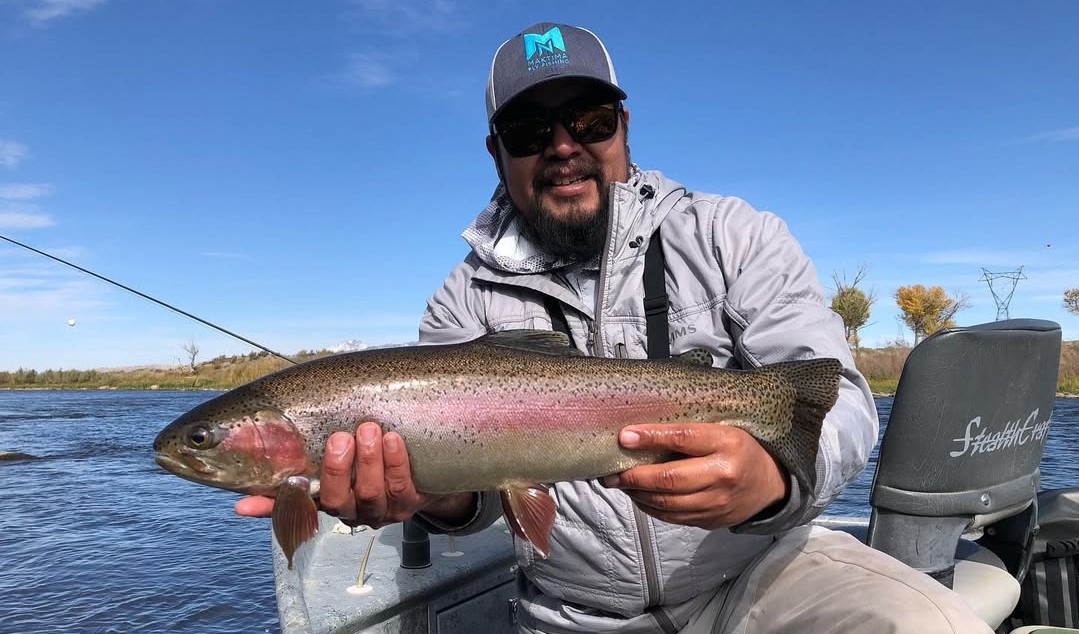


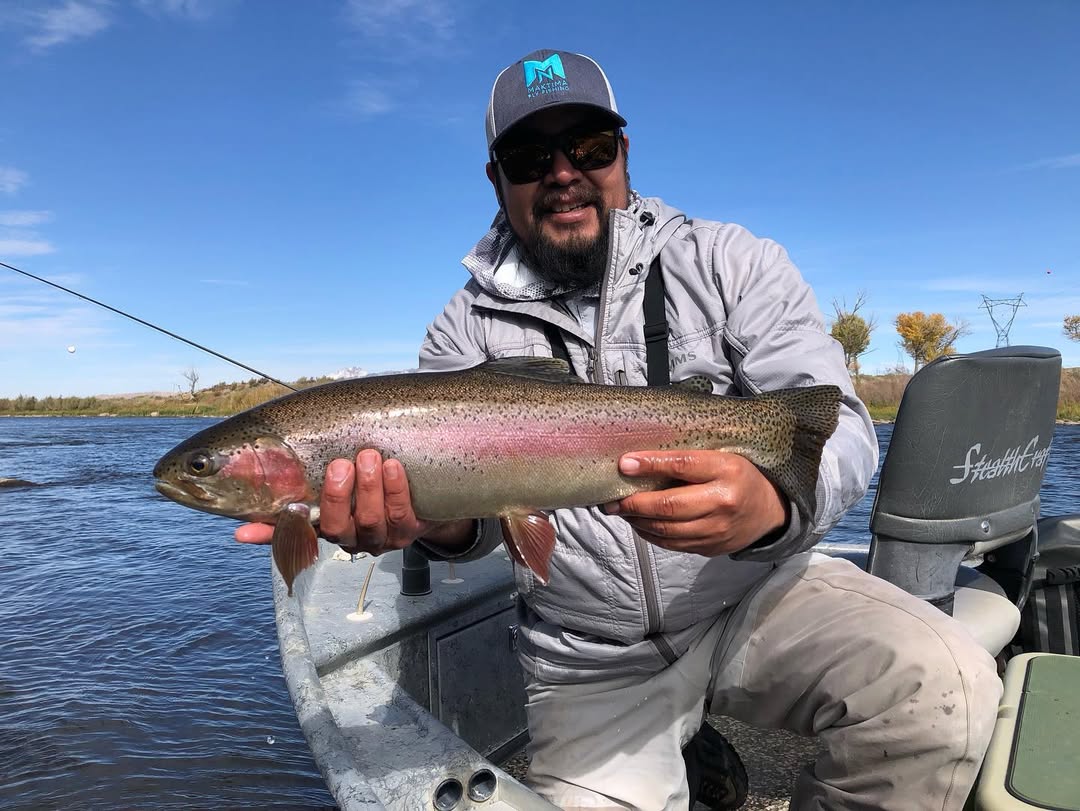








Norman mentioned something about looking for an affordable reel that you can purchase multiple spools for in order to carry different lines. I have a lot of stillwaters around me and I am interested in investing in a stillwater setup. Could Norman recommend a specific reel he likes to use for this purpose? Love the podcast, keep it up. Thanks!