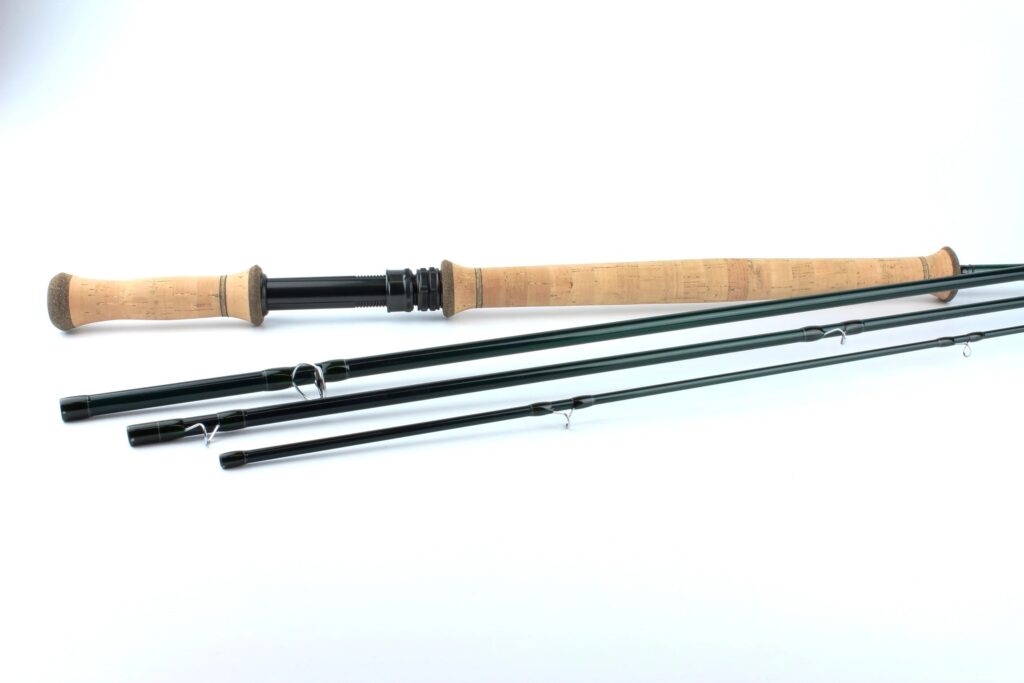
If you’ve ever stood knee-deep in a Western river wondering whether a trout spey rod might change your whole approach, this conversation with Howard Cole will get your wheels turning. Howard’s spent a lifetime shaping flies, shaping cast loops, and shaping anglers at JD High Country Outfitters — and he brings a river-smart perspective on everything from trout spey dry flies to yellow sally emergers. Trout spey tips show up often in this episode, and they sneak into almost every story he tells from the Snake to the South Fork.
By the end of this episode, you’ll probably be digging through your fly box looking for your own emerger patterns — or maybe even picking up a short spey rod for the next drift.
Howard grew up around serious muskie anglers, but it wasn’t until an older coworker took him to what is now known as the Driftless that he fell in love with trout. A 22-inch brown rose to a dry fly in front of him — a moment that flipped the switch.
From there he went all-in: tying flies in metal shop class, buying secondhand bamboo rods, and even breaking a few on northern pike and muskies.
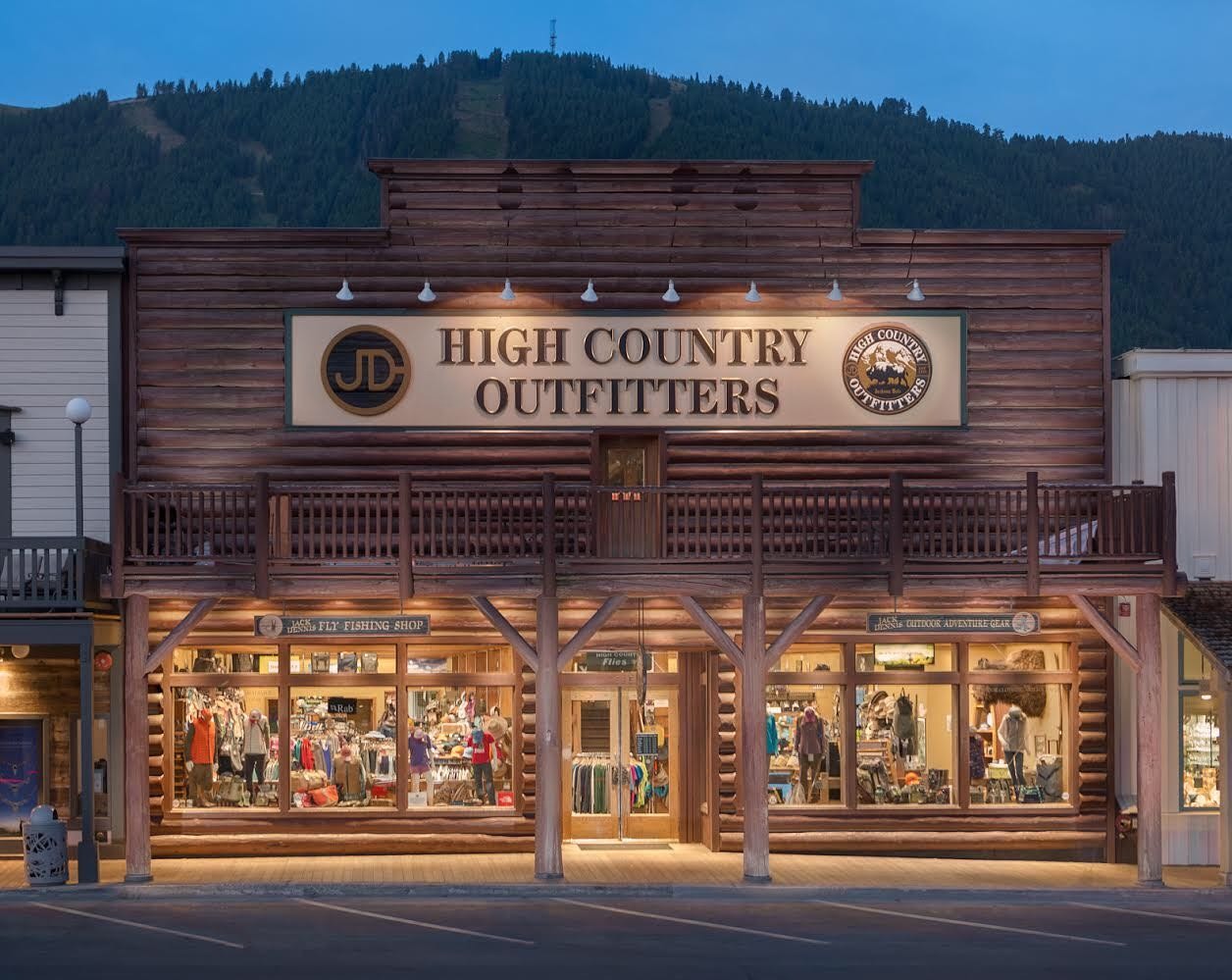
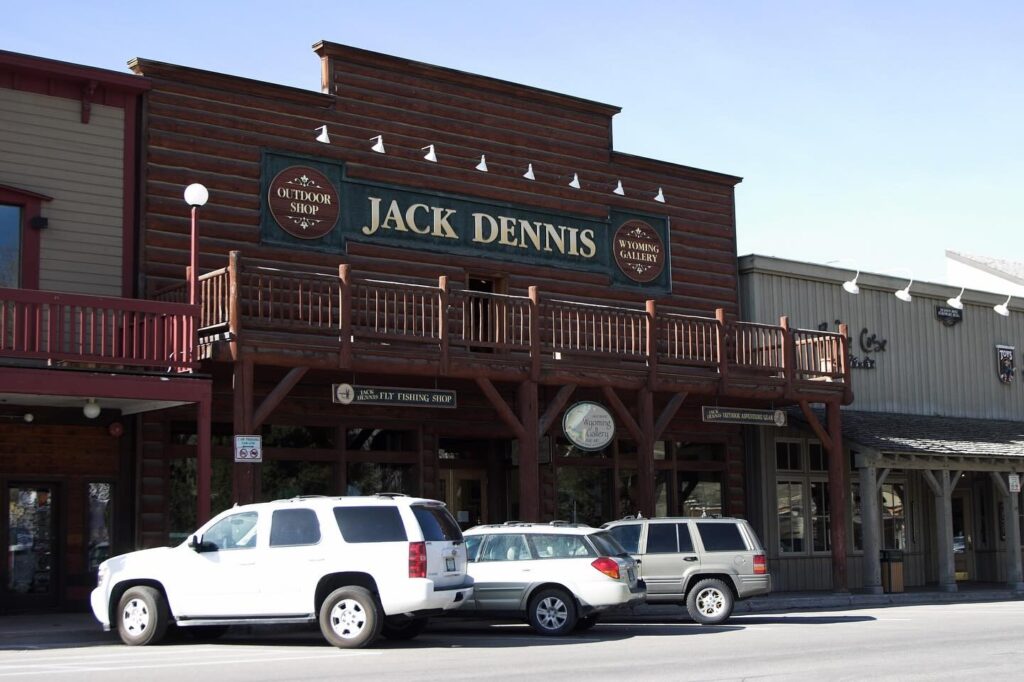
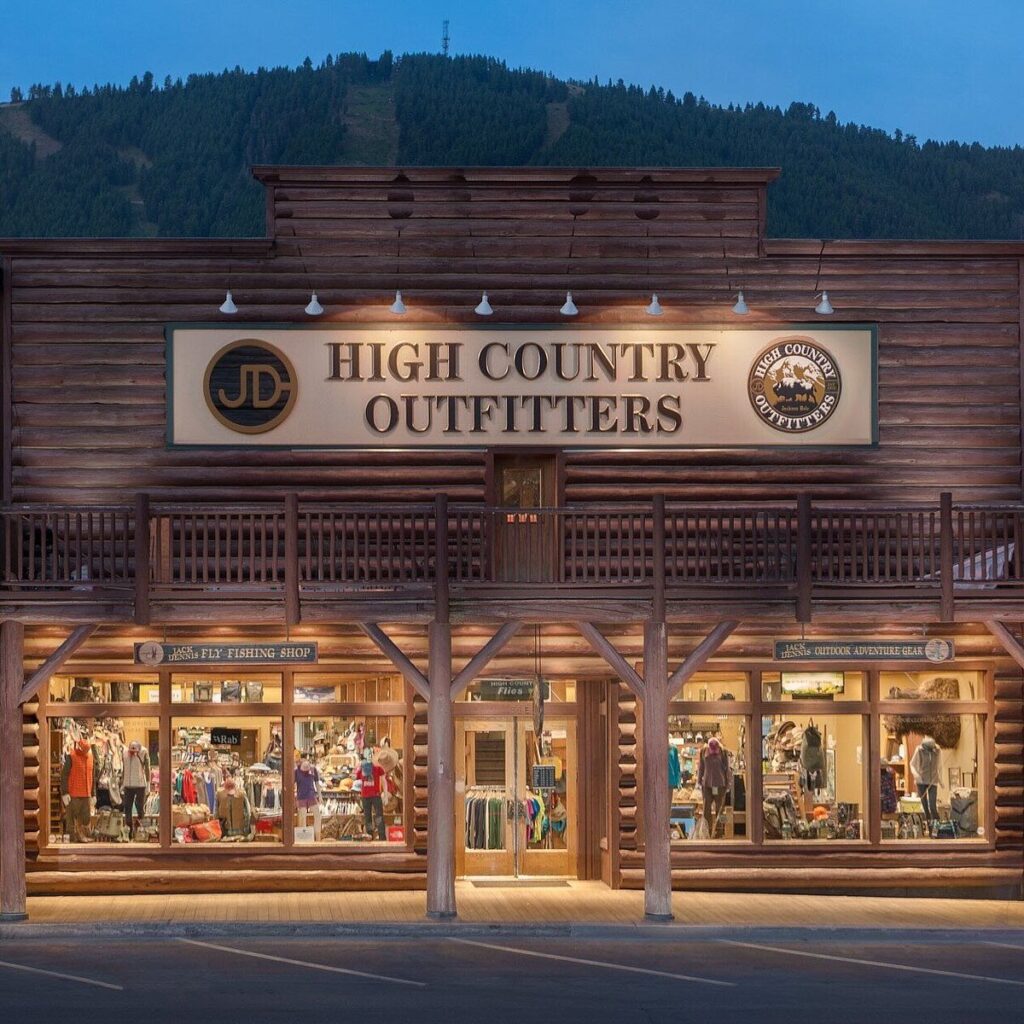
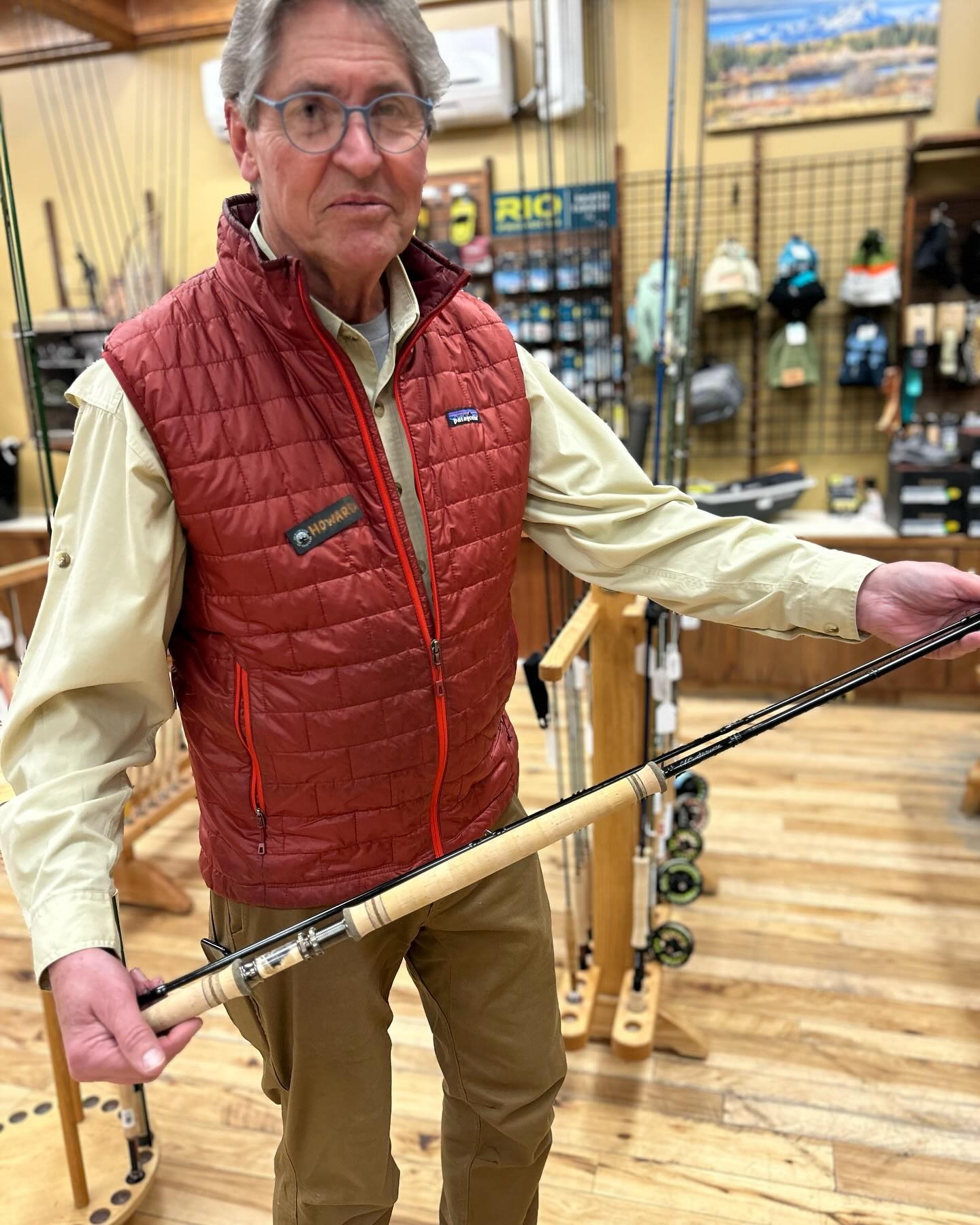
When Howard moved West, he walked straight into a powerhouse crew at the original Jack Dennis shop. He later partnered at High Country Flies, and in 2012 the shop merged with the Jack Dennis Outdoor Shop to become JD High Country Outfitters.
Howard’s steelheading began in California with classic dredging, until some friends invited him to the Clearwater and introduced him to waking flies for steelhead. Twenty minutes in, he landed a 32-inch wild hen on a dry. That changed everything. Years of BC trips followed, eventually moving from single-hand rods to long spey rods after a 1995 clinic with Mike Maxwell.
When switch rods first appeared, Howard wasn’t convinced. Forty-foot heads didn’t match how he fished streamers — too much line to manage, too slow between casts. But when OPST and others developed compact bodies in the 12–15 ft range, the lights turned on.
Shorter heads meant easier stripping, quicker re-casts, and real versatility from dries to streamers.
This is where Howard really lights up. Trout Spey, for him, isn’t a niche tool — it’s a dry fly machine. The ability to cast upstream, across, or downstream without a backcast completely changes how he covers banks, riffles, and canyon water. He fishes big attractors, Tarantulas, Power Ants, Madame X, Stimulators, and treats the rod like a drift extender.
As browns stage for the spawn, they enter aggressive windows where they’ll crush streamers — but once they move into spawning mode, activity drops. After winter, warmed water brings midges, tiny stones, blue wings, and eventually Mother’s Day caddis.
Howard fishes winter selectively now, choosing warmer parts of the day and leaning into the excellent midge and early stonefly opportunities on rivers like the Madison, South Fork, and local Wyoming spring creeks.
Flat Creek on the National Elk Refuge fishes like a spring creek, but it’s sneaky tough. Fish have nowhere to go, currents cross weirdly, and your first cast must be your best. Silver Creek offers similar technical challenges, but with more fly selectivity.
Howard tells a story of a midstream cutthroat that seemed “too easy,” until two perfect drifts were dragged off course by microcurrents hidden in the seam.
The new shop will be more focused: tighter fly-tying selection, expanded hunting (they’re Jackson’s only gun shop), and a curated mix of rods including Winston, Beulah, Echo, Redington, T&T, and CF Burkheimer.
Howard spends May–September in the shop, then returns at Christmas for winter tying classes and a weekly free two-handed clinic through the summer.
Episode Transcript
WFS 855 Transcript
00:00:00 Dave: Today, you’re going to get the kind of tips that only come from fly fishing for a lifetime. Today we’re going to talk about trout, spey, dry fly streamers, reading water, and the small adjustments that make the difference on the water. And our guests grew up fishing muskie in Wisconsin. His first real spark came in the Driftless, after watching a brown trout rise to a dry fly. By the end of this episode, you’re going to want to dig into your fly time bench and tie some emergers. You’re going to start rethinking your streamer setup, and maybe even grab a short spey rod the next time you’re on the river. This is the Wet Fly Swing podcast, where I show you the best places to travel to for fly fishing, how to find the best resources and tools to prepare for that big trip, and what you can do to give back to the fish species we all love. Howard Cole is here to share his magic with the focus on trout and steelhead, we’re going to talk spey rods. Some of the highlights from today include. We’re going to find out how to use a trout Spey rod when you’re fishing dries. Not just for streamers. Why shorter heads and simple leaders make casting and mending easier. We’re going to find out how to approach emergers like fishing, the yellow sallies, and how to fish these stoneflies that actually emerge from the water. And when swinging streamers makes more sense than stripping. All right, we got a bunch of great stories, including a Jack Dennis sighting. Here we go. You can find Howard at jdoutfitters.com How you doing, Howard?
00:01:20 Howard: Pretty good, pretty good. It’s trying to snow here a little bit, which is good for water. So we’re liking that.
00:01:28 Dave: Yeah it’s kind of in the time. Right now we’re talking it’s November. It’s this episode probably goes live in December. It’s it’s time for winter. Are you ready for the winter and all that?
00:01:37 Howard: Uh, well, you know, I still had a lot of fall. Anyway, I’m kind of done with that. Since now I’ve been bird hunting a bunch, so just for roads and stuff like that, because I travel a lot for bird hunting. Um, I got one more steelhead trip coming up here first week of December in Hells Canyon. But then after that, I’ll be ready for winter for sure.
00:01:57 Dave: Cool. Well, that sounds awesome. I mean, Hells Canyon steelhead fishing sounds like a topic that we should definitely touch on today. We’re. I also want to talk about, uh, where you work, which is a pretty amazing place in Jackson. JD. This is, uh, Jack Dennis’s old fly shop. Right? We’re going to talk about that, uh, what you have going there. And you’ve been in the, you know, fly fishing for a long time. So we’re going to get your backstory there and and probably touch on, uh, Trout Spey. I think that’s a topic definitely we hear a lot about. I want to talk to you about that a little bit, but maybe take us back first on fly fishing. Let’s go back to the start real quick. How did you get into this? I know you’ve been doing this a while.
00:02:30 Howard: Well, I’ll tell you truth. I kind of started late. My dad hunted and fished. You know? That’s what he did. I was pretty lucky. He dragged me everywhere. I can’t even remember when I first started fishing. I remember catching a two and a half pound crappie when I was three. I remember that, whatever. But anyway, I didn’t. I really didn’t start. So I fished a lot, but I didn’t fly fish. My dad was a big time muskie fisherman and from northern Wisconsin. But we lived down in Madison, southern part of the state. And so I didn’t really enjoy fishing down there, just didn’t have the woodsy, you know, white pine and everything like that, that gorgeous stuff up, up northern Wisconsin. So I had a guy that I kind of worked with, whatever older gentleman, and he said, yeah, you should go trout fishing with me. Uh, which is now, you know, the Driftless Area in Wisconsin back in those days, we just called it the southwest corner, you know. And I said, oh, good Lord, I’m I’m used to muskies, you know, I’m a little trout. I’m fishing for that. Anyway, so I ended up going with him. Whatever. And, you know, we were only there for about twenty minutes or whatever. And he had like a twenty two inch Browning. So I said, well, you know what? This might be pretty cool. So anyway, that’s when I really started fly fishing. And so I was like sixteen, whatever. And then I kind of went nuts with it. I started fishing for money. I was getting bamboo rods at garage sales and stuff. I made a fly tying vise and metal shop and tying flies and stuff. And there was nobody doing anything. I mean, I didn’t know what I was doing, whatever. But anyway, I, I think I hooked two muskies, whatever. But I was catching a bunch of northerns and stuff like, oh, I shouldn’t say catch them. I would get them on and then they’d break the rods and stuff, because I was getting these second hand bamboo rods at garage sales and stuff.
00:04:20 Dave: Yeah.
00:04:22 Howard: And my dad’s buddies, they were big time Muskie guys. I mean, they worked for Pflueger and Shakespeare and whatever. They’d go like, what’s the matter with your kid? You know, you know, what’s he doing with his fly rod for muskies and stuff?
00:04:35 Dave: Nice.
00:04:36 Howard: Anyway, so that’s kind of how I started. And then I, like I said, I kind of went nuts with it. You know, Wisconsin has a Wisconsin had over ten thousand miles of rivers and streams. So there was a ton of stuff to do there. So and then I started coming out west, you know, on vacation and stuff and backpacking and fishing and that type of stuff. And, uh, so one way or another, you know, I ended up here in Jackson, you know, Wyoming.
00:05:00 Dave: You made it out west and and to Jack Denis’s old shop, uh, where you are now. And that’s that’s your shop, Jack, we’ve had on the podcast a couple times, so we’ll probably get a few Jack stories, but. Yeah, tell me that. How did the.
00:05:11 Howard: When I moved out here, I went to work at the Jack Dennis shop and we had, you know, quite a crew there. We had, you know, Scott Sanchez really well known flight tire, Jeff Currier, Gary Wilmot, Carter Andrews. Uh, I mean, we had a pretty solid. We were fishing nuts, you know? I mean, we were going going all over. Whatever. So, uh, anyway, I worked there for a little bit, and, uh, another kind of long story. This guy that, uh, him and I kind of guided together and did a bunch of fly fishing schools and stuff like that. He became our sage sage rep, whatever. And he kind of knew I was looking for something a little different and than just working at the shop. Uh, anyway, he clued me in to, uh, Jimmy Jones, who owned High Country Flies one way or another. We became partners at High Country Flies. Uh, so him and I hooked up in nineteen ninety or eighty nine. I can’t remember one or the other or something like that. So. So then we had high country flies for all those years, whatever. And then in twenty twelve, uh, Jack Dennis and uh, High Country Flies merged. That’s how it became JD High Country Outfitters.
00:06:21 Dave: Yeah. What was it before? What was Jack Dennis place called before that?
00:06:24 Howard: Uh, Jack Dennis outdoor shop?
00:06:25 Dave: Yeah, we just, um, we just had, uh, John McClain on the son of Norman McClain here, and, uh, he told the story of Jack talking to Norman McClain and about the book. River runs through it and stuff like that. And Jack, Jack’s got a bunch of great stories. I’m sure you’ve heard some of them. Oh, yeah. Over the years. But. So that’s interesting. So you, you now and you’ve been there fishing that part of the, you know, kind of Idaho or it’s Wyoming. Idaho. For how many years now have you been fishing that country?
00:06:52 Howard: Uh, I think uh, since seventy six.
00:06:54 Dave: So in seventy six back then, there probably wasn’t I know there wasn’t a ton of Spey. Right. When did for you when did the when did the Spey I love the transition. The Spey I call it what do I call it. The you know your story right. Like how did you first come into the Spey realm?
00:07:09 Howard: I started steelhead fishing whenever I was out here. I lived in California for a little bit and I steelhead fish there. But, you know, it was all winter stuff and you know, you’re dredging and dragging stuff on the bottom and stuff, which was okay, but it wasn’t my cup of tea, whatever. So when I moved to Jackson, I had already had a pretty I’d been out here a lot basically since the early eighties through the eighties. You know, I’d come out all summer and do fly fishing schools and stuff like that. And so I knew a bunch of people and, and then, you know, I’d come in the wintertime to ski and whatever. So anyway, there was these two guys, John Collins and, uh, he started Montana Fly Company with Adam. Anyway, those guys said, like, you should come over steelhead fishing with me. I’m going like, yeah, you know, I don’t know about that. Whatever. And they said, so they talked to me a little bit more and they said, no, you really dig it. Go, come on over to the Clearwater steelhead fish with me. I’m going like, yeah, dredging and whatever. And I and at that time I was a, a Henry Ford, you know, ranch junky. I mean I fished it a lot and whatever I got on it a lot and whatever and I was I that’s what I call them the ranch junkies. Oh, right. That’s the only place they go, you know? Anyway, somehow the dry fly stuff kind of came up and, uh, John said, uh, well, no, we’re we’re fishing dry flies for steel. I said, what? I’ve never heard of that. What? All the steelhead stuff I’ve ever heard of. You’re dredging on the bottom and stuff. So. No, no, we said, well, it’s not true. I mean, you’re waking a fly, you know, you’re bringing it across whatever and stuff. I said, wow. I said, boy, I’m into that. So anyway, I ended up going over there and I was there like twenty minutes. By this time, I’d read all kinds of stuff about the dry fly stuff and grease lining and da da da. And I do it this way, do it that way, whatever.
00:08:57 Dave: And this was in the eighties.
00:08:59 Speaker 3: That would have been eighty nine.
00:09:02 Howard: So yeah. So I’m doing this. I’m doing this. You know, we’re doing all single hand rod stuff there. And, you know, I bomb out this cast and I’m concentrating. I’m going like, now that’s the way because I was trying to do it this way, trying to do it that way, skating and whatever. And I said okay, that’s the way to do it. Whatever. That’s it. And all of a sudden then like two bowling balls, you know, hit this water and, and I was so concentrated on the swing and waking that I go, oh my God, that’s me. Otherwise, you know, I would have lifted the rod, right? But anyway. So yeah, I was there twenty minutes and got a thirty two inch wild hen.
00:09:36 Dave: Wow.
00:09:37 Howard: A dry fly. Holy cow! Everybody. All the people are like, you lucky.
00:09:43 Dave: Wow, that’s pretty awesome. On a nine foot eight. Wait.
00:09:46 Howard: Yeah, that was a eight. Wait. Yeah, that might have been a rod. I built nine and a half pl maybe. Yeah. So there was another guy here that had been going over to the salmon a lot, steelhead and whatever. And him and I kind of became buddies. So in nineteen ninety him and I went up to British Columbia together and so pretty much gone to British Columbia almost every year except for the Covid years and.
00:10:08 Dave: Skeena.
00:10:09 Howard: The Skeena system. Yeah, I mean, all over that, whatever. And that very first year we were at the Big Mac Bridge on, uh, on Morris and these three young guys came up and they had these fourteen, fifteen foot rods, you know, and going, wow, that’s what is that? So we dilly dallied around with, uh, single hands still for a while, a couple more years. And anyway, Mike Maxwell, they had, uh, I don’t know if that was an international thing about over at Idaho Falls. Anyway, they had a big expo type of a thing. Anyway, Mike Maxwell came there, so we ended up taking, uh, you know, a seminar from him. And I think that was nineteen ninety five, I think. And anyway, so that was it. That was the last time I ever fished with a single handed rod for.
00:10:56 Dave: Right. That was it. So ninety five and and what about you know, fast forward a little bit into the Trout Spey. When did that start getting going out in your neck of the woods.
00:11:05 Howard: Well it started with the switch rods. And um Jackson we don’t do a lot of nymph fishing really here. Uh, it’s either, you know, bigger tractor drives or streamer fishing. I mean, streamer fishing has been a big thing in the Jackson area for, I mean, for a long, long, long way before I was here. I mean, Jack Dennis, definitely. I mean, you would know all about that and tell you about it. And, uh, Jay Buckner, another big, uh, flight time. You know, Jay Buckner actually started, uh, high country floods him and I. Still we do a lot of, uh, fly tying classes still together. So the switch rod thing come out, you know, and at that time, you know, the lines were the bodies were like forty feet or something like that. And, uh, I said, you know, talking to different people in the industry and the rod industry, whatever. I said, you know, I don’t get this switch rod stuff. You know what’s so great? He said, well, it’s great for streamer fishing. I go, it’s great for streamer fishing. I don’t understand that. I’m like from me. When I streamer fishing, I’m casting out and then I’m stripping back in to me, whatever. So now I got a forty foot head. I got to shake that out before I cast again. And they go, no no no no no no no swinging swinging. You’re just swinging. I’m going like, well, that’s pretty one dimensional. I mean, if, if you guys really want these streamer guys to, you know, buy these rods, which they would if they find out how easy they are to cast those big streamers and stuff like, especially like a dungeon or something like that. They got the stuff that they’re fishing now, you know, I say, you know, you got to come up with something different than that. So I, I kind of Pooh poohed it, you know, I was like, I don’t get it. And then, you know, now switch rods probably, I would say more for, uh, steelheading than I would say for trout fishing now. Yeah, pretty much everything’s microspray or trout Spey or something like that.
00:12:56 Dave: Is there still a switch rod? Is that still out there? It seems like that’s kind of faded, or at least the name.
00:13:01 Howard: Well, I think more now on smaller rivers they’re using switch rods more for steelhead, like seven to eight weights but eleven foot. That’s where the niche is now I think for or what I would say is the niche now for, you know, switch rods. But anyway the microspray. So when that started really coming around and then, you know, Opst and these guys, they started making the lines, you know, like some of those lines. Now the bodies are twelve, fifteen feet. So that’s when it started really sinking in for me, because now I can strip in. I have to strip in anyway to there. So I’m going like, now you really got a very diverse, you know, tool. And then the other thing, like I said, you know the Jackson area, you know we’re in a tractor dry fly fishery. So I mean, we don’t really match hatches and we’re not really looking for individual. We’re fishing. I’m saying this for like ten years. What you guys are missing is, you know, the dry fly thing that you can do with these things because you can get a drift forever. So, you know, it’s a great tool for that. Most of the stuff I do with trout spray is dry fly stuff.
00:14:07 Dave: It’s dry fly. And so the trout space stuff describe that a little bit like what would that look like as far as dry. And why does a trout spray work better than say, a regular nine foot eight weight for dries?
00:14:18 Howard: Well again, it just depends on where you’re at. I mean, I was with a buddy and we fished one of the local waters here, the river kind of down in the canyon type of thing. And, uh, you know, because I don’t need a back cast. You know, I could fish upstream. I could fish straight across from me. I could fish downstream where he was using a single hand rod. You know, the only thing he could do is a little wedge downstream because of his back cast. Whatever. So, I mean, like I said, they’re a great tool. And the other thing is, you don’t have to have a very big fish to feel like you got a monster on either.
00:14:51 Dave: Yeah. That’s right.
00:14:52 Howard: Yeah. There a lot of fun that way.
00:14:54 Dave: Yeah. What is your typical, uh, kind of setup, like, uh, weight, length and weight of the trout spey rod for this?
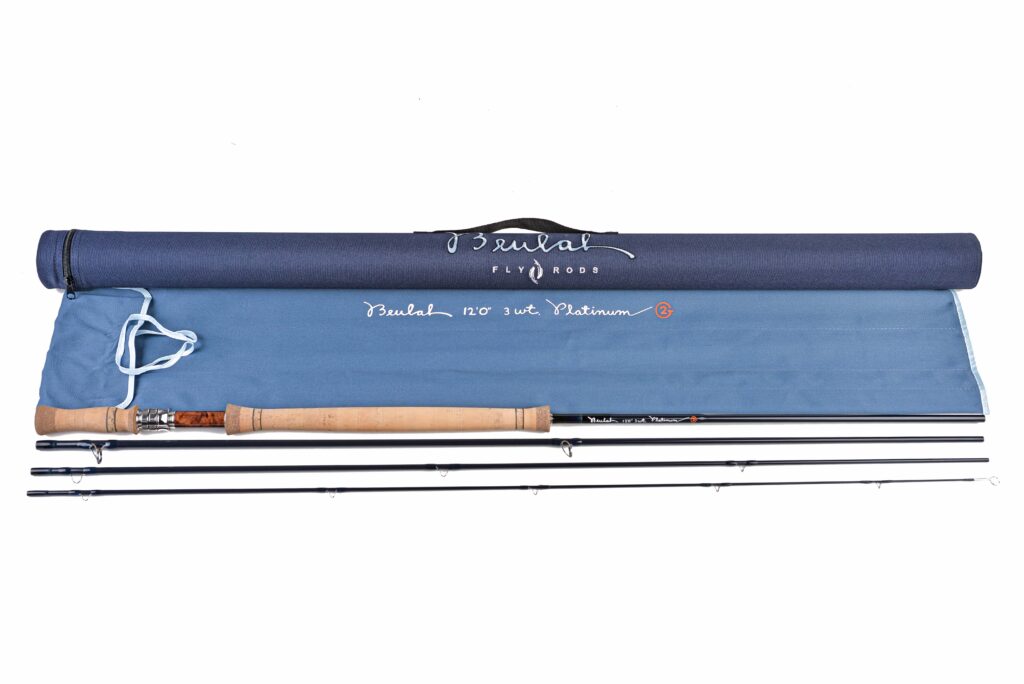
00:15:00 Howard: You know, I still tend to probably, like, a little bit longer rod than than most, uh, but, you know, somewhere between eleven and eleven and a half feet, I fish a twelve foot three weight bula quite a bit. And then, you know, when you’re talking trout spey like three weight, whatever, typically you’re going to go up to correlated into a single rod. You’re going to go up two line sizes sometimes sometimes three. But most of the time two. So like a three weight would be a five weight. Two weight would be a, you know, for weight whatever. So twos and threes. I fished quite a bit.
00:15:31 Dave: And this is a two handed rod. Oh yeah. Yeah. These are two hands. These are just like a basically just like a steelhead rod. Just lighter essentially. Right.
00:15:39 Howard: Right. And again like, uh, depending on the lines I mean, you know, they got Scandi lines, they got Skagit lines, they have, uh, integrated lines. But a lot of, you know, a lot of the bodies are, like I said, in between fifteen and twenty some feet, you know, twenty two feet or something like that. So again, you’re not really necessarily covering distance in your cast, which you can, but, uh, you’ve got so much control and your drift and mending and like I said, and places that you can’t, you can fish that you couldn’t fish very effectively with a single rod.
00:16:13 Dave: Yeah. That’s right. Yeah. So you use the, the two handed rod and then what would be um what’s your line? I know there’s a bunch out there.
00:16:19 Howard: I kind of really like the Scandi lights. They’re powerful enough to be able to throw Streamers, smaller streamers. And again, if you want to use like a Polish thinking leader or a verse, you know, a real verse leader thinking you can do that. Um, and you can still fish, you know, pretty good sized streamers too. But like I said, most of the stuff I do is, is dry fly stuff.
00:16:41 Dave: So let’s just take it to that. Let’s say you have the the sa Scandi light, you have the twelve foot, uh, rod. And then would you have on that is that is the Scandi light. So that’s kind of a yeah I mean obviously it’s a lighter line. Would you put on that like a ten foot like poly tip or something like that. How would you what would you match it up with.
00:16:59 Howard: Yeah I’m pretty old school. I still tie my own leaders or whatever. So, uh, most of the time I kind of match, uh, leader with the length of the rod. I’m fishing something like a twelve foot leader on a on on that. Beulah. You know, I’ve got a Winston that I’m fishing like eleven foot leaders on that. And again, then if you’re fishing like a sinking, you know, like, like a poly sinking leader or, you know, the real verse leaders, then you know, most of the time those are six to ten feet. And then, you know, you’re going to put three feet of tippet on. And most of them, you know, I use maxima. So I’m using eight and ten pound maxima for my streamer stuff.
00:17:43 Dave: San Juan rod works started with a simple belief great fly rods and gear shouldn’t cost a fortune. As a family run company, they focus on building high quality fly fishing products that perform on the water without the premium price tag. You can try San Juan Rod works for thirty days risk free right now, and if you’re not satisfied, send it back for a full refund. You can go to San Juan. Com that’s s j a n roadworks. Com let on DeMarco Lodge give you the Montana fly fishing experience. You deserve the gin. Clear waters of the Missouri River offer a world class experience with one of the finest rainbow trout and brown trout fisheries in the world. Whether you’re a seasoned angler or new to the sport, their family of guides will tailor a trip just for you. You can head over to Onda to Fish, one of the great trout streams in the country. So this is perfect. I think we’re getting this lined in. So you’re talking kind of dry fly fishing, but there’s a lot of different things you can do. So we have the the line, the head you mentioned plus the leader and you just go straight, it sounds like from the Scandi light and tie a leader right onto the end of the Scandi light. Like a long leader. Yeah, yeah. Perfect. And you’ve also had you’ve tied a bunch of flies too, right? You’ve got some of your own. I know I was looking at some of them, some flies that I’ve definitely know of, like, you know, the yellow, yellow, Sally Emerger and some other stuff. Talk about that. What would be first, maybe describe the water. What areas do you guys cover from the shop? Are you covering like what’s the extent of rivers you fish?
00:19:09 Howard: Well the snake, you know, right here in the valley. And then the Pinedale area, uh, we’re permitted down there for the new fork in the green, and then we do a little bit up in Yellowstone at the, you know, first part of the season when, you know, because Jackson has one of the longest runoffs in North America. You know, we don’t really start fishing the valley much before the end of June or first part of July. So we we have to travel whatever, you know. So that first part of the season, we’ll do a little bit of stuff up in Yellowstone, whatever. But then, you know, when things really start kicking off, there’s no sense of going that far. Whatever.
00:19:44 Dave: Yeah. So the trout Spey stuff we’re talking about here dries, you could use that pretty much anywhere. Any of these waterways.
00:19:50 Howard: Yeah. You know, I started doing it out of a boat, you know, drift fishing. And when I first started, I said, oh, I’m just doing it to be because I can do it, you know, because it’s kind of stupid. But, you know, like I said, with these lines now, because I thought, like, you’re going to lose a lot of accuracy because I do a lot of streamer fishing out of a boat with one, two and they’re like a baitcaster because you can just cast. And then when you get to the distance, you know, like if you’re hitting a bank or whatever getting to your spot, you just pinch it off. And so it’s just like a it’s like throwing a bait caster. You know what I grew up with, right?
00:20:24 Dave: Yeah. Because it’s like a shooting head. Right?
00:20:26 Howard: Yeah. You’re a lot more accurate than what you think.
00:20:28 Dave: Yeah. Is it easier, easier or harder to cast the three weight versus the steelhead stuff?
00:20:34 Howard: Starting out I think is probably no different than single hand. Right. You know, the heavier, heavier stuff because you can feel it a lot more. Go a steelhead, you know, salmon rod or whatever. You, you know, two hander, you know, in that seven eight weight and again now you know and we’re starting to see that. And you know I’ve been saying it for years that it’s going to be coming to a single hand rod too. But you know we don’t really talk so much. You know the guys that are kind of really into it don’t really talk seven wait eight weight whatever they talk grain weight. You know, seven weight is like somewhere between depending on length of line, but like a Scandi line, probably for twenty five to four fifty ish. Right in there, Four hundred and twenty five grains to four hundred and fifty grains, whatever. You know, if you do have more of a longer belly line, you know, then maybe five hundred, something like that.
00:21:24 Dave: What are the grain weights on that twelve foot three weight?
00:21:27 Howard: I think I throw a two hundred and seventy grain one on that. Then I’ve got a bamboo trout spey from Poppy at the red shed. That surprises me. I actually throw three hundred grains on that.
00:21:38 Dave: Right on. And and so talk about that on the flies a little bit. So you’re out there on one of these rivers. What’s the I guess it depends on the hatches. Describe some of the patterns that you’ve tied up and are kind of.
00:21:47 Howard: Well, again, I do a lot of emerger stuff. I mean, they’re pretty stupid. Really.
00:21:51 Dave: Well, what about the yellow Sally merger?
00:21:53 Howard: Well, a lot of what people don’t realize is stoneflies. Most people think, you know, they crawl out and, you know, hatch on land. But the yellow Sally’s and our little Blackstone, in the wintertime, they capture, um, they actually hatch in the water.
00:22:08 Dave: Oh, wow.
00:22:08 Howard: Maybe not all of them, but the majority of them actually hatch in the water and they can get pretty dang selective on, uh. Yeah, I was fishing the green River down south of us here last year, and they were eating Sally’s, for sure, but if it had a wing on it, they would not touch it. So like that little emerger that I tie, it doesn’t work all the time either. Don’t get me wrong. But when it does work, it’s pretty dang effective. And the little black stoneflies we have, you know, in the wintertime or early spring or late winter, they actually hatch in the water too, and they can get pretty selective on those where, you know, kind of a midge merger can cross over for that. Pretty good. I’d tie a little kind of like that Sally pattern. I’d do a little riff off of that for that little black stonefly, too.
00:22:55 Dave: Okay, yeah. And the yellow Sally merger is. Describe that fly a little bit.
00:22:59 Howard: Uh, put a little bit of Amber zielen and then an over tail of that of Mallard, and then just pretty bright yellow dubbing for the abdomen. And then I’ll put in a little sheet of packing foam like electronic packing foam, quite thin. And then tie that in, you know, so it’s just standing up, and then I’ll, uh, dub the thorax and then I twist a little thing of CDC through there, and then pull over that packing foam over the top to the front, and then just tie it off in the front. Then most of the time I put a little, uh, orange red butt on it, too.
00:23:37 Dave: And that’s essentially a merger. It’s imitating kind of a stonefly emerging.
00:23:41 Howard: Yeah. It sits right in the film.
00:23:43 Dave: Oh that’s cool. Yeah, it looks unique. The fly I’m looking at now, it definitely looks unique.
00:23:47 Howard: Yeah. Most of the stuff that you’ll see in books, you know, like Leeson’s book and then a lot of Bruce Staples stuff, most of my stuff is mergers. Yeah.
00:23:57 Dave: So are you fishing throughout the year? Fishing. More mergers than dries on the surface.
00:24:02 Howard: Um, it just depends on where I’m fishing. Technical water probably. Yes. Again, when I’m doing, like, the dry fly stuff with the trout spray, I mean, that’s their big attractors that I’m using there. But, uh, you know, if you fish that, you know, your phone stuff. I don’t fish foam. I don’t I don’t want to be uppity up. I just don’t fish foam. But like, perch, tarantula power ants, you know, Madame X’s stimulators, stuff like that. And I’m just covering water.
00:24:30 Dave: Gotcha. So for the trout space stuff you’re doing for dries, you’re fishing kind of bigger stuff. Stimulators, all this big stuff in your covering water. Are you fishing your way upstream or downstream when you’re doing that?
00:24:40 Howard: Doesn’t matter, because I can cast up. I can cast straight across, I can cast down. I can do whatever because I don’t need a I don’t need a back cast.
00:24:47 Dave: Yeah. That’s awesome. And so you cover the big stuff and why what if you had a hatch and they were keyed in on some smaller stuff? That’s not something the Trout Spey would really perform as well with.
00:24:57 Speaker 4: Uh, it’d be a little it’d be a little.
00:24:58 Howard: Trickier, I think, if, you know, for finesse type stuff like that, you know, I think still, you know, single hand rods, it’s a better, better tool. I mean, like over on the ranch rancher like that. I mean, I would personally myself. I wouldn’t fish a two hander over there unless I was just now. Again, maybe for those ones that just seem to be just that far away, I’ve been tempted just and maybe do a more overhead cast with a two hander because, you know, I can cast eighty feet and a heartbeat.
00:25:27 Dave: Oh, yeah.
00:25:27 Howard: And then that would be more like green Drake stuff.
00:25:30 Dave: That’s right. Okay, perfect. So you got so that’s covered there. And then if you were to switch over from, you know fishing the bigger those dries with the two handed rod. What’s the streamer game look like. Are you using different lines or what does that look like.
00:25:42 Howard: No I’m using the same line. Just I’ll probably use some kind of a poly versa leader sinking, but not real. Not real heavy either. You know something? You know type three. Type four would probably be as heavy as I’d ever use. And there I will. Wait my streamers a little bit there either with just lead underneath. Occasionally I’ll, uh, do a bead, But most of the time, just like lead underneath and pretty traditional.
00:26:10 Dave: Yeah. And what are some of the flies that you have a good selection of streamers you’re using or is it a mix.
00:26:15 Howard: Again a pretty old school. You know, JJ special jonesy’s. My partner’s, uh, that’s his fly. I mean, that’s still a great fly. McCune Muddler. That’s really, really great for, like, plain old Kiwi Muddler. You know, the kind of thing that Jack Dennis kind of made, you know, even though it did come from New Zealand, stuff like that. Uh, Gartside soft hackle streamer, you know, big, lots of marabou. You know, that’s really, really go to fly to, uh, some of the new stuff that a little Kim that’s a good, good fly for me.
00:26:48 Dave: This is awesome. Then how do you fish now with the streamer? If you have one of those streamers on, how are you fishing that with the Spey?
00:26:54 Howard: I’ll do both. I’ll swing, but I’ll also fish it real traditional cast and have it go through an area. You know, the good holding water. And then I’m stripping into. So I’ll do both. You know, this time of year, I’ve found, uh, certain waters where, you know, the browns are starting to stage and they’ll get into, like, over on the South Fork over here in Idaho. They’ll get into those tail outs and, you know, not very deep, you know, maybe two feet, something like that. But they seem to when they’re just starting to stage those, sit at the top of those tail outs or the bottom however you want to look at it. And I’ll swing that. But then, you know, then otherwise, because again, you got to strip in anyway, like I said, because those bodies, those bodies are only, you know, twenty feet.
00:27:40 Dave: Gotcha. Yeah. Okay. So so on the South Fork, so the same scandy you’re using the same line type, you know, and you’ve just you’ve maybe got a little bit of weight when you’re swinging. Are you swinging just like you would be for steelhead casting down and across and working. How are you reading? How are you figuring out the water? Are you fishing mostly tail outs, or are there other places where you’re finding fish?
00:27:59 Howard: Um, I think, you know, if you’re a streamer fishermen. I don’t know, you just got that gut feel. You know that? That’s good water. I mean, that’s good holding water. I want that to go through. I mean, so that doesn’t mean you’re stripping all the way in, but through certain area, and you might be doing a slow draw type of what I’d call more of a draw than a real strip. Just being erratic, you know?
00:28:22 Dave: Yeah. On the swing, is it a similar type of, you know, a steelhead? You think of that, you know, walking speed where it’s like, you know, a few feet deep or whatever. The depth is right up to need a waist or something. Is that kind of the same type of water with trout on. And we’re talking brown trout mostly for on the South Fork.
00:28:38 Howard: Well, I mean, you got everything. I mean, you got rainbows cut browns. Um, I was just saying, this time of year, I find that those browns will move into that, uh, classic tail out, steelhead type stuff. And swinging is quite effective. And not just South Fork. I mean.
00:28:54 Dave: Everywhere.
00:28:55 Howard: Yeah.
00:28:55 Dave: Okay. Right now the Browns, are they getting ready? They’re states. They’re getting ready to spawn. When is that going to happen?
00:29:01 Howard: Yeah, it depends on depends on the river. But you know, typically I mean like the grays down south of us here tributary that comes in at Palisades Reservoir right before where? The snake, the snake makes Palisades Reservoir. So it comes in down there. They’ll start to go up the Grays in August. So it just depends. I you know, I think the Madison I think back in the day when I fished that a lot in the wintertime that became more December, early January and then, you know, then they really start spawning in January and February into March up there. So just just depends. I find over in the middle part of Wyoming right now is a good time for them staging another couple of weeks they’ll be more into the spawning situation.
00:29:52 Dave: So they’re staging. So that’s when the key they’re staging. You can find them in tail outs and you can swing with streamers before they get into spawning.
00:29:59 Howard: Yeah, well, I mean, when they’re staging like that, they get pretty aggressive. That’s what you’re looking for.
00:30:04 Dave: That’s what you’re looking for. Wow. That’s cool. And then are you fishing out there throughout like in December or is that when do you guys stop fishing? Just depends on the weather.
00:30:13 Howard: Well, the guys that are really they don’t.
00:30:15 Dave: They don’t they fish even. Yeah ten degrees. It’s they’re still out there going.
00:30:18 Howard: Yeah. Like I said I bird hunt a lot. So I’ve been bird hunting you know, the last well since I’ve been done. Steelheading. And then like I said, I’ve got one more steelhead trip coming up, that first part, but then I’ll bird hunt until February. Then I’ll start concentrating on the late winter. Early spring fishing. You know the area here for sure.
00:30:40 Dave: Late, late winter. So maybe like January, February, March or somewhere in there or later.
00:30:45 Howard: For us on this side of the Tetons, you know, our stuff. Consistency starts picking up in February. You know, over on the other side, on the South Fork, you know, South Forks, the snake. It’s just when it crosses over into Idaho. I don’t know why they have to call it South Fork, but that’s what they do. No, but that can start fishing quite well in January. And then I still think the Madison outside of the park up there is probably the best consistent dry fly fishery that definitely can start in January up there.
00:31:15 Dave: Fishing like for like blowing dollars and stuff like that.
00:31:18 Howard: Now Midge is mainly. Yeah, blue wings won’t come till March.
00:31:21 Dave: Oh, this is awesome. So? So yeah, I guess it sounds like. Yeah, if you wanted to go hardcore. There is some fishing throughout the winter out there, but in the trout Spey is. That’s something you can pretty much do throughout the year, like whether it’s Emergers or it sounds like you can do everything with this two handed trout space stuff. So for the maybe the real small stuff.
00:31:40 Howard: Well, technical, I wouldn’t use it for that. But I mean streamer fish all year. Definitely.
00:31:45 Dave: If somebody was getting, you know, they were listening. They’re like, okay, I want to try streamer. Finally I’ve got, you know, some information on it. What would be a couple of tips you would give somebody as their before they head out in the water here. Let’s just say it’s December, November, December. You know, they’re fishing. They could be the South Fork. Like any big general tips, you’d tell them to help them find a fish.
00:32:03 Howard: If we’re looking at brown trout type situation, once they kind of get done with the staging thing, and the closer they get into spawning, whatever, the less active they get. The thing that used to be real, real popular still is for a bunch of people up in Yellowstone between, uh, Lewis Lake and Shoshone, um, the Lewis Channel, you know, they’ll move into there and stage and I mean, that becomes then more of a nymphing type situation. The closer they get into the spawning situation, you know, more drab flies, something smaller and less drab. And sooner or later, probably everybody’s fished over spawning fish a little bit. I mean.
00:32:42 Dave: You can’t help.
00:32:43 Howard: It. Yeah. But then after so long, I, you get like, I don’t think I want to do that anymore. Yeah. That’s not.
00:32:49 Dave: And then do they have a spot once they’re done spawning where they’re back. You get them then to when they get more active or they’re hungry.
00:32:56 Howard: Well, I think what happens there is. Yeah. When when waters start to warm up. Come depending again on the river and stuff. You know, when that water starts to warm up, they start. I mean they got to put on some pounds again, you know, you know, for us here in the Yellowstone area, I mean your main thing is going to be midges and then the little black stoneflies. But then as things warm up then you’re going to get the blue winged olives, you know, so there’s more diversity, you know, in the insect life and that and then, then, then that moves into the Mother’s Day caddis deal.
00:33:27 Dave: We wrapped up a five thousand mile road trip to Wisconsin last year, and our project Em from Four Wheel Campers made the entire journey better than we imagined. From remote campsites to spontaneous detours, we had the freedom to go where we wanted in total comfort. For over fifty years, four wheel campers have been building ultra durable, lightweight pop up campers that fit almost any truck bed the pop up design sets up in under a minute, and with the project M like we have, I can set up and still use my tailgate and truck bed whenever I need it. Whether you want a minimalist setup like mine or something fully built out like the premium Orvis Edition four wheel campers as a camper to match your adventure goals. Do you have a truck? Head over to four Wheel Campers. Com right now. Customize your camper, find a local dealer, see upcoming events, and more. Trust me, you’re gonna love checking out four wheel campers. When are the Yellow Sally’s? When is is that kind of a when’s that little fly? That’s a stone fly, right? Yeah, kind of a summer, right. More summer type pattern.
00:34:28 Howard: Or again, depends on where. But I think that you will find that starting in June, like over on the South Fork becomes pretty big at the end of June and through July up in the park, um, you know, on the fire hole. That can be definitely mid June up there, you know, down south of us, down the green, whatever. That definitely probably about mid-June down there too. But can go for quite a while. You know.
00:34:56 Dave: Yep. That’s it. Okay. And you, it sounds like the Henry’s Fork is you fish. That sounds like a decent amount. What are the. You mentioned the the Henry’s fork junkies. Those guys doing that out there. What’s the story there? They’re just it’s the technical the most. It’s kind of the most challenging place to fish. So that’s what guys are going for.
00:35:13 Howard: Well there’s a lot of places that are challenging.
00:35:15 Dave: Yeah. That’s not the only challenging technical river out in your area right.
00:35:19 Howard: Yeah. But you know they’re the guys that do it. I mean they’re dry fly fishing. That’s what they’re doing. And they’re finding the face and they’re trying to feed it, you know, and and trying to, you know, you read the rise, read the rise form to see what what they’re eating. You’re reading the rise form, how big the fish is. But I’ve spent many hours just sitting on a bank, watching, waiting, watching, waiting, watching, waiting, you know, walk and walk and.
00:35:45 Dave: And you’re waiting for what? Just the right fish.
00:35:47 Howard: Yep. Yep.
00:35:48 Dave: Because you don’t want to get. Because there’s still a mix in there, right? You’ve got some smaller fish and some bigger fish.
00:35:52 Howard: Oh, yeah. Oh, definitely. Sure.
00:35:54 Dave: But there are some other places around there that you can that are just just as technical, would you say, as the Henry’s Fork?
00:35:58 Howard: Oh, yeah. Well, like, for example, like the Henry Ford. Uh, probably one of the harder things there is once you find a fish is just getting onto the fish to fish to it because it’s big and the fish can move. Now you go over to Sun Valley. You know, the Ketchum area for Silver Creek. You know, those fish become really tough because there’s no place to go. It’s small water. So there you have to be very. I guess what I’m saying is the Henry Ford. I don’t think they’re as picky on the on the fly as much as just being able to fish to them. Silver Creek, they’re very picky about the fly. Flat Creek out in the Elk refuge here, I like that. You know, it’s a cutthroat fishery, and everybody’s always saying how dumb the cutthroat are. Well, you go out there, you’ll find out how dumb they are. It’ll fish a lot like Silver Creek. You better make the first cast count. If you drag over them, then it’s a war.
00:36:49 Dave: Yeah, cutthroat are kind of known. It seems like you know those. Well, at least I don’t know if it’s the West Slope, but a lot of those are known as dry fly. Maybe they’re not as smart because they just eat anything. But that’s not you’re saying that’s not the case everywhere.
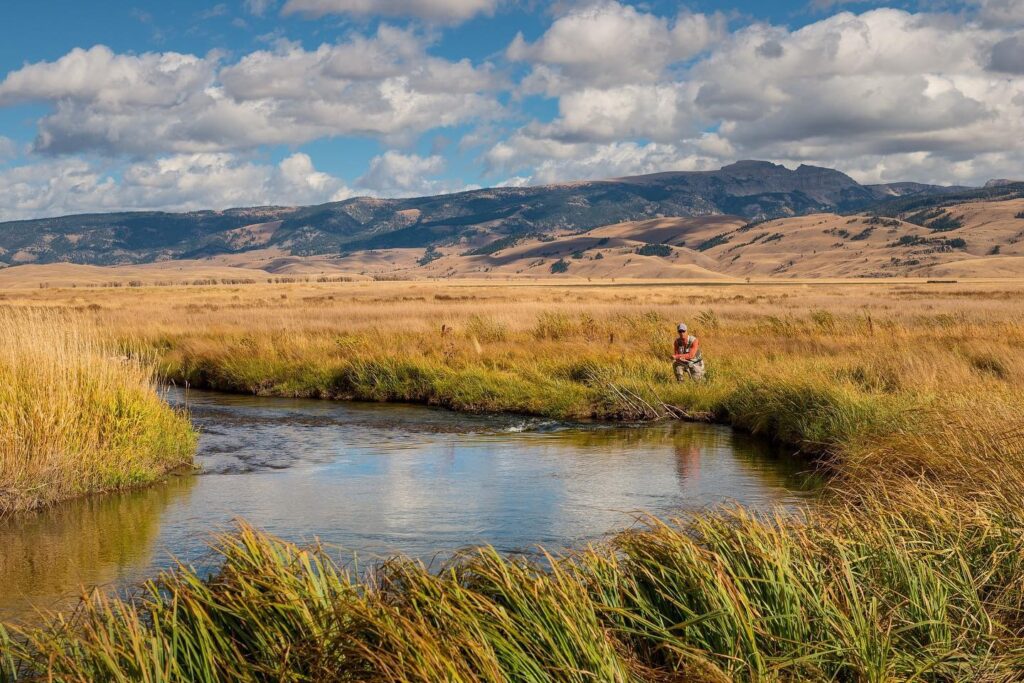
00:37:00 Howard: Not like I said, Flat Creek on the Elk Refuge. That is basically everybody thinks it’s a spring creek. It’s not really a spring creek. It starts kind of up the Grove area way, and then it comes on down. It comes down into the National Elk Refuge. And what it does, it goes subterranean, goes underneath the ground. Then it pops back on up. So when it pops back on up, then it acts like a spring creek. And, uh, it’s a windy, twisty I mean, again, for most of us locals and stuff, it’s, you know, we just consider it’s a dry fly fishery, you know, again, you’re just trying to find a fish. But like I said, it’s small water. They have no place to go. So I tell this story quite a bit to guys at the shop going, you hear that one more time, I’ll kill you. Uh, but this one time there was this fish, uh, good sized fish, and it was pretty much kind of out in the middle, and he’s feeding and whatever. And I’m going like, because most of the time they’re hugging the bank. I mean, you gotta be really, really precise with your cast and your drifts and everything like that. This fish is out, and I’m going, like, you know, this fish needs to be taken out of the gene pool. You know, it shouldn’t be in here. So I just go and out and stomp out there, make my cast and fly, comes down, gets about a foot in front of the fish and just rips off to the right. I go, huh, make another cast. Same thing. So that’s why that fish was there. Because you really had to pay attention on how to get the fly to it, because it was just in the right kind of current whatever. So that’s when I tell people, you go out there, take your time, you find a fish, take and look at it. And how do you want to approach it? You want to cast upstream, downstream cross. How do you want to do that. So because you got to make you like I said, your best deal is to make that first one count.
00:38:44 Dave: Yeah. One shot on the shop there. If we were coming into the shop, talk about that. If somebody was wanting to pick up a two handed rod, what would you recommend? What do you guys have there for like the Spey or the three weight?
00:38:54 Howard: Uh, well, that kind of kind of goes through the season and stuff, you know, uh, we are starting to sell, like I said, you know, the trout space stuff pretty good. The steelhead stuff that I think has dropped off one is because the guys that do it, they have it already, you know. So, uh, but we still sell some of that stuff. Um, but, you know, the typical stuff, I mean, you know, we carry all the probably a little bit different is, you know, we carry the berkheimer cf berkheimer, you know, but, uh, in the two handed stuff, Winston, you know, in the micro spray, Winston’s and then, you know, the more price point stuff with, uh, Echo and Redington and let’s see, I think we’ve got, uh, Thomas and Thomas in there, too. I think we’ve.
00:39:42 Dave: Got a good, good mix, so that’d be easy to do to put that together. Get the line. Get going out there. What does it walk us in the shop. What does it look like for somebody who hasn’t been there? I mean, I know you’re a big fly tire. Do you guys. You got people in there tying flies because it’s also like, not just it’s outdoors, right? You cover hunting, hiking, other stuff.
00:39:59 Howard: Well, we’re in the process of moving over to the Jack Dennis store. Has been in that. Well, the Jack Dennis thing has been all over, over the years.
00:40:08 Dave: Oh it has.
00:40:08 Howard: It’s been in that current location, uh, since, I want to say the mid eighties, early eighties, whatever. They did have a fire in ninety one. I think it was. Uh, so that remodeled. But we’re currently actually we closed, uh, Halloween. And so we’re moving two blocks down a little bit smaller. It’s going to be about two thirds the size the store we had upstairs. Downstairs. It was a big, big store, but much more focused. It’s going to be fishing department. It’s going to be just about the same area. The hunting department’s going to be a little bit bigger, so it’s going to be a much more specialized shop. So we’re not going to have, as you know, as you said before, you know, we had a big, uh, you know, apparel, you know, all different kind of clothing that way, whatever. And then and camping. So all those will shrink a little bit. But yeah, we’re just going to be two blocks down at one, uh, one sixty Broadway. When I’m done here with this, I’ll be going in. We’re getting we’re pretty much packed up. We’re getting ready to move everything down to the new store. We’re hoping to be, uh, having that going by the first part of December here.
00:41:18 Dave: Okay. First of December. Yeah. Ready for the holidays and all that stuff. So, yeah, I think that sounds great. And the shop is going to be what is the new shop. Is it going to be a similar uh like when you walk in there. They’re going to be. Do you guys have a lot of fly tying. Is that something that’s big in the shop or what do you guys have there.
00:41:32 Howard: The fly tying will have to shrink. I mean, we had two pretty big walls. It’ll have to shrink a little bit. Uh, that way. So we’ll be getting more specialized and, you know, kind of the local stuff. A lot of, uh, salt water stuff.
00:41:48 Dave: Oh, saltwater.
00:41:49 Howard: Yeah, because just about everybody in Jackson saltwater fishes. Because by the time March comes, you want to get the hell out of here and go see some green grass. You know, someplace, whatever. You’re sick of winter. So, yeah, a lot. A lot of saltwater fly tying stuff in the area. And then, uh, and then your regular stuff. So we’ll be shrinking a little bit. Probably not so much. What I’m saying is, instead of having four different kinds of dummy, we’ll probably only have two different kinds of dummy, stuff like that. So we’ll still have same stuff. It’s just going to shrink down, you know, instead of having good lord, I don’t know how much foam we’ve got.
00:42:25 Dave: Yeah, but you’re not a big foam fan. Sounds like you’re not a big foam fan on your flies. Are you not using foam?
00:42:30 Howard: Well, that’s as I said, if it doesn’t have rubber legs, it doesn’t have foam, it doesn’t have a bead on it. You can’t catch fish anymore. I don’t know why, you know. You know, the number one fly that used to be that I had at the shop in the early nineties. Whatever was the size twelve, uh, yellow humpy. I couldn’t have enough of those.
00:42:49 Dave: Oh, Humpies were great. Yeah. What is the story on that? Because we’ve heard that come up a number of times on the podcast where you got all these old, great traditional flies, whether it’s like a Griffiths Gnat or some a classic pattern, but, you know, you don’t see them fish anymore. So what happened there? So those flies you think still work as well as they used to. It’s just that we’ve gone to newer foamy stuff.
00:43:07 Howard: Yeah, well, I mean, it’s Chernobyl and who’s kidding who? I mean, it’s very effective. Really catches fish, but it’s not really much to tie as far as skill. And what’s it imitate?
00:43:20 Dave: Right. And the chubby Chernobyl and all those.
00:43:22 Howard: Yeah. I mean, it doesn’t, but who’s kidding? Who? They really, really work. And they’re I mean, they’re much easier to to fish. Um, you know, I fish with a bunch of guys over on the Bighorn here in, uh, Wyoming. Those guys, when we’d be fishing from the boat. Because I’m fishing. More natural stuff. They’re fishing foam. They go. You set the slowest out of anybody I’ve ever. And they’re. When they’re setting up, they’re ripping, you know, because they’ve got all kinds of slack and whatever. Because they can do that with foam. Because it’s not going to sink. You know, if you’re fishing more traditional stuff, you got to be in tune with it. You know, you can’t. Otherwise you’re going to waterlog it and it’s going to sink on you, you know, much sooner than than it would normally do it, let’s put it that way. So again, when you’re much more in touch with it like that, yeah, you can take your time and just set up. Yeah, I trust me. I have nothing against foam or whatever. Yeah, but it’s just me, my personal like. Yeah, pretty much now my fall steelheading. You know, again, I’m not holier than thou or whatever, but most of the stuff that I do is dry fly stuff.
00:44:28 Dave: It is dry fly. Yeah. When you get out there, when you have your time. I think that’s what’s great, right? You know what you like to do and you know you do that. Yeah.
00:44:34 Howard: Well the old adage, you know, fly fishing, you know, first you just want to catch fish, then you want to catch a lot of fish, then you want to catch big fish, then you just want to catch fish the way you want to catch fish. I mean, that’s, you know, it’s been around forever, but forever. People have said it forever. But it’s really true. It’s really true. I mean, after so long, you know, definitely. Like I said, uh, this summer when I was fishing with my buddy on the grove on, you know, we weren’t concerned about the size of the fish or whatever. We were just more the way we were fishing, you know?
00:45:06 Dave: That’s it. Nice. Let’s take it out of here with. Ah, you mentioned hunting a couple of times. I got a couple of random questions for you here. I wanted to I wanted to hear about the hunting. It sounds like you guys. Yeah. Is hunting in the shop. Is that a big, like, kind of everything big game? You name it, you guys cover it all?
00:45:18 Howard: Yeah. Well, in Jackson, we’re the only gun shop.
00:45:21 Dave: Oh. You are. So if you need a rifle, you guys are the only spot, right?
00:45:25 Howard: Exactly. So. Yeah. So, no, the hunting department is, is a big, big part of the store for sure.
00:45:31 Dave: Right. Gotcha. What do you think is the best selling hunting rifle you guys have?
00:45:36 Howard: Well, again, I don’t do too much big game.
00:45:38 Dave: Yeah. Oh, you’re more you’re more in the birds.
00:45:40 Howard: Yeah. I just do bird. Bird stuff. So, you know, I think they do quite a bit with Sako and Tikka, but they, they carry all the stuff up there.
00:45:48 Dave: They got everything. Yeah. What about on your bird. So what birds are you hunting and when does that start for you?
00:45:53 Howard: If I had, my druthers would be Hungarian partridge all the time, but all upland stuff. But a lot of Huns, a lot of Chuckers, a little bit of ditch chicken pheasants. Last several years. I started doing more quail over in Idaho too, but I was doing a bunch of bobwhite down in on the Nebraska Kansas border.
00:46:13 Dave: Oh wow.
00:46:13 Howard: I’ve been starting to go to Canada, Saskatchewan and Alberta.
00:46:16 Dave: Oh, no kidding.
00:46:17 Howard: There for that. That’s. But there’s some very good Huns in Wyoming and Montana and Idaho, too.
00:46:24 Dave: Yeah. Perfect. Let’s take it out of here. I think I got one more question for you here. And then. Then we’ll wrap it up. So. So you mentioned the bird hunting. We’ve talked a little bit about. Let’s go back to that. You’ve got, you know one day to go for birds to go for steelhead to go for trout. What’s your choice. You know you could do anything. This is obviously if you had to only pick one.
00:46:43 Howard: You know, I asked that question to my dad when I was about sixteen, seventeen.
00:46:48 Dave: Right, in Wisconsin.
00:46:50 Howard: Yeah. I said, if you had your choice, would you, you know, fish or would you hunt, which one would you choose? And he gave the best answer ever. Why would I have to choose? I’m going to do them all.
00:47:02 Dave: That’s a good answer. Yeah. Yeah, that’s a good answer. You can. So you still can. You don’t worry. And do you. You know, I know some of us, as you get older you know you start to get a little more fair weather. You know, you mentioned it, but are you still out there steelhead fishing because it gets cold, right? Like it’s pretty. Are you still are you still embracing the cold or you look for fair days.
00:47:21 Howard: Back in the day? You know, when I, you know, I have a lot of time off now. I have pretty much all fall off. The only reason I’m back here now is helping them move here. Otherwise, I’d be hunting right now. But back in the day when I only had X amount of time to do stuff. Yeah, it didn’t matter. It didn’t matter if the wind was blowing and snowing and cold. Didn’t matter if it was hunting or whatever. I’m going now. You know, there was a time several years ago, there was one morning I was getting towards the end of the my deal up in British Columbia, and it was just it was miserable, pissing rain type of thing, whatever. And I started putting my waders on and wherever I’m going and I said, like, why am I doing this? I don’t have to go out and I don’t have to be back. I’m just going to wait till this afternoon when it turns nine, whatever. So yeah, I do more of that now.
00:48:11 Dave: Yeah. How do you stay warm out there? What’s your trick on you out there? Winter steelhead fishing or do you have a gear?
00:48:17 Howard: I’m pretty lucky I. I can take the cold pretty good. I don’t really have too much of a problem, you know, especially now. I mean, the clothing that we have now, I mean, it’s not clothing. I mean, it’s actually gear if you’re out there in being cold or whatever. I mean, you’re not you’re not dressed. Right. Whatever. Um, no, I’m pretty lucky, I’d say, you know, with my hands and my feet. And again, you know, I just put on more layers. Probably the thing that bugs me the most is wind.
00:48:43 Dave: Exactly. Well, we’re going to send everybody out. It’s high country outfitters. We haven’t mentioned that. Jack Dennis maybe give us as we take it out here, a little Jack Dennis story. Do you have, um, did you work with him for quite a bit, maybe talk about that. Do you remember your first time you connected with Jack out there?
00:48:57 Howard: When I worked there. Whatever. Jack. Where? He wasn’t in the store that much. That’s when he was really starting to travel and stuff like that. He was a little bit, but really not so much in the store.
00:49:10 Dave: Whatever kind of a similar place like where you are, it sounds like where you’re out taking time. I mean, is that your role at the at the shop now? It sounds like, um, what do you do in there throughout the year?
00:49:19 Howard: Well, I get to travel quite a bit. Yeah, I’m there from May to September, mainly in the shop. And then I’m from Christmas till March on. In that time, you know, we do a lot of fly tying classes and that type of stuff. And then in the summertime I do a fair amount of, uh, casting instruction along with being in the shop. And then I do a, I pick a night depending on what. And throughout the summer, from about July fourth till when I leave for Steelheading, I pick a night and I have kind of a free clinic. Two handed clinic. Last year it was Wednesday night. So from like six o’clock till dark, you know, and people can come and because I bring all different lines and stuff so people that are into it, they can try different lines and different weights and people are just getting started. We can get them going that way. And then just like you said, a lot of the Trout Spey stuff is starting to come around quite a bit. So we’re getting, you know, a fair amount of that too. So.
00:50:17 Dave: And on Jack Dennis, it sounds like. Yeah, you’ve, uh, he’s kind of obviously moved out of the state. He’s gone now. You don’t probably see him too much these days or over the years.
00:50:25 Howard: Yeah. About the only time we see him here in the Jackson area is the one fly when one fly contest is. But he spends a fair amount of the summer down in the Pinedale area and guiding down there.
00:50:36 Dave: Perfect. Well, this has been great, Howard. I think we could leave it there. We’ll send everybody out to, uh, High Country Outfitters if they want to connect with you. And, uh, if they have any questions for folks or if they’re heading out in the neck of the woods. But, yeah, I want to thank you for all your time today. This has been a lot of fun.
00:50:49 Howard: Yeah, well, back at you.
00:50:52 Dave: There you go. If you want to connect with Howard, you can do that right now at JD Outfitters, that’s Jack Dennis, JD, High Country Outfitters in Jackson. Uh, do that right now. Check in with Howard, let him know you heard this podcast. And, uh, if you’re interested in taking this conversation to the next step, we’re going to be doing some other great stuff through Wet Fly Swing Pro. And if you want to get access to that, you can send me an email or go to web facing. Enter your name and will follow up with you on details of how to get involved in our next cohort launch. Uh, also want to give a shout out to Togiak River Lodge? Uh, we just launched this, uh, last month. If you’re interested in going to Togiak, check in with me. I’ll get some details for you. Uh, we should still have a few slots for the trip this year, and, uh. And would love to have you out for swinging for Chinook. Swinging for kings. All right. That’s all I have for you. Glad you stepped in all the way to the very end here. And look forward to seeing you on the next episode. Uh, have a good morning. Good afternoon or good evening wherever you are in the country. We’ll talk to you on that next one.
00:51:51 Outro: Thanks for listening to the wet fly swing fly fishing show. For notes and links from this episode, visit Wet Fly. Com.
Howard brings that rare mix of longevity, curiosity, and fun that makes a river day memorable. Whether you’re thinking about adding trout spey to your toolkit or tying your next set of emergers, his stories and tips make you want to get back on the water and experiment. Thanks for following along with this one and enjoy chasing those drifts.










Stickman Hook — Swing physics that feel perfect when you nail them. Chain momentum, skip anchors, and fly. Challenge: complete a hard set with zero falls—clip it.