Episode Transcript
Dave (2s):
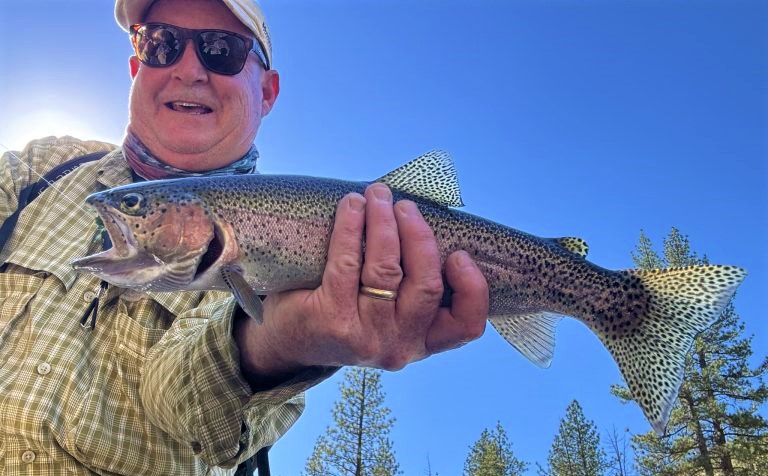
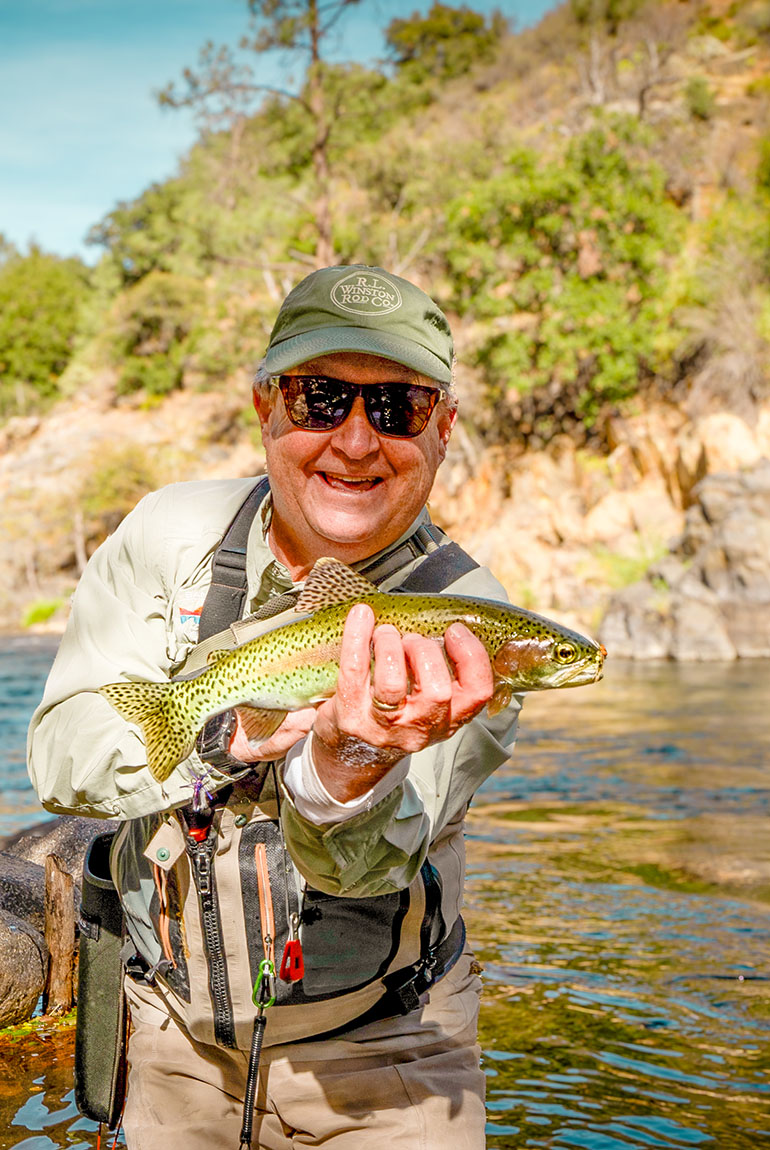
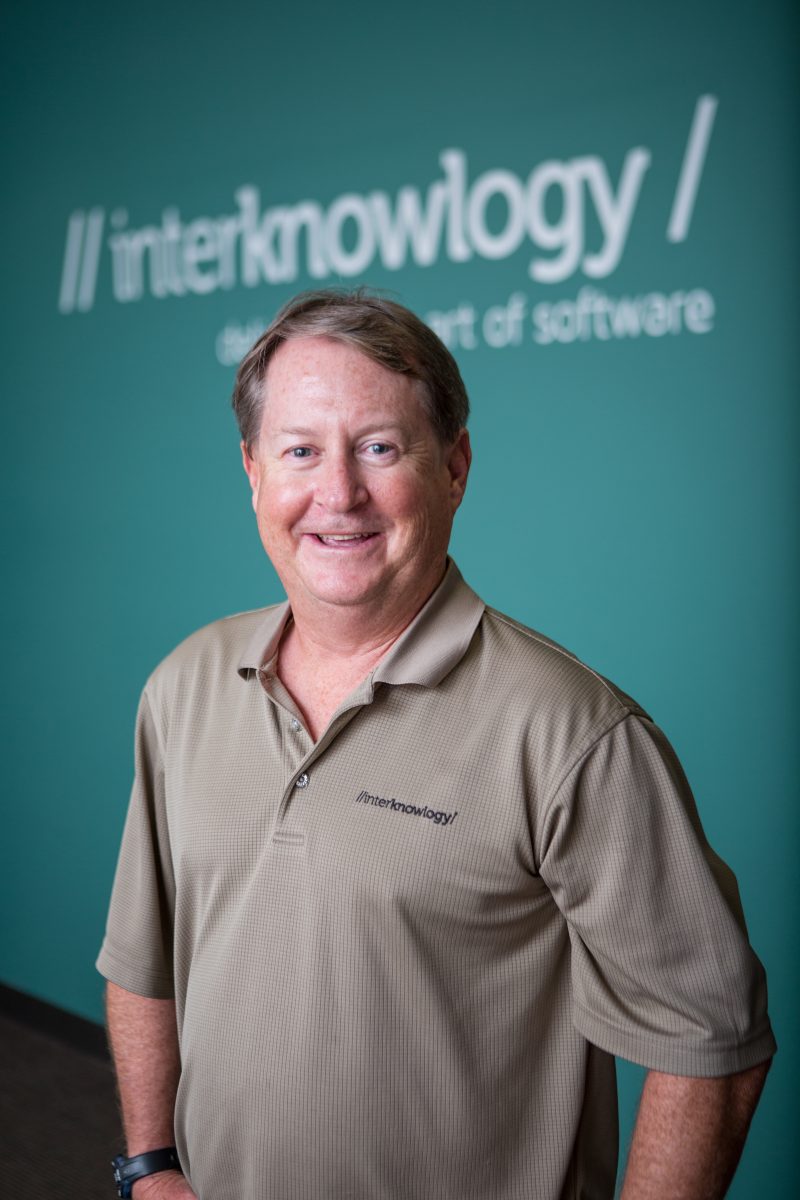
Today’s guest takes us where technology meets the river. He shared the stage with Bill Gates multiple times, leads the charge in ai, and still finds time to run a guide business in the Sierras. We’re heading into California to explore its wide variety of fly fishing, from bays to the beaches, to Baja and high mountain streams chasing golden trout. By the end of this episode, you’ll walk away with fresh tools and inspiration for planning your next fly fishing adventure. This is the Wet Fly Swing podcast where I show you the best places to travel to for fly fishing, how to find the best resources and tools to prepare for that big trip, And what you can do to give back to the fish species we all love. Tim Huckabee, Microsoft executive and guru on AI is gonna walk us through the Sierra Nevadas, what he does there for guiding, he’s gonna take us into San Diego, all the diversity of species down there, and all the interests that creates this amazing life he has going.
Dave (57s):
You, you’re gonna find out what big species you can find in the bays of California and why the Hoi kayak is a must have. If you’re heading down there. You’re also gonna get a few tips on fishing the Golden Trout wilderness, and what you can do if you’re planning a trip down in that area, he knows it very well. Plus, we’re gonna find out what good AI and what bad AI looks like in the outdoors coming from the man who’s creating it. A very interesting conversation. So let’s get this one going. Here he is, Tim Huckabee from tim huckabee.com, and San Diego fly fishers.com. How are you doing, Tim? Fantastic.
Tim (1m 34s):
Great to be here, Dave.
Dave (1m 35s):
Yeah, yeah. This is gonna be a really fun, I think a unique episode because you’re in a place that we’ve done a few episodes. I mean, where you live, actually, San Diego, but you fish in kind of up in Northern California. You do a lot of traveling. I think a lot of our listeners are interested in places of travel too. And the other unique thing is you’re a, you know, I guess a technologist. You have this background in like AI working, you know, bill Gates, the whole, the whole thing, Silicon Valley, right. I’m sure is part of your, your world. So I’m, I’m really interested to talk about that a little bit too. But before we get into all that, maybe let’s just kind of take it back to, you know, your website, tim huckabee.com. I mean, how did all this come to be where you’ve got this tech going and then you also have this, you know, kind of some guiding and, and stuff like that?
Tim (2m 18s):
Well, I, I guess it’s like how in the world did, does a software executive that stands on stage with Bill Gates and Steve Bamberg become a fly fisherman, right?
Dave (2m 26s):
That’s it.
Tim (2m 27s):
That’s a, you know, fairly long story. I’ll make it short, but I got invited to a fly fishing trip by some college buddies of mine. They said that they had an extra spot. They said, oh, we’ll help you out. You won’t have to spend a lot of money, you know, blah, blah, blah. And of course, it was the exact opposite. The minute we hit the water, they disappeared. And I had to figure it out myself. But I did, and I have this obsessive personality. Not obsessive compulsive, but obsessive. So I just dove headfirst in, learned This is, you know, 35, 40 years ago now. Learned everything I could about fly fishing, read everything I could, watched everything I could, and just went over the top.
Tim (3m 8s):
And, and you know, that’s kind of my software life too. If I’m gonna learn something, I learned it a hundred percent. You know, I don’t typically, which means I’m, you know, I could be pretty narrow in scope in some things, and pretty broad in, in other things. In any event, in my career, working forward with Microsoft since, you know, the late nineties, Microsoft sent me all over the world. And I would, on every trip without exception, either bring a fly rod with me or a snowboard with me. And that prescription of work life balance just worked, just made for a fantastic life for me. So I’ve been super lucky.
Tim (3m 50s):
Microsoft has paid for me to fish all over the world. You know, I’ve chased Atlantic salmon in Lel Norway, on the Arctic Circle, you know? Wow. You know, and, and certainly all around the U us my, my garment, GPS in my truck has marked locations of where to park, like in almost 50 states where you could fly. Oh, wow. Yeah, yeah, yeah. So it, it’s been a fun ride. And, and like I said, I’m, you know, a little bit obsessive. So that turned into guiding, it turned into tying flies professionally, venting flies, you know, because I’m a software guy by trade, it’s not my job, you know, to sell flies or, or guide or things.
Tim (4m 33s):
I do it ’cause I love it. And then I just love teaching people, especially beginners, especially kids, how to fly fish. So, you know, and in terms of my fly fishing life, you know, there, it’s very contrasted down here in San Diego, it’s all saltwater fishing, right? There’s, there’s only one place left in San Diego County that has wild trout, you know, that’s unfortunate. But that’s the way it is. And getting to them, I was just helping some kids in email, trying to figure out how to get to them. Getting to them is arduous. So we do a lot of salt water, fly fishing. I’m the president of the San Diego Fly Fishers Club, which you would think we were joking earlier, would be the 12 old guys.
Tim (5m 17s):
But it’s, you know, 350 active members and, and 200 events a year. But the interesting thing I think, for your audience, because of where we’re located, is we have not just one or two, but a huge number of lifetime fly fishers men and women who have never fished for trout. Oh, wow. Just think about that. ’cause we don’t, we don’t have them. They’re experts out saltwater fly fishing, which means our bays, the surf, and then offshore. Right. And then we do, we’re so close to Baja.
Dave (5m 51s):
Is this the reverse then, with the people that, you know, everybody there, they’re mostly saltwater. Are they, do they have bucket lists of going for these trout or, because you know, usually you hear people, you know, you get started in trout fishing and then eventually you might get into salt water. Right? Is it, does it work the other way?
Tim (6m 6s):
No, no, no. It doesn’t. At least in my
Dave (6m 9s):
Experience, that means salt water is so amazing. That means that, right. That, that you just start at the top and you don’t go, you know, you know, I,
Tim (6m 14s):
I think it’s, they don’t know what they’re missing type of thing. Yeah, right. You know, that nothing fights like a trout. We all know that they, they go ballistic. Yeah. You know, the, the saltwater fish pull hard. And some of the species mako sharks, some of the tuna, a mackerel, a 12 inch mackerel fight you like crazy on a, on a little five way, you know, some of the species fight dorados jump around in the, in Baja and they, they fight pretty good. But, you know, pound for pound, in my personal opinion, nothing fights like a wild native trout. Nothing. Yeah. Yeah. So, so yeah. They’d have no interest in driving 300 miles north to go fishing, you know, to hike their ass off.
Tim (6m 56s):
They, they have no desire to hike for miles and miles and miles at altitude to catch six inch fish. Only people that have done that know how special it is. Right. Yes. You know what I mean?
Dave (7m 7s):
That’s right. Yeah. That’s right. Yeah. No, I think it is, that’s the cool thing about the fly fishing is that it could be a six inch brook trout, you know, in some high mountain stream or whatever. And you’re just, it’s the ultimate, it’s just as good as a, as a whatever, a mako shark. Right. As
Tim (7m 22s):
Totally, totally agree. I was just, last weekend I was up in the Sierras fishing small creeks. ’cause the, you know, the, the rivers are too big right now. And just that vicious take from that 10 inch wild trout is just so fun. ’cause you gotta make the perfect cast. ’cause it’s all overgrown and ah, so fun. It’s good.
Dave (7m 43s):
Yeah. Well, This is good. I think we’ve got, definitely, we’re gonna talk about some of the places you’ve been to. It sounds like you’ve been all over, you know, the U us and also abroad. So we’re gonna talk about that. I want to hear a little bit, because the Microsoft thing is so interesting to me. You know, bill Gates, you’ve been on state, all this stuff. Maybe talk about that as an executive. I mean, I’m guessing a lot of people, me as well, don’t understand what that’s like. I picture somebody that’s just working all the time and is in this tech world. How does the tech world, how is it different from being there than when you’re in the fly fishing world? Like doing that stuff?
Tim (8m 14s):
Yeah. Yeah. It’s, it’s a lot different, right. As you can imagine. So, you know, the long story short, I, I worked at Microsoft in the late nineties on server Windows server. In fact, windows NT for your listeners
Dave (8m 27s):
Who have Oh yeah. Nt right? So before, now Windows nt, was that the first windows that came out?
Tim (8m 33s):
That was the first legitimate Microsoft server product when I worked on the internet side of things. You, you, your listeners, you were your listeners maybe remember that famous email from Bill Gates that said, we’re behind on the internet. We we have to commit to the internet right now. You know, blah, blah, blah, blah. Famous email for, oh, is
Dave (8m 55s):
It? No, I don’t know that email. So, so this email he sent out to like, company employees, the
Tim (9m 0s):
Entire company.
Dave (9m 1s):
And what did it say? Essentially it said basically we’re behind, we’re getting beat.
Tim (9m 5s):
It said, Hey, we’re way behind. We missed the internet boat. This is 1998. Oh, wow.
Dave (9m 11s):
So 1998. This is amazing. ’cause I remember that 1998, I remember I was just starting to learn about, I mean, I was behind a little bit too. I was just starting to learn about email and stuff, I think back then.
Tim (9m 21s):
Yeah, yeah, yeah. So, you know, I worked on the internet server product, which is called IAS and then this, this other product called Site Server, which was a, a competitor to the Lotus product, which was just kicking our ass, or the IBM product and the Lotus product. We’re, we’re getting our ass kicked there. So, but Windows NT is just a fantastic operating system. People, you know, there’s a cult following for Windows nt. Anyway, see, you know, I worked a couple years up there and, and had a career path there. And my wife said, I am not moving to Redmond, Washington. Which is not, which is not Seattle. Right. It’s eastern Washington, by the way.
Tim (10m 2s):
You can catch salmon just 18 miles from the Microsoft Campus campus. Oh,
Dave (10m 7s):
Nice.
Tim (10m 8s):
Right. So, so in any event, I, in my career, I’ve now founded three software startups. So I’m, I’m, I’m on my third one. And from Microsoft, I went and started this, this really cool company. We built a lot of awesome software, but I always had my Microsoft connections. In fact, you’ll love this. I can’t name, name, I can’t name names, but you know, the people that I was working with that were my age in 1998 are now the people running Microsoft. Oh,
Dave (10m 40s):
Really?
Tim (10m 41s):
The top five people. And one might speculate that I do an annual fly fishing trip in Montana with these people.
Dave (10m 49s):
Oh, there you go.
Tim (10m 50s):
I’ve even turned those people into to fly fishers for at least once, once a year
Dave (10m 55s):
For once. And I haven’t seen, I haven’t seen Bill Gates out there with a fly rod, so I’m guessing he’s, nah, he’s not in it. Yeah.
Tim (11m 1s):
It’s, you know, fly fishing’s two handed, so he can’t read a book at the same time. He’ll play golf because in between shots he can read a book.
Dave (11m 8s):
Oh, right, right. Is that, is that, do you know Bill Gates a little bit? What, what’s he, is it, I mean, you spent some time back in the day. What, what’s he like?
Tim (11m 15s):
You know, I haven’t seen him since he retired. Oh, okay. Yeah. All long time, which means a long time ago, long time ago. But I, I did do some keynotes with him. You know, I’m the guy that no one noticed on stage doing the demo, because everyone’s staring at Bill Gates. And I do have some amusing stories about him, but, you know, his life, and I’m sure it’s still very, very, his life is so complicated. Right. I saw firsthand how miserable his life can be with so many people pulling on him. Oh, right. You know, you know, there, there’s a certain point of wealth where, you know, you just don’t have buddies anymore. Right. I’m sure if I ran into him here in San Diego, he’d be like, oh, Tim, how the hell
Dave (11m 56s):
Are you? Right. Right, right, right. Well, that’s the funny thing about the wealth thing, because you know, I mean, eventually you can only have so much money, right? I mean, like, you get to a point where you need more billions or billions of dollars. Right. You’ve, you’re pretty much set your family set, like, so I guess, right. There’s a whole, that whole thing interesting there. But no, I, we won’t go too deep into that because that’s, that’s something maybe for another episode, but I love that, you know, background that you have there.
Tim (12m 19s):
Well, in all honesty, Dave, the every Bill Gates story I have, and some of them are crying funny, have the f word in them, so they’re not appropriate for,
Dave (12m 28s):
Right. Is that because Bill was used this
Tim (12m 31s):
Oh, filthy mouth at the time.
Dave (12m 32s):
Oh, No kidding.
Tim (12m 34s):
Oh yeah, yeah. Now Steve Balmer actually is kind of the opposite, you know, super fun. Bill, bill Gates had to go on script. He would lose his temper if you didn’t do a keynote. And it went on script. Steve Balmer is the opposite. He loved when things grew up, that gave him humor opportunities and it made it more interesting beforehand.
Dave (12m 56s):
Steve Bomber, what was his connection to all that?
Tim (12m 58s):
He was the CEO. After Bill Gates stepped down from CEO, Steve Bomber was the CEO for a good decade. He single handedly, not many people know this, but he’s responsible for Microsoft Azure, which is their cloud platform. And he is the owner of the Los Angeles Clippers basketball team.
Dave (13m 17s):
Oh, No kidding. Yeah.
Tim (13m 18s):
Yeah. So he, he is all about fun. Great guy.
Dave (13m 20s):
He’s all about fun. Cool. Well, it is interesting. I always love it because you always have the, you know, the Microsoft and then the Mac thing, right? We’ve had some conversations about that. You know, I’m, I’m using, I’m in the Mac world, right? But there’s this, I think Microsoft is much bigger, or no. Well, I guess that’s an interesting, ’cause Microsoft for the computers is much bigger, I think, but Microsoft or Apple obviously has the phones and all that. But what, what, what’s that? What’s your take on all that stuff real quick on the Apple versus Mac? Well,
Tim (13m 47s):
A decade ago, Microsoft did a really smart thing and accepted everyone as partner. So your iTunes, that all runs on Microsoft Azure. Not many people know that. All the backend, all that cloud stuff for Apple that runs on Microsoft. Microsoft has a suite of Apple software that’s unparalleled. Right. The, the office suite, you know, all the developers on my team use Mac, but they use Microsoft software on Mac.
Dave (14m 14s):
Yeah. Why is that? Why, why do developers on your team use Mac and why do people love Mac?
Tim (14m 19s):
That’s a great question. Because they’re young and trendy. They’re not old windows.
Dave (14m 24s):
Okay. Because I know why, I know why I use a Mac. Here’s my Mac store real quick for you. You’ll love this. I, I was always a PC guy, mainly. Probably. ’cause they were less expensive, right? I never bought a Mac and Exactly. And I went through every, for a period of time, every two years, my laptop would just die. I mean, whatever, whatever the computer was, and it would die. And I was like, what the heck? And then like two or three died and I was like, you know what? I’m gonna spend five times as much money and buy this Mac and see what happens. And, and I did. And guess what, you know, 10 years later, I’m still like addicted to Mac. And so, I don’t know. I’ve never had a problem with one. And I don’t know if that’s because there’s more of viruses out there for micro or, you know what I mean, for the PC world versus Mac, again, we’re talking PC versus Mac.
Dave (15m 6s):
I’m not sure how that changes with Microsoft, but you know what I mean? So I, that’s my take on it. I’m not sure if I am even right. Honor it with any of that.
Tim (15m 13s):
No, no. You’re, you’re spot on. And you said it earlier, it cost, the reason I don’t use a Mac is because they’re so much more expensive now. My dad used to say in life, you, you get what you pay for. Right. And that’s why the Macs are so brilliantly designed, and that’s why they last, in fact, they outlast themselves. Right. You know, unlike a US car that is designed to die after 20 years, they just don’t die. They just get slow. If you, if you wanna continue on this path, another Yeah.
Dave (15m 43s):
Yeah. Keep, let’s keep going. For those tech people, they’re gonna love this. This
Tim (15m 47s):
Is a super interesting thing that most people don’t realize. You know, Microsoft beat Apple to the touchscreen thing. Oh, wow. And, and that was with, believe it or not, windows Vista.
Dave (15m 58s):
Yeah, I remember that.
Tim (15m 59s):
Yeah. Piece of crap operating system. Well, it great operating system with 10 huge bugs. Anyways, you know, the, the iPad came shortly thereafter, and then the iPhone, well, apple went to Intel and said, Hey, we need a CPU for this revolutionary telephone. We’re gonna build, This is actually Steve Jobs. Right. And we, we want you guys to do it. And Intel, you know, said, screw you. You’re, you know that that’s not gonna be cost effective for us. That that thing’s never gonna go. Yep. You know? Right. You know, Intel is just such a magically awesome company, but they’ve made some serious mistakes throughout the years, and that was one of them.
Tim (16m 41s):
So Apple went, you know, the, the big guns at Microsoft, like Dave Cutler, I assume, who invented the OS and said, Hey, what do we, what do we do? And, and Microsoft, I think guided them to, you’re gonna have to build your own CPU. And they did, apple built their own CPU and it happened to come out because it’s on a reduced instruction set. It happened to come out faster and less battery draw than anything on the market. Oh, wow. They revolutionized the CPU.
Dave (17m 15s):
And what does the CPU and what does the CPU, what’s that stand for? The
Tim (17m 17s):
Brains of the brains of the computer. That’s what’s facilitating ai, the processing power,
Dave (17m 23s):
The processing.
Tim (17m 24s):
Yeah. So with that basic CPU that Apple invented, they moved it over to Mac. And now those, those M series chips on the Macs, oh my God, they’re so powerful. M series
Dave (17m 36s):
Powerful
Tim (17m 36s):
To the point that I know tons of people who just buy a Mac, wipe the thing clean and, and install windows on it.
Dave (17m 43s):
Oh, wow. No kidding. That’s
Tim (17m 45s):
How good that machine is.
Dave (17m 47s):
Right? That’s the MacBook Pro or whatever. Yeah,
Tim (17m 49s):
Yeah, yeah, yeah. Or, or any, any line of their m series of chips. Wow. And, and they’re coming down and cost, well, of course we got this tariff thing going. Yeah. Who knows what’ll happen. Yep. But they, they’re actually are coming down to cost. And I’ve said a million times, you know, God, I should buy a Mac. God, I should buy a Mac. Yeah, I know. But I’d rather buy a, you know, a $1,200 fly rod.
Dave (18m 10s):
Right, right. That’s the thing. Yeah. Do you want the fly rod on the back? Yeah. Our
Tim (18m 13s):
New waiters.
Dave (18m 14s):
Our new waiters. I know, I know. It’s really interesting. Or a
Tim (18m 17s):
New kayak. Yeah. You know. Yeah.
Dave (18m 21s):
If you’re looking for a world class fly fishing experience, it’s time to check out Mountain Waters Resort. Nestled along Newfoundland’s, legendary Portland Creek. This spot has a history that runs as deep as the Atlantic Salmon that call it home once they fly fishing. Retreat for the Great Lee Wolf. Today. It’s your turn to step into these historic waters and swing up your salmon this year. You can head over to wet fly swing.com/mountain Waters right now and make it happen. That’s wetly swing.com/mountain Waters. Let’s get out there today. This is Graham. Glad we had a little tech talk here. So maybe we’ll save a few questions till the end. But let’s jump into a little bit on, you know, you mentioned you’ve traveled all around the country.
Dave (19m 2s):
Maybe we can start there. If, as you look around at what you’ve done in the U us, you know, you’ve got all these 50 states. What, what do you think if you, if you had a top list of states, do you have that where you’re thinking, okay, these are my favorite places? I’d love to go back to. Yeah.
Tim (19m 15s):
I, I get asked this all the time. What’s your favorite place to fly fish? And, you know, I could give you 50. And the answer usually is, well, it’s the one I’m at. But as I get older, I found, you know, let, let, just without this becoming trite or obvious, you know, I know my way around a western trout stream, so I’ve become infatuated with stuff. I’m not an expert in this whole salt water fly fishing in a hobie kayak thing. Oh my goodness. It’s so fun. And I’ve learned so much. It’s so different. And, you know, large mouth fishing in a lake, whether it be a flow tube or a kayak, I’ve learned so much about this world, you know, throwing pop butterflies into just dead steel water and having this enormous bass come up and take it.
Tim (20m 6s):
So fun. That is cool. So I tend to, I guess the point is, I tend to aggregate or, or move to stuff that I don’t have expertise in, because I just love learning about it. And, and frankly, in the San Diego Fly Fishers Club, there are so many experts, and isn’t it always the case, Dave, that fly fishers are typically the ones that are more than willing to help. Right. That they just go outta their way to help fly fishers will for, if a beginner walks up on a stream and they’re killing it in a hole, they will give that hole to the beginner, because that’s what we do. So these folks in the club club, and I think it’s important to tell you that in the San Diego fly fishing club, the freshwater bass experts are all females.
Tim (20m 56s):
Really? They’re just killers. They are one of ’em. Kim Jones, I called the, the Queen of Lake Barrett. Lake Barrett is a very famous lake here in San Diego County. It’s been in all the, the fly fishing magazines. It’s been in all the fly fishing shows. And we, we get to rent it from the city of San Diego for ourselves in the beginning of the season every year. Anyways, these women have helped me so much unlearn. How, so that’s what I love to do. So the point is, if I go to the East coast, you know, or out where you live, you know, I, your bugs are different. And shoot, you fish, the Delaware River and, you know, upstate New York, and they have the, their flies are white.
Tim (21m 38s):
Our flies aren’t white.
Dave (21m 39s):
Right. Different bugs. Yeah.
Tim (21m 40s):
Sulfur things, you know, that. And I wanna say that the trout hold differently and they strike differently too. So I’m always on a learning curve. If I’m out east, you know, brook trout or brook trout, you know, they’re spread everywhere. They, they attack like crazy. They’re, they’re, they fight, they’re easy to catch. They don’t get typically huge, at least out here. You know, and, and then we have the golden trout thing out here. Yeah,
Dave (22m 4s):
You have the golden trout too, which is cool. What about the, you mentioned the saltwater kayaking. So what does that look like for San Diego? We’ve had a couple episodes down there on some of that, but what are the big things people are going for for salt? If you’re down in San, like the people, the 300 members that are in your group there?
Tim (22m 19s):
Well, the way to do 200 events a year is every Wednesday a group of them go out on San Diego Bay. So there’s 52 right there. Okay. And I’m not kidding when I tell you these guys go out on Eastern Christmas, they’re just nuts. And it could be raining sideways. And these guys will be in their float tubes in San Diego Bay. So in San Diego Bay, we have like 30 plus native species to catch cold water sinking lines, nothing comes up. Right. But we also have the remnants of some hurricanes in the past. So for instance, we have a significant population, the bonefish in San Diego Bay. And they, they got washed up, up north from a, a Mexican hurricane and landed in the bay and just thrived there.
Tim (23m 5s):
We have green sea turtles from Hawaii Wow. In San Diego Bay. A huge population of them. Crazy. So the, the point is, you never know what you’re gonna catch. Now, being that said, eight times outta 10, you catch spotted bay bass. We call, we call ’em spotty here. They get big, they fight pretty good for about, I don’t know, 20, 30 seconds. But, you know, two times outta 10, you’re gonna go, what the hell is that? Or at least I do. I’m like, what is that? And somebody will say, you know, oh, that’s a sargo. And I’ll be like, what’s a sargo? Right. So you, you just end up catching a, a, a ton of different species. We up, up north here, where I live in Carlsbad, California, we have our own, we have a number of, of bays in Carlsbad.
Tim (23m 50s):
One is within a couple miles of my house. And I railed a white sea bass the other day. Hmm. Yeah. Nice. Oh yeah. Just a couple miles from my house in my kayak. We, we use these Toby kayaks that have the pedals. Oh
Dave (24m 2s):
Yeah, yeah, yeah. Talk about that. I wanna hear, because I’ve never done the ho I mean, I’ve been in ’em, but I haven’t done it for like, in the salt. What, what are those are pretty cool.
Tim (24m 9s):
Changed my life. You know, the, the, the problem, the, the huge problem with these hobie mirage kayaks is they’re so expensive, but oh my goodness, I’m glad I made the purchase. There’s a good 50 of us that own these hoey kayaks. And the cool thing is you can go in reverse. So when we, when we go down to Baja And we camp And we fish in the mangroves on the Pacific side. Right. You know, there, there are some species that attack on top. The broom tailed grouper. Cor corvina with a v
Dave (24m 43s):
Corvina. Yeah, corvina. Yeah. And,
Tim (24m 45s):
And, and if you don’t, just like conventional in Florida, when you hook these guys, if you don’t fricking pull ’em out of the mangroves, you lose. Right. So you ram that thing in reverse and you start to dripping line, you know, trying to get them away from the mangroves. And, and, and the mangroves are so tight, you gotta go in reverse. It’s like, you know, driving a truck down a one way street and going in reverse, you know, it, it could be difficult, you know. So we do a lot of bay fishing. Lake fishing, and then the Baja thing, which is just awesome.
Dave (25m 21s):
Yeah. Bays, lakes and Baja
Tim (25m 23s):
In these kayaks. Now there are competitors for Hobi, of course, pedal type kayaks. But that’s the thing, you know, fly fishing is a two handed thing and you need your hands free. So,
Dave (25m 34s):
So if you go down there, if you’re down in fishing, any of these areas, bays, lakes, Baja, are you seeing lots of these hobie or are you seeing more other floating devices?
Tim (25m 44s):
I know it’s, it’s mainly hoi that, that owns, it’s the fly fishing thing.
Dave (25m 49s):
Okay. You mentioned float tube. So guys are out there and like float tubes doing, doing some stuff
Tim (25m 53s):
In our bays, without a doubt. It, it just in a float tube. You know, we, we have tidal swings and some of our bays have significant tidal swings. So it, it’s not unsafe, but you don’t wanna be dragged out into the ocean because the tide is moving as fast as the Madison River in Montana. And it’s, it’s happened to me a couple times, you know, and
Dave (26m 14s):
I’m Oh really? You’ve been out, you’ve been out on the ocean. Yeah,
Tim (26m 18s):
The my bay awa Ida is, has this huge tidal swing. ’cause it’s kind of like a Coke bottle. It’s choked down. And yeah. If you could get caught in that thing, again, it’s not unsafe ’cause you’re just being pulled away, but you know, it could ruin your day because you
Dave (26m 35s):
Yeah. Well, when you get pulled out, how do you, so you got pulled out in your kayak or in your float tube? In
Tim (26m 40s):
The float tube. The kayaks are lightning quick. So there’s, there’s, you know, not much that could overwhelm the kayak.
Dave (26m 47s):
Oh yeah. How’d you get back in, once you got pulled out to the ocean? How’d you get back in, in your floating?
Tim (26m 50s):
You, you wait, you either call your wife and say, pick me up. Or you weigh out the tide so you can get back to where you were.
Dave (26m 58s):
Yeah. Yeah. Wow. Okay. So you, so you got two. And what is your model of Hobie cat? You have?
Tim (27m 2s):
I have a Lynx, which is a hard hole made out of the material that a standup paddleboard is made out of. Without all the stuff, it only weighs 40 pounds, which means I could pick it up and put it on top of my truck easily. Right. They’re fairly expensive though. And I lucked out because, you know, I had a buddy at Hoi who got me a deal. Most of the people in my club though, have what are called the, the I 11, the Hoi Mirage I 11, I meaning inflatable. So they’re, the, the inflatables are easy to pack up. Right. You just throw ’em in the back of your truck. In fact, they make an I nine that technically you could check on an airplane.
Tim (27m 46s):
They’re also, you know, kind of expensive. And I wish I had one, honestly. But that’s the prevalent one only ’cause it’s so convenient.
Dave (27m 55s):
Yeah, I see. These hobie cats are more, they’re more like standup paddleboard than they are kayaks. It looks like they just have a, a chair that’s,
Tim (28m 2s):
That’s on mine is, mine is more like a standup board. The inflatables dye elevens are, you know, the, you know, you could stand up from your chair, but, you know, if I wanted to, I could walk up the bow and down the stern in my kayak. Totally stable. Now being that said, being that said that neither of these kayaks are ready for our open ocean, you know, the Pacific, the swell is just too big. You know, they, they, they wouldn’t tip over per se, but you, you’d take water,
Dave (28m 31s):
You would, have you been out on the ocean in yours? Yeah.
Tim (28m 34s):
Yeah. When it gets really mellow.
Dave (28m 36s):
Really mellow.
Tim (28m 37s):
Yeah. It’s fun to fish the kelp, you know, we get in the summertime in San Diego, we get a lot of species that come in our waters, including Dorado Mahi. Oh wow. Yeah. They come within, you know, a hundred yards as shore. Shoot. We had a great white shark wander in here the other day and stare at some surfers. Yeah. So lots of species. Oh, we didn’t talk about surf fishing. Our surf fishing is awesome.
Dave (29m 4s):
Yeah. Surf fishing’s good
Tim (29m 6s):
At certain times of year. And we’re coming up on it, you know, we’re, we’re talking in April or is it May,
Dave (29m 14s):
April. May almost May, yeah. Yeah.
Tim (29m 16s):
And that means the corino with a B, which is the, our, the Southern California version of the mo fish. That’s when they come in. And that, if you think the steelhead is the fish of 5,000 cast. Well the Corbin is the fish of 10,000 cast. When you catch ’em, when you hook ’em and you fight, they fight like hell. They’re super fun to catch the, the real pros, which I am not the real pros actually spot fish them, they hunt them, They can see ’em. I don’t know how they do it, but they do it. You know, so that’s just starting to happen. I I, I was watching on the club’s Facebook site that the, the people are just starting to catch the corta in our
Dave (29m 58s):
Oh, so that’s right now, so that starts right now in
Tim (29m 60s):
May. Yeah. Yeah. May to July.
Dave (30m 2s):
Okay. Yeah. We have a couple episodes we cover. I think we had Al Q on a while back quite
Tim (30m 7s):
A while ago. Oh, he’s a great guy.
Dave (30m 8s):
He’s a great
Tim (30m 8s):
Guy. Yeah. I love that guy.
Dave (30m 10s):
And Tyler Van Elle was on.
Tim (30m 12s):
Yeah. Yeah. Tyler’s a member of our club. Yeah. Yeah.
Dave (30m 14s):
And he did a great job talking about the surf fit. It was, it was a good episode. We’ll put links to those in show
Tim (30m 18s):
Notes. Also a great guy, Tyler. Yeah. Yeah.
Dave (30m 21s):
Tyler’s awesome. Good. So, so yeah, you guys have that. Well, I, I, I am interested because I think we haven’t talked as much about the, the kayak stuff. Right. It sounds like that, that if you were gonna be down there, that’d be a thing. And and you’re saying in the bays and kind of everywhere you could use these, these boats lakes kind of all over the place. Yeah.
Tim (30m 37s):
And there are certain places like in Mission Bay on South that you could rent them. So a big thing about San Diego fly fishing, just like Hawaii is people vacation here and they’ll either send a note through our website, the club website, or they’re go, they’ll find us on the club’s Facebook page and they’ll say, Hey, coming on vacation to San Diego, what do I do? What do I bring? And, and I’m so proud of my club because they, they’re so wildly helpful to these visitors, you know. So, you know, they, if if you do that, if you come vacation in San Diego and you can break free for a couple hours, man, there are, there literally are a plethora of opportunities.
Tim (31m 21s):
Even if you wanted to rent one of these hoby kayaks from like Fast Lane kayaks down in Mission Bay. Yeah.
Dave (31m 28s):
You should get, so if you’re coming down to San Diego, get a kayak for sure.
Tim (31m 32s):
Well, flow tube’s fine. In all honesty, you know, for our bays, the flow tube is fine. And if you don’t wanna bring a flow tube, don’t bring anything. Bring a bathing suit and fish our surf. You know, get a six, six or a seven weight so you can punch through the wind and throw clouser into our surf and you’ll catch a gazillion surf bridge.
Dave (31m 50s):
Right. Yeah. So, and that’s, no, it’s cool. I think there are a lot of opportunities. You mentioned 30 species, which is cool. And those are in the bay. Is that where you’re getting a lot of those? Is that kind of where the Interesting, there’s a diversity of species there? Yeah,
Tim (32m 2s):
So we, you know, the, there’s basically three types. Three, well, you can argue four basic types of saltwater fishing in San Diego. The surf, the bays, the open ocean. And the trick with the open ocean is you have to be on some type of vessel that will support a fly fisherman. So, you know, the charter boats, you know, they, they cramm like 30 people and sit in the kelp. Well, the last thing they want is a fly fisherman. No,
Dave (32m 28s):
They don’t wanna fly here.
Tim (32m 29s):
Right. So that’s a little tricky. And then the Baja thing, oh my God, I’m in love with the Baja thing. The Baja we’re very close to an annual club trip, which is most people’s favorite. And that’s that mangrove thing I was talking about. You know, it’s Mexico, so you know, it’s not for everybody. And it’s camping sounds
Dave (32m 48s):
Amazing.
Tim (32m 49s):
So it’s not for everybody, but the fishing is ridiculous.
Dave (32m 53s):
It is. So what are the, what are you going for on, on the Baja?
Tim (32m 56s):
That’s basically the same thing. There’s multiple species, A lot of which I have to ask my, you know, buddies in the club. What the hell is this?
Dave (33m 5s):
What about the rooster fish,
Tim (33m 7s):
The roosters? We do two annual trips a little bit farther to a tiny city called La Ventana. We use this resort picture, me putting that in quotes ’cause it’s Mexico, it’s called PPAs Ventana. Fairly inexpensive. The guides picture that in quotes. ’cause they’re really just ponga drivers that speak only Spanish. They take you out the food, the, you know, air conditioned rooms, the whole thing. But they, you go out each morning and they make bait with, and the bait down there is a, a Mexican sardina flathead herring, which is different than our anchovies and sardines here in San Diego.
Tim (33m 48s):
It has a spot, like a, a false eye. Anyways, they make bait And we run out to Alvo Island, which is, I don’t know, a 20 minute trip that Alvo Island is famous because that’s what Jacques Csau called the World’s Aquarium. Oh
Dave (34m 4s):
Yeah. That
Tim (34m 4s):
Was his favorite place in the world. And anyway, they, they chum the water with this bait and the fish come from everywhere. The roosters, the dorado, it’s the easiest fly fishing in the world. You know, you have to use like 10 and 12 weights because the fish are so huge, you know, and you use 20, 30, 40 pound fluoro as your leader and then all bait fish patterns. Right. But you know, you’re using floating lines. So they come up top and they go ballistic. And, and the first time I caught a dorado, I almost fainted. I’d never seen a fish swim that quickly. It came from like, I could see it ’cause the water’s crystal clear. I could see it from a hundred feet away.
Tim (34m 46s):
I actually rolled casted because I couldn’t get a cast ’cause I would’ve hooked my buddy behind me. I roll casted about 20 feet, and this rado came from a hundred feet away like a fricking jet. They swim over 55 miles an hour and he hit this thing so fricking hard and almost ripped the rod outta my hand. And then I was hooked. Right Dave, you know, oh my God. How could, how could fly fishing be more fun than this? Right.
Dave (35m 14s):
God, that’s crazy. And you’re getting some roosters catch ’em off the boat too.
Tim (35m 18s):
Yeah, they, the rado are super easy to catch. The roosters, you know, I don’t wanna say smarter, but they’re more finicky about an artificial bait, you know, so you really gotta make a good cast trip as fast as you can to fool ’em. Throw it into existing bait, you know, live bait. You know. But when, when you catch a big rooster, it’s like your first steelhead. It’ll change your life. You know, it’s also every muscle in your body will hurt.
Dave (35m 47s):
You think you need a bush plane to fish? Alaska’s legendary waters? Think again. Fish Hound expeditions specializes in road accessible adventures that don’t skip on excitement. Picture yourself fishing for massive rainbow trout, arctic grayling, and plenty of salmon species all within Alaska’s epic road system. It’s doable. I fished the road system on our first day with Adam and the crew and it did not disappoint. The largest leopard rainbow I caught and landed was right off the road system. And we’ll be driving up again this year, heading up from the lower 48 all the way up to Alaska to hit those streams again. You’ll experience the breathtaking beauty of Alaska’s wilderness from mountain streams to hidden rivers Perfect for anglers of all levels.
Dave (36m 29s):
Fish hound expeditions makes it easy to explore Alaska. Why wait? Your Alaska adventure is just a drive away. Book your spot now before spaces fill up. That’s fish hound expeditions.com. F-I-S-H-H-O-U-N-D expeditions.com. Don’t miss out. Pescador on the Fly offers a full spectrum of fly fishing gear for any angler at any budget. By bringing high performance rods directly to the angler, they eliminate the middleman markup saving you time and money. The top tiered l ray series is designed for serious anglers with the L ray G six being the most packable high performance rod on the market. And most anglers who try the G six can’t believe it is a six piece rod.
Dave (37m 9s):
It performs just like a four piece. There’s no difference in performance. Whether you’re fishing local streams or embarking on your next adventure across the world, the G six delivers precision and power wherever you go. You can get 10% off your next order right now if you use the code wet fly swing at checkout, that’s pescador on the fly.com. Use the code wet fly swing for 10% off. Never fly without your G six. Discover the L Race series and more at pescado on the fly.com. So yeah, we mentioned the, the San Diego Club. I wanna hear about that a little bit. You mentioned you guys do a lot of events. Maybe talk about the, the club. Like if people were down there, if they wanted to get some information.
Tim (37m 49s):
Well, you don’t have to join the club, we help anyone, you know, ’cause we had, it’s such a vacation destination, you know what I mean? Yeah. It’s, we help anyone you can come to our meetings because it’s a big club And we do so much conservation and outreach and fundraising. You know, we put a lot of money to a lot of great organizations. Like a couple weekends ago we casting for recovery. That’s the Oh yeah. Amazing women that Face Death and they’re taught how to fly fish. So I, I guide for casting recovery and, And we, we give them a ton of money. Well, in my, in my meager terms, a ton of money. But we do, you know, free casting lessons every Saturday morning.
Dave (38m 32s):
Oh you do? Every Sunday morning. So free casting lessons.
Tim (38m 35s):
Yep. And that is really well populated. And those guys just love to teach people how to flag cast and, okay, so there’s another 52 events, well that’s probably more like 50. I think they take Christmas off those guys and gals, you know, a lot of women in the club, which is great. Where we’re really hurting in all honesty is diversity. You know, we, we need more young people, we need more young people And we need more brown people. But we’re, we’re doing pretty good, pretty good in that respect. You know, man, I, because we raised so much money, I have the budget to hire some pretty big guns in the fly fishing world to come speak at our, at our, oh yeah.
Tim (39m 17s):
Our monthly meeting. Our monthly meeting. Do
Dave (39m 19s):
You do these, do you do these monthly meetings by like Zoom and in person or
Tim (39m 23s):
Just No, we do, we do ’em in person now.
Dave (39m 25s):
So everybody’s coming in. So you got a big, big group coming in in person. Yeah, we
Tim (39m 28s):
Typically average 50 to 100 in the room for our monthly meetings. Wow. And it’s at the, we hold those at the Southwestern Yacht Club in Point Loma, which is just a beautiful place in San Diego, you know? Right. Right next door to the Naval Dolphin Training Center. Oh
Dave (39m 47s):
Yeah.
Tim (39m 47s):
You know, where they train the dolphins to look for bombs or whatever they Oh wow. Yeah. You know, we’re a military town, so you know, you could be float tubing next to an aircraft carrier and get yelled at in San Diego Bay. And every once in a while one of those nuclear subs will just appear pop
Dave (40m 4s):
Up. Yeah, right. You know,
Tim (40m 5s):
There’s legendary stories. Oh, oh man. You know, one of those multimillion dollar jets crashed into our bay about a month ago, two months ago. Really was in national news. No one got hurt, but you know, they had to inject. And that crashed within a quarter mile of that Wednesday float tubing group I was telling you about.
Dave (40m 26s):
Oh man.
Tim (40m 26s):
Yeah. Yeah.
Dave (40m 28s):
So what the heck’s going on? That’s great. So excitement,
Tim (40m 31s):
Fly fishing in San Diego.
Dave (40m 32s):
Yeah. So you have, so these, these events, so once a month you guys meet up, you have 50, a hundred people. And then what does that look like? What is the meeting, what do you guys do typically
Tim (40m 40s):
I get up for, for two minutes and, you know, talk about either fishing events we have coming or conservation events that we have coming. We, we do a, a ton of conservation and, and I should talk briefly about that at some point. Yeah, let’s hear that. ’cause it’s important stuff. And then I let the speaker go and the speaker, you know, we don’t waste a lot of time, you know, with us, the speaker, you know, speaks for 45 to an hour and then most of them love to do q and a. So we do that conservation. We have, we have a legendary member of the club, at least legendary in in southern in California. His name’s Gary Strong. He leads our conservation group.
Tim (41m 21s):
He is fa most famous for repair restoration and enhancing the, the spawning grounds in the golden trout wilderness for the California golden trout. We do that twice a year. It includes building artificial beaver dams just like Trout Unlimited, who, who’s now involved with us, you know, improving the stream beds, things like that. But most importantly in the spring they put up fences to protect these streams from the cows. Believe it or not, we have ranchers with multiple heads of cattle that are grandfathered into letting their, their cattle roam free in the Sierra Nevadas.
Tim (42m 7s):
So it’s a bummer, but Oh, in the
Dave (42m 9s):
Creek They can actually go in the creek.
Tim (42m 10s):
Oh yeah, they stomp right through it. Get it. Oh wow. So we put up fences in the spring And we take ’em down in the winter because the winter is so punishing that it, it’ll knock ’em down anyway.
Dave (42m 20s):
Oh, No kidding. So you put up temporary fencing just for the summer. Right,
Tim (42m 23s):
Right. And we’ve been doing this for years and guess what? If you ever wanna catch a golden trout, This is the easy way to do it. ’cause there’s a ton of them because of the work that these folks have done. And we do a lot of EDNA testing too. You may have heard about the Southern California steelhead, which was once thought to be extinct. It is not. So we EDNA test for where their populations are. I’ve got to do that. It’s crazy.
Dave (42m 50s):
Yeah. Is is this the McLeod, is this like the McLeod strain or what, what is this?
Tim (42m 53s):
No, these are all the SoCal streams. McLeod’s wing. Oh,
Dave (42m 57s):
Wow, wow, wow. Yeah. So you’re talking, you’re talking Yeah, historically. ’cause steelhead did go into Mexico even historically, right? Oh yeah,
Tim (43m 2s):
Yeah. The Southern California steelhead still is in Mexico.
Dave (43m 6s):
So is there, is there still a, a few fish remaining down there of the Southern California?
Tim (43m 11s):
Yeah, and we’ve proven it in EDNA testing. The weird thing is, you know, that because of what we’ve done, whether it be dams or whatever, these fish have evolved to, only these adrenalized fish have evolved to only come into fresh water like once every five years when we get enough rain. And these creeks get big enough so they don’t go every year like, like a, you know, a west coast steelhead, the northern steelhead. They go every, you know, and they, they’re smaller obviously ’cause they’re in smaller creeks. It’s a super cool story. Yeah.
Dave (43m 46s):
This is really interesting ’cause I have, This is the first time I’ve heard about these southern cow. You’ve always heard that they’ve just kind of been extirpated from, you know, there, but, and have you seen any, I mean, have they seen spawning fish at all down there?
Tim (43m 57s):
I’ve never seen spawners. I’ve certainly seen the fish You have. I haven’t seen reds or anything like that because it is so overgrown. Bush whack, no trail, just brutal hiking there. There’s a river, the St. Louis Ray in, in the Camp Pendleton property in the marine base, which is huge. If your listeners aren’t familiar, that’s what we say separates us from them. That separates San Diego from Los Angeles, this giant, or la Los Angeles, orange County, this giant marine base, which also has a wild population of bison. That’s how, that’s how big this marine base is.
Tim (44m 39s):
So there’s some creeks in there and I don’t wanna say they’re thriving, but they’re in there. They’re in there. And so we get special permission from the Marines and, you know, get biologists involved, the, you know, the from the state And we hike our way up there And we do our E-N-A-E-N-A testing. Yeah.
Dave (44m 58s):
Who would be the one to talk to on that? Because I, I think This is a really interesting conversation on the, the southern, you know, this would be the, probably the southern most very
Tim (45m 5s):
Strong and you could reach him at conservation at San Diego fly fishers.com.
Dave (45m 10s):
Okay. Gary. Yeah, we’ll we’ll talk to Gary then. Yeah. ’cause I think that part of that is the, it’s cool because you know, with steelhead there are some species, right. That are resident and then they become anus or vice versa. Right. So, so you probably have some of that going. That’s probably what’s kept that steelhead strain going. Yep. I’m guessing. Yep.
Tim (45m 26s):
Yeah.
Dave (45m 26s):
Yeah. Wow. This is amazing.
Tim (45m 28s):
I mean certainly they were overfished, you know, a hundred years ago. They’re definitely overfished in Los Angeles. The Los Angeles river, which goes all the way up through Pasadena into the mountains, had a huge population of steelhead a hundred years ago. Right. They’re trying to fix that. They’re throwing a lot of money at it. There’s some great people in involved in that too. Bernard Yin comes to mind. He would be a great interview for you. A huge conservation guy up in, in Soquel and a generally great guy. And his, his real job is, he’s a rock star. So you wanna talk to him too? It’s a lot more.
Dave (46m 2s):
You mean he is act, he’s actually a rockstar.
Tim (46m 5s):
He’s actually a rockstar is a lot more interesting than software. Let me tell you Dave,
Dave (46m 9s):
Right?
Tim (46m 10s):
Yeah.
Dave (46m 11s):
Bernard Yen.
Tim (46m 12s):
I’ll hook you up with him. Great guy. Okay, great guy.
Dave (46m 15s):
Gotcha. Okay, well, well let’s keep, let’s go back. So we talked about the club, which is great. You guys have tons of events. They can follow you. San Diego fly fishers.com. The other thing I wanna get out before we get outta here, maybe we can just start with our conservation kind of corner here as we kind of take it outta here in a, in a bit. But I wanna talk about some travel tips. ’cause you’ve traveled all over the world and I want to get you thinking like, okay, we’re, we’ve got some listeners that want do more traveling and, and what should we be thinking about there? So, so first on the conservation we just talked about. Anything else you wanna spotlight for the conservation work you have?
Tim (46m 46s):
Well, we, we also do work in the Golden Trout wilderness on the other side of the mountain. And that’s, you know, trail repair, things like that. That’s where I guide, by the way, in the Golden Trout wilderness, there’s, there’s no roads into the Golden Trout wilderness. You have to hike except with two exceptions. I guide for two different entities, which are worth mentioning because it makes something very difficult. Easy one is a place called Peppermint Falls Ranch. They, some rich guy bought this huge property on the, the wild section of the Kern River, like 50 mile by 50 mile property. And it allows you to drive a, a road, not a dirt road, a real road within striking distance of the river.
Tim (47m 30s):
So you don’t have to backpack, you just did, you know, this 20 minute Ike down to the river, that’s a special place. Pepper Falls Ranch. The other one is Golden Trout. Wilderness pack trains. So if you don’t wanna do the backpacking thing, which I do a lot of, like, you know, put 40 pounds on your back and spend a few nights, you know, hike a bunch of miles, they’ll hike in your stuff on a mule train. And if you wanna ride a horse in, you can. I, I’ve, I’ve got a guide trip for a week coming up to a, so far up the Kern River. It’s a place I’ve never even been. And it’s the only way we could do it is with the mules and I, I can’t wait. ’cause it, it’s basically at the backside of Mount Whitney, the largest mountain in the contiguous United States.
Tim (48m 16s):
And that’s what the Kern River drains. Oh yeah. I’m totally stoked. And, and, and you know, the, the, there’s three wild natives in this, in this area. The Golden trout wilderness. The golden trout, the little Kern girl golden and then the not so golden Kern River Rainbow, which gets huge and mean. And it’s wild. It’s native and it’s almost exclusive to the river almost. Right. You know, there’s a bit in the EDNA testing I’ve been doing, there’s a natural barrier and there’s a couple brown trout here and there because they were planted in a creek a hundred years ago and blah, blah, blah. They don’t s stock it anymore, thank God.
Tim (48m 58s):
But above that it’s a hundred percent pure strained wild natives. And that just means they, they’re eager to take an artificial and they fight like hell.
Dave (49m 7s):
Right. And, and you know that, I guess for those that don’t know, the EDNA is environmental DNA. So you’re sampling the water basically. You can go to an area, sample the water, and it’ll tell you by doing your samples, like what species were there, right. Within a certain time. Yeah.
Tim (49m 22s):
Yeah. When we were talking earlier, I said the great thing about fly fishing is there’s no technology. Well, I guess I’m a hypocrite.
Dave (49m 28s):
Yeah. This is tech. This is pretty high. Is this pretty high tech? Is this not quite at Microsoft level?
Tim (49m 33s):
Totally high tech.
Dave (49m 34s):
How does it work? Do you know? How do you know the tech? Do you know how it works? Yeah,
Tim (49m 37s):
I do. Guys like me go into the, these watersheds and take a sample with this, this kit. And if it’s, if it’s really clear, crystal clear water, like the upper current river, then it takes forever to get the DDNA out of the river. ’cause you’re, you’re pumping it and it’s basically in simple terms, there’s a screen that’s catching the DNA the cool thing on the backside. So you send in the kit to these laboratories. The backside, the cool thing on the backside is if you say, I wanna test for humans, it will, and it’ll tell you if they’re humans upstream. Right. If you step in the river and your skin touches it, it’ll catch your DNA.
Tim (50m 20s):
Right. If you wanna text test for some of, you know, some of our animals in this part of the world, the golden trout wilderness are either extinct or getting extinct. Like there’s a, there’s a beaver, there’s an otter, and you just rarely see ’em anymore. You know, this area used to have grizzly bears a hundred years ago. It does, it no longer does, you know, but we test for basically salmonoid, at least me and my club do. Other entities will test for different animals. There, there’s texts moving quickly as you know, there’s no one catchall test. You know, tell me everything that’s alive in the river, including the bugs. There’s, there’s no catchall test for that.
Tim (51m 0s):
Oh, by the way, you can test for bugs too. You can. So if you wanna, you know that, you know that the world famous Steve Shalla of the Sierra Fly fish of the sierra.com says that we have over 300 species of midges in the Sierras. So if you wanna test 300 different species of omi, I can’t,
Dave (51m 20s):
Well, I could see how that would be important because I think the bugs tell you a lot about the, the quality water quality of the stream. Right. If you have a
Tim (51m 26s):
Bunch of, yeah. So imagine a world long, This is the world I do not wanna live in, so hopefully I’ll be gone. But imagine just sticking a device in a river and it telling you what’s hatching That to me is totally wrong. But, you know.
Dave (51m 42s):
Right. Well, it’s already getting there. That I think some of these areas, the forward facing sonar you hear about that people are using in lakes where They can actually, it’s like watching it on a, you know, like a video game. You could see exactly the species.
Tim (51m 54s):
And I mentioned in at least to you, maybe not on this, that, you know, I’ve, I’ve been in doing AI for over a decade. Yeah,
Dave (52m 1s):
Yeah. That AI definitely is taken over, like AI is taking over.
Tim (52m 5s):
Well, you know, AI is another bad, there’s, there’s certain components of AI that I would call bad. And one is not in the U US ’cause it’s so illegal, but in Mexico they’ll send out drones and the drones have a camera. You run an AI algorithm, a model that does computer vision and it identifies species. So they’ll send out the drone and just say, go find me a marlin, and it will, and then it’ll steer you to the marlin. That, that I think is totally Oh, wow. Totally wrong. That, that’s ruining the sport of
Dave (52m 39s):
Life. Yeah. That is ruins
Tim (52m 40s):
Actually, it’s not good. Black fishermen don’t do that. But the, no, the conventional folks, you know,
Dave (52m 46s):
But that’s kind of similar, you know, in ways to the sonar, this forward facing sonar. Yep. Right. Where you’re actually Yep. You know, a lot of people are saying same thing. I mean, there’s a certain point where, yeah, you’ve just gone over, you’ve gone too far.
Tim (52m 57s):
It’s no longer, you know, an art or a sport. Yeah. Right. It’s not phishing anymore. No, it’s, yeah, it’s catching.
Dave (53m 4s):
Wow. So that’s bad ai. What, what’s good ai?
Tim (53m 7s):
Well, you know, the AI is, is solving some of the world’s, at least on the provider side of healthcare, it’s solving a lot of problems. For instance, I read the other day, I wish I was involved in the project. I’ve been involved in a lot of cancer research projects as I relates to ai, but the, the trickiest cancer is pancreatic. If you get pancreatic cancer, you basically, you’re lucky if you get a year right. Typically you die in, in three months. I read that the, you know, AI mapped the protein structure of how the pancreatic cancer thing morph, something like that, which is a huge leap into understanding what the hell happens if you understand what the hell happens.
Tim (53m 52s):
You can have AI help you manufacture a drug that either stops or, you know, enhances or whatever. Yeah. Yeah. So, right.
Dave (54m 2s):
Yeah. So that’s the cool stuff about, and that’s really tech. I think a lot of people, when they think of the world’s problems, you know, environmental too, right? You think like, oh God, we got all these problems, water quality, everything. But I think people say, well, maybe the technology eventually will save some of these. And we’re, and I think people are hopeful, but yeah, I mean, that’s a potential, right? That the tech could get, keep getting smarter an might.
Tim (54m 22s):
That’s easy. That’s an easy one. You know, helping us do menial, menial tasks, no brainer for ai, you know, telling, you know, back to Mac and Windows telling Excel to build you, Hey, build me a spreadsheet that is based on this and has a pivot table and a, and a bar chart. You know, just telling the computer to do it and it doing it. Yeah. You know, that This is stuff that’s gonna help us. Unfortunately, the news, at least I can speak for us, news only talks about, you know, scamming old people out of their money, you know? Right. And, and doesn’t really focus on the, the great things that are happening in ai. And that’s a shame. And, you know, so when I get up on stage and do this keynote, I, you know, I talk about, you know, AI is kind of like a nuclear weapon because, you know, we got the microwave oven from nuclear technology, from nuclear technology.
Tim (55m 17s):
We can certainly have propulsion, we have electricity generation, fire alarms are based on nuclear technology. Oh, wow. But it’s also the most destructive and awful weapon in the world.
Dave (55m 29s):
Exactly. So
Tim (55m 30s):
That’s kind of ai, AI could be the most destructive weapon in the world in the wrong hands.
Dave (55m 36s):
Right.
Tim (55m 37s):
Without being controlled. We’re not talking about fly fishing, but you know, the big concern for people like me is that the tech is outpacing the security it needs.
Dave (55m 48s):
Right. Well, the worry is, you know, This is almost, it’s like aliens coming down right to the planet. You know, the worry is the terminator The terminator thing. Right. I mean, that’s the amazing thing is that ai, right, okay, this thing takes over is like, you humans, we don’t need you anymore. Let’s just,
Tim (56m 3s):
Right. It’s a great movie line that’s been done a a bunch of times.
Dave (56m 6s):
A bunch of times. Well, what’s scary to you, Tim, is it scarier to have well,
Tim (56m 10s):
Deep fakes
Dave (56m 11s):
AI taken over you? You have three things AI takes over. You have aliens coming down or a nuclear thing. Which one?
Tim (56m 19s):
Oh God. All those are scary. I can tell you people that are afraid of robots taking over, I promise you, We are at least a decade away from AI reasoning or being creative. Those are two biggies.
Dave (56m 35s):
Oh, really?
Tim (56m 36s):
Yeah. We’re a decade away from that. And basically because of CPU power. Oh, in battery. Yeah. We, we just don’t have the power. The human brain calculates it, it like, what is it, like 150 trillion calculation per seconds or something like that. But beyond calculation, which is the only thing us that AI can do, the human brain reasons. And there’s, there’s no way to explain that scientifically. And that’s why we’re far from AI doing it now. Politics scares me a lot more than, than AI isolationism, you know? Yeah,
Dave (57m 13s):
Yeah. Politics,
Tim (57m 14s):
You know, there’s crazy people all over the world now. It used to be only crazy us people that shot at schools. Now that’s all over the world, you know, people need to get in the wilder. Here’s the problem, people aren’t getting in the wilderness.
Dave (57m 27s):
Yeah. That, that’s where the fly fishing comes in, I think. Right. Yeah. I think we need to keep that message is what, what needs to keep going? We need more pe. Although that’s kind of the ironic thing too, right? More people out. Fly fishing means more crowds, but I think overall it’s a better thing. Yeah.
Tim (57m 39s):
And people need to, you know, people are afraid to go into parks these days to take, to take their children into parks. Yeah.
Dave (57m 45s):
That’s nuts. That’s nuts. You
Tim (57m 46s):
Know, And we all know, those of us who have wandered into wilderness know how, you know, mentally healing and, and how much clarity we get from that experience. Yeah. That I think that, you know, we, they have people growing up in cities that have never seen fish or trees.
Dave (58m 3s):
That should be part of Well, it sounds like you guys are doing some of that down where you, you’re obviously in a very heavily populated area, right? So you have, you know, those opportunities to, to teach some of that. What do you think, let’s take it outta here with our, like we mentioned some travel tips, because you’ve traveled all around the country, all around the world. What, what do you, you know, somebody’s out here, maybe they’re new to some of the travel. What are you telling somebody to maybe help them on their fly fishing journeys? Is there anything that you’ve learned? Yeah, I know, like, yeah,
Tim (58m 28s):
I, I can tell you what my biggest barrier was, and I casually mentioned how I overcame it. My biggest barrier when traveling at least business travel, when I wanted to, you know, just grab two hours after work and, you know, find a stream is finding where to park
Dave (58m 47s):
Right. And where to park. Yeah.
Tim (58m 48s):
Because the difference between private water and public water, if, if you’ve traveled like me, you’ve had a rancher come up and stick a gun in your face and say, Hey, you step on my land and I’m gonna shoot you. And I’m like, oh, I, I thought I knew the rules. I thought I was okay here standing in the river. Well, you are, but if you stand on my land, I’m gonna shoot you. You know? Right. So the trick for me always was, I don’t wanna waste time searching on the internet or maps. I just wanna park. If you, if I could get my rental car within a place to where I fish, I’m good. If I can see the water and read the water and look at bugs, I can figure that part out. So, you know, like I casually mentioned, I’ve built this, this incredible list of places to park this GPS file, you know, and I, I offer it up on my website.
Tim (59m 39s):
Oh,
Dave (59m 40s):
You do? So you, you can actually get a hold of this list. Oh,
Tim (59m 42s):
Yeah, yeah. I’m all about sharing, you know, but, and there’s guidance documents on my website that I sell for $5 and all that money, a hundred percent of it goes to Calt Trout. Calt Trout is an amazing organization specific to the waters of California. Complimentary to to you. They’re not combative. They work together.
Dave (1h 0m 3s):
Yeah. Where can we find this, this parking list on your side?
Tim (1h 0m 7s):
Jim huckabee.com/shop, I’m guessing slash
Dave (1h 0m 10s):
Shop. Okay. So, so shop, that’s the fly fishing shop. And then there you have links to,
Tim (1h 0m 16s):
There’s guidance documents there, you know, the, the Oh
Dave (1h 0m 19s):
Yeah. Guidance. There it is. Yeah. Guidance documents.
Tim (1h 0m 21s):
There’s few flies that I’ve invented. You can buy ’em there. Please don’t buy a lot of ’em. You know what, they, they, I, I started selling those flies because I worked on the e-commerce server at Microsoft and, and you know, a decade later I wanna, I was thinking like, oh, I wanna learn how the tech has changed, so I’ll sell a couple of my flags. Well, there’s nothing worse than, you know, someone begging you to get a FedEx out, you know, when, and you’re tying at three o’clock in the morning for the poor guy who’s taking a trip, and then you gotta just turned, you know, so what’s the point? The point is, you know, I, I don’t offer those things on my website because that’s my career or, you know, paying our mortgage.
Tim (1h 1m 3s):
I do it because I love people to have fun and, and those particular flies for this particular part of the world are wildly effective. Yeah, yeah. They’re guide fly. Yeah. If you do
Dave (1h 1m 15s):
You Yeah, that’s the
Tim (1h 1m 16s):
Guide Flies, guide flies on, on your podcast guide. Flies are the ones that don’t look so pretty in the shop. In the Bins guide are the ones that, that look, you know, from the bottom look good. The way the
Dave (1h 1m 29s):
Exactly. Yeah. Guide flies are the ones that you can tie really quick and the ones that are work and then add
Tim (1h 1m 34s):
A magic marker, they’re more, and they, yeah, they look good on the bottom. Yeah. From the bottom up. Yeah.
Dave (1h 1m 39s):
Yeah. That’s good. Yeah, we’ve had definitely, we’ve talked guide flies from some, definitely some good a mix of people here, but no, I see it now. You got the, and the other shout out I’ll give out is to Trout Routes or any of those apps that show land ownership now. Yeah, you can actually, yeah, you can see exactly, you know, OnX, I mean, where you are. And I think those are great. So, so
Tim (1h 1m 57s):
There you go. I am a hypocrite because I do use a lot of tech and fly fishing. Yeah, yeah. I figure at maps all the time. You know what, yeah. Maps
Dave (1h 2m 5s):
Are great. You know what
Tim (1h 2m 6s):
We need? We need some motivated person to do like BLM mapping for the U us for specific to fly fishing. Like where is the BLM land that is right on the river that I can disperse camp and fish without?
Dave (1h 2m 22s):
Oh, that’s out there. I’m a hundred percent. I mean, I don’t know if Trout Routes has it, but I’ll bet you they might. Or Onyx, which are the same company now. So
Tim (1h 2m 29s):
Yeah, Onyx out of, out of Bozeman. Yeah. Great company. Yeah. Yeah. And Trout routes. I’ve u I’ve used two, but you know, if you go to the BLM website, it’s so overwhelmingly complicated because it’s federal government, but Right, right, right. Yeah. Gotcha. So I want those features and trout routes and Onyx and Gaia.
Dave (1h 2m 48s):
Yeah. So we got the tips, so we got the mapping stuff. What else would you, what if somebody’s hopping on a plane, traveling to the other side of the country,
Tim (1h 2m 56s):
Reach out to the local fly fishing club of the area and say, Hey, I’m visiting the area. Where should I fish and what should I throw? And I guarantee you they will help you because that’s what we do. Yeah.
Dave (1h 3m 13s):
That’s why fly fishing clubs, that’s one of the reasons it’s, it’s great, right? You’ve got, yeah, it’s like a fly shop, kind of a local place that knows the area, knows the people.
Tim (1h 3m 20s):
Yeah. Fly fishers typically help each other, you know, it’s very rare where you run into that guy. My son guided in, in Montana for a number of years and he, he’d tell you the best, it’s the best job in the world, except for that one guy out of 20, they’d ruin the experience.
Dave (1h 3m 38s):
Yeah. Occasionally. Yeah. That’s always the, there’s that. Nice. Well this has been awesome, Tim. I think we’ll send everybody, like we said, tim huckabee.com if they wanna check in with your stuff, your flies.
Tim (1h 3m 48s):
Yeah. Feel free to give a, a shout. Yeah, you can contact right off that site. Yep.
Dave (1h 3m 53s):
Okay. And San Diego fly fishers.com if people wanna check in with the group there. And yeah,
Tim (1h 3m 57s):
If you want a vacation in San Diego, we’ll take care of you.
Dave (1h 4m 0s):
We do. We’re gonna be heading down there. I think we’ll be hitting you up, maybe hitting, you know, universal Studios, some of that stuff here, the not too distant future. So, and I wanna hear more of these stories about Microsoft. Yeah. You know, bill Gates with
Tim (1h 4m 13s):
The F word. Yeah. All right, we’ll do that. We’ll fish Dave.
Dave (1h 4m 17s):
All right, Tim, thanks a lot. We’ll be in touch.
Tim (1h 4m 19s):
Take care buddy. Later.
Dave (1h 4m 22s):
All right, there we go. Another one for the books. Hope you got your fill of the tech on that one. I’m not sure how you’re listening to this. Take a look at it. Are you on an iPhone or are you on a Android? You know, look at what’s going on. Tim’s the guy who’s driving some of this stuff. But if you get a chance, check in with Tim. Let him know you heard this podcast. If you’re interested in heading down to San Diego, we might be doing some big things with the San Diego Fly Fishers moving ahead this year. We see a trip in the future, so let me know if you wanna go down there and chase maybe that Baja trip. Send me an email, Dave, at wef fly swing.com and put, just put a message, subject line for trips. If you haven’t already, please subscribe to this podcast, follow us, and you’ll get that next episode delivered to your inbox.
Dave (1h 5m 5s):
And I’m gonna get outta here. That’s all I have for you today. I appreciate you for checking In today, and I look forward to seeing you on the next episode. Hope you have a great morning. Hope you have an amazing afternoon or evening. If it’s evening and you’re going for it right now, hope you enjoy it and, and we’ll see you on that next episode. Talk to you then.
3 (1h 5m 23s):
Thanks for listening to the Wet Fly, swing Fly fishing show. For notes and links from this episode, visit wet fly swing.com.