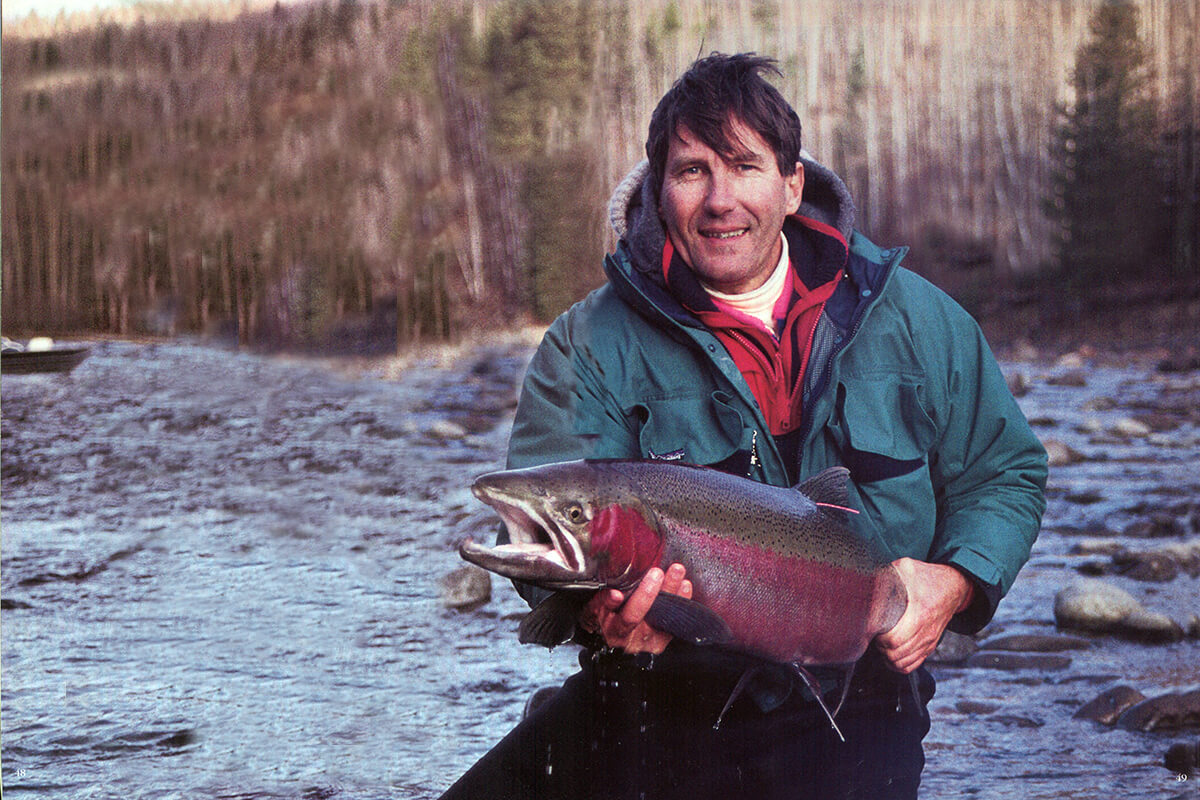
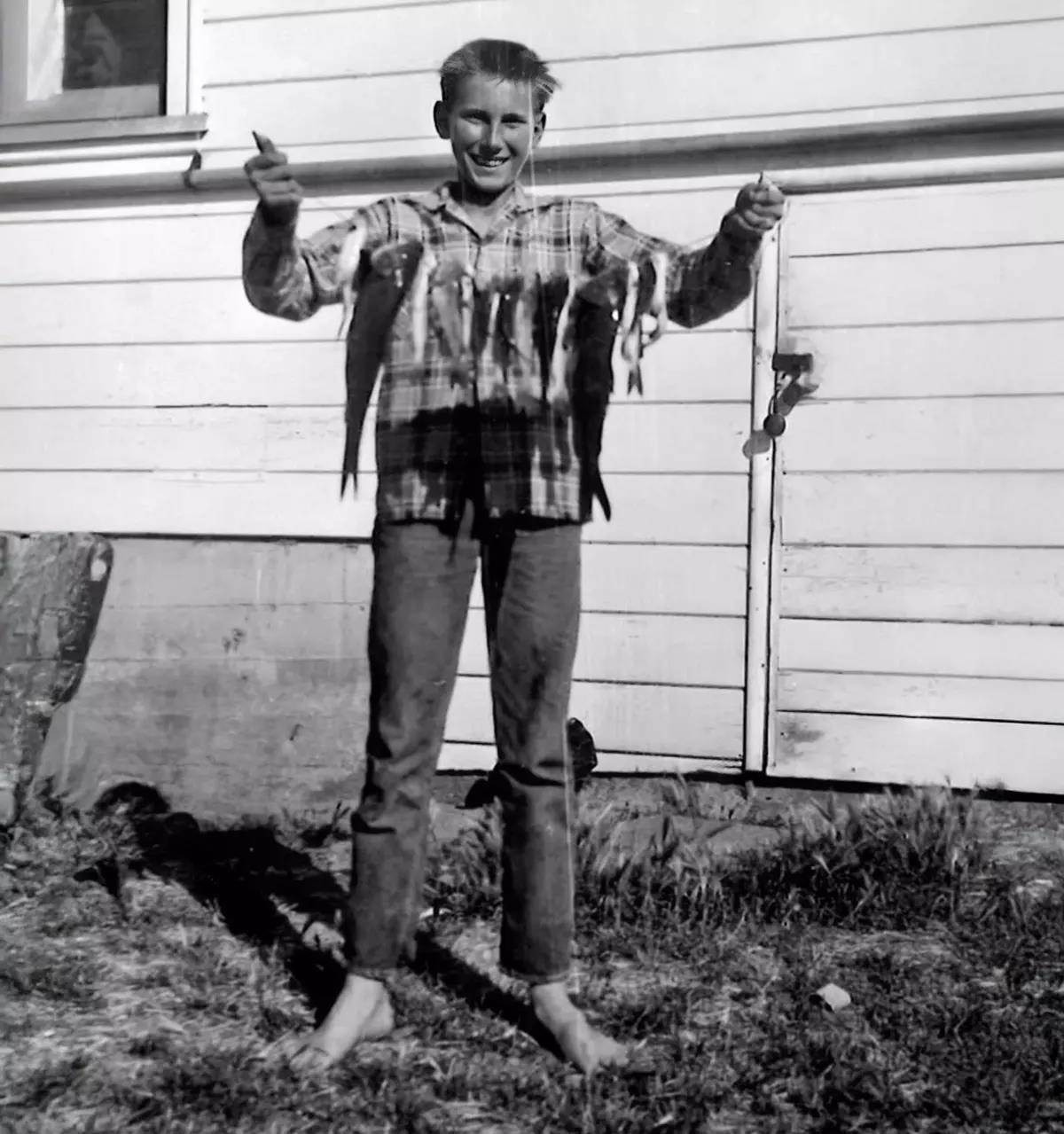
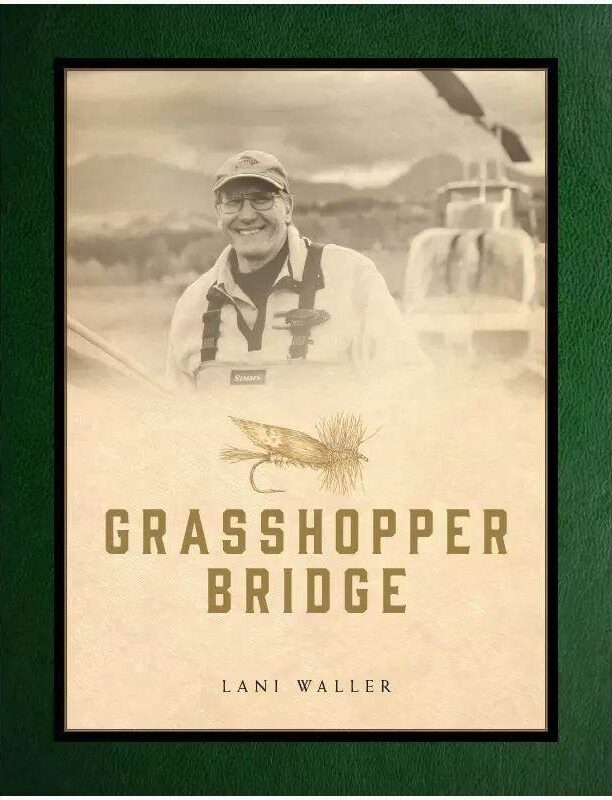
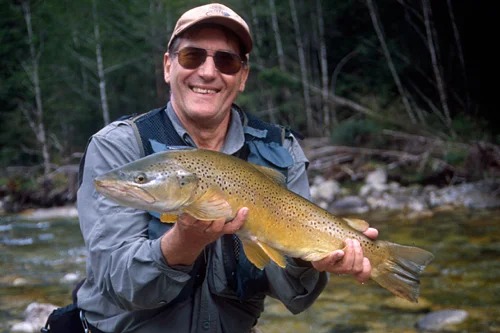
In this episode, we take a heartfelt journey into the life of one of steelhead fishing’s most influential figures, Lani Waller. Through his brother Jack Waller, we hear untold stories about Lani’s early years, his deep connection to rivers, and the life-changing events that shaped him. From a childhood trauma that led him to the fly rod to the plane crash that forever changed his path, Jack shares what made Lani more than just a great angler. He was a true steward of the sport. If you’ve ever been moved by a cast, a river, or a story, this one’s for you.
Lani Waller wasn’t always a steelhead legend. It started when he was around 10 years old. A family friend introduced him to fly tying and he was hooked. While other kids were out cruising the main street, Lani stayed home tying flies. He was drawn to the detail, the focus, and the connection to nature.
His love for water started on family camping trips in Northern California. He’d sit by streams, just watching. Even as a kid, he was fascinated by fish, frogs, and the little things most people missed.
Lani had a tough moment as a kid. After a bad hunting experience where a wounded deer was left suffering, he made a promise that he’d never hunt again. And he didn’t. That moment shaped the rest of his life. He found something different in fly fishing. Something peaceful.
He told Jack that fishing gave him a real connection through the fly line, to the fish, the river, and nature itself. He didn’t feel that way about hunting. Even though he kept his emotions private, Lani had deep feelings about the outdoors, animals, and what it meant to fish with respect. Later in life, he spoke more about these ideas. He believed fly fishing should be thoughtful and ethical, something that gives back as much as it takes.
In his later years, Lani and his wife moved from California to San Miguel de Allende, Mexico. They were ready for a slower pace and a place with less status and stress. They loved the culture, the history, and the beauty of the town. Lani kept writing, guiding, and running his travel business from there.
He picked up tropical fly fishing and chased species like permit and bonefish across the Caribbean and Gulf of Mexico. He even led exclusive trips to places like Argentina. Even far from the steelhead rivers, Lani found new waters to explore.
In 1992, Lani survived a plane crash while flying into the Babine River near the Silver Hilton Lodge. The plane lost power after a failed landing attempt and went down hard. Lani was badly injured but he survived.
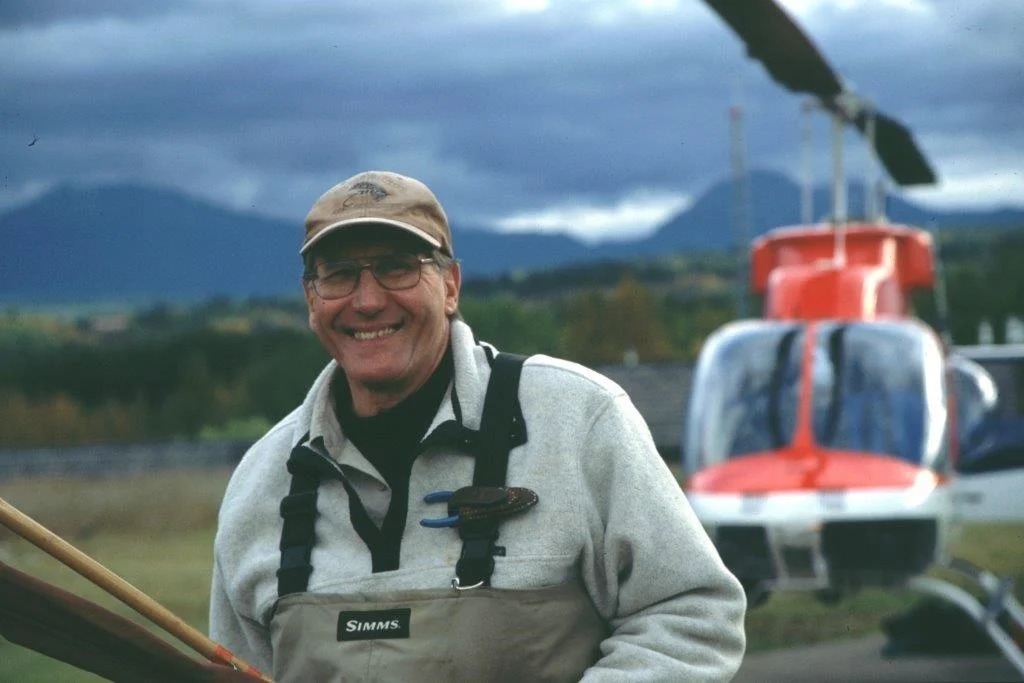
That crash became a major turning point in his life. Jack became his caregiver during recovery. The injuries were serious and long-lasting, both physically and emotionally. But Lani didn’t let the fear win. On the crash’s one-year anniversary, he returned to the same location this time by helicopter. He wanted to reconnect with the place and the people, not let trauma keep him away.
Jack believes the crash may have contributed to Lani’s later struggles with dementia. Despite that, Lani kept writing, guiding, and fishing for years after. He stayed connected to his passion right to the end.
Lani was known for his fly fishing but there was so much more to him. He was a talented artist, musician, and craftsman. He painted, sculpted, and even built a powerful anti-war piece featuring a skeleton in a wheelchair titled “I Am a Hero”.
He also had a creative side outside the arts. Lani was a skilled leatherworker and ran his own shop in Chico, California. Over the years, he worked as a house painter, helped run a peach testing program, and stayed busy with hands-on, meaningful work.
But fly fishing eventually became his career. He launched one of the first travel-based fly fishing businesses under Eddie Bauer and later ran his own operation, Worldwide Anglers. From Russia to New Zealand, Lani helped anglers chase fish in some of the most remote places on earth.
Lani and Jack grew up in a world far from the spotlight. Born during World War II, they spent their early childhood in rural Missouri before moving to the San Francisco Bay Area after their dad left the Navy.
Their new life in California was a big change—more people, more diversity, and more challenge. Their dad, once a Navy musician, had high expectations and strong discipline. That created tension at home, especially for two curious and creative kids.
Even in those early years, Lani loved the outdoors. Later, the two brothers went to Chico State together, even roomed in multiple places. Lani was outgoing, active in campus life, and known around town not for fishing, but for his energy, charm, and creativity.
He was also politically engaged. Lani stood against far-right groups like the John Birch Society and was shaped by events like JFK’s assassination and the rise of the counterculture.
Lani never had children. Jack, on the other hand, became a father at age 63 and says it was the greatest experience of his life. His daughter Ruby brought joy not just to him, but also to Lani, who bonded with her during family visits.
Lani’s adult life wasn’t just defined by fishing. He studied sociology, explored Eastern philosophy, played music, and even ran a leatherwork shop. But when he turned to fly fishing and travel full-time, it caused friction with his father who struggled to understand how fishing could be a real career.
Still, Lani made it work, with help from his wife Judy, whose family gave them the freedom to travel and eventually settle in a mansion in San Miguel de Allende, Mexico. They lived well, with a full staff and a beautiful home. Sadly, in Lani’s final years, dementia set in. After his passing, Judy was left alone with her own memory struggles.
If Lani could leave one message, it wouldn’t be about his legacy. It would be about the future. He believed deeply in conservation, in protecting wild places, and in passing those values to the next generation.
He worried about where things were heading. Climate change, political division, and a growing disconnect from nature weighed heavily on him. Jack says it simply: “Lani would want the work continued.”
Episode Transcript
Dave (2s):
Today’s guest brings us deep into the life and legacy of Lani Waller, a pioneering, steelhead guide, writer and philosopher whose name still echoes through the Skeena River today. From his early obsession with flight, tying at age 10 to building trust with First Nations and creating conservation movements. Lonnie didn’t just fish rivers, he listened to ’em. And today you’re gonna get all the great stories of Lani Waller and some of the background, so you understand who this person was. This is the Wet Fly Swing podcast where I show you the best places to travel to for fly fishing, how to find the best resources and tools to prepare for that big trip, And what you can do to give back to the fish species we all love.
Dave (43s):
In today’s episode, Jack Waller shares intimate stories of his brother, how a childhood hunting trauma turned Lani toward fly fishing for good, the crash, the plane crash on the Babine River that reshaped his life, and the quiet emotional depth behind one of fly fishing’s most charismatic figures. You also hear why Lani walked away from the spotlight in the U.S., how he shaped conservation efforts across the northwest, and what he believed truly connected us to the fish. All right, this is a big one. Here we go. Jack Waller. You can find him at jackwallertreeart.com.
Dave (1m 24s):
How are you doing, Jack?
Jack (1m 25s):
I’m doing fine. I’m very interested in what you have in mind.
Dave (1m 29s):
Yeah, yeah. This is gonna be a really great episode because I guess it’s, you know, it’s been a little while. Lani Waller was a famous person in fly fishing. Still is. He was a great steelhead angler. We’ve, I’ve had steelhead in my life for most of my life, and I remember, I always go back to the story of one of Lonnie’s Scientific anglers, 3M videos where he was fishing a tail out of the Deschutes River. I just watched it again last night, and it was a run. I know that I’ve caught one of my largest fishing, but he, back in the eighties, did these videos. He’s, he’s so, he is done a lot. We’re gonna talk about Lonnie War. You’re his brother Lonnie has passed away, but we’re gonna try to get some insight from you on, you know, Lonnie, who he was since we never had a chance to have ’em on the podcast.
Dave (2m 13s):
But before we get there, Jack, maybe just take us back to your story. Are you, have you been doing any of the outdoor stuff, fishing, hunting, any, are you into any of that stuff?
Jack (2m 24s):
I am not. I, I’m embarrassed, I’m embarrassed to say, But I do. One thing I would like to say right away is I do have a family background that I shared with Lonnie. Our family was an outdoor family, a camping family. Oh, yeah. My dad was an avid hunter, fishermen, sportsmen of all sorts. So, along with Lonnie, I grew up in a family that really enjoyed the outdoors. We took numerous camping trips every summer, all over northern California.
Jack (3m 4s):
Yosemite was one of our favorite destinations. So I, I shared that family background with Lonnie. I was not a hunter or a fisherman, and yet we had in depth, I don’t know exactly how to non-professional communications that I’d love to tell you about as the, as this interview goes on. But I now live in, in southwest Montana, in a little town called Virginia City That’s right in the, it’s 14 miles from Ennis, Montana, and right in the heart of the Madison big hole Bieber head, Gallatin all the rivers.
Jack (3m 48s):
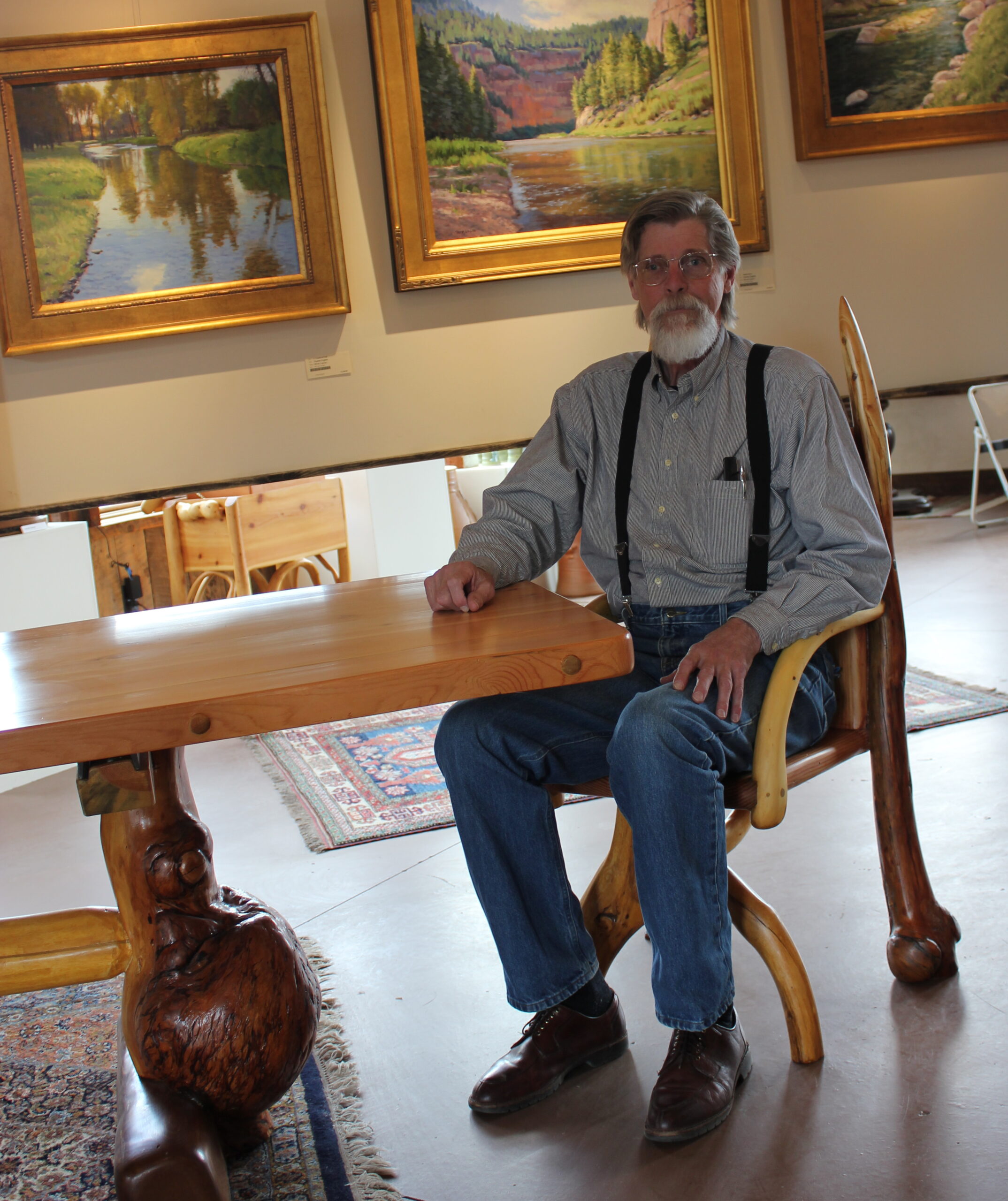
And Lonnie visited here several times and really loved it. So we share that and did share that love at the outdoors, and my furniture making was a big part of that.
Dave (4m 1s):
Yeah. So, good. Well, let’s, and what I wanted to do is, we’re gonna kind of jump around a little bit today. And I, I’m on Lonnie waller.net on the website right now, looking at some of his history. And I think one of the things, like I mentioned the video, the legacy. He, he had this video that came out that was kind of a how-to steelhead fishing and I think is still known as regard as one of the best out there. But do you remember, like, take us back. Do you remember when Lonnie started steelhead fishing? Do you remember his first interaction? Or, or even just with fly fishing?
Jack (4m 33s):
Yes. I, I do. One of the things that sticks out in my mind that might surprise you is Lonnie started tying flies when he was nine or 10, and he had had an interest in fishing, bait fishing and other things. But my mom and dad had a, a couple of family friends, and the woman, Ernestine Bower was her name. She was a, a fly tire and a fly fisher. And Lonnie was fascinated with her. And she was the one who first introduced him to Playtime about 10 years old.
Jack (5m 14s):
And he loved it. He always had a fascination for hobbies that involved great detail. He loved to make small models. He had collections of all sorts of little intricate things that he collected. But I remember that distinctly because he was so taken with something that, that was that detailed, that interesting and very different from bait casting and all the fishing that my dad did. Yeah.
Dave (5m 45s):
So he started at 10 years old. And did he then get into fly fishing pretty quick after that?
Jack (5m 51s):
He did. My dad was not involved with fly fishing, so he began reading magazines. I remember he loved to read Outdoor Life. It was big surprise to me because I didn’t really know anything about that genre. And he read articles by Joe Brooks, and that’s the one thing really sticks in my mind. So he, he began to pursue that. And another vivid memory that I have is very early, late middle school, early junior high. He was so involved with ply tying that friends would stop by and say, let’s, let’s go drag the main, or let’s go do this other adolescent activity.
Jack (6m 42s):
And he, he wasn’t interested.
Dave (6m 44s):
He wasn’t into it.
Jack (6m 46s):
Yeah. He said, I, I really like this, this is what I wanna do. And his friends were amazed.
Dave (6m 53s):
Yeah. So he was in, in it since 10, pretty much fly fishing, fly tying, and, and just really the outdoors his entire life. That was his thing.
Jack (7m 2s):
Yes. And his early fascination on the camping trips was with waterways. He loved, I can remember him just being along a, a stream bank somewhere in the Sacramento Valley or in the foothills of the Sierra, and just sitting by the water and looking at it. He, he actually even wrote a poem very early on about poly wags. He, he, he sent me a copy of it years ago, and I still have it. But he was fascinated and very observant with wildlife of all sorts.
Jack (7m 42s):
And that came into focus with Phish.
Dave (7m 45s):
Yeah. With Phish. And I did hear the story that part of the focus was not hunting. He had some story, I think, where his dad or your dad wanted him to shoot a dough, a wounded dough or something like that. And he left it. What, tell us that story a little bit.
Jack (7m 59s):
That was a real departure. Our dad was a dominant man. Lonnie inherited all kinds of dad’s characteristics. His personality, his people skills, his charisma, but dad, his hunting, there were several traumatic experiences when he was trying to introduce Lonnie to hunting. And one of ’em that I vividly remember was a bad shot. And the animal, the deer was suffering. Excuse me.
Dave (8m 34s):
Yeah.
Jack (8m 36s):
Lonnie was deeply, deeply moved by that and vowed that he would never hunt again. Wow. And he didn’t,
Dave (8m 47s):
He didn’t, he didn’t ever hunt after that mo And that was when he was a, a young kid. A young adolescent,
Jack (8m 53s):
Very young. Yeah. I don’t know if you can edit that out. I, I really, that’s such a valuable story. I really, yeah. Regret getting emotional, but
Dave (9m 3s):
Oh, yeah. No, there’s nothing wrong with, that’s why a podcast is, you know, that’s why we do the podcast. You know what I mean? Like some of the Well,
Jack (9m 9s):
Yeah. The emotional side of Lonnie is, is one that I know very well.
Dave (9m 15s):
Oh, Roy, tell us about the emotional side. ’cause I think everybody sees, you know, from the videos and my experience of seeing Lonnie, like I said, I just watched that old video again, is he was this big, bigger than life character that loved Yes. You know, but you never saw, well, at least I didn’t see the emotional side. Tell us about that a little bit,
Jack (9m 32s):
Bit. It means a lot to me to share that. Lonnie, as I said, had incredible charisma, social skills. I observed countless examples of his ability, his, his sensitivity, how articulate he was, how engaged he could be. But he was also, and Angel Bokey and I have talked about this, he was also a very private person. And the emotional side, he kept private. Yeah. And that was one of my thoughts, anticipating our conversation is what not to say.
Jack (10m 14s):
Yeah. Actually, because especially the last year of his life was very tragic and very emotional. And but to go back to his early life, one of the things that he just felt that the suffering of animals was so deeply wrong. And he clashed with my dad about that. The whole idea of, well, he, God, I’m jumping, but he compared what he found in fishing, what he called his connection. And he was very articulate in conversations with me and with our dad, saying that the difference between hunting and fishing is that the hunting was a violent and disconnected sport.
Jack (11m 12s):
And he didn’t even like to call it a sport. But he said the difference that he found in fishing was the literal connection through the fly line that connected him with the deepest mystery of the fish, the river, everything. In a way that was, he even used the word so intimate, whereas hunting was so removed, there was, you know, the bullet didn’t convey any connection. Right. So he had a, he had a sensitivity that was, I mean, emotional for sure, But I would, without getting too Yeah.
Jack (11m 57s):
Abstract was existential. He had a, an awareness that, and I think he did a great deal to communicate that in his videos and, and in his writings. But I think he withheld a certain, almost anger at the way the animals are treated, the way environment is treated.
Dave (12m 21s):
Yeah. So he didn’t, he didn’t speak about that. I’m, I’m guessing, I, I’m not sure, but he, did he speak much? No. Yeah. He, he didn’t go, he wasn’t outspoken about how he was against hunting and all that.
Jack (12m 31s):
No.
Dave (12m 32s):
Yeah. Because it’s interesting because yeah, if he, if he would’ve done that, which is fine, he probably would’ve had about 50% of his audience that would’ve thought, wow, that’s, well, I love hunting. Why would I not? You know what I mean? Like Yes. So he probably would’ve, yes. And that’s a challenge I think, in fly fishing and conservation as well, and all sorts of things that you’ve got these politics, you know, you’ve got, you’ve got politics. Everybody’s got their own politics. And I think that part of the challenge is you wanna support things you believe in, but at the same time, you don’t want to, you know, people that love you for other things, you don’t want to dissuade them Right. From being a Yeah. And that’s probably how he thought
Jack (13m 10s):
That sums it up. And that the symposium that I’ve referenced brought a lot of that into focus of the Philosophical Fly Fisher was a symposium that we held here in Virginia City, 2001, I believe. And Lonnie was a, a guest speaker and participant in that symposium. And he did at that, in that setting, discuss a lot more of, of his feelings about, you know, philosophical being ethical, being metaphysical, being aesthetic. He really had a lot that he contributed along with some other, at least locally known, I don’t know if, if you know the name, Russell Chatham.
Jack (13m 57s):
Yeah. Yeah. He participated in it, another local author, fly fisherman. Greg Keeler participated in it. Robert Lee, Jerry Tic was part of it. And in that symposium, one of the discussions, one of the panels included fellow from Missoula performance artist who had a routine about catching a trout and comparing that to, okay, how would you feel if you ran a 200 yard dash and at the end of the 200 yard dash, they submerged you in water. Right.
Jack (14m 38s):
And that I just mentioned that, because that was a very emotional discussion.
Dave (14m 44s):
Yeah. With, with Lonnie. Basically Lonnie hearing somebody say how he was actually hurting herding phish.
Jack (14m 50s):
Yes. Yeah. It was a criticism of the whole sport of fly fishing, of interfering with the steelhead or the trout, whatever it, it happened to be. And actually, in a way, being a predator, I didn’t intend to Oh, yeah. Even go into this. But my point is that Lonnie was very open to that discussion. He shared how he felt about it, everything he did to mitigate any of those negative aspects of it. And he actually almost had an ethical sense of balance of all the good that’s coming out of the sport of fly fishing and the, including all his involvements with the, the scheme of drainage and the First Nations people.
Jack (15m 43s):
And I’m sorry, I’m really jumping around.
Dave (15m 46s):
No, this is great. This is great. I think I totally agree. I think that that’s part of the, you know, the dilemma is that, you know, fly fishing a hundred percent hurts fish. And, and that you’re hooking them, and potentially fish are even dying, especially people that don’t know how to handle fish, how to release ’em. The water’s too warm. But the thing is, is that fly fishing also adds a lot to conservation, because we’re all supportive of conservation. So it’s this balancing, it’s almost like, it’s like, you know, other things, recycling, you know, these little things that you can do that you seem like, well, maybe they’re not doing much, but they do add up. Right. There’s all this stuff. Right. Yeah. So, no, I get it. I think it makes sense. But it was a, a dilemma for him.
Dave (16m 27s):
You mentioned later in life, I think this sounds like, you know, this was a challenging part. Maybe take us there. He moved to Mexico, is that, talk about his last few years.
Jack (16m 37s):
The move to Mexico was a result of a number of factors. One being that he lived in San Rafael, California right. In Mar Marin County. And it was evolving into a very aristocratic, very expensive, very high status. Yeah. He and his wife had a very, very nice home. But he, he just was getting tired of all the affluence, all the status stuff. And he and his wife had been going to San Miguel, Dede, a really historic, lovely city up in the high foothills, about 70 miles north of Mexico City.
Jack (17m 22s):
And they loved it. But the move to Mexico, as is true of a lot of Lonnie’s life, was his wife’s idea. She’s devout Catholic and loved the, the history, the Catholic church history there, all the architecture, everything about it. So she was the motivating factor in their move there. But it also removed him geographically from a lot of the changes that were happening in the area where he grew up and that he didn’t like.
Dave (17m 59s):
When it comes to high quality flies that truly elevate your fly fishing game, drift hook.com is the trusted source you need. I’ve been using drift hooks, expertly selected flies for a while now, and they never disappoint. Plus they stand behind their products with a money back guarantee. Are you ready to upgrade your fly box? Head over to drift hook.com today and use the code swing at checkout to get 15% off your first order. That’s drift hook, D-R-I-F-T-H-O-O k.com. Don’t miss out. Wanna experience a magic trick on a certain river at a certain time of day, time slows down. Where is this place located? In the heart of Montana is a place where people go to slow things down, to float down a historic river and to watch the birds dance across the sky, watch animals explore the open land, and of course, to fish.
Dave (18m 48s):
If you’re looking to slow things down, Helena Montana is waiting for you. Visit Helena Montana right now. You can head over to helena mt.com to get a change of pace This year. So they left there in, how long did they live in Mexico,
Jack (19m 5s):
Roughly? They lived there at least 10 years.
Dave (19m 8s):
Oh, wow. Yeah. A de a lot, a decent amount of time before
Jack (19m 11s):
He died. Oh, yeah. And I, and my family, my wife Kristen, and our daughter Ruby, who Jerry Cu wrote the song about. Oh yeah.
Dave (19m 20s):
Right. Yeah.
Jack (19m 21s):
We went down and had a very nice visit with them shortly after they’d moved down there And we could understand what they loved about it. There was quite an Amer expatriate American presence there compared to Marin County. Their, their lifestyle was a lot less expensive, so there were a lot of values in his being down there. He also had a great office where he continued to write and to communicate and do his travel business. So the essence of his professional life could be continued down there. So you put all that together and they loved it.
Dave (20m 4s):
They did. So he did love it down there. And he, I’m guessing, did he, did he get some fishing in down there as well?
Jack (20m 9s):
That was one thing that surprised, even surprised me, but a lot of his fishing buddies is he got into all kinds of fly fishing for permit, for bonefish, for, he fished the Caribbean, he fished the Gulf of Mexico, and I don’t know if he was initiated a lot of it, but he really got into fly fishing for tropical
Dave (20m 35s):
Fish. Yeah. And that doesn’t surprise me at all. I mean, obviously I don’t know him, you, you know, we’re trying to clarify that, you know, more on his life. But I feel like he was just loved the outdoors, like a lot of us, you know what I mean? Like for me, yes. I just love the outdoors. You, you name any species, any place on the world, in the planet, and I would probably love to do it. And that seems like that’s him too. Yes.
Jack (20m 56s):
Another thing that he did while he was there is he did a lot of private guiding. And one trip in particular, I remember one client flew Lonnie, the two of them flew together down for 10 days, and somewhere in a really gorgeous part of Argentina on private land where I, I don’t, I don’t know, ever heard of anyone having access to it. So he used his time down in Mexico as kind of a jumping off place to do trips like that as well. Very exclusive guiding trips.
Dave (21m 36s):
Yeah, definitely. You mentioned the plane. That’s another big piece. I think maybe a turning point in his life. There was a plane crash. Do you remember that?
Jack (21m 44s):
Oh boy. There was no greater turning point in Lonnie’s life than that plane crash. It happened in 1992, and I, I was living up here in Montana, and I got word about the plane crash, and so I dropped everything and drove out there, and I lived with Lonnie and his wife for two months as his caregiver, so she could continue, wouldn’t miss time with her teaching career. So I, I have a lot of direct You do experience.
Dave (22m 21s):
What was in the, just a high level, what happened there? Where was it at? What were they doing? How’d it happen?
Jack (22m 27s):
Well, the plane crash happened on the Bain River at what I think became known as the Silver Hilton Lodge. It was a small plane flight. I think there were four people, pilot and three Lonnie and it, two of his buddies. The landing strip was a real challenge because it was in a horseshoe. The landing strip was in a horseshoe surrounded by the river. The pilot came in too fast, tried to abort the landing, had to pull up very abruptly. He got up about 500 feet, and the engine died. Oh. So the plane just turned and became a, a heavy object, and it plunged all the way and crashed in the river.
Jack (23m 13s):
Geez. There is, Lonnie gave a talk, and I have a Transcript of it, which he sent me, and I don’t have the exact date. It’s the most detailed description of not only the physical events of the crash, but what he calls his spiritual experience. It’s way too much to go now. Yeah.
Dave (23m 35s):
Is that something that is available out there? Is that something other people could read?
Jack (23m 40s):
I don’t think I’ve ever seen any, it was a talk that he was invited to give at a Unitarian church, and it’s the most in-depth description he ever gave of what happened. I, I have a copy of it, which I just re-read this morning. And when I arrived there, he had just been life flighted on a, I guess they call it a emergency room jet from Vancouver to San Francisco. And so I, I was with him within hours of his landing.
Jack (24m 21s):
And without going into detail, my memories of the crash and and surrounding events differs from his account. And I don’t know quite what to make of that. My wife also heard accounts that differ from his official account, but the account that I have is, even to use the word is even more miraculous, his survival. Right. Than the story that he tells. But that’s probably too much detail.
Dave (24m 55s):
Yeah. That might be too much detail Yeah. For now. But we’ll maybe follow up on that, but, well, so he had, and then how did that plane crash? 1992. So how old was he in 92?
Jack (25m 6s):
In 92? He was born in 1940.
Dave (25m 10s):
So he was about 50, 52 years old. Yeah. So 52. Wow. So about a couple years older than I am right now. And he, oh boy. He, you know, so I mean, that is a, an interesting time, right? Because you’re kind of in your, yeah. I don’t know. I always think of it as in your prime. I still think of it as the prime, but how did that change him, that that crash?
Jack (25m 31s):
Well, the first thing is all the surgeries and years of recovery, physical, mental recovery. But one of the biggest things that stood out to me is that he insisted, and I think it was on the one year anniversary of the crash, he insisted on going back
Dave (25m 53s):
And flying. Yeah. Oh, wow. He flew a plane the same thing back.
Jack (25m 58s):
It actually, they wouldn’t, I don’t know the, the details, but they wouldn’t fly him in in a plane. They brought him in in a helicopter.
Dave (26m 6s):
Oh, sure. Hell. Well, similar thing. I mean, I’ve, yeah, helicopters. Wow. So he’s, so he wanted to, yeah, basically, I, I mean, kind of conquer the fear, probably. Right?
Jack (26m 15s):
Yes. That’s exactly what it was. And, and reconnect. He didn’t want that fear and all that trauma to destroy his connection with the place, with the river, with the fish, with the people. Wow. And that was remarkable. Another thing I want to add, though, very quickly, I think the plane crash, even though it was greatly distant in terms of years, I think that contributed heavily to his dementia. Oh,
Dave (26m 46s):
It did.
Jack (26m 47s):
I think the brain damage that, I mean, again, I, I don’t want to give too many details. Sure. But the, the damage to his face, his head, his entire body was horrible.
Dave (27m 1s):
I think the, all these, you know, stories are important because I think we all deal with this stuff. Like right now, my dad, who was, I don’t think ever met Lonnie, although he’s very similar age. He’s 86 now. He was a kind of a famous fly angler out in Oregon, and a steelhead fisherman fished the same waters that Lonnie fish probably in the same time. Ah,
Jack (27m 20s):
All
Dave (27m 20s):
Right. And, but my dad right now is dealing with dementia, and, and it’s really a challenging time because, you know, I just saw him. Yeah. I just saw him this week, and he doesn’t, he’s starting to really not remember me or anybody, you know. Oh boy. And, and it’s, it’s a challenge because you’re in that place and, but he’s still, you know, he’s still there. So I think, how do you deal, how would you tell somebody like myself who’s starting to deal that with my dad, how would you tell somebody to deal with, how can you deal with dementia to be positive?
Jack (27m 48s):
I would quickly say, don’t deal with it like I did. I was very concerned about Lonnie and his lack of communication. So in the December of the year before he died, I flew down out of concern for his lack of communication, the fact that I was getting calls from his fly fishing clients. I even got a message from the Lonnie had an interest, ownership interest in the silver Hilton, which I don’t know all the business arrangements, but he was receiving checks, quarterly checks Oh, wow. Payment from them.
Jack (28m 29s):
And he wasn’t cashing them. Geez. So, anyway, I flew down and it, I’m gonna try to be very brief. It’s the ugliest experience I’ve ever had socially, and especially in our family. I arrived there, he was so decrepit, physically, mentally I was shocked. So it was awful. My point is, it can get extremely emotional and just be very prepared. I regret the way I handled it. I, if I would’ve been calmer and tried to connect with Lonnie instead of clashing with her, who knows what the outcome would’ve been.
Dave (29m 17s):
Yeah. So that was kind of the, the last kinda year of his life. I mean, and going back between the plane crash and that time he was in, well, he still did a lot of writing. Do you remember, like, he was pretty active in those years after nine two, after he healed?
Jack (29m 33s):
Oh, yeah. Oh, yeah. We corresponded often via email about his writing, and he sent me drafts of the Grasshopper Bridge thing in its earliest stages. He sent me a number of other things that he was working on that I don’t know if they ever got published. But part of what happened was when I was there, something happened with his publisher, and it was also part of his wife’s paranoia. She’s, she interfered with the publishing, the actual publishing of the book. Not just the digital stuff.
Jack (30m 13s):
But he did, he continued to write. I think he, the last two years of his life, he quit. But up until then, he loved to write.
Dave (30m 24s):
Yeah, he did. And he wrote, he wrote a number of books and articles and Yes. Lots of Did you, in all your time, did you ever, were you ever on the water watching him fish? It sounds like you didn’t fish with him, but were you out there?
Jack (30m 38s):
I’m glad you asked. In 19, I believe it was 1981. There were some, at that point, I was living another life. I was involved with real estate development and a number of other things that he asked if I would accompany him up to the Bain, partly to deal with business things as a kind of quasi consultant, I guess. So we took a, a flight, just he and I, And we flew, the route was right over Mount St. Helens, which had just erupted the year before. Oh,
Dave (31m 14s):
Wow. Yeah, 1980. Wow. So you went above st He’s a year after the eruption.
Jack (31m 18s):
Yes. And we had the most incredible conversation about the power of nature, about the, just the view below us was just staggering. Wow. So that was kind of the beginning of our trip. And then we got to the Babin, and he wanted Bob and Jerry Wickwire, I think owned it then. I don’t know if you know that name. No. But anyway, he wanted me to just witness be part of, and so I got to see him interact with his clients, and he was so skillful. It, it wasn’t anything like I had expected.
Jack (32m 0s):
It was so much fun. And just the, the communications they had and all the way he teased them, and the way he helped them with getting all their gear together and everything. He was like a mother hand, you know, just, he was wonderful with him.
Dave (32m 19s):
Yeah. He was a host. Right. Essentially. He was like a gracious host pretty much.
Jack (32m 23s):
Oh, yeah. Oh, they, and they loved him. Everyone, whoever fished with him loved him. But then he said, let’s go out on the river. And he said, I’ve got this special hole. And I, I’m sorry, I can’t remember the name of it now. Yeah. But he said, there are eagles nesting there. It’s just fantastic. So I just sat on the bank and watched him finish. Hmm. And it was like, he went into another world. Wow.
Dave (32m 53s):
That was his happy place. Right. On the river swing Boy, steelhead.
Jack (32m 56s):
Oh,
Dave (32m 56s):
Boy. Yeah. Well, the St Helen’s thing is really interesting because, you know, like we said, the conservation piece, St. Helen’s erupts it, it basically, there’s a steelhead run in the Tootle River. Right. Which flows out of St. Helen’s. It wipes out the volcanic eruption, wipes out that steel, all species in the river, but they recover.
Jack (33m 13s):
Yeah. I, the drainage part, the Skeena River system is really elaborate. And I, I don’t know much about the overall, you know, all, all the flows and everything, but he, he got very involved. And even back then, he told me, I think it was at least 15 years, that he tried to establish trust with the First Nations, the native peoples, and they would not talk to him. They didn’t trust him. And he worked with them, I believe it was 15 years to gain their trust.
Jack (33m 54s):
And eventually, you know, he did at least two foundations, numbers of other advocacy groups, environmental protection groups. And from what I witnessed when I was there, his sense of was way beyond that river. And, you know, the hole that he was fishing in, and the, he was connected with that entire region.
Dave (34m 21s):
Yeah. The chena, the whole Chena system. Yeah. Yeah. Which is known as one of the great, you know, steelhead basins in the world. Right. We’ve been doing, we actually have a whole podcast series that Brian Ska, it’s called In the Bucket. We do. And it’s all based on, you know, the Chena system, essentially. Right. The, the Bain. And I’ve been on the Bain, that’s one river I have been on, so I’ve floated right by the lodge there. We, I haven’t stayed at the lodge, but we, we know the river. I know why it’s so powerful. You know, it’s just this, it’s hard to explain, you know? Yeah. But that’s one of those places. Well, you know, as we look out, you know, back, I guess at Lonnie, anything else you would kind of shed light on about him that would help us understand, you know, the person he was, sounds like he was fairly secretive with some things, or just private, more private life.
Jack (35m 10s):
Yes, he definitely was. But one thing I think is related is, and I think I mentioned it in one of our emails, people don’t know how artistic Lonnie was in his entire field of, I mean, he was a, obviously a writer, but he was a painter. Hmm. A sculptor, a folk musician, guitarist. He was really a good, good guitarist. He did a, this was early on, he had a very strong political reaction to the Vietnam War. And he had a show, he actually did a, a show of his sculpture.
Jack (35m 51s):
And the feature piece was an assemblage sculpture that he put together with a wheelchair, a skeleton in the wheelchair. And the skeleton was decorated with all kinds of military metals and ribbons and honors and all that. And the title of this sculpture was, I Am a Hero. Yeah. It was a really powerful presentation, But I, I just wanted to make that known, because all the focus is on him as a fly fisherman. Yeah. And he was, he was so much more than that as an artist.
Dave (36m 31s):
Right. Wow. That is pretty powerful. You know, as you look at Lonnie, I mean, like you said, we, we can’t touch on everything today, But I, I feel like just getting a, a high level feel of some of the things and is really interesting. What is it that he, for work, did he, was it fly fishing or did he have other work he did? What was that? How did he make his money?
Jack (36m 51s):
Well, actually, he was, the one thing I, I forgot to mention just now, he was a leather craftsman for years. He had, in Chico, California, he had a, a shop called Saxon Handcrafts. Hm. Where he did incredible leather work, purses, bags, all all kinds of really intricate leather work. Then he, he combined that. He was a craftsman. We both inherited that from our dad. He did all kinds of, not handyman stuff, but he was a house painter.
Jack (37m 32s):
That was one of the main things he did. He also was very involved in the Sacramento Valley with the Cling Peach Advisory Board. And that, that was a high level job that where he, I don’t monitored, administered all the testing of cling peaches in the, in the valley. That was one of his main sources of income. And then with his other related work, I don’t know if it’s what you’re asking, but he was the first person to ever have a fly fishing travel business under the auspices of Eddie Bauer.
Jack (38m 19s):
Oh, wow. And he, he had an office, a travel office on Union Square, downtown San Francisco in the Eddie Bauer building. And so, Barry, I, I don’t know, I couldn’t give you a year. Yeah. But he started his travel business as a young man, and that evolved to where he eventually left Eddie Bauer and formed Worldwide Anglers and went off on his own. Oh. But in addition to the actual fishing, that was his source of income. He had great stories that he went to Russia with Eddie Bauer just all over New Zealand.
Jack (39m 3s):
His travel business was quite expansive.
Dave (39m 8s):
It was, yeah. So that’s a big part of what he did, was the travel. That
Jack (39m 12s):
Would be number one. Actually,
Dave (39m 16s):
If you’ve been holding off on getting a new fly rod because of the price tag, San Juan Rod Works, just change the game. These rods are dialed in with the right action, clean design, and built to fish hard without the high price tag. Whether you’re stripping streamers, tight lining or dead drift andries, they’ve got a setup that feels right from the first cast. And the best part is you can try any rod reel or fly line for 30 days risk free. And if you’re not 100% satisfied, you can send it back for a full refund. Check ’em out right now. That’s San Juan Rod works.com. S-A-N-J-U-A-N, rod works.com. You support this podcast by checking in with San Juan.
Dave (39m 56s):
Now, We’ve heard many of the stories on this podcast. Togiak River Lodge is one of the great destinations for swine flies, for chinook stripping, for coho all day, and unwinding in a lodge right on the riverbank of the Togiak River. With access to all five salmon species plus rainbows, Dolly Vardon and more Togiak offers a true Alaskan experience picture over 30 miles of river seasoned guides, high quality boats, and low fishing pressure. It’s fly fishing Alaska at its best. I’ll be heading up the summer. So reach out to Jordan and the crew to see what dates they have available This year. You can learn more right now@wetflyswing.com slash togiak.
Dave (40m 36s):
That’s togiak, T-O-G-I-A-K. Alaskan fly fishing like you’ve always dreamed about when you grew up as kids. Did you, you grew up in California?
Jack (40m 49s):
Lonnie was born in 1940. I was born. I and my twin sister were born in 1942 in Missouri. And my dad joined the Navy. And because my mother was full-blooded German, we moved down to Southern Missouri for the course of the war and lived in a, I wouldn’t call it, not a ghetto at all, but definitely a very removed German farming community. And then when my dad got out of the war, he had, prior to the war, he had been working with the Steel fabrication company, and they offered him a job in San Francisco.
Jack (41m 34s):
So when Lonnie was seven, I think, and I, my sister and I were five, we moved to the San Francisco Bay area, and that’s, that’s where we grew up from there.
Dave (41m 46s):
Oh, you did? In San Francisco Bay. Yeah. Interesting. Yeah. Yeah. Gotcha. And, and so you Yeah. Then World War, I mean, that was it, world War ii. So your dad was in World War ii?
Jack (41m 55s):
Yes. I’m soon to be 83, which accounts for some of my conversational lap.
Dave (42m 2s):
You’re you’re Doing Great.
Jack (42m 4s):
But we lived in the East Bay at that time, was just farmland, basically. So we, we had a outdoor life there. Lonnie and I hunt. We hunted rabbits with bows and arrows. We never, ever shot, actually shot one. But he loved that. He loved the outdoors. And we had, actually, we raised chickens and other farm animals and stuff. So our upbringing was not urban. It was even in the East Bay. It was more country life. Oh,
Dave (42m 38s):
Wow. Yeah. It was probably a lot different in the, well, you grew up, when were you born?
Jack (42m 42s):
July, 1942.
Dave (42m 43s):
Yeah, 42. Yeah. Right. So, so you were born right in that time, which was Yeah, world War ii. So did your dad, how long was he in the war?
Jack (42m 52s):
I would say four years. Wow. Yeah. He, he was a musician.
Dave (42m 59s):
Yeah. Do you know what he did in the war?
Jack (43m 1s):
Well, his rank was a boiler maker, but he was actually a professional orchestral guitarist prior to the war. Oh, wow. And so he did a lot of musical
Dave (43m 14s):
Sure. Entertainment stuff.
Jack (43m 16s):
Yes. In the Navy. Yeah. On board, on ship. So, and that’s interesting. I guess Lonnie, his name is often misspelled. It’s actually spelled LANI. Yeah. Which is a Hawaiian name. And that was the name of the band leader whose band and orchestra dance orchestra my dad played in. And so he named Lonnie after Lonnie McIntyre. Oh, was his name.
Dave (43m 44s):
Oh, wow. So Lonnie, Lonnie was named after your dad was in a, in a band, this orchestra. And the band leader was, was Lonnie. What was his last name?
Jack (43m 52s):
McIntyre.
Dave (43m 53s):
And he was Hawaiian. Yeah.
Jack (43m 55s):
Wow.
Dave (43m 56s):
That’s, that’s amazing. So there you go. I always wondered about that. Yeah. Lonnie, it’s not LONI, which is kind of, I guess the more of the female typically, but this is LANI. Okay. And so your dad’s over in the war for four year or in that period. And then, and then you’re born. So he’s comes back and that’s when things changed. Right. World War II’s over and, and then you get towards 1950s. What was it like for you growing up? What was, was it a pretty good life back then?
Jack (44m 20s):
Well, actually, dad’s return was traumatic for all of us, partly because of family dynamics. My mom’s family being all German, dad was British and Scottish and all that. They met actually, my, my mom met my dad by attending one of the dances, and she caught his eye. And so, but what I’m trying to say is the in-law situation was not good.
Dave (44m 50s):
Oh, it wasn’t. They didn’t get along.
Jack (44m 52s):
No. So there was that problem. But also, Lonnie and I talked a lot about, we had a great fear of our dad when he came back from the war, partly because I think he was trying to reestablish himself as the head of the family and a number of other things. But also the fact that he just wanted to uproot us and take us to a strange place,
Dave (45m 18s):
California. And
Jack (45m 19s):
Yes. And when we arrived in the Bay Area, the Bay Area was so immensely different from the farm country.
Dave (45m 28s):
Oh, wow. Yeah. Yeah. Populated and pollution and all sorts of stuff. Right.
Jack (45m 32s):
Oh, and the demographics. I had never seen black people or, right. That’s so amazing. Asian people or Hispanic people. And it was a melting pot. And so those early years were really traumatic. They even put me in a speech therapy class because I had a southern drawl that made my,
Dave (45m 55s):
Oh, Missouri,
Jack (45m 56s):
My talk. Difficult to understand.
Dave (45m 58s):
Yeah. You had in the Missouri, well, do you look back at that now and think that, you know, because the diversity is, I, I feel like diversity, just like fish species, the more diverse, the better. Do you feel like that was a very positive in retrospect, being around such a diverse
Jack (46m 13s):
Definitely. Definitely. We, we grew up and learned, actually unlearned, so many prejudices that had prevailed in our early childhood. And as we grew up through elementary school, junior high school, high school, and then of course college that Lonnie and I both went to the same college, Chico State.
Dave (46m 38s):
Oh, you went to Chico State. Okay. Yep.
Jack (46m 41s):
We were actually roommates. Well, he and I were roommates probably in a half a dozen different homes from Crockett down at the ba the mouth of the Sacramento River to a farmhouse in Chico to a bookstore in San Inel prior to his marriage. We lived together almost constantly.
Dave (47m 4s):
Oh, wow. So you spent a ton of time through your life and through college. Oh, yeah. What were the college days like? It sounds like he wasn’t into the party scene. What, what was that like?
Jack (47m 13s):
Well, too much information, But I was a born again Christian at that time.
Dave (47m 17s):
Okay. So you weren’t doing a lot of like drinking of alcohol and partying.
Jack (47m 21s):
None. None. And that’s one of the connections I found I had with Jerry ic, is I was also in seminary. Hmm.
Dave (47m 30s):
Oh, that’s right. Jerry was too. Yeah.
Jack (47m 32s):
Yeah. I went into seminary, but Lonnie was, he was a man, big man on campus. He was a pioneered day sheriff. He was, I mean, he, he was a celebrity.
Dave (47m 46s):
He was. And why, why was that, why was he a celebrity back? Was this, was he famous for, was he doing steelhead videos back then, or No?
Jack (47m 54s):
No, no. It didn’t, at that point, it didn’t have anything to do. I mean, he was fishing then, and he loved it, but he was a fraternity guy, and he had all kinds of social interactions. Of course, he loved the girls. Right. He was always a ladies man. Yep. But he got involved in all kinds of extracurricular activities. And coincidentally back then, one of the biggest things that was happening, this is early 1960s, was the John Birch Society was forming, and Chico had a huge chapter. So Lonnie got, he was very much against that.
Dave (48m 36s):
Oh, really? Yeah. I’m not even sure what, what that is exactly. Oh,
Jack (48m 39s):
It’s a, it’s one of the precursors of the MAGA
Dave (48m 43s):
Movement. Oh, gotcha.
Jack (48m 44s):
It’s a super right wing conservative,
Dave (48m 47s):
Ultra conservative political advocacy group. Yes. Known for its anti-communist stance, social conservatives Yes. And promotion of various far Right.
Jack (48m 54s):
And then one huge event happened in November of 1963 when John Kennedy was assassinated.
Dave (49m 4s):
Oh, right. Geez. That was a rough time. We, we’ve had, you know, it, it’s crazy. And it’s interesting because you guys lived through all these, I mean, I, a lot of this stuff, you know, we’ve had some horrific things too, but you know, I mean, obviously nothing more horrific than Hitler. Right? Yeah. You know what I mean? Like, that’s where you, your dad fought against him. You guys grew up after that. Yes. And I mean, that was, but everything else, also the assassination of, of John F. Kennedy. Right. I mean, and, and all this stuff.
Jack (49m 31s):
Yeah. And then Lonnie and I were living together during the, the whole hippie.
Dave (49m 37s):
Oh, you were Summer
Jack (49m 38s):
Of Love.
Dave (49m 39s):
Oh, wow. Was Lottie, was he, was he kind of a hippie?
Jack (49m 42s):
Oh God, yes. Oh yeah. That’s,
Dave (49m 46s):
Yeah.
Jack (49m 47s):
He and a friend of his took a trip in 1960, I’m thinking early sixties. He and a friend of his took a trip entirely around the world, and they returned to the United States, and they returned to New York. And I will never forget him telling me, I heard this guy, young kid who’s incredible, a folk singer, Bob Dylan.
Dave (50m 17s):
There you go. So you heard Bob Dylan in the early days
Jack (50m 20s):
Yeah. In New York. Yeah. And when he came, when Lonnie got back home, he said, we gotta buy this guy’s album. He’s just got an album out. And it was the first self-titled Bob Dylan album. And Lonnie was hooked. Oh, yeah. He played all Bob Dylan’s songs. He sang He was really big into folk music, all of the folk music
Dave (50m 44s):
At that time. Was he playing the guitar already, or did he get into it because of Bob Dylan?
Jack (50m 49s):
He got into it actually after he got back from his worldwide trip. But my dad was still playing then.
Dave (50m 56s):
Yeah. Your dad was a, a, a professional.
Jack (50m 58s):
Oh, yeah. He, he wasn’t playing professionally anymore, but that was part of the problem. My brother and I, when we were home, would bring our dates or our girlfriends and my dad would get his guitar out and start serenading him. And the girls forgot about Lonnie and me.
Dave (51m 16s):
Right.
Jack (51m 17s):
Yeah.
Dave (51m 17s):
So your dad, your dad was kind of a ladies man too. Oh,
Jack (51m 20s):
Yeah. That’s, by the way, that is one area we cannot discuss. Yeah. Lonnie was a ladies man.
Dave (51m 28s):
Right, right. Lonnie was ladies man. Yeah. Right.
Jack (51m 30s):
Big, big time. And that’s all we can talk about on
Dave (51m 33s):
That. Yeah. That’s all we can say. Yeah. Because when you look at, when you look at Lonnie, you look at a guy who’s a, I’m not sure how tall he was, but he’s kind of a tall, handsome guy, right?
Jack (51m 42s):
Six
Dave (51m 42s):
Three. Yeah. Oh, he was so perfect. Yeah. So he’s six three. He’s a big guy. He’s, he’s tall, handsome. He’s got, he’s got all ev all the skills you need. Oh boy. To do what you want. So, so there you go. So you got that part of Alani, but he did. Now, did he have kids?
Jack (51m 56s):
No.
Dave (51m 56s):
No. Never had kids.
Jack (51m 57s):
No. And that, that’s a huge part of our relationship. When I became a father. I was 63 years old when my wife and I had Ruby, our only child. That’s
Dave (52m 11s):
Right. Yeah. Jerry mentioned that. Yeah. So you were in your older age when you had your kid. Oh, well, what was that tell us like, ’cause I was a, I mean, I wasn’t a young buck when I had my first kid, but you know, I wasn’t 63. What was it like having a child at 63? Was it, you think it’s any different than anything else?
Jack (52m 27s):
The biggest event of my life, for sure. Quick background, my dad, as I said, was an elk hunter. And in 1968, I was a carpenter among other things. And he asked me if I would come to Montana and build him a elk hunting cabin on land that he owned. So I, I did, that was my introduction to Montana in 1968. I eventually retired. I lived in Mill Valley, California, and I sold out there, and I moved to the log cabin. I lived there as a poet and philosopher and furniture maker.
Jack (53m 10s):
And then in 1994, I bought property down where I am now in Virginia City. I moved down here and I lived in a teepee for a winter through a Montana. Wow. Winter.
Dave (53m 24s):
A real teepee. A
Jack (53m 25s):
Real teepee. Yeah. Very, everything authentic. I had a mountain man friend who was very inspirational. Lonnie was fascinated with that. He thought I was crazy. But he was fascinated by that. I had moved outta the teepee and was building a cabin when this young woman who had just earned a doctorate from Columbia University came to Virginia City. Her parents lived in a town, twin Bridges, which is a whole other thing we could discuss Lonnie’s love of Southwest Montana and his connections here. Anyway, she came to town and through her parents, I met her.
Jack (54m 7s):
And much to my surprise, she liked me. And we spent time together and eventually got married and had our daughter, who is just amazing. She’s as a junior now at Montana State, but she is, Jerry IC loves her.
Dave (54m 25s):
Yeah. And he wrote the song, the Ruby wrote the song about her.
Jack (54m 28s):
Yeah. And, and there’s another friend who never had any children. Oh, Jerry did. And Jerry and I, yeah. Jerry and I have talked and corresponded about that. And I did with Lonnie too, before, when we took the trip down to Mexico, Lonnie loved Ruby and was so great with her.
Dave (54m 51s):
Yeah. So Lonnie had, and you think he looks back at that, or looked back at that as, you know, maybe thought like, what would it be with kids? Or he just loved your, your child once you had her.
Jack (55m 0s):
Well, you know, Dave, the, the remark that he made, and I, this just popped into my mind, he said the reason he never had children was because he was afraid he would be like our dad. Oh, right.
Dave (55m 15s):
What’s your dad and dad? How did he, what did he mean by that? Your dad was, what was the biggest, what did he not like about how your dad was?
Jack (55m 23s):
Well, part of it is generations, but Dad was a very harsh disciplinarian. He, he whipped us. We were physically whipped. Right.
Dave (55m 32s):
And that is a, I feel like there’s, these, the times have changed, right? I mean, obviously now is different. Oh, definitely. But I mean, even myself, when I was a kid, I remember, I remember, you know, we had the wooden paddle. We had spanking, we had even a fishing rod. I think at one point, maybe one of my brothers got whipped by a fishing rod. Right. Or, I don’t know. Maybe not. But those were different times, you know, when you guys grew up. When I grew up, yes. And now obviously that’s child abuse, you know, but, but it was just the way of life. Were there other things other than that? That, that, yes. Yeah.
Jack (56m 2s):
Yes, there were, dad was really critical of Lonnie and of his choices, his lifestyle. And I think more than anything else, dad was, he was a thoughtful man, but he wasn’t educated. And you know, he basically told both Lonnie and me, he said, I don’t know, you just went to college to get confused.
Dave (56m 30s):
Right. A waste of money. He, he thought it was like maybe a waste of money. ’cause you guys don’t have a real job.
Jack (56m 35s):
It was, it was, and he was very, very prejudiced. I mean, based on his experience in the war, he hated Japs. Oh, right. Sure. I mean, that’s his term. Japs. He was prejudice against the Jews. He was prejudice against Hispanic people.
Dave (56m 54s):
Yeah. That’s tough. And
Jack (56m 55s):
Obviously blacks, he, he just, his whole, that I would say more than anything else, his lack of education and his prejudices. Yeah. Really. Lonnie. And then there were, later in life, there were No, I should go ahead and mention that. When my dad was ill, he chose me to be the executor of his estate because of his fraught relationship with Lonnie. And that really, that hurt Lonnie as the eldest son. And, you know, dad had his reasons for it. A lot of ’em were financial. There were some financial problems.
Jack (57m 36s):
Yeah. Between dad and Lonnie, but,
Dave (57m 38s):
Gotcha. Wow. So, so your dad had challenges, like, like everybody. Right. We all have challenges. And Lonnie looked at that, like, yeah, that was definitely a, a tough, maybe not somebody to look up to on those things. What did Lonnie study in college?
Jack (57m 52s):
Actually, his major was sociology. And then he, that kind of specialized more into, he was very into social psychology. And then during the, the sixties and seventies, he got deeply, deeply into Eastern philosophy, especially then Buddhism, he was an avid reader of Alan Watts, I don’t know if that name. Yep. Alan Watts. Sure. You know that name. But part of his academic background was like, so many of us, it was just a liberal arts education. And that was one of my dad’s criticisms is that it had no vocational application.
Jack (58m 36s):
And then when Lonnie decided fly fishing was, was his calling. As much as my dad loved the sportsman life, he just could not comprehend.
Dave (58m 48s):
No. He couldn’t get it. He was like, wow. So the, no. Yeah, I got it. So that was the big riff between Lonnie doing what he loved, which now, I mean, I, again, it’s like you look back and, but yes. At the time it was challenging for your dad, you know, did he ever, he must have seen, did your dad see the, how, how famous Lonnie became? Did he appreciate that ever?
Jack (59m 8s):
You know, that’s a good question. I think to some degree,
Dave (59m 13s):
And the influence, I mean, that’s the thing about Lonnie think of this, we’re having this podcast right now because, you know, I, I’m younger and I remember Lonnie and a lot of people, he influenced a lot of people around the world and still does. Yes. You know what I mean? Yes. Like, that’s, that’s something pretty powerful that, that maybe if he was just a, a regular job, you know, did something, you know, wouldn’t have the impact. I feel like Lonnie has had a major impact.
Jack (59m 34s):
I think Dad just didn’t recognize the environmental values. A large part of it was Lonnie was largely, his career was made possible by his wife.
Dave (59m 47s):
Oh. It was
Jack (59m 48s):
Her money. And that didn’t sit well with dad.
Dave (59m 52s):
Oh, so she had money from like family money. Yes.
Jack (59m 54s):
Yes. I don’t think they would’ve been able to afford where they lived and how they lived. Right. Had it not been for her. But he, he had an income. He earned money. Yeah.
Dave (1h 0m 6s):
Wasn’t he? He made money. Yeah. Yeah. But he had, he had somebody she made And was this a family? This was just like a wealth in the family. That was what was her family? Yes. What would her, her parents do?
Jack (1h 0m 14s):
Marin County Real Estate.
Dave (1h 0m 16s):
Oh, sure. Real estate. Gotcha.
Jack (1h 0m 18s):
Yeah. Actually, that’s a whole other story as well. Yeah. But they sold Lonnie and Judy, his wife, they sold their home and paid cash for an incredible mansion in San Miguel.
Dave (1h 0m 33s):
Oh. So when they moved to Mexico for those 10 years, they lived in a mansion.
Jack (1h 0m 37s):
Oh yeah. A gated mansion.
Dave (1h 0m 39s):
Right, right, right.
Jack (1h 0m 40s):
Wow. Multi-level. They had a full staff. They had a gardener.
Dave (1h 0m 46s):
Wow. Full deal.
Jack (1h 0m 47s):
A cook, a property manager. Dang.
Dave (1h 0m 50s):
Okay. Yeah. They were living, they were living the good life.
Jack (1h 0m 52s):
Oh yeah. Big time. Yeah. Which is again, which is a problem now because of the way Lonnie died and the isolation of his wife. No one knows.
Dave (1h 1m 6s):
Did his wife pass away?
Jack (1h 1m 7s):
No, she’s alive, but she’s got dementia and they have a tremendous amount of money. And nobody knows. Someone unbeknownst to us has taken over her money and, you know, there she is all alone there. And that’s the situation I went down there to try to avoid and instead the disaster. So.
Dave (1h 1m 32s):
Gotcha. Yeah. Crazy. Yeah. Well, that’s definitely a whole, whole nother world. Well, I think, you know, today, Jack, this has been amazing just to hear, you know what I mean? Like, what, what would you leave somebody with today? Somebody’s listening now. They, they love outdoors. Just like Lonnie. We love fly fishing. We love steelhead, we love outdoors. What would you tell somebody who’s just getting ready, listening now, and what would you leave ’em with today? Any, any stories, any, any things that we haven’t talked about, about Lonnie that you’d highlight?
Jack (1h 1m 60s):
Well, if I, if I could attempt to speak for Lonnie, I think he would say he’s not that concerned about his legacy, but he told me oftentimes about how important it was that there are young people that the values that he devoted his life to would not end. He was, here I go. He, he was very concerned when Trump was elected the first time. Very concerned. He would be horrified now. Right. So I guess in a simple say is keep up, continue.
Jack (1h 2m 42s):
Lonnie would want the work continued. Yeah,
Dave (1h 2m 45s):
Yeah. Yeah. He would. Well, and I, I mean, that makes sense because conservation is so important. You, not only to fishing, but just the world, you know what I mean? The whole Yes. Whole thing. Like if we don’t protect our environment, we’re, we’re in trouble. And I think that definitely a lot of people maybe look at the, the policies of the right side of it and think like, well, they’re not protecting the environment as much as we need.
Jack (1h 3m 6s):
Well, climate change was already a big problem long before he died, and he was very concerned about climate change. Right, right.
Dave (1h 3m 15s):
Yeah. Climate change for sure. Wow. Well, Jack, I mean you, this has been amazing. I really love all the insight and the stories. I, I definitely appreciate you coming on. We’ll, we’ll send everybody out to, now that it’s up, I’m gonna try to track down the, the owner, but Lonnie waller.net is still fully up. It’s on online. Somebody’s paying for that. So somehow that website’s still up there. We’re gonna, we’re gonna track down more, but there’s a great resource there at Lonnie Ward to give us a heads up. You have a website, right? Tell us where people can track you down, or how could they connect with you if they had more questions for you?
Jack (1h 3m 45s):
Well, I have a blog, I think it’s Jack Waller Southwest Montana Tree Art. That’s a pretty focused on my furniture making sculpture and stuff.
Dave (1h 3m 57s):
Well, that’s, I’m looking at it now. I’m actually looking at Jack Waller tree art.com right here, and I see, yeah, I see some lodge pole. Yeah, this is it. Okay. Oh wow. Beautiful. Yeah. Yeah. You’ve got some lodge pole. A pine, I’m guessing, and a cabin. Now what cabin is that? That’s a beautiful cabin. Is that the one you built?
Jack (1h 4m 15s):
I built yet a number of ’em. The one that we’re living in, in Virginia City right now is wonderful. It’s a very rustic hand hue, thoughtful log framed timber frame house. So that, I don’t know if that, if that’s it or not. It is.
Dave (1h 4m 32s):
But
Jack (1h 4m 33s):
I just want to add that in closing, I can’t imagine how this conversation could be helpful to you, but I’ll take your word for it and I look forward Oh, yeah. To whenever,
Dave (1h 4m 44s):
No, this is gonna be a Jack. I can tell you this will be a a, this is a great conversation just because we’ve had, you know what I mean? All this, I think we’ve probably got a lot of stuff out there that people hadn’t heard some amazing things. And I just wanna leave it with, we mentioned the Jack Waller tree art.com. Is there also, I see you don’t have a social, I’m guessing you’re not on social media. Is there, is there a phone number or any other way people could connect? Are you on Facebook? Just if people had a question for you.
Jack (1h 5m 10s):
I actually am on Facebook. Oh, you are? But I don’t post.
Dave (1h 5m 13s):
Yeah, you’re on Facebook. Okay. We can track you down there. We’ll, we’ll look at Facebook just in case. ’cause I know that there might be somebody out there that Roy wanted to ask you a question I didn’t ask, so I always love checking in on that.
Jack (1h 5m 23s):
Yeah, well, I, I mean, the website has contact information. I’m not sure it’s all update, but whatever. I’m available.
Dave (1h 5m 32s):
Yeah. We’ll, we’ll track you down, so, okay, Jack. Well, thanks again and we’ll be in touch.
Jack (1h 5m 36s):
Thank you very much, Dave.
Dave (1h 5m 39s):
If you’re drawn to these stories behind this legendary figure, or wanna walk the same waters as Lonnie once did, you can head over to lonnie waller.net right now. That’s L-A-N-I-W-A-L-L-E-R net from the Bain to the heart of the Chena. His legacy continues every cast and in conservation throughout the year. And if you’re thinking about putting together a steelhead trip to the BC or planning something new, you can check in with me anytime, Dave, at wet life swing.com. I would love to hear if the Bain is on your radar and love to work on getting some details on that. If you get a chance before we get outta here, please subscribe to this podcast. You’ll get updated when that next episode goes live.
Dave (1h 6m 21s):
And I think we’ve got an in Theb bucket episode coming this week. Brian Ska, stay tuned for that. Appreciate you. Appreciate you for stopping in and hanging out all the way to the very end and want to thank you again and hope and wish you have a great morning, great afternoon, or an amazing evening, wherever you are in the world, and we’ll talk to you on that next episode.
Outro (1h 6m 40s):
Thanks for listening to the Wet Fly, swing Fly fishing show. For notes and links from this episode, visit wet fly swing.com.
Lani Waller left more than a mark on the water. He left a legacy of purpose, humility, and deep respect for wild places and wild fish. Through Jack’s powerful storytelling, we get to see the man behind the myth, and the values that guided him both on and off the water. If this episode resonated with you, share it with a fellow angler who values more than just the catch.