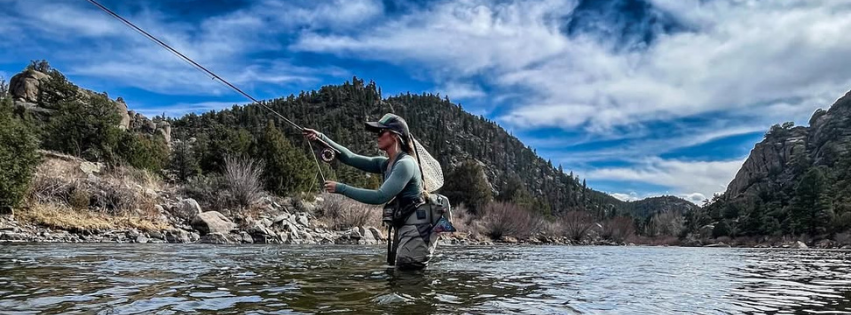
Mckenzie Johns’ fly fishing road trips have taken her from small Pennsylvania streams to epic solo journeys across the Rockies. On her recent fly fishing road trip from Colorado to Alberta, Mckenzie combined her passion for trout fishing with the freedom of rooftop tent camping, traveling with her blue heeler, and testing the Intrepid Geo Solo tent. Along the way, she shared how fitness helps her stay strong and confident outdoors, making long days on the river and setting up camp effortless. Her approach blends gear know-how, solo travel safety, and a love for exploring wild, beautiful places.
For women looking to plan their own fly fishing road trips, Mckenzie’s story shows it’s possible to merge fishing, camping, and fitness into one unforgettable experience. From choosing the right tent and packing fly fishing essentials to embracing solo travel and building outdoor strength, her advice encourages confidence on and off the water. Whether on a calm lake, a fast-moving river, or a mountain campsite, Mckenzie Johns proves that fly fishing road trips—when combined with skill, preparation, and passion—lead to adventures worth remembering.
01:14 – Mckenzie was introduced to fly fishing by her father in Pennsylvania, stepped away from it for years, and reignited her passion after catching her first trout at Deckers, Colorado, about 7–8 years ago. She is now in Canmore, Alberta, preparing for her first fishing trip with her father since 2019, highlighting the deep bond they share through the sport.
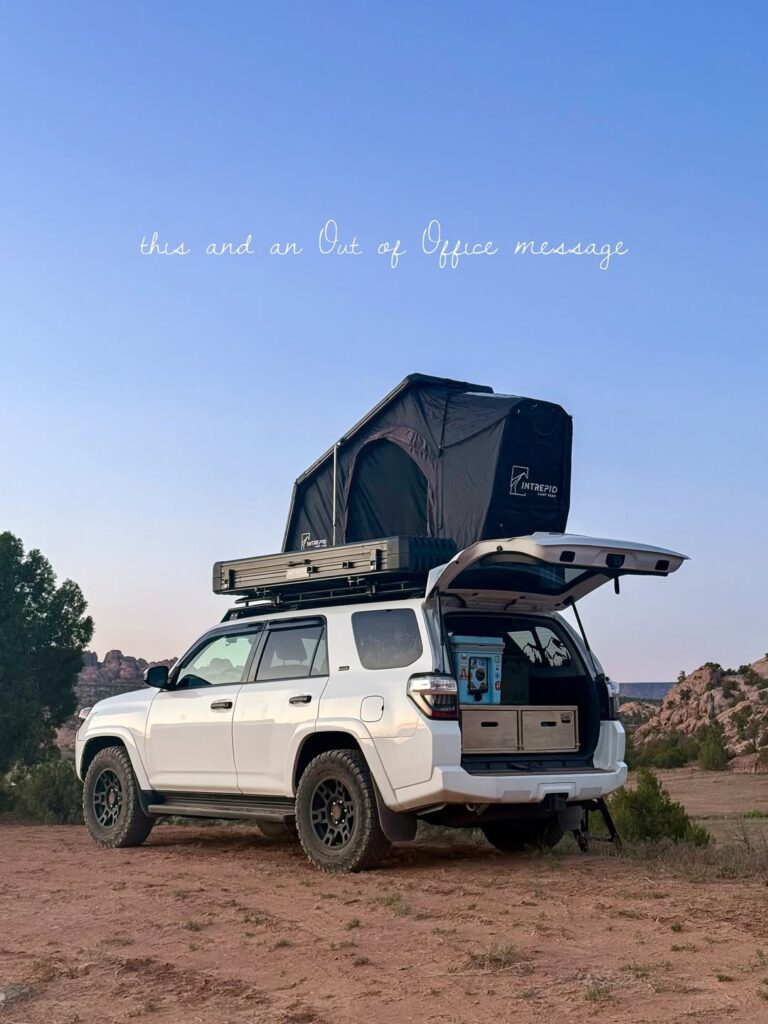
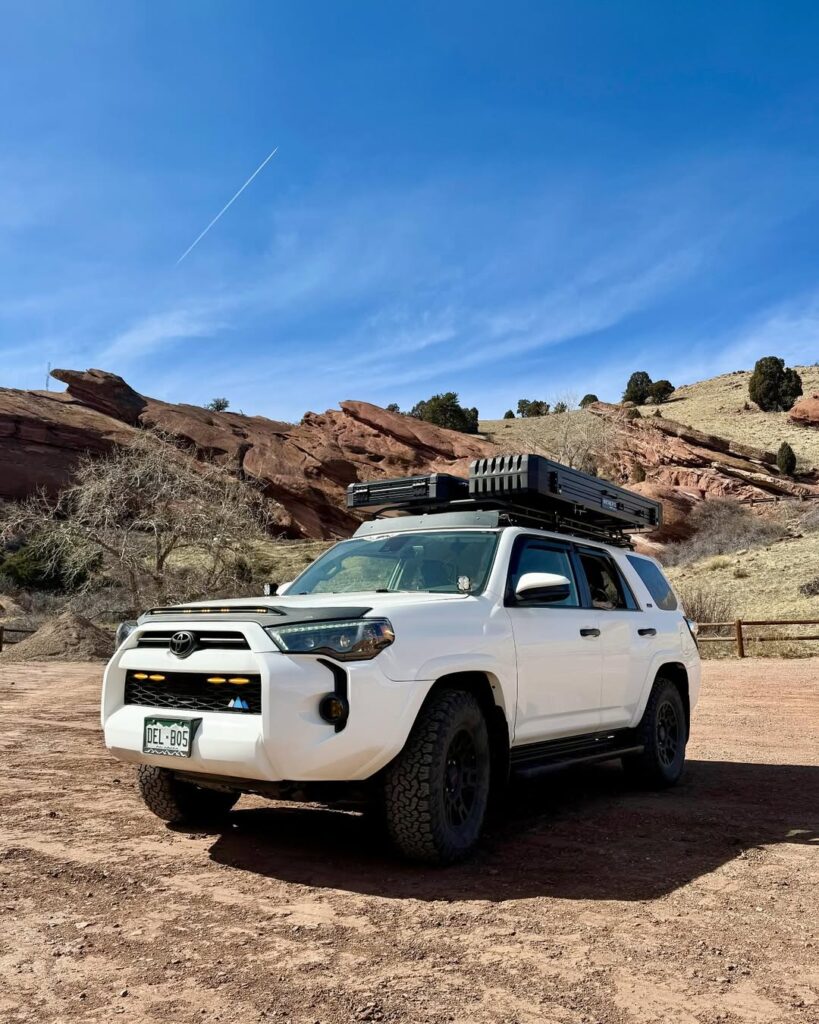
05:46 – She discussed her Intrepid Camp Gear setup, which she tested during an eight-day solo road trip from Colorado to Canada. She uses a 2024 Toyota 4Runner equipped with a Geo Solo rooftop tent and a 190 cargo box, a combination that keeps her organized, allows for quick setup in under two minutes, and provides safety and comfort, especially valuable for solo female travel in remote, scenic locations. For more information, view here.
12:45 – Mckenzie Johns explained that when she first committed to fly fishing, she relied on guidance from her then-partner, supplemented by podcasts, YouTube tutorials, and self-study, but ultimately improved through hands-on practice. She identified casting as her biggest early challenge, starting with Euro-nymphing before transitioning to traditional fly fishing, and now relies on a few “confidence” patterns—especially a size 18 perdigon, flashback hare’s ear, and hopper-dropper rigs with a chubby Chernobyl and egg pattern—favoring an intuitive approach over strict hatch-matching.
19:03 – She shared that she hasn’t been Euro-nymphing much lately, instead fishing with an indicator setup holding two to three subsurface flies—often using a bright pink indicator for visibility. With rivers blown out from recent rain, she’s considering lakes while enjoying the rare chance to fish alongside her father, a dedicated trout angler from Connecticut who’s always ready to pull out a fly rod whenever he’s near water.
22:18 – Mckenzie said road trips let her explore beyond Colorado into places like Wyoming, Montana, and now the Canadian Rockies—finding beauty in the landscapes and the waters she fishes. Her tip for a long journey is to research for safety but embrace solo travel for its empowerment, noting that a reliable vehicle like her Toyota 4Runner makes it easier to be ready for adventure anywhere.
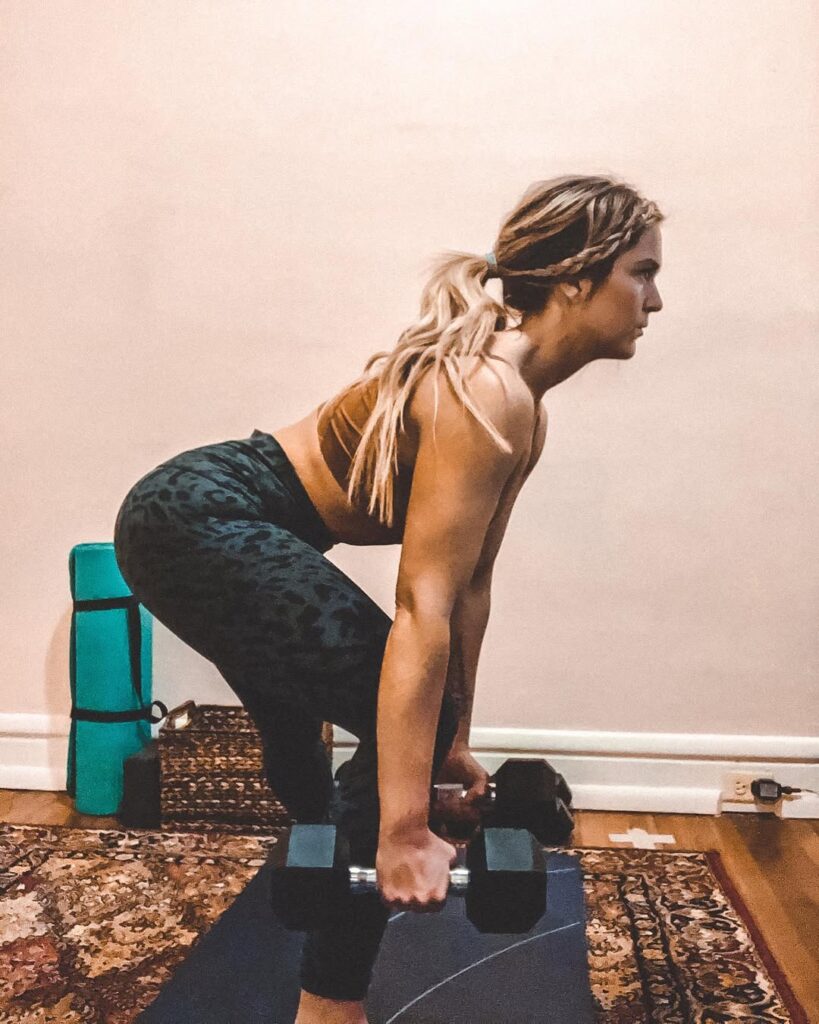
29:15 – Mckenzie Johns described how her fitness journey began from a low point in her life, where hiking in New Hampshire sparked the realization that better physical health would let her enjoy the outdoors more fully. After moving to Colorado, she shifted her mindset from exercising for appearance to training for strength, endurance, and mental clarity—eventually embracing home workouts and even coaching other women to build the fitness needed to explore and adventure confidently.
35:00 – She explained that anyone can start a fitness journey at home with just a yoga mat, a few sets of dumbbells, and a focus on weightlifting mixed with some cardio, noting that expensive equipment or a gym membership isn’t necessary. She also shared how the fly fishing community has become more inclusive for women in recent years, though challenges remain, and emphasized the importance of female-led groups that create safe, welcoming spaces for beginners to learn and grow in the sport.
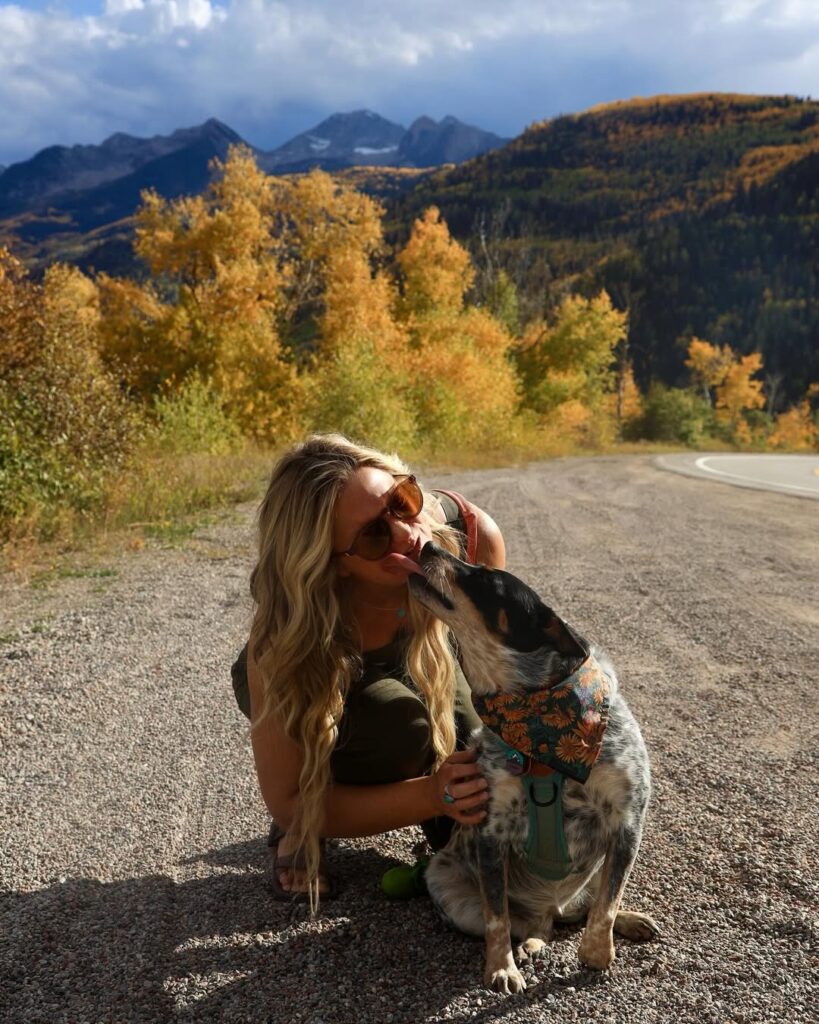
46:18 – Mckenzie advised that anyone looking to improve their health can start small with regular walking for low-impact cardio and basic stretching to keep muscles limber before and after activities. She also shared about her blue heeler, Sari—nicknamed “Smooch” for her affectionate nature—who often joins her adventures and enjoys relaxing in their rooftop Geo Solo tent, where she can watch the outdoors through the open windows.
50:26 – She shared that she still uses her first fly rod, a nine-foot five-weight Orvis Clearwater, which has proven versatile for Colorado waters, and that she often wet wades in warm weather but relies on her well-patched Patagonia waders—purchased secondhand—when conditions call for it. On the road, she enjoys a collaborative Spotify playlist she created with her social media followers, featuring a mix of genres from classic rock to pop, including songs by Kansas that bring back fond memories of time spent with her dad. If you’re looking for the playlist, go here.
57:43 – Mckenzie said this Canadian Rockies road trip has inspired her to return next summer for a longer stay when the fishing conditions are at their peak. She took eight days to make the nearly 2,000-mile drive from Boulder, savoring stops in Wyoming, Montana, and along the scenic Trans-Canada Highway through British Columbia before arriving in Canmore.
Episode Transcript
Dave (2s):
Today’s guest grew up chasing brook trout on a Pennsylvania stream right out her front door. But it wasn’t until a solo road trip, a forerunner and a Craigslist fly rod that fly fishing truly stuck these days. Mackenzie Johns is all about helping more women get outside, whether that’s on the river, exploring back roads with rooftop tents, or building confidence through home fitness. By the end of this episode, you’ll hear how Mckenzie navigated the early intimidation of fly shops, why a solo rooftop tent set up is a game changer on road trips, and how a size 18 paragon quickly became her go to fly. This is the Wi I Swing podcast, where I show you the best places to travel to for fly fishing, how to find the best resources and tools to prepare for that big trip, And what you can do to give back to fish species we all love.
Dave (48s):
Mackenzie is here today to share her favorite flight patterns, the ups and downs of learning to cast and what it’s like fishing with her dad. Again, we’re gonna get some simple tips on fitness habits that completely changed the game in the outdoors, and we’re gonna get some simple tips on fitness and some habits that’ll help you stay fit and stay more active out there this year. Here we go. You can find Mackenzie at mtn Johns on Instagram. How are you doing, Mackenzie?
Mckenzie (1m 15s):
I’m great. How are you Dave?
Dave (1m 17s):
I’m great. Yeah, this is gonna be a fun one today, I think. I always love getting into podcasts where they’re not exactly all fly fishing, You know, tips and tricks. And I think today we’re gonna talk not only fly fishing ’cause you’re into that, but also intrepid camp gear. We’re gonna talk about some of your background with, You know, firing women to get outdoors, You know, also some fitness, which is again, a big struggle for me. But let’s take it back to fly fishing first. We always love to start there. What’s kind of, how’d you get into fly fishing? Are you new to it or have you been doing this a while?
Mckenzie (1m 43s):
Yeah, so I would say my background with fly fishing is less than glamorous. So I grew up around fly fishing. My dad is an angler. He would be proud to be mentioned on this podcast right now he is currently sleeping though, but You know, he’s been an angler for a really long time. And I was exposed to fly fishing as a young girl, but You know, of course, You know, I wanted to do ballet and the girly things and everything. And so, You know, after getting a fly rod in my hand a little bit, I was like, oh dad, I don’t know if this is for me, but I do remember we would go on some, You know, pretty awesome family trips, like out into the lakes and rivers in Pennsylvania. I’m originally from the East coast and we also had this little brook trout stream right in front of our house.
Mckenzie (2m 25s):
And so my dad would take us down to the stream and we would just throw a fly rod that down there. And, You know, I had no finesse. I didn’t know What I was doing. And I’m just like, All right, dad, I’m not catching anything. What the, and so, You know, that’s kind of my first introduction to fly fishing. And then about seven, eight years ago, a previous partner of mine decided to dive 2000% into fly fishing. He had never fly fished before and he was gone every single weekend. And I was like, wow, I guess if I ever wanna see you again, I have to fly fish. Picked up some gear on Craigslist and early spring of 20 17, 20 18, I can’t remember, we went down to Deckers, Colorado, which is a very well-known fly fishing area.
Mckenzie (3m 7s):
And I caught my first trout and it was like the most incredible feeling ever. And I was like, oh wow, I think I’m actually hooked on this. This is so much fun. And so we just began doing that, You know, every weekend, any opportunity we could, You know, we ended up getting a fly fishing craft and would take that on, on the Colorado River. And really it just became this huge lifestyle for me, parting ways. And You know, still it’s this, You know, big focus in my life. There’s just nothing like being out on the river on, You know, still water and just, You know, and even on days when you’re not catching anything, it’s still like you’re, you’re in these incredible, incredible, beautiful places and you really just can’t complain about any day on the water.
Mckenzie (3m 52s):
No,
Dave (3m 52s):
That, that’s what we always love about fly fishing, right? We talk about the fly fishing, but it’s really not about that. It’s about everything else, You know, along with it. I love that with your dad, You know, early on because I, You know, my daughter is, You know, she’s I guess 11 now, which is crazy. I’ve never really put a lot of pressure on her, You know, although I’ve always, You know, she has a fly rod and stuff. But it’s, it’s great to hear because I feel like even though she’s not totally into it, You know, I’ve planted the seed and then at some point she might get into it. So it sounds like that’s how it happened for you and now you’re kind of addicted to it. Is that, is that kind of Yeah. How it looks? Yeah,
Mckenzie (4m 23s):
That’s totally it. And actually, You know, I am, I’m up here in Canmore, Alberta with my family. My, my little brother got married a couple days ago, and so my dad and I are actually gonna go out together. We haven’t fished together since 2019 when he came to visit me in Colorado. So we’re gonna go do some exploring today and hit up some of the lakes above Canmore. So it’s, it’s just a great little bonding experience where, You know, my, we can take both of our passions and just, You know, even if we’re sitting in silence for, You know, 10 hours, it’s still just this incredible feeling of being able to just, You know, be with my dad and we’re both doing something that we love,
Dave (4m 58s):
Love that, love that. Yeah, we’re doing, we’re just getting ready to build out a, a big event to Alberta. We’re looking at the Bow River. I’m not sure if that’s close to where you’re at. That’s in Calgary, I guess.
Mckenzie (5m 9s):
I actually drove by the Bow River on my drive out to Canmore and it is stunning. It’s absolutely stunning.
Dave (5m 17s):
Sweet. Yeah, we had a, one of our guides or kind of our head guide that’s running the, gonna help put together the trip. He had this thing when he first started guiding on the Bow River to separate him, his marketing thing, to separate himself. He said, basically, if you come on my trip, I will guarantee you, I think it was like a fish over 20 inches.
Mckenzie (5m 33s):
Oh my
Dave (5m 34s):
Goodness. Or your money back. Or your
Mckenzie (5m 35s):
Money back. Wow. That’s a big promise.
Dave (5m 38s):
I know. And it worked. And he said he pretty much on the bow was, was able to do that. I think there was only a couple people and, and in like 10 years that ever had to get their
Mckenzie (5m 46s):
Wow. Right.
Dave (5m 47s):
So it’s pretty cool, but so awesome. So this is it. So you’re, so you’re out there and you have all this other stuff going, You know, as well, just the outdoors, the women and then, and intrepid. So, and I wanna talk about all of this, but maybe let’s start with Intrepid because I think that that is a piece that I’m really interested in. I think travel is big because, You know, we we’re doing a big road trip and, and you’re kinda like, You know, you don’t really want to maybe pull a camper, but you don’t want to like throw your tent, put your tent up every time. Talk about, let’s just start off right at the top from Intrepid. What is it that you have there with them? Is this something you’re using a lot?
Mckenzie (6m 20s):
Yeah, so this is actually, So I was on the road prior to landing in Canmore. I was on the road for eight days from Colorado. I was driving through Colorado, Wyoming, Montana, up here to Canada. And I will say like putting this intrepid set to the test, it’s like the most ideal setup for, for my lifestyle. So on my four, I have a 2024 runner, and on top of her I have the one 90 cargo box, which is on the driver’s side. And then on the passenger side I have the solo geo tent. And it’s so funny ’cause the, You know, people drive by and they’re like, that tent, it’s only takes up half your car, like, what’s going on there? And I’m like, oh, it’s this solo tent. It’s built for one person, but me and my, my little blue healer fit in there perfectly with plenty of room.
Mckenzie (7m 5s):
And just being able to like, not only have the, the tent on top of the four runner, but additionally the cargo box where I can store just a lot of the stuff that I’m not using every single day. Like, You know, maybe my fly fishing gear, like I wasn’t fishing through Wyoming, So I stored my fly fishing gear up there. And just like stuff that I don’t need immediately has just made the camping experience so much more organized, which is huge for me because I’m very anal with how everything is packed and how I can access everything. And just the ease of use, being able to roll up into camp, I quickly unlock the tent and boom, it’s set up. It just made the, the whole like road tripping, You know, camping experience just a lot more enjoyable as opposed to having to unload the entire car and set up my tent.
Mckenzie (7m 52s):
And, You know, it’s this whole process which, You know, that’s nostalgic in a way. But I would say, You know, in my thirties I’m looking for something fast and easy and just helping me stay organized, especially, You know, when I was on the road for eight days, You know, it’s such an ideal setup for, You know, the solo female traveler I will say. And You know, it’s been funny, I was staying in Glacier National Park for a couple of days and some folks You know, came over to my campsite and they’re like, what is going on on top of your car? Like, can you explain this? And I’m like, absolutely. And they’re like, it’s so cool. I’ve never seen a setup where you can have a rooftop tent and a cargo box at the same time. So, You know, it it mostly ideal for, You know, a certain kind of person.
Mckenzie (8m 35s):
A lot of people are like, You know, oh I, You know, I prefer to have the two person tent. ’cause what if you get a partner down the road? And I’m like, well, I’ll worry about that when I need to worry about it. Like, but it’s not a problem right now. And so, You know, and then I just, I think, You know, the ease of use is big for me. You know, there were a couple of nights where I did have to disperse camp and, You know, weren’t sure if those locations were gonna be available, what things were actually gonna look like because the internet only tells you so much and everything. And So I actually ended up rolling up right before I drove out to Glacier. I was camping along the North Fork of the Flathead and just being able to roll up, I literally camped right next to the river and just waking up inside my tent and just like having that kind of view in the morning was just absolutely, absolutely magical.
Mckenzie (9m 22s):
But, You know, I rolled up at, You know, probably 10 o’clock at night, there was very little light out. And so being able to just set everything up so quickly and efficiently and crawling right into bed was like so key. Especially, You know, for being a, a solo female traveler. Like, I want something fast and easy to use, especially if I do feel uncomfortable in a situation and I can kind of get out of there quickly too if I need it.
Dave (9m 44s):
And I’m looking at some pictures on Intrepid Camp gear, we, we’ll put a link in the show notes to this, but it’s cool. Yeah, I mean it’s got the doors. It looks like you’ve got doors on both sides. You can kinda look out at the, there’s a picture here looking out at the mountains. There’s
Mckenzie (9m 56s):
The two doors on the side. And then on the, how I have it on the backside where it like opens up to that like kind of really big tall space. There’s another door actually, and it opens to like a kind of like a plastic vinyl. So like I can have a view without having like the tent fully exposed to air or I can also roll that up. And there’s also another screen there, so you have doors on all three sides, which is so cool. So you can get that like full view, which has been so crucial for this trip because I’ve been camping in some really amazing places.
Dave (10m 28s):
Yeah, this is great. I think we’ll put some links out, like we said and folds down. The cool thing about these two is that it folds down into basically just a, I don’t know what you call it, but it’s a, it’s a tight box, right? It’s it completely, yeah. But how long, talk about the popup. What does it take? So you get there at camp, how long does it take to get this thing popped up and like in there sleeping?
Mckenzie (10m 47s):
I mean like popped up and like in there sleeping. I would say like max two minutes just because I gotta throw all of my, my sleep gear in there. But I mean, popping it up, it takes like 30 seconds or less, You know, you just unlatch both sides because it weather sealed. So you just unlock it, unlatch it, you push it up, it opens by itself and then you, there’s a ubar that opens so you can kind of see how it like, comes out beyond the box area. So there’s like a ubar that creates that additional head space. And then there’s actually a skylight right there too that you can open and close. So I’ve had that open because the stars have just been incredible. So yeah, actually setting up the physical tent, I would say, You know, like, You know, under a minute about 30 seconds I think is the, the fastest I’ve been able to do it.
Mckenzie (11m 30s):
And then, You know, probably about like max two minutes just to get all my sleep gear and everything in there.
Dave (11m 34s):
Nice. And You know, obviously Intrepid has different, You know, bigger rooftop tents as well, right? So you can get the big things and, and, and then also the boxes. That’s one thing on the last giveaway we did with Intrepid, they gave away one of their, I guess their aluminum cargo cases where you can kind of put your rods in anything. Is that, is that what you have there?
Mckenzie (11m 51s):
Yeah, yep. I have the one 90 cargo box and it is awesome. I mean, I use it for all seasons, You know, this past winter I was using it for all my ski gear, which is great, You know, you can keep those wet skis up and out of the area, your vehicle. And it has like a little drainage system too specifically for that. So if you have like any, You know, kind of like gross elements or anything in there, it’ll drain itself out, which is pretty cool. But yeah, You know, for this road trip, You know, just being able to store kind of some stuff that I don’t need immediate use in just kind of keeping things out of the way and more organized, it’s, it’s been so helpful. They also have other things that you can like put inside the box for organizational pur purposes too. I just have the bare box, which has been so perfect for me and my setup.
Mckenzie (12m 32s):
But it’s great because you can literally use it for anything and everything. And just, again, I’m, I’m huge on organization and just ease of use and the cargo box is just, it’s so great and it’s very sleek looking too. It looks really good on top of the car.
Dave (12m 45s):
Yeah, that’s, that’s it. Perfect. Nice. Well that’s a good little intro to Intrepid and we will, like we said, get a link out there and we’ll probably follow up with this later in the episode, but I wanted to also today talk about some on obviously fly fishing and maybe even get into some on fitness and all that. But, but let’s go into fly fishing. So what was it like, so you’ve got, You know, kind of had a little taste of it early and then you go all in on it. What, what was it like, how’d you go from, You know, kind of getting started, kinda that 1 0 1, how did you get your first fish? You know, and then How are you doing now? How are you learning basically?
Mckenzie (13m 17s):
Sure, yeah. I mean, honestly I will say I did lean heavily on, on my partner at the time because I had no idea What I was doing. I, I had listened to some of the, You know, Orvis podcasts and You know, watch some YouTube videos and stuff. ’cause I’m like, I’m a very visual learner. I need to be able to, You know, see how people are casting and how people are tying knots and all that kind of stuff. And I did do a lot of like my own research and everything, but when we were out on the water, You know, I would be able to ask my my partner questions. But it did get to a point where I’m like, okay, I’ve got the knowledge. I just need to do this. I just need to execute this. And the more time I have on the water, the more it’s just gonna make sense to me. And I think that honestly the biggest hurdle, and I feel like this, a lot of people can say this too, is the casting, right?
Mckenzie (13m 59s):
That, I mean, I feel like my first couple months out on the water, I just, when Knot after when Knot After when Knot, and it was brutal. And I was like, do I actually enjoy doing this? Do I really like doing this? And so, You know, once I was able to actually get the casting down, You know, and I, it’s funny, first I actually learned how to fly fish on a nymphing rig. So you’re not even really casting,
Dave (14m 22s):
Actually, it wasn your first, so your first time was actually Euro nip
Mckenzie (14m 24s):
It wasn your first got my first finish. Oh, wow. Yeah. So I was like, You know, oh, this isn’t too bad. And then when I actually started, You know, traditional fly fishing, I was like, okay, this feels a lot harder. There’s more finesse involved
Dave (14m 36s):
Because the Euro nph, you’re actually not, we’ve, You know, talk about that occasionally, right? You’re not really casting a fly line. So it’s kind of different.
Mckenzie (14m 43s):
Yep. It’s definitely different. And so, You know, getting used to casting and just being out on open water where I can, You know, cast a little bit more confidently without getting stuck on, You know, brushing trees and all that kind of stuff. And really, I think, You know, just the biggest thing for me in my first year fly fishing was just timeout on the water and, and just being able to, You know, go touch different kind of water too. You know, big rivers, small streams, You know, little alpine lakes, You know, big rivers that, You know, I would float. And so being able to just, You know, have exposure to different types of water helped me understand, You know, where the trout are also sitting in the water too. And, You know, I don’t have a huge background on the science and everything like that.
Mckenzie (15m 23s):
You know, if you sat my dad down here, he could, he could fully go into, You know, all the details there. But, You know, I, I feel like I call it, You know, intuitive fishing where I’m like, I feel like the fish are here and I feel like this is what they’re eating. And, and, and it works most of the time. You know, I have some friends of, actually another women group that I partner with in Colorado, they’re called Unchartered Women Outdoors. And actually the owner, she’s funny. She’s like, I just love throwing purple. I just love throwing purple and it works so well for me. And I’m like, All right, Erin, we each have our, You know, our own thing. And so, You know, of course, You know, I have my, my my go-to bugs and everything and You know, if it doesn’t work, you just tie on another one and, and see what happens.
Mckenzie (16m 8s):
But, You know, and then I have some, You know, some other folks that I fished with before that, You know, are really like, okay, what’s the hatch today? They’re, You know, picking up the rocks and inspecting everything. And so, You know, it, it’s interesting to, You know, fish with the, the, the two different kind of parties, You know, the really extreme like, We have to match the hatch versus like, no, this is What I like kind of throwing, so we’re gonna do this.
Dave (16m 29s):
Love that. Yeah, I think it that again, that’s I think what fly fishing, why it’s great is that you could go as deep as you want if you want to become an entomologist, right? You can do that. But I think, like you’re saying, just staying, staying high level is kind of fun too, because you could have your confidence flies and just go with those and probably catch fish, You know, on them. What are your, maybe what are some of those top flies? I’m guessing I could probably guess a few of them, but what are the, in your box where you, you come to this new location up in, in Canada, what are you thinking? What are those top few flies you have there?
Mckenzie (16m 57s):
You know, it’s so funny, I’ve done very little research on all the areas that I’ve, I’ve fly fish, I’ve fished so far on this trip and I’ve been so successful on a size 18 perdigon. I’ve caught all, all my fish on a size 18 perdigon. I’ve also done really well with a flashback, hairs, ears. I haven’t caught anything on top yet. We were talking to some guys at the fly shop and they’re like, it’s not quite hopper season yet. And I’m like, I love throwing hoppers though. They said, You know, you gotta come back down in or back up here in August. And the hoppers are just wild. But that’s, I love throwing hoppers down in Colorado.
Mckenzie (17m 37s):
I’ll do a hopper dropper rig usually, You know, nice chunky, chubby, Cher Noble on top. And then usually I’ll do kind of an egg pattern in the middle and then some sort of bead head. But honestly like Paragon is just like my go-to for a bottom fly. It, it just, I get so lucky on it. It’s my, my my my lucky fly, so.
Dave (17m 59s):
That’s awesome. That’s so cool. Yeah, we’re doing a, well, we’ll put a link into it. It’s pretty, we’re pretty excited about it. We’re actually, Euro nipping is a huge topic obviously out there. And We have Josh Miller, who is Josh Miller is actually the coach for team USA youth and they’ve won the last two world championships. Ah, so cool. And he’s just this, he’s just this Allstar and he’s just, he was on the first time he is on the podcast, it was one of those ones where you’re just like, oh my God, this guy has it all, but he’s gonna come on for a webinar and he’s gonna walk us through kind of how he does the euro NPH fing. So we’re excited about that. But one things he, one thing he talked about on the podcast that we did with him that he said that, You know, you don’t want that NPH just to sink like a wet, You know, all the way to the bottom quickly. He says the slower it sinks, You know, it gives the fish more time to see it as it’s coming through the water column.
Dave (18m 41s):
Right. So I think that’s maybe why those paragons work so well is that they’re heavy, You know, they’ve got the tongues in, but they’re, You know, you’re not using other weight. Right. It’s just slowly sinking down. Yeah,
Mckenzie (18m 50s):
Just the fly itself. Yep.
Dave (18m 51s):
That’s it. Awesome. So the Perdigon, are you fishing it now with kind of just a dry line and floating line sort of thing? And then nipping, are you using also still like the euro nipping kind of mono stuff? No,
Mckenzie (19m 2s):
I haven’t been actually your own nim thing much. My dad wanted to try it out today, so we, we might give it a shot. ’cause the rivers are pretty blown out right now. We just got a quite a bit of rain over the past couple of days, and So I don’t even know that we’re gonna have much luck on the rivers. We might need to hit up some lakes, but I’ve just been doing kind of an indicator with two to three flies, You know, subsurface and below. And that’s been doing pretty well. The, the rivers have been pretty fast, obviously because it’s, You know, runoff season and so it’s been, You know, a little tricky, but, You know, the indicator has been, been helpful. What’s
Dave (19m 37s):
Your indicator you using, are you using like the, the, I’m trying to think of the top ones. Do you have a special one you like or just whatever you got?
Mckenzie (19m 44s):
No, I just, I love pink, so it’s just easy for me to see. So I just, a little pink guy up top is usually What I do. And I, I actually, I, where was I in Montana? I had a couple of fish actually go for my indicator and I was like, guys, what are you doing? That’s the wrong one. Wrong one.
Dave (20m 1s):
Yeah, exactly. That’s it. Nice. Good. So you’re gonna have a good day. This is really cool to hear. You’re up there with your dad. It’s been a while, a few, You know, years and you’re fishing together. I mean, and what’s your dad, let’s just talk about that for a sec, because I know he sounds like he’s a diehard. Is he into, does he mostly focus on trout or is he like all over the place, travel and doing all that stuff?
Mckenzie (20m 21s):
No, he mostly focuses on trout. He’s from Connecticut, so he, he’ll fish like the Connecticut River and a lot of small streams. He’s the kind of guy that’ll just keep his fly rod in his, his truck and any river that he’ll cross by and be like, ah, I, I’ve got 15 minutes, I can probably pull a trot out of there. And so, You know, and he’s also will just, You know, hike out somewhere and he’ll just be gone for, You know, 10 hours at a time. And it’s just, You know, dad doing, doing his thing. He just, You know, he, he’s always talking about, it’s funny, we were in ban yesterday and we were, You know, hiking to a, a few lakes and he was like, oh, I see the trot rising. And he’s just like, You know, shaking his head like, I should have brought the fly rod.
Mckenzie (21m 2s):
I should have brought the fly rod. And so you can always just catch him by body of water and he will just, he gets messed
Dave (21m 9s):
He’s in. That’s it.
Mckenzie (21m 10s):
Yep. You just lose him. He’s die hard. Yep,
Dave (21m 12s):
He’s die. That’s so cool. Well, you gotta let him know. We, We have another great partner, Pescador on the fly. They have this six piece rod that we’ve been talking a lot about. And the cool thing about it is, is that it’s six pieces, so it packs down. It could literally fit into a, a normal back, like a little tiny backpack. And so yeah, I think he would probably be a good person to, You know, have, because it’s like, You know, okay, throw in the backpack and forget about it. It’s always there, You know, put your reel on and go for it. Good. So this is, I love where we’re going here because I think that, You know, the family stuff is, I’m big on that, You know What I mean? I’m always like, I’m trying to, like, we’re doing a trip up to Alaska travel and driving actually, and I’m taking the, You know, the family and I got my two girls and You know, and I’m doing it because it’s like literally 2,500 miles.
Dave (21m 54s):
But I’m doing it because partly I want them to experience Alaska, You know, and, and I want them to see that, even though it’s gonna be challenging at times and, and just like kind of what it sounds like you do, right? You’re on the road. What is it about the road stuff sounds like you do a little bit about that you love most? Is it kind of seeing the site and how do you, and then what would be your tip for somebody doing a long journey on a road to have success?
Mckenzie (22m 14s):
Yeah. You know, honestly, I think it’s just, it’s just a, being able to experience, You know, I, I live in Colorado and so it’s easy to just kind of, You know, get stuck in Colorado because there’s so much to do and see and explore it there alone, You know, I’ve been there for almost 11 years now and it’s just like I’m still, You know, discovering new places, but then I’m like, hang on. You know, we border Wyoming, which is also incredible. And Montana I absolutely fell in love with. And So I think it’s just really being able to, You know, immerse yourselves and, You know, be able to see and experience, You know, not only just, You know, the waters for fly fishing, but like the, the mountains alone. I’m just, I’m so in love with the Rocky Mountains and being, You know, in the middle of the Canadian Rockies now, You know, I’m just staring at these peaks and they’re so like, just ominous and beautiful and it’s really incredible.
Mckenzie (23m 4s):
And I, You know, I highly suggest people, You know, even just going for like, You know, three, four hour road trip to just, You know, discover a new place. You know, especially being able to do it by yourself and alone is, is so empowering. And I think it wasn so beautiful about, You know, the, the eight days prior to me landing in Canada was just, You know, of course I had to do my research to make sure I could keep myself safe and all that kind of stuff. But You know, like I said, waking, waking up on the north fork of the flathead, You know, just by myself and having that whole area and I was like, oh my God, this is just so incredible. It’s, we really truly live in this, in this beautiful world. And being able to experience it just, just hopping in your car and driving for a few hours is pretty special.
Mckenzie (23m 46s):
Yeah.
Dave (23m 46s):
Just getting out. Cool. And that, and again, that’s back to the, the rooftop tents. That’s why it’s kind of nice is that you’re always ready to go, right? You don’t have to pack a bunch of gear. You pretty much, and you’ve got the Toyota. You’ve got the Toyota, which is another, I’m loving this because one of our big sponsors this year is Toyota. So We have Toyota on board, and, and I’m a big, I went through a phase of non Toyotas and I’m backed to Toyota and I’m so happy because, You know, I’ve the tundra, You know, whatever it is, I’m stoked on it. But, so on the Toyota you have, you have the four runner. What, what is the, are you pretty much in love with that car? Is that something you, have you been Toyota for a while? It’s
Mckenzie (24m 18s):
Literally the best car ever. It is, it is the best car. I’ve been wanting a Toyota, oh my gosh, ever since I was in high school. And I, You know, when I moved out to Colorado, I had a 99 Jeep Cherokee that me and my dad kind of in a way rebuilt together. We, I bought it out of junkyard for like $200. Oh
Dave (24m 36s):
Wow. A 90 Now this is a 99. No, did you say 1999 Jeep Cherokee? Yep.
Mckenzie (24m 41s):
You got it. Yep.
Dave (24m 42s):
Oh, this is great. I love it because I’m a big Jeep. This kind of goes back to my Fal too. I’m a big Jeep guy, but, okay, so this is the one, yeah, these are the Jeeps, the old kind of box style that looked like they had the big 4.0 engine. They
Mckenzie (24m 52s):
Were, it was awesome. And So I had that car, oh my gosh, for like 12 years and a, I think I drove it for more than 300,000 miles. And You know, eventually out in Colorado, my dad is a, You know, huge handy mechanic guy and huge was always like, never bring it to a garage. I, I will fix it for you. But, You know, moving 2000 miles away, I was like, yeah, dad, that’s not super feasible anymore. And so eventually it’s just, You know, it because it was so old and, You know, such high mileage, it became a money pit. And so during COVID, I ended up buying a used Subaru Outback, which I won’t say too much there, but I will never buy another Subaru. Yeah.
Dave (25m 28s):
Well, let’s stop there for a moment because this is what’s crazy. So I, yeah, we don’t want to dog on Subaru too bad because there’s probably lots of people that love Subarus and, and I feel like, You know, but man, I’ve had some Subarus in my life too. I go back to the story, I’ve told this one before, I think, but my brother had this Subaru, You know, it was like, I think it was, I can’t remember, I’m dating myself, but it was, it was an old Subaru, right back, back into the, like the 1980s or something like that. I think that’s what it was, but it broke down and I had a couple after that and it seemed like there was always a, a overheating thing, right? It was something like radiator thing. What was it that took your Subaru down?
Mckenzie (26m 2s):
It wasn literally it, my car overheated and I ended up, we were actually on out on a river trip and we were using my Subaru as the shuttle, and just in the middle of nowhere Colorado, it just started to overheat and like every light on the dashboard turned on. And I was like, well, that’s not good. And ended up taking it in and I warped the head gaskets and probably spent like four grand getting it fixed just to find out that the engine was going at 130,000 miles. And I was like, well, I guess we’re buying a Toyota.
Dave (26m 33s):
What was the year of that Subaru? It
Mckenzie (26m 35s):
Was a 2010, so it wasn’t even that old.
Dave (26m 37s):
Oh, wow. So it wasn’t even that old. So see, and that’s what blows me away, because you look at my experience of whatever the car was, 19 85, 19 90, I don’t remember what it was, but it was an older one. But think of that in years, it seems like they didn’t fix the problem, right? I mean, and Toyota, on the other hand, the great thing about Toyota is I, I think right, reliability is a big part of it. I have had Toyotas, I feel like, You know, and there might be some stuff where maybe a lot of the cars are similar, but I, I, I just feel like the reliability, as I was talking to Toyota with our partner stuff, I was asking them like, and they were kind of talking about, well, there’s not this cult following with Toyota, but I kind of feel like there is, I feel like people do love Toyota even though it’s not the most expensive car in the world. I feel like there is this cult following.
Dave (27m 17s):
Is that kinda how you feel about
Mckenzie (27m 19s):
It? Oh, definitely. I mean, I am in like multiple like Toyota women groups where like, You know, specifically like, You know, it’s women from across the nation that we all own forerunners of, You know, various years and generations. And so, and it’s a, it’s actually a really cool space because, You know, we can kind of safely ask each other the questions that we might not normally feel comfortable, You know, maybe asking a dealership or, You know, asking a group with, You know, men in it as well because we’re, You know, might not feel safe asking a certain question. And so, You know, being a part of these groups, Toyota women that, You know, own Toyotas is pretty cool. And this, is
Dave (27m 57s):
This a Facebook, is this like a Facebook Facebook group? Yeah, like a free Facebook group. Is there anything you would ever, I’m not sure if you do the, the paid groups, but is there, is that something that you would pay for if it had enough enough value, like some sort of a, a paid Facebook group for Toyota? Or is that connection
Mckenzie (28m 13s):
Oh, definitely, absolutely. Yeah. You know, especially, You know, a space specifically, You know, for women not to, You know, knock you, you men at all. But I think, no, not
Dave (28m 22s):
At all. No, I agree. I think, I think the women, and there’s lots of, You know, women on the fly we’ve had on the podcast, and I think that it’s like any group, and we, we’ve been told We have our own wet fly Swing Pro membership. And, and I’m always interested in hearing about it because we hear the same thing. What people love about it is that you can go into these pay groups and it, it creates a situation where only people that are gonna pay are cer, You know, they’re people that are your, your people. And so it’s safe. So you can go in there and actually ask questions or even tell secret, tell, You know, whatever you want to, and you don’t have to worry about somebody coming in and like bamming you or getting hammered by, You know, like whatever that is, right? So I feel like that’s why the paid kind of groups are kind of powerful. It’s that community, again, we’re all, we’re all striving for community, right?
Mckenzie (29m 2s):
Right.
Dave (29m 3s):
Yeah. Good. Okay. So we’ve got Toyota checked off, we’ve got the cars, we’ve got all this, let’s go into fitness. Because fitness I think is one for me. I’ve always struggled with fitness. I basketball, I had all my sports, but as I get older, You know, I get to that point where, well, You know, like even this week I’m like, oh man, I should have ran yesterday. I, I didn’t, I took a break, I didn’t run. And I, and I feel like it’s kind of one of those things where you’re thinking, man, I, I need to do a better job, but what’s your take on fitness first? Talk about maybe what your experience is with it, and then we’ll get into maybe how people can maybe do some things that are healthier. But, but what is your, and I know you have your own story, right? Yeah.
Mckenzie (29m 37s):
So my, my fitness journey actually started right before I, I moved to Colorado. I was, I was pretty, pretty low place in my life. I was, You know, pretty overweight for, for my small, You know, five, two stature and was just really at a, a bad place and had a, a bad relationship with just food and, and my body. And right before I moved to Colorado, I was doing some hiking up in the White Mountains in New Hampshire on the other side of me huffing and puffing and hating the ascent on some of these mountains, You know, getting to the top and just having that liberating feeling of like, holy cow, I just climbed this mountain. Like my body just did that. It was like this addictive feeling. But I was like, if I was in better shape, I would actually be able to enjoy the journey more.
Mckenzie (30m 21s):
And so when I moved to Colorado and, You know, much bigger mountains, much longer trails, You know, a bit more strenuous terrain, I was like, wow, I really need to like, You know, really make an adjustment here with my lifestyle and my, my fitness So I can take on these bigger mountains. And it wasn’t just a, You know, a physical thing for me, it was also that, You know, mental challenge as well. And So I started to really kind of shift just how I approach fitness, and it wasn’t, You know, be to, You know, look better in the mirror. It wasn’t to, You know, fit into a certain, You know, size pants or whatever.
Mckenzie (31m 1s):
It was literally just So I could enjoy the outdoor space that I moved to, to start a new life, You know, in Colorado, You know, I moved to Boulder and I will never forget the day I was hiking up Mount Sanitas and there was a young mom and she had a infant, oh my gosh, probably maybe a couple months old. And she was breastfeeding as she was practically running up this mountain. And I’m like, how do I get on that fitness level? And so just kind of being in that culture too, just like really helped me to kind of, You know, shift that mindset of like, oh, everyone out here wants to take care of their bodies for the reason to enjoy the outdoors. So again, I think, You know, kind of changing my environment helped a little bit too, but, You know, I realized it’s not accessible to everyone.
Mckenzie (31m 45s):
And so, You know, the biggest thing for me was just shifting that mindset of, You know, instead of, You know, trying to look a certain way, I wanted to feel a certain way. I wanted to not feel, You know, dead at the top of a mountain. I wanted to feel like I, You know, truly, You know, deserved to, to, to be there on top of a fourteener. Exactly. And so, You know, I was pretty intimidated by, by gyms in college. I was really big into power lifting and whatnot. But, You know, gym gyms are kind of a, a different environment there and, You know, trying to find a gym that, You know, I really liked and wanted to make an effort to go to and, You know, also not spend, You know, a fortune on as well. You know, it just was very overwhelming.
Mckenzie (32m 26s):
And I came across this opportunity of being able to work out at home, and I was like, can I get in shape working out at home, like just in my living room? Like, is that a thing? And You know, I started, You know, seeing more people on my social media, women specifically that live in Colorado, that, You know, were working out at home to do exactly What I was aiming for, to be able to take on these bigger adventures, to be able to, You know, go hike a mountain, You know, with their kiddos and, You know, basically like the, the ideas longevity, right? We wanna live these beautiful, strong lives and You know, the first step is taking care of yourself. And So I started my home fitness journey back in 20 16, 20 17.
Mckenzie (33m 9s):
And really it just, not only have I been able to conquer so much physically, but like it also helped me with that mental hurdle that I had. You know, I, like I mentioned, I was in a really, a really bad place when I first moved out here and, and trying to, You know, make a ch a change for myself and being able to, You know, take on these bigger hikes, these bigger mountains, just really was able to provide a lot of mental clarity and really make me appreciate, You know, the, the reason why I moved out here. And so over the years, for, for a few years, actually, You know, I was, I was also coaching and trying to inspire women that were kind of in similar situations of me.
Mckenzie (33m 54s):
You know, didn’t wanna go to a gym, felt really intimidated by going to a gym, but didn’t have the maybe quote unquote motivation or dedication to figure out how to do this from their own safe environment at home. So for many years, especially during COVID really kicked off and being able to helping guide people on their, their fitness journeys to be able to adventure, to be able to explore, You know, the beautiful places that we live in. And again, it’s that mental shift of like, You know, I don’t wanna look a certain way, I wanna feel a certain way, I wanna be able to, You know, just, You know, some people it might just be, I wanna be able to hike two miles without huffing and puffing. Yeah,
Dave (34m 32s):
Exactly. Or get up the stream or, or get up the, yeah, yeah. Hike, hike up the stream and do your, like your, it sounds like your dad does. Is is that something that, well, I mean, that, that’s a good question. Like, for anybody, You know, what was the, the thing you did, what was the, your regimen, what at home to get you going? Is this something you think anybody can do without, You know, skip the gym and just do the home plan? Not many companies are building their own gear these days, but Intrepid Camp Gear is changing that based in Boulder, Colorado Intrepid designs and manufactures some of the most rugged, technically advanced rooftop tents and aluminum cargo cases on the market. Their gear is built in-house with patented designs that stand up to the elements and the miles, whether you’re chasing elk deep in the back country hunting for fresh powder or heading out for your next fly fishing trip in Trepid gives you the confidence to go further.
Dave (35m 21s):
Their rooftop tents keep you warm, dry and off the ground, their cargo cases bombproof weather tight and ready for just about anything. So stop settling for flimsy mass produced gear, level up with the gear that’s built to last and engineered for real adventure. Go to wetly swing.com/intrepid right now to get started. That’s I-N-T-R-E-P-I-D Intrepid Camp Gear. Get started right now.
Mckenzie (35m 48s):
Yeah, I mean, just get a couple set of dumbbells and honestly, weightlifting, like, it doesn’t need to be anything crazy heavy. And I, I don’t know if there’s other fitness people that are listening to this that are gonna be like, ah, You know, I’m no, I’m no certified personal trainer or anything, but, You know, weightlifting for anyone, men and women alike is so important. You know, also mixing some cardio in there. I will say I hate running, I absolutely hate it. I, I have a pack with a couple girlfriends where we promise each other for every single week this summer, You know, we’re gonna run once a week. And I’m like, okay, that’s, that’s, oh, nice enough for me to handle. That’s
Dave (36m 23s):
Doable.
Mckenzie (36m 24s):
Yes, exactly. But my biggest focus has been weightlifting and, You know, for the first couple of years in my fitness journey, I wasn’t lifting like crazy weights. I think, You know, I had dumbbells from, You know, five pounds up to 20 pounds and it wasn so sufficient for me, You know, for many years. And it wasn’t until recently where, You know, I got my own home gym space and I have more room where I’m like, okay, I’m gonna invest in more equipment, but really you don’t need to invest in that much equipment. You know, getting a few sets of dumbbells and being able to, You know, time under tension is huge. And So I just, You know, using even 10 pound weights for some bicep curls under that time, under tension. So using that, You know, three count on the down motion.
Mckenzie (37m 6s):
And honestly, like YouTube can be your best friend too. There’s some incredible programs out there that you can, You know, if you’re like, I don’t even know, like where to begin. There’s a lot of great tools out there, but I will say, You know, you don’t need to invest in this whole home gym experience. A yoga mat and a few set of dumbbells is really all you need. Yeah.
Dave (37m 26s):
That’s all. You love that. No, I love that you keep it simple and then obviously you’re out there hiking and doing all that as well. No, this is good. Well, and I, and I also wanted to touch on, You know, and this all kind of connects together, but kind of the, the females, You know, fly fishing, and I think probably the biggest thing that you we’ve heard of in recent years is like, You know, the 50 50, the, the Orvis movement, right? To specifically get more women, You know, on the water. What has your experience been out there? Have you, You know, have there been challenges? Have you been into the fly shops? Have you, what’s it feel like from your perspective? I’m always interested in hearing that.
Mckenzie (38m 0s):
So I will say it’s, it’s so different, more in the more recent years. When I first started getting into fly fishing, I’ll be honest, I hated going into fly shops.
Dave (38m 12s):
Yeah. What was the worst thing about the fly shops? So you go in there in the early days, right? You go in there and was it just that, You know, you were kind of like mansplained or whatever talked down, or what, what was the worst thing about it?
Mckenzie (38m 22s):
Mansplained. I would be targeted. They would target me for flies that they couldn’t sell, and they would try to sell me some flies that would actually not be, that would not work well for, You know, the terrain and the waters that I would be hitting. They were just trying to sell me something that they couldn’t sell to people who knew what they were. And You know, I think there, there was one experience where I will never forget where I was in a fly shop and, You know, I was looking around, I think I was just looking at some tippet or something. I was running low and, You know, clerk runs comes over and he’s like, can I help you? And I was like, no, I think I’m good. I’m just like, You know, looking for some five x. And he was like, are you sure you should be here?
Mckenzie (39m 2s):
And I’m like, what kind of question is that? And I was like, I just kind of looked at him and like cocked my head, like, excuse me. And he was like, well, I don’t, what are you doing here? And I just walked out. I just walked out. I said, I don’t need to be giving you my business. And I have not gone back to that fly shop ever since. But it wasn the, the worst of my experiences. And I’m, You know, I have talked to, You know, other women over the recent years and we’ve, You know, exchanged our horror stories, but it’s gotten so much better. And, You know, there are some, You know, certain flash ups that I will absolutely give my business to because, You know, there’s, they, You know, hire women and they hire, You know, female guides and stuff. And I, You know, I think it’s, You know, and these women have so much knowledge and they’re absolutely incredibly knowledgeable people.
Mckenzie (39m 48s):
And You know, it’s so great to see just more inclusivity out there. And like, You know, I had mentioned, So I am the PR coordinator for Women of Colorado, very female based group in Colorado. We do events and meetups all over the state, and we partner with another female group called Unchartered Women Outdoors, who I’d previously mentioned another all female group. And they’re all female guides, and so we will partner with them and we’ll do like fly fishing 1 0 1 classes. Erin, who’s the owner, she’s just absolutely fantastic and is so huge on, You know, the female inclusivity into like the, You know, fly fishing and the, the, the hunting realm as well. And it’s so cool to be able to, You know, see more of that happen and, You know, be able to work with these women as well.
Mckenzie (40m 34s):
So we don’t feel so unwelcomed in the outdoor space because unfortunately, You know, whereas, You know, we are being more included. And it’s gotten so much better in the more recent years. You know, there still are some times where, You know, this just happened last summer where I was, You know, fly fishing, the Arkansas, and some guy came over and he was like, you fishing upstream? And I said, yep. So what does he do? He just high holes me, and I’m like, you just asked if I was gonna fish there and you still went. And I’m like, are you kidding me? So as soon as he left, I think this was the most rewarding thing. He didn’t catch anything in that spot. So I roamed up there and I caught eight trout back to back, and he’s watching me from the other side of the river, like, are you kidding me? So, You know, I think just overall it’s gotten so much better and there’s more women who are really helping the movement of, You know, providing more inclusive environment in the outdoor space for, for women especially, You know, women who want to be more involved in the outdoor space, but are feeling so intimidated about it, it and don’t know where to start.
Mckenzie (41m 34s):
And that’s where I think, You know, these female run groups are so important for us to be able to lean on because it is a safe space. We don’t have to worry about the mansplaining, You know, we are working with professional women who are, You know, professionally trained as, You know, who
Dave (41m 48s):
Are all stars Exactly.
Mckenzie (41m 49s):
Who have the insane knowledge, You know, that can help women, You know, start from with the basic knowledge and work your way up. You know, you don’t have to go into a fly shop and buy a thousand dollars Rod as a beginner fly fisher. Like you can go get a, You know, a, You know, easy, You know, Walmart setup or Yeah.
Dave (42m 6s):
Anything. Yeah. And I just heard that Yellow Dog did, and I haven’t, I didn’t read this, but one of our listeners told us about Yellow Dog did a series on fly rods, and I think the top two rods, I think one was a Winston, but the second one was, I think the redington like a, like a, a very low priced rod was basically equivalent. And so that just shows you right, it really doesn’t matter there any, just grab a rod that fits your budget Exactly, and
Mckenzie (42m 28s):
You’re good to go. Exactly. You know, a few flies, like, you don’t need to be spending thousands of dollars to get started. And I think that’s what can feel so intimidating is, You know, going into these shops and, You know, they’re expecting you to, You know, they’re trying to give you the top of line stuff. And So I don’t, I, I haven’t even gotten out all the water yet. I don’t even know how to tie my knots yet. Like, and so, You know, just being able to, You know, work with more women who make these sports more approachable, especially for beginners, is so important. And being a part of that movement has been so rewarding as well. You know, I will have people reach out to me on social media and they’re like, You know how, You know, I’m, I’m really interested in fly fishing, but I have no idea where to like, get started and I’ll just go onto like, Facebook marketplace.
Mckenzie (43m 10s):
And I’m like, here’s some links. Like here’s, You know, someone in Denver like selling, You know, this, You know, for, You know, a hundred bucks or whatever, rod and Reel setup. And so, You know, I, I’m trying to do anything that I can to help other people feel more welcomed in the space. I will, I’ll never gatekeep, I will never, You know, not share knowledge. I think it’s so important for, for all of us to be able to get out there and enjoy this incredible, incredible land that We have and in any way that you’re, you’re looking to explore it. And so again, this movement of creating a more inclusive environment is just so important. I’m really proud to be a part of it.
Dave (43m 46s):
Yeah. I love it. No, I think that this is, this is great. I’m looking at the unchartered outdoors women on here, and it’s lots of, yeah, all sorts of cool events. Fly fishing meetups, flowers, de fungi,
Mckenzie (43m 57s):
All the things. Yeah,
Dave (43m 58s):
All this stuff. United Women, I see United, Colorado Women on the Fly, which again is a great group, so this is awesome. Well, I’ll throw in one more too. Team USA, we’ve been interviewing some of the women’s team. They’re gonna be, actually, it’s in the United or in the us The, the World Championships are in the US in, in Idaho, in Idaho Falls this year. So, so they’re gonna be, and they’re, we’ve done a number of episodes with women guides and people on the team, and they got a chance to, to take home the Gold Deal this year. So I feel like it’s a kind of an awesome year to see all this coming together, but no, that, that helps a lot. I think that, You know, again, we could all do a better job. I always feel like to, You know, diversity, right? And not just women, just everybody. Right. The more diverse the community of, You know, people fishing and also like species on the water.
Dave (44m 44s):
Right. Usually the more diverse species you have, the better. And I feel like it’s the same way with us, with humans. Yep,
Mckenzie (44m 50s):
Exactly.
Dave (44m 50s):
You know, and So I think we’re getting there, we’re working there. We’re not quite there, just like the United States, right? This country, You know, you feel like we are on track to be at a place of, You know, very much, You know, racism is out the door and all this stuff, but we still realize We have a lot of work to do. You know, we still have a lot of work to do because it takes time. So, You know, again, I’m a small step first. I like goal, goal setting and say, Hey, we we’re taking a small step, So I feel like, You know, we’re, we’re getting there and it’s just gonna take time. Yep.
Mckenzie (45m 17s):
Absolutely. So,
Dave (45m 17s):
No, that’s good. That’s good to hear. It’s really terrible to hear those stories, but it’s good to hear that you, it sounds like you’re positive on, on your take on everything. Yeah.
Mckenzie (45m 24s):
You got gotta kind of just, You know, take those moments for, for what they are and move forward. You know, I’m not gonna let, You know, those kind of situations discourage me for something that I, You know, love doing and I’m so passionate about, You know, they’re just, You know, hopefully maybe I just caught someone on a bad day or something like that. But again, You know, like I said, You know, over, over the more recent years, it’s just gotten so much better. Just, You know, overall with just how everyone is approaching, not only just fly fishing, but the outdoor industry in general. You know, there’s more women being advertised versus men being advertised and kind of going back to Intrepid there, You know, I think it’s so cool, You know, when we started working together, You know, they really wanted to get more women in their advertisement.
Mckenzie (46m 7s):
And because, You know, when you’re, especially, You know, when you’re looking at, You know, overlanding gear and things, it’s mostly men and couples that are advertised, which can, You know, feel a little, You know, intimidating or, You know, you’re, as a female solo, You know, adventurer, you’re like, well, how does this apply to me? And so, You know, being able to work with Intrepid on, You know, me being just that a female solo adventure, You know, I’ve had so many other women reach out and they’re like, okay, this solo setup is so cool. Like, it’s very ideal for, You know, someone who isn’t partnered and someone who just wants to be able to go out and, and feel confident and comfortable with their gear out on their own.
Dave (46m 45s):
Yeah. Perfect. Good. Well, let’s, let’s take it out here. You, you mentioned Intrepid, so we’re gonna take it outta here today. We’re gonna call this our Fitness challenge as we get outta here. And, and, and so this one obviously presented by Intrepid Camp Gear, we’ll have a link to take a look at some of this. I’m just kind of, again, on this, looking at some of these rooftop tents and there’s a diversity of, of types. So the one that we talked about, it reminds us again, the the solo one. What’s the name of the one you you have there?
Mckenzie (47m 10s):
The Geo Solo?
Dave (47m 11s):
Yeah, the Geo Solo. Yep. Perfect. So, so we’ll have that one in there, but, but let’s just take it on here for the fitness. So if somebody’s listening now and they wanna, You know, get their fitness level kind of their health up, you mentioned something with weights. What are a couple other things you would tell somebody today listening, like thinking, man, they’ve been struggling. Maybe they’ve got some ailments, maybe they’ve, they’ve got a leg that’s not feeling too good. What are you telling somebody to maybe like, baby steps?
Mckenzie (47m 34s):
Yeah, I think honestly the, the simplest things are one, walking, You know, we, we all are, so most of us are sitting every single day, You know, I know I’m glued to a desk. And so just being able to like, You know, able just go out for a walk, You know, try to walk as much as possible. You know, just getting that, You know, vertical movement. Like you don’t need to go, You know, for a five mile jog or anything like that. Just simply getting in that, You know, easy walking movement, low impact is key, You know, especially, You know, if you do have, You know, some bone issues or anything like that, You know, walking is just a really easy low impact way to like, get some cardio movement in there. And then stretching, doing some yoga.
Mckenzie (48m 16s):
If yoga sounds intimidating to you, that’s okay. Just simple stretching to really help just like elongate those muscles out, especially, You know, after a day out on the river or You know, your, your hike or anything like that. Making sure that you’re, You know, stretching out those muscles so you can use them again the next day. But I think those are honestly two, just like the easiest, most attainable things that you can do on a regular basis.
Dave (48m 38s):
That is perfect. Yeah, the stretching is something I forget about too, but that’s a good one. And are you stretching before and after sort of thing? Is that usually the best way to do it?
Mckenzie (48m 48s):
Yes, typically. Not all the time. I need to be better with that. But you usually, before any activity, you should be stretching before and after. Yes.
Dave (48m 56s):
Yeah. Perfect. Okay. Well, as we take it out here, I, I’ve got a couple random ones always. It’s always fun to ask some of these questions. And, and you mentioned at the start we’ve been, You know, dogs is definitely, I’ve always had a love for dogs and You know, it’s been a couple years now since we’ve had one. So talk about your dog, it sounds like, did you say a blue healer? What is the
Mckenzie (49m 14s):
Yes, she’s a blue healer. So she’s an Australian cattle dog. She,
Dave (49m 19s):
So she’s smart.
Mckenzie (49m 21s):
She’s very smart, she’s very sassy. She’s very stubborn. She is my, my little adventure companion. She is so cute. She’s actually featured on the Intrepid website with me.
Dave (49m 30s):
Oh, no kidding.
Mckenzie (49m 31s):
Yeah. Yep. If you go to the, the geo solo tent, she’s on there with me.
Dave (49m 36s):
Oh, cool.
Mckenzie (49m 37s):
Her name’s Sari. She’s better known as Smooch though, because she will try to French kiss you if you get close enough. Oh, right. But she is the best little pal. She just thrives in the outdoors. She lives for River Days. I mean, she,
Dave (49m 52s):
She’s a swimmer. She’s
Mckenzie (49m 54s):
A swimmer. You cannot keep her out of the water. So I can’t take her fishing with me in the wintertime because that will, that’s just a recipe for disaster. But she loves being out on the water and just, You know, being able to, You know, come and adventure with me. She’s, she’s so great.
Dave (50m 8s):
Yeah. And how does she do up in the tent? So do you kind of carry, I guess you’re, she’s not walking up the ladder, right? You carry her and throw up the
Mckenzie (50m 15s):
No, no, I, So I carry her up. She knows, she knows the deal. She, it’s like her little princess palace I call it for her. And she loves it because with a, You know, a normal tent, You know, we’re not usually leaving, You know, the doors or windows open or whatnot when you’re on the ground. But, You know, being elevated, I feel safer to, You know, be able to, You know, leave some of the windows open. She loves it because she, she wants to be able to see outside. She doesn’t do well when she can’t see. So on the window, on the kind of like the front side of the tent, the, the tallest side of the tent, You know, I can leave that window open without, You know, letting elements in there and she loves it. That’s
Dave (50m 50s):
Sweet. That’s sweet. Cool. So let’s just stay on the gear. I’m, I love always talking about the gear a little bit. So on your fly fishing gear, we mentioned before like some of the, You know, lowest price gear is, You know, highest quality sometimes out there. What are you using these days for? Like rod reels, kind of all that stuff?
Mckenzie (51m 7s):
Yeah, so I’m still fishing with my Orvis Clearwater. It wasn the first fly rod that I ever had. It’s a nine foot five weight, which is perfect for a Colorado water. It is honestly the, the best little rod. I mean, obvi, I, I do wanna, You know, upgrade. I do wanna get a Euro nipping rod as well. That’ll happen eventually. But this rod has just been so universal with all the water that I’ve been hitting. And You know, it’s my first rod too, So I’m, I have a little attachment to it as well.
Dave (51m 35s):
Yeah. Yeah. That’s, that’s awesome. Cool. So yeah, I think that nine foot five weight, right? That’s kinda your standard and then you can kind of go out from there. What about waiters? Are you a big waiter person or no? What’s that look like? Because I guess you could fish Colorado without waiters, right? A lot.
Mckenzie (51m 50s):
Yeah. This time in Colorado, You know, it’s so warm that honestly standing in the water feels so great. So I do do a lot of wet weighting. However, on my road trip I’ve been using my waiters ’cause the water’s, You know, weather has been a little bit different out here. And I will say I am definitely due for new waiters. The inside of them, there’s probably thousands of patches at this point. And I’m pretty sure there’s a, a new leak in them from this trip. So I think are, we’re due for some new waiters.
Dave (52m 14s):
What’s your brand? What are you, what have you been using all these? What, what’s held up for you?
Mckenzie (52m 18s):
Yeah, I’ve had these Patagonia waiters. I bought them off Craigslist from a woman who wore them like two times and You know, so them to me so cheap. And I’m like, I love being able to, You know, recycle gear. And so these have been amazing. And the amount of times that, You know, I’ve patched them or You know, for patches that I just truly cannot fix myself. You know, Patagonia is very familiar with seeing my face and they’re like, you sure you don’t wanna just get new waiters? And I’m like, I feel like I’ve got a couple more seasons left from these.
Dave (52m 46s):
You’re the perfect Patagonia person ambassador. ’cause I mean that’s what’s great about Patagonia and we love Patagonia as well. They have great stuff. And we had a, actually interviewed Yvonne Chenard, the, the founder of Patagonia in a, a couple years ago. And he talked about just, You know, what you’re talking about, like he is all about conservation and what can we do to save our home planet, right? And that’s part of it, the patching, the fact that you don’t have to throw your waiters away, that you can go to Patagonia and they’ll fix ’em as many times as you need to. Right. Sounds like you’ve utilized that.
Mckenzie (53m 14s):
Oh, I sure have.
Dave (53m 15s):
Awesome. Good. Well we got that. Let, let’s take it outta here with just, I always love to hear a little on Music Pod. It sounds like you now, have you listened to other podcasts before? Are you brand new to the whole podcasting listening space?
Mckenzie (53m 26s):
You know, I’ve listened to podcasts for many years and my, my listening has been kind of all over the place. I actually, one of the original podcasts I’ve listened to is Tom over at Orvis. Just he is the best. So he’s kind of the, my initial introduction in a podcasting. And so again, I don’t listen to them as often as I’d like, just because, You know, I, I don’t have a, a regular commute or anything like that, but would love to, You know, just like dive more into it again, You know, just being able to, You know, listen to some of your episodes out on my drive. It’s, it’s nice to, nice to hear those really fun interviews. Yeah.
Dave (53m 58s):
Yeah. It’s always the challenge. ’cause We have so many, You know, now episodes with, You know, I think we’re over 800, but just finding the right topic. Right. But if you were there thinking like, what would be the good topic? It sounds like, You know, would it be you’re going to a new area and maybe searching for that area. What would be the, the resource you would love? Like, let’s just take it to where you are. What do you think would help you have a better day on the water? Would it be like somebody talking about that river area or, or maybe techniques, what, what would be a bigger thing?
Mckenzie (54m 25s):
Yeah, You know, I think honestly just being able to kind of talk about the environment a little bit more So I can kind of, You know, be able to understand like what to expect. Because You know, there’s been certain times where, You know, you can do some research online and all of a sudden you, you show up to a body of water or whatever and you’re like, oh, this is not quite What I was expecting this to be. And so, and You know, also throwing the technique in there, You know, a technique is really important for, You know, different, different spaces, different places that you’re going to. But I think, You know, just podcast space can be so helpful for that general research. You know, especially, You know, out on a trip like this where, You know, I’ve never fished in Canada before. So being able to, You know, look for different podcast episodes on, You know, fishing different waters in Alberta or You know, over in British Columbia where I’m driving through in a couple of days, I think is just really helpful.
Dave (55m 14s):
Yeah, that’s right. And where are you in, in, you’re near Calgary?
Mckenzie (55m 19s):
So Yeah, I’m in Canmore. Canmore,
Dave (55m 21s):
Yeah. Gotcha. Okay. Yeah, we, we don’t have as much, we’ve definitely done some up in kind of Alberta, but not quite as much as down south obviously. But one of our best, we do have, if you’re ever into the Stillwater, just we always love to plug Phil Rolly. He’s our, we actually have ah, yes. Yeah, he’s one of our Steelwater actually hosts our La Toro Zone podcast. So if you ever want some of the good stuff there, definitely check out Phil’s podcast that he does in our network. It’s, it’s a good one. But, but then he’s from Alberta, which is great. He lives up in Alberta. Good. Okay. Well we mentioned podcast. So do you, would you rather give us a podcast episode other than Orvis that or topic or actually show or, or do you have some music? What, what do you listen to more on the road?
Dave (56m 1s):
Do you wanna give us as we take it outta here?
Mckenzie (56m 4s):
Music I listened to is kind of all over the place. You know, it’s funny, I actually, on social media, had posted a collab playlist on Spotify, which was really fun to experience. ’cause I tend to kind of get stuck on, You know, a certain kind of genre of music and, and whatnot. So it was just nice to hear. I, You know, asked people who came across my social media to like, All right, put in your top five favorite songs and that playlist is all over the place, let me tell you. And so it’s been really fun to just like listen to, You know, just all of these different genre of musics from classic rock to rap, to, You know, some more pop stuff on the radio to some music I’ve never heard from before.
Mckenzie (56m 47s):
It’s been really fun. So,
Dave (56m 49s):
Oh wow, that’s a great idea. So you basically go to Spotify, create a, what do you call it, like a playlist and then you Yeah, a playlist and then you go out to people on social and you say, Hey, go here and add your songs. And that’s, and then now you can, can we find that playlist somewhere and listen to it?
Mckenzie (57m 3s):
Yeah, you can. Yeah. It’s just, if you look me up on Spotify, it’s just Mackenzie Johns and it’s called Road Trip Collab, I believe.
Dave (57m 11s):
Gotcha. So that’s cool. So we can look you up. Yeah, we could look Mackenzie, and this will be a good, as we take it out here, Mackenzie, Johns and just search for that. And that’ll pull up what, like your, if you search, I guess it’ll pull up your playlist or your,
Mckenzie (57m 26s):
It’ll pull up my profile and then all the playlists that I’ve created. So you’ll, you’ll see the road trip collab one there on my profile.
Dave (57m 32s):
Okay, good. No, that’s a great idea. We’ll be, we’ll throw that in the show notes so people can listen to something. What do you think as what, what’s one song or group out there that sticks out right now that you remember that’s on that playlist?
Mckenzie (57m 41s):
Oh gosh, I think there’s some Kansas on there, which honestly reminds me of the, the days when, You know, we’d in the garage with my dad while he’s tinkering tools and, and listening to Kansas on the radio. Oh, right. It was nice to hear that on there. I was like, wow, this is a, a bit of a flashback for me. This is pretty cool.
Dave (57m 59s):
Love that. Yeah, Kansas, they had some big songs, but I can’t remember any. Yeah, so we’ll, we’ll try to find a Kansas, a famous Kansas song also for the show notes. And, and that’ll be great. Cool, Mackenzie, well, I think that’s good for today. I think we’ve definitely covered a, a few things. Any last words you wanna leave people with as you, as they, as we head outta here today, that you’re, You know, thinking about like, You know, fly fishing wise, what, what are you fired up other than this trip? Are you thinking ahead? Are you, are you planning that far out or do you could just kinda wait and take it where you end up on the road?
Mckenzie (58m 29s):
You know, I wanted to get more fishing in, in Montana actually this week. We’ll see if I can make that happen with my, my work schedule. We might have a sick day here later this week, but You know, I, my summer is pretty booked up already with just, You know, people coming to visit and backpacking trips and everything. And so it’s, it’s amazing though this trip has been just really opened my eyes to the different kinds of water and opportunity there is for fly fishing up north. And I’m already thinking about how I can get out here for an extended period of time later next summer because, You know, it’s still, You know, kind of rainy mud season. You know, the fishing is decent, but the, You know, everyone I keep talking to, they’re like, you’ve gotta come later in the summer.
Mckenzie (59m 10s):
And I’m like, All right, I think I gotta plan another trip now next year.
Dave (59m 13s):
That’s right. That’s right. And you drove, how far of the drive is it from your, from Boulder to there?
Mckenzie (59m 19s):
About I think just under 2000 miles I think. Oh wow.
Dave (59m 22s):
Yeah. So did you, did, did you drive it from there? Oh yeah, yeah, yeah. So this is great. So, wow, so you did two th Which is crazy because this is a good perspective because Alaska from where we’re leaving, You know, in Oregon up to, You know, just north of Anchorage, it’s like 2,500 miles. So, and I thought that, so you, so you’ve taken now, how long did it take you to do these 2000 miles? How many days? How many hours?
Mckenzie (59m 42s):
So I did I think eight full days they took me to get out here. But I, You know, it wasn me stopping. I was, You know, camping in Wyoming for about three, four days making, You know, Montana was kind of like taking your
Dave (59m 54s):
Time. Yeah,
Mckenzie (59m 55s):
I was taking my time really. And then also my way from, where was I camping in the Whitefish area. I ended up driving up through British Columbia ’cause I wanted to hit the Trans Canada Highway ’cause it’s just such a beautiful drive. And then I dipped through Banff down into Canmore. So I kind of took the more scenic route, which added on a, a few extra miles there, but totally worth it. Any opportunity where you can take the scenic grout I always recommend.
Dave (1h 0m 20s):
So, so, wow. You’re, so, you’re doing it. Yeah. And I think eight days, that’s the more time, obviously the better. Right. If you could set aside a month or You know, longer. Right. We would all, we would all do that. So good. Okay. Awesome. Mackenzie. Well, I think we’ll send everybody out to MTN Johns on Instagram. They can follow you and check out your stuff and yeah, this has been great today. Appreciate all your insight into Intrepid Camp gear and You know, kind of your experience around fly fishing and yeah, thanks for all the time. We’ll definitely keep in touch.
Mckenzie (1h 0m 47s):
Awesome. Thanks Dave.
Dave (1h 0m 48s):
All right, Mackenzie, that is a wrap. How’d that one feel for you? Pretty
Mckenzie (1h 0m 52s):
Good. You made that pretty easy.
Dave (1h 0m 55s):
Nice. It’s What I, I think I’ve, one of my, my superpowers I think, right? Is that I, I’ve, I love, You know, not only do I love the diverse topics, but I, I feel like it’s, that’s what’s cool about podcasting, You know, it’s that people love just the conversation. Oh
Mckenzie (1h 1m 9s):
Yeah. And it just, it’s a natural conversation. Yeah. Which, which I really loved with listening to your episodes so far. It’s just, You know, it’s a very organic conversation rather than this like interview process, which, You know, the conversation just makes it, You know, more easy listening and you can like really relate to, You know, the, the conversation more. So yeah, very fun. Just thank you so much for this opportunity. Very, very cool.
Dave (1h 1m 36s):
You can connect with Mackenzie right now on Instagram, MTN Johns follow her and you can check out all the travels. This has been a great one. Hope you enjoyed our little exploration of cars. I think we covered just about everything today. And, and we’re gonna be excited for that next episode right around the corner. If you haven’t already, you can subscribe to this podcast right now. If you want to get take more, we mentioned Wetly Swing Pro, you can go to wetly swing.com/pro and you can sign up for our next launch, which is right around the corner. And we’ll keep you updated for that as it comes live. And your chance to get involved in our close knit membership group. Thanks again for stopping In today. Hope you have a great morning, a great afternoon or great evening wherever you are on the planet in the world, and we’ll talk to you very soon.
In this episode, Mackenzie Johns shares her journey into fly fishing and camping, from her solo road trip across the Rockies to testing the Intrepid Geo Solo rooftop tent. She talks about her blue heeler travel companion, how fitness plays a role in her outdoor adventures, and tips for women looking to start their own fishing and camping journeys. Along the way, Mackenzie offers gear advice, safety insights, and encouragement for embracing the outdoors with confidence.
Is there anything better than hitting the road solo, a fly rod in the back, and no real plan?