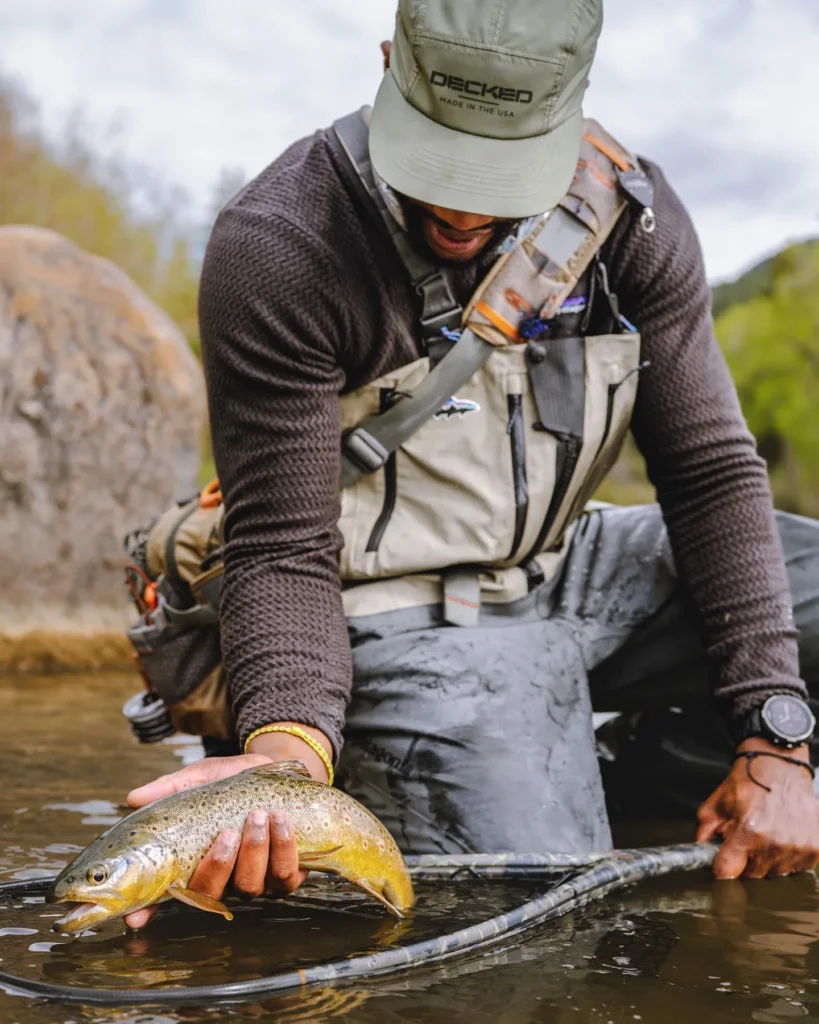
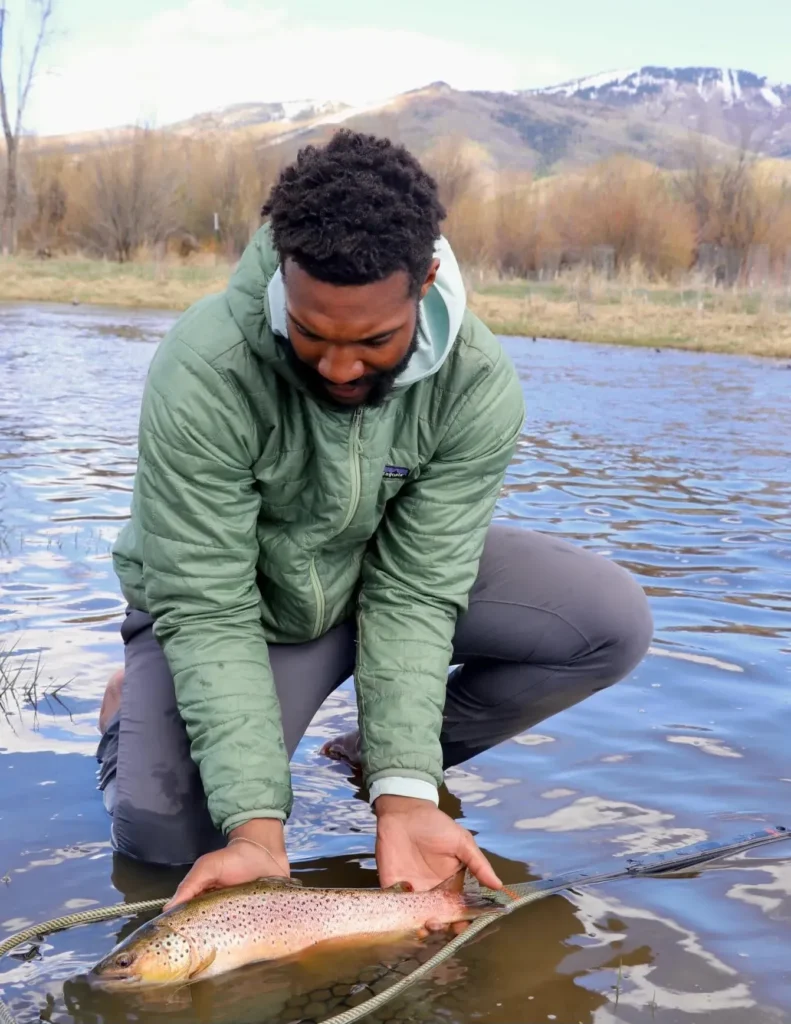
Today’s guest has spent years guiding trout anglers in Colorado, but these days he’s measuring success by something bigger than just the fish that make it to the net.
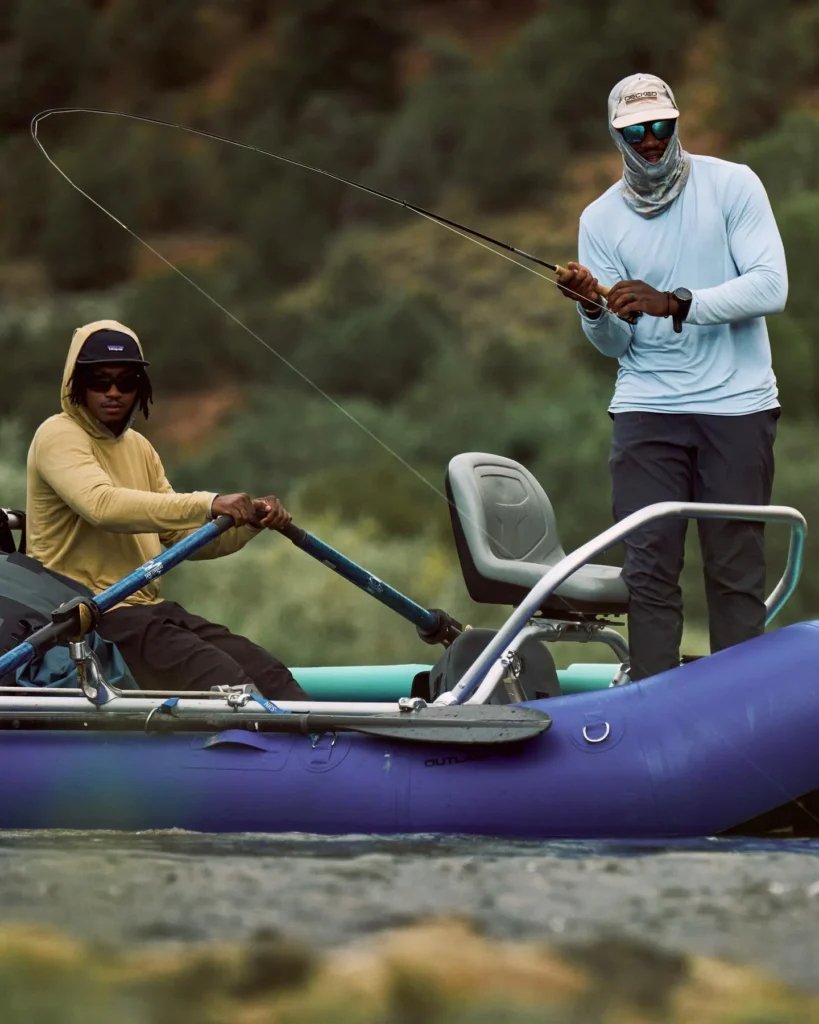
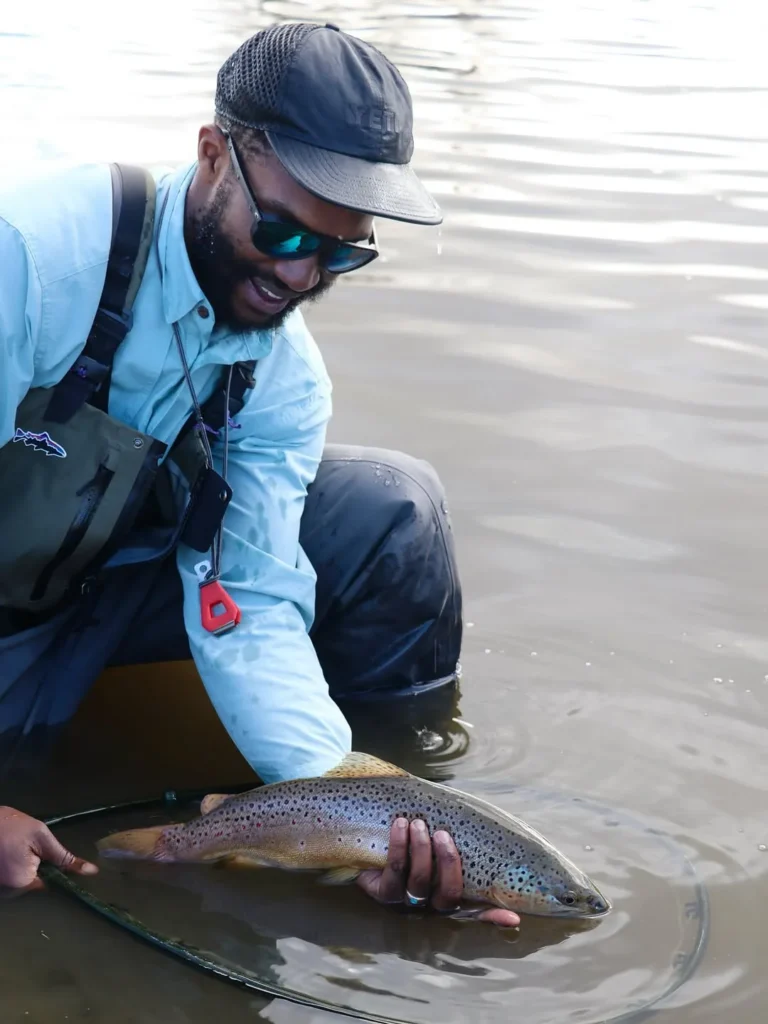
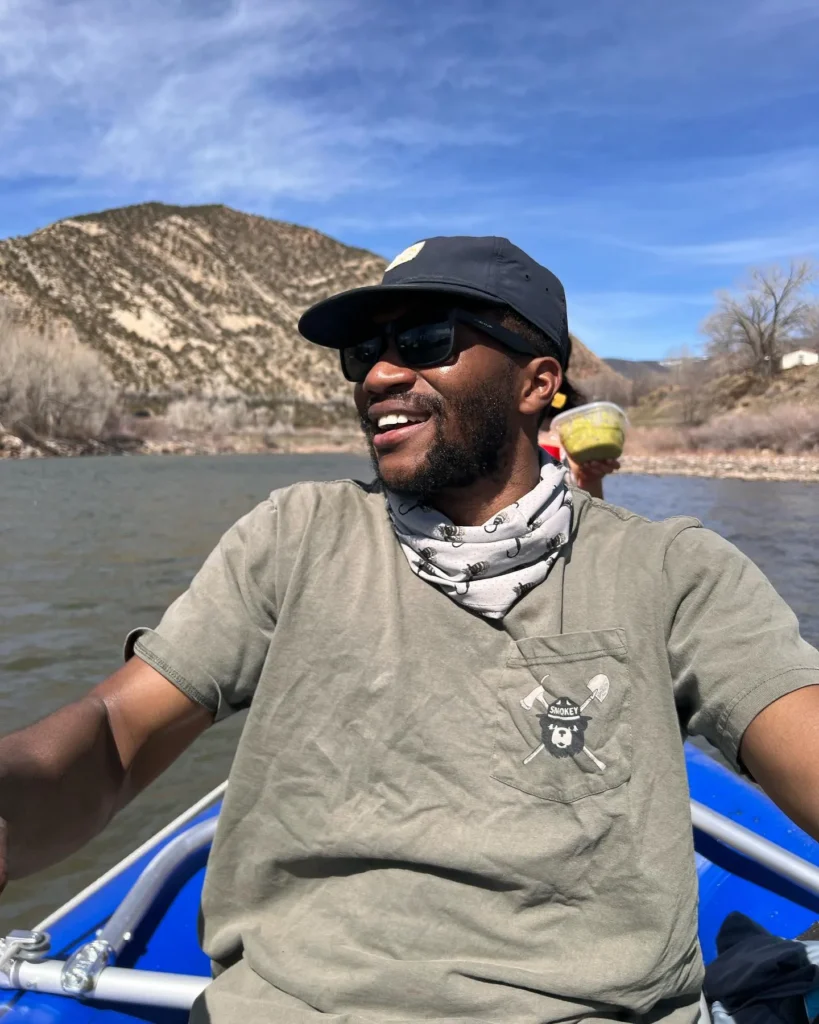
Austin Campbell is a Colorado fly fishing guide, Patagonia ambassador, and founder and executive director of Community Fly Fishing. He shares his approach to the South Platte, fishing the Deckers section, finding trout on dry flies, and knowing when to leave the bobber behind.
We cover George Daniel and the Penn State fly fishing program, warm-water challenges during a tough Colorado season, and how Community Fly Fishing is creating zero-barrier opportunities in Colorado, Chicago, Atlanta, the Bahamas, and Belize.
Colorado guide Austin Campbell shares his journey from learning from George Daniel at Penn State to guiding the South Platte and building Community Fly Fishing to break down cost and gear barriers. We cover dry-fly tactics, caddis, midges, PMDs, Deckers, warm-water challenges, and when to stop targeting trout.
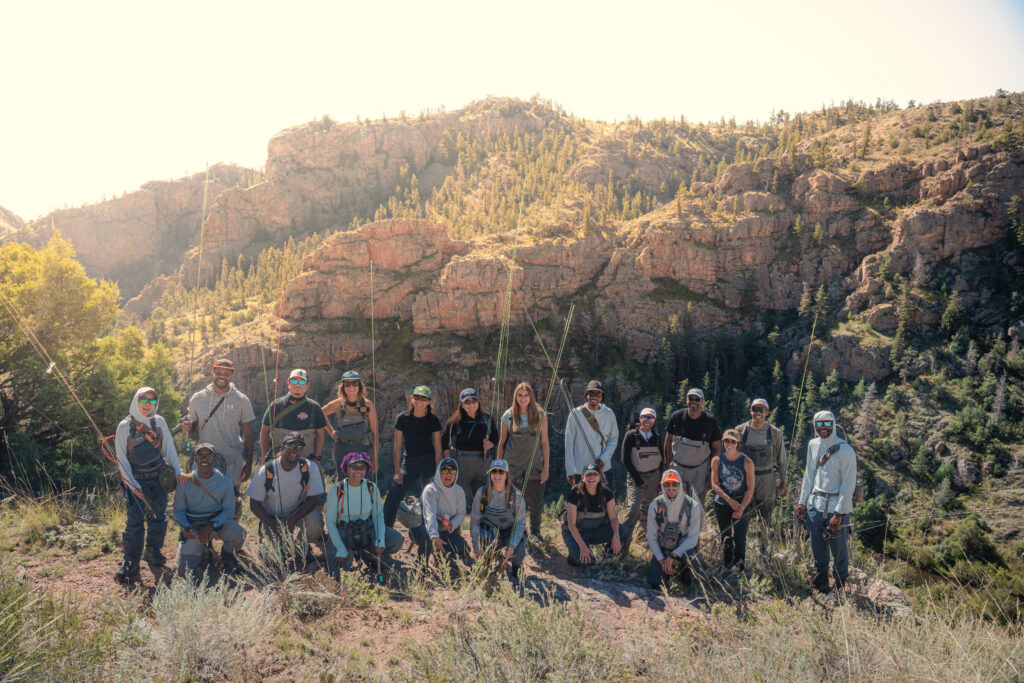
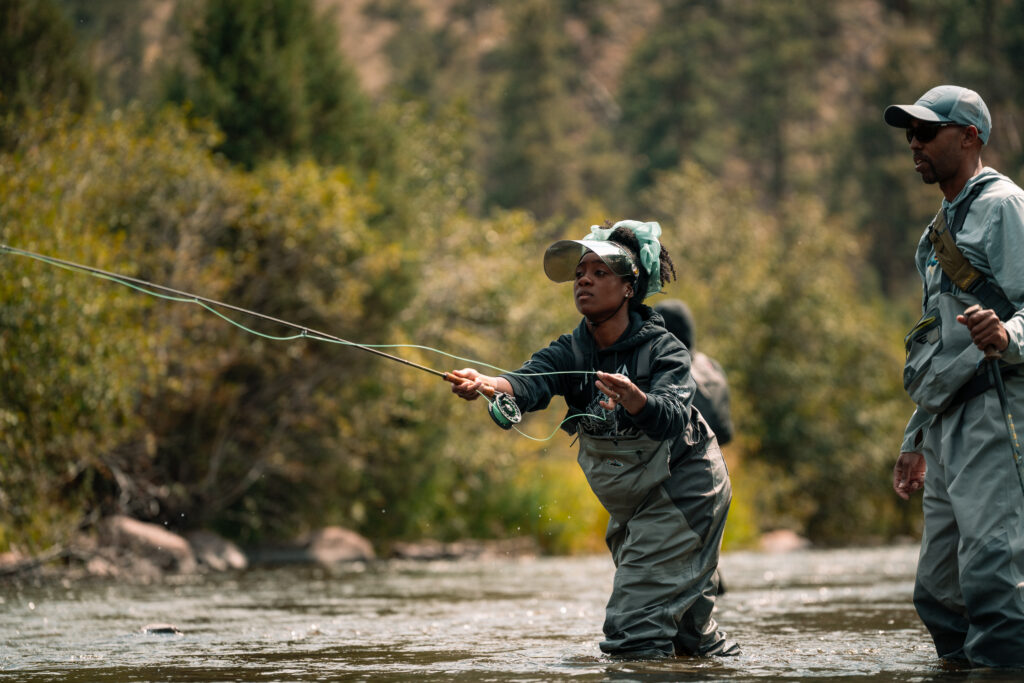
(01:39) Austin started Community Fly Fishing to give people a free, zero-barrier way to learn fly fishing. The first events took place in Denver parks, where Austin and his team taught casting before getting new anglers onto rivers.
The Nature Conservancy later connected Austin with Phantom Canyon, about 1 hour and 25 minutes north of Denver near Wyoming. The partnership provided free access to private water for guided days and helped open the door to programs in other states and countries.
(06:03) Community Fly Fishing grows largely through word of mouth, social media, and nonprofit partners. Austin wants the program to be welcoming to everyone, regardless of fishing experience or whether they own gear.
These partnerships help Community Fly Fishing create an accessible entry point for people who may not otherwise have the gear or experience to get started. At the same time, 50/50 On the Water by Orvis is an initiative that supports bringing women into fly fishing.
(09:55) Community Fly Fishing currently has chapters in Colorado, Chicago, and Atlanta. People can visit the website, check out upcoming events, and sign up through Eventbrite.
If selected, participants get a full day on the water with gear, snacks, drinks, instructors, and everything else they need to fish. Austin says all you really need to bring is a hat, sunglasses, and some sun protection.
(12:12) Austin Campbell grew up fishing in Colorado and visiting his family’s farm in Atchison, Kansas, where his parents encouraged him and his brother to spend time outdoors.
He started fly fishing at a neighborhood pond, catching bluegill, crappie, and small bass before fishing Parachute Adams on Clear Creek and Bear Creek. He later began guiding while attending Penn State on a track scholarship, turning those early experiences into a career on Colorado’s waters.
(14:22) Rising water temperatures have changed Austin’s approach to guiding. He starts trips early, gets clients off the water around 11:30 a.m. or noon, and focuses more on tailwaters like Deckers on the South Platte River while avoiding warmer headwaters.
Warm water has affected Community Fly Fishing too. At Phantom Canyon on the North Fork of the Poudre, temperatures reached 72 degrees by 10 a.m., prompting the organization to postpone its final two programs until fall and reinforcing the importance of knowing when to stop targeting trout.
The program gave Austin opportunities to meet George on the river, fish with him, and learn through a hands-on approach to fly fishing. He also gained experience fishing Pennsylvania’s waters and seeing how different water and fishing conditions shaped his approach.
Austin says he took full advantage of those opportunities, making his time at Penn State an important part of his growth as an angler and guide.
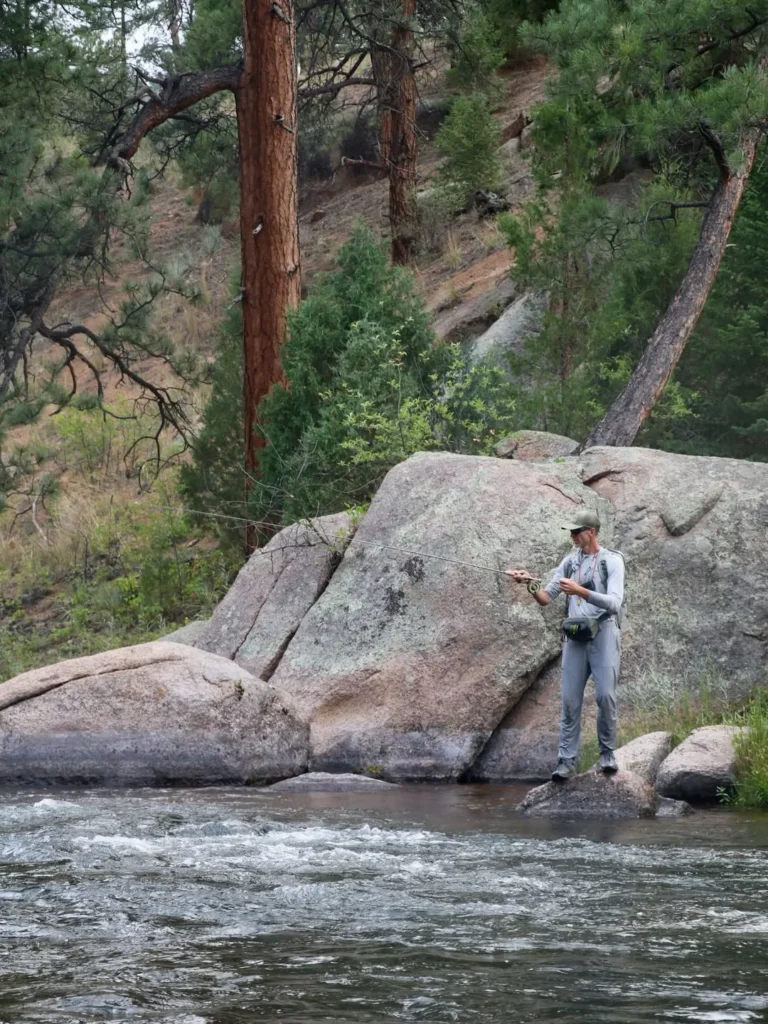
Austin highlights Deckers’ diverse water and his favorite section downstream from town. Despite its proximity to Denver and Colorado Springs, the area can feel remote, especially after 3 p.m. when many anglers leave and afternoon dry-fly opportunities open up. The fly shop Flies N Lyses is another resource for anglers fishing the area.
The area around Deckers is small but provides access to a variety of fishing water, including Cheesman Reservoir. Austin prefers smaller streams and alpine lakes and regularly brings clients to Flies & Lies, a local shop with locally tied flies and knowledgeable staff.
His favorite water is downstream from Deckers, where the road turns into a large S-shaped canyon. Austin enjoys the mix of pocket water, classic runs, long riffles, and big tailouts, while the area’s proximity to Denver and Colorado Springs still gives way to a surprisingly remote feel.
He also adjusts where clients fish within a run, targeting foam lines, tailouts, and recirculating water. Rather than focusing only on obvious spots, Austin watches the fish and adapts his presentation to the conditions.
(26:14) Austin explains how changing flies can get trout to look up and eat, including a recent example where switching from a hopper to a small Pale Morning Dun (PMD) got the fish to respond.
(34:14) Austin explains how caddis become an important part of the Deckers program as summer progresses. He enjoys fishing the hatch because trout can become aggressive toward bouncing caddis, sometimes rolling on the flies as they take them from the surface.
He also discusses the importance of midges, PMDs, tricos, and other insects that keep trout looking toward the surface.
(36:46) Austin’s dry-fly approach starts with observation. He watches for actively feeding trout, looks for fish near oxygenated water, and blends into the surroundings before making a presentation.
If he spooks a fish, Austin backs away and gives it time to reset. He also explains that trout may be feeding on emergers beneath the surface even when dry flies are active, making a small wet fly another effective way to imitate what they’re eating.
(38:24) Austin compares how trout respond to caddis and Tricos on the surface. Caddis often bounce and move across the water, triggering faster and more aggressive reactions, while Tricos can produce more subtle rises that require a careful presentation.
At Deckers, Austin describes caddis eats as almost tarpon-like, with trout rolling over the fly. These explosive takes can cause anglers to set too quickly, while the contrast with Trico feeding highlights the importance of watching trout and matching the presentation to the hatch.
(40:32) Austin encourages anglers to break away from the idea that every Colorado trout needs to be targeted with a bobber or hopper-dropper. While those techniques have their place, he enjoys finding opportunities to fish a single dry.
For Austin, the appeal of dry-fly fishing is the ability to watch a specific trout, make a presentation to that fish, and see it eat the fly.
Austin also explains why strong local relationships are key to growing the program. He shares his vision for expanding into more U.S. chapters and international communities while giving more people access to the gear and resources needed to get started.
(01:01:48) Austin talks about his background as a Penn State track athlete, competing in the high jump and long jump before focusing on the high jump. He also discusses Dick Fosbury and the Fosbury Flop, along with stories from his family’s farm in Northeastern Kansas, where he and his brother spent much of their childhood outdoors.
Austin Campbell is a Colorado fly fishing guide, Patagonia ambassador, and the founder and executive director of Community Fly Fishing. His guiding focuses on Colorado trout fisheries, including the South Platte and Deckers, while his nonprofit work centers on creating free and accessible opportunities to learn fly fishing.
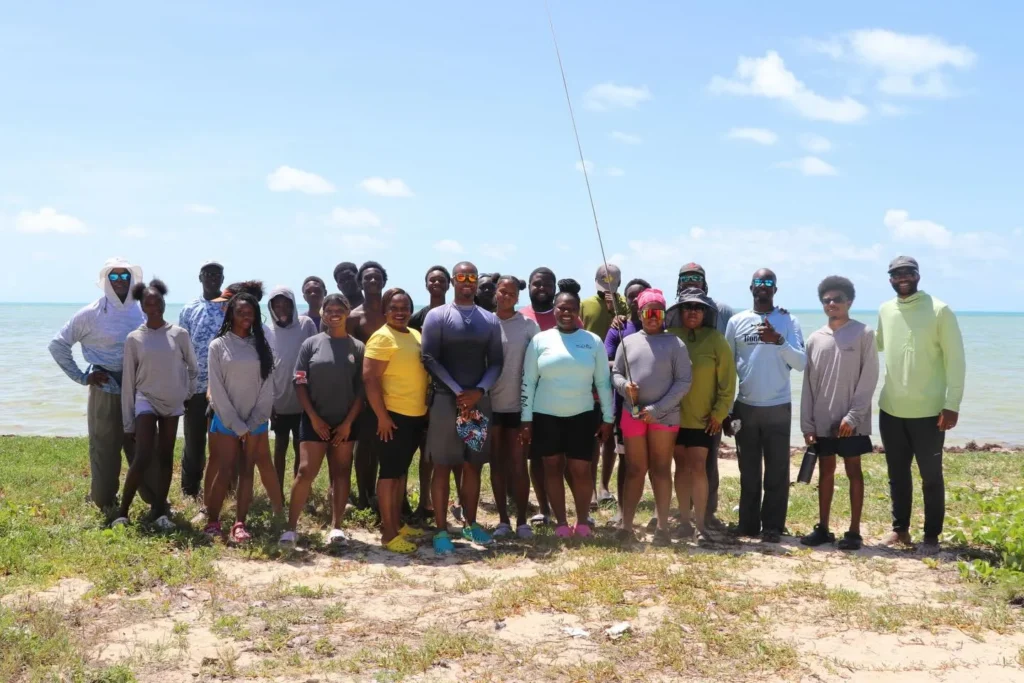
Austin’s work also extends internationally, with programs in the Bahamas and Belize designed to connect local communities with fly fishing while leaving equipment and knowledge behind for continued instruction.
Episode Transcript
WFS 969 Transcript
00:00:00 Dave: Today’s guest has spent years guiding trout anglers in Colorado, but these days he’s measuring success by something bigger than just the fish that make it to the net. We’re heading into the South Platte, where we’re going to talk about fishing deckers, how to read water to find fish, and why Austin thinks more trout anglers should be willing to put the bobber away when they get out on the water. This is the Wet Fly Swing podcast, where I show you the best places to travel to for fly fishing, how to find the best resources and tools to prepare for that big trip, and what you can do to give back to the fish species we all love. Austin Campbell is here, a Colorado fly fishing guide, Patagonia ambassador, and the founder and executive director of Community Fly Fishing. Today, we’re going to get into a number of topics, including how stunning fly fishing at Penn State with George Daniel changed Austin’s approach and eventually brought him back into guiding. We’re going to talk about this today. It’s going to be a great story about George and all the good work that he’s doing out there. We’re also gonna find out about breaking this bobber and some of the other hatches you should be focusing on, including caddis, midges, pmd’s. We’re going to talk about some of the different hatches, how to fish them today, especially if you’re fishing tale waters. And then we’re going to dive into the community fly fishing program. He has going this non-profit and where they’re heading to around the world in this vision to expand out to communities in other areas, a great group. And, and this is going to be a fun one. So hope you enjoy it. You can check in with Austin at Campbell Fly Fishing on Instagram. You can also go to community fly fishing dot com. All right, here we go. Austin Campbell, how are you doing? Austin.
00:01:39 Austin: Hey, doing great. And Dave, thanks so much for for inviting me. I’ve been listening to your podcast, listen to some adventures and really just an honor to be here. So I really appreciate it.
00:01:47 Dave: Nice. Yeah, this is great to have you. I think we’ve got a couple things in common here. I know just from the start, I mean, Patagonia is one of our I think you’re working with them. We’re working with them. They’re doing great stuff out there. Um, it seems like a lot of the people when I talk to them about Patagonia that are ambassadors or just, you know, connected, it seems like Patagonia kind of chose them in a lot of ways, right? Like you don’t just, you know, to be an ambassador or whatever you want to call it. Is that how Patagonia started with you? Did you kind of follow what they were doing for a while before you kind of connected deeper?
00:02:17 Austin: Yeah. No, absolutely. I think Patagonia has always been just an amazing brand, you know, that, you know, as a kid and stuff, even just, you know, being able to wear their hat with the fish and stuff. But, you know, just a brand that has just been awesome and they just do great things for the community. They just do great things for the environment. So really just an honor to be able to work with them. And, you know, I think the biggest thing with working with Patagonia is just the, um, you know, just the help that they’ve really been able to give to the nonprofit community fly fishing. So it’s been awesome working with them as an ambassador, working with them on the nonprofit front too. So definitely a great organization to really be a part of. And yeah, it’s really just been an honor working with them.
00:02:57 Dave: Nice. And we’re going to get into a little bit of the fishing because you’re a guide in Colorado and we love Colorado. We’re actually going there next year. We’re going to be taking some listeners there and doing some good stuff. But and yeah, we’ve talked everything from carp out just out of the city to kind of everything. It sounds like Denver’s got a lot going, but I also want to start here just with the community fishing that you have this nonprofit, because I think that this sounds like a great program. Maybe you could just start there and talk about, you know, kind of how that program came to be, you know, where that idea started.
00:03:29 Austin: Yeah, absolutely. And Dave, thanks for saying some nice things about Colorado. Yeah. We’ve got a lot of people that have moved here, you know, in the past few years. And it’s an amazing place. So I really appreciate that. But, uh, community fly fishing. So it’s a nonprofit. And our biggest thing is we want to introduce individuals to the outdoors for free, zero barriers of entry. And really, it kind of started actually, you know, in different parks throughout the Denver area. Um, it was myself and a few other individuals. You know, we kind of came together and really, we started teaching people how to cast in parks. And from there, you know, I was like, hey, you know, this is amazing. How can we really get an individual onto the water and really allow them to kind of have that, that true kind of fly fishing moment, you know, and it’s, I think, amazing with fly fishing, you know, you can do it in the mountains or you can do it in the city. And so really from there, it’s actually amazing. I really kind of presented this idea to Patagonia and I said, hey, you know, this is the nonprofit that I’ve been doing. And, um, you know, I’m excited about the work that we’re doing. And, you know, I have loved it and I really want to just get those individuals onto the river. Um, and so really within, they were able to kind of come in and really just assist us monetarily. Um, and really being able to kind of provide just one, uh, really just the need and the things that we need for the program. So, you know, whether it’s waders and boots that have been donated or Orvis giving us fly rods, uh, you know, Umpqua feather merchants, uh, really just providing different flies and whatnot. But really what it allowed us to do was to really just kind of cultivate just a great ecosystem of different facilitators and guides throughout Colorado, and really just allow them to just to connect with different individuals and provide them an opportunity on the water. So about, I think it was about five years ago now, the Nature Conservancy actually reached out to me and I met with them and they were saying, hey, you know, we’ve got this just amazing place that we’d love to utilize for your program. And it’s called Phantom Canyon. And really from the Denver area, it’s about an hour and I’d probably say about an hour, twenty five minutes or so up north, so pretty close to Wyoming. But it’s really accessible, you know, for folks to kind of get up there, you know, you don’t have to get on I-70 and kind of go through through that traffic. But, you know, it’s just an amazing location. And so with that, we started offering really on water days where, you know, you really get a free guided day on, on private water with an individual. So, um, you know, from there, it just continued to expand and we’ve opened in different states and also do international programs as well too. So it’s been a ton of fun, and I’m really just excited to see it continue and see it progress and really just see where it goes from the years to come.
00:06:03 Dave: That’s really cool. Yeah. And you have I see it now on your website, community fly fishing dot com. You’ve got some of the biggest brands out there. It looks like you’re working with, uh, and lots of great brands. So yeah, yeah. And what now? It’s pretty cool because I mean, I think that, you know, finding new, and I’m not even sure if these are brand new anglers, but how do you go about finding the, the people that come out on these events? Is this something where it’s mostly from like in the city kind of around the state? What does that look like?
00:06:33 Austin: Yeah, definitely. It’s really fun. You know, Dave, I think it’s, you know, it’s a lot of word of mouth people that do kind of come to a program. And I think that’s the best way it, you know, is spreading. But people will come to a program, they’ll try it out and they’re like, you know, this is really amazing. And so they, you know, tag on their buddy and their buddies coming out to the next event. We see that happen a lot. You know, a lot of people honestly find us through different social media, really different through different nonprofits that we also partner with really just to get attendees. Um, so it’s been a ton of fun. You know, we’re just finding just people who have, you know, just this interest of adventure and exploring. But, you know, they might not, you know, have all the means to really do it. So it’s been a really fun platform to really open up and just say, hey, you know, show up as you are. Um, you know, and just come and just learn this sport. And, you know, if you fall in love with it, it’s amazing. But if you don’t, you know, at least you just had a wonderful day on the water. Um, and really just got to disconnect and, uh, you know, kind of try something different.
00:07:29 Dave: So and is this for, you know, people that, um, I see you have a women’s, uh, kind of initiative here is this for if people were interested, you know, if they knew somebody that wanted to get into it or maybe had a partner that was interested, could anybody really in the, you know, in the country, the world kind of connect to this?
00:07:49 Austin: Absolutely. Dave. And that’s the biggest thing that I was created for. It’s truly created for all. So no matter who you are or your background or anything like that, you know, really just show up and, you know, just truly be yourself. You know, I think we do a really good job also of really just having those instructors, those guides, those facilitators that come from, you know, a wide variety of life, really. So, you know, I think it’s a lot of fun to that, you know, some of these people that may be going into a space and maybe they haven’t seen an individual that looks like them, but, you know, they can really kind of see that individual kind of through our instructors and aspire maybe to be a fly fishing guide or just kind of have this different passion, you know, that can also just kind of change your the whole course of your life and, you know, lead you down some great adventures.
00:08:33 Dave: Nice, nice. Yeah. I feel like that’s and you have one of your partners is Orvis. Right? And I always, we’ve talked about this many times on the podcast, but the Orvis fifty over fifty, right? That they started a while back trying to get more women on the water. Do you find that that’s a big focus for your program is not only women, but just a diversity of people. You know? And we always joke about the, you know, fly fishing used to be the old white guy, you know, out there and. Right. That’s changing. Is that something you’re thinking a lot about here, trying to bring in diversity of the community?
00:09:02 Austin: Yeah, definitely. It’s just, you know, diversity of community, diversity of thought. Um, I think the biggest thing David’s, you know, just creating a platform where it truly it is for everyone. So it doesn’t matter who you are. You know, I think sometimes society wants to divide us so much and, you know, in my head, I’m just, you know, thinking like, hey, you know, what’s something that can really kind of bring us together, do something good for, you know, just individuals, you know, and like I said, you know, if they fall in love with the sport, it’s great. But, you know, if not, at least they had that opportunity to try it and really kind of relax with nature and just spend time with Mother Nature. So that’s what we’re doing. You know, our goal is to continue to expand into different states and just to continue to have a great ecosystem to where anybody who’s interested in getting the sport Um, kind of has an easy entry and easy kind of barrier free access into the sport. So that’s our biggest thing.
00:09:55 Dave: That’s really cool. Yeah. No, and I think that I can see how the word could share pretty quick, right? Because, you know, a free program for anybody is like, you know, it doesn’t get any better than that. So this is great. Now maybe just walk us through a little bit how it works. So if somebody’s listening now, or maybe just somebody new that just picked this up, just found this podcast and they’re listening and they’re like, wow, this is cool. Free program. How does it work? How would they get connected? How would they find, you know, connect with you guys?
00:10:21 Austin: Yes, absolutely. Um, so currently this year, um, this season, so we’re in Colorado, we have a chapter in Chicago, have a chapter in Atlanta as well too. Um, and so, you know, if there’s individuals kind of in those areas, you know, please go to our website, um, you know, on there, you’ll basically see kind of a gallery and you can kind of see some of the events and programs that we do just to kind of, um, you know, kind of see what, you know, you’re kind of getting yourself into, but then from there, you know, you’ll really just go on eventbrite and, you know, grab one of those tickets and then we’ll basically contact you. You know, if you’re selected for the trip. And then really from there you’d show up. We have a meeting location, you’ll get connected with the program coordinator and it’s amazing. Dave. All you have to do is, you know, bring a pair of shades, bring a hat. You know, we’re always telling people to wear some sun protection, especially with how hot it’s been in Colorado this year and kind of around the West. But you know, you show up and everything else is provided from snacks and drinks to, you know, the gear that’s necessary to fish to instructors. So, you know, you truly just kind of show up as you are and, and, you know, you’ve got a whole kind of day, day waiting for you. So it’s, it’s really unique. It’s a unique program and we’re excited to continue it.
00:11:27 Dave: Wow. That’s great. Okay, so that’s part of this program. And I definitely want to touch base on this again as we go here today. But I would love to hear, you know, this is an amazing program. How did you first kind of get going into like Colorado as a guide? Right? The guide is another another level of, you know, I know how tough of a job being a guide is. How did you get into that?
00:11:47 Austin: Definitely no one hundred percent. So it was really amazing. So I really actually started guiding in college. You know, I had the pleasure of going to school out east. I went to Penn State and I went there on a track scholarship. And I think really quick, my coach probably figured out that I was really there to fish. Right? Amount of fishing access out there, man.
00:12:07 Dave: That’s right. Yeah. Because you started out, didn’t you start out in Kansas or in the Midwest? Yeah.
00:12:12 Austin: Absolutely. Yeah. So I was originally I was born, I was actually born in Kansas City and moved to Colorado when I was in kindergarten. Um, so we have a family farm that’s in Atchison, Kansas. And so, you know, we’d always kind of go out to the family farm, see all of our cousins and kind of spend that time, you know, in nature out there. And honestly, I think that’s really kind of how this, this whole thing started. Uh, just, you know, my parents were just always big with my brother and I just getting outside and, you know, it was so funny. I was chatting with some folks the other day and like, my mom didn’t believe in TV, you know, which was probably such a cool thing for us growing up because we were always just outside doing stuff. But it’s been a ton of time just fishing on the family farm. And, you know, it was really awesome. I think once we got into fly fishing, as we moved out west, we were able to bring our fly rods back and even teach some of the cousins and whatnot too. But, you know, really fly fishing out west, you know, really kind of started actually going to a small little neighborhood pond. And, um, God, I remember, man, there were snakes all over the pond everywhere. But, you know, once you kind of got down there, there was like these tiny little bluegill and there was some crappie and little micro bass and stuff. And I just remember throwing little parachute Adams at them and just watching them eat off the surface. And I’m like, oh my God, like, this is incredible, you know? And uh, really from there, man, it’s gosh, once my brother, you know, he’s two years older than me, he got his permit. And, uh, you know, from there, we just started kind of going close around in the foothills, you know, now we’re exploring Clear Creek and Bear Creek and all these just kind of classic streams that are so close to the Denver area. But, you know, I think as anyone, the adventure, you know, always wants to progress and continue. So we just kept going further and further into the mountains. Um, and that’s just really kind of, you know, how it started, you know, it’s amazing. I had actually George Daniel just out here and we were filming a project and it was really cool kind of showing him, you know, some of the locations that I just kind of grew up fishing and, you know, now guide on and whatnot. Um, you know, it really kind of created that whole kind of three sixty moment there. But, um, it’s amazing. I love Colorado, you know, it’s right now, you know, there’s water issue. And so I think it’s been really huge this summer, man. I mean, our trips, uh, you know, we’ve been running trips really early, getting off the water, gosh, by like eleven thirty or twelve, you know, really just targeting those tail waters and, you know, blessed to live in the Denver area and, you know, having deckers, I love deckers, you know, it gets a lot of crap, but I think it’s an amazing fishery. And, um, you know, it’s a really special place and definitely a staple, I think just kind of in my fishing, um, you know, my fishing kind of journey, if you will, but with deckers, it’s nice to kind of have that tail water fishery there, you know? So it does kind of keep the water cool enough. But, you know, some of those other headwaters, man, like those water temps are just jumping up so quick. And really, it’s really good to kind of leave them alone. And, you know, a lot of buddies that, you know, even guide further up into the mountains and Roaring Fork Valley and, uh, you know, kind of the Colorado, the lower Colorado area, they’re, you know, a lot of them have really kind of taken the whole season off and, you know, are kind of waiting to kind of come back in the fall. So yeah, it’s been an interesting kind of season this year.
00:15:09 Dave: Yeah. That’s crazy. Yeah. We’ve heard a lot about that. The water. And so even in the smaller like up in the headwaters, you’re getting the warmer temperatures as well all the way up. Yeah.
00:15:18 Austin: Oh yeah. Yeah. Some of the man, um, gosh, even thinking about community fly fishing and us working with the Nature Conservancy, you know, their property is actually under Halligan Reservoir and it’s on the North Fork of the powder. And it’s really interesting that water temp up there, I mean, by ten o’clock it’s, you know, been seventy two degrees. Wow. And so our last two programs up at Phantom Canyon, we’ve actually ended up canceling and postponing until the fall, you know? Hopefully we’ll be able to to run those. But, you know, also just using different. Locations to kind of just go into different alpine lakes and hiking people in there. But. You know, definitely, I think the reason that I love Denver and living in Denver, it’s like. You know, I look at the mountains and the mountains is like my backyard. So, you know, I get to kind of pick and choose where I want to go. And, you know, the adventure kind of always stops. But, you know, we’ve just been chasing cool water and really just trying to leave the leave the fish alone. And some stretches where we know that, you know, we can’t target them. So.
00:16:11 Dave: Yeah, exactly. Wow. And you mentioned George, Daniel, and I think I saw that too. You’ve kind of worked with him or trained with him when you were in Pennsylvania.
00:16:21 Austin: Yeah. I, um, I took the Penn State fly fishing. Oh, right. Yeah, for two years, which was so fun. Cool.
00:16:28 Dave: So this is cool to hear. I always love because we talked, I remember when I first talked to George and, and Joe, I’m sure you know Joe too. Humphreys. Yeah, absolutely. When I first talked to those guys on the podcast, I remember talking about the school and George, it was cool to hear because George eventually got the lead position there, right? Was he in that position when you were there?
00:16:44 Austin: Yeah, yeah, he was he was in that position when I was there, um, which was really cool. So you know what? I think he might have been kind of working his way into it. Yeah. But yeah, he’s head of it now. And I mean, he’s doing extraordinary things just for the, for the university and just getting those kids out there. I mean, you know, it’s just awesome talking to him and just how they’ve kind of structured that program too. I think it’s like one class that you have to go to in person that’s mandatory. And then he’s got like three, maybe it’s like two or three times kind of throughout the week that you can go and just kind of meet him on the river and fish and whatnot. And so.
00:17:15 Dave: That’s crazy.
00:17:16 Austin: You know, I took advantage of that.
00:17:18 Dave: So you literally, that’s pretty amazing. I think that you get to go to college and then be taught by George Daniel, right? I mean, that’s a pretty sweet program.
00:17:25 Austin: Really cool man. Definitely an honor. And I think, uh, you know, something that was really awesome too is just kind of seeing the differences in just the, the stream types and the topography, you know, of the east and kind of fishing the east and whatnot. And, you know, honestly, just learning so much and bringing back that education and, you know, implementing it in my guiding and whatnot that I did during the summertime, you know, it just really was such a staple kind of in my life and, you know, in my career as an angler. So, um, yeah, really cool. And George had me actually back, uh, because like two years ago to assist with the, the course, uh, for a couple days too. So it was really kind of cool to come back and just still see those students, you know, just stoked to get out there. Um, so they’re definitely doing some great things. And if you’re at Penn State, please take the course.
00:18:08 Dave: Yeah, definitely Penn State. That’s sweet. Um, well, you mentioned deckers. I’m interested in this because we’re going to be going there next year fishing. And I’m not sure exactly the area. I haven’t been there yet. Well I’ve been to Colorado but just haven’t fished a lot. Um, describe that, describe deckers, how that fits into the rest of the system out there, because we’ve heard some things about some of the reservoirs that are draining right up there in Colorado.
00:18:30 Austin: Yeah, absolutely. Um, and so deckers from the Denver area. So it’s about an hour and a half and you’re kind of going southwest. So it’s really cool. And really all of that water is actually Denver water. So it really kind of flows into, you know, into the town where then, you know, we’re utilizing it. And also, you know, other states are also utilizing it too. But it’s amazing. I think deckers is an awesome fishery. I’ve guide through Wonderland outdoors and we have a Pike’s National Forest permit out there. And so it gives us a lot of different access to water on deckers. But you know, I think it’s one of those fisheries too that sometimes can be over loved as well too. And so obviously when I’m running trips and whatnot, you know, we’re starting pretty early. And then, you know, either doing a full day or a half day, but you know, if we’ve got good temps, you know, hopefully we can fish for most of the day. But you know, it’s so interesting, Dave. And I hate that I’m about to say this on the podcast, but after three o’clock, man, there’s nobody up there. Oh, wow.
00:19:28 Dave: No kidding.
00:19:28 Austin: And so a lot of times, man, I’ve been running like afternoon trips, You know why they’re taking clients out and whatnot. Or, you know, if I’m even just kind of wrapping up a trip, man, I’ll kind of just sit and, you know, I’ll do a little lunch or something like that after the trip and just kind of wait around and watch, wait for the parking lot to, to kind of clear out and whatnot. But that’s probably some of the best dry fly fishing that I’ve got, you know, really close to how close to Denver, man. And, uh, yeah, not a lot of folks are in the afternoon and no kidding.
00:19:56 Dave: That’s surprising. That’s surprising. Yeah.
00:19:58 Austin: No, I’m joking, but it is, it is surprising. Uh, but it’s a really cool and unique fishery. And I think with just that proximity, you know, it’s close. It’s really close for Colorado Springs folks. It’s close for, for Denver folks. So that was definitely kind of my, you know, I would say like a big kind of staple river, um, section, you know, from kind of going from these smaller creeks and whatnot, you know, around the Denver area, that was kind of my main like trout, uh, bigger trout, I guess, targeting bigger trout, um, and higher population, um, you know, location growing up. So yeah. Amazing. Love it.
00:20:32 Dave: That makes sense. So you have the town just kind of looking here. You have deckers, which looks like a little town. So the part of the area you’re fishing is and is the lake. You’ve also got Cheeseman Lake.
00:20:42 Austin: Yes. You also have Cheeseman Lake. That’s up there as well too. I know there are some anglers that we will see um fishing on the bank. I don’t spend much time kind of fishing um those massive reservoirs. I think a lot of times I’m hiking to just smaller um alpine lakes and whatnot and Rocky Mountain National Park and other areas as well too. But um, you know, that little town there and I hope you’re on Google maps there, but it’s really just kind of like a building. And I think there’s like five or six different stores that are over there. But, um, yeah, there’s flies and Lyses the fly shop, those are great folks and they’ve got some great local local tied flies. So I’m always bringing my clients in there to, uh, to meet those folks. But, um, it’s a great fishery. And, you know, I think my favorite section is really, you know, from that town of deckers, if you keep making your way downstream, um, you know, it kind of the road kind of turns into a big s and it’s a beautiful canyon that’s down there. But, um, you know, I love the water, man. It’s a mix of pocket water. You know, it’s a mix of your classic runs with a big tail out or a long riffle and whatnot. So you can kind of fish a lot of different, um, you know, unique types of, um, you know, types of stream kind of in that section. And, you know, the fish are happy and the people are happy too. Right?
00:21:52 Dave: And this is the South Platte.
00:21:55 Austin: That’s the South Platte. Yeah. That is the South Platte, you know, so and it’s great. I know you just had, uh, Rick Michael on the podcast.
00:22:01 Dave: Yeah. Rick. Right.
00:22:02 Austin: You know, just thinking of it and, you know, thinking about Rick, it’s like, you know, Rick’s gotten, you know, down and doing trips and whatnot down in Denver too. But yeah, it’s all the same water.
00:22:09 Dave: Yeah, it’s an amazing thing. It’s all the same river, right?
00:22:11 Austin: It’s all the same river, man. That’s all the same river.
00:22:13 Dave: That’s what you’re talking about. It was cool with Rick because he was breaking out the the opposite of what we’re talking about right downtown and, and all that stuff. And you’re and you’re up there higher in, in deckers is just. Yeah, it’s just really that, like you said, a little town. It’s not much. It’s just a couple buildings. It’s an area. It’s a junction.
00:22:29 Austin: Definitely, absolutely. It’s really, you know, it’s not much that they, uh, they have going on out there and, um, you know, it’s a lot of fun too. And, you know, a lot of times, Dave, I’ll, you know, do trips and doing multiple trips in a row and whatnot, you know, I’ll just be able to sleep out there and, uh, you know, there’s just some, it’s a beautiful area that’s really kind of remote for really kind of how close it is to Colorado Springs and Denver. Um, don’t run out of gas.
00:22:52 Dave: No, there’s no gas up there. Right. That’s still the amazing thing about Colorado and really the West. You know, the fact that you’ve got Denver, this huge city, right? But I mean, most of Colorado, probably like most of the West, is just like this. You know, there’s no gas stations. It’s open for thousands of miles out there. It’s it’s pretty amazing.
00:23:10 Austin: Exactly. Yeah, it is amazing. Definitely love it. Definitely love.
00:23:14 Dave: It. Well, tell me this on the South Platte, maybe talk about a little bit on the fishing. What do you mostly do? Is this pretty diverse on what types of techniques you’re using? Describe, like and take it to a typical day. We’ve got a low water year, but you know, on a typical day, what would you be doing out there?
00:23:29 Austin: Yeah, definitely. Um, so typical day for deckers. Um, you know, typically I start with the hopper dropper. Um, you know, the, the hopper eats actually this year have been really good. And honestly, my favorite way to fish is dry flies. And so I’m always just waiting for that to kind of turn over in the morning right now. Uh, gosh, once the sun kind of gets up and is able to heat that water a little bit, um, there’s always just a really nice midge hatch, uh, kind of earlier in the morning. Um, and then from there, you know, gosh, probably around like eleven or so, there’s typically a big, you know, or probably ten to eleven. There’s a big temperature swing. And so, you know, it gets a little warmer. And then those caddis kind of start bouncing and whatnot on the surface too. So I love throwing dry flies. Um, you know, anytime I can even, you know, switch over from that dry dropper to, to throw dry fly and get and eat on the dry fly for the client, you know, it’s the best, but, um, you know, really just kind of targeting and I think at deckers, you know, you’ll notice too, there’s some sections of it that are a little bit lower. Um, you know, there’s obviously still fish in it, but there’s kind of a. I’ve noticed that there is a higher population of fish kind of closer to the town and whatnot, or closer to the building of town.
00:24:35 Dave: Right.
00:24:35 Austin: Right. Yeah. Yeah. Um, and so, you know, I think a lot of those times, you know, with my clients and whatnot, really just kind of getting us situated and just to a nice spot to where, you know, I can have one if I’m fishing two people, I’ve got one person on the top of the run, and then one person kind of fish in the tail out. Um, and then it’s so funny, Dave, one thing that we do get on deckers is the two patch. I’m not sure if you.
00:24:56 Dave: Yeah. The tube hatch, the float tube, the inner tube. Right.
00:24:59 Austin: Exactly. Right. Yeah, exactly. So, you know, I think they, uh, they kind of get on, they start going about twelve o’clock, uh, which is a ton of fun. But, you know, I think it’s hilarious though. Dave. I think, you know, some folks get upset about it. Um, you know, and I get it, but, you know, honestly, man, I look at it as an eraser. You know, it’s like when those people are coming down, it’s, you know, they’re kind of shifting up our hole for a little bit. But, you know, we’ll take a break for 30s or so. And you know, those fish are right back in there eating again too.
00:25:24 Dave: So that’s so great. That’s so.
00:25:26 Austin: Fun, man, I love.
00:25:27 Dave: It. It is. We were just on the Missouri and there was a little bit of a tube hatch, you know, when we got there. And I had never fished it before. But, you know, that’s a big river. There’s lots of rooms. So it rarely it really didn’t factor in at all. But I mean, you know, I remember even growing up when I was a kid and, you know, whatever high school, we used to throw the tubes in the car and float our local river. Right. It seems like it’s it’s a pretty cool thing to have out there, right? When you’re in a place where people can float the river and have fun where it’s not even fishing, it’s just outdoors. Absolutely perfect. So yeah, so we talked a little bit about the, the tube hatch, but I’m interested, you know, the caddis hatch, you mentioned midges. Those are two that I kind of struggle with. I’d love to hear a little bit about, you know, how you fish those maybe start with caddis a little bit on and is the cat is something where you’re getting throughout mostly the summer or do you, you know, when are you seeing the caddis out there?
00:26:14 Austin: Yeah, definitely. So, you know, I would definitely say the caddis are kind of they’re obviously kind of catching more midday, um, you know, in the afternoon, but you know, really kind of going, um, you know, into the summer really kind of starting in the summer and then tailing off in the in the fall and whatnot. But definitely a thick hatch, you know, love the caddis out there and, you know, even bouncing flies and whatnot out there too. You know, it’s really fun to see how those fish do react. Um, deckers is fun because I think, you know, in some of these really big, um, you know, in some of these bigger runs, there’s always kind of recirculating, um, you know, on the sides and you know, there’s always kind of that foam that’s over there. And a lot of times in Colorado, I think, you know, a lot of folks are, you know, more fishing, the bobber and whatnot and fishing those nymphs. But really kind of, you know, I love dry fly fishing, as I mentioned, but, you know, just kind of diving into the dry flies. Um, and, you know, I love, you know, the caddis are great. The tricos are always gone as well too. The midges are going pmd’s are going, um, you know, and even, you know, talking about other terrestrials too, you know, just beetles and ants and hoppers, right? There’s so much life and whatnot that’s going out there. But you know, I think my thing and, you know, like I mentioned, but just with the dry fly fishing, you know, it’s just it’s spectacular. I think, you know, there are there are people that are definitely doing it. But, you know, I think there’s some folks that would probably, you know, feel a little bit more confident, you know, with the dry dropper. Yeah. But during the day and, you know, especially during the summertime and whatnot to those fish are those fish are looking up and especially in those recirculating bars. And so, you know, even, you know, we’ll have, you know, some, I think it was like two days ago, I was on a trip and we had like one guy targeting the top of the run and he kept, you know, kind of casting through this area. And, you know, we just couldn’t get the fish to respond. But then, you know, once we actually did a gosh, we just did, you know, a hopper to, you know, a little, a little PMD, you know, they finally looked up and ate it. So, uh, you know, a lot of times I think it’s like, you know, as anglers, you know, I think we’re taught in specific ways or taught, you know, to do specific things, but almost being able to, you know, break through that, uh, yeah, you know, and try something different and see kind of how the fish do react to that. I think they really like more of a natural presentation out there.
00:28:20 Dave: Yeah. Yeah. it sounds like it’s never exactly the same if you’re fishing. I mean, you talked about quite a few there, the tricos mayflies caddisflies. Are you when you’re fishing that deckers area, are you kind of walking the stream and then looking for heads and then you see something and stop and then you fish to that? Is that kind of how it works?
00:28:39 Austin: Yeah, definitely. I think, you know, if I’m targeting dry flies and especially, you know, say I’m fishing in the evening or something like that by myself. And, um, that’s a lot of times, you know what I’m doing, I’m really kind of just looking to see when they are eating and when I kind of see those, you know, oh man, I love the caddis eats and stuff like this year, you know, it’s been so awesome. Like these fish are so cocky with it and they’re almost rolling on it like tarpon, which is really cool, cool to kind of watch and always kind of gets me going. Um, but I think to, you know, fishing, especially at deckers, you know, in Colorado and whatnot, you know, a lot of those fish right now are going to be closer to, you know, more of the oxygenated water. Oh, right. And so, you know, a lot of times, I think sometimes people will just kind of see a hole. They see the oxygenated water, They see that run and they just instantly jump into it and just start casting and fishing. And, um, my thing in my approach is more just kind of watching and being able to kind of camouflage myself, you know, into Mother nature and then being able to kind of present that dry fly if I’m, you know, fishing on my own or something like that. Um, you know, rather than spooking it, right?
00:29:40 Dave: Because once you spook it, is it once you spook it, is it gone? Is the fish gone or is it coming back?
00:29:45 Austin: They’ll come back. I think it just takes a second to reset. You know, it’s definitely you got to give give it a little bit of time to reset. So let’s say if you’re fishing the bottom of a pool or something like that, and you spook a couple fish and you know, you know, they either move up or move out or something like that, you know, just being able to kind of pull yourself back to the bank and just kind of wait a little bit and let them reset. Yeah. Um, rather than just continually throwing at them. Yeah.
00:30:06 Dave: That’s awesome. Is the caddis eat a lot different than the Trico eat?
00:30:10 Austin: I think the I would say so just in the sense that the caddis is bouncing. And so I think they’re just reacting to it a lot quicker. Right. And sometimes like observing it longer. Um, you know, I think the, I think when they’re like rolling on the cat, um, you know, it’s just, it’s so fantastic. And for me, I love it, you know, because it’s like, you know, you really kind of see that whole side of the fish and sometimes they, you know, not, not, it’s not their fault. Yeah. Sometimes I mess up, you know, it’s usually my fault. Mess up and set the hook too quick or something like that too. But, um.
00:30:41 Dave: But that’s what the cast is doing, right? The cats is going up and down. It’s dipping its eggs, right, really fast versus a mayfly, which is really subtle and kind of slowly coming down. Right. It’s a different deal.
00:30:50 Austin: Definitely, definitely. Yeah, absolutely. So I think, you know, caddis and there’s just caddis in all of our systems, obviously. So it’s my favorite hatch to fish. Yeah. You know, either that or you know, doing the, the green Drake or the Drake game up on the Roaring Fork. Right.
00:31:05 Dave: Drake. That’s more of a is that in the earlier part of the summer or spring? When is the green Drake.
00:31:11 Austin: Actually, uh, gosh, we were up there three weeks ago.
00:31:14 Dave: Oh, wow.
00:31:14 Austin: Yeah, yeah, yeah. And they were still going, uh, but, you know, I think, you know, gosh, the temperature up there has been super hot too. So, you know, the drinks will kind of go early in the morning or late in the evening as well too. But that’s a, yeah, super fun hatch. But it’s amazing. Just the bug life, you know, that we really are blessed to have at like a lot of these tailwaters and, and headwaters and whatnot, you know, it’s fantastic. And it just makes fishing so fun. Um, but I think, you know, just being able to break the bobber, you know, break the bobber even, you know, break the hopper. I think a lot of times too, you know, there’s like an overemphasis on fishing a hopper, right? You know, but being able to kind of try something new and, you know, I fish a lot of royal wolves. I mean, that’s like an OG, you know, OG pattern and whatnot, but, you know, you can use them in bigger sizes and, you know, the, it’s just kind of something different that the fish can kind of react to rather than seeing hoppers kind of all the time, you know, or gosh, you know, just fish a single dry man. Yeah. That’s right. Just a single dry. That is so fun.
00:32:14 Dave: Yeah, yeah. That’s it. What’s the caddis pattern you’re using when you’re fish? Trying to hit those cats that are skittering or whatever?
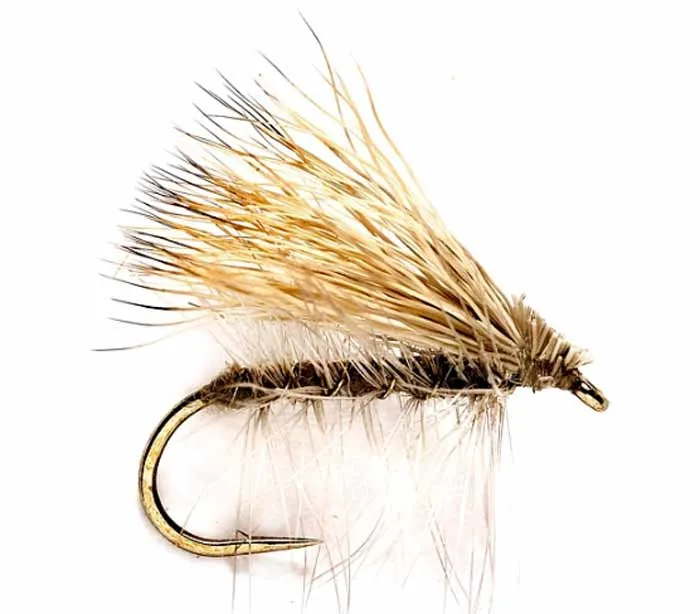
00:32:20 Austin: Yeah, definitely. So I’ve been using just classic elk hair caddis. Yeah, I like that. Yeah. I love them with like the, uh, the red, red. Um, gosh, kind of like a red belly. Okay. I think just some of that color and especially with like the off color water, um, to, you know, they just react really well to it.
00:32:37 Dave: Yeah. Right, right. And on the elk hair, are you casting more up Adam or are you going down to them? Or are you kind of getting set up for them?
00:32:45 Austin: Yeah, definitely. And obviously kind of depending on, you know, depending on the stretch that I’m on and whatnot too. But, um, gosh, you know, if it’s at Decker’s, you know, sometimes I do like to kind of fish them downstream just so I can kind of get a pretty long drift in there and then just kind of see how they’re reacting to it as well too. Um, but, you know, there is some of those kind of more pocket water spots that we, you know, we do have to kind of present them upstream. And, you know, so really just trying to adjust upon the situation that we find ourselves in.
00:33:11 Dave: Yeah. And most of those on the dry flies, it sounds like you’re kind of finding active fish. I mean, sometimes you get in these places where maybe fish are rising, but, you know, you’re not picking out a single fish, right? But it sounds like is that kind of what you’re doing here? You’re finding one head, one fish, and then you’re fishing to that one.
00:33:27 Austin: Yeah, definitely. I think, you know, if I’m and, you know, I’m fishing on my own and guiding and whatnot, but, you know, fishing on my own, I like to target the fish. I want to see the fish eat. And then I want to be able to present the fly to that fish to get that specific fish to eat. Uh, sometimes in something that’s kind of funny and that I’ve noticed this year too, you know, the dry flies will be going and maybe it won’t be like a consistent rise, but you know, those fish are still suspended mid column, you know, eating a mergers and whatnot. So even just simple dry fly and, um, just dropping down to, you know, a little wet fly or something like that and just having it kind of suspended mid column, you know, sometimes they will look up and eventually then react and eat the dry fly as well too. So right, you know, I don’t know, Dave. I just get so excited about that man.
00:34:11 Dave: Like, I know.
00:34:12 Austin: You know, for fishing for so long and just guiding for so long and whatnot. Now it’s like just the opportunity to cast out a fish, you know, that I want to fish for.
00:34:23 Dave: Right? On your terms, right. Kind of on your how you want to do it.
00:34:27 Austin: Exactly. Yeah. And I think that’s what just has continued to just allow this game to be just so fun, you know, and I do a lot of saltwater and stuff too. And oh, it’s so funny. Like, oh yeah, every single time I’m kind of getting ready for like a saltwater trip, you know, I’m always, I’m always either going carp fishing or just doing dry flies in the evening just so I can really kind of work on that longer cast and whatnot, that softer presentation as well, too. You know, it’s been interesting. And God, Rick is just such a legend.
00:34:55 Dave: I know, is he is he a legend? He that’s what I heard. Yeah. So out in that area he’s the man.
00:35:00 Austin: The Rick Mike Sal man. He’s a legend. Uh, but just even, you know, with the way that he is kind of presenting flies to these carp, you know, it’s a softer presentation and whatnot, you know, and, and he’s really kind of camouflaging in with nature in that aspect. And, you know, it’s so funny because I’m like doing the same thing just like sixty miles upstream or something like that, you know, but, um, still just having that kind of like delicate presentation not to spook the, the trout and the, in the system or, you know, for Rick, it’s like the carp in the system too, but, um, really just kind of being able to play your fly, uh, you know, in that axe and that, um, aspect and, uh, I don’t know, man, it’s just man, it’s so cool. I love.
00:35:38 Dave: It. I’m kind of the same way, you know, the dry flies. That’s what I think is great about fly fishing is that, you know, you can go down one route for a long time, you know, maybe years, and then switch it up and go to something else because I’ve never really. That’s why I’m always interested in dry flies, because I’ve never been an expert, you know, or even even that great at it. And this year, hitting the Missouri and seeing some of those fish, like what you’re talking about, you know, I’m thinking bringing it back to my home water and like, okay, this is something maybe we can find some of this out where, you know, where I’m at, right? And then you can kind of take some of these tips and try it out. But yeah, seeing the heads is something unique. When you’re on those tail waters and you’re seeing these fish and sometimes big fish. I mean, like, you know, whatever. I’m not sure in in the South Platte, are you guys finding what’s a what’s an average size fish out there? And what are some of the bigger ones you see?
00:36:21 Austin: Gosh, I would say average size, you know, average size is going to depend. You know, I think, you know, you’re going to catch a lot within, you know, I’d probably say like twelve to sixteen kind of range. Obviously it’s kind of big. And on the bigger fish side, maybe you’ll catch a couple that are like eighteen. What is it like twenty is the new or what is it? Right.
00:36:39 Dave: Yeah. Yeah. The new. Yeah. Yeah. That’s right. Yeah. Everybody. Well everybody talks about the numbers right. The thirty you hear this a lot like the thirty. But when you hear the real pro, the guys out there, we’ve heard this like, uh, you know, on the white River and Chad Johnson, he said this, that like, man, he’s only seen like maybe, you know, a thirty or two per year, but you hear a lot of people out there saying, oh, yeah, here’s a thirty incher, right? But you know, those are hard. But even back down to the twenty, I mean, you know, if you get a twenty inch trout, I mean, that’s an amazing big fish.
00:37:08 Austin: That’s big fish.
00:37:09 Dave: Yeah. So anywhere, no matter where you are, I feel like. Right. That’s a nice fish.
00:37:13 Austin: That’s a nice fish. Exactly. So but you know, it’s I think it’s given our water year, the fishery, I would say is still thriving.
00:37:23 Dave: It is. So even though you’ve got this amazing low water year and like they’re draining reservoirs, things are still going to be okay.
00:37:31 Austin: It’s yeah, things are still going, which is good, but you do have to follow the rules. And so, you know, just the hoot owls and, you know, the water temperatures and gosh, just continually checking the temperature of the water, know where you are, no matter where you are kind of throughout the day. Yeah. Um, I think they’ll keep thriving if, you know, we can continue to keep following these rules.
00:37:53 Dave: And what does that temp is that a standard temp? When you say water temp, is there one temperature you’re thinking about or does that vary depending on where you are in the system?
00:38:02 Austin: Definitely. I know some people will say sixty eight, mine’s sixty seven to where I’m just like, I don’t know if I want to fish here anymore, you know? Um, not not I don’t know if I want to fish here anymore, but I don’t know if we should continue to fishing. So yeah, you know, but that’s my number that I’m comfortable with. But, you know, I think it ranges. I know some folks will fish sixty eight. Um, but I think it just gets a little, a little too warm and you know, I’m going there all the time too. So, you know, you’re noticing some of the same fish that you’re catching. And so it’s like, you know, I don’t want to come in here and, you know, play human and, you know, hurt you, you know, so, um, just given the time that, you know, they need to just adjust. And I think that’s what’s great. And you know, it’s like, hey, if it’s too hot to go fish, you know, go tie some flies or, you know, target a different species to God, the warm water fishing. I know we’ve been talking about carp fishing and stuff too, but, you know, there’s plenty of different lakes, even just around the Denver area that you can find. Um, gosh. And you know, in any city too. So, you know, I think that’s a big thing too, Dave, that we’re trying to push with our non-profit is just really kind of showing folks like, yes, trout is such a fun game. Yes, you can do it. You know, it may be an hour to your house, and that might not be accessible for somebody, but hey, here’s a spot where there is bass and perch or crappie and whatnot. You know, that is accessible. It is close to your house and you know, you can fish when it’s, you know, getting warm out and stuff too. So really just trying to kind of show the people the wide variety that this sport can kind of bring you.
00:39:24 Dave: So yeah, definitely. Did you and you were mentioning bluegill earlier, was that in, um, were you talking about fishing as a kid in Colorado? Is that what you’re fishing? Yeah.
00:39:32 Austin: And isn’t that crazy too, because people are like bluegill in Colorado, you know, because people are just thinking about trout. Yeah. But yeah, this, this pond, man, it was like right in our little area that we lived and, you know, we’d go down there and, you know, there’s bluegill and little micro bass and crappie and, you know, it’s fun doing that. But then going back to Kansas and then actually going for like some of the Kansas bass. Oh, right.
00:39:52 Dave: Yeah, some big guys.
00:39:53 Austin: two different spectrums sometimes. But you know, there’s still big bass definitely in in Colorado and stuff too. But, uh, you know, it’s really cool. It’s really cool.
00:40:00 Dave: That’s great. Yeah. So, so the, you mentioned the nonprofit you have this going on? I mean, is that what’s taking your time? Do you kind of split, you know, is there is there a time where you have your trips with a nonprofit? Is that mostly in the summertime or is there is there a little bit of overlap there?
00:40:15 Austin: Definitely. There’s definitely overlap. Um, this year has been interesting too, because I did a lot of guide trips kind of early in the season, which was really nice. Um, you know, still doing guide trips throughout the summer and whatnot too. But you know, again, we’ve been talking about the heat and whatnot and, um, even just some of the permits and whatnot that we have, you know, we do have river closures, which is phenomenal. Really, really appreciate that. Yeah. Um, but with the nonprofit, man, it’s really cool. I think, you know, each of the chapters, we try to do at least two to three events per month, really kind of kicking off, I would say in April. Um, our chapter kind of in Colorado, we’ll probably wrap things up, you know, early October or so. We’ll do a couple fly tying events to kind of during the winter and whatnot. But it’s great, man. I mean, the Atlanta chapter that’s run by Nick Brooks, he’s got that thing going still. You know, I think his last one is like the end of November kind of going into December, but it’s still so warm down there, right? Which is really cool. Um, yeah. So yeah.
00:41:08 Dave: That’s cool. Yeah. We’re things are changing. You know, that’s the interesting thing. We just had did an episode with Rachel Finn and she was talking, you know, she’s amazing. I always love talking to Rachel because she’s such a, you know, just, I don’t know, just the way she is and her perspective on things, but she was talking about how, you know, up there, it’s the same thing. You know, she’s in New York and you know what used to be cool? They now they’re having the same issues. We’re just in this warming trend, right. And things are changing. But I think it’s interesting when we look at all the changes, it’s still, you know, I don’t like to do the doom and gloom, right? Because I feel like we still can make some changes out there. And we’re not, we’re not it’s not the end of the world. Right. How do you feel about that when you hear about all this stuff going on around the country?
00:41:46 Austin: No, I mean, man, and there is just like there’s so much going on. You talk about public lands and just protecting that water rights. Yeah. You know, just people caring for people, caring for humans. I mean, man, it is, it’s pretty wild. Um, you know, I think my biggest thing, Dave, is I’ve like, I’ve just been kind of protecting my peace and just still being able to just spend that time with Mother Nature, I think is just, you know, the way that, you know, it’s kind of just allowing me to kind of get through this, you know, full crazy period that we’re in. Um, you know, really just kind of spending that time with her and just allowing, uh, you know, the stress and whatnot that, you know, society and just kind of life can bring, uh, just allowing it to go away. So, you know, I think that’s, you know, even why just the work that we’re doing with community fly fishing is so important right now. And, um, just allowing people to have that release and that escape.
00:42:36 Dave: Yeah, that’s so cool that you’re able to do that. I mean, and provide, like we said, you know, a place where people can go without, you know, any fees at all. Right? You can just jump in and do this. This is so cool. Um, well, where do you see this going? Where do you see your community program going? Do you it sounds like you’ve got a few states. Are you, you know, you have a plan to slowly work around or how does that work? If somebody was listening now and they’re like, oh, I’m in, you know, I’m in Pennsylvania or, you know, I don’t know Arkansas and I want to do the program. Or do you have plans to expand out?
00:43:04 Austin: Exactly. That’s exactly what we want to do. We want to just continue to keep expanding out. And so, you know, if there’s anybody out there that is interested, feel free to just reach out to community fly fishing, go to our website and just submit your information on there and we’ll contact you. But that’s exactly it. You know, so it’s just really an interest that anybody, you know, wherever you are, if you’ve got access to water, which, you know, a lot of us do, and, you know, it could be water that, you know, is a pond or something like that, you know, we want to be able to provide just an opportunity to teach people a sport that has been realistically so hard for folks to get into. So that’s, you know, really where we see it going. And so last year we actually did a program in the Bahamas, and it was with the Bahamas Fly Fishing Industry Association and partnered with the Ministry of Tourism, and it was called born to the flats. And it was really cool. I had the opportunity myself and a few other folks from community fly fishing. We flew down and we actually did our program, which is really cool in Nassau. Um, and so really on New Providence. Um, and so with our program, what we did, we partnered with the Carmichael Urban Renewal Center and basically they work with different kids and different area codes throughout the Bahamas. Um, you know, where there could be kind of more influence of, um, you know, kind of going down the wrong path. Sure. Um, but really, this program just kind of offers kids the opportunity to learn different sports and, um, you know, really just kind of connect with one another. And this was their first time actually doing a fly fishing program. Um, and so our, uh, we had a four day program and we started with twelve kids and we basically were just teaching them the basics. And, you know, I think, Dave, the really cool thing about our programs is especially when we’re working in different countries, we really want to just empower the individuals that are in the area. So, you know, the guides were really the ones, um, you know, with the FIA that really kind of led the program community fly fishing. Our instructors were able to help out and whatnot a little bit, but really allowing, you know, those guides to kind of teach the youth in the area right now in the Bahamas, you know, a lot of the guides are between fifty five to sixty five years old, and there’s not a lot of kind of generation that’s in my year, you know, in their late twenties and whatnot, coming in to guide, you know, a lot of them are, you know, kind of going to New Providence and leaving their out islands and whatnot. So what we wanted to do was just inspire the youth and it was really cool. So we started with twelve kids, and man, the last day we were walking with twenty five kids down this flat that was behind a swimming pool that all these kids used to go to when they were younger. Wow. And I think the funny thing, Dave, you know, they were like, My God, I didn’t know this whole other world existed. And that world has always existed behind their house. But the barrier of entry kind of to that sport specifically is so high. Yeah. And so we were able to bring some fly rods and vices and different gear down there to kind of donate to the FIA, and they’re able to continue to teach their individuals kind of in the area. So really kind of a cool win. And we’re excited to continue that partnership and run additional programs with fire, you know, and different out islands and whatnot. And, you know, it was a really kind of great time and it was just really cool to kind of see the excitement on the kids faces. Yeah. And you know, this year, you know, one thing that we’re also doing, and we ran a trip to Hopkins, Belize. Um, and it was really cool. I spoke a lot and, you know, really look up to Hillary Hutchinson a bunch and just a really great mentor. Um, but she wrote an article for in Fly Fisherman and I believe it was called, it was called Finding Your Rhythm Belize Fly Fishing Adventures. It was really cool, but it talked about the Garifuna people and they are in southern Belize and they basically actually came to Belize from Africa. They basically migrated over and they have found their settlement in the southern Belize area. And, you know, Hillary’s trip really kind of inspired me to continue to keep that adventure going and being able to open it up to, you know, community fly fishing folks. Were you able to basically offer subsidized travel trips? So really, you know, community fly fishing covered the cost of lodging and then the cost of food for three nights, three days and three nights. And then the individuals on the trip, they basically had to pay their rates for the guides and then also just pay their flights down. But you know, it cut a huge portion down. And so now we had different people that typically wouldn’t really be able to do international travel kind of out there having this crazy experience, you know, connecting with the local Garifuna individuals and really working with a specific Garifuna owned and run guide service down there called the Fly fishing. So it’s really cool and a unique opportunity. And during that time when we were down there, we also had some time to actually work with some different kids and with a couple of different nonprofits on the beach and really just had the locals down there, you know, be able to teach some of their individuals in the community that had never fly fish, just the basics of casting, which was a ton of fun. And then we were able to leave kind of all the rods and whatnot down there, so they can kind of continue it as well too. So wow. Really cool. You know, I, your question was, you know, where do you kind of see this going? Yeah, I think I just, I see it continuing to, you know, obviously grow kind of in the US market, but then, you know, really kind of looking at different countries that we can also have, you know, some influence in and at least providing, you know, gear for individuals to get started. So, you know, I see us continuing down that international path and continuing to open different chapters in different areas, but just wherever there’s a need and there’s interest, we’d like to be there and we would like to assist different communities and getting people out there. So that’s.
00:48:41 Dave: Really cool. Yeah, no, I see it. That’s a good vision. Looking ahead, um, is it when you look at that, is that a challenge? How do you, as you prepare for other areas, is this something where you have to go and kind of, you know, go yourself, flesh it out. Or how can you, you know, kind of scale this thing up? Or is it more just doing it one by one, you know, because you’re, you’re obviously the, I’m not sure if your position with the nonprofit, but you’re, you know, kind of the founder. So do you see that as one challenge kind of scaling this thing?
00:49:09 Austin: No, I, I don’t really see it as a challenge. I’ve got a, you know, I’m founder and executive director. We’ve an amazing board. And I could not do it without the board. And then with that board, you know, we also have program coordinators in all of these states. And so I think, you know, it’s a group effort. It’s truly a community effort to kind of continue to push this along. For example, you know, setting up the Hopkins kind of international and even in the Bahamas as well, too, I think, you know, you really have to make the rapport with the locals and really just kind of show them that you’re not here to exploit or anything, but you’re here to truly work within community and work with individuals. Um, and, you know, I think if we can do that anywhere, um, That allows this thing just to to continue to keep going.
00:49:54 Dave: Perfect. Well, this is great. This is great. I want to take it out of here in a little bit. Austin here with our rapid fire segment, we’re getting back to our rapid fire segment. And today this is of course presented by Patagonia. Um, we’ve been wearing their swift current waders. It’s been amazing because, you know, there’s lots of great waders out there, you know. Um, but Patagonia, I think they’ve been doing some good stuff. The, the, for me, it’s like just being able to throw something on. You can kind of abuse a little bit. Right. Do you find, you know, and I’ve got some other gear. Do you find there’s a piece of gear you love, uh, whether Patagonia or somewhere else that you kind of you don’t leave home without?
00:50:30 Austin: Oh yeah. No, absolutely. Honestly. And, you know, it’s been such a hot summer and we’ve been doing a lot of wet waiting. Um, goodness. So definitely just all of their son hoodies always kind of have those, um, you know, just the ability to kind of just, you know, have that just protection, uh, away from the sun has been huge. And especially when you’re out there so much. So the hoodies are huge. I would also just big blessings and just shout outs to just my feet in the for boots.
00:50:57 Dave: Yeah, I’m glad you said that. I was just thinking about that because I know that we we were talking about those new boots that are out there because they’re kind of both for salt and in freshwater, right? Kind of wherever you go.
00:51:07 Austin: Oh for sure. And those are the salt flats. Um, and I, uh.
00:51:11 Dave: Oh, okay.
00:51:12 Austin: Yeah. Those were the salt flats. I was actually talking specifically about the, for us, um, the fours is kind of that, uh, that new boot that came out. Gosh, I want to say maybe two years ago. Okay. Um, but just the sole on the forest specifically for all the hiking and whatnot that I do. I mean, you know, it’s almost like this just elite kind of hiking boot that’s able just to kind of like grab on to any gravel or, you know, loose rocks or anything like that. And, you know, just kind of really make you feel comfortable when you’re, when you’re hiking, whatnot. So I just always, always have those things on.
00:51:42 Dave: So those are good. And how do those do with, um, because another challenge in some areas is where you get lots of aquatic vegetation, the slippery surfaces. How do those things do on that?
00:51:52 Austin: Definitely. Yeah, they do really good. And you know, I’ve worn the four is even, you know, back east and whatnot too. And you know, I haven’t had really any issues with kind of slipping and sliding or anything like that. Um, not to say that if you buy these, you won’t slip and slide because everybody’s doing that.
00:52:06 Dave: Right? Of course. Yeah. You’re always. Yeah, there’ll be some slipping and sliding no matter what. Right.
00:52:10 Austin: Yeah, exactly. Exactly. But you know, I think just with kind of an all around boot and especially, you know, if you’re fishing or, you know, guiding and whatnot through the Colorado area, you know, you’re going to spend a lot of time on the trail, you know, hiking into places and, uh, and whatnot too. So I think it’s just a great kind of boot that can, that’s light enough and can kind of act as that hiking boot for you. And then once you do get down to the river, you know, you can easily dive in and, you know, feel comfortable.
00:52:33 Dave: So exactly. Okay, so, well, let’s get into the rapid fire round. This will be easy for you. Um, and we got a couple, we mentioned the gear, so we got the gear taken care of. That’s great. I love to get a little tip. I the four of boots is something I’m going to be following up on for sure. Um, you mentioned at the start track you went to college at Penn State for track. What was your, uh, events where you had, did you have one or did you do a bunch of things?
00:52:57 Austin: Absolutely. Um, so I was a high jump, long jumper. Oh, wow. When I was out there, I think, you know, really high jump was my main, uh, main event. It was so funny. Dave. We had my highest is six, eleven and three quarters. Okay. Which is crazy that they, uh, didn’t give me the seven feet there. Kind of.
00:53:13 Dave: Right, right. No. Seven feet. Yeah.
00:53:16 Austin: Uh, but yeah, that’s what I did.
00:53:18 Dave: I don’t even know because I, I’m not I don’t know nothing about high jump, but is that I mean, if you’re a college athlete, you’re at an elite level already, right? So seven feet must be pretty far.
00:53:27 Austin: Yeah. I mean, it’s it’s good Dave. It’s good. I think, you know, there’s, you know, you get to college and it’s like, you know, you’ve got the people that are kind of average and then the Olympians, right?
00:53:37 Dave: The Olympians is a whole nother level. Yeah. Well, there’s the guy, the what they call it the flop, the guy. This is way back in the day. I don’t even know if Fosbury. Yeah. The Fosbury. I mean, at that point it was like people were at some level, and then this guy started doing this new thing and then they realized, wow, right? It changed the game. Like, didn’t he level things up quite a bit?
00:53:53 Austin: Oh yeah, he absolutely did. I actually met him. No kidding. Yeah. I was in high school. It was actually really cool. It was at the Simplot Games, and I should have brought a fly rod out there and fished in Pocatello.
00:54:03 Dave: What was his name?
00:54:04 Austin: Dick Fosbury.
00:54:06 Dave: Dick Fosbury, the fosbury flop.
00:54:08 Austin: Fosbury flop. But yeah, once people started doing that, I mean, that just changed the game I think. You know, it just allowed people to kind of push their hips and really just kind of, you know, get even further over the bar there. But you know, I, my physique, I think, um, people would look at me and a lot of these guys are, these individuals are so tall and lanky and I’m just kind of, you know, I’m like six two, but you know, I kind of have like a like huskier build, but, you know, I lift weights and whatnot too. So I think it was a, uh, yeah, a life short lived that was easily taken over by fly fishing.
00:54:42 Dave: Right. It was, it was. So you were, you did, did you go through? Did you run through out all your college career?
00:54:48 Austin: I did, yeah. So when I graduated, I graduated in twenty twenty. Um, and so it was right during Covid, so Covid hit and actually our last season was, uh, it was cancelled. So there was like opportunities for people to stay and whatnot. But yeah, I was, uh, fishing a little too much and wanted to get back west and keep fishing.
00:55:05 Dave: There you go. Nice. And you mentioned also your family farm. I’m interested in this. So this is back in Kansas. What or was this Kansas when you had the farm?
00:55:13 Austin: Yeah, absolutely. Yeah. We still have.
00:55:14 Dave: It. Oh you still have it. Yeah. What’s that like? Always the farm. It seems like a pretty amazing thing. Did you kind of have everything? What was the farm producing?
00:55:21 Austin: Yeah, it was really cool. So on the farm. So there was cows and whatnot that would run out there. Um, or there is still cows. Um, there’s pigs out there. Um, there’s alfalfa hay that they grow. Um, gosh, there’s just different, you know, it’s a huge kind of area that we’re, we’re able to have out there too. And so, um, you know, it’s really kind of cool and unique. And, you know, all my cousins are still out there. And you know, it’s hilarious. They’re either fishing or hunting or kind of spending that time. But you know, it’s really cool. It’s in northeastern Kansas. Okay. And so a lot of people think about Kansas and, uh, you know, they’re thinking about, you know, more flat and cornfields and, you know, all that. And it’s actually like rolling hills, which is beautiful. Uh, kind of out there. So it kind of the topography definitely switches, but, um, yeah, my grandparents are still out there and a ton of family and still out there. So, you know, we’ll always go back for holidays and whatnot and kind of see folks. But it’s amazing. It’s amazing. Kind of just having that, uh, farm kind of like lifestyle growing up and, uh, definitely kind of just impacted me in terms of just staying outside.
00:56:24 Dave: Definitely. Yeah. And your mom sounds like an amazing person. The fact that with no TV. That’s such a cool, right? That’s such a cool thing, especially in this day. Well, I mean, not even in this day and age. I mean, I remember when I was a kid, the TV was always there, right? And it feels like that, uh, having, you know, getting rid of that, right. It’s it’s kind of cool. Where does that come from with your mom? Does she? Is that something? She just started out of nowhere.
00:56:46 Austin: Honestly, I think she just wanted us to be outside and not in the house.
00:56:50 Dave: Yeah, right. That was it.
00:56:51 Austin: So, yeah, you know, like, once we once we were in, my brother and I were in, you know, I don’t know, like later middle school and stuff, you know, we were able to watch some TV and, but we just never had video games even to, you know, but, uh, so it was just kind of, you know, we’d go to our friend’s house and sometimes play video games. And so Dave, I just, I bought a drone and oh, wow, learn to fly this thing, man. I’m just like, I should have played video games when I was a kid.
00:57:17 Dave: Right? You’re probably pretty good at it, right? You’re loving it.
00:57:20 Austin: I’m so bad at this drone, man. I’m like, I’m really trying to get dialed in on this controller and stuff. Right? But, you know, but it was fun, man. It was definitely a cool way to grow up. And, you know, it just always had my brother and I outside and just doing stuff and I appreciate it. I remember working on our bikes when we were little kids, and we would just take a hammer and just kind of start hitting the gear for no reason. And that was our bike shop.
00:57:42 Dave: And right there you go. Right. Just hammer on things. Yep. Nice. Well, give us a couple of tips as we get out of here. We were talking a little bit on the fishing, dry fly fishing, but maybe just in general, somebody coming in to fish with you on the South Platte. What are a couple of things that you’re maybe telling them to have more success? You know, as they get out there?
00:58:00 Austin: Um, I would definitely say, you know, for more success and whatnot, you know, definitely just kind of time your day out, make sure you’re timing your day out. Um, especially spending time on the South Platte, wake up early, kind of get up there early, you know, or if you can kind of camp and wake up early and kind of spend that time on the river. You know, I think it’s definitely nice to start things pretty early. The evening has been really amazing as well too. So, um, you know, just seeing a lot of those heads kind of coming up and rising and eating dries in the evening is a ton of fun. But I would just really say, if you know, you’re coming out to fish with me, you know, just come with an open mind. Um, you know, just open mind and heart and, you know, we’re going to have a great day. It’s, um, you know, a lot of fun and just that time that, you know, I can spend with people, Um, you know, it’s amazing. You know, the fishing is slow, you know, it’s, you know, we can go back and have a nice lunch and, uh, kind of wait till things pick up and whatnot, but, um, yeah.
00:58:49 Dave: That’s cool. What’s your camping style? Do you have a, are you doing throwing the tent out, throwing a tarp on the ground, maybe have a pop up something or what’s that look like for you?
00:58:58 Austin: Yeah. So I have a I’ve got a rooftop tent. Oh, cool. Yeah. In the rooftop tent. God, man. The other, uh, sorry not to diverge. Yeah. Dave. Yeah. We were up at the Nature Conservancy at Phantom Canyon earlier this year, and it was so crazy. I just remember, like, woke up at, like, four o’clock in the morning, and I’m like, I’m hearing it sounds like birds. And I’m like, you know, what are these things? And they could kind of get in closer and then it would kind of go away and whatnot. And, you know, it’s so funny. The next day, I think one of our instructors, he was like walking around in the bathroom or something and he saw a mountain lion. Oh, and that’s kind of what they were. And we started talking to some of the folks that were up at the preserve and whatnot, and they were kind of talking about the sounds and whatnot, and it was just the craziest darn thing. And I’m sitting out there in my rooftop tent, and my other buddy’s like, sleeping in his car or whatever. And so I call him and I’m like, hey, John, man. Like, do you hear that? And he’s like, no. He hangs up the phone and I just hear his little Toyota Echo. It’s like.
00:59:53 Austin: Ah.
00:59:54 Austin: Right, back to sleep.
00:59:56 Austin: And I’m up in the rooftop pit, man.
00:59:58 Dave: And you’re loving the rooftop, right? You’re, you’re, you’re in nature, right? That’s the cool thing about the rooftops is that you’re, you’re still out there protected, but you’re kind of still, you know, you’re in nature. You’re not locked in a car.
01:00:08 Austin: Exactly, exactly, exactly. So it’s nice, man. It’s a nice little camping situation. It just makes it easy to and especially with, you know, just guiding all the time and just driving so much throughout the state, you know, it’s like there’s always, you know, always on, on X and whatnot. Just looking at little places I can pull over and, you know, BLM and, you know, take a nap or sleep and whatnot.
01:00:27 Dave: So it’s nice to have good stuff. Awesome, awesome. This has been great today. I think we can kind of leave it there and we’ll send everybody out to community fly fishing dot com, or they can find you on Instagram at Campbell Fly. Is it Campbell fly fishing? Is that the best place?
01:00:42 Austin: Absolutely. Yeah. Campbell. Fly fishing? Yeah, definitely. Reach out if you guys have any questions or you know, anything like that. I’m always just open book too. So I just willing to share information or anything like that.
01:00:52 Dave: Awesome, man. Well, thanks for all the time today. Appreciate all the good work you’re doing with this community program. And, you know, getting the word out, connecting with, you know, getting new people. I feel like that’s always the thing. You know, the more people, you know, sometimes you hear it, right? The story is like too many people on the water, but all those people, right, those new people that are new to fly fishing are going to help protect, right? What we have down the line is that that’s kind of the thinking, right?
01:01:13 Austin: That’s exactly, you know, and that’s exactly it. And, you know, even just, you know, just adding more stewards for the environment, uh, you know, I think is huge, you know, just individuals that maybe, you know, there could be something that’s up, uh, you know, for vote and whatnot. And now they do know about this public land access or they do know about, you know, the river and just, uh, all that too. So, you know, any of that information that we can spread and, and share is huge.
01:01:34 Austin: Huge.
01:01:34 Dave: Awesome. All right. Austin, thanks again until the next one. Appreciate your time.
01:01:38 Austin: Easy.
01:01:38 Austin: All right. Thanks so much, Dave. Appreciate it.
01:01:42 Austin: All right.
01:01:42 Dave: Big takeaway today for you is to make sure you have a thermometer in your, uh, satchel there in your boat or whatever you have there. Make sure before you fish, check the temperature, know the temperature throughout the day. And, and like Austin said, if it’s hitting that sixty seven degree mark, uh, it’s probably a good idea to start thinking about packing it up for the day. Also a good tip in later in the evenings if the temperatures do drop, that’s a great time to get some of these heads hit. Some of these hatches. A good thing going there. If you want to connect with us more and go deeper, you can go to Wet Fly Swing Pro community and you go to pro dot web dot com. You can learn more there and check in with us and connect with the community as well. Uh, next episodes next week. We got Rachel Finn back. Uh, she always brings the A game. Uh, the first episode she did was, I think more swear words than anyone we’ve ever had on this podcast. And then she’s going to bring back some more emotion next week. So stay tuned for that one. It’s going to be a fun one. Uh, trips, we do have Togiak the giveaway launching next week as well. This is going to be a big one. This is part of our Alaska Space school. If you’re interested in getting a spot for this trip, this program that we’ll be putting together for the next season, check in with me and we will have some links there. You can send me an email, Dave at Netflix dot com. All right, that’s it. I’m going to get out of here and tell the next one. Hope you’re having a great morning, a great afternoon or evening. And I hope you’re getting on the road and checking in with some of those great opportunities out there. We’ll talk to you soon.
01:03:13 Dave: Thanks for listening to the Wet Fly Swing Fly Fishing show. For notes and links from this episode, visit Wet Fly swing dot com.
Austin’s journey brings together Colorado guiding, dry-fly fishing, and his work to make fly fishing more accessible through Community Fly Fishing. From fishing the South Platte to building programs for new anglers, his approach centers on reading the water, adapting to conditions, and learning from every experience.
Whether you’re planning a trip to the South Platte, working through changing water conditions, or looking for a way to introduce someone to fly fishing, Austin’s story offers practical lessons while showing how the sport can bring people and communities together.