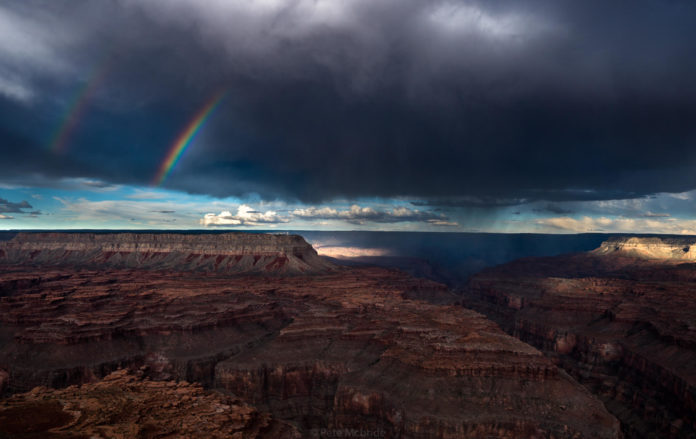
Kanab Point - Grand Canyon overlook Monsoon storm.
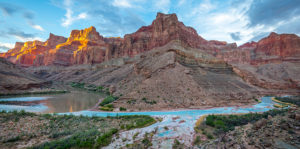
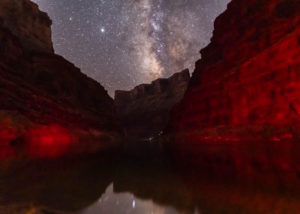
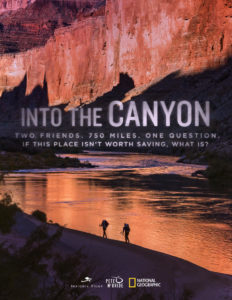
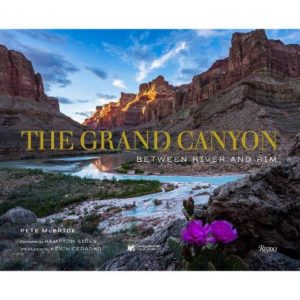
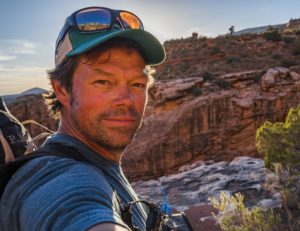
Pete McBride, one of the great outdoor film makers for National Geographic, is here to tell the story of the Grand Canyon through the documentary Martin’s Boat and the 750 mile long hike through the canyon.
Pete has produced a number of great films and we dig into some of this history and his experience writing and producing films in the outdoor niche.
Click below and listen to the Pete McBride Podcast:
Pete McBride, film producer and writer for National Geographic is here to share some great stories on the Grand Canyon and other travels around the world.
We explore the documentary Martin’s Boat, which sheds light on drift boats (dories) in the Grand Canyon and some conservation issues that Pete is raising awareness for. If you haven’t watched Martin’s boat, press pause and click the video link above to be blow away!
I’m happy to share a conversation with one of my good friend and mentor, Gene Shropshire. You likely haven’t heard from Gene before, but today we hear a great story about moving out west and the passion for fly fishing.
This podcast has given me the opportunity to share with you a person who had a big impact on me and has really cool story to share. We dig into some stillwater tips including the best flies, tips and resources for your next trip.
Click below and listen to Dry Fly Fishing Flies with Gene Shropshire Interview:
23:00 – We talked about Dette Flies and the influence of fly tying. Gene met Walt Dette and learned about dry flies early on.
25:30 – We talked about Trout Unlimited and the influence on Gene and their powerful influence today.
28:50 – The Dave Whitlock podcast where we covered terrestrials. Dave Whitlock is one of the most well know fly fisherman in the world and shares his amazing story in the podcast.
We’ve had a number of guests who focused on dry fly fishing from closer to the east coast including Wanda Taylor who talked about the Hiwassee River.
29:20 – Gene talked about the Grizzly Hackle Fly Shop, one that I have been to in the past out of Montana.
36:30 – Dave McNeese was on the podcast here and told the story of getting busted by the federal government. Dave is one of the best fly tyers in Oregon and has done a ton for fly fishing over many decades.
41:45 – Denny Rickards was on the podcast in episode 64 here. Denny noted how close he was to pro baseball and we talk about the athletic influence. Denny is also breaks down stillwater fishing in very easy to understand language at the link above.
1:10:50 – Phil Rowley was on the podcast here to cover stillwater fly fishing. Phil is one of the great minds today and has produced some of the best stillwater flies including the booby fly pattern.
My old friend, Gene Shropshire is on the podcast this week to talk about our history, my dad and how he created a life focused on fishing and hunting. We talk a out steelhead fishing, lake fishing and the move from east to west.
Founder of Flylords, Jared Zissu, is here to shed some light on how he created one of the biggest online fly fishing magazines with a massive Instagram following and online influence.
We dig into the differences between Flylords and some of the print magazines that are leading right now. We find out about the influence of Jared’s parents and how he manages the editing and process for a great online magazine.
Click below and listen to Jared Zissu from Flylords:
Jared Zissu, the founder of Flylords is on the podcast to talk about how he built one of the biggest online fly fishing magazines. We find out why they are on Tik Tok, their target audience and how they connected with Go Pro.
John Gierach breaks out an amazing episode in this one as he talks about how he came to become one of the greatest fly fishing writers in the world. We dig into some of his books including the famous, Trout Bum and we also chat about his favorite writers.
We also talk about the hippie movement in the 60s, weed, death in Colorado fly fishing, and much more. I’m excited to share a little perspective into the life, times, struggles and stories of the great John Gierach.
Click below to listen to the John Gierach Podcast:
34:20 – Draft No. 4 is a great book that John says everyone should read if you are interested in writing.
33:20 – AK Best was a big mentor who helped John really get started early on. Ak’s Fly Box was one of Ak’s biggest books.
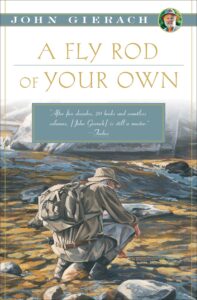
36:30 – A Fly Rod of Your Own is John’s most recent book. John describes a little about his writing style in the podcast.
39:25 – In episode 5 Jim Teeny noted the article on throwing rocks on fish to move steelhead into place. I noted the idea of throwing spoons out to get steelhead into range for the fly fisherman to catch it. John didn’t recall what I was talking about but shared another great story.
56:30 – John tells the story of when he thought he was going to die in a plane crash
1:05:30 – A cougar killed a hiker in Oregon and it’s the first time ever that happened in Oregon history – read more here
1:16:15 – The Beatles came out with the White Album partly due to a change in drug use. I ask John the same question about his writing and whether there were changes before and after.
I hope you enjoyed that episode with John Gierach as much as I did. Did you catch the few times that I was completely surprised by John? We went down a few rabbit holes unrelated to fly fishing including weed and the 1960s.
John also covered a bunch of topics related to the 20 great fly fishing books he has written over the years. I could have gone for hours with John on this one but had to respect his time.
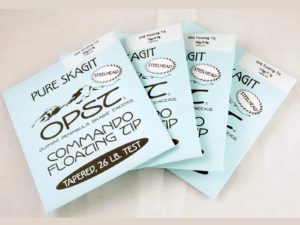
James Millard is back on the podcast to share the update on Olympic Peninsula Skagit Tactics and the new products they have out now.We find out about a new line that you might enjoy checking out and a ultra light trout spey.
We also dig into some more tips on skating dry flies for steelhead.James shares some tips on best conditions and equipment for your next outing.We also find out how the European folks are flipping the heads so they can do some scandal casting.
Click below and listen to the Olympic Peninsula Skagit Tactics Update with James Millard:
James Millard gives us an update on new products coming out for OPST.We talked about the Grand Ronde and some summer steelhead action.We also find out why their new intermediate line is great for trout and steelhead.
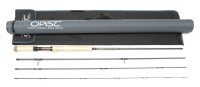
We talk about some of the new products over the last year like the two handed micro skagit rod and the commando smooth which are great for trout fishing.
Tom Bie, editor of the Drake Magazine, is here to share the story of how he got started and how the magazine came to be. Tom shares the story of how it all goes back to when he was a lifty at the ski resort.
We hear about the influence from Powder magazine and the years leading up to the start of the Drake. Find out how Tom edits and chooses the essays to use in the magazine. He shares the one tip to get yourself published in the Drake Magazine.
Click below and listen to the The Drake Magazine with Tom Bie:
Tom Bie 0:01
The magazine though I get a few bags here at the house, the New Yorkers, by far my favorite, and it’s just one of those magazines that I don’t even really care about. The subject matters sometimes. It’s just so well written and researched and edited, that it’s just a joy to read. And it’s easy to read. I mean, as an editor, my number one rule and any of the contributors who have written for me over the years know this clarity above all else. If you lose your reader on the second sentence, and they take that off for me, they’re gone. They’re not coming back.
Dave S 0:38
That was Tom by giving us his favorite magazine and best tip if you want to get published in the Drake Magazine. This is Episode 162 of the wet fly swing fly fishing show.
unknown speaker…. 0:49
Welcome to the wet fly swing fly fishing show where you discover tips, tricks, and tools from the leading names in fly fishing. Today, we’ll help you on your fly fishing journey with classic stories covering steelhead fishing, fly tying, and much more.
Dave S 1:04
How’s it going today? Thanks for stopping by the fly fishing show. If you get a chance, head over to wet fly swing comm slash facebook, and join our community to ask a question for an upcoming guest. Tom by the editor of one of the most influential fly fishing magazines is here to share his story. Tom and I jumped into a range of topics including how the idea of the Drake came to be during his days as a ski lift a little bit on sweet boats on the Middle Fork the salmon, Widespread Panic the group, and even a little on dawn Donald Trump Jr. Before we get started, I wanted to take a moment to thank our sponsors so fly gear headed up by 17-year-old James Carlin of the US youth fly fishing team has a buttery soft quick-drying line that I have been loving head over to wet fly swing comm slash so fly to support James and the podcast today that’s wet fly swing comm slash so fly we are also supported by the fly fishing and tying journal has an exceptional fall edition out right now. Head over to wet fly swing comm slash f t j to sport Craig and the gang right now. That’s wet fly swing comm slash f t. j excited to share this one today with you. So without further ado, here’s Tom buys from the Drake magazine. How’s it going, Tom?
Tom Bie 2:31
Great, Dave, How are you this morning?
Dave S 2:32
Good. Good. Yeah, it’s uh, it’s good to have you on here to dig into a little bit of your background and some on the Drake magazine. You know, you’ve got one of the leading magazines and I know you’ve been out there a lot. I’ve listened to a couple of podcasts you’re on to get a little bit more of your background. So I’m, interested to dig into it, but maybe start us off. I want to dig into the Drake. You know, I know you’ve talked about but talk about how it came to be and kind of start from wherever you want to start. How did this all could be because you’ve done a lot of stuff in your life?
[expand title=”CONTINUE READING HERE”]
Tom Bie 3:06
I have. That’s what happens when you start getting old. I, I had the idea for a while before I started it. I would say well, I spent one season after college, I was down in Arizona briefly and then I moved up to Jackson. It was in the early 90s. And my first winter after a summer in Jackson was in Park City, Utah, where I was a lefty and anybody who’s ever been a lift up, knows that a job gives you a lot of time to just think just you sit at least when you’re in the top and you don’t have to load skiers onto a chair you just sit in a little box up there and think to yourself. So that was really where I started jotting down a lot of ideas. I’ve always been a writer and knew that I wanted to be a writer. But there’s a little bit of a sad side to this story as of this weekend, but a huge influence for me was powder magazine. And that came to ski towns in the mid-90s and it was just an event you know people just love getting that magazine that was very influential. Over the weekend. The parent company that owns powder, bike snowboarder skateboarder ceased Wow. This is certainly put on pause. Not that they weren’t actually doing well and fairly profitable, but the company that owns a men’s journal and used to own a bunch of tabloids and got itself into some debt issues I believe but so who knows all the background of it but it was almost next year would have been a powder 15th cheese anniversary. I spent the Yours is Ella that magazine and it just it really influenced the Drake a lot, but in terms of the first seeding of ideas was really a hot lift-off time there and what would have been, I guess 9394 that winter in Park City, and then four years later starting it and Jackson,
Dave S 5:19
that’s it. Gotcha. And, and I’ve known I’ve heard and I know a lot of the background there the skiing and you were a skier, right, or were you snowboarding? Did you do both?
Tom Bie 5:29
Yeah, it was a bad year, which is amazing, because I eventually became editor powder. But I just, I was never really very good skiing. No kidding. I mean, I didn’t know I didn’t grow up. I mean, I went to Mount Hood. Yeah, skied times in high school, but super flail. A, you know, that’s not good snow to learn how to ski in any way. It’s almost East Coast, see as far as the water content and that sort of thing. But if you want to learn to ski, just like any other activity, you move to a ski town. And I did it in Jackson and in Park City. And by the time I left Jackson, in the late 90s, I still felt like I was not a very good skier because I lived in skied in Jackson. But of course, if I went with my friends who were flatlanders I mean, they thought I was good. But compared to that bar, yeah, Jackson Hole. But what I was good at is ski towns, I just really got that culture, one from having lived in, um, of course, but also, I was a newspaper reporter, and Jackson covered sports and, and I just, I feel like, I got what that what being a ski bum in the 90s was all about. And that helped me in my career more so than my skiing ability. That’s for sure.
Dave S 6:53
That’s right. That’s right. It’s interesting. And this has come up several times talking to people that have, you know, are leaders in the fly fishing industry, but there’s a good background in snowboarding. And I talked, I think it was Marty Sherman, he was talking about how you know, they were snowboard, you know, they were bombs up on the mountain to and his boss. Right, right. His boss owned, you know, part of the lodge up a Mount Hood or whatever. But basically, he fished on the site. And that’s how it all came to be. And I mean, what do you think? I mean, the snowboarding and the powder and all that stuff, is it when you look at the year magazine with the Drake is pretty much how similar is it to the style of what they were doing when they were still going.
Tom Bie 7:31
Very similar. And I think I’ve made this analogy before but as far as fly fishing goes the act of passing a fly rod, maybe a spay rod, in particular, is similar to Telemark skiing to me, and if skiing, regular alpine skiing is spin fishing or, you know, then I would that in you want to make it just one step harder, then that’s kind of what Telemark skiing was and that became big. And in the 90s in the ski towns. It’s kind of faded a lot now in part because they’ve made the boots a lot lighter that you can use for either or and it was but it was just that feeling of a Telemark turn. When you do it right. is similar to a great spake as you know, even if you don’t catch a fish, there’s a lot of value and you get joy out of just making a good cast and working your way down the river and I and I, I felt like Telemark skiing just got you further down in the snow. And there’s just something there’s feel about the turn. And snowboarding was a lot like that too. I didn’t do a lot of snowboarding. I did it when I had skier friends who came to town who didn’t ski because I was good at snowboarding so I could
Dave S 9:00
go right.
Tom Bie 9:01
I wasn’t waiting, then we’re kind of the same. But yeah, I think as far as the culture goes, you’re exactly right. I heard Marty Brett mentioned that I think in your podcast and you have these so many of these ski towns are trout towns right through ski patrolmen are often times gods in the summer, the ski instructors oftentimes in the summer, and it’s just a great way to if you’re in a town that had both. It was you know, it gave you a decent offseason each year. And then, you know, on the patrolmen are the coolest guys in town. That’s our women now a lot more of now, but you have both. And it was a great way to earn a living in a ski town.
Dave S 9:51
Yep. Yeah. And it’s just and just outdoors right? I mean, you’ve been, you know, outdoor writers. And I mean obviously that’s not an easy thing to do. And you’ve managed to make the Drake a full-time gig now, which is also amazing. I mean, can you take us to that point where? Because I know there is a long history there, were you with powder. And you were you know, and you have a journalist, you know, a background in journalism. But eventually, the Drake became your full time. Good. Can you take us at that moment? And tell us like how that all felt?
Tom Bie 10:23
Yeah, I can take you to that moment was fall 2008.
Dave S 10:27
Oh, yeah.
Tom Bie 10:29
So I’m not the best time to try to be good, right. So my timing was, in some ways, you couldn’t imagine it being worse, but I left powder. So I had been in the ski industry, I had two years of skiing and three years of powder. And I was just doing the drape once a year in the offseason, from the sky publishing. So basically, every spring I put out an issue. So I left powder in the spring of 2007. And did do a second issue that year. And then the next year, the wheels fell off the economy. And I was out there talking to advertisers about taking Drake two, three times a year, which I did in 2009 and 2010. Looking back on it, it’s just it seems ridiculously dumb, but I had nothing to lose. I mean, I didn’t have any money at the time. And the Drake offered something that the other magazines at that time, didn’t offer part of it was just affordability because it was still fairly small. And it was just different. And but I was I still was doing some more freelancing on the side and this and that. And I was living in Fort Collins, I lived cheaply. I wasn’t bombing, but I didn’t have a lot of expenses or anything like that. But that 2009 I, it was twice a year. And then I took it two, three times a year, that next year 2010 and 2011. I went to four times a year, so in 2007 2008 it was two each year. And then 2009 2010 it was three and from 2011 on it’s been my full-time job. That’s cool. So 11 years now,
Dave S 12:28
but 11 years Yeah, and I want to jump into a little bit on the on more on the Drake and I know some people will you know, we could dig into a little bit more of what it’s all about. But I just want to hit on one thing I think is really interesting in your background and you know, probably shed some light on the person you are but you know you had like a little stint in the army right back I think it did a couple I mean, because like when I think it’s interesting because I know a little bit of your story. And for some reason, Johnny Cash always pops in my head. different story. But I mean the guy right at a different time. But you know, he always had this dream of I think the music was there. And he went to the army for a short time. And I think he wrote Folsom Prison blues come out. And he right and that’s it. Now he’s becoming that his that’s his dream, did you I mean, why did you go in the army? And then what did it do for
Tom Bie 13:16
you? I went into the army to get money for college. To be honest, I mean that it was an Oregon isn’t a big military. No state at all. And my father fought in Korea, and so he was in the war. But there wasn’t any sort of military-like there was no pressure on me. I didn’t have a bunch of friends or relatives. I didn’t know anybody at the time.
Dave S 13:45
There was no more there was no war going on. Right?
Tom Bie 13:48
No, no, it was a there’s some. Yeah, there was still terrorism taking place over in Europe and things like that. But overall good. Compared to the years since it was peacetime service, you know, and but it was, at that time, the army had a two year and lesson. I mean, it’s always a six-year commitment, but it was two years active, which they’ve had off and on over the years. I’m not sure whether they still have it but at the time. I’m 18 years old, two years seems like a long time, but honestly, I don’t know that I was also ready to go to college. I mean, I was in I was a good student. I wasn’t a great student in high school. But my sister was going to college at the time and she was going to a private school that was pretty expensive. And it would have been tough financial. I don’t know that my folks could have done it or whatever. And so and it was probably one of the smartest things I’ve ever done. I mean, I absolutely. had I gone to college right after high school. I think there’s a fairly big And chance I would have gone for a year or two and then gone up for a summer fishing in Alaska never gone back or something, maybe. But it was two years in the Army. It was also two years, I got to live in Europe, I was based in Germany. And I fired a missile shoulder-fired missile system, and was kind of a cool experience in that regard in terms of just having been in the service and exposed me to other people from across the US that I never would have otherwise been in contact with much less live with and work with daily. And you’re talking about 40% or 50%, you know, nonwhite, right, which would really good for me, because Oregon is very white. And it was, you know, any, you’re just going to work with them. And you’re live in four to a dorm and you’re spending weeks out in the field. And so it was just a great experience. And then I got out and had the money for Oregon State. So that was a main into the army, but it ended up getting me all kinds of things beyond that.
Dave S 16:16
That’s uh, that’s it. And then you went into journalism at OSU and then and then you kind of slowly connecting to and you moved eventually what was the remind me again, on the magazine, what was the first you move to Jackson is I would happen.
Tom Bie 16:32
Yeah, so the magazine was in 98. But I was in Jackson, six years before I started the magazine. That was I work started up there in the fall of Amina may of 1992. And I was a rafting guide for three or four of those early years, and still kept doing it. Before I became a fishing guide, I would split up my summer up there, and in a raft guide until whatever end of June, early July. And then in the spring of 98, I had been assembling the drink for a year. But I was working for the newspaper and they agreed to print this thing for me. And it was a super small print run of 5000. And to be honest, Dave, I don’t know if I even really thought I would do a second one. I had no idea about distribution, or I had no business plan that didn’t have a bunch of money. And so but I did do a second one. I was also in Jackson didn’t have the money to do it. So I had to sell some things to make that happen. And then I got a job at paddler magazine in steamboat. And they helped me publish it for a couple of years. Just kind of a weird I told them, they could keep the money if they wanted to add that. So it was the seventh issue of paddler magazine. Oh, in 2002, RCW 990. No. 2001 2008 did not do an issue. Cuz broke. And then in 2001. And 2002 was it was a seventh issue of the paddler magazine, which was actually which was the Drake. It was just a fishing magazine that Pilar did. And they got the ad revenue, and they maybe got, you know, five or $10,000 or something out of it. But I have told the story once before, at least, but I think the interesting thing about that is what paddler magazine, what that got me other than just my first real job in a magazine, not an excellent boss, another school, cool ski town. But what it got the Drake was on the shelves of Barnes and Noble, which I never would have been able to do as an annual publication, right? I have no muscle, no, whatever. But they put it out there like this, you know, the seventh issue of power. And then there, they had data on Yeah, sale, and it sold pretty well. So I was when I left there, they kept carrying the magazine. And I would not have a chance to do that. I mean, my Boston editor up there, Eugene Buchanan, he’s still in steamboats are good, dude. And if, I mean, if, if it wasn’t for that, I mean, you just look at all these little things along the way. I, I’ve always had faith and confidence in my writing. But beyond that, as far as I mean, I have a lot of determination and all that. I don’t have a lot of business skills and never really did. And so I got a lot of breaks along the way. Just lucky breaks. You name the right people and just certain things happen. You look back on your life. That was huge. And it was like happenstance, you know, it’s cool.
Dave S 19:59
Let’s go What would be I mean, if he there are a lot of these things, you know, that cake, the bake the Drake, I mean, if the Drake didn’t come to be what do you think you’d be doing right now?
Tom Bie 20:09
Um, that’s a good question. I think I would certainly be writing, but I would probably be freelancing and have another job. Yeah. I mean, I think I, I could have been successful in several problems, you know, real estate and things like that. And I probably I maybe would have ended up like corporate communications guy, or something, right. I mean, as much as that makes my stomach turn at this point. I did I was in at Oregon State. I had a couple of good internships. Still, while still in school, I was at Portland, General Electric in Portland. I don’t know if you remember. But they had the, it was the World Trade Center downtown. They were labor in that building. I had that one summer and then try that next summer. So two really good internships that showed me on the one hand, a very private, soccer, or holding company, and then another very public company. And then I worked, basically volunteered, maybe got five bucks an hour or something right after Oregon State, I went down to Arizona, and worked for a couple of PR firms. So I did a pretty good job of like, checking off the Okay, I know what I don’t want to do. You know, I was a mortgage loan officer for four months in Arizona before I went to Jax. And that was the biggest, easiest one to check off. But just like anything else in your life, I learned a lot about borrowing money for a home, and just that short amount of time. But I don’t know, I probably would have been in some corporate facility or, you know, job and then not happy.
Dave S 22:00
Which, which a lot of people do I mean, there’s a lot of people that are there doing that.
Tom Bie 22:05
Yeah, or I mean, in fairness at that, if it wouldn’t have happened for me when it happened. I may have just continued. Maybe I would have bought a small rafting company or I don’t know, you know, yes. Something that kept me outdoors, I don’t know that I could have stayed indoors doing that sort of thing. But that’s, um, that’s not I’m happy that I’m doing what I’m doing until I still love it as much as I ever did.
Dave S 22:35
Yeah. Well, what’s the long term? I mean, I guess you’re you know, like you’re saying, or you’re in your mid-50s? Or getting close to that? Yeah. What’s the long term? You know, I look at it, it’s been a long, you know, a good ride, how does the next, you know, 10 years look like when you look out at the magazine, kind of more of the same? Or how do you go forward?
Tom Bie 22:55
I don’t think I can just do more of the same because of the nature of, print? And, and, you know, in some ways, it’s, it’s making a little comeback, just because people are so untrusting of, yeah, social media. And, you know, and I think we’ve seen, we’ve all seen some magazines have gone away, and your alternative is, is logging, click on, you know, just the online reading experience is still, for the most part, horrid, unless it is New York and New York Times is something that can afford to not have the clickbait crap on the bottom, but almost all of it does. And it’s just a horrendous reading experience. And, and most people, there’s just a lot of people that have kind of come back to looking at having a different look at the print. But I do think it’s got to be a little different model, business-wise. And mine, the Drake, actually has been for quite a while in terms of getting quite a bit more of my income from newsstand sales and single-copy sales and subscription. Then advertising like percentage-wise, it’s certainly more advertising, but it’s not 95%, which is, most big magazines are and they give away their subscriptions for airline miles or whatever. Whoa, and that comes back to bite you, you know, yeah. When you lose a few advertisers, and suddenly you’re out of business, because you rely so heavily on that, but I’ve, I’ve never really discounted the magazine and still see a healthy sell-through on newspapers and things like that. And I can’t honestly say that that’s by design. necessarily, but I did see the problems with it. I mean, I worked for two of the biggest media companies on Earth at the time, it was time to get skiing magazine. And that was, it was they owned everything. I mean, just hundreds of titles, right? It was AOL Time Warner that was the parent company. And then Prime media out of powder. Always New York is based on tons of titles. And you just saw some of the problems with being too reliant on ad revenue. That’s even though I’m very fortunate to have good. Yeah, you do. Or in the industry, you know, it’s great.
Dave S 25:41
Yeah, I was. I was just thumbing through the summer edition. And, yeah, you’ve got pretty much all the big, biggest companies, the biggest and best companies, right. That is
Tom Bie 25:52
a lot of them have been there for 15 years.
Dave S 25:54
Exactly. Yeah.
Tom Bie 25:56
But that’s I don’t, I don’t shortchange the editorial. I mean, that’s still what it comes down to. And I do think that maybe, and this could all change tomorrow, right? Who knows what else but it’s your what’s going on. But I, I think that we’re all learning quite a bit. We all meaning like in this publishing world of there is a fine. There are a sweet spot, size-wise, and niche wise, in addition to powder bike, snowboarder skateboarder going away last Friday, I think if you had any one of those individual titles, yourself, yeah, you could make a profit, you’d be okay. I don’t think any of those titles were losing money. I just think the parent company was looking for an excuse to get, I mean, the powder was roughly the same size as the Drake, a little bigger, but just hardcore, dedicated readers. And who appreciated the print version. But those are niche titles. Also over the weekend, it was announced that field and stream and sports afield were no longer being printed. Oh, I don’t you heard that? No, that’s, that’s that the title, they were bought by some company that was going to do some sort of, you know, digital assets or some sort of crap. But I have to admit, as much as I read those titles when I was young, as well, that doesn’t surprise me, because those aren’t vertical titles. And it seemed like the past couple decades, so they’d been almost all about, you know, survivalists gun and maybe some bass fishing.
Dave S 27:46
So feel ashamed. You mentioned vertical titles. What do you mean by that?
Tom Bie 27:50
Oh, I’m sorry. I mean, like a vertical title, meaning just fly fishing. Just skiing, just snowboarding. No, those the field and stream and, and sports field and outdoor life. Those are horizontal titles. They cover hunting, fishing, not as horizontal as say, outside, outside. Right. But that I just think that you need to be right now. Much more niche than those magazines to hit that passionate. brew. Yeah, but I had Zach on from swinging. Yeah. Maybe there’s a too niche
Dave S 28:38
We have a conversation.
Tom Bie 28:41
You know, I mean, so yeah, and maybe, the Drake is just lucky to have fallen into that kind of perfect size. niche. I mean, I work hard to make the editorial, strong. And it’s been my background and I’ve done it my whole life. And I take it seriously. And I know that that’s a huge part of it. But all that could be great. If there’s no place to distribute the magazine or it turns too many people off then. Yeah, then you’re it’s still not gonna make it right. Yeah, yeah, it’s, uh, I think I just feel fortunate the fly fishing industry is also much more friendly to retail sales of fly fishing. See, I don’t know if I think that this summer, people realize how lucky we are in this pandemic. I mean, who knew how this was all gonna unfold. But for all the struggles everybody other than, of course, the travel booking agencies, you know, the, especially the international ones and the yellow dogs on frontiers, and ones like that. very much struggle but beyond that, almost every manufacturer I’ve spoken to in law shop, they had record months from June to now. And you see it on the river. I mean, they’re, they’re everywhere. But I do think some of that is just the strength of the retail fire shops. I mean, people, you almost have to go into a flower shop for something, flies, Tippett floating information and you don’t have to go into the pro ski shop. So what’ve your skis tuned? Yeah, you know, there’s, there’s just so much more of a community in a fly shop and there is Yeah, almost any other you know, specialist.
Dave S 30:51
is that because it’s harder I think a paddler to like paddling. I’ve had some friends that were patio kayakers, and I mean, it’s fly fishing. You just need more help with fly fishing.
Tom Bie 31:02
Well, part of the problem with whitewater kayaking is that everyone in the sport is one exit away from quitting it forever. Oh, scared.
Dave S 31:12
Oh, like you almost die. And then you’re done.
Tom Bie 31:16
Yes. Yeah. It’s just far more dangerous than fly fishing is and I’m talking about just whitewater kayaking at you know, high end like above? Yeah. replot or plus, did you do that? I did. I was at paddler magazine for a couple of years. And most of my background was rafting. But I got into it, but pedelec my skiing I never got beyond a three-plus. Yep, boat, or with confidence. And I ran a couple of class five rivers with people who are way better than me. And I didn’t even enjoy it. I was so scared. No, I just didn’t I wasn’t confident enough in my abilities. But that you bring up a great example because whitewater kayaking is a sport you can look to that was booming in the early 2000s. I mean, it was on every commercial tail Berman pattern off a waterfall. And the magazines went away. Well, if it went away, and the sport went away, I mean, it was certainly in part because stand up paddleboard was coming on. And you have sat on top kayaks, that, you know, every overweight dude in the country can go out and sit on put a six-pack on and convince his wife to exercise or whatever. Yeah, but they were popular but whitewater kayaking. It also had the problem off at its peak, you were a whitewater technical whitewater boat was $1,000 1200 bucks. And then you had some engineers come along and enter the sport and say, Well, I know I’m sitting in $1 plastic here. So I’m just going to manufacture these instruments Sam’s Club for 200 or whatever, and there were a lot of reasons. But I mean, I think fly fishing is to your point, yes, they may have to go in there and ask for information. And yes, it is. It can be challenging to learn on some levels and you can get overwhelmed with them but you’re not going to die. No, it’s not. It’s not scary, like extreme skiing or extreme kayaking is and you can and you can start it at my
Dave S 33:38
Although I will say I if you do enough top You know, I’ve been at a couple of places tried to get to fishing spots where I Oh, look, I have almost died. Do you know what I mean? That’s more extreme. I think what you know,
Tom Bie 33:52
it’s not you’re not in a kayak and the only way out is downstream. That’s true. A climber?
Dave S 33:59
Yeah, it’s a killer. Yeah. I mean,
Tom Bie 34:01
that’s part of what I love about kayaking too, but just a fly fishing. Sure I’ve probably come closer to dying and fly fishing than I ever did skiing kayaking, just putting yourself in those kinds of questionable waiting situations and whatnot. But that was you know, my kind of dumb decision-makers school.
Dave S 34:23
I love that conversation just with the niches and you know talking about the Drake and the bigger conglomerations because there’s a lot of that going on and I mean, the Drake so you guys still are I mean, you’re just a single and it’s funny because I think back you know, I had Elliot Adler on way back quite a while ago. Yeah, Elliot on and I think it was, you know, he was a podcaster I tried to where I can interview other fellow flyfishing podcasts just right, connecting. And it was great because we talked about you and we talked about the bag at what point did that interview I said, we were talking about the same thing about the Drake growing getting bigger. And I said something like, Well, is there any worry that the Drake’s ever gonna become like corporate big and he was like, he stopped me right away. He’s like, I do not think the Drake is ever you know, it’s Tom. And there are a couple of other people. I mean, so you guys are a small shop, right?
Tom Bie 35:17
Yes, I mean, as far as you can get. Yeah, I mean, I’ve had various other contributors, Jeff Mueller was a managing editor for a time. Don Weaver has for seven-plus years Coming up on eight Ben, the person that runs the show behind in terms of the circulation and, and, and ad traffic flow, and all these sorts of things. And I’ve always farmed out the website, and the design is subcontracted. So the number of full-time employees I’ve had has never been more than two. You know, I’ll bring in someone like Elliot that’s giving me more crutch. Elliot brought himself in and told me that he was going to do this podcast, which I was not. I don’t know if he told me the story. But you know, no, it wasn’t much podcast person. Yeah. And he just, he had done two or three of them before I even listened to the thing. And I’m like, Oh, my God, this is so good. Yeah. You know, he was very, he took it to a different level in terms of the type duction, you know, is different than what you do or what a lot of it in terms of going out and talking to all kinds of different people and splicing it together. And, and putting it was more like an NPR sort of,
Dave S 36:36
that’s exactly what it was. I mean, he comes in the reason he has as I mean, part of it is that his brother produces What? He’s connected with one of the other big podcasts. I can’t remember the name of it now. But yeah, he comes on a production family. And he knows. And the thing about that is, is I asked him in there, I asked him so. So what do you do with the Dre? How long does it take you? I think he said it took him 30 to 40 hours a week to produce the episode, you know, like it, you know, compared to this, which takes me probably five hours, you know, to do the interview style just makes a little easier to put to do it right.
Tom Bie 37:11
Uh, yeah. And I think that that, um, he, he struggled with even finding a little sound system or place a place where he could go and make it sound good enough. Cuz Yeah, the office I had at the time was right next to the road next. Yeah. Like that. But yes, he was very, very talented, and had a different standard for himself as far as how to go about the process of it. And people ask me what happened? And I’m like, Well, what always happens when you hire a talented person that gets hired away by somebody that’s paying him real money to be a podcast. You know, so he, that’s, he’s doing now? But, yeah,
Dave S 37:59
yeah, that’s cool. No, I think it’s, uh, I remember when he was finishing up and, you know, wrapping things up with you, I guess he’s still kind of a technically assistant editor, right as on there, or he can help.
Tom Bie 38:12
And he can do all of it. Like, he’s a good editor. He’s a good writer. He, I mean, the podcasting is his love, and he’s making good money now. But of course, it’s, you know, corporate, I mean, some of your commercials, right, you know, but But yeah, he is he still does, he looks over a feature. Edit, you know, features stories, in smaller, smaller news pieces. And that’s a whole different skill, whether you’re writing or editing, I mean, someone that can put together 600 words can’t necessarily put together 3000 and vice versa. I’ve good writers that just cannot write anything less than 2000 words for some reason, you know? Yeah. So it’s it’s cool to see his broad range of talent.
Dave S 39:18
And now a quick word from our sponsor. Here you go. FTJ angler has a great fall edition that’s out right now. You can find Lucas Stevens who visits Winston fly rods in the fall audition for an insider look at an A rare interview with writer Ted Leeson. Someone I hope to have on the podcast soon. Patrick wall pays homage to Harry the mirrors tied in hand Atlantic salmon flies displayed in the Margaree sim museum Boutelle and takes us to the pond with a masterclass in Stillwater, Dennis dobble travels to Scotland in search of Atlantic salmon. plus f TJ deputy editor Henry Hughes with a mysterious fly fishing story and Nora Etsy with her poem, no business we’d love it if you can press pause right now head over to wet fly swing comm slash f t j to subscribe so you get the next edition right to your mailbox that’s wet fly swing comm slash f t j so fly gear.com led by Chief apparel guru and us youth fly fishing All-Star James Carlin has a clothing line you’re going to love so flies mission to produce clothes that look good perform well can be worn on and off the water and most importantly are manufactured under rigorously sustainable methods. How do they do it? bamboo in a single word a fabric that is buttery soft to the touch durable sun-resistant and boss with original designs and artwork. I’ve been wearing the so fly hoodie on my last couple of steelhead trips and it’s been a game-changer whether hot or cold wet or dry. I’ve been feeling perfect and pretty much all conditions I just haven’t taken this thing off and been it’s been it’s been pretty awesome. Head over to wet fly swing comm slash so flies to get started today. That’s wet fly swing comm slash so fly? Well, let’s jump in. You know, it’s funny because I remember way back. I also talked to john Iraq, he had him on and I remember I got some flack on that one because we talked a lot about writing and less about the fishing. And I think some people reached out to me said, What are you doing, we want to hear more fishing. So we got to hear a little bit about the magazine, you know, the Drake, maybe dig into a little bit of what it’s about. And maybe just start us off? Because I think most people probably have read it. You know, there’s probably some raving fans listening as well in here. But you know, can you just talk about you know, maybe what makes that magazine a little bit different than everything else? Because I mean, or maybe it’s not, I mean, I know there are some other ones. There’s the flyfish journal, there are some other great magazines, but But why is the Drake kind of seem like a leader out there?
Tom Bie 41:57
Well, the five is journal is similar in some of its literary approach. And that was the first difference. The Drake had mean, four or five of the departments in the magazine have been there since the beginning. And one of those is Tippetts. Mm-hmm. Which is just typically one page or two pages, short essay. And that was the thing that set the Drake apart early on the magazines in the late 90s fly fishing magazines, were not doing much of anything except for telling you how to fly fish. Yeah, somewhere to you know, but almost all of those tips, which does not have a long future when the internet came around. So that was a big part of it. But then also actual reporting. I mean, I’d say now, that is what differentiates the Drake, more than just about anything. I mean, there are little things I like to think to make a difference in terms of the photo caption. So you put time and effort into every little thing. And you make sure that whatever the worst thing is in the magazine is close to whatever is the best thing in the magazine. By that I mean, I always have a theory like what if someone picks up the magazine that reads the worst story in there? And that’s their impression. Yeah. Like, if you look at it and think that’s not that good, and it shouldn’t be in there, to begin with. So but I think in terms of the essay style, and travel, writing, I hate the word travel, writing, but stories about travel, and profiles and things like that flyfish journal does a great job at that they have an awful lot of the essay, but they have a high standard of writers and things like that, as well. And then you need to have some how-to were to sort of more entry ish level out there. And I think that you know, the fly fisherman does a great job with that. There used to be a lot more, of course, there’s American Angler, and there’s fly rod rail, all those when I started the magazine, a lot of those have not lasted. Mm-hmm. Fortunately, or unfortunately, depending on your opinion, but there was, I think many of those styles, and they just it was just too easy to Google that sort of information up and have it in front of you. And now with YouTube. I mean, it’s just me, I learned everything from you to know how to replace the string on my weed eater if it wasn’t for it, you know? And so that as far as trying to explain that in a writing thing, I just don’t see that being? Like, any comparison?
Dave S 45:04
How do you filter through similar to the thing you’re saying? Like, and I agree with what you’ve said before that, you know, the Drake you know, you know, you get that it’s gonna be quality compared to say you just read a random blog. And there are some amazing blogs out there. I’ve interviewed some people that are great blogs, but there’s a lot of junk, too. I mean, how do you, you know, like, compare that like YouTube, right? Do you go to YouTube? How do you filter through the junk on YouTube to find what you need? Right? Well,
Tom Bie 45:30
very specific search terms when it comes to YouTube. I mean, I like it most, especially in our generation, people can you can find anything out there. And I think that’s, it’s that’s been a boon to
Dave S 45:45
Yeah, like, fly tying, for example. Right?
Tom Bie 45:48
Yeah, fly tying. I know, it’s a big part of your background. And that’s, I’m not a big tire. But if I wanted to tie something, I could go on there. And watch. I don’t know how it would look, but I could learn how to do it. Yeah. Right. I mean, it was, it was like jack Dennis VHS tapes, right. Here. You’re watching back in the day. But I think it’s a question about how much of the other sort of stuff you put online, like for a publisher. For me, I mean, the problem with the online, maybe not necessarily online magazines, but the book that too many times, that becomes volume, over quality. So you just throw stuff on there, because you’re trying to get it’s all about the clicks and the traffic and so you don’t have a store is that have this sort of depth to them. You don’t have analysis, you, you don’t have the research, you don’t have all the things that make a story worth reading. And what I want to have in the magazine is if somebody is coming to the end of a 345 thousand word story, and still wants more, yeah, that’s, that’s the sign of a well written and maybe, more importantly, well-edited piece. On a Magazine, though, I get a few bags here at the house. But the New Yorkers, by far my favorite, and it’s just one of those magazines that I don’t even really care about the subject matter. Sometimes. It’s just so well written and researched and edited, that it’s just a joy to read. And it’s easy to read. I mean, as an editor, my number one rule, and the contributors have written for me over the years know this clarity above all else. Yeah. If you lose your reader on the second sentence, and they take that off forever, they’re gone. They’re not coming back. Yeah, it has to be clear has to make sense to people. And that’s the big one of my guiding flock. That doesn’t mean simple doesn’t mean law, it just means the ending is every bit as important or more. So it’s what it comes down to.
Dave S 48:03
Yeah, the editing. And again, we come back to that, because, well, Zach mentioned that too, you know, because he doesn’t come from a swing the fly of background editing, and he probably realized or has relied more on his writers. You know, maybe but yeah, that’s an interesting point. Because you do all this work. And if you have a good editor, which you spent your life in this field, so you know it pretty well I mean, you know, what else so so when you have people coming in, I mean the articles maybe just take that for an example. So you have somebody send that send you an article, it looks pretty good. Can you take us through that process of how you get it, and then it becomes in the next edition of the magazine? Or is that a pretty lengthy process?
Tom Bie 48:46
It depends on the length of the story.
Dave S 48:49
What’s your average I know you have different depart the shorter stuff, but what do you think is the average length of
Tom Bie 48:53
your stories are typically 2500 to 3500? Somewhere in there so long for pitcher stories, they can run longer, but if it’s less than 2000 it’s probably not a feature story.
Dave S 49:05
So like in the summer edition you had a couple like the bear attack one right was more of a was that kind of considered
Tom Bie 49:11
that was it that was longer but that was the new story that was upfront so all right, you know, scuttlebutt section, and I tried it that’s why I try to have the most news breaking Okay, you know, sort of in this issue we’re doing a lot on the Oregon fires
Dave S 49:26
Oh, so so the scuttlebutt is kind of break so if you had something if you had like a conservation issue that was a hot topic, you might have that sure.
Tom Bie 49:34
Yep. Exactly. And, and, Dave, that’s the hardest section to fill.
Dave S 49:42
Why is that?
Tom Bie 49:43
And if you have if reader or listeners the year show, are interested in pitching the Drake pitch me a news story that is reported and researched and written like a news story. That’s it. I mean, I, I’ve seen some magazines have just completely stopped doing it because they think, well, that’s an online thing. Power. The Bible for skiers, which I love, I made a decision a year or two ago to stop doing any news, because that was for the website or something that people aren’t interested in. And I could not disagree. More. I mean, right now, that I think that that’s one of the responsibilities of vertical publications. I mean, you don’t know, I don’t let her from a letter from the editor. I don’t have a recent copy here for him. But it was a letter from the editor or letter to the editor. In this summer issue. I think it was the first one I ran, and it said something like, it’s interesting that I can learn more about my local watersheds, from your magazine that I can from a local newspaper,
Dave S 51:02
I saw the one I was in. It was a great
Tom Bie 51:05
letter. It’s because people these newspapers can’t cover those sorts of issues all the time, and I certainly can’t give it the in-depth. No, I mean, have they have but elder they’re making $30,000 a year and that, you know, and, and all anybody watches nationally, it’s either like for or against Trump. That’s it, that’s 100% of seeing and the news, and everything else gets buried. And so it’s, it’s, it’s hard to find those people now because not as many kids got opportunities in newspapers because there’s not as many of them around. But at the same time, if you develop, if you acquire and develop that skill, you are a valuable asset to any magazine publisher, and you can, if you know how to do an interview, and then know what to do with those quotes and how to work them into a story. Because that’s, I could write something that’s either a new story that’s three or four years old. And people would be intrigued because it hadn’t been covered. Do you know? Yeah, I mean, I don’t like to, I like it to be as updated as possible. But you know, what I’m saying is just cool. off a lot of news out there that is not being made and the Tippetts essays. Mm-hmm, I get, I get tons of that is the easiest to fill. And it’s great. Because that means you asked me the question earlier, how does that process go? If I can see that it’s a tippet essay, I’ll start reading it. And I will know, usually within the first two or three sentences where I want to know,
Dave S 52:41
you can tell whether it’s good or bad.
Tom Bie 52:43
Yes, I mean, and that may sound like I mean, I’ll typically read past that just in case, maybe they get rolling a little bit later. Or maybe they have a great, unique voice that just needs to be edited down. But a lot of those essays I get, a lot of them are from people I’ve never heard from before people think I don’t have an in almost every issue. I would bet far more often than not. I run an essay that has from someone who’s never been published in the magazine before. Yeah, that’s cool. Send it to me. And those are never assigned ever. We just come in, you know, so. So in that respect, that’s a much easier hole to fill. So if I was just interested in filling the magazine, I would remove the new section run twice as many tickets to be done with it. Yeah. You know, I mean, yeah, it would make my job way easier, right. I don’t care how great of a writer you are if you have too many of just the sort of touchy-feely, you know, essay writing, like someone’s gonna have in their bedside journal. It’s not it’s, then it’s a poetry magazine or something. Yeah. You want to have some hard news in there as well. I think
Dave S 54:03
that was cool. Yeah, I was. Things were running through my head as you were talking, they’re just about, you know, the news. But that is such a critical, especially this day and age, you know, and I think in newspapers, how right the newspapers are, we had that stretch where a lot of them went down as well. So you lost a lot of that. Now, it’s a lot of it’s on to online, you know, and you got, you know, but still the news in the magazine, I hadn’t thought about that. But that makes, you know, a lot of sense that you can still write a good article would have quotes and do a good story. So definitely highlight that for any listeners for sure to check it with the
Tom Bie 54:38
I think you will see some of these small newspapers are trying to figure it out still, like the ones that have survived. And you never, you couldn’t have dreamt of having a paywall on a local newspaper before, but it’s slowly working. it’s way down. You know, the big Wall Street Journal New York Times had the Coronavirus coverage during the as free for everyone. Yep. And that brought in a lot of readers that then suddenly started paying, oh, I want to read other parts of the magazine, what is it $2 a month done, you know, and but you, when someone like these fires is a perfect example, you want to know what’s going on in your town, you should be able to go to your if not a local paper, then at least a local website or something. And then you’ve got either the traffic that you’re trying to sell ads off of, or these paywalls are popping up, and they’re not much but I that dynamic and that business model is changing. And you’re never going to see that print magazine come back to life as it did. But I think you will see some local websites with actual reporters. Mm-hmm. Especially these fashion, you know, that those fires were, there’s a different story every 10 minutes. Yeah, so trying to keep up with that you had to be online, but it was only those people that were on the ground there in that area that could adequately cover so I think, you know, I mean, sucks that it takes a natural disaster like that to, to, you know, make people pay attention. But I am hopeful that that reporting as an as a scale or as a valued commodity will in fact, come back. That’s right.
Dave S 56:22
That’s right. Where you can you give a little short, is that coming out in the next edition or the firestore?
Tom Bie 56:29
It says follows? You
Dave S 56:31
know, yeah, what’s the so is that out right now? No, no, shoot him should be in business because of the fires. What is the Can you give us a snippet on just that news, you know, the article that you’re putting out there on the fires?
Tom Bie 56:50
Sure, I have one of each and this one. The news is written by Steven Holly, who also wrote the bear piece you were talking about a very good, very talented reporter. And I was just mean brief. aside, I had to fly to Oregon myself. I have a place in Lincoln City. And Lincoln County was under evacuated, that was September 9. I had landed in Minneapolis to do a bass and pike story, which is also in this issue. But luckily, there was another writer that was there. Because I was at the airport, 20 minutes, my phone was blowing up, I turned around and got on a plane and flew back out, flew to Denver then flew to Portland that same night to get to echo mountain fire, which is in Lincoln County. And it wasn’t on the national news because there were 10 fires farther south and east that were 10 times the size. Yeah. But it still took out 100 homes structures, the northern part of town, both sides of the Salmon River coming into the town of Lincoln City, and I’m on the south end. So my place was luckily spared it was just some wind damage. But I couldn’t even get into for a couple of days because they had one on one closed. And it was just like, so that so the magazine has a story really, mainly on the form in the classroom. It’s also got hit up around Portland. Yeah, my main emphasis was the going north to south that North San I am. Mackenzie, North Umpqua and rogue, and just crazy. coincidental that really, all four of those not so much the North Umpqua as far as towns, but the other three had two small communities each. That just got torched to the ground. And they’re the sort of things we just chuck, just think about, because, yeah, the amount of time that we’ve all spent, I mean, you’re an Oregonian you grew up, you know, you always you, you’ll stop at that little market. Right? You get your gas at the gas, I mean, it’s just these tiny little couple hundred people, maybe and these are not the kind of people that some of them have insurance and can rebuild stuff but town and Phoenix, Oregon, and a trailer house next five, yeah. They’re not rebuilding. No, you know, it was it’s just so sad and it happens so fast. It was quiet for hours. And these places were so and heavily influenced, you know, guides live in these communities that you’ve seen a lot of the fundraising online the story or is down there, the loon is down there fly waters down there and along with Southern Oregon. But the McKenzie east of Eugene is a little less than that. caddisflies flash shops long time, it has Outfitters but, you know, you’ve been in Oregon forever, you know these things and but that’s essentially the story and I also have an essay that I’m running from a guide who’s been out there and this is a North Umpqua piece which wasn’t town’s weather just for people are familiar with that River Corridor than any of them. And it’s just in really, really bad shape.
Dave S 1:00:30
Yeah, and I was just gonna know we talked about this I think the last episode but Frank Moore, you know, who also is an amazing person I think lost his house and there’s a GoFundMe, I think a couple of sites set up to help you know them out which, yeah, you know, a lot of it, I had a couple of friends that were evacuated, but nothing hit home until I heard Frank more, because I drove down to Frank’s house and interviewed him. And he did, I sat in that house and on the North Umpqua and I he, you know, just gives me goosebumps thinking about it, you know, because it was such a powerful his story and, and to think about where they’re at. But so Yeah, it is. It’s a well, and there’s also an underlying hinge. And, you know, again, you could talk about, you know, climate change, right, I mean, that that freak windstorm, sure, there’s only Do you know what I mean, the hot weather, we’re turning more like California. I mean, there’s a climate change backdrop on that, too.
Tom Bie 1:01:24
Yeah, this is the first time some of these communities and there have been decades of logging that people have different opinions about the mismanagement and where these homes were able to build. I mean, yes, it’s endless that topic. But that’s why I asked someone like Steve to do it, because he’s good at that.
Dave S 1:01:49
If somebody wanted to pick up the Drake in the, you know, where’s the best place to just go if they want to subscribe or grab a copy of that, that next?
Tom Bie 1:01:59
Well, I always suggest first than going to their local pawn shop, or the closest one, two, because I, I love sending them into shops to get the magazine because like all fly fishermen, most of them spend more money than when they get the magazine. But beyond that, they’re still at all the Barnes and Noble, a lot of bookstores and, and grocery stores. I didn’t use to have them in there. But there are a couple of different distribution companies I work with it that put them out there and a wide variety. I’m surprised sometimes when I just get emails from people, I found it an Albertsons or whatever, you know, that’s awesome. I’m not exactly sure where some of those Sure, well, but But still, it’s the flower shops are crucial to the to like my distribution, and I love sending people in there to do it.b I didn’t want to tell you, you know, I was in your dad’s shop.
Dave S 1:02:59
Go, Roy.
Tom Bie 1:03:01
Yeah, I mean, it was a wasn’t much else. And he’s Portland. I mean, that’s pretty cool. This was maybe early like the 2000s or whatever. But you remember Larry Shollenberger show? Yeah, Shawn born, you know, there is a so I worked at Larry’s sporting goods. Oh, cool. That’s amazing. I get like, early, early in college. One of the summers I worked in college, but it’s just kind of funny.
Dave S 1:03:31
So you remember, you remember? Yeah, the old Stuart Smalley they had a couple of different days. But back I think yeah, it would have been I
Tom Bie 1:03:38
don’t remember. It was on halsy.
Dave S 1:03:40
Yeah, that’s halsy Yeah,
Tom Bie 1:03:41
yeah. Whenever it was on halsy, he was the one I was in. Yeah, if I was ever in Portland, or visiting a friend and going east, you know, either you go to the flash shop and Welch’s are way too young. You know, over the mop, head over the bar heads or not.
Dave S 1:04:00
It’s been kind of fun on this because I started, you know like we mentioned Trey combs. You know, I want to do this podcast on my own. So I kind of, you know, kind of kept it a bit is a little secret. I just didn’t match because a lot of people out here, you know, had heard of my dad, he’s an older guy now. So a lot of new people don’t know. Sure. But, you know, I kind of want to think so. I build it here. Oh, what’s that?
Tom Bie 1:04:22
The shop was around for 2030 years. Oh, yeah.
Dave S 1:04:24
Yeah. No, it was around in I think I want to say when I was born, so right around the mid-70s. It was Yeah, it was started I think well, he started in his garage. You know, back before I was even born, he was so he was a teacher. He was a school teacher for like half his life and then he was like, fly fishing was his dream and he basically started in this garage and slowly at one point just you know, said what, let’s do it and he dove into it in the mid-70s. And had Yeah, pretty good run there. And I think you know, it was 2008 my brother kind of helped later on but you know, that kind of took that that crash in the market. To take right take out but It was a small it was a really small shop
Tom Bie 1:05:04
and this would have been just for that one I was it was probably like five or six or somewhere in there but yeah I don’t remember your is your shop and I mean
Dave S 1:05:15
well there’s two yeah there are
Tom Bie 1:05:17
three and four and Tigard was the only other real flash up I remember being super prominent exactly you know yeah
Dave S 1:05:24
and there are some good ones now but sure yeah well it Tom I’ve got a whole list of questions that I didn’t even look at here so we’ve kind of just bed has been awesome I do want to check out a couple of things a couple of quick ones I guess we call this the rapid-fire round before we get out of here
Tom Bie 1:05:41
fine yeah.
Dave S 1:05:42
So you had a recent story I think it was it was John Prine in a recent Yes. Was that I camera it was a couple like last year or
Tom Bie 1:05:51
a no this last issue it was in the summer you know post covid issue we did not do a spring issue
Dave S 1:06:01
because oh that’s right. Because of that. Yeah.
Tom Bie 1:06:04
This summer
Dave S 1:06:04
so I was just so that was in there so john prine so obviously, you know I guess people can read that if they want to hear that but I’m curious on your you know, as far as music is, do you have a favorite kind of musician or type of music you like?
Tom Bie 1:06:18
Yes. It’s I loved that john prine style, but I was for the most part a little more hippie-ish. I was a pretty big jam band. Finally. Yeah, widespread panic. Fish. Yeah, the and the dead. Island saw maybe a half a dozen times. And I thought that they were great. And the show was a great experience in Eugene, my dad, you know, teenagers, or whatever. But I went to a lot of that sort of Blues Traveler. Oh, Nick, Red Rocks. sort of big head Todd. You know, fish sort of? Throughout the 90s that was my scene and I liked live music so I went a lot to them but now it’s a little bit more on the countryside and funny john prine was ingrained in all of us who were rafting guides at Grand Teton National Park at the Jackson because our river boss was a john prine fan and all we had was a tape deck in our big truck that would haul these I mean I we ran these 30-foot rafts they were bridge pontoons. And now and only one truck there were 33 feet long.
Dave S 1:07:41
These are the ones with the big paddle on the back right?
Tom Bie 1:07:44
Yeah, they’re sweet boats. So that’s how we learned that’s how I learned to wrap the boat teaches you how to read water
Dave S 1:07:51
right so it’s a sweet anyway, so it’s on a tangent here but the sweet It’s the isn’t there a paddle on the front and the back of the boat right? And it’s just humongous jazz but
Tom Bie 1:08:00
it looks just like a rudder. And there’s yeah there’s one of the back and one of the fronts there are only two or three places in the country the Grand Canyon run them but some guys on the middle for yes salmon will run their gear boats. Remember that almost sweet boat. And you run the run by yourself. And yeah, you were bust if you could run that boat the whole 10 miles up a river without whoever was in front. Giving you a hand with the front sweep. Oh, that was super. It was super hard to do but it was possible if you could run the whole thing it like I said you had seen as a regular raft. You have to be a couple of times ahead of yourself.
Dave S 1:08:39
Oh yeah, it’s crazy.
Tom Bie 1:08:41
Anyway, tangent authors, big boat, a big truck that hauled it and there was only one tape in there and it was john prine. So that was my introduction. We just listened to it over and over and over. So an early introduction to john Bryan.
Dave S 1:08:55
Gotcha. Cool. All right, let’s keep this rap Farrago. I’ve only got a couple of these because we had some in our Facebook group. Mark usik had a question for you. And I wanted he wanted to know, what’s the most common reason you have for turning away stories?
Tom Bie 1:09:11
Not well written. That’s it.
Dave S 1:09:13
And like you said,
Tom Bie 1:09:14
but there’s a very specific side of that. Uh, not well edited is to it. Oh, using too many words. Like even the one most common advice I tell people just eliminate every unnecessary word. It’s the most basic advice writers get if they’ve read about it. But it’s still not done. often enough, just when you think it’s right, go through and Ellen one more time and take out another 1020 sometimes 300 words. Yep. That is by far, the biggest reason I mean it can be it can be written as well, but then I, I won’t even get to the editing stage right? But if it is turning something away, it’s if I look at him, there’s just too much work to re-edit and most of the time that is there’s because there’s it’s just overly it’s ready.
Yeah 2000 words it should be 2000
Dave S 1:10:22
Yeah, that’s right. Awesome. Awesome. So here’s the one this might be maybe easy, may be hard, but finish this sentence. Fly Fishing needs
Tom Bie 1:10:33
more diversity.
Dave S 1:10:35
There you go. Perfect. I love that.
Tom Bie 1:10:37
I got you back read or something that doesn’t look like America to me.
Dave S 1:10:41
No. No, that is amazing. Yeah, that’s all
Tom Bie 1:10:46
do it but I was an easy one.
Dave S 1:10:49
That is an easy one. That’s right. Okay, perfect. Um, and you know, sports I think we’ve decided email. We’re both into that we have some similarities. I think hoops was one of your big sports. What was your I was curious. Were you alike point guard or what position?
Tom Bie 1:11:05
Oh, as a basketball player to somebody. But I, I played point guard. My what would have been a marginally successful high school sports career anyway was cut short because I broke my femur and a dirt biking incident when I was in the summer after eighth grade. So I started high school on crutches. And not that I probably would have been an NBA point guard anyway. But that kind of sent me back some as a participant. But as a fan. Huge blazers fan. Even bigger, Oregon State fan, and I’m very excited that the PAC 12 is gonna start playing ball on November 7. Oh, no kidding. Yeah. I mean, they’re late to the party versus other conferences in the country about college football? My number one,
Dave S 1:12:02
no kidding. college football. What’s good? How do you? Is there good? Are there any magazines on college football authors that are good?
Tom Bie 1:12:09
Yeah, usually that’s the, you know, it’s the one-off? No, Pac 12? Oh, gotcha. Or whatever. I mean, still, si has great reporting on it. Yeah. And that’s probably still the best in terms of that. In terms of the actual reporting in and writing. Yep, um, you get profiles of a lot of players and some of them, you know, general interest, manage magazines and stuff like that. But yeah, I just, I’m a big fan of the college game. Okay.
Dave S 1:12:40
Cool. And on, we talked about a few of the departments and the other departments, there’s quickly you want to touch on, you know, the kind of the essence of the Drake Anything else? That’s, I mean, is their one that’s kind of you, you see, as you hear a lot of feedback from readers.
Tom Bie 1:12:59
Yeah, a lot of times. As far as feedback goes, it’s typically a news piece. But oftentimes, it will be a profile that we run that somebody had an opinion about, or, or pass. And it’s, it’s a lot of feedback, both good and bad. But you know, we don’t do a lot of kissing, tell sort of things. But you got to balance that with having everything be exotic and like an attainable, and but it’s, it’s, I’d said, if, if I was to add up all the letters from the editor I’ve gotten over the years, I’d say the most would maybe be on references to British Columbia, and the stories and scripts I’ve done up there and into Alaska, and a lot of times steel headers. But I think that just has a lot to do with the fact that fly Fisher, all over the country. When they read a story like that It reminded a bit of when they did it after college for summer or they went up there and had some trip and British Columbia or Alaska, and it still is just the most majestic place to go. Right. I think that tugs at the heartstrings of more readers than just about anything else. And, you know, occasionally we delve into politics, and we certainly hear about that as well.
Dave S 1:14:22
No, it’s right. That’s right.
Tom Bie 1:14:25
But you know, it, it’s travel-wise, it’s usually seen a lot of stories and you know, yeah, Alaska. See, that’s right.
Dave S 1:14:34
Is it Do you? Do you feel like you’re more of a West kind of more stories west side, you know, the Western US or is it kind of a good mix of the whole country? Oh, yeah, all North America.
Tom Bie 1:14:47
I tried either ladder, and I’ve gotten better at it. I think the first couple of years. Some of it was just, it made her right like I didn’t know if someone wrote a steal headstart I knew Yes. All right away. We’re probably legit or not, but a striper story or something I was, you know, but I have now kind of established a lot of those people, or at least know who I can call to say, Hey, what’s the story? Whatever. Um, but, uh, but yeah, I try hard to make it. But and I address it in the individual stories if somebody is writing a story, and they just mentioned, you know, they’ll give some local reference to a river in eastern Washington. I’m like, dude, I, my subscriber from Georgia is not going to have any idea what the Yak is, you know, or whatever. I mean, just, it’s about trying, some of that comes in the, it happens to take a picture, a bigger view, and it’s okay to use, especially with steel heading and spake acid, which I know is like your specialty, there’s just so yeah, and it’s okay to have some of that because people even if they don’t get it, Mm-hmm. They will. They want to be in the crowd, they want to figure it out. And so maybe they’ll go then learn it. But it’s, it’s when you’re talking about areas and certain parts of the country. I just really want to be authentic, I send more of those pieces back to be up, I’ll edit those much more lightly than I would. In terms of terminology. I may not even know it, but it’s probably something that they use on a cape all the time. You know, I mean, yeah, that’s how I
Dave S 1:16:27
that gotcha, gotcha. Yeah, that seems like that’d be challenging until you get to a point where, like, it sounds like you have, you know, the whole everybody in the in fly fishing. So it’s, you can fact check, you could pretty easily people
Tom Bie 1:16:41
are letting me know, oh, yeah. All that. You know, you call that the up? That’s South Michigan. 31. or whenever they
Dave S 1:16:49
What do they call that out? What is this? I know, the
Tom Bie 1:16:53
so-called, I’ll get five letters from someone if you name a town and states in the up, and it’s not, oh, wow, Michigan, the people of Michigan are not shy about letting you know you. You know, it’s all good fun, but they let you know about it.
Dave S 1:17:06
Cool. So you get letters, obviously letters, there’s also and we won’t have enough time to dig way into this. But the forum, right? You have a pretty or you’ve had a pretty active forum, right? Where people kind of is in there. Can you just describe maybe, you know, a short minute or so what that forum is like, and if somebody was to jump into it right now, what would they see?
Tom Bie 1:17:29
answer your question is no, I cannot describe what that is like in one minute. Yeah. Yeah. That that is probably a whole nother podcast discussion. No kidding. It’s evolved. But it’s got its own life, it’s own.
Dave S 1:17:47
And you just let it go. Right? You don’t really, you don’t monitor too much. You just kind of let people just go-go, whatever. Whatever goes,
Tom Bie 1:17:53
Yeah, there’s there. There are their sheriffs there. And they know what the rules are, and have always been pretty good about keeping them. There’s not a lot. I mean, there’s only a couple, you know?
Dave S 1:18:09
Yeah. But is there a little bit of politics there?
Tom Bie 1:18:14
Yeah, there’s a whole set. There’s a whole thread for politics. That’s just the way we did it. A lot of people don’t want to hear about it. Okay. So if you’re going to have this discussion, go here where you guys can knock yourself out? Yeah. And that’s, that’s been it’s been some of the numbers on that. on that. board. If I ever wanted to sell ads for that board? There would be a lot of takers. Yeah. Has it because I’ve never commercialized it. I’ve never done you know, it’s just, uh, there’s, you know, a lot of people have drifted off and gone to social media. Yeah. But there’s still a core of people there that. Yeah, that’s a whole nother discussion. It’s a unique part of the website.
Dave S 1:18:59
Has anybody done a piece? I mean, we’ve had almost 40 years of Trump. Now in their head. Have you had any pieces that any connection to Trump any of your issues?
Tom Bie 1:19:10
Oh, yeah. I mean, wow. I mean, we Monti, Burke wrote a semi profile of Trump Jr. Oh, fat, and is an angler. And we’ve communicated a few times. And he certainly fishes with three or four guys that I know around the country. And it was not a flattering profile at all. Um, but he gets it in some ways, you know, I mean, uh, I think it Yeah, hands down dad. It comes down to this divisiveness thing. And that’s, in my opinion, that’s one of the biggest drawbacks, but I don’t know if you just sat down and talked to one as an individual, yeah, if there would be like that, right? I mean, there’s, you could probably compare to the last topic of the message boards, there are guys on there that come off trying to sound like a badass. And that’s just their online message board personality. I think a lot of times politicians have to take on this personality because it works. And I have a lot more fascinated by Trump, Jr. and a lot of ways it’s got I think he’s the one that’s kind of embraced the political side of it off the bat family. More so than, you know, the daughter, son in law and things like that. And so that’s, that’s looking forward. I’m not sure what that’s Going to mean.
Dave S 1:20:47
Yeah. No, it’d be interesting to see if out of all this comes out of how you think about the Kennedy dynasty, that it would be it’d be funny to see if, you know, there’s more Trump’s come out of the politics as we’ve met for
Tom Bie 1:21:00
there. Yeah, there’s good. Oh, well, I was about to say, well, we’ll know more in a month, maybe we won’t know, maybe it’ll take longer than that. That’s true. I mean, anyone who reads the Drake knows the conservation issues that we take on and things like that, and they do not sit well with the right-wing of the Republican Party. And that’s the nature of the sport and the importance of the environment to me personally, and to people who fly fish.
Dave S 1:21:30
Exactly. Yeah. I think somebody said it recently on here that it’s just, you know, it’s not I mean, I guess it’s political, but it’s not when you’re talking about, you know, saving the salmon or what other species are out there. You know, that’s just the bottom line of, you know,
Tom Bie 1:21:46
right now, if people make anything political,
Dave S 1:21:49
that’s true. I’m just,
Tom Bie 1:21:50
honestly just true. I’m sick of both sides.
Dave S 1:21:54
Yeah, very nice.
Tom Bie 1:21:55
Just the constant debate with families and friends that just, you cannot, I’m just so tired of all of that. And sadly, it takes something like these fires to see you see some of these small communities come together. Right. And don’t get at that at that moment. Yeah. The voting for whatever and, and, and, you know, hang on to some of that. So you know, common ground, if you will, but
Dave S 1:22:23
yeah, it’s only a weekend weekday well, Tom, I’m gonna let you get out of here. I before I do, I just want to check in the next six months or so anything, you know, new coming for you or the Drake, we can expect?
Tom Bie 1:22:38
more robust website is Oh, no, not the website itself.
Dave S 1:22:44
I’ll just say it looks good. The website looks good.
Tom Bie 1:22:47
I haven’t put a lot of content on there. A lot of that’s kind of, by design. There’s, there’s a, there’s a, there’s someone I gonna be working with, that’s handling some of that, and we’re gonna play right. So that’s, that’s exciting. Just part of the being a modern, yeah, media outlet, and rad. And keeping with the Drake voice and reporting and things like that, that just things that just make more sense to come out right now. Rather than, yeah, two months down the road issues coming up. So it’s you that’s kind of where that’s going. That’s, you
Dave S 1:23:23
know, that’s great. Okay, well, we’ll keep an eye on that. And if they want to find you just the Drake mag.com
Tom Bie 1:23:30
Yep. Yep. info at Tom at Jake mag dot com.
Dave S 1:23:33
Perfect. All right, Tom. We’ll let you get out here, john. Yeah, this has been a lot of fun. I love that, you know, again, at the start are like, well, where are we gonna go with this? What are we? We didn’t even barely talk fishing. And I get out for some reason for me. Those sometimes are the best ones. You know, I mean, I think some people want more than, you know, the tips and tricks. We got to talk steelhead all day, right?
Tom Bie 1:23:55
Yeah, I mean, you and I both live on the Oregon coast. Yeah, we could talk Matt could get dangerously deep inside maybe that’s it. That’s a whole nother discussion but yeah, I’m with you. I listened to the fishing podcast and I kind of like when they veer off of some of the other Yeah, aspects of Tesla plus I know your history with the podcast s and I don’t hold a candle to those guys in terms of you know, my expertise or knowledge Right. I mean, that sort of thing is I love listening to the guests you have thought they’re fantastic.
Dave S 1:24:27
I hear ya know, I always think of I can’t remember who I heard this from but always think like, Okay, did I get something new? Right. Is there anything today that was kind of a general chat? But is there anything today we talked about that? Nobody knew that people hadn’t heard before? Is this all? You know, is it
Tom Bie 1:24:42
Yeah, I think there are a few things I never mentioned. Larry’s sporting goods. Oh, there you go.
Dave S 1:24:48
We got Larry’s out of here.
Tom Bie 1:24:50
That’s for sure. And also I think that I don’t think I’ve ever told this. How much of my thoughts when I was a lefty. Oh, yeah. was where the Drake came out of it wasn’t maybe fishing it was sitting there during winter and it.
Dave S 1:25:06
Yeah, Shaq and I wanted to dig into that. I want it, but we won’t, but I want when you said that I was like I just pictured, you know, like a, like a person holding a stop sign on the street, right? Like those people out there for eight hours a day and you’re just like, man, they have a lot of time to think kinda right.
Tom Bie 1:25:24
Well, I bet there’s a lot of people who fly fish who lifted offs at some point in their history in mountain towns, like almost all patrolmen are scheme A lot of people have, that’s where you start. All right. Anybody that’s been on a remote part of a big mountain on a slow day. Yeah. No, on the top shack on the bottom, where you have to pay attention, but the top shack, a lot of downtimes, a lot of thinking
Dave S 1:25:51
That’s some serious, some serious meditation stuff. So all right, Tom, I’ll let you get out of here. I’ll talk to you soon.
Tom Bie 1:25:59
All right. My pleasure. Thank you so much for having me. All right. Thanks.
Dave S 1:26:02
All right. So there you go. If you want to find all the show notes with links we covered just go to wet fly swing.com slash 162. would be amazing. If you could support the podcast for as little as $5 you can join the local community where we support our members and local companies head over to wet fly swing.com slash members to get started today. Thanks in advance if you have time to support or already a supporter. I want to thank you again for taking the time today to listen to the episode I’m looking forward to catching up with you may be online or on the river.
unknown speaker…. 1:26:39
Thanks for listening to the wet fly swing fly fishing show. For notes and links from this episode, visit wet fly swing COMM And if you found this episode helpful, please subscribe and leave a review on iTunes.
Transcribed by https://otter.ai
hidden content[/expand]
Conclusion with Tom Bie
We hear from Tom Bie, the editor of the Drake Magazine, one of the most respected fly fishing magazines on the planet. Tom shares the story of how he went into the army to pay for his journalism degree and other amazing stories from his life.
We cover it all today including politics, conservation, fires and even a little on fishing. Leave a comment if you had a chance to listen to this episode with Tom Bie.
I sat down with Matt Barber and Joel Doub with Tom Morgan Rodsmiths. We hear about the Tom Morgan story and how after selling Winston, Tom started Tom Morgan Rodsmiths after being diagnosed with MS.
We also hear about how Matt and Joel gave up their day jobs to purchase Tom Morgan and move to Bozeman Montana. Lot’s of good stuff in this one including some great rod building tips from the finest fly rod craftsman in the business.
Click below and listen to Matt Barber and Joel Doub from Tom Morgan Rodsmiths:
06:02 – Here is the 7 wt rod from Tom Morgan and is the heaviest rod they have right now. They did talk about adding a new rod to the line that might be in the trout spey realm.
A: – Joel: Yeah, it’s funny. I think I grew up fishing a 13 foot bamboo pole with just a length of string tied to the end of it for bluegills. It’s funny, we had some conversations with Tom about it. And I think Tom was maybe not the biggest fan of tenkara. You know, we’re such deep traditionalist because we learned from Tom and his wife Gerry. The people here that make rods, we kind of think of it as anathema.
But I think that’s right. I think from a beginning standpoint, the less you have to manage from the line reel set standpoint, the easier it is to kind of focus on fishing the fly and actually, you know, setting the hook and figuring out where trout live and focusing your efforts there. So I think it’s actually really useful in that regard.
Q: Is the 7 weight the heaviest fly rod you have now?
Answer – Joel: Yeah, seven weight is new. And so I think, we get approached by people from from time to time about salt water and steelhead and spey fishing. And I think the one thing that we kind of learned from Tom is you pick what you do, and you just focus on really trying to do that as well as you possibly can.
And so, you know, for Tom and from his lineage, he was a fishing guide in Montana, you know, and so our rods really are based on his experience fishing with clients, what they had a hard time doing was putting flies on a dinner plate to visible rising fish.
And so our action really everything we do is based on trout fishing in Montana, and I think that it’s pretty easy if you’re a big company to try to make, a solution for everything that’s out there. We stay within our own lines and and try to focus on making the very best trout rods we can and not keep our focus or let our focus broaden too much past that.
Q: What’s that 7 weight fly rod like?
Answer – Joel: Yeah, it’s funny, you know, so Tom did a fair amount of steelhead fishing in Idaho as a younger man. And so he actually used some fiberglass rods and we make 8 weight single hand fiberglass rods. And so certainly, that was back kind of before the revolution hit, in the 1970s and 60s out there, but the seven Weight, we actually make in two different versions.
Let’s not get ahead of ourselves too much. In the process of prototyping that rod, we found two different blanks that we really liked. one that’s stiffer and we kind of consider to be more of a light salt water bonefish kind of rod and then one that’s a little softer, that’s more of a progressive action trout rod.
So the softer one we like a lot for streamer fishing for trout here in Montana. For sink tip lines, the stiffer rod would be more your full sink tip or even, for light steelhead, bonefish, and light salt water.
“Don’t hold on to a mistake just because it took you a long time to make it.”
-Tom Morgan
Conclusion with Tom Morgan Rodsmiths
I had a great chat with Matt Barber and Joel Doub who own Tom Morgan Rodsmiths and describe how they do what they do. We hear the story of how Tom Morgan created one of the highest quality fly rod companies in the country.
I am very pleased to have the great Dave Whitlock on the podcast to share the story of how he made a life in fly fishing and in art.Dave provides some tips on fishing terrestrials and how the Dave’s Hopper became the fly he’s most known for.
We hear about the impact of Joe Brooks, Lee Wulff, Davy Wotton and others who influenced Dave along the way.We dig into a little on the White River and focus on some of the terrestrial patterns that Dave has created over the years.
Click below and listen to the Dave Whitlock Interview:
The great Dave Whitlock is on the podcast this week to share his amazing life story and some tips on fishing terrestrials.We hear about Dave Wotton and some of the other big mentors for Dave over the years.
This one hits home for me because Dave is very similar in age to my dad and had a very similar life in fly fishing. Lot’s of good stuff on the White River, Oklahoma and trout fishing.
In module 1 we discovered the tools to get started with fly tying, how to setup your tying station and the materials for our first fly. We also discussed the anatomy of a fly, including the tail, body and wing. We finally talked about the 4 main categories of flies – streamers, nymphs, dry flies, wet flies.
Click here if you missed the course content from Week 1.
In Module 2, we are going to cover basic fly tying techniques, some examples of fly categories, basic terminology, then we will get into the fly tying materials for your next fly and finish off with the actions items for the week.
Table of Contents
Chapter 1: Introduction to Module 2
Chapter 2: Basic Tying Techniques
Chapter 3: Fly Tying Examples
Chapter 4: Your Fly Tying Action Item of the Week
Chapter 5: Fly Tying Materials for your Next Pattern
Ch. 1 – How to Tie Flies – Basic Fly Tying Techniques
Before you start Module 2 today, you should have put together your fly tying tools, setup your bench and picked up the materials for the wooly bugger.\
This week we are digging into the basic techniques for fly tying and will discuss the need for a separate terminology page.
In order to walk you through this, I’ll be slowly going through each step of tying a fly from a bare hook to a finished product.
Let’s jump right into the basic techniques to get you tying today
Ch. 2 – Basic Fly Tying Materials and Techninques for the Woolly Bugger
Watch videos 8-16 below (see module 1 here for earlier videos) in sequence before moving on to the next section. After watching each video, stop and practice that technique so you stay with me. After completing that step, move on and watch the next video. Do this for videos 2-8.
This is probably the most difficult video in this series, so practice the half hitch first. It’s just an overhand knot at the basic level.
Now, let’s move onto some other fly examples from my table to google.
Ch. 3 – Basic Fly Tying Examples
Watch video #15 through #18 on the different examples for each fly category.
I cover different tail materials, body and wings in these videos. Each category of fly requires different types of materials. I run through a few of the flies we’ll begin tying and the different materials and methods associated with them.
Click this link: Wet Fly examples to see some of the patterns you will be able to tie.
That’s just a short intro into the types of flies you will be able to tie in a few weeks. All of the flies we will cover will have lasting effects on your fly tying career. Let’s jump over to a new question I have for you…….
I also wanted to quickly note that I had Davy Wotton on the podcast to cover Wet Fly Fishing and Flies in two separate episodes below:
Here is the list with links on where you can purchase each of these materials in preparation for next week. If you are getting material deliveries to your home, then you won’t see these materials until the middle of next month.
We have a couple of bonus videos to share over the next couple of weeks before we get into tying the first nymph patter – the pheasant tail nymph.
I’m still looking for others who are interested in a coaching call. This is completely free and will help me develop the course further. Read the action items below and then click on the link.
ACTION ITEMS and Fly Tying Materials FOR THE WEEK
Watch videos #1 through #13 in this module
Follow each video step by step to prepare for your first fly
Watch video #14, then watch it again and follow along as you tie this fly
Note any major problems you are having.
Tie at least 7 wooly buggers this week (1 per day)
Send me an email herewith a list of struggles you had and attach a photo of your completed wooly bugger pattern.
Purchase the pheasant tail materials for next weeks fly pattern at the links above. Or click here to update your subscription to the fly tying mentor and I’ll deliver the materials to your doorstep.
For a free personalized coaching call, click here and I’ll help you through your struggles this week.
Richard Harrington, from the River Rambler Podcast, is on the show today to share the fly fishing story of Oregon to New York and back again for steelhead. Richard also shares some great tips on steelhead fishing the North Umpqua.
we talk about skating flies and the best way to hitch a fly behind the head so it skates up nicely for you. We get into a little bit of everything including who is the mastermind behind Richard’s podcast and which spey rods he loves.
Click below and listen to the Richard Harrington Interview:
28:40 – Here’s the skunk I used to catch the Frank Moore fish on the river. I tell the story of how Frank coached me into my first North Umpqua steelhead.
“You’re not going to skate fish if you don’t fish skaters.”
Photo credit: Kevin Hospodar
Conclusion with Richard Harrington and the River Rambler Podcast
We hear Richard Harrington’s amazing story of creating a steelhead focused podcast after being “stuck” in New York for 40 years prior to returning to the NW. Richard and I talk about everything in this one from D Day to the Wallowas.
We also dig into some resources and tips on skating flies for steelhead including some great blogs, books and videos that you’ll love. click the link below to subscribe so you get updated when the next podcast drops.