Home Blog Page 8

847 | Far Bank History and the Rise of Sage with Marc Bale

far bank

Episode Show Notes

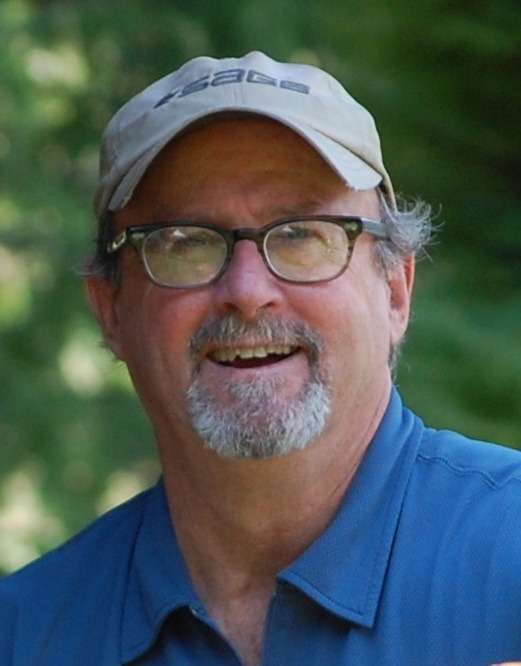
Marc Bale spent more than thirty years inside one of fly fishing’s most influential companies. In this episode, he walks us through Far Bank history, the early Sage days, the rise of Rio, the Redington years, and the philosophies that kept everything from collapsing under its own growth.


Hit play to start listening! 👇🏻🎧


apple podcasts

Find the show:  Follow the Show | Overcast | Spotify

Subscribe on Apple Podcasts

Subscribe on Android

Subscribe via RSS

(The full episode transcript is at the bottom of this blogpost) 👇🏻

Sponsors and Podcast Updates


far bank

Show Notes with Marc Bale on Far Bank History

Marc Bale spent more than thirty years inside one of fly fishing’s most influential companies. In this episode, he walks us through the early Sage days, the rise of Rio, the Redington years, and the philosophies that kept everything from collapsing under its own growth.


Walking Across England and Into the Episode

Marc jumps in fresh off a long walk along Hadrian’s Wall — 85 miles across northern England. It set the tone for a conversation full of reflection, travel, and fly-fishing roots. He shares how he’s been spending more time walking old paths and revisiting meaningful places.

Later this year, he’s even heading back to the tiny Michigan creek where he caught his first trout on a fly.

Highlights:

  • The joy of exploring historic routes
  • Revisiting childhood waters
  • Why small creeks matter just as much as big, exotic trips

Early Days at Sage: Don Green, Bruce Kirshner & the Right Timing

Marc takes us back to 1987–89, when he stepped into Sage just ahead of the River Runs Through It boom. The timing couldn’t have been better. The company had a decade under its belt, phenomenal founders, and an industry poised for explosive growth.

This early Sage era was shaped by one equation:
Don Green = Product. Bruce Kirshner = Marketing.
That partnership set the tone for everything Sage would become.

Gear + People Notes:

  • Don Green’s graphite obsession
  • Bruce Kirshner’s K2-sharpened marketing vision
  • The coming cultural tidal wave of A River Runs Through It

Growing Up in Michigan’s Trout Belt

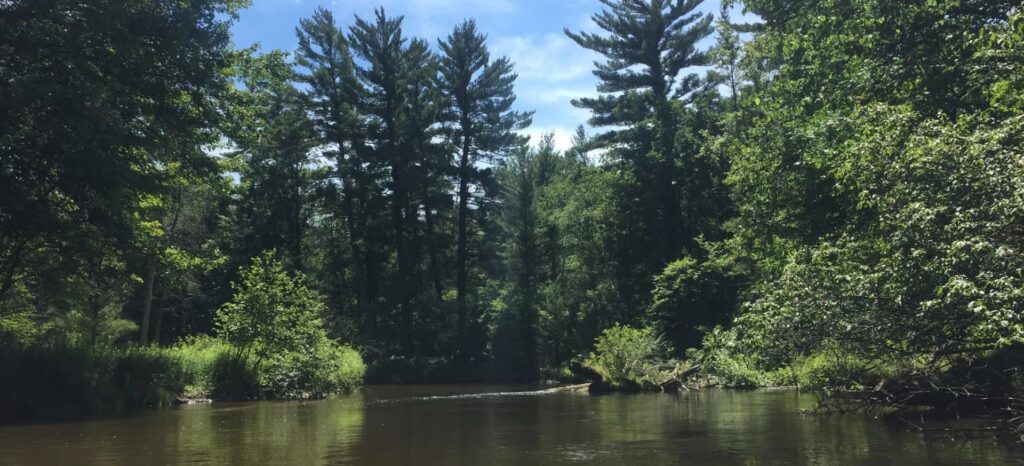
Marc grew up surrounded by classic Michigan water — the Pere Marquette, Manistee, Pine, and others — and a father who tied flies and passed down the curiosity. The spark started with a garage fly-tying kit, a bamboo rod, and the freedom to explore.

He even plans to revisit that original creek during the hex hatch.

Photo via: https://www.alltrails.com/trail/us/michigan/pere-marquette-river-flloat

Quick hits:

  • Pine River cabin memories
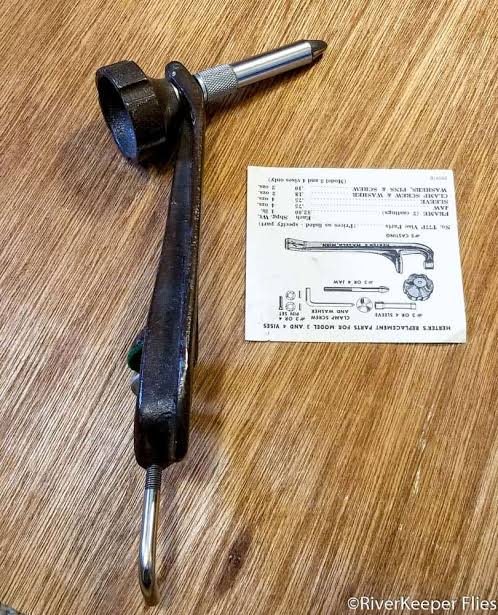
  • Discovering fly tying in his father’s tool bench
  • Why returning to first waters hits so hard later in life

How Far Bank Became Far Bank

Far Bank wasn’t always the household name behind Sage, Rio, Redington, and Fly Water Travel. Marc walks through how each brand joined the fold — and how they ended up needing an umbrella name. When “Far Bank” landed on the whiteboard, everyone knew. Good things happen on the far bank.

Acquisitions timeline:

  • 1980: Sage
  • 1993: Redington
  • 1995: Rio
  • Later: Fly Water Travel


The RIO Years and the Fly Line Revolution

Marc gives us a behind-the-scenes look at Rio’s evolution from a small line company to a powerhouse growing by “a million dollars a year.” He credits Jim Vincent, Kitty Vincent, Simon Gawesworth, and Zack Dalton for driving innovation — especially as Spey casting took off.

He makes one thing clear:
The fly line + fly rod marriage is where the magic is.

Gear Flags:

  • Skagit heads
  • WindCutter lines
  • Rio fly lines (general)


Spey Casting’s Wild Evolution

Simon Gawesworth gets a lot of love in this section — and rightly so. Marc tells stories of Simon teaching cricket bowling at sales meetings, drinking beer for sport, and designing lines that finally made Spey accessible in North America.

Before Simon and Jim Vincent pushed the door open, fishing with a Spey rod could feel like deciphering ancient scripture. The 9140-4 Sage rod was one of the early breakthroughs.

Key takeaways:

  • Spey was once a fringe technical niche
  • Rio simplified what didn’t need to be so complicated
  • The 9140-4 was a landmark rod for Sage
  • Simon remains one of the sport’s best ambassadors

The Painful Shift to Direct-to-Consumer

Marc gets candid about the difficult transition to online sales — especially because Sage was built on the backs of specialty fly shops. The internet changed everything, and Far Bank wrestled with whether selling direct would alienate shops or lag behind competitors.

His story about the very first direct sale (from a woman in Bozeman — home of 7 fly shops!) says everything about how the world had changed.

Important Flags:

  • Don Green’s fragile egg philosophy
  • Amazon controversy
  • Dealer relationship challenges

Why Fly Shops Still Matter

Marc shares a thoughtful look at fly shops: why they remain critical, why they can be difficult, and how local knowledge will always beat the internet. He calls out Seattle’s strong shop scene and highlights a few favorites:

Shops mentioned:


Fly Water Travel Joins the Family

Marc was an early advocate for bringing Fly Water Travel under Far Bank, and he still travels with them today. He talks about working with Ken Morrish and Brian Gies, the value of having deep pockets during COVID, and why travel is now deeply woven into the fly fishing lifestyle.

Destinations discussed:

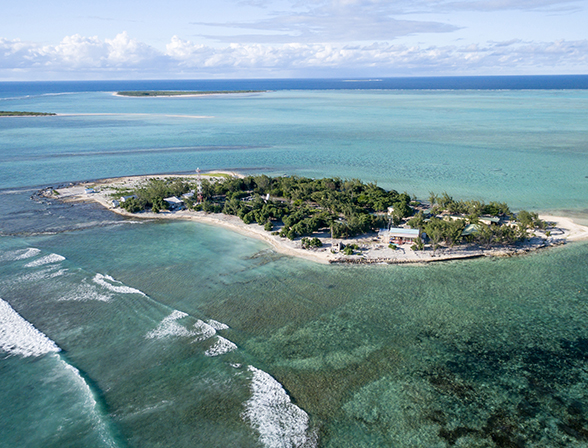
  • Saint Brandon’s Atoll
  • Oman (permit fishery)
  • Iceland, Norway, Eastern Canada

Conservation Talk: Steelhead, Declines & Hope

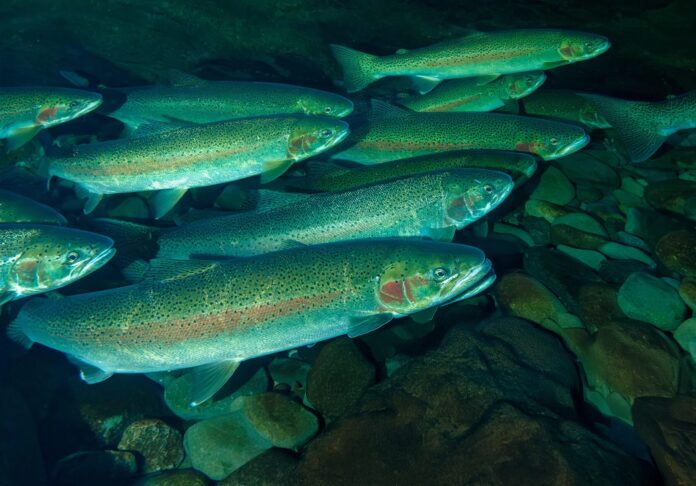
Marc opens up about the tough realities of steelhead in Washington — closures, declining returns, and the heartbreak of rivers he once knew well. He still dreams of catching one more fish from the North Fork Stillaguamish.

He also highlights the optimism of folks like John McMillan.

Conservation flags:

  • Climate impacts
  • Anadromous fish pressures
  • The importance of staying optimistic

Gear Talk: Rods, Actions & the Magic 5-Weight

We get nerdy here — in the good way. Marc talks about classic Sage models anglers still ask about, the technological mindset behind every new rod family, and why the extra foot on a 10’ 8-weight matters for steelhead.

Marc’s picks:

  • Steelhead: 10’ 8-weight
  • Trout: 8’6″ 4-weight
  • Universal best seller: 9’ 5-weight (“60% of buyers”)

Books & Writers Marc Loves

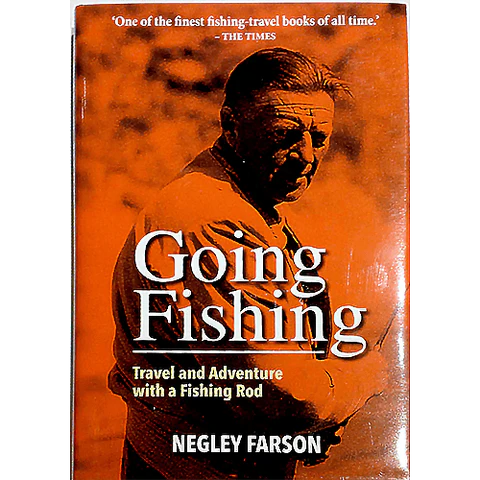
Marc lights up over fishing literature. His number-one recommendation is Going Fishing by Negley Farson — a 1942 travel-meets-fishing masterpiece.

Book List:

  • Going Fishing — Negley Farson
  • Fisherman’s Spring / Summer / Fall / Winter — Roderick Haig-Brown
  • Return to the River — Haig-Brown
  • Silent Seasons & Dark Waters — Russell Chatham
  • John Gierach’s works
  • Tom McGuane’s essays
  • Hemingway’s fishing writing
Photo via: https://www.johnkreft.com/herters-no-4-fly-tying-vise/


Sponsors and Podcast Updates

Resources Noted in the Show

 You can contact Marc at balemarc51@gmail.com.

Visit their website at Farbank.com.

far bank

Drifthook Fly Fishing

Mountain Waters Resort

Togiak River Lodge

Smitty’s Fly Box


Full Podcast Transcript

Episode Transcript
WFS 847 Transcript 00:00:00 Dave: Today, we’re diving into the story behind one of the most influential companies in modern fly fishing, the group responsible for sage, Rio Redington and Fly Water Travel. We’ll trace how a small graphite rod shop grew into a global brand. How two founders, one obsessed with product and the other with marketing set a new standard for performance and how that same DNA still runs through every rod, reel and fly line carrying the far bank name today. This is the Wet Fly Swing podcast, where I show you the best places to travel to for fly fishing, how to find the best resources and tools to prepare for that big trip, and what you can do to give back to the fish species we all love. Marc Bale spent more than three decades inside the far bank world, helping guide the evolution from mom and pop roots to a company that defined an era of fly fishing. From Don Greene’s early graphite breakthroughs to the rise of Spey casting and the fragile egg philosophy that kept the culture intact. He’s seen it all from the inside. By the end of this episode, you’re going to not only understand the story of sage, Riehl and Reddington. You’re going to hear what those decades inside the industry taught one angler about passion, people, and change in fly fishing. All right, let’s get into it. Here he is, Mark Bale. How’s it going, Marc? 00:01:13 Marc: Uh. Really good. A little jet lagged. I’ve been in Europe, but I’m home now and sort of getting my feet back under me. It does take time. 00:01:20 Dave: Nice. Nice. Have you. Were you out? Europe was fishing or what were you doing out there? 00:01:24 Marc: Well, I fished a lot this fall, September and October, but actually I was walking Hadrian’s Wall in the UK. That’s a traditional walk. I’d something I’d wanted to do for a long time. Eighty five miles. And now I can say I’ve walked across England. Wow. That’s what I was doing. 00:01:42 Dave: Amazing. Yeah, eighty five miles. That’s a good chunk. Well, I’ve been excited about this conversation today because you used to work for basically some of the biggest companies in fly fishing. I mean, I think there’s sage. There’s not a bigger name than sage, but the whole far bank brand, you know, network is is pretty amazing, right? So we’ve talked a lot about that. We’ve done some cool stuff with all those partners, but I’m interested here in the history and how you got all into it. But maybe let’s just take it back to the start real quick and hear about your background, I think. Was it eighty seven when you started with those brands? Maybe take us back there and talk about how you came to find that position. 00:02:17 Marc: Yeah, eighty seven eighty eight is really when I started with a company I’d known the owners previously, Don green, Bruce Kershner, the company had grown to a size where, uh, initially I was a sales rep. After a while of doing that, uh, Bruce Kershner asked me to come in-house and take over the role of sales manager, which, to be honest, I was pretty happy to do. And yeah, so I started, uh, you know, officially, I guess, in that role in, uh, eighty nine and worked there for, uh, over thirty years, I think thirty two years in total, and had a really great run with great people at a great time. 00:02:54 Dave: Right? Yeah. Great time. Eighty nine was a great time because, you know, the river runs through it. And in fact, we have actually, um, you know, we’ve had a few episodes on A River Runs Through It, but we’ve got, uh, the son of Norman McLean is coming on the podcast to talk about, you know, some of that this week. So we have it back. But yeah, that’s right. In that time when River runs through, it got going and things went crazy, right? But sage was there before right before that. They were there ten years before. 00:03:20 Marc: Yeah. That’s correct. The sage started in late in seventy nine. We really said eighty nineteen eighty. And so by the time I got there, it had been around almost ten years. Well, as a sales rep, maybe seven or eight years, but in house, um, it had been around ten years. It was, if you have to pick a moment in time in the last, oh, I don’t know, thirty, forty years of the fly fishing industry to come into a company like sage, it was a great time to be there because it was a little bit before a river runs through it, you know. Then I think it was ninety three when River Runs through it came out and from then on, as I say, a river ran through it because it, uh, it kind of went into a different dimension from then on out. So yeah, that was a that was a big event. Anybody who thinks Hollywood doesn’t make a difference didn’t experience what I saw with River and saw it in nineteen ninety three. 00:04:12 Dave: Yeah, nineteen ninety three. And what is it when you went in there? I mean, you probably knew about sage, but back in those days, you know, maybe talking about that, what made sage stand out? Because I know I’ve been in it quite a while, too, and they’ve always been, you know, I think sage has always been that brand like kind of top. Right. What was it that got them there? 00:04:29 Marc: Well, I think you have to really look at the two owners. The two founding owners, Don Green and Bruce Kershner. Don had an incredible passion for product. That was his thing. And Bruce had an incredible passion for marketing and sales. So in a lot of ways, it was really a great partnership at a great time. You know, I think that if you have to look at any one thing other than the fact that the sport of fly fishing was about to have its real moment. It was the fact that had two people who were in many ways perfect partners, the perfect complements for one another. And, you know, they’d spent ten years getting it all together and, and, you know, getting the product right and getting the marketing right and getting a lot of things right. And, and then I sort of waltzed in and the table had been set. So I’m not going to say it was easy, but in retrospect, I recognized that it was a lot of people had done a lot of things before I got there. 00:05:26 Dave: Right. And how did you find before that, that nineteen eighty seven period? What were you doing in fly fishing before then? 00:05:31 Marc: I had grown up in Michigan, and I had a father who was a fly fisherman, and I had always been a fly fisherman. And it’s kind of a long, convoluted story, as I think a lot of stories are. But I’d gone to school in England in the mid seventies for three years, and I came back and one thing led to another. I ended up at the University of Washington. I took a part time job at Patrick’s Fly Shop, which is still in existence and one of the oldest fly shops in in America. And that was while I was finishing up my advanced degree. And, uh, I worked then in the Kaufman organization for a while. Kaufman group. I think it’s fair to say that, you know, I really have hung around fly fishing for really most of my adult life. I, I’m sitting here in my office, and I’m looking at a picture of me with a, with a pair of diapers on and a wicker creel and a bamboo fly rod that my parents took me on the Pere Marquette River in Michigan. So, you know, I, I guess I can say I come by it honestly, but it was always passionate about the sport and frankly, still am. 00:06:36 Dave: Yeah. That’s amazing. Yeah. So back to Michigan and we’re it’s cool because the, uh, you know, the Great Lakes area, we’ve done a lot of podcasts and it’s an amazing area. I mean, really. And so what was your dad? Was he a lifelong fly angler. Do you remember how he got in, or did you hear that story? 00:06:51 Marc: Well, he wasn’t lifelong, but he came to it as a young adult after the war. He started fly fishing and he started tying flies. He tied his own flies. And when I discovered this, I can remember crawling around in the workbench in the garage and discovering his fly tying kit and being fascinated, opening it up. And here, all these feathers and furs and a vise and jeez, I thought, this is like buried treasure. And so he showed me how to tie a few flies and got me into his right McGill bamboo fly rod and showed me a little bit about casting. And, you know, there’s nothing like a kid with enthusiasm. You just get out of their way. And, you know, I grew up in the little town called Big Rapids, about fifty miles north of Grand Rapids. It’s not necessarily right in the heart of the trout fishing country, but it’s close enough. And we had plenty of trout fishing around. My parents had a cabin on the pine River. The Pere Marquette was close by. The Manistee was close by. The Ausable was not that far away. It was a good place to grow up, you know, and if you’re interested in fly fishing. So it was pretty easy to sort of take it from there and run. I should probably add that I’ve got a little trip planned this coming year. I’m going to go back and I’m going to actually fish in the tiny little creek where I first caught my first fish on a fly. 00:08:13 Dave: Oh, cool. 00:08:14 Marc: And I’m really looking for, I gotta tell you, if all the exotic things I might have done in my career, in life, going back and fishing, this little creek is high amongst them. 00:08:24 Dave: That’s amazing. Yeah, I think that we talk a lot about that on the podcast. The fact that, you know, of course, giant fish and all that is amazing and stuff. But we’re finding a lot of people, listeners that are loving, you know, finding these small little creeks that are tucked in and little, you know, maybe a three inch trout, native fish and going back to these areas. Right. 00:08:41 Marc: Can’t agree more. I can’t agree more, Dave. I mean, it just I just was open bc steelhead fishing where I’ve been many, many, many times. And and while I love that and still consider probably bc about the best place on earth, especially for a fly fisherman going back and fishing this little creek in Michigan, which I saw a few years ago. I didn’t actually fish it, but I went by it. And it’s amazing. In fifty years since I fished it, it hasn’t changed. It really has not changed. And it’s just the intimacy of it. The fact that I, I mean, I assume I’d be the only one who really even knows about it. I that’s probably not true. But in my mind’s eye, it’s true. Right? And yeah, I’m really looking forward to that. And I’m kind of wrestling with, you know, what do I do? Um, and don’t really want to kill anything. I catch out of it, and we’ll have to see how that works out, you know? But anyway, I assure you, when I was a kid, I killed everything I caught out of it, but. Oh, yeah, that was well before catch and release. So I’m struggling a little bit with how I’m going to handle all of that. But anyway, I’m really looking forward to going back and I’m going to time it during the hexagenia hatch. So I hope I catch that and, uh, fish the river. My parents cabin was and and then probably say my farewells to Michigan. I don’t know that I’d be back there again after that. 00:10:04 Dave: Right. And where are you located now? 00:10:06 Marc: I’m in Seattle. I live in Bellevue, suburb of Seattle. I’ve lived here for forty five years. Uh, good God. And I’ve seen a lot of change in my little, little community here. I still love living here. Love Seattle, love Washington, love the fishing here. But, yeah, it’s a long way from Michigan, so it’ll probably be my last trip back. 00:10:26 Dave: Yeah, yeah, I hear you. No. That’s cool. Well, the stories are the amazing thing, right? About this. And the sage story is really far. Bank, I think, is the name that I think everybody talks about now, at least in the industry. But how did far Bank come to be because you had sage you have REO Redington. Right. Wright and these brands. 00:10:43 Marc: That’s correct. So, you know, it was sage for many years. Uh, again, sage starting in nineteen eighty. And then in nineteen ninety three we bought Redington. So we added the Redington brand. And then in ninety five we bought Rio. We kept looking at it from, you know, the usual, what are we going to do with the brands. We didn’t want to kill the brand names. We didn’t want to make them all sage. We didn’t think that was appropriate. But we needed a name for a holding company. And and so we did what we usually did, went to the ad agency and spent some money with them, and they came back with some ideas. And we’re all sitting in a room one day and, you know, somebody throws up on the whiteboard, well, what about far Bank? And that name always resonated with me, I guess, because, you know, good things happen on the far bank when you’re fishing, you know, so. 00:11:31 Dave: You always want to hit the far bank, right? 00:11:33 Marc: Yeah. Right. Even if they don’t, you you kind of envision that that’s where the good things are going to happen. And so yeah, it became far bank And, you know, that was a fairly big change. There was a lot of resistance to it, as there is with any change. But, uh, I think it’s pretty quickly become, you know, if nothing else, the holding company for the actually for brands, because you have to throw Flywire travel in there now too. And so that’s the quick explanation of the evolution of it. It really came about. We just had this, this cadre of brands. And we needed a sort of an umbrella name to cover them all. And so we came up with flower Bank. 00:12:09 Dave: Yeah, that makes sense. And it seems like now, you know, I guess maybe that’s the question. Back then there probably weren’t a ton of companies doing this. Now it seems like there’s a bunch of holding companies, you know, with all the big brands out there. Is was that a new thing? 00:12:22 Marc: Yeah, that was definitely a new thing. And it was, you know, quite controversial because, you know, there’s so much about the fly fishing industry that grew slowly and organically, and it was a lot of mom and pop businesses and a lot of people who knew everybody and everybody knew them. And, and, you know, it’s still largely that way. But gradually companies grew and expanded and acquired other companies. And I’m not necessarily front and center with it nowadays, but I hear enough to know that it’s still going on, and I think we’ll continue to go on. I think that there’s always the aging out of ownership, and then new people come in and then they need to have more than what they got. And so you had companies. And so I just think it’s inevitable that that kind of trend is going to continue. 00:13:06 Dave: And it’s cool because again, sage real. Reddington. And you added flatwater travel, right? More recently. But when you look at that and you mentioned Don green who a huge name, you know, obviously was a big part of sage, but with REO maybe talk about that a little bit because I think Simon Bosworth, you know, who we’ve had on the podcast a couple times, he’s this amazing person, you know, and personality who is the personality of is there somebody like Simon for all the brands? 00:13:32 Marc: Well, you know, you had Don and Bruce for sage. You certainly had Jim, Vincent and Simon and I would throw Zack Dalton in there for the Rio brands. Uh, Redington was a little bit, I guess I would say more diffused. Jim Murphy was most associated with it at the time we bought it. And so, yeah, there’s almost always at least a personality, a founder, a driving force behind it. But yeah, back on Simon, I tried to see Simon when I was just in the UK and we just missed, but I’d seen him. He’d been out in Seattle just a month or so earlier and very serendipitously, uh, showed up at the point in time where one of my good friends was having his eightieth birthday party. So Simon got to go to the party and. Oh, cool. Got to spend some time with Simon. I should add that, you know, Simon’s one of my favorite people in the industry. If you don’t like Simon, I think you got some real problems. 00:14:25 Dave: Yeah, he’s. He’s amazing. 00:14:26 Marc: He’s a fantastic guy and a fantastic ambassador for the sport. And that’s probably what I always looked at when we were dealing with promotional people with whom, quite honestly, I had the privilege of working with quite a few. You know, the Barry and Cathy Becks, the lefty craze, the Chico Fernandez, the flip palettes, Lonnie Waller. It goes on and on and on. And I always wanted to have them be ambassadors for the sport first and foremost. And Simon is certainly that. 00:14:54 Dave: Yeah, definitely. No, it’s, uh, there’s so many names. You know, you mentioned a bunch of them, but yeah, Simon will, he is one of those living, kind of living legends, I think, you know, and I learned, you know, I learned from Simon my first time to BC back in, you know, you know, gosh, whatever it’s been now, fifteen or so years ago, I learned a spate cast watching his videos. 00:15:12 Marc: And he had his hat on, too, I’m sure, for it. 00:15:15 Dave: Yeah. 00:15:15 Marc: Funny hat. We always kidded him about that hat. I should tell you a good story about Simon. That, uh, I’ll probably remember forever, but we always had him at our sales meetings. He was one of the instrumental people. This is after. Of course, we bought Rio, but he would always come to the sales meetings. And one of my great memories of Simon is when he tried to teach the rap group how you bowl a bowling ball in a cricket match, and. He was very stylized in doing it. Clearly knew what he was doing and teaching it to people who had no shot at ever getting it right. It was quite comical, actually. 00:15:53 Dave: Right, right. 00:15:54 Marc: Among his many talents, not the least of which is beer drinking and, uh, being a big soccer football fan. You know, he’s a big Liverpool fan, but he also knows cricket and tried to teach everyone the proper way of bowling a ball in cricket, which was comical. 00:16:11 Dave: Right, right. That’s amazing. Yeah, well, we’ll definitely have to get him back on again. He’s always. He’s always got some great stories. 00:16:18 Marc: He’s he’s just great value. He’s great value. He’s good. Good guy. 00:16:24 Dave: When it comes to high quality flyers that truly elevate your fly fishing game, drift hook com is the trusted source you need. I’ve been using drift hooks, expertly selected flies for a while now and they never disappoint. Plus, they stand behind their products with a money back guarantee. Are you ready to upgrade your fly box? Head over to driftwood today and use the code at checkout to get fifteen percent off your first order. That’s driftwood. Don’t miss out. If you’re looking for a world class fly fishing experience, it’s time to check out Mountain Waters Resort, nestled along Newfoundland’s legendary Portland Creek. This spot has a history that runs as deep as the Atlantic salmon that call it home. Once a fly fishing retreat for the great Lee Wolf, today it’s your turn to step into these historic waters and swing up your salmon this year. You can head over to Wet Fly Swing Waters right now and make it happen. That’s what fly. Let’s get out there today. So Rio and that’s part of the brand. I mean, that’s a lot of the stuff that he did and the videos where we learned about was through that. What is. I’ve heard this. I’m not sure if this there’s a lot of truth to this, but out of the, you know, sage, real Reddington. These all these, you know, you have the company that has the big brands. The fly lines are really drives. It’s the brand that’s not heard of as much or the product, but it drives. How important are fly lines to far Bank? 00:17:52 Marc: Well, they’re hugely important. You know, when we bought it, it was a relatively small company and we bought it at a good time. You know, Jim and Kitty Vincent had reached a point where they well I don’t want, don’t want to say they needed or even wanted to get out, but they determined it was a good time to get out. And I think they made a right decision. And so we got into it. And from two thousand and five until, I don’t know, two thousand, even twenty, we were growing it at a million dollars a year. And it’s an incredibly good business, I would say, of the businesses that that I’m intimate with, and I think I know not all of them, but I know most of the brands and categories reasonably well. You won’t do better than fly line leader and tippet. The barrier to entry is is quite high, which is not the case in almost all the other categories. You know, you’ve got to have some machinery and some expertise, and we may call it goop on a string, but there’s a lot that goes into that goop and a lot that goes into the string and trying to get it right. So it’s really a good business. And then moreover, beyond the business, let’s face it, the marriage between a fly rod and a fly line is critical. I mean, that’s the magic right there. And and believe me, there is some magic to it. You know, we all know we’ve all had the experience of putting a having a rod, putting a line on it, and it just for whatever reason doesn’t work. And you change the line, you put another line on it and all of a sudden it sings. So yeah, it’s a super important part of the overall equipment. I’d say that the fly line and the fly rod are, are really, really the heart of it. I think later in tip it’s important and obviously the fly too. But if you’re talking about the heart of fly fishing, which is the casting, I think you know that marriage is super, super critical. So for us it was a logical thing to go and buy. And we were very, very lucky to get it when we did. And it was, uh, you know, for really the balance of my career, which was another fifteen years. It was a really great success story. 00:19:54 Dave: Yeah, exactly. That’s that makes a lot of sense. Yeah. Because there aren’t a lot of fly. There’s a lot of there’s brands. Well, there’s companies that have fly lines, but there’s only a few of the big ones that make the lines out there. Right. 00:20:06 Marc: You know, there’s three major manufacturers. There may be more now. Again, a lot can happen in four years. But yeah, there’s there’s really the three major ones. And you know, it was always good competition. But it was good clean competition. There wasn’t a lot of pollution going on here and there. It remains a good business. It’s a really cool, cool little business. We once had a very good consultant in house who told us that he’d looked at lots of different businesses around the world. Really? And he said, geez, if I could just own one of them, it would be real. 00:20:39 Dave: Hmm. No kidding. 00:20:41 Marc: Yeah. No kidding. So, uh, I think that gives you some idea of of how important that is to the overall brand portfolio. 00:20:49 Dave: Yeah, definitely. But but sage, really, like you said, where you got started is, I mean, since I was a kid, has always been, you know, the name, the company, the top of the line talk about the evolution. Because I think there’s still some new rods, probably before you retired that were coming out that people still talk about, like, man, that doesn’t get any better. What were some of those? Describe that a little bit. 00:21:09 Marc: You know, it’s funny because regardless of where I go fishing and I’m usually running into other people, sometimes I’m in a lodge with, you know, six or eight or ten other guys, and everybody brings up a rod that they had one of the models and, you know, it’s the old El Al, or I’ve still got my PP or my p-l or I love that Z axis, or I love the SPL or you know, it just. And you never know what it’s going to be. You never really know, but you’re pretty sure that if you have a group of a half a dozen anglers around, somebody’s going to pull one out of the hat. And it will start the conversation by saying, I wish you guys still made those. You know, and, uh, anyway, there was a lot of evolution. Um, the one thing I would say about sage, which I always really appreciated, and I grew to appreciate more the longer I went on with it was, is, is that we always try to make a technological improvement. It might have been small, it might have not been something that was readily apparent. But we did have people in house. We had a composite engineer who did nothing but play around with graphite. We had Don there for many years, who knew graphite really well, and we were always working to try to make the product better. We worked fairly closely with Boeing, who was of course, at that time was, uh, you know, a huge force in the Seattle area and not so much now, but still a big force. And a lot of their research is done here. And consequently, there’s a lot of carbon fiber graphite manufacturers in the area who we worked with. And there’s also a fairly active group at the University of Washington who are, you know, feeding people into the composite world. And so we had the advantages of working with those people. And again, every time we brought out a new product, trying to make something new and different with it. And of course, you, you know, you got into actions that you had to explore. There’s always a, a small cadre of people who like the softer, slower action rides. I might be in that category. The old LOLs are real favorite of mine. I think if you go on eBay and look up a three eighty nine three or even a three eighty nine two two piece, you’ll see they’re still holding their value pretty doggone well, and may in some cases be selling for even more than we sold them for. But that was really the story was just working hard on on always trying to have a technological improvement and not just bringing out a new color or a new name and sort of, um, I’ll say painting it on an old shaft. But I appreciate it a lot. And of course, I can tell you that our reps who were telling the story most kind of front and center in the field, they appreciated it as well. So, um, that was a big part of the whole thing. Whether you liked, uh, an RFP or an ex or whatever the latest is, you know, there was always we tried hard to make a technological story behind it. 00:24:04 Dave: Yeah. And we’ve heard all those names. I think the. 00:24:06 Speaker 3: Oh, yeah, there’s a lot of them. 00:24:09 Dave: There are, there’s a lot. Yeah, there’s there’s a bunch. I mean, and like I said, it’s got you got so many years back to the, the eighties. I mean literally it’s amazing to think. Right. You’re talking about fifty years of Evolution. 00:24:20 Speaker 3: Yeah. 00:24:20 Marc: Fifty years of evolution. And gosh, I don’t know how many families with fly rods. Quite a few. And then there’s price points and you know, so it ends up I think when I left, I left in twenty twenty one there were one hundred and eighty rods. Wow. In the series now a fair amount of those were Spey rods, which is a relatively late development and probably needlessly complicated. But there were there were a lot of Spey rods in that mix, but nonetheless there was a lot of everything else as well. 00:24:51 Speaker 3: You know, sage was pretty. 00:24:52 Marc: Closely associated with the saltwater series. Our initial Rpwl series was a big, big hit and kind of changed that game, or at least modified it somewhat. This Bay thing became very big, you know, to think about when I started steelhead fishing out here in the in the mid seventies, everybody was fishing maybe an eight thousand one hundred, a ten foot, eight weight single hand rod. 00:25:16 Dave: That’s right. 00:25:16 Marc: You can go months and you don’t see anybody on a river with a single hand rod anymore, including me. I mean, I use one, I’m maybe one of the few who still does. But yeah, it’s amazing the transformation that’s taken place there. And that plays right into the Jim Vincent Simon Gawsworth story. Yeah. Rio. Because you know, they led the charge on on bringing it to America anyway and bringing lines that could be easily cast and kind of decoding what was a needlessly complicated. 00:25:47 Dave: That’s right. That’s why it was so. And we’ve heard some of those stories that that’s why it was so amazing when Simon was right there. Right. Is that. Yeah. Is that when that happened. Talk about that a little bit because this is from a different side. We’ve heard George Cook and others talk about, you know, the evolution of rods and stuff. But Simon was right there in the middle of when you had really not good spey casting rods and lines, and then all of a sudden you had these wind cutters, right? 00:26:09 Marc: Yeah. That’s what happened. And, you know, Jim Vincent, the founder of Rio, specifically hired Simon out of the UK to come, you know, brought him over. I think he went through all the green card stuff and everything and got got Simon into the into the country and into the company and then, you know, really went to town. On trying to develop this whole series of lines that were for Spey casters. And Simon being European, he knew it backwards and forwards. His father had taught it. He taught it. You know, he’s incredibly knowledgeable about the whole that whole side of things. And Jim was no slouch because Jim, he liked to fish for anadromous fish. He’d fish in Iceland, he’d fish in Norway, he’d go to. He loved eastern Canada. And so, yeah, those guys brought that all to light. And they’ve certainly been refined a lot since. But yeah, they were right there at the very, very beginning of it all. 00:27:05 Dave: Yeah. That’s great. And for me, I remember because I was there in that time and I missed I was a little bit late on the Spey boat. I got started a little bit later. But still, it’s really interesting to hear how it all evolved and still is evolving, you know, into shorter, shorter lines. 00:27:18 Marc: The late nineteen eighties, there was a rod that sage worked hard on called the ninety one forty four, nine weight, fourteen foot rod that Don green worked really closely with Jimmy Green, another unrelated. They aren’t brothers, they aren’t related. But he worked closely with Jimmy Green on the development of that. And that was sort of at least from Sage’s point of view. That was the first rod that sort of cracked open the whole Spey world, and that was the rod that Jim and Simon were working on for their line development. And, you know, so again, if you’re looking for seminal moments, that would be one within the Spey world. And my God, as it exploded since, I mean, you need a Philadelphia lawyer to read your way through the literature. 00:28:03 Dave: I know, it’s so amazing. 00:28:04 Marc: Yeah, it’s needlessly complicated, I think. But, you know, welcome to fly fishing. 00:28:09 Dave: Yeah, yeah, yeah, we’ve been trying to decode the, you know, the Spey lines and stuff for a while, I think. You know, the more obviously, the more you get in, the more it’s easier. But for a new person, they come into it. It’s still confusing because you’ve got the difference between single handed lines, and then you’ve got all the all the grain weights and you know, all this stuff, right? It’s a pretty good learning curve. 00:28:28 Marc: I think you can get through it pretty quickly if you apply yourself, but you got to want to apply yourself and it won’t. It won’t always be smooth. There’s a lot to learn within it. And then of course, the whole casting side of it too is, you know, you’re into a different world with it. But it’s a wonderful thing to do. And having just been in B.C. and kind of had my nose rubbed in it very recently here, you know, you see how just efficient it is and, and how you cover so much more water and frankly, how you can you can hook fish if that’s your primary goal. And I think it is for almost all anglers here, you’re going to get them in places that you’d really have a tough time doing it with a single handed rod. There’s just a lot to be said for the there’s a reason it exists. 00:29:12 Dave: Yeah, definitely. No, it’s a worthy tool. And you mentioned Jim Green. It is interesting because you have Don green, who is you mentioned earlier. Don green was see, he was always getting because he got Jim Vincent, Jim Murphy, you got a lot of these names. But Don green was part of reminded us again what was his connection? 00:29:28 Marc: Well, he was the founder of sage, he and Bruce Kirshner, they were the founders. 00:29:33 Dave: So you got Don Green and Bruce, and then you got Jim Green. And what was Jim Green’s? What was his connection? 00:29:38 Marc: Jim and Don had worked together at Fenwick, and Don always said that Jimmy taught him how to cast, and Jimmy always said Don taught him how to design rods. And so, you know, again, it was a nice marriage there. And so Jimmy was involved. It was the only time, I mean, I knew about Jimmy and I’d met Jimmy and all of that, but I never really worked with him, except I was around him quite a bit when that whole ninety one forty four rod was coming together. He was out of Fenwick at that time, and I don’t know, he might have hired him on a consulting basis, maybe we didn’t, but he was living over on the Grand Ronde then, and he’d zip over to Seattle once in a while, and there’d be some real confab and casting and a lot of stuff going on, and then he’d go back to the Grand Ronde and, you know, kind of see him that way on and off for about a year anyway, maybe a little longer before the rod actually came out. 00:30:32 Dave: Yeah. Gotcha. No, this is great. And you mentioned it earlier when you were talking about the, you know, sage and where it’s at and all the tech, I mean, similar to Silicon Valley, right, with all the tech industries, you had this basically Seattle, this area with Boeing and all these great companies. And you also mentioned with the price point kind of those things with sage. One thing that comes up a lot is which I know well, because I was, you know, my dad had a little fly shop back in the day that, you know, fly shops are kind of the backbone of fly fishing. Right? But you have this thing where now companies are selling direct to consumer. Do you remember when the brands did you guys change from a fly shop only, or has it always had a direct to consumer part? 00:31:08 Marc: No, we didn’t always have a flash direct component at all. And it was a very easy argument in that what I’ll call the early days up and through, oh, let’s say the nineties until maybe the year two thousand or so. And as with anything, the internet has changed the world and with at most been a back burner conversation about, well, should we start selling direct because one of our major competitors, Orvis, always sold direct, and you intoxicate yourself with the image of great margins coming from direct sales without realizing what all the expenses that you have to go through to get them are. But anyway, it had been a back burner conversation for a long time. And then, oh, let’s say from two thousand to two thousand and five, it became a not necessarily a front burner on high heat conversation, but it became it was more in the in the conversation. And then, you know, from about two thousand and five to I can’t remember when we finally went direct, but twenty fifteen. It became a hotter and hotter conversation. And sometime in there and again, I don’t remember exactly when in twenty sixteen seventeen, maybe we did start selling direct over the internet. And I got to tell you a funny story about that. The very first ride, the very first ride that we took an order for direct, very first, I went in the I think we opened it up on a Friday. I went in on a Monday and there’s an order. There’s a there were five or six orders sitting there, but the first one we got was from a woman in Bozeman, Montana. And Bozeman, Montana has at least seven or eight shops. 00:32:46 Dave: All right. Yeah, there you go. 00:32:49 Marc: And she had every reason in the world. Well, clearly she didn’t. But she felt comfortable ordering from us. And so, you know I’m not going to say it justified the move, but it certainly put a bit of a wry smile on my face thinking, if, good God, if you can’t get one of our rods in Bozeman, Montana. 00:33:07 Dave: I. 00:33:07 Marc: Know you know, where can you get one? So she got one online. Isn’t that funny? 00:33:12 Dave: That is, it is. And you look at today now right. And you look at like Amazon for example, I mean, you know, a totally different conversation with Amazon. But it’s just so easy. They made it so easy for all all sorts of things. You know, not that buying fly gear on Amazon is the place you want to do that, but just the online stuff, right? I mean, you can go right now and buy whatever you want for a car, a house, probably, you know. Right. Anything. 00:33:34 Marc: Yeah. No, it’s astonishing what has worked its way into the online direct world. You know, Dave, I should point out this is an incredibly controversial decision because we’d always been very associated with the fly shops. And and so to change horses in midstream, it brought some real controversy, as did the decision to sell at Amazon. And, you know, we kind of made them at about the same time, maybe I think we delayed on Amazon for a while. And to be honest, I, you know, look, I’m four years out of it. I don’t know where either of those initiatives is now, but I know that they were not easy to make. Our board was all in favor of us making them, and they were in fact pushing us to make them. And that would be our ownership. And so we finally did it. But boy, I’ll tell you, it didn’t come without some very difficult phone calls. 00:34:25 Dave: No. Yeah. Why is the biggest thing? Because we’ve talked a little bit about this. You know, the what is the biggest challenge of making that decision. Right. Because you’ve got a lot of things mixed up in here. Right. Conservation. You’ve got the small mom and pops. What is the biggest thing that you people thought like, oh, we don’t want to go that way. You know, we want to stick where we’re at. 00:34:43 Marc: In the long run. I think that you you’re worried, number one, about what your competition was going to do. Were they going to do it to or not? Were they going to hold out and then use it against you? And I think there are still some especially rod companies that aren’t selling direct. But again, I’m not that up on that. I don’t know that for sure. but I think number one was the fear of what our competition would or wouldn’t do. And number two is just the backlash from, you know, frankly, having built the business the way we had on a relationship with the specialty dealers, and we were pretty religious about that. That whole distribution component of the business was, frankly, a lot of what I did for a whole lot of years was just, you know, who are we going to sell to? Who are we not going to sell to? Are we going to sell to Bass Pro, or are we going to sell to Cabela’s? Are we going to sell to, you know, whoever, whoever, whoever? And Don green had a famous little speech he’d do all the time, which he called the Fragile Egg, and he referred to the fly fishing industry as a fragile egg, which, you know, could be pretty easily destroyed, because he had seen what had happened with Fenwick back when it got bought by a large entity. 00:35:52 Dave: And that’s right. 00:35:53 Marc: Kind of destroyed the brand. And so we always had that hanging over us as well. 00:35:58 Dave: It was interesting because Fenwick. Right. You had Fenwick. I mean, I don’t totally remember that, but there was a time in the eighties, seventies, eighties. Fenwick was the biggest company, you know, they were the ones. They were the rod. 00:36:09 Marc: Up until the early eighties. It was. It was clearly the the rod out there. And, you know, Don had lived through all of that. Bruce hadn’t. But Bruce Bruce came from K2, the ski industry, and he’d seen it there, you know, his family or the two cats. His father and his father’s brother. His uncle. 00:36:27 Dave: Oh, really? Oh, no kidding. I didn’t realize that. Okay, so Bruce is Bruce Kershner. Yeah, yeah. Bruce Kershner so the K2 is. Wow. That’s his brothers. 00:36:35 Marc: Yeah. His father and his father’s brother. His uncle. Those are the two K’s of K2. 00:36:40 Dave: Yeah, it’s all coming together. 00:36:41 Marc: But anyway, he saw the distribution thing and the ski business, which has real parallels. And so we were always respectful, mindful and a bit fearful of it all at the same time. 00:36:52 Dave: Yeah. Yeah. No, it’s so cool. And the K2 of course. And yeah, the Fragile egg is great too because Don On. Don was there. He saw the company he worked for. He saw it collapse and or. I don’t know if it was a collapse, but what happened? It got bought out by a big company. They didn’t do a good job with it. 00:37:06 Marc: Yeah, I would stream, I think is the company who bought them and I don’t really know the whole pedigree of that, but I know that by the time sage really got rolling, Fenwick had really receded into the past. And I think in a lot of ways, sage just waltzed in right, right in there where the vacuum had been created by what had happened to Fenwick. So, yeah, I mean, you throw all these elements into it, and the decision to go direct was, uh, not without some sleepless nights. 00:37:35 Dave: Yeah. And the biggest sleepless night for that. You had your competition, but you also had the fact that, you know, the fly shops, right? Was that a big part of it where you thought like, hey, you’re really the backbone of fly fishing. You’re really stepping on those little brands. 00:37:48 Marc: Yeah. And believe me, I, I still vacillate about that whole thing. My like, I could probably write a dissertation about fly shops and how important they are and how difficult they can be. It’s an interesting dynamic that you run up with because you’re dealing with with generally small business people, and they’re very worried about a whole lot of things that they should be worried about. And they’re also very good at what they do because they know their local markets. And it was Haig-brown who said, fishing is always local. And he’s right. You know, it’s you think you know what you’re doing. How many times have you gone on a trip somewhere and you’ve tied all the flies and gotten all the stuff together, and you get in the guide boat the first day and he looks at your fly box and says, here, I’ve got something I think will work better, you know? So. Right. Only a few hundred times does that happen. And so you have to be respectful of that. You really do. But I do think the industry has has frankly evolved beyond that. There’s a lot of people who are thriving in the online world. You know, I don’t think the industry is booming by any means, but I think it’s quite healthy for good operators. At least that’s generally what I hear and what I see. I think when I like, I fish on the Yakima quite a bit and I’m a customer of reds. I know those guys there. You probably know them. That’s a wonderful operation and they’ve just moved on and they do what they do. And and I think the good ones have done that and have adjusted to the fact that a lot of the industry is selling direct. 00:39:20 Dave: It is no, I think that, you know, and you know this as well. You know, business is always changing, you know, and that’s that’s the fun and kind of scary and crazy thing about it. Like even this podcast, right? I mean, there’s always changes going on and there’s things that I haven’t embraced yet, but I’m like, oh, I know it’s kind of maybe going there and I’m thinking, I’ve got to do this, but it’s going to be a ton of work to do. And finally you do it and you take a chance and maybe you’re the first person doing it or not, but you figure out what happens. Was it good or not? And then you tweak it right? And you keep doing that for the rest of your time in business. 00:39:49 Marc: Yeah, well, that’s the nature of business. And I kept a sign on my desk. In fact, I’m looking at it right now because I pinched it from my computer when I retired. And it says, if you don’t like change, you’ll like irrelevance even less. 00:40:04 Dave: Right? 00:40:05 Marc: And I think there’s a lot to be said for that. And I think generally if you got to choose being a little bit too early or a little bit too late, I’m going to choose be a little bit too early every time. You know, I think you’ll be ahead of the game if you’re doing that. 00:40:22 Dave: We’ve heard many of the stories on this podcast. Togiak River Lodge is one of the great destinations for swinging flies, for Chinook, stripping for coho all day, and unwinding in a lodge right on the riverbank of the Togiak River, with access to all five salmon species plus rainbows, Dolly Varden and more. Togiak offers a true Alaskan experience. Picture over thirty miles of river, seasoned guides, high quality boats and low fishing pressure. It’s fly fishing. Alaska at its best. I’ll be heading up this summer, so reach out to Jordan and the crew to see what dates they have available this year. You can learn more right now at. That’s Togiak. Alaskan fly fishing like you’ve always dreamed about. Big shout out to Smitty’s fly box. They’ve quietly become one of my favorite places to grab flies and tying materials online. The Smitty’s experience is simple, clean, and it’s all the stuff you actually use. Patterns that fish well, solid hooks, tungsten beads, dubbing, foam, feathers, tools, none of the stuff you don’t need and all the stuff you do. And the cool thing is, these flies and materials come from folks who fish the same waters we do. Their patterns are built around real conditions, cool mornings, slow afternoons, and picky fish. So if you’re looking to restock for the season or just want to refresh the bench before your next tying session, check out Smitty’s Fly box. They’ve got nymphs, dries, warm water patterns, streamers, and everything you need to tie your own. You can head over to Wet Fly. Right now that’s SM as in mama I TT y as in yes s. Check them out now. One brand of the far bank we haven’t talked about is fly water travel. Talk about that one. Because we have we’ve had Ken on the podcast and travel is so huge right. For all a lot of people I mean, whether you’re traveling locally or around the world. When did that was that an easy decision? 00:42:18 Speaker 4: Well, it was for me. 00:42:19 Marc: I was an advocate of wanting to get into that business. From fairly early on. We had looked at the possibility of buying a couple of other different companies, and for one reason or another, they didn’t work out and we couldn’t get a deal put together with Kenny and Brian. And then a somewhat I don’t know, maybe it was a year later or something like that. And I think it all happened and I’m going to be wrong about this, but I’m going to say it was twenty seventeen, In twenty eighteen. When that happened, we bought them and and I always thought it was, again, a little bit like the marriage of a fly rod and a fly line. You know, travel is such a big part of the game now for a lot of different reasons. People travel to fly fish. There’s a whole lot of reasons why they do it. And I love that organization. I’d known Kenny forever and ever and ever. I had met Brian a few times. I didn’t know him as well, but I knew the people, quite a few of the people who worked in the organization. I thought it would be a magnificent fit. So when the opportunity came up, when the, you know, the price got to be right, to me it was just a natural addition, for all the obvious reasons that it’s a natural tie in with our brands and what we were doing and still specializing in fly fishing. So I was thrilled when we put it together. You know, I’m still frankly thrilled. I talked with those guys quite a bit. I’m actually I’m booked to go on a trip to, of all places, Saint Brandon’s Island next year and um, and going through fly water and really looking forward to that and look forward to the continued success that those guys have experienced. And I think they’re glad that they sold it to us. Um, I think Covid was a good time to have a partner that had deep pockets like we had or have, and I think that that helped them materially. So I think that one’s worked out pretty well. 00:44:12 Dave: That’s right. Yeah. Sometimes you forget about Covid as you’re out and then you realize like it was a big a big thing, a big change that shook things up. 00:44:20 Speaker 4: Right, Dave. 00:44:21 Marc: Especially in the travel industry, you know, I’m I’m glad I wasn’t, uh, sitting at ground zero when Covid hit because, boy, that was a oh, you think about all of the, you know, that they had to go through with refunds of. 00:44:34 Dave: Of. 00:44:34 Marc: Deposits. Oh my God, that had to be a nightmare. But yeah. Anyway, I got a lot of respect for that org as I have all of the brands we bought. Lot, but those guys really, really, really ran and have run a really cool business there. 00:44:51 Dave: Yeah they have. This is so good. Well, I think, Mark, we’re going to be able to wrap this up pretty quick here. But I just wanted to kind of take it out of here. We mentioned it before with the fly Shop. We have a little segment I love. We call our Fly Shop Friday. We’ve kind of copied it from, you know, Nick and some other folks out there, but it’s kind of just a way to shout out to, you know, the local shops and you mentioned one. So as we take it out of here, first off, I just want to give a shout out to a fly shop. So you mentioned that. What was it Patrick’s that’s still going? 00:45:16 Marc: Yeah. Patrick’s is still going in Seattle, you know, was founded by Roy Patrick, I think in nineteen fifty three. And it’s been through several ownership changes. But it’s got a really good group in there now. It’s just if you’ve never been and you’re ever in Seattle Dave, you should just go see it because it’s a it’s a classic. It’s a standalone building on East Lake, which is right off of Lake Union and what is becoming the heart of downtown Seattle and certainly the heart of Amazonia. 00:45:45 Dave: Oh, right. 00:45:46 Marc: As Amazon is, is creeping ever further and further up. And you can literally roll down the hill and you’re at Lake Union where all of the houseboats are. It’s it’s a really neat place with what must be the world’s worst parking for a fly shop. 00:46:01 Dave: Yeah, that’s the challenge downtown. 00:46:02 Marc: Yeah, yeah, that’s the challenge. You know, locally, Emerald waters. I’m a fan of Creekside. I’m a fan of. Those are the ones that I visit the most, along with reds over in Yakima. Um, there are certainly other good ones around the area. Uh, Seattle is really quite blessed with, uh, a number of good shops. And it’s like I say, those are probably the ones that I visit the most. And, you know, Emerald Waters has really done a nice job with the writers on the fly program that they do there, and it’s a neat one, but I, I wouldn’t take anything away from any of the others. I think that it’s amazing that you still have a metropolitan area with, you know, I’ll say half a dozen good shops and then you throw in reds over on the, on the Yakima, which is the, you know, the number one river to trout fish in, in Washington. And it’s quite a thing over there that those guys have done. So yeah, from my point of view, the fly shop scene in Seattle is, is about as healthy as it’s been, ever. That doesn’t mean it has as many shops as it used to, but it’s still it’s a pretty healthy, vibrant environment. 00:47:10 Dave: Definitely. Yeah. No, I think that it’s good to hear. And we’ve had some episodes there with Emerald Waters and some other great stuff. So, so cool. Well, I’m going to take it out of here with a few of our random questions, some of them a little more random than others. But the first one, as we go back, is on the brands, and this might be a hard thing to think about, but the four brands, if you think of one word, maybe the DNA of each brand, could you give that? You know, if you go to sage real Reddington. Fly water travel. Is there one word that describes each? 00:47:36 Marc: It would be different, particularly in the Reddington case, which is a standout on its own, but I would I would just say it’s it’s hard to give one word, but I’d say great product, great marketing. I can’t emphasize those two things enough. 00:47:50 Dave: Yeah, those are the biggest things. When you look at the the brands, all these brands and really sage from the start, you said at the start brand or you said it product and marketing. What you’re saying about that is that you had literally the best product, and then you had the best marketing that got that product out there to the market, to the world. 00:48:06 Marc: Two people working there at sage who kind of just emblazoned that in my mind, that you’ve got somebody who’s razor focused on product and somebody who is ever mindful of the marketing. And if you think those things don’t matter in conjunction with one another, again, you weren’t seeing what I was seeing firsthand. 00:48:26 Dave: And we’ve heard tons about that. That’s a great thing. And and Redington is the one brand that really I feel like I’ve had some Redington products and I feel like Redington has really great products, but they’re a lower price point. Is there a, you know, how much crossover is there, like with sage benefiting, you know, Reddington rods and say, maybe all you know, is there a little bit of overlap there? 00:48:46 Marc: I think that there’s always. Because, you know, they’re really coming. They’re not made in the same building because Reddington is made overseas. But, you know, the the DNA is still coming out of roughly the same org all the time. And so, you know, to me, the difference is, is that Reddington is what I always determined was surprising value. And I think, believe me, I fish as much Reddington stuff I wear Reddington waders. I’ve got a bunch of Reddington rods and reels. That behemoth reel is a wonderful product, for example. It’s surprising value. And, you know, for somebody who isn’t necessarily bought into all of the brand cachet, and you just like to go fishing, you’re not going to do better than buying Reddington stuff. It’s good product. You know, we’ve edited the manufacturers really well. We had good people working on it, but it’s a different kind of DNA than what you’d get at Sage or Redington, or even fly water travel in that regard too. 00:49:43 Dave: Exactly. What is your, um, from rod line? You can only pick one one weight, length, weight of rod, you know, for fly fishing the rest of your time. What is it? 00:49:54 Marc: I guess I’m first and foremost, I’m a steelhead fisherman. If I had to do one more day of fishing, it would be steelhead fishing. And I’m going to be a single hand rod guy, and I’m going to go with a ten foot eight weight, and it’s a bit old fashioned, but you know, I’ve caught a lot of fish that way and I’m not going to let it get in my way. Now it would be an eight thousand one hundred and it would probably be in like a TK series or a TCR, a really fast action rod, because you know, you’re fishing. Oftentimes pretty big flies, sometimes weighted lines, sink tip lines, headlines, and you just need some power to do that. If I’m trout fishing, I’m going to be like a four eighty six, and an eight and a half foot for a four weight. You know, something in a softer action that’s going to be me. But, you know, I can tell you that if you took five weight out of the equation, you’d take about sixty percent of the rods that get sold. 00:50:48 Dave: That’s right, that’s right. The five weight is the key. We always. Yeah. The nine foot five weight. Right. Is that wrong? 00:50:54 Marc: Yeah, I always joked I said we could we could build a rod that’s starting. It was two feet long all the way to twenty feet long in six inch increments. And if it had five in front of it, we’d still sell some. Yeah. 00:51:06 Dave: That’s right. Well and I love you mentioned the ten foot eight weight. Right. That’s also a I grew up single hand steelhead fishing as well. You know nine foot eight weight was kind of and I always struggled. Maybe that was my big struggle is that I should have gone to the ten foot. What is the ten foot give you when you’re making casts for steelhead? Why is the ten foot better than a nine foot? 00:51:23 Marc: To me it’s when you’ve got you don’t have back cast room, which is a lot of what you don’t have, and especially smaller stream steelhead fishing. You don’t have the luxury of, you know, a parking lot behind you to stretch a back cast out and and and when you have ten feet, it just roll casts out better. And you know, if you learn how to be really a good roll caster and, you know, an abbreviated roll caster that gives you that extra little foot of action that I think does help you quite a bit. And, you know, there’s the whole thing about playing a fish. I don’t get too wound up about that, but I do think that the extra foot is a nice way to go. I still have probably half a dozen ten foot eight weight rods that I’ll take with me at various times, and and fish. 00:52:07 Dave: I was a single hand because my dad, he started fishing back in the fifties. You know, sixties. And he was so anti sp-a when that started coming. You know, we were not we were not into the space. So I stuck with it, you know, until finally, like I said, I learned I had to because I had to learn and but I feel like it’s um it’s old school and you stuck with it, so you never did. You ever. I mean, I’m sure you’ve picked up a sp-a, but you never really got into it. 00:52:30 Marc: I fished a spey a lot in the eighties when nobody was doing it, and that’s because I’d lived in England and I’d sort of forced myself. I didn’t fish a lot when I was in England, but I’d lived there three years, and I did fish enough to know I’d better learn something about this. And if you’ve ever heard of Hugh Falkus, Hugh Falkus was a famous British fisherman, famous British personality. I actually took his class, which was quite, a quite a production, and I taught myself and with his help and a few others, and so I fished them in the eighties. And then I finally just said, this is ridiculous. I think I was fishing the Deschutes one time, and I caught a couple of, you know, Deschutes steelhead, which are seven or eight pounds. And it was just it wasn’t any fun. And I said no. And I kind of walked away from it. And I’ve done it obviously, and can do it, but I just I almost prefer not to catch them. That’s a bit of a lie, but, uh. 00:53:28 Dave: Oh yeah. No, you’re doing it your way. I mean, that’s that’s the amazing thing about this is I feel like we hear that a lot, too. Like, you know, you do fly fishing how you want to do it. You know, if you want to only dry fly fish for the rest of your life, that’s great. You know, if you only want to fish with nymphs or euro nymphing. Right? Have at it. You find your thing. My thing? Well, it’s interesting because I’m heading. We’re heading to Newfoundland this next year to fish for Atlantic salmon, which I’ve never fished for. And we’re going to Mountain Waters Resort. We’ve got a great. It’s actually the cabin that Lee Wolfe made famous. And we’re going to the same place to fish the same waters. And I’m actually going to be using a single handed rod because that’s what they do there. 00:54:01 Marc: Absolutely. And Lee was famous for, you know, a sixteen pound fish on a sixteen dry fly. That was his big thing. And and so you should have a great time. Well, I’m excited for you because Newfoundland has been one of those, uh, I guess I’d say bright spots in the anadromous fish world, which is so up and down these days. But yeah, that that’s cool. You’re going there, Dave. 00:54:22 Speaker 5: Yeah. Yeah it is, it is. 00:54:24 Dave: No, we’re. Yeah. That whole conversation on conservation is big for us. We always try to have a partner and talk about. And we’ve had you know, John McMillan has been on you know, we’ve talked about the ups and the downs and you know, what we can do. And, you know, trying to keep positive because yeah, it’s tough when you see closures on your home waters right. 00:54:41 Marc: Well you know Washington State’s probably the poster child for the decline of steelhead. I mean, I caught my first fish or steelhead out of the Stillaguamish northfork, the fly only section of the river. And I have it in my mind, along with this kind of bucket list of stuff. I’d like to catch one more fish out of there, but it’s hard to find out even when the rivers open these days with all the closures that have gone on. And so I don’t know whether that’s going to happen, but I still have even hopes of here in November getting up there for a day or two and, and maybe looking out and finding a fish. But it’s really down to that. 00:55:16 Dave: It’s I know, find a fish. 00:55:18 Marc: Yeah. I mean it is not a healthy situation and doesn’t feel like it’s getting any better. You know, I said, and I can’t tell you how many meetings over the years with various groups trying to marshal this, marshal that, and get something done. And and all we seem to do is just be broadly contributing to a decline in, you know, these really fantastic fish. 00:55:41 Dave: Yeah. Yeah. Well, I think there are definitely I think they’re learning more about what’s going on, you know, and you can even take this to the Chinook salmon fishery. I think there’s some things, you know, up in Alaska that they’re learning. They kind of know some of the reasons. And it’s a matter obviously, climate change is this big thing that we’re dealing with. But yeah, I try to stay positive. I know John McMillan would be positive. And I try to I feel like it’s the only thing the way we could do it. Right. 00:56:04 Marc: He’s irrepressibly optimistic. I mean, if you get Gawsworth and and John in the same room together, you’d have a packaged enthusiasm and optimism, you know? So. But yeah, it’s not particularly, uh, healthy here in, in the state of Washington for steelhead, I know. 00:56:22 Dave: Well, let’s leave it on a positive note. I got a random question for you here on are you into sports at all or are you more what do you do? What are your other hobbies when you’re not fly fishing? 00:56:30 Marc: People always ask, are you going to be one of these guys that wants to go back to work after you retire? And I said from the I’ve been saying for a long time, no, I, I’m not worried about what I’m going to do when I retire. And, and that’s proven to be the case I seem to have specialized in, if nothing else, making the time go incredibly quick. In fact, if I’ve had a dark night of the soul about anything since I’ve retired, it’s just how damn fast the time is going. But it just is. It just rips by. I just had my seventy fourth birthday over the weekend and it’s like, how did I get how the hell did I get here? You know. 00:57:08 Dave: That’s what happens, right? That’s the thing that I hate. Well, I kind of hate about it is that whatever age you are, it time doesn’t slow down, right? Usually if you’re having a good, good time. 00:57:17 Marc: It just really rips along. But, you know, I’m a passionate gardener. I’m a passionate reader. I have a wide group of friends. I usually manage two or three trips a year, which I, you know, I don’t. I never know whether to say they’re more about fishing or more about the travel. I was in Oman earlier in the year and I loved going there and. 00:57:39 Dave: Wow, was that like permit fishing? 00:57:40 Marc: Yeah, I did that permit fishery out of Salalah, which was just a great time. And and I’m going to go to Saint Brandon’s this next year. I mean, it all sounds like first world problems here, but, uh, you know, I just don’t have problems filling up my time. In fact, it’s I start looking at the calendar for twenty twenty six and it’s already starting to fill up. 00:58:01 Dave: So you’re still lucky. So fly fishing is not one of those things where you retire from. And then you go, uh, you know, you’re out of fly fishing. You still love getting out there and going for it. 00:58:09 Marc: I do, I but it is a little different because for me, I do like to go to places where, frankly, there aren’t a lot of people and I don’t want to go and fish in a mob. That’s I’ve done enough of that. And I do like being able to couple it with something cultural, something. I’m a big fan of the World Heritage sites, and of which there’s over a thousand of them, and I’ve spent a lot of time, a lot of my life traveling, seeing them. And, you know, I’ve seen something like four hundred of the thousand. And so I always try to, you know, the Hadrian’s Wall walk I just did in England. I’d seen the wall before, but I’d never walked it. And the whole thing is a heritage site. And and so I didn’t fish on this last trip, but I could have and I just didn’t do it. But, you know, the point being that that I like to kind of double those things up. I want to go someplace that’s interesting and maybe a little bit exotic and and maybe not to, you know, I don’t always have to have that, but yeah, I, I’m sitting here in my office, which looks like a it’s an incredible fly fishing den surrounded by all sorts of arcane stuff, including the vice. My father taught me how to tie flies on. 00:59:20 Dave: So there you go. What is that? Vice. What type of vice was that? 00:59:23 Marc: Well, I have a debt of gratitude to the old herders company, which maybe you don’t even know about. 00:59:29 Dave: No, I do. I remember my dad talked about them. Yeah. 00:59:31 Marc: At the time, herders was the Cabela’s and Bass Pro of their day, and he used to get this fantastic catalog. And my dad had this herders vice, which you’ll never see one like it. It’s kind of a cam system. And I have it sitting here and that’s what I still use. It still works. It’ll work long after I’m gone. I, uh, if you looked around my office, there’s a lot of stuff in here. 00:59:56 Dave: Sounds amazing. 00:59:57 Marc: Yeah, it’s a cool spot. And I should add that I. You know, the other thing I like about. I do really enjoy reading about fishing. 01:00:05 Dave: Yeah. Give me this before we get out of here. Uh, a few books that see people can maybe look up, you know, be good ones to read. 01:00:11 Marc: Well, if I had to give you one book to go read, then a lot of people won’t have read and won’t even have heard about, uh, there was a great journalist named Negley Farson, and he wrote a book called Going Fishing. And Negley Farson was a Gadabout journalist who worked all over the world. And wherever he went, he took a fly rod, and This was Going Fishing was published in nineteen forty two originally. And so we’re talking about a time when people and he was a fly fisherman, but he was also a fisherman. He he was just an all around fisherman. And so if you want to dig up a book that I think you’d enjoy, especially if you enjoy the travel aspect of fishing, get this book called Going Fishing by, you know, Negley, Farson, Negley, Farson, f a r s o n and it’s called going fishing. And I think anybody would enjoy it. I in some ways I think it’s the greatest book I’ve ever read about fishing. 01:01:07 Dave: So, yeah. What about, uh, I’m sure you’ve, uh, a River runs through it like we talked about. I mentioned John McClane is coming on. I know that’s a different style book. is going fishing similar to A River Runs Through It style? 01:01:19 Marc: Not really, because it’s very specific stuff about the traveling places where he was and what he was fishing for and how he was fishing for it. Whereas if you look at the three stories that are in the River Runs Through it, which I the other two, by the way, are fantastic stories. It’s definitely more of a memoir than what Farson wrote, but again, I think anybody would be interested in it. I’m a big Haig-brown fan too. I dig out Haig-brown. 01:01:47 Dave: What’s one of his big ones? 01:01:49 Marc: Return to the River is the story of the salmon coming back. That’s probably his famous one, but I also like he wrote a whole series. It’s fishermen spring, Summer, winter fall each or fall winter. Each of those is a separate book. And and he’s such a wonderful, you know, wonderful writer. But, you know, the fishing world is just loaded with good writing. And there’s so, so, so, so much of it. 01:02:12 Dave: John Gierach was somebody we had on a few times on the podcast before he passed away. 01:02:17 Marc: Yeah. And wonderful, wonderful writer. You know, Tom McGuane. 01:02:21 Dave: Yeah. Tom McGuane. 01:02:22 Marc: Prolific writer about fishing. And so, you know, it goes on and on and on with the there’s no end of literature if you want to read about fishing. 01:02:31 Dave: I’ve heard some stats I should probably you should probably verify this. But something about like there’s been more written about fly fishing than all other sports combined or something like that. Right. 01:02:39 Marc: Well, I don’t know. I’ve heard similar stuff, but I do know there’s so much out there you can’t even begin to keep up with it. You know, you really, really can’t. Russell Chatham is another very fine writer. You know, he’s really known as a painter and as a restauranteur. 01:02:54 Dave: Yeah. What’s one of his books that we could look up on him? 01:02:57 Marc: Silent Spring and Dark Waters. Those two are probably my favorites of his. He’s a very fine writer. But, you know, again, there’s just so many of them. And, you know, if you want to get into the history of great writing and fishing, you’ve got a big subject going. 01:03:13 Dave: Yeah, Hemingway. Hemingway is a good one. A lot of people we talked to that his name comes up a lot, but here’s one. Let’s leave it on this mark before we get out of here. So I’ve got John McClane, son of Norm McClane, coming on. If you had a question for Norman McClane, if he was here in front of you, what would you ask him? What would you want to know? 01:03:30 Marc: You know, the third story in the book is about a guy that Norman was on the opposite end of a saw with as a lumberjack, and the title of the article has a son of a bitch named Jim in it. And so but I would ask him is, did he ever meet the son of a named Jim? 01:03:48 Dave: There you go. 01:03:49 Marc: I would really be curious to know because clearly he made a huge impression on his father. You should read the story. 01:03:56 Dave: Yeah, I remember I read those, but it’s been a long time. I know one of them was about his travels in the with the Forest Service, right, I think. 01:04:03 Marc: Right, definitely. And this has to do with the summer that he spent on the other end of the saw with Jim, who was quite a dude. And if he never met him, did he ever hear anything about him? Because, you know, clearly this guy was a a force of nature. Yeah. 01:04:19 Dave: So amazing. Cool. All right. Mark. Well, I think we can leave it there for today. Really appreciate all the time here and. Yeah, all the good work. I mean, obviously you were involved with some of the biggest brands in fly fishing for most of your career. So thanks for shedding light on all the history. 01:04:33 Marc: I feel very, very lucky, Dave. Very lucky to have been around it when I was with the people. I was there and part of a great team and I do mean part. It was a really good team we had. So thank you for your time and best of luck. 01:04:47 Dave: There you go. If you want to connect with Mark, you can do that. Sage. Real Reddington there. Com. You can also check in with me. We can connect you if you have any questions with Mark and. And. Yeah. This is a great, great episode. Always love the history. We’re going to be working on getting a little more history on some of the topics we talked about today. And want to give you a shout out. We mentioned the trip for Atlantic salmon today. Tomorrow we actually have a episode coming out on one of the conservation groups focusing on protecting Atlantic salmon. Stay tuned for that tomorrow. And if you want to get access to the trip, we’re heading to Mountain Waters Resort this year. And we’re going to fish the famous waters that Lee Wolf fished. The same cabin, the same area. We’re going to be there in that historic area. If you want to get involved with this, send me an email Dave at com and I hope you’re having a great morning, great afternoon or evening wherever you are in the world, and really appreciate you for sticking in to the very end. And I look forward to catching you on that next episode. Talk to you then. 01:05:47 Speaker 6: Thanks for listening to the Wet Fly swing Fly fishing show. For notes and links from this episode, visit Wet Fly com.

far bank

Conclusion with Marc Bale on Far Bank

This one felt like sitting down with someone who’s seen the entire modern fly-fishing world from the inside — and still has the same spark he had crawling through a garage fly-tying kit as a kid. Marc brings perspective, honesty, and a deep love for the culture around this sport.


846 | Inside Patagonia’s Swiftcurrent Waders with Kate Hadeka & Nick Blixt

Episode Show Notes

If you’ve ever stood in a cold river and trusted your waders with your whole day, you know how much depends on them. This week, we unpack the story behind the Patagonia Swiftcurrent Waders, how they’re built, why they matter, and what Patagonia is doing to make them better for both anglers and the planet.

Kate Hadeka and Nick Blixt join us to talk about how these waders are built, why they last, and what Patagonia is doing to make gear that’s easier to repair, better for the planet, and still made for hard days on the water. We dig into the shift away from forever chemicals, how repairable panels actually work, and why durability is one of the biggest wins for conservation.

If you’re curious what makes these waders different or where Patagonia is headed next, this conversation has plenty to chew on.

Hit play to start listening! 👇🏻🎧


apple podcasts

Find the show:  Follow the Show | Overcast | Spotify

Subscribe on Apple Podcasts

Subscribe on Android

Subscribe via RSS

(The full episode transcript is at the bottom of this blogpost) 👇🏻

Sponsors and Podcast Updates


Swiftcurrent Waders

Show Notes on the Patagonia Swiftcurrent Waders

Nick and Kate bring decades of combined experience in product, community, and design. In this episode, we walk through how Patagonia built the newest Swiftcurrent line, how they’re removing forever chemicals, and why repairability is such a big part of the company’s DNA.

The Long Road to a PFAS-Free Wader

Kate and Nick share what it really takes to build waders that can hold up to daily use on the water. These Swiftcurrent Waders are the result of years of testing, gathering feedback, and fixing problems. A big driver was Patagonia’s company-wide goal to remove intentionally added PFAS by 2025.

What Are PFAS?

PFAS have been used since the 1930s because they repel water and oil, but they’re toxic and show up everywhere — cookware, carpets, food packaging, even phones. Patagonia spent more than a decade searching for safer options across the whole brand, then two more years building new materials and DWR for these waders.

Key points:

  • No intentionally added PFAS in any Patagonia product starting in 2025
  • New PFAS-free DWR chemistry tested across all technical fabrics
  • Wader material development took more than two years
  • Patagonia’s waders do not use Gore-Tex
  • The new Swiftcurrent build includes years of community feedback + a full PFAS-free redesign

Built on Purpose: Patagonia’s Gear Ethos

(07:21) Patagonia has always tried to do the least amount of harm. Kate says that shows up in everything they make, from organic cotton to microfibers to PFAS-free waders. But she’s clear that none of it matters if the gear isn’t durable. If it wears out fast, it still ends up in a landfill. So the new Swiftcurrent Waders still follow the same tough puncture and performance standards as the older ones.

She also says many improvements come straight from anglers. Patagonia reads Reddit threads, checks comments online, talks to field testers and fly shops, and fixes problems people bring up.

Patagonia’s Repair Service

Patagonia repairs your waders when you send them in, but they also bring repair events straight into local communities. People get to watch leaks being found, see how repairs are done, and understand the whole process in real time.

Kate adds that the repair team plays a big role in how new waders are built. They study failures, look for ways to make every part more repairable, and fix almost everything. If something can’t be repaired, it falls under the ironclad guarantee.

She also talks about the River Stewards program, where repaired waders get a second life through Worn Wear instead of going to waste.

Patagonia Swiftcurrent Waders: Expedition vs Traverse

(16:04) Patagonia Swiftcurrent Waders: Expedition vs Traverse (16:04)

Nick and Kate walk through Patagonia’s two main wader families. Expedition is the tough, beat-them-up option for brushy banks and rough water. Traverse is the lighter, more mobile setup for long hikes and easy movement. Both lines include smart upgrades based on years of real user feedback.

Expedition Waders

  • Heavy lower panels for abrasion
  • Knee pads for protection
  • Rugged shoulder harness
  • Built for harsh conditions

Traverse Waders

  • Light materials on the top and bottom
  • Comfortable for long walks
  • Designed for easy movement

Across both lines, Patagonia lightened areas that never fail, improved the fit, and made the booties easier to pull on and off. The new patterning lets the repair team replace entire panels when needed. Every pair now includes a QR code that links to streamside repair tips so anglers can fix small leaks on their own.

What Happens When Your Swiftcurrent Waders Fail?

(19:54) Waders take a beating, and when something goes wrong, Patagonia makes it easy to get back on the water. Kate and Nick explain the different ways anglers can get help, whether it’s a pinhole leak or a big rip from a fence.

Here are the options:

  • Customer service can walk you through what to do next.
  • Patagonia’s repair form helps direct you to the right step.
  • Retail stores can handle repairs or help send your waders in.
  • Repair tour events offer on-site fixes in person.

Kate says they try to repair everything, including full panels and zippers on the new designs. The goal stays the same: keep gear on the water and out of the landfill. If they can’t repair it, it falls under the Ironclad Guarantee.

Product Testing

Nick mentions some really important partners in the community, including ambassadors and field testers who help bring products to life. They’re absolutely responsible for helping build the best products out there.

Key testers and ambassadors:

  • Jeff Liskay — one of their best testers who abuses the gear, leaves it frozen in the back of his truck wet, and is out there more than anybody else
  • Kyle Toyama — Patagonia’s field testing manager, whose job is literally to fish for them and test their gear
  • Kate Crump
  • Hilary Hutcheson
  • Simon Gawesworth

Sometimes they tell testers what to look for. Sometimes they do blind tests where testers don’t even know what they’re testing. For example, with PFAS, they did a lot of blind testing — two different legs, one with C6 chemistry, some with PFAS-free — just to get unbiased responses from the community.

The goal is to test it like a regular community member who’s going to beat the hell out of it, put it in the back of the truck, and not care for it at all.

Other Products

Stealth Packs

Patagonia’s new Stealth Switch packs adapt as hip, sling, or chest packs. They borrow materials from Black Hole bags and were redesigned with anglers in mind. Kate hints at a vest resurgence and more pack options coming soon.

Swiftcurrent Waders
https://www.patagonia.com/product/stealth-switch-fishing-pack-9-liters/48329.html

The New Boot Coming in 2026

A major boot update is coming in February 2026 — a rubber-soled design that complements the current Forra boot. It’s been tested across coral, gravel, glacial rivers, and slick freestone runs. Nick says not to box it in as “salt” or “fresh.”

  • Worldwide testing
  • Rubber sole
  • Built for both salt and fresh
Swiftcurrent Waders
Photo via: https://www.patagonia.com/product/forra-wading-boots/79206.html

Wader Care Tips

Kate says the best thing you can do is wash your waders. Protecting the membranes is really important to keep your waders from wetting out over a long period of time. This applies to any wader, not just Patagonia, and even to shells and rain jackets.

How to care for your waders:

  • Wash by hand in a bathtub with gentle soap
  • Dry in sunlight (not a dryer)
  • Always hang them up — don’t leave them crumpled in the back of your truck
  • Never use a washing machine or dryer (straps can cause dings)
  • Keep dirt off to maintain breathability

Kate admits she leaves hers crumpled in the truck too. She says they’re building waders, assuming people won’t actually take care of them, but if you want to extend the life, there’s a whole series of care lists on the Patagonia website.

About our Guests

Kate Hadeka
Kate is Patagonia’s Business Unit Director of Fish. Her career has always lived at the intersection of product and the outdoor world, with deep roots in fly fishing and gear development. She’s worked in the industry for years, including time at Orvis, and she’s driven by the challenge of bringing new ideas to life in a way that’s both functional and responsible.

Nick Blixt

Nick handles marketing for Patagonia’s fish category and works closely with Kate’s team. Before joining Patagonia five years ago, he spent nearly a decade in brand strategy at Hulu while running a “second life” as a casting instructor and offshore fly fishing guide in Southern California. Patagonia became the perfect place to blend his professional skills with his passion for fishing, and he’s been helping shape the brand’s storytelling and product messaging ever since.

Sponsors and Podcast Updates


Patagonia Swiftcurrent Waders Videos Noted in the Show


Related Podcast Episodes

Full Podcast Transcript

Episode Transcript
00:00:00 Dave: Today, we’re diving deep into the design, philosophy and future of one of the most essential tools in fly fishing your waders. Today’s guests are going to share how Patagonia is removing forever chemicals from their materials, including their waders. We’re going to find out how they’re designing repairable panels and building entire community programs around gear repair and reuse. And this episode is going to show you how Patagonia continues to set the bar for performance and responsibility. By the end of this episode, you’re going to learn a few of the top tips on wader care. Y quality and longevity are key to conservation, and how the next generation of gear, including their new boots, is built on lessons from the river itself. This is the Wet Fly Swing podcast, where I show you the best places to travel to for fly fishing, how to find the best resources and tools to prepare for that big trip, and what you can do to give back to the fish species. We all love. Our guest today, Nick Blixt and Kate Haddock from Patagonia are going to take us behind the scenes of the Swift Current waiter, a piece of gear that represents decades of testing, innovation and relentless drive to do less harm to our home planet. Whether you fish the Deschutes, the Skeena, or your home creek or river, by the end of this episode, you’re going to know what makes these waders different, what’s next for Patagonia’s fish program, and how a culture of listening from threads online to customers and ambassadors is what keep them evolving, creating amazing outdoor gear and waders. Okay, let’s jump into it. Here we go. This is going to be a big one. Here we go. Nick Blixt and Kate Haddock from Patagonia. How are you both doing? 00:01:36 Kate: Good. Thanks for having us. 00:01:38 Dave: Yeah, yeah, this is exciting. I, um, you know, we’ve been talking. Well, it’s been years now. We’ve been talking about Patagonia, but especially of late, we’ve been chatting with people because we’ve kind of been helping to get the word out on the new waders you have going. And I think we’re going to hear about the story there, because I know there’s a lot of background to get to where we are. I’ve been wearing them a lot and they’ve been awesome. So we’re going to shed light on that for people. But before we jump into it, maybe we can start with a little of your background. How did you how did both of you come to work for one of the greatest companies in the world? Kate, why don’t you start? We’ll start with you and then we’ll go to Nick. 00:02:09 Kate: Yeah. Um, so I’m the business unit director of fish, and, um, you know, I oversee the vision and the category strategy for our brands. I have a pretty deep background in the fish and outdoor space. Um, my career has actually always revolved around product, um, and the business side of things. Um, I’ve worked for Orvis in the past. Um, yeah. So I’ve been in it for a long time. But I’m just really drawn to the interconnectedness, the challenges that brings an idea to life. 00:02:40 Dave: Nice. How about you, Nick? 00:02:41 Nick: Yeah. Um, so I am the I do marketing for, um, the fish category here on Kate’s team at Patagonia, amongst a couple other things. Um, I’ve been at Patagonia for about five years now. I now. I joined just a couple of weeks before the pandemic shut everything down. But my background is, you know, kind of soon after college, I worked for about eight years in brand strategy and brand marketing at Hulu, doing streaming television, loved brand, um, but had this whole second life outside of that where I was a, I was a casting instructor and I was also a captain, and I did a kind of guided, uh, fly fishing charters, um, around Southern California offshore as kind of a second life outside Hulu. So Patagonia was always kind of a dream to kind of marry the professional background and my actual passion and really happy to be here. 00:03:35 Dave: Nice. Nice. Well, that’s a that’s a good start here. So I think today we’re going to talk about specifically the swift current waders, you know, and not just the waiters but just the process. And you know how Patagonia mixes that into from you know the ethos and really you know which is amazing. We’ve talked a lot about it about the mission to save our home planet. Right. Going back to Yvonne. And so I want to talk about that. But maybe just start there, talk about these waiters, somebody who hasn’t seen them before. What does that process look like to get to where we are today, where I’m out there beating them up and, you know, living in the waiters. How did we get to this point? 00:04:07 Kate: Yeah. Uh, it’s, um, waiters in particular take a long, long time to develop. Um, pretty much all of the products in our fish category take time. Years of work testing go into these products, but we’re also just always ideating and iterating on feedback from the community, problems that we can solve, how to make things better. And so the PFAS moment for us was actually a really important timeline, um, for us to work towards. And we took all that feedback over the last few years of our first gen Swift Current waiters, and we incorporated that into these new ones. Um, so you can see these, you know, little improvements along the way, some major improvements. And then hitting that PFAS goal for materials was pretty powerful moment for us. 00:04:54 Dave: Yeah. And describe that a little bit. What is that fast moment? What is FAS. 00:04:59 Kate: So starting in twenty twenty five, our product line. So all of Patagonia products no longer contains any intentionally applied FAS. Um, the team, broader team, all of Patagonia began this research and development in the two thousand just to find a cleaner. D.W. so we tested more than thirty unique chemistries across our highest volume technical fabrics, and then really narrowed it down to what would be the best materials and DWR components to go with. Um, and that all started in twenty fifteen. So FAS is a polyfluorinated chemicals, you know, it helps repel everything from waters, uh, water and stains. Um, and it’s pretty much everywhere. Um, so it’s very broadly used in the outdoor industry. Um, but is much further than the outdoor industry as well. 00:05:52 Dave: Right. And this is kind of the obviously these are Gore-Tex. So is that typically where you see it found a lot in waterproof materials. 00:06:00 Nick: So they’re not actually Gore-Tex there. I mean Kate can kind of talk about the fabric. There is Gore-Tex in some of our competitors. But waders but ours are not. 00:06:08 Kate: Yeah, ours are not. 00:06:09 Dave: And that’s why bad on the I think I tend to I use that name right. The Gore-Tex that fabric as kind of a generic. But yeah, it’s not. There’s actually still a company that uses Gore, the Gore-Tex versus say what you use at Patagonia, which is totally different. So yeah, maybe you can explain, uh, PFAS, you know, kind of what it is, how they’re used in the waders, the swift current waders, and how that’s different than maybe some other products around, um, you know, the industry. 00:06:33 Kate: Yeah. So PFAS are strong heat stable and water and oil repellents. Um, but they’re toxic. So we’ve stopped using them. Um, they’re found almost everywhere. So beyond waterproof water resistant gear, they’re in nonstick cookware. there in stain resistant carpeting. Food packaging. Everything. Paint. You know, cosmetics, um, even your smartphone. So. And they were all commercialized in nineteen thirties. So this has been a long time coming. Um, and our team again, it took far beyond just the waiter timeline to build these. You know, we worked on our waiter materials for probably over two years. But in addition to that, we spent ten years working to get rid of intentionally added PFAS from our entire company. 00:07:21 Dave: Wow. Maybe you can go back to with just thinking of Patagonia, the the ethos of what Patagonia does, because I know I’ve heard this story before, from organic t shirts to when we had Yvon on, you know, I was talking to him and asked him questions that he was talking about the fleece I was wearing. It was Patagonia fleece, the R2, and he was talking about how the microfibers, you know, the amount of microfibers that go into the laundry and how Patagonia is working on these new dryers with Samsung to remove that. Right. So it feels like that’s Patagonia. Maybe describe the can you describe more on Patagonia with the overall ethos as a brand and how that fits into the waders? 00:07:54 Kate: Yeah, I’d say, you know we’re always do the least amount of harm is always been our philosophy at one time was even our mission statement. And whether it’s microfibers organic cotton, you know, all the different things that we’re working to do better, we’re also holding ourselves to the same quality standards that we always have. So our water repellency and PFAS is no different. The puncture testing is no different than what we set the standard for our waders. And same with organic cotton. You know, if we are not building quality product, it’s going to end up in the landfill regardless. And so that has been something that’s always top of mind for our product philosophy is do the least amount of harm and honestly build the best quality product that you can so it stays out in the industry forever. 00:08:43 Nick: Especially as you started talking about Ideating like, how are we going to talk about these waiters? When they came out to the world, it was like, you know, it was really important that they were responsible, but they still had to be the best performing waiters. You know, people are investing in these, and we wanted to speak about these waiters in a way that really demonstrated that, yes, they were responsible, but they’re also incredibly innovative and they’re the best performing ones in the market. 00:09:08 Kate: Yeah, I think a big thing with our waiters in particular is and all of our product, honestly, is again, always looking towards making our products even more environmentally friendly. But we’re also always, always focused on leading in functionality and performance. And a lot of that comes directly out of our community. You know, I mean, we’re sitting here, we’ll read posts on Reddit. We’re sitting here looking through social media, talking to field testers, talking to our stores. Specialty shops are a huge source of where we gather Other insight, and that has always been the way that we’ve done things, especially in the fish community, um, making sure that we’re leading with problems that are communities facing and helping to solve them head on. So whether it’s making sure that your waiters sit tighter, um, on your the straps are sitting more form fitting to your body or the bottom of your booty is easier to get into on and off. So all the different things that make it even more user intuitive and easier to, um, function and get on the water. 00:10:13 Dave: So nice. Yeah. And I think something that keeps coming up. And again, waiters, you know, the thing with waiters, the challenge is, is that eventually all things wear out, right. They’re not going to last forever. And what I’ve heard and again I’ve been wearing the waiters this year and they’ve been great, haven’t had any problems or anything. But I’ve heard stories out there about the service, the high level of service that Patagonia has, these crazy stories about how somebody will have a beat up pair of waiters and, you know, they almost feel bad about bringing them in. And then you’ll go to Patagonia and you guys will say, like, hey, we’re taking care of you, and sometimes you’ll even get a voucher, you know, and these crazy. So like, talk about the service. I don’t know if Nick or Kate who wants to dig into this one, but I feel like this is a huge part of what I’m hearing just in the community that people think maybe this is one of the biggest things with Patagonia. 00:10:55 Nick: Yeah. I think, you know, one interesting thing to bring up there is that, yes, you can send your waders in and we will repair them and get you back on the water. But one really interesting component that I think is really unique to Patagonia is we do a lot of community activations as well, taking wader repair and other types of repair for apparel on the road. Um, and that really I think has been kind of our secret sauce, uh, from an activation standpoint recently. And people trust us because they know we’ll take care of their gear and we’ve got a facility to do that. But when we can actually bring that into the community and show folks how leaks are found, where we find them, how those repairs actually happen, and do it in real time. It’s a really powerful conversation to unlock. 00:11:43 Dave: Yeah, exactly. 00:11:44 Kate: The other thing to add to that is, um, we work extremely closely with our repair team. So essentially, you know, we start at the end of life to help build new products as well. So whether something was failing in the past or we see an opportunity to make something even more repairable, we’re always, you know, trying to build our products so that they are completely repairable. There’s pretty much nothing that we can’t fix on our waiters. And if we can’t fix it, we will, um, it will fall under ironclad guarantee. The other thing is that we have launched over the last few years, the River stewards program. So products that, um, you know, saw an end of life that we were actually able to repair later on in time, we’re able to sell those as used part of our worn wear program. And I think that we’re seeing some of our competitors also pick up that concept, which is awesome. So really happy to see the use component flowing into other parts of our industry. 00:12:44 Dave: Nice. Yeah, the river stewards and and I feel like for me that’s going to be like a badge of honor. You know, the longer I have these waiters, the same waiters, you know, they’re repaired. If I get them into a, you know, a barbed wire fence or something like that. But, you know, just having these over time, I feel like that’s kind of a cool thing. And knowing that you’re not putting another thing in the landfill. Right? I feel like. 00:13:03 Kate: Absolutely. 00:13:04 Dave: Is. I mean, you must. I mean, I’m sure probably on some of this, you know, just like anything I always say with this podcast, you’re probably going to have some people that the naysayers write some negative comments out there. I’ve heard a lot of positive stuff. But, you know, do you find it sounds like you’re listening to people and that’s part of your success, is that, you know, from your end? Is that part of the success of Patagonia is really listening to everybody, whether that’s positive or minus or negative on the, on, you know, reviews and things like that. 00:13:30 Nick: Yeah, I think so. I mean, Kate can speak to this even more, but I think just being able to see the you know, that repair isn’t just repair, but it’s also an opportunity to get insight into how product is performing and then to integrate that into design and innovation for the next cycle of product is extremely useful. 00:13:51 Kate: Yeah, I think, you know, we’re never going to stop learning. At least that’s my philosophy. And I think Nick has adopted that. So we’re never going to stop learning. You know we are always going to be listening and challenging ourselves, challenging the status quo, pushing the boundaries of what the industry is doing, whether it’s in, again, materials or how we’re constructing something, especially in an industry like fish, where it’s small and we’re always looking at each other, there’s a lot of opportunity for us to think outside the box here. 00:14:23 Dave: Perfect. Talk about a little bit on the design process of the waiters and then how that fit into, you know, just Patagonia and what you do. Can you walk us through a little bit of that background, how it went from the original idea concept to where we are now. 00:14:37 Kate: Um, yeah. Well, I will actually go back to I think it was Rio Gallegos beyond my time here when I, um, was actually just looking and watching Patagonia from a distance. Right. Uh, there was a waiter task force that was started, so I will not take the credit for that. But that led to a lot of really, really great work, um, that we were able to actually build the next generation of swift current waiters. And I came in to Patagonia, actually in the product development space. So I was building all the waiters at that time and helped launch the first generation of Swift Current waiters. Um, so the improvements there, a lot of it again, came from our waiters failing in the past and again, learning. So always questioning and asking ourselves how we can do something better, whether it’s through repair or failures that we’re seeing through returns. Um, and that was the beginning, really, of the entire process for swift current waiters. So we did the same exact thing for this next round, for the new round of waiters. We also know that there’s an opportunity to, you know, right now everyone tends to go heavier and heavier in their waiters. And we actually know we can get to a high performance waiter with similar puncture resistance and durability in a much lighter weight. So again, pushing the the boundaries of what we actually can do and what is going to be most comfortable for our community. 00:16:04 Dave: Nice. And maybe talk about that a little bit on those waiters. So you have a few different, I guess, models out there. Maybe describe some of that in a few of the key features that people are loving out there. 00:16:15 Nick: Yeah. So we have two products I’d say like two families of waiters. So we have the expedition weight, um, which is kind of built what we call for the most rugged conditions, I guess, is probably what I would call our official product positioning for it. and I’ll go into that. But then we also have our. Traverse family of waders and that is for kind of more mobility and versatility. So for men for the expedition we have both a kind of a zip front and a non zip front option for women’s. There’s a zip front and then for traverse we have a men’s zip front and a women’s non zip front. So kind of five unique styles of waders across the two genders. Um I think without you know going too too much into detail. If you just had to kind of look again back at that product positioning, those expedition waders are going to have, you know, one weight of material on the top and then a heavier one on the bottom. So it’s really going to help you with abrasion on the legs. You’re cutting through branches. Bramble brush. Um they’ll be bomb proof. Um and then if you look at the traverse, it’s going to have that kind of lighter weight material on the top and the bottom. So you’re going to be able to. It’s good for long hikes to the river. Good for moving around really easily. And then there’s a couple other features that you’ll find unique on the expedition, like knee pads for instance. And the type of shoulder attach the type of shoulder harness. 00:17:46 Kate: Yeah. And with the some things that float across both of them that were micro innovations really were just like examining the weight of our upper on the Swift Current expedition, you know, placing the heavyweight materials where you really need it, knowing that we’re not seeing failures ever, in certain parts of our waders. So lightning it up so it’s more comfortable, um, improving the fit and pattern work across the board, whether that’s just easier or better mobility or dawn and doff of the booties, making sure that that’s the appropriate pattern so that it’s more comfortable to, you know, pull on and off. Um. 00:18:28 Dave: Yeah, yeah, yeah. 00:18:29 Nick: One thing Kate alluded to earlier, just in that repatterning, is that these are actually more repair, like, these are easier to repair in some places as well as. 00:18:37 Kate: Yeah, we actually can repair entire panels of our waiters now, which in the past we couldn’t. So that was part of our repatterning efforts. We also have QR codes that are inside all of the waiters that link directly to how to fix your waiters streamside if. Yeah. And so our waiters come with repair kits as well. So that’s all part of, you know, this redesign making it as easy as possible to keep our gear out in the wild. 00:19:03 Dave: Wow. That’s cool. So yeah. Go ahead Nick. 00:19:05 Nick: What’s interesting too is I mean, people have long memories if they’ve had leaky waders. So. And if they’ve had waders, they felt like failed them. And so one just timing wise, what was really fortunate with these was like there was a lot of trust in the previous generation of swift currents, and those were out for a number of years. And it really takes a number of years for the community to really kind of buy into something. You know, they’ll listen to the manufacturer, but they’re really going to be listening to the kid in the fly shop and what he or she is wearing on their own, or the guide they’re going out with or their mentor. And so for that word of mouth to get around the community, I think there was a lot of trust in that previous generation of swift currents before the new ones came out. You really need that in order for these to be successful. Just as a foundation. 00:19:54 Dave: Yeah, I agree, I think that, yeah, the trust and the waiters is the ultimate thing because, you know, I’ve had all sorts of issues with different pieces of gear. You know everybody has but waiters, man, if they start leaking on you and you’re on a big trip, you know, it could be a, a winter steelhead trip and you’re up on the Skeena, you know, and you’re up there for two weeks and all of a sudden you start on day one, they start leaking and you’re like, oh man, this is not good, right? So I feel like it’s the ultimate piece of gear because you really have to have that trust. And like for me in pass, I mean, there were times where I’d bring two pairs of waders just because I was, like, worried on a big trip. But talk about the process where somebody has maybe an issue, maybe they hit some fence and cut it, or they just have some issue. What is the process when they get back, if they want to connect with Patagonia and take care of them? 00:20:38 Kate: So if they reach out to our customer service team, our team will take care of them right away. Whether it’s sending in for repairs, talking them through how to repair their own waders if it’s a rip. Obviously that needs to get repaired. Not necessarily just a pinhole. There’s also our retail stores that can handle all of it. Um, or if we’re doing a repair tour, it’s also an easy way to bring your product directly to us that we can fix on site or get repaired in Reno. 00:21:05 Dave: Okay. Perfect. 00:21:06 Nick: And we have a whole repair form on the website that folks can essentially just like a little portal they can fill out that’ll self direct them. Same way a lot of the hard goods manufacturers will filter folks through to get rods repaired. 00:21:18 Dave: Okay. Yeah. 00:21:18 Kate: Yeah. There’s nothing that we won’t try to repair. I will say that. So, um. And pretty much everything we can repair. We even have some new repairs. As I mentioned, the full panels, zippers, other things that we weren’t necessarily able to repair in the past that we can now, which is pretty awesome. So keeping our gear out of the landfill is always the most important thing to do. 00:21:40 Dave: Yeah, definitely. Yeah. We’ve been doing this little segment kind of on the podcast where I’ve been asking people kind of a gear talk and talking about the waiters in Patagonia, and it’s been interesting a number of times people have come up on that just randomly guess we’ve had and said, oh, I’ve asked them what their favorite piece of gear and is. A lot of times it’s been another piece of Patagonia gear, whether that’s the Nano puff or the R1 or R2 or some or the bags, you know. So again, we’re talking about the waiters here because that’s the focus. But there’s a number of these products I think, out there that do they kind of live in general. Is it all products have that same warranty through Patagonia, through fish? 00:22:15 Kate: Yep. Um, everything has an ironclad guarantee. so we can service and will service everything for our community. Um, and yeah, there’s no cost on it. 00:22:28 Speaker 4: Yeah, yeah, there’s no cost. Yeah. 00:22:31 Kate: Um, no, this is great. It’s really wonderful. The, um, and waiters are absolutely the toughest products that we make in the entire company. Yeah, absolutely. If they fail on your trip, it’s ruined your trip. Yeah. Um, and then, uh, to your point, on packs and nano, you know, I think the new stealth packs that we launched this season, too, we’re super excited about the switch packs, knowing that there was an opportunity to challenge, you know, what we’ve always been doing over the last number of years in the industry and create something that worked for both the hip and a sling. So we have multiple configurations in three different silhouettes, which is pretty awesome. So we are super excited about those pieces as well this year. 00:23:12 Speaker 4: Wow. 00:23:12 Dave: Nice. These are the stealth. Are these like waterproof? I’m not totally familiar with these waterproof packs. 00:23:17 Kate: The stealth switchbacks. Do you want to speak to this? 00:23:19 Nick: Yeah, they’re water resistant. Um, water resistant packs. I think one of my favorite things about working here, even though I’m not even in a product capacity, is just seeing the way that also things are borrowed across the brand. You know, we make amazing fly fishing gear and we also make gear for other activities. And so you take something like Stealth Switch that was designed by a team of anglers and formed by a team of anglers. It’s a really core product. It’s meant for fly fishing specifically and has all the features for that. So you can I think we counted there’s like twelve different configurations. You can wear these packs in across the three packs. You have something that can be worn as like a chest pack, as a hip pack on a belt. It can be attached to the back of not only our our own backpacks, but competitors backpacks. And it can also be attached into the loops at the front of our waders. We have the pack that alluded to that can be converted between a hip and a sling pack. That’s the nine liter, um, which, you know, I’ve seen a lot of folks try to do a convertible hip sling in the past. I think this is the first one that actually hit the mark. It’s kind of that holy grail that no one had really cracked until now. So, um, but yeah. And I don’t know if I should speak to this, so Kate shut me up if I am, can’t. But like the fact that we what I was alluding to before with just working cross-functionally, it’s like those packs actually pulled in, um, some of the material from our black hole packs. You know, people have been trusting Black Hole for so long to be these bomber proof duffels and bags to get them, you know, across the world or anywhere. Um, and we realized, hey, we’ve already got this amazing abrasion resistant material that’s, you know, the material itself is waterproof. The seams are not. But essentially what you get from that is a pack that takes on far less water and has at the same time, like is very functional for anglers. 00:25:13 Speaker 4: Wow. 00:25:13 Kate: I would say one of the best things about, um, Patagonia is the fact that not only do we have a dedicated, very dedicated and broad team of fish specific people that work at the company and a business unit that’s directly, you know, we have a fish business unit. Um, but we also work with multiple different teams. So we have snow, we have surf, we have, um, you know, climb. And, you know, there’s so many different areas of our business that we actually pull inspiration from, whether it’s saltwater, uh, product. And we’re working with our surf team really closely or it’s different waterproof gear that we’re working with our alpine team on. So there’s a lot of different ways that we can pull inspiration into our product line, which is pretty powerful. 00:26:04 Dave: This is great. Yeah, I’m looking at the video online of the switchback. I’m definitely getting one of these because it’s pretty amazing. I mean, I’ve seen it now. I think that is a struggle for a lot of people, because I’m old enough to remember using the vest like as a kid, you know, younger and use that a lot. And I used to love the vest and now it’s all slings and it’s tough to get a good sling or some pack that, you know what I mean, isn’t annoying. And it sounds like you’ve done a lot of work to make this interchangeable, so it fits a bunch of different styles. 00:26:32 Speaker 4: Yep. Nice. 00:26:33 Kate: Yeah, we got some good packs that are out. We have even more that are coming and we’re super excited about that. I also would say, don’t think the vest is totally dead. I actually. 00:26:42 Speaker 4: Think it’s. 00:26:43 Kate: Going to be a resurgence of us. Yeah. And we got some pretty cool products that are in the pipe for that. 00:26:49 Speaker 4: Oh, that’s. 00:26:49 Dave: Great to hear. Yeah, I think the good to hear the vest isn’t dead yet, so not yet. Wait for some of that coming. Um, and maybe let’s hear about this. And maybe, Nick, this is your specialty on the marketing. You know, maybe high level whatever you want to cover. What does that look like for you when you think of these swift current waders? Is that an easy job to think like, hey, we’ve got to because I know marketing is a big struggle for a lot of brands out there. 00:27:10 Nick: Well, I think what’s important about it is just to start off is it’s not it’s not just a clean handoff from like, okay, products, job is done. Let’s hand it over to marketing and come up with a clever little slogan and let’s sling some waiters. Like, no, it’s we’re all kind of one team here. And so marketing standpoint, you know, Kate, myself and a lot of other folks had to look really deep into like, what is the story of these waiters? And I think one of my favorite anecdotes of the campaign was that it wasn’t just like, hey, there’s this one new silver bullet feature, and that’s the hero. It’s like the story of these was actually all these micro innovations. And they’re not just micro innovations from last generation of Swift Current, but they’re micro innovations that have been coming even before we started making waiters. It’s really like a look into Patagonia’s own product design philosophy. We’ve been making gear for many decades now, fishing gear for many decades. And there’s a lot that’s gone into that that’s informed along the way that we don’t just come out with something new for the sake of coming out with something new. We borrow the best of what was what worked from the previous product, and we keep pushing it forward. And so we’re kind of like the I would say it was like we’re never satisfied. And I think as a marketer, that’s an insight that comes from Kate and the rest also the product org here as well. 00:28:36 Dave: The product design philosophy is is key. And it goes back to and we again had another guest. This came up on the podcast who he was a fisherman I think he was a guide. And he talked about he first started using Patagonia back when, um, you know, Yvon was doing his was the pitons. Right. Was that the first product in Patagonia? 00:28:53 Kate: The first product? Patagonia. Well, there was uh, yeah. Pitons. 00:28:57 Speaker 4: Yeah. 00:28:57 Dave: And the idea being was shared equipment. Yeah. Exactly. Before it was even Patagonia and, um. Yeah, but the idea was, is how do you create this in rock climbing? Less impact on the rocks because that’s what he hated. 00:29:10 Speaker 4: Absolutely. 00:29:11 Dave: And from the very beginning, and I loved what he said on the podcast, too, because he said that he’s always done in business the exact opposite of pretty much what everybody else was doing. And it’s always worked out for him. And I feel like, is that still how do you look at that and say you’re doing things differently and you’re tweaking things and shaking things up a little bit out there? 00:29:29 Kate: Nick, do you want to how do you feel? 00:29:31 Speaker 4: Yeah, no, I think so. 00:29:33 Nick: And I mean, I think, you know, the fly fishing community, it’s one of the most important things in my life. But it’s also small. And so it’s I think it’s really powerful when you see an organization that is kind of trying to rethink things and push things in a different direction. And I think, you know, a lot of that, you know, people reference Yvon, but that all the time. Um, and I mean, I think it’s a lot of kudos to Kate, too, because she lives, breathes and speaks that and lives it. And it’s important because there are a lot of teams that are pushing for product to be successful here, but to really advocate for, you know, core sport and something that’s as specific as fly fishing and to continue to push it in line with not just the status quo and not just what everyone else is doing. Like that takes a pretty unique approach in person. 00:30:26 Kate: Yeah. Um, it’s funny, my husband always jokes that I’m not a nonconformist. I’m an anti conformist, anti. And I’m always going against the grain. So I, you know, if you’re not challenging things, it gets a little boring. So she asked me, so, uh, we’re constantly thinking about things differently and how to, you know, you know, do things better, but also just challenge why we’re doing things to begin with. 00:30:52 Speaker 4: So yeah. 00:30:53 Dave: Nice. Nice. This is great. Well, you know, I think we’ve done a good start here in digging into this. What else are we missing here on the waiters or the program or the whole, you know, getting to this point. Anything else you guys want to share on, you know, today? 00:31:05 Nick: I mean, one thing I will point out is there’s some folks, you know, we’ve got a network not just only of folks internally, but just some really important partners out in the community, including our ambassadors and field testers. And there’s overlap there. I know, you know, Jeff Lasky is a frequent collaborator of yours. I was listening to your guys’s last episode on the, uh, about the this morning on my way into work. 00:31:29 Speaker 4: And, yeah. 00:31:30 Nick: It’s those types of people that also just inform so much of what we do. 00:31:34 Kate: One of our best testers is Jeff. 00:31:36 Speaker 4: He is? 00:31:37 Kate: Yeah. He’s awesome. Yeah. Hillary. Kate Trump. There’s a handful. So many people. Simon too that work with us, um, to help bring all of our products to life. And they are absolutely so responsible for helping us build the best products out there. 00:31:51 Dave: That’s right, that’s right. Yeah. He said, we were talking about I can’t remember if it was on that episode, but we were asking and just about how he does it, and he was talking about how he, you know, abuses the gear as a tester. And he’s just, you know, basically it’s frozen. It’s sitting in the back of his truck wet, you know, and he’s obviously out there more than anybody else. Right. Because he’s living that is that is that pretty. 00:32:10 Speaker 4: Much the only other. 00:32:11 Dave: Testing. 00:32:12 Speaker 4: Yeah. 00:32:12 Kate: The only other person that might be out there more is our field testing manager, Kyle Toyama, who’s literally his job is to just fish for us and test our gear. 00:32:21 Speaker 4: Which is kind of the. 00:32:22 Kate: Cushiest job in the world. 00:32:23 Speaker 4: I say, that’s. 00:32:24 Dave: A great job. 00:32:25 Speaker 4: Yeah. 00:32:26 Dave: Okay. Yeah, I don’t know, Kyle. I’m gonna have to definitely connect with him. That sounds pretty good, but that’s pretty much what you do, right? You give. Once you get to that point, you let them take the gear and just basically trash it and do their best like they do, and then and then let you guys know what’s up with it. 00:32:41 Kate: Yeah. Sometimes we tell them what to look for. Sometimes we do blind tests where they don’t even know what they’re actually testing for. Um, just to see if they notice anything different. For example, with PFAS, we did that a lot. We had two different legs, one with different C6 chemistry. Some would see zero just to get the full response from the community. That’s unbiased. So we um, yeah, but essentially test it like you’re a regular community member and you’re going to beat the out of it, put it in the back of your truck, not care for it at all. That’s what we want. 00:33:13 Dave: Nice, nice. And that online with you Nick, on the marketing. Do you guys utilize some of that to show how abused it’s getting out there and how it’s living up to the expectations? 00:33:23 Speaker 4: Yeah. 00:33:24 Kate: I was going to say she mentioned our boots and how we have some new boots coming out that. 00:33:28 Speaker 4: Are. 00:33:28 Kate: Flown to all over the world. 00:33:30 Nick: Yeah. No. It’s amazing. I mean, you can’t really ask for like, better marketing material than, um, the just field testing anecdotes and the actual experience that, like, a lot of this product actually went through. Um, so, I mean, we’ve got an ambassador network again, not just domestically but internationally because, you know, fishes in some of the most aspirational, but more importantly, just gnarly terrain out there. Um, and we’ve got a really exciting new boot on the horizon that’s been tested. I mean, everywhere from all over the Seychelles, three different parts of the Seychelles, actually. Mexico, Nicaragua. Um, so that covers a lot of salt water and probably the worst salt water you could put it through in terms of just coral and abrasion. Um, but was also tested in like just a lot of really versatile freshwater. So all the way from New Zealand to the Yellowstone area, the snake. Italy. Um, it’s a boot that I would not you know, I think a lot of folks just say, like, hey, this is going to be a saltwater boot. This is going to be a freshwater boot. I would not put this boot in a box. So. 00:34:40 Speaker 4: Um, wow. 00:34:42 Nick: And that’s that’s something that comes out during field testing. That’s when you actually start to realize that, like, oh, this is something that’s a lot bigger than we even thought it was. Yeah. 00:34:51 Dave: Right. Is this boot out coming out soon Twenty twenty six. There you go. Okay, perfect. So we’ll be looking for that. The new boot. And like you said, this is a boot that whether salt or fresh or, you know, whatever, it’ll cover it all. 00:35:04 Nick: Yep. Exactly. 00:35:05 Dave: Okay. And is this boot have I think one thing that we get lots of questions on are and this has been through the industry where you have, you know, you’ve got felt, you got studs and then you go away from that for a while and you’re to rubber talk about that. Are you guys what’s your what will this boot have rubber felt. What will it look like. 00:35:21 Nick: This is going to be a rubber boot. Um, and I think without going into too much detail, I think it’s, I think if you look, I don’t know if you look at the for a boot, for a boot was a really powerful moment. And it’s in line with exactly what Kate was talking about. And in terms of the way that Yvonne speaks to product, like the four came out, I want to say it was fall twenty twenty three and it’s everywhere now. I mean, I got up to BC, uh, this last year actually, and in a place where I only see, have only really seen felt in the past is what all the outfitters would say. Like, hey, you need felt in this specific place. Um, and I showed up and all my buddies were wearing forests and I was like, wait, I didn’t send you guys any of these? Like, and like, no, the word of mouth had carried through that much, you know, rubber soled boot that was, you know, on the Bulkley, which is one of those, you know, it’s on that list of the Deschutes, the Madison, those just tricky, oily rivers. 00:36:18 Speaker 4: Wow. 00:36:18 Dave: And so and what is the name of this? This is the previous boot you had out there. The style, the rubber. 00:36:23 Kate: This one will is still out there. So that’s the four boot. And then we have the new boot that’s coming out. 00:36:29 Speaker 4: In. 00:36:29 Kate: February twenty twenty six. We actually have a really big, um, moment across. Um, well, we have this new boot that’s coming up, but we also have a big saltwater push in general. So you’ll see some really, um, honestly, how did we say it in our marketing? The it’s a new standard. Standard, a new standard for UPF. So we have some super powerful products that are coming out, from revamping the San decay to UPF protection and setting a new standard that is all inherent to the material. So super, super cool. 00:37:05 Nick: And again, kind of what I was saying with the referencing the fora is this new boot is a really great compliment to the fora. So I think folks will find, you know, these basically these kind of two boot options from us that are they complement each other really well. They cover a lot of different terrain and they’re both boots that really rethink what a wading boot is. 00:37:26 Dave: This is great. No, I’m excited about this one too, because I think that that is a challenge. I think a lot of people, probably some people still think that, yeah, you got to have a certain type of boot maybe felt to have the best grip, but it sounds like this is going to be comparable to that, or you already have something out there. And will the sole on the new boot be similar to the fora different? 00:37:43 Nick: But again, they complement each other really well. So if you’re kind of wet waiting and basically any freshwater saltwater environment. We’ve got something for you. And also with waders. 00:37:53 Kate: Yeah. You see, over the next few years, we’ll be resetting a lot of our line or revamping, um, the products from all of our core to even, um, our sun protection and fine tuning where we need to, and introducing new products where we’ve been missing things along. So you’ll see that come out over the next couple years. 00:38:16 Dave: Okay, good. Well, we’re going to take it out here a little bit, but I did have a question just on waiter. Waiter tips. As far as you know we want to make these things last forever. What would be maybe. Kate, this is in your realm. We want these waiters to last. What should we be doing after we wear them? Is this something where we hang them to dry? Do we turn them inside out? Do you have a few tips that you would tell somebody that they’re using the waders this year? 00:38:37 Kate: Yeah. Honestly, one of the best recommendations is actually to wash your waders. Um, like. 00:38:42 Speaker 4: In a bathtub. 00:38:43 Kate: Yeah. So protecting the membranes. Really important to keep your waders from not wetting out over a long period of time. Um, with ours or with any waiter. This is not just a phase three waiter in general, protecting even your shells. Um, so rain jackets, you know, protecting the membranes. Super important. So washing and drying that with high heat is, um, not necessarily in a dryer, but in sun is really important. Always hanging up your waders, you know, try not to, um, have them in the back of your truck for long periods of time. All crumbled up. But I won’t lie, I do that as well. 00:39:18 Speaker 4: So, you. 00:39:19 Kate: Know, we’re building in a way that we know people are not going to actually take care of them. But if you want to. 00:39:23 Speaker 4: Extend it, yeah, there’s definitely a. 00:39:26 Kate: Whole series of, uh, lists for actually all of our products. It’s called Duty of Care, and that’s on our website. 00:39:33 Dave: Okay. Duty of care. 00:39:34 Speaker 4: Yep. 00:39:35 Dave: Yeah. Perfect. I think we all sometimes forget I just recently I got back from a steelhead trip, kind of a road trip, and I totally forgot two of my rod cases were in the bottom of the boat. They were just soaked and I forgot to pull him out. And I just opened him up yesterday. And there was actually mold. Mold on the. I know, and I think I’m okay because you know what I mean. But it was just like, oh, the ultimate blunder, right? You know, like that would be terrible. So I think we all do make mistakes. But the key is to yeah, if you have your waders hanging let them dry out. And you said take just in a soap, just regular like, um, like what type of soap would use for that to clean them in the bathtub? 00:40:07 Kate: Um, I don’t remember off the top of my head, actually. 00:40:10 Speaker 4: Yeah, it. 00:40:10 Dave: Could be just regular soap. 00:40:11 Speaker 4: Any sort of. 00:40:12 Kate: You can use soap or wax or. 00:40:15 Speaker 4: Yeah, or wax storm last. 00:40:17 Nick: I think we actually saw that on our retail stores too, when I did the bathtub wash on mine after BC like two weeks ago or a week ago. And it was it’s a lot easier than throwing them in the washer, I’ll say that much. 00:40:28 Kate: Actually. You really shouldn’t necessarily put them in a washing machine or dryer. So make don’t do that. But because it’s a way for it to actually get more dings on your waders by straps. But um, washing by hand is the best way to do it in a bathtub and then drying in the. 00:40:42 Speaker 4: Sun. 00:40:42 Dave: Is the best way. And that’s to keep. Keep them clean. Right. You want that dirt? You keep the dirt off because that keeps them breathable. Right. 00:40:47 Speaker 4: Yep. 00:40:48 Kate: But again, I only know two anglers that wash their stuff. And Nick is one of them. 00:40:52 Speaker 4: So I know. 00:40:53 Dave: Well, I can tell you I’m definitely like I said, obviously we leave my rods. I’m not the best with gear. I’m pretty. I’d probably be a good crash test dummy for you on your stuff. 00:41:01 Speaker 4: Yeah. There you go. 00:41:02 Dave: I abuse stuff, but, um. But. Okay, well, this is good. I think that, um, you got a couple of random ones, then we’ll get out of here. Uh, today, um, and we mentioned really we talked about ambassadors, community, anything there on that you want to highlight? I feel like community is, again, so important, but how do you guys, you know, cultivate that community? Maybe on that one give us a little high level. What does community mean to you and how do you keep that community going strong? 00:41:26 Nick: I mean, I’d say even start on a personal note that like I when I got into fly fishing, you know, I loved the activity and I loved the fish and I loved the places it brought me to, but I don’t think I would have even, you know, I think the thing that actually kept me with it was the community of people that surrounded me with. I mean, that’s ultimately when I got to Patagonia, like that was one of the most important parts of what brought me there. And yeah, I mean, so it’s personally that community has meant more than anything. And then I would just say the way that we activate, whether it’s through product or whether it’s through, you know, grassroots activism community is at the core of all of that. It’s at the core of the people that use our product to test our product. It’s the people that show up for rallies to, you know, protest against the mine or speak up against a new, you know, deadbeat dam. And so, yeah, I would say community is kind of our lifeblood. Um, and we’ve got, you know, we’ve got an incredible ambassador squad, but I also wouldn’t, you know, I wouldn’t just say that I wouldn’t just wouldn’t tie community just to that. We’ve got an extraordinary network of friends. I would say that, you know, make us who we are from an angling standpoint. 00:42:43 Speaker 4: Yeah. 00:42:43 Kate: I would also add to that, um, in addition to community, just specialty shops, you know, are so important to us and what we’re doing without them. You know, our communities, honestly, nothing. You know, we are not a DTC only brand. We’re not going to do that. Um, we strongly believe that our community comes through our specialty shops as well. So just wanted to add that. 00:43:08 Dave: Yeah, yeah. And what are the specialty shops? What would those be? I mean, obviously you have fly shops. Is that kind of what you’re focusing on here? 00:43:14 Speaker 4: Yes. 00:43:14 Kate: Fly shops a better term, should I say that? 00:43:16 Nick: I think we’re internally at Patagonia. When you’re talking about other other sports, you know, you’re often referred to as specialty internally. So we kind of Kate and I jump back and forth between who we’re speaking to and. 00:43:31 Speaker 4: Yeah. 00:43:31 Dave: Every industry has well, not every I feel like fly shops are kind of unique. But yeah, you have the climbing, you have ski. All those have specialty shops right in there. 00:43:40 Speaker 4: Yeah, but there’s probably from Patagonia. 00:43:42 Dave: Are they. 00:43:43 Speaker 4: Similar? Yeah. 00:43:43 Kate: Patagonia’s point of view. Like we, um, sure. Surf or surf snow is really important to our company, but we’re really big outdoor brand, right. And we are very focused on specifically fish specialty. So our fly shops but also surf specialty, we have two dedicated teams that for sales that work really closely with them. And I would say, um, not to brag, but I think our sales in fish sales members on the fish team are they’re just so tapped into the community. And I don’t think that we could have a better team, honestly. 00:44:17 Speaker 4: Yeah. 00:44:17 Dave: That’s cool. Nice. Okay. And yeah. And that goes along with, uh, I’m just thinking of all the community, and I’m thinking about the videos and you mentioned some of the conservation stuff and the dams and, you know, a lot of this cool stuff that you’re doing out there. Um, you know, it’s pretty that is the community, right? People are connecting. There’s some people that, you know, kind of are into that. What’s your take? Maybe just as we take it out of here. Conservation seems like it’s just. Who wouldn’t support conservation? We’re in it. It’s fly fishing. We’re saving. You know, we want to protect the fish, you know? What is your kind of take on that when you hear maybe some topics that are, um, you know, not really on the same lines. Maybe there’s some politics involved. Is that something that you guys, either of you get involved with or have to worry about any of that stuff? 00:44:59 Nick: I think it’s something that I think every member of our organization is expected to be on the front lines of, and we have an incredible environment, an environmental team here that can be real specialists in some issues that get like very nuanced. But at the end of the day, you know, we’re all working towards the same mission, saving our home planet. And the way that we can express that through category is like, we’ve got pretty clean filters and we’re not we’re pretty unabashed and expressing that. And when it comes to dams and hydropower or open net pen aquaculture or hatcheries. Um, we, I think, are pretty firm in our stance that those are hurting wild fish. Uh, and clean water. 00:45:44 Speaker 4: Yeah, absolutely. Yeah. 00:45:46 Dave: Perfect. Yeah. I think that there’s a bunch of issues. We’ve talked about them. A number of them were doing Atlantic salmon event right now, and we’ve been talking to a lot of conservation groups in northeastern Canada. And, you know, hearing the same things. You know, they’re on the ground trying to support these local groups. And I think that’s what Patagonia has to write. A lot of the funding goes to let those people on the ground do some great work. 00:46:05 Nick: I mean, that’s another just part of like Kate called out, um, our specialty fly shop partners. Another part, and this is one of my favorite parts of the job is just our nonprofit partners that we work so closely with. I think one of the hard things, uh, one of the things I’ve found hardest with just with my own position is the overwhelming number of just and especially in the kind of current political climate, the overwhelming number of kind of, you know, really urgent Issues facing wild fish out there. And it’s just like there’s this kind of constantly a new assault on, you know, a river or body of water, whether it’s a dam or etc. and we have these incredible nonprofit partners that are really are the boots on the ground, and they’re the experts, and we can rely on them to help inform us, uh, and work together to really, I would say activate at scale. 00:46:59 Kate: Yeah, really support and amplify their vision and mission, I think, is one thing that we’re always looking to do. And again, just climate change in general. And I know this is it can be a political and is a political conversation, but I’m hoping it is one thing that we can all agree on that we want to strive for. 00:47:17 Speaker 4: Yep. 00:47:18 Dave: Definitely. Yeah, I think it is. I think I feel like, you know, we’ve had a number of episodes where people are, you know, one, I remember we were talking in eastern Idaho, we had an episode and, um, one of our guests there was talking about how the, the local organization, I think was the Henry’s Fork Foundation, was doing a really good job of bringing groups together from both sides, the water users and the nonprofit, you know, kind of conservation groups and really everybody just at the table talking, right, trying to find solutions. And he was saying there he’s like, hey, the farmers love fish too, right? And they love the environment. And so I think that trying to, you know, bring people together, talk about it, trying to come up with common, you know, I don’t know what the word is. Probably a common thread, right, is important. But no, this is awesome. I really appreciate this today. So a couple just one for each of you. I have two questions here. Um, one is on the trip like home waters. I’m not sure, Kate, if you do a lot of fishing out there, but, Nick, let’s start with you. What’s your. Do you have a home? Water. Now you fish. 00:48:13 Nick: You know, I feel like one thing that I’ve. I’ve have so many wonderful friends in the community and have been fortunate enough now to fish a lot of places close by. Um, and I would say when I moved to California, I’m the East Coast right after college, I, um, I really explored California through the lens of fly fishing. So there were places that, like the McCloud that I don’t know if I ever would have seen had it not been for fly fishing. Um, and there was a group I do a lot of work with, California trout that I think is it’s it’s just really important to me because of everything I’ve seen in this state that I, again, I don’t know if I would have experienced had not been fly fishing. Um, and so I guess I would consider, you know, there’s a lot of things in California I would consider my home water. But I think just at this moment in time, I’m probably stuck in steelhead brain and British Columbia and, um, right up in Smithers a few weeks ago and kind of look forward to that now as much as anything. 00:49:11 Dave: And the cool thing about the McCloud and really all that Northern California, we’ve talked about this with John Shuey on the podcast. The history is steelhead fishing in this country started kind of in Northern California. That’s when the first people were bringing over the the trout flies in, when they were doing the gold rush and all that stuff. It was just kind of. So there’s kind of a crazy, amazing history, right? Even though populations have been up and down. 00:49:32 Speaker 4: Yeah. 00:49:32 Dave: How about you, Kate? 00:49:33 Kate: Um, I’d say the Yellowstone caldera, the Henry’s Fork zone is definitely, um, my spot, my family’s spot. And we’ve been going there for years and absolutely love it. You know, everything from Madison, Gallatin, everything in between. 00:49:51 Speaker 4: So that’s. 00:49:52 Dave: Perfect. Yeah. Now we’ve talked. I mean, again, for me, I’m traveling a lot to and find myself, you know, fishing probably more outside of my home state than inside, you know, and it’s kind of it’s been exciting, but, um. But no, this is great, I think. Do you want to leave us? I put you on the spot here. Do either of you have a story about the waders you want to share as we head out of here? Maybe. I don’t know if there’s some story about abuse or, you know, the, you know, the waders. Anything that we haven’t said today, you want to give a highlight? 00:50:20 Speaker 4: Um. 00:50:21 Nick: Can I give a non-water highlight? 00:50:23 Speaker 4: Yeah. Yeah, yeah. 00:50:24 Nick: Just a little just a little. Shout out. We have a new book. Pheasant tail, pheasant tail. Simplicity. It’s from, um, Yvonne Craig Matthews and Mauro Mazzo. They wrote, um, simple fly fishing back in twenty fourteen. And this is kind of their follow up to that. So. It’s flies all tied using that all share Pheasant Tail as a kind of inherent material. And then the techniques used to demonstrate them. Um, and there’s a ton of videos that link out from QR codes in the book of how to tie the flies, how to do demonstrations. Um, I just want to give a shout out that we have a number of events that we’re running, um, currently that have happened over the last week or couple of weeks and are continuing over the next few weeks, um, throughout the country, um, at our retail stores where folks can actually meet up with our ambassadors and they’ll learn to tie some of the flies from the book, they’ll learn what the kind of craft of fly tying means in their own journey. So I think fly tying isn’t something that we that anyone talks about enough, but it’s something that we certainly think is kind of core to our DNA. 00:51:28 Kate: Yeah. And it really goes back to, honestly, our whole product philosophy around simplicity. And, um, yeah, it’s a it’s a really wonderfully done third rendition of simple fly fishing. Um, and that also took us a long time to work on. 00:51:44 Dave: So that was another that was the first book or one of the first books. 00:51:47 Kate: This is the third edition of the book. 00:51:49 Speaker 4: So, uh, the third version. 00:51:51 Kate: Of the book, I should say not. Third edition. Third version. 00:51:53 Dave: Third version. Okay. Yeah. And we actually had, uh, Craig on, on a podcast where we talked about he gave us the rundown on the book. It was really cool to hear some of the stories there. 00:52:02 Speaker 4: Oh, right. 00:52:03 Dave: Yeah, yeah. And it was awesome. So we’ll put a link in the show notes to that one, which will be great because Craig Craig’s got all sorts of crazy stories too, from his life back in, uh, Jackson in that area back in the day as a, I think he was a city, uh, officer, police officer. 00:52:16 Nick: He was a sheriff in West Yellowstone. 00:52:18 Speaker 4: Sheriff. He’s got some. Yeah, he’s a sheriff. 00:52:21 Dave: Yeah. Craig. So, um. But that was good. Okay, so no, this has been awesome. I think, um, you know, like I said, I’m really excited about hearing all the, the new stuff coming out too and just want to, you know, thank you both for coming on here and, you know, doing the good work to, um, you know, again, like we said, help save our home planet and provide great products for everybody out there. 00:52:37 Kate: Thank you very much. 00:52:38 Speaker 4: Yeah. 00:52:39 Nick: This is wonderful. Thank you. 00:52:42 Dave: All right, like we said, if you want to check in with, uh, Patagonia, Swift Current or any of their product line, you can head over to Patagonia Comm right now. If you want to specifically take a look at these waders, just go to Swiftcurrent and that’ll direct you right there to those waders. Uh, big shout out to you if you are a supporter of Patagonia, uh, one of the great companies out there doing great work. If you have a story to share, I’d love to hear about it. You can send me an email. Dave, at. We’ve heard a number of these great stories on the podcast, and it’s exciting, as always, to talk to, uh, to people using, uh, Patagonia stuff out there. Uh, big shout out we mentioned on this podcast, The Atlantic Salmon, uh, school and the trip is going strong right now. We also have a great episode coming out later this week. We’re going to be talking about conservation of Atlantic salmon, so you don’t want to miss this one. We’ve got the, uh, the key person that is in charge of protecting the five provinces of northeastern Canada, a non-profit. They’re doing some great work. So please subscribe to this podcast, follow us and you’ll get notified when that next episode goes live. And I want to thank you today for joining and listening to the very end of this episode. And, uh, yeah, I just want to appreciate your support and want to say wishing you a great afternoon, a great evening, uh, or if it’s morning, you’re just starting your day out today. Hope you enjoy that, uh, that warm cup of coffee and, uh, and we’ll talk to you and see you on that next episode.


845 | Feather River Steelhead & NorCal Stillwaters: Lance Gray’s Guide-Level Breakdown

Episode Show Notes

Lance Gray gives us a full guide-level breakdown of Northern California — from the Feather River steelhead runs to the stillwaters that shaped generations of Chico anglers. He talks about reading Davis and Almanor, when stillwaters light up, and why steelhead require technical knots, clean leaders, and perfect presentations. Lance also brings us into the heart of the Chico fly-fishing community, where teaching, mentorship, and his Guide School continue to shape new anglers. It’s part NorCal fishing tour, part education deep-dive, and part love letter to the waters that raised him.

Hit play to start listening! 👇🏻🎧

apple podcasts

Find the show:  Follow the Show | Overcast | Spotify

Subscribe on Apple Podcasts

Subscribe on Android

Subscribe via RSS

(The full episode transcript is at the bottom of this blogpost) 👇🏻

Sponsors and Podcast Updates

00:00 – 05:03 — Dave introduces Lance Gray, his Chico roots, and the waters that shaped his guiding career.

05:03 – 10:28 — Feather River overview: steelhead access, pressure patterns, and why the river remains a classroom for teaching anglers.

10:28 – 16:45 — NorCal stillwaters: Davis Lake, Almanor, seasonal timing, and how to slow down and read lakes properly.

16:45 – 23:22 — Building the Fly Fishing Guide School: philosophy, the mission behind it, and why education matters more than ego.

23:22 – 30:04 — Chico community: local anglers, the fly shop network, and why collaboration beats competition.

30:04 – 36:17 — Mentorship mindset: teaching anglers to care, not just cast; ethics, etiquette, and shared stewardship.

36:17 – 43:20 — Gear and knots: tippet strategies, connection strength, and why correct knots save more steelhead than fancy flies.

43:20 – 49:41 — Modern guide challenges: permits, water conditions, and why guiding in California is different than it used to be.

49:41 – 55:18 — CDFW regulations and conservation: balancing angler education with resource protection.

55:18 – End — Closing thoughts: Northern California’s uniqueness, staying connected to your home water, and upcoming programs.


Resources Noted in the Show

Related Episodes

Full Podcast Transcript

Episode Transcript
00;00;01;28 – 00;00;24;25 Dave Today we’re diving into knots rigs and the on the water systems that make every connection count for me. Lifetime guiding California’s rivers to perfecting Stillwater rigs on Lake al-Mansour. Our guest has built a career around teaching anglers how to simplify and strengthen the most overlooked part of fly fishing. The Knot. By the end of this episode, you’re going to discover the top three go to knots for fishing. 00;00;24;25 – 00;00;45;17 Dave How to build a deep water indicator rig that finds trout when everyone else is fishing too shallow and a few insider tricks to keep your leader and your fish connected all the way to the net. This is the Wi-Fi Suite podcast ratio. The best places to travel to for fly fishing. How to find the best resources and tools to prepare for that big trip and what you can do to give back to the fish species we all love. 00;00;46;00 – 00;01;17;15 Dave Lance Gray is here today to share how he uses one simple tool that was invented in Chico, California, that tie fast Neil Knot tool and how this changed the way he rigs teaches and fishes for everything from brown trout on the on his local rivers to Steelhead Lake fishing. We’re going to get into it all today. You’re also going to hear how he built his tour program that blends guiding with workshops and on the water education and why he believes in consistent, repeatable knots over fancy ones and what every angler should know before heading to the lake this season. 00;01;17;27 – 00;01;26;00 Dave All right, let’s jump into it. Here he is. You can find Lance Gray, Lance Gray and company Dotcom. How’s it going, Lance? 00;01;26;11 – 00;01;27;15 Lance Good. How are you, Dave? 00;01;27;29 – 00;01;45;13 Dave Good. Good to have you on here. We are going to have a good conversation about probably some high level fishing fly fishing focused on. You’re in California. You got a lot going with presentations, you know, guiding kind of all that. So we’re going to get into that and I think focus on nuts to today because I think it’ll be cool to get some. 00;01;45;13 – 00;01;49;18 Dave I know nots are a big struggle for some people. So does that sound like a good start for the day? 00;01;49;29 – 00;01;50;20 Lance Sounds great. 00;01;50;28 – 00;01;59;21 Dave Okay. Well, take us back real quick. I love to hear the story on fly fishing. You know, your first memory. How did you get into are you kind of you’ve been doing this a while or what’s your story? 00;02;00;07 – 00;02;23;05 Lance I’ve been doing this a while. Yeah. I have a twin brother named Lincoln, which is also he’s also in the fly fishing industry. But what’s kind of funny is when my dad started us fishing, we were both fishing. And then he realized that we were going through a lot more bait than what he could afford. And that was McEnroe in the seventies. 00;02;23;05 – 00;02;40;02 Lance So he decided to switch us to fly fishing, which he was time flies and fly fishing himself, but so we went to fly fishing. And ever since, I mean, it’s been boom, boom, boom. So time flies and and fly fishing. 00;02;40;15 – 00;02;42;07 Dave Did you grow up in California? Where did you grow up? 00;02;42;17 – 00;03;02;03 Lance I grew up in Southern Oregon, actually, from the age of 3 to 13. We lived outside of Medford. So then at 13 we moved back to Chico, which were the hometown. And I’ve been in Chico ever since. And now I live in Willows. I’ve lived in Willows for the last 23, 24 years. So. 00;03;02;09 – 00;03;04;01 Dave Okay. And that’s near near Chico. 00;03;04;08 – 00;03;08;11 Lance That’s near Chico. Yeah. It’s about 30 miles west. 00;03;08;28 – 00;03;17;21 Dave Okay. And some of the waters you fish. There’s definitely some famous rivers out there. And Stillwater, too, right? The feather. What are some of the big ones that you’re out. You’re guiding on. 00;03;18;14 – 00;03;29;23 Lance The lower sac. The lower sac? The Feather River for steelhead. Then I do Lake Amador, which is my big one. That’s what I do, mostly all through the summer. 00;03;30;06 – 00;03;48;01 Dave So like Alma Noria. And I thought, well, we’ll talk a little bit about some of this today. And but I do want to check on, you know, dig into some on knots because I think that knot, especially for people new to it need to fly fishing. That’s a big struggle. Maybe talk about your presentations because you’re doing these are these mostly online or the in-person. 00;03;48;01 – 00;03;48;18 Dave What do you do there? 00;03;48;27 – 00;04;16;06 Lance Oh, no. The presentations are a combination of online or in-person, so just matters on where they’re at and it just matters on on the timing. So like next week I have one as a zoom because it’s all the way down at in Riverside and then the other one is in the Bay Area. So one all the way down south will be Zoom and the one in the Bay Area would be in-person. 00;04;16;06 – 00;04;20;00 Lance So it’s kind of tough getting all the traveling schedules and. 00;04;20;09 – 00;04;21;29 Dave Right. So you are traveling quite a bit. 00;04;22;15 – 00;04;50;12 Lance Yeah. Because as a guide, if you do like in-person, you basically are taking two days because of the travel and sometimes you don’t get back until, you know, maybe back home until early, early in the morning, or you were coming back after you stayed at a hotel. So, you know, those take two days. But the zoom ones are really nice because they just you know, you can do them when you get home from the river. 00;04;50;12 – 00;05;04;18 Lance You’re tired, but you know, you can get aboard. But I love doing the presentations, tell you the truth, because it just energizes me. You know, it’s probably like your podcast here. When you’re a good man with your podcast, you’re like, Oh, I get all your. 00;05;04;20 – 00;05;21;24 Dave Oh, there’s two types of people. That’s awesome because I’ve done like a thousand interviews. I mean, probably more than any fly fishing, I’m guessing any podcasts out there. But I’m the type person that actually get energized, you know, And some people I think, are the opposite. I think some people get drained by the end of day. But at the end of the day, for me, I’m ready to go for more. 00;05;21;28 – 00;05;23;01 Dave It sounds like you’re the same way. 00;05;23;07 – 00;05;30;10 Lance Yeah. Yeah. I’m ready to go for more. Yeah. I mean, biking fishing is easy. If super easy. 00;05;30;10 – 00;05;31;12 Dave Yeah, yeah, yeah. 00;05;31;12 – 00;05;31;22 Lance So? 00;05;31;26 – 00;05;45;09 Dave Well, I think today, I think it’d be cool to dig into this knots a little bit because. And we’re going to talk about some of the other stuff you do that you mentioned Steelhead, Stillwater is huge and all that stuff, but maybe start there. So let’s say somebody new, right? You know, they’re new to fly fishing, they’re coming in. 00;05;45;09 – 00;05;49;25 Dave What are the knots that you think are the key? You know, maybe few knots. They really need to know to get going. 00;05;50;06 – 00;06;17;23 Lance Well, I okay. So I’m kind of easy when it comes to not and I use knots that are as close to 100% knots as possible. Okay. Because every knot breaks before the tensile strength of the tippet. So the perfection loop is number one when you’re looping like your leader on to your fly line and that kind of stuff or your first Lolita’s or something like that. 00;06;18;06 – 00;06;38;29 Lance I love to loop is super simple, super strong, and it’s a great not for my terminal, not and for what I call my marriage knots for a marriage really tip it to a leader or two pieces. I tip it together. I use the tie fast nail tool. 00;06;39;08 – 00;06;45;04 Dave Hmm. Right. So instead of a blood knot or a surgeon’s. Not this. Not. Okay, What is this about? 00;06;45;16 – 00;07;11;28 Lance Well, the tie fast was developed in Chico by a guy named Ron Louis. And my brother worked for him for years, and he was actually the sales rep for them for years. And then he became the manager of the of the company. But the tie fast is a simple tool that ties a nail knot and everybody’s like, Oh, you can’t tie a fly on with a nail. 00;07;12;03 – 00;07;37;27 Lance Well, you can. Yeah, you just loop it through the eye of the hook and then just tie a nail. And it’s a very strong knot. It’s in the 98% range and it holds very well. And you can do a lot of stuff with it. And that’s what’s so great, is that you can tie on your flies or you can do back to back nail knots where you actually tie to now knots. 00;07;38;01 – 00;08;09;21 Lance Then when you pull them together, they push against one another and that’s your marriage knot. And what’s so great about it is that it’s just four turns around the tool and then back down through it. And it’s consistent. It’s always giving you a knot because as you well know, when you tie like an improved clench nod or a uni or whatever, you’re always putting, you know, maybe an extra turn on there or you’re not pruning it. 00;08;10;01 – 00;08;19;16 Dave Or not enough, right? And then it’s never it’s never sometimes not perfect. And I’m always in the school of thought that if my knots not perfect, especially still at fishing, I’m cutting it off and doing it again. 00;08;19;25 – 00;08;37;24 Lance Exactly. Because you want knots that are not going to fail. I mean, it’s just part of the game. You want to throw all the aces on the deck, but you want to have all the aces in your hand. So the tie fast for everybody. I mean, anybody can go look at it. They’re online and. 00;08;37;24 – 00;08;59;08 Dave Yeah, yeah, I’m looking at it now. This is the well, we can’t see here, but it’s. Yeah, yeah, I know the tool and I actually it’s, Yeah, it’s hard to explain. It’s a unique tool but I know the nail not well because I grew up I mean that was the to I use always fly lying to leader until the loop not stuff came in right and now I don’t use it but I love the nail knots It’s a cool knot but it’s not what you say. 00;08;59;08 – 00;09;02;08 Dave It’s easy to learn compared to say a blood knot or something like that. 00;09;02;21 – 00;09;26;04 Lance With the nail knot tool, it’s super simple, okay? I mean, it’s not hard at all. It’s not like you have to actually go find a nail. The old days, they used to put a nail underneath it and run the lie back through. Back in the eighties, when I worked at Powell Fly Shop and Powell Rod Company, the guy that was the manager in there we used to be in before the tie fast. 00;09;27;00 – 00;09;30;01 Lance We used to use cut off little the ball. 00;09;30;05 – 00;09;32;16 Dave Oh, the one thing of the plastic, the little. 00;09;32;21 – 00;09;37;20 Lance No, this was the thing that you screwed into your hand to blow up your balls. 00;09;37;25 – 00;09;41;11 Dave Oh, right. And never thought about that right now. 00;09;41;14 – 00;09;47;21 Lance And what he did is he cut the end of it off. So it was completely round. It was it tapered. 00;09;47;27 – 00;09;49;18 Dave Yeah. There it is. I got it right there. 00;09;49;23 – 00;09;51;02 Lance Yeah. One of those. 00;09;51;02 – 00;09;54;01 Dave Yeah. There it is. So you could use that. Yeah. So and so. 00;09;54;03 – 00;09;55;26 Lance You can use that as a nail tool. Yeah. 00;09;55;26 – 00;10;05;06 Dave So what we use. Yeah. We used I think it was the Q-Tip, you know, it has, they had plastic and we cut the Q-Tip and have that plastic cylinder similar. Yeah. That’s cool. Okay. 00;10;05;15 – 00;10;17;28 Lance Now and that and the, the nice thing about that, not like I said before, it, it ties it consistent out every time and it’s a good not it’s the strong knot and once you get used to it it’s extremely fast. 00;10;18;06 – 00;10;34;21 Dave Yeah it’s extremely fast. The one interesting thing again, going back to my dad, he was that old old timer and he always talked about it with flight time and everything, trying to use the least amount of tools as possible. Right. Learned stuff. So his old school. So he did, although he used the nail not tool, but this is one where you actually have to have a tool. 00;10;34;21 – 00;10;36;21 Dave Do you find that what your school of thought there? 00;10;36;29 – 00;10;47;15 Lance Well, and that’s the thing is when I was a kid, my dad made us sit there and take all our three fishing line and cabinets all winter long. 00;10;47;21 – 00;10;48;13 Dave Yeah, me too. 00;10;48;20 – 00;11;09;27 Lance And we would tie the improved flashlight at the end of the, you know, all of the, you know, the you not all these thoughts and, you know, and then when I got into boating, you had to learn knots. And then when I got into, you know, rock climbing and doing paddling, you have to learn knots. And then when Lincoln started working for Ron, he was like, Hey, you need to try this. 00;11;09;27 – 00;11;17;00 Lance So and that’s fun. 30 something years ago. And I’m like, Oh yeah, it was like the aha moment. So. 00;11;17;08 – 00;11;22;18 Dave So for somebody new to, let’s just say some of these new to fly fishing today, you still think that’s a good tool or a good way to go? 00;11;22;25 – 00;11;29;26 Lance Yeah, they can kind of do the opposite. They can learn on the tool and then get consistent knots and bends. Okay, branch out. 00;11;30;02 – 00;11;39;06 Dave Okay. That’s awesome. So that’s awesome. So we got two knots there. So the perfection loop with the loops, the tie fast tool, and then what else, what other knots would somebody new need, Is that it. 00;11;39;15 – 00;11;49;24 Lance Well, and that’s the thing that that’s what’s so great about that that now not all is that you can use it for your terminal flies you can use it so you can manage two lines together. 00;11;50;03 – 00;11;51;22 Dave All right then. Yeah. Everything. 00;11;51;23 – 00;12;14;26 Lance You can actually use it to tandem fly. So let’s say if you’re tying off the bin of a hook for another fly, so for trying to tie onto the end of the hook, you can actually just take the, the material, the tip of material and make a loop in your hand and then Tylenol, not all. I mean, you actually got a loop with the knot and it’s a hangman’s noose. 00;12;14;26 – 00;12;17;16 Lance So when you put it on the band, it just tightens right now. 00;12;17;16 – 00;12;19;04 Dave Oh, time’s up. Wow. 00;12;19;18 – 00;12;23;12 Lance So you can hit that rule you can use I mean, I use it for everything. 00;12;23;15 – 00;12;27;08 Dave So the tie fast tool is I mean, this is like a it’s like an infomercial for typeface. 00;12;27;25 – 00;12;49;16 Lance But, you know, I don’t have them. I usually have a hanging around my neck. And that’s like my goal. And, you know, they’re always right there. And it’s funny because when I get like I have this last couple of days, I had a new guy on the boat that I never fished with, and he was like, God, you’re fast. 00;12;49;16 – 00;12;57;11 Lance And then he goes, What’s that tool? Then he’s like, Wow, that’s super. And then he I started showing him different things with and he’s like, Oh, I got to get me one of that. 00;12;57;11 – 00;12;59;18 Dave Right. All right. So it’s one of those. Yeah, you get you got to have it. 00;12;59;22 – 00;13;13;18 Lance Yeah. But a lot of people already have them, especially guys from the eighties and nineties. Yeah, it was. They used to do a lot of the shows and they used to sit there and tie with them and people go, Oh yeah, I’ll, I’ll take one of those eight bucks. Here you go. You know. 00;13;13;23 – 00;13;16;11 Dave Right, right, right. So you can still pick them up. Where would you pick one of those up. 00;13;16;23 – 00;13;18;26 Lance You could pick them up everywhere. Everywhere. 00;13;18;26 – 00;13;19;10 Dave Yeah. They’re out. 00;13;19;10 – 00;13;30;06 Lance Yeah, they’re available online. They’re available at the big stores. They’re anywhere. Why shop in Redding? They’re everywhere. Yeah, and there’s knockoffs. And I see there are. 00;13;30;06 – 00;13;31;09 Dave Yeah, there’s lots of knockoffs. 00;13;31;09 – 00;13;37;06 Lance Well, yeah, there’s knockoffs. But these are. These are actually still being made in California. Okay, So. 00;13;37;07 – 00;13;41;23 Dave Okay. Gotcha. And is it the typhus, the website for them? The direct website? Is it typhus? 00;13;41;25 – 00;13;45;01 Lance I believe so, yes. I still yeah, I still think it is. 00;13;45;01 – 00;13;46;22 Dave I see some on Amazon and. 00;13;46;23 – 00;14;00;02 Lance Yeah, I would have to check but yeah, there’s all kinds of videos on YouTube and that kind of stuff. But his company that he works for now, Lincoln is kind of like a holding company, but they have other tools. 00;14;00;12 – 00;14;01;11 Dave Oh, they do that. 00;14;01;11 – 00;14;02;06 Lance They do? Yeah. 00;14;02;06 – 00;14;03;11 Dave Yeah. Is this the boomerang? 00;14;03;11 – 00;14;06;07 Lance Boomerang coloring is one of them. Yeah, yeah, yeah. 00;14;06;07 – 00;14;13;19 Dave I see it as a bunch of tools. Okay, so that’s now. Now do you do presentations on just knots or talk about your presentations that you do. 00;14;13;22 – 00;14;40;10 Lance No, I don’t do just that now. So what I do is, is let’s say we’re doing the lower spec and we’re talking about, you know, access areas or drift times or all this different stuff. And then we get to I’ll show a diagram of my rigging and I’ll go through how I rig it, and then we’ll talk about the knots that I used during that portion of the presentation. 00;14;40;10 – 00;14;51;10 Lance But I have presentation sheets on like once the deep water indicator where we finish the indicator, 25, 30 feet. Oh, wow. What a straight line. 00;14;51;16 – 00;14;52;04 Dave In a lake. 00;14;52;09 – 00;14;52;29 Lance In a lake. 00;14;53;05 – 00;14;53;17 Dave Yeah. 00;14;53;18 – 00;15;05;09 Lance And we’re using the different knots, but we actually just talk about how to use that later, how to tie it, how to use it, how to fish it. And that’s all that, that’s. 00;15;05;09 – 00;15;21;12 Dave Yeah, it’s all Yeah. You got the whole leader, the whole rig set up for us. And that’s interesting right, Because deep we’ve talked stillwater’s decent out on here and a lot of people talk, you know, the, the shallower lay in fact you probably know Danny Rickards right? He’s been on here and he’s, he’s talked to me even said like, just stay in the shallow hour. 00;15;21;12 – 00;15;27;03 Dave Don’t even worry about going deep at all right There’s no no reason the best. He’s pretty opinionated, but what’s your what’s your take on that? 00;15;27;18 – 00;15;51;13 Lance Well, it matters on the lake, too. If you have a cold water lake where you have lots of cold water, like, for example, Lake Elmo or Lake Allen or during the spring, we have a lot of shallow water and we have great fishing in the shallow water. But when June happens in July and August happen, the fish leave the shallow water and they go to deep water or they go to the springs. 00;15;52;00 – 00;16;14;11 Lance So you have to fish deeper to get to them. And sometimes the water gets so warm on the surface that like on my boat I have sonar. So I can actually tell that the temperature going down and there’s places where you’ll see a biomass slide and then past that biomass line is too hot for the fish. But we don’t even fish. 00;16;14;11 – 00;16;20;28 Lance We’re like, okay, we’re done for a month, because if we pull the fish through that, that hot water, we’re going to kill it. 00;16;20;28 – 00;16;21;19 Dave Yeah, it’s not good. 00;16;21;23 – 00;16;25;24 Lance I don’t want to kill big brown trout and big rainbows. No. 00;16;25;28 – 00;16;34;20 Dave So okay, so you guys get down in a certain time, down deep where the fish are in on that set up. Maybe talk about that rig a little bit. You know, What is your meter? 00;16;34;21 – 00;16;43;26 Lance Yeah, the rig’s pretty easy, actually. It came about, and I’ve written about it, too. There’s articles on it in the California Fly fish. 00;16;43;26 – 00;16;44;08 Dave Okay. 00;16;44;15 – 00;17;04;17 Lance Yeah. What’s so cool about it? It’s just a piece of £20 fluorocarbon that you can make them 20 feet long. You can make them 25 feet long. I have ones that are 40 feet long, and then we have five you to tip it off the bottom of it. So what it is, is it’s basically a barrels of oil on either end. 00;17;05;01 – 00;17;22;22 Lance And then you have one barbershop that’s up on the top towards your fly line, and then you put an indicator on. And when the whole thing sinks, the indicator just rises to the barbershop and stops and then you’re at your set depth chart. 00;17;22;22 – 00;17;44;11 Dave Roots by Onyx is built for fly anglers who want better intel without spending hours digging for the information. You’ll get access to public land maps, stream access points, regulations and even road and trail maps all in one place. It’s become my go to app for scouting new trips. You can check them out right now. Go to west by swing dot com slash trout routes and download the app. 00;17;44;11 – 00;18;06;25 Dave Today. Fish out expeditions offers world class fly fishing right off Alaska’s incredible road system for monster Rainbow trout to feisty Arctic grayling. You’ll chase big species in the stunning landscape. Whether you’re a seasoned angler or just starting out there. Expert guides ensure an unforgettable adventure Book your trip today before spots fill up and experience Alaska’s diversity like never before. 00;18;07;07 – 00;18;16;08 Dave Check them out right now that’s Fish Town expeditions dot com and a barber stop is is that just a piece of what is the barber Stop. 00;18;16;14 – 00;18;20;09 Lance The barber shop You got to go to the dark schools or the dart shop. 00;18;20;16 – 00;18;22;06 Dave Or of a conventional fishing type of thing. 00;18;22;06 – 00;18;33;26 Lance Yeah but what it is, is it’s a little rubber piece that you can throw it on to your leader and it stops your barber and it works on friction. And so you can move it up and down on your leader. 00;18;33;26 – 00;18;37;07 Dave So really easily you can move this thing super like a great idea. 00;18;37;15 – 00;18;58;04 Lance Yeah, well, the long story to that. But yeah, we used to make our own. But the great thing about these is that they’re available everywhere, but you can take them. In fact, most of the fly shops are now carrying them, but you can move them up and down and you can set your debt. So what happens is this whole leader sinking because you have a fly on it. 00;18;58;04 – 00;19;08;26 Lance I think you have a little weight and the whole leader sinking through the water column and the indicators just laying there on the surface. And they’re right when it hits the barbershop, it just pops up. You know, you’re vertical. 00;19;09;01 – 00;19;09;28 Dave Oh, wow. 00;19;09;28 – 00;19;33;27 Lance And what’s great is that it’s highly sensitive to when I mean, if a fish grabs, it is going to shake it or do whatever it does on the indicator. And you can cast it, too, because you can when you strip it all over, when you have the fluorocarbon comes in through your guides and you’re right, and then you have to kind of man to it to get the line back. 00;19;34;06 – 00;19;37;29 Dave Oh, yeah, Yeah. You’re not casting 20 or 30 feet of leader, right? 00;19;38;04 – 00;19;46;13 Lance Because the indicator falls all the way to the bottom. Oh yeah. And so then when it all sinks again, the indicator rises to the top. 00;19;46;19 – 00;19;49;13 Dave Gotcha. This is cool. And that’s what is the bobber you’re using? 00;19;49;27 – 00;19;52;24 Lance Well, the indicator bobber I use is I see mine. 00;19;53;02 – 00;19;54;05 Dave Yeah. What would it be called? 00;19;54;29 – 00;19;59;12 Lance I have all the ones sitting on my desk over here. Yeah. What’s actually looks like this. 00;19;59;19 – 00;20;08;14 Dave Okay. And for those that can’t see it, because most people are going to be on audio. Yes. It looks like a it looks like a phone. I mean, it’s similar to a thing of Bob, right? It looks like. 00;20;08;24 – 00;20;27;14 Lance Yeah, it’s a foam ball. It’s a hard foam ball. Then it’s painted. So it’s two tone. So it’s orange on the top, white on the bottom, and then it has a eyelet on the bottom of it where you can run your leader through. And then it has a little what I call telltale has a little stem on it. 00;20;27;14 – 00;20;29;22 Dave That is that what keeps it? Well, that’s when you know, when it’s. 00;20;29;22 – 00;20;34;06 Lance Up, that’s when you know, it’s dead drip or you’re straight up is when the tail piles. 00;20;34;06 – 00;20;39;27 Dave Up. So that’s the difference with the thing or Bob or some of the other properties, they don’t have that thing that tell you when it’s vertical, Correct. Right. 00;20;39;28 – 00;20;52;28 Lance So this this is the one I use this I have two of these. This is the bigger one. This is the one in. Okay. And then I have a five inch one, but the one edge holds up about a little bit more than an eighth of an ounce. 00;20;53;09 – 00;20;53;20 Dave Yeah. 00;20;54;03 – 00;21;08;08 Lance So if you have like a balance slide down there that has a tungsten beat on it and then you have a slingshot above it, it will hold that up at all. It Yeah. And the nice thing about that system is that it’s not that complicated. 00;21;08;09 – 00;21;09;01 Dave No, it’s simple. 00;21;09;11 – 00;21;29;24 Lance But it works and you can move it. So if you, let’s say you’re fishing and 25 feet deep of water and then you’re like, oh yeah, now you go over to 15 feet of water or 12 feet of water, all you have to do is just move your bob or stop down super easy. Well, yeah, but the traditionalist, this is the stuff I get all the time. 00;21;30;00 – 00;21;31;02 Dave You get some blowback. 00;21;31;02 – 00;21;37;03 Lance Others like use some blowback, some little feedback from people, but they don’t like the fluorocarbon going through their guy. 00;21;37;19 – 00;21;38;05 Dave Oh, Roy. 00;21;38;17 – 00;21;57;14 Lance And I’m like, well, you know, you can make all these well, they think it’s going to hurt their fly line on the rail or when you catch a fish, you know, you’re pressuring the fish and the fish comes out and you’re running fluorocarbon right over your fly line. Well, it’s £20. And if it’s if it was a pound thing, yeah. 00;21;57;14 – 00;22;03;11 Lance It probably cut into your fly because super thin. Yeah. But £20 is big. 00;22;03;14 – 00;22;06;13 Dave You’re using £20 flora. Yeah I see. 00;22;06;18 – 00;22;31;23 Lance Well the other reason why I use the £20 fluorocarbon, there’s three reasons. One is that the barbershop runs on heat. It’s friction. So if you move it back and forth, back and forth, what happens is the heat of moving it back and forth on fluorocarbon. It’s fine because Fluorocarbon has a good outer shell. But if you use monofilament, it will start doing the little table. 00;22;31;23 – 00;22;33;16 Dave It will. It’ll get it won’t be strained anymore. 00;22;33;16 – 00;22;36;00 Lance It won’t be straight anymore because you’re pretty heated. 00;22;36;18 – 00;22;40;05 Dave Okay, So. So you use for pretty much always for your long section. 00;22;40;16 – 00;23;03;24 Lance Right? And then the other reason why I use the 20 and I learned this the hard way and this is kind of a funny story, but two tops on fly rods are ceramic. They don’t have a ceramic, you know. No, you’re not a piece. So the if you catch a lot of fish with a pound fluorocarbon and you’re rolling it on to your fly line, they’ll actually break a groove in your tip top. 00;23;04;06 – 00;23;05;02 Dave Oh, wow. 00;23;05;13 – 00;23;09;11 Lance Because they’ll just start. It’s just like little wire. It will just, you know. 00;23;09;11 – 00;23;10;17 Dave So Flora will do that. 00;23;10;23 – 00;23;11;05 Lance Oh, yeah. 00;23;11;14 – 00;23;12;00 Dave Crazy. 00;23;12;12 – 00;23;17;06 Lance Yeah. I actually broke fish off because, you know, all senior leaders got. 00;23;17;17 – 00;23;19;06 Dave Your cuts in. Wow. 00;23;19;11 – 00;23;31;27 Lance I think you’re, like, looking at your read. You’re thinking, okay, I got that fluorocarbon, and then you’re thinking, Oh, maybe I had a knot in it, or maybe this, and then it happens again the same day. And you’re like, All right, wow, what else is going on now? 00;23;31;28 – 00;23;32;26 Dave How do you fix that then? 00;23;33;07 – 00;23;35;04 Lance Well, you got to bring your tip top on your rod. 00;23;35;05 – 00;23;37;16 Dave So there aren’t ceramic tipped ups yet? No. 00;23;37;16 – 00;23;42;14 Lance Well, you can if you want to, but just put a £20 fluorocarbon solves that problem. 00;23;42;19 – 00;23;45;15 Dave Oh, it does. So there’s no issue. If it’s £20, you’re not going to have it, right. 00;23;45;15 – 00;23;57;07 Lance Yeah. Because it’s so big in diameter that Yeah. You’re not going to have that. So yeah, this is like guides and you know, it’s funny because, well, other guys talk to other guys. This is the stuff that we talk about. 00;23;57;09 – 00;23;59;20 Dave Oh, this is great now, I mean, this is the money stuff right here. 00;23;59;20 – 00;24;01;04 Lance Yeah, this is the money stuff. 00;24;01;04 – 00;24;11;29 Dave It gets people thinking, I mean, and then what is the layer? Because we have that conversation too. And steelhead maxima, you hear NOM has some good stuff coming. What is your for this set up the Stillwater stuff. What type of leader, what brand. 00;24;12;03 – 00;24;18;23 Lance Do I use the cigar or the C? Yeah, or wherever you want, whatever you know, whatever you pronounce it. The yellow with. 00;24;19;00 – 00;24;24;21 Dave The stuff that’s used for wear is that one. Yeah. I guess I hear a lot about that. I haven’t used it, but is that kind of used everywhere? 00;24;25;02 – 00;24;28;06 Lance I use it a lot. Yeah. Okay. It’s good stuff. 00;24;28;16 – 00;24;39;06 Dave So you have the setup, you have what? You’re talking about the the barber barbershop. You got the 20 or 30 whatever link, and then a little swing and a swivel go between the leader and the tip. And then where’s the second swivel go. 00;24;39;08 – 00;25;05;26 Lance Yeah. The second the bottom swivel or the terminal swivel is your connection between the £20 fluorocarbon and your Tippit. And what’s nice about it is that you can use it as a tip. It ring, for example, because you don’t have to tie on if you want to tie on top. And let’s say you’re at Pyramid Lake and you want to use the system, you’re using £14, you know, because you have big fish like Alvin or I use £10. 00;25;07;03 – 00;25;22;20 Lance When we made fish up there and we start tying measures on, we’ll go all the way down to £6. So you can that swivel that barrel swivel allows you to tie on smaller tip it or big tip or big. It’s a nice marriage area. 00;25;22;25 – 00;25;23;20 Dave That’s really cool. 00;25;23;20 – 00;25;33;19 Lance And then you can put a split shot above it, which does it ride down onto your fly. And then five feet from that, five feet from that barrel, the tip is suction. I have to my fly. 00;25;33;27 – 00;25;45;05 Dave Yeah, to your fly. And then and does it matter, you know, £20 down to say really light tippet as far as the what you’re doing on the now it doesn’t matter at all because sometimes turning over the fly stuff like that or whatever. 00;25;45;05 – 00;25;52;12 Lance Well you’re talking like five feet for your tip. It sucks. Not much. So you’re not talking like, you know, 14 feet where you’re trying to turn it over it. 00;25;52;23 – 00;25;58;02 Dave It’s pretty short. So you don’t want to go. There’s no need to go up to six, seven, eight, nine feet on. Your tip is like five is good. 00;25;58;11 – 00;26;21;23 Lance No, because you want to keep it regulated. You want to make sure that everything that you do when it comes to it is measure correctly, because that way you’ll know when you’re fishing. If you’re in 25 feet of water, you can pull back the barber stop on your what I call the drop later and you can pull it back like eight inches. 00;26;21;23 – 00;26;31;05 Lance And when you fish it, you’re going to be eight inches from the bottom. Or you can move it back up. So you’re four inches from the bottom, right? And the big fish live on the bottom. 00;26;31;05 – 00;26;33;16 Dave Do they so and still are those big fish, the big. 00;26;33;16 – 00;26;34;08 Lance Fish round about. 00;26;34;13 – 00;26;39;29 Dave There on the bottom. So you got to get down. How are you putting the fly kind of right out there as close as you can to. 00;26;39;29 – 00;26;55;04 Lance I’m trying to get it, but I’m using like a balance hacksaw or balance leech or something or even image. That bottom fly is right there on the back. I mean, it’s two or three inches from the closer I could go to the bottom, the better. 00;26;55;14 – 00;26;55;24 Dave Yeah. 00;26;56;02 – 00;27;22;12 Lance Wow. But they use our tweak and stuff. Okay. Let’s say your fish images. Well, images are found in mud. That’s where they live. Taxes are found in the mud. Right. But if you’re fishing, the system with a ballast minnow, you want to fish it. The transition zones from mud to rock because or mud to weed bed or rock to weep at because the minnows are moving. 00;27;22;22 – 00;27;36;19 Lance And usually they try to stick in the rocks or the weeds because those are the safer areas. They’re not out in the open areas where they can get eat it. So I go back to that little Walt Disney movie, the the Finding Nemo. 00;27;36;29 – 00;27;37;14 Dave Oh, right. 00;27;37;17 – 00;27;44;24 Lance Whereas his mom always told him, you know, don’t go out there. Don’t go out there. Always stay in here. Yeah. So, yeah, I gotcha. 00;27;44;24 – 00;27;51;15 Dave Wow. It’s okay. And and then you mentioned the sonar to talk about that. I mean, I’m kind of old school. I haven’t really got the new tech. Is this the one with. 00;27;51;22 – 00;27;53;21 Lance There’s. Dude, there’s so much, like. 00;27;54;03 – 00;27;54;27 Dave So much tech, Right? 00;27;54;27 – 00;28;09;09 Lance And mine is pretty simple to a lot of people. But the sonar just gives you a better picture so you can, you know, look at different things. There’s sonar out there now that you can actually watch your your fly line. Yeah. 00;28;09;09 – 00;28;21;00 Dave The forward feet, we’ve heard about the the forward facing sonar where it’s like a video game, correct? Yeah. Which is kind of a almost you get to that point where you at what point is it? Not really, you know, exactly. 00;28;21;02 – 00;28;26;04 Lance I mean, there’s even there’s at the last shot show I was there’s even goggles. 00;28;26;14 – 00;28;31;21 Dave Oh, wow. Because you can be in the boat now that’s so you’re not even looking at nature any more than you’re. 00;28;32;02 – 00;28;58;08 Lance Looking at nature anymore. No. And I’m and I’m more old school that I have new school. I don’t have the forehead facing sonar. I just have the regular sonar. And I want people to fish. I don’t want people, you know, And my boat originally had three screens on it where there was one up on the bar, one back on the stern, and then one at the the control panel or at the steering wheel. 00;28;58;22 – 00;29;09;02 Lance And I took them all off except for the one at the steering wheel. Yeah. Most guys were looking down the screen. Oh right. Not just looking around and, and enjoying nature. 00;29;09;05 – 00;29;22;08 Dave Yeah, that’s right. That would be kind of be kind of crazy because I think in my style, I really don’t have, you know, any of that. And I would be out in the lake and it’s like, okay, well, I’m out there trying to figure it out. And I’m struggling there because I’m trying to figure out what level they’re where they’re at. 00;29;22;17 – 00;29;25;25 Dave So you need a little bit of tech, right, to kind of figure out temperatures. 00;29;25;25 – 00;29;33;08 Lance You really do. And especially in Stillwater, you need to know the depth and you need to know what the surface is down here. 00;29;33;08 – 00;29;40;02 Dave You need to know like what are the key things you need to know and still are. And, you know, like the depth of the water or, you know, temperature, temperature. 00;29;40;03 – 00;29;42;23 Lance And then if it’s rock, mud or wheat. 00;29;43;13 – 00;29;51;03 Dave You know that. So those are kind of key you can get. And then after that on yours, are you really looking at kind of seeing the fish? The fish find it, right, Obviously. 00;29;51;04 – 00;30;15;05 Lance Well, yeah, you can see fish, but like when you’re driving or when you’re just if you just have the trolling motor down and you’re working into an area, you’ll actually see arrows like little like boomerangs. Those are the fish. And you can set it for I mean, there’s so many settings on those things, but you can set it or you can see those when you’re stationary, you mind it’s just shows line. 00;30;15;05 – 00;30;31;11 Lance So those are fish that are swimming underneath the boat back and forth and the transducers picking them up. And then you can get, you know, like the forward facing sonar is really great because you can put it down. You can actually see fish in real time, swimming at you. 00;30;31;24 – 00;30;32;24 Dave Swimming at you, right? 00;30;32;26 – 00;30;35;17 Lance Oh, yeah. I mean, you can actually watch them take your fly. 00;30;35;21 – 00;30;36;23 Dave Yeah, you could. Yeah. 00;30;36;25 – 00;30;46;01 Lance And that’s good for a guy to look at and you can say, okay, you know, here comes fish or whatever, but it’s really bad for clients to sit there and look at. 00;30;46;04 – 00;31;02;15 Dave No. Yeah. You don’t want that. You want them to learn a little bit about, you know, I think of it again, I’m out there. I think having some of that knowledge of depths and is key because let’s take that. So you’re not seeing the fish, Roy You know, but you’re how do you go from knowing the depth to the water sounds like with the deep that you’re going down deep. 00;31;02;15 – 00;31;06;14 Dave So that’s pretty easy. You’re not midway in the column looking for fish or describe that. 00;31;06;21 – 00;31;24;28 Lance And that’s the thing is, is the more precise you have among your leader. So if your leader is 20 feet long, your drop leader and your tip is five, you know that you have 25 feet. So if you move down your bobber, stop a foot, you know, you’re at 24 feet. Now you move it down two feet, you know, you’re at 23. 00;31;25;15 – 00;31;42;16 Lance The other thing to do is to use a lot of guys used to use forceps and they used to pull forceps on the fly in the sink it down, and then the indicator would lay over and then they would just the indicator until it stood up and then they would know they’re on the bottom or close to the bottom. 00;31;42;16 – 00;32;14;25 Lance And then they would take the forceps off and fish. And then some guys a lot of my buddies have and I do too. We have these little devices that we just alligator clip on there. And those are the fine tuning things because this is when my nerdiness comes out. So if you have clients to clients and you have a client in the front of the boat, in the car, on the back of the boat, you might have a difference in elevation on the bottom of the lake, six, 5 to 18 inches. 00;32;15;12 – 00;32;35;03 Lance Okay, it’s like completely flat. So you’re fine tuning them with those and a lot of guys make their own. There’s some out there. The depth setter is one that that’s commercially made, but what it does is touch your depth so you can actually, you know, pinpoint it a little bit better. 00;32;35;10 – 00;32;36;06 Dave I see. Huh. 00;32;36;21 – 00;32;48;12 Lance Here’s mine. I just thought that it was up there on the desk. Here’s mine. So for the people that can’t see it at home, I’ll explain it. So if I can get it in the right spot there, we’re going to go. But it has a little alligator. Yeah, that’s. 00;32;48;12 – 00;32;49;08 Dave What I was pitching. Yeah. 00;32;49;10 – 00;32;52;03 Lance Yeah. And then it has a tungsten weight down here. 00;32;52;08 – 00;32;58;22 Dave Yeah. So it’s a basically it’s a little metal clip and then it’s got a tungsten weight is kind of welded on to the end of the metal clip. 00;32;58;28 – 00;33;01;12 Lance Yeah. For your old guys, it’s a roach clip. 00;33;01;18 – 00;33;04;21 Dave Yeah, exactly. It’s a road slip. 00;33;05;08 – 00;33;08;05 Lance And has the weight and you just flip it on and then sink. 00;33;08;05 – 00;33;10;15 Dave It. That’s right. That’s right. Oh, wow. That’s cool. 00;33;10;15 – 00;33;17;13 Lance And what’s nice about that is that you can fine tune the to depth on either side of the boat from Bow. 00;33;17;20 – 00;33;20;22 Dave Yeah. So you’re trying to get within like inches. 00;33;20;22 – 00;33;22;01 Lance I’m getting within inches. 00;33;22;01 – 00;33;32;02 Dave Yeah. And what you’re thinking is, is that again, you know where these fish are because you saw them on your fish finder, right? You kind of know where they’re at and then you just want to get them right in front of their face. So it’s just. 00;33;32;02 – 00;33;37;25 Lance Sort of get them right in front or a little slightly above. Yeah. I don’t want to blow them. 00;33;38;05 – 00;33;38;16 Dave Yeah. 00;33;39;02 – 00;34;01;18 Lance But the big fish live on the bottom. So I’m always looking for big fish and I might even like, for example, if I have two people out and I come into an area where I want to fish and there’s fish that are suspended up in the water column and there’s fish on the bottom, I’ll place both of them two different places opposite one on the bottom and I’ll put one suspended. 00;34;01;26 – 00;34;06;29 Lance So I’m fishing both zones at the exact same time. What do different rods help? 00;34;07;12 – 00;34;15;26 Dave Are those fish just finding, you know, you got some on the bottom. Are they stratifying based on water temperatures? Why are they a little higher? What’s going on there? 00;34;15;28 – 00;34;19;20 Lance And that’s the thing. They’ll find a cool spot. They’ll find a thermal and. 00;34;20;02 – 00;34;21;12 Dave Or a spring there, because. 00;34;21;12 – 00;34;46;07 Lance Spring or the spring has the the hot water and they’re comfortable in it, you know, And that’s what’s so nice about Stillwater. And you can’t be arrogant. I say this to people because people go, all the guys out there trolling all those trollers know where all the thermals are at because they’re in there, they’re trolling gear right in those thermals where those fish are holding. 00;34;46;26 – 00;35;17;13 Lance So if you listen to trollers, they’ll tell you, Oh, I’m fishing 35 feet down and I’m going, you know, three quarters of a mile per hour and I’m fishing this. And you’re like, okay, so the fish are 35 feet down. They like it’s slow and your fish in a minnow pattern. Okay? So that tells you, okay, well, I can sink something that low or into that column and I see a minnow pattern and I can fish it, slow it out, and you can take information from them and use it in wildlife. 00;35;17;13 – 00;35;33;01 Lance And they do the exact same thing. You know, they talk to me all the time and they’re like, hey, you know, or they’ll see me fish in a spot. And a lot of times they’ll see me fish in a spot and they laugh because they can’t get in there because there’s between boobies or. Right, you. 00;35;33;02 – 00;35;35;20 Dave Know, and you’re getting in there with your with your drift boat. 00;35;36;01 – 00;35;40;13 Lance No, I have a big boat. I have a big 19 foot lake boat. 00;35;40;18 – 00;35;42;03 Dave Oh, you do. Right. So a big boat? 00;35;42;06 – 00;35;43;20 Lance Yeah, actually, I had two of them. 00;35;43;26 – 00;35;45;09 Dave So what’s the name of Lake Lake? 00;35;45;09 – 00;35;45;25 Lance Al-Manar. 00;35;46;03 – 00;35;47;04 Dave Al-Manar. 00;35;47;04 – 00;35;48;06 Lance Al-Manar. Yeah. 00;35;48;15 – 00;35;52;29 Dave So describe this lake a little bit. It sounds like there is definitely some mix of gear and flight angles up here. 00;35;53;07 – 00;35;59;13 Lance Well, yeah, it’s a big lake. It’s 12 miles, almost 12 miles long and seven miles across. 00;35;59;13 – 00;36;00;28 Dave Oh, wow. And it’s near Chico. 00;36;01;01 – 00;36;05;21 Lance Yeah, it’s about an hour and a half hour. Chico is by Chester, California. 00;36;05;21 – 00;36;06;23 Dave That’s okay. 00;36;06;23 – 00;36;09;09 Lance But it’s up right at the base of my life. 00;36;09;17 – 00;36;13;13 Dave Oh, Matt Larson. Yeah. Okay. Yeah. So you got Shasta Larson in that, right? Okay. 00;36;14;02 – 00;36;18;06 Lance That’s actually the north fork of the Feather River runs into Lake Almanor. 00;36;18;09 – 00;36;18;28 Dave Oh, Roy. 00;36;19;05 – 00;36;25;26 Lance Then when it leaves Lake Harmon or it goes down into the Canyon Highway 70, carrying that down to Lake Oroville, then. 00;36;26;03 – 00;36;28;13 Dave Oh, wow. Then into the steelhead water down below. 00;36;28;20 – 00;36;29;00 Lance Yeah. 00;36;29;06 – 00;36;29;22 Dave Oh, yeah. 00;36;29;22 – 00;36;32;09 Lance Wow. We’re still water down below Lake Oroville. 00;36;32;18 – 00;36;37;01 Dave So you’re hitting the lake water for Stillwater and the same where efficient steelhead down below. 00;36;37;07 – 00;36;37;16 Lance Yep. 00;36;37;24 – 00;36;41;00 Dave That’s cool. So these steelhead can’t migrate up through the snow. 00;36;41;02 – 00;36;48;25 Lance They can’t get Orville down? No, there’s actually a fish barrier about four away from the lake. Yeah. Okay. So they can’t get up. 00;36;49;02 – 00;36;52;01 Dave And what are the species? So in the lake, what are the species that are there? 00;36;52;06 – 00;37;01;27 Lance The species up in the lake are brown trout, kokanee logs, salmon, rainbows, smallmouth, bass. 00;37;01;27 – 00;37;38;24 Dave Discover the montana fly fishing, large nets along the federally designated wild and scenic East Rosebud River with 1.5 miles of exclusive private frontage there, all inclusive luxury experiences combined world class fly fishing on legendary waters like the Yellowstone, the Bighorn and Stillwater Rivers with rustic elegance and their spacious lodge and luxurious canvas cabins. Beyond fishing explore the stunning abs of Roca Beartooth wilderness through guided ventures, or simply relax on their outdoor firepit, surrounded by quaking aspen and cottonwoods with capacity for up to 18 guests, private Spring Creek stocked trout ponds and a fully equipped fly shop. 00;37;39;02 – 00;38;02;26 Dave Every detail is designed for the perfect Montana escape you can book now and experience that ultimate combination of responsible fishing practices, breathtaking scenery and unmatched hospitality. And Montana’s premier fly fishing destination. You can head over to Montana, fly fishing lodge dot com right now and check in with them and see what they have available. That’s Montana fly fishing lodge dotcom. 00;38;03;29 – 00;38;21;22 Dave There’s a place where every bend in the river feels like it’s been waiting for you, where the air smells of sage and pine and trout rise beneath the shadows of the Tetons that places visit Idaho’s Yellowstone Teton territory, the heartbeat of fly fishing in the west from the legendary Henry’s Fork to the winding South Fork of the snake. 00;38;21;22 – 00;38;40;01 Dave This is where big fish and bigger stories live. You’ll find endless waters, welcoming towns and locals who still wave as you drive by with drift boat in tow. This is your starting point for world class fly fishing, year round recreation and wild country that stays with you long after you’ve packed up your gear. Check it out right now. 00;38;40;01 – 00;38;54;27 Dave That’s wet fly swing dot com slash Teton Teto and visit Idaho for yourself and support this podcast while you go And if somebody was going to make a trip what’s the time of year that you’d be hidden. 00;38;55;04 – 00;39;14;21 Lance Well and that’s what’s so cool about Lake Allen is that you have basically major seasons. You have the spring, which is April and May, you have the Midge Hatch and that’s up in the shallow portion of the lake. And then June, June and somewhere into July, a little bit, we have the hexa juniper hatch. 00;39;14;28 – 00;39;16;02 Dave Oh yeah. The night. 00;39;16;10 – 00;39;31;06 Lance Which is the evening. Yeah. Then and September we have the pond smell. And the pond smell is a little bay fish is actually the real name of us. That was Saki. It’s a Japanese bay fish that they put in the lake. 00;39;31;19 – 00;39;32;21 Dave They actually put them in there. 00;39;32;23 – 00;39;56;00 Lance They actually are Department of Fish and Wildlife put in there in the seventies and a lot of the Northern California lakes to feed the fish. Now they’re there for as a bait fish to feed the fish crazy. And in September they go on spot and they’re what they call a free spotter. So they actually gather up in shallow water 12 to 15 feet deep. 00;39;56;17 – 00;40;14;25 Lance They like a mud bottom. And then the females raise up in the water column and release their eggs, and then the males come and inseminate and then the brown trout and the rainbows come in and they eat all these thousands of supporters smile, and then they’ll push against the rocks like stripers do, and they’ll eat them. 00;40;15;04 – 00;40;17;02 Dave So that’s how these trout are getting big. 00;40;17;09 – 00;40;22;24 Lance Well, yeah, they grow about two. Yeah. On average right now, Lake Allen Artificial grow £2 a. 00;40;22;24 – 00;40;26;15 Dave Year, £2 a year. So you’re seeing like what is, what’s a big fish out there. 00;40;27;04 – 00;40;29;21 Lance Big fish is £20, £20. 00;40;29;21 – 00;40;39;14 Dave So this is a similar group we always hear, you know, you hear a lot of the lakes is interesting because, you know, from Kamloops up in Canada, all these but you hear a lot about pyramid, right? 00;40;39;24 – 00;40;41;08 Lance German lost big as. 00;40;41;08 – 00;40;47;04 Dave Big fish for sure. But you’re talking I mean, pretty decent. I mean, these are huge, too. A £20 fish is a giant fish right there. 00;40;47;04 – 00;41;04;13 Lance You know, big brown runs between ten and 20. A lot of twelves, a lot of 14. The rainbows will get that big. They’ll get in the £14 range, £15 range. They won’t get as big as the Browns. Well then the landlocked salmon, the kokanee will get into the three or £4 range. 00;41;04;22 – 00;41;05;15 Dave Three or four. Okay. 00;41;05;20 – 00;41;26;17 Lance And then the bass and that’s the thing that’s under-utilized up there, the bass fishing is phenomenal. And the bass, the small mouth will get a small mouthful, get into the £8 range. I mean, I actually had a client years ago that we were during the heck’s hatch, and he got this big, small amount that was probably eight, maybe even £9. 00;41;26;17 – 00;41;39;08 Lance It was big. And he looks at me and he goes, I’ve traveled all around the world trying to catch big bass Hills. All I do is go an hour from my house. It’s the biggest bass and Right. A small mouth. 00;41;39;17 – 00;41;41;01 Dave Small mouth, Yeah. Yeah. It’s mammoth. 00;41;41;10 – 00;41;58;28 Lance Yeah. You know, And we do the float and fly up there, which you probably heard, heard of that which is the same system basically as the deep water indicator. Where it is used are shorter later, but we’re pretty afloat with a bait fish fly underneath it and we’re fishing those around the points that are out there. 00;41;59;02 – 00;42;02;10 Dave So it’s the same thing we describe just using the bait fish imitation. 00;42;02;11 – 00;42;02;21 Lance Yep. 00;42;03;00 – 00;42;03;12 Dave Okay. 00;42;03;22 – 00;42;17;08 Lance And we’re doing that. That’s turned the flow and fly. That was the deep water indicator. But yeah, and that’s what’s so cool is you can do I’m usually up there, I try to well my cab and we have a family cabin up there. 00;42;17;09 – 00;42;17;28 Dave On the lake. 00;42;18;06 – 00;42;26;27 Lance At the lake. We’re about 200 yards away from the lake. So I’m usually up there when the snow melt and I usually leave, the snow starts to fly. 00;42;27;01 – 00;42;30;13 Dave Oh, okay. So like in the march snows melting, something like that or. 00;42;30;14 – 00;42;35;00 Lance Well, in April, usually it’s April is when we turn the water back on. 00;42;35;04 – 00;42;35;20 Dave Yeah. Okay. 00;42;35;24 – 00;42;41;15 Lance We actually have a community water, so there’s like 15, 16 cabins that are on the same water source. 00;42;41;16 – 00;42;42;24 Dave Oh, wow. It’s just on a well. 00;42;42;26 – 00;42;48;21 Lance On a well, yeah. Yeah. When that’s turned off. In fact, we’re going to go up there tomorrow. That’s what we’re doing tomorrow. 00;42;48;25 – 00;42;59;16 Dave Oh, you’re turn it off. Yeah. Because now as we’re talking, it’s almost November. It’s actually today’s Halloween and. Yeah. And so you’re, you’re kind turning things. You’re right. Once you lock things up, are you not out there in the winter at all. 00;42;59;16 – 00;43;01;06 Lance I’m not up there in the weather, you know. 00;43;01;09 – 00;43;02;27 Dave So you’re pretty decent elevation. 00;43;03;14 – 00;43;05;03 Lance As 4700 feet. 00;43;05;03 – 00;43;05;14 Dave Yeah. 00;43;06;00 – 00;43;13;04 Lance Yeah. So it’s it gets a lot of snow. We’re right in the snow belt. Gets a lot of snow. Just staying on the toes. The teens in the winter. 00;43;13;16 – 00;43;14;11 Dave And yeah, it’s cold. 00;43;14;15 – 00;43;18;01 Lance Yeah. Cold there fishing up there during that time but it’s cold. 00;43;18;06 – 00;43;24;01 Dave That’s it. So Lake Albert or so that’s your big C when you’re guiding, that’s a place you listen to. 00;43;24;11 – 00;43;27;04 Lance That’s where I’m up. I’m usually up there six months out. 00;43;27;16 – 00;43;35;17 Dave So you got it dialed in. That’s awesome. And then and it sounds like you’re doing some other stuff. Maybe give us a rundown. So what are the other than the lake stuff? What else they’re doing throughout the year? 00;43;35;26 – 00;43;48;21 Lance Well, okay, so there’s a couple I do like. I do the lower sac, which is from Redding all the way down to Anderson, down to almost the Red Bluff. We drift out in the drift boat, which by drift boats right behind me. 00;43;48;22 – 00;43;50;27 Dave Yeah, right there. Yep. Yeah. What kind of boat you got there? 00;43;51;13 – 00;43;52;06 Lance Fish craft. 00;43;52;13 – 00;43;53;11 Dave Yeah, Fish craft. Okay. 00;43;53;21 – 00;43;57;12 Lance 18 Footer, It’s. Oh, wow. This is no longer in business, but. 00;43;57;12 – 00;43;58;03 Dave Oh, they’re not. 00;43;58;09 – 00;44;00;10 Lance No, That’s a 25 year old boat. 00;44;00;16 – 00;44;03;08 Dave No kidding, Fish. Yeah. So it’s 18. Yeah, that’s a big boat. 00;44;03;16 – 00;44;04;09 Lance Yeah. 00;44;04;09 – 00;44;05;26 Dave Decent size for a drifter, right? I mean. 00;44;06;13 – 00;44;34;24 Lance Yeah, I mean, there’s bigger ones, but, yeah, this one’s pretty big. Okay, I do the Feather River for steelhead, and that’s below Lake Oroville. So from Oroville down to Gridley, which Lake City? Down with you? Steelhead. And then I do Pooler Creek, which is a little still, or Stillwater. It’s a little tail water that’s down. And what almost the back of it, which is the East Bay, the San Francisco Bay, they call that the East Bay. 00;44;34;25 – 00;44;35;12 Dave Oh, okay. 00;44;35;20 – 00;45;02;19 Lance Yeah. Which is a little tail water that runs from Lake Barry us out to the Sacramento River, and it has wild trout on it. The Sacramento has a wild trial in the feather, just as steelhead. There’s no trout. There’s they’re all still it. And then there’s those are for my tell water fish. But I also do something that’s kind of cool that a lot of people aren’t doing is I do what I call the tours. 00;45;02;19 – 00;45;10;20 Lance And the tours is a combination of a guided trip, a workshop, and not time clinic. 00;45;10;25 – 00;45;13;26 Dave Oh, see, now you’re talking this is this sounds pretty cool. The tours. Yeah. 00;45;14;00 – 00;45;22;09 Lance Yeah. So what we do is. So let’s say you want to learn Pewter Creek, all right? And you fished it before, but you really. 00;45;22;13 – 00;45;25;13 Dave Haven’t done anything. Yeah, you’ve been on pewter. You’ve been skunked so far. 00;45;25;18 – 00;45;52;29 Lance Yeah, you really haven’t done that. Great. Blah, blah, blah, blah, blah. So what I do is I get three people together and we do the tours and so I go through I started the very top end of the of the creek, and I’ll walk all the way to the bottom and we’ll show you all the accessory is how to go from one side to the other side, where to wait at, what to do if you’re here versus over there and how we fish, right? 00;45;53;03 – 00;45;56;12 Dave So like a high level, you’re driving doing a high level of the whole area. 00;45;56;13 – 00;46;18;14 Lance While we’re driving. But we’re we’re getting out walking some of the trails and the walk. Now, a lot of the stuff. And then we’re talking about runs and how I fish them and what I fish them with and and so on, so forth. And then we rig so somebody wants a euro or somebody wants the high stick or somebody wants to use the indicator rig with them. 00;46;19;00 – 00;46;44;21 Lance Then we do all that and we rig all those surveys rig and then we have lunch and then we go fish and I can work with all three people individually on casting or reading water or wading skills or whatever. And then the day ends around 330, 4:00, and everybody has a whole bunch of knowledge. And then I give them a handout that they can write on. 00;46;44;21 – 00;46;49;27 Lance And you know, these guys is great. They show up. I give them clipboards and a handout. 00;46;49;28 – 00;46;50;12 Dave Nice. 00;46;50;12 – 00;47;10;26 Lance With a map of it and everything, and then a diagram of all the rigging and all that. And they’re riding on it. They’re taking their phones and taking pictures of everything and don’t. Oh, yeah. And it’s really great because you get like I tell people, you get like three, three or four years of knowledge just here you go, right? 00;47;11;05 – 00;47;19;14 Dave You’re not just focused on necessarily getting them to catch a fish. You’re doing kind of correct. It’s more of a yeah, school sort of thing I’m doing. 00;47;19;22 – 00;47;25;15 Lance They all test to make, you know, you teach a man to fish, you feed forever. But if you show, you know. 00;47;25;15 – 00;47;28;14 Dave Exactly. And then when do the knots they’re not tying come in. 00;47;28;18 – 00;47;30;23 Lance Well the knot time comes in during the rigging. 00;47;31;02 – 00;47;31;26 Dave Yeah, during the rigging. 00;47;31;26 – 00;47;50;25 Lance So when they’re rigging, you know, I tell them, okay, this is how I rig and I show them with the tie festival, and then they’re like, Oh, okay. Then sometimes they’ll use it or, or they’ll use whatever they want to use. And it’s, you know, we go back and forth on knots and you know, how I rig and how and I and we set it up so they can take it with them. 00;47;51;08 – 00;47;58;13 Lance Well, they don’t have to, you know, they can actually see it on a diagram, do it with their hands, you know, hear me talk about. 00;47;58;13 – 00;48;02;15 Dave It does everybody leave with a tie fast tool? Do you have one for how. 00;48;02;20 – 00;48;04;00 Lance They all live with a typhus? 00;48;04;00 – 00;48;08;26 Dave Yeah, right. Right. Some people don’t need some people don’t need it. Right. They’re already got their knots figured out. 00;48;08;27 – 00;48;15;09 Lance Yeah, I’m actually getting one of my labs. He came over and said, Oh, cool. So cool. I have a water one over there, but. 00;48;15;14 – 00;48;26;25 Dave Nice, nice, nice. Yeah. So back to the knots a little bit. So we talked about that tie fast too, and I. So other than that, there’s no other knots we’re missing. Really? I guess if somebody didn’t have the tie fast, then you’d have to learn, you know, the clenched knot. 00;48;27;01 – 00;48;38;08 Lance Well, then, then the next one. If you did have the tie fast for the marriage knot, I would probably use the the uni knot. It’s a little bit better than the blood knot it is. 00;48;38;08 – 00;48;41;00 Dave So the uni not as similar to a blood does the same purpose. 00;48;41;02 – 00;48;42;26 Lance Yeah, but it’s the breaking strength. 00;48;43;05 – 00;48;44;02 Dave This better than the blood? 00;48;44;06 – 00;48;59;02 Lance It’s better than the blood. Yeah. Every time you wrap or you cross over a piece of monofilament or fluorocarbon, you’re creating a cutting edge. So. And then the blood. Not actually. Excuse me. The marriage, not the one I use for the to. 00;48;59;02 – 00;49;01;15 Dave The described that one. Is that for tying your loops? 00;49;01;24 – 00;49;31;15 Lance No, the marriage not is when you tie two pieces of material together. So if you’re going from let’s say, £5 tippet to £4 tippet, you can tie those together using the marriage knot. And all of it is the nail, not on either side. And then when you’re tying it down, it gets site, but you can actually use that marriage not to marriage fluorocarbon with monofilament or it will still hold if you use a blow knot and try to marriage fluorocarbon to monofilament, it will break. 00;49;31;25 – 00;49;32;09 Dave Oh wow. 00;49;32;16 – 00;49;36;17 Lance Because the fluorocarbon will just cut right through the Oh gosh. 00;49;36;28 – 00;49;41;08 Dave So we’re learning lots of areas and fluorocarbon the blood knots. Not going to be the knot you want to use. 00;49;41;12 – 00;49;45;02 Lance Well, if it is if you’re using fluorocarbon or fluorocarbon. 00;49;45;05 – 00;49;46;11 Dave Yeah, but not that. 00;49;46;15 – 00;50;07;17 Lance Yeah. So yeah. And that’s what’s so great about different knots is that, you know, once you learn them, then you can go, Oh, okay, this one’s a little bit better. This one’s not like the marriage, not that I use. You can actually tie that down. But before you tying it down, it let’s say this, let’s go that when you tie it down tight, the two tags are sticking out like this. 00;50;09;02 – 00;50;26;25 Lance But before you tied it down tight, and if you take one of those tags and you run it through the middle, so it’s through the little loop between the two pieces, between the two knots and you’re tying it down, it will actually come out a 90 degree. So you can use that 90 degree as one of your drops. 00;50;27;23 – 00;50;48;19 Lance You know, if you want to set up your rig, you can do it that way or and it doesn’t come off at a 30 degree angle. It actually comes off a 90 degree angle. And you can use that for dry flies if, you know, if you’re using, you know, doing dry fly fishing, you want to fish or dropper of the hop or dropper style or if you want to fish to dry flies, that’s a way to do it, too. 00;50;49;08 – 00;50;57;26 Lance So it’s it’s more universal than a blood, not even with a blend. When you put thing through it, it doesn’t really come out at 90 degrees. Yeah, it comes out. 00;50;58;05 – 00;51;08;01 Dave So for the the knot, I mean, basically if you get that tool that solves a lot of the things because once you learn that you can cover almost everything you got that in the marriage. Not those are kind of the two things you’re using. 00;51;08;12 – 00;51;40;00 Lance You can do it all I did it all was the typhus and I use it in saltwater to there’s a big one that you can use in salt water that you can tie up £220 monofilament with our fluorocarbon with it. So it’s just a bigger tool. But I use them everywhere and going by to more knots. Okay. So just to throw this out, because I know we’re we’re coming to the end, but on that deepwater rig, you can use a loop not on the bottom of it. 00;51;40;13 – 00;51;41;29 Lance Like a lefty’s work. Not. 00;51;42;03 – 00;51;43;26 Dave Yeah, I like the open loop right. 00;51;43;26 – 00;52;00;11 Lance Okay. Yeah. Which a lot of guys do. I don’t. You don’t know. I actually just tie my my nail right to it, and I tie it tight. And what I do is because a lot of the ballast flies that you buy in stores, they’re not barrels. 00;52;00;25 – 00;52;01;10 Dave They’re not. 00;52;01;20 – 00;52;07;08 Lance No. Because they’re commercially made. They’re not sitting there making sure that they’re balanced. So, yeah. 00;52;08;05 – 00;52;10;02 Dave So they’re not doing what you need them to do. 00;52;10;05 – 00;52;13;28 Lance They’re not going to be perfect. Okay? They’re going to angle or. 00;52;13;28 – 00;52;16;20 Dave And is that a rule? Is that a bad thing? If they’re not balanced perfectly? 00;52;16;20 – 00;52;23;26 Lance Well, it can be, because if you’re trying to imitate a certain fly or a certain baitfish. 00;52;24;03 – 00;52;25;07 Dave Yeah, you want it to be. 00;52;25;12 – 00;52;41;13 Lance You want it to be. But the way I do it is when I tie my terminal, which is the nail, not right to the eye, the hook. What’s great about it is I can take it and I can use the friction of the hook or the friction of the knot in the eye of the hook to make my fly. 00;52;41;17 – 00;52;43;24 Dave To set it. So you kind of set it to the angle. 00;52;44;03 – 00;53;10;28 Lance Yeah. So let’s say for example, on the X, then I’ll set it at a 30 degree angle because that’s how hex is Slap. Sure, it’s swimmers, they swim up and they fall by a on a baitfish. I might set it so it’s balanced style or if they’re, if I’m fishing let’s say next to a RockPile I might move it so it looks like a swimming down to the rock or swimming away from the RockPile. 00;53;10;28 – 00;53;11;11 Dave Yeah. 00;53;11;17 – 00;53;25;16 Lance Okay. So you can kind of set those and those settings, those fine tuning as I call, like using the this little tool to set your depth, those little fine tunings. You know. 00;53;25;23 – 00;53;26;18 Dave It makes a difference. 00;53;26;24 – 00;53;33;06 Lance Icily, I was going to say 15 to 20% difference. Yeah. And hook up. Right. So you know. 00;53;33;14 – 00;53;34;10 Dave How makes sense. 00;53;34;13 – 00;53;38;09 Lance When you’re guiding you want me hook up with now. 00;53;38;17 – 00;53;54;28 Dave Increase the odds I find that the big challenge for me and I used to just use the clinch not you know and that was pretty soon we’re still at fishing especially and I’m not the greatest caster, but what I would do is I’d cast and then I’d my fly in and check it and it would be at a right angle too, you know, because I might catch was crappie or something. 00;53;54;28 – 00;54;07;10 Dave And I found myself always fixing the fly because I didn’t want in the right angle. So I just went to open loop and you know, and that does get more action. But also for me, it just allows me to not have to worry about the fly because I know it’s not going to be caught up. Do you see that at all? 00;54;07;10 – 00;54;08;08 Dave How do you deal with that? 00;54;08;10 – 00;54;13;25 Lance Well, yeah, that’s the reason why I just fine tuned them every time they crashed. I got to the point. 00;54;14;04 – 00;54;16;02 Dave I’ll see you bring them in. You find to them every time. 00;54;16;08 – 00;54;19;05 Lance Yeah. If they get a grab and they lose the fish. 00;54;19;05 – 00;54;20;01 Dave Right, Right. 00;54;20;05 – 00;54;24;06 Lance I tell you know, strip it up and I grab a hold of it. Fine. Tune it. Yeah. 00;54;24;13 – 00;54;31;18 Dave Like and are you making on when you’re on Stillwater with your clients or yourself or are you making a, you know, a giant cast. Are you just kind of flipping out there. 00;54;31;23 – 00;54;38;24 Lance On the deepwater stuff? We fish really close to the boat, so we’re fishing anywhere within 5 to 10. 00;54;38;24 – 00;54;40;29 Dave So you just drop it off and it’s going down. 00;54;41;00 – 00;54;51;23 Lance Where? Drop it. Yeah, but on some of the other stuff like majors, I’d also majors are usually not for the idea. Oh yeah. I mean because they’re just going straight up, right. 00;54;51;23 – 00;55;04;00 Dave So the setting is more for that deep stuff, really just being really exact. You’re pinpointing that exact thing. Yeah. Which is cool. Which is a smart thing to do because yeah, you don’t have to worry about casting it up, you know, 80 feet out there. 00;55;04;05 – 00;55;28;26 Lance Right. And if you’re using and if you’re using, let’s say the floating fly, the floating fly, is that a pilot fly? It’s actually a LED jig. So if you use a loop, not on that, you’re good because or you can tie right to it and use the friction to move it if you want it to. But it doesn’t matter because they’re manufactured in a way that they’re almost always balanced or they’re always the same one they are. 00;55;29;00 – 00;55;30;15 Dave So that’s cool. Wow. 00;55;30;24 – 00;55;31;03 Lance Wow. 00;55;31;07 – 00;55;45;20 Dave This is awesome. I think this is we’ve definitely hit on a few big things today and, you know, I won’t take it out of here. We always have our segment, our Wet Fly Swing Pro. This is our community and I love the talk you mentioned about the, you know, doing the tours because we’re always putting together trips. We’re always connecting in our community. 00;55;45;20 – 00;55;48;11 Dave And so today this is sponsored by and. 00;55;48;11 – 00;55;56;08 Lance We do like and just sorry to interrupt, but Oh yeah we do soft tackle we yeah, we Oh yeah. 00;55;56;12 – 00;56;01;06 Dave Yeah, yeah. You guys do some wet fliers and stuff. It’s not just nymph and tackle workshops. 00;56;01;06 – 00;56;03;01 Lance We do swinging workshops. Oh, yeah. 00;56;03;01 – 00;56;18;10 Dave Well, maybe that will be for the next one. We’ll have to talk to you more to talk, because definitely the trout spray and wet fliers. All that is huge. I just want to give one shout out to Patagonia because there are today’s sponsor and now we’re kind of helping support the Swift current Waders, which I’ve been learning more about them. 00;56;18;10 – 00;56;35;09 Dave I’ve been wearing the swift current waders. They’re awesome. The the cool thing about Patagonia is obviously they’re a great company supporting the planet and, you know, conservation, but they have some great products. I mean, I’m totally into it. So big shout out to Patagonia today as we get into this and we wrap this up here. The question for you first is on our random segment. 00;56;35;16 – 00;56;46;07 Dave First on Gear. I love the gear you we talked boots on Stillwater. We focus on that a little bit. Other than the tie right to a what is the other piece of gear you have out there that’s like that must have thing? Is there anything that’s kind of. 00;56;46;22 – 00;56;48;29 Lance Like a little upset? 00;56;48;29 – 00;56;53;17 Dave Oh yeah, the clip. Yeah, yeah, the clip. You have to have that. That clip is key for fine tuning. Yeah. 00;56;53;20 – 00;57;01;02 Lance Yeah. But the other thing is this is some kind of electronic device to find the bottom. 00;57;01;08 – 00;57;10;24 Dave Yeah. What do you think? Is there any recommendations like how if somebody didn’t have a device right now, they want to get something for their boat, Is it? I mean, there’s so many. Where do you start? Do you just you to insert. 00;57;10;25 – 00;57;17;21 Lance Matters on your boat, You know, like float gives you can get rigs for your float tips little tiny of what we used to. 00;57;17;21 – 00;57;21;17 Dave Get if you’re going out in the lake in a midriff it’s not the best lake boat but let’s say you’re going on a. 00;57;21;17 – 00;57;33;26 Lance Drift boat Drift boats are tough. I actually use what we call the the fish body, which is a yeah, one that actually has a stem on it. And I just set it outside the boat and turn it on and it shows me the bottom. 00;57;34;04 – 00;57;35;27 Dave How it does. So the fish buddy does that. 00;57;36;02 – 00;57;49;20 Lance Yeah, but if you’re in flow tubes, I have guys that go out and float tubes and pontoon boats that they have more like Tronic. I mean, it’s sonar or they got it. All right. There’s actually another little device that’s the ball. 00;57;49;25 – 00;57;50;07 Dave Okay. 00;57;50;08 – 00;57;57;13 Lance That you hook to your cell phone. It’s a Bluetooth to your cell phone. Yeah. It’s all in the water and it has a little tether. 00;57;57;22 – 00;58;00;27 Dave Oh, really? Wow. So there’s an actual sonar ball that goes in the water. 00;58;01;01 – 00;58;03;08 Lance Yeah. And then you can look at it on your phone. 00;58;03;09 – 00;58;04;21 Dave Oh, wow. That’s pretty cool. 00;58;05;00 – 00;58;10;19 Lance So any kind of electronic device that you can find the bottom line out, What if it’s rock my. 00;58;10;19 – 00;58;21;17 Dave Rock temperature and see the fish? Obviously. And maybe if you want to go get the goggles, if you want to be crazy and go, Have you ever see anybody with goggles out there? I have. 00;58;21;17 – 00;58;36;07 Lance I have. There is a guy out there that has the goggles. I like Al-Manar. Yeah, but I played with them at the The Shot show. Like when I was just like, yeah, I’ll be cool for a couple hours as well. We do. 00;58;36;07 – 00;58;39;17 Dave Enough. We do enough of looking at our phones throughout the day, right? 00;58;39;27 – 00;58;56;02 Lance Yeah, I try to not look at the, you know, the electronics a lot. I mean, when I get set, I’m like, okay. And then somebody will ask me, Well, is there fish here? And I’ll go, Oh, no, no. What do you mean, you don’t know? And I look at I look over at the sky. Yeah, there’s fish here. 00;58;56;02 – 00;58;57;13 Dave Yeah, there’s fish. Exactly. 00;58;57;13 – 00;58;59;24 Lance Yeah, there’s always fish. Yeah. No. 00;58;59;29 – 00;59;13;15 Dave Yeah, that’s a cool. So on again, we’ve been on this thing a little bit here today, but what are a few more on tips. Give us a couple of tips for Stillwater. We talked about some of these out there. They’re going to follow what we’re talking about today with maybe get in deep on some of these when they have to. 00;59;13;23 – 00;59;20;29 Dave What are a few things you’re telling them today to maybe have success this year and over the next year? Any big tips that you tell your clients be patient. 00;59;21;17 – 00;59;44;26 Lance Keep your rod tip down rod tips to the indicator. I like the rod tips as low as possible, especially if you’re sitting in a floatie on a boat. I want them low too, because when you set that stuff, you want to set it with the most leverage you can get. So when you’re on tips down low, you have a bigger swing with it when it comes to your set. 00;59;44;26 – 00;59;46;01 Dave Oh, right, right. 00;59;46;01 – 01;00;03;00 Lance And you can tie it all that stuff up if you keep your head up high, you’re not going to have that big leverage. And if you keep your rod down low, you’ll be at you’ll set your you’ll be on the depth that you want, that you ve tried to go hard to get at. If you raise a rod, you’re going to raise that stuff out of the water. 01;00;03;06 – 01;00;05;08 Dave So your tip is right. Just touching the water. 01;00;05;16 – 01;00;12;05 Lance I want it. Yeah, I want it where it’s as close to the water. I don’t want it in the water like Danny does. I want it. 01;00;12;06 – 01;00;13;07 Dave Okay. He puts it in. 01;00;13;12 – 01;00;15;21 Lance Yeah. I want it on the water or close to the. 01;00;15;21 – 01;00;17;21 Dave Water, because then you know exactly where you’re. 01;00;17;21 – 01;00;23;03 Lance At. I know. Yeah. And you have big leverage because you got to tighten all that stuff up. 01;00;23;06 – 01;00;28;07 Dave Yeah. How does that look when you see a you see a little something on your indicator. What’s the set like? 01;00;28;07 – 01;00;41;20 Lance The set is I like a line set or a line strike and then left. You know, I like him to move the line with their hand. You know, maybe two feet or whatever, and then lift all the exact same time. 01;00;41;22 – 01;00;46;07 Dave Yeah. So when you do that first stripped, if they don’t get anything, do you leave it in there and keep fishing. 01;00;46;11 – 01;00;48;28 Lance I did say leave it back. Put it back. Yeah. 01;00;48;28 – 01;00;49;06 Dave Leave it. 01;00;49;06 – 01;01;02;08 Lance Back. I mean there’s no reason to recast. There’s no reason. But the other thing is, is on that deep water like we were talking about before, most of the time, if we’re fishing that deep, I’ll actually have them bring it a whole thing in and I’ll reset that. 01;01;02;14 – 01;01;03;12 Dave Reset it right Then. 01;01;03;12 – 01;01;04;00 Lance We’ll go back. 01;01;04;07 – 01;01;09;23 Dave So yeah, in that deep. And you’re saying the best time that really is during when things get warm up, they’re going deeper. 01;01;10;03 – 01;01;19;12 Lance Well, yeah. And during the hacks as we fish like we’ll go out. A lot of people think that it’s the evening and it is. But we start at 530. 01;01;19;14 – 01;01;20;15 Dave Yeah. Before it’s dark. 01;01;20;22 – 01;01;22;22 Lance And we’ll fish them that deep. 01;01;22;27 – 01;01;24;08 Dave Oh. Before they come up. 01;01;24;12 – 01;01;40;21 Lance And there was the rising already. But the big fish will be coming in the shallows, the sun will be on the water. So when the sun comes off the water then we might raise our flies in the water column. But until then we don’t because the fish aren’t going to rise in the water column because of the front. 01;01;41;00 – 01;01;49;17 Lance Wow. You know, it’s all has to do with, you know, that they don’t want to get caught by the Osprey in the Eagles. And, you know and. Right. You know, there’s a fine. 01;01;49;18 – 01;01;50;17 Dave There’s a balancing. 01;01;50;17 – 01;01;53;19 Lance You’re always trying to find that perfect balance. Yeah. 01;01;53;24 – 01;02;10;08 Dave So, yeah, this is cool. Nice. Well, I think we could probably leave it there today. I think we’ve really kind of set the stage for probably the next steps on this. You’ve got a lot going. So we’ll send everybody out to Lance Gray and company AECOM. They have questions. Are you also on what’s your social place? 01;02;10;13 – 01;02;14;12 Lance I’m on Facebook and I’m on Instagram. And this was Lance Gray. 01;02;14;15 – 01;02;24;04 Dave Yeah, Lance Gray. Okay. Yeah, cool. Well, we’ll send everybody out there and yeah, if we have questions or hopefully down the line, we’ll, we’ll put together a trip, maybe learn these techniques on the water with you and. 01;02;24;11 – 01;02;25;03 Lance I’ll be awesome. 01;02;25;10 – 01;02;31;11 Dave Awesome. Lance Well, thanks for all your time. This has been great today and definitely looking forward to keeping in touch and seeing how everything looks in the future. 01;02;31;19 – 01;02;37;18 Lance Great. Dave, I appreciate it. It’s been a hard time planning this because of all those rules, but I’m glad we got it done. 01;02;37;18 – 01;02;41;06 Dave I had a let’s do it. Yeah, me too. We’re both Jack. Let’s get on the water now. 01;02;41;19 – 01;02;42;10 Lance Exactly. 01;02;42;18 – 01;02;43;17 Dave All right. We’ll talk to you soon. 01;02;43;25 – 01;02;44;25 Lance Everybody. Thank. 01;02;46;24 – 01;03;04;07 Dave There you go. If you want to find more information from Lance, you can head over to Lance Gray and company dot com. You can follow him on social. And if you have any questions about nuts, we are likely going to be putting together a session very soon. So check in with me. If you’re interested in this, send me an email. 01;03;04;07 – 01;03;22;05 Dave Dave at Workplace Swing ICOM. We’ll let you know next week. We’ve got Patagonia, the house. We’re going to be jumping into their gear lineup, so stay tuned for that. We’re going to talk waders. I’m going to talk everything. The story behind everything Patagonia has going next week is going to be a good one If you haven’t yet checked out our Atlantic Salmon School. 01;03;22;05 – 01;03;39;07 Dave It’s open right now. If you want to get a spot to fish and catch an Atlantic salmon and a giant brook trout all in the same trip, this is year one. We’ve got a great date for 2026 and beyond. So check with me, Dave. I will fly swing dotcom. All right. That’s all I have for you. It’s getting late tonight, so I hope you’re having a good evening. 01;03;39;07 – 01;03;57;22 Dave I hope you have a good morning. Or if it’s a afternoon, enjoy your day and we’ll look forward to catching you on that next episode. See you then. Thanks for listening to the wet fly Swing fly fishing show for notes and links from this episode. Visit web Fly, swing, dotcom for.

Conclusion

Lance Gray reminds us that Northern California isn’t just rich with trout — it’s rich with people who care about teaching, community, and good stewardship. From Feather River steelhead to the stillwaters that demand patience, Lance brings decades of guiding into clear, simple lessons that anglers can use right away. His emphasis on knots, ethics, and shared knowledge highlights the parts of fly fishing that matter most. When you hear Lance talk, it’s obvious: NorCal is more than a destination — it’s a culture that keeps giving back.


844 | Saving Wild Steelhead with Nick Chambers of The Conservation Angler

wild steelhead

Episode Show Notes

We sit down with Nick Chambers of The Conservation Angler to talk about the current state of wild steelhead. Nick has spent more than 20 years studying these fish in their home waters, from the Skagit River in Washington to the spring-fed systems of southern Oregon. He has snorkeled over reds, gathered juvenile dispersal data, and followed steelhead migrations across entire watersheds.

We dig into what the latest research is showing, why some rivers continue to support strong wild fish while others decline, and how early life history plays a major role in long-term survival. Nick also shares the surprising connection between steelhead and Atlantic salmon, and what it means for future management and conservation efforts.


Hit play to start listening! 👇🏻🎧


apple podcasts

Find the show:  Follow the Show | Overcast | Spotify

Subscribe on Apple Podcasts

Subscribe on Android

Subscribe via RSS

(The full episode transcript is at the bottom of this blogpost) 👇🏻

Sponsors and Podcast Updates


wild steelhead

Show Notes with Nick Chambers on Saving Wild Steelhead

From Rogue River Kid to Wild Steelhead Biologist

Nick grew up on the Rogue in southwest Oregon, obsessed with fish from a young age. Steelhead and Chinook were literally the fish in his backyard, even if he admits he wasn’t very good at catching them early on.

He headed to Oregon State for a fisheries degree, then bounced around seasonal jobs from Alaska to California, chasing fish and field work for nearly twenty years. Eventually Trout Unlimited’s Wild Steelhead Initiative pulled him to Washington, where he worked closely with John McMillan and dove deep into steelhead science. That led to grad school at the University of Washington and a Skagit-focused thesis he just finished in his late thirties.

Skagit River Fry Study & Why Early Life Matters

Nick’s grad work on the Skagit looked at fry right after they emerged from the gravel, tracking how far they move from their home redds. He used mapped redds and lots of snorkeling between Newhalem and the Suiattle/Sauk area to see how those tiny fish spread out.

Borrowing from well-established Atlantic salmon research, he found that steelhead fry mostly stay close to home, often within 100–300 meters of the redd and rarely more than a kilometer away in that first summer. That means if your adults are clumped in just a few spots, you get heavy competition and huge mortality early in life, while lots of potential habitat sits empty.

Key takeaways from Nick’s Skagit work:

  • Early life (fry to parr) is the period of highest mortality and biggest swings in abundance
  • Steelhead fry are “homebodies” compared to coho and Chinook that spread more evenly through a watershed
  • Management needs to account for where spawners are on the map, not just how many there are

Filling the Watershed vs Filling a Riffle: Escapement & Spatial Distribution

Nick makes a pretty simple but powerful point: an escapement goal isn’t just a number, it’s a pattern. If you hit 3,000 fish but they’re crammed into a couple of tributaries, you might still be leaving half the watershed unused during that critical first summer of life.

He argues managers need to understand how spawners are distributed year to year so we know whether we’re actually “filling the watershed” with juveniles, not just crowding fish into familiar hotspots. That’s especially important when we’re using things like density dependence at the redd scale to claim a basin is “full” when big chunks of habitat might be empty.

Skagit vs Puget Sound: A Bright Spot in Troubled Water

Within Puget Sound, Nick describes the Skagit as the bright spot for wild steelhead. While rivers like the Skykomish and the broader Snohomish system have seen big declines since listing in 2007, the Skagit has rebounded from a low of around 2,500 fish in 2009 to peaks over 9,000 in 2015 and relatively stable returns since.

The difference isn’t just luck. The Skagit is a huge watershed with a lot of intact habitat, much of it on public land without heavy development along the riparian zones. Farther south in Puget Sound, rivers tend to be more degraded and urbanized. Nick sees the Skagit as a place that gives us real hope that wild steelhead can still thrive if they have enough space and reasonable management.

Klamath, Rogue & Wild Steelhead Strongholds

Zooming out, Nick stays surprisingly hopeful about wild steelhead across the range. Yes, the Columbia and parts of Puget Sound have had rough years, but plenty of wild-focused rivers from Alaska through British Columbia and down into Oregon are still holding stable runs and consistent fisheries.

He’s especially interested in the Klamath and Rogue as “all-wild” or mostly wild steelhead laboratories. With Klamath dams finally gone and an all-wild winter run (plus only a small, now-ended summer steelhead hatchery program), there’s a huge opportunity to build a real monitoring program and understand what recovery looks like when wild fish can access a big upper basin again.

Rivers Nick highlights as priorities for wild-focused work:

  • Klamath River (post-dam removal wild winter steelhead)
  • Rogue River (stable wild runs in a warm, dry climate)
  • North Umpqua, John Day and other hatchery-free or low-hatchery systems

The Conservation Angler: From Kamchatka to Angler Science

Nick explains that The Conservation Angler grew out of years of work on the Kamchatka Steelhead Project, where anglers helped fund and collect data by catching, tagging, and sampling steelhead in some of the most intact populations on earth. When Russia invaded Ukraine, that program shut down, and TCA is now looking for “Kamchatka replacements” on this side of the Pacific.

With only about four staff, they’re leaning hard into partnerships and “angler science” to extend their reach. That means building programs where guides and anglers collect scale samples, photos, and GPS data in collaboration with agencies so TCA can answer questions about diversity, life histories, and trends in strong wild rivers.

Examples of angler science tools Nick mentions:

  • Phone apps that estimate fish length and girth from photos with a size reference
  • Training anglers to collect scale samples properly
  • Using GPS or at least spatial notes to understand where fish are caught

Why Diversity Is the Real Insurance Policy

Nick comes back again and again to diversity as the core of steelhead resilience. He’s talking about genetic diversity, but also “phenotypic” diversity: all the different body sizes, ages at maturity, run timings, and small-stream vs big-river fish that make up a healthy population.

In rivers like the Rogue and Klamath, you see lots of small wild fish using tiny tributaries and returning at different times of year, which lets the population match a wide range of habitat conditions. If we lose that diversity, no amount of habitat restoration will save us, because we simply don’t have the right kinds of fish to use all the habitat we’ve rebuilt.

Diversity-related points from Nick:

  • Recovering numbers without recovering diversity is not real recovery
  • Hatchery-driven systems often narrow run timing and body size
  • Management rarely tracks things like spawn timing and spatial distribution, even though climate change is already selecting against late spawners in some rivers

Climate Change, Spawn Timing & Why We Need Redd GPS Data

Nick notes that as summers get hotter and drier, late-spawning steelhead are already getting hammered. On the Olympic Peninsula, John is seeing late redds dewatered in summer that would have been fine two decades ago, effectively selecting against those later-timed fish.

That means early spawners are likely to become more important, and management needs to reflect that by tracking spawn timing and where those early redds are. Right now, most redd programs just count redds without capturing spatial and temporal detail that would help us adjust seasons, closures, and escapement goals in a changing climate.

Staff, Capacity & Turning Anglers Into Data Collectors

With only about four people at The Conservation Angler, Nick is frank about capacity limits. That’s a big reason they’re working on scalable angler science ideas, especially in rivers managed for wild fish where hatchery influences are minimal.

He talks about partnering with agencies, training guides and anglers in simple methods, and using tech like AI measurement apps and standardized photo setups to turn everyday fishing into real data. That way, TCA can keep its focus on the management questions that matter most while tapping into the energy of the angling community.

Wild Steelhead at the Edges: Alaska & the Northern Range

On the northern end of the range, Nick explains that rainbow trout extend up to the Kuskokwim, but steelhead are largely limited to Kodiak, the Pacific side of the Alaska Peninsula, and out into the Aleutians. In Bristol Bay proper, those giant “steelhead-sized” rainbows are actually residents.

He thinks the combination of very short growing seasons, cold winters, and huge pulses of food (eggs and sockeye flesh) favors resident rainbow life histories over steelhead. Young fish likely don’t reach the size threshold to smolt early, then overshoot it once they’re finally big enough to gorge on eggs and flesh, making it more productive to stay resident and spawn as big rainbows.

Nick’s predictions as things warm:

  • Smaller, less-productive systems in western Alaska may start to produce more steelhead
  • The steelhead range will probably creep north into places like the Yukon
  • It would be incredibly valuable to study these “frontier” populations as they form

Chinook, Trawlers & Shrinking Kings

When we pivot to Chinook, Nick doesn’t pin everything on “the ocean” the way you often hear. He points to a big shift from populations dominated by 4–5-year-old fish to populations dominated by smaller 3-year-olds, which is a classic sign of size-selective harvest.

Commercial fisheries, especially trawl bycatch in the Bering Sea and mixed-stock troll fisheries in Southeast Alaska, are catching a lot of Chinook that originate in western Alaska and the lower 48. That selects for younger, smaller fish, which lay fewer eggs and can’t dig deep redds in big mainstem gravels, making them more vulnerable to scouring and poor survival.

Chinook pressure points Nick calls out:

  • Bering Sea trawl bycatch for pollock/hake
  • Southeast Alaska mixed-stock troll fishery intercepting lower-48 Chinook
  • Critically endangered stocks like Upper Columbia springers caught far from home

Comparing Trout Unlimited & The Conservation Angler

Nick describes his old Wild Steelhead Initiative role at Trout Unlimited as a small, steelhead-focused team inside a much larger habitat-restoration organization. Their job was often to point out that we can’t get full value from restoration projects if harvest and hatchery policies don’t allow enough wild fish to actually use that habitat.

At The Conservation Angler, the mission is narrower but more pointed: focus on policy, management, and strong wild rivers where we can still have fishable wild runs. That includes being willing to get into tough hatchery and harvest conversations that bigger, more broadly-focused organizations may not always want to lead.

Working with John McMillan & Steelhead Mentors

Nick lights up when he talks about working with John. They bonded over structuring their lives around steelhead, often to the detriment of more “normal” life choices. John’s background growing up around some of the earliest steelhead conservation voices, including his dad Bill, gives him a deep sense of history that Nick leans on.

Nick credits John (and John’s grad advisor Jason Dunham) with pointing him toward the early-life-history literature that shaped his Skagit fry project. Without that mentorship, he says, he might never have found that line of research buried in the salmon and steelhead science world.

Books & Resources for Steelhead Nerds

If you want to dive deeper, Nick recommends Jim Lichatowich’s Salmon Without Rivers and David Montgomery’s King of Fish. Both books dig into splash damming, logging, overharvest, and how we got into this mess.

He also points to John McMillan’s Instagram and The Conservation Angler blog as some of the best places to find “translation” of dense scientific literature into plain language for anglers. There’s talk of eventually turning that long-form writing into a book or more formal publication down the road.


Resources Noted in the Show

You can find The Conservation Angler on Instagram @theconservationangler.

 Visit their website at theconservationangler.org

Intrepid Camp Gear at intrepidcampgear.com

Visit Idaho and YTT


Full Podcast Transcript

Episode Transcript
844 Nick Chambers 00:00:00 Dave: Today we’re going to get an update on one of the most resilient fish in North America, the wild steelhead. From the cold rivers of the Skagit to the volcanic headwaters of southern Oregon. Our guest has spent two decades following their journey snorkeling over reds, collecting fry dispersal data and piecing together what makes these fish tick. By the end of this episode, you’ll get a look at some of the groundbreaking work on the Skagit River, the surprising connection between steelhead and Atlantic salmon, and what it takes to keep these wild runs alive. From Washington to Kamchatka. This is the Wet Fly Swing podcast, where I show you the best places to travel to for fly fishing, how to find the best resources and tools to prepare for that big trip, and what you can do to give back to the fish species we all love. Nick Chambers from the Conservation Angler joins us today to share what he’s learned about the early life history of steelhead. We’re going to find out why some rivers thrive while others fade, and why a handful of fish in the right places can shape the future of the entire watershed. This is a good one. Today. Nick has got some, uh, some good data to bring, and we’re going to dig into it. So here we go. You can find Nick chambers. You can go ahead right now to the Conservation angler. How’s it going, Nick? 00:01:11 Nick: It’s going well. It’s great to be here, Dave. 00:01:13 Dave: Yeah, yeah. Thanks for putting some time aside today to talk about, um, what you guys do at the Conservation Angler. I think we’re going to get an update on. You know, I think steelhead definitely is a focus for us along with other species. So I just want to get a background on what you guys have going. You know, we’ve had John on, uh, a couple of times and he’s done a great job at just giving us a, you know, a rundown overview of what you guys do. But I want to jump back into that today. And does that sound pretty good to you? 00:01:40 Nick: Yeah, that sounds great. I’d be happy to do that. 00:01:42 Dave: Okay. Well, let’s start it off just from the top on. Um, you know, just on you. How did you, you know, give us your background. How did you come into working at conservation? Angler. And maybe also, if you can give us a little background on the organization and how it came to be. 00:01:56 Nick: Yeah. So, you know, I grew up in southwest Oregon and was pretty much obsessed with fish from a young age. And so, you know, grew up steelhead fishing wasn’t very good at it necessarily, but totally loved it. Grew up on the rogue. So, you know, steelhead and Chinook are the those are the fish you have in your backyard essentially. So I ended up going to Oregon State University to get a fisheries degree. I didn’t really know too much about the profession until I actually went there, that it was even a path that you could choose. Um, but it was it was definitely a great choice, right? You don’t necessarily make a lot of money, but you get to spend a lot of time outside, get to do seasonal work if that’s what you want to do. So I got to travel all over Alaska, Oregon, Washington, California and spend a lot of time just outside on rivers chasing fish around. So it was been kind of a dream job for me. I’ve been doing it for about twenty years now. I think my first fish job was in two thousand and five, so I had a kind of a circuitous winding route working, you know, five to six seasonal jobs a year, bouncing around a lot. And then I started working for Trout Unlimited in twenty fifteen, and that’s where I got to know John McMillan. I was working on the The Wild Steelhead Initiative. We worked very closely there, and John was very much a mentor to me. I was able to learn a lot from him. It was, you know, totally great experience. I moved up to Washington for that position. So I was living in Puget Sound, and that was also a new experience. But that was really transformative. So even, you know, coming into that point, I’d been, you know, steelhead fishing for a long period of time and spent a lot of time chasing them around. And I’d always been with a science background and working on them. I’d always been very interested. But most of the money is generally in salmon work, right? So I spent a lot of time in Oregon working on Oregon Coast Coho, because there are only listed species on the coast. And and so it was really great to get to to you and get to know John and really be able to dig into the science behind steelhead and really learn even more about them. And then I was able, through that position to get into grad school at University of Washington in Seattle, working on steelhead up in the Skagit, and was able to put a project together and get that funded. And so I ended up just actually graduating just this past spring. Wow. Yeah. Which was it was nice. It was it was an older student. It was sort of interesting to go back to grad school in your late thirties, but I think it was a good choice for me. I was able to burn off some of that energy I had in my twenties and focus a little bit more. 00:04:13 Dave: That’s cool. That’s really cool. And you worked on this gadget, which is I mean, out of all the rivers, there’s lots of famous rivers in California, Oregon and Washington, you know, all over the rim. But the Skagit, maybe. You know what I mean. It might be one of the top just because of think of it, we’re all casting Skagit lines. Everybody knows. And the history there is really interesting because it’s not a it’s not a super positive one at least. You know, they’ve had some shutdowns. Maybe talk about that a little bit on the Skagit. What was your project. And and what’s the status of, you know, the Skagit River. 00:04:42 Nick: Yeah. So my project I was actually looking at Frye right after they come out of the gravel. So the very young stage and tracking dispersal from red. So it was a lot of snorkeling. Right. So we’d go out and identify reds in the spring and Seattle City Light was one of my main funders and a partner. So they they do read counts up there as well. So I had read locations mapped out throughout the main stem, uh, between uh newhalem and the Salk was kind of my research area. The idea behind this really comes from Atlantic salmon, and it’s that fry appear to not move very far from the read early in life, so most of them stay within even one hundred meters from the read two three hundred meters, you get kind of a tail of distribution. And then within a kilometer, which is, you know, a little over half a mile is where the vast majority of these fish are going to spend the first summer of life. And if you have a bunch of reds in in one area, you end up with a lot of competition between those fish for space and food. And the mortality rate is really, really high. It’s the greatest period of mortality in life. You might have ninety ninety five percent mortality during this early period, or even more sometimes. And so what we see is that that’s really where the biggest variation in abundance occurs. So that’s actually one of the factors that’s driving the abundance of adults is actually this very early period of life. So in the Atlantic salmon world, this is sort of pretty well studied and recognized, and it hasn’t necessarily been brought into management plans in the same way that we would like to here. But it’s somewhat well established and it’s underappreciated in steelhead, I would say. And it’s one of the things that sort of sets them apart from salmon. If we think about salmon, particularly Chinook, they’re juveniles may go to the ocean, um, right away. And so they once they hatch, they spread out and they can kind of occupy all that habitat in the river, and they can occupy it more evenly. And so we think about coho seem to move further to. Right. So they may distribute themselves in accordance with the habitat that’s available. And it seems like steelhead don’t really do that. They’re just staying close to home. And so if you don’t have a lot of adults, they tend to cluster in a few places, potentially the best habitat, but they’re leaving other places unused. And they’re juveniles aren’t necessarily moving into those places and using them. 00:06:46 Dave: Right. Wow. That’s amazing. Yeah. So that sounds like a super important study. And is that something that’s already been finalize. This is something that is pretty much you’re pretty confident in, you know, the comparison because there is it is interesting Atlantic salmon versus steelhead because there are a ton of similarities. You know, I know when I started steelhead fishing, you know, I was reading Atlantic salmon books back in the day, you know, the techniques and all that. So there’s similar species, but they’re different too in quite a bit. Right? In a lot of ways. 00:07:12 Nick: They are different. Yeah. And so some of the ways that they’re similar that’s important. Right. They spend generally at least two years in freshwater. That’s one of the things that sets them apart from Pacific salmon, which rarely spend more than a year in freshwater. Sometimes it’s a matter of weeks, you know, and so their early life seems to be pretty similar. And certainly they’re not exactly the same species. But there is some previous work on steelhead to suggest that this is occurring. But people haven’t really gone down this path as explicitly as what I was trying to do here. So we do have some work from DC on the river, a little bit from California, on Soquel Creek out of Santa Cruz. That kind of suggests that, yeah, there’s this early period of life is really important in how we think about fluctuations in abundance. And also just that. Yeah. It appears that these fish generally as a general phenomenon, not just in this gadget, are, you know, really staying close to home and not just distributing. 00:08:04 Dave: Not going out. And so the importance here is that, yeah, if you have a stream that maybe is limited in habitat or for some reason if fish are piling up in an area, they’re all spawning in one area, that might be a bad thing as opposed like how would you take this data and how could other managers use this to change, maybe practices they’re doing out there. 00:08:22 Nick: So the way I think that it’s the most important is you need to know how distributed your fish are across the watershed, right? And really, that’s how distributed your spawners are, right? Are your spawners occupying just a few places or maybe do you have a couple tributaries that are accounting for most of your spawning production, or do you have are they very broadly distributed? And how does that change year to year? Because that influences how much habitat. The juveniles are really able to use during this period. And so if you think about how many fish do we need to fill up the habitat? You kind of need to know something about how distributed they are across that habitat. And so when we define something like an escapement goal or similar, right, where we think about, oh, we need three thousand fish to fill up this watershed. And that’s going to make it as productive as it can be. When figuring out how many fish you need, you need to think about that spatial distribution, right? 00:09:13 Dave: Yeah. Because that could change everything because you’re escapement goal might be totally off if you’re not accounting for if you don’t have good numbers on where all the fish are distributed. 00:09:21 Nick: Yeah. So if you set it too low, you could actually be restricting them into not enough of the habitat in the watershed. Right. And so they they may occupy just the most productive areas. And you may see like this signal of competition, but that doesn’t necessarily mean that the habitat is full. That just means that those areas are fairly productive. But you could still have other potentially suitable habitats that don’t have enough fish in them. 00:09:43 Dave: Got it. And the Skagit. Yeah, it gets a lot of press because of, you know, some of the closures and things like that, but. Well maybe talk about that. What’s the current status of the Skagit now? How are things looking and how does that compare to maybe some other basins around that you’re aware of. Say up. And I know you guys have done some work maybe in Alaska, but around the Pacific Rim. 00:10:02 Nick: Yeah. You know, the Skagit is as far as Puget Sound is concerned. It’s really the bright spot. Wild steelhead in Puget Sound have generally not been doing well. Um, which is somewhat surprising if you, you know, I lived up, uh, on the upper Skykomish, really on the North Fork Skykomish. And there’s some beautiful habitat up there, relatively intact. And those runs have generally just been steadily declining since they were listed in two thousand and seven, particularly the last ten years. We’ve really seen some low points in there. It does seem like, you know, in twenty fifteen the ocean did somewhat change and maybe productivity has dropped, but there seems to be something else going on there. And so this this gadget is the one that rather than seeing a continued decline, we have seen an uptick since its low point. we saw. I think the low point was two thousand five hundred and two thousand and nine. In twenty fifteen, we had over nine thousand fish come back, and since then it’s remained relatively stable, you know, four to seven thousand fish or so, where I think the Skykomish has been having less than a thousand fish come back, or even the whole Snohomish system. And, you know, we don’t necessarily have the best handle on some of the rivers, like the Nooksack, which is also kind of in the north end of the basin, which maybe has its closer in proximity to this gadget. So some of those rivers may be faring a little bit better. And the further you get into South Puget Sound, it seems like rivers are struggling a bit more. I think this gadget is one of those places that gives us hope. You know, it does have. It’s a huge watershed. It has a lot of habitat. There’s quite a bit of it on public land and and, you know, relatively undeveloped. It’s not houses and riparian area. So it certainly has potential, I think, to hold that a pretty good wild steelhead run there. 00:11:40 Dave: And then just kind of overall broad. I know when John McMillan was on the podcast, I think the first one he did, he kind of did an overview of steelhead and, you know, status and stuff. And he actually had it was it was cool because he kind of had a positive outlook on it. Even with all the changes and everything that’s going on. What’s your take now? You know, on on just overall you guys know I’m sure you don’t know every single basin out there. But but how are we looking. You know, what else are you guys working on. 00:12:07 Nick: I guess to just to jump into the conservation angler a little bit. Yeah. Answer that question. You know, we used to run the Kamchatka Steelhead project. That was really one of our big focuses ever since the inception. And that really comes from a guy by the name of Pete Soveral started this back in the nineties, once the fall of the Soviet Union and switched. There was some poaching going on over in Kamchatka Peninsula, over in Russia, steelhead population just getting hammered there, really mostly bycatch in salmon fisheries over there. So they weren’t even necessarily the target species. But so working with some Russian scientists out of Moscow State University, they put together this program where they would get anglers over there, catch fish, they would tag them. So use anglers to collect scales, DNA, put tags on fish, and then also to fund that research and fund some anti-poaching. And that was really a successful model. And that went on for over twenty years, I believe. And once Russia invaded Ukraine around twenty twenty, that all got shut down. And so right now we’re we’re hoping to find a replacement for that on this side of the Pacific and maybe multiple replacements. Right. So that we can kind of answer some of these questions, like you asked about what is the status of steelhead around the Pacific Rim because there’s just watershed by watershed. The amount of data we have is highly variable, right? In some places we have dam counts. We have like pretty good handle on how many fish are there in other places. We just we have no data or it’s total gas. So, you know, I am also hopeful I know it’s times. It’s it’s difficult to be. I think if you look at places like Puget Sound and the Columbia, we’ve had some some bad years. Those are also places where you have a lot of people and a lot of fishing pressure and interest, particularly in the Columbia. But, you know, if we look at some places in Alaska, B.C., right, fishing has been, you know, consistent, right? We’ve had consistent seasons, consistent fisheries. And one could argue that, well, you’re pretty far north, right? Climate change is hitting those places less. There’s fewer people. But even if you get down to Oregon. So I’m in the process of moving back down to Oregon. We look at a place like the Klamath where we just pulled out those dams, you know, steelhead in the Klamath, we don’t know a whole lot about their numbers. But even in the rogue, those those populations have been relatively stable, right. And they’re all the way down northern California, southern Oregon, where it’s very hot, long, dry seasons, you know, not necessarily what we think about as great habitat. 00:14:21 Dave: Yeah. And less people is that the different like Klamath, fewer people than, say, Puget Sound or. 00:14:26 Nick: There’s fewer people. That’s definitely part of it. I think the fish are very resilient and very adaptable. Right. So even in these these warm places with low summer flows and long, hot, dry periods, they’re able to find a way to eke out a living, right, if we give them a chance. And so I’m super curious to see what’s going to happen in the Klamath. Right. There was a small summer steelhead hatchery iron gate. It wasn’t producing many fish and that’s done now. So. And it’s been all wild for winter steelhead. So there is a hatchery in the Trinity which is a tributary. But but we have an all wild Klamath that is a huge watershed, right. And so that’s one of the things we’re working on right now, is trying to work with the state to put together a monitoring plan of how do you track recovery into this upper basin and see where fish are going. But it would also be great to answer some of these questions about the status of the population just as a whole. Right. So we can see, you know, it would be great to get a handle on how many fish are in there. It’s difficult to do, but. 00:15:19 Dave: Right. That sounds like that’s the biggest thing. One of the big things you guys are trying to do is just get enough, uh, data, surveys, whatever it takes to understand how many fish are out there, like going back to Kamchatka or wherever your new basins are, where you’re going to monitor. Is that kind of the the big focus, putting that together. So first off, you know how many fish are returning each year. And then and then you take the next steps from there. 00:15:40 Nick: Yeah, that’s part of it. You know one of the ways that steelhead are going to be resilient is because they’re super diverse, right? They have all these different life histories. They can adapt to a really wide range of environmental conditions. But the what they need to do that is they need a lot of diversity. Like right. Genetic diversity, what we call phenotypic diversity. Right. So you have a lot of different body sizes, body types, ages at maturity. Right. So you have you know in the Rogue and Klamath, you have a lot of these small fish that use these tiny little tributaries. And then they return at different times of the year. And so that allows them to sort of match all these different habitat variables, you know, like John would say, like a lock and key, right? Each fish kind of matches its little niche in its own stream, and we don’t necessarily know what we’ve lost or how we’ve changed populations in a lot of places. Right. We know these populations are depleted, but really to recover them you need to recover diversity. It’s also something that you need to protect. So we’re trying to work in places that are managed for wild fish and that have a high potential to maintain those fish into the future. And then we’d really like to answer some of these questions about how much diversity do we have in these different watersheds, kind of throughout their range? And can we figure out what a healthy wild population has and what might be missing in some of these other places where we’re trying to recover fish, right. Because we’ve we spent a lot of money restoring habitat. And that’s that’s great. It’s important. But if we don’t have enough fish and the right fish to use that habitat, it may not work. And that’s one reason I think we’ve not seen a lot of benefit from a lot of that habitat restoration. It’s not necessarily leading to recovery because we’re not managing the fish appropriately. Right. We’re not accounting for things like spatial distribution. We generally don’t do things like GPS read. So we don’t necessarily know where these fish are even going back. And we have some idea, but it’s limited. It doesn’t allow us to really answer some of these questions. 00:17:28 Dave: Yeah that’s right. So if somebody was doing restoration work out there, what would be a good monitoring project? If you could fund, you know, you could get some of these other groups doing it. 00:17:36 Nick: It’s somewhat, uh, watershed specific on identifying limiting factors. Right. So it’s a little bit hard to figure out what’s the most important. I mean, the one thing for me, just partly coming out of grad school and just thinking about this a lot, like I’m just urging people to GPS locate all their reds right? When they go out and they do. Red counts is mark those so we can start getting time series of data to see where fish are going in the watershed. And it can be difficult because it requires a lot of spatial coverage. But the more people you have doing that, that can be really important. 00:18:05 Dave: Located in Boulder, Colorado, Intrepid Camp Gear is dedicated to designing and manufacturing the best and most highly engineered automotive camp gear on the market. Intrepid Camp Gear specializes in rooftop tents and aluminum cargo cases designed for skis, rods, hunting gear, and any other gear you may be hauling. Elevate your adventure with Intrepid Camp gear right now. Head over to Wet Fly Intrepid. Right now that’s intrepid I p I intrepid camp gear. Check out Jackson Hole Fly company today. Premium fly gear straight to your door without the premium price. Jackson Hole Fly Company designs and builds their own fly rods, reels, flies and gear. Delivering quality you can trust at prices that let you fish more and spend less. Whether you’re picking up a fly rod for the first time or guiding every day, they’ve got what you need. Check them out right now. That’s Jackson Hole fly company, Jackson Hole fly company.com. You could do something like. I mean, this could totally be doable if you have those apps like, you know, the plant apps or whatever, where they you see something and you mark it and then it goes into a database, right? I think that would be something you could probably get out to people that are doing the work. Right. To say, you know, this one clearinghouse for everything, right. So you could keep track of these reds. That’d be kind of cool. 00:19:26 Nick: Yeah. Yeah, exactly. And then you also get a time, you know, what time of year the fish are there because that’s likely going to have to change. Right. And this is this is one of the things John probably talked about is that if we look at California and Oregon down where I’m from, and I’m moving back to those fish spawn. You know, middle of winter. We have December through spring spawning, but kind of an early, earlier peak than what we would see in Washington on the Olympic Peninsula or especially, you know, British Columbia. But as waters warm, we have warmer summers, longer summers. Those fish in the spring are maybe not going to be as successful. I know John’s already seeing a lot more of these late Reds are getting de-watered in the summer where twenty years ago those fish were fine. And so we’re selecting against late spawning fish and we’re going to see a shift towards earlier spawning. So we need to protect early spawning fish. Right. But we’re not necessarily in a management context. We’re not looking at things that way. We’re treating everything almost as if it’s static and so predicting and not even necessarily predicting, but observing how things are changing and then managing to protect fish that are going to be the most important in the future. So early spawning fish that are going to, you know, sort of be the new normal, be the new peak might shift a month or two earlier. And so accounting for those things and adjusting our management accordingly. 00:20:39 Dave: Yeah, it sounds like yeah, diversity. That’s something that’s always, you know, super important. So it sounds like that’s a big part of this. It’s really interesting. There’s so much here. Right. It seems like, you know, at the conservation angle how now you and John are there. How do you guys keep all this going? Do you have. What’s the staff look like there? Are you, you know, do you struggle with that, having enough staff to put all these projects together? 00:21:02 Nick: It can be tough. Yeah. You know, there’s only really about four of us right now. We’re hoping to expand, you know. Funding is always limited. So you’re limited by how much money and time you can can put together. So, you know, one thing that we’re trying to do is get more angler science programs going, right? So our replacement for this Kamchatka steelhead project would involve getting guides and anglers out on the river to help us collect data. And so administering those programs can be difficult. But those these would all be done in partnership with agencies and that kind of thing. And so that’s, you know, we’re in the process of trying to get some of this stuff together, but it’s very early on. So I don’t want to say too much about, what we’re working on where, but that would be a way to sort of maximize our reach and our ability. Right? As you would, you would be able to work with agency staff as partners and then bring guides and anglers and train them how to take scale samples. And there could be simple things like there’s there’s these new phone apps that have come out. You can take a picture of a fish and with AI it’ll, you know, measure length, girth, that kind of thing. And then you’d also have a picture to get condition from. So you could take a scale sample, take a picture, you’d have it GPS located. You know, I mean I know sometimes fishermen don’t want to do that. So you could get rid of that part. I mean, I probably wouldn’t. 00:22:13 Dave: Yeah. That’s true. Right, right. 00:22:15 Nick: When you’re catching them, you know, it’s different than spawning because they swim through. But you know, so there’s a couple there’s one I saw right where you could carry around something the size of a baseball with you, and you set it in the picture. It’s a known size, right? Right. And so then you can measure fish from that. So there’s ways that we could use people that are already out in the field all the time catching fish, interacting with them to collect data. That could be useful. And it requires some training. But, you know, so that those kind of things can kind of and maximize our reach. 00:22:40 Dave: Yeah, definitely. You came from Trout Unlimited, which is one of the larger organizations out there doing, you know, this good work. How is the what’s the comparison like there for you. You know to versus conservation angler. Is it doing similar things. What’s that feel like? 00:22:56 Nick: It’s somewhat similar. Yeah. You know at to the Wild Steelhead initiative was really we were our own little subgroup within a much larger organization. And the organization by and large they do a huge amount of habitat restoration. And our focus was similar to what we’re doing now. And that, you know, our sort of messaging was, hey, we do all this habitat restoration, but we’re not aligning harvest and hatchery policies in such a way that’s allowing enough fish to use this restored habitat. We focused on more of the policy management side of things, to try to improve the way that we manage fish, to maximize the investment on restoration that was being applied. So being such a tiny group, in many ways, it’s it’s great. In some ways it’s it’s more challenging because there’s fewer resources available. But we’re still focused. You know, I think the biggest benefit that we have going forward, and if we’re really going to have steelhead into the future in fishable numbers, is by addressing some of these other aspects that are very important, but not necessarily politically palatable to a lot of groups to take on hatchery and harvest issues, right, where everybody can kind of agree on restoration. Right? It feels good. Everybody’s like, yeah, we need to do this. 00:24:04 Dave: Right. So you guys are in that thing. So yeah, the hatchery discussion has been there forever. So you guys are kind of out there in the middle of that kind of ready to take on some of that with data that you’re putting together essentially. Right. So you’re not coming in here blind. So you actually have some, you know, some movement there. Right. Is that kind of part of the process? 00:24:22 Nick: That is part of it. And you know, what we’re going to do there is is still up in the air. I mean, we do have a network of rivers that don’t have hatcheries on them that have healthy wild steelhead populations. And right now that’s kind of our focus. Right? Places like the Klamath, the North Umpqua, the John Day up into B.C., through Alaska. Right. There’s a number of rivers there that would provide us, you know, steelhead populations that we could study and answer some of these questions that we want to do. So I think in some of the lawsuits in the past, because, you know, TCA has been involved in a number of lawsuits. Some of them are more like low hanging fruit, but aren’t necessarily they don’t have direct implications on some of these really high priority rivers for us. So I think we’re kind of like strategizing and figuring out what we want to work on and where and where we can focus our time, because, as you said, right. We’re limited. And so certainly that’s on the table. You know, what that is and how that looks. It’s unclear. But but our focus is definitely on places where we can have wild fish and fish for them. And fishable numbers. Right. Not just kind of like going after hatcheries willy nilly. 00:25:19 Dave: Yeah, that’s kind of the cool thing with the wild fish, because there are some places I think, um, the Skeena is one, right? That is a good example of, I’m not sure the whole hatchery background, but I mean, there’s basically no hatchery fish up there. And they’ve had a it’s a place a lot of people in the world want to go to from all around the world to go to Skena. What’s your take? Do you know much about the Skena Basin? Is that something? Where is a good example of one of these wild? Is it is it comparable to Kamchatka? Or maybe talk about the differences between some of those, you know, all wild basins. 00:25:47 Nick: It’s somewhat comparable. And that, yeah, it doesn’t really have a history of hatchery production and it’s maintained a relatively strong run. I know there’s been a few down years lately, including this year. But, you know, Kamchatka is somewhat unique in that it’s it’s tundra rivers instead of forested areas. But I think it does have some of the same cool factors in that what you have in Kamchatka is relatively intact steelhead populations, right? We have fish that are thirty eight inches and twenty pounds. Right. So huge girth, so body sizes that we used to see here we have records of it’s maybe as recent as the nineteen thirties but are just absent now. And so you know, why have those gone away. Right. Is that a is that a fishing effect. Are we selecting for younger fish or is this, you know, is it a habitat effect. Right. There’s just not as much food, right? We’re not escaping as many salmon as we used to. So there’s there’s a shortage of food. So our fish are just longer and skinnier. So getting some of those questions of what have we lost? I’m less familiar with the Skeena. You know, I, I think there’s been a depletion of some life histories like some of these really early entering spring, spring entering summer runs I think are there’s not as many as they used to be. So, you know, I think that’s the cool thing in Kamchatka is that you do have this really broad diversity. And I it’s somewhat reflected in the Skeena, but I don’t know, necessarily have enough background with the Skeena to know if that’s totally comparable. 00:27:03 Dave: Yeah, I guess it’s different. Yeah. And probably the Kamchatka that twenty years of data is quite a bit. What about when you look at up into Alaska, you know, the whole kind of up eventually it ends right there. Distribution. Do you know kind of where that line is and why that is? We’ve talked about that a number of times. But what’s going on up in Alaska? Is there just a place where you get too far north where they can’t reside up there? 00:27:24 Nick: So that’s what it seems like, right? So so rainbow trout go up to the Kuskokwim and that’s the edge, right? They don’t go up into the Yukon or anything north. So we have them up through the Kuskokwim drainage, and they’re really abundant and quite large up there. So they seem to be doing well, but they just haven’t expanded their range. And then for steelhead, they really they’re on the Alaska Peninsula and it’s really the southern side. Right. So north of the Alaska Peninsula you’d have Bristol Bay. That’s kind of the demarcation line. Right. So we have them on Kodiak Island and then on the Alaska Peninsula, on those streams that face the Pacific and then out the Aleutians. And once you get into Bristol Bay, you have fish that are the size of steelhead, but they’re they’re rainbows, right? Right. Rainbows. So we have these huge fish thirty four inches, you know. So I think there’s a there’s a few things that go on there and it hasn’t necessarily been really looked at that closely. But I think what’s occurring is you have fish that are you have a really short growing season and it’s really cold in the rest of the year. But during that growing season you have tons of food, you have eggs, sockeye flesh, you know as much as you can eat. There’s a buffet in the river of really high quality food, and then the rest of the year it’s just really cold. You don’t put on growth and there’s not much to eat. So what’s probably happening is this fish they spawn in late spring, their fry come out. They’re really small that first year, and they’re probably not big enough to eat eggs and flesh. They probably just they may not put on a ton of growth until they get into that first fall period, but they have a really short window to grow before that, that onset of fall. And for fish to smolt go to the ocean as a juvenile steelhead. They need to hit these body size thresholds, right. There’s a certain size and they make that decision actually at the end of summer, but they don’t smolt until the next spring. So that decision of whether or not they’re going to smolt is made months in advance, and it’s based on body size and body condition and these types of things. And so what’s happening most likely is fish are too small to smolt as a one year old, which is pretty rare, we really only see that mostly in California. Most fish are two years old before they smolt, so they they don’t hit that threshold in their first year, but then their second year, they’re big enough to eat eggs and flesh, and there’s so much food that they probably put on too much growth in that second summer. And so they overshoot that threshold. So that’s my guess of what’s really occurring is it’s a combination of temperature and food that’s leading to a growth rate that doesn’t really match with like a steelhead life history. And then they can produce so many eggs. As a big resident, they grow really fast once they get to that size where they can really eat a lot of food. They can mature at a large body size. They can produce as many eggs as a steelhead would. And their survival in freshwater is, you know, fairly high. And so their lifetime fecundity of how many eggs and offspring they can produce is probably higher than what a steelhead would do. 00:30:03 Dave: Right, right. So it’s makes sense for them to keep that life history. 00:30:07 Nick: Yeah. Yeah. They’re more productive. And then also just this sort of like food temperature dynamic and freshwater leads to them just not having it just doesn’t quite match a steelhead life history. But I do think this this may change, right? As as temperatures warm as climate change progresses, particularly in less productive watersheds. Right. So Bristol Bay, you know, it’s known for tens of millions of sockeye. But a lot of the other rivers out there, they’re productive, but they don’t have rainbows that big. So I you know, I guided on the connect talk for a season, and there are a few fish that are in the high twenty inches range up to thirty inches. But the majority of rainbow trout are, you know, sixteen, eighteen inches. So I think some of these other watersheds, we have more smaller fish. As they warm, we’re more likely to see steelhead expanding into some of these rivers. And eventually probably we will see some fish move up into the Yukon and expand their range northward. 00:30:53 Dave: Right. So that’s what’s going to happen after if the climate keeps changing like it is getting warmer north, then you’re going to see probably steelhead, these rainbows turning into steelhead or just other fish taking over that area. 00:31:04 Nick: Yeah, I think that’s likely. And this is where I think there would be some cool research to do on that front is like what leads to a steelhead rainbow trout in these places specifically? And what sort of life histories are we seeing be successful. Right. And how are these populations changing as rivers warm? Because some of those steelhead runs, I don’t think they’re particularly large, one thousand, two thousand fish. It can feel like there’s a lot because they’re small rivers, so they’re relatively easy to access. But that’s sort of like front of colonization or whatever would be interesting to study, because one of the challenges is those fish use the same ocean as our fish from, you know, the Columbia and Washington, right? Our fish go out and they seem to go north and kind of do a lap around the North Pacific Gyre. Potentially. We don’t have that much data about steel in the ocean, but certainly there’s overlap. And where those fish go in the ocean to our fish. And right now, the ocean, the North Pacific is still, you know, a hospitable place, right? There’s still food. It’s still the appropriate temperature. Fish can survive. But as we see more of these blobs coming in and ocean changes eventually, that’s likely. What will limit anadromous is really, you know, is the ocean inhospitable versus not because most likely they can survive in the freshwater temperatures that we’re going to see over the next few decades. 00:32:13 Dave: Right now. Is steelhead mostly your focus? Are there other species that you’re working with as well? 00:32:18 Nick: We’re mostly focused on steelhead, but Chinook are kind of the other one that are interesting. They’re not as diverse as steelhead, but they still have a good amount of diversity. They do different things, different run timings, and they’re also just as a, you know, a sport fish. They’re fun to fish for, right? They kind of have a bit more of that history. They’re huge. So there’s a lot of interesting things. They also these other fish species are very important as food for steelhead too. So certainly steelhead is our first love. But I think, you know, Chinook are something that we’re interested in as well. 00:32:48 Dave: Yeah. We fish for up at togiak. I fished for the first time for swinging for Chinook. And it was it was really cool because just getting the feel of how different it was than steelhead fishing, you know, the whole thing, just the bigger fish and the runs and all that and bigger stuff. But but there is this kind of a downer. There’s a struggle here with the Alaska. You always think Alaska is that place where it’s just like, there’s no way you’re going to ever, you know, affect Alaska because it’s there’s so big. But now all these closures on Chinook, what’s your take on all that. Is that just another ocean condition thing or what. Is there other things going on there. 00:33:21 Nick: I don’t think it’s ocean conditions. This is is debated. It may be small part driven by ocean conditions, but a lot of this is driven by declines in in body size, which really is most likely a commercial fishing effect. Right. Because these fish go out to the ocean, they Chinook spend a lot more time in the ocean than steelhead do. Most steelhead are two years, occasionally up to five, but most Chinook historically were four and five year olds. Right. And a few three year olds. Well, what we’re we’re doing is every year you spend in freshwater, you earn saltwater. You have a chance of getting caught in a fishery, right? So the longer you spend in the ocean, the less likely you are to survive. And so we’re selecting for younger fish to come back. And so we’ve ended up with instead of populations dominated by five year old fish, they’re dominated by three year old fish. And they’re very small. And so they have fewer eggs so they’re less productive. They also they can’t dig in as big a gravel or dig as deep of reds. And so they’re they’re more prone to scouring. So they in theory they’re more suited to a small stream. They’re more like a coho, right. Or a steelhead. But they’re still trying to spawn in these large mainstem rivers because that’s sort of their niche, right? That’s where they they go back to. They hone back with pretty high fidelity. That’s one thing we see with steelhead, right. They they come back to the same stream and even like the same section of river and Chinook do the same thing as well, maybe with a little different fidelity, but it seems pretty good. And so if they come back and they try to spawn in a main stem, but they’re too small, they just may not be as successful to recover Chinook. One thing we likely need to do is recover that body size, and that is most likely a harvest effect. There’s there’s some evidence that it could be temperature related in the ocean, but that’s uncertain. You know, there’s there’s potentially some, um, poor survival early in life. Right. If there’s different food sources when they first meet the ocean and they don’t time their ocean entry right with the right food source, that could lead to poorer survival. So it’s probably multifaceted, but I think the fish are a bit more resilient than what we give them credit for often. And if we if we leave them alone, they seem to come back and they seem to do pretty well. 00:35:17 Dave: So if you were to take those the fishing, like you said, whether that’s um, I guess there’s different types of fishing out there. But the trawlers we’ve heard a little bit about. Right. Some of those where they just they’re taking everything or what is it. Do we have that. Do we know the the fishery that we could help, you know, if it was restricted that would recover some of those bigger fish? 00:35:34 Nick: Yeah. It depends a bit on stock. So out Togiak stock that Bering Sea kind of that western Alaska area. There is a lot of trawlers that have a bycatch of Chinook. And this is I haven’t kept up on it totally. I know there’s been a few lawsuits over the years and they’ve they’ve lowered some of their bycatch, but there’s a lot of ocean bycatch of Chinook in that fishery. And it’s really a fishery targeted pollock and hake, which are sort of a low quality fish that we use for fish sticks. But it’s not even necessarily there’s money in it, but it’s you know, we’re trading fish sticks for Chinook. So it doesn’t seem like a great trade to me. And then if you go to other places. So our fish in the lower forty eight, they travel up the Inside passage, right, Vancouver Island, Haida Gwaii, Prince of Wales. And they stay close to shore. And a lot of those fish get caught in the Southeast Alaska troll fishery where, you know, hook and line behind boat, but commercial troll fishery and those harvest rates can be fifty, sixty, eighty percent at times on our fish. And then we also harvest those fish when they come back. So the the end harvest rate can be quite high on some of our stocks because a lot of them are getting caught in Alaska. And then they get caught down here. And the other challenge of them getting caught in Alaska is you have things like Upper Columbia spring Chinook, which are critically endangered, that are getting caught in that fishery where once we once you have a terminal fishery, you can kind of target, say, fall run Chinook that are in much better shape than some of these spring run Chinook. But it’s pretty hard to do that when you’re in the open ocean. 00:37:01 Dave: There’s a place where every bend in the river feels like it’s been waiting for you, where the air smells of sage and pine and trout rise beneath the shadows of the Tetons that places visit Idaho, Yellowstone, Teton Territory, the heartbeat of fly fishing in the west from the legendary Henrys Fork to the winding South Fork of the snake. This is where Big fish and bigger stories live. You’ll find endless waters welcoming towns and locals who still wave as you drive by, with drift boat in tow. This is your starting point for world class fly fishing, year round recreation, and wild country that stays with you long after you’ve packed up your gear. Check it out right now. That’s wet. Fly to visit Idaho for yourself and support this podcast while you go. Back to what you guys are looking to do and you’re really focused on. Part of it is knowing how many fish are coming back and where are the best places are to put our energy kind of in freshwater. Is that kind of a good a quick summary of part of the work you guys are doing? 00:38:02 Nick: Yeah, I think it’s understanding, you know, the basic biology of these fish in sort of priority wild rivers. Right. And it’s really with a management focus. Right. How do we sustain and recover fish. What are the most important life history components. What’s maybe missing in some of these places. How are these populations changing into the future so that we can adapt our management to reflect those changes and adapt with them? Things like, you know, fishing seasons, gear types, that type of thing. You know, protecting, protecting early time fish or protecting weak stocks, that kind of thing. 00:38:34 Dave: Yeah, exactly. And what about as you go down to so we talked about the northern distribution. What about on the south end. I know I’ve heard historically that steelhead might have gone all the way down into Mexico. What’s it looking like? Because you hear a lot in Northern California. You hear some good things down there. What are you guys looking on the southern end about studying some of that down there? 00:38:53 Nick: I don’t know if we’ll make it down there. It’s super interesting. There’s some cool rivers. It’s really developed. I’ve talked to some of the people that work on fish and like Malibu Creek, for instance, which, you know, one of those creeks that has steelhead down there. That whole area just burned with that Palisades fire, right? Yeah. So they’re dealing with landslides that come down after fires and all kinds of things, and really small populations of fish. So they’re they’re just kind of hanging on. And it’s super interesting because you can have fish that are populations that are largely resident, and it may not be suitable for steelhead to come back from the ocean every year. Right. You have bars that form at the mouth, right? Like sandbars. And those may not even get blown out in some years. And then they blow out. You have a high water year and steelhead come back, which just blows me away that that’s even possible. But, you know, you might have a population of just a handful of fish. So super cool. And I admire the people that work on that, because it just seems like so mentally challenging to deal with populations that are so on the edge. And, you know, we might, um, I won’t say we won’t work on it down there. We just haven’t been necessarily looking at that kind of stuff as you get into the Central Valley. Right. There’s still a lot of steelhead that come back in some of these places. They’re largely hatchery fish. You have, you know, so much modification and diking and there’s, you know, water issues and then massive hatchery releases, you know, I’m just not even sure what to do in some of these places. There’s just a big policy nightmare overlaying all this biology. 00:40:14 Dave: Yeah, it makes more sense. Yeah. Where you guys are doing where you’re focusing on the areas where it’s a little clearer picture. There’s not as much going on. So you can kind of get a feel for the populations and how they’re doing. Then you can utilize that data to, you know, expand out to the rest of the areas. Right, to make decisions is that that’s kind of part of the thinking. 00:40:31 Nick: Yeah. Exactly. Right. So if you have the Klamath, right, all wild other than some strays from the Trinity, which you know, is probably somewhat minimal. Yeah. You can learn a lot more about that river and the fish in it. Right. And their wild fish doing, doing their thing rather than being, you know, largely hatchery fish and maybe run timing. A lot of their attributes are really dictated by what’s being propagated in the hatchery rather than sort of what the environment dictates. So yeah, simpler in many ways and just more interesting, I think more valuable data. And you could spend your entire career working in places like the Central Valley or even Puget Sound, where there’s just sort of like a mire of politics and regulation and, and issues that just make it very difficult. 00:41:12 Dave: Right, right. Exactly. And you’re there working with John McMillan. That must be pretty cool working side by side with John. He’s such a powerhouse and all this stuff. What’s that like? Uh, learning from him, working together with John out there? I’m not sure if you guys kind of chatting daily or whatever, but what’s that look like? 00:41:27 Nick: Yeah. You know, we’re actually, like, pretty close friends. And I think we have many things in common. Right? Just our love for steel, like, structured our lives around them in many ways to the detriment of possibly other aspects of our life. Right. We’re just like, you kind of have an obsession that you just have to chase these fish around. And we’ve definitely become close over that. I really like the science. That’s really to me, that’s how you form a lot of decisions that should be made, is you understand the biology of the fish and then you can build from there in terms of like management or policy to protect fish. And so I think we have we have a similar approach in that we also just generally get along well. I really, really enjoy working with John. I appreciate him. He has such a history just growing up with his dad and all the people around. Right, that were, you know, some of the pioneers of conservation of steelhead. So that historical perspective is so valuable. 00:42:15 Dave: Yeah, he must have some pretty good stories with, uh, his dad and just kind of all that stuff out there with being early on. Right. Because he was probably a youngster when some of this was getting going in the seventies or something like that. 00:42:25 Nick: He was. Yeah, he really was, you know, and so he knows it’s just amazing to me like who he knows. And then the history of stuff, you’d be like, oh wow, I just learned about this. Have you heard about this? And he’s like, oh yeah, my dad was there. And like, you know, it’s involved. It’s really unique in that vein that he’s just like he’s been in it his whole life and that perspective. So it’s been really invaluable to learn from him and even just the science. Right. Like there’s a part of science of just not knowing what to even read. You can go on Google and the internet’s gotten better, right? With Google Scholar, you can go on there and search just literature. But sometimes if you don’t know the questions to ask, you just won’t even find whole areas of research. So my graduate work really, John pointed me in that direction. And that even comes from Jason Dunham. Right. So it’s not like John is the only one who’s found all this stuff and put it together. We all learn from others. So, you know, John’s advisor in grad school, Jason Dunham. He pointed John towards this area. John thought, oh, this is cool. It seems relevant. He pointed it to me and then I was able to put a graduate project together and go to school. So it’s had a huge influence on on me. So it’s been good and I just yeah, I appreciate working with him. He’s a great guy. 00:43:29 Dave: Definitely. If you had to say, you know, as we start to take it out here pretty quick, uh, you know, as far as maybe a few of those books, what would be if somebody is listening now, they want to learn more about all this that we’ve been talking about today. Do you have a few good resources you’d direct somebody to. 00:43:43 Nick: Famine Without Rivers is Jim first book. He wrote another one, and I can’t remember the name of it off the top of my head, but that gives like a really good historical context of the decline of Pacific salmon. Right? It goes through splash damming and logging and all the all the things that we did to them. Overharvest that is a great one to kind of understand the history of this. It’s very depressing if you love fish, but King of Fish is another one by David Montgomery. That was pretty good. And again, similar vein, kind of the historical context, I think actually going through John’s Instagram. Oh, yeah. Really valuable. Right? Like, if you really love, like, the biology of steelhead and the nitty gritty, you should go back and read a bunch of his posts. And I’ve encouraged him and we’ve thought about this, of actually taking a lot of this writing that we’ve done and putting it into a more published format at some point. And we’ll see, because I think a lot of that doesn’t exist. The literature exists, but it’s somewhat inaccessible to people that don’t have a science background, just the terminology. And just even finding it and knowing how to access it can be difficult. It’s a skill on its own. So we have a blog. We’re getting more regular and posting on that. And so, you know, certainly we’ll post updates about the work we’re kind of doing. And so that’s a good way to stay in touch. Also, we’re really trying to continue some of the work we started doing at Trout Unlimited, similar to what’s on John’s Instagram. Right. Just talking about the biology of these fish. And really, you know, it’s interesting to us, but ideally it’s all tied back to why we need to manage these fish in a certain way. Right. Why we’re advocating for whatever policy on a certain river or the questions that we’re trying to answer. Why? And why those questions are important. 00:45:16 Dave: Exactly. Rick Williams, he had a new book, Managed Extinction. We talked about that and some of the stuff he’s doing. I think he’s tied into some of those. I think as well I think he’s connected there. But but yeah, I think that this is probably a great place to kind of leave it. I also want to give one shout out to Patagonia. They’re the sponsor for today on this episode, and we’re trying to get the word out. More on their Swift Current waders, which have some more episodes coming on, what they have going there. I’m interested in that because I’m going to get some people on from Patagonia. They’re going to talk about, you know, what they’re doing, how those waders are different as far as the recycled materials and stuff like that. Do you guys have much? I’m sure you’re familiar with Patagonia and Yvon Chouinard and all the work there. Is that a company you’re well aware of, kind of some of the work? Have you worked with them over the years? 00:46:03 Nick: You know, we’ve gotten some grant funding from them. I’m certainly aware of them. I’m wearing three Patagonia layers right now. 00:46:08 Dave: There you go. 00:46:09 Nick: Here in the. 00:46:09 Dave: Cold. What do you got on what? What’s your Patagonia. If you had to pick one that you really love, what is it? 00:46:13 Nick: They have a discontinued Patagonia. I’ll give a plug here for the the Nano puff, but it’s got the the pouch in the front with the zipper. So if you’re wearing waders, you can stick stuff right in the pouch. 00:46:22 Dave: On the top. 00:46:22 Nick: I think they call it a bivouac hoodie. So the nano I wear all the time when I’m fishing. It’s comfy with the hood, but I love the one with the vertical pocket or the horizontal pocket. 00:46:30 Dave: Oh, the horizontal pocket, right? 00:46:32 Nick: Yeah. It’s perfect for when you’re wearing waders. I wear that one or the the R1 hoodie. 00:46:36 Dave: Yeah. Me too. I’m a big yeah r1 R2 yeah. We had uh, when I did the episode with Yvon on the podcast, I was asking him about, you know, just same sort of thing, but he just kept going. It was really cool because he just kept driving into all the conservation stuff that was in his head. You know, the fact that they’re working with the companies to build a new dryer, to take out the fleece microfibers right out of the environment and stuff. And, you know, it’s just like, I mean, similar to you guys, right? You guys are always there. You’re always in the middle of it thinking about what can you do next, right? 00:47:04 Nick: Yeah, I mean, I think what they’re doing is super cool because no other company has really done that. I mean, obviously he’s he’s very wealthy, so he has the ability to make some sacrifices. But I appreciate that he is. And you know, there’s lots of people, right? I mean, we’re we’re funded off of donors. So there’s lots of people that are doing good work, but they do really kind of put their money where their mouth is on that stuff, and I appreciate that about them. 00:47:24 Dave: Yeah, definitely. Well, leave us away with just maybe a couple of actions, people listening out what they could do to support, you know, what you have going or really just anything around steelhead. What are a couple things people could do today? 00:47:34 Nick: I’d love it if people just follow us on Instagram at The Conservation Angler, go to our website, read our blog. You know, we’ll have some opportunities for people to get involved and participate in some angler science. That would be great. As we develop these things, you know, just we’ll try to get the message out and get people more involved just to explain how people can do that. And of course, you know, always donate button on our website. Donations are always very much appreciated. Nothing’s too small, you know, that really helps us fund our work and and expand what we’re doing and yeah, do good work. So. 00:48:03 Dave: Perfect. Yeah. I feel like I was just we just did a recent survey on our podcast of listeners and the percentage of, you know, what episodes do you listen to most? Or what do you love most? And you know the conservation piece. And I don’t think this is always the case, but, you know, it doesn’t get as much as many listens as some of the other stuff we do around, you know, fly fishing. I think it’s something very important that we have to keep doing. But I think maybe part of it is there’s not always a super positive message. Right? There’s always some struggles. But what’s your take on that? Do you find that that sometimes getting into the connecting to the anglers, sometimes it’s a challenge to get them to be a part, take action. 00:48:40 Nick: It can be a challenge sometimes. You know, it depends on the issue. I think we’ve had a surprisingly good response on on a lot of issues. If we really I think if we do a good job of communicating why we’re advocating for something and the need for it, I see a lot of people respond in a positive way. Right? So some of it’s on us to do a good job of messaging and communication. And it seems like, you know, steelhead anglers are pretty passionate. So there’s there’s a number of people that are willing to engage and, and show up and testify. So I have a positive, relatively positive outlook on the community of people that are out there. I know that it’s not always as much fun to listen to conservation talk as fishing talk. 00:49:16 Dave: Right, right. Well, this was this was awesome today, Nick. I think that the stuff you went in today was was amazing. I think it really is getting some people thinking out there. So yeah, we’ll send everybody out to conservation anglers if they have questions for you and want to thank you for all the time and all the great work you and John and everybody else is doing. And yeah, we’ll look forward to keeping in touch. 00:49:34 Nick: Yeah, yeah, thanks, I appreciate it. Thanks for having me on. It’s fun. 00:49:38 Dave: There you go. If you want to connect with Nick and the conservation angler, you can do that right now, the conservation angler and check them out on Instagram. And as well John McMillan check out his feed and get some of the information there like Nick talked about today. If you want to get access, take this conversation further. Go over to Web Fly Swing Pro. That’s what this is, our community, uh, where you can get access to everything we have going that’s taking this on trips and taken it to the next step. Our next episode, if you want to check in in our next trip as well, is Togiak River Lodge. If you’re interested in heading up, we’re going to be heading back up there swinging for Chinook for King salmon. We talked about that today on the podcast, How Limited Things Are, but we did learn quite a bit today about Chinook and steelhead, so I hope you get a chance. If you’re interested in swinging for these fish, let me know. You send me an email Dave at com and I want to thank you for stopping in today and listening to the very end. I hope you’re having a great morning, great afternoon, or if it’s evening, I hope you enjoy your night and we’ll see you on the next episode. Talk to you then. 00:50:44 Speaker 3: Thanks for listening to the Wet Fly swing Fly fishing show. For notes and links from this episode, visit Wet Fly com.


wild steelhead

Conclusion with Nick Chambers on Saving Wild Steelhead

Wild steelhead face real challenges, but conversations like this show there is still room for progress, understanding, and hope. Nick’s work highlights the importance of habitat, river conditions, and protecting the early stages of a steelhead’s life cycle if we want these fish to remain part of our rivers for generations to come.

To learn more about the research and conservation efforts discussed today, visit The Conservation Angler and explore how you can support wild fish and healthy watersheds.

Thanks for listening and for being part of a community that cares about these fish and the places they live.


Kelly Galloup on the Best Streamer Strategies for Giant Trout (CJ’s Reel Southern Podcast #8)

Best Streamer Strategies for Giant Trout

Episode Show Notes

When Kelly Galloup shows up, you know it’s about to get good. In this episode, Chad sits down with one of the most influential voices in modern streamer fishing for a deep dive into Best Streamer Strategies for Giant Trout, wild eats, and the stories that shaped today’s big-fly game.

If you’ve ever thrown a streamer and wondered how the masters make it look easy, this conversation is your front-row seat.

Hit play to start listening! 👇🏻🎧


apple podcasts

Find the show:  Follow the Show | Overcast | Spotify

Subscribe on Apple Podcasts

Subscribe on Android

Subscribe via RSS

(The full episode transcript is at the bottom of this blogpost) 👇🏻

Sponsors and Podcast Updates

November and December on the White River

Morgan breaks down what to expect on the White this fall. The pattern from November rolls straight into December, with cold snaps settling things into a steady rhythm.

  • Low water is the norm. Think 5wt or 6wt, small indicators, and small bugs.
  • Midges are key. (Rubies, root beer, and other classics keep producing.)
  • Egg patterns work too. Just avoid redds and leave spawning fish alone.
  • Mix in small streamers when you want a break from nymphing. Wooly buggers and other small patterns move fish.
  • Still a few fall caddis around. Sunday Specials, Walt’s Worms, and similar bugs fish well.
  • Blue Wings are showing earlier than usual. Small pheasant tails and Iron Lotus nymphs are solid picks.

Chad also clears up the hatchery news. The river is fine, fishing is good, and the issue is being handled. No need to worry about your winter and early spring trips.

Streamer Lovefest

Photo via https://www.diamondstateflyco.com/events

Streamer Lovefest is returning this January 2026, now hosted by Diamond State Fly Shop. The format stays almost the same, but they’re adding new events and making it a full weekend.

  • Fly Battle – January 23 at Rapp’s Barren
    • Amateur tiers only.
    • Eight tiers face off head to head.
    • Tie the best articulated streamer in 15–20 minutes to move on.
    • Winner gets $400, a new vise, and their fly sent to Rainy’s for review.
    • Hosted by Brian Wise, with judging by Chad, Steve, and other pros.
  • Streamer Love Fest – January 24 at Diamond State Fly Co.
    • Same classic Lovefest program everyone loved at Dally’s.
    • Tiers, beers, and a packed shop full of streamer fans.
Photo via https://www.instagram.com/galloupsslideinn

Show Notes with Kelly Galloup on Best Streamer Strategies for Giant Trout

Kelly kicks things off with a quick update on what he’s been doing lately. He’s based in Montana now, running the Slide Inn on the Madison after starting his career back in Michigan. The shop and online store are growing, and they’re even expanding their fulfillment center.

He talks about seasons out West, how things used to slow down for hunting, and how the rhythm has changed over the years. Even now, when elk season hits, the river goes quiet and the shop shuts down for a bit.

Best Streamer Strategies for Giant Trout
https://www.facebook.com/kellygalloupsslideinn

How Kelly Ended Up in the Streamer World

Kelly shares how streamer fishing grabbed him long before it became the big thing it is today. Back in Michigan, almost nobody was nymphing. It was mostly dry flies, hex, and traditional patterns. Streamers weren’t even a thought yet.

The shift happened by accident. Kelly was watching bass legend Larry Nixon work a topwater bait and talking about reaction bites. It didn’t make sense at first, but Kelly tried to copy that “walk the dog” motion with a homemade fly.

Then it happened. A giant brown blew up on it in the middle of a hot July day.

From there, Kelly dove into the river, literally. Mask, snorkel, everything. He saw big fish sitting in spots nobody targeted with dries or nymphs. That sealed it. He dropped everything and spent a couple of years fishing nothing but streamers. Russ Maddin joined in soon after, and that whole era of modern streamer fishing was born.

How Modern Streamers Took Off

The first patterns were simple. The Zoo Cougar and the Woolly Sculpin came early, and Kelly still swears by them. He says he’s caught more big fish on a Zoo Cougar than almost anything else. Those flies came from trial, error, and a lot of blown-up fish that showed what worked.

As he pushed faster retrieves and bigger profiles, he and Russ started playing with articulation. They weren’t the first to ever use two hooks, but they made it do something different. They wanted a fly that moved like a real minnow, not a passive trolling pattern. That led to ideas like the Circus Peanut and the first builds that really pushed water.

Watch Kelly Tie the Zoo Cougar here:

Chasing the Reaction Bite

Kelly explains how streamers really took off when he realized big trout were smashing the front of the fly. That pushed him to build patterns that moved, kicked, and stalled instead of just drifting. He didn’t want passive swings. He wanted a reaction.

That’s where the early articulated stuff started to make sense. He also saw the streamer world go way too big for a while. Huge flies with no movement weren’t getting it done. Action mattered more than size. And when fishing gets slow, you don’t size up. You go smaller.

He explains how the real breakthrough was learning to move the fly with the rod, not the reel. That idea shaped the way he ties and fishes streamers now.

Quick points:

  • Animate the fly with the rod, not long strips.
  • The front hook matters because fish hit the head.
  • Early articulated flies made the back end kick.
  • Big but lifeless flies don’t work.
  • When it’s tough, size down.
Best Streamer Strategies for Giant Trout

https://www.facebook.com/kellygalloupsslideinn

Reaction Bites vs Feeding Bites

Chad and Kelly break down why big and small flies work so differently. A big seven-inch bug can trigger anger, but on slow days, a smaller fly feeds them better. Kelly says the “hero days” don’t count. Anyone can catch fish then. The real game is when they’re picky.

For reaction bites, the fly has to move the second it hits the water. Trout feel that splash right away. If the fly sits still, you have already lost most of your chances.

Don’t fish to yesterday’s bite. Two hours ago ain’t right now.

Key points:

  • Big flies fire them up. Small flies feed them.
  • The fly must move the instant it lands.
  • Trout feel the splash from far away and react fast.
  • A quick hit doesn’t mean you cast on its head. It probably came from ten feet out.
  • Don’t fish yesterday’s bite. It changes fast.
Best Streamer Strategies for Giant Trout
https://www.facebook.com/kellygalloupsslideinn

Finding the Slow Game

Kelly says the biggest separator between average and advanced streamer anglers is the slow game. Slowing the fly down without letting it die is one of the most important skills you can learn.

Key points:

  • A stall should last about one or two seconds.
  • Use the stall over depth changes, weed gaps, and shoals.
  • Slow does not mean dead. The fly must still show life.

Color Rotation and Light Awareness

Kelly switches colors quickly and avoids fishing one color for too long. He keeps his rotation simple and uses contrast to find what fish want.

His base rotation:
White
Black
Tan
Olive
Yellow
Chartreuse

Light also matters. When the river turns yellow in late afternoon, tan becomes the best option. These windows are short, so anglers need to change fast.

Cadence Before Size

When fish are inactive, Kelly changes cadence before changing flies. Speed, rhythm, and timing matter as much as the fly itself. He adjusts how the fly moves long before he thinks about switching sizes.

Kelly’s Number One Tip

Learn the slow game.
Most anglers know how to burn a fly. Very few know how to slow a fly down, keep it alive, and hold it in the kill zone long enough to trigger the eat. This is the biggest leap you can make as a streamer angler.


Related Podcast Episodes

Full Podcast Transcript

Episode Transcript
843 Transcript part1 00:00:00 Chad : Welcome to CJRS Real Southern Podcast. I’m your host, Chad Johnson, fly fishing guide, storyteller and southern soul through and through. From the front porch to the riverbanks. This podcast is going to be about connection, friends, and maybe learning a trick or two about trophy fishing. So grab a sweet T tie on your favorite fly and let’s go fishing! Hey, we’re back with CJRS Real Southern Podcast. We’ve got some great guests for you today. Going to be a good time. First, we’re going to join in with our buddy Morgan Gus from Diamond State Fly Shop to give us our monthly fishing report. How are we doing, Mr. Morgan? 00:00:48 Morgan: I’m good. Chad. 00:00:50 Chad : Good, good. Anything new going on at the shop these days or anything you want to, um, chat about? What do y’all have going on for the winter? 00:00:58 Morgan: Um, so coming up in January, wintertime, November, December, we don’t have really much going on just trying to get through the holiday seasons. Um, and turn over the next year. And January twenty third, twenty fourth is Streamer Love Fest. 00:01:15 Chad : Awesome. 00:01:16 Morgan: Got that coming back. 00:01:17 Chad : So tell us a little bit about I know that’s changed now that Dalli’s changed. So what does that look like these days? 00:01:23 Morgan: Okay, so streamer love Fest on Saturday night. The twenty fourth is going to be exactly like Streamer Love Fest used to be over at Dalli’s. Um, same program. Steve’s helping us out a lot. Um, put that together. Um, it’s still going to be Dalli’s streamer love Fest okay. Hosted at Diamond State Fly Co so it’s going to be at this shop, not Dalli’s. Yeah. Um, but everything on that front with Streamer Love Fest Saturday night the twenty fourth, pretty much the same program as as. 00:01:58 Chad : It wasn’t all. 00:01:59 Morgan: The. 00:01:59 Chad : Bad guys y’all are hearing this for. I’m hearing this for the first time, just like you guys are. I mean, obviously, I knew the boys were working on something, but this is pretty exciting. We’re pretty, um, you know, we lost the shot, but we’re still in the area doing the thing. It’s just really cool that we’re going to be able to continue this. This was like, our funnest event of the year. And so I’m really glad you boys have picked this up. I’m going to move on with that. Yeah. Um, it’s my understanding you also have a contest going on with it. Tell us a little bit about that. 00:02:30 Morgan: So we are currently running through, uh, streamer submissions for the Fly Battle. The fly battle is going to be on January twenty third, and that’s going to be over at Rapp’s Barren. And kind of how that’s been working is amateur tires. So if you basically if you don’t have a pattern with a fly company already, you can submit a streamer, um, an articulated streamer. We’re rolling through submissions right now, we’re going to choose out eight of the top tires that we get out of those submissions. And those eight are going to be invited to the fly battle, which is going to be hosted at Rapp’s Barren. I believe Brian Weiss is going to be emceeing that. So it’s going to be a really fun night where we’re going to pair these up, these tires up, head to head, and they’re basically going to be a one on one battle. Whoever ties the best streamer in fifteen minutes is fifteen or twenty minutes, moves on to the next round, and it’ll come down to two. And the last one up gets a seat at the love fest table, among other things. Um, I think there’s a four hundred dollars cash prize, a new vice and that fly that or whatever their pattern is that won them the fly battle is going to be submitted to Rainey’s, um, to be looked. 00:03:46 Chad : At guys. 00:03:47 Morgan: To potentially go into that catalog. Um, for Rainey’s, it’s not guaranteed that it’ll make the catalog, but it’s going to get a good a good look. 00:03:57 Chad : We’ve been promised a good look. Yeah. Um. Heck, guys. That’s awesome. What a great addition to the love fest. I think a little, um, friendly competition is good. I’m not gonna be. So the competition part of it is really cool. I think it gets their juices flowing. I always know, like I used to say, I hated, like, casting competitions and all this stuff because that isn’t fishing. And actually, the last couple I’ve been in have really made me work on my casting some. It’s made me work on my accuracy, it’s made me better. And once I actually got in them, I realized, like, I kind of liked that adrenaline of a of a contest, you know. 00:04:34 Morgan: It’s gonna be fun. It’s going to be over at Rapp’s Barren. We have the the top deck at Rapp’s Barren there. Yep. That’s going to be for us. Okay. So everybody’s going to be able to pile in up there, watch these tires go head to head. Like I said uh, Brian’s going to be emceeing it so he’ll have some fun banter. 00:04:51 Chad : Yeah, that’ll. 00:04:52 Morgan: Be those. 00:04:52 Chad : Guys. Yeah. 00:04:53 Morgan: And then we’re going to have a panel of judges, which, uh, Chad will most likely be voluntold to do. 00:04:59 Chad : Yeah. Voluntold. I like that new word. 00:05:02 Morgan: Um, along with some of our other, you know, Steve Dalley, some of our other professional streamer Tyers, um, to judge that up and with, uh, that along with, uh, the fan reactions. Mhm. Um, so it should be a really fun event. It’s going to be that again. That’s the night before Streamer Fest. So Friday night over at wraps. Uh, a little bit. Just different venue uh, just to change it up. Yeah. And, uh, I think it’s going to be a really fun addition to the streamer Love Fest weekend. 00:05:32 Chad : So I think that, like, that’s a thing right now, like all of a sudden it’s a weekend, right? Like there’s events, right? Like it’s not just this you drive all the way over here, you come in for one event and you leave like we’ve got a couple of nights going where it’s actually now it’s a weekend event. And that to me that’s cool because you get more than one opportunity to see everybody. 00:05:51 Morgan: Yeah. You come in Friday night, watch the fly battle fish Saturday during the day, and then pop over to the shop Saturday night for the actual Love Fest event, where that’ll all. We’ll start announcing all that stuff on Instagram and like Facebook a little bit more. Um, posters and flyers are going to go out with all the tire lineup and whatnot, all our sponsors, stuff like that. So yeah, be on the lookout for streamer love Fest information, uh, either on Diamond States Post Daily’s posts. Um, so we’ll have all that information going out about Love Fest. 00:06:25 Chad : Okay. Awesome. One of the things I think that’s cool about that is like, I know a lot of the people that come, they’d love the opportunity to talk to some of the tires. Mhm. Well those tires, because we’re professionals we can’t tie in it. And so but we’re all going to want to be there. And so you’d actually have the opportunity to talk to some of the tires that tie at Love Fest on Friday night. Yeah absolutely. Getting to hang out and have a beer. 00:06:53 Morgan: Yeah. They’re going to be there milling around, judging. 00:06:55 Chad : So so that’s just a great opportunity for maybe you guys to get to pick our brains a little bit or get to chat with us a little bit, when sometimes there’s just not enough time for that. So that’s just a great addition. I’m glad y’all are doing that. Yeah. Um, so, uh, we’ll get down to business here. Um, tell us what we’re going to be looking for. This should drop mid-November, so. So we’re still going to give the November fishing report, guys. Um, and just to be honest, there’s not a huge change between November and December, so we feel pretty confident giving you November’s in the middle of November. That’s going to last you for, you know, a month until we get out the next one, because you aren’t going to see just a whole lot of changes over those two time frames. Once we get our first couple of cold snaps, which we’ve already gotten, it seems to settle in for our for our fall fishing. So Morgan’s going to talk with us a little bit about some bugs and, and kind of what we can be expecting to see for this fall. 00:07:56 Morgan: Yeah. So, um, this fall, end of the year kind of wrap up of our season is a lot of nymph fishing. Um, a lot of bobber doggin. Yep. Uh, low water. Great time to have the five weights out. Uh, six weights work great, too. I like throwing the five weights. Small indicators, small bugs, low water, one unit less, you know. Yeah, about three thousand five hundred cfs is what we typically see a lot of through this time of year, if not minimum flow. Um, we might get, you know, as we start getting more of those cold snaps, we might see a little bit of water start bumping up, um, either in the mornings or the afternoons. Um, but I’m not. I wouldn’t be surprised to see some bumps here and there. Um, but typically and generally lower water. 00:08:40 Chad : Lower water for the fall. 00:08:41 Morgan: Yeah. So a lot of midges, um, the classics around here, rubies and root beer, midges always work good. Um, egg patterns are fishing good. Keep in mind, especially as we as the season goes on, fish are going to start building reds looking to start spawning. So just super important that we’re looking out for those on the river especially, you know, if you’re fishing, but especially if you’re waiting as well. Um, avoid those reds and leave those fish alone. I believe it’s perfectly fine to fish an egg. Just don’t put it over those. 00:09:13 Chad : Just don’t put it over their beds. Yeah. Like, dude, when they’re trying to breed for us, let them breed. 00:09:18 Morgan: Don’t fish the spawning fish. Mhm. Stay away. It’s totally fine to fish an egg. But yeah let’s not be raking them over the reds. Um, midges. Small streamer stuff too. You know, it’s kind of fun to bust out the six weight and a floating line and small streamers or even, like, an intermediate line. Yep. Um, this time of year and fish. Small stuff like wooly buggers. 00:09:40 Chad : I had a great woolly bugger week last week. I fished wooly buggers a couple of days last week and they just wanted to see something moving. And it was fun for the customers to see those fish reacting. And so like, yeah, I love doing that this time of year. 00:09:53 Morgan: I like doing that a lot too, instead of, you know, break up the monotony of, you know, just nymphing. Yep. Um, but Nymphing is definitely king right now. 00:10:01 Chad : It is. Yeah. 00:10:02 Morgan: Um, so, yeah, a lot of midges, uh, we’re seeing kind of wrapping up, uh, but still kind of seeing a fall caddis a little bit. Yeah. Um, so throwing stuff like a Sunday special. Waltz, worms fishing. Good. Yeah. Um, we’re also starting to see, uh, some small blue wings coming off, so fishing small, like pheasant tails or. Yeah. Um, Egan’s iron lotus. Mhm. In a smaller size, I mean, the blue wings are pretty small. We’re not seeing a ton of them but that is a player. So you know just this week I’ve been just throwing a pheasant tail um in a Sunday special and that’s been working pretty good. 00:10:38 Chad : Yep. I um last year kind of picked up on that little blue wing olive thing, actually, for the first time. Um, I never felt like they were significant enough to for me to spend much of my time on. And I still believe that when it comes to the dry fly. Oh, yeah. Um, part of it. But man, do those rainbows eat those nymphs. 00:11:02 Morgan: Yeah they. 00:11:02 Chad : Do. Um, we’re catching mainly rainbows right now. And just like Friday, I got twenty two inch brown come up, made a freaking blue wing olive. You know. 00:11:12 Morgan: I feel like we’re starting to see those blue wings. Those bwas start coming in a little bit earlier. Um, that season is expanding. I feel like I didn’t used to see him till January into February. 00:11:23 Chad : Yes. 00:11:24 Morgan: Um, so seeing him. November. December. 00:11:26 Chad : Yeah. 00:11:26 Morgan: A little bit different for us. Um, but I think that it’s just that expansion of that hatch a little bit. Yeah. Um, hopefully. 00:11:32 Chad : That could be since minimum flow. 00:11:34 Morgan: Correct. You know, um, to me, I think it’s the next hatch that we’re going to see, start to see develop out here. It’s going to take a long time for it to get anywhere near our sulphurs or, or caddis. 00:11:43 Chad : But it’s on its way. 00:11:45 Morgan: But it’s on its way, so definitely be on the lookout for that. I’m seeing a lot more blue wings out there. Uh, year after year. Still, not that it’s prolific, but they’re eating the nymphs. 00:11:53 Chad : They’re definitely eating the nymphs. So, um. All right, guys, we are kind of getting a feel for what we’re doing through the fall, but I just feel like I need to take this opportunity. Everybody reads the papers, everybody sees the internet. Everybody knows there’s something going on on the white right now. Um, so just to put that in a little better time frame, a little better box. What’s happened is we’ve had some issues at the hatchery and they’ve had to dump and start over. And so it’s going to take a little bit of time to get our brood stock back up, get everything going on that at least for my listeners and my customers through here. We’ve kind of got a saving grace in that. You know, we don’t really fish much. I don’t fish December, January. I start back at the end of January. And when we do start back, we’re kind of chasing Browns for those couple of months. And so the rainbow stocking program isn’t gonna have much to do with that. And so I believe it’s gonna kind of allow them time to get things back on track before we even before it affects us. And so we have a lot better chance of that coming true for us just because of the seasons that are coming up that, um, guys, I like. We’ll let you know if it goes south. Don’t be afraid of the river. River’s fishing. Fine. Everything’s good. I believe that, um, before it’s over with, they’ll bring in some of those supplement fish for us. They’re all jumping through hoops right now. But in no manner is there anything wrong with the river or anything wrong with our fishing. Shane. We just have a hatchery issue that’s being worked out. So just to clarify a little bit with you, I know it’s one thing when you read it in the paper and you aren’t hearing things, but from us guides, we can just tell you like everything’s fine. Come see us. Fishing’s good. And, um, what I’ll do is I’ll touch base with y’all on the next podcast, and I’ll give you another update. As as they begin to update us, I’ll begin to update you guys. But as of right now, we’re not going to worry about it. So, um, we’re fixing to go in and get to talk to, uh, my other guests for the day’s Kelly Gallop. Very excited about it. Maybe we can all learn something and, um. Yeah. All right, we’re going to push Morgan off and pull Kelly on, and we’ll get right back with you. 00:14:30 Morgan: Sweet. Thanks, Chad. 00:14:32 Chad : Hello. We’re here today with CJ’s Real Southern podcast. Really excited about today’s Is a podcast with the guests we got. We got Mr. Kelly Gallop coming to visit with us today. Um, if you’re watching my podcast, you know who he is. And, uh, we’re just really excited to kind of get some information from, you know, the godfather of streamer fishing here. How you doing, Mr. Kelly? 00:14:58 Kelly: Great. Chad. Thanks for having me on. 00:15:00 Chad : Oh, man. Thanks for being on. I, um, I was just telling my Michael that helps me with everything. It’s really nice, you know, that in the past, being able to help with a couple of projects that now that I’m doing something myself, that all of you guys are so willing to come and help me with my projects, I’m very thankful of that. I never would have thought in the beginning of my gig that I would be in the position that I’m in. It’s pretty cool. You know, we follow you guys and then all of a sudden get to be involved is a pretty big gig for us. It’s a little, you know, a milestone, man. I’m getting to talk with the guys across the country, which is just really cool. And you’re one of those guys everybody knows you that does any type of streamer fishing. And we all kind of look at you guys and want to learn from you. You know, you have seen and done so much. Um, I find myself a lot of times I’m out trying to figure something out and I’m going, crap. I bet Kelly and those guys have already been through this. They already know what the crap. I just why am I trying this? I ought to just call Kelly, you know? So it’s just things like that. It’s just very cool. Um, so first and foremost. Well, thank you. I’m trying, but I never feel like I deserve to be in the spots I’m in, but, um. So just real quick, Kelly, why don’t you tell people before we get started? And I’ve obviously, you know, I got some things I want to learn from you. So I’ve got some questions. But before we get started, just tell everybody, um, that may know your name, but don’t know where you’re at or what your business name is? Or just like, what are you doing these days? Tell us about your shop. Tell us about your, you know, any events you might have going on. Just kind of catch us up with you real quick. 00:16:48 Kelly: Uh, you know, I’m out in Montana now. I started out in Michigan with, you know, Russ and I and that group and Alex and, uh, I moved out here to the slide in twenty five years ago or so. And so I’ve been on the Madison pretty much, you know, and surrounding rivers, uh, we’ve got, you know, pretty good online store that we push pretty hard. That’s we have two stores, one in Ennis. The store is about to take a massive expansion. Uh, it’s going to be a pretty big one, closing ten thousand square. But, um, that’s our fulfillment center on the, um, you know, from the online business. So. But out here right now, we’re getting close to closing this one down. We closed this one November first. Uh, elk season starts today. That. You know, I’ve said this a lot of times in podcasts that I really miss seasons. You know, when I grew up, um, actually one of the first year round rivers there was, was the Madison, I mean, the Pere Marquette in Michigan back then, you know, and almost all were out here when I got here. There were still seasons, right? And so it was kind of cool because people went elk hunting. They went deer hunting back home, deer hunting and grouse hunting and, you know, but now it’s a year round thing. And so but even so, uh, elk seasons a massive draw. You know, everybody, everybody. We lose a lot of hunters or fishermen, I mean, and so it slows this one down. There’s, you know, close it down the lodge gets we’ve also got a lodge here. Uh, so we closed everything down and just moved down to that one and everything goes out of there. 00:18:25 Chad : That’s the same way it is here. I mean, you can literally look and go, okay, deer season opens tomorrow and all the gods disappear. Yep. 00:18:38 Kelly: It’s forty two miles to my shop in Ennis, and I drove up the river today. Now, if I do that in July, it’s nothing for me to be able to see fifty boats just because it kind of highways near the river sometimes. 00:18:52 Chad : Sure. 00:18:52 Kelly: Um, I didn’t see a soul. 00:18:55 Chad : Isn’t that amazing? 00:18:56 Kelly: It’s sixty. Gonna be sixty degrees today. It’s going to blow like hell. But right now, it’s absolutely dead calm. And not a boat on the river. Yeah. Not one. 00:19:04 Chad : Yeah. No deer season, man. I mean, you know, when obviously we’re dealing with outdoorsmen and most of our outdoorsmen do do several different things. And then even if they don’t and they stay on the fly fishing gig, they’re all headed south or headed to, you know, the Bahamas or headed to, you know, they’re traveling not to obviously not to you guys. They barely travel to us through that time. Um, and so of course. 00:19:33 Kelly: I kind of like it, actually. I like the reprieve for the river. 00:19:37 Chad : I do too. I think it’s a great time for the river to have a break. It’s a great time for us to have a break, you know, and so know that part of it doesn’t bother me so much. We do have, um, we kind of get all four seasons here. It’s really cool, you know, we’re back where I come from, we get fall and summer. Yeah. And I say fall because our winters feel like falls up here, you know? And then it goes straight into summer and it’s cooking. And so like up here we actually get a true spring, summer, fall and winter. And so that’s it’s it’s really kind of nice to get all four of those seasons. And each one of them bring a different type of fishing to the area. Absolutely. Um, I get guys going, oh, we want to come fish. Well, okay. Well what do you want to do? Well, we want to catch browns. Okay. Well, how do you want to catch them? Well, what do you mean? And I’m like, well, do you want to catch them on a dry? You need to come at this time of year. You need to catch, you know. And so it really it keeps it interesting because with each new season brings a new tactic. 00:20:42 Kelly: Yeah. I’ve been in Arkansas for winter where no cars move for three days. 00:20:49 Chad : Yeah. Isn’t it crazy? I remember one time specifically I had a group down at one of my lodges, one of my friends lodges, and we got a big icing and snow and we could not get down into their lodge because of a hill that goes into it. And so we’re all up at the fly shop. We had went and fished through it for the day and was like, okay, we’ve got to get these guys back home. But like, we can’t. We were talking about maybe putting them in a boat in Qatar and literally carrying their stuff to the lodge. And um, two of the guys there go, guys, we’re from Michigan. We’re used to driving on this stuff. We’ll go down there and get our stuff. And I was like, guys, there’s a difference between snow and black ice. And what we got down here is black ice, and there’s such a difference. And like all you Southerners just don’t know how to drive in it. And so they we pat them on the back and off they go. And thirty minutes later they come pulling back up at the shop and they go, oh God, that black ice is just different than that snow. And they did not make it down there. And we ended up having to pull a Houdini. But, um, yeah, it’s just it’s, uh, it shuts down around here when that kind of thing happens. We don’t have all the snowplows and the the salt trucks and the. We just shut down for three or four days and go back at it when it leaves. 00:22:13 Kelly: Yeah, twice. I’ve been at, uh, rim and snowstorms have come in and it’s the greatest thing there. Not another boat on the river. It was spectacular, you know. 00:22:24 Chad : Yes. You’ve already got your boat down there so you’re able to get in. 00:22:28 Kelly: I’m praying for that to happen. Come on. Give me a three day rain storm. 00:22:35 Chad : And it’s so weird, too, that I don’t know exactly what it is, but a snow is so different than a rain. Those fish eat on snow days. I don’t know exactly why. I don’t know what how that snow hitting the water different. But we’ve just learned over the years that if you get that snow day, that ain’t the day to back out. That’s the day to dig in. Yep. And so we usually weather we’ve got to go to the slow boats and push them down a ramp to be able to get in, or whether we have somewhere we can get our jets in. We’re going to get to the river that day. Uh, we’re going to go out the night before. Salt ramps do whatever we got to do, because those days are just days you can’t pass up. So, um, I’ve got a couple of questions to catch people up on, kind of where you are and who you are. So I know, you know, back in the day, streamers Looked quite a bit different than what we use today. The old Mickey fans imitating little minnow patterns, the salmon fly type streamers. But if I’m not mistaken, you and Russ and those guys were kind of, you know, some of the first guys to put streamers together the way you did, bulk them up the way you did. Um, what started that for you? What put you in the streamer mindset versus nymphing just like everybody else. Our dry fly fishing like everybody else. What made you think this was the route to go? 00:24:04 Kelly: It was for me. We didn’t nymph fish in Michigan. We did for steelhead. But way back there weren’t fly shops and there was one in the whole state. There’s two, but, uh, one was only open part time. But, um, nobody really nymph fished that much. It was all dry fly in Michigan, I think, mostly because of the influence of Swisher Richards with selective trout and all that stuff that really revolutionized the world, in my opinion. And then the streamer thing happened by chance. Kind of. I saw Larry Nixon, who you should be familiar with. He’s from your area, one of the greatest bass anglers in history. And he was I’m a big bass fan, too. I love bass fishing, always have. And like a lot of people know about my diving when I was writing the books, I, you know, did hundreds of hours of diving, but I did more in the Great Lakes, following smallmouth around, and then started trying to go to the river mouth and look for steelhead and stuff like that. But, uh, I was watching Larry walking the dog, and he basically said something I didn’t even I didn’t think about too much because he I thought he was wrong. And actually because he said when the fish are set up in dour, meaning that the temperatures have pushed him deep, he would do a reactionary bite, which was a he was running a spook. And of course, you get this big fish blows it up. But that seemed counterintuitive to me because I thought we were always taught to go to the fish. Right? If they’re there, down there, you know, we go to them. But it was really cool watching him walk that stick bait. And I thought, I just thought I’d try it. So I went and tried it on the river and blew up a really big fish I was trying. Basically, what it was was a glorified woolly sculpin and a marabou tail and a little bit of body, but not much. And just a big head, right? Kind of a long head. 00:25:57 Chad : Big pushing head. 00:25:58 Kelly: Yeah. I was trying to walk it back and forth and I couldn’t I couldn’t get it to go the river. I was on the right side. We were going down so I could make it turn to the right, but I couldn’t make it go upstream very well. And I get down to the corner there. It’s just below Garfield Road on the Boardman River and in Traverse City where Russ and Alex live. And I got a giant to blow up on it, and he ate it. I mean, it was pretty amazing. And so I went back, I sat there, I knew, and it was eighty four degrees sunny. I think it was July ninth or something like that. And I knew that wasn’t a mistake, but I really didn’t know why. You know, I didn’t really know because growing up in Michigan, eighty five percent of the people when I grew up only fished the hex hatch. And that’s how I got my start. Like, I got my start guiding hexes, you know, and, and evening fishing and and so everything was night mousing. And I mean, it was mostly just the hex. And, um, so I went back and I got my mask and snorkel and snorkel and went back and I dove that really short section of river. And I’ve always used the same line about us, you know, how do you how can you tell if there’s a guy in the room? Don’t worry. He’ll tell you. Yeah. How do you know if we’re right? We’re always right. And I. 00:27:21 Chad : Was. 00:27:22 Kelly: Pretty damn because, you know, about my taxidermy stuff. And so I had mounted a lot of the major player fish in that northern region at that point, and I was pretty convinced there were very few fish over twenty in that whole river and my way bigger than that that I got. And I let it go. I don’t know why. I wish I had knocked it in the head, to tell you the truth, because it really. But it was I really I’ve never mounted one of them, and I’ve done thousands and thousands of fish and I’ve never mounted one for myself. But at any rate, I. I dove that river and, uh, I saw two fish that were probably eighteen to twenty before I got to the one I caught. And then I went another half mile or so and saw two more giants. And that was when I decided to I was just going to go and basically I just quit doing everything else for a couple of years. And we just fished Fish streamers. And Russ came in. In there. He showed up. I think we were about a year into it, and then Russ was working for me. He’s guiding and then, you know, and then working at the shop. But, um, that was pretty much it just went because I knew something was on the table. I knew there was something we’d missed. 00:28:40 Chad : Well, now you’ve found fish in the fishery that you had fished forever that you weren’t producing because of what you were fishing. So you said, okay, how am I going to catch these fish? Correct. Okay. 00:28:52 Kelly: And then we did. And so as we were doing that, you know, the first real fly that showed up on that was the cougar and the woolly sculpin and the cougar and the woolly sculpin. Still two of my favorite. I would say I’ve caught as many fish over two foot on a cougar as any fly. And including a dungeon. Maybe the Slick Willy’s closing in on it right now, but I have said for almost five years, I’m going to do a year of the cougar again where I don’t do anything but cougar. I might take it to two a woolly sculpin and a cougar, but. But that was the first we started designing flies. Dave Whitlock’s fly was around before that, but it was a you know, that fly had a little problem spinning when it was retrieved quick. And there was just I don’t really know how you would take the fly. And I was trying to make the fly do something. I was taught to streamer fish by swinging and it was so passive. Right. And I and I really just didn’t get that many big fish swinging flies and or matter for that matter, fish. I mean, you get a lot of juveniles on the smaller Mickeys and Blacknose dace and gray ghost and and the wooly buggers and stuff like that, but it just kind of came out of necessity for real, because when I got that big fish I was, I ripped that fly, right. I threw it in and I threw it downstream. And there’s a there’s a crick comes in right there and it’s a big back. Eddy and I flipped it the other way, and I chugged it twice really hard with my rod tip. And that fish came out of nowhere and blew that fly. I mean, just annihilated it, right? And so I kind of put that together, that it was a trigger and, you know, started just going and doing and and faster and faster and bigger. And the articulation thing we did not invent, I mean, that’s been going on since the beginning of time, but. And exactly how we did it too. We didn’t know that. We didn’t. We thought we did it. But, uh, yeah. You know, a lot of the main, the main trolling flies have always had, you know, they always had a little one in the back like that. 00:31:09 Chad : Mhm. 00:31:09 Kelly: And so we were doing that, but we were making a fly that moved like one minnow like those things are like a Dodger almost behind him. Right. The the minnows in there. But that little thing behind us? Not really. It’s just a stinger hook, is what it was. You know, it doesn’t have a body. It’d have a floss body, maybe some tinsel, but really didn’t do, like, what we were trying to do. And then again, they were all trolling flies. And so we just went on with that and and just kept, you know, Russ and his mad scientist mind, his shit was coming up, was crazy. And I think the first articulated fly I did was a double, uh, Darkside Deceiver. Put two of them together and then the circus peanut I think that was the first like duly and definitely the first with the rubber lay I’d never seen that thing looked like it was alive when we saw that sumbitch should have been illegal that first two years. Same with the zoo cougar. 00:32:01 Chad : I still catch the crap out of fish on the circus. Peanut. It’s one of my top bass flies. 00:32:08 Kelly: His original version is my still. He. You know, he’s morphed it a few times, and I still. I never leave without an original. 00:32:16 Chad : Uh, that’s the one. 00:32:18 Kelly: Yeah, exactly how he tied it the day he threw that sumbitch on the desk. And I was like, what the is that thing? And so it just went and. But the dual hook thing had more to do with the original. Flies were tied on. Carrie Stevens trolling hooks. So they’re this long? They’re five inch hooks, right? Oh, wow. And you could see him eating the head. They would smash that fly in the front end and you’d never hook them. You just jack as hard as you could pulling on that rod, and you just weren’t hooking them. So we. The first one I did, I did a woolly scalp, and I wired a hook on top of the hook and they would knock it over. That that didn’t work at lick. And then we did the articulation thing and started getting two hooks, but they would hit the front and we were positive hooking. Okay. And it just morphed. I mean, like I think the next one was the TNA bunker, which had the shape that was the first of the shaped heads. You know, where there’s stacked wool and the head’s shaped up and had an eye and, you know, it was profiled. That was, you know, like an actual minnow. 00:33:25 Chad : Yeah. More true to the profile. Yeah. 00:33:28 Kelly: Yeah. We did, you know, a lot like Blaine’s stuff. We, you know, we did multiple Platte. We’d do a tail, and then you’d do a small wrap of marabou, and then a bigger map of wrap of marabou and a bigger one, and you put a color over top of it. Then we joined it, and you had that big wool head that was very I really think that partly came about because Russ wanted to troll him out in the Great Lakes, and I was trying to do an alewife because I think the first one Russ might remember better. I know there was two impetus for that first style with that shaped head, and one was Bob dropped a fish, or Jerry, I think it was Bob, I don’t remember. Somebody dropped a fish in the quality trophy rider of the sable, and it puked up rainbow. And the rainbows aren’t supposed to be in there. They weren’t supposed to be planning those. That was kind of like, where’d the rainbows come from? Right? So we find out that they’re planting them. And so. And we couldn’t after they would plant, you’d have trouble catching fish. And so we did the rainbow style. But I’m pretty certain it’s either that or it was Russ because Russ was doing him and John were doing a lot of trolling out in the lake, and I’m pretty certain we did an alewife. And, you know, it’s kind of like a gizzard shad. And so I was I don’t know. But then it just kept rolling. I mean, and the funny thing is, we wrote the first book and there was no articulated flies in it, but we had already come up with six really good articulated flies and they wouldn’t stop the press. We wanted to just put a page in, just let me rewrite a little bit and they wouldn’t do it, which kind of sucked because that would have got way more people designing earlier. Mhm. Right. And so which for me has been one of the coolest things of the whole journey here, um, has seen like your sluggo and just a ton of other bugs that show up. Right. And it was just all these young guys and gals and guy that flies were just coming out of everywhere. It was really cool to watch that. 00:35:42 Chad : And y’all had such a huge influence on that, right? Because we seen what y’all were catching. We seen that it wasn’t what we were catching. We seen that y’all had come up with something, but we had no idea how to do it. You know what I mean? I mean, you guys were just learning at the time. And so you have sparked many, many, many young tires interest in this game just by the multitude of flies you put out. 00:36:10 Kelly: It’s been pretty cool to watch. You know, there’s only so much you can do on a hook and all the shit you put on it, but there’s been some just some incredible looking flies come out, but. 00:36:19 Chad : Well, one of the things that I enjoy so much about the streamer fishing is like, you know, you can go, okay, well, there’s a deceiver. Yeah, but does it swim right? Does it act right in the water column? There’s a hundred different ways to time, but there’s probably ten that work really well, you know. And so I really like the aspect of like when I tie nymph, it doesn’t have to swim. Right. It’s just got to look right. And as soon as you get into the streamers, it’s so much more about the action of the bug that I think that’s where you guys really come in, and that you weren’t just tying a bunch of materials on a hook, right? You were. You were developing. 00:37:03 Kelly: Quite the contrary. 00:37:04 Chad : Yes. You were developing flies for specific reasons to make them move specific ways, and you had to use specific materials to make that happen. 00:37:14 Kelly: And we didn’t have the number of materials then either. 00:37:17 Chad : Oh, God, y’all didn’t have anything, right? Y’all are basically using I mean, I guess I’m asking this as a question. Y’all were basically using everything that they designed for nymphs and small streamers and just using it in a bigger manner. They didn’t expect even American Rooster saddle was to be wrapped. It wasn’t to be put eight inches out of the back of a bug. So y’all were just having to use materials you already had in a different manner. 00:37:47 Kelly: And we didn’t have any. And we really, other than flash a boo, which was pretty new back then. You didn’t have body wraps. You know, none of Greg’s stuff, which I think was revolutionary. Uh, some of his stuff. I mean, we were basically hair fur in marabou, you know, and I think the first really can’t remember what it was called. Estes, like Russ put on the circus. Peanut. That was one of the first really reflective value things. We had some braids, tight braids, but the body, you know, wraps weren’t around and wasn’t just, you know, it was action was critical in shapes. But then we’re doing by prey. I mean, is it a crayfish? Well, how does a crayfish part of my diving in those hundreds of hours? Once I did this, I did a seven hour thing, partly in Lake Michigan, but five hours of it was in the river. I’m watching crayfish and watching them. They never swim. Never. I’ve never seen one swim in my life, including the Great Lakes, unless something chased it and then it would go very little. And one of the revelations I had underwater was I would take a stick and poke them right and getting these flats. And then one day I remember I was fishing with Jerry. Jerry Dennis was Is so instrumental in writing this book and nobody he’s a he writes the foreword in the first one, but Jerry was the guy a lot of times would let me get out and dive and row the boat and fish and he and Jerry Wilson or or Russ, whatever. But I would dive sections and look for fish and where they were and where they weren’t. That was probably the biggest deal, was finding out where they were and not where we thought, uh, you. 00:39:27 Chad : Know. 00:39:28 Kelly: The insides and the flats. And that was probably the biggest difference maker in the beginning is that everybody was thrown to the same. They still do. Everybody throws the fucking bank and pulls the rope back at the same cadence. They don’t change anything. Swim a freaking crayfish like it’s a shiner minnow. And it’s like, but the crayfish would they would pop up and go back down. And they’re very they do not like to be in the water column. They crawl ninety nine percent of the time. But then I started poking them and I would watch them as they swim. And I saw this. There’s this. They put their pinchers across in front of them, they scoop with their ass, and you see this light and dark as all you see a flash. A reflective thing of the belly is always lighter, right? And you’d see them turn sideways and you see this light, dark light, dark light. Dark light. Dark. And you look at their pinchers are out in front of them crossed. And there’s this total gap going in there. And I had Jerry throwing, uh, I think it was Jerry Dennis was throwing all the crayfish we had, and there was a bunch of them out, and they’re all really fixed. You know, they got fixed, uh, glued to their pinchers are out like this. Every one of them. Some bitches spun like a cork. I mean, this is just going like this, you know, absolutely nothing. Like a crayfish. Nothing. I don’t give. 00:40:44 Chad : A shit. 00:40:45 Kelly: How much you look at it in your hand. And you’d say, oh, man, that really? But then you, you know, people miss that about going out and actually throwing the thing and seeing what you can do with it. And so Jerry threw a the two top woolly, the woolly bugger and the JJ were the best crayfish patterns I saw. They were so accurate to shape and how they swam in. The JJ in particular had yellow and brown, so it would turn like this. And it gave you a two tone effect. 00:41:18 Chad : I guarantee you of that belly. 00:41:21 Kelly: Yep. And I guarantee you and the black woolly bugger was so damn close. And other than the colour. But if you had two toned a woolly bugger, it was the most accurate crayfish of one actually swimming right now, dragging one on the bottom, which is impossible. But if you could do that with those other ones, it might have worked, but it was just what it was, that kind of thing. So we’re doing this development and I’m going through these things. It’s like, how can we make one look like a sculpin, you know, and how can we? People would talk about mudbloods looking like sculpins don’t look anything like a goddamn smoke. Sculpin. I don’t even know how we came up with that theory. I mean, they do look like juvenile sculpin if you take a tiny little sculpin, but you know, a two and a half three inch slimy or mottled sculpin doesn’t look anything like that. And so we broadened the heads and we start. We just all we were doing is trying to be more. And you have to understand, growing up where we grew up, the influence of the dry fly, going from generic hackled flies, and very few of them really. And if you going back in history and you look at how few the atoms, by the way, was invented on the river, I was diving this all that I was talking about the Boardman is where the atoms fly was invented and the most, you know, famous thing. But then you go from that to no hackles. And those guys are also the guys Swisher and Richards. Well, coochie Nastasi also and other and others. There was people way ahead of every. It’s always a progression. There’s no one person. But any rate, they were the ones that started identifying Pupating caddis along with Gary Lafontaine and and, you know, emerging mayflies and humps on their backs and shells and, and, you know, exoskeletons that that shine because. 00:43:09 Chad : Of gas and everything. 00:43:10 Kelly: Yeah. And all this stuff. Right. And so you’ve got these super innovative tires of that era. And so now we come along and the streamer thing. But we grew up in that. Right. And so now we’re looking at the streamer going well that doesn’t do anything. At least that’s how I’m looking at it. Well that doesn’t Russell is probably too young because he didn’t grow up through that. But, uh, but, you know, he was thinking the same thing. Well, how do we get it to look more like. And what do we get? How do we get a whiptail? How do we get something? And you look at take a minnow and throw it in the water and see how fast that took off. Right. And so you’re starting to try to develop things into that also, you know, understanding of the influence of the hooks and what they’re doing to it and what a short shank front hook does. And we were looking mostly for the hit because you kept seeing the fish eating the front end. And it was such a different world, just like the white the first time I fished the white in eighty two. It was very different than it was when I met you, you know? But it was still spectacular. But because nobody was throwing streamers, right? Remember when you first went out and threw streamers? 00:44:12 Chad : Oh, God. Everybody told me I was crazy. Yeah, yeah. And every fish is eating it. Yeah. Oh my God. 00:44:19 Kelly: Well, try being the first zoo cougar down a river. I remember the first time I saw zoo cougar hanging in a tree and I’m like, oh, shit. Because I knew it wasn’t mine. 00:44:30 Chad : Mhm. 00:44:31 Kelly: Right. And I’m like. 00:44:32 Chad : So you knew somebody else was already throwing it. 00:44:36 Kelly: Maybe it was Russ I don’t know. But I’m thinking oh got it. Because I really didn’t talk about it much. But in the same with the woolly sculpin. But anyway that was just we went into then very specific body shapes and materials to stall the front end and accentuate the rear end. You know, we had the when we did the TNA, it was just two Gartside minnows, which was the first kind of just all marabou minnow. And we hooked them together and you could see them swimming, but then if you bulk the front end, you could kick the butt. Now you can stall the fly. Now you can do stuff because we, you know, like everybody, we started out pulling the rope. But then. And you fished me. I never pull the rope. I mean, I like to jig flies. I like to stall them. I like to, you know, I like to jerk them, you know, jerk. Strip them. And so the fly started to be developing for a style of fishing also, you know, that came a little later. But like, with all my bang tails and the Nancy P, all the crayfish stuff, everything was designed to go up and down like this, as opposed to. 00:45:42 Chad : Like a jig versus a swim. 00:45:46 Kelly: Yeah. And so and then you got to change your materials, you got to change your everything has to switch, right. 00:45:52 Chad : Your tactics, your stripping technique. Everything’s different. 00:45:56 Kelly: Everything. And what I saw, I mean, I don’t know if you have this question, but what I saw happen in our world is in particular now where you are with the influence of a couple big fish on musky flight, everything got huge. And what I think went wrong there is the flies got really big, but they couldn’t with the exception. Like what was William Kiss when he got that big one coming across the river? I forgot, but that was a huge fly. But you know what? The difference is that some of those flies one. There’s different types of styles to retrieve them and flies didn’t when the flies didn’t move and they were just big. And people got this sense that we just got to go big and, you know, they’ll eat it, which was totally stupid. I mean, when in doubt, don’t go big. You know, when the shit’s going south and you can’t catch something. 00:46:52 Chad : You go smaller. 00:46:53 Kelly: Go small. Don’t go big. And we had a five, ten year generation of people just making these flies, that giant nine way worthy flies. And I was like, Holy shit. Yeah. I mean, I just couldn’t get them to swim. I mean, the only ones I could get to swim were really big marabou stuff. But, you know, I rolled that for about a year and went, yeah, my numbers are going down. And I actually went, I don’t think I’ve, I got a board here to kind of showing it. I made up that, uh, I just looked at where we went up to the nine inch flies, but I kept seeing flies that didn’t swim. Unlike your sluggo, your sluggo is a foot seven and a half. So that tail swims. Yeah, that’s a fly that swims. Right. And so. And for me, once you get past the first ten years of learning curve, then it became how do you perfect those things. Right. How do you get flies that do something. And then it’s from a commercial standpoint I have to make sure that you can catch fish with it. It’s one thing for you and me to go make a fly or swim. It’s another thing for a guy that’s going to pull that thing and not going to animate it with his rod. I mean, I wrote about this in the book. I was doing a seminar once with God, the top five best guys in the world, Van Damme, Dance God, Shaw, Grigsby, both Linder brothers, Jesus, Babe Winkelman and there’s a couple of new guys that are now the best in the world. They were there and I asked Shaw Grigsby we were going to lunch. Shaw was getting into fly fishing pretty hard, and I asked him, I said, uh, because, you know, he was pretty old. Not that old then, but he was in his forties. And, you know, that’s a young guys sport keeping up with it, right? And and he was always in the top fifty. And I asked him what’s the difference between the top fifteen. Because the top fifteen ten of them are in everything. They’re always there right. Like Van Damme, you don’t win everything, but you’re going to be in the you’re going to and you got to qualify for every one of these things, right. But they’re always there. And I said, what is the difference? And he said, it’s their ability to move their lure with their rod and not their reel. And I’ll tell you something that’s sunk into my brain deeper than a Louisiana tick. That thing came in and I’m like, oh my God. Everybody just pulls her fricking rod. Everybody just pulls the rope. How do you get people to understand that? You can if you’ve worked jerk baits you don’t cast a jerk bait out, reel a damn thing straight back. If you could do that. Every guy on earth would be Kevin Van Damme, right? 00:49:30 Chad : Absolutely. I always say the worst thing people do is throw it out and rake it back in. And they’re not fishing their flies. 00:49:39 Kelly: They’re not even thinking about it. And that’s what I, I, you know, I liked about the jerk strip is I like to watch people animate their fly, but ninety five percent, especially if as the flies got big. It was virtually impossible to do that. The giant fly. And so you saw people just doing big strips more and more and more and more. 00:49:58 Chad : Because they were trying to get those big bugs moving. I think what I found in my short career, anyway, with the big bugs versus the small bugs is and I’ve had people tell me I’m wrong and that’s fine. But in my mind at least, the way I fish them and the way I approach it, is that seven inch mark is big enough to get an aggression bite. And when I’m fishing the smaller bugs, I feel like more than I’m trying to get a reaction bite. I’m trying to actually feed them. Yeah. And so I think there’s a feeding bite and a reaction bite. And when a three to four inch fly is in their face that really isn’t aggressive to them, it’s just another minnow in the water versus a seven inch bug that might can piss them off and get that aggression bite. And when they’re not going, when they’re not on and on fire, you’re going to do better feeding them than you are getting a reaction bite out of them. And I don’t know if I’m thinking about that process. Right. But that’s kind of been the way that I’ve approached it anyway. Schooled me on it. Kelly. 00:51:06 Kelly: Hey. Well, I agree with a bunch of one thing that we miss in a lot of things is that you have super bites. You have days where everything goes right? Right. You have to throw that shit out the window. It doesn’t matter. That’s the day when everything works right. 00:51:22 Chad : Where everything’s going and they’re aggressive, and you can throw a turd in the water and strip it fast and get something to eat it. 00:51:29 Kelly: Or it’ll flop there and sit there and they’ll still eat it. I mean, it’s just you got to bring the work days into it. You can’t play off those superstar with every boat in the river is going to catch a bazillion fish. And, you know, and they’re all feeding. But one thing I think. And this Reactionary bites. And, you know, I would like to from my experience on that river, your river and all the other ones. My belief is that they work on a, on the, the wavelength process, that they feel the fly and they are so fast. When you throw out a seven inch fly and you hit the water. If that fly doesn’t initiate a move immediately, I think you’ve missed eighty five percent of your fish, maybe ninety if it sits, no matter how realistic you think this fly looks. I mean, think about it. They don’t they don’t look like much. Some of them are pretty close, but not most of them. You know, they’re just there. Especially on reactionary bite flies when the what if it’s chartreuse? What the hell’s chartreuse. 00:52:30 Chad : In the world? Right. 00:52:32 Kelly: And and I’ve caught more giant fish on chartreuse. But to me the fly hits the water and it better engage itself instantly. And I say this in every seminar I do, I’ve got research that I looked up where they say a three inch minnow can be tracked because of the sensitivity, in particular brown trout’s lateral line. They can track a three inch minnow in a distressed flight which is seventeen to twenty three wavelength thing, and it’s something spooks it, right? That fish can feel that one hundred yards upstream or downstream from itself. 00:53:10 Chad : Two hundred yards. 00:53:11 Kelly: Upstream. Upstream. 00:53:14 Chad : Right. 00:53:14 Kelly: So now a fly hits the water, sits there like a pile of shit. And I personally believe any fish within fifteen feet of your fly hitting has already already knows and is already in contact with your fly. Mhm. 00:53:28 Chad : Right. Absolutely. And then they’ve got to make a choice. But they know the second it hits the water. So if they look over to see that it better be doing something that entices them to eat it. 00:53:39 Kelly: And it better be in that wavelength of saying, I’m getting the hell out of here, right. It doesn’t have to be the whole retrieve, but it has. You’ll see people hit their fly down and then they’ll be messing with their shit, trying to catch up with their line. And that fly might float a foot, maybe two foot, and nothing happened. You’ve already lost your fish. 00:53:58 Chad : They’ve already looked at that and went, ah, that’s trash. 00:54:01 Kelly: A fish can go in half. Its body length can go thirty miles an hour. Well, if you’re ten feet from that, that’s imperceivable to the naked eye. Just go out and get get ten free from a car doing thirty miles an hour. And just think about it. I mean, you’re dead. You’re not even going to get to blink an eye before you get run over. That fish is already he’s if he is going to trigger the first impetus was you hitting that fly in the surface. So I encourage people to slap their fly down right now, especially on reactionary stuff. Not so much shallow water minnow stuff, but if you’re going to play the reactionary game, you better play that really fast and you better have a fly that was designed to hit the water and already move. 00:54:43 Chad : And start moving. Yep. 00:54:45 Kelly: So gotta. 00:54:46 Chad : Move. That’s right. I often say so, like the mentality of what you’re thinking. Like a lot of times when we throw over onto the bank or wherever across the scene, whatever, and boom, we get hit immediately, we go, oh, we must have thrown on his head. No, he could have closed that from fifteen feet away immediately. So yeah. Right. Immediately. Because you called him from fifteen foot and it takes a second for him to close that gap. And so you hadn’t thrown on his head. You threw ten feet above him. He’s seen it. And he got there that quick because he was in that charge mode. 00:55:24 Kelly: Yeah. And but they’re either in that mode or they’re not. And not everyone’s going to do it. You know, they’re great eaters. They eat half their body length as often as they can. I mean, they just do it. I got a great picture. Johnny sent me of a probably a four inch, maybe a five inch scope, and it’s got at least a five or six inch rainbow in its mouth halfway down his throat. That’s how they make a living. They just go out and eat the neighbor’s kids, man. They just. They’re looking for food. And then. But then you go back to that how we went from that. And people just stayed with that big game. And you kept hearing this. You know, I remember saying to me once, well, I’m looking for the one. I said, yeah, but we haven’t, you haven’t caught a fish, haven’t got a rise on it. And you gotta yeah. You know that I, we got so dialed in to like and people do that in, in colors a little like yesterday. They kicked ass. And so today today’s not yesterday and two hours ago isn’t right now. You better be flexible enough to figure this shit out in a hurry. But back to that smaller thinking. 00:56:29 Chad : Forward thinking. Because what you always say, my my saying is always don’t get caught fishing to yesterday’s fish. 00:56:36 Kelly: Yes yes, yes. Or a two hours ago. I mean, a two hour bite is a pretty damn good thing. 00:56:43 Chad : That’s solid. 00:56:44 Kelly: Wouldn’t that be great? Yeah. 00:56:46 Chad : If you got a solid two hour bite in a day, that would be. Oh my God. Yeah. Those are the days. 00:56:51 Kelly: Yeah, that’s a killer, right? Yeah, that’s one of them days. But you go two and a half hours. That last half hour, you haven’t caught a fish. That’s your fault. We hang our egos out and, you know, put a badge on it. Look at us go. Well, you just wasted a half hour. You missed. Because then. Then you getting somebody off that fly or having them change your cadence of the retrieve. It’s impossible to have those two hour bites. But two hours ago isn’t right now. 00:57:18 Chad : That ain’t right. 00:57:18 Kelly: And I mean, and you know how that river, it’ll go to shit and come on and go up and up and down and we’ve ever been moving with it. 00:57:25 Chad : So here’s a good follow up question. So I know, you know, you have been the jerk strip and you’re able to get like a charge off of that jerk strip that you can’t get stripping. But we kind of touch base here a while back, just when we were chatting. And so I was going to just bring it back up because I feel like so many of our streamer fishermen miss this part of it. And as y’all were learning and as you were going and you were learning, okay, I need to speed this thing up. Well, obviously, just like the big flies that can become overwhelming where you go, okay, this is the way they’re eating it. At what point did you realize that you had to throw a slow game in with that jerk strip? At what point did you realize that? Almost immediately. 00:58:16 Kelly: I mean, I also had the luxury of fishing with another guy, Tom knobs, who’s a really great, uh, but he was a dredger, right? He would throw it upstream, men downstream, and basically let it just dead drift down the river. Okay. And he caught a lot of big fish. It’s a I can’t do it. I think it’s an arduous task. It just it just don’t enjoy that. 00:58:37 Chad : You’re trying to create that bike versus fishing port. 00:58:41 Kelly: Yeah, but you know, having the luxury of fish to other styles, jigging in particular for everything, jigging for trout, jigging for, you know, everything. Everything will eat a jig. Right. And you’re going back to the bucktail jig zone. And they ate the hell out of those things in the river. And so it just makes sense that not everything is going to be a speed bite. And so, you know, in the beginning it was so easy and fun and exciting with these reactionary bites. But we were also fishing scope and size flies. We were fishing sculpin. We were popping them in and out. We were stalling them. We were doing things that we really didn’t get that we were. And remember, we didn’t have led eyes back then in Coneheads. We did that. They were really I don’t know if we had lead ice, but I don’t think so then. But we might have had plain lead ice, I don’t remember, but that wasn’t a really big. There was bead heads, but the cone head was kind of new back then. And then it started showing up. And that allowed us to get a fly that goes up and down. Well, it makes sense if you’re going to jig something. And again, if you fish with people who are gear anglers, they have multiple techniques, right. Like a Johnson spoon, you know, used to jig Johnson spoons with a minnow on it and you’re getting a flutter. Right. So now we got this flutter bait, and now we’re running flukes like my, you know, fluke style. Things were getting to come up and down, but it just stands to reason if you go out and you if you’re a pro jock and you throw a fly to the shore and you’re ripping it back and you know that’s what your game is, well, at some point it should come to you that if you’ve done any other style of fishing, there’s always a fast and a slow game. And I’ll tell you one thing, that was an eye opener on that slow game or that fluke style, you know, soft, plasticky stuff where it zooms. It’s all up and down, right? It’s all about the drop. I have a whole new series of flies coming out about this drop thing. I watched a trout, a really big trout, and I was with, uh, Mark. Uh oh, man, don’t get old. I forgot his last name. Second. I’ll think of it. I mean, he’s one of my favorite fish guys ever. And we saw this two footer, maybe bigger clobber a minnow. And it looked it was a trout. And, I mean, he had it in his mouth, and he comes out of the water and he lets it go. And we’re like, it got away. It didn’t get away. He bit that son of a bitch and killed it. And then we see the trout, and we’re on this run on the Manistee. It’s a long, slow run about perfect speed, kind of, you know, and it’s just going down. And we see the minnow and it’s just flopping around. It’s barely mint, and this fish runs downstream about ten feet and comes back and he can see him sharking. His fins are out to the side and he’s just like crazy looking. And he sees that minnow and eats it head first and just the whole damn thing. It’s like an eight inch rainbow gets eat head first. Well, what we do when you get a bite like that, and this was a really hard thing to get in our mind’s eye. The first day I’d ever worked for me, I was with Jerry Dennis. We’re on the Boardman River, and one comes out and just annihilates me. I mean, one of those ones where it pulls your rod and then there’s no fish, and you’re like. And everybody says the same thing. Oh, shit. He missed her. Whatever. He got off. No he didn’t. He ate the son of a bitch. He tried to kill it. And he’s looking and he’ll run downstream and look for what he’s doing. And we’ve been talking about it. After seeing that attack, I took a box of Cheerios out, and I thrown them in the water and I would watch. How long would it take for them to get down eight feet. Right. And I go to different speed runs and throw it out there. And I’ve watched these stupid Cheerios and I go, okay, you got one, two, three, three seconds, okay. You got four seconds. You got. Yeah, whatever. And I’m looking at that thing I kept telling Jerry, I says, they’re hitting these things and killing them. And then they’re going down looking for them. And I said, you gotta throw the flight. And what everybody does, they’ll get a bite in one spot and they’ll throw right to it. The fish isn’t there anymore. You throw just above it and mend the fly downstream and let it dead drift. And particularly with zukuri style flights with articulated flies, you gotta still tap it a little bit, because you don’t want the thing to start bending over on itself, right? But you see it. And this fish came up. I didn’t set the hook. I saw in my mind what I saw was I saw a leaf turn over in the water. What I saw was this was not a big fish like a nineteen inch brown. I saw its mouth open and inhale my cougar. Right. And my cougars gone. And I see the thing. But my brain’s telling me there’s fleas in. Because it was. I think it was fall and there was leaves. And I’m like, oh. So I’m like, shit. I set the hook. And I swear to you, Chad, we probably have a picture somewhere. That fish ate my entire zoo cougar straight down its mouth. And it was stuck on the tongue. And I landed the fish in like, no time whatsoever. It probably was just painful. I never hooked the fish. I reached in and grabbed the back of the hook and pulled it straight backwards out of his mouth. He was never hooked. He just ate the entire fly, and I set the hook and wedged it in his throat. And then he comes in. Chris. She actually comes in pretty, pretty fast. I didn’t want to fight with that thing in there, you know that that was more impetus that we needed a bigger. And if you fish bait or if you fish crayfish, you know, you’ve gotta it. You still have to move the bait, you know. You know, you got. You still. You’re still lifting. It’s just, you know, like, you know, drop shot and a minnow rig. You’re still kind of touching it up and touching it up and touching. 01:04:41 Chad : But no big movements. You’re going more into a death drift at that point. 01:04:46 Kelly: Yeah. Or just not making him race. This thing right here is designed. It’s a body less fly. It’s just feathering head. It’s designed to drop shot under. I’m going to drop shot that and just see if I can do the same thing Crainer does with his stupid minnow rig. And I’m going to see if I can do with this. And then the the flies that are being developed for it are the same thing. There’s no body. They’re meant to go straight down, just like a fluke. I’ll show you one. You see that? There’s nothing. There’s nothing to it. It’s meant to go straight down because it’s got a three sixteenths tungsten bead there, goes down, gets caught in the currents, made a fish on a dry line. And it’s a blast, right. Because you’re just you’re kind of jigging it and letting it go up and down. You see fish swirling around that thing like it’s just like it’s exciting, right? 01:05:36 Chad : They love that fall and that slow flutter down river. Um, uh, me and you have talked about it. I mean, that’s something that over the I had a scenario that kind of got me to looking at that fall and that fall kind of converts into every fish that I fish for in fresh or cold water. Doesn’t seem to be. It’s not the same effect in saltwater. Saltwater. Most of those fish that I’m fishing for want it crawling on the bottom. But any freshwater, whether I’m fishing for, you know, bass, white bass, trout, all of those fish love a jig fly, a falling fly at a given time. Uh, you’ve hit on a couple of things where you’re talking about bass fishing. Um, I’m a huge bass fisherman from Mississippi. I love bass, and I think that I probably because you get more data with bias. I think I’ve learned as much off of my streamer fishing for bias that I’ve been able to bring to the trout world than I have learning in the trout world. With as little data as we get from these brown trout at times. You know, I learned the fall on bias. We have this thing on one of our creeks. It’s really cool about midsummer or so. You can take a like the four inch little Mini Johnson, put on a floating line, and that fly won’t get six inches under the surface. And they love a little slow twitch fly where they’ll come and eat it out of mid mid to upper column. And then I had a scenario down in Mississippi where we were fishing this little pond. Nobody was catching anything. Finally, the boy that was throwing a spinner bait throws on a little chartreuse crankbait and he starts getting them, And so I pull out a little like three inch party crasher and put on a floating line. And I start working it super fast with small strips. And every one of those bass wanted that thing running at Mach ninety. And so it really is like there’s we get in and we do the same thing on trout every time, every day. Same strip, same tactics, same bug, same everything. And when you go to that bass world and you’re actually getting data, you see that for each given season, they want it stripped a different way. You know, one time they’re hot and heavy and it’s middle of summer and those bass are hotter than crap. They may want that thing moving Mach ninety. And you can get out there and slow strip all you want and you’re not going to get them, and vice versa. As soon as it gets cold, you go out there and you start ripping and stripping. You’re not getting anything. You’ve got to slow that bug down and keep it in the zone. And so to think that that doesn’t happen on our child is kind of asinine. Like of course it happens on our trout. And so if if you’re going out with one game and you’re going everywhere and you’re throwing giant bugs and you’re ripping them as fast as you can, you’re literally missing out on sixty percent of maybe even seventy percent of streamer bites that you could get just by stripping differently on a different scenario and potentially the different bugs. So like, it’s funny how we get hung up. Um, as soon as we started throwing big bugs and catching them, I got hung up throwing big bugs to the bank and ripping them off as quick as we could. And that was just what you better be doing. And I got hung up in that a few years. And so that’s why I asked when you finally had the realization, because with me, I got stuck for about five years, and I thought that was the only thing to do and the only way to do it. And by God, I’m getting them to realize that I was missing out on half my trophy fish because I wasn’t changing my game. And so I have learned so much about trout fishing through bass fishing and watching their reaction to flies. And it’s made me play the trout game different. 01:09:42 Kelly: Yeah, I like what I mean in every seminar I’ve ever done, I said virtually and I’ve had people, you know, on my podcast or whatever YouTube shit where they write in and say, you’re nothing but a glorified crankbait fisherman. I said, God, thank you. 01:09:57 Chad : Yes, yes. 01:09:59 Kelly: You’re right, because bass anglers actually know what to do other than pull up. There’s something else you hit on there. You hit on the, you know, there’s the speed of retrieve the temperatures. There’s a lot of light conditions that do it. There’s a lot of things that trigger feeding and, you know, current flows and temperatures and, you know, moon phase, all this shit fast. Guys have been talking this shit for fifty, one hundred years, right? My my my my theory start, you know, match your sky color. Start with this and then move, move, move, move. Don’t just fish what you fish yesterday, but you hit something else. Hit in the bank. You know this bank only fishing. I don’t understand where that got locked in. Because, you know, you missed so many mid-river fish in that river in particular with all those drop the shoals and underwater sometimes and some aren’t. Oh my God, those that day that you and I were fishing and you said you saw it. And I saw that giant one. Remember? We were down. 01:10:59 Chad : Below down at Ram. Absolutely. I tell that story all the time. 01:11:03 Kelly: We weren’t on a bank that was out in the middle of the river. 01:11:06 Chad : Dude, that was on a flat gravel bar out in the middle of the river. There’s no structure there. There’s that gut and that hump. And that’s what was holding him. There was no log around. There was no bank around, there was no rocks around and it was a giant. 01:11:23 Kelly: You’re mid river fish here. I mean, most of the really huge fish I’ve got or had on in the weight, there’s been a few bankies. I mean, but usually it’s high flow, right. And that one that Mamie got, that was a bank fish. But the river was up right. And it was pushing things down. But the biggest one I’ve ever had on in there was in a big insect. Well, you know where it is. It was. I don’t want to say it on here, but Crainer knew where it was because he saw me fighting the fish. 01:11:57 Chad : I know exactly where it is. It’s where we go to catch our crawfish. Yeah. 01:12:02 Kelly: And he was like, I saw you in there. I’m playing dumb on his ass, right? 01:12:06 Chad : I’m like. 01:12:07 Kelly: He says, how’d you do that this morning? I’m not too much. I was hooked on that fish for it went around me. I got to see its back. And then I thought it was thirty, thirty five pounds, probably. And it went around my boat. Huh? 01:12:21 Chad : How ridiculous that you went to a crawfish hole and fished a crawfish and hooked a big one. 01:12:27 Kelly: And was slow jigging, and it went around the boat, I think three times and just barely. Just wasn’t like getting after giant hen, right? And God, it was just massive across the back. But. And then it just came unbuttoned. Right. So it’s like, oh, but it was kind of off color while I couldn’t see. Great. But plus, she’s digging up that freaking mud, you know. Exactly. 01:12:48 Chad : Oh, dude, I think it was. 01:12:50 Kelly: Comes to me and he says, how’d you do? I didn’t I never tell anybody what I do. I’d rather say I got skunked every day of my life and say, oh, yeah, crushed it, you know? And God help you if somebody posts a picture. But, uh, he says, I says, why do you ask? He says, I know right where you were. He said, what were you doing in there? And I said, he goes, don’t you mess with that big old girl. You ain’t gonna get her anyway. 01:13:15 Chad : Oh. 01:13:17 Kelly: I said I had her. He goes, I watched you. I just walked around that boat like. I mean, it was just had me caulked right to the bottom and went around three times. It was God, it was cool. But then he’s like, you’re never gonna get her anyway. 01:13:34 Chad : Yeah, because he couldn’t. Yeah. 01:13:38 Kelly: Um, I mean, Landon’s thing was like, Holy shit, it was giant. I don’t know how you would have got it anyway. 01:13:43 Chad : Well, that’s another thing. Like hooking these fish is one thing. Landing those caliber fish is a whole nother ball game. 01:13:50 Kelly: Yeah, that thing was just like. I mean, in the Great Lakes, you see those things and you’re in the river. But this one was so fat. God, it was giant. Anyway, that was a slow jig game. The next day, the river went way up and down there a little ways. There’s a channel on one side there, and I went in there and I slow jigged, um, two flies and I rotated that run. I’ll bet you for an hour and a half, and I never didn’t get at least one fish per run. Never saw a human being. I’m up in the jungle jigging those things just like you would a soft plastic. Holy shit. Was it unbelievable. And just then go home and everybody’s. How’d you do? Got my ass kicked. 01:14:36 Chad : Yeah, I guess. But yeah, I lost. Yeah. 01:14:41 Kelly: And I did. I lost one, but I got a lot. But it was one of those things where, like you said, if you’re if you’re not one, you gotta, you know, bass anglers go to all the lake. We fish lots of shoreline stuff, but you know, they don’t stay there. I think that’s the thing that I see done poorly more than anything is the fact that I. And on this river, this is a bell curve river, kind of like the it’s got the, the, you know, the ledge on the side comes through a hump, goes back to the other side. Seldom see people fishing anything but the the bank, right. They just fish the bank. They fish the bank. They don’t fish the mid river. I mean, my guides do. They’re pretty hip to it. But you just. And it’s so and so you’re asking and you think about it. How many other boats just did the same shit. 01:15:29 Chad : They just put flies through that same gig. And had you just gone to the inside bend and fished the drop off into six feet of water, that’s probably where he was sitting. 01:15:38 Kelly: Yeah. But everybody, they leave it. If they left a jet trail, there’d be ten thousand yellow lines out that outside. 01:15:45 Chad : Down one side. Absolutely. 01:15:47 Kelly: Yeah. Not even taking a minute. Especially when you got a jet, especially when you got low water like, oh my God, you’re running these rivers. I mean, same with here. I don’t care where you are. The fact that we aren’t identifying anything other than the bank is so ludicrous that it’s like, you know, after the fiftieth boats went through there, you really think that giant is still sitting there? You really think he. And he really wants your fly? Because your rope pull is a little bit better than the other guys, you know? 01:16:18 Chad : Well, and think about this. You know, Donald and all of his guys, they never fish a bank. No, they never fish a bank. And so those big giant fish you’re seeing come off the white by these bait guides literally never throw to a bank. So that’s just the writing on the wall. You know. 01:16:40 Kelly: I have learned more runs on that river by setting up and eat lunch when I see his boat goes by and following his ass while I’m eating lunch. 01:16:49 Chad : Yep. 01:16:50 Kelly: I never once, I always say hi and I just watch his boat lines and I go, huh? You know, and here you guys. Well, he’s bait fishing. I don’t give a shit. He knows more about this river. Look at where the guys at that run above Wildcat. Oh my God. I watched him, I pulled my boat over and ate lunch for an hour while he circulated that, I followed that run. Oh my God. I followed him every for years just watching him. Just seeing where he and oh, you know, thinking, oh, okay. And he’s got an advantage in that when you’re drop shotting or, you know, however he’s rigging. 01:17:26 Chad : Oh sure. I mean, they still I mean, even if we’re fishing the same water, they definitely have an advantage. I mean, we’re we’re imitating the real thing. They’re fishing the real thing. 01:17:35 Kelly: Remember that line I told Crainer? Is it Crainer or Crane? How do you say Crane? Crane. I said, do you remember? We were in the shop and he’s standing there and we’re all shooting the shit, and and he’s. I said, hey, listen, Crainer, you hear beeping coming out of the back of your boat? Don’t don’t don’t pay it no mind. He says, oh hell boy. He says he said oh hell boy. He says you can fire me anytime. He says you just think they’re gonna eat that fly. I know they’re going to eat this. Mentor. 01:18:00 Chad : Yeah. Manner. Yeah. Oh, yeah. 01:18:03 Kelly: He says you just think they’re going to eat that fly. That’s so great. He’s one of my favorite. 00:00:00 Chad: Oh, I had a huge awakening one day. I went out with one of the guys and he says, hey, watch right here. You’re going to, you know, these fish. Water was coming up because these fish are fixing to push right over here to us. We pulled over on the bank a little pod of twenty inch brown start pushing over to the boat. He’s rigging up. I’ve got a minnow on. I throw up stream of this wolf pack of probably ten browns, and this live minnow drifts past them, and four of them break and turn around. They all let it pass them. Four of them break and turn down stream and go back and let it pass them again. And then two went downstream, turned around, looked at it, and then one went downstream again and came back and ate it. I seen them systematically go, nope, nope nope nope. And that fish ended up making four turns before he ate a live minnow. I started thinking they wasn’t going to eat our flies either. Kelly. I was going, My God, if they’re passing this up this many times, how many times are they passing up our fake flies? Uh. 00:01:14 Kelly: You just think they’re going to eat that fly? I know they’re going to eat this many. I’ve used that line oh, times. 00:01:24 Chad: Dude, it’s so. I mean, and it is wild over here. I mean, the caliber of fish that can get in here and that type things, and we usually don’t get that. I mean, I don’t have a twenty pound fish in my boat, you know what I mean? I’ve got fish over thirty inches, but I don’t have no twenty pound fish in my boat. I don’t get my hands on those things. I think I’ve had one hooked up, and I always said it was way too early in my career. I was right across from Crooked Creek in that big old hole that Crooked Creek makes. And it was probably. It may have even be near one of my streamer fishing and I just throw over, get the big E and make a crappy big trout set and like, you know, I get to fight him for two seconds before he spits me out. But it was enough for him to come up top and show me what he was. And I think that’s the only one that I’ve had in that caliber, um, in twenty years, you know. 00:02:22 Kelly: Um, fishing as much as anybody. I mean, how many days you put. 00:02:26 Chad: Yeah. Those fish. Well, I mean, it’s like even the bait fisherman. One of the bait fishing guys, he says he’s trophy hunted his whole life. And his biggest fish came going through the middle of rainbow hole, dragging a wax worm, trying to catch rainbows. And he gets his only fish. He has over twenty pounds, so it’s always a fluke, man. We get these. Um, so we had one guy goes over to the lake with his grandson and they’re fishing, um, crickets for brim. They aren’t doing any good. They decide to come back over to the white and he goes, huh? Those boys catch fish on hoppers and wonder what would happen if I put a cricket on this bell sinker. And he throws out in the middle of the state park and gets a thirty six pound brown trout. Yeah. Uh huh. And then two years later, there’s a guy fishing off of Rainbow Drive dock or off their ramp, and he doesn’t know what they’re eating. So he asked, somebody said, hey, what are they eating this time of year? And they said, well, minnows are spoons. Well, this guy didn’t realize that a spoon was supposed to imitate a minnow. And so he went and got spoons and minnows and put a minnow on the spoon, throws it out on the bottom, lets it set like he’s catfishing, and he catches this fish and he he’s got it. He’s got it up to him. And he turns, literally turns around to the couple of guys behind him and goes, hey guys, I’ve never been trout fishing. Uh, do y’all know? Is this a good one? It was thirty nine pounds. 00:04:08 Kelly: Wow. 00:04:09 Chad: And so every year when one of these things get caught of that caliber, it is always some fluke, something. It is never the trophy guy out actually targeting that fish. 00:04:22 Kelly: Did I tell you the story when I was staying at River cliffs? Is that what it’s called? Just below the state park. Those cabins. 00:04:30 Chad: River copper johns? 00:04:32 Kelly: No, no. 00:04:33 Chad: Below that. Oh, yes. River cliff with Jimmy T. 00:04:37 Kelly: I don’t remember who, but that’s who. He has two. 00:04:39 Chad: Houses. 00:04:40 Kelly: And he’s got a launch and he’s got a dock. And there’s a guy named Steve and his wife, and I can’t remember his wife’s name. And he comes up from Memphis, and he spends a week in the little house, and I’m in the big house. 00:04:51 Chad: Mhm. 00:04:52 Kelly: And he would catch five fish twice a week or something like that, five or ten rainbows and do a fish. They do two fish fries. And he said, what do you do with them guts? Because I know they eat those guys. I think that’s how they get huge eating gut piles. But he goes, I just throw them out there, he says. And there was a real low flow. And he said, I says they were there the next day. He goes, no, I says, those giant trout are eating those things, I guarantee you. So this guy goes down and the rivers were pretty low, and he kills six fish and he guts him and throws him off the dock. You know, he got that little cleaning station on that dock, right? Throws the guts out. And he says, you know, he had a deal. We’re sitting up and we’re just hanging out, and I couldn’t sleep. And it was a beautiful night. So I went down and got that mercury light on the on the thing. And he there’s these gut piles out there. And he says, I kept thinking about what you were saying. And he walked out of the dock and he said, he’s sitting there and he’s looking and he says, four gut piles. And he says, then all of a all of a sudden there’s only three. And he says, and he’s looking down and there’s no flow, right? There’s no generation. 00:05:59 Chad: It’s like so he can see. 00:06:01 Kelly: Yeah. And he. But he can’t see the fish he just sees. And then finally it gets up to him where he can see right below him. And it eats the final gut pile. So he doesn’t know if it’s the same one eight. But he saw the three go away, and he said that this shadow is just there, and then there’d be no guts, right? And then it happens again. And I said, how long is it? And he’s standing there. He goes about this long. 00:06:27 Chad: Oh, God. 00:06:28 Kelly: Puts his hand to his hip and he goes about this big. 00:06:32 Chad: Good lord. 00:06:34 Kelly: Never caught anything but a rainbow in his life. Only stockers his whole life and he doesn’t know, has no reason to exaggerate anything. And does it? That thing to your hip. And I’m like, Holy shit. 00:06:46 Chad: Yes. 00:06:47 Kelly: Uh. 00:06:48 Chad: We call them doc cause they never leave that dock. They sit there and wait on that three o’clock dinner bell for them guts to hit, and they don’t have to go nowhere. And those fish are very hard to catch. 00:07:02 Kelly: Oh, God, I can’t imagine. 00:07:04 Chad: Well, the biggest rainbow I ever caught out of here was like that. I was down on a spot and somebody had cleaned some fish. And I look over and there is a, like, a eight, nine pound rainbow. Just eating guts like crazy. And, uh, I done the old bait and switch I took and put on a white bunny leach and threw out there and let it sit on the bottom. Eventually she made it over to mine, and I put her in the in the net, you know. But, um, those things, there are so many good eaters in our river, and so many of our brown trout live off of the dying rainbows as well. They sit below these boats, and when these bait guys pull the gills out of them and bleed them, those fish don’t make it either. Either a big brown trout or an eagle has them in five minutes. Yeah. They are not floating down the river below those boats. You’ll see them. And then, just like those gut piles, they’re gone. 00:08:00 Kelly: Which is more reason to have another retrieve style than just a burning ass retrieve style? What about a downstream kicking, where you’re stalling your fly and getting your fly to move and doing something? The problem is, is it’s just not as fun to do. 00:08:14 Chad: It’s not as fun. You got to be patient. 00:08:16 Kelly: You gotta be way better. And you got to be better with your control. Your fly. Mhm. You gotta practice. 00:08:22 Chad: I get that whole mentality of make your fly look alive and then give them a chance to eat it. That’s the way I try to get my guys thinking about it. 00:08:31 Kelly: And if it’s a reactionary day they’ll clobber the thing. 00:08:34 Chad: Oh you’re gonna know. 00:08:35 Kelly: Yeah. You’ll know when that happens. That day that, uh, Mamie hooked that giant, which I asked. You know, she had a twenty three inch brown on, and it T-boned her brown trout. Remember I told you that? Yeah, but it wouldn’t swim. And it was right beside. It was just the last big house above the rim, you know, on the on the left side of the river looking up, you know. 00:08:59 Chad: Yeah. 00:08:59 Kelly: River. 00:09:00 Chad: Mhm. 00:09:01 Kelly: And she just got that thirty on the other side and she gets this one eats it and she’s up on it. And the fish won’t swim because it’s got it right behind the head. And it’s killing. It’s what it’s doing. It’s a giant female brown. And she’s floating. There’s not much current. And she’s floating beside those docks which are every the every pillow is forty eight inches long. 00:09:23 Chad: Mhm. 00:09:24 Kelly: Right. And there’s sixteen inches I mean it’s barely moving. It’s not even shaking its head. She’s got that brown trout which is a really fat twenty three and a half. And it’s got it right. Its gills, you know, it’s just crushing it right behind the cleithrum where its heart is. And she backs it and I get to watch it. This fish is fifty five, fifty six inches long and it, you know, finally lets go of the brown trout and she never sees the giant. I mean, it’s, it is the biggest thing I’ve ever seen in Great Lakes. You see these things a lot, right? Giants. Not that kind of giant, but when it came in, it had a four and a quarter inch bite across. That’s a muskie bite. 00:10:06 Chad: Whoa. 00:10:06 Kelly: Go measure that. You got a world record sitting there. Go measure the inside of that mouth. You’ll see it’s less than three inches across. It squeezed the brown trout. She just let it go, right? And she reels it in. It’s deader than shit. It’s got a four inch plus bite radius or width. And it was like, wow, what was that? Right? 00:10:31 Chad: What was that? 00:10:32 Kelly: What was that? Yeah, yeah. Go ahead, tie the fly. Go tie yourself at twenty three and a half inch brown trout fly. 00:10:38 Chad: Yeah. 00:10:39 Kelly: But that fish, that fish that doc I was in charge never got him. 00:10:43 Chad: Chris, you need a you need a big fish on or some guts. That’s the only way you’re catching that fish. 00:10:50 Kelly: Yeah, I’m wondering if I can’t. Maybe we’ll tie up some rubber gut flies. 00:10:57 Chad: And just go at three o’clock every day and start fishing the docks. 00:11:01 Kelly: And they call and ask him to make me a gut. A gut jig to cast the rubber in. Um. 00:11:10 Chad: Um. Let’s see. Oh, I know one other question I was going to ask you. Just because people coming from your world to my world, and what kind of start getting it wrapped up, I know you got. It’s Saturday. You got other things to do? No. Um, so, um, what do you think the differences are? And you’re such a great person to ask this question to because you you’re getting so much of both, which is so foreign to me because to be honest, I’ve done very little, uh, streamer wade fishing. What do you think the major differences are between trying to wade Fisher River with streamers versus boating? Because I know a lot of your guys up there, you know they would be wade fishing it. So like, what do you think the major differences are? What what tactics do we need to change when we go from a boat to the wading. 00:12:07 Kelly: In a river the size of the whites? A little tough, but you’re going to be fishing a little water. So we do a lot of upstream fishing for one, if I can get in the middle of the river and fish shorelines, you know, if it’s a shoreline type. But for example, I have a river north of me called the Missouri, you know, little tiny river, and it comes down to you. But, uh, the Missouri River is a giant thing, right? And in certain areas, it is the worst bank fishing river I’ve ever seen in my life. And it’s so big. I mean, it goes it has trout in it for a thousand miles. I mean, the thing just you get below these dams, there’s always trout below them. And but the thing is, is not every river is a bank river. And so but if you have them and the one thing I would implore, implore, beg people, beg people to do is to. When you see water called frog water in crest beds, fish the living shit out of them, and trout are particularly they will rest in those things and they are so ambushing it goes over their head. But pay attention to your weed sources. You know, your crest, beds, your witchgrass, whatever you’ve got, whatever you’ve got in your zone because most guys blow through them. And that is my favorite, my favorite. If I can get green, I don’t care what kind of grass it is. I call it a checkerboard. And if you can get gaps between it, there’s one just below rim that is so spectacular. Acular. And there’s one way down there, you know, by between Buffalo and Ranchette, that is, I can spend six hours making my way through that weed bed. And, you know, if you get the gaps, if you get a gap, particularly between them, not necessarily, you know, towards the shores, but between them where they can sit underneath it like they’ll sit right beside it. Crayfish heaven. Those are great. Pay attention to those. But we do a lot of upstream waiting. And because the speed of our river now, you won’t have that in the speeds that you’ll be wading in. And so again, you really got to take time to read the water again. I particularly like to go from whatever zone it is. I like to go across the river. I like to go diagonally to the diagonal, to the flow. Right. I’m perpendicular to the flow. I mean perpendicular to the flow. Come across the weed beds, across behind the rocks looking for structure that can hold a fish, you know, just like you would if you were dry fly fishing. It’s no different. They’re still going to be there. But in particular, I find it important to fish upstream and small creeks and, uh, because you just don’t have the ability to get everywhere to manipulate your fly. And I, I would tell you, if you’re fishing upstream, pay particular attention to the distance you retrieve. It’s so hard to fish. And I don’t like to fish articulated flies so much upstream because they’ll fold on themselves, but I generally. 00:15:11 Chad: Pushing the tail back into the head. Yep. 00:15:14 Kelly: And you get a fold and you don’t you know, you can’t. You can jig pretty well doing it. You can do a good job jigging. But I usually tell people to run about thirty foot of cast and retrieve about eight. Oh because you’re going to lose control. 00:15:26 Chad: Mhm. You’re going to gain slack too quick. 00:15:29 Kelly: Yep. And I love cougars. Uh, I like bucktail like stacked lines and stuff that don’t bend over on themselves or loose or profile woolly sculpin. But again, you got to be careful that your tails don’t fold on you, but you should be able to keep up for six to eight feet. And then what I do is I take a like in this river, I’ll fish from shore. And, you know, you wouldn’t have to do that there. But if I pick and I go in two foot increments, I’ll go to my target two foot each side of that target and move up. But I don’t dilly dally around on it. I don’t waste time. Fish. You know, they’re gonna it’s a special situation because you’re. If you can get cross-current and perpendicular to your flow and cast to that stuff, you know, in particular weed beds, any structure, any structure you can get. But it’s definitely harder to do on foot because if you try to throw, if you’re going cross-current, you’re all right. But if you’re going upstream, you know, you just lose control pretty quick. 00:16:34 Chad: Okay, let me see if I can break this down a little bit for everybody. Make sure I’m understanding it. So one of the main reasons that you’re casting upstream is because you’ve come to find out in the past that swinging your flies does not produce brown trout as much, because your flies on the swing. So you can impart the action that you can when you cast upstream and you’re able to give that slack line, you’re able to get actually action on your bugs because the water tension isn’t just keeping it on a swing. Is that why you’re fishing upstream? 00:17:11 Kelly: Not exclusively. Mostly because I’m relegated to only being able to fish the shores here. And so you can’t get in the middle of this river, and instead, if you can get in the middle, if you can get doesn’t have to be the middle of the river. But if you can get where you can walk between, you know, if you’re on sand flats and stuff like that, where you can walk or shoals and gravel shoals and things like that. But let’s say I want to go up this edge of Armstrong’s. I don’t want to, you know. I’ve got to hit that from the back. Right? I’m going to hit that fly up there. There’s no way for how would I get anywhere else? And those fish should be, you know, on the drop. And I’ll get my fly across it better than I’m not opposed to swinging a fly. I don’t get the I’m swinging to me is a dead drift. Kind of a tail first thing. I’m not a big fan of tail first flies, you know if I can. But if wade fishing like I, I just it’s more stealthy, you know, you have to be. You’re waiting right there. And if I can get to that, like I said, if I can get where I can throw across, you know, perpendicular to the flow, where it’s coming at me and I can get both sides, or I can hit one good side and then wade up and, you know, or wade down and come up again. I would do that. But my upstream for me on this river is. So have you ever been out here? 00:18:36 Chad: Um, once. 00:18:37 Kelly: There’s very few places you can get in the river and not get swept downstream. You know, you’re. 00:18:44 Chad: It’s very fast. Yeah. Shoaled flows for the most part. 00:18:48 Kelly: Yeah. And so, like like what you are, though, you’re going to be in that river. You’re not going to be able to get out there until you’re low flow. Mhm. And so you’ll have the opportunity to wander around. But you’re still going to find your fish on your insides and your water. That’s not pushing them. You know they’re still going to be in the same spots. So I’m just saying that if I have to, if I can not get out and fish to it. 00:19:13 Chad: Mhm. 00:19:14 Kelly: Or from there I’m going to be going upstream a lot. Okay. Because I’m going to get a better shot at those inside bends and the seams, you know, the drops on the edges of them. I’m going to have a better shot at that. 00:19:27 Chad: Okay. 00:19:27 Kelly: And any creek you’re anything under twenty feet. That’s pretty much you’re kind of relegated to Throwing straight up. 00:19:35 Chad: Yeah, that’s the program. Okay. 00:19:37 Kelly: Yeah. And it’s one time that I will pull the rope, by the way, if I have to. I’ll strip my fly if I can keep up with it. But I find it easier usually to throw upstream. Do about three jigs with it coming back at me to manipulate the fly and pick it up and go again. Okay. And then if I retrieve six, seven feet eight maybe, and I make my other additional casts and every two foot on each side or whatever I’m looking at, and then I move up eight feet. I don’t waste much time on Wade fishing. 00:20:10 Chad: Well, and because once you I mean, once you put that bug through there, I mean, basically we know they’re either going to eat it or they’re not. You’re not usually going to present a streamer to a fish on the third time and catch him. 00:20:24 Kelly: Just think about the minnow thing you just told me. Just think about those fish passing a live minnow that’s swimming. Right. And eight of them didn’t eat need it, right? If they all had the opportunity to, we’ll throw it fifteen more times through. There probably isn’t going to say, okay, maybe I’ll do it. 00:20:41 Chad: Mhm. No, I’ve had very few scenarios um, where that’s worked well for me. I had one just here a couple of years ago. Uh, I had a fish that I could see and knew where he was and presented a couple of flies to him. He come out and chased one, but I could tell he wasn’t going to eat it with that tail pointing at him. And so I ended up throwing on the bank, letting my line get down in the ditch, twitching it off the bank. But basically I just sent it to him head first and the second it turned downstream. Head first. He came out and clobbered it. Um, yeah. So there are those scenarios where you might be able to get that fish to eat, but those days are few and far between. That’s not your typical deal. Once you’ve run that fly through that zone, you feel like you’ve covered that zone. 00:21:36 Kelly: Yeah. And he’s had the opportunity. And you can and especially when you’re talking triggering fish, you know, reactionary stuff that doesn’t come with the third trip. 00:21:46 Chad: Mhm. And the reality of it is, is if you’re only moving over two foot, if that fish was hot enough he did want it. It ain’t like he couldn’t close that gap and finish it out on the second one. So it’s not like you’re giving him no other opportunity. You’re just if that fish is there just by casting in a different even two foot over, you’re presenting it to him different. So you’re giving each one of those zones, two or three cast, even if it’s two foot apart, to give that zone the opportunity to feed. And then just very quickly, you’re moving on to the next one. Yep. Okay. Yeah. We’ve always said once you run the school bus through there, you’re kind of, you know, you’re kind of pissing in the wind at this point. We might as well move on. 00:22:32 Kelly: And yet, on your reactionary in particular, if you. I have had better luck on small. I can do multiple retrieves through a zone, and maybe I go down a little bit deep further, you know, maybe the fish, because he didn’t react to the giant flies. Not if it’s a food based bite I have had that I can produce by changing color or fly or shape or something like that in a pool that I, you know, on foot and say, this doesn’t want this, right? 00:23:02 Chad: Right. But the bigger that bug gets, the less that happens. 00:23:06 Kelly: Yeah. I mean, we’ve kind of in this shop in my guides, you, you, you’ve in the last four years, you watched this to the point of like, this is a traditional dungeon. This is a micro. I don’t know if you can see that. Right. Yeah. That is I mean, the mini is this one, But you’re going from the regular dungeon just that big. And then this thing which is two inches long. And the other thing that we do or I do, I don’t, you know, some people don’t like to in particular if I’m having a tight but I’ll run tandems and I run like this the, the barely legal for example, you fish the barely legal in there. That’s a barely legal. That started with this, that started with the single hook version. Okay, I run those, I run these singles and and I do it down there a lot on the white. I’ll run a two foot behind my regular fly, run, that little tiny smoke wagon and almost always that fly. And it’s amazing how many times that fish come up and, you know, swirl around my big fly and turn and eat those little ones and just eat it like a Scooby snack. 00:24:21 Chad: Just like I’ve made this big move. I might as well eat something while I’m out here. 00:24:26 Kelly: It’s my best day on this river in my life was, I don’t know, twenty years ago. Fifteen years ago. And I had a day up between where I got ridiculous close to two dozen fish in that twenty two to twenty five range, and almost every single one of them swirled on a it was back in the when I still fishing a lot of butt monkeys, and I was throwing a black or olive butt monkey and two foot behind it. I had this on. They’d come up, swirl that fly, and just turn around and eat that thing on the way out. Every single one of them, every single. So when I get fish, when I have fish pushing down there, uh, when they’re, they’re showing, but they’re not committing, I’ll do the same thing down there. I’ll run it two foot behind me. I always want it behind. People like to fish them in front. The whole predatory like one’s chasing the other one. I don’t buy into that. I like it hanging back there as a Dodger. It’s just back there. And they. It was just unbelievable that day. I’ve never had another day like that, so it wasn’t really a good. But I’ve had hundreds of fish where I’m fishing a bigger fly and have that behind it, and they but they almost always show on the big fly. It’s pretty rare to have them come up and just eat that little fly. They’ll show up and eat it, but we don’t do a lot of that. And I don’t do it always. I just do it. I’ll get a feeling or I’ll see how efficient I’ll get fish swirling my fly, and I’ll throw on a little micro thing like that or a micro, you know. Now we, we’ve taken almost all of our flies into micro like this is a micro Nancy P I mean that’s traditional. That’s micro. Right. And so those things are taken off huge running that that little baby, the baby crayfish behind a real fly. And I know it’s a it can be a code cracker in particular on those tight little water things too. 00:26:27 Chad: It’s like it reminds me of something Dave Whitlock told me whenever I was hanging out with Dave, I would always go over to the shows. I’d show him a couple of pictures of the big fish that he planted that I’d caught, and then I’d give him some flies that I caught him on, you know. Well, I remember him telling me one day he goes, all right, Chad, I want to tell you something. He goes, I like what you’re doing. Don’t change what you’re doing. It’s working for you. Like you’re catching giants. He goes, but I do want you to remember something. It takes a special fish on a special day to eat that seven inch fly. But every one of those fish will eat a three inch minnow. And that just set home with me. And then I started thinking, like, okay, you know, when the bait boys are fishing, they’re catching all these giant fish and they’re never using anything more than a three inch minnow. And that just really set home. That was actually what broke me from, like, just throwing giants everywhere. That was that one statement and I was going, hold on. Yeah, I mean, this is cool, but I’m missing out on something. And that’s when I started working on my small game and my minnow game and my, my slowdown game was once I kind of when he said that, it just like all clicked for me, you know, and, uh, that’s very much what you’re doing and saying like, yeah, those fish are interested in that big fly. But it takes a special day for them to eat that fly, but they’re very happy to turn around and eat that two inch minnow. Yep. That’s awesome. 00:28:01 Kelly: By the way, I heard you say that before. I’ve used I gave you credit for that. I’ve used that line before. Uh, but, you know, for me, I have this one or two habits. Like, I like to start with a medium sized white fly for my day. I always start there because it gives me a rhythm, you know, I’m on. But then I like to go big and bold, and I fish that to start my life. And if they aren’t on that, I get off of, you know, how fast I change. I mean, it’s nothing for me to change. 00:28:31 Chad: Yeah, you change a lot. 00:28:32 Kelly: Yeah, constantly. And just looking for the reaction right where I’m going to get it. Which databases for me. Like I will give that big fly a rotation. I’ll give a five and a half seven inch fly rotation. Maybe one out of six flies that I’m going through. I’m looking for a fish to move in some respect. I don’t care if he eats it. Just tell me that. Like if I was ripping it and he came at it. Okay, well, maybe I’ll slow it down a little bit and then see, you know, I’ll have the first thing I do. I go through color and I go through cadence. Right. My speed is always it’s always start fast as hell and burn the shit out of it. Because if that’s that day, get that reactionary moment. 00:29:15 Chad: I want to know. I want that bite. Yeah. 00:29:17 Kelly: Yes. And you’ll know really quickly. But don’t waste Three hours practicing something you know you should know if you know your water on this river. You know, I got four thousand fish per mile. I might float. I’ve been with Johnny. When he makes two casts and changes his flight, he knows he passed a fish and nothing happened, right? And I know runs where you’re at. You know your runs better than anybody. You know. In ten casts over great water that you passed a fish. Doesn’t matter if he’s sixteen inches or he’s twenty pounds. 00:29:52 Chad: What? Interesting. 00:29:53 Kelly: Nothing interesting or something interesting. And so I go color, size, cadence. And then I do I start all over. So I go fast, big and maybe not big. It doesn’t have to be that. But I go burning fast, you know, reactionary stuff. Give that one or two, you know, color changes, see if anything’s happening. And but then if I do get response to a fly that doesn’t eat or a fish. I mean, it doesn’t eat the fly. I always look at the eat itself. You know, look, if it was a swirl, did it come up with its mouth open and just close it and go away? That’ll tell you that it was going to eat it. But you fucked up, right? 00:30:34 Chad: Mhm. It wasn’t just a looky loo like you’ve done something wrong. 00:30:38 Kelly: Yeah you did it. So then you changed your cadence. You know just ask yourself. But that’s hard to do if all you do is pull the rope. It is once you understand that the fish is responding to something. I would hope that you you know that, not you. But if some whoever’s listening, like if you fished enough, you should be able to identify that. Well, what was that? What did that just do? Why did it happen? Right. Why did it eat or not eat? And even more importantly, watch the damn eat. People just go. Oh! Got em. Right. But you should be analyzing that thing coming at it. So in one in particular, you see a mouth open that’s a mouth is open, meaning it’s a sealed deal. And he closes that mouth. That is. 00:31:19 Speaker 3: You. Mhm. 00:31:20 Kelly: That’s on you. You, you usually stopped your flies. What happened. You froze on that. You saw it coming with air and froze up. Like you’re gonna let him eat the minnow. No. 00:31:31 Chad: But exactly what you always tell people. If one’s coming for it, you need to continue to do exactly what you were doing to get him to come in the first place. 00:31:41 Kelly: Don’t decide to feed him. 00:31:43 Chad: Yes. I remember one time we were down on the little red. Me and Alex laughed, and this other guy and the other gentleman was very new to fly fishing. They, you know, barely cast out there like he’s very green and, um, he makes a. Alex is in the front. I’m on the sticks. He’s in the back. He makes a cast, he draws like a twenty one incher over to the boat. And Alex, whenever he lifted his rod on a big trout set. And Alex looks over and had read his body language and goes, put it back in. He’s still looking for it. Yeah. And my buddy is just, you know, standing there going, duh. You know, and not doing anything. Alex was so convinced that that fish was still ready to eat, that he took his rod jammed down in the front of the boat off the front of the boat, and starts figure ating under the front of my drift boat. I watched this fish swim under my oar and come over and pile it. So like reading these body languages and watching how these fish react. I get to do a lot of that on the bass fishing, which I just love watching the way they’ll like, sit there and look at it and look at it and look at it and like they’re fixing to eat it. And I can just with a bass, I can just stop smallmouth stop. And the second it touches the bottom of the river, they’re going to eat it. And so like that is a total like and you got to have confidence in yourself and that you’re reading it right. But that is a total read of body language. Yep. I’m stripping. He’s not eating it. I’m pausing. He’s not eating it. Hold on a second. Let me let it touch the bottom. Boom. He picked it up and ate it. And so like reading these fishes, body language is huge in gathering your data on a streamer trip, because we know as a streamer trip we don’t get lots of data. And so like every little bitty thing matters and you better be paying attention to the nuances if you really want to get on to the bike for the day. But, um, kind of hard to pick up on at times, to be honest with you, you know? I mean, we do read their body language. We can tell what they’re doing. I get to see it again. Really big when I’m bonefishing. I feel like you can read those fish’s body language so well that, uh. yeah. People aren’t paying attention to that. You’re not gathering all the data that you could be gathering for the day. 00:34:20 Kelly: Yeah, exactly. And that’s the only thing. And that that data is the only thing that gets consistency in your life, right? I mean, you get there’s like one of the things one of my I always give a shit about this. That day we were fishing and he wouldn’t get off that lap dancer. And I’d had a couple fish. And I kept telling him, you need to change something. Steve. Just change. Right? Not picking on you, Steve. Just telling the story. Uh, but it turned one of the things that I learned a long time ago. How? I don’t know. Um, but when you get yellow light at five o’clock and it turns the grass yellow, you switch to tan, right? It is just. That’s an observation thing for me, like. And it lasts twenty to thirty minutes if you’re lucky. And I put it on and I told Steve, I said, oh, could have been a rainy day all day. And the sun comes out and it’s like, boom, here’s this yellow light. And I go, switch to tan, switch to tan. He goes, uh, you’re full of shit, mate. And I go, switch up. Boom! First cast. POW! Get one. Bring it in. He goes, let’s get a picture. No, it’s a good fish. And like, no, no, the bites on and I get another one and soon. And he goes, all right, I buy into it, mate. And I says, nah, never mind. Clouds came back in. It’s like it’s over. It’s over. You missed your window. And he says, I think you’re full of shit, mate. And I go, whatever. And so we went upstream and we had the same thing. It’s light conditions. And he says he’s going to switch and he switches to tan. I said, don’t waste your time with it. It’s not going to work at night. And just what do you just put that out. And it was just low light right. And and then we get another one and then he’s he’s switching but he’s not switching it. I said no don’t worry I said I think you should go to black. And he kind of looked at me like I was messing with him. I said, no, man, it’s just it’s I’m just telling you that what I’m seeing from years and years and years of doing it, there’s these windows of observation you get and you really should database or write them down. I mean, and you should have more than just the way the fish looked. And what was your water temp? What was the speed of the current? How were the flow rates, particularly in tail races where you are where that thing goes up and down? Man, you got so many variables. It’s just like, but yours happens daily. So it’s pretty consistent, right? And that variable should be data based. The color should be the speed. Head up head down, cross stream. I mean it’s just a million little things that you just tick tick tick tick. And the you know you just add them up and you just kind of stopped going like one of the most common errors I see people do is they’ll had a great day yesterday and Olive and they’ll burn three and a half hours on Olive. And it’s just and that’s, you know, then they’ll start with that shit of the the band aid on their ego. They’ll start with a shit about the barometer or whatever. I’m like, you haven’t done anything to change your like, you don’t watch bass guys go out and just decide, today’s a spinnerbait day and and burn eight hours and never change. 00:37:32 Chad: Never. 00:37:33 Kelly: You’re gonna go, okay, I thought it was a spinnerbait day, but five minutes, ten minutes in and go. Yeah, I guess it’s a jig day. 00:37:39 Chad: That’s right. And they got eight rods rigged on the deck, and they’re throwing something different everywhere they go. 00:37:45 Kelly: And and they’ll get there and go, okay, this. And then they’ll set a rod down and switch and go right to the another lure and boom pop. Right. Yeah. We don’t do that. We kind of hang tight. And I tell the guys always give me shit about my color thing. I says, I don’t give a shit how you fish, right? I says, I got thirty five years of databasing things and I get stuck in ruts. Everybody does. I get stuck in it. Yeah. And finally, you know, be like, oh, shit. Well, there’s twenty minutes of my life not getting back. And I switch it up and you start getting fish. But. And it may be, you know, people need to know color, size, cadence, and that’s it. I mean, it’s your your size and the color of your fly, the shape, whatever it is, then the speed you’re doing it and then the are you were you jigging or were you burning, you know, have at least if you do nothing else in this game have two freaking speeds of retrieves. You know, just if that’s all you can. 00:38:42 Chad: Do, at least. 00:38:44 Kelly: Have two, right? And particularly hopefully you can jig one. I mean, it’s not hard. Just pick it up and let it go. It’ll add a whole new game to your arsenal, but, you know, have at least have two speeds that would be. 00:38:59 Chad: You know, have at least two games. You know, I mean, it’s um, I mean, I’ve gotten stuck in that rut. I know that I have had days where I go, nope. When they start eating for the day, we don’t want to have on some stupid fly. This is what they’re going to eat when they start eating. We’re good. I’ve been in that rut before, and it took quite a bit of time to realize that, like with every light change, with every flow change, like, all of that can change and should change if you’re going to stay in the game. And that took a while, you know, because when you first figure things out, you’re like, oh, I finally cracked the code. I got it, you know? And then you realize and you start going, well, yeah, but that streamer fishing, it’s really like I get two really good days a week, you know, and it’s like, well, yeah, but you could have had three to four good days if you had changed a little something with the changes around you. And it had taken quite a few years of streamer fishing, both good and bad, to kind of begin to realize a lot of that stuff. 00:40:07 Kelly: And particularly guiding you can, you know, if you’ve got gamey anglers that are ready to play, your duration can be longer. So because sometimes that’ll it’s hard on people to I mean, it’s hard on some pretty good anglers that I’ve fished that. But if you’ve got two anglers you can say, you know, just give me one hour and I’m going to I’m one guy will be on, you know, for five minutes or whatever, and you know, the other guy will be on for five and we’ll switch and we’ll see if we can crack that code a little quicker, because I’m in a guinea pig, both of you. Right. And so that helps if you’ve got gamey, you know. And then guiding is different than you and I going fishing. 00:40:51 Chad: Oh yeah. 00:40:51 Kelly: One of the things that drives Johnny ups all these guides. As soon as I catch a fish on a fly, I take it off. And that just drives them nuts. And I’m like, well, we know they’re eating this. Let’s see if they’ll do a variation of Ation of this, right? And that for me, the reason I do that is that when I get bored but two I if I I pretty I database what’s happening and I’m all right today it’s it’s you know sixty degrees. It’s overcast it’s gray. They’re eating gray and they’re eating white but they’re not really eating olives so much. And you get one. And I just said let’s see what else they’ll eat. So when I go back with that person I’m actually getting I’m guiding. I don’t have just oh, I’ll just wait till it comes on. 00:41:37 Speaker 3: You know. 00:41:37 Kelly: So I, I kind of done that my whole life, just like see what they’ll eat. But it’s in a guide world. You have to have the right. And that’s your life, right? Your, your life is you’re getting paid to be out there. You know, at the end of the day, you’re to produce. Yeah, that’s your tip at the end of the day is like, yeah, well, thanks for the fifty changes of life. But you didn’t catch anything. Well I was trying, but but I mean, so you have to have a little bit of. you have to fish long enough for a client to know that they’ve put in their time, right? They’re like thirty minutes or one fly. Boy, that would be eternity for me. But fifteen minutes is a lot of casts, right? And if there’s not a show on anything and you ask them to slow down or speed up or do this or do that and still nothing. You know, if you were a bass angler, you would have been changed a long time ago. But as trout guys, you know, that’s why I came up with that rotation of colors, how I do mine. So there’s actually something that gives them that, you know, white, black, tan, olive, yellow, chartreuse, whatever. It gives you a starting point. And then you kind of diverse off of that. Like you say, Brown is going to be or yellow is going to be orange or whatever. And so tan is going to be brown. But to do these things like that. But at least if you got a system, usually the client sees that you’re working your ass off, right? 00:43:05 Speaker 3: Mhm. 00:43:05 Kelly: And for me, I mean I’ve had guys that say, you know what I’m gonna fish should kill whitey all day. I don’t care what happens. Hallelujah. That’s good with me too. You know, hopefully they come on the bite. But from people that are trying to learn. I mean, what’s usually. That’s how I look at all these podcasts and things about trying to teach people stuff. You can’t do it by going out and fishing two colors and just all day, all day. You aren’t going to get any data points. You’re not going to get, you know, and if all you do is burn it and, you know, the first days you go out and you start jigging a fly slow and, you know, trying to like, I love to jig Nancy’s or or these new flies, right? Those fluke style flies. I love to do it because it’s engaging. Right. 00:43:51 Speaker 3: Mhm. 00:43:52 Kelly: But just like in the bass world when you’re jigging a crayfish of any sort, they’re going to eat it on the drop. They’re going to eat it every time on the drop. We talked about this before. I don’t know if you and I did, but about push sheets. Right. When Mamie got that giant down there, that hurt. She never felt that. That fish pushed her line forward a foot. I saw the line go slack, and I screamed so loud at her. She set the hook right. And nobody feels those. And the first time I bass fished with a worm. And I was with a pro. And he gets five fish in the boat. And I haven’t had a feed a bite. And he said to me, looks at me and I go, Holy shit. He goes, are you ever going to set the hook? I go, what do you mean? He goes, I’ve seen you get five or six eats. I was waiting for him to pull the damn thing. Right. 00:44:42 Speaker 3: He goes, yeah. 00:44:43 Kelly: Eat it on the drop. And we were drop shot. Right. And pick it up and and see her line move. And I would I just wasn’t paying attention. I was waiting to feel it. 00:44:52 Speaker 3: Mhm. 00:44:53 Kelly: The first time I ever fished a soft plastic like that. And then I realized when I’m jigging my flies here you You. I watch as much for the mouth to open as I do anything. Because I seldom feel that. Eat. And that’s really hard on new anglers. That one. So when you’re jigging, you know. Just be aware of the fact that they’re probably going to eat it and you got to watch. Just but for me it makes it even more engaging. It makes it more exciting. You know, it’s like. I got an another something to do. 00:45:25 Chad: I have really no, I’ve really enjoyed since I’ve started doing it. I mean, I kind of was talking to another streamer and I was kind of crushed his world, I think a little bit when I was, you know, he’s working on all these swimming flies and all. And then I tell him the story about, you know, how I’m slowing down into a slow game and jigging and how they’re eating it on the fall. And he was just like, oh, Chad, I just got to where I tie these, and I thought I was on the right track. And now you’ve got me totally thinking in another manner and like, screw you, Chad. And I was like, yeah, well, I mean, I just. 00:46:00 Kelly: Should have said, you’re welcome. You should have gone. You’re welcome. You’re not anymore. 00:46:05 Chad: Yeah. But, um. 00:46:07 Kelly: Look like look at this flight. I want you to tie one of these. Right. Okay. You can do it on any worm hook. It has nothing. It’s a little head and a wing, and it’s just got this bead a three sixteenths. See it? 00:46:20 Chad: Move to your left a little bit. There you go. Right there. 00:46:23 Kelly: Okay, so there’s nothing to it, right? It’s just nothing. And you turn it. You see the bead. Right. But there’s nothing to it. And it’ll drop because the width of the head like the old, you know, a bunker stuff. 00:46:36 Chad: Mhm. 00:46:37 Kelly: But the width of that it’ll drop and you can pick it up but it’ll get caught in the current just like a fluke does. 00:46:43 Chad: Mhm. And it’s just washed out and kind of flutter up. 00:46:46 Kelly: Just pick it up and, but you see the it’s almost all of them. But it is a two minute fly at best right. Maybe three to trim the head out. But it’s so fun for people to get, you know, to start that jig because you watch the whole thing. There’s no weight to it. It goes up and down. You see it doing all its stuff. It’s one where I when I try to teach people to jig like a Nancy or something, a crayfish fly and it goes invisible on them. It’s no fun anymore, right? Just that’s part of this whole streamer game. 00:47:15 Chad: And they don’t know if they’re getting bites and they don’t feel confident. 00:47:20 Kelly: And you can see this one and it’s light and it’s easy and it’s easier to jig like I when I would try to teach people the jig, I frequently would use a barely legal. It’s a great play, right? It comes up, it does its thing, gets around, and they could see it. Especially for beginning. Not necessarily beginner anglers, but newer streamer people. Just that visual is such an attraction to the whole game, right? To see. 00:47:45 Chad: That sexy. 00:47:46 Kelly: Yeah, yeah. You’re engaged. Every second that fly hits the water, you see that thing turn and you’re like, whoa, I’m on. Right? And you know you’re doing it. That’s good. I mean, the slow game is tough on the bass guys too. That’s, you know, the people are when you’re, you know, you’re Kevin Van Damme doctor, you know, Doctor Frankenstein. Well, he also has a great slow game, but it’s not as much because I had done a lot of surface bass angling, a lot of mid stuff, a lot of Johnson spooning the Johnson spoon like the guy did with the minnow. That’s how you know Johnson spoon with a three four inch minnow on it and jigging that thing. Most deadly thing on God for Pike. Oh my god. But I mean it’s just kind of the same thing. You could see it when, but when you went into that soft plastic on invisible stuff, it’s like it’s a little bit different, right? Not quite as sexy as burning a spook on the surface, but that’s right. 00:48:40 Chad: And we have that said, well, I mean, like how hard it is hard for me to get my customers to fish black just because they can’t see it. You know, they want to see that bug. You know, I think as my anglers get deeper into it and I get deeper into it, I’m finding it less and less hard to get them to fish that block. But I would say early on, like the bulk of them just didn’t want me to put it on. It’s like, ah, Chad, can I fish something else? And I’m like, well, do you want to catch fish? Or do you want to like, look at your fly? And, uh, most of them wanted to look at their fly. 00:49:13 Kelly: Yes. 00:49:13 Chad: I was going to say I bet. 00:49:15 Kelly: Said the fly. You know, my day start always with. Wait, I don’t care because it’s in it. But it might be five casts for me or it might be five minutes, I don’t know. Right. It’s just how I. I want to see the fly. I want to see if Kelly can do what he’s supposed to do today. In your head, in the game or your head up your ass. And then where do I go? Black. I do full contrast on my colors. Always so white to black, you know, tan to olive and yellow. Chartreuse. I mean, it’s just that’s my rotations, right? 00:49:51 Chad: Don’t change slightly. Make a change. 00:49:54 Kelly: Make something? Yeah, which is nice. If you have two customers, you can start white and black, and then you can go tan and olive. Right. And you can go chartreuse and yellow, and you can see in twenty minutes you can see if there’s a color that’s happening, and then you can profile it and, you know, do your shape things and all that. But it’s really I had the same thing. I mean, Olive is another one that people I mean, Olive, if you had to die with a color, you’d I don’t know what you’d be black or olive, but but. 00:50:23 Chad: one of the two. 00:50:25 Kelly: Yeah, I mean, that’s going to be your fly. But I had the same thing with that. People can’t see it. And yeah, it was. 00:50:33 Chad: And they miss some fish, especially if they’re jigging. Yeah. 00:50:37 Kelly: Oh yeah. 00:50:38 Chad: Where they’re getting into a deeper water column. It’s just so hard for them. And I found like especially over on some of my smallmouth stuff like I mean black is the color. Yeah. And jigging is the way to catch them. So you’re having to sacrifice like there’s times where that flies out of sight and you don’t know, and you really have to pay attention to what’s going on. But if you want the best fishing out of it for the day, it’s jigging a black fly. And so you better get your head around it, you know, if you want to get them, you know, if you don’t love it, learn to love it and see that it produces. And like this needs to be a part of your game whether you want to do it or not. Do you want to produce? And there’s days that call for black or that dark olive that you just don’t get to see as well? Yeah, yeah. All right, Mr. Kelly, I think we’re wrapped up about a couple of hours here. We done good. We did? Yeah. When you get a couple of guys chatting, it doesn’t take long to to blow through a couple hours. 00:51:40 Kelly: So good. 00:51:41 Chad: Time. If you had, um, not our new angler walking in. These are one on one. Guys. We love you. We want everybody to start. But if you had one thing that you would give to what is an already started up streamer, fishermen that are kind of stuck in these ruts and all. What’s the one thing you would tell them to like? Hey guys, if nothing else, try this. Add this to your game and see if you don’t like it. Like, what’s the one thing you think that most people do wrong? Or the one thing you think they could do better? What would be like your number one streamer tip perfect. 00:52:26 Kelly: Your slow game. Everybody can burn a fly. Everybody. And when I say slow game, I draw in in your water is particularly good for it. A stall game, a stall doesn’t mean you’re jigging it. I mean, you need to be able to kill your fly. I like in particular I have rock shoals, or if I’m coming into a crest bed or something. I burned my fly and stole it to drop something and change its cadence like it’s suddenly had a heart attack or some shit, right? But a slow game and a stall game stalling. Something that I find to be. I do it a lot with hair flies, with the bunny flies. I’ll stall them over a shoal and let it do its freaky thing and install the me. Can’t be more than a second two seconds at best before it engages again. But you got to have a slow game to do that. You got to have the ability to, you know, rip rip rip rip pop pop pop pop pop pop pop pop pop pop pop, go right that stall. And that’s indicative of you being able to read the water, to be able to drop it on the edge to where it’s coming across this or going across that, and you stall it over. But I would say learn your slow game because everybody I mean, anybody can throw a fly out and rip it back fast. Everybody can do that. But if I could resend that, I would say the first thing I would say to learn to read your what? Everybody thinks they can read their water, but you really need, you know, you’re not in a game, you’re not in this game until you can read water and you need to read it in, particularly in a boat, you need to be able to read it thirty to fifty feet below you. And so probably the most common mistake I see people is that they’re they’re going to hit every, every, every, every right. Instead of saying, well, this is dogshit water, but I see a big bucket coming up and I don’t want to be in midair when I want it to hit. So learning to peripherally read your river downstream before the guide tells you or before your buddy tells you that is so critical. If you can’t read or looking for mid river flats or you, you know, buckets in the dumps in the middle of the river, everything where your head’s on a swivel. But peripheral reading is the most critical thing to all of it, is the most critical thing to all fishing in the world. I don’t give a shit if you’re in the ocean. It’s reading the water, right? 00:54:52 Chad: No, that’s one hundred percent. 00:54:54 Kelly: That is my biggest take. But then knowing that you can rip a fly back, everybody can learn your slow game doesn’t necessarily mean pure jig, just means be able to slow your fly down and keep it alive. It’s got to stay alive. It can’t go dead on it. That’s there’s a big difference between Dead Drift and a slow game. 00:55:18 Chad: So yes. 00:55:19 Kelly: That would be my two cents. 00:55:21 Chad: I remember Alex one time we were teaching a class and he goes, well, you know, we’re going to go down this bank and we’re going to put fifty cast on this bank, when in reality there’s like four places you need to cast. 00:55:37 Kelly: Yes. 00:55:38 Chad: You know, and so reading that water and not wasting time and just if you are just putting your boat in on a fishery and going down and fishing the banks, you’re not getting the best of it. It’s not that we don’t catch fish off our banks. We love banks. But that can’t be your only game. And that slow game has changed my streamer fishing like fifty percent. You know what I mean? I’m catching fifty percent more fish because of my slow game. Yeah. And so I think that’s spot on. That’s exactly what I see. The bulk of the people in my boat doing wrong is throwing it out and raking it back in. And so yeah, I agree one hundred percent. That’s as far as like putting if you’re going to go and you’re going to add something to your game. The slow game is the gig. 00:56:26 Kelly: And really try that stalling thing. But I loved what Alex said because, you know, in the old days we’d tell them to pump it, you know, get get, go go go go go go. Because we wanted every inch of that bank, because nobody was reading the water because of their big flies, and they’re just hucking them, right? The guide’s reading the water. Well, I gotta read two people write. I need to read you. But I’m going to see that bucket down there, and I need you to be on it. And I frequently the guys would throw right in the middle of it or, you know. 00:56:53 Chad: Just. 00:56:54 Kelly: Ruin it. And like Alex said, in reality you need this flying three or four places, but you got to be able to read that letter. But that stall thing to me is so, so slow game, so critical. In particular, I’m thinking about just below Carter River. Right. That big rock wall, I mean, start coming out of that bank and coming off and drop, stalling a fly over the edge or the other side, the inside to off that gravel shoal, stalling that thing as it drops over that thing. Oh my God, that kill that. Go go go go go go go go go thing is so critical. It is so critical because that water is so much volume to it. Something has to give. It’s almost like it gets a cramp and it’s it’s like, oh, shit. You know, just like when you’re stalling a bass bug, you just. Yep. It is where it comes, and it gives you an opportunity for a reactionary bite and a bite. It gives you that stall like, ooh, it’s food I’m eating. 00:57:58 Chad: And you’re keeping it in the zone longer. Yeah, yeah. You know, and so a lot of these fish I’ve seen over the years where I may start to move a fish. And if I race out of the zone too fast, he gets turned off. Yeah. You know, it depends on what bite their on, obviously. Because if they’re on a hot bite he’s done close that distance. And you don’t see any of that. But I’ve noticed that big time. 00:58:20 Kelly: I see that on Rockwell’s a lot like I was talking there below Kotter. Mhm. Rockwell’s where they either get it, but if it gets out too far, they’re not going to go out in that big current. Just you know they don’t they aren’t running the treadmill. They want to be on the couch. 00:58:35 Chad: You outraced them. And so some of that slow game when they do get in that mode is also. And that’s where I get that whole make it look alive and then let them eat it. That’s kind of that’s we’re saying the same thing. Absolutely. And, um, I know for a fact that I’ve caught more big fish. And whether we’re talking about trout, bass, small mouth striper, I’ve caught more fish on a pause than I have ever caught in mid strip. Yeah. 00:59:11 Kelly: It’s a kill zone. That is the kill zone. You made a mistake. You’re going to pay for it. 00:59:16 Chad: You know that minnow slipped up and he stopped for a second before he turned left and boom, I got him. 00:59:22 Kelly: Yeah, you shouldn’t have got that cramp. You should have. 00:59:25 Chad: Yeah. 00:59:25 Kelly: Drink more water. 00:59:26 Chad: I’m gonna make you pay, buddy. Oh, shoot. Well, Kelly, you know, um. Heck, man, as we go through this thing, if there’s anything you need me for, I’d hope you’d holler at me and I’ll do the same. We’ll have you back home. We’re going to see where this thing goes. We’ll look at numbers at the end of the year and see how it’s going and all, but I kind of was saving you here towards the end of the year, because I knew it would be a big one and all. And I just, um, you know, I appreciate you guys like you taking time to work with. Of course, I’m not all that much younger than you. I just started my fly fishing career so much later than you. But sharing like that and, like, wanting to teach the next generation versus, like, sticking it under your hat and going, yeah, I’m better than all of y’all. You know, we need that in our sport right now. I feel like there’s a lot of big heads in our sport right now, and I just love seeing the teaching aspect coming out in some of our guys as we get older. Right. And, uh, so I just commend you for that. Like over these last few years, dude, you’ve done a great job at teaching us guys. Kind of, um, at least what you’ve learned anyway and your your way of thinking on things. And it’s just really nice to see people of your caliber sharing not just, you know, trying to make money off everybody. You’re actually out trying to share and grow the sport. And anyway, I just I think that’s great. I’ve seen so many people that didn’t. I just think it’s great that you’re doing that. 01:01:00 Kelly: I gotta tell you, for me, the coolest thing in my career is now learning from you. I mean, you know, when I get to go fish with you, I never thought of. Every time we’ve gone, I’ve had a shit. I never thought of that. You know, I think people get locked into this so-called fame. It’s like we’re supposed to know everything. Shit. Every time I fish with Russ or you or Alex, I learn something every time I learn something. 01:01:25 Chad: Yeah. 01:01:25 Kelly: I mean, the idea of being an instructor is that your student gets better than you. I mean, you know. 01:01:31 Chad: Yeah. Now, here you go. This is what I got, boys. Let’s see what y’all can do with it. Exactly. You know, it’s cool to see the progression. 01:01:40 Kelly: And ideally you make it better, right? You’re right on the water as much as you are. I’m not. And I, you know, you can only process so much. And then you see a young guy like, you know, well with with Russ, it was so cool watching him go, you know, he was just waiting. He’s a, you know, powder keg waiting to explode. And just you can’t come up with all of it. You know, some people think they have, but it’s just it’s all learning from each other and it’s. 01:02:09 Chad: It really. 01:02:10 Kelly: Is. I daily I get such a gas at it. I’m at the shop and guys walk in and they want to show me their flies. And I’m like, I bet you once a week I go, shit, I wish I’d have thought of that. 01:02:24 Chad: Yep. No, that’s right, that’s right. 01:02:27 Kelly: And it is so cool. And there’s so much better than I am. I mean, Johnny, you know, Johnny’s been with me for twenty three years. He is so much better than I am. Well, I would hope that’s how it happened. He’s taken everything I know. And then he’s expanded it. And so. And there’s dozens of guides and anglers I know like that. They go and they change something and and hopefully everybody gets elevated. You know, like they say raises all the ships. You know. 01:02:55 Chad: Yes. 01:02:56 Kelly: High tide raises them all. So that’s the cool thing for me. And it’s it has been so such a blast run I mean getting it like this and getting to see guys you come along and yeah, it’s just cool as shit for me. 01:03:11 Chad: Well, good. Um. All right, man. Well, like I say, you know, I’m always here for you if you got anything going on, and, um, you know, all you guys know. I mean, y’all know how to get in touch with Kelly. He’s over at the slide, and he’d love to have you guys over. And he’s got two great shops y’all should visit. And, um, yeah, if you’re going to that area, he’s obviously the guy to go to. So anyway, all you guys already know him, and, um. Kelly, I appreciate you coming on today. 01:03:41 Kelly: I’ll be down there this winter, too, so. 01:03:43 Chad: Ooh, let me know before you come. We’ll set some fishing dates. 01:03:47 Kelly: I’ll let you know. 01:03:48 Chad: All right. Well, let’s stay in touch, buddy. Is it? Good morning. 01:03:51 Kelly: It was a blast. Thanks, Chad.


842 | Deschutes Fly Fishing with Warm Springs Guide – Randy Nathan

If you’ve been dreaming about Deschutes fly fishing with less pressure and more solitude, today’s episode is your roadmap. We sit down with Warm Springs tribal member and guide Randy Nathan, owner of the Eagle Crossing Restaurant at the Deschutes River crossing, to talk about what it really takes to fish the reservation side: permits, timing, access, and the flies that consistently get eats. From steelhead season strategies to the famed salmonfly hatch, Randy shows why this river is one of the best classrooms in the world for anglers of every level.

You’ll hear how Randy learned from pioneering Warm Springs guide Al Bagley, why he launched Native Adventures, and how he’s teaching the next generation to do it right. We also cover rebounding steelhead numbers, how the Pelton dam “mixing” changed bugs and temps, and Randy’s favorite trout and steelhead patterns (including his secret “Tiger Chubby”). If Deschutes River trout fishing or winter steelhead on the swing is on your list, this one’s for you.


Hit play to start listening! 
👇🏻
🎧

apple podcasts

Find the show:  Follow the Show | Overcast | Spotify

Subscribe on Apple Podcasts

Subscribe on Android

Subscribe via RSS

(The full episode transcript is at the bottom of this blogpost) 👇🏻

Sponsors and Podcast Updates


Deschutes Fly Fishing with Warm Springs Guide Randy Nathan

Show Notes with Randy Nathan on Deschutes Fly Fishing

4:25 – He explains current tribal permit rules and that next year a specific guided trip permit will be required. You can read more here.

7:44 – Randy describes learning to fish as a kid, catching grasshoppers for bait, then moving toward fly fishing.

Deschutes Fly Fishing with Warm Springs Guide Randy Nathan

 9:51 – He shares the Eagle Crossing Restaurant story and how he took it over about 17 years ago.

Deschutes Fly Fishing Randy Nathan, Eagle Crossing Restaurant in Warm Springs
Eagle Crossing Restaurant Photo Provided by: https://www.facebook.com/photo/?fbid=299785534924613&set=a.299785504924616

12:06 – He notes steelhead season timing (starts around September and can run to February, weather depending). You can get more details here.

15:03 – Randy says trout trips begin in May, leading into the salmonfly hatch.

Deschutes Fly Fishing, Salmon Fly Hatched Photo Provided by https://share.google/images/YUpKsjhmo654q7h8x

17:26 – He outlines his full-day approach (often 7 am till dark) and his love of teaching.

19:36 – Randy shares details on trout sizes in areas like Whitehorse (about 11–19 inches, with chances at 20+).

24:25 – Randy says he may sell the restaurant to focus on guiding, and that tribes are considering expanding guide areas to the John Day and Columbia.

You can read more about Deschutes River here.

26:31 – He talks about challenges improving the Warm Springs economy within tight government structures.

28:57 – Randy explains river changes from the Pelton Dam mixing, noting fewer bugs and warmer water than before.

Read more about water conditions on the Deschutes River for the salmon fly hatch here.

Word Famous Deschutes Salmonfly Hatch Photo Provided by: https://flyfishusa.com/blog/The-Famous-Deschutes-Salmonfly-Hatch?utm_source=chatgpt.com

33:53 – Randy recalls a winter day so cold and windy he called it; prefers earlier season into November.

Watch here the Fly Fishing – Deschutes River Steelhead

36:32 – Randy shares a lists go-to trout nymphs: Duracell and stonefly nymphs (stones live in-river for ~3 years).

Watch few videos about Duracell here.

39:45 – He mentions taking part in Salmon Feast and Huckleberry Feast ceremonies in the past.


You can find guest on Instagram @n8tvadventures or N8TV Adventures on Facebook

Promote for them with their logo here

Top 7 tips, Topics and Techniques from Randy Nathan:

  1.  Steelhead Season Timing – Starts in October, peaks through November and December, and can extend into February depending on conditions.
  2. Tribal Permit Access – Fishing the Warm Springs side requires a tribal permit; next year, a guided trip-specific permit will be mandatory.
  3. Salmonfly Hatch Window – The best trout fishing happens during May and June when the salmonfly hatch is in full swing.
  4. Low-Pressure Waters – The reservation side offers undisturbed water, since only two tribal guides are allowed to operate there.
  5. Fly Setups for Trout – Uses a dry-dropper rig (Elk Hair Caddis + Duracell nymph) early season, then switches to big dries like his Tiger Chubby during the hatch.
  6. Favorite Steelhead Fly – The Hobo Spey is Randy’s go-to fly for swinging steelhead on the Deschutes.
  7. Guiding Style – His trips often last from sunrise to dark; Randy focuses on teaching beginners and improving casting techniques.


Deschutes Fly Fishing Videos Noted in the Show

Related Podcast Episodes

Full Podcast Transcript

Episode Transcript
00:00:00 Dave: Today, we’re diving into one of Oregon’s most iconic rivers and hearing the story from a side that few anglers ever get to fish. Our guest is Warm Springs tribal member, guide and owner of Eagle Crossing Restaurant, a local landmark that sits just above the Deschutes River crossing. From his days collecting grasshoppers for bait as a kid to guiding fly anglers across tribal waters that see almost no pressure, Randy’s story is all about connection to the river, to the fish, and the community that’s been there for generations. By the end of this episode, you’re going to understand what it takes to fish the reservation side from tribal permits to timing your trip around the big hatches. Plus, we’re going to get his favorite trout flies for the summer and the story of rebounding steelhead runs on the river. This is the Wet Fly Swing podcast, where I show you the best places to travel to for fly fishing, how to find the best resources and tools to prepare for that big trip, and what you can do to give back to the fish species we all love. Randy Nathan is here to share his story about learning from one of the first Warm Springs fly fishing guides, Al Bagley. You’re going to hear how he built this program called Native Adventures. That’s NH TV, and how he built this program called Native Adventures, and why he believes the chutes is one of the best classrooms in the world to learn fly fishing. You’re also going to get Randi’s vision in the future. How guiding beyond the Deschutes into the John Day and Columbia rivers is potentially next up on the docket, and how he’s teaching next generations of Warm Springs kids how to do it the right way. All right, let’s get into it. Here he is. Randi. Nathan. You can find him at NH adventures dot com. How’s it going, Randi? 00:01:37 Randy: Going pretty good. 00:01:38 Dave: Good. This is this is exciting to have you on here. We, um, ran into you. It was kind of interesting because I’ve driven by your restaurant there at the Deschutes River crossing. Probably. I’m guessing maybe thousands of times. It’s been, you know, because it’s such a ride along highway twenty six. And I know I’ve been in there in the past, but it’s been a little while, and we were on a road trip heading down to southeastern Oregon weren’t really we didn’t have it all planned out, but we were, you know, we were hungry. So we stopped by and we met you at the crossing there and had some great food and everything. And then we actually realized, like, wow, we’re actually right here on the Deschutes. We might as well go fishing. So we ended up kind of camping nearby. But but we’re going to talk about your program. You do some guiding on the Deschutes, but maybe just give us an update this time of year. It’s it’s kind of going to be mid-November when this goes out. What are you up to? Are you still fishing in October? November? 00:02:24 Randy: Oh, yeah. November’s we’re right in the well, October is the start and really the highlight of the steelhead season right now. And it goes all the way November, December, January. And it gets really bad on February. But it’s still possible to get out there. But yeah that’s right the steelhead season. 00:02:41 Dave: Yeah. So you do you cover steelhead equally as you cover trout. 00:02:44 Randy: I try to um no. But you know, how steelhead fishing is, is a fish of a thousand casts constantly out there hunting for them, hunting for them. They’re out there. You gotta get them to bite. 00:02:55 Dave: Right. And we fish a lot in the lower river, you know, like the lower twenty five miles. But maybe talk about the area that you’re at, what you cover and how you’re different maybe than some of the other guides up, you know, out on the Deschutes. 00:03:07 Randy: Well, I’m from the Warm Springs Reservation here, and that’s the reason why you guys saw I got the restaurant here called Eagle Crossing and Warm Springs River. Our Warm Springs reservation has a limited amount of guides on it, and very. It’s not really open access to a lot of people. The areas that we fish, the only two tribal members and tribal guides. So in turn, we have a lot more water that is undisturbed by, um, fly fishermen. And so it makes it a lot, lot better for as far as, um, trying to get into fish because you’re not sitting there and going to other holes and stuff that you don’t know whether somebody’s been in there, you know, five minutes or so, but here it’s a lot better because you don’t have that constant pressure. 00:03:49 Dave: Exactly. And that’s what’s cool about it. Basically, the way it’s split is all the Warm Springs Reservation kind of covers that whole West side for quite a distance, all the way down into the canyon. And there’s only a few. I know you’re there, and there’s only. Are there only a couple of other guides on the warm springs that are able to guiding out there? 00:04:06 Randy: That’s correct. That is correct. 00:04:08 Dave: Yeah. Okay. And the amazing thing and I haven’t actually ever dived, I’ve been thinking about it for years and never, you know, kind of, uh, taken any of the guides up on that. So you basically to to get going there, you have to have all your normal state, you know, steelhead tag, all your fishing licenses, whatever. But then you’d also have to just buy a tribal permit or talk about that. 00:04:25 Randy: That’s correct. Um, currently you just have to buy a tribal permit and you’re able to go, but this coming year is going to be different. Uh, they’ve changed it. They’re actually requiring a specific, uh, guided trip permit. It’s not going to be your regular, uh, fishing permit. So, I mean, for people who like to fish the warm springs or Trout Creek to Dry Creek area, it’s going to be different. You know, if you just fish by yourself, you can just get a tribal permit. But again, they’re going to make it a little bit different this year for the guides here. 00:04:55 Dave: Okay, for the guides, but everything else will stay the same. It’ll still be you have to have some sort of a tribal permit and get a guide right to fish that side, to fish the Warm Springs side. 00:05:04 Randy: That’s correct. 00:05:04 Dave: Yeah. Okay. And, and so and that’s something you could help out with right. You do some guide. Now do you cover steelhead and trout throughout the year. 00:05:11 Randy: Yes I do I cover trout as well. And majority of my best time is of course during June and July, May and June. And that’s during the salmon fly hatch. And it is just so busy on this river at that time. But, um, again, we don’t get as much pressure on the reservation side because we really don’t have a lot of tribal members who go out there fly fishing. A lot of them are gear fishing or bait fishing, and they’re usually going for subsistence. And so at that time, it’s just a lot of fun during that time, a great time to if you’re willing to learn how to fly fish, that’s a great time. I teach people how to fly fish as well. I usually take a person out during the first time they’re going out and get them into fish during that time period. 00:05:52 Dave: Yeah, that’s what’s pretty amazing because that, you know, like you said, with the lack of pressure, you know, it gets a lot of pressure on the other side because there’s, you know, hundreds of boats going down, but you can go fish water that really hasn’t been touched for trout, you know, probably maybe all day. Right. 00:06:05 Randy: Exactly. 00:06:06 Dave: Yeah. Which which is pretty awesome. Yeah. Okay. So that’s a little bit there. And then I want to get into some, you know, some tips on fishing and stuff like that. But maybe take us back a little bit on your background. How have you been fly fishing for quite a while. Did you get into this later? What’s your connection there? 00:06:20 Randy: That’s funny. Um. My father, the fly fish, um. And I basically, he got me into fly fishing, but first he utilized, uh, like, live bait. When I was a little kid, he’d give me a jar with holes in the top of it, a little mason jar. Go put some grass in it. Here’s a fly swatter. Go get your. Go get your bait. And so I’d go out and get grasshoppers and, you know, stun them, put them in my jar, stun them, put them in my jar. So the next day I’d be ready to go out fishing with him and put these grasshoppers on. Throw them in the creek. Creek fishing is totally different than from the big River, the Deschutes River. They’re very, very aware of what’s around them. They see you. They are not going to bite on your fly. 00:07:00 Dave: And this is creeks, the tributaries to the Deschutes out there. 00:07:03 Randy: That’s correct. Yeah. My dad used to take me to different creeks up there fishing. Oh, it was so much fun. We get a little grasshopper on there, toss it over this bush and just peeking over, and then boom, get them all to the little trout. So that’s how I got introduced to it. And I slowly started to get working more and more and more artificial stuff. And I have been fishing all my life around here on the reservoir. And so that’s basically how I got started. But guiding us, it wasn’t until one of my, uh, old friends that I used to do taxes for was looking for additional help. And, um, I don’t know if you guys know him. Al Bagley. Al Bagley is the very first one to get, uh, fly fishing on the reservation started. 00:07:44 Dave: Oh, he was so Al Bagley. Yeah, he was the original. Um, the original. I know a friend. I’ve never fished with him, but I had a good friend that used to go steelhead fishing with him, I think up there. 00:07:53 Randy: Yeah, so I used to do his books for him for, uh, you know, for his payroll as well as taxes and stuff. And, um, he needed help. So I started helping him guide as well as I used to drive for him as well. And, um, it’s just something I did just to help him out, and, uh, we but he he’s got a major attitude. That guy. I mean, he’s just like. 00:08:13 Speaker 3: Rah rah rah rah rah. 00:08:14 Randy: It’s like old type of guy. Like a grumpy old man. 00:08:18 Dave: Oh, wow. 00:08:20 Speaker 3: Rah rah rah rah. 00:08:21 Randy: And sometimes it’s, you know, he does it out of love. 00:08:25 Dave: Yeah. 00:08:26 Randy: Because that’s the way the old guys used to be. It was really funny. And so I kind of mock him and stuff, but, um, after that it was like, okay, um, afterwards we started butting heads and it’s like he goes, I don’t want to use you no more. It’s like, okay, I’m going to tell him that, you know, his customers want half days because a lot of them are older. They can’t handle a full day of Fishing. And he goes, well, I’ve been doing this for this and I’m not going to change my ways. All right. And so I started offering half days and started. That’s how I got into it. 00:08:59 Dave: Yeah. And as as al still around. 00:09:01 Randy: Well Al’s still around, but he’s just not. He passed his torch off to, uh, his nephew or his grandson. 00:09:08 Dave: Oh, yeah. Oh, that’s his grandson, right? Yeah. Gotcha. So that’s one of the other guides. So, so so Al’s program is still going with Matt. 00:09:14 Randy: Right? Yeah, exactly. I mean, Matt used to guide for me, too, as far as my rafting business, and he used to cook for me too, here at the restaurant. So, yeah, it was it was a lot of fun. I mean, that’s what we used to do. And he’s a good guy, really good guy. He knows what he’s doing. 00:09:27 Dave: Cool. So. So that’s how you got into it and you’ve been going strong. And then the restaurant is the other cool thing, right? The Eagle crossing. So if anybody’s ever driving down from Portland over, you know, and crosses the Deschutes there, your restaurant’s right there on the right. And we stopped there on the way over and the way back and, uh, definitely connected. It’s pretty cool because you got some, like, old historic photos in there and stuff. Talk about that. Have you been running that? How’d the restaurant come to be? Have you been doing that for a while? 00:09:51 Randy: Well, my mother used to wait tables here when she was a young girl. And, um. Well, it’s basically started way back when I came back to the Warm Springs reservation. I used to go to Portland State, and I came back here, and, um, I was helping my folks doing taxes and stuff. And, of course, that’s how I met al, and, um, my folks wanted to just stop doing taxes, so I took over on that. After I took over on that, I was like, okay, I don’t have nothing to do during the summertime. And my mom, my mother was always wanting to get this restaurant because, you know, she just didn’t have she thought it’d be really cool to be able to do that, you know, have that, you know, stuff that you do and during, during the summertime and when she’s not doing taxes and, uh, try to get it, then somebody else got it, he got it. And then he ran into the ground and it closed for a couple of years after that, um, the tribes were looking for people to take over on it. And so I submitted, submitted my business plan, and I got the place. 00:10:46 Dave: There you go. 00:10:46 Randy: Yeah. This is like seventeen years ago. 00:10:48 Dave: That was seventeen years ago. 00:10:49 Randy: Yep. I’ve been at it ever since. 00:10:51 Dave: Seventeen years. No kidding. Wow. That’s amazing. Yeah. So you’ve been going strong there, and it’s right there. Yeah, I said Deschutes Crossing, but yeah, it’s it’s called Eagle Eagle Crossing. Right? 00:11:00 Randy: Yes, yes, it’s right crossing though. 00:11:02 Dave: Yeah. It’s right at the Deschutes Crossing. Right. There’s a boat ramp just upstream. 00:11:06 Randy: Yeah. And then my, my wife had the idea, you know, because we have old traditional pictures in here, but she, we actually went to the newspaper here and got old articles to make placemats out of it so that people can get the feel of what it’s like to have to, um, what it’s like around here gives us kind of like that community flavor. 00:11:25 Dave: Yeah, it does, it does, I like it. Yeah. I was reading some of them and there was some old ones of, um, I was watching. One of them was the old Boston Red Sox that I think he was a was he a member? I can’t remember his name. He was a a great baseball player. I saw that. 00:11:38 Randy: Right. What is his name? 00:11:40 Dave: Um, yeah, it’s on the I can’t remember, but he must have been part of the. Was he part of the Warm Springs tribe, or maybe one of the other tribes in the area. 00:11:46 Speaker 4: Yeah, he is. 00:11:47 Randy: Actually he is. His name is Jacob Ellsbury. 00:11:52 Dave: Yeah. Ellsbury. Yeah, he was awesome. So basically you have that going, so you’ve got the restaurant you’re doing the talk about let’s let’s say so this time of year you’re stealing. So when does steelhead fishing start for you or do you do are you doing trout guiding and steelhead during the, you know, this time of year. 00:12:06 Randy: So yeah, basically it’s steelhead season. It starts around September goes all the way till till February. 00:12:13 Dave: And is it what are you guys doing. What’s your what’s the you know the game look like up there. What. Talk about the gear. Maybe the the rods and kind of what you’re doing there. 00:12:22 Randy: Uh, yeah. Actually doing a lot of Spey casting. Usually, like really long rods. I also use a, um, been lately. Been using, um, something new is, uh, using, like, a nine foot with a shooting head and running line, which makes it nicer because you don’t need a lot of space to be able to cast that. So, yeah, basically, um, doing a lot of Spey casting while Plastic fishing, and we’ve been getting into that, as well as utilizing the nine foot and with a shooting head. 00:12:49 Dave: So you guys are basically swinging like traditional flies out there for steelhead like your typical typically would. 00:12:55 Randy: Yep. But again, um, it’s on the Deschutes. You do a lot of both. Um, there’s artificial lures as well as, um, flies. Once in a while, I’ll get people who do not know how to fly fish. I take them out with, with lures and stuff like that. But I also at that time, I bring them over to try to get them to try fly fish and next thing you know, they’re they’re into fly fishing, right. 00:13:20 Dave: How do you find, uh, most of your new clients that are out there? 00:13:24 Randy: Well, right now is, um, go to different things, do different things. That involves fly fishing, joining clubs and stuff. I’m part of the just joined the Central Oregon Fly Fishing Club over here in bend. Yeah. Also being on the on the on the restaurant I have my truck outside as a portable, portable, uh, billboard? 00:13:45 Dave: Yeah. When you look at that, you said g g TV or. Sorry. Sorry. Yeah. Not g. Yeah. Native. It’s n eight. The number eight TV. Native. Native adventures. Which is. Yeah. Right out front and then. Yeah. Yeah. Go ahead. 00:13:59 Randy: That also covers like what I was doing before that. Kayaking, rafting and riverboarding. 00:14:04 Dave: Oh, right. Are you still doing that? 00:14:06 Randy: I am not I haven’t been able to do that since I stopped doing that when Covid came. And, um, it’s really difficult to try to get, you know, because rafting and riverboarding kayaking, it’s not a consistent, you know, trips all the time. So you’re trying to get people to be employees of a, of a business that you don’t. It’s not consistent. It’s really difficult. And then, you know, the majority of the people who want to go rafting and riverboarding as well as kayaking is used during the weekends. And like kids, are the ones that I’m trying to get to get out there, you know, young kids that are just out for summertime or, you know, maybe they’re in college and stuff, and it’s really difficult to try to get them to dedicate their weekends to work and their summertime. They want to have fun. They want to be out during the weekends doing their own thing. 00:14:51 Dave: Yeah, definitely. Definitely. Okay. So but but through the when do you get when does the season for trout fishing does that start after the winter kind of settles down and you know or do you kind of kick it. When does that kick off for you? The big trout trips. 00:15:03 Randy: Are being it rarely begins on May right before the salmon fly hatch, because people are waiting and anxious to get out to the salmon fly hatch. So I’ll bring them out and do a little bit of nymphing and stuff. Get those, uh, stoneflies, because the stoneflies start moving around more. Then they’re out wanting to wait, wait and look and see if there’s any hatching and stuff. They’ll try. They’ll dry flies and see if they go after it. 00:15:24 Dave: And so if somebody was here and they called you and they were thinking they were going to be out, you know, wanting to fish the Deschutes in May or June, what would that trip look like? Like a day on the water. Do you guys are you using a boat or describe that a little bit? 00:15:35 Randy: Um, so the Deschutes is a bank you have to get out of bank on, fish on the bank you can’t get from the boat. So, um, I do have boat trips, but majority of the time I try to convince him not to do a boat trip. Because once you’re in a boat, you’re going down river. If you pass a hole, you know you can’t really go back up to it. Whereas the truck trip, I can go back up to it. And on the on the side, we got roads all the way up and down the river. So it’s not really, you know, feasible. 00:16:02 Dave: Yeah. You got access, one hundred percent access to all that land one. 00:16:05 Randy: Right. It’s a lot easier just getting a truck and going going around and starting low and fishing up, whereas other people are going high and fishing down. So it’s like it’s a lot better that way. That way I’m hitting a lot, a lot more holes and stuff that, you know, that may not have even been touched. 00:16:21 Dave: Today’s show is brought to you by Visit Idaho and Yellowstone, Teton Territory, a place that should be on every angler’s list, from the Henry’s Fork to the South Fork of the snake, and all the hidden creeks and alpine lakes in between. This region is built for fly fishers who like a little room to roam. You can head over to Wet Fly. Swing right now for guides, lodges and trip ideas to plan your next adventure. That’s Teton tea. Located in Boulder, Colorado, Intrepid Camp Gear is dedicated to designing and manufacturing the best and most highly engineered automotive camp gear on the market. Intrepid Camp Gear specializes in rooftop tents and aluminum cargo cases designed for skis, rods, hunting gear, and any other gear you may be hauling. Elevate your adventure with Intrepid Camp gear right now. Head over to Wet Fly Intrepid. Right now that’s intrepid I p I intrepid camp gear. So that’s a typical day. So a lot of times you’ll get somebody out there just for like a day trip. Is that typically what you’re doing? I’ll meet you in the morning. 00:17:26 Randy: Yeah, majority of the time I do. And then our day trips start around seven, and then I go until dark because my dad always said, the best fishing is right before dark, though, so that’s a long day. That is a lot of other a lot of other, um, groups out there. You know, people who are guiding their days aren’t like that. They because they’re paying people to go out and take people out. And they just went, okay, half days, four days, four hours, full days, eight hours, and that’s it. But I’m not I’m not like that. 00:17:54 Dave: You’re not like that. So you can get a full day. So you can get go past eight hours on your day out there. 00:17:58 Randy: Exactly. I mean, I love being out there teaching people, you know, I love watching people catch fish. It’s just to me, it’s a lot of fun. 00:18:05 Dave: That sounds like a big bonus. So basically go out there, start in the morning and and so the truck. So you hop in. Where do they meet you? Meet you at the, uh, the crossing there or where would that be? 00:18:14 Randy: Where you been meeting is here at the restaurant. 00:18:16 Dave: Yeah, me at the restaurant. Maybe gets well, probably be too early. Are you gonna get breakfast first before you go out, or. How’s that look? 00:18:23 Randy: Yep. 00:18:23 Dave: Yeah, that’d be pretty awesome. 00:18:25 Randy: I mean, we gotta offer offer a lot of different things here. Our menu is really big, and we try to make it look like, feel like an old fashioned and, you know, make sure that you get full. 00:18:36 Dave: I can. I can attest to that. We definitely had some some big meals with the kids and everything. It was it was great. So. So yeah, we could start out there in the morning and then head out in the truck, and then you typically go out to a certain spot that you know is fishing pretty well. And then, you know, once you’re on the water, what’s your typical setup rod for trout look like that you’re using? 00:18:54 Randy: Well, usually right before the salmon hatch I’ll have a dry dropper so that we can test and see whether or not they’re taking the dries. That’s what I usually kind of do. But as as it gets further into the salmon fly hatch and stuff, it’s like, no need for more, no need for droppers at all. Just hit the hit those dries and they’ll be among them left and right. And you’ll I mean, I’ve got some people out there that fished the Whitehorse area and stuff and that area alone in one day they got like fifty fish in a day. And there’s a man. I’m tired of catching fish. 00:19:31 Dave: Well, are you guys finding in there a good mix of like, what would be an average size and what would be a big fish. You might find. 00:19:36 Randy: A Whitehorse area they around between say eleven twelve up to um, I would say probably about nineteen. Thing is, well, there’s other areas that are a lot, you know, there’s different areas that you’ll find some really like twenty, twenty inchers. Um, I know a couple of spots. It’s just amazing. When they hit, you’re like, oh my God. I had a guy pot fly fishing. He hooked into one of those and he fought it and fought it. It took his line all the way out to the back. And I slowly trying to tell him, don’t, don’t try to bring it in very fast because, you know, they’ll break off if you’re not careful. You just got to weigh them out, tire them out and try to get them back in. And then, oh man, he was fighting so much he fell in the water, jumped back up. He probably had fifteen minutes. Then he finally got tired out. He was able to get it in and the fish of his life time, he was like really happy with that. 00:20:29 Dave: Yeah, definitely. Wow. That’s cool. So so definitely there’s some chances for some big fish in there and then. And what is it like for do a day trip? What’s that cost to hire? I guess you got to get the permit. But then what would the whole thing cost to do that on a day? 00:20:42 Randy: Um, permits, but usually fifteen dollars for a day trip. 00:20:45 Dave: Oh, wow. That’s it. That’s not much. 00:20:47 Randy: Yeah, that’s that’s right now. But next, this next year it’s going to be seventy five dollars. 00:20:53 Dave: Oh, it’s going from fifteen to seventy five. 00:20:54 Speaker 4: Yeah. 00:20:55 Randy: That’s for the guided trips. 00:20:56 Dave: Yeah. That’s still not bad though. 00:20:58 Randy: Yeah. And then um, of course my fee um, currently at my half day is like two hundred two seventy five. For a full day, I provide lunch. It’s really, really cheap, and I gotta I’m actually because of all the expenses, I may have to raise it just a little bit. 00:21:11 Dave: Raise a little bit? Yeah, that’s still a really good deal. Yeah. So basically yeah, for that price with your permit and you’re good to go and you can fish water that literally isn’t, you know, the other side’s getting hundreds of whatever people fishing. And you’re only going to have a few out there maybe. 00:21:25 Speaker 4: Yes. 00:21:26 Randy: Exactly. 00:21:26 Dave: Yeah. That seems that seems like a sweet deal. So okay. So and then if people are listening and they’re thinking this would be good. Is it? Um, they just call you up, and that’s the best way to check on availability and timing and stuff like that. 00:21:37 Speaker 4: That is. 00:21:38 Randy: The best way to get a hold of. 00:21:39 Dave: Me. And what would be. So if they’re looking out, do you think, like if we’re saying we want to go with you next year, are you thinking wait till that May, June? What would be the time if we had a couple days to pick? What would you say. 00:21:48 Randy: Right before Memorial Day or after Memorial Memorial Day? Because Memorial Day, usually I got people that that book a year in advance. And that’s usually they prefer because they always know that that’s right in the middle of it usually. 00:22:02 Dave: Yeah. The salmon fly hatch. Right. Sandfly is kind of in that some somewhere in May that late May. Right. That’s when it gets hot and then it can’t go into June. And do you also as you get into sandfly as those die off do you get do you still fish like the big bug stoneflies or the goldens and stuff? 00:22:17 Randy: The Goldens and um, also um, caddis usually good to at that time. And usually they’ll go a lot of people go for the evening trips, the half day evening trip and then hit the at the evening because they’re just everywhere flying and at the salmon fly hatch. And they’re just bubbling. You’ll see fish just bubbling up in those back eddies. 00:22:37 Dave: Oh, in the back. Is that how you’re with the caddis? Is that like, what fly are you using for that typically. And are you looking for the pools the back eddies. 00:22:44 Randy: Usually at Elk Hair Caddis. Um, that’s what I usually try to use because it’s got a great buoyancy and stuff. But yeah, it’s basically what I’m using sometimes the during the day I’ll follow up with what’s called a, um, Duracell. That’s one of my favorites. Favorite, um, trailer to use. It’s really like a lighter fly. It doesn’t really sink your fly as much as some other weighted, bigger weighted flies. 00:23:08 Dave: So that would be a little dry dropper you would be using with the Duracell. 00:23:10 Speaker 4: Yep. 00:23:11 Randy: Little tiny purple one right. 00:23:13 Dave: And then just casting when you have that on are you kind of casting upstream into a pool or letting it swing? What type of water would you be fishing? 00:23:20 Randy: Well, yeah, those would be right at the top. Top of the, um, eddies dropping back through Eddy. And a lot of times you’ll hit the bottom on the tail. It’s it’s pretty good right? 00:23:30 Dave: As it’s swinging up, that’s awesome. And, uh, and then so that. Yeah. El-kheir. What else what else is going on throughout the year? If you say you’re fishing through the summer, is there a time when maybe you wouldn’t be good? It gets too hot out there. Are you fishing through the whole summer? 00:23:41 Randy: Yeah, it does get pretty hot. And fish usually not really as as active as far as the shallow waters. Well, they usually start dropping down in the cooler, deeper waters. And that’s um, also that’s when I usually try to do more nymphing like the Euro nymphing and stuff hit those deeper waters feeling, uh, feeling and bumping along the bottom. They’re usually pretty good, but they’re not as not as strong and active as tougher on the fish as a result of the hot, hotter waters. So usually try to keep them in the water, make sure you don’t get them out of the water and stress them too much so that they recover a lot quicker. 00:24:17 Dave: Man, it sounds like, yeah, you’ve been doing this a while and as you look ahead, um, you’re going to keep on track with everything. The restaurant, the guiding kind of keep everything going. 00:24:25 Randy: Well, I’m almost thinking about dropping out of the restaurant. I’ve been in for a long time, and I’m thinking about selling it and focusing more on on the fishing. And the reason being is I’m getting out there and also the tribes there. They’re contemplating on extending our areas for fishing or guided tribal fishermen. 00:24:45 Dave: O extend. Now you mean extending past the just the area you fish on the Deschutes? 00:24:49 Randy: Yes. They’re contemplating on improving fishing on the John Day for our travel guides. 00:24:55 Dave: Oh, wow, that’d be amazing. 00:24:56 Randy: As well as on the big river on the Columbia. So if they do that, I. Maybe that’s why I may be starting to expand into. 00:25:04 Dave: Yeah, I would think that, um, given it’s such a unique opportunity you have and again, I the fact that I haven’t taken it up yet, I mean, I’ve been thinking about it for years, but I mean, you have this area which is, you know, almost exclusive, right, to to what you have. And it seems like the value there. Yeah. 00:25:18 Randy: Well, this is a great, great base I think because on the John day there, it’s not it’s not like that. Neither is it on the Columbia. Um except for the different pools. The different the above. Well, actually, no it isn’t. I’ve seen fishermen out there, but it’s a great base for it, though, you know, being able to hit this area on the reservation, whereas nowhere nobody else can fish except for the other tribal members and tribal guides. Not not a nice thing, but being able to have other opportunities I think is great for me as well. That way, you know, keeps me busy, keeps me busy during that for that specific activity. So I went to Portland State when I basically got an education in finance and psychology and accounting. And that’s my background. So basically an entrepreneur getting into different businesses and stuff and trying to stimulate the economy here in the reservation, which is really difficult. 00:26:11 Dave: Yeah. Is that is that a challenge? It seems like that’s one of the challenges. Right. You’ve got some people like yourself and I’ve talked to a number of people, Warm Springs, you know, people that live there and they’ve gotten out and maybe got an education done really well like you’re doing. But then you have some struggles right out there. Is that something that you kind of, I guess you’ve seen firsthand? 00:26:31 Randy: I have, I have. It’s really difficult times. I try to talk with some of the leaders and then have them give them ideas of how to better our economy here, but it’s a really tight government. And as far as, um, being able to do things, they aren’t seen at the same way. They rather try to develop businesses for the government so they can fund the government. 00:26:53 Dave: Oh, right. Like like the, um, like the the casino. Right. Is one. 00:26:56 Randy: Casino. Um, they also have Canada. Yes, Canada. They also have, um, the daddy project where they’re doing, uh, fireproof doors and stuff. Uh, just they’re trying to trying to expand more on that because they, they feel like they have more control. They’ve recently in the past, they’ve also approved for cannabis and marijuana type of growing. But it’s been difficult to try to get that off the ground. And I think because of that, they’re way behind on the curve curb as far as getting in on the best part when I first started getting moving. 00:27:29 Dave: So you so what are you when you look at that? How do you attribute your, you know, you the fact that you went to college, was that something that was, you know, what gave you that opportunity or knowing you could do that. 00:27:39 Randy: The opportunity to go to school? 00:27:40 Dave: Yeah. Was that something that you know what I mean? You always had thought about as a kid? 00:27:44 Randy: Um, my mother, she told me, well, it’s either you have the choice one go to school, continue your school education, or two, go to work. If you don’t do any of those, you got to get out. 00:27:55 Dave: You got to do something right. I’m the same way with my kids. It’s kind of like they’re, you know, they’re getting this range where, you know, one of them was in, you know, in like, running. And she’s kind of getting out of it a little bit. I’m like, hey, you got to do something. You’re not going, just going to sit around and like, you know what I mean? Play on the computer. 00:28:11 Randy: Yeah, exactly. My mother got me into wrestling and my brother did when I was in high school. And we’ve been doing I’ve been doing it since I was like all the way through high school and maybe just very disciplined because I used to do it in the summertime, too. I was always doing something which, you know, it’s really nice because it’s like I’m sitting around not doing anything. Then I get used to that. It’s just not right now. I don’t have nothing to do. I was like, I can’t do this. I can’t just sit still. 00:28:37 Dave: Yeah. You’re like, you’re kind of like me, I think. Yeah. You gotta always have something. You’re kind of. It seems like you’re. You got so much going on. Like, how do you keep up with it all? But that’s what. That’s what keeps you going, right? Staying busy. 00:28:47 Randy: Exactly. 00:28:48 Dave: What is it about the Deschutes for somebody? Maybe we got listeners all around the country who have never been out to eastern Oregon. Deschutes, how would you explain what it is like, why it’s so special out there? 00:28:57 Randy: Well, I think it’s a lot of the regulations and stuff that they put on here. A lot of the what the size as far as Warm Springs, they’re really they’re strong when it comes to their traditions and stuff and trying to make sure that they continue getting our tribal tribal rights and stuff. As far as stuff like that in the water, water quality, you know, that’s trying to fight and trying to figure out ways of Agreeing and working with other people on those types of things. It’s really sometimes it’s very difficult because you got city, county, state, all those different people that they have to work with. And then plus you got people who are interested in rafters, boaters, fishermen, and they all come together and agree. So this is what’s best for the for this river. And so they’re they’ve been a big problem with uh, like above the regulating dam here, the water being warm up there, a lot of algae growths and stuff. And so they try to try to mitigate that and to figure out, well, how can we do this. We need to try to release the hot, hot upper water from that during the summertime. But yes, but yet we don’t want to damage the river down below. So what do they do? Decide to mix it? Mix the cold water and hot water. And then once they it’s called the mixing station up there. And the Pelton dam? I believe it is. 00:30:15 Dave: Yeah. Pelton. Yeah. Pelton. Exactly. 00:30:17 Randy: And, um, it’s just really it’s changed the river down below here as a result of that. 00:30:22 Dave: Yeah. You’ve seen the effects. You’ve seen changes in the river. 00:30:24 Randy: And yes, I mean, we used to have really they used to take the water from the bottom of the lake before there was cold water. It was great for the fish, great for the bug life and everything in the the salmon fly hatch was huge during that time. Really huge. And we used to have a problem driving across the Deschutes River here without having all these bugs splatter all over your window. But then after that, after they started mixing, there’s a lot less, a lot less bug activity as it was in the past. But fish aren’t quite as robust when it comes to because it’s warmer water. You know, that’s that’s the sad thing is. But we do have a lot of regulations as far as catching anything. So I think that’s we got a lot of people just going out making sure that they feed the fish. Right, you know, and not stressing out too much. 00:31:18 Dave: Yeah. They’re trying to get back to. They’re trying to get back to more of a natural. Right. Natural system. But I think the cool thing is there is opportunity to change, probably adjust things right to maybe maybe get back to cooler water if they need to. 00:31:30 Randy: Yeah. And um, recently the steelhead population has been up down here this year. 00:31:36 Dave: Oh, it has been up. 00:31:37 Randy: Yes. The last five, six years. It has not been very well. I really that’s the reason why I really haven’t been pushing steelhead fishing as much. 00:31:47 Dave: So you’re, you’re seeing a rebound this year already. It’s, it’s mid-October or so. You’re seeing more fish. 00:31:52 Randy: I have I mean actually I had some guys go out and got four fish in a day and they were like, damn, this is really fun. This is great. You know, usually they’re happy with getting one of them getting one fish per day, but it’s been seeing a lot more fish. 00:32:06 Dave: No kidding. Well, those fish you catch up there, do they have, um, a little bit of color on them or do you find some that are chrome. 00:32:13 Randy: Are still bright? 00:32:14 Dave: They are. 00:32:14 Randy: Yep. 00:32:15 Dave: Wow. Because these are fish that are going up into the what? Warm springs to spawn. 00:32:18 Randy: Well, some of them are going to warm springs, some are going up, some are going up, up the upper river. And we’ll see a lot of people getting up from the dam up here. So there’s a lot that are coming from other areas too, which is like uh, up as well. And the reason being for that is because, you know, when I come up the river, it’s cold, cold water. It’s the first cold water or cold water they come into. And so a lot of them will jump in here, rest up and go back out, head back up. There are also some that just come in here and head all the way up. 00:32:51 Dave: Some places are just different. You feel it the second you step into the water. Mountain Waters Resort sits on the legendary Portland Creek, a place where Atlantic salmon runs strong and where fly fishing history was written. Lee Wolfe himself fished these waters, and now you get to experience the same world class fishing in a setting that feels untouched by time. Whether you’re swinging flies for fresh chrome or kicking back in a cozy riverside cabin, this is the kind of trip you’ll be talking about for years and years to come. And guess what? I’ll be there this year as well. But here’s the deal Prime time season fills up fast, so don’t wait. Check in now and join me on this historic river this year. You can head over to Wet Fly Waters right now. That’s Mountain Waters Resort. You can go to Wet Fly swing dot com waters right now and save your spot for this epic adventure. Wow. So this is a yeah, this is a good time. October. November. Does it ever get a little bit too cold out there or can you fish throughout the whole winter for steelhead. 00:33:53 Randy: It gets cold. I mean, I was out there with my son one time and it was like so cold and the wind was blowing, there was snow falling and my hand was frozen cold. I told him, this is when this wind is just cutting through me. You know, this is just this is just not fun anymore. 00:34:10 Dave: So yeah, it gets to a point. 00:34:12 Randy: That was around December and I was like, I wanted to fish with him, but not at that point. 00:34:18 Dave: No, not at that point. So probably earlier would be better. Do you think? Like maybe now up and through November with good weather it might be the best time? 00:34:25 Randy: Yes it is, but that’s steelhead fishing though. You know, sometimes you’re out there when it’s cold. That’s just the way it is up until November. Then it starts December. It starts getting a lot colder. 00:34:35 Dave: Yeah, exactly. Well, and that’s the cool thing. So you’re going to have some opportunities if people wanted to check in. And it’s the same thing. You’re still fishing the same water. You would be trout fishing just in the same area, same reach. 00:34:45 Randy: Well there are different areas for for the steelhead as well as trout. Um, they, they’re basically holding areas or for steelhead, was that basically areas that are walking speed. If you hit the chest just deep, that’s basically what I’ve heard. And um, but I have seen different during like early times like this. You’ll see them right behind a riffle or drops into a deep hole. Yeah. Just drop drop, fly down through that heavy sink tip. I’ve gotten some really nice fish doing that. 00:35:15 Dave: What’s your what’s your go to? Do you have a fly? Steelhead fly. You really love if you had to pick one. 00:35:20 Randy: I, I love the hobo. 00:35:22 Dave: The hobo spey. 00:35:22 Randy: I love that one. I’ve tried a lot of them here. I wonder sometimes in the wintertime, I’m sitting here. Nothing to do. So I got my pie flying station, right? 00:35:30 Dave: Yeah, you got it right there. Yeah. That’s right. Right in the restaurant. I noticed that you got your fly tying stuff right there. So what about trout? What about going back? Trout? What are your. You mentioned a few of them, but if you had to say fishing, you know that that early summer period, what are your top maybe five flies you love for trout? You may have mentioned a few of them. 00:35:46 Randy: I a specific chubby. 00:35:48 Dave: Oh, you got chubby. 00:35:49 Randy: I tie a specific chubby. I have not seen out. I call it a tiger. Tiger. Chubby. It’s. It’s a killer. 00:35:55 Dave: Okay. How is it different than the regular? Uh, I’m trying to think what the regular. Chubby. It’s just a lot of foam, right? 00:35:59 Randy: Yeah, they’re basically foam body wings, but it’s just a different coloring. That’s all it is. 00:36:04 Dave: Yeah. Okay. Different coloring. Yep. 00:36:06 Randy: Yeah. On the river here, red and black is a big thing. I used to before red and black chubby came out. I used to tie those and it was they were killer for that, that time period. White wings. That’s usually one of my second backup, um, regular healthcare cat care. Yeah, there’s a couple other couple other ones that I’ve tried, but that’s basically the ones I usually go to. 00:36:27 Dave: Those are the big ones. And then you mentioned the nymphs. The Duracell would be one of your go to’s. 00:36:32 Randy: Yeah, Duracell is more my go tos. Of course. Stoneflies. They’re always in the river like a light. 00:36:37 Dave: Oh, like a big do you fish the big nymph? The big giant stone. 00:36:39 Randy: Yep. They’re in the river all for. They got, they got, um, in the river for like three years before they hatched. So they are always in the river. Always. 00:36:47 Dave: So you’re talking flies? Yeah. So we talked the tiger chubby, the elk hair, the Duracell, the big stone. I was going to ask you, what is on the big stone? What’s the pattern you’re using there? What’s that look like? 00:36:55 Randy: The big stone fly is usually just a big old black one. A lot of rubber legs. That’s I mean, that’s usually more effective than the ones that do not have it. 00:37:03 Dave: Cool. So. Okay. Well, no, that sounds good. And I wanted to just, um, you know, make this connection, uh, again, because I think it’s a great opportunity you have here going? Anything else we should know about the, you know, your trips or the Deschutes? You know, or kind of warm Springs? Anything else you have going there? 00:37:18 Randy: Um, basically, I think I’ve covered most of it. But again, for beginners, I love to teach people I really enjoy. I enjoy watching their progress from not knowing how to do it, to learning how to cast and teach them different casting techniques. I also try to for people who are into it, they already know how to fly fish but need they come out? They don’t think they’re proficient. I’m always up to trying to help them out, to increase their techniques, or suggest other ways of, uh, attacking the waters and stuff and presenting their what flies to a point where they’re catching a lot more fish. 00:37:52 Dave: Nice. And do you think for somebody who has fish for trout before, could you, you know, if they’ve never fished for steelhead, could you get them dialed in on that. 00:37:59 Randy: Yes I can, I have my I just have to get out there teaching. Just the other day, um, a guy who’s just learning how to spey cast. So. Yeah, it’s it’s I love I love doing it. I love being able to watch people’s progress and watch how they feel the rod load up and how they throws it out. And just basically, you know, it’s a feeling of it’s hard to describe. You know, once you fly fishing, it’s like you’re connecting to Mother Earth. It’s just harmonious with with the river and the fish and growing nature. 00:38:32 Dave: Yeah. That’s what’s amazing about it. I think that for me, I think for everybody, you know, the connecting the outdoors and stuff. And that’s where it’s really amazing with you because you even have more history, right? With your connection to all your relatives and ancestors, to the to the land. Do you do you think about that? I’m sure you think about that a lot when you’re out there and you’re bringing somebody in and connecting them. 00:38:51 Randy: Yeah, I always try to check out my, you know, be more in tune with my traditions as far as, you know, being respecting the earth and respecting what we have here, because there’s a lot of things that people don’t realize with today’s world. It’s so commercial and so disconnected and being able to come out here during certain times like that springtime during the summer fly hatch. But at the same time we got fruit trees going on, roots are popping up and people going out and digging up and being able to know these different plants and different things, and it’ll connect you even more to the, to the earth and realize that, you know, there are other ways of getting your food from the grocery store. 00:39:27 Dave: And knowing where your stuff comes from. Right. Like. 00:39:30 Randy: Yeah, exactly. Exactly. 00:39:32 Dave: Do you connect much with the history of like, I know when we’re on the Deschutes, I always think about, you know, back in the day, however many years ago, people using that as a migratory area down to The Dalles, right to the great meeting place. Do you do you know much of that history? Do you have you connected with that? 00:39:45 Randy: Well, I have actually. I mean, before I started getting back here, I used to go dance and sing and go to all the different ceremonies that we have. Here is where the the salmon feast. Huckleberry feast, all those. I used to participate in that a lot, but yeah, that’s I’ve done that and I love it. Realizing that those rich cultural things is is important. 00:40:04 Dave: Yeah. No, I think I think that’s what a lot of people have. Yeah. They just don’t have that connection. You know, I think that it’s it’s pretty cool. And I think that’d be a pretty amazing thing about going out with you on a trip is to be able to, you know, connect to that not only the river, but just kind of all that history. 00:40:18 Randy: Learn about it. 00:40:19 Dave: Yeah, exactly. We’ve been I haven’t talked to him in a while, but Superman, I’m not sure if you’ve heard of him. He’s a he’s a hip hop artist out. He’s like on the Crow Reservation kind of out towards Montana. And, um, I haven’t. Yeah. Superman. He’s super cool. And he talks a lot about just, you know, just everything. Like, you know, he doesn’t drink alcohol and, you know, and all that stuff. And it’s like, I find that that’s one of those things for me too. I’m on like a no no beer, you know, challenge sort of thing. I find that, you know, it’s like you got to find the good things, right, that get you fired up to keep you going. Right? 00:40:51 Randy: Exactly. I mean, you bring what you bring into reality is your reality. I mean, it starts right in your brain. And I myself, I haven’t been I haven’t touched alcohol for a good thirty, almost forty years now. 00:41:02 Dave: I agree, I think the more you realize you’re like, yeah, it takes it fogs. You know what I mean? Like fogs. You’re not as clear. 00:41:09 Speaker 5: It’s a waste of money. 00:41:10 Dave: It’s a waste of money. And it’s a waste of money. I know, it’s it’s kind of crazy. My dad, you know, was. Well, it’s interesting because I’ve had all sorts of stories. My dad is the reason I got into fly fishing. But he was really. Alcohol really took him down and, like. And now that he’s eighty six, you know, he’s going through dementia and stuff. And I just wonder like, man, if he wasn’t hitting the bottle so hard, you know, like maybe he’d have ten more good years, you know what I mean? And I feel like that makes me think a lot. I’m thinking, okay, for my kids because I want to be here as long as I can, you know? So, um. 00:41:38 Speaker 6: Yeah. Don’t we all? 00:41:40 Dave: Yeah. Yeah. That’s it. Good. Well, this has been awesome, Randy. I’m really excited to keep in touch with you. We’ll send everybody out to, uh, Native Adventures, I guess. Native adventures. Com but also mostly on Facebook. And give us the what’s the best number? If somebody wanted to connect on a trip? 00:41:53 Randy: My trip. My cell phone number is five four one four six zero zero zero four six. You’ll connect me to my cell phone. That’s the best way to get Ahold of me and to schedule a trip. 00:42:03 Dave: Perfect. Yeah, we’ll get that out there. And, um, and like I said, yeah, hopefully we’ll be in touch with you. I think it’s a great opportunity, no matter your skill level, just being able to fish an area that doesn’t get super hammered and you have a chance at some nice fish and connecting to the Deschutes. 00:42:17 Speaker 6: You’re gonna have to come. 00:42:18 Randy: You’re gonna have to come yourself. Check it out. 00:42:20 Dave: Definitely. No. I’m gonna. I’ll keep in touch with you here. I for sure want to want to get out there. And it’ll be really crazy, because being on that side, which I’ve never been there fishing, it’ll be kind of cool to look at the other side and be like, oh, okay, this this is what it’s like. 00:42:32 Randy: We have so many people on the other side, I wish I can fish that side. 00:42:35 Dave: I’ve been saying that for my whole life because it’s really unique. That area is right. White horse. It’s just amazing. There’s wild horses running around. It’s pretty epic. All right. Randy, well, until the next one. Thanks again for all your time. 00:42:45 Randy: Yeah. No problem. Good to talk to you. 00:42:49 Dave: There you go. You can find Randy at Native Adventures. That’s ATV adventures dot com or on Facebook and ATV adventures. Check in with him if you want access to very undisturbed water. Randy’s got you covered there Also, if you want to connect on any upcoming trips, check out Fly Swing Pro. That’s Dave. That’s you can go to Fly Swing Pro right now. Also, I want to give a big shout out. We’ve got a big episode coming up next week. Kelly Gallop is back. He’s going to be on CJ’s Real Southern podcast. Don’t miss it. Uh, if you haven’t yet subscribed. So you get that delivered to your inbox next week. Kelly Gallop is back on the podcast to, uh, you know, it’s always going to be a good one. Uh, and just want to give one shout out to you if you’re thinking, Montana this year, we’ll be heading out there this summer. And if you want to get in on any of these trips, just check in with me and, uh, and I’ll get you the details. All right. That’s all I have for you. Thanks for stopping in today. Hope you enjoyed this one and hope you’re having a great morning. Good afternoon or good evening wherever in the country or the world you are. And we’ll see you on the next episode. Talk to you then. 00:43:49 Speaker 7: Thanks for listening to the wet fly swing fly fishing show. For notes and links from this episode, visit Wet Fly. Com.
Deschutes Fly Fishing Guide Randy Nathan

Conclusion with Randy Nathan on Deschutes Fly Fishing

From quiet reservation banks to walking-speed steelhead runs, Randy’s approach blends tradition, stewardship, and savvy tactics that flat-out work on the Deschutes. If you’re looking for fewer crowds, better water, and a mentor who will teach you the why behind every cast, give Randy a call at (541) 460-0046 and plan around the hatch or the swing.

What’s the one Deschutes question you still want answered before booking your trip


The Trout Bum Life with Joe Clark of Trout Yeah Guide Service – Team USA, The Popsicle (Traveled #36)

Pennsylvania fly fishing

Episode Show Notes

In this episode, we sit down with Joe Clark of Trout Yeah Guide Service to talk about his trout bum life. Joe has guided everywhere from Steelhead Alley to Pennsylvania spring creeks, and he’s also coached Team USA Youth to three straight World Championship titles.

We dig into what it means to read new water with confidence, how to use drift angles instead of heavier flies, and why sensitivity and feel often matter more than the gear you’re holding. Joe also shares stories from Idaho, Montana, and the Kootenays, along with his own experiences living the trout bum lifestyle one creek and one van trip at a time. If you’re interested in becoming a more thoughtful angler and slowing down enough to see what the river is telling you, this episode has a lot to offer.


Hit play to start listening! 👇🏻🎧


apple podcasts

Find the show:  Follow the Show | Overcast | Spotify

Subscribe on Apple Podcasts

Subscribe on Android

Subscribe via RSS

(The full episode transcript is at the bottom of this blogpost) 👇🏻

Sponsors and Podcast Updates


Pennsylvania fly fishing

Show Notes with Joe Clark on The Trout Bum Life

Steelhead Alley in Fall

Joe talks about guiding in Steelhead Alley during the fall run. Some days are full of fish moving through and feel amazing. The next day can be slow and technical if the water drops. These creeks rely almost completely on rainfall, so water levels change fast. On high water days, fish spread out and move. When it drops, they slide into holes and hide under cover.

Many of these steelhead are hatchery fish, with a small number of wild fish showing up in the right streams. The system can be tough on young fish, especially in hot summers or icy winters, but steelhead are tough. They travel far and make the most of whatever water they get.

Team USA Youth: Putting in the Work

Joe talks about coaching the US Youth Fly Fishing Team and how hard the kids work. They practice on their own and as a team, building skills every week. Before the World Championship in Idaho, the team spent two weeks fishing from sunup to sundown, rotating rivers and even focusing on lakes to improve where they were weaker. They treated every session like practice fishing, not just fun fishing—gathering information, sharing it, and building multiple backup plans for different conditions. The effort paid off with another world title.

Photo via: https://usangling.org/fly-fishing-youth-team

Fishing Pressured Water

Joe explains that when fish get pressured, the main focus is still a slow, clean drift. The plan doesn’t change much, but the fly choice might. Early on, fish may eat bigger or “flashier” flies. As pressure builds, switching to more natural-looking bugs can help. Joe also talks about the mop fly. It doesn’t sink fast, so it stays in the fish’s view longer. It moves a little in the current and can help fix a drift without adding weight. The key idea Joe repeats: presentation comes first. Fly pattern comes second.

Why Pennsylvania Fish Are So Smart

Joe jokes that Pennsylvania fish “went to Penn State.” The real reason is pressure. There are a lot of skilled anglers in the state, and the fish see many different presentations. That makes them cautious and tougher to fool. When Joe compares Pennsylvania to places like the Henry’s Fork in Idaho, he says they feel completely different. Henry’s Fork is a big tailwater with powerful flows and rough access, where just getting to the water can be hard. Pennsylvania streams are smaller and easier to reach, but the fish make you work for every take.

How Joe Teaches Reading New Water

Joe says the first step in reading water is knowing what kind of fish you’re dealing with. Are they wild or stocked?

  • Stocked fish often hold in obvious holes or near stocking points.
  • Wild fish spread out more and choose water that fits their comfort and survival needs.

Then he looks at the season and conditions.
Cold weather → slower, deeper water.
Spring with bugs hatching → fish move into riffles and faster runs.

Joe also pays attention to the angler’s skill level. He wants people to learn and feel successful, so he adjusts the location and difficulty based on their ability. The goal is simple: help people understand why fish are where they are, so they can apply it on their own later.

Let the Fish Decide

Joe explains that finding the right depth and drift isn’t about guessing—it’s about listening to the fish. He tries different drift angles and presentations, then pays attention to which one gets the best response. He says you can have a plan in your head, but the river might want something different that day. Joe also separates fun fishing (doing what feels good, like throwing dries) from practice fishing (trying different techniques on purpose to learn). The key is staying flexible and letting the fish show you what works.

A Hidden Gem in Northwest Montana

Joe shares a recent trip to Linehan Outfitters on the Kootenai River in Montana. The area is remote, quiet, and surprisingly under the radar. He didn’t see another angler all week—not even a bait setup on the bank. The river is a big tailwater with native rainbows, cutthroat, cutbows, and even bull trout. Joe describes seeing his first bull trout like spotting a freshwater shark, huge and powerful. They were able to fish dry flies, nymphs, and streamers, and all of them worked. What stood out most was the people. The lodge crew was welcoming, knowledgeable, and genuinely joyful, making the whole experience feel relaxed and family-oriented.

Photo via: https://www.instagram.com/linehanoutfittingcompany

Van Life, Trout Bum Style

Joe doesn’t roll around in a big Sprinter van. He keeps it simple with a Honda Odyssey. No stickers, dark windows — total stealth mode. He removes the seats, builds a bed, and keeps just enough room for gear and a small fly tying spot. Before this he lived out of a Toyota Sienna and even a RAV4. He says it’s really just camping with wheels — sleep where the fishing is best, move when the river calls. In winter he switches to an apartment for steelhead season, but once spring hits, he’s back on the road, creek to creek, living the trout bum life.

trout bum
Aug. 20, 2025 “Not a carpenter but i know how to build a home ❤️ #troutyeah #troutbum #clearingstick” (Photo via: https://www.instagram.com/joetroutyeah/)

The Popsicle Dry-Dropper Indicator

Joe explains his Popsicle fly — a dry fly that also works as a lightweight indicator. It’s tied with polyfill, a cheap and super buoyant material you can buy at Walmart. The fly floats high, stays visible, and keeps floating even after catching fish. It doesn’t imitate any specific bug — it’s basically a small, sensitive bobber that fish will still eat. Joe likes it because it lets fish pull the fly under easily, which gives you more time to set the hook. It’s simple to tie, easy to see, and works for new and experienced anglers.


You can find Joe Clark on Instagram @joetroutyeah.

Visit their website at TroutYeah.com.


Resources Noted in the Show


Full Podcast Transcript

Episode Transcript
WFS 841 Transcript 00:00:00 Dave: Some anglers chase rivers during the year, others build entire lives around them. Today’s guest has done both from guiding in the heart of Steelhead Alley to coaching team USA youth fly fishing to three straight World Championship titles. Our guest life revolves around teaching, learning and living the trout bum lifestyle, one creek and one van trip at a time. By the end of this episode, you’re going to discover how to read new Water, what the SMD drift is all about, and how this helps you get to the right level of the fish. We’re going to find out what it takes to help young anglers become world champions. We’re also going to discover some stories across Idaho, Montana, Pennsylvania, bull trout from the Kootenays all the way over to the Pennsylvania Spring Creeks. It’s all covered today. Hey, I’m Dave, host of the travel podcast series where we explore waters of the West, the people, and the places that define the spirit of fly fishing. Joe Clark shares his tips and tricks on becoming a more thoughtful angler. We’re going to find out how to use the drift angles instead of heavier flies, and how that’s going to help you be more effective this year. Why sensitivity and feel matters more than gear, and the subtle ways that presentation can turn a slow day into something unforgettable. Today’s episode is presented by Visit Idaho and Yellowstone, Teton Territory, where you can explore the waters of eastern Idaho. All the great waters that we’re going to talk about today, and some of the best and most remarkable waters in areas in the western United States. Whether you’re chasing Browns in Pennsylvania or plan your next trip out west to the Teton Valley, Jo has got you covered. Let’s jump into it right now. You can find him at TroutYeah.Com or on Instagram. How’s it going, Joe? 00:01:43 Joe: Going very well. How are you, Dave? 00:01:45 Dave: I’m pretty good. Pretty good? Yeah. We’re, uh, we’re sitting down in the rainy season. Has kind of started here. How’s it looking out? And are you in Pennsylvania right now? 00:01:52 Joe: I am in Conneaut, Ohio, currently in the middle of Steelhead Alley. And yes, we’re finally getting some rain and lots of fish starting to move in the creeks right now. 00:02:03 Dave: Nice. Yeah, I love, uh, Steelhead alley is an amazing place. You know, I was there with Jeff Linsky and some, some, uh, you know, listeners of the podcast. We had a great time. It’s, um. Yeah, really unique area. So it sounds like you split kind of your time when you’re guiding between that and some trout instruction, but right now it’s. Yeah, it’s kind of as we’re talking October going into November. So this is you’re in prime time steelhead, right. You’re kind of in that range. How’s it been looking so far. 00:02:29 Joe: Yeah. So I just did my first week of steelhead guiding. And the first day I started I mean it was just on fire. It was like one of those days that you just dream about. You just want one of those days. But there were maybe hundreds of fish that probably swam by us that day. I would say, you know, if I had to like, give a little bit of a rough estimate. But out of those hundreds of fish you can imagine you catch some of this. Yeah. So it was a pretty good day. And then the next day was very slow. Technical. The water drops. You know, this fishery here is so incredible, yet so strange in some ways because, you know, we we heavily rely on rainfall for the creeks. There’s very little spring influence. So the next day was very low in clear water, very spooky fish, you know, fish that are kind of huddled up under tree limbs, under rocks, you know, just hiding, you know. So you get a little bit of the full spectrum when you’re here, you know. 00:03:33 Dave: Right, right. That’s amazing. Yeah. So those fish, it must be interesting. I mean, you know, you have water, it’s high or it’s higher. Lots of turbidity. You know, they have cover and all of a sudden it drops like within twenty four hours, it sounds like. Right. This thing’s dropping down. And then the fish are just sitting up there trying to find some spots to hide. Right. Is that kind of how things are looking out there? 00:03:52 Joe: Yeah, they kind of settle into the holes, I would say, and kind of just wait for the next rain to come. 00:03:59 Dave: That’s right. Because they’re doing. And what are they doing? I mean, obviously steelhead are migrating, you know, to go spawn. But what’s going on with these fish because it’s a different story up there. Right. Or where because fish aren’t rearing. Right. Because it gets too warm in these streams. Can you talk about that. What’s going on there with the kind of life history. 00:04:15 Joe: Yeah. So well, I’m no expert, but, you know, from what I do understand, these are stocked fish primarily. We do have very little wild reproduction in certain streams that I would say are a little bit more forested and have a better gravel substrate than than some of our shale streams. So, you know, it’s it’s supported by hatchery fish. And actually it’s kind of interesting. But right now, from what I understand, we have some Shasta rainbows, which you’re probably a little familiar with. 00:04:48 Dave: Yeah. Mount Shasta, right. Mount Shasta in California. 00:04:51 Joe: Yeah. So there. that strain of rainbow trout, which I guess are technically a steelhead. And we do have some steelhead though too as well. Like Pennsylvania, they kind of collect the fish in the fall and collect eggs from those fish for the next year’s, you know, reproduction. So we still have that. And I don’t know if. 00:05:13 Dave: There’s an overlap. There’s probably a little bit of overlap where you have a lot of fish that maybe, you know, they come in and spawn, you know, and the fish that make it, maybe they are rearing there are probably are some wild fish that come back eventually. Right. But a lot of them aren’t because. Yeah, yeah. 00:05:28 Joe: Just because of the sheer numbers. I mean, we are spoiled with fish. It’s insane. And the sheer numbers of fish, of course, like some of those have some babies and have to have some babies that make it, you know, especially if you have a good water year and you have the right conditions that maybe not so hot of a summer, the more food that those little babies can eat in the stream. And before they get out into the lake and get eaten by walleye, the better. 00:05:55 Dave: Oh, right. Right. Yeah. That’s it. No, it’s cool because it is a unique system. And I know Jeff was talking about another podcast we did. He was just briefly chatting about how the runs when we were there, which was it’s probably been a few years now at least. Runs were really good. But since Covid hit the hatchery, they quit putting out as many hatchery fish I guess a couple of years there. So it hit. It did a little, and maybe that’s more on his area, but it hit the population a little bit. But it sounds like maybe it’s recovering from what I’m hearing from you. 00:06:26 Joe: It’s hard to say. It’s early in the season yet. Last year was brutally cold. We had like four feet of snow at one point. That pretty much shut everything down after Thanksgiving for a while, so it was hard to tell like what the run would have actually been like. The streams almost locked solid with ice, you know, come late December, and sometimes they don’t open up until March. 00:06:49 Dave: Oh, right. Yeah, that’s the thing. So they’re fully so these streams are solid with ice. 00:06:55 Joe: At times they can be. Yeah. It’s a harsh life for a steelhead. 00:06:58 Dave: I was going to say. Yeah. If you’re a, if you’re a little fish, that’s not a good place to be hanging out in. Yeah. 00:07:04 Joe: But it’s amazing. They do travel so far such far distances. And at times they go up every little ditch that you can imagine the spawn and miles away from the lake, which is amazing. I mean, they’re such a resilient fish. 00:07:20 Dave: Yeah. I was gonna say that’s the word. I mean, no matter the wild hatchery, West or East coast, they’re resilient. That’s the way for for millions of years, you know, these fish have have survived and adapted. I mean, that’s part of the reason they’re the life history is as it is with the freshwater and a, you know, anadromous form. Right? That’s the cool thing. Yeah. They’re able to adjust if they need to. But um, okay. So cool. That’s that’s a little touch on steelhead. But you also have a bunch of things going today. I. I think we’re going to touch on team USA because we’ve been chatting about that a little bit. We did have Josh on definitely on the podcast. That was great. Josh Miller, who you’re working with there with your, um, kind of everything. We’ll talk about that today as well. But, um, yeah, maybe let’s just jump into team USA a little bit there. So you had I mean, I remember because I was talking about it before you guys went and you had two world championship wins. I mean, greatest in the world. And I was thinking, I didn’t want to jinx you, but I was I was thinking, man, this could be a dynasty, right? You get three in a row. So tell me what happened at the event this year in eastern Idaho? 00:08:21 Joe: First of all, we just have an incredible team right now. I’m so proud of the kids. And I still call them kids. They’re still kids, but I’m so proud of them that the work that they’ve put in off, you know, team time and just on their own was immense. And then the time that we also put in as a team was, you know, it was a very, very large effort, I would say. Um, and they’re they’re just an incredible group of kids. They’re so thankful for opportunities. And they’re they’re so willing to learn and suck up as much knowledge as they can, but also just puts a practice like in and work hard. So I couldn’t be more proud of them. We actually started I know the podcast that you did with Josh, you were. Yeah, it was before Worlds. 00:09:07 Dave: Yeah. It was. That’s right. 00:09:08 Joe: We did a practice in Colorado on some lakes. I believe that was a month before worlds, which, you know, lakes is something that us people kind of struggle with a little bit very, very strong. 00:09:23 Dave: Yeah. I still don’t get the lake thing because I’ve loved lakes my whole life, so I still don’t get why there’s not more people interested in lakes. I guess it’s just a limited time sort of thing. But yeah, I feel like lakes are the next big thing. Maybe in the US. 00:09:37 Joe: Yeah. I mean, when you’re out west, which, you know, the lake, fishing opportunities out west are good at East Coast. We have a hard time. Our lakes are stocked. There’s not really as much opportunity. But when you’re out west, passing the Madison River to go fish a lake, you’re like, ah, I’m gonna go fish the Madison. That’s true. You know, it’s very hard to put in the time and be like, well, I’m going to go out west and just do lakes. Like nobody. I’m going to go fish creeks like I. That’s what I want to do. So, you know, a little bit of effort is needed to just put in practice time, which we did. We went to Colorado. We fished nothing but lakes. We Cody Burgdorf and Jack Arnott were a huge help. They met us out there, worked with us. We had worlds. Which worlds consisted of two weeks ahead of time. We’re there and we’re practicing every day, sunup to sundown, putting in some long days, you know, with ice cream breaks included, of course, but. 00:10:34 Dave: Right. So you guys got there. You arrived. So this is the world championship was in Idaho Falls, essentially, right? You guys stayed there and you got there two weeks before the event started? 00:10:43 Joe: Yes. Yeah. And, you know, preparation begins. I mean, even when as soon as we got off the airplane, we headed straight to the river and started fishing on the Henry’s Fork. So it was a great experience. You know, this was awesome for me because I’m the northeast coach of the US youth team. And when when we do worlds, it’s usually overseas. And we can only send our our team manager and our head coach Josh, you know. So this was an opportunity for me to get to go and, you know kind of be a part of it, be a help with the kids. You know, a lot of times we’re just carrying gear being a support. Oh somebody forgot something. You know, being there for whatever may or may not happen, which is a big help too. So we had a bit of a team effort. 00:11:28 Dave: So you’re normally not so during the worlds. Most of the worlds, if they’re not on our home ground, you’re usually not at the event. 00:11:34 Joe: Yeah. Most of what I’m involved with is our clinics, which we hold all over the US, and then we hold a national championship. 00:11:43 Dave: What was that like being there for the first time on your, you know, with the team, you know that you’re coaching, that you’re getting ready and to actually be there and then to have a win. Right. That’s the amazing thing you guys won this year, right? 00:11:54 Joe: Yeah, yeah. 00:11:55 Dave: What was that like? 00:11:57 Joe: Very sweet. Very sweet. Because you know, definitely like I knew that there would be a lot of work involved, but it was more than even what I expected. Even just being a coach, being a bystander, you know what I mean? Yeah, we put in probably two thousand five hundred miles on our rental car, just driving from venue to venue and just putting in as much time as we can. Like I said, we would fish till dark. A lot of times and go eat dinner and crash and repeat the same process the next day. 00:12:30 Dave: What are you guys doing when you go out there? You’re you start in the morning, you fish all day. Describe how that’s different than, say, one of us. You know me going out there and just fishing the Henry’s Fork all day. How are you guys doing? Is it a different thing, or is it still just fishing. 00:12:45 Joe: A little bit? I mean, there’s there’s some differences between I call it fun fishing and practice fishing, you know, and there’s a different mindset. And, you know, obviously you’re looking to gain as much data as possible and also be able to relay that data to your teammates, to your coaches, have feedback from your coaches, have feedback from the other the team, and then maybe do it all over again the next day. You know, some of the water that we fished, we would fish again at the end of the week when all the other countries had ripped through that water because we wanted to experience what it would be like to fish for pressured fish, you know, and that helps a lot because it gives you not just your plan A, but b c d e f g, right. You know, multiple game plans already in your head, you know? 00:13:39 Dave: Yeah. Is that when you think about that pressure fish, that is a challenge for some people, you know, around the country in these areas. How do you fish a pressured water like that? Like so at the end of the week versus when you start, how do you fish that differently or what would be a tip there for pressured water? 00:13:53 Joe: So for this one, you know, you could notice a little bit of a difference. But honestly our game plan kind of stayed the same. It was more about just getting nice slow drifts in front of fish. You know, that’s that’s kind of the bottom line at times though, you will like you know, oftentimes fish will eat more junk flies right away and then get turned off. And you may have to start fishing a lot more natural looking bugs, you know, can sometimes help. And these are things these are just generalizations that we kind of go through. 00:14:26 Dave: But that is good to know, right? You go, you can go to a stream that maybe doesn’t have have pressured fish and you can get away with a lot more, maybe throwing out a mop fly fires. Does a mop fly? Describe that. Like, are some of these crazier patterns? Why does a mop fly work and why does it work better for unpressured fish? Or does it work better for pressured fish? 00:14:45 Joe: Oh my gosh Dave, we could do we could do three hours on just the mop fly. 00:14:49 Dave: Hey, no. First tell me this is the mop fly a legit. Is that a I’m not even sure. Do you guys even use that? 00:14:54 Joe: The world is not ready for the mop fly yet. 00:14:57 Dave: Take us to the mop fly, because I’ve never used the thing. I’ve seen it out there. I see these pictures. It’s. It looks kind of crazy, but I’ve heard all these stories that the thing is amazing. 00:15:06 Joe: Well, I’ll give you some some thoughts on it. Um, I mean, it can represent bugs. I’ve heard so many different people. Oh, it’s like a crane fly larvae. It’s this. It’s that. Whatever. I don’t I don’t put much stock in that at all. But it is a bigger fly. It’s, you know, a little bit of an attention grabber. But the, the biggest thing with it is the drift. It is a fly that does not sink very fast. You know, it has a slow fall. It has some movement to it. You know what I mean? It’s it’s not just going to sink to the bottom like a pentagon and be out of the fish’s view. I know Josh often talks about, like, keeping the flies a little bit higher. I mean, it’s a misconception with Euro nymphing especially like, oh, I’m gonna dredge bottom, you know, and ninety five percent of the time we’re not we’re keeping our flies in certain columns and keeping them in, in the sight of fish longer, which, you know, is a big part of the mob fly. You know the drift. I mean, we we talk about presentation over patterns so much till we’re blue in the face. But I really think that, like, Josh and I are people that like it’s something we believe so deeply and we make it a part of our life so much that we like. That’s our focus. The first thing we focus on is presentation, which is a big part of the fly. You know, I’ll say like it. It corrects a bad angler’s drift. Like. or a bad drift. It kind of corrects the drift automatically for a lot of anglers. Fish hold on to it for a long period of time. It’s. Yeah, I mean there’s there’s so many different benefits to it. But in competition you don’t want to be the last one to a mop party if fish are like keyed in on it for whatever reason, that scientifically is, you don’t want to be like the last one to realize that, because it can be crazy at times, you know? 00:17:00 Dave: Right. Wow, wow. Okay, so this is and these are I mean, I wouldn’t know the confidence. Would you call that a confidence fly or. No. The mop fly. 00:17:07 Joe: No no no. Because sometimes sometimes fish are gonna swim away from it, you know? And you really have to make that judgment call quickly. But you know, so oftentimes first session people are fishing a lot of more junk flies, you know, just to see, uh, maybe even eggs at times. 00:17:24 Dave: To today’s show is brought to you by Visit Idaho and Yellowstone, Teton Territory, a place that should be on every angler’s list, from the Henrys Fork to the South Fork of the snake, and all the hidden creeks and alpine lakes in between. This region is built for fly fishers who like a little room to roam. You can head over to Wet Fly right now for guides, lodges and trip ideas to plan your next adventure. That’s Teton to. The eggs a good one because it’s for steelhead. I know it very well. I probably fished it more for steelhead than anything and it works great. I probably caught hundreds of steelhead on an egg pattern just nymphing and but at a certain point, you know what I mean. You evolve. I think, you know, as you go and you’re fly fishing and you, you kind of get into now, you know, swinging flies might be it. And then you get into something different and harder, you know, maybe harder, right, as you go through your, your evolution. But this is awesome because I want to hear a little bit more again on the team USA. So you guys you arrive. It’s was it July. Was it mid-July when you guys the comp started? 00:18:28 Joe: Yes. 00:18:29 Dave: Yeah. Once the event starts, where did you guys fish? What were the rivers you fished the Henrys Fork and then did you also fish a lake? 00:18:36 Joe: So yeah, we fished a few different venues. We fished the Henrys Fork, we fished the Grays River, which is in Wyoming, just kind of over the border, which was amazing, really cool river. We fished the warm River, which is just over the hill from the Henrys Fork, which again, like one of the most coolest rivers I’ve ever fished. 00:18:56 Dave: Is that a trip to the Henrys Fork? 00:18:58 Joe: Uh, yes. Yeah. And it’s just like blue spring water. But in mountains, it’s just incredible. I mean, just one of the coolest places I’ve ever fished. Then the Henrys Fork, obviously, which was flowing pretty much at full volume. I mean, it was a beast. And I could talk a little bit about that too. Um, and then we fished lake venues, we fished Hebgen Lake, and we fished Sheridan Lake. Two lake venues and they were very tight, low number venues. 00:19:31 Dave: Yeah, I’ve heard, I’ve heard Sheridan was, uh, maybe the numbers aren’t as high as they were in the past or something out there. 00:19:37 Joe: Yeah, yeah, but big fish, which is really cool, especially on Hebgen. Hebgen has some, like, beautiful browns in it. 00:19:45 Dave: What do you think was the secret or the X factor to the win? How does that look when you look back at it? You know you guys you took it. So now you’re you are I guess kind of a dynasty. Three in a row. It seems pretty amazing. But what was that like as you look back on the venues and the fishing? Like, I can’t remember who took the the gold and the medals. Talk about that a little bit. 00:20:04 Joe: So Lawson Braun, our man from North Carolina, he placed first in worlds which we couldn’t be more proud of him. And yeah, he just did did extremely well. And and all the kids were all of them actually placed very high in the standings, which is really awesome. And as a team, we could have literally not even shown up the last day and we still would have placed first. 00:20:30 Dave: Oh no kidding. 00:20:31 Joe: That’s how far we were kicking butt. 00:20:33 Dave: Wow. 00:20:34 Joe: You know, in this, this particular world. So, I mean, we were just we were stoked by that last day. We were only concerned with trying to get individual medals at that point, trying to, you know, put boost the kids up a little bit, which we did. So it was awesome. 00:20:50 Dave: So this was just a and again, it goes it seems I mean to you when you think about it, was it I mean all the preparation. You guys obviously have done a lot of work. When you compare it, I think of the, the men’s right where it sounds like, you know, they haven’t won three in a row there. Right. What is the big difference of the youth. What are you guys doing with the youth that compared to other youth you know how have you guys put this together? Like is there a secret to the magic here? 00:21:14 Joe: Not really. You know, you have generations like, I’ve been with the youth team for a good many years now. I don’t even know, really. But you go through generations of kids and some of them are just, you know, superstars. Yeah, I would say, because a lot of our kids on the youth team could compete with the men and do pretty dang well. And I hope, I really hope they do continue their competition career and kick butt as well too. But, you know, the bottom line is we just want to kick all the other teams butts and put forth the best United States team we can, you know? 00:21:50 Dave: Yeah. It sounds like you’re on track to I mean, with the youth, you know, dominating now and some of those kids will become in the next level. Right. It seems like you’re in track. And then also the women’s right. The women’s were there. Did they. How did they do? Remind us on that one. How’d the women do out there? 00:22:03 Joe: They did awesome. I mean, Norm, he’s he’s just like, you know, one of our heroes, and he’s our head coach. And we even had a dinner with the women one night and just to, like, hang out. And they just have such an incredible dynamic with their group. You know, all good, good chemistry, good friends, like good relaying of information and team effort, I would say. Um, Tess Wigan, also from Pennsylvania. We’re really proud of a lot of our Pennsylvania anglers, for sure. You know, because I think some of the best come from this area. But, um, yeah, they’re just awesome group and I’m really proud of them as well. 00:22:42 Dave: Yeah. You guys have uh, Pennsylvania is always, you know, it’s one of the hot spots and you guys are showing it. You know, you have a lot of a lot of people there, but just, um, yeah, throughout Pennsylvania, it’s I guess it’s because of the spring creeks right there. It’s the fishing is is tough. Right. Why do you think Pennsylvania is if you go back, it’s such a hot spot for all the fishing because as you look around you have New York, you have Ohio, you have the Great Lakes and some other areas. But what’s up with Pennsylvania? Why is it such a hot spot? 00:23:08 Joe: You know, I, I skipped college, but I think our fish went to Penn State. So and that’s really what makes them so, so educated, you know. 00:23:17 Dave: Yeah. 00:23:17 Joe: No, I mean we have a lot of good anglers and it definitely makes the fish smarter, you know for sure. Pressured a little bit more pressure. So I think that goes a little bit to it. 00:23:28 Dave: Yeah it’s harder. So when you take Pennsylvania where you fish and you do you’re a guide there. So guide for not only steelhead but trout and everything. When you compare Pennsylvania to eastern Idaho where you fish the Henry’s Fork, because the Henry’s Fork is also known as pretty technical, right? How does how does what your home waters compare to the Henry’s fork and some of that stuff you fish. 00:23:46 Joe: Wow. Completely different. Especially you know, it’s a tail water there at full volume on the Henry’s Fork, which I’m. This was the first time I fished the Henry’s Fork, but I’ve seen photos of it on low water, and I’m like, that doesn’t even look like the same place. 00:24:00 Dave: Oh, wow. 00:24:00 Joe: You know, so it was, you know, definitely like, even during the competition, I was actually pretty much stationed at the Henry’s Fork during the competition itself. It was a grueling venue, like the hike in and out of the venue itself is just it’s spectacular, it’s beautiful, but it is grueling. And, you know, there’s no there’s not like trails or, you know, anything like that. You’re we’re going in the thick of it basically. 00:24:30 Dave: And is this forested or what’s the habitat look like as you’re going in. 00:24:34 Joe: Very rocky. It had a bunch of those plants with the stickers that just stick on your clothing and pants and everything. I mean, you could not get away from them. They’re just you’re covered in them by the end of it. 00:24:45 Dave: Oh, man. So this was, uh, just getting to the river was a little bit of a. This is some work. This is. You guys had to work to get this in. This wasn’t like you’re hopping out of the car and just fishing. 00:24:54 Joe: Yeah, yeah, it’s a good. You know, you need a good hour, forty five minutes to, like, really get to your spot and get comfortable and get set up. You know what I mean? Yeah, right. You really had to have a lot of time for that drink. Plenty of water. It was, you know, very physically demanding. So that was a big part of it. And then on top of that, you’re fishing a river that’s full volume. The kids were obviously pushing themselves crazily with waiting. I mean, I would do the same thing in a competition. You’re gonna do it anyway, so that’s a part of it. But there were moments where we’re on the shore just watching and with great concern. As you know, kids are wading in some crazy spots and rapids. 00:25:36 Dave: And trying to get to water. Maybe that is a little bit out there a little bit further so you can get some fish that haven’t been touched. Is that kind of part of the strategy? 00:25:43 Joe: Yeah, that was an advantage. Come, you know last session you know the fish were starting to move off of the edge and not get caught there as much as as further out. 00:25:52 Dave: Wow. Yeah. So that was intense. So you had the Henry and then what about the warm River. Was that a little bit different? 00:25:57 Joe: That river a bit different. Yeah. That river is crossable and you know a little bit more pocket. There’s so many logs in it. Just stuff that would really make you lick your lips with trout fishing and just beautiful. I couldn’t Imagine like a better stream, tons of whitefish, which we’re a big part of the competition to learning how to really not only, like, hook them effectively, keep them on and fight them, you know, but just finding them was a big part of it. 00:26:28 Dave: So and then you guys had and then we talked about the lakes a little bit. What is it? You know, some questions that we get. And this probably applies to not only, you know, where you guys fish in Idaho, but back home like reading water is is a big challenge for people, you know, like how do you find the fish? What’s your you know, if you were doing the instruction, you do that through the trout, right? Part of what you do is yeah, yeah. Some of your guiding talk about that. How would somebody, as they’re approaching a new water, how do you teach reading the water. Is that something that you have. And maybe you can talk a little bit more about the instruction that you do there in PA. 00:26:58 Joe: Yeah. Um, so yeah, Josh and I, we love to just teach people we consider ourselves more of instructors than guides, I would say, but we have tons of options to fish in central Pennsylvania with wild brown trout. That’s kind of like our our focus in wild trout within that area. There’s there’s just I mean, so many famous streams and then a lot of streams in between. But really we love to teach people we love. Like, I’m really proud of having people like, call me later, you know, even maybe years later and be like, hey, like what you taught me. I’ve been catching fish left and right now and, you know, really understand it a lot better. And, you know, I love hearing that from people. But also, you know, it’s like a lasting value when somebody goes with me on a trip, they get to take tools away with them. You know, it’s not just a day thing. You get more. And that’s what also, I think why people always like to come back and learn more because, you know, there’s so much value there. 00:28:01 Dave: Yeah, definitely. Definitely. No. That is uh, you know, again, it’s a challenge. There’s just all these little challenging, whether it’s fly casting or, you know, reading water fly selection. You know, if you take it to your streams, what does that look like when you’re, you know, you get to a new stream and you’re what are the main things you talk about? You know, boulders and cover and stuff. But what what is reading water. How do you describe that to somebody who’s kind of new to it? 00:28:24 Joe: The first thing I asked who is? And Josh mentions this a lot too. Is it is it wild or stocked fish? Oh, right. Um, that greatly, you know, changes your approach. And I really liked his. He talked about that a lot with you on the one podcast, which was really good. Good information. 00:28:40 Dave: Yeah, that’s something I didn’t think about. That’s why that’s it’s really interesting because I that’s one thing I don’t think about that much, you know, wild or stock. But the reason that that makes a difference is that the fish behave a lot different. Right. Because they’re some have been in the wild their whole life and some have been in a hatchery. Is that kind of what where that goes? 00:28:54 Joe: Exactly. Yeah. I mean, certain, you know, if you fish a stream with stockfish, they’re going to be maybe more concentrated in the holes or those areas where they stock, you know, whereas wild fish may be way more spread out. They’re going to be in water that they’re comfortable in. Um, that they’ve lived their whole life and, you know, maybe a bit more natural looking areas too. So that definitely goes with strategy. But also, you know, temperature, time of year. If it’s really cold out, I’m going to go to the holes in the slow water and and hit that stuff. And if it’s springtime and there’s bugs hatching and fish are happy, they’re probably up in the riffles, you know, and that’s, that’s a generalization. But that really kind of speaks true to most of the, the fishing that we do. 00:29:41 Dave: Yeah. Right. So depending on the time of year, the environmental and what are the most important kind of key environmental questions or factors you’re thinking about. Because you got water temperature, you know, flow like pressure. Is there a few things or are you always thinking about like all this stuff at the same time? 00:29:58 Joe: All of that stuff, but also included is, is angler ability. You know, I really love to get feedback from somebody, especially if I’ve never fished with them before and get a feel for what their level would be. The success is really, really important to me. I mean, you got to catch fish to learn is something I kind of always say. So it’s really important that we we have success with that. And if their ability is maybe a little newer, I’m going to take them somewhere a little easier. And if it’s if they’re a little more advanced, like we can go somewhere a little bit harder. And also with waiting in general to some streams are more accessible to certain people than others. So that’s a big part of it too. 00:30:41 Dave: Yeah. So you look at the ability of the person if they have some experience, let’s say, you know, they’ve got five years of experience, but they’re, you know, maybe, you know, most people aren’t fishing hundreds of days a year, right. So they’re probably don’t have a ton of experience. But so you start there and then you work back, you know, and you’re looking at the stream, like you said, water temperature. Are you making a picture before you get into the stream of, of what you’re going to expect? Or do you kind of wait until you get to the water? 00:31:06 Joe: Yeah, I mean, I always expect good things, but, um, I will take consideration the weather and that kind of thing. And just it’s great because I live such a trout bum lifestyle. I travel in my van when I ride in central PA, I sleep in my van, I sleep wherever the fishing is good. And in Pennsylvania we have so many endless options to fish, and it allows me some flexibility to just guide certain areas that I think will be, you know, maybe more temperate water at times, like if it’s a really cold day, maybe I go to a spring creek or a really hot day, you know, I would have to find colder water where the fish are going to be a little bit happier. And so I’m afforded that that option, which is great, you know, and there’s always going to be times when the fishing is harder or easier, but just being able to like focus on that, that practice aspect and giving people ample opportunity to hook fish, to lose them, to, to hone in their technique. And, you know, have so many chances. You know what I mean? 00:32:09 Dave: Right. The more chances you get, the the better you’re going to learn. It’s, you know, we talk about again, back to the steelhead, the conventional gear fishermen a lot of times have a lot more hook ups because they’re down. They’re easier to get down. And and sometimes that’s a good you know, those people that get into fly fishing are maybe better fly anglers for steelhead because they have so much experience hooking fish, just touching fish. Right. And it’s kind of the same thing you’re talking about here on the experience. So okay. This is this is good. What about like your for a new water. Let’s say you’re going to a new water. Or maybe it was the team USA stuff. What was the rig. You know. Do you have a you know a setup you love using. Typically like I guess you could start with nymph fishing because that’s pretty popular. But what does that look like for you? Do you have a pretty standard nymph setup? 00:32:56 Joe: Yeah. Pretty standard. Um, of course, like we all like, want to catch fish on dries stuff and and during practice we try everything. You know there’s there’s streamer fishing involved. If we see fish rising of course we’re going to like capitalize on that and try to to push to, you know, during practice once you catch fish on a fly, sometimes we we switch right away. We don’t just keep hammering fish on that fly, we switch it up, switch different technique to just see if something might have an advantage over something else, you know. But typically, like I said, for most of like the Henry’s Fork, it was about just getting flies deep and slow to where the fish were slowing the flies down so that they could see it. It was just such heavy water at times that that was literally the bottom line. 00:33:45 Dave: That was it, right? High water high. And I’m just imagining. Yeah, high water. It’s raging. So it’s just ripping through. So you got to slow it down. How how do you you’re fishing the edges probably. It sounds like a little bit, but how do you slow the fly down when you’re fishing out, hitting that deeper, you know, out there further. 00:33:59 Joe: So we talk a lot about angles of our drift. And I know, uh, Gordon Vanderpoel, he’s from North Carolina. Yeah, I think he came up with this, but he came up with, uh, SMD shallow, medium deep in three options for your drift. And basically your shallow angle drift is going to be where the slider is a little bit more parallel to the water surface. And you’re leading it a little bit more. And then your medium angle drift is going to be like a forty five degree angle. And then your deep level drift is going to be like a ninety straight up and down vertical to your nymph. So we have those three options. And those three options correlate to speed. A shallow angle drift is going to go move a little bit faster and is is useful for areas like this is just an example. But maybe you’re fishing shallow water where you don’t want to necessarily hook bottom right away. If you lead the flies a little bit more and have a shallow angle drift, they won’t hook bottom as much. And then say you’re trying to slow the flies down. Well, we go right to a vertical drift. Like trying to crawl those flies a little bit more. And then there is even one other option called the Colorado Drift that we talk about a little bit, where you’re almost inverted, where you’re cider is upstream of your flies, and you’re holding them back enough to where it doesn’t look unnatural, but you are slowing the flies down a little bit, like cutting the current with your tippet, just holding the flies back just enough to where they slow down even more. So that’s like that’s the extreme of it. But just having those angles in your mind and in your pocket as options, I call them like tools for your toolbox, is like a really great way to like, look at the water instead of just, all right, I’m going to put on a heavier fly. Yeah, right. You know, we try to do what? How can we control the fly and present it in different ways without doing that? 00:35:55 Dave: Yeah. That’s great. This is awesome. So yeah. So this gives you some options. Now you’re thinking about. So if you get to a stream that’s like were you guys were at it was raging and you need to really slow it down. You’re putting you’re doing that deep ninety degree or you’re even holding it upstream a little bit and feathering it or whatever. And is this more for nymphs or is this also apply? Are you guys fishing stuff? You know, emergers or talk about that on this SIMD method. Is this mostly for Nymphing? 00:36:21 Joe: Yeah, mostly for Nymphing. And again, we use such a variety of weights, from everything from unweighted flies to brass bead flies to one point five millimeter beads to four point oh millimeter bead tungsten beads, you know, so you have such a broad range of weights. But for the most part, we’re pretty dialed in already. We kind of know generally like what weights we’re going to use after practicing all week. You know, we kind of have that already dialed in. And how can I a good weight that I can drift. A variety of ways if I need to. 00:36:57 Dave: Also, yeah, you gotta dial. This is great. So. So I love I love this. And then when you guys were there, you know in Idaho was the nymphing game was, was that the thing you spent most of your time doing out there? 00:37:09 Joe: Mostly, yeah. I mean, like I said, when we were afforded dry fly opportunities, we would. The warm River, I believe, gave up some fish on dries, you know, but completely different venue, very, very temperate water and, you know, very like normal flow I would say for the warm. 00:37:25 Dave: Yeah. Normal flow. Yeah. I’m looking at some photos of it. It looks like a really cool river down in like a definitely. Yeah. I mean, you guys are out in forested areas. It looks like it’s, um, just a picture of the West, you know, big conifer trees and a steep slope into the stream and kind of some valleys. 00:37:40 Joe: It’s spectacular like that. That river in particular is like, very special. I love it. 00:37:46 Dave: Yeah. Looks cool. That’s definitely one on the radar. So. And then what about your flight? We always love to talk flies. We mentioned confidence flies, but do you have a few like what would be like say top, you know, four or five flies you guys use that week while you’re out there? Did you have a ton of things or did you have some that really worked well? 00:38:02 Joe: You know, everybody has their like confidence. But we kind of dialed it into just some, some more like Pentagon stuff looking stuff. France flies pheasant tails, you know. 00:38:15 Dave: So the pheasant tail just a straight up pheasant tail. 00:38:17 Joe: Yeah, yeah. Straight up pheasant tail. Maybe with a hot spot. You know, different kids have different versions of that. But oh my gosh. I mean we use the same flies pretty much everywhere we travel in the world. It’s it’s. 00:38:29 Dave: Yeah same as Pennsylvania. So you’re using the same confidence flies in Idaho are working in Pennsylvania pretty much. 00:38:35 Joe: Yeah. Like we noticed old copper bead works a little bit better on Henry’s fork. You know, different things like that. Just subtleties that, you know, through all of our data that we gathered in practice, like, seemed to put up more fish. 00:38:49 Dave: Yeah. What’s your. You know, I love going back to the SMD method. You’re getting down. Let’s say you’re let’s say you’re doing that parallel right. How do you know. You know that you’re getting down to the right depth. Or is it more where you start out high or low and work your way through the, you know, the column? 00:39:06 Joe: Well, everything I say is up to the fish, you know, and I, I really try to be a sensitive angler. I really try to be sensitive to whatever the fish, whatever way they’re eating that day. And really, because it’s hard, it’s hard for me to like, you know, I have a preconceived notion of the way I’m gonna fish when I get to the river, I’m gonna do this, and I’m going to do that. Well, it’s hard to, like, squash that desire and really pay attention to the fish. Start off with all your different tools and run through them and see what feedback is more positive than others. And that’s really, you know, I let the fish decide what drift do they want? Where do they want it? We’re going to catch fish. It’s just which way is going to work a lot better. 00:39:53 Dave: Yeah, definitely. Yeah. I had a I think it was Rick Hafley, an entomologist a while back was on, he talked about how, you know, when you get there, even though he’s studying the stream and knows it very well. He says, you know, you’re so fired up sometimes it’s good just to get out there and start fishing, you know, don’t put too much analysis into it, you know, and then maybe, you know, get loose and then maybe take a break and step back and kind of do your more analysis. But because I think some people, you know, fish and wise, they’re not fishing hundreds of days a year. They might get, you know, a time out here or there and just getting on the water feels good. What’s your take? Do you do a lot of analysis before? Do you think that’s a good, good recommendation to just get out there and make some casts loosen up? 00:40:32 Joe: Well, like I said, I kind of split my fishing into two different categories fun fishing and practice fishing. You know? And there are times when I’m going to just force the issue and dry fly fish because I want to dry fly fish that day. It’s so much fun, you know what I mean? And maybe I’m not going to catch as many fish. That’s fun. Fishing. Practice fishing is like. How can I catch the most fish? You know, bottom line. Like, what’s going to work the best? Run through different tools purposely, you know, not just try to, like, figure it out quick and then just stick on that one technique, but. And be stuck. You know I really try to be flexible with that. 00:41:10 Dave: Yeah. Definitely. Definitely. Well, you know, we were talking off air just about a couple of things that have been recently in your your head. One of them is the lodge you were at up on the Kootenai. We had, um, is it Linehan Lodge? What was the place you were at recently? 00:41:23 Joe: Yeah. Tim and Joanne Lenihan. Lenihan Outfitters is what they’re called. Yeah. And they, they run a really just cool lodge up in on the Kootenai River near Libby, Montana. Middle of nowhere. You know, I talk to people and they’re like, yeah, I’ve heard of that, you know, or, you know, a couple people have fished there before, but the majority of people are like, no, I’ve never, never even heard of it, I thought. And then, you know, I even thought that Glacier was pretty much the extent of like the western part of that northwest Montana region. But there’s actually a lot of land between Glacier and Idaho with a lot of good fishing, that it’s kind of under the radar. And well, now I’m blabbing about it on a podcast, right? 00:42:07 Dave: Yeah. Well, we’ve talked about it. We had, uh, Kootenai River. We had, uh, Dave Blackburn on who was another great episode. He’s up there somewhere as well. And so we have put it on the map at least that area. It sounds amazing. Yeah, it sounds like a really cool spot. 00:42:19 Joe: Yeah, I think Dave, he’s. Yeah, I’ve heard of Dave and I think they’re all friends up there, all the different. There’s two different outfitters really. But I think they even arrange it where like okay, you’re fishing up there, we’re gonna fish over here and you’re, we’re never going to see each other. And that’s what blew my mind about this area, is it’s just untouched. There are no I didn’t see any other anglers the whole time I was there, for one thing, not even a a bait fisher on the shore. 00:42:48 Dave: Nothing really. 00:42:49 Joe: I, you know, find it crazy to not see any little wooden y sticks next to the whole, you know, where bait people fished, like in some of these places where I’m like, yeah, there’s always something like that. But, you know, and no, you drive around town and there’s no rod vaults. That’s like a dead giveaway where you’re like in a whole different area in Montana, because Montana is mainly like anywhere you go, you’re going to see rod vaults. Yeah, you know, on the vehicles. 00:43:15 Dave: So definitely, definitely. And drift boats right on trailers and. 00:43:19 Joe: Yeah, it’s such a massive tail water with, um, native rainbows, cutthroat cut bows, bull trout. You know, it’s just as good as you could want it to be. And there’s just nobody, nobody around. 00:43:32 Dave: Yeah, that’s so cool. Yeah, I’ll put a link to the, uh, the episode we did with, uh, Dave. The one. That one was cool because he plays the banjo, and he did an intro for us. Or he took the podcast away with his live play recording. 00:43:44 Joe: Oh, that’s so cool. 00:43:45 Dave: Yeah, so it was. It was good. He was a good dude. But, um. But yeah, I think again, it is one of those places where it’s just remote and you have bull trout, which is something that, um, you know, not every place can say. Right. Having bull trout up there. 00:43:57 Joe: Yeah. It’s, you know, because, yeah, there are few and far between in Montana, you know, kind of endangered. And you’re not supposed to target them, but you do see them, you know, and actually, my first initial thought when I first saw one swim by was, oh my gosh, there’s a sturgeon. And then I realized it was a bull trout. It was the biggest, probably like trout salmon species that I’ve ever seen in my life. 00:44:22 Dave: Some giant twenty pounders. Bigger fish you saw. Yeah. 00:44:25 Joe: I was totally, like taken off guard by it, you know. 00:44:28 Dave: Wow. Yeah. What, were you guys catching up there when you were there? Mostly species wise, mostly rainbows. 00:44:33 Joe: They have just some crazy, hard fighting rainbows. 00:44:36 Dave: How are you catching them? What was the technique you guys were using there? 00:44:39 Joe: Literally everything. I mean, we we dry fly fish, we nymphs, we streamer fished and, you know, like me, I want to experiment with a lot of different things. I’m there for the week and you could pretty much catch fish on everything. So I don’t get that in Pennsylvania. 00:44:55 Dave: Right. You don’t. Yeah. You have to be, uh, like you said, you’re in the college class up there. It’s it’s not, uh, you know, it’s not easy. You’re probably right. Pennsylvania’s not easy. 00:45:05 Joe: Yeah, but the biggest thing, though, my biggest takeaway was the people up there are just very genuine and very joyful. Like, they just love what they do. They’re very, um, knowledgeable. But they were willing to let me do my own thing and Euro nymph. And do you know what I mean? Yeah. And just really good people. Tim and Joanne, I can’t speak enough about how awesome they were and how kind of people they are. And to me, that goes a long way. And, you know, I just love that that kind of family atmosphere. fear? 00:45:38 Dave: Definitely. Definitely. Yeah. Linehan Outfitters we’ll put a link to in the show notes that I see it now. It looks yeah they got some not only fishing hunting too. It looks like. 00:45:44 Joe: Yeah yeah good people. 00:45:47 Dave: Yeah yeah yeah. Perfect. Cool. Well, we’ll uh we’ll mention that. Well, let’s kind of take it out here pretty quick. Here. We got our Wet Fly Swing Pro segment. This is kind of a shout out to some of our members in the community. We had a call this week chatting about this kind of what we’re doing here. Chatting about trips and stuff and getting ready, getting fired up. But um I want to shout out to Mike Willis who’s going to be going. Actually, I think we’re going to be hitting Atlantic salmon later this year at, uh, in Newfoundland. That’s one we’re excited about. Not too far from where you’re at, right. You head up north, you can get to Newfoundland probably. 00:46:16 Joe: Yeah. I might be able to drive there. 00:46:19 Dave: Yeah. There you go. Yeah. You can. Yeah. You can drive across the and take the ferry. Yeah. But we’re excited about that because it’s it’s going to be awesome. I’ve never caught a salmon. We’ve been talking about. The place we’re going to is Lee Wolf’s Lodge back in the day. Yeah. The you know famous Lee Wolf. He in fact the royal wolf and some of those patterns he created for fishing. You know that area. And so we got this fun trip. So I want to shout out to Mike Willis and Wet Fly Swing for our community as we get into this. Like our Fun facts segment here. And kind of I want to start it off because I have a couple of random questions for you. One, I know the van stuff is pretty awesome. I know people that, you know, like you said, living out of their van. There’s all sorts of different things and there’s lots of different types of vans. Right? There’s. And me, I don’t have a van, although I’ve always wanted one. I have like a four wheel camper, a pop up thing, which is, which is similar in some ways. But talk about your van. What do you got there? Is this a small van? Big van? What’s your. 00:47:09 Joe: Oh yeah. So I do it a little bit different. I currently have a Honda Odyssey. It’s a minivan. 00:47:14 Dave: Oh yeah. 00:47:15 Joe: Previous to that I had a Toyota Sienna. And I can’t say enough about those vehicles. Super awesome, reliable, great on gas, you know, good vehicles. And I try to go stealth like my windows are blacked out. I have zero fishing stickers on my car. It looks like it’s a mail van Basically, you know, it looks like it could be a government vehicle, especially with the new Pennsylvania license plates. They look like they just look like they’re government vehicles. 00:47:43 Dave: Oh they do. So you could pull up to a market and nobody would ever know you were had the whole thing built out. 00:47:48 Joe: Yeah, yeah. I want I want to go as stealthily as I can. It just looks like a mom van. And the seats were taken out. As soon as I bought it from the dealership. I had them take the seats out and keep them. 00:48:00 Dave: Oh, wow. So you literally got rid of the seats? They’re gone. 00:48:02 Joe: Yep, yep. And I built, you know, a bed in there. And, you know, this is kind of the cycle that I’ve been doing with vehicles for for a while now. You know, I get rid of the seats. I built a bed, you know, some some seating area, you know, maybe a little fly tying station. And what more do you need in life? 00:48:22 Dave: That’s it. So you’ve had a few, uh, what are some of the other vehicles you had before the Honda Odyssey? 00:48:26 Joe: Uh, the Toyota Sienna. I had a Toyota Rav4 for a while. 00:48:31 Dave: Oh, wow. A Rav4, a little one. 00:48:32 Joe: Yeah, really small, but just enough in that vehicle in particular. I mean, that was back when Josh and I were still doing some competitions, and we would travel in that thing together and like, we’d be crammed in there together with our wet gear and and then even before that, we would drive in regular vehicles like little cars and even sleep in those while we traveled. But, you know, just really embracing the trout bum lifestyle, I would say, is something we did a lot and continue to do to continue. 00:49:06 Dave: Exactly. I mean, I think it’s it’s pretty cool because I love camping, you know, I mean, it’s like I’ve always loved camping. Throw the stuff out on the dirt. I mean, as I get older, I find that, yeah, I’m not as good as just laying on the on the ground anymore. It’s kind of nice having a pad, but I feel like, like, you know, what you’re talking about or any of this stuff is just camping. You know, camping, that’s all you’re doing. And you got your car rigged up so it’s a little more comfortable. 00:49:29 Joe: Exactly. 00:49:30 Dave: Right. So you probably have some sort of a what’s your pad in there. Do you do like a full on, um, you know, memory foam or what is the pad you’re sleeping on? 00:49:38 Joe: Yeah. I actually went to like a little I found a little local upholstery shop and went in, and they actually had a bunch of scrap padding that they sold me some pieces of it, and that’s what I use. It’s in it’s memory foam. It’s good, good stuff. But that was a good investment. You know it’s very comfortable in there. I get the best sleep of my life in that thing. 00:49:58 Dave: Yeah, yeah. How do you deal with it? You’re. I’m guessing during the winters. You’re not doing this. Is this more of a spring summer time? 00:50:03 Joe: Yeah. That’s why for steelhead guiding, I have to have an apartment. Something with a with some warmth to it. And, you know, that’s that’s kind of where I’m stationed, you know, for the winter and for the majority of the steelhead season. And then come springtime, I head out to central PA and just fish every crick I can out there. 00:50:23 Dave: Yep. So you’re going, man, that’s pretty cool. Yeah. Bouncing around the creek to creek and yeah, yeah. That’s awesome. Nice. Well, a couple of, uh, other ones. I wanted to, uh, just, you know, we get a I mentioned Mike Willis. That’s definitely something Mike said that they love. You know, some of our segments we’ve done, like on on the resources segment. Right. Like, what are the things that you would recommend somebody I like to go to books because, you know, books are obviously great resources, old and new. Do you have any you know, you’d say there are good things that you’ve read over the years that you’d kind of say would be good for somebody else to check out? 00:50:56 Joe: Oh, absolutely. I mean, I have like my I call it like my Mount Rushmore of fly fishing heroes, you know, and it’s different for everybody. I’m a I’m a different generation to, you know, I don’t know so many of the like necessarily. 00:51:10 Dave: Old. 00:51:10 Joe: School. Yeah. But, um, you know, first and foremost, Josh’s book, uh, Euro nymphing Josh Miller’s book. Just a great resource. I mean, I definitely, like, had a little bit of a hand in helping Josh write that book and kind of compile the information and, you know, a lot of Bouncing back ideas and stuff, but that’s just such a wealth of information. And especially like in George Daniel, you know, has some incredible books. 00:51:36 Dave: Does he still put new books out because he’s got the one dynamic nymphing, which was like the cornerstone, right, of like, kind of seems like a lot of the stuff that you guys do now right from the beginning, way back in the day. 00:51:46 Joe: Yeah. And he’s put out several books since then, and I know for sure he’s continuing to write more, and which is really cool. Tim Comey’s new book on fly tying was it’s a great book for for tires, you know, and just different patterns. And he had one of my fly patterns in that book as well. Um, actually, I should mention this. It’s, it’s I kind of came out with a dry fly called the popsicle. Okay. And it’s a dry dropper indicator fly. Um, it’s made from a material called polyfill, which you can purchase at Walmart. You can get a life twenty angler’s lifetime supplies in one bag. I mean, it’s endless, so definitely share it. But it is a very buoyant material, especially when dipped in, like, liquid floating. Um, it just holds floating really well. And it’s a little bit different than like, you know, we have trigger point and pair of posts and all that kind of stuff and fly shops that we purchased, but it’s a little less manicured than that. It’s very scraggly. And I find that not only does it, like kind of look natural, but it, it holds holds the fly up a lot better. So very, very, very useful tool like I can’t I’m excited to like you know, this is kind of in the works. But you know and this fly kind of goes through iterations. But I’m excited because it’s such an accessible material. I call it a fly for the people because everybody can tie it. It’s very easy. And it’s, you know, I think there there may be a YouTube video tutorial on it, but it’s made from this material. I’m sure you’re going to hear about it in the future more. And it catches fish too. But the biggest thing is it’s accessible for people. Not only can kids have a dry fly that they can see, they can drag it through the water and still fish with. But maybe older people who have trouble seeing flies, especially dry flies on the water surface. It’s a game changer. It gives people that extra fishing ability when they were kind of losing it. 00:53:50 Dave: How would you describe it? Because I think there’s one I’m looking at that might not be the right fly. What is the is this a fly for trout? 00:53:56 Joe: Yes, yes. Well, I mean I use it for everything, but yeah. 00:53:59 Dave: Describe it a little bit because in the book you’re talking about is, um, tying your nymphs and other competitive competition flies with Tim Cammisa. Right. That’s the book we’re talking about. 00:54:07 Joe: Yeah, yeah. And it’s an indicator dry fly that you can tie in a variety of sizes. That’s key for a lot of competition. You know we want options as far as size and what kind of weights and nymph that we’re trying to suspend, you know, because you use a lighter weight nymph, you really don’t need a heavy big giant grasshopper to support it, right? Yeah. So I wanted especially like out west. I want there to be some options for people to go to when they’re not necessarily trying to catch fish on the surface, but trying to suspend a fly and do it without, you know, the bigger the dry fly, the more tension the fish feel when they eat the nymph, you know? And I find that if I can use a lighter weight dry fly, so to speak, like a smaller one, the fish will eat the nymph and be able to pull the fly under the water with with ease, giving me extra time to set the hook, which is important to me. You know, I want to give myself as much of an advantage as possible. 00:55:07 Dave: So yeah, you want to make it easy for the fish to eat it. Not hard. So it feels like it’s. Yeah. You want it to take it and go. 00:55:13 Joe: Exactly. Yeah. So that’s what’s great about this fly. It’s it’s very buoyant, yet it’s sensitive and, you know, finding the right balance of that has been, you know, a struggle for me and having something that I can literally catch a fish on it and just kind of squeeze it out and it’ll continue to float. I mean, I’ve had people just like holding it under the water while they share a story with me, and then they go to cast again and it still floats, which is amazing. You know what I mean? It’s such a huge game changer, especially when when I was. So now I’m starting to incorporate this material in just my standard dry fly patterns, you know, just adding it. And it’s a game changer because I can now not only like see my dry fly when it is a small pattern, but fish eat it very easily too. 00:56:01 Dave: They like it. What is it? What is that pattern? Because it definitely the one I’m looking at has the the the Walmart material. It’s big and fluffy and it’s white and white and chartreuse. But what is it imitating or is it just like a not really imitating anything? 00:56:14 Joe: It is imitating a bobber. 00:56:16 Dave: Oh right. So yeah. 00:56:18 Joe: But a bobber that fish will eat sometimes, you know, and I find that, you know, like really the popsicle, it just has like a dubbing body. It looks like a waltz worm with wings above it. Basically, you know, nothing too, too fancy. And fish do scarf it up pretty good, especially when it’s attached to a nymph. But the biggest thing is I needed an indicator, I needed something I can see something that’s not going to spook fish. Be sensitive. 00:56:46 Dave: So that’s your indicator. That’s your. So when you do indicator, dry dropper, whatever it is this is this is what you’re using for your indicator. 00:56:52 Joe: That’s my go to. Yeah. 00:56:53 Dave: So you have now does that count when you do that. Can you guys fish in PA two or three flies. 00:56:59 Joe: Um I think you can even fish three. Not that I ever do that, you know, but. 00:57:03 Dave: You don’t have. But you could, right? If you had this as your, as your bobber, you could have two flies down below. 00:57:08 Joe: Yeah, yeah. 00:57:09 Dave: Okay. I see it now. Yeah I was looking I the popsicle is also a I guess it might be spelled a little bit differently but there’s also a steelhead or salmon pattern I think called the popsicle. 00:57:18 Joe: Oh, really? I heard that before. I think to. 00:57:20 Dave: Which I think is George, I believe it’s George Cook created it for like, fishing, Alaska salmon and stuff. But but no, this is not the same pattern. This is I see it now. I see Josh Miller and his YouTube channel has it here. Yeah, yeah, we’ll get a link out to that so people can take a look at that as well. 00:57:36 Joe: Like I said, it’s just such a useful pattern for for everybody. 00:57:40 Dave: That’s perfect. No, I’m glad you mentioned that one because I think that’s something that people don’t think about. Right. The that’s pretty smart. And when you’re fishing that what percentage of the time do you think fish are eating that versus what you have down below? 00:57:52 Joe: I mean, I’m surprised at times sometimes, you know, I think we’re getting eats because we have a nymph under. And just the way you you cast it and you can bounce it a little bit, it kind of triggers eats in that way. You know, if fish are keyed in on the surface a little bit more, I use something a little more natural looking, but maybe still incorporate the material. You know, I will go to, like a Bloomingdale or a caddis or even a compare done if I, you know. But if fish are on the surface too, I’m probably going to go right to a dry slot. Single, dry. You know what I mean? 00:58:26 Dave: Yeah. This is more your like when do you go to the dry dropper sort of setup. When is that your your go to versus say fish in the dry. 00:58:34 Joe: Yeah. So dry dropper is my favorite. You know I would even say like Josh his favorites floating the cider. And we’ll fish both of them and battle each other out and argue which one’s better you know. But again I’m also I love to learn floating and cider too. I really utilize as many tools as I can, you know, um, I definitely do use dry dropper when it’s windy. I mean, it’s a lifesaver when it comes to that kind of stuff or like when it’s hard to see, you know, this fall we do a little bit of trout fishing in the fall, but it’s it’s like, you know, there’s leaves everywhere. It’s the leaves are off the trees. So there’s so much glare. And just having that dry out there to. See visually is sometimes can make or break your day. You know gotta see the bites to catch them. 00:59:24 Dave: Yeah. Yeah. You gotta see the bites. Cool. Awesome. Joe. Well, one last one. I always love to get a random one in here. Um, are you a big. So when you’re out in your van, or are you. Or throughout the year, are you watching movies at all? What are you doing in your when you take your break from fishing? 00:59:37 Joe: Well, being a guide, I’m constantly like replenishing my fly supply. I mean, there are I’ll scarf down some Chipotle usually because that’s like my go to. I like living on the road. I try to eat a little bit healthy. You know, I feel like Chipotle is like my semi go to. But I will tie a lot of flies. I mean, just sitting there behind my steering wheel sometimes before or after a guide trip, just whipping out a quick dozen. So um, so I feel comfortable for the next day. 01:00:06 Dave: Right. How do you do that on your steering wheel? Do you have a vice? How does that clamp down on your steering wheel? 01:00:11 Joe: So really, I just have a shoebox with a little, like, it’s like a coffee table thing that you put your, like, remote control in and your your coasters and that kind of thing. And it has my, has my voice on it. It’s just a little platform that has my voice and I just hold it on my lap. I scooch the seat back, scooch the steering wheel forward, and just sit there in the car. 01:00:32 Dave: So there you go. That’s pretty amazing. And then. And so you don’t ever. You’re not ever doing that with your phone up watching a or having music or what do you have on or is it just pretty? Listen to the nature outdoors. 01:00:43 Joe: Oh yeah, I listen to a lot of wet fly swing, you know. 01:00:46 Dave: Oh, there you go. There you go. Yeah. 01:00:49 Joe: No, actually, Dave, like, your your podcast was like one of the first kind of fishing podcasts that I ever. Oh, really? Yeah. 01:00:56 Dave: Oh, wow. 01:00:56 Joe: Because you’ve been around a while. 01:00:57 Dave: Yeah, I have been. I’ve been around since. Not as long as Orvis. You know, Tom has been doing it, you know, well before us, but, um. Yeah, I think we got twenty seventeen. So we’re getting we’re pushing ten years, which is pretty amazing. 01:01:09 Joe: That’s really awesome. That’s really cool. 01:01:11 Dave: No. It’s cool. It’s been. It’s been nice for me. You know, this is part of the fun part of it. You know, I think that, uh, learning the tips and tricks, of course, is huge because people love that. But I love just hearing the stories. Like you say, this story about the van thing is really interesting to me, because I think that it’s cool that you can kind of live that, you know, kind of that dream, right? I mean, that’s like you’re out there where everybody wants to be way more than anybody else is out there, you know, because you’re out there every day. You’re, you know, and you’re at some higher level, too, because you’re coaching the best, you know, in the world. You guys are winning championships. I always go back to the sports thing because I’m a big sports fan. And it’s funny, I just looked up Josh’s video on the fly dropper and on the side it gives me all the videos that wants me to look at after this. 01:01:55 Joe: Yeah. 01:01:55 Dave: You know, and most of them are basketball videos, right? Or Saturday Night Live or, you know, I’m looking through them now or some movies. Um, Moneyball has popped up because I’ve been searching that. But, you know, I feel like like for me, like it’s this sports analogy. You know what I mean? You guys are you guys are on top of the game. You just won three in a row man. Like the Chicago Bulls. 01:02:14 Joe: Yeah. 01:02:14 Dave: You know I mean like so I think it’s kind of cool. And then you’re doing this other thing where you’re guiding and you’re at this. So for me, I don’t know, it’s interesting because you’re at the at the high level and like this fly, you pulled out this popsicle fly. I would never think of fishing tying that come up with that fly. But it makes total sense when you say it because, yeah, it’s a bobber. I mean, we’ve all seen fish eat, you know, nip at the bobber or something like that, right? 01:02:37 Joe: Yeah. Oh, they’ve eaten the bobber. 01:02:38 Dave: Eating the. 01:02:39 Joe: Bobber. 01:02:39 Dave: Yeah. Eating the bobber. 01:02:41 Joe: Surprisingly. 01:02:42 Dave: Yeah. Totally. Well my question was going to be on the movies. Like do you have a favorite movie? 01:02:46 Joe: I do listen to a lot of podcasts. 01:02:48 Dave: Yeah. You do. Yeah. Give me some podcasts. Other than other than the Wet Fly swing, what other podcasts, like any other genre or types of niches and stuff. 01:02:55 Joe: Oh my gosh. Of course I listen to a lot of Joe Rogan. I just love different interesting topics and hearing stories and, you know, that kind of thing. But when I was traveling out west Recently, I listened to an audiobook called Empire of the Summer moon, and it was all about the Comanche Indians and. 01:03:14 Dave: Oh, wow. 01:03:15 Joe: And super interesting. You know, while you’re driving through the desert plains and through. 01:03:19 Dave: There thinking. 01:03:20 Joe: About all. Yeah. So I did a little bit of that. I mean, I drive a lot. 01:03:24 Dave: Yeah, you drive a lot. How many miles do you put on per year? 01:03:27 Joe: Oh my goodness. Maybe at least probably twenty thousand I would say maybe more, you know, depending on where I go. I just came back from North Carolina because we had a youth clinic down there. So I pretty much hit the four corners of the US this year. 01:03:43 Dave: Yeah, all over the place. Cool. So, yeah. So Empire is it? Empires of the Summer. 01:03:48 Joe: Empire of the Summer moon. I think it’s called really good. And I’m not an audiobook person. I don’t read a lot of books these days, so that should say a lot for it. It’s very interesting. 01:03:59 Dave: No. It’s good. I love those one you can’t put down. Right. You start listening to it and it’s you’re going to listen to the whole thing or read it. 01:04:05 Joe: Yeah, yeah. And it helps for long drives too. 01:04:07 Dave: Yeah. No. That’s good. I love a good audiobook. I definitely have a bunch on my phone right now, so I’ll add that to the queue. And then Joe Rogan of course, is the largest podcaster. You know, our goal is, you know, obviously to eventually get towards Joe, but he’s um, you know, he, you know, like a lot of these things, people that are doing something he loved just the podcast. Like he didn’t start out as hundreds of millions of, you know, things. It was small. It was like him and his buddies, I think is how it started. 01:04:35 Joe: Exactly. Yeah. And I’m not like a big comedy fan. I actually don’t really like stand up comedy, but I listen to a lot of comedians podcasts. 01:04:44 Dave: Me too. 01:04:44 Joe: Just because they’re just natural and having a conversation. And I crave that, you know? I love that. And talking about fishing’s fun, too. 01:04:52 Dave: Yeah, exactly. Well, Marc Maron, I will just leave it on on the comedy stuff is that he just ended his his podcast, which is pretty crazy because I think it was, uh, what the WTF was his podcast, right? It was one of the I think he was out there early on. Probably similar when Joe got started. 01:05:08 Joe: Yeah. Yeah. 01:05:09 Dave: So anyways, all those guys paved the way to the fact that I’m able to do this for, you know, going on ten years talking about fly fishing, which is pretty amazing, right? I think that says a lot about something fly fishing and, you know, the interest. 01:05:21 Joe: But because I found you, I found you just by being like, okay, I like podcasts. Maybe there’s a fishing one out there. And that’s how I. 01:05:28 Dave: You did by searching. 01:05:29 Joe: Yeah. 01:05:29 Dave: There you go. There you go. Cool. All right. Joe. Well, thanks for, uh, going down that track. Uh, I definitely love the random. That’s always a good part of the podcast for me. But also everything you guys are doing with team USA. You know, I think that you guys are coaching and teaching them, and we’re all learning from from you guys, you know, all the, you know, things. You’re, um, like you said, creating. And I appreciate all the support and, you know, everything you’ve done over the years. 01:05:50 Joe: No problem Dave. I really enjoyed talking with you. 01:05:54 Dave: There you go. If you want to connect with Joe on steelhead trout fishing, education, anything around team USA, you can go to trout comm, check in with him. He’s always there to help. And if you get a chance, would love. If you’re interested in exploring this area of Yellowstone. Teton. We just had a podcast also on the Teton River. Uh, we’ve got the Henry’s Fork, if you’re interested. We’re going to be going out there this next year, and I’d love to hear from you if you send me an email. Dave Comm, I can get you in touch with Wet Fly Swing Pro, which is where, uh, the place that I’m building trips together with everybody in this community. Wet fly swing pro. Uh, we’re trying to build your best trip of the year every year. All right, that’s all I have for you. I hope you enjoyed this one. And hope you, uh, have a chance to get out and check out some new waters. And as always, I hope you have a chance to enjoy the river and explore that road less traveled.


Pennsylvania Fly Fishing

Conclusion with Joe Clark on The Trout Bum Life

The trout bum life isn’t about covering as much water as possible — it’s about learning from every river you stand in. Joe Clark reminds us that technique, awareness, and presence often outpace tackle and gear. Whether you’re exploring new spring creeks or returning to your home water, small adjustments in drift and feel can make a real difference.


840 | Alaska Chinook on the Swing with Larry Richmann – Togiak River Lodge

Episode Show Notes

There’s nothing quite like chasing Alaska Chinook on the Swing. Imagine standing knee-deep in the Togiak, that wild pulse of Alaska running through your boots. The river’s quiet and still… until a chrome-bright Chinook melts your 30-pound tippet like butter. Larry Richmann says it best: “All it takes is one swing.”

Our guest today, Larry Richmann, is a Michigan-born guide who splits his year between swinging flies for kings in Alaska and chasing steelhead on the Saint Joe. In this episode, he shares how a self-taught spey caster found his home in Bristol Bay and why the Togiak remains one of the last true swing rivers for Chinook.

Hit play to start listening! 👇🏻🎧


apple podcasts

Find the show:  Follow the Show | Overcast | Spotify

Subscribe on Apple Podcasts

Subscribe on Android

Subscribe via RSS

(The full episode transcript is at the bottom of this blogpost) 👇🏻

Sponsors and Podcast Updates


Show Notes with Larry Richmann on Alaska Kings on the Swing

I met Larry Richmann for the first time up at Togiak River Lodge, and we had one of those perfect Alaska days swinging flies for kings, both of us hooking up and just soaking it in. It was my first time fishing there, and Larry made it one to remember.

Larry has been guiding at Togiak for a few seasons now, after Floyd Carter brought him into the program. When he’s not in Alaska, Larry guides back home on Michigan’s St. Joe River and over on the Kvichak River, chasing some of the biggest rainbows you’ll ever see.

Larry describes the Togiak as “epic, wild, and built for swinging.” The river’s big, clean flows let anglers target chrome-bright kings fresh from the salt. “You’re not in control,” he says. “They decide when you are.”

If you’ve been dreaming about a trip like this, now’s your chance. We’re doing a Togiak River Lodge giveaway. Just email me to get details on how to join the next trip.

About our Guest

Larry Richmann grew up on Lake Michigan, riding in boats before he could even walk. His dad used to joke that Larry could name every fish in In-Fisherman magazine before he knew his ABCs, and that early start turned into a lifelong obsession.

Fifteen years ago, he picked up a spey rod (before YouTube tutorials and easy resources) and taught himself to cast.

Through guide Floyd Carter, Larry joined the Togiak River Lodge Swing Program, helping shape one of Alaska’s most exclusive two-handed fisheries. Each summer, just twelve anglers and six guides have the river mostly to themselves.

Chasing Kings at Togiak

That trip to Togiak River Lodge is hard to forget. You fly in on a bush plane, land on a gravel strip, and take a jet boat right up the river to camp. Once you’re there, it’s all about the swing.

Larry says every day on the water is different. New runs, new moods from the fish, and a new rhythm with each guide. That mix keeps both guides and anglers sharp.

You never really know what’s on the end of your line until you know. It could be a sockeye, a chum, or the king everyone’s chasing. And when it’s a Chinook, there’s no mistaking it.

Larry’s caught kings his whole life, but swinging them on the Togiak still gives him chills. Once that line goes tight, it’s game on. And those fish don’t quit. When it comes to hooking Chinook, Larry keeps it simple:

  • Patience is a virtue. Let them turn their head before you set the hook.
  • Then you go — that’s when you blow the bubble.
  • Chinook have a tough jawline, so put the wood to them with that 9 wt or 10wt rod.

The Setup That Did The Trick

  • Standard setup: Skagit head with 10 feet of T18 or T14.
  • Larry’s tweak: a GameChanger Sink 3 with 10 feet of T14.

Life at Togiak River Lodge

With only six guides and twelve anglers on the entire river, the Togiak setup is about as good as it gets. It’s remote, quiet, and full of fish.

Larry says one of the best runs on the whole river is right outside the lodge’s front door. In the evenings, someone’s usually out there casting a spey rod while others relax after dinner — then it’s back to fishing the next morning.

The guides run jet sleds to reach different beats, but there’s no crowding or competition. Everyone’s on the same team.

Swinging for Steel in Michigan

When Larry’s not guiding in Alaska, he’s chasing Great Lakes steelhead on Michigan’s St. Joe River. These fish start running in late October and keep showing up through spring.

Average size: 8–12 pounds, with some pushing 18–20

Seasons: Early push in fall, lull mid-winter, then another run by late March

Setup: Floating lines, 10 feet of T-11 or T-14, and weighted bugs as the water cools

Alaska chinook on the Swing

Just One More

When Larry talks about swinging flies, he keeps it simple. It’s all about patience.

He tells every angler the same thing:

  • Be patient.
  • Slow down.
  • Remember, it only takes one swing to change your day.

That mindset has stuck with him since his dad first put him in a boat decades ago. In fact, his boat still carries that same lesson. It’s named “Just 1 More.” And if you want to see what that patience can get you, check out Larry’s page Just 1 More on Facebook, or better yet, throw your name in for the Togiak River Lodge trip giveaway and try it yourself.


Connect with Larry:

Follow his fishing adventures on Facebook: Just 1 More Charters

Follow him on Instagram @intruder_flyfishing

Learn more about Togiak River Lodge

Related Podcast Episodes

Full Podcast Transcript

Episode Transcript
840 Transcript 00:00:00 Dave: Today we’re heading deep into Alaska s Wild West, the Togiak. It’s one of the last true swing rivers for Chinook salmon in Alaska were twelve anglers, and six guides have most of this system to themselves. From chrome bright kings that melt thirty pound tippet to quiet evenings watching the river roll by at the lodge, this place has a pulse of its own. By the end of this episode, you’ll understand why Larry says all it takes is one swing, and why anglers who make the trip north always leave with goosebumps. This is the Wet Fly Swing podcast, where I show you the best places to travel to for fly fishing, how to find the best resources and tools to prepare for that big trip, and what you can do to give back to the fish species we all love. Today’s guest is Larry Richman, who guides up in Togiak every summer as part of Togiak River Lodge Swing program, a crew that’s redefining what modern Spey fishing looks like out of Bristol Bay. Today, you’re going to hear how a Michigan who taught himself how to cast a two hander became one of the go to guides swinging for Alaska kings and why he still comes home each fall to chase steelhead on the Saint Joe. We’re going to get into it all today. From Michigan to Alaska and back. Here we go. Here he is Larry Richmond excited for this one. You can find him at Intruder Fly fishing and at Togiak River Lodge. Com Larry how’s it going man. 00:01:16 Larry : Good. Beautiful morning on the river back home here in Michigan. 00:01:19 Dave: Yep. Is this a secret river? What river are you on here? 00:01:22 Speaker 3: No, this is. 00:01:23 Larry : Saint Joe River in Michigan. Oh, yeah. Uh, off of Lake Michigan, one of Lake Michigan’s tributaries. 00:01:29 Dave: There you go, sweet Lake Michigan. So we’re gonna touch on that for sure today. You’re a busy guy. You’re you’re going from the Great Lakes around to across the country. And I actually met you at Togiak, which was really cool because we, uh, you know, I didn’t know you at all, you know, and I and actually, my first time at Togiak and met all the guides there, and we went out on a day I can’t remember what day it was, I think day four or something like that. And we just had one of those cool days where we both got fish. We could talk about that, but it was, uh. 00:01:57 Larry : Yeah, we sure did. Didn’t we? 00:01:59 Dave: So tell me that first off, uh, what was the experience like for you? Because. Was that your first year up there? 00:02:04 Larry : No, that was my second year at the Togiak. Um, the togiak really drew me in. Obviously, the first year we were there, we had insanely high water. Um, so that was a little crazy, uh, to deal with and definitely a new way. But I was immediately drawn to that place. It’s absolutely epic. 00:02:23 Dave: Yeah. So your second year up at Togiak and tell us that a little bit, how did you come to connect with Togiak in that whole and, you know, all the guys up there? 00:02:32 Larry : Well, that kind of started through, um, Floyd Carter um, we had fished on the Queen Jack the first year, uh, together that we both kind of did, uh, that season. And when they were looking to put together a Spey program, uh, he had, uh, what’s the correct word I’m looking for? Referenced me, uh, to come up there and be part of the swing program, and And that’s kind of how I fell into it. And it was a question that didn’t need to be answered. It was a for sure. Yes, I’ll be there. 00:03:04 Dave: Right. And on the Queen, Jack. Now, what fish are you what are the. Because that’s Alaska as well, isn’t it? 00:03:10 Larry : Yeah, yeah. That’s, uh, Queen Jack and that’s out of, uh, little village, uh, called Igiugig. And that is all probably some of the most insane rainbow trout I’ve ever fished for in my life. I mean, they are they are a special creature there, that’s for sure. 00:03:26 Dave: Right? Right. So that’s rainbow. So the focus is rainbows up there. And you guys aren’t really. Do they have Chinook up there as well? 00:03:33 Larry : Um, the Queen Jack really doesn’t get much of a Chinook run. Uh, they kind of pass through it. Uh, they’re definitely very known for their sockeye run. And the rainbows come out of Lake Iliamna when the sockeye get ready to do their egg drop, and they come in there to just go to town and feed and pump up for winter, and that program kind of starts a little bit after Labor Day and then runs through the second week of October. And it’s just they’re on a feeding frenzy. They’re super grabby fish. We’re fishing six and seven weight rods in these trout. Twenty three inch trout will take you into your backing. Or they’re very different than the standard leopard, um, as well as in Alaska. 00:04:16 Dave: Yeah. And we’ve talked a little bit. We had Jack on the podcast a while back and he talked about that program. 00:04:21 Larry : Yeah, yeah, that’s all through the hatch with Jack Mitchell. 00:04:24 Dave: Yeah. Jack. Okay, cool. Well, you know, taking it back to, um, that togiak day we had. So, um. Yeah, I can’t remember if it was day four or whatever it was, but we went out that morning and, um, do you remember that morning, uh, on when we went up there and fished with, uh, we had the, of course, uh, the big day. What was that like for you? 00:04:42 Larry : Oh, man, it was awesome. I mean, obviously, we, uh, anytime that you can step into a run or two runs and be productive for First Chinook salmon on the swing is a pretty good day. Yeah, the Togiak definitely showed her colors that day for us, there’s no doubt about that. Uh, with some great grabs and big fish blistering runs, those fish are something else. They’re a very, very fun fish to hunt, there’s no doubt about that. 00:05:10 Dave: Yeah, that is the different thing up there, right? With Togiak, you have all the species up there, but the Chinook especially, you know, with that swing, you know, it was my first time getting one, you know, like that on the swing. And have you been I mean, I guess that’s the difference, right? There’s places you can do that, but not a lot of places around. Have you been able to, you know, swing for Chinook anywhere else? 00:05:29 Larry : Um, not like that. That river really is very built for swinging, and it is hard to find a river that’s suitable like that. And what the Larson brothers have done with their new program is pretty incredible. I got to give them a huge shout out, um, to basically kind of turning that into a no retention king program. No bait on the river, which definitely helps the species in the long run and well, set you up to be pretty successful, to be part of a big swing program there and get ripped by one of those fresh salt fish. 00:06:11 Dave: That’s the unique thing for me. I always, you know, compare a lot to the steelhead. And I was and now that I’m going out for Atlantic salmon later this, you know, next year, it’s going to be interesting to compare that. 00:06:20 Larry : That is on my bucket. 00:06:21 Dave: List. 00:06:22 Larry : I have yet to do Atlantics. 00:06:24 Dave: Yeah. Yeah, totally. Well, we’re going up to um, we’re going up to Newfoundland, which is probably not too far from where you’re at in Michigan. Um, up kind of, you know, eastern Canada. And, uh, yeah, it’ll be interesting to feel the difference because Chinook definitely is different than steelhead. You know, steelhead, for sure. You can get I mean, I haven’t ever caught a twenty pound or thirty pound steelhead, so I’ve never really felt that size. But I just know a hot steelhead can tear you up and, you know, definitely work you. But a hot Chinook. It seems like anytime you get a Chinook, they just could go and you might not be able to stop them. Is that have you had any of those fish? 00:06:55 Larry : You are not in control. Yeah, you are not in control. They decide when you’re in control and who knows when that’s going to happen. Um, I did this this year. Um, when we were out scouting in the beginning of the season. I had a fish that I never I never even got to put my eyes on. Uh, had me in my backing for the better part of fifteen minutes. Tried to turn it, tried to do whatever I could. Um, hard situation to explain, but, uh, the fish had ended up running through a little channel back into a bay, and we were getting ready to go chase it with the boat and then realized where it was at. And basically, as soon as I put the wood to it, it decided that I was not in control. Two blistering, headshakes, thirty pound test cut like it was butter. 00:07:46 Dave: Oh, really? There you go. So. Yeah. So that’s the thing about it. I guess you should feel. I shouldn’t feel. People shouldn’t feel too bad about losing Chinook up there because I know I made some mistakes. You know, I know the day I was out with Floyd, I’m going to hopefully get Floyd back on and talk about it. But we when I was out with him, I definitely I had a I had a rough day casting and I had one fish you know that it just it was one of those fish and just I was all wrapped up and it broke off and it was almost one of those moments where you feel like throwing your rod, you know? But it was more me just getting caught up. Have you had, uh, have you seen those moments on the river up there for the, you know, the Kings? 00:08:19 Speaker 3: Oh. 00:08:19 Larry : Yeah. For sure. If you’re not getting it handed to you every now and then by one of those kings, then you are, uh, one of the better part of a angler that I’ve never seen before. Uh, those fish are large in charge, to say the least. 00:08:34 Dave: That’s amazing. Yeah. So? So. Well, the cool thing is, right now we’re doing a giveaway with Togiak. So right now you can, uh, anybody listening? Yeah. So they can enter to win a trip, which is pretty epic because anywhere up in Alaska I think is is worthy. I think it’s a huge bucket list area to, you know, trip to get to. But also we’re going to have some spots available too, for people who want to jump on us. So, you know, anybody listening can check in with me by email and we can follow up with that. So so yeah, I mean, I think for what I’m looking at, you know, it’s uh, I mean Chinook right. Atlantic salmon steelheads always on the bucket though. And right now you’re you’re out there right. 00:09:08 Larry : You’re you’re in right now. I am right now on uh, right now, uh, testing the waters back home. We’ve, uh, finally got some rain in our forecast a few days ago. Bumped our rivers, obviously some cold temps. Dropping the water temperatures. First thing on my brain is it’s time to go check it out. 00:09:26 Dave: Yeah. Yeah, exactly. And you’re the type of guy I know. When I met you, the cool thing about you is. And I think, you know, Jonathan Farmer was on with us, too. And you make that good connection right away. You’ve got this energy that just exudes out of you right about like, everything. Talk about that a little bit. Have you been doing, you know, um, all over the country, the swinging for, for a while here, or have you been more at home and been expanding? 00:09:49 Larry : So I self taught myself how to swing flies about fifteen years ago. Um, we’ll do a quick rundown start from the beginning. 00:10:00 Dave: Yeah, let’s hear it. 00:10:00 Larry : My dad put me in a car seat and put me in a boat. That was forty two years ago, and, uh, it’s been a hardcore addiction ever since then. He used to tell me that I knew all the names of the fish in in fisherman magazine, which is throwing it way back before I actually knew what my ABCs were. 00:10:22 Dave: Yeah. 00:10:23 Larry : Uh, so I grew up. I grew up on Lake Michigan, uh, gear fished my entire life. Um, kind of got done with that part of my life. And then, you know, you start to transition and want to catch fish the way you want to catch fish and just happen to get into this, uh, new rhythm of things and picked up a wanted to pick up a spey rod, and that was about fifteen years ago. And uh, self-taught, you know, before there was really YouTube and, uh, books out there on it. And that was a struggle, uh, for anybody that is learning how to spey cast. It’s definitely a process. So pick up the Spey rod fifteen years ago. I’ve been doing the Great Lakes trip since then. In between all that, man, it’s just been a it’s been an ongoing process and learning curve of of all the different places in the world that you can actually do that and, um, make it work. 00:11:20 Dave: Exactly. No. That’s amazing. I think that the cool thing is I didn’t realize twenty ten. That’s about the same time that I learned I picked up the Spey rod because I got a late start to, you know, even though I was out in the West Coast and, you know, all the famous people that were getting started here. And, you know, I missed that boat a little bit in two thousand and nine, twenty ten, I went to the Skeena for the first time, and I basically said, okay, I’m going to have to have a tool, you know, up here. So I taught. So I watched Simon Bosworth videos for a month before doing that trip. And we spent and we spent three weeks up in the Skeena Country. And it was like, man, was I happy I had a spey rod, even though I could barely cast that eight weight. That eight weight saved my life. And I had the greatest still to this day. The three biggest steel I’ve ever caught came from the Skeena on that trip. 00:12:02 Larry : Which actually, I do believe you just did a giveaway that I happened to notice on Skeena. I definitely entered for that one, there’s no doubt. Uh, the there is a bucket list to get up to B.C. and do that. 00:12:14 Dave: Um, yeah. Yeah, definitely. 00:12:15 Larry : I have ever I’ve never I’ve never crossed the border to get up there and do that. Yet. 00:12:20 Dave: There you go. Well, there’s a connection for you because we have Brian at the Skeena Spey Lodge, as does our In the Bucket podcast. So we’ve got a connection for you there. If we could follow up. 00:12:29 Larry : On that, man. Yeah, I’d love to check it out for sure. 00:12:31 Dave: Um, yeah, yeah. 00:12:32 Larry : When, uh, when you try and mix it all, you know, it takes up a lot of your time, um, Um, when I was younger and saying, I’m just gonna fish for a living and I’m going to make all this money fishing you. When you start to grow up, you realize, yeah, maybe. Maybe I better have a backup. 00:12:49 Dave: Yeah. 00:12:51 Larry : Yeah. You know, uh, always the dream to survive and doing what you love. And, uh, somehow I’ve decided to just do it all. I’ve been a carpenter, you know, for twenty two years. Um, fortunately, got a great relationship with my boss. Um, and he lets me get away with murder. Basically leaving for two and a half months out of the year, coming back to work, getting to travel to Alaska, you know, guiding back home Fridays through Sundays. And then, uh, back in the construction world Mondays, Mondays through Fridays as well. 00:13:26 Dave: Amazing. You know, I think that most people that are dedicated, they’re passionate, which is a lot of people in fly fishing, you know, they find a way like you found a way to make it happen. You’re doing it. You’re living the dream, and I always love to go back to the gear fishing, because I feel like some of the greatest fly anglers that we’ve had on the podcast started out gear fishing, and they learned a lot about, you know, the fish. And then they got into fly and it helped them a lot. Do you attribute a lot of your success with steelhead now and things like that from your background? 00:13:51 Larry : Oh, one hundred percent, without a doubt. Um, you know, anybody out there that, um, like I said, grew up gear fishing, obviously on the latter end of that, uh, before those fifteen years ago, I was kind of about the time of the curve of the center pin. Um, I’m sure anglers out there know what that is. And, um, you know, it probably is one of the most deadliest techniques out there, there’s no doubt about it. But the learning curve that it had given me, knowing where those fish live and how they respond to to a lot of things, uh, definitely helped me in the fly aspect of things, there’s no doubt about it. You know, hooking fish is really cool, hooking fish the way you want to hook fish is even cooler. 00:14:37 Dave: Yeah. 00:14:38 Larry : So when you start gear fishing and you already kind of have a run on where those fish live and how they operate, and then you go to present a fly to them. It definitely helps to know where they’re living. There’s no doubt about that. 00:14:53 Dave: Yep. Nice. And so now you said you’re guiding out there. So you’re on the Saint Joe. Talk about that a little bit. So if somebody’s listening now and they’re thinking, you know, Michigan, uh, steelhead, is that mostly your species you’re focusing on? 00:15:04 Larry : Yeah, definitely focusing on on steelhead here in Michigan. There’s no doubt about that. They start to enter our systems. Well about this last week of October. Um, and then they run through basically, uh, you know, spurts of them come in, uh, through November and December. Then we get a lull in January and probably middle of February, and then we get another push that starts to come in, uh, on the latter end of March there. And they definitely are happy fish. There’s a lot of guys out there that might say that these aren’t steelhead, and that’s a whole nother battle that I’m not willing to get into. 00:15:40 Dave: Right. Yeah. Well, I’ve said that before. I think that I think that a lot of I think a lot of people say, well, some people say that, but I feel like, you know what I mean? It is the same species. It’s a, you know, Oncorhynchus, right? 00:15:51 Larry : It actually came from Washington state. They came from Washington state. 00:15:54 Dave: Yeah. So really the only difference is, is that it’s been, you know, transplanted obviously, and it migrates to the Great Lakes instead of the ocean. You know what I mean? Like that’s the biggest difference. And if you think about all the brown trout and all the transplant, I mean, I feel like I think it’s a steelhead. There’s no question in my mind it’s just a little bit different than the steelhead of maybe the West Coast. 00:16:14 Larry : Yeah. I mean, it’s a steelhead. You know, regardless, it is one epic fish. I have caught steelhead all over the place and, um, they grab and rip the fly just as good as any other steelhead in our class. The fish that come in, uh, on the on the Lake Michigan side of things. And in arch ribs, uh, I mean, they’re a pretty dominant, uh, sized species. I mean, for the most part, uh, you know, our average steelhead, you know, ranges anywhere from, you know, eight to twelve pounds, and then you’ve got your twelve to sixteen pound class fish. And then every season, you know, we’re seeing those maybe two to five that are in that eighteen to twenty pound class fish. Amazing. Um, so you always got a chance of laying into one of those every season. 00:16:54 Dave: Yep. And is the game up there the swing game similar to, uh, anywhere else that you’d be swinging flies? 00:17:00 Larry : Yeah, absolutely. We’re, uh, you know, uh, on the early end of our season, you know, we’re fishing, uh, floating lines with your standard tips, ten foot of T11, ten foot of T14, weighted or weighted bugs. And then as we start to move into the colder part of our season, which is actually really cold here, uh, when you talk about winter steelheading, uh, in Michigan, um, it’s a special kind of cold you’re fishing in, you know, I’ve got a steelhead, a negative ten degrees on the swing, believe it or not. 00:17:29 Dave: Oh my god. Yeah. So that’s that’s the thing you got to deal with a little bit of weather. 00:17:34 Larry : Yeah, yeah. When you’re jumping in the water and it’s, uh, thirty six degrees, uh, your feet can feel that. There’s no doubt about it. 00:17:41 Dave: Yep. That’s awesome. Well, we’ll talk a little more about that kind of as we go, but I want to touch back on that trip that we were at, you know, because it kind of it’s, uh. I haven’t forgot about that thing since we did it, but, you know, I remember rolling up there, you know, it’s the whole experience, right? You fly in with the plane, which is an experience you drop on the gravel landing pad. You guys are there to pick everybody up on the landing strip, take the jetboat ride up river, you know, up to Togiak Lodge, which is right on the river. And then you’re there, right? You’re there for the week. What is it? Um, are you planning? Well, first off, are you going to be there this next year? 00:18:13 Larry : Oh, there’s, uh, I will be. I will be at the Togiak River in until I die or can’t walk. 00:18:20 Dave: Okay, good, good. Okay. So. So, yeah, you’re going to be back. And that’s the struggle for me, is that I kind of feel the same way. The challenge is like, okay, I want to go Atlantic salmon fishing. And I’ve got the same struggles as everybody with family. So I probably, you know, likely won’t be there this year. But the cool thing is that you’re going to be there this year. I’m sure Floyd and the other gang will be there. And so but when we went up there, we kind of split it up, right? Each day we took out with a different guide and did a different thing. How do you look at that each day when you’re getting ready for is it a different day each day for you? What’s that like? 00:18:50 Larry : Oh yeah. Absolutely. It’s definitely a different day each day. You know, depending on what your game plan is, what your you know, the success for your anglers is extremely important to. I will say, uh, the crew that we have put together at the Togiak and for that matter, the kayak and back home, you know, it’s all about the anglers success. You know, that’s you start out your day by planning that. What is the best plan for success for them. And the way that we have done it, uh, is clients roll through different guides because everybody has a different pep in their step and a different way of viewing what the fish are doing, how they’re doing it, and where you’re going to go to be successful. And when you’re open to learning fishing with different anglers each day, uh, can really what’s, uh, what’s the word I’m looking for here? Broaden your horizons on all the different techniques that everybody has. Uh, which in return makes you a better angler at the end of the day. Yep. 00:19:55 Dave: Yep. Definitely. So we mixed it up. So we. And like we said, we went out with you. I think it was day four or whatever that was. And we went up to a spot. We don’t have to necessarily name the spot, although I’m sure there’s spots. 00:20:05 Larry : No name spots. No, I’m just kidding. 00:20:07 Dave: Yeah, yeah, it’s so remote I can’t remember. But we went up to that spot where there was a deep run at the top. Deeper run, faster run. And then I was down at the bottom and, uh, and I just had kind of that moment of, you know, just hooked into one. And the cool thing is, is that there’s other species, right? I think during the trip, I hooked, uh, I landed a sockeye. There’s lots of chum out there. You land, which are good, you know, good fighting fish. But you never. You get that first hook in for a second there. You’re not quite sure. And then how do you know? What’s your thing? When you see something, you see. 00:20:35 Larry : That you never know until you know. 00:20:37 Dave: Yeah. And then, you know, and then they tell you because. 00:20:40 Larry : And then, you know, all you can do is let that line go tight. And regardless of what species it is, is you’ve had a successful tug, you’re doing something right. You’re getting a response from an awesome species, whether it be sockeye chum kings. Um, obviously everybody’s after the hunt for the king. Yeah. And when one of those pull and you pull back, you know what it is? 00:21:09 Dave: Yeah, you know it. That’s the the the chewing. The gum is the thing that George Cook said before I went up there. He talked about that on the podcast. You know, let them chew the gum because you can make a mistake. And I did that a few times before you get into it where you, you know, talk about that. It’s so unique. Right. It’s different than steelhead. How is the Chinook take and how are you setting the hook different from steelhead? 00:21:29 Larry : Uh, I would say with anything, uh, patience is a virtue. Uh, whether it be waiting for that grab and anticipating it, you’ve got to be ready to be patient when they grab it. Um, hands down, you know, any species, you have to let them turn their head. If you do not let them turn your head, then your success rate just dropped below fifty percent. 00:21:55 Dave: Mhm. Yeah. Let them turn. So you feel something there. You let them chew the gum. You’re feeling it. They’re chewing the gum and then you. And then on the Chinook you, you set the hook. 00:22:03 Larry : And then you go, then you blow the bubble. 00:22:06 Dave: Yeah. Then you go. And it is different than steelhead because steelhead you’re not really putting the, you know, uh, you know, you’re not really setting that hook super hard like Chinook. 00:22:14 Larry : Oh no. You’re putting the what? No. Those Chinook, they’ve got a tough jawline. And you better be putting the wood to him with that nine or ten weight rod, because if you’re not plucking that hook into their jaws, you’re in for a chance of losing a fish, that’s for sure. 00:22:30 Dave: Yeah. And so that’s it. So you put the wood to him and it’s just like you really put the wood to him. And then once you hook up, then it’s like, okay, instantly you know what’s going on, right? You kind of it’s. 00:22:39 Larry : Game on at that point. Game game on. 00:22:41 Dave: Yeah, yeah game on. 00:22:42 Larry : You’re in for the races and uh, yeah, I will say that those, you know, I’ve caught Chinook my entire life. 00:22:50 Dave: Oh, you. 00:22:50 Larry : Have uh, whether it be, uh, gear fishing on the lake, trolling, um, back when I used to gear fish, uh, you know, on the Great Lakes trips. And I will say that those Chinook are something special. They are a mean fish. And the way that they grab that fly, it gives me chills, to be quite honest with you, it just thinking about it right now, I’m on a river fishing for steelhead and thinking about those fish. Just oh man, they are awesome. 00:23:19 Dave: Yep. Yeah. They are. Yeah. You don’t. I mean, the memory for me hasn’t popped out of my mind since that trip, which was in, I want to say July. Right. I think sometime in July. And and the cool thing is, is on that trip we were Jonathan Farmer. Shout out to Jonathan. He you know, when we were going up, we were like, we were like, hey, we need to make sure, Larry. Because, you know, I don’t know, we kind of I think we hit it off. You hit it off with Jonathan there, but we wanted to make sure you weren’t just, like, in our pocket because you didn’t need to be. We were just going to fish. We wanted you to get fishing. That was our goal for the day. And so you had a chance to get up on a swing there. How often do you do that with clients in your boat? 00:23:52 Larry : Oh, not that much. I mean, obviously, uh, you know, the golden rule is when you’re a guy, don’t touch the rod. 00:23:59 Dave: Right. Unless your clients tell you that you should touch the rod. 00:24:02 Larry : The guy touches the rod, and all of a sudden, something happens. Um, yeah, but it was really cool to enjoy just fishing with you guys. I mean, you both are great anglers. You didn’t. You didn’t need me in your ear or at your side. Um, just to kind of point you in the right direction and say, here it is. Put it in there. Do it right and you’ll be successful. And, uh, to have the opportunity to fish with you guys and actually have Jonathan, which did a great job on a scoop for me, uh, and putting a beautiful big pen in the net, uh, was really awesome to experience that. And not only that for you, I believe about twenty minutes before that, uh, put almost an identical species in the net right before that, in the same run. Just a little lower. 00:24:51 Dave: Yeah, I still have that photo that’s just kind of. There, I see it, you know, it’s just this, uh, they’re a cool fish, right? They look almost. It’s really cool. It almost looks like it’s got a big a big. They got big shoulders and all that. It almost looks. It reminds me a little bit of a redfish. How crazy those Chinook are, but in a different way. 00:25:10 Larry : When I look out, I might see Little Tunas. 00:25:12 Dave: Yeah. Yeah, totally. Yeah. It’s really cool because I mean, yeah, Bristol Bay, they were just in the ocean. They’re coming in, they’re fresh. So that fish and but it was different. You caught your fish in a little bit faster run right. Do you remember what a sinking line you were using their tip. 00:25:25 Larry : Uh, yeah, I actually went up there. I kind of came through there. Our standard, uh, you know, obviously you always want to do something a little different. I mean, our standard program that we were, you know, being successful that day was, um, you know, Skagit with, uh, ten foot of T18 or T14 and. 00:25:44 Dave: Yeah. 00:25:44 Larry : Yeah, T8 or T18 and I just yeah. Said, you know what, guys? I’m going to come in behind you. And, uh, I came in with a game changer sink three with ten foot of T14. And I guess I got it down there in the right place at the right time. 00:26:01 Dave: Yep. Yeah, definitely. So yeah, that was cool. And then the other thing is we have, you know, the jet sleds, right. So you’re zipping around, uh, up and down getting the spots. And I think I can’t remember if there’s five boats or six boats on the river. Right. Because you guys. And is it that time of year now that it’s there’s six. 00:26:18 Larry : There’s six. Yeah, there’s six guides and, uh, twelve of us, uh, well, I should say twelve anglers, six guides. And, you know, I have to say I have fished in a lot of places and, um, to be part of that program and have a river system like that, I guess kind of at your disposal, uh, with only twelve anglers is quite remarkable, uh, for this day and age, for the amount of anglers that are out there and, uh, especially of being salmon season. Yeah. Unless you’re getting extremely remote. Um, that’s about as remote as you can get. Uh, when it’s salmon season, I would say anywhere in the world. 00:27:03 Dave: Yeah, exactly. The thing that resonated with me is the fact that, you know, you’re at the lodge, just, you know, amazing lodge right on the river. We’re sitting there in the evening. Somebody out there with the rod, you know, practices. 00:27:13 Larry : one of the best runs on the river. One of the best runs on the river is right outside the lodge front door. 00:27:18 Dave: Exactly. Yeah. And there’s been some fish hooked there, and it’s that. So that whole thing, you know, and you’re out there watching somebody cast a spey rod. Um, and then you’re hanging out and all that after dinner or whatever, and then it’s like, yeah, go in eventually, you know, go into your cabin, get ready for the morning. Uh, and then it’s like, go time again. Right? And so every day you’re rolling and you got a different guide. And so and then, then we go up to the spots and it is remote. So you’re not having a bunch of different sleds. The only competition you really have are other guides that are the other five guides. Right. You guys have worked that out. 00:27:49 Larry : Yeah. To be quite honest with you, I wouldn’t even call that, uh, competition. Uh, like I said, you know, we are, uh, what’s the word? 00:27:57 Dave: Um, you’re on the same team. 00:27:59 Larry : We are. Yes, yes, that is the correct way to say it. We are all on the same team, and we are team angler. Uh, that is in our boat. And we want them to be successful. We do a guide meeting every night prior to fishing. We don’t just jump in our boats and run about the river and, you know, step on anglers toes or any of that. It is. It’s a well thought out process on what needs to happen per angler. 00:28:28 Dave: Yeah, yeah, exactly. 00:28:29 Larry : And what spots they can fish and for them to be successful. 00:28:35 Dave: Yep. Exactly. What is the, um, the you know, you get somebody new up there. I’m sure you had some people. They’re fairly new. What do you think is the biggest mistake you see that people are making for Chinook fishing on the swing up there. 00:28:47 Larry : They set the hook way too early. 00:28:49 Dave: Yeah. That’s it. 00:28:50 Larry : Which I think in another, in another set of words is you farmed them. 00:28:55 Dave: Yeah. You farmed. Exactly. Yeah. You set the hook too early. Yeah. 00:28:59 Larry : No trout sets? 00:29:01 Dave: Yeah. No trout sets. None of that. And it takes a little bit. And the other cool thing is the the Spey. Right. Some people might be a little bit like, you know, newer to Sp-a and that’s that’s the whole thing. That’s the whole instruction thing for me too, out there. Right. You’re learning. You’re dialing in your sp-a. Do you guys feel like that’s an equal part of the Chinook, like people are trying to catch? Obviously a Chinook, but they’re also trying to dial in their sp-a if they’re new to it. 00:29:22 Larry : Oh, absolutely. It’s you know, I will say that those two rivers, um, the kizhakke included, are, uh, a sp-a angler’s Paradise, uh, to learn how to swing the fly properly for each species of fish, which is very different. But to be successful doing it, um, and I will say that, you know, uh, the waiting, uh, waiting for anglers can be tough. And the waiting on those two systems, uh, for the most part, is extremely friendly. 00:29:56 Dave: Right. 00:29:56 Larry : Uh, which helps anglers be successful. 00:29:59 Dave: Yep. So the waiting. Yeah. And the togiak, there’s a couple of spots that have some rocks and things like, you know, there’s a deep slot or something, but for the most part, yeah, it’s fairly easy waiting up there. And you’re dealing with. Yeah, the flows are up and down and changing right throughout depending on what’s going on with the flows. 00:30:14 Speaker 3: Yeah. 00:30:15 Larry : Which obviously changes each individual spot for waiting and all that. But, uh, you know, for the most part, uh, both of those systems are very forgiving waiting rivers. Um, which, you know, when you’re comfortable, you’re more likely for success. And, uh, especially when you’re learning as well. You know, we do a lot of teaching. Um, you’ve got to be comfortable for learning. If you’re not comfortable, then, um, there’s too many, too many things going on in your mind. 00:30:44 Dave: Yeah, definitely. And so the cool and one of the cool things is, is, um, you know, you mentioned that the Jack River, um, you know, you’ve got these two. I mean, the togiak is amazing because it’s Bristol Bay. There’s not a lot of places you can still catch Chinook like that in Alaska or really anywhere in the world. You know, it’s one of those spots where you got this opportunity to do that. The jack is a little bit different. Talk about that. Is it? It’s still Alaska. Are there more similarities or more differences between the two areas? 00:31:09 Speaker 3: Oh, there. I would say. 00:31:10 Larry : There’s definitely more differences than similarities. Very different landscape. At the Kodiak it’s more tundra. It almost looks like you’ve set down in Louisiana and you’re fishing redfish in some areas. Wow. Yeah, it’s basically it’s very big system. And you can almost fish any type of river system that you could have in your mind in that river, due to the fact of how it’s kind of low tundra and there’s three main channels, and then the main channels are all broken up through, uh, all these sets of different braids that are smaller, uh, intimate water, which is really neat. So if you’re if you’re in the mood for fishing big water, you can fish big water. If you’re in the mood for fishing small, Mall. Uh, what seems to be more likable? Trout water? Um, you can get in that kind of water. So in that aspect, it is a little bit different than the togiak. 00:32:15 Dave: Yeah, but you’re still swinging flies for the most part. Jacks operation. You’re swinging up there for those big rainbows. 00:32:20 Speaker 3: Oh, yeah. 00:32:21 Larry : Yeah, it’s definitely a swing program. Um, and obviously, um, you can be successful there with a nine foot rod, there’s no doubt about it. But anybody who’s swung flies know that that’s the way you cover water. And you can cover water typically better in that scenario. 00:32:39 Dave: Yeah. Okay. And so that’s so so you’re at Togiak. Let’s just take it back there. So you’re at Togiak for when do you move. What’s your season. So when do you finish up at Togiak and when do you head up to is that you go the key Jack after. 00:32:50 Speaker 3: Uh, so uh. 00:32:50 Larry : Togiak finishes up, uh, well basically basically I will save that for the most part. My season starts April first First on Lake Michigan. Most of our fish are out of our rivers. So I start gear fishing on Lake Michigan. Trolling that begins April first. Uh, so I run two months of that and then April or. I’m sorry, not April. June. Oh, boy. June. About June sixteenth is when we head off for the togiak. And that runs through about July sixteenth when we get back. All right. So it’s a four week program and then back to Michigan, back to the Great Lakes for two months for me. And then the weekend after Labor Day, which is usually about September either seventh or eighth, it’s back to the jack for the six week program, which runs until October sixteenth. And then it’s back to Michigan, and about two weeks later our steelhead start entering our systems. And that’s why I’m on the water right now for having this conversation to see what’s going on. And then we swing steelhead in Michigan here, which is still pretty underrated where I’m at. Um, it’s not as big as it is in other places of the world. I will say that. 00:34:14 Dave: Oh it’s not. Yeah, but Michigan is known for in the Great Lakes. Definitely steelhead fish. I mean, we I know when I first started this podcast, you know, nine years ago, we had an episode, I think it was Kevin Feenstra who’s up on, um, what’s the. 00:34:27 Larry : Yeah, he’s on the Muskegon River. 00:34:29 Dave: Yeah, Muskegon. 00:34:29 Larry : Probably the more known swing river in Michigan right now. Um, which is yeah, a beautiful river. Um, definitely a super pristine river. Uh, we love to go up there and fish that on the swing. And probably one of our most underrated rivers, uh, is my home river, which is the Saint Joe. Uh, about forty minutes from my house. Um, really? Overall, a pretty big system. Uh. It’s broad. Uh, our CFS on this system usually runs for those, uh, that look at the CFS. Like most of us crazy anglers out there, uh, runs anywhere from about two thousand five hundred to forty five hundred with it getting as high. 00:35:12 Dave: As. 00:35:13 Larry : ten thousand. 00:35:14 Dave: Yeah, yeah. No, that’s a good river. 00:35:16 Larry : Yeah, absolutely. A big, broad system. Um, and yeah, it’s a swingy river. Uh, no doubt about it. 00:35:23 Dave: Yep. So you guys are exploring out there today? Kind of. It’s early, early in the run, but you might. There’s probably some fish hanging around out there. 00:35:29 Larry : Yeah, we’re definitely early in the run. Yep. Definitely early in the run. I do believe actually, while we were, uh, having this conversation, my buddy may have farmed one. Oh up at the top of the run. 00:35:41 Dave: Nice, nice. Okay, so if people wanted to connect on that, you’re doing, uh, the kind of trips out there, uh, you know, throughout the year. 00:35:48 Larry : Yeah, absolutely. Yeah. That starts, like I said, the last week of October. We run that through December. Um, you know, basically Fridays through Sundays is is my operation due to the fact that I’m building in between that. But with it being a home river, it’s not far from where I’m at. And, um, it’s a very under swung river. There’s no doubt about it. There’s probably only, uh, I will say, a solid handful of us, um, that really kind of rip around and and swing this river. 00:36:16 Dave: Amazing. Yeah. I think we’ll have to definitely, uh, you know, Larry, get you back on for a full episode on The Saint Joe, because that’s one for. Yeah. We have done nothing on the Saint Joe that has not been in our wheelhouse, so I feel like that’s one we should talk more about because I’m guessing you’re using similar techniques, but it’s probably like all rivers are a little bit different. Right. And how you fish them. 00:36:36 Larry : Yeah. All, you know, similar techniques to I mean, you’re still anywhere in the world. You’re steelhead fish and you’re looking at water temperatures. You’re basing your decisions on, you know, what the fish are doing, what time of year you are at in the run. Um, and basing all that information on your techniques. I mean, right now we’re fishing, uh, floaters with ten foot of T14 and ten foot of T11. Uh, obviously, as water temperatures change, you know, we start upping our game and, uh, into the multi density lines and, uh, trying to figure out what kind of water they’re in, what, what kind of water they want to eat in. Um, you know, they our, our fish come in and they will settle into, into big holes. And, uh, you got to get the right rig down there to em, uh, to be successful. 00:37:25 Dave: Yep. Definitely. Just like Chinook. Right. You got to figure, you know, T18, you know, I don’t hear T18 that very often, but on the togiak, T18 is is pretty common, right. And that’s because. And why is that? Why is it obviously a bigger rod. What’s that. 00:37:39 Larry : Well, and I also do think Chinook Chinook tend to sit I mean, regardless, uh, no matter if you’re fishing five to eight foot of water, I will say the Chinook species, they tend to be a little bit It more in the bottom half of the water column versus sitting, uh, up higher on the hydroplanes like steelhead. And I just think you got to get that fly a little closer to him to get him to aggressively move to it. 00:38:08 Dave: Yep. So that’s what it is. So the TT because you got to get down there. The bigger hunkering down in those buckets or whatever. 00:38:14 Larry : But um yeah yeah you gotta you gotta get down to him. 00:38:17 Dave: Okay. Cool. Well we’re going to take it out of here in a little bit, but I just want to give a shout out to, um, you know, some of the other guides that were on the trip. So when we, when we were there, I can’t remember if you remember everybody, but we had, um, we had Chris Floyd, we talked about Floyd, uh, Chris Childs. Floyd. Yeah. Um, who are the who are I missing on other guys? You we had a few other ones out there. Right. 00:38:36 Larry : Um, we got, uh, big perm. I’ll, I’ll make a shout out to him, which is Aaron. 00:38:41 Dave: Oh, yeah. Aaron. 00:38:42 Larry : Yeah. And then Ryan, uh, which is, I believe he’s over on the Clearwater doing some stuff every now and then. And then, uh, we had a new guy join us this year. Bailey and I cannot pronounce his last name, but it starts with an A, and he’s over on the Wisconsin side of Lake Michigan, basically doing the same thing I’m doing. He’s on the. He is on the west side of the lake, uh, in Wisconsin, and I’m on the east side of the lake. So we connected there on a lot of planes. Uh, we’re looking to get together here and, uh, do mission together on, uh, the two different sides of Lake Michigan. The east side and the west side. 00:39:20 Dave: Yep. East and west side. That’s so cool. Yeah. And Bailey, I think actually, it might have been one of our best days out there. Uh, we, you know, we hit one of the runs there, and it was just it was on fire there for a bit. 00:39:31 Larry : Yeah. Aren’t those the best? 00:39:32 Dave: Yeah, they are, they are the best. They’re sitting there the days when you could, uh, you know, it doesn’t take much. I mean, it really, it only takes one. It only takes one to really just be there. And you’re like your breaths out and you’re sitting there and you know, and you’re, like, ready to take. You could take a break, right? Like after that. But we had a few in a row there and it was kind of one of those mornings. That was pretty epic. Um, but Bailey was great. And yeah, Ryan and Aaron, the whole gang. So I’m guessing those guys will all be back next year. Um, and, you know, for round two, which does it feel like to you? Does it come? The years seem to go by fast. Do they go by quick to you, or does it seem like a long time between seasons? 00:40:05 Larry : I, I blink and it’s the next year and I’m getting ready to start it all over again. Yeah. Um, it definitely is. With the way that my schedule works. It’s a nice break up in between all my seasons. You know, I spend a handful of my season, uh, gear fishing, trolling Lake Michigan when our fish aren’t in the systems, and it’s broken up by a wonderful visit to the Togiak to guide there for four weeks. Uh, then I come back and I get to spend some time on the lake, uh, again for a couple months. Then it’s broken up by the end of the season, uh, heading out to the Kodiak for six weeks, and then it’s back to the swing game and fall steelhead, uh, as soon as I get back. So it’s a nice transition from it all. 00:40:47 Dave: Yeah. It is, it is nice. Well, let’s take it out here real quick with our. We mentioned it before our kind of giveaway segment. Uh, we’re giving away a trip. One lucky winner is going to take away, um, you know, a trip to Togiak Lodge, which is no short, uh, giveaway. So we’re doing that. Uh, so we’re gonna have a link for everybody to access that giveaway. And as we take it out of here, I just want to give a I got a couple random questions for you and a couple of tips we’re going to get out of you. And, uh, so if you take it to steal, let’s just go swinging. In general, somebody’s coming out with you either on the togiak or, you know, maybe your water there. What are a few? What are you telling them before to prepare for a successful day? Any high level things you’re talking about? 00:41:27 Larry : Patience. 00:41:28 Dave: Yeah. 00:41:29 Larry : Anywhere you are going to swing a fly, you have to have patience. And I tell everyone all it takes is one swing. That’s all it takes out of the hundreds you might throw in a day. All it takes is one. That’s it. Yeah, it takes one swing to become successful. And don’t give up on it. 00:41:53 Dave: Yep. 00:41:54 Larry : That’s all it takes. One swing for all to go down and for the battle to begin. 00:41:59 Dave: It’s battle to be okay. And now you’re on the water. So you’re thinking about that patience. All right, I got to be patient. So now you’re on the water getting ready. Let’s just take it to Togiak and you’re jumping in that run. What do you anything else you’re giving them for advice as you’re kind of sitting there, watch them hopefully hook into something. 00:42:14 Larry : Um, most of the time. Bottom hand, slow down. Yep. Look at your deep loop. 00:42:21 Dave: Look at the D loop. Right. 00:42:23 Larry : Yeah. 00:42:23 Dave: Look at it. Because you want to look at the d loop and make sure you’re getting a decent the right d loop to load up the rod and all that. 00:42:29 Larry : That’s correct. Yeah. Yeah. And the biggest thing and it kind of breaks down to that patient factor is slow down. 00:42:36 Dave: Yeah. 00:42:37 Larry : Enjoy it because all it takes is one. All it takes is one baby. 00:42:41 Dave: It’s just one nice. That’s it I love it, I love it. 00:42:45 Larry : Yeah. Which is actually the name of the very first boat my dad put me in, in a sense. Yeah. And still is. The name of my boat to this day is just one more. 00:42:55 Dave: Oh, just one more. So that’s on the side of your boat right now? 00:42:58 Larry : Yep. And that’s also that’s on my big boat. And that’s also my, uh, that’s my big lake fishing. Uh, Facebook is just one more. 00:43:07 Dave: Just one more. Okay. And you have. So the boat you’re in now is not your big boat. What boat are you sitting in right now? 00:43:12 Larry : No. Nope. I’m. I’m sitting in my eighteen foot, uh, river man jet sled today when I’m on, uh, Lake Michigan fishing the big lake. I’m on a thirty one open tierra. 00:43:22 Dave: Oh, wow. A thirty one foot boat. 00:43:24 Larry : Yes. 00:43:25 Dave: Oh, wow. That’s a huge. That seems like a giant boat. 00:43:27 Larry : It is. It’s got a twelve and a half foot beam. Uh, it’s a dance floor. 00:43:32 Dave: Uh, do you ever. Do you ever do. 00:43:35 Larry : Dance floor compared to your standard jet boat? 00:43:38 Dave: Right, right. You could do some partying out there, right? That’s plenty of room to do that. 00:43:43 Larry : Oh, yeah. Yeah, I’ve had a few of those groups. 00:43:45 Dave: Yeah, you have, you have. Right. That’s that’s the interesting thing with the fishing is that you, you know, that wasn’t at Togiak. You’re not getting that right. I think people that are spending, you know, a decent amount of money to go on a steelhead trip, most of them, I found in our experience, are not out there partying, getting wasted. Right. That’s not part of the deal. 00:44:01 Larry : No, no definitely not. And I wouldn’t say that that’s always the case on the big lake. But no, it’s definitely a time for, you know, a group of guys to get together, let loose. 00:44:10 Dave: Oh, yeah. 00:44:10 Larry : Um, have a good time, enjoy each other and, you know, catch some fish doing it and work the rods. And it’s a good time for, for all anglers, you know, uh, to just take it easy. It’s not. So, um, what’s I guess, in a way, sometimes swinging flies can be intense. You know, you’re you’re constantly working and waiting and, um, you know, sometimes you forget to stop and look around and Big Lake, you know, those guys get that chance. Uh, because they’re, you know, they’re they’re not so intense as us. Um. Yeah. But yeah, that’s, you know, sometimes you just gotta stop and look around. 00:44:54 Dave: Yeah, that’s a great reminder. Cool. Well, a couple random ones here, Larry, and we’ll let you get out of here. So the first one is do you have any, uh, superstitions around your fishing, your your fly fishing or anything? 00:45:05 Larry : Oh, man. Do I have any superstitions? That’s a. 00:45:08 Dave: Good. 00:45:08 Larry : Question. Uh, if your hands smell like fish, don’t wash them. 00:45:12 Dave: Oh, wow. There you go. Yeah, there you go. 00:45:15 Larry : If your gloves smell right, don’t wash them. 00:45:19 Dave: Yeah, I like that one. Right. So that’s like the that’s like the professional athlete who, you know, doesn’t change whatever that is. They’re on a winning streak. 00:45:26 Larry : Yeah. Their socks, their jockstrap. Yeah. Well I’m a fisherman, so I’m gonna be changing my socks and my jock straps. But my gloves, if my gloves smell right, they’re staying right. 00:45:37 Dave: Oh, man. That’s good. That is probably the best one. So. Okay. And, uh, and tell me this. If the Togiak River, uh, could talk, what would it say when you’re out there? 00:45:47 Larry : I get, uh, chills. I don’t know if that place gives me the chills the second I step off the plane and I get to that river, my brain is at a hundred on. Chills for the hunt. Yep. I guess if that makes sense. 00:46:04 Dave: Um, yeah. 00:46:05 Larry : Yeah, literally. I’m talking to you right now thinking about that feeling. Um, literally just got chills. 00:46:14 Dave: Nice. I know, I know, it’s kind of weird. It’s not weird because anybody that fishes it or has it, goosebumps and chills are just part. I’ve had them a couple times this episode because of the experience, you know? I mean, that’s what we’re all in it for. We’re not in it for, you know, to catch thousands of fish or kill a bunch of fish. It’s really just that moment. 00:46:31 Larry : Absolutely not. There’s no need for that species. And, uh, like I said on my shout out to the larsens. What they’re doing with that system and running a business. And the way that they’ve adapted to save, to make that river better. I don’t know if save is the correct word. To make that river better is remarkable. Um, it’s pretty cool. 00:46:56 Dave: Yeah, it is nice. Cool. Larry. Well, I think we could leave it there for this one. We’re like we said, we’re going to get you back on and follow up with a good episode where we can talk more about The Saint Joe. Yeah. 00:47:06 Larry : I love to talk about fishing. If there’s one thing I can talk about for plenty of hours, that’s fishing. 00:47:11 Dave: Love it man. Well, it was good having you up there. And we’ll send everybody out to, um, intruder fly fishing on Instagram. Is that the best place? 00:47:18 Larry : Yeah, absolutely. Yeah. Go check it out. There’s a bunch of cool stuff from the togiak. The Jack. Um, a little bit of, uh, the steelhead back home that we do, the systems, all that stuff. Uh, a little bit, a little bit. A little flavor for everyone on there. 00:47:32 Dave: Okay, so. And that intruder, fly fishing people can connect with you DM you if they want to check in on trips, stuff like that. 00:47:38 Larry : Absolutely. Yeah, I’d love to put some anglers that have any doubts that, uh, Michigan steelhead are badass. Come fish with me. 00:47:45 Dave: Yep. Awesome. All right. Larry. Well, hey, I just want to thank you for that day on the water. It was definitely a epic trip. 00:47:51 Larry : Yeah, I want to thank. I probably need to thank you more than you need to thank me. Uh, and to to be able to enjoy a day with guys and just fish and, uh, not only be a guide, but be a friend and, you know, step into a run with, uh, some great anglers and. Yeah, just be successful was a lot of fun. 00:48:11 Dave: Totally. Yeah. I always go back to the quote, uh, you know, Nick, uh, at lamps and, you know, our good friend out there, we the first trip we did with him up to Alaska, you know, he was like, at the end of the trip, man. He was like friends forever, you know what I mean? That’s the. 00:48:23 Larry : Cool. 00:48:23 Dave: Thing. Like that’s it, right? 00:48:25 Larry : I mean, it, uh, somebody actually said I. I’ll give a shout out, I believe, um, it came from, uh, one of our. I can’t think of his last name unfortunately. Fan. But Josh was up at the Jack and, uh, he says, you know, sometimes you just wish you could bottle up those moments because those are the ones. Right on to. 00:48:46 Dave: Amazing. That’s so cool. Well, we’ll leave it there, Larry, thanks again for all your time and we’ll look forward to keeping in touch. 00:48:52 Larry : Great talking to you, Dave. Uh, look forward to fishing with you again anytime you want to come fish Michigan steelhead, you get Ahold of me. 00:49:00 Dave: There you go. If you want to follow Larry’s adventures, you can connect with him at, uh, intruder fly fishing on Instagram. That’s intruder underscore fly fishing on Instagram, where he shares great photos both of Alaska Togiak Michigan and everything else he has going. If you want to get access to one of our trips here for Togiak River Lodge, you can check in with me anytime. Dave. Com you can also join Wet Fly Swing Pro, which is our community, our insider community, where you can get access first, access to trips, everything else we have going there connect with, uh, other listeners of the podcast and learn from each other. This is the greatest way to up your game this year. If you’re brand new to fly fishing, or if you’ve been in it for ten years or more, uh, this is the place for the community where we’re talking and keeping this conversation going. Uh, I just want to give you a shout out. We’re going to have more, uh, great Alaska episodes to come. So all you have to do is subscribe to this podcast and you can get the next one right to your inbox. All right. I want to thank you for joining us today for this great episode, and I appreciate you for staying in all the way till the very end. I hope you have a great morning. Great afternoon. Uh, if it’s evening, wherever you are in the world, maybe that’s up in Bristol Bay as well. Right now, if you’re enjoying this one, you’re sitting there, uh, with the water in your backdrop. And I wish I was you. And I hope you have a great one. And we’ll talk to you soon.
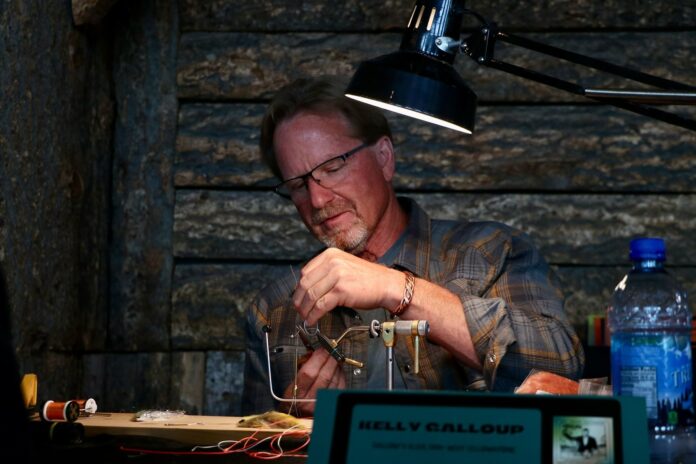
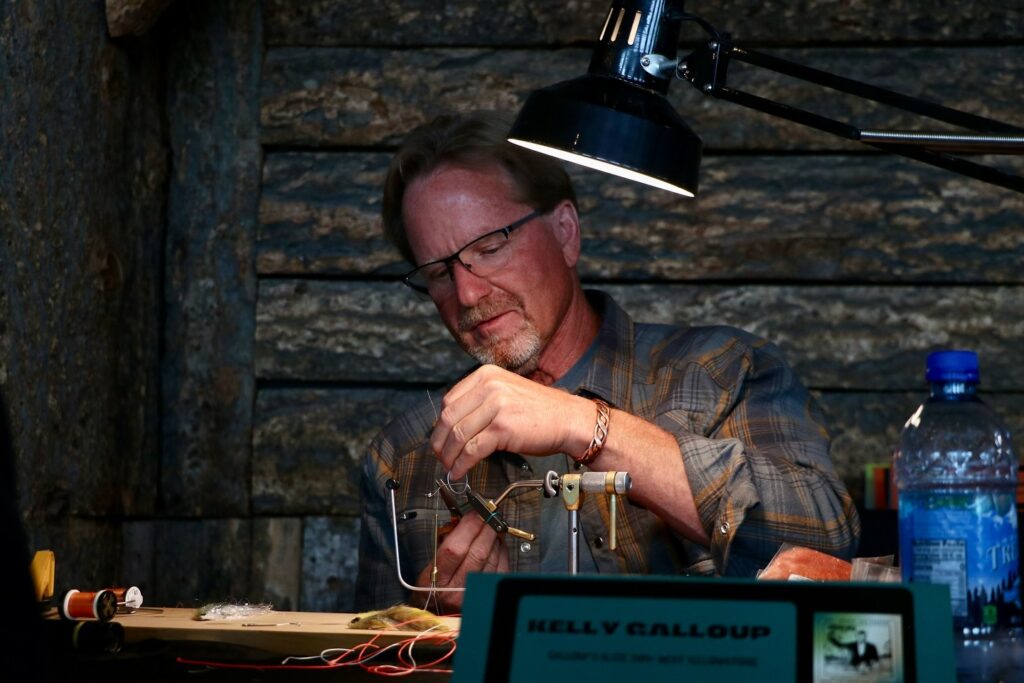
Conclusion with Larry Richmann on Alaska Chinook on the Swing

Big thanks to Larry Richmann for reminding us that all it takes is one perfect swing.


839 | Apache Trout Rivers, Desert Creeks & Carp in the Canals with Ben Smith of AZ Wanderings

Episode Show Notes

Ben Smith of Arizona Wanderings walks us across Arizona — from the high-country creeks that hold Apache trout to the canals and reclaimed ponds around Phoenix, where carp and tilapia lurk. He talks native-fish recovery efforts, the best shoulder-season windows for trout, small-stream tactics (long leaders, stealth, and micro presentations), and the surprisingly wide variety of warm- and cold-water opportunities within a few hours of the city. Along the way, Ben shares how he started blogging, why he still ties flies and furled leaders, and how junior angler programs are getting kids bitten by the fishing bug.

Hit play to start listening! 👇🏻🎧

apple podcasts

Find the show:  Follow the Show | Overcast | Spotify

Subscribe on Apple Podcasts

Subscribe on Android

Subscribe via RSS

(The full episode transcript is at the bottom of this blogpost) 👇🏻

Sponsors and Podcast Updates

Episode Recap

00:00 – 05:03 — Intro and Ben’s background: growing up east, moving to Arizona, why he prefers trout and the trips he chases.

05:03 – 12:03 — Arizona geography & species: White Mountains, Apache and Gila trout, Oak Creek, and the range of high-country fisheries.

12:03 – 18:49 — Oak Creek specifics: access, pressure, hatch notes (midges, small olives), and typical fly choices (small dries, streamers, pheasant tails).

18:49 – 25:50 — Stillwater and lake notes in the White Mountains; Christmas Tree Lake recollections and stocking/management context.

25:50 – 33:15 — Lees Ferry & Grand Canyon notes: history, boat access, impacts from dam operations, and local conservation concerns.

33:15 – 37:10 — Common misconceptions: people are surprised there are trout in Arizona and why local anglers tend to be secretive and skilled.

37:10 – 42:21 — Ben’s blogging, fly-tying, and furled leaders — why he started Easy/Arizona Wanderings and what he still sells.

42:21 – 47:00 — Junior programs & community: Phoenix Junior Bass Masters, tournament format, and how kids get paired and learn.

47:00 – 52:30 — Urban carp, canals, and local sight-fishing pockets close to Phoenix; day-trip options for visitors.

52:30 – End — Wrap & contact: where to find Ben’s flies and leaders, how to reach him for local intel, and final thoughts on road-trips through the Southwest.


Resources Noted in the Show

Related Videos

Related Episodes

Full Podcast Transcript

Episode Transcript
00;00;01;29 – 00;00;23;21 Dave Today, we’re heading deep into the heart of the desert to see what fly fishing really looks like across Arizona from chasing native Apache trout in the icy mountain streams to stalking carp in the canals around Phenix. Today’s guest has spent years exploring every hidden corner of this rugged state. By the end of this episode, you’ll have a road map for fishing Arizona from the desert floor to the high country creeks. 00;00;24;02 – 00;00;41;19 Dave And a reminder that even in the driest landscape, there’s always a place for a fly rod and a little curiosity. This is the way fly swing podcast ratio. The best places to travel to for fly fishing, how to find the best resources and tools to prepare for that big trip, and what you can do to give back to the fish species we all love. 00;00;42;13 – 00;01;02;10 Dave Ben Smith is here to take us into how elevation, heat and water flow shape everything in Arizona and find out what flies work there, what he’s tying these days when nothing else is working, and why small water, stealth and simplicity often lead to the best days on the water. Here we go. Here he is. Ben Smith. You can find him at A-Z. 00;01;02;10 – 00;01;06;03 Dave Wanderings Dotcom. How’s it going, Ben? 00;01;06;16 – 00;01;08;02 Ben Doing good, Dave. Thanks for having me on. 00;01;08;13 – 00;01;24;23 Dave Yeah, Yeah. Thanks for putting some time aside here. We’re going to talk a little bit around Arizona, and I think you’re in the Phenix area. We’re going to touch base on some of the species you have there. One that I haven’t caught yet is Apache trout. You know, brown trout is always on the list of people around the country. 00;01;25;06 – 00;01;38;20 Dave And I think you got started kind of out east and worked your way west. We’re going to talk about that, but maybe we can start there just on kind of your update on you know, I know you’re busy with kids like me. What’s your first memory of your fish? And it started out east for you? 00;01;39;02 – 00;02;13;03 Ben Yeah, it started out east. I grew up in New York. In Pennsylvania. My grandma has a beautiful little cottage on a small lake in Bradford County, and my first memories are fishing on the end of the dock. You know, Duncan, bread balls for sunny and blue gills. And then I must’ve been 11 or 12, and someone gave me a, you know, a Wal-Mart combo for a for a fly rod with some spider patterns and started catching bass and bluegill with that and just had a ton of fun with it. 00;02;13;14 – 00;02;15;26 Dave Nice. And that was it. And so that was in Pennsylvania. 00;02;16;01 – 00;02;17;08 Ben Yeah, that was Yeah. 00;02;17;11 – 00;02;23;25 Dave Yeah. So Pennsylvania and then that area of Northeast. And then when did you make your way out to was that Arizona next on the list for you. 00;02;24;05 – 00;02;49;29 Ben Yeah that’s a roundabout story but I graduated college back in oh one, spent a year or so in Hawaii and then made a move to to Arizona. I was a teacher by trade. I was teaching social studies junior high and high school, met my beautiful wife and she’s from Arizona. She’s an Arizona native and kind of put down roots here. 00;02;49;29 – 00;02;52;18 Ben And that was 18, 19 years ago. 00;02;52;28 – 00;02;58;28 Dave So, yeah, there you go. So now you’re in Phenix, right? You’re like in kind of downtown or outskirts of Phenix? 00;02;59;13 – 00;03;02;11 Ben Yes, sir. We’re on the west side of town, kind of out in the suburbs. 00;03;02;19 – 00;03;09;13 Dave The west side. Okay. What is the fishing opportunities look like there? You know what’s keeping you busy for species and kind of rivers? Waterways? 00;03;09;24 – 00;03;36;05 Ben Yeah, I. I prefer trout fishing, so I. I like to head north and east up on the muggy on rim or the White Mountains. We’ve got some beautiful crystal clear waters up there. And so that’s what I prefer. If, if I’ve got a Saturday, that’s where I’m headed. But we’ve got a lot of urban stuff as well. We’ve got canals and lakes in town that you have carp and tilapia and that’s got a lot of high mountain still. 00;03;36;05 – 00;03;59;23 Ben Waters have got great trout fishing as well. So that’s what I like. Personally, I was kind telling you a little bit before to my son, he’s ten. He’s involved in a great program called Phenix Junior Bass Masters. And so we’re fishing a lot of the the desert lakes that are the dammed up rivers full of large mouths. Some of them have small mouth in them. 00;03;59;23 – 00;04;03;05 Ben And I mean, I’ve been having a ton of fun learning all about that as well. 00;04;03;16 – 00;04;07;23 Dave Nice. So that’s all right around within, what, like an hour of Phenix, all the stuff? 00;04;08;05 – 00;04;12;25 Ben No, I mean, we’re traveling two or 3 hours at minimum to kind of get some of the good stuff. 00;04;12;25 – 00;04;15;23 Dave Yeah. Is that up north or which way is that where you’re headed? 00;04;16;02 – 00;04;17;25 Ben Yeah. North and north and east. 00;04;18;04 – 00;04;35;15 Dave North and east. Okay. Yeah, I got it. And I’m looking at now on the map here. Yeah, you’ve got the Apache sit greaves National Forest. Is that, that’s kind of more down south looks like. But yeah, I mean when you think of Arizona I always think of it like, yeah, hot desert stuff. But yeah, you guys have plenty of mountains, right? 00;04;35;15 – 00;04;39;05 Dave You go north and it sounds like. Is that where you get into some of the Apache trout species? 00;04;39;18 – 00;05;02;12 Ben Yeah, it’s crazy. The state is is big and beautiful, and most people think of the Soros and hot Phenix, which is a lot of it around. But, you know, we’ve got we’ve got areas that get up to, you know, eight, nine, 10,000 feet. There’s skiing and snowboarding in Arizona. So there’s an a good water here. You know, when the creeks are full and the lakes are full, it’s it’s fantastic. 00;05;03;06 – 00;05;31;20 Ben So, yeah, chasing those Apaches. And then we’ve got another color trail, which is a native of New Mexico and in Arizona. So those were both I think they were both endangered at one point. And then back in the early 2000s, they got real serious about protecting habitat, doing some improvements and getting more fish in the water. And they’ve got some pretty stable populations now that are that are reproducing, which is good. 00;05;32;03 – 00;05;37;15 Dave Yeah. And so where would you have to go? Or the HeLa and the Apache in the same same stream, same area. 00;05;37;25 – 00;06;01;08 Ben Yeah. Most of them are up there kind of in the White Mountains, which is on the eastern side of the state. They’ve put healers in. I think they started stocking them in Oak Creek, which is in Sedona, which isn’t too far from Phenix, probably an hour and a half, two hour drive. But yeah, those are that’s been kind of the initiative lately, is trying to get native fish back on the back on the landscape. 00;06;01;08 – 00;06;13;14 Ben And they’ve they’ve done a good job. But we’ve got we’ve got a lot of species in the state too. You can you can find Rainbow’s brook trout, cutthroat and grayling and brown trout as well. Those are the the river while. 00;06;13;20 – 00;06;15;08 Dave All right. Grayling too. I didn’t realize that. 00;06;15;16 – 00;06;17;18 Ben Yeah. Some of the still waters have them all right. 00;06;17;18 – 00;06;30;21 Dave Still ours. Okay. So what is your so it sounds like you’re involved pretty a lot with your son, with the bass and all that stuff. If you’re not doing the bass, what what do you think is the trip? If you have a weekend on your, you know, to go anywhere out there where you had first. 00;06;31;06 – 00;06;46;09 Ben On I’m probably fine in a remote canyon somewhere where you know most of the Arizona guys, which I’m going to say and you know, I’m diving off a side of that and spending the day in there or, you know, maybe even taking a ten down to stay in the night. 00;06;46;16 – 00;06;48;07 Dave Right. Chasing for trout. 00;06;48;15 – 00;06;58;22 Ben Chasing trout, Yeah. The brown trout, real big. I mean, they they’re just big carnivorous fish and always fun to tie into a good, you know, a 20 inch fish or maybe even bigger. 00;06;59;03 – 00;07;05;18 Dave That’s awesome. What’s your technique? You’re doing a you kind of doing like a little bit of everything dries, wets or nymphs or what? What do you do in there? 00;07;06;00 – 00;07;24;03 Ben Yeah, it’s interesting. The first half of the season, like I like seeing a fish come up and blow up for dry fly. So a lot of dry fly action early on. A lot of our creeks have crayfish in them. And so when you catch one of those big ones, especially in the fall, they are there. You can just feel it in their bellies. 00;07;24;03 – 00;07;38;05 Ben They’re full of crayfish. So we’re we’re stripping streamers, do the big pools, and even the little step across creeks here, You know, every once in a while there’s a there’s a big pool and man, there’s there’s always a good brown trout in there. So there. 00;07;38;05 – 00;07;45;19 Dave Is. Okay, what do you think is the the best time of year, you know, for you if you’re going if you can go any time, when is that time you would be hitting it. 00;07;45;27 – 00;08;11;09 Ben Yeah, me, me and my one buddy Antonia, we’re always trying to trip, trying to find a day in in May, May or June. It’s finally nice out. The runoff has cleared up the water and yeah, that’s that’s probably the best time. And then and then there in the fall like right about now. And you know, anytime from late September to to November, as long as I mean, we went Wade just about everything here as much as you can. 00;08;11;09 – 00;08;17;02 Ben So as long as you can still stay on the cold water and the cold, cold air, you know, that’s kind of the trick. 00;08;17;09 – 00;08;33;06 Dave Yeah, well, wait. Okay, so the yeah, the spring. So after the the high water drops down and then before it gets hot and then also in the fall. So right now it’s. Yeah. We’re getting ready to come in in November. What is it like there, Is it still pretty temperature wise and conditions wise. What’s it looking like right now? 00;08;33;18 – 00;08;55;02 Ben Well, we finally turn the air conditioning off, which is kind of nice. Yeah. Oh, you know, you’re sleeping with the windows open right now in Phenix, and we’re getting down into the high sixties. Leaves are leaves are turning. We were just up in up north of the Grand Canyon. My kids had a junior Cal Elk and all the all the leaves have turned and it’s it’s real pretty up there in the high country. 00;08;55;02 – 00;08;56;29 Ben So. Yeah, that’s nice. 00;08;57;07 – 00;09;00;26 Dave Yeah. You guys are mixing in a little bit of sounds like hunting as well as fishing. 00;09;01;06 – 00;09;05;02 Ben Oh, yeah. Yeah. Always trying to Always trying to fill the freezer with three kids. 00;09;05;11 – 00;09;08;06 Dave What’s your hunting? What’s your species? That you’re going for? 00;09;08;18 – 00;09;24;02 Ben Oh, we’re on a we’re on a lottery system out here. It’s called a draw system. So anything we can get a tag for. But always trying to get in elk tag. I like Hunt and Cous Deer, which are small, you know, Western white tails in the desert. 00;09;24;10 – 00;09;25;09 Dave Oh, okay. Yeah. 00;09;25;17 – 00;09;32;04 Ben And then I like turkey and I’ve got a couple bird dogs. I love the bird hunt, so. Yeah. And anything that gets me outside, man, gets me excited. 00;09;32;10 – 00;09;40;18 Dave Right. So you got accused. Yeah, I’ve heard of those. And then bird hunting. Is it pretty much everything? Pheasants, white chocolate. Like, what are the species are you going for? 00;09;40;29 – 00;10;02;29 Ben We do have some pheasant and some chucker, but most of what people are chasing in Arizona are quail. We’ve got three real distinct, good populations of, uh, of quail. We’ve got, um, Gamble’s quail, which everybody sees in town. They’ve got a top out under head. We have scaled quail, and we’ve got a Mearns quail down south right on the border. 00;10;03;11 – 00;10;22;10 Dave All right. Okay. Aquila Awesome. Okay, so, yeah, so between hunting and let’s, let’s go back to I like thinking of it as somebody coming in to Phenix. You know, maybe they’re new to the area. Maybe they’re coming in for a business trip, which people do quite a bit and they want to pop out for a day. And it’s this time of year, you know, it’s October, November, and pop out maybe for a fishing. 00;10;22;19 – 00;10;33;04 Dave You know, it sounds like you guys have plenty of secret spots out there. Where would you direct them or where could they figure out where to go if they want to just go to one of these places where they can find some trout, maybe drop off a canyon wall, like you said? 00;10;33;16 – 00;10;55;08 Ben Yeah. I think one of the one of the prettiest and most iconic spots and well-known spots is probably Oak Creek up in Sedona, Big Red Rocks, the town’s cool little hippie dippy, but I mean, once you drive up Oak Creek Canyon, they’re like the creeks right alongside you, and you can kind of pop out in different areas. There’s brown trout, rainbows. 00;10;55;08 – 00;10;57;09 Ben There are some heeler trout in there and. 00;10;57;09 – 00;10;57;27 Dave Oh, nice. 00;10;58;04 – 00;11;12;24 Ben And they take pretty good care of it. If it’s summertime, like it’s busy with with these folks who are swimming and rock jumping. So it’s not great fishing. But those shoulder seasons like the spring in the fall before Memorial Day and after Labor Day is great. 00;11;13;04 – 00;11;18;09 Dave That’s great. Okay. So like right now, it’s probably temperatures are cooling off there. It’s probably perfect right now, right? 00;11;18;09 – 00;11;19;24 Ben It’s perfect for right now, for sure. 00;11;19;24 – 00;11;25;26 Dave Yeah, for sure. Okay. And that’s just yeah, from Phenix. You just hop on a 17 highway 17 drive north. Right. Right up to it. 00;11;26;00 – 00;11;44;20 Ben That’s it. Yeah. We’ve got to. I mean, if, if you don’t have that much time, it’s. It’s always worth bringing a flier out though. There’s a bunch of guys here in town. They get after the carp and the canals and the guys, they’ll have pheasant, tail, fly fishing and low water guides. They do day guy trips and man, they’re they got that stuff dialed in. 00;11;45;00 – 00;11;45;28 Ben Looks like a lot of fun. 00;11;46;04 – 00;12;02;20 Dave So yeah, yeah. We’ve had at least one episode on carp, urban carp in Phenix. I can’t remember exactly that one. I’ll put a link. We’ll get a link out in the show notes. That one. That was cool because yeah, it’s really a unique area, you know, and people wouldn’t think of the opportunities. But yeah, you don’t have to go too far right out of Phenix. 00;12;02;22 – 00;12;03;29 Ben That’s it. Yeah. 00;12;03;29 – 00;12;16;15 Dave Okay. You know, on the Trout. So if somebody is heading up on that, they’re going to fish the Oak Creek area. What should they be preparing for their like, what would you be thinking this time of year? Is this something where you’re you’re probably going to get some dry fly action or what is that going to look like? 00;12;16;23 – 00;12;39;16 Ben Maybe you might get a you might get a real small blooming olive hatch or Midge Hatch. Thing about Oak Creek is it does get a fair bit of pressure. So long leaders being real sneaky. It’s it’s got some quick spots in it but mostly it’s fairly slow. So you know, moving moving as slow as you can push and ripples ahead in that water. 00;12;40;05 – 00;12;57;22 Ben The fish are pretty in-tune with what’s going on around them. But the usual suspects, you know, stripping wooly buggers or some sort of streamer, you know, parachute Adam’s pheasant tails, little bit of cowardice here and there, especially around around Mother’s Day. You know, we get Mother’s Day hats and all that. 00;12;57;22 – 00;13;17;19 Dave So interesting. Now it’s cool because, you know, as you look around and I think about the episodes we’ve done, we’ve definitely covered New Mexico, Colorado, Utah, you know, Nevada, not quite as much, you know, and obviously California. So you guys are kind of, you know, I guess Arizona definitely doesn’t get as much play. But how would you break that out? 00;13;17;19 – 00;13;23;25 Dave Because, I mean, you’ve got you’re in Phenix, Tucson’s below you. What’s the other biggest city in Arizona other than Phenix and Tucson? 00;13;24;12 – 00;13;34;15 Ben Probably Flagstaff. It’s like central Flagstaff. That’s that’s growing quite a bit. They got a college up there and a lot of people are jamming up the 17 on a Friday afternoon trying to get up there. 00;13;34;15 – 00;13;51;16 Dave So. Oh, they are okay. Yeah. So that’s fine. Oh, yeah. Flagstaff is just north. I see. Okay. And so what are the options? So you met some city, kind of the carp. Phenix, you’ve got the trout stuff we’re talking about. And then also you’ve got the Stillwater fishing. Yeah. Is that Stillwater? Is that also kind of up north? 00;13;51;16 – 00;13;51;29 Dave Most of it. 00;13;52;06 – 00;14;15;05 Ben Most of it’s east. There are lakes kind of all over, but most of the serious guys, Stillwater guys, they’re going to go up to the White Mountains. There’s a White Mountains Lake Foundation that has done incredible work up there. They’ve got I think they’ve got a couple of aerators on some lakes and keeping those fisheries alive and well and healthy. 00;14;15;28 – 00;14;38;11 Ben So yeah, there’s a lot up there. There’s a couple of Indian reservations that have, you know, a number of really good lakes on them. So just check regulations and make sure you’re buying the right license and permit when you’re heading up there. I think, you know, just to speak on one of those fisheries that I had a little bit of experience with a number of years ago, before and after I had kids and I could run up there all the time. 00;14;38;25 – 00;14;52;07 Ben And we always used to go fish Christmas Tree Lake and I think they call it Christmas tree. Like I’m sure someone will tell me if I get this wrong, but I think they’re cut down one of the like a White House Christmas tree up there. So it on that property. 00;14;52;08 – 00;14;53;02 Dave Oh, there you go. 00;14;53;02 – 00;15;08;19 Ben So but that that lakes full of of Apache trout and you know I just I’ve got to think memories of fish in the fall and you know hanging hanging around them and stuff like that and catching catching great partnership there with some buddies. 00;15;08;19 – 00;15;16;13 Dave So yeah, catch an Apache trout and Apache trout. Is, is it a cutthroat trout or is it a rain or what’s it closer to? 00;15;16;21 – 00;15;21;04 Ben You’re asking the wrong guy. Yeah, Yeah, I know. It’s a cousin of the rainbow. 00;15;21;05 – 00;15;43;07 Dave It guys are a I’m looking up photos. That’s really cool because it looks a little like a cutthroat, but. But, yeah, it’s really beautiful. And and so and that’s actually we’ve been talking a lot about that. The Western Trout Initiative. Right? There’s a challenge and it’s kind of like catch you know, native fish on their home range, you know, And that’s why I think these podcast episodes are interesting because Apache healer, trout, those are fish I haven’t caught. 00;15;43;20 – 00;15;56;11 Dave And, you know, I’m sure it’s on a lot of people’s lists. So, you know, to get these it sounds like you’ve caught both of them. Are they is this something that’s doable, you know, out there? You could probably if you did your work, you can find these these fish super doable. 00;15;56;11 – 00;16;12;00 Ben Yeah. Yeah. And it’s the beautiful thing about fly fishing is it takes you to unique places that most folks are are skipping right by on the highway, you know, and you’re getting out and walking and see him seeing really beautiful country that Arizona has to offer. It’s it’s awesome. 00;16;12;12 – 00;16;24;28 Dave Yeah that’s cool. Right? So you got those are the two native and then and like we mentioned some of the lakes and and some of the the stuff around the city which is mostly is that mostly a carp game when you’re talking around you know within or around Phenix right there. Close. 00;16;25;07 – 00;16;26;11 Ben Yeah. Carp and pass. 00;16;28;12 – 00;16;49;21 Dave Fish out expeditions offers world class fly fishing right off Alaska’s incredible road system, from monster rainbow trout to feisty Arctic grayling. You’ll chase big species in the stunning landscape, whether you’re a seasoned angler or just starting out there. Expert guides ensure an unforgettable adventure Book your trip today before spots fill up and experience Alaska’s diversity like never before. 00;16;50;03 – 00;17;13;20 Dave Check them out right now that’s Fish Town expeditions dot com Discover Smitty’s fly box for premium flies their monthly subscription service delivers expertly crafted flies and materials tailored to your fishing environment. Boasting over 30 years of experience, Smitty’s is your trusted source for a diverse range of flies. Enhance your fishing experience and make life easier with their carefully created selections. 00;17;14;00 – 00;17;36;20 Dave You can subscribe right now at Smitty’s Globacom and join a community of passionate anglers. What’s the fly? Maybe talk about that a little bit because you’ve got this website we mentioned Easy wanderings dot com. Talk about how you first got the idea to start that and what you’re doing because you are doing some stuff around time flies and for old leaders maybe describe that a little bit. 00;17;36;24 – 00;17;57;04 Ben Yeah she this goes back a little ways it must have been almost 1520 years ago. And I like riding, I like taking pictures. And it was just an outlet for me to kind of share what I was doing with friends and family and it was probably about that height where there was, you know, everybody was blogging back before all the YouTube stuff, and I. 00;17;57;15 – 00;18;11;27 Dave Was 15, so 25. So we’re talking now. 2010 Yeah, which is cool because that’s the how even before I was really got started and yeah, so you were there back in the day, right when the blogging was really huge. It was everything. I mean, like that was the biggest thing. 00;18;12;04 – 00;18;37;06 Ben Yeah, it was a lot of fun to see what other guys were doing as far as fishing goes and kind of got involved in that as well. And got really into fly tying. So I had a couple couple patterns I was tying up and had had some really good customers, still have really good customers that reached out every once in a while needing specific things to tie up and kind of takes me out of whatever I’m time and gets me, gives me trying something different. 00;18;37;06 – 00;18;59;23 Ben So that’s been really good. And then about that same time I had a friend the hand Me a furled leader made out of in a thread on a on a creek. And some of our some of our creeks take some casting, but most of them are real finesse casting. And so you’re, you’re only having maybe a foot or two a fly line out of the end of your at the end of your guides and these four leaders. 00;18;59;23 – 00;19;12;16 Ben I just I kind of fell in love with them. I felt like they presented the fly really well. It was an extension of the fly line and just rolled right over. So I started telling those as well. And so those on my website, I like using those a lot. 00;19;12;20 – 00;19;26;06 Dave They do okay here, the fro and then and then what are some of the You’ve got a few while. Yeah. You got some bunch of different flies here but what are the most common you know flies you think you’re tying up for Arizona if you had to pick a you know, your top five half a dozen flies. 00;19;26;13 – 00;19;53;04 Ben Yeah I so I, I kind of bastardize a pattern. I call it the mini hopper. It’s, it’s a little cactus kind of hopper pattern. Real attractor, real great attractor. And that’s that’s what I mostly tie. I’ve got another hopper pattern. It’s kind of like a hopper one for me. A lot of hair. That one works for a while for me, just kind of all the basics with with my own touch on them that at home, the way I like them. 00;19;53;04 – 00;19;58;17 Ben And they seem to fish really well for me and my friends. So that’s what I’m trying for folks. And. 00;19;58;27 – 00;20;05;28 Dave Okay. And what about the for all leaders? What is what’s the the background on that? Why why the for leaders? What do they do? Well. 00;20;06;14 – 00;20;30;24 Ben Yeah, I think they just I think they lay out so much better than some of the mono ones, you know. Yeah. You pull that mono one out of the package and you’re you’re not in it up half the time trying to get it undone where the firm leader, it doesn’t have any memory in it. And so at the start of the day I’ll grease it up with like, like some sort of paste or float in and it’ll ride high throughout the day. 00;20;31;11 – 00;20;47;07 Ben And then if I carry on a screamer, you know, I’ll, I’ll run the same leader, but I won’t, I won’t put any floating on it and it just kind of sinks and I like the kind of olive color and it just seems to, it just works with the style of fish and that I’m, that I’m doing, you know. 00;20;47;17 – 00;20;54;04 Dave Yeah, right. So it adds rigidity to your leader and it just better presentation essentially. Is that kind of a big part of it? 00;20;54;10 – 00;21;03;19 Ben That’s it. Yeah. I like the five foot and it comes with a tippet ring on the end and then I’ll, I’ll peel off another five foot of tippet, whatever I’m using and I’m good to go. 00;21;04;00 – 00;21;14;00 Dave That’s good. Okay. And what about, what about on gear a little bit here? Like right away, if you’re talking trout fishing, Arizona, what’s your kind of go to length weight or you know on the rod. 00;21;14;10 – 00;21;32;19 Ben Yeah some of the bigger creeks there I know like some of the high mountain stuff can get pretty blustery. We get some high winds. So I prefer like just to carry a nine foot five weight, you know, I’m like every other fly fisherman, though, You know, my wife takes a peek behind my closet door and she’s like, what are you doing with all of these? 00;21;32;19 – 00;21;33;27 Dave Fly Right, Right. 00;21;34;07 – 00;21;44;08 Ben Yeah, Yeah. Like I need them, you know, hand them down Sunday to my kids and Exactly. So, yeah, I, I prefer the nine, four, five way, but I, you know, I’m kind of fishing a little bit. Everything. 00;21;44;18 – 00;21;59;26 Dave Yeah. You did it all. Okay And so the five way because yeah you could fish some of these smaller species probably a four way would be fine or maybe something lighter. But the five is nice because it can kind of handle what do you think it is just better on windy conditions or what do you think is the. 00;21;59;26 – 00;22;01;14 Dave Yeah. Where is that performance for. 00;22;01;18 – 00;22;26;02 Ben Yeah, for sure. It’s, it’s punching through the wind and that’s, that’s mainly on some of the stuff that I that I know the canyons pretty well. I know they’re going to be windy I will fish a three way and like a76 or an eight on the really small stuff. I mean we get some pretty choked little streams out here, covered up and brush some trees and you’re just roll casting and bow and arrow casting the little paper plates, those spots. 00;22;26;02 – 00;22;28;29 Ben And so those come in handy for sure. 00;22;29;05 – 00;22;42;18 Dave Yeah. What is it like since you’ve been you’ve been out there quite a while, whatever, seven, 15, 20 years. What as you’ve seen a lot of like, you know, changes in that time in Arizona in fly fishing, you know, and that scene out there and the streams and everything. 00;22;43;00 – 00;23;03;05 Ben Yeah, a little bit most of the stuff is has remained the same. You know, the the changes with the Apache and the Heeler, they’re, they’re, they’re constantly trying to, to relocate them and put them back in native ranges. So you know, some of the streams that you knew, you know, held wild rainbows or whatever, they’re, they’re trying to change them up. 00;23;03;23 – 00;23;15;19 Ben So in essence, it’s been pretty steady. I think you brought up changes. I think the one change that’s been kind of disappointing to see is Lees Fairy, the Colorado River. 00;23;15;28 – 00;23;16;13 Dave Oh, right. 00;23;16;19 – 00;23;26;06 Ben So that historically has been an unbelievable rainbow fishery. I mean, 30, 40 years ago they were catching ten plus pound fish out of there. 00;23;26;06 – 00;23;27;06 Dave And that’s right. 00;23;27;14 – 00;23;52;06 Ben There is a battle between, you know, the power from the dam, the National Park Service below Game and Fish, you know, USGS, everybody’s got an opinion and everybody’s got a a say on it. And the fishery has has suffered a lot. But there’s a there’s another guy you should talk to. His name is Dave Foster. He grew up on on the cliff looking over the river of. 00;23;52;06 – 00;23;53;27 Dave The Grand Canyon or the Colorado. 00;23;53;27 – 00;23;56;21 Ben Yeah. Of the Colorado right across from Marble Canyon Lodge. 00;23;56;23 – 00;24;01;14 Dave Oh, wow. Yeah. Yeah. Okay. Yeah. The marble. We’ve done a whole series on the boats. There’s boats in there, so. 00;24;01;14 – 00;24;04;17 Ben Yeah, There you go. Now, his mom on that, like, way back. 00;24;04;17 – 00;24;05;02 Dave Oh, wow. 00;24;05;16 – 00;24;18;00 Ben So he’s been up there forever. And my wife and I took a couple of trips with him and fell in love with him and the place up there and the fishery is just it’s just slowed way down. There’s way less fish. 00;24;18;11 – 00;24;24;14 Dave Is that because of the water quality stuff that whatever they’ve been doing changes And yeah, droughts plus everything else? 00;24;24;24 – 00;24;43;07 Ben Yeah, it has. I think it has more to do with how much water they’re letting out of the dam, that they’re constantly doing high flow events. It blows out a bunch of the aquatic species they’re eating and then, you know, the lower it way down and all the stuff up on the rocks dies. And it just it has not been managed well for a fishery. 00;24;43;07 – 00;24;48;01 Ben And I think there’s a lot of there’s a lot of heartache there from some of the local guys, which is sad. 00;24;48;10 – 00;25;08;00 Dave Right? Right. Yeah. It’s really yeah, I forget about that. It’s funny because we’re talking to Arizona down in Phenix and you don’t even think about the Grand Canyon. But yeah, you’ve got an amazing national park just up north. And Lisse very is out right near the border just by Utah. But yeah, the Grand Canyon cuts all the way across pretty much the whole western United States, Right. 00;25;08;00 – 00;25;14;20 Dave And then eventually gets sucked up dry from, you know, all the the all the cities and doesn’t even make it to the ocean now, right? 00;25;14;20 – 00;25;15;28 Ben That’s right. That’s right. 00;25;15;28 – 00;25;30;16 Dave That’s pretty crazy story. But yeah, I mean, I think we always have lots of work to do, right? So it’s good. I would love to hear that, to see what they’re doing, you know, what the biologists are doing out there and, you know, protect those, bring them back, because there must be native species in the Colorado. Right. That are out there somewhere. 00;25;30;22 – 00;25;50;27 Ben Yeah. And that’s that’s a part of the the dilemma. The water that comes out of that dam is so cold, the native fish aren’t up there, but they’re still the they’re still the folks that want to kill the trout to make way for the native populations, but they don’t mix in that same water anyway. They’re they’re way lower down on the river where it’s where it’s warmer. 00;25;51;10 – 00;26;13;27 Ben I mean, and this is 12, 13 years ago now. My wife and I, we hired him to the Grand Canyon, and Bright Angel Creek right there at the bottom was a phenomenal brown and rainbow fishery. And they were killing that all off at that time. I, I haven’t been down there since. But yeah they’re, they’re constantly trying to balance native fish in the fishery itself so. 00;26;14;08 – 00;26;29;03 Dave Yeah. Yeah. Gotcha. Okay so yeah, so we’re hitting the Grand Canyon, we’re hitting, you know, around the state, which is awesome. What do you think is a most common or a common misconception about Arizona fly fishing that you think people might have? Or if you’ve talked to people that have had that misconception? 00;26;29;25 – 00;26;53;21 Ben Yeah. I mean, I think most people just are surprised that there’s trout in Arizona, you know, from folks that are back east or whatever. You know, you post them pictures are like, holy smokes, I didn’t know there were trout in Arizona. I think that’s probably the big one. I will say I think some of our fishing, even though it’s small streams and we do have the still waters, I feel like the fishermen in Arizona are pretty dang good fishermen. 00;26;53;21 – 00;27;09;16 Ben Like if you can fish in Arizona, like you can kind of go anywhere and figure out, you know, they’re pretty resilient guys and we’re very grateful for what we have and there’s not a ton of it. So guys tend to be pretty secretive about their spots and, you know. 00;27;10;10 – 00;27;25;16 Dave Yeah, yeah. No, that’s right. And sounds like you with your with your son there and the the bass masters. Maybe talk about that a little bit. That sounds like a pretty awesome deal. How did you how did you learn about that and how did he come into the basement? What was it as a the junior bass master, What was it called? 00;27;25;19 – 00;27;42;14 Ben Yeah, the Phenix Junior Bass masters. So I had heard about it through an acquaintance. His son had been in it, and my son was, I think he was six or seven, and he loves the fish. When we go back east, you know, he’ll he’ll come along on fly fishing trips and, you know, we’re trying to get him fishing. 00;27;43;02 – 00;28;04;24 Ben So the program I don’t know how long ago it started. It’s it’s been going for a while. They’ve got a junior side of it, which is 8 to 14, and then they’ve got a high school side of it in the high school. So it’s super competitive. Like I think a bunch of the kids from last year, like they got out on scholarships to go to college and fish at different places in the Southeast and Texas. 00;28;05;13 – 00;28;26;13 Ben But the juniors program that he’s in, there’s a there’s a drawer side of it which are for kids without boats and without a fishing partner, which is how how my son started. And so every you know, they do six, eight tournaments a year and he would get paired with a different kid in a different boat captain on all the different desert lakes that we have. 00;28;26;13 – 00;28;47;21 Ben And his points would follow him through the year and they crown an angler of the year. At the end of the year, they do, you know, prizes for first, second and third in every tournament. And it’s just like an awesome, awesome program to get kids in the fishing or, you know, further into fishing, as happened with us last year. 00;28;47;21 – 00;29;02;11 Ben We got we got hooked up with an awesome father son duo who had a boat when we were teammates all through the year. The boys did really good. They were eight and nine years old, so they they were on the bottom end of the juniors program. 00;29;02;28 – 00;29;04;15 Dave So like younger. They’re the younger ones. 00;29;04;16 – 00;29;22;28 Ben Yeah. So they’re fishing against, you know, 13 and 14 year olds, I’m sure, holding their own. And we just got kicked off in a couple of tournaments so far this year. And we’ve got we’ve got Lake Pleasant actually Sunday. So they’re going to go out and try and try and find a win there. 00;29;23;08 – 00;29;27;22 Dave Yeah. And is this mostly conventional fishing like like pigeon bass fishing? 00;29;27;27 – 00;29;39;21 Ben It is, yeah. It’s it’s all, you know, standard conventional tackle, which has been interesting for me. Like I love to fly fish, but like all of us, like I’m a fisherman, like, I like to well, to feel. 00;29;39;21 – 00;29;41;07 Dave It me do it all do it on. 00;29;41;13 – 00;29;50;21 Ben It’s taught me a bunch about about bass and about fishing and just using different techniques. And I’ve enjoyed it a lot. 00;29;50;21 – 00;30;10;04 Dave Let’s take a break and check in with Jackson Hole Flight Company. Right now, the right gear can turn a good day on the water into an unforgettable one. Jackson Hole. Fly company’s combo kits are built to match the rhythm of the river, giving you everything you need in one simple package, each kit pairs a perfectly match rod and reel with essential accessories. 00;30;10;04 – 00;30;35;08 Dave It’s ready to fish right out of the box from the beginner friendly Crystal Creek to the high performance Flat Creek. There’s a set up for every angler and don’t forget about their packs and slings. I’ve been loving my Jackson Hole Sling pack for a number of years now. The perfect size to fit all your gear, but not too heavy and not too big to drag you down to check out their slings and rods and much more at Jackson Hole Flight Company Dotcom. 00;30;35;08 – 00;30;59;15 Dave And you can support this podcast by checking in with Jackson Hole Flight Company today. Some places are just different. You feel it The second you step into the water. Mount Waters Resort sits on the legendary Portland Creek, a place where Atlantic salmon runs strong and where fly fishing history was written. Lee Wolf himself fished these waters, and now you get to experience the same world class fishing in a setting that feels untouched by time. 00;30;59;15 – 00;31;15;21 Dave Whether you’re swinging flies for fresh chrome or kicking back in a cozy riverside cabin. This is the kind of trip you’ll be talking about for years and years to come. And guess what? I’ll be there this year as well. But here’s the deal. Prime time season fills up fast, so don’t wait. Check in now and join me on this historic river. 00;31;15;29 – 00;31;36;21 Dave This year. You can head over to Wet Fly Swing Dcoms slash a mountain waters. Right now that’s Mount Waters Resort. You can go to wet fly, swing, dotcom slash mountain waters right now and save your spot for this epic adventure. How does the tournament work for the best masters there? 00;31;37;02 – 00;31;56;26 Ben Yeah, we b before dark or before light, I guess. And we get everybody on the water and then they do a check in and we sing the national anthem, say a prayer, and then we do like a boat drive by showing your live well. And usually where we’re rippin away from the dock by like 630, 7:00 kind of thing. 00;31;57;03 – 00;32;13;03 Ben And then it’s a it’s a return at 130 for check in. You’re allowed five fish, and then they do a live weigh ins. The boys do everything, you know, basically first made on the boat. Yeah. I’m re rigging rigging rods. 00;32;13;04 – 00;32;15;12 Dave Yeah. Yeah. So you’re helping. You’re helping while they’re fishing? 00;32;15;13 – 00;32;29;05 Ben Yeah. I mean, they’re. They’re doing all the fishing and then the other dads run in the boat and cool between the four of us, we, we try and get five fish in the boat and, and then we start call in after that and try and try and find the biggest fish we can and. 00;32;29;15 – 00;32;31;29 Dave Okay. And so you have a live well, you put fish in the live well. 00;32;31;29 – 00;32;32;24 Ben Yes, sir. Yep. 00;32;32;26 – 00;32;37;23 Dave Yeah. So open label and then you, you have them in there and as soon as you get a bigger one you release one that’s smaller. 00;32;37;26 – 00;32;38;24 Ben Yep, that’s it. 00;32;38;24 – 00;32;41;29 Dave Oh wow. That’s cool. And because they’re bass, these are largemouth bass. 00;32;42;09 – 00;32;45;10 Ben Largemouth. And then some of our lakes have small mouth in them as well. 00;32;45;10 – 00;32;54;24 Dave So I’m out too. But since they’re bass, they’re pretty resilient so you can put them in. Yeah. I guess they’re in a water there. A nice oxygenated livewell. Right. So it’s and then you release them. They’re fine. 00;32;55;01 – 00;33;11;19 Ben Yeah. And then we’ve got dump tanks at the launch so their fish are always in water and making sure they’re all headed back and back alive. So it’s been pretty cool. Like I, I know there’s bass fishing tournaments, I’ve never watched one or been a part of it until this. 00;33;11;19 – 00;33;27;07 Dave And yeah, how are they, How are those. Because I’ve always see the I mean I’ve probably watched parts of one but you know you see all the guys with their, all the sponsors and they’re right there, boats, they’re all, you know, it’s kind of cool, right? It’s a totally different world. So what do you think? You’ve watched a few of those now. 00;33;27;16 – 00;33;42;25 Ben Yeah, it is a different world. It’s it’s interesting to see the bass fishermen are super reliant on electronics. You know, they’re using, you know, back to the old sonar stuff. And then now they’ve got these front facing sonars. And you can you can see. 00;33;42;25 – 00;33;43;24 Dave From the video game. 00;33;43;24 – 00;34;00;07 Ben It is just like video game fish. And I don’t love that part of it. But like I also I get it and then in the pros, like there’s so much money involved in winning and you can get the best stuff on your boat and find fish like that’s the name of the game. So. 00;34;00;16 – 00;34;17;06 Dave Right. Yeah, it’s it is pretty crazy. Yeah, there’s money any time there’s a lot of money involved in anything, you know, it really changes the game if it gets company mean that’s why you look at the of the professional sports. Yeah I mean at the highest level the best players because there’s money there’s millions and millions of dollars in fly fishing isn’t that way. 00;34;17;06 – 00;34;35;10 Dave That’s really interesting because we’ve talked a lot of teams about Team USA, right. Which, you know, we have this great anglers in the only thing and all that stuff. And I mean, they struggle to put together the budget to get people to travel around, you know what I mean? It’s like totally different and, and I guess that’s because, yeah, you don’t have as much money involved. 00;34;35;24 – 00;34;44;04 Dave But no, it’s cool. I think it’s all good for the kids. You know, I think getting any time you get a kid excited about something right is here is his thing. Is he like, totally fired up for it. 00;34;44;16 – 00;35;16;11 Ben Man. He likes everything he’s doing so well. Whatever he’s doing, he’s excited about it. But, you know, I’ve got a girl, boy, girl, and okay, they all they all like being outside. They all like to camp. We did a big too week road trip up through California into Oregon and hit all the national parks and fished our whole way there that, you know, I had a truck all loaded down and we ended up swinging out through like the Sierra Nevada is and catching some golden trout and oh. 00;35;16;12 – 00;35;16;25 Dave Cool. 00;35;17;01 – 00;35;28;14 Ben Kern rainbows and then up up through sequoia and kings and, and Yosemite and dude, there’s there’s phenomenal fishing out there. Nobody’s fishing in those persons is. Great. 00;35;28;24 – 00;35;33;28 Dave Yeah, that’s great. Yeah. So you guys did the is this like road trip had in this camper. How are you guys doing all that. 00;35;34;02 – 00;35;38;14 Ben Oh no. Just a just a big tent. Yeah. Yeah. We’re. 00;35;39;10 – 00;35;41;20 Dave We’re that’s, that’s great to me. That’s awesome. 00;35;41;27 – 00;35;46;14 Ben Yeah. Someday we’ll get a camper. Maybe once kids are gone. But we’re having fun in the tent right now. 00;35;46;14 – 00;36;00;13 Dave And while the tents are nice, because you’re more, you know, kind of you can just go, you know, I mean, like, you see some of the campers. I’ve done the camper thing, and it’s tough because it’s a big thing you’re pulling and it takes twice as like to do anything. So there’s something about being light and nimble. Yeah. 00;36;00;26 – 00;36;21;19 Dave You know, throwing up a tent or even throwing we we actually sleep on. Just throw a tarp out on the ground. We do that all the time under the stars. Oh, yeah. You know, but gosh, so. So you get your kids going and then yes, they’re going back to Arizona. So again, somebody is kind of listening. Maybe they’re going to be out in that area or maybe they’re in the Arizona and so the best opportunities are, I mean, for sure, heading up into the mountains, heading up north from Phenix is good. 00;36;21;28 – 00;36;30;11 Dave What about the Stillwater? Is is that so? You’re saying head east there some opportunities. Where would somebody give get low information on, you know, where to hit for Stillwater fishing. 00;36;30;19 – 00;36;57;12 Ben Yeah we’ve got we’ve got a couple of good local shops that are phenomenal resources pheasant, hail, fly fishing and then easy fly shop. Both those guys can get you pointed in the right direction or if you’re down in Tucson, Dry Creek Fly shop is a good shop and then they’re going to send you up north. So there’s there’s some of those Stillwater are on national forest land and all this is pretty Google ball. 00;36;57;12 – 00;37;10;14 Ben You can you can find a ton of information there And then the way Mount Apache Reservation, they’ve got some they’ve got some great, great information and some really good rivers and creeks. And Stillwater is up there. 00;37;10;23 – 00;37;28;16 Dave Okay, perfect. Yeah, that’s and that’s usually my Flash on Friday segment. So we got that as we kind of take it out of here. So, so good. Anything else on what you have going right? Do you think you’re ever going to get back into the website or get back into YouTube or you just kind of you’re probably busy with your kids? 00;37;28;19 – 00;37;30;26 Dave I don’t have a lot of extra time to jump back into all that. 00;37;31;05 – 00;37;53;18 Ben Yeah, I, I definitely am going to get back into it at some point it’s as I look back on it now, I’ll go back through even Instagram or, or the website and just kind of look at where I’ve been and what I’ve done. And it’s fun to relive those memories, you know, through photos and word. So it’s definitely something that I will get back into. 00;37;53;22 – 00;38;00;07 Ben It’s just been a different stage of life right now with work and family and and just trying that, just trying to get out, you know? 00;38;00;10 – 00;38;12;08 Dave Yeah, just trying to find time to do it. Well, is there as you look back that, you know, whatever spent 15 years or so kind of a memorable trip that really sticks out, you know, in Arizona that you’ve had along the way? 00;38;13;01 – 00;38;33;08 Ben I think probably some of the most fun I’ve had. I mean, I’ve got some really good friends that I absolutely love fishing with. But my wife has gotten more interested in fly fishing over the past couple of years. And where we’ve taken some wonderful trips together that are some of my favorite memories. A couple of those were up on Lees Ferry with with Dave Foster. 00;38;33;13 – 00;38;38;29 Dave Oh yeah. So you guys is this Lees ferry where you’re actually driving in to access or are you floating the river. 00;38;39;07 – 00;39;05;02 Ben Yeah. So there’s a little bit of access by foot, you know that, that first there’s a walking area that they call the walking area and, and then there’s no, there’s, there’s a mile or so there that you can fish along the bank, but most of the better fishing is, is only accessible by boat. So as you wrap up the canyon it’s it’s an unbelievable scenery to fishing like you’re just surrounded by red walls. 00;39;05;02 – 00;39;24;07 Ben There’s a ton of history there. There’s old petroglyphs and you’ll see wild horses and you’ll see bighorn sheep. And it’s it’s just unbelievable. So, yeah, those trips my wife have had become really special. And she’s turned into a heck of an angler. She’s. She’s got dialed in. I don’t got to I don’t got a babysitter at all. 00;39;24;07 – 00;39;25;29 Dave She’s here. She’s good to go. 00;39;26;08 – 00;39;30;24 Ben She’s got a dialed in, which is a lot of fun, which which helps when we’re when we’re running around with the three kids and a. 00;39;30;27 – 00;39;31;16 Dave Ride. 00;39;31;17 – 00;39;50;06 Ben You know, carrying carrying one of them through the creek and trying to untangle another and but yeah the the trucks are there have been good and then it’s been really wonderful fishing when my kids and seeing their excitement they’ll get a fly rod out and they’ll just go cast in the pool in the backyard there, their entrance and you know. 00;39;50;15 – 00;39;55;29 Dave That’s it, that’s it. Cool. And then you’ve done some of the a lot of that urban stuff to the carp. Carp stuff around there. 00;39;56;05 – 00;40;18;11 Ben Yeah, there is some great carp fishing. We don’t have a ton of canals right near me. So I’ve got another spot where it’s it’s a community that’s got probably like 40 or 60 little ponds that kind of all are from reclaimed water and they’re full of carp and tilapia and bass. And they’re fun to go walk around and, you know, sight fish for for carp. 00;40;18;22 – 00;40;27;11 Dave That’s it. Okay. What if you had, you know, you’re like one species, Arizona. You could you could fish for only one for the rest of your time. Which one is it? 00;40;27;25 – 00;40;30;27 Ben It’s not politically correct, but it’s brown trout every day. 00;40;30;27 – 00;40;42;21 Dave Yeah, yeah, yeah, yeah. That’s right. Yeah, that’s. Yeah, that’s the one I guess I don’t think of in Arizona. Yeah, you bet. But they’re, they’re spread. It sounds like they’re all over the place. Anywhere you find Rainbow you’re going to likely find the Browns. 00;40;42;21 – 00;40;59;05 Ben Yeah. I think just back in the, I don’t know, sixties or seventies when they were just dumping fish in every place. I think. I think those brown trout, they’re. They’re so resilient so even on the warmer months where the water gets a little warmer, they they find a place to stay cool and the creeks are teeming with life. 00;40;59;05 – 00;41;08;24 Ben There’s plenty of bug activity. Most, most of them have crayfish, which, you know, are not native either. But yeah, they’re. We can grow some some big ones here. 00;41;09;03 – 00;41;24;27 Dave Yep. Nice. Well, anything else you want to give a heads up on about, you know, kind of your the website or kind of what you have going. Any other resources. I guess one thing we we definitely get some questions on is just you know great resources but it sounds like the fly shop’s a great place to start out if you’re coming out there. 00;41;25;07 – 00;41;30;11 Ben Fly shops are a great place to start. I’m always answering questions and giving as much information as I can. 00;41;30;19 – 00;41;34;21 Dave Yeah. So you’re still doing that through like your through the website, You still get to talk to some people there. 00;41;34;26 – 00;41;43;16 Ben Yeah. Yeah. My emails on there. So feel free to shoot me an email if you’re looking for, for fliers, you know, if your name’s unspecific or, or whatever. 00;41;43;21 – 00;41;51;06 Dave Yeah we’re we’re most of the orders that new orders you get from people. Where are those people coming from? Where do you think they’re tracking you down? 00;41;51;06 – 00;42;06;05 Ben I think a lot of the folks that are still that are buying fliers from me are old customers that like today, absolutely love flight Another, you know, they’ll they’ll buy two or three dozen at a time and I won’t hear from them for a year. And then then I hear from them again. And it’s good catching up with them. 00;42;06;05 – 00;42;21;04 Ben Folks, send me pictures or just tell me, you know, good stories and it’s fun. You know, your your time flies at your desk and you’re you’re imagining what someone else is doing with them and the fish you’re catching. That’s it’s cool. I enjoy a. 00;42;21;16 – 00;42;38;14 Dave Yeah, Pfizer, we’ve heard quite a bit about that. It’s it’s kind of cool. It’s one of those products that it seems like there’s no there’s unlimited like people You can start a business selling flies easily. Well, not easily, but you can find people to buy your fliers. You know what I mean? Because there’s just it’s such a people need fliers, you know. 00;42;38;14 – 00;42;55;13 Dave And I think that there’s a lot of places to go. But I’ve talked to a number of people that have done that where they just basically done what you did, just tying their own fliers and selling them. Yeah. And it makes sense. I mean, we high tide fliers at my dad’s fly shop for years as a kid, it’s pretty much I made all my money actually through, you know, through school and everything. 00;42;55;13 – 00;43;06;18 Dave And yeah, I kind of got a little burnt out on it, but I still enjoy. I’ll still sit down and tie when I get ready for a Steelhead trip or I can do it. It’s still fun. Do you still enjoy it or do you did you get kind of burnt out on it? 00;43;06;27 – 00;43;31;16 Ben Oh, there was there was points of burnout, but it’s it’s manageable enough now where I really do enjoy it. And I’m kind of like you’re saying there’s something about tie in fliers for a trip and having, having confidence in what you’re throwing. Like any time I go to a fly shop in some new state or place, I’ll buy a handful of flies and I’ll fish. 00;43;31;21 – 00;43;35;05 Ben But I don’t fish. I’m like. Like I believe in them, you and me. 00;43;35;07 – 00;43;36;22 Dave Yeah, right. You got to believe. 00;43;36;23 – 00;43;50;16 Ben Yeah. So I think there’s a lot involved in that. When you find a pattern tied by yourself or somebody else that you really like, it’s like, I know I can catch fish on this. I just got to put it in the right spot and and have confidence in it. It’s a little bit of magic there, you know? 00;43;50;25 – 00;44;14;08 Dave Definitely, definitely. Cool. Awesome. And I think then we’ll send everybody, as we mentioned, AC Wandering XCOM or Easy Wanderings on Instagram. We’ll have links out there. They can track you down and yeah, thanks for the little intro on Arizona. It’s been a while since I’ve been there, but we’re I love the the road trips as well, so hopefully we’ll be swinging by there and I’ll give people an opportunity to check out the state and yeah, thanks for all your time. 00;44;14;18 – 00;44;18;22 Ben Yeah. Gimme Shelter when you swing by Hugo Fish. 00;44;18;22 – 00;44;34;10 Dave There you go. You can find Ben, as we mentioned, Azi Wandering XCOM if you want to get some fliers tied, a few furloughed leaders. If you want to check out the band, do that right now. And he’s going to hook you up if you have any questions about Arizona as well. Best places to check in with him and he can answer any questions you have. 00;44;34;22 – 00;44;54;17 Dave Hope you enjoyed that one. And next week, we’re going to be heading out and heading back to Togiak, Alaska. We’re going to talk to Larry, my guide, who was on the trip this summer, and Togiak and I was there for a great trip and talk about that day on the water with Larry, had an amazing exploration. That’s on Monday. 00;44;54;28 – 00;45;15;26 Dave So stay tuned for if you haven’t subscribed yet to the show, do that and you’ll get that episode delivered to your inbox. And I hope you are having a great afternoon. Hope you have a great evening. And if it’s morning, wherever you are in the world, I hope you enjoy your morning and your day. We’ll see you on the next episode, Ducky, then thanks for listening to the wet fly swing fly fishing show for notes and links from this episode. 00;45;15;28 – 00;45;19;28 Dave Visit Wet fly, swing, Dotcom.

Conclusion

Ben Smith shows that Arizona is more than desert heat — it’s a patchwork of creeks, lakes, and secret pockets that reward curiosity and stealth. From Apache trout in high country lakes to carp in reclaimed urban ponds, the state offers a surprising spectrum of fly-fishing experiences. Ben’s mix of practical tips, kid-focused programs, and old-school blogging reminds us that local knowledge and simple tactics still win on the water. If you’re planning a Southwest road trip, Arizona deserves a top-three slot on your list.


The Teton Valley Lodge with Brian Berry (Traveled #35)

Ever wonder what it’s like to grow up where fly fishing isn’t just a hobby — it’s the family business?

Today we’re heading to Eastern Idaho, where the Berry family has spent over a century guiding anglers through the waters of the Teton, Henry’s Fork, and South Fork of the Snake. Our guest, Brian Berry of Teton Valley Lodge, shares the incredible story of how his great-grandfather turned a handful of guided trips in 1919 into one of the oldest operating lodges in the West.

Brian takes us deep into the history, craftsmanship, and conservation that have defined his family’s life on the river — from wooden boats and stagecoach travelers to modern-day drift boats and the rebirth of wild trout in the Teton River.

Hit play to start listening! 👇🏻🎧


apple podcasts

Find the show:  Follow the Show | Overcast | Spotify

Subscribe on Apple Podcasts

Subscribe on Android

Subscribe via RSS

(The full episode transcript is at the bottom of this blogpost) 👇🏻

Sponsors and Podcast Updates


Teton valley Lodge

Show Notes with Brian Berry on The Teton Valley Lodge

The Origins of Teton Valley Lodge

Brian Berry shares how his family’s story is deeply tied to the roots of fly fishing in the West. His great-grandfather, Alma McKenzie, founded what would later become Teton Valley Lodge back in 1919.

Alma was born in 1901, right in Teton Valley, Idaho. Back then, life was tough. People farmed, trapped, and did whatever they could to get by. It was when Yellowstone and Grand Teton National Parks became popular travel spots that Alma’s guiding career began. Travelers who wanted to fish kept hearing the same advice: “Go find Alma.”

teton valley lodge
Photo via https://tetonvalleylodge.com/history

That early passion for guiding turned into a legacy that still lives on today. A portrait of Alma now hangs above the bar at the lodge, a reminder of the hard work and love that built it.

Today, Brian carries that legacy forward. A lifetime at the lodge has made him part of its story — not just as an owner, but as a steward of the place his family built. With generations of returning guests and guides who’ve become like family, Teton Valley Lodge continues to represent the spirit of fly fishing in Idaho.

The Best Time to Fish Eastern Idaho

Brian spends most of his days guiding guests on Idaho’s legendary rivers — the Henry’s Fork, South Fork, and Teton. Running a lodge means doing it all, from fixing pipes to rowing boats, but he still finds plenty of time to fish.

Brian says it’s impossible to predict when the best day to come is (and he gets asked about this a lot!). Some days during the salmonfly hatch can be slow, while a random hot day in August might turn out amazing.

Brian’s advice: the best time to fish is tomorrow because you never know when you’ll hit it right. 😉

Let M Run

For years, Brian’s family built their own drift boats for guides at Teton Valley Lodge. Back in the ’70s and ’80s, when fiberglass boats were heavy and there weren’t many guides around, Brian’s dad started making foam-cored fiberglass boats inspired by the classic Keith Steele wood designs out of Oregon.

Over the decades, they kept refining the process, and now they’re taking it to the next level. They’ve launched a new company called Let M Run, built in a new factory in Victor, Idaho. Each boat is vacuum-infused and foam-cored for maximum strength without the weight.

They’re also expanding into rafts (13- and 14-foot models), with carbon fiber and aluminum frames. Plus, a smaller 10-foot two-man version is coming soon.

teton valley lodge
photo via https://letmrun-boats.myshopify.com/

If you’re into drift boat history, check out our episode with Roger Fletcher:
WFS 177 – History of the Driftboat with Roger Fletcher (Drift Boat Series Ep. 2)

And if you’re curious about aluminum boats, check out our episode on Koffler Boats:
WFS 180 – Koffler Boats with Joe Koffler (Drift Boat Series Ep. 3)

Rafts vs. Drift Boats in Idaho

In Idaho, drift boats still rule the rivers. Brian explains that for every raft out there, you’ll probably see ten drift boats. They’re simply more comfortable — better seats, dry feet, solid floors, and space to move around.

But not every stretch of river allows them. On some BLM and Forest Service sections, guides are required to use rafts. The reason? Supposed erosion concerns from hard boats.

Watch the full story on YouTube: LETMRUN: The Story Behind the Rafts

The Teton River

The Teton River might not get the same spotlight as the Henry’s Fork or the South Fork, but it’s one of Idaho’s true gems. Unlike the others, it’s completely undammed, a pure spring creek that flows cold and clear right out of the ground near Victor, Idaho.

From the upper section near Teton Valley Lodge, the river starts as calm, meadow water. Downstream, it carves into a deep canyon known as The Narrows, dropping nearly a thousand feet and offering a totally different fishing experience.

  • Fish species: Mostly cutthroat trout, with a mix of rainbows and a few browns starting to move in.
  • Flows: A steady 350–600 cfs in summer, thanks to those underground springs.
  • Vibe: Fewer crowds, colder water, and strong hatches, which is a refreshing contrast to the famous but often busy Henry’s Fork.
teton valley lodge
Photo via https://tetonvalleylodge.com/teton

The Teton is mostly a dry fly river, known for steady surface action and sight fishing to rising cutthroat. But what makes it truly unique is how it’s fished. Instead of drift boats or rafts, guides at Teton Valley Lodge still use what they call “Teton boats.” They’re long, flat-bottomed wooden boats (about 20 feet long and just 3 feet wide) and built for shallow water and narrow channels.

Hatches, Seasons, and The Comeback of the Cutthroat

Brian says the river really comes alive after runoff, usually late June through fall. Early season can be slow, but once the flows settle, it’s dry-fly heaven. The Teton is known for clear water, cold temps, and incredible hatches that keep fish looking up.

Here’s what to expect:

  • Best months: July through October.
  • Top hatches: Golden stones, PMDs, yellow sallies, caddis, tricos, green and gray drakes, and mahoganies.
  • Water temps: Typically high 50s to low 60s, which is perfect for healthy trout and steady hatches.

A few decades ago, the Teton was struggling. Over-stocking had pushed out wild fish, and a flood in 1997 nearly wrecked the system. But when stocking stopped and restoration began, the native trout rebounded fast. Today, surveys show over 2,500 fish per mile. That’s a stunning recovery driven by clean water and strong food sources.

Dry Fly Fishing Tips

When the big bugs start hatching on the Teton like salmon flies, goldens, or green drakes, Brian keeps things simple but smart. He says success comes from paying attention to what’s happening that day and not being afraid to experiment.

Key tips for better dry-fly days:

  • Know your hatch. Talk to locals and guides. Timing changes every year depending on the weather and runoff.
  • Go big or mix it up. Use a dry-dropper setup, but if they’re smashing dries, just fish one big bug.
  • Heavy tippet is fine. Don’t overthink it. The fish don’t care.
  • Fish a “sunken” dry. Slightly wet your bug so it rides just under the surface — looks more natural in fast water.
  • Pair salmon flies with goldens. Fish love goldens even more when both are around.

Favorite flies mentioned:

  • Chubby Chernobyl
  • Jighead
  • Golden Stone
  • Parachute Adams
  • Renegade

Pro move: Don’t get stuck on one pattern or trend. Old flies still work, and fish aren’t as smart as we think. Just try something different until it clicks.


Check in with Brian on socials:
Instagram
Facebook

Check out the boats & rafts: Let M Run

 Visit Teton Valley Lodge

teton valley lodge

Related Podcast Episodes

Full Podcast Transcript

Episode Transcript
00:00:00 Dave: The solution to any problem work, love, money, whatever is to go fishing. And the worse the problem, the longer the trip should be. John Gierach R.I.P.. Today’s guest has lived that pursuit for generations, from a family legacy that began in nineteen nineteen, when his great grandfather guided early Yellowstone travelers through Idaho’s wild waters to today’s thriving Teton Valley Lodge. Brian Berry has spent a lifetime studying rivers, boats and the people drawn to them. In this episode, we’re going to explore the story of one of the West’s oldest fly fishing lodges, the evolution of the Teton River fishery, and how a fourth generation outfitter is keeping craftsmanship, conservation and community at the heart of modern fly fishing. Hey, how’s it going? I’m Dave, host of the travel podcast series where we’re exploring waters of the West, people and the places that define the spirit of fly fishing. Brian Berry of Teton Valley Lodge joins us to share his family’s one hundred year connection to Idaho’s waters, from wooden drift boats to the rebirth of native cutthroat in the Teton and Y, the Teton remains one of the most underrated trout rivers in the West. This episode is presented by Visit Idaho and Yellowstone, Teton Territory, home to some of the most storied scenic waters in the American West. All right. Are you ready to jump into this one? It’s a good one. We’re going to get into all the history. We’re going to talk boats. We’re going to talk rafts, drift boats, lodges, fishing. We got it all excited for this one. Here he is Brian Berry. You can find him at Teton Valley Lodge dot com. How you doing, Brian? 00:01:33 Brian: I’m doing great, man. Thanks for having me. 00:01:35 Dave: Yeah, yeah. Thanks for setting some time aside to talk fishing. Talk East Idaho. I think we’re going to touch on some of the famous great rivers I’ve fished some of them. I’ve actually now fished the Henrys Fork, fished the South Fork, had some good success on both of them. And maybe we’ll touch on the Teton. That was one I know when we were up there last, we talked about it, and I think one of the guys that was on the trip headed out there for a day. So I don’t know about that. We’re going to talk about that. But also the lodge you you run. That’s been doing great for a while, kind of Teton Valley Lodge. We’re going to dig into that and really get your background. So before we jump into the tips and tricks and some of the fishing, why don’t you take us back real quick on fly fishing? Have you been doing this for a while or what’s your first memory out there? 00:02:15 Brian: Yeah, I’ve been, uh, I’m forty seven. When I was born, my parents lived at the lodge. Oh, wow. So, uh, this is really the only place I’ve ever worked my whole life, actually. Um, but my great grandfather started our place in nineteen nineteen. Wow. Been around a long time. 00:02:33 Dave: Holy cow. This is great. Yeah, I didn’t realize the full backstory, man. So your great grandfather, was it your great grandfather? Your grandfather? 00:02:40 Brian: My great grandfather? Yeah. Yeah, my mother’s grandfather. 00:02:43 Dave: Wow. So your mother’s grandfather started this lodge that you’re in currently? Yeah, yeah. Take us back. 00:02:49 Brian: Called McKenzie’s Lodge. Okay. Back then, that was his name. And then, uh, when my dad and his partner took it over, they changed it to Teton Valley Lodge. Okay, maybe a little bit more marketable. That was in seventy one. 00:03:00 Dave: Seventy one? Yeah. What was his name again? The name of the lodge. 00:03:03 Brian: Alma. Alma is a a name out of the Book of Mormon. So. Okay. My great great grandpa was, uh, converted LDS in Switzerland in, like, I don’t know, like eighteen eighty or sometime like that. And then they were pioneers. Came across over to, uh, Salt Lake and then headed up this way. That’s amazing. And then farmed and did all kinds of stuff in alma. Alma was born here in the valley, just up the road from the lodge in nineteen oh one. And then, uh, uh, they did everything they could do to survive. You know, in those days they farmed and trapped and they did everything. Cows and dairies and creameries and whatever. You know, it was a lot different back then because it was everybody lived very isolated, you know, traveling to like, say, Idaho Falls, which is an hour away, was kind of like, you know, trip of a lifetime almost for those people. 00:03:56 Dave: Right. Wow, this is cool. So you have a huge history here was the and fly fishing. So when the lodge started, was fly fishing a focus or was that even a thing then it was. 00:04:06 Brian: So the way it started was um, which is really, you know, kind of the story of all Western fly fishing. It’s around, uh, national parks. So in Grand Teton and Yellowstone became parks. Yellowstone really. Um, people would come out here on the train to visit Yellowstone right back in the. 00:04:26 Dave: Um. 00:04:27 Brian: In the early days, early nineteen hundreds. And, and in those days, uh, before airplanes, Victor and Driggs, our valley, Teton Valley, as opposed to Jackson Hole was the bigger, much bigger town because we had to train. All right. So when people come out of Jackson, they’d ride the train up to west and get out and then go on a stagecoach through Yellowstone, come out in Jackson, come over the pass to Victor, and that’s where the train was to go home. And, uh, people started. Uh, you know, I’ve imagined they used to spend a bit of time in Victor because they were tired from, you know, the long trip through Yellowstone on a stagecoach and all that jazz. So they would be hanging out there, and you just had it was kind of like, now you just have these wealthy guys that come in from back east or California or something, and they want to go fishing. Yeah. And, uh, same story, just a different, uh, kind of dynamic. 00:05:19 Dave: one hundred years later. 00:05:21 Brian: Yeah, exactly. So he just started people started asking around for somebody to take him fishing, and people would say, go find alma, because he was just known as a good fisherman and a good hunter. So he guided hunting, fishing, everything. Oh, yeah. And, uh, started doing that instead of hauling milk and doing everything else he was doing to survive, you know? So it’s kind of pretty cool. 00:05:41 Dave: That is cool. So he was actually fly fishing back then? 00:05:45 Brian: Yeah, I’m sure they did all kinds of things, you know. Yeah. 00:05:48 Dave: A little bit of everything. 00:05:49 Brian: Yeah. Yeah. But they definitely fly fish. But it was people from Um, and I don’t know that he fly fished per se on his own. Yeah. That much before that? I don’t really know. Yeah, but, uh, it was eastern guys that would come out and wanted to fly fish, you know, and he probably learned a lot from those guys and then went from there. 00:06:08 Dave: Right, right. That’s interesting. Yeah. It all obviously came out from the East. And we’ve talked about some of these stories around the the country, you know, the Western exploration like California. Right. Steelhead fishing kind of started I guess, down in the Northern California. But guys from the east brought out their stuff and Atlantic salmon and all that. And I’ve got a little history in it too, with some of our rivers, like the Deschutes and my dad being a him and my grandpa fishing that river way back in the day, you know, probably the fifties, forties before there were many people there. But yeah, it’s cool the history. Do you feel like as you’re there now, you’ve been there your whole life and built this? I’m sure even a cooler lodge now. But do you kind of look back, think about the history a lot and kind of. 00:06:47 Brian: Oh, all, all the time? Yeah. I mean, I’ve got, uh, we’ve got a painting of alma from his last, last year of his life that hangs up. And I never met him. He died in sixty five. I was born in seventy eight, but, uh, his picture sits over the bar. Oh, wow. Yeah, we, uh, my mom and dad and they had two partners, uh, John and Christy Pearson, that ran it. They all worked here when they were kids. They took it over in the seventies for my uncle. And then, uh, you know, our families, we grew up doing every job you can imagine, right? You know, so it’s just kind of like part of who you are. And but you also feel a, um. At least I do, like, you know, uh, what they did was really hard, you know? Yeah. Um, what we do now, you know, the industry is huge. There’s people everywhere, there’s guides everywhere. There’s boats everywhere. There’s people, you know, there’s, you know, people know about it. I mean, those guys were starving to death, eking it out, you know, trying to make a living and keep it going because of their love. So, you know, you feel a responsibility. You got to do a good job. And. And you’re kind of like a caretaker. Not really an owner. 00:07:55 Dave: Right? Right. Yeah. You don’t want to I I’d imagine, you know, you don’t want to kind of sell out, I guess. Right? You hear some of these stories of you build this business and then you get it big enough, and then you sell it to some big whatever. 00:08:07 Brian: Oh, I’m. 00:08:07 Dave: Guessing that’s not the story on this one. That’s not going to be the story. 00:08:10 Brian: No. I’ll die in this place. I’m not I’m not this I mean, yeah, I love it. It’s great. I love being here. I love the guides, the customers. One other great thing is our customers. I mean, there’s customers that we have lots of customers that are multiple generational, a lot of them that have been here longer than I’ve been around, you know. And so they. 00:08:30 Dave: They that’s really. 00:08:31 Brian: Cool. You know, you feel a responsibility to them. But they’re like your family. So. 00:08:35 Dave: Yeah, definitely. Well this is great. No, this is a great start. I’m a big, uh, you know, history. I love getting some of the history in fly fishing. So that’s awesome there. But I want to talk also about your program. But before we jump into that or now what are you doing typically are you kind of out kind of in the office most of the time, or do you get out there much and do some fishing? 00:08:54 Brian: Uh, no, I guide a lot. Uh, so we do, you know, you got to do everything. I go everything from climbing in the sewer to fix the septic tank to get. 00:09:04 Dave: Yeah, you do it all day. 00:09:05 Brian: You know, it’s just what you do when you own a lodge. Sure. But, uh, I guide as much as I can. I haven’t guided quite as much the last couple years because we’re starting another business, and that’s been keeping me really busy. But, um, hopefully that’ll be all up and running really well soon, and then I’ll be back to guiding a lot more. But I still guide for sure. 00:09:25 Dave: Yeah, definitely. That’s great. And when people, you know, call you up or you get a new person that is coming to the area, maybe and says, hey, I want to go fish, what do you tell them? Or what are some questions you’re asking because you guys cover a few rivers out there, right? 00:09:37 Brian: What do we ask them? Or what do they ask us? 00:09:39 Dave: Yeah. Or yeah. What do they ask you? Or where do you think is the place that people are fishing most. 00:09:43 Brian: Well, the number one by far question people ask always, even if they’ve come for twenty years. When is the best time to come? 00:09:50 Dave: Yeah. When is the best time? 00:09:52 Brian: Yeah, that’s always the question, right? Yeah. And, uh, it’s an impossible question to answer because there’s so many variables that go into it. You know, you can be what I’ll tell people is they’ll say, you know, you can come. I’ll tell you when. Sam fly hatch typically happens on the Henry’s Fork and on the Teton and on the South Fork. And you can come and float the canyon on the Henry’s Fork. And there’s four hundred million salmon flies going everywhere, and the fishing’s awful. And you can go, you know, in the middle of August, and it’s really hot and conditions aren’t great. And you can have an amazing day of fishing. You just. Yeah. I mean, that’s not the typical, you know, you have more likelihood of success during the Sam fly hatch or whatever, you know, but, uh, your peak times, but you never know. It’s fishing, you know? Yeah. 00:10:37 Dave: You never know. 00:10:38 Brian: The best time to go fishing is tomorrow. That’s what I tell them. Yeah. You never know when you’re going to go again, man. Just go. Just go. You never know. It might be the best day you ever had. 00:10:48 Dave: Definitely. Do you guys on your program there? Do you guys, uh, when does it kind of end or when does the fishing? 00:10:54 Brian: We’re about wrapping up right now. Okay. Uh, for the lodge, uh, we wrap up about. Right about Halloween. 00:11:00 Dave: Yeah. Halloween. Okay. 00:11:02 Brian: Um, and the fishing, you know, fishing keeps going, but there’s just not the demand to justify keeping the lodge open. It’s like. I mean, this morning, it’s about twelve degrees. 00:11:11 Dave: Oh, wow. It’s getting cold. 00:11:13 Brian: Yeah. So. And, you know, that’s not always right this time of year, but, I mean, people are just moving on to other things right now. So understandable. The South forks down to like nine hundred cfs and the Tetons very low and the Henrys Fork super low. So, you know, it’s time to go find some permit or do something else. 00:11:31 Dave: That’s right, that’s right. Is that what you, uh, in the off season, are you kind of closing things up and heading south? 00:11:37 Brian: Uh, we do that. We go. Do we go do trips? For sure. But I have four kids, two still in high school, so I’m around here still a lot. Um, and, uh, yeah, we’re going to football games and wrestling matches and skiing and all that kind of stuff. More than traveling. 00:11:52 Dave: Sure. 00:11:53 Brian: But we do get out and go, and then we have other guys that take trips. Some of the other boys take people on some trips, other places. But for the most part, we’re here all year. And then. And then, uh, we build boats all winter, so. 00:12:03 Dave: Oh. You do. 00:12:04 Brian: Time flies. So. 00:12:06 Dave: And we gotta. I gotta hear on the boat. What are the boats you’re building there? 00:12:10 Brian: Well, so that’s the other business that we’re really getting going right now. Um, we’ve always built our own boats. Um, but it used to be like, um, like there used to be a million drift boats around, and they didn’t used to be a million guides around. Right, right. So, uh, in the seventies and 80s in particular, and even into the nineties, what my dad would do is they would go to colleges and they would they go to Utah State and Idaho State and Montana State, and they would recruit and get a crew of like twelve to fifteen college kids that would work for four or five years. They’d put them up in a house and provide them with all the boats and trucks and everything, because they were broke and didn’t have any equipment. Right? They’d train them and teach them. Now there’s guides that, you know, people. It’s just totally different these days. In those days, you had these crews of, you know, we had a big crew of guides and none of them had any money. So we had our own boats, and we didn’t like the boats that were being built because they were very heavy fiberglass boats. We’ve always had a very, very, uh, aggressive, I would say, or, you know, really going hard, guiding style. So they wanted, they used to use, uh, Keith steel wood boats and they wanted to get them as light as they could like those. So a guy showed him from down by Idaho Falls, showed him in, in the early about nineteen eighty about building foam cored boats out of fiberglass. So they just started making their own. And then we’ve done that over and over and over again for the last, you know, whatever, forty years. And we’ve kind of perfected it. So now we’re we’ve been, uh, retooling all of our molds and designs and everything, and we’re about to launch that here, uh, right away. They’re called, uh, let them run drift boats. 00:13:53 Dave: Let them run? 00:13:54 Brian: Yep. Let them run. Yeah. 00:13:56 Dave: Wow. This is pretty exciting. I mean, yeah. 00:13:58 Brian: You’ll see a bunch of that stuff here pretty soon. We just. We just built a new factory in Victor. An unbelievable factory. And, uh. Yeah, we’ll be moving all our. We’ve been building them at the lodge here, you know, forever. And, uh, now we’re going to be building them in there and. Yeah, they’re awesome. We do, uh, we do three different rafts, and we do. Oh, you rafts. Yep. Skiff and a drift boat and, uh, other other couple drift boats and a and a skiff, so. 00:14:25 Dave: Oh, my. Yeah, you got it going. This is great. You’re really, uh. You really start this one off. Good. Because we did a whole season. I’m a big drift boat guy. I kind of, uh. And just boating in general. We did a whole season, a whole series on drift boats and really boats. And it’s it’s really interesting because Idaho is such a famous place. You know, you got some of the western, uh, the rafting companies, right? Air and some of those. But then. Yep. 00:14:47 Brian: Great. 00:14:48 Dave: Yeah. Nice. 00:14:49 Brian: Yeah, totally. 00:14:50 Dave: Yeah. So, no. It’s great. 00:14:51 Brian: Yeah. There’s a lot of boats in Idaho. Hide. You know, here. And plaque has their main sales office here and. 00:14:57 Dave: Yeah, lots of fiberglass. Yeah. We’re it’s interesting too, because the boat, you know, if you look around the country, you know where I’m from, tons of tons of fiberglass. But, you know, I have aluminum boat and aluminum in a lot of places is still a popular boat for, um, I guess a number of reasons. I’m not sure, because, you know, the fiberglass boats are so cool, so useful. 00:15:15 Brian: That a guy asked me that the other day. It’s mostly northwest. It feels like. 00:15:19 Dave: Yeah, maybe it is just at this point, northwest. Maybe it’s just a history thing of like, uh, I know one thing. 00:15:23 Brian: I’m not sure exactly why we’ve run some aluminum boats in the past, and I’m not one hundred percent sure why people are drawn to them. I mean, you can make them pretty light. Yeah. For sure. 00:15:31 Dave: Yeah, I think it’s more a history thing. I mean, obviously the the boats are good. If you get a good one you’ll Willys you know koffler’s boats. But you know, one thing on the boats is you can leave an aluminum boat outside for, you know, forever and not have to worry. I’m not sure on fiberglass. Can you leave a fiberglass boat outside without hurting it? 00:15:49 Brian: Yeah. Oh, yeah. You can. I mean, you can get some oxidation in the color. 00:15:54 Dave: But it’s not going to ruin them. 00:15:55 Brian: Well, I mean, it depends on how you store them like, anything, you know? I mean, if you fill them up with water and freeze them back and forth, you can crack stuff for sure. But you could, you know, you could do that with metal too. 00:16:05 Dave: Yeah. You could do that with metal. Right, right. Anyways, that’s a whole nother story. But, um, but you mentioned Keith Steel and I’ve heard that name. Was he a wood boat builder? 00:16:13 Brian: Yeah, he was like, he was the guy out of Oregon. Yeah, I think it was Oregon that made. He made the best boats. Yeah. 00:16:20 Dave: Yeah. Keith Steel, that’s right. 00:16:21 Brian: Yeah. So they were just beautiful, like the best design. Whatever. So they tried to model them after those, uh, you know. Yeah. And they’re totally different now than they were back then because they were, you know, things have changed, but, um, but yeah, that’s what they wanted. They wanted. They wanted, uh, you know, really like, boats that they could roll the heck out of and work the water really well, and, and, uh, you know, just get after it. So that’s what we tried to build on our drift boats. 00:16:49 Dave: That’s cool. Yeah. We, uh, one of the episodes we started off with was a guy who wrote the basically the history of drift boats and building drift boats. Um, and I’m trying to look it up now. Yeah. Roger Fletcher. 00:17:01 Brian: Huh? I’ll look it up. I don’t know him. 00:17:03 Dave: Yeah. Roger Fletcher. Yeah. Episode one seventy seven The History of Drift Boats with Roger Fletcher. He talked about he wrote a book that basically covered the whole history of the different styles of drift boats. You know, the Mackenzie style and the dory and the rogue. We got into the Grand Canyon, the whole. It’s a really interesting story, because if you look at some of that, right, those Grand Canyon dories, those big dories that are going down through the crazy whitewater, you know, you got all that history with those boats and then and then you’re in, you’re part of. That’s what’s really cool. I hadn’t heard this part. And so you guys are launching, um, you know, the new boats. What is that like on, you know, kind of you’re, they’re getting ready to launch this thing. Is there more anxiety or more excitement right now? 00:17:40 Brian: Uh, it’s excitement. It’s I mean, it’s kind of like, uh, a little bit of frustration. It takes so long to do everything. But we had everything ready to launch really well during Covid. And then Covid, just, like killed on our rafts. We started with rafts to sell, and then, uh, Covid was just a nightmare, man. Yeah. Nightmare. So then we had to kind of retool. We had some pretty good traction going, and we’re ready to really pop. And then Covid just killed us. Yeah, we’re in a good spot now. We’ll be back. So it’s alright. It’s great. You’re good to go now. We got a lot of products coming out. Yep. And we’ve really retooled everything over and over and over again. And we’ve got a fantastic like, uh, you know, we got thirty five guides and writing every single day. And we have an amazing kind of testing pool, right? 00:18:27 Dave: Yeah. You got you got your own. So I’m imagining these boats are going to be, um. Well, is there a place we could look at those boats right now or just whatever you’ve been using? 00:18:34 Brian: Not yet. The website is just about to launch. Okay. Hopefully by the time this comes out. Yes, it will. It will be, uh, let em run. Boats.com. 00:18:43 Dave: Okay. Yeah, yeah. And you guys are is there. There’s probably on your social. Should probably see some of the boats you guys have used over the years. 00:18:48 Brian: A little bit. We’ve taken a break on social until we get to the website live and start showing everything. So we don’t want to show everything on there yet. But, uh. Yeah, but it’s a cameraman. 00:18:58 Dave: Okay. Yeah, I’m looking at one at at your website. Uh, Teton Valley Lodge, dot Teton. There’s a drift boat. Somebody catching a big fish with the mountains. It’s a white boat. I’m assuming that’s one of yours. 00:19:09 Brian: Uh, probably. 00:19:10 Dave: Probably. Is the style going to be more your typical drift boat, or is it going to be low profile or the skiff or. What’s what are the boats you guys run? 00:19:18 Brian: So they’re a lot different than your typical drift boat. Um, everything is vacuum infused and we’ve been doing that since about. We started vacuuming, fusing our boats in about twenty twelve. Um, so we’ve had a lot of practice with it over, over the years, uh, to perfect that, uh, the process so and everything is chord. So everything is built with a closed cell division cell foam coring. 00:19:43 Dave: Oh is this similar to like a surfboard technology or that sort of thing. 00:19:47 Brian: Similar. I mean, it’s the same way they make like, uh, hell’s Bay makes their boats that way, makes the boats that way. Most actually most, you know, other than drift boats, most boats are sandwich. 00:19:58 Dave: Oh, okay. 00:19:59 Brian: Yeah. Um, it’s a pretty common thing. Okay. But, uh, what you get when you add foam is you get a tremendous amount of rigidity without the weight. Uh, so you can have way less fiberglass, um, when you put fiberglass on both sides of foam. Um, it’s kind of like taking a sheet of plywood, and you can bend it and wobble it, and then you throw a stringer across it of a two by four or a joist, you know, and it becomes extremely rigid. And the two separate are not that strong, but when you put them together, the combination makes an amazingly strong structure. So, um, another thing that’s different on our boats is everything is molded. So there’s no, uh, post painting or like, uh, class B finish, everything’s class A finished. So we build, like, on our skiff, you know, a low side, like a, you know, like a headhunter or a Montana skiff, whatever that style, you know? Yeah. Um, but it’s only two other. There’s two knee braces that are separate parts. The front and rear knee brace are removable, but the rest of it, it’s two parts. So there’s one whole mold and one interior mold, one piece. So we infuse both those parts and then we just glue them together. So there’s no uh, there’s no post, uh, sanding and glassing anything together. So it’s very similar to the way they make like, you know, a ski boat or a ranger boat or whatever. That’s how, you know, most boats are made. Gotcha. Um, So it’s really cool. It’s. They’re beautiful. They’re very sleek. There’s no, uh, we think about everything through the lens of fishing. Whatever is going to make a guide mad, you know, or a customer mad. Like catching your line to convenience, to having your bags in the right spot to have in your rods and reels everything. So they’re kind of psychotically, uh, perfectionists and always almost to our detriment, redesigning and reconfiguring everything like every other day, trying to make it better. Yeah. 00:22:07 Dave: Right. Right, right. Wow, this is great. 00:22:09 Brian: That makes it hard. Sometimes I I’m my own worst enemy. I’m like, okay, I just gotta shut up and just go with this. 00:22:13 Dave: Yeah, just go with it. Right. It was like the, uh, going back to the model T, right? You know, Henry came out and he said, you know what? This is what people want. And they’re going to have black, you know, basically one thing, right? You know, he was like, this is it. And, you know, obviously that’s changed over the years, but, um, no, this is cool. And on the rafts. 00:22:29 Brian: I love doing it. I love trying to make it better and trying to, you know, and it’s all about just making it so you can catch more fish. 00:22:35 Dave: Right. Yeah. This is great. No, this is super awesome. Exciting. So do you. And on the rafts, are you guys actually making the raft itself or the frame or what? Is that part of it? 00:22:45 Brian: So when we started out, we were using air, uh, Super Pumas mostly. And we still use those, uh, but we also started manufacturing our own, uh, rubber also. So we do a thirteen and a fourteen foot, and we’re working on a, on a ten foot two man, uh, right now. And then we do two different kind of frames. We do a steel or not steel aluminum frame, metal frame, I should say. And a metal. It’s metal and fiberglass. Uh, kind of, uh. 00:23:14 Dave: Yeah. Mix. 00:23:15 Brian: Uh, mix. And then, uh, and then we do a fully, uh, composite carbon fiber frame. 00:23:20 Dave: Oh, wow. 00:23:21 Brian: So that’s just a one piece frame. 00:23:24 Dave: Okay. 00:23:24 Brian: Uh, yeah. 00:23:25 Dave: Yeah. Do you guys see out there guys using the boats? Just in general in Idaho. Do you think it’s fishing wise? Is it a good mix of rafts and drift boats or more drift boats, do you think? 00:23:35 Brian: Oh, not even close. Way more boats. Way, way more drift boats. So the thing on rafts is we use drift. So we guide like thirty five different sections of river between the Henrys Fork, South Fork, and Teton. And, um, we, you know, there’s, uh, let me think for that, we mainly use raphson out of all those. And, uh, the way we do our guide program, like the guides have their own cars and boats, but we provide all the rafts for them so that and we’ve got about fifteen rafts for our guide service. So we can go all those places every day. Yeah. But, um. Yeah, if you didn’t need to use a raft, uh, you would never take a raft. 00:24:14 Dave: No. 00:24:15 Brian: You know. 00:24:15 Dave: Yeah. 00:24:15 Brian: You would take a drift boat. Drift boats. Just more comfortable. It’s nice, you know? It’s nicer. Whatever. But we have all those places that we guide in rafts. Now, we used to guide drift boats, and we got in rafts now because of the abuse, either dragging them down into canyons or the whitewater problems and sinking drift boats. And, uh, some places the Forest Service or the BLM has mandated that you got to use rubber instead of hard boat for whatever reason. Oh, wow. Makes no sense. Makes no sense. 00:24:46 Dave: Yeah, I wonder why that is. 00:24:48 Brian: But, well, they say the hard boats create more erosion or something, which is ridiculous, but whatever. So some places we have to use rafts. Yeah. 00:24:57 Dave: Gotcha. 00:24:58 Brian: Because whatever. It’s just the government. But, um, we have all these old customers, and we didn’t build these to sell them. We started building them because we had to start using rafts. 00:25:08 Dave: Mhm. 00:25:09 Brian: And so we bought rafts and did nice deals and reconfigured and just, you know, the whole thing did whatever we could to try to make these rafts work. And the customers just hated them. The customers hated them and the guides hated them. And they would you know, the guys would complain and then the customers would complain. So we’d try something else and then it would be worse the other way or better the other way. Whatever. Yeah, it was just never working. And most rafts are, you know, they’re uncomfortable. You catch your line a lot there. There’s nowhere to put your stuff. There’s it’s just kind of a pain. The floor is not stable. All kinds of different things. And, uh, no knee braces. So customers can’t stand up. And all these customers of ours were used to going in our drift boats down on the river. So they’re like, man, I used to have this great day going down this float. Now I’m in this stupid raft and I’m uncomfortable and my feet are wet and and, you know, you know, they just weren’t happy. Yeah. So we had to figure out something to appease the guides, the government and our customers. So we just. I mean, it’s taken us a long, long time, but we finally made a boat that, um. I tell you what, I knew it worked out was when guides in the wintertime would leave their drift boat and ask if they could take a raft home with them for the winter to fish out of. 00:26:27 Dave: Oh, wow. 00:26:28 Brian: Well, now, now, now you got some. Yeah. Now they actually like it. You know, they’re going to go fishing out in their own and customers like them. You know, I will say customers still like fishing out of a drift boat more. Yeah. And so do I. Yeah. 00:26:39 Dave: But it’s a good second. 00:26:41 Brian: Yeah. We we’ve tried to make it the best we can make it just for fishing. It has nothing to do with rafting. It’s just about fishing. But then you just have rubber on the bottom, you know? 00:26:50 Dave: So yeah. No, it makes sense. It’s, you know, and I’ve used both, you know, probably more drift boat. But yeah, drift boats are great until you get to that point where you’re, you’re it’s a little technical and you’re maybe hitting rocks and you just. Yeah, you don’t want to hit a broadside with a drift boat. It’s just. Yeah. Rafts are more forgiving. That’s bottom line, right? That’s the biggest thing. 00:27:08 Brian: Definitely. Yeah. They’re more forgiving, a little more versatile. Um, but if you didn’t need one. Yeah. I mean, if you drive around, like Teton Valley now, I mean, it’s like drift boat mania, you know, or even anywhere, anywhere in the West, really. You know, it’s going to be at least ten to one drift boat to rest easy. 00:27:28 Dave: Step into the world where the river whispers and the fishing is nothing short of legendary. This year I ventured into the heart of eastern Idaho, Yellowstone, Teton Territory, where the fish were larger than life, and the waters held the secrets of the best fly fishing out west. Yellowstone. Teton territory is not just a location, it’s a gateway to adventures that will etch themselves into your memory. With crystal clear rivers like the Henrys Fork and the South Fork of the snake, and enough lakes to keep you going all year long. Make your way to Yellowstone, Teton Territory, and embark on a journey to one of North America’s finest flyfishing destinations. Whether you’re planning your trip now or just dreaming it up, the white is where those dreams turn into reality. Remember Yellowstone, Teton territory? That’s Teton t e t o n. It’s time to experience eastern Idaho for yourself and support this podcast at the same time. though, this has been great and it would be awesome to follow you guys and see as the boats come out and keep on that. But one of the the rivers, you know, and I’m sure you guys, I’m not sure if you do more rafts or drift boats is the Teton we haven’t talked a ton about. I was hoping to get a little background on that. Maybe. Maybe describe the Teton River. You know, that versus, say, the Henrys Fork, South Fork, the snake. What is the big difference? Is the Teton quite a bit different than those other two? 00:28:47 Brian: Yeah. Yeah, we’re really lucky in that we have so much water here and that they’re very unique and diverse, you know? So I feel like we live in the greatest place you could ever live to be a fishing guide. But, um, I’m looking at Teton right now. So we sit on the banks of the Teton. And the Teton is different in that it is completely undammed, um, than the Henrys Fork and the South Fork. It’s Spring Creek, it’s the giant Spring Creek. We sit on the very upper section of the Teton, our lodge. And so from where we sit, Victor Idaho is about ten miles to the southeast. You can look across and see it, but if you drive to Victor, you never cross the river. There’s no there. It just comes out of the ground right about halfway between us and town. So about five miles upstream, it just comes out of the ground in a lot of different places, and it’s a pretty good sized river. It runs, you know, you know, in the summertime, it’s like three hundred and fifty to six hundred cfs, you know? And so and that all just comes out of the ground. There are several tributaries, but most of them get pretty dry by, you know, after runoff. Um, or they’re not a huge contributor. It’s pretty much Spring Creek. So where we sit, it is like what you would imagine, you know, Railroad Ranch, Silver Creek, that kind of stuff. It’s flat Spring Creek, the river. Then it goes down. You get down below us a couple miles and you start getting into Oxbow, you know, bendy, uh, you know, meadow River, going through cow pastures, basically in willows and a few cottonwoods, but mostly willows. Uh, and it winds down through there, uh, very, very tranquil. A lot of paddle boarders these days, a lot of inner tube floaters and stuff, which is kind of a nightmare, but. 00:30:41 Dave: Right. 00:30:42 Brian: Um, that’s a new phenomenon. But it’s beautiful through there. Tons of moose. Really beautiful, amazing views of the Tetons. It’s a it’s a pretty gorgeous place. Yeah. And then it drops as you get down in the valley. Out of the valley at the end. I said the north end of the valley. It’s flowing south to north, almost directly north. It runs into starts going into the canyon, which we call the narrows. And then, uh, you get a couple more pretty big tributaries, Badger Creek and Birch Creek that come into it. So it it gets maybe half again as big down there. And then, uh, it’s in a deep, deep canyon. It’s completely different river than it is up here. Um, you’re in, like, you know, a thousand foot deep canyon. 00:31:25 Dave: Is that where it turns west when it hits those big trips? 00:31:28 Brian: Yeah. It takes a ninety degree angle. West. Yep, yep. And then it runs down through that canyon for about twenty some odd miles. And then, uh, there’s the old dam site that they tried to dam up back in seventy six. It broke. And then, uh, and then it goes down into the, into another, you know, the lower valley for a little while where it’s pretty much completely, uh, diverted and spread out all over the place and then dumps into the Henry’s Fork that dumps into the South Fork, not very far below that, down by Rexburg. 00:32:01 Dave: Okay. And is that where it dumps into the Henry’s Fork at Rexburg? 00:32:04 Brian: Yeah. It goes through the town of Rexburg, just outside of Rexburg. It dumps into the Henry’s Fork down at a place called Beaver Dick. Yep. Beaver Dick campground. 00:32:12 Dave: Okay, there you go. Are you guys fishing? Uh, most of that river. What do you guys focus on? 00:32:17 Brian: Yeah, we fish the whole thing. The very bottom end. You don’t fish near as much because it gets really dewatered later in the year, you know? Yeah, it’s not nearly as productive. Water. There’s some big fish down there and there’s definitely fish down there, but it’s a lot warmer. And, you know, all the diversion stuff makes it. It’s not nearly as, uh, populated. 00:32:35 Dave: Right. Wow. Okay. So especially like you said, Spring Creek up top is mostly, you know, the Spring Creek. Is that different than the Henry’s Fork? I mean, is the fishing quite a bit different because it’s kind of a spring creek? 00:32:47 Brian: It’s a lot different. It’s a lot different than Henry’s Fork in that, um, well, I’ve never caught a cutthroat in the Henry’s fork, ever. 00:32:56 Dave: Um. 00:32:57 Brian: I know there are some here and there. Once in a while, you see somebody with a picture of a holdover, you know, but not very many. Uh, the Teton is primarily cutthroat, which is awesome. And, uh, they’re beautiful. Big, beautiful cutties. I mean, there are rainbows, and there are actually now a few browns in there. Um. Um, and getting to be more browns, but that’s kind of a new thing. So that’s a big difference. Um, there’s great hatches on the Teton. One of the problems the Henrys Fork has is Island Park Reservoir, uh, which is where the water comes out at Box Canyon, which is basically the beginning of the river for all intensive purposes. Um, it really warms up the river a lot. Uh, that’s a very shallow reservoir, and the water gets a lot warmer, which is kind of a pretty big problem. And the Teton just stays cold. It’s coming out of the ground, you know, directly. And, uh, the hatches, uh, are quite a bit more resilient on the Teton than the Henrys Fork. So that’s a big difference. So caddy’s that and there’s less people on the Teton. I mean, Henrys Fork, you know, most famous river in the world, probably. Right. 00:34:07 Dave: So yeah. 00:34:07 Brian: Yeah, it gets pretty hammered. 00:34:09 Dave: It is. Yeah. It’s definitely a fantasy river. And you think it sounds like that the Teton would be a pretty awesome river to fish up there. Why do you think the Henry’s Fork just, you know, in the Teton has not had as much of the, you know, the press, I guess, over the years? 00:34:24 Brian: Well, I mean, there was nobody here. 00:34:28 Dave: Yeah, just that’s the thing. Yeah. You go back to your grandpa, your great grandfather, like there was, you know, nobody there then. And then he. 00:34:33 Brian: Was he was the publicist. He publicized things. He did a lot of things to get things going. Yeah. And then, you know. But that was a long time ago. 00:34:42 Dave: There wasn’t that many people then. There were there weren’t eight billion people or whatever. Yeah, yeah. 00:34:47 Brian: And then you go to my dad and his partner, and they didn’t want to tell anybody anything about anything. They didn’t care if anybody knew their name from Adam, you know, they just wanted. 00:34:56 Dave: They were fishermen. They were fishermen. 00:34:58 Brian: They were not writing an article about anything. They were not going to sell one of their flies. They were not going to try to publicize anything. They just wanted to catch fish and take their customers guiding. And they were very secretive about stuff, so they didn’t try to publicize it, which I appreciate that a lot. Um, you know, nowadays it’s almost impossible. It’s just like. 00:35:18 Dave: A social media and everything, right? 00:35:21 Brian: Yeah. 00:35:21 Dave: Yeah. 00:35:22 Brian: But, uh. And everybody knows there’s no secrets anymore. You know, people act like they’re secrets. There’s no secrets. 00:35:28 Dave: Right. Definitely. So what would a day on the Teton be like for you guys if we were coming in there? I guess doesn’t really matter when in the year you’d be there. But let’s say there was a big hatch on. 00:35:38 Brian: For the most part. Doesn’t really start. The Teton is a little bit different because of that. The no reservoir, you can fish it early in the year. Um, you know, talking like May, June, whatever, you can fish it. It’s not amazingly productive. It’s very, very, very low until runoff happens. 00:35:55 Dave: Okay. 00:35:56 Brian: Uh, and then the runoff lasts until, you know, sometimes into July, it’s usually the end of June, beginning of July, depending on on snowpack and how it melts. Um, that when the Teton really gets going. So we’re not fishing it a lot before that. Okay. And the Teton is an amazing dry fly river. Amazing dry fly river, primarily dry fly river. Really? Um, but you don’t. You’re not going to get a lot of hatches before that time of the year. So. Yeah. Um, we don’t fish a lot before that. We’re we’re more on the Henry’s Fork and the South Fork, but, um, the Teton is so diverse, you know, all those different areas, like, we fish it down in those oxbow areas. We do them in drift boats down in the canyon. We do them in, uh, rafts, um, up here by the lodge on the Spring Creek stuff. We use a boat we call a Teton boat, which was a boat that my great grandpa would have started guiding in, which was what he had. You know, he’d never seen a drift boat or a raft in his life in nineteen nineteen. And, uh, they had these long. They’re kind of like they kind of, uh, what do they call those? I’ve heard people call them. Well, kind of similar to those Atlantic salmon canoes a little bit. 00:37:06 Dave: Oh, yeah. The canoes. Right. So narrow. 00:37:08 Brian: But they’re kind of like a poor man’s version of that. So you gotta think these guys were really, really poor. Uh, frontiersmen, basically. And one of the big things that they did was trap, trap and hunt. And this river is real shallow. And there’s a lot of narrow little sloughs and creeks, whatever. So they made these long. They’re like, uh, they’re almost thirty feet long, uh, like three feet wide or I said thirty, twenty, sorry, twenty feet long. 00:37:34 Dave: twenty. 00:37:34 Brian: By and like, like three feet long or wide. And then, uh, flat bottom, they’re basically like a giant coffin, you know, they’re just a long square. Yeah. Plywood boat. 00:37:46 Dave: And why was that? Why do you think they built that style? Where’d that come from? 00:37:49 Brian: Well, they could float really shallow and they could push them up into all these sloughs, and they could fill them up with traps and pelts and ducks and. 00:37:57 Dave: Right. 00:37:58 Brian: Moose, whatever, you know. 00:37:59 Dave: But not the best going through whitewater or technical. Right? 00:38:02 Brian: Oh, any kind of fast water, they’re not that great in. But on this river, on this flat river that we fish on, It’s still the best boat out here. Like I wouldn’t fish this river in a drift boat. That boat is amazing for out here and anywhere else. No good. Yeah. So the way we fish this river out here is we have a boathouse, um, with a channel that goes into the river, and we just leave the boats in the water, and they’ve got little nine horse motors on them, and, uh, you motor out, the guide sits in the back, cut the fisherman one in the one, uh, kind of a third of the way up. Another guy in the front, and you fish sitting down the whole time, and the guide sits in the back with two, uh, lodgepole that we cut down and sand down and varnish, and you manipulate the boat sitting down with these two poles on the upstream and downstream side of the boat, and you hold the boat perpendicular to the river, and then you float downstream at feeding fish, and you cast at them. And then the guide between the guide and the fisherman, you let the fly float down into the fish. You’re always fishing down. Almost always fishing downstream at feeding fish. 00:39:11 Dave: Wow. 00:39:11 Brian: It’s very unique. 00:39:12 Dave: Yeah. It is. And on the polling, is this polling? Are you actually using the polls to, like you would in a skiff out in the saltwater. 00:39:18 Brian: Similar to that? Um, but you drift with the current. Yeah. Um, so you’re drifting downstream, even though it’s very, very slow. And a lot of times you look out there and it looks like it’s still. But it’s moving, but it’s slow. And, uh, basically what you do is you just use angles on with the sticks and control the boat going, um, the right angle. 00:39:42 Dave: Yeah. 00:39:42 Brian: And then and the speed. So you’re either slowing it down, speeding it up, stopping it. 00:39:48 Dave: Do the sticks have actual, um, do they have paddles on the end or is it just actual a pole? 00:39:52 Brian: No, it’s just a it’s actually just a lodgepole pine. We just chop, we find dead standing lodge poles that are about, you know, about an inch thick on top and about two and a half inches thick on bottom. And sand them down and varnish them. And there you go. 00:40:06 Dave: There you go. 00:40:07 Brian: They’re about, like, fifteen foot long sticks and. Yeah. 00:40:10 Dave: Yeah. And then how do you get to when you’re out there? Do you have oars on it? Could you set the oars to row it to shore, or do you have the motor. You have the motor there. 00:40:17 Brian: Yeah. Yeah. We do have a little nine horse on there. No. You float down and motor back up and motor around. Wow. Whatever. Yeah, yeah. No, no. And in the old days, they didn’t have motors. They just pull them, you know? 00:40:26 Dave: Oh, just pull them. Right? Right. Gotcha. Yeah, yeah. Cool. Well, there you go. Yeah, it makes sense. You guys obviously have a boat company, so that’s, you know, easy for you to put that together. But cool. So that’s the pulling session. So what do you think if we were talking and we were going to, you know, come out there and fish with you. What’s a good start on the Teton is it, do you think this poling section or what would be if you had a few days, let’s say you had three days. 00:40:46 Brian: That’s by far my favorite place to fish in the whole world. Yeah, it’s not for everybody. Not everybody likes, you know, uh, Spring Creek style, you know? Yeah. Spot and stalk, like, uh, you know, sounds amazing. Straight up dry fly fishing, but it’s. Yeah. It’s unbelievable. It’s my. It’s so fun. Um, but it’s also a little bit technical. So it’s not the greatest for some people either, because you’ve got to be able to cast a fair amount, you know. Yeah. And uh, and you just you just have to have your expectations, right? You know, that it’s, you know, there’s failure. Yeah. You’re gonna fail and it’s going to be challenging. 00:41:22 Dave: You could get skunked or have a rough day, like anywhere. 00:41:24 Brian: Yeah, but it’s amazing, I love it. Um, but then you go down to the next section. The next section is down on the Oxbow. They’re they’re fantastic. So I’ll tell you, we did a deal. We went shocking with the fish and game the other day to do a a survey. And so we floated from the South Bates Bridge to the Buxton Bridge, which is about that’s not a full day float for us if we were guiding it like a half a day. 00:41:51 Dave: Is that above two forks South Bates Bridge down. 00:41:54 Brian: It’s, uh, two Forks is in between. Yeah, in the middle of that. Okay. Yep yep yep. So we floated that with them and shocked. And they shocked. I think we put in the bucket two thousand five hundred fish that day. 00:42:09 Dave: Wow. 00:42:09 Brian: And, uh, it was, uh, it’s unbelievable the amount of fish. I’ll tell you something that’s amazing about that. That river is so prolific. There’s so many fish in there. And. And I would really want to figure out how to get an aquatic or a invertebrate. Numbers. Oh, right. River has an unbelievable amount of food in it, but, um, so, uh, and they used to stock the Teton super heavy, like insane. 00:42:39 Dave: Like with rainbows, browns. 00:42:40 Brian: Yeah. All Chamber of Commerce stuff, you know, and trying to just get people to come in all through the thirties, forties, fifties, sixties, just like millions of fish in there to try to, you know, get people to come up and stay in the hotels or whatever. Um, and they kind of quit. They kept stocking until the late nineties when they stopped stocking the Teton. And then the town really suffered like ninety seven. We had a gigantic biggest flood in the history of Idaho, and it really messed up the river. And it was really struggling for a number of years because of silt and the hatches were down. And then we had a lot of droughts and the river. It was just tough. So and then we had then Teton Valley started exploding with, uh, development, and they started building the first really big golf course in Victor and my dad super concerned. So he got with, uh, the head, uh, hydrologist from, uh, the Henry’s Fork Foundation, Rob Van Kirk and a couple other people. And they started, uh, friends of the Teton River to try to protect the river. And, uh, uh, that was like in early two thousand. So they the numbers that they started really, you know, doing the science on boiling it down. And there was like less than a hundred cutthroat trout per mile on Teton. 00:43:57 Dave: The native, the native species. 00:44:00 Brian: Yep. Up and and they attributed that really, you know, they started doing all kinds of. Restoration projects and all these different things, which definitely helped a lot. But come to find out what really, really changed that river was stopping stocking. So when they stock all those fish, right, there’s a finite amount of food in the river. The stock fish eat a bunch of the food, and then winter comes, and then there’s a natural amount of fish that die, because there’s just too much competition for the amount of food. And over one hundred years of doing that, you know, the native or wild fish population was just decimated. So there was like, we never fished down there because there were no fish. You know, there was just no fish down there. We wouldn’t go down there. This is back in the nineties, you know, very seldom would you go down there. So by about mid two thousand, uh, like twenty ten, two thousand. Right. Well yeah, about twenty ten, twenty fifteen, somewhere in there just from not stocking that river trout numbers are up to like Two thousand five hundred to like almost four thousand. 00:45:02 Dave: On their own. Literally. They just stopped for fifteen years. They stopped. They didn’t do anything else, and they just let native the wild fish do their thing. 00:45:09 Brian: Yeah. And I’ll tell you, this river right here is the model that every fishing game person around the country should look at for not stocking. It’s unbelievable the numbers. Now, it might not work in every situation, but man alive, they should at least look at this as a case study because it’s unbelievable what’s happened. The amount of fish when we were shocking that we didn’t catch and the ones that we did is unreal. We videoed the whole thing and we’re going to put out a video on it with the fish and game. It is incredible the amount of fish in that river. Wow. So that river is very productive. The one problem is you get all these paddle boarders and float tubers and they’re just having a good time, you know, and they’re not doing anything wrong. But man, it really takes away from your experience. So it’s hard to figure out here. 00:45:55 Dave: We call them the splash and giggle right out there. That’s what you got. The splash and giggle crowd. 00:45:59 Brian: Yeah. Oh, man. Which, you know, you can’t blame them. 00:46:01 Dave: No. They’re enjoying. They’re enjoying nature. 00:46:03 Brian: It’s wonderful, you know. 00:46:04 Dave: Yeah. 00:46:05 Brian: It just kind of takes away from your deal. But I’ll tell you, it’s crazy. Like, even the day we were shocking, we had a boat guided boat on there that day, and we got started really early. We’re down shock in the river, and I’m. We would shock it and then pull over and start counting the fish and tagging them, whatever weighing them. And the fish are feeding like right where we just went through and other guide boat rolls up and I’m like, how’s it going? And he’s like, oh, we’re getting them. Yeah. It’s great, you know? And we had just gone through there with four. Shocking. Wow. You know electric. 00:46:39 Dave: Even shock them all. 00:46:40 Brian: Basically covering a bank to bank. 00:46:42 Dave: Right. 00:46:43 Brian: And the fish don’t care. So those paddle boarders float by. I just say that because paddle boarders float by and you think it’s going to ruin the day. The fish don’t really care. It’s more, you know, the person perspective. You’re like, ah, this is annoying, but the fish don’t care. 00:46:56 Dave: We’ve heard that on some, you know, other rivers like steelhead specifically, you know, where you got a jet boat that just busts by. And we’ve had, you know, guys and guides talk about the fact that sometimes that’s actually a good thing, you know. Yeah. You know. 00:47:07 Brian: Some. 00:47:08 Dave: Food. Yeah. 00:47:08 Brian: Get some moves. Them. 00:47:10 Dave: Yeah. So maybe that’s not bad. Well, this is an interesting story too, because you got a story of recovery and what sounds like an amazing river now with native. And are these native fish? Which species is this? What are these? Are the these the, um. Is it Yellowstone? Cutthroat? What are the cutthroat species here? 00:47:26 Brian: So, I mean, well, I got an argument with one of the biologists this year about an argument with a conversation because, you know, Yellowstone is goes to the Mississippi. Oh, right. And snake River goes to the Columbia. So we sit right on the we sit right on the on the continental divide here basically, you know, so supposedly genetically, they’re they’re the same fish. Okay. Supposedly. But I don’t know how that can be. I mean, you know, ours would be snake River, but they’ve been cross. You know, they’ve been planted and moved around so many times. Different places, different hatcheries over the last hundred, some odd years. Right. You get you get Yellowstone and Snake River and you get a mixture and you get. And then you got rainbows mixed in with them. And it’s just a hodgepodge of whatever, you know. 00:48:14 Dave: Yeah. Right. And those fish that came back, you know, after they stopped stocking came from probably everywhere tributaries downstream, upstream, and just filled the gap once those fish left. Something like that. 00:48:24 Brian: Yep. Yeah. They just I mean, there’s so much food. You know, if you have food and water, you’re going to be good. 00:48:30 Dave: Yeah. 00:48:31 Brian: Yeah. Wow. And there’s, you know, it’s just a very, uh. And nobody kills fish anymore. 00:48:36 Dave: No, that’s the other thing. Yeah. Nobody’s killing fish. 00:48:38 Brian: Yeah. I mean, I’ve never in my entire life and I fish a lot. Been asked to look in my cooler ever. Right. 00:48:47 Dave: That’s not a. 00:48:47 Brian: Thing. 00:48:48 Dave: Is bait fishing, you know. Is that allowed out there? Do you see that at all? 00:48:52 Brian: You can do anything out of the Teton. Yeah, you can do it. I mean, basically, I don’t know about anything. I don’t do any of it. 00:48:57 Dave: But you can kill fish if you wanted to. 00:48:58 Brian: You can’t kill cooties. You can’t kill cutthroat. Um, but you can kill, uh, yeah. Browns and rainbows. You can kill all the rainbows you want, basically. 00:49:06 Dave: That’s right. They’re trying to kill, like in South Fork, right? They’re trying to kill as many as they can. 00:49:09 Brian: Yeah, yeah, they’ve been trying for a long time to get rid of them. And they’re doing the same thing on the Tetons. 00:49:14 Dave: Oh they. 00:49:14 Brian: Are. Yeah. 00:49:15 Dave: Out of those two thousand five hundred fish, what was the, um, uh, kind of size? Average, largest fish you saw in there. 00:49:21 Brian: You know, they go well, the largest one that we got that day was a twenty. It was like twenty four, twenty four inches and it was almost eight pounds. No, this one was a rainbow. 00:49:32 Dave: Oh, rainbow. Right, right. 00:49:33 Brian: It was a monster, man. It was huge. 00:49:36 Dave: eight pounds. 00:49:36 Brian: But, uh, yeah, it was a toad. It was huge, actually. The guy, the biologist, the head guy there, he said it was the biggest one he’d ever seen. Yeah. Shocked out of there. Um, it was a really cool fish, but there’s a lot of nice size fish. But there’s tons of little tiny fish, too. And the other thing, there’s a lot of brookies in the Tetons. 00:49:53 Dave: Oh, there are. 00:49:53 Brian: Yeah. They brought rookies out. Uh, actually, my great grandpa’s family, they used to have a pond that they raised him in. Uh, and it was for food, you know. 00:50:03 Dave: Mhm. 00:50:03 Brian: But, uh, and they let him go. But there’s tons of brookies in the Teton which they’re trying to get rid of right now because they eat a lot of cutthroat fry up in the tributaries. Yeah. But there’s a lot of brookies. But you know, if you catch a big one, he’s a fourteen inchers like a gigantic one, you know? 00:50:19 Dave: Yeah, that’d be a big one. And then a big what would it be, a big cutthroat that you’d catch in there? 00:50:23 Brian: Uh, I mean, they get huge, but, you know, you catch a lot the Teton. You catch a lot of nice sized, great average size. So you get a lot of like, uh, fourteen to to eighteen inch cutthroat, a lot of those. But you can catch them. You can catch some really big cutthroat on the Teton for sure. But for the most part, you know, you get like, if we had we have, like, a big fish contest for our customers. Yeah. And like, you know, whoever wins catches the biggest fish, wins. The Teton rarely wins that. 00:50:50 Dave: Oh, right. 00:50:51 Brian: Mostly the South Fork and then the Henrys Fork, and then the teeth. 00:50:54 Dave: And then the Teton. 00:50:55 Brian: But they’re in there. Yeah, there are big bows and there are Brent. Now they’re starting to be a lot more browns, too. Um, which is which kind of got the fish and game freaked out, but. 00:51:03 Dave: Right. But that’s the cool thing about cutthroat, right? They’re known for the surface oriented they come to. Are you guys fishing those mostly on the surface? A lot of the year, yeah. 00:51:11 Brian: The Teton, you mostly fish dry fly. I mean, you can and they love streamers. Cody’s love streamers, but, uh, and you can get them on nymphs, of course. But the great thing about the Teton is it’s really good dry fly fishing. And the hatches, there’s great hatches on the Teton. 00:51:26 Dave: And you mentioned a couple of stamps. So do you guys have all the big hatches, salmon fly, all the different ones you think on in the West? 00:51:32 Brian: Yeah. I mean you don’t get a huge salmon fly hatch in the valley itself. You get a big one in the canyon. Um, and they’ll fly up like you’ll even get them all the way up here. I’ve, you know, salmon flies. They’ll fly to the lodge sometimes. But that’s a long ways from where they’re hatching, because up here it’s great silt. Okay. You know, so there’s no salmon flies hatching here. We do get tons of golden stones and tons of yellow sallys in the valley. Um, and then you get really big PMD hatches, you get bluing, olives, you get a lot of tracos, you get, uh, betas and, and, uh, Calabasas, and you get green drakes in the spring and gray drakes in the fall and mahoganies and then, of course, tons and tons of different caddis. 00:52:13 Dave: Yep. Caddis and midges and all that in the winter and stuff. Olives. Yeah, yeah, yeah. 00:52:18 Brian: The winter is not great. Uh, for the Teton. Yeah, it’s pretty hard, right? Usually. 00:52:25 Dave: Yeah. What happens in the winter? Cold here? It’s just cold. 00:52:27 Brian: And, uh. Yeah, it’s really cold and really windy in the winter. And the river fills up with snow and ice. And the most of most of the Teton is frozen most of the winter. 00:52:37 Dave: Gotcha. Okay. 00:52:37 Brian: And it’s a slow moving river, too, so. 00:52:39 Dave: Right. But like you said, July, August, September, October. Those would all be great months. The summer would be awesome. 00:52:45 Brian: Fantastic. 00:52:46 Dave: Yeah, yeah, and it’s spring, so you’re going to get cool. What is the water temperature there? Pretty much. Is it the same year round? 00:52:52 Brian: You know, it’s in the fifties. Uh, high fifties to low sixties on the in front of the lodge. It’ll get warmer when you get down in the canyon in August. Yeah. Uh, if you have a dry year. Not always, but, uh, if you have a drier year. But, you know, we start getting frost. Uh, I mean, July is the only month that you’re probably not going to get frost. You’re definitely going to get a frost every other month of the year. Mm. Um, it’s a horrible place to be a farmer. 00:53:19 Dave: Oh, right. I noticed there are some farms around you, you know, on the west side, right? 00:53:22 Brian: Oh, it’s primarily agriculture. You know, historically. But, man, you had to be one tough SOB to be a farmer here. 00:53:29 Dave: Oh, right. Yeah. Yeah, it’s pretty spectacular when you look at a map and you zoom out because you’ve got the Grand Teton and the mountains just to your east, just boom. And then there’s some smaller mountains right to the west. You’re kind of in this little cool valley. Yeah. The valley. Right. The Teton Valley, yeah. 00:53:44 Brian: It’s an amazingly it’s awesome. It’s a wonderful place. And we’re super centrally located, which is really great to go to the, you know, the South Forks, thirty miles over the over Piney Pass, the Lower Henrys Forks, like thirty five miles to the north, to the Lower Henrys Fork. 00:53:58 Dave: And Victor, like you said, Victor’s right there. 00:54:00 Brian: Yeah, you got a lot of stuff to do. 00:54:02 Dave: You’re on your way. Yeah. You hop over the the Teton. You’re in. Jackson’s right there. You’re on the. Just hop on the highway. 00:54:07 Brian: At Jackson’s thirty miles away. 00:54:08 Dave: Yeah. Wow. I didn’t realize how how where and kind of the opportunities are. This is really good. Well, let’s take it out of here with our, uh, kind of a conservation corner segment. And we already talked about it a little bit. I’d love to get a feedback, some feedback on what’s going on there, but I’m going to get a couple of tips on you for fishing dries here in a second. But take it back there on the conservation piece. It sounds like you’ve been involved in that and your family has. Is that something that you guys are ongoing? I know the Henry’s Fork Foundation is a good group out there. Do you see? Are you pretty. 00:54:35 Brian: Out in my mind is the best trout fishery conservation group in the world. They’re amazing. 00:54:42 Dave: Yeah they’ve done and I from my experience and we had them on the podcast a while back that they’re really good at working. 00:54:48 Brian: With Brandon. 00:54:48 Dave: On there. Yeah, we had Brandon on. Yeah, and. 00:54:50 Brian: Brandon’s a stud. 00:54:51 Dave: Yeah. Brandon, it was great because what he basically said was like, we’re, you know, they’re really good at working with everybody. I feel like the worst thing you can do is like, cut somebody out, even if they have a different opinion. And then you’re, like, fighting. 00:55:03 Brian: Yep. That is the a one hundred percent. You nailed it. What? They do better than anybody. No. They have they have the best science probably than everybody also. But you know, if you went to Driggs or Victor or whatever, you went across the street from me to the farmer and you said Nature Conservancy or something like that to one of those farmers, they’re going to be like, screw those guys. Yeah. Because they’ve become an antagonistic, you know, uh. 00:55:27 Dave: Lawsuits and stuff like that. 00:55:28 Brian: Yeah, yeah. We’re anti you guys, you know? And even if it’s not true, that’s how they feel. The Henry’s Fork Foundation, what they do, which is unbelievable is build relationships of trust with the irrigators, which if you don’t have the irrigators on your side then you’re just spinning your wheels because they run the whole thing. You gotta have them on your side. Yeah. And the other thing is, it’s very presumptive of most of these groups to think that these people don’t care and they just want to exploit. Exactly. My family, I have tons of most of my extended relatives, you know, they spent their most their lives not fishing to make a living. They were farming or some kind of ag in this valley, and they put their blood, sweat and tears into living here, farming. And to say that they don’t love this place just because they don’t fish, right, or whatever, or they’re not, you know, they don’t have a sticker on their truck that says they’re part of some group that’s very, uh. 00:56:29 Dave: They’re just as invested in it as anybody. Yeah. 00:56:33 Brian: More so they’ve put their whole lives into it. These guys. I got neighbors up the road here. They could sell off their land. They could be multi, multi, multi millionaires if they wanted to, Do you know in a minute. But they work their butts off to farm every day and keep this place open and beautiful. Man, I appreciate those guys. That’s really. It’s very arrogant to think that those people don’t care about this place. Yeah, but that’s what the Henry’s Fork Foundation does. That’s the only reason I’m bringing that up. Henry’s Fork Foundation is amazing at that. And Brandon particularly. 00:57:03 Dave: Yeah. We’ll get a link out to that episode we did with Brandon in the show notes so people can have a listen if they missed it. But yeah, we’re going to definitely bring them back on and talk more about all the good stuff they have going. But let’s jump into a couple tips, then we’ll let you get out of here on the fishing. So we’re talking dry fly fishing. Somebody coming out there to fish. Maybe they’re on their own. Maybe they’re with you guys. What are a few things you’re telling them when they’re on the water to have more success with dries? And I don’t know if you want to talk about a specific hatch or. Or is there anything in general you could talk about a little bit there? 00:57:32 Brian: Um, you know, the best way to be successful? Dry fly. Let me think about that for a second. So, I mean, I guess, uh, you just got to know what’s going on hatch wise, right? Talk to people and figure out what’s going on. You know, in the local area, if you’re coming to the town. 00:57:50 Dave: If you’re fishing the salmon fly hatch, let’s say that pop, does that come off like in a like June, like late June? 00:57:56 Brian: Yeah, late June or early July, depending on the water. 00:57:58 Dave: Late June. Okay. On that hatch, what is the typical setup you’re using there? Is that a dry dropper or are you just using a big bug. What are you using for that? 00:58:07 Brian: Uh, well, I would say when I’m fishing or guiding, you know, a lot of times you’re fishing a dry dropper anymore. Yeah. Um, but if they’re eating the dry, good enough, just cut that thing off. Yeah, just go straight dry, you know? 00:58:20 Dave: Yeah. Just go big. 00:58:20 Brian: Yeah. 00:58:21 Dave: What’s your fly, or is it chubby? Chernobyl. Is that your big fly on the end of that? 00:58:24 Brian: Yeah. We use a lot of Chernobyl. Yeah, a lot of Chernobyl, but also a lot of other, you know, more traditional salmon flies, you know, like, uh, you know, sofa pillows and Jughead’s all that kind of stuff. But a lot of pretty much, I would say primarily chernobyl’s now foam. Yeah. For the most. 00:58:40 Dave: Part, Apart from this home. 00:58:42 Brian: Just works so great. But, um, the other really great one, one that people don’t do a lot on salmon flies is, uh, especially, I would imagine, most places. But salmon flies come out when there’s pretty big water for the most part. Right. That’s, you know, the it’s the first hatch that really pops after the runoff starts to subside. But a lot of times there’s runoff still going on. Um, and so there’s big water, a lot of water, uh, push in and they’re in fast water a lot of times, you know, salmon flies like to be in, in rocky, fast water. So, uh, I really love fishing. Uh, a sunken salmon fly. 00:59:17 Dave: Oh, really? 00:59:17 Brian: A lot. Yeah. So we tie a fly, we tie, like, uh, basically a sofa pillow, but we put, uh, lead, tie lead in the body and have a real sparkling and then just fish it. Not a lot of lead, but a little bit. So you can fish it like an inch or two under the water or even just take like an actual dry cut down all the hair really trim and, and then, the what my dad would say. The way you dress it is you. You drop it in the bottom of the boat, spit on it and step on it. 00:59:47 Dave: Nice. 00:59:47 Brian: I mean, he just get it to sink just a little bit, you know? And then, uh, a lot of times those bugs are hanging on the rocks for dear life. And. 00:59:55 Dave: That’s right. 00:59:55 Brian: You know, the waves are on them, and they just get churned up in that water. And, boy, that works really good. And you can see it a lot of times because it’s just barely under the water. It’s like a dry fly. Yeah. Because you can see it, you know. 01:00:06 Dave: You can see it and it’s a big bug. The cool thing about that is we’ve heard a lot of great fly, uh, you know, dry fly fishermen talk about that. The fact that. Yeah, you’re you’re probably not fishing a Catskills dry like sitting high on the surface. Sometimes it’s better to get that dry fly down in a little bit. Right. Yeah. Like you said. And the cool thing about the sofa is a huge fly, right? This is a size what size? Six or something like that. Size four. 01:00:25 Brian: Yeah. We’re fishing mostly. We’re fishing a lot of twos and fours twos. And for the most part on salmon flies. Yeah, we fish really big bugs. And we also fish very heavy tippet. Yeah. Um, like salmon fly hatch. I’m using Zero to two x on my drive. Like, don’t screw around, you know? 01:00:43 Dave: Right. 01:00:44 Brian: And, uh. And they don’t care. Fish in our area. I don’t know about other areas, but our fish do not care about tippet size. Really? Um, and especially when they’re eating salmon flies. And the other thing is, if there’s any golden stones out, I don’t know what it is. They must taste sweeter or something. Yeah. 01:01:02 Dave: Right. 01:01:02 Brian: Because they love golden. They they prefer gold stones over salmon flies, for sure. Most of the time it feels like there’s even a few goldens out. I like to fish, uh, salmon fly with a golden off the back. That’s it. And man, they love they love Goldens. 01:01:17 Dave: That’s a good time to be on the river. So right after. So you get the high water and it’s coming down. And you guys are right away. Is that when the hatch starts kicking off? 01:01:25 Brian: Usually, yeah. Yeah. And on the Teton it’s a little different because the Teton, uh, is not dam controlled. And so it’s real weather dependent. So you’ll get like, you know, it might be middle of June and it, it’s got really hot. So the river’s up and raging really, really fast. And then you start getting cold nights and it subdues and comes down a little, and then they’ll start popping, you know, and you can get in there for a while, and then it might get hot again and rage again and then it goes off. You know, they’re still out, but it’s too high and muddy for them to be eating them. So anytime you can get that flow down just a little bit, you know, but still high, the bugs start popping. Yeah. Um, yeah. That’s just man, that’s a fun time of year. That is fun. The other thing that happens at those time of year, a lot of times on the Teton and on the South Fork, is a lot of times you get green drakes out at the same time. 01:02:14 Dave: Oh, during the salmon fly. 01:02:15 Brian: Yeah. Which man when. And they really love those things. Right man alive. Wow. You can have a million salmon flies out and you get a hundred green drakes. And they really key on that thing. That’s a lot of fun when they’re doing that. 01:02:28 Dave: Yeah man. And does that stretch into a little bit into July like early July. 01:02:33 Brian: Yeah. Well it all depends. You know it just depends on how warm the spring is. Even if you have low snowpack or high snowpack, if you have, depending on how the how it comes out of the mountain, how hot it is, that’s what makes the difference. Right on when it happens. Um, for the Teton around here anyhow. Yeah. Um, but yeah, I mean, there’s times when you don’t even get in. You can’t even get in on the Teton until after the Fourth of July because there’s so much water for sure. Gotcha. But that’s rare anymore. Um, but dry fly fishing, you know, just stick with it and try a different stuff. Don’t be stuck on something. Um, like one trick that, you know, my dad taught me was, uh, you’re eating fish. A lot of parachutes. 01:03:19 Dave: Oh, yeah. 01:03:20 Brian: So you’re fishing? Yeah. You know. Yeah. Whatever. Whatever. Parachutes. Whatever. Yeah, whatever. And, uh, they might be eating it really good. Sometimes they get a little bit picky. Is tear the hackle off of your parachute. 01:03:32 Dave: Oh, wow. Yeah. So just have the the post and no hackle. 01:03:36 Brian: Yeah, yeah. Sometimes that makes a difference. Or fishing that sunk a little bit like we’ll fish. Uh, a lot of times they really liked fish. Like, um, a parachute Adams off the back of a Chernobyl. And don’t grease it. Let it sink just a little bit in there. Or a renegade. 01:03:52 Dave: Yeah. The renegade. 01:03:53 Brian: Murder bug. Yeah, that’s a killer. 01:03:55 Dave: The Renegades works out there. 01:03:57 Brian: Oh, amazing. Yeah, yeah. No, I’m sure most, uh, twenty somethings don’t even know what a renegade is. 01:04:02 Dave: Yeah, the renegade is amazing. I just asked a comp we had a comp fisherman on, and I asked him about Peacock. I was like, what’s your favorite material? And I said, I kind of love the peacock. It’s a cool material. It looks cool. And he was like, ah, he’s not his favorite, you know what I mean? But the renegade is basically really unique because it’s got these brown hackle and a weird the back of the fly, and it’s got this white hackle, the front and peacock. Right. It’s a really strange looking fly compared to a normal dry flies. 01:04:25 Brian: It’s just an old. Yeah it’s an old traditional fly. Well that used to be what they called the holy. The Holy Trinity. Right. Was the the peacock. Brown and white combo. If you look back at most flies from back then, you got like, you know, you got you got renegade, you got a bug, a prince. 01:04:43 Dave: A royal wolf, or the wolf’s. 01:04:45 Brian: Royal wolf, a trude, you know, a million different spruce fly. There’s a million of. 01:04:50 Dave: Them, right? 01:04:51 Brian: Yeah, but it was always had there would, you know, they might throw in a different little thing, like the renegade has a little red tinsel on their little tinsel. Not red. I mean, gold tinsel on the shank. And then you got a royal wolf as a red and, you know, all those different things. But I always had those three components peacock, brown and white. 01:05:09 Dave: You’re right. Yeah. I didn’t even think about that. 01:05:11 Brian: Yeah, like a prince has the white. White. 01:05:14 Dave: Yeah. And doesn’t the atoms have a white a white and. No, it’s got a grizzly hackle. What does the hackle. Yeah. Yeah. 01:05:20 Brian: It’s a grizzly and brown. 01:05:21 Dave: Grizzly and brown. Right. Yeah. Yeah, yeah. Wow. 01:05:24 Brian: This is cool. A lot of flies like that renegade. But that renegade is a killer, man. 01:05:28 Dave: It is. And you fish that kind of sunk. 01:05:31 Brian: Yeah, it’s really visual. I mean, it both. It fishes great. It’s a great Mitch pattern. It’s a great. Just like sometimes you or a spinner or just sometimes something different. You know, it’s just. It’s whatever it is. Who the heck knows why, right? 01:05:47 Dave: Yeah. What is that brown hackle on the back that doesn’t. 01:05:49 Brian: Look like anything. 01:05:50 Dave: No, no, but. 01:05:52 Brian: It just looks buggy, you know? And people give fish too much credit. Fish are not smart, right? No, they’re not smart. They’re not their brains the size of a pencil eraser. Their instinctual. So just because it doesn’t look like something to you doesn’t mean if it works, it works. Don’t think about it too much. And that renegade has worked for, who knows, one hundred some odd years. Yeah. Fish haven’t changed. They’ll still eat it. I used to talk to my dad, and I used to tie flies, like twelve hours a day all winter long for production. And in the night we would start tying for fun. We’d tie like, you know, a million, whatever we were tying all day. And then at night, we’d just tie for fun. Listen to a ball game or something, and he’d start tying some fly from the fifties that I’d never seen before. And I’d say, what did tell me? All these stories about how he used to kill them and it was so great. Whatever, whatever, whatever. And I’d say, well, why, why, why, uh, why did you stop using it? Why don’t we use that anymore? And invariably it was like, I don’t know. Right. 01:06:54 Dave: Yeah, yeah. 01:06:55 Brian: Start doing something else, you know? 01:06:56 Dave: Yeah, yeah, yeah. 01:06:58 Brian: But that stuff still works. You know, people just don’t do it. People get so caught up in whatever is on whatever some guy told him or whatever they used last. But they don’t change. They don’t try something. 01:07:10 Dave: They Euro nymph or whatever it is, right? 01:07:13 Brian: Oh man. All my guys. Now, if you don’t have a jig head on a nymph, it’s never going to work, right? Give me a break people. 01:07:20 Dave: I know. 01:07:20 Brian: But you can’t convince those guys of that. That’s what it’s gotta be like that. 01:07:25 Dave: That’s great. That’s great. Awesome. Well, this has been great, Brian. Um, I think we could probably leave it there. I’ve been loving the chat today, and maybe we can get you back on for to dig into another topic at a later point, but we’ll send everybody out to Teton Valley Lodge if they want to check in with you guys on availability and any of your operations. But yeah, I just want to thank you for all the time and the history and yeah, definitely love what you have going and yeah man. 01:07:46 Brian: Anytime. Yeah. Super fun to talk to you. Appreciate it. 01:07:48 Dave: All right. All right Brian we’ll be in touch. 01:07:50 Brian: All right man have a great one. 01:07:53 Dave: If you want to connect with Brian Berry we mentioned it there. If you want to get some trips, if you want to connect with the history more, which I’m loving. Go to Teton Valley Lodge Comm. If you want to get access to one of these trips, you can send me an email Dave at. We’re going to be doing some great stuff this year with Brian and the crew at Yellowstone Teton, so if you get a chance, I would love to hear from you. You can also go to. If you want to join our members group, put your email there and we’ll follow up with you the next time we launch this, which should be very soon. Uh, wet Fly Swing pro. This is where we’re building trips, connecting with the community. And and you’re getting first access at some of the great stuff we’re doing. All right. Well, let’s see, what do we have going? Let’s take a look back in the, uh, in the machine, the daily machine. Um, you know what? We’re looking out now at November. It’s pretty open right now. I know we do have a, uh, an episode coming up with CJ’s Real Southern podcast. We’ve also got the littoral zone. We’ve got Great Lakes. Dude, we got some good stuff coming. I’m just going to let you know that if you haven’t already, you can subscribe right now and get all this information delivered right to your inbox when the next episode comes live, because that’s the easiest way to do it. Uh, and just want to let you know and thank you for sticking in all the way to the very end. Hope you’re enjoying your travels, and I hope you experience that road less traveled this year. We’ll talk to you then.
teton valley lodge


Support Our Podcast Sponsors         
Support Our Podcast Sponsors       
Support Our Podcast Sponsors         

Support Our Podcast Sponsors

         
Support Our Podcast Sponsors         

POPULAR ARTICLES