Home Blog Page 24

697 | Fly Fishing Spring Creeks and the Driftless with PJ Smith

Fly fishing spring creeks can be super challenging—the fish are spooky, the water conditions aren’t always perfect, and sometimes it’s hard to present a fly just right. But today, PJ Smith—Driftless guide and Spring Creek expert—is here to share his secrets.

He’s here to share how to find fish in winter, nighttime, and all year. You’ll learn how to sneak up on spooky trout, the best way to position yourself, and whether to cast upstream or downstream.
Plus, you will find out when fishing is not fishing and when not fishing is fishing.

Show Notes with PJ Smith on Fly Fishing Spring Creeks and the Driftless. Hit play below! 👇🏻


apple podcasts

Find the show:  iTunes | Stitcher | Overcast

Subscribe on Android

Subscribe on Apple Podcasts

Subscribe via RSS

(Read the Full Transcript at the bottom of this Blog Post)


Sponsors and Podcast Updates


Fly Fishing Spring Creeks and the Driftless

Episode Chapters with PJ Smith on Fly Fishing Spring Creeks and the Driftless

04:23 – Trout Season in the Driftless wraps up in October to give the fish a break for spawning, and it’s a chance for anglers to go deer hunting. January marks the start of a new season, where fishing gets tricky with cold, clear water.

PJ says sunny days are your best bet, and being sneaky is key.

Fly Fishing Spring Creeks and the Driftless in Winter

Fishing the Driftless in the winter is much different than September. The water is colder and gin clear, which can make fish more sluggish. But if you’re patient and sneaky, winter fishing can be great. Here’s what to expect:

  • Look for warm, sunny days to get the best fishing.
  • Be stealthy.
  • Small black stoneflies will start hatching; you might even spot them in the snow!
  • You can still catch fish on dry flies.
  • Nymphing with small patterns works well.

How to Sneak Up on Spooky Trout

13:12 – PJ shares some tricks for sneaking up on fish in the winter. He likes to keep a low profile by avoiding high banks and staying in the water. Here are some tips:

  • Wear neutral-colored clothing to blend in.
  • Stay quiet and avoid loud movements.
  • If you scare the fish, give them a few minutes to settle before trying again.
Fly Fishing Spring Creeks and the Driftless

Best Setup for Fly Fishing Spring Creeks and the Driftless Streams

14:16 – PJ shares his simple setup for fishing Driftless streams. He typically uses a dry-dropper rig with a dry fly like a Hippie Stomper or Stimulator and a nymph below.

PJ keeps his leader system simple with a 7.5-foot leader, using 3X or 4X for easy casting. He ties the dry fly directly to the leader and attaches the dropper to the hook.

What Fish Are in the Driftless and How Big Do They Get?

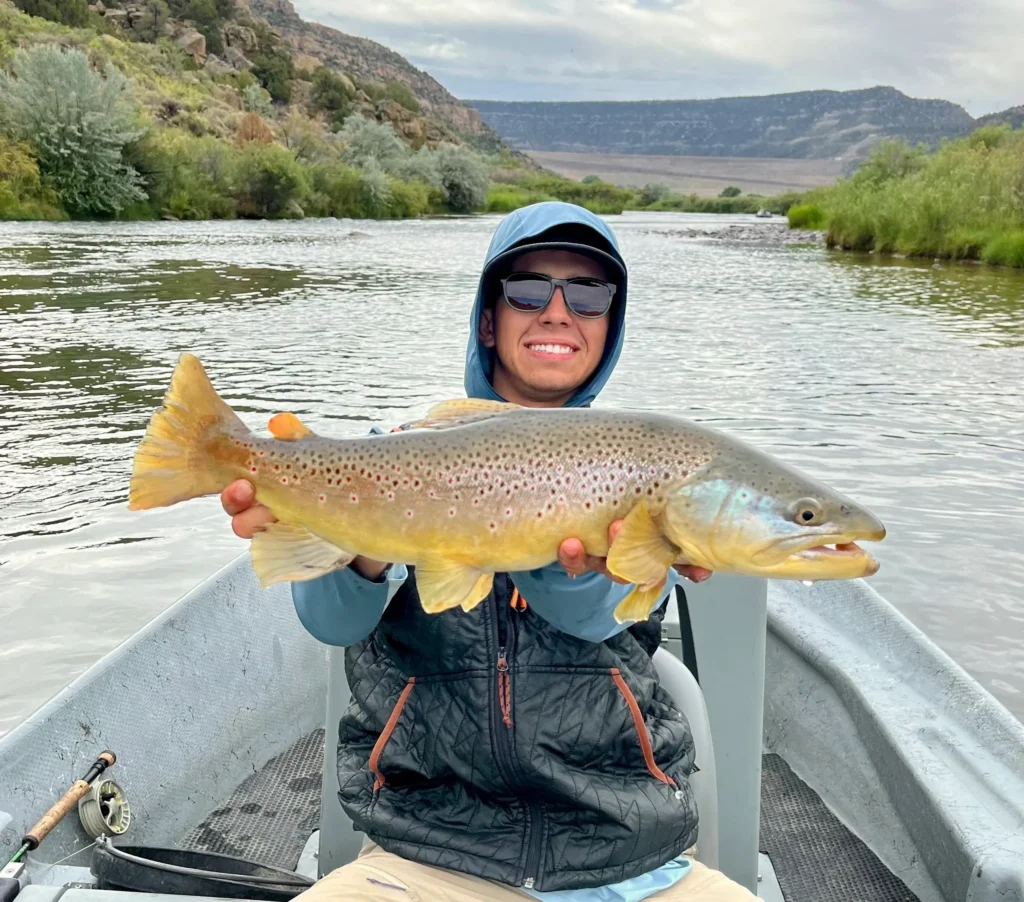
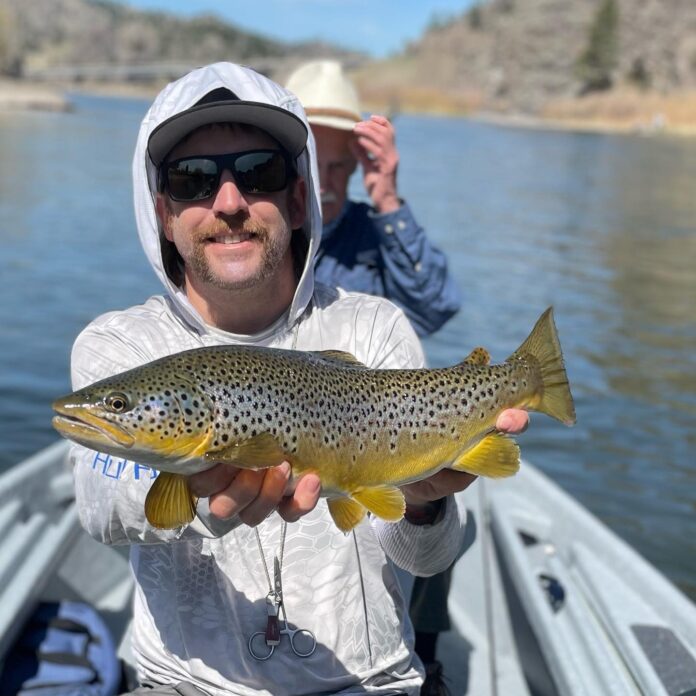
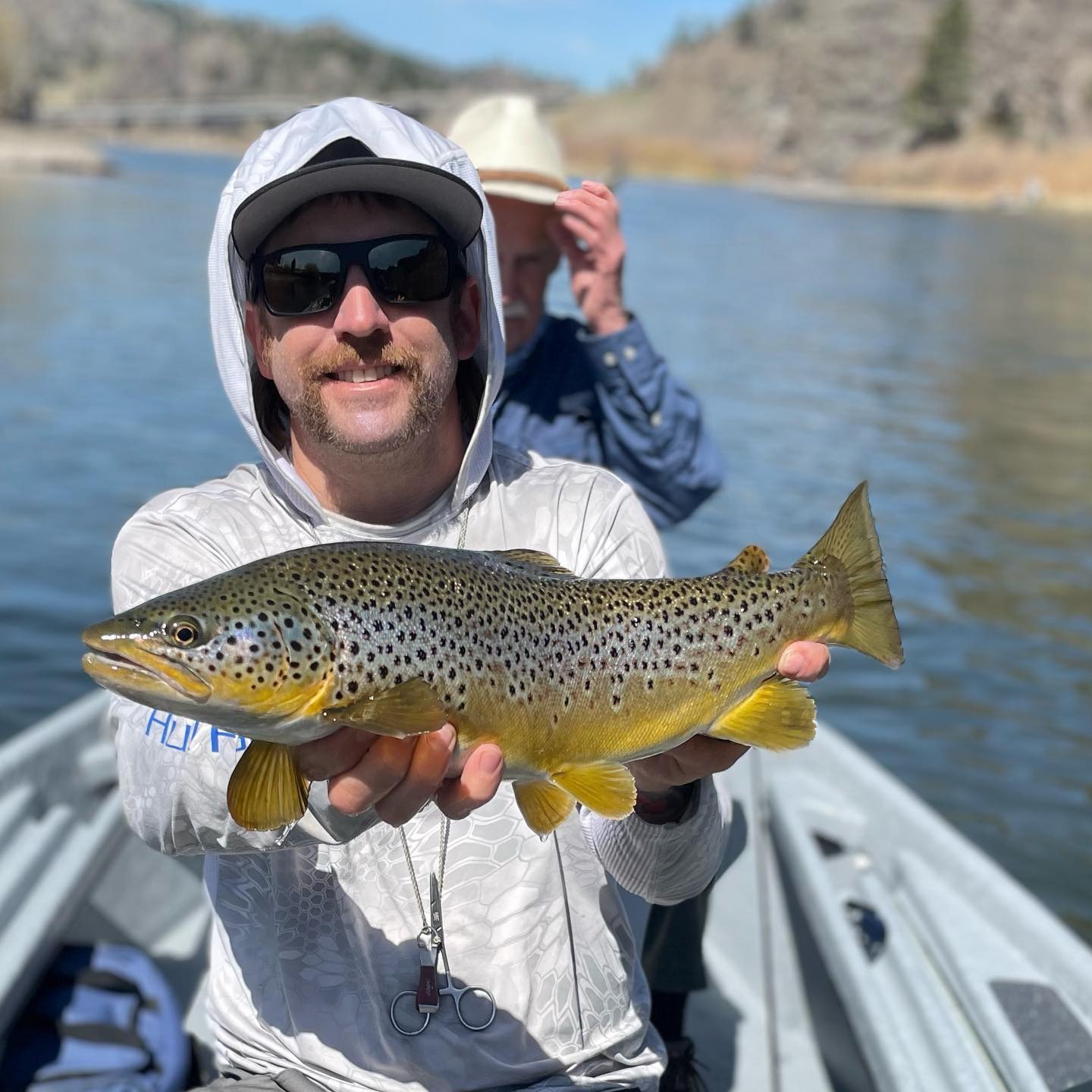
The native brook trout is pretty small in the Driftless, with a 15-inch one considered a big catch. Most brook trout are around 9 to 10 inches. Brown trout, however, are much larger and can grow over 20 inches. Anglers used to catch 30-inch browns, but they’re harder to find these days.

Fly Fishing Spring Creeks

Nighttime Fishing

20:29 – Night fishing can be pretty fun, but it has challenges. The water may be too deep, and some drop-offs can be dangerous, so it’s important to know the area well. You’ll need a good headlamp with a red or green light, a spare one, and a small flashlight for safety.

Always let someone know where you’re fishing, especially when heading out at night.

How Do You Fish Streamers at Night?

26:06 – PJ says he casts his fly across the pool and lets it swing downstream. The goal is to mimic something like a mouse or frog trying to escape. Sometimes, depending on how the fish react, he’ll add a little twitch to the fly to make it more tempting.

If bats are out, it’s time to rip the fly through the water. Brown trout will even eat bats if they fall in. The key is adjusting your technique based on how the fish bite that night.

Fly Fishing Spring Creeks and the Driftless

How Do You Make the Perfect Cast in Tight Spots?

Practice is the key when making the perfect cast in tight spots. You don’t need long casts—just a solid 20-footer with pinpoint accuracy.

Focus on hitting small targets like seams, holding water, or spots near rocks and vegetation. Roll casting is your best friend in the Driftless, even more than a back cast. Learn sidearm and roll cast to handle tricky spots under trees and around obstructions.

What Flies Should You Tie for the Driftless?

PJ shares his go-to flies for fishing in the Driftless area. These patterns work year-round, especially in winter:

  • Pink Squirrel
  • Rubber Leg Stimulator
  • Hippie Stompers
  • Elk Hair Caddis
  • Blue-Winged Olives
  • Tricos
  • Griffith’s Gnat
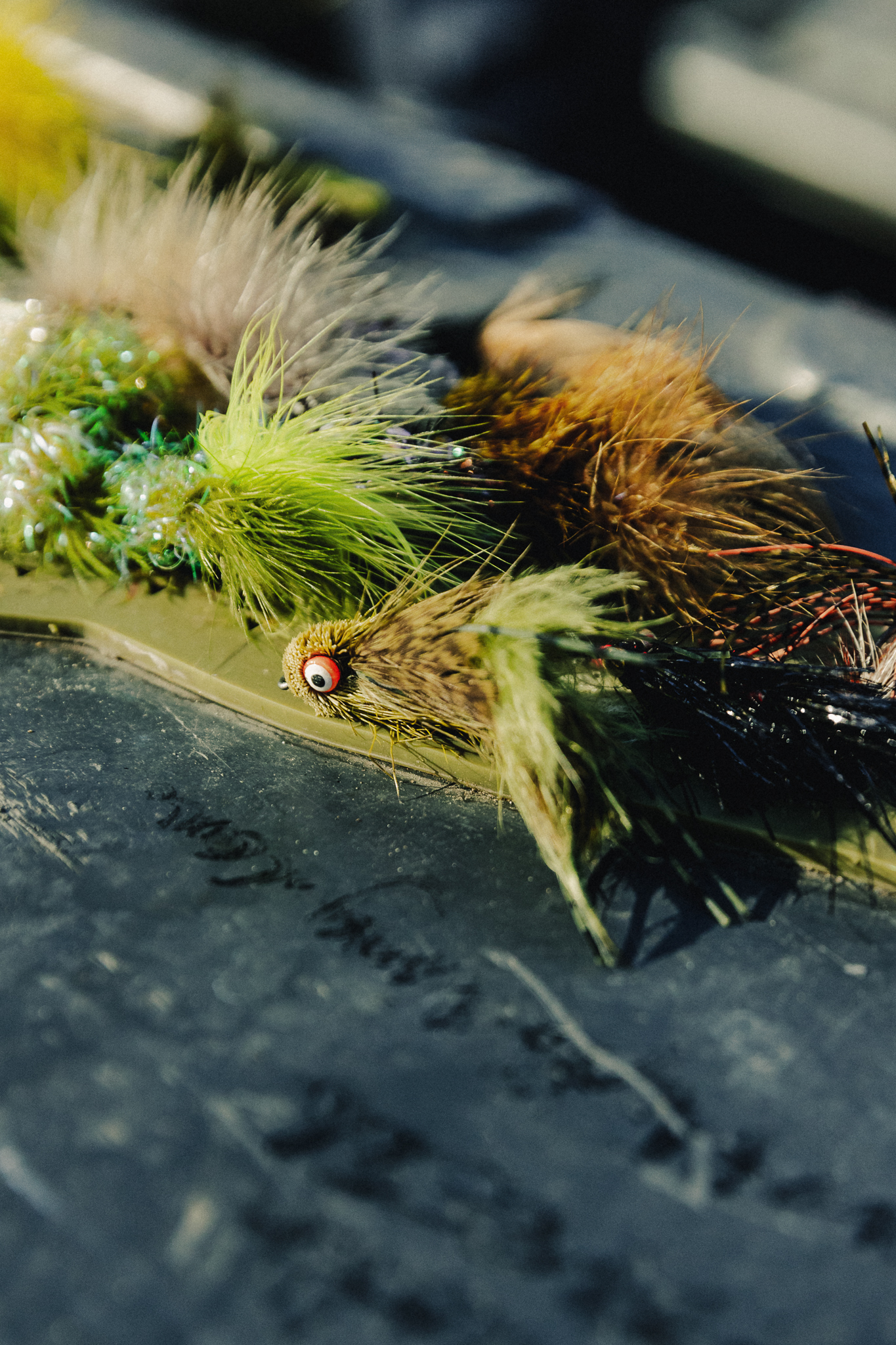
  • Bead Head Nymphs & Leech Patterns
  • Jiggy Nymph Streamer

PJ’s top advice for winter fishing is to be patient and have fun. Not every day is about catching fish. Even guides get skunked sometimes! Use those moments to learn.

As PJ puts it, “When is fishing not fishing, and when is not fishing, fishing?” Something to think about next time you’re out there!


Follow Pj Smith on Instagram @pjguides

Email him at pjguides@gmail.com

Check out PJ’s Guide Service

Related Podcast Episodes

Read the Full Podcast Transcript Below

Episode Transcript
Dave (2s): Spring Creek fishing can be super challenging. The fish are spooky. Water conditions aren’t always perfect, and sometimes it’s hard to present a fly just right. Today’s guest makes his living fishing Spring Creeks and the Driftless. And today you’re gonna find out how to find fish in the winter and during nighttime and throughout the year on Spring Creeks. This is the Wet Fly Swing podcast where I show you the best places to travel to for fly fishing, how to find the best resources and tools to prepare for that big trip. And what you can do to give back to the fish species we all love. How’s it going? I’m Dave host of the We Fly Swing podcast. I’ve been fly fishing since I was a little kid. I grew up around a little fly shop and have created one of the largest fly fishing podcasts in this country. I’ve also interviewed more of the greatest fly anglers and guides than just about anyone out there. Dave (44s): PJ Smith, a guide in the Driftless area, is going to share some of his secrets to success on finding and catching fish. You’re gonna find out how to sneak up on these spooky fish and how to position yourself for success, whether you should be casting upstream or downstream and drifting it down to them. And how to fish a mouse frog in the nighttime. It’s all today. We’re gonna get into this. Plus you are gonna find out when fishing is not fishing, and when not fishing is fishing. PJ will explain it all today. Here we go. PJ Smith from pj guide service.com. How you doing pj? PJ (1m 23s): I’m doing great. How are you doing, Dave? Dave (1m 25s): I’m doing great. Yeah, it’s good to talk to you on the air here. We, we connected a while back during our, when we were over there in the Driftless school that we had going. Yeah. And we saw you at at Jason’s cabin. Yes. Which was cool. You were out fishing? We were out fishing. It was pretty awesome. Yeah. How have things been going since then? What have you been up to since we saw you? I think you was late September, right? PJ (1m 43s): Oh, it’s been great. Finished out the season real strong. I kind of set a goal for myself in September and October to fish as much as I can. And I did 53 days straight. Wow. On the water guide trips and then just personal trips. Did some musky fishing, little bit of small moh fishing, and then obviously trout. So, wow. Yeah. Just been kinda all over the place. Dave (2m 12s): What’s 53 days for those that aren’t fishing every day? What’s it feel like when you do? I remember a time back when I had a lot of, a lot more time. I think I, I got not quite there. I think I was in the over a month. But What’s it feel like when you’re 53 days every day fishing? PJ (2m 27s): Some days you kinda are like, man, I don’t know if I want this to keep going. Other days I, it’s not an issue. I get up and go fishing and get after it and that, but some days you get a little tired of it, you’re like, well, maybe it’s time to wrap it up. But, you know, it’s kinda one of my goals that I like to do. And I’ve done a lot of 50, so 53 is three extra days and really pushing it in that. But usually when I’m done then I switch over to deer hunting and stuff. So that’s kinda, you know, I, I get into the deer hunting and that and I don’t even think about fishing too much other than just tying some flies. Dave (3m 7s): Yeah. Is that the thing, like right now we’re kind of in the, it’s gonna be, Christmas is right around the corner then January. Are you, are you doing much fishing during this time of year? PJ (3m 16s): So I’ll do a little bit of like muskie fishing and that with family. I get clients and that too. But I usually wrap that up right around October. ’cause then I go right into November and I come to Missouri and hunt. We have a family farm and I do that, but I’m usually getting ready, you know, we’re doing shows where time flies and then just really getting ready for, you know, the season to start there. In Wisconsin. Child season opens up the first Saturday in January. So this year or 2025 will be January 4th. PJ (4m 1s): So yeah. So we’ll be jumping right into it. I’ve already got some trips booked for early season. Usually just half day stuff ’cause it’s cold and no one wants to fish for eight hours in the cold. Dave (4m 14s): Right. It’s cold. So That’s cool. So basically the season in the Driftless area closes, I guess, in Wisconsin closes. When is the last day it’s open? PJ (4m 23s): So trout season ends October 15th. And that’s been a number of years since they’ve started that. It used to end in September and now they’ve lengthened it out, which is kind of nice. Dave (4m 36s): Yeah. And why is it closed October 15th? PJ (4m 39s): Most, from what I’ve heard is it’s mostly because of the deer hunting. And then it actually gives the T trout a break. They’re usually spawning the, the browns and the trot are spawning, So it gives them a break. They can do their thing. And then I think for a lot of people it gives them a break and they can go deer hunting and stuff, so, Dave (5m 1s): Yeah, that’s right. Okay. And gives you a little break. Right. So you can do your stuff and then, so January 4th. Exactly. PJ (5m 6s): It kinda gives me a break. I can do a little musky fishing. I enjoy that. I like taking people out on that. Although there’s a lot of other guys that they’re super hardcore into it. I kinda, I’m like the beginner muskie fly guide for people. I just show ’em how painful it can be. Dave (5m 26s): Yeah. Yeah. Muskie is a, yeah, a lot of cast for Muskie. That’s it. What is the, PJ (5m 31s): Yeah, a lot of casting. Dave (5m 32s): What is the on the, the Drift list? So we were, we were there when we met you kind of late September, you know, I think the water conditions were pretty low, you know, it was, we definitely worked to find fish, but we had some success for Take It to January. What does that look like? How is January different? What should be people, if they’re thinking about getting out there in the wintertime? Is it quite a bit different than September? PJ (5m 53s): Oh, most definitely. The September this year it was still pretty warm. Although we’ve had low water for January, it’s gonna be kind of the same. We haven’t had a ton of water. So things are a little low. Water’s gonna be cold, so they’re gonna be a little lethargic. You wanna make sure you’re hitting warm sunny days and then you’re just gonna have to be really sneaky. ’cause that water is usually gin clear during that time. You’re kind of looking for bugs. We get kind of a hatch of small stone flies that come out. Little black stone flies. Oh wow. Which is kind of cool. If we get any snow, it looks like somebody sat there and peppered the snow. PJ (6m 38s): You’ll see these little tiny bugs on the snow and you’re like, oh, what is that? It looks like dirty snow. And then you look at it and it’s moving. So yeah, it’s kind of cool. Wintertime fishing, it’s just, I don’t know, it’s a great way to get out. If there’s snow on the ground, it’s awesome to see. You just have to be a little careful. We get ice shells really bad, so you gotta really kind of pay attention to that stuff. You don’t wanna get plowed over by a nice sheet coming down the river, so you just gotta head on a swivel watching that. But it can be productive. Even dry fly. I, I usually will because the indicators are usually so big. PJ (7m 21s): I usually just tie on a small dry and use that as my indicator and have caught fish on the dry as well in January and February. Dave (7m 31s): Right. So you got stone flies, you got, and it sounds like it’s a little bit of a, do you do a little mix of techniques nipping, dries, whatever it takes during January? PJ (7m 40s): Yeah, mostly nipping during that time. I’ll run little black leeches too. I mean that’s kind of a nim streamer type thing. I think they think it’s either the Blackstones that are coming up and that. It’s kinda one of those things that you just kinda gotta play your odds. Fin you can’t go wrong in the drift lists. Anything behead seems to work. Dave (8m 3s): Yeah, it does. Okay. And, and the drift lists, for the most part, these are all spring creeks. Right. And they’re, I think a lot of the stuff we fished was fairly small. Do you have a mixture of sizes or is that the, like that stream that was out backed by Jason’s place? Oh yeah. Is that a typical size stream for the Driftless? PJ (8m 18s): Yeah. That’s pretty typical for the Wisconsin Driftless. That’s, I mean, there is some bigger water here and there, but yeah, most of it’s pretty thin, pretty small. Dave (8m 28s): Yeah. What are your best tips on that? So you’re fishing these small creeks where these fish are, I’ve seen a lot of people, some of them, right. How do you, yeah. What are your tips on getting hooked up with a fish? One is, I said yeah, wait till a warm day. So you don’t wanna be getting out there like early in the morning before the sun’s on the water. PJ (8m 44s): You know, I kind of, you can sleep in on the winter months if there’s a lot of snow, you wanna hit it like late morning. If you go too far into it, it, if there’s any snow melt that starts shutting stuff down really quick. ’cause that just dumps a whole bunch of cold water and the fish just, they’ll turn off. It’s, yeah, one of those. And again, that’s why you’re only out there for a few hours. Dave (9m 9s): Yeah. So it’s a short window. So like 10 to one or something like that. 10 to two. PJ (9m 14s): Yeah. Yeah. Usually in that gives you a chance to get out there. But you don’t have to like grunt through it. You know, some guys will really push through and try to do as many hours as they can, but I don’t know, it, to me it’s kind of the leisure time, just getting outside and that, you know, you, you tie some flies. I kind of do it as like tie some flies in the morning, have a good breakfast, and then get out there, fish for a little bit, catch a few fish, enjoy the day with friends. Have a couple of beverages of your choice and then, you know, call it early and go home and eat good and have fun. PJ (9m 55s): Yep. Dave (9m 55s): Get ready for another day. PJ (9m 57s): Exactly. Yeah. Dave (9m 57s): Exactly. Yeah. Is it a lot different fishing the winter than fishing? Like when do you think throughout the year we were there in September. What are the other times throughout the year? I guess it you could fish. Yeah. Is it very a lot. PJ (10m 10s): Yeah. Springtime is probably the best. That’s when you’re gonna see the most people out there. I think a lot of people like to fish it because the vegetation is still pretty low. And usually the best bug activity is usually then. Yeah. I mean I love fishing in the fall, don’t get me wrong, like September, October. There’s a reason why I try to put as many days as I can on the calendar with fishing. Right. In September and October, Dave (10m 38s): Today’s episode is presented by anglers. Coffee. 3 (10m 44s): Coffee, the angler’s ritual. A reason to leave your cozy covers even if you aren’t headed to the river. We started angler’s coffee ’cause Well we love to fish, we love coffee and we care. Think of it as the rise before the rise. Dave (11m 9s): You can head over to anglers coffee.com right now and if you use the coupon code Brew 20 at checkout, you can get 20% off your next door. And what’s going on there? What is the difference between the September versus the springtime? PJ (11m 24s): September The vegetation’s super high. If we haven’t gotten water, the water’s thin, so you have to be a little more sneaky. You just usually can, I don’t know, they’re, they’re putting the feedback on ’cause they’re getting ready to spawn so they’re a little more active. The colors of the vegetation, you know, you get that awesome fall color throughout that Driftless area, which is an amazing place. So you have that springtime, you’ve got a huge flush of green. Everything’s growing up. You’ve got a lot of cool flowers that are popping up. So that’s really cool. Usually you’ve had enough snow, so the water’s up a little bit more. PJ (12m 6s): The fish are pretty active ’cause they’ve been really lethargic all winter along. And then springtime, they’re just popping off. They’re eating everything. You’ve got fresh, you know, bugs in the air. So you, the dryly action’s pretty good. Then you’re getting some spring rains, which will cause stuff to get in there so you can get a good streamer action if the water’s a little dirty. So it’s a great mix. I mean you can fish pretty much year round in the drift list. If you go over to Iowa or whatever, you can fish year round. Yeah. But there in Wisconsin I close it up, which is nice. PJ (12m 46s): But yeah, I mean it, it can fish good all the time. But springtime and late fall I think are the best. Summertimes have been getting so hot that we kind of give ’em a break. Yeah, Dave (12m 59s): Give it a break. What are your, if you are there, let’s say winter time, take it back to that. What are your kind of tips on sneak being sneaky? How do you make sure these fish, you know, aren’t, you know, you’re getting a chance, a shot at ’em? PJ (13m 12s): Well, that’s a good one. I usually, most of the time when people see me, I’m wearing camo and all that stuff. During the winter, I’ll just wear whatever nice warm jacket and that which happens to be kind of a grayish color, which might blend in a little bit. I try to avoid getting on the high bank. I usually try to get in the water too. That lowers your Oh, right. Your profile quite a bit. So you just, you know, you’ve gotta do everything that you would do normally. But with the vegetation being so low, you just gotta be a little more sneaky. Try not to be super loud if you are, I just let ’em rest for like five minutes too. PJ (13m 56s): Okay. Dave (13m 57s): Yeah. So you let ’em rest so you get in the water with them. And these are kinda small streams. So are you typically casting upstream at a, you know, towards a fish? Is that how’re? Yep. Yeah. PJ (14m 6s): Yeah, definitely an upstream fish. Although I do a lot of downstream stuff too. Especially for new people, new anglers. The upstream fishing can be kind of tough. ’cause as soon as that fly lands, it’s coming right back at you. So with a new person, I’ll, I’ll tend to fish downstream. Dave (14m 26s): Yeah, so you like drift it down to ’em so you’re, PJ (14m 29s): Yeah. Yeah. Dave (14m 30s): Right. So both, both things. I remember there was one, I think it was on Jason’s stream that day, that first day I was there. I was just working my way upstream. You know, I was kind near the bank, you know, trying to stay as low as possible. And you know, there was like a riffle coming down, a little bit broken. Then it turned into a little bit of a glide or a pool and I was kind of casting my, I think I had a dry dropper on, but I was casting up into the riffle and then letting it drift down. I had some action that way. Is that, are you, are you spotting fish or, you know, how do you, how does that look? How are you finding fish and then how are you getting them to hook up? PJ (15m 2s): I’d pretty much say most of the time we’re blind fishing. There are times when you can see ’em, you can see ’em rising obviously when there’s dryly action and stuff. But yeah, we’re usually, I’m running a dry dropper pretty much 80% of the time. And then the other 10 is dryly action strictly. And then I’ll run streamers as well. And it, it may not be that total 10% and all that, but with a dry drop where you can’t go wrong. If I had my choice, I could fish a, like a hippie stop or a, a rubber lake stimulator and then a pink squirrel. PJ (15m 44s): And you couldn’t go wrong the entire season with that set up. Yeah. Dave (15m 49s): Oh really? Okay. So a big, nice big dry fly. Like what size would the, the hippie stomper be? PJ (15m 55s): I usually glue like a 12 or 14, which is kind of small. It’s not like the out west stimulator. Yeah. A little small. You know, everybody thinks those stimulates are really big and they make ’em pretty small for fish in the Driftless. Okay. But they’re big enough that you can see ’em. And they represent like our, just all kinds of bugs. Like any of our little grasshoppers that come off, even moths and stuff like that, that land on the water. So it works pretty good. You know, that’s the same as the ants and all that. Dave (16m 29s): Okay. So you got a nice 1214 kind of, you know, hippy stomper or a stimulator, something like that. Yep. And then below that, maybe just talk about your leader setup. How do you do it? Describe how you do it to dropper. PJ (16m 40s): Well, I, I keep my leader system pretty simple. I just use a seven and a half foot, three x or a four x and then I just add on to that as needed. I like to start with that just ’cause most of my clients are gonna be slightly newer and a seven and a half foot liter is fairly easy to turn over. And we’re casting pretty short. If it was too much longer in that 12 foot range or whatever, you know, most of the cast aren’t even that far. Hardly. So, yeah. Dave (17m 14s): Gotcha. Seven and a half foot. So you take the lead and you tie on your, your big dry to the front and then you just tip tie it off the shank of the hook into the or or off the, PJ (17m 22s): Yeah, I, I’m kinda old school that way, just right onto the shank. I know there’s a lot of other methods and I, I mess around with it, you know, Jason has kind of been helping me with a little bit of euro nipping and that, and there’s a lot of setup with that. Yeah, of course. When you mess it up, it takes you half an hour, which is not a bad thing there in the drift list. Don’t be in a hurry. Right. When you’re fishing there, it’s okay to get tangled up and take some time. Dave (17m 52s): Yeah. Well I’d imagine a Euro NPH would work well under a dry dropper. Is that what you’re fishing? PJ (17m 58s): Yeah, just a, a regular nymph. I do run a lot of like the newer jig style tungsten beads and that you just gotta make sure you’ve got enough tip on there. And typically it’s about 18 to 24 inches, depending on the situation. If I gotta go deeper than I usually switch over to like an indicator and then try to go a little deeper. Like if I’m trying to get into a deeper hole and stuff. Dave (18m 27s): Yep. Gotcha. I mean it sounds like, you know, if you’re, you know, on the water, I mean, maybe talk about the fish a little bit. You mentioned a few of the species, I can’t remember the largest fish we caught, but there’s a mixture of sizes. What, what is, you know, talk about the species and then kind of sizes of fish out there? PJ (18m 43s): Well, the true native there is the brook trout and they’re usually kind of tiny. If you’re catching a 15 inch brook trout, that’s like a trophy in the Driftless. And they are, you don’t find too many fifteens anymore. It’s a typical cookie cutter that nine to 10 inch, maybe a little smaller for the brookies. And then you have brown trout, which have done extremely well. They were introduced a long time ago and they, they do very well in the Driftless and they can get pretty big over 20. If you talk to the old guys that used to fish there 50 plus years ago, they talked about catching lots of twenties, thirties. PJ (19m 32s): So big fish, you don’t see too many thirties. I know there’s a few guys that really haunt ’em, but they’re not gonna be in those smaller streams per se. Dave (19m 43s): Where are those 30, like 20 inch plus? Where are those gonna be? PJ (19m 47s): They’re gonna be in the bigger water, usually deep poles. They are around you just gotta, you really gotta work for ’em. And they tend to be very mostly nocturnal. They’re hunting at night, that’s when the bigger stuff’s coming out. That’s when you could do ing or Oh right. Big streamer fishing. But they will come out now and again, I’ve had a few clients that have caught ’em on, on nymphs. Andries it, it doesn’t happen often, but when it does it’s pretty cool. Dave (20m 19s): Gotcha. So that’s good. So basically, yeah, the brown trout, for the most part, if you get, wanna get serious, it’s probably, you wanna be thinking, you know, maybe the nighttime is that, you know, if you wanna try to PJ (20m 29s): Yeah, yeah. Nighttime is pretty fun. It’s not for everybody though, you know, that water can be, even though it’s small, it can be pretty deep in spots So it can be dangerous and there’s, there’s so many drop offs in that. Oh right. I don’t wanna discourage people. No. I just, you know, if you’re gonna fish a spot at night, make sure you know what you’re doing and Right. Dave (20m 49s): How do you do that at night? So are you, are you picking a night where the moon’s out or how are you even seeing, how does that work? PJ (20m 56s): Again, you gotta kind of know the area pretty well. Some guys like the night with Sky with a full moon or Pretty Good moon. I’ve fished, you know, full Moon all the way to No Moon when it’s absolutely completely pitch black out there. A lot of the areas that I fish at night are areas that I know very, very well. Like I know every nook and cranny where all the drop offs are installed. Yep. And then I just make sure I have a headlamp, I have a headlamp that has like red or green light and then also has a white light. And then I will carry usually a spare headlamp. PJ (21m 39s): And then I also carry a small flashlight too if things get super serious and I need a light to get out and I make sure I tell people, you know, tell my wife where I’m going and stuff. Or if we’re there with clients and that we obviously have each other and stuff. Dave (21m 57s): The fisher are moving and the runs are coming Fast gear up for all your swinging adventures with the RS collection from Squala fly fishing. You can head over to squala fishing.com right now and use the coupon code wetly Swing 10 at checkout to get 10% off your first order. That’s wet fly swing one zero at checkout to get 10% off. When you’re doing that, when you go for the nighttime stuff, is it, you know, streamers, mousey, I mean, talk about that a little bit. What do you think is the most effective method? PJ (22m 30s): I have found both like the bigger streamers, you know, the two to three inch size is pretty good for those small streams. And then I’ll actually fish a mouse patterns that are tied on two OTs. So big stuff like that, you know, so I’m not afraid to throw really bigger flies at ’em. I think they can sense and feel them in the water better so they can trigger on them. But I’ve also kinda downsized some of my stuff too. I started tying some of these master splinters, which is a nice little ing pattern. And I think I’m tying those on like a six atu, which is like a perfect little hook for ’em. PJ (23m 18s): It’s got a nice gap on it. And I think it kinda represents a like small frog, even though it’s a, A mouse pattern. Yeah. I think they’re thinking it’s a frog. Oh right. So they’re eating them pretty readily that way. It’s, it’s pretty cool. I had a friend that caught a really nice over 20 a few years ago, which was awesome. Dave (23m 39s): Right. So this is in the evening at the in dark. PJ (23m 42s): Oh yeah, definitely at dark. We kind of hit it, you know, during the summer it doesn’t get dark until almost 10 o’clock. So we’re we’re, you know, it’s after 10. Yeah, it’s usually that, you know, nine 30 to 10 30, 11, maybe even later than that. I fish as late as three o’clock in the morning. But that was back when I was young and dumb. So Dave (24m 6s): How are you finding those fish, the, the ones that these bigger browns? Like if, are you spotting ’em beforehand? PJ (24m 12s): I am usually hitting spots that have deep poles. Yeah. It’s areas that I’ve fished before and I just know that they’re gonna be in the deeper holes. I may have seen some fish here and there. You know, I’m fishing a lot of different water throughout the season, so I’m kind of seeing fish here and there. So I kind of keep that in my memory bank or write it down in my notebook and that, and then I’ll come back. It just kind of depends on situation, but it’s gotta be areas that I’ve usually fished before. And some areas they change though. I’ve had a few areas that after some flooding and that they don’t fish quite as well. That way, you know, it’s filled in a little bit and change some stuff. PJ (24m 55s): So it does change, which is kinda gives you something to do. You’ve gotta re revisit all those areas every now and again. Dave (25m 3s): Right. So can you do this in the winter or is this mainly like a summertime thing? PJ (25m 8s): Usually summertime, but I know some guys that kind of do some, I wouldn’t say winter, it’s kind of like late, late winter, early spring. Yeah, they’ll do some stuff. It’s kind of based off of when the frogs start moving. You know, everybody thinks it’s all it’s mice and stuff like that. But I really think they’re kind of keying in on the fact that these are frogs. Frogs. Right. So once the frogs start coming out, that’s when things are gonna start heating up for that part of it. Dave (25m 36s): Gotcha. Right. So you got a few options and you can, like you said, you can like kind of February march is when you can start maybe doing some night fishing in that range. PJ (25m 44s): Yeah, I mean it’s probably a little tougher the, if there’s any snow on the ground though, like that you can usually see a little bit better because the snow, that there’s enough light reflection you can see maybe a little bit. So yeah. Dave (25m 57s): Are you just casting, you know, you have a pool, it’s dark, you know, the pool. Are you just casting across the pool, letting it sink? Talk about how you’re stripping the flies. PJ (26m 6s): So for night fish, I’m basically casting across and I’ll let it kind of swing downstream because you want this thing to kinda wake, Dave (26m 15s): Oh PJ (26m 15s): Right. This is a bigger fly there. It’s, if it’s a mouse, they’re trying to, you know, swim up on top of the water. If it’s a frog, obviously it’s just kind of swimming around. Dave (26m 28s): Yeah, they’re trying to get out, they’re not like staying in the middle of the, the creek. Right, right. PJ (26m 32s): Yeah. They usually don’t, they’re trying to get away from where it is. So, so I’ll kind of try to hit the opposite paint as best I can and then just swing it through. So it is a lot of like downstream fishing. Hmm. Dave (26m 47s): Okay. So you’re swinging, so you got the creek, you’re casting kind of downstreaming across and just, are you just letting it swing or are you doing anything as it, it’s going down. PJ (26m 56s): I might put a little twitch onto it. It will really depend on, you know, I kinda start with just a regular swing without putting a twitch. If I get a couple of hits that aren’t like super hard, I might put a twitch on it that makes them hit a little harder. There may be times where, you know, I feel like there should have been a fish there, so maybe I don’t twitch as much, so maybe they’re not as scared by it. Dave (27m 23s): Gotcha. PJ (27m 24s): So I kinda let the fish determine and it, and it changes day to day. Sometimes those fish just get kind of finicky and in that they want something that’s maybe a little more subtle or maybe they want something that’s a little more crazy. You know, when the, the bats start coming out. You know, that’s another thing that falls in the water now and again, we’ve seen that. And when a bat lands on the water, let me tell you, there’s a huge commotion. Dave (27m 50s): Oh right, yeah. When the bat’s trying to get out of there. PJ (27m 52s): Yeah. So that’s, you’re, you’re just gonna be ripping that fly as hard as he can. Dave (27m 57s): Oh right. So you think those browns are eating bats as well? PJ (28m 1s): Yeah. Yeah. They, I don’t know. I’ve seen some video and stuff and then I’ve caught a few bats night fishing and that. That’s always interesting. Wow. Dave (28m 9s): So it’s a little bit different. It’s almost the opposite, right? You think about daytime, you know, spring Creek fishing, it’s clear, the fish can see. You gotta be really subtle and you gotta not spook ’em. But this thing is like the opposite, right? It’s dark. You’re trying to get as much commotion as possible. Does it fee feel like it’s like night and day? PJ (28m 25s): Yeah, it’s definitely one of those, you can be a little more, I don’t know, just crashing through a little bit more. Yeah. Although you’ve gotta be kind of subtle, you know, that’s their home you’re crashing into so they know what’s going on. You know, if they’re in a field that doesn’t have cattle or anything like that, you crashing through the water, that’s gonna be something that alarms ’em. If you’re in a field that has cows crashing through the water isn’t gonna be as big a deal. So, Dave (28m 55s): Okay. PJ (28m 55s): But yeah, night fishing you can get away with a lot of stuff, but you, you know, it brings in a whole nother set of things. You know, you’re casting in the dark, you know, everybody thinks that you keep your headlamp on and stuff. And I’m like, no, no, no, no. It’s completely dark. Dave (29m 11s): Right. So how do you keep from getting snagged up? You just kind of know where the trees are and all that. PJ (29m 16s): You again, you’ve gotta really know your area and you gotta know your past. And I think that’s why a lot of people don’t, some people just don’t like night fishing. You fall down, you, you catch on the grass everywhere. Right? So it’s not as fun that way. You’re spending a lot of time on tling your stuff and trying to figure it out. Again, that’s where keeping a nice short leader and really knowing how to keep that cast tight is efficient. Roll casting so you don’t have to go behind you. Yep. That’s pretty key. Again, that short leader is gonna help that bigger fly turnover better too. So. Yep. Wow. PJ (29m 56s): You know, and we’re switching over to like probably a two x liter two. It’ll just help it turn over better. Dave (30m 3s): Yeah. That’s awesome. Nice. This is cool. So I think we got a good start here. Well I, I wanna talk more about kind of some getting back into the daytime and some tips on, you know, catching some of those brook trot. ’cause I think the brook trot are amazing, right? They’re the native, the native species out there. They’re beautiful, they’re so awesome. PJ (30m 17s): They’re such a beautiful color and yeah, Dave (30m 20s): It is pretty cool. But bring us back real quick. Let’s, we didn’t get your fly fishing, you know, story. So take us back there a little bit. What’s your, how’d you get into the fly fishing and becoming a guide? PJ (30m 29s): Oh, well I’ve been fishing since I was a little kid, like two years old. And then I fished Canada and up in Alaska and had conventional gear. Dave (30m 41s): Did you grow up in the Midwest? PJ (30m 43s): I did grow up in the Midwest in the Chicago land area of Illinois. Yep. So, yeah, so had a farm here in Missouri, fished a lot of farm pond for bass and stuff like that. And then was able to go to some cool places and fish with my grandparents and my uncle. And then when I got into college, started just like trying to fish real alter light stuff. Your bigger fish, you know, that typical progression you try to catch the biggest fish on smallest stuff. Yeah. Dave (31m 17s): Were you, were you fly fishing in college or? PJ (31m 19s): No, I hadn’t, hadn’t started fly fishing. I had seen the movie and was really intrigued by it and I was done with school, done with college, working full time. And my mom had a friend that knew how to fly fish, so I had a place that I could fish and he kind of taught me how to, and then, I don’t know if you know Marco Varga, he runs hairline dubbing. Oh Dave (31m 49s): Yeah, yeah, no, I do. Yeah, I know him. Yeah. Yep. Yeah, I know Mark. PJ (31m 51s): Yeah, he had a fly shop in Glen Ellen called Flying Field. And my buddy couldn’t really teach us anymore, so he’s like, oh, you should go over and talk to Marcos. And that’s what really got me going. And right at that same time I started dating my wife Donna. So, and she fell in love with the casting part of it. So that’s what kind of started it. We kind of did this thing together and we actually took a class for trout fishing up in the drift list. And then we just continued to go back and my wife became a certified casting instructor and I was like, oh, I just loved it so much. PJ (32m 34s): And Bill Harrell, he was with Marcos and he was kind of my mentor and we kind of just really gelled well together and I kept saying, oh, I’d love to guide and all that. And one day he just kind of told me to shut up and do it. Yeah. And just shut up. And that was the little push that I needed. And that’s, that’s what started it. I think I’m going on my, I think this next year will be 15 years. Oh wow. So I did it part-time for a long time. And then 2018 I left my full-time job there in the Chicago land area and decided to go full-time. PJ (33m 15s): And then 2019 I got Orvis endorsed and never looked packed. Yep. And I’ve been happy ever since, obviously meeting great people along the way and we just love it. Dave (33m 29s): Yeah. Wow. That’s cool. PJ (33m 30s): And it’s nice enough that my wife loves flight fishing as much as I do. Yep. She’s done, well actually she’s in a buddy of mine, his book, she loves Musky Fishing and she caught a real nice muskie and we affectionately call her hashtag page 61. She’s in Kip v Musky book. So, Dave (33m 50s): Oh, which book is it? PJ (33m 52s): It’s Fly Fishing for Muskie Orvis Fly Fishing for Muskie by Kip V. Okay. So she’s page 61. She’s there with a nice 47 inch muskie that she caught, so. Wow. Yeah, it’s pretty cool. Dave (34m 6s): That is cool. Gosh. So that’s it. So you’ve been going strong for quite a while here and yeah. How have things been, you know, changing over the years since then? Take us back to 2019 until, obviously we went through Covid and stuff like that, but just on the, the trout fishing and things like that, has that been pretty consistent over the years? PJ (34m 22s): Yeah, I mean at first when everything was locked down we kinda had to take a, a break. Luckily we were able to go fishing but we couldn’t guide. And then once things opened up, everybody was pretty cool to it. I mean, you couldn’t ask for a better way to get outside and do stuff without being cooped up with some other, you know, cooped up together. So it’s, it was safe. We just, you know, implemented a lot of things that made it safe. You know, a lot of cool people kind of came out, started doing a lot of fly fishing and that we are seeing a little bit of a decline because of, you know, everybody’s going back to work, they don’t have as much free time again. PJ (35m 4s): So I think all, everybody’s kind of seeing that the, the companies that are making rods and reels are seeing it, you know, so we’re on other edge of the bubble. We, we need a movie again or something. Dave (35m 18s): Right, right. We need another, another river through it. Yeah. PJ (35m 20s): You don’t need another covid or anything like that. That was too much. But Dave (35m 25s): Yeah, we need some more fly fishing movies to get us going. Well let’s take it back into the daytime now and just we’ll get you Sure. Yeah. A few more tips outta here. So let’s take it to the casting is something short cast, things like that. But what are the, the cast you’re teaching people or maybe somebody who has experience, what are they needing to do to get, you know, a good cast around these trees and all the obstructions? PJ (35m 45s): Yeah, so I tell people like get out and practice. I think if you talk to any guy they wish you would always get out and practice ’cause that it makes a huge difference. You don’t have to cast a mile when you’re fishing on the Driftless. I tell people if you’ve got a good like 20 foot cast and you can hit a Dixie cup, that’s what you want. Accuracy is more important than distance. Dave (36m 12s): Yep. And are you fishing when you’re trying to hit? Maybe are you seeing a fish rise in the daytime and trying to hit that spot? Or are you finding like a seam, you know, how are you finding the fish? PJ (36m 22s): Yeah, we’re, look, we’re reading the water. Obviously if we see a a fish rise, we will obviously go for that. We’re trying to shoot for those spots. But we’re shooting for seams. We’re looking for holding water like behind a rock in front of a rock on the side of the rock, wherever they’re gonna be holding, you know, the riffles right at the beginning of a a pool at the end of the pool. Any holding water. So you’re gonna try to hit small spots in the water. The fish will move a little bit, but they won’t move a ton. Some days they’ll move quite a bit. But I’d say overall they don’t like to move too much. PJ (37m 4s): You know, they’re trying to feed and the more they have to move, the more they have to feed. So, so you’re hitting those small spots. They’re gonna be underneath vegetation, underneath rocks and that. So that’s, I tell people learn how to do a really good sidearm cast roll casting is huge. We get into spots where roll cast is very important. More than even a really good back cast. If you know how to roll cast and can roll cast really well. That’s probably the number one cast in the drift list. Dave (37m 38s): It is, PJ (37m 39s): Yeah. And you just have to know how to do it. It’s one that you can practice, you can, I can do it kind of side arm. So have a lot of that kind of stuff in your bag of goodies for fish in the Drift list. Dave (37m 51s): Yep. Do you guys cover, there’s a wide area of streams around, you know, that area, all sorts of, I mean I think that trip we were there, we drove around quite a bit, you know, find, you know, find the right spots, whether that was right off the highway or someplace more remote. What do you tell somebody if they’re thinking like, okay, I want to go do this, but I’m not quite sure where to go. PJ (38m 13s): So there is obviously a ton of water. I mean the drift list kind of covers Wisconsin, Minnesota, Iowa, and a little smidge of Illinois. Most of them are gonna be in the first three states. So Iowa, Minnesota, and Wisconsin. Wisconsin has the biggest section there and it goes all the way up from, oh, like Hudson area, which is by the Twin Cities all the way down to Prairie Dee and farther down. So there’s a ton of water there, obviously around where I’m at it, which is Westby, it’s near Roka. That’s like, I call that ground central right there. PJ (38m 55s): ’cause it is one of the bigger areas. Tons of water there. So yeah. So if you’re in the drift list, no matter what side you’re on, it’s gonna be good. Access in Wisconsin is great. Dave (39m 8s): Yeah it is. Right. You got public access, right? Anybody can, yeah. PJ (39m 10s): Really good public access. You just kinda gotta watch. Usually keeping your feet wet will, will do you good. But there is a lot of good access there that you can even get out of the water a little bit. Yeah, Dave (39m 24s): I did notice that on ours when the public access, it’s cool because I think the laws there in Wisconsin let you basically walk as long as you’re in the stream up to the ordinary high water mark or something like that. Right. And we were, well PJ (39m 35s): Is that how works it used to be that way now it’s in the, as long as you stay in the water, you’re Dave (39m 39s): Good. Okay. Stay in the water. Yeah. PJ (39m 41s): If you’re on an easement area, they usually allow, don’t quote me on that, but they allow outside of the water a certain amount. But I usually tell people, if you, if you’re keeping your feet wet, you’re gonna be good. Dave (39m 54s): Yeah. You’ll be good with the feet. Okay. Yeah. And we did that. I think that was something where it was kind of cool because yeah, you could be right there with the farmer right behind you And you know, it’s private property but you’re in the creek fishing and, And you know, so there’s more access. So that, that’s definitely a good thing. PJ (40m 8s): Yeah. Yeah. And I try to always like, you know, the big thing there is just being a good steward to all that land. Yeah. You know, there’s a reason why all that land is open to us. So we, we try to do it as best we can to keep that. It’s slowly changing a little bit. Some people are coming in there and they don’t like all the people there and that, so we’re losing some of it. But pick up your trash. Yeah. Pick up other people’s trash. Be good stewards. Always say hi to the farmer, you know, don’t open gates that you shouldn’t be opening and closing gates. You shouldn’t be closing. And it goes a long way. PJ (40m 49s): I mean, I’ve had farmers come up to me and they said, oh, I saw you here a few weeks ago and saw you picking all that trash. We really appreciate it. So, so even though they don’t, you don’t see them, they see you, you see. And yeah, if you’re doing good, they definitely notice it. And that’s what helps keep things open so we can fish it really well. That’s Dave (41m 8s): Perfect. Yeah. Yeah. Well no I think that’s great. I think that leave it better than, you know, when you got there. That’s always a good PJ (41m 14s): Absolutely. Thing to Dave (41m 14s): Do. Well I wanna give one shout out here. This is a nice tool that I know can help people. Trout routes does. Oh yeah. Yeah. So we’re gonna give a shout out to Trout Routes today. They have a great, you know, tool which basically shows all, you know, access points, I mean all sorts of different things. So I’ve been using it quite a bit. It is an interesting thing, right? Because trout routes lets people find other areas. What, what’s your take on trout routes? Have you, have you seen this used it? Because I know the guides maybe have a little different take on it, right? People are, you’re seeing more people out there. Oh yeah. PJ (41m 47s): It is a tool. I mean, I’m kind of old school. I use a old Garmin ’cause it, my, my phone doesn’t always work down in the valley. So I use a Garmin GPS and I use a map, a paper map book if you can believe that. But guess what? Those work no matter where you are. Right. So there are, I know you can download some of it and it’ll track pretty good. Again, it’s a great tool. It has opened up a lot of stuff. It still doesn’t, it gives you a lot of good information so you can hopefully not trespass on someone’s water or land or whatever, but you just have to be pretty cognizant of it. PJ (42m 28s): And then things change too. And I think they’re, if I remember right, I think Trout routes just got bought by Onyx. Dave (42m 34s): They did. Yeah. PJ (42m 36s): So that should help too. ’cause they’ll, they’ll be able to make those changes a little more frequently, which is good. ’cause some of that water, it does change from open access to, to close so. Right. It is one of those things. Dave (42m 50s): And checking in probably is a good rule of thumb too. You know, if you’re unsure it’s easy to just stop by and knock on a door. Right. And meet somebody. PJ (42m 57s): Yeah. And most, I mean I don’t talk to a lot of farmers, but when I do, I always thank them for having that access and stuff. Yeah. But yeah, you can knock on a door if you’re not sure. If someone comes up to you and says, Hey, you know, don’t be afraid to just like get out. Even though your, your phone said different. Don’t, you know, I’ve heard of some stories of guys really starting something. Don’t start something because that just can end very badly. Yeah, Dave (43m 25s): Yeah. You don’t wanna mess with that. That’s, I mean I always find that, yeah. If the landowners are right, even if they’re wrong, you know? Right. PJ (43m 32s): Exactly. I mean you can go back, you can talk to the DNR and they might actually tell you one way or the other. But Yeah. I mean it’s another tool. It’s a useful tool. Technology has come a long way. You know, I still encourage people to get a guide though. Yeah. Because just knowing where the water is. Dave (43m 48s): Yeah, no that, that definitely flattens the learning curve for sure. PJ (43m 52s): But it is a nice thing that you can carry with you. It tells you even where to park sometimes, which is really good. ’cause some of those areas it, you don’t wanna block a farmer field or anything like that. Yep. You know, and, and since there’s so many more people out there, we have to be pretty conscious of that too. Dave (44m 12s): Yeah, that’s perfect. Well that kind of is our tool part. We’re gonna start to take this outta here with our kind of our tying tips tool and takeaway segment here. But let’s go back as we start to kinda wrap this up a little bit. Let’s start with the tying. So we mentioned a couple flies, but are you a big fly tire or it sounds like you tie some flies. What, what do you, if you were gonna be tying up, you know, a couple of patterns, you mentioned ’em, but you know, throughout the year or maybe focusing on that wintertime, what are those patterns that your kinda, your guide flies? PJ (44m 39s): Let’s see, pink squirrel, that’s a really well known fly in the direct list. Rubber leg stimulator. Hippie stomps. Yep. Are great. They make little small ones now, which are great. I always make sure I have black tan and kind of a big and small elk care cadi. Dave (45m 1s): Oh okay. Elk. Yeah. PJ (45m 3s): Yeah. Elk care cadi or you know, there’s kind of a multitude of caddi but you know, just a good old fashioned cadi is great. Bluing olives in every size. Trico I carry trico with me the entire time. I use them a lot for really small BWS in the early season. Okay. ’cause when they’re that small, I don’t think they’re really keying in on color. They’re just keying in on that size and shape. So I’ll use Trics for that. I don’t tie really tiny dry, so when I get those trics, I just use them for anything that’s super small that I can’t see. PJ (45m 43s): But I know they’re, yeah. What else is there? Griffiths, Nat, you know, any of the bead head stuff too. Any bead head nymphs are fantastic. Leach patterns are awesome there. I tie you, oh it’s called the a jiggy nymph streamer. So it’s kind of a tied to small pine squirrel, black olive, sometimes rust. And I, if I can find like a real light color, almost white, I’ll use that gray white and then a, just a big old tung bead on there on a jig hook. And then just kinda wrap that hair on there. PJ (46m 24s): Maybe a little flash on there. So it looks like a streamer, when you downstream fish it, when you’re upstream fishing, it gets really deep So it looks like a leach coming through the water. Yeah. Dave (46m 38s): Is that how you’re fishing those streamers? How are you fishing the streamer typically out there? PJ (46m 43s): Usually downstream and across, you know, that typical swing and across, sometimes if you’re going upstream you can rip ’em fast enough. But usually it’s such an odd way of, of fishing a streamer. But you can do it again. I’m pretty non-conventional. I fish a lot of my dry flies downstream as well. I do it on the swing, especially in the evening that cadi when they’re coming off or actually laying in that, that skittering cas downstream and across. Oh my gosh, Dave (47m 15s): That’s good. You PJ (47m 16s): Know, when that thing starts skittering across, watch out, they, they’ll key in on that pretty well. Dave (47m 22s): Skidding. Like elk care cadi. PJ (47m 24s): Yep, yep. Skidding Elk Care Cadi. Yep. Dave (47m 27s): Right. And skidding is just where you’re kind of moving your rod tip a little bit. PJ (47m 30s): Yeah. You’re just kind of moving the rod a little bit. I mean that, I don’t know, it’s kinda almost like skating a dry too. Sometimes they’ll like it a little faster. I don’t know if they’re thinking it’s a different bug or something like that. Crane flies, that’s another one I’m just thinking of flies off at the top of my head. Crane flies are really good in the grif lists. Dave (47m 51s): Like a crane fly nymph. PJ (47m 53s): No cream flies is a dry. Dave (47m 54s): Oh is a dry. Wow. That’s a, isn’t a crane fly a pretty decent sized bug? Oh PJ (47m 58s): Yeah. They’re super fun. Great little pattern for there. Little tip. If you’ve got an old elk care CADs that’s kinda str out, just cuts more of the elk hair cas or elk hair off. And then just really pull it to the side. That’ll get you by for a, just a little cream fly with straggly legs. Dave (48m 22s): Oh, okay. Oh right, the legs. Yep. PJ (48m 23s): Yeah. They’re keyed in on that moving leg and stuff, Dave (48m 26s): So yeah. Wow. This is great. So we got some good flies outta you. What about, we’ve talked to a number of tips here today, but what would be one other big tip you’d give somebody that let, let’s just stick with that. Wintertime fishing, you know, kind of winter January. PJ (48m 38s): Oh, winter. Just be patient with yourself. Have fun. That’s my big thing with why fishing in general is to have fun. Don’t get all worked up. You know, some days are better than others. Even being a guide there, I I get goose egged quite a bit. Yeah. But I just use that as a learning thing. You know, if you get a zero, that’s okay. It’s not always about catching the fish that, you know, we get so hung up on that. And I think social media is a huge thing with that. It’s like, oh, we gotta be a poster. Help fish know. It’s like, you know, sometimes you gotta learn how to, and I, I also, I, I just, I try to, every time I go out, I try to learn something. PJ (49m 19s): If that means like sneaking up and looking over the edge and just watching fish. I mean, there’s nothing better that’ll teach you about how fish lie in that. It’s just watching the fish. Bill Harrell used to have this thing as like, when is fishing not fishing and when is not fishing? Fishing. Oh, right. And I tell that to clients all the time. Like, it’s okay to take a break and just watch the water and see what’s going on. Be observant. Dave (49m 48s): Right. Is when it, so the quote was, when is fishing not like fishing and when is not like fishing. Fishing, PJ (49m 55s): Exactly. Dave (49m 56s): Yeah. Right. That’s, that’s PJ (49m 57s): Pretty, and I, I just let people kind of stew on that and think about it. Dave (50m 1s): Yeah. You, you don’t have to say anything. Just say that. Let them think about it for a little bit. PJ (50m 5s): Yeah. You know, I’m not gonna tell like, it, it’s different for everybody. Right. You know, for me it’s just like looking over the edge and watching the fish. It’s getting to the water and not instantly just start casting and hoping for the best. Yeah. You know, it’s taken a a few minutes and just looking and seeing what’s going on, looking at bugs, looking at the front of your grill on your car and seeing what bugs are on there. And it’s looking on the, on the bridges and all the, the spider webs and looking what’s there. Yeah. Dave (50m 40s): Just PJ (50m 41s): Everything, you know. So that’s, it’s a huge thing. Just be observant, you know, for wintertime it’s like, how cool is it to like walk around in the snow and then you see like a rock that’s got a little bit of snow on it and then you can start seeing all these little black stoneflies coming out. Like how cool is that? It’s the middle of winter, it’s cold and you’ve got a ton of bugs out there just walking all over the snow. That’s pretty cool. Dave (51m 8s): That is really cool. Nice. Well, yeah, I guess I think we’ve done a pretty good job today, pj. I just want to ask you a couple more random ones if you have time and we’ll, and we’ll take it out here. Sure. Does that sound good? PJ (51m 18s): Yeah. Oh yeah, absolutely. I, I talk fishing all the time. Oh good. Dave (51m 22s): Good, good. So one thing we’ve been thinking a lot about, we’re also kind of working with heated core, which is a, like a base layer. It’s, it’s heated, like base layer, you know, battery powered essentially. Oh yeah. To keep you warm. So shout out to heated core today as well. But for that, on that end, how do you stay warm out there? Wintertime? It sounds like you got some good coats and things like that, but what are your tips? Like you’re on the water staying warm. PJ (51m 46s): Yeah, I mean, again, big shout out to all the manufacturers that make really good jackets and stuff. That’s a huge thing. I tell people, make sure you eat a really good breakfast. It’s not just a granola bar. Right. Eat a good breakfast. You gotta fuel the inside. Stay hydrated. And not just drinking beer, we’re talking about actual water and stuff. Although carrying a little flak whiskey doesn’t hurt every now and again. Right. Yeah. But, oh, the other thing is, is just making sure you have like good quality gear. I try not to get over stuffed, you know, like you can put so many so layers on. PJ (52m 27s): Next thing you know your feet are still cold. ’cause when you sweat too much or now you’re cutting off your circulation so you can get away with some really good socks that insulate you well. And then again, I usually go with Gore-Tex, like a Goretex jacket. And then, what is it, the PrimaLoft, there’s so many. VUS makes a great jacket, which is awesome. Sims makes a great jacket for that. And then the other thing I do is I wear nitro gloves in the winter. That helps keep your hands dry. And I also carry a, a small towel with me too, to keep my hands dry. Dave (53m 6s): Right. Keep ’em dry. PJ (53m 7s): Yeah. So that helps. And then those little hand warmers, there’s electric ones now and the, the little chemical ones, those are kind of nice. And then also having a backup pair of mitten or gloves inside your weeders or, or whatever. When your hands start getting cold, you’ve gotta just know when to stop. Exactly. Dave (53m 28s): That’s great. No, those are awesome. All super good tips. And, and one thing I noticed out there is, it was interesting on the, you mentioned the farmers the, the Amish, right. There’s a pretty decent sized Amish community that’s kind of interesting out there. Do you guys, I guess you see that all the time. They’re driving down the roads, you’re driving in your car, and all of a sudden there’ll be a, a horse and buggy, you know, going five miles an hour in front of you. What’s that feel like out there? Do you kinda get used to all that? PJ (53m 52s): Oh, you get really used to it. You know, there’s several of them that live nearby where we’re at, and they stop and talk to you now and again, most of the time they, they’re, you know, going to their, their work and stuff like that, but they always wave. They’re friendly. I give them plenty of a break, you know, if you need to pass them. I, I make sure I try to pass ’em on a straight, so that, and I usually try to slow down. Yeah, Dave (54m 18s): Just slow down. It’s a PJ (54m 18s): Horse and buggy. Dave (54m 19s): Yeah, horse and buggy. Yeah. We had this guy, we were coming to one of those junctions. We were just driving. Yeah. I mean, it was, I can’t remember. We weren’t speeding, we were just driving. But yeah, he was at a stop sign and he, I can’t, I don’t know if he didn’t look or something, but he started to pull out Yeah. In front of us and we were going, I can’t remember how fast we were going, but I mean, you could see the look on his face when he stopped, you know, he is like a ghost. Oh yeah. Like a ghost. But yeah, I would imagine, geez. Are there accidents out there? Do you ever see PJ (54m 42s): Oh yeah. Yeah. There’s plenty of accidents we hear about. It’s never good. And usually they’re on the, on the bad end of it. You know, A big giant vehicle usually does better than a horse and buggy. Right, right, right, right. Yeah. And they’re in the driftless and don’t be in a hurry. You’ll get there. Yeah, Dave (54m 59s): Yeah. You’ll get there. Slow down. PJ (55m 1s): We like to affectionately call it Driftless time. You’re like, you’ll get there. It’s all right. You know, if you’re a little late, it’s okay. Dave (55m 8s): Yeah, definitely. Cool. Well, I, we recently had a listener that I was talking to actually had a phone conversation with somebody and they said they were loving the, at this end, sometimes we ask about music and things like that, like music or podcasts, and they, they were loving that segment. The guy said he does a lot of concerts. So I’ll ask that to you today. Are you more of a music listener or podcast when you’re kinda driving around? Oh, PJ (55m 30s): I definitely listen to more music than podcasts, although we do like to listen to podcasts now. And again, if the wife and I are, are cruising somewhere, we’ll yeah, listen to podcasts and that, but most of the time it’s music for me. Dave (55m 44s): What’s your music? What do you listen to? PJ (55m 46s): Mostly like classic rock. I’m an old guy, so classic rock, that type of stuff. I, I listen to a lot of bluegrass. Oh Dave (55m 54s): Yeah. Do you do any of the concerts? Do you, do you go to any shows or, or music, any of that stuff? PJ (55m 59s): Not really. I mean, now and again, we’ve got a great theater in town that has great music, the Temple Theater there, so we go to stuff like that and that’s a pretty eclectic venue there, so there’s all kinds of music there, so, you know, local stuff. Dave (56m 18s): Perfect. All right, pj well, I think we’ll leave it there for today. It was, it was great, you know, having you on here and chat and meeting you in person there on, on that day. But yeah, I appreciate all your time today and all your, you know, wisdom and knowledge and we’ll definitely be in touch with you moving ahead. PJ (56m 31s): Oh, awesome Dave. I appreciate it. Yeah, it’s always good to talk fishing and help other people gain some knowledge. Definitely. Dave (56m 39s): Hey, give a shout out to, to where they can find you. If somebody wants, if they’re in that area, they want to get a guide trip, where should we send them? PJ (56m 45s): So it’s PJ’s Guide service website is pj guide service.com. I’m also on Orvis website under Endorse Guides, so it’s PJ’s Guide Service in Wisconsin. And my email PJ guides@gmail.com. Okay, Dave (57m 6s): Perfect. We’ll send everybody out your way and definitely keep in touch with you and thanks again for all your time. PJ (57m 11s): Awesome, Dave. Yeah, looking forward to it. Dave (57m 14s): All right. Quick call to action today. If you’re interested in flatten that learning curve, check in with PJ right now, pj guide service.com. Pick his brain. I’m sure even if you don’t get a trip, he’ll help you out if you have questions, if you wanna have more success this year, that’s probably your best shot. Alright, we are gonna get outta here pretty quick. Just wanna give a heads up right around the corner. We’re launching the Steelhead School this year. We got Brian Ska, Jeff Lige together at the Skiena Bay Lodge. This is gonna be a big one, so get ready for that. This is coming soon, early January. We’re gonna be kicking that off and if you’re interested in that trip, you can send me an email, dave@wetlyswing.com. There’s limited spots available, it’s gonna go quick, so I just want to give you heads up on that. Alright, I hope you have a great day and I hope you have a great morning, great afternoon, or a very good evening and I’ll catch you on that next episode. Dave (58m 2s): Talk to you then.

Fly Fishing Spring Creeks and the Driftless


Conclusion with PJ Smith on Fly Fishing Spring Creeks and the Driftless

If you want to level up your fishing game, connect with PJ. Even if you don’t book a trip, PJ’s happy to share advice and answer your questions. It’s a great way to boost your success on the water this year!


696 | Fly Fishing Saskatchewan with Alyx Parks – The New Fly Fisher

fly fishing in saskatchewan

Alyx Parks, host at the New Fly Fisher, joins us as we talk all about fly fishing Saskatchewan, Canada. We delve into the region’s finest lodges, renowned for offering exceptional fishing opportunities for pike, grayling, and other intriguing species. Alyx brings her wealth of experience from traveling with the New Fly Fisher, revealing invaluable tips for catching grayling, including the art of skittering and the importance of minding your backcast.

Whether you’re a seasoned angler or a curious beginner, this conversation with Alyx Parks is sure to inspire your next trip to the breathtaking landscapes of Saskatchewan. Don’t miss out—tune in and let Alyx guide you through a fly fishing paradise.


Show Notes with Alyx Parks on Fly Fishing Saskatchewan. Hit play below! 👇🏻

apple podcasts

Find the show:  iTunes | Stitcher | Overcast

Subscribe on Android

Subscribe on Apple Podcasts

Subscribe via RSS

(Read the Full Transcript at the bottom of this Blog Post)


Sponsors and Podcast Updates


fishing saskatchewan

Episode Chapters with Alyx Parks on Fly Fishing Saskatchewan.

8:38 – Alyx shares the story of how she became a host on The New Fly Fisher. The journey began unexpectedly when her father, Jeff Parks, also a host on the show, invited her to join a filming trip to Scott Lake Lodge in Northern Saskatchewan. That’s when she delivered a memorable segment where she coined the phrase “hot little bug,” which resonated with viewers.

15:54 – We get into her fishing trip in Saskatchewan, Canada. She recounts experiences at the Cree River Lodge and Scott Lake Lodge, highlighting their incredible guides and the excellent pike fishing opportunities.

23:02 – Alyx shares her first experience fishing for Arctic grayling at Cree, accompanied by Jenna McKeown, Colin McKeown’s daughter and a seasoned fisher. Alyx was amazed by the grayling’s power and agility, and she described it as a uniquely thrilling experience.

fishing saskatchewan
“I’ve truly never seen anything like it.” Host Alyx Parks @ontarioflygirl speaks of the moment she caught and photographed her very first arctic grayling on the fly, with friend and host @jennamckeownflyfish “Capturing something so beautiful, in such a remote place, with an incredible friend – You truly can’t get any better than that.” Photo via: https://www.instagram.com/theofficialnewflyfisher/
Jenna McKeown and Alyx Parks (Photo via: https://www.instagram.com/theofficialnewflyfisher/)

32:28 – Alyx tells us about Scott Lake Lodge. She describes it as a “bucket list” destination, noting that many visitors save for years to experience it. The lodge offers a range of fishing opportunities, with pike and lake trout being the main species, but also includes grayling and walleye. She also shares personal fishing experiences, including catching large pike with her father.

fishing saskatchewan
“If you’ve ever contemplated taking a trip up to @scottlakelodge this is your sign to just.freaking.go ☝🏻

The fishing, staff and overall experience was one of a lifetime and will certainly never be forgotten 🤘🏻” (Photo via: https://www.instagram.com/ontarioflygirl/)

39:28 – She shares her experience filming a segment about pike fishing, emphasizing the importance of keeping the fly in the water and maintaining movement to attract pike. She recounted a memorable moment where a 47-inch pike nearly hit her co-host Jenna, capturing the excitement and unpredictability of fishing.

52:57 – Alyx shares her memorable experience fishing on the Bow River with Nick Schlachter of Wapiti Sports & Outfitters. She also recounts an encounter with grizzly bears in the area, including a notable bear known as “the boss,” emphasizing the wildlife presence in the region.

56:32 – She mentions an episode where her father traveled to Northern Manitoba to explore the famed Gods River for big brook trout.

58:07 – Alyx gives valuable tips for going on a fishing trip to Northern Canada. She recommends bringing stuff such as fleece, puffer jacket, wading jacket, and wet bag.

1:01:09 – We get into podcasts. Alyx prefers podcasts over music, finding them less distracting and more engaging. She likes true crime podcasts and recommends one with the title “Tooth & Claw: True Stories of Animal Attacks,” which is hosted by a bear biologist and his friends.

1:03:24 – We get into hockey and golf. Alyx shares her renewed interest in golf, noting the similarities between golf and fly fishing. Her father, a former exceptional golfer turned fly fishing guide, often uses golf analogies when teaching clients. He helps clients improve their casting skills by comparing them to lowering a golf handicap, making the learning process relatable and enjoyable.

1:08:22 – Alyx discusses a significant injury that kept her from fishing for two years and shares insights for people dealing with similar struggles. She emphasizes the importance of visualization in fishing, suggesting that imagining each step of the process—from positioning oneself to presenting the fly—can improve one’s fishing skills.

fishing saskatchewan
“Blew my knee out but still landed the fish 😂🤙🏻 #priorities #aclrecoveryclub” (Photo via: https://www.instagram.com/ontarioflygirl/)

You can find Alyx on Instagram @ontarioflygirl.

YouTube @newflyfisher

Visit her website at ontarioflygirl.com.


Related Podcast Episodes


Read the Full Podcast Transcript Below

Episode Transcript
Dave (2s): There are some popular Canadian provinces that we’ve talked about on this podcast already from BC and over to Ontario and beyond. But Saskatchewan has not been a destination that we’ve really covered on this podcast yet. This all changes today as we talk about some of the finest lodges that offer Pike, grayling, and other species. We’re headed up to Northern Canada, into the Northwest Territories today. Let’s find out how to do it. This is the Wet Fly Swing podcast where I show you the best places to travel to for fly fishing, how to find the best resources and tools to prepare for that big trip, and what you can do to give back to the fish species we all love. How’s it going? I am Dave host of the Wet Fly Swing podcast. I’ve been fly fishing since I was a little kid. Dave (42s): I grew up around a little fly shop and have created one of the largest fly fishing podcasts in this country. I’ve also interviewed more of the greatest fly anglers and fly fishing hosts than just about anyone out there. Alyx Parks, the New Fly Fisher host is gonna take us into her life around traveling for the new Fly Fisher and some of the areas that she’s excited about. We’re going to find out how to catch Grayling and some tips on fishing for Grayling, including the Skittering, why this is important. We’re gonna get get a few travel tips from Alex today. We’re gonna find out on that end. And then we’re also gonna hear about why you should be watching your Backcast Plus, you’re going to hear about the hot little bug and why this video clip. Put Alex on the map today, hopping our way across Canada. Dave (1m 24s): Here we go. Alyx Parks from OntarioFlygirl.com. How you doing, Alyx? Hey, Alyx (1m 31s): Dave. I’m good. I’m so excited to be on here. Oh my goodness. Dave (1m 35s): Yeah, thanks. This is, this is gonna be amazing. I, we got some good connections here because the new Fly Fisher, you know, there was some tragic news to me I didn’t realize with Colin and what was going on, but Colin passed away this year, and I’ve just had a, I’ve been having a, a good, you know, fascination with New Fly Fisher. ’cause I think you have all just really put this, you know, YouTube channel, but it’s more than that, you know, kind of everywhere, and you’re doing some great things out there. So we’re gonna talk a little about that. But also just on you, your fishing. You are, you’re one of the host there. So we’re gonna talk about that, and then we’re gonna dig into maybe a little bit on your home waters, maybe Saskatchewan, grayling, a little bit of that. But yeah, before we get there, maybe take into like what’s going on this time of year for you? Dave (2m 16s): So we’re in, we’re kind of December holiday seasons around the corner. Are you doing any fishing this time of year, or you just hunkering down? Oh, Alyx (2m 23s): Well, definitely wanting to do some fishing, but Dave, I gotta be honest, you know, we’ve had no freaking rain. Oh, yeah. So we’re all kind of just sitting here thinking, oh, no. You know, I, I live just directly on the Grand River in Paris, Ontario. And so notoriously this area is fantastic for the Steelhead Run that come up from the Great Lakes, and they actually just run right in front of our house and they go to the Nth River. That’s just, you know, I would say less than a kilometer up the river from me. So, you know, it’s, it’s heartbreaking to look down, you know, of my backyard and say, are you guys there? Or, you know. Right. I know you’re there, but are you okay? You know, so I know there’s a lot of, a lot of folks who, you know, are traveling quite a bit throughout Southern Ontario to try and chase some of these amazing bullets that we get up here, but we’re hoping for a little bit more rain. Alyx (3m 13s): So yeah, thinking hopefully December the snows are gonna start coming, that would be great. But it’s a super dream of mine to get my PV steelhead just off my, of, of my backyard. That would be unreal. Dave (3m 25s): That is cool. So you have, so basically, yeah, you’re right there. And steelhead are running, or are people fishing, you know, December, January, throughout the winter? They Alyx (3m 34s): Will, yeah. So, and they’ll, they’ll travel around. Like I said, you know, we’re, we’re right in a, a pretty good little mecca here in terms of whether it’s great lake steelhead or just from a trope perspective. You know, you can go an hour, you can go 30 minutes, or you can drive a couple hours and you’re hitting every single species that you would, you would truly ever want, obviously outside of Grayling and, and all that stuff. But it’s pretty fantastic to be in the region where there are so many species. Now that being said, our fish per kilometer, or fish per mile is, is not as intense as some of those places down maybe in the US Utah area. We had visited the Green River last September, I believe it was, or two Septembers ago, I should say. Alyx (4m 15s): We just passed it. But I mean, it was unreal to be sitting in a drift boat and just having the amount of browns and rainbows rise just, you know, in feeding time and seeing just how many were around. So, you know, here you really gotta put in your, your effort and your time and still in the bank and cry a little bit. Yeah. Then you gotta get back up. Dave (4m 36s): Right. Is it, and is it mainly steelhead there? What, what are the species on the ground? I know we’ve done a couple of episodes talking about steelhead, but what are the main species? Alyx (4m 43s): Yeah, so the grand, it’s, it’s a little bit more of a, a warmer river. So while you can find resident trout, they’re definitely there, but they, they will often go to some of the, the smaller creeks or tributaries to find colder water down in this area. That being said, up in the grand up in Fergus area is obviously almost world renowned for the trout fishery that’s, that’s up there. So that’s pretty amazing. You know, I know quite a few people are friends who are guides and obviously ourselves. We’ve, we’ve been up there for many years going through those just big beautiful browns. Dave (5m 16s): How do you spell that? What, what part of that is Fergus? Alyx (5m 19s): Fergus. Yeah. F-E-R-G-U-S, Fergus Ontario. Dave (5m 23s): Ontario, okay. Yeah. Alyx (5m 24s): It’s, it’s a great spot. Again, people come, we’ve had people from all over the world come and visit and, and just hit the, hit the water there just to experience it. But it’s just, it’s pretty amazing for some good mouthing at night as well. But then as you get down closer a little bit towards Paris, as I said, it warms up a bit. So while we do have the steelhead that come and, and run up, you know, we’ve got great pike, got great pike fishing, and bass fishing is outta this world. Yeah. You know? Wow. There’s some folks in, down in the US that we’d like to have come join us and, and do some, some bass fishing. But I mean, the small mouth are just pigs. Yeah. I love them. They’re so good. Dave (6m 2s): That’s amazing. Well, the cool thing is, is I love this because, you know, smallmouth is actually on our radar. We’re doing a trip next year in 25 with, with Schultz Outfitters in Michigan, which is right across the ocean. I call it the inland ocean, but across the lake from ya. So you got Michigan. But we’re doing that and we, I’m excited because Smallmouth bass is a huge species. It’s in their native territory. And I think people don’t realize, you know, for those that don’t know Canada, but Ontario and where you’re at, I mean, you’re pretty much Paris, right? Is that in the Grand River area? Alyx (6m 29s): It’s actually where Two Rivers meet. Oh, okay. So yes, it’s the grand and the nif. So the NIF dumps into the grand, the N is a bit of a, it’s a slower river. It’s got monster bass though. Oh my God. If you can dial in the N you are just cranking out the fish. It’s amazing. But yeah, so Paris literally sits at the mouth of the nif and the grand. So it’s, it’s just a beautiful, it looks like, I think it’s actually been called the prettiest town in Canada for multiple years in a row. It’s very, very old school, all cobblestone, it looks like a little French town. Oh, wow. Right in the, the little heart here. It’s like a, our own personal Mayberry, you know? Yeah. Our amazing tears, If you will. Alyx (7m 9s): Yeah. So we go and we’re waving to everybody, but it’s very cool. Dave (7m 13s): It looks like, and again, just for the geography, you know, Ontario, I think we all think of Canada as, okay, it’s the northern, you know, the province is up north of us, but really where you’re at, you’re down south. I mean, you’re into, you’re almost to like the latitude of like Chicago. Oh, you know, you’re down, you, you know, you’re right across from New York, between New York and Michigan. So you’re kind of, you’re almost part of the, the lower 48, you know, as we, as we say. But which means that you’re not up in the frozen tundra. Right. You have lots, and that’s what I’m saying. So Grand River people are fishing year round out there. Alyx (7m 42s): Yeah. You know, I mean, obviously with, there’s, of course there’s different regulations for every spot, but we’re crying, Dave, we’re crying down here because we missed the snow. I mean, last year we didn’t get any snow. And this is common for everywhere. I mean, even up in the northern areas, but I mean, the runoff we just never got. And so spring was so difficult, you know, and then you get worried a little bit about the health of the fish and the conservation. So, I mean, do you wanna fish when there’s not a lot of water? You know? And so that’s why we’re crying for it again now. So hopefully, you know, all the anglers out here are gonna have a good season. But like I said, you know, we’re really gonna have to put the time into just to make sure that we’re keeping the species safe. Alyx (8m 24s): You know, we’re not just going against all our morals and just trying desperately to get a fish, but we’re also, you know, taking care of, you know, the time and place and all of those aspects that go into to quality fishing in the area. Dave (8m 38s): Yeah. We’ve been talking a lot about the conservation and we have episodes out there. I think it’s probably super important, I’m sure to, to what you have going to. I wanna check on, you know, you have the New Fly Fisher. We talked about that at the start, and you’re traveling. I wanna hear about that, how you became a host of the New Fly Fisher, because you’re you, and we’re gonna gonna talk Saskatchewan maybe and kind of heading into Canada. But tell us about that. How did you get to be at that position? I think a lot of people listening would love to be traveling around the, the country, the world, you know, fishing with the New Fly Fisher. How’d that come to be? Alyx (9m 8s): You know what, it’s a funny story. It’s a little vulnerable. So if everybody is okay with vulnerability, I’m here for it. But let me tell you, I owe Bill Spicer so much, you know, and it, it, I, you’re never gonna be able to guess why. Hmm. But it’s, so, my, my dad, so my dad, Jeff Parks, he’s also a host of The New Fly Fisher, and we are so grateful to be able to work together in that capacity. I’ll tell you a bit later, but we went to Scott Lake Lodge up in Northern Saskatchewan together. It was a birthday gift from both Colin and Mark to me to celebrate being in my thirties to go up together. But, so back in, I forget, I guess 2020, it would’ve been my dad was invited to be on the show to be the guide. Alyx (9m 56s): Right. So he’s, he’s had calm waters for about 20 years or so now. And so Bill Spicer and our cameraman, Jeremy, they came out to go ahead and, and film Calm Waters. And so they’re having a great time. They’re up in Meaa and River. And my dad had said, you know, I’d, I’d love for you to, to come, you know, and, and to spend some time and, you know, maybe you’ll get on camera, but honestly, you know, this is just so exciting. I’d love for you to be there and, you know, maybe do a little section If you can. So I said, okay. Right. You know, but the day before, this is terrible. Day before, my, my partner at the time had got some pretty terrible news and had, you know, been in a position where we were no longer together. Alyx (10m 37s): Oh, wow. Right. And it was very, very jarring. It was very, very jarring. And I was very, very sad. So I was just really upset and thought, you know, I’m not coming, I’m not gonna do that. I, I can’t, I can’t be on tv. Are you kidding me? But it was such a huge deal for my dad. So I ended up going up there and Bill Spicer was there and said, you know, Alex, I’d love for you to do a, a segment on Nipping, you know, I, it’d be great to get you out there. Why don’t you give it a shot? And, you know, I’m telling him some of these details. And he was just the kindest gentleman, and I was telling him all the story of what had gone on. And I, in between crying, you know, and as, as terrible as this sounds, we all go through it. Yeah, yeah. Alyx (11m 17s): You know, there’s relationships, you know, Dave (11m 19s): He was kinda like your counselor, it sounds like, maybe. Oh Alyx (11m 21s): My goodness. He was, you know, and my dad was super focused and, but he was so great, you know, to, to talk about, you know, things that have happened and how I was feeling. And so he got me ship shaped and he goes, okay, get out there. Catch a fish. That’s what you need right now. You bill, you’re right. You’re so right. And so I get out there and, you know, I, I do this little segment and it was a lot of fun. I ended up saying hot little bug on camera, which is apparently something that people have not forgotten. Oh, really? I get dms about that a lot. Yeah. Dave (11m 50s): Hot Alyx (11m 51s): Little bug trying to, yep. You know, you gotta make that fly look like a hot little bug to the fish, you know? And so that’s good. I, I do get many dms of people saying, you know, I watched the hot little bug section, how do you do that? You know, but nice. Anyway, so I come off and I start crying again, thinking, oh my God. And you know, bill, bill, again, the amazing gentleman he is, just gave me a big hug and said, you know, you did great that January I get a call from Colin and Mark and they said, Alex, you know, we saw your section, we saw the hot little bug. We want you to be a host on the show. And I’m like, are you freaking kidding me right now? Yeah. And so my moral of the story here is in the face of, you know, pain and adversity and just going through general life, at the end of the day, you just need a fricking fish. Alyx (12m 33s): You know, go out there, get fishing, and don’t be, don’t be shy to tell people how you’re feeling, you know, because at the end of the day, it can genuinely just get you to where you need to be and, and having a, having a good time. So that’s the story. That’s awesome. Dave (12m 48s): That is a good story. That’s a good story. So hot, hot little bug. And that is the, was that the Scott Lake trip? Alyx (12m 54s): This was before all that. This was my dad being, you know, a guest on the show. Dave (12m 58s): Oh, okay. And could we find that show out there? What would that show be with the hot little bug? Alyx (13m 2s): Actually, that section isn’t in the show, so it’s a separate YouTube short that they had taken out. Dave (13m 8s): Oh, okay. We can go on YouTube and maybe fine, I just wanna put in the show notes if we can track it down. Alyx (13m 12s): A hundred percent. Yep. I’ll, I’ll track it down and send it to you. But it’s, it’s a funny one. Dave (13m 16s): We’ll put a link for everybody listening that they can go to the show notes and grab that little hot little bug. ’cause I think that’s, well, I think it’s good. I think it’s a couple of good reminders. The fact that, you know, you’re going through a really tough time, you know, like, like people, we all do, you know, and sometimes you gotta be like, Hey, life goes on, and, you know what I mean? You gotta, and fishing too, also, right? Phishing is such a therapeutic thing that it is probably that just being on the water helped with that relationship, you know? And Alyx (13m 42s): A hundred percent, you know, and that’s what Bill, bill really stuck out there, you know, and he says, you know, the thing that you need is a fish. Go out there and get one. You know? And I just, it was such a calming thing for me to hear, because, you know, it, this could have been anything, whether it’s relationship or your job 2020 was pretty horrible, you know? Yeah. I mean, it was a rough year, right? So I think everything is heightened at that point, and being able to have somebody just look at you and say, the only thing you need to do is get a fish. You know, it really, it really actually shines a light on the new Fly Fisher itself being, you know, obviously a 20 year running show, but to help people, whether they’re novice or they’re experienced, to go out there and just put a fly in the water. Alyx (14m 26s): That’s it. You know? And from a therapeutic standpoint, it really truly is, you know, and to be there, not only for my dad, but to just to stand in the water, was, was the thing that you needed to be able to, to showcase your best self and to do the thing that you love to do. Dave (14m 43s): Pescado on the Fly offers a full range of fly fishing gear for any angler and any budget with premium rods delivered directly to you. This saves you money by eliminating the middleman markup. The L ray G six is the most packable high performance fly rod on the market, performing like a four section rod. But with unmatched portability, never fly without your G six. Discover the L Ray series and more at pescador on the fly.com. Don’t let the chill keep you from your next big fish. Heated core’s next to skin heated base layer is your secret weapon for staying warm and comfortable during those early morning fishing trips or late seasoned adventures engineered with advanced heating technology. This base layer keeps you toasty all day long, ensuring you can focus on what really matters. Dave (15m 28s): Gear up with the heated core base layer and make every cast count this season. Let’s talk a little about, I want to jump around Canada. So you’re in Ontario, we’re talking about where you’re at down near between Michigan and New York, but you did this trip up to Saskatchewan, which is kind of the province in the middle, pretty much of, of, well, kind of in the middle of Canada, and you did some grayling fishing, right? Can you talk about that? Is that one that’s out there on the new Fly Fisher? Alyx (15m 54s): Oh, yeah. Yeah. So I was in Saskatchewan at Cree River Lodge, and so that was the first show that I had done. Not my, sorry, not my first show, but that was the first show in Saskatchewan that I had done at Cree River Lodge with Trip Crommarty Chip. He, he’s just the best pike guide I I’ve ever seen. I mean, just absolutely fantastic at what he does. And the lodge is fantastic. But the second time was at Scott Lake Lodge up in northern Saskatchewan with my dad. And so that was last, last year. And that was another one that was just absolutely out of this world. Ste Annish was our, our guide and obviously unbelievable for, for Pike. Alyx (16m 38s): And, but just his knowledge and general was out of this world, specifically going into the Northwest Territories and searching for Arctic railing. And so some of these places that we had fished, and we would do fly outs, and so we would fly, I don’t know if it was like a hundred miles or whatever it was, it felt like a long time in the air, in the middle of nowhere with just lakes everywhere. I mean, there was water, the moose that would be swimming across. Oh, amazing. It was just unbelieving. There was those wolverines, they actually do photography safaris that you can go do as well. Dave (17m 11s): Oh really? So did you see any wolverines? Alyx (17m 13s): No, I was desperate. I’m so desperate as a professional wildlife photographer, Dave (17m 17s): Isn’t it the most ferocious animal in the world or something like pound for pound, right? Yeah. Alyx (17m 22s): Yes. It’s just incredible. Incredible. So they have seen them there though, so it’s, it’s just, it’s another world, right? So yeah, we did the flyouts and the place, one of the most memorable places, and I’ll talk about Cree as well, but just recently we’d flown out and this, this, I believe Steve had said it hadn’t been fished in about seven years. Geez. And I’m like, so it’s been unpressured for seven years. I mean, and it’s a hard to go find places like that when you’re up there, because it’s just, it’s the land of plenty, lemme tell you. And so we ended up landing in a spot called Dessie. And Desie is this little outflow between lakes and grayling. Alyx (18m 2s): Often, obviously grayling can, can live in the lakes, but they like oxygen, right? They’re very trouty. And so they will go and they’ll seek out some of these outflow places to not only obviously get that faster moving water, but so they cannot be chow for the massive pike and lake trout that are there. And so we were couching all these obviously big fish, but we, we fly up there and it’s, it’s a lot of like musk gag, right? It’s a lot of this really soft, dense terrain. And so I was falling all over the place, quite literally all over the place. Oh, there she goes. She’s down. Dave (18m 37s): Right. So it’s kinda like, is this kinda like the, like the tundra where it’s all just basically water underneath it and it it’s like a sponge. Exactly. Alyx (18m 44s): Exactly. You know, and so obviously there’s lots of bears that are up there, but the wildlife becomes less and less so the more north you get. And so lots of fireweed and I mean, everything is scorched up there as well. It’s in the air. You will just never see anything like it, you know, to see where, you know, the lightning had hit and then the fire had started and gone out. Dave (19m 4s): I mean Oh, so there’s a massive, massive forest fire. Alyx (19m 7s): Oh, everywhere. I mean, it’s, it’s just a natural part of the wildlife up there, right? So it was, it was really fascinating to, to navigate around some of these pieces and to be walking among some of the burnt planes. Anyway, so we get there, and for reference, this was the first show and the first real true fishing excursion that I’d had after recovering from a complete ACL recovery and repair in my left knee that I tore while steel heading of all things. Of course I did. And so I’m nervous, right? And so we get up to this place, it’s outflow, it’s not very long. It’s less than a kilometer. And so we’re in the zone. And you know, Steve is guiding us to some of the, the better places to get into these spots. Alyx (19m 48s): ’cause it’s brush, right? You know, you have to be really specific about where you’re standing, you know, because the little river there, or outflow, I should say, is just bowling balls. I mean, it is some of the most difficult, rocky under river that I’ve ever experienced in my life. But with the bigger, the amount of rocks and the, the, the more pockets and everything is obviously that’s where the fish are gonna be. And so I’m standing there and my dad has never caught a railing before, and I had at Cree, and I’m telling him, you know, grayling like to see the fly, not as a trout does, but as like they’re, they’re incredibly aggressive Dave (20m 27s): Right? To like surface. Like on the surface. Alyx (20m 29s): Definitely on the surface. But it’s just, they, they need the skittering motion. Dave (20m 33s): Oh, right. They need action. They Alyx (20m 35s): Need action. Yes. So like, what trout like that, you know, there’s so many multiple things that you can do in order to land one. Right. You know, but the skittering piece of it is so key to be able to dial in these fish, like that action, that movement, that ability to sway that fly from side to side over. Sometimes it’s multiple columns, you know, or sorry, Dave (20m 57s): Over a different like habitat unit sort of thing. Alyx (20m 59s): Yeah, yeah. So like, If you wanna start from a little bit of the under underbrush, obviously they’re gonna be there, they’re gonna be, they’re hitting anything that’s dropping out, but you’re gonna be going over multiple different seams, I should say, Dave (21m 10s): Like cross a seam, like a riffle, and then like a pool. Correct? Yeah. Yeah. Gotcha. Alyx (21m 14s): Yes. And so while, you know, with trout, you kind of wanna dial in that one seam. You wanna work it really hard, you know, you’re not necessarily going across everything while we wanna cover water, you know, you’re being very meticulous with it. Grayling. Oh my god. I mean, they are torpedoes in the mini sense. And so they will, they will chase it across multiple seams and in multiple different pools if they like it, you know? And so my big tip for, for Grayling in particular is God just do not care about what necessarily the fly is. Just get it to have some kind of emotion in a skittering pattern. And it’s going to eat if it’s hungry. You know, I have never experienced anything like this before. You know, when they’re, they turned on, I mean, they were flying around us just flopping and flying out the water, and they are aggressively out of the water, entirely their bodies. Alyx (22m 4s): And so you can see their little fins as they’re falling and you’re thinking, oh my God, I gotta see that in the water. Right. You know? But to get them hooked is a, is another sense. So Dave (22m 14s): What is the, If you did, even though the fly isn’t super critical, what would be one fly that worked well up there on the surface? Alyx (22m 19s): Honestly, just even a basic little, like cas Dave (22m 22s): Yeah. The elk hair cast or something like that. Alyx (22m 24s): Just something that’s gonna sit there. And it’s, and it’s not gonna be crazy. I mean, If you have nail polish that’s like bright orange, you know, or bright red that seemingly will work. If you wanna just put a dot of just a little bit of color, even like, just a little parachute, you know, would be, would be good. But anything on the surface. And that being said, that being said at Cree River, I mean, I was fishing a, a hopper dropper, and they were hitting the Frenchy quite a bit. My dropper was just a little basic Frenchy with a collar, a little purple, purple flash. And they, they did, they did hit that as well, but not, not as much as they would hit on surface. Dave (23m 2s): Okay. And then the grayling too is, was that some of your first grayling, I mean, when you get those in your hand, they’re pretty spectacular fish. Right? Alyx (23m 10s): So at Cree, this was the first time that I had ever gone for a grayling. And I thought, I am the luckiest person in the world to even be in a situation where I can not only travel and get to showcase unbelievable lodges, but the guides that are there that people wouldn’t necessarily know of, I mean, they’re unreal, but to stand amongst Arctic grayling, I, I mean, at 30, I think I was 33 at that time. I never thought that would be there. But I was with Jenna McKeen, she’s one of my very best friends. Dave (23m 41s): Okay. Yeah. This is Colin’s daughter, and she does some new fly fisher stuff too, Alyx (23m 44s): Right? Very much, much, yes. She’s been doing it for about a decade, actually. She’s a staple for sure when it comes to, when it comes to that. But we were there together doing the show, and she had been Dec Cree before. And so again, same thing. We were at this little, you know, outflow and we were on the boat, and because Jenna was there, she knew what to do. So she’s at the back of the boat and I’m like, what is, what is she up to to back there? You know? And I am, as the trout fisherman that I am, I’m at the, at the front of the boat, just being the most acrobatic, unbelievable trout fisherman you’ve ever seen in your life. You know, I was like, mending like nobody’s business, you know, presenting the fly. The drift was absolutely perfect. Alyx (24m 26s): I am frustrated, I mean, crying, frustrated because they’re not hitting my fly. And I’m looking at Jenna and she’s caught two at the back of the boat, you know? And so Chip then walks up to me and he goes, are you done fishing for trout? And I’m like, what do you mean? This is, this is what I read online at how to entice the fish. And he goes, well, If you look at Jenna, and she has her line at the back of the boat, and the fly is quite literally just skittering. And they are there, I must have seen four. Dave (24m 55s): Oh, right. She’s not even casting. She’s almost like just letting it drag. Just Alyx (24m 59s): Letting it drag. Yep. And it was unbelievable to see. And so at that point, I’m, I’m like, okay, I’m, I’m doing it. So I, without shoving everyone out of the way doing that, and so I finally hooked one and I, they’re strong, right? Yeah. So you’re not gonna think that these little things are that strong, right. Because, you know, they get up to, I mean, they can get big, right? Yeah. They can get grayling up to 24 inches. But I mean, there are some big ones, but realistically they’re not gonna be that big. Dave (25m 28s): Yeah. Mo most of ’em are kind of in the 14, 15 inch range somewhere Alyx (25m 31s): In there. Correct. Yeah. Yeah. Like 16, 18, you know, that’s a good trophy fish that you’re getting at that point. And so, you know, I had one on, and it’s really fighting, you know, I mean, surprisingly so and so I’m fighting it and I’m really nervous, you know, when you get those heart pumping moments and you’re thinking, I gotta get this, or I will die. Dave (25m 50s): Yeah. I don’t wanna lose this thing. And, and you have cameras there too, right? Yeah. Alyx (25m 53s): So you’re really nervous and I have to try and talk and say something. And at that point, you are so focused that you desperately don’t wanna talk. ’cause you don’t even know what you did. You’re just so surprised that it’s happened. And so anyway, so all of a sudden it goes directly under the boat. I mean, they beline it to the boat to get for cover. And so at that point, chip is screaming like, get it away from the boat, get it away. And I’m my shoving my rod into the water under the boat. My arm is hanging off the side because I’m trying to pull this thing, but at the, it’s a bigger fish and it, the line rubbed on the bottom of the boat. Oh dear. And it, it got off. And I, I, there’s actually, they just, this didn’t make it into the show, but there’s a first take that I, I have tears, genuine tears. Alyx (26m 40s): Oh, wow. Yeah. Saying, you know, I lost my first grayling and I’ve, I’ve never experienced such heartbreak with a fish in my life. And so that was the first one, you know, and, and the surprise of how strong they are. And, and again, they, they fish in fast or they live in faster water. So they’re, they’re gonna have that extra spunk, kind of like a bass, to be honest. They really dug it down and they’ll be line it for cover, you know, and, and they’re surprising, right? So they’ll come up and they’ll rest and then they’ll pull you again, which makes it a lot of fun. But the most important thing I have to say is actually they’re the mouth, you know, they’re like the smallest little Dave (27m 17s): Yeah, they’re tiny. They’re kind of like a, more like a white fish type of mouth than they are a trout. Right? Alyx (27m 22s): A hundred percent. I, I mean very, very much. And so they’re so delicate, and so you are going to miss more grayling than you are going to land. I mean, very, very much so. And they, they miss the fly as well, you know, so they’ll flip for it and they’ll actually just genuinely miss it. ’cause their mouse are so small. Dave (27m 39s): What does that fin look like when you catch, I have you, have you landed some of those guys? Oh, Alyx (27m 43s): Yes. I mean, at that point I dial it in and, you know, we’re landing tons and tons of them, you know, but the, the first time that you can, you can see a grayling’s fin, you know, you wanna obviously keep it in the water for reasons, but you wanna move it to its side, like put it onto its side a little bit and really make sure that you kind of cradle If you can. And the fin will move into current. And the first time that sun hits it, it’s the little sailfish of the north. I mean, you’ve never seen anything so beautiful in your life. And I, I wrote a post about it, and I think it’s so fascinating that something so beautiful, we’ll never be able to know why people are marveling so much at it. Dave (28m 23s): Yeah. Oh, it’s cool. I’m looking at, I’m looking at it online, just typed in kind of grayling fish, new fly fisher, and there’s a photo that pops up with you. I’ve truly never, it says there’s a quote from you. I’ve truly never seen anything like it. And then, and the colors are like a rainbow. I mean, that is an amazing picture. It’s like a full, I guess this is on Instagram that is a beautiful fish. It’s from cre. Yeah. This is the Cree River Lodge. May 16th, I think. Was that from this, that might have been from this year. Alyx (28m 49s): No. So I, I mean, depending on when I posted that, I mean, I’m not a huge poster on social Dave (28m 55s): Yeah. That’s on the official new fly fishers. So that could be last year, but either way. Oh, Alyx (28m 60s): That’s right. Yes. Dave (29m 1s): Yeah, it’s amazing. I mean, the colors are blue. It’s got like every spectrum in the, in the dorsal fin. Alyx (29m 6s): Yeah. It’s just absolutely insane. You know, when you, and it’s funny because, you know, you pick this thing up outta the water and you’re like, oh, it’s like little whitefish. I mean, that’s a sound, whatever, you know? So everything, everything that you see is, it is just encapsulated when it’s all in the water. And so it is the epitome of fly fishing. You know, you’re truly enticing this animal with different types of tactics that you have to use that you’re not necessarily used to. You know, I mean, they, they’re abundant in the Arctic watersheds, and when you see what they’ve got hanging on the rack, you’re just, it will, it will heart stop you. Dave (29m 41s): So you guys went to the Cree River Lodge that was, and what is Saskatchewan overall? Is it pretty similar? You know, when you think about other provinces up there, I’m guessing lots of lakes, obviously. Did you, have you guys hit any, gone to any other areas up there? So Alyx (29m 55s): I’ve only personally been to Northern Saskatchewan save four, you know, getting into when I’m, when I’m traveling and you’re, you’re stopping over, right? So, you know, you can go and like, there’s like vagina and, and all of these places that are, are really well known. You know, it’s, it’s a great province. I mean, there’s, there’s, I mean, it’s huge. There’s so many, so, so much wildlife up there, you know, it’s, it’s a really, it really truly is an adventurous dream if you’re wanting to go up in that area. But I’ve personally only been north, and so both Cree and then Scott Lake Lodge, Scott Lake is quite literally on the edge of the Northwest Territories. Dave (30m 33s): Oh, it is. So it’s right there. So Scott is, so what’s it’s Scott Creek Lodge. Alyx (30m 37s): Scott Lake. Dave (30m 38s): Okay. I’m just trying to get my bearings to Scott Lake Lodge County. Yeah, so you’re right on the north. Okay. Yeah, yeah, you’re right up there. So you’re just up north. So you’re north of, so that’s north of Cree up on Scott Lake. You’re right on the border. Alyx (30m 49s): That’s right. So typically we would start in Saskatoon. And so Saskatoon, you know, so that’s south, that’s one of the main, one of the main cities of Saskatchewan. And so what we do is we fly to Saskatchewan from Toronto, stay overnight, and then we would be flying to either maybe Lara and then you take another Hopper plane. So we fly there, and then you take a hopper plane to Stony Rapids. At that point, either they will pick you up or you have to fly somewhere else to a little outpost where then they fly you to the lodge. Or If you can take a boat, you take a boat. But it’s, it’s a couple days to get up there. Dave (31m 25s): Gotcha. So you got, yeah, so Toronto fly into Saskatchewan, and then you take a hopper flight up to say Scott Lake la or is that now, is it a hopper flight? No. Yeah, no, you gotta take, you gotta go to, and then where do you drop in once you, once you fly in from Toronto, where, where are you flying in again to, Alyx (31m 40s): So you’re flying from Toronto, and then you go to, let’s say Saskatoon, and then you go from Saskatoon and depending on what the flights are, you know, at Cree, we, we had to la and then we get a, a hopper flight. But up north, north you have to go to Stony Rapids and then Stony Rapids from there, you likely either take a hopper flight or they pick you up in one of their, their planes and they fly you to the lodge. Dave (32m 3s): Okay. Yeah. So it’s a full deal. Yeah. Alyx (32m 5s): Like most are gonna be fly-ins at that point, unless you can make it by lake. It’s just because it’s just so abundant. Dave (32m 12s): And Scott Lake Lodge is, is amazing too, to look at, because I mean, it is on this tiny little island surrounded by other islands and water, and, and it’s right on the border of the Northwest Territory. It’s pretty, yeah. So what was that like? So when you got to that, what, describe that lodge there a little bit. Alyx (32m 28s): I mean, this place is a bucket list event for your life. I mean, the, the people that we met up there, I, so many of them said, I’ve been saving, you know, my whole life to come up here and, and fish here. And, you know, and, and while it’s, it’s obviously it’s a premium lodge, but it’s, it’s mostly just the adventure to get there, right? Yeah. It’s, it’s, you take the time off work, you practice fishing, because when you get up there, you wanna catch something, right. So, and the guides, I mean, it’s rare that you’re not gonna catch something up there. The guides are absolutely out of this world. Dave (32m 58s): They’re on it. What are they, and is it, what are the main species there? Alyx (33m 2s): So it, it’s a pike fishery and a, a lake trout. And so those are the real main big boys that are gonna be there. But like I said, the grayling, you know, are incredibly abundant. And the walleye, you know, I mean, there’s tons of species up there, you know, but the fact that they have all these different type of fly out locations that you can book to get you to specific places that the guides have gone and searched and combed and fish and spent hours and hours and hours, just, you know, doing their job and finding the, the places to bring to people is just phenomenal, you know? And the knowledge, I think their tenure is like on average 30 years. Oh, wow. It’s incredible. Yeah. It’s, and let alone the facility, I mean, it’s, it’s five, it’s five stars all the way. Alyx (33m 44s): I mean, Dave (33m 44s): They, I see that. Yeah. I see. It looks like they got some nice hot tub and everything else at the place. Alyx (33m 48s): Yeah. But the food, I mean, it’s, when I say five stars, it’s, yes. You know, the food is amazing, but it’s the staff, I mean, the staff are just the kindest people that you’ll ever meet. And they all love each other, you know, so they, they work together, they work to get you having the best time that you could possibly have. And it’s just, it really is. It’s really is phenomenal. So amazing. Dave (34m 7s): Yeah. Amazing. So, so that’s it. So basically you’ve, you’ve spent some time up there and on, you know, grayling, so those, the species, have you chased gone for Pike too? Alyx (34m 16s): Oh, yeah, yeah, yeah. Dave (34m 18s): How was that? Did you find any fish up there? Alyx (34m 20s): Oh, tons. Yep. So there, I mean, I, I think I, I caught a 40, and then a couple minutes later, my dad hit a 44 and I was pissed. Mm. Yeah. I was like, you jerk. You know? So the rivalry in that episode is pretty hilarious, you know? And so, but I mean, it’s, we were sight fishing, right? So my biggest pike was in, my biggest grayling, sorry, was at, was at Scott Lake, but my biggest pike was at Cree River with, with Chip there and, and Jenna. And it was funny. So one of the things that I think is really interesting, and Dave, lemme tell you, yeah, I’m just gonna be straight up honest. I am not the most technical fisherman. Yeah. I don’t want to be, you know, I think the more information I have and the more things that I can think about doing and setting up, I fish less, you know? Alyx (35m 9s): And so I don’t love that. Dave (35m 11s): Right. How does that work when you’re on the, you know, and I think there’s all sorts of different, you know, people’s abilities and things like that, obviously. But when you’re on camera doing this, and maybe you don’t feel like you’re the most technical, how do you, you know, how does that work on camera? Like, If you’re behind the camera, what are people expect? Are you just being yourself and having fun? Is that, is that what it kind of comes out? Alyx (35m 30s): Well, all the hosts have such different personalities, right? Yeah. You know, so I, I love to think, you know, my, my dad is a host, is, is hilarious. Dave (35m 37s): How is your dad different from you? Alyx (35m 39s): Oh my God. He’s guiding the entire time. You know, he’s with the guide and, and they’re guiding together, you know, and the tips and the tricks and, you know, he’s been doing it for so long that he’s just able to do that, you know? And, and Rob he’ll, he is fantastic as well. You know, he’s been guiding a really long time. And so he dials in a lot of some of the, you know, the, the tips and tricks that you need to do. And Mark, I mean, we all know Mark, mark is amazing, you know, but when it comes to myself, you know, I, I tend to laugh a lot. I make jokes, you know, I put the fly in the water and I catch fish, right? And at the end of the day, that’s what I want fishing to be. It, it shouldn’t be so intense all the time. And, you know, social media can really promote this sense of, you know, almost like, I don’t even know if this is a word, but dis community, you know, we want it to be such a community, but social media can, can really pump up either the rivalries or like, oh, well you didn’t do that. Alyx (36m 32s): You’re not as technical or you’re feeling a little nervous. Dave (36m 35s): Oh, right, yeah. Like, you didn’t, you know, you swung for steel or you a nip for steelhead, so you’re a bad person because you didn’t seem fly, right? Yeah, yeah. Alyx (36m 42s): Oh god. Or even the rivalry between real steelhead and quotes and fake steelhead and the legs. And I’m like, God, you know, if they’re migratory fish, I mean they are hauling ass to be able to get to where they’re going. You know, Dave (36m 56s): Trout routes is the most comprehensive mapping app for trout anglers. With over 50,000 trout streams, 350,000 access points, public land maps and more trout routes is the number one resource for navigating, researching, and exploring trout streams. And it deserves a place in every anglers toolkit. I was in New York fishing recently, my first time in New York fishing. I had the Trout Routes app, and I was able to check out and access public access points through the maze of private property on the rivers we were fishing. And after I got into the stream and was fishing down through a run, I wasn’t quite sure I saw a house down below. I wasn’t quite sure where the property lines ended, but given that I had trout routes, I was confident where I was fishing, and I was able to assure that I wasn’t trespassing, you’ll be fully prepared with offline maps. Dave (37m 46s): You can get driving directions to points of interest, drop pins, add your notes in the app, all while keeping all of your data private to your account. Only you can visit trout routes.com right now to learn more and download the Trout Routes app for free in the app store today. That’s Trout routes. T-R-O-U-T-R-O-U-T-E-S Start exploring today. Do you want to be a holiday hero this year? Well, listen up. Jackson Hole Flight Company is spreading the joy with an offer that’ll make your wallet and your favorite angler happy. If you spend $50 right now, you get a $10 gift card. It’s like fishing for deals. And the fish are biting from rods that feel like magic wands to reels that per like kittens. Dave (38m 31s): They’ve got everything to make someone’s fishing dreams come true. And those combo kits, they’re basically happiness in a box for any skill level. You can head over to Jackson hole fly company.com right now and catch these deals while they’re hot. That’s Jackson Hole fly company.com. Let ’em know you heard about them on this podcast and have a happy holiday season. We just had an episode that went out actually in the bucket with Brian Ska. He’s hosted our West coast steelhead stuff, but he, he did a great episode because he had a biologist from Ontario, a biologist from Washington, and one from bc and they all talked about, you know, just steelhead. It was mostly steelhead focus, but the, you know, they, they, Brian asked him that question like, is it a steelhead or not? Dave (39m 13s): And, and he made the great point is that, you know what? You don’t call, you don’t ask that question for Chinook salmon or any other salmon that are in the Great Lakes. So why do you, why do you ask that question for steelhead, right? I mean, it’s a steelhead. It’s got, it’s the same species, it’s just got a different life history essentially. I Alyx (39m 28s): Love that. I, you know what, I, I love, love that, you know, at the end of the day, they’re migratory, as I said, they’re hauling, asked to get to where they need to be, and they’re absolutely the most fun fish to catch, you know, so who cares, right? And so all of these things are, are so apparent. And so when it comes from a technical standpoint, you know, I’m standing in the boat a Cree, and you’re right. You know, I’m, I’m on camera and I’m, I’m really gonna have to, you know, try and teach somebody something. You know, at the end of the day, if Mark and and co wanna keep me on the show, I’m gonna have to do something, you know? And but what’s really funny, and one of the most epic shots that I think I’ve ever had was I’m standing in, in the boat and we’re going for Big Pike, and we were fishing for like an hour and we hadn’t hit anything yet. Alyx (40m 14s): And I had, I think it’s, I had the, was it the northern Magic? I had a big fly on, right? You get a really big fly chip is is quite famous actually for his, his fly tying for Pike in particular. And so he loves the northern magic. It’s black and red. That’s it. Which is fantastic, you know, and so anyway, so I’m, I’m standing and I’m casting and I’m retrieving and I’m talking about the, the retrieval, right? So Pike are their opportune bores is, is, is what I like to, to call, call them, right? So they’re, they see something and they’re, listen, it looks a little tasty. They’re gonna take the opportunity and they’re gonna go sniff it or they’re gonna take it, right? Yeah. You know, but when it comes to presentation, a lot of people will cast and they’ll cast and they’ll see, all of a sudden they have this massive thing, like this 45, 47 inch pike that’s following their fly, and all of a sudden they’ll stop, right? Alyx (41m 7s): They’ll retrieve and then they’ll stop because they want the pike to eat it. And obviously we all know, you know, I shouldn’t say we all know, but the people who fish a lot, you know, you know not to do that, right? I mean, If you just put yourself from a mind to fly connection and you’re the little, you’re the fly. Dave (41m 25s): Yeah. You’re the pre be getting ready. You wouldn’t Yeah. You wouldn’t stop and wait to be eaten. Alyx (41m 29s): No, you’re gonna whole ass. Yeah. Right. So it’s, it’s hilarious when, when we think, oh, we wanna stop it because we want the opportunity to get that fish. But in reality, you know, if we can strip, strip, strip, strip, strip, you know, and go as fast as we can, that’s gonna be the better take. Right? So these are the things that we wanna talk about on the show to really make sure that people are really understanding what it takes to get that, that fish. But, okay, Dave, so I’m standing there and I just finished that section and I just, I think I just stopped talking about, you know, at the end of the day, you need to just get the fly in the water. That’s the only thing that matters. Dave (42m 3s): Yeah. Keep it in the water as much as possible. Keep Alyx (42m 5s): It in the water. Not 10 seconds later, the GoPro ends up getting the shot of my biggest, I think it was 47 inches. I like to say 47 and a half, but that’s true. 47 inches. This pike absolutely crashes out of the water by the boat. It nearly slaps Jenna in the face. It was sitting Wow. By the boat. And I went, whoa. And hauled up to set the hook. And it was a 10, 15 minute fight. And my one photo on my, on my Instagram, it’s me obviously I’m like screaming and I’m holding up this pike, and that was it. You know? And so at the end of the day, I always say at the end of the day, but at the end of the day, you don’t have to be crazy technical in order to get the fish of your life. Alyx (42m 52s): You know? You just have to keep it in the water. Dave (42m 54s): Yeah. You just have to keep it. And you have to, you have to fish. I think that’s a good reminder is that, you know, you can get super technical and it is fun. Sometimes. Some people love getting su I mean, we’ve had episodes on where people have got so technical, it’s hard to follow, you know? But at the same time, you don’t have to be that way. You know, you could just get out there and just get on the water and start casting. And, and especially when it sounds like you’re able to be around guides, and I’ve been around a few guides now the last few years ’cause we’ve had our travel program, and it has been pretty amazing to be around those people because they’ve just spent more time than anybody else in these locations. And, and so you’re, you’re kinda learning, right? Your learning curve has been flattened, and it’s a lot easier to find fish and, and catch fish, especially when you’re at Scott Lake, which is a remote outpost, right? Alyx (43m 35s): Oh my gosh. I, I mean, Scott Lake being remote, you know, Cree River being just, I, in, like I said, it’s insanity. I mean, we were pulling our flies away from 41 42 inch fish, so we could get the 45 of 48. Dave (43m 49s): Oh really? Oh, wow. Yeah. Alyx (43m 50s): Like pulling it away. Like, I mean, it, it was, and so my dad had also done an episode at Reindeer Lake and Reindeer Lake in Saskatchewan, again, is widely, widely known. I mean, they, they filmed, I think multiple seasons of Alone on Reindeer. Have you seen that show? Dave (44m 7s): No, I haven’t. Alyx (44m 8s): What? Okay. Everybody listening, everybody needs to send Dave a DM saying you have to watch alone. Nice. It is the best show. It got me through my knee surgery, but obviously Dave (44m 18s): Oh, really? So now what? Now remind me again. So what, what this show is, what’s the show? Alyx (44m 22s): It’s called Alone, and it’s, it’s quite literally just, I think it’s 10 people. They’re handpicked and they, the show places them on places like Reindeer Lake. Oh, right, gotcha. To be alone. And they have to survive, you know, and so it just goes down to see their skills. And it’s, it’s amazing. But reindeer is often chosen as one of those places that’s a harsh environment, you know? And so my dad, you know, he’s sending me messages and he’s, I mean, he’s in the water with this pike that is, has a belly on it looking like it’s eaten another fish the same size. I mean, right. It is just unbelievable. So, I mean, Saskatchewan, you know, I, I feel like it can be a little bit slept on in terms of people, especially in the US wanting to go and travel around up to Canada. Alyx (45m 6s): You know, they, they will see some of these other places, you know, like BC is really amazing. Dave (45m 11s): Yeah. I feel like that’s totally true. I feel like, and we’ve done episodes all over North America, and I feel like we’ve done tons of British Columbia. I mean, that makes sense kind of because I, you know, we have a lot of people on the west, but also Alberta. We’ve talked a lot about Ontario, you know, and, and New Brunswick and all the stuff with the Atlantic salmon, Newfoundland, Quebec. But Saskatchewan and Manitoba have been the two that we’ve done very little on. And, and why do you think that is? I mean, do you think it’s because, I mean, they’re not on the map, I guess, is that because it doesn’t, they don’t have an ous fish? Or why do you think that is? Alyx (45m 43s): I hate to say this. I, I just, I hate to say it, I, you know, I, but I just think it’s maybe even a little bit of that cliche, you know, oh, you’re going to Saskatchewan, eh, you know Right. That kind of Canadian vibe of like, what’s up there? There’s nothing there. There’re igloos, but it’s just so wrong. You know? It, it’s just, it is an adventurous dream. And If you are a fly fisherman, you are at heart an adventurer. I mean, talk about tying something, tying a fly with feathers and fur. Things that have been living to entice a living thing while standing within a living thing and moving, like you are another living thing to grab that thing that you never thought you’d be able to get in your life. Alyx (46m 24s): I mean, this is what the epitome of Northern Saskatchewan or northern fishing, Manitoba, God’s river, God’s lake, we’ve episodes out there. It’s unreal, but it’s the epitome of adventure you know, you are truly putting yourself to be that, that species, you know? And it’s amazing. It, it’s, again, it will change your life. And I, I have to be completely clear, being and living down in southern Ontario, I was never, ever a pike fisherman, ever. You know, you catch a pike down here and it’s amazing, but it’s also, they’re a bit maybe slower. They’re a little bit slimier, you know, they don’t taste as good for sure, because it’s warmer or water. But as soon as you head up, even Northern Ontario, a hundred percent, but If you get into those other areas, pike will change your life. Dave (47m 9s): Oh, really? So are pike different up north? Are they more, are they not as slimy in the cold? Is it colder water? Are they, is the actual physical thing of the pike different? Alyx (47m 18s): Well, I mean, from a colder water perspective, you know, that’s, that’s what they like, that’s what they want. I mean, obviously people are gonna come at me and say, no, they want warmer water. You know, they sun themselves. True. But cold water pike, you know, yes. They’re a little bit less slimy. They’re let smelly, they taste really, really, really good. Dave (47m 35s): So, pike or good eating, oh, Alyx (47m 36s): God. I Dave (47m 37s): Mean, because you wouldn’t think I always have the thing, like the, the dock thing, right. You know, anything that eats fish, eats other fish tends, I, I think of it like as not as good of, but I have no idea. I’m just throwing that, that’s like a, a misnomer, I’m sure. But so, yeah. But they’re good. They’re good to eat. Alyx (47m 51s): They’re good. I mean, so a lot of these places, it’s actually hard pressed to find one, but if you’re going up to some of these lodges, they will do shore lunches and they will catch it in the boat with you. So whether it’s walleye with a pike, I mean, we had a Dante, so he was helping guide up at, at Cree River, and he just pulled out to probably 30, 35 inch Pike. And then he brought them to the shore. He cleaned them right there and showed us exactly what it is that we need to do and how to, how to do all of the things that I have never done before, clearly. And then they’ll make it right there. And you’re, you’re eating these fried fish. They take a bunch of lard and obviously oil, and they fry it all up there for you. Alyx (48m 33s): And it is the best thing you have ever eaten. It blows away any fish and chip No kidding. That you’ve ever had. And it’s just phenomenal. But it’s crazy that they just catch them right there, and yeah, you’re eating. Wow. It’s pretty cool. Dave (48m 46s): That sounds amazing. Cool. So, so we’re getting a little taste of, you know, of the province. Anything that we should know else about Saskatchewan? Anything? I mean, do you have other insight on the whole trip? It sounds like it’s pretty amazing. Alyx (48m 57s): Just try it out. I mean, again, if you’re there and you’ve never really caught any pike, I mean, there’s a lot of people who do, but a lot of fly fishermen in particular who haven’t, you know Dave (49m 7s): Yeah. Pike for sure. Alyx (49m 8s): Right. It, it can be very, it’s like Trouty, the majority of people, trout, smallies, you know, amazing. But yeah, Dave (49m 14s): Pike, I think Pike seems to be the, you know, you have Muskie, which is kind of the, the Yeah. Brother or whatever they call it cousins, but, but muskie are super, super hard to catch. And Pike are the ones that are very similar to Muskie, but they’re just easier to catch. So I would think that, I mean, I think it’s the challenge thing, right? It’s like the harder the fish is to catch. I think sometimes more people want to try to get it right, or at least that’s the thing. But no, I think Pike is for sure a bucket list fish for a lot of people. I mean, I would love it is, I mean, anybody listening now, If you wouldn’t like to go up to the Northwest Territory and fish for Pike, right? I mean, I think it’s, it’s gotta be on that list. Alyx (49m 48s): Well, I can sell it, let me tell you. I mean, because it, it changes how you, I, I actually said to my dad, you know, I said, dad, I, I wish that I would have learned to fly fish with pike in some of these northern areas. And you don’t have to go far to get the cold water pike, right? I mean, we can just drive six hours north from here, and you are, you are getting the same fish, you know. But I, I said to him straight up, you know, I, I truly wish that I learned on these because they make you a better fly fisherman. You know, your retrieval, how you’re presenting the fly, what, what you see when you can sight fish their behavior, and then how to set and how to fight. I mean, when you’re strip setting, that’s a completely different set than, you know, like a trout set or, or whatever. Alyx (50m 33s): And it’s, it dials you into seal. And a lot of, I find fly fisher, or anglers, I should say, they rely less on feel and more about like, if they just, if there’s a tug or if there’s movement or whatever and, and they’re hauling it in or whatever. But you need to be able to feel what you’re doing without a fish on the line, you know? Yeah. Get the rod tip in the water so you can really feel, you know, the like bo b bo stop, you know, practice what a fish does. Dave (51m 2s): Are they subtle sometimes with the pike? The take? Oh, Alyx (51m 5s): For sure. Yeah. I mean, they definitely can be subtle, especially If you can’t see them. The bigger ones, the bigger ones will either be on a spectrum of a soft take. Like, I mean, you’ll see the balloon mouse and it’ll like scare the pants off you, you know, or they’ll be aggressive as heck, right? But it’s actually the torpedoes of the 30 to 39 inches that’s are my favorite. I mean, they are, they’re like teenagers, and so they are cranky and they don’t care. They, they don’t care. They’re hungry. Like they’re cranky, they’re hungry, and they just rip it out of your arm. And it is fun. Oh my goodness. Like, I mean, and like I said, I’ve never, I never really wanted to go for pike and, and now I just constantly wish that I just had gone up there and learned how to be a better angler just based on their behavior. Alyx (51m 52s): So just Dave (51m 52s): Go. Yeah, yeah. Just go for it. Cool. Just go. Can you, this is kinda a random question, but can you drive from Toronto up north over to Saskatchewan If you wanted to? Alyx (52m 1s): Yeah, you absolutely can. Dave (52m 3s): Yeah. There’s a good highway system. You can just cruise all the way across Canada. Alyx (52m 6s): The short of it, you can absolutely drive across Canada and you can get up into Saskatchewan, but the places, you know, the farther north you go far. Dave (52m 14s): Yeah. You lose the roads when you get further north, a Alyx (52m 16s): Hundred percent. And it, it just becomes more, I mean, and you can see it on the map, it just becomes a little bit more, you know, wild, I should say Dave (52m 24s): Wild I’m guessing. Yeah. From Toronto, you could just kind of cruise up and then go towards like, yeah, Winnipeg eventually in Manitoba, right? And then eventually, I don’t know, what is the big city in, in Saskatchewan? So Alyx (52m 36s): This Regina, Regina and Saskatoon. Dave (52m 40s): Okay. Saskatoon and Prince Albert is there too. I’m not sure where that is. It’s, so I see Saskatoon right there. Yeah, Humboldt. Okay. So that’s a Saskatoon, right? So that’s kind of more, yeah, I mean, just above Montana essentially. Kind of up in that end. Then you got Calgary, which is further, If you head down south into Alberta. Alyx (52m 57s): Oh, you know, I gotta be honest, I, I went to Can North for the first time this year, and we did a, we did a, a drift and it was unbelievable. Dave (53m 5s): Oh, on the, is this on the bow? Alyx (53m 7s): Yeah. Oh my God. It was just unbelievable. Dave (53m 11s): But who’d you go with on that one? Alyx (53m 13s): Wpat Sports. Nick Schlater was, was our guide, and he was just out of this world. I mean, I could not have asked for somebody more fun and engaging and just, just incredibly pleasant to, to be with while we’re, we’re out there. And, you know, I, I walked in, it was so funny. I walked in and, you know, I said, oh, you know, I’m, you know, I’m still learning, you know, but we’d like to have a, a day to, to drift. And, you know, I, I always like to, to err on the side of if somebody asks you, have you fly fished before, always say, you know, If you have say yes, you know, and I always add that I’m, I’m still learning because you are, you know, at the end of the day, if you’re fishing a new river, you really have no idea what to do. Alyx (53m 55s): You know, If you can cast, you can cast, but there’s gonna be so many different, different pieces of that water that you’re going to have to relearn a lot of your techniques, especially if you’re in a completely different province or state. And so I walk in, you know, I’m, yeah, it’s still learning. Yeah, I’ve done this before. And, and so we’re in the boat and I’m casting towards, you know, a ton, a ton of structure and getting it underneath and, and obviously mending it super well, getting really good drifts. And Nick just slowly looks at me and he goes, you are sandbagging us girl. You know what you’re doing? Get outta the boat. And so we get outta the boat and we fish these unbelievable little pockets of, of water that, you know, hold big, big trout that he was able to say, you know what, I’m, I’m taking you here ’cause I really wanna see If you can get one of these. Alyx (54m 41s): And he stops and he says, I was charged by a grizzly bear last year right here. Dave (54m 46s): Wow. Alyx (54m 46s): I’m looking at him like, gimme the hell back in the boat. Dave (54m 48s): God, no kidding. Yeah. Did you guys see, I mean, did you see many bears when you’re up in that neck of the woods? Alyx (54m 54s): We saw a couple grizzlies, which was awesome, but they were more on the side of the road. So, you know, you’re, you’re pulling over with everybody who’s seeing them. But where we were staying, actually, so one of the more famous bears called the boss. He actually lives in Banff, but just recently I was looking at James Lear, Leo Bantle, I think it’s James. So this, the biggest grizzly bear to date in that area had walked from Banff to Canmore right in front of the spot that we were staying and was just absolutely after everybody’s, you know, berry trees and apple trees and all that stuff. And you know, this woman, she goes and actually cuts down her 30-year-old apple tree just to keep Oh wow. Alyx (55m 34s): The boss away. Dave (55m 35s): Keep the bears away. Alyx (55m 36s): Yeah. Yeah. ’cause he’s, he’s traveling now. So it was really fascinating to, to be in such a, a different and wild area for the first time. So I’ll definitely be going back out there again. Dave (55m 47s): God, that’s, that’s crazy. Yeah. Banff is probably, what is it, about like 10 or 50 miles from Canmore? Yeah. Alyx (55m 52s): Yeah. I preferred Canmore actually. I mean, it was slower. It’s so beautiful. You know, I’m, I’m somebody who likes to be less touristy areas, but oh my goodness, Dave (56m 3s): That whole area is amazing. I mean, it’s the, I mean, essentially National Park, right? We got, it’s connected really to you. You go as you go down into the states into, what is it, the, the National Park, glacier National Park. Right. Very similar, I’m guessing. Yeah. Alyx (56m 17s): That was such, such, such a treat. Dave (56m 18s): That’s cool. So we’re kind of getting this great picture of Canada. I love it because we’ve talked a lot, like I said, BC, Alberta, now we’re putting Saskatchewan on the map. And is Manitoba, is that one that is also on your radar for, for trips and things like that? Alyx (56m 32s): Yeah. Oh, absolutely. So I was actually supposed to go to a couple places in Manitoba, but I wasn’t able to go this past year that, that made me really upset. Yeah, yeah. You know, but my, like I said, my dad’s done a couple shows up there, very specifically God’s River, God’s Lake area. If you watch that show, it would just blow your pants off. It’s just amazing. Dave (56m 56s): We’re getting a good little list. This will be perfect. We’ll put some links in the show notes to some of these episodes we’re talking about here, so we can take a look. Let’s start to take it outta here. We have our, kind of our Wetly Swing pro segment here. We do, and this is kind of a shout out to some of our pro members, you know, that are in our group, which is, this is like our group to build drips together. It’s kinda essentially what we’re doing. And, and Kevin Talbot, shout out to Kevin. He’s kind of a newer member in there. And we’re gonna be digging into some trips and that’s what’s cool. I love doing these episodes. ’cause I think we’re going to shed some light on some of these areas that we haven’t thought about. So first shout out to, to Kevin, and this is presented by Pescador on the fly. They have a fly rod that is a six piece fly rod. So not a two piece, not a four piece, but this is a six piece rod. Dave (57m 36s): And I’ve been fishing with it. It’s pretty, it’s pretty awesome actually. You can’t tell the difference between this and the four piece, but it’s cool because the travel, right? So it’s a travel rod that breaks down. You can literally really put in your backpack, it kind of disappears. My question for you, first shout out to Pesco, what is your travel tip? Because I think that you’ve been doing some traveling. If somebody is thinking about getting out on the road planes, would you have one tip that you would maybe help ’em with today? Let’s say they were doing a trip out to Northern, Northern Canada somewhere. What would you be telling them to help ’em? It could be anything. Packing, whatever Alyx (58m 7s): You want to pack for every single piece of weather you could ever dream of, ever. You know, and you would never think that because if you’re going Northern Canada, you’re think cold. Yeah. You know, well, it’s a different, it’s just a different feeling, right? So when you’re standing, let’s say you’re in a boat, I mean, I would have my Patagonia underlay, I’d have my Patagonia fleece, and then I would have my puffer jacket and my waiting jacket. And by, you know, the sun comes out two hours later, everything is off, everything, right? And so be prepared to bring a wet bag as well. So when you’re catching a lot of these fish, I mean, they, they will jump and flash splash all around you. Alyx (58m 51s): So if you’re carrying camera equipment or anything like that, a wet bag obviously is, is really key, you know, but bring for all types of, of weather. And the other tip that I have specifically, when you’re casting, when you’re traveling and you’re excited and you’re going on a bigger trip, watch your back cast. This is something that people don’t do. You know, when you’re watching fly fishing or you’re seeing professionals do all of this, you know, all this cool fancy casting, what, regardless of what they’re doing, you know, they’re, they’re looking forward to their target. Don’t do that when you are going to a new place, because your cast will be different. You’re gonna be excited. You can’t wait to get it in there. You’re gonna feel probably maybe a little bit rusty. Alyx (59m 32s): The guide is gonna be telling you so much information. You’re learning, learning, learning, and your cast is gonna be the thing that struggles. And so I always, always, always make sure in my first few rounds of casting, trying to get it to where I need it to be, I just turn around and I watch my backswing or my back cast. You know, I, I make sure that I’m waiting as much as I need to in order to haul it correctly and get it out there. And once I get myself into that zone, I get the feeling back. I’m relaxing. I’m not freaking out. I mean, you’re gonna be there for a long time, so you’re gonna get the bitch. But just watch the backcast, relax, get it out there, get the appropriate clothing, and then ask your guide every single question that has ever run through your mind before you really start getting out there and attacking all of these different types of fish. Alyx (1h 0m 25s): One thing that I found really helpful was, let’s say it was Steve at Scott Lake, or it was Chip at Cree, you know, sitting down with them and saying, okay, talk to me about how these fish eat. How do I need to present this fly when you’re doing it actively and they’re telling you, you’re gonna be thinking about wildly different things. And so spending 10 minutes and just writing down your questions in a notebook, asking them directly, it’s gonna have it in your brain. And then you’re gonna be able to get out there. You’re gonna watch your back cast, you’re gonna do a couple practice points, and then you’re gonna feel like you have so much more conviction and confidence to go and attack the fish versus feeling like you need to learn everything while you’re actively doing it. Dave (1h 1m 9s): Perfect. Okay, so we got, we got a couple of bonus tips outta you here. And, and so a couple, we’ll go on a random segment here. And this is kind of, actually, I like to ask this a lot just because I’m always curious about it, but are you, are you listening to more podcasts or, or music when you’re kind of heading out on, on the trip, either flying or on a road trip? Mm, Alyx (1h 1m 27s): Definitely podcasts. You know, I’m, as I age, I actually am more averse to music. I’m finding it’s distracting to the things that I really truly wanna think about. And I find this is actually directly correlated with passion. So if I’m going and going on this big trip, I’m super passionate about what I’m gonna be doing. You can clearly hear it in my voice. I could just talk a mile a minute for all these things. But, you know, I need to connect with something or somebody that’s gonna be saying things that I need to hear. Whether it’s, you know, here with Let’s fly swing, you know, I’m, I’m going and I’m going on a fishing trip and I wanna hear about all the things that are going on, how they’ve attacked the fly or whatever, you know, or I just simply need to listen to something that’s a little bit more distant, you know, maybe like a, a serial killer podcast. Alyx (1h 2m 12s): Right. You know, something that puts me in a different zone. Dave (1h 2m 16s): What’s one of those random podcasts you listen to? Alyx (1h 2m 20s): That’s actually fine. So my, my brother just texted me yesterday, my brother Ri says, dude, I don’t know if you’ve heard of it, but you should check out Tooth and Claw Podcast. It’s about animal attacks. Animal attacks. Oh wow. But it’s a bear biologist and his buddies and it’s awesome. So Oh, perfect. Tooth and claw. That’s the one. I haven’t listened to it yet, but I, it’s got good praise. Dave (1h 2m 40s): That’s definitely going on my list today. And they say, I’ve heard that they say people that listen to podcasts have kind of like six or seven main podcasts. They listen regularly. But I’m not sure how much truth there is to that. But that’s, so this will be one of my new, my new seven, I guess I’ll put that on. So Tooth and Claw and my one for everybody. And this is great because we just had John McMillan on the podcast on our in Theb Bucket Show hosted by Brian Ska, and this one is called The Deep Wade, and this is John McMillan and, and another person who talk about basically Sed, they’re biologist as well, and they talk about issues with Sam and Steelhead, they love steelhead fishing. So that’s another good one. We’ll, we’ll put the deep weight out there. Dave (1h 3m 20s): So we give, give folks a couple of good podcasts to check out this week. Awesome. Alyx (1h 3m 24s): Love Dave (1h 3m 24s): It. So cool. Well, tell me this, another one, you’re up in Canada, so I, I got a, the Canada question is always hockey. So are you, are you a sports fan or do you have a hockey team? Alyx (1h 3m 33s): I do have hockey team. It’s the Leafs. Everybody stop freaking out. Don’t come at me. I’m, I gotta be a Leafs fan. Right. You know, they’re gonna do it one of these days. Dave (1h 3m 43s): Yeah, you’re well, you’re in, I mean, you’re in Toronto, you’re right within like, what are you, within like an hour of Toronto? Alyx (1h 3m 49s): Yep, yep. Exactly that. Yeah. Dave (1h 3m 50s): You’re an hour of Toronto. So I mean obviously Toronto and, and why would people be, is that because Toronto’s so awesome with Maple Leafs or, or what, or is there another Canadian hockey team up there? Alyx (1h 4m 2s): Oh yeah, well, I mean, yeah, the, the Ottawa Senators, you know, I mean there’s, there’s tons and tons of, of hockey teams that are, are in the area, you know, but the Leafs are notoriously, you know, doing things that people don’t want them to do. And so it’s just you love to hate them. Oh, Dave (1h 4m 15s): What is that like? What would that be? That they don’t, what do you mean losing? Oh, they’re just that like they should be better. Alyx (1h 4m 20s): Yeah, no, they are, they’re very, very good. You know, they always do well up until a certain point and then they, and then they just, they stop. So, you know, again, please don’t come at me in the comments. You know, it’s one of those things, I’m not the biggest hockey player, but I’ll tell you, I just got back into golf this season, and golf and fly fishing are so similar, it’s ridiculous. So if there’s any golfers out there, please talk to me about that. ’cause I do wanna talk all things handicap and swing. Right, Dave (1h 4m 49s): Right, right. And what’s your, what’s your handicap? Are you like, what, what is, I don’t even, I don’t even think of handicaps because I’m so bad, but do you have one? Alyx (1h 4m 57s): I do. You know, it’s, it’s not in the, the Canadian thing yet. ’cause I, I’m not a part of a club at this point, but I just broke 80 this year. So I broke 90 and 80 in the same year, which was super fun. So I shot a 79, you know, and so I think they’re clocking me at about a 12 to 13 handicap just based on my app that I use. Dave (1h 5m 15s): Right. And handicap means basically how many shots on average? Are you above par? Is that how it is? Alyx (1h 5m 20s): Yeah, pretty much. Like from an easy standpoint, it takes your last seven, you know, your best scores and it takes, takes the average of that. And, and there’s a lot of, it goes into a handicap, but, you know, my, my dad is, is was a Strat better than scratch golf for actually back in the day. And he turned to fly fishing. And so often when he’s guiding he will give golf analogies, you know? Yeah, right. It’s such a well renowned sport, but it’s fantastic. He, I I hope you get to talk with him at some point. Yeah. Because he, he really talks about, you know, when you’re guiding a client, you know, somebody is gonna come and they’re maybe not gonna be the best caster ’cause they’re just learning, you know, and while they’re expecting a fish, If you can’t cast, it’s gonna be really, really difficult to get you that fish that you want. Alyx (1h 6m 3s): So, you know, the analogy that he always gives is, look, you know, you’re here and you are about a 30 handicap. Well today, you know, I brought you down to about a 20, you know, and that’s fantastic. Yeah. And a lot of people resonate with that because they understand golf, you know, and so it’s just, it’s an amazing sport to really help you get better. Dave (1h 6m 21s): And that’s how, I’m not even sure, like If you were to be golfing on maybe some more of a, a circuit, is that kind of how it worked? There’d be somebody, you’d be a 20 and then somebody else is a 12, and then you would, you would play against each other and it would kind of equal out or is that how that works? Alyx (1h 6m 36s): Yeah, so when you’re in a competition, it’s, it’s a little bit tougher. There’s net score versus gross. And so typically, you know, if you’re a higher handicap than somebody who’s a low handicap, it’ll be a net score. You know, the gotcha better handicap has to give them strokes and, you know, it becomes all difficult, but it evens the playing field just a little bit more. Dave (1h 6m 52s): That’s what it does. Tries to even it. So if, yeah, if you’re playing somebody that’s way better than you, you can still have a good day and feel like, yeah. Well we won’t go deep, deep in it. I’m not, I don’t wanna go deep in this, but I do love that your dad conversation too, because I think, you know, it sounds like, I’m guessing he was a big influence on you getting into fly fishing. You, oh, huge. And the sports things is obviously the analogy I’ve, you, we find that a lot too. A lot of experts in other sports are always good fly fishermen, but is that kind of the short story of, of your dad? Did he get you into it? Alyx (1h 7m 20s): Oh my gosh, yes. I mean, I, so I followed him around, played golf and did all that for such a long time. And then he stopped playing golf and started fly fishing. So I followed him around and started fly fishing and you know, it’s, it’s, he’s my, he’s my best friend. I’m lucky, I’m very lucky to be able to have similar interests and drive for the sports that we, you know, that we do together. And, you know, I’m, I’m lucky to have learned from somebody who is so inclusive of wanting everybody to be able to learn how to fly fish and making it easy for them to understand that, you know, you don’t have to be amazing at something to just go and stand in the water and, and put the fly in there, you know, so he’s just excellent. I’m so biased, aren’t I? Dave (1h 7m 58s): No, that’s awesome. No, I love it. I think that’s important. Obviously family is huge, so, well I think we’re gonna have to leave maybe the ACL conversation. I think there was a big chunk there, maybe till the next one. But give us a quick tip on that. So you, you had this big injury, steelhead fishing. For people that are struggling with injuries or maybe they’re getting older and they can’t do what they want to do anymore, like fishing is, you know, the deep run in a steelhead, what would you be your advice to that person? Alyx (1h 8m 22s): Yeah, you know, this was a massive injury that took me outta fishing for nearly two years. You know, the recovery is, is a big deal, you know, and so it, it allowed me to look at fishing from a totally different light and less about the fish itself and more about the journey it takes to actually get the fly to the fish, starting with your own self. And so often we’ll just go and we’ll walk into the water and, you know, we’ll start casting and we’ll just haul it in there, which everybody, I think few people on this podcast say, stop doing that. Yeah, Dave (1h 8m 50s): Right. Some people read Alyx (1h 8m 51s): The water, read the water, you know, but it’s now turning into a point of, okay, let me map the steps that I’m gonna take to the best position I can be in to actually get the fly there. So when you’re visualizing each drift in a section to analyze body capability and then fish enticing, that visualization actually makes you a better fisherman because you are, without being woowoo, you’re almost manifesting the idea that it’s going to happen. And so you’re going to just present the fly better. And so it’s really changed my life to say, you know, that’s a fast pocket of water and I need to figure out how to get to the rock beyond it so I can lean on it, do a steeple cast, put my fly in that specific location, mend it as hard as I can, upriver and then follow while gripping the rock, the fly, standing up to set it, and then slowly trying to get back by backing up and planting my feet. Alyx (1h 9m 47s): You know, If you can do that, you could visualize that whole scenario. You’re now just genuinely being more positive. You are moving into the water with conviction, which enables you to have confidence to say, I can get the fly there. So then when it does hit the fly, you can set it and feel safe and prepared to know what exactly it is that you’re going to do, because you’ve thought it all before. So it’s really changed my life to, to visualize everything instead of just go and do Dave (1h 10m 19s): It. Visualize. That’s amazing. Yeah. And that goes, that goes back to the pro athlete too. You talk to anybody, you know, visualizing before, you know you have that big game. It’s like you visualize yourself, you know, making the final shot, you know, being the champion. Right, exactly. It’s, it’s, that’s positive. I mean, whatever that is, it, it helps, you know, it’s positive reinforcement. And then I’d say adding to this, we just had an episode on the Missouri River with, with head hunters fly shop, and Mark was talking about practice. He literally still has one of those yarn rods, you know, which are those, the echo yarn rods. And he still 10 minutes every single day. He casts that for 10 minutes. And he said he, he’s a pro, you know, he’s a pro, that’s his life. And just like any pro, you’re gonna, and so it’s reminding all of us that, hey, you know, this is, you can not do it and just go out and fish whenever you want, that’s totally fine. Dave (1h 11m 4s): But If you want to keep getting better, you know, the practice is, is kind of the key. Right. Practice. Alyx (1h 11m 9s): A hundred percent. You know, it’s funny, I, I do have a hard time with, you know, saying I’m a pro, you know, and when it comes to, and not to say that because there are pro pros, you know, but for myself, I mean, the Phish, you’re never gonna be able to control the phish, you know, it’s every year it’s different. Dave (1h 11m 27s): It’s different. And you are, I mean, that’s a cool thing about this, like, you know, it’s even the online stuff, you know, I mean, I can’t remember who said this quote, but if you’re only 10 or 20% better than the person that’s learning from you, that sometimes is the best thing to have. Because it’s easier, like sometimes for people to learn from somebody that isn’t the super duper expert. I’m not sure if that applies always to fly fishing, but I think just in general, you know, I mean, so you, you shouldn’t feel like even myself, right? I think we all have that imposter syndrome sometimes you’re like, oh, who am I to be out here teaching somebody? But at the end of the day, you know, there’s probably people that are just below you that are loving to learn what you know. Alyx (1h 12m 1s): Yeah, exactly. And it’s the fish that make you feel like an imposter. It’s not anybody else around you, it’s the fish, right? It’s the fish, they’re the jerks. Dave (1h 12m 7s): Good, good. All right, well I’ll leave it there Alex, I think this has been amazing getting the perspective on, you know, again going into Canada, a little deeper into Canada, and I think this is firing up everybody to learn more about, you know, Saskatchewan and kinda what we talked about today. So yeah, I appreciate all your time and looking forward to staying in touch. Alyx (1h 12m 24s): Me too. This has been, this has been awesome. You know, thanks for doing what you’re doing and everybody who’s been on this podcast is just phenomenal. So, you know, you’re the goat for pulling out and have everybody talk about all things Phish. Dave (1h 12m 35s): There we are. Another great episode in the books. If you wanna check this out, you can head over to wet fly swing.com/show and you could search for this episode if it just came out, it should be right at the top of that list. And If you get a chance, check in with Alex and let her know you heard about this on the podcast. And check in with a new Fly Fisher, follow their show. And definitely make sure you subscribe to the channel. They’re doing great things over there. Alright, we gave a shout out to the shop earlier on this episode. I do want to let give one shout out to the Steelhead School, which is right around the corner early January. We are launching the Seal Head school and this will not disappoint this year. We’ve got a big special guest who’s gonna be there. So if you’re interested in this, check in with me, Dave, at we fly swing.com. I’ll let you know if there’s availability. Dave (1h 13m 16s): We’ve already haven’t even fully launched this and, and we’re already kind of filling up spots, so we got a big giveaway coming up around the corner in this event. Let me know if you’re interested and one episode, a lookout to Mark Reiser on Friday. He’s gonna be talking about the Missouri River and we’re gonna be talking about headhunters and headhunt trout. That’s all I got for you today. Hope you have a wonderful day and I look forward to either talking to you or seeing you very soon. And I hope you have a great morning, a amazing afternoon, or a very, very good evening if it’s late in the evening. I hope you’re having a good evening out there and I hope to see you on the next episode. We’ll talk to you then. Outro (1h 13m 56s): Thanks for listening to the Wet Fly, swing Fly fishing show. For notes and links from this episode, visit wet fly swing.com.


fishing saskatchewan

Conclusion with Alyx Parks on Fly Fishing Saskatchewan.

Whether you’re a seasoned angler or planning your first fly fishing trip, this episode is packed with practical travel tips and insights that can enhance your adventure. Alyx’s experiences and the breathtaking landscapes she described are sure to inspire anyone looking to explore new fishing destinations.

We hope this episode has sparked your interest in Saskatchewan’s fly fishing potential and equipped you with the knowledge to plan your own Canadian fishing expedition. Thank you for joining us, and we look forward to bringing you more exciting fly fishing destinations in future episodes!


Fly Fishing Sheridan Lake and Eagle Ridge Ranch with Steve Hyde (Traveled #22)

Fly Fishing Sheridan Lake

Today on Traveled, Steve Hyde of the Hyde Drift Boats family and Eagle Ridge Ranch manager shares his best tips for fly fishing Sheridan Lake and exploring nearby Spring Creek. Find out how to make the most of summer and winter activities in these areas.

Plus, hear about how Steve and his dad founded Hyde Drift Boats in their garage and the innovations that set their boats apart.

Show Notes with Steve Hyde on Fly Fishing Sheridan Lake. Hit play below! 👇🏻


apple podcasts

Find the show:  iTunes | Stitcher | Overcast

Subscribe on Android

Subscribe on Apple Podcasts

Subscribe via RSS

(Read the Full Transcript at the bottom of this Blog Post)


Sponsors and Podcast Updates


Fly Fishing Sheridan Lake

Episode Chapters with Steve Hyde on Fly Fishing Sheridan Lake

02:23 – We start off talking about how things are going at Eagle Ridge Ranch during this “in-between” season. Steve says they do a lot of ice fishing and managing cabins for rent year-round. We also talk about big game hunting opportunities at Eagle Ridge Ranch.

5:17 – Sheridan Lake is located in a remote area between Kilgore and Island Park, surrounded by private and public lands. The lake benefits from powerful springs, which help maintain the temperature and support aquatic life. Steve says grizzly encounters are common in the area, which adds a bit of excitement.

07:47 – The owner of Eagle Ridge Ranch is Frank VanderSloot, the founder of Melaleuca. There are 12 cabins on the ranch that can sleep anywhere from 2 to 20 people.

Fishing at the Eagle Ridge Ranch

9:42 – There are seven miles of Spring Creek and the lake to fish. You can find rainbow trout, Snake River cutthroat trout, and brook trout in the lake. Native chubfish are also in the system, though they’re not highly regarded.

10:40 – Steve says they only allow up to 12 people daily to ensure a positive visitor experience. Groups of up to 20 can sometimes be accommodated, but they try not to mix groups to keep the area peaceful.

Watch this YouTube video about Eagle Ridge Ranch

Hyde Drift Boats

14:15 – We dive into how Steve and his dad started making driftboats in their garage back in the early ’80s. What began as a hobby turned into Hyde Drift Boats. Steve talks about how the boat design evolved over the years.

19:36 – Steve is the director of Wildlife Management for all of Frank’s properties in Idaho, Montana, Wyoming, and Utah. He also works closely with local fish and game agencies to maintain the land and support wildlife in the area.

Fly Fishing Sheridan Lake

Other Activities at Eagle Ridge Ranch

24:36 – The Eagle Ridge Ranch is great for year-round outdoor activities. People can enjoy fishing, hunting, ATV riding in summer, and snowmobiling in winter. There’s also a lava bed system called Craters of the Moon just south of the ranch.

Fly Fishing at Sheridan Lake: What You Need to Know

28:45 – Sheridan Lake is a fly-fishing-only, catch-and-release spot. The peak season runs from May to October, but you can still find spots throughout the year. Steve says the lake has all kinds of hatches throughout the year.

3:15 – Steve talks about the lakes and rivers around Eagle Ridge Ranch. The main lakes are Island Park Reservoir and Henry’s Lake, but there are also many rivers in the area.

Eagle Ridge Ranch offers a premium fishing experience at Sheridan Lake. Watch this video to learn more:

45:43 – Here are some things to consider before your trip:

  • Pack for all weather conditions: A sudden rainstorm can drop temperatures quickly, so you better be prepared.
  • Safety first: Let someone know where you’re going or have someone with you.
  • Gear up right: Bring a 5 to 7-weight rod. Use the biggest tippet you can (4X), but switch to 5X if the fish get picky.


Want to plan your trip? Give Steve a call for all the details:

208-681-9833

Visit their website at EagleRidgeRanch.com.


Related Podcast Episodes

Read the Full Podcast Transcript Below

Episode Transcript
Dave (2s): Would you say the experience is more important or the catching of fish is more important as a fly angler? Today’s guest is all about the experience and today you’re gonna find out about the lake and the tens of thousands of acres he manages to create the best experience possible, whether that’s hunting, fishing, wildlife, viewing, or other. Today you’re gonna get a glimpse into all this, plus the Steelwater School. It’s all coming on today’s episode. This has traveled where we take a deep dive into a specific region of the country so you have a better feel for what it takes to put together a trip and how you can be better prepared when you get there. Hey, I’m Dave host of Traveled. I’ve been fly fishing since I was a little kid and grew up around a little fly shop and have always loved traveling and adventure. This is why we’re digging into this today. Dave (43s): Steve Hyde of the high drift boat family and manager of Vast Private Lands out West is going to shed some light into how you can connect with these amazing experiences in these areas out here. You’re going to find out how he founded High Drift Boats with his dad while starting out in the garage. We’ll get into the high drift boat story and you’re also gonna find out how to save time at Sheridan Lake and how to have a better experience there and the Spring Creek that’s nearby, and also how to take advantage of some of these activities in the summer and the winter months. Plus, you’ll hear about the hide drift boat innovation that he talks about here, where they combine aluminum drift boats with fiberglass drift boats and all the features to make one amazing boat. We talk about that today. This episode of travel is presented by Yellowstone Teton territory, where you can explore the great fishing hunting in hot springs and much, much more. Dave (1m 30s): Check them out Wet fly swing.com/teton. Find out more there. Alright, let’s jump into it and see where the road less traveled takes us today. Here he is, Steve Hyde from Eagle Ridge ranch.com. How you doing, Steve? Steve (1m 44s): Really good, thank you. Yeah, Dave (1m 46s): Thanks for making time today to put this one together. It’s gonna be a fun one. We’ve done some great stuff out. We’re gonna talk about Eagle Ridge Ranch, Sheridan Lake. We had a, a fly fishing school we did with Phil Rolly here this year. It was amazing. People have said a lot of great things about kinda, you know, the fishing and, and all that stuff. So we’re gonna talk about Sheridan, but also you have a pretty cool role. You got a couple things going, director of Wildlife Management, and we’re gonna talk about what that entails. And then also the height in your last name, you have a connection to high drift boats and so we’ll probably hear a little bit about that background as we get into your story here. So first off, how are things going? What are you up to this time of year? Steve (2m 24s): Real good? Yeah, this time of year we’re kind of an in between season and we haven’t quite got our four feet of snow yet, So it’s a little light on the snow activities. Had plenty of cold weather, so ice fishing’s always way fun and we got a lot of that going on and, and we do rent our cabins here on the ranch year round and so you just get creative in, in the in-between seasons, but it’s way fun. Yeah. Dave (2m 48s): So when does the, in-between, like you got the, obviously we were there in the fall. When does that kind of end and when does the in-between season start? Steve (2m 56s): Yeah, so November November’s kind of in between season month and April’s kind of in between season month and yeah, we get, we don’t quite got enough snow to get too much going on and we do have a role where we do outfitting with a little bit of hunting as well. And so we tie that up a little bit in the, in the fall. And so we, that keeps us busy for October, November, December. Dave (3m 18s): Okay. Yeah. So we’re gonna talk about the lodge and the lake and things like that and, and I’m, I love hunting as well. I think we got about probably half of our listeners at least are into hunting. So I’m curious to hear about what that looks like. Is this mostly during the winter months? Like, well, I guess during this hunting season, like big game or what are people doing out there? Steve (3m 36s): Yeah. Yeah. So we, we outfit all the big game species, you know, Mount Lion wolf on top of that And you know, and then that’s can be a controversial thing to, to drag out but, and we don’t, we don’t really push it too hard. Sure. But I do know there’s some different opinions on that stuff. I really don’t wanna get into all that. But you know, there is, I think game management is a positive thing and that’s kinda what it’s a healthy space to be involved in. Dave (3m 60s): Right, right. So you got, and then also is elk, deer, like kind of what other species out there too? Steve (4m 5s): Yeah, yeah. We get, we get here pretty strong elk and deer, you know, there are a couple moose tags people Oh wow. Draw and so they do have a little moose hunting still goes on and, and then like the predator stuff, the mountain lion stuff, they just follow the game around and they, they put a pretty good herd on ’em. But it’s nice to keep that management going too. Dave (4m 26s): Sure. Good. Okay, so you got that and then you have all just basically the wintertime recreation then come, you know, April there’s another transition and then you kind of get into back to the, the fishing. Is that the focus once you get into kinda may? Steve (4m 37s): Yeah. Yeah. We just, you know, we get ice off on Sheridan, it’s amazing ’cause there’s a couple pretty solid springs coming into that Sheridan Lake and you get ice off pretty dang early. You get ice off earlier than you can get access to the property outside of via snowmobile. And so it’s not a real dominant ice off, you know, in May like some we will get ice off in in the end of March and April even, you know, so it’s kind of a early one. Dave (5m 3s): Wow, okay. And talk a little about, we’re, we’re gonna get into your background a little bit, but I’m curious on the lake maybe just, it’s pretty unique, right? It’s a private lake so you can actually pay to get access to it. But talk about where it is and why this is unique in the area. Steve (5m 17s): Yeah, the lake’s, there’s in a really cool setting, you know, it’s in between the tiny one horse town of Kilgore, which is about another 1214 miles to the west. And then you have Island Park, which is kind of a sub to West Yellowstone going east and it’s about 12, 14 miles back to the east from the lake. And So it sets out a real remote setting of a mixture of private and public lands And you know, it was created about 1912 from what I understand. And so it’s been around for quite a few years. But the, a really strong aquatic light, but because of the springs, the real powerful springs coming into it, it keeps the lake pretty solid for temperature and, and growth of fish aquatic species, you know, so that’s, it’s setting out there. Steve (6m 5s): And so being that the ranch it sets on like a 33,000 acre ranch that gives it a pretty good buffer for public. And so you got a really neat remote setting and it is a cattle ranch, you know, so there’s six 8,000 cows spread out through that space And you know, you get to see a few cowboys run around and doing their, doing their thing. Nice. And it’s pretty old school as far as how they have to manage and take care of cows. There is a bit of a grizzly bear population in the area and that always adds a pretty cool feature to wandering through the willows keeps you on your toes, you don’t take a nap very often. Wow. Dave (6m 45s): Are Grizzlies now, is that a a pretty far in their southern range or do you see ’em further south from there? Oh Steve (6m 50s): Yeah, yeah. We’re pretty, pretty right in the middle of the mecca for the grizzly thing. Okay. Dave (6m 54s): Yeah. ’cause you’re close to Yellowstone, right? Not too far. Steve (6m 56s): Yeah. Close to Yellowstone Island. Park’s a huge zone. And see, there’s no hound hunting or none of that in Island Park. And so they don’t get much of a fear of man ’cause they don’t get harassed much. And so there’s quite a few encounters with people. You know, I was actually walking and hunting with a, a gal this fall and, and had grizzly bear come within 15 yards of us and, and just looked right at us and kind of checked us out and then he went on about his way, which was kind of the positive note on that. But the interaction’s pretty common if you spend much time in the woods in this area. Yeah, Dave (7m 27s): Amazing. Wow. So it sounds like, yeah, you’ve got everything out there. You’ve got the hunting a 33,000 acre ranch and, and there is a lodge too. Is there a place, like if somebody was listening now and they’re thinking, and there we will talk about the fishing too, but if somebody wanted to go out there, do you guys offer places to stay lodging and all that? Steve (7m 42s): Yeah, yeah. At the Eagle Ridge Ranch location, there is some lodging for sure. We have like 12 cabins. They sleep two to 20 people and, but they’re on site at the Sheridan. There’s some old cowboy cabins, but really nobody stays on site. You know, the, the, the property owner has a personal cabin there by the lake and, And you know, it’s just to give you a context of its size, it has 19 bathrooms, geez. Dave (8m 8s): Oh, his personal Steve (8m 9s): Place. Yeah. And so as of right now, that’s not available to be rented. That might change. We’ve chatted about that, but that’s, it’s a pretty nice, neat place. Dave (8m 17s): Yeah. And who is the owner? ’cause we’re probably talking about that a little bit. I know, I think Disney had a background in like business right? Or something like that. Steve (8m 25s): The owner is, is the owner of Melaleuca is and is Frank Banner suit who owns the, the property. Very, very nice, very conservative with outdoors, really big in protecting natural environments and space and fisheries and wildlife and that’s a healthy space. Dave (8m 44s): Oh wow. Amazing. Yeah. So that’s what, and he’s, it sounds like you also manage some other areas around what is the, the lake itself. How do you manage that? Who’s managing the lakes? How are we making sure that, you know, what’s going on with with the fish that are species that are in there? Steve (8m 57s): Yeah, yeah. So we’ve worked with a lot of agencies, you know, with my fishing background, you know, I, I’m familiar with the, the, the fishery biologists and such. And so those agencies help make sure things stay a disease free system and they check it and we have some regulations of stuff we go through. And so it’s great working with those agencies, fish and Game and and such because they, they have some great tools in place to make sure that things stay healthy. ’cause it’s a system interlocking with other systems throughout the Upper Snake River region and the Henrys Fork and all that, all that stuff is all tied together and so it’s a healthy space out there and we wanna maintain that. Dave (9m 38s): Gotcha. So there’s, and and then you guys on the fish in there, maybe talk about that a little bit. What are the species and then what are sizes of fish you could catch in there? Steve (9m 46s): So the species of fish in there, they have a a, a rainbow and there’s different strains of that. And then they have the, the purebred cutthroats, it’s the Snake River Cutthroat, and then they have the brook trout. And so those are kind of the three main species. The upper Snake River region in the Henry Fork system does not have brown trout throughout that system. And so until you get below Mesa Falls and then brown trouts are introduced into there. But those are the main species. And there are some kinda like a native, I don’t know how many they are, but there’s a Chubb fish in that runs through the systems all through Henry’s Lake and Island Park Reservoir and Sheridan. Steve (10m 26s): And I don’t know really a lot about the history of that is kind of a look down upon species, but I think it’s, I think it’s a healthy system. Yeah. Dave (10m 32s): Natural native fish. Yeah. Okay. Yeah. So that’s it. And, and then people listening now can actually get access to this. How does that work on access? You have a certain number of slots that you open up throughout the year, right? Steve (10m 43s): Right, right. Yeah, we try to keep it a, a pretty positive experience out there. So there’s about seven miles of Spring Creek running through the ranch and then there’s the lake itself on top of that. And so currently we allow 12 people a day to access the property. And, and it’s not 12 fishermen, it’s 12 people is our goal. Sometimes that’ll change a little bit if you have a group of 20 all from the same group wanting to be together. But we don’t like to mix groups and exceed that so people don’t feel invaded upon. And so that’s kind of our goal to keep it. So you got plenty of space to do your thing, wander around, explore, and you just don’t feel like someone’s on top of you in the middle of that. Steve (11m 26s): And that’s kind of the goal there. Dave (11m 28s): Okay. And so most people come in, there are, are a lot of people in the summertime, at least summer, fall fishing and then hanging out fish in the creek? Fish in the lake, both equally. Steve (11m 37s): Yeah. Yeah. ’cause you can, you know, the lake’s fun to fish first thing in the morning and then if you get the little afternoon breezes come up a little strong, it’s nice to sneak over to that to the crick and, and wander up and down that and you can get in those willows and stuff a little bit and get a little protection from a little afternoon breeze that can show up, you know. Dave (11m 57s): Okay, nice. Well, we’re gonna dig more into Sheridan, but I wanna hear some of your story of how you got to this position on working with, and we’re, we could talk more about the other areas you manage, but do you do a lot of fishing? A lot of, you know, do you do any fly fishing, hunting? How’d you get into all this to be managing Sheridan Lake in this area? Steve (12m 13s): Yeah, yeah, that’s a good question. Well, and everybody has kind of a bit of a backstory, but you know, I was raised in, in eastern Iowa, I was born in Idle Falls And you know, my, my parents were both from Wyoming and so yeah, they grew up in a pretty remote place in Wyoming and they lived off the land. I mean, my father claims he didn’t taste beef until he was 18. It’s just ’cause of living off of wild game and fishing and, and such and, and because there wasn’t a lot of cash in those days. And so that’s kind of the lifestyle we were exposed to as kids is we spent a lot of time in the outdoors and, and fishing rivers and cricks and, And you know, and we also, you know, hunt a lot of game and, and provided a food source for us growing up, you know, and so, and then you kind of gain a love for the purity and the pristine of, of being out in nature. Steve (13m 5s): I mean, that’s totally uncorrupted space and in my, my my world, that’s sacred space. You know, it just doesn’t have that corruption of, of man around it much. And that’s okay. You know, it’s just a good place to be to you feel different. It smells different. It’s just a good space. Dave (13m 21s): Yeah. You don’t have a city, I mean you have Idaho Falls, but there aren’t really any big cities. Like what is the closest big city to where you guys are? Steve (13m 29s): Yeah, I would say Idle Falls is probably the biggest city where you fly in. Or if you go north it’s Bozeman, Montana Dave (13m 34s): Or Bozeman. Yeah, you’re right there, right. Steve (13m 36s): Those are two of the, they’re tinier stuff along the way, but those are the two major spaces, you know, west Yellowstone is pretty tiny, but I do know they have a little airport in there. Right. Dave (13m 46s): That’s it. Gotcha. So, so basically, yeah, you grew up on land, your dad, your family, you know, that’s kind of what you knew And you know, and you’re still kind of in the same area, which is amazing. I know there’s a connection on the, on the boats there. I’m not sure if there’s anything else going on there, but talk about that. How did, what, what was that? Because I know we’ve done a number of episodes on drift boats from companies, you know, around the country. I’m, I’m kind of a drift boat nut. I love hearing about the history, but talk about that your, who your dad is and then how you worked around that company. Steve (14m 15s): Well, you know, in that lifestyle of growing up in the outdoors and fishing stuff, we, we got into the boat thing. We had drift boats when I was little, little, little, little. But my father and I, we started making these drift boats in our garage. We started making wood boats in our garage when my early teens and, and then it kind of, it was a fun industry. So we kind of kept going with that and that kind of expounded into that drift boat business. Yeah. Dave (14m 42s): What year was that, Steve, when you started making drift boats with your dad in the garage? Steve (14m 45s): That was the early eighties. Dave (14m 47s): Yeah. So there weren’t a lot of boats out then. I’m trying to think in the eighties, you know, know, right? I mean, as far as companies, there were some, but not as many as there are now. Steve (14m 55s): No, no, no. Yeah, it was, and there wasn’t a lot of, it was just still a sift over from Washington, Oregon. Yeah. Very rarely. You know, the odd occasion a guy actually owned a drift boat and So it was just kind of in the beginning stages of that world. Dave (15m 9s): Where did that idea come from? I’m not sure if it started with your dad, but when did you know, like, hey, was it just like, we need a drift boat, we’re gonna start, or, and then where, and then once you have that, where do you start? How do you learn to make a drift boat? Did you guys have experience in that? Steve (15m 21s): Well, my father, when he was younger, he built airplanes. They’re out of after Wyoming, they still make ’em there today. I understand, I think. But it was a, a crop sprain airplane, real high performance planes that they use. ’cause they have to get low to the ground and, and pull up fast and get around and, and so he had some manufacturing experience in that type of stuff. But yeah, it just kind of slowly evolved. I don’t know, we showed up one day said we want a big drift boat company. And that’s not, that’s not how it really, I don’t think it went, I think it was, it was a hobby that turned into a job, you know? And yeah. And So it, and but it was a fun job mean man, you know, they meet a lot of really neat people and, and So it was amazing deal. Steve (16m 2s): So yeah, I did that for a, a lot of years and Dave (16m 6s): A lot of years. Yeah. Yeah. And I rode my first high drift boat when we were out there fishing. We floated the South fork and snake. We did our, what we were doing a euro nipping school out there. And yeah, it was amazing. It was the first time I’ve ever rode a skiff. I I’ve rode lots of your standard big, you know, high sided drift boats. And when I was in that hide boat, it was amazing, you know, how, just how easy it was to row to get out of things like that. And yeah. Were you around when the skiffs got going or had you already kinda left and gone on other things? Steve (16m 35s): Yeah, no, no. I was part of all that. You know, the, the low profile design, there was a lot of evolution that we were, ’cause we were fly fishermen and drift boats come out of the, the more hardware mecca outta the world, you know, with the Washington, Oregon. And, and that’s kind of the quality way you’ve catch those fish and you get out in these other streams, they, it’s more of a, the real shallow water fly fishing thing. And so the creature features of the boats, we were huge in evolving that, you know, level floors, standup braces that didn’t hit at the kneecaps And you know, and anchor systems And you know, all these different creature features and, and then, you know, a lot of our water isn’t five, six feet waves and so you don’t need a height. Steve (17m 15s): That’s what the higher side boat’s for, you know. And so that just turned into a disadvantage ’cause of the wind and Yep. And crawling in and out of ’em all the time to hit gravel bars and ripples, you know. And so that low profile system was one of the first ones that started and then they went into the skiffs and such. And just the evolution, you know, ’cause every river floats and fishes are different and it’s not one all boat fits everything, every scenario. And it’s nice to be able to, to adjust that. Yeah, Dave (17m 39s): That’s right. And is, and your dad is Le Moine, right? Is he still around the company and out there going Yeah, Steve (17m 45s): Yeah, yeah. He’s still going her mile an hour one day he’ll realize he’s gotten old, but that, you know, that that showed up yet. Dave (17m 51s): How old is he? Steve (17m 52s): Gosh, you know, I I bet he is 78. I think that’s where he is at. He is born in 45, so I’m not, not Joe Maman, but that’s right in that space. Dave (17m 60s): Yeah. Wow. That’s so cool. And he’s, yeah, I still loving it and that’s cool. Well maybe we’ll have a few other questions at the end for you on this, but it is pretty awesome to, you know, kind of just be chatting more about this and hearing the story. What is, so back to kind of what you do right now. I mean you’re managing these, these areas. Maybe talk about that you, you mentioned the owner and what was the name of the company again? That he kind of uhs Steve (18m 25s): Melaleuca. Dave (18m 25s): Yeah, Melaleuca, right. Yeah. And what is that company for those people that don’t know? Steve (18m 29s): Well, so that company they manufacture, I think it’s well over 500 different products that they manufacture for homes and, and individuals and it’s amazing, amazing company. And, and he, he really loves his ranching and his beef. And just recently he built this monstrous processing plant. And so he takes his own beef from, you know, from the very beginning all the way through to your table. Wow. And homegrown un you know, not all the hormone stuff and all that. He just has a really neat system where he’s full circle on his beef products. Steve (19m 11s): And so yeah. That’s a new thing he’s ventured off into, but yeah. Yeah, Melaleuca, they, they just, they’re an amazing company. Do a lot of good for a lot of people and just gives you an option to have some super high quality products that aren’t just out there trying to make a buck off you. You know, so. Sure. Dave (19m 27s): Yeah. Yeah. Gotcha. Yeah. Frank Vandersloot, right? Yeah. Perfect. And you’re managing some of his other areas, right? Some of his lands. Maybe talk about that on the other, on the wildlife side, what you’re doing throughout the year. Yeah, Steve (19m 36s): Just, you know, with my background and history and, and I’ve been exposed to a lot of country around the world coming from the boat thing. We’ve, we’ve traveled a lot and fished, you know, all over the place, all across the United States and Canada and, and South America and, And you know, all the Alaska stuff and, And you know, I’ve been into Europe and, but just as far as the, with Frank’s side of it, you know, I I manage all his, I’m director for wildlife management for all his properties in idle, Montana, Wyoming, Utah. And he’s got quite a bit of stuff going on in Hawaii now, helping that on his beef side, helping that place over there have some better in-house where everything doesn’t have to be shipped in. Steve (20m 19s): And so that’s kind of my role with him. And then I, my home base is, is here up in Island Park and taking care of directly the Eagle Ridge Ranch, which about about 2000 Eagle Ranch that, you know, we, it is kind of pretty family friendly gig between the, we have five private lakes on the ranch summer for playing in summer for fishing. And we do horse rides here and archery and shooting shotguns and Hmm. Dave (20m 47s): Alright. So you have some upland bird hunting too Steve (20m 50s): That is available. But most people, when they travel in an area like this, they, it is surprising how many people have never shot a gun. They never shot a bow and arrow. And we have life-size animal targets with the arry range and they never caught a fish, you know, and Sure. And I think if they catch a fish, they ought to eat the dang thing. And so I’m not opposed to a guy for the first time in his life goes out with his boy and catches a fish and, and heck yeah, let’s show him how to clean that thing and, and stick it on the grill. And that’s good stuff. Good healthy stuff for, for people to learn and know and and experience. Yeah, definitely. You know, families, it’s, it’s just amazing the families come walking up to the door with this big old fish they’ve got and there’s kids just smiling and he doesn’t know what to do with it goes, dad’s like, well what do I do now? Steve (21m 34s): And I’m like, well, you know, and you just walk ’em through the process And you know, and they just, man they just like the highlight of their life to experience something that we almost take for granted ’cause we’ve been doing it for so long and you never wanna lose that. You know, that’s just healthy stuff. Dave (21m 47s): Yeah, that’s amazing. Yeah, I think that that’s part of the, the problem probably with a lot of, you know, this the country or really maybe the world is that people are so disconnected now from the wildlife outdoors, right? They got their devices And sometimes they don’t even leave the city, you know, and if you’ve never experienced that, how to clean a fish, how to, you know, do got an animal, right? Like you’re not getting that same connection to nature. Right. Yeah. It sounds like, it sounds like Frank understands that, is that like his, is that part of his focus is really thinking about those people? How do you connect more people to nature and all that? Steve (22m 20s): Yeah, that part of it. And, and even to each other, you know, he’s big into all that stuff and providing those experiences and, and allowing this space to take place. I mean that, that ranch is kind of his personal thing and, but he allows the US to manage people to go over there and experience that. I mean, that’s huge. A lot of some property owners like that just lock that up and turn everybody away and nobody’s allowed. And he spent tons of cash out of his own money to see that that’s working and, and provided and available. And that’s not normal from a no. You know, these big businessmen that just start, you know, tying everything up. So that’s, that’s good to see and that’s great. That’s wonderful to work with and around, you know. Dave (23m 1s): Yep. Oh, that’s amazing. So you’re, throughout the year you’ve got Eagle Ridge Ranch, Sheridan, so do you spend a lot of time out on that area and then throughout the year you’re traveling to these other locations? Steve (23m 11s): Yeah, a little bit. I don’t travel a ton because there’s, there’s game management working with fish and Game and different agencies in the different states and each state manages their stuff a little differently and there’s some hunting things that take place or, and stuff on the different properties and like say each state you have to kind of follow their ideals and rules and stuff. And so I just kinda oversee and keep track of that and just make sure that the wildlife, ’cause when you own big chunks of land, there’s a lot of public wildlife wandering in and out of there and that’s gotta be healthy space for them, you know, with fencing and that they can travel around and do their thing. You know, I know in the Wyoming property there’s two elk refuges next to the ranch and I’ve worked with fish and game properties over there where they, they, a lot of the elk actually just stay on the ranch. Steve (23m 59s): They don’t even go to the refuge and they just wanna make sure that that space is healthy and safe for those game to spend the winters there and, and there’s plenty of feed and stuff. And so that’s kind of in conjunction to what we work with them guys there to, ’cause we pull the cows off those properties and then the wildlife free access to that space, which is a nice connection. Yep, Dave (24m 21s): Gotcha. Okay. And then it sounds like the, the Eagle Ridge Ranch in that area has similar opportunities, whether that’s hunting for big game or like you said, fishing in the summer. Anything else we missed on as far as the things that people can be doing out there throughout the year? Steve (24m 36s): Well, no, yeah, this is a really neat location because it gives a lot of variety, you know, as far as visiting West Yellowstone, you know, we’re only about 30 miles from the west gate of West Yellowstone. And, and that’s a wonderful day activity to go experience that. And then, and then outside of that, there’s a lot of, on the island park side between the fishing and hunting and exploring and, and there’s a lot of snowmobiling that takes place all, all winter. A lot of a TV stuff takes place all summer, you know, and it’s amazing just south of here, just not even a few miles south, you know, eight, 10 miles south, we have a massive lava bed system of sage brush and caves and ice caves. Steve (25m 18s): And man, the wildlife that just lives out in those lava beds is amazing. And it’s, it’s got its own beauty, you know? Dave (25m 25s): Yeah. What is the lava beds? Is there a name? I think there’s, I’ve seen those out there. What, what are those called? Is there a name for ’em? Steve (25m 30s): Well, there are different names in the ones out west of Idle Falls, craters of the Moon. Oh Dave (25m 36s): Yeah. Cra the Moon. Yeah, I’ve been there. Yeah. They Steve (25m 37s): Call it Hell’s half Acre and it’s just a monstrous lava flow out there. They, they don’t even get stuff that grows on some of that, but, you know, and, and that’s just part of what created this space out here, these lava flows. But there’s, there’s a lot of tubes and different things. You know, you, you stay a little bit north, you don’t have to deal with the snakes. You get a little too far south, you gotta deal with snakes, but, you know, snakes or grizzly bears, I don’t know which one I prefer. I think I like grizzly bears better than snakes, but Yeah. Dave (26m 3s): Are these rattlesnakes? Yeah. Steve (26m 5s): Yeah. You got, yeah. Some rattlesnakes that kick around this in that area. But when you get up north like this, we don’t have that up in this, we don’t have timber rattlesnakes or none of that going on up here. We’re too high for that. Dave (26m 14s): Yeah, these are western rattlesnakes, right? Yeah. Steve (26m 17s): Yeah. Four footer would be a big one, you know, but yeah. Dave (26m 20s): Gotcha. Wow. And, and then the craters of the moon that all the lava folks. So you’re saying there’s, there’s lots of wildlife that are living out there in, in those areas. Yeah. Steve (26m 27s): Well and this and cra of the moon is sitting miss, and so some of that’s too extreme even for a lot of wildlife. But the system between us and, And you know, 40 miles south, there’s a lot of wildlife that live out in that that a lot of, there’s some monstrous deer that live out there and, and even elk will live out year round. So, ’cause it’s surprising you get some water out through there and stuff, so yeah. Dave (26m 50s): Gotcha. Wow. Just Steve (26m 51s): A variety. ’cause you got the mountain, you got the continental divide, you know, 10 miles, it’s right Dave (26m 55s): There. Steve (26m 55s): Yeah, right here next Dave (26m 56s): To just north, right? Isn’t it just north of you guys? Yeah. Steve (26m 58s): You know, 20 minutes I can be on top of the continental divide and then you go south and you got a lava flow, you know, so it’s a Rockies all the way down and so it’s kind of a cool variety space. That is cool. Yeah. Dave (27m 10s): Wow. Yeah, it sounds pretty diverse. I think of it as kind of a, a, you know, part of it like a desert, right? Is it desert and mountains? Everything mixed together? Steve (27m 17s): Yeah, it totally is. It is considered a high desert, you know, but it, it is a high desert. But then, yeah, then you got the, the mountains and we get a, a lot of snow here. It’s a good snow space. It really helps feed all these rivers in the area for sure. Dave (27m 33s): Step into the world where the river whispers and the fishing is nothing short of legendary. This year I ventured into the heart of Eastern Idaho’s Yellowstone Teton territory where the fish were larger than life and the waters held the secrets of the best fly fishing out West Yellowstone Teton territory is not just a location, it’s a gateway to adventures that will etch themselves into your memory with crystal clear rivers like the Henry’s Fork and the South Fork of the Snake and enough lakes to keep you going all year long. Make your way to Yellowstone Teton territory and embark on a journey to one of North America’s finest fly fishing destinations. Whether you’re planning your trip now or just dreaming it up, the YTT is where those dreams turn into reality. Dave (28m 16s): Remember Yellowstone Teton territory, that’s Teton, T-E-T-O-N. It’s time to experience eastern Idaho for yourself and support this podcast at the same time. Well, let’s jump back into sharing a little bit. It sounds like you definitely, you’ve done a little bit of fly fishing over the years, so if people, you know, were thinking like, okay, this would be good to head out there next summer. What are the times, do you have any good times? Do you guys have slots filled up or when, when should people be thinking about heading out there? Steve (28m 45s): Yeah, that’s a good point. So we kind of have a peak season in a normal fishery, you know, from May, October. And it’s not uncommon to get snow every month of the year up here. So you just can’t out guess that weather experience. But that’s kind of the healthy space. And so we always have some spots kicking around. We don’t like fill up a month at a time or nothing. And so if you be a little creative, we can always find something. And then, and then sometimes we’ll also to help kind of accommodate some people as a lot of people will fish all day long and be off of water by five o’clock and, and they’re done for the day. And so sometimes we’ll let people pay like a half day rate to go from five to dark. Steve (29m 25s): Mm. And so we try to be respectful of everybody’s space, but there is some options to, to let people experience the fishery over there. Dave (29m 34s): Okay. And so, and throughout the year, is it, do, do you, I’m, I’m guessing you fish the lake a little bit or is that a place that you kind of know, do you know, like are there hatches there? Specific things? What, what are people doing out there on the lake? Steve (29m 45s): Yeah, the, the lake will go through the normal lake series of hatches throughout the whole year. You know, all your cat andron mes and all that stuff. And, and if someone wants to follow the hatches and stuff, the goal on a, on a fishery is that you could just show up anytime, any place and catch yourself some fish. Yeah. And that’s how we kind of try to keep the fishery. We, we, that fishery at Sheridan different from Eagle Ridge Sheridan Wheat, it’s a catch or and release fishery and it’s a fly fishing only fishery. And, and nothing against spinners or bait, it’s just, that’s usually a little more damage into a fish. And so that’s why we deter that, that space. It’s just more of a, you know, just we try to keep it a pretty pristine experience. Steve (30m 28s): We try to keep the fish a pretty pristine fish, you know, you should be able to go over there. I mean people catch fish over 30 inches every year. Oh wow. And that’s just, but you know, people win the lottery every year too, I guess. Dave (30m 40s): Yeah. Steve (30m 41s): But yeah, no, so that’s kind of how we try to keep that as a, you know, a a so you maybe try to catch a better than average fish in your life and those really big fish and you, and they’re smart and you got small tippet, you know, the odds aren’t in your favor. No. You know, and so, and it’s always fun to have the big one get away. That’s part of what keeps you coming back, you know? Yeah, Dave (31m 3s): Yeah, it is. Yeah. We, it was cool on the, I wasn’t out there this year, but Phil Roy was kind of hosting and leading the school and it was, it was a, you know, a perfect place. ’cause I know, you know, there’s some lakes around there that get pretty busy, the, the public lakes and so like Henry’s and other areas and it’s a good first stop to have a private area to have a, you know, the school type session Right. Where people don’t have to worry about, you know, pressure or too many distractions and they can learn, you know, kinda the stuff and then, and then take it to the next lake. Anything else to know? So I’m looking at Eagle, so it’s Eagle Ridge Ranch, so there’s a lake there and that’s the lake you’re talking about that’s more, that’s open to everything. And then Sheridan is the fly fishing only, Steve (31m 40s): Right? Yeah, exactly. So we, we kind of more beginner experience here at Eagle Ridge. We just, I don’t care how we have provide worms and spinners and we just wanna see the, the kids catch a fish and experience that world Sheridan. We want people to experience a real unique experience, an opportunity to catch a really big fish on really light tackle, you know? And so that’s kind of, and we, we just want to, we don’t want it to be a, a busy place. And so that’s kinda how that different space is. Dave (32m 14s): Okay. And do you have a lot of people that are coming back kinda year after year? Is that most of your clientele or are you getting some newer people coming out too? It sounds like Eagle Ridge is maybe you get a lot of newer people, but Sheridan’s more repeat or how’s that look? Steve (32m 26s): Yeah, that looks, that’s exactly it. Yeah. We get people visiting West Yellowstone, they’ll stay here as part of their location. And some people come back every year. We have tons of families, family reunions, we’ll book everything at Eagle Ridge and, and just stay and, ’cause there’s so many activities right out your front door, you haven’t gotta pile the whole family into a car every five minutes and travel somewhere to have an activity. You just walk out the door of your cabin and you’ve got fishing, boating, archery, shotgun, you know, playing, catching frogs. There’s just thousands of frogs on the property. Yeah. So Sheridan is a different world, you know, and so we’re trying to keep that a a Dave (33m 0s): A different experience. Steve (33m 1s): Yeah, yeah. It was just, you know, if it’s just something and, and there’s a lot of time and money’s been gone into the, the C Creek over there to keep it enhanced and quality for the fish and the fishery, so. Okay. Dave (33m 14s): And what are the other lakes around there? There’s, you know, you’ve got the Eagle Ridge Ranch, but then we met like Henry’s Lake, there’s a number of different public lakes right. That are out there as well. Steve (33m 24s): Yeah, well you have Island Park Reservoir Dave (33m 26s): Okay. Steve (33m 26s): Which is a, a big main lake. And then you have Henry’s Lake and those are the two big major lakes in this system. And then you’ve got a lot of rivers between all that, a river space between Henry’s Lake and Island Park Reservoir and below Island Park Reservoir, you got the, the Box Canyon Henrys Fork going into Mesa Falls. And, and then just down off the hill you got three Rivers, which is Robinson Creek, warm River and Henrys for come together and what they classify as Three Rivers section and, and they, you know, so there’s a lot of water starts floating out of this zone and this known as the North Fork. And then coming out of the east where you have Jackson Star Valley space, you’ve got the South fork of the snake. Steve (34m 7s): Yep. So coming through that drainage and then the two meet just down there in the valley. So it’s, it’s a pretty neat river system. Dave (34m 14s): Yeah. We’ve done a few episodes out in the area on, you know, on all that South fork And you know, kind of the rivers and streams and, and like I said, we had the school with Phil, which was great. So we’re, I think, and we’re hopefully gonna be back out there. I think we typically take a break and then maybe shoot for the following year. So I think we’re gonna be back out with Phil doing another thing at Sheridan and Henry’s, you know, potentially then. But yeah, this is good. So anything else? Can I take my hat off? Steve (34m 41s): Go ahead. I just take my hat off to guys like Phil because I was raised, you know, river and Creek and the lake has its own language in its own world. Yeah. And you gotta speak that language if you’re gonna be successful in the lake. So never underestimate just ’cause you think you’re Joe fly fisherman to go out to a lake and, and you you may just not produce. Yeah. Because those lake guys, like you say like Phil and stuff, they, they have learned that language and they are successful and so if you’re new into that lake fishing, it merits you to maybe grab a guide. Yeah. That’s familiar with that type of stuff because man, there’s, it’s, it’s the rivers spell it out pretty easy, you know, but the lakes are a different game. Dave (35m 24s): Oh right. Yeah. You think yes, the lakes are can be challenging. Right. That’s kind of the thing about it. Yeah. And do you fish yourself both lakes and streams it sounds like? Steve (35m 32s): Yeah, a a bit. I’m still kind of a more a river creek fishermen. I love the south org of the snake. That’s, you know, having fished all over the country that that’s, I just really enjoy that fishery. It gives you a lot. And I, I like to float, I like to float the 15 miles and pound the bank and fit the riffles. You know, that’s just a big variety fishery. That’s why I like the creek over there at Sheridan you got seven miles of crick to wander up and down and you’re never gonna fish that in the, in several days. Dave (36m 2s): No. And is that all a, that’s like a Spring Creek? Steve (36m 4s): Yeah, I’d say probably 80% of it is spring, but there is a Sheridan C Creek that comes off the mountain and so in the early spring you will get some mountain runoff coming through that and mixing with the spring itself and then coming into the lake. But in the winter months it’s interesting ’cause in the winter months you don’t have much of a runoff off that mountain. And so the crick there at Sheridan the first couple miles, it could be a minus 30 in the window winter for a week and you won’t get any shelf ice in the Eddie’s or nothing. That water temperature stays really high. Right. And never freezes. And that’s part of a healthy system Dave (36m 44s): God. And are people still fishing out there? Occasionally and like right in the winter, in the middle of the winter, Steve (36m 49s): Very rare. Yeah. It’s a little dangerous to go out there in the winter. There’s no cell service. You, you’re 10 miles and if you got five feet of snow you’re not walking anywhere very fast. And so Right. You have to be pretty careful of your equipment and who you’re with in that space In the winter, I, I go out there every week, all winter long. Dave (37m 7s): Oh you do. You’re out there every week. Steve (37m 9s): Yeah. And not just kind of checking on things over there. So I, I’m a minimum there once a Dave (37m 13s): Week. You, you head out to Sheridan pretty much once a week? Steve (37m 16s): Yep. Yeah. Yeah. I go to Sheridan every, every week and I ah, I check the river system and the, and the lake and the inlet and the outlet and check his, his space. And so I keep pretty good tabs on what’s going on over there. And, and it’s, it’s fun. I get, I get a few poachers that go in there and ice fish the lake and, and and they’re in and out of there and you don’t even know it. And, and, and that’s probably part of their fun. They’re thinking wow, this, they want a little bit of a crazy adventure and do something a little illegal in the meantime I guess. I don’t know. Right. Dave (37m 44s): Yeah. And are, I mean, are you taking a, in the middle of the winter, is it the A two Clark County Road? Is that there’s a county road, but is that something where you kinda have a snowmobile throughout the winter? Steve (37m 53s): Yeah, they only plow to the end of the pavement, which is about three miles from the lake. So you have three miles of space where you have no road access, no access in a vehicle. Yeah. Dave (38m 4s): So you take your snowmobile. Steve (38m 6s): Yeah, I just snowmobile from the ranch here, but they may change that. See they started paving that road across there ’cause there’s not very many roads between Highway 20 and Highway 15. And so they did start paving that. Now I’ve haven’t heard a confirmation whether they’re gonna keep it open in the winter months. Oh sure. Dave (38m 22s): Would that be a good thing or a bad thing for Sheridan? I guess it’s private So it doesn’t really matter. Steve (38m 27s): Yeah, it is don’t really affect me. I I kinda like where it, it has seven months of, of nobody out there, you know. Yeah. And so there’s nothing wrong with that that Dave (38m 35s): No, I think that is kind of good. Yeah. We’ve seen some of the same things in our area where they, you know, have talked about paving something or getting more access and there there’s something to be said about, you know, it takes a little work to get out to a place. Right. It just makes it a more, like you said, better experience. Steve (38m 49s): Yeah. A little bit of adventure. Yeah. People need adventures in their lives. Yeah. And especially where it isn’t all spelled out and it don’t all work out. Right. Dave (38m 56s): What is a snowmobile like for those that haven’t ridden a snowmobile? What, what is that? Are those, are you on the seat of your pants or is, could you get in some danger on that? Those things go pretty fast, right? Steve (39m 7s): Yeah, it’s, it’s not necessarily the speed that the speed gets you up. So I personally guide snowmobile rides in the winter. Hmm. I also work on the ambulance and I’ve seen some bad accidents on the ambulance ’cause snowmobiles don’t turn like an A TV ’cause you’re not on dirt or pavement. So when you’re flying through the woods and there’s a corner or a tree coming up, just ’cause you turn the handlebars don’t mean the sled went anywhere. It’s still going straight. Oh. Because the majority of that pressure’s on that track, not on the skis. And so I’ve just seen some bad stuff with trees and, and different things and, and so yeah. Snowmobile is not, you know, you can play with a little bit but it can get you in trouble real, real fast. Steve (39m 47s): Right. Dave (39m 48s): Probably a good idea, like you said to taking, you know, a lesson just like fishing, right. Getting somebody to teach you how to use ’em and all that stuff. Steve (39m 53s): Yeah. It doesn’t, doesn’t hurt. ’cause you know, you figure you have five plus feet of snow and you get stuck with a 600 pound machine. It’s not easy to pick a 600 pound machine up out of five feet of snow and try to figure out how you to get unstuck. You know? Dave (40m 5s): Great. Steve (40m 6s): Right. There’s a nale and that’s on flat ground, you know, and so there’s a knack to all that stuff to, it just pays to have experienced personnel in this world to do certain things. ’cause it’ll, it’ll teach you more in a day than you’ll learn 10 years on your own, you know? Yep. Dave (40m 23s): Yeah. And it seems like probably good to be maybe riding with somebody else too, right? In case something happens to have some backup and all that. Steve (40m 30s): Yeah. Yeah. When you’re in the mountains, it’s you if you don’t have life or death in the back of your mind all the time with what you’re doing. ’cause it can look like it’s okay but it can change so fast whether it’s weather or a condition and there’s just not a lot of people around to help you in some of this space. And so you just have to be really conscious of that. You know, all, all summer long walking around, even walking around here at Eagle Ridge Ranch, I mean I, I have grizzly bears coming through the ranch constantly and you just, most of the time they want nothing to do with you. But you know, if the Cajun changes, you know it. Yeah. You just have to be ready for the extremities and that’s part of the adventure, you know, that’s part of living in that space, you know. Dave (41m 10s): Yeah. That’s what makes it great. Are you guys walking around? Any parts out there with like bear mace or guns or anything? Like what’s your, you know, for a grizzly if just in case Steve (41m 19s): Well people have a different opinion on all that stuff. I keep 10 or 12 bear cans here in the office so anybody can take ’em and go anytime they want. I personally am not a bear can believer. Yeah. Having had multiple experiences with grizzly bears and with Bear Mace, I pack a 10 millimeter, not that I’m probably anti bear won’t hurt the bear, it’s just that if it’s him or me, it’s, I want it to be him. Yeah. Yeah. You know? Yeah. Yeah. Dave (41m 44s): Right. And a 10 millimeter night at night because you need a little more stopping force. Right. Steve (41m 48s): Well 10 millimeter. Yeah. It is a little more stopping force than also you’ve got that. I know revolvers are neat, but revolvers are probably used usually a bigger caliber. But having had experiences directly firsthand when stuff hits the fan, you want some options. And so six shots isn’t enough options in adrenaline dump space. And so the 15 shots of those calibers give you a couple more options. And so because it does, it has become pretty life threatening pretty fast. And that’s a lot of animal and Yeah. And he’s gonna do what he’s gotta do and you probably should do what you gotta do, you know? Right, right. Dave (42m 25s): Yeah. And there are those examples you hear about him, especially in the national parks where you’ve got millions of people and mixing with grizzly bears. Right. And they, I mean the bear, that’s the thing. You get these bears that they say once they get, you know, messed up because of humans, they gotta kill ’em because they’re just become troublesome bears. Right. And that’s kind of part of the problem. But what is that, you mentioned your kind of an experience you had with bears. Was there a story where you had like a close encounter or something kind of crazy? Steve (42m 48s): Well, I’ve got a, a handful of ’em and, and I don’t know that I wanna go too much into them right here. Yeah. ’cause little, Dave (42m 54s): Little too extreme. Steve (42m 55s): Yeah, yeah. Yeah. And so, you know, and I actually fished about five years ago with a wildlife biologist and that it was a fishing game day, kind of a, a get out day on Sheridan Lake and one of those biologists had been attacked Oh wow. By a bear and by a grizzly. Yeah. By a grizzly. And he, they were going out to kind of monitor that bear and that bear, they kinda woke it up and, and, and he didn’t like to talk about his space either, you know, and it was just, it was just space that it is kind of traumatic and they just don’t always wanna get back into it. And so Yeah, I hear you. And I respect that with him. Totally. Yeah. You know, and I have another friend up here locally that he’s missing some fingers on his one hand and Oh geez. Steve (43m 39s): From a beer chewing on him and that wasn’t fun space for him either. No. You know, but it’s just part of being respectful of the animal and our space and just that that’s part of what we accept living in this area. Yeah. Dave (43m 53s): Right. That’s it. I think if the respect is the best word, you know, I think that the animals, for the most part it seems like are the same. Right. As long as you give them respect and space, you know, they don’t necessarily usually want to eat you. Right. They, they wanna just get something else. Steve (44m 5s): Yeah. 90% of the time my interactions with them, they don’t want nothing to do with you. No. Like if you get in my space, you’re not gonna like it. And if I get in their space, they’re gonna hold their space too. You know, it’s just like you said, you get in that, that certain space with ’em, they’re going to make sure that’s not where you should be. Dave (44m 22s): Yeah, exactly. Steve (44m 23s): And that’s basically the bottom line with it. And sometimes a lot of that happens accidentally, you know, and generally that’s what the case is, you know, and so, right, Dave (44m 32s): Right. Yeah, no, it’s a good reminder I think when you’re out there. Right. Just respect the wildlife and, and know where you are. You guys are in, you’re remote. Do you guys have on the remoteness, do you have ever, you know, recommend like the e perb thing where you have that button you could push or a if there is an issue you’re stuck out in the snow where somebody can like, fly in with the helicopter. Is, is that option available for people that are, you know, kind of worried about that? Steve (44m 53s): That’s a good point. I personally have an inReach that I keep on all the time. I use it for hunting and walking and, and snowmobiling. ’cause like I say, a lot of this area up here does not have cellular service. And so that inReach is just one of the tools. They have spots, they have a lot different tools, but that tool is, if you’re gonna spend time in the back woods in this area, you absolutely should have something. Not, not even if you don’t wanna have it for yourself, you should have it for maybe someone you’re with. ’cause you know, you should have the tools, especially where I guide and do things. I need to have the tools to make sure the public that are hanging out with me. I’ve done everything in my power to provide a quality experience for ’em regardless of what goes down. Steve (45m 36s): So, so my job is always to do what I can have control over. I’m going to, and what I don’t, I don’t. Dave (45m 43s): That makes sense. What is the on, on, you know, Sheridan, let’s say somebody’s thinking about heading out there for, you know, may through October and they call you on the phone and we’ll put your number there in the show notes so people can take a look when they call. What, what are good questions to be thinking about to ask to get ready for this? Or what are some common questions you get? Steve (46m 1s): Yeah, I think good question is, first of all, cover the bases with your, your clothing. You can have a rainstorm come through, drop the temperature, you get wet. Hypothermia is huge ’cause there’s not really great cell service out there right now. If you crawl up onto the dam, you’ll get, you can usually get cell service out, but if you can’t crawl up onto that dam, you may just be there. So be prepared, you know, and, and so safety wise, you know, that’s it. And make sure people are aware that you’re there. You know, obviously you’re probably gonna go with a friend and make sure he’s on page two. And then, and then equipment wise, you know, you, you just normal, your five to seven weight rods and I’m a believer and, and get away with the biggest tip that you can, if you can get away with four x, do it. Steve (46m 43s): But a lot of times you can’t. Those fish, they smarten up and you may have to go to some five x and and such, you know, and, and then yeah, just bring your whole hardware because you’ve got, you’ve got a really neat lake and you’ve got a crick and it’s a different dynamics in each one. And so, you know, you’re gonna have your, your crick hardware and you’re gonna have your lake hardware. Dave (47m 6s): Yeah. Do you feel like most people go in there, are fishing the lake and the, and the creek both? Or are they usually going for the lake? Steve (47m 13s): I think the most of ’em fish both. And some do just stay on the lake. They’re just happy with the lake. But I, I had a gentleman that he reserves the whole lake to his little group, you know, probably 30 times a year. Hmm. And he was just really, really a lake guy. He wandered over to the crick a couple times and he’s about 50 50 now. Yeah. It is hard to fish that crick when you stand on a shallow crick, crystal clear and you’ve got a 28 inch fish sitting in the, in the, in the hole there. And that, that fish is gonna tie up your time for several hours. And it’s not that fish’s first day on the job. And so you may not catch him and if you catch him you probably ain’t gonna land him. But how neat is that, you know? Steve (47m 55s): Right. Dave (47m 55s): That is neat to have Steve (47m 56s): The visual, the visual of that is what is pretty cool. Yeah. Dave (47m 59s): Because these fish from Sheridan are going up, these big fish are going into the lakes to spawn and just they migrate through there. Is that what’s going on? Steve (48m 6s): Yep. They travel back and forth and you get fish connected with the Island Park reservoir system and with the habitat built, the fish can hold over year round in the creek now, where before it was too shallow to hold a, a large fish in a year round system. And so, you know, even the Utah chub comes all the way up the C creek and spawns Huh. In that crick. And unfortunately, you know, not everybody’s pro that type of stuff, but really the food source that that provides to those big rainbows. So they get the eggs, they get the smoke, they get the minnows, they get all that, you know, until they migrate all the way back out to the lake. So that’s a great food source into that creek, you know, and then the chub doesn’t stay, they don’t stick around, they come up, they spawn and they go right back to that lake. Steve (48m 54s): And so they just leave their food source behind, you know. Gotcha. Dave (48m 57s): Yeah, it’s really cool when you look at it because yeah, island Park, you’ve got the connection of this Spring Creek waterway, basically stream that’s going between the two. So fish are migrating from Sheridan to Island Park and back and forth. Is that possible? Steve (49m 11s): Not into the lake itself, but in the crick section, yes. The lake is protected by ruling. You have to keep the lake fish can go out, but they really can’t come in. Oh. You know, it’s hard to get small mins and stuff can always travel here and there, you know, but the larger fish can’t pull up into the lake ’cause of the, the the fish weirs and stuff. And Dave (49m 36s): You’re saying pull into Island Park Reservoir or, or Steve (49m 38s): Sheridan. Go into Sheridan. Oh, I see. Yeah. So Sheridan stays its own system. Oh Dave (49m 42s): It does. Gotcha. So fish. So if there’s a big fish in Sheridan that’s a 20 eighter, it can migrate up into the creek to like spawn and hang out. Right. And then it could get back into Sheridan. Steve (49m 52s): It goes back into Sheridan. But the river system from Island Park Reservoir does not go up into the, into Sheridan Lake. Dave (49m 60s): Oh yeah, same. Right. So, and how do they keep fish from going? Yeah, I am trying to figure it out. Like you got this waterway, it looks like it goes between the two, but they’ve got some way to keep Island Park Reservoir fish from going into Sheridan. Steve (50m 10s): Yeah, just when they made the dam. Oh Dave (50m 12s): Yeah. Just there’s a dam. Yeah. Steve (50m 13s): They made the dam there and then they’ve got by the outlets they’ve got some weirs. Wheels. Wheels, yeah. Some stuff that kind of keeps, and that’s just part of the ruling system from fish and game. And the biologist, you know, they said this is how this, if you’re gonna have a dam, there’s rules to, you can’t just throw dams up and dam up cricks and create your own fishery. There’s rules to how that works and, and those rules are to keep, protect the fishery. And so you just follow those. Dave (50m 41s): There you go. Cool. Well this has been great. Let’s, let’s kind of take it out here pretty quick here with our segment, just kind of our mentoring shout out here. And we mentioned Phil Roy, he’s obviously been big for us. He has, he’s doing the Littoral Zone podcast in our network and which has been really great. So if anybody wants to get more information, obviously the Littoral zone will put links to that in the show notes. But, but what about for you? Have you had some mentors, sounds like you know, a little about fly fishing. Have you taught yourself this over the years, or, you know, over, it sounds like you’ve traveled the world too with the drift boats. Did you get a lot of guide? Yeah, yeah, Steve (51m 13s): Yeah. With the drift boats and then fly fishing, all these different river systems. You know, you deliver a boat to New York, you’re gonna float the Delaware River, you know? Right. It’s a wonderful fishery. And you go into Michigan, you’re gonna fish the Pi Marquette or the Muskegon or the Massee. Wow. And, and you go make connections and relationships with those fishermen that are fishing those rivers. And you spend a week with them here and there and you, and you fish and, and so yeah, I learned to fly fish as a very young kid. You know, I’ve remember fishing the Beaverhead River in, in, in Montana and standing on the banks of that river. And so I had some great exposure to that type of stuff. And unfortunately I got the bug. You know, I just, I just could not hardly stand going to work until my work became my, my job, my fishery job. Steve (51m 58s): And then, man, it really, it really took Dave (52m 0s): Off. What, what did that feel like when you’re, when the, that became your full-time thing or you know, the boats and all that stuff? What’d that feel like? Steve (52m 7s): Yeah, well you never ever have that attitude. I gotta go to work today. Yeah. You know, it’s like, I’m so excited and, and I’m traveling here today and traveling there and doing this and, and to have the exposure to the river systems throughout the world. And they’re just all neat and gorgeous and have their own stuff and, and so yeah, it was, it’s been an amazing venture to be in the outdoor world pretty much all my life. And that’s, and I still love it, man. I just get so excited. Dave (52m 38s): Yeah, it sounds like it. Yeah. You’re still into all the outdoors. You still love getting on the water and fishing, hunting, just kinda like a kid, right? Steve (52m 44s): Yeah. I love seeing the animals. I mean, people think that the hunting part of it, it is, it’s hunting. You’re out there looking and I don’t know, it’s not killing. No, I mean my consider a successful outing if I can see the animals and watch ’em in their natural environment and interact with them. And if we need to take one, great. If we, but 99% of the time we don’t take one. We just go out there and experience life with them. And the ideal time is when they’re not, they don’t know you’re there. So you get to see them living naturally and and that’s a trophy right there. That’s as good as it gets. Yeah. Dave (53m 18s): That’s what it’s about. What were on the boats. Did you guys send those boats? It sounds like they were all over the country. Did they also, where was the furthest place when you were working there that the hide boats went to? Steve (53m 28s): South America is probably the furthest space we were sending boats down and my dad actually purchased property down there and Oh wow. We started hanging out down there and, and, and rivers that never really been floated and you didn’t know where the Putins were and you didn’t know where the takeouts were and you didn’t know. Gosh. You know, ’cause none of that stuff is figured out in those remote countries. Dave (53m 47s): Yeah. Is this like Argentina chili, like Patagonia? Steve (53m 50s): Yeah. It was the chili, you know, it was by the, by the food of the fu the port mon, you know, chi tan and all that stuff. And Wow. You know, and it was just unbelievable to see, you know, 25 inch brown trout roll off the bottom of these rivers and up and because they just, they didn’t get exposure to artificial fly, you know? Dave (54m 11s): Were you sending these, were these fiberglass boats and at the start, did you guys make aluminum boats or was it, was it always fiberglass? Steve (54m 17s): Yeah, that’s a good question. So there’s always been a controversy between the aluminum boat manufacturers and the fiberglass boat manufacturers, you know, going way back in time, you know? Yeah. And so we kind of started in the wood world and we then evolved into this fiberglass world and the aluminum world. So we were the only manufacturer that made both aluminum boats and fiberglass boats. Dave (54m 40s): That’s what I thought. Yeah, I thought I remember seeing that. So you guys did that back in the day? Steve (54m 43s): Yeah. And so the cool thing was is the luum boats had some great advantages and they had tons of disadvantages and the fiberglass the same. And so we kind of took and made a combo, a boat that was part fiberglass and part of aluminum. So we took the advantages from the two products and put ’em together. Wow. And that product took off like crazy ’cause it had the best of both worlds. Dave (55m 6s): And what was that, because this is interesting ’cause I, I love the, what is the, you know, how’d you, what were the combined, what were the good things from each that you put together? Steve (55m 13s): Alright, so Luum boats, they had the whole of the boat was really strong, but it was noisy, it was hot, it was cold, it dented and it stuck on rocks bad. Yep. But it had some good strength fiberglass, you know, it naturally slid over rocks. Nice. And it wasn’t noisy. You didn’t get all the banging and it wasn’t hot and it wasn’t cold, kind of maintained its temperature better. So we made the hole of the boat out of a fiberglass material and there’s lots of variants to that. You can do kevlars and all these other, Dave (55m 43s): And the whole carbons and the whole, and describe that. What, what is the hole of the boat? Steve (55m 46s): The main outside shell? Dave (55m 48s): Yeah, main outside shell. Okay. Steve (55m 49s): Yeah. And so what we took positive wise from the aluminum part of it was to make a fiberglass box that moves and adjusts and the lids, the material’s soft and So it doesn’t hold up. And so you have to make the boxes really thick to make ’em out of fiberglass. And then they get real heavy. And so what we did was we incorporated the aluminum boxes inside the fiberglass hole. So you have a better adjustable seat system, really lightweight boxes, but super strong and they can have proper hinges and they don’t rip out And you know, all that stuff. And So it made a huge, and then even internally, like in the floor of a fiberglass boat, you bolt something to a false floor, like your level floor. Steve (56m 30s): Yeah. And you bolt it like a seat pedestal. Well that’s just gonna tear right out as soon as you get the weight on it. Fiberglass is soft enough, that bolt’s just gonna rip out of the floor. So you incorporate aluminum into the floor and so you’re bolting actually through metal again. And so when you install parts, you’re installing them back in the metal, but it looks like it’s a fiberglass. And so, yeah. So that was kind of a neat, neat space to be on the, the leading edge of that. Dave (56m 55s): Wow. So basically, yeah. You guys were, ’cause I mean I, I know a lot about aluminum boats and Yeah, everything you said is true, right? I mean it’s, they’re tough but they’ve got a lot of downsides too. But you guys combined, you know, the best of both worlds. And now on the boats today, I know you’re not in the loop as much, but are they still combining the both of the things? Oh, totally. Steve (57m 14s): Aluminum. Dave (57m 14s): Yeah. Yeah. Steve (57m 15s): You totally, and all, all the products, you still, there are spots that, ’cause we don’t wanna, we don’t wanna deal with the, as a manufacturer and as a company, your problem’s my problem. So if something’s bothering you or something’s not holding up, that really comes back and makes my life miserable. And so anytime you can make something maintenance free and function for a long period of time with very little upkeep, that’s a bonus for both of us. And so that’s what you’re going after is stuff that just works day in and day out. And, and I see new boat companies that they would come along and they’d be doing different things with their ore locks. Or like take for instance, like a, a white ore block, the UV will break down a white ore block like in the years’ time you don’t even Oh wow. Steve (58m 2s): But where if you make it outta black, black has UV inhibitor in it. A lot of people don’t know that basic thing. But through Sure time and hard knocks you’re like wow, these guys are still using white ore blocks. Like, you know, they just don’t have that mileage yet. And and only the experienced person, I don’t care if you are a painter or what you are when you look at stuff because your experience allows you to understand why you still don’t do that stuff, you know? Yeah, Dave (58m 25s): Yeah. Totally. No, that makes complete sense. I was, yeah. So I mean that sounds like that’s from Height’s perspective, I was thinking about that. Like what separated you guys, where was the success come from? It sounds like some of those innovations are what kind of set you guys apart from some of the other boats out there. Steve (58m 39s): Yeah, well we made a fly fishing boat. We just didn’t bring a boat from Oregon and try to force it into the fly fishing world. It had to be changed because we wanted to stand up all day and be comfortable leaning into a set of braces that didn’t hit you on the kneecaps. And we wanted level floors. They didn’t have level floors in any of that stuff back then. Dave (58m 58s): God, that’s so nice. Yeah. Steve (58m 59s): Yeah. So all those little things and when you’re a manufacturer it’s so much fun ’cause it’s like, well, you know, I don’t like this. Well what do we gotta do? Change it. Yeah. Dave (59m 8s): Change it because Steve (59m 8s): We were using the product, you know, and So it just, it never ends, you know. That’s a neat, a neat space to be in when you can go back to the office and walk back into the plant and say, how do we change this? This doesn’t work. You know, and they can change it real fast and away you go. Huh. Dave (59m 23s): Is your, was your dad a big fly or a fisherman, fly angler at all? Steve (59m 27s): Oh absolutely. Yeah. And as a young, you know, he had a wonderful childhood growing up. They would trap muskrats and skin ’em in his kitchen and that was their livelihood, you know, that would pay some of their bills and you’d only get a couple dollars out of a muskrat skin, but to take you half the day to go acquire the muskrats, you know, that’s just the environment he lived in. And so fishing in the early days was livelihood and then it become hobby, you know? Yeah. Gotcha. Dave (59m 55s): Right on. Cool. Well just want to, a couple of random ones then we’ll get outta here more on the area itself. So you mentioned like shooting. What, what’s your, as far as hunting, do you have a hunting you really in or are you doing some big game, you do a little bit of everything? Or is it more fishing? Steve (1h 0m 11s): I do both, but I, the hunting thing, I don’t push too hard just ’cause people watch these videos on TV and it’s a 30 minute show and they kill a 350 inch bull elk and, and they want to show up here and take 30 minutes and go kill a bull elk. And I’m like, eh, that’s not really how it works, you know? No. You know, I know people that hunt a lifetime to not produce a three 50 inch bull, you know, on public land and in the environment. And if that’s your go-to, this probably ain’t the place for you. No. You want a world class experience and if you can’t enjoy just being up on the mountain, enjoying it, and if some success shows up, great. But man, we just live in an era where people want everything instantaneously. We want the whole package right now and you are missing the boat because you know the, to, to hear and see wildlife and not see another human being for the day. Steve (1h 1m 1s): You, well, why is that not the trophy, you know, that is the trophy. Yeah. And to, to encounter a grizzly bear that didn’t eat you, you know, why is that not a trophy? You know what I mean? Yeah, that’s neat. That’s good stuff. And to watch the sow with some cubs. And so anyway, that’s kind of how my, my vision and, and that’s not for everybody. Some people do want that instantaneous success. There are places you can go to do that. It is just not what I’m selling. Dave (1h 1m 25s): I love it. No, I love that takeaway because I think it’s a lot like, you know, fishing, fly fishing especially right? Where sure, you know, it’s good to get into fish, catch fish, you wanna have success, but at the end of the day, a lot of people, and we’ve talked about this a lot, just being on the water, being out, you know, learning something new that day Right. Is what it’s all about. Totally, totally. Being outdoors. Steve (1h 1m 43s): Yeah. To watch a fish feed for half an hour and not even cast to it, you know, just to see everything it’s doing to survive in its environment. And we, we jump past that sometimes too often. Yeah. And you just, we just gotta slow ourselves down a little bit and, and in this world, I see it all the time. I see families come up here for a family reunion and they are bouncing off the walls for, oh man, the first two days. And then finally I see a boy walk around the pond, pick up a stick and just piddle around. He just finally detoxed and he’ll catch a frog, you know, and that space, you know, where we give live in these busy places, it takes a minute to settle down. Dave (1h 2m 22s): Yeah, I love that. That’s a perfect takeaway. And then, and give us one on the area. So if somebody was coming in there and they were gonna be fishing may or maybe even doing some snowmobiling in the winter, is there a restaurant? What would you recommend if somebody’s gonna get food in the evening in the area? Is is Island Park, is that the closest town? Yeah, Steve (1h 2m 37s): Yeah. So, you know, the ranch, the Eagle Ridge Ranch that only about six miles off of 20. And so there are several restaurants up and down 20 and there’s a really nice new grocery store about eight miles away, 10 miles away. And you can get the proper meals. All our cabins come with grills and all the propane you want. And so you can cook your own food and, and we do not do the food thing on site ourselves, but there, you you, there’s places to get, you know, island Park is not totally down where you, you know, you can get a place to eat and, and you can get some food and some groceries and and stuff. So Dave (1h 3m 15s): Yeah. Sounds great. Okay. And what about our, our music podcast on the road trip? So if you’re traveling around to, you know, the next destination in your car, you listen to more music or, or a podcast? Steve (1h 3m 26s): For myself Dave (1h 3m 28s): Yeah, just for yourself when you’re out there. Steve (1h 3m 30s): You know, I am not, I I love learning and I love learning stuff. I’m not a big news guy. And I do have a handful of podcasts that I go to because I usually air ’em once a week and I subscribe to podcasts and I get a little inside. I’m, I do a lot of church stuff and I like to help my spirit and so I do listen to spirituals podcast. I’m just not a generic radio guy at all. Yeah. And I haven’t been for years. If I’m gonna put something in my head, I want to have it to be my choice and I capitalize on, like, this podcast would be very interesting, you know, and, and other, other podcasts and stuff and gives me a little, little boost. Steve (1h 4m 14s): I wanna feel good at the end of the end of my, our space whether I’ve learned or felt something. And so I think that’s what we need. Dave (1h 4m 21s): That’s right. Yeah, I agree. I, yeah, things have changed a lot. I think the podcast space is really cool because, you know, it’s a way you could just hear some stories and learn about something. I love the learning, you know, I have a bunch of podcasts I subscribe to, just to, you know, I’m, whatever it is, you know, just something I’ve learned about that, that month or that week. So good. Okay, Steve, well I think we’ll leave it there. We will send everybody out to eagle ridge ranch.com and we’ll put a link in the show notes to that and then your number if they want to connect with you. And yeah, this has been a lot of fun. I appreciate you, there’s so much information here and knowledge on your background, maybe down the line we’ll get some more I guests on to dig in deeper to some of these topics. But yeah, thanks for all your time today. Steve (1h 4m 57s): Yeah, yeah, I sure appreciate it. And this is the first podcast I’ve ever been on this end of it and so I hope it went all right. Dave (1h 5m 6s): There you go. What a great story. We touched on the high drift boat story. We touched on Eagle Ranch, Sheridan Lake, the Steelwater School, all the good stuff going out there. So if you’re interested in finding out more and you wanna check out this area, whether that’s hunting, fishing, winter sports, or if you wanna get on our next Stillwater School, go to Eagle Ranch and check in with Steve. Let him know you heard this podcast. If you’re interested in the Stillwater School, which we are gonna be doing here, you can check in with me, send me email dave@wetlyswing.com and just mention Stillwater School. We’re gonna be doing this and, and we’re gonna be doing it with Phil Roy. So let me know if you’re interested there and I think I’m gonna leave it there today. I appreciate you for stopping by Traveled and I hope that you can live that dream trip this year and that you can get off the beaten path and experience that road less traveled. Dave (1h 5m 49s): We’ll talk to you soon.


Conclusion with Steve Hyde on Fly Fishing Sheridan Lake

If you’re excited to explore this area for hunting, fishing, or winter sports, head over to Eagle Ranch and connect with Steve. Don’t forget to let him know you heard about it on the podcast!


In The Bucket #12 | Simon Gawesworth and Adrienne Comeau on Fly Fishing the Dean River

In today’s episode of In the Bucket Podcast, we’re joined by spey casting legends Simon Gawesworth and Dean River guide Adrienne Comeau. They’ll share stories, tips, and techniques for hooking these chrome torpedoes and mastering your cast along the way. It’s fish, flies, and a whole lot of fun – stick around! It’s time to get in the bucket…


Show Notes with Simon and Adrienne. Hit play below! 👇🏻

apple podcasts

Find the show:  iTunes | Stitcher | Overcast

Subscribe on Android

Subscribe on Apple Podcasts

Subscribe via RSS

(Read the Full Transcript at the bottom of this Blog Post)

Sponsors and Podcast Updates

Simon Gawesworth

Adrienne Comeau


Follow them on Instagram 👇🏻

Adrienne 👉🏻 @adriennecomeau

Simon 👉🏻 @simongawesworth


Related Episodes

In the Bucket #11 | Steelhead Science: Insights from Fisheries Biologists with Bob Hooton, Brian Morrison, and John McMillan


693 | Fishing for King Salmon in Alaska with Chris Childs – Togiak River, Chinook, Steelhead

fishing for king salmon

Chris Childs shares his insights on fishing for king salmon at the Togiak River. Discover the thrill of targeting Chinook, steelhead, and Atlantic salmon. Chris offers tips on swinging flies and adapting techniques to changing tides.

Learn about Alaska’s top king salmon rivers and gain valuable advice for your fishing adventures. Whether you’re a seasoned angler or a beginner, this episode is packed with inspiration and insider knowledge from the Alaskan wilderness. Tune in now!


Show Notes with Chris Childs on Fishing for King Salmon in Alaska. Hit play below! 👇🏻

apple podcasts

Find the show:  iTunes | Stitcher | Overcast

Subscribe on Android

Subscribe on Apple Podcasts

Subscribe on Google Podcasts

Subscribe via RSS

(Read the Full Transcript at the bottom of this Blog Post)

Sponsors and Podcast Updates

fishing for king salmon

Episode Chapters with Chris Childs on Fishing for King Salmon in Alaska

2:13 – Chris shares that he began using a two-handed rod about 15 years ago and has been guiding in Alaska for seven years. He initially got involved through a job opportunity in Southwest Alaska, attracted by the variety of fish species that could be targeted with a two-handed rod. Currently, Chris guides in Alaska from mid-June to the end of July and spends the rest of the year working on the Deschutes and John Day River back home.

5:38 – Unlike the crowded Deschutes River, the John Day has limited access, although more spots are becoming available for bank anglers. Chris describes the logistics involved in fishing the river, including four or five-day overnight trips, which limit pressure due to the commitment required. For more information on fishing the John Day, Chris suggests contacting the Deschutes Angler or local ODFW biologist for advice on timing and access points.

Watch the Top 5 Tips on Fly Fishing for Chinook Salmon

Click here to watch the Top 5 Tips from this episode

9:25 – We dive into fishing for Chinook salmon on the Togiak River, focusing on a program that uses two-handed spey rods. Chris provides details on the timing, structure, and operations of the fishing program.

fishing for king salmon
Photo via: https://www.instagram.com/badtown_pnw/

11:52 – We discuss fishing strategies for the Togiak and Kanektok rivers, highlighting the importance of timing with tides to catch fish, particularly king salmon, in southwest Alaska. Chris explains that fishing success is closely tied to the tides, as they determine when fish move through the bay. Anglers aim to be in the right spot as fish enter, often targeting areas where fish can rest before continuing upstream. These spots, resembling steelhead fishing locations, include soft inside waters and back channels where slower water meets the main river.

14:18 – Chris talks about the logistics and fishing schedule for a fishing trip in Togiak. Travelers typically arrive in Anchorage the night before their trip begins to prepare and adjust for any jet lag, especially international clients. The first full day of fishing starts early, spanning four days.

On changeover days, departing anglers leave as new ones arrive, with a seamless transition facilitated by powerboats and planes. Chris explains how tides influence fishing strategies, dictating where fishing starts based on water flow, with adjustments made throughout the day as tides change.

18:10 – We ask Chris about the gear setup. He explains that they provide a gear rundown for clients ahead of time, allowing them to prepare or purchase necessary equipment. The clientele includes both seasoned travelers familiar with various types of fishing and newcomers to two-handed rod techniques.

For Chinook fishing, Chris recommends a 14′ 9wt rod for better castability, especially in larger pools. The standard setup includes a floating Skagit head with a 10 or 12-foot sink tip, and anglers are encouraged to bring two setups if possible. Chris also mentions using Airflo lines, particularly the F.I.S.T (Floating. Intermediate. Sink Three) and Skagit Scout.

Photo via: https://airflousa.com/airflo-skagit-f-i-s-t-shooting-head-fly-lines.html

21:08 – We discuss the differences between fishing for steelhead and chinook using a two-handed rod. Chris notes that while there are similarities in technique, the primary differences lie in the type of water and casting angles. For chinook, he recommends casting at a broader angle to present the fly broadside and maintain tension, which is crucial for kings as they tend to strike early in the swing.

24:08 – Chris explains that when king salmon grab the fly, the angler should feel a strong, unmistakable pull due to the tight line presentation. He emphasizes the importance of letting the fish dictate the next move after the grab, which typically involves holding on tight and allowing the fish to lead the initial part of the fight. Unlike steelhead, which may give a subtle bite, king salmon are more aggressive and will often grab the fly multiple times.

28:01 – Chris talks about the differences in fishing habitats between the Togiak and Kanektok rivers. He says that while the Togiak does have large sweeping gravel bars similar to the Kanektok, it also features cut banks and deeper troughs where anglers fish differently. Unlike the gradual drop-offs of the Kanektok, the Togiak offers varied water types, including pools ideal for casting from cut banks, reminiscent of Atlantic salmon fishing.

31:33 – Chris highlights that there are only a handful of notable rivers in Alaska for Chinook fishing. Other significant rivers in the area include the Naknek River, with a healthy salmon return, and the remote Sandy and Hoodoo rivers on the peninsulas, known for their exceptional fishing and beautiful landscapes. Chris also notes the Goodnews River as another excellent spot, although he hasn’t personally fished there.

33:11 – Chris emphasizes the importance of not fishing too deep, as this could result in missing opportunities if fish are not visible. He explains that warmer water temperatures allow for lighter setups since fish tend to be suspended in the middle water column rather than at the bottom.

fishing for king salmon
Photo via: https://www.instagram.com/badtown_pnw/

35:37 – We ask for his fly recommendations for Chinook fishing. Chris explains that the key to successfully catching Chinook is getting the fly in front of the fish at the right speed and depth. He typically uses flies around four inches long with bright colors like chartreuse, blue, white, and pink, which are effective. These flies often feature materials like marabou and angel hair for flash, and are equipped with medium or large dumbbell eyes. While larger flies and heavy sink tips were initially popular, Chris notes that smaller, moderately weighted flies can also be effective and more enjoyable to cast throughout the day.

37:10 – Chris provides advice for new anglers preparing to cast with large rods in extensive river systems like the Togiak. He emphasizes the importance of staying relaxed, as both physical and mental demands are high. Chris suggests thinking of fishing as targeting a “river within a river,” focusing only on the water where casting and fly presentation are feasible.

fishing for king salmon
Photo via: https://www.instagram.com/badtown_pnw/

40:06 – Chris emphasizes the significant difference in power and challenge between fish as they increase in size, particularly beyond the 20-pound mark. He highlights the importance of strategic boat positioning to be able to chase fish that make powerful runs out of the pool.

42:38 – Chris explains that king salmon are powerful fish and during their initial run after being hooked, there’s little that can be done to stop them. He advises maintaining tension on the line with a relatively tight drag, but not too tight as to cause issues like a bird’s nest if the fish changes direction suddenly. Chris prefers starting with a looser drag and adjusting as needed, emphasizing the importance of allowing the fish to run while keeping control.

45:23 – We talk about the drag settings for fishing steelhead compared to king salmon. Chris mentions that while some people use click and pawl reels for king salmon, he advises against it due to the risk of the reels failing. He recommends using disc drag reels.

47:04 – Chris advises against the assumption that heavy setups are necessary for these king salmon. Instead, he suggests using principles similar to those for trout and steelhead fishing. The region offers forgiving wading conditions with small substrates, making it comfortable for anglers. Essential gear includes reliable rain apparel due to the proximity to the Bering Sea, where weather systems frequently change.

48:57 – Chris talks about the Epic Waters program, which is primarily focused on Chinook fishing, led by Steve Morrow. Steve operates in Togiak, Alaska, and is passionate about fishing for Kings.  While Steve mainly pursues steelhead in British Columbia, his enthusiasm for Chinook leads him to explore opportunities across the Western hemisphere.

50:18 – We ask about his bucket list of fishing destinations. He aims to explore rivers in Norway, Sweden, and Iceland. He also expresses interest in fishing in South America to experience their chinook and steelhead.

53:36 – We ask Chris for advice on improving spey casting skills, especially for fishing Atlantic Salmon, Steelhead, or Chinook. Chris recommends visiting a local fly shop for a casting lesson. He emphasizes the value of having experienced individuals assess and guide one’s casting technique.

54:42 – Chris shares his diverse music taste, mentioning his Spotify playlist which includes punk rock bands like Dead Kennedys and Misfits, as well as jazz artist John Coltrane and country singer Colter Wall. He also mentions listening to podcasts, including ours, and enjoys content from The MeatEater podcast due to his interest in hunting.

56:02 – Chris discusses his hunting experiences and practices. He hunts various game throughout the year in central Oregon, including upland birds like pheasants, turkeys, and big game depending on the opportunities available through Oregon’s lottery system.

Follow Chris Childs on Instagram 👉 @badtown_pnw.


Read the Full Podcast Transcript Below


fishing for king salmon

Conclusion with Chris Childs on Fishing for King Salmon in Alaska

Fishing for King Salmon in Alaska is an adventure of a lifetime, and with expert guidance from Chris Childs, it’s an experience you won’t want to miss. Chris’s insights on the Togiak River, from mastering the broadside swing to understanding the nuances of changing tides, provide invaluable knowledge for any angler looking to tackle these majestic fish.

As you plan your next trip, remember the key takeaways from this episode: the importance of technique, timing, and location when fishing for kings in Alaska. By combining Chris’s advice with your passion for fishing, you can increase your chances of success and create unforgettable memories on the water.


692 | Swinging Flies for Trout and Steelhead with Marty Howard – Deschutes River, Classic Wet Flies, Steelhead Fly Tying

What is the first thing you think of when I say the word Spey? Is it the cast, the flies, the rod, or is it something else? How about the Mickey Finn or the Starling and Purple? There are so many diverse ways to fish a fly, but today we’re gonna blend some of the old with the new, some steelhead with the trout and some fly tying so you are better equipped to fish the fly and understand how to swing flies for all species.

Show Notes with Marty Howard. Hit play below! 👇🏻

apple podcasts

Find the show:  iTunes | Stitcher | Overcast

Subscribe on Android

Subscribe on Apple Podcasts

Subscribe via RSS

(Read the Full Transcript at the bottom of this Blog Post)

Sponsors and Podcast Updates

Swinging Flies for Trout and Steelhead

Marty Howard, co-author of Steelhead Fly Tying with Dec Hogan and an angler who’s fished more steelhead rivers than most of us can imagine shares his swung fly journey. We’re gonna dig into his new fly-tying book for trout that’s coming out right around the corner, and we’re gonna hear why he doesn’t care if gear fishermen or sleds are going up and down the river before he swings his fly on that run. We get some tips on staying warm this winter. Marty also shares stories of fishing alongside Tiger Woods, other pro golfers, and his good friend Mark O’Meara. Another passionate steelhead angler and fly tyer in the podcast!


Follow Marty on Instagram 👉🏻 @martyohoward


Resources Noted in the Show

Related Episodes

651 | A Passion for Steelhead with Dec Hogan – Steelhead Flies, Snap T Cast, Skagit Lines


LZ #13 | Effects of Environmental Cycles on Fish Behavior with Jason Randal and Phil Rowley

fish behavior

In this episode, Phil is joined by Jason Randall, a renowned author and fly fishing expert, to explore the fascinating effects of environmental cycles on fish behavior.

Have you ever wondered how changing weather conditions or the lunar cycle impact trout behavior and feeding patterns? This episode promises to unravel these mysteries, offering vital insights that could transform your on-the-water success. With Jason’s extensive research and Phil’s practical experience, listeners will gain a deeper understanding of how to adapt their fishing strategies in response to environmental changes.

Whether you’re a seasoned angler or new to the sport, this discussion is packed with valuable information and tips. Dive in to learn how to adjust your fly presentations and enhance your fishing experience, no matter what nature throws your way.


Show Notes with Jason Randall and Phil Rowley on Fish Behavior. Hit play below! 👇🏻

apple podcasts

Find the show:  iTunes | Stitcher | Overcast

Subscribe on Android

Subscribe on Apple Podcasts

Subscribe on Google Podcasts

Subscribe via RSS

(Read the Full Transcript at the bottom of this Blog Post)

Sponsors and Podcast Updates

fish behavior

Episode Chapters with Jason Randall and Phil Rowley on Fish Behavior

10:30 – Phil and Jason discuss the impact of weather changes, specifically barometric pressure, on trout behavior in Stillwater environments. Phil notes how changes in pressure, temperature, and light seem to influence trout, comparing it to the effect of shaking a snow globe. Jason argues that trout are not significantly affected by barometric pressure changes as humans are.

17:29 – Phil and Jason discuss the behavior of lake trout and other fish when brought up from deep waters. They explain how fish like trout have an air sac used for buoyancy control, similar to a scuba vest, allowing them to maintain neutral buoyancy. This differs from pressure-sensitive eardrums in humans. Some fish, like rockfish, suffer from barotrauma when rapidly brought to the surface, leading to their air sac protruding from their mouth. Phil mentions technology that helps fish equalize pressure when released back into the water.

25:38 – Jason discusses how weather changes, particularly impending weather fronts, can be perceived through various natural cues beyond just barometric pressure. He describes how high-level clouds like cirrus clouds can indicate approaching weather changes, and changes in wind direction often mark the passage of a front. He notes that while temperature changes occur with cold fronts, the solar energy has a more significant impact on water temperatures.

28:59 – Jason highlights the role of electrical activity, such as static electricity, observed during severe weather, and theorizes about the effects of ionization on mood and behavior. He explains that negative ions generally improve mood, while positive ions, often from pollutants, can lead to depression. He further speculates on the interaction between ionization and bioelectric fields in organisms, suggesting that fish might use these cues as an early warning system for weather changes. J

33:53 – Phil and Jason explore the idea that certain fishing techniques, such as wrapping wire around hooks, might create bioelectric fields that affect fish behavior. Jason references research indicating that dissimilar metals on lures, like lead or tungsten, can generate a bioelectric field that potentially repels fish.

37:02 – They discuss strategies for fishing when trout behavior changes due to weather conditions. Phil explains that during such times, trout often retreat to deeper areas and become less active, making it more challenging to catch them. He suggests slowing down tactics, using indicators, and triggering bites rather than relying solely on feeding responses.

Jason agrees and adds that trout, like humans after a big meal, may enter a state of inactivity where they are not active in fast-moving waters. Instead, they seek safe, low-threat areas to rest. To catch trout in this condition, anglers may need to present lures enticingly to coax a response, similar to how someone might grab an easy snack when resting.

43:49 – Jason discusses the concept of homeostasis, which refers to the natural balance that organisms and ecosystems strive to maintain. He further explains that homeostasis is essential from the cellular level to complex organisms and habitats. They also touch upon how environmental stressors, like weather changes and lunar phases, can disrupt this balance, prompting organisms to react in ways that restore homeostasis.

49:44 – Phil delves into the effects of lunar phases on fish behavior and feeding patterns. Phil outlines the various lunar phases. He explains how the moon’s gravitational force, which is 2.2 times greater than the sun’s at the Earth’s surface, influences tides and consequently affects fish and their food sources. This gravitational pull leads to tidal activities that are crucial for both saltwater anglers and the ecosystems they navigate.

55:52 – Jason explains the difference between spring tides, associated with the new and full moons, and neap tides, associated with the first and third quarter moons.

1:02:47 – They get into the role of the pineal gland in trout behavior, as highlighted in Jason’s book “Trout Sense.” They explore how the pineal gland, often referred to as the trout’s “third eye,” detects changes in light and affects trout behavior, including predator detection and circadian rhythms. The gland’s influence on melatonin secretion is also discussed, impacting trout’s rest and activity cycles, particularly during different moon phases.

1:08:14 – They discuss fishing strategies during full moon periods. Phil mentions that many anglers avoid planning vacations around the full moon due to the increased visibility it provides, likening it to someone leaving the lights on. Jason prefers fishing three to four days after a full or new moon, experiencing optimal conditions up to 10-14 days later.

1:13:33 – To summarize, Phil and Jason agree that adapting to environmental changes is crucial, suggesting strategies like slowing down and fishing deeper in lakes to effectively respond to natural phenomena.

You can find Jason Randall on Instagram @jasorandallflyfishing.


Resources Noted in the Show

fish behavior


Related Podcast Episodes

Littoral Zone #12 with Phil Rowley | What Trout See and Why it Matters with Jason Randall


Read the Full Podcast Transcript Below


fish behavior

Conclusion with Jason Randall and Phil Rowley on Fish Behavior

Phil Rowley and guest Jason Randall delve into the fascinating effects of environmental cycles on fish behavior, with a particular focus on trout. Through their engaging discussion, listeners gain a deeper understanding of how weather changes and lunar phases can significantly influence trout activity and feeding patterns.

This episode not only offers valuable knowledge to enhance your fly fishing skills but also encourages you to adapt your strategies based on these natural cycles. Whether you’re a seasoned angler or new to the sport, understanding these dynamics will undoubtedly improve your success on the water. Be sure to catch this series for practical tips and scientific insights that will elevate your stillwater fly fishing experience.


690 | Catching Big Smallmouth Bass with James Hughes – Schultz Outfitters, Fly Design, Fleein’ Cray

Catching Smallmouth bass

Today, we’re covering everything about catching big smallmouth bass with James Hughes, head guide at Schultz Outfitters. James breaks down when to use smaller streamers versus the big five to eight-inch ones.

We’ll also learn the best times for swim flies, how to strip your fly for more success, and the two common mistakes most anglers make when chasing smallmouth bass.

Plus, stick around until the end for details on getting a spot for our  Smallmouth bass trip with Schultz Outfitters in July.

Show Notes with James Hughes on Catching Big Smallmouth Bass Hit play below! 👇🏻


apple podcasts

Find the show:  iTunes | Stitcher | Overcast

Subscribe on Android

Subscribe on Apple Podcasts

 Subscribe via RSS

(Read the Full Transcript at the bottom of this Blog Post)


Sponsors and Podcast Updates


Catching Big Smallmouth Bass

Episode Chapters with James Hughes on Catching Big Smallmouth Bass

2:05 – James started fly fishing when he was 11 or 12, watching fishing videos with his dad. Nobody in his family fly fished, so he taught himself to tie flies with a beginner kit. Back then, there was no YouTube, so he had to rely on books. Fast forward to when he was in college, he stumbled upon Mike Schultz’s fly shop.

Check out our episode with Mike Schultz here.

5:05 – We talk about Mike and the success of Schultz Outfitters.

Catching Big Smallmouth Bass

July Smallmouth Bass Trip

08:52 – We chat about what to expect for the smallmouth bass trip in July. James says that by then, the fish will be out of their spawning phase and into their predictable summer habits. This means more consistent feeding throughout the day and easier fishing. You can also throw larger streamers if the water conditions are right.

10:56 – James talks about how they adjust to different water conditions. They cover six rivers for their trips, which are all great for fishing.

Catching Big Smallmouth Bass

Catching Big Smallmouth Bass

16:57 – I asked James how he prepares for the first day on the water with his clients. He usually checks in and sets up meeting details the night before.

When choosing which river to fish, James says he considers client’s expectations more than their skill level. He usually starts with a middle-of-the-road river where they can catch various fish, then adjusts the next days based on how the first day goes.

Finding Big Smallmouth Bass in Early Spring

21:21 –  James talks about the importance of water temperature and timing in catching big smallmouth bass. He checks the water temperature first thing in the morning and looks for warming trends to determine when the fish are most active.

James says big fish like slow-moving water with a dark bottom. He also adds the importance of the sun when picking a spot to fish.

31:00 – James says a good leech or sculpin pattern with some weight is a must in March. These flies are simple, easy to snack on for fish and they work great when fished at the right depth.

34:00 – We talked about the best setups for streamer fishing. Here are some key tips:

  • Stripping alone will not do the job. James says to strip set and sweep your rod in the opposite direction of the fish.
  • Big fish often feel like logs at first. Watch for subtle rod pulses to confirm it’s a fish.
  • Use lead-eyed flies matched to the river’s depth and flow for better control.
  • Intermediate lines are the go-to for most situations.

James uses the SA Titan Full Intermediate from March to May and October to March. In summer, he switches to clear tip intermediates or floating lines for smaller streamers.

Photo via https://scientificanglers.com/product/sonar-titan-full-intermediate/

For leaders, he uses a 3-section leader at around 12 lb and 4.5 to 5 feet if the water’s super clear.

The Fleein’ Cray

49:52 – We also talk about the process of creating the Fleein’ Cray. James says it took 2.5 years to perfect the pattern. The idea is to create a fly that mimics how crayfish naturally dart away in straight lines.

Check out this video of the Fleein’ Cray:

Bobbin’ The Hood

1:00:06 – James talks about Bobbin’ The Hood, a cool event where fly tyers and fishing guides come together for a day of tying, learning, and hanging out. It’s a great time to learn new techniques, ask questions, and meet fellow enthusiasts.

1:04:34 – James talks about how people often misunderstand smallmouth bass behavior. One big mistake is thinking bass are always eager to attack anything, but they’re actually picky about how fast or slow you fish.


Check-in with James and the crew on Instagram @SchultzOutfitters.

Facebook at Schultz Outfitters

Visit their website at SchultzOutfitters.com.

smallmouth bass fishing

James Hughes Videos Noted in the Show

Related Podcast Episodes

Read the Full Podcast Transcript Below

Transcript for Episode 690
Dave (2s): Some of the most effective patterns and greatest guides we’ve had on this podcast go deep down the rabbit hole to pull out a bag of tricks, whether that’s on fly design, water temperature, the perfect strip, or any other aspect of fly fishing. They somehow managed to break down their secrets. And today we’re gonna hear behind the scenes on what it takes to find big, small mouth bass and hook up with more of them on the water. This season This is the Wet Fly Swing podcast where I show you the best places to travel to for fly fishing, how to find the best resources and tools to prepare for that big trip and what you can do to give back to the fish species we all love. Hey, I’m Dave host of the Wet Fly Swing podcast. I’ve been fly fishing since I was a little kid. I grew up around a little fly shop and have created one of the largest fly fishing podcasts in this country. Dave (47s): I’ve also interviewed more of the greatest fly anglers and fly designers than just about anyone out there. James Hughes head guide at Schultz Outfitters is going to break down small mouth bass. Today on the podcast you’re gonna find out when to fish smaller streamers versus the giant five to eight inch streamers. We’re gonna find out when a swim fly works best and how to fish it and how to effectively strip your fly for success. And also the two things that most people get wrong when it comes to smallmouth bass. Plus, if you stick around to the very end, we’re gonna talk about this trip and how you can get a spot. We got limited spots for this big one right now. Smallmouth Bass with Schultz Outfitters coming up here this year in July. It’s trip planning time. Here we go. Dave (1m 26s): James Hughes from schultz outfitters.com. How you doing James? James (1m 32s): I’m good man. How are you? Great. Dave (1m 34s): Great to have you on here. We are gonna dig into Smallmouth bass. We might even talk about some other species that you guys cover throughout the year because Schultz You know Mike and you and the gang here have kind of are leading the way. A lot of this stuff. But we’re gonna talk smallmouth today. You know mainly because we’re heading out there for a trip in July and we’re gonna be bringing out some people from, they’re listening now You know on the podcast and we’re gonna be digging into maybe some big small mouth. so I wanna get into all that today and get some tips and tricks for everybody. But before we get there, take us back to fly fishing. How’d you get into it? What’s your first memory? James (2m 7s): So You know, I’ve always, always fished. That was like the first thing I ever ever liked doing. And pretty much no matter what I did in life from You know athletics through college, everything, I never stopped fishing. And when it came to fly fishing I was, I was just young You know, I think I was like 11 or maybe 12 and just watching it on TV with dad on OLN back when it was still OLN and I think they were fly fishing like a high mountain lake out west or something. And I just remember looking at ’em going, You know I wanna do this and no one in my family fly fished. And all he said was, and I, I think it was a ploy to You know discourage me was, well if you’re gonna learn how to do this, you need to to teach yourself how to tie your own flies because I’m not gonna spend the money on flies to, to keep you going on this You. James (2m 56s): Know him thinking that this was somehow a more budget friendly option. Yeah, But, you know, they held up their end of the bargain. I got like a beginner’s fly time kit with a black and white booklet in it and before I’d go to class You know I was like a fifth or a sixth grader at the time. You know in the morning before the bus came I’d be sitting there in my room trying to figure this out just off of pictures. This is before YouTube and everything and I lived out in the sticks. I had nobody to teach me anything and it was just kinda like, ah, But, you know, it’s thrown on a hook at the end of the day with some materials. Eventually got the hang of it and he said, You know, hey, if you’re getting the hang of this, maybe we’ll get you a fly rod for Christmas. And sure enough they came through and then that led me into having to then teach myself fly casting from a book like a black and white book that came with the prepackaged with the thing, some basics of fly casting and then You know. James (3m 47s): So that was sometime in middle school and You know flash forward number of years end up in college in eastern Michigan. And I was out for a run one morning and this building that had been empty for the entirety that I was in college all of a sudden had lights on and I was like, yeah, what the hell’s that? I kind of go run through town and I’m coming back through on my way back I look in, I get a better look in there ’cause I’m on that side of the street now and there’s fly rods in there and I was like, whoa, wait a minute. Like what the hell’s going on? so I ran up to the house and hopped in my car and drove down there and I walked in and You know there’s early 30 something, Mike Schultz and I think I was about 22 or 21 at the time and kind of met ’em the first time. James (4m 33s): Bought a few flat time materials and just went, got really into it from there. ’cause prior to that it was pretty much fly fishing to me was just going down to the river a couple miles from my house and swinging woolly buggers down on the cross to catch fall mouth. But then You know that was You know from middle school through high school. And then You know towards the end of college ended up meeting Mike and kinda rest his history from there. Dave (4m 56s): Yeah, because Mike is You know, I mean he’s over the years since then. Yeah, since that or I guess that’s when he kind of kicked things off. I mean he’s kind of grown this thing into one of the le the leaders out there. Right. I think, I’m not sure is yeah. The secret to his success. But I think part of it’s bringing on good people, right? People that are You know, dedicated and probably as passionate as you do. Do you think that’s part of it, the success of Schultz and what you guys have done? James (5m 18s): I think entirely and like something about our shop, like at least in terms of kind of those early days when, ’cause when I first walked in there he had been open I think a couple of months. Yeah I think I was freshly 22 ’cause I think he opened it late in 21 or something like that. It was right around then. And, or I’m sorry, late in 2011 was when he opened it sometime around then. So when we first all kind of worked there, it was just him, You know the, the shop was a, it wasn’t just him. There was actually, there’s three or four, but him and Greg were still around. Were there and our instructor, Jay Wasowski, he’s one of our instructors, but he was there before I was and I pop in and kinda like one theme through all that is a, yeah, we’re all You know hardworking people we’re, we’re pretty passionate but B, we were all athletes in college. James (6m 12s): And so there was like a like-minded mentality and work ethic going into this where it was very much, here’s the team, here’s the goal, everyone’s got a role and you do your part and if someone asks you to do something you just go do it and you get the job done to the best of your abilities. so I think that was pretty pivotal in my opinion looking back on it in the, the early success and onwards. And of course You know it kind of snowballs and the thing just keeps rolling. But yeah, I think that was a big part, at least in my mind ’cause I was You know coming fresh outta college just getting done with all that and that was still very much the obedient, trainable athlete, right? Dave (6m 52s): You ever had to do hot whatever they call it do hot recruit coming out from the pros, right? You were the they, they picked you up on the free You know whatever during the draft. Right? And the college thing is interesting because I’ve heard that man, we’ve done a ton of episodes over the years with people that when you look back you’re like, oh wow, you were like a professional athlete or you were very close to a pro athlete in other sports. so I find that that’s a a similar thing. We’ve had a lot of people on here that are great fly anglers or also we’re in a high level in other sports. So that makes total sense to me. James (7m 20s): Oh absolutely. I mean the, just the, the hand-eye coordination alone, even though I didn’t do anything that involved a whole held a lot of hand-eye coordination. But it’s kind of just like you’re used to having your body trained and you’re used to doing physical tasks so you can pretty much pick up a physical activity in no time flat. And I mean just through guiding alone, when we talk the guides amongst themselves, You know if we’re catching up by phone after a trip or whatever and somebody You know my, one of my favorite things is having new fly anglers, like first timers. But an easy description that speaks a lot to everybody on staff is if if you say like, oh yeah, I had this You know this new person today and You know they picked it up pretty nice. James (8m 3s): you can tell they were an athlete, right? And it’s just because of the, you can pretty much show somebody with that kind of background once or twice and they’re gonna start emulating it pretty well. Dave (8m 13s): Yeah, that makes sense. Cool. Well this has been great. We might hold some of the sports questions till a little bit later. I’d always love chatting sports, but let’s jump into You know back into the trip that we’re gonna be putting together and You know, we’ll kind of cover a little bit more detail there. You know we’re looking at July, we’ve got some people coming in. What are you telling those people? If you’ve got You know you’ve, you got your people, you find out who your clients are for the day. You know when you’re coaching them to get ready for this thing. Are you telling them anything to get ready? How do they prepare for this trip? James (8m 41s): So it’s just for clarity that you’re specifically saying like how would I speak to a potential customer who’s coming in for a trip in July? Correct. Yeah, exactly. Is that more or less what you’re asking? Dave (8m 50s): Yeah, if we were coming in for small mouth bass, James (8m 53s): So typically what I’d say for small mouth in July is it’s you’re coming off a great time, right? You’re thoroughly postponed. The weirdness is pretty well done. They’re settling into nice summertime habits. They become pretty predictable in that regard. You know it’s not like the same level of predictability that you have in early spring where they’re locked into very specific spots and they’re not really leaving But, you know, and they’re only feeding during a set window. The predictability of that kind of midsummer is they’re feeding pretty well throughout the entire day. They’re reliably going to be all over the place and there’s comfort in that, right? James (9m 36s): It and then the big fish, the the true homebodies, they’re gonna be in their haunts and as long as you have favorable conditions, You know, not too bright, the water’s not too low, that kind of thing, you stand pretty good odds of getting into ’em. But, you know, typically in a mid-July day, it’s some of the easiest fishing of the year. It is. It can be a lot of top water fishing, it can be really good streamer fishing. But that sort of again, is water dependent. If the water’s low and clear some years it is, you’re gonna be fishing generally smaller stuff and doing a little bit more of like a site fishing approach. If you have a decent water year, like in midsummer that turns into You, know some medium to even larger streamers that you can present kind of almost, it’s like an extension of spring at that point. James (10m 26s): We had one of those years this year and we had a a year like that a couple years ago as well. Dave (10m 31s): Gotcha. So streamers, so that’s the thing. So the, it’s all like, like fishing is, it’s all depend on water levels and, and temperatures and kind of weather, right? All that stuff. so we don’t quite know what it could be. And we were just on a trip this summer that it was low and clear and I think everybody was like, okay, we need some rain. You know. Did you guys find that in a lot of years you’re sitting there thinking, man, are we gonna get the rain? Is, is that kind of the typical thing or what’s that look like? Yeah, James (10m 57s): You’re dredging up just like, just some, yeah. Rough memories from like even was it two seasons ago I think? Yeah, or maybe some. Sometime in the last few years we’ve had, like in the last five years we’ve had like two really good water years and three that were kind of horrifying. Like the water was there when you needed it and it always seemed to come like when you most needed it. But I remember of May that looked like September, Dave (11m 27s): Right? James (11m 28s): And usually May you’re riding off a pretty good April high and when I was out there and You know, I’m starting to watch the Spawn kick into gear and You know rivers that I would prefer to see running at 500 or above or You know down into the low threes. And I am watching Bath Dig Nest in the middle of a river behind like a log laying You know perpendicular to the current. And I’m like, wow, this is not okay. Yeah, and You know the good news was I a you learn a lot during those years, mostly just how shallow of water you can get a boat through without having to drag it. But you also really can You know if one is savvy enough to pay attention in the most dire situations, you really can start to map the river bottom better than you ever have before. James (12m 20s): And even picking out like, hey You know man, there’s a, just because it’s only marginally deeper over there doesn’t mean it’s not as good. It’s in fact that two inches extra of depth is everything when the water’s that low. Yeah. And so all of a sudden you’re like, huh, that depression that I always ignored turns out even in high water that’s holding fish even though it’s only like three inches different than the rest of the water around it. And so that’s pretty cool. It opens up like your mind like remember that mid river weird spot even though right now there’s like three feet of water over it. Oh yeah. There’s one there right now still with pretty cool stuff that can come outta that real low water. Dave (12m 57s): That’s cool. So basically, yeah, like you’re saying that depending on the season, what’s going on low and high, but it sounds like no matter what there’s gonna be an opportunity to get in some fish even if you do have one of those Oh yeah. Super low, low kind of summers. James (13m 9s): Yeah man we’ve worked so many different bodies of water that that is not a concern. Especially with, with July You know that time of year usually that real low water stuff doesn’t happen until September. This year was one of those years we You know September came through and there it was, but even then it was sort of like a normal September. But that would be like the most dire scenarios where it’s like, yeah it just, it’s like that in July. I really don’t expect it. It can be low but low is relative if it’s, and and we chased Beth conditions all the time. We’ve got like Six Rivers we work and You know a couple four floats on each one. James (13m 49s): So there’s always auctions. Dave (13m 51s): Yeah. So you guys cover a little bit on the rivers. Is this pretty much all floating with the drift boat or do you guys have Yeah, yeah, it’s, it’s all floating. So these are big and small rivers, everything in between. James (14m 1s): Correct. Yep. Rivers for anywhere from You know 60 or so feet across for the most of the day to Rivers that are more than a hundred yards across for large portions of it. so we got, we got all sorts of different options to run and You know, the one nice thing is some of the rivers that hold up best to low water are also our highest population rivers in terms of fish. So sort of like, eh You know you get you kind of as, as water gets thinner so you have to start checking some floats off like, well we can’t get through that one, we can’t go do this one But. you know, the six that we have available are all really good floats all the time. So there is that, that’s like a wonderful worst case scenario kind of thing where it’s like, well water sucks but at least the fishing’s gonna be good. James (14m 47s): Right, Dave (14m 48s): Right, right. Do you guys cover, what are these all pretty named Rivers people would know about out there? I mean I know you got some big ones obviously out there, but are these rivers people would know about in the area? James (14m 59s): Oh yeah. I mean You know our area of operations is down in You know we’re kind of in that like southeast south central ish area of Michigan. And so You know it’s all the big rivers. So like the shops on the Huron, we run that one You know the Huron Flinch, AYA Wase Grand are kind of like the the main lurking areas of a now these rivers are along and You know, just because we’re on the Huron doesn’t mean we cover it from top to bottom. We, we handle a few sections and it’s like that on every, every river that we fish. Dave (15m 31s): Do you want to be a holiday hero this year? Well listen up, Jackson Hole Flight Company is spraying the joy with an offer that’ll make your wallet and your favorite angler happy. If you spend $50 right now, you get a $10 gift card. It’s like fishing for deals and the fish are biting from rods that feel like magic wands to reels that per light kittens, they’ve got everything to make someone’s fishing dreams come true. And those combo kits, they’re basically happiness in a box for any skill level. you can head over to Jackson hole fly company.com right now and catch these deals while they’re hot. That’s Jackson Hole fly company.com Let ’em know you heard about them on this podcast and have a happy holiday season. Stonefly Nets nestled in the heart of the Ozarks Ethan, a master craftsman dedicates his skill to creating the finest wood landing nets. Dave (16m 17s): Stonefly nets are more than just nets. They’re part of our story. Each cast and every cast ready to make your fly fishing trips unforgettable. Visit stonefly nets.com and discover the difference of a handcrafted wood landing net. Well let’s take it on the water here. So we’re You know, I think we’re coming in somewhere mid-July. Let’s just say You know we’re getting ready the night before coming in on Monday. Maybe talk about that. What’s that look like that first morning you’re meeting up with your, your clients? James (16m 47s): Yeah, generally speaking You know sometime the evening before you’ll hear from me and just kind of checking in, being like You know, let me know when you’re in town. Lemme know when you get settled and I’ll get you a plan this evening in terms of the where and when of it all. And at that point You know I’ll check in with you sometime the evening usually by text and see if you have any more questions. And then I’d drop you a pin to a location and be like, Hey, meet me here at You know around this time. There’s so much to do even when you get there. To me it’s just like, I don’t care if you’re five minutes late and You know also I’m not gonna be there 15 minutes early just because I’m gonna get there. James (17m 28s): If I say I’ll be there at eight, I’m gonna be there at eight or 8 0 1 or 7 59, something like that. And then ’cause You know, then you get the boat in, you go run the shuttle, you do the thing and you, you go start your day. But it’s pretty, that’s it. Pretty streamlined. Not a whole lot of orchestration going on here. Yeah, Dave (17m 45s): Yeah. It’s not too big of a, I mean pretty easy. It is like most sky trips you kind of of meet in the morning head out once you get on the water maybe what does that look? And it all probably depends right? Depending on where you’re, but let’s pick a normal, you got a normal water year, plenty of water You know where are we headed that first morning? James (18m 2s): You mean like what river would I choose or what Yeah, Dave (18m 4s): Do you have, like if you had a normal water year, would you have You know basically like you said six Rivers you could go to easily or how do you guys choose where you’re going or does it depend on who’s out? James (18m 13s): So yeah, it’s a great question. Sort of for me, the way I will end up picking a river in particular is I’m gonna try to get a feel for not only skill level but expectation. And expectation I think is the more important thing to base it off of. Because people tend to, I would say thoroughly understand their own expectations and are able to convey them very well. People aren’t super great at thoroughly understanding and conveying their skill levels. You know, ’cause the last thing I wanna do is hear somebody say You know hey I’m really good and I want to go get a big one. James (18m 53s): And then I look at all the conditions of the rivers, the flows, the weather reports, the wind reports, all that stuff that helps me decide on where to go and be like, well hey You know this narrow woody stretch that’s super technical casting and ready to go. This person said they’re good and they want a big one, this is the one. And then I get in there and find out it’s like, well their version of good was based off of 10 years of fishing in Alaska where You know maybe they just chuck and ducked and never actually threw a streamer. Yeah. And it’s like, ah, no, yeah, I’ve made a huge mistake. And so I try to get the expectation first and then just gently pry on the overall skill level. Now that’s gotten easier with time and most of the time it’s if, let’s say someone’s in town for like two or three days, I like to open up with a good middle of the road option where it’s like, yeah, let’s just You know. James (19m 40s): Let’s go get a read on each other and we’re gonna go someplace where we can get numbers of fish, we can get a big fish and, and it’s relatively wide open. Get the read and then base the next few days decisions off of that. Dave (19m 53s): There you go. That makes sense. Yeah. So get a start the day not going to the most technical spot right away, right, with James (19m 59s): Your Yeah, take it’s bat in cages. Yeah. Like let’s just go swing all day and and see what’s going on and then, and then go from there. Love that. Because I mean we’ve ev everyone’s been in a situation in life where all of a sudden you find yourself in a situation that is like, whoa, I’m not prepared for this. Yeah. Right. And that takes away from the fun of the experience. Dave (20m 17s): Exactly. Like yeah you’re, you’re at the spot where you say, yeah you’ve gotta go under that tree right up against the law. Exactly. you can drop it down and if you don’t you’re gonna lose your fly. Right. And that’s gonna be a nightmare. Yeah, James (20m 28s): Yeah, Dave (20m 29s): Yeah. Good. Okay, well let’s say we are on that technical, let’s say you got a crew there that’s pretty good You know they feel they can cast You know you’re getting, you’re on the water. Talk about that. How are you finding is this sort of thing where you kind of already know where these big boys are at or how would you find some of the big fish if you were kind of new to that area? James (20m 46s): So You know, I guess in terms of how I would approach to find those big fish is big fish are pretty well, I mean they’re creatures of habit. They have their areas, they have their haunts that they like to lock down and You know time of year is kind of important to consider. Are we still talking about like July? Dave (21m 5s): Well yeah actually let’s just break it out. Let’s spread it out. Let’s just say, ’cause you got pretty much what marched through like October for the small mouth season. Yeah, James (21m 11s): That’s a pretty good way to look at it. Absolutely. Dave (21m 13s): Yeah. So let’s just take it in general. Let’s just say anytime in that window, You know, how would you be finding some big You know versus say just catching smaller ones or whatever? James (21m 21s): Sure. So if we’re talking early spring first, let’s start there. Yeah, what I would look for, or the things I would pay attention to are number one, just water temperature in general. First thing we do in the morning is kick a thermometer overboard and let that thing get a good temp read. Usually just even though it doesn’t take this long at all to get a good temperature reading, You know I’ll put the boat in, kick the thermometer overboard, go run my shuttle and when I get back I’ll immediately, first thing I’ll do is check the temperature and let’s say it’s mid-March and you’re in Michigan and I look at that temp and that water temps probably gonna be in the mid thirties or mid upper thirties depending on how winter is receding. So let’s say it’s 36. James (22m 3s): All right. And if I’m paying attention and savvy, I’ve already looked at the weather of a couple days beforehand and picked to go fishing the day as best I could. Of course everyone’s got schedules and time and all that stuff and But, you know, an ideal scenario would be on somewhat of a warming trend and a sunny day that’s coming up or mostly sunny Dave (22m 26s): Coming off of maybe some weather that wasn’t quite as good James (22m 29s): Maybe or You know. And truthfully in, in March a great ideal situation would be like You know, maybe it’s the third day into a warmup and you got a couple of days left still. And so that water maybe is climbed from a 34 degree start temp to a 36 degree start temp for the morning that we’re there. And as we go throughout the day, You know every hour or so I’m gonna check, but I would probably have told you when I saw 36 in the morning like, hey You know we’re going to start this day not expecting much because it’s cold But, you know, when we get to around noon or so from noon to three, that’s the point we kind of want to be very ready. James (23m 12s): Don’t let yourself get into a funk because it’s gonna happen around that. That’s gonna be around the daytime high for years. What we’ve noticed is roughly an hour leading into the daytime high is when the first fish will get caught. You’ll catch fish through the daytime high and then after that temp first starts, the air temp first starts to dip down, you’ve got about another hour before that water temp follows suit and we’re talking half a degree drop is enough to shut it off. Now this is some pretty extreme cold weather fishing right at that point, but that’s the kind of stuff that we noticed early on. And so what I tell people who are either thinking of coming up here to fish with us or if they’re thinking of doing it on their own, it’s just like, don’t go hard out the gate on those days. James (24m 1s): It’s all warm up. And so You know practice making some hard shots. Fish seriously, You know there’s always a pike around willing to play and you never really know. But generally that’s kind of how I’m thinking is you’re, you’re, you’re playing off the thermometer in that early spring stuff now in terms of strategy and where to look with all that information in mind, if I’m on an A to B float and it’s eight miles long and I know that sometime around that daytime high I want to be in the areas or as close to them as I can that have the highest potential to turn out a big fish. What do those areas look like? Well, they’re gonna be pretty slow. Speed is what they’re gonna be looking for. James (24m 41s): Not totally dead, not like leaves stacked in there that haven’t moved all winter slow. Right. But imperceptible current like Dave (24m 51s): Yeah so not like a a pool, a super stagnant pool but more of a maybe a glide. No, maybe a glide that’s just kind of James (24m 56s): A very, very gentle glide. Yeah. Like super slow speed and about three to five feet in depth is ideal. Dark bottom. If you can play a sunny side of the river, it’s a good start Dave (25m 6s): Play The sunny side. Yeah. What, what would that be on the sunny side? Do you wanna be on, talk about that where the sun, the sun was out bright, where would you wanna be positioning? James (25m 14s): It’s, it just depends on where the sky’s gonna be in the river. But it’s just literally, if I’m looking, let’s say you blindfolded me and stuck me on a river and yanked it off and it’s mid-March and I’m fishing for small off bass and the water temps 36 at the start, I’m gonna just go through and be like, well that side looks slower and deeper and it’s got a dark bottom and it’s getting some sun. I’m gonna fish that one. Okay now just because it’s like that’s got your, it’s got the right kind of holding water for that time of year. It’s got a dark bottom that’s gonna absorb heat quicker and it’s got the sun. So it’s getting the double load of You know warming rather than kind of like heat dissipating into it from throughout the water column. It’s like no I’m getting radiant energy now that’s gonna see your more active fish. James (25m 59s): That being said, I’m not ignoring You know four out of five criteria just ’cause there’s no sun there. Right. I’m still gonna fish good spots in shady bends, But, you know, every now and then if I’m looking at a spot that’s got everything, if both sides have everything but one’s got sun, I’m gonna start there. I might roll up and fish the other side too afterwards. But Sun’s very helpful that time of year. Yeah. Dave (26m 19s): Okay. So that’s it. So basically, yeah, you’re always thinking about the sun where you’re at. And then so once you’re there, I mean those are conditions for You know kind of, I’m sure there’s some different size classes that could be living in there once. If you do have, let’s just take it to that prime thing. You got the dark bottom, you got all that going for you now where are you tracking to find some of the bigger fish versus maybe some of those smaller ones James (26m 38s): Inside of that one run? The theoretical run that we have? Yeah, usually it’s gonna be your just the most prime piece cover. So if they’re all grouped in there together, what it generally feels like is the biggest fish is holding the best piece. So kind of like somewhere closer to head of run, little bit slower water, maybe some good cover down there like a log or a rock or all of the above. That’s gonna kind of be where it’s at. And again, considering the time of year we’re in, considering that 90% of the fish are in like 5% of the water just because I fished through something one time, if it looks good enough, that doesn’t mean there’s no fish in there. I might row back up and hang out on any river and run through it again and again if, and especially if I’m very confident three, four times through that, changing flies, changing depths, pushing that limit. James (27m 32s): I mean that’s pretty normal protocol. It’s like you You know why, if You know when the water’s that cold that they’re here, why go somewhere else? I mean eventually you just You know you gotta cut bait You know just yeah. Right, right. Like all right we gave it a go and let’s go to the next one because we only got that time of year again March. You got about three and a half hours or so to get this thing done on a good day and you wanna event You know you just gotta start maximizing your Dave (27m 57s): Odds. That’s amazing. What is the You know, not that this is all a numbers game or size game But, you know, I’m just curious on that. What is a You know a big, what would be a kind of a trophy? ’cause you guys I think have some pretty big small mouth out there, right? What would be a really big one? James (28m 13s): I mean, anything plenty and up is freaking huge. You know we get a good number of 20 inch fish each year. We get a handful of 20 ones if we’re You know lucky on a good year. And keeping in mind that these are river fish, they don’t pack on pounds like a lake fish can You know that. And that’s why we often operate on length, weight as highly variable as the season goes by. You’re, you’re 20 inch individual in April might be like a pound less come August. And so You know it’s kinda like, eh, it’s let’s go by length for us. Dave (28m 46s): Right. And why is that in a so April, so they’re bigger in April and they lose pounds over the summer. Yeah, James (28m 52s): A couple of factors there. If it’s a You know, chances are if it’s that big of a fish, it’s probably a big female. And so in April they’re stacking up, they’re putting on pounds to getting ready for spawn. They got eggs spawn there, all that other, yeah. Yeah. And then also they’re cold-blooded animal. So the metabolism follows suit with the environment. When it’s that cold, the metabolism slows down. So not only You know it, it’s a myth that they don’t have to eat in the winter, they eat every single day. But what happens is they’re just not burning as many calories sitting there anymore. Right. So when they’re eating, they’re retaining more calories. It’s just like You know as we age and theoretically the metabolism slows down. You know I don’t look as stunning as I did 10 years ago. James (29m 34s): Right. Dave (29m 35s): Yeah. None of us do. That’s right. That’s right. Yeah. You gotta watch your weight. You can’t eat as many cheeseburgers anymore or all No. Right. you can but you just won’t, you won’t be feeling good. James (29m 44s): Yeah, you’ll pay for it. Dave (29m 45s): Huh. So the fish too, the fish will pay for that a little bit if they, well I guess that they don’t have that sort of thought, right? They’re just trying to survive. Well James (29m 51s): Yeah, to them it’s a boon. ’cause You know they’re big and bad and they’re surviving. But once that water temp ramps up, they kinda get that double whammy. They go through the spa. That’s pretty exhausting in general. It’s a huge energy sink. And then they feed pretty hard after that. But eventually they’re sitting there in midsummer. Water temps for us can creep into the low eighties. Oh wow. When it’s really hot. Usually it’s more like in the seventies. But I mean you think about that, that sucker’s metabolism is You know cranking away and he’s just burning calories fast existing and sipping on You know bugs and small minnows and whatever they can get all day. It’s keeping up, it keeps ’em going, but they just start trimming down. Dave (30m 33s): That’s it. Cool. So that’s a little bit, and there’s more we can cover there. I, I started thinking about flight time a little more. You mentioned kind of getting started as a kid and now I think You know, I think Bob in the hood is coming up here. You’ve got a kind of a cool new event that you guys have been doing. Yeah. But what’s your take on flight? And I think you have some of your own patterns, right? That you’re doing. I’m not sure if the, I was kinda looking at a couple of those, the fleeing CRAs, some of those out there. Maybe talk about your design on flies. What do you choose and, and I guess take it to what maybe what we’re talking about here as as this example in March. James (31m 2s): Oh, so I guess for like if I were fishing in March, what I would be choosing is pretty typically like a good bread and butterfly. You’d be a fool not to have one. Just be like a red-eyed leach or any leach pattern, sculpting pattern, that kind of thing. Something with some lead in there rabbit. And kind of the, the idea behind having these is it’s a pretty inoffensive offering to them. It’s not moving like crazy. It’s not a huge thing that requires a lot of energy to tackle. It’s something they can just snack on easily. And what I like about those flies in particular from a work standpoint is I can get people, any one of us can, but like I can get people to fish those things at exactly the level I want. James (31m 54s): Just through some You know, really quick verbal coaching where I can say like, all right, I want you to cast it to that bank. Strip it like two or three times real quick off the bank. ’cause you can see it’s sort of a shallow shelf there and then it drops. So those two to three strips, you get you to the edge. Once it’s off the edge, just You know. Give it like a three count. I’ll tell you when to start. And in my head I’m sitting there going like, all right, one, two, alright man, go ahead and make one long slow strip as slow as you can past your hip. And inevitably that’s always too fast. And so you, you kind of coach ’em down until they’re working slow enough. But what we’re then able to do is fish that leach just at a right level. It’s really You know, we call it the swing strip where it’s half swinging and then occasionally you’re stripping. James (32m 35s): But it’s, I I describe that strip not so much like what, what everyone is thinking right now. When I say that, I’m saying like I want you to just slowly drag that thing to you as if you’re just have your eyes closed and you’re feeling along a wall for a light switch. Like just a very slow pole. And what you’re actually doing in that moment is not so much trying to animate the fly as you are in the case of march with these cold water temps. Feeling for something to pick it up. Because it’s not gonna be the yank or the tug that we all hope and pray it’ll be, it’s a pressure bite. Dave (33m 11s): Yeah. A little something different as you’re slowly stripping something, something James (33m 15s): Different. Right. And it’s just, and usually what happens is You know with the course of the day I’m watching fly lines and I can tell right away when something does it ’cause your fly is You know with me controlling the boat at at the exact same speed all day long relative to the river. Watching that line go through at the exact angle that I wanted at, with just a little bit of bow in it. When I all of a sudden see that thing hesitate for a split second. It’s like, yep, that’s a fish. And usually the first two or three times I say that in a day where I’m like, Hey, check it. It’s like, oh no, no, there’s nothing there. Finally they do and then they look back and go, I’ve missed like three today, haven’t I? It’s like Dave (33m 52s): Right. And what’s the set like on that? Describe that a little bit. James (33m 56s): So in the morning, You know, as long as I’ve had my coffee, usually one of the first things I’ll say is we start fishing. It’s like, hey, here’s how we’re gonna do it. As I’m coaching them into like how to move the fly and I’m like, I’m gonna say you’re not gonna feel the takes. I’m gonna be able to see the line. And when you set, I just want you to both You know with small mouth in general, pretty much no matter what time of year, if we’re talking streamers, I wanna see not only a strip set, but I wanna see that rod engaged as well. Stripping and pointing at the fish doesn’t get it done. ’cause they have a tendency to not turn away from you after you prick ’em. They have a tendency to charge you. Mm. And so if you just strip and keep your rod pointed at him, you prick ’em but you never bury it. So you strip sweep the rod in the opposite directions from the fish. James (34m 39s): So if he’s off to the left, you better sweep that thing kind of to the right. Get it up in the air as soon as you can. But often with those big fish, especially in the early months, march, early April kind of thing, you will strip into those things and sweep and bury it. And then there’s no movement. And what I tell people is, you’re gonna think you hook the log Dave (35m 1s): Really James (35m 2s): Because the thing just doesn’t move at first. Dave (35m 5s): Yeah. The big ones, the big ones especially are just, you can’t even move them. They’re just sitting there. Right. James (35m 10s): And and their, their energy’s still pretty low. And I mean it’s almost the same thing every time someone drills into like a big chunky 19, I watch ’em bury it and they’re just, they’re holding it. They’re long enough for me to go, is that a fish? I don’t know. And then all of a sudden you’ll see like the rod tip, like pulse once or twice and they’re like, oh it is. And then You know they start stripping them and you get, you fight it in from Dave (35m 33s): There. What percentage, percentage of the time just roughly on those, is it a log do you think out James (35m 38s): There? I mean, You know when it’s a log ’cause you gotta go get it. Dave (35m 41s): You know. Yeah. You get it right. James (35m 42s): It’s, I would say it depends on the type of river we’re fishing, but it’s often a fish as long as the control and everything’s right. And kind of back to the, these leaded flies things that I was talking about earlier. ’cause we kind of got away from the fly part of it. Yeah. Is what I like about those for that time of year is you can choose your fly based on the size of lead and the flow of the river and the depth of the water and the depth that the wood is sitting within the water to, to kind of feather your presentations that way. I don’t want the heaviest fly in the world out there. There are times and places where that is absolutely acceptable. But generally for the rivers we fish are such low gradient, all that other stuff and very gentle kind of glide streams. James (36m 24s): Like I’m looking more at the like small to medium eyes because I can, we, we can feather that presentation better. We’re not chasing stuff away. And, and to that end, You know, coupled with that is why we run a lot of intermediates. Again, our gradients not fast enough to demand a sink tip in the first place. But two, you’re just chasing sink tips off the bottom all day, moving your fly too fast trying to prevent it from snagging. Yeah, Dave (36m 49s): Right. That makes sense. So yeah, you don’t want to be, you’re getting down, the fish are down, but you don’t wanna necessarily just throw, have a, a sink or weight just slam to the bottom. You, you’re feathering it, you’re touching it, you’re kind of, yes, all that. Okay, that makes sense. So the intermediate, is that pretty much your standard line throughout the, well I guess throughout the year it changes, but when you’re trying to get these streamers down, is it intermediate James (37m 8s): Man, it’s like I have intermediates in the boat every single day that I’m out there. If I’m fishing, small mouth water, it’s always intermediate. There’s a couple of floats where I might throw in like a small sink tip here or there like a You know, like a short sink tip kinda line. But pretty much you can get it done with intermediate no matter what. And especially, I mean even the highest water we have, I’m still choosing an intermediate. I might go to a slightly heavier fly, maybe a little bit longer of a liter to unleash it from the influence of that intermediate line and let it dip a little more. But no, I mean swim flies, dredge flies, doesn’t matter. It’s an intermediate line. Dave (37m 45s): Intermediate. Okay. And then what is the line, what’s the line you guys, I know there’s tons of intermediate lines, everybody’s got one, but what do you guys like to use there? For brands? Yeah. James (37m 53s): Two brands we run. It’s like both airflow and scientific anglers. I’m a scientific anglers user personally. So like the Titan full intermediate is my line from like March into May. Okay. And then pretty much sometime in October all the way back into March again. So like all the, any winter bass fishing I do, it’s that sa full intermediate switching over then to like the clear tip intermediates for the summer months if we have enough water for it. And if not, I’ll just start running smaller streamers on floating lines. Dave (38m 25s): Okay. Floating lines. Good. So that’s it. And then anything special on the leaders set up there? Do you, is this a pretty standard setup with with the leader? James (38m 33s): I mean, yeah, it’s, it’s depending on what we’re doing. If I’m just like chucking lead, whether it’s light lead or medium or heavy lead, it’s pretty rudimentary. Like a three section liter down to like either 15 or maybe maybe I’ll step down to a 12 pound if the water’s clear. Yep. Like super clear and about four and a half to five feet in length. If I am running swim flies no matter the time of year, but especially in the spring when you have some extra water and that’s, that’s really You know those big gnarly swim flies that we’d like to fish a lot. Dave (39m 7s): Yeah. What would those be? What would be a name of one of those gnarly swim flies? So James (39m 10s): You’d have like mike pattern of swinging D is one of ’em. Any of the larger, kinda like craft fur infused game changers or feather game changers, the flea and cray or the flea and mineral of mine. Like those things both kind of stand on that gnarly thing. And generally it’s flies anywhere from like, eh, that five inch range up to You know seven, eight inches in length and You know those. I would say you swim flies swim best with a little bit longer of a leader. Now you gotta make sure there’s stout ’cause you gotta turn these areas and things over. so I don’t know, I probably the longest leaders I run are maybe about seven. James (39m 52s): And the lightest I will go is about 15 pound. If I’m running early spring or if the water’s got some stain in it, I’m looking I I’ll run like 20 pound You know, stepping down from like 30 or like 40 or 30, something like that. And just kind of couple of You know three, four sections of wine down to 20 or 15 pound. Dave (40m 12s): What do you guys like, does it matter the brand? You have a special, a brand you like James (40m 17s): For a leader? Yeah, I just, every, I just buy spools of cigar, usually red label or Invis X or Brax, whatever. Whatever I get my mitts on at the time. Any of that, you cannot go wrong. Dave (40m 29s): Step into the world where the river whispers and the fishing is nothing short of legendary. This year I ventured into the heart of Eastern Idaho’s Yellowstone Teton territory where the fish were larger than life and the waters held the secrets of the best fly fishing out West Yellowstone Teton territory is not just a location, it’s a gateway to adventures that will etch themselves into your memory with crystal clear rivers like the Henry’s fork and the South Fork of the Snake and enough lakes to keep you going all year long. Make your way to Yellowstone Teton territory and embark on a journey to one of North America’s finest fly fishing destinations. Whether you’re planning your trip now or just dreaming it up, the YTT is where those dreams turn into reality. Dave (41m 12s): Remember Yellowstone Teton territory? That’s Teton, T-E-T-O-N. It’s time to experience eastern Idaho for yourself and support this podcast at the same time. On De Mark Lodge offers a world class experience with one of the finest rainbow trout and brown trout fisheries in the world. They’re family owned and operated. Missouri River Lodge offers comfortable accommodations, delicious homecooked meals and personalized service that make you feel like family days on the water are capped off by appetizers, beverages, dinner and stories on the back deck and around the campfire. Book your stay for an unforgettable fly fishing adventure where memories are made and the fish stories are real. Dave (41m 54s): you can head over right now to wet fly swing.com/on DeMar, that’s O-N-D-E-M-A-R-K on DeMar right now to book your magical Missouri River trip. So we’re talking, you mentioned it flies you some basic stuff. We talked about kind of the, maybe the smaller stuff, but some of this bigger stuff, five to eight inches. When are you changing to this or when during the year you do, you wanna pull out the big stuff? James (42m 20s): Right. So we’ll start fishing it in March. Shoot man, I, I think I’ve had a couple of years where the first swim fly fish we’re taking in February. Yeah, okay. But I mean, here’s the kicker. So with those You know how I said earlier the benefit of a leach or a small crayfish pattern, or not small But, you know, three inches or so with lead is it’s, it’s a pretty easy meal. It doesn’t require a lot of energy to slurp in these things. It’s turns into a little bit more of an endeavor. So if I’m out there doing it, it’s because I wanna see it. Or if someone’s out there doing it, it’s because they just wanna see it. This is for like the February situation here, which is already an extreme time to do this, but sliding into March, that becomes just, it comes very viable, especially later into March and April and early May. James (43m 9s): Especially all those kinda like, I would say there’s two great months of it, generally speaking, mid-March to mid-May and those big swim flies. So like the, like the swinging Ds and the, the fleeing craze of the world. Those things become awesome because you can target these fish in those aforementioned kinda like holds like the big slow pools and runs and hover those flies in the strike zone. Dave (43m 37s): Oh right. James (43m 38s): And you can fish them over wood without worrying about it plummeting into the woods. So it’s this tough thing in that, in that early part of the season, and you can fish faster as the year goes on with these flies. But in that early one I would tell someone like, Hey, put it to target. I want you to make like one, two big strips and then till it, and I might say like, all right, hey man, gimme two big strips. So strip, strip, alright, now pause, don’t move it, don’t move it, leave it alone, don’t move it. Okay. Two strips again. Oh wow then ba kidding. He’s like, yeah, because those flies, they’re, even though they’re keeled and they have all the stuff, they’re so buoyant from the amount of material in there that they’re falling in that time, but it’s just a gentle tipping kind of like downwards, right? James (44m 28s): So you’re never losing sight of it and they’re only fishing like a foot and a half below the surface or so. And so maybe during that pause they drop six inches and then you’ll light it back up and it kind of comes back up into that foot and a half range again and then just drops back down. Yeah. Dave (44m 41s): And like any predator, right? They love the, the flinging predator, they wanna see it maybe wounded or something like that, but do they love it? Right? They wait for it to take off again. Is that kind what they’re waiting for? James (44m 50s): What they’re, I mean for small mouth it’s like, yeah, that’s certainly a trigger. It’s like if you can, let’s say in a hypothetical retrieve you, you give it those first two kicks and that big die, you might be getting his attention in that big die. Like he’s kind of jockeyed up behind it, below it, you don’t see him yet, you strip it two more times and you kill it again. All of a sudden he comes screaming in on that next big kill and just sucks it in. So they’re always gonna eat when that thing’s Mm. Always is a tricky term. 98.4% of the time they’re eating on that long pause no matter what time of year it is. Dave (45m 25s): Oh, on the long pause, right? James (45m 27s): Yeah. Or on any pause. Yeah. Like in July you can work much faster. It’s like strip, strip pause, strip pause, strip, strip, strip pause and they’re gonna suck it in on those pauses. Dave (45m 36s): Yeah. So as the water warms up and do you get to a certain point in the summer when things get too or maybe talk about that. So we’re talking springtime going into May. You got the spawn after the May into back, now we’re back to July. So June July. How are things changing there as far as the stuff you’re fishing James (45m 53s): In terms of flies? Dave (45m 55s): Yeah, in terms of flies. Yeah. Are you, could you still use some of this stuff we’re talking about the fleeing You know and Yeah, if we have James (45m 60s): Good water, like if we have like a, a great water year. Yeah, I got some pictures from like 2021 where I think the remnants of I’ve, I’ve forgotten hurricane, came up here, dumped like inches of water on us over the course of a few days and that was, that was one of the years where the spring was like creepy dry. then we had just this sick midsummer that set us all the way up into October and I was running You know six inch streamers in small water like widthwise because we had Springlike flows in there and it was amazing. I mean we caught a lot of really great big fish and a more typical year, I’m gonna drop into like that three to four inch fly range for that if we’re talking streamers. James (46m 46s): And then the other thing about July is like the top water fishing is really good and you can sit there and run poppers or frogs or You know like deer hair bait fish type imitations throughout the whole day. And you can do that You know and, and you can do that in a probing fashion where it’s just sort of out front, down the middle and kind of see what comes up for us. Or you can be hyper-specific, You know, full on headhunting looking for or You know expressly presenting to known lies of fish where it’s like, Hey You know there’s been an 18 hanging out here for like 10 days, so we’re gonna run it out there. Or it’s like, ooh, there he is. Drop that fly 20 feet upstream of him and just run it into him. James (47m 28s): Pop it like once when you’re 10 feet from ’em and then don’t move it. Yeah. Just let it dead. Drift over ’em. Gotcha. And see what Dave (47m 36s): Happens. Wow. That’s cool. Yeah. Do these fish, when you guys see ’em, are you seeing You know if you hook up with one of these big fish You know today, tomorrow, is that same fish potentially in the same spot just ready to go again? James (47m 49s): Potentially? Yeah. I mean, I would say they’re gonna be in or near the same spot. Yes. I don’t really notice a whole lot of, like, I, I don’t think they necessarily become overly gun shy the next day, other than the fact that I think they’re very good at just learning from their mistakes. So if you’re coming in and trying the same trick that might not get it done. Yeah. Because they’re just a little more aware. And two, with, with these big fish, I mean, there’s a reason they’re hard to catch. It’s just they’ve seen it, they’ve learned from things before. And even if, maybe I’m giving ’em too much credit, I could say this, those big fish might naturally be the most shy among them. James (48m 33s): So something that You know, a shifted foot in the boat that wouldn’t bug the average 16, that 19 he might not run. And this was something you can see in really clear water. But if you’ve been watching him and he’s sitting in like a bucket or something, 30 feet from you and that foot slides on the boat bottom, all of a sudden he’ll stop Finn so happy, he’ll kind of like tighten up his movements and just sorta sit there and not move as much. ’cause it’s, it’s sort of like a, it’s just like a freeze in front of the predator moment of like, all right, if I don’t move, they might not see me. Right. So that’s something I see more in with big fish, especially in low water when you can really watch ’em, is just that shift in body language. James (49m 14s): And You know every fish does this. You, you can tell when they’re off. Dave (49m 17s): Yeah. Yeah. They’re not, yeah, something’s off, they’re whatever, whatever that is. Yeah. But yeah, You know it. That’s interesting. Okay, so, well we talked a little bit about fly design. Let’s kind of start to take it out here with our segment. This is kind of our fly design segment. I’ve been thinking about the Bob and the hood, but maybe talk about that. Yeah. That maybe let’s start off with the fleeing cray or, or a pattern similar to that and talk about You know, ’cause you’re kind of known for, I think some of this on the flight tying and obviously everything we talked about today. You know this getting nerdy about the You know the fishing, which is, this is amazing. But how does that look with flight tying? Like how are you thinking about design when you go into tying a, a new pattern for smallmouth? James (49m 52s): Yeah. so I You know I’m not gonna sit here and tell you that I have like a million patterns I designed, I I, ’cause that’s just not true. I’ve got You know the, the Flea and Crave Flea and Minnow is You know. Yes. That is one I designed. I’ve got a bunch of way less engineered patterns that I use just to guide with that are are more about just building in the correct swim for something that I want. But overall didn’t require like a ton of design. But the fleeing cray I will speak to, because that was a long process. That was probably You know, I think it was two and a half years from the original idea to the final product. James (50m 33s): And just going through iterations, it actually started as a single hooked pattern where I, I essentially tied like a Schulte single fly Cray, but instead of putting lead on the head i I packed in some, it’s a material called Glow Bug bling, where it’s like a, it’s a yarn, but it’s like an, it’s an egg yarn from Glow Bug, but it’s got like flex of like flashabou in it essentially. Sure. And I used that to create a head that Rough Madden was using on some of his patterns, I think from the No hander lander it was called, where it was like he basically tied this glow bug yarn in perpendicular to the hook, just kind of crossing wraps, move up, tie another section, then you just clip it. James (51m 18s): And so it gave like this sort of flattened wedge look to it. It started just like that didn’t swim super well, but it, it got the job done. It caught some fish. I was like, oh, okay. ’cause the, the whole idea behind it was like, I’ve always been a big fan of crayfish patterns and small mouth have been a big fan of crayfish patterns for a lot longer than I’ve been alive. Right. And so it was like an obvious thing where it’s like, well more crayfish is never bad. However, what’s tricky with crayfish patterns is they really shine in rocky rivers and they really shine in deeper water and they really shine in You know snag free environments. Now why do those things work so well there? James (51m 58s): Is it because crayfish don’t live other places? No, they work well there because you don’t hang up as often on wood. A lot of our rivers are full of wood and full of weeds. And so I was getting to the point where it was like there was an obvious crayfish bite that was better than anything else going on for a while. And so I tied that first iteration of this fly. ’cause what I wanted was a crayfish pattern that didn’t jig. I wanted a crayfish pattern that swam over things. Also looking at sort of the normal thing that crayfish do, if anybody out there has ever been a small kid or maybe a grownup kid now, like me and you go try to catch crayfish out of any body of water, I have never once seen one like jig away from me. James (52m 46s): They scoot and dart and and zip. It’s always in a direct line A to B getting the hell out of there. Yeah, yeah. As quick as possible. Yeah. As quick as possible. And so I’m like, well, all right. The jigging motion is 1000% a bite trigger for all fish, especially bath. And the beauty of a jigging motion is you can, if your strike zone is small, you keep it in there even when you’re animating it or it at least it kind of hangs in there longer because it’s you, you move it and then it falls. So you’re getting two times the movement on two planes, both the X and Y access within a small area. So if you’ve got like a, a four foot zone from a central point like a four foot radius, you can get a whole lot of movement up, down, left right in that zone with a jigging pattern. James (53m 32s): However, then you gotta go fish it out of the snag on your way out of there because flies aren’t tied weedless very well. No. So kind of brought me to this thing of like, how do I design a fly that fishes over the top of everything? I can pause it longer ’cause it’s sort of neutrally buoyant. So it may not drop, but it’s gonna sit. Eventually went on to articulate that original version hanging the shank off the back just to get that little bit more of a broken movement and kind of showed it to Mike one day. And he’s You know we were up fishing I think on the PM when I first showed it to him. And he’s like, oh yeah, that’s pretty cool. Like You know you gotta, you gotta dress it up, you gotta, you gotta enhance the Dave (54m 13s): Thing, put some flash in it. James (54m 15s): Well, no, not really. It was more of just like, it was a pretty gnarly look and critter in it’s, its first iterations and, and needed to be streamlined sometimes it just had stuff in there because it was like, I just need my body here. And then I was in the shop one day looking around and like all of a sudden there’s this, the lively leg brush that material. I’m looking at that and I’m going, holy. Like this is the answer man. Dave (54m 42s): This is like the rubbery material. Yeah. James (54m 44s): Yeah. It’s, it’s like a, it’s a brush with rubber legs through it and they make it in a few different sizes, but I’m like, oh my god, You know you palmer it like a feather and it’s just this leggy mass and if there’s anything that bath love, it’s rubber. And I’m like, this is it. And so I bought some of that went home and this was like December or January of 21 I think. And I’m up there tweaking and tying and tweaking and tying and then I was just like, You know. I landed on it. It had You know and what, what I love about it and I’m no, I’m not shy about this, is like, it’s got all sorts of a bunch of the tires I admire most. I, I see the flavors in there of them You know of like the Russ Maddens, the Kevin TROs, the Mike Schultz, the You know, even like Tommy Lynch, like all these guys from Michigan who tie really great streamers. James (55m 32s): It’s like there’s things I learned from them that I kind of dragged into this pattern and got it to where it is. Dave (55m 38s): Yep. Which is, how would you describe to somebody we could, we’ll put a link the show notes to the the pattern, but how would you describe it? James (55m 45s): So the Flee and Cray is, it is kind of more like if you were to look at its profile, it’s gonna be more of a, like a kind of a rough crank bait type of profile, right. Where it’s, it’s bulkier at the front end, narrower at the rear, which is pretty typical for anything born in water claws hanging off the back bunch of rubber legs. And then it’s got like a built carpus out of mallard flank feathers and then a big bulky head at the front. And so, and it’s also got a keel and, and typically a rattle in there as well. And the whole idea with this is, and you can change what front hooks you run it on, but in general, swim, fly design, if you put something bulky at the front end near where you tie your You know fly to the line. James (56m 32s): So like big bulky head trim it You know you have a, have a narrower body tapering off behind it and then some amount of mass somewhere in there. It’s like this keel. That’s what’s gonna give you the, like that big kick in glide motion that the fly can give you. It’ll, if you give it a small strip, it’ll just turn sideways on the spot. If you give it a longer one, it’ll kind of like slide forward and then give you a big traveling glide to the left or to the right. And then as it, when it stops all those rubber legs kind of like s fla open and play out. Dave (57m 0s): Amazing. Amazing. And what is the keel? What is the keel made out of? Typically James (57m 5s): You can, it pretty much a keel just needs to be a, like a point of math. So you can pick your poison. I usually do like O three O or O three five lead. Okay. Just wrapped on the bend of the hook. And then often like if I’m guiding with it, I’ll wrap it on the bend of the hook. I’ll run some thread up and down the length of it to lock it in. I’ll super glue over that. And then I’ll also UV cure around it. And this ensures that I’m not losing that keel. You know a season in it’s, I’ll have them, it’ll look like hell, but I’ll have it two seasons in still three season in. Yeah. Dave (57m 39s): Will that fly still work after it’s been chomped on and landed some fish? Oh James (57m 42s): Yeah. Yeah. I’ve had like the, the claws that are tied in there get chewed off and it’s just the rubber dangling off the Dave (57m 49s): Back. Is that just the closet or the closet are just some rabbit strips. James (57m 54s): I tend to use pine squirrel instead of rabbit because it’s less bulk. Yeah. What I’ve noticed with a lot of the rabbit ones, all that extra bulk in the rear of it deadens the movement and it’s, I think at times people get lost in trying to like more accurately mimic something and then sacrificing the movement, which is the most important part. Dave (58m 17s): Yeah. That’s the most important. Yep. James (58m 19s): Yeah. To me, if impressionism is key to tricking most fish, like just suggest the idea of the life form but ensure that the place is correct and the movement’s right. And that will lead to good catching Dave (58m 35s): And color is number two. Or what, what or size, I guess what would be number two on the variables? James (58m 40s): Yeah, I mean I think size is pretty important. I think color is important. But I will say if you go look at any of the fleeing craze that I’ve tied or really that anyone’s tied, a lot of people are tying these things very well. I see ’em all the time on Instagram. They, and it, it’s been delightful to watch, to watch people tying these things. And I’m a big fan of like, just make this thing a mosaic. I try not to get too locked into like crayfish or brown. It’s like, well they are, if you’re looking at ’em from 60 feet away, they’re, they’re kind of this brown spot. But if you hold one in your hand, they’re brown, they’re peach, they’re yellow, they’re like, and this is all on one. They’re red, they’ve got blue in there, they’ve got random greens and all sorts of stuff. James (59m 24s): So that’s the beauty of a lot of these brushes that I use in it. They have all these mosaics kind of already built into them and mix and match. And then I try to put a bright spot or two in there, Dave (59m 35s): Little bit of flash. so James (59m 36s): I actually I don’t even, I don’t put any flash in mine. Dave (59m 39s): No flash. James (59m 40s): No flash, no it’s got a rattle. It’s got so much rubber on there. I’m more about that I’ll rely on, if I’ve got stained water, I’ll just run bigger and I might run flashier colors. So like an orange and chartreuse version for instance where it’s like, yeah they’re gonna see this. You don’t necessarily need the flash. Flash might not hurt, I just don’t put it in. Dave (59m 60s): Yeah, you just don’t if you don’t need it. Yeah. Why add something to the fly if you don’t need it? Right. Adding right. James (1h 0m 5s): Yeah. Yeah. Dave (1h 0m 7s): So I got a couple random ones for you, but I had one You know one I’ve been thinking about as far as, well we, we mentioned Bob in the hood, Mike I think when he was on here last time he talked about that. But maybe give us a quick little You know kind of summary on Bob and Hood. Is that something that you are involved with? Talk about when the dates are on that and when, when that’s coming. James (1h 0m 25s): Yeah, so I am, I’ve been tying up Bob and Hood every year we’ve had it, I’ll be at it again this year. You know, I, I don’t necessarily, I work it in a sense that You know I’m tied to the shop and if somebody needs something and I can answer the question, I’m right there. I’m like, yeah, hey go talk to Corey real quick. He’ll get you squared away with that. But I’m invited in there as one of the tires and it’s a really awesome event. It’s been very well received. It’s kind of just a big hangout of notable tires and fishing guides, which is really fun ’cause it’s, it’s February. We’ve all been kinda locked in or working in the winter stuff and so it’s just nice to be out of the cold for a day. James (1h 1m 7s): And it’s You know there’s some classes to take, there’s some seminars to sit in. Usually Mike has like a keynote type speaker. You know, I think in years past it’s usually been like Blaine. I think Kelly Gallup was one of ’em last year. Yeah. But other than that, we’re all in like a You know. Last couple of years we’ve been doing it in an old rail house. And so it’s a large open building. We’re all set up on the perimeter and people can just come in and, and honestly ends up being like a big social event. People set up chairs in front of a tire they like, or if someone’s tying something interesting to them and it’s just come and go, You know I’m not there to sell a product. I’m not there to sell flies. It’s just kinda like You know someone sits down and be like, okay, why’d you do this here? James (1h 1m 49s): It’s like, well okay, here’s why. And it’s a, it’s a kind of a free and open source of information for people to come in. And what is really neat that I like about it is you get a lot of the attendees who are tires themselves will often bring in You know if they’re, if they were looking for you to show you. Like I’ll have people bring in flea and craze that they tied and be like, okay, what did I do wrong? And I can sit there and walk ’em through if there’s any improvement to be made And people like it man. And it makes a difference. I mean at least in something that You know fly time is something people really like to do. And I think an event like that is important where you can, you can get that one-on-one interaction with the tire right there. Dave (1h 2m 34s): Yeah. That is huge. Yeah. The direct feedback, it’s kind of sounds similar to a lot of the You know the tying expos you have around maybe. But, but the difference here is you get a lot of high highest level tires, right? You’re kinda getting the cream of the crop, right. People that are the Blaines and Kelly’s and stuff like that. Is, is that the big difference between, I’m not sure if you’ve bend any of those fly tying expos around the country, but is it similar to those at all? James (1h 2m 57s): You know, I, I haven’t met to any of the other ones around the country. I’ve been to some local ones here in Michigan and then, and then obviously our own. But that is, that is kind of the gist. Like you at, at least in the way Mike’s been setting it up, usually it’s got noted and respected fly tires from industry. You know we got a lot of guys coming in from Ohio. I think there were some guys from Pennsylvania, Willans usually there ’cause he is a buddy of ours. And obviously a fantastic fly tire. Very knowledgeable. So yeah, I mean I, to me as a streamer fisherman, when I look around that room I’m like, man, there’s, there is some knowledge in this place. James (1h 3m 38s): ’cause it’s every cat in there not only understands what they’re doing, but they understand it on a level that most people will never touch. But they’re not sitting there holding it back. You know if you can walk up to Russ Madden and be like, You know Russ, how’d you arrive at the Circus Peanut? And he’ll sit there and tell you the story and the how’s and the why’s and his theories behind it. That is awesome. Yeah. And it’s just great You know. Or you can go up to Kevin Fee street and be like, You know Kevin, what’s the idea behind this swing fly? And he will give you You know a peek inside that phenomenal mind of his Dave (1h 4m 14s): Totally. Yeah. That, that’s why it’s cool is being able to sit down in front and get all that knowledge. Kinda like we touched on it today, You know, I mean the, that’s why the podcast is cool is we can take a little bit of a deep dive into some things You know and sometimes we keep it high level. But no, this has been awesome. so I bass, let’s just, let’s leave this one. We, with the bass day, we’ve been talking a lot about You know what this trip’s gonna be like. What it’s like fishing over there. What do you think a lot of people, what, what’s one belief people have about small mouth bass that You know maybe they get wrong, a lot of people get wrong. Ooh. James (1h 4m 42s): Oh man. Dave (1h 4m 43s): Is that a tough one? That’s James (1h 4m 44s): A good one. Yeah. Not I, Dave (1h 4m 47s): I mean I could think of a few of just myself because I’ve never fished for big bass, but yeah. Yeah. You guys get common things where people are on the boat like, oh man, wow, I didn’t think this was gonna happen. James (1h 4m 56s): Yeah. I mean, I would say, I’m gonna rifle a couple at you. Yeah, that’s right. and you do with it what you want. Yeah. But I would say one thing about bass is I think people overestimate just how fanatical those fish are when it comes to killing things. Oh wow. I mean they’re very good at killing things, don’t get me wrong. Dave (1h 5m 19s): So they overestimate or underestimate that James (1h 5m 21s): They overestimate. And, and what I mean by this specifically is You know watching. Sometimes I’ll do this thing in the boat where I don’t even like to say anything to anybody until I’ve watched them fish for a few minutes. Right. I want to let them expose their instincts and abilities to me in a natural environment. so I might just say like, Hey, let’s start off, just go ahead and start fishing this right bank. If, if I, if they’re of modest skill and, and don’t need to be coached from the get go. And I’ll sit there and watch and let’s say we’re popper fishing and they throw that thing to the bank and they laser that cast out there real pretty. And then they start to fish that popper and it’s like chug, chug, chug, chug all the way back to the boat. I’d be like, all right, hang on, hang on, we’re we’re gonna go ahead and cast again. James (1h 6m 3s): Great cast. Keep it out front just like you did. But this time when it lands, don’t move it until like all the rings disappear and then some and then I want you to give it a light pop and then don’t move it again. And like, it’s kind of like this real more slow thing. And what I often say to somebody is like, right now you’re fishing that fly like rock and roll. And what I’m looking for is bluegrass. Like I want real, like we’re working with the river not against it. I don’t want that thing chugging awake all the way back. And a response though sometimes here is, well that’s how I catch ’em at home. Like, well, do you ever get big ones at home? No. It’s usually like fifteens or sixteens and it’s like, okay, that’s the difference. You’ll catch more and bigger fish fishing nets fly properly. James (1h 6m 47s): Like You know they are stupidly suicidal at times. But in my experience, You know they’re responding to speed. And no matter how fast you fish a popper on a fly rod, you’re never gonna touch the speed that you could on like a conventional tackle setup. No. Right. So you’re not even hitting that threshold. You’re just being noisy and obnoxious and it’s turning the fish off. Just because it’s a bass doesn’t mean it wants like loud, obnoxious things. In fact, it’s quite the opposite from what we found even with fishing frogs where it’s like a really loud Yeah, it’s not, it’s it relatively speaking, it’s a loud You know it’s like a bloom each time you hit that thing it’s like one and sit and then two and sit or maybe like one, two and then sit. James (1h 7m 29s): And then after three or four of those you pick it up and cast again to the next spot. It’s pretty targeted and precise but still somewhat mellow. so I think that’s one thing with bass and same thing with streamer fishing is sometimes you get people out there that are just like, I don’t, it’s like they’re just trying to pull, start a lawnmower a thousand times in a row during that flyback. It’s like, hey, like light it up a few times then just kill it. Yeah. No creature wants to work hard for their meals. I don’t, no Dave (1h 7m 56s): You know. Yeah, yeah. They, they like the chase but yeah, they’re not gonna cross the entire river to get your stuff right. James (1h 8m 1s): No. Occasionally they will and those are awesome, but it’s the exception proving the rule in that case. Dave (1h 8m 6s): Yeah. Yeah. Yeah. Wow. This is cool. Well I think there’s so much here. You know it’s gonna be hard to kind of move outta this one. But the cool thing is is we’re gonna be, like you said, we’re gonna be heading on the water water with you and we’ve got some people here that are listening that might be out there as well. So this is gonna be great. We’ve talked about a ton today I think all out of everything that I had one question with, I think I’m gonna go back to the athletics because that’s one I’ve always had an interest in You know with my You know my sports and stuff like that. But you mentioned college. Were you a, did you have a college sport you played or what was your kind of, if you were going pro in some sport, what would it have been? James (1h 8m 37s): Oh, I, I probably never would’ve been able to go pro in what I did, but I was a decent college runner. I ran track and cross country in eastern Michigan. You know had some, some solid times and You know was occasionally okay at a conference level, but was just kinda like a solid middleman on the team for the most part. But you know, it’s, it was division one athletics and Dave (1h 8m 59s): Yeah. Wow. And was this like a long distance or short distance? James (1h 9m 3s): I was a, I was a long distance. I was like usually You know three K to 10 KI was, was kind of, yeah. Generally better at like that three to 5K. Dave (1h 9m 12s): That’s awesome. I I like running, I, I run because I wanna try to stay healthy, You know healthier and stuff. But when you get out there, running’s tough because it’s kind of a mental game. You know you start getting tired. Yes. What’s your, when you’re out there running, say you’ve run along and you wanna just keep pushing it. What’s your tip there? How can people become a better, be better at running? Like just keep it going. Sorry man. Or do you have to do that? Do you have to push it James (1h 9m 33s): Both? Yeah, I would say so it’s, now I’m gonna, I wanna, before I go into this, I do wanna say it’s like since college I think I kept up with running hard for about a year and a half after. But I, I don’t really run anymore. I do occasionally I could still lace up and go do like You know three to four miles without too much death involved. Sure. But I will say the way that it trains your brain, I think it does laugh a lifetime. ’cause I’m still very much in like an endurance mindset all the time. And I think the biggest thing with running and endurance from my experience is through high school and college is you just need to be okay feeling awful. James (1h 10m 16s): Oh right, right. And yeah. And, and not, and I don’t mean awful like sick, I just mean it’s going to hurt but you’re not going to die. Like some of the worst workouts I remember in college where it’s like You know doing 10 miles of hill repeats or You know 10 by one mile repeats with a three mile warmup and three mile cool down. Like whatever the hell I was doing, it always came down to the same thing with the team of people I was with. We’re all in this together it feels like. Yeah. But it’s going to end and the only thing that feels worse than enduring this thing would be quitting. Dave (1h 10m 51s): Yeah, right. Quitting. James (1h 10m 53s): And so yeah, like it’s just not an option. I mean it’s obviously if you blow a hamstring or something you’ve been taking it out. But I would say I’ve never seen such animosity out of people like silent, just blood curdling animosity. When we would watch a, what was often a short lived teammate just like dropout due to a bad attitude. Dave (1h 11m 17s): Oh yeah. That’s no good. That James (1h 11m 18s): Never, I mean that’s, yeah, that’s just like you, Dave (1h 11m 21s): You failed James (1h 11m 23s): You and you failed us. Like this is a team, like we’re gonna keep going suffering through this ’cause we want to get through it and get better and you just displayed in front of all of us that you’re not a part of that. And so I think the mindset of just embrace the suck, lean into it. And that’s actually often, that’s in when it’s, it’s march when it’s, when it’s march and we’re fishing for small miles and we’re fighting for one or three or whatever that day, it’s 15 mile an hour winds and it’s 36 degrees outside. You know after a certain point it’s, I always just say the same thing, just lean into the suck. Yeah, Dave (1h 12m 1s): That’s right. James (1h 12m 2s): It’s what we’re here doing, man. Dave (1h 12m 3s): I can’t remember who, who said that on this podcast, but there was one person that said that and I, and I can’t remember, I’ll have to look that up. Embrace the suck. But it’s so good because that, that, that makes a lot of sense for people. Well one, one quick last one on on you, you mentioned bluegrass rock and roll, we’re talking on that end. What is your, if you had, is it bluegrass or rock and roll, which one are you more into? James (1h 12m 23s): Ooh. Oh. Dave (1h 12m 24s): Or neither. James (1h 12m 25s): I would probably lean rock and roll, but I, I really like both. I’ve You know rock and roll has always been something that, I mean you just can’t help but turn the radio all the way up when a good one comes on. Yeah. Dave (1h 12m 39s): Give us one good one. It could be old, oldie new whatever to throw in for the show notes as we take it outta here. Man. James (1h 12m 44s): I would say like, this is not something that I listen to a lot of anymore, but I will say about probably like 10 different instances in the year, I just have to put on the song Rock and roll from Led Zeppelin. Oh, rock and Dave (1h 12m 59s): Roll. Nice work. James (1h 13m 0s): Just blow my eardrums to pieces. Dave (1h 13m 3s): Yeah, that’s perfect. That’s James (1h 13m 4s): A perfect, Dave (1h 13m 4s): It’s good. Yeah. Rock and roll. I, I, I am trying to remember it. I lo love zin but yeah, it’s got that, well throw that one. That’s a perfect show notes to take it outta here. So cool James. We’ll like we said, we’ll send everybody out at the start schultz outfitters.com and we’re excited to put this trip together and get on the water and You know, get some people out there and check this out. so I appreciate all your time today and all the wisdom and knowledge you shared with us. James (1h 13m 27s): Absolutely. Thank you sir. Dave (1h 13m 29s): Alright, your call to action I think is very clear. If you want to check in and follow up and get in on this trip. Small mouth bass fishing with Schultz. This will be with James, with Mike. We’ve had the podcast recently, the best crew at Schultz. We’re gonna be hitting at prime time, we talked about today on the water tier. So go to wetly swing.com/smallmouth bass and enter your name right there and email and we’ll follow up with you on availability. We should have still have a couple of slots here available. If you’re here in this right now, check it out. Or you can always send me an email, dave@wetlyswing.com. As always, follow this show. That’s the best way to find out what episode’s coming up next ’cause we’ll deliver it right to your inbox. Click that plus button on Apple podcast if you’re there and, and let me know where you’re at if you are on another, if you don’t use Apple or Spotify and I haven’t heard from yet, send an email. Dave (1h 14m 16s): Let me know which app you’re using. That next episode that we have coming up here is going to be the Laro Zone podcast. We got Phil Roy, who’s gonna be hosting our Stillwater Laro Zone podcast this week. Don’t miss that one. We all know Phil is as knowledgeable as just about anyone out there and, and I know people are loving this one. If you haven’t checked out Stillwater Fishing, if you’re new to it, this is the way to expand your fly fishing. Not that we need more, more things to do out there, but I can tell you if you haven’t got into Stillwater, it’s something you’re missing out. It’s a great time. Alright, I’ll leave it there. As always, I hope you have a great morning. Hope you have an amazing afternoon or a spectacular evening wherever you are in the world and I appreciate you for sticking around to the very end. Dave (1h 14m 58s): We will see you on that next episode.
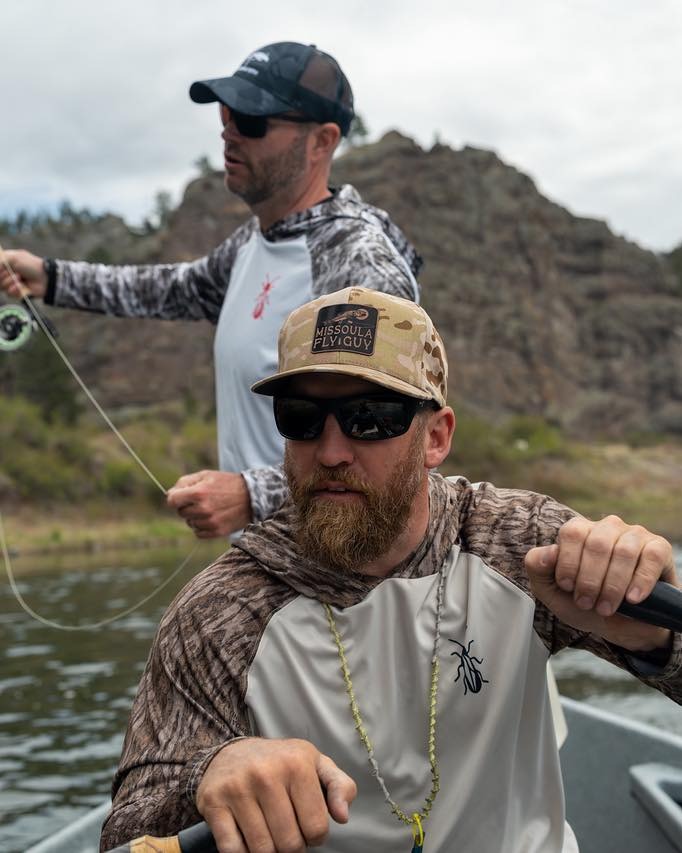
Catching Big Smallmouth Bass

Conclusion with James Hughes on Catching Big Smallmouth Bass

If you want to join us for an epic smallmouth bass fishing trip with James, now’s your chance! We’ve got a few spots still available. Head to wetflyswing.com/smallmouthbass and enter your name and email to get all the details. If you’d prefer, you can always reach out directly at dave@wetflyswing.com. Don’t miss out on this awesome adventure!


689 | Fly Fishing Southwest Washington with Jackson Golik – Cowlitz River, Coho Salmon, Steelhead

Fly Fishing Southwest Washington

In this episode, we journey to fly fishing southwest Washington with expert guide Jackson Golik. Known for its impressive steelhead and salmon populations, this region offers anglers a unique experience that rivals the more renowned rivers along the West Coast.

Jackson takes us on an exploration of the famous steelhead rivers such as the Kalama, Cowlitz, and Lewis. Discover the charm of these waters and learn how to optimize your fishing trips by timing them precisely and avoiding the bustling crowds. Jackson also shares his insider tips for surface and subsurface steelhead techniques, alongside strategies for hooking coho salmon—often thought of as exclusive to Alaska.

Tune in to gain a deeper understanding of the southwest Washington fly fishing scene and get ready to plan your next adventure in this often-overlooked fishing paradise.


Show Notes with Jackson Golik on Fly Fishing Southwest Washington. Hit play below! 👇🏻

apple podcasts

Find the show:  iTunes | Stitcher | Overcast

Subscribe on Android

Subscribe on Apple Podcasts

Subscribe on Google Podcasts

Subscribe via RSS

(Read the Full Transcript at the bottom of this Blog Post)

Sponsors and Podcast Updates

Fly Fishing Southwest Washington

Episode Chapters with Jackson Golik on Fly Fishing Southwest Washington

4:46 – Jackson shares how he got into fly fishing. He was born into the fly fishing world, as his father guided on the Bow River in Calgary. He became familiar with the industry early on and worked as a shop assistant at the Greased Line, a renowned fly shop in Vancouver, Washington. The Greased Line, which operated for about 42 years, is noted as one of the oldest fly shops in the Pacific Northwest, having started in the late 1970s.

7:01 – He tells about that time when he was introduced to Simon Gawesworth, a significant figure in the fly fishing world. This connection led to an opportunity for Jackson to work as Simon’s assistant for about six months at RIO, where he handled fly line box modifications and managed their social media.

Photo via: https://www.instagram.com/simongawesworth/

12:10 – We discuss fishing in Southwest Washington, focusing on popular rivers like the Cowlitz, Lewis, and Kalama. Jackson highlights the prolific hatchery fishery in the Kalama, but notes that rivers with more wild genetics offer opportunities for larger fish. We also touch on salmon fishing, particularly for silvers, coho, and spring chinook.

15:25 – Jackson describes coho fishing as similar to bass fishing, using heavy sink tips and flies, with the fishing done from a boat near structures like wood. The season for coho starts in early September and typically lasts through October into early November, although it’s dependent on rainfall.

For chinook, the peak season is around Labor Day weekend, with the best fish being bright and high-quality. Jackson notes some rivers have late runs of Chinook, like the Lewis and Sandy rivers, which receive a small run of bright fish around late November to early December.

21:16 – We explore the state of steelhead fishing in Southwest Washington compared to the Olympic Peninsula. Jackson notes that while the OP rivers have experienced closures, the Southwest Washington rivers have remained consistently open, though they receive less publicity.

26:40 – We ask him about winter steelhead fishing in November and December. Jackson recommends focusing on rivers with consistent hatchery plants for better chances, specifically mentioning the Washougal River, known for its strong Skamania stock fish and challenging whitewater conditions.

Fly Fishing Southwest Washington
January 12, 2024 – 11am on a Wednesday. Not the apocalypse. #steelhead #pnw #wintersteelhead (Photo via: https://www.instagram.com/jacksongolik/)

30:11 – In fishing the Washougal River during winter, Jackson mentions using heavy sink tips and typical winter flies such as leeches, with T-14 being a common choice for getting closer to the fish. Jackson notes that while the Washougal River also has good runs of summer fish, the approach varies, with summer steelhead sometimes eating dry flies.

31:50 – We briefly talk about the impact of the 1980 Mount St. Helens eruption on the Toutle River system. Jackson shares that he wrote a paper in college about the logging that happens in the Toutle system, highlighting the management strategy of continually raising the dam to contain sediment.

34:08 – We talk about the Cowlitz River, known for its heavy planting of hatchery steelhead, which makes it a prime location for fishing, especially if you’re looking to take home fish to eat.

36:23 – Jackson owns a 1979 fiberglass Avro boat and a smaller Aire puma boat, which is about 11.5 feet long. He appreciates the fiberglass boat for its quietness and durability, noting that it can be easily repaired and modified with fiberglass and epoxy.

Photo via: https://www.aire.com/product/puma/

38:21 – We dig into steelhead fishing on the Kalama River during peak season, from mid-February to late April. He shares strategies for dealing with crowded conditions, such as knowing familiar faces and sections of the river preferred by frequent fishermen. Timing is crucial; sometimes it’s better to fish later in the day when conditions improve.

43:30 – Jackson mentions that the Kalama, Cowlitz, and Lewis rivers are accessible, with numerous put-ins and take-outs available, making them great fisheries. He highlights the Kalama River, which stretches about 60 to 70 miles and originates from an aquifer, offering a long drainage.

45:19 – We discuss steelhead fishing in the region around Battle Ground, which is near the East Fork of the Lewis River, known for its historical record of large fish, specifically a 38-pound steelhead caught in the 1980s. Although the gene pool for such large fish has diminished, there are still opportunities to catch steelhead in the 20-pound range.

Fly Fishing Southwest Washington
Photo via: https://www.instagram.com/jacksongolik/

47:40 – Jackson highlights the Cowlitz as the best for swinging flies due to its consistent fish population, akin to salmon fishing, where fish arrive reliably mid-February each year. However, it faces heavy fishing pressure, both from conventional and fly fishers, with a significant number of boats and guides present, given the river’s substantial hatchery support.

49:09 – Jackson mentions that the Lewis River has a program that supports natural spawning of wild steelhead, which has improved the run size over the past decade, attracting more anglers. Despite the predominance of wild fish, the presence of a few brood stock fish allows for some to be kept. The river is becoming busier with more anglers due to these improvements.

The Kalama River, on the other hand, is known for drift boat and raft fishing, making it more competitive due to its smaller size. Anglers there often have to strategically time their fishing to avoid overcrowding and maximize their chances of catching fish. Jackson notes that the fishing dynamics in Southwest Washington are varied, with different runs and genetic variations of fish occurring throughout the year.

51:17 – Jackson recommends several local clubs and shops as valuable sources of information. He mentions the Salmon Creek Fly Fishers and the Clark-Skamania Flyfishers, highlighting their extensive knowledge due to longstanding members. Additionally, he suggests the Portland Fly Shop as a prime resource, noting that most staff have guided in the area and have considerable expertise.

Fly Fishing Southwest Washington
September 10, 2024 – The kid in his natural environment. @jacksongolik making it happen all season! (Photo via: https://www.instagram.com/theportlandflyshop/)

52:38 – He shares his recent fishing experience on the Kanektok River, describing it as epic for Chinook fishing. We also talk about other notable locations for Chinook runs in Alaska, emphasizing the thrill of swinging flies for kings.

55:54 – Jackson expresses interest in a trip to Sudan for fishing Giant Trevally and Triggerfish, although plans changed due to the war, opting instead for an opportunity in Alaska.

Photo via: https://www.wetflyswing.com/wfs-068-salt-water-fly-fishing-with-jako-lucas-giant-trevally-seychelles-captain-jack-productions-cortland/

58:24 – We ask Jackson for tips for a successful steelhead fishing. He emphasizes the importance of consistency in casting, advising beginners to focus on achieving a consistent casting distance and angle to increase their chances of success. He suggests that 40 feet of running line is typically sufficient. Consistency in fishing technique, rather than the number of fish caught, determines a good fishing day. He also recommends using longer leaders and heavier flies to ensure the fly sinks quickly.

1:05:14 – We quickly ask about his music preference. Jackson uses Spotify to listen to indie rock, describing it as having a synth tone and a slower tempo.


You can find Jackson on Instagram @jacksongolik.

Visit their website at theportlandflyshop.com.
fly fishing southwest washington


Related Podcast Episodes

WFS 451 – Simon Gawesworth on Spey Lines, RIO Products, Skagit and Scandi


Conclusion with Jackson Golik on Fly Fishing Southwest Washington

From the Kalama to the Cowlitz and beyond, Jackson shared invaluable insights into timing your trips, avoiding crowds, and perfecting your technique for both surface and subsurface fishing. We also delved into the unique opportunity to hook coho on the fly, highlighting its presence beyond the Alaskan waters.
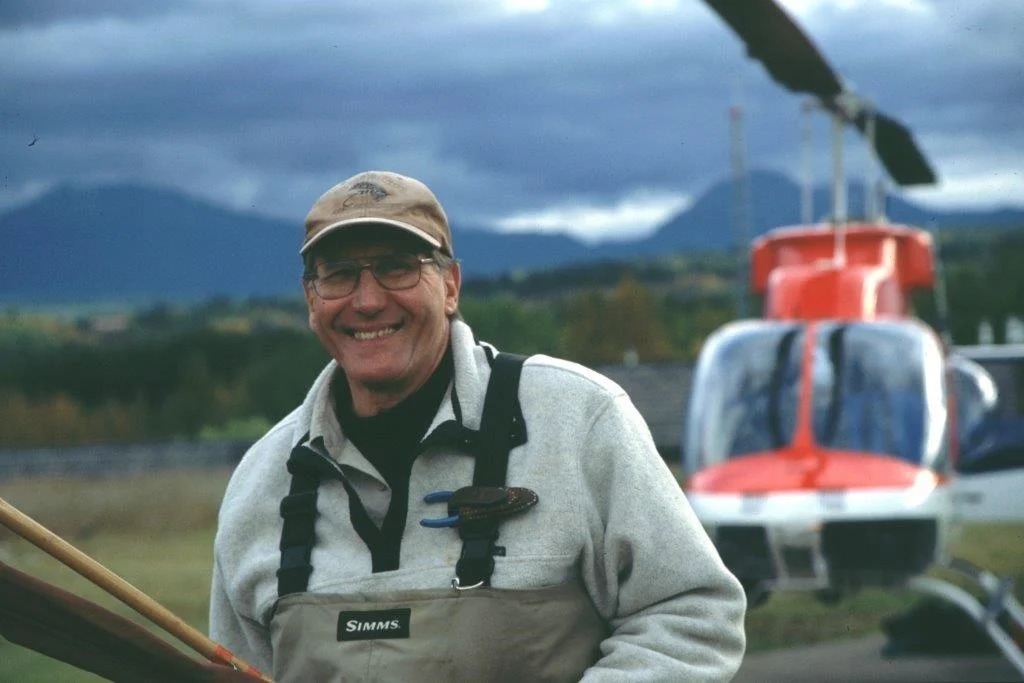
Whether you’re an experienced angler or new to the sport, Southwest Washington offers unique fishing experiences waiting to be explored. With Jackson’s expert guidance and tips, you’re now equipped to go on your own adventure in these rich waters. Don’t forget to follow Jackson Golik and the Portland Fly Shop for more inspiration and updates. Happy fishing!


688 | Grand Teton Fly Fishing with Scott Smith – Jack Dennis, Snake River, Trout

Grand Teton Fly Fishing

Scott Smith, owner of Grand Teton Fly Fishing, takes us on a journey through the Yellowstone area. We’ll uncover tips for fishing the area’s rivers, learn about pre-hatches, and hear Scott’s biggest tip for landing those tricky fish sipping bugs off the surface.

Scott will also share stories about his mentor, Jack Dennis. This is going to be a good one!

Show Notes with Scott Smith on Grand Teton Fly Fishing. Hit play below! 👇🏻

apple podcasts

Find the show:  iTunes | Stitcher | Overcast

Subscribe on Android

Subscribe on Apple Podcasts

Subscribe via RSS

(Read the Full Transcript at the bottom of this Blog Post)

Sponsors and Podcast Updates

Grand Teton Fly Fishing

Episode Chapters with Scott Smith on Grand Teton Fly Fishing

02:03 – Scott grew up fishing creeks in North Georgia. Fly fishing for him came later when he picked up a rod at 12 at a garage sale and taught himself through magazines and VHS tapes. He eventually met Jack Dennis, who became his mentor.

Check out our episode with Jack Dennis.

Starting Grand Teton Fly Fishing

05:52 – Scott moved to Jackson Hole in the late ’90s. Over the years, he built a career, mentored new guides, and created a loyal client base. In 2011, he and Mark Fuller took over Jack Dennis’ business and started Grand Teton Fly Fishing.

Grand Teton Fly Fishing
Photo via https://www.grandtetonflyfishing.com/about/

11:55 – Scott tells us about the waters they guide in western Wyoming. They cover Yellowstone National Park’s lakes to Grand Teton National Park’s Snake River headwaters. Scott says they customize trips based on how long guests stay and what they want to do.

Fishing in Jackson Hole

15:41 – We hear about what fishing looks like throughout the year in Jackson Hole. Scott says they do a lot of driftboat fishing to cover large rivers like the Snake, but there’s still plenty of Wade fishing when the conditions are right.

  • March to October is the best fishing season, with good hatches and fewer crowds.
  • Early March is great for dry fly fishing, especially with midges and blue-winged olives.
  • The peak fishing season starts in mid-June and continues in July through September.

Fishing in September and October

23:20 – We talk about the fishing conditions in September and October. The fishing gets better as the water cools down, with some great hatches like the Hecuba fly. Scott says this is also when the Jackson Hole One Fly event usually happens.

28:09 – Scott says that the Snake River is both forgiving for new anglers and challenging for experts. The Snake River is home to the Snake River Fine-Spotted Cutthroat, which is a subspecies of the Yellowstone cutthroat.

34:52 – Scott says that when he’s guiding, he always looks for spots where fish are likely to be. The key is looking for subtle sips, usually signs of bigger fish feeding.

40:10 – If you’re not seeing much action on the surface, Scott suggests switching to attractor patterns or terrestrials like beetles and ants. You can also add a dropper fly, but it might limit how close you can fish to the bank.

Scott’s Top 8 Fly Patterns

  1. Small chubby (black, purple, tan)
  2. Small black foam flies
  3. Golden Stone Water Walker
  4. Parachute Adams
  5. Parachute Hare’s Ears
  6. Mercer’s Missing Link
  7. Callibaetis Flies
  8. Small streamers

Check-in with Scott on Instagram @grandtetonflyfishing

Visit their website: https://www.grandtetonflyfishing.com

Grand Teton Fly Fishing


Grand Teton Fly Fishing Videos Noted in the Show

Related Podcast Episodes

WFS 217 – Jack Dennis on Fly Fishing – Western Trout Fly Tying, Curt Gowdy, Gary Lafontaine

Grand Teton Fly Fishing

Conclusion with Scott Smith on Grand Teton Fly Fishing

If you want to take Scott’s expert tips to the next level, get out on the water with him! Head over to Grand Teton Fly Fishing and book your trip. You can also contact me if you’re interested in putting something together.

         
Support Our Podcast Sponsors         
Support Our Podcast Sponsors       
Support Our Podcast Sponsors         

Support Our Podcast Sponsors

         
Support Our Podcast Sponsors         

POPULAR ARTICLES