Home Blog Page 22

746 | Hatch Adventure Travel with Chris Hunt – Missouri River Trip, On Demark Lodge, Fly Fishing Destinations

Episode Show Notes

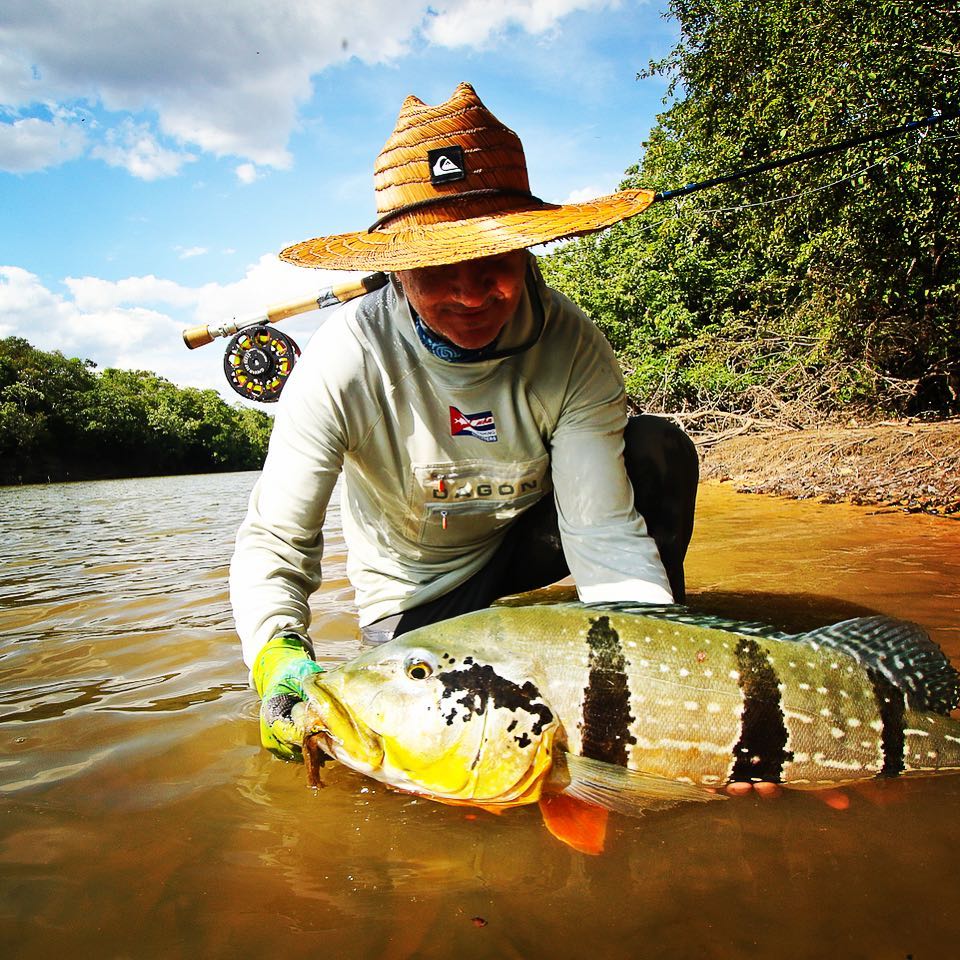
Would you board a 9-hour flight to catch trout in Patagonia or brave a three-hour mule ride into a river camp in Chile—all for the chance to fish water most people will never see?

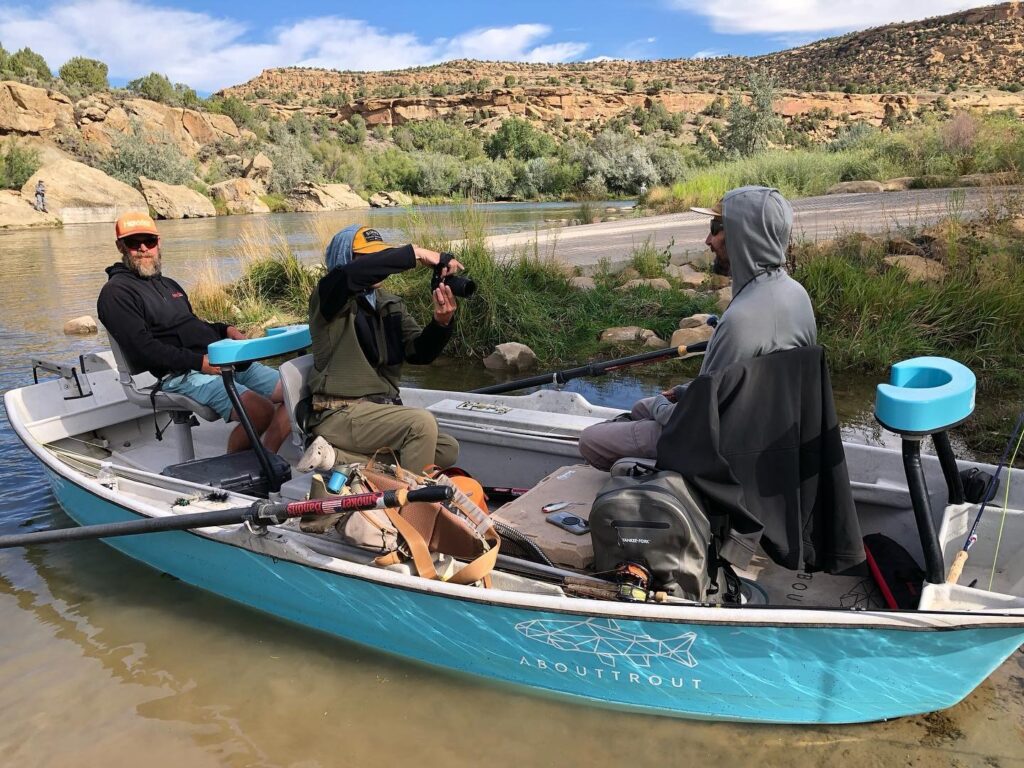
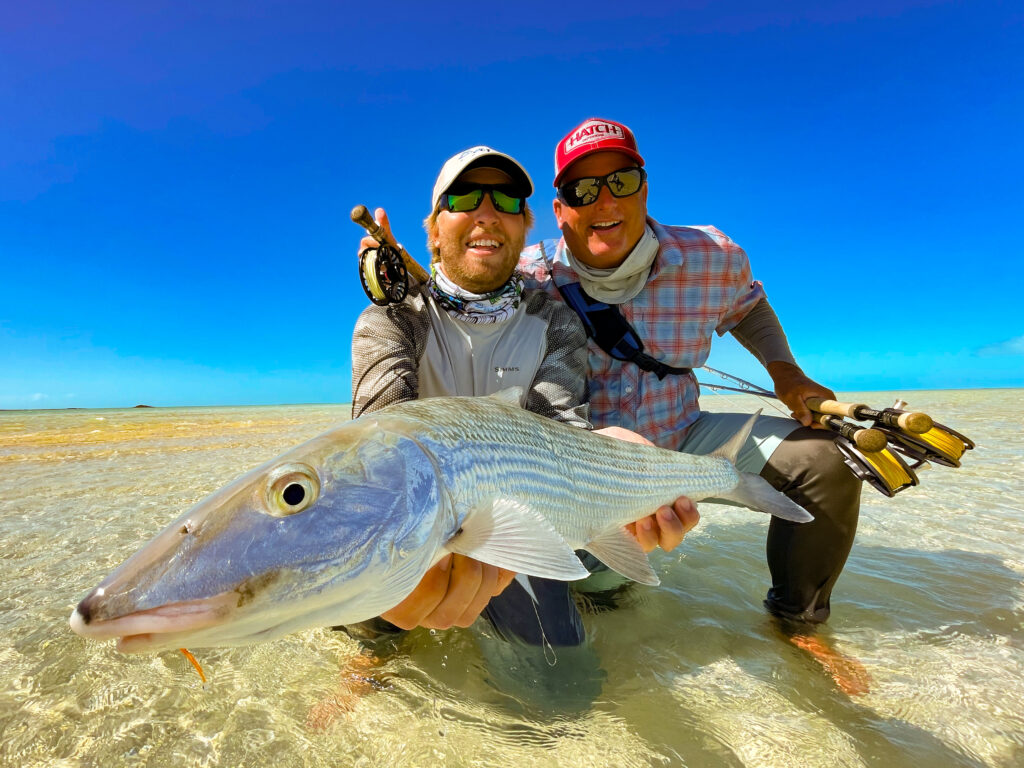
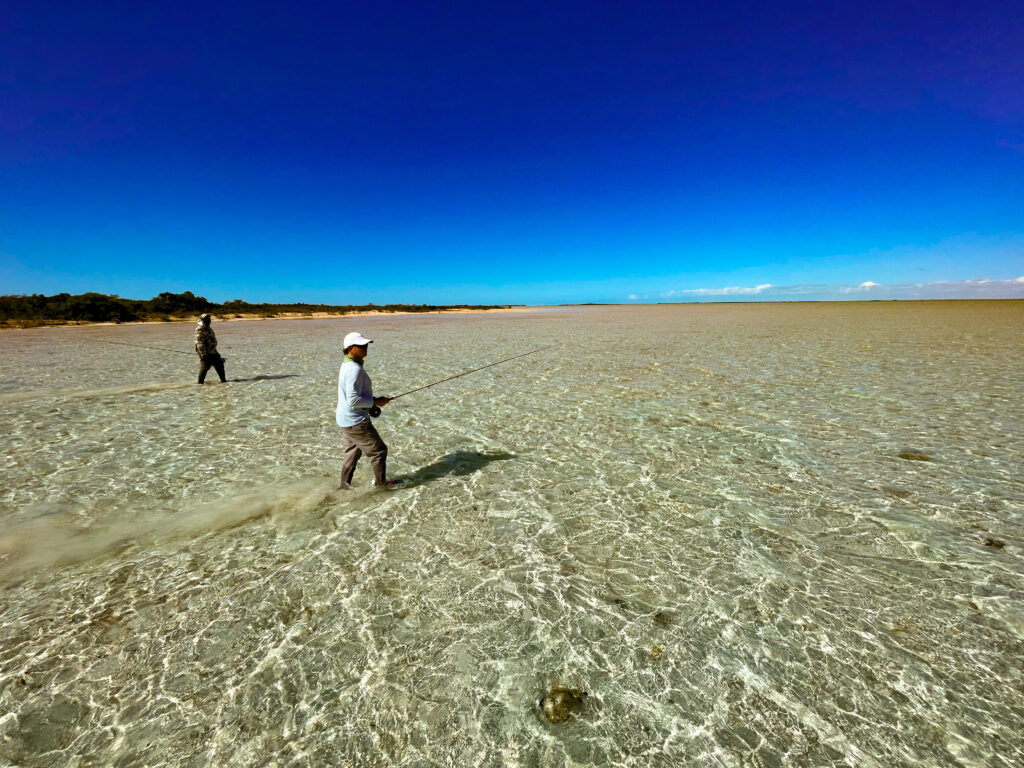
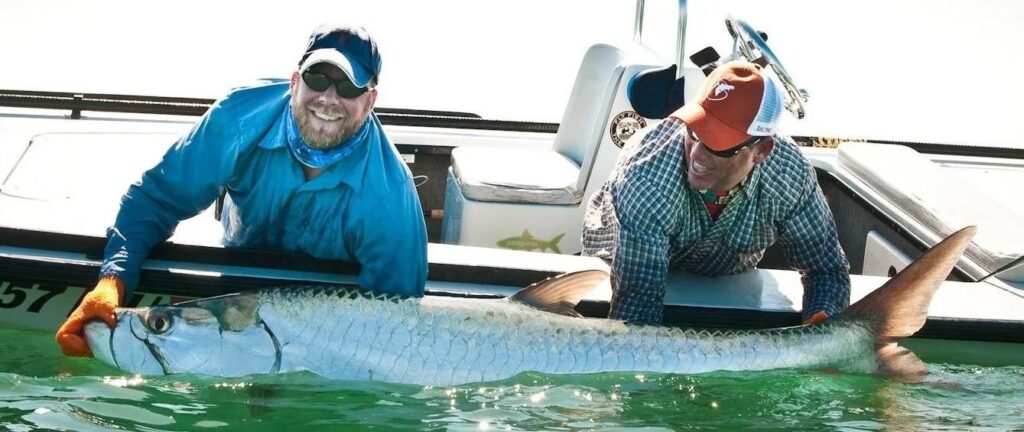
Today we’re joined by Chris Hunt, longtime fly fishing writer and co-founder of Hatch Adventure Travel. Chris shares what it takes to plan bucket-list fly fishing trips around the world, from the Missouri River and Idaho’s backcountry to Cuba, Argentina, and British Columbia. We’ll get his best travel hacks, hear how Hatch Travel started in the middle of a global shutdown, and why he says nobody should pack three rods to the Yukon.

Hit play to start listening! 👇🏻🎧

apple podcasts

Find the show:  Follow the Show | Overcast | Spotify

Subscribe on Apple Podcasts

Subscribe on Android

Subscribe via RSS

(The full episode transcript is at the bottom of this blogpost) 👇🏻

Sponsors and Podcast Updates

You’ll also hear stories from one of the most underappreciated fly-out lodges in North America, his favorite Bloody Mary airports, and the night the Northern Lights danced above Muncho Lake. Plus, Chris shares how Hatch offsets 150% of their clients’ carbon emissions and why it’s time to fish smarter, travel lighter, and still go big.

⚡🎣⚡👇🏻


Visit Hatch.Travel to connect with Chris and check out their trips this year!


📚 Resources Mentioned in the Episode:

🏕️ Lodges & Travel Destinations:

🎣 Travel Gear & Tips:

  • Orvis duffel bag (hard-bottom)

  • TSA Pre-Check and AirTags recommended

  • 4-piece rods for easier packing

  • Travel backpacks double as river day bags

  • Water-resistant vs. waterproof luggage

  • Fly fishing in the Missouri: PMDs, streamers, dry fly variety

  • Rental gear often available at lodges

🎥 Media & Platforms:

🌱 Conservation:


Related Episodes

741 | Missouri River Fly Fishing at On Demark Lodge with Craig, Becky, and Warren DeMark

740 | Fly Fishing the Northern Rockies with Phil Rowley, Daniel Schildknecht, & Lance Egan

Related Videos

Full Podcast Transcript


745 | Fly Fishing Films with RA Beattie of Off the Grid Studios

fly fishing film

The Fly Fishing Film Tour began with a small group of people looking for something fresh—something something that represented he energy, grit, and soul of fly fishing. Today, these films are part of a new wave of storytelling in fly fishing, and our guest, RA Beattie, has been there since the beginning.

In this episode, RA shares his journey and highlights from his films, including The Silent Spotter, a story about a deaf guide. We also dive into his connection with Clyde the Car and how he stays motivated despite changes in the industry.

Plus, we’ll learn how he built a company making sustainable wood for guitars.

Show Notes with RA Beattie on Fly Fishing Films. Hit play below! 👇🏻


apple podcasts

Find the show:  Follow the Show | Overcast | Spotify

Subscribe on Apple Podcasts

Subscribe on Android

Subscribe via RSS

(The full episode transcript is at the bottom of this blogpost) 👇🏻

Sponsors and Podcast Updates


Fly Fishing Films - RA Beattie

About RA

RA shares how growing up in a small ranching valley in Colorado shaped his early love for hunting and fishing. A river ran through his family’s property, and so he jumped into the guiding world in high school and college.

RA even recalls how odd it first felt to be paid to take people fishing, but those long days on the water helped him build essential skills and a deep connection to the sport.

Fly Fishing Films

fly fishing film

Not every fishing trip becomes a film. So what makes one stand out? For RA, it all comes down to two big questions: What is the fishing going to be like? And is there a great story behind it? Because people want action—lots of fish and exciting moments—but the best films go way deeper.

The Silent Spotter

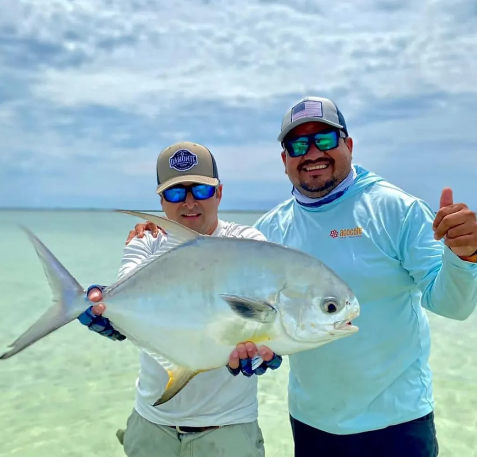
In his recent film, The Silent Spotter, the fishing takes place in a remote location where environmental changes created a unique opportunity to catch permit feeding on floating crabs on the surface.

But even though the dry fly fishing for permit itself is exciting, the real heart of the film lies in the story of Tommy, a guide who was born deaf and mute. 🤯 How does that even work? How does he manage in a fishing environment where quick communication is key? You’ll have to watch it to find out. 😉

The Xflats

RA met Jesse, the owner of the XFlats Lodge in Xcalak, by chance at the Cancun airport. That random run-in led to the wild story about Tommy and the floating crab. Jesse initially pitched the crab idea, which sounded cool, but as RA dug deeper into the story, he found out about Tommy.

The Evolution of Fly Fishing Films

The fly fishing film scene wasn’t always what it was, and RA takes us back to the late 90s when technology changed everything. At the time, fly fishing media was stuffy and didn’t reflect the energy of the younger generation. People were also tight-lipped, and little information was shared among anglers.

The surfing, skating, and snowboarding industries were already making exciting, lifestyle-driven content, and RA and his friends wanted the same for fly fishing. They began making their own films, even burning DVDs and hosting screenings.

fly fishing film

After making films just for fun, RA and his friends caught the attention of Tom Bie, who brought over an idea called Five Minutes of Fly Fishing. It started at a trade show in Denver around 2000.

Listen to our episode with Tom here.

As the short films gained traction, the Angling Exploration Group (AEG) made longer films about wild fishing trips. They filmed their travels to places like Patagonia. That’s how the Trout Bum Diaries was born.

What started small—just a few guys sharing their films—grew into something big with fly fishing film tours like the Fly Fishing Film Tour (F3T). RA’s crew submitted films every year, and the tour got bigger over time.

Today, the shows are huge, filling 800-seat theaters. There’s also now the International Fly Fishing Film Festival (IF4), which has a more artistic, storytelling vibe.

Ride with Clyde

RA had this hilarious idea for a short film called When Guiding Goes Gangster. He needed a “pimp ride” for it, so he called up Tom Bie and asked him to split the cost of a beat-up ’70s Mercury Marquis. Tom even starred in the film!

After they wrapped filming, they named it Clyde and had folks from the fly fishing world take it on road trips, write about their adventures, and pass it along. Watch Clyde’s origin story here:

RA and his team have made around 30 films, plus a bunch of shorts. Some turned out awesome, like The Arctic. Others? He says not so much. But he leaves it all up on YouTube. For him, it’s all part of the process.

The Hard Way

RA talks about The Hard Way, which started as a way to show the Deschutes River through the seasons. But to really connect with people, they needed someone with a story—and that’s where Matt Mendes came in.

Matt grew up in a rough part of California. After getting stabbed and nearly dying, he left for Oregon to be near family on the Warm Springs reservation.

His grandfather, the first Native guide on the Deschutes, helped him get started. Matt worked his way up—chopping wood and driving shuttles—until he became a full-time guide.

What Can We Really Do About the Forests?

RA’s been in the sustainable wood world for 20 years. He’s visited forests all over and says it’s not about choosing sides—it’s about balance. We all need wood—for paper, for guitars, for building. But we also need to protect what’s rare and irreplaceable.

RA has spent 15 years working with a guitar company that’s all about sustainability. He says building guitars isn’t just about making music—it’s about using wood the right way.

fly fishing film

Follow RA on Instagram: @beattie_outdoor_productions

Check them out on YouTube: @offthegridstudios

Visit their website: OfftheGridStudios.com


Videos Noted in the Show

Related Podcast Episodes

Read the Full Podcast Transcript Below

Episode Transcript
Dave (2s): The fly fishing film tours got their start with a small group of dedicated fly anglers who wanted something new. They retired of the old boring, fly fishing old white guy thing. And the inspiration came from the skiing and skateboarding industry, and today has evolved into a new generation of films. Our guest today has been there since the beginning, and in this episode, you’re going to get inspiration that is going to take your trip to the next level this season. This is the We Swing podcast, where I show you the best places to travel to for fly fishing, how to find the best resources and tools to prepare for that big trip, And what you can do to give back to the fish species we all love. How’s it going? I’m Dave host of the Wet Fly Swing podcast. Dave (42s): I’ve been fly fishing since I was a little kid and grew up around a little fly shop, R-A-B-I-D, fly fishing producer storyteller. And John Gear Rock Fanatic is going to share some of his biggest films, including The Silent Spotter, about a guide who is deaf and new and has created a fishery for top water permit action. We’re gonna talk about that today. Some of this with Tommy. We’re also gonna find out about his connection to Tom Bis Clyde the Car, which we’ve talked about here on this podcast before. And also what keeps him going strong, given changes in the industries. We get into a bunch of topics all over the place in this one. I think you’re gonna love it. Plus we find out how he created a company that produces fully sustainable wood for guitars. Dave (1m 27s): Here we go, RAB 80 from off the grid studios.com. How you doing ra? RA (1m 33s): Doing so well. Thank you for having me. Dave (1m 36s): Yeah, I appreciate you for coming on here. I think I always go back to where the connection was made. I believe it was, well, I’m trying to think. I think it was Tim at Nautilus. He’s got his own media stuff going on there, but I think he connected originally. I, I wasn’t totally familiar with the work you’ve done. I’ve watched some videos since then, and I’m excited to share some of the amazing stuff you do. It seems like you’re kind of out there covering multiple, you know, topics and species and things like that. But we’re gonna get into some of these movies as we go here. But before that, take us back real quick on fly fishing. Are you, were you a Colorado native, or how’d you kind of get into this? RA (2m 10s): Yeah, yeah. I was born and raised in the mountains of Colorado. You know, very rural, small little ranching valley and not a lot to do growing up. And So we did a lot of hunting and fishing and a river, ran through the property. And so, yeah, a lot, lot of fishing jumped into being a guides apprentice and, you know, learned that people would actually pay us money to take ’em fishing, which seemed incredibly bizarre, but did that through, through high school and then through college. And so definitely cut my teeth, you know, grinding it out every day in the summer, you know, just as a fishing guide, which is, I feel like a great way to come up and really just build those skill sets and spend that time in the water. Dave (2m 51s): Nice. So, yeah, so you’ve got some guiding behind you, obviously. Yeah. One of the movies that may, maybe you could talk about this, we’re gonna get into some of the movies, but let’s just kick it off with the Silent Spotter movie. Sure. I think that’s a more of a recent one. And you know, I thought that was really cool because first off, where it is, you know, kind of the, that part of I guess Mexico, where you’ve got, you know, just this amazing famous area, right? Yeah. And then, but you had this, one of the guides, you know, Tommy was this deaf kid, essentially, who is a guide out there. Talk about that. How did that film come to be and and how do any of these films that you work on come to be? RA (3m 26s): Yeah, so yeah, great question. When we are looking for a project, we’re kind of looking for a couple different things. And the first of which is, you know, what is the fishing gonna be like? What is our backdrop? What are the species we’re going after? You know, and is it viable? Is it interesting? But then really the next thing is, are we gonna have a great story? Because really when an audience gives us feedback, we really get two things. They say, we need phishing, like fish, fish, fish. We’re the fish. Where’s the action? And they’re really adamant about having pretty strong phishing action because phishing media has come a long way, and it’s very, very good. And audiences have come to expect really high quality. So we have to really pay attention to that. RA (4m 6s): But then we need a story. And so in this case, the phishing story is a location where because of changes in the environmental conditions, they have found an opportunity to catch permit on floating crabs on the top. And so as an angler, you think, you know, dryly or surface feeding, any kind of surface fishing being the ultimate, being able to apply that to permit, like, that’s a great story. Amazing. Let’s do it. Yeah. Very visual. But permit eating dry flies is not really a story. It’s not a deep story. So we try to look deeper and always understand, okay, what is the, you know, what is the human connection? RA (4m 47s): What is the human story here? And what fell in our lap is that one of the fishing guides that is really pioneering this type of fishing in this particular place, he happens to be born deaf and mute. And so immediately that raises a tremendous amount of questions as a filmmaker or as a storyteller. And you know, like, so how does that work? How do you communicate with people, particularly in a, a type of fishing and fishery where communication is very, very quick and paramount. So we really, really were interested in that story, just of the mechanics and the logistics of how does the deaf fishing guide communicate. RA (5m 27s): And so that’s what kind of opened the door for us and brought us into that space. Dave (5m 32s): That’s awesome. And how does that work? You know, the video is great. I think it’s about 20 minutes, a little under 20 minutes long. It’s easy. Yeah. Well, first off, let’s just give a shout out real quick for people listening. So they can go to off the grid studios.com to check out these videos and they can kind of watch these RA (5m 45s): Yeah. Off the Grid Studios is great in that you’ll find all kinds of videos and more information. Dave (5m 49s): Yeah. And, and I say it, it, I always catch myself, I say videos, right? I guess I use ’em interchangeably, videos, movies. I always think of movies as, you know, know the movies, right? The two hour long movie. But really these, I think especially in the fly fishing, and maybe this is just worldwide, these shorter form movies. What do you call what you do? Do you call these movies? RA (6m 10s): Well, it depends on how technical and how nerdy you want to be. I mean, I, I would say we make fly fishing films, and then a lot of people would spin their heads and say, well, technically you’re not shooting on film and you’re not doing this and this and this and this. And I’d say, okay, well, technically you might be right, but, you know, technically a hamburger doesn’t have any ham in it. So we call things things that aren’t exactly what they are. Gotcha. Dave (6m 32s): Doesn’t really matter. It’s kind of Yeah. That, that’s not the important thing. The important thing is like you’re saying what you make. Right. Whether it’s 20 minutes or two hours doesn’t matter. RA (6m 40s): Yeah. But I’m happy with, you know, videos, movies, films, any of that. They all represent the same idea, which is visual storytelling. And I think in this day and age, it’s changing more and more and more what that means. Because the way that media shot, the duration, the orientation of it, everything’s changing so fast. And the way that stories are told digitally is morphing and changing so fast that names are gonna be harder and harder to pin down on things. Yeah. But for all practical purposes, yeah, we’re making videos, we’re making movies. These are very, very short form in this instance, because they’re being created for, for like fishing film tours where the typical length is between, you know, 12 and 20 minutes. Dave (7m 17s): Yeah. 12 and 20. And why do you know the history? I’m not sure of your background. We could probably talk about that. The history of the fly fishing film tours, right? There’s multiple, there’s the, there’s the one, I think the fly fishing. There’s also a new, I think we talked to the person, I think it’s up a Canadian, it’s more like the, the, it’s another film tour, right? Are there, talk about that. How did that film tour get started? And is that the place, is that the only place you’re making these for? Or are there other places you’re making these films? RA (7m 42s): Yeah, good question. So that’s a long history story, but to keep it really simple, going back to my roots. So when I was a fishing guide back in late high school, early college, technology just started to emerge in the sense that you could get access to, you know, some pretty affordable digital cameras. Granted, they’re still shooting on tape. They weren’t, you know, like they’re not shooting to cards like they are today, like still shooting Dave (8m 10s): On tape. Right. And what year was that? RA (8m 12s): So this was late nineties. Dave (8m 14s): Late nineties. So this was like literally when the internet, right? If you think about it. Right. The internet was kind of coming to be, I believe, right in that period. RA (8m 21s): Yeah. Yeah. I think the internet is just becoming a thing. Social media doesn’t yet exist, which is crazy. And you have, apple comes out and Apple does something revolutionary. They come out with a pretty affordable personal laptop or computer that has software on it that’s called iMovie. And that gives you the tools all of a sudden to really start editing and making movies. And so you can buy a pretty affordable, you know, cannon at this point in time is making pretty affordable digital cameras. You can hook it up to a laptop. They even have garage band. So you can start to make some music. And this is for, you know, people that are being a little punk rock about it, that don’t have budgets. This gives that young audience the ability to start making their own art, making their own movies. RA (9m 7s): Now granted that that laptop that came out that we were cutting our first movies on, probably had internal storage of like 20 gigabytes. Right. You know, so If you think about, and the processing power, so If you think about the power in your phone, you know, you could have one of the worst smartphones on the market right now, and I guarantee you it’s 20 times stronger, more powerful than what we were editing with it back then. So anyway, you’ve got a bunch of young fishing fanatics back then, and they are all kind of seeing this trend where all of the popular media and fly fishing does not represent who they are. This sport is old, it’s kept very close to the chest. RA (9m 47s): There’s not a lot of information sharing. Yeah. It’s Dave (9m 49s): The old white guy, the old white guy, fly fishermen, right. That uppity. Yeah. Boring, you know, kind of rich thing. Right? That’s what it was. RA (9m 58s): A hundred percent. And So we didn’t see ourselves represented there. Or also a lot of young people coming from mountain towns where we are seeing surfing and, and skateboard and snowboarding and skiing. And we’re seeing that media and we’re saying, well, how come it’s happening here? And it’s fun and it’s exciting, but it’s not happening in, in the sport that we like, which is fly. ’cause fly doesn’t have to be stuffy, and it doesn’t have to be boring, and it doesn’t have to be any of those things. It can be travel and lifestyle and fun and entertaining. So anyway, we start making content reminiscent of the other sports that we’re seeing in the space, lifestyle based, storytelling based. And we’re not the only ones with this idea. There’s four or five different people doing that. RA (10m 38s): But you gotta remember, there’s no internet, or there’s internet. There’s no place to show these. There’s no YouTube, there’s no social media. Dave (10m 45s): Oh, right. Not even YouTube. YouTube’s not even there yet. RA (10m 48s): Yeah. Nothing’s there. And so what do you do? So we were like burning stuff on DVDs and like sending it around to people and you know, hosting parties, like hosting college parties, you know, and having a kegger and like showing a movie on the screen. And so it was very punk rock. It’s like underground. So we did that for a while. It, it happened long enough where there’s a gentleman, he’s not a gentleman, but he’s a good friend of mine and his name is Tom Bi. And so he wrote the Drake magazine. And so he came from Powder Magazine. And what Powder used to do was a video awards where they would take kind of all the best video of the year and have an event and showcase little pieces of it and give some awards and have a party. And it’s basically an excuse to have a party and get the community together. RA (11m 30s): And so Tom applies that idea to what is called the Five Minutes of Fly Fishing. And he hosts that at the trade show that used to be in Denver. This is probably 2000. And so he, I remember when he had the first one, the whole industry shows up, they have no idea what to expect. And for an hour everybody’s, you know, drinking beer and having fun. And we’re watching these crazy fly fishing films that are each five minutes long and no one’s ever seen anything like this. Dave (11m 58s): And what was this called? What was this called that Tom did? RA (11m 60s): It’s called the Drake Magazine. Five Minutes of Fly Fishing. Dave (12m 3s): Okay. Yeah. The five Minutes of Fly Fishing. This is awesome. Okay. RA (12m 6s): Yeah. And it goes crazy. I mean, you would’ve thought that like we had invented a new color, like people were going crazy and they were, you know, and it was a giant party and it was, and it was like wildfire. And all of a sudden brands got it and they were like, how do we do that? Like, okay, we don’t really even know what this is, but we need in on this. And so all of a sudden we have brands turning to us and they’re like, Hey, we’re gonna give you money to go do this. And we’re like, wait, you’re gonna pay us to do Wayne’s World? Like, Dave (12m 32s): We’re nice. Like, RA (12m 33s): What are you talking about? We we’re not, this isn’t even what we do for a living. We’re just screwing Dave (12m 36s): Around. And at this time, are you a guide? Is that what your full Yeah. All your, all your efforts as a guide and you’re not doing much and you’re doing all the video still. You’re getting into it. Yeah. RA (12m 45s): And I’m a college kid too, and I’m Efficient guide. Yeah. And so, you know, we’re screwing around on the weekends and filming stuff and, and just being bums and, and yeah. And So we did that for a while. And then what emerges there is a group of little bit older folks, and they were called the Angling Exploration Group, and a EG was their calling card. And so they decided we’re gonna go out on the road and we’re gonna produce, you know, some more long form content. And so they start coming out, they go to Patagonia, they go to, you know, they go to, gosh, I don’t know, they, they, their, their shtick was, we’re gonna get in a van and drive and live in a van for a month and fish, and we’re gonna do the trout bu diaries. Dave (13m 26s): And Is that who this is? Is that what we’re talking, is this the Trout Bum Diaries? RA (13m 29s): Yeah, yeah, yeah. And then, you know, the old guard’s like, well, the Trout Bum Diaries has done been done before. John AK wrote that. And I can’t believe you’re copying him. And it’s like, oh wow. You know? Right. Because like everything repeats itself. Right. And so they, so anyway, they created all this content. They’re selling DVDs, they’re kicking butt, and they look at what Tom Bay does and they go, that’s cool. And people like these festival things, So we should start like a film tour. So they started a film tour and that was the, the very first one was called The Fly Fishing Film Tour. And so they would have, they would have a call for entries. We would submit a film, and you gotta remember, there’s like five or six people doing it back then. Yeah. And So we would submit a movie every year. RA (14m 11s): And So we put movies in the Fly fishing film tour for, you know, call it 20 years, Dave (14m 15s): Starting in the, that time the oh fives oh six in that range. Yeah. RA (14m 18s): And so basically what you’d do is you’d make a, you’d make a five minute piece every year and you’d give that to Tom Bai for the Fly Fishing awards and you’d make like a funny little piece or you, and then you’d, you’d make a little bit longer form piece for the film Sewer. That happened for a very long time. And that was kind of the gist of it. And then it became more and more popular and grew and grew and grew in the beginning. I mean, I remember driving to a premier at Patagonia and it was like 20 dudes sitting on the break room tables looking at something on a screen like it, this was very, this was not glamorous. Hmm. But now, you know, and then now fast forward to where I live in Bend, Oregon, we’ve had shows here where our massive, you know, 800 person theater. RA (15m 4s): Wow. The tower here will sell it out four nights or, or three nights in a row. Dave (15m 9s): That’s cool. RA (15m 10s): And to answer your initial question, there have been other festivals that have grown out of this. So there’s the International Fly Fishing Film tour, which is a great film tour. It’s very different than the the Fly Fishing film tour. So our film Silent Spotter actually plays in the International Fly Fishing film tour. And then we, we have another film The Hard Way that’s playing in the, the Fly Fishing film tour. But yeah, they are the core festivals, If you will. Dave (15m 36s): Those are the two, the fly fishing film tour, kind of the F three T was the original. And there’s also now the International, the IF four. Right. Those are kind of the two. RA (15m 45s): Yeah. And the IF four is a little bit more artsy and has a little bit, I’d say a little bit more emphasis on storytelling. And it’s just a little bit different genre of the, of the genre. And then the IF four is like a little bit more high energy punk rock. Dave (16m 4s): God, it’s so good. I love it. And the, I love it. We were off air starting to talk about the Apple with Steve Jobs. I, I love it because I love that story about products and what we’re talking about here is that, you know, the iPhone wasn’t the first cell phone ever. Yeah. Right. But they came in and perfected it right. At that time. Yeah. And, and I think the same thing, the film tour, you know, FF three TI remember, you know, that’s going strong, but then IF four comes in, you’re like, well this is kind of the same thing, but Right. But no, it’s different and they’re doing different things. Yeah. So it’s really cool. And I love that you talked about Tom bi. ’cause we love Tom, you know, and but the storytelling is so obviously, you know, is so critical and all this. And he told this crazy story on the last podcast, I’ve talked about this a couple times, but it was this story about this synthetic marijuana thing, right. Dave (16m 44s): Where people were going, going to prison and like, and it was connected to a lodge and, and it was all this crazy stuff. And I actually ended up getting, it was some crazy emails from it. And, you know, there was like multimillion dollar, like I think Tom got sued for half a bi, whatever it was, billion dollar or some crazy number. Right. And, and so I feel like it’s like, those are the stories that are really interesting. But, but Tom was at the beginning, right? So I didn’t realize, oh, I always forget that. So he was at the beginning of these movies, like he was the guy. RA (17m 14s): Yeah. Well it’s funny ’cause you know, well it’s funny how old we’re getting and how fast time moves, but it’s funny how, how quickly our, the, our, our public consciousness forgets, or, because I just saw Tom and I just saw him a couple days ago. I was at the fly fishing show in Denver and he, he and I are hanging out and we were talking because one of the funny outgrowths, and one of the funny stories is we, I had this, so every year I told you we’d have to make a, a short five minute piece for his, his entry. And it would be, and it’d be funny comedy was the way to do it. Because If you have five minutes, people don’t want to come, come in there and see you posture and be cool and tough. They just wanna go in and laugh. And So we would make funny little pieces that were goofy and we’d make fun of the fly fishing industry. RA (17m 58s): Yeah. And so I called Tom and I said, Tom, ’cause I’m still a guide at this point, I don’t have any money. And I’m like, Hey Tom, I’ve got this idea. I wanna do this really funny film about gangsters picking up like high-end clients because I’m working in Aspen and I’m working for a really high-end clientele. And like, we get in trouble if there’s like a coffee cup in our car. Like, so I’m like, what if it wasn’t me showing up to pick up a client? Like what if it was someone who’s like, what If you had like a gangster showed up? Like, like what would it blow their mind? Right? So we came up with this film called When Guiding Goes Gangster, but we needed a gangster car. And so I called up Tom and I’m like, Hey man, I found this horrible awesome old car. It’s a mercury marquee, this thing’s from the seventies. RA (18m 39s): It’s like this big pimp ride. Yep. I’m like, I have enough money to buy half of it. I’m like, can you buy the other half of it? And he’s like, oh, like what are you doing? I’m like, I’m like, come on, this will be great and we’ll shoot this thing. And he’s like, okay, whatever. So he buys this car with me, we shoot this really kind of funny little piece and Tom stars in it by the way, which, and he does a great job. And then we get done with the shoot and I’m like, well see you later. And he is like, what, what are we gonna do with this car that we own? I’m like, oh well like, I don’t know man. Like we’ll figure something out. And so Tom comes up with this idea and he’s like, let’s put it on the road and we’re gonna give it to people and they can take it on a trip and then they can write it, write a story and they can hand it off to somebody else. RA (19m 22s): Yep. And we’ll call it Clyde. And so that’s Ride with Clyde, which has been part of the Drake magazine for like, I don’t know, 15 years or, that’s Dave (19m 29s): Right. Yeah. Clyde. RA (19m 32s): So it’s funny ’cause we so little goofy screw around projects like that grow into other weird things. You know, Dave (19m 43s): Check out Jackson Hole Fly company today. Premium fly gear straight to your door without the premium price. Jackson Hole fly company designs and builds their own fly rods, reels, flies and gear delivering quality you can trust at prices that let you fish more and spend less. Whether you’re picking up a fly rod for the first time or guiding every day they’ve got what you need, check ’em out right now. That’s Jackson Hole fly company.com. Jackson hole fly company.com. Let on DeMar Lodge give you the Montana fly fishing experience you deserve. The gin clear waters of the Missouri River offer a world-class experience with one of the finest rainbow trout and brown trout fisheries in the world. Dave (20m 24s): Whether you’re a seasoned angler or new to the sport, their family of guides will tailor a trip just for you. You can head over to on demark lodge.com to fish one of the great trout streams in the country. Well, and I’m thinking back now, the podcast, that was the great thing that Drake had their own podcast for a while. And I’m drawing a blank on the name of the person that produced that Elliot, but yeah, Elliot. Yeah, Elliot. We had him on the podcast a while back and he’s, but yeah, he talked about the Clyde. Right. I think he was driving that for a while to tell stories RA (20m 51s): Through it and Dave (20m 52s): All that. And I always thought, I remember seeing that. That’s why it’s so good, this stuff. That’s why using some, you know, again, I talked about John Gear rock a lot, but yeah. You know, some of these great writers where they explain like, how do you become a great writer and instead of, you know, you don’t, you know, basically tell somebody about something. You show ’em like Right. Yeah. You show ’em through things and, and this, this story they told about, you know, you’re, somebody wants to show like, I’m gonna point a gun at you. And instead of, you know, you say, instead of just saying you’re throwing, you’re pointing your finger, you say the finger was so bent that when he pulled the trigger, you know, it, it shot the person in the foot. Right. Yeah. Yeah. You know what I mean? Talking about how bent the guy’s finger was mangled. Totally, RA (21m 28s): Totally. Dave (21m 29s): And so you’re getting that picture and I feel like Clyde is the same thing. Right. You’re telling, I remember when I first saw, I was like, whoa, what is Clyde? That’s really bizarre. That must be Elliot. Elliot must be way out there. Right. But so that’s it. So again, it wasn’t about Elliot, this is about Tom and these stories you guys were telling through the, through the ride. RA (21m 44s): Yeah. Well I think that’s kind of the, the little fascinating thread through all of it is that, you know, there’s fishing and just, just like anything, it probably doesn’t matter if you’re into biking or or skiing or whatever it is, you know, there’s a really deep interesting, quirky, cool stories and amazing thing that that happened. And those stories don’t always, aren’t always in line or jive with, you know, popular media and commercialism and, and commercial media because they don’t Right. You know, they don’t fit that narrative. Like, you know, an industry is trying to sell products and do things and they have a structured way of doing that. And, but all this fringe weird stuff is so cool, but how do you harness it and where does it go and how do you access it? RA (22m 24s): And I think Tom did an amazing job very early on of looking at fly fishing and saying, you know, there’s this really weird cool culture and it’s small, but how do we tap into it and how do we give that a voice? And I think that’s what the Drake Dave (22m 40s): Yeah. And you think the small is the small is the fly fishing industry or just the people that were making that are into those movies and that stuff? RA (22m 48s): Well, I think, I mean, honestly the fly fishing industry, I don’t know how big it is now. I mean, I know that like, you know, there was a story back in the day that one of the bass fishing manufacturers made it, like out of their entire catalog of stuff, they had a bunch of rubber worms and one of the rubber worms was a root beer color. And the sales of just that root beer color was bigger than the fly industry. Oh wow. Dave (23m 11s): So, RA (23m 11s): So the fly industry comparatively is really, really small. But I think even within that there’s just, you know, there’s a lot of weirdos and there’s a lot of funny folks. And so Tom did a really good job of like being the voice or capturing a lot of that. Yeah, Dave (23m 29s): He does for space for that. That’s so good. Well, this is awesome. I, I think we’re getting off to a good start here because, you know, I love, again, talking about people that are doing good stuff out there, but let’s take it back to Tommy real quick. We mentioned Yeah, yeah. You know, the communicating. And I’m really interested in that because I haven’t done, you know, much of that, you know, that whole, I watched the other movie you had, I think, what, what’s the other one that just the, the newer one you have out there RA (23m 53s): The hard Way, which is about a Native American fishing guide Matt Mendez on the Deschutes River. Dave (23m 58s): Exactly. And so I’m more familiar, that’s more my, my backyard, you know, and I understand that, but you know, kind of the X Flats and all that stuff was something I wasn’t as familiar with. But this is really interesting about Tommy because he’s, he’s deaf mute. So how does he, so you’re on the boat, how does he communicate? What is that like when you’re fishing and all of a sudden, you know, you’re trying to find permit out there? RA (24m 17s): Yeah, good question. His communication is, so he, he taught himself sign language. And I’ve learned a lot of over, you know, since we started this project. But basically, you know, there’s different variations of sign language and he taught himself his own. And it’s very in, it’s very, it’s oddly intuitive, you know, and you have to watch him communicate with you. But the way that he moves his hands and the way that he represents like a permit or a permit eating something or all the different visuals he’ll do with his hands, they’re really intuitive and you kind of can figure it out pretty quick. Which only, you know, I guess just it speaks to his ability to communicate just with anybody. RA (25m 0s): But he does have to get your attention and he does have to be able to, you know, for anyone who’s been on the valve boat, you know, if a guide sees a fish, they have to tell you where it is. And that’s, for me, I’ve always had a hard time. They say, oh, you know, it’s at 11 o’clock and it’s 70 feet and it’s there. Do you see it? And you’re like, I don’t have any idea what you’re pointing at. And, and so yeah, he has to get you there. He initiates a lot of getting your attention by making just kind of a, a just a real kind of deep guttural noise. And so he kind of just makes this kinda like a, like this kind of deep, kinda like a chirp. And if he initiates that, it’s pretty, you know, you’ll hear it and then you, you just turn to him and he’ll be pointing and he might help him grab your rod and kind of point your rod and do that sort of thing. RA (25m 45s): But you know, he’s gonna make a noise like that. He might just take his finger too and poke you in the shoulder. Yeah. If he needs your attention, you know, he’s gonna, if he needs to, he can, he’ll pull out. Sometimes he’ll pull his arm out and put it in front of you so you can see like the inside of his arm and he’ll write like letters in, you know, invisible letters on his arm. He can pull out his phone and he can text you stuff. He can, but a lot of it’s just kind of intuitive, you know, kind of song language. If his, his dad is guiding on the back, so he’s standing on the front of the bow, his dad’s on the back. If his dad is trying to get his, get Tommy’s attention, he’s gonna do stuff like take that massive push pull and bring it all the way up in the front and wave it in front of his line at sight. RA (26m 30s): You know, try to get something in front of him visually so he can get his attention and then he can look back, you know, he’ll sometimes stomp on something or make a noise. His dad will because, you know, he can feel the vibrations. Yeah. And so, you know, there’s a lot of ways to do it, but I think what was really hard capturing it is that it’s all very nuanced and subtle and it happens very quickly and it’s not very, like, it’s not flamboyant. There’s not a lot of arms waving around. Like it’s very subtle and nuanced. Dave (27m 2s): And I think part of that, that what I thought about was, you know, the seeing right, the seeing of the fish that that’s not an easy thing to do. You know, and, and he’s good at it. Is it, is there something to that where he’s lost some of those other senses but now he’s the greatest he can see better than anybody else see these fish? RA (27m 18s): Yeah, I think he definitely has. He has, he has amazing eyes, amazing eyes. But I, I think even further, you know, and maybe it’s because, and I noticed this, I was with him last week, we took the film back to Ishak last week and showed it for him in the entire community. And so I spent some time on the boat with him and I spent time on the boat without cameras and distractions. But I think what I noticed is that like when I’m on the bow, I’m hearing skipping mullet behind me or you know, a bird crash into the water. I’m looking over here, I’m like, I think our ability to concentrate is always fleeting and there’s a lot of distractions and he is just, he’s hyper-focused. RA (28m 4s): He doesn’t have a lot of distraction. And so I think that just puts him in the moment a lot more. Dave (28m 9s): Yep, that makes total sense. What about on your, your movie? So this one I think was about under 20 minutes. Yeah. And again, this was the name of it was Silent Spotter. And, and for, I guess people can watch, is that gonna be out there on one of these film tours? RA (28m 25s): Yeah, so that’s touring right now with the International Fly Fishing film tour, the I of four, I think it’s doing about 250 cities right now. Dave (28m 32s): Okay. So it’s out there. So they can easily find that by going to your website. RA (28m 36s): Yeah. And then we will release that film digitally here later in the year. Dave (28m 40s): Oh, you will, will you release that digitally in, in your past films? Are they out there like free to the public or is that something you purchase? How does that work? RA (28m 47s): Yeah, YouTube, we put everything on YouTube Nice. So we have an off the Grid Studios, YouTube, and you can watch all of our old stuff is on there and all the upcoming new stuff will be there. So that’s a great place to catch stuff. But yeah, we’ll put it there. Yeah, the days of the day, days of selling films are long gone. Dave (29m 2s): Oh really? So those days, when did those days, did those end a while ago? RA (29m 6s): Yeah, we used to sell a lot of DVDs. It’s pretty funny. Probably gone back to like 2008. You know, I had someone call me and they were like, I think it was like a German distributor and he’s like, we would like to carry your films and be your distribution partner in Europe. Do you have a distribution partner in Europe? I’m like, dude, we don’t have anything to sell. Like, yeah. Like, okay, like you could be our distribution partner now what do we do? Right. And So we sold a ton of DVDs for a long time and then one morning we woke up and I think that was probably 10 years ago, you know, and it was almost like the stock market had crashed. Like everyone was like, we’re not buying DVDs and we’re shutting our companies down. And we’re stuff Dave (29m 43s): Yeah, it’s changed. It’s amazing because it’s always changing, right? I mean like, and you could look at movies. Yeah. You could look at, you know, music, right? That’s changed. Yeah, the dv, same thing. You had those and now digital and then it was like, now you can go to Spotify and literally get almost every song on there, right? It seems like. RA (30m 0s): Yeah. And the Spotify thing is such a wild beast. I mean, I work in music too, you know, and Spotify is such a, an amazing and cruel animal because like, you know, basically these artists are handcuffed to it because if they want a shot at being in a big festival, if they want distribution, if they want all these things, like they have to use Spotify because Spotify dictates a lot of, you know, who’s gonna show up at major festivals and who’s gonna be headline these different things. Well, Spotify’s dictating a lot of that, Dave (30m 29s): Really not Apple because they have their own music. There’s other Right. But not Apple’s not leading. There RA (30m 35s): Probably depends on the, the specific venue in the tour, but like for most of these artists, like If you wanna make it, you need to play the Spotify game. And I think that’s super dangerous. But yeah. Anyway, that’s a different, yeah, it’s Dave (30m 45s): Different conversation. Well let’s take it back. So Ishk talk about that now. Do you have a connection? Do you have a, a lodge? Is that something you’ve been connected to down there? RA (30m 55s): Yeah, so the way that this whole thing came to be is that there’s a lodge owner, and his name’s Jesse and he owns a lodge called the X Flats. And this is in Ishak, which is in southern Mexico, Southern part of the Yucatan, a couple miles north of the Belize border. Yeah. An end, end of the road kind of small fishing town. And he has a fishing lodge. And so Jesse has been running that really, really well for a long time. Done a great job. Tommy’s one of the guides that works there. Mm. And so I ran into Jesse in the airport in Cancun coming back from a different filming gig. And we didn’t really know each other, but he, you know, we recognized each other and he’s like, Hey, how you doing? Nice to meet you. RA (31m 35s): I’ve got this great story. That’s when he initially kind of pitched me on the story, but he pitched me on the floating crab permit thing. And I was like, well that’s interesting. Let me dig, like, let’s dig in a little bit. Like, let’s see if there’s a real story here. And lo and behold we figured out the Tommy story, but it, it took a little while to get there. Gotcha. Dave (31m 55s): And the floating crab, is that something, you’ve done a little research I’m sure on this, is that something where at the time there was no other place people were fishing with floating crabs? RA (32m 4s): There’s been people catching fish on floating crabs for a while and it’s, and, and different places and in different ways, but it’s definitely been more of like whispers and you haven’t really seen it be like a mainstream thing. Like I, like I, I haven’t seen it where you open up, everybody opens up their fly box and they have floating crabs. But what’s funny is like crabs for folks that have spent a lot of time walking the flats or hanging out in that kinda water, like you see a lot of floating crabs like on the surface and they dive down like permit, you know, people fish with live crabs like floating live crabs for permit. Like they eat stuff off the top. And so I think these scenarios where it is happening with such frequency that they can target ’em is relatively new. RA (32m 47s): And a lot of that has to do with like, these flows of like the sargassum, this really obnoxious floating weeds that are coming in and inundating the flats. And a lot of, a lot of tropical places like this floating grass is bringing in these crustaceans and really kind of transforming the viability of top water permit fishing for some of these places. Dave (33m 9s): Oh, right. So they actual, these invasive weeds are actually making it better for fishing on the surface for permit. RA (33m 16s): Yeah. Which is pretty interesting because initially, like when you watch our movie, we have a lot of drone footage that shows the extent of this floating weed. And it’s substantial and it’s prevalent enough where you could see it being a pretty substantial issue. You know, just in terms of spotting fish, finding fish, and also fighting fish. ’cause you know, trying to sort through all this, all this vegetation and find a fish can be really, really hard. And so if they weren’t capitalizing on the, on eating crabs out of it, it could actually shut down some of these fisheries or make ’em really, really challenging. Gotcha. Dave (33m 50s): Well let’s kind of take this more bigger picture here, the bigger view and talk more on some of your other films. And you mentioned the five minute film that’s the early ones of Tom 20 Minute. And I’m not sure how long of films you’ve done, but does that change, how does that change your process or the film when you’re doing something five versus 20 versus something maybe more longer? RA (34m 10s): Yeah, good question. I mean, I think what we’re always trying to do is create the shortest film, the tightest edit we can create is kind of our goal because we, we like creating really tight, cohesive stories And we don’t really like wasting frames. We don’t like wasting time. Yeah. The tighter the narrative for us, the better. It’s almost like with writing, we don’t waste a lot of words And we don’t, we don’t have a lot of filler. Dave (34m 34s): How do you know when it’s, when you’ve gone through that process, I’m not sure how long that takes, but how do you know when the thing is ready when it’s done? RA (34m 40s): Good question. So they’re all a little different, this one. So the Silent Spotter one was really tricky because we had to, we had to tell a story about someone who can’t speak and can’t tell their own story. And so inherently that caused a lot of issues from a narrative and structural standpoint. Like, how do you do that? So if, if Tommy can’t tell his own story, then who should tell his story? Are you gonna have his dad tell it in Spanish and you’re gonna subtitle the entire thing? You know, there’s not a lot of options. And So we looked at it And we said, okay, you know, Jesse from the lodge owner, he has a, he has really good banter and he kind of has that Ryan Reynolds kind of quick fun fast. Dave (35m 21s): Yeah, he does. That was the thing you pick up on that movie, Jesse was, you know, like you just resonate with from the very start of that, the quick little Yeah. You know, that comedy was just perfect, you know what I mean? Like, it just flowed really nicely. RA (35m 34s): Yeah. He has a very quick wit and a fun kind of banter. And So we talked about it as a team. We said, you know, Jesse could narrate this, but then it begs the question, If you wanna be honest, like what gives Jesse, what gives this, you know, white gringo from the Rockies, what gives him the right to tell this story? You know, he’s an outsider coming in And we ask that question all the time Dave (35m 57s): And you asked it, that’s a great thing. You actually asked it right at the start of the, of the movie. Yeah. You basically said, why does this guy have the right to come in here into these native lands and you know, do it, tell that story. Well, RA (36m 8s): ’cause we see it all the time and we’ve been guilty of it ourselves. Look, I’m not saying we, we we’ve, you know, haven’t ever done this, but you see it all the time. People show up, they show up in a new place with cameras, you know, and they kind of act like they’re like, like Columbus showing up on, on some foreign land. They’re like, look at this beautiful place that we found And we discovered all on our own and we’re gonna tell the story about it. And you’re like, wait, people live there. Like, you didn’t discover this. You just showed up today. So we didn’t wanna be those people. And So we had to really, and so the quickest way to cut that conversation out and to just kill it is to address it right out of the gate. So we come in and say like, why am I telling you this story? You know, because why isn’t Tommy telling you this story? RA (36m 48s): Because he can’t, he can’t speak. And so Jesse does a really good job of telling all the different aspects of the story, but then also being, you know, very witty and fun and playful and acknowledging when he’s, you know, being self-deprecating and poking fun at himself and you know, acknowledging when he is being ridiculous. And that gives it a little bit of levity and allows the story to unfold in a way where it, it needs to be fun. Yeah. And it needs to be light and it needs to be entertaining. And so Jesse allows that to happen. Dave (37m 22s): Yeah, he does. I think that’s why the funny, it sets you at ease right away. You know, you know, this isn’t gonna be like, oh, hardcore fishing. Like I’m the most, I’m the greatest permit, you know, I’m, I’m so crazy at permit. You know, it’s like, it’s funny that, that that’s important, you know? Yeah. Because I think you hear these permit stories about the how addicted people are and sometimes it’s over the top, you know? And I feel like, yeah, I think you did a good job of bringing it together. So, so go back to the length. So what is the longest film you’ve ever produced? RA (37m 52s): The longest stuff that we produced would probably be around the 30 minute mark. We haven’t gotten too far down, down the runway after that. I think we do a lot of, ’cause we do, we’ve done a lot of TV and a lot of that kind of stuff too. So, I don’t know, I, I just, I feel really good in that 20 to 30 minute space. It feels comfortable. It seems It Dave (38m 11s): Does. Okay. RA (38m 12s): It doesn’t seem too exhausting, you know? ’cause I don’t know, I, I have a very short attention span. You know, if I was a writer I’d be writing short stories and Sure. Dave (38m 21s): I always go back. I love, you know, going back to the river Road street and you, you know, because you were kind of there probably right the early, you were talking about late nineties, but this was like mid nineties, you know, we kind of joke, right? The greatest fly fishing movie of all time sort of thing. But that was like one of a kind. Right. There’s nothing else really out there like that movie. Everything else is shorter. What’s your take on a river runs through it. Do you remember that? RA (38m 43s): Oh yeah. I mean, a river runs through it. You know, I was such a fanatic crazy fish bump when I was younger just to like an unhealthy level and to see, you know, phishing didn’t exist in, in mainstream media. And like nobody understood it. No one, no one got it. And like, yeah, I was the only kid in my school who fished like, no, I ever thought I was, I was like the weird fishing Dave (39m 6s): Kid You fished or fly fished? RA (39m 8s): Fly fished. Yeah. And so when a river on Syria came out, it was like, oh my God, like this is amazing. Like someone’s capturing kind of the essence of this whole thing. And, and, and the story itself is just phenomenal. And, and it’s got Brad Pitt in it. I mean, so why not love it? That was also, I was a fishing guy during that time and that’s also when, that was the boom. And that’s when it went from, you’d have a trip every now and then to, you know, you’re booking like two trips a day in Colorado because you’ve got people showing up out of the woodworks in every mountain town and everyone’s like, I’m gonna try this fly fishing thing. Like I saw Brad Pitt doing it. We’re trying it today. Yeah. But it was a beautiful, I mean that piece still holds so well. Dave (39m 50s): Yeah, it does. It’s RA (39m 52s): So beautiful. And, and, and it all comes back to the writing. Dave (39m 55s): Yeah. That’s a, that’s the writing. What’s the process, your process like on that? Do you write out your entire movie? Is it scripted? How do you do that? Because you’re not dealing with real right. Actors necessarily. These are people. How does that work? RA (40m 8s): Well, we’ve learned a lot back in the day. We do a lot of run and gun stuff. I’d call it more like gonzo journalism, where you, you just grab a camera and grab a plane ticket and you take off and see what you get. And you can do that. That’s a viable way to do things, but it’s not a very smart way to do it. And So we kinda, the way that we look at it is we do a lot of pre-production. We do a lot of research And we know that it’s, there’s the film that you write, the film you shoot, and the film you edit. And those are three different animals. And So we will, we’ve got an amazing writer that we worked with on these last two films, miles Noie. And so Miles is, he’s been riding in and fishing and hunting for a very long time. And he is very good. RA (40m 49s): And So we take a location and a place and we do, we start doing research and we start calling people and we start interviewing And we will write out a full treatment And we will have a full idea of what we’re gonna do. And then you get there and everything goes upside down and nature screws you and you throw everything out the window and you shoot what you shoot, Dave (41m 15s): You shoot what you shoot. Right. Because it’s fishing. Right. That’s the great thing. You’d never know what’s gonna happen. It’s RA (41m 20s): The hardest thing to film. I mean, I’m so jealous of these other action sports folks. I tell my, my friends and like, ski and, you know, snowboard or whatever. I’m like, I, I’m like, I’m like, so is it, is it nice being able to like set your camera up and you have a cup of coffee and then you just get on the radio and say go like, what’s that feel like? Because it’s never easy. It’s never what you want it to be. But anyway, you do it, you capture it all, then you gotta come back. And so what we’ll do is we’ll start laying everything out. And so this film, we lay everything out and it’s 30 minutes long And we say, okay, we need to cut 15 minutes out of this thing. So we gotta cut this in half And we gotta kill a bunch of stuff that we love And we gotta start chopping. And So we did 17 revisions of this edit. RA (42m 3s): Hmm. And that really comes down to Miles writing, looking and saying, okay, you know, we asked this, this question is asked here, but it’s not answered here. And this needs to be changed structurally. And then we show it to a lot of people. We show it to, I think we probably showed it to 20 or 30 people. Dave (42m 20s): Hmm. Just give him it and say, what’s your take on it? RA (42m 22s): Yep. And you know, Tom bi was hilarious ’cause Tom bi watched it. Yeah. And he’s brutal. ’cause I’ve known him for so long. I’ve known him for so long since I was like, right. Dave (42m 31s): What was his initial take? Do you remember? Saw RA (42m 33s): It Well he’s like, he’s like, yeah, okay, well yeah, I watched the film and I’m like, well I can tell that, you know, from your, your the hostility in your voice that, you know you don’t love it. And he’s like, ah, no, no, I mean it’s okay. And I’m like, well, do you love it or you hate it? And he’s like, neither. I was like, okay, well that doesn’t help at all. Like, so what’s wrong? He’s like, well, you’re just telling, you’re telling too much and it’s too much and it’s still too much and you just gotta cut it all down. It’s like, okay. Yeah. Dave (42m 58s): Okay. Like you’re going into too much detail on stuff. RA (43m 1s): It’s actually, you know, it’s kind of funny ’cause it’s like the process is kind of like, that scene actually in a river runs through it where there’s that writing scene in the beginning, which I love. Where the kids are writing and doing homework or or writing. Oh yeah. Yeah. And I think it’s, I think it’s Norman, right? Norman writes this thing and brings it to his dad’s desk and he reads it and he hands it back and he is like cool. Half as long. Yeah. And he takes it back and like writes it and half as long he hands it to me. He’s like half as long, you know, he brings it back and he’s like, good. Throws it away. That, that’s kind of, that’s kind of how a lot of people are that are, that are watching your stuff, which is good ’cause that’s what you need. You need really strong feedback. Dave (43m 40s): Stay warm, stay focused, and don’t let the cold dictate quitting time with heated cores, advanced base layer technology, hydro wick fabric wicks away moisture while undetectable. Carbon fiber, heating elements target key areas to keep you dry and warm all day long. I had a troubling experience fishing a New York steel head stream while in December was fishing it and my feet, my legs, I was getting cold. I literally felt like things were freezing. I had to step outta the water and I literally had to stop fishing and then I watched somebody else take that steelhead. So never again for me, I’m sticking with heated core, lightweight and unrestricting. You can stay on the water all day with three levels of heat and a rechargeable 7.4 lithium ion battery heated core may just be your ticket to more time on the water this season. Dave (44m 32s): So you guys have done a few things out there now. You’ve been out there doing this while. What, what’s that look like as far as your catalog? How many do you keep track of that? How many movies? Which one has been the most resonated with your audience the most? That sort of stuff? RA (44m 46s): We’ve done a lot of stuff. I mean, I think we’ve probably done, we’ve probably done 30 films about, you know, this length for different film tours and a lot, I mean more short films that I can count. And there’s definitely some favorites in there. I mean, honestly, like we did a, I did a piece and I got to incorporate John AK and he was a hero of mine just growing up reading the Trap bomb diaries and Oh yeah. And, and loving Gak. And so that film was called The Arctic and it’s super old, it’s probably 14 or 15 years. But I still really like that piece. But we’ve done, we’ve done a lot of just all kinds of weird stuff. We’ve done, you know, conservation pieces and fish porn kind of pieces and, and we’ve done some horrible stuff too. RA (45m 32s): I mean, some of the stuff I look at, I’m like, this is just terrible. But that’s how you learn, right? Dave (45m 36s): Is that stuff still out there? Is the horrible stuff still. Can people find that on YouTube out there? Oh RA (45m 40s): Yeah. Everything’s on our YouTube and you can find this, the good, the bad and the ugly. I don’t care. I just put it all out there. But that’s part of the artistic process, right? If you’re gonna learn how to do this on your own, you just got, you can’t be scared to make garbage. You have to just go do Dave (45m 53s): It. Yeah. You gotta put in the, put in the reps. Right. You gotta just keep, you know, you’re gonna have something that’s gonna be great and something that maybe isn’t as great, but you gotta just keep putting the reps in. Yeah, totally. RA (46m 2s): Yeah. And it’s terrifying. And you get, you get, you know, you get beat up a little bit and you know, people give you just horrible feedback. It’s getting, actually the Internet’s getting nicer. Dave (46m 11s): Oh, you do? It’s getting nicer. Well, like, I don’t know, RA (46m 13s): What do you think? Dave (46m 15s): It’s a good question because I always feel like, you know, you’re not even there yet until you get your first one star review when I talk about podcasting, you know what I mean? Oh, yeah, yeah, yeah. I feel like, ’cause that really is a time where, you know, if you’re getting all, all great, you know, it’s just you need a voice to have a take a side. Yeah. You don’t have to be, you don’t have to be like super po you know, this political stuff where it’s crazy, but, you know, take a stance and then you’re obviously gonna get people that are gonna be against that. Oh, RA (46m 43s): Totally. Dave (46m 44s): You know? But yeah, I don’t know. I feel like I’ve never worried as much about that. Obviously it hurts, you know, it still hurts. You’re like, oh my God, you know? Sure. Am I that because I had, I can’t think of, I mean, we get ’em probably, you know, the same for you. You get ’em regularly and, and stuff comes in. I can’t remember what the last Oh, oh, I know what it was. It was, I mean, it was a conservation. We, we do, everything we do has a concert. Not everything, but we try to, when we do our events, we always have a conservation partner. Sure. And we had one up in Alaska because the Chinook stuff that’s going on is crazy, you know, like these collapses and stuff. So we’ve been covering that on some of the trips and Oh, and I had the salmon state on, and it was like, I was just basically listening like I do and let people talk. And some, a listener reached out and was like, man, I love your podcast, but you didn’t tell both sides of the story. Dave (47m 27s): Right. And I’m like, oh, well I guess there is another side. I’m not sure what that is, but, oh. And that’s when I told him, I was like, Hey, you tell me what is the other side and who should I RA (47m 35s): Get on? Oh, you’re a brave, you’re a brave man. Yeah. If you, If you get in the salmon steelhead territory, like you gotta put some armor on and get ready. Dave (47m 43s): I know. Why is that? Do you think salmon steelhead stuff’s different than the permit stuff? Because there’s probably RA (47m 48s): Oh yeah. It’s, I, I, so, I mean, look, I’m, I, I’ve been living in the Pacific Northwest. I’ve lived in Bend, Oregon for 15 years. I went to school in Tacoma. So, you know, I, I’ve probably spent 20 outta 40 years in the Pacific Northwest. And I’m not even close to being able to call myself like a, a local or being able to understand this whole weird ecosystem up here. But I did, I did put my time in trying to be helpful and trying to understand the steelhead thing. And I talked to a lot of smart people. I’ve interviewed a lot, I’ve interviewed a lot of people, and I’ve tried to be helpful creating content and ways where we can help protect salmon and steelhead. RA (48m 30s): And I continually got slapped by so many different interest groups and different aspects of it that I kind of just said, I went, you know what, I’m just trying to be helpful and I clearly can’t. So, you know, I kind of bowed out unfortunately, because that’s kind of co it’s kind of a coward move, but, right. I don’t know. It’s, it’s very complicated. It’s very steeped in history and tradition. There’s a, there’s, there’s so many fragmented interest groups. And I would just stare at these groups of people and say, Hey. And, and, and also it’s very common in fishing. Like If you go to a fishing location where there’s a lot of fishing guides, you’ll have a ton of fishing guides that despise each other. RA (49m 12s): And I usually am kind of the, the one in the middle, because I’ll work with a lot of ’em and I’ll say, Hey, you know, that guy that you don’t like is a pretty good dude. And yeah, you guys are pretty similar and you’re both good dudes. I bet you If you guys sat down and had a beer for 30 minutes, you guys would probably be fast friends. Like the, it’s just that you’ve got some weird stuff between you. But If you just like had a conversation, you’d get along great. That’s Dave (49m 35s): True. And I RA (49m 36s): Feel like that’s the famine and steelhead thing. ’cause I look at these groups and I’m like, you know, you guys are, you’re, you’re using so much energy churning and burning and pointing fingers and, and, and picking at each other that it’s like watching a bunch of kids in the back of the car fight. Like, If you would just take a second and, and apply that energy to something constructive, you could probably move forward. Dave (49m 57s): You could, RA (49m 58s): But I’ll probably get in trouble saying that Dave (50m 0s): It doesn’t happen. Partly. Well, partly it’s the social media stuff, right? It’s this world that we live in where, you know, the more you’re negative, the more you’re, you know, you get more views. Right. Again, back to those polarizing things. Ah, the more, the more negative you are actually, the more money you can make. Right. That’s true. That’s true. So that’s the crazy thing. You have that whole thing going on too. Yeah, RA (50m 19s): That’s true. Dave (50m 20s): Which is messy, but, okay. Cool. Well, you got, I mean, basically you have, you know, some of these videos. Let, let’s talk about, you know, we’re gonna start to take it out here. Actually, let’s just hop into our conservation kind of segment. Sure. Our conservation court, this one today is presented by Patagonia. They’re swift current waiters, So we gotta give a shout out to Patagonia. Oh, sweet. We love Patagonia. I had Yvonne Sheard on, we talked about, you know, just Patagonia, the company, how it came to be, and his ethos and what he, it’s amazing when you talk to that guy because he’s so dedicated Yeah. To his mission and stuff. But, so first off, shout out to Patagonia. We love them. Talk about that. I want to, I wanna hear about, have you written more about some of the conservation stuff? You talked about a little bit on that, on that episode, the Silent Spotter. Dave (51m 3s): Are there other issues that, are you, is that something you’re really thinking about as you’re doing these movies? RA (51m 9s): Yeah. Yeah. And I wanna give a, since we’re doing a Patagonia shout out, I want to give one to Nick, Nick bl at Patagonia. I think he’s the, I think he’s the number one Patagonia employee. I’m gonna go ahead and say it. Oh, Dave (51m 19s): There you go. Yeah, I’ve heard his name. I RA (51m 20s): Just saw him a couple days ago in Denver and just love that guy. But anyway, And we love Patagonia too. Yeah. Yeah. Conservation. Look, I mean, I’ve been raised in a household where I was told you’re gonna, you know, you’re gonna be active in conservation and giving back. And, and, and a lot of that’s gonna be in two different minds. You’re gonna get your hands dirty. And so I’d go to the nature center and clean up, you know, cages for the birds to prey and do that stuff and, you know, do physical work and put the time in and put the work in. And then also use your, you know, use your skills that you have and use your brain as you can to, to help in conservation too. So my whole life I’ve had, I’ve, I’ve been in a lot of different projects and so we’ve done, we’ve done some very deliberate stuff and we’ve been very active in a lot of campaigns. RA (52m 7s): It’s, I do a lot more in conservation as it applies to forests, because I work in the music industry and I work in guitars and timber, and so I, I do a lot of work. Oh, right. Yeah. So I do a lot of work in sustainability and conservation as it applies to timber. But as we know, you know, this world is one big connected thread. So what’s good for, you know, what’s good for old growth forests in southeast Alaska and the Tongass is great for salmon streams and, and, and fish. So it all comes around. That’s right. But we’re actively, you know, we try to have an integration in something into everything we do. I think, you know, the way that you bring conservation into media nowadays is really complicated and challenging, I think with, with Matt the, the hard way film that we have going, oh, yeah, Matt is a steward of the river and he does a tremendous amount of work, river cleanups, planting trees, all sorts of things that are, you know, he’s, he’s boots on the ground, getting his hands dirty. RA (53m 5s): And he does a lot of work to keep his ecosystem and the Deschutes River clean. When it came to telling that story with Matt, Matt’s a very quiet individual and he’s doesn’t say a ton. And so what we wanted to do with him was show instead of tell, you know, so, so Matt basically is like, you know, as he’s walking along the river, just pauses for a moment and shows some willows and goes, you know, these are some willows that we planted back in this year, and these willows help protect the bank from, you know, cattle getting in the water and doing this. And I’ve got shots of Matt, you know, just basically doing what he always does, pulling trash out of the, you know, pulling plastic chairs and trash outta the river and carrying it out. RA (53m 46s): And, and so him showing, you know, how what he does without being asked, without making a big deal, without doing social media posts about it, him just being a steward of the river, I hope is a, a subtle reminder that, you know, we all have things that we can just do, little things we can do. Dave (54m 3s): That is a good subtle reminder. Right. And I caught that in that as well. Yeah. It was just a little clip on the Willows and you could get that sense from Matt too. Yeah. He’s quiet. He got, you know, at the start he talks about getting stabbed. Did you get, you didn’t tell that story much other than that. Do you know that whole story about where he came from and how he became a guide? RA (54m 22s): Yeah. You know, Matt’s story’s fascinating. And so in that movie, when we started out with that movie, we, it was really a movie. It was a love letter to the Deschutes River. And we wanted to show the river over the course of Four Seasons. And that how it changes and, and just ’cause it’s a very, it’s a high desert river, so the change is subtle. You know, the grass goes from bright green to brown, and that’s a big change. So it’s capturing these little changes. But we needed a really good human character ’cause people relate to people more than water. And So we brought in Matt and, you know, Matt kind of tells his story about being a Native American guide on, on that section of River. RA (55m 3s): And he didn’t really tell us, he didn’t wanna talk a lot about his backstory until pretty much the very end. But yeah, he basically explains, he was brought up in California in a pretty rough environment and was a city kid. Didn’t like nature, didn’t like Oregon, didn’t like the high desert. They tried to send him up here a couple times. He didn’t like it. Finally, he got in some pretty bad situations back in California and he got jumped and he got stabbed a whole bunch. Geez. And almost didn’t make it. And finally when he was recovering, said, okay, I’m gonna get outta here. And he went to the high desert where, you know, his, his family lives on the Warm Springs reservation, and he came up under his grandfather, who was the first native guide on the Deschutes and a very tough individual. RA (55m 55s): And Matt came up the hard way, kind of like chopping wood and driving shuttles and, you know, slowly became a fishing guide and learned to love it. So went from a city kid who hated nature to loving it. And now he’s probably the most successful guy, or one of the not most successful, one of the busiest guides in the, in the state. Dave (56m 17s): Yeah. The cool thing about that is there’s not a lot of guides on the worm strings. Right. I think there’s him and is it Elke is the only, are they the only other operation on the, with the Native American side? RA (56m 27s): Yeah. There’s not many guides up there and, you know, there’s not a, there’s not a tremendous amount of outdoor recreation jobs or opportunities on that on in that area too. So super proud of him and he’s just an amazing individual and yeah. His, you know, he, he’s his, yeah, his story. You know, he didn’t really want to go super, super deep into the darker parts of his story, but he kind of gives it to you a little bit and you learn that he, you know, that he comes from a hard place and that, you know, yeah. He decided to have a healthy, clean track and now he’s got a great, I just got a text from him yesterday. They just welcomed their new daughter. Oh, wow. RA (57m 7s): And so he is got a great family and he can, you know, do all these things with this great resource. So it’s a really nice story. I really like it. Dave (57m 14s): That’s so cool. Nice. Well, we’ll, we’ll have some links out to that. What is your, let’s just take it outta here on your, where are you now? What, do you have a home, well you mentioned Bend. Is that kinda your home or do you, are you traveling more outside of, of Oregon and, and doing more of these, your production stuff? RA (57m 29s): We do, yeah. So based in Bend, Oregon here in the middle of the state in the high desert. And we do a lot of, we do a lot of storytelling. We’re, we’re working on a big piece, trying to save a big track of forest in Montana, a piece of old growth forest that’s under threat, working on a big project with, with the actor Jeff Bridges. And so that documentary hopefully would be done this coming year. But basically just trying to find good authentic stories that need to be told and trying to do a good job of, of honoring everyone’s story. Dave (58m 3s): Yeah. I’m interested in the forest. We don’t have to go deep on this one, but, you know, because obviously it’s like, it’s not too dissimilar to the salmon. You mentioned the connection, you know, there is a total connection in the life cycle of all this, but Sure. You know, old growth forests were at one time, you know, you can go down to the redwoods and see the drive through the trees and stuff, but I mean, historically in the Pacific Northwest, that was everywhere. Yeah. Now they’ve been, I don’t know if what’s left a percent or there’s some small, what is your take on that, the forest? Like, do we have a shot here? How do we get to that point where the forests are protected? RA (58m 35s): I don’t know. I mean, I think it’s a really polarizing and it’s a, it’s a really tough, it’s a really tough topic to speak about. Yeah. Dave (58m 42s): Do you remember the forest? You probably, well you might have remembered this back in the, I think it was the early nineties, Clinton was in office. You had the spotted owl. Yeah, yeah, RA (58m 50s): Yeah, yeah, Dave (58m 51s): Yeah. So the spotted out was like, you used, I think as a tool to say, Hey, save the spotted out. But really it was about the trees, I think. Yeah. And RA (58m 58s): Well, I mean, look, I’ll try to keep this as short as I can. I mean, I spent the last 20 years in sustainable, you know, procuring sustainable woods and all these things and going to pretty much every forest in the, in the world to, to learn about ’em. But Oh, right. I think, you know, look, we all need wood. We all need paper. We all need timber. Dave (59m 18s): Yeah. We all need toilet paper. Right. That, that’s what the loggers need. Toilet. I think that’s what the loggers will tell you. Hey, you wipe your butt too. Right? Yeah. RA (59m 24s): We need toilet paper, we need timber. I love building stuff. Like we build guitars outta wood. So, I mean, right. You know, I love timber and I am, I am super pro. I mean, I’m pro logging, like we need to log a lot And we have a lot of resources And we can do it. But I also, I think about it like having a garden. You can have a lot of stuff in your garden and you can have stuff that you can cut down that’ll regrow fast that are gonna be really, really great. And then you can have beautiful things in your garden like apple trees and you know, these other things that are old that you need to protect to their, that are heirloom things that are, that belong to us, that belong to Americans, that belong to people in Montana. They, there are natural resources, there are things and they’re beautiful And we should treasure that. There’s not a lot of ’em left. RA (1h 0m 5s): And so if we have the way, if we have the ability to keep them, and then also have the ability to get the resources that we need somewhere else, then we should just try to be in the same mind and say, yeah, like maybe let’s keep some of these really nice things around. ’cause we don’t have very many, very many, yeah. Many of them left and on a case by case. And so, and I think what’s gonna be tricky is that there’s a lot of, we have a lot of really, really big issues right now with forest fires and Dave (1h 0m 37s): Oh, I RA (1h 0m 38s): Know. Fire makes it really complicated. And I grew up again in Colorado where there was a ton of beetle kill. And I understand the danger and I understand the threat. I live in a place that is probably gonna burn down at some point. Like, I’m scared of fire. I don’t like it either. But we, we can’t just apply. We really have to look at everything on a case by case basis and be thoughtful about it. ’cause ’cause there’s old stuff like, you know, when it’s gone, it’s gone and you can do it sustainably. Like we, we go to different forests and we buy wood and we learn from different cultures and people that have been doing it sustainably for way, way longer than we have. RA (1h 1m 18s): And it’s like, oh, okay, well there’s a way to do it. So anyway, I don’t wanna get on a soapbox, but I think Yeah, Dave (1h 1m 23s): No, I hear you. I hear you. I, I, I like, I like, well let’s, let’s segue this, take it out here, the guitars. We’ll take it into music because I love music and Oh you do? Yeah. I have a guitar. I, but I’m not a great, you know, guitar player. But what does that look like for guitars? What is, you know, first off, just what is that, what you do with the, talk about your music background and then how you choose guitars? Is that one type of wood or is there tons of guitars made on different types of wood? RA (1h 1m 48s): Well, it’s why I work for a company that’s been building acoustic guitars for 30 years. And I’ve been doing, I’ve been working with ’em for 15. We decided we wanted to be the first fully sustainable company and everybody’s like, oh, you can’t do that. It’s impossible. We’re like, okay, well here you go, we’ll show you. And we did it. And then they said, well you can’t do it in Asia If you import guitars. ’cause you can’t have sustainability in China ’cause it’s a black hole and you can’t track everything. It’s too. And So we were like, yeah, we can. So we did it. We’re like, here you go. Here’s an example. Other industries have at it be sustainable If you want. Anyway, the point is, If you look at, there’s a tremendous amount of wood and different species and there, and it’s no different than fish or animals or mammals or anything. There’s variety all over the world. RA (1h 2m 30s): If you want a lot of variety, you want a lot of flavors, you want a lot of different things, then you have to preserve the different types. If you want one or two options, then cut everything down and grow one or two things. An example of that is like mahogany. If you like mahogany, then you’re gonna have to figure out how to use it sustainably because it only grows in a very small window from, you know, basically Costa Rica up into the bottom part of Mexico. And it only grows in a very specific region where hurricanes can come through. It’s a species dependent on hurricanes to disrupt the canopy for its growth. Like it has a very small place where it can grow. And If you clear cut all the forests to raise cattle, that species gone. RA (1h 3m 12s): It’s gone for good. But you can go to a lot of places where communities are managing their forests. So they have counted every single tree. They know the age of ’em, they know how many they have and they know how to replant. And they’re like, we can sustainably keep these forever if we just pay attention. So there’s ways to do things If you really want to do it or you can cut it all down. And just, like I said, you can just have a couple species Dave (1h 3m 36s): Have a monoculture. What is the, what are the most, what’s the most famous? The Stratocaster, right? Like some of those, I guess that’s more electric guitars, but Yeah, what’s the most common wood that a acoustic guitar is made out of? RA (1h 3m 47s): So to keep it really simple, guitars have to be made out of two different types of wood. They need to be made out of a hardwood, which is on the backend sides, and they need a softer wood on the top that’s gonna move and create all the sound energy inside of the body of the guitar. And so traditionally speaking, the backend side woods were things like Rosewood, Brazilian rosewood would probably be the most iconic or a mahogany. And so those two woods are probably the most iconic. Rosewood is found all over the world. It’s a dalberg, but iterations of it are found all over the world. The Brazilian is the most famous because it was, they basically said you couldn’t use it when they were trying to preserve the rainforest. RA (1h 4m 28s): And so it is now considered under the law, it is seen as the same as like African elephant ivory in terms of owning it and having it, like you need to have paperwork and it, it is highly regulated, but there’s a lot of other things that can sound similar to it. But I think the problem is like, there’s a lot of different types of woods and a lot of trees, but again, as you start to whittle them down and, and they start to disappear, you just, it’s like cooking. You start to lose your, your different flavors and eventually you’re gonna be left with just a couple spices. Dave (1h 5m 2s): Gotcha. Okay. So that’s a little on the guitars. That’s great. Well, well let’s let, let’s start. We always love to get back to music and movies and kinda keep this going here. Yeah. What is your, what’s your genre? What type of music do you like? Do you play, are you a big guitar player? RA (1h 5m 16s): You know, I, I, I shouldn’t say I’m a big guitar player. I’ve been playing for 20 years and I should be a lot better, but I sure love it. I listen to a lot of different stuff, but I’ve been listening to, you know, I really, I really dig this kid Marcus King, you know, Billy Strings. I’ve been listening to a lot of that kind of just depends on, but you know, I also listen to a lot of old school hip hop, listen to, you know, all, all different types of genres. But how about you? Dave (1h 5m 50s): Yeah, kinda the same. I mean, I love the string band, I love the, the Bluegrass, you know, I love Old country. Yeah. You know, kind of mixing hip hop of course. You know, I love Rick Rubin. I was just like, again, I’m a podcasting freak. Right. So Rick Rubins, there’s, they’ve got that podcast where they go into the back in the history, but I think his story is so cool that he can take, you know, the from, you know, sex, you know, what was it? The Red Hot Chili Peppers. Yeah. And then he goes in and he takes Johnny Cash from a, a li almost at the end of his road and he produces five, five of the greatest albums ever. Yeah. For Jo, right. Johnny Cash. RA (1h 6m 25s): Oh yeah. Dave (1h 6m 26s): It’s so good. I just, it gives me goosebumps thinking about it. So I, I feel like Rick Rubin, that’s what I love about music. It’s, it’s, it’s powerful, right. Yeah. So I’m pretty, I’m I’m all over the place. I always have a, a struggle to pick one, but yeah, that’s good. So we’ll put some Marcus King, I don’t know Marcus, so we’ll put that in the show notes. RA (1h 6m 43s): Oh, check out Marcus King, Google, Marcus King and Billy Strings. They get together in Nashville a bunch and they go to this super high-end, it’s a Highend music store with all this super old expensive stuff. And they go in there and they basically just film ’em jamming out together. And like yeah, if people, you know, you’ll always hear people be like, oh yeah, well, you know, music’s dead. Or like, you know, guitar Playing’s dead or like the greatest music was back then. Like, go listen to Billy Strings and Marcus King Jam for a little bit and tell me what you think. Dave (1h 7m 13s): Right. Good. Okay, we’ll leave the, we’ll leave the show here on that and we’ll have some people out there listen to that. So this is good. Alright, cool. Alright, well we’ll send everybody out to off the grid studios.com. They can check in with you there and check out your stuff. And yeah, man, appreciate all your time and I’m excited because I’ve got some more movies to watch of your history and I’ll be keeping up with you and thanks again for all your time. RA (1h 7m 34s): Yeah man, thank you so much and I hope you have a good rest of your day. Dave (1h 7m 38s): Quick call to action for you today. If you’re interested, check in with RA at off the grid studios.com and let ’em know you heard this podcast and you can check in on some of those movies. We didn’t even get into all of ’em. He mentioned he’s got over 30 and so there’s a bunch of content there. If you’re interested, let me know If you get a chance to check in with ra. Also, we have our own YouTube channel going and hopefully we’ll be connecting a little bit more with RA here. We have some webinars going on that are on YouTube. You can check in with Bruce Richards. This was completed fly casting. If you want fly casting instruction from one of the best, it’s out there right now. You can check it out on YouTube. Bruce Richards webinar, it’s there now. Dave (1h 8m 19s): We have the Missouri trip going strong right now. If you’re interested in Phish in the Missouri, If you ever thought about this in Montana, one of the great Western rivers we’re heading there. You can go to West fly swing.com/missouri right now and that’ll get you to a page. You can enter your name and email and I’ll follow up with you on details and I’ll let you know what we have for availability. This is gonna be a small group. We’re going to a small lodge, a very family oriented, really cool lodge. This is Craig Dmar. We have an episode with him on, you can check in with that. Craig Dmar on De Mark Lodge. That’s gonna be on this year. All right, I’m outta here big day today. Hope you are having a good one. I hope you’re having a big day yourself. So, and you have a good morning, a good afternoon or good evening, wherever in the world you are. Dave (1h 8m 59s): And we’ll talk to you on the next one.


Conclusion with RA Beattie on Fly Fishing Films

If today’s episode sparked something in you, check in with RA over at his website or on Instagram. Let him know you heard about him through this podcast. He’s got 30+ films we barely scratched the surface on.


744 | Jack Dennis Fly Fishing – Lee Wulff, One Fly, Team USA

jack dennis

We sit down with the legendary Jack Dennis—author, guide, fly tier, and storyteller with a legacy stretching back over 50 years in the fly fishing world. From founding Team USA and the Jackson Hole One Fly to filming iconic episodes with Curt Gowdy and hanging with Ted Williams, Jack shares some of the most memorable moments in the history of the sport. We talk about the making of his Western Trout Fly Tying Manual, his friendships with Lee Wulff and Joan Wulff, and the rise and shift of fly fishing culture over the decades.


Show Notes with Jack Dennis. Hit play below! 👇🏻

apple podcasts

Find the show:  Follow the Show | Overcast | Spotify

Subscribe on Apple Podcasts

Subscribe on Android

Subscribe via RSS

(The full episode transcript is at the bottom of this blogpost) 👇🏻

Sponsors and Podcast Updates


jack dennis

Episode Chapters with Jack Dennis

A 50-Year Legacy in Every Fly

Jack Dennis, the legendary author of The Western Trout Fly Tying Manual, is back with something special. It’s been 50 years since he tied the first flies for that iconic book—flies that stayed tucked in a plastic bag ever since. Now, Jack’s creating 65 limited-edition books, each paired with one of those original flies. These aren’t for sale online—he’s giving them to folks who truly appreciate the craft and history.

jack dennis

Remembering Lee Wulff: A True Fly Fishing Legend

Jack shares a touching story about Lee Wulff, one of the biggest names in fly fishing history. Lee wasn’t just a pioneer of modern fly design—he was also a pilot, athlete, and fiercely passionate about conservation. Jack recalls plans to fly with Lee to visit his old lodges in Newfoundland, a trip that never happened due to Lee’s sudden passing.

The Story Behind The American Sportsman and Jack Dennis’ Wild Ride

Jack takes us back to the early days of The American Sportsman, a groundbreaking ABC show that brought fly fishing and outdoor adventure to TV screens across America. It started with Joe Foss, but really took off under Curt Gowdy. Jack shares how the show paired celebrities with wild destinations and expert guides to make for unforgettable episodes.

One of the best stories? NFL legend Terry Bradshaw losing his fly rod to a tarpon, diving in after it, and paddling back with the rod clenched in his teeth. Jack later found himself on a plane wit* Bradshaw, who remembered Gowdy as the only sportscaster who welcomed him when he first started out.

How Jackson Hole Shaped a Fly Fishing Legacy

Jack shares how Jackson Hole wasn’t just home—it was the launchpad for everything. From his iconic fly shop to guiding services and even ski shops, Jack built a thriving outdoor business right in the heart of one of the most scenic places in the West. At its peak, he managed 100 employees and helped shape the fly fishing scene through gear, guiding, and education.

Being in Jackson Hole also brought him face-to-face with stars like Curt Gowdy and Arnold Palmer. He ran events, built trout ponds at golf courses, and earned the title of “Best Outfitter in the World” in 2004. But when the fly fishing lecture circuit changed, hit by the rise of social media and recession, Jack pivoted—leaving behind a 50-year career with stories, connections, and accomplishments few can match.

jack dennis
“American sportsman TV show Curt Gowdy, Jack Dennis, Jack Hemingway, Mariel Hemingway duck shooting in Jackson Hole 1970’s” (Photo via: https://www.instagram.com/jackflyfish/)

The Origins of Team USA Fly Fishing

Back in 1988, Jack played a key role in launching Team USA. It all started with a trip to Tasmania for the World Championships. Jack and a few others put together a team of anglers—not really knowing what they were getting into—but they learned fast. The international competition, especially from Poland and the Czech Republic, showed just how advanced European nymphing had become. That trip helped kick off decades of growth for Team USA.

Jack’s connections also brought the 1997 World Championships to Jackson Hole. With big sponsors and a lot of community support, it became one of the best events ever held. Later, under Jack’s leadership, Team USA evolved from wealthy hobbyists into serious competitors—many trained by Vladi, the Polish angler who dominated the scene in the ’80s and ’90s. From a casual experiment to a real-deal international presence, Jack helped lay the foundation for what competitive fly fishing in the U.S. looks like today.


You can find Jack on Instagram @jackflyfish.

Facebook @jackflyfish

YouTube at JD’s Wide World of Fly Fishing and Tying


Resources Noted in the Show

jack dennis
Photo via: https://www.amazon.com/

Read the Full Podcast Transcript Below

Episode Transcript
Dave (2s): Today’s guest wrote a Western fly tying book that I have known my entire life, from his books to his videos, to his one fly event, to the fly fishing team, USA and Euro nymphing. He has been a leader and in many cases started many of these events. And today you’re going to hear some of the greatest fly fishing story in history. From Curt Gowdy to Ted Williams, to Dick Cheney, and many more. Today’s guest has an amazing history and you are gonna be inspired for your next big adventure. This is the Wet Fly Swing podcast where I show you the best places to travel to for fly fishing, how to find the best resources and tools to prepare for that big trip And what you can do to give back to the fish species we all love today. Dave (45s): Jack Dennis is back on the show to take us into his great and crazy world of fly fishing circa 1960, 1970, 80’s. We’re gonna talk about it all Today. We hear more about this fly fishing manual that he wrote and has sold over 300,000 copies. Now we find out more about his friendship with Lee Wolf and how it relates to us this year as we are heading up to Lee Wulff’s Lodge. And we find out why the toughest sports are hitting a baseball, hitting a golf ball, and fly casting as Ted Williams saw it back in the day. Plus, you’re gonna find out how the Berlin Wall following affected team USA and why the Spanish team was protesting the USA. Dave (1m 26s): Lots of great stores in this one. We always love a Jack Dennis sighting. He’s a man who’s been highlighted many times. Here he is JD’s Wide World of Fly Fishing on YouTube. Jack (1m 38s): This is Jack Dennis. I have a YouTube channel, which is called JD’s Wide World of Fly Fishing and Tying. And I have a typical Facebook, which is, I have two of them. Jack Dennis, fly Fishing and Jack Dennis. You know, it, it’s different ’cause most of the people, you know, are on these things have something to sell. Right. You know, or something to thing. And you know, I really, honestly, I right now, I Dave (2m 9s): Oh, you do? Jack (2m 10s): Well I, all my books are sold out, so, oh, there are, we’re outta print. I have a few of my Jack Dennis Western trout kind fly tying manual, but it happens to be the 50th year. Yeah. I never would’ve thought I was gonna last these 50 years to, to see it to that. So I never really planned on it when I tied the flies for the book in 1972, ’cause it came out in, in late 74, it took us a while to get it published. And so the flies were tied in 72 and I put ’em in a plastic bag and there they’ve remained through moves and Dave (2m 53s): You still have them Jack (2m 54s): In that plastic bag. And my thoughts were always to put it in a, you know, into fly plates were really big and back in those days. And I thought, well, I’m gonna put it in a fly plate. Well, you know, I just never did it. I did a lot of other fly plates and, and it just kept going on and on and all of a sudden 50th snuck up and I said, what am I gonna do? And I, my friend Randall Kaufman has put together over 200 fly plates of all the well-known fly tires in the country and some outta the country. And he is going like, what do I do with this? Jack (3m 34s): He won’t sell ’em. And I’ve been trying to say, look, we need to get these things into a museum. And all this, you know, we’ve, we’ve come into Lawson and I and Randall, we’re all in our 78 Randall’s a year younger than I am. And Mike’s a year older, but Mike and I were born on the same day, September 30th. So we knew what it was like to be the youngest person in our, in our class. And we we’re going like, okay, here we are. What do we do from here? So I finally figured it out over a year. ’cause I’ve been doing, every year I did a small collection of 27 fly boxes just to celebrate anniversaries. Jack (4m 22s): And I decided, well, maybe I should take these flies that have been in there and take, put away 65 books, which I have just barely enough to do that. And draw a picture in there, take the actual fly, either put it in a book or, or in a separate box and go from the start of the book from one to 65 flies. And obviously that makes 65. And last year we received a award from my Jackson Hole, one fly foundation called the Heritage Award. And they asked me to make up all the winning one flies in a, in a presentation box for auction for the museum. Jack (5m 11s): And then I said, well, wait a minute. It’s the 50th anniversary of a book. And I picked number eight, and they put it in an auction with a fishing chip from my old guide service. They got $16,000 out of it. Huh? I got, wow. And then, and the museum says, oh, oh, wait a minute. You know, we want one of these. It, so like, okay, we’re gonna do it. Well, that’s, that was a year ago. And finally I did one for the Hemingway trying to limit chapter every year they get some stuff for me. And so, and I was great friends with Jack Hemingway and all respected, all the things we did. Jack (5m 51s): Thanks together TV shows and all kinds of things. And so I always make sure that, and and that was number seven, I thought, and then I have guys that want, that have already had numbers and wanted it. And I said, well, here I am. I’m back in the business. Dave (6m 7s): You’re doing Jack (6m 7s): It. It was a very short business, 65 books and I’m out of it. So a few DVDs, the people, you know, they don’t realize that once you did a, a program in A DVD, it’s never gonna go away. You just gotta be able to play it. And that’s easy. You can transfer from DVDs over through thumb drives. Really simply, simply, a lot of people aren’t gonna do that. ’cause does require a little bit of knowledge. Where Dave (6m 32s): Can people track that down? Because you have a, a wealth, we have a episode we did with you, like we said four years ago. We’ll put a link in the show notes to that. But you’ve got a bunch, you know, from the western trout, you know, flight tying manual to all this other information. Could people find like, Jack (6m 47s): Well they can find me on, they can find me on eBay and Amazon. I’m not putting any of the limited editions on that, on any of those things. They’re, they’re very, very personal and I’m gonna put ’em in the hands of the people. You know, I’ve given ’em a fly that I tied 50 something years ago. I wanted to go to a good home. I’m not gonna be around to see it. And I didn’t wanna put it in a fly plate because only if it made it to a museum, people could enjoy it. But then if one person bought it, they can only enjoy it. The worst part of it. I look at the flies and it got God, I was really that bad back then. Dave (7m 29s): Right. Jack (7m 30s): We just didn’t know any better. Dave (7m 31s): Right. What was it about that book? Because for me, you know, I I actually just turned 50 right? This year. So it’s pretty awesome because I remember that book when I was a little kid is is my whole life literally, you know, was that I remember seeing that book. My dad had it along with all the other old books he had, you know, and that was a new book at the time. But what is it about that book that, you know what I mean, resonated to 300,000 copies sold? Like what do you think it is? Jack (7m 54s): Well, it’s, you know, like in anything, there’s a lot of factors. The first thing is I saw books and all they would do is put in like three or four pictures. And like, what about in all the stuff in between? They’re just assuming you know that. And I thought, well, why can’t you, you know, not knowing that where video was coming, you just put in every step. And next thing we know, we had between 700, 900 pictures and they were, they were about 50 to a hundred dollars a picture to get in a book. Geez. And that, that’s a lot of money spent. And I think what, more than anything, it was just nothing was out there other than personal lessons. Jack (8m 39s): There really wasn’t any book that really took you through the step by step. And, and, you know, I look at it and yes, a few of the patterns are still around, you know, the Royal Humpy and Mudman and what, you know, a lot of in those days, those were the flies that Dan Bailey sold. Who would, at that time it was Orvis and Dan Bailey and mail order shops, you know, at the, we’re talking about in the sixties. And that’s what I was an influence. I was an influence from the shop that I had grown up with. The Moose Tackle Shop, which had Roy Donnelley and Martinez Don Martinez tying form, which were two of the top fly tires in the Rockies and or the West Coast. Jack (9m 26s): And he was just a stickler to have flies that were balanced. He was from Pennsylvania, Bob Carmichael was. And so I had that influence. I got to watch Roy Donnelly, Ty at my age. He was in his late seventies. And, and I could notice his eyes were getting bad. I have some of his old older F flies. And I go, wow, I guess that, I hope that isn’t me now. I’m now I’m struggling. But here’s the thing. We took it, it was a marketing deal. First of all. We went to Gun Digest, went to all the places Winchester Press. They sent me a letter back, which I keep saying that it was too regional, you know, you know, it’s a great idea for a book, but we’re not interested. Jack (10m 11s): And so I took the letter to my banker who was a fly fisherman. And he says, what, what are they talking about? You know, this is the hub of western fly fishing here. I’ll back the book. We never even thought like, what did it take to print a book? Right. And we found out how cheaply it could be done in those days and how much money publishers were making compared to the author who lucky to get three or $4 a book. Of course, in those days, three or $4 meant a lot of money. It was not bad. But we came out And we decided that the fly shops really couldn’t sell books. And they were mail order. They did better selling books. Jack (10m 51s): But we went to General Sporting goods stores and that was the key. And eventually Cabela’s Oh. And we took it to places. I remember going to Eddie Bowers when they were selling, they were selling fly fishing gear back then. Probably people don’t remember that. They remember the Eddie Bowers of today. And they had a, a beautiful store downtown Denver. And I went there and that weekend sold 900 books. I’d grab 900 books. It was just like nothing was out there like it. Wow. And in looking back on it, if I was smarter, I probably would’ve just called it a fly time manual. Jack (11m 31s): But Randall and I and Dennis Black, who was the founder of Qua Feather Merchants, we all tied for Orvis in the sixties. And we saw the type of patterns that they were tying were not what you’d use in California. Some of ’em were, I mean, obviously atoms and, you know, your, your standard flies. And, and there wasn’t a big of emphasis on nymphs back in there. It was very much a dry fly culture. And they just didn’t know how to handle or even think about hair flies now. Hair dry flies, even though the wolf was from the east. Jack (12m 12s): But, but, you know, Lee Wolf, of which I became lifelong friends with, he really made the popularity from Dan Bailey. Dan Bailey’s the one that really popularized the wolf. In fact, he wasn’t even gonna name it for himself. Dan Bailey talked him into it. And Dan Bailey promoted Lee Wolf because he could sell far more flies. He developed that fly for Canada, not for the US Oh yeah. Yeah. He had his, his lodges up there. And I, you know, what was really lovely in my life and I, I used the word love because Lee was a very complex man. Jack (12m 53s): Joan would be lovely Yeah. To be around. And I’ve been around her all, gosh, since she first got married. And we have a wonderful relationship. Dave (13m 4s): What was Lee? I I, I am interested in Lee too because we were heading up to one of his lodges up to Mountain Waters Resort, which was, I think he ran before it was the mountain waters up in Newfoundland. Yeah. And he, he used to fly his plane up there and land. So we’re actually gonna be fishing the same, in the same cabin. Right. To where, and I’m really excited about it ’cause I love the history. But what was it about Lee Wolfe that, how would you describe him? Jack (13m 26s): His, well anyway, Lee Lee tied everything by hand. And so he couldn’t tie the flies he needed to fish with. So that’s how his relationship with Bailey was. Oh, and Bailey. ’cause you’re using the wrong material. And he used calf tail on these and he really put the wolf patterns, said Lee, you need to name it. Well, they’ll think it is like, it’s gonna be a wolf, you know, wolf woof wolf. Right, right. Yeah. No, no, they won’t. But it’s interesting. I haven’t shown it very much, but I got the last conversations between Lee Wolf and Kirk Gowdy before Lee died. And it, it’s kind of an interesting story because I’m, Lee wanted to come to the one fly. Jack (14m 10s): He was a very competitive angler. And at that time, we’d only been going about four years. It was 1990 and he wanted to come. So I, I visited him at his, at his farm and he and Joan And we shutting out on the deck. And he says, didn’t, didn’t you fly? And I says, well, I flew a little bit. My father was a test pilot and a World War II bomber pilot. And, and I said, yeah, I, and he says, you know what? I haven’t flown that plane in three years. It was sitting there on the runway in front of his house. And he said, you know what I’d like to show you is I’d like to show you my old lodges and Labrador and newfound and, and take you up there. Jack (14m 54s): He said, can you fly well enough to help me with the flying? I said, of course I could. You know, you know, and I’m not gonna be very good at landings. And he says, well, I can handle all that. He says, but I gotta get my license renewed. And So we had always set it up for May and that cleared my, my calendar, you know, speaking during that time. And, and that was the plan. And of course he passed away getting the license and Joan was very wanted to know the, the inspector was a friend of Lee and he lived, he was in the plane accident. Jack (15m 35s): But what it turned out is Lee died not, he had already qualified for his pilot’s license and they were landing and his aorta broke. Oh. And he had died instantly. And he fell on the stick. Geez. And which caused the plane to go, you know, go, go into the ground. Luckily there’re only about 300 feet above the ground and he was able to just pull the stick back enough so they didn’t, you know, crash straight into the ground. Dave (16m 4s): Oh, wow. And who was in that? Who, who was in the plane? Jack (16m 7s): Well, he was an instructor, but he was also giving him his pilot’s license Oh, okay. To get it renewed. So he was an inspector and luckily, you know, I mean he was 86 years old, you know, but, you know, we had filmed him. He, he was getting around pretty darn good. He was an athlete. A lot of people don’t realize that he was a All American basketball player and baseball player. Oh really? Yeah. At Stanford. Dave (16m 35s): What position did he play in basketball? Jack (16m 37s): Well, he was about six two probably in those days. He probably was a forward, you know, Dave (16m 42s): For small forward. Yeah. Jack (16m 43s): Yeah. At, but he was very agile And we, he, he loved sports. We talked a lot about that. And, but, you know, one of the neatest sessions we ever had is Devon Sheard, who’s the founder of Patag Go, came to me and he says, gosh, I hear Lee Wolf is in town. And he said, can you introduce me to him? I said, why? We’re gonna go have breakfast at the work tomorrow. Come, come down. And, and he tied two size 28, or was it 32? I can’t remember. I got the fly for one for Yvonne and one for me. And that was a real thrill. Jack (17m 25s): And I got to watch, I knew Yvonne when he was a, what we used to call a dirt bag climber. And he would sleep in his car. ’cause he hadn’t made any friends at the climbers ranch. And I used to bring him across when I was 13. I got to run, I I had a summer job running boats at Jenny Lake and I’d go over, he was never on time coming back. And so nobody wanted to pick him up. And so I’d go over there and fish ’cause none of the other people fished and waiting for him to come down. So that was our star of our friendship, which still is today. Oh wow. And I got to von and I got to do lots of things together. Jack (18m 8s): I, you know, he still lives in the same house that he built back in the sixties. Gave his company away. ’cause he didn’t wanna be a billionaire. But, you know, we had a lot of, we, we did a lot of things together. And one of my managers became Bill Klein became his right hand man in the fly fishing. Dave (18m 29s): Oh, okay. Yeah. Jack (18m 30s): I was really lucky. You know, about the, the books my whole life has just been amazing little things. Dave (18m 40s): Grand Teton Fly Fishing is a premier guide service and fly shop that has access to some of the most coveted rivers and lakes in western Wyoming. Their simple goal is to share their valued resource and have you experience a native cutthroat trout rising to a single dry fly in the shadows of the Tetons. You can check out Grand Teton right now at Grand teton fly fishing.com. Let them know you heard of them through this podcast this year. I ventured into the heart of Eastern Idaho’s Yellowstone Teton territory where the fish were larger than life and the waters held the secrets of the best fly fishing out west with crystal clear rivers like the Henry’s Fork and the South Fork of the Snake. And enough lakes to keep you going all year long. Dave (19m 20s): Make your way to Yellowstone Teton territory and embark on a journey to one of North America’s finest fly fishing destinations. It’s time to experience Eastern Idaho for yourself and support this podcast at the same time. What do you attribute that to? Because, you know, Yvanna, we actually had him on the podcast And we had a really great discussion and, and he’s obviously a huge name, a huge inspiration to a lot of people with conservation. And I think you’re maybe as big of an influence of people in fly fishing Right. To everything you, you mentioned Bill Klein, but lots of people I’ve talked to on the podcast of, you know, were influenced by you. What do you attribute your success? Do you look back at that and say, man, it was this one thing, it was the book, or it was the shop? Jack (20m 3s): I’ll absolutely tell you the one thing. There is just one thing I think I’m good at. Yeah. I can tie flies. Anybody can tie flies with the right stuff, you know, and I, I never like writing, I did the three books ’cause I needed to be done. I’m never been a fan, but I love video. And when we did the first American Sportsman, I just fell in love with, with filming and did a lot of filming with my own cameras and then TV shows and stuff. But here’s what my one thing was. I had the ability to look at a person and say, that person has ability. And that’s when I wanna be a friend with him. I want him to work for me or work with, that’s wrong thing. Jack (20m 44s): Yeah. That’s a bad thing. Work for me. Nobody works for you. They work with you. They have their own life. What you do is provide an environment that they can work under for themselves. So throughout my life, I, you know, I’ve been able to pick the right people from the people that photograph my book. Randall Kaufman. I knew when met when I was 16, I, I was really lucky. I had partners together for 40 years. I, I had a pretty good job at the ones I picked. Were good ones. And, and I’m a bit, I’m a big believer in the book Blink that your first instincts tell you a lot. Jack (21m 28s): I remember when Jeff Courier walked in this young punk kid, kind of a smart ass. And he, I said, well, what are you interested here? He says, well, you know, I want to, self life is some gear I wanna learn. I want to travel. I want to do all these things. And he says, you, you are in the place. There’s nothing better than Jackson Hole. And I says, well, if I give you a job, what, what are you gonna do with this? He says, well, first of all, I’m gonna end up being the manager of this part. No, I don’t want to own anything, but if I can be the manager, I can learn a lot. And so, whether it be a friendship with Jay Buckner, a friendship with Scott Sanchez, I pick these people And we had, oh gosh, from the standpoint we had probably 20 people were with us over 30 years. Jack (22m 20s): And one’s still running our fly, our guiding operation, which I sold to our, to our guides. So he’s over 50 years. Dave (22m 27s): Yeah. That’s Grand Teton fly fishing Scott. Right. Jack (22m 30s): Yeah. And you know, I, that’s been the, been the thing I, and I’ve also, you know, one of the big turning points in my life was knowing Kirk Gowdy. And here he was one of these kind of people that, that came from a nowhere place of Wyoming and became the greatest sportscaster. And you can talk about all these guys, but nobody did what Kirk Gowdy did. Nobody in this day and age did the Super Bowl, the World Series, the college basketball, every single solitary big event. He did. Dave (23m 6s): Oh, he did. He did all of those. Yeah. He was the broadcast, the, the commentator for all those and Jack (23m 11s): Everything changes. But Kurt evolved. He was a big influence in my life. He was the one that introduced me to so many good, really good people. And he taught me what it was like to be humble. And one of the greatest thrills is you said, you gotta come to Chicago. And I said, what do I want to go? I’m, we have two kids, another one on the way running a guiding operation, a little small tackle shop. And he says that, you know, you need to come to Chicago 10 day show. I’m gonna give the the talk. It’s gonna be a wonderful time. And I said, well God, I can’t afford that. Jack (23m 52s): He says, no, no, you stay with me. Just buy the ticket and get here. I’ll take care of you. And I did. My wife says, man, you know, she really liked Kurt. And she said, you listened to him. And I went there. And so I checked in Ambassadors hotel. I went in there and said, okay, I’m Jackson says, oh, you’re with Mr. Gowdy and Mr. Williams. Okay, they’re, yeah, we’ll take you up there. So I’ve been in there and, and it’s an open room, like a bar setting and fireplace and everything. And there’s three bedrooms. And he goes, okay, you got the one on the right. And I says, Mr. Gowdy will be with you. Jack (24m 32s): Walked out there, who is there? But Ted Williams. Oh, really? And I got to spend the next 10 days with Kurt and Ted Williams. And I remember I asked so many things that Ted Dave (24m 46s): Was, was he already at that point, was he already a, a famous baseball player? Jack (24m 50s): Oh my gosh, this is 78. I mean, Ted Williams Sears products made him a billionaire. He didn’t make it in baseball. He made it a Ted Williams equipment. That’s why he was at the show. Not ’cause he was Ted Williams. He was there for Sears. Dave (25m 6s): Oh, right, right, right. Ted Williams. And he was the Right, the Yankees. Right. What was his, was it the Yankees? What was his team? Jack (25m 13s): It was Diaggio. All of those guys. Yeah. You know, they, they all benefited the game. They didn’t make that that much in, in real money like they do now. But Ted knew how to do it. But he wanted to reacquaint ’cause he was, he had got into a fishing operation with George Hamel and Billy Pate called Worldwide Sportsman. And so, you know, they, they were kind of his silent Georgia’s silent partners, which now was when everybody died, bass Pro Shop bought worldwide sportsmen. Dave (25m 48s): Oh Jack (25m 48s): Really? Yeah. And they, they don’t allow chains and Isle Marata. So he was able to buy existing business and build a great big store called Worldwide Sportsman. But so, so Ken had a lot of, he had a lot of interests, but he, but I got a lot of good wisdom from him. And he says, when you’re, when he, I asked what was the difference with being good and great? And he says, well good is, you know, you get to play in the major leagues. And he says, it’s a very small thing. He said, the three hardest things in sports is hitting a baseball, hitting a golf ball and casting a fly rod. Ah, Dave (26m 24s): Right. So Ted Williams said, the three hardest things are hitting a, a baseball, hitting a golf ball and casting a fly rod. Yeah. That’s amazing. Jack (26m 31s): And let, If you crate to told me he thought that Ted Williams was the greatest fly caster I’d ever lived. Dave (26m 37s): No kidding. Jack (26m 39s): He’d have been in graphite rods and stuff. He never did. He might have used the very end of his life some graphite rods. But he used these big heavy glass rods and cane rods. He was using God probably were eight ounce cane rods for in casting 120 feet with them. You know, nothing like gouty said the same thing. He’d never seen anybody cast. I I put my palm of my hand on his wrist and I got small hands. Yeah. And I just covered his wrist. His wrist was, but he said, here’s the difference. He says, you fail hitting a baseball six outta 10 times and you become the greatest hitter it ever lived. Jack (27m 24s): You fail seven outta 10 times and you become a player in Major league. You fail eight outta 10 times. You don’t play. You know, it’s, and he said, but here’s the key. He said, everybody makes a mistake. The pitchers make a mistake. I make a mistake. I learned to, he had great eyesight. Yeah. So that, that really helped him. He told me he could see the seas. He knew what the pitch was coming. He didn’t know it was a ball or strike, but he knew what it was, what it Dave (27m 53s): Was. Right. Which is huge if you know it’s a curve ball or a fast ball. That makes a huge difference. Jack (27m 57s): And he says, he said, when he threw me my pitch, the difference of being great and being good is you don’t foul it off. Yeah. In other words, when these opportunities come, you move on. Those, when Kirk Gowdy asked me, God, hey, I need a guide. I I had only been guiding for a couple, three years. He said, I need a guide for American Sportsman Show. Yeah. Can you be my guide? I always dreamed to be on the American Sportsman Show. I didn’t say, well, maybe I said yes. Then I’d figure out how I was gonna do it. Jack (28m 38s): You know? And so, I mean, every time I had an opportunity like that, you know, I I tried not to foul it off. Dave (28m 46s): Yeah. What is the American sportsman for those, you know, maybe the younger crowd listening here, what was that show? Why was that so big? And what was you talk about your, your opportunity there. Jack (28m 57s): First of all, most people don’t realize the American Sportsman’s first host was not Kurt Gowdy. It was Joe Foss, who was considered the number one ace in World War ii. Became the governor of north of North Dakota, or just South Dakota. I think it was South Dakota. And eventually became the Spokesmans for the Liberty Mutual. Hmm. But he was the first one picked. He was a, it was mainly, it was a show by a B, C. But the interesting thing, what happened and how it started, and you could actually see the very first pilot, you might call it, it was done in Argentina. Jack (29m 43s): Roone Arley, the famous producer was a field director and they wanted a film. This was the Wide World of Sports. And so they thought Wide World of Sports, that’s bird shooting. That’s everything. And so they wanted to do a, a program. And he says, look, if it’s sports, it’s gotta be a contest. So Joe Brooks, the famous Joe Brooks of Fly fishing fame and Kurt Goey went to Argentina with Roone ar as the producer. And they did a film with this contest with Babe and Soreta. Jack (30m 23s): And Oh gosh, I can’t, I should remember, you gotta realize I’m turning 78 this year. Dave (30m 28s): Yeah, well that’s all good. Yeah. Jack (30m 31s): But anyway, the two most famous fishermen in Argentina, and they, they did spin fishing, they did fly fishing, they did brook trout. And when it got done, Argentina was ahead at the very end, Joe Brook hooks on a spinning rod, great big brook trout, like about, you know, 8, 9, 10 pound brook trout enough to win the contest. Oh wow. And the two Argentines sat down and cried. ’cause they’d let their country by night. And that’s when Narley looked over and said, the krill of victory and the agony of defeat, which became the, you know, the hallmark of American, you know, the wide world of sports is, it didn’t come from the guy watching a skier go down, which it was that came right then that was told to me by Kirk County. Jack (31m 22s): And so that went on into the Mar. And so they decided, wait a minute, you know, we can’t have bird shooting along with baseball and all the other sports that Wide World sports are doing. We’re gonna form the American sportsman and we’re gonna get Joe Foss to be the, the guy. And the first person he’s gonna have on that is gonna be Kurt Gowdy. And so Kurt did guest appearances with him, but then something else happened called the American Football League. And who becomes the first commissioner? Joe Foss. Oh, wow. Well, who’s gonna head the American sportsman? Well, I can do that. Kurt Gowdy again. He un understood, you know, you don’t foul it off. Dave (32m 5s): Yeah. Take the opportunity. Jack (32m 6s): And so he started the show with A, B, C. And a lot of people don’t realize that Kurt actually did work for all three networks. Can you imagine that? Right. CB had all of them depending on what the event was. But anyway, what they did is they brought Bird shooting into it to Africa. He had every, I mean, major movie star sports figure. Dave (32m 36s): Is that how it was set up? Was the show set up? Like they’d go to a different destination and they’d have Kurt along with some famous movie star? Absolutely. And would they have a guide? That was it. Jack (32m 46s): I I did the one with Phil Harris, which, you know, he was a, an incredible band leader, voice of jungle and jungle book part of the Rat Rat Pack. An unbelievably funny guy and just perfect for the American Sportsman. And he loved a bird shoot. I I actually got a chance to go bird shoot with him. He walked into this room, there must have been 150 guns or shotguns in there. He says, well, just take your, take your pick. The only problem was we were all 28 gauge. Oh, Dave (33m 21s): 28 gauge. Wow. Jack (33m 23s): And we went to me, we went to Mexico and I got to shoot a, I mean, they’re all ones I, I got, I always wanted to do, do one of the, you know, European brownings. It was, I mean, just a wonderful life of having these neat things happen. But Kirk did Peter O’Toole, they, they went to, went to the Middle East and fished. And Dave (33m 48s): Were there any other famous fly fishing episodes that you, you remember with Oh Jack (33m 53s): Yeah. We, geez, there were probably the best one. This is a great story. Yeah. This is kind of a little section of my life, how things happened. So the traveling Fly fisherman, that’s when Gary Lata, Mike Lawson and I started this idea in 1986. And for the next 12 years we lectured around the world and through the country with these wonderful programs. And Fly Rod and Reel was actually the one that had had the idea of doing eastern fly fishing shows before Fensky started his, the fly fishing show. Jack (34m 36s): And we did one in Boston and we did actually several in Boston. And we were at the show, and afterwards we had the, the Irish bar across the street from, from where the event was held. We sort of held court and got up on the stage and answered questions from people and to let his voice in the back goes, Hey, tell us how good of a fisherman is Kirk County. And I said, wow, he could be one of us. He just doesn’t have the time to get, he’s really good. He’s a great caster and really good. But no, he could be one of us if he gave up broadcasting. Jack (35m 18s): And it turned out to be Kurt mimicking the voice. Dave (35m 23s): Yeah. Jack (35m 24s): And he says, okay boys, you’re coming over to my house, nine Pierce Road, Wellesley Hills. And we went over there and they got to see all the sports memorabilia, Gary and, and Mike. And we, I remember sitting there on the couch and, and Mike says, what’s your greatest American sportsman show? And he says, well, you know, the ones in Wyoming were special. But he says, the one I remember the most, and it’s, to me the favorite was Terry Bradshaw. Dave (35m 57s): Oh, nice. Jack (35m 58s): And oh, I said, the man, I remember, I remember that Dave (36m 2s): The Pittsburgh Steelers, right? The Yeah, Jack (36m 4s): No, they were fishing for Tarpon. Yeah. And he cast out hooks of tarpon. Dave (36m 10s): Is this with the fly or is this with conventional Jack (36m 12s): With No, this with the fly. Dave (36m 13s): Oh, wow. Jack (36m 15s): And the fly rod goes flying out of his hand, the fish jumps flying out of his hands and he jumps in after the rod Dave (36m 24s): Nice. Jack (36m 25s): Gets the rod puts it between his teeth and dog paddles back. Dave (36m 31s): That’s gotta be, I would love if I could find that on YouTube too. Jack (36m 34s): Oh yeah. I saw it the other day. Oh good. It was actually on something. I’m just too busy to that guy. Dave (36m 41s): I’m gonna put a, we’ll put a link in the show notes and right now everybody can pause this and go watch that Terry, Brad show. Ah, but the famous, but Jack (36m 47s): Here’s where it gets good. So Gary flies back to Montana, Mike and I go to Baseball Hall of Fame. Kurt says, oh, you are gonna really enjoy that. And we see Kurt’s, you know, his presentation there. He, he was, you know, obviously in the Baseball Hall of Fame, basketball, hall of Fame, hall, the Hall of Fame. And So we saw that. And then we drove back to Pittsburgh where my really close friend I had earlier in life. And he was head of the simulator program for US Air. So we got, Mike and I got to fly in the simulators. Jack (37m 27s): It was really a fun. And then Mike had to go back to Idaho and I had to go to for the stop over in Texas. So I get on the airplane to go to Texas and then on back to Jackson. And I’m, I, I flew enough, I got, I flew 7 million miles lecturing, you know, a hundred lectures a year for almost 40 years. And so I always got first class. I’m in the very front, front deal and who comes and sits beside me now, this is Pittsburgh, but Terry Bradshaw. Dave (38m 2s): Oh, nice. Jack (38m 3s): And I said, I am not gonna believe this. You know? Yeah. This is, and So we got to talking and he, he just laughed. And I told him that Gdy had talked to me. He says he was the only sportsman announcer that was nice to me when I broke into the, into the business. Dave (38m 21s): Oh, really? Yeah, because he was a, he was a, what was Bradshaw? Yeah, it was the Steelers. Right. He was a Super Bowl champion and the great, one of the great quarterbacks of all time. Jack (38m 29s): Yeah. And they didn’t, they weren’t that anxious to have those kind of guys in there. But anyway, Kurt was great to him. So, you know, that’s kind of way my life has been. Dave (38m 40s): Yeah, it sounds like it, it sounds like you’ve had these things and you know, they’ve just been connections with fame. Does that go back to Jackson Hole? Do you think that’s a big part of the reason why? Oh, Jack (38m 49s): No question. If I was doing a fly shop and anywhere else, maybe West Yellowstone, you can get a little bit of it. Or, or Livingston, you know, nowadays you’ve got the Bozeman. But Bozeman was way down the list. Jackson was just a magnificent place. Dave (39m 8s): And what is it about Jackson? ’cause you had the Jack Dennis outdoor store, right? Yeah, Jack (39m 13s): We had, we had the store, which I, and then we had the outfitting business and I had my book publishing and video business. And then we had two ski shops. So we had about a hundred employees. Oh wow. Dave (39m 26s): Oh, you had a big shop. Jack (39m 27s): We were ski. I mean we had a hundred and a summer and hundred in the winter. But Dave (39m 32s): You had a fly shop there too. There was a fly shop within the outdoor store. Yeah. Jack (39m 36s): The fly shop was within the store. I mean, we sold more North Face gear than we sold fly fishing gear. Yeah. This way. Yeah. And, but I mean we, we sold a lot of fly fishing gear and you know, we were the premier shop and all the other shops ended up people that had worked for me. And I mean, I’m really very pleased I say worked with me. And we get that back to that the guy that, you know, we had an all close relationship. The guiding was the big thing. And in 2007, I got one of the great thrills of, of my life. Jack (40m 17s): And that was Dyed Magazine. Did a outdoor equipment awards, the best of the best one time deal. And they gave the best fly rod, the best ski boot, the best, the best ski area. You know, the best of the best when it came to the best outfitter in the world. We got that award. Hmm. That was unbelievable. Dave (40m 43s): So that was 2000. So you still had your guy business in 2007? Oh Jack (40m 46s): Yeah. We had everything till about 2013, 14. It was, it was just time. The, we had, two of my partners got Alzheimer’s and it was just starting to, he had 2008 banking crisis. Oh, right. And little did I know that I had a, I would get a, a really bad virus of all things from China would get in my heart. And, and I luckily got out a year, you know, and decided that was enough. 50 years is enough and everything kind of collapsed. The fly fishing speaking business went down the road. Dave (41m 27s): Did it? What? Why is that just a change in the industry then? Jack (41m 31s): Yeah. Oh, social media, all kinds of things. Dave (41m 34s): Oh, right. Yeah. That was a big time. Yeah. Podcasts, actually, that was about the time podcasting got going back in 2012 in there. Jack (41m 40s): Yeah. Well, let me tell you how it all transpired. We had a, a really nice group of speakers from Jim Tini to Mike and Gary and I, and, and Lefty and Dave Whitlock and some other more Eastern guys and everything. But there was probably a group of about 20 of us. And we fought hard to get and, and, and a lot of really good clubs. Not so many of the regional fly fishing shows that we have now, both the commercial and chapter clubs. But we had a, we had a going rate now, now we’re gonna talk about 1980s and into the nineties. Jack (42m 25s): And we were getting anywhere, lefty was getting about seven 50 And we were getting 500 to seven 50 a day for what? And some of the deals, when I did a couple of the TV shows, it was $1,500 a day. And, And we were, we, we were making decent money. I had income from the store. I mean, boy, I had a wonderful lifestyle. Could go anywhere. And, and then I hooked up doing work with, with Australia at the start, and as advising and doing to help ’em with fly fishing travel. Then I, I hooked up with New Zealand and that lasted for almost 25 years. Jack (43m 10s): And I mean, I got all these wonderful opportunities. And So we were making a, now let’s vault forward and let’s vault forward to about 2008, nine, when that crisis comes in. Dave (43m 25s): So like 30 years later Jack (43m 27s): And $500 is the best you could get. Dave (43m 30s): So same price 30 years later. Jack (43m 32s): Yeah. You tell me how that flies. Yeah. Dave (43m 35s): Doesn’t add up. Jack (43m 37s): And everybody had to pay for people to come, you know, it wasn’t, now everybody’s in the business, the clubs which have survived, not as many as there used to be. I don’t see them paying anything or very little because somebody has something to sell. I got trips. So I’ll go to this club and tell ’em about the trips and they’ll pay for the motel room. You know, they may pay a little of it, but, and If you go to the fly shows, they might work a deal out with, everybody has a deal. And you get a booth, you do a class, they take 50%. Jack (44m 19s): I remember telling this to this Hollywood lawyer friend of mine. He says, what they got 50% of your take? He says, man, that’s good. Nobody Hollywood ever gets 50%. Dave (44m 31s): Oh right. Jack (44m 32s): It’s just that, that whoever’s doing that is the greatest showman of all time. Dave (44m 37s): Right? Yeah. There’s not, there’s not too many show and things have changed, obviously now, I mean, YouTube and as we do this right, we’re audio and we’re, we’re recording this over Zoom, like we don’t have to travel anywhere to do it. Oh. Jack (44m 48s): You know, and I think the pandemic then put Dave (44m 50s): Yeah, it changed, it, Jack (44m 52s): It all came together. You know, all one, one storm. You might, you might say, but you know, nothing beats at least the fly shows. And I think the rinky family has done a wonderful job with it. Yeah, they have. And so, so is a few still good regional sports shows, which have fly fishing, international sportsman show and Dave (45m 12s): Yeah, the expos Jack (45m 13s): Pacific Northwest Show where they have, you know, they, they’ve been able, ’cause people need to shake hands. They need to talk to people in person. Yeah. And I think that, but lemme tell you how I got, so, so I was, in 19 86, 1 of the most profitable things I ever did was put together streams and ponds in a Arnold Palmer endorsed course in Jackson Hole called Teton Pines. And we, our idea was to put a fly fishing, not so much a school, but to do lessons and provide fishing for the people that bought homes there. And so I got to work with Arnold Palmer. Jack (45m 54s): And when the grand opening was in, oh, I’m gonna say 85 some, you know, Kurt’s still a big deal. And So we had the fish planted in there. I mean like $50,000 for that. I mean that was just incredible. And so we’re, we’re have, Arnold has to catch a fish in the pond to start the day out. Dave (46m 20s): So this is a golf tournament and fishing. Well, Jack (46m 22s): Yeah. It’s Oh, grand opening. Yeah. We had a fishing contest where Gowdy and Mike Lawson was involved and you know, we had celebrities there and a lot of sports guys, art Linkletter was there and, you know, just, just a bunch of golf people. So anyway, Palmer and were out there and man, I said, man, you using too much wrist? He says, I’m the only golfer who used his wrist and was successful. He said, So we had a lot of fun. And I ha I had to play golf with him afterwards, which I was just learning the game. And, but we caught the fish and I’m just looking over my shoulder here. Jack (47m 4s): It’s right there. My, my scorecard for four, four holes. Thereby. Yeah. But, so he says, well, tell me about this fly fishing field. And he says, now how do you rank? I says, well, you know, we don’t have any kinda rankings, you know, I’d say it’s best about how much you make. He says, well, how much does do you make? And I said, well, you know, it’s pretty, pretty good. 500 to seven 50 a day. And he goes, and they pay all my expenses. And, and then you sell a few things. And he says, well, what’s the best in your field get? And he says, well, he might get 1,500 to seven 50. Jack (47m 46s): Yep. You know, I looked at me, he says, it’s a very, very small field, isn’t it? He says, I get 50,000 a day and you fuel up my airplane. Wow. But it was a good deal. We had it for 30 years And we ran, it was amazing. We only had one year down And we saw fly fishing grow like about 5% each year. We had one year where it didn’t grow, but it was, it was an interesting concept. We were teaching trout fishing, just like you teach golf, you know, you get out there and learn to catch and catch a few fish. And we would, it was really good If you say, well, I’m a beginner. Jack (48m 26s): I’m booking a trip. Well we’re gonna book you a fly fishing casting lesson before the trip. Yeah. So it, you know, everything kind of fell into place. And the nice thing about it is that my people could handle it. The more and more I became less and less a part of the store because everybody did their job. And that’s the way it’s supposed to be. Dave (48m 48s): We’ve heard many of the stories on this podcast. Togiak River Lodge is one of the great destinations for swine flies, for chinook stripping, for coho all day and unwinding in a lodge right on the river bank of the Togiak River. With access to all five salmon species plus rainbows, Dolly vardon and more TOK offers a true Alaskan experience. Picture over 30 miles of river season guides, high quality boats and low fishing pressure. It’s fly fishing Alaska at its best. I’ll be heading up to summer. So reach out to Jordan and the crew to see what dates they have available this year. You can learn more right now@wetflyswing.com slash togiak. That’s togiak. Dave (49m 28s): T-O-G-I-A-K Alaskan fly fishing like you’ve always dreamed about. Why do you think fly fishing is so much smaller than golf, but you know, all the other, everything else. It seems like it’s the smallest tiny little niche. Maybe it’s not, there’s probably smaller, but in the sports field, it seems like it’s, Jack (49m 50s): Well first of all, Lee Wolfe put it best. He said, you know, there’s only so many fishing streams and there’s only so much resource you got out there. And he said back in 91, his comment was the ocean, you just gotta find the fish. They’re, they’re easy to catch once you find them. And he says, you know, catching release is the only thing that’s gonna save fishing. He said, did, but you can build any number of tennis courts and and golf court. He says, it’s never gonna be big because of just the amount. But then I’ve even gone past that and Lee probably would not, because as Joan said, Lee was an inspirer. Jack (50m 33s): He inspired people. He was not an instructor, he was not a teacher. Joan was the teacher. And so he looked at it from a different way. It was not that he needed to, to teach a bunch of people to be in fly fishing. Dave (50m 47s): Yeah. He was the inspiration for so many, including today. Think of this. I mean, you, and you know, today, like I said, we got people that are inspired to go fish in the same areas where, where Lee used to fish, right. For Atlantic salmon. Oh, Jack (50m 59s): Absolutely. And Yellowstone, yeah. Yellowstone place. It hasn’t, you know, Yellowstone Lake is con firing back nature if given the right terms. We held them by, by getting the population down on Lake Trout. But they learned the Ros learned in Yellowstone, how to deal with them. Just get big as they are. Yeah. If you get big they can’t eat you. Dave (51m 24s): Yeah, yeah, yeah. I got No, it’s good because it’s the same for us too with with what you’re saying, your operation. Grand Teton. We’re gonna be fly fishing with Scott and we’ve done some podcast episode and it’s cool because it’s a connection to you, you know, through Scott, right? Like I’m sure, well, Scott Jack (51m 38s): Is, I can’t, but see Scott came up through the store influenced by Jeff. Dave (51m 44s): Oh right. We, Jack (51m 45s): We, we just had it down. And I know the, you know, Scott San wrote, wrote a wonderful article in our 40th year, year celebration. It was in fly tackle dealer. He just put it all to line of how it worked. And, and it wasn’t just fly fishing in our store. We had the best boot fitter in town. We sold a hell of a bunch of shoes. ’cause we had guys that knew how to fit shoes. And we inspired people And we had a wonderful hunting department. ’cause we had guys, you know, you just, but in the store I always believed, and the for all after you did have stores and you’re dealing with the public, I I, the thing influenced me the most about the store when I was struggling and you struggle, I was lucky enough to get some partners that could provide the financing when financing wasn’t available. Jack (52m 40s): And it turned out to be, I think we, we went through the whole downturn 2008. We didn’t lose any money. It was good because the people, what I thought people made a difference. My partners maybe didn’t always agree with it, but I, what I did was pay the people more, have a few less people, but pay ’em more during that downturn and remodel a store when nobody else was doing it and giving a guy a task. And I said, it’s your store. How would you run it? He went from making 50,000 a year to 200,000 a year. Jack (53m 20s): And then, because he was put in, in charge. But I remember, remember when we were struggling, we had a Albertson supermarket in town. This is small one now, it’s one of the biggest Albertsons in the country in Jackson. But it was, they had a commercial where they actually took their people and they, and the slogan went, this is Joe Albertson supermarket, but the meat department is mine. And he then he’d sing a song and it hit me so hard to say, wow, there’s your Harvard Business School and one ad. Yeah. So when Courier had answered the phone and he knew I was calling, he’d say, he’d go, hello, this is Jeff Courier’s fly shop. Dave (54m 10s): That is amazing. Jack (54m 11s): So, I mean, Dave (54m 12s): Yeah. Well I think what it is too is this, like you said, you learned it along the way. The being humble, I feel like Scott, Jeff Courier, I feel, even though these guys have all done amazing things, they’re humble. You know what I mean? They’re, they’re very great to talk to and probably be around. Right. Jack (54m 27s): Well, each person had their own way of doing things and Scott Scott’s running the store for the Chicago group. I mean, the influence hasn’t gone away. Yeah. You know, it it, yeah. But you know, there’s just so much, you know, I look at it now, I probably the most humbling thing this year, last year was to get my one fly to get the Heritage Award for the Museum of Fly Fishing. Dave (54m 50s): Oh, this is for the One Fly competition. Jack (54m 52s): Yeah. For the one fly. That’s been, that’s been the, the love of my life. There’s Dave (54m 57s): 40 years, right. Jack (54m 59s): It is coming up on 40 years. Yeah. Yeah. But just to see how we’ve put over $20 million into stream restoration in the scheme of things when we talk about billionaires and trillionaires and stuff doesn’t sound like a lot of money. But that really, we didn’t go to the places we’ve done and and see the difference. And we were able to get a wild and scenic bill too that I was the co-chairman on. I got to testify in Congress, which is a, you know, when you have a bill, you can only have one person testify for the bill. You don’t have a whole bunch of people getting up there saying they’re peace. You get one guy. Jack (55m 39s): And that was a, a great thrill. And unfortunately the senator that proposed it, who’s a Republican, died five weeks after it was introduced. Oh wow. So it took some time getting it through. I was able to convince two Republican fly fishermen, senators to vote against their party. And we got it through And we were able to tag on the Wyoming Range bill, which protected over 25 streams from oil expiration. And that’s not one that anybody can turn over. That’s, well, Congress I guess could go back and do it, but highly unlikely. Jack (56m 22s): But the Wild and Scenic is there for forever. Dave (56m 25s): That’s the wild and scenic for is that for whi, which Rivers, snake Jack (56m 29s): River drainage and the Snake River drainage and the Wyoming Range is goes north from Evanston, Wyoming, all the way to Hoback. And there’s all kinds of wonderful wild trout streams. It’s, you know, I feel awfully good about where things have gone and, you know, there’s a lot of stuff, when you get some influence, you gotta be very careful how you use it. I remember Republican governor said, when you get influenced you, you’re handing him a six gun, they’re handing you a six gun. You know, be cautious how you use it. Jack (57m 10s): You only got six shots. Yeah, yeah, yeah. We were able to do that in Wyoming. But you know, I’m sure you people out there, you know, where’s fly fishing going? I mean Yeah. Hoo. Dave (57m 21s): Yeah. Where, where is fly fishing going? I, I’m, I’m interested to hear that as well. And one thing I want to go back on the Argentina versus us, you mentioned the Joe Brooks back in the day. I really, that got me thinking about another big thing that you had a part of which was like a team USA competition fly, which has really gotten big, you know, and, and I just, I’ve been talking to people that have, you know, obviously, but talk about that. Why did you think, when you got involved, why did you get involved in Team USA when you did? Because you were the first person that started that whole thing to now there’s, well, Jack (57m 50s): We started the one fly in 86. Okay. And I was doing work for the Australian government at that time and for New Zealand. And of course, you know, they, they were looking for any opportunities to promote their fisher and in 88, they were gonna have the World Championship in Tasmania. And they said, man, we gotta get you involved. How do we do it? And I said, well, I got a guy who was the editor of a magazine who’s interested in bringing a team over and the other, and another guy who got the franchise for it from the, and he said, I’ll put a team together. Jack (58m 29s): We had no idea how to put a team together other than I would be one. And then we got a friend of mine who, who is, well, right now is the most influential lawyer in Hollywood history. Avid Fly fisherman. His name is Skip Brittingham. And he, he wanted to do it. And then we had Ti who is the founder of Fly Rod Real Magazine. He was a well-known writer. And we put this team together. Oh. And then Walter, Walter was the money behind it too. He had the franchise. Well, and off we went to Tasmania, not knowing. Jack (59m 12s): And I, I told my one five people, because just a few of us, it was just, you know, we had 17 teams. I think I can learn something from this. And So we went there And we didn’t, we didn’t do, we learned that not good, that they were a little more serious than we were about the thing. Dave (59m 30s): Yep. So was this the first time team USA was together as a team? Or were there events before that? Yeah, Jack (59m 36s): This was the first time. Dave (59m 37s): First time ever. But before this, there were already European teams that had been competing. Jack (59m 41s): There are nobody from the US had competed. Yeah. It was just Europeans and, and New Zealanders. ’cause it, it, it came out of the, they always had the Commonwealth Games and the people that were doing the Commonwealth Games then went to Europe, non-con, you know, non-con wealth countries have put together this organization. So as it went along, the next year was a big year because that’s when the Berlin Wall came down. Oh, wow. And teams from Europe, like Poland and Czechoslovakia could now compete. Dave (1h 0m 21s): Geez. Jack (1h 0m 22s): So the next year in, in 89, this young Polish guy came in there and stunned everybody. The name was Vladi. And, and he had more points individually than the top three teams. So, in other words, he was the world champion and his team won. But he had more points than the Dave (1h 0m 45s): Wow. And was this, and we’ve heard about Vladi before. What did he, was he from the Czech Republic? Jack (1h 0m 51s): No, he was from Poland. Dave (1h 0m 52s): Oh, that’s right. Poland. So this, and this is Polish nipping. Right. Jack (1h 0m 55s): The Czech Republic looked down on the polls. They’re always considered them to be the, the elite of the communist led republics. And then of course it went down. That would the Ukraines and all this crazy stuff. But, and they had what they called Check Nim. Yep. But it wasn’t as evolved. Vladi had it to a different level. And they started then watching him. So Walter said, we gotta get this, keep this thing going. Man, that was just a busy time for me. And I said, you know, we had a store, our store burnt down in 90 Oh geez. Jack (1h 1m 38s): One. So we had to rebuild that. And so I kind of out of it, but Walter kept the team going. And I had well to do people that could afford, I, the people always asked me, what, what your requirements to be on Team USA? And I said, you had to have a Gold American Express card that, you know, you gotta realize how many years ago that was 40 years ago. Yeah. Right. And in other words, we didn’t have any type of schedule or we just, whoever could afford Walter had a couple of his friends. And then Walter coming out for the one fly. He started coming to One Fly, he meets Jeff Courier and he meets some other characters that were guides and said, man, you’re, you’re gonna go to Poland when you go to Poland. Jack (1h 2m 24s): And so he started helping them go, Jeff started going Dave (1h 2m 28s): And Jeff was the first US person to, to medal. Right. Jack (1h 2m 31s): Yeah. Well, that we’re coming to that. So we kind went back and forth with these well to do people, but all of a sudden these guys say, God, you know, we need to have this in America in Jackson Hole. So they’re starting to figure out, you know, okay, how do we get this to Jackson? You know, of course I’m doing the One Fly. And, and these are my friends that are working with Walter to try to get, So we get the rights to do it in 1997. And so I was required to go to the Czech Republic, which I was gonna say that would be 92, 93, somewhere along that. Jack (1h 3m 18s): And I went with the, went there with these well-to-do people to fish and watch ’em get their ass kicked and started figuring out, you know, this is something, you know, nobody seemed to care whether we got our ass kicked. Hmm. All it was is that we were competing. And I said, this is a good thing. Bear could, can just enjoy being there. And, And we were building, you know, idea of, of, you know, building on that down the road. Well, we had in Jackson, I was completely uninvolved with the team. Yeah. And I was involved with making a film for the conservation part. Jack (1h 3m 60s): And I was on the committee and I was, the guy had to figure out how you’re gonna finance $330,000. And lucky enough, we had the director of Mitsubishi who was in the one fly. It took me about 20 minutes and he funded the whole thing. And we did A-E-S-P-N Oh you did? On the thing. Dave (1h 4m 24s): He funded the World Championships. Yeah. Jack (1h 4m 26s): We had the World Championship Jackson Hole. We went all out. We had the support of Halliburton through my friend Dick Chaney. Oh yeah. We had, we had all kinds of money. We did it first class. To this day, everybody says that was the best one ever done. Dave (1h 4m 42s): No kidding. 1997. Yes. Jack (1h 4m 44s): So after that, Australia wanted me to come and help them. They hired me to go to Australia. ’cause they had the World Championships and I believe that might’ve been 2000 or 2001. And so at that point I kinda watched, you know, how we were doing it. We had better fishermen. It wasn’t about money then. We were just picking fishermen. Jeff Courier obviously was one of them. And it was going along pretty good. And, but again, they were, it was not a European Nim thing was all lakes. Yeah. Jack (1h 5m 24s): And we, we failed horribly. And the fishing venue wasn’t very good. So, okay. Walter invited me to be on the, the board, like I needed to be on another board. And he says, look, you know, help us out. What do we need to do? Well, he started hiring Vladi to teach him how to, to fish European Ming and Vladi started coming to all the events and had v’s. Bootcamp when of my partner’s wives died on an airplane coming back from Africa. And he really took it hard. Things were going great in the store. Jack (1h 6m 5s): And my partner said, If you can work it into your speaking schedule and everything, would you consider taking over the team? So now it’s 2003 and a lot has happened. I mean, I’m involved when Dick Chiney became Vice president. Oh, right. I started taking him because the Secret Service, well, you know what happened? I, I was with him three days before nine 11. Oh wow. And we were doing a 60 minute special where I had cocked him into announcing that they weren’t gonna drill in the Alaska Wildlife area. Jack (1h 6m 45s): And Saturday morning he went on the plane, he had to go back to Washington. And we did, Liz was, I had to explain to him how fishing with a camera’s different than fishing without a camera. And we, we had a, a good show except it was scary because Liz looks up and says, look at those airplanes coming over us. Look at the Secret Service. They’re not even looking at ’em. You know, dad, they could come down here and hit us and kill us. And he, he says, well, why would they wanna do that? Everybody in that plane wants to live. Yeah. And he says, I don’t see why the Secret Service should be worried about em. Jack (1h 7m 28s): So we completed that the next morning, Randall Kaufman and Kelly Gallup and my friend Tom McCulloch, who was running Courtland at the time, we all went off for a fishing ship over in the Wind River. And we got to watch Air Force Two take off, blah. We had coming back on Tuesday morning, September 11th, my sister’s birthday, I’m listening to XM Radio, beautiful music. We’re all going different directions. Kelly’s going back to slide in, Tom is going back to New York and Randall’s going to Portland and they’re all gonna fly outta Idaho Falls and we’re gonna go fishing. Jack (1h 8m 10s): I pull in and Kelly runs out and says, plane just hit the World Trade Center. And I said, A plane. I said, well, it won’t be, it won’t be just one, it’ll be many. He comes running back, how did you know? Well, during that time they had put double the Secret Service Protection that morning in. And I said, what’s this all about? He says, bin Laden wants to kill me and you talk about fishing. And so I’m gonna tell you how crazy this thing went down. Of course, you know what happened from then. Yep. So during that time, I was the only one that could take him fishing with the clearances and everything. Jack (1h 8m 55s): So, you know, that’s a whole another story about that. The 60 Minute Show was never aired because obviously we were a little busy on Wednesday. Dave (1h 9m 5s): Yeah. A little busy. Right. Jack (1h 9m 7s): Air. So, you know, you had a, you had a lot going on. Dave (1h 9m 11s): Yeah. There was a lot going on. Well, and, and Dick Chaney, I mean, that’s interesting what you mentioned about the wildlife area, the not drilling. ’cause that sounds like something you were able to kind of talk to Dick Chaney and say, Hey, this is something, it’s important. What, what was that conversation like with him? Oh yeah. Jack (1h 9m 26s): It wasn’t hard at all. Dave (1h 9m 27s): It wasn’t, it, Jack (1h 9m 28s): No, it realized they just squeaked in and, you know, and I, I had convinced him and that it would be a good political move. Remember this is, you know, we’re talking about September and I had been back to the White House to the West Wing talking with him in April right after the election. So we were trying to get one of our native sons, John Turner, who had been under the first Bush administration secretary of, well, he was the Fish and Wildlife Director. He was the one that handled the spotted out deal. Oh yeah. So we were trying to get him and his interior secretary and we just, he was head of the conservation fund. Jack (1h 10m 13s): He was too much of a Republican conservationist. And, and the, the conversation was easy at that point because they were looking for something good and it could be put on hold. It wasn’t a big issue. And I was his, I was his conservation advisor. I still have the pm I have. Dave (1h 10m 33s): Oh, so you were actually Dick Chain’s conservation advisor. Jack (1h 10m 36s): Yes. The only problem was nine 11. They weren’t very interested conversation. Dave (1h 10m 43s): No, no. That changed the whole thing. Yeah. Yeah. Jack (1h 10m 46s): So I went through a lot of, I mean, that’s a whole story of all the things that happened. Dave (1h 10m 51s): Yeah. And that was 2009 11, 2001. So that was literally after he, they get elected. Right. Cheney and Bush in two that year, in January. And then that fall 2011, Jack (1h 11m 2s): Everything changed. And I, I cook him fishing and, you know, during the times and helped the Secret Service develop. And eventually we had to move it to the South Fork ’cause it wasn’t secure. And the South Fork was in the canyon and didn’t get much to it. And then Idaho people took over and I backed out. Dave (1h 11m 20s): That’s right. And you backed out. Yeah. And we’ve talked about that with the Idaho now at the, and actually it’s kind of a full circle a little bit too, because now Team USA is coming back to eastern Idaho, the Henry’s Fork, it’s gonna be there the, this year for youth. Jack (1h 11m 33s): I didn’t know if it was the women’s or it’s the men’s or both. Dave (1h 11m 37s): Yeah. So it’ll be the, the youth and women’s are this year and then next year I think it’s gonna be the men’s. Jack (1h 11m 41s): Oh, that’s great. I’d love to. They loved that. I mean, that was nine seven and, you know, when that was. But okay, let’s vote forward real quickly to 2003. Yeah. Or it could have been 2002. That’s when I was put in charge of the team. Oh, Dave (1h 11m 58s): Okay. Jack (1h 11m 58s): And I had tryouts on the Green River And we picked, we picked the team And we had a pretty good team Dave (1h 12m 9s): Who was on that team. Jack (1h 12m 11s): Let’s see, that was Jeff, er, Walter Ungerman, Jay Buckner. Dave (1h 12m 17s): Oh yeah. Jack (1h 12m 18s): And Pete Erickson. Dave (1h 12m 20s): Oh, and Pete Erickson was on it. Yeah. Jack (1h 12m 22s): Pete Erickson was on it. We had actually, see, I picked extras and I, and what I was doing is planning and bringing people over there. We raised enough money where people that were trying to get on the team could go over and see what it was all about. And So we were starting to build a structure. And So we went over there and Ja And we did, we got, I’m trying to remember if we got fifth place or sixth place, something like that. The closest in all the years of, of the US being involved was 17th. Dave (1h 12m 57s): Okay. Jack (1h 12m 58s): So, you know, I was feeling pretty, pretty good about that. And Jeff got the medal. ESPN covered it. It was, it was in Spain. It was, but we had to have Spanish Secret Service protection because the Spaniards were protesting against us. Oh, really? Yeah. When they raid the national anthem, everybody turned their backs on us. Dave (1h 13m 21s): Why were they protesting? Because Jack (1h 13m 23s): Of our, you know, going into Iraq. Dave (1h 13m 26s): Oh, the Iraq. Right, right, right. Jack (1h 13m 27s): And that changed, well, what, the week before we got there, a, a general car was blown up by Bass Terrace in the town we were at. Geez. So there, there was a lot of tensions going on. And it was a wonderful event. Jeff did fantastic. Pete did fantastic. But we were developing, we were developing a, a structure. And then we, the next year was in Slovakia. And that was an interesting deal. And I, I had, we did pretty darn good. But we again realized we go into one pool and let’s say it was a, you know who, whomever, a check, but an experienced Polish, Czech diming, euro diming, whatever you want to call it. Jack (1h 14m 17s): You got 50 fish. Then another person went in and got oh, 25 fish. Same pool. ’cause you, the way you fish it is you, you know, you fish it in the morning, then you have a morning session. You have an afternoon session. So you’re gonna be fishing the same water. Yeah. And our guy goes in and it was, it could have been Jeff, it was one of our better. We got no nine or 10. And then the next day they go back in and slammed it again and said, man, you know, I’m working with Vladi and we’re getting Vladi interested in coming to the US and figured the only way we’re gonna do better is to try to up our, our skill levels with that. Jack (1h 15m 2s): And, you know, we had plans started teaching it and at, at events. And, and then I got, the next year we went to Sweden. And boy, we got our ass handed to him. We were the most prepared we ever been. We brought guys like Lance Egan and, you know, some of the up and comers to over to see it. And then I got approached, well afterwards, it was just a terrible, we did everything right in meetings. We put the money into it and the French just crushed us. And what we found out that you gotta have other techniques. Jack (1h 15m 43s): They were doing their French technique, the Spanish were doing their technique. And they realized that this was the multi technique type of deal. Now we did, I’m trying to remember if there was any lakes in that deal or not. But anyway, it came back with our tails between our legs, you know, and I got, man, I got really upset. And I started working with, we started having different regional events. We had one out in California, we had one in Oregon and then Colorado. And then the Colorado group came together and said, we’ll form you a national championship. Jack (1h 16m 25s): And it just started to move into regionals and we’re seeing the first chance. And we had a very fair national championship. And I started studying the French. And the French should say, you know, we fund it by having 40,000 people that start out in the contest paying a lot of money. And it gets down to the same guys. And what they, having these people, having these people, having these people compete, gave them the money they needed. And, you know, which we didn’t have that kind of a, a way of doing it. But we, we started getting sims. We started getting companies behind it. Jack (1h 17m 9s): And I mean, if they would’ve been able to see what was coming and how they resisted this, they’re going, boy were we ever foolish? But is, and I never knew it was gonna, but, so the next, So we had the championships. We, we went back to the world champ. We had a, a deal in Portugal, which we had the world championships. And then we had the national or International Fishing Championships where the first con they had a fly fishing saltwater contest, which we won. Jack (1h 17m 49s): Huh. I mean, I wasn’t involved with that. Carter Andrews was kind of the leader on that. And, and they were able to, to really, but it was a amazing, it was like, it was like a big Olympic event. I mean, in the stadium. It, it was a pretty cool deal. Oh wow. And that was my first time having George on the team. And I remember the French guy of five world championships. And he, and we’re up, you know, I’m driving around watching everything and George is fishing up this little stream in Portugal. It just could be a duplicate of his streams in Pennsylvania. Jack (1h 18m 29s): And I’m talking to George Daniel, I didn’t say Daniels, but this guy says, you know, I’ve been watching him all morning. That’s the best fly fisherman I’ve ever seen. Yeah. So that we’re done with Portugal and now we’re, we’re moving in the next one. We’re feeling pretty good now. We got regionals. We really built up a very good team. One that I had a lot of confidence in, a lot of support. We go to Finland Lakes and screams. We’re now beating the English at lakes, which we never did before. Jack (1h 19m 10s): And in the midst of that time, by the way, I took two guys. I had Denny Crum who’s the, who had coached the Olympic basketball team. Oh yeah, yeah. Denny. Right. And I brought Charlie Myers, who had covered eight Olympics. Very close friend of Andy Mill. And we had a, a session where they talked about leadership and what it was like to win. And we all met in a beautiful private scream in southern Colorado. And they got the wisdom of these guys. So we went in there feeling pretty darn good. And, And we did do good. Jack (1h 19m 51s): And we, we made, we ended up with a threeway tie for fifth place and one of our team members, we found that the French and check team had gone out of the, of the fishing boundaries, the places hadn’t been fished. Oh. And caught fish enough to put us in that five way tie. And we did a protest and he had to put up $500. And the guy that saw him was, he had to put up the money ’cause we weren’t gonna do it. Jack (1h 20m 31s): ’cause I said, you know, you just, these guys are not gonna let us win. Huh. Not gonna happen. And so If you, you’re going at Midnight Sun, so it’s like one or two in the morning, you know, sunshine out. We had the big meeting and it’s now decided we’re gonna toss a coin wrong. I’ve never been good at that. I’ve been captains on sports teams. I don’t think I’ve ever won a toss. I lost both tosses. So we ended up in fifth place. Dave (1h 21m 4s): There you go. Coin. It was on a coin toss. Jack (1h 21m 6s): Yeah. Not on coin tosses. Oh man. And then the check guy who was notoriously part of the KGB is a professor. They always, you know, you hear all these rumors and that pretty, pretty tough guy. Good writer, but kind of did everything his own way. You’re not supposed to take pictures of any of the event station. And he had a whole book on it. I mean, it just, he comes up and he says, you don’t understand. I said, what I mean, understand. He says, we’re not gonna let you have any of this maybe down the road. And we get out of the Europe, but says, you don’t understand these kids that are fishing, they’re part of the tourist bureau. They don’t bring back anything. Jack (1h 21m 47s): They, they’re gone. Oh wow. They live their living. What do these guys do? They have other jobs. They got some financial support. This is everything to them. Dave (1h 21m 56s): Oh right. Yeah. That’s huge. Jack (1h 21m 58s): You just have to understand that and don’t feel so bad. Dave (1h 22m 1s): That’s a big, that’s a, well what I love about the chat with team USA is it goes back to competition. You know, and I, I go back to like Kurt Gowdy, I feel like he was a big influence on you and you really had a big part of, you know, that competition team USA, do you look back at that and see that as a Jack (1h 22m 18s): Was our a absolutely. He was our first honorary chairman in the one fly. Dave (1h 22m 22s): Right. And the one fly. Yeah. And you have this one fly, which is an amazing competition. Jack (1h 22m 27s): And the thing is, there’s no money involved in either one. Yeah. Dave (1h 22m 30s): What would you say to people, Jack, what would you say to people that are like, man competition and fly fishing is just not good for fly fishing. Jack (1h 22m 38s): I, this is interesting ’cause I had a, a brother-in-law who’s since passed away, but he was the GM engineer, head engineer in charge of the radiators cooling systems. And he used to go to the Indianapolis 500 and all the big races. And I said, why do you do that? Well, we learn from that. What do you mean you learn from that? Oh, we test everything. This is our testing ground So we can put that technology back in a passenger car. Dave (1h 23m 9s): Yeah. Right. The highest level. Jack (1h 23m 11s): And he said, this is what we learned from. And so I look back and say, okay, what have we learned from this? What have we learned from this? But we’re learning from this. First of all, you look at all the names that from Lance to Jeff Courier to all, all the people there we’re developing young people in our field of fly fishing that has respect. Dave (1h 23m 39s): And I love that you went to this because the youth team, which is gonna be this year in that part of eastern Idaho, they’ve won the last two world championships. Yeah. So you’ve got this youth team that are just dominating right now. Right. And that’s, that’s the new, new kids coming. Well Jack (1h 23m 54s): You gotta realize too that that senior team, there was a, there’s a senior competition just like in golf. And that original group that was in Spain won the championship one year. And the next year Pete Erickson won the world championship. Dave (1h 24m 10s): Yeah. Pete just won it a couple years ago. Jack (1h 24m 12s): It was like the exact same team. Yeah. Dave (1h 24m 15s): It’s coming. It just Jack (1h 24m 16s): Took a little, it’s coming. Little wisdom. So let me end this and tell you where for this, Dave (1h 24m 22s): Let’s hear it. Jack (1h 24m 23s): After that we’re going to New Zealand 2008 and I, you know, 30 trips to New Zealand, I figured we could probably do pretty well. And then the ax fell. 2008 financial crisis. Mm. Dave (1h 24m 40s): Right. Collapse. Jack (1h 24m 42s): I’m out. It’s time to go back to what feeds you. Dave (1h 24m 46s): Yeah. Right. Jack (1h 24m 47s): And so, luckily enough, there’s another guy, another hero. Walters now is getting sick. He’s fighting cancer. In comes another group. They don’t do well in New Zealand, which was a shame. And they come back. But Jerry Arnold, who is a lawyer from Texas kind steps in, takes over from Walter providing the funding and they even do better at making regionals and really giving it the push. Of course, having the, they brought the championship back to the US in Vail. And I just, you know, stepped out of it. Jack (1h 25m 29s): It was ready for a new group of people to take it. And I think Jeff did the same thing except they went on to the seniors. And I just watched it and say, wow, this is great. You know, I had a nice head of part of it. Nobody asked me for anything, you know, it was, and that’s the way it should be. It’s your, the meat department is theirs. Dave (1h 25m 49s): Love. Love it, Jack. Well, this has been awesome. I think we can definitely talk all day. I think we’ll have to maybe get you back for another session of this. But this has been great. We, we’ll send people out to j d’s Wild World of fly fishing to follow up with you. And I’m gonna be tracking down a bunch of these old videos. I wanna watch some of the Kurt Gowdy. Yeah. Jack (1h 26m 6s): What I’m trying to do is, is get as many of the old VHS tapes and stuff. I’ve, I’ve Dave (1h 26m 13s): Got, oh, are you putting those on there? So yeah, you’re putting some of this old stuff on your YouTube channel. Oh Jack (1h 26m 16s): Yeah. Awesome. I’ve got my original American Sportsman show that I, Kurt Gowdy, it’s on there. But, you know, I’m working, the problem is it doesn’t make enough money to really justify the time. And so I do it kinda as when I have a labor of love and pull things out. But I’ve got 2000 hours of video that nobody’s ever seen or they’ve seen part bits and parts of it. You know, and I, I try, but see, I still, I still don’t want to just roll over, you know. I know I’m at the end of, you know, I can see the end of life. Yep. And now I’m, I have a grandson who’s a guide. One grandson’s already graduated from college as a senior. Jack (1h 26m 58s): We have a vacation home in Pinedale, Wyoming. And I’ll do 60, 70 guided fishing trips a year. Dave (1h 27m 7s): Oh wow. So you’re still guiding Jack (1h 27m 8s): Se 77. Yep. I’ll be 78 in September. That’s amazing. And I have a nice little group of people I’ve known for a long, long time that I can deal with. I don’t want, you know, I don’t think I have just the right amount. I don’t want anybody saying, Hey, will you guide me? ’cause I’m Right. Right, right. I do not wanna teach anybody anything. I want to take really good anglers that are at the top of their field. I’m just like Ted Williams. I wanna teach people that are good and make ’em great. And that sounds a little bit of egotistical, but I don’t have that much time on the earth. I want it to be fun. And I have a nice group of people that I love being with. And we, I do that. Jack (1h 27m 50s): It gets me out. I stay there for the one fly. I’m there watching this magnificent event keep getting better and better. And we, I think this year they raised $700,000. Dave (1h 28m 5s): Geez. That’s Jack (1h 28m 5s): Amazing. I mean, it was, it’s just amazing. Now, last thing, I’ll leave it with this. Yeah. What I wanna do, and we can talk about this at another time, and really is to try to get a satellite museum from the American Museum of Fly Fishing Board of Directors are interested in the idea of satellite museums. They already have one at Bass Pro Shops main store in Springfield. And it’s been very, they just put in Dave Whitlock’s tying Bench. Dave (1h 28m 34s): Oh yeah. In Missouri. In Jack (1h 28m 36s): Missouri. And they’re interested with now coming, they’ll be back at the one fly this year. The Heritage Award goes to Oliver White who runs the South Fork lot. Dave (1h 28m 47s): Yep. South Fork Lodge. Yeah. Or Jack (1h 28m 48s): I mean, yeah. He’s one of the partners with Jimmy Kimmel. And that again, puts the focus in our area. And it is my hope to all your listeners out there, there needs to be a Rocky Mountain Museum of Fly Fishing. I mean all this stuff, the hun the 200 plates of Randall Kaufman’s is gonna go down the road. Randall has no relatives, but he is got a brother that’s older than him. No children. And I, you’d be surprised how much is out there. I have access to Norman McLean’s Fly Rod. Dave (1h 29m 22s): Oh yeah, yeah, yeah. You got a bunch of Yeah, I, well that’s something I wanna, yeah, we would definitely on the next one, talk Jack (1h 29m 28s): About, now John and I have been, have become friends in our older life and he still has Norman’s and his uncle’s fly rods. Nobody’s ever asked for ’em. They’re in the historic collection. Distorted. Wow. And he believes the same way I do that the river runs through story. All the Montana guys from George Grant to Bud Lilly, Bob Jacqueline, Dan Bailey, there’s a little small museum from the Federation of Fly Fishermen, which is international, which If you didn’t learn from Koch, don’t change your name. Jack (1h 30m 10s): Right. Dave (1h 30m 10s): Don’t change your name. Right, right, right, right. Jack (1h 30m 12s): I, that’s one of the focuses that I’m gonna try to do. I can’t do it. I’m too old. I need people who want this happen. Dave (1h 30m 20s): Well, I think we can definitely help on this. I think this will be a good way to keep in touch moving ahead. So let’s, let’s circle back on that on the next one. And yeah, Jack, this has been great. I really appreciate, you know, everything, all the inspiration and looking forward to that next conversation. Jack (1h 30m 34s): Well, it’s been a pleasure talking with people like yourself and I’m really happy to, to talk about team USA because when Cabela said, this is a pretty interesting thing, it’s a good one to leave on. He said, you’ve got this idea and we wanna do it. This video that has all these, are we gonna call it Czech ing? There’s a, and i, I was getting pressure and it just, but we got Spanish, we got Polish, we got French, we got Bask. And I said, well, why don’t we just call it euro ing? Oh. And I, so I made it and put it on a Euro nipping. Dave (1h 31m 15s): That’s right. Yeah. You came up with that. Yeah. You, you, you coined Euro Nipping. Right. Jack (1h 31m 19s): And if I was a smart guy, I would’ve trademarked that. Dave (1h 31m 24s): Right. You’d be a, but Jack (1h 31m 26s): I’m not a smart guy. That’s Dave (1h 31m 27s): Right. That’s awesome, Jack. So, Jack (1h 31m 29s): But it covered the whole thing. And to sit there and look at it, can you imagine a Czech nipping Rod couldn’t work. Dave (1h 31m 37s): Yeah. Well, next time I want to ask you about American Nipping. Right. Talk more about that. But well, Lee, that’s the next one, Jack. But thanks again for all your time and we’ll be in touch. Jack (1h 31m 47s): Alright, take care Dave. Dave (1h 31m 50s): Alright. Quick call to action for you today. If you’re interested in a trip to Jackson Hole, If you wanna fish, If you wanna fish with the crew that took over for Jack Dennis, that was one of Jack Dennis’s disciples, Scott and the gang at Grand Teton, fly Fishing can take you out. We’ve had a couple episodes with them. You’ve heard how amazing those guys are. So check in with them and also check in with Jack. If you haven’t checked out the YouTube channel, subscribe to Jack’s channel and j d’s Wild World of Fly Fishing and let Jack, you know, let Jack know you heard about this podcast And we can take it from there. We also have our own fly fishing channel going right now at Wetly Swing. If you go to YouTube at Wetly Swing, we’ve got a bunch of great videos. Dave (1h 32m 32s): We are basically doing some cool summaries of some of the podcast content we do. And If you want the quick snippet summaries of some of that content and get in a nice five to 15 minute blast and have a little entertainment along the way, check out our YouTube channel and share it with a friend. I wanna highlight one trip we just launched the Missouri River Dryly School. We’re heading to Missouri River, the Mighty Mo. The Big Mo. This is gonna be a big one this year. So you can go to wetly swing.com/missouri right now. That’s M-I-S-S-O-U-R-I, wetly swing.com/missouri. If you sign up there, put your name, email, I’ll fill up with you on availability, let you know we’ve got a small number of people available. We’ve, it’s a really cool small lodge right on the banks of the river. Dave (1h 33m 15s): If you’re interested in some of the best fishing this country has to offer, now is the chance. Hope to see you there. All right. Appreciate you for stopping in today. Hope you have a great morning. Hope you have a wonderful afternoon. Oh, A fantastic evening. I dunno what that was, that was kinda like a, almost like a dog. It was like the inner dog coming out of me. The, the Gerr. The gir that reminds me of Tommy Lynch, the gir he was talking about on the episode. If you haven’t listened to that one, Tommy Lynch, the G of those brown trout where there, there’s a couple ways. It’s like a, a dog grabbing that, you know, grabbing that toy G right? And kind of playing. That’s what the fish are doing, Tommy mentioned. Dave (1h 33m 56s): So If you want some of that action, you’re gonna get that in Missouri. Well as well, the Gerr. So just remember that going to the next episode is, is find the Gerr. If you find the G, you’re gonna find the greatness. All right. Appreciate you. I appreciate you for stopping in all the way till the very end of this episode and I am excited about seeing you on that next show or on YouTube. Talk to you then. Outro (1h 34m 16s): Thanks for listening to the Wet Fly, swing Fly fishing show. For notes and links from this episode, visit wet fly swing.com.
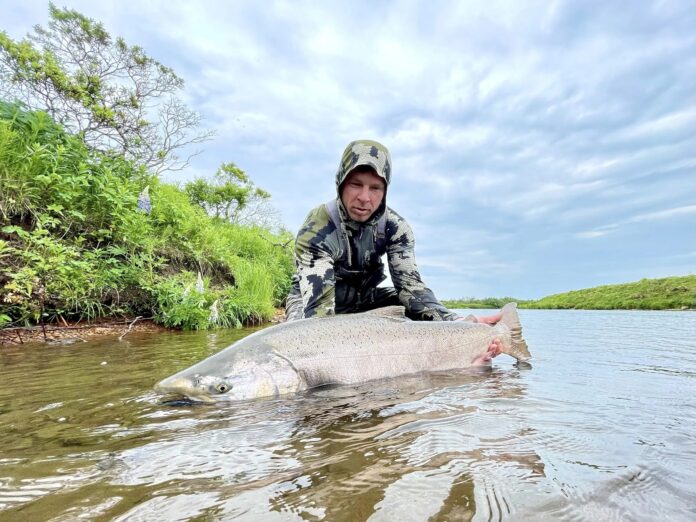
jack dennis

Conclusion with Jack Dennis

Jack Dennis’ stories are more than just fly fishing lore—they’re a firsthand look into the growth of a sport and community that’s shaped generations. Whether you’re a new angler or a seasoned pro, Jack’s reflections remind us why we fell in love with fly fishing in the first place.

Be sure to check out JD’s Wide World of Fly Fishing on YouTube and look out for more from Jack as we celebrate 50 years of his iconic manual. Stay tuned for more episodes as we explore the people and places behind the fly.


Traveled #27 | Josh Miller – Euro Nymphing Tips and Tactics, Team USA Fly Fishing, Visit Idaho

Josh Miller's Photo

Today’s guest is Josh Miller, a Pennsylvania-based guide and coach for Team USA’s Youth Fly Fishing Team. He’s helped shape some of the best young anglers in the world, and in this conversation, he’s sharing his roadmap for preparing for new water, making smarter decisions on the river, and understanding the nuances of fly presentation. Whether you’re prepping for a new fishing destination or just want to up your game, Josh has plenty of insights to share.

Show Notes with Josh Miller on Euro Nymphing Tips and Tactics. Hit play below! 👇🏻


apple podcasts

Find the show:  iTunes | Stitcher | Overcast

Subscribe on Android

Subscribe on Apple Podcasts

Subscribe via RSS

(The full episode transcript is at the bottom of this blog post) 👇🏻

Sponsors and Podcast Updates


Josh Miller fly fishing

Show Notes with Josh Miller on Euro Nymphing Tips and Tactics

01:40 – Josh is the head coach of the Team USA Youth Fly Fishing Team. They just won the world championship in the Czech Republic. 

05:26 – In 2025, the world championship will be held in Eastern Idaho on Henry’s Fork and other famous waters in that region. Check out Yellowstone Teton Territory for more information.

06:50 – Josh’s first world championship as a head coach in Bosnia. His words of advice for his youth team are “The best anglers for me is to make better choices than other ones”

Fly Fishing World championship in Bosnia
Photo provided by https://flylordsmag.com/team-usa-youth-fly-fishing-heads-to-bosnia-for-world-championships/

“The best anglers are the anglers who make better choices than other one.” – Josh Miller

09:30 – Josh discussed luck in competitive fly fishing; sometimes you get bad beats, and sometimes you get good beats. He says US angling knowledge transfer really good in helping the youth team.

10:25 – Josh shares how he started with local competitions in Pennsylvania and how the opportunity to join Team USA came from seeing competitions and wanting to learn more. He mentioned how mentorship played a crucial role in his journey.

12:05 – Josh refers to many incredible anglers out there who are not as widely known. He called them “sleepers” these are the people who are exceptionally skilled at fly fishing, but they don’t necessarily put themselves out in the public eye.

13:22 – Josh highlights some of the Top Central PA streams, including Spring Creek, Fishing Creek, Little Juniata River, and Penns Creek. Here’s Josh Fly Fishing for wild brown trout.

16:22 – Josh is attending the Denver fly fishing show and presenting a Euro Nymphing. He highlights the presentation of the Dry Dropper method and how most anglers get this wrong.

“A mentor to me is someone who looks out for me. There’s nothing for them to gain from it. And that’s a lot of people have done that for me, and I’m really lucky.” – Josh Miller

Youth Team USA Czech Republic World Championship
US Youth Fly Fishing Team headed to Czech Republic for 2024 World Championship

18:53 – Josh shared some advice: “Have a mentor and stick with that one person.”

19:58 – Josh shared his book, Euro Nymphing: Tips, Tactics, and Techniques. To get detailed instructions on casting and presenting your flies for the best drift and sight detection, He shares in this book everything about approach, presentation, and choosing the right flies.

22:01 – He shares an example of how stock fish often stay in certain pools (Like near bridges) and how rain can make rivers look fishable when fish haven’t actually dispersed. For wild fish, he notes they may be more evenly spread out. This helps determine tactics, fly choice, and how much time to spend in a specific area.

Behavior, Habitat and Fishing approach
Wild Trout VS. Stocked Trout: Behavior, Habitat, and Fishing Approach

Click here, this provides a comprehensive comparison between wild and stocked trout. discussing their anatomical differences and habitat preferences and suggesting tailored fishing approaches for each type.

24:02 – Josh shares how Team USA prepares for competitions like the one on the Henry’s Fork by interviewing local guides and competitive anglers. He emphasizes that their goal isn’t to ask what fly to use but to understand fish behavior, where fish are likely holding, how quickly they reset, whether they feed in deep or shallow water, and how whitefish behave in that system.

How do you approach a new water? This compiles advice from seasoned anglers on strategies for exploring unfamiliar fishing locations.

29:17 – Josh talks about how, as a coach, he doesn’t just want to know that something “worked.” He wants to understand why it worked.

When an angler comes to him and says, “I smoked them,” Josh will challenge them to go deeper, asking for the number of fish, the water type, and specific conditions. Here’s Josh Fly Fishing A New Stream – Euro Nymphing Techniques.

31:14 –  Josh shares that the Walt’s Worm, often mistaken as a worm but a simple caddis imitation, is his number one confidence fly. He prefers it not only because it catches fish but also because it’s quick to tie and effective across many waters.

Euro Nymphing Tips and Tactics - Fishing and Tying the Walt's worm Euro Nymph
Photo provided https://darkskiesflyfishing.com/post/fishing-and-tying-the-walts-worm-euro-nymph/

Learn more about fishing and tying the Walt’s Worm in this in-depth information. Click here to read it.

34:22 – Josh introduces the concept of “line of sight,” explaining that rather than always grinding the bottom with a nymph, he prefers to keep the fly suspended higher in the water column when conditions allow. Check it out here to learn more.

35:03 – Josh explains that weather patterns can drastically change fish behavior, especially when a cold front or rainstorm is followed by a windy, high-pressure day. Look at how weather can influence the attitude and altitude of largemouth and smallmouth bass.

38:10 Josh explains that while  Euro nymphing leaders are generally similar in concept ( all mono rigs), the weights and setups vary between anglers. He emphasizes learning one full system before mixing styles. Learn more here.

39:02 Josh explains that when fishing in shallow water like ankle to knee deep fast water small differences in fly size, weight, and sink rate can make a huge impact. He refers to this as fishing in a “micro environment” where even a 0.4mm difference in bead size could determine whether your fly drifts for a second or half-second. Check out here to learn more.

41.12 – Josh explains how critical it is to think ahead about the fly’s path and drift before making a cast. He compares it to “tracking,” where you want to anticipate where your fly will go once it hits the water. He emphasizes ensuring your leader lands downstream of the fly’s natural path to avoid spooking the fish.

44:40- Josh talks about how he prefers to use a shorter leader, often around 30 feet, for his Euro Nymphing setus. He also mentions using lighter monofilament and explains how the tapering of the leader plays a significant role in how the fly behaves.

Fishing a Single Fly on a Micro Leader with Josh Miller.

Josh emphasizes the importance of tapering the leader to match the specific water and fishing conditions, allowing for better control over the fly presentation and minimizing the chance of the fish being spooked by the leader.

48:10 – Josh talks about the balance between being patient and responsive when a fish is biting, especially when you’re in a position to spook the fish potentially. He explains that anglers need to respect the fish by avoiding ascessive disturbance in the water.

Being too cautious can sometimes hurt the fishing, while acting too quickly can spook the fish. It’s about striking the right balance and not disrupting the environment too much.

49:47 – Josh talks about his use of larger bead sizes for flies like the 16 Walt’s Worm, which he explains is a great pattern for fishing in various conditions. He describes how sometimes, larger beads are effective, particularly when the fish need a fly that can sink faster.

Getting down to the bottom of the river is critical for success when fishing weighted nymphs. They use a variety of techniques to do this. Check it out here.

Sink rate of Nymphs Euro Nymphing Tips and Tactics
Photo provided by https://activeanglingnz.com/2015/10/15/sink-rates-of-flies-tied-with-tungsten-and-brass-beads/?utm_source=chatgpt.com

52:14 – Josh shares his instructional framework when helping anglers improve their Euro Nymphing technique. He shares the five fundamentals that he focuses on when teaching casting.

53:27 – Josh offers essential tips for new anglers to improve their casting technique, stressing the importance of good body positioning and proper casting mechanics.

57:18 – Josh talks about the typical schedule for the World Youth Fly Fishing Championships, particularly regarding the team’s travel and preparation.

You can find Josh Miller at his website troutyeah.com, and on Instagram @joshPGH

Trout Yeah Website

Top 10 Fly Fishing Strategies & Lessons from Josh Miller


  1. Reverse Engineering a River – Instead of starting with fly selection, Josh emphasizes understanding fish behavior, water type, and feeding zones first before making a cast.


  2. Why Fly Selection is Overrated – Fly choice matters less than presentation, movement, and decision-making.
  3. The importance of Mentorship – Pick one mentor first before diving into too many different techniques.
  4. Prepping for a New Rive – Learn how to identify if fish are wild, stocked, or holdovers and adjust accordingly.
  5. Euro Nymphing Mastery – Get insights on drift control, leader setup, and micro-adjustments for more success.
  6. Strike zone secrets – Why fish aren’t always on the bottom and how to find their true feeding zone. 
  7. When Dry Dropper Beats Euro Nymphing – Learn when to switch techniques for better results.
  8. Championship Prep for Henry’s ForkTeam USA’s game plan for the Youth Fly Fishing World Championship.
  9. How Travel Makes You a Better AnglerAdapting to new waters quickly is a key skill for elite anglers.
  10. The Power of Small Adjustments – The best anglers make better decisions in the moment, not just cast more.


Euro Nymphing Tips and Tactics Noted in the Show

Fly fishing is more than just casting a line—it’s about understanding the river, the fish, and the techniques that make all the difference. For competitive anglers and weekend warriors alike, success on the water often comes down to making better choices rather than just having the perfect fly. In this episode, we take a deep dive into the strategies of one of the top anglers and coaches in the country.

Euro Nymphing Tips and Tactics Videos 

Fly Fishing a New Stream – Euro Nymphing Techniques

Euro Nymphing Tactics: Fishing a Single Fly on a Micro Leader with Josh Miller

Euro Nymphing, Nymping at a Distance

Resources: Euro Nymphing Tips and Tactics 

Euro Nymphing Tips, Tactics and Techniques Josh Miller Book

Euro Nymphing Tips, Tactics and Techniques Josh Miller’s Book


Related Podcast Episodes

Read the Full Podcast Transcript Below

Episode Transcript
Dave (4s): The team USA youth team has dominated the last two world championships, and this year it’ll be held in eastern Idaho on the Henry’s Fork and some of the other famous waters as part of the country. A big reason for their success is the person who is on this podcast today. And today you’re gonna find his roadmap to prepare for a new river or stream you plan on fishing this season. Hey, this is Dave host of the Travel podcast. Today, I’ve been fly fishing since I was a little kid, grew up around a little fly shop and created one of the largest fly fishing podcasts in this country. Josh Miller, Pennsylvania Guide and one of the best anglers in the country is going to show us how to approach a new water from the right questions to ask from the start, which don’t necessarily always include, which fly to his advice on choosing a mentor and why you should stick with one to reverse engineering the stream, to make sure you can present your fly to more fish. Dave (52s): Josh is gonna bring it all today so you can present the fly correctly. This episode of travel is presented by Yellowstone Teton territory, where you can explore great fly fishing, great hunting, and the world championships this year. Alright, too much good stuff. Let’s get into it. Here he is, Josh Miller from Trout yeah.com. How you doing, Josh? 2 (1m 11s): Good, Dave, it’s a pleasure to be here. Thank you. Yeah, Dave (1m 14s): Thanks for putting this together today. You’ve been a person that I’ve heard a lot about over the years and I think we just are finally getting you on here. But it’s been definitely, you know, because you’ve got a connection to, obviously Pennsylvania is a very popular place. We’ve had some episodes, I’ve been out there a little bit and, and then also team USA, I wanna talk about that today because I think you’ve done an amazing job with the youth team. I wanna talk about that because this year they’re actually gonna be, I think, in Idaho out west and I, I’m guessing they have a shot at winning some more. So we’re gonna talk about all that, but before we get into that and you guiding and you guide out there, so before we jump into that, let’s take it right back to the start. You know, fly fishing, kind of what’s your first memory and how’d you get into it? 2 (1m 53s): Memory wise, I’ve been, you know, just like a lot of the great anglers fishing a long time. My mom and dad would take me brook trout fishing in the north central Pennsylvania mountains. And just kind of the earliest memories, camping, fishing on the stream, you know, camping on the stream, fishing, catching rainbows, stock rainbows and wild brook trout and just like loving it man. You know, just catching it. Dave (2m 16s): You’ve been doing it forever. What was the moment when you, have you been, you know, as far as the guiding and team UA, I’m not sure which one, I’m guessing that the, the guiding came first or how did that look? I 2 (2m 27s): Think Team USA, actually they almost were simultaneous. I was just like so lucky and blessed enough to learn things that were so much above what I ever even thought fly fishing was or could be, or you know, so I just wanted to teach it immediately, kind of the things that I was lucky enough to learn. So the kind of simultaneous, Dave (2m 45s): Yeah, simultaneous. Okay. And what about that is, you know, maybe give us a little update. Let’s just jump right into the youth team because I think you’re a big part of that. First off, talk about that. How, how is, how are they doing and what is your role with the youth with team USA 2 (3m 0s): Team? USA is, it’s a really cool organization that has, well, so it’s a couple things. It’s a team of younger anglers from around like maybe 13, 14 to 18, 19 is the youth. And then there’s an adult team with 18 to, I think it’s like 55 maybe. And then a master’s team, which is an older gentleman, and then there’s a ladies team too. So it’s, it’s kind of neat. It’s our country’s fly fishing competition teams in a, in a way. And we fish in world championships and I’ve been, I’m the head coach of the youth team. I’ve been for two years, two world championships now, and been instructing or a part of it for a little over 10 years. 2 (3m 44s): So I’ve been really lucky to one, be able to share love with some these young anglers and share things like, you know, techniques and stuff, but more so get to experience some cool things in life like travel and, you know, different languages. And the, the cool thing about world championships and fishing, not just even competitions, but fishing. You know, you go to the Czech Republic and if I was with my family, we’d go to like Prague or like this and that, but you know, as the anglers, that’s not where the fishing is. We fly into Prague and then drive, you know, 62 hours in the back roads to the, the, the most realest place of the Czech or Poland or Slovenia or Slovakia, you know, and that’s the coolest thing for me kind of is seeing the country is like the realest part of the country in my opinion, you know, so that, that’s kind of the cool part. 2 (4m 30s): But, sorry, getting off. No, Dave (4m 32s): That’s awesome. I love that. So the travel was a big part of it for you. You love you, you don’t get tired of the travel. 2 (4m 38s): I was just in, where was I? Argentina last weekend. Oh wow. Yeah, I’m, I’m just, just, just lucky to have been blessed to go places. But just that like constant learning and seeing new water and like stretching your technique in a way where like sometimes you don’t have a guide or any information on the water and you just gotta fish it and learn it. And that’s what kind of makes me go nowadays that makes me excited, you know? Dave (5m 2s): Yeah, that’s always is exciting about talking with you or any, anybody involved at the team USA and all that because it feels like you, you all can go anywhere on the planet, you know, and have a good shot where that’s a struggle for a lot of people, right? You can kind of know your home waters, but then you go to a brand new place, you know, how do you know if you’re gonna be successful, right? How do you prepare? But is that, what does that look like this year? Because I think it’s gonna be in Idaho, right? And eastern Idaho, the kind of that whole area right on the Henry’s Fork in some famous areas. Talk about how you guys are preparing for that, that event. 2 (5m 34s): Yeah, absolutely. It’s really cool for my first time, you know, having the anglers out in the United States, I think that’s a cool thing for our country for, to really show off our amazing fisheries here. The Henry’s Fork is, you know, no doubt, one of the best in Henry’s lake. And we have a couple other smaller streams we’re fishing for, for, for practice and preparation. There’s so much that goes into it with, you know, local knowledge, local guides and legends and stuff. Their, their information were, you know, putting that together with some of our things that we’ve learned in the last world championships and, you know, books or, or whatever. 2 (6m 16s): There’s so much to, to prepare sometimes almost over. Preparation’s a bad thing, sometimes under preparation. And, and every angler kind of has their own, you know, special spot that works for them. So we kind of try to, you know, match what works with the coaches and which works with the anglers and yeah, it’s, it’s fun. It’s, it’s a really cool thing. Yeah. Dave (6m 36s): So there’s, it sounds like there’s quite a bit, like if you were to, if somebody was listening now and they were going to a, a new destination for the first time, are there a few things you would tell them to be thinking about? Maybe stuff that you guys do that other just regular anglers could do to prepare? 2 (6m 51s): Oh, I’m sure tons. And a lot of the things sometimes I think I just take for granted or I just, it’s just second nature that I’m not thinking about. You know, the last, some of my first worlds as a coach or head coach was in Bosnia two years ago, and I remember kind of, I don’t know if it resonated with the anglers, but for me, you know, mentally it’s like just, just go catch a fish. Does that, is that, that means put on your confidence fly or that means go to the water that you’re most familiar with or, you know, don’t worry about the mountain you need to climb. Just worry about the first success, the first fish in the net, you know? And sometimes it’s just something simple like that. It doesn’t have to be, you know, but to me, the best anglers in the world, the difference between the person who’s winning equally to the person who they’re beating in competition or in just fly fishing in general, the best angler to me is just making better choices than the other one. 2 (7m 43s): That’s all it is. It’s just better choices in the moment. You switch flies, you switch techniques, you move, you stay. It’s just little micromanaging choices all the time. And if you look at it as choices, it’s not scary to anglers that don’t know a lot. It’s just make good choices, you know, and that’s just kind of the truth of it. But that’s how I look at it. And try not to get overwhelmed by, you know, like that angler’s doing something we’ve never seen before. Okay, well, you know, so you don’t know what you don’t know, but control what you can and do it well, you know, make good choices, but Dave (8m 13s): Yeah. Yeah. And the choices come down to, like you said, those choices. How, how do you coaching, you know, the youth team to make the choices, right, to make the good choices. How, how do you break that down? 2 (8m 23s): The truth is, I don’t wanna take any, any glory for anything. It’s those anglers who are good at what they do. I’m just there to hopefully help any way that I can. And that’s kind of what I try to have my role is whatever they need, whatever I can do, whatever I see or whatever they ask for, I try to just do my, you know, the best for them. And it, at the end of the day, they’re the ones that are winning. They’re the ones that are the, they’re great at what they do. So, yeah, that’s right. Dave (8m 47s): You know, and, and you, they did win right? In the last couple years, maybe talk about that, how it’s been going. 2 (8m 52s): So our, the last two worlds where we won both in the Czech Republic and in Bosnia, and the cool thing about the Czech Republic was we didn’t just win gold, we won first, second, and third individually two, which was, you know, pretty surreal and wild. Dave (9m 7s): So what do you attribute that to? Is that just all the stars aligning? Will that ever happened again? Is has that happened before? 2 (9m 15s): I think it’s happened once or twice, to my knowledge. I think Spain might have done it once or maybe someone else too. There’s been a lot of competitions as for all the countries and for all the, you know, European nationals or European championships or whatever. But yeah, for, I think, you know, of course you’re gonna have to have some luck. You’re gonna have to have some good beats. You’re gonna have to have the best other good anglers get the bad beats. But the truth, truth of it is our organization, our country as a whole for information transfer, YouTube, local legends that are helping out these kids individually. We are really good as a country in my opinion, with those things. 2 (9m 55s): And our ang young anglers are just really good. You know, they’re just really good. So yeah, Dave (9m 60s): They’re good. And, and are these young anglers likely to become the next, the, the next group, the, the adults? Do they, 2 (10m 7s): I hope so. Dave (10m 8s): Did you start out as a, where did your team USA kind of, where did that start for you? 2 (10m 14s): Mine was, I saw there was some competitions on my local rivers in central pa and I saw it and I was like, that’s really cool. And I, I, I kind of, you know, was watching from a distance online and physically in, you know, on the bank. And I, I was the, the anglers were so kind and inviting that I was like, you know, they would just talk to me and I, I got to communicate with them and they helped me get started and, and I kind of just had that competitive spirit in me to, not to win, but just to wanna learn and, and they’re catching and I’m, I’m not as much and I want, I want that. So that’s kind of just what got me fired up for it. And seeing that the Calvin K laws, he was, it was neat ’cause he was kind of my introduction to competition fishing, and he actually was the head coach of the youth team for a lot of years. 2 (11m 3s): So that’s kind of how we got connected at the beginning. And, you know, I was his manager for some world championships and it, but it’s neat. And he, you know, he was kind of that connection for me at the beginning. So I have some to, you know, a lot of people I know off topic, but I wanna say this ’cause I think it’s really important. I’ve been really lucky to have a lot of people out there to, to look out for me and to get me started in things or push me to the next level or, you know, what does a mentor to you? A mentor to me is someone who looks out for me. One, there’s nothing for them to gain from it. And that’s, a lot of people have done that for me and I’m really lucky. Dave (11m 37s): That’s cool. And, and probably, I’m guessing some people that we may have heard of some anglers that are pretty well known. 2 (11m 45s): Yeah. And I don’t wanna toot, you know, you’re horn at all, but you have amazing podcasts and some of the best out there and it’s really cool. Dave (11m 51s): That’s awesome. Yeah, no, I mean, you’re in, in that one area. I mean, Pennsylvania, I just think of, you know, whether it’s, you know, George or you know Joe, right? All the, everybody’s by a first day of all the legends, like who else is out there that are people that are still going strong, that are Pennsylvania. 2 (12m 7s): The cool thing is the truth of it, there’s what I wanna call, is like sleepers. There’s so many out there that are so good at what they do or their niche or whatever it is, but they don’t put themselves out there ’cause they don’t care to or whatever it is, doesn’t matter. But they’re so good and that’s what I think is, is neat. That can come down to some like, like local guides. There’s some guides that work for their flash out here that are awesome and just some, you know, YouTube faces or this and that. But there’s, there’s a lot man. It’s, it’s cool. Dave (12m 34s): There’s a bunch. Okay. What is your kinda weekly or your guiding look like out there? Maybe talk about that. What’s your kind of home area and then what types of of things are you covering? 2 (12m 43s): My home is, I, I don’t want too many of my anglers to hear that, you know, my home is wherever I wanna fish the next day. Truthfully, I, I try not to fish the same places too much. I don’t wanna overc catch the fish or, or not even that per se. It’s like, I wanna keep my brain fresh and excited too. So I try to fish, you know, one spot or one stretch a year, maybe twice or three times, you know. But that keeps me and it keeps what I, what I’m trying to do. It keep my brain thinking and, and going. But to say that it’s mostly, mostly central pa. We have a lot of really good streams, man. Just a lot that yeah, you do, you know, we really Dave (13m 21s): Do. Is central pa the area, is that the one that’s really known as the, what are the few of The famous waters that everybody would’ve of known? 2 (13m 28s): Yeah. Spring Creek, you know, Penn’s Creek, fishing Creek, little ju those are kind of like the call ’em, you know, the, the big streams. Dave (13m 35s): That’s it. Okay. And you, yeah, no, I love what you, you kinda say there is that yeah, once per year, just, yeah, you get around. I mean, that’s what you’re doing. You kind of have to get good at that, right? Because you go to new water, how do you get ready for a new piece of water? And then it keeps it interesting ’cause And do you do that when you’re guiding? 2 (13m 51s): It’s neat, you know, I know I’ll fish a stream, stretch a stream, you know, five years ago and then I’m like, you know, let’s, let’s take my angler to that stream today. ’cause I just had that feeling and the angler’s like, man, you know, this stretch. And I don’t wanna say, well I’ve fish in five years, you know, you know. But, but for me it’s, I don’t wanna be stagnant and as much as I can think as they’re thinking, and I think it’s more organic that way too. ’cause we’re kind of thinking together in a way, even though they might not know that or think that, you know, and that helps me to keep on, you know, I don’t wanna catch that same poor fish or, or know that fish is behind the rock. I wanna know he is behind the rock because my technique and things will tell me that’s there versus actually physically have caught that fish before. 2 (14m 36s): If that makes sense. Dave (14m 37s): Gotcha. Yeah, it does. What, what does it look like if somebody was gonna be going out on a trip with you? What? Maybe break it down like a typical day, what that looks like. 2 (14m 47s): Typical day. Typical day is the day before. I’ll let you know what we’re fishing and people are like, how don’t you know? Dave (14m 54s): So, so you, when you come in, people aren’t coming in saying, I want to fish this particular hatch. It’s more like, Hey, I’m gonna take you somewhere and it’s gonna be good. 2 (15m 3s): Well, it depends, you know, it depends on what the angler wants. If I’ve taken them before, what their needs are, their angling ability, their waiting ability, you know, all that first off comes into play. But truthfully, if, if I don’t know the angler and they call me and say, I wanna have, I wanna know the, the emergence of a specific thing on a specific river and hit it in its stages. I say, I’m not the guide for you, even though I probably could do it fine and you know, this and that, but there’s better than me at those things. You know, I wanna float and streamer fish. There’s better than me at that. There’s better at me than most things. But for what I like to do and what I like to teach, that’s more of versus a specific river in a specific place. So. Dave (15m 43s): Gotcha. So you get on a river, let’s just say it’s just some unnamed river or or creek. What does that look like? The first step? Like, okay, we’re getting ready to, to go out. Like how are, like say I’m on getting ready to go on the water with you. Walk us through, yeah. What does that look like? 2 (15m 59s): I like to know the day before with a little call of my angler, what their wants and desires are for the guide trip. What they feel like their strong and weak points are. Dave (16m 9s): What if it was, I really would love to get better at Euro nipping. 2 (16m 14s): And I’d say that’s most of what my anglers, Dave (16m 15s): That’s usually what it is. 2 (16m 17s): I think so most, and sometimes the truth is, well, may I’ll, this is funny, I, I’ll I’ll be in Denver this weekend at the fly fishing show doing some presentation on dry dropper. And people are like, you know, I know you as a Euro guy, but you know, I like to do everything of course. And dry dropper is, I’m trying to share the, the love of how it’s misunderstood and misused and mis, you know, there’s a lot of things of it that are really powerful. Sometimes anglers come to me to learn urine thing and within five minutes we’re dry dropper and they’re like, you know, what the heck? But, but the conditions, the angler’s ability, what the fish are telling me, that might be the premier technique in that moment, you know? So we’re letting the fish kind of dictate in a way. 2 (16m 56s): We’re letting the anglers ability and we’re letting the conditions, you know, all, all, all things, Dave (17m 1s): Everything together. When is Euro nipping maybe not, you know, good in a certain situation. It seems like it’s super effective. Is there a time when it wouldn’t be the best? 2 (17m 11s): Yeah, yeah. It’s the neat thing with our whirlwind this year in the Czech Republic, dry fly, we caught fish on sessions. We caught fish on strictly streamer fishing sessions or, or most of the fish across streamer fishing. So, you know, just knowing what would be the most, the technique that would be the most efficient and prolific and, you know, and that that can dictate with like, am I gonna have more tangles with this? Am I gonna be able to convert to fish faster? Blah, blah, blah, blah, blah. So, you know, knowing all those is what helps us to choose what technique in the moment. It’s not always just num thing or this or that, you know? So those things were in the, the water type water clarity, you know, water depth, how close you can get to the fish, all can make choices on what technique. 2 (17m 59s): Remember good anglers. Yeah. Make better choices, Dave (18m 1s): Right? Yeah. What’s your recommendation? Somebody’s listening now obviously they’re, they’re on this podcast listening some content, but where, where do they go to kind of learn some of the stuff that you’ve learned over the years? Like to get better, maybe it’s your own n finger or dry dropper is there, there’s so many resources out there, right? It’s kind of hard, almost overwhelm, right? What would you tell somebody today that wanted to maybe learn from what you’ve, what you’ve learned? 2 (18m 23s): It’s a hard one to say exactly. I mean, you know, of Devin and, and Lance and, and Pat and George and, you know, the, the United States core comp anglers that have done it or are doing it. Those are amazing resources. And then there’s other ones that have squeak off of that, that maybe have learned from those ways. There’s a lot of amazing YouTubers, I can’t name ’em all because there’s tons, you know, there’s books. But this is, this is the piece of advice that I would like to share with listeners that are trying or starting have a mentor and just like stick with that person for a little while versus like learning a little from that, a little from this, a little from that. 2 (19m 4s): ’cause what happens is you learn, you use one leader, it doesn’t quite match with another person’s style of casting versus where they’re fishing versus the rod they’re using. So, you know, kind of, I would just say grab one person and learn for a little while, then break off from it and learn from everybody, you know? Dave (19m 18s): That’s right. That’s great advice. Just stick with somebody. Are you doing the content thing out there? Is that, are you similar, I know Devin and some of these other guys have tons of that out there. Is that something where you have resources that people could follow you on? 2 (19m 30s): Yeah, you know, I wrote a book on Num thing and I do have some YouTube videos. I do enjoy doing that stuff, but it’s also a balance. Like, I don’t always love putting my face out there too. I just, it’s like, I don’t know, I, I like wanna share and like, I, but I don’t wanna be the spotlight too. It’s a weird balance, you know? So, but I like doing it and I, I, I like sharing, like I said, the stuff that I’ve learned, it’s too good not to share. So I’m, I’m, I’m navigating that. That’s Dave (19m 58s): It. That’s right. Yeah. And the book is, I think it’s Euro Tips, tactics and Techniques. Is that the book you’re talking 2 (20m 3s): About? Yeah, yeah. It just came out last year. Dave (20m 6s): Oh, nice. Yeah. Good. So we’ll, we’ll get a link out to that one. People can follow that as well. 2 (20m 10s): Beautiful. Thanks. Dave (20m 11s): Yeah, I think that’s good advice. So basically find one, you know, one person so you don’t get confused on this. And there’s lots of good ones out there. 2 (20m 18s): There’s tons. Yeah. Dave (20m 19s): Yeah, there’s tons. Whether that’s Euro nipping or the dry dropper, right? Anything. Yep. Yeah. Nice. Let’s go on, you know, again, Pennsylvania versus, say Idaho versus Czech Republic. Are those, you know, worlds different as far as the fishing that you guys, I’m just thinking like as you’re preparing for this Idaho Henry’s fork, is the Henry’s Fork a very similar at all to the check or to where you are in pa? 2 (20m 43s): Well, you know, no, and yes, you know, bugs are gonna look different. Bugs, you know, are gonna hash different amounts and this and that, but rainbow trouts or rainbow trout, you know, you know, but then it, it is some places the fishing is more forgiving. Some places the fishing just way harder. Do you know, fishing pressure versus amount of fish in the water versus stocked or wild or hold over, you know? So knowing those things to us is important. I like to ask, I like to kind of stimulate the question, you know, what would I ask if I went to Argentina tomorrow? Or I, like I said, I was there last week or you know, if I’m going to a different country or this and that, what would I ask as an angler? 2 (21m 25s): What information would be important to me to know when I’m fishing a river? If I could only ask one question, you know, it wouldn’t be, it wouldn’t be what the local hatch is. It wouldn’t be what the, what the fly shop hot fly is not, you know, not this thing that, that’s not what I’m trying to do. But what, for me, Josh Miller would be my most important. It’s, you know, if there’s wild fish or holdover or stock fish, you know, that, that just kind of helps me to know where I’m gonna start, how I’m gonna start, and, and my changes throughout the, my progression, my choices. You know, Dave (21m 54s): What is the difference between that? So that is a great first question. So wild versus stocked. How do you change your process once you know that? 2 (22m 2s): Absolutely. So, you know, knowing that I, I would, let’s say this, it’s kind of a neat story. I have a, I grew up on a little wild trout stream here in Pittsburgh area, and there was a stocked one down the road. I would fish and kind of knowing where the fish were in the wild, you know, the wild stream verse where they were in the stock stream. My friend came over and we fished and you know, I, I helped stock the day before and we put them at two bridges and there was no fish in between. Then it rained and then, you know, if you saw it the day we stocked it at, you know, three CFS, you’d realize they’re only in the bridge holes. But then it rained and it looked beautiful throughout and we fished, you know, the miles in between the bridges and caught nothing. 2 (22m 43s): And then we got to both bridges and caught where the fish that are there, you know, so sometimes rain and, and swollen streams, especially on the East coast, look a lot better than they are the day before they rains, you know? So, so just knowing that, you know, I mean like, you know, you don’t waste your time, you know, not, not not saying it that way, but just, you know, for as a efficiency standpoint. But, you know, knowing there’s wild trout there, they might be throughout the whole stretch, you know, and it’s just more dependent on where pers where someone physically put the fit. We all know this stuff, but, you know, so that, that helps to know where I’m gonna put my time in. I’m gonna look for the common points or, you know, and then technique wise, maybe I’ll fish with different flies, I’ll move faster or slower depending on if they’re wild or stock fish, you know? 2 (23m 30s): So it makes me change how I fish for them and the amount I fish eat area. Yeah. Dave (23m 35s): Is the Henry’s fork fully wild or there stocked fish in the Henry’s fork? 2 (23m 40s): You know, truthfully, I don’t know that answer. I think it’s fully wild, but I really don’t know that answer. I mean, we’re gonna fish it like it’s fully wild. Yeah, for sure. Yeah. Dave (23m 50s): Which means you’re going to hunker down and, and learn the specifics of every detail, every, every pool. 2 (23m 56s): Oh, we’re definitely gonna learn a, we’re definitely gonna put some practice time in. We’re definitely gonna, which we have already, you know, interviewed some, some local anglers and some competitive anglers. And there’s a lot of, a lot of stuff that goes behind the scenes with preparation to that level, of course. Dave (24m 14s): Right. You’re interviewing, so you’re taking people that know the area. And what are some of the questions, like if we had, let’s say you had that person on right here, you know, you name the mike, like whoever is at the Henry’s fork, like what would you be asking? What would be a few questions you would ask them? 2 (24m 29s): So like a key aspect maybe would be, you know, how fast is the fish reset? Can you walk through an area and they eat again? How many can you pull from one small area? Are they deep water oriented or shallow water oriented? Are they more willing to come up to eat rot dries? Are they more on the bottom? You know, is there white fish? Are the white fish potted up? Are they in what depth of water are they in? And you, you see the thing, I’m not asking what fly they’re using. We’re really in, we’re really want to know the specifics of war fish are and how they feed. Then we can come up with the flies for, for us the confident wise worked before whatever. And those are important questions, but those aren’t our first questions. Dave (25m 9s): No, they’re not. Yeah, the flies seem to be the, oh, I don’t know what you call it, but it’s just, you know, pe everybody loves ’em. We love talking about looking at or tying ’em, but at the end of the day, it seems like it’s one of the last things you have to, that makes the difference, right? Everything you just mentioned there is way more important 2 (25m 25s): Maybe to me, maybe to others it’s not, but that’s confidence and that’s what you build on and that’s is what it’s, Dave (25m 30s): What is your, you know, confidence flies. You hear that a lot. Do you have like a few of yours just to stay on that topic? What, what are some of your confidence flies? 2 (25m 39s): I would say number one through three would be a waltz, and that’s like a cadis kind of fly. It’s called waltz worm, but yeah, it’s not a worm, but ki kind of. But yeah, the cadi, you can know tie in different sizes and colors. And then France fly would be number two. That’s like a, a bluing olivey looking guy. Or it could be like Midge or, or small may fly and then a pheasant tail Frenchy or regular. I mean, those flies are just, I mean, come on. You can’t beat that stuff, you know? Dave (26m 10s): Good. Okay. And, and then the cat is, is that something that you fish quite a bit of, whether in Pennsylvania or just around the country? 2 (26m 16s): Yeah, I fish that num, that’s would be my number one fly. And not, because it’s specifically like the, to me, the best that matches all the tr to be transparent, it’s the fastest, the tie and it’s the fastest I lose, so I’m not, you know, that’s kind of the truth of it, you know? And, and just luckily it’s just a really, for me, a pattern that I’ve built mad confidence in that’s caught fish, you know, pretty much, pretty much anywhere I’ve fished. Dave (26m 41s): I feel like the, you have these pa, well you mentioned the pheasant tail, but the waltz worm is similar to a, a hair ear, right? It’s kind of a similar, is it the same? It’s just, is that all it is? Is is hair ear essentially hairs? 2 (26m 53s): I mean, you could tie it with many different kind of dubbings, but I, I would say yes in a sense. It’s just a, do you know, a simple down hair ear? No, no tail, no win case. And you know, I, I don’t even really use like a special ribbing, I just use the thread itself, you know, it just makes it even faster to tie, you know? And sometimes, sometimes I feel sad about minimizing the importance, I don’t wanna say importance, but minimizing the artisticness of, of flies and, and, but I just don’t have time for it. I just, it’s not, and it’s not something that I enjoy. I don’t enjoy tying flies. I don’t like that aspect of it. Dave (27m 28s): And it doesn’t work better. Like you’re saying, if you put on a, well, it could, but, but I always go to the, you see some of these things out there, and this is more what people love, like the flight tying shows and some guys tying up an exact imitation. I mean, it literally looks like it’s a, the real bug. Like those things definitely don’t work better, you know, they look probably work, work worse because they’re more stiff and stuff. But as you get along this, you have a hair’s ear, which has a case back, it’s got a tail, it’s got little hair, little legs, it almost looks, you know, a little more real. But then you get down to these frenchies and stuff, which are just the thin, the thin, right? What’s the saying? Thin to win or something like that, right? So, but then you get down and I feel like it’s just the basic right? And that’s because it’s getting down. Is that mainly because it’s getting into the zone and not necessarily that it’s the perfect color? 2 (28m 11s): Sometimes I have no clue. Sometimes. I don’t know. Sometimes yes, getting down is, yeah, it, it, and it’s neat. So I try to be more scientific with what’s going on to support my ideas or our ideas. So it’s more not just emotional. ’cause as a coach and as a instructor, I wanna know the reason why behind what’s going on more than, oh, this worked. Okay, stop. Let’s cut your motion. Like, why? You know, someone, an angler will come to me after a session, a young angler or a whatever, and they say, I smoked them, I slammed ’em, I crushed ’em. I said, those are emotions, gimme facts. I caught 19. 2 (28m 51s): Okay, those are facts. Now let’s figure things out. What water type, what this and that. There’s a lot more to it than you know. Oh, so I, I switched flies here and I crushed ’em. I went to the next hole and they’re not eating up there. Was that the fact, or is your setup not appropriate for that next area? Did you change things appropriately? You know, like there’s just a lot more going on and we try to think about more of the, you know, what’s going on? What are you trying to do? So that being said, we work in reverse. We think about what our fly, does it need to, like you’re saying, thin to wind, does it need to get down quickly? Does it need to get down slowly? And then, then our leader, our cast, our mechanics and all that follow versus how a lot of other people do it. 2 (29m 32s): They say, well, I’m, I’m doing this, thus this is happening. I want the opposite. What am I trying to do with my fly first and work backwards with everything, reverse engineer everything I do. And that gives me a little bit more control and knowledge of what’s going on a little bit. I don’t know everything of course, but I’m just trying to think things every time I’m teaching, presenting or coaching. I’m trying to stimulate thought because I don’t know the answer, but I know if you think about it, you’ll come up with a lot more thoughts of what’s going on and you’ll be able to control things Dave (30m 4s): Step into the world where the river whispers and the fishing is nothing short of legendary. This year I ventured into the heart of Eastern Idaho’s Yellowstone Teton territory where the fish were larger than life and the waters held the secrets of the best fly fishing out West Yellowstone Teton territory is not just a location, it’s a gateway to adventures that will etch themselves into your memory with crystal clear rivers like the Henry’s Fork and the South Fork of the Snake, and enough lakes to keep you going all year long. Make your way to Yellowstone Teton territory and embark on a journey to one of North America’s finest fly fishing destinations. Whether you’re planning your trip now or just dreaming it up, the YTT is where those dreams turn into reality. Dave (30m 47s): Remember Yellowstone Teton territory, that’s Teton, T-E-T-O-N. It’s time to experience eastern Idaho for yourself and support this podcast at the same time. And so on that Walt worm, you know, let’s just say the Cadis I that because the cadi is, I just feel like, okay, you got may flies, you got cas, you got stone flies, all this. How are you fishing a cadis you know, differently than you maybe were fishing something that’s a may fly, or are you fishing it differently? 2 (31m 14s): No, not really. No, I, if I’m fishing, two flies. I mean, my CAD is on the bottom and my may flies on the top. But that’s, I mean, even that I’m just reaching, I’m not really, you know, sometimes what, what matters more to me then? Yeah, I, I, I think maybe you’re reaching for, maybe I’ll animate the fly or move the fly or fish it in different waters, but not too much. But what matters to me, what I’m after is sink how it sinks. Sometimes I don’t wanna fast sink. Sometimes I want it to sink really slowly, like way slower than I think. A lot of what I encourage every angler to do is when they’re, you know, listening to this, think of the fly they’re using. 2 (31m 57s): If it’s a three, five or two, oh, whatever it is, next time you fish, tie it on your line and drop it in the water in front of you and watch it. But you, no one does. People don’t realize how slow or fast or fly sinks, you know, watch that and see and use that data to think about when you cast and if you drop your rod tip and do all the slack, what’s happening with your slack is the fla actually sinking as faster, as slow as you think it is. And you know, you can start controlling things a lot better when you know how fast or slow your sink is. And you can follow it with your rod tip as it sinks and maintain control. Or you can, you know, a very, the angler that I look up to very highly is, is Pat Weiss. 2 (32m 37s): He’s someone in central Pennsylvania that’s, he’s, it’s neat, just a really good angler. I i, I don’t know exactly why, but I think, I don’t know how even gonna say why, but he’s just really good angler. Okay. And he told me something on a trip I, I, I booked, booked a day to go with him. I wanna learn from him last year. And he told me something like, you know, he thinks fish can see oftentimes a lot further than we think they can. And if that fly sinks really fast upstream, a lot of fish will say no to it before it even gets to there. It just sinks too fast. Nothing sinks that fast. Drop bugs in, grab a CADs grab, you know, may fly some swim and, and do sink faster. 2 (33m 21s): But if you put a four millimeter perdigon on in shallow water, I mean, it’s just unrealistic, you know, but you know, it, it matches with the water. If it’s really fast and efficient, only have a short window to see that really quickly you sink and fly can be, you know, like you’re saying, thin to win it can win. But on a lot of other situations, sinking too fast. And, and why I am telling you this is that to me, these things matter more than matching the waltz form of the pheasant tail or the, the hendrickson infinites third stage of color purple. Like, I, it’s too much for me to think about when I’m just trying to think of the things that I can control, if that makes sense. That’s why I’m telling all this to kind of bring it back Dave (33m 59s): Together. It does. That makes total sense. Yeah. So the getting to the bigger picture, which is like, yeah, you know, how are we making this thing look lifelike to the fish? 2 (34m 7s): They can, yeah. I, I use this kind of analogy called line of sight. What I often try to do is not, not grind the bottom. If, if possible, if the fish are willing to, to move to eat the fly. I try to keep the fly in more fish’s vision, and that means staying higher. And that means with sinking slower, if I can sink slower, more fish are able to see if they’re down in these little ridges and valleys in between the rocks. If I get down to the rocks too fast, I might take out a lot of opportunity for fish from the left or the right to see the fly. But if the fly is a little higher for longer and slowly start sinking more fish will see it. And oftentimes they’ll move into the lane of that fly and eat the fly. Dave (34m 49s): There you go. Are these fish sitting there typically in different locations within the, the channel? You know, I mean, just say it was three feet deep, four feet deep. Are they typically a certain amount off the bottom when they’re feeding? Or how can you tell that? 2 (35m 4s): So, great, great question. That could come down to wild verse stock right there. And that could come down to fishing pressure. That could, can come down to, you know, wind, wind, what do I mean by wind? You know, on our streams here, you have a rainy day and blueing dollars are hatching and beta and, and fisher eating and it’s still, and then the next day what comes after low pressure, high pressure wind blows that in and all the branches are moving and all the leaves are moving and those fish are plastered to the bottom. ’cause they see, you know, it’s like, oh my gosh, everything’s moving. They’re scared. You know? So, you know, know conditions can dictate where the fish are in the column, food bugs, you know, all that stuff. And that can change what I call the strike zone. 2 (35m 45s): You know, someone says strike zone and what does that mean? That’s, to me, the strike zone is the area that the fish will be in or move to to eat. And sometimes that strike zone is so small and tomorrow can be so wide depending on how fearless the fish are or pressured or this or that, you know. So, you know, knowing those things can change how I fish. Dave (36m 7s): I love that. Yeah. We were doing a streamer episode, I’m trying to think of the, oh, it was, I think it was Tommy Lynch and he was talking about two types of fish or the two at least out there. The, the suicide fish and the Wouldbe predator, you know, and the suicide fish is that one that’s just, you know, it’s suicide fish, right? Going nuts. And then you got the other. But I think this goes back to it, right? Same thing is that depending on the conditions these fish are changing, right? And this could probably change throughout the day. Is that, is that true? 2 (36m 33s): Absolutely. It can change, you know, bird flies over all of a sudden they’re spooked and wearing now, you know, so strike zone changes. Dave (36m 40s): W what is the on the leader setup, let’s just take that for the euro. Does that vary quite a bit between, let’s say, pat, you know, Weiss versus you versus others that are out there? You think it’s pretty similar with the Euro setup on the leader? 2 (36m 52s): I think it’s similar in the fact that it’s monofilament, but it’s definitely different in, in the weights and, but those balance, or I tried to say earlier, which he’s, you know, pat is once again engineering or reverse engineering what he wants his fly to do. And then his leader helps to accomplish that. And his, but his cast also is connected with how and what it’s doing, so it matches. But if you ask him what leader, and then you don’t cast similarly, it might not work for you. That’s what I try to say. When you learn from someone, learn their whole method, good at it, then understand what it’s doing, how your rod’s working, how your rod’s bending, why it’s casting the way it is. 2 (37m 36s): You know, the best anglers to me are like plumbers, electricians, like, you know, that’s my dad. He, he was a carpenter and he’s, he understands his hammer, how to use it in ways that, you know, I wouldn’t know. And that’s the same thing with the rod. Like you understand when you cast, it’s doing something with that light leader differently than it’s with a heavy leader versus a heavy fly with long tip. You know? So understanding how your tool works to a high level, then you understand if you grab paths Rod or his leader and then mine, you’re gonna be so different and you’re like, you know, but if you do the same stroke with both, it might not work properly. Wow. Does that make Dave (38m 14s): Sense? Yeah, it makes total sense. No, I think this is a, I think you’re reinforcing a good point here is that yeah, you can, you can go out and get stuff from Devin and Lance and you know, Pete and everybody and put it all together, but it’s gonna be a little confusing 2 (38m 26s): A little. I mean, it, it might not be for you, but for me, I have to, you know, if I go to a heavy leader, my cast is gonna be different than when I go to a really, really light leader. Light flies you, I’ll just like, I, you know, and then if I change rods, it might, my cast might change a little bit too. So a rod that’s a little softer or a little stiffer or whatever, I might need to adjust things a little bit. Dave (38m 48s): Yeah. If you’re, let’s just say you have a fish that is kind of active, you know, maybe is up in the calm a little bit feeding, maybe he’s even in shallower water. How are you fishing a, a nymph? Like what would your setup look like to that fish on that day? 2 (38m 60s): If, when fish are in like water that is like angled and knee deep in fast water like that, if, hopefully if it’s moderately fast, that’s, to me that’s my favorite fish. But when you’re fishing what I call a microenvironment, you asked earlier the fish that’s in three feet in my, there’s different obstacles, let’s say in three feet versus six inches. You know, the environment is so small and six inches that if it, the difference between a two millimeter and a two four think rate might be the difference between one second and the bottom and a half second, which, you know, over a foot might be a drift or not. So, you know, when SWAT’s so small in such microenvironments, little adjustments are huge, little adjustments are very important. 2 (39m 45s): So how I fish something like that oftentimes would be with a really light fly and greasing my leader and letting it float on the water and fishing like straight or almost straight upstream. That’s my favorite way to fish. I love that. It’s my favorite method. Oh really? By far, yes. Dave (39m 60s): Love it. So, and yeah, so they’re in shallow water. And by greasing it you mean you’re kind of putting some like floating so that the leader holds up high? Yeah, 2 (40m 6s): So I’ll put like some sort of wax or something that’s like sticky that you can put on the leader that will help it to suspend and float. And you’re watching that leader for indication of a bite, it’ll move forward or go sideways or even go downstream. There’s different things. It’s, oh, it’s so fun. It’s, it’s, I like that because I can fish a little farther, a lot more casting techniques, more traditional stuff maybe I should say are important. Like you could do different kinds of reach casts and making sure, sorry, this is like, you gotta close your eyes and picture what I’m talking about here. But you know, so wherever your fly is going to go to wherever your fly, if so, if you naturally drop something in the water where it’s going to go, that’s what we call tracking. 2 (40m 54s): It’s the path that the fly is gonna take without your interference. Okay, can you picture this? I want my leader to land downstream of that path always. So I might need to bend my cast to turn around that rock because I want it to go by by, you know, past that rock. But I’m on the opposite side of the rock. How do I do that? So casting might be really important to manipulate my leader in the air to land a certain way. So the fly goes that way. And that’s the same thing with nu thing. You, you gotta think of that same thing, where’s the fly gonna go if you don’t impede its path and you need to figure out your body position and how to do that properly. 2 (41m 34s): That’s then we call it tracking once, once again, something I’m more thinking about than the fly itself. Just one, one more peel layer of the onion. You know what I Dave (41m 42s): Mean? That’s great. I love, and that sounds like, and I love that, you know, you can kind of for a little bit take out the fly, right? That’s one thing we can maybe focus on something else. We, we know the flies that work, right? A little bit. 2 (41m 51s): Let me say this, if I can match the, the drift and exactly the fly, man, I’d be deadly. But in that point it’s too much. You know what I mean? I didn’t need to, I didn’t need to catch that many. Dave (42m 1s): Yeah, I love that. 2 (42m 2s): I’d rather I’d, at the end of the day, I’d rather walk out and say, man, I manipulated my drift. And I was, you know, in control of that so well that I caught fish and I didn’t physically have to change anything. Verse the angler who stood there and had to change the fly 10 times. ’cause changing flies isn’t fun, you know, and you matching the right fly. To me, that’s what’s more fun. But each angler’s their own, you know, whatever, they have fun doing, whatever, who cares? You know, Dave (42m 27s): I’m with you. Like I, I’ve tied lots of flies, but I don’t tie, I don’t love tying anymore. And I feel like the fishing like changing my flies out there. I’m not, especially as I get older, you know, you, you’re not even there yet. But once you get older and you gotta put the glasses on, that’s the other thing that’s like, oh my God, I gotta change my fly again. 2 (42m 44s): You know, you know, I to be the bear. Bad news, sometimes we have to change things. We gotta change weight, we gotta change fly, you know? That’s right. Saying you don’t have to, but I would rather first rely on my technique. Dave (42m 54s): Okay, so I like this little, so you’re, you’re fishing to a fish that maybe is in shallower water. Maybe he’s coming in, he’s in, he could be a big fish right in there. And, and the, your leader is looking like, like maybe describe that. Are you using a shorter leader in that situation? Lighter? 2 (43m 9s): There’s two thought processes here. So leader, let’s talk about length real quick to get all on the same page. So leader length, my if if possible, if, if I’m not bound by regulation nor competition, I will have more of what anglers would call a mono rig. So what that means to me, I don’t know what the exact definition of a mono rig is. I don’t really care. But what the, the definition for me is monofilament. That’s long. So it might be 30 feet of monofilament, it could be tapered, it could be tapered lifts, it could be all cider, it could be whatever it is. In my scenario, let’s say it’s Pierre sepe, it, it is point, let’s say one eight, which is like, I, that’s, I think that’s millimeters, but it would be around four and a half x, four x something in that range. 2 (43m 59s): Okay? So that’s my whole leader, let’s say 30 feet of it. And it’s all slide, it’s all colored, it terminates. And at that termination point, you could put a tip ring, you don’t have to, you could use a perfection loop. That’s what I use usually just a little perfection loop that I tie in the liter. And then I’ll add, tip it to that our fish is in ankle deep water. It’s moderately fast. It’s not like white water, but it’s all gravel, which is kind of key, you know, it’s, we’re, we’re painting a scenario here on the left or the right, it’s really deep water. So he slid over and he’s eating the bug’s coming in, that kind of fast shallow water, which often happens in the summer when there’s a lot of bugs. So for me, I would put a, let’s say a two millimeter malt swarm on. 2 (44m 41s): And in the scenario, I’d want that waltz to be thicker and ’cause that can help maybe slow my sink down. I can slow my sink down by how I land my leader on the water. I don’t talk cast, I land what I call level with my fly and leader and tip it cider, it all hit the, the water simultaneously. So the surface almost pulls my fly just gently so it doesn’t allow it to sink. I can also restrict my sink with thicker tipt, you gotta use five x four x three what, whatever in my tipt length, let’s say it would be about four feet long, three, three to four feet long. In that scenario, the more velocity changes, the shorter my tipt would be. 2 (45m 25s): The more the water is constant, the longer I will fish my tip it to cider. And what I’ll try to do is make sure my cider lands downstream of the fish. So I don’t line the fish with my cider and spook ’em. So if I catch that fish, maybe I’ll move three feet and kind of go for the next chunk versus six inch steps or a footstep because my cider’s just gonna spook that next fish. If that makes sense. Yeah. So choices and someone else might, you know that that fish there would probably a good dry fly candidate. Dave (45m 56s): Yeah, that would be, oh, so you could be under, or you could be on the surface of this guy for 2 (45m 60s): Sure because he’s in such shallow water. But I notice is the, the of sight thing is really, really, really magnified in water like this. Because if there’s discrepancies, if that water’s only six inches to eight inches deep, if there’s little humps and bumps in there and your fly goes right to the bottom, the fish from the left to the right won’t see your fly. So if you keep the fly closer to the surface, it’s, it can see kinda like the cone on the sides of its head farther. It’s almost like dry fly. And when your dry is on the surface, a lot of times you don’t need to be in the lane of that fish. It’ll move one to two, three feet to the left or right to eat that dry. ’cause it can see it. Same with the nymph. If it can see it, if it’s willing, if it’ll move often and you can just convert fish faster when it works. 2 (46m 43s): And sometimes that well, and then let, so that’s strike zone, but then that strike zone some days is compressed to, you have to get it in the mouth of that fish, you know? And, and what I call it, the, the degree of variance that the fish will eat. And in your, your, your cast and your drift and your whatever is so small. And those are the days where fishing just really hard, Dave (47m 4s): You know? Right. That’s when it gets tough. That’s where the Euro NPH thing comes in. It seems like that’s the technique for some reason that works really well on. Do you find that that is the technique when it’s fishing is really hard and they’re, they’re not biting that you could still get ’em to bite with the Euro style. 2 (47m 19s): Sometimes it’s just fishing distance, you know, if that fish just even thinks you’re there, it just doesn’t eat. Sometimes just being farther away or, you know. But yeah, I think with the Euro, I think it gives you more control to control your variance to a higher degree than with an indicator. And a lot of times, Dave (47m 38s): Yeah. And spooking. Right. And all the, the thinner leaders help for spooking. Right. Do, is that a big thing with the leaders? You know, thinner gets you down quicker, but also is it a big part in the spooking of the fish depending on the conditions 2 (47m 49s): With it on the surface or with it underneath? Dave (47m 51s): Well, I, I was thinking underneath, but yeah, either one. Yeah, 2 (47m 54s): That’s, you know, if the really spooky, I’ll fish that tidbit longer between the cider, just so the, even the cider in the air over the fish. I’ve seen spook fish, you know, just even that I try to fish heavier tipt just to respect the fish catch, you know, and catch them faster. But sometimes, you know, tipt will spook fish too. Dave (48m 13s): That’s right. What is your, so you had say three to four feet, and just in this scenario, obviously this is just one little scenario, what fly, so you’re tying on the fight and then are you tying usually one fly or are you ty using a dropper all whatever, with this setup? 2 (48m 25s): I like fishing. Two flies less and less. The more I fish When I’m nim fing, when I’m dry dropper, of course you have two flies on, but when I’m just say two Nims, I don’t do it. I don’t fish that nearly as much as I used to in that scenario. One fly for sure. Just because the amount of sink you don’t, you know, you’re, you’re not, and and to me, because of that environment, so small, anything going passive fish is gonna see it when I have two flies. To me, it’s more chance of fish to be spooked off or to say no. Or to, you know, when I’m fishing deep three feet deep or four feet deep or whatever, and it’s uniform and it’s a big river, I’ll have two flies on when I’m fishing small, you know, boutique little spots like that. 2 (49m 7s): That’s, to me, those are all one fly, one fly spots. Dave (49m 9s): Those are all one flies. Okay. And then, and then on the tungsten on the bead, are you typically, is there any time where you wouldn’t be using the tungsten and it sounds like sometimes getting less sink, is that something you’re doing or is it all tungsten? 2 (49m 21s): Yeah, for sure. In that larger brass beaded fly, you know, a 16 wats or 16 hairs a year with a traditional, you know, bra. Yeah, for sure. The problem is now casting, casting now it gets difficult with a light leader, but when you learn different casts, you know, so someone says, I wanna do what you’re doing. And you know, I’m say it’s actually not very hard, but if you traditional try to traditional cast with it, it’s extremely diff it can be extremely difficult if there’s wind or you know, whatever. And we’ve learned just different casts to that just work that are o actually do this cast call it a Frisbee, Cass, where I put my finger on the side of the rod verse my thumb on top. 2 (50m 4s): When my thumb is on top, I notice I anglers including myself, when I’m guiding, I have the tendency to, to rotate the wrist. Not saying that’s good or bad, but the rotation makes the fly pop out of the water and go high, especially with the light leader kind of amplifies this. And it just really kind of destroys your distance and accuracy. But if you put the finger on the side of the rod and you, we call it the Frisbee ’cause it’s the same motion as like throwing a Frisbee. The wrist is still involved, but it doesn’t rotate on like an upwards angle. It can, you know, you keep it level with let’s say your waist or your, your your your chest. And you can even do it a foot six inches off the water and keep it really low. 2 (50m 46s): And you know, if you think of, I’m not a math person, you know, but if you think of geometry and the distance, you know, between two points, straight line, you know, wind and accuracy, some of that stuff. If it, it helps to get the fly there. It’s not the best, but it, it helps to get it there. Where sometimes that’s the only way I found just to get a light fly, you know? But, but understanding how your rod works, understanding how your cast, you know, how your fly it. I like to explain it almost like, you know, you cast a dry fly with fly line and the fly line carries your fly. Where some of these casts, it’s almost like your fly is the fly line and it’s like you pretend you’re throwing a baseball with a string, you’re throwing the baseball, the flies, the baseball and the string is like, you know, the fly’s pulling your string towards the targets. 2 (51m 37s): Almost similar to like how these cast are just, just different, you know? Dave (51m 41s): Right. So yeah. And there’s, well, let’s, let’s take that moment as you’re talking about casting. We, we have our own casting challenge going and we’ll start to take it outta here. Now as we, as we look at this, we, we have this really cool thing going. I’m reaching out to some of the casting, you know, instructors or just people that know and saying, Hey, what’s a good exercise somebody could work on? And I feel like that’s a big struggle, right? Casting and euro. Just euro, right. Casting that setup is not easy to do. Would you have, if somebody is new to it, like some sort of a exercise somebody could use to get better at the casting of the Euro? 2 (52m 13s): Absolutely. But the, the key to me is there’s like five fundamentals or things that really can make or break and making sure the leader matches what you’re trying to do. Like you said, if you, if you do this with a heavier leader, it doesn’t quite seem to work as well, you know, but like some key aspects, what if I have a heavy fly or my flies deep, I need to get that fly to the surface before I really finish my cast. So the movement of my rod tip might be 1, 2, 3 feet to bring that fly all the way to the surface. And then I finish my cast with a, a crisp flick of my wrist when the flies on the surface. You know? 2 (52m 52s): So there’s definitely some things, but you gotta, you got like, I like to say, you know, I’m not the best with my words. I’m, I’m vi you know, I’m a visual. You gotta see it and you know, then I can explain it. It’s, it, this would be too hard to explain exactly on, you know, a call. But, but that’s, you know, that’s a part of the, the teaching part that I love. Dave (53m 11s): Yeah, you do. Somebody’s coming there to get better at, you know, maybe they read your book and they’re thinking like, okay, I I want to take this next level. They’re out with you and they’re just new to it. So what is that the first thing? What is the first thing you’re doing with somebody who’s kind of new to it on the, on the cast, 2 (53m 25s): Those things. Making sure we set up a back cast properly. Making sure your body is set, making sure you’re physically always identifying your target, where you want your fly to go. Making sure your mechanics are appropriate and you know, trying to execute your cast. And then after the cast, when the fly’s in the air, when the fly is still in the air, understanding the next movements of your rod. If it’s raising by your, your rod tip, by just rotating your wrist or if it’s already moving your rod tip downstream, the same speed as the surface of the water to make maintain instant connection. Like there’s a lot of things post cast to do to help you for success too. 2 (54m 9s): And then it’s even, you know, I don’t do one cast, there’s multiple casts to, you know, identify your target first, figure out what your fly, what you want your fly to do. You want it to sink fast, you wanna be connected instantly. And then that can help you to choose what cast you wanna do. You wanna do a higher arching cast maybe to help the fly to sink faster or to have connection instantly, you know, so that those things are, you know, there’s not one way to do it. There’s many ways. Dave (54m 37s): Oh no, this is love it. The, the, the rabbit holes are always good. Totally. Does your book go into casting? Is that something that you cover in the book? 2 (54m 44s): Some casting stuff in the book? Truthfully, if I could do, you know, I don’t know any author that wouldn’t say it, but man, I could write that book five times longer now. You know, with all the things that I’m like, man, like, you know, ’cause even me, I, I’m always trying to just keep learning. I wanna re, I just wanna be the best I can be always so I can keep teaching, you know, and it’s fun, man. It’s fun. Dave (55m 5s): That’s it. That’s it. Nice. Well, and this time of year, are you fishing, I mean may maybe go back to that real quick on your guiding, are you guiding throughout the year or there’s a time where you’re out there more often? 2 (55m 15s): So my schedule with guiding is, I, I haven’t really fished besides last week down far south. Of course I’m gonna go to Florida next after Denver show this weekend I’m gonna go to Florida, fish the keys a little bit for fun for myself. And then I will start lightly guiding in March. So it’ll be a little bit of steelhead and then trout. And then once opening day in Pennsylvania, I’ll do April trout, may trout, and usually most of June, but I will have my second child, God willing, is coming. We call it the green Drake baby. I have a, I have a grand and baby, which is early season. 2 (55m 56s): I have a green drink baby on the way. Dave (55m 57s): Yeah. Which is, when is the due date? 2 (56m 1s): It would be end of May, early June. Yeah, end Dave (56m 4s): Of marriage early June. Wow. Yeah, 2 (56m 6s): That’ll change my guiding this year. But traditionally it would be June and then summertime would be July. Here in Pennsylvania is too warm on most of our streams, so I kind of hang up guiding, maybe I’ll do a day or two in July, but not really anything. And that’s one, the world championships, July, August for the, the last few years. And then September I’ll go out west for a little while and fish and then I’ll start back into September, october for a little bit of trout. Then they start thinking about spawning. I give up trout and I’ll go to Steelhead for a little while and then comes into the winter and I don’t really fish at all, all winter. So yeah, that’s my season. Dave (56m 43s): Yeah, you’re you’re not fishing, you’re not going for it right now. You got a couple things. Yeah, Denver’s right around the corner. 2 (56m 48s): Well, yeah, honestly, a, a few years ago, man, it was like nice to have that fall, you know, winter time with your family and stuff. But now I’m busier. I got all the shows and you know, talks and engagements and it’s, it’s, it, it makes it so fun. I love Dave (57m 2s): It. That’s so good. Okay, cool. Well, and then we mentioned the July. So are you guys gonna be, do you just head out there like the week before or the, the world championships or how does that look that that week? 2 (57m 12s): Yeah, usually whenever the past in, in different countries we went maybe 8, 9, 10 days before if we could. Sometimes it was a little less, a little more, well whenever you’re going to, let’s say Slovenia, my, my first world championship coaching and it was like, you know, two, three days of travel and the time zone’s pretty big and you know, angler or young anglers are excited, they fish hard one day and then they, they get, they get hit and it, they crash, you know what I mean? It’s like time zone and you’re so exhausted and you know, so we wanna make sure we have enough days to prepare mentally, physically. 2 (57m 52s): But then even small things like you know, there’s not a Utah state fishing game website where you can buy your fishing license when you need to. Czech Republic, you know, it’s like, you know some, I remember we went to this little like, I don’t remember what country it was, maybe Poland, you know, this upstairs third floor, this like home, you know, you’re like, what’s going on here? Dave (58m 13s): That’s where you gotta get, so you do have to buy a fishing license E even over there. 2 (58m 17s): Oh, for sure. Yeah. Every country and they’re different, there’s different regulations and governing things, you know, it might only be you could fish it just these small stretches and that’s it in the whole country. Maybe it’s a region, maybe it’s just one stream, you know. So there it’s very different when you go over to different places overseas with fishing, very different. Dave (58m 38s): Yeah, that’s it. Okay. Yeah, 2 (58m 40s): This year after we went to Austria, we wanted to fish a few places, but it was like we, we, they’re like, you have to take like a fishing test and stuff and for some, you know, I was like, that’s crazy. It, but it’s kind of neat. I kind of, kind of liked it in a way. Dave (58m 53s): That’s kind of cool challenge. Yeah, it’s like some of that stuff, it’s better to have some education before you get into it. Right. Okay. So, so basically for this in Idaho you’re gonna be heading over there the, I think it starts like mid-July, right? So you’ll probably go over there the a few days before and just kind of do some practice and then get ready to roll. 2 (59m 9s): Yeah, we’re gonna go practice way before a couple months before and try to get as much, you know, as much as we can practicing on water type that’s similar or if the venues are still open on the actual physical waterways, but you know, try to get as much, but it’s not gonna be the same in a way, you know, is runoff season versus after runoff so different, you know, so you gotta take that with a grain of salt. Sometimes it’s just physically standing there and having your boots in, in the stream, you know, sometimes just that gives you, you know, you just know the lay of the land, what you’re looking at and you know, familiarity. Dave (59m 46s): You guys are gonna be doing some st there’s always a steel water component, right? 2 (59m 49s): Not always, but usually. Usually, yeah. There’ll be two lakes involved in this one. Dave (59m 54s): Okay. Is is that something that you’re especially, are you equal at lakes as you are all the other stream stuff? 2 (59m 60s): Oh gosh, no. I’m terrible at lakes. So some of the anglers are really good at lakes and, and usually it’s the west coast more anglers ’cause they just have more opportunity of, you know, natural lakes or, or or you know, just lakes in general. We don’t have too much on the east coast. There is some and there’s some with some wild fish, but not, not too much. Dave (1h 0m 24s): Well this is awesome Josh. I think we definitely could chat. I would love to drill in more, you know, at a later point. But I appreciate this today. I think we’ll just send everybody out to trout yeah.com and josh, PGH on Instagram. Any last words for the big event that people should be thinking about? I know you guys like need volunteers, stuff like that. Any other, like why, why would people listen now, want to come to that event? Is that something where anybody can come there and join and watch you guys fish? 2 (1h 0m 50s): Yeah, sure. And it’s great. I think it’s, it’s almost like that thing, you know, more a stream needs friends, you know, we do too. You know, I would like some light to be shared on competitive angling because they’re, you know, to be honest, there is some negative things involved. We’re taking, you know, an area of the stream, you, it’s hard for anglers to fish at that weekend. We’re gonna catch some fish. It makes it maybe difficult, you know, this or that. So of course there’s some negative things and I’ll be the first one to say that. But at the end we tr we try at least, I’m trying to always help the anglers with education on, you know, loving the environment and loving the fish and trying to do their best to, and making sure that they know, and we know that we are ambassadors for, you know, the, the sport, our country. 2 (1h 1m 35s): But you know, that we don’t have the right of way the, the regular angular does. And that’s the truth. Dave (1h 1m 40s): Yeah, that’s right because they’re out there. That’s the difference, right? In the, in the US typically we’re not closing down this whole thing for the championships, but in some other countries, don’t they, did the other two countries, did they close down the, the waters for you guys? Yeah. 2 (1h 1m 53s): You know, and, and we don’t want, you know, at least for me, if I had the ability, I wouldn’t wanna do that. You, you know, that’s, that’s part of the game, that’s part of the luck too, you know, it’s part of what it is. But the thing is, some of the, the governing board or whatever wants to make sure it’s, it’s fair and equal. ’cause some countries maybe will do some things that are, are not fair put put people in people’s beats on purpose and stuff like that, you know? But, you know, but we, we, we try to make sure, so our nationals, we have a nationals here in Pennsylvania that’s gonna happen in March. And you know, for that it, there’s no closed water. You know, anyone could fish right beside the angler, even though I would hope no one would do that on purpose, you know, but we would never, you know, I, I always tell our anglers we are not, what word am I saying? 2 (1h 2m 42s): Looking for? Dave (1h 2m 43s): Yeah, you’re the, you’re making the setting the example. Right. Setting a good example 2 (1h 2m 47s): Of course. But we don’t have the right over the, over them. That’s what I’m saying. We don’t, we never, you know, you know, just, I try to share some love and happiness in this stuff. And Dave (1h 2m 55s): So the nationals and that is the step. So that will be, is that the nationals for everyone or just the youth? 2 (1h 3m 0s): Just just the youth. Yeah, just, oh, I’m excited. It’ll be in Pennsylvania on Spring Creek and Fishing Creek, which are beautiful place. Beautiful place. Dave (1h 3m 8s): Is this the national where now the, the youth that when this get a chance to go to this thing this year or is that already been selected? 2 (1h 3m 15s): No, that will be, that will be, it’ll help to decide the final anglers. Dave (1h 3m 20s): Wow. Exciting. So, so, so you don’t know right now the the exact team, I mean this is the, that must be a little bit of Yeah. I mean right. Some pressure. These youth I’m sure are just as fired up as you about getting this together and they gotta perform, but it’s not just one thing, right? This is a culmination of multiple national events to choose this, right? 2 (1h 3m 36s): It is, yeah. And it’s, you know, obviously the anglers last year that took first, second, and third, Dave (1h 3m 41s): Right? They’re not being booted out. Right. 2 (1h 3m 43s): But anglers age off and then there’s more spots. Some anglers don’t come, you know, I don’t think everyone really doesn’t come back, but sometimes that happens. I’m sure, you know. But yeah, there’s definitely spots to be made this team. So it’s, it’s special and it’s cool. Dave (1h 3m 57s): Awesome. Well this is exciting. We’ll definitely be sharing the message and we’re gonna hopefully help get some volunteers out there. We were talking to Glade a while back about just, you know, helping to get the word out and I think it’s awesome. I think like it’s exciting to, to see what you have going. So yeah, we’ll be in touch moving ahead and definitely thanks for all your time today. 2 (1h 4m 14s): Thank you. Thank you for having me on the channel and I really appreciate it. Thanks so much. Dave (1h 4m 19s): If you ever wanted to see some of the best in the world, now is your chance to go hang out and check out Josh’s crew team, USA, the youth are going this year. The ladies will be there. Now is your chance. Josh may be booked out for his guide trip for two to three years in advance, but if you wanna check in with the people that are learning from him and check in with him in Idaho, you can check in with me, Dave, at web fly swing.com. Let me know and we’ll get you in touch. All right, just want to give one quick trip. Shout out Phil Roy, if you’re interested in the Stillwater School, we’re gonna be doing that again in this neck of the woods. Send me an email and we’ll follow up with you. I appreciate you for checking out travel today. I hope you can live that dream trip this year or just get off the beaten path and experience that road less travel. Dave (1h 4m 60s): We’ll talk to you then.


Euro Nymphing Tips and Tactics

Conclusion with Josh Miller on Euro Nymphing Tips and Tactics

This episode with Josh Miller was a deep dive into the mindset, strategy, and techniques that separate elite angelers from the rest. Whether you’re trying to catch more fish on your local waters, prepare for a big fishing trip, or just improve your overall fly fishing approach, Josh Miller’s insights will help you make smarter choices and fish more effectively.

Do you know what is the most important question to ask before you get to new water?


743 | Fly Fishing the Gaspé Peninsula with Andrew Murphy – Atlantic Salmon, Stripers, Sea-Run Brook Trout

Fly Fishing the Gaspe Peninsula

We’ve had episodes on fly fishing the Gaspé Peninsula before: the famous rivers, active Atlantic salmon to the surface, and why it’s a fantastic destination. But today, we’re diving even deeper.

Andrew Murphy, longtime guide and now lodge owner at Gaspé Coastal, takes us into his home waters and shows us how diverse the fishery really is. You’ll learn how to fish for salmon, stripers, and even sea-run brook trout, all on the same trip.

By the end of this one, you’ll have the knowledge, and probably the itch, to book your Gaspé adventure. Let’s go!

Show Notes with Andrew Murphy on Fly Fishing the Gaspé Peninsula. Hit play below! 👇🏻


apple podcasts

Find the show:  Follow the Show | Overcast | Spotify

Subscribe on Apple Podcasts

Subscribe on Android

Subscribe via RSS

(The full episode transcript is at the bottom of this blogpost) 👇🏻

Sponsors and Podcast Updates


Fly Fishing the Gaspe Peninsula

Episode Chapters with Andrew Murphy on Fly Fishing the Gaspe Peninsula

The Gaspé Peninsula is located just above Maine, past New Brunswick. It is a top fishing destination in eastern Canada and is most known for world-class Atlantic salmon. The area is about 80 miles across and 200 miles long, surrounded by mountains, rivers, and coastline.

  • The Grand Cascapedia River is one of the most famous salmon waters in the region.
  • Stripers are a big focus, especially for those looking for action-packed fishing.
  • Anglers can also target sea-run brook trout, but they must go on long hikes or use canoe floats to reach those remote spots.
Fly Fishing the Gaspe Peninsula

Gaspé Coastal

This year, Andrew and Sarah are opening their lodge in Cascapedia. They’ve been working together on this for the past four years, and they’re looking forward to hosting guests and sharing the fishery with them. Andrew said they’ve included things they learned from visiting other lodges.

Rod

The type of rod you’d use here depends on water levels and the season. Two-handed rods are the go-to in June, but by July, people switch to single-hand rods, especially for dry fly fishing.

Fly speed is key when targeting Atlantic salmon. Unlike steelhead, Atlantic salmon prefer fly that moves fast. Slow, deep swings don’t fire them up the same way. And sometimes, a quick strip or an extra mend is all it takes to trigger a strike!

Flies

Andrew says some anglers stick to just one or two patterns, especially in June. But every region has its own fly culture. Here are some of the go-to patterns:

Andrew adds that one of their guides, Alex, is an incredible fly tyer, and so he has many unnamed creations from Alex in his box. He says these custom flies work really well!

When it comes to fly colors, green is a common choice, especially for patterns like the Ghost Stonefly. Here are the typical colors you can use in the area:

  1. Yellow & Orange
  2. Green
  3. Red
  4. Blue

Best Time for Fly Fishing the Gaspé Peninsula

The Atlantic salmon season runs from June 1st to September 30th, and the fishing stays solid throughout. Brook trout and stripers peak at different times.

August can be a hit or a miss, but a good rainstorm can potentially bump up the flows. Andrew and his team plan based on conditions and also offer brook trout and striper fishing to keep things exciting. By the end of the season, the salmon start to color up before spawning kicks in around late October.

When it comes to dry fly fishing for Atlantic salmon, Andrew says the Bomber is king. It’s the one fly Andrew sticks with, switching up colors and sizes if needed.

Fishing Set up

Andrew sticks with a 12 to 12.5-ft, 7-wt rod. He says it’s got the stopping power he needs and just feels right for his casting style. His buddy, on the other hand, prefers a bigger 13’6″ setup. So it all comes down to personal preference.

For most rivers, something shorter works well, especially as flows drop. When that happens, Andrew switches to an 11-ft switch rod.

Where’s the Best Place to Fish?

If you’re heading up in July, there are a lot of rivers you can explore. The Grand Cascapedia is the most famous, but access is tricky because most of the main stem is controlled by private clubs. So Andrew and his team focus on the branches of the Grand, which offer more public access.

The Bonaventure is another great choice, with plenty of public water and legendary pools. The Petite Cascapedia is also worth fishing, and there’s a lottery system that helps anglers get access to prime spots.

Fly Fishing the Gaspé Peninsula: The ZEC System

The ZEC system helps guide conservation efforts and ensure rivers are protected. What’s great about this system is that it puts anglers in control. These nonprofit-run organizations manage the rivers and ensure fair access for everyone.

Each ZEC has wardens to prevent poaching and biologists to track fish populations. They also work on conservation projects, like protecting cold-water shelters for fish during hot summers. In addition, they improve angler access by providing maps, road signs, staircases to pools, and even dry toilets.

How Does the Draw System Work for Fishing?

The fishing spots in Quebec follow a three-tiered system.

  1. First, there’s public water, where you can just buy your tag online, show up, and fish.
  2. There are limited-access beats, which require a bit more planning. You can enter a preseason draw starting on November 1st.
  3. If you didn’t get your spot, you can enter a short-term draw 48 hours before your trip for a chance to fish in specific areas.

The whole process is random, and the closer you are to the top of the list, the more flexibility you have in choosing your fishing days. It can be tricky, but lodge owners like Andrew can help navigate the system for their clients.

Striper Fishing

Fly Fishing the Gaspe Peninsula

At Gaspé Coastal, you can have a flexible fishing experience and easily mix Atlantic salmon fishing with striper fishing. Andrew says many clients come for the salmon but end up trying the flats fishing for stripers, too.

Flats fishing for stripers is consistent from June through October. Andrew explains that the stripers in their area are less pressured, which makes them more eager to bite.

Common Mistakes When Atlantic Salmon Fishing

A common mistake people make when preparing for their Atlantic salmon trip is overpreparation. Andrew says many newcomers bring way more gear than needed, thinking they’ll need it all. But the reality is, they don’t. Here’s what you should know:

  1. Don’t Over-Pack: You don’t need to bring everything. There’s a great fly shop across the street with everything you’ll need.
  2. Stick to the Basics: Bring the essentials, like a spare rod, and don’t stress about not having the perfect gear.
  3. Trust Local Knowledge: Each week or season, different flies work better. Stop by the shop to see what’s hot that week instead of bringing a lot of flies.

Fly Fishing the Gaspé Peninsula Tips

Here are Andrew’s tips to help you get going on your first swing for Atlantic salmon:

  1. Start short – Don’t bomb long casts right away. Fish can be just a few feet in front of you.
  2. Take your time – Go slow as you work through the pool. No need to rush.
  3. Follow the cadence – Cast, swing, step down. That rhythm is a big deal, especially in Quebec.
  4. River etiquette – Start at the head of the pool, don’t jump ahead of anyone, and if you hook a fish, don’t camp there. You’ve got a few minutes, then it’s time to move on.
  5. Enjoy the day.


Connect with Andrew on Instagram: @gaspe.coastal

Visit their website: GaspeCoastal.com


Related Podcast Episodes

Read the Full Podcast Transcript Below

Episode Transcript
Dave (2s): We’ve heard about the great fishing on the Gaspe Peninsula on this podcast, and from other guests that we’ve talked to over the years. The famous waters, active Atlantic salmon to the surface, and an amazing region. But we haven’t yet heard about some of the great flats fishing for stripers in this area. And today we’re going to cover both of these species and more. And by the end of this episode, you’ll be ready to plan your next Atlantic salmon and or striper adventure this year. This is the Wet Fly Swing podcast where I show you the best places to travel to for fly fishing, how to find the best resources and tools to prepare for that big trip And what you can do to give back to the fish species we all love. Hey, this is Dave host of the Wet Fly Swing podcast. Dave (44s): I’ve been fly fishing since I was a little kid, grew up around a little fly shop and created one of the largest fly fishing podcasts in this country. Andrew Murphy longtime guide and new lodge owner is gonna take us into his gas Bay Peninsula world. We talk about the diversity of their program and how you can catch salmon stripers, sea run brook trout all on the same trip. We’re gonna find out about wind fish, the double hook fly pattern, when that works best for salmon, his top three favorite patterns and the colors that the, the only colors you need today, and some common mistakes to avoid that, that he sees a lot of for Atlantic salmon. Also wanna remind you, we are heading to the Missouri River this year. Dave (1m 26s): If you’re interested in fishing the Great Missouri River, the Big Mo, you can join us right now. Go to wetly swing.com/missouri and sign up right now and we’ll follow up with you on availability. And this is gonna be an epic trip to one of the big rivers, a huge fish per mile numbers, big fish. On average, it’s gonna be an epic trip. So sign in now, find out what we have going and let’s jump into it. Here we go. We’re fired up for Atlantic Salmon this year. Are you with me? Here we go. Andrew Murphy from gas bay coastal.com. How you doing Andrew? Andrew (1m 59s): I’m doing great Dave. Yourself? Dave (2m 1s): Great. Yeah, I’m, I’m excited to talk about your, the area that you have, your lodge. We’re gonna talk a little bit about what you have going there. You’ve got a few, at least a few big species. There’s probably more on the list, but Atlantic salmon are a hot topic, you know, for us right now. And, and I know stripers are always big, you’ve got a unique fishery there, which includes I think some flat style fishing. So we’re gonna talk that and maybe even a little bit on the back country. But before we get into that, maybe just take us to where you’re at this time of year, what’s your week look like? Are you out there fishing? Are you more tying flies this time of year? Andrew (2m 34s): Man, I wish I was doing fishing or fly tying, but we are like really hands-on on this lodge operation, so we’re kind of doing some final touches. We’re doing a lot of paint work and stuff, just making sure we’re, we’re ready for next season. So it’s been a bit of a busier season than normally this time of year. The gas bay, certainly back country skiing, usually snowmobiling, definitely the fly tying season also. But yeah, this year’s just been a little bit different. We’ve been full throttle, you know, over at the lodge since last summer. So that’s been, that’s kind of been our life right now is, is just spending a lot of time over there and getting to put this place together has been just amazing. Dave (3m 11s): Yeah. And this is in the Gas Bay Peninsula. Maybe describe that a little bit to maybe folks that aren’t familiar with that exact area. It’s pretty close to the US right? Andrew (3m 21s): Correct. So we’re close. I mean the biggest town in the US that would be close to us would be Pres Kyle up in Maine. So we’re, we’re just above the main border. And then you go through the entirety of New Brunswick and then there was a bay across, and then that would be the Bay Peninsula. So it’s like eastern Canada and it’s this kind of like end of the chock mountain chain and it’s this really fun peninsula for the fishing. It’s just absolutely unbelievable. Pretty short to get around. I mean, it’s only about 80 miles across and something like 200 miles long. So you can kind of loop it pretty quickly and move around and just go see what you want to do depending on weather, on weather and water conditions. Dave (4m 3s): Right. And what are the, what are the main species that you guys are focusing on up there? Andrew (4m 8s): So the gas bay has historically been this hotbed for Atlantic salmon fishing. And we’re right in Casp Pia St. Jewel’s. So it’s like on the, we’re literally on the banks of the, of the Grand CASP pedia, which is probably the, one of the more famous ones of the area. So Atlantic salmon, huge focus, huge salmon fishing culture out here. You know, it’s, it’s very traditional. It’s been around for forever. But we also focus a lot on, on the stripers. That’s definitely something I do a little bit more of that. I kind of the only one of the few guys that that did it, certainly in my beginnings. So that’s something we really enjoy. And we’ve been kind of focusing again more on sea run brook trout, which not everybody does in this area. Andrew (4m 48s): They require a little bit more digging and you know, some longer hikes or some bigger canoe floats to get into the areas where they like to hang out. But that’s also just been super fun. A little bit more adventurous for, for us in the guide team. Dave (4m 60s): Gotcha. And are sea run brookies? What, what is the life history with the Brook try? ’cause you hear about some of these large brook trot up say in Labrador or something like that. Is that a similar life history or is this unique here with the, the anadromous form? Andrew (5m 14s): Yeah, so it’s a little bit different. I’m by no means like a brook trout biologist, but the long and short from what I gather from over the years is essentially the brook trouts will leave the, the salmon rivers, ’cause the rivers in in the gas bay tend to be like pretty sterile. You know, they’re kind of coming down from granite mountain faces, very clear water, not like huge amount of bug life, like definitely some, but it seems like that these brook trout have adapted to kind of leave the river systems in the early spring and then go and feed in the salt water where there’s a little bit more bait fish and more abundance of nutrients. But they can only tolerate it for so long. I think it’s a couple of weeks, like four to six weeks before their kidneys start having issues processing salt. Andrew (5m 58s): So then they return to the fresh water and they’ll spend basically late summer and, and the entirety of winter in fresh water. Dave (6m 9s): Wow, that’s interesting. Yeah, so they’re kind of, they’re okay at anatomy, right? It sounds like they can get out there a little bit, but they can. Yeah, Andrew (6m 16s): Yeah, pretty much. They can do a little bit. I know it’s a little bit similar with Arctic char and, and there’s a lot of sea run brook trout up in, in the great north, whereas the ones in, in Labrador are, are entirely freshwater species. Dave (6m 31s): Right? That’s right. Okay. And are they, as far as these, how big are these fish getting the, the ones that are out there for six or is it six months or six weeks? Andrew (6m 41s): It’s like about six weeks. That’s a short, yeah, six weeks Short. Short seed. Yeah, short feeding period for them out in the ocean. I mean, I’ve heard stories of, of rookies, you know, like in the, the eight, nine pound range. I’m always gonna be a little bit skeptical about those super high numbers. I used to, I worked when I was younger for, for several seasons in Labrador And we weighed like a lot of trout and it’s a nine pound trout. I mean it could be, but we get them in like the three and a half, four pound range kind of in that size range that we used to catch in Labrador. There’s not as many of them, you know, it’s not as prevalent of a fishery. We’ve been, I haven’t had the pleasure of fishing New Zealand, but I’ve heard it a lot like compared to New Zealand, ’cause it is clear water, it’s a little bit more like a stalking game. Andrew (7m 26s): They’ll hold in really, really skinny water. So you’re, you’re coming down with the boats really slowly getting out, kind of walking around the next bend, just really trying to spot these fish kind of sitting in, in these shallow runs. And then we can target them with like dry flies and, and lightweight streamers, interestingly enough. Like there is no, so these fish are like hanging out in the same rivers as Atlantic salmon do. So we have to abide by the salmon fishing rules, which say that, that you can’t use weighted flies, we can’t nymph them. Yeah. Which makes things like a little bit interesting and I mean, I’d much rather work them on a dry honestly than anything else. Dave (8m 4s): Right. So no nipping in, in the area. And then on the Atlantic salmon, what is, what does that look like? It sounds like that it’s kind of traditional style. What, what is that, are you guys using two handed rods, single handed rods? What, what does that look like there? Andrew (8m 19s): So we use a bit of everything. It’s gonna depend obviously on, on water flows and you know, how hard or how high the river’s pushing and then angular preferences. But normally, yeah, in June we’ll start with two handed rods and as we get into July, we’ll probably go back to either like short. I personally love to fish like a short switch rod, like an 1111 foot rod is something I’d like to swing at. But this area is also known for like the clear water and a lot of dry fly fishing in the summer months. So anything in July to August, early September, we’ll be throwing a lot of dries and we’d probably go to like a single hand rod. I like to carry a bit of everything, honestly. It’s i’ll, I’ll usually carry it a two hander and a single hand and just kind of adapt. Andrew (9m 2s): Yeah, it depends on, on again, the runs, the casting distance. I find that sometimes on spay rods, if the water’s low because the head is like heavy, it’ll slow down your presentation a little bit. So going to like lighter lines can, can help. So just we’re trying to keep an open mind and situational awareness on, on how the flows are doing. ’cause you know, Atlantic salmon is all about fly speed. Dave (9m 27s): So fly speed is number one and you want it kind of faster for the most part. Andrew (9m 32s): Yeah, I, you know, compared to a steelhead where I find, you know, you the, the low and slow just doesn’t seem to get them as excited. They like to chase targets that are moving pretty quick. I’m definitely in the will strip a fly every now and again just to give it, you know, nothing too crazy, but just to give it like that extra bump in speed, they’re very surface oriented, you know, they’ll come up like a lot of water man to, to smash something and they eat really small stuff. You’re always playing with that. You’re kind of trying to work your, your mending and your, your fly speed to just get it, get it just right, keep it in the zone, but also keep it moving a little bit, ideally faster than current I find is, is kind of a, where I like to fish it. Andrew (10m 16s): And of course, you know, there’s no, there’s no exact science on this. I’m, there’s people doing the exact opposite that are, you know, we probably do just as well or out fish me, it depends. But I’m, I’m definitely, I, I went from a steelhead background, so I came in here and I was like, yeah, low and slow and you know, the mend up and trying to keep the fly in in those runs, like moving through kind of almost dredging. And I started switching it up a couple years after that, spending some time with some legends around here and yeah, like just something a little bit faster, let ’em chase it, let ’em see it. That seems to wake ’em up more. Dave (10m 53s): Yeah, that’s right. So that’s cool. So speed is good. And, and then what about flies? So do you have a few or are there a bunch of flies that you guys use? What does that, or could you just come there with one fly and be good with it? Andrew (11m 5s): I know some guys that will tie like one fly, like especially in June, they’ll just fly, you know, they’ll fish one or two pattern and that’s it. Every area’s got their own, I guess fly culture. But out here, the, the PC stone, the pod Coggle stone fly the ghost Stonefly, which is just a variant of the, the PC PCAs is also like very well known in this area. They’ve all kinda, you know, emanated from this area, from fly tires or or guests visiting this area. So there are patterns we fish a lot more say compared to the green machine, which is like super popular down in, in New Brunswick. I don’t think we own a green machine. Dave (11m 44s): Oh, you don’t? Andrew (11m 46s): No, no. It’s just different, you know, and then we’ll fish more traditional patterns like the black bear green butt and stuff like that. And smaller sizes. There’s, yeah, there’s just a bunch of patterns that are, that are fun and maybe again, a little bit more unique of this area. One of the guides that works with us, Alex, he’s this incredible fly tire and he comes up with a bunch of patterns. Like he’s someone that really has that drive to, to sit at the vice and it’s kind of like his creative space. So I guess I’ve got like a bunch of stuff in my boxes that are just unnamed creations or yet to be named creations from, from what he’s tying. And that works well. Andrew (12m 26s): I’m not the guy that’s gonna change the most flies. I’m definitely also in that school of thought of maybe I, I’d rather cover a lot of different spots, like cover a lot of water in a day than focus on one pool where there’s, there’s many fish. So I don’t change it necessarily and I’m just kind of looking for that right fish, which is usually a pretty decent strategy, especially in early season as they get more finicky or if, you know, if they’ve been in the river system a little bit longer, their kind of drive goes down a little bit. And then yeah, maybe we’ll spend longer time on, on one area and just kind of trying different patterns, different styles. Andrew (13m 8s): Fly profile obviously is gonna, is gonna affect presentation, fly speed, and then size. Dave (13m 14s): What does that profile typically look like? Because you are these really small little thin flies or they, they have a little bit of bulk, Andrew (13m 23s): They can be kind of bulky. You know, we don’t have anything that really resembles like an intruder where you’re really trying to move displaced large amounts of water. But some flies, you know, like the, the PC stone, what’s interesting about is it, it it is tied with a parachute and it is fished as like a wet fly. So there’s gotta be something in that kind of cone structure on the head that’s just like displacing a little bit more water that gets their attention. You know, traditional salmon fly like the red Francis is basically like a carrot, like it’s an orange cone. Dave (13m 57s): Yeah. Andrew (13m 58s): With very stiff or whiskers in the back. And that’s also gotta be like just doing some water displacement. But they’re not these big bulky like bigger profile flies that you’d see typically on the west coast. Dave (14m 12s): Yeah, they’re more, yeah, they’re smaller flies, more traditional. I mean almost more like a traditional wet fly. Right. Like a, something you’d use. That’s, it seems like the smaller the better when you look at some of the flies. And I mean, and then I go to the Atlantic salmon, the traditional stuff, some of the, you know, the, the highly dressed, I’m not sure where those would be used. Do you guys ever, have you ever tried any of that stuff? Andrew (14m 35s): No, not like, not the classic stuff. We, we have like a couple that were like given to us by friends that are just again, into like the fly tying world and, and they’re kind of a point of pride. I don’t know, I I would guess it might’ve been, you know, was it maybe just like showing off back in the day? Dave (14m 53s): Right. Maybe that’s what it was. Yeah, Andrew (14m 56s): I think so. To, to a certain extent. Maybe like, you know, If you go back a hundred years, it was just kind of a point of like, ooh, like look at how cool this, these flies are with imported material and like very elaborate fly design. I don’t know like if there’s anything comparable to this day, maybe like the, I’ve got a buddy who’s like really into small bath bass fishing and he gets these like hard plugs and jerk baits from Japan and they cost like an arm and a leg and they’re hard to find. And maybe that’s a little bit the, the essence of the guys were doing a hundred years ago. Dave (15m 29s): Yeah, that’s right. They’re more fly tires than Fishman maybe. And, and it looks like some of the flies, like the ghost stonefly is, I mean, is it green? Is is typically, is it looks like that bright green almost chartreuse is, is that a pretty common, If you had to pick one color? Andrew (15m 42s): It’s a common color out here. Dave (15m 44s): Yeah, green. So green and red. So are, are those the two, what’s the two most common color for like the body Andrew (15m 50s): Bonnie? Yeah, definitely some green colors. Some blues would work really well. Yellows, oranges, Dave (15m 57s): Like a blue charm, right? Or something like that. Andrew (15m 60s): Yeah, like blue charm could work super well and If you get into the PC, the people will just change the colors up on ’em, you know, like the under wing. So the fly is predominantly gray. Dave (16m 13s): Oh, is the P-C-A-S-P-C-A-S, Andrew (16m 15s): Yep. Dave (16m 15s): How do you, how do you Oh, PCAs fly. Yeah. P-P-P-P-I-C-A-S-S-E. Andrew (16m 20s): Yeah, exactly. And these are kind of cool and people will tie ’em with like hair and feathers and they can get like a little bit off Dave (16m 27s): Here. Oh yeah, yeah. See those look a little, yeah, I’m looking at ’em now. Now that looks a little more, at least these are tied more on traditional, you know, up I hooks BI see it. So it’s kinda a dark fly. It’s got a green, maybe a green hair wing or something like that. Andrew (16m 39s): Yeah, that’s, and people will play with a harrow wing color. Yeah, Dave (16m 42s): I see. So there you go. But yeah, very streamlined. So that’s what we’re looking at. So you could probably take any flies you were maybe using, you know, with summer steelhead, you know, I always make that analogy the summer steelhead is probably the best analogy, you know, but I know, I don’t think there, I don’t think there’s many summer steelhead on the east coast or is there, have you fished for summer or is it mostly winter steelhead that you’ve done? Andrew (17m 2s): So I’ve done mostly winter steelhead. Yeah. So, you know, when I was younger, basically we’d get through the guide season and then fly out to BC did three trips out there. So that was fun. Two of them in the fall, you know, leaning into early winter. And then a couple years ago we went to see a super good friend of ours on the lower Chena. And we did, we fished in April, which was super fun Dave (17m 25s): Fish. The Fly guide service is dedicated to sharing the incredible fly fishing opportunities around Jackson Hole. Whether floating the Scenic Snake River in search of native cutthroat trout or hiking into the mountains to explore pristine tributaries every day on the water is an adventure. You can join them for an unforgettable fly fishing experience in the heart of the tetons@fishtofly.com. Fish Hound expeditions offers world-class fly fishing right off Alaska’s incredible road system from monster rainbow trout to feisty arctic railing. You’ll chase big species in the stunning landscape. Whether you’re a seasoned angler or just starting out their expert guides. Ensure an unforgettable adventure. Dave (18m 5s): Book your trip today before spots fill up and experience Alaska’s diversity like never before. Check ’em out right now. That’s fish hound expeditions.com. And that’s what I think is what’s great about, you know, this trip, the Atlantic salmon is that it’s you, it’s more the fish are more active, like you’re saying that they’re, they’re moving more and it sounds like you guys get some action there. What is, so maybe talk about the lodge that you have going, this is something new that you’re, have you, is it opening just this year for the first time? Or talk about that a little bit. Andrew (18m 35s): Yeah, so it’s gonna open this year being like our own place essentially. It’s myself and my partner Sarah, And we have another guy Kyle Schafer out from the US that’s giving us a hand and partner in the business. But Sarah Kyle and I have been working together getting to know one another a lot in the last four years now I guess. And So we put together some, essentially some pop-up lodges. We rented out a camp that wasn’t operating in the, in the later summer months And we had some friends of Kyle and some, some of our friends come up and kind of check out the fishery and run it a little bit more as a, as a five day program. So we kind of took baby steps that way And we wanted to find a property here in casket PD St. Andrew (19m 20s): Jewels. We really wanted to be in this town ’cause this is where Sarah grew up, this is where we live and we know the community super well. So it took us a while to find the right property, but we eventually did, took us even longer to actually purchase it And we got our hands on it last spring. So then we hopped in and started building it back up and getting ready for the camp for this season coming. Dave (19m 47s): Wow. Yeah. So this is it. So this is the se So you’re gonna be out there fishing out of this, out of the lodge this year? Andrew (19m 54s): Yeah, correct. How nice. Yeah, we’re super excited. It’s gonna feel nice to be in our own spot, you know, and yep. This being like a new property, like a new project, we were able to, to really tailor it to our needs and kind of what we learned from, from previous work experiences and just little stuff like how we set up the kitchen just So we know that it’s easier for, for a chef to work in how we’re storing our boats, how we’re storing our gear. We made sure we had like room to put stuff away. You know, we took the time to build a like a little waiter room so when the guys come back from fishing, we’ve got this little room where you can kind of get rid of your fishing tackle, you know, get out of your, your wet waiters for the day and there’s a, there’s a fireplace in there, we can dry the stuff out and you don’t have to like live with it in your room. Andrew (20m 41s): Right. Just little touches that we yeah, we were like thinking about and stuff we, we saw at other lodges while we were traveling that we wanted to integrate. So that’s been fun is to really like, kind of customize it to what we think is the best version we could do. Dave (20m 55s): Gotcha. Is there a mix of people driving out there or most people flying out coming into that area? Andrew (21m 1s): Yeah, it really depends. So the gas bay is not necessarily like the easiest destination to get to? Yeah. Just because it’s, it’s far and it’s a low population density. So most of the East coast guys will drive up ’cause we’re essentially like eight hours away from Boston. Oh, okay. Yeah. If I’m catching an international flight to go somewhere, I’ll, I’ll drive to Boston Airport or Portland fly out of there. So the East coast crew, they tend to drive up and if anybody’s like flying in from the west coast or a little bit further, they usually end up landing in, in Bathurst, which is about an hour and a half away And we go pick ’em up at the lodge and, and bring ’em back. It’s like a really nice scenic coastal drive and it’s pretty well connected. You know, it’s in Air Canada flight so you know, you hop into Toronto or Montreal and then you, you get the, it’s like an hour and a half, two hour flight to get to, to Bathurst. Andrew (21m 50s): So it’s all pretty well connected. It’s a bit of a mix. It is nice to drive up like with your own vehicle if, if you’re a little bit adventurous. ’cause once you’re done with the lodge, maybe, you know, I still think it’s one of the coolest road trip destinations to do the entire loop of the gas bay. Dave (22m 5s): Oh yeah, that would be cool. Andrew (22m 7s): And you can just go out and fish like all these rivers along the way or you know, hit some, hit some salt spots for stripers. It’s a, it’s a cool, like it’s always been known as a road trip destination so I do, I do recommend sometimes people like take your car out and drive it. But yeah, we’ve got that connection. There’s this private airport nearby So we will have some guests that will charter out of Montreal and come into that if the flights don’t quite line up for, for their needs. And you can take the night train, which is really cool. Definitely not the most efficient way of doing it. Dave (22m 37s): Yeah. But If you have time. Yeah, Andrew (22m 39s): If you got time it’s fun. You know it’s got the food cart and the bar cart and placing cards all night and kind of, you know, you wake up and you arrive in the Edia Valley and it’s like this beautiful train ride to come into Dave (22m 50s): It. Oh that sounds pretty awesome. Yeah, that sounds great. And so the timing, it’s pretty short season for the Atlantic salmon. Is this kind of a June july, what does that look like? Andrew (22m 58s): We run from June to September. Dave (22m 60s): Yeah, June to September. So yeah, so June, so when would be your last trips out there? Andrew (23m 6s): So September 30th is really kind of our close dates. Dave (23m 9s): Okay. So yeah, so you cover, so there is a good, and then when do you start, when typically when would you be starting there? Andrew (23m 16s): June 1st man. Dave (23m 17s): Yeah, so right on it. So you have four good months there. Is there, is it kind of, there’s a, a little bit of a shoulder season on the, you know, June and September or do you guys get fish? Is it pretty solid throughout those four months? Andrew (23m 28s): It is pretty solid ’cause I, I must say we’re lucky in Quebec and we’re lucky in this particular area where we have access to essentially like four salmon rivers within a 45 minute drive. So we can find And we can fish the rivers. We have like good access to public water. So we have these longer stretches of, of river. So we can, depending on how the migration is going, where the fish are heading up, we can find some spots where the fish are tend to be happier. We have some rivers that run colder than than others. The grand is a little bit tinted, so a heat up a little bit more in the summer. Whereas say the petite casket pedia will remain really cold throughout. So we look at water temps, we play around that. Obviously the, sometimes it can be shoulder seasons August, you know, can be a little bit slower at the time of month. Andrew (24m 14s): I do enjoy fishing personally ’cause there’s barely anybody on the water. We keep an eye out on water temps, you know, we don’t want to mess around with the salmon fishing if the water’s getting too hot. Like that’s really something that concerns us a lot. So we kind of have a policy in, in August to usually fish like really early in the mornings if there’s no flow. But the cool thing about August is when you get a dump of water, ’cause you’ll get a storm that will come through like a little rogue, you know, thunder shower or something. Or you’ll get maybe a day of rain and if these waters like bump up, it’s chaos, you know, it’s on, it’s on man. It just goes crazy. And two years ago we had a couple of groups back to back coming up, especially for the striper fishery ’cause August is nice and warm and you know, like steep water and stuff. Andrew (25m 2s): And we got dumped on like crazy. Like we had, the rivers were flowing higher than they do in the runoff, essentially. Like we had such a high amount of water which kind of hindered or flat fishery quite a bit. But the salmon fishing ended up being great and we’re talking to the other guides in our area and everybody’s like, yeah this year, like August was the month to fish it. It’s just, it’s water dependent, right? Like any migratory fish, any sea running fish like that I find like water flows are, are super important. They don’t like it when it’s low and slow. So we work around that and I, that’s why we, we have a pretty robust, you know, brook trout fishing program and that’s why we like to focus on the stripers and kind of mingle everything together. Andrew (25m 47s): So depending on what the guests want to do, what people want to come up and do and experience, we’re kind of ready to, to offer it. And then we’ll make some recommendations based on what we think will give the best fishing depending on what people again wanna experience. Dave (26m 0s): Gotcha. So if somebody’s coming up for a, a week up there, you could in, let’s just say what, what would be the time where you could have a chance at those three species? Is there a good time there? Oh, Andrew (26m 11s): Year round. Dave (26m 12s): Yeah, it’s year round. So all those brookie the Andrew (26m 14s): Only ones, yeah. Yeah, the brookies could be a little bit harder in, in June essentially we like to focus on the brookies kind of starting, you know, if we’re third of the way through July, we’ll start going a little bit more on Brookie trips. There’s some smaller, you know, smaller streams that get resident fish that we can focus on earlier than that. But the, the salmon and the stripers kind of line up pretty well at the start of the season. And then we go through June, july. It’s just everything is bumping August again. Super good to play around with the brook chat a little bit. If we get a bump of water, that’s great. The salmon fishing, it’s, again, it’s my time to fish ’cause it’s usually like, or less busy time in guiding, like if I’m gonna have a couple days off in a row. Andrew (26m 60s): It’s been August in the last few years, so we’ll make the time to go salmon fishing And we figure it out, you know, but we might be throwing size 12, size 16, like really small tube flies kind of hitched, you know, on the surface or or stuff like that. Just like trying different stuff and get up in the morning and, and go for it. But we’ve had, we’ve had good success. And then September everything kind of picks back up. I guess the, the brook trout fishing closes early September and then we usually get the, the first couple of storms or the hurricane tail outs that kind of hit us. So we tend to get higher flows. So the salmon fishing gets good again and, and or like gets really hot on the two handers. Andrew (27m 42s): The males get like a little bit more brutish, kinda starting to get into, into spawns. Dave (27m 50s): Well when are they gonna be spawning out there? Andrew (27m 52s): It happens like I couple weeks after our close, so it’s like late into October essentially we will see a little bit of pre-read activity in, in late September, but it’s not, it’s not as noticeable. Dave (28m 9s): It’s not. So at the start in June you’re seeing fish that are chrome bright and then by September before it closes, are you seeing fish with some, are they getting some coloration on them? Andrew (28m 18s): They’re pretty colored up usually Dave (28m 20s): And they’re just colored up with just the, the typical some what, what is, I’m just the Atlantic Sam. What do they look like when they’re really colored up before spawning? Andrew (28m 28s): They look, I guess they look like a brown trout, essentially. Dave (28m 32s): Yeah, right. That’s what they do. Yeah. They become more, yeah, exactly. Andrew (28m 35s): Yeah. Yeah. You can see the, you know, they’re, they’re kind of cousins. They’re, they’re related, the brown, sharp atlantic salmon and you can really see it when they’re, yeah. When they’re colored up or they’ll look like, obviously it’s kind of the same fish, but like anybody that’s caught a landlock in in in the northeast in October. Yeah. Landlock, you know, like they kind of have those, those colors. But they’ll start di bright and then they go through a variation of color and you’ll see the, the odd fresh fish in September and and October. ’cause there’s still some fish running through the season. But the bulk usually come in at late June is kind of mid-June. Late June is when we get the big push of fish usually. Dave (29m 13s): Okay. And, and so, and you’re fishing a little, what, what are the, the lines you are fi is this pretty much all dryly dry lines? What, what, what does that look like? Andrew (29m 22s): Yeah, it’s dry lines, grease lines kind of long leaders scandy style, really rare that we’ll bring out the, anything that’s like heavy I’ll fish, maybe a light sink tip, you know, nothing too heavy but just to make sure my fly is kind of tracking in the water. Dave (29m 40s): Yeah, like a intermediate sink tip or something like that. Andrew (29m 43s): Yeah. Or like slow sink. Something that gives like an inch and a half a second or something. Nothing crazy. Dave (29m 49s): Yep. Just to get under the surface. Yeah, Andrew (29m 51s): Just to get out. And the only time I’ll fish low and slow is like the last 10 days of September if we’ve got, you know, a good fall where it’s getting cold. ’cause we’ll get frost in the mountains by late August, you know, on a, on a year where the winter’s kind of lining up. So the the temperatures cool out, the water gets like super high and then I find the salmon will behave a little bit more like a steelhead. They’ll like those like slower presentations. I’ll fish like a two inch, two and a half inch hobo spay. Dave (30m 28s): This is in the fall? Yeah, Andrew (30m 29s): In the fall, yeah. At the, at the tail end of the season. It, it’s a way I enjoy fishing ’cause it’s, you know, a steelhead fishing the Great Lakes or whatever lake run rainbow, whatever you wanna call ’em. But I was, I was doing more steelhead fishing when I was younger than I was Atlantic salmon fishing. Just, I was a little bit closer to those river systems. It was cheap for me to go with some buddies over the weekend. So I’ve got still like that itch inside of me of like, let me throw an intruder on a, on a sink line and see like how they behave to it. Dave (31m 0s): Yeah. That’s cool. So you do get a little bit of that later and then the dry flies too, right? Are you getting pretty good action? Like what, what would be a fly on the surface? Are you, are you using that quite a bit or did we already talk about some of those flies? Andrew (31m 13s): No, we fish. I mean the bomber is just, Dave (31m 16s): Yeah the bomber. The bomber, that’s Andrew (31m 17s): The one. That’s the one, you Dave (31m 19s): Know, that’s all you need. So you just need a bomber is pretty much all you need. Andrew (31m 22s): Yeah, and it’s funny ’cause you’re talking about like fly color, the one fly I’ll get, like I’ll go through a couple colors and like work a fish for longer is a bomber. ’cause you’ll see it, you know, you’ll get to a pool again. The water’s like crystal clear so you can see the fish are laid up and If you throw a bomber and on the first like two or three hits you can kind of see that it’s bugging him or, or you know, salmon kind of maybe came up a little bit and then gave up on it. That’s definitely somewhere where I’ll stick on that fish a little bit longer. I’ll rest it, you know, kind of sit on the bank, shoot the shit for 10, 15 minutes, try a different color, you know, do two, three passes, Adam, see if he comes back to it, if he gets excited, play with the size a little bit. Andrew (32m 4s): So, but it’s always the same fly. It’s always a bomber or a bug, whatever. It’s just like minor differences but essentially a, a floating cork there. Dave (32m 12s): Right. And that’s typically in that June, July, August. Is that usually the best time? Andrew (32m 18s): Yeah, it, it’s good pretty much year round. It’s just the fish need to be in, in water that’s a little bit warmer. You know, I like to start doing some dry fly fishing like that if it’s above 58, just ’cause they, you, you need that little spurt of activity and get them kind of a little bit more aggressive I guess when the water heats up a little bit. If not they’re just, they’re a little bit more sluggish in, in the cold, cold water. But it will start like, you know, second week of June maybe. It depends on the years. You know, last year we had, we had a really early and really warm spring And we had some fish come up and you know, we heard a fish being caught on bombers like in, in the first week of June, which is not common. Andrew (33m 0s): And other years, you know, big snow pack, lot of runoff, you can get some mucky maze and you might have to wait till July to really start dry fly fishing. Dave (33m 10s): Okay. And so let’s just say we were gonna be there in July, say early mid July. And so then you could use a, a two hand rod or a single hand would either work then? Andrew (33m 22s): Yeah, pretty much. Yeah. Dave (33m 24s): Okay. So if you’re bringing a a two handed rod you could bring a, and like you said a little bit shorter, so maybe something more like a 12 foot range as opposed to a 13 or even like you said 11 is better than the longer stuff. Andrew (33m 35s): Yeah, it’s definitely, it’s funny ’cause just last weekend we were having some a supper with some guy buddies And we got into this long winded argument about like the rod sizes. I’m a like 12, 12 and a half, seven weight. That’s the stick I like to throw. It feels good in my hand. It’s got like the stopping power that I need. I don’t fish like clicker reels, I fish dragged reels. It just feels comfortable for me for my personal casting style. But then my buddy Jack was, you know, he’s a 8, 9, 13, 6, you know, like a big, big stick. Again, it’s just gonna depend on personal preferences. Andrew (34m 17s): I think a 12 and a half seven weight is gonna cover most of these rivers, you know, unless you’re fishing the rusty goose. Sure. You’re fishing like edia, which tend to be really big or like the main stem of the grand, there’s some bigger pools, but the rest of the rivers something a little bit shorter works well. And then as soon as the flows keep going down, I’ll switch to, I’ll go to a switch rod, kind of the same, like an 11 foot seven weight drag rail again, just ’cause I don’t need that length. You know, you fish it enough that sometimes we’re all, you get into the groove and you’re space casting, which is like super enjoyable. But at, at some point If you stop thinking about it and you’re just like kind of throwing these long lines out, you might be fishing just too long for no valid reasons. Dave (35m 0s): Yeah. So you don’t have to, there’s lots of areas where they’re right, they’re in close. Oh Andrew (35m 4s): Yeah. They can be really, really close, you know, and especially the fish that are kind of taking, they’re gonna be in these like faster skinnier runs. Dave (35m 13s): Yeah, skinnier runs. Okay. Andrew (35m 14s): Yeah. So, you know, not necessarily need to bomb it all the way across and kind of, you don’t wanna catch the Eddie on the other side and then start with a slow presentation and just kind of whip it through the run. Dave (35m 25s): Oh, right. What is the typical water and what would be, let’s just say we were coming up there in, you know, like you said, early July, mid-July, what would be one of the rivers we’d likely be fishing? Andrew (35m 37s): I I, I mean ideally in a week, like all of them. I think that’s what’s interesting about what we’re trying to do and, and kind of our philosophies is to be like as flexible as possible. And we have a guide team that’s excited about that, that fishes all the rivers around here. So man, If you’re coming up and you’ve read about the Bonaventure all your life and you wanna spend like four days on the bon of venture, we’ll do it, you know? Dave (35m 60s): Okay. And is that the most fam what, because there’s a number of well-known rivers. What do you think are the, what what’s the most famous sort of the list of the top that you have there? Andrew (36m 8s): The most famous and the most written about would definitely be like the Grand Kpia. Yeah. It’s just this really iconic river. The, the issue with the grand is it’s one of the last strongholds of private fishing clubs in Quebec. Dave (36m 22s): Oh, gotcha. Andrew (36m 23s): So the main stem is split amongst about half a dozen private camps that have, you know, kind of exclusive beats to it. And then the other way you can fish it is through the, the CASP Pedia Society, which does give like, some public access, but it’s quite expensive. You know, we’re talking anywhere from 1200 to almost 2000 bucks for a day of fishing on the main stem. So very, very pricey. Yeah, it’s fun, it’s iconic. You get to fish these like legendary pools, but yeah, the, the grand is just like a little oddball. Dave (36m 55s): Yeah, the grand, okay. Andrew (36m 57s): The, the, the main stem. But what we do try to fish more is what we call the branches. So the, the river splits into two small area, smaller branch up river and that would be kind of more the public water we could say where we have access as independent guides a little bit more to the water and guiding. But it’s all draw. So I, the, the grant’s just like the, the most famous and the most finicky to get access on. Whereas the Bon Ventures is one of the rivers in Quebec where you have like the most public water and also like the way they split it up, there’s just like a ton of, of access and really good pools in the unlimited public access rivers. Kind of the same thing for the petite. Andrew (37m 37s): And then we always take care of like having all of our guests enter the, the draw. So there’s always, there’s a continuous lottery where you can access some beats with, you know, a a lower amount of rods. Yeah. The, the salmon access and Quebec, every time I go through it, it’s just like, Dave (37m 56s): It’s a lot to it. It’s Andrew (37m 58s): A lot to it. It’s really a lot to it. Once you get it, you know, you’ll get the hang of things. Dave (38m 3s): Well what’s it called there? The system? Is there a name of that system? Andrew (38m 7s): Yeah. So the, the managing arms are called Xs. Dave (38m 11s): Yeah, that’s right. So we’ve heard on our, in the bucket series, Brian has talked a little about with some guests that I think one of ’em, I can’t remember the name who had on, but he mentioned how much they love that system. Yeah. And why is that? Why is this, because the other thing you could look at other areas where it’s either all private or it’s a different type of system. Why is the Z system so, you know, is good? Why is it good? Andrew (38m 34s): Well, what’s great about the ZEC is it puts a lot of power into the angler’s hands, right? So they’re run by nonprofit boards. I got to sit on one of those boards for a couple years on the petite. And so you can have people that really have to heart these rivers kind of drive how the ZEC is managed and they’ll provide private warden services. You know, there’s employees that are just gonna be like wardens for the entire season. So we can cut down on poaching and make sure everybody’s playing by the rules. But Zacks will also be involved in various conservation projects, you know, on the grand they have a biologist that’s, you know, almost full time. So we can do, we’ll get yearly fish counts, we’ll do some good tracking. Andrew (39m 18s): In the last few years there’s been a lot of talk about identifying cold water shelters and maybe putting those off limits to angling in the summertime so those fish can get a, a break in, you know, those fresh water, cold water sources coming out in the river. So it’s just interesting to have this, these, these people. ’cause they, they have managers that are, that work, you know, full-time jobs just taking, looking after these rivers. And so they’ll look after them and on the flip side they’ll also provide access. So this is a very, you know, it’s a very comfortable sport where you’re, you’re out in the wilderness, you know, on, on these wild rivers. But the Zacks will manage dry toilets, they’ll manage picnic areas, warming and stuff like that. Andrew (40m 2s): Road access, the, you know, you go to the ZEC and they’ll give you a map of all the name pools and then when you’re driving on the logging roads, like you have signs are custom printed, made out, nice access, they’ll build staircases down, you know, spaces. So it’s not, this isn’t the wilds of, of the northwest, you know, where you’re scrambling up and down hills and trash. Sure. Back country, there’s a properness to it. Dave (40m 28s): Step into the world where the river whispers and the fishing is nothing short of legendary. This year I ventured into the heart of Eastern Idaho’s Yellowstone Teton territory where the fish were larger than life and the waters held the secrets of the best fly fishing out West Yellowstone Teton territory is not just a location, it’s a gateway to adventures that will etch themselves into your memory with crystal clear rivers like the Henry’s fork and the South Fork of the snake and enough lakes to keep you going all year long. Make your way to Yellowstone Teton territory and embark on a journey to one of North America’s finest fly fishing destinations. Whether you’re planning your trip now or just dreaming it up, the YTT is where those dreams turn into reality. Dave (41m 11s): Remember Yellowstone Teton territory, that’s Teton, T-E-T-O-N. It’s time to experience eastern Idaho for yourself and support this podcast at the same time. Is there a system of like the drawing? How does that work? The drawing system? Could anybody, if somebody was down in Maine or something like that, could they just enter and get a spot and figure out when they’re fishing? Andrew (41m 35s): Yeah, so it’s a, it’s like a, essentially a three-tiered system. There’s what we call public water or what I like to say public unlimited, which basically you don’t need a reservation to go fish that water. You can just wake up in the morning, buy your, your tags. So you need to check in at the zeck office. Now, you know, thankfully we can do all of that online, which, which helps tremendously. When I first started here, you know, you’re driving like 45 minutes the wrong way to go to the SEC office. Oh right. 45 minutes back to get your tag for the day or whatever, you know. But yeah, so you can get your, your tag, you sign up, you know, you get your, your fishing license from the provincial government. You go on the Z website, you buy your, your public sector tag and you can go and fish for the day. Andrew (42m 17s): And then the rest of the rivers are usually split into beets which have limited access. So you’re still, you know, the public, the general public can still access it. But usually there’s a limited amount of rods. It might be some sectors only two rods fishing, some sectors maybe eight or 10. It really depends on how this deck wanted to split it. It’s gonna depend on how many pools you get out of it. It’s, that’s kind of where it gets a little bit harder to navigate as an outsider to access those. There is a preseason draw. So on November 1st of every year for most of the rivers you can buy like seven tickets per person and you just, they do this massive draw with, you know, really gonna depend on the rivers, but a couple thousand participants. Andrew (43m 2s): So Dave (43m 2s): It’s a draw. Is it a draw where they just, you put in for it and then there it’s like a random draws? Or is it like first come first serve? Andrew (43m 9s): It’s a random draw. Yep. They draw it randomly and what that gives you is the bit they put you on a call list and then if you’re that the tippy top of the call list, you’re the first one to get the phone call and you basically have the entire calendar to pick out of. And again, it’s gonna depend on the z like some of them will be like, okay, if you’re picking in June or July, you can only pick two days of fishing. If you’re picking in August or September, you can get three or four days of fishing. Right. They’re kind of trying to manage access as equally as they can, but that’s also something we navigate with our clients or, And we navigate ourselves just kind of trying to pick that out and then they go down the list and so the lower you are on the list, the less you know, choice you have on what you want to pick. Andrew (43m 51s): And you know, some people will just be like a whatever I no need for the draw this year. They’ll give up their spot. The next guy might take something, might not. Just really depends. And then the last tier is those sectors that you can draw in preseason usually have, they’re almost always like a 50 50 split. So if there’s eight rods, there’s gonna be four rods drawn out in, in November and then the other four are put into a short-term draw. So they usually happen 48 hours in advance. Dave (44m 20s): Gotcha. So you can call in. So If you were going, If you were going, yeah, if it was, you know, June 20th and you called June 18th, four, eight hours before you can put in And again, is it a draw like the first come or you put in for Yeah, Andrew (44m 32s): It’s, yeah, random draw. So you buy a ticket, it’s like two, three bucks. You can just buy one entry in the 48 hours. You just put your name in and then they draw, they draw that afternoon or whatever. And then it’s the same principle. They’ll do a call list and then they go down the list. But that’s like something that we, we handle as like lodge managers for our clients and our guide team. ’cause again, being an independent guide, I’ve, I’ve known the struggle of like not knowing if you’re on the call list or you got a pre-arrangement with the Z and this and that. ’cause you’re guiding people Dave (45m 1s): Right. As a guide. Yeah. That seems interesting. ’cause you got people coming in, they’re planning on, like right now, let’s just say we were planning on, okay, we’re gonna be there on our trip in, you know, July 7th, but we don’t know what we have. I mean you have the public water, right? So you could have that, but the limited rod entry, you might not have a spot. Right? And but, but you could get a spot within 48 hours. How do you guys balance that? Andrew (45m 23s): We really just, we have a conversation on the first night, essentially with everybody’s goals and like what they want to do. And you know, if, if somebody’s up here for the striper program and doesn’t really care about the draw, we’ll still put his name in, but we won’t necessarily take it on his behalf. But we just try to have a conversation with him and like, If you want, like do you guys want to fish these beats If you come up and you know, we’ll make a decision as managers to take the, the water that we think is worth it or not. And again, it’s just gonna depend on what the, what the client wants to do. Yeah. ’cause their guides are comfortable fishing pretty much. And you know, all the sectors are out here. Yeah. Dave (45m 59s): They can fish at all. The good thing about it is, is that it’s not necessarily, it’s a draw, right? So it’s not a big pay to play or, or there are some private sections, but for the most part this sounds like this is mostly a public draw system. Andrew (46m 13s): That’s it. There’s always like a, there’s always a rod fee and the draw sectors tend to be a little bit more expensive, but it’s not like in the thousands of dollars, you know, it might be right. You might go from a day rate that’s like 80 something bucks to like a hundred. Yeah. Dave (46m 26s): And that’s why the Z system I see why, you know, and again, there’s other areas around in the US that they do draws for like, you know, go back to like the rafting stuff. These really busy rivers, the Colorado or the, you know, grand Canyon, lots of rivers where they put draws in the same sort of thing you put in just like that and, and it’s, you know, it’s random and it tends to, I feel like it, it works because it limits the pressure. Right. And it, it provides for a better experience. Which it sounds like that’s what you get here. Andrew (46m 53s): Yeah, a hundred percent. I mean it kind of evens out the pressure spreads it out a little bit. It reduces the amount of anglers on the water all at once. Dave (47m 1s): Right. What would happen If you, let’s say, you know, there wasn’t a X system, it was pretty much just all, you know, public go whenever. What, what would that be like do you think? Andrew (47m 11s): Well, for starters, I don’t think there’d be very many Atlantic salmon left at all. Dave (47m 14s): Oh, right. So that would be it. People would be hammering them. Andrew (47m 17s): Well, we’re the Quebec, you know, the typical Quebec clientele definitely likes to eat fish. And, and there’s definitely like people that aren’t afraid to poach around here. And I think the one thing that was, that kept these fish safe for that amount of time is just having wardens and having guides and having people work on these rivers. Sure. So I don’t know, I I don’t think there’d be that. Dave (47m 40s): Yeah. So the Z system is as much about the draw, limiting the experience, but also the people on the rivers and protecting it and, and keeping poachers out. That’s, it seems, sounds like that’s as much of a, a big deal for the Zack system. Andrew (47m 53s): Yeah, a hundred percent. And you know, it’s gonna depend from Z to Zack depending on what the board wants to do. But in the last few years you’ve seen it like such a big uptick in conservation projects led by Zacks or in collaboration with the provincial government and the, the Quebec Salmon Federation, just kind of these three units working together. ’cause they do, some of ’em I do have like good amount of money like sitting in, in accounts depending on, on how they’re spending it and they’re managing it. So they kind of run as little businesses that have like, again, they’re non-profits but they’re trying to break even every year. Dave (48m 28s): They’re businesses. They have to have a profit. Andrew (48m 30s): Yeah. And some of ’em have like the petite casia, you can rent cottages. They, they bought, like, they inherit an old fishing camp years ago. And so you can kind of get your fishing rights through them and you can get like a, you can get a room at the camp and if it’s available and they have campgrounds, you know, the Bonaventure runs this really nice campground called, I guess it’s like in the headwaters, you’re out in the middle of the woods and they have this, this nice spot where you can pitch for the week and you know, you’ve got the showers in the toilets and power and internet. It’s kind of nice to, to get those services. It’s a very Atlantic salmon fishing is still a gentleman’s sport, you know. Dave (49m 11s): It is. Are there still lots of tweed hats and all that stuff out there, people, you know, wearing the old traditional style clothing. Is it, do you see some of that? Andrew (49m 20s): Not a lot, but I do own a tweed hat that Dave (49m 22s): I’ll Oh you do? Yeah. I, Andrew (49m 23s): I’ll pick it out every now and again just for fun, you know, if I’m fishing with, oh yeah, we trying to be like potential. Dave (49m 29s): No, I love it. I love it. I think that’s, you know, I think that I love the traditional stuff. I, I don’t really wear it, but I would, you know, I feel like it, it is a, it is a good style, you know, and it actually, I’m sure most of it’s wool, so it probably has some, some positive factors there. But, okay, so this is good. So that’s the Z system that really works well. It sounds like your operation is pretty diverse. It’s like even if one river’s not in, you can go somewhere else. So if somebody was really thinking like, I am Atlantic salmon is, you know, my thing, you guys could cover that. But it sounds like also if they were interested in maybe mixing it up Atlantic salmon and stripers, that would be a, a worthwhile, do you find typically more people are doing that than just the one species? Andrew (50m 8s): Yeah, you know, I think that’s really what we do. Well. We do the Atlantic salmon super well. Again, it’s tradition and guides that we are working with. Were pretty much all independents in the last few years and they’re close friends of ours and they were all sanon people essentially. So they know that program well. They can take you out on it. I guess at this point I’m really the one that kind of pioneered the flats fishery for the stripers here. So it, it is a little bit closer to my heart. I think it’s just an amazing flats fishery right now. It’s it, yeah. Good enough to stand on its own, you know? Dave (50m 42s): Right. And this is right there. Is this near, oh, this like where the Andrew (50m 46s): Right in close. This is five miles away from the lodge. We’ve got a boat ramp And we can put the skiffs in there. So what we do is we trailer all of our boats, you know, we keep ’em at the lodge on trailers and in the morning, depending on wind condition. And just again, we try to rotate a little bit of flats and spread the boat traffic out as much as we can. But yeah, we’ll just hop in the car, launch the boat, you know, maybe drive like 20, 30 minutes, get to a spot, launch it, and some of the spots, man, you’re running a minute and a half. Some of the spots I’ve, I’ve pulled from the trailer and pulled all day, you know, never started the engine. Dave (51m 20s): Oh right, nice. So it’s cool. Andrew (51m 22s): It’s right there and it’s, it’s a lot of fun and the water’s like crystal clear. It’s all sight fishing and our fish gets skinny, you know, foot and a half inches sometimes. And we can chase ’em around like bonefish. We’ll get out of the boat, we’ll do some walking wave. Like that’s my absolute favorite. Good. Like short inbound. That’s not too aggressive. We’ve got some beautiful sand flats, man. I, I’ll just pretend like I’m in The Bahamas for a half a day. Dave (51m 48s): God sounds great. Andrew (51m 49s): Yeah, it’s so cool. We always recommend it. We have clients that have coming, you know, that fished with us for, for years on kind of when we’re independent or kind of mix and match bags and you know, they’re hardcore salmon dudes, but a lot of times we get ’em, you know, we’ll convince ’em maybe at, at the end of a week or something, they want a easier day. They’ll go flats fishing and then they just, they get it, you know, it’s, so they might return to it a little bit more in the next few trips. But regardless of what people want to do, we’ve got enough gear for the, for the eight rods, you know, we’ve got like four flats boat, we’ve got a center console. We’ve got all sorts of news and boats to do the, the salmon angling. We even have like a little john boat for pond fishing for brookies, you know, if somebody wanted to do that, like we just tried to cover all the bases for this area And we don’t force people into a program. Andrew (52m 38s): It’s a pick and choose adventure. So, you know, like when they come in on the first day, Sarah and I, we usually stick around for the entire evening just having a chat with everybody. Try to, you know, get a rough forecast of the weather, get a rough forecast of what everybody’s in for, like we do at pre-trip, but just, you know, make sure that the, the plan still holds. If they’re kind of, oh, I want to fish, you know, salmon all week. Alright, cool, we’ll build a trip around that. If somebody is like, I want to be again just striper fishing focused, cool. And then you get clients that are like, well you know, you guys know this area the best, you know what the weather’s gonna be like, so why don’t we build a trip and go along the week and kind of play around with that, which is also something we do. Andrew (53m 20s): And then just day of or night before, we just confirm the plan for the next day depending on what folks wanna do. And then our, and the next day we just, we do it. So it’s cool. Like there’s no, and it’s fisheries that bounce off one another. Well, you know, bright, sunny, low wind, warm late July August days usually make for some really good flats fishing. It’s nice to be on the water during that time and it’s just beautiful. And then, you know, If you hit into, you get into September and you get a tail end of a hurricane and it’s raining, you know, sideways for three days, salmon love that stuff. The flats fishing maybe not so much, you know, especially not for the guide on the platform. Dave (54m 1s): Yeah. So July might be a better time to, If you wanted to do the flats and the Atlantic salmon. Andrew (54m 7s): Oh, it’s good. I, the, the flats fishing is, is super consistent throughout like, you know, as soon as they show up, you know, the first few days of June, maybe if we get like a really cold long winter, like a long drawn out winter, they might show up around June 4th or fifth. So maybe the first few days of the season they’re not around. But then we get this highly consistent fishery all the way into October. ’cause we can fish for those, you know, a month longer. But it’s just, yeah, it’s cool. It’s a nice area where the, there’s no boat traffic in the gas bay, you know, there’s, on the 50 miles of coast we fish, there’s like two charters that are doing mostly like family trips with spinning rods and deep water stuff, you know, trolling in 30, 40 feet of water. Andrew (54m 54s): So we kind of have this huge coastline that we get to explore and play with. And we’re not like, we’re not racing another lodge or another guide to get to a spot, which is cool. And, and you can kind of see it in the fish. ’cause I know stripers, like in the northeast, our partner Kyle is a terrific, terrific, terrific flats guide for, for stripers down there. I know how hard those fish can be to catch, you know, they’re well educated, they’re older, they’re finicky, they can be spooky, but up here they’re just kind of a little bit more virgin. They’re a little bit more eager to eat. A lot of ’em haven’t seen us before. So it’s, it just makes for fun time. And I like the flexibility of just like running around and trying different spots on, on our tides. Andrew (55m 39s): And we’ll do some traditional stuff. We’ll do like, you know, a couple of rock points and deeper structures. So if we’re jumping from one flat to the next, we might, you know, if somebody’s up for it, I might just pull up to, to rock structure for like 10, 15 minutes and throw some big flies on, on sinking lines or you know, maybe throw like a, a hook list plug and just see if we can pop like a, a big fish off those rocks and then just, alright, let’s get back, back in the boat or let’s get back in the seat and just keep going. Hit another flat and just rotate through the area. It’s, it’s cool. Yeah. Dave (56m 10s): Wow. Sounds like a great opportunity. Well, let’s start to take it out here in a second here. We’re gonna kick this off with our fly fishing history segment today. And this is presented by Jackson Hole Fly Company and the history, we’re gonna have a history, a little history segment here, but just wanna shout out to first and, and I wanna ask you a question too. This goes back to the vest and I’m not sure If you knew this, but the first, the history lesson for today is the first fly fishing vest, right? Who created it? Do you know the answer to that? Andrew (56m 38s): I would say it’s probably filson. Dave (56m 40s): Ooh, that’s a good guess. Andrew (56m 42s): Would have to be one of those two I would say. But I don’t know. Dave (56m 45s): Yeah. So that is actually is a great guess, but I think who it is is, is Lee Wolf, right? Who is known as creating the fir the typical vest, which is, I used to love the vest, right? It was the pockets you put it on kinda like a, a jacket, not a jacket, but kind of like ave you know, it’s a vest obviously. Right? The fly vest, the old school, they kind of went away, right. Do you still see guys out there with the fly fishing vests? Andrew (57m 8s): There’s, there’s a certain age group that still has the vest, but I grew up into the, i when I started fly fishing the vest was in. And then I was definitely in that first generation of like, if you’re not using a hip pack, you look like a Dave (57m 22s): Yeah, that’s right. That’s what it is. It’s the, so it’s almost like the Yeah, the clothing, it shows your age. I mean I find what I love about and I’m, I’m guessing Atlantic Sam is the same way. I love just minimal. Right? Because is it the same thing? Could you just go out there with a little chest pack or a little tiny Oh and just be, or a little sling and just be good with that. You don’t need much Andrew (57m 42s): The, you know, my waiter pouch will be enough on certain days. I’ll bring like a spool of tipt pliers, you know, a dozen salmon flies and like two sink tips and that’s it. Like I don’t need more. Dave (57m 54s): Exactly. So that’s what’s cool about it is it’s just like summer steelhead especially, that’s all it is. And, and you’re out there and the weather’s good, right? July you, you guys, you have some good weather too, so, so yeah. So we wanna give a shout out to Jackson Hole. I’ve been using their, their sling vest, which actually I’ve been loving. It’s the perfect size. It’s kind of, you know, it’s not too huge, it’s not too small, but it’s just like that right? Put a couple fly boxes in there and some leader and you’re good to go. So, so first that’s our fly fishing history. The cool thing is, is Lee Wolf we’re gonna be hopefully heading up that I know he traveled around that part of the, the world back in the day Right. Flying his plane and stuff like that. So you guys don’t have to do that though, right? In your area. There’s no float planes aren’t required out there. Andrew (58m 34s): No, no. That’s it. We do all drive and it’s a little bit easier to get around down here. Dave (58m 38s): Yeah. A little bit easier. So to keep the history stuff going. You mentioned I think earlier about some of the legends out. Do you have a few people that you know that are in that area that are kind of known legendary, kind status for Atlantic salmon? Well, Andrew (58m 51s): I’d like to push like some of the really like local dudes, you know, I think there’s a couple of guys that don’t get like necessarily like huge exposure. There’s obviously like David Bishop, he’s right probably the best modern fly fishing guy in this area. Yeah, Dave (59m 8s): Right. David. And we’ve had him on the podcast here, this I think last year. Andrew (59m 12s): Man, like David will school you on the land salmon fishing. Dave (59m 15s): Yeah. And is he a single hand or two hand guy? Two Andrew (59m 17s): Hand guy. Dave (59m 18s): He’s two hand, Andrew (59m 19s): Two hand guy. Yeah, for sure. He’s also like, he’s definitely a big water early season dude. He is amazing to fish with. But you know, there’s a bunch of people around here that are a little bit more low key. Glenn Harrison, local guy, legendary. He is, been at it for super long. No website, no phone number. Got his cell phone like a couple years ago. Won’t give, won’t give out his number to anybody. Dave (59m 42s): That’s so cool. Andrew (59m 43s): Just such a fun cat to hang out with and has fished all these rivers like crazy. There’s, you know, bla amazing fly tire amazing guide has been added forever. Also invent the P cast and bunch of patterns that we use around here. And I mean there’s, there’s, yeah, there’s just a lot of these guys that kind of came into the system when the Salmon Rivers left the, the club scene. You know, like when public could get access in those first few guides that started like in, in the eighties and hadn’t these long careers and are kind of starting to retire now. There’s a lot of names and faces that come up in my mind, but they’ve lived a quiet existence of unbelievable fishing. Dave (1h 0m 23s): That’s so cool. And where did you grow up originally? Andrew (1h 0m 26s): I grew up in the eastern townships, so essentially just north of Vermont. In, in Canada of course, but more of the Great Lakes and Lake Champlain area. Dave (1h 0m 36s): Oh yeah. Gotcha. Yeah. So like a Montreal type area. Andrew (1h 0m 40s): Yeah, southeast of Montreal. Southeast, yeah. Yeah. So I, I grew up like my fly fishing culture when I was young and, and learning this thing was really far from the gas bay ’cause it’s about, you know, I’m about eight and a half hours away from my parents’ place, but the, the, the Adirondacks were right there, you know, right hour and a half to get to Lake Placid. So we were, we’d just camp and live in our cars and fish like the northeast us like crazy and the great lakes in the winter for, for that. And you know, small mouth fishing in Quebec around the island, Montreal and car fishing and muskie and all sorts of species. Dave (1h 1m 16s): Yeah. So you’ve been doing this all this a while. Andrew (1h 1m 18s): Yeah. Yeah. It’s been a very full life of fishing at this point And we still love it. We still get out every Dave (1h 1m 24s): Time. Yeah. The lodge seems like the next big step. How does that feel where you’re at now as you guys are getting close to, to launching this? Is this pretty exciting? What’s your feelings now? Is that you’re on the tip of it? Andrew (1h 1m 35s): It’s definitely like all the emotions at once. Dave (1h 1m 38s): Yeah. Because are you probably thinking like, hey I’ve now we’ve got this thing, you know, we’ve gotta make it work. Right. We can’t, we’ve gotta book, you know, book lodges right. Book places and all that stuff. So there’s some, a little bit of anxiety too, right? Andrew (1h 1m 51s): Yeah, yeah. It’s, but it’s also been like amazing and you know, the guide team that we’re working with has helped us like put it together in building it. And so we’re like, everybody’s hands on and connected to that place and the community around us. Like the town in Casp pedia is, I think connected to the place we’ve had so many cool people drop in and check it out and ’cause it was an abandoned house essentially that we’re Oh wow. Coming back. Yeah. So, you know, we’ve had people that come come in and they’re like, oh, I lived here 15 years ago when, when I first moved back. Like this was the house I rented for like, you know, a couple of months to get situated in the area. And we had people drop us like a ton of like interesting gifts and memorabilia, you know, like a salmon cutout from the 1920s, you know, kind of like old trophy mounts. Andrew (1h 2m 39s): We had some of our guide team just completed their, their professional captain’s course last week and the guy that was giving us the course dabbled in in commercial tuna fishing for years. So he brought us like old school, you know, like level wine reels and all sorts of stuff. He had like tucked away and he’s like, you know, I’m not, I’m not gonna give these to you if ever I leave this place I’m gonna come and get them. But it’s like they’re just sitting in my attic so like have ’em and have people, you know, mess around with it. And that’s been just amazing. So having that, you know, thank God we have that community that’s standing behind us and helping us out and you know, these other managers of private camps that we can kind of like exchange ideas with and stuff. Andrew (1h 3m 22s): But it’s been thrilling. It’s been exciting and it’s something we took our time, you know, Sarah and I working on for a really long time. Just fine tuning and getting better at, at the whole hosting thing that’s gonna feel different for me ’cause I was, you know, essentially always been a full-time guide for the past 10 years, 11 years I think. And this is gonna be the first season where I’m not expecting to spend my entire summer on the water. I’m gonna be much more in a management role. You know, I’m gonna sit back and support my team and maybe I’ll be the one doing the boat cleaning in the evening and Sure. Doing the maintenance and entertaining a little bit more. Dave (1h 3m 58s): Whatever it takes. Andrew (1h 3m 59s): Yeah. So that’s gonna be, you know, just the transition period. I’m like, I’m looking forward to also, ’cause it’s something we enjoy doing Sarah and I, we, the gas bay, the gas ian people are very gregarious And we always particularly loved hosting and having dinner parties at the house. And like our home has been a very busy place in the past five years. Dave (1h 4m 20s): And that’s where you, you guys live there in that town as well? Andrew (1h 4m 24s): Yeah, we were like five minutes away. Dave (1h 4m 26s): Oh yeah. So you’re right then. And you’ve been there for a little while. Yeah, Andrew (1h 4m 28s): I’ve been here for, since 2018. Dave (1h 4m 31s): Yeah. Good while. Gotcha. And then you said your partner, she grew up there? Andrew (1h 4m 35s): Yep. Yeah, she’s casp pedia through and through. Dave (1h 4m 39s): There you go. That’s pretty sweet. And it’s obviously different, you’re further out, you know, like you said, it’s just smaller, you know, it’s eight hours away so you’re out of the influence of all the right Quebec pretty far outta that. Andrew (1h 4m 51s): Yeah, yeah, yeah. We’re the, the gas bay’s quiet, you know, the entire peninsula I think is like 47,000 people or something. The way I like to see it is we’re a, we’re a two streetlight county. Dave (1h 5m 3s): Yeah. Two streetlight. That’s pretty good. Nice. Well I was gonna ask just on a couple of tips before we get outta here and, and one of ’em was, I was just thinking, you know, teeing this up, somebody comes there, they’re getting ready for this trip to fish for Atlantic salmon. Let’s just keep it on that. What are some, you know, basically common mistakes that you see a lot that people make when they come there? What do, do you see some common things over and over again for new people to the area? Andrew (1h 5m 28s): I think for this particular location, it’s gonna sound silly, but coming in over prepared, you know, you’ll sometimes get people that will just buy these like fly boxes full of stuff and bring all this gear and we’re not in a, you know, we’re not in a remote location. We have this great fly shop. Dave (1h 5m 47s): Oh you do, you have a fly shop? Yeah, yeah, Andrew (1h 5m 49s): Yeah. We got the fly shop like right across the street. Oh Dave (1h 5m 51s): You do? What’s the name of the fly shop? Andrew (1h 5m 53s): Sextons and Sextons. Dave (1h 5m 54s): Sextons and Andrew (1h 5m 55s): Sextons. Legendary Atlantic Salmon Shop. Dave (1h 5m 57s): Oh it is? Oh cool. Sextons and Sextons. Yeah. Andrew (1h 5m 60s): Yeah. One of those definitely like chaotic fly shops where there’s like stuffed to the walls. Like everywhere there’s, there’s just like anything and everything you could need for Atlantic salmon fishing is there. Yeah, it’s kind of a funny trip ’cause I’m, I’m usually on the opposite at the end of the spectrum when I’m going into these remote places of just like triple packing everything. But like yeah like not necessarily kind of come in with an open mind, you know, we’ll go through the gear that you need to bring and bring that maybe like a spare rod or something. But don’t stress yourself out a couple weeks out thinking you’re not gonna have the right gear. You know, we tie flies throughout the season. We’ve got a lot of home brew stuff that we keep secret, you know? Andrew (1h 6m 40s): Yeah. And then we’ve got the fly shop next door and we’re there to support the team. So that’s like, just like a little mistake I can see. And I think it’s local knowledge and not necessarily like just strictly local knowledge but like what’s going on that week or like that period you visit anywhere I go, if I’m in an area with fly shops, I’ll carry about half the amount of flies I normally would. I’ll take the old standards and I’ll just go and spend some time and pick some brains and just try to see what’s going on that week. ’cause we all know how it is. Like we’ll carry 250 flies on the water and we’ll fish three patterns. Dave (1h 7m 19s): Yeah. That’s actually you have a, the green one like you said the chartres, the red and maybe a bomber. Yeah. Andrew (1h 7m 25s): And God forbid you hit a fish on one particular pattern. ’cause then it’s not only you but it’s you, your buddy and everybody else in that, in your circle trip that’s like, ooh, like that’s the one. Right, right. We build confidence and and excitement into these flies and you feel it, it becomes very hard to go away from it if it produces a couple of fish in a row. Oh Dave (1h 7m 45s): Yeah. Yeah. You gotta stick with it. So you’re on and you’re on the water with basically the basics, the supplies, you And then as you’re sitting there, what would be a couple of other tips you would give somebody that’s, you know, their first time on the water, they’re getting ready to swing their first make their first cast. What, what would you tell ’em? Andrew (1h 8m 2s): Start short. Dave (1h 8m 4s): Yeah, like short. Like short within like 10 feet. Just to get your tip out. Yeah. And just right in front of you. Andrew (1h 8m 9s): Yeah. ’cause they might be right there. Especially If you don’t know the water, they can be very, very close. Take your time going through the pool, you Dave (1h 8m 16s): Know? Yeah. How, how, what is the, what is the typical average? Is it cast, you know, swing? What, what’s that look like? The Andrew (1h 8m 22s): Cadence, cast swing, step down and that is very holy in Dave (1h 8m 27s): Quebec. Cast swing step down and these are some clear water so you might change that, but for the most part, a step or two sort of thing after between casts. Andrew (1h 8m 34s): Yeah. And there’s this whole angler etiquette, if ever you like bump it to someone else, like on the river, some of the more famous pools, you might get a couple of guys that will spend the day there and it’s like you have to start at the head of the pool. You know, you can’t step in below the dude or you have to let the finish the swing. You can’t be dry, you know, if you’re too slow they’ll tell you. And then If you get a hit, you’re only allowed, you know, you can’t stay there for an hour. You might get, you know, another five minutes to play with the fish, change your fly out, this that. But it’s regimented in that angling culture too. Yeah. Dave (1h 9m 9s): We were just talking to somebody the other day about in one of our low home waters where you have some conventional fishing and fly fishing mixed and sometimes you get these guys that are like, will post up right in the middle of the, the run where everybody’s swinging through and you’ll see some anger. Did you have that or the conventional guys fishing for these fish too? Andrew (1h 9m 27s): No, this is all fly fishing. It Dave (1h 9m 29s): Is that because is it fly fishing only or there just aren’t connect Andrew (1h 9m 31s): Fly fishing only and unweighted flies only. Dave (1h 9m 35s): Hmm. So no lures. Yeah, you can’t use any lures or anything. Andrew (1h 9m 38s): You can’t use, like you can’t put something on your fly that would change its action in the water, you know? So no Dick knight either. Dave (1h 9m 50s): What about the, the two, is it single hook or do you have the, the old school, the two hooked flies. Andrew (1h 9m 57s): You still allow the The double. Yeah, the double point Hook. Dave (1h 10m 0s): The double hook. And is that double hook that that is kind of for tracking to get it down for weight a little bit. Why? Why is the double hook used? Andrew (1h 10m 7s): So I don’t like the double hook just because I find it, it can hurt the fish. I will use the double hook, like you say, for on really small patterns. If I’m going like 10 and under, I might start bringing out some double hooks and I think it just kes the fly a lot better. Yeah. ’cause those smaller flies will tend to like spin on their own or just like Dave (1h 10m 31s): Oh right, because there’s not enough weight on the fly. Yeah. Andrew (1h 10m 33s): So they can just keel a little bit better and, and I mean if you’re fishing something like a size 12, you do need maybe that little extra gripping power. Well if it’s some barbless and a cut, like a lot of ’em, you know, just if, if I’m hesitant, you know, if he took it on the, on the tongue or something and it’s not bleeding, I’ll just, I’ll leave it in place and Dave (1h 10m 51s): Yeah. Right. Barbless is the way to go. Andrew (1h 10m 54s): Yeah. But we don’t do trebles, thank God. Dave (1h 10m 56s): Yeah, no trebles, right? Yeah, trebles is the next level. Oh, okay. But Andrew (1h 10m 59s): Yeah, it’s just, it, it’s cool. I mean I’ll, I’ll rotate back to like just a tip. It’s just like enjoy the day. Especially if you’re coming up on, on your own. It’s a very social experience to fish for Atlantic salmon. Like we say the Z will put out like picnic tables and benches and people, if there’s a drizzle man, somebody’s gonna start a fire, you know, get the fireplace going and you’ll get people that will, well we’ve done it too in the past, but we’ll, you know, bring down a bottle of wine to the river for fishing for fun and have like an elaborate lunch and yep. Just kind of hang out and enjoy, enjoy being on the water a lot. It’s not a, there’s a couple of people that do it really hardcore and it’s, it definitely pays out. Andrew (1h 11m 39s): But I think there’s a beauty and a kind of a reverence to just the social aspect of Atlantic salmon fishing is, is cool. Dave (1h 11m 47s): Yeah. Sounds like. No, it’s cool. And I think the area we’ve definitely heard about that the gas bay, you know, peninsula where we were talking about today and I, you know, shout out to Nicole, I know she was probably the one of the first people that I heard that had fished, you know, in somebody I knew that was fishing up there and she was just kind of raving about it. Right. How, you know, there’s so many great areas like you said in that whole part of Northeastern, you know, Canada, United States. But it’s definitely one of those spots so, so this has been great Andrew, I think we could leave it there for today and we’ll put everybody, we’ll send everybody out to gas bay coastal.com. Yes Andrew (1h 12m 21s): Sir. Dave (1h 12m 21s): And that’s G-A-S-P-E coastal.com if they want to connect with you and yeah, it sounds like you guys, if they were, this episode probably is gonna go out in a couple months, so it might be getting close to your season, but if they, is that the best way to check in on availability for your place this year? Andrew (1h 12m 37s): Yeah, a hundred percent. I will say I’m, Sarah’s got the organized mind and she will read your email and respond If you DM me or text me over phone, that might be a bit slower. Dave (1h 12m 49s): Sure. So email, so just go in there and and email to connect with you guys. Yeah, Andrew (1h 12m 53s): Yeah for sure. That’s the best way to reach us and we’re always happy to chat and hop on a call and just get everybody situated and then answer questions, man, the winter is time to think and talk about up here so it’s always a blast to do it. Yeah, Dave (1h 13m 7s): That’s cool. Well this is great. Well congrats on launching the the lodge and excited to keep in touch with you and hopefully we’ll be up there on the gas bay, you know, someday as well and someday soon and we’ll we will check back with you then. Andrew (1h 13m 17s): Thank you so much Dave. Dave (1h 13m 20s): A call to action for you today. Your call to action is if you’re interested in stripers, especially for flats up north salmon fishing for Atlantic Salmon, sea Run Brook Trout, you know where to go. Check in with Andrew gas bay coastal.com, let him know you heard this podcast and check in and see what he has going. We have a YouTube channel going strong right now If you haven’t checked it out, wet Fly swing on YouTube. Bruce Richards did a casting seminar, you wanna check that out. We’re doing a lot of shorter content there as well. Expanding on some of the podcast episodes we do. And then we’re doing some long, long, long form stuff around webinars and, and some of the best of the best are gonna be on. Dave (1h 14m 1s): So Bruce Richards check that out. That’s on there right now. Mentioned at the start, the Missouri trip is going right now. We just kicked it off. If you’re interested in heading out to the Missouri Fish with me and a group, group from the, from this podcast, go to wetly swing.com/missouri. M-I-S-S-O-U-R-I, all sorts of great stuff on the Missouri Big trout, big fish per mile numbers, and an epic little lodge that we’re gonna be staying at Family owned lodge. Can’t wait for this. Wanna remind you before we get outta here, next episode is a big one. Jack Dennis is back, the man himself. We’ve heard so much about Jack Dennis, you know, whether from Scott at Grand Teton or Jeff Courier, all the influences and Jack’s gonna bring a big one on Monday. Dave (1h 14m 44s): Don’t miss this. He’s one of the biggest names in fly fishing and he’s got so many stories that they’re bulging out of his, out of his ears. So we can’t wait to share this one on Monday. Alright, I’m getting outta here. Appreciate you, I appreciate you for stopping by today. Hope you have a great morning, hope you have a great afternoon or a fantastic evening. If it’s evening and, and you’re enjoying it right now, maybe the, maybe the moon’s out you’re hearing the hearing the frogs off in the distance. If that’s you, I hope you have a good night And we will see you on that next episode. Talk to you then.


Conclusion with Andrew Murphy on Fly Fishing the Gaspé Peninsula

If stripers on the flats, Atlantic salmon, or sea-run brook trout are on your list, now’s the time. Check in with Andrew at GaspeCoastal.com. Let him know you heard this episode, and see what he’s got lined up.


742 | Saving the Big Hole River with Brian Wheeler: Trout Declines, Water Quality & Conservation Efforts

big hole river

In this episode, we’re headed to one of Montana’s most iconic rivers — the Big Hole River. Known as one of the last strongholds for Arctic grayling and a key tributary of the Missouri River, the Big Hole is facing some serious challenges. Brian Wheeler, Executive Director of the Big Hole River Foundation, joins us to talk about declining trout populations, water quality concerns, and what’s being done to turn things around.

Brian breaks down the science behind their five-year water quality monitoring project, explains how nutrient pollution and dissolved oxygen levels are impacting the river, and shares why honest, transparent data is key to protecting this watershed for future generations. We also get a peek into Brian’s adventures guiding on the Big Hole and running rivers like the Grand Canyon and the Middle Fork of the Salmon.


Show Notes with Brian Wheeler on Saving the Big Hole River. Hit play below! 👇🏻

apple podcasts

Find the show:  iTunes | Stitcher | Overcast

Subscribe on Android

Subscribe on Apple Podcasts

Subscribe via RSS

(The full episode transcript is at the bottom of this blogpost) 👇🏻

Sponsors and Podcast Updates


big hole river

Episode Chapters with Brian Wheeler on Saving the Big Hole River

The Surprising Truth About the Big Hole River

The Big Hole River was once believed to be one of the cleanest rivers around. But when the Big Hole River Foundation started a water quality program in 2019, the results were surprising.

What they found:
– High levels of nutrients (like nitrogen and phosphorus)
– Fish populations, especially brown trout, dropped to historic lows in 2023
– The drop likely comes from a mix of things: warmer temps, low flows, and human impacts like cattle and land use

Now, scientists and biologists are working to figure out exactly what’s causing the problems. The good news? They’re collecting more data, and there’s still time to help this river bounce back.

big hole river
Photo via: https://www.bhrf.org/project-water-quality

Fishing Troubles on the Big Hole River

Brian has seen changes in the Big Hole River over the years—some of them troubling. Even in June, when water should be cold and fish should be healthy, some trout are showing strange illnesses like head damage and fungus.

What’s going on?
– Brown trout spawn in the fall, after a hot, stressful summer. That’s tough on them.
– More fish are showing stress, even in spring.
– The water’s warmer, and there’s less of it—bad news for trout.
– Some people want to ignore the problem, hoping it won’t hurt business.

But Brian says facing the facts is the only way to protect fishing for the future. His team is pushing the state to take action and unlock new funding to help fix the river. The goal? Keep this amazing place alive for fish, guides, and everyone who loves the Big Hole.

What’s Being Done—and What’s Next—for the Big Hole River

The Big Hole River is feeling the pressure. Brian and his team are finding nutrient pollution and low oxygen levels in the water, and it’s affecting the bugs and fish. These changes don’t just hurt the river—they put fly fishing and local businesses at risk.

Here’s what they’re doing about it:
Collecting year-round data on water quality, dissolved oxygen, and aquatic bugs
– Pushing the state to label the river as officially impaired—so real action has to be taken
– Encouraging fixes like better cattle management, restoring stream banks, and protecting riparian zones

big hole river
Photo via: https://www.bhrf.org/project-water-quality
big hole river
August 16, 2024 “Back in the field for year 2 of helping @salmonflyproject scrub rocks and collect bugs in the Big Hole. This time around, we’re really grateful for the help of a couple of @bigholeriverfoundation Board Member volunteers!” (Photo via: https://www.instagram.com/bigholeriverfoundation/)

Don’t Let the Big Hole Fool You—Fishing’s Still On

Even with some fish population struggles, the Big Hole River is still putting up good numbers—and big fish. Some brown trout are tipping the scale at over 16 pounds! Brian reminds us that while there are issues, there’s still plenty of opportunity to get out and fish.

Supporting local businesses—guides, fly shops, shuttle drivers, bars, and cabins—helps the whole ecosystem. Come fish the Big Hole smartly and responsibly, and you’ll be part of the solution.

big hole river
Wade Fellin of the Big Hole Lodge (Photo via: https://www.instagram.com/bigholelodge/)

You can find Brian Wheeler on Instagram @bigholelodge and @bigholeriverfoundation.

big hole river


Videos Noted in the Show


Related Podcast Episodes


Read the Full Podcast Transcript Below

Episode Transcript
Dave (2s): One of the last remaining strongholds for Arctic grayling in the lower 48, one of the three forks to the Missouri River and the headwaters of the Missouri River. The big hole has been known for many years as a special place for Montana fly fishing. And in recent years we’ve heard about some of the declines in brown trout populations. Today we have one of the key players who is working to find a solution to these changes. And after this episode, you’ll have a clear understanding of what it will take to turn this around. This is the Wet Fly Swing podcast where I show you the best places to travel to for fly fishing, how to find the best resources and tools to prepare for that big trip And what you can do to give back to the fish species we all love. Brian Wheeler, executive director of the Big Hole River Foundation is gonna take us into all the issues around the big hole river and trout populations. Dave (48s): You’re gonna find out why and how water quality is the key here and what we can do to get things changed. We also find out why he submitted a petition to the State of Montana to get this stream listed for protection and what the bugs can tell us about water quality in a river. Plus we’re gonna hear about his love for boating and boating the canyons. And this epic 200 mile over 200 mile Grand Canyon trip he did with his wife. We get that story today as well. Here we go, man. Doing some of the hard work out there. Brian Wheeler from bhrf.org. How you doing, Brian? Good, Brian (1m 25s): Dude. Thanks for having me. Dave (1m 26s): Yeah, thanks for, thanks for doing this today. This is gonna be a a, a good chat. We, I’ve heard a lot about you guys over the years. We’ve done some episodes on the Big Hole. Right now we’re currently doing an episode in a series on the Missouri, because we’re heading out there fishing this fall in October with, on DeMar Lodge. And it’s, we’re pretty excited for that because I think we’re gonna get some good dry fly action and get into all that. But today I wanted to really talk about some of the things that you’re working on with the Big Hole River Foundation and, but before we jump into that, maybe take us back a little bit. I’m not even sure if you do any angling or fly fishing or anything, but first off, you know, are you into any of that? And then also we can talk about kinda your conservation background. Brian (2m 5s): Sure. I mean, short answer is yes, I, that’s why I moved to Montana, Colorado previous to that and East Tennessee. Previous to that I grew up in northeast Ohio where opportunities were pretty limited. So I kind of chased that around in the twenties, early thirties part of my life. And I’ve been a guide for about 20 years. I actually know Craig and, and have worked with him on the big Oh you do? Yeah. So, oh wow. So that, yeah, the connections run fairly deep. You know, my experience as a whitewater and fishing guide has me pretty tuned into river conservation issues and essentially I more or less shifted over the past 20 years towards making a, a full year living from that to kind of part-time guiding maybe 40 days a year. Brian (2m 51s): And then full-time with the Big River Foundation working on conservation issues focused on water quality. Dave (2m 56s): Right. Wow. So the guy, are you still doing some guiding now? Yeah, Brian (2m 59s): About 40 days a year. So, and gives me a chance to chat with folks that come from all over and, and kind of clue ’em into the work we’re doing and raise a bit of money and yeah, just kind of enlighten people to what’s going on here and maybe, you know, if we’re lucky, a lesson or two that they can take back to their home watersheds. Yeah, Dave (3m 19s): I love that. That’s a great idea to actually be out there guiding. ’cause you’re bringing people in from around the country to hear about your issues. Right. They’re coming to fish, but then they learn more about the big goal and nothing no better place than the executive director. Right. To hear some of the issues firsthand. Yeah. Brian (3m 32s): And no better place for a captive audience than sitting in a raft. Dave (3m 36s): That’s right. Nice. Well, I think we’re gonna definitely talk about some fly fishing and you, your guiding, you know, as well today. But I wanna talk about, you know, maybe just some of the, the things you’re working on. We’ve heard some things around over the last couple years about some pretty, I’m not sure you know, impacts from changes and I’m not sure if it’s like populations aquatic, you know, invertebrates, things like that. But maybe give us an update. What are you working on? What’s keeping you busy out there? Brian (4m 1s): So in my role with the foundation, I mean, everything is focused on our water quality monitoring program. We built a, a project to address a pretty significant data gap. IE nobody else was monitoring water quality in the big hole. So we identified that gap and was like, okay, how do we build a project to address this? And then how do we make it credible? How do we ensure it’s scientific validity? And we can chat about that later. But, but basically in 2019 we built that program. Ironically, one of the, the goals of that monitoring project was to prove the pristine nature of this headwater stream to the Missouri big hole’s, pretty well known, the last refuge of the Arctic Grayling headwater of the Missouri. Brian (4m 52s): And we said, well this is a pristine place. Let’s see how good it is. Let’s prove that it’s so good that it deserves outstanding resource water designation as an extra layer of protection. And funny enough, as we started building out the sampling program, we discovered that wow, we wouldn’t qualify for this. Actually we have a chronic nutrient pollution problem. So it was interesting and as in my opinion as science should be conducted, you know, you got a hypothesis and, and you, you just kind of go with what the data shows, not what you want to be true. Yeah. Dave (5m 29s): So that’s it. So that’s interesting. So you guys get into this with the idea that you want to just get the data and show how pristine this is, but you learn there’s some issues. And when did the, maybe talk about the fish population, because I think that hit some of the headlines. What, wasn’t there some stuff going on? Were there some, maybe some fish numbers were going down? Talk about that a little bit. Brian (5m 47s): Basically for about the last seven or 10 years, we’ve kind of been on a downward trend in the big hole along with the sections of the other rivers that, that comprise the, the Jefferson watershed. So you got the big hole Beaverhead, Ruby, they all flow together, formed the Jefferson, one of the three forks of the Missouri. This is not to say that every section of those rivers were impacted, or at least, you know, severely the big holes definitely got the most press, good, bad, and ugly. And I think at the end of the day, the important thing for people to remember is, is that this is the data from fwp Fish, wildlife and Parks and their biologists. Brian (6m 28s): It’s not folks in the conservation world that are, you know, making these claims. It, it’s the fisheries. Biologists have told us this is what’s happening. So we essentially dropped in 2023 to historic lows of populations, especially at the brown trout. You know, we were well below the 25th percentile for average historic populations and nobody really knew why that was. We did see an improvement last year, which was good. But you know, as far as data goes for fish populations, it’s kind of on a three year cycle, you, you collect the data, but you don’t really know how a generation of fish does until around two or three years later when they’re sizable enough that the biologists can conduct their electro shocking surveys. Brian (7m 22s): So there’s always a little bit of a delay there in figuring out how the juvenile recruitment was for a particular year. So we’re, we’re all waiting here with beta breath this year when they do their shocking in the spring to kind of see how we’re doing. Are we, you know, are we continuing to slowly improve? Like, like we saw last year, we’re still well below historic average, but there was some potential good news in last year’s shocking reports. So, you know, that that’s really kind of where we stand with regard to fish populations. That’s what I know. Dave (7m 58s): That’s an interesting conversation because the, you know, it’s probably not too dissimilar to steelhead in some ways where we’ve had these big drastic changes and closures and, and you’re sitting there at some point. I mean, that’s different. ’cause obviously these fish are heading out to the ocean. There’s all this stuff, but you’re thinking like, whoa, you know, what is going on? And nobody can quite figure out what’s going on. It sounds like this is the same thing where, and it’s not just the big hole, it’s the, you said the other three, you know, the beaverhead and the other ones there. So it’s this more, maybe more regional or, you know, watersheds area. What, what do you think is the big contributor? Do you guys have some guesstimates on, you know, some theories on, on why, what’s going on here? Brian (8m 38s): A theory is the right word because at this point we don’t have the data to, to say for sure on, on any of this. As far as the populations go, not really. I can say that in discussions with folks with our data and with other groups that are collecting data to kind of bolster what we’ve collected, especially dissolved oxygen levels. You know, my gut says that this is sort of a cumulative thing from chronic environmental stress that essentially, you know, causes negative impacts on physiology. It makes them more susceptible to disease, it negatively impacts respiration, growth rates, reproduction. Brian (9m 24s): There was a time in there where a lot of local folks, and a lot of fish biologists as well kind of thought there had to be this X factor, right? To explain all this. Yeah, there’s gotta be some pathogen that we’re not aware of. So, you know, the past few years we’ve gone out of our way as anglers and guides and even with clients, you know, sitting in one spot trying to keep a sick fish alive so that the FW FWP staff can get out to the river, meet us and do a live tissue sample. ’cause that’s what they needed. Right? And that’s turned up nothing, at least against known, known pathogen panels. So what we learned from them is, is basically they have no idea on that front. Brian (10m 9s): However, they’ll continue pulling at those threads. They’ve got some really good histopathologists working on, okay, this didn’t show up anything, you know, against our known pathogen panel. But if we continue to look at these tissue samples and maybe find abnormalities, we can let those dictate where we look next. So, you know, as with everything, it, it sometimes feels glacial and its pace, and that’s frustrating to folks and I get that. But you know that, that’s science, right? That’s how you have to unravel the mystery. Dave (10m 43s): It takes time and then when you look back on it, it gets clear, right? The hindsight. Yeah. So dissolved oxygen, water quality, sounds like maybe those are the big things. Are there also, I mean, probably some changes in climate, right? Temperatures, things like that. But is it the, is the water quality, it sounds like that’s the big thing that’s really affecting the, maybe and there probably are some human influences out there affecting water quality. Brian (11m 7s): Well, I mean, first of all, climate is the elephant in the room. You know, the data are unmistakable in the timing of our runoffs trending earlier and earlier and earlier. You know, less snow pack, more precipitation is rain and less of that snow pack, which slow rolls your runoff last year, I think our, our peak flow in the big hole came April 15th. I mean, that’s nuts. Dave (11m 31s): Is that early? Yeah, Brian (11m 33s): Yeah. I mean, this is a, this is a rocky mountain headwater stream. You know, runoff is typically June. We didn’t have a runoff this year. We, we got that early flush. And that’s sort of been the trend here recently, where, you know, later in the summer we’ve really struggled with low flows, hot water temperatures. So I mean, you simply can’t escape a changing climate as a driving factor in all this. That said, that feels a little overwhelming, right? Yeah, it does. But that said, there are factors that we do have an influence on individually or locally and, and human input. You know, we’re lucky in the big hole. We’re, we’re very undeveloped. Brian (12m 12s): There’s a lot of connected habitat, you know, for, for ungulate migration and there’s a lot of mountain ranges and just rural frontier type undeveloped areas. And the entirety, the upper big hole is like that. But, you know, all human land use has an impact on its surrounding environment, right? So cattle operations have, have an input for nitrogen and phosphorus certainly developing in faster growing parts of Montana is having a huge impact. I mean, you look over in Gallatin County near Bozeman and the Gallatin River is having its own issues with this from effluent, from Big Sky and that sort of unchecked development. Brian (12m 55s): So we’re lucky in the sense that it’s been much slower to reach here. But, you know, we’re still having sort of the, the data show these, these impacts of human influence. You know, one of our sample sites is the absolute headwaters of the big hole, and we’ve never come close to nitrogen phosphorus thresholds at that site, at the headwaters. And so it really kind of drives home the point that, you know, in that natural state, there’s natural inputs, you know, weathering of rock, atmospheric deposition soils, you know, things like that. They have an input. What we’re seeing is what you call eutrofication, right? Brian (13m 36s): It’s a human influenced excess of nutrients in the river. And with that comes, you know, algae blooms and with algae blooms, you get negative impacts on the recreational beneficial use. You get negative impact on bug life. And then of course, when algae is not conducting photosynthesis at night, and when it dies and is consumed by bacteria, you’re getting crashing levels of dissolved oxygen, which affects the bugs that trout eat and the trout themselves. So it’s sort of like this chain reaction that is made worse, that’s exacerbated by, you know, higher water temperatures, lower flows, all all these things that are bigger picture issues facing far more of the, especially the Northern Rockies than just the big hole. Brian (14m 23s): But yeah, it’s certainly a combination of things. What we’re trying to figure out at the foundation is how can we use quality data approved by the state of Montana? How can we use that to sort of compel a bit better accountability on behalf of these watersheds and resources? And that’s sort of what we’re working towards. Dave (14m 44s): Gotcha. That’s it. So you’re getting the kind of the baseline data so you know, you know, they’re on the water quality, right? And then you can over time, see if you are ma you know, you’re able to make changes, right? Maybe if you try to fix something or adjust, or obviously you’ve got the changes in climate and you know, warmer or whatever’s going on, but there are some other things that you might be able to change in the long term. Right? But you gotta base it on data and that’s what you guys are going for right now, just collecting that baseline. Brian (15m 11s): Yeah, and we’ve done it for six years if you include our pilot project. And so the last five have, you know, the project itself, our methodology, our results, everything about the program has been approved by the, the Montana Department of Environmental Quality. That’s significant that, you know, that makes the results credible. It means you can, you can be assured that the, the results aren’t skewed. And as a result, you know, five straight years of the same issues, it’s like, okay, we got, we got an issue And we got limited resources. I’m the only employee. Oh, wow. Yeah. The Dave (15m 47s): Found Brian (15m 48s): Foundation. So, you know, whether it’s writing a grant or a newsletter or doing a public presentation or doing the field work itself, or you know, all the admin work, if you send us a donation and get a thank you letter that’s coming from me. So it’s a lot, but we recognize the value of it and the importance of it. And hopefully, you know, big picture, the goal is to build a model that can be applied to rivers elsewhere. I mean, like I said, these issues are being faced all over and concerned. Anglers are wondering, okay, what can I support to help protect the resources I care about my local trout stream, cold water fisheries, you know, what can I do at an individual level? Brian (16m 31s): It’s like, well, if we’re able to build a model that’s scalable to need, whether you’re a volunteer organization or you got a full staff, you know, we can share that with anyone and everyone say, Hey, go figure out what your state requirements are for water quality. Build a program to collect the data accordingly, and then, you know, hold them accountable for, for ensuring clean water for all the beneficial uses, which go far beyond just recreation and trout fishing, right? It’s drinking water, it’s irrigation, it’s aquatic life. So our surface waters, our our rivers have to be able to support all of those uses. Yeah, Dave (17m 10s): Definitely. What, what’s the, have you seen in the, I mean, especially since you’re guiding out there over the last six years, have you noticed it just in the fishing? Are you, are you seeing like changes in size or numbers of fish? Brian (17m 21s): So I’ve definitely paid a closer attention in the last six years since I’ve, I’ve started with the foundation while I’m out there. I don’t got as many days as I used to, but 40 still a lot. And I, my wife and I float a lot too for fun, especially in the early season before it gets busy. And one of the very interesting and concerning to me things that we’ve seen with these, some of these sick fish that have shown up with the head necrosis is that we’re seeing them early in the, in the year, in June. Certainly we’ve had lower water than normal in June, but not every year has been like that. Even good snow pack and good water years have, have still seen some of those fish. Brian (18m 1s): And it’s odd to me because that’s, you know, the rainbows are done spawning. You got plenty of cold water in the river, it’s not hot yet. Flows are typically good. So you got kind of great conditions for aquatic life. And to see some of these fish during that time is just, it doesn’t make sense. So at least to me, and hopefully, you know, the biologist can flesh out some of that stuff that I’m not qualified to do. But certainly observation, you know, anecdote from folks that spend a lot of time on the river, it’s like, okay, we’re seeing this, you know, it’s not rare and we’ve not been able to figure it out and we’ve not been able to figure out why it’s that early. Brian (18m 44s): You know, I do wanna say like there’s a certain amount of this that is pretty natural in, in trout streams, especially in the fall. Rainbows kind of got it easy because they spawn in the spring when water’s cold. There’s plenty of it. There’s not a lot of additional environmental stress on them. However, the brown trout kind of drew the short straw physiologically by spawning in the, in the fall because they have to deal with a stressful hot summer of low flows and hot water temperatures leading up to their spawn. So they’re really, you know, they’re stressed to the max in October. What Dave (19m 19s): Is their spawn? What is their peak spawning? Brian (19m 22s): Yeah, October, sometimes we see reds forming in September. Sometimes it’ll linger through, you know, parts of November. But you know, it, it’s predominantly considered to be the month of October. And you know, you talked earlier about, you know, closures for steelhead. Well, in response to some of these historic low fish populations, they implemented an October 1st closure on the big hole too, to protect those spawning brown trout. So, you know, you expect to a degree, some of that stress, that physiological stress from the act of spawning to result in fungus. You know, that’s pretty common. I looked back through my emails and, and I saw, you know, for the last like 11 or 12 years, I’ve been sending pictures of that to our fisheries biologist here. Brian (20m 10s): And that surprised me because I thought it was more recent. But some of that speria fungus is, it’s a result, it’s a manifestation of that, that stress and tough environmental conditions that they’re trying to spawn in. So there’s a degree of mortality that happens naturally because of that. Not just here, but everywhere. It’s really hard on the fish. But to see that kind of fungal skin issue, it’s hard to even describe it really. The head necrosis on whitefish and trout is just, it’s odd. And it’s not to say that there’s a, you know, it’s not to say half the fish have it. I mean, the most recent report that came out from FWP was that, you know, their sampling turned up like three fish out of several thousand that they sampled with that head necrosis. Brian (21m 1s): So it’s not rampant. However, I think that report may have been a little bit glossy because they didn’t sample when we’ve been seeing that problem, so, Dave (21m 11s): Oh, Brian (21m 11s): Right. So, you know, take that with a grain of salt, take it as you will, but the issues clear trout populations have declined fishing’s still good, turns out, turns out when there’s fewer fish they can get bigger. But when you look at the long-term and you look at the viability of these resources and the businesses that rely on the health of them for their existence and their sustainability, you know, we gotta start getting serious about the long-term vision here and not so concerned with, you know, oh, we lost a little business this year, we don’t want to help participate in these efforts. It’s like, look, we need to be, you know, honest with ourselves, good, bad or ugly. Brian (21m 53s): We need to know what’s going on so that we can address it until we can define it, we can’t chart a path forward to address it. And so, you know, if you want that business that, for example, that a fly fishing business or, or a tangentially related business, you know, hotels, cabins, bars, restaurants, all those things that really rely on that tourism business, we gotta start thinking long term for viability and not just that sort of short term vision for this year or maybe next year. Dave (22m 24s): Yeah. The long term, what you’re saying is there’s businesses out there that are thinking, Hey, we gotta keep this on the down low, because the more you talk about it, the more we’re losing people that could be out here. So what you’re saying is that we should be, we gotta get it out there because that’s the only way we’re gonna solve this problem. Brian (22m 39s): I mean, more or less, yeah. You know, some of the efforts to talk about this have been less than well received. And that’s unfortunate, you know, I mean, I get it. I get the concern and I’m sympathetic to it. Certainly I shoot, I make part of my living still guiding as well. Like why would I want this shut down? Right. Dave (23m 1s): But that’s why, that’s why because it it, at a certain point, you’ve gotta do drastic changes, right? If you don’t get to, I mean, you can’t let the, the species keep going down, right? You can’t let, because eventually, you know, they could be gone. Right? That would be a potential if you did nothing. Yeah. Brian (23m 15s): I mean, sadly that’s sort of true. I mean, you’re seeing some of these other places struggling with, you know, warming temperatures and, and sort of this migration of small mouth bass up into zones that were not previously small mouth zones. So this is a broad scale issue. You know, the big hole has gotten a lot of attention for it. Some of it has been well done and some of it has been sensational and, and not really helpful to the conversation. But at, at the end of the day, you know, fishing guides and ranchers, they, you know, we’re neighbors in this, in this southwest Montana zone, And we all depend on the health of that resource to make a living. Brian (23m 56s): So we gotta get, we gotta kind of turn that critical lens on ourself, right? And, and figure out where it is that we can have a positive net impact on the health of the resource that sustains us. And then sometimes that’s gonna be a little bit painful economically and otherwise. But if we don’t, you know, long-term viability comes into question And we got good biologists here. And part of what I wanna do with our data collection project is empower our fisheries biologists to do the best job they possibly can. And they can’t manage fisheries if we don’t address water quality. And so from the state, we want to see multiple agencies get together at the same table and talk about water quantity, you know, water quality, and then biology and pull in the same direction and kind of reduce that, that tendency to work in silos where nobody’s talking to each other. Brian (24m 51s): Yeah. Dave (24m 52s): That’s not good. Brian (24m 53s): Yeah. So hopefully this effort can kind of compel some of that. And, you know, I think the data are clear. We’ve got issues that we can address. We’ve got issues that are legally enforceable. And in fact we, we took that data set that we’ve built over the last five years and, And we filed a petition with the Department of Environmental Quality about two weeks ago to compel them to review the data and make an impairment designation decision for nutrient pollution. Oh, wow. And maybe that sounds scary to some folks, but at the end of the day, it’s actually a really good thing because, and we’ve even asked our fisheries biologists, is this a a good thing for you? Brian (25m 33s): Is it helpful? Is it harmful? Is it irrelevant? And, and with the designation, there’s concrete steps that the state has to take to identify and address the problem. They have to work with landowners to reduce inputs. They have to kind of create a plan. We can’t just rubber stamp a new development because that may have a worsening impact on water quality that’s already impaired. So there’s a lot of helpful things about that impairment designation, not least of which it opens up a pot of money available grant funding for our fisheries biologists to do riparian enhancement, fish habitat enhancement, you know, flow enhancement. Brian (26m 16s): So it may seem like a scary thing, like, oh, we don’t wanna say this river’s impaired. Well, we gotta be honest about it. It’s by the data. It’s, but the good thing is there are steps that must be taken by the state to address it once, once that happens. And, and there’s a lot of good work that can happen as a result. You know, there are other groups besides us working in the area, Dave (26m 39s): Who are some of those other groups that are out Brian (26m 40s): There? So we’ve got a Montana Trout Unlimited who I have a long running relationship with, going back to running our local chapter here in Dillon. They’ve got a Jefferson Watershed coordinator based here in Dillon. He works a lot on the Jefferson, but he works on all forks of the Jefferson, the big hole, the Beaverhead, the Ruby. We’ve got the big whole watershed committee where our focus at the foundation is data collection and advocacy because of what the data show, their focus is restoration work. So we’re very hopeful that with an impairment designation, opening up some of these coffers that our data can help inform and prioritize the restoration work that they’re good at doing and provide additional funding for it. Brian (27m 28s): You know. And then there’s a lot of individuals, frankly, that, that are just good stewards. We’ve got, one of our board members is a, a younger rancher in Melrose, right on the big hole, who is a great example of natural grass management, you know, using cows. He, he has an intact riparian area on his creek that flows directly into the big hole that’s multiple degrees colder, entering a big hole. All those little things add up and they all matter, especially when, you know, you’re, you’re concerned about low flows at this point, you know, we need more flow, but there’s not a legal mechanism to get it. Brian (28m 10s): A lot of groups are working on voluntary, put back from irrigators. A lot of folks are working on leasing Instream rights, trout Unlimited has done that. And then, you know, there’s other groups even out-of-state groups like a Western Rivers Conservancy that are buying ranches at market value with a water, right. And designating that water, right for Instream use. So there’s a lot of folks working on the flow angle. Is it enough? There’s those that would say it’s not, but at the end of the day, there’s a lot of people working on it. And so our little niche, our avenue that nobody else is working on is water quality. Brian (28m 51s): So if we can kind of bring all those things together, hopefully we can kind of redefine the paradigm of resource management and really have it be data-centric, have it be preventative in nature. You know, if we show multiple years of high nitrogen and phosphorus levels, well, it’s no surprise that somewhere down the line we’re gonna have an algae bloom. We don’t have to wait for that algae bloom to happen to start fixing these things. Dave (29m 16s): Yeah. You can start to predict some of this. Brian (29m 18s): Yeah, yeah. You can, you can be preventative in nature, which Montana’s constitution says that we should be doing. Dave (29m 25s): Right? It does. Yeah. We should be, huh? Brian (29m 28s): Yeah, I, I don’t wanna get caught in the doom and gloom loop because there’s a lot of good work happening here a lot, but, you know, we also gotta be just playing frank and honest with ourselves and, and be like, okay, good, bad or ugly, we need to know. And regardless of what it says, we use the data to help guide the next steps and just ensure that this resource is healthy and viable for all the people that depend on it, including the aquatic life. Yeah, Dave (29m 56s): No, it sounds like you guys have a plan. I mean, it sounds like, especially with the, the other groups you mentioned that together, you know, being able to do the restoration and the monitoring and you know, a tu and everybody involved definitely. Sounds like you know, that that’s a cool thing and then you’re taking some action with the petition and to get the state to move on some of this stuff. Right. I think it, it sounds like you’re on the right track. It’s just a matter of, like you said, it’s gonna take time. None of these things, you know, took us a short time to get here, you know what I mean? So it’s gonna take some time to get back out of it. Totally. But what would be like for people listening now, you know, there’s people all over the country, you know, even all over the world listening, but what could they do to help, or what would you want them to take away with this conversation? Brian (30m 35s): You know, I have some of these presentations for, especially fishing groups. Sometimes I’ll go out to a lodge and talk to the guests that week and different things like that, and they ask the same question, you know, what can I do? It seems overwhelming, right? And at the end of the day, what I usually tell people is like, figure out what you care about in your zone, and then seek out the groups that are working towards that end in your zone and support them. You know, if you care about the big hole, the Jefferson, Southwest Montana, the Missouri, you know, it’s all interconnected, right? These watersheds are all interconnected, so problems at the top will likely flow downstream, right? Brian (31m 16s): So Yep. If you care about any of those zones, you seek out the groups that are working there and support them as a volunteer, support them financially. I mean, we don’t operate from many grants. So this, this hit to the federal grant system hasn’t really Oh, right. Taken a big toll on us. Most of our funding, thankfully, I never thought I’d say that, but thankfully comes from, you know, individuals and small family foundations and things like that. But look for the groups that are, are gonna take a hit over these next few years with regard to their funding and see if you can help fill that gap. See where there’s volunteer opportunities. I mean, some of this stuff is so easy, Dave, right? Brian (31m 58s): Yeah. Like we talk about it all the time as an angler, you know, you treat the fish with respect, you gentle handle them, keep ’em wet, reduce these, yeah. It helps these fish pouring glory shots over a hard boat. You know, like it’s really simple stuff, you know, the rubber mesh net, you know, don’t keep them outta the water, don’t touch ’em with dry hands. Like all these little bitty things. Pick up trash when you’re on the river. Don’t leave trash when you’re on the river. I mean, it’s just so simple. And, and there’s folks that are doing it and there’s folks that aren’t. And I think, you know, a lot of those things can have a cumulative positive impact, not only on fish health itself, but, but just generally the environment that we recreate in. Brian (32m 39s): Right. Dave (32m 39s): Yeah. Makes sense. What is the, if you look at, you mentioned at the start of the big hole, if you look at the, the entire system all the way to the Missouri are, are they maybe start there, like talk about where its location is to the Missouri, and then are some of these effects being felt downstream below in the tail water stuff way down river? Brian (32m 57s): Yeah, so the big hole is the longest of the three forks of the Jefferson. And then down at Three Forks, Montana, on I 90 there is essentially where the three, the Madison Gallatin Jefferson formed the Missouri, and then it goes through a series of impoundments dams. And then of course down by, you know, Wolf Creek is the famous, famous Tailwater that you’re gonna go fish this fall with Craig. Yep. Below Holter dam. I suspect that that’s happening all the way down. If it’s happening at the headwaters, I suspect it’s happening all the way down, but I can only say suspect. ’cause to my knowledge, there’s, there’s nobody collecting specifically water quality data regularly. Brian (33m 39s): Maybe somebody does for a specific project that they’re working on. But, you know, the uniqueness of our project is that it’s annual, right? We’re, we’re identifying trends over time, not one and done for a specific project. So I would like to see, and we’ll be personally working towards expanding our big hole model and applying it first to the Jefferson Basin as a whole. I’ve already sketched up a potential growth plan for applying our model for water quality and bugs. We also collect bugs annually, And we try and determine how is water quality affecting bug life? Because bug life is a proxy for overall ecosystem health and fish health, right? Brian (34m 23s): So I’m trying to figure out, in fact, I’m meeting with the fisheries biologist tomorrow to discuss that expansion to the Beaverhead, the Ruby, and the Jefferson. And my hope would be that others take up the mantle. They see that effort and that drive to fill a data gap and use quality data to demand better health for our resources and accountability on behalf of the state and, and take up the mantle of that and call me and say, how do I do this on my own zone, my own watershed, and be happy to help? I mean, that’s, that’s the idea for me that I would like to see is like, okay, this isn’t happening everywhere in our little corner of southwest Montana. Brian (35m 5s): We’re building it. We want to expand it, and then we want others to take note and run with it. Do it on your own, in your own watershed that you care about, and let’s catalog the health of our rivers. ’cause I think for so long, everything about water quality and cold water and fisheries has just been taken for granted. Like, it’s Montana, right? It’s pristine, it’s, it’s Dave (35m 29s): Right. It’ll ever change. Brian (35m 30s): But if we don’t collect the data, we don’t actually know if that’s true. Yeah. And if you don’t know whether or not that’s true, then you can’t build a plan to address it. If it’s not, or you can’t build a plan to protect it if it’s so, you know, at, at its most fundamental level as unsexy as, you know, data collection for water quality is, it’s fundamentally important. It, everything else kind of builds on that. And it doesn’t hurt Dave that there’s, you know, these legal thresholds, these numeric thresholds that exist. So it’s, Dave (36m 3s): Yeah, that’s what they’re there for. Right? That’s why we have those. Brian (36m 6s): Exactly. It’s real simple. Here’s the threshold. If your data results show that you’re above it, well over time you can expect that you’re gonna have some negative impacts from that. So Dave (36m 16s): Yeah, over time then it won’t be as much of a surprise, right? When you, I mean, that’s the thing, it seems like it’s kind of a slow creep on a lot of these things where you’re, something’s going on, you don’t quite know it, and then all of a sudden you turn around and you’re like, oh my God, we’re in this place where the fish are going away. You know? But what you’re saying is, yeah, if you’re collecting the data, you can better predict at least know what’s going on. What are the, what are the water quality samples? What does that look like for you guys? Is this where you just go around to a set of places regularly, or how do you do that? Brian (36m 44s): Yeah, so, you know, when we first built the pilot project, we had to first figure out, okay, where are we gonna sample? What are we gonna sample for? And how often are we gonna do it? So we kind of threw together a plan, you know, the big hole’s over 150 miles long, so it’s a lot to cover. When I go collect water samples, it takes me two and a half days to collect and pack and ship and do paperwork. Three days really. And I’m driving like 450 miles every time. And we do that between April and October, nine different times. So what we built was, first we had eight sites. We had six on the big hole proper, the main stem. Brian (37m 27s): And then we had two on, on the primary tributaries Wise River and Deep Creek. And then our first year we were like, holy cow, there’s like really high nutrient levels in the upper river. This is a surprise. And so the second year when we got it approved by the state, we built a couple extra sites in, I had to raise some extra money and say, look, we want to narrow down where this is. So we added a headwater site And we added the north fork of the big hole, which is a third primary by volume tributary. And so that’s where we stand. We got 10 total sites, seven main stem, three prime tributaries, covering 150 miles of river from source to mouth near twin bridges for bugs. Brian (38m 8s): We do it, you know, in the fall. And that’s, I’ve got it fluctuates, but I got about six sites. We do four replicates in each riffle at each of those sites. And then we send those off to an entomology lab. We have a, we partner with the River Continuum Concepts in Manhattan, Montana, and they do the bug analysis for us, And we commission them to write a huge report. So it covers a massive swath of Southwest Montana. It’s a lot of windshield time. We take bottle samples for nitrite, suspended sediment, nitrogen, phosphorus, soluble reactive phosphorus. And then I got a, a fancy handheld probe that I can take pH water temperature, dissolved oxygen, turbidity specific conductance, all those results. Brian (38m 59s): It takes me like two weeks in January to put all that together, put it into the format required, and then submit it to the state water quality portal. That’s what, what makes it official, right? Right. So, and then, because we were like, man, we were seeing some crazy stuff with dissolved oxygen during the middle of the day, like, holy cow, like all this plant life, all this algae is acting like lungs. It’s literally inflating during the day while it’s doing photosynthesis and creating 150% saturation of dissolved oxygen. Well, if I’m seeing that in the middle of the day, I’m assuming rightly so, that at night that’s crashing. Brian (39m 40s): So we were like, well, it’s 150 mile round trip for me to go take a dissolved oxygen reading from Dylan. And so we raised some extra money And we got continuous data loggers that I put in the river at a couple sites. And it takes, I, I take a reading every 15 minutes for July, August, September, and the first week of October. So it’s thousands and thousands of readings of, of temperature, water temperature, and dissolved oxygen so that we’re able to graph how much it’s climbing during the day and how much it’s crashing at night. Well, it turns out, God, that’s great. Beyond, you know, those numeric thresholds for nitrogen phosphorus, there’s also one for aquatic life for dissolved oxygen. Brian (40m 21s): So if we’re getting below these levels of five milligrams per liter, well that’s problematic. We’re failing to achieve. And if it’s below eight milligrams per liter, that’s rough on juvenile fish that could be having an impact on recruitment. Right. Dave (40m 35s): Are you seeing that, are you seeing low levels? Brian (40m 38s): Yeah, yeah. Dave (40m 38s): What does that look like throughout the day or throughout that period? Brian (40m 41s): Well, the lowest level of the day is, is almost always kind of right before dawn. And the highest level would be kind of, you know, mid-afternoon at the heat of the day. And then we track every 15 minutes what they call the diurnal fluctuation. How high is it getting, how low is it getting? And I mean, long answer short, we’re dropping well below five milligrams per liter at times. And that is a known negative impact on aquatic life bugs and fish. You know, fish can move if you get, yeah, hot temperatures, low dissolved oxygen levels, they disappear. They can quickly move out of that zone, drop down into the canyon, get cold water ugia, they can move up into the tributaries. Brian (41m 24s): Well, the bugs aren’t so lucky they don’t move that fast. So they’re, they’re just, you know, in a hot pot with low dissolved oxygen levels. And we’ve seen that, that with our bug sampling, we’re seeing, it’s not massive, but it’s statistically relevant shift in these aquatic communities where some of these sites that are having these problems, especially up by wisdom, by Mud Creek, even Jackson, way high up, which is kind of surprising to us, but also down like by twin bridges at the bottom, we’re seeing fewer, you know, as a dominant percentage of species in each sample. We’re seeing fewer mayfly stone flies, cataly, and we’re seeing more of the pollution tolerant species of midges, more worms, more non insects. Brian (42m 7s): So it’s interesting because the biology is reflecting what we’re seeing in water quality. And to me it’s like, guys, this is so obvious, like let’s get on it. Everything’s pointing to an issue that’s pretty low tech to address. So let’s get on it. It’s gonna, it’s gonna take some resources, it’s gonna take some admitting, you know, what’s, what’s the first problem, right? You gotta admit there’s a problem. Dave (42m 32s): Yeah. What, what is that? What is it, let’s just say we kind of have those numbers. What would be a step you could do or people could do to reduce the impacts to those water quality? Like are there human things we can do? Brian (42m 42s): I mean, some of the work that’s being done is, is helpful in terms of enhancing the riparian buffer zone, right? So yeah, erosion is not only a problem for sediment, but it acts like a filtration system. You know, if you’ve got a healthy riparian zone of native grasses, deep rooted grasses, willows, things like that, not only are you getting good shade, which can make a meaningful decrease in water temperature one, two degrees when you’re getting close to 70, that’s significant. But I mean, that riparian buffer zone is everything as far as a low tech thing. It’s like sending all that land based flush off of nutrient loads and cow poop and things like that. Brian (43m 30s): It filters it out, it sucks it up and it uses it to its own advantage to grow. And it keeps it from getting in the river where we don’t want it. Things like offsite watering of cattle, a lot of that’s taking place. I’d like to see more of it, but it takes money, you know, and with an impairment designation that should open up funds to help landowners do this, where if we could keep cows off the stream bank, not only are they not crapping in the water, there’s also less erosion on the stream bank, healthier riparian zones, but it takes money to create an offsite water source for those cows. Wow. So I’m hopeful that if DEQ takes our petition seriously, they’ve got 60 days to respond, that we will get an impairment designation, we’ll get access to more money for groups that are doing that work and that will identify some of those zones where we can have, make the biggest difference, you know, the most bang for your buck. Brian (44m 25s): Like where are we having the biggest problems? And let’s focus resources there to pull cows off the river to do habitat projects, to improve the stream bank. And then offsite watering to keep some of that, that stuff flushing off the landscape from entering the river and let’s start there. And then it’s up to dq, you know, they’ll be charged with figuring out a plan going forward to address this, you know, long term. And I’m counting on ’em to do it, you know, they, they’re charged with maintaining water quality for Montanans and so I’m gonna keep, you know, gently throwing that elbow in there, nudging them to, to do that. Brian (45m 5s): That’s Dave (45m 5s): What they do. That’s amazing. That’s, that was well said. I think we could, we can kind of take it outta here real quick in a sec here with our kind of our trip shout out segment and, And today this is presented by, we mentioned before on Demark Lodge, we’re heading over to the Missouri and it’s gonna be pretty awesome because we’re excited to do some dry fly fishing, but also we’re doing a giveaway event, which is going on, you know, essentially right now as we speak. So we’ll put a link to the show notes to that for somebody that can get a chance to enter that wet fly swing.com/giveaway. And we’re gonna be talking more about this trip. So first off, I want to give that shout out to and de mark you were, as you were talking there, I was thinking about the beavers. I’ve heard some of these stories about where they’ve brought back beavers and I think a lot of farmers were like, oh, we don’t want the beavers ’cause they flood our property. Dave (45m 49s): But what they’re finding is the benefits actually to the adjacent land that they’re using for farming has actually been huge. So do you think there’s some of those things where right now people around in your area aren’t realizing the positive benefits of what this could do? You know what I mean? I think probably a lot of people are thinking about taking away their rights to do things, but are you seeing the other side of it too? Brian (46m 9s): I mean, with regard to beavers? Yeah, there’s a, there’s a lot of work happening, you know, largely led by the big hole watershed committee to implement these beaver dam analogs because historic trapping has driven a lot of beaver from the landscape and also the, the nuisance factor for irrigators and their ditches and, and canals and just landowners not wanting ’em around. Well, we didn’t realize historically as we were taking ’em off the landscape, how valuable they were. And so there are some groups working on coaxing them back to the landscape by essentially, you know, pretending that they’re there with these beaver dem analogs we’re, we’re taking the benefits of them in the high country on tributaries holding back the snowpack, they call it, holding back some of those flows. Brian (46m 56s): It saturates the ground, you know, you get bigger meadow areas and that, you know, that groundwater’s connected. So while it may be another small source, it is a source and it’s, in some places it’s quantifiable that you’re getting some groundwater return from these beaver dam analogs, holding back some of that water, letting it saturate the ground. And then through groundwater connectivity, it’s entering back into the tributaries and back into, I know if it makes it all the way the, probably not at this point, but maybe with time. But it’s certainly having an impact on tributaries and, and upland landscapes and there’s a ever working group in Montana. So, yeah, I think, I don’t know how widespread the knowledge of the value of that is, but there are folks here working on it and working hard at it. Dave (47m 43s): That’s good to hear. Yeah, I think those are, those are all great points. You know, and I think we’re making that point today is that there’s a lot of things we can do. You’ve talked about a few of ’em. Anything else we want to, you wanna highlight before we head outta here Today? We, we haven’t talked a ton about the phishing. Maybe maybe we could save that for the next one, but yeah. Anything else with your organization you want to check in on here? You Brian (48m 3s): Know, I do wanna maybe make a note to the phishing just because fishing, you know Yeah. I make a partial living on it too, so, so I’m, I’m sensitive to the concern that that folks with businesses dependent on the fishing are worried, you know, at the end of the day, fishing’s still been good. I mean, I’m out there a lot too. And, and just because these problems are, are, you Dave (48m 24s): Can still catch brown trout. Brian (48m 26s): Exactly. Dave (48m 26s): I think I saw something where there was a, I think like a 16 pound maybe was the biggest fish caught in recent years. 16 pound brown trout on the big hole. So there’s, there’s still some big fish out there, it sounds like. Brian (48m 37s): There are some, yeah. And, and hopefully, you know, we’re really looking forward to FWP electro shocking results coming up this spring to see where we stand. ’cause maybe things are continuing to improve. Maybe we’re building on last year’s better juvenile recruitment. None of that means that we give up what we’re doing, but it’s good news. So I, you know, there’s a lot of families and friends of mine that make their living doing this and so come out and support ’em, you know, support the local business. Like we, you know, that refrain is said everywhere, right. On all podcasts. Yeah. Like all these little businesses are dependent on your, you know, coming out to, to stay, go out and drink and eat and you know, shuttle service and guide services and fly shop retail. Brian (49m 26s): I mean, it’s so important. Yeah. You know, we know we, they’ve documented the economic importance of outdoor recreation in a lot of places. Beaverhead County being one of ’em. And it’s critical. Oh yeah. But let’s do it smartly. Let’s seek out folks that are working towards these ends, working towards the benefit of the resource that sustains them. And let’s seek out groups doing that work and, and let’s put our money where our mouth is, you know, essentially u use that purchase power to reflect our ideals. So what we care about. Dave (49m 57s): Yep. Perfect. Well, and gimme, I’ve got one random one before we get outta here. I know you have some experience on some river trips. What would be, do you still have any river trips you haven’t done yet that are like some epic ooh, things you’ve been thinking about doing? Brian (50m 10s): So I’ve been real lucky in my life. I’ve been able to do those five day Smith trips, like a whole bunch. Oh wow. Yeah. Like 35 times as a guide and got married on the third day of a SM five day Smith trip. I’ve unable to do the middle fork in the salmon for eight days in 2023, my wife and I had our own raft and did the entirety of the Grand Canyon 281 miles. Dave (50m 33s): Oh wow. You did? Sold. Yeah. Brian (50m 35s): So I’ve been extremely fortunate in my life to be able to experience some of those places. I got a few others on my list. One that’s sort of up there is, well, two, I wanna continue the next wilderness stretch on the main stem of the salmon put in where we took out from the middle fork and do the next 80 or a hundred miles, whatever it is, down to Riggins. So that I will have done, you know, a hundred, 200 miles on that. Then the other one that’s less about whitewater and more about scenery and geology is I really wanna do the yampa beyond that. I’d, I’d love to do the middle fork of the salmon again. That was just spectacular. Yeah. And challenging And really, really fun technical rowing, which I enjoy. Dave (51m 18s): That’s great. What was the, when you did the Grand Canyon with your wife, what was the boat you guys took down there? Brian (51m 24s): We had an 18 foot soar. We rented one. Dave (51m 26s): Yeah. Soar. Oh, you rented one? Brian (51m 28s): Yeah, my, my 13 foot guide raft would not have done it for us in 23. In 23 days worth of gear and beer. Dave (51m 35s): No, that’s right. Yeah, you gotta go big. That’s the thing you gotta have. And then, did you guys see many of the, the wooden drift boat doors on the river? Brian (51m 41s): We did not. We did, we were basically the whole month of April we launched on April 6th and we didn’t see a pile of groups. It, it was a really wonderful time to have drawn, the temperatures were great. We basically watched spring unfold over 280 miles and 23 days until, you know, the last like two weeks of the trip was like just I, everything was in bloom. It was incredible. We were, wow. We were lucky to be on the river. Luck might be in quotation marks, but we were lucky to be on the river for the high flow event that happened where they used that cold water discharge to push back the invasive small mouth bass back down into Lake Mead. Brian (52m 23s): So that was scary and fun all at the same time, you know. So Dave (52m 27s): Rage. So it came up on you guys and you had some big flows. Brian (52m 30s): Yeah, I was, I don’t know, 25,000 CFS, something like that. Dave (52m 34s): Oh wow. What was that when you started? Like how low and how high did it get? Brian (52m 38s): I think it was 14 when we started. It was higher than normal for that time of year. You know, they’ve struggled. Lake Powell has struggled. That’s no secret to anyone. But we were just really, really lucky when we, we went to the, you know, they debrief you at the beginning, the Ranger does, And he is like, well, you’re gonna have some high flows this trip. And we all just kind of looked at each other wide-eyed, like, wow. We, we weren’t expecting that. We were prepared for a low flow trip and wow, big flows are big time scary. Wow. And big time. Awesome. And it was shocking how small and 18 foot raft can feel. Dave (53m 13s): Yeah. And the big row. Yeah. 25,000. Wow. Brian (53m 16s): Or more. I mean, by the time we got down 200 miles in, you know, it was a lot higher than that with all the creeks and inflows and stuff like that. That, so Dave (53m 26s): That’s so cool. That’s so cool. Yeah, we, we did a little series, we did a drift boat series on the podcast and I interviewed a bunch of guests around companies and one of them was, we had Pete McBride with, he had Martin’s boat and they talked a lot about the Dory and the of Martin Linton. Right. And all that stuff. And really interesting, right. This guy that was all, well talk about protection. This is like, that was his whole thing to protect the Grand Canyon from development of all these, and they did, they stopped some of the dams and they built their wood boats all had names of, of the places they were protecting and you know what I mean? Like, that’s a good story of like, I feel like when you get into these things, we’re having these conversations, they do sound like a downer a little bit, but I feel like when you look at Martin Linton, you know, those stories you could see like, or even some of these other places around the country have successes. Dave (54m 7s): I feel like, do you still stay positive when you, you know, it’s gonna be a battle, but you can, you can get there because other people have done things like this. Brian (54m 14s): I do. You know, real quick to the point of the drift boats, although we didn’t see any after having done it, now I want to go do it in a drift boat in a dory and challenge myself further to run really clean lines. Right. So that’s, that’s maybe on the list as well. Dave (54m 30s): There you go. Well, maybe, we’ll, maybe we’ll stay in touch, put something like that together. But Brian (54m 35s): Yeah, to your point, yeah, it, at times it’s hard to be optimistic. It’s hard to stay positive, but at the end of the day, it’s like, if not me, then who? If not now, then when that classic phrase and then, and simply the work needs done and somebody’s gotta do it. And yeah, it’s frustrating and, and yeah, sometimes it’s, it’s hurtful frankly, that folks don’t wanna support those efforts or are outright antagonistic towards them. But at the end of the day, you just gotta shed that skin and keep pursuing the direction that, you know, is the right one. And if you’re fighting for water quality, you’re fighting for ecological integrity and you’re fighting for, you know, having a reduced negative impact on the resources that we depend on. Brian (55m 22s): I mean, you’re, you’re on the right team. You, you know, you’re, you’re moving in the right direction. Be thoughtful about it, be reflective about it, you know, be humble about it, but at the end of the day, you know, seek those like minds out and pull in the same direction. ’cause you know, one person can’t do it, even if one person’s the face of it or gets the credit for something, I guarantee it’s not one person that did all of it. So Yeah. You know, give, pulling in the same direction because the time is now And we need to get on this as outdoor recreationalists and as people that care about it and people that make money off the resource too. I mean, we owe a debt to those resources they’ve provided for us and our families and, And we, we owe a debt to their health. Dave (56m 5s): Yeah, I think and that’s well said. I think I, I heard this other person, I don’t have the quote exactly, but paraphrasing, it was like, the hard work is the stuff where the work you’re doing now, you’re not gonna see in your lifetime. Yeah. You know what I mean? Like, it’s actually you’re doing the work that you’re probably your kids or maybe your kids’ kids will see the benefits that that’s like where the real, whatever that is, right? The real power comes where you’re doing that sort of work. Because I mean, that’s, that’s the case. Some of the stuff you’re doing now with this water quality, you know, might not even, it might take years to get to that point where you’re like, wow, realizing what you did made a difference. Right. Brian (56m 37s): I sure hope so. And, and you know, there’s a quote along those lines that I really like, I can’t remember the exact quote or who said it, but it’s something along the lines of the wise man plants a tree he knows he’ll never sit in the shade of, and that’s sort of the thought is that this, we’re playing the long game here, right? We’re making sure that generations beyond me still can enjoy these kind of resources. And sometimes that means it’s a little painful while you’re living in it. But like I said, the work’s gotta be done. It’s important and, you know, we just gotta do it. That’s all there is to it. Dave (57m 11s): That’s awesome. Well, we’ll put some links to the show notes to some of the groups we talked about, and I’ll get that, that Martin’s boat video from Pete McBride in the episode we did with him in there as well, so people can take out. But awesome, Brian, well this has been great. Appreciate you for spending the extra time here to, to dig into this and we’ll send everybody out to brf.org if they want to connect and help support what you have going. But yeah, man, appreciate all your time today and looking forward to staying in touch. Yeah, Brian (57m 35s): Really glad you’ve reached out. I, I love talking about this stuff and, and hopefully the broader reach of, of your podcast will kind of clue people into what’s happening. Dave (57m 45s): If you get a chance, please check in with your local foundation conservation group, whoever is in your area. If you don’t know who they are, look ’em up, find ’em out. They might be local, they might be more regional, but there will be a group out there. Check in with them and that’s how you can give your support as Brian said. Also, check in with Brian if you get a chance, let him know you heard this podcast and let ’em know you support the work they’re doing. A couple of notes before we get outta here. We mentioned at the start the Missouri River trip. Right now we are heading to the Big Mo this year, this fall. Go to wet flight swing.com/missouri right now and enter your name and email and I’ll follow up with you on details of the trip. If you’re interested in hearing more. This is gonna be a dry fly extravaganza. We’re gonna be out there boating, floating the Missouri with Craig de Mark and his crew going to a small lodge on the river. Dave (58m 32s): If you’re interested in dry flies, have you thought about the Missouri? If you want to get out with with me and some of the Wetly swing crew, now’s the time. All right, one last shout out to the next episode. Jack Dennis is on next week. He’s back baby Jack Dennis Monday. We have him coming on the podcast and he’s gonna give us a big update on what he has going. He’s got a big 50 year anniversary as well that we talk about. So subscribe to this podcast if you haven’t already, you’ll get that next episode delivered to your inbox. All right, I’m outta here. Hope you have a great morning, hope you have a great afternoon or a fantastic evening if it’s late in the evening or if it’s early, and we’ll talk to you very soon. Outro (59m 8s): Thanks for listening to the Wet Fly, swing Fly fishing show. For notes and links from this episode, visit wet fly swing.com.

big hole river

Conclusion with Brian Wheeler on Saving the Big Hole River

Whether you’re a guide, angler, conservationist, or just someone who loves wild places, this conversation with Brian is a powerful reminder that protecting rivers takes work — and it starts with good data. Brian’s efforts to monitor water quality and advocate for long-term solutions are already making waves in Montana, and his call to action is clear: find out what’s happening in your own watershed, support local conservation groups, and stay engaged.


741 | Missouri River Fly Fishing at On Demark Lodge with Craig, Becky, and Warren DeMark

Episode Show Notes

If you’re dreaming about a fall trip to Montana to chase trophy trout under the big sky, this episode is for you. We’re heading to the Missouri River with the DeMark family—Craig, Becky, and Warren—from On DeMark Lodge. They share what makes their small, family-run lodge near Craig, MT, one of the most dialed-in operations on the Missouri River. You’ll hear exactly what to expect in October—from long dry fly drifts over rising pods to aggressive streamer eats in shallow water.


Hit play to start listening! 👇🏻🎧

apple podcasts

Find the show:  Follow the Show | Overcast | Spotify

Subscribe on Apple Podcasts

Subscribe on Android

Subscribe via RSS

(The full episode transcript is at the bottom of this blogpost) 👇🏻

Sponsors and Podcast Updates

We get their full strategy for fishing fall hatches like blue-winged olives, mahogany duns, and october caddis, plus the best nymph and streamer rigs to run in cooler water. And they’re breaking down the dry fly presentation mistakes most anglers make—and how to fix them. From home-cooked meals and campfire stories to chasing wild browns and rainbows on one of the most consistent rivers in the country, this episode has it all.


Follow On DeMark Lodge on Instagram @ondemarklodge

Sign up for the Missouri Dry Fly School here ⚡🎣


Resources Noted in the Show

🏡 Lodge & Location

  • On DeMark Lodge

  • Located near Craig, Montana (Trout Town USA)

  • Accommodates 6 guests max – family-run, full-service fly fishing lodge

🐟 Rivers & Waters

  • Missouri River – Tailwater fed, over 7,000+ fish per mile

  • Tributaries feeding the Missouri: Madison, Jefferson, Gallatin, Big Hole, Beaverhead

  • Fall Hatches: Blue-Winged Olives (BWOs), Mahogany Duns, October Caddis

Warren DeMark

🧰 Flies & Gear

  • Dry Flies: Corn-Fed Caddis, X-Caddis, Mahogany Dun Patterns

  • Nymphs: Olive Perdigon, Split-Back Baetis, Pheasant Tail (Frenchy-style)

  • Streamers: Copper Relux (Size 4), Sparkle Minnow, Crayfish imitators

  • Streamer Tips: Strip fast, cover shallow gravel, long casts, zero-X tippet

  • Presentation Tips: Use reach casts, upstream mends, and long, drag-free drifts

🍽️ Food & Lodge Experience

  • Fresh breakfasts (open-faced omelets, fruit, coffee), riverside lunches, appetizers, and cocktails

  • Fireside chats and stargazing on the deck

  • Personalized experience with guides Craig, Warren, and lodge staff

Craig DeMark


Becky DeMark

🛡️ Conservation


Related Videos

Related Episodes

683 | Fly Fishing the Missouri River with Craig DeMark – Big Trout, On DeMark Lodge

Full Podcast Transcript

Episode Transcript
Dave (2s): From past episodes on this podcast, we know how great the Missouri River can be from a stream that has an average fish of 18 inches plus 7,000, 8,000 fish per mile, and all under the big skies of Montana. Today we are gonna mix it up a little bit ’cause we’re bringing on the whole family has shed light on the Missouri River program, and you’re gonna find out what this Dryly School West is all about and how you can utilize the tips and tricks on this episode to plan your next adventure to Montana. This is the Wet Fly Swing podcast where I show you the best places to travel to for fly fishing, how to find the best resources and tools to prepare for that big trip And what you can do to give back to the fish species we all love. Hey, how’s it going? I’m Dave host of the We Fly Swing podcast. I’ve been fly fishing since I was a little kid. Dave (44s): I grew up around the Little fly shop and have created one of the largest fly fishing podcasts in this country. Becky Warren and Craig Demark are here to take us back into the Missouri and to take us through their family run lodge near Craig Montana. You’re gonna find out how to save your spot on this big trip and what the Dryly School is all about this year. You’re also gonna find out when to fish dry flies throughout the year and how to adjust your fishing based on conditions. You’re gonna also learn how to present a fly to rising fish and some of the tips on presentation that’s always critical, and also how cadis flies and mayflies are different and how you might fish them differently today. Dave (1m 24s): Plus we’re also gonna find out why the Missouri is so consistent and why this is such a special place on the podcast. We’re gonna get into it all today. So here we go. Here’s the family, Craig Warren and Becky d Mark from on to mark lodge.com. How you guys all doing? Craig (1m 41s): Doing great. Boom. You have the whole clan here right now. Dave (1m 43s): Yeah, this is, this is exciting. I think this is gonna be fun because today we’re gonna be planning and talking about the trip that we have coming up here. So this is launching off a big event we’re doing, which is kinda giving away a spot for one lucky winner to, you know, get a spot on this trip to essentially the Missouri, one of the Great Rivers. We talked a little bit about it on the last episode, but, but also a bunch of gear. And then the cool thing is we’ve got the whole family here, so we’ve got Warren, Craig, and Becky and we’re gonna talk about, you know, kind of how this all comes together. So first off, how are things going? I heard it was, you were saying it’s pretty cold there right now. What, what’s the weather look like in Feb? Craig (2m 19s): Yeah, it’s, we’re below zero right now. It’s, it’s about seven below and snowing, which we’re happy to see. It’s, it’s good to see the moisture, moisture coming. Yeah. Dave (2m 28s): Right, right. Is that part of the, is that a cha I mean, it’s a tailwater, right? So the, the river for the most part stays, you know, pretty normal or, or does this make a difference when you get these big snow packs? Craig (2m 38s): It definitely makes a difference. We’re always in pretty good shape as far as the, our water supply with, with having the three reservoirs and, and the tailwater. But we always like to see a good snow pack and it seems like those, those big pushes of water that we get every few years really raise our, our fish reproduction and the numbers of fish in the river. So yeah, we, we like to see good snow packs. That’s very nice. Dave (3m 2s): That helps. Okay. And the cool thing about, I think this trip, what makes it a little bit unique is we have this family atmosphere, right? We have the, the lodge that we’re gonna be going to your lodge, but we have, like we said, we’ve got Warren and Becky. So maybe we can introduce Craig, we already know you from that last episode. We’ll have a link in the show notes to that one. But maybe we’ll start Becky with you. Do you wanna talk a little bit about how you’re connected to, you know, the, the operation that you have going there on the, the Missouri? Becky (3m 28s): Yes. So I am the other half of Craig, I’m his wife of many years and my role in the lodge is making sure everyone’s taken care of. So from the time that you book to coming in to feeding you to making sure that you’re out on the water, getting you out there, getting you back in, making sure everyone again is just taken care of. That’s my role here. Dave (3m 51s): Okay. So that’s it. So when we, when we come on and we’ll, we’ll talk more about the details of how this all looks, but when we come back after a day on the river, we’re gonna have some, some home cooked meals. Is that, is that kinda the plan and some drinks there? Becky (4m 3s): Yes, you absolutely will. Dave (4m 4s): Okay, good. And maybe we’ll talk a little more about the, the menu. I think that’s always a, I feel like that’s always an x factor on all these trips is the, the good, the good food, right? I think that’s what separates it. I remember my dad used to tell me when he talked about some of his trips that he used to do, he’d say, you know, the fishing for the, you know, you can’t always control the fishing, but there’s these other things, right? These other things you can control like the food, the atmosphere, the camaraderie, all that stuff. So, so we’ll talk more about that, but let’s, let’s move to Warren to you maybe you describe your connection to the family here. Warren (4m 35s): Yeah, I’m kinda, my dad’s right hand man on the water. I’m the second guide, so whenever you’re in a group of four or more, I’m, I’m always on that trip guiding. So I’m just, I’m kind of worried about the fishing. I don’t really care about the whole food and stuff like that. I’m more Right. Fishy guy. Dave (4m 52s): I’m guessing you’re young enough that you’re in that range where you could go all day, all night without eating and just kind of Yeah. Wake up at three in the morning and go for it. Warren (4m 59s): Yeah, I’m 23 and I’ve been guiding for, this will be my fifth season, so I’m really into fishing. Dave (5m 5s): Wow, amazing. Okay, so good. So we have, and then Craig, of course you we have that episode, like we said, you’re gonna be out there as well. Let, let’s talk about that. Let’s just break this down ’cause somebody’s gonna win a spot here, but then we’re gonna have some other people that are gonna join, you know, on the trip. So talk about that. What is the, the capacity that you have, like total we’re, I think we’re looking at kind of early to mid-October for the trip. I think it’s gonna be four nights. Three days? Yeah. How does that look as far as how many people you can have at the lodge per Craig (5m 33s): Day? So our, basically our capacity is, is six anglers. We have three rooms. They all have two queen beds and they all have their, their own bathroom. So we kind of max out at six. I mean, it, it might have a little bit of flexibility like with a close family if a couple people wanna share a bet or something. But that’s, if we’re just, just basically looking at anglers, it’s, it’s six people and, and that’s, we like to keep it small so we can control the control what, who’s guiding you, make sure your trip is, is kind of tailored to your needs and, and what you like to do. So that’s what we like about being small is that we can do that. We don’t have to count on several different guides that may be booked elsewhere. Craig (6m 14s): And our guides are pretty well dedicated to, to our place and what we do. So it’s, it’s really nice to have that small family atmosphere here. Dave (6m 21s): Okay. And, and the trip itself is going to be in October. Maybe talk about that a little bit to kick this off. What is that going to look like as far as timing and, and hatches? Because we are gonna have this build as a little bit of a dry fly school. People that wanna learn about, you know, fishing, one of the great rivers of the west. Talk about what we might expect. Craig (6m 39s): Well that’s the thing about the Missouri is you pretty much have dry fly fishing throughout our season, which is April through October and October can be some of the, some of the best fishing that we have. It’s, we get some really good blueing olive hatches or betas, and we still have some mahogany dunns around. We have a decent amount of October cas that, that bring fish to the surface too. So October could be a great dry fly time. The weather’s beautiful usually. And, and if you happen to get one of those cloudy kinda rainy days, that’s when the, the dry fly fishing really kicks into high gear with, with just huge hatches of, of bluing on the water and, and lots of fish up on ’em. It’s, and the, the fish are starting to feel that fall later time coming on and the, the colder weather and they really start feeding heavy then. Craig (7m 25s): So it’s, they do it, it should be a, a great time to come out. Dave (7m 28s): Okay. And and what are the species, remind us again on that, what we might be catching there in the fall? Craig (7m 33s): It basically, we mainly have rainbows and browns. You do see a lot of browns in the fall ’cause that’s when they’re starting to get more aggressive and, and spawning and they’re, and they’re beautiful that time of year. They’re all colored up for the spawn and, but we do have a lot of rainbows that, more rainbows than browns actually in the river. But at that time of year we, we see a lot of the browns, but that you, you’ll catch probably half and half rainbows and browns that time of year. And they’re all very, very nice fish, high quality fish and that, you know, 18 inches plus range and on up and Right. They’re all that time of year that that’s when they’re in their, their best shape. They’ve, they’ve had the whole summer to feed and they’ve got all their weight on then so that that’s, yeah, it’s just a ba it it’s a great time, Dave (8m 14s): It’s a good time. Right. So they’ve beefed up a little bit. And so that is the cool thing. And we talked about this I think on the last one, but the, the numbers of fish, the size of fish, I think the Missouri is just kind of known as one of those fish per mile, right? Square mile. It’s got a bunch. What is it that, I mean, you think stands out? I think, you know, as far as the Missouri, is it the size of the fish, the number of the fish? And maybe describe that a little bit. Craig (8m 37s): I would say that there’s several things that do stand out. I, I do think that the quality of fish is probably the, the biggest thing that stands out. It’s just you don’t hardly ever catch a small fish on the river. And it’s not that there’s, you know, good sized fish, but there’s few numbers. Like a lot of places it’s, it’s good sized fish and lots of fish. It’s, yeah, when you haves a double, when a hatch going and there’s fish eating on the surface, you’ll see, you know, 50 to a hundred fish around you feeding. And that’s not exaggerating. It’s, it’s crazy. Just the number of fish on this river. Dave (9m 7s): Wow. Okay. So, and, and, and Warren, back to you, are you gonna be, so you’re gonna be one of the guides probably on, on this trip? Warren (9m 15s): Yeah, I’ll, I’ll be on that trip for sure. Dave (9m 17s): Okay, well what is that gonna look like? Maybe take us through your, you know, the day I’m, I’m picturing if let’s say we’re, we’re all arriving Sunday night, you know, say checking in around four or so, I’m, I’m guessing dinner will be ready that night. We’ll be hanging out, talk about the next morning with you on the boat. Paint that picture for us. Warren (9m 33s): Yeah, so in the fall we’re getting on the water a little later just kind of waiting for stuff to warm up. So, you know, we’re hitting in the water 8 30, 9 o’clock that time of year. Your hatch is a little later in the day. So in the morning we’re probably gonna do a little bit of nymphing and the fish are really receptive to betas, nims that time of year. It’s not rocket science trying to figure out what they’re eating. So you nip through the morning and then you’ll start seeing some betas popping up around noon right after lunch. We’ll have lunch at noon and then it’s pretty much dry flies from there on out. Kinda like he was talking about with all the fish. It’s not hard to find them and the, the way they rise, you’ll get these pods, 20, 30 fish in a pod just eating betas on the top of the water. Warren (10m 17s): It’s, it’s a really cool site. So you’re posting up above these fish and we’re fishing downstream trying to present those present betas dries down below. Dave (10m 26s): That’s right, that’s right. It’s all about the presentation and, and the so typically we’re gonna be mostly anchored up in the boat and drift in the flight down to ’em. Warren (10m 34s): Yeah, you’re trying to kind of crack the code of those pods of fish. There’s some blind dry fly fishing while we’re, while we’re floating, but I mean, you really make your money when you’re stopping on those pods and getting that perfect presentation that makes ’em eight. Dave (10m 47s): Wow. Okay. And, and what is the typical fly, typical size and fly you might be using on the surface there? Warren (10m 54s): I’m kind of biased towards a crippled pattern and with the betas hatch you get a lot of like natural size twenties and eighteens and then up to sixteens. But I usually throw a 16 for them. Dave (11m 6s): Right, okay. And so typically ing game in the morning and then dries in the afternoon on the nipping, what is that setup gonna look like? Is this where we’re drifting down nipping as we go? Do you have indicators talk about that a little bit? Warren (11m 17s): Yeah, so we’re using an indicator rig and with the betas they come up off those gravel bars. So we’re usually doing a little shallow nim thing in that three, three feet to a foot and a half range. So your nim f rig total rigs is about four feet long and I like to use my, for my point fly, I use like a tungsten beaded, just like a perdigon in that olive color, 16, 18 in that size range. And then for my second fly, I really like a split back betas pattern and that 18 size range. Dave (11m 48s): Okay. And what is the, describe the split back, is that kind of like an emerge or what is that? Warren (11m 53s): Yeah, it’s, it’s got that split case on the back and then just a little pheasant tail out the back and it’s Oh yeah, yeah, that pheasant tail olive color size 18. Dave (12m 3s): Yeah. Right, right. Warren (12m 4s): And then that’s, that’s all just drift nymphing. Yeah. Dave (12m 7s): Gotcha. So you’re just indicator drifting down as you’re going. You could just be, as you’re floating, you could be drifting down right in the, in the seam, that sort of thing. Okay. Yeah, we just had an episode with Tim Camisa, he just has a, a book that came out, I think it was called The Top, I wanna say like 25 euro NPHs. Basically he interviewed some of the greatest euro nipping anglers around the world. And the top two fires were essentially, I think most common paragon and the pheasant tail. Right. Like from all the best they still said, like those Craig (12m 36s): Two that, that frenchy pheasant tail. Yeah, that’s, yeah, Dave (12m 38s): Yeah. Craig (12m 39s): Yep, Dave (12m 39s): Yep. Right. It’s amazing. Yeah, the pheasant tail. I love it. That’s still the, just the straight up pheasant tail. Right. So just that’s all it is simple. Right. Do you find that that’s, you don’t have to complicate this too much. It’s, it’s fairly simple. Craig (12m 52s): It is pretty simple. It seems, I don’t know if it’s just the way we are as guides, but there’s always a hot fly of the year it seems like, and it, it, it seems to change year to year, but it’s, it’s like those betas, it’s usually some kind of a pheasant tail pattern. But yeah, that’s, we use a lot of, like I said, little frenchies, little jig frenchies too, and some of like those smaller thread beta, that type of stuff. But it, it, they’re all essentially that just that jig style with the perta gun or I mean, excuse me, with that, with the tungsten bead to get ’em down pretty fast. Dave (13m 25s): Get ’em down quick. Okay. So you’re not using a lot of split shot or anything like that? It’s just the tungsten. Craig (13m 30s): Yeah. Yep. That time of year, we don’t hardly ever use split shot. It’s, it’s all shell and Nim thing on, and just, just the weight of that front nymph is getting it down. Nice. And I will, I, I’ll also add in that is if a, if a person wants to or likes to or wants to try it, that’s a great time of year, like in the morning to throw a streamer too. Oh, Dave (13m 48s): Okay. Craig (13m 49s): The Browns are, are getting aggressive and starting to get a little spawn. And that’s another option too, is to Oh wow. Throw a streamer. Especially if you do have one of those cloudy days. Dave (13m 56s): Gotcha. So if we start out, so we’re gonna be, even though we all love the sun, we’re, we’re really hoping for a cloudy day. Is is that the case? Craig (14m 3s): We really are. Yep. Those are, those always seem to be the, the ones that you remember those special, cloudy, crappy weather days that just bring up lots of fish and lots of bugs. Dave (14m 13s): That’s right. And that’s kinda the cool thing I think being on the boat, right? You’re, we’re gonna have all of our gear, so you’re not gonna, you’re gonna have plenty of gear to stay warm, right? That’s not exactly, that’s not a problem out there. Yep. Craig (14m 23s): Throw as much in as you want to. We, we got a place to put it. So it’s, you know. Okay. But it’s Dave (14m 28s): Good. Good. And on the streamer, so you were saying, so this is before, before the dryly start, you could kind of throw some streamers like during the same time you’d be nipping. Craig (14m 35s): Yes. Yeah. You can throw that time of year, you can throw streamers all day if you want to, but if you know, it’s, it’s also, like I said, a great time for that betas hatch and you wanna always do that in the afternoons, but yeah, it, that’s a really good option. The morning is, is to, to throw a streamer Dave (14m 49s): Okay. Craig (14m 50s): In that time of year. But like I said, it’s if a person wants to, to get into a bunch of fish too, the nim thing is fantastic too. That’s it. Dave (14m 56s): It is nice. Well, give us a little, I’m curious about the streamer because we actually have, we’re launching a new streamer podcast series. Oh, and it’s hosted. Yeah, it’s, it’s gonna be pretty cool. It’s hosted by Chad Johnson. Oh, that’s Craig (15m 8s): Cool. Yeah, that’ll, that’d be really cool. Yeah. Dave (15m 10s): Yeah. So he’s gonna be going in and, and interviewing streamer folks from around the country. So, but I’m really curious about, because I think, I think it’s kind of, you know, what you apply, I’m guessing what you apply here works in other areas, but maybe talk about that. Is the stream, is this pretty straightforward or what, what does the streamer look like in your area? Well, Craig (15m 26s): I, I think the streamer fishing also kind of, it varies on the fishermen and what they like to do or how they do it. I mean, there’s, there’s a lot of guys that fish streamers slower. I, I like to, and I think Warren does too, but we like to fish ’em faster and, and really get ’em moving and in a lot of motion and, and up and down motion in the water. So I, it seems to, to draw strikes, especially if you still have, we have pretty decent water temperatures then still, if you get really cold temperatures, you fish ’em slower. But I, if it’s, if we have some water temperatures in the, in the fifties, I, I love to just to really rip ’em across and, and it seems like that’s a, that’s really effective in this river. Craig (16m 6s): And these fish are used to big meals in this river. They eat a lot of bait fish and there’s a ton of crayfish in this river. So I think that you’ll, some of your streamer eats, or a lot of them here are, are fish taking it for crayfish. So it seems like they really like that up and down flutter motion in this river. And another thing about this one is, it’s not so much about sometimes you, you fish streamers and it’s about the location of your cast and getting in close to banks and behind rocks and under logs. This river, it’s more about just getting long casts and getting them, getting ’em across some shallow gravel bar, stuff like that where the, the fish are laying that time of year, so Oh, Dave (16m 42s): Right. Yeah. Craig (16m 44s): That’s more of, of this river. And I think that goes with other rivers too, but it’s this river especially, I think long cast with, with longer rieves really do help you be successful here. Dave (16m 55s): Nice. And then that’s because those fish are coming in kind of off the deep and just hunting in the shallow water. Exactly. Is that how you Craig (17m 2s): Guys are doing it? Right? Yep. Yeah. Yep. When they’re in the shallow water, they’re there, they’re there to eat. Especially that time of year. Yeah. They’ll move back to, to the deeper troughs and stuff. But, you know, in the evenings, but when you start having hatches and, and they’re getting up on those gravel bars to, to eat Ds and, and Duns and that’s, they’re, they’re looking for food. Dave (17m 22s): Yeah. Cool. Well I wanna talk a little more too as we go about kind of presentation and how that looks with the dry flies specifically as we get into it. But maybe we, Becky we could swing back to you. So I’m, I’m still painting that picture of the lodge. So we’re, you know, we’re, we’re out there with Warren and Craig and, And we come in in the evening. When, when is typically, when is dinner time, does that vary or is that always a set time? Becky (17m 44s): It’s usually a set time, but it really depends on the, on the time of the year. ’cause if you’re fishing a little bit later, ’cause it’s cooler in the mornings, then we’ll push dinner till about seven. But yeah, you guys come back and I’ve got appetizers waiting and it’s cocktail hour and then while you guys are, are getting ready for the dinner, which is usually about an hour after you guys get back. So it gives you some time to, to put yourselves together and kind of wind down from the day before we, we sit down to dinner together. Dave (18m 12s): Nice. And is the, remind me again on like, on the lodge itself, is it sitting kind of near the water? Is this something, describe ma that picture what it looks like when you’re looking out the window. So Becky (18m 23s): Looking out the window, you do see the river, Craig, how far do you think we are from Craig (18m 27s): River? We’re about 75 yards from river. Yeah. Oh Becky (18m 29s): Yeah, yeah, yeah. You’re right there. And we have a beautiful mountain front in front of us across the river that you see while you’re, while you’re dining. Craig (18m 36s): We sit in kind of, yeah, the canyon with cliffs and pine trees around us and kind of in every direction you look there’s, there’s mountains and pine trees and yeah, it’s, it’s a, it’s a really pretty setting. Dave (18m 49s): Wow. Wow. That’s cool. Yeah, because this is, and again, you, the closest town is what, what is the, the name of the closest town that has I think like four fly shops in it or something like that? Craig Small town. Yeah, yeah. Craig is the, is mine. Yeah, yeah. Right. That is right. So you got, you got Craig, which it’s, so this is like, I’ve heard these places, you know, trout town, USA, I think I’ve heard the called the Roscoe New York, right. Trout ussa. Yep. But I feel like, I feel like you guys might also be right there with, with that name. Do you feel like be, I’m not sure what other places, what’s the population of Craig? Mm. Craig (19m 20s): It’s less than a hundred people probably, but I mean Right. So it’s, except in the summer it’s probably, it gets quite a bit bigger, but Yeah. Yeah. It is truly a fishing town. It’s just, it’s four fly shops, two bars, one tap house, one restaurant. Yeah. We don’t even have a, a gas station. Yep. Dave (19m 40s): That’s cool. So, okay, so now we’re in, so that was kind of day one and pretty much I think we’re gonna be doing the same thing each day and there’ll be room. So will there be room if somebody comes in and they’re really stoked for dry flies, you know, can we really double down on that? And then maybe if somebody else is, you know, really excited about fish and streamers kind of mix up a little bit throughout the trip, is that doable? Craig (20m 1s): Oh absolutely. Yeah. Yep. Especially with, with a few days here. That’s, you know, I mean, and each day kind of dictates what you do. If, if, if you have a, a calm cloudy day, you, you’re probably gonna wanna fish, fish dry flies all day. If you maybe have a little bit of, a little bit of wind and maybe the dry fly fishing isn’t as good. I mean there, there’ll still be fish uprising, but that might be day to throw streamers. It’s, but it’s, yeah, we can, and that’s what’s nice about, about us and what we do being small, is that we can tailor that fishing to what that person wants to do. I mean, sometimes we have people that come in and they just want to, you know, land a bunch of fish. So, and, and they don’t care how they do it. Craig (20m 43s): So maybe we’ll use indicators and nim fish, but then we also have the people that come in and all they wanna do is throw a dry. And that’s very possible here, most of the season do that all day long to, to throw a dry eyes or, and yes, we do get those people that, that wanna throw streamers and that’s also fun. But I, I always like to mix it up and even if somebody is really into to nipping, you know, if they or just don’t think they have the skill to dry fly fish, I always try to encourage them to at least try it and, and we’ll coach ’em through it and get them to where they can catch fish on dry. So, like I said it before, but a very user-friendly river. It’s, it is, there’s lots of different things you can do here. Dave (21m 18s): Yeah. So if somebody is coming in, they’re pretty much new to the dryly, I don’t know a lot. You could, we could probably have a chance to get them into some fish on the surface. Craig (21m 27s): Yes. And, and what’s, that’s what the river’s all about is, is you have all those targets, most of the time of, of fish rising, that you can, you can have many opportunities to, to practice your dry fly fishing here. That’s, whereas some rivers you may not, you know that a hatch some days is only an hour or too long and, and that’s the only time there’s fish on the surface. And at certain times of a year where it’s hard to get that practice and that repetition you need to, to catch fish on dry. Where here it’s, it’s a pretty constant thing and, and you’re always gonna have opportunities to do it. Dave (21m 59s): Nice. Nice. This is great. Okay, so I think we’ve set this up pretty well here. I had a couple other questions. Maybe Warren, maybe you can field this one. I’m thinking, you know, you get people in here, what are some common mistakes you see when anglers come in for their first time in the Missouri? Warren (22m 14s): I think for a lot of people, especially once we get onto like a pot of rising fish, is they just get a little too stirred up and their, their cast speeds up and they’re, they’re not waiting on that back cast. And then, you know, that loop doesn’t form and then they’ll throw short and then the next cast they’ll throw over and they just get, I mean, really stirred up by it. But you just have to take a deep breath, take your time and be really patient. ’cause you’re, you’re gonna figure your cast out and those fish are gonna be there. You just gotta take your time and really focus on like just the mechanics of your cast. Craig (22m 48s): Yeah. Sometimes here it’s almost like buck fever that Yeah. They’re not used to seeing that many fish and that many big fish rising and sometimes the panic sets in, but yeah. Dave (22m 57s): Right. Yeah, because these are big, I mean, and you can tell the, the size you can, can you tell when you see a 20 plus inch or over say a 15? Warren (23m 4s): Yeah, absolutely. I mean you’ll, you’ll be watching a pot of fish rising and you’re seeing, you know, six or seven 18 inch fish rising, rising, rising and then all of a sudden this fish rises that just makes those fish look small and then it’s okay, there’s a 24 inch fish in there, you know? Dave (23m 20s): Right, right. And then you gotta get to like, can you pick that fish out? How, how hard is that to actually get your drift? So it’s gonna go right over that fish. Warren (23m 29s): I mean it definitely is a challenge. I mean, with most people who are just beginning, you’re just trying to get it over the pot of fish and whichever one eats it, you know, but when you see that, that big fish and you find his lane, you just have to put it, put it in the right spot. I mean if he’s on the outside closer to the bank, it’s just gonna be a longer shot and then you kind of run the risk of running your line over those other fish. But yeah, it’s just a little sacrifice you have to make if you’re trying to get a bigger fish. Dave (23m 55s): So if your line goes over those fish, that’s definitely putting ’em down. They’re, they’re not gonna, yeah, Warren (23m 60s): It’ll, it’ll put ’em down for, you know, a couple minutes. They usually come back ’cause there’s a reason they’re, they’re feeding there. But yeah, you have to be kind of weary of putting all that line in front of a pot of fish. Dave (24m 12s): Gotcha. Okay then, so I mentioned before about the presentation, we’re talking a little bit about here, but what would be some other, you know, if you had to say a few tips on presentation, let’s, let’s think of the dries, right? We’re sitting there, we wanna, we’re gonna get this opportunity maybe for a, a trophy fish, right? Some fish of a lifetime. What are you telling somebody before maybe you’re there for that presentation? Warren (24m 32s): Just work on your reach cast. I mean we, we preach it all the time here, but that, that reach cast and getting that mend before, like putting that line above the fish before it hits the water and not having the mend after it hits the water is so important. And I mean it’s, it’s, it is essential. Dave (24m 49s): So the reach cast and that is the, basically you get the mend or are you also doing like a mend something along with the reach cast? Warren (24m 55s): It’s usually just the reach cast and then you’re feeding a bunch of line out as it drifts down ’cause we’re above those fish. But yeah, just getting that, that line to fall upstream of your fly as it hits the water and then taking all that extra line you have at your feet and feeding it out through your rod and giving that fly a nice long drift without drag to get to that fish. It’s really important. Dave (25m 19s): How long, if you saw the fish, if it was down below you say, I mean is there a distance where you are too close or too far where you’re, you wanna get the line or the fly when it hits? Warren (25m 29s): It’s really situational and it depends. If you’re in faster riffle water, you can be a little closer ’cause those fish aren’t so sensitive. But if you’re in really shallow flat water, you’re gonna have to be quite a bit further off. Sometimes you’ll start sitting on a pot of fish and some other fish will kind of work in next to you and they’ll, you’ll start looking and there’ll be fish like 15 feet from your boat. Then you can throw shorter shots to those guys. But yeah, usually when we see those fish we’ll try to stop 50 feet above, see what they’re doing. If we can get a little closer, we’ll try to. So it’s not just a impossibly long cast, but yeah, it’s all situational And Craig (26m 6s): It, it will also depend on the intensity, the hatch. If we get a really thick blanket hatch, sometimes you can get right up next to the fish ’cause they just, they’re so concentrated on, on those, those bugs that they don’t really even notice you’re there. But if it’s a little lighter of a hatch, then yeah, a lot of times you have to, you have to stay quite a ways away from ’em. And the other thing I’d say about presentation that I see a lot, a mistake that people make is when they, they throw that cast the fish and they get a good drift and the fish doesn’t eat or the fish eats at a different time than when your fly is going by. They’ll pick that lineup too fast after it goes over the fish. And that that’ll spook a fish. Craig (26m 47s): You just gotta let be patient, let that line get way down past, let your flag get way down past the fish before you pick that up to make your next cast and get all that slack out so you don’t, don’t really slap the water as you’re, as you’re making that back cast and, and pull in the, the fly up outta the water. But just let, let that flag get a long ways clear of the fish before you pick it up again, Dave (27m 8s): Way down. Okay. And and that’s, and can you, if you, if the fish doesn’t take, are you putting that fly right back on that same fish? Craig (27m 15s): Oh absolutely. If that fish, if that fish keeps eating we’ll, we’ll fish it until it stops or we catch it. That’s it kind of, if, if you’re looking for that specific fish to catch, you see that, that big nose, I, yeah, I, I’ll stay there for hours if it keeps feeding and, and, and keep throwing casts if you have to. That’s, that’s probably going back to talking about getting off the water and one time we eat dinner and cocktails, we always have this struggle with, with between Warren and I and Becky that we’re always staying too late out in the water and dinner’s gonna be too late. Right. And so it’s yeah, it’s yeah, that’s right. We, we don’t ever wanna get off of if we have rising fish or, or it’s, or it’s good. It’s, I know which it usually is here, so, Dave (27m 56s): And there’s probably some people that could fish all night out there. Right. They could just keep going. But Craig (28m 1s): Yeah, we actually do have people that come in and they’ll come and fish all day long and then come back and have a cocktail, eat some dinner and then if there’s a Cass thing going on in the evenings, they will go back out in the evenings and fish till dark. Oh wow. So it’s, it’s, it’s nice we have that access to the they can do that. Dave (28m 17s): Oh yeah. So you can do that. So once you’re off the boat you can still fish the evening hatched on the river there. Craig (28m 21s): Yep, you can, yeah. Oh nice. And we do have a, that was another one I I, I didn’t mention. We do have a fall cas too, which was good last year. It’s like a, like a 16 tan cadi and, And we had a lot of those, I mean along with the, the big October cas. But Dave (28m 35s): Yeah, you get those too. Okay. Yeah, I’m always interested in the cadis. That’s one of those I think insects that for some reason, I don’t know, it’s a little bit different Right. Than fish in the mayfly. What is the, what do you think is the biggest difference between the cadis and Mayflies Craig (28m 49s): Cadi are you kind of fish them, look at the fish, see what the fish is doing, what the fish wants when you fish a cas because sometimes they want some movement on a cadis, they wanna see it skated or twitched. Whereas generally, I mean, may flies, it’s always a dead drift getting a good dead drift that’s Oh it does. I think that’s the biggest difference to me and I, ’cause you don’t get those cas sitting in the water very long. ’cause they don’t, they’re not like the mayfly where they come up and come outta their shuck and sit there and let their wings dry off for a bit before they fly. I mean they’re, they’re coming up to the surface and they’re immediately in the air as soon as they, they hit the water. So the, the cat is the fish sea are not on the, the water very long. So they have to react to what they’re doing. Craig (29m 29s): Yeah. Dave (29m 30s): Okay. And what would be a typical, like for the Cas, what would be a fly, would you be using some sort of a merger or something the surface or a dry? Craig (29m 38s): We usually use, we usually use dry as I I like the corn fed Cadi. I mean, what do you like Warren? What do you, is that Yeah, the corn Fed’s really good. I really like Xca Dave (29m 45s): Too. Craig (29m 46s): And, and the X does kinda give you that cross between an adult and an a merger. I mean that’s the, that’s the nice thing about the Xca is you, you, you can kind of fish it both ways and you can trail that or trail, you know, a cas pu or an merger behind a, a cadis sometimes too. And, and do quite well, especially when you let it get below you and swing and, and just hang in the current for a minute. You can get those really violent strikes on that swing at the end of the drift. Dave (30m 9s): Gotcha. Okay. And then so we, the cadis and then what was, was there another species or what was the other one there that you have going? Craig (30m 16s): October Cadi is the other one. And which, they’re, they’re big, they’re like an eight, I mean six or an eight. They’re, they’re huge And we don’t get like a heavy hatch of them. But the fish really will cue to those because they, they, if they see a few of them, if you throw a bigger pattern that time of year that sometimes you’ll just get explosions on that ’cause the fish have seen a couple and eaten a couple and then yeah, as soon as they see another one, they’re gonna, they’re gonna just bounce on it. So they Dave (30m 44s): Are. Yep. And then you also mentioned, did you say like a maho mahogany dun? Craig (30m 48s): Oh yes, I’m sorry. There, there’s mahogany duns too, especially down here in the, the lower, well even lower than we are. ’cause we are kind of at the halfway point between Holter dam and Cascade, which is a stretch we fish, which is a about a 39 mile stretch. But the lower water, when you get down outta the canyon towards like from Hardy Creek down to the town of Cascade, that’s, we see a lot, lot of mahogany Duns down there that time of year. So that’s, that’s another one. And there, that’s one you can fish like a size 14 or 1616 mayfly pattern and, and, and do pretty well on it. Especially, or not especially, but even if they’re eating betas, sometimes you’ll throw that, that bigger pattern, they’ve seen enough that they’ll eat that, even if they’re eating just betas at that time. Dave (31m 32s): Betas and the mahogany is kind of a, that’s more of like a brownish versus the the olive. Craig (31m 36s): Yes. Yep. It’s, it’s a brownish, almost completely brown body and then like a dark slate colored wing. They’re not really transparent. All their wings are, are real dark. Dave (31m 46s): Okay, nice. And so, so that’s perfect. So there’s gonna be some opportunities there. And like we said, we talked about the other, you know, below the surface chances too. So, you know, getting back, you know, to the trip. So we’ve got, you know, like we said, coming in Sunday, we’ll be fishing Monday, we’ll be fishing Tuesday, Wednesday, and then I think we’re gonna be checking out on Thursday, I believe. But will we be, now, will there be another guide on, on top of you two or how, how will that look if there’s like say there are six guys there, Craig (32m 12s): We have a couple that, that we use that, that fit into our program that are being, are basically like family with us and, and ’cause we like to get easygoing guides that like to do what, what our guests want to do and, and not just get into their own system of doing the same thing every day and, and not trying new things. So that I, that’s, that’s kind of what, how I think we built our lodge, what we do and our guiding is we don’t just get into that, that groove where you’ve, you’re gonna just nymph every day or do the same thing every day. We, we like to change it up and do different things and, and see what the people like to do. We just like, we like to make it a trip that if you’ve been dreaming about coming to Montana or the Missouri River and, and you’ve got this, this specific thing in mind, let’s, let’s make it happen. Craig (33m 1s): Let’s, let’s do something a little bit different than other people are doing and, and be successful at it. And that’s what we, we really try to do. Dave (33m 8s): Yeah, I love that. I think that’s perfect. And that’s what we’re kind of, I think talking, building here, is that right? We have a few days and you know, just for the, the part where we’re all together and then of course people can probably hang out, you know, longer as well, but it’s gonna be, you know, I can imagine right. Depending on the weather. So if you do get a, you know, maybe it’s a sunny day or something like that, maybe we’re gonna do something different, but as soon as those dry flies come off, that’s gonna be our chance to kind of get going on that. But like you said, we’ll also have the nipping we’ll also have streamers so we can mix it up throughout the day. Craig (33m 36s): Yeah. And we’ll, we’ll see periods every day that, that you got a chance at at drive fly fishing. Oh no. No matter what, what kind of day we get here. That’s, that’s a nice thing is here you can, any day throughout the season, you can usually find a pocket somewhere. There’s some fish eating on the surface and that’s what’s, even if you don’t have those giant hatches that bring up, you know, thousands of fish, it’s, you’ll still find some pockets somewhere that, that there’s some fish heating on the surface. Dave (34m 0s): Right. And that’s partly because of, again, going back to this giant tailwater, I mean this is a big river, right? This is not a small, this is the, what, what are the, the three that we talked about that make this river the kind of famous upper river tributaries? Craig (34m 13s): The, the Madison, the Gallatin and the Jefferson. Yeah. And the Dave (34m 16s): Jefferson. Craig (34m 16s): Right. And those, those rivers also do have like the beaver head is and the big hole flow into, into this system. So we’ve got a lot of really high quality water coming in. Dave (34m 26s): And is the beaverhead the big hole? Which one I believe aren’t one of those having some issues with temperatures or water issues? Craig (34m 34s): Yeah, the, the beaver has had some, but the big holes really had some problems the last few years with, with just flows and temperatures and we’re just not getting the mo the moisture we used to and, and we’re having some hot springs that are getting rid of the snow pack early. And so we run into trouble there with, with some during the later season or mid-summer. It’s just warming up too quick and, and hopefully they’re getting, getting some things ironed out and, and trying to make some agreements with, with some people to get some more water back in the river and, And we just, that river’s so awesome. We love it. It’s just hopefully we can get it back to where it was. Dave (35m 9s): Yeah, definitely. Well that, that kinda just gives us a good break to talk about our, kind of our conservation corner segment. We always, always have a conservation kind of group or somebody we always talk about and help promote as part of these events. So who would be out there? I think there’s a few, but do you know any of that that’s going on? Is that in your wheelhouse as far as the groups or anybody working on those issues up there? Craig (35m 31s): Yeah, like our, our local trodden limited is, is very good with conservation and, and really, really into a lot of things here that, that’s a good one. Dave (35m 40s): Is that like the Missouri chapter? Craig (35m 41s): Yes. Yep. And then like going up in the headwaters, like there’s the, we we were just talking about the big hole, but there’s the big hole foundation. They do a lot of really good things and, and with some awareness and studies and on things that are going on and, and then we have the Upper Missouri watershed, that’s another one that, that is doing a lot to help that upper river like the Gallatin and, and the big hole and the Madison that they do a lot of work up there. But that that’s, that’s three that are just really on it right now. So those Dave (36m 13s): Are big. Yeah, the big hole might be a good one to talk to to get some information on, on the update on what’s going on there with all the, I mean maybe the snowpack year, right? Maybe if you guys get enough snow. Is it looking like, I mean we’re, we’re in February now. Is it still, is it looking like it’s gonna be a, a good overall snow year? Yeah, Craig (36m 28s): I think we’re, we’re getting back to, it was looking a little sketchy earlier in the winter, but now we’ve been getting some storms and our snow packs are getting closer to that, that a hundred percent. So we don’t really make any judgment until we have a big picture And we, February and March can be some of our best months for, for moisture. So, you know, we start getting into, into later this month, early March, then we’ll really take a, a good look at it and I, but it right now, like I said, it’s, it’s snowing pretty good right now, so yeah, hopefully. And then a lot of it also those upper rivers depends on the spring, you know, if it, if we get get a cooler wetter spring And we hold that snow pack for longer, that that really helps. Craig (37m 8s): But if you get that, you know, that hot period in April or, or early May and it, and it brings all that snow down quickly, then that’s, that could be a problem. But, so yeah, there’s, there’s lot, lots of factors that go into it, but it’s looking pretty decent this year and yes, the big whole foundation, I I, that’s definitely one that I think the, they’d be worth talking to and I know them pretty well so we can Oh good. We can definitely put you in touch with that. That be that’d be awesome. Yeah. Be nice to again see some, some awareness on that river. You know, I know it’s, it’s gotten some publicity about what’s going on with it the last few years, but I think just the more and more people are aware of it And we can do some things to turn it around would be great. Dave (37m 46s): Yeah, I think that that’s what you hear. I think last time I heard, I haven’t been up on it, but it sounds like there there was a lot of questions like they didn’t exactly know, it was just like kind of a surprise. Like nobody knew what was Craig (37m 54s): Yeah, they just weren’t really sure why. I mean ’cause they got some low fish numbers or low fish counts in good water years and it was, we’re not Yeah, right. That was, that was the most concerning thing ’cause yeah, you’ll always lose some fish when they have bad water years, but they were having good water years and losing some fish. Gotcha. So that’s what’s Dave (38m 11s): That was, yeah. The disturbing part. So, okay, well we’ll follow up with them. I want to check back, Becky, if you’re still on there, I wanted to check back with you. I I was kind of thinking, you know, I grew up around, my dad was a guide as well and you know, our whole family, you know, my mom was even out there, she was kind of a, probably caught more steelhead than me over the years, but I remember eventually, you know, she kind of got outta it. Now are you, are you into the fishing, are you more into hanging out at the, what what’s your connection to all the, the fishing or do you get tired of the, these crazy guys that are out there all day? Becky (38m 40s): No, I don’t ever get tired of these guys. Yeah. They’re some of my favorites. Right. Yeah. No, I fish, I fish as much as I can get out and do when I’m not working here at the lodge. It’s, it’s definitely in our DNA in our family for sure. Dave (38m 55s): Right. It is. Yeah. What what’s the, give us the short story of, of you and Craig. It sounds like you guys have been together for a while. Did you guys meet in, I can’t remember Craig, ’cause I know you told some of the story, but did you meet in Montana or was this back in another, another kind of area? Craig (39m 10s): We actually, we actually met in Idaho. We both, we both lived in Idaho, grew up there, so, yeah, Dave (39m 15s): That’s right. And that’s where you’re still your other business, right? Is the ot Correct. Craig (39m 19s): Yep, yep. Still in the, in the Boise Valley. Yeah, Dave (39m 21s): In Boise. Yeah. In Boise, that’s right. Yeah. And, and Boise, I mean, has some pretty good fishing too, right? I mean there’s quite a bit of rivers. Is that a big, what, what is the difference between the Boise area versus kind of the Missouri? Craig (39m 33s): What really attracted me to Montana was just the amount of rivers, the amount of water that there is here. I mean it’s the Boise Valley does have some excellent fishing, but you just don’t get the opportunities to, you know, put in, in hardly any rivers and, and float for 50 miles and, and have trot water where you do here. It’s, there’s not as much, not as much of this kind of fishing there as there is there, Dave (39m 58s): Is it drier in Idaho? Is it in in that Boise? Is it a lot drier or is Missouri, is that Missouri area kind of deserty too? It is, Craig (40m 5s): It’s drier in, in that Boise area. It’s, that area is technically a desert. I mean it’s, they get less than 12 inches of precipitation a year, I think. And it’s, it’s pretty low. It’s in that, you know, 2,500 foot elevation range, so it gets pretty warm summers. It’s, it’s actually has probably better warm water fishing than it does trout fishing. You know, there’s, there’s good, good bass fishing, croppy fishing, stuff like that around. Mainly the trout fishing you get in that area is, is more tail waters unless you go quite ways up in the mountains and get some of those upper, upper mountain free stones. But that’s, and where we’re at here on the Missouri is it’s pretty dry And we get pretty warm summers, but we just have so much of that continental divide water coming into us from, from Yellowstone Park and, and the Idaho border on the, on the continental divide with those, those big high mountain ranges that there’s a lot of water here. Dave (40m 58s): Okay. And good. And before we get outta here in a little bit, I, I wanted to check back Becky on, on you. So on, on the breakfast it, this is, we’re gonna have maybe paint that picture, it sounds like the, in October we’re gonna have a little more time to hang out in the morning. Is this gonna be like, maybe paint the picture of the breakfast? So what are we gonna be having there? Becky (41m 16s): So coffee’s ready when you guys get up in the morning, it’s ready for you guys. I’m in the kitchen hustling around and one of my favorite breakfast is I do an open-faced egg white omelet with roasted tomatoes and Oh wow. Spinach and feta. Yum. And all my breakfasts are, are served with fresh fruit, of course, coffee, juice. And then while you guys are finishing up your breakfast, I am finishing up packing up those fresh lunches for you guys to take out with you as you hit the water. There Dave (41m 43s): You go. Becky (41m 44s): And that could be anything from a, a southwest chicken wrap to a, a sandwich to, if it’s a cooler day, maybe some soup on the river and Perfect. Yeah, Craig (41m 53s): Well we’ve, we’ve made an effort here this last season just to be able to keep everything in-house and, and have that control over our, you know, lunches and, and everything on the river that, that we do. I think I mentioned before, she is the, the superstar of our operation. Yeah. There’s the X factor be no doing this without her. So Dave (42m 10s): That’s it. This is so good. Okay. Anything else we wanna talk about here, about the trip? I feel like we’ve kind of shared what it’s gonna look like. We’re gonna have, you know, four nights on the water, three days fully guided. We’re gonna be coming back, hanging around at, you know, in the evenings there. Is there a, is there a spot to have in that time of year to have like a campfire fireside chat? Craig (42m 30s): Yes. Yep. We have a big nice deck off the front that sometimes when you get back you’ll usually sit out there and, and have a cocktail or a beer or, or a glass of wine. And we keep all all that here for you. And we, we usually reach out before you come and see if there’s anything specifically you like, just to make sure that we have it here for you. Then, you know, grab a, have appetizers, Becky has those ready with, with the cocktails and then dinner served soon after and then we’ll usually wander back outside and I’ll start a fire And we have a nice fire pit and just sit under the gigantic Montana sky and look at stars and Dave (43m 8s): Right. Big sky country. Right. Tell Craig (43m 10s): Fish stories about that day. It’s yeah, Dave (43m 12s): The big sky. There’s some truth to that, isn’t there? Why does it seem like, why, why is it called the big sky country out there? Craig (43m 18s): I mean, it, it, it really is when you see it, it is just a, and it seems like it’s everywhere in Montana. It’s a gigantic sky and I, I have no idea why it seems different than anywhere else, but it, it really does. I Dave (43m 27s): Is it typical, I mean the weather you guys get is you get plenty of snow right in the winter on a typical year, but summers are, are typically sunny or, or a mix or what does that look like? Craig (43m 36s): Yeah, here we, we do, we have sunny, nice warm summers here. We’re about, I think I mentioned before, 3,400 feet in elevation. So we’re a little bit lower than a lot of these Montana rivers where some of the, most of those are in that, you know, 4,500 to 6,000 foot elevation range. So we get the longer springs and longer falls. So, but we do get a little bit warmer in the summer. We, I mean, know a lot of the summer in July it’ll be in the eighties, you know, it might reach 90 once in a while, but it’s, and then the evenings, even when we have those warm, like 90 degree days, it cools down in the evenings and just, you know, down to the, into the fifties and forties. And so you get those clear, crisp nights and, and the fire feels good and, yeah. Craig (44m 22s): Yeah, Dave (44m 22s): That’s it. Okay. So 34. And then what is the, in the CFS, what, what’s your average there on during that time of year? Craig (44m 28s): In the summers we run about four to 5,000 CCFs. Normally, you know, by, by the time we get our push of runoff, usually in very late May or very early June, and I mean, it can be, you know, up to 15,000 CCFs or even higher, but it usually comes down fairly quickly. And by July we’re in that, that 5,000 CFS range usually, which is just a, a great flow. We still have water up on the banks to, to give that, give those spots where fish can lay there. And then we get those, those gravel bars with plenty of water going over that the fish are eating off of. So it’s, and it just, it’s, there’s just a lot of room in the rative spread out. So even if it, if we get some people, and it seems like it gets crowded, it, once you get in the water, it just, everybody kind of spreads out and you have, you know, you just your own section of the Missouri to fish. Craig (45m 17s): It’s, Dave (45m 18s): That’s it. Right. And that’s kinda one of the cool things that, it’s so big that even though, you know, you hear these stories about the crowded boat ramps and stuff like that, but it, it’s really, once you get on the water, it’s big enough that you don’t feel crowded. Is that, is that Craig (45m 30s): Case? Yep. It totally changes it once you get on the water. Yeah. Dave (45m 32s): Yeah. And then, then you’re in your own world, right? You got your boat, you got your clack of craft, right? And you’re just kind of, you’re, you’re out for the day. Craig (45m 37s): Yep, exactly. Yep, yep. You are. And like I said, you can, a lot of times in that time when you’re here in October, we’ll we’ll do the same thing, but we’ll, you know, float to a pot of fish and, and anchor up and stop and might sit there for, you know, two or three hours and you, you’re just concentrating on that, that one fish or those few fish that are rising in your fly and just the world goes away for everything but that fish in your fly for, for those hours. So Dave (46m 4s): That’s what’s the, when that fish, let’s just say that that big fish takes and you know, eventually eats it. What, what is your, what’s your tip there to make sure you don’t lose it or that you hook up with it? Is it just a normal simple set? Set the hook? Craig (46m 16s): Yeah, just, just lift that rod. I mean, don’t, the worst thing with the dry fly fishing, as far as as setting the hook is you see it happen and your, your arm and and hand react faster than that fish can eat sometimes. Right? So that’s the probably the most common thing is, is setting the hook too fast and, and ripping out of its mouth before it actually got a chance to eat it. But yeah, give it, once it eats, give it just a little count, like a 1001 and then, and then just lift that rod and get the slack out. Don’t pull hard and try to set it like you’re bass fishing. Just lift the rod, get the slack out and let the fish get hooked up and, and then hang on. Craig (46m 57s): It’s, you’re gonna have to, that’s the other thing is here, people aren’t used to the size of fish and those fish run and, you know, they don’t let go of the line and, and they either break off or, or get off that way. But yeah, you just gotta let go and let ’em, let ’em run. Okay. And if they, if it’s a real big fish and we’re anchored up, then we’ll just follow ’em on the boat. You’ll just gotta keep that line tight and, and let ’em run and let them tire out. Dave (47m 23s): Wow. And the typical float length of a day float, how many miles are you doing? Craig (47m 28s): You know, it, that’s another, another one that varies in the time of year and our flows and, and how we’re fishing. But in October we’re probably gonna be doing that five to seven mile stretch. Sometimes you’ll, you know, if, if the dry fly fishing’s really good, you’ll do about a half a mile and sit on fish for four hours, then spend the rest of the day trying to get off the river ’cause you’ve waited too long. But, but that’s fun too ’cause then you can throw like a big October cas and, and just let it drift over gravel bars as you’re floating along and, and watch fish eat. But that’s, but yeah, typically we’re in that, those kinda shorter floats then that yeah, that five to seven miles, you know, whereas in June there’s times if you’ve got a lot of water you might cover 12 or 15 miles. Craig (48m 11s): So it’s, it very much depends on the time of year, but, but we’ve got, like I said, you know, almost 40 miles. So there’s several stretches we can do that you won’t see the same water twice. That’s Dave (48m 20s): It. Wow. Cool. Well what is the, maybe Warren will take it to you and then we’ll kind of start to take it outta here. What are we, are we missing anything here you want to give a, a heads up on as far as the trip that we haven’t talked about today from your perspective? Warren (48m 34s): I kinda wanna circle back just to the streamer fishing. I mean, if you’re a, an angler who’s been fishing for a long time and knows how to, how to throw a long cast, that’s just such a fun way to catch fish here. Usually I’m, you’re trying to strip it really fast, get it rolling. So, so most of those takes you get are really aggressive and then you, you’re hooked up to a big Bronny brown and he is gonna take you downstream and it’s a fun fight. We’re usually using zero x tidbit, so you can tug on a lot and okay. Really enjoy the streamer fishing here. It’s a, Dave (49m 5s): What’s a typical streamer fly, maybe size or name of fly you’d use? Warren (49m 9s): Yeah, I like a, a copper relex size four. That’s kinda my go-to. I don’t think they’re super picky with the pattern. I like flashy just so they can see it and all that water you’re trying to cover. We’ll use a sparkle minnow too, anything with some weight to it, so it kind of drops and flutters. Dave (49m 26s): Okay. So yeah, you’re, you’re kind of imitating a, you’re giving it some action so it’s looking like it’s wounded or you know, something like that. Warren (49m 33s): Exactly, yeah. And with all the crayfish, they kind of pop and kick when they’re rolling in the water. So that’s, I think they eat, eat for crayfish a lot of the time, so that CEX pattern’s pretty good for that. Dave (49m 43s): Okay, cool. So that’ll be, we’ll look forward to that. So we’ve got the, the streamer game way, we will hook that up with you. And then like we said, we got everything else we talked about here. Yeah, I think this has been good. I think we’ve narrowed this down. Craig or Becky, anything else you wanna touch base on anything about the, you know, the whole atmosphere of the trip that we missed today? Craig (50m 2s): I don’t think so. We, it just, you’re gonna have a, a great time and just be very comfortable and just around with, with just people that are, we kind of consider, we’ve talked about this before, but all of our clients are, are guests. They’re not really clients or guests or their, and then we, we get to the point where you just consider them family ’cause it, you really, it really does feel like that here. It’s never, never a, a kind of a party or corporate atmosphere like that. It’s just like, you’re just just hanging out with friends and family and fishing and it’s, and you’re, you’re coming to a river that if you haven’t been to the Missouri, you’re gonna see fishing that you didn’t really think was possible in the lower 48. I mean, you’re, you’re gonna think that you’re gonna see things that you’d only think you’d see in New Zealand or Patagonia or places like that. Craig (50m 47s): But it just, the numbers of fish, size of fish, the hatches, the way you fish to them and, and where they’re all all wild naturally reproducing fish is just a god, a really cool experience. Dave (50m 58s): They are so they’re all, they’re all, there’s no hatchery supplementation on this river in this area. Nope, Craig (51m 4s): There is not. We’ve, we’ve not, wow. This river hasn’t had planted fish for 50 years. Dave (51m 9s): No kidding. Craig (51m 10s): Yep. And we still have that, those big numbers like this. Like I said, I before that this, the last couple fish counts have been in that, you know, in the upper river, 8,000 fish per mile or that’s trout, catchable sized trout. And they’re all, they’re all naturally reproducing. They spawn either in the Missouri or in in the feeder streams. And, and that’s, that’s another really special thing about here is just that you’re not not gonna catch a, a hatchery fish or planted fish. No. That also goes back to it’s gonna be some of the hardest fighting rainbows you’ve ever seen. And it’s just ’cause they’re all wild fish. They’re not Yeah, they’re not hatchery fish. Dave (51m 46s): Do the pound for pound is the brown or rainbow fight better out of those two species? Craig (51m 52s): I don’t know what, what do you think Warren? It is a rainbow. Yeah, it’s Dave (51m 55s): Not the rainbow. So is it, is it that 15, is that 1516 inch rainbow that range that fights the best or is there another size or The big ones fight good too? Craig (52m 4s): All the fish here. I mean if you catch a a 15 inch rainbow or you catch a 24 inch rainbow, they’re, they Dave (52m 10s): Fight, they’re Craig (52m 10s): All gonna fight very similar. I mean, they’re gonna be, soon you hook ’em, they’re gonna be immediately outta the water or they’re gonna go on a run that takes you to your backing. I mean it’s the, it’s, it’s crazy how hard the rainbows fight here and that that’s nothing knocking the browns, the browns are, are really good and they’re, they’re strong and, and go deep and pull hard. But the rainbows here are just, they’re acrobats and, and athletes, I mean they just are, are going across river so fast. You, you can’t keep up with ’em sometimes when you’re trying to pick up line. Dave (52m 39s): Nice. Well let’s give it a, and right now we’re actually, as we’re doing this, it’s kinda early February I think this is gonna go live. Well we’re talking April, so let’s just take it there for a second. If it’s early April, what can somebody potentially expect for fishing? Are you getting out there in the water? Is there a lot of people out there? In April? Craig (52m 55s): April is is usually a pretty light time for, for the numbers of anglers, it’s, it’s one of those that the weather can be a wild card. You could have a, a nice 65 degree sunny day or you could have a one that’s the temperature never gets outta the thirties and you’ve got rain and snow. But those days that it never gets outta the thirties and you have rain and snow are some of the best bluing olive and, and mid days you’ll see, I mean it’s, you’ll usually wind up dry fly fishing that whole day. We have, we have really good dry fly fishing that time of year. Really good nipping it’s early, the fish are hungry. It brings up a lot of the bigger fish to the smaller dries that time of year. It’s, I think looking back this last year, some of my best days with our guests were, you know, in late April and early May. Craig (53m 43s): And it’s, and it’s good in early April, just a lot of it depends on how quickly the, the water temperatures start coming up in the spring. ’cause sometimes they can stay in the thirties into, you know, early and mid-April. But if you get a, you know, get a normal year, we’re probably in the water temperatures in the forties that time of year and, and really good bluing doll hatches. And it can be a really fun time. And like I said, it’s, it’s one of the time it’s, you’re gonna have just your diehard fishermen here. You’re not gonna have, you know, a lot of tourists as, as you might call ’em, that you get in June and July. It’s so you don’t have the, the numbers of anglers in the river that you do in those later months and October will be similar. You it’s fall and there’s not as many people here and a lot of people are, are hunting that time of year so they’re not fishing. Craig (54m 28s): So it’s, that’s another great time to, to kind of get away from people. Dave (54m 32s): That’s right. Yeah. Because fall people are going for the hunting, so it, it won’t be as big. Yeah. When is the busiest time? When, when do you go out there and to everything’s, you know, super busy? Craig (54m 41s): I think that if we get a, a big snow pack year or a real rainy spring, early June will will be the busiest by far. Because what happens is most of the other rivers in Montana will, will have runoff and they’ll blow out. And so most of the guides and people that fish will come to the Missouri because it’s a tailwater and, and you don’t really have to contend with runoff for quite a few miles in the river. So that can be the busiest time is early June. Dave (55m 8s): Early June. Okay, perfect. Okay, well I think we can leave it there. We will send everybody out. Maybe get us a heads up on that. Where is the best place? Let’s hear one more shot on your website so we can have people that can connect on some of this. Craig (55m 21s): So we are at, on demark lodge.com, that’s our website and now all of our information’s there and, and our pricing and everything. And there’s some samples of meals and, and kind of what you get. And then our, our various trips. And then, and then we’re on Instagram at, on Demark Lodge also. Dave (55m 37s): Yeah, it is. Okay. It’s just on Demark Lodge everywhere on Instagram. Okay. We will, we’ll make sure to set, put some links in the show notes here and yeah, I’m, I’m excited to get this going and, you know, talk to some people and get out there because I think the Missouri has done done, Craig (55m 50s): I’m sorry, one more thing I might mention. I didn’t mean to interrupt you. Yeah, go for it. So we are in the middle of our show tour right now. I mean we’re doing, you know, fly fishing shows, but we just actually just got back from Atlanta last night, so we’re gonna kind of be around in different places here for the next, next few weeks into late March. And so you might look for there, we’ll be in the Seattle area here in a couple weeks, then we’re down in the Bay area and then we’ll go down to Costa Mesa, California and then we’re in Salt Lake and, and then back into Vancouver, Washington. So yeah. We’ll, we’ll be around if people wanna look for us, if you wanna come out and visit us at the booth and, and talk to us and we’ll show what we have. Dave (56m 31s): Yeah, perfect. And I think that actually yeah, we’ll we’ll follow up with you on all this and we’ll have the cool thing about this is this episode will be out there for a long time so people can follow up with even if they miss you this year or is it looking like you typically get around each year to, to the shows and do as many as you can? Craig (56m 46s): Yes, we do. Yep. Yep. We went, we’re, last year we went to I believe four shows and we’ve doubled that this year. We’ll go to eight and so yeah, we’ll I think we’ll definitely be on that circuit again next year. Yeah, Dave (56m 57s): That’s cool. What, what do you love just one on the, on the shows? I know, I know Ben Mki, I I chat with him occasionally. What is it about the shows that you love? Is there, you know, one thing that really sticks out that keeps you guys coming back and adding more Craig (57m 11s): That we get to, to do a face-to-face with people that I like, they can actually, when we talk to somebody that that’s interested in coming to us, that they get to, to meet us in person, know what we are, instead of just booking on a website or just talking to somebody on the phone for a few minutes. Like we, we actually get to meet them and, and have that face to face. And I think that’s really important in, in building a relationship. And because I it like, again, again, when people are coming to you, they’re like, they’re eating all their meals here and, and it’s like family. So I think you should be familiar with, with where you’re going and that’s, that’s what I really enjoy about the, the show is, is just getting to meet people. Dave (57m 46s): Yeah. And that’s what, when you talk to Ben and some of the other people that are presenting at the shows and things, they always talk about that, the family atmosphere and how Ben and the crew, they’re just, they got this traveling show, you know, at least for the fly fishing shows going around the country. Craig (57m 58s): Exactly. Yep. And I, I actually think that’s, that’s how we got in contact with you, wasn’t it last year in Pleasanton. Oh yeah, Dave (58m 4s): Yeah, that’s right. Yeah, Pleasanton. Exactly. Yeah. And I don’t think we’re gonna be down there this year, but, but no, I think that, you know, like we said, the, the shows are great for that and I think we’re gonna continue doing more of this with Ben just to kind of connect people like we’re doing now. Craig (58m 17s): Yeah, yeah. The, the, the fly Ben, the fly fishing show, they do a great job of putting on just a, a specific show that everybody who fly fishes are as interesting and or as interested in fly fishing should do. It’s just you, it’s to see so many different things and, and they also, it’s not just vendors and booths, but they have great presentations and, and classes on techniques and, and then, you know, casting demonstrations and yeah, it’s, it, it’s, it’s really a, a fun atmosphere for people that are into fly fishing. Yeah, Dave (58m 46s): For sure. Nice. All all right guys, we’ll we’ll leave it there. Thanks again. You know, Becky Warren, Craig for all the time today, this has been great and we’ll be excited to keep in touch with you and put all this together. So thanks for your time. Craig (58m 59s): Yep, thank you. It was great. Great being on again. Yeah, thanks for having us. 4 (59m 2s): Thank you. Dave (59m 4s): Alright, you know what to do, you know what to do right now. If you’re interested in this trip, you can send me an email or you can just go the link in the show notes, wetly swing.com/dryly west. That’ll take you to a landing page Dryly West where you can sign up and just get your email and name there and we’ll follow up with you on availability details. If you’re interested in big Browns rainbows, dryly action, everything on the river, floating the river in Majestic Montana, and heading back to the cabin at the end of the day, along with me and the crew, this is the place to be. So check in, let me know. All right, I’m gonna get outta here. Hope you enjoyed this episode and look forward to catching you on that next one. It looks like we might have big whole River Foundation talking more like we talked with Craig today. Dave (59m 47s): I find out more of what we can do to connect, to give back to this area and just, just have more of a impact on everything. Alright, I’m gonna get outta here. Thanks for stopping In today. Hope you have a great afternoon, fantastic evening or wonderful morning, and we’ll see you on the next episode. Talk to you soon. 5 (1h 0m 4s): Thanks for listening to the Wet Fly, swing Fly fishing show. For notes and links from this episode, visit wet fly swing.com.
         

740 | Fly Fishing the Northern Rockies with Phil Rowley, Daniel Schildknecht, & Lance Egan

northern rockies

In this episode, we dive into the remote and wild fishing experiences offered by Northern Rockies Adventures with Daniel Schildknecht, Phil Rowley, and Lance Egan. From chasing Northern Pike, Lake Trout, and Grayling to navigating untouched rivers by float plane, this trip had it all. Plus, we get an inside look at an upcoming hosted trip that might be your next dream adventure.

Strap in for big fish, wild landscapes, and some unforgettable moments on the Wet Fly Swing Podcast!


Show Notes with Phil, Daniel, and Lance on Northern Rockies. Hit play below! 👇🏻


apple podcasts

 Find the show:  iTunes | Stitcher | Overcast

Subscribe on Android

Subscribe on Apple Podcasts

Subscribe via RSS

(The full episode transcript is at the bottom of this blogpost) 👇🏻

Sponsors and Podcast Updates


northern rockies


Episode Chapters with Phil, Daniel, and Lance on Northern Rockies

Whitefish, Grayling, and the Predator-Prey Game

The lakes and rivers of the Northern Rockies are home to a mix of fish, each playing a role in the ecosystem. While whitefish and grayling might not be top targets for every angler, they tell an important story about these waters.

Key Takeaways:
Whitefish = Healthy Water – Mountain whitefish are a sign of clean, untouched rivers. If they’re thriving, so is the fishery.
Grayling on Dry Flies – These fish love rising to dries but don’t always have the best aim. Be ready for multiple takes!
Whitefish = Food Source – Big rainbows, bull trout, and lake trout feast on whitefish. Schools of them hugging the bank means predators are nearby.

Some of the best fishing moments happen when you’re not just casting but observing. In these remote waters, every fish has a role, and understanding them can make you a better angler.

Crystal Clear Lakes and a Short but Intense Fishing Season

The lakes of the Northern Rockies aren’t like most others. They are deep, clear, and packed with life. With diverse landscapes and rich water quality, these lakes create the perfect habitat for big, healthy fish.

What Makes These Lakes Special?
Ultra-clear water – No murky lakes here, just pristine, see-through waters.
Rich food sources – Scuds (freshwater shrimp), snails, and chironomids fuel big trout.
Diverse habitats – From deep, rocky basins to shallow, weedy shoals, every lake is different.

The fishing season here is short but intense. If you’re after prime stillwater action, aim for June to September. For big pike, cooler water in June or late August is best. And if dry flies are your thing, mid-July to mid-August is peak time.

Chasing Lake Trout: Timing, Depth, and Surprise Encounters

Lake trout can be tricky on the fly, but with the right approach, they’re not impossible. These fish love cold, oxygen-rich water, so they move deep when temperatures rise. But sometimes, they show up in the last place you’d expect.

Flying into the Wild: The Ultimate Fishing Access

Getting to Northern Rockies Adventures isn’t just a journey—it’s part of the experience. Float planes take anglers deep into untouched waters, where the only crowds are schools of hungry fish.

The Bush Planes That Get You There
Caravan – A “rocket ship on floats,” built for speed and comfort.
Turbo Otter – A powerhouse that carries up to nine anglers in style.
King Air 300 – The luxury ride from Vancouver, flying right over the Rockies.

Every flight brings jaw-dropping views, from rugged peaks to remote lakes. And with bubble windows, you’re never missing a moment. No crowded boats, no long drives—just you, a plane, and the adventure ahead.

northern rockies
Photo via: https://www.nradventures.com/story

A Hosted Trip of a Lifetime

Phil and Tim Flagler are teaming up for a special hosted trip at Northern Rockies Adventures from August 10–17, 2025. This trip offers a mix of stillwater and river fishing, with access to some of the wildest and most untouched fisheries in North America.

What to Expect
Four flyouts to remote waters, targeting multiple species.
Guided and hosted fishing with Phil, Tim, and the Northern Rockies team.
Pre-trip Zoom sessions to go over logistics, gear, and flies.
Lodge accommodations with incredible food and views.

If you’re interested in joining the trip, email Daniel or Phil at daniel@nradventures.com or flycraft@shaw.ca or visit flycraftangling.com.

Exploring the Northern Rockies by Float Plane

Lance Egan spent an unforgettable week at Northern Rockies Adventures, fishing six out of seven days and staying at the lodge right off the Alaska Highway. The experience combined world-class fishing, comfortable accommodations, and breathtaking views.

Lance landed rainbows, bull trout, grayling, northern pike, and lake trout while exploring the remote waters. With 132 million hectares of wilderness and 80+ fishing locations, the possibilities were endless. Even after a week, it felt like they had only scratched the surface.

One of the biggest highlights? Flying in a float plane over untouched rivers and hidden lakes, picking the perfect spot to fish. With so many unexplored waters, it’s an angler’s paradise waiting to be discovered.

A Fly Fishing Playground: Dry Flies, Streamers, and Bull Trout

Lance mixed it up on this trip, fishing dry flies, streamers, and even topwater poppers. While dry fly fishing was his go-to, he also found success stripping streamers for bull trout, pike, and lake trout.

Bull Trout: Targeted near drop-offs and inlets, using streamers like white sparkle minnows.
Pike: Explosive topwater eats on poppers and divers in shallow, clear lakes.
Grayling & Rainbows: Dry flies were the ticket, with spot-and-stalk fishing making for exciting takes.

northern rockies
“July 31, 2024 I recently returned from an incredible trip with some great friends to visit @northernrockieslodge in B.C. Canada 🇨🇦. It was my first experience on float planes and it did not disappoint 🤯‼️ The lodge and staff were amazing, the scenery second to none, and the fishing was great too 💪” (Photo via: https://www.instagram.com/lanceeganflyfishing/)


You can find Northern Rockies on Instagram @nrockiesadventureslodge.

Facebook @NorthernRockiesLodge

Visit their website at nradventures.com.

northern rockies


Read the Full Podcast Transcript Below

Episode Transcript
Dave (2s): The Northern Rockies are a massive mountain range spanning the US and Canada, known for their dramatic peaks, pristine rivers, and world-class fly fishing. Near the northern reaches of this range, Northern Rockies Adventures offers an unforgettable gateway to remote fly fishing experiences. Today we’re joined by Phil Rowley and Lance Egan to share their time on these waters over the last year. And this is going to inspire you for your next big adventure. This is the Wet Fly Swing podcast where I show you the best places to travel to for fly fishing, how to find the best resources and tools to prepare for that big trip, And what you can do to give back to the fish species we all love. Hey, I’m Dave host of the We Fly Swing podcast. I’ve been fly fishing since I was a little kid. I grew up around a little fly shop and have created one of the largest fly fishing podcasts in this country. Dave (45s): Today we’ve got Daniel back on, owner of NR Adventures and the great Phil Rowley and Lance Egan. We’re gonna find out why our Littoral Zone host had such an amazing time up chasing Northern Pike, lake trout, grayling, and many more species. We’re gonna talk about today we get an insider view of this trip and the upcoming hosted trip with Phil and Tim Flagler. You don’t wanna miss this tight lines, Tim Flagler himself. They’re gonna be heading back up here. Then we’re gonna get a chat on the second half of this show with Lance Egan, who was also up there this year to different time. We’re gonna hear his experience and how this all went this year in Northern Canada. Plus you’re gonna get one monster story rod break and, and what it was like flying in these giant float planes around the country. Dave (1m 30s): This is Daniel’s specialty is flying and covering the Northern Rockies in these float planes. All right, let’s kick this one off. Here we are, Phil and Daniel of Northern Rockies Adventures. How are you guys doing? I’m Phil (1m 43s): Doing well. How come you didn’t say Daniel’s last name, Dave? Dave (1m 45s): Well, I’m waiting. This is why, because I’m smart. I’m, I’m a host and I’m, I like not messing things up. So Daniel, I’m gonna let you announce he’s Phil (1m 51s): Got a cool name. He’s got a cool Dave (1m 53s): Name. Let’s hear it. Let’s hear how we, how we say your last name. Oh Daniel (1m 56s): Boy, that’s pressure. Yeah, Daniel Schildknecht. It’s a very Swiss name. Fairly complex. Yeah. Dave (2m 4s): Good, good, good. All right, so we got that. So we got some good stuff here because we’ve got another podcast host of course La Toro Zone podcast. I think people are loving it, the all stillwaters all the time. And then Daniel, we’ve had you on as well on the podcast. We’ll put some links out to those episodes, which have been great. Today we’re gonna talk about really what’s been going on the last summer. You guys had some trips together. I really, I’m excited about this ’cause I wanna hear what Phil’s been up to, what you guys, and then what’s coming. So maybe let’s take us there. I’ll know either one of you, Daniel, maybe you could start us off, like what, how was the season first last year when you look back on how things went there? You Daniel (2m 39s): Know, it was a great season. You know, we don’t have Phil here just to grill me from its separate angle. It was really exciting. We got Phil and Tim up this summer. It was long time coming and we had Lance up there as well too. It was a great season. It was back to back fishing weeks, but you know, we don’t do huge fishing weeks. It was kind of seven to nine guests a week, but sure kept me, dad and my brother busy find those flow planes. A lot of great catches and a lot of fun kind of stories here too. Well, I’m sure some of them will surface others. We’re gonna let them lie in the deep water. Nice, Dave (3m 14s): Nice. And Phil, was this your first time up to this northern Rockies area? Phil (3m 20s): Yeah, it was, you know, I lived in British Columbia for 30 years and I never got up into the northeast corner of the province, so it was a real pleasure to get up there. And you know, without getting too far ahead in our talk, what a spectacular place. Just, just the, the scenery alone is worth the price of admission. Dave (3m 37s): Right, right. And lots of water, right? Lots of lakes, lots of, Phil (3m 40s): There’s a little bit, yeah, yeah, Dave (3m 42s): A little bit. What, what was the trip? What was your trip when you went up there? Did you have a focus? Were you thinking about hitting a specific water type, a fish species, all that? What’d that look like? Phil (3m 51s): Tim Flagler and I had spoken to Daniel and he’d given us sort of a 60,000 foot view aviation pun fully intended and to what, you know, what to expect. But it, it just blew my mind. It was way more than I expected, you know, from the beauty, the, you know, the, the wild fish. These are fish that have seen little to nothing in the way of flies, lures or anything. They’re plentiful. They’re large, you know, diverse. We, we caught rainbow trout, bull trout, lake trout Daniel (4m 27s): Pike and Grayling I think. Yeah, yeah. Phil (4m 29s): Pike and huge pike. Not, you know, BC you don’t think of, of northern pike. But on the east side of the, of the Rockies where Daniel has access, unique flow, plane access to it was pretty staggering size of pike. So much so that the Stillwater up there actually got Tim Flagler, who has been busting my chops on other parts of my body for years on how boring and dull Stillwater fishing is. Really. Well, he’s come around, Dave (5m 0s): He’s loving it Phil (5m 1s): And it’s not so bad. Yeah. Yeah. Daniel (5m 4s): I think being towed around by a big pike in a, in a lake in a boat was, was quite a, a spectacle for him. So it was, it was pretty fun. Phil (5m 13s): Yeah, well, especially when we got them at the risk of telling stories ahead of time. We were, we were fishing the Pike Lake and had done well in the shallows and Daniel had mentioned that it is also home to lake trout. So Daniel had a sounder in the boat. So we went out into deep water and we were marking fish anywhere from 40 to 60 feet down, of course, naturally assuming them to be lake trout. So we started dredging them with, with just drifting really slowly, which allowed our fast sinking type seven lines to get down there and start stripping our pike streamers. ’cause Lake Trotter just as aggressive as pike up through the water column to get ’em. And, and Tim was riding my, because in between fish it gets a little, you gotta wait for this line to sink. Phil (5m 55s): It could be a minute or two and then strip it up and if you don’t get anything you just do that again for a couple of times. And then he got hammered by something and it was, it wasn’t lake trout, it turns out it was big Northern pike in the 20 to 25 pound range. Oh wow. Feeding down there on probably Lake white fish, juvenile, you know, whatever they want to eat ’cause of that big to eat anything they want. And yeah, that was a pleasant surprise to see something that big come up out of the gloom almost scares you a little bit because you’re like, maybe the boat needs to be a little bigger. Wow. Daniel (6m 26s): Yeah. Phil (6m 27s): Two things are large, so, so yeah, that was one of my memories. Yeah, that was Daniel (6m 31s): Day one. Wow. Dave (6m 33s): 25 pounds. So how many inches is a 25 pounder? Phil (6m 36s): 40 plus. Dave (6m 37s): Oh, so this is a big Yeah. These, this is a big fish. Phil (6m 39s): It’s big. It’s like, yeah. Almost four feet a pike. Daniel (6m 41s): Yeah. Don’t, don’t put your hand down there. It’s kind of a little bit ominous. How Dave (6m 45s): Common is that Daniel, to find some of these 40 inches out there? Daniel (6m 48s): Well, I think that day it wasn’t, it, we had no shortage of them. You know, I, I always say it’s timing right and we’ll, we’ll touch on kind of timing to get, you know, that, that dream catch. But you get the timing right. There’s not one or two of them in there. There’s dozens and yeah. And you get the timing and you kind of know what to go for. You can spend a day catching, you know, 30, 40 inch fish very commonly. Yeah. Phil (7m 11s): And if you understand the fish, how they, you know where they are, you can get ’em shallow and deep. So that’s the beauty of a lot of these lakes there. There’s always something willing to play with you. Daniel (7m 22s): Yeah, I think after that we shifted over into the shallows too. And then I think Tim got some really cool drone shots where we were able to site fish them now. So now we, we actually were just kind of like at a, in a restaurant kind of pointing out the fish that we wanted and bam. Wow. And we were able to entice them. It’s, it’s pretty neat. Yeah. Phil (7m 39s): You’d watch that 40 inch fish come up out of, because this bay was a little, we’d gone in there first I think, because it was a little breezy when we first got there. So we were just trying to get outta the, get outta the wind a little bit. And the shallows were like, these lakes are crystal clear, like glass of water kind of thing. And there was a circular bay with a little, it was kind of protected the entrance to come in and it just fell into this like a teacup hole. It was dark and black and just casting to the edges of that. And once the sun got on the water a little bit and started to warm those shallows up, these giant alligator looking things start sliding out of the depths. And then all of a sudden, Daniel, we got the first one and we saw it coming. Phil (8m 19s): Right. And you know, it’s, it’s not a trout that’s gonna turn away. It’s only gonna get better and better and better. And these things just came out and once it latched onto the fly, it just came like a freight train and ate it probably about 10 feet. Daniel and I were like a couple of kids at Christmas watching this all come down and, and get eaten and then just everything went crazy after that. Yeah. Daniel (8m 39s): It’s, it’s pretty wild catching pike. I, I got a couple stories on Pike later on too from this week. I almost kind of stumbled over my tongue. I was fishing with Todd Moen and Oh yeah, we, we have, we have a pretty good Pike story and I think it’s gonna make it into one of his edits. Edits this spring. Oh yeah. Todd Phil (8m 56s): Videos are first class. Yeah. Dave (8m 57s): Yeah. That’s awesome. So there’s gonna be some mo Todd Moen videos out there sometimes. Yeah, Daniel (9m 1s): It looks like it, it, there’s definitely a pretty cool little pike story at, at risk of ruining it. We’ll just say it’s a, it’s a double pike on one fly. Oh wow. Dave (9m 9s): Oh yeah. Daniel (9m 10s): Those are fun. And it was, it was pure chaos. ’cause you know, we, we were sort of just setting up for the shot and you know, pike, pike, if anything they’re, they’re definitely greedy and the bigger they get the more aggressive and it was pretty cool. Dave (9m 25s): Gosh. So did you guys have this all planned out before Phil made it up here and, and Tim, did you have a plan of like, we’re gonna hit these bodies of water, these species or Daniel (9m 34s): It was a bit of a loose plan? You know, I wanted to show Tim and Phil a bit of what, what we do. But you know, just like any of our trips, we are flying. Right. Alright, so we’re, we’re picking a little bit what the weather is, what the season is. If it’s, if it’s super windy, you know, that’s probably not your pike fishing day right off the gate. ’cause pike fishing, we’re, we’re fishing on lakes, you know, maybe it’s better off on those days where it’s a bit windy to, to go in the river where you’re a bit sheltered. You might be kind of into trees. But, you know, we, we had a rough goal of the, the species to catch. And actually the, it was a really fun balance between Tim and Phil and, you know, kind of getting Tim to fall for the dark side of, of, you know, fishing on water that it isn’t moving as he per se. Daniel (10m 14s): But, you know, there, there is an argument to be set that actually a lake is always moving as well too. So, Phil (10m 20s): And then Tim found out that Phil can fish rivers too. Yeah. Dave (10m 22s): Oh right. So you guys did some rivers so it wasn’t all still water. Phil (10m 25s): Yeah, we did rivers for, we did some walkin wades. That’s another thing. Not everything outta Daniels lodge is, is a, a fly to destination. There’s some wonderful walk in wade water for grayling and trout and bull trout that we experienced as well. That was a lot of fun. Grayling or just a, you know, a tailormade fish for the fly rod? Both. Daniel (10m 46s): You know, I, I think they’re so underappreciated for fly fishing. You know, they’re, they have been with fly fishing almost as long as like the salmon or even a trout, but they’re sort of forgotten just because they’re a bit of a rare species. They’re, they’re sensitive to the environment and you know, unfortunately a lot of the waters nowadays, the people fly fish are not as pristine as they used to be to sustain this, this species. And the grayling is a sucker for a dry fly. If, if you love dry fly fishing, you need to get on some grayling, you know, and it’ll make you feel like a champion. Phil (11m 16s): Yeah. If you nm for you feel like you’re cheating but Right. And then I nm for my euro NM for using mops. So I really went dark and deep. Dave (11m 24s): Yeah. So was that more effective than dries or what? Phil (11m 27s): Well, yeah. Dave (11m 28s): Or add is the same Phil (11m 29s): For the bigger ones. Yeah. A little ginger mop worked really one worked wonderful. Yeah. Gotcha. Daniel (11m 35s): It’s weird. It’s kind of one of those things, you know, it’s just typical fish and you need to know kind of what switches on, what switches off. Sometimes you’ll just crush it and they just, they want like a parachute atoms black or canna size. That’s what they want. Nothing else. Then all of a sudden you switch to, you know, all of a sudden they’re going for a pheasant tail next time it’s a mop. It’s, you need to find that rhythm. But once you get kind of figure out what the grayling like there you can spend a whole day standing in the safe spot. Just getting ’em. Yeah. ’cause there’s probably about a hundred. Phil (12m 3s): Well I think that day Daniel, the aired river wasn’t it? And it was a little yeah. Colored for runoff. So I think the nymph just worked better ’cause it got down to them and they could see it Daniel (12m 12s): Better I think. I think so the Ard in particular is fairly silty. It’s one of the few rivers that we have that is, is pretty silty ’cause it’s a confluence, you know, a lot of it runs, I think actually north up to the Yukon if I’m not mistaken, into the Yukon River. So the ARD is a fairly silty river, but the majority of the spots we do fish in the back country. Like they’re, you know, head waters starring little spring creeks into, into streams and then little rivers and all of a sudden and you know, they’re pretty crystal clear. So I think that’s also why the dryly works pretty darn good on them. Okay. Dave (12m 43s): And you have a rainbow in here too, Daniel (12m 44s): Right? We do. And yeah, that, that was kind of where, that was where Tim really figured he’s gonna get the upper end here on Phil. Oh, Dave (12m 51s): That’s right. ’cause Tim is a big, Phil (12m 53s): Now I may have the longest recorded drag free drift in. Yeah. Daniel (12m 57s): What was that? I I, you know that Mikey was there for that one. Yeah, Phil (13m 1s): We were, we were fishing this river and it was this fish rising. It was just as the river slows down and starts to enter the lake, probably a half mile or so, maybe a mile or so from the actual confluence. But there was this fish rising and I tried to wade down to it, but when I got up to near my chest, I sort of stopped. But the water, the current was so even that I could just make a cast and then just feed line. Like I fit it almost to the backing and it just came up and ate it. Oh wow. And the, this river had lots of big rainbows in it. And we, after that we went upstream even further and there was fish, you know, just sipping. We had hatch of mayflies coming off and they were sipping the emerges. So any sort of low lying parachute, like Daniel mentioned a parachute album. Phil (13m 44s): These fish are not, that’s the other nice thing is, you know, they haven’t been, they haven’t seen too much. So they’re, they’re pretty forgiving. Yeah. You don’t need a comprehensive, crazy selection of flies, which is nice. Dave (13m 56s): You’re not using size 20, 20 fours up there? Phil (13m 59s): No, no. We are not doing that at all ever. Daniel (14m 1s): You know, end up brings me to the little fishing story, you know, other special guests that, you know, you guys ro know and I think he’ll be joining us here maybe a bit, Lance. He did go for, you know, tight euro nymphing and tiny, tiny little flies. And as much as you don’t need to do that up there ’cause the fishing, you know, it was pretty easy. Sorry, you know, but it’s, he did that and he crushed it. Phil (14m 28s): Oh yeah. I imagine Daniel (14m 29s): He was, he was just going around lance with like euro nim thing off the bank just, just pulling out, you know, bull trout rainbows. He was even getting the white fish on there, which sometimes, sometimes the white fish go nuts on a fly. Other times they don’t even wanna see anything. But he just had like the depth figured out and he was like, okay, this is gonna be a white fish depth white fish. Oh wow. Talking to him, distracting him. And he is still Dave (14m 52s): Is a whitefish, similar whitefish and grayling similar activities? No, Phil (14m 58s): I think there’s some on, so they’re all in, you know, the same family as trout and, and char and everything else. Well, Dave (15m 4s): Do they act similarly to the, the bugs? Are they different? Phil (15m 7s): Yeah, well yeah, they, they all, they’re all bug eaters. You know, your white fish tend to be good. The mountain white fish that are in the rivers tend to be, you know, good indicators of water quality. You know, that’s, they’re a, you know, so that’s a, another endorsement for that area is just how clean and pristine the waters are. Daniel (15m 23s): There’s schools of white fish that go through and I think they’re the main feed fish for, for everything up there. Oh yeah. And, and I think those big rainbows eat white fish. Yeah. Like the big rainbows are feasting on whites. Phil (15m 34s): Yeah. Daniel took us, flew us into another lake and him and his father that day we were on half, half day rations. It seemed for lakes. We get dropped into this lake. This just, I’m not trying to oversell this, but I, I keep forgetting that lake’s name, but I flew over it and Daniel (15m 50s): We keep it that way. Phil (15m 51s): Yeah. My stillwater, you know, love it was just Marl and Kara and crystal clear and it was just, you know, if you’re gonna make a lake, this was how you’d make it. So I’m already salivating before we get the, the plane up to the, the beach and can get out. And so I get a half a morning on that and we had some good success there. Some nice big rainbows again and again, just spectacular scenery. I think I missed a number of fish ’cause I was busy gawing at mountains and, and glaciers and things like that. And then moved to this other lake Daniel wanted to go. ’cause at that point I don’t think we got a bull trout or a lake trout yet. Daniel (16m 27s): I think we hadn’t because we, we were trying for bull trout into depth and all we got was huge pike. Dave (16m 33s): It was, Phil (16m 33s): It was no, probably. Yeah, we screwed it up. Yeah. So yeah, we fished the, this creek mouth and another lake and you know, as soon as the fly got out into the current and off over the drop a little bit, that’s where these big bull trout and lake trout were sitting. And, and it was funny ’cause it was schools of white fish and they were packed tight and hugging the bank. Like you, you just knew that they had had a really tough life and as soon as they got out into that edge water, they were toast. So. Right. Yeah. They were kind of swimming through our legs and around us and, and, and you know, using us for a form of protection I think. But again, just, it’s just every lake’s like that and every river is just untouched. Daniel (17m 15s): It’s just untouched ecosystems and it makes, we’re pretty spoiled to have that, you know, we did mention that thing about the grayling though quick, and I will circle back. I did say that they eat different than the, the white fish. It’s the way their mouths are like, oh yeah. The, the mountain white fish and the lake white fish are more like a sucker almost. Yeah. The mouth’s a little bit down the mountain. White fish is a little bit more kind of like trout like, but still the grayling does have a bit of a bigger mouth. And so it’s almost like if you’re catching the lake, if you’re catching any of the white fish, usually you’re catching them lower down right along the bottom. But that said, you catch ’em sometimes on a dry fly and it it boggles your mind. Phil (17m 54s): Yeah. They’re not the great most graceful of dry fly eaters. They kinda, because of their mouth underneath a little bit, they kind of come down on it. Whereas the grayling’s massive trout’s gonna come up and give you that delicate, you know, nose poke and, and take the fly down. So, Daniel (18m 7s): But grayling also are pretty bad. Sometimes they’re known for having a bad aim. Sometimes you’ll have a grayling and you’ll, you’ll swear you set that hook. But if you actually were filming it and kinda look at it, you’ll actually notice they just, sometimes they’ll like try to slap it and they’ll, they’ll come up for a second, third take and Yeah. Yeah. Phil (18m 24s): Well that’s, sometimes they do that with cas. They’ll come up and drown them and then circle back around and get ’em. Because trying to chase a cat, particularly on lakes, trying to chase a Cass that’s moving all over the place, just drown it and it’s not going anywhere. Just circle back around and eat it. Dave (18m 38s): How are the, the lakes up here different from, you know, you fish lakes, all North America right down? How are they different? Is it similar? Lot of similarities or? Phil (18m 46s): Yeah, similar but different, you know, lakes, every lake is unique and depending on its topography, you know, I think sometimes, you know, if you look at the macho lake that’s right out, you know, right outside the, the doors of the lodge, literally it’s deep, it’s crystal clear. Probably not the most productive lake because it’s so deep and clear. Little littoral zone, little shoal area. But these smaller lakes nestled in, in the mountains are shallower more shoal area, more opportunity to grow weeds, more habitat for food, better opportunity to grow fish. So they’re all different. So they’re, a lot of ’em are, are productive. But the, the clarity of the water is what struck me. Phil (19m 26s): Just, I don’t think, there’s no murky lakes up there, Daniel. Daniel (19m 29s): No, there, there really isn’t. You know, it’s spring runoff maybe being an exception, but really, yeah, it’s, it’s crystal clear water I think is the defining trade up there. And then, you know, the topography, what are they, soil, bottom, rock bottom, what’s growing in them. It’s, you need to keep in mind it’s like 5 million hectares of, of, of landmass recovering. So there is gonna be a lot of different geography mixed in. So yeah, it changes a lot. And that’s kind of the beauty of the trip, right? You can kind of diverse cherry pick, cherry pick the diversity. It’s, it’s not, you know, what’s within the range of a pickup truck. Dave (20m 6s): Right, right. Were you up there now? Was this a week long trip? And talk about the timing, like what, what the time of year and all that. I can’t remember Daniel, from our last conversation, is there a, is there a time like if somebody’s listening now they’re thinking, wow, this is something I want to get involved in. What? Talk about that a little bit. Daniel (20m 20s): Yeah, I mean Phil, I think that was, I would say it was kind of our season wrap up. Phil (20m 24s): Yeah. It’s near the end of the season. ’cause I had said I’d like to fish a couple of those lakes when, you know, the hatch cycle. Like particularly ides are more in swing. ’cause I was So Dave (20m 32s): There are Chrons in, in these lakes. Oh yeah, Phil (20m 35s): Yeah. Daniel (20m 36s): There’s, you know, all the kind of typical, you know, we got the, the freshwater shrimp in there. We got canids. The freshwater shrimp are actually very predominant in a lot of areas. Like, you know, the, the flesh when we do do sometimes a shore lunch and the, the flesh of these fish are like pink, like salmon pink. Phil (20m 54s): And that’s a good indicator of a productive lake because scuds freshwater shrimp need lakes and high in pH for the development of their exoskeleton. So they are a, a good barometer. And that one lake that Daniel gave me a half day on and I’m still Yeah, Daniel (21m 10s): That, that sounds Phil (21m 11s): So neat. Sore. I did do a throat sample on there. ’cause while we were there we were also exploring and doing a little bit of, of research on the lakes of as to the different, what, you know, different, you know, trying to build, help Daniel build a hatch jar for example. And you know, seeing scuds in there and not just teeny ones. These were, these were big, the bigger, larger gammas so, you know, size twelves and, and and things like that. So that, that’s a very positive sign for those fish. Daniel (21m 36s): There’s a lot of calcium. It’s very calcium rich and I think that really helps the scuds, I find scuds in just about everything we have up there. Another big food up there is snails talking to the biologists. So it’s all kind of lines up with that. But yeah, time of the year, you know, that’s the go-to question. Everyone asks, you know, when’s the best time? You know? Yeah. Dave (21m 56s): Best time. Yeah, I got one time, gimme one week. That’s all. When is it? Phil (22m 0s): Or between ice off and ice on. Yeah, Daniel (22m 3s): Exactly. That’s, that’s the way it is. And you know what up in the Rockies that’s short. And I think sometimes that actually is to our advantage, it leads to a really productive period. Like people you know say, oh they want to go lake fishing. Well June and August is sort of the kind of that time for that into September. But if you’re dry fly fishing, you’re missing out if you’re not there mid-July to mid-August. So that’s kind of how I kind of sum it up. But you know, the species change, if you’re chasing pike end of July, big pike, you’re gonna want to come when the water’s a bit cooler on either end of that, go kind of in June, go more in August or into September if you want nice rainbows that’s, you know, your prime time in the middle of July to mid-August. Dave (22m 46s): What about the Lake Trt? When’s the, because those are a little tougher, right? They’re they’re down deeper. That’s Daniel (22m 50s): True. I like to call them a June fish, but you know, Phil, Phil will prove me wrong every single time and he’ll catch ’em any time of the year. So, Phil (22m 57s): You know, traditionally they, you know, they, they come into the shallows in the fall to spawn. So they’ll be attracted to rocky points and reefs ’cause that’s what they like to spawn. And in the spring they’ll be shallow until that water warms and then, ’cause they’re very, like most char they like cool oxygenated water. So as soon as it starts to warm up down, they’ll go deep. And for the most part, I think people look at a lake trout when it’s in deep water is uncatchable on the fly, but with a little bit of finesse and a little, you, you can do it Dave (23m 25s): The type seven you need to just get your deep stuff on. Phil (23m 28s): Yeah. Type seven you need, you know, you know, we’re fishing that day. I talked about trying to get those pike you’re a sounder helps because they’re in the main basin of the lake. So they’re meandering around chasing forage fish. So they’re not really holding against structure like a a, you know, trout and lakes in the shallower lakes, points of land drop offs, weed beds, those kind of things. Areas of transition. But you’re dealing with a fish and it’s kind of pelagic in its open water nature. So you gotta move around to find them. And then you’ve also gotta have a day that the wind isn’t too bad because it’s impractical, unwise, unsafe, any of those to anchor in that deep water. So now you’re using, you’re fishing from a moving, a drifting boat. So the slower the boat drifts, the better chance you’ve got to let that line get down. Phil (24m 13s): You know, the technique I use is in, in conventional angle they call it sharp shooting, where they’ll mark a fish on the sounder. They’ve got their bait caster or their spinning reel, A heavy jig poof. It just goes, even though a type seven line sinks at seven inches per second, it’s not lead jig fast. So it takes time to get down. So it’s typically a cast downwind as far as you comfortably can have the rest of the line off the reel. And you just stack men the balance on top of what you cast and let it all sort of cascade and fall through the water. And once it goes vertical or near vertical, then you start stripping up through them. Right. And they’re just so aggressive. Oh, Dave (24m 47s): So you wait till it’s literally just vertical down below Phil (24m 49s): You. Yeah. But if the wind’s too much, then Dave (24m 51s): It never gets vertical. You Phil (24m 52s): Move. Yeah, you’ll get over top of things and you’ll get ahead of your fly line and then it’ll start to come under tension and swing up and it won’t work. So you gotta pick your spots. But those lakes, like Daniels machos, huge lake. We did try fishing that one evening, but it was more of a wildlife tour watching caribou walk around. Oh wow. Caribou, which is another benefit. Oh yeah, Daniel (25m 12s): Yeah. It was, it wasn’t quite the day for it. I think we spent an hour and a half at it. But it’s, it’s not an easy one. But speaking of lake trout and fishing, you know, dad, dad’s been guiding he, lake trout seems to be his specialty in what he loves to do. He always goes for June where he does sort of the opposite fill and he just goes for the lake trout. They’re usually feeding in a, in higher water columns earlier into season. So 10, 15 feet of water and all of a sudden, you know, you got some big lake trout that spent the whole summer at like 40 feet. But come June right, water temperature, they follow that, that kind of, that transition zone zone up, you can almost mark them by the water temperature and then, then you can catch ’em in shallow water. Daniel (25m 54s): It’s a lot easier. Now that said, I learned the hard way this summer, that water temperature doesn’t just have to do with the outside temperature, it also has to do with current as out fishing with a guy. And we were going for rainbows and you know, caught a couple nice rainbows, dry fly And then we switched over to Nim. There’s some bull trout mixed in there as well too. And some white fish as well. Anyway, decent tug on the line for him and you know, the tug turns into like a heavy bend in the rod and it’s either gonna be the biggest rainbow I’ve seen pulled from this spot, or it’s gonna be, I thought a bull trout. But there’s no way it’s gonna be a lake trout. It’s, it’s in a bay. Daniel (26m 34s): It’s kind of separated to get into that bay. There’s, there’s a kind of shallow section of about four feet of water. There’s an eagle nest looking over it. Like Phil (26m 42s): I know that Daniel (26m 42s): Lake. You know this lake? Yeah. Well yeah, guess what? This sure enough coming closer, you know, reeling this fish in, putting tremendous pressure on the rod. I’m not going to, you know, name any rod manufacturers here we see the glimpse of this thing and it is a little behemoth like it’s, it’s about 20 odd pounds of lake trout on a six weight fly rod. And the show was on and I was running down with the net and then just reaching in. I have of course the one day I have like a nice little fly net as opposed to like a big honk and boat net trying to get this thing in. Clients kind of handling the fish and all of a sudden the fish goes for a run snap goes to six weight. Daniel (27m 25s): Oh wow. Rod tip slides down. Does what? Did it go deep? He just ran, but it was enough pressure, big heavy fish that like that rod was arced like it was, it was like a sea. And it snapped right in the middle. And I kid you not, the tip of the rod slid down and like, oh yeah, he was down to maybe like three feet of line or four feet of line there. There’s barely anything left. And it was like the perfect hook removal and plop. I’m getting in with the net, kind of got the tail fish jumps out, everything gone. Didn’t even get the photo. Oh really? So you lost the fish too? Everything. Lost a rod. Lost the fish. Oh man. But we were totally under year for that one there. There’s no way we’re gonna catch a big lake trout in here. Daniel (28m 6s): It’s in a little isolated bay and it taught us a lesson. Wow. Phil (28m 10s): There’s always a rogue that moves around and God, that’s the fun of fishing, right? You end up in, you know, like, well like back to that first story we marked those fish in that lake. We assume them to be lake trout because they’re deep. They’re doing, that’s where you expect lake trout at that time of the season. And they’re big pike hunting out there. Daniel (28m 27s): Yeah, it’s fun. You know, each day is kind of a bit different. You’re playing with the conditions, you’re look at the water temperatures and you, you know, you don’t always, it’s never absolute science. You’re always kind of reading what, what’s coming your way. Are you flying out each day? Is that, is that the game plan? That’s exactly it. Right. And you know, you’re kind of going off of what you did last week and, and what, you know, you historically kind of know if you know dad’s depth and knowledge in there. But you know, with Phil there we did go and we explored some areas that dad said, oh no, I’ve never fished here in in September. And you know what? I think we should be fishing there. Oh cool. In September. There you go. Yeah. Phil (29m 4s): They gotta eat every day. Right. You just gotta, they move, right? Yeah. So you just gotta be, they may not be where they were early season, but they’re Daniel (29m 11s): There. Yeah. Phil (29m 12s): Yeah. And, and the other thing too is you don’t have to fly out every day. There was lots of walk and wave. There’s lots of other things to do. So if you’ve got somebody in your group that maybe doesn’t wanna fish, you know, doesn’t fish as hard as the rest of the group. There’s tons of things for them to do. Right. You’ve got mountain biking, Daniel, you’ve got your a TV tours. You can go up to the hot springs there and, and you know, Daniel (29m 34s): The hot springs are a super popular thing. I think, you know, anyone that passes by there we’re on the Alaska Highway. So, you know, people coming through are always that hot springs is like the bucket list thing when you’re in the area. You know, our fishing is, you know what brings people in on these big tours. You’re planning on this, but everybody knows about those hot springs. The fishing is our little kept secret and we’re gonna keep that amongst your listeners here. Dave (29m 59s): Right. So is this the Alaska Highway? So if you were driving from, from south up, from, you know, the states up to Anchorage, Alaska, would you go right by your place? That’s Daniel (30m 8s): Exactly it. You’re you’re hitting the tip of the fishing iceberg. Oh wow. Driving right by our door. And you’ll see those float planes out there and if you’re ever wandering what they do, that’s it. That’s what we’re doing here. That’s Dave (30m 18s): It. They’re sitting out there. Yeah. That’s really amazing. And the float planes, Phil, Phil, we, I haven’t been on these float planes to talk about that. Was that pretty amazing? Well, or have you been on a plane? Have you ever been on a float plane? Have Phil (30m 28s): I been on a I used to fly. Oh, I have a commercial. I had a commercial pilot’s license. So Daniel holy cow. And his father and I, I think Tim at times was like, what are those three gabbling on about? Because you know, when I last flew, you know, the instrumentation and GPS wasn’t around all this stuff. So I’m living in the past trying to catch up and pointing at things. So I’m having a great time. So I love, I love flying in small planes. So Daniel’s got a, a turbo water that is a, a thing would carry a mountain. I think it’s big, right? Yeah. Dave (30m 59s): This is not your, this is not your typical Alaska bush plane sort of thing. Phil (31m 2s): No. This isn’t a 180 5 on float. It’s not that. That’s a bad plane. That’s what you’ve got isn’t it Daniel? You’ve got a 180 5 is it? Daniel (31m 9s): No, no. We have, we had one many years ago. What’s Phil (31m 12s): The one you have on the strip? Daniel (31m 13s): Little 1 72. Yeah, that’s, that’s a little, little toy airplane. It’s a lot of fun. Phil (31m 18s): And then you’ve got the, you’ve got the caravan, right? That’s the sports car. Daniel (31m 21s): The caravan’s a sports car. It’s a little rocket ship on floats. Like, it’s about as fast as you probably can go on a float plane without having it Wow. Phil (31m 28s): Without having serious problems. Yeah. So both very capable aircraft carry a lot of stuff. Great seat to fly. Like every, I I almost think I filled my iPhone and my camera up. ’cause you every turn of every valley is another a, you know, jaw dropping view and you, you just pull the camera out and after a while it’s like, I’ve got so many of these jaw dropping views. Does it ever, you know, it’s just Dave (31m 53s): Right. And you got good view in this plane. You can just kinda, you’re just looking down over everything. Yeah. Daniel (31m 57s): We put bubble windows in the otter and, and the, the caravan has pretty nice, has a pretty decent view too. But it’s, you’re not shoulder to shoulder with your buddy, which is nice as well. Well Phil (32m 7s): These planes, what’s the caravan hold Daniel? The Daniel (32m 9s): Caravan is certified for nine, but we fly it around with, with maximum seven. It’s, it just, it’s on aip floats and Yeah. Phil (32m 18s): And then the turbo water is, Daniel (32m 20s): Could go up to 14, but we fly with 9 0 14 Dave (32m 23s): People. Yeah. We did a episode with Ariel Tweedle who is a flying Wild Alaska, the discovery show. They, you know Yeah. That, so she was on and she talked about her dad. They showed some, some stuff there. But they would fly in the, they had so much weight they had to throw their bags out the, the window. Yeah. Daniel (32m 39s): Jim, Jim Tweed’s election. Yeah. Dave (32m 41s): Jim Daniel (32m 41s): Tto Right. Expressed his soul there Dave (32m 43s): Who passed away. Right. He passed away some random sad accident’s. Sad. I know. Sad. But we talked about that in the episode. It was, it was amazing because wow. I mean you don’t have to do that though. You’re not throwing bags out your window. No, Daniel (32m 52s): We’re not throwing bags unless, yeah, we we’re, we’re not. No. Okay. No, no. That, that we’re, we’re flying in, you know, like I would say like probably the, the Cadillac fleet of, of bush planes, you know, in the past you would shove everything in and you know, have a fishing guest slot in amongst the rods. You’re not doing that in an otter or caravan. There’s Phil (33m 12s): No, and the flight up alone, you’re coming up out of the greater Vancouver area. Most guests come that way in a King Air Daniel (33m 18s): 300. Yeah. Dave (33m 19s): Oh that’s right. They’re coming up in your plane too from Vancouver. Yeah. Daniel (33m 22s): Yeah. We, we do planes. Planes from start to finish and it’s part of the experience, but it’s also your ticket to like untouched fishing. Right. And you can, without the plane, you know, it’s, it takes a bit of the magic away, but it’s, it’s beautiful up there. And the flight alone is, is pretty spectacular. Phil (33m 40s): Yeah. The flights up from Vancouver area is about two hours, wasn’t it Daniel? Daniel (33m 43s): Yeah. It’s about two hours over the Rockies. You can ask Tim. Phil (33m 47s): Yeah. And then, Dave (33m 48s): So Tim, it sounds like he had a, it sounds like Tim had a good time. It sounds like there was some stories. Phil (33m 53s): Oh, Jim had a great time. Jim just can’t do long flights for biological reasons. Oh, gotcha. No, we’ll leave it at that. Right. And then you landed Fort Nelson. Right. And then we had a, about a two and a half, three hour drive. Yep. You know, we had stops and got out and more jaw dropping scenery. Daniel (34m 10s): You know what, it’s always a longer drive because of the views you’re driving from like the flatland into the Rockies. This is the tip of the Rockies. It’s kind of like the end of it. So, oh. You know, it’s just kind of going from a plateau one last time into the mountains and you, you have crazy vistas. You’re gonna see stone sheep, you know, moose, caribou, you know, black bears, like all sorts of stuff on the drive you Dave (34m 34s): Saw bison. Phil (34m 34s): Oh god. They’re right beside the road. Oh my gosh. Dave (34m 38s): So this is, you’re at the tip Yeah. Tip Daniel (34m 39s): Of the Rockies. Yeah. Dave (34m 40s): Wow. So on the north that you’re just going off, if you go north of where you’re at, you’re going to go into like the open what plane? What is that? Yeah, Daniel (34m 46s): It’s, it’s like the Yukon Yukon Plateau there and you know, the mountain ranges start up again. Northwest territories and a little bit kinda Alaska, but it’s fairly flatland compared to the Rockies. Right. Yeah. You gotta think a little bit of, kind of like Denver, you know, Colorado kind of style. Rockies, Phil (35m 2s): Calgary, like going outta the up the foothills and then just very much Daniel (35m 5s): That, that scenery and, and you know, now take all the people that live there, subtract it out, think of what the fishing was like 200, 300 years ago. That’s what we do. That’s Dave (35m 16s): It. Because there’s not a town. What is the closest town to you guys up there that has any people? Daniel (35m 20s): Fort Nelson. And Dave (35m 21s): What’s the population there? Like Daniel (35m 22s): 3000 maximum. Dave (35m 24s): Yeah. So tiny. Still pretty small. Yeah. Phil (35m 27s): Have you, Daniel, one last thing on the aircraft. Have you convinced your father yet to invest in a helicopter? You and I are. Daniel (35m 33s): Oh, I I’m working on it. I think it’s, it’s, it it’s earmarked at some point. Can Dave (35m 37s): He fly, could you guys fly into helicopters too or you got that skill? I Daniel (35m 41s): Don’t have the hell yet. And I’m working on, Phil (35m 43s): And I played around a little bit when I was younger and they’re pretty fun. Yeah. You know, I grew up when Apocalypse Now came out, so that did more for helicopters like Top Gun did for fighter pilots. Right. Daniel (35m 53s): I think, you know, that’s probably the next step for us. You know, when we’re flying around and we had to keep fill from the, from the aircraft controls at all times. It’s, you see so much water that you just want to hit. And if you could put down a float plane with it, like you can, there’s a lot of it you can, but then the helicopter will make it so much easier. You know, you don’t Right. You know, you don’t even have to walk. You just kind of hover, hover down the river. Phil (36m 17s): No. And if you get into weather one day you could just put it in a hover, spin around and go back to what you came and, and get out of trouble. ’cause as Daniel can attest, flying in the mountains is challenging ’cause of the changes in elevation and, and winds, the impact of them going up and down valleys it’s, you know, you’re, you’re actually flying up in the mountaintops. ’cause if you flew in the valleys, you could get yourself into a serious amount of trouble. Daniel (36m 40s): Yeah. You’re, you’re generally flying over the mountains and you’re setting up to land. You’re not, you’re not zigzagging through it. Right. Dave (36m 46s): This is cool. Well you guys are painting a good picture of I think wanting to get up there, right? Phil (36m 51s): Everything’s just advertised. Dave (36m 53s): Yeah. And you have this coming, right? Like there’s gonna be a trip coming up that you’re gonna be doing. Talk about that a little bit. Yeah. And maybe, and as we look ahead, this episode’s gonna be out there for many years. Is this something where, and I’m, I’m hoping maybe I will be up there on one of these trips as well. So, but talk about that. What does this look like for you, Phil, and, and Daniel looking ahead? Phil (37m 10s): Well, yeah, Daniel, Tim and I have sat down and talked about we’re gonna do a, a hosted trip that runs from August 10th to 17th 2025. And, and the hopes is that it just builds and grows from there. Daniel (37m 23s): We kind of picked the date range, which is a little bit of a mix of still water and moving water. You know, give it a, a couple years, maybe we’ll shift it by a week south or up or down. But I think that that’s, that’s a pretty good week to get a great sampling of everything. And you know, it’s kind of team fill and team Tim there on, on, you know, moving versus still. But I think, I think we have a convert or two, which is kind of fun. Oh yeah, Phil (37m 48s): Yeah. So this includes, you know, obviously your accommodation and you know, the, the first time you step in foot in that lodge, it’s pretty spectacular. There is a relief map, right. Daniel on the wall of the, of the main dining room that’s was one of the local, their local carved it all out of wood. It’s just incredible to look at. Daniel (38m 8s): It’s like two stories. It’s, it’s huge. And it really, I really like to start to trip like that. You come into the lodge, you made your trip out of Vancouver, drove up the highway, you’re starting to see the scale of this country. Yeah. But now when you’re looking at like a map that you usually, you knows a little thing on a cell phone and you look at it and it takes up two stories and, and we’re using a laser pointer to point out, you know, all those places. Oh wow. We plan on fishing for the week. It really makes the scale of, of the situation. Oh man, how Dave (38m 33s): Tiny you are. Daniel (38m 34s): Yeah. And it also kind of, you know, I always find even at the end of the week, we sometimes like to recap to look at the map again. You know, we’ve been here, here and here it’s maybe four places and you know, sometimes six places or a couple more, but you really just saw the tip of the iceberg and each each week and each season’s a little bit different too. Right. And then we talked about, you know, the species kind of changing, you know, June lake trout season, July rainbow fishing. Right. August kind of pretty good for, for a bit of everything. It’s that season and 70 different spots to fly into. There’s a lot to, to fish. Dave (39m 9s): Yeah. There’s a lot. How many total? I mean, do you have any idea how many lakes, stillwaters, or rivers are out in this area? Is it just, Daniel (39m 15s): You know, I, I couldn’t fathom. Yeah, I think we’re, we’re looking at probably, probably hundreds of lakes, rivers, like 50, 60, all sorts of them. Depends on how you classify the size of them. Are Dave (39m 26s): The rivers size wise? Are they, yeah. Are they mostly smaller type rivers or a mix of sizes? Phil (39m 31s): Mostly smaller, but there’s a couple times I could point down to Daniel. Wow, that looks good. An eagle. I’ve never been in there. Daniel (39m 36s): Some of the stuff, it’s, it’s about being able to even just get into it, you know? Right. Like that’s why the fishing’s good too. You’re the only way we got into these, these things are if a float plane, if you don’t have a float plane, you’re not getting in. But there’s also limits to where you can go with a float plane too. Hence, hence our little, Dave (39m 51s): Hence the hell. Daniel (39m 52s): Yeah. Phil (39m 53s): You could drop off a group with a inflatable raft at point A and pick ’em up at point B at the end of the day and they could have a, a spectacular float. But yeah, we’re going up there in August four Flyouts. Right Daniel, because there’s, there’s also, as I mentioned earlier, there’s some great walk and wades. And it also factors in, you know, we are in the mountains so there can be some weather challenges, you know, that just, you can’t fly. It’s all visual flight rules VFR. So, Daniel (40m 20s): And you know, you got those hot springs and there, there’s a lot to do and with the walk and wade, but the four flyouts you’re getting, you know, that’s, that’s nine to five, that’s a fishing workday and you’re, you’re gonna be hauling fish, you know? Yeah. If you’re just sitting there not catching fish, I get why, you know, you, you would have some energy to spare, but nine to five, four days of the week, you’re gonna, you’re gonna feel that it’s gonna be a burn on the fishing arm. Yes. Phil (40m 43s): It’s guided, hosted fishing. Tim, and I’ll be there with you or That’s right. With whoever Daniel as well helping out, we’re gonna probably do some Zoom educational sessions prior to talk about everything from logistics to flies, to gear, everything. So when you land, you’re prepared, you have a pretty good idea of what to expect. Accommodation, of course. Food. Dave (41m 3s): Are you gonna be doing more like a half, so kind of half still water type, half stream type or we’ll Phil (41m 9s): Go wherever mother nature allows us to go. So Yeah, we’ll, we’ll try and give it a, a pretty even break that way or, you know, we have the ability with the aircraft there and everybody’s desires. If a group wants to do rivers, another group wants to do lakes, we can do that. Daniel (41m 24s): We can switch stuff up. Right. And that’s, that’s the beauty of it. Like, you could spend multiple weeks of just fishing, moving water or you could just focus on honest particular species. I mean like, just recapping wise, you know, you got, of course everyone loves getting big rainbows. It’s a dream. But like bull trout, you know, that’s a cool fish. Yeah. And you know, for a lot of people the first question they say is, oh, you’re allowed to catch ’em up there. And Yeah, and BC BC is pretty much bull trout country. Yeah. You know, it’s great bull trout fishing up there, the grayling or you know, cherry on top. Usually you can’t catch grayling and rainbows on the same trip because one specific one’s arctic. So there’s a little bit of a, you know, little specialty to that as well too. Daniel (42m 8s): And then, you know, there, there’s of course lake trout we, we talked about there, the unfathomable monsters from the depths. Yep. And then the, the northern pike that are pretty much omnipresent. Like those, those carnivores will eat everything. And then, you know, there’s even like oddly for BC little nestled up there in Northern Rockies walleye Dave (42m 29s): Oh, walleye too. Yeah. Daniel (42m 31s): Me and Phil were talking about some walleye fishing, but August is a, a trickier time for it, but it’s Wow. Yeah. That there’s a lot there. Dave (42m 37s): Is walleye a native, is that a native fish to the area or, Phil (42m 40s): Well, the way that, again, as Daniels talked about, you know, the Rockies cut up through the continental divide and come up the, the border of BC and Alberta and then it starts to tail off to the northwest. So Daniel’s sitting just on that where it starts to tail off. So he has access when he goes off the east side of the Rockies there, he’s getting into more. That’s why the pike of there and the, and the walleye are there because they’re in that peace river country, which it’s the rocky separate from the Pacific side where you’ll find your rainbows and things like that. So, so there’s no worry when, you know, I think people sometimes worry that a pike’s gonna get into a, a rainbow trout lake up there. It’s not gonna happen. Daniel (43m 18s): No. The the water flows the wrong direction for that. Yeah. It Phil (43m 20s): Just doesn’t, you know, they don’t, those bodies of water don’t talk to each other ever. Daniel (43m 24s): Yeah. It’s pretty spectacular. Phil (43m 26s): And you can catch walleye on the fly. Dave (43m 28s): You can Phil (43m 29s): Oh yeah. I make, I I love doing Dave (43m 31s): It. Is it the same thing you’re just getting down deep like lake trout sort of thing? Yeah, Phil (43m 34s): It’s, it’s the same gear and everything, the same techniques as trout. You maybe make a fly change here and there, but leeches and minnows as what they like to eat. Right. Dave (43m 41s): And they’re good eating. Right. Walleye are like, people love walleye, don’t they? Daniel (43m 45s): They’re famous for their eating. They’re really good as Phil (43m 47s): A catch and release fisherman. I wouldn’t know. But they’re gorgeous. They’re best. Daniel (43m 52s): They’re, I just actually my first year catching a walleye on the fly rod too. And you know, we’ve always fished for them and spin rod, but it was a bit trickier for me on the fly rod. Just ’cause I feel like they’re almost like a little subtle kind of like kiss of a bite. Phil (44m 5s): Oh yeah, they are, they are a very soft eater. They’ve got all those teeth, but unlike a pike, they tend to inhale their food and I almost say play a game of count of two where they’ll suck in your fly and hold it and if you don’t recognize the take they’ll spoof, they’ll spit it out. So you, Daniel (44m 21s): They fold me a couple times. Yeah. Phil (44m 22s): So all my, the one thing I’ll credit is as all the ate fishing, I’ve had the good fortune of doing, you know, having, learning over the years, the hard way to recognize subtle takes, it helps with the walleye. But we fish ’em under indicators. We strip streamers for them, we fish deep water vertically with them, with sinking lines like other species. They have their seasonal habits where they are and just go get ’em and Yeah. And once you beauty walleye is they tend to school up. So once you find one you usually find a bunch of them. Right. And they’re pretty aggressive so they, they hunt like wolves. Daniel (44m 57s): They’re an interesting fish. They’re, you know, they kind of look a little prehistoric too if Phil (45m 1s): Like that. Yeah. They feel like 80 grit sandpaper. Oh really? They’re handled with a bit of care. They’re not gonna bite you, but they’ve got very sharp or perm the gill plates and their spines on their dorsal fin. If you don’t grip ’em Right. Usually come on from underneath you can get stuck. Oh wow. It’s cool. You know, so you gotta be careful that way. Yeah. Daniel (45m 18s): It’s a guides to delight. Yeah. Phil (45m 21s): Yeah. But they hold what, once you get ’em in the palm of your hand, they kind of pose, they just sort of sit there and let you take all kinds of pictures of ’em and, and then say, okay, you’re done with me. And then put ’em back. Right. Daniel (45m 31s): Yeah. It’s fun. All the fish. Dave (45m 33s): Yeah. Well I wasn’t even thinking about that. Phil (45m 35s): So we can do all of that. This, this Dave (45m 36s): Trip. So we can, so August, you can have a chance at all those. Daniel (45m 39s): Yep. You can. Yeah. Every Phil (45m 40s): You half day. So you could go, you know, there’s, I don’t know how many species we’ve laundry listed off here, but you, you know, you can, Daniel (45m 47s): It’s six. I always have to count two. I’m like, which 1:00 AM I missing? Phil (45m 52s): Yeah. So if you broke, if you broke into half days, you’d have six done and three flyouts, right? Yeah. Yeah. Right. And it’s not an unreasonable thing to say, oh, that’s gonna, you know, maybe we’ll get one. It’s like, oh, we’ll get ’em. You’ll Dave (46m 2s): Get ’em eventually. Yeah. Well, if somebody wanted to get in on this hosted trip, how would they do that? What’s the best way Phil (46m 8s): You could email myself? But Daniel I think is gonna handle all the bookings and everything. Yeah, Daniel (46m 11s): You can reach out. Reach out to me too. Another great way if, you know, if you’re listening in 2025, we’ve got a couple trade shows. We’re gonna be at both Tim, Phil, and I. So come up, talk to us in person. Otherwise, yeah, send over an email, daniel@nradventures.com. I’m sure we’ll drop that in the podcast notes there. Yeah. But yeah, and you know, if you’re not planning a, the host a trip, I still do have, I think I have a June date still available for this year. And I might have one or two spots in July. But it’s looking like it’s a busy season. If you’re planning a trip best getting contact, but, you know, early, we book out about a year in advance. Daniel (46m 55s): Highly, Phil (46m 55s): Highly recommend it. Good. I, I’ll also have information on my website about the trip as well. Okay. Fly fishing.com. If you go to my trips and schools page, I’ll be building that up shortly and have that there. So lots of ways to get information. And they can email me too flyCraft@shaw.ca as well to get information as well. More than happy to help and answer any questions. Right. Dave (47m 20s): Good. All right. Well I’ll put, like you said, links to all this in past episodes we’ll have there, the Littoral zone. Will there be a potential Littoral Zone podcast on some of this? Phil, is this something Because it’s different, it’s a little different. Right. Have you talked to Lake Trout or have you talked to Walleye or Phil (47m 35s): No, I’m going to, they’re on the list. I’m going to. Dave (47m 37s): Okay. And is Brian Chan, ’cause Brian Chan’s been on there a couple times. Has, was this in his area as a bio when he was up there? No, Phil (47m 43s): He’s down in region three, the Camloops area. We are up in the northeast corner of the province. Daniel (47m 48s): It’s seven and six, and actually I think even a section of five. So we’re pretty, we’re pretty out there. Yeah, it’s, it’s, it’s a Phil (47m 55s): Lot. Yeah. How far is the drive from Kalos Daniel, would you say? Daniel (47m 59s): Oh, I, I would reckon about 20 odd hours at least. Dave (48m 2s): Oh, wow. Yeah. Phil (48m 3s): Beast’s a big place. Daniel (48m 4s): We’re covering like, like we’re so close to Alaska. We’re, we’re north of Juneau. Dave (48m 9s): Oh, you’re that close to Alaska. Yeah. So how far are you from Anchorage? Daniel (48m 13s): It is probably about like 18 hours. But that’s because the road snakes around and all sorts of stuff. Straight line. It’s actually really short. It’s just kind of around to bend. Oh, Dave (48m 21s): This is amazing. Well, the cool thing is I’m doing, this is a shout out here to our, our trip. We’re doing a, taking the four wheel camper from Oregon up to Anchorage. So we’re gonna be probably passing right by your place with the family. Daniel (48m 33s): Stop on by Dave. Phil (48m 34s): Yeah, it’s right on the side of the road. You can get gas there. They got a store. Okay. I just punched it into Google Camloops to Daniels lodge’s. Seven 17 hours, 33 minutes with no, with no gas stops. Daniel (48m 46s): Yeah. Dave (48m 47s): All right guys, well this has been awesome. Appreciate all the feedback here and again, we’ll we’ll be following up on some of this stuff. We’ll have Daniel on, we’ll talk more about the trip and some details there. But thanks for all your guys’ time today. Yeah, Daniel (48m 57s): Thank you so much. It’s been a pleasure’s. Phil (48m 59s): Thanks Daniel. Thanks Dave. It’s good to see you both. Dave (49m 2s): Alright, we’re gonna take a quick break Right now just as we transition into the section with Lance Egan and hope you enjoy this one. That was great to have Daniel and Phil on here. And now let’s hear from the great Lance Egan, who, who has been on this podcast before. And let’s, let’s take it away. Here we go. How you doing, Lance? Lance (49m 21s): I’m great. Thanks for having me Dave. Yeah, Dave (49m 23s): Yeah. Thanks for putting this together. It’s, it’s been a little while since our first episode. Your name is always out there. It’s always, you know, whether you’re talking your own nipping or really anything in fly fishing, fly fish, food, you know, all that stuff. We’ll put a link to that last episode we did in the show notes today. I wanna get a little update on you and then we’re gonna talk a little about this trip you did up to Northern Rockies and a place that I haven’t been to. So I’m gonna live vicariously through you today. But, but yeah, maybe give us an update. What, what’s been going on since, you know, maybe the last couple years? What, what do you anything new with, with you and everything going? Lance (49m 54s): Oh, mostly the normal stuff for me. You know, fair bit of work, as much fishing as I can fit in and my kids are getting bigger and, and life plugs on. Right. Dave (50m 3s): Yeah. So not much to, are you still doing the, I don’t even keep up with all like the, the competition stuff. Are you still involved in any of that, in any form or fashion Lance (50m 13s): Involved? Yes. I’m still a part of the leadership committee of Fly fishing team, USA, but I stopped competing fall of 2023, so I, I no longer compete in it. I just have a little bit of directional, you know, advice I suppose and yeah, Dave (50m 30s): Yeah, helping guide things. Lance (50m 31s): Yeah. Very limited but still a little involved. Dave (50m 34s): Yeah. Yeah. Gotcha. Okay. Yeah, we’ve been, we’ve been talking to Glade. It’s been cool because they’re, well the, I think the women’s and the youth are gonna be coming to, to the right near where you are, right up, up into Idaho. This, I think this next year. And then maybe the men too after that. Lance (50m 50s): Yeah, yeah. That’s gonna be just a few hours north of me in Idaho. You’re right. The Youth and women’s championship I think is later this year. And then I believe in 2026 we have the, what they call the seniors, which is like the 18 to 50-year-old range. Dave (51m 4s): Right, right, right. Yeah. Maybe, maybe before we jump into, I, I’ve just been interested in, is it like if people getting involved in that event, do you think that’s a pretty, pretty interesting thing? What, like if somebody wanted to volunteer to help, you know, doing some of that, is that a pretty, is that something you think is, is worthwhile? I Lance (51m 21s): Think it’s worthwhile. It’s really fun to watch the competitors. I think that it’s interesting to watch how different people attack the same pieces of water. So like you would have an opportunity to be a a, what they call a controller, which is just somebody that’s making sure each, you know, you’d have, you’d be assigned to one competitor and you’d be making sure they follow the rules and then you’d help them measure fish or really you’d measure the fish for them and then keep track of them on a score sheet. But all the while you’re kind of just hanging, you know, out of the water. But just on the bank right near them, watching them work the water. And I think it’s, I think it’d be an interesting, I, I guess I know it’s an interesting opportunity ’cause I’ve done it before to watch and especially if you’re on one beat, you get to watch up to five different anglers, fish the same piece of water and they’ll all use different techniques. Lance (52m 10s): They’ll fish different water types, they’ll use different flies. You know, some of them might start with dries and then work to a dry dropper and then do nymphs and then finish with streamers and others might just tackle it strictly with nymphs and others might be maybe think that streamer’s the best way to go or someone might just fish start to finish with a dry dropper. You never know. And it’s always interesting to contrast the, the effectiveness of each of those where they find the fish and, and the sizes of fish they catch and, and the flies they use and all that’s really interesting stuff. It’s pretty cool to, to be a part of. I’m sure that there will be, I know you just did an episode with Glade Gunther and I’m, I’m sure that he talked a bit about some of the other opportunities there. I’m sure he’ll have some, you know, sector judge opportunities and there’s, there’s lots of different roles to be filled there. Lance (52m 54s): But yeah, it’s definitely a worthwhile event. It’s really cool thing to do and it’s, it’s fun to, it’s fun to participate and, and see some of those competitors. Dave (53m 3s): Yeah, yeah. No, it’s awesome. I’m excited for that whole thing and it’s gonna be cool to, to be a part of it. So tell me again on now the podcast, because I’m always interested, of course we’re talking on a podcast here, but talk about your podcast that you have going and when, you know, we might see some, some episodes, some new episodes coming out there. Lance (53m 21s): Yeah, so the new and the Knower is what my friend Pablo Suri called the podcast before I was involved with it. And it’s, it’s just solely fly fishing so far. And we have two seasons completely out. Season three is in the process of coming out. We have a couple of three episodes out I think Right now in season three. But we will finish this season and then hopefully we’ll do a season four coming up as well. We’ve been a little less regular on our releases lately. We’ve just gotten a little bit on the busy side of things, but they’ll still be coming out as time allows. Dave (53m 55s): Nice. Perfect. Well let’s, let’s jump into it. We’re gonna talk Northern Rockies Adventures Lodge that we’ve talked quite a bit about here. And, and I wanna hear your experience, ’cause I know it’s a pretty amazing place, you know, the, the species and kind of the location. So first off, maybe tell us, so when, when were you up there? What was the dates and then what species were you chasing? Lance (54m 15s): So I was up there last July, kind of the, I think we were there the very first week of July as far as species go. We were chasing anything and everything that would take our flies. So we ended up catching lake trout, bull trout, rainbow trout, grayling and Northern pike. Yeah, Dave (54m 33s): Rainbow trout, grayling and pike. Wow. So, and that was the cool thing. ’cause you go in July and again, I forget about the, some of this stuff when the time, but it seems like Lake Trout is one of the ones that are hard because they’re down deep or was that the case in, in July? Lance (54m 48s): I’m sure that there were some down deep. We didn’t chase them down deep, we chased them in the shallows and, and really we didn’t really specifically target them, we just fished lakes that had them in it and you’d just catch them here and there. You know, they kind of hang out near some of the inlets and we didn’t catch any large lake trout. They have them there. We just, were not targeting them a fly tackle. But yeah, some decent bulls, really nice rainbows, some really nice grayling. And then we had a couple days of pike fishing, one day of pike fishing with so many pike you can’t keep track of them all. Wow. And wow another day where there were fewer but really, really quality pike, kind of all 40 plus inch pike pretty incredible. Lance (55m 28s): And the scenery was, was second to none on at every, every location. They have a really unique situation there. They, to my understanding, and, and Daniel could correct me if needed, but I think that they are the only fishing guide service that’s allowed in this, in this general area where their lodges. And so they, they offer, you can take off from their lodge and just, there’s a river just like across the street sort of a thing and, and lots of access points up or downstream from there along the highway. So they can just take you from the lodge and experience some fishing. But what they really specialize in are these amazing flyouts in their float planes. And you know, depending on what you want to do, what you want to chase species or lakes or streams or what have you, they, they can take you quickly into the back country where there are no roads, there’s no way to get in there except for just days and days of hiking. Lance (56m 23s): And so you get into these places that are not only, you know, amazing and beautiful but incredibly remote where there’s nobody else there. There’s just moose and you know, wildlife basically. That’s about it. And you have the opportunity to say, you know, today we want to go chase rainbows. They also, one other cool thing is they have drainage into the Pacific and into the Arctic. So they have a very, that’s what gives them the wide range of, of species. Dave (56m 49s): Gotcha. That’s really cool. Wow. So yeah, you and you named, I mean the species again getting pike, lake trout, bull trout, I mean those are, and Grayling Roy, those are, I think, you know, species you don’t hear of all the time, especially catching ’em together. So you got that. Lance (57m 2s): Yeah. Not in the same place. Dave (57m 4s): Yeah. In the same place. Right. And, and so that, so in where you guys are fishing, there’s some like draining north up to the arctic and then some draining like west out to the ocean towards bc. Is that kind of the, the situation? Lance (57m 15s): That sounds correct to me. Yes. They, they, you know, and to be clear, they don’t have all those species in one lake or one drainage. They’re in different drainages. But you with their float planes, you can just take off and they’re on a lake. The lodge is right on a lake. So you take off from, you walk out from your cabin from the lodge, you jump on a float plane, they fly up over just amazing sites over the, the, the mountains there with, you know, snow cap peaks and stone sheep and mountain goats and all that kind of stuff. Cruise around. Oh wow. You can see moose from the planes and it’s absolutely incredible. I’ve posted a few things on my Instagram channel from it at Langan fly fishing where you can see some of the, the footage of flying over the mountains and some of the fish that were caught and that sort of thing. Lance (58m 0s): But it, it’s, I mean, it, I’m relatively well traveled. There’s certainly lots of people that have done more traveling than I have, but I’m pretty well traveled fly fishing wise. And I don’t think I could find a more beautiful place than that general area. It is absolutely incredible. Right, Dave (58m 14s): Because obviously it is the Northern Rockies, right? I mean you’re, you’re in just jagged peaks and water everywhere. What’s it like? I’m interested ’cause we just did an episode with Ariel Tto and she actually is, you know, was the star of flying Wild Alaska, the TV series that was on. And we talked a little bit about her dad passed away in a plane accident. He was taken off in one of those planes and hit a stump or something. Oh wow. But I’ve always been interested because I haven’t been on one of those yet. And I’m always thinking like, man, it seems sketchy. I, I know Daniels is different, right? ’cause they have these giant planes, but what was that experience like flying in, in those and are they float planes? Are they all float planes? Lance (58m 53s): They have a bush plane as well, but yeah, we use float planes basically to get us, they just get us into it, you know, take off from one lake and land on another lake and then they’re kind of stored at some of the lakes. And also they could also land you at a lake, pull the plane over to the side of the lake and then just take a two minute, three minute walk over to a, a stream that connects two lakes. And sometimes it might only be, you know, a quarter mile between the lakes and sometimes it could be 15 miles between lakes. So you have all kinds of water opportunities there to fish as far as the, the flight goes. Yeah, it’s, it’s, I have to admit I was a little nervous my first time as well jumping up in a small little plane. Lance (59m 34s): We had pretty incredible weather so there wasn’t a lot of bumpiness. You know, one flat I can remember had a little bumping of stoop, but not much. Not enough that I think, you know, anybody that’s not normally bothered by any sort of flying would have no trouble at all. Obviously it’s, it’s like all things, you’re taking some risk there, but I don’t know they, those guys have done, you know, thousands of flights and you, I mean you’re probably a lot less safe driving your car to the supermarket than you are jumping up in one of those planes. Dave (1h 0m 4s): Yeah, that’s right. Yeah. And they have a ton of experience. That’s the thing we, we talked about that on the last episode we did where Daniels, they’ve been doing it for a long time up there and so it’s not a, not a thing at all. And, but yeah, I think, I think that is kind of a cool bonus really. I think that’s a cool experience. You know, if you go up there is that you get to get in some of those float planes and travel around, maybe talk about a little bit. So you get there. How many, how many days were you fishing? How many nights were you there? Lance (1h 0m 27s): Off top of my head, I think that we were there seven days and we fished six of them. I believe we could have fished seven days, I can’t remember. But it was somewhere in that neighborhood. We basically there a full week. Dave (1h 0m 39s): Yeah, full week. Okay. And when you were there, what was the, and you stayed at the lodge, what was that experience like? Was that different than any other lodge? I’m not sure if you’ve been to many lodges around what, what was that experience like? Lance (1h 0m 50s): It’s very similar to other lodges that I’ve been to. It’s a beautiful lodge. It’s right on the Alaska Highway. They have a full dining room and restaurant that’s part of the lodge. They have different styles of like, you could also rent a little cabin with a little kitchenette in it if you wanted. They have all kinds of different opportunities there. The program that we did, they basically, we had kind of a, a carp style breakfast and then lunches we were always out on the water so we would just have kind of sack lunches, sandwiches and that, you know, bunch of snacks and nuts and you know, fruits and all those kinds of things. And then we’d have a more elaborate sit-down dinner back at the lodge. Food was amazing. Lance (1h 1m 31s): They have great food, great service. Everybody was always smiling, everybody was super happy. It’s a really cool place. It’s, I have to admit I was excited to go. But you know, the lodge is amazing and like I say, the people there were all very friendly and easygoing. The fishing was spectacular and the sights and scenery were just almost overwhelmingly amazing. Dave (1h 1m 55s): It sounds like it was that you had five stars I made here because you had, so I mean it pretty much, it sounds like you did catch all the species that are out there. Is that, is that the case? Was there anything you missed when you were up there? I Lance (1h 2m 4s): Think they have opportunities to catch small mouth and walleye and I think they can get some she fish as well certain times of year, you know, they have, they have, it’s something like, Daniel will have to correct me here. Yeah. But I think it’s something like 132 million hectares of, of wilderness that they can go to and, and yeah, you start flying over it and you’re just like, hey, you know, you’re in the flow plane so you’re talking over the, the headphones, but, but you’re like, what’s this drainage over there? And you, you know, that’s the such and such river. What’s this one over here? What’s this lake? That’s that you. Oh, amazing. And some of ’em you’re like, what’s this little stream over here? I don’t know. I have no idea. It’s too small. We, we’ve never been to that one before. We fly over it all the time. Lance (1h 2m 45s): There’s just so much water to explore. I think that they, as I recall they said they have around 80 pretty regular locations that they kind of cycle through, which probably leaves like a thousand that they don’t cycle through regularly, you know? Yep. There’s just so much water to fish. It’s amazing. Dave (1h 3m 3s): Yeah, that’s good. Okay, so you got the, and what was the, on the pike when you guys are, you got some bigger ones, what was that? I’m always interested in the pike because I think you talk, you hear a lot about pike and muskie and it, it sounds like they’re similar except that pike you’re able to catch more of them. What, what’s your take on pike? Have you caught a lot of pike in the past? What was that like? Catching some of those bigger ones? Lance (1h 3m 22s): Yeah, pike fishing, you nailed it. I mean, compared to true muskie, true muskie are very selective feeder, very selective timeframe. Feeding. Northern Pike are known more for their reckless abandon. You know, they just kind of throw themselves at anything that swims by them. I’m generalizing a bit if they’re, if you have a, a fishery with not very many pike or really highly pressured pike, they can change their habits up a bit. But when you’re in a place like that, like the, the Pike Lake, we fished with tons of fish available. There were some large pike in that lake too, But there were so many small pike that it was hard to get past the small pike to catch the larger fish. And the larger Pike Lake we fished the water clarity is really good everywhere. Lance (1h 4m 7s): But this particular one, we, we nicknamed the Canadian Caribbean because it’s got this like white sand beaches and white sand flats in it with just the occasional weeded. And it doesn’t like you fly over it again. I put something up on my Instagram channel with it, but you fly over it and you just don’t, you don’t think, this is not a pike fishery like, you know, pike fishery if, if there weren’t forests and mountains around it, you’d think you were in, literally in the Caribbean. It’s just not, it’s the water clarity’s kind of the turquoise looking and pretty incredible. But that lake, you would do some blind casting but you could also just kind of drift around or row around in these little boats. Lance (1h 4m 50s): They also had little motors on ’em. But you could go around and, and, and wait till you spotted a fish or you could just cast to some of the weed beds and just cover some structure. We caught some fish both ways, both site fishing and blind casting. But I think we caught two or three fish in there that were sub 40, 40 inches. The rest of ’em were like 40 to 45, 45 and a half inch pike. They were all giants. Wow. Dave (1h 5m 13s): Wow. Yeah. And so then, and that’s a four, anything over 40, right? With a pike is a big fish. Yeah. Lance (1h 5m 18s): Anything over 40 is a big fish. They consider like 50 is the pinnacle of Oh okay. If you catch a 50 inch pike that’s like, that’s like a 30 inch brown trout if you will. You know, it’s just an absolute beast. A giant it. A 40 inch pike though is a massive fish. I mean just incredible fish strength wise. Fight wise. They just got bulky in there. I don’t know enough about the lake’s makeup to tell you what they eat, but I would speculate that they had either grayling or some white fish or something like that, that they were feeding on. ’cause they were definitely not starving. Dave (1h 5m 51s): Right, right. They’re a good side. And what out of, so you have pike and we talked about the other species. What out of those do you think on the trip stood out? Which species stood out more? Was there a moment or fish that you kind of, you know, have some bigger memories of? Lance (1h 6m 4s): Yeah, my biggest memories were the pike, the large pike and the rainbows. So they have, they have several rainbow fisheries that we went to. One of them they just call Rainbow. I don’t actually even know that half the time, I don’t think they’re telling you the real name of the lakes. Oh right. Or the streams. ’cause I, I, who knows, but they, they just said you want to go to Rainbow today? We went Tora, what they call Rainbow twice. And it basically, you land on a lake and it has a, you know, a pretty decent sized stream. I would say the river probably had, oh, maybe 300 cubic feet a second coming into it. Something like that. You know, a decent sized small river if you will. Not, not large, but bigger than a creek. Lance (1h 6m 45s): And it had this slow kind of curved depth that had, you know, deeper slot that had carved out, I’m sure at higher water that led into the lake. And you could just walk up a bank or on the inside shallower edge the inside of the bend and just watch for a fish to rise. And there seemed like there were just rainbows cruising in and outta the lake. You’d see some moving upstream, some moving downstream and some that were just positioned around structure, but really clear water and just sight fishing a lot of times to rainbows or at least sight fishing to risers. And we hit it while there were some green Drakes around, there were few oh nice. PMDs around. We caught a bunch of fish on bionic ants and you know, smaller terrestrials it, that part was incredible. Lance (1h 7m 29s): And these fish are like mini steelhead. They were, I would say the biggest of them were around 20, 22 inches. I’m sure they cat, they get a few larger than that. But that seemed most of them were around 15 to 19 inch rainbows. And they were just torpedoes, heavy, strong. I mean, you’d hook one on a, you know, you could hook one on the inside of this river and on four or five x on, you know, a, a small little dry fly or something and you’d be to your backing knot in about three seconds. Oh man. They’d just scream across the river and then, you know, the battle ensued to get ’em back to you release them and, and almost every one of ’em would do that. They just peel off line. You know, I have similar sized rainbows in a tailwater fishery near me, but they don’t fight. Lance (1h 8m 14s): They fight well they don’t fight like that. I don’t know if they have some steelhead blood in them from way back or what, but they were, they were supercharged rainbows for sure. Dave (1h 8m 21s): That’s right. Yeah. I think they might, again, I’m just guessing. I think, I think there is a connection to, because I, I believe it flows down into the Chena system, which is obviously known for the sche of steelhead. We’ll have to fact check this, all this here with, with Daniel. But I believe there is a connection to the skin. I think there’s some natural barriers or something like that now, but Lance (1h 8m 41s): Sure, that would make sense though. Dave (1h 8m 43s): Yeah, it makes sense. So yeah, in the 15 inch rainbow, I mean I always say too, I feel like the 15, 16, that range is always a solid fish. It seems like right there there’re maybe more active than some of the bigger ones. I’m not sure. Do you find truth in that when you get up to the 20 plus? Lance (1h 8m 56s): Yeah, sometimes. I think it just depends on the fishery of course and the mood of the fish. But I, I think you’re right. Sometimes I think when we’re catching a, you know, a trout especially that’s 20 plus inches a lot to get to that size. In most situations it’s probably an older fish. Maybe not in the prime of its life. Right. Yeah. I guess I would make the, the parallel to, you know, is a a 25-year-old or a 65-year-old more athletic, you know. Dave (1h 9m 24s): Yeah, exactly. I Lance (1h 9m 25s): Think we all know the answer to that. That’s Dave (1h 9m 27s): True. Yeah. It is funny because I’ve met some and you probably have too, some 80, 90-year-old people that could crush you. I always go back to the Frank Moore when I, you know, when I interviewed him in person and, and he’s this great steelhead angler who passed away, you know, a few years back. But when he shook my hand, I mean he literally, he was 95 I think at the time. He almost crushed my hand. He was so strong. Yeah. You know, so I mean there’s always those outliers, right? Lance (1h 9m 51s): Always, always. Dave (1h 9m 52s): Yeah. So, so no, this is great. So you have, I mean basically you had a great trip, all these species. Talk real quick on technique ’cause you are known, well you’re known for a lot of things, but I think euro nipping stuff like that, you know, I think is big with your background. But were you guys doing a little bit of everything out there? Lance (1h 10m 7s): Yeah, we did a little bit of everything. I didn’t do much Ming personally a little bit, but I think just one day that I recall, I did it for a couple hours. Most of the time I was fishing dry. I, that’s my favorite thing to do. So I was fishing dry, I fished streamers a bit as well. You know, the lakes, we were fishing stripping streamers as well as throwing just big dry flies out at the la fish on the pike. Obviously we were throwing streamers And then we also threw some top water divers and poppers for the grayling. It was mostly a dry fly game, although you could nymph some of the runs for them. Also the bull trout, I caught all the bull trout on streamers for sure. What else? I mean that was most of it for me. It was mostly spot in stock. Lance (1h 10m 47s): Dry fly fishing is kind of the, the favorite thing to do when, when there were some bullies around, I would spend part of the day throwing streamers, trying to catch some bull trout. Dave (1h 10m 56s): Some bull trout. Yeah. And the bull trout is interesting because it’s similar, right? Similar to the, the lake trout. Does it look similar? Does it fight? Talk about that a little bit. Were those bulls similar size? Lance (1h 11m 5s): You’re right, they are similar. They’re, I guess technically we call them trout for some reason. Both those species are technically char kind of like brookies where they have lighter spots on a darker background versus the trout have dark spots on a lighter background. So they do look similar. In fact, the very first bull trout I caught, I hadn’t caught bull trout previous to this trip. So that was one of my goals is to catch a bully. So one of the, we were maybe three days in and I hadn’t caught one, a couple guys caught one on the first day, but I, this fish rainbow has rainbows and bull trout, but I wasn’t fortunate enough to come across a bully there. So by day three I was telling Daniel, I’m like, man, I gotta get bull trout. Lance (1h 11m 47s): This, you know, the week, the week’s almost halfway over. I got, let’s, let’s kick this into gear. He is like, I I, we’ll take you to a spot that has bull trout. So we went to this lake that has rainbows, has Lakers and has bull trout. And he took us out in the boat and pulled us, kinda motored us up to this near an inlet. But then in an area where there’s a big shelf that drops off and we just kinda cast streamers to the shelf. And I think I caught three bull trout and a couple of lake trout as well as some rainbows probably within about an hour. So I at least knocked it off the list. None of them were terribly large, but they were, you know, I at least checked the box And then we kinda motored up a little bit further in the lake to an inlet and a couple of the guys went up the inlet to go see if they could find out what was, you know, maybe find some rainbows or something in the stream. Lance (1h 12m 33s): And I ended up just kind of hanging out right where the inlet hangs goes into the lake and just fish streamers through there. And ended up catching my largest ra of the trip right there on a, like a white sparkle minnow. Just beautiful scenery. And yeah, the, the, the mix of species there is incredible as well. If we wanna be negative. The only real worry you have when you’re up there is there are bears around. I never saw one, but they certainly are in the area. They have grizzlies and black bears. Oh, Dave (1h 13m 3s): Nice. There Lance (1h 13m 4s): Were a couple of the fisheries that they carried, you know, shotguns and or bear spray. We never encountered any, I’ve heard on previous trips they have seen bears before, but Dave (1h 13m 14s): Yeah, you didn’t see any out flying or anything? Lance (1h 13m 16s): No, I never did. They say that they do sometimes when they come in for approach on some of the lakes they’ll see, you know, we saw some lots of moose that way. But the mm, cool. The bears were, I think there’s so much, I mean there’s so much wilderness around there that they don’t have to be, I’m sure if the bears hear anything coming, they should probably duck for cover. Yeah, Dave (1h 13m 36s): I’m sure even up there they’ve probably been shot at and probably figure it out that Lance (1h 13m 40s): Maybe, so, Dave (1h 13m 42s): Maybe that, that’s really, yeah, I mean the wildlife is the other X factor it feels like up there. Right? I mean you multiple bear species moose and you said sheep, right? Doll sheep or something like that too. Lance (1h 13m 53s): They, I don’t know if they, they probably do have doll. They had mountain goats and they had stone sheep. Okay. There are also, we saw caribou. Oh wow. There’s, they say they have wolves. I didn’t, you know, we didn’t see any wolves of course. But yeah, I mean there’s all kinds of wildlife for sure. It’s definitely, and I keep saying it, but it’s just an amazing place. It’s definitely a bucket list place. I didn’t even know it existed. A couple of my local fishing buddies had been taking trips up there and, and they actually the ones that invited me to go, Mike Sorenson and, and Al Peterson, but Oh yeah, it’s incredible. I’d like to go back every year if I can. It’s, it’s just an amazing place. Dave (1h 14m 30s): That’s so good. Yeah. I think I’m gonna be doing the same thing. So, so this has been great, Lance, you know, this is kind of a short one. I appreciate you coming on here. Any, any last words before we get on, at least from, from either Northern Lights or what you have coming up? You wanna give a shout up before we get outta here? Lance (1h 14m 45s): No, man. I’d say if you have the opportunity to get to Northern Rockies Lodge, do it. Don’t pass on it. Get up on the float planes with ERs or Michael or Daniel and go have a great time catching fish in a stunning, amazing place. Dave (1h 14m 57s): All right, Lance, thanks again and we’ll be in touch. Lance (1h 14m 59s): All right, thanks Dave. Dave (1h 15m 1s): Alright, quick call to action for you. Pretty much doesn’t get better than that. You heard it from Lance and from Phil. What they had, what experience they had. This sounds pretty awesome. Northern Pike, it’s one of the bonus species up there as well. Lake Trout, we talked about all if you wanna get in on this, check in with Daniel Right now and our adventures.com. You can also check in and let Daniel know you heard this podcast and you’re interested in checking in more, get more details on a trip. Alright. Please follow this show if you get a chance, you’ll get that next episode delivered right to your inbox. And that next episode is a big one. We’ve got, we’ve got Denny records back on Stillwater time. Denny’s gonna be back here. It’s been a while. He always brings it with his knowledge of Stillwaters. Dave (1h 15m 43s): So the great Danny Records. Looking forward to sharing that with you next week and I’m gonna get off to the next one. Appreciate you for stopping in. Hope you enjoyed that episode and we look forward to catching you on that next one. Hope you have a great afternoon, great evening, or a fantastic morning wherever you are in this world, and we’ll talk to you very soon. 5 (1h 16m 0s): Thanks for listening to the Wet Fly, swing Fly fishing show. For notes and links from this episode, visit wet fly swing.com.


northern rockies

Conclusion with Phil, Daniel, and Lance on Northern Rockies

From monster pike and lake trout to breathtaking flyouts over untouched wilderness, this episode gave us a deep dive into the Northern Rockies Adventures experience. With insights from Daniel, Phil, and Lance, we got a firsthand look at the remote waters, the fishing techniques that worked best, and even a wild rod-breaking story.

If you’re looking for a once-in-a-lifetime fishing trip, this is one to put on your list. Ready to explore these waters yourself? Keep an eye out for upcoming hosted trips and start planning your adventure today!


In the Bucket #16 | Sandy River Spey Clave with George Cook, Mia Sheppard, and Josh Linn

Episode Show Notes

In today’s episode of In the Bucket podcast, we’re joined by George Cook, Josh Linn, and Mia Sheppard. This is an all-star cast with considerable influence in the fly fishing industry, and together, they have contributed greatly to the way we fish today. Their combined experience includes many years of guiding fly shops, sales tackle, repping techniques, equipment development, casting instruction, event promotion, and winning three Spey-O-Rama titles. 

We also dig into the upcoming Sandy River Spey Clave in mid-May, one of the most awaited events for spey-casters. We hear how it became the “Woodstock of Spey,” drawing anglers from around the world. 

Hit play to start listening! 👇🏻🎧

apple podcasts

Find the show:  Follow the Show | Overcast | Spotify

Subscribe on Apple Podcasts

Subscribe on Android

Subscribe via RSS

(The full episode transcript is at the bottom of this blogpost) 👇🏻

Sponsors and Podcast Updates

George Cook

We get into the importance of line-to-rod matching, why shorter spey rods are taking over, and how bamboo rods are still holding strong. You’ll also hear personal stories from decades of guiding, gear development, and some of the most memorable fish ever fought—like a legendary 55-pound king in Alaska that got away at “Coffin Corner.”

Josh Linn

Plus, we dive into heavier topics like the decline of Chinook salmon, bycatch issues, and how guiding and fishing are evolving for the next generation of anglers. Whether you’re coming for the clave or staying for the stories, this episode brings the energy and insight that define the spey fishing community.

Mia Sheppard

Resources Mentioned in the Show:

🎣 Events & Community

🛠️ Gear & Brands

🐟 Fly Fishing Destinations

  • Deschutes River (OR) – Trout and Steelhead

  • Sandy River (OR) – Winter Steelhead

  • John Day River, Grand Ronde, Clackamas River

  • Kenai & Kasilof Rivers (AK) – Chinook Salmon

  • Mayfield Reservoir (WA) – Tiger Musky

  • Chile & Argentina – Chinook fisheries

  • New Zealand – Tidal Chinook fishing

⚡  Additional Highlights


Film Noted in the Show

Related Episodes

In the Bucket #15 | Steelhead on the Dry with Adrian Cortes & Richard Harrington – Classic Flies, Painting

Full Podcast Transcript

Episode Transcript
George (2s): I mean, I will tell if I tell one guy this, I’ll tell 50 guys this. At the clave there are no bad spay rods. There’s only spay rods who haven’t found the right bullet to shoot out of it yet. And so the lines really, we can save anybody’s spay rod from a, a life in a dusty garage if we can simply examine the rod and select a line that we feel that that caster can now fly the plane, as I like to say. Brian (41s): Welcome to In the Bucket, the podcast that explores the culture of spay fishing in the Pacific Northwest. A spectacular land of mountains and wild rivers where every cast has a story to tell. I’m your host Brian Ska. In today’s show, I’m gonna be speaking with Mia Shepherd, Josh Lin and George Cook. This is an all star cast with considerable influence in the fly fishing industry and together they have contributed greatly to the way we fish today. Their combined experience includes many years of guiding fly shop, sales tackle, repping technique and equipment development, casting instruction, event promotion, and winning three spay RAM titles. Today I want to talk about the upcoming Sandy River Spay, clave taking place in mid-May. Brian (1m 22s): Let’s get into it. Right on folks. Thanks for joining us today. I’m super excited to have a conversation with Mia Shepherd, Josh Lynn, and George Cook. Mia, why don’t you tell our listeners a little bit about yourself? 3 (1m 37s): Hi Brian. Thanks for having me on the show. It’s good to be here and this is gonna be a fun conversation with Josh and George and you and everybody. So anyway, my husband, Marty and I, we own a small company called Little Creek Outfitters in Oregon and we have been guiding on some of Oregon’s rivers since 2003. The Deschutes, the John Day, the Grand R and the Sandy River for Steelhead Trout and small mouth bass and yeah, that’s about it. Josh (2m 10s): Hey, I’m Josh. Thanks for having me on the show. This is gonna be awesome. I started spay casting around 2000 and have known Marty and Mia since, well, before that I work at Royal Treatment Fly Shop in Westland, Oregon. Before that I worked for G Loomis and the Welchs Fly Shop. Now I guide and travel and fish and Thai flies as much as possible. And that’s kind of my story right there. George (2m 35s): Hi, George Cook here. Brian, thanks for having me on with this fabulous trio. I’m the 35 year sage rep in the Pacific Northwest and been at it a long time with a lot of brands. Sage being, you know, one of the headliners along with Rio and some stuff on the hunt side. Prior to that I worked for Randall Kaufman, which was my, my early education into the, this business. And prior to that I guided in Bristol Bay, Alaska. And the other folks on the show here, I’ve, I’ve known for years, so this ought to be quite a go at it. Let’s go Brian (3m 15s): Right on, George. Yeah, I think it’s impossible to overstate the influence that Sage has had on spay casting in the Pacific Northwest. I know certainly the first spay rods that, that I got my hands on were the old Brown series that Peter Morrison very graciously lent to me. I’ve told the story before, but I, I took that 15 footer, the 10 weight that the three piece, which is an absolute canon up to the Thompson, walked into the graveyard and I had the wrong line on it. It was a, an old double taper that was way too light. And I thought, man, this, this space casting’s harder than it looks, but you know, I persevered and you know, the gear made it easier. Certainly George, in your 35 years of doing this, we’ve seen some tremendous improvements in equipment that have broken down a lot of the barriers to participation for folks, haven’t we? George (3m 60s): Well, no question be it Rods particularly lines various formats of lines that lend themselves to the winter game, to the summer game. The lines have probably had as big influence on things is anything that 15 foot 10 weight that you kicked it off with was similar to a 14 foot nine weight that I started with. And today I rarely use those big rods. Things have, they’ve come down to where the average stick nowadays is more like 12 and a half, 13 feet and the lines were always the complication, right. I’ll tell this story really quick, but it’s the first time I ever had a spay rod in my hand. George (4m 42s): The Hardy rep had come into Bellevue Kaufman’s And we had never seen hide a hair this guy before. And he came in and he chatted us up and he said, Hey, I got a spay rod if anybody wants to use it. And I was like, yeah, I will. And he didn’t say shit all stupid about lines. And so this was 1985 and so I put the line on it that any steel header of that age would do. I put a good old tini, teeny 300 line on it and I, I proceeded to go out to the Skykomish River the next day and I’d say after about no, maybe 12 minutes, I was dying for my 8 96 RP with the same line on it. George (5m 27s): And I didn’t pick up a spay rod again until 1990 because it was such a horrible experience. But it really comes down to lines and lines have gotten incredibly better and more useful and, And we owe a lot to the pioneers in that theater. Yeah, Brian (5m 45s): And you know, I think that, you know, we’re gonna talk a bit about the, the upcoming sandy clave ’cause that’s something I’m really excited to learn more about. But I think that if you’re in the business of selling spay rods, you have to be in the business of teaching casting and you have to be in the business of matching lines, reel’s gotta hold the line and hopefully it’s shiny and makes a nice noise if that’s your thing. But, but getting that line rod match is everything, isn’t it? George (6m 7s): A hundred percent. Without it, it can become a real exercise in frustration. Josh (6m 13s): Well, you know, being at the shop selling a lot of spay rods and that kind of stuff and seeing, guiding and seeing the consumer using spay rods and the most random mixed matched stuff that they put on there. You know, a lot of times I’m like, you spent money on this rod, you got some random line off eBay that doesn’t even match with this. It’s just as a recipe for disaster. And If you don’t want a steakhouse, go that route. But If you want to actually learn how to steakhouse the move is to go to a professional and talk to ’em, whether it’s a guide or a shop or whatever and get help with that being matched up. I mean, it’s so easy nowadays. 3 (6m 49s): Yeah, I just wanna say as a, as a guide, the number of people that come out and I’m teaching ’em how to spay cast and they’ll show up with a line and a rod and they’ll have a poly leader on a skagit line and just not knowing how all the equipment works together and they’re wondering like why they are having trouble spay casting. It’s like, okay, just a couple easy fixes here, let’s, or let’s try this, you know, four 80 on this 71 30 or let’s try just a different line. A lot of people come out on the river with heavier lines for the rod and all you gotta do is, you know, just change it and put something different on and it makes a big difference. Brian (7m 36s): And I think, you know, clave type events, you know, the ability to cast a bunch of different tackle, the ability to talk to people who know what they’re doing and to do it, you know, one after another, you know, that’s so tremendously valuable when it comes to setting yourself up for success. Josh, I know from talking to you earlier that, that you were involved in the Sandy Spay clave in its early days, weren’t you? Can you tell our listeners a little bit about how the event got its start? Josh (8m 1s): Well, I certainly was, and I don’t remember the exact minute that it happened, but I know that back in that time 2000, you know, there wasn’t a lot of easy access to information about spa casting. YouTube wasn’t really a thing. There were some message boards and If you look back at the old spa pages message board, it was basically just all text. And there was a bunch of guys and spearheaded by this one guy Fred Evans, who was trying to put together a group of guys to go meet at Oxbow Park. They didn’t have any shop affiliation, it was just a, hey, a bunch of guys want to get together, try different spay. Josh (8m 41s): Robs casting was getting really popular. This was like in September, October of 2000, something like that. They got with Mark Bachman asked him if he wanted to basically host it and provide all the fly rods. Mark is, you know, shop owner and he is like, I can try to do that, but I don’t know, you know what I can do. But I’ll see. And I think a few months later he basically was like, yeah, I’m, I’m all in. Let’s try to make this happen. And he called a couple of reps, I believe George was one of them and kind of got that first spade clave together in May of 2001. And it was basically a snowballed after that. 3 (9m 18s): Yeah, it’s been such a great event. I think the first one I attended was probably in 2003. And then from there on it was, you know, every other one. And our daughter Tegan, who is now 17, she was, she attended her first spay clave when she was born in, you know, 2007. And she would just run around each year and, and cast rods and make people laugh. And I found out that she would steal licorice from the BAH booth and they called her the licorice monster. But it’s such a community event that, I mean I felt safe having my three-year-old run around and talk to all these people. 3 (9m 58s): And it’s just been such a great, great event for many years. And I’ve met so many wonderful people. George (10m 5s): My first time Josh Mark got ahold of me about that one in 2000 and I think we sent him some rods ’cause 2001, 2002, both those dates, I was in Namibia in Africa hunting right when that went on. And when I came back from that 2002 hunt, Bachman basically scolded me and he said, you will not miss this. And 2003 was my first year Mia. And of course it ran all the way through 2019 and Covid kill shot at 20. And so, you know, here we sit. But you know, I always, I always told people anywhere I went about the cla is that it was literally a big, it was a major league baseball hitting clinic for the public. George (10m 56s): And you had all the greatest hitters there. I mean names that are ultra well known, some are sitting here, others are, you know, in, in the United Kingdom. Others are, you know, down the street so to speak. And the public had access to these folks for free, you know, and you don’t see that in the tennis of the golf world, you’re gonna sign up for some pretty expensive lessons. And so the spa clave was really a joyous community event that the public was the single biggest winner and all of us, you know, supporting it with tackle and all this, it’s just, it’s one of the great things in, in the community of fly fishing in the United States. George (11m 40s): And I used to refer to it as the Woodstock of spay because it just was this gathering that there was nothing like it. Brian (11m 47s): So George, let’s talk a little bit about participation. How many people would you see at the event in its heyday? George (11m 54s): I think the peak, now Josh will know this as well or better than I, but I believe 2011, 12 and 13 were the three biggest years. And I think there was one year in that three where the aggregate was around 1100 people. And I think that last year in 2019 it was probably more like 450 people. But the way we always judge these events, regardless of, you know, which, you know, clave or spay event, we judge it number one by the number of bodies, but number two, by the percentage of people that attend that are willing to go cast. And the spa clave always had a really high percentage, like I would say 70% of the people there would cast. George (12m 42s): And then of that 70%, I’d say 90% of ’em would cast three to six rods in a given day. So when we look and view that, we viewed that as the number one spay event in the United States. Not just based on numbers but of honest participation and willing participation and then all the help that everybody would provide these folks, you know, worked in conjunction with that and it just fantastic event and all events before, since are still judged upon that one. Brian (13m 16s): So Josh, you know, you being involved in the early days of this and not knowing, you know, how big of a, of a thing it was gonna become, at what point did you and Mark recognize that you had something really important on hand? Josh (13m 31s): I think that basically right after that, you know, maybe second year, like when George is talking about Mark scolded him, it was kind of like, yeah, this thing is moving fast and you know, we would provide lunches each day. So we had a pretty good headcount of how many participants, you know, we served 400 lunches, we served 500 lunches in the day and in those first, you know, five, 2000 5, 6, 7, something like that, you know, I think we were serving around 1200 lunches in those two days and it was like, oh this is out of control. You know, you don’t kind of expect that it’s gonna be that big. Josh (14m 11s): And so IME at that point for sure, by 2006 it was known that this was the only thing like it and it was, you know, moving, you know, for us what we compared it to, and it’s not a fair comparison, but would be like the CLA game fair. That’s what we were kind of imagining, which is a huge event in the uk and you know, we’re trying to think of how we can get more participation, what we can do for people, how we can add other things to it. And you know, we had big dreams and it, it worked out well. I mean we had people coming, like George said, from all over the uk, you know, presenters from the UK all over, you know, Denmark, you know, know anywhere in Europe all over the US I mean we had a big list of presenters that was really great. Josh (14m 58s): And then we would have consumers coming from not very many from Europe, some from Europe, but a lot of consumers from all over the US Canada. I mean, it was a really great event and hopefully this will seems like there’s a lot of interest and is kind of sparking that back up right now. Brian (15m 15s): So Mia, let’s talk about this year’s event. My understanding is you’re the, the driving force behind making it happen. I’d love for you to tell anyone listening if they come to the event, what they can expect and also, you know, perhaps talk about your experience in previous years and, and how the events evolved in time. 3 (15m 34s): Yeah, thanks Brian. You know, one of the reasons I wanted to bring this back is I just really miss the comradery. I really missed just seeing people, especially since CODI live in mopping and I just sometimes feel like I’m in this little silo over here and, and I just miss, you know, seeing people. And so, you know, that’s one of the driving forces to bring this back. Also spa casting, I I just guiding on the Deschutes, even though the steel had numbers have been low the last few years. I see a lot of younger people getting into the sport in their twenties and thirties and I just think that there’s this whole contingent of new people that have a lot of newer energy to bring into this and create some value. 3 (16m 20s): You know, I think the recreational fishing industry, it’s sometimes overlooked on how important we are to the economy to, you know, to conservation, to just the resource. And so really getting new anglers stoked on fishing and getting new anglers stoked on spay casting, which is what I love to do, I think will really create a lot of long-term benefits for the resource. And, and so in terms of what to expect, wow, well I think I might, I have a feeling I might need to prepare for more buying more food. 3 (17m 1s): So I am getting a little bit, not a little bit nervous, but in a good way. ’cause there’s been so much excitement. I know people now from Idaho, Montana, Washington, maybe California, of course Oregon that are all gonna be here and Canada. And so I know that Oxbow Park camping is booking up pretty fast. So what to expect Friday there’s gonna be a class that’s focused more on beginners from eight 30 to 11 and that’s gonna be taught by professionals in the industry. So like Josh will be there, George is gonna sign up and, and so these 50 people are gonna have the opportunity to take a class from some of the best casters and teachers in the United States. 3 (17m 51s): And so there’s that, and then there’s gonna be on water presentations from guides and outfitters and industry professionals. And then there’s gonna be also, I’m calling it a guide Olympic, but I just wanna have a fun event for anybody that really, it isn’t just for guides, it’s open to anybody after the presentations and event where, you know, just come on down and let’s do some casting or you know, maybe have a little event of setting up a a cot and see who can do it the fastest and just have some fun down on the beach. And, and then Saturday we have a whole slew of presentations lined up and so George is gonna be doing a presentation, Josh, there’s gonna be deck Hogan, Scott O’Donnell and Marty Shepherd, my husband and a whole slew of other great industry guides and, and people. 3 (18m 47s): And there’s also gonna be a fly tying, a fly tying or a space for fly tires. And we got some great people lined up that are going to demonstrate how to tie classical flies or winter steelhead flies. So it’s gonna, there’s gonna be so much people are gonna be able to try rods and reels and lines. Yeah, it’s, it’s, it’s gonna be, there’s gonna be a wealth of information there. It’s gonna be really cool. George (19m 16s): And Brian, you know, one of the great things in the clave is like Mia was talking about early on, you know, with clients is, you know, we’ll set up X amount of rods. I think the most we ever set up with reels and lines was 117 and I used to tease Eric Neufeld, the the Winston Echo rep. I’d say, Eric, I lose more than you bring. But people can try stuff, but what they can really do is they can bring their own tackle and if they’ve got a question about a line for this rod that they’ve had for eons or this rod they could never quite get dialed in, boy there’s never a better time and place than to come chat at that event because we’ll get ’em, we’ll get ’em sorted out on that line for that rod and, and ideas that’ll put make their days on the water much more enjoyable. George (20m 11s): And there’s times when I can hardly get away from just talking about lines with guys because it’s what makes the engines of these rods run are the right lines. So I look forward to that. Always 5 (20m 28s): Don’t let the chill keep you from your next big fish. Heated cores next to skin heated base layer is your secret weapon for staying warm and comfortable during those early morning fishing trips or late seasoned adventures engineered with advanced heating technology. This base layer keeps you toasty all day long, ensuring you can focus on what really matters. Gear up with the heated core base layer and make every cast count this season since 19 72, 4 wheel campers has been building rugged, lightweight campers designed to fit almost any truck and every kind of adventure. Whether you’re keeping it simple like me with the Project M or gearing up for full-time off the grid travel, there’s a four wheel camper built to match your lifestyle. You can head over to four wheel campers.com right now to use the builder tool to find your perfect topper slide in or flatbed camper for your next journey. Brian (21m 19s): So Mia, can you tell anyone listening who wants to come check it out, what are the dates for the event and how do they find you? 3 (21m 26s): Yeah, the dates for the Sandy River Bayla is May 9th and 10th and that’s a Friday, Saturday and at Oxbow Park in Gresham, Oregon and Gresham is about 40 minutes, 45 minutes from the Portland or airport. And so the best way to find out more information is to go over to swing the fly.com. I think it’s just a, it’s a landing page on their website that lists all the information. It’s gonna continually be updated with the names of vendors and more information on the presentations and presenters and everything that you need to know. 3 (22m 7s): So, and then, or you can also email me at sandy spay clave@gmail.com. There’s also an Instagram page, so it’s Sandy River spay Clave is the Instagram page Brian (22m 23s): And there’s, there’s camping on site for folks too, right? 3 (22m 26s): Yeah, there is camping there. I’m not sure how many sites, but last I checked maybe all the RV sites were already taken and there’s still a, a lot of campsites that are available. So, and I think that’s camping there is $25 a night and they also, you can even purchase wood, which is nice If you wanna have a fire. Brian (22m 48s): I think, you know, George, you’ve done a heck of a lot of sporting good shows over the years, I imagine trade shows and you know, to me the clave is really community building, you know, because, you know, not just the, the demonstrations, the instruction, but the ability to socialize with, with these people after hours. George, in your experience, do you find that, you know, am I right in this? Are, are cls a better opportunity to connect with fellow anglers than a actual trade show? George (23m 13s): A hundred percent. You know, for two to three days that these things traditionally have been it’s old home week, right? Typically would be the one time I would see Marty and Mia throughout the year. But we, consumers will show up from all parts. I mean I anticipate people from Idaho, from Texas, possibly New Jersey and it’s a reconnection, it’s a reboot of the highest order and you always learn something, you know, somebody will say, Hey, I went and did this trip and hey man, I’ve been dying to talk to somebody who’s done that and so let me sneak you off in the corner for, you know, a detox on it. George (23m 55s): So it’s a fantastic opportunity for everybody to kind of show up in one spot with one common denominator and that spay spay casting and the love of spay fishing. So it will be exactly as you described. Josh (24m 10s): I think one of the cool things is that, like you were talking about, you can bring a rod and match any kind of line that you want to try to it, but getting that knowledge from an anger that fishes on the op or has been, you know, sea run brown trout fishing or goes to Alaska king fishing and just does all of these things, you get to actually get that information in person from a real live person who’s actually done it and not someone who just is speculating about it and just kind of guessing. Yeah, 3 (24m 40s): I think that human connection is so valuable these days especially, I mean since covid OA lot of that was lost and a lot of our connection is just overline or zoom meetings or you know, through social media. And so having that one-on-one is gonna be a real special treats and just being able to meet new people and it’s gonna be a good time. Brian (25m 4s): Awesome. I wish I could come and join you guys, but I am unavailable at that time of year. 3 (25m 9s): I wish you could do. Brian (25m 11s): Yeah would be great. You know, let’s talk fishing ’cause you know, we all love to fish and is there any fishing going on at that time of year in that neck of the woods? 3 (25m 20s): Yeah, there’s, there’s still it’s kind of the tail, well it is the tail end. There’s still a few strand steelhead in there. The Sandy River is a winter steelhead fishery from, you know, December through April, the river Oregon Department of Fish and Wildlife used to supplement it at like a summer run and there’s also, but that doesn’t exist anymore. There is also spring Chinook that come in the river and I have caught some like late May and that’s a real treat to do that. So there is fishing in May on the Sandy, so Josh could also elaborate more on that. Josh (26m 3s): Yeah, well the Sandy but also the Clackamas, which is kind of the right next door river would have summer steelhead available. Obviously there’s tons of trout fishing but typically fishing is pretty good in May. It’s just a great time to be out there. And there was a spay clave, you know, I don’t remember which year it was maybe 2007 or eight where Brian O’Keefe was still coming to it and he really liked filling the freezer If you will. And he ended up catching, I can’t remember, I think two springers one morning before the clave and harvested both of them. So I mean there’s definitely opportunities around, 3 (26m 41s): I was there with him. We were, I, Brian and I were fishing one of those days together And we, we strung up a Chinook on a stick and walked it back up to the clave walking into the parking lot, all like Huck fin. It was really funny but it tastes good. George (27m 0s): There’s some other stuff going on then Brian, that is a little off the typical radar that the Khalis, which is not all that far into Washington state has got, you know, virtual year round steel heading. But the other thing that’s going on that time of the year is the Tiger Muskie thing, which Mayfield Reservoir at the top of the Cowlitz is probably the most famous reservoir for tigers in the state of Washington. I think we’ve got around nine or 11 lakes, but that’s a pretty good target time. So there’s some stuff off the beaten path going on fishing wise right then as well. 3 (27m 38s): I’m gonna also plug in really quick the Deschutes too in May is gonna, may is when the salmon flies start, start really coming off in the lower river. And so if if someone’s coming to the clave, just come on over to mop in and fish a day or two because it is beautiful and the river is gorgeous and it’s just loaded with trout. So there we go. Brian (28m 0s): So Josh, you and me are both guide on the salmon fly fishery, don’t you? Josh (28m 5s): Yep. Yeah, that’s a great time. I do a different section than she does. I’d go from the Warm Springs area, so I, If you were to imagine we talk about the lower Deschutes, the lower a hundred miles for that salmon fly hatch I’m guiding from basically mile 100 to mile at whatever, 70 or 50, 70 or 65, something like that. So warm springs down to mopping And we do mostly three day float trips with drift boats and go through White Horse Rapids and you know, it’s kind of a long good event and it’s some of the best fishing that we’ll have all year. Marty and Mia do it more in, in mopping and north and the Lower River. 3 (28m 47s): Yeah, So we, we focus on, Marty and I focus on either day trips. I do a lot of day trips from mopping all the way down river to Max Canyon and then Marty launches a jet boat at Max Canyon and we’ll do three day trips down there where he sets up a fixed camp and, and then fishes from the jet boat. And so from run to run and one thing about the Deschutes, If you don’t know, If you haven’t been there, you, you can’t fish out of a boat on the Deschutes and so you actually get out, you go to a spot and then you get out and walk and wade that run and it’s, it’s phenomenal. It’s a really good time. Josh (29m 27s): So one of the things that’s cool like Mia was just saying is that the Deschutes, because you can’t fish out of the boat, you have to be a pretty good caster to make it happen. And where we’re really targeting those fish are like tight up under the trees, you know, it’s this kind of jungle fishing. It’s super, it’s very interesting, very hard to do, very technical just because of the casting is so difficult but the fish are very hungry and are looking up. Brian (29m 54s): I gotta ask George, you brought up the tiger muskie, I’ve never fished for muskie. Is that something you’re doing with a two-hander and Josh, your, your salmon fly trout fishing, is that done with a single hand or a two hand rod? Josh (30m 4s): We’re mostly doing single-handed for a trout, but some guys now more and more are doing a little bit of two hand swinging, If you will. Almost skating flies, especially in big tail outs where the salmon flies are landing kind of mid river after they’re laying eggs and floating kind of down the river. So it has a good opportunity and a good use to use that two-hander like that. George (30m 25s): The Tiger Musky stuff, Ryan is akin to pike fishing that you would think of in parts of Canada and Alaska. It’s really kind of made to order for nine way, maybe a 10 on the top end, a eight weight single hander on the bottom. But nine weights are my favorite for that game as well as the Pike game that I do quite a bit of in Alaska every year. Brian (30m 48s): And Mia what about you? Are you using trout space or are you on the single handers? 3 (30m 51s): No, I have four trout. We’re just using single hands that time of year and you know, a couple people come out and want to, you know, fish a trout spay and, and we’ll swing like all bully buggers or just big streamers and, but definitely fishing a dry fly and a big chubby is the most effective way to catch a trout on the Deschutes that time of year. We don’t start fishing two handed rods until our steelhead season. So really from about beginning of August, all the way beginning of August is our Deschutes Summer steelhead run is when we start focusing on it and we’ll fish it the Deschutes and then the Grand Ron and then the John Day between August 15th and November end of November or December 1st. 3 (31m 42s): And then we take about a month off and then go into swinging and two hands for winter steelhead in January through April Brian (31m 51s): And then it’s clave season 3 (31m 52s): And then it’s clave. Brian (31m 54s): Wow. So to me this is a, a great opportunity for someone, a good excuse to, to fly out to Oregon, check out some diverse fisheries and and also attend the clave good little getaway. I wanted to talk about, you guys call ’em Kings, right? Not Chinook Kings. I asked John McMillan about that and he, he calls him Chinook. I thought that was kind of odd for an American guy, but he has a good reason for it. The Chinook fishing’s always been my favorite. I love the fact that the fish eat the fly way out there. I love the fact that I don’t have to let the fly swim all the way to the dangle. I just, I just, something about getting a fish that you know really is angry at you and is just gonna take all your line and go away is really appealing. Steelheading is obviously a little bit more of a, I think a, a subtle art compared to Chinook fishing and you know, personally I’ve probably had my most enjoyable time Chinook fishing on the Cheena when it was open. Brian (32m 46s): Unfortunately on the Cheena we haven’t been able to target Chinook for a few years now, which is perhaps a little bit of a political football. But you know, at the end result is, you know, you can’t fish for Chinook catch from release on the Cheena. Hopefully the numbers come back a little higher. But in the last decade or so we’ve really seen kind of a widespread decline of Chinook numbers where steelhead numbers, they go up, they go down. There is unfortunately a bit of an identifiable trend for, for Chinook salmon at least here in bc. How’s it been down in your neck of the woods? Josh (33m 15s): Well, Chinook’s in, in the lower 48 Oregon especially, you know, we really have spring Chinook and fall Chinook, So we get two main runs of them. I think that here, sadly they don’t eat flies as good as they do as you get further north BC and Alaska. But the runs for fall Chinook especially have been banner in the Columbia and the best returns we’ve had in forever spring chinooks have been mediocre at best. And I think that’s kind of the same thing that we’re seeing a little bit all over the place. 3 (33m 48s): The fall Chinook are supplemented by hatcheries and they’re a very important source for Native Americans on the Columbia River. And so in the fall, usually in August, September, If you drive down the Columbia, you’ll see hundreds of nets in the Columbia. So they’re, they’re catching those fish and using them for subsistence and also selling them. George (34m 13s): I’ll speak to Alaska Brian, this’ll be my 42nd consecutive year of fishing kings in Alaska and I started in 1983 when I was guiding in the Bristol Bay region. So I’ve seen 40, you know, 40 plus years of it and I’ve seen the whole gamut of the good, bad and the ugly and and for the most part we could look at kings in Alaska today and probably the best term would be it’s hanging on. Josh and I do a trip every year on the Noosh G And we generally hit it pretty good largely because after these 40 years I know when to be there, which is a pretty, pretty narrow period of about, it’s a five to 10 day period when it’s gonna happen and we’ve certainly had a pretty good go at it to outta the last three years, but it’s a shadow of its former self. George (35m 10s): We can go into all the reasons why and the reasons are many and varied, but I am one person who can tell you about the good old days because what we saw in the eighties, in a good chunk of the nineties and really what you Brian saw on the connect talk kind of in the fourth quarter, which I consider what you saw when you, you were getting a good crack of that, you were seeing definitely the two minute warning of the greatness. But it’s, it’s a really interesting thing to watch what has happened and it’s a lot more negative than positive, but we continue to go because as we like to call it the big pole, you know, like you’re talking about that fish, that clobbers that way out there, it’s still one of my favorite things to do in any form of fishing. George (35m 60s): Is that, 3 (36m 1s): George, do you think the limiting factor is commercial fishing up in Alaska or is it the angler retention? ’cause I know that anglers are allowed to, or it used to be able to keep a couple or you know, is it climate change I mean, or is it just all that together? George (36m 18s): Well I think it’s all gonna get a finger pointed at it, but you know, it’s pretty hard not to point a pretty stern finger at the, the bycatch in Alaska. That one’s a pretty popular one to point a finger at. And the reality of the bycatch in the Pollock fishery is that it’s been going on for decades and it probably really, I would say that the King game in Alaska really hit a wall in about 2019 in, up until then, yeah, you could say it was, it was downtrodden in various places, but it, it hadn’t hit the wall that it would hit in 2019. George (37m 2s): And I think the bycatch thing is one of the biggest issues. And then in river kill, right, you know, the Nok is a great example of this where these fish have worked so hard to just simply get there. They survived two to four seasons in the salt, they survived killer whales, they survived everything that they could survive and they make it in on that tide and they’re getting, you know, they’re getting caught on a downstream trolling spoon or a spinner and suddenly they’re in the bottom of a boat. And, and so that in river kill by sports fishermen has certainly contributed to it, but it’s just Alaska has always had this kind of harvest mentality, a mentality that I think has largely disappeared from northern California, Washington state in, in Oregon. George (37m 56s): And I mean it’s still there in bits and pieces take Buoy 10 on the Columbia for an example, but that harvest mentality has been a hard one to kind of weed weed the populace of in the state of Alaska. So that’s what I would tell you Brian (38m 12s): George, I remember you and I talked about this the other day, but I got my opportunity to go to Alaska kind of through you because for whatever reason, I guess it was probably 2007, 2008, you were unable to go and, and they needed someone to fill a guest instructor spot. So I was the lucky recipient of that opportunity. And having never been to Alaska, I wasn’t really prepared for what I was gonna experience because here in bc you know, Chinook fishing on the Lilette and the Harrison, we, you know, we worked pretty hard to find a fish every day or two. And I remember, I think it was maybe like my second or third day there, you know, the guides would take you out at night and that whole kind of pipeline zoo bar section and you could see these things blobbing in the distance and they’re coming and there was a day there where, you know, I saw everybody on the bar, everybody on the bar had fish on kind of one after another and it wasn’t, wasn’t the whole day, but I’ve just, it was like pink salmon fishing but they were freaking king salmon. Brian (39m 10s): It was unbelievable and it spoiled me, you know, it was just, you know, to have that opportunity and to see the potential. So you start talking about the eighties and I think, man, was this just kind of like what every day was like back then when it was good? George (39m 24s): Well it was straight up ridiculous in the eighties. I was on the Agac as Guide for three years in the eighties and we could actually tell you that one Fish in eight hooked, regardless of flyer gear was over 40 pounds. One in eight was over 40 on the Agac. And the nac, which everybody thinks of these days, is a fantastic big rainbow fishery, which it most certainly is, particularly in the fall that actually had the biggest chinook of any river in Bristol Bay. And all these kids that are after these giant rainbows nowadays have no earthly idea about that other than they occasionally run into one spawning in the Nak knack above, above Rapids camp where they’ll see one spawning and it’ll be, you know, a four foot long fish. George (40m 13s): But the Nak nack produced the most 50 to 60 pounders of any river in Bristol Bay in the 1980s. The Noia G when I guided it in 1985 for a full season, the numbers of fish, you know, I think a a so-so run in those days was 150,000 of them. A big run was quarter million of them. And you know, in terms of guiding people, we’d say don’t run that plug out unless you’re ready to fight ’em. Don’t put that out unless you’re ready to fight one. ’cause you’re gonna be fighting one. And it went on, you know, it went on and on for years at that level. And I fished at Connect Talk Brian for 22 straight years at one juncture and it was, you know, fantastic on the fly. George (41m 1s): I got a great zoo bar story, which if and when you wanna talk about Great Fish Lost, I’ll tell you one from Z Bar, Brian (41m 9s): Let’s get into it. What, what happened at Z Bar? George (41m 12s): Well I was there, there was a time when Alaska West had their camp on Z Bar and Zbars about 120 yards long. And it’s got, it’s got a top, it’s got a body, it’s got a quasi tail out And we named the tail out coffin corner because If you found yourself fighting one in coffin corner, more often than not something lousy would occur to you with that fish. You had the unique opportunity to go downstream and drown or you had the unique opportunity to watch your fish go into snags that were gonna become impossible or maybe just, maybe you could get somebody to start a boat and you could jump in it. George (41m 52s): And Deck Hogan came and fished with us one year and it was also the year of the infamous deck Hogan Knockout the Gear Guide. I was witness to that at Point Blank Rage, it’s one of the great stories of all time too. But I hooked a fish that week, I hooked it down in the bottom and I know sooner hooked it. I was in coffin corner and deck Manch to get a boat started. We jumped in the boat, I think I was fishing, I might’ve been fishing a 15 foot for a 10, I think I might’ve been that particular year, which I believe was 1996. George (42m 33s): And we fought this fish downstream out of the boat. I’d seen this fish roll right when I hooked it and deck was next to me and I turned and looked at him and I said 55 as in 55 pounds. And we got this fish off of seven root wads. We were seven and oh until number eight. Number eight she got us and we lost that fish And we drove the boat back to camp. You know, we had, we, we, we were defeated but boy we had seen something that was pretty, pretty awesome and Z Bar was, Z bar was so good Brian, that there were times that we would leave in the morning, go upstream a quarter mile, sit in the boat for 10 minutes and then go back to camp So we could fish zoo bar. George (43m 27s): That’s how good it was. And like you said, you’d see fish and you’d see ’em, there’d be fish in there all the time during King Seasons and they’re in there full time of some level. But three to five hours after a high tide is when you’d see that famous, the BLBs, the BLBs coming and those fish had come in and they’re chrome and purple backed and that fish saw a fly. Whether that fly was Chartres and white or purple, that fish ate the fly. It wasn’t too that fly came by that fish, that fish ate it and it was nothing like it. And I’m sure glad I was a part of it to see that because I’m not sure we’re gonna ever see that in North America at that level again. Brian (44m 9s): Well you bring up, you said North America. So I gotta ask, what do you guys think of the, the Chinook fishing, the king salmon fishing in Chile and Argentina these days? George (44m 18s): Well I’ve gone and done it, I did it in 2016. I went down there and of course everybody told me just, oh just bring your stuff that you fish in Alaska, George. And of course, you know, I had buckets of that stuff and took buckets of it. And Brian, I wasn’t in that river system 10 minutes and I knew I was screwed for the week because the rivers looked like southern Oregon. NorCal, they looked like the Smith or the Coqui or the Eel, the Lower Rogue. And these fish are in these pools and they’re, I don’t know if there’s 40 of them in the first run I was in or 240 of them, but there was a pile of them and they looked to be 20 to 60 pounds and we’re out there running, you know, typical Skagit T 14, you know, chartreuse something intruder, blah blah blah blah blah. George (45m 11s): And we’re running this, flying this sink dip through these fish and we’re just pushing ’em out of the way. We couldn’t hook one for love their money and I wasn’t there 10 minutes and I knew I was screwed because if someone would’ve just said to me and shame on me for not researching it better, but if someone would’ve just said, Hey George, this is gonna be a trip into the 1960s in Northern California, Southern Oregon, I’d have gone, ah, got it. Nine weight monofilament was shooting heads, intermediate type two, type three small comet flies, boss flies little clouds or minnows, get above ’em in the boat, quarter down, cast swing into ’em, strip through ’em. George (45m 56s): I’d have been in business, I might’ve caught some, I might’ve caught tons, but I wasn’t told that, I wasn’t able to research that. So I can tell you it ain’t Alaska, it’s not British Columbia. I think most of those fish are tootle or Tooley strange Chinooks from Washington state, which is Josh and Mia will tell you are not exactly the greatest biters to start with. And so that’s a tough game down there. It’s a game where I think for a client that wants to go down there and fish with Austria Kings or with the Tre Amigos, you’re maybe gonna hook one to three a day, probably have some days when you don’t hook any and it’s not gonna be Alaska. George (46m 38s): That’s the bad news. The good news is they got lots and lots of big ones. Big ones, Josh (46m 45s): Yeah those pictures of those things are massive man. Talk about a big fish down there. Brian (46m 50s): I have a fished firm down there, but I really wanted to just tell you guys a very quick story. Years ago I guided on a river called the Food La Fu, which is known as a trout stream. And I guided for a guy named Jim Re Pine, they used to call him Mr. Alaska when he was in Alaska. He was a writer who moved to Chile and married a Chilean and ran a cute little trout outfit there. And I’m drifting down the river and I get two locals kind of sturdy looking, couple waving at me to come to shore. I thought maybe there was something wrong. So I, I rode my boat with my, my clients over there and they had a 45 pound dead Chinook laid on the bank that they caught on a coffee can if I remember correctly. And you know, this was big news then. I didn’t even know there was Chinook in the river so I was like, what are we doing trying to catch all these little trope but the Chinook were quite colored. Brian (47m 34s): So what I wanted to ask you, George, in your experience down there, were you catching silver ones or were these fish colored? Because a lot of the photos I’m seeing, Josh, you talked about those pictures of the big ones, it seems like they’re getting them when they’re not silver. George (47m 48s): Well it depends on the river system where I think where the Austria King boys are and, and certainly where I was, we were fishing them sub 30 miles of salt. In fact the, the week I was there, the year I was there, Gary Loomis was there and Gary fished the river exactly one day hooked two on gear, they couldn’t fish bait, bait was not legal. Gary fished the river exactly one day and then Gary proceeded to go down in the estuary and he was down there, you know, basically trolling in the estuary on a little rig called a Brad’s super bait, which is a really popular thing like in buoy 10 and stuff like that. George (48m 32s): And Gary was hooking, if I remember right, ’cause I’d, I’d talk to him every night about it. He, he was hooking four to 16 a day in the estuary and those fish were basically 20 to 60 pounds and they got numerous ones over 50. All the fish I saw in the river system were bright, they weren’t colored up. But those, these ones you see on Instagram, the re amigos boys, they’re way up, they’re 90 miles up that river system and they’re fishing those fish in the Boca where the lake system dumps out into the rivers, mainly what they’re doing. George (49m 14s): So that would be like fishing, think about the connect talk, which is a 90 mile river system, whatever Chino should be in that upper 20 miles, say call it July 10th, those guys would be colored up, they’d be fire engine up there. Think of that same thing going on down there in Chile, but they’re catching monsters. I mean the, the level of 40 to 70 pounders and even bigger is astounding. I mean it’s like looking at, you know, the historical Columbia Frazier, Kenai River, Chinook strains and, and these guys have now got them, you know, in the year 2025. George (49m 56s): So Josh (49m 56s): You know, I think that also New Zealand has a huge run of Chinooks down there as well and a lot of guys are fishing ’em, you know, tidally and doing really good on catching some pretty big ones George (50m 8s): And they love red white flies in New Zealand, believe it or not. That’s their favorite color. 3 (50m 12s): Listening to you guys talk about fishing Chinook, I’m a little jealous because I have never fished for Chinook with a two-handed rod usually. And I mean when it’s happening in Alaska in June, Marty and I are busy bass fishing and taking people bass fishing. So we’ve never had the opportunity to go up there. And then also, you know, just raising a daughter for the last 17 years is also keeps us really busy in those summer months. But this June I was trying to mark out some time on the calendar to go fish the kasilof on the Kenai for for Kings because there is a hatchery run there that I know that people can still fish and the returns are supposed to be pretty good. 3 (51m 2s): I’m sure you fished at George and probably know a little bit about that. Is it still happening up there, George? George (51m 8s): Yeah, it’s not like it was, I mean there was a time, a time right around 2000 to 2004 when that fishing was awfully righteous. It’s one place where you don’t need big sink tips. Take a 15 foot, a hundred twenty nine, fifteen foot, 150 grain type six is about the right animal in there. Black, blue, purple chartreuse, orange shades is what I’d tell you to run with. And it’s got good access. It’s classic swing water below what they call the people’s hole. And you can start there and kinda work your way down River River left and give it a go. George (51m 50s): And it’s a fun time of year because you can be doing some other stuff. You could spend a few hours a day doing that. You could also go trout fish, you know, after June 11th you can go trout fish, the various parts of the Kenai and tributaries and there’s fantastic saltwater fishing up there. In fact, if you’re going to go make sure I get you the name of our saltwater guy outta Seward that we’re fly fishing with because what we’re able to do with these guy that nowadays in terms of halibut, big wings on the fly has become really a new frontier and you’re gonna want to go do this. So make sure I get that to you. Josh (52m 29s): Just to step back here for a sec, Brian, you were saying how George got you connected with the Connect talk. Well around 2004 he got me a job or got me a lead on a job to guide for Kings in Alaska on the Sandy River. So I’m kind of indebted to him also on that same sense. And that was really one of the coolest things that I ever got to do. Go to Guide on the Sandy for five seasons, just solely targeting kings was the best thing possible. 5 (53m 1s): Fish Fly Guide Service is passionate about sharing Jackson Hole’s world class fishing from its iconic rivers to hidden back country waters, the legendary mutant stone and other fantastic hatches bring explosive top water eats. During peak season backcountry creeks hold hidden gems where every bend offers something new and wild. Trout rise in untouched waters. Jackson Hole sits in the golden circle for trout home to the headwaters of three major river systems, the snake, the green, and the Yellowstone. Here you can chase native cutthroat trout, big browns, wild rainbows, and even K on the fly. If this is your kind of fishing fish, the fly guide service is ready to take you there. Book your trip right now@fishthefly.com. 5 (53m 41s): Trout Routes is the most comprehensive mapping app for trout anglers. With over 50,000 trout streams, 350,000 access points, public land maps and more trout routes is the number one resource for navigating, researching and exploring trout streams. And it deserves a place in every anglers toolkit. I was in New York fishing recently, my first time in New York fishing. I had the Trout Routes app and I was able to check out and access public access points through the maze of private property on the rivers we were fishing. And after I got into the stream and was fishing down through a run, I wasn’t quite sure I saw a house down below. I wasn’t quite sure where the property lines ended, but given that I had trout routes, I was confident where I was fishing and I was able to assure that I wasn’t trespassing. 5 (54m 29s): You’ll be fully prepared with offline maps. You can get driving directions to points of interest, drop pins, add your notes in the app all while keeping all of your data private to your account. Only you can visit trout routes.com right now to learn more and download the Trout Routes app for free in the app store today. That’s trout routes. T-R-O-U-T-R-O-U-T-E-S. Start exploring today, Brian (54m 59s): Man, the whole time I’m on the connect talk, you know, thinking that this has to be the best fishing in Alaska ’cause it’s the only fishing in Alaska I’ve done. And then you meet these clients that have been out to the Sandy and you hear their stories and then you think about just to fish in that, that setting and that environment. That would be a, a heavy lift for me to pull that off with my, my current wage. But one day I’d love to get out there and check out out and see what that’s all about. Josh (55m 21s): Yeah, you know, it’s one of those things, it’s kind of that shifting baseline, right? When I guided there, it’s like when George was talking about the eighties and you know, when I guided on the Sandy in 2004 through eight or nine, you know, there was, there’s no village out there, so it’s about as remote as it can get. There weren’t any other camps. It was our camp and a fishing game cabin. Now there’s another little small camp in the lower river and the fishing’s of course not like it was, but it’s still lights out. I mean it’s such a cool unique place and the wildlife, the amount of bears that you see, there’s wolves running around tons of moose. I mean it’s just a, the coolest experience. 3 (56m 3s): Yeah, Alaska’s a really special place. Love it there. I used to, and not a lot of people know this, but I commercial fished up there in the late nineties for a couple years and worked in Bristol Bay on gill netting boats, and then also crab fished out of Dutch Harbor for a couple seasons. And just so I love fishing. I love catching fish. I love eating fish and I love everything about it. I love guiding now and taking people on the water and it’s just a, a constant evolution and I’m gonna keep doing it. Marty and I are actually purchasing some property up there in Alaska and trying to, trying to just make it another a second home. 3 (56m 48s): So Brian (56m 48s): Nice. Me, I, I didn’t know bad about the Alaska crab fishing. I mean, I, I loved watching that show Deadliest Catch. So did you know any of those guys? 3 (56m 56s): I did. I have seen it a couple times and I was like, oh, I remember that guy. So, yeah. Yeah, there, there’s a couple of people that I recognize from, from the nineties. Yeah, I, that show kind of cracks me up because it makes everybody look so glorious and you know, like they’re rock stars and Yeah, I have a different story. So, but it’s crazy work. I mean it’s definitely, it’s hard work and it’s, you know, long days, long hours getting beat up by the ocean and yeah, it’s pretty wild. Brian (57m 32s): Yeah, I don’t know how the heck Canada didn’t figure out how to get Alaska, but I mean, I guess, I guess these days we have to worry about, about the US getting Canada, but don’t laugh. 3 (57m 43s): I know. Brian (57m 45s): So I wanna go back to the clay for a minute because I keep thinking, you know, what a great trip this would be for someone who’s, you know, maybe they’ve done a little bit of spay casting or they’re just really want to get into it, but they’re, they’re concerned about, you know, spending their money the right way and getting set up properly. George talked about it earlier and it’s certainly been my experience over time. We’ve seen a trend towards shorter spay rods and I’m of the belief that the perfect fishing rod is about 12 feet long. That’s the perfect compromise to be able to control line at distance. Not too big to carry around working close from one day to the next. Steelhead fishing, I probably got a 12 footer, maybe 12 foot 10, that’s, that’s what I’m fishing. But with the clave. And I guess this question’s probably best suited to George because you’re, you’re the, the tackle rep guy, but with the clay, have you seen over the years an interest, like I’m talking about, go from longer rods down to shorter rods? George (58m 38s): A hundred percent. Brian, you know, the rod companies, Josh at one point was with Loomis. Mia and Marty have had a lot of Loomis rods in and out their boat. Sage and Loomis brought the shorter game really into focus in the spay world. And I would say today I kind of think of 13 feet as kind of the common denominator with, you know, stuff being 12 foot six to maybe 13, four being most of what we see, what really made that possible was the advent and development of these lines, these shorter Skagit lines, the, the advent of acceptance of the scandy style lines in the United States in the Steelhead Theater. George (59m 27s): But as the lines got better and got shorter, it allowed those shorter rods to finally have their damn court for eight straight years. I went to Del Fuego and did the sea run brown thing. At one juncture in the first couple of years, all these guys were showing up with 14 foot nine weights that the fly shop in Redding had told ’em to take. And these guys would show up with these massive sticks. And of course, you know, we’d show up in our quiver. Yeah, we’d have a 91 40, but we’d also have a short eight weight and a short eight weight might have been something, you know, that was 12 foot four, 12 foot six. George (1h 0m 9s): And what you find, and what we found then, which I would say in that 2000 3, 4, 5 period is when the revolution into these shorter rods really picked up steam is that number one in a lot of wind and tear fugo, If you don’t know this, it’s got wind to the point where you can literally stand and lean yourself forward and not fall over. I mean, I ain’t making that up. And you don’t wanna 14 foot nine weight in that environment. You want a 12 and a half foot eight, a 12 foot three, 12 foot, four eight weight. You don’t want anything past 13 because the longer that rod is, the more wind affects it and you don’t produce the line speed that you need to really play in those conditions. George (1h 0m 54s): The other thing about the Rio Grande River that always shocks everyone is they see all these photos and it looks big in the photos. Well, when you get there and you actually weighed out in it, you oftentimes weighed 30% of that width of the river just where you get to a spot where you’re actually gonna cast. So it’s, it’s really, it’s a big river that’s actually not all that big and doesn’t need those kind of weapons. But to be sure these shorter lines, Skagit short, Skagit max power, the rage, various things that are out there have really revolutionized the world where the 11 foot four switch rod, the 11 foot six switch rod have become baby spay. George (1h 1m 40s): And that those 12 to thirteens are the, that’s the cash money length, the rods today. 3 (1h 1m 45s): Yeah, I definitely, for winter steel and fishing, I like, you know, the, the 12 foot, you know, 12 foot sevens, it’s just, it’s nice ’cause we’re sometimes fishing, the water is higher and you don’t have, you’re up against the trees on the sandy and, and just need to make a, a tighter, shorter cast and those work pretty well. But on the Deschutes my go-to is a, is a 71 33. I just, I love that length. I love being able to cast scandy lines with it. So that’s, and it’s just a summer steelhead or just a little bit, they’re a lot different than a winter steelhead. 3 (1h 2m 26s): And I like fish in those small classic flies, floating lines and you can do all that and it works. Brian (1h 2m 33s): Do any of you guys fish bamboo? 3 (1h 2m 35s): I do a little bit. Not as much as I’d like to. Marty about eight or 10 years ago, he dove down the bamboo road and he actually started making some bamboo rods and it’s, they’re definitely, they’re really fun, very beautiful to fish. So I don’t know if, have you fished them Josh Bamboo? Josh (1h 2m 59s): I have fished them. I don’t own any sadly, but I could see that being a thing in my future. ’cause that’s also the action of Rods that I like. Something that is slower and loads deeper, a little bit easier to cast, kind of launches it. George (1h 3m 12s): I had the good fortune, Brian, a fishing with Bob Clay when he was still guiding on the dean. And I remember one particular morning, one particular year, he brought one of his, I think it was a 12 foot five eight weight if I remember right. And he put me in a run with it and it was that I’d never fished one before. I’d certainly heard about ’em, but I’d never fished one and every cast I thought I was gonna break it, right? Like every time you came, you came around into that D Loop Ford stroke, I thought, oh my God, I’m gonna break this thing and they’re never gonna find my body. Right. And I caught two fish that morning, which I’m sure you know, Bob in, in his years of wisdom knew this was the greatest way to get steelhead customers to buy one of his rods. George (1h 4m 5s): And subsequently three of us bought one that week. And no, they were really cool. I mean, there’s nothing quite like it. And Bob had that length, you know, like you talked about that 12, 12 foot five, 12 foot eight, he had those things just absolutely mastered. And that certainly got, you know, one thinking about that length of rod, not just that action, but that length of rod as well. Brian (1h 4m 35s): I remember Bob has a very, a very interesting fish landing technique with the bamboo. George (1h 4m 40s): Well, I don’t know what I remember. I think I just remember catching a couple on it and I’m not sure what he had me do, but we did land them in. Boy, it was, it was really cool. It was just fishing with that guy was, was an experience in itself. And I had the good pleasure for about three out of eight seasons on the dean when he was there. So very thankful for that opportunity. Brian (1h 5m 7s): Bob’s absolutely a legend and his son Jed’s a good buddy of mine and my Mount Rushmore of podcast guests. I’d love to get Jed and Bob on the same show together. It’s something I was talking to Jed about before he went to Belize, so hopefully we can make it happen. What I was alluding to there with the landing is I, I think I remember watching Bob land a fish in his backyard and keeping the rod nice and safe and managing to keep the fish nice and wet and, you know, it was definitely a, a very unique way that he did it and kept everything good and safe. Talk about the clay for a second. Are there gonna be any bamboo rod builders there? 3 (1h 5m 39s): Yeah, there’s gonna be five bamboo rod builders. James Reed Poppy, a guy named Patrick, I think his company is called Jaymo and he’s down in southern Oregon. The cool thing about bamboo rods these days or these days, at least the last 10 years or so, the, from what I know, they’ve become a lot lighter in just how they’re built. So they’re a hollow taper and that makes ’em a lot lighter. The flexes. It’s not, it’s more like the rods I fish today, like a, like a G Loomis 71 33 is, it’s not real soft, it’s not real stiff. 3 (1h 6m 21s): They’re very, very pleasant to fish and I love them. Brian (1h 6m 24s): I had the opportunity to have a, a chat with Adrian Cortez a couple weeks ago and as you guys probably know Adrian, the guy just lives to fish bamboo and you know, tying flies in hand and basically setting up these guardrails for his fishing to make it as challenging as possible. But isn’t that the, the fun part about fly fishing is whatever you’re into, tan carra, if that’s your thing, Euro nymphing, any of that weird stuff that I don’t personally have much to do with, if it brings you joy, then good for you. It’s just, you know, getting people out there. And I guess one of the things that sort of does bug me about our community of spay anglers out there is when you get someone who decides that, you know, somehow because they fish a, a longer line, longer rod a scandy, not a skagit, that somehow puts them ahead of, of someone who fishes skagit in a sink tip. Brian (1h 7m 14s): And the reality from my perspective is that good casting is good casting. And so, you know, these days I have a caster rod that I don’t like. If it’s got the right line on it, everyone makes awesome equipment and I think it’s important for people to, to recognize that, you know, everything that we’ve seen in the evolution of tackle has been driven by efficiency. You know, people wanting to solve a problem, a particular fishery. George, you were talking about the approach to Chinook down in close to the salt in Chile there and, and how you, you had a different mindset going there, thinking Alaska, thinking BC but if you’d thought about it as being, you know, these other fisheries that you’re familiar with, you’d probably be more successful with the fish solving a specific problem. Brian (1h 7m 59s): And I, I don’t know enough about the history to speak on it, but I I hopefully you guys can fill me in ’cause I think it’s important. But weren’t some of the, some of the earliest Chinook king salmon anglers in Oregon actually fishing in the estuary from a boat, right? Casting and stripping. George (1h 8m 14s): Yes. Same in NorCal, you go back and they, you know, you got, you had the famous Bill Sha and a northern California guy and who was the, the artist? Russ Chatham. Russ Chatham. And you had those guys and Bob Heim who went on to start one of the early booking agencies in the west coast. Yeah, these guys were fishing estuary for both, not only Chinook but Steelhead. Oh yeah, oh yeah. No, they were doing, it was seasonal. Right. And everybody listening to this podcast today, get your mitts on that one video that’s out there called Rivers of a Lost Coast, who’s the guy that narrates it, Tom Skit. George (1h 9m 1s): He lives here in Seattle Rivers of the Lost Coast. And it really depicts the history of steelhead and salmon in the west coast dating back to the glory days in the California coast, mid California coast northward. And it’s, it’s a great video to watch Tom Scarritt, Tom Scar’s guy that narrates it. And man, it really show you what was going on back in those days, so on and so forth. And some of the shenanigans that went on with some of those guys in NorCal, bill Sha was legendary for doing stuff that, you know, would be unheard of today, throwing flies that were rigged with razor blades to cut other people’s lines. George (1h 9m 49s): I mean all sorts of stuff that went on great history. But one of the things that’ll be, that is really cool at the clave is you brought up rod length is we’ll set up all these sage rods and we’ll have all these R eight rods, the newest ones from Sage, and we’ll get these guys that you know, well what do you think about this eight weight and that weight eight eight weight? And I’ll say, well I’ve got ’em both here and you’re gonna get to cast them both and I want you to cast this one and then I want you to cast that one and then you come back and talk to me. I’m not gonna bias you on which one or what, what I think I want you to go play. George (1h 10m 30s): And then you come back and talk to me and then we’ll chat about it. And it really lets, it’s, it is just such an opportunity to play with rods and lines for people that otherwise it’s really difficult to go get your mitts on this stuff. And so we’ll be talking about lots of those shorter rods. Brian, there’s no doubt that 12 and a half and thirteens will be the dominant conversation come those days in May. This 3 (1h 10m 58s): Is gonna be such a unique opportunity where you have the guides, you got the fly shops, you have the brand representatives, and so just a wealth of knowledge so people that can explain the equipment, the people that can show you how to cast it and then where you can go buy it again, there’s just nothing else like this. So it’s gonna be a great opportunity for people. Josh (1h 11m 22s): I think one of the cool things, and not to detract from Mark Bachman doing this from the Welch’s Fly shop, but now that it’s not a fly shop run, you know, event, now you’re gonna get more participation from royal treatment, you know, the Portland Fly Shop Northwest, whatever the surrounding fly shops are. So you’re gonna have a little bit greater outreach and a little bit better experience I think. Yeah, 3 (1h 11m 47s): I have not been shy to ask everybody, as many people as I can to, to come to come to this event and all three Portland fly shops are gonna be there. And then I’ve asked, just trying to get more representation from, from guides on the river. Brian (1h 12m 5s): So I was gonna bring this up before George, you, you talked about the, the sage 14 foot nine weight, the three piece, the old brown one, right? George (1h 12m 12s): Well there was a three piece and there was a four piece and one, the three piece, Brian was more on the European fast action side of the street and the four piece was on the Jimmy Green og, you know, soulful side of the street If you will, Brian (1h 12m 28s): All great rods. But you know, that particular rod, the episode of In the Bucket that’s currently out there, this is with Tim Arseno spare Ram champion this year and Matthew Bentley who’s a guide out of Vancouver. You know, we kind of went on a little bit of a a tangent about that rod because that was just, you know, everybody loved that Rod. It was such an easy casting rod, it had power to spare. And I gotta ask the sage rods of today, in your view, are they that much better than those early ones or just different George (1h 13m 1s): Probably three points here. Are they better? I think they’re more user friendly and more efficient than they were in those days. But the lines there are, I mean I will tell if I tell one guy this, I’ll tell 50 guys this at the clave, there are no bad spay rots. There’s only spay rots who haven’t found the right bullet to shoot out of it yet. And so the lines really, we can save anybody’s spay rod from a, a life in a dusty garage if we can simply examine the rod and select a line that we feel that that caster can now fly the plane, as I like to say. George (1h 13m 46s): But today’s rods are definitely lighter from all the various major players. They’re lighter, they’re more responsive, and every Rod family from way back then, which that rod was part of the RPL family that you’re speaking of, going back to that timeframe and there’s been, you know, Sage has had some incredibly famous rods, you know, the death star, which I’m the guy who named it that, that’s probably still the most famous two hand or maybe in US history, certainly in Sage’s history. And there’s just certain rods that I just think the fairy dust got dropped into. George (1h 14m 27s): And right now, Josh will tell you from our time in Alaska, there’s the 81 26 R eight is one of those rods. It just seems like the dust got dropped into that one and it’s, it’s usually a unique combination of a given rod with a given line that just where the magic just goes on. And for us in the tackle business and me and Josh in the tackle business and the guide business, we’ve gotta make sure all these rods have got lines that support those rods to a maximum efficiency and effectiveness. And so it’s, yeah, the rods have gotten better but the lines have gotten dramatically better. George (1h 15m 9s): There were damn sure some rods Brian back in the day that I can think of that we had at Sage, there was a 91 26 RPL, there was an 81 28, there was some stuff that was really would be awesome today, but we didn’t have the fly lines to support ’em in those days. I mean you’re running around with wind cutter, you know, 7, 8, 9, 8, 9, 10, 9, 10, 11, you, we were running around with limited bullets for the guns. So a lot of the guns just didn’t end up shooting. And thank God that the Edwards and the S Scott House and those boys, you know, got enough scotch and cigars in hand and went in the chop shop and went to work, right? George (1h 15m 55s): So that we would have, you know, these next generation lines and the next generation after that to really put this stuff on the map, you know, so on and so forth. But I do wanna go back to something you said a few minutes ago, which, which I think is really important. It’s interesting at these clays, we just did one up here in Washington state, Emerald water anglers, Dave McCoy who puts on a great event late January and you know, we’ve got all these rods set up and you know, Eric Neufeld has got his Winston set up and a lot of years Jake circle’s there with Loomis, blah blah blah, blah blah. And there’s always some guys that’ll be out on the, on the river bank throwing the long lines. George (1h 16m 39s): It’s the long line crab. And these guys are often tremendous casters and they are, they are something to watch. But I watch them and people will often ask me, well what do you think about that going on up there? And I kind of poke a little fun at that bear because I look at it as the kid in basketball practice that’s doing nothing but shooting half court shots. He’s not working on his mid range jumpers, he’s not shooting layups, he’s not shooting shots off rebounds, he’s not doing much of which is gonna actually go on when you get out there. So yeah, that’s kind of my thought on that one. 3 (1h 17m 22s): Well I’ve entered spay orama, what, eight or nine times and you know, one it three times and cast those long lines and those big rods, but I’ve never fished ’em. So you know, I’m always fishing the short lines or you know, a Skagit or a scandy and because that’s what’s effective, it’s easy and I can cast a short line all day, whereas casting a 70 foot head all day long with a 10 foot, you know, 10 weight rod, nah, it’s just doesn’t, doesn’t cut it for my five foot two frame, which Brian (1h 17m 59s): It makes it especially impressive that, that you did manage to win SAMA a few times, right? Because you have to wait so darn deep in the pond. So from the tip of your rod to your anchor point is you didn’t have a ton of room there, did you? 3 (1h 18m 12s): No, not, not at all. And I, you know, there’s only one shorter person than me competing and you know, she’s five foot or five foot one and I’m five foot two. Yeah Donna. And so I’m standing in water that’s that’s right at my waist and so I’m having to lift further up, lift higher and yeah, it’s, it’s challenging but you know, luckily I row boats for a living, which gives me the strength to do it. Brian (1h 18m 38s): Josh at the fly shop there we’re all treatment, you guys are obviously selling a lot of spay equipment these days. Are you finding that there’s sort of a, a bit of an interest in longer belly casting, competition type casting long rods and big distance? Josh (1h 18m 52s): I don’t see too much of that. There is, there is an interest in maybe more mid headlines, let’s say 30 to 50 feet, something like that. Maybe not even quite that 50 foot head length but that kind of neck size up. And some guys like a little bit longer rod, but it’s guys are trying to use that on a 12 and a half foot seven weight or a 13 foot seven weight and just, I think they’re seeing that it is, as we have a lack of fish or a downturn run, fish are a little harder to catch. Everyone still wants to go steelheading and spay casting and they want to do it just like we’re talking about they’re whatever way they want to do it, however they can maximize the fund that they’re gonna have even if they’re not catching fish. Josh (1h 19m 41s): And so I think that is kind of the big reason we’re seeing a trend towards that. Brian (1h 19m 46s): Interesting. Have you guys tried Timmy’s lines, the bridge lines? Josh (1h 19m 49s): Yeah, really good. Brian (1h 19m 51s): Yeah, I like what he’s doing there. Josh (1h 19m 53s): Yeah, nice. And that’s exactly the, that kind of line length, right? That’s stepped over to like, you know, 30 to 45 foot heads kind of thing. Brian (1h 20m 3s): Nice. Is Timmy gonna be at your event? 3 (1h 20m 5s): He is awesome and he’s presenting. Yeah. Brian (1h 20m 8s): That’s great. Yeah, 3 (1h 20m 9s): Super excited about that. Brian (1h 20m 11s): You guys have to let him back into Canada when it’s all over. 3 (1h 20m 14s): I don’t know, I think we’re gonna keep him, Brian (1h 20m 18s): You know, Tim’s a guy that has worked really hard to get to where he is in casting, you know, Tim and I used to practice together a little bit down at his pond in Vancouver and, and he used to come up and see me in Squamish and we’d cast and you know, he fought through back issues and every time just always getting better. Always the work ethic that guy has and he’s such a pleasant individual. I hope he defends it well this year and I wouldn’t bet against him. That’s for darn sure. 3 (1h 20m 44s): Yeah, he is, he is a really good person. Had a, just a, a lot of laughs at the ponds with him. Yeah, Brian (1h 20m 50s): It isn’t that, I mean that’s the thing about fishing, right? Is it’s all about camaraderie, the shared human experience. It’s, you know, there’s a whole mental health component to it. There’s a lot of value in fishing and I guess, you know, through covid I this became incredibly evident and then, you know, as steelhead runs go up, steelhead runs go down. We definitely have seen periods there where, where people get this kind of feeling like, how long is this gonna last for? But the reality of the situation is that, you know, steelhead returns over recorded history, at least here in BC have always had this, this fluctuation we’ve seen on the chena very low returns in the fifties, in the seventies in the, in the early nineties, in the early nineties, 91, 92, 93, we had three of the worst years on record and you know, 98 was the best year on record. Brian (1h 21m 35s): So I think it’s important to recognize that there’s value in angling and that, you know, catch and release angling is incredibly low impact. And events like the clave, you know, they build community and it’s, it’s good to get people excited to go fishing. We don’t want people feeling bad about going fishing. I think it’s important to recognize your own impact and do what you can to minimize it. But, you know, I applaud anyone who’s putting together events that are, encourage people to get out there and fish. It’s certainly done a lot of good for me in my life. 3 (1h 22m 2s): Yeah, I think angling impact is very, is is very low. I’ve done a a little bit of research ever since 2000 or 2021, just trying to find information on that actual impact. And one research paper said, and again, they’re talking mostly research papers are mostly about gear fishing and not fly fishing specific. And so when they talk about that 5% brutality rate when it comes to recreational fishing, it’s usually a gear fishing rate that they’re looking at. I did find one paper that was fly fishing specific to trout and the mortality rate was only about 2% or under 2%. 3 (1h 22m 49s): And so anyway, but you know, fishing has so many benefits and just being on the water, it makes people feel good. Your endorphins go up, you’re out there in the wild, you’re away from your phone and all the traffic and, and the kids and you know, you’re making new friends and, and just doing something fun on the water. So it’s really good. George (1h 23m 13s): And the folks that, you know, everybody’s out there, you know, chasing the dream, chasing steelhead, those people are stewards. They, some of ’em start out as they’re stewards and advocates, but they become stewards and advocates because, you know, it’s, it, it’s a fish of a thousand cast, right? And you gotta be in love with casting to wanna spay fish for steelhead. You gotta be in love with casting and the love of the fish and the environment creates stewards. And without anglers we don’t really have stewards. Josh (1h 23m 47s): Yeah, it’s one of those things I’ve noticed when they close down a river system, you’re taking away the stewards. You certainly see that. And you know, it seems like a lot of times the angler is also self-policing the river, right? So they’re taking care of a lot of those issues that you wouldn’t see day to day, especially poaching it if there’s no one around to see you, you know, harvest a wild fish, there’s not anyone to stop you. But I think it really cuts down on that kind of thing when you have people out there thinking about it, caring about it, wanting to be part of that. 3 (1h 24m 20s): There’s definitely a place for harvest and there’s, you know, and what we do is catch and release for steelhead because that’s what we’re focusing on 80% of the time. And, and people just enjoy the process of just, you know, connecting with something that’s wild and beautiful and then releasing it and just learning those techniques and as a guide and an outfitter, you know, part of my job is teaching people how to respect that resource and how to, you know, handle the fish properly, how to release the fish and you know, just taking care of the environment, the river, you know, it’s so important for the future generations and you know, if we’re gonna have healthy resources into the future for our kids, you know, we gotta, we gotta teach ’em the right way to do it. George (1h 25m 9s): Brian, I’ll bring up something that’s kind of one of my, I don’t know, it’s one of those around the campfire talks and this is probably as good a crowd as I could possibly think of to have it with, but I’m an Olympia Washington where I’m speaking to you from and Washington state more so than Oregon has had so many dramatic closures. The Skykomish, which is 35 minutes from downtown Seattle, was one of our most famous spay Steelhead Rivers and its proximity to Seattle kind of rivals that of say the Clackamas down there with Josh and Mia and we look at these closures and, you know, these restrictions and ESA listing this ESA listing that, and I kinda look at it from the standpoint, I, I mean people know me, know that I’m an extremely avid big game hunter and I look at the steelhead thing and there really ought to be a discussion. George (1h 26m 13s): There ought to be a discussion about drawing permits to fish rivers, you have to draw permit to fish the dean unguided. You have to buy a permit to be on some of the class rivers. That’s a way of managing pressure. And I, I just think there’s a real challenge, particularly here in Washington state to consider putting some of these rivers on a draw. Literally a draw because you know, Josh in the fly shop business like myself in the old days at Kaufman’s, man, can you imagine a guy that said, Hey, I drew this guy comish for the March seven to 14. George (1h 26m 54s): That guy comes in the store, how psyched, how stoked that guy’s gonna be. And hell, he might get rained out and not make a cast, but that’s no different than drawing a deer permit in a unit. You got snowed out or you got too, you had a full moon or you had something that screwed it up. It’s no damn different. But just the idea from a revenue standpoint, a management standpoint and opportunity standpoint, I think some of these fish and game departments are gonna have to start thinking about fishing maybe somewhat in the same way they manage deer, elk, sheep, moose. Because that’d be one way to really put some perspective and opportunity back in some of these places, in my opinion. Brian (1h 27m 41s): So you’re, you’re basically talking about a way to increase the value of the fishery. And this is a conversation we’ve had a few times on this show and, and whenever you have this conversation, the same thing comes up and that’s the ZEC system in Quebec. Are you guys familiar with the Z and what do you think of it? George (1h 27m 55s): I’m not, so let’s hear it. Brian (1h 27m 56s): All right. Well, okay, so none of us have actually used it, but so many people speak highly of it. And I remember Kenny Morris talking about Jim Vincent saying, Hey Bob Hooten saying that Jim Vincent said this was such a good system. Basically it’s a reservation based system. There’s only a limited amount of spaces you go online, you know, you, you book what you get and you, you know, you’re limited to that particular stretch, exactly the same thing you were just describing. And maybe you get there and the water’s not right and there’s not a fish on your beat. But what they do is they control the access and they control the access by enabling people to book, to pay in advance. And I think it’s kind of like an airline ticket. I think, you know, if If you book last minute you can get a bit of a deal or If you, If you book in the prime time, you’re gonna pay more. Brian (1h 28m 41s): But what it does is it manages angling pressure and maintains access and opportunity while keeping the value of the resource, you know, at the highest level possible versus what we have here in bc. You know, BC is probably a little further ahead than you guys with all due respect because up on the Chena we have the, the classified water system. Now I think it’s probably not too bad, it’s maybe a little bit heavy handed in how it restricts our non-residents, but as you guys probably know, the way it works is this, as a BC resident, I pay a little bit extra for a classified waters tag. You guys, non-residents, you’re gonna pay by the day. It’s not a huge amount of money, it’s like 20 bucks. But what really sucks is there’s certain waters that you can’t fish and there’s certain waters you can’t fish on certain days and there’s certain sections of certain waters that are preserved for the locals. Brian (1h 29m 30s): And essentially this is a first level attempt at, you know, controlling angling pressure. And I think that that could be taken a step further by exactly the same system you’re just talking about George, basically it’s not new, it’s, it’s how you manage big game hunters, how you manage, you know, obviously here in BC at least, you know, tho those opportunities are pretty limited. So when someone does get a good draw, it’s exciting for ’em, right? And they’re willing to put a lot of money and time into it. 3 (1h 29m 56s): I sometimes wonder If you limited, I mean basically you would be limiting the access or the resource a little bit if everyone had to get tags differently. And you know, I think about, I go, I think about Bighorn sheep hunting and like the Bighorn, the Wild Sheep Foundation banquet that just happened and how one of the tags went for 1.3 million. And then I know the Oregon tag went for like half a million for a governor’s tag. And I just think, man, if we somehow limited steelhead fishing, if, would those conservation numbers or would people start carrying more and start putting more money, bigger money into steelhead conservation? 3 (1h 30m 42s): I don’t know. But I think about that. George (1h 30m 44s): I don’t think this sort of thing applies to every river, but I think there are rivers where it becomes an alternative to that river being completely shut down based on, you know, federal and or state decisions and regulations. But it’s certainly, you know, it’s certainly worth a discussion around the campfire at the very least. And, and I think that Eastern Canadian thing that you speak of Brian across, you know, those provinces has really set the stage for how this could look and feel. And then you’ve got similar things in Scotland, Norway, Iceland, that can all be somewhat grabbed and gravitated to, but we’ve gotta find a way to not let it go away and to allow access and opportunity, but managing that pressure because pressure mortality comes from pressure, that’s where the mortality comes from. George (1h 31m 45s): It’s repetitive hooking, you know, D mess had, who we all know said to me a couple years ago over beers, he said, I I think some of these guys guide wise, you catch two steel in a day and you’re done, you’re done. You know, you, you, you can walk the bank and look for heart rocks, you let your buddy have at it, but you don’t need to hook, you know, three or nine or 13 of them particularly on some forms of gear because that the repetitiveness of that is where that mortality actually shows up is in that fish that was caught in the lower river, caught in the middle river, caught in the upper river. George (1h 32m 29s): You know, take the Clearwater in Idaho for example, you know, what goes on in March and April on the upper reaches of that, you know, would make the average steel header cringe, right? Versus what goes on in the fall and the early winter in the lower river. But there are definitely answers out there and it’s gonna take some bold people to step up and look at different ideas and make different decisions. But I certainly applaud what goes on in Eastern Canada because it looks pretty fair to me with great fisheries to back it up. Josh (1h 33m 4s): I think kind of one of the nice things about that is, and I could be wrong here, but about most of that Eastern Canada stuff is that it’s not privately held, right? Which is if you’re in like Norway, a lot of that fishing is privately held and they just charge you whatever they want. And so that’s a great thing about that Eastern Canada situation. Brian (1h 33m 25s): Yeah, that’s, that’s actually the origins of it. My understanding is previous to the Zack, it was really kind of like, you know, Norway where you had to have a lot of money and know the right people to get on the water. And then what the Z did is it created an opportunity for everybody and you know, there’s different, you know, different stretches are are more affordable than others. So there is, there is some variety there. But you know, it’s a conversation and I think, you know, to kind of wrap this up, I would say, you know, we can’t trust the fisheries managers to make sure that our, our recreation’s gonna persist. We really need to help them to have more tools in their toolbox to manage us because they don’t understand what we do. Brian (1h 34m 5s): And you know, this has been driven by the participants, it was the anglers that chose to keep fish in the water whenever possible. It was the anglers that squished their barbs. It was the anglers that quit fishing bait. It was the anglers that chose to only catch a couple fish and then, you know, call it a day education goes a lot further than regulations and you know, it’s, it’s us. It’s, it’s the people who participate, who educate those around us. And you know, your event this clave, what a great opportunity like you guys said to connect with with all of the, you know, top casters who are gonna be there, all of the guides, industry professionals, make a bunch of new friends, maybe come in a couple days early and do a guided trip with you guys. Heck, I wish I could go one day, we’ll do it for sure. Brian (1h 34m 47s): Now I got kids to pick up from school, but I gotta get one tip outta each of you guys and I wanna give you each the opportunity to let folks know how to connect with you. So what we’ll do is we’ll start with you Josh, then we’ll go to George and then we’ll finish up with Mia. What I’m looking for is your number one tip for a new spay caster who wants to set themself up for success. Not just for casting but for actually catching a fisher too. So the number one thing you’d give someone who’s a brand new caster and second, how to find you if they’re looking. So Josh, you’re up, Josh (1h 35m 19s): I’m gonna probably have two tips here. The first one is a kind of an obvious one is go with someone, a guide, an instructor that can just give you a big boost to get you moving forward. They show you how to hold the rod, how to string it up, do that whole thing. That’s the biggest step you can get right out of the gate. Go with someone that knows coming from snowboarding, fishing. When you surround yourself with people that are ahead of you, you gain up to them really quickly moving forward, striving to get better. That’s kind of my, the easy one. But really the biggest thing that I tell people all the time is time on the water. Josh (1h 36m 0s): Just keep going. Don’t give up. You have to have a positive attitude and just stick with it and whatever that looks like, steelhead don’t come easy. They’re a fish of a thousand casts, 10,000 casts. So the more cash you make, the better it’s gonna be. But to get ahold of me, Instagram is pretty easy at Josh Fly Fisher and it’s pretty easy to get pretty, I’m on there often enough, so, George (1h 36m 25s): Well, let’s see. It could be a ton of things that we could all throw out there, but I’ll throw out one that doesn’t get discussed all that often. Don’t fish angry, don’t fish mad. I think the spay rod of all fishing tools really creates a zen, a zen-like experience. And If you can do it in a confident, calm manner, I think it really matters because I think, I think Game Fish know the angry angler on the other end of that Rod, don’t fish, angry fish happy, be happy to be there. Get ahold of me through Instagram at state of spay on the fly fishing end of it, and at Mule Deer 16 on the hunting end. 3 (1h 37m 17s): So I just wanna echo what Josh and George said. I mean, you know, number one, get a lesson that is going to be a game changer and help you out tremendously and then also show up on the water with a positive attitude. Occasionally I see people that are just downers or they haven’t caught a fish, you know, in a couple years or a couple months and they just are, you know, just not happy or, oh, I’m not gonna catch a fish. And it’s that attitude that I swear fish can feel it. 3 (1h 37m 58s): So think of your rod as a conduit and that energy, that negative energy is traveling down that rod, traveling down the rod, the line and the fish can feel it. So show up with a positive attitude. And then how people can get ahold of me is either Instagram, little Creek Outfitters, you can find me there or email Sandy spay clave@gmail.com. Brian (1h 38m 24s): Awesome. Interesting you guys bring that up because in the episode with Tim and Matt, we talked about the Angry Steel header and also also with Richard and Adrian. So you know, it’s an attitude thing, isn’t it? And yeah, you know it is pretty wild how, how the Angry Steel header never finds a fish. You guys, it’s true. I really appreciate you coming on here today with me and I wish you all the success with the new event, or not the new event, but the new version of the old event. And I, I truly hope one day I’ll be able to get down there and yeah, thank you very much. Appreciate your time. Josh (1h 38m 57s): Hey, thank you Brian. Thanks guys. Thank you very much. 3 (1h 39m 0s): Thank you. This was really fun, so really appreciate it. Brian (1h 39m 5s): Well, that was a lot of fun, wasn’t it? I want to thank Mia, Josh and George for sharing their considerable experience and expertise with us today. I’m excited that they’re bringing back the clave and hope anyone listening will consider attending. Thank you to everyone for tuning into the show today. I hope you’ve enjoyed this conversation as much as I did. You can find in the Bucket podcast online at www in the bucket podcast.com. If you’re on Instagram, you can follow us at in Theb Bucket podcast. You can reach me directly on email at info@skiaspay.com. Look for the next episode of In The Bucket Coming Your Way in the first week of May. Until then, I’m Brian Ska and once again, you’ve been listening to In The Bucket Podcast, brought to you by the wet Fly swing.
         

738 | Jim Teeny on Sinking Fly Lines – Spotting Fish, Teeny Nymph, Legendary Catches

Do you fish with sinking fly lines? You can likely thank our podcast guest for the fly line you use today.

Jim Teeny is back on the show to dive into the legacy of Teeny Fly Lines. Hear the story behind his revolutionary sinking lines and the game-changing techniques that shook up the fly fishing world (some even a little controversial), from his “I spot ’em, I got ’em” approach to throwing rocks at fish.

We’ll also get into his top steelhead tips, the crazy story behind his last-cast permit with Bruce Chard, and what it was like battling a 250-pound tarpon for four hours.

Show Notes with Jim Teeny on Sinking Fly Lines. Hit play below! 👇🏻


apple podcasts

Find the show:  Follow the Show | Overcast | Spotify

Subscribe on Apple Podcasts

Subscribe on Android

Subscribe via RSS

(The full episode transcript is at the bottom of this blogpost) 👇🏻

Sponsors and Podcast Updates


sinking fly lines

Episode Chapters with Jim Teeny on Sinking Fly Lines

Jim and his wife, Donna, have been running Teeny Nymph for over 50 years. Now, they’re looking to pass the torch so they can focus on hosting fishing trips to some of their favorite destinations.

If you’re interested, shoot Jim an email. You’ll find his contact info below!

Jim has spent years traveling and fishing in some of the best waters. He’s chased everything from giant rainbow trout to massive tarpon in places like Alaska, Argentina, and Costa Rica. For Jim, a great trip comes down to two things: timing and connection.

sinking fly lines

Teeny Sinking Fly Lines

The idea behind the Teeeny sinking lines started after Jim’s winter steelhead trip with Howard West from Scientific Anglers. Jim believed the SA lines were good, but he said they needed something that would sink faster to cover bigger rivers.

Howard later sent him the first deep-water express lines, which Jim tweaked by chopping three feet off the tip and pairing it with a floating line. But the problem was a knot or splice in the setup. So in 1983, Jim launched the T-Series lines, solid, color-coded lines with no knots.

History

43:06 – Jim got into the fly fishing industry in 1971. Years later, he had an idea to create a new type of fly line because he believed that there was a real need for it. His first batch of lines arrived on his birthday, and he sold nearly 4,000 in the first year.

sinking fly lines

The T-series

The idea behind the T-Series was to eliminate the need for a split shot. With these lines, you can get your flies down fast using short leaders without worrying about clunky weights or getting your rod hit with a split shot. Each number on the T-series sinking fly lines refers to the grains in the coating.

Fun Fact: Jim also created a line called “Chuck and Duck,” which was deadly in the right water conditions but not great for casting.

How Jim fishes the T-series lines

  • Jim said he would normally quarter cast upstream, let it sink and drift, and then swing through to the tail out.
  • If the fly isn’t sinking enough, he will throw an upstream mend right after casting to remove the tension.

sinking fly lines

Spotting Fish

For Jim, spotting fish is like hunting. It’s all about reading the water and knowing where to look. Here are some key things to take note of when spotting fish:

  1. Polarized glasses help anglers fish and structure beneath the surface.
  2. Look for deep cuts and holding water where fish might be hiding.
  3. When fishing for steelhead, using a short leader (around 4 feet) helps the fly sink faster and stay in the strike zone longer.
  4. Fresh steelheads are hard to see; they look almost like ghosts in the water. Look for key signs like a dark back, a flashing silhouette, a slow-moving tail, or a mouth opening and closing.
  5. Sometimes, a break in the water’s surface helps reveal fish below.
  6. When spotting fish, he keeps them in sight and avoids areas where he can’t see them. As Jim says, “If I spot ’em, I got ’em.”

Legendary Fishing Stories

Jim tells the story of a night fishing trip in the Florida Keys with Bruce Chard. After landing a few tarpons, they were ready to call it a day. Bruce told Jim to make his last cast, and he casually mentioned how great it would be to catch a permit. And he did! He landed a 10-pound permit that night using a Teeny Nymph in antique gold.

sinking fly lines
https://www.jimteeny.com/Teeny-Nymph–No-4-6-8-10_p_62.html

23:43 – Jim met fly fishing legend Billy Pate on a steelhead fish in the Pacific Northwest. Billy had a great time and returned the favor by inviting Jim and Steve Dorn to Florida for tarpon fishing. They had no idea how big of a deal Billy was until they saw him on TV.

27:15—Jim tells the story of battling a 250-pound tarpon in Homosassa. The fight lasted over four hours, and the fish pulled the boat for miles. Jim still considers it the greatest fish of his life.

51:37 – Jim took his steelhead fishing skills to Iceland in 2011 and landed 27 Atlantic salmon using his go-to mini tip and T-200 lines. One of those fish weighed 25 pounds, which turned out to be the biggest caught in Iceland that year. Jim used colors like antique gold, insect green, and ginger in smaller sizes (4 and 6).

sinking fly lines

What’s Next for Teeny Nymph Co?

Jim’s fly lines are still in demand, but supplies are running low. He has some T-300s and a solid stock of 8-wt and 9-wt mini tips, but many other lines are sold out.

Jim hopes to find someone passionate about fly fishing to take over the business and bring back some of the classic lines. His designs still work just as well today as they did decades ago.

If you’re interested or want to help get the word out, you can reach Jim at:

info@jimteeny.com
(503) 709-2032
Visit his website at www.jimteeny.com

You can also follow Jim on Instagram @teeny_inc


Key Tips for Catching Steelhead

  • Don’t wade too deep: Fish often hold in shallower water. Stay ankle-deep and cover the water well.
  • Use polarized glasses – They help you spot fish and find productive water.
  • Focus on line control – Follow your drift with your rod tip and stay in tune with your line.
  • Watch for subtle takes – Many fish hit mid-drift, not just at the swing’s end. If your line hesitates, set the hook!
sinking fly lines

Related Podcast Episodes

Read the Full Podcast Transcript Below

Episode Transcript
Dave (2s): One of the first sinking lines to really up the game was created by Jim Teeny back in the 1980s. Jim’s techniques were revolutionary in the fly fishing space, and sometimes even controversial from, I spot him, I got ’em to throwing rocks at fish. There’s no question that Gyms legacy still lasts today. And we’ve got Jim back on the podcast to share some more stories and provide the best tips on fly fishing all around the world so you have more quality time on your waters this year. This is the Wet Fly Swing podcast where I show you the best places to travel to for fly fishing, how to find the best resources and tools to prepare for that big trip, And what you can do to give back to the fish species we all love. Hey, I’m Dave host of the Web Fly Swing podcast. Dave (42s): I’ve been fly fishing since I was a little kid. I grew up around the Little fly shop, which we talk about today, and created one of the largest fly fishing podcasts in this country. Jim Teeny of the Teeny Nymph line company. The founder is a big influence in here today to talk sinking lines, talk about some stories. We’re gonna find out how he hunts steelhead. We’re gonna hear about this crazy permit story that came from Bruce Chard. Amazing last chance permit on the Fly. We’re gonna find out about this 250 pound tarpon that was caught by Jim Billy Pate, lefty cray. So much more. Jim’s a wealth of knowledge. This is gonna be an awesome one. Plus you’re gonna hear a few emotional stories as well. Dave (1m 22s): About one about his father’s death in 1979, back when I was four years old. I remember it. I remember hearing the stories. His dad was crossing the, the river and got swept up, And he tells that whole story about that day and how that all came down. So a good reminder for all of us on this episode today. So I am lucky to call Jim a good friend here he is, Jim tini@jimtini.com. How you doing, Jim? Jim (1m 50s): Doing good, Dave, thank you so much. It’s always great to connect with you. Dave (1m 55s): Yeah, it is, it is. It’s always good. We’ve had, now this will be our third episode. We had one way back in 2018 where we kind of got the, you know, the background on you. We did a little one on Chinook last year, and now we’re gonna jump into another update and talk Steelhead. I think I wanna talk about spotting Phish, and you know, that thing I think was a big part of what you did, and you were known for as well as obviously the sinking lines and teeny nif company and stuff like that. But maybe just gimme an update. What’s new with you, you know, in the last year? Talk about what you have going. Jim (2m 25s): Well, you know, you know, Dave, my wife Donna and I, we’ve been working our business now 53 and a half years, and we both kind of came to the point where we’d either like to sell our brand name or sell our business and maybe help out whoever has interest and move away from that and go to hosting groups and trips and friends and people to a lot of the destinations that we’ve been at through the years. And I’ve been doing that for years. But now that’s the direction that we’d really like to go. Dave (3m 0s): Yep, exactly. And some of those trips are trips that you’ve been to before, right? Argentina, Alaska. Do you wanna give us a little rundown on, on what you have going there? Jim (3m 9s): Oh, sure. You know, well, I’ve been like, I go up every year to Alaska with Dave Duncan and Son’s Outfitters. And last year went with our grandson, Garrett, Garrett Stoffer. And at the end of the trip last year, we had so much fun. We caught kings, chum, sockeye, everything, you know, he said to Brad Duncan, he goes, put me down for next year. So, so we’re going to get this year. I mean, it was, honestly, it was great. It’s just so nice to be able to be hanging with, with one of your grandkids. Right. And so it’s, it’s been a great deal. And then I’ve got a really big group and I’m getting ready. Jim (3m 49s): I’ve actually started packing, and I know I’m three weeks early. Hmm. But we’re going down March 3rd and we’re going for Golden Dorado, and then Giant rainbow trout, and then the sea run brown trout all in one trip. Wow. So we’re going to, going to Argentina, and then we’ll end up in Chile. Geez. And it’s all the places I’ve been before, but it’s really a dream trip. I, If you ever wanted, If you had a bucket list trip, I don’t know if there’s, could be better than, you know, doing all of of those things. Right. Dave (4m 23s): That’s amazing. Jim (4m 24s): I get back on on March 24th, and on April 7th there’s a, a big group of us, and we’re going to Tarpon v Lodge in Costa Rica, and we’re gonna be fishing for Tarpon Jax Nook and Mahi mahi, and probably some other subspecies too. But that’s gonna be an adventure. We’re excited to go down there. We’re going a couple days early and stay a day later So we can, you know, see the culture and the people and, and enjoy Costa Rica. Dave (4m 54s): Wow, that’s amazing. So do you, now, as you get into these, is it a lot harder to do some of these trips, or are you still, like, is it all just fun for you doing the travel and everything? Jim (5m 4s): You know what, I really, I, I love it. I mean, thank God I’m still, you know, I’m feeling good and to do with no physical, you know, handicaps or anything like that. So I enjoy, I really enjoy people and being around them and sharing, you know, what I’ve learned or learning from them or, you know what I’m saying? The whole aspect of the trip is from beginning to end for me, is it’s an adventure. Yeah. Dave (5m 31s): What do you think is the key to a successful hosted trip? Right? Because you’re bringing these people around on that are spending good money on their, what, over the years, what would be your tip to tell somebody to have the success if they wanted to host trips? Jim (5m 43s): Well, you know, I think timing is really important. I mean, so whenever I think about, okay, well, we should go do this, I always think of the timing. We don’t wanna be too early, don’t wanna be too late. That is a real big key factor. And then there’s a lot of excitement and just the preparation, you know, talking with people and email, texting and, and crc them and, and planning of your actual trip. And then when you get there, we usually have really nice dinners at the lodges and stuff like that. And I do my best to rotate around so that, that maybe at least one given day that we could spend a day, you know, I could spend a day with someone else and, and then rotate and that, and that’s kind of fun. Jim (6m 27s): Yeah. But we all share the story photos and, you know, it’s really, honestly, you become like a family. Everybody’s got everybody’s back, and we’re all in a, in a good place. Dave (6m 37s): That’s amazing. Cool. Well, we’re gonna jump into Steelhead in a bit. I wanted to just give people that are maybe new, haven’t heard, didn’t hear you on that last episode, talk about your background, maybe talk about teeny NPHs and kind of the company and, and the lines, because that’s a big part of what your contribution was. I mean, there’s been a lot, but the lines, you know, you back in the seventies, eighties, coming out with those sinking lines like today, I think, and Bruce Chard, and a lot of people have mentioned this on the podcast that, you know, were everybody’s to thank you because you came up with that idea early. But talk about that. Where did that first line, why did you come up with that idea of that sinking line? Where did that come from? Jim (7m 15s): Well, many, many years back, Howard West used to be in charge of scientific anglers, and he wanted to come out to the West Coast and fish with me. And so, and then at that time, we had a rep, Ben Silk Netter was representing our company. So Howard came out, we went fishing, it was in the wintertime. And at the end of the trip, you know, we only, I, and we caught maybe two to three steelhead in about, I don’t know, two or three days of fishing, which really wasn’t, we didn’t light the water up, but we did get a few. Yeah. And Howard then said, at the end of the trip, he says, well, Jim, he says, what do you think of our sinking lines? Jim (7m 58s): And I says, well, I said, to be honest with you, your high speed, high lines are the best, but they’re not good enough. I said, If you want to fish our bigger rivers with more, you know, volume and more current and flow, I said, you need a line that’ll sink two to three times faster than the lines that we were fishing. And he went back And he listened to me, and the very first deep water express lines were made in shooting heads. And he sent them to me. And of course, I cut three feet off of the, the tip end, so there was no taper on either one, so they sink evenly. Jim (8m 42s): So then I had a 24 foot instead of 30 foot shooting head, I had a 24. And then I married that to a level floating line, and it tripled my fish hookups. Absolutely. Huh. I mean, I, I could in, in water and currents where it was just, it was perfect to get your fly down to the level where the fish were, especially like in the winter time. Yeah. You know, although it works well in the summer also if you’re in some of the deep slots and currents and things like that. But it was, it allowed me to fish with more confidence knowing that, Hey, I’m making good cast, good presentations. The only problem I had, the rig that I had was that I had that knot or splice. Jim (9m 26s): That’s the reason that I, back in 1983, introduced the, our T series lines, you know, like 200, three hundreds, four hundreds, because they were all one piece and they were the original lines of their type, you know, integrated the floating and the sinking were all married together, all one piece. And so there was no knot, no hinging. And I had it color coded so that us as anglers could really see where the balance point of the line was at the end of your rod tip. And you could roll it to the surface, single false gas and shoot it out there. And they just went out like rockets and they still do today. Jim (10m 9s): Right. So that’s kind of the whole concept and through the time and everything and why I did these out of a necessity for all of us. Because, you know, If you ever had a knot or splice and sometimes you pulled it in too close, it might hang up on one of your guides. Yep. You know, so then you always had to make sure, hey, it’s gotta be beyond my rod tip. But we’ve eliminated any of the problems like that. Dave (10m 33s): Yeah. That’s gone. Wow. And so at the time in the eighties when you came out with the T series, were there other sinking lines out there? Jim (10m 40s): No, GLA glading Glen l Evan was the first sinking line that I ever fished. And they were really good, but it was a full sinking line. Nobody really had the concept of doing floating, sinking type and shooting, you know what I mean? Yeah. And then, then scientific anglers eventually came out with a sinking line, but not, not doing the job that we were all hoping for. I think. Yeah. I mean, it would work, but it wasn’t as efficient as getting down deep. And then the, and the waters and the ledges and the things like that. I mean, they’re pretty nice lines and people that have used them through the years, they come back and they say, man, these are, they, we’ve tried the other lines, but we come back to yours, Jimmy, you know, ’cause I scientifically really thought the lines out, put ’em together so that we all as anglers would have better casting experience and fishing experience. Dave (11m 40s): Nice. Well, maybe let’s take it to the river and just be thinking about, so if somebody, let’s say they have, you know, one of the T series lines, and maybe talk about how you would do it. You know, If you come up to a new water, were you looking for kind of smaller water? Talk about that. Maybe choose a, a type of water and tell us how you, because I spot ’em, I got ’em. Right. It was a big tagline that we, we saw a lot. So talk about that. How would you do that? How would you spot these fish? Was it always the similar thing on no matter where the river was, or talk about that. Jim (12m 8s): Well, you know, my first pair of polarized glasses, I got ’em years ago from Norm Thompson Outfitters in downtown Portland. I don’t believe that they’re still around, that I know of. But any, I got ’em. And they had a little shade over them, and they were really cool and they worked really well. But polarized glasses are the single biggest advantage that any angler has when he is fishing over the fish and maybe other, other fishermen. So I just love to be able to walk around and, and look in the water and see the, where there’s no fish. And then maybe, oh, wait a minute, that’s a little deep cut over there and I can’t quite see it, so maybe they’re over there. Jim (12m 49s): That to me is like hunting. Hmm. You know, I am hunting for the fish, and then when I’m archery hunting, I’m hunting for the elk or the deer. They’re very similar, you know, and stocking, you know, like you’re stocking your fish. But I found that like, just an example, like a line like our T 300 is probably as versatile a line for steelhead and salmon as there is, because it’ll load up and work on a seven, but works ideal on an eight, nine, all the way up to a 10 weight rod. So you could take that one line and you could use it on multiple rods If you had a couple. And then another thing is what we do when we we’re fishing for steelhead in moving water, we fish a short liter, and it, normally it’s around four feet, but we may go down to three or two, we may go up to five. Jim (13m 41s): But normally it’s, you don’t have to measure it. You’re not gonna take a ruler out, say, oh, it’s four feet. Exactly. But what it does is when you got your line sinking and going down, the short leader takes your fly down quicker. And then you have a longer period of time when you are exactly in the zone you’re going through, you’re drifting than you’re swinging, you know, at the tail end. And it’s so, it’s so deadly effective. It really balances out to the, the fact when you’re thinking it’s presentation. And the better you can do your presentation, the more fish you’re gonna hook. Yeah, Dave (14m 18s): Exactly. When you’re fishing, let’s say the T, and what is the difference that between the T 100, 200, 300? Jim (14m 24s): Well, it’s the grains, it’s the ton that’s impregnated into the coating. There’s a T one 30, a T two, a hundred, 300, 400. We used to have a 500, but not everybody’s got, all the people are really gung-ho on that. Yeah. Gosh. I mean, years back. And I still get calls and we used to have a line that I, I named the chuck and duck. Oh, right. And that line was so deadly in the right water, but it’s, it never, it was never a good casting line. You could just roll it out there, but it wasn’t made for long distance casting. So maybe up to 40 feet. But when you had really deep water and you wanted to get that fly down, there was, it was like adding split shot on your liter. Jim (15m 10s): Right. You know what I mean? Yeah. So that’s kind of the reason, David, I’m really, I’m, I’m glad that I’m thinking about it now. The reason that I designed the T series and the Ts series was so that you didn’t have to use split shot. You could just take the line short leaders, you could do normal casting. You didn’t have to worry about hitting your fly rod with a split shot. Yeah. You know, maybe make a fracture. Right. Something like that. So I tried to simplify, make everything easier for all of us. Gotcha. Dave (15m 42s): So If you had the T 300, you’re in the right conditions with the water, how would you fish? Maybe talk about the fly you would put on there for steelhead and how you would fish that. Would you be swinging that? Would you be casting across? Talk about that a little bit. Jim (15m 55s): Well see, normally I think my style might be a little bit different because I normally would quarter cast upstream, and then I’d let it sink and drift and then swing through to the tail out. But if, when I did that, if I didn’t think that I was getting down enough and I was kind of racing through, I would make my cast and then immediately throw a mend, like an upstream mend to take the tension off the line. ’cause once you do that, your line is sinking so much quicker without any tension on it. And then that way you can take a line and then, you know, throw it quartering upstream, throwing it straight out, throwing it quartering, downstream. Jim (16m 35s): That’s the thing that we found that they work in all those elements and all those different ways of presenting fish. But when you get back to spotting them, then I always tried to keep fish in my sight. And it’s like sometimes, oh, there they are, there’s a group, there’s five or six over there. And then I wouldn’t wa I wouldn’t walk or go or wait out to another spot where I couldn’t see them. And then I would fish the water. I would keep them in my site so I could see what I was doing. And if I was moving the fish, if they were moving downstream, they were moving upstream, or they were just holding, and if they were holding, then I had a really good chance at hooking those. Jim (17m 15s): That’s where I, if I spot ’em, I got ’em. Came up. Dave (17m 21s): Grand Teton Fly Fishing is a premier guide service and fly shop that has access to some of the most coveted rivers and lakes in Western Wyoming. Their simple goal is to share their valued resource and have you experience a native cutthroat trout rising to a single dry fly in the shadows of the Tetons. You can check out Grand Teton right now at Grand Teton fly fishing.com. Let them know you heard of them through this podcast. Since 19 72, 4 wheel campers has been building tough, lightweight campers, designed to fit almost any truck. Whether you’re after something minimal like me with the Project M or looking for a fully equipped camper ready for your next off-grid adventure. Four wheel campers has a solution for every outdoor enthusiast. Dave (18m 1s): You can head over to four wheel campers.com right now and use the builder tool to see which topper slide in or flatbed is ideal for you. What is the tip on spotting fish? So If you have your polarized glasses, you’re looking in, how do you, ’cause sometimes, right, it’s almost like you’re on the flats and people that are new to saltwater. Right? It’s hard to get that figured out. What would be your tip there to spot steelhead? Jim (18m 23s): Well, to spot steelhead if they’re fresh. So that means they’re real silver, bright, they’re harder to see. So you’re kind of almo, they almost look like ghosts out there in the water. So what I, you know, the, the top of the back will be darker. And then of course the sides, they blend in. But then you see, you’ll either see like a mouth opening and closing, or you’ll see a form or a silhouette, and then you’ll see the tail. And the tail will be slowly moving back and forth. So you look for kind of parts of a fish. I mean, sometimes you can see the whole fish, sometimes you just, maybe you’ll be looking in the water and then you’ll see a, a big flash when you say, well, then you study it. Jim (19m 7s): But also the surface of the water. Sometimes it’s kind of, you know, a little upset where you can’t really quite, then all of a sudden there’s a window, here comes a window down, you look down, oh, there they are. And so then, you know, and you can see them. And that’s pretty cool. Yeah. You know, and then I’ve learned that steelhead, they can take the fly so soft and so can big king salmon. Mm. They can take it so soft that you don’t even really, you think, well, I might be just hung up on something, they can pick it up and drop it before, you know. So you really, when I like to do, I love to Dave is make my cast my rod level with the water, follow my line with my rod tip. Jim (19m 49s): I’m more direct from my fly to the, you know, to the line, to my hand and, and everything. And I can feel better when I’m like that a lot better. Being more direct is just better. And then also, when you get that strike or you feel that fish, you can set the hook quite well. Dave (20m 7s): That’s right. So you’re just tight pretty much when you’re swinging it through, you’re tight on. So If you feel any little touch or movement or something like that, you’re setting the hook. Jim (20m 16s): Yeah, absolutely. I mean, it can be a rock, a leaf, a limb or whatever, but, but If you fish a little bit nervous when you’re fishing, I think you’re gonna ultimately hook more fish. That’s Dave (20m 28s): Right. That’s right. Awesome. And I remember, and this is, this is not a steelhead trip, but I, I was just talking to Bruce Char recently, And he told the story about you guys were out on a boat in down, I think it was in Florida, and it was, I think it was dark, the middle of the night. And, and you were trying to get outta there, but you, you said, Hey, gimme one more cast. I’m gonna catch a permit right here. Which was like, almost impossible. And you, and you did, did you remember that? Jim (20m 52s): Oh, I, I’ve never forgotten it. It was, it was, I was with Roger Glassby and myself and Bruce, and we were night fishing at the Bridges down in the Florida Keys. And we fished about four hours. And then, you know, you get tired. And we had jumped Roger and I that evening while in the dark. We had jumped, I think 17 tarpon. And I got one different fish before that. But then we were all tired. And I remember, this is exact, and I’m gonna tell you exactly nice. Bruce said to me, it was slack tied. Now around the bridges. He goes, homie, he says, why don’t you make this your last cast? Jim (21m 33s): And I says, okay. I says, wouldn’t it be great to end the day with a nice permit? Now at this point, I’ve never caught a permit in my life. I swear. Wow. Ever. And I just threw that out there. And he looks at me And he goes, what did you say? I said, wouldn’t it be great to end this day with a nice permit? So I made my cast, my line was sinking, I started to bring it back. I got a take. Well, we all assumed it was gonna be another tarpon, and it was about a 10 pound permit, I swear to God. Wow. Bruce went nuts. He couldn’t believe it. He goes, oh my God. Oh my God. He goes, it’s a permit. Jim (22m 14s): Wow. But to call the shot, I mean, I was just horsing around. Wow. You know what I mean? But it, but you never know. Dave (22m 21s): You never know. That’s why fishing. Right. Isn’t that why fishing’s great. You, you never know. You just gotta keep doing it. Jim (22m 27s): Yeah. And he said today, he says they had, and when he continued to do some night fishing, that nobody had ever taken a another permit. Dave (22m 35s): No way. Was that on, because you fished the teeny nin a lot. Right. Maybe you can describe that, but was that on the teeny NPH that night? Jim (22m 42s): That’s all I fished. I haven’t fished anything else since I started our business in, in 1971. Really? Dave (22m 49s): What, what color was that fly? Jim (22m 51s): That would’ve been a, like a antique gold, you know, like the natural Yeah, kind of. But I’ve been, I was just, you know, it was just like, I don’t know, it was just kind of pretty amazing really that, and it ended up, So we got some pictures of it and then put it back. But what a way to end. We had such a good day. I mean, or night, you know, as long as the tide is falling, you know, then they’re there. The carpenter there and, and I’m sure Bruce probably explained to you when it doesn’t have to be in the dark. It’s just whenever it’s leaving the, the Gulf going out to the ocean, then there’s a huge current going through the bridges. Jim (23m 32s): And then the bait fish line up, and then the tarpon line up to feed on the Bain fish and the sharks line up to feed on the tarpon. Wow. That’s kind of how it is. Wow. Dave (23m 43s): That’s great. Did you do quite a few, maybe talk about that, your travels. I mean, you’ve, did you do a lot of trips out there with Bruce around Florida? I mean, it sounds like you’ve kind of been everywhere. Jim (23m 53s): Well, one time when Donna was managing the Andro Island Bonefish Club in The Bahamas, I went down with Bruce and I stayed, and I fished with him for three weeks. He just, yeah. And then, but one of the things for me, the highlight is that my first tarpon that I ever got, and I think it was either 1980 or 1981, was with Billy Pate. Mm. Dave (24m 16s): Wow. Jim (24m 16s): Billy friend Steve and I Yep. And went out and there was about an 80 pounder, a lone fish coming. And one of the boats said, Hey Billy, there’s a fish coming. He’s swinging wide. And I remember Billy said to me, he said, Jimmy, he says, it’s a long cast, you think you can make it? I says, I know I can try. Yeah. You know what I mean? Right. And I don’t, I put it out there. It was perfect. And it was a, it was a, a black teeny leach. And that sucker just nailed it. And I got him, it was about an 80 pound fish, but it was my first tarpon. And I’m honored to have gotten that with Billy. Dave (24m 53s): Yeah. And who was Billy Pate? We’ve heard that name before. We know he’s a famous person, but what was his, you know, connection to the fly fishing? Jim (25m 3s): Oh, he was pretty much legendary. Like Stu Apt. Yeah. The two of those. And then Lefty Craig, they did a lot of saltwater fishing for Bill Fish. And, and, and Billy had his home in is Islam Marada in the Florida Ke. And he, he’s passed away now, but he, how I originally met him was a friend called from like Denver, Colorado, Chris Christensen, and said, Hey, I got a friend here. I’d like to come and steal head fish with you. I didn’t know Billy or anything like that, but I said, well, you know, I says, yeah. And I talked to Billy and I, and I said, well, come on out. So I took him up to the, we went to the Washugal and then we went to the Palama and we did really well. Jim (25m 48s): And then he wanted to go to the Deschutes. And I was archery hunting. It was kind of like in the, you know, the beginning of September type. And I, my friend Steve Dorn, and I said, Steve got a guy here. Billy paid, he’s from Florida, would really like to go to the Deschutes. So Steve had a jet sled. So Steve took him up there and then late he, Billy goes, well, I’d like to have you boys come on down for some tar. You know, so, yeah. You know, we didn’t really hardly know what a tarpon was. Right. You know, and I’m trying to, I’m trying to make this short. Sure. So one Saturday, Steve and Lynn, they’re home. They’s got TV on and American Sportsman comes up. Jim (26m 29s): She goes, honey, you remember that guy you took fishing for Jimmy on the de shoot says, yeah, he is gonna be here And he, he is gonna be on And he is gonna be tarping fishing. So Steve sat down, watched Billy Pate tarpon fishing, and this is the best part of the whole story. He calls me up and all I got to say was, hello. And he goes, I just watched Billy Pate tarpon fishing on American Sportsman. I’m calling him. We’re going. And he hung up. Yeah. Dave (27m 3s): That was it. That was it. Jim (27m 5s): And So we did that three years with Billy. I mean, you know, one year down to the Keys. And then two years at Homo Hasta Springs. Gotcha. The big target. Dave (27m 15s): Oh, right. The big ones. Yeah. The homo. And that was the, ’cause we’ve had some episodes on that too. The, that history of the collapse of, of the tarpon down there. Right. Because they had that, all the fishing and the killing. Right. Do you remember, was that before your time when that whole thing went on? Jim (27m 29s): Well, you know, I mean, I think when we first went down there, you could actually, you know, kill a tarpon If you wanted to. Now they’re protected. Yeah. Which I think is great. Yeah. I did jump a monster tarpon and fought him for four hours, 35 minutes. Hmm. And I wrote about it in my book, fly Fishing Great Waters. Oh yeah. The story. And I don’t know if we talked about that before, but, but we chased him between six and seven miles. I got him to the boat twice. And our guide, then he tried to gaff the fish. ’cause I didn’t know we were still, it was like 1981 or two or something like that. Jim (28m 12s): And I, I mean, we’re just fishing with him. So, but he met twice with the gaff, but he did have the gaff out there. And he says, look, he says it’s as long as the gaff and the gaff was eight feet. Wow. And so two other guides quit and just followed us around, you know, and they all, every time that fish would come up, they all said, that’s a 250 pound fish. And that one I took on antique gold bleach. Really? Oh God. It was so exciting that fish tried to come out of the water like two or three times, but it could only come out about halfway and just kind of breach. You know what I mean? It couldn’t make a full jump. But man, was it strong. Jim (28m 52s): Wow. And so at the very end, you know, he asked me, ’cause I jumped it at four and it was 8 35. And he says, he asked me to break it off ’cause it was getting dark. Gonna get dark. And we had to go up the homeless acid channel. Right Rick. And I said, I says, this is the greatest fish of my life. Let me bring him one more time to the boat. I brought him right to the boat, broadside floating with us. Not even up there, just, just floating along. He’s got the lip gaff, he’s laying down. And prior to that, he took all his clothes off except his shorts, his watch, his shoes, his shirt and everything. And I asked, what are you doing? Jim (29m 32s): And he said, well, if I stick him, he is gonna pull me in. Huh. And there’s no way I can hang on. So I, I know he was afraid of the fish. I, I mean, there’s no doubt about it. So now he’s got the leader hand. I stripped all my line off, you know, to take the tension off the rod. I was done. And Steve and I are hollering, get him, Rick, get him. And I think he just froze for probably close to half a minute. And that fish just floating and from the head of the fish to where he had the leader was probably about a foot to maximum 18 inches. It was, he was there. Yeah. And then, then the fish eventually, after about half a minute, got upright and started to go around the front of the boat and the leader got in the trim and all Rick said to him, he says, well, he is gone. Jim (30m 16s): Let’s go. Oh, wow. That was his word. Wow. But I caught him. You caught him. Caught him, I mean, by legal. Yeah. Yeah. When the guy gets to leave the hand and another thing. But it was such a big fish. Dave (30m 27s): Wow. So 250 pounds, how does that compare? How many of those fish? I mean, that was it, that the whole, that whole down in that area, that’s where they were going for. Right. The biggest tarpon in the world. That’s where you could find him. Oh. Jim (30m 37s): They wanted to found her. And when we got back to the house, Billy said, Jimmy had you had, had landed that fish and brought it in, he said, you’d have sent all of us home. Dave (30m 48s): No Jim (30m 48s): Kidding. That’s what he said. That’s what Billy told me. And I, and, and, but in my heart, I know I got him. I fought him. I, and I only had 15 pound was my weakest spot. Dave (31m 0s): 15 pound was Jim (31m 1s): 15. Yeah. I mean, I honestly, I did really good. Dave (31m 5s): Yeah. Right, right. And Tarpon was, that was fun. Right. That was a species that for forever still probably. Right. Is is your one of your top species out there? Jim (31m 14s): Well, you know what, it’s my favorite game fish. I, and Billy ruined me on that. And, and, and then of course then I started and I hooked up with Bruce Chard. And we had so much fun. I’m being honest to God. I mean, I could tell you story after story, but we rocked him. Right. I mean, the most we ever did any given four hour session was jumping 18 tarpon. But know that when you jump that many tarpon, you don’t land 18 tarpon. ’cause they, you got the bridges, the barnacles. And I can one, one time with Clay Ron, the time we jumped 18, the first night we went out, we had five day session. Jim (31m 54s): But the first night they tore us up. I mean, during our five days we lost about seven or eight fly lines broke. Three 12 weight fly rods. And we had a ball. I mean, we were just like, it was holy mackerel. And I remember the first evening when we walked back to our motel, he says, you build the flies, I’ll build the leaders. Right. So, so he beeped up the leaders and then we started getting some of ’em to the boat So we could get ’em in and release them. But it was a great experience, you know? Yeah. Dave (32m 30s): And the teeny NIF is, talk about that a little bit. The T nif, what is the different, there’s a lot of different styles, but essentially it’s just, it’s dyed pheasant tail, right? Jim (32m 39s): Yes. Yes, it is. Now, now I’ve added, not on all our flies, but I’ve added a little bit of crystal flash, or, yeah. I’ll take the tips of the make ’em bigger and, you know, like Golden Dorado, they really like black a lot and, and they’re very aggressive. But it’s amazing that the tarpon, your fly doesn’t have to be huge or overdressed, you know, to get ’em, they, they’ll cruise along and, and I’ve, I’ve learned we’ve got a lot of different colors, but there’s certain colors that work really, really well. Yeah. Like for example, If you were gonna go to the, the Great Lakes Yep. And you were gonna fish steelhead and the browns of our colors, the two colors out of when I think we have 10 or 11 or whatever, but it’s antique gold and ginger. Jim (33m 29s): Those are our two best. And then you go down to South America now, like I’m, I’m going pretty soon, I’m gonna be on the Rio Grande for the sea run browns. And the two colors down there are antique gold and ginger, which the ginger is kind of off white. Those are so deadly. And then when we went to Russia years ago when we were on Camp Chaka for the rainbows, antique gold and ginger. And then the other third one would be insect green. Yeah. Those were the colors. I mean, you know. So I learned, I thought, well, okay, well this is what I’m gonna do, so I’m gonna tie up a bunch. Matter of fact, last night I was tied up more for the trip. Yeah, yeah. Oh yeah. Dave (34m 9s): Nice. Yeah. And, and with steelhead, what’s the color you like for steelhead? For like, out in the, the west? Jim (34m 14s): Well, you know, black is always good. Black insect, green, anti gold and ginger. When those four would be my best. But if it’s, if it’s fresh run, you’re on the, the coastline, whether in Washington or Oregon, sometimes, you know, flame orange or hot pink really is a good one. But consistently, well also purple. Dave (34m 36s): And purple. Yeah. Purple, Jim (34m 38s): Purple comes into play. So we do our flies we’ll. Like, we’ll tie a, a purple and black or purple and pink, you know, we’ll do color combos on some of the flash flies. And those are really good. The leach style’s really good. But If you get low clear water and you can see the fish and they’re spooky, we drop down to the nymphs So we don’t have a tail. Yep. And we use like, sizes, fours and sixes, and just like your kind of trout fishing, that really does get them to not worry about, Hey, you know, is this big sucker coming down here? What is this? You know, here’s this little thing. And oh, maybe I’ll check it out. Dave (35m 17s): Yeah, check it out. Is that when you get the lower, clearer water, are you still doing the same technique with your cast, kind, casting upstream a bit and just swinging it down, getting it on the bottom and swinging it to ’em? Jim (35m 28s): I do, it’s, I take the same technique on high water and medium and low water. It just seems to work. And it gives me a, a variety of different presentations. Dave (35m 41s): What about when you’re fishing? Do you, I mean, you fished the Deschutes, right? It seems like you did a lot more of the winter, steelhead. Did you also do quite a bit of the summer stuff? Jim (35m 51s): I wanna share something with you. Yeah. My dad, I used to go up to the Deschutes River and I would catch crawdads and, and for my dad’s, he was fishing for steel. So one day I was fly fishing and my dad and I, we were in the wagon blast area. Hmm. We were taking a little lunch break and here comes two guys, you know, waiting down, you know, walking down the river. And they asked your dad, Doug, And he was with his father. Oh yeah. And he asked, he says, do you mind if I fish out here? And my dad and I said, no, fine, go right ahead. So your dad, he’s such a great aunt, I’m telling you, he casts out there, made a couple casts, nailed a beautiful steelhead. Jim (36m 35s): Then they just kind of, And he said, thanks. And then he kinda wandered off. I didn’t know who your dad was at the time. Oh, wow. And I always thought to myself, who was that mask man? Dave (36m 46s): Right, right. He comes up again. So this was in, and this was in the wagon blast area? Jim (36m 51s): Yes. Oh yeah. Wagon blast. Dave (36m 53s): Like on the east side or the west side of the river. Jim (36m 56s): We were, let me see, we went on the west side. Dave (36m 58s): Oh, on the west side. Yeah. So you walked up the railroad tracks. Jim (37m 0s): Yeah, yeah, yeah. But it was, it was, that was my first experience. You know, I don’t know If you, well, you probably heard about it, but it was in the, the late seventies. Your dad and I were terrible. We went to the Sandy River for winter, steelhead to put on. Every time we went there, we were putting on clinics for hook and steelhead. Did he share that with you ever? Dave (37m 25s): Oh yeah. I’ve, I’ve heard some of those stories for sure. Yeah. You guys, and when you were doing that, were you, was this before the T series? And what were you doing back then when you were fishing? With my dad, Jim (37m 35s): This was before the T series, So we were using like our, I made shooting heads with running lines, and it was perfect. I mean, but we just had to remember that the, the knot, you know, because I didn’t come out with 83 and our NIPS were just, I can’t tell you. I think Doug and I, in about a maybe a two month period, we probably, I think we caught it was either 93 or 97 steel had we landed. Really? Dave (38m 4s): Were there any guys fly fishing or was it mostly conventional fishing? Jim (38m 7s): Mostly conventional. There were some with bobbers and some not. Most of ’em were just, you know, using lures or bait or whatever. And they weren’t really doing any good at all. And then your dad and I, we’d go down to the lower end of the slaughter hole and wait across, and then we’d go up there and jump up on these rocks, and you’d look out in the water. And honestly, I think there was probably six to 800 steelhead at, at sometimes. I mean, you couldn’t, in some areas you couldn’t even see at the bottom. Geez. It was like, you dream and then it’s better, you know? Wow. But we just had so much, your dad and I, we, we were really good. We were really, we, you know, so I gotta open up the store. Jim (38m 49s): I said, well, let’s go early and we’ll just come back and, you know, and we did whatever we could to have our time on the water. I remember my dad. Dave (38m 58s): That’s amazing. Jim (38m 59s): One day. And just between the two of us, we hooked 32 steelhead. Dave (39m 4s): Wow. So your dad was your influence early? Was your dad, the person that got you into fishing? Got Jim (39m 9s): Me into fishing and got me into hunting. I, I ultimately got him into fly fishing and to archery, you know. Yeah. But, but, you know, no, he absolutely, my first steelhead, my first salmon, my first deer, my first pheasant, my first checker, all with my dad Dave (39m 28s): On Demark Lodge offers a world-class experience with one of the finest rainbow trout and brown trout fisheries in the world. Their family owned and operated. Missouri River Lodge offers comfortable accommodations, delicious homecooked meals and personalized service that make you feel like family days on the water are capped off by appetizers, beverages, dinner and stories on the back deck and around the campfire. Book your stay for an unforgettable fly fishing adventure where memories are made and the fish stories are real. You can head over right now to wet fly swing.com/on DeMar, that’s O-N-D-E-M-A-R-K on DeMar right now to book your magical Missouri River trip. Dave (40m 12s): And didn’t you, I mean, I remember this back again, I was probably a little kid, but I think your dad wasn’t there a tragic, didn’t he have a tragic death or something on the one I I asked this, I’ve never really thought about this, but I’m, my dad, as you know, is I, I, you start to think about this stuff as your parents. Right. My dad is, he’s struggling with some stuff. Right? He’s slowly, yeah. You know, he’s, he’s got some stuff going and, but it reminds me to appreciate Right. But I, I go back to you because I think didn’t something similar or was it on the water with your dad? Yeah, Jim (40m 43s): March 7th, 1979. Well, my dad tried to cross the river, the, the sandy and a float tube and got washed downstream. And it took the next morning, I think there was probably at least 200 people looking for him. And I was just praying that it was on the shore or somewhere, you know, trapped or whatever. But that wasn’t the case. And, and I had my friend Steve Dorn down at, is it called Qubits? I think it is. Dave (41m 13s): Yeah, qubits. Jim (41m 14s): Yeah. Then that’s where we spotted the, from the helicopter, we spotted the float tube. And Steve retrieved it was praying that my dad wasn’t in it, but, And he wasn’t, you know. But then two weeks later, I made four trips up with Dan Hannah’s helicopter, And he, he’s the one that had the rubber up car washes and all that. Oh, Dave (41m 37s): Yeah. Jim (41m 38s): But anyway, Dan said, whenever you just call and we will have the helicopter ready. Well, on my fourth time, yeah, we had revenue just coming up to revenue bridge. And I remember, I, I remember very distinctly did, I asked the Lord to loan me his eyes because I didn’t think that I could spot him on my own. And within probably two to three minutes going up the canyon, I looked down and I saw him. He was in about 10 feet of water. I could see the green waiters. And I told him, he says, there he is. I said, that’s my dad. And the, the pilot and Jack Elin who were in the plane, neither one of them could see it. They didn’t see it. Jim (42m 19s): It was just me. Yeah. Wow. And So we left the plane, then the next day they retrieved my dad. But it was quite a experience. And one of the things I’d like to share with everybody, my dad was my best friend. We were so close, and I’m so lucky that I know that, I just know the relationship that we had was real. I got to take him up three different times to Alaska, you know, before he had the accident buddy out there, that’s fathers and have sons or daughters, man. Spend as much time as you can with them as time goes by. You know? I mean, I got into this industry when I was 25 years old. Dave (42m 59s): What year was that when you got into the industry? Jim (43m 1s): It was July 1st, 1971. Dave (43m 5s): 71. Jim (43m 6s): Yeah. So I was 20. I was like 25. And now I’m, now I’m 79. Right. Dave (43m 11s): Wow. And still going strong, Jim. That’s the cool thing. This is why it’s inspirational for everybody. Right. Because you’re almost 80 years old and you’re still out there doing all these trips and you could still, and you still have the passion. It sounds like, it sounds like that hasn’t left you from since the 1971. Jim (43m 27s): I’m so excited to go on this next trip. I can’t tell you, but I’m also looking forward to going to Costa Rica with, with Donna that we’ve got five couples and a single, and we’ve got the whole lodge. And just to go down there and just to have the trips gonna be really fun. Fun, you know? Yeah. Yeah. I don’t wanna lose. I’m gonna go until I can’t. Dave (43m 48s): Yep, that’s right. Keep going, keep going. This is great. Well, yeah, I mean, this is, I think, like you said, you know, your dad’s, I mean, I’m sure that probably influenced after that moment. Did you think differently about, as looking ahead as far as what you did? Because it wasn’t long when you came out with the T series Right. And all that stuff and things were, were going well, did that change your whole life when that moment happened? Jim (44m 10s): Yes. And, and let me tell you a, a quick story about the T series, the lines. Yeah. When I got a hold of scientific anglers and I said, Hey, I want you to make a spectral line, but I don’t want you to make ’em for yourself or Orvis or anybody else. I just want ’em to my lines. And they said, well, we, well, we could do that, but you have to order a thousand fly lines a year to be private label. That held me. And they were worried, you know, I remember that it held me back, you know, for a little bit. And then I remember talking to Ben Silk Netter, and I says, Ben, I says, you know those lines? Jim (44m 52s): And he says, well, Jim, you gotta buy a thousand lines. Okay. He says, who are you gonna sell ’em to? And I says, well, I know Doug Stewart would take them. He says, so, okay, so Doug, so Doug takes 30, then you’ve got nine 70 lines. And he goes, what? And I says, well, maybe GI Joe’s, you know what I mean? Yeah. And so I didn’t do it. And then I woke up one morning with Donna and I says, I’m gonna do it. I says, and she says, you’re gonna do what? I says, I’m gonna make those lines because there’s a real need for this type of a line for us in fly fishing. I said, and there’s nothing like it out there. And so I went and did a couple of presentations to different clubs and things like that. Jim (45m 34s): And on my, my first year, and I got on my birthday, August 30th is the day that we received the very first line fly lines from scientific anglers. That year I sold almost 4,000 lines. Dave (45m 51s): Oh, wow. So it blew it away. Jim (45m 53s): Oh, it was, that was, that was our kickoff. Dave (45m 56s): Wow. And who bought those lines? Do you know? Like, who bought those? How did you sell ’em? How did you just, you know, there, there’s people out there. I guess 4,000 people wanted them. Jim (46m 4s): Yeah, I think it was like a lot of lodges and, and guides and outfit. Yeah. And then, and GI Joe’s was really a big outlet for us, and they always supported us, you know, for, you know, whatever. And then that was, that part was good. And then just a few, a few shops here and there got wind of our lines. And then on the East coast for stripers and blues, when I came out with the original T series, the original one was only 82 feet, you know? And because I didn’t really feel I had to cast any further, the nap to, you know, to fish. But they all came back and, oh my God, this T 300 is the best line we’ve ever had, but it’s too short. Jim (46m 47s): And so then I went back to the drawing board and made our Ts series where the head is, instead of 24, it was 30 foot, and then the running line was 70. So then ultimately they ended up to be a hundred feet. And then that’s, that’s been the most popular line on the East coast for stripers and blues. Oh, Dave (47m 6s): It has, Jim (47m 7s): Yeah. For years. I mean, that was way back in the beginning. And everybody’s tried to knock me off, but not everybody figured out how to do, do what we did. That’s Dave (47m 16s): Right. Well, isn’t that the thing where, I’ve heard stories about that over the years on the podcast here, where you came out with the first line and then it kind of got, kind of hijacked a little bit. Maybe talk about that. What, because you had this line and you, you have your line company still, but give us a rundown on how that, how that happened, and then where you’re at today with the lines. Jim (47m 35s): Well, you know, you know, I had our line design for about 10 years to myself. I mean, I think people thought, oh, there’s not gonna be that many people gonna fish this sinking line. I mean, floating line number one most popular in fly fishing. But there were applications to this. Like right now, I would never want to go to Alaska just with a floating line. You know what I, I mean, I know our mini tip, how deadly that line is. The little five foot sinker, that’s our favorite line. I mean, that’s the one that we, we use in lakes and, you know, for, you know, trout and we, we, everything we can fish the mini tip with just doesn’t sink like the tea series. Jim (48m 16s): But anyway, doing that, you know, making the, the lines, it just, it was just an introduction. And the people accepted it worldwide. I mean, I can tell you a lot of people, you know, like Brian O’Keefe and Billy Fate, and we had, we had a professional series and we had Bruce Chard, we had Lefty Cray, we had Dave Whitlock, we had Gary La Vonta, and we had Mel Krieger. These were all people that were friends of mine that were the highest in the industry. And I helped them make and design, we had some very special lines that we called our professional series. Jim (48m 58s): And that’s way back. But it was a great era for us. And it was, it was really nice. Now, a lot of, a lot of people are gone now, but my contribution to fly fishing is really big. And I know that, and I’m proud of it. Yeah. And I wanted, I wanted to, I wanted to help all of us, not just me. And it wasn’t just the business, but I wanted to make fly fishing more productive, more enjoyable. And like I remember a lot of the lodges and guides and outfitters, they always would recommend bring a teen ET 200, bring a teen E 300. And because their customers were gonna be able to cast good and hook more fish more consistently and, and made their trip so much better. Jim (49m 43s): I mean, it really was pretty special for that. All of this really worked out. And, and I’m very proud of that. Dave (49m 50s): That is special. Yeah. Yeah. And, and the global influence, like you said, I mean, do you understand that? Do you see some of the influences there around the world? Different techniques, like globally with your, all your products? Jim (50m 2s): Well, let me explain one thing to you. So many years back, I get a call from Lefty Cray. And he goes, Jimmy, I just got back from fishing the Rio Grande River in, in Tier Del Wago for the C run browns. And I was drooling at the mouth because I hadn’t been down there yet. So this would’ve been, you know, prior to 1999. He goes, Jimmy, I had your T 300 and I out fished everybody at the lodge because I could cast to the far bank, which you needed to do. And then he goes on, he’s talking And he goes, he goes, yeah. He says, but Jimmy, he says, the guide would not let me leave. Jim (50m 47s): Take the line. He says he had, he made sure that I had to leave that fly line. And so I, so I said to Lefty, I says, lefty, I says, are you telling me you need another T 300? And he goes, hell yes. He says, said, I won’t go anywhere on any trip, on any place that I go where I do fishing, that I don’t have a T 300. And he goes, it saved my bacon. And on so many trips, I can’t tell you. But that, and that is a true story and that, but I mean, so then I, then I got to go down in 1999 and, and it was just, it’s a great experience, you know, for anybody that, that wants to do some traveling, go on some world class trips, boy Argentina and Chile, they’ve got some great fish. Dave (51m 36s): It’s a good place. Jim (51m 37s): Yeah. Yeah. Dave (51m 37s): They do have some great fishing. What about, is Atlantic salmon, has that ever been a species you’ve been into? Jim (51m 43s): Well, it was in 2011, I got invited to go to Iceland. Dave (51m 47s): Oh, wow. Jim (51m 48s): And I didn’t know what it was gonna, you know, and I thought, oh my God, well, I’m a steelhead salmon fisherman. So I said, the best I can do is I’ve got to, I have got to, I’m gonna fisher just the same way I do. And I went to Iceland Fish, two different rivers. And I used the mini tip, the five foot sinking tip, and I used the T 200 and I landed 27 Atlantic salmon on Oury nips. And those two lines and I shared my rod time, which most people would never do that. I shared my rod time with my two different guides and they landed I think at least another eight or 10 fish on my rod. Jim (52m 32s): And one of the fish that I got in on the Sila River, it’s, I think it’s SELA, the Cila River. Okay. We got it in and we, we linked it and girthed it and it was 25 pounds. Oh wow. And it ended up to be the largest cotton in all of Iceland that year. And, and it was just a beautiful fish. And so that was my introduction, but I just, I, I know they were really on, I knew they were on ginger. They took the antique gold, insect green and black. Not so much. I didn’t, I don’t remember fishing brighter colors, but those colors, you know, and sizes like fours and sixes, not big number twos or you know, like fours and sixes. Jim (53m 15s): That was the ticket. And it was exciting. It was so, I mean, I was in a whole new place I’ve never fished before and being so productive. And it was fun to share the time on my rod with the guides. ’cause it was I, and they said, oh no, no, Jimmy, you don’t wanna do that. I says, well, yes I do. I says, I’m happy. Let me spot for you. You know what I mean? Yeah, yeah. So it was, it was a great experience for me. Yeah. Dave (53m 41s): That’s so cool. Wow. So you’ve got a round, you’ve caught it sounds like. I mean, what is the, do you think the craziest species out there that, you know, you, your flies have hooked out there that you’ve heard of or you’ve done Jim (53m 54s): Well, I don’t, I don’t think this is anything to be consistent with, but I remember years ago this Rob Patterson, he, he was fishing with his dad down on the Miami River And he saw, he saw, I don’t know, it was about a six or seven foot sturgeon move up and just kind of sit out in front of him out there a little ways. And he had our, he had a T 300 and a teen he nip on And he, And he says, Jimmy, he actually took it, you know, And he fought it and got it in there, you know, but he said the hardest part of the battle, trying to hold onto him by the tail when I got him. But, but that’s nothing you can take to the bank. Dave (54m 34s): No, that’s still, that’s crazy. A sturge don’t even think a sturgeon would come up in there into the river, right? No, that’s, that’s amazing. Jim (54m 41s): One of, one of our really big, big like heavy lines is the TS six 50. Donna got a tar, a halibut Oh wow. And a hundred feet water up out of Seward, Alaska. And it was at Slack tile. Her line was straight up and down a hundred feet. That’s pretty cool. Dave (54m 59s): That is cool. That is cool. Are you, now, are your lines, we’ve heard this from people over the years too, asking about, you know, wanting to get these lines right. Are they still out there? What, what do you talk about that and talk about where t nfa, you know, the company is going, moving ahead. Jim (55m 13s): It’s been really difficult to get lines right now, you know, for us, we have a few of the T three hundreds left. We’ve got pretty good stock on like eight, nine weight mini tips, you know, so, but other than that, I mean we’re, we’re, we’re pretty much sold out of a lot of things and it’s just, we’re just hoping that we find that person that really loves the fly fishing and would like to, you know, maybe in invest and, and buy the business and, and we would help ’em. We’ve got so many good lines that we used to have that we don’t have, that we certainly reintroduce again, that would be, they were amazing and yeah, just kind of a transformation for us. Jim (55m 56s): But they can go to like info@jimtini.com and go to our website and then of course, you know, our phone number, my cell phone and business is (503) 709-2032. And then they can direct with us and also, you know, and send us any information or questions and, and then we, we do have, if they have a question, it’s info IN info@jimtini.com and then I’ll, I’ll correspond with everybody doing that, so. Dave (56m 36s): Good, good, good. Yeah, we’ll put those links in the show notes so people, if folks are interested or you know, wanna get the word out, that’ll be awesome. So definitely wanna keep this going. There’s been, you know, obviously now, you know, sinking lines have evolved over the years and you know, there’s also, and then you got the spay game and all that stuff in there, but still, I think single hand rods are still dominating, right? Especially when you talk about streamer, phish, you know, there’s all, all these topics, right? So your lines, what you’re saying is your lines you have today are still gonna work the same as they did back in the seventies, eighties, right? Jim (57m 9s): Absolutely. Yeah. I didn’t really change ’em. The only thing that we’ve done on our, our lines is put factory welded loops at both ends, but now we’re thinking we’re just gonna do it at the tip end. And a lot of, a lot of the old time anglers actually cut the loops off. But the loops are very nice and they do work. It’s, it’s simplified it for like a, a fly shop to sell a fly line, put the backing on, put the line on. It’s kind of help them do thing quicker and easier. But a lot of us are still old school. Dave (57m 44s): Yeah, yeah, definitely. Well, let’s, before we get out here, let’s do three quick steelhead tips. This is our, our steelhead tip segment. The, you know, and again, take me back to that person. He’s on the water, maybe fishing for winter, steelhead out there. It could be the Great Lakes, it could be west. But what are you telling that person if they’re struggling to get there into a steelhead, what, what are a few things you’re telling them? Jim (58m 4s): Well, you know, one of, one of the things is I would tell them not necessarily to weigh deep, you know, a lot of times you can ankle deep water if you’re on a smaller piece of water and cover it well, and it’s not because you have test high waiters that you can weigh. You know that deep, right? A lot of times the fish are, are not in that. You’ve gotta be able to learn to read the water and understand the currents and to see that’s one of the big things because a lot of water holds no fish. So you’ve got to really kind of search. And that’s where polarized glasses come in. You know, not safety, just in waiting in eye protection, but also to look into the water and maybe see fish or don’t see fish. Jim (58m 50s): So you move on to another spot until you find them. And another thing is, it’s not how far that you cast in most situations. It’s having line control, being able to, to put it out there, follow your, your line with your rod tip and be tuned into what you’re doing and, and fish kinda like, you’re a little bit nervous, you know, like, okay, I’m, I’m, oh the line stopped there. I wonder what that was. You know, you gotta be careful and If you do all of these things, you know, it’s not always that they take on the swing, but they do. And when they do take on the swing, you know, at the tail end of your drift, those are what I call no-brainers. Jim (59m 34s): ’cause they grab it, they Dave (59m 35s): Grab it, right? Jim (59m 35s): The ones that when you’re casting and you’re line sinking and it’s drifting along, there’s a lot of fish that will pick up your fly then. And a lot of people don’t even detect that. They miss those strikes. And so watch your line. I just always love to watch my line and, and just have that inner thought with, okay, what’s it doing now? And, and if it hesitates you set up and you might have the fish of a lifetime on Dave (1h 0m 3s): Those are perfect. Awesome, Jim. Well, and your glasses, are you still wearing the same i I picture the old glasses, they were kind of the, the cool, you know, style. Do you still have the same or do you have new glasses out there? Jim (1h 0m 13s): Well, it got new glasses. The original glasses that I had are TE locators. They were made by Bolan, France and, and then new eventually came in and then they didn’t wanna sell ’em to anymore. But I will tell you, at one time in our peak in the seventies when we had the glasses, we, I made one order for 8,000 pairs of glasses. Dave (1h 0m 36s): No kidding. Jim (1h 0m 38s): And now we don’t sell any, I mean, so I, this thing’s changed, you know? I know, but it’s all good. And, and I just want you to know, Dave, I so, so enjoy talking with you and your family and you’ve done a lot for our sport. Doing these podcasts are really nice and, and it really, it really does get the word out and just how much fun the fishing end of it is Dave (1h 1m 3s): Exactly. No, we’re doing the same thing. We’re not, you know, quite at your level yet as far as the travel. But we have a program where we’re going around and we’re actually giving away trips to, you know, and doing some program. And it’s cool because I look up on my wall right here on at my desk and they have this picture. It’s kind of cool. It’s the only photo I have of my dad’s old shop. And I gotta send this to you because you just sent me a couple photos of my dad. And by the way, I asked my brother about one of them you sent was this amazing, I think my dad was in his mid forties and he’s holding up a steelhead. And I asked my brother like, how old was he? He’s like, oh, he was probably in his early forties and you could just see it. It’s crazy to see, right? Because now you know, you, you guys are closer to 80. But, but I got a picture on my wall. It’s the shop and there’s probably about 40 people in the old shop and you’re sitting up there in front doing a presentation. Dave (1h 1m 44s): Everybody’s around watching. Do you remember that when you used to do those clinics? Because that was a big thing, you know, you were a big name, you came into the shop and helped my dad. Do you remember those days? Jim (1h 1m 54s): I do remember. And your dad, your dad always put on the best clinics. I mean, honestly, he, he had quite a following, I mean, you know of, and it was pretty special. I remember him on palsy, you know? Yeah, Dave (1h 2m 9s): Palsy. Yep. Jim (1h 2m 10s): Yeah, yeah, it was, it was really cool. Those are great memories for me too. I’d love to get a, a copy of that. Dave (1h 2m 17s): I will, I’ll send you one, we’ll put a link, well actually I’ll, I’ll take it, it’s an old photo, but I’ll take a picture of it. I’ll put it in the show notes and then I’ll send you a copy as well so you can have that. But, but this has been great Jim, as always, you know, we’ll definitely have to do this again. Like I said, you know, there’s lots of people you’ve influenced. I’ve talked to a number of ’em on the podcast, but I’m excited to hear about your trip, so maybe we’ll circle back around with you next year and hear about how all your events went and stuff like that. And yeah, thanks again. Jim (1h 2m 40s): I would really look forward to it. Thank you very much. Dave (1h 2m 44s): Alright, your call to action is clear today. If you can head over to jim teeny.com, send Jim an email jim@jimteeny.com and let him know if you know anybody who’s interested in maybe picking up the teeny brand, the lines, all that stuff. It’s amazing history here, so would love if you know somebody, get that out, get the word out there and let folks know If you haven’t yet, please follow this show. You’ll get that next episode delivered right to your inbox and that next episode is gonna be a good one. We’re back in the bucket with Brian Ska and Gang. Brian always brings on multiple guests. That’s what’s amazing about this. He’s had, I don’t think he’s had four guests yet, but regularly he’s got, you know, three guests, two guests. Dave (1h 3m 25s): It’s a good mix. So Brian’s shaking it up and doing some good stuff with West Coast Spay and Roy Spay in general. One shout out next week we have the Missouri River kickoff onto Mark is here and we’re gonna be talking about how you can win a trip to Missouri. And If you want to get in on the trip right now, we’re gonna be selling a few spots to that. This is this amazing Tailwater, the Missouri, which is just off the hook as far as fish per mile size. Go to wef fly swing.com/big mo, that’s B-I-G-M-O. If you go there right now, you can sign up for your name and, and I’ll follow up with you by an email, let you know what we have available. This is gonna be an awesome one lodge on the river of the Missouri and it’s all good. Dave (1h 4m 4s): The dry fly school, we’re, we’re PAing it, but it’s gonna be everything fishing. All right, I’m gonna get outta here. Hope you’re having a great morning. Hope you have a fantastic evening or if it’s morning, hope you’re enjoying that, that warm drink, and we’ll talk to you on the next episode very soon.
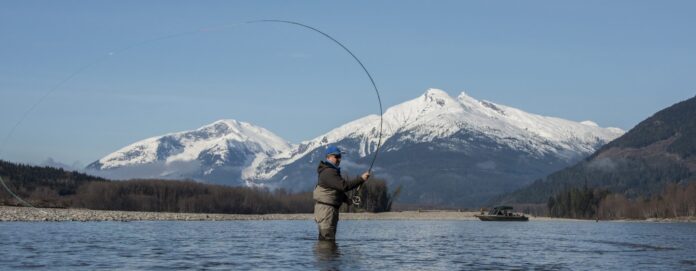
sinking fly lines


Conclusion with Jim Teeny on [keyword]

If you or someone you know is interested in keeping the Teeny brand alive, reach out to Jim at info@jimteeny.com.

Jim’s fly lines have shaped the sport we love, and now he’s looking for the right person to carry it forward. Let’s keep this legacy going!
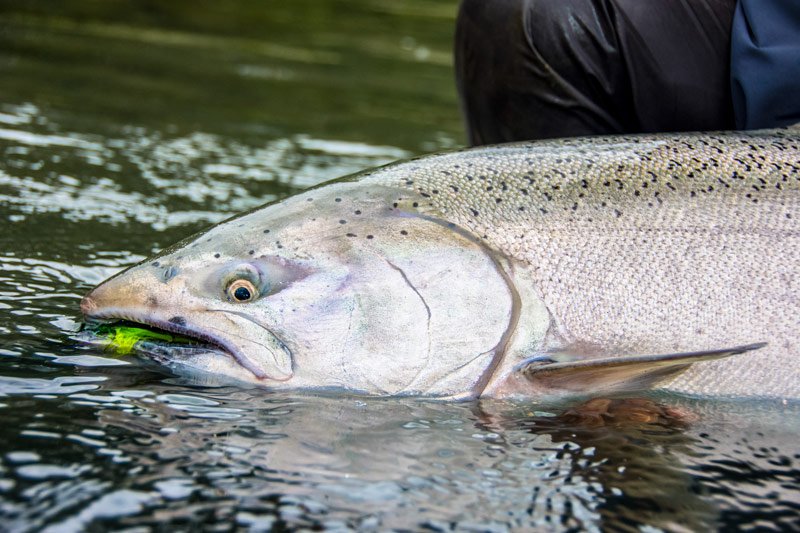
         
Support Our Podcast Sponsors         
Support Our Podcast Sponsors       
Support Our Podcast Sponsors         

Support Our Podcast Sponsors

         
Support Our Podcast Sponsors         

POPULAR ARTICLES