Home Blog Page 12

810 | The Fiberglass Manifesto with Cameron Mortenson – TroutRoutes

Episode Show Notes

Cameron Mortenson is back on the podcast as he walks us through the quiet revival of fiberglass rods, why glass still connects you to the line, and how a lifetime of tinkering with rods turned into a giant, searchable blog that helps anglers choose gear and find water. We talk about the TroutRoutes mapping app on a big Driftless trip, five practical questions to ask before you buy a fiberglass rod, travel-packing rules for bringing a quiver, and the joy of slowing down to feel the rod load again. It’s practical, curious, and full of those gear-and-travel moments anglers love.

Hit play to start listening! 👇🏻🎧

apple podcasts

Find the show:  Follow the Show | Overcast | Spotify

Subscribe on Apple Podcasts

Subscribe on Android

Subscribe via RSS

(The full episode transcript is at the bottom of this blogpost) 👇🏻

Sponsors and Podcast Updates


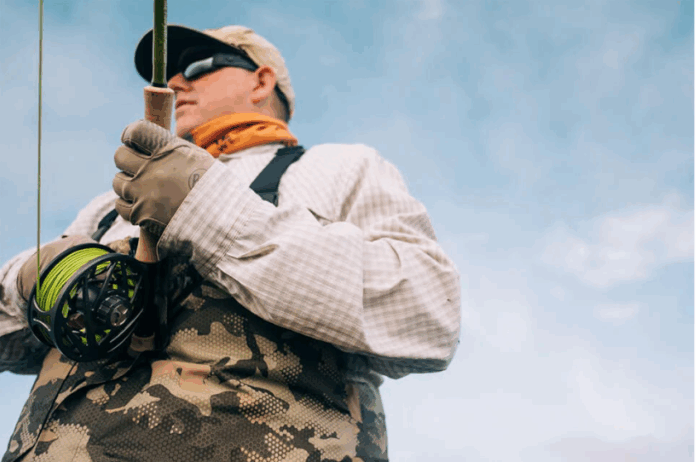
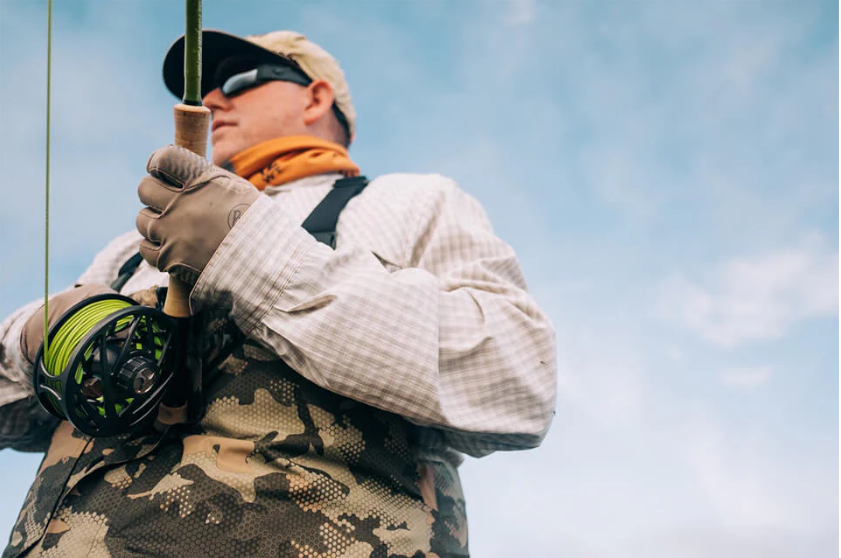
Photo Courtesy of Loon Outdoors 👆🏻

Episode Highlights

02:00 — Cameron’s recent season, family, and Beaver Island.

08:00 — Trout Routes use case: Driftless trip & Oak & Oscar weekend.

18:57 — How The Fiberglass Manifesto started and grew (6,200 posts).

23:10 — Why fiberglass connects you to the cast (rod load discussion).

26:00 — Cameron shares the five questions to ask before buying a fiberglass rod (budget, line weight, taper, length, availability).

29:27 — Two-handed glass options and budgeting for trout spey.

40:00— Rod stories (shark / tarpon / travel quiver tips).

52:35 — TroutRoutes features: offline maps, easements, gradient layers.

1:05:39 — Closing notes, Wet Fly Swing Pro mention.


Resources Noted in the Show

🎣 Guest

🗺️ Tools & Apps

🪝 Rods & Gear Mentioned

📝 Other Mentions

Oak & Oscar Watches (from Cameron’s Driftless trip story)
https://oakandoscar.com


Related Videos

Related Episodes

Full Podcast Transcript

Episode Transcript
Dave (2s): Since 2008, the Fiberglass Manifesto blog has grown into a hub for anglers who wanna slow down, feel the rod load, and rediscover what makes fiberglass so unique along the way. Cameron Mortenson has worked with companies like Echo highlighted boutique builders from Japan to the Driftless, and proven that fiberglass isn’t just nostalgia, it’s an innovation with soul. By the end of this episode, you’ll discover what’s changed in Glass since our last chat back in 2019. Why Trout Routes has become his favorite tool for exploring new water, and how family adventures from Alaska to Beaver Island keeps shaping Cameron’s approach to fly fishing. This is the wifi swing podcast where I show you the best places to travel to for fly fishing, how to find the best resources and tools to prepare for that big trip And what you can do to give back to the fish species we all love today. Dave (51s): Cameron Mortenson is gonna take us in on fiberglass rods and show us what’s changed from the rods of the 1970s and eighties. We’re gonna find out what five questions you should be asking before you buy your next fiberglass rod. Why carrying too many rods on a trip might actually be a good play and how fiberglass can actually connect you with the fly line in your casting even more. Here he is, Cameron Mortenson. You can find him@fiberglassmanifesto.com. How you doing, Cameron? Cameron (1m 20s): I’m doing great. Thanks for having me on. Dave (1m 22s): Yeah, Thanks for putting this together. It’s been a little time since our last episode. I, I went back into the archives. Gotta go back to 2019. So pre COVID Wow. We had you on. Yeah, it’s been, it’s been a little while. So we’re gonna get a update from you what’s been new in the last, you know, six years in that range. And talk about fiberglass rods. Get a little update on that. I know that’s always an evolving kind of thing in fly fishing. And, and we’re also gonna talk about trout routes as well, because I think you’re doing some good stuff with them. We’ve been working with trout routes and, and they’re kicking some butt out there now, so, so this is good. So maybe just give us a heads up now we’re kind of right in the middle of summer, kind of mid-August as we’re talking. What, what’s, what’s going on this summer for you? Cameron (2m 3s): You know, This year has been a lot of family. Our daughter wrapped up college, her first year of college up in Michigan. So flew up there and we had a great weekend. We had a day in Chicago. We went to the Ben Queller concert. We went back to Michigan Saturday night, I think Sunday we packed her up. Monday I went Steelheading with Steve Martinez, who’s a guide friend up there. And then Tuesday we unpacked her at my parents’ house to leave as much as we could there. And then Wednesday we drove all the way back to South Carolina. Two weeks later I was back up in Michigan for my Beaver Island week. Along with some extra days where I had to do some, some fly fishing and even some birding and some golfing. Cameron (2m 49s): Tried to fit a lot in, yeah, Dave (2m 50s): Packing it in, Cameron (2m 51s): Packed it in, came home. And then it’s just been, you know, chasing our son who plays competitive golf. So he’s had tournaments all summer and then doing things with our daughter and pool time and fishing time. And I don’t know, it’s been a blur. Our daughter headed back up to college yesterday. Our son’s finishing his third week of school. So I’m hoping that like next week things just kind of start going back into a more of a routine, repetitive routine. So I would say we’ve been living without a routine since like mid-May. So Okay. Dave (3m 27s): I’m kind of mid May. Cameron (3m 28s): Yeah, Dave (3m 28s): I’m kind Cameron (3m 29s): Of kind of exhausted right now. Dave (3m 30s): Right. That’s awesome. So, and well it’s just taking the six years since we last talked. What we take it back to that what, what grade was your daughter in then? Cameron (3m 38s): She graduated from high school and then she spent an entire, like a year and a half in Alaska. Oh wow. She worked to summer our church, summer camps there and then stayed on as a student missionary. So that was an adventure. And then she came home the end of last summer and then she went up to college. So she was, that gap year was really well spent. There was a lot of, oh, I think as parents, you know, you have a plan of what’s supposed to happen and then the Alaska deal changed it. It was like caught us all by surprise, but it worked out great ’cause my wife was able to spend, spend a week with her like two weeks before she came home. Cameron (4m 19s): And then I flew, my wife flew back on Saturday. On Sunday I flew to Alaska and we were able to do a lot of hiking, fishing, some fly fishing. So Dave (4m 30s): Where was she at in Alaska? Cameron (4m 32s): So she was in Palmer for the school year, Wasilla area. And then my wife and daughter did like Homer Seward and kind of everything in between. There’s a lot of things that Hadley wanted to show both of us. And then when I got there, we’ve got friends that live in Wasilla and they were actually camping down in Homer. So we were able to jump on their boat with them for two days and limit it out on halibut for two days in a row and saw orcas, saw otters. I mean we just had a phenomenal, phenomenal time. Saw a ton of moose and it was just a really neat way to wrap up Hadley’s time in Alaska. Cameron (5m 15s): And I really think that once she gets through college she’ll be headed back and that place left a mark on her. So fingers crossed that she’ll be back there and then that’ll give us good excuses to go back ourselves. Dave (5m 25s): Exactly. Yeah, I’ve heard of those stories on this podcast before from people that live up there now, it seems like it’s always the same story. They go up there for a visit or something and then they turn around and it’s 30 years later and they’re like, man, we, you know what I mean? They, it just, it’s something about Alaska, right? It’s something that just kind of holds you up there. You gotta be able to battle a little bit, but it’s pretty amazing. Yeah. Cameron (5m 44s): So, and then our son, he is 16, he is a junior in high school and he’s been playing competitive golf since seventh grade. And so that’s kind of a, an endless season that school golf turns into spring and summer tournaments which turn into fall and winter tournaments and then it’s golf season again. So between my wife and I and in-laws, it seems like we’re on golf courses like multiple days a week and he’s on a golf course six and seven days a week. So I would say in the last, since since we last talked, like golf, competitive golf, Dave (6m 18s): Golf has taken over, Cameron (6m 19s): Taken over and then I still wedge in TFM and I still work full-time in law enforcement and Oh yeah. So yeah, life has gotten a lot busier. You Dave (6m 29s): Got a full schedule. What has been going on with the TFM over the, this last five, six years? Has anything changed there or you just been doing more of the same? I’ve seen, it looks like you got some, always some new content on there, right? Cameron (6m 42s): Yeah, so you know what’s interesting is, is that before COVID I kind of felt like blogs were kind of on their way out. And I would say like in the bigger scheme of things, probably blogs are not as popular as they were and you know, 10 years ago, but during COVID it was amazing how many people were like looking, had time for new hobbies, new interests. And I received a lot of feedback and a lot of emails and a lot of, you know, more readership, which has really continued past COVID where you know, those numbers all were elevated and it’s been interesting how many people have gotten into fly fishing through COVID and beyond. Cameron (7m 23s): So that a lot of the same conversations that I’ve been having for the last 17 years, you know, continued. And what’s really nice about TFM is a lot of that content’s evergreen. So you know, somebody jumps on today and starts scrolling backwards and reading through content. I mean there’s a lot of things that are, that are still, you know, a great read. And for me it’s just been a, a wonderful creative outlet and I guess it was like right place, right time, you know, years ago when, when glass was just picking up momentum and you know, we’re still there and it’s still niche but you know, it’s really a lot of fun to see how many anglers enjoy it, new builders that get involved, see new ideas in glass that come out and all of that’s, you know, continuing, you know, since I started messing around with it in the early two thousands. Dave (8m 18s): Right, right. Early two thousands. There you go. So almost a quarter decade or a quarter century. Yeah. So, okay. Well and, and I wanna dig into the website ’cause I know it’s a great resource and, and we do have the episode we mentioned episode 88 back in July, 2019. We’ll have a link to that in the show notes, but, but let’s jump into a little bit just on trout routes ’cause that’s something we’ve been doing quite a bit on connecting with them. What’s been going on, what’s your experience with Trout routes? Have you, as you’ve been out, have you been using their app and maybe just tell us about that connection. Cameron (8m 49s): Well I’ve been using it locally but I think that when you use it locally you’re always going back to the same places. So it maybe doesn’t feel like as a great of resource as it would be if you’re going somewhere else. So last September I was going up to the Driftless area in Wisconsin. I was going up there to hang out with, there’s a boutique watch company in Chicago called OK and Oscar. And to kind of back it up a little bit, when I turned 50 last year, I’ve got all the fly fishing things that I think I could ever want. And so I was trying to think of something special that I could gift myself to celebrate turning 50 and early in the year had thought about, you know, getting a nice watch. Cameron (9m 33s): And that kind of quickly led me to Oak and Oscar because the companies somewhat aligned with fly fishing and I’ve gotten to know Chase who is also pretty deep into fly fishing. It was pretty neat that just like with a lot of the, the fly rod companies and small shops that I deal with, it was neat that either through Instagram or through a text, like I could talk directly to Chase who’s, you know, the founder of OK and Oscar and you know, I could have invested in a watch from another company and never knew like anyone, you know, in any of the process of, of designing or building the watch. And so it was really neat to connect with Chase early last year and, and invested in a Humboldt GMT, which I took to Brazil taking it on a lot of adventures since then. Cameron (10m 24s): And then kind of the lead up through last year was that I was gonna attend their Built to Discover Weekend up in the Drift list. And so another friend of mine, Brad, who is also affiliated with Oak and Oscar, he and I planned not only to go to the Built to Discover weekend, but also to meet up a couple days before. And we had planned to Fish and to golf together prior to that event. So Brad is in the Chicago area, he’s pretty familiar with the Driftless area, but what we found was that the Trout Routes app was an unbelievable resource for us. ’cause Brad would be like, I know of this stream, but I’m not quite sure about like access or where it’s at. Cameron (11m 7s): And the app made it really easy for us to dial in, not only like this is, you know, this is where the stream is, but this is the easements, this is how we can get onto the stream. This is the class of water that it is. So it’s, it was immediately apparent to me that an app that I kind of used at home but you know, didn’t feel maybe I wasn’t taking advantage of all the, the features like through the course of that three or four days that we were messing around on the Drift list, like every day we were in the app trying to figure out like where we could go next, you know, where we needed to walk in on to get on to, you know, different easements and accesses to the water there. Dave (11m 46s): Yeah, definitely. Cameron (11m 48s): The other neat thing was is that Eric from Trout Routes, who I’ve known for years, even before he worked at Trout Routes lives in the area. And so we were able to spend a morning with him. The bad news was is that it had rained like heavy rained the night before and so the streams were all like chocolate milk. And so we fished together for, I don’t know, maybe a couple hours and Eric caught a couple fish and it was just fun to catch up with him and talk. But it certainly, the two days before were unbelievable. In fact you can go on to TFM and there was I think, what’s the title of that post A Day in the Drift lists with a couple of favorite three weights. Cameron (12m 29s): And I spent the morning with the, in June Rod seven foot three weight in the afternoon with the Chris Barclay six eight p. And so it was really neat and caught like some pretty sizable browns, you know, on Hoppers through the day, really small water. So it was just like the perfect day and really T Trout routes was, was a part of that from start to finish because we had found a really neat access to a stream that Brad knew about but wasn’t quite sure how we could get on it. So. Right. It’s a really neat app. I’ve used it a lot since then. And you know, I think it’s a, a really great resource for folks that adventure and, and explore a lot. And then I think it’s an even better resource like when you travel that you, it connects you with fly shops that are, you know, local to where you’re going. Cameron (13m 16s): It also connects you with areas that you can get on the water and and know for certain that you’re not gonna get in trouble for trespassing. Which for me being a police officer, like the things that I worry about is like being found out that I was trespassing or I didn’t have a fishing license and get busted for that. So. Right. Always gotta be lawful. Dave (13m 34s): That’s right, yeah. Especially, yeah, you gotta make sure we should all be lawful, but yeah, it’s, that’s my kind of, I guess my favorite too is just, just having such accurate details on all that, you know, I think that, you know, we’ve heard the other things, you know, like River the gauges, right, the gauging system now you can get it all there, but it’s cool too in Onyx, you know, the fact that now they’re with Onyx essentially that’s huge because you know, they’ve been leading in the wild, you know, kind of hunting area for so long. So I feel like there’s a lot of amazing stuff that’s gonna come even on top of what’s already there, right? Cameron (14m 8s): Oh yeah. It’s robust and I just, just gonna see that grow in the future and it’s just, it’s also really neat to see the different relationships and collaborations and partnerships that they continue to grow along the way. So, and I also think it’s really neat that, you know, as a, something that you subscribe to that the fact that they do masterclasses and updates and they really want users to know all the different features that are involved in the app and that’s continual, it’s continual learning for, for you and I, it’s continual learning for somebody that just downloads the app this weekend or or tonight and you know, wants to jump on it to figure out where they’re gonna go this weekend. Dave (14m 45s): Exactly. No that’s perfect. And and so Eric, you knew before Trot Routes, what, how’d you guys first connect out there? Cameron (14m 51s): You know what he used to tie a lot of Musky flies, weights and measures was his Instagram feed and so Fly Tire and just, you know, like good dude on the internet. And so we had never, I don’t think met in person and then early on he was like, Hey, I’m at Trout Routes now. And so we continued, you know, to connect that way and it was fun spending a half day with him. I’d love to spend some more time on the water with him because yeah, definitely good dude, family guy and so there’s a lot of things that, a lot of good reasons to be able to connect with somebody like him. Yep, Dave (15m 27s): For sure. Yeah, Eric’s awesome. Nice. So, so cool. That’s a little, you know, snippet on trout routes and we’ll probably circle back at the end as we kinda get into this, but you know, I wanna start with, I wanna talk about the website, but just maybe give us an update on fiberglass rods. Has there been much that’s changed in the last, you know, six years? I know it seems like the Echo definitely name is still out there, the badass class. What, what a classic, you know, we hear about that a lot, but you know, what about the tech is have things, what’s new out there? Cameron (15m 55s): You know, I think technology continues to evolve and you know, there’s more and more companies that are, that are working with S Glass and that you’re seeing where they’re just pushing the envelope on what you can do with, with that material and you’re seeing makers that are continuing to deep dive into niches. You know, I think a Chris Barclay like strong small stream technician I think of, you know, caboodle and, and, and Japan not only has like a wide array of rods that he’s offering, but now he is starting to mess around with two handers. So I mean there’s innovation that keeps happening. You got people like Shane Gray that like have their hand in a 12 different things going on in the class including, you know, taking over Stephan Brothers to keep that brand going. Cameron (16m 44s): And then also investing like in his, his rod maker 24 7 side where he offers blanks for rod makers that are super high quality echo that you, you know, talked about like, you know, it was pretty neat before Echo offered glass. Like Tim reached out to me and he’s like, what’s not out there? And I was like, well there’s not heavyweight glass at that point and there wasn’t two handers and he is like, we can’t start there, we gotta start with, you know, trout weight rods and you know, echo’s done trout weight rods in several different generations. They’ve done two handers and two different generations. They’ve done, you know, heavy line weight glass with their badass glass in two different generations now. And so I think what’s neat for me is that we’re seeing companies that take on glass projects and it’s not something that they do just for a little while and they’re like, okay, that was fun but we’re done with it. Cameron (17m 34s): We’re doing a glass project and they’re innovating a new generation, they’re innovating the generation after that. So you think of somebody like Redington, I think they’re on their third generation, Orvis has had two generations of glass out and then there’s companies that have offered glass in the past that haven’t jumped in yet, but I can think of one or two that a glass project is either in the thought process or in the work. So that’s exciting and it’s, it’s just neat that there’s, it’s not something that people have like latched onto and then have just given up on. It’s something that they see it’s not a fad and you know, I never think that, you know, ever have a thought process that that glass will ever surpass graphite. Cameron (18m 21s): It’s always gonna be a, a wonderful little niche within fly fishing. But it’s just neat that when I started the website in 2008 there was maybe a dozen fly rod companies, blank makers and builders. And now that number is like well over a hundred, probably pushing 200 if I like knew of every single builder, you know, throughout the whole world. I mean that number might be two or 300, who knows? And so just the, the interest of it from a builder side, from an innovation side, I mean all that stuff is continuing to move forward. Dave (18m 57s): Yeah, that’s interesting. Yeah. So 2008 you started it, the website at least and, and then, and you’ve been like, what have you been, do you post, maybe talk about that a little bit, what can people expect if they let, let’s just say we have somebody here that’s maybe thinking about, you know, getting a little bit deeper into glass. They haven’t tested out. Where do they start on this? Is there a place they can go to your website and read some articles at your site or what would you recommend? Cameron (19m 19s): So publish posts or are almost 6,200 posts now. Dave (19m 24s): 6,200. Cameron (19m 26s): And Google does a really good job that there’s a little search button down on the bottom right hand side or if you just go to Google and you can find a lot of things, there’s also a page that’s fly rod maker’s page, so that’s all your builders, blank makers, fly rod companies. So I try to keep that up to date, actually try to go through that, you know, once every other month just to make sure, you know, websites are still good, links are still good there. And then a lot of times things, you know, conversations start either with a, a direct message on Instagram or an email, get multiple of those a week which are, you know, really fun to help somebody either. Dave (20m 6s): So that’s a good way to do it. Cameron (20m 7s): Oh yeah, I love that. Okay. And I think it’s just a, a really neat way for me to answer a lot of questions quickly and if somebody is new to fiberglass, like I was, you know, you know talk about like if somebody’s gonna invest wants a new, you know, let’s say a four weight, like we talk about budget, we talk about length, we talk about line weight, we talk about what type of taper, like what are they going to do, use it for, is it just gonna be dry flies only or do they want something that has a pretty progressive taper that they could nm if they want to, they can throw dry flies, they can, you know, throw streamers. You know, fortunately now there’s multiple choices in all the different type of rod tapers. Cameron (20m 50s): So there isn’t just that, well this is the rod you want, it’s like here’s four or five rods for you to consider. Here’s, you know, a builder or here’s multiple builders that, you know, build on those blanks. So it’s really neat to be able to give folks options for, you know, whatever they are looking for. Dave (21m 8s): Yeah, okay. So, so it depends And is, does fiberglass kind of cover all ends of it now or are there people doing, you know, you named the species and there’s a salt water or there’s a fiberglass rod for it out there? Cameron (21m 19s): Yeah, I mean I, somebody popped up from Oman where they were catching permit on glass rods, you know, I mean it’s just, I mean that’s the stuff, the weird stuff I do. But it’s neat to see like other people have like committed to just fishing glass for everything from little tiny trout and tiny streams to chasing tarp and sharks and salt water species and red fish and carp and small malt bass and you know, if you can catch it then it can be caught on glass and there’s a lot of options for I think of my own collection. I think the, the lightest rod I have is a two weight, the heaviest rod I have is a 12 weight and then I’ve got multiple two-hander rods, you know, up to eight or nine weight so Oh you do? Cameron (22m 8s): Yeah, it’s, yeah, there’s, there’s a lot of things that you can do and a lot of fish that you can chase with glass rods now with Dave (22m 15s): Glass. And what do you find for yourself is the, the biggest advantage of a glass say if you’re comparing them to a graphite? Cameron (22m 23s): You know, I think it comes down a, I think that you can really feel the rod load and so I think for new casters that’s very helpful and you know, fly casting is supposed to be fun and I think part of that fun is that the rod does a lot of the work. You can feel the rod load up and it’s just, to me there’s much more connection to the cast with a glass rod than forcing a graphite rod to try to bend while you’re casting it. I think that it’s exceptional for protecting tt. So if I trout fish and you’re using five x and six x and seven x tipt, I’m much less worried about breaking a fish off on a light tipping on glass rod because that glass rod is acting like a, a shock absorber. Cameron (23m 10s): I mean the whole rod is bending and even with heavier tipt I never worry about breaking fish off. And I also feel like I can leverage and turn fish really easy with, I feel like can, I can fight fish more effectively with class. And I think maybe on the more philosophical side of things, like actually touching the fish is not really the big deal. Like I’m much more like it’s so fun to feed a fish a fly because a lot of the fishing that I do now is sight fishing. It’s flat fishing, it’s being able to see that fish come up and take the fly or chase the fly. And so that’s like 90% of it for me. Like if the fly comes out after a a couple minutes fight or the fish, you know, like this summer on B Island had a huge pike that ended up taking, I was fishing to a group of carp somehow this, this big pike materialized, fought this pike for like a minute and a half, two minutes and then all of a sudden I guess he just opened his mouth up and the fly came out and that was right after he like did this big barrel roll and he had this huge like Labrador sized head that came out of the water. Cameron (24m 18s): Geez. And then he was off and it was like, well that was good enough. I think 15 years ago I would’ve been like upset and yeah cranky the rest of the day like that fish was gone. But it was just awesome having that moment, you know, till then. So Dave (24m 32s): Yeah, it’s even better I guess it’s kinda weird about that, right? Because yeah touching the fish and playing it longer is probably, is definitely not better for the fish. You know, the quick release is probably the best thing to do but sometimes you know, you’re like you wanna get a photo but I guess the older you get to once you’ve done it all maybe it’s not as important but, well you mentioned the rod load, I think that’s interesting. I’ve heard that from a number of casting instructors we’ve had on here where they talk about, especially for beginners getting into it that feeling the line and the rod loading is really critical. You mentioned I think when, when I was, when you, we had you on here on that first episode you mentioned a couple good beginner rods I think for my kids and I and they they were the, what were they, the yellow, you know the fiberglass? Cameron (25m 13s): Yeah the eagle cloth feather light. Is Dave (25m 14s): That still your recommendation? Yeah, Cameron (25m 16s): Still the best bang for your buck. I mean go to Walmart, you’re gonna find it for you know, go to a hardware store, you’re gonna find it for $25. They actually make some really fun claw featherlight spinning rods. So like start your kids on that and then get a couple of the fly rods to mess around with. You’ll probably fish the spinning rods more than your kids do and it’ll like reignite an interest in spin fishing like it did me. But yeah that’s a great like first entry into it and you can’t beat it. Dave (25m 48s): Yeah, you can’t beat it. What’s the next, after you get past that level, what do you think is the next rod for say it could be either your kid as they grow up or maybe just somebody listening now where they want to get that, you know, what, what’s a good recommendation on on a rod? There’s so much out there, where do you start? Cameron (26m 2s): So I would say there’s econ feather light and there’s kind of like a jump up to that maybe 150 to 250 window. I think Moonlet fly fishing is doing some phenomenal things with their lunar S class are unbelievable. Like I’ve talked about those to so many people and they go on sale, they’re like 1 59 or 1 79, they’ve got a two weight through a 10 weight. So you’ve got every choice for line weight. I would say they’re great for a primary rod or if you’re going somewhere and you just wanna take a backup and that’s a great choice. I think the bump up from there is that you’ve got your red trucks, your redingtons, your echoes are kind of in a, in a pool together. Cameron (26m 46s): And then the next step up are the orva super fine glass USA made. I think the entire series is great from two eight to eight weight, very much a favorite rod of mine. And then after that you’re kind of getting into the epics either getting them, you know, directly from Epic, you know as a factory rod or then you start getting into your more, you know, high-end custom built rods that you have a tremendous choice of boutique blanks that you can pick up from Mike McFarland or Dusty Smith or you know from Shane Gray was was Stephan brothers get the epic blanks. There’s a ton of choices from Japan and even in Europe for different choices in blanks. Cameron (27m 31s): So it really depends on, that’s where it goes back to those five questions like yeah, line weight, your budget. Yeah, Dave (27m 38s): What are those five questions? Cameron (27m 40s): So I always start out with what their budget is because if somebody’s budget is $200, that’s gonna be a different conversation than somebody that wants to break the piggy bank and and spend 5, 6, 7, $800. So figure out budget, we figure out what line weight they’re looking for and length of rod and then what type of taper they’re looking for. Like what are they planning to do with it. So is this gonna be a dry fly only rod, is this something that they want all around performance that they can do dry flies, they can swing soft hackles, they can nm with, they can throw streamers and then is it something that they need next week for a trip or is this something they can wait for? Cameron (28m 22s): So are they looking for a factory rod built rod or are they looking for something that may be coming from a, a small shop builder and then yeah and then just that availability, like how long until they expect to have it in their hands. ’cause there’s a lot of off the shelf rods that you can, you know, bite your fly shop tomorrow. But to get on the list for some of the more popular boutique small shop builders, you might wait 3, 6, 10, you know, 12 months to get a fly rod. Dave (28m 54s): Right, right. Those are the The custom custom operations. Yes. Yeah. Okay. So those are the five things. So we got everything you mentioned there and maybe we could just start with a two-hand, let’s talk trout spay. We’ve got Tim Flagler who is gonna be on soon, we’re gonna be talking trout spay a little bit, so maybe that’s a good, let’s talk about that. What would be a good, if we take, you got line weight and length, so if we’re saying you know, trouts Bay, I guess what, what would be your typical, what do you think would be a good rod to look at for that and budget wise? Let’s just keep it in the middle. Maybe we’re talking for kind of the 3, 4, 500 range somewhere in there. Cameron (29m 27s): Yep. Your best choice. Just because there’s not a lot of choices in do Anders. Your best choice right now is gonna be either to find either the last generation of echo two handers or just the spring. They brought out a updated new generation of two-hander glass rods that are a hundred percent glass. There’s only three models so there’s gonna be something in that three weight, I think it’s three eight or three six and eight weight are the choices there. And I haven’t really gotten to mess around with mine much. I’ve got lines all set out ready to do it. That’s gonna be a, a fall project for me to get those squared away and spend some time on the water with them. Cameron (30m 11s): But really neat to see a choice that’s kind of on the budget end of things in a specialty area with two handers, if you’re gonna break the piggy bank know that like Kabuto and Japan is working on a two hander project, those are gonna be phenomenal when they get released. You’ve got blank makers like Mike McFarland that have done some two handers in the past. So you know, there’s some high-end options. But really for that, that budget area you’ve got Echo and then actually I think Shane Gray with his 24 7 rod maker 24 7 lineup has at least two or three different blanks that you can choose from or have him build ’em out. Cameron (30m 53s): And I think when he builds ’em out they’re kind of in that four to maybe in that five to 600 range depending on components. Dave (31m 0s): Oh cool. So you can get a custom ride there for like 4, 5, 600 bucks? Cameron (31m 4s): Yeah, I think so. I would have to look at, I know the, the 200 blanks aren’t terribly expensive. I’m not exactly sure what he charges to build those out, but the couple that I’ve seen are, are pretty exceptional looking. Dave (31m 17s): Okay. Yeah, I’d probably go with that three weight since I don’t that currently have something in that range. So a three weight glass. And is that, are those still called the badass glass that they’re two handed rods for Echo? Cameron (31m 27s): No, I think those are called, they’re glass spay lineup. Dave (31m 32s): Today’s episode is brought to you by Trout Routes by Onyx, the ultimate mapping app for trout anglers. Whether you’re planning a big road trip or sneaking away for an afternoon session, trout routes helps you find and explore new waters fast. You’ll get detailed maps that include public land boundaries, stream access points, regulations and other extras like hiking trails and parking spots. I’ve been using it to plan my trips and it’s taken the guesswork out of the process. No more bouncing between multiple tools. Everything you need in one spot, give it a try right now at wetly swing.com/trout routes and download the app to start exploring smarter today. So you’re saying there’s a few rod companies, I mean overall if you look at all the companies out there, do most of them have glass or is it, you know, maybe half of them or, or not even half. Cameron (32m 22s): I would say it’s over half. Not all the companies have it, but some of those companies that don’t have it now, there’s at least two conversations that I’ve been having where they’re considering bringing ’em back or are bringing glass back to their lineup. So, and these are pretty, well both of these are pretty well known brands that are out there, so it’s pretty neat to see that that’s part of their consideration. And for some it’s like connected to a milestone for the company as far as you know, how many years that they’ve been in business. So it may be kind of a throwback project, which is pretty neat to see. Dave (32m 58s): Yeah, it goes back a ways, right? Cameron (32m 60s): Yeah, I mean it goes back to the fifties and sixties through the seventies, you know, that glass was out there. I just think the neat thing is that along with that, and you’ve got companies that are going back to the drawing board about like, okay, this is the glass rod that we, we offer now, but what makes this, you know, better the next go around and you know, looking forward to an, a new generation of glass from that company as well. Dave (33m 26s): And what, what changes when they get the next generation? It seems like you hear a lot with the graphite rods that a company, you know, comes out some of ’em every couple years, two or three years with the new rod and it’s not that much different or the old rod is a great rod still, right? Like do you find there’s big changes in tech and over when they come out with the new generation? Cameron (33m 44s): You know, a lot of times it’s, you know, that transition from like Orvis Super Pine glass went from a three piece rod to a four piece rod. They were able to tweak some of the tapers, make the like, I think the, the six weight is better and this new generation it’s four piece, it’s easier to travel with the eight weight is phenomenal. And so I don’t know if there was a lot of changes. So like the 2, 3, 4 and maybe five, but definitely the six and eight had a lot of changes and just the fact that they’re easier to travel with as a, as a four piece rod is a big deal. But you know, I think that there’s things that carry over from their latest generation of graphite with the different resins that are available and then just the different technology and fabrics that are available in glass. Cameron (34m 34s): You know, sometimes you’re able to marry some of those things together. So it is just pretty interesting to see, you know, when you go back to the drawing board, it’s not just cosmetics, you know, a lot of times, and I don’t think this is something I see so much now, but maybe 10 or 12 years ago, like people were like, oh I want a purple fly rod and they didn’t even care like what it casts. Like, you know, in fact I think there’s an article that I wrote like Forget about the damn color. Like we can get to color after we figure out like everything else you wanna do with this. That’s Dave (35m 5s): Right. Cameron (35m 5s): And it’s, I think even easier now to do that because if you do want a purple fly rod, you know, we can figure out like what you wanna do with that fly rod first and then try to find one of purple right. That that does that. So where, you know, years ago there weren’t as many choices and so maybe you just like, you know, a certain color and that’s what you wanted. Now that there’s multiple colors, but really more importantly there’s performance and there’s angler suitability and what you wanna do with on the water with that fly rod should be the, the first focus and then we can match up aesthetics after that. Dave (35m 44s): Right, right. Yeah, the the, it’s interesting ’cause yeah the colors, they got all the colors is that I guess that’s unique for fiberglass or with fiberglass you can do that but with I guess graphite it’s not, you can’t really make the colors is that I get what, what is the situation there? Is that a lot easier with fiberglass? Cameron (35m 60s): It might be easier with fiberglass ’cause of the fabric you can get the fabric and you know, fiberglass fabric in different colors. I mean you can paint fly rods any color you want. I would just say that it’s maybe less so with graphite you see them, you know. How many different graphite rods have you seen in different colors? I guess Winston Green. Dave (36m 18s): Oh, okay. Cameron (36m 19s): You know, a lot of ’em are black but there’s some out there that are, that are painted and or graphite comes in different colors. But I would say that’s probably something more suited and you find more often with With glass. Yeah, Dave (36m 33s): With glass. And what is the, you know, the, the glass now is, you know, I think we talked about this the on last time, but the difference between the old versus the, the newer glass, is it considerable that the difference of you pick up a glass now versus say something from the eighties or somewhere in there? Cameron (36m 50s): I think there’s some exceptional glass that was from the seventies and eighties. I think that there’s probably overall there’s more, more better a word. Hmm. Or a term and more better it’s, it’s more better now you’re gonna find more options that are better now across the board. You know, we talked about moonlet for $179. It’s the performance of those rods, you know, are close to, if they don’t match rods that cost three and four times that. So you probably would not find that back in the seventies as as much, you know, as probably one-offs. This rod’s pretty exceptional and it is still exceptional today where you don’t have to spend six, seven, $800 now to get a high performance glass rod. Cameron (37m 37s): There’s a lot of options that are much more budget friendly. I think that if you’ve always wanted brands such and such than you’re gonna be willing, you know, you’re willing to spend more or if it’s things that are important to you like made in the USA is extremely important to me. And so, you know, there’s a lot of times I push folks to Orvis rods or tho Thomas or Scott, you know, fly rods because, or to a boutique builder who rolls the blanks in the United States, everything is sourced and you’re gonna get a better fly rod from them for the same money as as you know, something that’s maybe, you know, built offshore. Cameron (38m 17s): So, and I haven’t heard a lot in Rod building in fly rods about tariffs, but you know, I’m sure there’s an effect that we’re gonna see as those things move forward. Dave (38m 28s): That’s right, that’s right. Yeah. And it’s always good. It seems like it’s always, yeah, if you can buy, you know, American mate and they’re not, the price isn’t that much different and that seems like a no brainer. Cameron (38m 37s): Yeah and you know with with your small shop builders, you know, a $700 fly rod that comes from a fly rod company, you’re likely, if you spent $700 with a small shop builder, you’re likely getting a better rod as far as components. The cork is gonna be better. You know, if you think about a fly rod that comes from a fly rod company being sold at a fly shop, there’s like margins. You know, the fly rod company has a margin that they have to meet, the fly shop has a margin. Then there’s material costs when you’re dealing with a boutique builder that it might be one person. You know, those margins are different because they’re only building a profit in for themselves and then their materials cost. Cameron (39m 19s): So you’re probably getting a better fly rod overall for the same amount of money than you are from a, a fly rod company that’s selling through a fly shop. Dave (39m 28s): Yep. Okay. And what else, you know, let’s just kind of wrap that up on the, the choosing of a rod. It seems like there’s a lot of options they can call you or connect with you online. That would be a good way. What are the other features somebody should be thinking about? Is there, you know, obviously color isn’t a critical thing, but it’s more about like what you’re fishing for. So we talked about the spay rod. Let’s say we were, let’s say we were doing a salt water trip. Let’s just take it to let’s say a bonefish sort of, you know, trip. What would be there and our budget range, let’s say is a little bit higher. Let’s say we have $800 to go out after some permit bonefish sort of thing. What would we be looking at there? Cameron (40m 2s): Well I think my kit that I always take is I really like the badass glass rods and the kind of secret sauce on that is not only do I take like the six, or excuse me, the eight and the 10 badass glass with me, but I’ve got extra tips for both of those rods. So if you know it’s 40 bucks to get a tip from Echo and it’s just a nice insurance package. Last January I went to Brazil and having those extra tips for the eight and 10 just, I felt a lot better about just having that insurance on those. So those always go on trips. Orva super fine glass eight weight always goes epic. 8 8 8 epic bandit best 10 weight and glass still, it’s short, it’s fun. Cameron (40m 49s): It has a very like light swing weight. I’ve caught everything from small mouth all the way to an 80 pound shark on it. The 80 part on shark is probably not recommended like I heard. Oh no. Like fibers popping the entire time. Dave (41m 2s): Oh wow, really? It Cameron (41m 4s): Was, yeah it was, it was. I would not advise. Dave (41m 7s): So, but you didn’t break it. Cameron (41m 8s): Yeah, I’m surprised. And then even afterwards, like I kind of figured like I would catch a red fish or a carp on it and it would explode just from the stress of the shark, but it’s, that rod’s still alive like years later. Oh Dave (41m 21s): Cool. Cameron (41m 21s): And then I’m trying to think, oh epic, Boca Grande, that’s the 12 weight that’s gone on a few trips for Tarpon. And then some of the, you know, know the lately like the moonlit eight weight’s gone on trips, red truck has an eight weight. That’s pretty fun. That went to Beaver Island with me this last year, went to Louisiana for red fish. I’m always the guy that brings too many fly rods on a trip. Dave (41m 47s): Yeah, you got, you got the, the ton of rods. Yeah. Cameron (41m 49s): A it’s the opportunity to take ’em along and there’s so many different ways to carry rods now that, Dave (41m 55s): How do you do that? What’s your way when you’re traveling? How do you, you got a bunch of rods. Cameron (41m 59s): So I’ve got a couple different, like fail safe ways. I’ve got a Vita vu makes a, a roll that I can put four rods pretty easy, super lightweight. So that’s certainly a good way to travel. I’ve got a, one of the new River Smith convoy bags, so not only can I put a ton of fly rods in it, I think I’ve carried up to like eight or 10 rods. I can also put all the fly rails, fly lines, sunglasses, accessories, et cetera, et cetera. And it has backpack straps, so it’s pretty easy to carry. And then, then you’ve got kind of more of the traditional rod cases, which I think Orvis has a really nice rendition of. Cameron (42m 43s): Patagonia has a slightly larger one, so if I’m taking longer rods, that’s handy. And then kind of the primo way to carry rods is the C run cases. Those things are bombproof and they’re a little bit heavy but maybe can’t carry as many rods, but it’s a great way to carry your, your items secure. Not three locks on ’em. And so I would say like part of the, and I’ve kind of talked about this on social lately and is like, the buildup to a trip is almost as fun as the trip because you’re like picking rods reels. Like if I’m really being good, like I’ve stripped off lines from the last trip and then I’m picking out fly lines for, for the trip coming up. Cameron (43m 28s): And so everything’s getting clean fly lines that are, you know, it’s kind of special for that trip. And then making sure that I’ve got all the accessories and tools and tidbits and then figuring out which Rod case and gear bag is gonna be the perfect match, either to fit under an airplane seat or go as checked luggage or if it’s a road trip or what’s gonna fit best in the boat. So there’s always like, I probably, well I overthink those things. I’m, I’m not probably OCDI am OCD. Right. Once all that stuff’s figured out, like throwing clothing and waiters and boots, that’s the easy part. Cameron (44m 11s): It’s, it’s trying to hash out fly rods reels and fly lines is the part that probably vexes me more than anything else. Yeah. Dave (44m 19s): When you have a lot of choices. Yeah, that is, this is good. Well, back to your side, I, I noticed you’ve got a couple of videos i i I was kinda searching through there. You had a, there was eventually a Lefty crave video, an old video with him and flip palette and then you have this Patagonia video series. What, describe that a little bit. What you, what goes to the top or, or you know, what, what’s coming up next? Cameron (44m 41s): You know, I always have looked at it like a puzzle and so it’s like every day, I mean there’s what almost six, 200 posts. I can’t be about glass every day all the time because not everybody reads TFM for that. It’s a nice little diversion, you know, for folks while they’re at work or, and so I always want to be that resource for, for glass, but it’s really fun to, to talk about things that are within outdoors and fly fishing. I thought that series from Patagonia about disaster style parenting. You know, our kids are three times as old as their kids, but you know, it was, as young parents there’s a lot of things that we, you know, dealt with and thought about in different ways. Cameron (45m 23s): But it’s neat to see how parents approach those things. So I think some things I share because I think they’re cool and then sometimes there’s things that I share because I think other people, you know, I’m sure that there’s a lot of people that read TFM that have young kids that hopefully watch three of those, those three videos and, and got something out of it. So I always look at it as like a creative puzzle where we’re gonna put two or three pieces on today and if I have time to write TFM tomorrow I’m gonna pick two or three pieces. And it might be a video, it might be an online magazine and it might be, you know, like some stuff that’s coming up. Like CTS in New Zealand, they released all their new colorways for the different colors that you can get their flower ride blanks. Cameron (46m 4s): And so they’ve got examples of, oh, there’s probably three dozen different new colors that you can order their fly rods in. And so it’s continuing to be that resource about fiberglass, but then also understanding that there’s a lot of other cool things that, that are out there and it’s fun to shine a light on it. It’s fun to shine a light on, on small shop builders and makers. You know, if I highlight a rod builder or a gear maker and then I get a text or email the next day saying, Hey, I got three orders from that, I really appreciate it. Like I feel good about that. Like I don’t make any money off of it. Like that doesn’t mean anything, you know, like I’ve never wanted any decision I make with TFM to be monetary, like motivated. Cameron (46m 51s): It’s been really fun to just kind of share whatever I think is cool and if it’s, it fits into the puzzle piece of today or tomorrow or next week, it’s, you know, just part of the process. Dave (47m 3s): Right, right. So there’s a mix of some stuff that you’re writing and just posting of other, a mixture of just things that people would find interesting about fly fishing. Cameron (47m 12s): Yeah, and you know, like I’m scrolling back right now, like Joel is an artist up in the upstate. He’s actually a pilot, but he does a lot of art and I thought it was pretty neat that he took pages from a complete angler and, and painted flies on him and then very cool like vintage video with lefty and flip fishing for carp and then, then you jump into images from being on Beaver Island in May. And even though we literally almost got iced out, I mean Oh you did? It was like the coldest trip that I’ve ever had up there. Like the lake on the last day was 41 degrees. Dave (47m 50s): No kidding. Cameron (47m 51s): And so saw car, but they were just like looking for a warm place to hide and they would come up on the flat and just kind of mill around. They were like not interested in eating. So that was kind of a, that was disappointing. But there was tons of small mouth around there was bike around and then just the island is just such a, such a cool vibe and someplace that I really enjoyed spending a week at every summer or late spring, early summer. Still a worthwhile trip. Hopefully next year the carpool be in warmer water and we people to have some, there you go. Some gamers, but there Dave (48m 26s): You go. That’s cool. So you got more trips coming up. I mean as you look out, you kind of put these out a year out, you’re saying, I’ve got this many trips or they kind of come up on the spot as you go. Cameron (48m 36s): So some trips are like in the books yearly, typically Louisiana. I’ve got set dates and I’ve got set dates for Beaver Island and then I try to fit in, you know, extra trips along the way. Like I’ve got Bahamas with a couple friends, photographer friend Dave Fa is putting together a trip in March, so we’ll do that with him. Beaver Island and June, I’m sure that there’ll be some family trips planned for next year and our daughter turns 21. So I think we’ve got something later on the year planned for her. I think that when our children were really young it was easier for me to just go on fly fishing trips and then as everybody gets older there’s more say that spread around the family on where we’re going and what we’re doing. Cameron (49m 24s): So. Right. Yeah. Maybe not as much fly fishing focus trips, but you know, it’s, Dave (49m 29s): You’re still doing the travel. Cameron (49m 30s): Oh yeah, it’s, Dave (49m 31s): It’s, yeah. Are the kids, do the kids love it? Are they all into all that they like going on the family travel excursions? Cameron (49m 37s): Our daughter especially, so she, she wants to go and be everywhere. I think our, our son, he’s a homebody and he wants to be able to golf with his friends every day, but as he gets older, like there’s places that he wants to go that, you know, we’re trying to work out and make happen and hopefully that means maybe golfing and Scotland and you know, there Dave (49m 58s): We Cameron (49m 58s): Go. Finding a reason to fish there and some other places as well. Dave (50m 1s): Yeah, that’s, I think that’s what’s cool about it is that all the travel, no matter where you go, there’s gonna be some fishing if you wanna do it right. That it, you name it. Cameron (50m 10s): Yes. I think whether, whatever that hobby is, and for me it’s fly fishing and in the last several years is golf is that there’s always a reason to carry, you know, bring a fly rod along and bring golf clubs along that you know, you can have an experience wherever, wherever you’re going doing those things. Dave (50m 29s): Perfect. Cool. Well let’s, let’s take it outta here real quick. I want to follow up on some of those couple of random questions as we get outta here. But this is our wet fly swing pro segment. I can’t remember, I think when we started, we definitely, when we had our last podcast, we didn’t have this going, but now we have our wet fly swing pro community where people can check out and go a little deeper and connect with the community there. We recently got back from a, a trip, we were up in Alaska as well and we had a great trip. Alex was one of the, one of the guys that was there and he was awesome, had taught a ton of music and he had his quiver rods too, kinda like you’re talking about, he had a bunch of pretty much all glass. That was his thing. So he would pro, I’m sure he’s probably connected with you. He probably, if if not Alex, you gotta connect with Cameron here. Dave (51m 10s): So I wanna give a shout out to wifi week probably ’cause everybody can connect there with our community. And today also we wanted talk about trout routes real quick before we get outta here again. And so first off, if Alex does want to connect with you, just like you said, best way would be to go to social media and maybe just DM me on Instagram Cameron (51m 27s): Dms or send an email. And the email’s, the fiberglass manifesto@gmail.com emails are probably an easier way for me to keep track of ’cause DMS kind of get crazy and I like share a lot of different things like on stories and when I do that than it like also shares over in dms and so I can kind of get lost on those. Yeah, so email emails are great ’cause those are kind of right in front of my face every morning when I wake up. Dave (51m 50s): Okay. And then what is your email again? Cameron (51m 52s): The fiberglass manifesto@gmail.com. At Dave (51m 56s): Gmail. Good, okay. So we’ll get, we’ll get that link there. So yeah, so let’s go back to trout route real quick. I’m just looking through, you know, again, we mentioned some of the features, the, you know, from the extreme coverage. I mean that’s probably one of the biggest, right? ’cause they have like, pretty much everything’s mapped in the lower 48. I don’t think they’ve hit Alaska yet, but that might be in their list. Or, and I’m not sure about Canada, but the lower 48 is covered, right? They’ve got everything pretty much mapped. They’ve got all the access the filters, that’s kind of a cool thing. The features where they got stream classifications, is that the one you, you mentioned is, or maybe talk about that. Have you tried other, some of these other things where it classifies the streams based on, you know, different stream levels? Cameron (52m 35s): So we definitely use that last summer when we were traveling around Wisconsin. ’cause there was, the amazing thing about the Driftless area is that there’s no shortage of different creeks and streams and rivers to choose from. And so knowing what class and you know, blue ribbon water or you know, what we could anticipate on different streams was helpful. And then the ability to take maps offline is, you know, a pretty neat feature. Especially there, we, you know, where we stayed, we camped, there was very, very minimal service and as we were traveling through a lot of those back roads that it was, is pretty frequent that we’d lose service entirely. Cameron (53m 16s): But we were able to make sure that we’re still on the map and going to the correct place. So for me, I just, I get really freaked out about the possibility of, of trespassing. And so being able to see those easements and see exactly where I was at on that map at all times was really reassuring that like we were in the right spot and I wasn’t gonna have some angry farmer No you that storming across or tractoring out across the field God to, to confront us. So Dave (53m 44s): No, you definitely don’t want that. So. Okay. Yeah, and the, the other thing I, I know we’ve heard from a couple people on the podcast is some of the gradient too, like figuring out where to fish based on the gradient and the layers that they show there in the trout routes as well. You can actually tell where to plan your trip, you know what I mean? So as you’re going down, especially if you’re doing a longer float trip. So that’s kind of some other features. But, but no, this is good. I think that as always, we mentioned we swing pro. So the cool thing is if people get in there, if they join, we fly Swing Pro, then they’re also gonna get connection to a, a free version of Trout route. So that’s a little bonus shout out there. That’s Cameron (54m 18s): Very cool. Dave (54m 19s): Yeah. So let’s, I wanna get a couple tips too on maybe some casting, well first off, do you consider yourself a kind of an expert, a fly casting instructor or have you got into that with the fiberglass stuff? Cameron (54m 32s): I have not. And I’m a passable caster. I’m a decent caster. But there’s been several trips that Tim Ray, Jeff has come along. He’s been to Louisiana with us Oh nice. And New Island with us. Yeah. And talk about like making everyone on the trip like freak out, right? Dave (54m 48s): Yeah. How was that? So tell us that Cameron (54m 51s): When you like email everybody like, hey Tim Ray, Jeff has entered the chat, he’s gonna be on the trip and like start getting text messages. Like what are you doing? Like bringing him on the trip, like he’s gonna just make fun of my cast. Right? There’s no one better in the boat to like, he won’t say anything, but if you ask him, he is an incredible instructor, he wants you to cast better, right? It was really fun on Beaver Island ’cause Kevin and Steve were the guides up there. After they got known their summer session, they were going to Belize to fish for permit. And so he spent several afternoons out in the draft just like going over different casting techniques and even simple stuff like in the boat with me, he is like, Hey Cameron, you’re like letting your kind of letting your back cast fall apart instead of keeping it, you know, more of a wrist at that two o’clock. Cameron (55m 38s): And it’s amazing. Just little tiny tweaks to your cast can be pretty incredible as far as how you perform on the water. So there’s a lot of things that Tim has said in the boat that you put into play and you’re immediately casting better. And he’s just phenomenal to like watch cast. And I think the other thing that we laugh about is that you might be an incredible caster, but when a big carp is up on their nose or a red fish or a black drum, your nerves can make you make bad decisions as well. So to see him, I don’t wanna say struggle, but just like be frustrated with himself that he didn’t, you know, perform how he expected. You know, even the guys that win casting competition’s gonna have times where, you know, they’re disappointed themselves. Cameron (56m 22s): So nobody’s perfect out there, but the big thing is there’s probably nobody that has more fun on the water than him or on a trip. And so it’s been a real pleasure to have him along for several trips and hopefully we can talk him into coming along on future adventures as well. Dave (56m 38s): Yeah, that’s great. Yeah, Tim’s awesome. We’ve had him on the podcast a few, I think two or three times and yeah, he’s just, he’s just one of the guys, you know, it’s, he’s got the personality and he’s got the, the super smart nerdy knowledge that’s probably above most everybody out there. Right. So it’s cool. Cameron (56m 56s): Well, and I think that he does have the nerdy knowledge, but he has a way of putting it into sense, not only like how he talks about it, but then how he shows you. And, and so he understands it on a very like mathematical, mechanical, like physics area, but he can break that down into just do this and this is what happens and it’s like, oh wow, that actually works. So it’s, it’s pretty neat to see how he can take things that are pretty, pretty complicated and, and make it easy for everybody. Yeah. Dave (57m 30s): That is sweet. Nice. Well, a couple random ones and we will get outta here. I I, I wanna go back to the golf. I always love talking sports. With your son there, did he get into golf because of, was that something you were into or how, how did that all that come to be at a young age? Cameron (57m 44s): No, my dad was really into golf. I golfed a little bit with him growing up and he was working, so he really didn’t start golfing a lot until he retired. And that was about the time we started having children. And so when we’d go up and spend, you know, a week each summer in Michigan, my dad started ’em out with like a little tykes plastic, you know, golf club and that turned into like hand me down golf clubs and that turned into, you know, when I would be on Beaver Island, Finn would be with my dad for the week and, and they would, you know, go to the golf course and man, it just Dave (58m 21s): Snowballed Cameron (58m 21s): I guess. And yeah, snowballed. And I think he was in seventh grade. He is like, I think I wanna try out for the golf team and man, talk about Right. I thought fly fishing was expensive. Dave (58m 32s): Oh really? So golf’s more expensive just because you have to pay to play sort of thing. Cameron (58m 36s): Pay to play, pay for each tournament. There’s fitted clubs, there’s, you grew out of this set of clubs. Oh right. You know, it’s time to get fit for a new set of clubs and Dave (58m 45s): Yeah. And what does, what does a new set of clubs, like just, you’re out, let’s take it to the, we talked about low, high, medium, what, what’s that for? Golf clubs look like. Cameron (58m 53s): Well, and then you’ve got parent guilt. Like, are we giving our child like every opportunity? Like there’s instructors and swing Dave (58m 59s): Goats, right? Oh man. Geez. Cameron (59m 1s): I mean we just spent way too much money on three wedges and Dave (59m 5s): So you could spend on a club. I always, I always go back to, I’m old school so I always go back to the big birthday, you know, the, the big driver back in the day when they but one driver could cost you like a, a fly rod. Is that kind of the Cameron (59m 16s): Situation? Oh yeah. I mean, and just like fly fishing, golf has the same, like the latest greatest and there’s a ton of media wrapped up around it. There’s a ton of promotion wrapped up around it. So it’s amazing that the $700 driver, that’s the latest greatest is way better than the driver from last year that’s now on sale for half price. Right. So you can get really into that like performance. This is certainly gonna make me better even though I’m a terrible golfer. I’m a terrible golfer, I’m an 18 handicap. And what I’ve found to like, give me enjoyment is the last year I’ve been golfing with old ping laminate wood set and irons that were probably from the eighties. Cameron (1h 0m 2s): Sure. So, Dave (1h 0m 2s): Yep, that’s it. Cameron (1h 0m 4s): It tracks the dude that fishes fiberglass rods also golfs with same vintage gear and I’m having like way more fun golfing ’cause it just keeps me in that mindset of just having fun. Dave (1h 0m 14s): Oh, right. Now, does your son, is he beating you out there on the course? Oh Cameron (1h 0m 19s): Yeah. He’s, I think right now he is like a one point something handicap, so Dave (1h 0m 23s): Oh wow. So he’s almost a par basically scratch Cameron (1h 0m 26s): Golfer. He’s, he’s almost a scratch golfer right now. Wow. So, and he’ll get down himself like, I played terrible dance. Like, buddy, you and your friends are better than like 95% of golfers in the entire world. Dave (1h 0m 38s): And he’s what? And he’s a freshman or how old is he? Cameron (1h 0m 41s): He is a junior. He is 16, Dave (1h 0m 42s): Yeah, 16. Okay. Cameron (1h 0m 43s): So yeah, almost a scratch golfer at 16. Dang. So it’s, it’s fun to watch him and his friends or like competitions. It’s really fun to watch him play. ’cause I mean, it’s high level golf, it’s amazing. High level golf for 14, 15, 16, 17 years old. Yeah. You know, Dave (1h 0m 60s): Does this keep going for him? Does this potentially go into college and Cameron (1h 1m 3s): Potentially, you know, that’s something he’s working towards. And you know, I think the biggest thing when you have children that are in competitive sports is that he’s got a way out like opportunity with what he wants to do in college with what he wants to do in a career. So, so we’ll see, and I guess if we get through high school and there’s not competitive golf after that, then, you know, it kept him focused through high school and it opened a tremendous, you know, just like TMS opened doors for me that I never would’ve had otherwise. Like, you know, he’s a caddy at Old Barnwell, which is 45 minutes away and he is a caddy at Broomed, which is an hour away. And those caddy experiences have been unbelievable, you know, for a 15, 16-year-old on, I would say both of those courses are in the top 100 courses in the in Dave (1h 1m 51s): Oh wow. Cameron (1h 1m 51s): The United States or maybe in the world. And so pretty neat to see opportunities that he’s having as a, as a teenager that, you know, he’s finding through his hobby that’s turned into something that’s, you know, kept him very busy for the last, you know, four or five years, Dave (1h 2m 9s): Which is good with the kids. Right. That’s always the thing. You gotta Oh yeah. Keep him busy. You don’t want ’em to get bored and get, get into trouble out there. Right. Cameron (1h 2m 15s): He’s never home, but it’s, he’s not home for a good reason and it’s given him a, a circle of friends that he wouldn’t have had otherwise. And so Yeah. Yeah. Dave (1h 2m 24s): That’s awesome. Cameron (1h 2m 25s): I think you, you talked about in the beginning like what’s changed in the last five or six years is that watching your children like turn into adults. Right. And seeing the things that our daughter’s done, you know, as a, as a young adult, it was pretty amazing. And, and same with her son. And so I give a lot of credit to my wife for everything that she does every day to make sure that, you know, they’re on the right track. But it’s neat to see your, your children turn into to need adults. Dave (1h 2m 54s): To need adults. Yeah. It’s another five or six years, hopefully we’ll be talking to you sooner than five or so years out. But if, you know, if that happens again, I mean, my kids are gonna be kinda 16 right in that range, 16, 18 kind of the same thing. Right. And your kids are gonna be in wherever they’re at in their twenties. Yeah. In their twenties. Yeah. So it’s, it’s pretty awesome. Yeah. Yeah. Our daughter Cameron (1h 3m 12s): Just turned 20 last week and sun turns 16 in May, so yeah, five years they’ll be in mid twenties and early twenties, so wild that’ll Dave (1h 3m 21s): Be going strong. Cool. All right. Well Cameron, I think this has been definitely a good one for me. Always love catching up. You know, as far as all the fiberglass rod stuff that’s easy, they can just track you down, like we said, either email or check out your website and we’ll put a link out there. And from everything we talked about today, the fiberglass manifesto.com and also on social. Yeah. Anything else you wanna leave people with today as, as they take it out here when they’re thinking about fiberglass, if they’ve either used them in the past or maybe thinking about what would be your words of advice for somebody to take it away today? Cameron (1h 3m 52s): Well, don’t judge it off of what the guys at the fly shop say, because sometimes fly shops just don’t have a lot of experience with glass. And so they’re, you know, they’re gonna sell you what they have experience with and, you know, figure it out for yourself. And the best way to do it is maybe not grab an eight weight and glass, you know, start with a, a three or a four weight. Okay. And then if you like that, then try a five weight. And if you really like that, try, you know, a six weight. And if you are now thinking like, well maybe I need something for, you know, small mouth fast or a red fish trip, then maybe get an eight weight, kind of build it from there. Like you start at the, the eight or 10 weight maybe. It won’t be exactly what you’re looking for, but if you start on the lighter line weight end of things and kind of build it from there, that’s a, a good first experience. Cameron (1h 4m 40s): Have a good first experience and then see, you know, what you wanna do after that. Dave (1h 4m 44s): Go from there. That’s great advice. All right, Cameron, we’ll we’ll leave it there. And yeah, thanks again for all the time and we’ll look forward to keeping in touch with you. Cameron (1h 4m 51s): Yes sir. Thank you. Dave (1h 4m 54s): All right. You can find all of Cameron’s work over 6,000 blog posts@thefiberglassmanifesto.com blog, and you can reach out to him as well on email the fiberglass manifesto@gmail.com. Let him know you heard this podcast and check in with him right there. If you wanna get more access, more details, always Wetly Swing Pro, you can go to wef fly swing.com/pro. That’s where we’re building trips together, we’re exploring the, the country and the world check in right now. Two other reminders, I wanna give you a heads up on our next episode. We’re jumping right back into the Western Trout challenge next week. So if you’re interested in finding out how to find all of the western species, all of the trout species in the United States, we’re gonna dig into it next week. Dave (1h 5m 39s): And we also have a big launch mid month. We’re heading out to Skeena country. And if you wanna get entered into that giveaway, wetly swing.com/giveaway is the best chance. All right. I’m gonna get outta here right now. I hope you’re having a good evening and if it’s morning, I hope you’re having a great morning. If it’s afternoon and I’m not sure right now, it might be hot where you are. If it’s scorching, you’re in your AC listening to this, enjoying it. Please enjoy your ride. Stay safe and enjoy why podcasts are great and that’s being able to listen to ’em while you’re on the road. Hope you’re enjoying and I hope you can check in with me soon. If you’re brand new, this podcast, first episode, you can as always send me an email, dave@wetflyswing.com and I’d love to hear if you check this podcast out for the first time, or maybe it’s your hundredth time. Dave (1h 6m 24s): Either way, let me know you’re listening and we’ll look forward to talking with you soon. Have a good one. 3 (1h 6m 29s): Thanks for listening to the Wetly Swing Fly Fishing Show. For notes and links from this episode, visit wet fly swing.com.


809 | Saltwater Fly Fishing Redfish Adventures with John Hunt

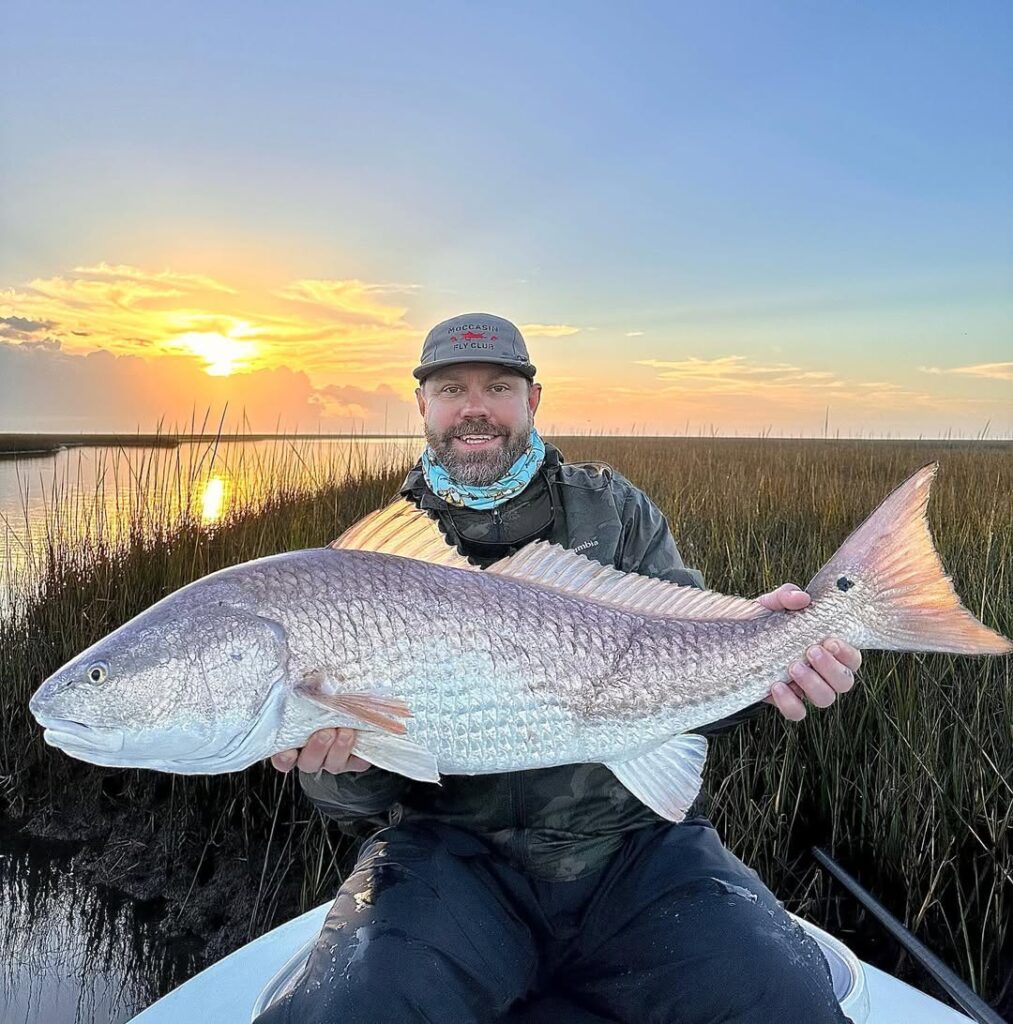
Photo Provided by Moccasin Fly Club - https://www.instagram.com/p/Cno5_h5OFy9/

Saltwater Fly Fishing is more than just chasing fish—it’s about immersing yourself in incredible locations, learning new techniques, and building lifelong connections. Today’s episode takes us deep into the marshes of Louisiana and beyond, exploring the magic of redfish, permit, and tarpon with a focus on both adventure and community.

Our guest, John Hunt of Moccasin Fly Club, has built one of the most unique travel-minded fly fishing communities in the world. From hosted trips and conservation efforts to unforgettable cultural experiences, John shares how the journey is just as important as the fish. By the end, you’ll know when to chase bull reds, why the Double Haul Tournament is different, and how it can change the way you see travel.


Hit play to start listening! 👇🏻🎧


apple podcasts

Find the show:  Follow the Show | Overcast | Spotify

Subscribe on Apple Podcasts

Subscribe on Android

Subscribe via RSS

(The full episode transcript is at the bottom of this blogpost) 👇🏻

Sponsors and Podcast Updates

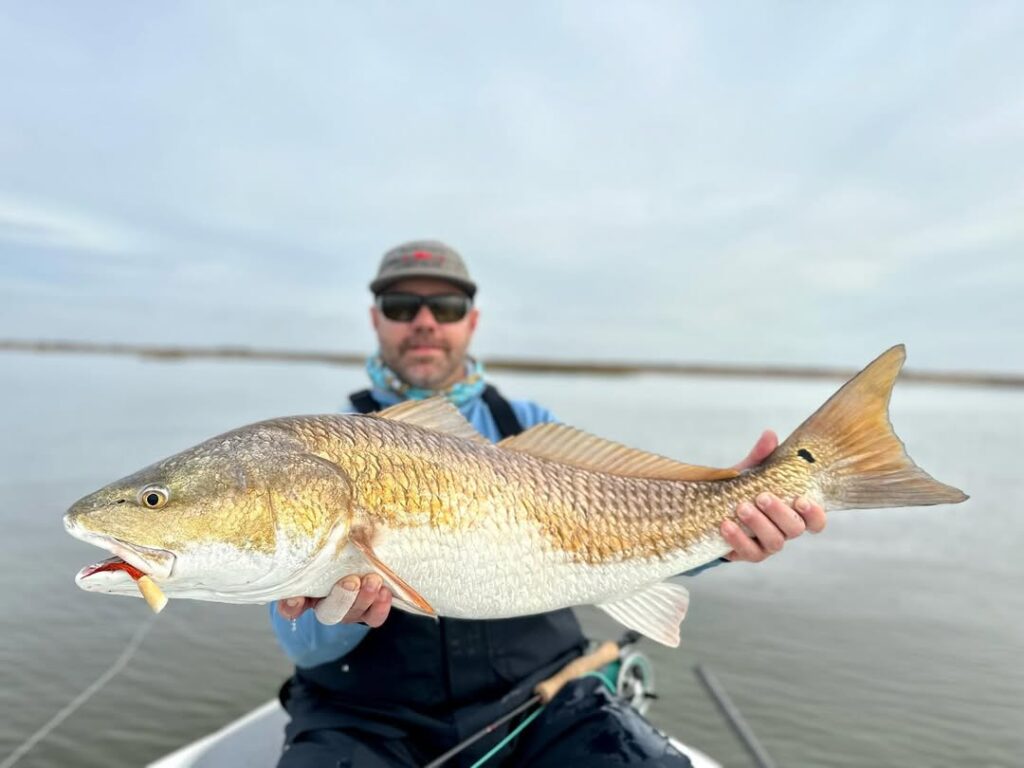
Fishing Trip Redfish Photo provided by Moccasin Fly Club Saltwater Fly Fishing
Fishing Trip Redfish Photo provided by Moccasin Fly Club

Show Notes with John Hunt on Saltwater Fly Fishing

01:17 – John Hunt shares fishing reports from Colorado and New Mexico, plus how his lodges adapt to summer heat and upcoming hunting season.

02:20 – Insight into the upcoming Double Haul Tournament in Xcalak, Mexico, blending saltwater fly fish with community impact. Check it here.

Permit and Tarpon Tournamet Photo Provided by https://moccasinflyclub.com/double-haul-tournament

Saltwater Fly Fishing
Permit and Tarpon Tournamet Photo Provided by https://moccasinflyclub.com/double-haul-tournament

06:37 – A weeklong experience with training days, three days of competitive fishing, prizes, and sponsor support for local guides.

08:03 – How Moccasin Fly Club lowers costs so anglers can chase permit and tarpon without a $10k+ price tag.

12:23 – John highlights his Louisiana program: three days of guided bull redfish fishing, affordable pricing, and an easy domestic travel plan. Check it out here.

14:58 – Redfish trips help anglers prepare for tarpon, permit, and other saltwater species by teaching heavy rod handling, sight casting, and fish fighting.

Read more here.

16:22 – John breaks down what anglers can expect: casting in wind, tailing fish, adrenaline pressure, and listening to guides.

Watch How to Fly Casting, Casting into the wind and Fishing tips

18:18 – The Louisiana experience includes Cajun food, cultural exploration, and the history of communities shaped by hurricanes. Learn more here.

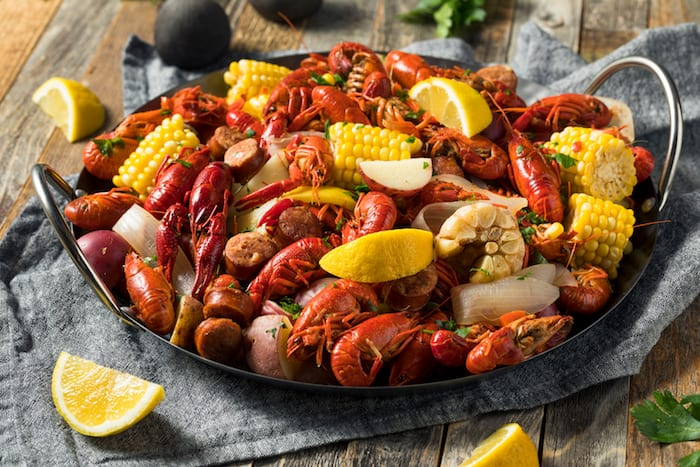
Cajun food in Louisiana Photo Provided by https://demandafrica.com/food/exploring-louisianas-cajun-food-culture/

 19:55 – Why 20–30 pound bull redfish return to the marsh after spawning and why late fall/winter is the best time to target them.

Redfish (Red Drum) Photo Provided by: Moccasin Fly Club Saltwater Fly Fishing https://www.instagram.com/p/C9TdE1ZNVYJ/?img_index=1
Redfish (Red Drum) Photo Provided by: Moccasin Fly Club https://www.instagram.com/p/C9TdE1ZNVYJ/?img_index=1

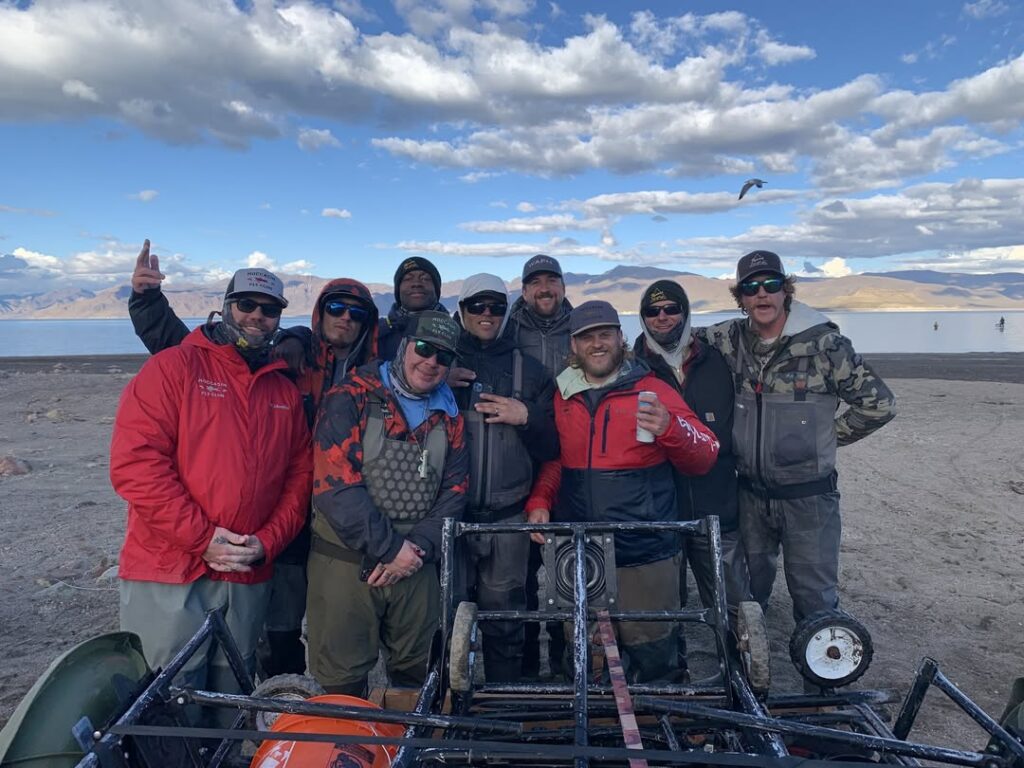
23:48 – How hosted trips turn strangers into lifelong fishing friends, with anglers often mixing boats to learn from each other.

Getting groups of anglers on new waters is what we do best

Moccasin Fly Club Saltwater Fly Fishing
Moccasin Fly Club groups of Angelers on new waters. Photo Provided by Mocassin Club Instagram – https://www.instagram.com/p/C2c0wI5u2YK/

26:00 – John walks through a sample Louisiana trip: airport pickup, group dinners, three days of fishing, and easy departure.

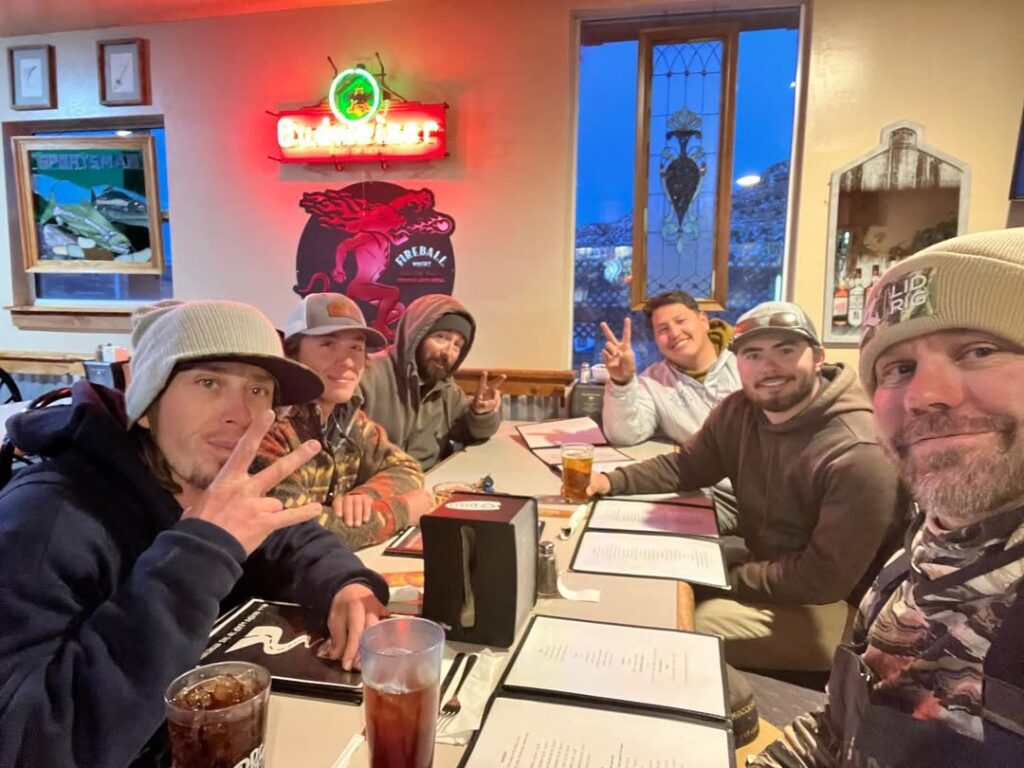
Moccasin Fly Club Saltwater Fly Fishing
Team Dinner – Squad out on the water from Moccasin Fly Club Photo Provided by: https://www.instagram.com/p/CnnhrsJJ9h4/

34:37 – John explains how Moccasin Fly Club fosters connections that extend beyond trips, building a travel-minded fishing community.

If you want to learn more. Click it here!

36:47 – John was talking about the Top 3 Tips for Redfish. Ask questions before casting, Don’t rip line out too fast — it spooks fish more than a bad cast and Keep it light and fun — attitude impacts success as much as skill.

Wanted to Learn more about Fishing, Hunting, and Gear Trips. Check this out!

Watch the Moccasin Fly Club – Fishing, Hunting, and Gear Trips Around the World

50:30 – Why community is key — sharing spots, travel advice, and trust only works when anglers become friends through these trips.

56:56 – John explains how Moccasin supports both hosted and independent travel — helping anglers find guides, DIY fish, or build their own trips.

58:15 – The mission — Moccasin Fly Club lowers barriers to travel, offers affordable programs, and helps more people get on the water.

You can find the guest on Moccasin Fly Club Instagram and Moccasin Fly Club Website


Top 10 tips of Redfish Saltwater Fly Fishing Bullet Points for Blog Post:  

  1. Ask questions and communicate with your guide before casting.
  2. Don’t rip your line out immediately if you miss—let the fish react first.
  3. Keep the mood light; attitude matters as much as accuracy.
  4. Redfish trips are the best training ground for future saltwater adventures.
  5. Timing is key—mid-October to January offers the best shots at bull reds.
  6. Practice casting with 9- and 10-weight rods to prepare for big saltwater species.
  7. Pay attention to local culture—food, music, and community add to the experience.
  8. Mix up boat groups to learn from others and build friendships.
  9. Be ready for multiple species: redfish, black drum, sheepshead, and even sharks.
  10. Remember—it’s fishing, not catching. Stay positive and enjoy the hang.


Saltwater Redfish Videos Noted in the Show

Related Podcast Episodes

Full Podcast Transcript

Episode Transcript
Dave (2s): Today’s guest is not just mapping out fly fishing trips, he’s creating something much deeper. A place where red fish blow up on the shallow marshes permit tail in turquoise waters and a week on the water turns in a lifetime of new friendships. The mission is simple, catch fish for sure, but also builds something bigger. Community impact and real deal adventures on every trip. By the end of this episode, you’ll know when to chase Bull Reds on the flats, how a simple idea became the double haul, and why your next trip might just be about more than fit. By the end of this one, you’ll know how to chase Bull Reds on the flats, how a simple idea became the double haul experience, and why your next trip might be more than Catch and fish. Dave (45s): This is the Web Fly Swing podcast where I show you the best places to travel to for fly fishing, how to find the best resources and tools to prepare for that big trip And what you can do to give back to the fish species we all love. John Hunt is founder of one of the most unique travel minded fly fishing communities Out there, a crew that blends hosted trips, conservation and down to earth vibes under the name Moccasin Fly Club. Whether you’re thinking about your first saltwater trip or just want a better way to travel and fish with some good people, this one’s for you. Here we go. Let’s get into it. John Hunt from moccasin fly club.com. How you doing, John? Good 1 (1m 19s): Man. Living the dream here in Colorado. Dave (1m 21s): Yeah, we’ve had you on now a few times. We’ve talked about your program. We’re gonna dig into another big topic today. We’re gonna get into saltwater, which is huge. We have a lot of people that are interested in saltwater, but I want to get a, an update like right now as we speak, we’re kind of in August, you know what’s going on summertime. Now. Do you, you wanna give us an update of are you out traveling all over the place or is this break time for you? 1 (1m 41s): No, so yeah, we just, I mean the summer season is gonna go until about August 15th. Just got back last night. We were over at Hook and Hunt at our Lodge in Tilt Colorado and had three days of floating over there. Streamer Bite was awesome and the fishing all over that side, the western slope of Colorado. So the frying pan, the Roaring Fork, the lower Colorado’s getting a little hot towards the end of the day. So one of the days we were on the water at like five in the morning and and floating till 11, taking people up in the evening up to like reservoirs and kind of like higher alpine stuff that’s been going great. Our place down in New Mexico, rot and rifle has been booming right now because it’s kind of like that other side of the bell curve so to speak. 1 (2m 21s): New Mexico hot is a kind of different type of hot, it’s kinda like Texas and Arizona hot, so some people aren’t trying to be when it’s 110 degrees, but things have been rocking there. A lot of big fish have been getting put in the net in New Mexico, which is awesome. And for us, our next big step is in August we head down to Ack Mexico to start working with the local community heads and the live down there for our big permit and tarpon tournament. That’ll happen September of 2026 called the double hall. I have a a week down there kind of working on the water. We gotta, you know, get some stuff ready for the local community and who we’re donating the money from the tournament to fishing and checking stuff out, talking with the guides, checking out the Lodge, figuring out the food for next year. 1 (3m 6s): So we’ll be on site for a week kind of dialing stuff in, getting it ready for next September, which will be the, the first time that it happens. And other than that, it’s really just gearing up for our biggest time of year is this August to January, you know, after, after the trout season ends all over the US and people aren’t traveling for summer vacation and going somewhere that they’ve already planned, we start to kick off everything. So October’s real big November. December’s real big in September. We have a couple events here in Colorado that are always big. Plus we have to get both lodges ready for the winter. So, you know, an easy way to tell everybody is that it’s super hot in the summer, so we have everything ready to go to keep people cool. And then obviously it gets real cold in the winter time, so we flip everything around October 1st and get it ready to keep everybody real warm for the winter and it ready for the hunting season that’ll come in. 1 (3m 54s): So starting like right after Halloween, we move, people are still coming to fish, but we start to house and host a lot of hunters in both locations just to make sure that the transportation’s right and that’s kind of the, the big part of it. But I mean, I hate saying summer’s coming to an end, but you know, within a couple weeks it’s all over and it’s back back to the other grind. Dave (4m 13s): That’s amazing to think, you know, because it’s always the summer, everybody wants the summer to keep going, but you know, I guess depending on the summer this could, you know, depending on where you’re at too right, the summer it can be different, different places. But no, that’s a lot. You have a lot going there. I think out of all that double hall tournament is really interesting and I think today maybe if we have a little time, we’ll talk more about that because I think it sounds great you’re putting together this program. Maybe give, give it a highlight on that. How did this come to be and talk about the, it sounds like you’ve got a nonprofit or a charity that you’re donating to. Tell us a little bit more about that. 1 (4m 42s): Yeah, so a couple years ago there’s a lot of people that want to catch permit and want to catch tarpon, which is, you know, a big, a big demographic of the fly fishing world Dave (4m 52s): I would say out in fly fishing, we talk a lot about this, right? The species and permit is one of the hardest. Tarpon seems to be doable. But yeah, those are two species that are on top of many people’s bucket list and permit might be one you go for a long time without catching, right? But, but so yeah, tell us more about this. 1 (5m 9s): Throughout us doing trips and having this, we’ve been in different places for those two species. We were in Cuba earlier This year for real big tarpon on the flat people go to Florida, we’ve been in Belize, we’ve sent people to Honduras and Mexico obviously has a lot of it as, as well. Two years ago there were a lot of talks about, you know, those trips are usually somewhat pricey and when you’re going someplace, the guides and the lodges that are there are, you know, a direct impact of the financial import of people coming there. And we just started to try to figure out, you know, where we would want to do one and how we could help. And last year we started kind of putting together the crux of it, talking to our partners where we could be, and we’re not donating to a nonprofit so to speak, but we are donating straight to the infrastructure of the town. 1 (5m 54s): So Ishak is a real small fishing community in southeast Mexico, right on the chat Mall Bay. And it’s just by the Belize border, but there’s not, you know, paved roads, there’s not a lot of other stuff. And our thought was is that we wanna be able to hand a check to the city of Ishak to have it be used for what they wanted to be used for. There was talk about doing it for the schools, there was talks about doing it for certain road improvements or you know, how many streetlights or how many of this we could do. And that’s kind of where we, we started on it, but also it was finding a correct partner to be able to do this so that it’s not the normal price of some sort of of crazy permit tarp and trip. And that’s what’s kind of come to be. So it, it’ll be September of 2026 per angler, there’s five days of fishing. 1 (6m 38s): So you show up, you get two days of training, right on the first night we have an opening dinner and we randomly select the guides and who’s gonna happen. So it’s a two person team or if you’re a single we can find another single and kind of put you on a team together. There’s a point system obviously on what you catch, whether it’s snook, bonefish, tarpon jack permit, et cetera. So there’s all kinds of different things. There’s prizes that’ll be given out for the biggest permit, the biggest tarpon, the biggest whatever. And then overall as a team, the point aspect. So on night one big opening dinner, you randomly select who you have. So teams and guides are together. Then you have two days of fishing with your guide, that’s gonna be what we call training. Then we have three days, that’s the actual tournament, those three days of the tournament, you know, with your little scorecard that you gotta take a picture with trying to keep everything very transparent, very honest. 1 (7m 23s): And then the last night there’s a closing dinner where all the prizes get given out. And on top of that we have a big gift bag and thing that’s going to every one of the guides for them to be a part of it. So all of our different corporate sponsors are donating stuff to give to the guides. A lot of the times when you show up in some of these places, those guides don’t have flies that you can use or they may not have line or tip it and you have to bring a lot of the stuff with you, which is, is most of it where you travel around to salt saltwater fish. But for us we wanna be able to give something to the guides that are a big part of it and then also give to that community and that town, city, whatever. And that’s kinda the rundown. So you get five days of fishing, all lodging, all food, the opening dinner, the guiding, everything for 3,500 per angler. 1 (8m 4s): So usually these events are like $10,000 of $15,000 per team. We come out to be $7,000 per team or 3,500 per angler. Singles can come double anglers or one team can come think. Right now we have, of the 10 solo spots open, we have six left. So we have two teams that are already in it. And those were again, some of the corporate sponsors and the people that we’ve been working with, not only did they want to be part of it, but you know they want to be able to say that, you know, x, x, X brand that I’m not able to say out loud yet one won the first annual double hall we have merch of on the shop, it’s the double hall, it’s a a permit and a tarpon in hammocks hanging in palm trees. 1 (8m 44s): So there’s a lot of different, you know, stuff we try to put together for it. And then on that closing night when we give out all the prizes, we’re also handing a check over to the city of Ishak or or whichever department we decide to, to do after this week down there. And they’re able to use the funds for whatever, you know, for us it’s more about making sure that they get the money and and having it for what they want to use it for either for us as a business, you know, we’ll figure out how we need to do that. It isn’t necessarily a nonprofit or 5 0 1 C3 because it’s in Mexico. But this is, you know, something for us to try to continue to give back. We take nets down and do a bunch of education in the Brazilian Amazon about fish conservation and trying to help the dolphins not eating all the peacock bass. 1 (9m 25s): When we go to Argentina we help out with the biological research of tagging and tracking the golden dorados. We didn’t have anything with permanent tarping and and certain things. So we wanted to make sure that we were able to find a way to kind of have some sort of impact, whether it be big or small. And so that was what this double hall has turned out to be and we’re open for. And I mean I think we’re gonna get into other topics about how you start getting into saltwater fishing. If you’ve never salt water fish, obviously you could come down to the double hall and you will catch fish you will catch. So Dave (9m 59s): This is the one. So if you were gonna, if you were brand new to saltwater, you’d want it never done it. This could be a tournament that you could actually, you would recommend. I 1 (10m 7s): Mean yeah the tournament word scares a lot of people. I don’t want it to come off like it’s a tournament. It’s not the Del Brown, it’s not crazy like it’s a hosted week of fishing that also impacts the community and we give back and we’re gonna have a bunch of fun prizes and and awesome stuff. Dave (10m 20s): Yeah and you’re having fun. I mean I can imagine if, if I was down there, somebody down there, I mean the tournament just kind of makes, it’s like gamifying, it’s kind of fun but at the end of the day if you didn’t, if you were last place it would still be great. You know, it literally doesn’t matter. 1 (10m 33s): And I think more because of the pricing is that if you were gonna try to go get your shots at permit and learn what’s up and try to to wrangle the tarping and do whatever you want, unbelievable food and a fun thing. This is a price point that allows it to not be too crazy for you to, to go down there and do it. Also, I think, you know, it’s well known Out there that ish glac is is slightly more forgiving place. I’m not saying that everybody that goes there catches a permit on their first cast by any means, but there is a little bit less pressure, there is a little bit more opportunity to, to take your shots and in September there’s not a ton of other boat traffic around. I, you know, I think we’re gonna talk about the true intro to fly fishing would probably be a different trip in something Louisiana that we’ll talk about. 1 (11m 17s): But yeah, if you’ve never been somewhere and you want to go check it all out and bring your nine and 10 weight down and and go after some, have a good time. Plus also know that you know, it’s a great price and part of that great price is that it’s going to the community that you’re gonna fish in. We’d love to have you whether or not you win the tournament or not, who knows And, and as everybody says, you know, I’d rather be lucky than good any day of the week. So don’t think you’re not gonna win just because you’ve never done it before. Dave (11m 42s): Right. This is awesome. Well I’ve got lots of questions we can kind of table for another time, but I think it’s great because what you’re doing is putting together a really amazing price point, you know, when you think about what you get on this trip. So that’s awesome. So, but let’s, let’s hold that one. I think that might be another episode in itself. I, what we want to talk about today is a little more on the actual like redfish. I don’t know if you would call this intro to saltwater, but I know we have a lot of people are interested in redfish. Let’s talk about that program you guys have down there. Maybe just from the top take us there, like what, describe first off what it’s about. Is this your program you guys do annually? Tell us a little bit more about it. 1 (12m 20s): Yeah, so we’ve been going down to Louisiana, we go southwest from New Orleans. There’s a bunch of different bayou and places to go. A lot of people talk about the Venice side. We haven’t really done too much there just because we’ve been always trying to get a little bit outside of where that crowd was. But it’s been four years now. We started doing trips down there and it’s grown into, so like this November, December and January I think we have six total trips going down there and our program is five anglers and a host includes ground transportation. You get picked up at the airport, you get driven all the way out into the bayou. It’s about an hour long drive. You’re there for your three days of fishing. 1 (13m 1s): We have found that three days of fishing allows, if there is one bad weather day or a day that you have to only do half day of fishing because of rain or wind or something. It comes up that way. It includes all the lodging. We do an opening dinner. It doesn’t include drinks in some of the dinners just because we usually eat in a marina. And it also keeps that price point down. So for 2,500 per angler you get three days of fishing, three nights of lodging because it is domestic. We fly in day one, then we fish day two, three and four and the evening of day four everybody usually flies out. Or some of the clients, you know, we head back up to New Orleans and they stay in New Orleans for that night and you can, you know, stay and get some food, hang out in the hotel, go do whatever, see a show, catch a athletic event. 1 (13m 43s): But we have been doing that one for so long now that it’s kind of like a rinse and repeat for us. We usually have hosts down there for a week. They do two separate groups, three days on the first end, stay in New Orleans, pick up the next group, three days on the next end. And I think what we really talk to people about is that if you want to get to the point that you’re chasing permit tarpon, bonefish, peacock grass in Brazil, golden dorados in in Argentina, if you wanna get to that point, which we kind of base it more around bigger rods standing on a skiff for the first time, sight fishing, working with a captain that’s, you know, kind of telling you sometimes barking, sometimes whatever, you know, getting you in those zones and in those experiences and I, I equated a lot to practice like if you wanna go do something specific in the future, let’s start practicing now and practice where it’s cost effective. 1 (14m 37s): You’re gonna get a lot of shots. You’re also gonna be able to like practice fighting a 15 pound, 20 pound, 30 pound plus fish. That’s what we really use our red fish trips for. So you’re gonna be casting nine weights, you’re gonna be sight fishing and trying to put it on a fish’s head that’s either tailing or moving in a certain direction. You’re gonna be on the front of the skiff. You’re gonna have to listen to a guy that’s or or woman who’s telling you where to cast and what it looks like and getting into the situation. You’re gonna have to make the cast strip, set it on the fish, fight the fish, get it into the net. Like all of those things. Some people are like, ah yeah you know, I’m gonna go down to wherever and catch this fish. 1 (15m 20s): And if you’ve never done it before, it takes a little bit of practice and it’s not necessarily that you gotta be able to double haul 60 feet and put it on a dinner plate. It’s more of the fact that you gotta be able to, to get it done in the zone with the adrenaline in the time that’s allotted. Like if you see a fish cruising down the bank from 50 yards away and it’s on your forehand side and it’s a 30 foot cast and there’s no wind, yeah you know, you usually wake up from that dream as opposed to actually doing that in real life. But in real life it could be the fact that it’s gonna be a backhand cast for 25 feet into the wind to a tailing fish that you gotta put it, you know, right next to it because it could be murky water. 1 (16m 1s): All of those situations are great to work through in the red redfish trip outside of New Orleans because it offers a lot of it too. Like you could see a school rolling through, you can see singles, you can be Out there, you know, working through stuff and and have to kinda like drop and drag a cast. You could have to make a nice double haul cast and that’s what we equate to it. Also, somebody that’s been fishing five and six weights for, you know, over a decade but has never casted a nine weight or had to like sit on the front of a skiff and just sit there for a couple hours waiting for a fish. It’s a lot different than than just blind casting streamers off a boat and all of those things we like to talk to our clients about, you know, if, if you wanna do some of these other trips that we have, this is probably something where we can start you now. 1 (16m 48s): It won’t cost as much. We know that there are fish, we know that most people are always catching fish and we can go down there and practice, have a great time. Plus it’s, I mean for us in Denver it’s like a two hour domestic flight. It’s not a crazy expensive travel cost. You don’t need a passport. You know, all of these things kind of lump it into the whole, it’s Dave (17m 8s): Easier and it’s in a, a cool part of the country, right? If you’ve never been down in that part, like that’s an amazing culturally diverse place to be. 1 (17m 16s): Well and that’s, I think that that’s the other part for me personally. A lot of it is just the food in general. I, I think in four years and probably close to 20 trips, we’ve only caught one red fish that’s been below the 27 inch limit. And we did keep that so we could have red shell on a, a red fish on a half show, which we don’t really do a lot of ’em, we just put ’em all back. But I mean having, having your charbroiled oysters, having your gumbos, having your four boys having your red beans and rice, like that whole aspect of the culture down there is, you know, alligator bites or all alligator pepperoni pizza and all of this stuff that you get to do while you’re down there. 1 (17m 56s): Plus, you know, there’s a lot of people that have been to New Orleans and seen Bourbon Street, French Quarter, Trent, other stuff. I mean, you know, we’re in an hour outside of that. We’re in a, a whole different world so to speak. I have a lot of clients that when we get down there they’re like, man, I didn’t even know, you know, one, you’re, you’re still seeing devastation from Hurricane Katrina, which was how years ago plus whatever other hurricane, the shrimp industry, you know, a lot of it looks like kind of like the Forest Gump aspect of the movie with shrimping and, and all of that stuff is really cool to see. And in that place specifically, you know, we’re always talking to our guides about different stuff. We can bring down supplies for them if they need stuff for fishing or if they need parts for a boat or or whatever it’s gonna be. 1 (18m 41s): But that, that trip you are correct. It’s, it’s great on the water and it’s great off the water and it’s a, it’s usually a group of five people that are either trying to get to the future of their fly fishing experience with salt or it’s people there that are like, you know what I’ve, I’ve heard and seen and I, I’ve always wanted to feel what this red fish is like. And I, you know, I, a bull in our opinion is 20 pounds plus some, some places go by like 35 inches or 30, like there’s different ways to call it a bull. But at right after the cold snap that happens in October, middle October, et cetera, those big bulls start coming back in from the ocean where they’ve been spawning and they’re up in the marsh and up in the bayou and they’re hungry ’cause they just got done spawning. 1 (19m 34s): So I mean I’ve seen it often where you may get two or three shots on the same fish and you still catch the fish. It just didn’t see the food the first couple times ’cause it’s eaten other foods. You know, I’ve seen people put a put a fly on a, on a fish’s tail and it turns around and eats it. It’s a, it’s a forgiving type of experience to be in salt and to be able to have that happen. And also the fact that it’s such a big fish. I mean people you want to talk and I mean here in Colorado we talk about inches. So you know, the, in the past week or whatever, you know, 22 inch brown or a 20 inch chunky rainbow, there’s no inches or any, I mean you, you’re talking about a a 16 and 18 pound fish that’s on a nine weight spinning a skiff around in the water while you’re fighting it. 1 (20m 19s): Those are, those are awesome experiences to see happen. And then afterwards, you know, everybody can go have a beer and eat a softshell crab, poor boy or have shrimp or crawfish or whatever. Dave (20m 29s): Sounds amazing. I mean again, you, this is a great intro because you painted, you know, part of what this is, it’s an opportunity to get some action. You know, it’s not gonna be likely like permit where you’re sitting there, you know, not quite that level but, but, and then just the area and then the, the price too. I think you’re smart on doing this because you know you’ve got a price point that’s low enough that more people can do, you know, and it’s a fully guided but let’s talk about, let’s go on timing. So the question is always when to go, you know, and I think that we obviously love to go when you want to get your best shot at it, but what would you say that somebody’s sitting here, we’re talking to you, maybe we got a few people coming with us on this trip. What does that look like? What would you recommend for timing? 1 (21m 8s): So the, the season technically, you know, a lot of people start October 1st and they go till the end of February. I have been there personally fishing on October 1st in the beginning of October. It’s a little different it and not that it’s, you know, instead of having in three days you may have 25, 30 shots, maybe you have 15, you know, the timing would be like middle of October right after that cold snap happens, you want to be there. And that obviously is super challenging ’cause I mean we’re like, when I’m there this November I’ll be booking, you know, next November’s dates. So we have now, after the, the first couple years we’ve moved, we pretty much go from like the 10th of November to the end of February and we do two different sets of three days, November, December, January and then February we leave open and there’s usually people that kind of fill in as we get closer to it. 1 (21m 59s): Most of the guides are booked pretty solid. We’re able to kind of work it where I, I mean I have people calling me now asking if they can get onto February because they missed the other dates. But I mean, me personally, I like the November, December, granted I’m, I’m in Colorado so like when I fly from here to New Orleans in November and I get off the airplane and it’s 65, 70 degrees, I feel like I’m in Bermuda. So, so it’s, it’s awesome in that realm. Now I’m wearing, you know, probably bibs and a raincoat. You have to be ready on the water for whatever’s gonna happen. It could be windy, it could be rainy, it could be et cetera. Obviously last year, the year before was the crazy thing where we got snow down there at one point. 1 (22m 41s): But I would tell you that, that for me to tell you the perfect time, I think anywhere between November 5th and January 20th is probably good. That does put a big kink on the holiday season, you know, in between December 20th and January 5th. Most people aren’t trying to do stuff. So if that is available to you, you may be able to hit a sweet spot at that point. But the timing is that aspect. So we’ll do two different sets of three dates in November. Two different sets of three dates in December and two different sets of three dates in January. And then we usually have a couple dates here or there in February. This past February I was down there with, with a client and we had a blast. 1 (23m 25s): It was awesome. There wasn’t a ton of boat traffic, we were able to get on fish. And I should also say that, you know, for a lot of people it is flyer die only down there you can do some like cork and pop spin casting. There are people that’ll be throwing live bait that are not necessarily on our trip. But I mean it is open to all aspects of fishing no matter what. A lot of the, a lot of the guides will do whatever. But also a lot of the guides are like, yeah, like I’m trying to be out here with fly fishers 10 pointing fish and catching trophies and that, that’s what we love to do. So I think that’s the timing. So Dave (24m 1s): You got decem November, December, so if you’re looking at say December, either early mid-December versus say early, you know, early mid-January, are those pretty much very similar? Is there more wind during any time or what’s the difference between like December, January, 1 (24m 15s): November may not have, I mean the, the wind is all particular because it’s the Gulf Gulf of America now. Oh right, Dave (24m 21s): Yeah, totally. 1 (24m 22s): The wind is all determined on what it is. I think any, any month, any season, whatever, you’re gonna get wind to try to stay away from the rain. You know, maybe you do December as opposed to January. I would, so, so this December I’ll be there from December 7th until December like 14th or 15th or something like that for, and I’m, I’m on those dates as the host and et cetera. So I’ll be down there for a week and I, you know, if I can pick, sometimes I like going down there earlier just because I like I’m already Jones and so going to November’s great ’cause you usually get on like some first bites. Sometimes those big like 30, 50 fish schools are moving through more like late October, early November. 1 (25m 5s): I also feel like December and January those fish have been eating a little bit. So they kind of are able to, to swell up and, and put more weight on when they first come back. They’re obviously not as big as they were when they went to Spawn. So they’re eating everything. Dave (25m 18s): Are they getting bigger as the season goes on? 1 (25m 20s): Oh, I mean they’re eating and I mean when I say like a crab, I’m not talking about like those little permit crab flies that you see. I mean they’re eating crabs that are the size of your hand. They’re raw fish. They have a, a crush plate much like other, other fish do. So when a red fish hails that fly, it goes right through their mouth into this little plate. It’s kind of like a little teacup plate that you hold them with your front hand, but it’s two bones that crush and it just crushes up the, the crabs and the shrimp. Dave (25m 49s): They’re amazing looking fish, you know that the great thing about them is that they’ve got this, they’re, they’re body morphology is super cool. They got that spot on the back and then their mouth is just, and their head is giant. They just look like, almost like a, I don’t know how you explain ’em, right? They’re just this cool looking fish. 1 (26m 3s): Yeah, I mean the, the drum family in general, if you haven’t seen Red Drum, the black drum, the whatever, and you bring up great point. I, I will personally say the best thing about them is that they have that soft lip so at least you can, it’s kind of like a permit, right? You can get a hook through it pretty fast. They don’t have like, you know, teeth now the sheep’s head that are down there are a whole different, we’ll talk about redfish, but then we can talk about black drum and sheep’s head and alligator gar and all the other stuff down there that’s possible to catch. Dave (26m 31s): So there might be, so that, that’s a great topic because we’ve just been traveling out, we were doing some stuff in Alaska and we were focused on a certain species, but it, we were like, well you know, I’d love to catch some multiple and I know Brandon shout out to Brandon, he caught I think six species on, on that trip and it was awesome, right? So, so here same thing. We have an opportunity, I mean red fish is for sure one thing, but there’s other fish, like how many total species could you potentially hook down there? 1 (26m 56s): So yeah, so like there’s, there’s red fish in general. So you got the, the red drumm or red fish. Dave (27m 2s): Okay, so red drum and red fish, that’s the same species. 1 (27m 5s): Yeah, same thing. And a lot of people are trying to hit that bull. So it’s a certain weight class you want to get 20 pounds plus there’s also different colors in the, they’re all red fish that are all red drum, but there are some that are brackish and more gold and kind of an amber than there are some that are a little bit more silver and there’s all that different like color to think. And then after the color, everybody talks about the spots like you brought up, you may catch one that has, you know, a heart shaped spot on its tail. Somebody else catches one, but it’s got three or four different little black spots or so, you know, there’s a whole different way of, you want to catch big ones and you want to be able to have the differences in that. The next one that a lot of people talk about after that would be the black drum, same family, but a totally different looking fish. 1 (27m 48s): In fact it kind of looks like if you’re talking about the red drum as being kind of like a, a pit bull, then you’re talking about a black drum kind of being more like a bulldog Fights, fights different, eats different, can’t really see really slimy, really stinky. The next one after that would be the sheep’s head or the convict fish. And they’re the ones that have the, the two rows of human looking teeth in their mouth. So they’re a little bit harder to catch, but when you do catch ’em and you open their mouth up, they’ve got like two molars in front and two molars right behind it that are are human looking teeth that are kind of crazy. Then the, the, I have, and I’ve been down there a bunch, I have yet to actually hold a sheep’s head. 1 (28m 30s): So every time I go down there I’m like, I need to catch a couple red fish. And then I’m trying to get some sort of sheepy to just get this done so people stop making fun of me down there. And then the next one after the sheep’s head would be the alligator gar, which is like a dinosaur fish that’s, you know, however many thousands and millions or whatever years old. And the alligator guard down there are prevalent and they’re all over, they’re just a little bit harder to catch. It is a favorite food of the local community. So they, they do get pulled out of the water a lot and eaten, but the alligator gar is a whole different deal again, crazy looking fish. Crazy thing to be able to say that you caught on the fly. 1 (29m 10s): And then there’s also a sea trout and then the last one, the last one that doesn’t get talked about a lot and is really hard on the fly would be the sharks. So you got black, black, black tip reef sharks, you’ve got a bull shark. Three years ago there was some crazy heavy rain and wind, so we decided to see what we could do on some spinning tackle, catching a shark. But I was able to get a 80 pound bull shark that was a 45 minute experience of craziness and then got to the boat and I was like, I don’t even know like how you take a picture or why you would do this or whatever, Dave (29m 42s): You’re not gonna touch that thing. 1 (29m 43s): Yeah. So that was, that was a whole different deal. How big Dave (29m 46s): Was the bull shark? Like how many pounds do you think that was? 1 (29m 49s): It was 80 pound bull shark. We, Dave (29m 50s): Wow, you got a 80 pound bull shark. Yeah, and it bull shark looks kinda like a, a a a a mean, like a, a badass shark, like a great white or 1 (29m 58s): Something. Yeah, it looks like a, well like a 80 pound bull is not gigantic, but it does, it kinda looks like a baby. Great white. I mean it’s, it’s the gray, gray shark skin on top, white on the bottom. They eat everything. They really love eating the red drums and stuff. So like there’s a whole conversation at the beginning of the trip about, you know, you wanna be really easy in and out of the water and not making a bunch of splashes and all that crazy stuff. Dave (30m 22s): Well, so this is great. So you mentioned a few species. Let’s take it back to the timing. So we talked about that. I’m just thinking just roughly if we were putting together a trip for, you know, the next year, maybe we’re looking at early December, what does that look like? Are you, are these set where people come in typically on a certain day on Sunday and they fish? Or is this kind of all over the place? How does that work on the, 1 (30m 40s): It’s all all over the place just depending on, on how our guides work. So this November we have two groups that’ll go down. Then in December I’ll be down there for a week. This December I’ll be booking next year’s date. Dave (30m 52s): Let’s talk about that trip of December just to, to make it easy so we can look at this. So you’re coming down, when are you going to fly in there for that first group on December. 1 (31m 1s): So we’ll do I fly out on the Sunday the seventh, I pick everybody up, we fish the eighth, ninth and tenths. Then everybody goes back to the airport. I, I stay at a hotel in New Orleans on the 11th, we pick up the next group, we fish the 12th, 13th, and 14th. And on the night of the 14th group two flies out. Dave (31m 19s): So people would be coming in to meet, say, you know, if they’re fishing on the eighth, would they be coming to the Lodge on the seventh and hanging Out there for that night? Yeah. 1 (31m 27s): So everybody flies in on the seventh and we drive out, get into the spot, have dinner, then you’re doing a full day of fishing, 8, 9, 10. And then at on the 10th we start a little early and end at like three 30 or four. We drive back to New Orleans, drop everybody off at the airport. Most of those people get on a plane. Some of those people may take and take an Uber and head out to their hotel or do whatever. Dave (31m 48s): And that’s what’s cool too. I think that like we’re finding that with some of the trips we do, that people are adding on days either before or after the three days on the water and which is great, right? Because they could get three days with guides and then stick around and fish more if they want to. Right. Do you find that guys are doing that Occasionally? 1 (32m 4s): I’ll put it Out there. You know, I have, I have younger kids, so for me I’m, and I I will say this Out there because there are diehard fishing people and then there are diehard travel people and there’s a mix of both. Like I, I even though it’s work, I’m trying to get in to get out, I don’t necessarily have an extra day because then that means that when I get home everybody’s not as happy. But we do have a lot of people that are maybe their kids are, don’t have kids, have kids that are out of the house, do whatever, and they’re like, yeah, I’m gonna stay and fish an extra day. But then there’s also the whole other travel vibe where there’s like, you know, well I, I fished my three days, I’ve gotten it done. Now I want to go see a different part of of this area and, and stay and enjoy whatever. Especially in New Orleans you can see live music, they have professional sports. 1 (32m 48s): You can go on a foodie tour, you can check out everything. If it was me, you know, I’d be eating beyes and going to see live music because the, the food and the music is is awesome. But you are correct on any of the trips. I mean pretty much anything we do year round, there’s always those conversations. Like if you got a 10 hour layover somewhere, do you want to go out and do something instead of sitting at the airport the whole time? If you get back, you know, like in Brazil we get back super early on a charter flight the last day and that last day is going to the SIGs Tropical Zoo and going to check out some foodie stuff. And then at night you’re flying back to the states. The talk for next December would be is that we’ll figure out whatever dates they are and we got five spots that can be on that or I guess four spots. Dave (33m 30s): So what’s the total, if we were putting together some people it would be, what would the total people that could fish there? 1 (33m 35s): So, and I mean it really goes by boats. So for us we’ve always been able to find three boats is pretty easy. One because we can pick everybody up at the airport if it needed to be four boats, et cetera. I assume that you’re gonna go down and want to catch a bull. Dave (33m 48s): Let’s just take that, but kind of talking about this 1 (33m 50s): Pitfall, which I love. Yeah, Dave (33m 51s): Spitball, we spitball. So roughly that December hypothetically. So hypothetically we go down there, say I’m going down there with some other, with a group. There would be me and potentially five other people with three boats, 1 (34m 2s): Five other people with three boats. If one of our persons is on it, then it’d be four boats. So there’d be you and me plus six others. There’d be four boats total. It would still be the same price. Dave (34m 14s): So you have lodging at the Lodge, so you have room for like how many people could stay in actually describe that a little bit what the Lodge looks like. 1 (34m 22s): Usually we, we go for six because it, it’s easier we can, we would be able to find a place that can hold eight Dave (34m 29s): And six is fine. I mean six again, you know, I think that six is a fine number and it would be cool to have you there as well, you know what I mean? Like that would be awesome to fish, you know, and hang out and that sort of stuff. 1 (34m 40s): As, as the life of a host. Most of my thing is like being in the boat with the people that need to have some more shots and some more help. So, you know, I’m helping out with line management. I’m gonna be able to help you see some fish stuff that you may not be able to see. Don’t think of it as me having to be on a boat because I’m gonna fish and catch fish. Dave (34m 57s): No, right. You’re not gonna take, you’re not gonna be like, Hey, it’s my turn. Get outta the way I wanna, it’s more about your clients. 1 (35m 2s): Yeah. Anybody that hasn’t traveled on a trip like that, that does, when you go on these trips, you wanna be on the boat with the host because the host is gonna sit and you’re gonna get most of the shots and you’re supposed to fish until you kind of catch a fish. So I’m not, I’m not trying to out other places or how they do it, but in the moccasin world we know how it goes. So like if you’ve never done it before, you’re gonna be on the bow first thing in the morning, taking all the shots and learning what’s up. Once you’re frustrated and you wanna throw the rod in the water and punch me, Dave (35m 29s): Switch it up, drink, drink a beverage and chill out for a little bit. 1 (35m 32s): You’re in the hot seat. You don’t go in the penalty box until you wanna put yourself in the penalty box. Dave (35m 37s): That’s right. 1 (35m 38s): That’s would work for, for next year. It’d be, you know, six or eight, it’d probably be three or four boats. We’d get a place together, get everybody Out there you go fish for three days, then you know, do whatever you wanna do after that. Well, what Dave (35m 48s): Is the first day on the water? If we were going Out there, let’s just say it’s, we’re talking about again, we’re just hypothetically December 7th, we’re on the water the eighth, what is that first day on the water? Describe that a little bit. What that looks like. 1 (35m 59s): I mean, a lot of it is, is kind of everybo well guide, feeling out angler and angler feeling out guide, right? Like in my, in my opinion, there’s some easy questions that we always ask. You know, pull some line out so you know, if you’ve never done this before, let’s, let’s get your line stacked, get your world in order and get you ready to go. So you’re gonna get some line out and you’re gonna probably do some practice cast. The guide needs to know what you think 30 feet is and you need to know what the guide thinks 30 feet is. We need to know if you can back cast, if you can, if you can only forward cast, we’re gonna obviously have the normal conversation about what, 9, 10, 11, 12, 1, 2. And if so, say six. What those are like, you gotta start learning how the dials work and if that guide is going to, you know, coach you into a fish while you’re casting, you know, All right, it’s, it’s 30 feet at 11 o’clock, start casting. 1 (36m 47s): All right, let out a little bit more. That’s perfect. Next one, lay it down, put it to the left. You know, we’re all gonna be doing that while, you know, hopefully people are are also seeing the fish. You can’t see the fish then there’s a whole different conversation and that’s probably the first hour or so is just getting that ready for person number one on the bow. Then we, we go through, we go through our paces until you get a fish on or somebody decides that it’s time to switch, which you and I can do a whole nother episode about boat mates and when to switch and how, whether it’s time, it’s shots, whether it’s, if you catch, there’s a whole, I feel like there’s a whole ted talk that can happen about that travel fishing. Then when person two gets up there, you repeat it all over again. 1 (37m 29s): This is how far it is. This is what it looks like. This is what you’re gonna do. You’re gonna stand here, always be ready. You know, the, the thing anybody, any captain will tell you is that, you know, while you’re one to blind cast and this looks good and that looks good and I wanna do it while you’re doing that, you’re gonna spook a fish or a fish is gonna come along. You’re not gonna be ready. So you’re paying the money, be ready on the bow when it’s time and talk. Communication and lightheartedness are probably the two biggest things I tell everybody. Like, I’m gonna crack jokes and no matter whether you mess up or do it, we’re all gonna have a good time. If you get too serious and it’s the end of the world, you know, you’re, you’re, you’re messing up your mental well the next, I I played a lot of sports, but I played goalie in lacrosse and I got scored on a lot. 1 (38m 13s): And the, the, the, the term is always get the next one, right. So we messed this one up, it’s gone, it’s whatever, let’s be ready for the next one and the next one could be the best one anyways. So you’re gonna need a mental time out and you wanna get in the penalty box, sit down, relax, have a beverage, do whatever, let somebody else up there. Dave (38m 29s): Don’t dwell on it like, right. I mean I just came off of a trip, you know, we mentioned the Alaska stuff and I was up there and had a a a day that like, is what you’re talking about. It was rough. My, my, the spa cast was rough. I was with Floyd, shout out to Floyd and it was just, it was a tough day. It was almost one of those days where you, you break off the fish, you almost wanna throw your rod in and it was a tough day. The next day I was actually, I was sick too on the trip. I literally was sick. I had like a head cold and I was almost, I was like, man, do I go out tomorrow? Yes 1 (38m 57s): You Dave (38m 57s): Do. Yep. And I did and I went out, I, I made it sick and everything. I’m out on the water and guess what? I caught the best fish of the trip and the best moment. And Floyd came up to me at the end of the day and he said, Dave, you’re doing great. The cast is good. You just had a rough day, you stuck with it. Good. Go for it. Right? Is that same thing with red fish, you’re gonna have those, 1 (39m 15s): You gotta keep the vibes in the boat, right? If you want the fish. I, you know, dogs can smell fear. I feel like fish can smell anger and if you’re not in a good mood and you’re not doing it right, you gotta be able to laugh at it. I will tell you that, you know, after being on a lot of trips with a lot of different people and I’ve been in plenty of boats with people that I’ve just met the day before or the morning before. And if you can’t keep it light and laugh and have a good and talk a little shit with everybody in the boat and crack some jokes and keep it whatever, it doesn’t feel the same. If it’s all so serious and it’s all the end of the world, kind of like how permit fishing gets, it’s not as fun. And also to me, you know, people go on trips and day one serious day two serious day three serious for me, you know, every day doesn’t have to be serious. 1 (39m 58s): If you get a good fish, you get a good fish. If you get any fish, it’s better than getting fish. And by the end of it you look back and you’re like, ah man, you know, like I learned so much over the trip. I got better over the trip. I met friends over the trip that it should be a good feeling now, you know, it’s called fishing not catching. So you’re gonna have trips where you don’t get what you want, but it’s still an experience to take away from. But a hundred percent if you’re not, you know, I can sit in a boat and you know, we can gab and talk and have a good time and crack jokes and hopefully a byproduct of that is that it’s a fun day in the boat and we get to catch fish Dave (40m 30s): And you get some action, right? We’re gonna have a great time on the water. I could already tell you because our community of listeners, you know, wetly Swing, we have Wetly Swing Pro as well that we were going on these trips with. They’re all on the same lines. Just like what you’re talking about. You know, nobody is super stressed. It’s all about just having a good time, enjoying the whole process. This is gonna be good. So when we’re on the water, let’s take it back to that. So we’re, we’ve got the trip set up day one, we’re getting Out there. Are we driving from now? Is the Lodge the same place you guys stay at or do you mix that up of the lodging where you’re staying and then do you drive 1 (41m 2s): Lodging? All depends on the trip. We have one place that we use a lot for the six person vibe and that’s pretty much where we’re at for all six trips This year. They’re great to work with. You wake up in the morning, the guides usually show up either at the house most of the time now we just meet ’em at the boat ramp. It’s a 15 minute drive to the marina where we put in. So we wake up, you can make your breakfast, get your lunch ready, whatever drive down in the marina, jump in the boats of the guides and we’re off at the end of the day. We come back into the marina, you can get drinks and food and stuff at the marina. People can hang out or we can go back to the house and do whatever. You’re not driving more than I would say. I don’t think it’s, there’s no traffic down there. But I mean it’s 15 minutes from doorstep. Dave (41m 43s): Okay, so we’re all driving and likely people have rental cars because they’re coming down from the airport sort of thing or your, we’ll 1 (41m 48s): Have rental cars ready to go. Dave (41m 50s): Okay, so you literally get your plane ticket to are, are they flying into New Orleans or what’s that look like? 1 (41m 55s): Yeah, M-S-Y-M-S-Y. Okay. Lewis Armstrong International down in New Orleans, you’ll land there either guides on your flight and you go get the rental car with or host is on the flight and you go get the rental car with the host. Dave (42m 5s): Oh. So we’re flying. So you’re, yeah, this is cool. You’re setting up, are you doing all the setup, like the, the flight stuff, like letting people know so you’re all on the same thing? 1 (42m 13s): I mean depending on where everybody’s coming from, but we don’t book. We have a travel agent in house that’ll do it for you. But usually we don’t book people’s flights. But we’ll send out information though. Group, this is when we’re landing. You wanna be around this time. If you’re there early, hang out at the airport. Our host is usually trying to, like, if there’s people also coming from the same place as the host, we’re trying to get everybody on the same flight. They’ll grab the rental car, usually a minivan or some sort of big van or SUV. They’ll pull up, grab everybody. You’ll start driving down for the New Orleans trip specifically. Once we get down to where we’re going, we make a stop at a grocery store. Everybody can grab all the stuff that they want. We bring that to the house, unpack, get ready, head out to go to the dinner. We have one of our head guide or all of the guys will be at the dinner with us. Everybody talking about the next day shooting the shit, figuring out what’s up, wake up day one, you know, get to action, get in the trenches, everybody’s in the boat rocking out, come back. 1 (43m 0s): And then on the last day we try to go out like an hour earlier and we’ll get off an hour earlier and you’re already, you know, all your luggage is already in the, the vehicle. We get off, you can change, do whatever. At the marina, we rip an hour back to the airport. I think my flight out is like a 7:00 PM flight and I get into Denver at like 10 ’cause of the hour change. But it’s a two hour flight, so we don’t have an extra night. Did you have to stay there, Dave (43m 23s): But you could if you wanted to, right? You could add on a couple of nights and fish more, maybe talk to the guides beforehand and set up a couple extra days, something like that. 1 (43m 29s): Yeah, and if you want that stuff, I think my thought would be is for next December, if there are people that wanna stay or do something else, then we just gotta figure out having people stay for the lodging, having people stay with the guide. We would have to book all that stuff for you because it is, I mean usually like for right now, today, there are no more dates left with our people, which is five different guides for this whole season. Like if you want to fish in March or April, we can do that. But from October to February, everybody that we have is booked straight through and then next year we’ll figure it out. So you know, if you wanna do four days of study, of three days, then we do, you know, three nights and four days and et cetera, as opposed to whatever it needs to be. Dave (44m 6s): I think a part of the cool thing about this is that when you bring in a community of people, you know, like, like you said, like-minded, the hanging out the hang right. Is is part the huge part, like in the evenings hanging, talking about the day, who are the, the guides maybe describe that. Who are the guides that people are gonna be fishing with down there? Maybe talk about one or two of them. 1 (44m 23s): We’ve worked with a couple different groups. I do have to give a shout out Meredith and, and Colin down there. We’ve worked with them for a long time and we always have a trip that’s set up with them. So Meredith McCord and Colin Huff are good fr they are usually booked up well in advance. So we do have one set of three days every year. That’s usually with Colin and whoever he finds that, that he’s happy with. Our other trips are with Dave Phelps, who’s down there. Another awesome guy that we’ve worked with. He was at the San Juan, we’ve known him for years. Those are our two kind of head guides that we work with back and forth. Dave (44m 52s): Okay. And Meredith McCord definitely is a big name I’ve heard of. We haven’t had her on the podcast yet, but I’ve heard her name for sure. I 1 (44m 58s): Mean, if you need, if we can make that happen for you, if you need to. I, I don’t think that’s a hard thing. She’s unbelievable with what she does and Colin is awesome too. They have their own Lodge that you can stay at there, you can fish there, they do great. And that’s who we run both of our stuff with. And I mean the guides are also, you know, one who is available and has the days open and who isn’t already booked from a previous customer. I will say that’s the one thing is that a lot of people may not be going to this area, but the people that go to that area are repeat customers. I’ve met people that have been going down there for 10 years straight. We have clients that are now on their third trip in, in three years with us to go down there. We do have a lot of clients that, you know, maybe they didn’t go on some international travel thing and they have a buddy and they’re like, yo man, I just need a couple days down in New Orleans to go pull on redfish. 1 (45m 40s): You know, what dates can we get going? And we set up those custom dates too for them. They don’t have to be on our hosted trip. So I think we have six hosted trips coming up this season, but then we have another three or four that are just custom dates for people to go down there. And that’s kind of how this past February worked. We had a client that called up and was like, I just need to, you know, go down there and get it done and I’d like to have somebody on the boat and not just fish alone. And so we figured that out for ’em. But that’s kind of the, the overall feeling is how it worked. You know, hypothetically if we did eight people in four days of fishing in four nights somewhere, I think we would get it all done. And to your point, my personal opinion is that in the experience of the travel and fishing, you’re gonna be with a professional on the water and obviously nobody can catch fish for you. 1 (46m 24s): You have to catch your own fish. So that’s how it works on the water. We as a company can only provide so much on the water. All of the off the water stuff we want to, we wanna make sure is the experience when you’re off the water and you’re like, you want to fish with this guy, you fish with that guy, we want to go have dinner. You wanna see this sometimes, like with this trip that we’re talking about for next year, we would a hundred percent have a crawfish boil at the house one of the night, you know, that authentic point, the coolest thing is off the water on day one. You see people kind of meet and interact and then on day two you’re starting to see people mesh and then all of a sudden, day three people are switching boats because Timmy wants to this with John, it’s Roger. All of a sudden you’re like, dude, there’s a text group for life. Dave (47m 6s): You just said it, you just said John. That’s exactly what happened on the second Alaska trip we did This year. We, we brought together six people, nobody really knew each other and that’s exactly what happened day one. And we were thinking like we keeping, you know, kind of the part. And then after day two everybody was like, you know what? I wanna, let’s mix this up. 1 (47m 23s): Those are the best trips where people are like, nah man, I’ll fish with whoever, everybody I’ll go do this. We haven’t fished yet together, let’s go do that. And the coolest thing is end of day three after people mix around, everybody’s stoked for everybody else to catch the fish. And everybody’s like, yo man, check out the fish that he took. This was odd. Like, you should hear this story, let him tell it. And then all of a sudden by day four, the text thread is just a bunch of pictures and everybody’s contact and everybody’s like, oh well you know, we should go fish again on that. And then I think there are local fishing buddies, people that you call to go fish where you live. I have a lot of text groups that are my traveling fishing friends and they’re like, Hey, we’re going on this trip if you wanted to go, we got this going on. Or we’re gonna, you know, take the wives and us and we’re gonna go over here and be at this resort and then fish here. 1 (48m 6s): And there’s all these people talking about how they’re okay with traveling. And that’s a big part of having a good experience. Like if you’re, if you’re not real big on traveling, there are definitely seasoned travelers that are real used to being on a plane, being in the airport, getting somewhere and et cetera. And you have that group that like your group to Alaska, all of a sudden on the last day when people are flying home, it’s like, yeah, I just landed, man, I wish I was back up there eating a lobster roll steak asking for whatever. And you’re like, me too, that’d be awesome. Dave (48m 33s): And ready to go, ready to go for the next year, right? 1 (48m 35s): Yeah, those are connections that are different, right? ’cause when you’re gonna go fish somewhere, they may have been there or they may know somebody there and it’s like this little, and a lot of it’s how Moccasin started is a, a network of all of these people that will share information and know who to talk to and know who to go fish with and know where to go. And it even gets as simple as like, you know, I’m going up to Spokane and I’m gonna do this. Ah, like I know this one spot that you should go to and you know, I’m not talking about spot burning, giving it up, but I was up there four years ago and this spot was really cool. And you’re like, awesome. Well now bring a rod. And I’m, Dave (49m 7s): And that’s the difference too about the, what you’re talking about here. You’re building a basically a community, people that are getting to know each other and the spot burning when you’re in, and we have this in our, in our group, is that it’s not as big of a deal when you trust the people that are in there talking, you know, and it’s like a friend. A 1 (49m 22s): Thousand percent. Yeah. Well I mean it’s also people that are like, you know, you wanna go catch a fish, go catch a fish if you’re traveling around and have never fished there, that’s the, the information and the beta that you need to be able to even have a, a pseudo easy day going to check that out. But watching that trip go from people riding to the airport, shaking hands and asking everybody where they’re from and et cetera, then they talk about where they’ve been fishing, then they talk about family, then all of a sudden people will switch boats. Then all of a sudden you’re like, we’re all friends now. And that is a, that is a progression that is awesome to see. But I will give a disclaimer that doesn’t happen every trip. So when, when you’re on those trips, enjoy it because it’s unbelievable and it’s the, the top of the mountain. 1 (50m 3s): There are other trips that are not as cool and that’s where the host and us have to go to work and start making it better. Dave (50m 9s): Yeah, you guys are there. No, this is great. Well this has been awesome today. You know, we haven’t really got into tons of the tips and tricks, which is great, but I do wanna take it outta here now with, you know, we call this our today’s top three segment. And today, like we mentioned, we’re gonna, this is gonna be presented by obviously not only Mocks and Fly Club, but Wetly Swing Pro, which is our community where we’re building these trips together and, and people can check that out with Fly Swing Pro. We’re gonna be launching opening that back up here next month. So that’s gonna be awesome to be talking about that. But in today’s top three, I wanna hear some tips, like maybe three tips on redfish. So we’ve been talking, we painted the picture of what this is about. We talked about all the details. Now we’re on the water, we’re getting ready, we got a shot. What are you, what are three things you might be telling that person you’re fishing with to to have ’em have more success Out there? 1 (50m 53s): So ask questions and communicate. If you can’t see the fish, you don’t know what direction it’s going. You don’t know where the tail is, you haven’t seen it. Ask questions before throwing a bad cast. Dave (51m 1s): Okay, so don’t cast, don’t just randomly just make sure you know roughly where that thing is. 1 (51m 7s): Anybody that’s named Ike Out there, I’m sorry. Don’t act like I know everything. If you don’t know where the fish is, say something. If you don’t know where direction it’s going, say something. Communication can be very easy if it’s, you know, opera preparation prevents piss poor performance. So if I don’t know where the fish is and I ask questions, it’s better. They tell me the guide may get a little chippy. You may say something too, whatever, don’t cast it something that you don’t know. Now if you do cast and you don’t think it’s right, you ripping that line out of the water. It’s spooking the fish more than anything else. If you’ve landed a cast and the fish has not spooked or moved, he doesn’t know you’re there. So relax, don’t rip it out of the water, maybe strip it back a little bit and pull it out. 1 (51m 48s): Maybe wait to see if it comes to it or if the guide says pull it and cast again, pull it and cast again. So there’s my two of the three ask questions before you’re gonna throw it something. Because if you don’t know what’s up and you make a shitty cast, the guide now thinks that you suck. So the rest of the day changes in communication. If you start asking questions and you can turn around and be like, Hey man, thanks. I didn’t know what was up. You’re saying that it’s left, I looked left five feet, you meant one feet. You gotta get on the same age. So I equated a lot to team sports. If my teammates yelling at me to do something, I don’t know what’s up. Don’t do something that you don’t know. Ask questions. Two, when you don’t think you’ve landed a perfect class, don’t rip it outta the water right away. ’cause that’s usually what it’ll spook a fish is you landing it all nice, doesn’t spook it, but you ripping, you know, 15 feet a line in a fly out of the water is gonna hit that lateral line and make that fish. 1 (52m 38s): S spook those two. The third one is, you know, chill out, relax, have a good time. Don’t take anything too serious. Some things are good, some things are bad. But you know much like don’t take your issues into work. Don’t keep, don’t keep your issues on the, on the platform, on the bow with you. If something happens, something happens. And if you know that it’s time to take a break, take a break. Don’t keep kicking a dead horse because you can’t make something happen. In my personal experience, I like having a few shots this or that I know real quick if I’m putting it together or not. And if I’m not putting it together, let the other person on the boat try to put it together that may reset everything on the boat. Again, whether I hold a big fish, they hold a big fish or anybody holds any fish, it makes me feel better. So those would be my three is that, you know, you don’t have to necessarily be perfect, but when you’re not perfect, don’t try to correct it so fast. 1 (53m 24s): ’cause that, especially in redfish, they’re usually eating head down in the mud and don’t around them. As soon as they feel something though they know to take off. That’s a big part of it. But the third one of anything is, you know, be kind, be happy and and be ready to help out. Dave (53m 38s): That’s awesome. No, these are, those are great. I think high level things to be thinking about because it’s all, yeah, it’s all about staying the right mindset, you know, you don’t wanna be getting that mindset, like you said, we’ve heard that before. You know, we’ve talked about that in the bucket. Brian’s talked about that on this podcast where yeah those people Out there spay fishing for steelhead that have that real negative, you know, I gotta get it, I gotta, they’re the ones that struggle to get ’em, you know, it’s the people that are relaxed and just chilling and the hang, you know, we’ve heard about that too. The hang just, just have that hang mentality where you’re just enjoying the experience and, and a fish is a bonus. 1 (54m 9s): Yeah, a thousand percent. I mean I don’t know now if you’re downtown in Denver fishing through the middle of the city, maybe it’s not a beautiful place to be. Most of the places that you’re gonna pay to fly to and do all that stuff, I mean every now and then, you know, take your eyes off the water, look around, you know, holy shit, I’m in wherever I’m at, this is cool. I’m with a bunch of people that wanna do the same thing. And I mean, you know, to be real honest, everybody on that boat wants everybody on that boat to catch fish. Whether that happens or not is different, but everybody is there. If you’re on the bow of a boat, everybody on the boat is there to help you get done. So if you act like an, you know, you’re just pissing off the people that are there to Dave (54m 42s): Help. Like I said, that’s what’s cool about our wet fly swing community is that nobody, I haven’t seen it yet, that’s what’s great. Not, you know, knock on wood, but everybody is just there. They’re in for the hang. So. So this has been cool John, I think that, you know, we’re definitely lining out what is sounding like an amazing trip. We’re gonna be digging into this more as we go. I think that we’ve got a lot of great topics because we’ve got some guides who I would love to talk to as well to talk more about the trip and you and you’ve got these other trips. So give a shout out before we get outta here. We mentioned at the start, but what do you wanna leave people with? We obviously have the redfish. Anything else coming up here as you look ahead that you think would be a similar experience? Other trips you guys have that you wanna highlight? Again, 1 (55m 18s): We’ve talked about a lot of them. You know, the Mongolia trip next August is amazing and, and crazy. We have Veloce Patagonia next April, which is another kind of like very budget friendly type of Patagonia trip. We’ve talked about the double hall, which is something totally different. The Brazil, I mean we have like the kind of staples we do every year. My thought would be is that, my shout out would be go to moccasin fly club.com, click on destinations, click on fly fishing. I mean we have boundary water stuff in Minnesota. We have the, we’re in Arkansas, I mean almost anywhere that you want to go Alaska to Argentina, Mongolia, we have people that work with it. You don’t have to just go on a hosted trip with us. We can help you get on the water almost anywhere there way that you want to go for dates that you want to do it. 1 (56m 0s): And that would be it. You know, we spend a lot of time trying to, you know, make sure the hosted trip is curated correctly, make sure people are getting on Phish. But every year we have hundreds of clients that don’t need to do the hosted thing and go do whatever they wanna do on their own. And that’s awesome too. That helps out our business and it also just gets more people on the water and that, you know, at the end of all of it, the reason why we’re priced the way we are and the reason why we try to do so much is that we just want to get more people on the water having a good time. Dave (56m 26s): Love it. I’m on your website now, moccasin fly club.com and it’s cool. Yeah, you have it really well. It’s organized, you know destinations, you got double hall tournament right there on the top header. So when you click destinations it brings down easy everything, right? Argentina, Colorado, Costa Rica, you know everything. A lot of this stuff Florida. So I’m looking down at all this in Hawaii even, right? So Columbia, you guys are all, does it feel like, how do you do all of this? I mean I know you’re not a one man show but it seems like you guys have a a lot going. Does it seem overwhelming to you putting all this together? I mean 1 (56m 56s): It is a lot in certain times of the year, like we’re talking about, you know, the summertime we get a lot of information that is people looking to go on their own vacations and do stuff. That’s awesome. We have an unbelievable network of people that we work with all over the world. We have a bunch of different services from like, you know, global rescue to travel insurance to our travel agents, whatever. So I mean you are correct, it’s a team but a lot of this has happened over the past, you know, what is it now seven years of helping people out? People want to figure out how to go here, they want to do this one. I mean we have so many options that a lot of ’em we can’t do hosted trips for because I would never be home and people aren’t trying to travel 365 days a year, which is fine, but like when you’re in Europe and you wanna do something or if you’re going and you know a destination like the Seychelles or the Galapagos Islands, those are are different conversations than like Montana and Yellowstone and Idaho or Hawaii. 1 (57m 50s): A lot of people are just going to Hawaii and want to be able to have a guide and go fish for a day Dave (57m 54s): For a day, right? 1 (57m 54s): Yeah. Captain Kenny and our guys down there are unbelievable and it’s a whole different deal. Then you talk about, you know like we have nine or 10 different places in Florida if you wanted to do that and et cetera. But a lot of people are already traveling so if you’re traveling and you just wanna day on the water, call us up and we can figure that out. If you wanna do a whole trip and wanna do a whole different deal, we can set all that up too. We just had a group a couple months ago that went to Costa Rica and they, some of them fish, some of them went on waterfall tours and checking out alligator stuff and then they all went somewhere else. I mean we can help you imagine and create whatever type of trip you want, but a lot of our easy business is somebody calling me like yeah, you know, my son and I are gonna be over here or I’m here for a, like I want to fish for a day, can I get out of this place? 1 (58m 36s): And that community vibe of of much like what WEF Fly Swing does is just information and sharing and you also don’t have to book a guide. You could be flying to Seattle and wanna know where to DIY fish. We, we will give you the information and help you out. None of that hurts us either. Dave (58m 51s): Gotcha. There you go. So in your, like you said, the contact, there’s a contact form plenty of stuff on the site there so that’s awesome John. Well this has been another fun one. I’m really excited because you know obviously Redfish is huge. We got some people talking about it. So Thanks for the great podcast today and we’ll be in touch on the next one and we’ll talk to you then. Sounds 1 (59m 8s): Good man. Thanks a lot guys. Have a great one. Dave (59m 26s): You can find more from John if you head over to moccasin fly club.com, you can follow him on Instagram as well. Moccasin Fly Club at Moccasin Fly Club. And if you wanna check out this double hall tournament, definitely check in with John. Let know you’re interested. This sounds like an amazing event, really excited to hear how everything goes This year. And also Redfish, if you want us to put this together, we are definitely gonna be working on this. So send me an email dave@wetlyswing.com if you wanna get access for some of our spots through Wetly Swing Pro, this is your best chance to get involved in one of our trips here and and get on this redfish one. Go to wetly swing.com/pro, enter your name and email and I’ll follow up with you on details. We’re gonna be launching Wetly Swing Pro soon for our next cohort and our next cohort goes out. Dave (1h 0m 7s): If you wanna be part of it, you gotta sign up to that page to get notified when we go live. Gonna be exciting to jump in and bring some new members in the group. We’re doing this occasionally throughout the year. We’ve got kind of an open closed door policy. This is our way of trying to serve new members that come in. So if you’re interested in this, definitely check it out. Wetly swing.com/pro. We got a big week coming next week. We are getting into and preparing for our Steelhead School. This is our annual school we do to the Ski of Spay Lodge. Of course Brian Ska in the bucket is the man and we’re gonna be putting this together. So if you want to get involved, we’re gonna be doing a giveaway next week, giving away one spot to this amazing location on the Cheena main stem and we’re gonna be giving away some other gear there. So anytime go to web play swing.com/giveaway. You can check out any of our giveaways. Dave (1h 0m 49s): Get information there. All right, appreciate you, appreciate you for sticking in all the way and it, I hope you enjoyed this episode. I look forward to catching on the next one. And I hope you have a great afternoon. If it’s evening, I hope you’re having a wonderful evening and if it’s morning, I appreciate you and I hope you can have a good day Out there and check in with us anytime. Would love to hear from you. We’ll talk to you soon. 3 (1h 1m 7s): Thanks for listening to the Wet Fly Swing for Fishing show. For notes and links from this episode, visit wet fly swing.com.


Moccasin Fly Club Saltwater Fly Fishing

Conclusion with John Hunt on Saltwater Fly Fishing

Saltwater fly fishing offers so much more than just a shot at the “bucket list” species. As John Hunt shared, trips like the Louisiana bull redfish adventure provide one of the best entry points for anglers new to the salt. From casting nine-weights at 20+ pound Saltwater Redfish, to building confidence for bigger species like tarpon and permit, these experiences are both affordable and action-packed. Add in Cajun food, cultural richness, and the community vibe created on hosted trips, and it’s clear why anglers return year after year.

Whether your goal is chasing bull reds in the Louisiana marsh or preparing for international adventures like the Double Haul Tournament in Mexico, John’s insights remind us that saltwater fly fishing is about growth, connection, and the joy of the journey.

Have you fished for Saltwater Redfish before, or is it still on your list? Share your experience in the comments — we’d love to hear your story.


808 | Bahamas Flats Fishing with Bruce Chard – Bonefish, Sight Fishing, Saltwater 

What makes an angler who’s fished around the world still pick the ankle-deep Bahamas flats fishing?

For Bruce Chard, the answer is bonefish. In this episode, Bruce shares why they’re his favorite species, what makes South Andros so special, and how to handle quick-fire shots in windy conditions.

Hit play to start listening! 👇🏻🎧


apple podcasts

Find the show:  Follow the Show | Overcast | Spotify

Subscribe on Apple Podcasts

Subscribe on Android

Subscribe via RSS

(The full episode transcript is at the bottom of this blogpost) 👇🏻

Sponsors and Podcast Updates

Bahamas Flats Fishing

Show Notes with Bruce Chard on Bahamas Flats Fishing

Bruce has been packing his schedule with guiding and hosted trips. In one season alone, he spent about 190 days on the water in the Keys, chasing bonefish, permit, and tarpon.

On top of that, he filled nearly all the gaps with 13+ hosted trips to six different countries, fishing with over 120 anglers!

He’s also been running special single-angler hosted trips, where it’s just him and one guest for four to six days—covering everything from knots to leaders to long days on the flats.

Bahamas Flats Fishing

Bonefish in The Bahamas

Half of Bruce’s hosted trips are for bonefish in The Bahamas, and it’s easy to see why. He calls it the best bonefishing destination in the world, with miles of shallow, white sand flats and endless habitat. The water is clear, the scenery is beautiful, and the fishing is off the charts.

For Bruce, bonefish are his number one species. If he had one day left to fish, he’d choose to wade barefoot on Bahamian flats, chasing tailing bones in ankle-deep water.

The Bahamas or the Keys?

When people ask if they should fish in Florida or the Bahamas for bonefish, Bruce says the Bahamas every time. The Keys can be good, but the sheer amount of opportunities in the Bahamas makes it a whole different game.

He says the bonefish flats there are endless: bright white sandbars, gin-clear water, and miles of barefoot wading that’s just “as good as it gets.” Florida has some spots like that, but it’s nothing compared to the Bahamas, where you can walk for miles. And so that’s why most of his hosted trips are out there.

Bahamas Flats Fishing

When is the best time to go to The Bahamas?

One of the best things about bonefish is that they live in The Bahamas all year. They don’t migrate long distances like other fish. Instead, they move around with factors such as weather, tides, water temperature, and spawning. That means there are always fish to find.

But even though bonefish are there all year, timing still matters depending on what you’re after. Winter is a popular season because anglers want to escape the cold, but the weather can surprise you. Here’s a quick rundown if you’re planning on a trip there:

  • Winter trips: November through March are great, but mornings can feel cold when north winds push down cooler air. Pack a light puffy jacket just in case.
  • Before a front: The calm, warm days before a cold front can light up the flats. Fish feed hard, knowing change is coming.
  • Hot weather: Just like us, fish feel it. When water temps climb over 90, they slow down, but on steady summer days, bonefish can be very predictable.

Other Species in The Bahamas

The Bahamas has a mix of other species that keep things exciting. You can run into permit and even some tarpon. But Bruce says one of the coolest surprises is the mutton snapper.

Bruce says if you hook a big 20-pound mutton up on a flat, that’s something to remember. He’s seen a lot in his career, but a fish like that might even give him a case of knee-knocking excitement.

Bonefish in South Andros

Bruce runs many of his hosted trips out of Bair’s Lodge on South Andros. Guests fly into Congo Town, take a short drive, and step right onto the beach where the boats are waiting.

South Andros is massive and almost untouched, with only about 1,500 people living there. That means endless creeks, bays, and flats with hardly any pressure. Some days you can wade all day on foot, exploring backcountry bays where the fish act like they’ve never seen an angler before. It’s as wild and remote as bonefishing gets. The island offers four main fisheries:

  • East Side – classic oceanside flats.
  • South End – sweeping white sandbars that stretch for miles.
  • West Side – softer mud flats with crabs, shrimp, and big fish.
  • Middle Creeks – narrow mangrove channels that open into hidden bays full of tailing bones.

Once you’re on the water, every day starts with the guide checking tides and recent fish activity. From there, the plan shifts depending on conditions and what you want to do.

Bonefishing Tips

  1. Wear polarized sunglasses: They cut glare and help you see fish on bright sand or dark grass.
  2. Look for movement, shape, and color
  3. Use the clock system: The bow of the boat is always 12 o’clock, so when the guide says “10 o’clock, 50 feet,” everyone’s on the same page.
  4. Move your rod tip slow and steady. Don’t swing past the fish too fast. A steady rod lets the guide lock you in.
  5. Lead and cross the fish. Cast out front and across instead of right on top of them. That gives you time to strip slack and move the fly naturally.
  6. Start stripping when they’re 4–5 feet away. Bonefish will see it from there and often charge in.
  7. If there’s more than one fish, competition kicks in and your odds go way up

Common Bonefishing Mistakes

Bruce says the #1 mistake he sees is anglers casting too close to the fish. They treat the fish like a target, and when the fly lands right on them, the bones spook and vanish. The key is to lead and cross the fish, not hit them in the head.

Here are a few of his tips for fixing that and upping your game:

  • Practice in the wind. Saltwater always has wind. The more you train in it, the less intimidating it gets.
  • Cast at night. Strip the fly off and practice in the dark. You’ll learn to feel the line instead of just watching it.
  • Make your cast automatic. On the flats you can’t take your eyes off the fish. Your cast has to happen fast, without thinking.
  • Cut down false casts. The fewer, the better. Build line speed and tight loops so the fly gets in front of the fish quickly.

👍 Follow Bruce on Instagram @chardflyfishing

🌐Check out his tips, hosted trips, and updates here


Related Podcast Episodes

Full Podcast Transcript

Episode Transcript
Dave (2s): What makes an angler whose fish the world still choose ankle deep Bahamian flats over anything else. By the end of this episode, you’re gonna see why bonefish are Bruce char’s number one species, how to prepare for the wind and quick fire shots of salt water, sight fishing, and what it’s like to wait for miles without seeing another soul. This is the Web Fly Swing podcast where I show you the best places to travel to for fly fishing, how to find the best resources and tools to prepare for that big trip And what you can do to give back to the fish species we all love. Bruce Chard is here to talk about pushing a skiff in the Florida Keys and exploring the endless habitat of South Andros. Bruce has guided, he’s taught, he’s traveled his way through the saltwater game from Florida and around the world and beyond. Dave (47s): This is a good one. Bruce has been here before. We’re gonna dig into it. Bonefish style, Here we go. Bruce Chard. You can find him@chardfly.com. How are you doing, Bruce? Bruce (58s): Great, Dave. Thanks for having me again, buddy. Yeah, Dave (60s): Yeah. Thanks for putting this together. It’s been a little while since our last one, a couple years or so, and we’ve had a couple good ones. Now today we’re gonna dig a little bit more into bonefish and some of the stuff you cover and probably explore the world because I know you’re traveling a little bit around, so, but before we jump into it on Bonefish and kind of Florida and everything, let’s give us an update, like what’s going on the last couple years? Bruce (1m 19s): Ha. Well, it’s been pretty busy, you know, after COVID, nobody traveled very much after that. Then when things calmed down, everybody and their grandmother wanted to go travel everywhere and make up for lost time. So it’s been pretty busy. I think last year alone, I ended up pushing the boat about 190 days in the keys and guiding down there for bonefish, permanent tarpon. And then I filled in all, almost every second in between practically with over 13 hosted trips. Wow. To six different countries. And geez, it was probably, I think over 120 anglers I took on hosted trips around the world. So I’ve really been ramping up my hosted trip programs. There’s a lot of extra added value with my 35 years of experience in the saltwater fly world. Bruce (2m 3s): And I’ve also been doing a lot of very popular single angler hosted trips where I literally go with one guy. Wow. And we’ll fish for four or five, six days somewhere together and they get the full experience of learning everything. We cover all kinds of knots and leaders and I mean, we just hang out for the whole trip. It’s really fun. It’s like having a fishing buddy that can help you along the way all the way along, you know, it’s really great. That’s a Dave (2m 28s): Super expert. Bruce (2m 29s): Yeah. It’s getting to the point now where I’m running out of time to book more, so. Right. That’s a good problem to have. Right? Yeah, Dave (2m 35s): You can’t really scale, that’s the thing. You can’t scale yourself. Right. You’re kind of there, you’ve got a limited number. There’s 365 days in the year, right? Bruce (2m 42s): Yeah. Well, I’m pretty lucky. I have a son who’s, his name is Bruce Junior and bj, we call him bj, and he’s been guiding with me in the Keys now for eight years now. Hmm. He is taking over, man. He is doing great. Everybody loves fishing with him. Tons of experience. I mean, heck, by the time he was 24 years old, he had fished all around the world. Wow. So it’s really cool to have him working with me as well. And he’s been advancing in all the hosted trips and everything that I’m doing as well. We also do a lot of instruction, a lot of teaching we schools. So we incorporate that into a lot of our hosted trips and we bring a lot of extra added value with our experience level as well. So it’s a fun trip, man. We love it. On top of guiding, it breaks things up, diversifies our workload a little bit, and it creates probably a little more logistical work or a lot more logistical work, but in the long run it’s really satisfying. Bruce (3m 31s): That’s awesome. Dave (3m 32s): Where, where now in the areas are these hosted drips? Mostly salt water, all salt water. What does that look like? Bruce (3m 38s): I would say half of my hosted trips a year are for bonefish in The Bahamas. I think personally, in my opinion, there’s great places to fish for bones all around the world. But as far as a collective, one destination area with square miles of incredible bonefish habitat, white sand flats, you can barefoot wade for miles. It’s arguably the best bone fishing destination in the world. I mean, you can go to the sey shells and have some unbelievable bone fishing and go to other places for sure and have great bonefish. But as far as square miles go, endless habitat, different lodges and different places and different islands to go check out. I mean, you actually have almost a lifetime of bone fishing destination water there in The Bahamas. Bruce (4m 19s): And it’s close. Dave (4m 20s): It’s close. How, how, what’s it take to get from where you’re at in Florida? Bruce (4m 23s): So if you fly outta Miami or Lauderdale, it almost either one of, or West Palm even, you can go almost anywhere in The Bahamas within an hour and a half. Wow. Depending on, on where you’re going. You could get there in 40 minutes. Geez. You know, Bimini’s only 50 miles from Miami, so it’s like, whoop, whoop, and you’re there. Yeah. Well, it’s really close and, and the fishing’s off the chart, I think probably some of the best fishing in the world and bone fishing is my personal favorite. I, you know, I, the one question you get all the time is, Hey Bruce, wow, you do all this fishing and all this stuff. What’s your favorite? Right. Yeah. Dave (4m 55s): Favorite right. Number one, Bruce (4m 56s): Everybody expects to be like permit like the most challenging fish in the world because the, no, no, no. It’s bones. Dave (5m 4s): It’s bones. So over target weight. Now what are you talking about? The number one you, you’re number one fish you’re saying is bones over tarpon. Bruce (5m 11s): For me personally, if I had had one day left to live on the face of the earth, personally, I would choose to go barefoot weighting in ankle deep water for giant tailing bones and white sandbar flats in The Bahamas. I love this. Well, you think about it right in the sight fishing world for fishing, right? Yeah. Dave (5m 29s): Right. Bruce (5m 30s): The sight fishing is what makes that connection, right. That interaction between you and the fish even stronger than ever before. Right. And then you have clear water, like gin, clear water, like unbelievable. Bahama water is unbelievably beautiful and turquoise colored blood, you know, deep blue water that floods in on the, on the incoming tides all the time on the flats. They’re absolutely gorgeous. White, white white, bright white sand as far as you can see in flats for endless miles. It’s off the chart. A lot of the places that I like to specialize, a lot of my hosted trips are in like South Andros in The Bahamas and they, they have areas where we just get in the boat and we could run the boat for four hours and never see another boat. Oh wow. Bruce (6m 10s): And it’s just every second you go in the boat, it’s another, you know, 10 feet of unbelievable bonefish water. Right. I mean, there’s cuts and ditches and creeks and mangrove violence just far as you can see everywhere you go. It’s, it’s, it’s unbelievable. Wow. Dave (6m 24s): That is cool Bruce (6m 24s): That, that area for over 34, 35 years now. And I have, every time I go, I still see spots that, and go fishing in spots in areas that I haven’t been to. And I’m like, yo, I can’t believe I haven’t been here before. This is unbelievable. You know, it’s just really exciting. So you have super shallow water, right? Yeah. You have gin, clear water, and you’re visually connected to the fish and no water at all. Really clear all the factors of sight fishing that you wanna have. And then when you hook one, heck they rip a football field a line off your wheel in 10 seconds as they rip across the flat like a torpedo. I mean, and if you do it right, there’s a high chance you might get, you know, a fish to play. If you don’t do it right, you won’t catch one. Bruce (7m 6s): So like you have to do it right. I mean, sometimes there’s, you know, if it’s really windy and you plunk one on the head, right. That might turn around and come over and eat it and give you a little love, which is great, right? Because like, oh, I got away with that one. That was cool. You ain’t gonna get away with that tarping or permit ever. Oh right. Very rare. So bonefish are forgiving, they’re very opportunistic. They wanna come and play with you and if you do it right, you can have success and you know, that’s kind of fun, man. Dave (7m 32s): Yeah. That is. Why is that? I mean, a tarpon is a totally different thing. I mean, I, I’m thinking, I mean, but the permit, like how is that? Is it just the species are different and that’s just one’s more aggressive? Like bonefish are just more aggressive so they’re that you can get more takes. Well Bruce (7m 46s): Sure they’re all different but you know what, you know, permit or part of the jack family and they’re about the most aggressive fish on the face of the earth. So sometimes you throw a fly on front of a permit and you know, well, so I explain to permit fishing a little bit like this. So you can make 35 perfect presentations in front of permit different fish all the time. And they give you the finger every time you got the perfect leader on it. You got the perfect fly, you have confidence in everything. You have a great cast, great setup, the weather’s just right and everything. And more times than not, they just give you the finger and then all of a sudden, you know, a wind gust comes up on your last delivery cast on your 35th shot and you hit yourself in the back of the head with the fly and the wind blows it right out and box the permit in the back of the tail. Bruce (8m 31s): And you’re like, oh gosh, there he goes. And what does he do? He turns right around and eats, it takes off. Oh wow. Wow. I got one. Yay. And I’m like, oh my gosh. So the point is, is that you can be absolutely perfect all the time with permit and they might not give you your, give you the love, your fair share. Right. Right. They’re not gonna work with you. Right. If you tarpon fish, you make that tarpon eat your fly. If you’re off to the left, they won’t eat it. It’s off to the right. They won’t eat it if it’s over here, they won’t eat it, won’t they? And they won’t. If it’s perfect, if you are perfect, it’s in front of their face and you’re not in the background where they see where they come up onto the fly and they see you standing there in a boat, they’re gonna eat the fly or you’re gonna entice them in behind your fly and you make them eat it like you’re angling skills, your ability to do a cast, put the fly in the right spot, know exactly where your fly is, strip it just right and tease that fish into eating your fly. Bruce (9m 28s): You make that fish eat the fly. And a lot of times they’ll commit when you’re perfect. Right. So a lot of times I’ll tell my guys like, listen George, the fish are, are being tarpon today. You need to be more perfect. Dave (9m 41s): Right. More perfect. Bruce (9m 43s): Yeah. And if you could be a perfect all you want with permit, and that doesn’t matter, they could a finger, but sometimes you screw up and you make your cash, you strip the fly real fast when you’re supposed to drop it in front of the permit or whatever and they just charge right over a jack gravel and you eat the snot outta the flight. It’s like, wow. Well that was easy. How come they’re all not like that? Well, you know, you never know, right? Yep. You gotta keep throwing. But bonefish are really opportunistic. They give you confidence. You don’t have to be quite so perfect every time. But if you are almost always, if your fly’s riding right and it’s a good fly, they’ll come over and play and they’ll eat the fly all the time. So yeah. I don’t know how you can beat bones. They’re pretty much the most epic sport Dave (10m 19s): Fish. They’re most, well this is, this is a good start because I love that, you know, we wanted to talk about bones and you’ve already made it clear that bonefish are kinda your favorite. Although we will give a shout out to, we love Jim Tini and I know when I asked him that question, he was like, Tarpon till the day I die. You know? And he, but he’s got some crazy stories a lot with you, some of the stories. But tell me this. So if I was gonna ask you, you know, Bruce, we want to come up there, I wanna come up there, maybe we got a few people coming to you and they, and we wanna go bonefish, we like, we got some people that are kind of newer, they wanna do the salt water thing. Would we be going to Florida or would we be going up to The Bahamas? Bruce (10m 52s): No, that’s why I do almost all my fishing in The Bahamas. ’cause it’s close, it’s easy to get to and you get a lots of opportunities because you’re in one of the best blowing fishing fisheries there is in the world. And it’s right there and it’s close. Our fishing, the keys can be good, right? But there’s nowhere near as many opportunities. Well, sometimes you can have a great day of bone fishing and the keys don’t get me wrong. And back in the day, they used to be really big and big piggies 10 13 pounders wall aren’t in the mud with half their back out of the water. And it was really good back in the day. But right now our fisheries change a little bit. It’s still pretty good. It’s getting better and our bone fishing can be good. But another part of, in my opinion, of how bone fishing is so awesome to me is, remember I was mentioning how the endless white sandbar flats for miles go and you can walk out and bare feet. Bruce (11m 39s): I mean there’s some areas in the Keys that you can do that, but it is prolific in The Bahamas. I mean, the entire Bahamas is barefoot, beautiful barefoot white sand waiting for bones. It’s, wow, it’s as good as it gets. Yeah, it’s really, really awesome. Of course there’s some coral flats in areas you might wanna wear booties, but a lot of the times the flats there are off the chart. You get lots of opportunities. And a lot of the trips that I run with a lot of my regular guys that I fish with for tarpon all year, they like to come on my trips in February before Tarpon season starts rolling hard. And they love to go with me to The Bahamas and fish with me in The Bahamas before tar season gets, because they can get tuned up, right? Dave (12m 16s): Yeah. Tuned up, right. Bruce (12m 17s): They’ve been in the, you know, in the cold for a couple months, you know, December, January wintertime. And then they get out in February, come to The Bahamas, get all kinds of fish and get all the site fishing practice in, you know, locking, loading up with their visual connection to the, to the fish, making their presentations, feeding the fish, making them meat. And it really gets ’em tuned up good for when they come down for tarpon in March, April, may, Dave (12m 37s): March, April May. Okay. So I guess the question, and I know you’ve got a lot of people already booked and stuff, but if we were just looking at a time, we wanna plan a trip, maybe it’s a couple years out, you know, so it sounds like Bahamas is the place to go. When would you be directing us if we had some people that wanted to come down and you know, go for for sure bonefish and whatever else we catch? Bruce (12m 56s): Well, Dave, to be honest with you, there’s another whole reason why Bonefishing is awesome. They live there all year. Dave (13m 2s): Oh wow. Yeah. Bruce (13m 2s): They’re not my greeting in and out or back and forth, up and down the coast for miles and miles and they live there. They do move around a lot within that area, but they’re not like swimming to Africa. Yep. Or, and far they live in The Bahamas. They’re there every day. They live there. They love it. And I think what makes them move more than not are weather. Like when the weather systems come in and the, and the winds change and the pressure changes that, that seems to move the fish. But also water temperatures, you know, along with that. But also spawning. Right. When it’s time to start to gather up to spawn, they’ll move as well. Dave (13m 36s): Okay. And when is that? When is the spawning season? Bruce (13m 39s): Well, I’m gonna be honest with you. I don’t really know exactly for sure, but I know that they do it multiple times a year. Oh wow. A lot of times on the full moon. So there’s a lot of documentation on different areas as to, you know, bonefish, spawning areas and times of the year. And I think they’re still learning a lot about all that stuff. Yeah. But the really cool thing is, is that every bonefish in the world doesn’t go spawn at the same time. So like, even though it might be quote unquote spawning time in The Bahamas, heck there’s so many bonefish there, man. There’s still bums around. Yeah. Almost all the time Dave (14m 9s): They’re around. Bruce (14m 10s): Yeah. It’s really, really cool. And I would recommend, I mean I just, I just ran a single angr hosted trip a couple weeks ago in the middle of the summer when a lot of the bone fishing lodges are closed because it’s quote unquote too hot. But the bonefish love that man. They live in the tropics for a reason. They like it hot, right? Yep. So that’s why they’re there. And they get into consistent patterns, just like the weather is very consistent in the summertime, we don’t have cold fronts coming through with clocking winds and velocity changing of the winds every day. Which, you know, when the north winds makes the fish move around a little bit more. So they get into a little, a steady little happiness and they do the same thing every day and they can be a little more predictable when the weather’s predictable. Bruce (14m 51s): And the bone fishing’s great. I mean we only went for four days and I don’t know, we caught about 50 fish. It was great. Wow. Not that we’re fish counters or anything like that. Sure. It gives you an idea of Yep. Dave (15m 0s): Yeah, they’re not, you’re not catching one or two. You’ve got, you’ve got 50. Bruce (15m 3s): Yeah. Yeah. Lots of opportunities and great. So I mean, a lot of the trips I run almost all year. Dave (15m 9s): So you’re doing this all year. So pretty much we could call and say, Hey, we got, you know, a lot of people I’m sure. Yeah. The wintertime, when it’s cold down where we’re at, it’d be nice to go to The Bahamas and get a warm, right. So the wintertime is probably of popular period. But you’re saying summertime, like right now, it could be just as good. Bruce (15m 23s): It is. It could possibly be better. Now in the wintertime, in The Bahamas, I’ve noticed over the years, and a lot of people can contest this to out, a lot of times we’ll get bigger fish in the shallows in the, the summertime or, oh sorry, wintertime. Okay. So that’ll push ’em up in the shallows for some reason, a lot of people think it has to do with the water temperature and I think it might have something to do with that water temperature as well. But there’s something very key and important that goes along with the water temperature and that is the oxygen level. Hmm. So the cooler the water gets, the more oxygen is in the water. So they’re more tempted to come up out of the cooler depths into cooler shallow water where there’s maybe applicable oxygen content in the shallows for them to feel really happy and comfortable. Bruce (16m 10s): And I think that might have a lot to do with it, although I’m not Yeah, for sure. But I have a pretty strong feeling with, with oxygen levels, with all fish is what it’s about. Yeah. Dave (16m 19s): Oxygen is, yeah. Bruce (16m 20s): And life, life in general, everybody. Yeah. Dave (16m 22s): Oxygen, we gotta have oxygen. So, so that’s every Bruce (16m 24s): Got oxygen. It’s the number one thing. And most people don’t think or talk about that much I think. Right. Dave (16m 28s): We think of water temperatures, which is a direct correlation to oxygen. Right. Like you said. And so we do have bonefish down there pretty much all the time. And then what other species are in The Bahamas that you could catch? Bruce (16m 38s): Well, there’s good permit fishing. Okay. Also some tarpon fishing, but they have their own kind of permit type fish there that’s really hard to catch and hard to find and see ’em. And that’s a mutton snapper. Hmm. Most people don’t even really know what they are, what they do. But sometimes you’ll get these big pink mutton snappers that come out of the channels. They’ll come up on the edges of the flats and they’ll tail just like a bone or a permit and a little deeper water. And they can be spooky, but they also can be very aggressive. But they’re very rare. Right. So it’s not like you can go see a whole bunch of ’em. Right. So if you find one and catch one, consider yourself pretty lucky. ’cause that’s pretty rare and that’s really, really cool to see the, the pink. Yeah. I’ve seen so much in my life. I’m very fortunate so I don’t get rattled too much. Bruce (17m 20s): Right. Like on the buck fever, but I don’t know man, if I saw big point pound button up there, I might, I might have a little knee knocking going on. ’cause there it’s pretty cool man. Dave (17m 31s): When it comes to high quality flies that truly elevate your fly fishing game, drift hook.com is a trusted source you need. I’ve been using drift hook’s expertly selected flies for a while now and they never disappoint. Plus they stand behind their products with a money back guarantee. Are you ready to upgrade your fly box? Head over to drift hook.com today and use the code swing at checkout to get 15% off your first order. That’s drift hook D-R-I-F-T-H-O-O k.com. Don’t miss out. Check out Jackson Hole Fly company today. Premium fly gear straight to your door without the premium price. Jackson Hole fly company designs and builds their own fly rods, reels, flies, and gear delivering quality you can trust at prices that let you fish more and spend less. Dave (18m 16s): Whether you’re picking up a fly rod for the first time or guiding every day they’ve got what you need, check ’em out right now. That’s Jackson hole fly company.com. And then I guess going back to that timing, so if you wanted to definitely get some bones, The Bahamas would maybe have a chance at, you know, a permit or mutton or you know, snap or something like that. What would be the, the time, same thing go like winter time. Yep, yep. Bruce (18m 40s): Yeah, the bo the Bahama bone fishing is good all year. Yeah. Dave (18m 43s): Okay. So I think we would be probably looking at that winter, I think at some point we’d say, okay, let’s shoot for that sometime between November and, you know, March. Right. Maybe February that period. Bruce (18m 52s): That’s a popular time when it’s cold up north to take a break, get into the tropics. But let me tell you, I’ll be honest with you, just ’cause you might be from Canada or somewhere else, don’t think that it doesn’t get cold. Like you might look at the temperature and before you head down you go, oh look, the low is gonna be in the low sixties, you know, while we’re there, boy that’s just gonna be so nice T-shirt. Yeah. And then you get there and you wake up and it’s 62 degrees and it’s blowing 25 out of the north, which is blowing down the cold, you know, air from the north and you’re on the water. That’s cold dude. Yeah. It can be cold. Yes. So always prepare. Yeah. Yeah. Bring yourself a little lightweight puff jacket, right. That you can, you know, squeeze up and shove it in your back and it’s lightweight and then you’ll be really glad you did because wintertime, but on the other hand, you hear the saying it’s calm before the storm. Bruce (19m 42s): Well it’s same thing happens before cold fronts roll through is you get a day or two of really calm and usually hot, warm, stagnant air that will heat the flats up in the shallows quite a bit before the next front comes in. And man the fish love that. They know that there’s a front coming in with changing wind directions and temperatures that are gonna be cooling the, the flats down. And on top of that, they love nice weather. At least we think they do because they’re, they’re out there frolicking being happy and playing with our flies when the weather’s nice. So we kind of correlate that like, well they like this so we do too. ’cause it’s nice out. So they’re very much like we are right. If it’s a weather’s doing this, you know, it’s cold out, then they’re cold and we’re cold, they’re cold. Bruce (20m 26s): If we’re hot, they’re hot. So it’s kind of our temperature range, you know, they, the water gets above 90, they get a little, you know, if they’re not, they’re kind of too warm, maybe not show up as much. Same thing with us. When it gets above 90, we’re like, man, it’s hot. Yep. Dave (20m 39s): It’s too much. Yeah. We’re gonna hunker down a little bit. Well what would be the, in The Bahamas, like, I’m not sure where you’re going to, but is there a certain island area or lodges that you can, that you highlight the spot where we might be heading or people are heading with you or there’s some secret spots out there? Bruce (20m 54s): No, no, no. A lot of the trips I run, we go to Bears Lodge Nervous Waters Lodge in South Andro. We fly into Congo Town and we take a quick 15 minute drive down to the lodge and all the boats are anchored right out in front of the lodge every day. You literally have breakfast and walk right out onto the beach where we do tons of casting instruction all the time and have a lot of our not tying clinics and leader clinics outside. It’s really nice. And we’ll hop right on the boats and off we go. And then when we come back to the end of the day, they pull right up on the beach, you hop out and you’re right there. It’s, it’s, it’s, it couldn’t be, that’s that it couldn’t be any more easier. And it’s all full on interaction with the connection to the best bone fishing areas there is in the world. Bruce (21m 39s): If you look at the, the chart on South Andros, it’s just endless miles of creeks and bays and they even have a lot of like little lakes and ponds that flood over the mangrove edges. Small like kneehigh mangrove edges where the water comes up high on the new and the full moons and the fish push through there and get inside there and then they get trapped in there for a week. Dave (22m 2s): Oh Bruce (22m 2s): Wow. And they get trapped in like knee deep water for miles in these beautiful back country bays. And, and then when the tide floods up, you know, on the next big moon they swim out. So it’s, it, it’s an unbelievable habitat. And the key thing I think that makes it so good is that there are no humans. Dave (22m 21s): And how is that It is just because it’s so big that they’re just, even though there’s other lodges, nobody Bruce (22m 26s): Lives there. It’s uninhabitable for humans almost everywhere except for the east side. And the east side only goes, I don’t know, maybe not even 15 miles. So they have 15, 1800 people that live in South and that’s it. Wow. There’s nobody there. God, they don’t even have access to all the bonefish water. It’s unbelievable. Dave (22m 44s): Right. And this is bigger than Miami like the town, right? It is like, it’s, it’s a huge area. Bruce (22m 49s): Kidding me, you should look. It’s unbelievable forever. It’s a lifetime of mazes, of bonefish water for as far as you could see everywhere. There’s four different fisheries there. There’s a, an east side Oceanside fishery that I call then if you go all the way down to the south, south south end, which is about a 25 mile run, you’re gonna get into the south section of South Andros where you have big, large white, white sand sweeping sandbar. I was telling you about that. I love the wave endless down there. And then you go on the west side of South Andros where you have bigger fish that come up and eat crabs and shrimp that live in the softer mud. So the outside west southwest side of South Andros has a, a softer mud type of flat and it’s not very easy to wait on. Bruce (23m 38s): So we stay in the boat quite a bit on that edge outside. But that’s where the big fish come in to eat the big crabs. So you have a big, big fish fishery almost all the time. There’s good permit and tarpon fishing on the west side as well. And then in the middle for our fourth fishery, you have endless creeks and bays and like little creeks that might be as wide as the boat, like five or six feet wide. That’s it. And then you push through and go out through the mangroves and opens up into a giant bay. You know, football field’s, lung as far as you could see, and it’s just tailing bones and fish swimming everywhere in there. It’s unbelievable. So, God, that’s cool. It’s really cool. And you can do something that we used to call the death march. We don’t call it that anymore because it’s probably not a good thing to call. Bruce (24m 18s): Right. Heck, you throw your fanny pack or your swing pack on your back, throw a bottle of water in your, in your pack, your peanut buttering jelly or whatever you got for lunch and you leave at eight 30 in the morning when you get there and you don’t come back until three 30 in the afternoon to the boat. You’re on foot the whole day. Dave (24m 34s): Oh, no kidding. On foot. Bruce (24m 35s): Yeah. And that’s when you hit those inland bays that, you know, get flooded during the high full and new moon pushes right. Of water and then the fish are in there, they’re dumber in a box of rocks. I don’t even know if they’ve ever seen humans half the time. It’s amazing. Wow. Yes. You slip your booties on and you’re walking over land and over a little island and then you’ll pop out on the other side and have a totally different creek and and pond that you could fish for. Totally different fish than a hundred yards right over there. It’s amazing. Yeah. Dave (25m 4s): And Bears Lodge, the nervous waters at that lodge is, is that typically, are these like week long trips or five days fishing? What, how does that look? Bruce (25m 12s): You can do whatever you want. Yeah, we usually, one of my hosted trips, we usually go for the week, but I do have a couple of trips where I do like four day fishing trips. So Dave (25m 19s): Yeah, I was gonna say, what if you did something, would it be too low if you went for say three days? No four nights, something like that. No. Bruce (25m 25s): You know, everything is your own perspectives. Right. So like quick little story to understand that like a lot of guys, I don’t mind the travel, but like when we go to the seashells guys, the first thing they’ll ask me is, well how long is it on the plane? I go, well it takes about 30 hours to get there. And they immediately go, oh, I don’t wanna do that. I’m like, well dude, he just sitting there watching movies like what’s the big deal? Right? Yeah. To go halfway around the world and experience something unbelievable. Dave (25m 49s): Oh yeah. It’d be amazing. Bruce (25m 50s): The one time I worked a sportsman show in, in Washington State. Yeah. And, and I was from the Keys, right? This is when I was young, I was like 19 and I was, I had a big bonefish mount in the booth that I was there. I was talking to some guy and he goes, well I was at a bonefish, I always wanted to go bonefish and where do you do that? Da da da. I go, well I’m from the Florida Keys. And I tell him, give him the whole spiel, talk about bone fishing, then the Florida Keys and all that jazz. And he goes, wow, that’s just greedy. He goes about how long does it take to get there? And I go, well it’s about a six hour flight to get down there and then you drive a couple hours. Oh my gosh, I’m not traveling that far to go home. Right. Well gosh, you just talked to me for 15 minutes about how excited you were to to tricone fishing sometime. No kidding. And that he, and he goes, no, that’s way too much travel. Bruce (26m 31s): I go, well here’s some perspective for you. And he goes, what’s that? I go, I flew all the way up here from the Keys, I did all that and I don’t even get to go fishing. I have to stand here and talk to you. Yeah. Like come on man, let’s go. Dave (26m 44s): It’s not that bad are bonefish. Yeah. So, but if you’re on the west coast, I mean The Bahamas obviously is like epic and like especially for East Coasters, but if you’re on the West coast, where would be the closest bonefish that’s like high quality. Bruce (26m 57s): Okay, I’m gonna get a little touchy on that. So it’s really easy for West Coast, you know, people to fly direct right into Mexico, right Into Cosmal or to Belize City or to Tulum and they can experience SPO fishing. Right. And also permit and Tarpon and some snuck. And they have great fishing in Belize and they have great fishing in Mexico. All right. But it is not The Bahamas, I’m just telling you it’s not right now it’s, no, the fish are on average, the fish are smaller. Now I’ve fished in Belize, Mexico and caught some bigger bones, don’t get me wrong. And it is beautiful there, but The Bahamas is a totally different fishery. But unfortunately, and I will tell you the truth, flying from the west side with the time difference, it does make it a little challenging to make it all the way to the lodge in The Bahamas in one day you can do it, but sometimes it’s hard. Dave (27m 45s): Yeah. So if we were doing something like, you know, let’s just say we were, you know, first day in the water is Monday and so we would, we would be, what would we be doing? We’d and somebody was leaving just say from Seattle, would they have to leave? Like when would they typically leave? Bruce (27m 59s): Well basically what I’ve started to do for the last 15 years and it’s worked out great guys love this. So it doesn’t matter where you’re coming from, but I’ll have everybody fly into Fort Lauderdale the night before. Yeah, Dave (28m 11s): Perfect. Bruce (28m 11s): Get a little hotel room right next to where we’re gonna fly out the next morning and we’ll all get together, have a great meal somewhere, wherever you wanna go. We go, I have a handful of great restaurants that everybody loves to go to and we’ll go have dinner that night together and then we get up early the next day and we fly in early like by eight o’clock we’re landing clearing customs on the beach by eight 20 at Bears. And we’re in the boats by a quarter of nine going fishing for the day. So we actually get an extra day of fishing, we call it a fish upon arrival. So we will make up for that extra day that you have to come a day early from the west side and you’ll be able to fish the very first day, which normally you guys would fly in. Bruce (28m 54s): So just say like, let’s just say you were able to get there from Seattle and get there in one day, then the next day you would start fishing. Well you’re gonna still be fishing on that next day, right? Yeah. When you do the fish upon arrival. So it works out great guys love it. So they get to come, they do a seven seven, right? Instead of a seven, six. Right. Seven nights, six day of fishing they get to go seven days of fishing for seven nights. Right. So yeah, you could just squeeze in an extra day of fishing and guys love it. So seven Dave (29m 19s): To seven, that’s perfect. Okay, so that’s kinda a little bit on the logistics. So that sounds awesome. Stopping in in Fort Lauderdale, hanging out, kinda doing that and then getting there once you get there. And it sounds like there’s also different options, but at the Bears Lodge that first day, what does that look like? If we were going down the boats, is there, it sounds like there’s a mix you can get dropped off and hike or what? What would be like the first couple days there? Bruce (29m 41s): I mean as far as fishing goes? Dave (29m 42s): Yeah, just the fishing once you’re on the water. Yeah. Describe that a little bit. Bruce (29m 45s): Well obviously if you’ve been there before and or you’ve talked to me a lot about it and IG give you some ideas. You, when you get on the boat you can ask the guide what are the tides and what’s the best options to choose. And since they go out every day, they know where the fishing have been recently and where the good fishing’s been. And depending on what the angler wants to do, some anglers don’t like to wade, some anglers do like to wade. So that might make a difference on where they’re gonna run. But you can go anywhere down there and go waiting and or stay in the boat or hit different tides and maybe the guy wants to go for permit, he would choose a spot with higher tide, right. Where the permit have easier access up onto the flat. So everything depends on the situation and maybe it’s really windy. Right. Bruce (30m 25s): And if that’s the case, then a lot of times the guys like to go into what they call the land. They go into the land inside ah. Where they can find a lot of protection. Right. Lots of Lee Lee sides of islands and and mangrove caves that allow them to cover some ground while keeping you out of the wind a little bit. You know what I mean? Dave (30m 44s): Yeah, no I gotcha. Yeah, so there’s some options. So even if it’s really windy and what would be a a a windy, is there any time where it’s blowing so hard you don’t even fish? Well Bruce (30m 51s): That’s another great thing with The Bahamas is that yes, there is a limit. Okay. Right. Like, but on the other hand, and it does blow a lot ’cause it’s the tropics, right? So you gotta learn how to cast guys. Dave (31m 4s): Yeah. You gotta learn how to cast in the wind. Bruce (31m 6s): Yeah. I think we’re gonna dip into some casting here before we’re done. Yeah. We’ll, but the key thing here is, is this will allow you to get out of the boat and when you get out of the boat when it’s really windy, you negate a large percentage of all the things that can go wrong. Because a lot of times the things that go wrong and work against you are within the boat. The boat’s moving around, it’s hard to get the line to lay in where you want it in the boat. It’s blowing around outside, getting trapped onto the trim tap in the, in the motor behind the boat and the guy’s trying to hold the boat and hold the boat. And remember guys don’t know this too, and the guys get back there a lot of times they’d go, gosh, I I had to cast it with the wind on my right shoulder all the time. I go, well you know, the only way the guide can control the boat when it’s blowing is to point it into the wind. Bruce (31m 48s): Yeah. Because turns it down, wind, he has a hard time controlling the boat and keeping it quiet and angling it and putting in a position for you to make a shot. So with all that being said, if you get out of the boat right, and you wade the line doesn’t blow anywhere, it’s in the water. Right. Right at your knees. And then on top of that, the boat’s not swinging around at creating slack in your system, making it difficult for you to stay tight to the fly and you’re able to fish a lot more effectively and you don’t have to worry about so much stuff. So getting out of the boat when it’s really windy, huh? There’s a good time. Well you can’t do that everywhere, Dave, because oh you know what, everywhere is not a great habitat to wade, but in The Bahamas it is, Dave (32m 29s): It is pretty much everywhere you can wait because it’s perfect. Bruce (32m 32s): Yeah. Yep, yep, yep. Oh man. But there’s a lot of places you can’t wait, right? Yeah. So yeah. Yeah. Okay. Like LEAs and Mexico, there’s some waiting, but really most of the fishing that I’ve ever done in Blazo Mexico is, is all out of the boat. Dave (32m 44s): It is. Okay. So that’s a nice option to have the be because yeah, I mean, waiting sounds like fun. That sounds like an awesome day. Just waiting around, checking stuff out, maybe jumping in, swimming. It’s Bruce (32m 54s): Incredibly interactive. You got your feet connected to the ground and you’re, you’re walking right with the fish right there. It’s, it’s hard to beat. Dave (33m 2s): Hmm. Okay. And let’s talk about on that, on the casting. So preparing for this obviously, I mean if, how do you prepare for a windy conditions if you don’t live in a place that’s super windy or what, what, what do you tell people? Bruce (33m 14s): Well, so if you’ve never done it before, this is what I would tell you. The key factor here is that we don’t have time, like the luxury of time when we’re saltwater site fishing, we don’t have that. Like you would maybe if you’re going steelheading or trout fishing, you know the fish are behind that rock or they’re in that run and they’re not going anywhere most of the time. And you can make numerous casts which flies move around, do whatever you gotta do to try to get the right shot. And usually there’s not too much pressure to do that. Well in the saltwater flats, since you’re sight fishing, usually you don’t cast until you see ’em. So if you haven’t done it much, you can’t see very good. You’re not, you haven’t gotten your eyes attuned yet. Bruce (33m 56s): Right? So it takes a little bit of practice to do that a little bit experience, right? So as you gain that experience, you get better to understand what the fish look like from different directions. Glare and sun angle clouds, low light highlight choppy surface is the water, little murky, what current flow’s going, all these things start to come together for you and you’ll be able to anticipate a little better and help you find the fish a little quicker. Then we call ’em the, the bonefish, the gray ghost of the flat. They’re hard to see. Yeah. So even for experienced anglers, they can be very hard at times, right? So they sneak up on you, especially if you’re waiting, right? ’cause you, you’re not high up in a boat so you have a lower level. Bruce (34m 37s): So those fish will come really close to you before they see you or you see them. So your read and react skills have to be pretty attuned as well. So once you fish your ability to move quickly, like you can walk around the block, you can jog around the block you can run or sprint, right? So if you see something that’s really close and you need to make a cast really cl before he sees you or he runs into you and spooks away, it might be a good idea to run or sprint to get that fly in the water as quickly as you can. The faster you get the fly in the water, the more time you give yourself to get the slack outta your system, come tight to the fly and hopefully entice the fish to see your fly. Have ’em come on over and eat it and away you go. Bruce (35m 17s): So all that needs to happen pretty quickly. So if you cast slowly like your walking around the block, it’s gonna be easy for you to make a cast with a little effort, right? ’cause you’re walking, you don’t put much effort into that. Well you’re gonna get out of it what you put into it. So if you need to get on the freeway and you’re in your car, you gotta hammer on that gas to get some power to get the car to go fast. Well you gotta do the same thing when you’re casting in salt. You gotta move that fly line quickly in the air. The slower that it moves in the air, the more the wind will affect your ability to be accurate and to lay the line out straight, which is really important. No slack on your presentation is huge. So your ability to regulate any slack in the system, both while you’re casting and after you’ve presented the line leader and fly into the water, you’re gonna stay tight to your fly and both of those and help you get the slack out of the system and come tight to the fly right away. Bruce (36m 11s): Because if you’re not tight to the fly while you’re fishing it and stripping it, you have no idea where the fly is in conjunction to where the fish is. You, you have no idea. So a lot of times I’ve noticed guys that are getting started, they’ll make a cast and the line will lay up high with a wide loop and kind of flutter back down with a, the leader and the fly didn’t lay up streak and they immediately kind of start stripping like as if they’re connected and they’re stripping really slow. And I’m like, dude, you have 25 feet of slack in your system, so see how the line’s laying out there. So your ability to kind of understand how the line laid out, feel it, whether it’s tight or not, maybe it’s through into some current or the wind is blowing the bow towards you, both of which create slack in the system constantly and sometimes it’s happening at the same time. Bruce (36m 53s): Both of those. So your situational awareness is really key as well. Just having a really good idea where everything is and how much slack you have in the system will allow you to know where your fly is in conjunction to where the fish is. And then you put it all together when the fish comes in to the zone and you’re like, okay, my fly should be in that area. I should be seeing a reaction any minute now or any second, any strip here. And if I don’t, then I’m not in the zone where I think it is. Right? Right. So a lot of times I’ll have my guys, when I see something like that happen, I go, Hey man, pay attention to where your fly comes out of the water when you pick it up to take another shot. Is it where you thought it was or even close to where you thought it was? Bruce (37m 34s): Right? And then that kind of gives them a little bit of an idea. I’m like, most of the time the guy’s like, wow man, I thought my fly was way over there. I go, yeah, yep. It was pretty close. Remember the three times I told you to pick up and take another shot and waited till the third time to do it? I go, well if you would’ve picked it up on the first time, you would’ve, you know, been able to kind of get the fly back in the zone real quick. Now you gotta make more false gas after you’ve stripped the flying closer, right. And make the shot. And that takes away valuable time and space for you to be able to get the fly back in the zone before the fish gets away. Right? So it’s all good. Oh yeah. But part of the learning curves all that. So the faster that you can move the line in the air, the better. Okay. Bruce (38m 14s): And then you can add a loop, tight loop to that and you’ll get distance and accuracy automatically with the loop. You start putting some high line speed into that. So you, you’re putting some power into that. Remember this is an athletic sport, right? Right. Dave (38m 28s): This is taking power. So you’re putting a lot of energy in. How are you getting a tight loop? Like as opposed to a, a big open loop? Bruce (38m 35s): Well, I’m not sure if we have too much time. Basically it has everything to do with the path of your rod tip. Okay? So the fly line always follows the path your rod tip takes. So imagine if you have 30 feet of fly line laying on the grass out in your backyard and you take your rod tip and you spin it in a circle three times to the right. The fly line will follow exactly in the path three times to the right in that same loop. You go up and down in a squiggly line, the fly line goes up and down in a squiggly line. So if your fly rod tip travels in a straight line path between your forward and your back cast, then the fly lane’s gonna follow in a straight line plane helping to form a tight loop. There you go. And when you move that rod tip off a street line plane like an arc, okay? Bruce (39m 16s): Like you’re painting the inside of an igloo, right? Then you have a big wide arc, then the, the line is gonna have a big wide arc as well. Now remember if you can picture this, you have an upper leg of the loop and a lower leg of the loop. When the upper leg of the loop, the leader in the fly connected to that upper leg, lays out straight in the air while you’re false casting and or when you present it into the water. And once that lays out straight, your cast is over, it doesn’t lay out straight in the air and then keep traveling. The loop must continue to travel and continue to form while traveling. Okay? In order to give you distance because as long as the loop can continue to form, it will continue to travel. Bruce (39m 57s): So you have to carry 60 to 70% of the amount of line of the distance that you wanna cast out of the end of the rod tip before you let her go. So like in round numbers, if you have a hundred, you wanna make a hundred foot cast, you have to carry 60, 70 feet of line on the end of the rod tip before you let her go. Otherwise that upper leg of the loop is gonna lay out straight before the loop as Dave (40m 20s): Oh. So as opposed to like a hundred feet line, you’ve got 50 you’re shooting out and you’ve got 50 hanging down that you’re gonna shoot or yeah. Or you got 50, you’re casting and 50 you’re gonna shoot out. That wouldn’t work as well. Bruce (40m 29s): Well I mean it could, the upper leg of the, you don’t have enough line outta the end of the route tip to form a loop to travel that far, right? Yeah. So that’s why distance tapered fly lines. Now we’re getting a little crazy here, but that’s why there’s different tapers of different fly lines. They all do different things, right? So when you go by a distance tapered fly line, which means you can cast farther, the heads on ’em are 65 feet long. Oh right. So it allows you to stay connected to the head while carrying 65 feet of line in the air. Now why would you wanna do that? Well, you gotta have that much line at the end of the rod tip in order for the loop to continue to form to travel a far distance of cast super impractical when you’re saltwater fishing though, okay? It’s more important to be really accurate and quick since you don’t have much time to work with time and space, right? Bruce (41m 14s): And you don’t have that and you gotta get everything done quickly. So you, that’s why you move quickly and have fast line speed. A lot of the shots are within 50 feet, like 80% of your shots are gonna be within 50, 55 feet. So you only need to carry 35 feet plus your liter outta the on the rod tip to be able to effectively present at any level like that. So that’s why most saltwater tapers and most of the popular, like the most popular saltwater fly line on the market is the scientific ganga grand slam taper. It’s been really popular for almost 20 years now. And the way that taper works is that it’s at a really long extended rear taper allows you to stay connected to the, to the head and the hall zone with your rod tip and carry the perfect amount of line to effectively cast 80% of the time within that range. Bruce (42m 3s): You know, 50 to 60 feet with a long leader and lay out straight and aggressive. And that’s what you need. And you gotta have that line leader in fly to lay out straight with no slack or is as little as possible, especially while you’re false casting. A lot of people don’t even think about that. Like a lot of people think, well we gotta have it lay out straight when you present. Well that’s for sure, right? That would really help you. But a lot of times slack creeps into your system as you’re false casting. If you’re creeping or you’re not drifting enough. If you need to, if you shoot too much line and your timing’s off your stroke length’s too short or long for how much line you have on the, on the rod tip, all those factors that come into casting a nice tight loop, you know, you gotta be able to do all that really quickly and get it to layout quick. So within 50 feet, if you can be effective within 50 feet, you’re gonna be able to take advantage of a large percentage of the opportunity you Dave (42m 49s): Are. Is that if you’re waiting too, if you’re not in a boat still about 50 Bruce (42m 53s): Even more so it’s even closer when you’re waiting. Dave (42m 55s): Oh, even closer. Yeah. Bruce (42m 56s): Because everything can be closer. So even better, right? For someone that’s maybe not experienced enough in salt or casting yet, right? And they can’t cast very far, waiting is even more of a reason to get out of the boat and increase your odds, right? So you can get closer to the fish, you can get 25, 30 feet away sometimes and depending on the light level, maybe even closer. So it really helps anglers of all levels to be able to catch fish and experience, gain a lot of valuable experience in Bahamas versus a lot of the other areas for tropical flats fishing. Dave (43m 28s): Patagonia just launched the next evolution in waiters and they’re built for anglers just like you. The Swift current line includes ultralight, packable options for the hiking crew and expedition ready waiters. If you’re hard on your gear like me. They’re designed for comfort, built from recycled materials and backed by Patagonia’s ironclad warranty. You can check them out right now at wetly swing.com/swift current. That’s wetly swing.com/s W-I-F-T-C-U-R-R-E-N-T Swift current waiters. Check ’em out now. Yeah. Okay. So we touched on a little bit of that and you mentioned the like slower is not good. Dave (44m 9s): You want to kinda, and by speed you want to like be putting a lot of power and doing a forceful hard cast, especially if it’s windy and it’s, is it kind of always windy? I mean, or it’s occasionally calm out there is it? Pretty much, there’s always some little breeze Bruce (44m 21s): More times than not. Yeah. It’s Dave (44m 23s): Windy. Yeah, it’s windy. So the practice is you just get out in your yard or on the water and you just practice doing that powerful cast in 50 feet. And if you can cast into the wind or with wind out there, that’s even better. Bruce (44m 33s): Yeah. Cowboy up. And remember we mentioned this a minute ago, that this is an athletic sport. Okay? You don’t play athletic sports unless you’re in an athletic position. If you’re playing tennis and you’re receiving a serve, you got your knees back, you’re on your balls or your feet, you have your hands, you’re ready, you’re shifting your way a little bit back and forth. You’re getting ready for the hit, right? Yeah. You’re not standing there flatfooted with your belly sticking out, leaning back a little bit flat and with no, you know, core connection at all. Like, I’m not saying you have to be crazy, but when you start casting, if you bend your knees just a little bit and spread your legs a little bit, get good balance, engage your core man, what a difference. It’s really efficient way to apply power and transfer energy from your core right into your arm and then right into your rod and then hopefully, obviously into your loop and in your line and get a good high line speed cast. Bruce (45m 23s): It’s really hard to get a high line speed cast if you’re standing up straight and you’re not able to engage your core very easily. And there’s another thing to remember guys, when you’re getting older, I mean, Michael Jordan Yep. Was one of the best basketball players ever. Right? He’s not even playing in the NBA anymore. No. Right. So like when you get to a certain age, it just understand your limits and be okay with that. Yeah. Dave (45m 44s): Although fly fishing, the great thing is, is you can fish your entire life, right? There’s Joe Humphreys and guys, but is saltwater, are there many old guys out there doing the saltwater thing? Bruce (45m 54s): Yeah, totally. Man. E, everybody can do it, right? As long as you don’t count. How many fish do I get for my five bucks? You’re gonna enjoy every trip that you go on, right? Yeah. It’s more, it’s gonna be great’s more, you know, the more you fish, the more you learn that the fish themselves is not the reason why we’re really fishing. It’s almost everything else combined, you know? Dave (46m 11s): Yeah. It’s, it is. No, that’s why this is cool with the, with the lodge and you know, the whole experience and, and so the fishing obviously is why we’re coming there. But The Bahamas, what is that like? Where are you landing? Are you landing in The Bahamas? Is that, and then you drive down to Bears Lodge? Bruce (46m 27s): Yeah, we fly right into Congo Town Airport. Super easy. We fly over on Makers, but you can also fly in, if you have a, you know, private jet or Netflix or you can rent a, rent a plane to fly over there. What, however you wanna get there. But there’s no commercial flights like Delta or anything like that. Oh, there Dave (46m 42s): Isn’t. There’s no commercial Bruce (46m 44s): Riot. No. Well now hold on. Now only to that area, right? Yeah. There’s other areas in The Bahamas you can fly like Abaco and Marsh Harbor and Freeport and all those. They have, you know, American and Delta and those guys fly into there. But here’s the deal, when you fly into those places, not that they don’t have good fishing, ’cause they do, but there’s also a lot of people there. Mm. Dave (47m 1s): There’s more people Bruce (47m 2s): Populated. There’s a, there’s big towns and cities and restaurants. Dave (47m 6s): Oh, now where is that? Where’s the Bahama? Where’s the high populations? Bruce (47m 9s): Well, Nassau is loaded with people. Freeport is loaded right on Grand Bama and Abaco is huge. They have a lot of people as well, but compared to South Andros, there’s nobody there. Nobody. So if you think about it in a lot of areas where there’s, in most areas where there’s an actual fishing lodge, quote unquote lodge, there has to be a lodge there because there’s no Holiday inns or R or Airbnbs around the corner to go stand. Yeah. Right. Gotcha. Like you have to go there and you have to state at the lodge in order to access the fishery without too much travel. Right. Right. Dave (47m 48s): You’re not DIY in this trip, Roy. That’s hard to do. Bruce (47m 51s): No, no, no. Yep. No. Yeah. I mean I guess you could if you wanted to. I don’t know how you would, but you wouldn’t be able to access anything unless you had a boat. Yeah. You’re not gonna be able to get a boat ’cause there’s nobody down there. Right, Dave (48m 1s): Right. Bruce (48m 2s): So, no, it’s good. I mean, you go to Alaska, right? There’s lodges out in the middle of nowhere ’cause there’s no restaurants, there’s nobody, there’s nobody but the lodge there. Yep. You have to have a lodge. Right. So that’s what’s really great. Dave (48m 13s): Yeah, no, this, it makes total sense. And we just got back from up at Togiak River Lodge in Alaska and that’s exactly the same thing. I mean there was, that’s all there was for, you know, miles other than bears. And we had boats. I mean actually it’s very similar. We left the lodge with the jet sled just like we’re doing here and you head out up river and you find your spot for, you know, the day or whatever. What about when you’re on the water? So let’s take it there a little bit because I think what you’re doing here probably applies to bonefish all over the place, all over the world. But so you got that shot, let’s just say you’re standing there, you see some bones. Take us to that moment of getting ready to make the shot and where you’re putting that to be accurate. Bruce (48m 48s): Well of course you need to be visually connected to the fish and a lot of times they’re hard to see, right? Yeah. Dave (48m 53s): Maybe start there Bruce, maybe start there. What is your, your tip on spotting these, the gray ghosts, how do you get better at that? Bruce (49m 0s): Yeah, yeah. With any of the sight fishing, you gotta have polar ice sunglasses. That helps a lot. Helps cut the glare down on the surface of the water. But you also gotta learn to look for the fish, learn how to look for the fish. And they look different on bright sandy colored bottoms versus dark grass bottoms and with lots of water flow choppy surface frothiness from the wind wave, white caps, sun angle is huge. When the clouds come in, they reflect light from different directions or take the light out completely if the cloud goes between you and the sun. So there’s all kinds of ways to try to learn how to look for the fish. So you’re hunting with your eyes all the time, which is really fun, but you’re looking for three things. You’re looking for movement, shape, and color. Bruce (49m 40s): Hmm. So a lot of times we’ll use the boat as a clock system. Right? So the bow of the boat pointing straight ahead is always 12 o’clock. Yeah. For everyone on the boat. That way everybody’s on the same clock system. So if you’re looking off to the left side of the boat and the guide says, Hey man, 12 o’clock I see a fish. Everybody swings to 12, they’re all on the same 12 o’clock. Yep. Believe it or not, it seems pretty simple. But that’s, Dave (50m 2s): That’s confusing for some, Bruce (50m 4s): A lot of times it, it can be challenging. Right. Especially in the, you know, in the moment. So you point your rod, you know, 10 o’clock, 50 feet the guide says, and he has you point your rod and what the guide is doing is he’s looking at where you’re pointing your rod in conjunction to where the fish is. Right? So you might stay a little left or a little Right? Now here’s a very important thing that happens a lot. A lot of times the guide will say a little bit to the right. Well the angler will kick the rod over to the right and a lot of times when they kick it over to the right, they’ll blow right past the fish. Right. And they’ll go too far. Right. So then the a, the guide will have to say, Nope, back to your left. What do you mean by kick it over? He goes from like 10 to 11 right away instead of moving slowly and steadily the rod tip, right. Bruce (50m 45s): You know what I mean? Oh, moving slow and steady allows the guide to track the rod tip with the fish and then say right there, stop. And then he’ll be able to lock you right in on the fish. If you kick right over to the right real quick, a lot of times you blow right past the fish, right? And you swing Hmm. So move it slow and steady. So the guide can say perfect right there, stop. And then he’ll say a little lower for closer and maybe a little higher for a little farther out. Then at that point he says right there, then at that point where your rod tip is pointing, pretend you’re pointing at a bullseye and a dart board and pretend that the rest of the dart board is all around where your rod tip is pointing since you’re is pointing at the bullseye. Right? So you want to scan the rest of the dartboard all the way around looking for movement, color or shape. Bruce (51m 34s): Right? There you go. And then once you do that a couple times and you get comfortable with that in different lights and different colored bottoms and stuff and even the, even the bonefish will have a little bit of a color contrast on different flats. Right? So sometimes on a really bright flat and they’re just like a chameleon, right? They’ll change colors. Hmm. Man, sometimes the only thing you see is a shadow of them swimming across the bottom. Right? It’s like, wow, the, the wow cloud covers up the sun. Right now you’re gonna see that fish at all like really bright on a white sand. And then sometimes they’re really dark on a dark color bottom. So they’re hardly blend right in man. Hmm. So it’s hard to see ’em. So you’re looking for movement, color and shape and you try to pick out one of those three things and put it together and try to get a, a visual connection to the fish. Bruce (52m 18s): And then once that happens, hopefully you are, you are sparked right away to immediately start casting and then present the fly usually out in front and pass the fish. You wanna create a lead and a cross this way you give yourself a little bit to work with. You don’t wanna hit the fish in the head ’cause then they’ll be and swim way. So if you lead and cross ’em, the one good thing about bonefish is most of the time they move quite a bit and sometimes they’ll move kind of quick. So if you lead and cross ’em pretty good, give yourself plenty of time to put your rod tip down in the water, strip all your slack outta your system, come tight to the fly and move it in the zone. So when the fish come up to it, about four or five feet away can start moving it. And a lot of times they’ll see it that far away easily. Bruce (52m 59s): And then if there’s more than one fish, you create a little bit of a, a contest. Mm. Have the two fish or maybe there’s a school ’em and they all come charge right over and eat the fly. It’s great. I love it. Wow. That’s it. But if you throw too close all the time, a lot of guys will use them as a, as a a target. And if you throw too close, you better be perfect man. You better lay that thing right out perfect No slack and script it right away. Otherwise you’re gonna miss the fish. Okay. You lead and cross ’em more. Give yourself plenty of time to get your, your slack outta the system and move the fly and get ’em to come right on it. You’re gonna have really high percentage rate. So Dave (53m 30s): There are some options. You don’t have to be always, I take it to like the spay casting, you know that I’m not a great spay caster And I, I feel like sometimes if you do make a crappy cast you can do that big mend and as long as you give yourself time by the time it’s in the zone your flys fishing. It sounds like this is kind of a similar thing where if you give yourself a little more room, you can maybe have a little bit of slack, pick up the slack by the time it gets in, crossing in front of the fish and then you might still have a chance. Bruce (53m 53s): Yep. Perfect. The only problem is, is that if you swing on that steelhead with a not so perfect swing, you get another shot. If you don’t give a good lead cross on the bones, guess what? They’re gone. Oh Dave (54m 3s): They’re gone. So you got one shot. So these fish aren’t sitting there for like a, a long time. They’re not, Bruce (54m 8s): They never sit always moving. They’re covering ground and they’re, they’re using the current to allow them to smell up current and smell anything. Any, any crabs or shrimp or snails or clams or whatever they’re munching on up current and it allows them to feed but they’re always moving. They can’t sit too long ’cause there’s always predators looking for ’em. Cudas. Oh yeah. Sharks, rays, all kinds of stuff. So they’re always kind of in the first place. They’re Dave (54m 32s): Ready to roll. Bruce (54m 33s): Yeah. Can’t throw too close. Can’t spook ’em. Yeah. What Dave (54m 36s): About on the permit? The difference there, because they’re kind of tailing so it’s a little bit of a different thing. The permit don’t really tail right or the same Bruce (54m 43s): No permit will tail. Absolutely they will. Yeah. And they’ll get really shallow water too and then sometimes they’re so shallow that they gotta like lay on their side and kind of sidekick like a mermaid to get off the flight. It’s pretty awesome. Oh yeah. Sometimes when conditions are right, permit will go super shallow so that’s really cool as well. Love that kind of stuff. But they’re up there looking for food, they’re digging for grub and, and when you get a permit that’s tailing, they’re feeding, they’re in a feeding zone, they’re in a feeding mode. Your odds are pretty good. If you can get a good presentation on those type of fish, I would say it’s the highest odds of getting a, A permit on a fly. Yeah. Dave (55m 18s): Yeah. That’s the best. Okay. So, and the bonefish is just, I mean it sounds like you’re gonna have some shots likely unless there’s some sort of crazy weather thing going on down there. Bruce (55m 28s): That’s why we go to The Bahamas man. ’cause it’s the best, it gives us the best bang for our buck. The most opportunity to gain experience in a short amount of time because you’re getting lots of shots and lots of opportunities and catching fish and con building confidence and everything about it is, is really great. You can go bo fishing on three trips in a row and never catch one. Right. And yep. You know, if you’ve never done anything before and you start out permit fishing, that might be a little mentally challenging for you. But the bone fishing’s great. Yeah. Dave (55m 55s): What is the, you know, as far as we’ve talked a little bit about but mistakes, do you see something common that you know people are making out there on bonefish or is it similar for all those on the flats? Well what do you think is the biggest thing that you see as far as mistakes out there? Bruce (56m 8s): Well usually they throw too close to the fish. Always they use the fish as a target and when they cast too close they end up spooking the fish and then off they go. So getting used to being able to know where to put the fly and create an intercept, you know, out in front of the fish. Once that starts to come then the anglers take advantage of their opportunities a lot more. So definitely that’s the number one for sure. But the other one too is most anglers have a hard time casting and especially casting in the wind right. It’s a very intimidating And so the more time that you can put into practicing, especially practice casting at night in the dark, cut your fly off so you don’t have to worry about whacking yourself in the head while you’re doing it. Bruce (56m 53s): Go out in your, in the road, in front of your house or if you have a lawn inside or backyard or whatever and go cast at night and casting at night is really, really cool. You can see a little bit but not much. And you really learn how to feel the line in the air as you cast. And you’ll get to the point where you’ll be very comfortable smoothing out your cast, applying the right amount of power throughout the casting stroke. All that comes in real quick when you can’t see what’s going on ’cause it forces you to feel it. And that’s when you really, really get a good knack of casting and confidence is building. It’s when you can tell how much fly line you have out of the end of the route tip every time you make a false cast. Bruce (57m 38s): And that cast becomes automatic. And that’s what needs to happen to be successful in salt water fishing is because, or site fishing on the flats at least. ’cause once you see the fish, you can’t take your eyes off the fish, you gotta keep an eye on ’em and the cast has to be automatic and as quickly as possible get it, get it, get it in the water as quickly as you can and it increases your odds big time. Dave (57m 59s): Yeah. So you’re kind of there again that back to the, you’re standing, maybe you’re standing in the flats, you see a fish coming at 30 feet out at two o’clock, you’ve got your fly in the water. Do you just kind of, is it one false cast and then you’re trying to shoot to that spot or a couple false cast? Bruce (58m 14s): Well it depends what fly line you have and what taper design you have. But yes, that’s of course you don’t wanna make false casts because that takes more time and space to do that. Yeah. So the quicker you can get the fly in the water, the better. So the least amount of false casts and you can move quickly, like I said earlier, you can walk around the block jog, run or sprint. Yep. Where you’re gonna walk around the block a lot faster if you sprint. So when you haul double hauling, increase your line speed, it makes it easier to form tighter loops along with that line speed you get get to fly in the water real quick and that helps you a lot. Perfect. Dave (58m 44s): Yeah, I’m glad you mentioned double haul. I wanted to ask you about that. So that’s another hard one you know, to to describe. But what do you tell people on double haul if they’re not as good as they should be? Or maybe describe what are you always double hauling out there? Bruce (58m 57s): So once you become comfortable with double hauling, it doesn’t matter what kind of fly fishing you’re doing, you’re probably gonna double haul on every cast the rest of your life. So pop up some YouTube videos, dedicate some time and effort to learning how to double haul and you’ll be very glad you did ’cause it’s a very efficient way to add lots of line speed. Now here’s another key factor. When you have a lot of line speed, not only do you get to fly in the water quicker, but it allows you to make your cast with a lower trajectory like a side cast low to the water. And this allows you to be really accurate as well in the wind because if your line lays out high and lays out straight on your presentation as it falls, the wind blows it off course. Bruce (59m 38s): Right? It might blow it back at you if you’re throwing into the wind or blowing to the left or right depending on what way the wind is blowing. So if the loop lays out straight in your line leader and fly lay out into the water and it lays out just a foot or two off the water, boom it lays out right there and then plop right in the water and less slack enters the system upon presentation and you’re also more accurate. So right away it, it allows you to carry more line in the air, lower to the water. And remember we’re sight fishing too so the fish can see us as well, especially permit fishing and stuff like that. The more the line is up in the air and you’re flailing your arm up in the air, they’re gonna see you so can bend over a little bit, stay low if you’re on the boat, stay low or even when you’re waiting stay get a little bit of a low crouch and allows you to carry that line really high line speed off to the low to the water with a side cast. Bruce (1h 0m 29s): Perfect. ’cause if you don’t cast quickly on a side cast the line’s gonna hit the water while you’re false casting and it’s gonna make it difficult for you to have a good cast and your line’s gonna hit the water and mess you up. So being able to have quick line speed, I will allow you to have the line travel closer to the water, have a slack list presentation and stay low profile Dave (1h 0m 48s): And low profile. And those are all awesome tips. Yep. So let’s say I’m doing all that. I’m out there on the boat, I’m keeping it low double hauling and the fish is out at, you know, like I said, two o’clock at 40 feet and I make the cast and it’s like 12 feet too far. You know, I guess I just went too far past it. Is that something where, what do you do there? Do you kind of slowly pull it back or what’s your next cast? Bruce (1h 1m 10s): Well it depends on where the fly land did the fish spook? Yeah. Again, your ability to understand what actually happened, which believe it or not, I don’t mean that in a mean way, but a lot of anglers, that’s a learning curve. A lot of times they’ll make the cast but they’re not really sure what to do next. Right. They’re not really sure what happened. Like where did the fly land? I don’t really see the fish. Right. Oh right. So all that comes in together. So if you can see that your fly is not right there and, and or you have slack, you gotta strip in, you know, show the guide that you realized what happened. Like you noticed that your fly didn’t lay out straight. So strip that slack in quick, get ready. Alright. Right. Leave it there. Right. So then the guide will help coach you through there or he might tell you to pick up and take another shot. So depending on where the fish is according to where your fly landed, if you’re not in the right spot and you gotta pick, take another shot, you gotta do it quietly and carefully and slowly. Bruce (1h 1m 58s): You don’t wanna rip it out of the water real quick and take another shot ’cause you might spook ’em. So if you can pick it up slowly and pick it up nice. And once you break the line leader and fly from the surface of the water, you can then start your back cast and make one false cast and drop it right back in the zone. You’re gonna be able to give yourself IODs of getting that fish. Dave (1h 2m 14s): Yep. That’s it. Okay. And what about on the rod? What, what’s your rod of choice and you, I think you mentioned the line, but what do you go with weight and length there? Bruce (1h 2m 22s): I personally love a nine foot four piece G Loomis nrx plus seven weight. And I throw an eight weight grand slam on there with a 12 foot liter. And I have my own liter that I design and that I use a lot stiff monofilament liter. And I have a seven section leader broken down taper acts as a continuation of the front taper of the fly line. So it allows as much energy as possible to get all the way to the fly and lay out straight, especially in the wind. That’s my my favorite setup and love it. A lot of my guys have the same setup. Yeah. Dave (1h 2m 55s): Nine foot seven weight. Perfect. Nice Bruce. Well let’s take it outta here with our, we mentioned earlier our flight casting challenge segment. This today is presented by Togiak River Lodge. We mentioned ’em, they’re giving away a custom fly rod for this giveaway, this challenge. And basically we’re just getting people entered to win, but then they have to take a couple of actions to improve to, to be in the challenge, which means doing some exercises. So first off, shout out to Togiak River Lodge. If you were gonna tell somebody, you mentioned, I think the exercise, if somebody was wanting to work on their casting, that casting in the dark maybe. Is that, that’s one I haven’t heard. That’s a great tip. Do you think anything else you would shed light on to help that person get ready for this trip? Bruce (1h 3m 34s): Yeah, the most underrated cast in all fishing I think is being able to present on your back cast. Dave (1h 3m 39s): Oh yeah, yeah. The back Bruce (1h 3m 41s): Cast. ’cause you’re standing on the boat and you’re right-handed caster the guide is gonna try to do everything he can to turn the boat around to give you a shot from the left side of the boat, like 8, 9, 10, 11, 12 o’clock of the boat. Right. Well in order to do that, if the wind direction is coming from one direction, you might have to hold the boat into the wind in order to give you that shot. Which means you are now faced with the most challenging cast there is. Oh. And making a right handed cast in 25 mile hour winds, the wind blowing that fly line right on your shoulder. And meantime the guy is trying to hold the boat in the shot, hurry up, we can’t hold the boat there because it was blowing the power. Bruce (1h 4m 21s): Right. And then, oh, nothing worked and everybody’s all frustrated. Right? Well I mean if the guide never had to turn the boat in the first place and it was originally the shot was at two o’clock and all the guy in the bow had to do is just turn around, make a forward cast at eight o’clock and drop his back cast right in the zone right there. Good turn around strip now strip now you got nice right, right away you’re hooked up to that fish before the guide even has time to turn the boat for you. So remember how much time and space we need to create. Well if you can effectively make a backhand presentation and lay it out straight, come tight to the fly and make it all work, you’re gonna be able to take advantage of everything on the right side of the boat without the guy having to turn it like, hello, how much time and energy and effort does it take to turn the boat all the way around and do that? Bruce (1h 5m 7s): Man, you’re in the game big time. It will double your odds of getting fish immediately. So practice that one as well. That one’s huge. Dave (1h 5m 13s): Yeah. Practice that one and that one seems like, I know when I’ve, when I do it, you know, know the forecast, you’re ready, you’re doing, everything’s good. And then, then I switch over and do the back cast. And it always seems to be, it doesn’t go out as straight as I want. Like there’s a little bit of a thing going on there. What it, what is that? Well, yeah, what do you see there? Bruce (1h 5m 30s): Well what’s very common is that anglers are not comfortable with making a backhand presentation even though they make a backhand cast every time when they false cast. Right. The problem is, is that they don’t actually make a backhand cast. They’re still facing the fish at two o’clock to the right with a right hand cast around the bow. And then they start to cast across their chest with a totally different casting stroke, totally different. Everything that they’re not used to and that they’re not comfortable with and that they’re not very good at. And then they try to make the cast, usually their rat tip opens up, creates a wide loop and then everything falls apart. That’s what happens. A back cast is a back cast. So if you have to make a cast at two o’clock, remember I just made that analogy a minute ago. Bruce (1h 6m 14s): You gotta turn around and make a forward cast at eight o’clock. So your back is facing the two o’clock zone where you need to make your back cast presentation. So that way you’re casting with your natural strongest stroke length that you’re really comfortable with, that you do all the time and you’re just simply dropping your backhand backcast and you’re presenting that cast instead of a forecast. That’s it. Yeah. So practice that. Don’t change anything other than just presenting the line on your backcast. That’s it. Dave (1h 6m 44s): Yeah. Okay, good. No, I think that is good. Keep it simple and that’s the best advice on this one. Okay. So on this challenge, let’s do a couple more tips and then we’ll take it outta here. We might have a random question for you here, but so high level. So we’re doing this trip again going down to Bears Lodge. It’s our first time down there, we’re on the water, we’re getting ready that first day. What are a couple things you’re telling us to get ready for this thing? Bruce (1h 7m 9s): Are you referring to just casting? Dave (1h 7m 11s): Yeah, well let’s do two, let’s do one. Well you’ve done a few big casting, so if you do have a casting, but it’d be just more like, hey, we’re going out the boat, we’re going on another boat with one of the guides. You know, what are they telling us? What are you telling us to have success for these bones or really any species out there? Bruce (1h 7m 26s): Well the ready position is also really important. Oh right. And the ready consists of how you hold the fly, the leader and the rest of your leash, which is the amount of line and leader that of the rod tip while you’re in the ready position. Believe it or not, this is super simple. But I probably spent, I spent a lot of time with my anglers explaining how this works. Dave (1h 7m 48s): Yeah. Let’s hear this. This is good. This is the position where you’re ready to to, to make that first cast. Bruce (1h 7m 53s): Yeah. You wanna hold the fly in a position that when you start your cast, it doesn’t go right into your pant leg or right into your finger. A lot of anglers will like to drop the fly at their feet and start the cast or throw the fly in the water to their left and start the cast. Well when you start your cast of your right hand caster and you throw the fly into the water to the left, you could throw it into a pack of floating sargasso grass. When you pull back really aggressively, it pulls against the rod tip and might break the rod tip. You could pull the fly out of the water. It goes right into your pant leger to the bumper of the boat. Yeah. And a lot of guys will take the fly and they’ll start a cast by rolling their rod forward and letting the fly go at the same time. Bruce (1h 8m 33s): And they roll the fly right into their rod and it gets tangled around the guide or on the around the line. We don’t want the fly to touch anything except for air. Hmm. Yeah. Until it’s presented in the water. Okay. So keep it realized. Start your back cast and as you start your back cast, just let go of the fly in the air and keep it aerial lies the whole time. Try not to drop it on the deck where it’s getting caught another fly line or use shoelaces or whatever and then keep it aerial lies the whole time. And you’re gonna dramatically reduce the odds of you getting a tangle before you even get started. Yeah. Dave (1h 9m 6s): And do you also have some coils of line sitting? Pretty much everything just sitting there in the boat as you’re getting ready? Bruce (1h 9m 13s): Well, we try not to have any coils. We want as much line off the reel as you can cast comfortably. So if you can cast 60 feet, I like to recommend having an additional 20 feet of fly line off the reel. Okay. I get yelled at all the time when I go trout fishing with trout guides out west in the boats. ’cause I strip off too much line, they’re like reel some of that line back in. Well, I’m sorry, it’s what I do all the time. So if you don’t have enough line off the reel and you gotta take a shot at a great 10 pounder, here he comes, George, get ready, take that shot. Yeah. And the guy only has 40 feet of line off the reel and he needs 50 and he comes tight and he goes, blink. That’s unacceptable dude. How much money did you just spend to come here and do all this effort? Bruce (1h 9m 54s): Just strip some line off the reel. Be cautious. You wanna have enough line off the reel to be able to take the shot you need to make at all times. Okay. On top of that, you need an additional 20 feet of fly line. Let’s just say you’re six foot tall. Okay? Remember, your job as an angler always is, once you make that presentation, is to get your rod tip down and strip all the slack out of the system and come tight to the fly right away so you know where it is. Okay. If you’re not tight, you’re not gonna be able to control where it is and not and know where it’s, so you have to make a long strip or two right away to get the slack outta your system. Almost every presentation has some sort of slack in it right away. So get your slack outta the system right away. You gotta strip really quick to do that and long and hard if you don’t have enough line off the reel to allow you to make a full body strip. Bruce (1h 10m 42s): So if you’re six feet long, when you open your, both your arms straight, you should be at six feet, right? Yeah. Yep. Well, if you only have four feet of line left and you gotta make a long six foot strip, you’re gonna come tight to the reel. You’re not gonna be able to strip that far. So have more line off the reel so you can have plenty of room and plenty of line to be able to make a full length strip right away. So if you’re six foot tall, you’re gonna need at least another 12 or 13 feet of line off the reel. Right? Yeah. So you wanna make sure you have more line off the reel than not. So now I said 20 feet. Remember that? Yep. Even if you’re six feet and you, you need to strip another, you know there’s another seven feet there floating around. Well, why do I need that? Bruce (1h 11m 23s): Well that’s when your buddy Dave, your fishing buddy sitting in the cockpit behind you is holding onto your fly line. So when you take the shot, he can start bringing it back in the cockpit and helping to control it for you. Oh wow. Okay. If he has to let go of that fly line to allow you to take the shot you need to make and it’s blowing 20 from the back of the boat, as you start to strip that line gets blown off the front of the bow. Mm. And under the boat, not good. Okay. Well then Dave’s trying to crawl in between George’s legs while he is stripping the fly and he’s, he’s hitting Dave in the head while he is stripping the fly aggressively. Take up all the slack and then Dave’s there in the middle stomping his, oh geez. His knees on the deck kicking his coke can over and making noise. Bruce (1h 12m 6s): It’s, it’s a mess. We don’t want your line buddy to move at all. You want him to stay connected to the line, but not interfere with your ability to take the shot. So if he can stay there, stay connected to that last bit of 7 10, 8 feet of, of fly line, then when you make the presentation, he can, he doesn’t have to move at all. He’s there, there’s no shifting weight around, there’s no kicking your bag over, no nothing. You just keep stripping the line right back in the deck and you’re controlling that line as the angler strips the foil line back in. And then when you need to take another strip, just make a circle with your index finger and your thumb to allow the line to be able to shoot nice and easy. And again, you don’t interfere with any of his line, strip that line right back in. Bruce (1h 12m 46s): So those are really key factors. Wow. Those are great. Nobody likes plumber crack buddy. But if you have someone that, that didn’t strip enough line off the reel, you’re gonna see your, your buddy’s fly line buddy plumber crack bent over trying to grab the fly line all the time. I’ve watched it for years. I’m going, Hey guys, can you just strip some more line off the reel? Well, I don’t wanna strip more line off, it’s gonna tangle. I go, you got a guy here to take care of your line for you. Like strip the line off the reel. There’s a reason why the lines are a hundred feet long. We use the line. So strip that line off the reel and get ready. So you also wanna strip your line, right? Or stretch it rather Oh, Dave (1h 13m 20s): Stretch it right. Bruce (1h 13m 20s): All the time. Right. Like maybe even every morning, maybe multiple times a day. Oh, Dave (1h 13m 24s): No kidding. So every morning, so pull your line, stretch it to get it, straightened it out. Bruce (1h 13m 27s): Yeah. Well you don’t have to. If it’s fine, then don’t worry about it. Right. Yeah. But a lot of times every morning just outta habit, I’ll give a good stretch and listen, we’re talking, wrap it around your index finger on both your hands and rip that stuff man. Like don’t, let’s pull it through your fingers and let it slide like a dainty. No rip it, hold it tight and stretch, stretch it. And then you’re gonna fill that line. Really, really give and stretch into it and you’re gonna be like, oh nice. And then it’ll lay out really nice and straight for you. That’s really key. And then if you cast a bunch a lot of times too that what what will happen is that your, your line or your casting stroke will naturally twist the fly line a little bit. So sometimes you’ll stretch the line, but when you drop it on the deck, it’ll still kind of coil or twist up a little bit. Bruce (1h 14m 14s): Well that’s when you wanna cut the fly off the liter and drag it behind the boat, strip all the line off and then like 25 feet of backing on top of it and have the rod pointed directly down the line. So the line is directly tau to the reel and drag it for, I don’t know, a minute or two behind the boat and allow all the twists to unravel and unwind. If remember you gotta cut the fly off. Yeah. And then when you unreel that back in and, and you’ll be really glad you did. That will, that will take a lot of the twisting out and then you stretch it on top of that you’re gonna have fly line that’ll lay really nice for you. Remember you wanna spread it out in big coils like big loops rather, you know coils, you don’t want ’em tight. Bruce (1h 14m 55s): Yeah. Dave (1h 14m 55s): What’s the difference between a coil and a loop? This Bruce (1h 14m 57s): Might be just me personally, but a coil I’m envisioning like a coil of a spring. Yeah. Dave (1h 15m 1s): Oh right. They’re tight, tight Bruce (1h 15m 2s): Close. So when you go to shoot really fast, the line comes up real quick and if the line is coiled at all, it will come, the loops will come tight around each other. And that’s usually how the angle starts. So if you spread the line out in big wide loops, that allows time as you shoot line really quickly, it allows time for the line to come up and not grab and make a loop around the other lines. It, it just helps. I mean, come on, it’s in inevitable. It doesn’t matter what fly lane you have when you have line or a whole bunch of line flopping around and blowing around in the wind and you’re casting it all around. I mean, come on guys, it’s gonna get tangled at at some point. So do the best you can to maintain it and keep an eye on it. Dave (1h 15m 40s): Sweet. Awesome. Well this is definitely some good stuff, Bruce. Just a couple more quick ones. First on fish bonefish, what is the largest bonefish you’ve seen out there? It sounds like there’s some bigger, what is a giant, what’s a big bone? Bruce (1h 15m 54s): Man, I’ll tell you what, if you catch an eight or nine 10 pounder, that’s big fish. That’s very nice fish. Yeah. But it’s not uncommon to catch one over 10. I mean, I shouldn’t say that happens all the time, but yeah, quite a bit. There’s 11, 12, 13 pounders out there and every now and then you get some that are bigger than that. But you know, the world record I think is 15 and a half, 16 pounds. And in The Bahamas that probably, I think a 12 pound fish in The Bahamas is just, that’s awesome. Huge. Yeah. But North Andros has some of the biggest bones in the world there. It does. Hawaii has unfathomably, huge bonefish, really big bones. They get pretty big. And man, there’s a big difference too, Dave, from Yeah, like an eight pounder to a 10 pounder. Dave (1h 16m 34s): Oh there is, there’s a big difference as Bruce (1h 16m 36s): Far as them smoking your reel. Yeah. Dave (1h 16m 39s): Oh. Because they all have, even the small ones all pretty much are smoking hot, right? They’re pretty much going Bruce (1h 16m 45s): Yes, but I’m telling you, so you’re gonna get one big strong surge maybe in 50 to a hundred yard run out of a five to six pounder. And it’s great. A seven pounder will take you 150 yards and maybe do it twice and you’re like, wow, that’s awesome. We’ll have 8, 9, 10 pounder. We’ll do it three times. I mean just like, oh my God, unbelievable. So big. There’s a big difference right in size. Yeah. And it’s the best. Yeah. I love it. Dave (1h 17m 9s): Okay. And what about the sun? So the sun is something that’s out there. What’s your tip on the sun? I mean, is it just put on the, the hoodies and stuff? Or how do people stay protected? What do you do out there? Bruce (1h 17m 19s): Yeah, a lot of guys, they don’t like sunan lotion, so they’ll wear a buff or a hat or covers ’em up. But you know, I think the sun, a bit of sun is good for you. You like a lot of vitamin D’s good. So just be cautious about out in the sun a lot. The, the sun and the tropics can get to you quick. Just be mindful of that. And we go, I got a great one with Jim Tini. He was fishing with me long time ago and he takes his shirt off and he’s like, I’ll get some sun. And he goes, let me know in four hours is up. And I go, what did you just say? And he goes, let me know in four hours. I go, dude, I mean I can’t let you be out here with your strap before you’re gonna turn into a lobster streak. He’s like, I tan real easy, don’t worry about it. And I go, okay. Bruce (1h 17m 60s): So like an hour went by and I kind of like did the, I squished his skin on his shoulder, right? Yeah. It was already, you put your shirt back on, man, this is, you’re gonna get roast. So the next thing you know, that afternoon he was taking a nap and he looked like a lobster on the, the couch. Dave (1h 18m 16s): There you go. Another classic Jim example. Yeah. He, I love the last one, one. What’s Bruce (1h 18m 22s): That? When you hand lotion, obviously you can do whatever you like, but I see it firsthand every day with everybody. The spray. Yeah. It gets on everything. It coats everything. It eats the leather off my seats. Oh. When the guys spray their legs and they get into my car and they lean their leg up against the side of my door. Yeah. Like the enamel on the side of my, my door gets, see, Dave (1h 18m 46s): See I feel like, I feel like the sprays and my family loves the sprays too, and I feel like it just, it’s too easy. You need the regular stuff to rub it in. It feels like the spray is a little weird. Bruce (1h 18m 55s): Yeah. Well then on top of that, I’ve seen guys spray on the, the deck of my boat where the foam is and it eats my foam away and leaves a footprint on the, oh my Dave (1h 19m 5s): God. Where Bruce (1h 19m 5s): The, so the stuff is lethal, man. I don’t know how we’re spraying that on our skin. Right. Soaking that right in. I, yeah, maybe the other lotion stuff might be a good idea. But if you do have the spray, just be mindful of it. If you’re gonna have to put some on the boat, go to the back of the boat. Downwind. Right. Don’t stand upwind on the bow in front of the guide and everybody and hose your leg down and spray everybody’s sunglasses and face. Dave (1h 19m 28s): Well and can’t you just put on, you know, all the light clothing with your hoodie and just have Yeah, totally. And not use any sunscreen at all. Yeah. Bruce (1h 19m 35s): That’s the way to do it. Yeah, Dave (1h 19m 36s): That’s the way to do it. You know, Bruce (1h 19m 37s): They came out like three or four years ago, so it’s funny, they came out three or four years ago and said, oh, the, the sunan lotion’s killing the reef and all this stuff. That’s right. I’m like, oh, well what does it do into our face? Dave (1h 19m 46s): I know. Bruce (1h 19m 47s): Let’s just rub it right on our face. Then if it’s killing Coral, Dave (1h 19m 51s): The analogy to the Alaska is so similar because you have the de right, you got the, the bugs and the deed is so nasty. It’s like, I mean, the same thing, it’s eating the stuff, the plastic, your glass is like Yeah. Like what is it doing to your body? Bruce (1h 20m 2s): Yeah, well I it is what it is. Right. So, Dave (1h 20m 4s): But it works. It works. Okay. Yeah. And the one random one for you here, Bruce, so you’re, you’re going to a gas station, right? You’re, you’re on your trip, your road trip somewhere. What’s your gas station snack? You’re, you’re grabbing there if you have to pick one thing. Bruce (1h 20m 17s): Oh man. A monster. Oh, Dave (1h 20m 19s): Monster Energy drink. Yeah, there you go. Yeah. And what’s a monster? So Monster has a lot of, what do they have? They have like, probably like Gin sing and stuff like that, but lots of sugar, lots of caffeine, all that. Bruce (1h 20m 28s): Spray my face with deep. So I mean, but with all the chemicals in there, I don’t even know what’s in it. Right? Yeah. But it gets me going, so yeah, it works. Keeps me in the game. So that’s my gas station plug. Sweet. Dave (1h 20m 40s): All right. All right Bruce. Well this has been fun. Definitely excited for this. Hopefully we’ll be able to put this together here, you know, as we go down the line and we’ll send everybody out to remind us again, what’s your, the best place on your, your website, track you down. Bruce (1h 20m 53s): Check out www.charly.com or you can just google Bruce chard or you can gimme a call or text me. It’s great. 2 3 0 5 2 4 0 1 3 3 5. So looking forward to hearing from you guys. There Dave (1h 21m 6s): You go. Awesome, Bruce. All right, thanks again and looking forward to being in touch. We definitely wanna just tease something that is coming later this year with you, so we’re gonna be doing some more cool stuff around the podcast. So thanks again for all the time. We’ll be in touch. Bruce (1h 21m 21s): Right on Dave. Thanks buddy. Dave (1h 21m 24s): Hope today’s conversation with Bruce gave you something useful to take into your next trip, whether that’s The Bahamas, the Keys, or any other flat around the world. You can connect with Bruce right now. If you go to chard fly.com, you can also find him on Instagram at bruce chard fly fishing. Let him know you heard this podcast. And, and like I said at the start, we have a big cool thing coming up if you stay tuned this year as we continue to talk with Bruce on all the good stuff he has going. If you wanna connect with more anglers who live fly fishing and travel, you can go to wetly swing.com/pro right now and you can sign up there. We’ll let you know when we open up. We Fly Swing Pro again, we’ve got a big one coming up here. Dave (1h 22m 6s): We mentioned it as we speak. The challenge is upon us. So if you wanna find out more, check it out right now. All right. That’s all I have for you today. Hope you have a great one. Hope you have a great afternoon, great evening, and if it’s morning, hope you’re enjoying your day. Hope it’s gonna be a good one for you, and we’ll look forward to talk to you on that next episode. We’ll see you then.
Bahamas Fly Fishing


Conclusion with Bruce Chard on Bahamas Flats Fishing

That’s a wrap on today’s chat with Bruce Chard. I hope you picked up something you can take with you the next time you’re standing on the flats, whether that’s The Bahamas, the Keys, or somewhere brand new.

And stick around because we’ve got more coming with Bruce later this year, plus some really exciting things ahead that you won’t want to miss.


GLD #14 | The Skunked Angler’s Survival Guide with Jeff Liskay – Great Lakes Dude Podcast

great lakes

Episode Show Notes

In this episode, Jeff Liskay, your “Great Lakes Dude”, dives deep into the skunked angler’s survival guide. From steelhead slumps to blown-out lake days, Jeff shares how he adjusts on the fly, learns from tough conditions, and finds success even when the odds are stacked against him. This episode was inspired by real conversations at the boat ramp with anglers wondering what to do after getting skunked. Jeff’s answer? Start solving the puzzle.

Whether you’re struggling with fly selection, pressure, or just can’t seem to find fish, this episode is packed with tactical tips and hard-earned wisdom from 250 days a year on the water.


Hit play to start listening! 👇🏻🎧

apple podcasts

Find the show:  Follow the Show | Overcast | Spotify

Subscribe on Apple Podcasts

Subscribe on Android

Subscribe via RSS

(The full episode transcript is at the bottom of this blogpost) 👇🏻

Sponsors and Podcast Updates


great lakes

Show Notes with Jeff Liskay on The Skunked Angler’s Survival Guide

Solving the Daily Puzzle

Jeff says being a good angler isn’t just about casting or reeling—it’s about solving the puzzle. Every day on the water is different. A guide’s job is to watch what works, what doesn’t, and then make changes. Even small things like how an angler strips a fly or how deep their swing is can change everything. Jeff studies it all. Sometimes a client does something that works, and Jeff adds it to his mental notebook for later.

When things aren’t clicking, Jeff runs through a checklist:

  • Did the cast land in the right spot?
  • Was the fly deep enough?
  • Was the swing too fast or too slow?
  • Should I change the fly or the leader?

His method? Execute. Evaluate. Adjust. It’s a simple plan that helps him make sense of even the toughest days.

Wind, Casting, and Line Control: How to Handle Tough Conditions

Wind is one of the biggest challenges in fly fishing, especially on the Great Lakes. Jeff breaks down how to adjust your casting, line control, and mindset when things get tricky. He says one of the most important casts to learn is the Belgian cast (also called the oval cast)—a smooth, continuous cast that keeps tension on the line and works well with heavy flies and windy days.

He also recommends:

  • Practicing off-shoulder casting and using your non-dominant hand
  • Learning a few basic spey casts (like double spey or snap T) for tight spots
  • Improving your line management so you’re ready to strip or stop your fly right away
  • Slowing down your cast and avoiding overpowering the rod in wind
  • Focusing on loop size and rod path to keep your cast efficient and tight

Lastly, Jeff reminds us that practice beats new gear. Most casting issues stem from time spent on the water, not the rod in your hand. Tight loops, better timing, and small adjustments can turn a windy day into a winning one.

Fly Changes That Make a Difference

When the fishing’s slow, Jeff doesn’t just hope things turn around—he experiments. He always runs one angler with a “control fly” and turns the second angler into a “crash test dummy”. That means trying different patterns until something starts working.

His order of priority when tweaking flies:

  • Size comes first
  • Color comes second
  • Weighted or unweighted comes third

Sometimes, even changing the eye color—like orange in stained water—makes a huge difference. Jeff also likes flies with contrast, like a matte flash body with a rubbery tail. He’ll even trim a dragon tail into a beaver shape to add more movement.

His tip: Fish with confidence, but don’t be afraid to switch it up if the fish aren’t responding. A small change can be the difference between getting skunked or landing one fish—and on a tough day, that one fish means everything.

Fly Changes That Make a Difference

When the fishing’s slow, Jeff doesn’t just hope things turn around—he experiments. He always runs one angler with a “control fly” and turns the second angler into a “crash test dummy”. That means trying different patterns until something starts working.

His order of priority when tweaking flies:

  • Size comes first
  • Color comes second
  • Weighted or unweighted comes third

Sometimes, even changing the eye color like orange in stained water, makes a huge difference. Jeff also likes flies with contrast, like a matte flash body with a rubbery tail. He’ll even trim a dragon tail into a beaver shape to add more movement.

His tip: Fish with confidence, but don’t be afraid to switch it up if the fish aren’t responding. A small change can be the difference between getting skunked or landing one fish and on a tough day, that one fish means everything.

Leader Tips, Swing Speed, and Cold Water Adjustments

Jeff dives deep into what makes fish finally bite on those slow, cold, gritty days. One big focus: leader length and swing speed.

Here’s what he recommends:

  • Short leaders for cold, stained water (to keep control and stay in the zone).
  • Longer leaders for clear, warm water (to stay stealthy and trigger strikes).
  • In still, slow runs, go lighter—unweighted flies and lighter sink tips help maintain the right depth and allow movement.
  • In gritty or cold conditions, if your fly is jumping around too much, fish won’t chase. Keep things steady and close.
  • Try floating flies (like a Dahlberg diver) behind a sinking line. When you pause, the fly dances—this can be a game-changer.

Jeff also shares how his mindset changed after swinging flies too slow for summer-run steelhead. The fish wanted speed. Now he always thinks about how fast to swing based on water temp and clarity. His rule: move the fly as fast as you can without pulling it away from the fish.

In deep, cold water, Jeff becomes a line watcher, carefully managing his mend and swing to match what fish can actually chase. The speed of the current and the fly’s swing must match the fish’s ability to respond. Sometimes, the perfect swing speed is what barely keeps the fly in reach.

When in doubt: adjust speed, adjust leader, and fish smarter—not just deeper.

Cold Fronts, Stripping Tactics & Finding Fish That Bite

Jeff wraps up the episode with a sharp focus on cold water tactics and the mental game of locating active fish. When temps drop below 70 or a cold front rolls in, fish slow down. His advice? Go slow and steady. Let them catch up.

One big key is the pause between strips. Jeff calls it:
“The pause is the cause.”

Here’s how he breaks it down:

  • Mix up the length of your pulls (short ticks to long, slow strips)
  • Play with the length of your pauses
  • Never fall into a robotic strip-strip-strip—change it up until something works

When he knows fish are there but they won’t bite, Jeff uses gear anglers as a reference, like a fishing buddy with a spinning rod, to see if the fish are active and adjust from there. Electronics and drop cams help too. If nothing’s working, Jeff says: Move. Get aggressive. Try a new bank or run. Then come back later. 


You can find Jeff Liskay on Instagram @greatlakesdude.

Visit his website at GreatLakesFlyFishing.com.

great lakes dude


 Full Podcast Transcript

Episode Transcript
Jeff (2s): Hey, hey, this is your Great Lakes dude, Jeff Liskay coming to you on the Wet Fly Swinging podcast, where we’re gonna be going rage angler on all things Great lakes from gear fly big water and swinging flies. Of course, if it concerns the Great Lakes, we’ve got you covered. So stay tuned to this next episode. This podcast is gonna be a solo one. It came from some of the anglers that I meet and connect with at the boat ramp on the river, maybe at a fly shop. And they’re like, Hey, I, I’m having a really tough season this year, and the last time I was out, You know, I got skunked. Jeff (45s): Well, You know, I tell them all the time, getting skunked is sort of sucks, but it’s actually a good thing because you can learn a lot from getting those skunk days. What could you have did to change things? And believe me, I get skunked sometimes too, maybe not as much as the average weekend angler, but You know, hopefully as a professional I can limit those days, right? So this episode dives into when the wheels fall off the bus and you’re on the water, having a tough day. You know, making small to major adjustments can dramatically affect the outcome of your day. Jeff (1m 30s): And that’s what guides are really good at, is making these little adjustments, knowing when to move from location to location, looking at the angling pressure that surrounds us, and trying to make the best decision on the water for that given moment. Correct? Sometimes we’re not, right, sometimes we fail miserably too. So we do have tough days. I’m blessed to be on the water 250 days a year as a guide or host, or sharing my passion and enjoying the camaraderie of each and every angler. And I think that’s the driving force for me as a guide, is that camaraderie with every angler that comes to either maybe, You know, check the boxes to catch their first steelhead, or maybe it’s just to explore the waters that I have to offer, right? Jeff (2m 23s): But, You know, that’s the joy of guiding to me. You know, my office is in the great outdoors embracing mother nature, You know, and what she has planned for me, right? She’s a double-edged sword. It can be the most epic beautiful day on the water where you just say, man, I, I love my office. Or some days it is so harsh that you wanna cry for mommy. There’s just some of those days that I was just like, man, this is just not a good career choice, but You know, I’m here, let’s deal with it. But one thing for sure, You know, mother nature always wins. Just like the house at a casino, you might think you’re winning, You know, all the time, but in reality, the house is gonna win back and get all your money. Jeff (3m 8s): And Mother nature will always win because she does rule the house. Let’s chat a little bit about my struggles of my own on my season. And this is from stocking. Steelhead changes from strains from fall to spring strains, it’s water temperatures, air temperatures, You know, and how it affected my season and how I adjusted. And a few things that I took away from some of the really tough days and how I managed to pull a rabbit outta my hat, or how I managed to like say, I’m sorry. You know, it was a bad day And I, I can try tomorrow even better. Jeff (3m 51s): But in general, I think this season from steelhead fishing to my warm water season, which I’m getting ready to wrap up here in the next day or so, I think I learned more this season on how to be a really good guide where the fishing’s really good. We get through, I just go through the motions of like, You know, go through my milk, run, catch the fish. Hey, great day, let’s go and see you next year. I really had to put on my thinking hat And I really had to be careful on the decisions I made to be a, had to turn into a successful day. My steelhead season was mostly a fall strain, winter strain, and we had fish around, but it wasn’t the huge numbers, right? Jeff (4m 35s): So that, that makes things a little more challenging, right? Because you have fewer fish in the system where normally it’s fish in every run and it’s pretty easy fishing around the runoff rivers and steelhead alley. But I will say this was a challenging season. There were a few runs that held fish, there was lots of runs that didn’t, we had a few good weeks of really good, easy fishing, but in general the fishing was tough. And then just when I thought the season was gonna end, we had this mild spring with the water temperature stayed, You know, within reason within the fifties and low sixties, which is perfectly fine for our strain of fish that are coming outta Lake Erie moving into my streams. Jeff (5m 19s): And lo and behold, I’m switching over to start guiding on the lake. And here we get this great run of fish going into May, which is not uncommon, believe me, it’s not uncommon to get this run of fish, but I didn’t think they were coming most of the other anglers dent. So it was a little bit of a bonus. They, they come in really quickly, they set up shop, they spawned, but we had a short period of pre spawn in a short period when they were done spawning that we could take advantage of some super normal late season spring steelhead fishing. So, You know, mother nature is in control of the water temperatures, and of course, You know, if the water temperatures spiked up the, the high sixties, You know, those fish never would’ve came. Jeff (6m 4s): So it was just interesting the way that was. So then my big water season, we had so many cold fronts and just lots and lots of rain, made a lot of turban, water conditions, big winds, which totally turned Lake Erie upside down a lot of times, less than a foot visibility with big waves. And I was hiding in muddier conditions and the lake temperature started to warm up and then it eventually got close to, You know, maybe 59, 64. It stayed at 64 for a while. I’m thinking, oh, just like normal. Going into the mid time, You know, early spring, going into early summer fishing is gonna pick up and the water temperature jumped up for one or two days close to 70, and the fishing started heating up like normal. Jeff (6m 52s): Then here comes a massive cold front, bunch of rain and a bunch of wind, and the water temperature dropped from 70 to 59 degrees in two days. You talk about adjusting the wheels fell off the bus for me. I was on the struggle bus. Did I catch a few fish? Yes. Did I sort of figure out the program, You know? But it was still not easy fishing, it was more fishing than it was catching. So adjusting to each and every one of those days was interesting. I learned a lot about fly selections and everything else, You know, so this episode, I’m gonna concentrate a little bit on what I learned, right? Jeff (7m 33s): In a few things. Most anglers have this perception that fishing guides get to have a rod in their hand a lot and fish a ton. That’s the farthest thing from the truth. I rarely get to fish myself, and if I do, it’s usually a day that I cancel and it’s nasty conditions. Or if we finish up a little early And I get to stay out for a few hours and poke around and do a little exploring for the next day, You know, I’d, I’d wish to have around my, my hand. But some of the passion that drives me is being able to work through the angler and see the enjoyment of their face of when we figure out the puzzle for the day. Jeff (8m 19s): I, I am a puzzle solvers, You know, I very, very much, I, the mechanics of reeling efficient is not as important to me as being a puzzle solver. Like how can I solve the puzzle for the day or for that, even that hour, You know, even though guides don’t get their, You know, wet their lines, we get the enjoyment and working for skills with the other anglers that we work with or even together a lot of times we work together on our skills trying to approve being better guides in our local area, right? So that networking works very well for us for guides, but also think about networking with the shops and other anglers or social media of course, and that you can sort of trust that sort of, but You know, if you get a good core group of fly, You know, a fly club or something that’s pretty good intel, that really gets you started to take some of these tougher days, You know, turn ’em into a little bit more successful. Jeff (9m 14s): ’cause You know, having more boots on the ground fishing gives you more information, right? One thing for sure is, I think because guys don’t get to fish as much, we’re really good at observing all the little details from what works and what doesn’t work. It’s, it’s funny because we just sit there and watch and watch and watch and then we adjust too. But the way cool thing is sometimes we learn more from the client angler than that they realize, right? It’s just, it’s crazy sometimes, You know, it’s a flies that, that an angler brings. Jeff (9m 56s): Sometimes it might be as little as they just do a little bit different when it comes down to the cadence of their strip or the swinging the fly. They do something and I’m like, oh geez, okay, that worked. I didn’t expect it to, but it worked. So that just puts another little, little memory bank in my cash memory of, You know, what worked that day. Most days, one angler will be more successful than another. If I have two anglers, You know, it’s not because of their skillset, it’s that, that they found the magic key for the day. As a guide, I’m always asking myself, what is that one angler doing to be more successful than the other? Jeff (10m 39s): Is it my location of how I’m putting the boat or how I’m locating them on the river, river, right river, You know, river left? Is it the fly that they’re using? Maybe the leader length? I’m thinking, oh, okay, maybe did I maybe check that leader length, right? Is it the typic X factor, right? Is it, am I sure I got, You know, the same, same typic, You know, ’cause I’m always changing things up and trying new things, or is it maybe the length of their cast if we’re on the big water, is the one casting farther than the other? Or if it’s on the river, is it, are they getting to the far bank and the fish coming from that far seam? You know, I’m, is it the angle of the, of the cast? I’m thinking, oh, is the cast a little more upstream to get a deeper the strip cadence, right? Jeff (11m 25s): I think that’s a huge factor of like, what were they doing to get that warm water fish to chase or that steelhead in the harbor to chase when you’re stripping a streamer, right? You know, what was the water column depth that they were actually fishing? I’m, I’m, I’m watching like crazy, but sometimes it’s hard to tell, right? So, You know, is it they’re mending presentations if they’re on the river, was it a big man or they didn’t mend it? You know, what was the speed of the swing? These are questions you need to ask yourself When things get tough and you’re searching to connect with one or two fish, and believe it or not this, these questions should come, come pretty quickly in the day, if not all the time going through the thought process of what’s going on. Jeff (12m 8s): You know, so I I, it’s funny, my day starts off giving the anglers the skinny on how to present their fly and how I think this will produce the best results. And they start off using my sales pitch, following my every word and directions to the best of their ability doing everything I’ve asked them to do. But nothing’s happening. Not one fish is engaged to their fly. So now I’m thinking, You know, huh, thinking to myself, Hey, You know, there’s someone’s wheel that’s fell off passing me. Then I quickly realize that wheel is my wheel that just fell off. Jeff (12m 51s): And I think, oh boy, it’s time to make adjustments sometimes, You know, it’s like little adjustments, big adjustments, but it’s time for me to think through what’s going on during that, that course of period of time. And I get a lot of questions always asking, You know, how fast do you make these adjustments? And You know, and what makes that decision that you make? Well, there are a little bit of spidey senses as a fishing guide just because we are very intimate with our waters and we’ve been up many roads and got our teeth knocked out with our home waters and we make these adjustments and to the best of our ability. Jeff (13m 34s): But sometimes the fish don’t read our notes and they have other plans for us. But what I like to start out with is three words to think about on every Audi. These three words are execute, evaluate, adjust. This platform of approach can be applied to each and every cast or hour by hour. And if you’re super chilled out, it can be outing to outing. There’s no big rush at all. I live and fish by evaluate every cast and ask myself each cast, did I fish it well and always remember what I did if I en engage with the fish on that cast. Jeff (14m 27s): Very important. When I swing a run with no luck and I’m standing at the tail out, I ask myself, did I fish it well or do I need to go through that again? Ask that question to yourself. Did my casts get where they needed? Was that a rock or was that a funny pulling feeling a stale fish? Was the swing too fast or too slow? Was it the right sink tip or maybe a fly change? These are questions that you have to ask yourself before you move on. First rule never. The break is to remember what you did to get that fish to engage and if you didn’t get it to engage what you might have did wrong in that fishing situation. Jeff (15m 19s): I can’t tell you how many times on the big water and the river after doing a high five, congrats in watching the fish swim away. I ask, Hey, how’d you catch that fish? Fast, slow, deep, You know, what was your casting angle and all other options that might come to my mind. And believe it or not, most of the time the reply is, man, I wish I could remember what I did. And I say, Hey, no big deal. Next time through try to remember You know what you did. It’s super important because little things in details do matter when phishing is tough. Jeff (16m 4s): Let’s start digging into the execute part of the equation. I would recommend to approach each outing by starting off with what worked the last time. If the conditions are the same, You know, until you get a vibe for the day, right? So the main thing is if nothing has really changed and you happen to go out once or twice during the week, it’s much easier to keep a vibe on things. As a casual angler, that is the one thing that guides basically make them a professional. It’s not that our skillset are any better than any other anglers, it’s the fact that we get to string multiple days on the water and really get a pulse for the river system or the lake or whatever mother nature’s doing to affect these fish to be a little more successful. Jeff (16m 57s): When you’re trying to compile all that information on maybe once or twice a month, You know, it can get pretty difficult, but if the conditions have changed, you need to approach every cast like an open book with blank pages. ’cause things start all over again because the book is not the same. You’re gonna go there and the conditions are all different and always be open-minded and be ready to add new words to that day’s book Building a and compiling a book and putting this information in your cast memory. You know, keeping a fishing log is great. I call it the mental book because the, You know, the way our brains are, there’s, it’s super easy for us to say, oh yeah, that didn’t work, or What’s gonna work? Jeff (17m 44s): Still Refer to your cache memory, still refer to your notes or still refer to that last book you wrote from the last outing. But think ahead, what has changed and how to tweak things for these changed conditions, right? Did it get it get clear, did it get cold? What changed? And then how do you have to make that adjustment as you move on through the day before you hit the water for the day? I guess I need to clarify what book we are making, right? It’s so this is where things get tricky, right? Is it a migratory fish species or waters that have a captivated natural population of fish in it? Jeff (18m 27s): It’s one thing to figure out the adjustments needed to be successful if there are fish present, but a totally different story. You know, if you’re trying to time a run of a fish that’s coming in and out of the Great Lakes or the salt, right? You just, you can’t catch fish when they’re not in the system no matter what adjustments you make, right? It’s just one of those deals where if it’s a captivated audience and a river system that have structure that they sort of go by like big brown trout muskie, all those fish have their ambush points, right? Even on the big lake there are harbors and places that the water’s moving and working that are high percentage spots, but You know, it’s still those fish are in that general area where migratory migratory fish, if they’re not on the river, it’s like going to Atlantic salmon fishing, You know, we’re gonna go out fishing today, but there’s no fish in the river mates, so you go fishing anyway, but set achievable expectations for the day and think of it as a hunt one fish at a time and build from there. Jeff (19m 39s): I think so many anglers get caught up in fishing reports or posts that sea, like You know, man, they’re killing them. I’m gonna catch ’em like crazy. That’s really not the case, You know, fishing’s fishing and it’s pretty bold of us to say, Hey, You know, we’re going out on this fishing expedition and these fish should bite when I have this limited amount of time to bite. And then you throw mother nature and as we know, things just don’t work out, You know, at all. When I start building a book, my daily book starts off with casting most of my failures of not having a successful day on the water results in my casting skills as little as I get a rod in my hand is I am dramatically trying to set aside time to improve my casting skills. Jeff (20m 35s): And this is not when life is good and we got beautiful days and there’s no wind and everything’s going good and I’m feeling good and going on record. I would say that majority of most anglers also struggle with their casting skills. I see it on a daily basis And I am not by any means the best caster, but realizing setting goals for yourself, prove your casting one little fault at a time will build a great base foundation for your future outings. Jeff (21m 15s): It’s a win-win situation when you work on your casting skill sets and then you get down to the river, regardless if it’s your two handed casting, you’re double hauling or whatever it is, working on those skill sets, especially if you’re going on a destination trip and you’re paying thousands of dollars and you’re dealing with high winds and salt water conditions, or steelhead two handed, or even just anywhere in the river for accuracy casting between logs. These are all skills that base into your casting skills. So let, let’s chat because it is my high bullet point and it’s on my top of the list improvement list for me and also adjustments, right? Jeff (22m 1s): Learning how to adjust in these conditions that get tough and tough. Just doesn’t mean phishing is tough, they’re not biting or they’re not there. This is realizing that you need to build skillset too. That’s part of being, You know, working through being tough situations. So let’s chat about a few bullet points on wind and fishing that really can make the difference on your day’s outcomes. You know, so many days I will have two anglers on the boat or You know, on the river or using fly gear one using conventional spin gear, right? And I don’t get a lot of them, but I get enough of ’em that I can evaluate what’s going on with the fishery and things, You know, and it’s amazing how much more successful in affecting spinning gear can be. Jeff (22m 58s): But don’t, You know, don’t worry, I’ve had many of fly anglers do just as well or even better at times and having that spin gear buddy say, what the heck is going on? Right? So it it’s, it goes both ways, but I would have to say it leans more towards the conventional angler. They just have, you have way more options. You know, the main factor is really the diameter difference between fly line and mono. We’re fishing a fly line, it’s way thicker, it’s affected by the wind more and that is our, our enemy, right? Jeff (23m 38s): Is the silly wind. You know, in wind in windy conditions, the smaller diameter mono is easier to cast distance. It’s also, You know, super easy to control the presentation because the wind doesn’t affect it as much, right? It has zero virtually wind resistance compared to our fly lines. Fly lines can get really hard to get a great presentation. Distance of the cast is a problem in the wind, it’s always affecting it, You know, the accuracy to your target wind pushes against, You know, the fly line throughout the cast and You know, after the, You know, the fly lands on the water also, right? Jeff (24m 22s): It’s just because we get out there, maybe that wind is pushing against that fly line regardless if we’re swinging a fly, it’s, it’s pushing against it, right? If you’re on the Great Lakes, You know, it’s, you’re trying to cover water is the key, right? And improving your distance of cast, you will cover, You know, more water. You know, you stay away from the boat, you stay at fishing depth longer and don’t, You know, feel like I’m beating up if you can’t cast real long or nothing. Shorter cast have their place, right? Shorter cast for accuracy around river fishing situations. Shorter cast to start out with when you’re swinging a fly, You know, you always don’t wanna be a hero caster bombing it out there, but it’s nice to have that arrow in your, You know, your quiver to be able to cast distance if needed to deal mainly, You know, in windy conditions, right? Jeff (25m 19s): You know, that’s the hard part. When the wind gets windy, things get a little bit, You know, difficult, right? So You know, shorter cast, You know, besides accuracy, they work in shallow waters but it can’t hurt to learn and work on your distance casting. I think that one of the main things that wind does for us when we’re trying to make a presentation or try to cast into the wind, it’s that lack of communication with your rod. You lose continuity of what the rod is trying to do. So you immediately do this erratic speed up or slow down and when you do that, You know, it creates slack in your line. Jeff (26m 2s): You know, the ultimate is we wanna keep tension throughout the cast and that continuity allows us to basically make a nice cast with less effort without, You know, basically getting frustrated also. So You know, what about a fix? So I think from what I’ve seen and, and I’ve experienced it too because I am a hero caster, I have extreme problem of hitting every cast too hard and springing back on my two-handed cast. I have this issue of shooting too much line when I really don’t need that much line or my accuracy at saltwater is not the best, but I realize it and, and I’m trying to do that. Jeff (26m 43s): But the best advice I can give you is slow down and let the wind be your friend. Basically, you think in the way it’s like mind voodoo games is that when it gets windy you automatically think you gotta like hit this rod and You know, basically as hard as you can. And in reality it’s the last thing you wanna do. You just gotta slow down, chill out, You know, if you’re fishing a spay cast, let the wind fill your D loop, You know, and then focus, You know, on narrow loops and lower casting plane for single hand rods, right? It’s just that whole thing of just slowing down, concentrating on making narrow loops with your single hand rod that cut through the wind, maybe lowering the plane of attack. Jeff (27m 33s): You know, they, they say that You know, oh you see salt water anglers, you say, oh You know, a low horizontal casting plane, You know, ’cause the wind is not as strong down by the water. Well it’s not strong down by the land. Well the wind is the same no matter what you are just not throwing the line up in the air to allow the wind to affect it as much ’cause it’s gonna get to your target faster because it’s already low trajectory going in on a lower plane. One cast that You know, I think is crucial for any fly angler to learn that gets you outta multiple tough casting conditions is the Belgium cast or the oval cast. Jeff (28m 16s): You know, this cast has no pause, it’s a continuous motion cast, You know, it keeps tension on your line throughout the casting stroke. Super, super good for heavy weighted flies. It’s basically an aerial eye spa cast. If we were to slow the Belgium cast down with a slight pause, it would literally touch the water form a D loop and then we would go out and make it a anchored cast. So do a little research and look up the oval cast or Belgium cast, super effective cast for a wind coming on your casting shoulder trying to keep the slack outta heavy weighted flies. Jeff (28m 58s): You know, it just has a, a plethora of great things that You know can happen when you go fishing and then learn to cast on your off shoulders regardless if it’s single hand or two hand. Whatever you do, You know, you always wanna keep that fly down wind of you. So really practice, You know, that’s my goal. If I actually do get a chance to go fishing, whatever, what I end up doing is making casts on my non-dominant side, on my dominant side, my non-dominant side and back and forth. If there’s no wind just practicing as I go through a run or if I’m on the boat And I can make these changes just so I have it in my repertoire to basically use if I need it. Jeff (29m 44s): Hey, and don’t be afraid to try using your non-dominant hand on either single hand or two hand, especially two hand. If you’re gonna cast off your left side, put your left hand on top and don’t be afraid to use your left hand on a single hand rod and try it. You’d be surprised if You know how, how easy it might be for some people. I’m not blessed, it’s a struggle for me, but I’ve seen multiple anglers that I’ve sort of said, Hey, give it a shot. And they’re like, Hey, this don’t look too bad. I’m like, yeah, you’re doing pretty good man. And then you need to have a double haul. I mean you can get a little bit of distance, but You know when you have these tough days when mother nature start comes knocking on the door with that wind, You know that double haul will increase your line speed. Jeff (30m 27s): The haul is equation in the single hand is the mirror image of the bottom hand pull of a two-handed rod. They’re at the same exact time, right? It’s that added increase of line speed. And then if you’re a single hand caster that’s trout fishing or whatever, or fish in a small steelhead venue, you do not need a two handed rod. I think everyone who fishes river venues could be even for small mop, you should learn a few basic spay casts. Learn the double spay, you can use the single spay, you can use a snap t whatever you want. Jeff (31m 7s): But learning those few basic casts when you have very, very limited backdrop behind you, rather than using overhead cast will really help your tough fishing days, You know, really go a lot smoother and less frustrating. I think a really big bullet point that I feel is you have to focus a lot of times on line management. And I see when sometimes when you think the fishing’s tough and it’s actually the presentation that we’re working on, right? So when I talk about lying management is for single hand and two handed lately in my warm water venues, it’s the single hand when you’re shooting line on the delivery cast, most anglers have a tendency to just let the line go. Jeff (31m 58s): Well, if you are fishing near structure, say maybe a break wall, if you’re fishing somewhere near where there’s trees, that it’s really hard to gain control of that fly immediately because you’re fumbling around trying to get the line stripping. You know, it could take one to three, four seconds before you engage and well that time, many a times that fly is either went too far into the trees, it might have sunk too deep and you’re snagged right away. So really get in a habit of when you’re shooting line with your single hand rod, is to just massage that line, make a nice little loop, feather it out there. Jeff (32m 43s): So if you need to stop it in time where you’re not going in the tree and as soon as the fly hits the line is straightened out and if you need to, if it’s really shallow, you can start stripping immediately. Super, super important. You’ll save your lot yourself, a lot of frustrations and a lot of flies and trees and everything else just by doing that little extra maneuver. And when you’re fishing a two-handed rod, I think it’s really important to learn that line management, You know, lanning in your loops. It’s not that we gotta cast far, but when a lot of times I see you, if you’re really efficient at gathering and the managing the running line, you can get through the run a lot quicker. Jeff (33m 29s): You have less tendency to get that line, that shooting line wrapped up in and around your reel. So it’s just overall a better practice by, You know, focusing on that line management. You know, all that said, setting time aside for practice casting is a win-win win. You know, no matter what you look at it, for me it just takes the frustration out of those super windy days And I’m trying to deliver the fly in the wind and I’m struggling and I’m more concerned about trying to get the fly where it needs to go than I am actually the presentation. So in a way I might as well just do that practicing before I hit the water. Jeff (34m 12s): One of the things I hear a lot is I’m on the river, You know, and I’ll see another 200 angler or I might be, You know, wherever and You know, they say I just can’t get the distance in the wind when spade casting and they say, should I buy a new rod? I mean it was a rod though. Is it a wrong rod? Is do I need a new line? You know, what do you think? Well, You know, of course I will tell you that buying a new rod is badass but it really won’t help the issue at hand. Believe me, I bought a lot of rods myself thinking that’s the issue. And it’s not. It’s that seat time that you need with that with your rod to learn, You know, the proper way to get it, to bend it. Jeff (34m 55s): That’s all You know, spay casts follow the same rules as a single hand cast, right? And I think this is will really help if you’re looking to get distance or fighting the wind and you feel like you’re not reaching that run where you really need to reach it. Especially on big rivers, they’re a mirror image, a single hand and two hand. The main thing is the rod tip needs to follow a straight line path to the target. Not as easy said than done most of the time to get the distance you want is the result You know of you starting your forward stroke by leading with your top hand and pushing forward. Jeff (35m 41s): That causes the rod tip path to be domed creating a wide open loop, right? You can always imagine, everybody talks about painting, You know, you wanna paint the ceiling, right? Just nice and flat, nice straight line path of the rod. Well if you lead with your top hand and it bends wide open, everybody calls it the rainbow, you call it the, You know, painting an igloo, right? That doming path because you’re pushing with your top hand first always results in a big wide open loop. And then of course with the big old wide open loop that gets knocked down, less energy means less distance, right? Jeff (36m 22s): So it’s just a, a factor of loop size when it comes fix is to start your forward stroke by moving the rod downward first. Then engage the bottom hand late in the stroke pulling when you see the rod tip at around 11 o’clock position to a CRI stop at 10, 10 30, right? Imagine yourself pulling that rod downward from your key position downward. And as you start moving downward, the rod tip path is traveling straight and then you engage the bottom hand. If you engage that top hand immediately, there’s no doubt that the loop will be wider. Jeff (37m 5s): You’re gonna lose distance and the loop will be wider. So think about down, we call it down the mountain to accelerate with the bottom hand. Second thing is always to remember that the anchored casts, You know, your D loop is your bat cast. And I think very easy to say that a small D loop will not energize the forward cast as much or as efficient as a larger one, right? So be very, very aware of the size of the D loops you make. Make sure there’s enough distance between the water in your rod tip to allow that D loop to get up underneath. Jeff (37m 47s): Do I need to add a little more force into forming my D loop without blowing my anchor, right? So think about these things that’ll just make those tough days on the water. When you’re trying to catch a fish and you’re ev the wheels are falling off. Concentrate on those few little tips. You know, I think that’ll help out a lot when it comes down to it. ’cause most of the time everybody wants to cast farther. You don’t necessarily need to do that. But there are times that You know, you do need to carry the mail and get one across ’cause it looks super fishy over there, right? When it comes down to single hand casting, I would go on record saying that letting that line go is the number one You know is keeping in contact with your line with throughout the cast, right? Jeff (38m 36s): From even from double hauling. People think that the dominant hand that’s on your rod is the most important. I actually feel that your non-dominant hand that activates the bottom hand of a two-handed rod or activates the line stripping or the line setting on a single hand is actually just as important, if not more important. ’cause it, it finalizes the entire equation right on both of them. So both hands are just as important, if not you’re non-dominant hand is that. So now that we’ve, You know, we chit chatted a little bit about basically the wind, which I feel still is my, You know, number one fault to deal with is just, I’m always struggling is let’s talk a little bit about fly selection. Jeff (39m 25s): You know, my fly selection and patterns come from lessons that I’ve learned from the last few days on the water, right? Everybody is super to blame flies. I think I would put that on the lower spectrum of my adjustments when it comes down to it. Many of the late, late nights, You know, that I spend, You know, whipping up the next day’s menu for the fish after guiding is because of changing water conditions or You know, maybe even having a success on a pattern that’s new to me that I put on somebody’s rod And I was like, boy, that that caught a few fish today. Jeff (40m 5s): Maybe I should tie a few more of those and give it a few tweaks to try to try to better it. Sure. I have what I call, You know, my control patterns that I lean daily on usually stays on somebody’s rod all day. And You know, one thing guides try to do is make things as simple as possible, right? We don’t wanna complicate things. We want to have a milk run, we want the fish to be where they’re at and we want ’em to be biting when we get there. Well that, that doesn’t work, right? Some days it does, but I always have this control fly that worked in the past or the day before and that goes on one rod. Jeff (40m 47s): If there’s two anglers, one will have that control fly. And then the other is my crash test dummy. The crash test dummy angler is where I keep changing their fly till that control fly starts to outshine, You know, outshine them really bad. And then, You know, of course I’m gonna switch over to both the, You know, using the same fly. I’d say in general, most of my adjustments in my fly patterns would be size related first. Many a times that fly might not be big enough. It might be, You know, I feel size and color is really important. Color is when you’re looking in your box. Jeff (41m 29s): Color would be maybe second on the list. And then third would be, is it weighted or unweighted, right? Because there’s a pretty big drastic difference between an unweighted fly and a weighted fly. You know, it’s a depth thing, it’s a vertical drop thing. It’s a lot to do with weighted and unweighted, but still, I feel the size is my first choice. When you’re looking in your box, You know, you evaluate what went on. You say, Hey, I wonder if the water’s too dirty, do I need to put a bigger one on? So think about that. That’s my approach to a tough day. Jeff (42m 9s): Well, you really start to get a pulse on one of your favorite waters. You can’t believe how much the color of just the eyes will make the difference. I have a few venues that in my, and if you fishmen before, You know, it’s like those orange eyes do not come off that fly until that water gets at a certain clarity. I’m fishing pretty stained water And I have tried to prove it different And I can prove it different with a conventional lure jig or something. But with flies, the orange eyes seem to really make the difference. Jeff (42m 49s): Pretty cool. The main thing is no matter You know, what your go-to fly is or what you, You know, someone recommends to you is, You know, you have to fish to fly with confidence, but be open, You know, to change it if you feel that there’s fish around, right? I feel that once Spidey senses start to tell you, it’s like, You know, I’ve fished about three or four runs And I haven’t got a grab or I’ve fished off the break wall, or I’m fishing off the boat And I haven’t got any fish And I see a few fish busting water or something. Don’t, don’t be afraid to change. You know, it can’t hurt. You can always go back to your original fly pattern. But last, You know, is to choose flies that have come, You know, some type of contrast to them. Jeff (43m 31s): I’m a firm believer in, You know, like hot spots or eye color or You know, a slight color highlights, You know, maybe in the body material. I’ve found out that in clear water, even though everybody loves flash, I have found myself leading away from the really a lot of flash in my flies. I feel a lot of times that a matte colored flash, the movement of the flash is great, but I feel like sometimes a matte colored or barring a matte colored flash is just as effective if not more effective when the water’s pretty clear than actually having all that flash bling around bottom of my go-to patterns that I’ve started to tweak. Jeff (44m 20s): Have a good body flash to them with the halo of material over ’em. So you still get the flash and then I put a matte flash as my wing material or whatever, whatever, but it’s a mat and then I might bar it to break it up. But I, that flash does have movement sort of just like, not quite as much as rubber, but pretty crucial. Last would be, You know, if you’re not opposed to using rubber in warm water species fishing in my area, I feel that especially when the water’s a little bit dirtier, that You know, adding some rubber to that fly gives that a little more feel if they’re poking around in dirty water. Jeff (45m 2s): But I do use a lot of rubber and it seems to work better than no rubber, You know, no rubber at all. One last little trick when things have been getting tough is I’ve been using in my warm water jig flies. I’ve been using the standard dragon tails, but I’ve been trimming the tops in the bottoms to allow it to look like more of a beaver tail. And it adds a lot of undulation to it, You know, it works very well. Seems to catch a few more fish than the, when it’s just perfectly natural the way it comes outta the package. That cylinder type going to a tip. Jeff (45m 42s): And then of course if you’re using dragon tails, they’re pretty, they’re not real durable. So you always wanna burn the tip, add a little bit of, You know, some type of super glue to the end to keep it from unraveling. And then also back at the tie end, it has a tendency to unravel there and start the fray away from the cord. So re You know, re resecure that with some glue or some UV cement and that’ll last you a little bit longer and don’t be afraid to try, You know, experimenting around with that. What about talking about leader length and tip it now, You know, leader length and tip it. There’s something to say about that, right? As everybody knows, we’ve had multiple discussions and podcasts on, You know, my swung fly leader is as short as possible, like 1624 inches, even 14 inches sometimes. Jeff (46m 32s): But on a general rule, it’s called 16 to 14 most of the time, and that’s onto my sink tip now, but under super clear water or pressured stale fish, I will start to lengthen up, You know, as much as six feet from my sink tip And I might actually line down and pound test, right? You know, I might have, You know, 20 going into 16 and then I might add on like 12 pound. I generally would usually with swung fly, I generally do not go below 12 pound just because I’ve had, You know, they’re fairly large fish And I’ve had fish break off on a, on 12 pound just on the hit. Jeff (47m 16s): So I try not to, but You know, I prefer to start out with that 15 to 20 and then if I had to, You know, I’ll drop in, You know, You know, there’s, so sometimes the fish get a little, You know, picky, You know, they’d been in the river for a long time, they’d been fished over for weeks. There’s no fresh fish moving into the river system and they’ve seen everything, right? So you open up the fence And I have had some success doing that when things get really tough and we’re not talking about getting two or three extra fish, we’re talking about getting a fish in the net over getting skunked, right? Maybe two. That’s not like a great improvement, but it, it has worked. Jeff (47m 57s): You know, when I fish a wet fly though, I generally start with the liter, the length of my rod, You know, to start out with and then, You know, whatever that length is, if it’s a switch rod, You know, 11 footer, I’ll start out with 11 foot or so. But generally when I’m doing that, it’s usually a, You know, a 13, 13 and a half foot rod and I’ll start out with, You know, 12, 13 foot liter, maybe go to a 15 foot just to get that wet fly down. Sometimes if it’s super clear, You know, water, it’s definitely a stealthy presentation. You know, you want to keep that fly down, you wanna keep it moving, keep it at depth, You know, I feel it’s pretty important to, You know, to play around with that a little bit. Jeff (48m 39s): And I would say, You know, the same thing, I generally never drop below 12 pound even, You know, even with those just because unless the fish are on the smaller side, but generally speaking it’s a 12 pound, You know, at the business and going to the fly for sure. Let’s talk about leader length and dropping down in line test when You know you’re out on the Great Lakes or fishing open waters of a inland lake, I can say that using longer leaders, You know, 12 foot with heavily weighted flies has been my go-to a lot of the times, especially when I’m trying to get vertical drop, You know, on my fly and to keep at deep fishing longer, right? Jeff (49m 31s): It’s not uncommon for me to target fish 22 to 28 feet down with sinking lines and long leaders and heavy tungsten weighted minow patterns. It’s a nightmare rigg to cast. You definitely have to not pause, you definitely have to keep engaged with a continuous motion cast Belgium cast oval cast. But it is a killer way to provoke more strikes. It, there’s just no doubt, if you think about, that’s one thing that a conventional angler can do way better than a fly angler is to get that fly to, You know, their lure or their jig to drop really quickly. Jeff (50m 15s): You know, our leader, regardless of how long it is, is it tethered to this big thick fly line and the sink rates don’t match. Their sink rate is matched throughout the whole system. So, You know, with today’s improved braided lines and the thin diameter, they get this very, very quick vertical drop, which we really can’t do. So that’s one way that I’ve sort of like basically tried and true is to do that. And then a lot of times I think if you’re fishing in a river situation or even in a, in the lake or the Great Lakes, I think using a sinking shooting line with a fairly short earth, medium length, four to six foot liter on a floating fly is very underrated because that sinking line is gonna sink deeper and that floating fly is gonna come around, but when you pause it, it gives it a lot more action. Jeff (51m 18s): And then in, in reaction to that sinking head, that is one of my go-to. So if you haven’t tried that yet, using floating streamers or some type of dahlberg diver behind your sinking line will really, really sometimes trigger those hard, You know, tough fish to get, You know, sort of my rule of thumb, what approaches to this whole leader thing is, is if the water is gritty and colder, You know, I would say go on the shorter leader and You know, if the water is clearer and warmer, You know, then I start to lengthen up a little bit just because if you have a really, really long leader and the water’s really cold in that if your fly starts doing a lot of vertical up and down, the fish’s metabolism basically can’t get it. Jeff (52m 9s): And if the water’s gritty, they can’t see it, it’s moving around too much and they really can’t get on it. So keeping that leader a little bit shorter in cold, gritty water in contact with your fly line will work a little bit better, just a little more control. You have an idea where it’s at and the fish have a little ease of getting, You know, getting to it. Let’s talk a little bit about the swing speed of a swung fly and the cadence of the strip, this cadence of the strip in that swung fly. I have a little story, You know, I never forgot the first time I fished at the Schutz River for summer run steelhead many, many moons ago, And I made my first cast, You know, they weren’t the best. Jeff (52m 56s): And You know, I start my swings and I’m, I was like trying to fish for lethargic winter steelhead and trying to slow that fly down to a crawl, right? Just like I’m normally used to steelheading, You know? And I thought I was doing pretty good, right? I was like, okay, man, I gotta cast out there semi-decent, You know, I’m not falling in the river, You know, I’m, I’m slowing the fly down as much as I can. The guy looked at me and like, what the heck man? And he said, speed that thing up. And I was like, what? Yeah. He’s like, you gotta move that fly for these fish. Ever since then, I’ve always think about the speed of my swing in relationship to the feast species, the water temps and the water visibility. Jeff (53m 48s): That was like a light bulb that went off in my head. Now granted, I was still pretty green, it swung flies and You know, the guides out there knew 10 times more than, or a hundred times more than I did. So I was still on the learning curve. But now, as you begin as a swung fly angler, always think about the fish’s metabolism and the water temperature. Can they get your fly or is it just too darn cold to move to it? Right? You gotta, you gotta remember that fish, You know, steelhead take on that metabolism is the water, You know, so it’s sort of like, Hey, what the heck? I can’t get this thing ’cause it’s moving too fast, You know? Jeff (54m 31s): Or what about the opposite? Like my, my deschutes You know, trip when the water temperatures are up in the high fifties and the flies moving super slow. They’re like, yeah, that’s chicken feathers buddy, and I’m not interested in that one bit, right? Because we went too slow. It’s like the cat and mouse game. You, you basically gotta keep it moving, You know, so they’re, You know, they can’t inspect it, right? To me, the perfect swing speed is when you’re moving that fly as fast as possible without taking it away from them under the situation at hand and the water temperature at hand, you wanna have a little reaction, right? Jeff (55m 16s): So add in, You know, sometimes this can change if you add in, You know, gritty cold water and visibility at 12 inches or less with the water, You know, temps in the mid thirties, that makes things even more interesting, right? I’m starting to get a pretty good handle on gritty, muddy cold water swinging. You know, my home waters are, You know, they run super gritty and they run, You know, the run timing usually peaks when the water temperatures are 45 degrees dropping into like 33. You know, they start out pretty good. But a lot of days, You know, we’re, we’re starting out with ice in the guides and the next thing You know, You know, the guides, You know, the ice in the guides start coming off and the water starts maybe warming up from 33 to 35 if we’re lucky. Jeff (56m 6s): But, You know, understanding how to fish slow tanky runs require, You know, actually requires opposite of what you think to do. So normally if you’re out in the Pacific Northwest or you’re fishing somewhere where you’ve got a little bit of, You know, little bit of soul to the river and flow, You know, you would use the slow and deep, You know, with weighted flies, right? But because of, You know, my home waters, You know, they move so slow and there’s really not much soul to ’em, right? Against the bank. There’s no flow and they’re laying in that slow tanky water. I go with unweighted flies, really lighter sink tips that keeps just enough at depth and still, You know, allows that fly to move across the current. Jeff (56m 57s): It’s a very patient way to cast when your cast hits the water out in the mid river, generally speaking, You know, the fish aren’t gonna be out there, they’re gonna come on that last third of the swing. So I’m not really concerned, You know, you don’t concern yourself when the, You know, that gets tough fishing and those fish are really cold, don’t be concerned about it and You know, getting that fish right away ’cause they’re not there. They’re gonna be in that last third in that slow water. Become a line watcher. That’s what I do. You know, I watch that line move across the river. I control upstream and downstream men’s to adjust to the current speed. You know, that’s pushing against my line. Jeff (57m 39s): As you start to get some seat time, you will start to get a vibe of the speed of the water and the speed of the swing that the fish prefer that day. You can almost call your shots, right? So, You know, moving on to a single hand, You know, when you’re stripping a fly with your single hand rod, the cadence of the strip is key. Many a days, I have seen some crazy strips from this, from fast to slow to pause, catch fish. Other times I can’t believe a tick tick on the bottom works, right? Jeff (58m 19s): So always keep an open mind of changing. Remember, change of speed and direction is the trigger that gets those neutral fish to go right? Some days on the big water chasing warm water species, it takes a half a day for me to figure out what they really want. And that’s just not on my own. That is in coordination of communicating with my anglers. It’s like, Hey, try this. Hey, what did you do there? Did you get a bite? Did you get a grab? Right? So we, We have to communicate, right? So that’s really key. You know, it changes, You know, from a slow drag on the bottom all the way to a two-handed fast strip day-to-day where it’s an overhand two handed fast as you can go salt water strip with no pause, right? Jeff (59m 12s): That sometimes especially late season is really, really, You know, really effective. Especially the last maybe week and a half or so with my waters approaching high seventies generally think of more speed or vertical drop when the water temps gets above 70 to, You know, four degrees or so and start pushing towards 80, that change of speed drop really, really triggers them that up and down. I use a lot of jig flies to help coordinate that, to really get it to drop fast. I utilize a lot of tungsten weighted flies with lead just to get it to drop super fast. You know, when the water, You know, basically is starting to get warmed up. Jeff (59m 55s): If the water temperatures are below 70 or You know, or there’s a bad, nasty cold front that the water’s moving in, the water’s mixing it’s unstable. Think of more slow and steady with not as much vertical drop, just nice and slow and steady. Let ’em get time. They’re pretty lethargic. Things are changed with them and they’re not super chay. Think about it as just mores of a level playing field. Make it the easiest possible for them to get on it rather than going back to the, You know, crazy fast strip or whatever when stripping, You know, in the pause between the strip is the key, right? Jeff (1h 0m 36s): We call it the pause is the cause, right? Be very aware of playing with the short to long pauses, right? That’s the key. How long do you pause? Let’s the fly drop let’s the fly float, whatever it’s doing, you’re changing that in between the pauses. And when you continue to fire back up, that fly changes, speed changes direction, that’s when you get the hit the length of the strip pole, right? I see this a lot. It could be just a little tick tick, it could be a one foot, a two foot, it could be a long slow three foot pole. Very important to play around with that. Sometimes they just want that slow long pull with a nice short pause. Jeff (1h 1m 21s): Sometimes a long pull with a long pause. So these are stripping, You know, is one of those things that it just takes time and you gotta keep experimenting around. But do not fall into the mechanical strip, strip, strip, strip. You’re gonna catch super active fish, but you won’t have any success on those tough, tough days. Sometimes stripping with no pause, You know, you might find that’s the key, right? I feel that sometimes just by fast stripping hand over hand, it’s because it’s, you’re taking that fly away. It’s in their awareness zone and then it just breaks free and it’s the rate on it. Jeff (1h 2m 4s): And sometimes, as You know, as muskie fishing, you never wanna stop the strip, right? You want to actually go faster. So think about, You know, incorporating that with, and it takes a little time to learn that, but You know, it’s not that difficult. Especially the hard part I, I would think is what I’ve seen and even for me is, You know, the rod’s up underneath your, You know, up underneath your arm and you’re stripping and you still do a strip set, but you still gotta like get that rod bent and loaded before you get your hand on it. So there’s a little practice involved, but usually when they hit that, it’s a no brainer. Like there’s no worry about a hooking the fish. So the last bullet point is locating fish. Jeff (1h 2m 45s): It’s one thing to locate fish, but making them bite, You know, when you are there is another issue. I mean, I try to send memos to these silly fish every day, but of course we don’t speak the same language, right? They’re not gonna listen to me and say, oh yeah, by the way, Jeff’s coming here and we’re gonna bite right when he is pulling into the water, right? Nope, it doesn’t work that way. I can’t tell you how many times I can’t get a fish to come to my fly knowing that they’re present. You say, well geez, You know, how, how do You know they’re present? Can you see ’em? Well, yeah, a lot of times we are sight fishing and that’s the bonus of sight fishing is that you can see them and you can see them not chase or you get a reaction from them. Jeff (1h 3m 34s): So that’s good. But I do a lot of blind fishing and the reason being is that a, besides the, the electronics, we, I’ll actually drop a camera down and look at the structure, look at the area I’m fishing and confirm what is on my sonar in big water is actually the fish that I’m trying to target with a camera, underwater vu camera. But most of the days, if, especially if I have an angler that’s using spin gear and it’s usually a buddy that’s coming with the, the fly angler that’s like, You know, hey, I don’t fly fish, but I wanna go fishing. That gives me a really good data base to follow, right? Jeff (1h 4m 18s): Is because in general I would say it’s probably four to seven times better with the gear rod and especially, You know, with the Senate rubber baits and everything. Now it’s just, it’s just a way more effective, but it, it allows the fly landlord to see that the fish are present and it’s my job of communicating and him commuting or she communicating to me like how we can make these fish try to bite. And that’s that adjustment we talked about, right? We’re evaluating what is that gear angler doing that we aren’t and how can we mirror that with our fly presentation? Jeff (1h 4m 58s): You know, 90% of the guide trips are full fly fishing, You know, for me. And so navigating day to day looking for active fish is the key. You almost gotta approach it like, You know, a bass angler does. Going down, working a spinner bait down a bank, you have to get pretty aggressive because, You know, there’s very few, 10% of the fish are active and the other 80% are there, but they’re just not feeding at that time. Most days using flies. You know, it’s hard to get those neutral or stale fish to cooperate. Jeff (1h 5m 39s): You know, they show themselves, we might get, You know, a fish on and we lose it. You know, we might get a pluck or a grab in the river, we might get a follow. So, You know, it’s hard. So, You know, the best adjustment that I can recommend would be to move around a little bit more than usual, try to find some active fish. You know, you can always go back and start and re fish waters that you’ve already fished if you think there’s fish there, but, You know, revisit it. But in general, You know, I’m pretty religious. I’m like, man, nothing’s happening. I’m gonna, I’m gonna keep moving until I figure out what’s going on. Jeff (1h 6m 20s): Especially steelhead fishing in rivers until I sort of get a pulse of what’s going on. Well, You know, we’re gonna wrap up this episode. It’s getting to be close to an hour or so, little more, man, I’ve been chit chatting all about this. You know, the next time You know you’re heading to the water, remember to, You know, execute, evaluate, and adjust for every cast, right? Every cast. Be engaged, be engaged to your each cast, evaluate it, You know, and then make an adjustment to see, You know, was that a good fish? Was it not a good fish? But start, You know, at home, putting your game plan together, executing where you’re gonna go, You know, evaluate, is that the best choice? Jeff (1h 7m 5s): As you get closer, as the, You know, changing weather conditions come in and be prepared that when you get on the water you’re gonna have to adjust. You know, there is no doubt about it. You will have to adjust ’cause things don’t always go your way. Sometimes you have to adjust more than others. But the anglers that adjust and can figure out the quickest have the most success. So, You know, I hope you enjoyed these few tips and reach out to Dave or myself if you have any questions or just want to chitchat about your fishery and maybe get dialed in a little bit better. But I wanna thank you for the listening and tuning in and cheers everyone. Dave (1h 7m 51s): That is a wrap. You can grab all of the show notes@wetlyswing.com and please follow us on Instagram and share this episode out with someone you love. Please send me an email, dave@wetlyswing.com. If you have any feedback or want us to put together an episode on this podcast for you, check in anytime. I hope you enjoyed this podcast and would love to meet up with you on the water. We have new fly fishing schools going all year long and all around the country, so if you want to connect, let’s do it right now. All right, time to get outta here. I hope you have a great evening. I hope you have a great morning or great afternoon wherever in the world you are. And I appreciate you for stopping by and checking out the show today. Dave (1h 8m 34s): We’ll talk to you soon

great lakes

Conclusion with Jeff Liskay on The Skunked Angler’s Survival Guide

Every guide gets skunked. Every angler hits a wall. What matters is how you respond.

In this episode, Jeff reminds us that the best fishing lessons often come from the hardest days. From watching water temps and swing speed to picking apart the strip cadence or the casting angle—this solo session shows how small adjustments can flip the day around. So next time things aren’t clicking, don’t just blame the conditions. Take a step back, ask better questions, and keep solving the puzzle.


806 | Four Simple Steps to Better Spey Casting with Jeff Putnam

In this episode, we dive into Jeff Putnam’s straightforward approach to spey casting, built on feel, timing, and simplicity. Jeff walks us through the four steps to better spey casting, common mistakes he sees on the water (and how to fix them), and what to do when your confidence takes a hit mid-swing. (We’ve all been there!)

We also get into the evolution of spey lines and rods, the Rogue River, Northern California, and tips for everything from trout with a three-weight to winter steelhead on big rivers.

Hit play to start listening! 👇🏻🎧


apple podcasts

Find the show:  Follow the Show | Overcast | Spotify

Subscribe on Apple Podcasts

Subscribe on Android

Subscribe via RSS

(The full episode transcript is at the bottom of this blogpost) 👇🏻

Sponsors and Podcast Updates


Jeff Putnam

About Jeff Putnam

Jeff Putnam grew up in Sacramento, California, and picked up a fly rod when he was just 10 or 11 years old. He started tying flies before he ever picked up a fly rod, tossing them on a spinning setup around the Truckee, the South Fork of the American, and up in the Sierras.

By 17, he was working at Keeny’s Fly Shop, guiding on local rivers, and teaching casting lessons. In the early ’90s, he earned his single-handed casting certification and built a loyal following by keeping fly casting simple and easy to learn. Over the years, Jeff has worked in shops, guided in California, Colorado, and Montana, and helped major gear companies design rods and lines.

Jeff Putnam on the Four Simple Steps to Better Spey Casting

Jeff keeps things simple when it comes to two-handed rods. On the Rogue River, summer and fall steelhead usually run 3 to 6 pounds, with the occasional fish hitting 10 pounds or more. For that, he likes a lighter setup, usually a 5-wt, 12-ft rod, or sometimes a 6-wt up to 12.5 ft.

On the American River, where winter steelhead are bigger and the summer run isn’t as strong, he’ll step up to a 6-wt or 7-wt rod, often in the 12.5 ft to 13 ft range.

When Jeff first started spey casting back in the ’90s, Skagit heads weren’t around yet. He learned on long-belly lines like the Rio WindCutter and Airflo’s Delta Taper. The old “Accelerator” line was out too, though Jeff laughs that it was one of the hardest lines to cast. It was thin in the middle, thick at both ends.

Jeff Putnam

Jeff’s 4 Steps to Better Spey Casting

Over the years, Jeff studied every casting style he could get his hands on. Now, after decades of casting and teaching, he’s found the common thread in all of them. His approach boils down to four simple steps that work with any fly line.

Over the years, he studied every casting style he could get his hands on and took something from all of them. Now, after decades of casting and teaching, he’s boiled it down to one thing: the four simple steps that work with any fly line.

Spey Casting Secrets and the Perfect D Loop

Step 1: The Start

Start with a straight fly line and no slack. The head length should be outside the rod tip, with 4 to 5 inches of running line out too. Keep the rod tip low. That’s the most important thing on step number one.

Step 2: Acknowledge Your Target

Point the rod tip where you want to cast, usually the far bank or out into the river.

Step 3: The D-Loop

Bring the rod tip back on a flat, straight plane with a small lifting curve at the end. Jeff calls this “by far the most difficult step” and the one that needs the most attention.

Step 4: Forward Stroke

Once your D-loop is formed and the anchor point is set, step four is simply your forward stroke.

Jeff says you don’t need to overcomplicate it. Just work through each step until it feels natural. Want to see exactly how it looks? You can watch Jeff’s video right here to see each move in action:

Jeff says the biggest issue he sees is people blowing their anchor. That happens when your D loop and anchor don’t stick to the water but instead lift into the air. You’ll know it right away because it makes a loud whooshing sound. His advice? Focus on step three. Practice a switch cast to get it right.

Here are Jeff’s tips:

  1. Watch your rod tip. As you form the D loop and anchor, keep your eyes on the rod tip. Your body will follow.
  2. Set your stance. Right-handed casters should put the left foot forward. That way, you can face the target and still see your rod tip path.
  3. Drill it with a switch cast. The switch cast doesn’t change direction. It just helps you isolate anchor placement, D loop shape, timing, and acceleration.
Jeff Putnam

JP Fly Fishing School

Jeff teaches on the Rogue River seven days a week, year-round. Most of his lessons are on fly casting and fly fishing, but he also mixes in single-hand spey. He reminds people that spey casting is a technique and that it works with both one-handed and two-handed rods.

Jeff keeps his classes small so everyone gets attention. Group lessons usually run about four hours with no more than four people. That way, he can give each angler enough tools to go home and practice for a couple of weeks before coming back for a tune-up. A lot of his students are just looking to get consistent, especially before a big trip like the Skeena.

When he does tune-ups, Jeff says he isn’t trying to rebuild someone’s casting style. Instead, he targets the parts that need fixing. And most of the time, it comes down to two big things: 1) blowing the anchor and 2)forgetting the bottom hand.

Video Analysis with Jeff Putnam

Jeff also offers casting help online through his website. All you need to do is send him a short two-minute video—one minute from the side and one minute straight at the camera. He’ll analyze it and then send back his own video showing you the correct way to cast.

This service works for both single-hand and two-hand casting, and anglers from anywhere in the world can take advantage of it. Jeff says it’s been very popular because it’s simple, personal, and easy to access anytime.

Want to try it yourself? Head over to JP Fly Fishing Schools.

Jeff Putnam

Touch-and-Go Cast

Jeff breaks down some of the trickier casts into simple steps. A switch cast is his starting point. It’s basically a single spey that doesn’t change direction. From there, you can transition into a touch-and-go single spey or even a snake roll. He says the snake roll looks complicated, but really it’s just tracing a backwards lowercase “e” with your rod tip.

  • Switch Cast: The foundation cast. No direction change, easy to learn.
  • Touch-and-Go Single Spey: Add direction change (20–70 degrees) to the switch cast. Timing makes it tricky.
  • Snake Roll: Same four steps, just continuous. Think of drawing a backwards “e” in the air with your rod tip.

For Jeff, the snake roll is one of the most valuable casts. It saves false casts, covers water faster, and gets the fly back in front of fish right away. More water covered means more chances to hook up.

Trout Spey Lines

When it comes to lines, Jeff keeps it simple: pick one that helps load the rod right at the tip and makes casting smooth.

  • For two-handed trout spey, Jeff says integrated heads are key. Since you’re stripping flies in so close, you don’t want a loop-to-loop connection bumping through the guides.
Jeff Putnam

Jeff Putnam’s Custom Fly Rods

Jeff’s favorite rods are the ones he helped design with Bob Meiser’s team. They’re light, sensitive, and have “soul,” not stiff broomsticks with no feel. A lighter rod helps anglers feel the bend, which improves timing and makes learning spey casting easier. He says once rods hit around $700, the feel really changes, but you don’t need to spend that much to get started.

Check out Jeff’s Custom Fly Rods on his website.

👉 Want more casting tips?


Check out Jeff on Instagram, subscribe to his YouTube, and grab resources straight from his website.

Full Podcast Transcript

Episode Transcript
Dave (2s): There’s something about the sound of a D Loop forming just right, and today’s guest has spending a lifetime chasing that moment from backyard practice sessions to guiding anglers through steelhead country. His approach to casting isn’t about hype or gear. It’s about feel, timing, and simplicity. In today’s episode, we break down the four steps to clean up your spa cast, what some common issues and struggles people have, and how to fix those, and what to do when your cast or your confidence falls apart on the water. This is the Wet Fly Swing podcast where I show you the best places to travel to for fly fishing, how to find the best resources and tools to prepare for that big trip, And what you can do to give back to fish species. We all love Jeff Putnam shares his story and the evolution of spa lines and rods. Dave (45s): Today we’re gonna get into trout steelhead. We’re gonna get in single hand. We’re gonna find out how Jeff fine tunes anglers that he’s teaching in his schools, where you can connect to some online resources and what he’s got going. This coming year. We’re gonna talk the rogue River. We’re gonna talk Northern California. We’re gonna be all over the country and it’s gonna be a great one, whether you’re chasing trout with a three weight spay rod, or swinging for winter steelhead. Jeff has the tips that’ll make your cast better this year. All right, here we go. Jeff Putnam. You can find him@jpflyfishing.com. How are you doing, Jeff? Jeff (1m 20s): I’m doing great, Dave. Thank you very much for inviting me to the podcast. Dave (1m 23s): Yeah, thanks for coming on here. This is gonna be an exciting one. We always love talking spay, two-handed casting steelhead, You know, trout, whatever. We’ve just come back, You know, I just came back from Alaska, had some a month up there on a couple of different trips, and we fished my first time fishing for King Salmon Oh. On the swing. And we were using kind of some of the heavier stuff. So I’m really excited about this because, You know, I think everybody has challenges. I had my challenges on that trip and You know, shout out to Justin. He was up there and, but yeah, I think that there’s little things that we could all do better. And I, I know that’s something I, I will talk about today. You have a fly fishing school, so you have been doing this for a long time. We’re gonna help some people learn maybe how to become better fly casters. Dave (2m 5s): But before we get into all that, take us back real quick on the whole thing. Have you been doing this a while? When did you first get into fly fishing? Jeff (2m 12s): Yeah, so I’ve been addicted to fly fishing ever since I was a little kid. I grew up in Sacramento, California, and every opportunity I could pick up a fly rod, which started when I was about 10, 11 years old, I actually started tying flies before I started fly casting. I would use those on a spinning rod with a little bubble and kind of did my thing around, You know, the Truckee River South Fork of the American, the Sierras and all that. And then one day I saw a gentleman fishing on the Truckee River with a fly rod, which I had seen on TV on American sportsman with Kurt Gowdy. So I was enamored by what this guy was doing, watching this beautiful fly line going back and forth and he was catching trout on the surface. Jeff (2m 56s): I sat on the bank, I watched him, he turns around and kind of describes kind of what he’s doing, and I was hooked from that Second, just by watching this gentleman from there, I would cast in my swimming pool every day in my backyard pretending I was like he was in Alaska or to pretending I was someplace. That’s all I wanted to do. Wow. So started at a very early age and started fishing the Sacramento area. I’ll tell you what, what kind of happened was when I started driving, I started cutting school a few times, right, because the salmon and steelhead were coming in. So I would head out to the river, I’d catch my fish and I’d report it to the local fly shops. Jeff (3m 37s): Hey, I was here. I caught some fish there and one thing led to another. And so they would send people to me on the river. Most of it was through Keen’s Fly shop. I kind of grew up in that store. I got a job with Bill Keeny, the owner when I was about 17 years old. And started guiding through the shop, started teaching lessons, really focused on fly casting. And in a be I think it was 1992 or 93, I got my certification for single-handed casting. And once I got that certification, And that was early in the program, I started developing a real big following. And the goal for me was to try to teach fly casting and make it as easy as possible. Jeff (4m 19s): So I did that in California for several years. In the summertime I would go out and guide in Colorado, I would go to Montana and guide back to Colorado for a few years. And then back to Sacramento. I’ve worked in the fly fishing industry. I’ve pretty much done everything from, as I mentioned, working in fly shops to working in lodges, working with all the big equipment manufacturers, helping them, You know, design fly rods and fly lines. So Dave, I’ve been addicted since I’ve been a child. This is all I know how to do. That’s Dave (4m 53s): Awesome. So you, you’re roughly, I’m just kind of putting the timeframe you, so like 50 years or so, so like mid seventies, is that kind of when you were first learning about as a kid? Jeff (5m 2s): So I’m 53 right now and I was around 10, 11, so right around you, almost 86, 87 ish, right in there. Okay. I think I, I remember going to Yellowstone Park with my family when I was, it was 1985. It was before the big fires they had. So yeah, I’ve been in, in fortunate enough to meet a lot of good people in the industry. A gentleman by the name of Bob Quigley, I was introduced to as a kid through my math teacher in seventh grade who turned out to be a big fly fisherman. I was doing really poor in his class. Yep. And he calls my mom and parents go in and he’s like, Hey Jeff, you gotta focus. What are you doing in my class? ’cause you’re not paying attention, but I, I see your math book is open. Jeff (5m 45s): And I said, well, my math book, I have a fly fisherman magazine and I’m reading about how to catch fish on Hat Creek in Spring Creek conditions. Right. And turns out he said, well, I fly fish and if you get a B or better on the next test, I’ll take you fishing. Long story short, him and I fished for probably about seven, eight years together all over the west coast. Oh wow. He became one of my, yeah, my best mentors in the world. That’s cool. That’s Richard Chin is his name. So wonderful person. Dave (6m 10s): Oh yeah. Richard Chin. Okay. That’s amazing. Yeah, that’s, I had a little bit of that back in high school as well. We had some teachers that were in fly fishing and had a connection there. It’s pretty awesome how that comes together. How cool. So, so you’re, yeah. So in the, well, let’s go back. So Sacramento sounds like you are very familiar with that area. What is the Sacramento, because you hear a lot about, I haven’t fished it yet, but you hear about like the fishing still good down there. Did you see many changes in, I’m guessing, I mean, were you fishing steelhead down there in that area as well? Jeff (6m 40s): Yeah, actually I caught my first steelhead when I was 12 years old on a swung fly. I was fishing with my math teacher. We were out on the American River. And it was interesting back in, and I call back in the day, which is early to mid eighties, there was a bigger population of fish in the river year round, more trout that maybe possibly hadn’t migrated yet. There was a good population of steelhead and a big population of Kenny salmon also striped bass. So we had the best of the best, right. Literally running right through town. And I saw the change in the fishing probably around mid to late nineties, and who knows what that is, obviously water environment, You know, fishing conditions in the ocean, all of that thing attributes to the quality of fishing. Jeff (7m 27s): But I really kind of saw a downturn on it and I kind of stepped back and looking at the different anadromous fish runs on the entire West Coast is kind of, everything started to drop, You know, about that time. So, yeah, Dave (7m 40s): That’s right. Yeah, that was the whole, You know, again, it probably goes back to the ocean conditions is a big part of it because yeah, the early nineties in, into the mid nineties was when you saw these changes, ocean conditions probably, and then ESA listings. Right. A lot of the fish that changed down there. Did you also see a bump after that? Did you see kind of in the mid two thousands and later where you, the runs came back? Yeah, Jeff (8m 2s): Absolutely. The numbers came back around, I’d say around 2008, 9, 10, 11 fishing got pretty darn good on the American River. And then it just kind of went to a plateau and then started dropping off a little bit more. But here’s the, the reality, it’s kind of interesting. I’m still in contact with people that fish on the American River in Sacramento and a couple gentlemen, they fish it at least three times a week. They’re showing me steelhead, they’re showing me stripe and bass. They’re showing me everything. They’re still catching them, but it’s just a matter of putting in the time to get those fish. You know what I mean? Yeah. But it’s fishing in the Sacramento area, it’s phenomenal. It’s right in town. It’s hard to be, Dave (8m 41s): Yeah, that’s right. Okay, cool. So, and you’re not too far away. I mean, I’m guessing, You know, you got the rogue really close, but even all the rivers of the Columbia and up in Washington, I mean, it’s all tracking similarly on the same thing. So, and is the American River, You know, I mean, that’s the cool thing about where you’re at or down there in the northern California is that that’s kind of where, You know, we’ve had John Chewy on, he is talked about the history of fly fishing and steelhead fishing kind of began down there in that area. Do You know a little bit about the history? Do You know the rivers, I mean, the American is a pretty famous river, right? Yeah, Jeff (9m 10s): It, it is. And it runs right through town. It’s, it’s a valley river, so it’s not directly connected to the ocean. But when you talk about the guys that had been doing this back in the sixties and seventies when they were on the eel, the Smith, some of them would even come up into Southern Oregon and fish the Checo and the Gal River, the Russian River. I was lucky enough to fish those when they were still pretty good. But boy, they have all changed tremendously. Yeah. You know, not being the same. But the Road River here, what’s really cool about it is I can go out there pretty much any month of the year, with the exception of maybe April and May. That gets a little slow, but every other month you have an opportunity of catching a steelhead in this river. Jeff (9m 55s): And, and Dave, one of the big things that I’ve noticed about is southern Oregon with the Rogue River specifically, because it’s not really used for agriculture, like the American River in Sacramento, in the, the Valley Rivers, including the Yuba, the Feather, that’s all agriculture. So the demand of water is based on farming for the most part. Where here it’s, they put the fish first. Every time I talk to somebody, it’s about the fish. It’s about the, so it’s a wonderful thing to experience ow how they really wanna protect the fishery up here. So I’m very happy to be part of that as well. Dave (10m 31s): Yeah, that’s great. Yeah, the Rogue is awesome. I’m actually in the process of reading a book right now. It’s about Woolridge, You know, so the Woolridge is are, oh, there you go. They, yeah, we were up at Togiak River Lodge And they all, they use all woolridge boats and Exactly. And I was on the, we were sitting there at the lodge and I was like, oh, take a look at this book. ’cause I love the history, You know, and, And they wrote a book about the whole family, but they basically grew up on the rogue back in the turn of the century. Jeff (10m 56s): Absolutely. Dave (10m 57s): And, and it’s really interesting, You know, just hearing about all, I’m sure the stuff, You know, you see all the time and the stories and, and, and the fishing and Woolridge was a big, like his, he was addicted to water and the fish and stuff. So it’s cool. Do you, do you see, like, now, are you in Grants Pass? Or what town are you in? Jeff (11m 14s): I’m actually in the town of Rogue River. Dave (11m 16s): And where’s Rogue River? Where is that? Is that in Jeff (11m 17s): Between Grants Pass and Medford. Dave (11m 19s): Oh, okay. Yeah, yeah. Rogue River. Gotcha. Yeah, so you’re right there kind of in the upper, so you’re not, you’re kind of right in the prime. You can go up River or downward Right. Into the Wild and Scenic. Jeff (11m 27s): Exactly right. Well said. Yeah. Dave (11m 29s): Good. Okay. Well what do you like as far as Steelhead do, do, we’re gonna talk two-handed a little bit here today, You know, is the setup you use on the Rogue for say, steelhead in the Upper River, similar to what you might use on the American? Yeah, Jeff (11m 41s): It very similar. The Rogue River kind of has a special size of fish where they fall kind of between the three to six pound range. And that’s our summer and fall run. It’s not uncommon to get fish up to 10 pounds or maybe over where the American River, their runs down there primarily focused around the winter run. They don’t have as good of a summer run as we do up here. So the winter run fish in the valley rivers, I would say maybe a six or a seven weight if you had one rod to do everything. But up here on the Rogue, with a smaller size of fish, I’m usually throwing a five weight, 12 foot long or up to a six weight, maybe a 12 and a half foot. Jeff (12m 22s): So a little bit larger, or excuse me, a little bit lighter of the rod up here on the Rogue. Dave (12m 26s): Gotcha. So 12 foot and then down on the, on the sack in there, the American, you might be using a 12 and a half or 13 foot or longer. Correct. Jeff (12m 33s): Little said. Yeah. Dave (12m 34s): Yeah. Good. Okay. And is it still, You know, we found, you’ve been in this, ’cause you started in the nineties right? When things kind of started beginning, You know, really getting going. But as far as the tight, You know, Skagit lines, candy lines, you got all this stuff, long belly, short belly, You know, have you seen, have you done it all and then seen the transition from kind of long to short and all that? Jeff (12m 57s): Yeah, absolutely. When I first started there, pretty much, there was no Skagit heads. There was, You know, you had Ed Ward, Mike McCune and Scott O’Donnell. They were kind of up in the Pacific Northwest Deck, Hogan included. And, and those guys were doing the Skagit thing way back in the day, in, in my neck of the woods. It was Long Bellies, the Rio Wind Cutter, even before the Rio Wind Cutter, we were using the accelerator, which we’re talking way back in the day. What Dave (13m 25s): Was the accelerator? Was the accelerator What? Who made Jeff (13m 27s): That line? Oh, the accelerator was one of the worst design spay lines on the planet because it had a taper that dropped down to a thin taper and then it got thick again. So trying to cast that was nearly impossible. So they kind of really focused on the wind cutter. Dave (13m 44s): Okay. So that was a Rio, that was a early Rio line? Jeff (13m 47s): That is correct, yeah. And Airflow had been doing some stuff with the, the Delta Taper and Deck Hogan really made that popular. Simon Goss Worth kind of came out with Rio, and that’s where the wind cutter kind really was developed. But there was no short heads for the first four or five years. So I learned on longer heads. Yeah. And then I started seeing how they were actually casting Scandinavia heads, shorter heads in, You know, parts of Norway in Europe. So I learned the underhanded Scandinavian technique. And then Ed Ward, his name started getting bigger with the Skagit. So I learned Edward’s Skagit techniques. Jeff (14m 27s): I basically learned everything. And what’s interesting now is, as an instructor, after learning all those methods, my goal was to again, try to simplify the sport, find the commonality. Now I teach it where there’s four steps to spa casting four simple steps. And once you learn this technique, you can cast any fly line you want to cast. So you don’t have to, to change your style, you just change the stroke length based upon the length of the head you’re using. Dave (14m 59s): Let on DeMar Lodge give you the Montana fly fishing experience You deserve. The gin clear waters of the Missouri River offer a world class experience with one of the finest rainbow trout and brown trout fisheries in the world. Whether you’re a seasoned angler or new to the sport, their family of guides will tailor a trip just for you. You can head over to on demark lodge.com to fish one of the great trout streams in the country when it comes to high quality flies that truly elevate your fly fishing game. Drift hook.com is a trusted source you need. I’ve been using Drift hook’s expertly selected flies for a while now, And they never disappoint. Plus they stand behind their products with a money back guarantee. Are you ready to upgrade your fly box? Dave (15m 39s): Head over to drift hook.com today and use the code swing at checkout to get 15% off your first order. That’s drift hook, D-R-I-F-T-H-O-O k.com. Don’t miss out. So yeah, let’s jump into that. ’cause I, I know four steps, I’m thinking guessing what they might be, but let’s talk about that because You know, I think that ev everybody has, could use some help right. On their cast, but absolutely. How do you break that? Let’s just take it, say we’re, I guess coming into your school week, talk more about how that looks, but yeah, give us the four steps first. Jeff (16m 9s): You bet. So basically there’s, step one is the start. When you’re starting, you want a straight fly line with absolutely no slack. The head length is outside of the rod tip with a little bit of running line, maybe four or five inches out of the rod tip as well. Low rod tip, no slack. That’s the most important thing on step number one. And depending on what cast you’re doing, okay, now we start talking into about the different space cast, which is the sustained anchor casts or a touch and go sustained anchor casts are easier to start off with. That would be like a Snap T or a double spay. Yep. Jeff (16m 49s): Or there are the Touch and goes, which is the single spay or the snake roll. And then there’s several other casts in each of those categories, but we break ’em down with those two. So on a sustained anchor cast, step one, let’s say if you’re doing the Snap T, it would be the snap or the repositioning of the fly line. So a lot of people say, oh, you draw basically a big C shape, you bring the rod tip back to the water that puts the fly line in position. So then you can execute the next three steps, which after the snap. Step number two would be acknowledging your target by pointing the rod tip to where you want to cast towards, which is usually the far bank out into the river. Jeff (17m 33s): And then step number three is bringing the rod tip back on a flat straight plane with a little bit of a lifting curve at the end of it. That step number three is by far the most difficult to execute and requires the most attention. Once your dlo is formed and your anchor point is on the water after step three, your step four is simply your forward stroke. Okay. So you take all four steps and then what I try to do is I try to break each one of those steps down so you can practice them separately without have to thinking about the other three steps involved. Jeff (18m 13s): So that’s kind of my method. And on my YouTube channel, JP Fly Fishing Schools, I have a, a brand new video that breaks that down. So Oh, Dave (18m 22s): Perfect. Yeah. Jeff (18m 22s): Easy to follow. Dave (18m 23s): Okay. Awesome. Well, yeah, we’ll put that in the show notes so people can take a look at that after this episode. Super. This is awesome. So I love the simplicity, break it down, and obviously there’s lots of more steps and things in the middle there. What is, maybe talk about your, your school. Do you do these, is it online? Is it all in person? How do you do, how do you do the schools? Yeah, Jeff (18m 43s): Gr great question. So a lot of people will actually come up to the Rogue River where I teach seven days a week, year-round, fly fishing, fly casting. Some of the lessons I do are also single-handed spay. So we wanna remember that spay casting is a technique, whether you’re using a single-handed rod or a two-handed rod. So I teach that as well. And then I also travel back down to Sacramento twice a year. I also travel down to Redding and then whoever wants me to come and put on a school through different fly shops or fly fishing clubs, I’m always available for that as well. Cool. Dave (19m 19s): Well this is awesome. Yeah, maybe, maybe down the line we could talk more about the putting something like this together. I think that, You know, we’re actually doing kind of a, a fly casting challenge. We’re work on it now, trying to get some, and we, this might be a good chance to talk more about it, but just, yeah, just trying to help people, You know, increase their skills a little bit. Like I said at the start, I had a day on that Alaska trip where, You know, it just, it all struggled. I was probably tired, You know, I started, I broke a big fish off. Oh. And, and I’ve been talking about this a little bit because it’s a good, I think everybody has these moments, but we had, Floyd was our guide that day and he just, You know, he’s this real unique type of guide where he’s, he’s intense. Yeah. Dave (19m 59s): Yeah. And, and he was trying to get me to put this together and I just, it just didn’t happen. And You know, and the next day I, he came up and he said, Hey man, You know, you have a good cast, you just gotta stick with it. Everybody has these days, right? And I said, All right. And I got out the next day and had this, it landed one of the best fish of my life pretty much How cool. And, and right. And, and it came back to me so the casting came back. But yeah, what do you, maybe right there, what do you tell somebody when they’re out there struggling, they’re on having that day, what does somebody do with their cast? I mean, obviously depends on what type of caster, but what would be the advice if you’re sitting there for that person? Jeff (20m 32s): Absolutely. The number one issue that I commonly see all the time is people blowing their anchor. Okay. So after step three, that anchor point in D loop do not want to be established on the water. It wants to lift up in the air. And you could hear that when you cast because you’ll usually hear like a whooshing sound, right. Of an unstable anchor on the water. So addressing step number three is the most important part of the spay cast. And I recommend focusing on a switch cast to isolate step number three. And that’s simply usually by looking up at your rod tip as you form your D loop and anchor point on what people could call the back cast, right? Jeff (21m 14s): Yeah. Usually back cast is associated with overhead casting. Right. But just for simplicity, the space cast, when you set your D loop and anchor point on the water, we’ll just call it the back cast during this little audio presentation here. Perfect. That. So we get the back cast by looking up and focusing on your rod tip. If you do that, your arms hands, your body will actually follow exactly what your brain is telling it to do by just simply looking at your rod tip. Hmm. So I tell people when you’re casting, put your opposite foot forward, face your target. So I’m a right-handed caster, I’m gonna put my left foot in front of my right foot And that gives me the opportunity to look up and watch the rod tip path. Jeff (21m 58s): It’s all about that path, especially on step three. Yeah. And so practice just a couple switch casts. Look at your rod tip when you feel comfortable, go right back to whatever cast you were doing. And you’ll always notice that step three, the switch cast path is in every single spay cast you ever do. Dave (22m 20s): Yeah. And what is the switch cast? Yeah, Jeff (22m 22s): So switch cast is pretty much a practice cast. It does not switch directions. So the point that you’re picking it up, the direction you’re picking it up in is exactly where you’re going to cast towards. And by eliminating or taking out the variable of direction change, that’s one less thing to think about. Now our attention could be focused more on the placement of the anchor point, the shape of the D loop and the rod tip path, your timing and acceleration and all the other stuff that goes into Dave (22m 49s): It. Yeah, that makes sense. So take out, forget about the fishing for a second, where that, right, where you’re gonna hook that fish, focus on the cast and, and and left foot forward, which helps you look back at your cast. And that’s a good advice. ’cause now you can see the rod tip and then you can also see the D loop right as it comes back. Jeff (23m 3s): Exactly. Dave and I, I tell people, you are your best teacher by just simply watching and observing everything that’s going on. So true. Yeah. Dave (23m 10s): Perfect. Okay, good. So that’s a awesome tip right there. Well, let’s take it to your class a little bit because the school sounds great. I think that if people can get on the water with you, obviously that would be the best. But we’re gonna talk about it here. What is that, let’s see, talk about the school when people come in. Is this a day daily or is this like a multi-day? How does that look? Jeff (23m 28s): Yeah, so I do teach group lessons that are usually a half a day. I try to take four people, I want to give everybody a lot of attention a lot of time. And in about four hours I’m gonna give everybody in that group enough information to where they’re gonna wanna stop and go practice on their own over possibly let’s say a two week period. If you can get out three times a week for 30, 40 minutes, it’s gonna make a huge difference. You’re gonna hit the plateau where you go, Hey, I gotta, I, I want distance, I want tighter loops and I wanna use even less effort to do this. So then I say, well come back for maybe a one to two hour tuneup lesson. Okay. Usually after that people are often running on their own. Jeff (24m 9s): Yeah. If they don’t fish for a while, they may come back to me prior to going on a trip. I do a lot of tuneup trips. I’ve got a gentleman I’m working right now, he’s headed up to the Chena River in about two weeks. Oh nice. Right. So when I hear, I’m hearing some pretty good fish numbers up there this year. Dave (24m 25s): Where’s he going? Where, where’s he going On the Cheena? Jeff (24m 27s): He’s gonna go on the lower Cheena down by where the, the calem comes into it. I don’t know if you’re familiar with that, right? In the, the town of Terrace. Dave (24m 33s): Oh, by Terrace. Oh, oh yeah, yeah. No, we, we do our steelhead actually we’ve got a, a group going up there. I won’t be up there this year, but we’re going up to Brian Ska Cheena Spain Lodge. Oh Jeff (24m 41s): Perfect. There you go. Dave (24m 41s): Beautiful. So we’re gonna be, yeah. And that, so I know the, that Lower River, which is really cool, you get fish there that are migrating through the river. Jeff (24m 49s): Absolutely. You can catch those suta strain fish, which are the big monsters. One of my clients landed a fish 42 inches about five, six years ago down in the lower, and the, the guy said, oh, this is probably that big su stut genetic fish. Who knows where it was going to. But it’s exciting. I love fishing on that lower section. Dave (25m 7s): Yeah, that’s cool. So you’re tuning this, so you got a guy who’s gotta, gotta get tuned up for maybe the fish of a lifetime. And so what do you, what does the tune up look like? You just kind of watch his cast and give him some pointers? Jeff (25m 18s): Yeah, so basically everybody comes with, Hey Jeff, my casting is inconsistent. And I try to kind of specifically target, well do you not like the forward stroke? Are you not getting enough distance? Are you hearing the line ripping off the water? But reality is I watch them for about one minute and it just falls into place exactly what we need to do. And I just touch base on the parts of the cast that need to be fixed. I’m not trying to, You know, reinvent their casting style or casting stroke, but just target specific things that will help them. And usually it always comes down to I’m blowing my anchor and they’re unfamiliar with how to keep the raw tip parallel to the water surface without gaining elevation on step three. Jeff (26m 2s): So I just, I gave a lot of weight right there. Yeah. If you, if you don’t wanna hire me for less, just watch your raw tip on step number three. Yeah. But, but that pretty much sums up what the most of that lesson’s gonna be about. And then a lot of people, Dave, don’t have an understanding of how powerful their bottom hand is. Right. When they’re casting spay. So I see that top hand dominant pushing they, and they’ll say, oh my shoulder’s getting a little tired. Well let’s say this, you’ve got a 12 to 13 foot rod in your hand, your shoulder should never be tired. That’s a long amplifier. You’ve got the ability to use very little motion and movement. But the key is focusing on the bottom hand being the engine of the cast. Jeff (26m 46s): That’s where your power comes from. Not the top hand. Dave (26m 49s): Yeah. Bottom hand. That’s it. That was my struggle early on. And still is sometimes, but yeah, the bottom hand is key, so Jeff (26m 56s): Absolutely. Okay. And indeed, just to, just to point this out to, on my website, under my space shop, if people go in there, you can actually go online and see my video analysis. Oh really? Which basically people will send me a video of themselves and I, I say, send me a two minute video, one minute of casting from a side view, the second minute casting straight at the camera. And all I need is couple minutes of the video. I will analyze it and then I will actually respond with a video showing the correct way to cast. Oh cool. And that’s been very, very popular. Jeff (27m 38s): So you can do that at any time and from anywhere in the world too. Dave (27m 41s): You can. And so where is that on your, I’m on your website, so you go, where do you go? Yeah. Jeff (27m 44s): Oh. And it should be under, let’s see, is it my fly shop that’s there? Dave (27m 49s): Oh yeah. Fly shop. Jeff (27m 50s): And then if you scroll down you’ll see video analysis. Video analysis. There you go. Right there. Yeah. Dave (27m 53s): Video analysis. This is great. Yeah, I love this. You got, okay, perfect. And looking at this and then good. So you can just submit that. That’s awesome. And we’ve, we’ve been working with, well we’ve had some episodes where we’ve talked about, we had Marty and Calin And they were talking more about single hand, but you will do this for two hand and all, both two hand and single Jeff (28m 11s): Absolutely everything. Yeah, you Dave (28m 12s): Bet. Gotcha. And you got a little form here where people can submit This is perfect. Yes. Okay, great to hear. So We have that resource for sure. We’ll be working on that as well. What is, You know, as you switch over to, You know, you’ve got two handed and then you go to single-handed or maybe trout. When you think Trout Spade or most people, do you think they’re thinking double-handed Trout spa or single-handed or both? Jeff (28m 33s): Oh, I think two-handed. Yeah, two-handed. And generally we’re dropping the rod size down into 2, 3, 4 or a five weight. And I would say the five weight can be a little large for trout. I worked as an advisor with Rio Flylines and Far Bank company, which is also Redington and Sage. Simon GOs worth, this is probably around 2010. We were doing a show together in California. And he said to me, he goes, Hey what, what are you using for trout? And I said, oh, I really like the four weight. And he goes, man, I’ll tell you, try to drop down to a three. The technology Jeff, in the last few years, it’s come to a whole new point where we don’t need heavy rods anymore. Jeff (29m 13s): So I picked up a three weight under his advice. And I’ll tell you for just trout only that let’s say from 12 to 22 inches, a three weight is the magic number in my opinion. If you wanna cast further or cast in the wind or throw a larger fly, you might move to a four weight. But boy, your three weight really preserves the fight of a small trout. And that’s typical, You know, it’s nice to go get 20 inch trout if you can, but we’re catching a lot of 13, 14, 15 inch. Right, exactly. And so a three weight is I think, perfect for that. Some people will ask me, they’ll go, Hey, what do you think about a two weight? Well if you have perfect conditions, if you need a really delicate presentation kind of on a Spring Creek, you might be swinging a small soft tackle with no wind. Jeff (30m 1s): I think that’s appropriate. But a three weight, if you just got one trout rod, it’s a great way to Dave (30m 6s): Go. Three weight is all around. Yeah. So that, and is it kind of the, the two weights, so a three weight would be like a five weight single hand rod. Exactly. Which just add two. That’s Jeff (30m 13s): Right. Well said. Dave (30m 13s): Yeah. So that, And that makes sense. So you got your typical, You know, nine foot five weight is your all around most common, You know, trout rod or whatever. Right. But then you got the, You know, the six weight might be better for wind or maybe the, the four weight is better if you just need that subtle presentation. So same thing here. Jeff (30m 28s): Yep. Well said. Well said. And, and just to add a little bit to that, I would say that looking for those rods in terms of the technique, ’cause everybody says, oh two end of spay, you’re swinging. Well, not necessarily. You can actually dead drift a indicator split shot system or a dryly. You can do that with it as well. But it’s better designed when you’re swinging or stripping a streamer back to you. But yeah, you can definitely do some dryly, dead drifting as well with the two-handed rods. Dave (31m 1s): Yeah. Perfect. Okay, well let’s get back into the school. So we’re in there for a four hour. So in that four hour session, describe that. How does that look if somebody’s in person is, do you, did, is it always the same process when you go through that? Jeff (31m 14s): It, it pretty much is when I start off the class, I wanna start everybody off with something they’re familiar with. So generally we’ll start with roll casting and everybody’s, You know, if, if you’ve been single-handed casting, You know what a roll cast is. But now it’s using the bottom hand, which is the big hurdle for somebody that’s brand new starting off. So we basically roll cast for a little bit and then I start working on formation of the D loop and anchor point and really focus on the switch cast as the teaching technique for that. And then we start to add a little bit of direction change by the end of those four hours. I want everybody in the class to feel comfortable with at least one cast. Jeff (31m 56s): And, and I love starting off the snap tea ’cause it’s an easier cast. You can slow down, you can really analyze everything. And at the end of the class we may touch on the double spay from the opposite side of the river. But the way I’m teaching it is the only step that changes out of the four steps is step number one. So I can teach step number one as a snap for a snap T step number one for a double spay could be the flop step number one could even be like a Perry Poke setup. Yeah. But once you do that, it’s always now pointing to your target on the far bank. Step number two. Then followed by step number three, which is forming your D loop and anchor point and executing step number four, your forward stroke. Jeff (32m 42s): So when people take this class, they go, oh, this is actually easy to remember. I only have to change step one depending on what side of the river I’m on. Right. Yeah. So I make it real simple and then we do a little recap at the end. I usually hand out a cheat sheet with all the diagrams and all the information that we went over. And people usually after that are off and running to the races. So it’s, it’s exciting to see though, how somebody can be intimidated at first, but by the end their confidence is up And they might be even shooting some fly line at the end of that four hour lesson. Right. Exactly. That’s a good day for me. Dave (33m 16s): Yeah. That’s awesome. How often do you get people that are brand new to fly fishing? Do you recommend is starting with spay two handed spay, okay. Or should they start with, did you ever get that somebody that hasn’t even cast a single hand rod? Jeff (33m 29s): Absolutely. Just the other day I had a gentleman who, once again into steelhead fishing, who’s never picked up a single-handed rod before. Those people are actually easier to teach than somebody that has experience with a single-handed rod. Yep. So, You know, I I like it when they’re, they’re fresh and brand new, but the reality is most people have been single-handed casting prior to picking up a two-handed rod. Yeah, Dave (33m 51s): That’s right. That’s the common. Okay. And and what about a few of the casts? So I think the, You know, mentioned that, You know earlier that the touch and go versus say the, the snap tee and stuff. Yeah. You know, if somebody had isn’t really good with the snake roll. Could you describe a little bit a about how to do some of those touch and go casts? Yeah, Jeff (34m 9s): Absolutely. So if you look at a switch cast, A switch cast is basically a single spay that does not change directions. So when I’m teaching my method, they’re gonna learn how to switch cast. And it’s very easy to go from a switch cast non-changing directions to changing 20 to 45, 60, 70 degrees. And now it becomes a touch and go single spay Reality is, single spay has been one of the most challenging casts for people to execute. It’s timing sensitive. The anchor points are a little bit harder to establish on the water. Jeff (34m 49s): But because I’m teaching the switch cast, it’s my basic beginning cast, it’s very easy to transition into that touch and go. The other one is a snake roll. And people go, oh man, snake rolls are difficult. And I say this to ’em, I say, it’s a touch and go. It has the same four steps except they’re continuous, you don’t snap. And then point to the target. You basically start your rod tip low on the water, and if you are a right-handed caster, you’re gonna be on river right. To use this over your dominant shoulder. So imagine we’re in a river and we’re looking downstream at our fly line hanging out in the current, I look at the rod tip and I’m gonna take that fly line and I’m gonna make a direction change of approximately 45 degrees to 90 degrees. Jeff (35m 41s): Okay. As I start the rod tip low on the surface of the water with no slack like I do every step one, I start the rod tip and I trace a clock and I’m going counterclockwise from six o’clock at the water surface. I follow the curvature of the clock back to three up to 12 noon over the top to nine. Then I cut the clock in half back to three. Dave (36m 10s): Oh right. Jeff (36m 11s): Right. When I cut the clock in half back to three, the rod tip stays above the top of my head about three or four feet. That one continual motion. And it looks like a lowercase letter E backwards. Okay. That’s all we’re tracing. Yeah. And then you’re gonna hang out at your rod tip is gonna be around the two o’clock position. Like it finishes every step three in. That’s always the same. Yep. At that moment, you’re waiting for the fly line to fall to the water surface to create the anchor point and form the D loop. When that fly line is one inch from touching the water surface, it’s time to execute step four, your forward stroke. Jeff (36m 55s): So there’s the simple breakdown. Wow, that’s cool. A a Yeah. Snake roll. Snake roll. And, and I’ll tell you, the snake role for me is one of the most important casts that people can learn when they’re fishing two handed rods, because you can apply that to your single-handed rod and now you can change direction when you’re trout fishing without one single false cast. Oh right. And we know right when you’re false casting your flies in the air, it’s not on the water. So it’s kind of wasted time. I want to do a snake roll and immediately get the fly back into the water where the fish can see it. So I’ve noticed that since I started spa casting way back in the day, my hook rate has gone up ’cause I’m covering more water and showing my fly to new fish more throughout the day. Dave (37m 46s): That’s awesome. Yeah. So that’s the thing. So the snake roll versus say, I mean the, the advantage of the snake roll is that you’re fishing more. Is that, is that the main thing that you’re able to get out there because you could do another cast, You know, you could do whatever, a snap tee or a different cast there. What, what would be this? Why is the snake roll worthwhile? Yeah, Jeff (38m 3s): That’s it is because it eliminates the step one of the snap in setting up the fly line. Right? Yeah. So you’re basically going from, at the end of your swing at the hang down, you’re instantly picking it up, dropping your anchor point, that touch and go goes right back out to the water. Yeah. So it’s so much more efficient. And I really recommend when people are doing that snake roll, try it over your opposite shoulder so that when you’re fishing trout, you can be on either side of the river, you can cast in reverse over your opposite shoulder or on your dominant side. Gotcha. Really important cast. Dave (38m 39s): So this is for, and you could do this for single hand spay too, for trout. Yeah, Jeff (38m 43s): Absolutely. That’s where it really shines. And, and so, so people, they’ll ask me, Hey, why do you take a single-handed rod out for trout Jeb? Why aren’t you use using spay all the time? I will say this, Dave, I am a dry fly fanatic. Yeah. And I love head hunting. And for me, if I could take a four weight, nine foot with a 12 foot liter, five x and You know, small little Spring Creek style flies, that for me is the, the, the peak of fly fishing besides swinging a up a steelhead. But I, I enjoy that so much. So when I go to, let’s say Hat Creek or even the McLeod or whatever river it is, I’m usually gonna take my two-handed trout bay and then also my nine foot four weight trout rod. Jeff (39m 25s): And if I know that there’s a big hatch, I’ll target heads with my single-handed rod because it’s more accurate than a two-handed rod. But if the fish aren’t up on top, no problem. I’ll break my spay rod out and I’ll start swinging and searching and covering a lot of water to find the fish. Yeah, Dave (39m 42s): Perfect. So yeah. And then McLeod’s another one of those rivers we heard Alex in our, in our group, he was talking about that he was up there in Alaska as well and he, he had fish McLeod for trout. Yeah. So yeah, I mean the, the, that area, there’s some amazing famous rivers, You know, those names you hear about and, and you have Trout Bay works well up there, so that Jeff (39m 60s): Absolutely, absolutely. Dave (40m 3s): Let’s take a break and check in with Jackson Hole Fly Company right now the right gear can turn a good day on the water into an unforgettable one Jackson Hole. Fly company’s combo kits are built to match the rhythm of the river, giving you everything you need in one simple package. Each kit pairs a perfectly matched rod and reel with essential accessories ready to fish right outta the box. From the beginner friendly Crystal Creek to the high performance Flat Creek, there’s a setup for every angler. And don’t forget about their packs and slings. I’ve been loving my Jackson Hole sling pack for a number of years now, the perfect size to fit all your gear, but not too heavy and not too big to drag you down. Dave (40m 43s): Check out their slings and rods and much more at Jackson hole fly company.com. And you can support this podcast by checking in with Jackson Hole Fly Company today. So you have the trout spay, what about lines? Because you think of, we talked about, You know, the evolution of lines is made with the Skagit, especially has made spay two-hand space so much easier for people to get into. What is the line if you’re fishing for like single hand spay for trout? Do you need a special line or can you just use your regular line? Jeff (41m 14s): Well, I’ll tell you what, Rio was nice enough to develop their single handed Trouts spay, which is basically a 34 foot head with a, a very nice taper where the mass of the taper is at the rear of the head. So as the taper goes out, it continually gets smaller and smaller. That is the best taper for space casting with a single-handed rod, which would be similar to like a double taper Right. Except we’re just extending and pulling that front taper out longer over a 34 foot Dave (41m 48s): Oh okay. Jeff (41m 49s): Range, right? Yeah. So being that the mass is in the back of the head, it allows the rod to load when you’re roll casting and you want the mass of the fly line close to the rod tip just outside of it when you’re spa casting. So using a, like a real gold with kind of a weight forward taper, it’s a little bit more difficult. It’s ar actually harder to throw and form a tighter loop just because the mass of the fly line is out in the front of the taper and it wants to fall out when the fly line’s turning over. So yeah, Rio’s single-handed spay line is by far my favorite single-handed spa casting line, but it also overhead casts incredibly well. Jeff (42m 32s): Oh it does. Nice. Yeah. I, I can’t say enough about that. And what’s important for two-handed trout spay is, and I’m, I’m a fan of what Rio’s doing, but you can get these fly lines from, You know, various manufacturers. Yeah. I recommend when you are using Trout spay that your fly line, the head is integrated into the running line because we’re doing so much stripping for the presentation, you don’t want the loop to loop connection of the head and running line bumping through the guides as you strip it in. Right. So that’s where I’m really focused on. I, I love the integrated heads and I think Rio, in their trout spay models, they have one of the most versatile tapers for kind of medium to small flies. Jeff (43m 19s): If you wanna throw something a little heavier, you can get an integrated Skagit head, You know, for trouts, which that’s also a nice line to throw if you’re gonna be stripping in. And then some people go, You know, I’m just gonna put on a thin diameter running line, maybe around 25 thousands and I’m just gonna put on a separate head. And, and a lot of those people might not strip the fly in that close and and that’s okay too. But reality is, I really love the integrated lines from Rio when you’re using two handed Trout Bay. Dave (43m 49s): Yeah. And what was the name of that one? If they’re gonna pick that up? The, for the two handed Trout Bay? Yeah, Jeff (43m 53s): That’s called Trout Bay. Dave (43m 54s): Yeah, just Trout Bay. Okay. Yeah, Jeff (43m 56s): You got it. Dave (43m 56s): So that, so they got the line. Okay, good. So, so that’s a good place we can go to check some of that out. And then, and then what about Rods? It sounds like, You know, I mean there’s lots of great rods out there, so many brands have great rods. Do you have one? What, what’s your, do you have one you love to use or do you have a few? Yeah, Jeff (44m 11s): My favorite is on my website. So I’m working locally with a rod manufacturer that actually just moved from Medford over to Bend and it was Bob Meiser Oh yeah. Who’s been around since day one. Sure. He’s, he kind of vetted the term switch rod back in the nineties. Yep. So I’ve been working with his engineer and working on my own series of two handed rods that I offer through my website. And basically what we’re looking at is a rod that is very sensitive, very light that has soul to it. Yeah. You know, I’m not into the telephone poles, the broomsticks that don’t have a lot of feedback and feel to ’em. Jeff (44m 52s): And when I put lighter rods that my clients can feel the rod bend, they’re connected to it. So it helps with their timing, it helps acceleration issues, it really helps them become a better space caster much quicker. And, and it’s, I’ll tell you, you can put a price point on, on rods once you start getting up into two handed rods that are about $700 or more, that’s where they really start to change in terms of the feel. Dave (45m 18s): Oh they do. Absolutely. So the feel gets more, like you said, it’s not a, a stiff whatever. You get more of the the sole Jeff (45m 25s): Exactly. Right. And they’re lighter in hand and a light rod means less mass, which now interprets, I feel every head shake the fish has to offer during the fight, which brings me back to it. I love, I love the, You know, fish fight as well. Yep. And, and again, just in terms of overall ease of casting, at the same time, I don’t wanna see a statement, oh, you gotta spend that much money to get into this. No, there are some really good rods from three to $500 that you can fish for years on end and be very happy with it. Just, You know, kind of depends what you’re looking for. But here’s one thing I do hear from my clients all the time, Jeff, I’m so new to this, I won’t be able to feel it. Jeff (46m 8s): I completely disagree with that. Okay. And every time I put a rod in somebody’s hand, they go, oh. Oh, okay. You feel I get it now. Right? Yeah. So the light bulb pops on and, and, and when they say, when during a lesson I feel this, that for me is the magic word right there. ’cause if you can feel this now, your skills are going to increase tremendously in a, in a much shorter period of time. Dave (46m 30s): Definitely. Yeah. You can feel it. Yeah. That’s a big part of, we’ve talked quite a bit about, about with the single hand rods, we’ve had some casting instructors that have talked about the, You know, the nuclear arm arms race up to faster and faster and faster. And the fact that sometimes if you don’t get it right, you don’t feel right. That’s the key. Right. Especially if you’re new to fly casting, you can’t, if you don’t feel it, that’s not a good thing. Right. Jeff (46m 49s): Absolutely. Absolutely. And the manufacturers have sped up the rods because they’re more forgiving. Right? Yeah. The more a rod bends, the more you’re gonna see of the negative things that are occurring in your cast. And, and I actually like that. I tell my clients that’s feedback for you. Well, well, Jeff, I’m throwing tailing loops every other cast. Okay. So let’s work on your acceleration, let’s work on why that tailing loop is being formed. And then as soon as we address that, oh, you’re right Jeff. I can feel this. So yeah, I do love rods that have sold to ’em. Some of the Winston rods too, they fall in that same category. There’s a lot of fuel to ’em. So, You know, and I’m not specific on one manufacturer’s, just when you purchase a rod, please cast the rod before you make the purchase. Jeff (47m 35s): Yeah. Right. Don’t do this online unless you’ve already cast it. Or maybe a, you cast your friend’s rod on a fishing trip, put it in your hands. Don’t trust what is being sold to you without actually filling it first. Dave (47m 48s): Perfect. So, and then, and Bob Miser, that’s interesting. ’cause I think he, I think he’s transitioned out, right? Yeah. Did he sell the company and, and so, but your rods are made by one of his engineers essentially. Jeff (48m 0s): Exactly right. Absolutely. Yeah. Nick Moses and his brother Trent have moved the business over to Ben and they’re doing a phenomenal job. Nick Moses is one of the best rod builders currently in the United States because he’s been taught by some of the legends in this area. Dave (48m 17s): Yeah. So is Nick, is is Miser Rod still out there going and, and is, who’s running that? Or is that Nick running that as well? Nick Jeff (48m 25s): Moses is running the miser rods. Dave (48m 27s): Oh yeah, yeah, yeah. That’s Nick. Okay. So we’ve connected Yeah, that’s right. Yeah. Yeah. I think I’ve chatted with Nick somewhere along those lines, so that’s perfect. Okay. So good stuff. All right, so we’ve got the rod, we got the line. Maybe let’s take it back to a little bit on the steelhead. So we’re out there fish for steelhead. What are you, You know, again, this is, You know, trying to get people a little bit lift up, say they don’t have a chance to do the the school. Yep. What are some other things they should be thinking about if they’ve got some heavy stuff they’re throwing And they wanna improve their cast, maybe they’ve got some struggles. Jeff (48m 56s): Absolutely. Keep your heads short. So using a Skagit head is gonna make it a lot easier to learn the entire spa casting method. Stay away from super fast heavy sink tips at first. ’cause that changes your timing. So maybe start off with an intermediate or something that sinks less than six inches per second. That also makes a big difference. Casting sometimes with a shorter rod, some people are under the impression, they’ll come to me brand new and they’ll go, Hey, I bought this 14 foot eight with Jeff and I’m gonna be fishing here on the rogue and I’m going, oh boy, that’s a way too big of a rod. Well, You know, so and so told me that the longer the rod, the easier it is to cast. Jeff (49m 37s): Not so true. Dave (49m 38s): Not true. So that’s another myth. So why is the longer rod not better than the shorter? Because Jeff (49m 42s): The longer rod makes it easier to blow the anchor and pull it off the water. Oh Dave (49m 47s): Right, right. Which is what I was doing that day when we were using those 14 foot nine and 10 weights. There you Jeff (49m 52s): Go. Very common. Right. Very common with that long of a rod, your casting stroke needs to slow way down. And if somebody’s brand new to it, they pick up a two-handed rod and, and instantly their brain goes to muscle power and get it out there quick. Right. It’s the absolute opposite with those longer spay rods. Dave (50m 12s): Right, right. So you’re gonna slow everything down even more. Jeff (50m 15s): Absolutely. And typically. Dave (50m 15s): Gotcha. Okay. So those are awesome. And then what about the, the integrated fly lines where you’ve got kind of floating, You know, sink, intermediate sinking. Right. The fist is one that that’s out there. Yeah. Yeah. Are those lines that you recommend are those good lines to be using? Yeah. But how would you pick a Yeah. How do you select your line for steelhead? Jeff (50m 31s): You bet. So they have the different density heads now that are very popular. Different, and let’s, I’m gonna step back from that. Besides, yeah. Besides those, the number one system to set up with it would be a floating running line of the appropriate diameter. Okay. There’s different diameters and they’re all relative to the rod weight that you’re using. Dave (50m 55s): Oh they are. So the running line, so you have the, the mono and the other. So you wanna get one that’s actually the diameter correct. To the, the setup you’re using? Jeff (51m 3s): That is correct. If I’m using, we’ll just make it real simple, if I’m using, let’s say a six weight, I want the diameter to be around 32 thousandths. Okay. When I get up to my eight weight, I want to get that up to maybe 38 thousandths, maybe even 40 thousandths for the eights and nines. And if I’m using the trout spray, I wanna get that down into about maybe 22 to 25 thousandths. And the thinner the diameter, the less resistance going through the guides. But think about it, when you’re using an eight weight or nine weight, you’ve got a Skagit head that’s close to 600 grains and you’re stripping that in. And if it’s cold outside, you want something to be able to grab onto. Yeah. So larger diameter running line is important And they all should be floating because you’re gonna be storing those loops of fly line at your feet or on the water surface. Jeff (51m 53s): And if it sinks, it doesn’t wanna come back out and shoot through the guides. So a floating running line by far is most important. The appropriate grain weight of Skagit head and the balance tip that must go on the end of the Skagit head. So important. So we’ll just say that if you have a Skagit head that is 450 grains or less, you can use T eight. Okay. Which is tungsten eight grains per foot. That works really well on 450 grain heads or less. If you go from 450 to 5 25, you’re looking for 11 grains per foot in your head. Jeff (52m 38s): So that would be a mo medium. Okay. And then once you get up to over 550 grains to about 6 25, now you’re using T 14. Hmm. Okay. So mots coming T 14. And then if you’re going beyond 650 grains, then you wanna use the extra heavy mo, which is T 17. Okay. What a lot of people will assume, they’ll go, Hey Jeff, T 17 sinks at, You know, nine inches per second. Boy that sinks a lot faster than T eight does at six inches per second. I’m gonna throw that on. No you won’t. No. Okay. If it’s right, if it’s not balanced, it won’t work. Jeff (53m 19s): It is this, the head itself that is responsible for lifting that heavy tip up off the water. So a lot of people think, oh, if I put that T eight on there too, I’m gonna get more load in my rod. No, you’re not. It’s the head that lifts the tip up off the water, it’s the head not the tip. Right. So it’s all about the size of the head based upon the rod. And then if you really back out of the whole equation, Dave, and you look at it, it really boils down to the fly size. Oh right. It’s the fly size. And then what’s based upon the fly size. How does that work? Oh, that’s based upon the conditions we’re fishing in. Yeah. So if I go up to BC and I fish the Copper River and the water’s low and clear, my fly’s not gonna be that big. Jeff (54m 3s): So therefore I wouldn’t want to throw a 600 green Skagit head. Right. That where I’d have to throw T 14 tips. That’s, that’s too much splash down on the presentation. Mm. So I might have to back off on that, go to my seven weight, put a scan head on and run just a long monofilament liter or a Versa liter or a poly leader that’s balanced to that head size. And one thing I also on my website is under my fly shop, if you go to spa zone, the first document I put up there on spay zone is adding tips or leader to a spay line. So this can get very confusing, but on this one page, I basically have made it very easy to balance the heads and the tips and the leaders that go on all these different lines. Jeff (54m 52s): Oh Dave (54m 52s): Perfect. Yeah, I see it. This is great. Yeah, we’ll have a, a link to that page as well so people can take a look. Super. Yeah. That’s awesome. So that’s it. So depending on what you start with the, the conditions and then you choose the fly and then you go up from there. So yeah, if you’re using a giant fly, you’re probably not gonna be using a T eight or it won’t be as effective or it won’t be as easy. Jeff (55m 10s): Yeah, well said. And it’s almost impossible to cast some of the big flies that you throw, let’s say on the lower schema. Some of those are four to five, six inches in length. Yeah. T eight and T 11 will not turn those over. Right. So you have to go to T 14 to get that done. So Dave (55m 27s): Yeah. Good. Okay, cool. Well let’s take it outta here shortly. And this is our, we mentioned a couple times our Wetly swing Pro member community segment. We’ve got a group in there of amazing people that are traveling and, and kind of just learning from each other. And today this is presented by Patagonia. We were up there using their swift current waiters and big shout out to Patagonia ’cause they’re an awesome company doing great stuff. So that, so in today’s shout out, first off, I wanna give it, I mentioned, I wanna mention Justin. So he was out there when we were at the Togiak. He was, we were on the dock, it was pretty sweet. There was this giant dock which had a run right out in front Oh okay. From the lodge. And everybody was sitting there. All the, all the good, the real, I never went out there ’cause I’m kind of, You know, I’m kind of scared about that, You know, not, not quite at the level, but, but Justin had this beautiful cast and he was just sitting there doing the, doing both sides and, and everything. Dave (56m 15s): And, and it was just cool to watch. So I wanna give Justin a big shout out ’cause that was fun. That was a fun week, having him up there and all that. But talk about that on first off, we’re gonna get a few more tips outta you, but should we be learning the cast as well with top hand, You know, your left or right hand as the top hand? What, what’s your advice there? Jeff (56m 32s): Yeah, well said myself, because when I, I did my certification in 2003, I became the first, or excuse me, the fifth person to be certified for two-handed space casting by the, it was back then it was the FFF, which is now FFI. And so when I went through that, I made a kind of a promise to myself that I wanna be able to teach both left-handed casters and right-handed casters. So I actually went through that test and learned how to cast left hand. Hmm. For the test. Now put me in phishing situations. I’m very glad that I did. Yeah. Because either side of my body, I feel very comfortable. Jeff (57m 14s): The downside to not casting with both hands, if you just cast with your right hand and you bring the rod across your body, we call that the CAC handed or reverse casting. If you do that, for the most part, it’s going to get you the distance you need. But if you were to switch hands, let’s see if you’re right-handed caster dominant and you switched over to your left, you’re gonna find out when you cast with both hands separately, that you actually increase the length of movement. Your stroke length can get longer. Mm. ’cause it’s not, your body is not interfering with your top right hand against your shoulder. Jeff (57m 54s): So now imagine if I switch to my left, I could bring my left arm and hand much further back. So for me that’s important. But reality is, most of us we’re catching fish under about 70 feet away. So if you’re fish in the small streams and stuff, hey no problem. Just cast in reverse. It’s not a big deal. I will say teaching people, it’s kind of fascinating that I say to ’em, have you ever tried this with your opposite hand? And they go, oh no, no. I just, I have, You know, no dexterity, no muscle memory. And I’m going good, because now you have no bad habits. Yeah. So let’s try that out. And most people are very surprised how well they cast with their opposite hand with two handed rods. Dave (58m 34s): There you go. So it’s something that yeah, you should probably, yeah. It’s something if you’re gonna do it for your life, probably be good to learn and just have that in your toolbox. Jeff (58m 42s): Absolutely. And in reality comes down to, you’re gonna have to cast off both sides because you’re gonna have wind. The wind is our big issue. So if you have a downstream wind and you’re on river left, you do not want that anchor point and dlo on your upstream side. So reverse is a necessity in some fishing situations. Dave (59m 1s): Yeah. Good. Okay. And you said, so you were the first person certified for two handed casting with the FFF? Jeff (59m 6s): Yes. They, they, there was actually five people in front of me, but they all were grandfathered in through the program. Oh wow. Yeah. I took my, I think it was 2003 by the five gentlemen, Simon Goss Worth was one of ’em. Let’s see, Steve Cho was in that group as well. Al Burr, they’d all done their certification basically. I was the first person to go through the test. And the test took me over five and a half hours because I kept questioning the process of the test. Dave (59m 37s): Oh really? Because it was brand new. Jeff (59m 39s): They’re brand new. And they said, Hey man, we love your feedback here. This is exactly what we, we need to know of how to conduct this test in the future. So it worked out good. We all learned a bunch of stuff and, and Simon was nice enough to share his scotch with me during the test and I had to say, Hey Simon, I gotta, I gotta pass this thing, man. Right, right. No more scotch. Yeah. But it was a, a really good eye-opening lesson for me in terms of how testing works, but also how we’re gonna be teaching us our students in the future. Right. That was a really wonderful thing for me to go through. So I passed that when I was up there. I everybody’s saying, Jeff, You know, this has got like a over a almost a 90% failure rate. How, how are you gonna get this done? Jeff (1h 0m 19s): Are you gonna be able to do this? Yeah. And for me it was, this is my life. Right? Yeah. I, I was doing this every single day teaching people. And, and so for me, I I, I went into it a little different because I knew this is my profession and, and I’ve been teaching so much. It was kind of funny, the FFI called me up probably let’s say 15 years after I went through that program. They called me up and said, Hey, our instructors need help to pass the certification test. Hmm. We would like to hire you and send the instructors so you can get them to pass the test so they can be certified. So that worked out really well. Oh wow. Right. And I worked with them and even learned more about the process of, You know, really testing. Jeff (1h 1m 0s): And it’s funny how different it is from teaching a fly fisherman, You know, to go out and, and, and teach that person casting verse teaching an instructor. Right. Night and day difference, two different things. It was, but it was fascinating and, and what I learned from it was invaluable. Dave (1h 1m 19s): Wow. That’s awesome. Yeah. This is great. So, yeah. So you’re there. So now obviously FFI is going strong. Do they have still, is is the two handed instruction, do you stay on that? Is that still a big part of what they do? Jeff (1h 1m 30s): They they do. Absolutely. And, and Dave, I actually stopped my certification probably about 10 years ago. I’m not certified by them anymore. And Dave (1h 1m 40s): We have Oh, so you have to keep it so you have to keep the certification like an or how does that work to keep it? Jeff (1h 1m 43s): Yeah, well you basically have to pay a yearly fee. Oh, Dave (1h 1m 46s): I see. To do this, right. Jeff (1h 1m 47s): A fee. So I’m looking back over paying this yearly fee over 20 something years. And I’m going, how many people actually hired me based upon my certification? Probably about three people knew about it and then came out and did that. So I lived, let my certification go. But the program has gotten even better where now they, instead of just one, two, two-handed certification, they have the basic And they have a master’s certification. Mm. So they’re really driving and pushing the bar further, which I absolutely love to hear. I want to recommend other casters teachers around the world. If somebody says, Hey Jeff, I’m in such and such place, I can’t get to see you. Jeff (1h 2m 27s): Who do you recommend? Usually if they’ve gone through the FFI and they’re certified, especially in two-handed, they’re pretty good instructors. Yeah. ’cause they’ve raised the bar so much. Right. Dave (1h 2m 36s): So that’s it. So it is good for people if they really wanna get serious about this, they, and to take that. And it’s not, I mean, I’ve heard some people probably take it that aren’t even instructors just ’cause they want to get, You know, to that next level. But do you think it’s mostly instructors that are taking those? Yeah, Jeff (1h 2m 50s): I think it’s mostly instructors that are, but you’re right. There’s a lot of retired people that I know say, Hey, You know what, I just wanna get better at this. And, and what you’re gonna get better at is you’re gonna get better at explaining what you’re doing. Right. Because when you, you bring somebody new into this, the last thing they want to hear is all this crazy terminology that they’re not gonna remember after an hour to two hours of doing this. Yeah. So being an instructor certified, you have the ability to very clearly state what you’re trying to, to, to the point you’re trying to get across with as few words as you possibly can use. That’s the strong point to that. Yeah. Dave (1h 3m 29s): That’s big. Okay. And as we take it outta here, I want to hear about, You know, We have this casting challenge coming, which is really exciting. If you were to have an exercise or two that you could tell people now that they, hey go do this exercise, You know, whether it’s on the grass or maybe you have to be on the water, what do you have a couple exercises people could work on? What would that be? For spa for, Jeff (1h 3m 47s): Okay. For spa casting. So being able to work on the switch cast. Right. Yeah. Going back to the switch cast, because that breaks everything down. Working on the switch cast and try to actually do this in non-moving water, that’s approximately waste deep. And the reason why I say that is if you go to the SAMA every year, that’s about the, I think the third Saturday of April every year at the Golden Gate casting ponds in San Francisco, they’ve got this incredible event. There’s so much history out there too. It’s kind of where, You know, fly fishing got started on the west coast. Yeah. But you’ll see some of the best bay casters from around the world. Jeff (1h 4m 30s): And these guys are in non-moving water waist deep and you can really break the cast down. But what they, they possess by being able to cast on non-moving water, they understand tension and acceleration like nobody else. And the tension that you start with low rod tip and think about it, you don’t have the current pulling the line tight. Right? Right. So when you start lifting up and your rod’s one inch from the surface of the water, you’re connected with the tension, you become one of the smoothest casters you possibly can be. That’s cool. So yeah, I always look at that as one of the most important teaching tools for spay casting. Jeff (1h 5m 12s): Especially for the casting contests. Yep. And be prepared to change directions. You know, I say that you might do, let’s say a single spay, you might have to change 45 degrees. Well, when you’re trying to knock one out of the park, you’re generating so much power and so much speed as you set your D loop and anchor point up that sometimes that D loop and anchor point wanna kick out too far away from you. Meaning it’s more than maybe a rod and a half length away from you. Once your D loops and anchor points get out that far, you start to really lose the load. Mm. Okay. So being able to change direction and keeping that anchor point tight close to you is one of the most important things you can do to generate the tension and power to make that forward cast, to give you the ultimate distance that you’re trying for. Dave (1h 6m 3s): Yeah. That’s it. Okay. So those are two things we could work on for sure. The tension, acceleration, then changing the direction and keeping your anchor point close to you, not getting too wide. Jeff (1h 6m 13s): Absolutely. Dave (1h 6m 14s): Wow. This is awesome. Nice, Jeff. Well I think we could probably leave it there today. I think this gives us some stuff to work on. And like we said, you got a bunch of resources on your website@jpflyfishing.com And they can check in with you. This has been really great. Hopefully we’ll be in touch, You know, again, moving ahead, maybe we will connect on some school stuff down the line. But yeah, any other words of advice as we get outta here? Do you feel like we’ve, we’ve covered enough to get people a a start here? Jeff (1h 6m 40s): Yeah, I think we, I think we’ve given enough information to not scare too many people away. Yeah. And, and You know, the, the ultimate thing is once you get your equipment, get out on the water, that’s where we’re gonna have the fun, right? It’s all about being on the water, enjoying nature in its true form. That’s the real reward for doing this. If you get your equipment and you’re not catching fish, it doesn’t matter. You’re gonna still have a really good time practicing your casting in one of the most beautiful environments you can be in. Dave (1h 7m 7s): Perfect. All right, Jeff, we’ll be in touch. Thanks again for all your time. Jeff (1h 7m 11s): Thank you very much, Dave. I appreciate you. Dave (1h 7m 14s): You can check out more with Jeff. You can find videos, recommendations for lines, everything we talked about today on his website, including the four step casting breakdown, JP fly fishing.com. You can also check him out on YouTube if you get a chance to let him know on social, you heard this podcast and let ’em know you checked in if you’re interested. Wetly Swing Pro, this is our place where we’re connecting with people like Jeff and others. We’re sharing stories, we’re building trips, we’re doing it all. Wetly Swing Pro. We’re gonna be opening this up really quickly. You can go to wetly swing.com/pro, leave your name and email and we’ll follow up with you when the doors open again for Wet Fly Swing Pro, this is our community. If you’re interested, if you wanna take everything to the next level, this is your best way. Dave (1h 7m 54s): One, shout out to the Steelhead School. We’ve got some good stuff going. If you want to get involved in that, Jeff, we got Jeff Liske and Brian Ska are running that. So check in with me. And we also have a couple of big podcasts in the Bucket and the Great Lakes dude is coming up next week. All right. Deep breath. Deep breath. That was, that was a lot. And now we can relax and get onto the next, the next thing you got going today. So I’m excited to get onto my next thing. Hope you’re having a good day. Hope you have a great morning. Hope you’re have an amazing afternoon if evening, if it’s late in the evening or if it’s early. I hope you’re enjoying it and we look forward to seeing you and talking to you on that next episode. We’ll talk to you then.


805 | An Exercise in Uncertainty with Jonathan Gluck – Fly Fishing Memoir, Multiple Myeloma Journey, Manhattan Casting Story

Episode Show Notes

Ever find yourself standing on a river’s edge, the line in the water, and somehow everything makes sense, even when nothing should? That’s where I landed with Jonathan “Jon” Gluck, a writer, editor, and fly-fishing lifer—or at least, someone whose lifeline came through steelhead-strength treatments and the quiet grace of a swing.

Jon was told he had about 18 months to live after a multiple myeloma diagnosis more than two decades ago. Instead of slowing down, he found healing where you’d expect it least—in the gentle arc of a cast, the flash of the fly, the now. There’s a lot of power in An Exercise in Uncertainty, his memoir, but even more in the way Jon leans into what fishing gives us: calm, clarity, and a reminder that presence is everything. 

Hit play to start listening! 👇🏻🎧

apple podcasts

Find the show:  Follow the Show | Overcast | Spotify

Subscribe on Apple Podcasts

Subscribe on Android

Subscribe via RSS

(The full episode transcript is at the bottom of this blogpost) 👇🏻

Sponsors and Podcast Updates

We wander through the same currents that he does—practicing casts on Manhattan’s West 12th Street, landing in the New York Times, editing for Men’s Journal, New York Magazine, and now Fast Company, a People Magazine spread, even an Oprah mention. And all the while, that sense of flow remains—the whisper of a Patagonia waterproof backpack, the faithful Orvis Helios 2 six-weight rod, tools that become talismans when the mind floods with uncertainty. This conversation feels like a long drift through time: hopeful, honest, and tied to the water. Jon shows us that flow isn’t just a technique—it’s a lifeline.

Resources Noted in the Show

🔗 Guest Links

📰 Articles & Media Mentioned

  • New York Times – West 12th Street Casting Story: Read here
  • People Magazine Feature: Read here
  • Fast Company – Most Innovative Companies List: Explore here

🧰 Gear Mentioned


Related Videos

Related Episodes

Full Podcast Transcript

Episode Transcript
Dave (2s): What happens when a New York Media Insider trades glossy covers and deadlines for the quiet rhythm of a fly cast? In today’s episode, you’ll understand how one person’s journey in fly fishing became a lifeline in the face of a life altering diagnosis, what it’s like to cast a fly rod on the streets of Manhattan, and some of the interesting looks you might get doing that, and how writing a memoir became an unexpected path towards peace. This is the Web Fly Swing podcast where I show you the best places to travel to for fly fishing, how to find the best resources and tools to prepare for that big trip, And what you can do to give back to fish species. We all love John Gluck, from the magazine offices to Alaskan Rivers. Dave (44s): Today’s guest has lived through it all. He’s written about it and he’s fished his way through it. Here we go. Let’s get into it. John Gluck, writer angler, and author of an Exercise in Uncertainty. How are you doing, John? Jon (59s): Good, Dave, how are you? Dave (60s): Great, great. We’re gonna get into a topic today, which is, you know, not all, I guess, well, hopefully there’s a lot of positive in the message today, but you have a form of incurable blood cancer. We’re gonna talk about that, the book you’ve written and exercising uncertainty. You’ve been out there writing for the New York Times, I know you’ve appeared on Oprah. I mean, there’s, it sounds like you have a great message. We’re gonna talk about that and how that might help people as we talk about fly fishing as well and how that’s helped you through your process. But can you give us an update, you know, where you’re at, what you’re dealing with, and we’re gonna get into more on fly fishing, but start there. How are things going these days? Jon (1m 37s): Yeah, I mean, that’s the positive part of the story for sure. If not, you know, some people have told me downright inspiring, which is, yes, I, I do have this illness, and I was originally told I might have as little as 18 months to live, but it wasn 21 years ago. So that’s kind of a cool story. You know, it’s not a stretch to say I’m something of a medical miracle since I was diagnosed. You know, an incredible number of new treatments have come along, just, you know, sort of by sheer luck and timing wise. And so I’m, well, right now I’m in a complete remission and just got back from a fishing trip about 10 days ago, in fact. Dave (2m 14s): Wow. Okay. So maybe talk about, you’ve, we’ve got the book here and you’ve also written, you know, like we said, for the New York Times. What are you writing about? What are some of the, if somebody wanted to read some of the work you have out there, what are those articles focused on? Jon (2m 30s): Yeah, so, you know, my fishing stories, which you can find in the New York Times travel section and in Garden and Gun Magazine and others standard travel stories. You know, I’ve been lucky enough to business for a long time and somewhere along the way I realized, you know, not that I need to tell you or your listeners, but you know, fishing can be an expensive sport, especially if you wanna travel and you know, fish some far-flung places. And I kind of developed this side gig of writing about fishing as a way to help finance, you know, these trips and get out there and enjoy some places that maybe I, I wouldn’t be able to go otherwise in terms of affordability. Jon (3m 12s): So, started doing that on the side and wound up getting some really nice assignments. I’ve written about fishing in Chilean, Patagonia. I’ve written about fishing in Alaska. I’ve written about fishing in Tetons in Wyoming and The Bahamas and Belize in the Salt. So, you know, I, I’ve got a pretty good gig. I’m not gonna complain. Yeah, Dave (3m 34s): Right. Gotcha. So, and then you have obviously the backdrop of what you’re dealing with, with the, maybe you can describe that. What is the, I mean, it sounds like it’s incurable, although you’ve, you’ve been able to deal with it. What, what is the, I guess, the blood cancer that you have? Jon (3m 50s): Yeah, so I’ll tell you the whole story real quickly. It’s called Multiple Myeloma, is the short answer to your question. But what happened was, I was 37 years old and I left my office one night and I slipped on the ice. I live in New York, and this was in downtown Manhattan, and it was 2002, and I woke up the next morning and my, I didn’t even fall. It was just a tiny little slip. I just kind of twisted my hip and I woke up the next morning, my hip hurt like a lot, and I was like, well, that’s weird. Maybe I’m just getting old, you know, starting to have joint problems or something. But it didn’t go away for a few weeks. So I saw my doctor, he took an x-ray, didn’t see anything, he just gave me a physical therapy prescription, went back about my business, roughly a year went by and I realized, you know, wow, this thing really hurts. Jon (4m 35s): It’s been a year, it’s not getting better. In the meantime, my wife and I had a baby girl, our first child, she was seven months old. I was having trouble picking her up and put her into the crib and things and getting up and downstairs. So I went back to the doctor. This time he took an MRI and called me to come in and I went in and the second I got to his office, I knew something was up. The receptionist was kind of weird, and she sort of looked over her shoulder the instant I got there and they took me straight to an examining room instead of the waiting room doctor came in and he said, you know, I need to tell you you have a lesion on your hip. And I, I didn’t even know what the word meant. I was like, is that, you know, you mean a tumor? And he said, yes. And I said, you know, is it cancer? And he said, yes. Jon (5m 15s): And just like that, you know, lightning bolt out of the blue. I was like I say 37, had a new baby girl doing well in my career. My wife and I just bought an apartment together and, you know, had no risk factors for cancer, no family history of cancer. And you know, whammo, like you say, all these things happen to all of us, whether it’s a health issue or something else. You know, sometimes life deals you a bad card and you know, it wasn pretty bad one for sure. In terms of how I reacted, when you ask, you know, immediately, it’s like my first reaction was just pure denial. You know, literally the first words outta my mouth were, no, no, no, no, no. And then I think I said something about, you know, I have a baby daughter, this can’t be happening. So, you know, after I got my feet on the ground, you know, I started to think more practically and, you know, accept that this was happening and figure out what I needed to do and which doctors I needed to see. Jon (6m 6s): And that whole process unfolded over, you know, many, many years. But that first reaction was just pure shock and denial. Yeah. Dave (6m 14s): And at what point, so they say, you know, you have 18 months, I mean, at what point did you realize like, well, you know, things change and you’ve got more time, or how did that look? Jon (6m 26s): Yeah, so it took a long time to get me an exact diagnosis. You know, the MRI came back with a couple of different possibilities, and one of the things I learned pretty early on is that there are so many subtypes of cancer and subtypes to the subtypes that, and a lot of the symptoms and test results, whether that’s imaging or blood tests, overlap. So it took them quite a while to diagnose me with exactly what I had. And once they knew that at first they thought I had a bone cancer, so I saw a doctor who was appropriate for that. Then it turned out, as we mentioned, that I have actually a bone marrow cancer, something called multiple myeloma. So I went to the specialist for that, and he was the one who told me I might have as little as a year and a half, maybe three years. Jon (7m 11s): But he also said very pointedly, you know, there are a lot of new drugs coming along, you know, for what you have. And he said, you know, obviously I don’t wanna say you’re lucky because you know, you’re pretty unlucky at the moment in the s scheme of things he said. But within that, you know, I wanna tell you, there are a lot of new things coming along in the pipeline that treatments that, you know, probably aren’t gonna cure you, but can definitely, you know, keep you motoring along. And I thought he was just kind of blowing smoke, to be honest, you know, trying to gimme hope and be positive at a time where I didn’t really have a ton of hope or positivity, but he turned out to be a hundred percent right. You know, new treatments just started coming along one after another. And it wasn’t until I wrote my book, which is called an Exercise in Uncertainty, which kind of gets at that whole question of, you know, living with this much, you know, with a big sword hanging over your head all the time. Jon (8m 3s): It wasn’t until I started writing the book that I put together the timeline in a really precise way. And honestly, sometimes it’s been unbelievable. Like, you know, a new drug has come along. Basically what happens to me is I get sick, they treat me, I go into remission, I get sick again, they treat me with something else, and so on. And pretty much every time I’ve needed a new treatment, something has been approved by the FDA, sometimes, like within months, honestly, and other times within maybe a year, year and a half. So I just happen to be diagnosed with this at a, at a lucky time, to be honest. Dave (8m 38s): Wow. And when you get, when you go through these periods of getting sick, what is that? What, what is the bone? What is the bone marrow cancer? Or, you know, what does that physically manifest as? Jon (8m 49s): Yeah, it can manifest as different things, but primarily it’s bone pain and you get these lesions on your bone, like the first one they discovered. So I’ve had tumors on my hip bones, on my pelvis, on my thighs, on my skull. I, I once made the mistake, you know, we all joke these days about like, oh, if you get sick, don’t Google it. I would definitely subscribe to that advice because I once made the mistake of Googling, you know, my illness early on, and there were x-rays of people with what I have in an advanced stage, and their bones look like Swiss cheese, basically. They’re just black spots over all their skeleton. So I’ve had, I don’t know, I lost count long ago. You know, dozens of these lesions all over the place. Jon (9m 31s): And that’s primarily how it presents as pain, bone pain. Dave (9m 34s): Okay, gotcha. And then those lesions, is that, is it different than, I guess they have to cut those off and it’s not like a, a fast growing tumor like you might see with some other cancers sort of thing? Jon (9m 45s): It’s actually a great question. And you know, people sometimes said to me, well, couldn’t you have a hip replacement? And that would get rid of it. They don’t, removing the tumors in the bones for what I have, doesn’t do any good. So you have to be treated with radiation or chemotherapy or immunotherapy to stop the process itself. You know, it’s sort of like working its way from the inside out in a case like this, from your bone marrow out through your bones. So cutting out the manifestation of it in your bones doesn’t really stop it. You’ve gotta stop it in the blood, in the marrow. So that’s why I’ve had all these other treatments. Dave (10m 20s): Gotcha. So you haven’t had to do chemotherapy at all? Jon (10m 23s): I have, yeah, just no surgery. Oh, okay. Yeah, I’ve done chemotherapy, radiation four times, chemotherapy twice. I’ve been on four different immunotherapy regimens. And then two summers ago I was in the hospital for twice, for a couple of weeks, once and for three weeks. The second time, a little more to have this kind of mind blowing futuristic immunotherapy called CAR T therapy, which is like something outta sci-fi, basically, like they take your T-cells outta your blood, which is one of the building blocks of your immune system. They send ’em to a lab and they engineer ’em with a molecule that when they put it back into you, it knows how to hunt down your cancer cells specifically. Jon (11m 6s): And in the meantime, they’ve turbocharged that immune cell, the T-cell, so that when this molecule attaches it, the T-cell to a cancer cell, it kills the cancer cell, but it doesn’t kill the healthy tissue surrounding it or attack that tissue. So that’s a big advantage because when you have chemotherapy that’s just like carpet bombing basically, you know, it’s like healthy tissue and unhealthy. But this is super targeted, and I had that treatment two years ago, and that’s what put me into this current remission I’m in now. Oh, Dave (11m 36s): Wow. Okay. So as you look out now, I’m guessing, are you pretty positive now that it’s been 20 years that you’re gonna keep, you know, continuing? I mean, how, how does the, the outlook look now? Is there, you know what I mean? Yeah, if, Jon (11m 50s): If you mean positive in the sense of certain, definitely not, if you mean positive in the sense of optimistic. Definitely, yes. You know, yeah, I, I have this kind of thing. I’ve come to think of it as over the years of like, you know, optimistic realism, you know, it’s like I try and be realistic and what I’ve been told by my doctors is they’re probably never gonna have a cure for this. At least they don’t have one now. But as I’ve said, they have all these new treatments and more coming down the pike still now. So I’m just hopeful I can keep getting, you know, to use a a phishing analogy, just keep getting across the river, you know, one stone at a time. Dave (12m 23s): Yeah, I think it is, the uncertainty is interesting because, I mean, you have an extreme case, but I mean, everybody has the potential for, you know, whether that’s health related, you never know, you know, whatever, getting in an accident, even the worldwide stuff. Right. It seems like we’re in this world of uncertainty, especially now with how politics are very uncertain. Right. And so what is your advice for people listening now that what could they take away from your story? You know, maybe they’re gonna be hit with something down the line, or there’s gonna be something that comes up. What could they take away from your book if they haven’t read it yet, that would help them? Jon (12m 58s): Yeah, absolutely. One of the interesting things I did in researching the book was I talked to an expert on uncertainty, and she’s like, made it her whole life’s work to study this subject. And she was telling me about this experiment that they did where they divided people into two groups and told them that they were gonna get a small electrical shock, and half of ’em wouldn’t, half of ’em wouldn’t. One group would, one group wouldn’t, and I forget the exact percentage, but a huge majority of the people before, you know, very long just said, you know what, just gimme the shock. Like, they couldn’t bear waiting, you know, and they basically like, it’s really cool, right? I mean, they’re basically saying, uncertainty is so awful. Jon (13m 40s): I’d rather have like the negative thing and just get it over with than have to wait. So basically, you know, it tells you how difficult uncertainty is for humans to deal with. And so I said to this woman, you know, well, you know, how do you deal with it? And you know, she said that their studies basically, and all her work has shown that, you know, simple things like distracting yourself with, you know, small distractions, take your mind off of things, just common sense. And she said kind of the best thing is like anything that gets you into like a flow state, right? Like a deeply absorbed, engaged mindset. So for some people that’s, you know, hiking or baking or yoga, for me it’s fly fishing. So that’s, you know, kind of why we’re here, right? Jon (14m 21s): And before I got sick was already a pretty avid fisherman, and it always brought me all kinds of pleasure, fun, joy, you know, the way it does so many people. But after I got sick, it almost became like oxygen, you know, like I needed it so badly to get away from my troubles. And we all know, you know, when you’re on the water staring at a, you know, fly that’s whatever, a 16th of an inch, big 30 feet from you, you know, there’s not a whole lot else. You’re fo thinking of your mind is fully engaged, you know? So things like that can be super helpful, whatever your thing is, whether it’s phishing or something else. But then I said to this woman who I spoke to, you know, you know, you’re the expert, how do you deal with uncertainty? And she said, A lot of people ask me that. Jon (15m 2s): And she said, to be honest, you know, she said, you know, it’s embarrassing, but not very well. And I said, well, that’s depressing. And she said, no, not really. She said, what I like to tell people is it helps to know that everybody struggles with it, you know, so that you feel like you’re not, you realize you’re not alone, you know, it’s just a difficult thing to deal with. And that said, there have definitely been some lessons I’ve learned along the way. I don’t wanna give cancer credit for anything good, you know, ultimately, but you know, you do learn like a lot of people, right? Well, you maybe somebody’s been in a serious car accident or had some kind of near death experience outdoors, you know, or anything. You come back with this new sense of, like, the two things for me have been like, just a sense of urgency of like, live your life now, because, you know, none of us has promised tomorrow, as they say. Jon (15m 46s): So I tend to not wait to do anything kind of, you know, I’m, I’m very quick on the trigger. If, if I, that could be small or large, you know, if I wanna have dinner with a friend, you know, I don’t sit around waiting, I’ll just text him right that minute. Say, Hey, let’s get some dinner, you know, one of these days. Or if I want to go on a trip, you know, I, the, as soon as I, I reasonably can I figure out how to do that trip. You know, I don’t stroke my chin and you know, scratch my head a lot about stuff. The other thing is perspective. You know, same thing, you know, you’ve probably heard other people in my position talk about this, but little things really don’t bother me so much anymore. You know, my coworkers once named me Mr. Reasonable as in like, you know, nothing really kind of throws me at work. Jon (16m 28s): ’cause deadlines and work problems, they’re important, you know, I care about ’em of course, but they don’t get me all in a tailspin like they used to. And then the last thing is, you know, you can handle a lot more than you think. Maybe two more things. You can handle a lot more than you think. You know, when I was first diagnosed, I didn’t think I could handle what was coming my way. And now I’ve been through the gauntlet, you know, 20 times over, you know, and here I am and still living a good life and active and fishing and go to the gym. And now I have a second child. My wife and I decide to go ahead and have a second child. Kids are 22 and 17, you know, have a nice career. Which leads me to the last point, which is, you know, things sometimes turn out better than you think, you know? Jon (17m 10s): Yeah, that definitely you can get tossed a bad card, but it doesn’t necessarily mean game over. You know, for some people, unfortunately that is the case, but for many people it’s not. And one of the things I’ve learned is just not to assume the worst. You know, when you get bad news that sometimes things can work out. After all, Dave (17m 30s): When it comes to high quality flies that truly elevate your fly fishing game, drift hook.com is the trusted source you need. I’ve been using Drift hook’s, expertly selected flies for a while now, and they never disappoint. Plus they stand behind their products with a money back guarantee. Are you ready to upgrade your fly box? Head over to drift hook.com today and use the code swing at checkout to get 15% off your first order. That’s drift hook D-R-I-F-T-H-O-O k.com. Don’t miss out. Pescador on the Fly offers a full range of fly fishing gear for any angler at any budget with premium rods delivered directly to you. The L ray G six is the most packable high performance fly rod on the market, performing like a four piece rod, but with unmatched portability in six pieces. Dave (18m 15s): And you can get 10% off your next order right now if you use the code wet fly swing at pescador on the fly.com. Never fly without your G six. Discover the LRA series and more at pescador on the fly.com. Have you felt that way with what you’ve gone through? It’s actually helped you, the, all the challenges have, have made your life better in some ways. Like you’ve, like you’ve learned along the way. How, how does that look? Do you take away, as you look back at a, like, again, we talked about optimistics, but like positive, optimistic on what you’ve been through and what you’re potentially going to go through. Jon (18m 50s): Yeah, definitely. Like I say, you know, I don’t want to give cancer credit for anything too much. You know, it’s like somebody once made a a joke to me. Another person I knew who was sick said, you know, don’t be too cancer’s like a house guest. You know, don’t be too friendly or it’ll stick around. Yeah. You know, so I don’t wanna be, I don’t wanna be right, you know, but yeah, there’s, I’d be lying if I said I haven’t learned some positive things from it. You know, this, this idea of, like I say, optimistic realism, I don’t do that. You know, some people say, oh well you gotta have a good attitude to, you know, beat this. That’s tricky because, you know, you don’t wanna put the blame on somebody who’s already going through something really tough to like, oh, now you gotta have a good attitude or you’re gonna make it worse. Jon (19m 31s): Right? So I don’t, I’m not a big believer in that, but I am a big believer in the idea of, you know, why not be optimistic just day to day. Like, it just makes your life more pleasant, you know? And I’m not saying I’m capable of that all the time. I’m here to tell you I’m not, you know, I have my dark moments like we all do. But all in all, I’ve definitely learned exactly what you were saying a minute ago. Like, you know, being, trying to be positive and trying to hope for the best and you know, live your life to the fullest while you can. It’s just, like I say, for me anyway, it’s a better way to live my life day to day and just deal with the reality of this. Dave (20m 5s): Gotcha. Take us back a little bit on your fly fishing. It sounds like you’ve been doing it a while. What’s your, how how’d you get into this and what you know, what’s your first memory of it? Jon (20m 14s): Yeah, so my wife and I were on vacation in Jackson Hole, Wyoming. And we had already gone hiking, biking, you know, rafting. We’d done all the things you do in a place like that. And we were in our late twenties, early thirties and we just went up to the hotel clerk, you know, at this little place we were staying and said, you know, we’ve done all this other stuff, anything else you suggest you know we should do while we’re here? And she said, have you ever tried fly fishing? And both of us had fished with our parents and grandparents when we were little, but not very seriously at all. You know, it was more like stock pond kind of stuff or you know, one of those like, you know, chartered deep sea cruises in Florida where, you know, so, but we said, sure, yeah, let’s give it a try. Jon (20m 56s): It happened to be around the time that a river runs through, it came out. Oh, it was So it wasn like that. Yeah. First big craze, you know, got kicked off among wider a number of people. So, you know, it wasn, I think in the back of our minds. Anyway, she set us up with a guide for the next morning and he showed up and we went out and we, I mean we were rank beginners, so he started with casting lessons on the shore and then we went out and we actually had an incredible day. We both caught a lot of fish. Oh yeah. Some nice cud, wild native. Dave (21m 26s): Who was that that gave you the lesson? Do you remember? Jon (21m 28s): Yeah. A guy who turned out to be, you know, a very close friend of mine for all these years now, a guy named Tim Warren who guides in in that area. So he took us out that day. We had a great time. We had so much fun that he called his girlfriend afterward and she came and met us and we all went for drinks. And that started out a, you know, kind of lifetime of fly fishing for me. And to some extent my wife, she doesn’t fish as much as I do, but she definitely enjoys it. And a friendship between all of us as well. That’s lasted all these years. So, you know, all of us who are out there a lot know, you know, that’s kind of half the fun of it is all the people you meet and we’ve been very lucky that way. Dave (22m 6s): Right. Cool. So yeah, back to Jackson Hole, which we’ve done a ton of stuff, we’re heading back there again to that area to do some more trips. It’s a pretty amazing area. So as far as your travels, your books, it sounds like you’ve been up to Alaska some places, you know, how does that look? Are you, is traveling something that is doable for you that the, what you’ve been dealing with doesn’t affect traveling? Talk about that a little bit. ’cause I know the travel sometimes this could be a little bit grueling process, you’re already played for five hours and stuff like that. Jon (22m 32s): Yeah, it’s a great question. So on one level, it just made it impossible for me to travel at times where I’ve been too sick, you know, to just endure the, you know, hassles of travel or the, you know, hiking involved or waiting involved in a, you know, a, a fishing trip. But that hasn’t been the case so often, you know, usually, you know, within a matter of months I’m back on my feet and back out there. And that’s always been super important to me to get back out there as quick as I can to kind of normalize my life and put a recent round of treatment behind me, get back to doing something I enjoy that makes me happy. But over the years, I’ve had a number of treatments that have left my immune system fairly damaged. Jon (23m 15s): And so during the pandemic and in the couple of years after, even when most people were back to flying and traveling, I still had to be really careful. So if I traveled at all, I had to still wear a mask even long after most people had stopped, take other basic precautions. But I don’t know, either I am a genius or an idiot, but I just, I, I stayed committed to it and I, you know, I, I masked up and, you know, washed my hands a lot and just, I, I couldn’t not fish and I could not go to my daughter’s college to visit her. And certain other things were just too important to me. You know, I sometimes I say to people, what’s the use of living if you’re not gonna enjoy your life? And that’s kind of the attitude I’ve, I’ve taken toward that. Dave (23m 55s): Yeah. So you’re still able to do it and, and it sounds like, were you up in Alaska recently or what, what was the trip in Alaska that you headed out to? Jon (24m 2s): I was there in 2022. Dave (24m 7s): Okay. 2022. Yeah. Jon (24m 8s): Yeah. And it wasn I was in on the, my Peninsula and it wasn just a classic. I was so fortunate I wrote that story for Garden and Gun Magazine and I just, from the second I got there, I was like, just couldn’t believe my good fortune to be able to do stuff like this, you know? It was one of these classic, Dave (24m 29s): Was this up near the Bristol Bay? What was the name of the Yeah, this, was this out of a lodge or what was Jon (24m 34s): It? It was, it was out of Crystal Creek Lodge. It’s a well-known lodge. Dave (24m 37s): Oh, okay. Crystal Creek. Yeah. Jon (24m 38s): Yeah. And terrific people. And you know, it was your classic Alaska flow plane trip and you know, every morning we’d get on the plane and they’d bomb us out to some place that, you know, or another that barely been fished, you know, or if a fished at all. And it was just spectacular. And, you know, we did some salmon fishing. We, I caught my first ever salmon on a fly. We did, you know, caught a bunch of rainbows, some arctic char, and it was just, you know, I couldn’t get over the scale up there, you know, I’ve been to some pretty cool places, but I’ve been very lucky. But, but yeah, everywhere you look, it’s the biggest river you’ve ever seen or the biggest mountain range you’ve ever seen. Jon (25m 19s): And then there’s a hundred more rivers just like that and a hundred more mountain right behind it, you know, Dave (25m 23s): It’s like, that’s awesome. Jon (25m 24s): Mind blowing. Dave (25m 25s): What, what time of year were you there? Jon (25m 27s): I was there in June, yeah. Dave (25m 28s): Oh, June. So you’re there early king Jon (25m 30s): Salmon run for the king salmon run. Dave (25m 32s): Did you guys actually fish for kings? We Jon (25m 33s): Did. It was pretty cool. And Oh, you did? Dave (25m 35s): Yeah. What river was the, the king of salmon fishing on? Jon (25m 39s): I’m gonna, off the top of my head, I wanna say the nak nack. Dave (25m 44s): Oh yeah, yeah. One of those. The nak. Yeah. So you fish, so basically you’re at this lodge, which isn’t on the nak nack, but you fly into these places. Yeah, Jon (25m 51s): The lodge actually is on the nak nack, and you fly out of there to, you know, all kinds of places, you know, within whatever, an hours flying distance from there. Dave (26m 1s): Yeah, I gotcha. Wow. So yeah, you’re on one of the, ’cause that’s the thing about Chinook, and I’m sure back then the runs were heading down too, but I mean, Chinook runs have been closed and the Kenai Peninsula, they’ve, there’s lots of really talk about uncertainty. You know, one of the greatest salmon, you know, fisheries in the world is on the brink right. Of with closures and stuff. So there’s not a lot of places you can fish for king salmon anymore in Alaska, but you’re fishing one of the great ones. What was it like, did you, were you guys spa casting there or single hand rods? But what were you doing there? First Kings, Jon (26m 33s): It was single hand rods and it was, it was, you know, we were very lucky. Like I timed it pretty well and there was a good run that year, even though, yeah, I’m well aware of all the issues you’re talking about also, and that is a lot of uncertainty, but we got into some good ones. Of course. You know, my best story is the one that got away, like it always is, you’re gonna think I’m making excuses, but I swear to you it’s true. We had a equipment failure, you know, the guide himself was, you know, took it on ’em. So they were all great guys and put me on some incredible fish. So I don’t, I’m just joking when I say this, but we had a bad knot and we had probably a 25, maybe bigger pound salmon right next to the boat, you know, and snap there goes the, you know, right at the knot and it wasn that. Jon (27m 18s): So yeah. Dave (27m 19s): Were you guys, so you guys were fishing outta the boat for the most part? Jon (27m 22s): Yeah, for the most part, yeah. We also did some wade fishing, and I didn’t catch any kings that way, but I did catch some silvers and it wasn cool. Just, you know, wading in a river like that, hooking into a big salmon, you know, knee deep with, you know, you’ve seen the pictures of course, or maybe you’ve been there, you know, with like a whole, you know, a dozen or two dozen grizzlies, you know, just 200 yards up river from you, you know, it was pretty heavenly. Dave (27m 48s): Oh yeah. So you’ve seen, you guys saw some bears while you’re there? Jon (27m 51s): Oh yeah, we saw a lot of bears. Yeah, yeah, Dave (27m 53s): Yeah. No, that’s awesome. We just got back, I spent last month in Alaska doing a couple trips, so I’m hot Jon (27m 58s): Off. Oh, amazing. Good for you. Yeah, Dave (27m 59s): Yeah, I’m, I’m hot off the everything and yeah, it’s exciting because the, especially the Chinook, it wasn a big goal of mine to, to get a Chinook on the fly and finally to have them. Do you remember the salmon? Were they chewing the gum a little bit when they first bit your fly? Do you remember that a little bit? Jon (28m 14s): I do. You know, I, I I don’t know, you know, that I have a whole lot more to add to that, but yeah, it was all super different and interesting. Dave (28m 22s): Yeah. Good, good. Yeah, it wasn the, you know, the George Cook who’s been on this podcast a number of times, when he first said it, he said, man, you just, you know, his biggest advice when fishing for Chinook Salmon has led him chew the gum, you know, because if you try to set the hook too early, you lose them. And, and I did that a couple of times, but then once you figure it out, it’s this, it’s this crazy, you know, and, and a fish that’s, you know, more powerful than a steelhead and, and a crazy experience. So That’s cool. So you did Alaska and it sounds like you’ve done some other places. What, what does it look like for you? Are you, as you look out, are you, you know, well enough where you can now plan out, you know, your next bucket list trip? How, how does that look? And, and are you, you know, and where would that be, I guess, your next trip? Jon (29m 5s): Yeah, I’m just starting to think about it. I am well enough at the moment. And like I was saying before, you know, I try and take advantage of these things as quickly as I can because, you know, I, I, I do maybe have a heightened appreciation for, you know, striking while I’m capable, you know, while the iron’s hot. So I don’t, I’ve been thinking about New Zealand, you know, that’s kind of one of the last of the epic, epic places I haven’t managed to get myself, you know, I hear all kinds of stories, same as I’m sure you have, or again, maybe you’ve been there, but makes me a little nervous. ’cause you hear these stories of, you know, monster, you know, 32 inch browns, but you also hear people going all the way over there and catching, you know, two fish in 10 days. Jon (29m 47s): So, you know, I, I don’t know that that’s a hundred percent true. You know, you don’t, you don’t always, you know, these, you know, kind of stereotypes aren’t always a hundred percent true, but I guess there’s probably something to it, which makes me a little nervous. On the other hand, I’m the kind of person who, once I get that image in my head of like a 32 inch brown, it’s like, yeah, maybe it, maybe I’m going, you know, maybe it’s worth the risk, you know? Right. Dave (30m 10s): Yeah. That’s the thing. It, it, it, there’s always the fishing where, you know, it’s fishing regardless of what happens, even if you don’t catch a fish, which, which happens, you know, especially if you’re doing steelhead or something, you know, you can still have a great trip, a great experience because God, you go to New Zealand, how can you have a bad time in New Zealand? Jon (30m 25s): Yeah, absolutely. And you took the words right outta my mouth because as much as I joke about, you know, catching a big fish, it’s like, I’m sure I’d have an incredible time and see some incredible things and you know, it just is a part of the world. I haven’t been to it all. So yeah, that’s definitely high on my bucket list. Dave (30m 39s): Yep. It is always whenever I hear the catch, ’cause I think of the, we’re all the same way. It’s like, oh man, I wanna catch a big fish. But it always sounds funny to me ’cause I’m like, well, catching a big fish, you know? And I did that Chinook fishing, like, well, I wanted a, a big fish. But at the end of the day, you know, regardless, it’s, it’s gonna be good. So, so yeah. So it sounds like you’ve been to a number of places around. I mean, there’s so many places too. We talk about this like even in a lifetime, you know, if you’ve got probably the most more money than anybody or more opportunity, you still can’t get everywhere, right? Because you’ve got, you know, Kim, Chuck, you’ve got all around the world, but it sounds like you’ve been a lot of places. Is that what your writings, you talk about that. So you’ve written for the New York Times, you’ve written for Oprah, have, have all of these articles been focused on your illness and really fly fishing or have you gone deep into some of these specific, like areas you fished? Jon (31m 26s): Yeah, you know, the stories I’ve done for the Times have all been places I’ve fished and Patagonia, Chilean, Patagonia was one spectacular trip. That’s another place where I lost a big fish. Although that, you know, those are always the ones you remember, like I was saying, that one was a hundred percent my fault. I had, you know, probably the biggest brown I’ve ever had on my line within about three feet of the net. And I just got too excited and lost my concentration and just kind of bowed to him with the rod maybe, I don’t know, not even that much, but enough to like give him a tiny bit of slack and spit the hook and bye-bye. But I saw him, so, you know, like you say, you know, there’s lots of, you know, and I got ’em to eat so it wasn all cool and that too, it wasn like Alaska. Jon (32m 14s): Like I just, the scale of it blew my mind. I, I have some incredible pictures and just even in my mind’s eye, I can remember it so vividly. And the rivers are so clear there, they have a lot of that glacial silt in them too. And so they have that almost sapphire blue color, which is also unforgettable. And, and I stayed at a place down there called Magic Waters Lodge and same thing, terrific lodge, amazing people, all the usual stuff for a, you know, a, a high end lodge like that. Incredible food, great guides, great lodge itself. And we fished, I dunno, same thing I was saying about Alaska, I dunno, probably 10 different places and half of ’em had probably barely been fished if maybe not fished at all for me these days. Jon (32m 58s): It just gets more and more about the solitude, you know, and getting away from the crowds. And maybe it’s to someplace that, you know, is, is slightly fished and as I was saying earlier, I’m lucky to have this, you know, gig doing it that allows me to do that. As far as the salt goes, you know, I’ve been to The Bahamas a number of times and got into some good bonefish. I went with a, a buddy of mine who is also a guide, another guy. And the fun part of that trip is he’s about a hundred times better fisherman than I am, but I got into maybe like a seven pound bone one day. It wasn the fish of the trip. And you know, I’ll never forget that either. That one I actually landed, I have a nice picture of. Jon (33m 40s): But you know, he of course caught, you know, way more fish than I did. And like I say, on any day would always out fish me. But that’s always the way it goes, right? It’s like somehow the beginner always gets the best fish and it wasn me that trip. Dave (33m 54s): Right, right. Nice. Gotcha. So you’ve been to some of these cool places on the, you know, back to the book on an exercise in uncertainty. What is, you know, again for somebody who hopefully people will pick up the book and read it, but for those that haven’t, how do you, you know, maybe talk about, you know, what was the hardest part of writing that book? Or give us the synopsis of like what people can expect on that? Jon (34m 16s): Yeah, I’d say probably the hardest part was just reliving a lot of what I’ve been through. You know, the human mind is really pretty incredible about erasing stuff, you know, that it doesn’t wanna consciously remember. And you know, some friends and family of mine had said when I started writing the book, wow, do you really want to go back down that road? And you know, I was, I was a little concerned about it, but for the most part it wasn’t a problem. From time to time, I’d come across one moment along my, you know, along the road I’ve been down it wasn, you know, maybe more upsetting than some of the others. And those, you know, it wasn, it wasn hard. But the truth is, compared to, you know, I have a number of friends doing what I do who’ve written books and I’m almost a little sheepish about saying this ’cause I feel like they’re gonna kill me. Jon (34m 58s): But, you know, writing a memoir, a book about yourself is a lot easier frankly, than writing a book that requires a ton of reporting, you know? Oh, right. About things that you don’t know of Dave (35m 9s): Or tips and tricks or if you’re writing a book like Tom Rosenbauer might write where it’s like whatever, how to learn to Euro Nph, like Jon (35m 16s): Yeah, exactly. Where you gotta gather a lot of information. You know, the truth is, there’s a quite a bit of reporting in this book both about like the psychological aspect of dealing with uncertainty and we talked about that a little bit earlier and also about the science behind what I’ve been through. You know, for anyone who’s interested in science or medicine, there’s quite a bit in the book about that. But mostly it’s just, you know, my story and so, you know, 70% maybe. So that part of the book was actually sort of, I don’t wanna say easy, but not especially complicated to write and in a weird way, enjoyable in spite of what I said earlier. There were definitely some moments of reliving things that were upsetting, but it’s kind of cool to go back and really think hard about like, how often do we ever do that? Jon (35m 59s): You know, maybe for a minute or two here and there. But it was like in a, in a way some of it was like looking at a cool photo album or something, you know, where you’re like, oh, I remember when that happened. It wasn nice or you know, and, and as I was saying earlier, you know, in spite of dealing with something pretty heavy and intense, there’d been some great moments along the way when good things have happened. And so reliving those parts was, you know, actually really nice Dave (36m 22s): Step into the world where the river whispers and the fishing is nothing short of legendary. This year I ventured into the heart of Eastern Idaho’s Yellowstone Teton territory where the fish were larger than life and the waters held the secrets of the best fly fishing out West Yellowstone Teton territory is not just a location, it’s a gateway to adventures that will etch themselves into your memory with crystal clear rivers like the Henry’s Fork and the South Fork of the Snake and enough lakes to keep you going all year long. Make your way to Yellowstone Teton territory and embark on a journey to one of North America’s finest fly fishing destinations. Whether you’re planning your trip now or just dreaming it up, the YTT is where those dreams turn into reality. Dave (37m 4s): Remember Yellowstone Teton territory, that’s Teton, T-E-T-O-N. It’s time to experience eastern Idaho for yourself and support this podcast at the same time. Do you have a background, like, talk about that a little bit for your writing. You’ve written, it sounds like not only the book but all the articles. Is that kind of what you’ve done or, or talk about how you got to that level? Jon (37m 28s): Yeah, that’s my career. I’m a magazine editor. I worked at Men’s Journal magazine, I worked at New York Magazine, I’ve worked at a number of other magazines. Right now I work at Fast Company Magazine, the business and technology publication. And I started out like, I was one of these people who kind of knew what he wanted to do from a pretty young age. I was the editor of my high school newspaper, I was an editor on my college newspaper, you know, came outta school and fairly quickly got a job as like a fact checker, which is, you know, the lowest rung on the ladder at a newspaper magazine pretty much. And just kind of started working my way up from there. My first job was in San Francisco, actually Chicago. I had an internship then in San Francisco and then I moved back here to New York where you know, most of the publishing businesses. Jon (38m 14s): And I worked for Men’s Journal magazine, which does a lot of outdoor adventure sports coverage or did at the time. And that’s kind of where it wasn around the same time my wife and I took that trip to Jackson and we were, I had been working on stories about fly fishing and you know, other outdoor sports. So all it wasn kind of in my mind, it all just kind of came together at that point. My career, my hobbies, my marriage, all of it. And just kind of meshed into one. Dave (38m 44s): Gotcha. So now you’re currently working at Fast Company, what magazine is that right? Jon (38m 49s): That’s right. Dave (38m 50s): Okay. Yeah, I don’t, I’m not familiar with that one. So that one you guys focus on focusing on business and tech. Is that, describe that a little bit what somebody could expect from the next, you know, an article or a magazine there. Jon (38m 60s): Yeah, it’s a great publication and it started in during the first.com boom and it focuses on a lot about entrepreneurship and people running their own businesses and also on some of the companies that are more maybe fun or exciting than like the old st dodgy companies, you know, so we focus on a lot of tech startups and a lot of the also issues that people are, you know, going through in their own work lives. There’s a lot of coverage that I work on having to do with, you know, how to get ahead in your career or you know, how to learn new skills or how to navigate office politics and you know, all the kind of day-to-day stuff that we all experience at work. Some of that stuff’s relatable to everybody as opposed to some of the stuff that’s maybe about being a tech company founder or something that’s exciting and interesting and I enjoy working on that, but maybe a little bit less relatable to the average person. Jon (39m 52s): So it’s a nice mix of both of those things. Dave (39m 54s): So yeah, that sounds like a magazine. I would probably be one of your, probably a target customer of that since, you know, with the business and entrepreneurship and stuff like that. Jon (40m 1s): I think you’d really enjoy it for sure. There’s a lot about, you know, running your business and we do, we cover a lot about media and the creator economy and yeah, I think there’s a lot on there you’d find interesting. Dave (40m 11s): Yeah, it, it has been a very, you know, the changes we’ve seen right, have been pretty amazing to see where we’re at now, where everybody has the social, not only social media, but can literally start a business in, you know, per a, a lot easier than before. And then, you know, and then the creator economy and, and, and all that, which is not easy. You know, business will never be easy, but if you stick with it, you know, you can have success. What is your, you know, without going too deep into this, what is your, you know, your, since you’re an editor there, what’s your best advice to a new business or somebody who wants to kind of have success? Like is that easy to break down or where would you point somebody? Jon (40m 49s): Yeah, it’s actually, it’s funny you asked because you just said it and I was thinking it before you even asked the question when you said you gotta stick with it, you know, and related to that, I guess closely related, it’s maybe, you know, other side of the same coin. You, you have to be passionate about it. I mean, it’s not gonna, especially with the creator economy, you know, people hear these stories of like, somebody starts a TikTok account and something goes viral and next thing you know they’re an influencer and they’re making, you know, $300,000 a year, that’s one in a billion, right? Yeah. That’s like making it to the NBA. Yeah. The rest of us who do this sort of thing for a living know that it’s not, it’s about hard work showing up every day, caring about it, respecting your audience, that’s another of your customers, you know, a big part of it. Jon (41m 31s): And not talking down to them or trying to trick ’em. You know, being honest and straightforward with your deals and not putting up clickbait headlines that, you know, maybe get you a little attention in the short run but aren’t gonna get you any business, you know, repeat business in the long run. So yeah, it just, I would say set your expectations realistically. It can definitely work, you know, and it works for a lot of people, but it’s not gonna happen overnight. You know, one in a million it does, but you know, you gotta really maybe have a three to five year plan and, and stick with that and you know, then you get some nice traction and, and you know, can have a decent business. Awesome. Dave (42m 7s): Yeah, that’s great advice. Cool. Well, you know, before we get outta here in a little bit, what other, you know, takeaways should we have from your book? You know, obviously we’ll, we’ll send people out to where they can pick it up there, but I mean, it sounds like it’s pretty, it sounds to me like it’s inspiration, right? I mean, you’ve dealt with a lot of adversity and you maybe still will have a adversary, but you sound like you’re positive to me and, and I feel like that’s how I am too. I’m always thinking like, man, you never know what the world’s gonna deal you, but you gotta kinda stay in the game. Any other takeaways we’d have from this book or any other work you’ve done before we head out here in a bit? Jon (42m 42s): Yeah, I would say, you know, a lot of people have told me something along the lines of what you were just getting at, you know, like, well I heard this book was about cancer and I thought, you know, well that’s gonna be kind of heavy or depressing. It’s, and then they say, but it turns out it was incredibly inspiring and I’m really glad I read it and you know, that makes me incredibly happy ’cause it wasn my purpose, you know, it wasn my intention is not to bring people down, but to lift them up basically. And to help people see that you can, like I was saying before, get Delta pretty nasty, blow and still, you know, kind of come through it. Like I said, I’ve been lucky enough that quite a few people have told me they find that uplifting and inspiring just to be a little more specific with it, you know, as far as what I would say, you know, I’ve learned or what the value of the book is going way back to when I literally, the first day I was diagnosed, I remember thinking to myself that there’s this kind of death force, for lack of a better word, you know, where like, you know, we’re all gonna die someday and you know, we know that that’s gonna, you know, come knocking on our door. Jon (43m 42s): And I remember thinking that day, like, wow, this is, you know, by far the closest I’ve ever been to that. But I also remember my very next thought was, well there’s also like a life force, a survival instinct, you know, and we all have this programmed into us super deeply, you know, that to survive. And I just thought to myself, you know, I gotta believe in the life force. You know, I gotta count on the fact that, you know, I still am pretty healthy and the scheme of things and I’m relatively young and I’m just gonna try and best I can trust that like this powerful instinct we all have inside us to survive and enjoy our lives and be happy and spend time with our families and our friends and doing the things we love fishing, other things that it wasn gonna kick in and at least gimme a fighting chance. Jon (44m 29s): And you know, here I am 21 years later, so, you know, it turned out to be the right idea I think. Dave (44m 34s): Nice. Perfect. Well let’s, let’s take it out here today with our, our gear review segment. I’m not sure if you guys do this as an editor. I love the magazines because sometimes you see these, I think sometimes they’re very popular parts of the magazines where they do this. Oh yeah, definitely write gear reviews. But we also do that here and we have some partners on. And so today I’m gonna give a, a big shout out to Patagonia, their swift current waiters. I just got off a trip I’ve been living in, in their waiters and, and they’re awesome. There’s a few features on ’em that make ’em unique to, you know, and obviously there’s great waiters out there all the time, but the, the kind of the, you know, the piss zip, right? The zipper down the middle for guys is a game changer, especially if you’re in cold weather and all that stuff. Dave (45m 14s): But, so we’re gonna give a big shout out to Patagonia. We love them, we love all the conservation work they do. But for you, as we get into this segment, first off, do you guys do that? Have you ever done any of the gear review stuff with any of the magazines you’ve worked with? Jon (45m 27s): Yeah, we definitely do gear reviews, you know, going back to Men’s Journal, we did a lot of fishing stuff and hiking stuff and biking and climbing and, you know, other places I’ve been, you know, when I worked at New York Magazine here in the city, we didn’t do gear reviews, but we did a lot of restaurant reviews and shopping guides. So I happened to be the editor of our restaurant critic and I got to go out to eat with him a lot, which was kind of a sweet gig. And at Fast Company we de we do tech reviews, you know, new software releases, new phones, that sort of thing. So yeah, it’s always, you know, people love it, like you were saying before, you know, people really wanna know what’s good and what’s not and what to spend their money on. Dave (46m 6s): Exactly. Exactly. So that’s where we’re coming in here. And Patagonia I think also has great, you know, we love them because they’re such a inspiration for conservation and kind of protecting the species we all love. Right. But, but what is it, if you talk about gear a little bit, do you have any, a favorite piece or some stuff that you kind of don’t leave home without, you know, that you’ve been using on some of your travels? Jon (46m 27s): Honestly, you know, I didn’t know until just this second that, you know, Patagonia is a partner of yours, but one of the things I bought recently that I love is their waterproof backpack. Oh yeah. I was just in a, you know, absolutely driving rainstorm, you know, the kind where you’re like, there’s no way this stuff’s gonna be dry inside this bag. And I promise your listeners, I’m not paid by Patagonia. I have no partnership with them. You just, it’s coincidence that you brought it up because I was really blown away by it. Like it is truly waterproof. And so I, I definitely like that. I’ve got a nice Orvis Helios two six weight that I like and I’ve got a nice five weight. Jon (47m 9s): It wasn given to me as a gift when I left a job to take a new job at one point. That’s kind of like a treasured gift because the folks I worked with had it, you know, my name engraved on it. So that’s like a special piece of gear. Yeah, I’d, so those are the two that come to mind. Nice, Dave (47m 26s): Nice, nice. Yeah, I, I love the Orvis obviously is another great company. You know, I mean that’s the cool thing about fly fishing. I think there’s a lot of really amazing companies, Patagonia, Orvis, and we had, and I think we just re-released an episode we did. I interviewed Yvonne Sheard and to have him, you know, sitting, you know, across from him talking, asking this guy who That’s Jon (47m 47s): So cool. Yeah. Legend. Legitimate legend. Yeah. Dave (47m 49s): Yeah. Legend. And you’re in that space. So, you know, I love, one of the things I remember from that podcast is I asked him, you know, I can’t remember where, what we were talking about exactly, but he basically said in his business, you know, life, he’s always done the opposite, you know, like opposite of everybody. And it’s always worked. That’s interesting. It’s always worked. And so I always think about that, the fact that, you know, be different. You can’t do the same stuff, you know, marketing, whatever, because you just have to be different. And he’s been, you know, and of course he gives the company away and you know, to, you know, basically to the planet, right. To help protect that. What, what is your take on that? Do you find some businesses that out there, I mean the tech company is interesting because you hear a lot of maybe the negative stuff, you know, what stuff going on out there where people are just focused on the money and nothing else. Dave (48m 35s): What’s your take on the business side of it? Do you see a lot of positives out there with companies? Jon (48m 39s): Yeah, you know, one of the things Fast Company has always focused on is companies that are innovative and do have an eye on things like sustainability. So we do like an annual list of the most innovative companies. And I would point people to that. It’s easy to search just fast company, most innovative companies. And there’s all kinds of inspiring, you know, companies on those lists that are doing things that you can, where you can all feel really good about, you know, and in a responsible way. So, you know, I’m not naive. I know there are plenty of companies who don’t do that, you know, but we try at least once a year anyway with this special issue we do to shine a light on some of the good work people are doing. Jon (49m 19s): Some of the more positive things, some of the more optimistic things. And you know, I would point people to that list. There’s all kinds of examples. Perfect. Dave (49m 25s): No, we’ll get, we’ll get that in the show notes as well for this so people can take a look at that and we’ll follow up with you on everything here and Oprah I think. But any other big articles you wanna give us head out heads up on, we can take a look at that are out there that you haven’t mentioned yet. Jon (49m 38s): Yeah, my, we were, my family and I, my wife and kids were all featured in People Magazine last month. Oh wow. Yeah. So it wasn kind of the biggest fish we’ve no kidding gotten. Yeah. So that’s also very easy to Google. You could just Google People Magazine and my name Jonathan Gluck. Okay. Dave (49m 56s): What was that about? What was the People magazine and your family It Jon (49m 58s): Wasn about the book? It wasn when my book came out in Exercise and Uncertainty and about, they were basically retelling our story, you know, that I’ve had this incredible, you know, that I am, like I said, in some ways kind of a medical miracle, you know, that I was given 18 months to live and miraculously enough I’m here 21 years later and have a nice family and nice job and enjoy fishing and other things. And it was just kind of a uplifting story that way. Dave (50m 23s): Right. And it’s, and fly fishing too. Do you find when you do the more of the national stuff, because I’m guessing the audience for People Magazine is probably whatever point something percent fly Fisher anglers, but do you find that you think you have a big influence on getting people into fly fishing? Is that something you think about? Jon (50m 40s): Yeah, you know, I would say the interesting thing about that is it’s more people than you think, you know, come forward and comment on that. You know, it’s like, here I am in the middle of this like super serious story, right about like my life and death and my family and a lot of the letters and emails I get are like, oh, I love what you talked said about fly fishing, you know, and I also have a super, this is actually, you’re asking me about other articles. I should have thought of this. I wrote about, I have this weird habit where I practice my casting on the street right in front of my apartment. So I live in downtown Manhattan on a busy street, 12th Street, west 12th Street. And I tend to try and go on Sunday mornings when it’s relatively quiet, but I go down there, I take the hook off my, off the fly and you know, I, I just go out to practice casting. Jon (51m 24s): I could go up to Central Park or something, but it’s a little, you know, outta my way. So I just go out there and what I do is I wait, I kind of follow the light cycle, traffic light cycle. So when the light’s red and there are no cars coming down the street, I kind of step into the street, maybe make 10 or 12 casts, and then the light changes and I have to step back onto the sidewalk. Dave (51m 40s): That’s awesome. Jon (51m 41s): And people think I’m absolutely outta my mind, you know, the looks I get and the comments and people taking pictures. Actually friends of mine have sent me links to Instagram stories, you know, and and posts where they’re like, holy yeah, sorry, I don’t know if I’m allowed to swear on Dave (51m 56s): Yeah, that’s fine. Yeah, that’s fine. Jon (51m 57s): They’re like, you know, holy dude. Like, you know, I was just flicking through my Instagram, there’s a picture of you casting in front of your building and I wrote a story about that for the New York Times, I think it was called, what was it called? Fly Fishing in the Street is strange and weird, but I love it. Or something like that. But again, if you just google my name and New York Times fishing or something, you’ll get all my stories and that that should be one of them. Dave (52m 23s): That’s awesome. I think that, you know, this goes back to that being different, you know, like that’s a perfect example of yes, you don’t see it, right. You’re doing something different. And that would be a great marketing opportunity if you wanted to get into it. Right? I could see your, something with your book out there right along the street and you’re promoting that, but that’s Jon (52m 38s): True. That’s a good idea. Dave (52m 39s): You know, the New York Times, we’ve had also had Jim Tini, I’m not sure if you’ve heard of him. He’s kind of a friend of ours and he’s a guy that really started, he’s an old school guy. He’s the guy that you can attribute all the sinking lines that we have today. ’cause he started building those back in the sixties and seventies. But he also had an article in the New York Times back in the, probably the eighties or something there it wasn called something like, man Throws Rocks at Fish or something like that. Right. Because he was a steelhead angler and he got a lot of, well I guess you’d call it bad press, but really it’s probably got him, you know, more people knowing about ’em. But essentially they said something about he throws rocks not at fish, but maybe a down a stream of fish to get them to move up and out in the areas where he might be able to hook the steelhead. Dave (53m 21s): Right. Yeah. So, but it was a New York Times article, right? It made it to the New York Times, which is, I mean, is there anything bigger than that? What, what’s your take on it when you do things like, you’re talking about that you’re getting press. Do you feel like you, there’s one form, one area that you enjoy more than others, like you people, I’m guessing you had more, a lot more replies there from maybe some of the smaller stuff. But, you know, what do you love doing most? Do you love the fly fishing? Do you love the, the business? Do you love the, what’s your favorite thing to write about? Jon (53m 51s): Yeah, I mean, honestly it’s interesting. Way back toward the beginning of our talk, you were talking about how some people, you know, when they get sick, they decide they’re gonna like chuck it all, quit their job, maybe go fly fishing every day. Interestingly enough, like I thought about that, but I didn’t do it because I basically like my day job and I like what I do. I’m lucky that way. So I enjoy all of it, is the honest answer. But there’s no question that this, like I say, side gig, I’ve kind of developed writing about fishing ’cause that combines two of my passions in the same thing, you know, writing and fishing. So there’s no doubt that I enjoy that, you know? And, and I of course enjoyed writing this memoir my book, you know, but that’s a different kind of enjoyment ’cause it’s so heavy in some ways, you know, and so serious. Jon (54m 39s): But like these fishing trips, like I say, I’m lucky I get to go to places I, there’s no way I could afford otherwise to go. But getting paid, you know, to go there to write about them is amazing. And then just the process, the other thing that’s cool about writing about a fishing trip is it makes you pay even more attention. So I kind of feel like I get more out of the trips that I’m on when I have a writing assignment, because I’m constantly paying attention and taking notes. Or if, even if it’s only mental notes, until I can get back to the lodge and take actual notes or just jotting a few thought, punching a few thoughts into my phone, you know, it kind of makes the experience even deeper and more intense then when I’m not writing a story. Jon (55m 19s): So I’d have to say, you know, pretty much hands down, that’s my favorite part is the, you know, favorite part of my writing career is the, the fishing writing. Dave (55m 26s): Yeah. Because you get to do that stuff. And it’s interesting ’cause we have a similar thing, although I’m, I’m not a great writer. That’s one thing I’ve never enjoyed that much. I bet you are. But I do love the audio and, and we, we do the trips, you know, we come back and have our own form of, you know, telling those stories and, and stuff like that. Nice. But, but let, let’s take it out here with a couple of our, our, well, a little bit of random and a little bit of, not so random, but first on the writing, you know, just influences, you know, I feel like we’ve had a lot of amazing authors on this program. You know, John Gear Rock, one of the best in our space, you know, who passed away and yeah. You know, he was a big inspiration of his writing the way he wrote, just, just him as a person. Dave (56m 6s): He was just a great, a great person. But who is that for you? Do you have like an inspiration in your writing? Do you have like influences that you could, people could see in your writing? Jon (56m 14s): Yeah, you know, some of ’em are obvious ones. I guess that probably lots of people that you’ve talked about or, or thought about, you know, going all the way back to Hemingway, who obviously was a huge fisherman more recently, Tom McGuin, big influence, Jim Harrison, huge influence. And then some people who are maybe not quite so obvious, but the novelist, Richard Ford, who also is a fisherman and writes about fishing a bit. I’m a huge fan of his work in part because one of the things I’d say all of these people have in common is they’re all very plain spoken. And I try and, you know, be that way in my writing as well. You know, it’s not too flowery or fluffy or over intellectualized, I guess you could say. Jon (56m 60s): I, I try and just think and see things as clearly as I can and write ’em down, you know, like whenever I get stuck, that’s kind of like my North star I go back to is like, if you were just talking to a smart friend of yours, you know, what would you tell ’em about this trip? Or you know, what you saw or what you thought or what you felt. And just put that down in, in plain clear language. So I think I learned, you know, I hope I learned from all those folks. Peter Heller, I’ve read all his books. I don’t know if you’ve read Dog Stars or any of the others. He writes beautifully about the outdoors novels. Yeah, I’d say those are some of the, some of the big ones. There’s Dave (57m 37s): A lot of great, yeah. And Tom Agway we’re hopeful to have him on the podcast soon as well. Jon (57m 42s): He’s got great stories. Dave (57m 43s): Yeah, he does. He does. And, and Hemingway of course, we, we had an episode we we did on Hemingway and talked about the influence and probably no person bigger than like Right. The way he wrote changed the game for everybody. Right, Jon (57m 58s): Absolutely. And he kind of pioneered this whole idea of, you know, simple sentences, plain spoken language that can convey, you know, he had that whole thing about it. Writing should be like an iceberg, you know, you should only see the tip and Right. The rest should be underneath. So that’s Dave (58m 11s): It where people are reading it and making their own, you know, they’re doing their own. What would be the advice? How, how would you explain that with Hemingways? Because it’s not about, like, you’re not telling them the whole story. People are like reading it, getting a little tip of it and then figuring it out as they go, right? Jon (58m 27s): Yeah. It’s kind of like, I don’t know, maybe inspiring people to think about what’s happening instead of telling what’s happening, you know, and yeah. And just kind of engaging them into, you know, wow, that’s interesting. And makes him think 10 more thoughts that he hasn’t put on the page, but he’s kind of provoked you to think about them a bit. Dave (58m 44s): Perfect. Well one, just to take it out here. So we have podcasts, we have music. I love to get both. The take on this are do you listen to more podcasts or music throughout the day or if you’re on a road trip? Jon (58m 55s): Yeah, usually music, to be honest. Although having written this book now, and I’ve been lucky enough to be on a number of podcasts, I’ve got some new favorites, obviously I’ll be listening to yours Yeah. From this point forward. But yeah, I’m more of a music guy and I, my tastes tend to run pretty obvious in old school, you know, Neil Young, van Morrison, the Dead, you know, Pearl Jam, you know, I’ll occasionally sort of move into some bluegrass or something, but those are my, my go-to hardcore, you know, Tom Petty, big Tom Petty fan. Right. You know, so I, I can’t say I have any like super alternative, cutting edge, you know, music based or ideas to share, but Dave (59m 42s): It’s hard music and stuff, even with the, I mean, I think Spotify and Apple Podcasts, the way they do the, you know, the algorithm where it kind of picks stuff based on, you know, and it gives you stuff that’s good. We were on a road trip, well, we went up there, like we said to Alaska, we have a membership group, we Life Swing Pro, which is pretty amazing. We’re building now with people who wanna connect with other listeners and you know, it’s just been a cool place. And, and now the trips we do are with members, you know, listeners who are in the, in our community. And so we just went on one night, I was on a road trip with Alex and, and Brandon and we basically drove up from Anchorage and just were on a road trip and Alex had all this great music and pretty much he became the guy, the whole road trip was him playing his music and I can’t remember all of it. Dave (1h 0m 23s): I wish I could have. One of ’em was Hound mouth, so I’ll throw out head. I didn’t even know it, but it’s so good. Music is so good because it’s like one, one song or one group can change your whole thing and give you a bunch of new, new things to listen to because I, I love the classic rock as well, but getting a a, you know, a change and maybe listening to something that is new is also awesome too. So it’s Jon (1h 0m 43s): Funny you say that because you, you triggered a cool memory where my family and I went on a trip to Iceland. We actually didn’t fish, which was kind of hard for me. I was itching everywhere we went, but, and it was just one of those times where, you know how it is on a road trip sometimes, like you, you hear a new band or a new and it becomes almost like the soundtrack of the trip. I dunno if you know that band Kaleo, but it wasn our band for that trip. And that’s a band that, you know, not everybody knows they’re Icelandic and Dave (1h 1m 8s): Oh, okay. Oh yeah, yeah, yeah. Jon (1h 1m 9s): Super cool band. And then funny enough, I’m watching, this was a year or two after we were there. I’m watching football on a Sunday and I think Fox was using them as like the intro and outro music from the commercials. So, you know, they kind of had a little mini moment, you know, but that’s a great band. I would recommend. It maybe isn’t as obvious. And they have kind of a fishing outdoors vibe. I don’t know how to explain it, but they sort of do Dave (1h 1m 33s): Kaleo, is that, how do you spell that? Jon (1h 1m 35s): Yeah, it looks like it’s K-A-L-E-O. Dave (1h 1m 38s): Oh yeah. K-A-L-E-O. Yeah. Kaleo. Okay. Perfect. So good. Yeah, I think that’s always a fun. And then on, on the podcast, so you, so we can put a couple in there, right? April ey we mentioned Tom Roland. Are there other podcasts that you’re looking at potentially maybe connecting with or the other ones you listen to out there? Jon (1h 1m 60s): I think that’s it phishing wise, you know, I’m super grateful and you know, lucky I’ve been on all your podcasts and it’s funny you mentioned Tom Rosenau earlier and he was nice enough to gimme a little blurb for my book. Oh, he did. And yeah, he’s, he’s great. Super nice guy. But his, it’s funny you brought it up yourself, but like he focuses almost strictly, well, totally strictly on how to kind of stuff. So we talked for a minute and he was very generous about, you know, even hearing me out about me being on his podcast, but I, it’s not the right subject, you know, he is more of a, like you say, like here’s how you your own MPH kind of guy, which is awesome. Yeah, yeah. But, you know, I don’t think I’d be the right fit for him. Dave (1h 2m 41s): Right. Yeah. Rosenbauer. Yeah, that’s the interesting thing. ’cause I, I think two of my biggest influences before I started back in really, well, even before to, it’s been 10 years now since I had the idea of this, but yeah, Rosenbauer and, and April and others. But those were two that I listened to a lot because Tom was just, you know, he’s the new, one of the oldest podcasts, but April had a lot of the steelhead stuff. But yeah, I think our show is interesting because we’re diverse, you know, like I said, I’ve interviewed everybody from, you know, Henry Winkler, the Fons. Yeah. You know, to, you know, I mentioned Yvonne Shenar and then people you would never even know of, never heard of. And I feel like it really doesn’t matter who it is as far as listens, I think it’s all about the content. Dave (1h 3m 22s): And so I love going, today we’ve gone down some random, right, we talked about business and I, and I feel like our show is totally different than Tom’s show. It’s totally different than April’s and everybody’s, and that’s what, again, that’s why it’s great, it’s unique and it’s, you know, just like anything, you want something to be unique. So I appreciate you for coming on here today, John, this has been awesome. I am excited and hope to keep in touch with you because you have this amazing story about surviving for, you know, 20 years with this illness. And hopefully we’ll be in touch. And thanks for all your inspiration today and, and, and everything you do. Jon (1h 3m 55s): Hey, thank you Dave. I really appreciate it. It was a pleasure and yeah, I loved going down the, you know, side roads we went down and like you say, you know, be different. It’s good motto. Dave (1h 4m 6s): There we go. If finding perspective through fly fishing to process some of life’s biggest challenges is interesting to you, or if casting as we talked about in the face of uncertainty is important. Hope you enjoyed this one. John obviously has a story that is unique and we want you to follow. John, if you get a chance at JB Gluck, let him know you heard this podcast. You can pick up his book as we mentioned anytime. And we also mentioned We Fly Swing Pro. You can go to wew.com/pro and get on the list when we open this up on our next big launch, which is coming very soon. Get your name on the list and we’ll let you know when it opens up. Dave (1h 4m 46s): And we have a big challenge coming during that week as well. I hope you enjoyed this one. We’ve got some big trips coming up this year, including Montana. We’re gonna be in Montana, we’re gonna be out west and we’re working on one on the East side as well. So if you’re interested in any of these trips, we fly Swing Pro. We Fly Swing Pro is the place to be. We’ve got some good ones coming up, as always in the bucket Laur zone, great Lakes dude podcast. If you want to hear more and get feedback to me, send me an email, Dave, at we fly swing.com. I wanna thank you for stopping by today. Hope you have a great morning, great afternoon, or if it’s evening, hope you have a wonderful evening and thanks for spending time with us today. We’ll talk to you soon. 3 (1h 5m 23s): Thanks for listening to the Wet Fly, swing Fly fishing show. For notes and links from this episode, visit wet fly swing.com.
         

Littoral Zone #20 | Sinking Line Tactics for Stillwater Fly Fishing with Phil Rowley

sinking line

Episode Show Notes

Phil Rowley breaks down the world of sinking lines—why and when to use them, how to pick the right one, and the tricks that make them effective. From understanding sink rates and densities to choosing leaders and rigging setups, Phil shares practical tactics that can help you fish deeper and smarter on lakes.

Hit play to start listening! 

apple podcasts

Find the show:  Follow the Show | Overcast | Spotify

Subscribe on Apple Podcasts

Subscribe on Android

Subscribe via RSS

(The full episode transcript is at the bottom of this blogpost) 👇🏻

Sponsors and Podcast Updates

sinking line

Show Notes with Phil Rowley on Sinking Line Tactics for Stillwater Fly Fishing

Why Use Sinking Lines in Lakes

Sinking lines are a key tool for stillwater fishing. Most trout feed below the surface, so getting your fly down and keeping it there makes a big difference. Unlike floating lines, sinking lines pull your fly in a steady, horizontal path just like the way food naturally moves in a lake. They also cut through wind and surface chop, giving you better control and contact with your flies. With the right line, you can cover the whole water column, from just under the surface to 60+ feet down, even when chasing deep-dwelling lake trout.

Different Types of Sinking Lines

Not all sinking lines are the same. They sink at different speeds, and each one has its own use.

  • Intermediate & Hover Lines – The slowest sinkers, about 1–2.5 inches per second. Clear intermediates are great for calm, clear days because they don’t cast a big shadow that spooks fish.
  • Type Lines (Type 3, 5, 6, 7, etc.) – These sink faster, and the number matches the sink rate in inches per second. A Type 5 sinks around 5 inches per second, and so on. They let you time your fly to the right depth.
  • Low Stretch Lines – Built with less stretch so you feel strikes better, set hooks stronger, and even cast farther.
  • Sweep (Clean Sweep) Lines – Sink at different rates along the line, creating a U-shaped path through the water. They’re perfect for covering multiple depths in one retrieve.
  • Density Compensated Lines – Designed to sink more evenly, giving you straighter contact with your flies and better strike detection.

Having a few of these options in your gear lets you match the depth and conditions, so your fly is always where the trout are feeding.

The Top 3 Sinking Lines You Need

With so many sinking lines out there, it can get overwhelming. Phil keeps it simple by recommending three core lines to start with:

  • Clear Intermediate – Perfect for shallow water, clear conditions, and slow retrieves.
  • Type 3 (3 inches per second) – A versatile mid-range option for searching different depths.
  • Type 7 (7 inches per second) – A fast-sinking line for deep water or when fish are holding low.

These three give you a wide range of coverage, from just below the surface to the depths of a lake. From there, you can add more specialty lines like sweep lines, hovers, or Type 5s as your budget and fishing style allow.

The key is not to think of sinking lines as a race to the bottom. Choose a line that matches the prey you’re imitating and the speed of your retrieve. Trout food moves slowly and erratically, not like rockets. Pay attention to three things: Depth, Retrieve, and Pattern (DRP)—with depth being the most important. Get your fly to the right zone and keep it there, and you’ll be in business.

The Countdown Method

Once you’ve picked the right sinking line, the next step is learning how to control depth. Phil shares two simple ways to do this:

  • The Five Count – Use this when you don’t know the depth. Cast out, let the line sink for 5 seconds, then retrieve. Next cast, try 10 seconds, then 15, and so on. If you hook a fish, remember the count. If you snag bottom, you know how deep it is.
  • The Rule of 12 – Use this when you know the depth. Take 12 and divide it by your line’s sink rate (in inches per second). That gives you the seconds it takes to sink 1 foot. Multiply by the depth you want. Example: A Type 3 sinks 3 inches per second. 12 ÷ 3 = 4, so it takes 4 seconds per foot. To reach 10 feet, count down about 40 seconds.

Both methods let you fish with more precision instead of just “chucking and hoping.” Once you find the depth where trout are feeding, you can repeat it again and again.

Retrieves, Hook Sets, and the Power of the Hang

Fishing sinking lines isn’t about fancy retrieves; it’s about being methodical. Phil starts every retrieve with two quick strips. This clears slack and can also trigger a fish to strike as the flies dart into view. From there, vary your retrieves: strip retrieves, hand twists, or even the roly-poly (tucking the rod under your arm and pulling line hand-over-hand). Match your speed to the conditions—fast if fish are active, slow and erratic if things are quiet.

A few key tips:

  • Keep your rod tip in the water to stay connected with your flies.
  • Fan cast to cover water instead of just casting straight out.
  • Work structure like drop-offs and points by casting parallel to them.
  • Strip set, don’t trout set—pull the line tight with your hand instead of lifting the rod.

Finally, don’t forget the hang. At the end of your retrieve, lift the rod slowly and let the flies pause just under the surface. Many trout follow a fly but won’t commit until it suddenly rises. This change in direction often triggers them to strike. Using lines with hang markers makes it easier to know when you’re near the end of your retrieve and helps you repeat the presentation. The hang alone can boost your catch rate in stillwaters by 20–30%.

Advanced Stillwater Tactics: Washing Line, Dangling, and Lock Style

Sinking lines open the door to some deadly stillwater techniques. One of the most effective is the washing line. Here, you tie on a buoyant fly on the point, which helps suspend lighter flies tied on droppers. The setup looks like clothes hanging on a line, keeping your flies at a steady depth and above weeds or rocks where trout cruise. It’s a simple but powerful way to control depth horizontally almost like using an indicator, but without the bobber.

For going really deep, Phil uses a method he calls dangling. With a short leader and a fast sinking line, you let the fly drop straight down so it hangs just off the bottom. The takes are savage—sometimes so strong they can yank a rod from your hands if you’re not holding on. It’s especially effective for trout in 20–30 feet of water, but also works great for other species like walleye.

Finally, there’s lock style, a boat control method that started in Europe. By using a drogue (an underwater parachute), you can drift sideways with the wind. This keeps your flies ahead of the boat, presenting them naturally to fish moving upwind. It’s perfect for covering shoals, drop-offs, or big open water when anchoring isn’t practical.

Adding these techniques to your toolkit—washing line for control, dangling for depth, and lock style for coverage—gives you more ways to find and hook fish in stillwaters.


You can find Phil Rowley on Instagram @philrowleyflyfishing.

Facebook @philrowleyflyfishing

Visit his website at philrowleyflyfishing.com.


Resources Noted in the Show


Related Podcast Episodes


Full Podcast Transcript

Episode Transcript
Phil (2s): Hi, Phil here and thanks for taking the time to join me today on my Littoral Zone podcast. Before we take a deep dive, pun definitely intended on sinking lines and how I like to use them, I wanted to first answer a question I recently received from Gwenda Gwenda asked an excellent question about Stillwater Trout and whether they are territorial or if they travel all over the lake. First of all, thanks to GW for taking the time to contact me. If any of you have Stillwater specific questions like Gwenda’s, please don’t hesitate to reach out to me through my website, philrowleyflyfishing.com, via email at philrowley@philrowleyflyfishing.com or through my social pages, Instagram, Facebook or YouTube. Phil (46s): Just search for philrowleyflyfishing and you will find me now onto my response to Gwenda. Depending on the specific trout species and the lakes they live in, trout can be both territorial and migratory. If a Trout’s basic needs are met in one region of the lake, such as access to food, well oxygenated water and proximity to a deep water refuge, trout will stay in that area as there’s no need to move. Biologists have used radio tags to track and document this behavior, which they often call discrete populations. For instance, I’ve seen brown trout adopt a territorial behavior on certain lakes as they patrol a territory and hunt for food. Phil (1m 29s): Deep water and other basic needs are always nearby in case they need them. I also believe in other lakes, trout move and cruise over a wide area if the lake has inflow or outflow streams. They can also cause movement. Since Stillwater trout need flowing water in the form of a river or stream to reproduce inflow streams in particular can attract trout as water temperatures rise during a warm summer. The inflow stream provides cool oxygen-rich water food brought in by the current and protection in the form of a rippled surface created by the current flow. Seasonal changes also influence trout movement in early winter on lakes that ice over trout tend to slide into deeper water. Phil (2m 17s): However, as the lake begins to stratify thermally, the trout are pushed into shallower water as that’s where the oxygen levels are highest throughout the summer, the shallows can also warm enough to cause oxygen levels to drop prompting trout to move to deeper water near the thermocline, which forms at the point where sunlight penetrates the water or the maximum stent extent, rather that the sun penetrates the water below the thermocline. Oxygen levels are typically low, although some species such as lake trout have adapted to live in these deeper low oxygen zones. Remember, the thermocline acts as a barrier to mixing, which prohibits those deeper water from getting up to the surface to diffuse with atmospheric air and get re oxygenated. Phil (3m 6s): If you wanna learn more about how lakes work and understanding of the seasons of the lake, be sure to check out the two part series I recorded with good friend and former fisheries biologist, Brian Jan. I’ll put the links to these episodes in the show notes below. Now let’s get on to today’s episode. Well, as I said in my introduction, today’s podcast is all about sinking lines, sort of entitle this going deep sinking line tactics and strategies for still waters. So what we’re gonna talk to you about today is why and when you’d wanna use sinking lines. Have a discussion of the different sinking lines that are out there. We’re gonna talk about density, compensation, sweep lines and things like that. Phil (3m 49s): We’re gonna have a good discussion of understanding sink rates and how you can use that to your advantage when you’re on the water. We’re gonna talk about some tips on choosing the right sinking line for the situation you’re facing. We’re gonna talk about some sinking line tricks, techniques and tactics as well. Things I like to do when I’m on the water and using sinking lines and some of the leaders and rigging options I use depending on the different sink rates and different densities of lines I’m using. So why would you wanna use a sinking line anyway? Well, I think when most people look at fly fishing still waters, they think immediately of a subsurface game and a sinking line just makes complete sense. The majority of trout, of course, feeds subsurface and when you using a sinking line, you are generally pulling the line in more of a horizontal manner, which is the way most trout food moves in lakes with the exception of emerging Romy pupa. Phil (4m 40s): And we have a sinking line or a few sinking line methods that we use there as well of of course the line gets your fly down there and it holds it down there so you can keep your fly in the zone when fishing. Remember with still waters, typically I am always trying to find that depth zone that the fish are feeding in and choose a presentation technique that best keeps my fly there for as long as possible. If trout are deep, think about lake trout. Let’s not just talk about rainbows, browns, tigers, cutthroat, those kind of things, but lake trout as well. And they’re known for residing deep. So we’re gonna talk today about a method I like to use when targeting lake trout in deep water and we’re talking 40, 50, 60, 70 feet down. Phil (5m 20s): So a sinking line definitely gives you the ability to target trout in deeper water. I mentioned the horizontal retrieve path that sinking lines provide and that’s the way most food sources move. Sinking lines get below the surface so when it’s windy and choppy out there, they’re not gonna be impacted by that. Whereas if you use a floating line set up, whether that’s an indicator or a long liter and a weighted fly, that surface chop can put an unnatural action on the floating line which transmits down to the flies. And also casting those longer leader setups are not fun in really windy conditions. A sinking line slices through that surface chop and allows you to have more contact with your flies and subsequently catch more fish ’cause you’re not missing the takes and depending on the line you choose and how long you let it sink, you have the ability to work and cover the entire water column from top or just below the surface rather to the bottom. Phil (6m 16s): So what sinking line types are out there? Well, there’s a number of different sinking lines out there and we’ll start from the slowest sink rate line and work our way down to the fastest ones. We have intermediate lines. These are typically within a manufacturer, the lines that sink the slowest. There are pure intermediate still called that. There are hover lines as well. Some manufacturers such as Rio and scientific anglers use that term for their super slow sinking lines. These are lines that sink at an poultry one inch per second, super slow. Then you have your clear intermediates, these sink anywhere from about one and a half to two, maybe two and a half inches per second. Some manufacturers actually have two sync rates within their clear intermediate line. Phil (7m 1s): These lines have pretty well replaced a type two sinking line because a line when they talk about the type of line like a type three a type four, a type five, a type two, as I mentioned earlier, they’re really talking about the sync rate of the line. So the line a type three sinks at approximately three inch per second, a type five at five inches per second and so on. And we’re gonna talk about how we’re gonna use those syn rates later on in the podcast today to your advantage. So you can time your flies down and surgically prospect different depths. But the clear intermediate has replaced that type two because the clear intermediate line has that marketability, if you will, of the clear line and stealth. Phil (7m 43s): I’m not so sure that’s necessary all the time. But the one time a clear intermediate line really comes in handy is a clear calm day with clear water and line shadow. So what do I mean by line shadow? That’s when you’re casting out retrieving your line. The sun, if it’s a solid line, will create a shadow on the bottom. And of course when you’re stripping your line in, that’s gonna move the shadow moves. And fish don’t like moving things ’cause that usually means death from above in the form of a raptor or something. So the clear intermediate line allows the line to pass through it and makes it less visible to the trout. So really ideal line to use in clear situations and shallow as well. Phil (8m 24s): Then you have What I call your full syncing lines. Now hovers and clear and intermediates are full syncing lines, but we’re talking lines that sink faster than three inches per second. So again, you’re type three, you type five, you type six, you type seven. And I believe there’s some manufacturers out there that are making lines that sink in excess of seven inches per second, which is what a type seven syncs approximately at. Now, as always pays to when it comes to sync rates to look at the manufacturer’s sync rates as they print them on the box or on their websites ’cause they do vary. And on some of the less expensive sinking lines, you can have a type five line in a five weight for example, sinks at five inches per second. Phil (9m 7s): But a type seven because of the denser coating, more tungsten actually sinks a little faster than that. Your sort of higher end lines are all going to be typically they’re gonna be, they’re all gonna sink at the same rate regardless of line weight. You also have sweep lines, we’ll talk about those in a little more detail in a second. non-ST stretch lines, which I really like. And these are lines that do not stretch. We’ll talk about those in a bit a second. We’re gonna talk about some traditional sinking lines I mentioned already about you’ll find some sort of lesser price lines. Your traditional sinking lines that are not density compensated are gonna have a little different sinking properties than a density compensated line. Phil (9m 48s): So I mentioned low stretch lines. Now most of your, and and I believe I covered this in my earlier podcast, making sense of still water fly lines. I did a two part podcast on that. I’ll put the links to the that podcast in the show notes. And I also recently had Chris Walker from Real Products on and we talked about low stretch lines there as well. I believe, again, I’ll have the links to those, that podcast as well. But if you miss those typical regular multi-filament, basically Dacron core lines can stretch up to 30% and that can cause a few issues. Bite detection, casting, there’s kind of a, if you think about how that stretch factor works, it can work against you. Phil (10m 29s): So that’s why I really like low stretch lines that typically stretch only at about 6%. So it’s almost imperceptible if you were to put the line between both hands and give it a pull, you can really see the stretch on a regular multi-filament core line. But your low stretch lines that are built on more of a braided core have little to no stretch. 6% is almost imperceptible. So what’s the benefit of this line? Well first of all, if the line has no stretch, when a fish grabs your fly, you have better sensitivity, you have better ability, I believe, to recognize those strikes. I think airflow one time had on their marketing campaign on their sixth sense line, which is one of the two companies, Rio B and the other one that to the best of my knowledge does low stretch lines. Phil (11m 15s): They have their sixth sense. If a fish breeze on your fly, you’ll feel it. Don’t think they’re quite that sensitive, but again they’re just trying to talk to the, to the increased sensitivity. You get better hook set because your, your hook set is more efficiently transmitted down to the fly allowing you to hook those fish, particularly if they’re taking soft. Now some might argue, yeah, well no stretch, you’re gonna break fish off. You gotta remember that a fly rod is built as a shock absorber and the long rods we favor for Stillwater fly fishing, sort of those moderate actions, these, those are the ones I like to use with a soft forgiving tip are gonna absorb that hook set as well. So the break offs should be minimal if at all. Phil (11m 55s): Also casting, believe it or not, is actually better with a low stretch line because when on the forward and back cast, when you stop the rod and allow to the rod to release the energy and propel the line on the stop that you’ve put in from your casting stroke, there’s no expansion and contraction of the line. So that’s gonna allow you, when that rod stops, your power is more efficiently transmitted to the line that’s going to increase the line speed, which is gonna put more flex or bend or load in the rod and allow you to cast more efficiently and actually cast further distance as well. I really notice a difference when I cast a low stretch line versus a regular multifilament core line. Phil (12m 37s): Again that can stretch and finally fighting fish. You get a benefit when you’re fighting the fish with these low stretch lines because the corrective actions you use to defeat a fish during the fight or more efficiently transmitted help you tire a fish quickly and release it and let it go and get out there and catch another one. So again, big fan of the low stretch lines and to the best of my knowledge, I believe I mentioned it earlier, real products and airflow are the two manufacturers that I’m aware of that make the low stretch lines. The other line I mentioned in that laundry list of fly lines is the clean sweep or sweep lines or parabolic lines. And these lines are specifically designed with different syn rates along their length. Phil (13m 22s): So typically the ones I use from Rio in their clean sweep come in two different sync formulations, a fast and a slow. So you’re gonna see kind of a a crazy line markings on the box, like a wait forward seven syn S four slash S six slash i. What does that mean? Well this line is built that basically it’s a weight forward seven sink. So it’s a weight forward seven s with a line that has a four inch per second sink rate at the back end, a midsection the belly section that sinks at about six inches per second and a short seven to 10 foot section of intermediate that sinks at about two inches per second. Phil (14m 4s): So what this gives you is kind of a U-shaped travel path of the line through the water during your retrieve. And I really like to use these kind of lines when I’m fishing off points off drop offs or lock styling, which I’ll touch on briefly. We’ve had other episodes where we’ve talked about that as well and I plan on having future ones where you’re drifting over deep water and trout. When you’re fishing on deep water, you may be over 50, 60 feet. That doesn’t mean the trout are sucked tight to the bottom. Quite often the water chemistry doesn’t allow them to get down there, the oxygen content isn’t to their liking. So they’ll stack or suspend mid depth or in the upper portion of the water. Phil (14m 45s): And the sweep line allows you to retrieve your flies through a bunch of different depths to target where the fish are. And when you start to realize how these lines work, I find them really helpful to determine the feeding depth of the holding depth of the fish. So if you make a cast and you get your takes early in the retrieve where that fly is going to be still up in the water and not being pulled down through the U-shaped retrieve path, these lines create, that’s gonna tell you the fish are perhaps further up in the water column and you can use perhaps a slower syn rate line to target that specific depth. Or you could flip right over to a floating line set up with an indicator and target that depth too. Phil (15m 30s): If you get your retrieves towards the ladder part where the line swings back up towards the rod tip as you’re finishing your retrieve where the line is the deepest, that’s gonna tell you the fish are perhaps holding a little deeper. And again, you could use faster sink rate lines or depending on the water depth you’re you’re fishing into, you might be able to use an indicator and a much longer leader to target those. So a very handy line, love to use them when I’m prospecting into deeper water, they also work well. The slower syn rate one I use from Rio also works well in shallow waters. That line has the same intermediate tip, the midsection sinks at four inches per second and the back end of the line sinks at three inches per second. Phil (16m 12s): I believe. And this is ideal when trout are taking water boatman and back swimmers. These are little air breathing insects that become active in early spring and late fall when they can fly and they go on these mating and migration flights and because they’re air breathers, they dive back into the water, scoot down to the bottom, do their thing, and have to come up and replenish their little air bubble that they trap along their bodies. And of course that gives them this what we refer to as a huge shaped travel path where they’re going down to the bottom, coming back up to get their replenish, their air supply and back down. And a slow sinking version of a sweep line or a clean sweep line in this instance is ideal for that situation when trout are getting, You know, are used to seeing their food move in a certain way, sometimes the retrieve angle is really important. Phil (16m 59s): Now other manufacturers do this in a 3 5 3 configuration where there’s three inch per second syn rate at the rear of the line, a five inch per second belly section and a three inch per second tip section. It’s all the same trying to get this U-shaped travel pass. So a really unique line that’s gaining popularity in recent years and one that I believe is well worth adding to your kit bag. Stonefly Nets (17m 26s): Stonefly nets build handcrafted landing nets that are as tough as they are beautiful, they’re shaped, sanded, and finished by hand from premium hardwoods. You’ll feel the difference the moment you land your first fish light in the hands strong at the hoop and made by someone who knows what it means to earn your trust. You can head over to stonefly nets.com right now and see what they’ve got in the shop today. That’s stonefly nets.com located in Boulder, Colorado. Intrepid Camp Gear (17m 52s): Intrepid Camp Gear is dedicated to designing and manufacturing the best and most highly engineered automotive camp gear on the market. Intrepid Camp gear specializes in rooftop tents and aluminum cargo cases designed for skis, rods, hunting gear and any other gear you may be hauling. Elevate your adventure with intrepid camp gear right now. Head over to wetly swing.com/intrepid right now. That’s intrepid I-N-T-R-E-P-I-D intrepid camp gear. Phil (18m 24s): Now to get the benefit of this line, it’s important that you’d be able to cast as far as you can so you can get all three sync rates into your presentation. If you can’t cast past the first two sync rates, you’ve really just got a three five or an intermediate sync four, an intermediate sync six, you don’t get the benefit of the slower sink rate line at the rear of the line as well. So it’s important you make long cast with that if you can to get the full benefit of these lines. The other thing I mentioned was density compensation. So years ago when fly lines were made, the tungsten powder they use to impregnate the coating to help the line sink tended to concentrate in the belly section of the line. Phil (19m 10s): That’s where it was most dense. So you tended to get the line that sank in a sort of U-shaped path. I guess you could argue similar to a sweep line or a clean sweep line. But what the argument against it wasn was you were now trying to feel a strike around a curve and then there was loss of bite detection. Now is that a risk with a sweep line? Sure, I guess it is. But most of the times, I’ll be honest, when I’m fishing sweep lines, I’m fishing a more active retrieve. I could be fishing a tractor pattern such as a booby or a fab. These have foam in them if you’re not familiar with those flies, these are flies that also by putting them on a sweep system help enhance that U-shape path. Phil (19m 50s): But we tend to fish more aggressive presentations, at least I do when I’m fishing sweep lines. So I’m moving the fly fast and You know when the faster you move the fly a fish tends to have to use more energy and aggression to take that fly. You’re gonna have a stronger take. So, but the argument when you’re fishing slowly is you didn’t have that, You know, direct contact between yourself and the fly. So the manufacturers came up with a process called density compensation where they adjust the sink rate of the fly line so it sinks, it’s like a sink tip if you will. The tip section sinks the fastest and so you get a more straight sink path, more of a as it goes down kind of diagonal if you will, through the water straight down until you fly sinks and you have that more direct contact too. Phil (20m 38s): Now sometimes you can’t get density compensation in the fastest sinking line within a manufacturer and that’s because if they can only make a line that sinks at seven inches per second to make that line sink faster, you have to add a tip section that sinks faster than type seven. And if they don’t make that any faster, then it’s tough to add density compensation to that line. So not all sinking lines are density compensated, but these are things you are going to see in the higher end lines within a manufacturer. Typically your entry level sinking lines are not gonna feature density compensation ’cause that’s an extra manufacturing process and that’s why some of the high end lines are more expensive. Phil (21m 23s): One of the reasons. So with all the line types out there, what lines should I have in there? What are the three, if I was to break them down to a top three sinking lines, what would they be? Well first of all, I’d, I’d like the clear intermediate. That is a very good line for fishing shallow water situations, slow retrieves where the sink rate of the line isn’t gonna overpower your retrieve. The next line would be a type three that sinks at about three inches per second and then another line that sinks at about seven inches per second. So that allows you to cover the sink rate of a slow sinking line, like a clear intermediate all the way down to the fastest sinking. And again, if you followed my understanding making sense rather of still water fly lines, the three core lines I would recommend would be a floating line, a clear intermediate and some fast sinker type three, type five, type seven. Phil (22m 14s): But if you’re just looking at sinking lines, I would have a clear intermediate, a type three, A type seven. And then as your budgets, your desires, your skillset allows, then you start filling in the blanks with the other lines, your type fives, perhaps the sweep lines I mentioned the hovers, those as well. They all have their place and it can be a little overwhelming. So what are some of the things you think about when you’re trying to choose the correct fly line for the situation you’re facing? I think one of the key things for me is not to think about it as a race to the bottom. It’s not about getting your fly down to a depth as fast as you can. Phil (22m 54s): You need to be able to make a cast, allow the line to sink and to allow that line to not sink so fast that it overpowers the retrieve speed you are using to move that fly horizontally or more or less horizontally through the water. If your line sinks too fast for the situation, you’re just gonna be along the bottom and in the debris and getting all hooked up and frustrated. So you gotta think about the food source you’re imitating the speed of that prey and the associated presentation techniques, remember most, well every food source in lakes are not, they don’t have rocket packs tied to their back. So they are not moving fast, they’re generally slow and erratic. If you think about a freshwater shrimp scud, a leach, even a dragonfly nph that’s capable of scooting along at times for the most part they are just, You know, doing their thing and going from point A to point B, they’re not doing it very fast. Phil (23m 50s): Closely linked to that is the activity level of the fish. So if the fish are aggressive and willing to chase, you can use faster retrieve speeds, therefore you can use a faster syn rate line. So higher activity equals faster sync rates. So when we’re fishing at tractors, boobies and fabs and abs worms and You know tons of tractors out there nowadays we generally fish those pretty quick. And so when we’re doing that I can use a fast sinking line to fish those flies ’cause I can get the flies down to depth and I’m moving them so quickly through the water there’s little to no risk of a hangup. Weighted flies have an impact on the sink rate of your line. Remember that you’ve chosen a fly line to sink at a set depth and you put a cone head, wooly bugger, tungsten cone head that’s going to increase the sink rate of your line. Phil (24m 38s): Generally I try not to use too much in the way of weighted flies when I’m fishing. I’d much rather prefer to have the differing syn rates of the line drag the fly down than rely on any kind of internal weight bead head cone head, those kind of things. Slower syn rate lines I like to use when I’m fishing from an anchored position because I’m not moving, I have the luxury of time I can cast it out and just let that fly line sink. Whether that fly line sinks at one inch per second, three inches per second or seven inches per second, they’re all gonna get down to the bottom. If you’re sitting still or You know conversely standing on a bank as well, you’ll get the same thing if you’re fishing lock style from a drifting boat or trolling, which I’ll be honest I don’t like to do So I’m not gonna spend little or any time on trolling. Phil (25m 25s): And the reasons I don’t like trolling, first of all I like to move the fly and be part of the fish’s decision and have some input in that. And when you troll, you go through the water first and your flies follow second and in certain situations that can startle or spook fish and you’re not going to have the chance to catch ’em. I like to fish if I’m going to move water, sorry, cover water, move through it. I like to fish lock style from a drifting boat. I’ll touch upon that a little bit later. And the faster you drift with lock style, you are casting down wind, right, your flies are preceding you, that’s one of the benefits of this method. And then you are allowing them to sink and retrieve the flies back. Phil (26m 7s): If you’re drifting quickly ’cause the wind is stronger, you’re gonna have to use a faster syn rate line. Conversely, if it’s a light wind day you can use slower sink rate lines because you’re not drifting as fast. The one thing you wanna think of as an analogy I use throughout my still water presentation philosophy is something I call DRP. Most people I find in lakes they are very pattern specific. And don’t get me wrong, patterns are important. You know, the size and the shape and the color and how you move the fly is a very important part of successful stillwater fly fishing. But it’s not the most important part. I think most people, when they see another angler doing well, they always wanna know what fly are you using? What fly are you using when really you should think about first, what depth are they presenting at? Phil (26m 52s): I find trout in lakes much more selective on depth than they are on patterns. So if you have the best fly in the world, if you don’t put it in the right place and move it the right way, you’re not gonna catch fish. So depth is important, making sure you choose the right syn rate line to get to the depth. And typically in lakes we are trying to get our flies and keep them there about one to three feet off the bottom. That’s where all the food lives and that’s where trout feels safe and secure. And feeding the R in the DRP acronym here is retrieve. So move your fly at the right retrieve. And generally in lakes we’re using slow pedestrian retrieves erratic so that impacts the sync rate of your line and tend to fish slower Syn rate lines. Phil (27m 37s): When I’m doing more suggestive imitative retrieves probably a type three would be a very fast line in those situations. Fish a lot of hover lines, a lot of clear intermediates and then patterns. So again, DRP depth of presentation retrieve that you’re using and then the pattern, they’re all important, one A, one B, one C, and some days pattern can certainly trump and and match the hat situations. Patterns can be very very important. But again, if you don’t put the fly at the right depth and don’t move it in a way, the fish accept it doesn’t matter. So again, DRP depth retrieve pattern. Now with all these lines I’ve talked about, you can only bring so many rods in the boat with you. Phil (28m 17s): I typically like to have two to three rods strung and ready to go. This makes, if I wanna change a presentation method, it’s just a matter of You know, reeling in, stowing the hook properly and putting it down and picking up the other rod and start fishing with that one. But that can be problematic if you’ve got multiple lines. I don’t advocate seven or eight rods ’cause if you’ve done any lines in boats or float tubes or pon too much, You know they love to tangle and it’s just a lot to manage there. So if you wanna change lines, if the two or three you’ve got strung up aren’t working, you want to change. And this is particularly challenging if you’re in a float tube or a pontoon boat where you can’t stand up or you don’t have the mobility around that you might have in a boat. Phil (28m 58s): It’s challenging. So What I like to do is I will leave the point fly on, if I got droppers, I’ll probably remove them, reel the fly line in. And ideally I want to get the junction of the fly line and the butt section or the leader that you’ve attached to the fly line between the fly rod, between the reel rather and the stripping guide. And then I’ll take a wooden close peg and I will use that close plague to pinch and hold the leader against the rod blanket. It’s not gonna crush or damage the blank, it’s gonna simply hold that leader in place. Then you take your nippers, you trim the leader away from the fly line right at the welded loop or again shameless self-promotion here. Phil (29m 39s): This is one of the reasons for the Rio Ambassador series of lines I helped develop with Rio where we put the tipt ring in. It makes for really easy line changes. You just cut the leader, take the spool off or the reel off place the replacement reel, the new line you’re gonna put on onto your reel or onto your rod. Pull out the end of the line, do a clinch knot to that tippet ring or welded loop trim that end a couple of false casts and you’ve threaded the rod and you’re ready to fish. You’ve changed the line. It takes less than a minute when you get proficient at this to change a line. So again, the hardest part with changing lines on the water is threading the rod. Phil (30m 22s): And this method allows you to sit, sit down and quickly change the line in the blink of an eye. It really works well. Not just with sinking lines but any other line types you’d like to change over to. So let’s talk a little bit about sinking line leaders. Leaders. The general rule is the faster the sink rate, the shorter the leader because what we’re trying to do here is we’ve spent money and invested in a line that sinks at a set rate and we wanna make sure when our fly line is sinking, because this comes in a little bit later when we use a technique called the countdown, we’ll just explain in a little bit that we want our flies roughly on the same level or plane as the fly line. Phil (31m 3s): It’s no good if your flies are off doing something else and your fly line’s at a set depth that you can control and count to, you’ve got, You know, essentially a three, four, $5 item influencing an item that’s over a hundred dollars being the fly line, the fly being the cheaper thing, the fly line being the more expensive thing. So the faster the sink create, the shorter the leader to keep things close. So slower sinking lines obviously can be longer. So if I’m fishing clear intermediates, hover lines, I’ll have leaders anywhere from say nine feet to 1214 feet because that line sinks slowly. Nylon leaders, I still use nylon for a lot of my majority of my leader and have the final tippet section of fluorocarbon. Phil (31m 45s): So they’re gonna sink more or less at the same level, your faster sinking lines, a type three I might start with a seven and a half foot and then a short as a five foot if I’m fishing at type seven. Now this is single fly situation only. If you are in an area or like to fish multiple flies, of course there’s gonna be increased spacing between the flies that is going to lengthen the leader as well. If you’re just new to Stillwater fishing and not quite used to the long leaders we often use here, a simple system is to start with a, You know, if you’re fishing anything from a type three line and slower, so a type three, a clear intermediate that sinks at a one and a half, two inch per second rate or a hover, I would start just with a seven and a half foot tapered nylon leader and add tip it to build out the balance of your leader. Phil (32m 33s): That way you get the leader length necessary to for the situation you’re facing. But you’ve also got the leader with the butt section. A little bit of support until you get more proficient at casting longer leaders. If you’ve done any euro nymphing at all, You know micro leaders are in thin to win. And of course those leaders are a little bit more challenging if you do any research on that kind of stuff. They always say we’ll start with a thicker leader system first. Get comfortable casting that system and then you can progress onto a thinner leader that is more effective but also comes with the higher risk of tangles. And generally the clearer the water, the finer the leader that’s kind of standard with murky water, You know, lots of suspended algae, those kind of things, suspended debris that masks your leader up a little bit. Phil (33m 18s): You can get away with a a little bit more stouter tipt or leader, but you’ll also see many anglers, particularly competition anglers using level leader. So this is a leader that’s built, it might be all built out of eight pound tipt all the way along and that’s again, helps keep the sink rate consistent along the leader’s length. Allows you to use longer leader systems with droppers and things like that. But of course it’s thinner, it’s more tangled prone. So again, if you’re new to this, rather than jumping right into that level leader, maybe start with that seven and a half footer and add, tip it from there to get a little bit of balance between castability and presentation. The beauty of a, as a level leader as well is you can obviously build them yourself. Phil (34m 1s): You know, You know some angular, start with like a a section of of thinner diameter butt section, You know, ’cause a lot of times a a standard seven and a half foot liter may have a butt section that’s about 50 pound diameter. And so they might start rather than using a big thick 50 pound, it might be three feet of 20 pound, two feet of 15 pound and what’s that, 50 to three two, another two or three feet of three x or eight pound tipt and then build a liter out from there, put a tippe ring on the end of it and do that. I often put tippet rings now on the end of a leader to sort of keep the integrity of that main leader section intact and I can ebb and flow, add and subtract, tip it all day long without impacting the base leader itself. Phil (34m 43s): So the other benefit of a level leader system is if you follow it up and tangle it up, it’s easy to rebuild. You don’t have to take things out of the package and unravel ’em and all that kind of stuff. So again, type three lines or less, probably 12 feet, 14 feet is good. Average length if you’re fishing that faster sinking line like a type five or greater, that’s where a short is five feet, two sections of tip it. That’s all you need. When we’re dangling fishing kum, it’s vertically using fast sinking lines. I’m gonna cover that in a little bit more detail in a second. My leader for that is about three feet of two x say 10 or 12 pound tipt fluorocarbon to a two to three feet section of three x or four x tipt. Phil (35m 25s): I connect those two together using a swivel. Sometimes a tippet ring or a triple surgeon’s, not generally if it’s windier out with this dangling method, we’re gonna use more weight because of the wind induced current that can occur. I probably use a swivel if it’s clear and calm and fish could be put off by the subtle flash of a tippet ring or more overt flash of a swivel, then I’m probably gonna use a triple surgeons not so simple leader systems. You know, probably the most complex leader system I use in Stillwater fishing is What I use for indicators. And one day, we’ll soon we’ll have a podcast all about indicator tactics and techniques as well. So the important thing we’ve talked about sinking lines is the difference syn rates, they come in, You know, anywhere from one inch per second with that hover or traditional intermediate all the way down to seven inches or greater. Phil (36m 19s): And what’s the big deal with that? Well it’s important to understand the sync rates of the line so you can use them to your advantage. Again, to choose the right sync rate for the situation. For a countdown technique, remember DRP, we are trying to get to the fly depth is the most important thing. I’m trying first then retrieve, then pattern. So I wanna make sure if I’m using a fly line that sinks at three inches per second, I can take advantage of that sink rate to fish my presentation, how I want and consistently target the same depth if I catch fish there. So how do you do that? Well generally we call it the countdown method and again, it’s based on understanding the sink rate of your lines and knowing how to use them. Phil (37m 2s): We again want to use a line that doesn’t overpower retrieve. There’s no use in using a fly line. It sinks faster than you can move the fly horizontally through the water because you’re just eventually gonna hit the bottom and get all tangled up and you’re gonna be underneath the fish if the lake’s super deep anyway and not catching anything. So there’s two ways to do this. We’re not just when we’re present, I’m sorry, when we’re presenting and using still water sinking lines, we are not just a chuck and chance at a probe. We just don’t cast it out there and stare around and maybe answer a text or organize a fly box or eat half a sandwich. There’s a method to the madness. We are always in control of all the things we can control. Phil (37m 42s): A fish are doing enough things to throw us off as it is. So the more things you can control, the better your results should be. So we always, when we’re fishing sinking lines, we wanna count them down and experiment with different syn rates, sorry, different sync times to target specific depth. So there’s two ways I do this. There’s a technique I call the five count and another one called the rule of 12. So the five count is What I use when I don’t know the depth. Maybe I don’t have electronics, I’m fishing from a bank, I have no real idea of how deep it is out in front of me. I’m just using a trial and error or experimental system where I’m gonna cast it out and allow it to sink. Phil (38m 23s): Five seconds, 10 seconds, a factor of five. So I may make, might make two or three casts, five seconds synch rate, 10 seconds, 15 seconds and so on. And if I catch a fish, I wanna remember which count I was on. If I hook the bottom, I know where the bottom is and I start experimenting from there. So that’s, if you’re unsure of the depth, you’re basically working from the surface down. Now the rule of 12 is based on You know how deep the water you’re fishing in, you’ve got a sounder, you’ve got electronics, maybe you’ve got a marked anchor rope. What do I mean by that? Well before Sounders we used to take our anchor ropes and place marks on them at a different, You know, maybe three feet apart, five feet apart. Phil (39m 6s): And literally if three, if the marks were five feet apart and three marks went over the side of the boat and hit the bottom, three times five is 15 feet. I knew I was in 15 feet So I knew the depth And the rule of 12, when You know the depth, you take the sink rate of your fly line again measured at inches per second and divide that into 1212 inches in a foot. It’s gonna tell you how long it takes that line to sink one foot. So a line that sinks three inches per second goes into 12 four times. That means it’s gonna take that line, that type three line to sink, four seconds approximately to sink a foot. So if you wanna go 10 feet down, you multiply that by the depth you wanna target. Phil (39m 47s): So 10 times four is a approximately a 42nd sink time. Again, we’re being very surgical here so when we catch a fish we can repeat that process and successfully target the depth and be as successful as we can. Now I mentioned I said approximately there’s some factors that come in. Multiple flies add weight a little bit more. Water density varies with temperature. So, and the more line you cast, the more of that tungsten powder that used to sink the line is in the water. The line’s gonna accelerate a little bit, but we’re doing a level best to be surgical in our approach. So when we catch a fish, we can duplicate it again and again and again and consistently target a zone. Phil (40m 31s): So that’s the countdown method. Either the rule of 12, again, that’s when You know the depth. You divide the sink rate of your line into 12, 12 inches in a foot line sinks four inches per second. It’s gonna take three seconds to go one foot. If we don’t know we’re gonna use the five count method. We’re going to start basically working from the top of the water or the upper part of the water and work our way down in five second increments and just experiment until you either catch fish or hit the bottom. We’re just basically trying to train our brain to remember what we did in that time between when the fly lands and when the retrieve starts. So if we hook a fish, we know we can remember what the heck we’re doing and duplicate it. Phil (41m 11s): Okay with retrieves. Nothing terribly different here with retrieves, with sinking lines as opposed to fishing floating lines. I typically, once that cast is made, I always like to begin any retrieve Stillwater retrieve with two quick strips. First of all, this confirms I’ve taken any slack that has perhaps formed while a line was sinking. Again, I always try to be tight to the fly during the sink because it’s quite common for a fish to eat the fly as it sinks or on the drop, all of a sudden your fly line jumps to life, you get that tug and you’ve got a fish on. So if you wanna make sure you’ve got no slack in there but you just wanna confirm it. So two quick strips. Another thing that does is it also attracts being an optimist, I think we all have to be optimist When we fish, we have the ability to attract a fish in. Phil (41m 59s): The fish may see those flies to descend into view and all of a sudden they jump suddenly and that just triggers the trout to respond, swim over and grab ’em. If you’re fishing buoyant flies boobies, fabs spun and clip deer hair, dragon fly nims, things like that flies with built-in buoyancy with, a lot of times we’re using sinking lines to drag those flies down near the bottom. The line can run over the bottom debris, but that fly stays just above where the fish are cruising and feeding. It’s always a good idea when those flies land to give ’em a good strip to pop ’em below the surface, get them on their way down the bottom. But the other benefit of doing that is you could have a fish up near the surface and that pop of that disturbance as those flies go under the water, can attract fish and you can get a grab right after. Phil (42m 42s): And again, we’re using varied retrieves. Think about the food sources. You’re moving, sorry you’re imitating, but you’re using varied strips. You’re going to maybe use strip retrieves hand twists, rollie ply where you tuck the rod under your arm and kind of do a hand over hand retrieve. You’re doing different retrieves and experimenting to figure out what the fish are. Typically if they’re active, you’re seeing fish moving around, swirling at the surface, jumping out of the water, those kind of things. Those are more active. You might be able to get away with a faster pace retrieve. If it looks solemn and doesn’t look like anything’s moving out there, that’s when you gotta use the slow stuff. Or you’re fishing. Food sources that don’t move very fast may fly nims kind of flutter and pause, flutter and pause. Phil (43m 26s): You’re going to use maybe a four or five turn hand twist with a pause, four or five hand twists with pause most things in lakes. Move a little bit, take a break, move a little bit, take a break, move a little bit, take a break so that stop, start motion erratic work best. So other presentation techniques when you’re fishing, sinking lines, remember stab your rod tip into the water surface you want. You have no visual clues like you do with a strike indicator or a floating line where you can see that floating line move or obviously the indicator move or pull under the waters to signify a take. So you wanna have that direct connection between yourself and the fly. So put that rod tip right under the surface, stab it in there. A lot of times I’m at least to the first guide or even the second guide so when that fish takes, I’m right there and I can react to it. Phil (44m 14s): Remember to use your countdown, don’t just chuck it and chance it be methodical with your presentation. So when you get that fish, you can remember what the heck you were doing just before you hooked it so you can duplicate it if you can quarter your cast out there, fan cast don’t always cover the same water straight out in front of you. If you’re by yourself, imagine a clock in front of you. Nine o’clock to your left, say three o’clock to your right, you are going to fan those casts around to every hour or half hour and cover your water as much water as you can. You got a vast expanse of water out there. Don’t make it harder for yourself by just casting in a single channel straight out in front of you. Pull ’em around, always keep them like that. Phil (44m 56s): ’cause if you’ve got, one of the things about fanning off on a diagonal is fish typically like to feed or move upwind. So as you’re pulling your fly across through the water, it’s gonna have a, I think a bigger profile. It’s gonna be easier to see and get a better reaction. San Juan Rod Works (45m 13s): If you’ve been holding off on getting a new fly rod because of the price tag San Juan Rod works, just change the game. These rods are dialed in with the right action, clean design and built to fish hard without the high price tag. Whether you’re stripping streamers, tight lining or dead drift andries, they’ve got a setup that feels right from the first cast. And the best part is you can try any rod reel or fly line for 30 days risk free. And if you’re not 100% satisfied, you can send it back for a full refund. Check ’em out right now. That’s San Juan Rod works.com. S-A-N-J-U-A-N rod works.com. You support this podcast by checking in with San Juan. Dave (45m 53s): Now Phil (45m 56s): When working structure like drop offs and points, I like to try and present my flies parallel or close to parallel to those features as I can fish. Love to cruise around the edge of points across over the top or on that transition from shallow to deep water. And if you can keep your flies in areas that they are cruising along and through, you’re just gonna have a better chance of catching them. And if you do get the grab, it’s different than fishing floating lines where you can just do a rod raise to set the hook. If you try that with a sinking line, you’re not gonna be able to get any pressure on your flies and set that hook into the fish’s mouth. Phil (46m 36s): You need to strip strike. So when you are feeling a fish, take the fly. You keep stripping until that fish pulls back and then you could even pinch that line against the cork of course to stop the line from moving and pull that rod back by bending your elbow, pulling it back or sweeping side sweeping, rotating at the hips and set that hook into the fish’s mouth that way because what typically happens is that fish grabs the fly and turns and by you strip striking like this, you are going to pull that fly into the corner of their mouth into the scissors it’s often referred to. And that’s a great hook set if you do the dryly set. Phil (47m 17s): And I’m sure if any of you have ever streamer fished on a river after fishing a lot of dry flies and you get the grab, you sort of instinctively wanna raise the rod and your guide will or your buddy, whoever will chastise you for the trout set. Remember that strip set? I still have trouble with it, especially when I travel and and fish for Golden Colorado for example. Very aggressive fish fishing streamers. It usually takes me a little while ’cause I fish a lot of floating lines in lakes to stop that trout set and get into the habit of strip setting aggressively and really stick sticking that fish. ’cause it’s, you’ve worked so hard to get the grab, you don’t wanna lose it on the strike. Alright, one of the things, another trick here you can do with sinking lines is reducing the tangle. Phil (47m 59s): The faster a sink line sinks the thinner it gets. And of course the thinner it gets, the more tangled prone it gets. I’m sure we’ve all tangled leaders and tip it. The fine stuff just finds ways to tangle that you can’t believe. So some things you can do here to help alleviate tangles. If you are in a boat, for example, you can put a collapsible, you can get these gardening buckets, a collapse down when they’re not in use or a go to a dollar store and get a cheap little basket and put some water, a little skim of water, maybe no more than a half, three eighths of an inch or even less just to make a little bit of water. And when you’re stripping the line, you’re putting that line into that basket and the water helps keep it all apart and tangle free. Phil (48m 44s): If you’re in a boat or a pontoon boat, obviously it’s tough to put a bucket in there with you. Take a hand towel with you, put it in the water, get it wet, wring it out, lay it out on the apron and strip your line onto that damp towel. Dry line is more prone to tangling than wet line. You can get some great stripping baskets nowadays as well. I use one that’s the flexi stripper, it’s like a V-shaped flat piece of plastic with little plastic supple fingers coming up through and you just strip the line into there, all lays apart and when you go to cast, it just lays in there and casts really nice. So I do like to use that a lot when I’m fishing for things other than trout like pike for example, where you’re making long casts and you wanna just keep all that line tangle free, whether you’re fishing, sinking lines or floating lines. Phil (49m 34s): And always remember and it particularly with faster sink rate lines, when you’re going to make your first cast, just don’t strip off a bunch of line and start casting. ’cause often it will tangle when you go to shoot. And the reason being is if you just strip the line off and pilot at your feet or on your apron or in your bucket, the front of the line is on the bottom of the pile. So when you go to make your final cast and shoot that line to the target, that front of the line is trying to work its way up through the pile and sort of somersaults and gets all tangled up. So what you wanna do is you strip your line off like you would, but before you make your first cast, strip that line back through your forefinger against the cork and re pile it, right? Phil (50m 17s): So now the end of the line that is on the bottom of the pile and the tip of the line is on the top. So when you finish your two or three falls casts and let her go, it’s going to, the line is going to come off that pile front to back and gonna tangle way less or not at all. So remember to pile that line from the bottom of the line or the end of the line, if you will, that came off the reel to the tip of the line that sits on top of the pile. Now one of the most important things when you’re fishing any still water presentation, but particularly with sinking lines, is a technique known as the hang. So at the end of the retrieve we often pick the fly line up to cast again, and that’s where we’re going going to get the grab. Phil (51m 2s): We’re gonna see a flash of color or silver depending on the species of the trout, or get that tug and miss it and get startled by it. What happened there? Well that trout was probably following your fly for a while, interested but not committed. And when you raise the rod to cast again, you accelerate the fly and you change its direction. And that triggers what is often referred to as a flea response where the trout now sees that thing, it’s interested in getting away and instinctively wants to grab it. So what we’re gonna do with the hang, after we get near the end of the retrieve, we are going to raise the rod and I actually drop my hands apart and still gather line to keep tension as I raise the rod and see if any fish are falling, we’re gonna raise that rod up until the fly or flies each hang at or just below the surface. Phil (51m 55s): This is where the long rods we like to use in still water fishing come in the hang is one of the benefits of using rods that are nine and a half 10 or even greater than 10 feet long. You get just a superior hang with those long rods. You can raise the rod fast, you can raise the rod slow, you can pause the fly at the surface for a few seconds or more than five or 10 seconds. I recall one time on Henry’s leg pausing a fly for a good 15 to 20 seconds before recasting and a Yellowstone cut came up out of the wee bed and took that mayfly. And if I was fishing at the time right below the surface, oftentimes because you’re under tension, as that fish comes up to take the fly, it almost sets the hook itself. Phil (52m 38s): This is probably when it comes to Stillwater fly fishing, the number one way to jump your catch rate by as much as 20 30% by fishing the hang. So experiment with it. Slow raises fast, raises long pauses, short pauses. Now the trick with this is how do You know you’re near the end of the retrieve When you are using a floating line or a mid tip, you’ve got that visible section of the line you can see on the water and you can see the star. You know where the fly landed from the end of the line all the way back to the rod tip, You know exactly where you are in the retrieve. When the line is under the surface and the sinking lines are dark, generally the darker the line, the faster it’s sinking. Phil (53m 17s): It’s tough to know where the end of the line is. So years ago we used to put markers on the line. We used to mark our lines using a high vis or a a vibrant color tying thread. We literally hold the tag end of the, of the thread on the line and carefully spin the bobbin. And with a little bit of practice you can get that bobin to wrap around the fly line in adjacent wraps and make a marker on your line about an inch or so long. And then you’d kinda whip finish the end of the line. The thread rather like you would finish a guide on a rod trim, the ends little bit of super glue little coating over top like an aquae not sense or another one to try is, is clear gorilla glue that you can get at any home improvement store like Home Depot and coat that line. Phil (54m 4s): It’s a visual clue cue rather. And it’s also one you feel because you’ll feel that line bump through your fingers. And we used to typically set them about 20 feet from the end of the line. Now manufacturers do it today for you. Many of the higher end sinking lines have hang markers and even some floating lines nowadays have hang markers built into them. The ones I work with real, we chose them at 20 feet because first of all, if you’ve got 20 feet of line outside of your rod for casting purposes, you have enough massive line outside of the tip to effectively load or bend the rod so you can cast properly. Phil (54m 44s): If you bring line inside that range, you don’t have enough line out to effectively load the rod. It makes casting much more difficult and you tend to increase the speed of your casting stroke, which causes all kinds of problems and tailing loops and tangled and frustration. So that’s one of the benefits. The other benefit of having your hang marker at 20 feet is using the long rods. We like to use those nine and a half, 10 foot or even longer rods. I have the opportunity to, when that hang marker hits the tip, I can hang it there. I could hang it halfway down the rod or I could hang the line start that hang pro technique When that marker hits my thumb and forefinger down at the bottom of the rod, typically leader length dictates this. Phil (55m 26s): Shorter leaders, I’m gonna tend to hang that line a little further out towards the tip because of the short leader length. Longer leaders I have the luxury of bringing it back a little bit and hanging the rod back there. You’re gonna experiment with this all the time. The other benefit of a hang marker and we’ll get to when we talk about dangling in a second is once you set your depth for fishing vertically, you just pay attention to which guide that hang marker was adjacent to. And if you catch a fish and it takes a little bit of line and you wanna reset, you just look which guide it was and make sure that the guide is adjacent to that and that’s how much line you’re gonna use in that presentation. It’ll make a little more sense in a second when I talk about dangling a bit. Phil (56m 7s): The other thing we do a lot of times with sinking lines and with mid tips, you can certainly do it with floating lines, is a technique called the washing line. And the washing line is a presentation technique where you have a buoyant fly in the point position that you use to hold up other flies typically lightly weighted or unweighted off independent dropper tags. So the buoyant fly in conjunction with the line you’ve chosen suspends those flies so they hang like clothes off a washing line. It is a way of controlling the depth of your presentation in a horizontal manner. Not dissimilar to how we use indicators to suspend a flight at a certain depth in a vertical manner. Phil (56m 50s): It is a deadly technique. I use it all the time whether I’m fishing, midge tips, hovers, clear intermediates, even type seven lines. You could put a booby on the point, a fab a spun and clip deer hair dragon, a foam based dragon that may have foam eyeballs, a foam wing case, a foam underbody and allow that fly to hold up and hold those other flies up out of trouble or You know, get that nice depth control so we can track our flies through a set depth. So the washing line is a really key technique that we can use with sinking lines, but all lines for that matter, buoyant flies are increasingly popular nowadays. I’ve mentioned those a few times in this podcast. Phil (57m 32s): We’re talking boobies, fabs spun and clipped deer hair dragons. These are not dry flies but they are flies tied with a lot of buoyant materials. These are an excellent fly to use with sinking lines. When you’re fishing in weedy areas or over rock piles or different debris you can use. Again, your attractor flies or imitative flies with this method, you’re basically using that sinking line to drag the fly down. And so the line could lay on the bottom or over the rock pile. It’s probably not gonna snag up and your fly because it’s buoyant, will rise up a little bit and just work its way over the top and allow you to present your fly in those nasty places. Phil (58m 16s): Fish like to cruise and feed, it’s a lot of fun on clear lakes at times too. You can see these fish moving. You could be fishing in less than 10 feet of water, see that fish moving, anticipate its direction, place your cast well ahead of it, allow that line to sink. And when the fish comes into view, then start to move it. You know, sometimes your fly might have settled a little bit just above the bottom and when you start stripping it creates a very natural, realistic puff of marl or sand or mud off the bottom. And that’s a trigger to a fish that that’s food and they come over and eat it. So a very exciting because you’ll see that fish just veer off its cruise path and come over and clock the fly if there’s multiple fish cruising in a pod, because fish tend to be competitive in that situation, you can almost be assured to get a grab because they’re like siblings. Phil (59m 6s): They want what the other one is chasing as well. So it’s a lot of fun to fish those flies. So buoyant flies under. Using sinking lines is another excellent tactic to think about. Okay, I mentioned in the intro about getting deep. How do you get flies down? You know, I do hosted trips to lots of different lodges in northern Canada. Gangler is one a great opportunity to catch lake trout on the fly. I’ve had the pleasure of fishing great Bear lake with plumbers, lodges and fishing for lake trout and and lake trout to me on their fly are a bit like steelhead fishing. You know, you could argue the fly rod is the or a cast and retrieve fly is not the best presentation technique. Phil (59m 46s): These lake trout love to follow the fly or allure for long distances before committing. And of course with a cast and strip technique, you just don’t get that long technique. I’ve, I’ve talked to guides, it says they’ve put underwater cameras on their lines when they’re trolling and have watched huge lake trout follow the fly for 5, 10, 15 minutes before finally something flips in their head and and they decide to take the lure or fly with a cast and retrieve. We don’t get that benefit. So it’s a little more challenging. But part of the times we fly fishes, we like those challenges. It makes it kind of fun. So lake trout are known for residing deep spring and fall when the before the water temperatures get too warm they’ll stay in the shallows. Phil (1h 0m 28s): But once those shallow temperatures warm up lake trout, like all char like cool oxygenated water and they’ll find that in the deeper regions and in the fall months you can get them shallow because they come in around rock piles and reefs and things like that to gather to spawn. You can get ’em then a lot more easier. But what do you do if you’re a destination and they’re 40, 50, 60, 70 feet down? How can you do that? Well how I like to do it and you can do it lock style as well where you deploy a drug, an underwater parachute to slow and control your drift. Or you can work with whoever’s running the boat a guide or a friend. And on a light wind day you’re trying to get that boat to drift at the same rate as it’s naturally drifting or even almost tread water if you will. Phil (1h 1m 12s): And What I like to do is cast downwind as far as I comfortably can. I’ve stripped off additional line and as soon as that line lands, I let it sink a little bit and I start a series of of roll casts if you will, to stack men and pile the line on top of itself and just allow it to free fall down through the water until it gets to a near vertical or vertical presentation and then aggressively strip the fly up through the water. And those lake trout, they’re every bit as aggressive as a northern pike. They like to eat and they eat aggressively and you’ll see them, they’ll either take the fly within a couple of strips or follow it right up to the surface. And I’ll tell you, when you see a trout 12, 15, 20 pounds or greater coming up out of the gloom right behind your fly, it can be a little heart stopping to say the least. Phil (1h 2m 1s): So very fun method. We’re using weighted flies when we do this to help get down short leaders. I’m probably using no more than seven and a half, nine feet maybe in in clear situations. A lot of times it’s a level leader. I like to always put a break point or a fusible link if you will. So I’ll have differing braking strains along that leader length, maybe two sections. So if I do end up, you can hook the bottom of this method or You know, get broken off. It’s not gonna break off at your fly line, it’s gonna break off at your fly or the connection between those two sections of tip it that you use to build up your leader. But this method works very well. Phil (1h 2m 42s): I’ve had a lot of success with it and I now take my sinking lines like the sinking lines I use for this. One of my favorites is Rio’s outbound short type seven line. It’s a great casting line but it does not come with hang markers. So I have put them on myself. I used to use a Dacron line markers you can put on but now there are companies that offer a line repair kit that you can put a section of line and careful use of almost like a heat shrink tubing material. You can create a very smooth line marker on your rod line rather. Phil (1h 3m 24s): And a company called Restore Line has this product and you can build these line markers. So I put a marker at 20 feet, at 40 feet at 60 feet. So typically when we’re doing this deep water method, we are using electronics to help us identify where the fish are. We’re, we’re obviously gonna try and put our fly where we see fish cruising or bait balls where a predatory lake trout might be lurking. And if there are 40 feet down and 80 feet of water, I know to make sure that I cast enough that that 40 foot marker is just outside the rod tip factoring in a a five to seven foot liter. I know my flies are getting down to that depth so you can get down deep with that. Phil (1h 4m 6s): It’s, You know, in between cask can be a little slow at times but that aggressive take that a lake trout when it takes to fly and you are fighting that fish right underneath the boat with a long limber fly rod. You’re in for one challenging fight and it’s a blast to be able to catch a fish in a scenario that most other non fly anglers would think a fly fisherman is just totally out of their element. You can do that. Okay, the other method I’ve mentioned is dangling. I nickname this the social way to fish because most, so many other presentation techniques we use when we’re still water fishing all about staring at indicator or watching a line for signs of movement. All this stuff we can stare at the stars, have conversations with our friends because we are fishing vertically with a fast sinking line to catch fish. Phil (1h 4m 55s): And the takes with this method are savage. So typically we’re going to do this, we’re gonna fish deep water, typically greater than 20 feet. I have done it shallower when the water clarity isn’t that great. This is an op, a presentation technique that works best from once the lake has turned over in the spring. And trout are free to disperse over different depths through until the fall month. So this is good from late spring right through until early fall when trout can still be in 2030 feet of water. It’s also a great method if it’s really windy or bright, clear conditions where trout may be reluctant to venture into the shallows to feed. It’s great on a windy day because we are not making any long distance cast at all. Phil (1h 5m 39s): You can almost throw the line over the side of your boat, float tube or pontoon boat to fish this method. This is the kind of thing you may be moving from one shallow area to another. You go over a deep stretch of water and all of a sudden there’s birds working everywhere. There’s clearly some kind of hatch going on. You look on the water and you see ate shucks. This is where this method was first developed was fishing, ate emergencies in deep water where fishing long leaders or strike indicator setups with long distances between indicator and flies was challenging and problematic. We are fishing fast sinking lines, we are fishing short leaders typically five feet long. A section of three foot section of two x connected to a two foot section of three x or four x depending on water clarity. Phil (1h 6m 27s): And we connect those by a double triple surgeons, not a tip ring or more often a small barrel swivel to add a little bit of weight and try and get that vertical presentation. ’cause what we’re doing with this method is we’re fishing from an anchored position, right? We are not drifting, we are anchored and we are casting out enough line and leader. So our fly sits suspends or as we call it dangles, about a foot off the bottom and stays there and we let that sit there for as long as we can take it. And if it starts to get boring, the cure for boredom, one of the knocks against still water fly fishing is it can be boring, is move the fly, stay engaged. Phil (1h 7m 9s): Because if you start to get bored, your attention starts to wane, you’re going to miss things, you’re gonna miss fish. So we’re gonna let it sit there for as long as we can and then once we get bored, move the fly, start creeping that fly back up to the surface until that leader and line connection is right at the rod tip and pick it up and cast again. Now the takes with this method are savage. The one thing about this method is you never ever, ever, ever, ever let go of the rod. Do not lay the rod on the bench of your boat or cross the apron of your float tube or pontoon boat because if you get a take it’s gone. I have had, I know of two or three friends of mine that have, You know, thought they could get away with it, put the rod down for a second to do something or grab something and bam, that’s when the fish hits and it’s gone and it’s over the side of the boat and you’re never gonna see it again. Phil (1h 7m 59s): So if you’ve gotta let go of the rod, get somebody else to hold it or put it in a rod holder, if your float, your watercraft allows for that. So, or if you gotta do something, bring the line in, do your thing and then put it back in the water again. I hate to see you lose a rod. This is not only a method for trout, I also dangle in the summer months around where I live in Alberta, our lakes, our trout lakes often get quite warm and we, You know, I still wanna fish but it’s not the right thing to do is fish for trout and those high water temperatures because of the the oxygen content just isn’t there. You’re gonna stress the fish out. But walleye also are quite active at that time. We have many good walleye lakes around and when other fly anglers are, sorry, other fishermen rather conventional anglers are fishing jigs and minnows and jigs in 20, 25, 30 feet of water adjacent to structure or over a big main lake basin. Phil (1h 8m 54s): I can mark those fish on my sounder. I can anchor up and I can dangle leach patterns and balance minnow patterns right off the bottom and catch a lot of walla as well. Do I catch as many as a guy with a jig and a minnow? No, probably not ’cause it’s tough to beat natural bait but I can still catch fish and I’m using the same five and six weight systems I use for trout for walleye. It’s a lot of fun You know, and you run into a bunch of ’em and it’s a great way to keep your, to catch fish of course and and keep your skills up for when you can get back on the water when the water temperature’s cooler and trout fish. So how the heck do we know we’re gonna hang our fly a foot off the bottom? How do we do that? Well what we do is you take a weight like a forceps or a a depth locator, we use those mine and Brian’s online store. Phil (1h 9m 42s): We sell the the depth locators as well. And what we do is we clip this weight onto our fly carefully so we don’t damage it and lower it over the side and let that just keep feeding line off, feeding line off. It’s gonna pull all that line out and eventually hit the bottom and everything will go slack. And I’m gonna put my rod in What I call the fishing position. I’m gonna have my rod typically three to four inches off the surface how I’m gonna fish it. And then I’m going to start, once I’ve got that rod in tip in position, I’m gonna start reeling in the fly line very slowly and it’s just gonna start reeling in, reeling in. And all of a sudden you’re gonna pick that weight up off the bottom and that rod tip is gonna dip down noticeably almost like you feel like you gotta fish or something on there. Phil (1h 10m 25s): What has happened is as you’ve reeled in, now that weight that’s attached to your fly is just touching the bottom. And then I’m going to reach up ’cause I want to be about a foot off the bottom. I’m gonna reach up in front of my reel about one foot, pull that back under my forefinger reel, that little bit of slack in, strip the line in, take the weight off, make a short cast and allow it to sink straight down so it hangs vertically or dangles right beneath the rod tip. And you’re just gonna let it sit there again for as long as you can. And if you get bored, start retrieving. A lot of times the takes with this method typically occur just off the bottom or just as the fly gets near the surface, the fish will follow it up. Phil (1h 11m 6s): And as it gets into brighter and brighter water, that fish has gotta make a decision. So again, this is a fun method to fish. It’s if you’re fishing with somebody that can’t cast in deeper water, You know I had my mother who is in her late eighties, my wife would know this better, maybe even into her nineties. And she’d never caught a fish before. She came for a visit one summer we took her out onto a local walleye lake, she couldn’t cast, we were fishing 20 to 30 feet down. I could mark the walleye on my sounder. I set her up, she dangled a bait fish pattern under the dangled using the sinking line technique dangling with a fast sinking line. I just set her up, she held the rod and got fish and she had a blast. Phil (1h 11m 50s): Never caught a fish before. She caught lots of walleye doing this. So it’s a great technique and again the takes are savage. Sometimes you’ll see the rod tip drop down, they’re not always savage but most of them just about rip the rod outta your hands. So never ever, ever let go of the rod ow it reel it in. If you gotta do something but never just leave it sitting there because you could be in for a very expensive life lesson. So I’ve touched on lock style a bit. I’m going to have, we’ve had Devin Olson on here, we’ve had Tom Jarman. These are competitive anglers that use lock style techniques. I encourage you to check out those podcasts. Again, I’ll put the links to their podcasts in the show notes as well where we touched on lock style technique. Phil (1h 12m 34s): But if you haven’t listened to those, lock style is You know, successful Stillwater presentations are all based on boat control. If you have control of what you’re fishing out of, then you can better deal with the presentation challenges and the fish. If you’re always fighting your boat ’cause it’s not doing or your watercraft your pontoon boat or your float tube, it’s not doing what you want, it gets very frustrating and you spend more time dealing with your boat than you do fishing. So three sort of four forms of of presentation control. If you’re fishing from the bank, you’re under control, your presentation ’cause you are not moving. If you’re anchored in a boat, you’re under control of your presentation ’cause the boat isn’t moving. If you are trolling, you control the boat which allows you to control and maintain your presentation or you can fish lock style. Phil (1h 13m 16s): Now lock style originated over in Europe. It’s very popular in the United Kingdom, England. It’s controlled drift. So you are drifting perpendicular to the wind, the wind at your back being pushed down wind. Now you need to control the boat. If you don’t have any method or device to control how the boat drifts because the bow is lighter, it’s gonna swing down wind and if there’s two people in the boat, obviously that’s gonna get in the way ’cause you’re gonna be sitting tandem one behind the other and that’s not gonna work out very well for long. So what we use is an underwater parachute called a drug that we deploy that opens up inflates with water and slows and controls the drift, allowing you to drift perpendicular to the wind. Phil (1h 14m 1s): Again, common practice in Europe, it’s when you, if you get into fly fishing competitions, that’s how you have to fish lakes ’cause it allows everybody to have fair opportunity to fish all the water. If you’re anchored, you could conceivably sit on a spot and hog that spot. But the other benefits of this is you’re, you’re moving water, you’re covering fish and you’re, because your flies land ahead of you when you drift. Unlike trolling where you proceed the flies, the fish are always seeing the flies first and not you. And because in windy conditions, as I mentioned earlier, trout often like to feed up wind, you are putting flies down into them. So you have this nice interception between fly and predator in the form of a fish. Phil (1h 14m 42s): So the fly always proceeds the fly fisher and you’re always presenting your flies to fresh fish. This is an excellent method to use on large shoals when you’re drifting over deep water where the fish could be anywhere and to anchor up, You know, in deep water it’s not even safe or practical ’cause it’s, you could be an 80 feet of water. I don’t have 80 feet of anchor open my boats rarely. That’s not to say we haven’t dangled in deep water before like that, but the fish tender meander and crews. So this is a way to deal with that. So very effective method. It’s great on shoals along the edges of drop-offs. You know when you’ve anchored and that’s not working and you need to cover water and find fish lock style is great for that. Phil (1h 15m 23s): You could drift through an area and you consistently hit fish in this one spot, then you could come out and perhaps anchor on that spot and work that spot a little more carefully. But it’s a great method to use anytime. It’s just the more, to me, the more presentation tricks and techniques you can add to your kit bag, the better your experience is gonna be on the water, the more you’re gonna have. So the these droves, again, we’ll do an episode on this in the future in detail. You can get two kinds. There’s the European para drove. You can order those online providers through Amazon. I mentioned Devin Olson, his fly shop online fly store. Tactical fly fisher sells them or you can order them from Europe. Phil (1h 16m 4s): The one most common you see out there is Winwood, W-I-N-C-H-O-O-D. It’s called a perro. It’s rectangular. It has two attachment points. This is the one I like to use on a boat because when I deploy it, it kind of self centers. We use clamps like a sea clamp or G clamp or a spring loaded clamp. We place that clamp on the gunnel on the upwind side, 12 to 18 inches from the bow and again from the stern. When we deploy that over the side of the boat, it’s gonna inflate because it’s got the two attachment points. It’s gonna self center lock up and that boat’s gonna drift square. The other more commonly available type of drug or the sea anchor or drift sock, you can get at a BassPro or Cabela’s or conical in nature, they have a single attachment point. Phil (1h 16m 50s): So I don’t prefer to use those in boats because you’ve got to find the balance point on that boat to do this. And that takes a bit of experimentation. But I do like to use the conical anchors. When I’m drifting out of a pontoon boat, I just attach it to the rear frame. Typically there’s a, an anchor cleat or an electric motor mount there. Attach it to that, deploy it out behind you. Yes, you may have to do the odd kick of your fins or your oars to keep the boat drifting square. But again, the beauty of this method lock style is you just get to cover so much water in front of you. Fish could be anywhere and you have an opportunity to to cover anywhere and it’s a great technique with not only floating lines but especially with sinking line techniques. Phil (1h 17m 32s): So we’ve covered a lot here today. We’ve covered why and when you’d want to use sinking lines. Again, the whys your horizontal retrieve path. Shorter leaders, if it’s windy conditions when fishing, long leader techniques with mid tips or floating lines or indicators is impractical because of the surface chop and its negative impact on the fly line or just trying to cast those longer leader systems in wind. Those sinking lines are ideal for that. When you’re fishing deeper water or you or fisher down deep and you need to go down and get ’em sinking lines off in your only option. We talk about all the different sinking lines. We talked about intermediate lines, hover lines, clear intermediate lines, your sort of, You know, faster sinking lines, your type threes, your type fives, your type sevens. Phil (1h 18m 16s): Again the type number refers to typically the how much that line sinks in inches per second, which we can use to our advantage. So type five would sync at five inches per second, a type four at four inches per second and so on. Always check the manufacturer’s sync rates either through their website or on the boxes when you get them on the box art on the back or on the that small text we never read. Kinda like our software licensing agreements when we update our software we just click, I understand or I agree and move on and broke ’em into three types. I recommend you have a clear intermediate, perhaps a type three and a type seven and then fill in the blanks after that. And one of the blanks we talked about are the sweep lines. Phil (1h 18m 58s): These are lines that are designed with differing syn rates along the length like a two inch per second inch and a half per second tip section, A type seven midsection and a type four back section. This allows you to retrieve your fly through a U-shaped path and that’s ideal for fishing into deep water. That’s where I like to use it off drop-offs, off points or when lock styling and drifting over deep water where fish, even though that water may be 60, 80 feet deep, they may only be suspending 12, 15, 20 feet down or stacked up like aircraft at a busy airport waiting for their turn to land. Phil (1h 19m 38s): You can sweep your flies through all those different depths to find fish and pay attention to where you’re getting your takes with those lines. If they’re coming early in the retrieve when the fly is still up in the water that tells you the fish are, may be a little higher in the water than you think. Conversely, if you’re getting your retrieves sort of ladder part before the line swings back up to the tip before you recast, then the fish are deeper. And again, you can adapt your techniques after getting that information and choose a a line or a technique that allows you to better target that area where you suspect most of the fish to be. We talked about density compensation, a feature you’ll find on the higher end sinking lines where they have adjusted, how the line sinks so it sinks in a tip first manner allowing you better bite detection. Phil (1h 20m 21s): Again, these are things that you’re going to find on your more expensive lines. We talked about leader considerations, generally shorter leaders with sinking lines. Of course when you add multiple flies, everything lengthens out typically on cast and retrieve. I like to have my flies anywhere from three to five feet apart. The clear the water, the greater I spread ’em out. But You know, generally, You know, if you’re fishing hovers, clear intermediates, I’m gonna probably have liters anywhere from nine. If the water’s kind of murky and I’m not worried about separation between my line and my fly so much or up to 12, 14 feet with a type three line, I might have about seven and a half feet and with a type five or seven I might have a liter as short as five feet. Phil (1h 21m 7s): And those short leaders, obviously you can’t buy liters that long. We make those up out of tippet sections and connect them together to make that maybe three feet of two x and two feet of three x to make a five foot liter. Connect those by a triple surgeons, not a tippet ring or a barrel swivel. Again, the longer the leader, the slower the sink rate. And if you’re new to, to fishing longer leaders in fly fishing, still water fly fishing, one of the best ways I know is start with like a seven and a half foot tapered leader and add, tip it from there. You allows you to get your leader out there and get those longer leaders that we may need from time to time. But you’ve got a little bit of backbone in that leader to help turn things over. Phil (1h 21m 48s): So you’ve got a leader that both cast and performs well with you. And then as you get more used to fishing longer leaders, then you can go down to those level leaders that I mentioned earlier that provide, allow you to keep, again the whole thing with our leader setup is making sure that our flies are in the same vicinity as our sinking line. We wanna make sure, because we use, one of the things we talked about in the tactics was the countdown method where we count our flies down to a depth and try and target that depth. Remember depth retrieve pattern. DRP, getting your flies at the right depth is the most important. And the countdown techniques, we talked about the five count and the rule of twelves. Your five count, when you’re unsure of the depth you’re fishing into, you just start from the, the top of the lake to the top of the water to the bottom of the water, five seconds, 10 seconds, 15 seconds, et cetera, until you either hit bottom or catch fish. Phil (1h 22m 37s): If You know the depth of water, that’s where you use the rule of twelves. 12 inches in a foot. Take your syn rate of your line, divide it into the number 12. So for example, a type three line, it sinks at three inches per second. Three into 12 is four seconds. It’s gonna take that line, four seconds to sink one foot if I wanna go down to 10 feet. 10 times four is 40 seconds. You’re gonna let that line sink I said approximately because there are factors that influence sink rate like water density. If you’re fishing weighted flies or multiple flies or longer cast, there’s gonna be more sinking line in the water that’s gonna accelerate the sink a little bit. But again, we are just trying to get into a system that we’re not chucking and chancing it. We have a bit of our method to our madness. Phil (1h 23m 19s): So we, when we hook a fish, we can repeat what we did to hook another one. Other things we talked about rod tip in the surface. So you have that direct connection strip setting, don’t use that dry line sweep that set you use with indicators you wanna strip, set or sway that You know, move that rod briskly horizontally to get the butt section into the strike and drive that hook home. We talked about the hang where we are using that rod raise to induce a following fish to take the fly. You can do a fast raise, a slow raise, you can pause the fly at or just below the surface for a few seconds or even longer. You experiment with it till you find out what the fish want. But single-handedly, if you take one thing out of today’s talk is the hang will add 20 to 30% to your catch rate ’cause you’re not gonna miss those fish that fall to fly. Phil (1h 24m 7s): And then you pull it out of the way to cast again before that fish had a chance to commit at the end of the retrieve. We talked about dangling fishing flies vertically, great for aramids and deep water, but also great for other species like walleye where you wanna fish a balanced minnow or a balanced leach just off the bottom as well. Works great for that. We talked about some UN methods to keep still water lines from tangling using a basket or a bucket with a skim of water or a wet towel if you’re in a float tube or a pontoon boat. And you obviously can’t have a, a bucket or a basket in there with you. We touched on lock style a little bit as well. Again, we’ll do a more in-depth episode on that in the future. Phil (1h 24m 48s): But that’s used. Fishing from a drifting boat using an underwater parachute or a what we call a drove to slow and control your drift. Great technique to cover a lot of water, great to use over a large shoal parallel to drop offs over deeper water where the fish aren’t holding or relating to any one piece of structure. They’re, You know, cruising and rambling about. You can cover a lot of water and catch and it’s just a fun method to fish. The more I do it, the more I enjoy it. So I think I touched on everything there. If I haven’t, obviously go back and have a listen. But thank you for taking the time to spend with me today to learn a little bit more about how sinking lines and how I like to use them. If you wanna learn more about this, I encourage you, if you haven’t already, to pick up my orvis guide to Stillwater trout fishing. Phil (1h 25m 33s): I’ll put links in the show notes as well. There’s a whole section on sinking lines and and and sinking line tactics in that book, along with a lot of other great Stillwater information that I put together to hopefully make you enjoy Stillwaters more. And of course you can reach out to me anytime you want through my website as well. You can join my mailing list if you haven’t already, check out additional podcast episodes. Don’t be afraid to visit mine and Brian’s Stillwater fly fishing store at stillwater fly fishing store.com. We’ve got everything you need if you’re a devoted Stillwater Fisher or would like to get more into Stillwater. So until next time, thanks for listening and I hope you enjoyed today’s episode. Phil (1h 26m 18s): I hope you enjoyed today’s episode and found the content helpful. The next time you decide to use a sinking line, I hope you’ll feel more confident about which one to choose and how to use it. If you wanna learn more about sinking lines and fly lines in general, I suggest checking out my two part series on making sense of still water fly lines. And the episode I recorded with Chris Walker from Rio Products Stillwater, flylines leaders and TPEs, I’ll sure be leaving links to these episodes in the show notes. Until next time, I hope you get out on the water and enjoy Stillwater fly fishing as much as I do.

sinking line

Conclusion with Phil Rowley on Sinking Line Tactics for Stillwater Fly Fishing

Sinking lines don’t have to be complicated. With the right knowledge, they become one of the most effective tools for stillwater fly fishing. Phil’s insights on density, compensation, sweep lines, and sink rates give you the confidence to match your line to the conditions and put more fish in the net. Whether you’re new to sinking lines or looking to refine your approach, this episode is packed with takeaways you can use the next time you’re on the water.


803 | Michigan Salmon and Steelhead with Christian Gradowski – TroutRoutes, Great Lakes

Michigan Salmon and Steelhead

If you’re curious about Michigan steelhead and salmon fishing, this episode is for you.

Christian Gradowski swings streamers under city bridges, strips flies for kings in water warmer than most trout would tolerate, all while capturing it all on film.

You’ll learn how to read tricky currents without obvious structure, get prepped for Great Lakes kings, and why July bass fishing can actually teach you how to swing in November. Christian keeps it real, sharing stories from the gravel runs of the Muskegon to the busy Grand River, where steelhead stack up under freeway overpasses.

Find out why stripping streamers could be your new go-to and how glow-headed flies help get bites in cold water.

Hit play to start listening! 👇🏻🎧


apple podcasts

Find the show:  Follow the Show | Overcast | Spotify

Subscribe on Apple Podcasts

Subscribe on Android

Subscribe via RSS

(The full episode transcript is at the bottom of this blogpost) 👇🏻

Sponsors and Podcast Updates


Michigan Salmon and Steelhead

Show Notes with Christian Gradowski on Michigan Salmon and Steelhead

I just got back from my first big trip fishing for Chinook salmon in Alaska. Turns out Christian was also up there around the same time, chasing kings and filming content for the Katmai Trophy Lodge. He spent almost two weeks stripping flies through the Naknek, racking up double-digit hookups. He even landed a 20-pounder while some of his buddies caught a 30-pound chinook.

Alaska Kings vs. Michigan Kings

Michigan Salmon and Steelhead

In Alaska, Christian said he was hooking kings left and right. Like double-digit days, heavy fish fresh from the salt, and fights that felt like they could pull the rod from your hands. The fish are aggressive, fueled by cold water and the short distance from Bristol Bay, so stripping streamers can be nonstop action.

Michigan Kings, on the other hand, make you work. Same flies and sizes will catch them, but the bite is slower, the colors change, and the odds aren’t in your favor. Stripping usually outfishes swinging, except when fish are holding on gravel, where Christian swings for aggressive males in dark pockets. He says landing two or three kings here isn’t just a good day. It’s a hard-earned victory.

Michigan Salmon and Steelhead

The Grand runs about 75 to 100 yards across, and the Muskegon is closer to 50–75. You can float them, but Christian says most folks run jet boats. For kings, he likes to fish lower in the system (about 20 miles or so below the dam) where there are good holes and the fish will sit.

Unlike Alaska, Michigan kings can hang in the lake for weeks before coming in, already changing color and getting into “king die-out mode.” They’ll still bite, even in full “boot” or “zombie” mode, but it’s a grind.

The M-37 Tour

Christian has worked with several lodges, such as Werkman Outfitters, creating content for social media. He also teamed up with TroutRoutes to film the M-37 Tour, a mini-series on YouTube where he and Alex Lafkas fished a bunch of rivers that M-37 crosses, like the Muskegon, the PM, and the Manistee. For Christian, who’s been guiding for almost five years, it was a chance to learn a ton from someone like Alex, who’s been at it for nearly three decades.

For Christian, the best TroutRoutes feature is the ability to calculate how long a float will take. It’s a lifesaver when filming on new rivers or trying new programs. He shared a recent trip up north where checking the float time saved them from being stuck on the water for way too long. He also likes the offline maps, since cell service on Michigan rivers is hit or miss.

Watch the M-37 Tour and more TroutRoutes videos on Christian’s YouTube channel to see the rivers, access points, and tools in action:

Christian’s Guiding Journey

Christian’s roots in Michigan run deep. He grew up fishing the Au Sable River, where his family has had a cabin since before he was born. He started fly fishing at four or five, then got hooked on tournament bass fishing through middle and high school. That passion led to a college bass fishing scholarship, but he soon realized that school wasn’t for him.

After a stint filming pro wakeboarders, he landed in a fly shop, started guiding, and never looked back. About four and a half years ago, he joined Werkman Outfitters so he could focus on what he does best—getting people on fish—without the business side pulling him away from the water.

Fishing Michigan

Christian says every part of Michigan has its own fishing obsession. Near Detroit, it’s all about trout, with quick access up I-75 to northern rivers. On the west side, anglers chase steelhead and kings. Up north, it’s a mix of everything. The state’s waters offer something year-round, and for Christian, that means plenty of variety and a long season on the water.

Steelhead Fishing

Christian says November is prime time for fall steelhead with fast runs, screaming drags, and plenty of fish in the system. Some trickle in as early as October, but it’s a grind. December can be great if it’s not too cold, while January slows down to mostly nymphing.

By mid-February, he’s stripping and swinging again to keep moving and find active fish. It’s the same approach as salmon—covering water from a drift boat, jet boat, or on foot. Christian shared that he learned the strip game thanks to some tough love from Russ Maddin and Alex Lafkas, who pushed him to put down the “spey pole” and pick up the streamer rod.

Check out our episode with Russ:
WFS 253 – Streamer Fishing for Steelhead with Russ Maddin – Great Lakes Salmon and Trout

Swinging for Steelhead

Christian’s swinging setup changes between the Muskegon and the Grand. On the Muskegon, he keeps it short 1(1’6” to 12’ rods) because you’re usually fishing one log jam, a couple of boulder piles, or other small targets. T

he Grand’s a different game. Below town, it’s mostly sand with scattered wood, so he runs 13’ to 13’8” to bomb casts and cover ground. One of his favorite runs is just a single chunk of concrete in the middle of the river, and he swears there’s almost always a fish behind it.

Gear details:

  • 7-wt rods (505–475 grains) for the shorter setups; 8-wts (565–575 grains) for the long rods.
  • Skagit heads with T-14 most of the time, T-11 for lighter flows, and T-17 when the Grand is flooded.
  • In winter, he prefers a pure intermediate Skagit head (although they don’t make them anymore)

Urban Swinging

Christian keeps most of his swinging trips out of the boat. On the Muskegon, there are spots you could wade, but he says the risk of clients slipping into deep holes isn’t worth it. It’s even trickier on the Grand. Steep drop-offs, cold water, and hidden hazards make wading risky. He fishes right in downtown Grand Rapids, even under the big blue Varnum building, in a fully urban setting.

Christian jokes that his Muskegon “grand slam” is landing a steelhead, a king, and a trout in the same day. The trout could be a brown, a rainbow, or even a small jack steelhead. Coho can be part of the mix too, but they’re more of a bonus.

Top TroutRoutes Features

Christian has used TroutRoutes for everything from filming dry fly trips to finding new steelhead water. For his Hendrickson hatch film, the app’s mapping tools helped him zero in on the biggest, most productive riffles—even on water he’d never fished before. He says these features save time, keep you on fish, and make multi-day trips more productive.

Here are the top features Christian loves:

  • Gradient & 3D maps – Spot riffles and gradient changes to predict where bugs will emerge.
  • Pinning locations with photos – Mark rising fish or key structure and add notes for future trips.
  • Streamflow integration – Check real-time flows without bouncing between multiple websites.
  • Multi-day tracking – Use pins and photos to stay on top of fish movements over several days.

Top Tips to Improve Your Spey Game

  1. Slow down your cast – Take your time and focus on clean, efficient strokes.
  2. Conserve energy – Reduce effort by about 20% so you last all day.
  3. Practice in the off-season – Swing for bass on a river big enough for your spey or switch rod.
  4. Keep using your big rods – Trout spey is fun, but bass fishing with 12–13 ft rods keeps you ready for steelhead season.

Follow Christian on Instagram: @christian_gradowski

Check out his YouTube Channel: @ChristianGradowskiFishing

Related Podcast Episodes

Full Podcast Transcript

Episode Transcript
Dave (2s): He swung for steelhead under city bridges and strip flies for kings and water warmer than most trout would tolerate, all while filming every cast along the way. By the end of this episode, you’ll know how to read water in Structureless flows, how to prep for Great Lakes kings, and how bass fishing in July might teach you everything you need to know about swinging in November. This is the Wet Fly swing podcast where I show you the best places to travel to for fly fishing, how to find the best resources and tools to prepare for that big trip And what you can do to give back to fish species we all love. Christian Grabowski brings a raw boots on the Jets sled deck perspective of Michigan fly fishing from the gravel choke runs of the Muskegon to the gritty concrete face currents of the Grand River where a steelhead stack below freeway overpasses. Dave (48s): In this episode we’ll talk about why stripping streamers for salmon and steelhead might be more effective than you think and what glow headed flies can trigger in cold water. Here he is, Christian Grabowski. You can find him at Christian Grabowski on Instagram. How are you doing Christian? Christian (1m 6s): Good. How’s it going Dave? Dave (1m 7s): Very good man. It’s so cool to have you on here. You know, we was talking to some listeners of the podcast and we were just talking about swinging flies and steelhead and the Great Lakes specifically. We have a ton of people that are either in the Great Lakes or they’re around the country and You know, and wanna go out there and fish. I think it’s pretty cool because you guys have a ton going on. You’re up in Michigan. We’re gonna talk about salmon and steelhead today, maybe some other species and everything, but You know, we’re gonna talk about your guiding and all that. But maybe just take us back real quick just where we are today. You know, we’re kind of, July, August is right around the corner. What are you up to this time of year? Christian (1m 41s): So currently right now we’re running a lot, a lot of bass trips. That’s mostly what it is. Our trout waters are kind of shut down due to the heat. I think on average they’re sitting at like 67 to 72 degrees. So that is not a happy habitat for trout. Yep. So it’s mostly the small mouth jam. We’ve been doing pretty good. I’ve been running this the Muskegon, if people are familiar in the Grand River. Dave (2m 6s): Nice. Christian (2m 6s): So it’s been a lot of fun this summer we’ve had a lot of good top water ’cause the water’s been so low. So it’s been entertaining as a guide to be able to just watch something all day, not just strip streamers. Right, Dave (2m 16s): Right. That’s awesome. And is now the Muskegon and the grand, how far? Because there’s a few different grands out there. What, which, how far a part of these rivers that we’re talking about here? The Grand and Muskegon. So Christian (2m 27s): The Grand River flows right through Grand Rapids, goes out to Grand Haven, then it goes all the way up to Lansing and the little trips that flow in. And then the muskegon’s about an hour north on 1 31 up in like new Wago is like the center capital of it for most people to like recognize the Muskegon. It’s new Wago. Okay. Dave (2m 46s): Yeah. And so yeah, this is not the grand, there’s the Grand River. Well there’s a few different grands. Right. Have you fished any other Grand Rivers around the, around the states? Christian (2m 55s): Not around the states. The grand in Grand Rapids is the only grand I have fished. Dave (2m 60s): Okay, cool. Yeah, because you’ve got the grand that’s up in Canada, you got the grand that’s down on the South Shore Lake Erie. Yes. And I’m sure there’s some other ones too, but we’re talking about the grand, we’re talking about Michigan today. So this is great and we’re gonna get into steelhead in a little bit of that. And it’s pretty interesting because I’m coming hot off Chinook, which I think today we’ll talk about that a little bit. I just got back from really my first real big trip in Alaska fishing for Chinook and swinging for, Christian (3m 23s): Hey so did I. Dave (3m 24s): Oh cool. So we can talk about this a little bit. So it was pretty amazing to get the feel and we could talk about that. Right. The chewing, the gum. George Cook has been on the podcast number time. He is talked about, You know, let him chew the gum and finally I had a schnook on the end that was chewing the gum and it’s this really crazy feeling when you gotta, you gotta do it just right and set the hook just right or you kind of pull it out of their mouth. Now first off, where were you at in Alaska and then we’ll get into Michigan a little bit. Christian (3m 46s): Yeah, so I was over with the KTL Cat, my trophy lodge crew. I was filming content for them out there. So they brought me out for like a week and a half, two weeks to come film And I got to pull on some kings and the knack, which was really, really cool. Dave (4m 3s): Wow. So you got in the nack? Nack. Christian (4m 4s): Yep. Got to strip some flies through the nack. And I mean coming from Michigan one to two is like your baller day out here stripping flies for kings and then you go out to Alaska and you hook 10, you’re like, oh my gosh, this is the coolest thing I’ve ever done. And they fight way harder ’cause they’re an hour out of Bristol Bay basically. Dave (4m 25s): Right. Christian (4m 26s): And so I was a believer in the gum, like you said, like I had never threw pink in my life and then chewing on the bubble gum. Dave (4m 32s): Yeah, right. Exactly. So what was that? So you guys had some pretty decent action out there? Yeah, Christian (4m 37s): We got a lot of, I got my first like 20 pounder like on the strip, which is really cool. And then a bunch of like what they called super jacks and then jacks like the jacks go to like what it’s like 16, 18 inches and the super jack is at 24, 26 range. Dave (4m 54s): Right. Christian (4m 55s): Yeah. So there was a lot of that. And then after I left one of my really good buddies who’s the head guide up there, Dylan Denning, he with a customer nbb like a 33 pounder. Oh wow. So it’s like, oh my gosh they, the possibilities are endless up there for big fish. Dave (5m 11s): Right, exactly. So You know, we’re talking Alaska but today we’re really getting into Michigan. So I’ve never fished, You know, anywhere for salmon in the Great Lakes. What is Michigan? What is the Chinook like there? Is it a lot different than what you’re doing up in Alaska? Christian (5m 25s): It’s different in the sense of your bites, the gear fishing, like throwing thunder sticks, spoons and like your big rooster tail stuff like that stuff is gonna work hand over fist with fly compared to fly. But it’s honestly it’s identical. Just different colors. Like same flies, same size. You’re just, your chances are very limited in Michigan. I don’t know if that’s due to they sit in lakes longer and kind of get stagnant and then they push up. Like I feel like where all the guys are trolling the lakes, if those fish just came immediately in, I bet we’d probably have better numbers of fish on the strip and things like that. Christian (6m 8s): But I mean we’re dealt the hand we are, we just have fun with it. I mean it kind of more rewarding that you do end up with like two or three Michigan kings in a day. It’s like I worked my butt off for this. Dave (6m 18s): Right, right. No, that’s awesome. So there is a chance, so you are, you guys are hooking into ’em like and are you swinging flies for the Michigan Chinook Christian (6m 24s): So you can, I only swing them when if they get up on gravel And I got a guy that wants to catch ’em when they’re on gravel areas, you, it’s really hard to strip ’em because you end up snagging fish and you don’t wanna do that. Right. You’re running through a run. There’s so many of ’em congregated. Oh yeah. So what I will do is I will come off of the gravel and sit in the dark spots like you would for like a trout or a steelhead behind Kings and I’ll swing through the back ends of that to look for like the aggressive males that are trying to hop up with the female. So we can do it a little bit with the swing, but it’s really more effective for the salmon on the strip. Like the swing is very hit or miss in Michigan for Okay. Christian (7m 6s): At least for my end with the Kings. Dave (7m 9s): Gotcha. So more of the strip, so more like, You know, back to Alaska, like coho are known for stripping, right? Yep. You could strip ’em in and they’ll hit that. So the same kind of technique there where you’re casting out into like a backwater pool and stripping through. Christian (7m 20s): Yep, absolutely. Like row it just like you would for Browns like rowing streamers, that’s especially on like the grand, you basically have like the Grand River, you got a couple deeper little pools they’ll congregate in. You just kind of, they’re a hundred yards. You just rinse and repeat over ’em a couple times stripping through and usually you can get one or two to like move the chances of them eating. You never know, but you’ll get one or two to kind of follow you out of that pool. Dave (7m 45s): I see. Wow, that’s cool. So, and and this I haven’t, You know, we’re Muskegon, we’ve heard a lot about it, we’ve talked about the grand, but I haven’t been there. What size, You know, are these rivers we’re talking about? How big are they? Christian (7m 55s): I’d say on average the grand is maybe a hundred yards to 75 yards across. Dave (8m 2s): Okay. Yeah. So pretty decent. Yep. Yep. Christian (8m 4s): And then the Muskegon at least like where the steelhead and kings are, so below Croton dam, that’s kind of their cutoff point or that is their cutoff point? I’d say it’s probably the same, like not a hundred yards but 75 to 50 yard. I mean there is some wider stretches too but that’s the average. Yeah. Dave (8m 21s): So decent rivers and these are rivers that you guys are floating for the most part. Christian (8m 25s): You can float ’em or We all mostly run jet boats if the float Oh jet boats. Yep. A lot of jet boats. Dave (8m 31s): Gotcha. So you’re doing the jet boat thing and then you maybe talk about that. What does that look, let’s just go into the salmon a little more here before we’ll probably jump around a little bit, jump into steelhead and some other stuff. But what does that look like typically on a day? Are you guys hopping in the boat and then motoring up river? Talk about that when you get in the water and then how do you find the fish there? Christian (8m 49s): Yeah, so for the most part when we’re doing the king thing, once they get into like the areas that most people fish ’em when they’re on like gravel or reds, they’re not super bity. So what we try to do is fish the lower parts of the system. So like take, if you take Muskegon anything below, there’s like areas that it’s at like the 20 mile marker up to the dam. So I’m 20 miles below the dam and that’s kind of where I’ll start. So like if anyone knows like Anderson Flats is a very popular area below that water you can do a lot of the stripping for cans ’cause there’s good holes for them to congregate in And they just kind of sit there so you can run over them a couple times basically with your fly. Gotcha. So low water or like lower in the system is where we do the king stripping. Christian (9m 32s): Yeah. Dave (9m 33s): Lower in the system. So as close as you can get down to Yeah. The lake essentially the better. Christian (9m 37s): Yes, exactly. Dave (9m 38s): It’s interesting ’cause You know when you look at the west coast, the further, You know you got Alaska where these really aggressive Chinook are, but as you go further south, the more you go south down through the lower 48th, the harder it seems to get fish to come take a fly. Oh yeah. And I’m not sure exactly why that is, but it’s true. And it’s the same thing for you guys. You deal with that too at the lake is that it’s just not like Alaska. These fish aren’t just, I don’t know what it is. Right. But it’s the same deal. Christian (10m 1s): I swear it’s something to do with like when they’re in Bristol Bay, like I was asking my buddy out there when I was fishing with ’em, I was like why are they so aggressive here? And what they think is, is when they’re in Bristol Bay they are immediately coming up. They’re not sitting for two to three weeks in a lake like they do for us. Right. So like when they come off Lake Michigan, when that thermal climb flips and they’re like, it’s go time. So they head in from the pier heads at Muskegon and then they have a massive lake, massive lake to just hang out in and decide if they want to go up the river. In that time they start flipping their body over getting ready for reproduction and all that stuff And they start to go into like river mode or the king die out mode as I call it. Christian (10m 46s): Hmm. And I think that’s where you lose your bite window with them. Yep. So like in Alaska they’re shooting straight in like immediately up in and then they start to change colors by the time they hit the rivers for us they already are that like, I don’t know, greenish brownish kind of like Dave (11m 3s): Oh they are? Yeah. So they’re not chrome when they’re coming, when they’re up. Christian (11m 6s): No, it’s very rare you’ll get chrome. I mean you get ’em obviously like it happens. But yeah, a lot of the times they already have that kite over, they are already beat up looking, they’re rotting to a degree already. ’cause 70 degree water in those lakes. What’s it gonna do to a, a fish that loves 45 to 50? Dave (11m 25s): Right, right, right. Yeah they’re on their, they’re on their path to the end, which is amazing, amazing cycle. Yes. Gotcha. Okay. So they’re, and yeah, like I said, same thing down, I think the lower 48, You know, it’s, it’s kind of that way. But Alaska is this unique kind of unicorn thing and that’s why a lot of people love to go up there. But, but what you’re saying is up on the Muskegon and the grand people, you can still hook these fish. They’re still biting. It’s not like you’re, you’re lining them or anything like that? Christian (11m 47s): Oh yeah, no, a hundred percent I have, I mean last year alone I think it’s a very small like market of mine. Like I, my diehard trout streamer fisherman, they do the king thing ’cause they know the struggle. Oh Dave (12m 0s): Right. Like Christian (12m 1s): The, the bleeding fingers from stripping a line all day. Like that’s their thing. Yeah. So those guys get it. So I’ll run like maybe let’s call it eight to 10 trips with my like, like my streamer anglers and I mean on average you at least will move two or three. The chances of actually hooking one it’s probably you just stare at Dave (12m 22s): It. Oh right. Christian (12m 23s): And then you run outta room so they see the bow the or things like that. Dave (12m 29s): Okay. And are any, is anybody out there if you don’t have a sled, You know, if you wanted to do the fly thing, is it hard to do like DIY over there or do you have to kind of go to those areas where, I mean I guess if you had a boat you can do it but what’s that look like if you’re trying to do it yourself? Christian (12m 43s): No wade fishermen could, there’s a couple rivers like I don’t want to name Dropper River, but if You know Michigan, there is one river that is like super, super wadeable that gets a really good run of kings in steelhead. I don’t, I mean I don’t wanna like drop it’s a smaller river, Dave (12m 58s): We don’t wanna burn anything. No, definitely Christian (12m 59s): Not. But if You know, You know, and if you wanna figure it out, there’s one small river that carries kings in steelhead and you can easily strip through that entire river and then don’t let me be the bearer like, or like the downer here. But like the tributaries that get kings, some of those kings will still bite. Usually it’s that later window once they’ve hung out with that female and spawned, they get into that like full boot mode and you get those zombie bites. Like we’ll have zombies chase flies a lot. Wow. Like you’re asking about swinging them. A lot of times I get by catches on early steelhead swing trips on boot salmon Dave (13m 34s): And what’s a boot salmon? Christian (13m 36s): It’s like rotting like missing chunks of flash that’s like the Michigan term of boot or whatever. Dave (13m 41s): Oh right. That’s awesome. Love it. So you got the boot salmon, the zombie and the zombie fish is, You know, it is pretty amazing because again it’s like this fish that’s on the end of its lifecycle but at the same time you’re saying like these fish actually still bite even when they’re there. That’s crazy. Christian (13m 55s): Oh yeah. I mean especially I feel like a lot of people, if you’re familiar with like the Manistee is a big river, tippy dam is like the mecca of kings. Like that’s where like if You know Michigan and know King Fishing, everyone goes to Tippy Dam. Dave (14m 8s): Oh they do the manistee. Okay. Christian (14m 10s): Yep. So up there that that water system guys, like I know a couple of people that I’m friends with that their guiding season is throwing wraps a little bit later in the season because these big boots are, these big zombies will just come out and t-bone a thunder stick. Wow. I mean they’re a little bit less aggressive on the fly that time of year, at least for me. ’cause I switch over to kind of steelhead at that point once they’re rotting. But I know a lot of guys that run thunder stick trips And they do fairly well on King. So you definitely could get ’em on fly too, I think throw rattle in there. Yeah. Tie something a little bit different. Dave (14m 44s): Cool. Well this is a good start. I think I, I wanna touch on that a little bit because Sam is definitely on my mind. We’re, I wanna touch base on Steelhead a little bit, bit too and maybe some other species. But before we jump into that, you mentioned on the video it sounds like you’re doing some stuff around video production. Tell us a little bit about your video production work you’re doing then. I know you’re doing some stuff with trout routes. What is this little tour you’ve been doing with them and give us a little background on that. Christian (15m 5s): Yeah, so the most of what I do is I work, I’ve worked with a couple lodges and then obviously Workman Outfitters doing content for social media and things like that. And then for trout routes we have been doing little what I’d call miniseries on like mini TV shows on YouTube. I did the M 37 tour, which we phished a bunch of different rivers on M 37, which is a road through Michigan and it crosses over a bunch of different rivers crosses over the Muskegon, the pm, the Manistee area. Like you have so many different options. So we did a little tour of that and it’s a lot of just like TV show style but not really scripted. Christian (15m 47s): It’s just me. And I don’t know if you’ve ever had Alex Lka on? Oh yeah, he’s a good friend of mine. Dave (15m 51s): Oh actually Alex was on, yeah, so Alex pretty cool. So CJ is does our southern, You know, our, our CJ Southern podcast. Right. And so, okay. Yeah, so CJ is actually our host. He’s hosting our stuff and he had Alex on on one of his recent episodes. Christian (16m 5s): Oh sweet. Dave (16m 6s): It’s called CJ’s real Southern podcast if you wanna check it out. Christian (16m 10s): Yeah, I’ll have to check that out. Yeah. Dave (16m 12s): So, But yeah, Alex was on so I’ve heard Alex, I’ve heard of him now. So it’s great. Christian (16m 16s): Yeah, a lot of Midwest people know him. He’s kind of like in that trifecta with like Russ Madden and Kelly Gallup, they were all together kind of doing the streamer dreaming thing when it first started off in Michigan. And so he, him And I did the trout routes tour together, which was really fun. I mean it’s, you’ll learn a lot from someone that’s been guiding for 28 years. So as a younger guide, I’ve only been guiding for about four and a half, almost five years now. And he’s been doing it for 27, 28. So you’ll learn a lot with those guys. Dave (16m 44s): Yeah, definitely. Definitely. That’s awesome. So basically, yeah you guys, so on that tour with Alex, what, what were you doing? So you’re taking a tour to just show people the M 37 and then essentially using trout routes to kind of find your way around and and doing the Yep. Land ownership and all the great features. What is on trout routes, we’ll get into a little more at the end, but what is the, what do you find is the feature you, I know there’s a lot of great features, but what is one you really love about trout routes? Christian (17m 8s): 100% the fact you can calculate how long your floats gonna be. Dave (17m 11s): Oh nice. Christian (17m 13s): I love that for when I fish new rivers, especially with filming, I’m always trying to go do something different or try a new program out with like filming content. Yep. So like we just did something up north this summer already, I can’t talk about yet, but we did something up north and we used trout routes and if I wouldn’t have checked the float we were doing, we would’ve been stuck out there for a very long time. I’ll just put it that way. Yep. So it’s a, that’s my favorite feature. ’cause like you can use Onyx but Onyx you have to make all the pins and it’s not very accurate. That boat ramp to boat ramp feature is number one in my opinion. And the offline stuff. ’cause a lot of the Michigan cell phone service isn’t great on our rivers, which it’s probably not great everywhere, but Dave (17m 56s): No, no it’s not. That’s good. Okay, perfect. So that sounds like an awesome feature. We definitely will give a shout out to here. And then you mentioned this stuff you were doing up in Alaska at the Nack Nack, so that was kind of filming, just basically get some fish stuff and kind of covering the lodge and all that. Christian (18m 12s): Yeah, hunter. So I basically came in and did content for their Instagram. So doing Instagram reels and making, when they go to shows they usually have a, like a little booth at the stealth craft boats. Oh yeah. Area. They have a little KTL booth and so I, I, I’m, I’m going to be making videos of the content I got for their, like showing their lodge, their programs and all that stuff. And then I’ll also be making like a full like YouTube film out of it for my channel, also my trip in Alaska. Perfect. Dave (18m 47s): So we can check all that out on your YouTube. A lot of your reminds us again where, where can we find your YouTube channel there? Christian (18m 53s): Yeah, my YouTube’s just Christian Grabowski Phish And that is all it is. Dave (18m 57s): Perfect. All right, great. So we’ll get that, we’ll get some links to show notes to that. People can check that out. Is this, this episode probably is gonna go out sometime later this summer, so I’m sure it’ll probably time well with the other stuff. But let’s take it back a sec too. I wanna, again we’re gonna talk steelhead here, but I also wanna hear a little bit of your story and maybe take this broader perspective on Michigan because I know I think you have some early days fishing out there and some other stuff. So first off, tell us, You know, have you been fishing out in Michigan a while and then how’d you kind of get into the whole guiding program? Christian (19m 25s): Yeah, so I started fortunate enough my grandfather’s like, it’s a long story short, my grandfather’s an immigrant from Germany and when he was down in Detroit after coming over from Germany, he is like, I need to find a place in the woods. And the place he chose was the Isabel River. Nice. And so I’ve had a generational cabin on the Isabel River since I was, before I was even born it was there. So I learned at about four or five my mom thinks is when my dad first took me fly fishing. So I learned to fly fish real young out on the OBO through the holy waters. Yep. As I got older into like the middle school, high school timeframe, I got basically obsessed with tournament bass fishing And I chased that dream all the way to going to a college for one semester’s all I lasted. Christian (20m 16s): But I did have a scholarship for bass fishing and college just was not my jam. And I, after I dropped outta college, started filming with Pro Wakeboarders, which is kind of a really weird side quest of my life. I got to travel around with a bunch of pro wakeboarders and film content and film their contests, like entries basically. And then I was like, yep, I am gonna start working in a fly shop. I love fishing, yada yada. And that was six years ago, seven years ago. There you go. And picked up guiding, just kind of came with it. It was one of those things, I took a couple buddies out fishing, I’m like, it’s kind of fun to get someone on their first, like steelhead ever their first this and then got the job at the fly shop and then they basically were like, Hey, we want you to guide for us. Christian (21m 5s): So I was their guide And that was history about four and a half years ago. Dave (21m 10s): Yeah. And that was Workman Outfitters. Christian (21m 12s): Yep. Yeah, I, so I started with another fly shop and then I moved over to Workman ’cause I was, after working for them for a little bit, I left them be to go solo because I wanted to just run trips, not working a shop because it was just kind of taken away from trips. And so I thank them a lot for that opportunity. But I left them and then I was solo doing, filming, running a website, running ads and all that. And Tom and Max were the only Workman Outfitters, Tom and Max, they were the only ones else fly fishing on the grand and they’re like, Hey you should join us. And I’m like cool, I don’t need to run the business side. I get to do what I’m just good at. Sweet. Dave (21m 49s): There you go. Yeah. Yeah. And so in the filming, it sounds like it’s something you’ve been doing for quite a while, not just fly fishing, but before that. Christian (21m 56s): Oh yeah, I’ve, yeah, filming, I mean I used, no one will find them but there is an old YouTube channel of me making bass fishing tutorial videos. Oh cool. When I was about like 12 years old or 10 years old. And then I was a skateboard kid and snowboard kid. So I grew up filming that stuff and then transitioned into Wakeboarders when I was like getting paid, like paid work. That was my first like paid gig was wakeboarding stuff. Dave (22m 20s): I see. So you got a little bit of the skating and all that stuff in, in the background. Yep. Cool. And then you mentioned, so the Obel, which is kind of up north, right? More towards Grayling, Michigan and Yep. And then you’ve got, you’ve got all these kind of really famous names of, You know, whether it’s the Osbo, you’ve got the, the Manisty up near kind of right up north again Traverse City area, you got the Muskegon which is down south and then everything over across the state to Detroit. I mean, what do you think when you think of Michigan as far as species wise, what is the, is there one that’s overwhelmingly like the fish that people are kind of going for? Or what does, what’s that look like? If you had to narrow that down? Christian (22m 57s): I swear it depends on where you’re at. I think everyone on, so I grew up originally near Detroit area and then I moved up to the Grand Rapids area about eight years ago. And I will say everyone near Detroit is obsessed with trout fishing. Oh really? And so and so is, I like it’s the easiest way to get north is on 75 hour and a half your fish and trout. So then you move to the west side and everyone’s obsessed with like your steelhead, your king fishing and all that. You go north and they’re kind of mixed in with everything. So it’s like every little part of Michigan I feel like has their own little like obsession is how I like to put it. Dave (23m 37s): How long does it take to drive from Detroit to the Osbo River? Christian (23m 41s): About two, like about two hours and 20 minutes if that. Dave (23m 44s): Oh yeah, not bad. Not bad at at all. No to, yeah. So you’re basically crossing the state in less than three hours you’re getting Yep. Or well at least north to south. Yeah. Cool. Okay. And so you spend your time though at the shop, like we talked, we talked a little salmon. It sounds like you even have a coho program, which is interesting. And then steelhead and You know, pike and some of the other species. Is steelhead definitely a big thing that you’re spent a lot of time on throughout the year? Christian (24m 6s): Oh, a hundred percent. I think it’s like by far technically our longest season, like mid-October, end of October all the way until I ran my last steelhead trip April 22nd I think, or 23rd this year. So due to just if you look at it on pen and paper or a calendar, your fish and steel had a lot more than your fish and bass technically. Yeah Dave (24m 29s): You are. Okay. So steelhead and, and that’s great too. May, And I think what I’d love to do is just kind of break down that fishery a little bit. You know, I think when we were up there we were a little bit further towards, You know, out Ohio, but I know there’s some similarities there. What does it look like for steelhead? Do you kind of have that, You know, that fall, You know, early and then the winter time focus? Or talk about, You know, when, if somebody’s thinking about a trip when they can kind of have a chance at a steelhead? Christian (24m 52s): Yeah. So if you, if you’re a, okay, so if for a trip standpoint, I tell everyone November 100% for your fall. Your fall like screaming drag, steelhead swing bite. Okay. That’s when you wanna book a trip. It’s not guaranteed but that’s when you’re gonna have the most fish in the system. Now if you’re just a guy that wants to get really into it, I have started as early as October 7th And I haveve hooked a steelhead I think on October 8th when I was doing the filming for this short film I did for Grand Rapids, I was doing a steelhead film and then we started filming at the start of October. So you can do it really early, some trickle in, it’s a grind but you can do it. Christian (25m 32s): But then you work into November, that’s prime time swinging streamers, screaming, drags, just absolute airborne tail walk and steelhead December. I always love, ’cause no one’s out there ’cause it’s really cold, but the bite stays pretty good as long as it’s not like freezing, freezing. But by January I’d say we’re pretty, our fish have slowed down. It’s a lot of like in like nim thing and indicator fishing. But I will say like coming out of that window in mid-February, that’s when I start stripping for steelhead and swinging for steelhead. So I start running strip trips for steelhead. Christian (26m 12s): You can do it in the fall, like obviously I just like the fall swinging a lot more than stripping them. But when it’s February and you wanna keep your body moving and not just stand there and hold your pole vaulting pole right, you can definitely strip flies for ’em and do fairly well all the way until they get on them reds. Oh Dave (26m 29s): Wow. So that’s in February. And, and does this now, what is the stripping for steelhead game look like? Is this something where you’re out of a boat similar to the salmon? Christian (26m 38s): Yep. Same exact thing. Like you could do it outta your drift boat, you could do it walk and wade style, just cover a lot of ground and you can do it outta your jetboat. It’s a program that I was, I shouldn’t say a pro like program, it was Russ Madden is like a diehard strip angler for anything that swims breeds or anything that’s just Russ. And so him and Alex were basically like, you need to grow up and put the spray pole down and you need to start stripping for steelhead. That’s kind of how it all started. Nice. I basically got bullied into learning how to strip for steelhead from those two guys. Dave (27m 13s): That’s so good. I was just watching, I always love the, sometimes the YouTube, You know, And I love that you’re on YouTube because it’s such a interesting thing, You know what I mean? It’s so like, they’ve got the algorithm so good, You know, because you’ll be watching some video on fly fishing and then on the side there’ll be like an NBA like Charles Barkley highlight reel and I’ll, and I’ll be like, there’s no way I’ll be, no I’m not gonna watch it. And then after about 10 minutes I’m watching Charles Barkley and You know, but it was funny because they were talking about, You know, just the history and it’s interesting because Charles, You know, I’m not sure if you’re a basketball fan, but he was in 84, You know, is when he got going. But one of his mentors was Moses Malone, just this guy who won like three, You know, it was just a dominant NBA player. Okay. But he was his mentor and, and it was a big thing and, and Charles Barkley was kind of an a-hole and he was just like this guy that didn’t listen to anybody, but he listened to Moses because Moses was like a superstar all star. Dave (28m 3s): And Moses like, dude Barkley, you’re fat and you’re, and you talk too much. You know? And so, but but, but the reason that Barkley became kind of what he was a big part of it was the fact that Moses was his mentor. I’m kind of making the transition to you with, You know, you got Russ Madden who we’ve had on the show and he’s such a big name that you can’t say no to a guy like that, right? No. Because You know his history and so you were smart enough to actually listen to the the wisdom. Christian (28m 26s): Oh yeah. I mean when I got sent photos they went out fishing two years ago and this like Russ has always done it, but he doesn’t advertise everything. Like Russ is a, he likes to keep his stuff quiet and likes to do Russ. Yeah. And so I got sent some photos, they’re like, yeah, you need to learn how to do this because you suck at guiding if you keep throwing spray poles. And I’m like, oh my gosh guys. Dave (28m 48s): Right. And what are the spray poles? Christian (28m 50s): They’re your YouPay pole. Dave (28m 53s): Oh, Christian (28m 53s): Fishing rod. That’s what Russ calls Dave (28m 55s): Him. He calls him sprays poles. He calls Christian (28m 56s): Gotcha. Or he calls me the pole vaulting champion. Dave (28m 59s): Yeah. So Russ isn’t a spay, he’s not a swing spay guy. Christian (29m 2s): No, he is. I mean he used to be, that’s what he always claims is that he used to, he can still do it, but he rather strip him. That’s his big joke. Gotcha. Dave (29m 10s): Okay. So Russ is the, yeah, so the stripping and, and yeah maybe let’s describe that a little bit. What, what is that, You know, how would somebody, again they’re listening here that we’d love if they could check in with you, get a trip. But if they can’t do that, how would somebody strip for describe what that looks like for steelhead? Christian (29m 23s): Yeah, so the best way I explain it is you can a hundred percent throw your regular streamers for trout. Now if you want to double your odds, you’re basically taking any streamer pattern you have and making the biggest egg head thing on the front end. So like if you took Russ’s Circus Peanut, he calls it the weaponized Nut. He takes a bunch of chail like bright orange, chartreuse pink and puts that as the head. So like a big glowing orb at the front of the fly as an attractor in. So take any streamer pattern and make a big orange hotspot or just make a big like egg hotspot. Anything you throw egg wise color, throw it on the front of your streamer. Christian (30m 4s): The next thing you’re gonna wanna do is get some sort of sinking line and you’re gonna fish all of your transition waters as steelhead are gonna be moving up. That’s why I always like that February is those steelhead are moving to go get ready to spawn so you can catch them off guard. And they seem to be a little bit more snappy in that timeframe. ’cause I feel like in the fall they’re chewing, they’re chewing And I, I’ll be honest, I like catching ’em on the, the swing rod in the fall. But especially in February you can do the strip game with good numbers of fish and it’s just covering water like every trip. I think this February and March I ran, I was doing over 15 miles of water every day. Christian (30m 47s): Not fishing fully 15, but I was like jetting here, fishing this jetting down here, fishing that. And if you don’t have a jet boat and you’re just going to one spot, like if you’re from Michigan, go put in at point A at the dam, that’s your best spot. Start at a dam and go as far down as you want and just keep casting. ’cause it’s gonna happen. You just need to cover water and find the right one that’s in the right mood. Gotcha. Dave (31m 12s): Find the right one and, and so the fish are spread out. And are you fishing kind of typical steelhead water? Or is this more like pools? Christian (31m 20s): So I like to, it all depends on my temperature of my water. If I have like below 40 or I should, yeah, below 40, let’s just call it that. Below 40 you’re slow water, like what you’d bobber fish or indicator fish like throwing streamers through that you will get ’em to turn. But once you get to that like 45 degree water, that 43 seems to be the magical number. And up anywhere where they’re gonna be using to travel to go find their spawning grounds, that’s where you’re gonna find them. So anywhere behind, like if you have, You know, there’s a big gravel flat where they all spawn go fish in between the gravel. ’cause those dark spots will hold them early as we all know. Christian (32m 2s): But then those channels leading in to that gravel, that’s gonna be your juice as you wanna call it. Like that’s what you’re looking for. Dave (32m 12s): Today’s episode is brought to you by Trout Routes by Onyx, the ultimate mapping app for trout anglers. Whether you’re planning a big road trip or sneaking away for an afternoon session, trout routes helps you find and explore new waters fast. You’ll get detailed maps that include public land boundaries, stream access points, regulations, and other extras like hiking trails and parking spots. I’ve been using it to plan my trips and it’s taken the guesswork out of the process. No more bouncing between multiple tools. Everything you need in one spot, give it a try right now at wetly swing.com/trout routes and download the app to start exploring smarter today. And when you’re doing this, so February where it’s colder, You know, it sounds like the s dripping game is the better thing to do. Dave (32m 58s): But in the fall, can you, are you swinging flies? And then are you also doing some stripping there maybe at the end of the swing? Or is it worthwhile to do some of that in the fall as well? Christian (33m 7s): Yeah, absolutely. Like I’m pretty, I’m pretty what’s the best animated with my swing and stuff. Yeah. Like I like to throw some like jiggles in there, some up and down, some back and forth poles, like do a little bit of everything with it. I like to experiment. I feel like it kind of hurts me in my guiding world because I, I always like to just try something new and keep it fresh. Yep. But I also think it helps me a lot too. It does with steelhead because not every steelhead is thinking the same way as the other one you just hooked is. And so like what, there’s a YouTube video I posted teaching people how to basically cast a spay rod. And on my strip in I stripped in a, a steelhead during my tutorial video. Christian (33m 48s): So it just shows you like they will eat the strip, they will eat that real animated stuff in that fall timeframe. Yeah, Dave (33m 56s): That’s right. That’s, that’s good. And I think that’s a smart thing. We’ve heard that before on the podcast here. Just that it’s good to mix it up, try different things, You know, you never know it is phishing. Right. And you’re probably gonna be Yeah. Hundred doing, doing things differently than other people out there. Christian (34m 8s): Yeah. And I feel like everyone that gets into swinging, they, like, you watch all the videos online and you’re like, All right, I’m gonna stand there And I will do one to two pullbacks. And then I see it a lot the guys that are just doing that and I’m like, throw something in there, make it fun. Like give yourself something to do when you’re not catching anything. Like you’re, you’re spay fishing, you’re not gonna hook a bunch of ’em. That’s just the nature of the beast. Dave (34m 31s): Right, right, right. Yeah. So to yeah, maybe let’s jump into that on the, the swinging. So in your typical that you’re in a run, you’re swinging, what does it look like there on the Manis or the, sorry, on the Muskegon and the grand as far as your setup on the spay? Are you using pretty short, smaller stuff or what? What are you using there? Christian (34m 46s): So the Muskegon I run, oh, I gotta think of it. So I’m the Muskegon, I run 11 sixes. Okay. Yep. And I’ll go up to 12. Eight is the biggest on the Muskegon. ’cause a lot of the times the Muskegon, you’re fishing a very niche spot or like a spot that’s like not all the way across the river. You’re not trying to cover a bunch of ground. You’re fishing one log jam that’s sitting right there. This couple boulder piles like you’re fishing shorter stuff. The grand, I have 13 sixes. 13 eights, 13 flats. Like I throw the big stuff as far as you can cast, cover the water. The grand is very featureless, I would say below town. Christian (35m 27s): So below Grand Rapids. So it’s a lot of sand with like scattered wood here and there maybe a boulder mixed in. So what you’re doing is you’re just trying to draw attention. So cover that ground, make a long cast. Yep. Or if you can find concrete, it’s an urban fishery. Concrete holds a lot of fish on the grand. Dave (35m 46s): It does. So concrete is good out Christian (35m 48s): There. Concrete slabs are good. One of my favorite runs is one chunk of concrete And I always pull one off it. Nice. Like I usually get a, like a nip or I’ll get one on, but I always get a bite on it because there’s no structure. It’s all sand. And then there’s one, I think it’s like six by six foot wide and about two foot thick chunk of concrete sitting right in the middle of the run. And there’s always seems to be one behind it. There Dave (36m 13s): You go. That’s sweet. So, so yeah, you have the shorter, some of the shorter rods and Muskegon, the grand’s a little bit bigger. And then are you kind of like six weight, seven weight? What? What sort of weight rod are you using there? Christian (36m 24s): So we run, sevens are my short ones and eights are my 13 footers. So my like 12 and elevens are sevens. And then my 13 foots are eights. So all like 5 65 75 grain five 50 on the lowest for the 13 footers. And then 505 4 75 is about the lowest. I’ll go with those elevens. Okay. And I mean, change it for your customer too or like if you’re learning, I always seem like the heavier lines help people that are learning. ’cause you can get more of like a lob out there and you can get more used to it. And then once you get dialed in with the swing, like if like my, a couple of my real good repeater customers, they like a lighter head And they cast it a lot better. Christian (37m 5s): And I’ve seen that a lot too, even with myself. Like the lighter heads, like you get more accuracy I think sometimes out of ’em. Dave (37m 12s): Yep. Gotcha. Okay. And and what are your, I guess you guys are probably throwing like Skagit with kind of the normal sinking lines and Yep. Stuff like that. Yeah, t Christian (37m 21s): Yeah. All depending on flows like here T 14, I’ve had times when the grand floods I’ll go up to T 17, but usually it’s T 14 to T 11 for the most part. And then I missed it And I wish SA would bring it back and maybe if SA hears this, yeah, they’ll bring back their intermediate skagit head. Dave (37m 38s): Oh, okay. Intermediate Skagit head. Yeah. Good. Christian (37m 40s): Yep. They everyone, no one makes just a plain intermediate everyone anymore. Dave (37m 44s): Oh they’re all the, they’re all the integrated, right integrated heads now. Christian (37m 47s): Yep. They’re all integrated. And I’m a, a believer in the wintertime, just pure intermediate. I stocked up before they were discontinued. I got like six left. Dave (37m 57s): Yeah, because it’s interesting the way, You know, it’s all about turning over the flies and the stuff, right? Like we were talking about the Chinook, You know, you’re out there casting, You know, nine, 10 weights and these are bigger 14 foot rods because again, you’re tossing heavier stuff, bigger flies, it makes it easier. Here you’re using a little, You know, less because it’s not as big, but the li the fly lines are a big part of this because You know the like the fist, right, the floating intermediate sink tip, the idea being there, it makes it easier to turn these flies over. But the, the full intermediate seems like that would be a little bit harder. Just like a full sinking line would be harder to turn over. Is that the case? Or why do you like the intermediate? Christian (38m 30s): So the intermediate in the slow, like the, And I shouldn’t say the slow, the cold timeframes where you’re fishing really slow water, I think it keeps it hovering Oh right in their face a little bit longer. When I get those multi density lines, those have a tendency to sink at a 45 degree angle. So they’re catching different currents. When you have the whole 23 foot head sitting at the same water depth at the same current speed, you get a very consistent swing in my opinion. Which I personally have yet. Like I’ve played with a couple of the inter like the multi density lines And I just haven’t found the right one for my program. But I definitely need to experiment out with it because I know like Kevin Fetra fishes with the rep Ben hunting if you’ve that Yeah, he’s like our Midwest like rep. Christian (39m 20s): Okay. And Ben’s always on me like, you need to try these real ones, you need to do it. It will make you better. And I’m like, I know I’m just stuck in my ways. Right. Dave (39m 28s): Yeah. Christian (39m 29s): But I, there’s a time and a place And I think it’s whatever you’re confident in at the end of the day, whatever you have confidence in is gonna get you a bite. And I swear by that with swinging. Yeah, Dave (39m 39s): Definitely. Yeah. Confidence is huge. And are you guys, when you’re swinging, are you doing a mix on your guide pro, You know, out boats and, and in kind of walking weight or is it mostly boats? Christian (39m 48s): So the Muskegon, you could do it. I never do it because I mean, I’m a little scared to let, like if I don’t know the person’s abilities walking through the water, I am definitely a little bit more nervous. ’cause the water we’re fishing on say the Muskegon, there’s definitely areas you can do it, but you could end up in a situation where you get a fish, you go to walk and all of a sudden it’s a hole or it’s a big rock, they slip off. So I like to keep people in the boat. The grand, I definitely don’t let ’em get in the water for the grand because that is a, at least if you’re in town, the guys that wade downtown Grand Rapids, they have the, it’s like a map. You have to know how to wade that river. And personally I don’t even feel comfortable waiting it when it’s like in the winter one it’s, if it’s cold and you fall in, then you run into issues there. Christian (40m 35s): But two, there’s a lot of like, oh it’s one foot here and it drops to five foot here. Right. And so I see it when I’m out there guiding, at least if I ran seven days in a row, I’ll at least see one person slip off like a legend fall into like a five foot hole And I have to like get up onto the shelf and then they’re filled with water in their waiters And I just don’t deal with that. And we have coffers and low head dams that we’re dealing with too down there. Yep. So a lot of that adds to my worry as a guy getting clients in the water for it. Dave (41m 6s): Yeah, definitely. Safety is big. And are people, are you able to like write like downtown Grand Rapids? Can you fish swing out there? Christian (41m 13s): Yeah. Oh like under the, like there’s a big blue building that I feel like most people see in Grand Rapids photos. It’s called the Verna building. I fish right in front of that, we fish right at the front. It’s a pure urban environment. Dave (41m 27s): Nice. That is so cool. Right. And so there’s runs that, that’s pretty cool. Yeah. And you have a, you have a dam like there’s some low head dams in that area, so that helps to kind of regulate the flows. Is that, is that the situation with the grand? Christian (41m 38s): Yeah. Yep. That’s what they, they basically had ’em set up for was the flooding down river so it didn’t flood out the homes lower towards like Grand Haven and things like that. But they’re currently, which they should have started, I think they’re blowing ’em up. They’re getting rid of them and they’re putting bedrock in to restore the rapids currently right now and bring new habitat in that is not manmade. And the big push is to make spawn able gravel in Grand Rapids again. Wow. Because a lot of like the rock down there is like, I call ’em like one to two pounder rocks up to like five pounder rocks. Like, You know, like a, yeah like almost like a foot wide, like the big ones a steelhead and a king can’t spawn on that. Christian (42m 20s): And by like getting the water to turn up more, we might get our, like that pea gravel again where it’s gonna be spawn able habitat for these fish. Dave (42m 28s): Wow. So they’re removing the low head dams and putting in more natural habitat to, to hope to get steelhead spawning in in that main stem area. Christian (42m 36s): Yep. I’m real excited for it. Hopefully they’re working on it right now as we speak. They should be. Dave (42m 40s): Yeah. That’s really cool. No, that’s amazing to think that the fish are actually spawning in the grand that you would think that they would be maybe up in tributaries. Are there many tributaries to the grand? Christian (42m 50s): There’s more than I could count on that. Yeah, there’s lots Okay. On my hand. Yeah, there’s hundreds and if you go to any of ’em during early timeframes you can figure out which ones hold like migratory fish. ’cause the kings and cohos will stack up in front of ’em before they push in. And I’ve learned a couple little sneaky creeks for fun fishing. Just like, oh there’s a king there, there’s gotta be steelhead here in a couple weeks. And I’ve gone in and caught a steelhead. Dave (43m 14s): Yep. Wow. That’s cool. So there’s a lot of opportunities and you, you’re in kind of one of these meccas there, You know, again, we’re not going to touch on everything around steelhead, but just some high level stuff. You know, we talked a little bit about the gear and everything. If somebody’s, You know, wanting to, You know, target some steelhead there, what do you, what are you telling them to maybe have, or maybe you could take this, like what are some things you see people doing wrong out there? Do you see a lot of mistakes being made? What, what would you, what would be the advice you would give to somebody listening now? Christian (43m 39s): Ooh. Mistakes. I think there’s no, there is definitely mistakes, but I feel like it’s all, we all start somewhere, right? Yeah. And I feel like they’re, I’m trying to think of the best way to put it. Like basically it, it’s not mistakes they’re making, it’s water. They’re fishing. Mm. Right. I feel like that I see a lot of people swinging water that I’m like, I wouldn’t be doing that. Dave (44m 2s): Right. And that’s hard too because right? Yeah. ’cause to choose water, you look at the water and you’re like, okay, you got the whatever steelhead water is three to five feet. It’s got the walking speed. But sometimes it’s hard to see other than that like, okay, what’s down there? Where are the fish? So how would you explain that to somebody to help them know where to, to find good water? Christian (44m 20s): I, I live and die by this go fish bass in a, a small mouth identically sit almost in the same spot. Steelhead work. No Dave (44m 29s): Kidding. I Christian (44m 29s): Will, I have seen it on the grand, I have found most of my sneaky swing spots on the lower end of the grand. So heading towards Grand Haven, like out of the city because I caught small mouth there And I have caught scams there. Fishing for small mouth, like throwing a crank bait for a small mouth or stripping a fly. You’ll catch a, like a skamania steelhead. Oh, every now and then. Yeah. Yeah. Sorry. I say scam for sure Sia. Yep. And I have gone to those spots when it’s steelhead timeframes and caught steelhead out of those spots and I’m like, that looks good. And there’s small mouth in it And I swear they sit in the exact same zones. And in the, during the filming of my, the first video I ever did with trout routes was all about Grand River steelhead swinging and all that. Christian (45m 17s): Multiple times I caught small mouth swinging early in October and then would catch a steelhead shortly after. Dave (45m 23s): Right. That’s so cool. And Christian (45m 25s): Yeah, so I would say go learn in the summer and go see the runs in low clear water and figure out where small amount they’re sitting and go back there when it’s steelhead timeframe. Yep. Dave (45m 38s): Wow. That’s, that’s an awesome tip. So, so you get your early intel, get out there and figure it out and, and do you find that water, I guess flows come up? Is that typical how the summertime you get low flows and then towards the fall they come up or the flows pretty regulated at the same flow? Christian (45m 52s): Oh, it’s whatever mother nature gives us with water, the grand can fluctuate. I think right now it’s at like 2200 I think. And so a couple days ago it was at 1100 and we got one rainstorm and it bumped it up a thousand cfs. Yeah, it’s a big drainage ditch is the best way to explain the Grand River. It’s a big drainage ditch with a bunch of creek arms or tributaries that come in. So all that water gets pulled into a slow moving river that doesn’t have a ton of gradient. So it just trickles on out. So if you get rain, it’s up. If you get no rain for a while, it’s way down. There’s nothing feeding it. Yeah. Dave (46m 29s): Way down. Gotcha. Okay. So, so that’s the grand and you got the bass water And I Is the typical water, like you’re saying, I mean you’re in the, some of these urban areas, but is it pretty much, maybe describe what that bass or steelhead water looks like. Do you have a certain level or are you just looking for structure? Christian (46m 44s): Okay, so biggest thing for me is finding structure, finding something, ’cause I’m fishing a structuralist river by the technical terms. Like we don’t have a log jam that’s holding a bunch of fish. Our log jams are up in two inches of water. ’cause the river’s so wide and it has like basically a cut to it or it’s like there’s always like a center trough that runs, that’s your deepest spot, if that makes sense. So everything on the sides is really, really shallow, like a foot or less. So everything I’m fishing is main river structure. And if you go out to the grand or you got a river that you’re fairly familiar with and it’s just structureless, the only structure that’s in there, that’s where those fish are gonna be. Christian (47m 25s): And so you see it a lot when you bass fish. You’re like, oh, there’s a log log jam in the middle of the river. Throw your streamer or your popper over there, boom, there it is. Go back and swing off the side of that And I guarantee you there’s a steelhead sitting right off that current break from that log jam or from that boulder, from that concrete. If you’re in an urban environment, a lot of it comes down. It comes down to just finding the right structure. It’s hard to explain for me ’cause I don’t fish many rivers that have like your normal structure. Like a steelhead is like I do a lot on the grain And that is structureless. So it’s hard for me to think of other situations. Dave (48m 1s): Sure. Is it Muskegon a similarly structureless or does it have more structure? Christian (48m 5s): No, it’s got structure. It’s got wood piles here, gravel hump here, big boulder there. Like it’s got, it’s like a A, it’s a normal trout stream. Dave (48m 15s): Well what if you had to choose between fishing the Muskegon or the grand? What’s your choice? Christian (48m 21s): You gotta, so you gotta put a thing in there. Is it based off numbers or enjoyment of the river because Oh Dave (48m 26s): Right, right. If it’s, yeah. Not numbers. Not numbers. It’s just sheer steelhead. Like you’re just going to fish for steelhead. Which one, if you had to choose one for that forever. Christian (48m 33s): Oh, I honestly, I’m probably a like, everyone’s like, oh I, I fish because of the peace and quiet. I love the downtown environment. I really do. It’s, I mean, you see weird stuff. I mean that’s kind of the fun part for me is like I’m used to fishing trout streams that there’s nothing going on and then all of a sudden there’s a homeless guy showering in the water next to me while I’m swinging steelhead. Right. So it kind of, it’s almost entertaining for me. And a lot of people, we get a lot of people that come into town And they don’t know anything about our programs or don’t know anything about it. And when they ask where are we going? Steelhead fishing. And I’m like, oh, we’re going downtown. They’re like, you can catch fish down there. Christian (49m 14s): And I’m like, yeah. And I’ll show ’em photos or we go out and do it and they’re like, this is the weirdest but coolest thing. Yeah. So I think for me it’s the urban environment. It just, that Dave (49m 24s): Is cool. Christian (49m 25s): It’s just kind of sweet. Dave (49m 26s): That is cool. No, I love it. I think it’s, we’ve had those, we’ve done a number of episodes where it’s been urban environment and it’s always really interesting. Right. Whether that’s middle of Phoenix for carp and we hadn’t talked about this before, which is great. I mean, steelhead fishing right in, You know, downtown Grand Rapids. Right, right down in the city. Yep. Christian (49m 42s): Yeah. Right in the heart. If you’re from the area of Grand Rapids, 1 31 and 96 intersect where I catch steelhead. Okay. And those are two major roads. If people are from, if they’re listening from Michigan And they haven’t been to the grand, I’m fishing under highways catching steelhead. Dave (49m 59s): Yeah. One, is it 1 96 and 1 31, Christian (50m 2s): Yep. 1 96 and 1 31. Yep. Dave (50m 4s): Yeah, I see it. Yeah. And there’s a blue building. I see the, and then there’s a dam, there’s a like dam right upstream of that, of that bridge. Right. Christian (50m 10s): Yep. That sixth street dam that eventually, apparently is gonna come out. But they have to build a te, like another technical dam for the lamp prey barrier. Dave (50m 19s): Oh the lamp prey. So you have lamb pre what and what are the lamb prey in there? Christian (50m 23s): So we get those, those invasive ones off Lake Mission. Dave (50m 26s): Oh gotcha. Christian (50m 27s): Are invasive. We have some of the, yeah, yep. Yeah, we have the bad ones from Lake Michigan. Like I’ll catch a lot more with kings. I’ll see ’em on it. You’ll see the lamp ray marks or like the suction cup mark on the kings. The steelhead not so much, but every now and again you will hook. Never done it with a steelhead but a king a hundred percent have hooked a king and netted it. And there’s lamp rays in my boat. Dave (50m 49s): Oh wow. Yeah, you’ve seen it. Christian (50m 51s): Yep. And they’re not the chestnut ones, they’re the big nasty. I like they’re, I don’t know the exact name Dave (50m 56s): Of those. Yeah, they’re parasites. The Great Christian (50m 58s): Lakes. Yep. Dave (50m 59s): Okay. So that’s a awesome, so we’ve got a, a destination right downtown. So, so that’s kind of a little on the steelhead, I mean, kind of a little bit on that. I mean, what do you think, again, going broader now as far as Michigan, You know, you do some other fishing. What do you think is maybe the most underrated fishery or fishing species out there in Michigan? Christian (51m 19s): I think it’s the Great Lakes bass fishing on fly. I think that’s a hundred percent the most underrated one. No one does it. Everyone thinks rivers. Dave (51m 28s): Oh so not rivers. Yeah. So you’re not talking fishing the rivers, you’re talking actually in the Great Lakes. Yeah. Christian (51m 33s): Yep. In the Great Lakes. Yep. You can do it. I’m not in the greatest spot for it. Like you can a hundred percent do it outta Grand Haven, your numbers. I’ve done it And I cannot get a consistent enough program. ’cause those fish will, it’s just like the kings and the steelhead and the cohos. When you have thermal climb switches or you have the wind pushing cold water in those small mouth move like miles, they will run away and go do, I mean at least in Grand Haven I’ve seen it where I’m like catching ’em right next to the pier. The following day I went down two miles down shore and that’s just not consistent enough for me to like, Hey, let’s go run a program out here. But like on the Lake St. Christian (52m 15s): Clair, because I grew up near Detroit, so I fished Lake St. Clair with flies. You have the Traverse City area, like if this is a, a plug for Alex, but if anyone’s looking for a trip for small mouth, Alex is your guy for like Traverse City area, small mouth on the fly. Dave (52m 30s): That’s Alex Lafkas. Christian (52m 32s): Yep. He’s got a sweet program that I am jealous of as a guy living down here that I can’t go do that up there in the Traverse City area. Dave (52m 40s): Yeah. Right. And is that, that’s the lake itself? Yeah. Christian (52m 43s): That’s like he’ll, he’ll fish Lake Michigan and then he’ll fish like, they call ’em Traverse City Bay, but they’re connected to Lake Michigan. It’s just a little cut in the, in Michigan down. So if you look up in Traverse, if you’re familiar with it, those bays are directly connected to Lake Michigan. So they’re all influenced by the, the wind, the water, everything out there. Like grand traverses is like 400 feet deep in the center. Wow, Dave (53m 7s): Okay. Yeah, this is obviously the Great Lakes are huge. These are huge pump of water. Yeah. Okay. And Christian (53m 12s): That’s a, that’s a, I’m a jealous of that program. That is the coolest thing. And I think it’s the most underrated thing in Michigan is getting to pull on like a seven pound small mouth on the fly. Like yep, 20 inches is cool and all but when it’s seven, six pounds. Wow. It’s really cool. Dave (53m 29s): Nice. Well that might be one we’ll have to follow up back with either you or Alex and talk more. Christian (53m 34s): Oh yeah, you should get him on. He would be giddy to talk about it. ’cause that program is, I’m jealous. Yeah. And again, I’ll say it a thousand times as a bass angler, I’m jealous I don’t live up there. Totally. Dave (53m 43s): That’s good. That’s another good little tip there. And then what about, we talked some species again high level, if you had to say, I always love talking about like the grand slams, you hear about these grand slams, whether it’s salt water or whatever. What do you think in Michigan are those top maybe 3, 4, 5 or so species that You know would fit it? If you could get these caught in the same day or the week, what would those be? Christian (54m 3s): The grand, so my, my grand slam that I make the joke about is if we catch a steelhead, a king and a trout in the same day on the Muskegon. Oh, there you go. So that’s like my grand slam. If, if we’re running a streamer trip or a swing trip, that’s your grand slam is king steelhead brown trout or like a resident rainbow you could add in there. But those are technically just steelhead sometimes. Dave (54m 26s): Yeah, they’re steelhead because they’re basically the same species there just fish that what didn’t go out to the lake and grow. Christian (54m 32s): Yep, exactly. They didn’t head out. They got stuck or they are, we get a lot of jack steelhead or like the juvie steelhead. Dave (54m 40s): Yeah. Jack or Christian (54m 40s): Ju. Okay. They have like 12 inches to 16 inch steelhead. Dave (54m 44s): Okay. So steelhead kings and trout. And I’ve had the, I haven’t done the grandson like I was saying down the south shore Lake Erie, but I did catch a brown and a steelhead. But kings I, that is the X factor. Then you also mentioned coho. Now when you’re coho, is that a kind of strip and flies sort of game? Christian (54m 60s): Yeah, that’s strip only. Like we, we get a short window in basically mid September. Yeah, mid-September, I’d call it mid-September on the grand where they flood in for a very short amount of time. Like I always say they’re in and they’re out with their SI never see ’em real stagnant sitting around. So you’ll, you’ll see ’em let’s how here, how do I put it? So I run the trips as a multi-species trip. So like, it’s usually strip clients. It’s like, Hey guys, let’s go strip for whatever’s gonna bite. And we throw like mostly migratory colors. So like with like a hot spot of some sort. You’re like your high chartres with red in it. Christian (55m 41s): Those like thunders stick colors. Right. We’re just imitating a jerk bait with flies. Okay. So you stripped that through your areas and it’s like, oh today they’re all those cohos moved up and they’re sitting in front of that creek really cool, let’s catch ’em. And then the next day I could run a trip and there’s none there. Hmm. And then the next day there’s another pot of 50 of ’em. So it’s not real targetable by me. Hmm. As you move north, there’s a lot better coho opportunities, but at least for me it’s like if they’re there, they’re easy to catch. You can always, they’re really snappy. They want to eat. Dave (56m 15s): Yep. And how do those coho look? Do they have some color on ’em when they’re coming in too? Christian (56m 19s): Yeah, they get kind of, so sometimes you get the cool firetruck ones and, but for the most part you get ’em kind of like darker, like they get kind of black looking is the best way to describe it. It’s like a greenish black, like a really dark olive sometimes. Yep. Dave (56m 32s): Right. And are those fish, can you keep any of those fish, are they, if you hit ’em right, can you eat any of those salmon? Yeah. Christian (56m 39s): I mean you get a hundred percent any, I mean people eat ’em all the time. I put it this way. Would you drink the water out of the Grand River as it dumps from downtown Grand Rapids? That’s my argument. They’re in there for a short time. I’d rather just go to Costco and buy some salmon. Dave (56m 55s): Right. Buy some salmon. Exactly. Some fish that are coming from the open ocean sort of thing. Yeah. Christian (57m 0s): I, that’s my little thing. But a hundred percent you could eat ’em. I’ve ate ’em before. But like I, I mean if I ke if we kept fish, I put it this way, like if there’s not guides not doing catch and release, you’re losing your fishery really quickly on lease the grand at least. Yeah. We, two years ago I caught a steelhead under the 96th bridge and it had a big yellow mark on it and about three weeks later a buddy of mine was running a guide trip and he caught the exact same fish three weeks later. Wow. During the exact same spot. And that right there just tells me catch and release works. And that’s why I’m a fan of it. And that’s why we don’t do kill trips. Christian (57m 41s): I’m just a big big com like advocate for that. Dave (57m 45s): Yeah, definitely. Yeah, because it’s, it’s a pretty easy one. You, you kill that salmon or whatever and it’s not going up there to spawn for sure. Right. The the ones that make it back. So, okay, great. Well let’s take it outta here pretty quick here. We’re gonna do our, we’ve got a couple of things going on here. We’ve got a casting challenge, which I’m loving that’s coming up here. So this is gonna kind of be a couple of tips from you. I’m not sure on the, we might talk spay today because we’re gonna be talking single hand, but, so I’m gonna have that for you today. But this is presented, we mentioned earlier by trout routes. So trout Routes is doing some great stuff out there. We talked a little bit about, You know, what you have going with some of the videos. Let’s start there. Before we get into the tip, just tell us on trout routes, what is some of the other content that we could check out? Is it, you mentioned the, the the road system, the the 37. Dave (58m 28s): What else are you doing or what’s coming up with trout routes that we can expect to see on the channel? Christian (58m 32s): Yeah, so 10. So I just dropped a big, a big dry fly film that was pre presented that trout routes sponsored. It’s a 45 minute film about Hendrick chasing Dave (58m 43s): He I saw Heon. Oh, I saw that. Yeah. Yeah. Cool. Yeah. Christian (58m 45s): Yep. So we did that one That was with trout routes. Using trout routes to basically keep us on bugs with those hendricksons, it’s every riffle could be going or one riffle could be going and using that 3D feature to find riffles and find the gradient to know where bugs are gonna be spin out. It helped us a lot. Dave (59m 6s): Yeah, describe that a little bit. Now how is this feature for somebody that hasn’t seen it, what, what is this feature on finding the bugs? Christian (59m 12s): So basically certain dry flies or certain mayflies, they’re, they’re sitting in your rocky riffle water And they come out of that ’cause they’re clinger bugs. So they come outta that riffle, they float down into the s like the slow water below it. That’s where they tend to do the emergence or they’ll do the emergence in the riffle and then they spit up from there. Hmm. Well if the duns are stuck on the water, where are all the fish gonna be feeding on a bunch of duns below that riffle. So using the gradient feature and the 3D feature, you can see the riffles and you can see the gradient change in the river giving you a good indication of you’ve never been there before. Alright, I need to get down to this riffle and sit and wait ’cause that’s gonna be my first big producing riffle. Christian (59m 57s): I’m a big fan of going to the, the biggest riffle first I will skip over riffles and when we were fishing in that video, I have never Henny fished that water or Hendrickson fished that water. So it was a learning curve for almost all of us in the video. And using trout routes, we actually kind of keyed in on this one big riffle every day. That was our spit, like our, that was the start or this first like kickoff for our hendricksons every day at three was this riffle. And the only reason we stopped there first is we were gonna stop at a small one. And I’m like, dude, look at this one right here. It looks huge. Let’s go to that one first. Christian (1h 0m 37s): We sat on it immediately the bug started going and we caught our first trout in the video right there. Yep. The other feature I will bring up real quick that we used a lot And I think more dry fly fishermen need to use it is you’re not gonna be a hero in one day. You have to put your days in for a big dry fly fish. And the way to stay on top of that is what we learned is pinning locations on the water and taking a picture of the spot they were rising helps you a lot when you’re doing multiple days in a row, remembering where that one fish rose, there’s a fish we caught, my buddy Connor caught it, we saw it on day one, didn’t see it on day two because we actually set up on top of it. Christian (1h 1m 25s): And so when we were going down river, it went after we sat on top of it And I took a picture, I go, that’s where it is. I’m marking it. The next day we came in, looked at the picture, All right, he’s off that little boulder there and there, yada yada. So we pulled off to the side, he made the cast after it rose a couple times and we caught him. So that right there, I’m a big fan of that pinning feature with the ability to post a photo within your pin and give a description like this, log off the right corner with a little bit of moss on it and then you take a picture of it. That is a really cool feature I think more dryly anglers need to use. Dave (1h 2m 1s): Oh that’s sweet. Yeah. And you can embed whatever information you need. You probably get the, the flows and whatever weather, anything you want to Christian (1h 2m 8s): Yep. You could add. Yeah, you could add it all. And then too the, the fact they added that stream flow thing, I could talk about this for hours. Yeah. The stream flow thing is my favorite feature. I don’t have to go to 50 fricking websites anymore, I can just click on the river system. That is my favorite. Dave (1h 2m 23s): That is huge. I know. Yeah. But the days of going and searching all the USGS and trying to find the right gauge and all that, that’s gone. It’s all in one spot. Christian (1h 2m 32s): Exactly. Yeah. Dave (1h 2m 33s): That is good. Awesome. So cool. Well we got a good shout out to Trout Routes for sure. It’s awesome to hear they’re, they keep, You know, I think the cool thing is they keep adding stuff, right? They’re listening to their, You know, their customers and and You know, And I think with Onyx now with that partnership, I think that’s helping to up things as well. Christian (1h 2m 50s): Oh absolutely. It’s, I think it’s only gonna get better and better And I think they’re still pretty young, You know, in the grand scheme of things. And I think it’s gonna turn into one of the biggest apps in Phish. Like it’s gonna be sweet. It’s just like how Onyx took over hunting. I know. And navigation now they’re owned by Onyx. It’s gonna get really cool, really quick. Dave (1h 3m 8s): Yeah, Onyx totally did. Yeah, it was pretty much the hunting app, so that’s great. And so let’s hear on a, a tip. So casting, I think, You know, we were out there spa casting, it’s, I mean I had a day, I gotta say this is, You know, I was fishing one day with Floyd. He was, You know, our guide on the river and, And I just had one of those rough days, You know, I was going well and then I just started getting tired and struggling and it was just a, a mess. And then I came back the next day and, but, but what would you be your, You know, for somebody who is learning to spay cast, maybe they’ve already spay cast, what, what are you telling them if they’re struggling that to have more success? Maybe either before they get out there while while they’re on the water, Christian (1h 3m 44s): On the water, everyone needs to slow down. Yeah. Dave (1h 3m 47s): Yep. Christian (1h 3m 47s): That’s it. That’s the biggest thing I see. Everyone’s rushing it and trying to get it out there as quick as possible. And a lot of times too like, I mean I’m only 26 And I get sore And I get tired that like casting 13 foot rods is hard. Yeah. If you just take your time and slow down and make the right cast every time it’s less effort in the long haul and you’re spending less energy overall all day. You get a lot of guys that are like gung-ho like outta the gate, they’re like, oh, oh, just firing it out there and you see by noon every time everything gets shorter and s swamper. Dave (1h 4m 26s): Yeah, it does. You’re Christian (1h 4m 27s): Tired, it happens. You’re using your, your whole body to, I mean not your whole body spade cast, but you’re using everything and those shoulder muscles, everything gets sore after a while. It does. So I’d say slow down for yours spade cast, just take everything and 20% it like minus it by 20% is kind of what I say in my boat. The next thing I would do is when you’re in the off season, I force myself to go swing small mouth so I don’t get rusty on my spay cast. If you’re fortunate enough to live near like a small mouth river, that’s big enough to throw a switch rod or even a single hand spay. But if you like the grand, I can fish my full 13 foot rods in the middle of the summer and swing bass. Dave (1h 5m 12s): Oh that’s cool. So you’re catching bass out there. Christian (1h 5m 14s): Yeah, it’s really fun. It’s not a full program yet, it’s real hit or miss. I just, I do it for fun. Sure. It’s something just basically to keep me not growing rust on my body with my spay cast because I have done no spay casting through a whole summer. Once you get back to go teach the first client of the year how to spay fish and you’re like, oh god, I suck too. Yep, Dave (1h 5m 35s): That’s right. That’s right. Christian (1h 5m 37s): So I’d say if you got the chance in the summers to go do it, just go fart around on your local, your local Bass River and see if you can swing a bass up. And least it’s gonna do is make you practice and keep you not as rusty as if you were to just put it away in the closet for the entire summer. Dave (1h 5m 55s): So good. Yeah, I love that. That’s if, yeah, if you have bass, that’s an awesome thing to do. And there’s probably some other species you could probably go practice swinging for out there as well. Oh Christian (1h 6m 3s): Yeah, like trout. I mean you could go to, everyone knows Trout Spa, but they’re smaller rods. Yeah. And lighter lines and stuff. So that’s why I tell everyone Go bass because the trout spa is not gonna give you the full effect as your 12 foot rod or your 11 six or 13 foot rod is gonna do to you. Dave (1h 6m 20s): Yeah, definitely. Okay, cool. Well that’s awesome. And I wanna give one shout out to, to John Jacks who’s in our wet flight swing Pro membership group. He is. He was asking some questions about, You know, where to go in the Great Lakes and obviously it’s a big area, but what would you tell John if you were sitting here talking to him and he wanted to go fishing? What, where’s the best resource to figure out where to go if you, let’s just say you’re in Michigan or some of these other states. Do you do go to the local fly shop? Is that usually the best answer? What would you say? Christian (1h 6m 47s): So my first answer is always like, go ask your local fly shop. I’m a fishing guide everywhere I go, I book trips with guides or if I’m going somewhere new, I walk into a fly shop. I am not gonna search the internet and trust things online, I’m going to a fly shop. That’s number one. I say that on with everyone. Like you’re the reason why we’re, I’m able to do what I do for a living and everyone else that guides us is because of fly shops. There was no fly shops, no one would be a guide because no one would know, no one would have the interest. And that’s what it, it comes down to the fly shops being the hub of fishing. Love that of fly fishing. Christian (1h 7m 27s): Two, I would say you need to download trout routes. I know this sounds like a shameless plug right? But it just says rinse and repeating. But yeah, Dave (1h 7m 34s): How would you do that? You can looked up, yeah, how, how would he take the Trout routes app and utilize it after he went to a shop or maybe even before to to use that? Yeah, Christian (1h 7m 42s): I mean if you’re in an area that doesn’t get like, I mean anywhere in Michigan, if it’s attached to Lake Michigan, it gets some sort of migratory fish. So doesn’t matter where you’re looking, if it’s attached to Lake Michigan, it has migratory fish in it. Even the smallest little creeks off Lake Michigan get ’em, there’s a mud, like a mud river in Holland, Michigan that gets salmon and steelhead in it and it’s, they probably just die in there. It’s all sediment, there’s no flowing water. But they do try to go up in it. Yeah. You see every someone every year try to do it. It. So look on trout routes, look at the river, you’re thinking about fishing or looking up. If it connects to Lake Michigan, you you’re gonna have migrator in it. Christian (1h 8m 24s): And so from there, most of the stuff on trout routes too, you can go to the local information, it’s gonna tell you what’s in that river system and what they get too. So I would say number one though, go to your fly shop because I mean, when I go out west or I go do anything, I’m going to a fly shop and asking. And if your fly shop’s not giving you good advice, don’t get discouraged, go to a different fly shop because there’s plenty of fly shops. Not every fly shop is created equally. And some like to gate keep, that’s their thing. Whatever. Don’t care. Yeah. Go find another fly shop. I pride myself And I worked in fly shops And I still work with Workman’s Fly Shop. I try to give every bit of information I can out without like burning something. Christian (1h 9m 7s): But we’re here to help everyone. We’re here for the people and we want more people into it. ’cause that’s how I pay my, my electricity bill is helping people get more into it. Love Dave (1h 9m 17s): It. Love it. Perfect. Well let’s do a couple of, a couple of random ones and then we’ll, we’ll jump outta here. Yeah, well not, not totally random because boats are on what we were talking, but you mentioned the boat. What is your, what’s your sled or, and are you mostly using kind of a jet, a sled or what, what’s your boat you’re using out there? Christian (1h 9m 33s): Yeah, so I took a a G three, which is a common boat, I believe they’re Texas swamp boats. And what I did is it came with a jet motor already on it. So what I did was I added casting braces, I added or locks to it. I added a trolling motor. And then this winter I’m actually moving stuff around and putting some nice decking in. ’cause right now in the summer that aluminum Oh, gets hot aluminum. Yeah. It cooks you like a baked potato. Yep, Dave (1h 10m 1s): Yep. Right, right. Exactly. Yeah. So you’re gonna do some like decking, just some like what type like wood decking or something like that? Christian (1h 10m 7s): No. Have you seen, have you ever been in like a stealth craft with that? Like rubber mesh netting? Dave (1h 10m 12s): Yeah, I’ve seen it. I haven’t, I haven’t floated in one, but I think I know what you’re talking about. Christian (1h 10m 16s): Yeah, so that like, like spider webbing or spaghetti mat is what they call it. I’m getting that the, funny enough, this is a fun fact for everyone. What it’s actually is, is its min’s moss from the slew boxes of the gold, like the gold sifters. Wow. So what it does is it lets all the small particles down through. So the sand in your boat, huh? The little pebbles. But it keeps the big stuff on top. So you got like a big rock, you can throw it out but crazy. Your boat looks really clean and it lets all the sand go to the bottom. But then you have a nice looking clean boat. Wow. Dave (1h 10m 46s): What and what’s it called? Christian (1h 10m 48s): It’s called I, it’s called spaghetti mat or miner’s Moss is actually I think what it is. Miner’s moss. Dave (1h 10m 54s): Miner’s moss. Okay. For boats. I’ve, I’ve never heard of that. That’s cool. Christian (1h 10m 58s): Yeah, it’s for the slew boxes. If you ever watch Gold Rush the TV show, that’s what it’s, that’s what it is. Dave (1h 11m 4s): Oh, okay. Yeah, I’m seeing it now. Yeah. Miners moss. Yeah. Flooring floor. Okay cool. Yeah, I see it. And so that’s really awesome. And so it’s almost a, almost like a natural material kind of. Christian (1h 11m 15s): I, yeah, I don’t, no, it’s all fake I Dave (1h 11m 18s): Think. Yeah, it’s all fake, right? Mine’s moss. I see it now. Yeah, it it, gotcha. But it lets, it lets the fine stuff go down into and then what go out your bo bilge pump sort of thing and then the Yeah, Christian (1h 11m 27s): If it gets wet or like it, I mean honestly you really think I’m washing my boat if I’m running seven no to 10 days in a row. So it kinda, that’s why I want it. ’cause it hides the sand mess that happens to high boat. Dave (1h 11m 37s): Heck, that’s a good idea. All right, so that, that’s the boat. And then, and so let’s take it out here with the wakeboards. I thought that was pretty interesting with your background. Well the skateboards too, because I think we’ve talked skating. We’ve had at least one professional skateboarder on the podcast that Oh cool. Yeah, we had that. He was, we, he actually got some hate mail on that one because he, I think he cussed like 500 times on it. He was really, he was really messed up. He, he was talking about his surgeries that he had in all these broken bones and stuff. So we did hear some, but, but, but, but regardless it was a great episode and it was awesome. ’cause I used to do a little bit of skateboarding. But for you, how did, how did the, with the, You know, getting into these wakeboards, how does that become a thing where you’re like in the, were you like in the circuit or filming or how did that look? Christian (1h 12m 19s): So basically we in Michigan have a very, so it’s, they’re really big down south. They’re called cable parks. So imagine a, a lake that’s like an oval and there’s towers and then a rope connects you to a pulley system that’s pulling you around a lake with like rails and features like jumps, rails, side hits. It’s like a Wow. Snowboarding on like a train park for snowboarding Sure. On water. So it’s not behind a boat. Dave (1h 12m 47s): So you’re doing flips and you’re doing all sorts of crazy stuff. Yep. Christian (1h 12m 50s): And when I moved up to gr originally I went to the cable park once or twice and when I got there I actually met a, a guy named Derek. And Derek And I became friends and he was a professional rider for slingshot water sports. And I traveled around with them to demos, filming demos and filming a lot of what’s in wakeboarding with contests. It’s, there are a lot of like online like film part submission stuff. So I did a lot of Derek Derek’s filming for those film submissions. And with that I traveled all over Georgia, Florida, North Carolina and filmed at all these really cool wake parks. And there’s also one in Illinois too. Christian (1h 13m 31s): Shout out WestRock is probably the coolest one. Okay. WestRock. Wakeboard Park is so weak. Dave (1h 13m 36s): No kidding. West. Okay. This is great In, in Illinois. Awesome. So yeah. So you filmed all and is some of the stuff still out there? Can you see some of these? Christian (1h 13m 44s): There is some, there’s some stuff, but most of it, like I said, was all like submission film stuff so they never get posted. Oh right. So like I, oh funny enough, like I think I have like three videos that were actually allowed to be on the, like go public because when you submit ’em, you can submit ’em afterwards but you’re basically signed into an NDA to not post it anywhere and people have to go through your website to do this and vote for it and yada yada. Dave (1h 14m 11s): Okay. And what was the craziest, did you see any like the, the, the tricks or the flips or the injuries? What, what was the craziest thing you saw? Christian (1h 14m 18s): Oh, I mean I’ve seen guys chuck triples on a, like a kicker that was not made for throwing triple flips. I’ve seen some pretty crazy knockouts ’cause water at 22 miles an hour is concrete. I don’t care what anyone says. Dave (1h 14m 33s): Oh it is. So if you hit water like that, it’s, it’s hard. Christian (1h 14m 36s): Oh, it’s, it’s hard. I’ve knocked myself out before I’ve ruptured an eardrum. Holy cow. And then a couple of times we’ve had, we had one bad one where the guy was not clean out face underwater and we had to go save him. Oh geez. He didn’t wake up till he was in the ambulance or the ambulance. So it was, there’s a couple scary moments in that. Like you’re kind of sitting there like, oh gosh, like this person might actually be dead. Wow. Yeah. Wakeboarding is a pretty gnarly sport because it, on paper it’s just water. Yeah. But paper at 20 miles an hour is just concrete. Dave (1h 15m 9s): It is. Okay. That’s a good reminder. Awesome. So, so cool. Well this has been awesome. Christian, we mentioned before we’ll send every out to workman outfitters.com and, and your, your YouTube channel. You, you’re on Instagram, it’s Christian Grabowski and then what is your, remind us again on your YouTube channel? Christian (1h 15m 26s): My YouTube is just Christian grabowski fishing. Perfect. Dave (1h 15m 29s): And we can track you down, we can check out some of those trout routes videos and Cool man. Well this has been awesome. I appreciate all the, the full circle here. It was good chatting on Chinook starting up in Alaska and then really digging into everything you have going. We’ll be excited to keep in touch with you and hopefully someday I’ll be out in Michigan and then hopefully we’ll meet up with you, maybe get on the water and, and chase somebody these migratory fish. Yeah, Christian (1h 15m 49s): Any day, any time you’re in Michigan, you gimme a call. I got a spot free in my boat. And then I wanna say one more thing. Yeah. If people are looking me up on Instagram dm me questions, no one’s ever bothering me. I will answer anything. People DM me when I’m in fly shops, I tell people that. Okay, like you don’t have to come in. If you got questions about swing fishing, stripping, fly tying, shoot me a message. You are not bothering me guys. I love to help everyone out. That’s great to hear. I had help getting into this And I just wanna repay it ’cause I’ve had some awesome mentors. So if you got questions, let me know. That’s Dave (1h 16m 21s): Great to hear. Yeah. And we will send John and some other people definitely that’s a good reminder to them if they can actually just go to Instagram and send you a DM and get some answers directly. Christian (1h 16m 29s): Yes. Dave (1h 16m 30s): Cool. All right Christian, well thanks again for all your time. Looking forward to keeping touch and we’ll talk to you soon. Christian (1h 16m 35s): Awesome. Thanks so much Dave. Have a good one. Dave (1h 16m 39s): If Great Lake Steelhead Streamer eats or fishing under freeway overpasses. Sounds like your your jam. I hope today’s episode was good for you. We got a bunch going on here. You can follow Christian on Instagram, Christian Grabowski, you can check him out on YouTube or find him at Workman Outfitters if you want to get into a trip on the Muskegon Grand or Swinging Flies anywhere else in the Great Lakes region. If you haven’t yet checked out Wetly Swing Pro, go to wetly swing.com/pro and you can sign up there and we’ll update you when we open up our next launch for this. We’re closed right now, but if you go there right now, get your name on the list, we’ll let You know when we’re gonna be open things up again and you can find out more about Wet Fly Swing Pro there. Dave (1h 17m 20s): If you’re interested in fishing Great Lakes, Montana, Alaska, any other trips, You know where to find me, dave@wetflyswing.com And hope you have a great afternoon, hope you have a great PM if it’s, if this evening And I hope you have a great morning if it’s morning, and look forward to talking to you on the next episode. We’ll see you then.

Conclusion with Christian Gradowski on Michigan Salmon and Steelhead

If Great Lakes steelhead streamer eats or fishing under freeway overpasses sounds like your jam, I hope today’s episode was good for you. Follow Christian on Instagram or check him out on YouTube. And don’t forget to explore TroutRoutes to see the tools and features Christian talked about today.


802 – Fly Fishing Roadtrips and Fitness Adventures | Mckenzie Johns

Episode Show Notes

Mckenzie Johns’ fly fishing road trips have taken her from small Pennsylvania streams to epic solo journeys across the Rockies. On her recent fly fishing road trip from Colorado to Alberta, Mckenzie combined her passion for trout fishing with the freedom of rooftop tent camping, traveling with her blue heeler, and testing the Intrepid Geo Solo tent. Along the way, she shared how fitness helps her stay strong and confident outdoors, making long days on the river and setting up camp effortless. Her approach blends gear know-how, solo travel safety, and a love for exploring wild, beautiful places.

For women looking to plan their own fly fishing road trips, Mckenzie’s story shows it’s possible to merge fishing, camping, and fitness into one unforgettable experience. From choosing the right tent and packing fly fishing essentials to embracing solo travel and building outdoor strength, her advice encourages confidence on and off the water. Whether on a calm lake, a fast-moving river, or a mountain campsite, Mckenzie Johns proves that fly fishing road trips—when combined with skill, preparation, and passion—lead to adventures worth remembering.

Hit play to start listening! 
👇🏻🎧

apple podcasts

Find the show:  Follow the Show | Overcast | Spotify

Subscribe on Apple Podcasts

Subscribe on Android

Subscribe via RSS

(The full episode transcript is at the bottom of this blogpost) 👇🏻

Sponsors and Podcast Updates

Show Notes with Mckenzie Johns on Fly Fishing Roadtrips

01:14 – Mckenzie was introduced to fly fishing by her father in Pennsylvania, stepped away from it for years, and reignited her passion after catching her first trout at Deckers, Colorado, about 7–8 years ago. She is now in Canmore, Alberta, preparing for her first fishing trip with her father since 2019, highlighting the deep bond they share through the sport.

05:46 – She discussed her Intrepid Camp Gear setup, which she tested during an eight-day solo road trip from Colorado to Canada. She uses a 2024 Toyota 4Runner equipped with a Geo Solo rooftop tent and a 190 cargo box, a combination that keeps her organized, allows for quick setup in under two minutes, and provides safety and comfort, especially valuable for solo female travel in remote, scenic locations. For more information, view here.

Mckenzie Fly fishing Road trip set up Photo provided by Mckenzie instagram

12:45 – Mckenzie Johns explained that when she first committed to fly fishing, she relied on guidance from her then-partner, supplemented by podcasts, YouTube tutorials, and self-study, but ultimately improved through hands-on practice. She identified casting as her biggest early challenge, starting with Euro-nymphing before transitioning to traditional fly fishing, and now relies on a few “confidence” patterns—especially a size 18 perdigon, flashback hare’s ear, and hopper-dropper rigs with a chubby Chernobyl and egg pattern—favoring an intuitive approach over strict hatch-matching.

19:03 – She shared that she hasn’t been Euro-nymphing much lately, instead fishing with an indicator setup holding two to three subsurface flies—often using a bright pink indicator for visibility. With rivers blown out from recent rain, she’s considering lakes while enjoying the rare chance to fish alongside her father, a dedicated trout angler from Connecticut who’s always ready to pull out a fly rod whenever he’s near water.

Watch this video where Mckenzie shares her story of her relationship wth Fly Fishing.

22:18 – Mckenzie said road trips let her explore beyond Colorado into places like Wyoming, Montana, and now the Canadian Rockies—finding beauty in the landscapes and the waters she fishes. Her tip for a long journey is to research for safety but embrace solo travel for its empowerment, noting that a reliable vehicle like her Toyota 4Runner makes it easier to be ready for adventure anywhere.

Mckenzie reliable vehicle the Toyota 4Runner

29:15 – Mckenzie Johns described how her fitness journey began from a low point in her life, where hiking in New Hampshire sparked the realization that better physical health would let her enjoy the outdoors more fully. After moving to Colorado, she shifted her mindset from exercising for appearance to training for strength, endurance, and mental clarity—eventually embracing home workouts and even coaching other women to build the fitness needed to explore and adventure confidently.

35:00 – She explained that anyone can start a fitness journey at home with just a yoga mat, a few sets of dumbbells, and a focus on weightlifting mixed with some cardio, noting that expensive equipment or a gym membership isn’t necessary. She also shared how the fly fishing community has become more inclusive for women in recent years, though challenges remain, and emphasized the importance of female-led groups that create safe, welcoming spaces for beginners to learn and grow in the sport.

Mckenzie Home set up for her fitness journey

46:18 – Mckenzie advised that anyone looking to improve their health can start small with regular walking for low-impact cardio and basic stretching to keep muscles limber before and after activities. She also shared about her blue heeler, Sari—nicknamed “Smooch” for her affectionate nature—who often joins her adventures and enjoys relaxing in their rooftop Geo Solo tent, where she can watch the outdoors through the open windows.

50:26 – She shared that she still uses her first fly rod, a nine-foot five-weight Orvis Clearwater, which has proven versatile for Colorado waters, and that she often wet wades in warm weather but relies on her well-patched Patagonia waders—purchased secondhand—when conditions call for it. On the road, she enjoys a collaborative Spotify playlist she created with her social media followers, featuring a mix of genres from classic rock to pop, including songs by Kansas that bring back fond memories of time spent with her dad. If you’re looking for the playlist, go here.

Watch here for Orvis clearwater Fly Rod Review

57:43 – Mckenzie said this Canadian Rockies road trip has inspired her to return next summer for a longer stay when the fishing conditions are at their peak. She took eight days to make the nearly 2,000-mile drive from Boulder, savoring stops in Wyoming, Montana, and along the scenic Trans-Canada Highway through British Columbia before arriving in Canmore.

You can find Mckenzie Johns on Instagram. Click it here

Top 10 tips for Roadtrips Adventure Bullet Points for Blog Post: 

  1.  Don’t overwhelm yourself with expensive gear or advanced techniques right away. A simple Craiglist fly rod or beginner setup is enough to get you hooked and learning.
  2. Fly fishing and camping can feel intimidating at first. Seek out women’s outdoor groups or beginner-friendly communities where questions are encouraged and guidance is supportive.
  3. A rooftop tent like the Geo Solo is a game changer. Quick, efficient setups (in under two minutes) mean less stress and more time enjoying nature.
  4. Use cargo boxes or rooftop storage to separate “daily use” items from “occasional use” gear. Staying organized keeps camp life smoother and safer, especially on long road trips.
  5. Casting takes time. expect knots, tangles, and mistakes. Focus on time on the water and gradual improvement instead of instant perfection.
  6. Everyone has go-to patterns. Mackenzie swears by a size 18 Perdigon and hopper-dropper rigs. Build your box around a few reliable patterns that bring confidence.
  7. Prioritize strength training, light cardio, and stretching. Feeling strong lets you enjoy hikes, river wading, and long days outdoors without burning out.
  8. Start simple—daily walks, yoga, or dumbbell exercises at home. You don’t need a fancy gym setup to build strength and stamina.
  9. Remember, it’s not always about landing fish. The mountains, lakes, rivers, and silence are just as rewarding.
  10. Whether in fly shops, on rivers, or at campsites – be confident, ask questions, and never let intimidation stop you. The outdoors belongs to everyone.

Fly Fishing Roadtrips Videos Noted in the Show

Full Podcast Transcript

Episode Transcript
Dave (2s): Today’s guest grew up chasing brook trout on a Pennsylvania stream right out her front door. But it wasn’t until a solo road trip, a forerunner and a Craigslist fly rod that fly fishing truly stuck these days. Mackenzie Johns is all about helping more women get outside, whether that’s on the river, exploring back roads with rooftop tents, or building confidence through home fitness. By the end of this episode, you’ll hear how Mckenzie navigated the early intimidation of fly shops, why a solo rooftop tent set up is a game changer on road trips, and how a size 18 paragon quickly became her go to fly. This is the Wi I Swing podcast, where I show you the best places to travel to for fly fishing, how to find the best resources and tools to prepare for that big trip, And what you can do to give back to fish species we all love. Dave (48s): Mackenzie is here today to share her favorite flight patterns, the ups and downs of learning to cast and what it’s like fishing with her dad. Again, we’re gonna get some simple tips on fitness habits that completely changed the game in the outdoors, and we’re gonna get some simple tips on fitness and some habits that’ll help you stay fit and stay more active out there this year. Here we go. You can find Mackenzie at mtn Johns on Instagram. How are you doing, Mackenzie? Mckenzie (1m 15s): I’m great. How are you Dave? Dave (1m 17s): I’m great. Yeah, this is gonna be a fun one today, I think. I always love getting into podcasts where they’re not exactly all fly fishing, You know, tips and tricks. And I think today we’re gonna talk not only fly fishing ’cause you’re into that, but also intrepid camp gear. We’re gonna talk about some of your background with, You know, firing women to get outdoors, You know, also some fitness, which is again, a big struggle for me. But let’s take it back to fly fishing first. We always love to start there. What’s kind of, how’d you get into fly fishing? Are you new to it or have you been doing this a while? Mckenzie (1m 43s): Yeah, so I would say my background with fly fishing is less than glamorous. So I grew up around fly fishing. My dad is an angler. He would be proud to be mentioned on this podcast right now he is currently sleeping though, but You know, he’s been an angler for a really long time. And I was exposed to fly fishing as a young girl, but You know, of course, You know, I wanted to do ballet and the girly things and everything. And so, You know, after getting a fly rod in my hand a little bit, I was like, oh dad, I don’t know if this is for me, but I do remember we would go on some, You know, pretty awesome family trips, like out into the lakes and rivers in Pennsylvania. I’m originally from the East coast and we also had this little brook trout stream right in front of our house. Mckenzie (2m 25s): And so my dad would take us down to the stream and we would just throw a fly rod that down there. And, You know, I had no finesse. I didn’t know What I was doing. And I’m just like, All right, dad, I’m not catching anything. What the, and so, You know, that’s kind of my first introduction to fly fishing. And then about seven, eight years ago, a previous partner of mine decided to dive 2000% into fly fishing. He had never fly fished before and he was gone every single weekend. And I was like, wow, I guess if I ever wanna see you again, I have to fly fish. Picked up some gear on Craigslist and early spring of 20 17, 20 18, I can’t remember, we went down to Deckers, Colorado, which is a very well-known fly fishing area. Mckenzie (3m 7s): And I caught my first trout and it was like the most incredible feeling ever. And I was like, oh wow, I think I’m actually hooked on this. This is so much fun. And so we just began doing that, You know, every weekend, any opportunity we could, You know, we ended up getting a fly fishing craft and would take that on, on the Colorado River. And really it just became this huge lifestyle for me, parting ways. And You know, still it’s this, You know, big focus in my life. There’s just nothing like being out on the river on, You know, still water and just, You know, and even on days when you’re not catching anything, it’s still like you’re, you’re in these incredible, incredible, beautiful places and you really just can’t complain about any day on the water. Mckenzie (3m 52s): No, Dave (3m 52s): That, that’s what we always love about fly fishing, right? We talk about the fly fishing, but it’s really not about that. It’s about everything else, You know, along with it. I love that with your dad, You know, early on because I, You know, my daughter is, You know, she’s I guess 11 now, which is crazy. I’ve never really put a lot of pressure on her, You know, although I’ve always, You know, she has a fly rod and stuff. But it’s, it’s great to hear because I feel like even though she’s not totally into it, You know, I’ve planted the seed and then at some point she might get into it. So it sounds like that’s how it happened for you and now you’re kind of addicted to it. Is that, is that kind of Yeah. How it looks? Yeah, Mckenzie (4m 23s): That’s totally it. And actually, You know, I am, I’m up here in Canmore, Alberta with my family. My, my little brother got married a couple days ago, and so my dad and I are actually gonna go out together. We haven’t fished together since 2019 when he came to visit me in Colorado. So we’re gonna go do some exploring today and hit up some of the lakes above Canmore. So it’s, it’s just a great little bonding experience where, You know, my, we can take both of our passions and just, You know, even if we’re sitting in silence for, You know, 10 hours, it’s still just this incredible feeling of being able to just, You know, be with my dad and we’re both doing something that we love, Dave (4m 58s): Love that, love that. Yeah, we’re doing, we’re just getting ready to build out a, a big event to Alberta. We’re looking at the Bow River. I’m not sure if that’s close to where you’re at. That’s in Calgary, I guess. Mckenzie (5m 9s): I actually drove by the Bow River on my drive out to Canmore and it is stunning. It’s absolutely stunning. Dave (5m 17s): Sweet. Yeah, we had a, one of our guides or kind of our head guide that’s running the, gonna help put together the trip. He had this thing when he first started guiding on the Bow River to separate him, his marketing thing, to separate himself. He said, basically, if you come on my trip, I will guarantee you, I think it was like a fish over 20 inches. Mckenzie (5m 33s): Oh my Dave (5m 34s): Goodness. Or your money back. Or your Mckenzie (5m 35s): Money back. Wow. That’s a big promise. Dave (5m 38s): I know. And it worked. And he said he pretty much on the bow was, was able to do that. I think there was only a couple people and, and in like 10 years that ever had to get their Mckenzie (5m 46s): Wow. Right. Dave (5m 47s): So it’s pretty cool, but so awesome. So this is it. So you’re, so you’re out there and you have all this other stuff going, You know, as well, just the outdoors, the women and then, and intrepid. So, and I wanna talk about all of this, but maybe let’s start with Intrepid because I think that that is a piece that I’m really interested in. I think travel is big because, You know, we we’re doing a big road trip and, and you’re kinda like, You know, you don’t really want to maybe pull a camper, but you don’t want to like throw your tent, put your tent up every time. Talk about, let’s just start off right at the top from Intrepid. What is it that you have there with them? Is this something you’re using a lot? Mckenzie (6m 20s): Yeah, so this is actually, So I was on the road prior to landing in Canmore. I was on the road for eight days from Colorado. I was driving through Colorado, Wyoming, Montana, up here to Canada. And I will say like putting this intrepid set to the test, it’s like the most ideal setup for, for my lifestyle. So on my four, I have a 2024 runner, and on top of her I have the one 90 cargo box, which is on the driver’s side. And then on the passenger side I have the solo geo tent. And it’s so funny ’cause the, You know, people drive by and they’re like, that tent, it’s only takes up half your car, like, what’s going on there? And I’m like, oh, it’s this solo tent. It’s built for one person, but me and my, my little blue healer fit in there perfectly with plenty of room. Mckenzie (7m 5s): And just being able to like, not only have the, the tent on top of the four runner, but additionally the cargo box where I can store just a lot of the stuff that I’m not using every single day. Like, You know, maybe my fly fishing gear, like I wasn’t fishing through Wyoming, So I stored my fly fishing gear up there. And just like stuff that I don’t need immediately has just made the camping experience so much more organized, which is huge for me because I’m very anal with how everything is packed and how I can access everything. And just the ease of use, being able to roll up into camp, I quickly unlock the tent and boom, it’s set up. It just made the, the whole like road tripping, You know, camping experience just a lot more enjoyable as opposed to having to unload the entire car and set up my tent. Mckenzie (7m 52s): And, You know, it’s this whole process which, You know, that’s nostalgic in a way. But I would say, You know, in my thirties I’m looking for something fast and easy and just helping me stay organized, especially, You know, when I was on the road for eight days, You know, it’s such an ideal setup for, You know, the solo female traveler I will say. And You know, it’s been funny, I was staying in Glacier National Park for a couple of days and some folks You know, came over to my campsite and they’re like, what is going on on top of your car? Like, can you explain this? And I’m like, absolutely. And they’re like, it’s so cool. I’ve never seen a setup where you can have a rooftop tent and a cargo box at the same time. So, You know, it it mostly ideal for, You know, a certain kind of person. Mckenzie (8m 35s): A lot of people are like, You know, oh I, You know, I prefer to have the two person tent. ’cause what if you get a partner down the road? And I’m like, well, I’ll worry about that when I need to worry about it. Like, but it’s not a problem right now. And so, You know, and then I just, I think, You know, the ease of use is big for me. You know, there were a couple of nights where I did have to disperse camp and, You know, weren’t sure if those locations were gonna be available, what things were actually gonna look like because the internet only tells you so much and everything. And So I actually ended up rolling up right before I drove out to Glacier. I was camping along the North Fork of the Flathead and just being able to roll up, I literally camped right next to the river and just waking up inside my tent and just like having that kind of view in the morning was just absolutely, absolutely magical. Mckenzie (9m 22s): But, You know, I rolled up at, You know, probably 10 o’clock at night, there was very little light out. And so being able to just set everything up so quickly and efficiently and crawling right into bed was like so key. Especially, You know, for being a, a solo female traveler. Like, I want something fast and easy to use, especially if I do feel uncomfortable in a situation and I can kind of get out of there quickly too if I need it. Dave (9m 44s): And I’m looking at some pictures on Intrepid Camp gear, we, we’ll put a link in the show notes to this, but it’s cool. Yeah, I mean it’s got the doors. It looks like you’ve got doors on both sides. You can kinda look out at the, there’s a picture here looking out at the mountains. There’s Mckenzie (9m 56s): The two doors on the side. And then on the, how I have it on the backside where it like opens up to that like kind of really big tall space. There’s another door actually, and it opens to like a kind of like a plastic vinyl. So like I can have a view without having like the tent fully exposed to air or I can also roll that up. And there’s also another screen there, so you have doors on all three sides, which is so cool. So you can get that like full view, which has been so crucial for this trip because I’ve been camping in some really amazing places. Dave (10m 28s): Yeah, this is great. I think we’ll put some links out, like we said and folds down. The cool thing about these two is that it folds down into basically just a, I don’t know what you call it, but it’s a, it’s a tight box, right? It’s it completely, yeah. But how long, talk about the popup. What does it take? So you get there at camp, how long does it take to get this thing popped up and like in there sleeping? Mckenzie (10m 47s): I mean like popped up and like in there sleeping. I would say like max two minutes just because I gotta throw all of my, my sleep gear in there. But I mean, popping it up, it takes like 30 seconds or less, You know, you just unlatch both sides because it weather sealed. So you just unlock it, unlatch it, you push it up, it opens by itself and then you, there’s a ubar that opens so you can kind of see how it like, comes out beyond the box area. So there’s like a ubar that creates that additional head space. And then there’s actually a skylight right there too that you can open and close. So I’ve had that open because the stars have just been incredible. So yeah, actually setting up the physical tent, I would say, You know, like, You know, under a minute about 30 seconds I think is the, the fastest I’ve been able to do it. Mckenzie (11m 30s): And then, You know, probably about like max two minutes just to get all my sleep gear and everything in there. Dave (11m 34s): Nice. And You know, obviously Intrepid has different, You know, bigger rooftop tents as well, right? So you can get the big things and, and, and then also the boxes. That’s one thing on the last giveaway we did with Intrepid, they gave away one of their, I guess their aluminum cargo cases where you can kind of put your rods in anything. Is that, is that what you have there? Mckenzie (11m 51s): Yeah, yep. I have the one 90 cargo box and it is awesome. I mean, I use it for all seasons, You know, this past winter I was using it for all my ski gear, which is great, You know, you can keep those wet skis up and out of the area, your vehicle. And it has like a little drainage system too specifically for that. So if you have like any, You know, kind of like gross elements or anything in there, it’ll drain itself out, which is pretty cool. But yeah, You know, for this road trip, You know, just being able to store kind of some stuff that I don’t need immediate use in just kind of keeping things out of the way and more organized, it’s, it’s been so helpful. They also have other things that you can like put inside the box for organizational pur purposes too. I just have the bare box, which has been so perfect for me and my setup. Mckenzie (12m 32s): But it’s great because you can literally use it for anything and everything. And just, again, I’m, I’m huge on organization and just ease of use and the cargo box is just, it’s so great and it’s very sleek looking too. It looks really good on top of the car. Dave (12m 45s): Yeah, that’s, that’s it. Perfect. Nice. Well that’s a good little intro to Intrepid and we will, like we said, get a link out there and we’ll probably follow up with this later in the episode, but I wanted to also today talk about some on obviously fly fishing and maybe even get into some on fitness and all that. But, but let’s go into fly fishing. So what was it like, so you’ve got, You know, kind of had a little taste of it early and then you go all in on it. What, what was it like, how’d you go from, You know, kind of getting started, kinda that 1 0 1, how did you get your first fish? You know, and then How are you doing now? How are you learning basically? Mckenzie (13m 17s): Sure, yeah. I mean, honestly I will say I did lean heavily on, on my partner at the time because I had no idea What I was doing. I, I had listened to some of the, You know, Orvis podcasts and You know, watch some YouTube videos and stuff. ’cause I’m like, I’m a very visual learner. I need to be able to, You know, see how people are casting and how people are tying knots and all that kind of stuff. And I did do a lot of like my own research and everything, but when we were out on the water, You know, I would be able to ask my my partner questions. But it did get to a point where I’m like, okay, I’ve got the knowledge. I just need to do this. I just need to execute this. And the more time I have on the water, the more it’s just gonna make sense to me. And I think that honestly the biggest hurdle, and I feel like this, a lot of people can say this too, is the casting, right? Mckenzie (13m 59s): That, I mean, I feel like my first couple months out on the water, I just, when Knot after when Knot After when Knot, and it was brutal. And I was like, do I actually enjoy doing this? Do I really like doing this? And so, You know, once I was able to actually get the casting down, You know, and I, it’s funny, first I actually learned how to fly fish on a nymphing rig. So you’re not even really casting, Dave (14m 22s): Actually, it wasn your first, so your first time was actually Euro nip Mckenzie (14m 24s): It wasn your first got my first finish. Oh, wow. Yeah. So I was like, You know, oh, this isn’t too bad. And then when I actually started, You know, traditional fly fishing, I was like, okay, this feels a lot harder. There’s more finesse involved Dave (14m 36s): Because the Euro nph, you’re actually not, we’ve, You know, talk about that occasionally, right? You’re not really casting a fly line. So it’s kind of different. Mckenzie (14m 43s): Yep. It’s definitely different. And so, You know, getting used to casting and just being out on open water where I can, You know, cast a little bit more confidently without getting stuck on, You know, brushing trees and all that kind of stuff. And really, I think, You know, just the biggest thing for me in my first year fly fishing was just timeout on the water and, and just being able to, You know, go touch different kind of water too. You know, big rivers, small streams, You know, little alpine lakes, You know, big rivers that, You know, I would float. And so being able to just, You know, have exposure to different types of water helped me understand, You know, where the trout are also sitting in the water too. And, You know, I don’t have a huge background on the science and everything like that. Mckenzie (15m 23s): You know, if you sat my dad down here, he could, he could fully go into, You know, all the details there. But, You know, I, I feel like I call it, You know, intuitive fishing where I’m like, I feel like the fish are here and I feel like this is what they’re eating. And, and, and it works most of the time. You know, I have some friends of, actually another women group that I partner with in Colorado, they’re called Unchartered Women Outdoors. And actually the owner, she’s funny. She’s like, I just love throwing purple. I just love throwing purple and it works so well for me. And I’m like, All right, Erin, we each have our, You know, our own thing. And so, You know, of course, You know, I have my, my my go-to bugs and everything and You know, if it doesn’t work, you just tie on another one and, and see what happens. Mckenzie (16m 8s): But, You know, and then I have some, You know, some other folks that I fished with before that, You know, are really like, okay, what’s the hatch today? They’re, You know, picking up the rocks and inspecting everything. And so, You know, it, it’s interesting to, You know, fish with the, the, the two different kind of parties, You know, the really extreme like, We have to match the hatch versus like, no, this is What I like kind of throwing, so we’re gonna do this. Dave (16m 29s): Love that. Yeah, I think it that again, that’s I think what fly fishing, why it’s great is that you could go as deep as you want if you want to become an entomologist, right? You can do that. But I think, like you’re saying, just staying, staying high level is kind of fun too, because you could have your confidence flies and just go with those and probably catch fish, You know, on them. What are your, maybe what are some of those top flies? I’m guessing I could probably guess a few of them, but what are the, in your box where you, you come to this new location up in, in Canada, what are you thinking? What are those top few flies you have there? Mckenzie (16m 57s): You know, it’s so funny, I’ve done very little research on all the areas that I’ve, I’ve fly fish, I’ve fished so far on this trip and I’ve been so successful on a size 18 perdigon. I’ve caught all, all my fish on a size 18 perdigon. I’ve also done really well with a flashback, hairs, ears. I haven’t caught anything on top yet. We were talking to some guys at the fly shop and they’re like, it’s not quite hopper season yet. And I’m like, I love throwing hoppers though. They said, You know, you gotta come back down in or back up here in August. And the hoppers are just wild. But that’s, I love throwing hoppers down in Colorado. Mckenzie (17m 37s): I’ll do a hopper dropper rig usually, You know, nice chunky, chubby, Cher Noble on top. And then usually I’ll do kind of an egg pattern in the middle and then some sort of bead head. But honestly like Paragon is just like my go-to for a bottom fly. It, it just, I get so lucky on it. It’s my, my my my lucky fly, so. Dave (17m 59s): That’s awesome. That’s so cool. Yeah, we’re doing a, well, we’ll put a link into it. It’s pretty, we’re pretty excited about it. We’re actually, Euro nipping is a huge topic obviously out there. And We have Josh Miller, who is Josh Miller is actually the coach for team USA youth and they’ve won the last two world championships. Ah, so cool. And he’s just this, he’s just this Allstar and he’s just, he was on the first time he is on the podcast, it was one of those ones where you’re just like, oh my God, this guy has it all, but he’s gonna come on for a webinar and he’s gonna walk us through kind of how he does the euro NPH fing. So we’re excited about that. But one things he, one thing he talked about on the podcast that we did with him that he said that, You know, you don’t want that NPH just to sink like a wet, You know, all the way to the bottom quickly. He says the slower it sinks, You know, it gives the fish more time to see it as it’s coming through the water column. Dave (18m 41s): Right. So I think that’s maybe why those paragons work so well is that they’re heavy, You know, they’ve got the tongues in, but they’re, You know, you’re not using other weight. Right. It’s just slowly sinking down. Yeah, Mckenzie (18m 50s): Just the fly itself. Yep. Dave (18m 51s): That’s it. Awesome. So the Perdigon, are you fishing it now with kind of just a dry line and floating line sort of thing? And then nipping, are you using also still like the euro nipping kind of mono stuff? No, Mckenzie (19m 2s): I haven’t been actually your own nim thing much. My dad wanted to try it out today, so we, we might give it a shot. ’cause the rivers are pretty blown out right now. We just got a quite a bit of rain over the past couple of days, and So I don’t even know that we’re gonna have much luck on the rivers. We might need to hit up some lakes, but I’ve just been doing kind of an indicator with two to three flies, You know, subsurface and below. And that’s been doing pretty well. The, the rivers have been pretty fast, obviously because it’s, You know, runoff season and so it’s been, You know, a little tricky, but, You know, the indicator has been, been helpful. What’s Dave (19m 37s): Your indicator you using, are you using like the, the, I’m trying to think of the top ones. Do you have a special one you like or just whatever you got? Mckenzie (19m 44s): No, I just, I love pink, so it’s just easy for me to see. So I just, a little pink guy up top is usually What I do. And I, I actually, I, where was I in Montana? I had a couple of fish actually go for my indicator and I was like, guys, what are you doing? That’s the wrong one. Wrong one. Dave (20m 1s): Yeah, exactly. That’s it. Nice. Good. So you’re gonna have a good day. This is really cool to hear. You’re up there with your dad. It’s been a while, a few, You know, years and you’re fishing together. I mean, and what’s your dad, let’s just talk about that for a sec, because I know he sounds like he’s a diehard. Is he into, does he mostly focus on trout or is he like all over the place, travel and doing all that stuff? Mckenzie (20m 21s): No, he mostly focuses on trout. He’s from Connecticut, so he, he’ll fish like the Connecticut River and a lot of small streams. He’s the kind of guy that’ll just keep his fly rod in his, his truck and any river that he’ll cross by and be like, ah, I, I’ve got 15 minutes, I can probably pull a trot out of there. And so, You know, and he’s also will just, You know, hike out somewhere and he’ll just be gone for, You know, 10 hours at a time. And it’s just, You know, dad doing, doing his thing. He just, You know, he, he’s always talking about, it’s funny, we were in ban yesterday and we were, You know, hiking to a, a few lakes and he was like, oh, I see the trot rising. And he’s just like, You know, shaking his head like, I should have brought the fly rod. Mckenzie (21m 2s): I should have brought the fly rod. And so you can always just catch him by body of water and he will just, he gets messed Dave (21m 9s): He’s in. That’s it. Mckenzie (21m 10s): Yep. You just lose him. He’s die hard. Yep, Dave (21m 12s): He’s die. That’s so cool. Well, you gotta let him know. We, We have another great partner, Pescador on the fly. They have this six piece rod that we’ve been talking a lot about. And the cool thing about it is, is that it’s six pieces, so it packs down. It could literally fit into a, a normal back, like a little tiny backpack. And so yeah, I think he would probably be a good person to, You know, have, because it’s like, You know, okay, throw in the backpack and forget about it. It’s always there, You know, put your reel on and go for it. Good. So this is, I love where we’re going here because I think that, You know, the family stuff is, I’m big on that, You know What I mean? I’m always like, I’m trying to, like, we’re doing a trip up to Alaska travel and driving actually, and I’m taking the, You know, the family and I got my two girls and You know, and I’m doing it because it’s like literally 2,500 miles. Dave (21m 54s): But I’m doing it because partly I want them to experience Alaska, You know, and, and I want them to see that, even though it’s gonna be challenging at times and, and just like kind of what it sounds like you do, right? You’re on the road. What is it about the road stuff sounds like you do a little bit about that you love most? Is it kind of seeing the site and how do you, and then what would be your tip for somebody doing a long journey on a road to have success? Mckenzie (22m 14s): Yeah. You know, honestly, I think it’s just, it’s just a, being able to experience, You know, I, I live in Colorado and so it’s easy to just kind of, You know, get stuck in Colorado because there’s so much to do and see and explore it there alone, You know, I’ve been there for almost 11 years now and it’s just like I’m still, You know, discovering new places, but then I’m like, hang on. You know, we border Wyoming, which is also incredible. And Montana I absolutely fell in love with. And So I think it’s just really being able to, You know, immerse yourselves and, You know, be able to see and experience, You know, not only just, You know, the waters for fly fishing, but like the, the mountains alone. I’m just, I’m so in love with the Rocky Mountains and being, You know, in the middle of the Canadian Rockies now, You know, I’m just staring at these peaks and they’re so like, just ominous and beautiful and it’s really incredible. Mckenzie (23m 4s): And I, You know, I highly suggest people, You know, even just going for like, You know, three, four hour road trip to just, You know, discover a new place. You know, especially being able to do it by yourself and alone is, is so empowering. And I think it wasn so beautiful about, You know, the, the eight days prior to me landing in Canada was just, You know, of course I had to do my research to make sure I could keep myself safe and all that kind of stuff. But You know, like I said, waking, waking up on the north fork of the flathead, You know, just by myself and having that whole area and I was like, oh my God, this is just so incredible. It’s, we really truly live in this, in this beautiful world. And being able to experience it just, just hopping in your car and driving for a few hours is pretty special. Mckenzie (23m 46s): Yeah. Dave (23m 46s): Just getting out. Cool. And that, and again, that’s back to the, the rooftop tents. That’s why it’s kind of nice is that you’re always ready to go, right? You don’t have to pack a bunch of gear. You pretty much, and you’ve got the Toyota. You’ve got the Toyota, which is another, I’m loving this because one of our big sponsors this year is Toyota. So We have Toyota on board, and, and I’m a big, I went through a phase of non Toyotas and I’m backed to Toyota and I’m so happy because, You know, I’ve the tundra, You know, whatever it is, I’m stoked on it. But, so on the Toyota you have, you have the four runner. What, what is the, are you pretty much in love with that car? Is that something you, have you been Toyota for a while? It’s Mckenzie (24m 18s): Literally the best car ever. It is, it is the best car. I’ve been wanting a Toyota, oh my gosh, ever since I was in high school. And I, You know, when I moved out to Colorado, I had a 99 Jeep Cherokee that me and my dad kind of in a way rebuilt together. We, I bought it out of junkyard for like $200. Oh Dave (24m 36s): Wow. A 90 Now this is a 99. No, did you say 1999 Jeep Cherokee? Yep. Mckenzie (24m 41s): You got it. Yep. Dave (24m 42s): Oh, this is great. I love it because I’m a big Jeep. This kind of goes back to my Fal too. I’m a big Jeep guy, but, okay, so this is the one, yeah, these are the Jeeps, the old kind of box style that looked like they had the big 4.0 engine. They Mckenzie (24m 52s): Were, it was awesome. And So I had that car, oh my gosh, for like 12 years and a, I think I drove it for more than 300,000 miles. And You know, eventually out in Colorado, my dad is a, You know, huge handy mechanic guy and huge was always like, never bring it to a garage. I, I will fix it for you. But, You know, moving 2000 miles away, I was like, yeah, dad, that’s not super feasible anymore. And so eventually it’s just, You know, it because it was so old and, You know, such high mileage, it became a money pit. And so during COVID, I ended up buying a used Subaru Outback, which I won’t say too much there, but I will never buy another Subaru. Yeah. Dave (25m 28s): Well, let’s stop there for a moment because this is what’s crazy. So I, yeah, we don’t want to dog on Subaru too bad because there’s probably lots of people that love Subarus and, and I feel like, You know, but man, I’ve had some Subarus in my life too. I go back to the story, I’ve told this one before, I think, but my brother had this Subaru, You know, it was like, I think it was, I can’t remember, I’m dating myself, but it was, it was an old Subaru, right back, back into the, like the 1980s or something like that. I think that’s what it was, but it broke down and I had a couple after that and it seemed like there was always a, a overheating thing, right? It was something like radiator thing. What was it that took your Subaru down? Mckenzie (26m 2s): It wasn literally it, my car overheated and I ended up, we were actually on out on a river trip and we were using my Subaru as the shuttle, and just in the middle of nowhere Colorado, it just started to overheat and like every light on the dashboard turned on. And I was like, well, that’s not good. And ended up taking it in and I warped the head gaskets and probably spent like four grand getting it fixed just to find out that the engine was going at 130,000 miles. And I was like, well, I guess we’re buying a Toyota. Dave (26m 33s): What was the year of that Subaru? It Mckenzie (26m 35s): Was a 2010, so it wasn’t even that old. Dave (26m 37s): Oh, wow. So it wasn’t even that old. So see, and that’s what blows me away, because you look at my experience of whatever the car was, 19 85, 19 90, I don’t remember what it was, but it was an older one. But think of that in years, it seems like they didn’t fix the problem, right? I mean, and Toyota, on the other hand, the great thing about Toyota is I, I think right, reliability is a big part of it. I have had Toyotas, I feel like, You know, and there might be some stuff where maybe a lot of the cars are similar, but I, I, I just feel like the reliability, as I was talking to Toyota with our partner stuff, I was asking them like, and they were kind of talking about, well, there’s not this cult following with Toyota, but I kind of feel like there is, I feel like people do love Toyota even though it’s not the most expensive car in the world. I feel like there is this cult following. Dave (27m 17s): Is that kinda how you feel about Mckenzie (27m 19s): It? Oh, definitely. I mean, I am in like multiple like Toyota women groups where like, You know, specifically like, You know, it’s women from across the nation that we all own forerunners of, You know, various years and generations. And so, and it’s a, it’s actually a really cool space because, You know, we can kind of safely ask each other the questions that we might not normally feel comfortable, You know, maybe asking a dealership or, You know, asking a group with, You know, men in it as well because we’re, You know, might not feel safe asking a certain question. And so, You know, being a part of these groups, Toyota women that, You know, own Toyotas is pretty cool. And this, is Dave (27m 57s): This a Facebook, is this like a Facebook Facebook group? Yeah, like a free Facebook group. Is there anything you would ever, I’m not sure if you do the, the paid groups, but is there, is that something that you would pay for if it had enough enough value, like some sort of a, a paid Facebook group for Toyota? Or is that connection Mckenzie (28m 13s): Oh, definitely, absolutely. Yeah. You know, especially, You know, a space specifically, You know, for women not to, You know, knock you, you men at all. But I think, no, not Dave (28m 22s): At all. No, I agree. I think, I think the women, and there’s lots of, You know, women on the fly we’ve had on the podcast, and I think that it’s like any group, and we, we’ve been told We have our own wet fly Swing Pro membership. And, and I’m always interested in hearing about it because we hear the same thing. What people love about it is that you can go into these pay groups and it, it creates a situation where only people that are gonna pay are cer, You know, they’re people that are your, your people. And so it’s safe. So you can go in there and actually ask questions or even tell secret, tell, You know, whatever you want to, and you don’t have to worry about somebody coming in and like bamming you or getting hammered by, You know, like whatever that is, right? So I feel like that’s why the paid kind of groups are kind of powerful. It’s that community, again, we’re all, we’re all striving for community, right? Mckenzie (29m 2s): Right. Dave (29m 3s): Yeah. Good. Okay. So we’ve got Toyota checked off, we’ve got the cars, we’ve got all this, let’s go into fitness. Because fitness I think is one for me. I’ve always struggled with fitness. I basketball, I had all my sports, but as I get older, You know, I get to that point where, well, You know, like even this week I’m like, oh man, I should have ran yesterday. I, I didn’t, I took a break, I didn’t run. And I, and I feel like it’s kind of one of those things where you’re thinking, man, I, I need to do a better job, but what’s your take on fitness first? Talk about maybe what your experience is with it, and then we’ll get into maybe how people can maybe do some things that are healthier. But, but what is your, and I know you have your own story, right? Yeah. Mckenzie (29m 37s): So my, my fitness journey actually started right before I, I moved to Colorado. I was, I was pretty, pretty low place in my life. I was, You know, pretty overweight for, for my small, You know, five, two stature and was just really at a, a bad place and had a, a bad relationship with just food and, and my body. And right before I moved to Colorado, I was doing some hiking up in the White Mountains in New Hampshire on the other side of me huffing and puffing and hating the ascent on some of these mountains, You know, getting to the top and just having that liberating feeling of like, holy cow, I just climbed this mountain. Like my body just did that. It was like this addictive feeling. But I was like, if I was in better shape, I would actually be able to enjoy the journey more. Mckenzie (30m 21s): And so when I moved to Colorado and, You know, much bigger mountains, much longer trails, You know, a bit more strenuous terrain, I was like, wow, I really need to like, You know, really make an adjustment here with my lifestyle and my, my fitness So I can take on these bigger mountains. And it wasn’t just a, You know, a physical thing for me, it was also that, You know, mental challenge as well. And So I started to really kind of shift just how I approach fitness, and it wasn’t, You know, be to, You know, look better in the mirror. It wasn’t to, You know, fit into a certain, You know, size pants or whatever. Mckenzie (31m 1s): It was literally just So I could enjoy the outdoor space that I moved to, to start a new life, You know, in Colorado, You know, I moved to Boulder and I will never forget the day I was hiking up Mount Sanitas and there was a young mom and she had a infant, oh my gosh, probably maybe a couple months old. And she was breastfeeding as she was practically running up this mountain. And I’m like, how do I get on that fitness level? And so just kind of being in that culture too, just like really helped me to kind of, You know, shift that mindset of like, oh, everyone out here wants to take care of their bodies for the reason to enjoy the outdoors. So again, I think, You know, kind of changing my environment helped a little bit too, but, You know, I realized it’s not accessible to everyone. Mckenzie (31m 45s): And so, You know, the biggest thing for me was just shifting that mindset of, You know, instead of, You know, trying to look a certain way, I wanted to feel a certain way. I wanted to not feel, You know, dead at the top of a mountain. I wanted to feel like I, You know, truly, You know, deserved to, to, to be there on top of a fourteener. Exactly. And so, You know, I was pretty intimidated by, by gyms in college. I was really big into power lifting and whatnot. But, You know, gym gyms are kind of a, a different environment there and, You know, trying to find a gym that, You know, I really liked and wanted to make an effort to go to and, You know, also not spend, You know, a fortune on as well. You know, it just was very overwhelming. Mckenzie (32m 26s): And I came across this opportunity of being able to work out at home, and I was like, can I get in shape working out at home, like just in my living room? Like, is that a thing? And You know, I started, You know, seeing more people on my social media, women specifically that live in Colorado, that, You know, were working out at home to do exactly What I was aiming for, to be able to take on these bigger adventures, to be able to, You know, go hike a mountain, You know, with their kiddos and, You know, basically like the, the ideas longevity, right? We wanna live these beautiful, strong lives and You know, the first step is taking care of yourself. And So I started my home fitness journey back in 20 16, 20 17. Mckenzie (33m 9s): And really it just, not only have I been able to conquer so much physically, but like it also helped me with that mental hurdle that I had. You know, I, like I mentioned, I was in a really, a really bad place when I first moved out here and, and trying to, You know, make a ch a change for myself and being able to, You know, take on these bigger hikes, these bigger mountains, just really was able to provide a lot of mental clarity and really make me appreciate, You know, the, the reason why I moved out here. And so over the years, for, for a few years, actually, You know, I was, I was also coaching and trying to inspire women that were kind of in similar situations of me. Mckenzie (33m 54s): You know, didn’t wanna go to a gym, felt really intimidated by going to a gym, but didn’t have the maybe quote unquote motivation or dedication to figure out how to do this from their own safe environment at home. So for many years, especially during COVID really kicked off and being able to helping guide people on their, their fitness journeys to be able to adventure, to be able to explore, You know, the beautiful places that we live in. And again, it’s that mental shift of like, You know, I don’t wanna look a certain way, I wanna feel a certain way, I wanna be able to, You know, just, You know, some people it might just be, I wanna be able to hike two miles without huffing and puffing. Yeah, Dave (34m 32s): Exactly. Or get up the stream or, or get up the, yeah, yeah. Hike, hike up the stream and do your, like your, it sounds like your dad does. Is is that something that, well, I mean, that, that’s a good question. Like, for anybody, You know, what was the, the thing you did, what was the, your regimen, what at home to get you going? Is this something you think anybody can do without, You know, skip the gym and just do the home plan? Not many companies are building their own gear these days, but Intrepid Camp Gear is changing that based in Boulder, Colorado Intrepid designs and manufactures some of the most rugged, technically advanced rooftop tents and aluminum cargo cases on the market. Their gear is built in-house with patented designs that stand up to the elements and the miles, whether you’re chasing elk deep in the back country hunting for fresh powder or heading out for your next fly fishing trip in Trepid gives you the confidence to go further. Dave (35m 21s): Their rooftop tents keep you warm, dry and off the ground, their cargo cases bombproof weather tight and ready for just about anything. So stop settling for flimsy mass produced gear, level up with the gear that’s built to last and engineered for real adventure. Go to wetly swing.com/intrepid right now to get started. That’s I-N-T-R-E-P-I-D Intrepid Camp Gear. Get started right now. Mckenzie (35m 48s): Yeah, I mean, just get a couple set of dumbbells and honestly, weightlifting, like, it doesn’t need to be anything crazy heavy. And I, I don’t know if there’s other fitness people that are listening to this that are gonna be like, ah, You know, I’m no, I’m no certified personal trainer or anything, but, You know, weightlifting for anyone, men and women alike is so important. You know, also mixing some cardio in there. I will say I hate running, I absolutely hate it. I, I have a pack with a couple girlfriends where we promise each other for every single week this summer, You know, we’re gonna run once a week. And I’m like, okay, that’s, that’s, oh, nice enough for me to handle. That’s Dave (36m 23s): Doable. Mckenzie (36m 24s): Yes, exactly. But my biggest focus has been weightlifting and, You know, for the first couple of years in my fitness journey, I wasn’t lifting like crazy weights. I think, You know, I had dumbbells from, You know, five pounds up to 20 pounds and it wasn so sufficient for me, You know, for many years. And it wasn’t until recently where, You know, I got my own home gym space and I have more room where I’m like, okay, I’m gonna invest in more equipment, but really you don’t need to invest in that much equipment. You know, getting a few sets of dumbbells and being able to, You know, time under tension is huge. And So I just, You know, using even 10 pound weights for some bicep curls under that time, under tension. So using that, You know, three count on the down motion. Mckenzie (37m 6s): And honestly, like YouTube can be your best friend too. There’s some incredible programs out there that you can, You know, if you’re like, I don’t even know, like where to begin. There’s a lot of great tools out there, but I will say, You know, you don’t need to invest in this whole home gym experience. A yoga mat and a few set of dumbbells is really all you need. Yeah. Dave (37m 26s): That’s all. You love that. No, I love that you keep it simple and then obviously you’re out there hiking and doing all that as well. No, this is good. Well, and I, and I also wanted to touch on, You know, and this all kind of connects together, but kind of the, the females, You know, fly fishing, and I think probably the biggest thing that you we’ve heard of in recent years is like, You know, the 50 50, the, the Orvis movement, right? To specifically get more women, You know, on the water. What has your experience been out there? Have you, You know, have there been challenges? Have you been into the fly shops? Have you, what’s it feel like from your perspective? I’m always interested in hearing that. Mckenzie (38m 0s): So I will say it’s, it’s so different, more in the more recent years. When I first started getting into fly fishing, I’ll be honest, I hated going into fly shops. Dave (38m 12s): Yeah. What was the worst thing about the fly shops? So you go in there in the early days, right? You go in there and was it just that, You know, you were kind of like mansplained or whatever talked down, or what, what was the worst thing about it? Mckenzie (38m 22s): Mansplained. I would be targeted. They would target me for flies that they couldn’t sell, and they would try to sell me some flies that would actually not be, that would not work well for, You know, the terrain and the waters that I would be hitting. They were just trying to sell me something that they couldn’t sell to people who knew what they were. And You know, I think there, there was one experience where I will never forget where I was in a fly shop and, You know, I was looking around, I think I was just looking at some tippet or something. I was running low and, You know, clerk runs comes over and he’s like, can I help you? And I was like, no, I think I’m good. I’m just like, You know, looking for some five x. And he was like, are you sure you should be here? Mckenzie (39m 2s): And I’m like, what kind of question is that? And I was like, I just kind of looked at him and like cocked my head, like, excuse me. And he was like, well, I don’t, what are you doing here? And I just walked out. I just walked out. I said, I don’t need to be giving you my business. And I have not gone back to that fly shop ever since. But it wasn the, the worst of my experiences. And I’m, You know, I have talked to, You know, other women over the recent years and we’ve, You know, exchanged our horror stories, but it’s gotten so much better. And, You know, there are some, You know, certain flash ups that I will absolutely give my business to because, You know, there’s, they, You know, hire women and they hire, You know, female guides and stuff. And I, You know, I think it’s, You know, and these women have so much knowledge and they’re absolutely incredibly knowledgeable people. Mckenzie (39m 48s): And You know, it’s so great to see just more inclusivity out there. And like, You know, I had mentioned, So I am the PR coordinator for Women of Colorado, very female based group in Colorado. We do events and meetups all over the state, and we partner with another female group called Unchartered Women Outdoors, who I’d previously mentioned another all female group. And they’re all female guides, and so we will partner with them and we’ll do like fly fishing 1 0 1 classes. Erin, who’s the owner, she’s just absolutely fantastic and is so huge on, You know, the female inclusivity into like the, You know, fly fishing and the, the, the hunting realm as well. And it’s so cool to be able to, You know, see more of that happen and, You know, be able to work with these women as well. Mckenzie (40m 34s): So we don’t feel so unwelcomed in the outdoor space because unfortunately, You know, whereas, You know, we are being more included. And it’s gotten so much better in the more recent years. You know, there still are some times where, You know, this just happened last summer where I was, You know, fly fishing, the Arkansas, and some guy came over and he was like, you fishing upstream? And I said, yep. So what does he do? He just high holes me, and I’m like, you just asked if I was gonna fish there and you still went. And I’m like, are you kidding me? So as soon as he left, I think this was the most rewarding thing. He didn’t catch anything in that spot. So I roamed up there and I caught eight trout back to back, and he’s watching me from the other side of the river, like, are you kidding me? So, You know, I think just overall it’s gotten so much better and there’s more women who are really helping the movement of, You know, providing more inclusive environment in the outdoor space for, for women especially, You know, women who want to be more involved in the outdoor space, but are feeling so intimidated about it, it and don’t know where to start. Mckenzie (41m 34s): And that’s where I think, You know, these female run groups are so important for us to be able to lean on because it is a safe space. We don’t have to worry about the mansplaining, You know, we are working with professional women who are, You know, professionally trained as, You know, who Dave (41m 48s): Are all stars Exactly. Mckenzie (41m 49s): Who have the insane knowledge, You know, that can help women, You know, start from with the basic knowledge and work your way up. You know, you don’t have to go into a fly shop and buy a thousand dollars Rod as a beginner fly fisher. Like you can go get a, You know, a, You know, easy, You know, Walmart setup or Yeah. Dave (42m 6s): Anything. Yeah. And I just heard that Yellow Dog did, and I haven’t, I didn’t read this, but one of our listeners told us about Yellow Dog did a series on fly rods, and I think the top two rods, I think one was a Winston, but the second one was, I think the redington like a, like a, a very low priced rod was basically equivalent. And so that just shows you right, it really doesn’t matter there any, just grab a rod that fits your budget Exactly, and Mckenzie (42m 28s): You’re good to go. Exactly. You know, a few flies, like, you don’t need to be spending thousands of dollars to get started. And I think that’s what can feel so intimidating is, You know, going into these shops and, You know, they’re expecting you to, You know, they’re trying to give you the top of line stuff. And So I don’t, I, I haven’t even gotten out all the water yet. I don’t even know how to tie my knots yet. Like, and so, You know, just being able to, You know, work with more women who make these sports more approachable, especially for beginners, is so important. And being a part of that movement has been so rewarding as well. You know, I will have people reach out to me on social media and they’re like, You know how, You know, I’m, I’m really interested in fly fishing, but I have no idea where to like, get started and I’ll just go onto like, Facebook marketplace. Mckenzie (43m 10s): And I’m like, here’s some links. Like here’s, You know, someone in Denver like selling, You know, this, You know, for, You know, a hundred bucks or whatever, rod and Reel setup. And so, You know, I, I’m trying to do anything that I can to help other people feel more welcomed in the space. I will, I’ll never gatekeep, I will never, You know, not share knowledge. I think it’s so important for, for all of us to be able to get out there and enjoy this incredible, incredible land that We have and in any way that you’re, you’re looking to explore it. And so again, this movement of creating a more inclusive environment is just so important. I’m really proud to be a part of it. Dave (43m 46s): Yeah. I love it. No, I think that this is, this is great. I’m looking at the unchartered outdoors women on here, and it’s lots of, yeah, all sorts of cool events. Fly fishing meetups, flowers, de fungi, Mckenzie (43m 57s): All the things. Yeah, Dave (43m 58s): All this stuff. United Women, I see United, Colorado Women on the Fly, which again is a great group, so this is awesome. Well, I’ll throw in one more too. Team USA, we’ve been interviewing some of the women’s team. They’re gonna be, actually, it’s in the United or in the us The, the World Championships are in the US in, in Idaho, in Idaho Falls this year. So, so they’re gonna be, and they’re, we’ve done a number of episodes with women guides and people on the team, and they got a chance to, to take home the Gold Deal this year. So I feel like it’s a kind of an awesome year to see all this coming together, but no, that, that helps a lot. I think that, You know, again, we could all do a better job. I always feel like to, You know, diversity, right? And not just women, just everybody. Right. The more diverse the community of, You know, people fishing and also like species on the water. Dave (44m 44s): Right. Usually the more diverse species you have, the better. And I feel like it’s the same way with us, with humans. Yep, Mckenzie (44m 50s): Exactly. Dave (44m 50s): You know, and So I think we’re getting there, we’re working there. We’re not quite there, just like the United States, right? This country, You know, you feel like we are on track to be at a place of, You know, very much, You know, racism is out the door and all this stuff, but we still realize We have a lot of work to do. You know, we still have a lot of work to do because it takes time. So, You know, again, I’m a small step first. I like goal, goal setting and say, Hey, we we’re taking a small step, So I feel like, You know, we’re, we’re getting there and it’s just gonna take time. Yep. Mckenzie (45m 17s): Absolutely. So, Dave (45m 17s): No, that’s good. That’s good to hear. It’s really terrible to hear those stories, but it’s good to hear that you, it sounds like you’re positive on, on your take on everything. Yeah. Mckenzie (45m 24s): You got gotta kind of just, You know, take those moments for, for what they are and move forward. You know, I’m not gonna let, You know, those kind of situations discourage me for something that I, You know, love doing and I’m so passionate about, You know, they’re just, You know, hopefully maybe I just caught someone on a bad day or something like that. But again, You know, like I said, You know, over, over the more recent years, it’s just gotten so much better. Just, You know, overall with just how everyone is approaching, not only just fly fishing, but the outdoor industry in general. You know, there’s more women being advertised versus men being advertised and kind of going back to Intrepid there, You know, I think it’s so cool, You know, when we started working together, You know, they really wanted to get more women in their advertisement. Mckenzie (46m 7s): And because, You know, when you’re, especially, You know, when you’re looking at, You know, overlanding gear and things, it’s mostly men and couples that are advertised, which can, You know, feel a little, You know, intimidating or, You know, you’re, as a female solo, You know, adventurer, you’re like, well, how does this apply to me? And so, You know, being able to work with Intrepid on, You know, me being just that a female solo adventure, You know, I’ve had so many other women reach out and they’re like, okay, this solo setup is so cool. Like, it’s very ideal for, You know, someone who isn’t partnered and someone who just wants to be able to go out and, and feel confident and comfortable with their gear out on their own. Dave (46m 45s): Yeah. Perfect. Good. Well, let’s, let’s take it out here. You, you mentioned Intrepid, so we’re gonna take it outta here today. We’re gonna call this our Fitness challenge as we get outta here. And, and, and so this one obviously presented by Intrepid Camp Gear, we’ll have a link to take a look at some of this. I’m just kind of, again, on this, looking at some of these rooftop tents and there’s a diversity of, of types. So the one that we talked about, it reminds us again, the the solo one. What’s the name of the one you you have there? Mckenzie (47m 10s): The Geo Solo? Dave (47m 11s): Yeah, the Geo Solo. Yep. Perfect. So, so we’ll have that one in there, but, but let’s just take it on here for the fitness. So if somebody’s listening now and they wanna, You know, get their fitness level kind of their health up, you mentioned something with weights. What are a couple other things you would tell somebody today listening, like thinking, man, they’ve been struggling. Maybe they’ve got some ailments, maybe they’ve, they’ve got a leg that’s not feeling too good. What are you telling somebody to maybe like, baby steps? Mckenzie (47m 34s): Yeah, I think honestly the, the simplest things are one, walking, You know, we, we all are, so most of us are sitting every single day, You know, I know I’m glued to a desk. And so just being able to like, You know, able just go out for a walk, You know, try to walk as much as possible. You know, just getting that, You know, vertical movement. Like you don’t need to go, You know, for a five mile jog or anything like that. Just simply getting in that, You know, easy walking movement, low impact is key, You know, especially, You know, if you do have, You know, some bone issues or anything like that, You know, walking is just a really easy low impact way to like, get some cardio movement in there. And then stretching, doing some yoga. Mckenzie (48m 16s): If yoga sounds intimidating to you, that’s okay. Just simple stretching to really help just like elongate those muscles out, especially, You know, after a day out on the river or You know, your, your hike or anything like that. Making sure that you’re, You know, stretching out those muscles so you can use them again the next day. But I think those are honestly two, just like the easiest, most attainable things that you can do on a regular basis. Dave (48m 38s): That is perfect. Yeah, the stretching is something I forget about too, but that’s a good one. And are you stretching before and after sort of thing? Is that usually the best way to do it? Mckenzie (48m 48s): Yes, typically. Not all the time. I need to be better with that. But you usually, before any activity, you should be stretching before and after. Yes. Dave (48m 56s): Yeah. Perfect. Okay. Well, as we take it out here, I, I’ve got a couple random ones always. It’s always fun to ask some of these questions. And, and you mentioned at the start we’ve been, You know, dogs is definitely, I’ve always had a love for dogs and You know, it’s been a couple years now since we’ve had one. So talk about your dog, it sounds like, did you say a blue healer? What is the Mckenzie (49m 14s): Yes, she’s a blue healer. So she’s an Australian cattle dog. She, Dave (49m 19s): So she’s smart. Mckenzie (49m 21s): She’s very smart, she’s very sassy. She’s very stubborn. She is my, my little adventure companion. She is so cute. She’s actually featured on the Intrepid website with me. Dave (49m 30s): Oh, no kidding. Mckenzie (49m 31s): Yeah. Yep. If you go to the, the geo solo tent, she’s on there with me. Dave (49m 36s): Oh, cool. Mckenzie (49m 37s): Her name’s Sari. She’s better known as Smooch though, because she will try to French kiss you if you get close enough. Oh, right. But she is the best little pal. She just thrives in the outdoors. She lives for River Days. I mean, she, Dave (49m 52s): She’s a swimmer. She’s Mckenzie (49m 54s): A swimmer. You cannot keep her out of the water. So I can’t take her fishing with me in the wintertime because that will, that’s just a recipe for disaster. But she loves being out on the water and just, You know, being able to, You know, come and adventure with me. She’s, she’s so great. Dave (50m 8s): Yeah. And how does she do up in the tent? So do you kind of carry, I guess you’re, she’s not walking up the ladder, right? You carry her and throw up the Mckenzie (50m 15s): No, no, I, So I carry her up. She knows, she knows the deal. She, it’s like her little princess palace I call it for her. And she loves it because with a, You know, a normal tent, You know, we’re not usually leaving, You know, the doors or windows open or whatnot when you’re on the ground. But, You know, being elevated, I feel safer to, You know, be able to, You know, leave some of the windows open. She loves it because she, she wants to be able to see outside. She doesn’t do well when she can’t see. So on the window, on the kind of like the front side of the tent, the, the tallest side of the tent, You know, I can leave that window open without, You know, letting elements in there and she loves it. That’s Dave (50m 50s): Sweet. That’s sweet. Cool. So let’s just stay on the gear. I’m, I love always talking about the gear a little bit. So on your fly fishing gear, we mentioned before like some of the, You know, lowest price gear is, You know, highest quality sometimes out there. What are you using these days for? Like rod reels, kind of all that stuff? Mckenzie (51m 7s): Yeah, so I’m still fishing with my Orvis Clearwater. It wasn the first fly rod that I ever had. It’s a nine foot five weight, which is perfect for a Colorado water. It is honestly the, the best little rod. I mean, obvi, I, I do wanna, You know, upgrade. I do wanna get a Euro nipping rod as well. That’ll happen eventually. But this rod has just been so universal with all the water that I’ve been hitting. And You know, it’s my first rod too, So I’m, I have a little attachment to it as well. Dave (51m 35s): Yeah. Yeah. That’s, that’s awesome. Cool. So yeah, I think that nine foot five weight, right? That’s kinda your standard and then you can kind of go out from there. What about waiters? Are you a big waiter person or no? What’s that look like? Because I guess you could fish Colorado without waiters, right? A lot. Mckenzie (51m 50s): Yeah. This time in Colorado, You know, it’s so warm that honestly standing in the water feels so great. So I do do a lot of wet weighting. However, on my road trip I’ve been using my waiters ’cause the water’s, You know, weather has been a little bit different out here. And I will say I am definitely due for new waiters. The inside of them, there’s probably thousands of patches at this point. And I’m pretty sure there’s a, a new leak in them from this trip. So I think are, we’re due for some new waiters. Dave (52m 14s): What’s your brand? What are you, what have you been using all these? What, what’s held up for you? Mckenzie (52m 18s): Yeah, I’ve had these Patagonia waiters. I bought them off Craigslist from a woman who wore them like two times and You know, so them to me so cheap. And I’m like, I love being able to, You know, recycle gear. And so these have been amazing. And the amount of times that, You know, I’ve patched them or You know, for patches that I just truly cannot fix myself. You know, Patagonia is very familiar with seeing my face and they’re like, you sure you don’t wanna just get new waiters? And I’m like, I feel like I’ve got a couple more seasons left from these. Dave (52m 46s): You’re the perfect Patagonia person ambassador. ’cause I mean that’s what’s great about Patagonia and we love Patagonia as well. They have great stuff. And we had a, actually interviewed Yvonne Chenard, the, the founder of Patagonia in a, a couple years ago. And he talked about just, You know, what you’re talking about, like he is all about conservation and what can we do to save our home planet, right? And that’s part of it, the patching, the fact that you don’t have to throw your waiters away, that you can go to Patagonia and they’ll fix ’em as many times as you need to. Right. Sounds like you’ve utilized that. Mckenzie (53m 14s): Oh, I sure have. Dave (53m 15s): Awesome. Good. Well we got that. Let, let’s take it outta here with just, I always love to hear a little on Music Pod. It sounds like you now, have you listened to other podcasts before? Are you brand new to the whole podcasting listening space? Mckenzie (53m 26s): You know, I’ve listened to podcasts for many years and my, my listening has been kind of all over the place. I actually, one of the original podcasts I’ve listened to is Tom over at Orvis. Just he is the best. So he’s kind of the, my initial introduction in a podcasting. And so again, I don’t listen to them as often as I’d like, just because, You know, I, I don’t have a, a regular commute or anything like that, but would love to, You know, just like dive more into it again, You know, just being able to, You know, listen to some of your episodes out on my drive. It’s, it’s nice to, nice to hear those really fun interviews. Yeah. Dave (53m 58s): Yeah. It’s always the challenge. ’cause We have so many, You know, now episodes with, You know, I think we’re over 800, but just finding the right topic. Right. But if you were there thinking like, what would be the good topic? It sounds like, You know, would it be you’re going to a new area and maybe searching for that area. What would be the, the resource you would love? Like, let’s just take it to where you are. What do you think would help you have a better day on the water? Would it be like somebody talking about that river area or, or maybe techniques, what, what would be a bigger thing? Mckenzie (54m 25s): Yeah, You know, I think honestly just being able to kind of talk about the environment a little bit more So I can kind of, You know, be able to understand like what to expect. Because You know, there’s been certain times where, You know, you can do some research online and all of a sudden you, you show up to a body of water or whatever and you’re like, oh, this is not quite What I was expecting this to be. And so, and You know, also throwing the technique in there, You know, a technique is really important for, You know, different, different spaces, different places that you’re going to. But I think, You know, just podcast space can be so helpful for that general research. You know, especially, You know, out on a trip like this where, You know, I’ve never fished in Canada before. So being able to, You know, look for different podcast episodes on, You know, fishing different waters in Alberta or You know, over in British Columbia where I’m driving through in a couple of days, I think is just really helpful. Dave (55m 14s): Yeah, that’s right. And where are you in, in, you’re near Calgary? Mckenzie (55m 19s): So Yeah, I’m in Canmore. Canmore, Dave (55m 21s): Yeah. Gotcha. Okay. Yeah, we, we don’t have as much, we’ve definitely done some up in kind of Alberta, but not quite as much as down south obviously. But one of our best, we do have, if you’re ever into the Stillwater, just we always love to plug Phil Rolly. He’s our, we actually have ah, yes. Yeah, he’s one of our Steelwater actually hosts our La Toro Zone podcast. So if you ever want some of the good stuff there, definitely check out Phil’s podcast that he does in our network. It’s, it’s a good one. But, but then he’s from Alberta, which is great. He lives up in Alberta. Good. Okay. Well we mentioned podcast. So do you, would you rather give us a podcast episode other than Orvis that or topic or actually show or, or do you have some music? What, what do you listen to more on the road? Dave (56m 1s): Do you wanna give us as we take it outta here? Mckenzie (56m 4s): Music I listened to is kind of all over the place. You know, it’s funny, I actually, on social media, had posted a collab playlist on Spotify, which was really fun to experience. ’cause I tend to kind of get stuck on, You know, a certain kind of genre of music and, and whatnot. So it was just nice to hear. I, You know, asked people who came across my social media to like, All right, put in your top five favorite songs and that playlist is all over the place, let me tell you. And so it’s been really fun to just like listen to, You know, just all of these different genre of musics from classic rock to rap, to, You know, some more pop stuff on the radio to some music I’ve never heard from before. Mckenzie (56m 47s): It’s been really fun. So, Dave (56m 49s): Oh wow, that’s a great idea. So you basically go to Spotify, create a, what do you call it, like a playlist and then you Yeah, a playlist and then you go out to people on social and you say, Hey, go here and add your songs. And that’s, and then now you can, can we find that playlist somewhere and listen to it? Mckenzie (57m 3s): Yeah, you can. Yeah. It’s just, if you look me up on Spotify, it’s just Mackenzie Johns and it’s called Road Trip Collab, I believe. Dave (57m 11s): Gotcha. So that’s cool. So we can look you up. Yeah, we could look Mackenzie, and this will be a good, as we take it out here, Mackenzie, Johns and just search for that. And that’ll pull up what, like your, if you search, I guess it’ll pull up your playlist or your, Mckenzie (57m 26s): It’ll pull up my profile and then all the playlists that I’ve created. So you’ll, you’ll see the road trip collab one there on my profile. Dave (57m 32s): Okay, good. No, that’s a great idea. We’ll be, we’ll throw that in the show notes so people can listen to something. What do you think as what, what’s one song or group out there that sticks out right now that you remember that’s on that playlist? Mckenzie (57m 41s): Oh gosh, I think there’s some Kansas on there, which honestly reminds me of the, the days when, You know, we’d in the garage with my dad while he’s tinkering tools and, and listening to Kansas on the radio. Oh, right. It was nice to hear that on there. I was like, wow, this is a, a bit of a flashback for me. This is pretty cool. Dave (57m 59s): Love that. Yeah, Kansas, they had some big songs, but I can’t remember any. Yeah, so we’ll, we’ll try to find a Kansas, a famous Kansas song also for the show notes. And, and that’ll be great. Cool, Mackenzie, well, I think that’s good for today. I think we’ve definitely covered a, a few things. Any last words you wanna leave people with as you, as they, as we head outta here today, that you’re, You know, thinking about like, You know, fly fishing wise, what, what are you fired up other than this trip? Are you thinking ahead? Are you, are you planning that far out or do you could just kinda wait and take it where you end up on the road? Mckenzie (58m 29s): You know, I wanted to get more fishing in, in Montana actually this week. We’ll see if I can make that happen with my, my work schedule. We might have a sick day here later this week, but You know, I, my summer is pretty booked up already with just, You know, people coming to visit and backpacking trips and everything. And so it’s, it’s amazing though this trip has been just really opened my eyes to the different kinds of water and opportunity there is for fly fishing up north. And I’m already thinking about how I can get out here for an extended period of time later next summer because, You know, it’s still, You know, kind of rainy mud season. You know, the fishing is decent, but the, You know, everyone I keep talking to, they’re like, you’ve gotta come later in the summer. Mckenzie (59m 10s): And I’m like, All right, I think I gotta plan another trip now next year. Dave (59m 13s): That’s right. That’s right. And you drove, how far of the drive is it from your, from Boulder to there? Mckenzie (59m 19s): About I think just under 2000 miles I think. Oh wow. Dave (59m 22s): Yeah. So did you, did, did you drive it from there? Oh yeah, yeah, yeah. So this is great. So, wow, so you did two th Which is crazy because this is a good perspective because Alaska from where we’re leaving, You know, in Oregon up to, You know, just north of Anchorage, it’s like 2,500 miles. So, and I thought that, so you, so you’ve taken now, how long did it take you to do these 2000 miles? How many days? How many hours? Mckenzie (59m 42s): So I did I think eight full days they took me to get out here. But I, You know, it wasn me stopping. I was, You know, camping in Wyoming for about three, four days making, You know, Montana was kind of like taking your Dave (59m 54s): Time. Yeah, Mckenzie (59m 55s): I was taking my time really. And then also my way from, where was I camping in the Whitefish area. I ended up driving up through British Columbia ’cause I wanted to hit the Trans Canada Highway ’cause it’s just such a beautiful drive. And then I dipped through Banff down into Canmore. So I kind of took the more scenic route, which added on a, a few extra miles there, but totally worth it. Any opportunity where you can take the scenic grout I always recommend. Dave (1h 0m 20s): So, so, wow. You’re, so, you’re doing it. Yeah. And I think eight days, that’s the more time, obviously the better. Right. If you could set aside a month or You know, longer. Right. We would all, we would all do that. So good. Okay. Awesome. Mackenzie. Well, I think we’ll send everybody out to MTN Johns on Instagram. They can follow you and check out your stuff and yeah, this has been great today. Appreciate all your insight into Intrepid Camp gear and You know, kind of your experience around fly fishing and yeah, thanks for all the time. We’ll definitely keep in touch. Mckenzie (1h 0m 47s): Awesome. Thanks Dave. Dave (1h 0m 48s): All right, Mackenzie, that is a wrap. How’d that one feel for you? Pretty Mckenzie (1h 0m 52s): Good. You made that pretty easy. Dave (1h 0m 55s): Nice. It’s What I, I think I’ve, one of my, my superpowers I think, right? Is that I, I’ve, I love, You know, not only do I love the diverse topics, but I, I feel like it’s, that’s what’s cool about podcasting, You know, it’s that people love just the conversation. Oh Mckenzie (1h 1m 9s): Yeah. And it just, it’s a natural conversation. Yeah. Which, which I really loved with listening to your episodes so far. It’s just, You know, it’s a very organic conversation rather than this like interview process, which, You know, the conversation just makes it, You know, more easy listening and you can like really relate to, You know, the, the conversation more. So yeah, very fun. Just thank you so much for this opportunity. Very, very cool. Dave (1h 1m 36s): You can connect with Mackenzie right now on Instagram, MTN Johns follow her and you can check out all the travels. This has been a great one. Hope you enjoyed our little exploration of cars. I think we covered just about everything today. And, and we’re gonna be excited for that next episode right around the corner. If you haven’t already, you can subscribe to this podcast right now. If you want to get take more, we mentioned Wetly Swing Pro, you can go to wetly swing.com/pro and you can sign up for our next launch, which is right around the corner. And we’ll keep you updated for that as it comes live. And your chance to get involved in our close knit membership group. Thanks again for stopping In today. Hope you have a great morning, a great afternoon or great evening wherever you are on the planet in the world, and we’ll talk to you very soon.

Conclusion with Mckenzie Johns on Fly Fishing Roadtrips

In this episode, Mackenzie Johns shares her journey into fly fishing and camping, from her solo road trip across the Rockies to testing the Intrepid Geo Solo rooftop tent. She talks about her blue heeler travel companion, how fitness plays a role in her outdoor adventures, and tips for women looking to start their own fishing and camping journeys. Along the way, Mackenzie offers gear advice, safety insights, and encouragement for embracing the outdoors with confidence.

Is there anything better than hitting the road solo, a fly rod in the back, and no real plan?


801 | Tying Classic Salmon Flies with Tony Smith

Episode Show Notes

Today’s guest traded trout strains for silk thread vintage hooks, and the history-packed world of classic fly tying never looked back. From his first salmon fly at age 12 to becoming a leading voice in preserving old school craftsmanship, Tony Smith has spent decades chasing the perfect thread wrap. By the end of this episode, you’ll know what really defines a classic salmon fly, why wax silk and antique hooks still matter, and how tying flies helps Tony navigate OCD social anxiety and come out on the other side.

Hit play to start listening! 

apple podcasts

Find the show:  Follow the Show | Overcast | Spotify

Subscribe on Apple Podcasts

Subscribe on Android

Subscribe via RSS

(The full episode transcript is at the bottom of this blogpost) 👇🏻

Sponsors and Podcast Updates

Tony Smith is here to share what it’s really like inside the quirky and passionate world of classic salmon fly tying, what the feather thief story got right and wrong, and why sometimes keeping it simple is still the most beautiful thing you can do at the vise. Plus, we’re going to find out why reaching out to your fly-tying heroes might be the smartest thing you do all year.

Resources Noted in the Show

Follow Tony on Instagram 👉🏻 @feathersandfreud to check out more of his work.

Related Episodes

Full Podcast Transcript

Episode Transcript
Dave (2s): Today’s guest traded trout strains for silk thread vintage hooks and the history pack world of classic flight time and never looked back from his first salmon fly at age 12 to becoming a leading voice in preserving old school craftsmanship. Tony Smith has spent decades chasing the perfect thread wrap. By the end of this episode, you’ll know what really defines a classic salmon fly, why wax silk and antique hooks still matter, and how tying flies help Tony navigate OCD social anxiety and came out on the other side. This is the Web Fly Swing podcast where I show you the best places to travel to for fly fishing, how to find the best resources and tools to prepare for that big trip And what you can do to give back to fish species we all love. Dave (44s): Tony Smith is here to share what it’s really like inside the quirky and passionate world of classic salmon fly tying what the Feather thief story got right and wrong and why sometimes keeping it simple is still the most beautiful thing you can do at the Vice. Plus, we’re gonna find out why reaching out to your fly tying heroes might be the smartest thing that you do all year. Here we go. Here he is, Tony Smith. You can find him at Feathers and Freud on Instagram. How are you doing Tony? So Tony (1m 12s): Far so good. Yourself? Dave (1m 13s): Not too bad. Not too bad. I think we’re gonna have a good chat today about fly tying a topic that I think, You know, a lot of people are interested in fly fishing. We’ve done a number of episodes, You know, in recent months here, talking about some crazy stuff with the Feather Thief. You know, we had the, the author of that, You know, Kirk was here, we had Spencer talked a little about it, but also just, I think we wanna get into some tips on tying, You know, and helping people maybe learn about tying some classic patterns and what you do, what you’re an expert in this space. But before we get into all that, maybe take us back. Are you more of a, did you get into fly fishing or flight tying first? What’s your story there? Tony (1m 50s): So, my family was pretty outdoorsy, You know, after dinner most nights when I was a kid, me, my mom, my dad, sometimes my, my sister and niece, we’d all head over to the river and hang out. Sometimes I’d come home from school and my mom would be bragging that she got a bigger fish during the day while we were at school than I got the night before. So it was kind of baked in that we hit the river, grew up, You know, drowning worms and using spinners. And when I was about 10, my cousin who’s about 15, 20 years older than me, my dad said he’s a fly tire. And I was like, I had no idea. Like he made it sound like it was connected to fishing. So I was like, ah, that’s kind of cool. Tony (2m 31s): I’ll go over and see Mark. And I didn’t really watch him tie flies, but he showed me what flies looked like and You know, he had some drawers full of materials and I got pretty wide-eyed about it. And my local library had a few books. One of them was Harder’s Professional Fly Ty and Tackle Making. And I just destroyed that thing, just like turning pages. And I tried using like my dad’s bench vice to, You know, hold hooks and my parents bought me a fly tying kit from LL Bean that year. So it was Christmas of 88 and 37 years later I never looked back. Dave (3m 7s): That’s it. So you get that kit and you start tying, what did you start, You know, probably started some of the basic stuff. When did you get into, did it like slowly evolve into these where you’re known for the classic patterns or did that happen more recently? Tony (3m 21s): It wasn a pretty distinct line. So I started off, there’s a Eric Lyer little booklet in there that showed you how to tie four or five little flies. And I dabbled at those and my dad found that there’s a, an old materials company called Universal Vice that used to be over in Westfield, mass here. They created like one of the original rotary vices and did materials and all. And they put on tying classes at a local Polish American club for like eight weeks every winter. And it dovetailed with when I got the kit. So my dad was like, hell, let’s do that. And so he, he tied a little bit alongside me, but I, You know, it became my thing. He’s a woodworker, but tying just consumed me. And so we did those classes like three winters in a row and You know, it was trout and some salt water. Tony (4m 5s): And then I saw Joe Bates’s Atlantic Salmon Flies book and the library and was just awestruck. I must’ve been like 12. And I, my parents still have the very first classic I some considered a classic, some don’t. It’s a classic Canadian fly. The lady Amherst was in there. I happened to have the feathers and I put one of those together at about 12. And when I was 14, a series of events happened maintaining my own sanity. And I really delved into the salmon flies ’cause it was just like the next level and I just couldn’t get enough. And that’s where it really took off when I was about 14. Tony (4m 47s): Yeah. Dave (4m 47s): So with the classic salmon flies, the, the highly dressed, the flies that take hours to tie and the materials that are hard to find and all that. Tony (4m 55s): Yeah, I mean every, well I didn’t care. It was like hair wings to Jock Scotts to whatever. Like I wanted it all. And I was just enamored by the Bates book. And Bates actually lived two towns over in Long Meadow and his wife was still alive and kindly corresponded with me a little bit and that just like put me over the moon more as a 14-year-old kid. Right. Dave (5m 14s): Wow. How many back then when you were 14 were, You know, were there a bunch of kind of to you famous, You know, Bates, you got Herb Johnson, were there a lot of those guys out there? Were there just a few? Tony (5m 26s): I’m gonna go by granted, You know, there’s no internet or anything yet. So this was what, 90, 92, 93, 94 I really got rolling. I mean, in terms of salmon flies, there’s like jorgensen’s book from the late seventies. There was Bates book. I had heard of guys like Kelson and Price Tannet, but I didn’t have their books. Dave (5m 46s): Oh yeah, right. Tony (5m 48s): And of course, like Dave Whitlock was a huge hero of mine. I had a couple of his books and jorgensen’s trout books. So those were my first real reads. And then it just, You know, books kind of took on its own thing for me after a while. Dave (6m 2s): Nice. Nice. Yeah, I I wanna talk about, You know, some more of that history and more of the people there and, and tying in tips too. I wanna get into that too, but I wanna just take it back, You know, because we, we have talked Feather Thief just for a sec here, Kirk, You know, Wallace Johnson obviously wrote an amazing book. I mean, the Feather Thief is like one of those books you don’t put down pretty much. Right? But it’s a crazy story about the fly tying and somebody who, You know, stole feathers like these classic birds from a museum and stuff just to tie flies. What’s your take on all that, You know, given that you’ve been in there? Is that, I mean, I know that’s kind of crazy, but there’s kind of a split right between people in there where some people have some of the materials probably of what were stolen and then some people that maybe are more like, Hey, you need to return those materials. Dave (6m 46s): Well, what’s your thoughts on all that? Tony (6m 48s): So I, You know, like most people, I was like, wow, what’s, You know, chatter and Indian Crow and Buster? And I had no idea. And I ended up through the Bates family getting in touch with a fellow named Phil Castleman, who’s mentioned in the book. And Phil was a local attorney and businessman amongst other things. And when I was in college of grad school, I needed a, a job and he was like, oh geez, please come work for me. Like, you can run the showroom, do the orders, I’ll just run the credit cards. He is like, I got so much going on. So I got to know Phil really well, and Phil was an attorney and he had had collectible firearms and fly fishing business since the late 1950s. Tony (7m 28s): And he did, we had fish and wildlife right in the building. He did things by the book, You know, if he was getting something, if he was moving something, he wasn’t just buying blindly. He knew that people were, You know, smuggling and being screwy with how they got stuff. And so he was really careful and I, I learned right away, like, if you’re gonna play with this stuff, You know, don’t go getting raptor feathers from people or, You know, question if something’s too good to be true because this stuff is pretty darn rare. Right. And so Phil became like the grandfather I never had and he, he died back in 2019 at the ripe old age of 92 and still fishing the summer before he died with his boys. Yep. So I learned a lot right there. Tony (8m 9s): But I also had raised birds when I was a kid, pheasants and, and whatnot. And I, I had a lot of connections in the bird world, So I had a lot of molts of stuff. It wasn harder to get, You know, parrots and pheasants and things like that. So I was, I was playing the materials field and I, I knew it really well. Fast forward, You know, I crossed paths with guys like Paul Schmucker and, and those people and You know, Indian Crow isn’t a protected species. One of the, one of the subspecies is on ces, but You know, Paul was known for, for distributing that in the day and it wasn kind of what everybody was after. So I of course, You know, got some crow from Paul and we’re still good friends. I dunno if you’ve seen a, if you’ve seen a recent issue of fly tire, but there’s a photo of him and I from this winter. Tony (8m 52s): Oh Dave (8m 52s): Cool. Tony (8m 53s): Yeah, yeah. He’s still going, still fishing, still shooting. Nice. And so fast forward a little bit more and You know, I got, I got better and better at tying and I, I started dawning on me. I was like, even the guys, the classic tires like Kelson with all of his exotics, he mentioned substituting materials like, You know, it’s, it, it wasn’t foreign, it’s why blow all your money on this stuff was just more readily available back then. And, You know, things, things were different. So I, I started subbing stuff early on and fast forward again, I knew the wrist kids, I would see them at shows when they got started. Dave (9m 30s): Oh, now who are these? Tony (9m 31s): The wrist kids? Edwin and his brother. Oh, Dave (9m 34s): Right. So yeah, Edwin. So these are the two, right. And I forgot about his brother. Yeah. So Edwin was the person who broke into the museum and then he had a brother as well, Tony (9m 40s): Correct, Anton. Yeah. And So I knew them. I mean there were kids that were just, they were homeschooled. Like you read it all in the book probably kind of really into the arts and cooking. And so this was another hobby that just put them over the, over the moon to get involved in. And they seemed like nice kids. His parents seemed cool and then like their appetite went through the roof and they got really well known. And I remember when Edwin went off to Flautists school or whatever in London, ’cause like he kind of dropped off the radar. He was posting flies and whatever. And then I remember seeing this list that he put out of like all these exotic materials and I was like, there is no effing way he’s been floating around the UK finding these garage sales. Dave (10m 26s): Right. Tony (10m 27s): Absolutely not. I haven’t seen this much stuff in the 15, 20 years. I had been tying at that point. Dave (10m 32s): It wasn the interesting book that I asked Kirk about the book. ’cause it seemed like, You know, he was a super intelligent kid, but You know, he was bound to get caught. Right. Because it was just so, it seemed so obvious, all this things. Right. So he I guess wasn’t that smart. Tony (10m 46s): I mean it was just brash and arrogant at one point, at some point. Right. And So I remember seeing that list and I was like, delete, not interested. And a couple of people had asked me about it and I, I had said, ah, you’re clear man. Yep. Dave (11m 1s): So you knew, so you being in, you obviously had a lot of experience because of Phil, You know, the connection there, but you were, it was clear this was not the on the up and up Tony (11m 11s): There was no way, there was that much availability of these things that some people probably never even heard of, You know, these different birds of paradise and, and all of that. So it was a surprise, no surprise that somebody had called me and said, Hey, did you listen to NPR tonight? Like off the BBC there’s this kid Edwin Wrist. I was like, here it comes. And so, yeah, I mean, a lot of people I knew they bought stuff from him and he was, I don’t know, apparently forging the CES things. And I don’t think most of the people that bought stuff from him were trying to be involved in anything nefarious. They were excited, they had a lot of money and he sold a good story. Tony (11m 50s): And most of the people I know that bought stuff from him sent stuff back. Dave (11m 55s): Oh really? Yeah. So people did, yeah. People did send stuff back. Tony (11m 58s): They never got reimbursed. No, not one of them. No. And Kirk, the la I mean, I haven’t been in touch with Kirk for years, but I, I remember back in 2015 or 16, he sent me a list of the stuff it wasn still missing that Edwin had sold and it was extensive. Yeah, Dave (12m 12s): It was a lot. It was Tony (12m 13s): Definitely. So yeah, there’s still stuff out there and Dave (12m 15s): Gotcha. So it’s, You know, that’s just part of it. You got this in the community. What is that community like? If you had to explain the classic fly tire community, like, I mean, I, I think it’s, it’s interesting because, You know, fly fishing just in general is so, we’re so passionate, right. And we’ve got these niches, it’s fly tying, it’s streamer fishing. Yeah. You know, and it’s like, there was some good stuff and some crazy stuff that happens in there. So it’s kind of not surprising, but is the classic fly tying community that much different than the other sector of fly fishing that, You know What I mean? Tony (12m 47s): I, I laugh just because how do I it’s it’s eccentric is the only way I could put it. Yeah. You know, I mean there are people who are like straight up nerds. There are people who are like, You know, straight up just like into feather art kind of stuff and call it salmon flies. There are people who nerd out on just keeping the classic, the actual classic flies front and center in, in maintaining old world craftsmanship because, and and that’s the, that’s the boat I’m in because I mean, this stuff was getting lost and I’m kind of a history buff. Dave (13m 20s): Yeah. Tony (13m 21s): It wasn all getting lost in the nineties when feather art came around. Oh, Dave (13m 24s): Gotcha. So that’s your style. Your style is the classics. I mean, you, you do a lot of different things, but you definitely have the history, You know, what those classic patterns were all about. Tony (13m 33s): Yeah, I mean I tie only with, You know, silk thread and wax. I don’t use any adhesives. I don’t use any tricks. Like I study antique flies, I have thousands of photos of ’em. I have a small collection. I am fortunate to have contacts with people who have huge collections. Like I, I wanna preserve the history and maintain the old world craftsmanship. And that’s what, that’s what we push on our couple of Facebook groups and like my Instagram page. Dave (13m 57s): Yeah. What, what’s a, what’s a couple of those groups, if somebody’s listening now and they really wanna learn more about this, maybe learn about tying these but also just get the history. Is there a couple Facebook groups you’re involved in? Tony (14m 7s): Yeah, definitely. So the two that I’m on and help run are Facebook vintage fly tying and then classic fly tying. Classic Dave (14m 20s): Fly tying. Okay. Yeah. And what is the, what was the group that Edwin was really involved when that went away? That there wasn’t there a group that’s gone now? Classic fly tying forum or something like that? Tony (14m 30s): I always remembered it as the fly tying forum, but I think you’re correct in that it was called like classic Fly tying forum. It was run by Bud Guidry back in the day. Dave (14m 39s): Yeah. And what happened to that one? Did that one go down just because it got old or was it part of that whole thing? Tony (14m 44s): To be honest, around that time, I probably in the mid 20 teens, I slid off of that ’cause it was a cesspool. I, I mean it was pissing contests about, You know, there’s a lot of ego. Dave (14m 55s): Oh yeah. Tony (14m 56s): You know, the, the feather artists versus the true classics versus the people who are, You know, wanted to talk about Edwin and the people who wanted to shoot it down and, You know, I mean, it just exploded and went sideways and I, I just got out of there. It was so, So I like the Facebook groups. They have much more focus and it’s kind of part of our, our mission to preserve the actual classic Dave (15m 16s): The classic. And what is that like if you just had, I know the history is obviously that we could talk for a long time on that, but how do you explain the history? Like on the, You know, we talked about a few of the people, but where would somebody start if they’re listening now and they wanna learn about the classic flight tying the classic whether salmon patterns or some of the other stuff, where do they start with that? Tony (15m 35s): You mean in terms of history or terms of how to tie? Dave (15m 38s): Yeah. In terms of history. First, maybe let’s start there. Like if somebody wanted to learn about that history, where’s a good place to start? Is there a person you could, let’s say take and maybe just blend that in? ’cause I’ve seen Herb Johnson mentioned a lot and, and talk about that a little bit. Tony (15m 50s): Yeah, well, herb Johnson was a, a streamer guy. He was more of a trout guy from North America. But if you wanted to get back into like, You know, vintage period salmon fly tying, I mean that goes back to pre Georgian England. And you, you’ll see a lot of that stuff on, on the Facebook Vintage Forum. There’s a collector named Jason Lewis over there who has a collection like nobody’s business that he shares very openly online that pre Georgian flies on up till now. Dave (16m 18s): And what are pre Georgian? What is the preor? Well Tony (16m 21s): They’re a little more primitive than the classics you see now maybe, You know, less less perfect per se, more more functional art, You know, but very gaudy. And it was kinda like the, the big stepping stone into the classics like the Jock Scotts and all that stuff people know now. And, but even that, those were, it wasn, functional art, those were fishing tools. They weren’t meant to hang on the wall and tied very daintily. So, but I think Bates, Joe Bates, the book that his daughter Pamela did posthumously with her father is probably a good start just to get a thumbnail sketch of the history from way back till up until now. And, You know, be acquainted with the names. And Dave (16m 59s): What’s the name of that book? The Joe Bates book. Tony (17m 2s): So there are a few Bates books. I am, it’s the one with Pamela Bates Richards, I think it’s it Atlantic Salmon Flies and Fishing was Joe’s book in the sixties. Dave (17m 13s): Yeah, I got it. I got it. Fishing Atlantic Salmon. Yeah. You Tony (17m 15s): Found it. The green cover. Similar title. Dave (17m 18s): Yeah. Fishing Atlantic Salmon, the Flies and the Patterns. Joseph Bates. Exactly. Kamala Bates. Yeah. Tony (17m 23s): Yeah. Actually my, my fall article on Fly Tire talks about some of the Bates books. I I rediscover for people a bunch of books from the last century that I feel they’re still relevant to all around fly tying. So, so they can get a taste. Dave (17m 40s): Grand Teton Fly Fishing is a premier guide service and fly shop that has access to some of the most coveted rivers and lakes in Western Wyoming. Their simple goal is to share their valued resource and have you experience a native cutthroat trout rising to a single dry fly in the shadows of the Tetons. You can check out Grand Teton right now at Grand teton fly fishing dot com. Let them know you heard of them through this podcast. Fish Hound Expeditions offers world class fly fishing right off Alaska’s incredible road system for monster Rainbow Trout to feisty arctic grayling. You’ll chase big species in the stunning landscape. Whether you’re a seasoned angler or just starting out their expert guides. Ensure an unforgettable adventure. Dave (18m 21s): Book your trip today before spots fill up and experience Alaska’s diversity like never before. Check ’em out right now. That’s fish hound expeditions.com. So you got, let’s just, if we had to say like four or five of those books, so you got the Joe Bates, this one with the green cover. What would be a few more of those books you would recommend? Tony (18m 39s): So, So I cover not just Salmon flies in the list. So you have like both of those Bates books. I have Sylvester, neem Soft Tackle Flies Art Flick, streamside Guide. Dave (18m 47s): Oh, art Flick. Sure. Tony (18m 49s): Whitlock and Boyle’s Fly Tires Almanac The first Volume. Oh, okay. Yep. There’s a couple others on there that are escaping me at the moment. Dave (18m 58s): Do you have that list somewhere where we can kind of take a look or maybe throw it in the show notes here? Yeah, Tony (19m 1s): We could definitely put it in the show notes. Show notes. Show notes. The, the article will be out for the fall issue. Dave (19m 6s): Okay. Okay, good. Tony (19m 7s): There’s, there’s just six titles, like big ones that I thought people should know about. Dave (19m 11s): That’d be great. No, I’d love to get that in the show notes. Then we can take a look and people can follow up on books. Yeah, definitely. So it’s gonna be in the Fly Tire. Where’s that gonna be published? Yeah, Tony (19m 20s): Fly Tire for the Fall edition. Dave (19m 21s): Okay. Yeah. And that’s where you do a lot. Is that kind of the magazine? I know a lot of magazines obviously have gone out since COVID. Is that one that’s still going strong? Tony (19m 28s): It is. Flight Tire’s going pretty well. You know, Russ Lumpkin came on as the editor a couple years ago and we, we struck up a good relationship. I, I like to to write a lot about more historical things or, You know, whether it’s the literature or technique or blend, You know, psychology with fly tying. And I, I’m fortunate to usually have an article in each, in each edition lately. But going back to the books that people might like, I think yeah, those Bates books to really get acquainted. And then going back to guys like Kelson and Price Tannin, they’re very popular but they’re kind of a little bit obtuse to learn how to tie. I think if they want classic books, You know, the, the big authors from back then to learn how to tie, I would go right to Tavern and Hail. Dave (20m 15s): Okay. Tavern and Hale. Okay. Tony (20m 17s): So Tavern’s Fly Tying for Salmon is a spectacular book and Captain Hale’s book, how to Tie Salmon Flies is really Good Instruction without all of the Fanciness of Kelson and sort of not good instruction from Price Tanic. ’cause he was only tying like two, three years when he wrote that book. Dave (20m 37s): Okay, cool. And, and another good book, which we talked off air a little bit is we’ve had John Chewy on who’s a friend of the podcast and he’s a great guy. He’s written some amazing books. Right on. Yeah, on classic. You know, I, I am trying to think now his his what what’s his recent, he’s done all sorts of stuff. Obviously he’s got the magazine as well. Maybe just give us that because we love, You know, John, what, what’s John shoey your connection to him? Have you guys been talking tying for a while? Yeah, Tony (21m 3s): I met Shoey for the first time back in 2004. I was invited to do the show out in Oregon when it used to be in Dave (21m 12s): Oh, and before Albany was in Eugene. Tony (21m 14s): In Eugene, correct. Yeah. And So I, I met Chewy there. We had corresponded via email. I was buying some feathers from him here and there. But yeah, we met there and kind of hit it off and we’d, You know, meet up once in a while when I was out there he had me do an article or two here and there for his magazines and then he asked me to do some flies for his books. And yeah, we’ve, I mean, it’s kinda long distance. Obviously he’s on the other side of the country from me, but that’s my connection. Yeah. That’s Dave (21m 42s): It. Yeah. Okay. And and are you, now, I know with the classic there’s the classic tires, there’s some people that don’t even fly fish at all. Are you more in that or do you do some fly fishing as well out there? And what’s your take on overall? Do you think it’s kind of a 50 50 people that are like real hardcore just fly tires? Tony (21m 57s): I think there’s quite a few of those out there. I I still do fly fish. I don’t have a lot of great fly fishing water around me here. Dave (22m 5s): Now where are you at physically? Where do you live? Tony (22m 7s): Western Massachusetts. Dave (22m 8s): Okay. Yeah. You’re ma So if you wanted to fish some of the classic, You know, maybe Atlantic salmon, you’d have to head up north to, You know, up Newfoundland or wherever up there Right. To get some of that water. Tony (22m 16s): Yeah. And that’s a whole lot of money and a whole lot of time for a big maybe, So I Dave (22m 21s): Yeah, right. For a big maybe. Yeah. Tony (22m 23s): I, I tend to bring my little freeway rod with me. I do a lot of backpacking, most mostly out west. Sometimes in New England, I was just up in the, up in New Hampshire in the White Mountains fishing for the little Brooks. So I’ll bring the rod. You know, I’m not, I’m not as graceful as some, but I, I just always enjoyed tying flies more. Yeah, Dave (22m 41s): Definitely. No, I think that’s what’s really awesome about it, You know, I think that, You know, I think fly fishing and fight tying is just so cool because yeah. You can nerd out on any of this stuff. Right. Whether that’s entomology and like yesterday we were talking about entomology, we were talking about some bug species on the south fork, the snake, You know, on hatches and we’re talking PMDs, You know, and you could, you could go in and just like, go into Mayflies right. And learn about the etymology of bugs and just be the total nerd or, You know, you could just grab a fly and cast it. Right. I, I think that’s what’s kind of fun. Is that what you’re on flight tying? Is that what, like what stuck with you? What was that thing early on when you were 14 and it just like hooked you? What was that thing? Tony (23m 18s): Pun intended with the hooking? Let’s see. So, well one, like I said, there’s not a hell of a lot of great fishing water around here. There’s a couple of local streams that are okay. And So I could tie flies whenever I wanted. And so when I was, when I was 14, I told this story in the recent edition of Fly Tire, I grew up pretty debilitated by OCD to the Tourette syndrome and oh, Dave (23m 43s): OCD is a obsessive compulsive Tony (23m 45s): Disorder. Obsessive compulsive disorder. Yep. Yep. And I also developed some pretty significant social anxiety. You know, I, I just felt like I didn’t fit in. Like being a teen isn’t hard enough. Right. Even though you got friends, they want you to hang out, you just don’t feel like you fit in. So I, I really kind became, You know, sheltered myself and I looked around one day and I was like, damn, I’m just gonna get good at that. And I tied flies like crazy when I was 14, 15, 16. And that’s when I really got into salmon flies because I mean, it wasn just a major attention getter and got my mind off stuff. And one of the things pop culture doesn’t realize about OCD is that it’s not just people who are like organized or like fearful of germs. Tony (24m 29s): A big component is, is these intrusive thoughts. They’re the nerd, the, the technical term is ego dystonic thoughts, meaning they’re thoughts way against any way you would voluntarily think. So you can get these intrusive thoughts like, oh my God, what if I just like got a knife and butchered myself out of the blue? Right. Dave (24m 47s): Or, or here’s a good one. I was just talking with my kids who are 11 and 13 and I struggle with this and I, and we’re going into this little psychology here because you do have a background, you’re clinical, but we could talk about that. But You know, I obvious, and I’m trying to explain this is just bigger picture, like trying to explain the whole like world, it’s like you got Nazi, the whole thing. You got all these like all sorts of crazy stuff, right? I mean, I, I believe the world is, You know What I mean? There’s all sorts of good, obviously great stuff, but trying to explain to somebody, You know, a kid especially like, wow, why is that person doing, why did that happen? Why did somebody slaughter millions of people? But we were just, because there’s this mountain nearby and I was talking about, we were, we were talking about going up to climb to the top and I just said like, Hey, I remember when I was a kid, this girl, it wasn basically about my daughter’s age, fell off that thing and died. Dave (25m 34s): And I threw that out there mainly just ’cause I like to throw stuff so they realize, hey, there’s danger and You know, don’t fall off sort of thing. Yeah. But I start to think of it as my kid, it’s like, wow, it’s death. You know What I mean? Then you start thinking like, okay, wow, I could die tomorrow. You know, and you get all these thoughts and I have the same thing. It’s like, I don’t know if it’s OCD, but yeah, you have these crazy thoughts like, gosh, what if I so and kids do that, right? Kids do commit suicide. So what what’s your take? I’m kind of going rambling a little bit, but I, I feel like OCD and those thoughts probably have happened to me or probably happened to a lot of people. Tony (26m 7s): I mean, a lot of people, most people have experienced some symptom of like most mental illnesses, right? Yeah. It’s, it’s when the symptoms become like pervasive and they really impede your ability to, to lead a, a, a, a productive life, right? I mean, people who have, I’m gonna stick with obsessive compulsive disorder, You know, it’s a chronic train of these intrusive thoughts of just like grotesque things that are completely against your normal way of thinking that jack up your anxiety that then they ritualize over. And that could be anything from having to think about it a certain number of times to make sure that they really don’t wanna do those things. Or it could be, You know, arranging things for what we call the just right experience. Like, You know, you see stuff have to be like tapped into place just right. Tony (26m 49s): So it’s not just being orderly, it’s being orderly, but they realize there’s no point to it, but they can’t not do it. Dave (26m 56s): Right. Right. Tony (26m 58s): So they’re compelled the compulsion. So, so there’s, there’s all these components and pop culture just, You know, doesn’t understand what it is. Yeah. Dave (27m 6s): It doesn’t understand what it is. But then it also don’t, you feel like some of that leads to, like your example, you’re an amazing fly tire, You know, I, I’ve heard that lots of professional athletes at the highest level have those things because, and they allowed them to focus very. Right. Do you see that too, where it can be a positive? Tony (27m 24s): Oh, definitely. Because it’s not only a distraction, but like I, I recently wrote in Fly Tire, there’s an article by a, a neuro a scientist, Kelly Lambert outta Johns Hopkins, when she did this research who basically discovered that when people use their fine motor activity, they’re engaging the effort driven reward circuitry in your brain. And, You know, big surprise fly tying is using fine motor skills just like knitting or doing whatever else. And So I think it was more than distraction for me. Like there was also that going on and it wasn part of what helped keep my head above water. You know, engaging the effort driven reward circuitry creates emotional resilience. Tony (28m 5s): And her research, actually the springboard for it was she discovered that back during the Great Depression per capita, a percentage wise, the population had much less depression than the modern era. And she’s like, this does not make any sense. What’s the variable? And the article that she wrote coming out of it, wasn called Depressingly Easy, meaning that nowadays you have to just push a button. You don’t have to walk or ride a bike, you don’t have to garden, you don’t have to prepare your food. Like your clothes are all made for you. You don’t wash clothes by hand. Like all of these things with fine motor activity have gone by the wayside unless you like play an instrument or a fine artist or, and so, You know, us fly tires I think have a natural, even if you are struggling emotionally, it’s probably a lot better than it would be if you didn’t engage in fly tying and use your fine motor skills. Dave (28m 53s): Wow. So there is, so there is some legitimacy to that, like the fly tying and all this stuff, anything like that can help you if you have some of those problem or whatever you call that. Some of those. Tony (29m 3s): Absolutely. And it actually got me out of, out of my shell because at 16 I was like, You know, f this like, I’m so goddamn lonely and like I wanna hang out with people. And like I identified with fly tying so much, I was like, I wanna get better at this. I knew about guys like Smuckler and stuff and Pam Bates told me on the phone, she’s like, I’ll introduce you to these guys, just come to the shows. And I was starstruck and I actually started coming outta my shell and talking to these guys at the shows and then Oh wow. Dave (29m 33s): So what did it take you to get that, to get outta that shell? It wasn literally you’re starstruck, you’re there and then you just broke out of it because you were in your world, you knew it well sort of thing. You knew those people and the tying and you were good at it. Tony (29m 45s): Exactly. I mean, it was kind of like asking a girl out for the first time. I wasn’t sure it was gonna happen. You’re afraid of rejection. Like these people are giants and gods in the fly world. Right. And they were so nice. Dave (29m 55s): And then they say yes that they take you in. Right. That is amazing. And so at 16, now, when that happened, did you break out of the OCD and did or did it slowly evolve? Were you kind of, or do you still have some of that to this day? Tony (30m 7s): I mean, it’s, it’s one of those things where a major inroad was made and I started socializing a lot more. I was, You know, feeling better overall. The, the OCD took into my, my twenties to really gain control of, and there’s a point where it becomes just sort of this nuisance, it’s a bit of a trait. You’re like, oh, that’s still there. Right. But overall, overall it’s really well under control. Dave (30m 29s): I agree. I agree. I had this thing for me, I think, again, we all have these things, but You know, I, I think I definitely had some sort of OCD what, whatever, what’s the other one that they say a lot of the kids have where they’re distracted? The Tony (30m 42s): A DH adhd. Yeah, Dave (30m 43s): A DH adhd, right? Yeah, I think I had that. I probably still have that, but I had this thing with reading and part it was, I probably didn’t, You know, read enough or my parents didn’t read to me enough, but I struggled with all the way up through college, You know, and, but eventually something clicked and I was also really shy partly because of that, You know, I didn’t, I wasn’t the one in front of the class ever, but after that something clicked and all of a sudden it’s like, whoa, okay, I can do all this now. And, and then I kind of excelled and that now I love it. Obviously I’m sitting here and I do all these conversa, right? So it’s kind of funny. I think that in some ways I don’t know how my story worked, but again, it, it worked out I feel like, but it doesn’t always right. Some people, some kids never probably pop out of that their whole lives. Tony (31m 24s): It really depends. And You know, I mean, there’s not a lot of reliable therapy out there these days. There’s many therapists as there are. Therapy has gotten really watered down. Mental healthcare has gotten really watered down. It’s hard to find people who know what they’re dealing with. You know, insurance companies want people run in and run out. So like it’s, it’s like, oh, let’s try to work on these three big symptoms and see you later. And they wonder why people don’t maintain stability. Oh man. And also like, You know, parents, they really want to help, but they don’t understand. And You know, thankfully my parents were like, were like pit bulls. I mean, I had a doctor say they should put me on disability and they basically told them where to go. And I, You know, who knows where I’d be if they didn’t, if they did something like that. Dave (32m 6s): No kidding. Or gave you medication Right. And all that stuff too. Yeah. Tony (32m 10s): I mean it has its place, but you don’t need to be on it forever. And you need a really good treatment team. And people also need to be willing to, it’s scary to step outta that. ’cause that’s what people know, right? And So I think exposing yourself, You know, there’s actually a thing called exposure therapy to the thing you, you fear kind like, You know, just taking a risk that the sky isn’t gonna fall if you don’t do this ritual or whatever, or ask the girl out or, You know, anything that you’ve never done before, you’re anxious about, You know, the change leads to, leads to better insight to keep yourself going. Dave (32m 41s): Yeah, no, I think this is a, a great conversation. And, and tell us about that, just so we know. So you have a background that’s kinda your day job as the psychol, or describe that a little bit. Tony (32m 51s): Yeah, So I have a master’s degree in, in psychology, an MS in psychology. And I worked in the forensic arena for most of my career. Well, all of my career really, it’s 23 years in a jail for about nine years. And now I do psych evals for court proceedings in the juvenile court, but I had a therapy practice. Insurance made me crazy, So I quit that. Dave (33m 14s): Oh, gotcha. Well, and that’s kind of the, You know, back to that story with the Feather thief, right? Edwin basically got off on, what was his thing? He got off, he, he didn’t even do any jail time right. For stealing millions of dollars. Tony (33m 26s): What was it? He, yeah, he got off on allegedly being autistic and that the theft was part of an autistic obsession, which yeah, Dave (33m 35s): Autistic and, and obviously autistic people. That’s, that’s real. But it wasn seemed a little farfetched, right? That kind of just everything came together. Tony (33m 43s): It seemed like a stretch to me and most other people that read it, You know, coming from a professional and a fly tire, it just, there is a lot of things that didn’t add up like Kirk talked about. Dave (33m 54s): Yeah. The autistic. Yeah. Okay. Well let’s, let’s jump back into, You know, on the flight tying and talk on just again, like maybe getting going on it, You know, somebody has some experience tying, what is a good place to start? You mentioned a few books. Do you recommend, is YouTube a good place go? What would you say if somebody wanted to tie some of these in, do you think it’s better to start with more of like Herb Johnson style, You know, or You know, or where would you start Tony (34m 18s): For, for like general fly tying or classics again? Dave (34m 20s): Yeah, more for classics. More for the, either the the streamer stuff or the classics or any, any of that. If you wanna tie some, let’s just say you’re going Atlantic salmon or steelhead fishing and you want to tie some beautiful stuff for that. Tony (34m 31s): Well, I, I think you can’t go wrong watching some Davey McPhail videos. Dave (34m 34s): Oh, McPhail, right. Tony (34m 36s): He does a really good job, obviously he has gazillions of followers and he’s like a god on there. He does everything from hair wings to spay and defies to more full dress stuff. And he doesn’t necessarily tie them 100% as they did in the Victorian era, but I mean, most of the skill and technique is there. He doesn’t, You know, use adhesives and tie things in very daintily that could easily fall off. I, I think that the most satisfaction comes from functional art. Like, it, it looks good, but it can be, You know, thrown around and, and catch something. Dave (35m 9s): That’s What I think for me, if I got into it, which I’ve tested the water a little bit, but I feel like it’d be cool to, to be able to tie the fly for the wall, but to fish it, right? And to catch something on that fly would be, I don’t know, that would be kind of cool to catch a salmon or steelhead on that or truck. Yeah, Tony (35m 23s): I had a, I had sent Chewy a bunch of flies back in the day. A bunch of classics tied on, You know, modern hooks and he was swinging ’em for steelhead and Oh, nice. It was kind of cool seeing those in the jaw of the fish, You know. Dave (35m 35s): What was the one, do you remember any fly pattern that that shoe got one on? Tony (35m 38s): Oh man, I wanna say it was this, I have the picture somewhere. I wanna say it was a silver AEA from Kelson Silver Fly with a gaudy wing and a a, a blue spay hackle on it. Dave (35m 47s): Yeah. Gotcha. Okay. Yeah. So you got McPhail. What about other, are there, is YouTube other channels out there, other people that would be good to follow to kinda look at some of these? Tony (35m 55s): Yeah, I mean, I think there’s a handful of other people out there. I, I don’t spend a heck of a lot of time on, on YouTube anymore, but let’s see, McPhail, I believe, like Long Noian who’s mentioned in the book. I mean, regardless of that, he’s very talented. I believe he has a few videos up on, on YouTube or you Oh, Dave (36m 12s): Okay. What what’s his name? What’s his name again? Tony (36m 14s): Longen. How Dave (36m 15s): Do you, do You know how to spell that? Tony (36m 17s): N-G-U-Y-E-N. Dave (36m 19s): Okay. Yeah. Okay. Yeah. Okay. Tony (36m 21s): But, You know, our group, the classic fly tying group I mentioned on Facebook, there’s a lot of tutorials on there. People can become a member and, and get really deep in it, or they can, You know, just kind of peruse and get more surface stuff. I think it’s, I think it’s like $15 for a year Robert charges Dave (36m 39s): Oh wow. 15 bucks for a year in the group. Tony (36m 41s): Yeah. And you get archives, You know, all kinds of old articles from the old fishing gazettes things he’s uploaded from books and tutorials and, and all of that. But I, I think it really got complicated in the nineties when people wanted to start tying 10 knot flies to look a very certain way with a big grizzly bear hump and perfectly preened, You know, and they would like tie flies with kid gloves on to not mus anything. And my friend Matt Bashaw, he’s fond of saying, you just slap it on and his flies look like really nice versions of antique flies. And so once I took that approach, it was just, it makes so much more sense. Your fly’s durable. It looks, it looks tastefully, antique. It’s all good. Tony (37m 22s): And I, I can’t stress enough tying flies with silk thread like Parasols or Guterman or YLI, it’s like a hundred denier it’s gonna take getting used to, and, and, You know, you keep it well waxed, but that is one, maintaining the old world craftsmanship. Two, it grips like nobody’s business. It doesn’t flatten out and slide all over the place, like a lot of modern threads. And people wonder why stuff won’t stay in place or their, their heads go all over the place. This stuff stacks like cordwood. When it’s waxed and you’re gonna get beautiful heads, it grips like crazy. Like two turns of that to six of a modern thread. Dave (37m 56s): Oh, right. Tony (37m 57s): So that’s another big, another big thing people, another big step people take in learning to really tie actual classics. Dave (38m 6s): We’ve heard many of the stories on this podcast. Togiak River Lodge is one of the great destinations for sw flies, for Chinook stripping for coho all day and unwinding in a lodge right on the riverbank of the Togiak River with access to all five salmon species plus rainbows, Dolly Varden and more Togiak offers a true Alaskan experience picture over 30 miles of river season guides, high quality boats and low fishing pressure. It’s fly fishing Alaska at its best. I’ll be heading up this summer. So reach out to Jordan and the crew to see what dates they have available this year. You can learn more right now at wetly swing.com/togiak. That’s togiak, T-O-G-I-A-K Alaskan fly fishing like you’ve always dreamed about. Dave (38m 53s): And what about hooks? Is that where, where, where do people get the, do you have to get a classic style hook? Where, where do you get your stuff? Tony (38m 59s): So the, the general, You know, stuff put out by Partridge or whoever they’re, You know, they’re okay for fishing. I mean, I think some of ’em are a little too ugly to show to a fish. It’s almost insulting, but Dave (39m 11s): Yeah, Tony (39m 12s): There’s still some really good hooks out there. Dave McNees, blue Heron Hook Dave (39m 16s): Oh yeah. Tony (39m 17s): Is good for, You know, space flies. They tend to come kinda long. They’re not made in smaller sizes unfortunately. Dave (39m 24s): Yeah. Tony (39m 25s): But there’s a lot of modern hook makers out there. Like say Garrin Wood out in Oregon, who, You know, he makes classic hooks for, I don’t know, between 10 and $25 a piece with, You know, real Japan finish on them and he’ll do custom stuff or he, he does runs of, You know, more popular like Harrison Bartletts or Phillips Jones and all those. So people freak out. Spencer and I talk about this a lot. People freak out about, oh my God, where am I gonna get this crazy exotic material to tie these flies, quote unquote Right. Yet they neglect the things that make the fly and give it its style. Those things are little accentual feathers easily subbed. Tony (40m 7s): It’s ironic that they don’t care what hook they put that on, whether or not they tie the fly very well or use high quality common materials, the stuff that makes or breaks the fly, like the golden pheasant feathers or the waterfowl or You know, the, the dyed goose and all of that. All of that can go by the wayside so long as they get these exotics and show them off, which is a waste of these expensive feathers because the rest the fly looks like trash. They’re so crazy to get these things, like, they feel like their lack of skill can be compensated for by slapping heavy duty, expensive feathers on, on flies. And that’s, sometimes people contact me and they’re like, oh, what do you think? What do you think? I was like, you gotta back off and get back to basics and screw putting on four pair of Indian crow on this fly just ’cause you can. Dave (40m 53s): Right. Tony (40m 54s): You know, it’s Dave (40m 55s): Yeah. It seems like, I mean, some of those Yeah, you got the extreme. I, I’m not sure what the most extreme pattern is, but You know, with all the materials. Right. But it seems like simplicity is kind of cool too, right? Like almost the more simplistic you could get. That’s kind of a cool fly too. Do you find that with some of these flies that there’s some that don’t have a bazillion feathers on ’em? They’re and they’re still like classics. Tony (41m 16s): Absolutely. And You know, that’s the other thing. People equate classics with crazy, You know, $400 worth of feathers on ’em. But that’s not true. I mean, most classics weren’t dripping with Indian Crow and Chatterer and, You know, golden Bird of Paradise. They, a lot of ’em had jungle Cock that’s not really exotic anymore. You know, the, the flies relied on good hackle, good tinsel, good silk, nice hooks and good quality basic material that really makes or breaks the fly. The other stuff can be easily substituted and it’s little accentual things usually that use Indian Crower chatter for, You know, so it’s, that’s one big mistake I see a lot of people make is just, oh, I have to, You know, blow my retirement account on all this to tie these flies. Tony (42m 0s): It’s just not true. Dave (42m 1s): Right. God, that’s great. Well, let’s take it outta here. We got, I got a few more some questions for you Yeah. And some random ones, but we like to start this off with our Wet Fly Swing Pro. You mentioned the group in your, the, the classic flight. We have our own kind of community here, wet Fly Swing Pro, and we’re basically connecting, we don’t have a huge fly tire segment in there yet, but we’re gonna be building that as we go. But today this is presented by Patagonia Swift Current Waiters and Patagonia is a great, obviously a great brand. I don’t think they’re selling fly time materials yet, but they do have some great products and, and we’re gonna be wearing the swift current waiters up in Alaska, So I wanna give a big shout out to them first. So let’s go to you on, as we get in this gear segment, this is what this is for us is kind of talking gear. Dave (42m 45s): So fly tying, we’re gonna stick on that a little bit. What’s your, I always like to start with vice, You know, what is your go-to vice that you’re tied on? Do you have a bunch or do you have one that you’ve used for years Tony (42m 55s): Before you say that? I wanna give my own shout out to Patagonia because I love my Patagonia jacket. Dave (43m 0s): Oh, nice. Tony (43m 2s): And I, I have the utmost respect for Y Yard, especially after reading, let my people go surfing and how he Patagonia helped out back in the 20 teens with the whole public land sale thing and all that. So definitely props there. Yeah. Dave (43m 16s): Yeah. We’re, we’re super excited to have them on as a, as a sponsor this year. And, and same thing, we had Yvan, we’ll put a link in the show notes that episode Right interview. Oh, sweet. And it was really cool to actually hear him one-on-one, You know What I mean? Well, Craig was there as well. And who’s, who’s an allstar too. But yeah, just to hear like the direct, the, You know, the, the man talking about all this stuff and yeah, his mind doesn’t veer too far from saving the planet, You know What I mean? That’s what he’s always thinking about. So, so cool. No, I love that. And, and what’s your jacket? So are you, is this a jacket, just like a Goretex jacket or you use it for like skiing or fishing? What, what’s your It’s, Tony (43m 52s): It’s actually just kinda like my general winter jacket. It’s one of the ones they, they call their, their sweater I guess because it’s casual, but it’s like the most comfortable thing ever. It’s, I get hot easily. Dave (44m 1s): Okay. And what is it, what’s the name? Just, is it something older? Is it something we could still find out there? Tony (44m 6s): Oh yeah, it’s the, the Patagonia, they just call it their sweater. Dave (44m 8s): Oh, the sweater. Tony (44m 9s): It’s the down sweater. Dave (44m 10s): Okay, so it’s, yeah, sweater, jacket, whatever. Yeah. Let’s see what pops up here. Okay. Oh yeah. And is it waterproof? Tony (44m 16s): Oh boy. I mean it’s, it’s a, I wanna say yes. Dave (44m 21s): Yeah, right. Is is it the better sweater Fleece jacket? Tony (44m 24s): Nope. No. It looks like one of their standard puffy jackets in a lot of ways. Oh, Dave (44m 28s): Okay. Yeah. Insulated. Is it insulated, like with down feathers in it? Tony (44m 33s): It does. It’s a down. Dave (44m 34s): Oh, okay. Yeah. Yeah. So it’s cool. Okay. I wanna look at that. Well, we’ll definitely, I’m always looking for new gear, so we’ll, we’ll check out that. Good? Okay. Yeah, the men’s down sweater jacket. Tony (44m 43s): Yes. Yes. That sounds right. Yep. It’s great for backpacking packs down to nothing like a turn around and use it for work. Dave (44m 49s): Oh, perfect. Okay. Good deal. Awesome. All right, so we got our nice shout out here and thanks for that on Patagonia. Yeah. And so, yeah, so what about Vices? Yeah. What do you got there? Tony (44m 58s): So I’ve, I’ve had my Regal Vice since I was 16 and I was tying commercially for Hunters and American angling. It’s literally from like 1994 and 1995. And then Phil Castleman was a rep for, he sold Regal Vices also, and when he passed away he had a small stash of ’em left and his son gave me another one. So I can, I can have two projects going at once now, but I see no need for any other vice. Dave (45m 23s): I know the Regal, that’s my go-to. And, well, same thing, I probably, I probably had it got in the eighties or nineties, whatever, but it’s so simple. Right. The clamp and it’s just like, boom, it’s one motion. You’re, it’s just, they definitely, I, I don’t think we’ve had Regal on the podcast. I’ll have to work on that, but yeah. Good. So we got the Regal shout out. What about some other go-to tools when you’re talking flight to anything else people should be having, other than the basics, You know, what’s that look like? Tony (45m 48s): Well, so if you’re a classic tire, that’s not gonna go back to tying in your fingers, which is becoming in Vogue again. I did an article on that in the Winter Edition to Fly Tire with Adrian Cortez who you’ve had on. Oh yeah, Adrian’s an old friend of mine and he, he did a step by step in photos and I did the article around Oh, nice. Art of tying in hand. And a lot of guys are doing it, but the Vice will help maintain sanity too. I feel like the Vice and Scissors are your two biggest friends. Yep. And so Scissors, Pierre Sino out of Italy, Piero Sino out of Italy has copter, K-O-P-K-O-P-T-E-R, scissors. And I really like his micro serrated blades for trimming up around the head area because it makes like these weeny teeny little steps that helps grip that silk thread and make a really nice tight head that doesn’t slide anywhere. Tony (46m 40s): I also have a pair of Miltech scissors I bought from Hunters 30 years ago that have never been sharpened. They paid $150 for them as a 16 or 17-year-old kid. They have never been sharpened, they’ve never needed to be adjusted. Very fine point. And You know, you, you don’t want lumps and bumps, obviously tying a tiny Catskill dry or one of these, it’s a very fine pointed straight bladed, scissors, also a must. Dave (47m 5s): Yeah. There you go. Love it. Tony (47m 7s): And go with German ones if you can. ’cause they have never blown up on me. Dave (47m 10s): Okay. Okay. Good. Tony (47m 12s): And other tools, I mean like a, a handy, You know, good old dubbing needle and a couple of, pair of tweezers and that’s about it. Dave (47m 20s): That’s it. It’s pretty simple. Right. That’s the cool thing about tying is that it’s, it is pretty simple. And then you have, but you got all the materials which aren’t so simple. Right. You could, do you, are you still, now, You know, it’s funny ’cause we started talking Feather Thief at the start, but are you still getting new materials or do you pretty much, since you’ve tied your whole life, have everything you need? Tony (47m 38s): It’s part of the addiction, man. Yeah, I know, Dave (47m 40s): Right. Another fly rod. Right. You need another piece. Tony (47m 44s): I mean, I have literally the fly tying room in my house. Of course my dad being a woodworker may be this stellar eight foot long bench with these drawers that fit specific boxes for Dave (47m 54s): Oh, nice. Tony (47m 55s): About a hundred of those boxes with everything I, I regularly need. And then I have shells with Tupperware, but I, I don’t buy like I used to, but if I see a nice dryly neck in a weird color or like there’s a flash sale on antique tinsel somewhere, I’m gonna buy it. Dave (48m 11s): Right. And are you doing all the shows too still? Or are you going out to travel around and doing all that? The tying demos Tony (48m 18s): I used to do, I used to go to like New Jersey and like the Marlboro Mass show was big, kind of out towards Boston and used to do the Oregon show. And then I was part of, Rocky Hammond is a great friend of mine and he was the president of the Northwest Atlantic Salmon Fly Guild. And when I met Chewy, I met Steve Brocko and Harry Lame, who told Rocky to have me out in 2006. And So I befriended that group and so Rocky and I got really close, actually our families got really close and back in 2012, he had me on his committee to do Atlantic Salmon Fly International. And we did that in 2014 and 2016. We had guys come from 20 countries each time and those were the, the last big shows I did. Tony (49m 4s): And it was, it was just phenomenal. We had like Sebastian la from, from Chile come up meeting all these guys you just knew online for 15 or 20 years and everybody just kind of converged and had a, it was quite a hoot, Annie. But I, I don’t do the shows too much anymore. I wanna remember ’em the way they were. Right, Dave (49m 24s): Right. Do you think it’s changed a lot? I mean, is that your guess? You think things are a lot different than they were 10 years ago? Tony (49m 30s): I feel it’s much more focused on people selling trips than people like hanging out and time flies together and You know, a lot of guys, I’m 47, but a lot of guys have either got disabled and don’t do it anymore or just gone, You know? And so it’s, yeah. And, and it ebbs and flows. So like the new crowd isn’t into the same stuff as the old crowd used to be. And it’s, Dave (49m 52s): Yeah. Are there still new, You know, like, well, like, You know, the kids coming up, are you seeing those still out there or is that Oh yeah. Tony (49m 59s): If you go on Instagram or Facebook, there’s this kid out in New York, Aaron Miller, I think he’s 17 or 18, he just graduated high school and he took to this like a bulldog ties, flies in his fingers, very traditional. So kids like him and some guys over in Europe, similarly, they’re, they’re taking up the torch, but it’s not with the same volume as we used to see for whatever reason. Dave (50m 20s): Yeah. Gotcha. Okay. Well what about, let’s get a couple of tips outta you on flight tying before we get outta here. So somebody’s getting, You know, on the vice they’re gonna be tying maybe one of these classics or something, You know, in the range. What are a few things you would tell them to have more success? A few, like high level fly tying tips Tony (50m 38s): For, for tying the, the classic salmon flies. Dave (50m 40s): Yeah. Either the salmon or, yeah, any of those. Fly. And Roy you mentioned Catskills dries too. I mean that’s another one that I’m always interested in hearing about, but yeah, what would be some just general fly time tips? Tony (50m 49s): Oh boy. Well obviously material quality like we, we’ve already touched on, but remember that you’re tying something that you, You know, the art of it’s cool, but you want it to function, you want it to be tied solidly. You want it to, You know, not fall apart. So I think focusing on that from the start is gonna be really important. And that could just be like, You know, making sure you use tight thread wraps or follow Davey McPhail lead and always have that piece of wax in your fingers and constantly be waxing the thread so stuff stays Dave (51m 18s): So you wax the thread. So when you’re using the silk thread, you’re always waxing that thing while you’re tying the fly Tony (51m 24s): Most often. Yes. Unless it’s going under like a silk body or something and it could bleed through. But yeah, everywhere else it’s, it’s wax, it’s wax. You use like the old, the heavy tacky cobbler’s wax. Dave (51m 34s): Yep. Yep. How do You know when you’re tying the thread that it’s so to get it tight enough but not to break it? Are you breaking your silk thread much Tony (51m 43s): Silk thread is a, a much lower breaking point, so that’s a little sense you develop, but You know, you, you don’t need to be Hulk Hogan on the thing. Just, You know, enough to be darn tight. And so yeah, that’s, that’s one tip. Another would be, I can’t stress this enough, learn from your heroes. If there are guys that you feel are just tops, and I don’t care if anybody else thinks they are or not, but if you think they’re great, reach out to ’em. I mean, people are often like, oh, I’m just gonna be bothering them. Everybody probably reaches out to ’em nine times outta 10. They’re glad to hear from me. It’s not like they have fan clubs, they’re flattered that people wanna learn from them. That’s What I did with guys like Schouler and Bill Wilbur. Tony (52m 25s): And, You know, I’ve always thought it was really important to reach out to people who inspire you and have your heroes and, and contact them because they probably are gonna wanna share and you’re gonna learn fastest from them. Whether that’s, I do that in my profession. I reach out to my clinical heroes and it’s opened a lot of doors. I’ve made a lot of great friendships and connections and had clinical growth and I’ve done it in fly tying and it does not disappoint. Dave (52m 50s): Yep, definitely. Nice. Well that gives us a little bit of juice to head into the day. Anything else you want to shed light on or talk about, You know, flies or anything we covered today that we missed on kind of what you have going? We didn’t get into Freud at All. Right. So that’s, that’s one big name we haven’t gotten into. But yeah, give us anything else we missed. Tony (53m 9s): Wow. No, it wasn it wasn quite a lot of stuff for 60 Minute Chat, various topics and all. But no, I I just think it’s really important that, You know, the tradition is always gonna be there in some ways and, and things change. You know, stuff evolves. I was recently talking to Tom Rosenbauer and You know, he really encourages people to experiment with new materials, but, You know, kind of improving on, on classic ideas with modern materials. So, You know, let yourself be creative and, You know, use it, use it as that outlet too. I mean it’s, it serves a lot of purposes more than just tying something that’s gonna reel in a fish. Dave (53m 46s): Yeah, definitely. Definitely. I think it’s, I think it’s exciting. I’m always thinking about, okay, what’s the next thing You know, the the next technique trip, You know, whatever the new thing is. Right. And, and then how do you, You know, how do you go in and kind of ma I don’t know if it’s mastering it, do you ever think of it like, are we, I guess you’re kind of mastering stuff, but that’s kind of a weird word, isn’t it? Like, ’cause we’re never really mastering everything completely, are we? Tony (54m 10s): It seems like ideals are always changing and when I started tying salmon flies, I just wanted to be able to get a semblance of something that looked like, You know, Meghan Boyd flies, I saw in Joe Bates’s books and then I was starstruck with the guys in the nineties. I was like, no, it has to be like that. And then when I started studying like actual classic vintage flies, there was something about them that made me think like, no, I’ve got it all wrong. Like, You know, there’s nothing wrong inherently wrong with feather art per se, but don’t call it classic salmon fly. Like, I wanna be like these guys, like I wanna make something again, functional art, You know, pretty and practical and, and, and know this thing can function. And I think it’s, it’s harder to, to pull that off than to sort of paint by numbers and, and You know, create this, You know, thing to just look at in a way, You know, that’s just, just my opinion on it. Tony (55m 1s): I know there’s gonna be people that vary, but it’s definitely evolved for me and even within What I think an actual classic should look like as I’ve discovered, You know, how things were tied in from, from pulling apart antiques and, and whatnot. You know, that’s always evolving and I don’t think the guys back in the day always did it one way and just stopped evolving. It’s kinda like whatever works so long as it looked good and was secure. Dave (55m 28s): Yeah, definitely. How long does your typical, what’s an average fly pattern you’re tying one of those classics take? If you had to say kind of on average, Tony (55m 36s): If I was to sit down and tie a moderately difficult pattern from start to finish, I don’t know, a couple of hours. Dave (55m 44s): Yeah. So a couple hours. Yeah, it Tony (55m 46s): Usually takes me a few nights. You know, I dabble on it for a half hour here and there and yeah. Right. Dave (55m 52s): Well it’d be a flight you could tie in say, You know, 45 minutes or under an hour. What would be a, a Roy popular pattern that, or what would be Tony (56m 1s): Like the spay and d flies? A lot of those, yeah. SD or You know, the, the simpler strip wing flies like thunder and lightnings or Dave (56m 8s): Oh yeah, thunder and lightning Yeah. Tony (56m 9s): Or things like that. But You know, a jock Scott or silver doctors and things like that. A couple, a couple of hours probably. Dave (56m 16s): Okay. And if you were gonna fish for Atlantic salmon, You know, well right now it’s, as we’re talking it’s June, it’s prime time. Yeah. What would be a fly you would fish with? What do you think would be the one if you had to pick one? Tony (56m 28s): Ooh. To be, to be honest, the people that I know that are actually really successful in Canada in the summer are usually using salmon, dry flies. Oh Dave (56m 37s): Real. Oh, dry flies. Like the, yeah, Tony (56m 40s): Like the Macintosh are like skaters and Yeah. And think or bombers, but Dave (56m 44s): Bombers. Right. The bomber, Tony (56m 46s): I knew Bill Wilbur, he’s in some of the books. He was sort of under the radar, but a fantastic tire. He had a shop here in Central Mass and he would hit up the moisey every year and he would swear by fishing with a Dun ke up there. Dave (57m 1s): A dunkeld? Tony (57m 2s): Yeah, it’s a, it’s a, the gold bodied fly that’s in most of the Victorian books. Dave (57m 8s): Okay. Tony (57m 9s): You know, fairly moderately complicated. Nothing crazy, but that comes to mind. Oh Dave (57m 14s): Yeah, the Dunkeld. Yeah, I’ve seen that. Right, right. That’s beautiful. Yeah, it’s got the silver tinsel body, all that. Tony (57m 20s): Yeah. That, that comes to mind for some reason, but I don’t know, my friends who fish for salmon tell me that it’s, pick something you’re confident in and and go and Dave (57m 29s): Go. Yeah. The Don Ke is really a cool fly. I’ve seen that one and heard about, yeah, I mean it’s got, is that your classic, You know, it’s very thin and sparse, which, which is What I like about my steelhead flies, right in sand, it’s sparse is kind of good, but it’s got a really thin body of what looks like tinsel and some hackle. But then the wings, it’s got red and red and yellow and blue under there. Now is that a pretty much, that fly is tied one way? You know What I mean? Like if you the patterns or can you mix up the variation of what’s on the wings, stuff like that? Tony (58m 0s): Well, I mean, if you go looking through antique flies, You know, through books, there’s a couple of books that came out by Martin Lanigan O’Keefe. He found the, the shop notes and the sample flies for Hardy and for Farlow. And if you look at those books, you’re gonna see these flies that are very well known, have all kinds of variation, whether it’s from customer request or just how Farlow or Hardy decided to do it, it’s still recognizable as that fly. But You know, they might have JC or not, it might be something in the Wing or not. And they’re also tied thinner or fatter or whatever, depending on conditions or the tire style or, or whatever. So there’s not, it’s not as hard and fast as, as I think beginners think that it is. Tony (58m 43s): Like, oh, well Kelson said it’s done this way and, and so that’s it. And well, not really. No, Dave (58m 47s): No, not, not really. Gotcha. Okay. Yeah. Either way that that’s a good fly. That’s one I’ll definitely have to work on. Tony (58m 54s): Yeah, bill had a fly, he called the Moisey Dunkeld, he, I’ll try to find a picture of it and send it to you. He varied it a little bit. Dave (59m 1s): Okay. Yeah. Yeah. This is sweet. Cool. Well I think Tony, we could probably leave it there for Today. We will send everybody out to Feathers and Freud on Instagram. They can track you down if they have questions and Sure. Yeah, this will be fun. Maybe we’ll follow up with you if time allows for you, You know, in the future and, You know, do a follow up. Maybe we’ll get you on for a flight tying session. That’d be, be fun to see some of this too as well, You know, I like that. Oh, good. Good, good. All right, well thanks for all your time. We’ll, we’ll definitely be in touch. 3 (59m 28s): Yeah. Glad we crossed paths. Take care. Dave (59m 31s): There we go. You can find Tony over at Instagram, feathers and Freud, where classic Flies history and occasional psychology come together. It wasn pretty fun today. Get a little bit of the, his social psychology and background there. I hope you enjoyed that. If you get a chance and you haven’t yet, please follow this show. You can do that really quick whatever app you use and just click that follow button. You’ll get updated when that next episode goes live. And we got good ones going all summer long. We’re midsummer, we’re loving it. It’s, it’s hot out, it’s good right now. So if you’re enjoying this, please check in with me anytime. I’d love to hear what you have going. If you haven’t heard of Wetly Swing Pro yet, you can head over to wetly swing community.com right now. Dave (1h 0m 14s): That’s wetly swing community.com, and you can check out everything we have going there. It gives a little summary of what Fly Swing Pro’s all about. Would love to have you in the shop. We’ve got a special bonus going on right now. If you’re interested, you can sign up to that page, learn more, and, and we’re gonna be closing the doors soon on that. And so we’re gonna be bringing in the next cohort of Wetly Swing Pro members. So if you have any questions there, as always, you can check in with me and, and we’re gonna be heading out all Summer, Montana is gonna be one of our destinations. If you haven’t checked in with on Demark Lodge, we’re sending up some pretty cool stuff with on Demark this year and next year, so please check in with them on Demark Lodge anytime. Dave (1h 0m 58s): All right, appreciate you. It’s super late in the night. I am getting ready to head out for North, I’m heading to Alaska in just a few hours and it’s late in the night. I’m, I’m not taking the red eye flight, but it’s early morning flight. I’m excited because I’ve got the TSA pre-check, which is gonna make things a little bit easier, but got that coming right around the corner and I’ve got some, hopefully some big stories to share when I get back of, of Chinook, Chinook salmon and all the species up in Alaska. We’re heading to Tok River Lodge, we’ve been talking about this for a while. And finally gonna get up there and fish with all the great guys and hang out on the Togiak River, which is interesting enough where we’re going on Togiak is a dry, a dry village, which means there’s no alcohol allowed. Dave (1h 1m 46s): Pretty exciting for me because I’ve been going on a series of my, what I’m calling my beer challenges, no beer break. And so this is a good chance to do that. If you’re interested in TOK as well and want a beer break or a a challenge, it’s the best way to do it. Go up to togiak, catch a giant king salmon, and start your journey on, on staying away from alcohol. All right, that’s What I got for you tonight. Hope you enjoyed it and, and hope you enjoyed this episode. And I appreciate you for stopping all the way till the very end. And I hope you have a great evening. Great morning, and if it’s afternoon, wherever you are, I hope you’re enjoying that day and we will talk to you soon. 4 (1h 2m 27s): Thanks for listening to the Wet Fly, swing Fly fishing show. For notes and links from this episode, visit wet fly swing.com.
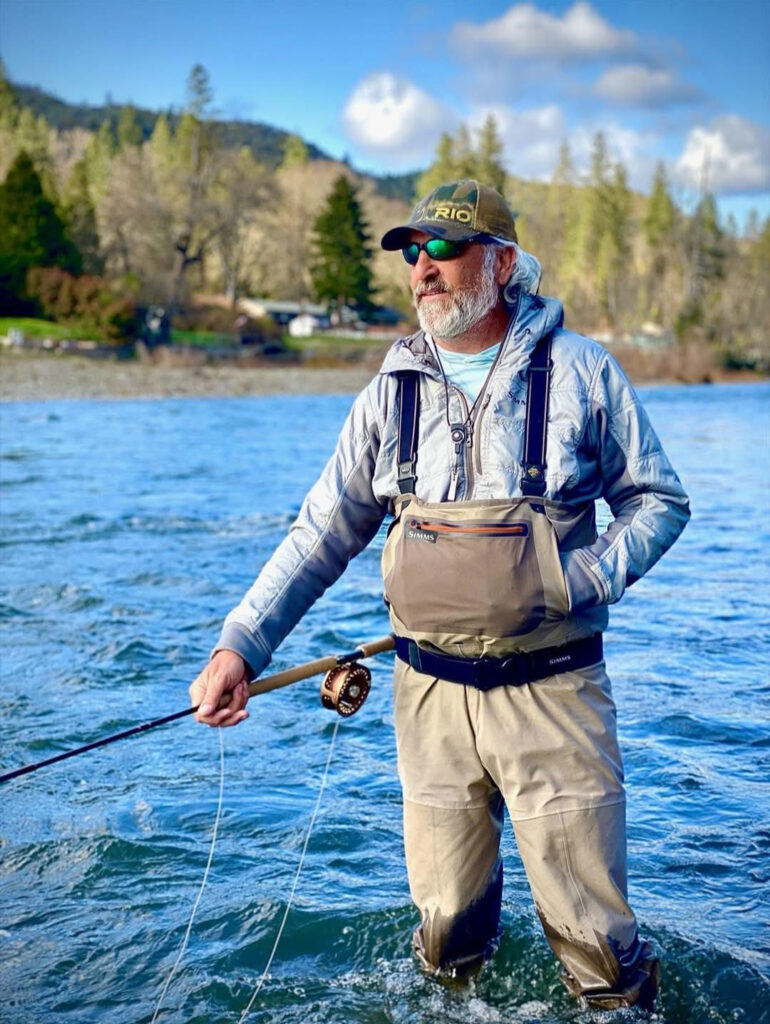
         
Support Our Podcast Sponsors         
Support Our Podcast Sponsors       
Support Our Podcast Sponsors         

Support Our Podcast Sponsors

         
Support Our Podcast Sponsors         

POPULAR ARTICLES