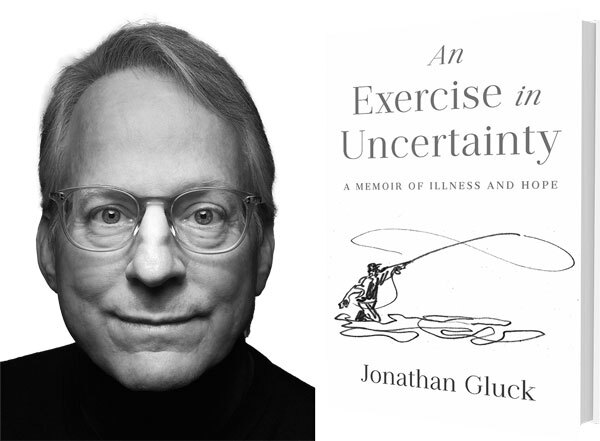
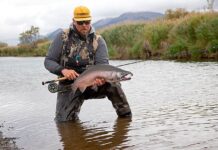
Ever find yourself standing on a river’s edge, the line in the water, and somehow everything makes sense, even when nothing should? That’s where I landed with Jonathan “Jon” Gluck, a writer, editor, and fly-fishing lifer—or at least, someone whose lifeline came through steelhead-strength treatments and the quiet grace of a swing.
Jon was told he had about 18 months to live after a multiple myeloma diagnosis more than two decades ago. Instead of slowing down, he found healing where you’d expect it least—in the gentle arc of a cast, the flash of the fly, the now. There’s a lot of power in An Exercise in Uncertainty, his memoir, but even more in the way Jon leans into what fishing gives us: calm, clarity, and a reminder that presence is everything.
We wander through the same currents that he does—practicing casts on Manhattan’s West 12th Street, landing in the New York Times, editing for Men’s Journal, New York Magazine, and now Fast Company, a People Magazine spread, even an Oprah mention. And all the while, that sense of flow remains—the whisper of a Patagonia waterproof backpack, the faithful Orvis Helios 2 six-weight rod, tools that become talismans when the mind floods with uncertainty. This conversation feels like a long drift through time: hopeful, honest, and tied to the water. Jon shows us that flow isn’t just a technique—it’s a lifeline.
Episode Transcript
Dave (2s):
What happens when a New York Media Insider trades glossy covers and deadlines for the quiet rhythm of a fly cast? In today’s episode, you’ll understand how one person’s journey in fly fishing became a lifeline in the face of a life altering diagnosis, what it’s like to cast a fly rod on the streets of Manhattan, and some of the interesting looks you might get doing that, and how writing a memoir became an unexpected path towards peace. This is the Web Fly Swing podcast where I show you the best places to travel to for fly fishing, how to find the best resources and tools to prepare for that big trip, And what you can do to give back to fish species. We all love John Gluck, from the magazine offices to Alaskan Rivers.
Dave (44s):
Today’s guest has lived through it all. He’s written about it and he’s fished his way through it. Here we go. Let’s get into it. John Gluck, writer angler, and author of an Exercise in Uncertainty. How are you doing, John?
Jon (59s):
Good, Dave, how are you?
Dave (60s):
Great, great. We’re gonna get into a topic today, which is, you know, not all, I guess, well, hopefully there’s a lot of positive in the message today, but you have a form of incurable blood cancer. We’re gonna talk about that, the book you’ve written and exercising uncertainty. You’ve been out there writing for the New York Times, I know you’ve appeared on Oprah. I mean, there’s, it sounds like you have a great message. We’re gonna talk about that and how that might help people as we talk about fly fishing as well and how that’s helped you through your process. But can you give us an update, you know, where you’re at, what you’re dealing with, and we’re gonna get into more on fly fishing, but start there. How are things going these days?
Jon (1m 37s):
Yeah, I mean, that’s the positive part of the story for sure. If not, you know, some people have told me downright inspiring, which is, yes, I, I do have this illness, and I was originally told I might have as little as 18 months to live, but it wasn 21 years ago. So that’s kind of a cool story. You know, it’s not a stretch to say I’m something of a medical miracle since I was diagnosed. You know, an incredible number of new treatments have come along, just, you know, sort of by sheer luck and timing wise. And so I’m, well, right now I’m in a complete remission and just got back from a fishing trip about 10 days ago, in fact.
Dave (2m 14s):
Wow. Okay. So maybe talk about, you’ve, we’ve got the book here and you’ve also written, you know, like we said, for the New York Times. What are you writing about? What are some of the, if somebody wanted to read some of the work you have out there, what are those articles focused on?
Jon (2m 30s):
Yeah, so, you know, my fishing stories, which you can find in the New York Times travel section and in Garden and Gun Magazine and others standard travel stories. You know, I’ve been lucky enough to business for a long time and somewhere along the way I realized, you know, not that I need to tell you or your listeners, but you know, fishing can be an expensive sport, especially if you wanna travel and you know, fish some far-flung places. And I kind of developed this side gig of writing about fishing as a way to help finance, you know, these trips and get out there and enjoy some places that maybe I, I wouldn’t be able to go otherwise in terms of affordability.
Jon (3m 12s):
So, started doing that on the side and wound up getting some really nice assignments. I’ve written about fishing in Chilean, Patagonia. I’ve written about fishing in Alaska. I’ve written about fishing in Tetons in Wyoming and The Bahamas and Belize in the Salt. So, you know, I, I’ve got a pretty good gig. I’m not gonna complain. Yeah,
Dave (3m 34s):
Right. Gotcha. So, and then you have obviously the backdrop of what you’re dealing with, with the, maybe you can describe that. What is the, I mean, it sounds like it’s incurable, although you’ve, you’ve been able to deal with it. What, what is the, I guess, the blood cancer that you have?
Jon (3m 50s):
Yeah, so I’ll tell you the whole story real quickly. It’s called Multiple Myeloma, is the short answer to your question. But what happened was, I was 37 years old and I left my office one night and I slipped on the ice. I live in New York, and this was in downtown Manhattan, and it was 2002, and I woke up the next morning and my, I didn’t even fall. It was just a tiny little slip. I just kind of twisted my hip and I woke up the next morning, my hip hurt like a lot, and I was like, well, that’s weird. Maybe I’m just getting old, you know, starting to have joint problems or something. But it didn’t go away for a few weeks. So I saw my doctor, he took an x-ray, didn’t see anything, he just gave me a physical therapy prescription, went back about my business, roughly a year went by and I realized, you know, wow, this thing really hurts.
Jon (4m 35s):
It’s been a year, it’s not getting better. In the meantime, my wife and I had a baby girl, our first child, she was seven months old. I was having trouble picking her up and put her into the crib and things and getting up and downstairs. So I went back to the doctor. This time he took an MRI and called me to come in and I went in and the second I got to his office, I knew something was up. The receptionist was kind of weird, and she sort of looked over her shoulder the instant I got there and they took me straight to an examining room instead of the waiting room doctor came in and he said, you know, I need to tell you you have a lesion on your hip. And I, I didn’t even know what the word meant. I was like, is that, you know, you mean a tumor? And he said, yes. And I said, you know, is it cancer? And he said, yes.
Jon (5m 15s):
And just like that, you know, lightning bolt out of the blue. I was like I say 37, had a new baby girl doing well in my career. My wife and I just bought an apartment together and, you know, had no risk factors for cancer, no family history of cancer. And you know, whammo, like you say, all these things happen to all of us, whether it’s a health issue or something else. You know, sometimes life deals you a bad card and you know, it wasn pretty bad one for sure. In terms of how I reacted, when you ask, you know, immediately, it’s like my first reaction was just pure denial. You know, literally the first words outta my mouth were, no, no, no, no, no. And then I think I said something about, you know, I have a baby daughter, this can’t be happening. So, you know, after I got my feet on the ground, you know, I started to think more practically and, you know, accept that this was happening and figure out what I needed to do and which doctors I needed to see.
Jon (6m 6s):
And that whole process unfolded over, you know, many, many years. But that first reaction was just pure shock and denial. Yeah.
Dave (6m 14s):
And at what point, so they say, you know, you have 18 months, I mean, at what point did you realize like, well, you know, things change and you’ve got more time, or how did that look?
Jon (6m 26s):
Yeah, so it took a long time to get me an exact diagnosis. You know, the MRI came back with a couple of different possibilities, and one of the things I learned pretty early on is that there are so many subtypes of cancer and subtypes to the subtypes that, and a lot of the symptoms and test results, whether that’s imaging or blood tests, overlap. So it took them quite a while to diagnose me with exactly what I had. And once they knew that at first they thought I had a bone cancer, so I saw a doctor who was appropriate for that. Then it turned out, as we mentioned, that I have actually a bone marrow cancer, something called multiple myeloma. So I went to the specialist for that, and he was the one who told me I might have as little as a year and a half, maybe three years.
Jon (7m 11s):
But he also said very pointedly, you know, there are a lot of new drugs coming along, you know, for what you have. And he said, you know, obviously I don’t wanna say you’re lucky because you know, you’re pretty unlucky at the moment in the s scheme of things he said. But within that, you know, I wanna tell you, there are a lot of new things coming along in the pipeline that treatments that, you know, probably aren’t gonna cure you, but can definitely, you know, keep you motoring along. And I thought he was just kind of blowing smoke, to be honest, you know, trying to gimme hope and be positive at a time where I didn’t really have a ton of hope or positivity, but he turned out to be a hundred percent right. You know, new treatments just started coming along one after another. And it wasn’t until I wrote my book, which is called an Exercise in Uncertainty, which kind of gets at that whole question of, you know, living with this much, you know, with a big sword hanging over your head all the time.
Jon (8m 3s):
It wasn’t until I started writing the book that I put together the timeline in a really precise way. And honestly, sometimes it’s been unbelievable. Like, you know, a new drug has come along. Basically what happens to me is I get sick, they treat me, I go into remission, I get sick again, they treat me with something else, and so on. And pretty much every time I’ve needed a new treatment, something has been approved by the FDA, sometimes, like within months, honestly, and other times within maybe a year, year and a half. So I just happen to be diagnosed with this at a, at a lucky time, to be honest.
Dave (8m 38s):
Wow. And when you get, when you go through these periods of getting sick, what is that? What, what is the bone? What is the bone marrow cancer? Or, you know, what does that physically manifest as?
Jon (8m 49s):
Yeah, it can manifest as different things, but primarily it’s bone pain and you get these lesions on your bone, like the first one they discovered. So I’ve had tumors on my hip bones, on my pelvis, on my thighs, on my skull. I, I once made the mistake, you know, we all joke these days about like, oh, if you get sick, don’t Google it. I would definitely subscribe to that advice because I once made the mistake of Googling, you know, my illness early on, and there were x-rays of people with what I have in an advanced stage, and their bones look like Swiss cheese, basically. They’re just black spots over all their skeleton. So I’ve had, I don’t know, I lost count long ago. You know, dozens of these lesions all over the place.
Jon (9m 31s):
And that’s primarily how it presents as pain, bone pain.
Dave (9m 34s):
Okay, gotcha. And then those lesions, is that, is it different than, I guess they have to cut those off and it’s not like a, a fast growing tumor like you might see with some other cancers sort of thing?
Jon (9m 45s):
It’s actually a great question. And you know, people sometimes said to me, well, couldn’t you have a hip replacement? And that would get rid of it. They don’t, removing the tumors in the bones for what I have, doesn’t do any good. So you have to be treated with radiation or chemotherapy or immunotherapy to stop the process itself. You know, it’s sort of like working its way from the inside out in a case like this, from your bone marrow out through your bones. So cutting out the manifestation of it in your bones doesn’t really stop it. You’ve gotta stop it in the blood, in the marrow. So that’s why I’ve had all these other treatments.
Dave (10m 20s):
Gotcha. So you haven’t had to do chemotherapy at all?
Jon (10m 23s):
I have, yeah, just no surgery. Oh, okay. Yeah, I’ve done chemotherapy, radiation four times, chemotherapy twice. I’ve been on four different immunotherapy regimens. And then two summers ago I was in the hospital for twice, for a couple of weeks, once and for three weeks. The second time, a little more to have this kind of mind blowing futuristic immunotherapy called CAR T therapy, which is like something outta sci-fi, basically, like they take your T-cells outta your blood, which is one of the building blocks of your immune system. They send ’em to a lab and they engineer ’em with a molecule that when they put it back into you, it knows how to hunt down your cancer cells specifically.
Jon (11m 6s):
And in the meantime, they’ve turbocharged that immune cell, the T-cell, so that when this molecule attaches it, the T-cell to a cancer cell, it kills the cancer cell, but it doesn’t kill the healthy tissue surrounding it or attack that tissue. So that’s a big advantage because when you have chemotherapy that’s just like carpet bombing basically, you know, it’s like healthy tissue and unhealthy. But this is super targeted, and I had that treatment two years ago, and that’s what put me into this current remission I’m in now. Oh,
Dave (11m 36s):
Wow. Okay. So as you look out now, I’m guessing, are you pretty positive now that it’s been 20 years that you’re gonna keep, you know, continuing? I mean, how, how does the, the outlook look now? Is there, you know what I mean? Yeah, if,
Jon (11m 50s):
If you mean positive in the sense of certain, definitely not, if you mean positive in the sense of optimistic. Definitely, yes. You know, yeah, I, I have this kind of thing. I’ve come to think of it as over the years of like, you know, optimistic realism, you know, it’s like I try and be realistic and what I’ve been told by my doctors is they’re probably never gonna have a cure for this. At least they don’t have one now. But as I’ve said, they have all these new treatments and more coming down the pike still now. So I’m just hopeful I can keep getting, you know, to use a a phishing analogy, just keep getting across the river, you know, one stone at a time.
Dave (12m 23s):
Yeah, I think it is, the uncertainty is interesting because, I mean, you have an extreme case, but I mean, everybody has the potential for, you know, whether that’s health related, you never know, you know, whatever, getting in an accident, even the worldwide stuff. Right. It seems like we’re in this world of uncertainty, especially now with how politics are very uncertain. Right. And so what is your advice for people listening now that what could they take away from your story? You know, maybe they’re gonna be hit with something down the line, or there’s gonna be something that comes up. What could they take away from your book if they haven’t read it yet, that would help them?
Jon (12m 58s):
Yeah, absolutely. One of the interesting things I did in researching the book was I talked to an expert on uncertainty, and she’s like, made it her whole life’s work to study this subject. And she was telling me about this experiment that they did where they divided people into two groups and told them that they were gonna get a small electrical shock, and half of ’em wouldn’t, half of ’em wouldn’t. One group would, one group wouldn’t, and I forget the exact percentage, but a huge majority of the people before, you know, very long just said, you know what, just gimme the shock. Like, they couldn’t bear waiting, you know, and they basically like, it’s really cool, right? I mean, they’re basically saying, uncertainty is so awful.
Jon (13m 40s):
I’d rather have like the negative thing and just get it over with than have to wait. So basically, you know, it tells you how difficult uncertainty is for humans to deal with. And so I said to this woman, you know, well, you know, how do you deal with it? And you know, she said that their studies basically, and all her work has shown that, you know, simple things like distracting yourself with, you know, small distractions, take your mind off of things, just common sense. And she said kind of the best thing is like anything that gets you into like a flow state, right? Like a deeply absorbed, engaged mindset. So for some people that’s, you know, hiking or baking or yoga, for me it’s fly fishing. So that’s, you know, kind of why we’re here, right?
Jon (14m 21s):
And before I got sick was already a pretty avid fisherman, and it always brought me all kinds of pleasure, fun, joy, you know, the way it does so many people. But after I got sick, it almost became like oxygen, you know, like I needed it so badly to get away from my troubles. And we all know, you know, when you’re on the water staring at a, you know, fly that’s whatever, a 16th of an inch, big 30 feet from you, you know, there’s not a whole lot else. You’re fo thinking of your mind is fully engaged, you know? So things like that can be super helpful, whatever your thing is, whether it’s phishing or something else. But then I said to this woman who I spoke to, you know, you know, you’re the expert, how do you deal with uncertainty? And she said, A lot of people ask me that.
Jon (15m 2s):
And she said, to be honest, you know, she said, you know, it’s embarrassing, but not very well. And I said, well, that’s depressing. And she said, no, not really. She said, what I like to tell people is it helps to know that everybody struggles with it, you know, so that you feel like you’re not, you realize you’re not alone, you know, it’s just a difficult thing to deal with. And that said, there have definitely been some lessons I’ve learned along the way. I don’t wanna give cancer credit for anything good, you know, ultimately, but you know, you do learn like a lot of people, right? Well, you maybe somebody’s been in a serious car accident or had some kind of near death experience outdoors, you know, or anything. You come back with this new sense of, like, the two things for me have been like, just a sense of urgency of like, live your life now, because, you know, none of us has promised tomorrow, as they say.
Jon (15m 46s):
So I tend to not wait to do anything kind of, you know, I’m, I’m very quick on the trigger. If, if I, that could be small or large, you know, if I wanna have dinner with a friend, you know, I don’t sit around waiting, I’ll just text him right that minute. Say, Hey, let’s get some dinner, you know, one of these days. Or if I want to go on a trip, you know, I, the, as soon as I, I reasonably can I figure out how to do that trip. You know, I don’t stroke my chin and you know, scratch my head a lot about stuff. The other thing is perspective. You know, same thing, you know, you’ve probably heard other people in my position talk about this, but little things really don’t bother me so much anymore. You know, my coworkers once named me Mr. Reasonable as in like, you know, nothing really kind of throws me at work.
Jon (16m 28s):
’cause deadlines and work problems, they’re important, you know, I care about ’em of course, but they don’t get me all in a tailspin like they used to. And then the last thing is, you know, you can handle a lot more than you think. Maybe two more things. You can handle a lot more than you think. You know, when I was first diagnosed, I didn’t think I could handle what was coming my way. And now I’ve been through the gauntlet, you know, 20 times over, you know, and here I am and still living a good life and active and fishing and go to the gym. And now I have a second child. My wife and I decide to go ahead and have a second child. Kids are 22 and 17, you know, have a nice career. Which leads me to the last point, which is, you know, things sometimes turn out better than you think, you know?
Jon (17m 10s):
Yeah, that definitely you can get tossed a bad card, but it doesn’t necessarily mean game over. You know, for some people, unfortunately that is the case, but for many people it’s not. And one of the things I’ve learned is just not to assume the worst. You know, when you get bad news that sometimes things can work out. After all,
Dave (17m 30s):
When it comes to high quality flies that truly elevate your fly fishing game, drift hook.com is the trusted source you need. I’ve been using Drift hook’s, expertly selected flies for a while now, and they never disappoint. Plus they stand behind their products with a money back guarantee. Are you ready to upgrade your fly box? Head over to drift hook.com today and use the code swing at checkout to get 15% off your first order. That’s drift hook D-R-I-F-T-H-O-O k.com. Don’t miss out. Pescador on the Fly offers a full range of fly fishing gear for any angler at any budget with premium rods delivered directly to you. The L ray G six is the most packable high performance fly rod on the market, performing like a four piece rod, but with unmatched portability in six pieces.
Dave (18m 15s):
And you can get 10% off your next order right now if you use the code wet fly swing at pescador on the fly.com. Never fly without your G six. Discover the LRA series and more at pescador on the fly.com. Have you felt that way with what you’ve gone through? It’s actually helped you, the, all the challenges have, have made your life better in some ways. Like you’ve, like you’ve learned along the way. How, how does that look? Do you take away, as you look back at a, like, again, we talked about optimistics, but like positive, optimistic on what you’ve been through and what you’re potentially going to go through.
Jon (18m 50s):
Yeah, definitely. Like I say, you know, I don’t want to give cancer credit for anything too much. You know, it’s like somebody once made a a joke to me. Another person I knew who was sick said, you know, don’t be too cancer’s like a house guest. You know, don’t be too friendly or it’ll stick around. Yeah. You know, so I don’t wanna be, I don’t wanna be right, you know, but yeah, there’s, I’d be lying if I said I haven’t learned some positive things from it. You know, this, this idea of, like I say, optimistic realism, I don’t do that. You know, some people say, oh well you gotta have a good attitude to, you know, beat this. That’s tricky because, you know, you don’t wanna put the blame on somebody who’s already going through something really tough to like, oh, now you gotta have a good attitude or you’re gonna make it worse.
Jon (19m 31s):
Right? So I don’t, I’m not a big believer in that, but I am a big believer in the idea of, you know, why not be optimistic just day to day. Like, it just makes your life more pleasant, you know? And I’m not saying I’m capable of that all the time. I’m here to tell you I’m not, you know, I have my dark moments like we all do. But all in all, I’ve definitely learned exactly what you were saying a minute ago. Like, you know, being, trying to be positive and trying to hope for the best and you know, live your life to the fullest while you can. It’s just, like I say, for me anyway, it’s a better way to live my life day to day and just deal with the reality of this.
Dave (20m 5s):
Gotcha. Take us back a little bit on your fly fishing. It sounds like you’ve been doing it a while. What’s your, how how’d you get into this and what you know, what’s your first memory of it?
Jon (20m 14s):
Yeah, so my wife and I were on vacation in Jackson Hole, Wyoming. And we had already gone hiking, biking, you know, rafting. We’d done all the things you do in a place like that. And we were in our late twenties, early thirties and we just went up to the hotel clerk, you know, at this little place we were staying and said, you know, we’ve done all this other stuff, anything else you suggest you know we should do while we’re here? And she said, have you ever tried fly fishing? And both of us had fished with our parents and grandparents when we were little, but not very seriously at all. You know, it was more like stock pond kind of stuff or you know, one of those like, you know, chartered deep sea cruises in Florida where, you know, so, but we said, sure, yeah, let’s give it a try.
Jon (20m 56s):
It happened to be around the time that a river runs through, it came out. Oh, it was So it wasn like that. Yeah. First big craze, you know, got kicked off among wider a number of people. So, you know, it wasn, I think in the back of our minds. Anyway, she set us up with a guide for the next morning and he showed up and we went out and we, I mean we were rank beginners, so he started with casting lessons on the shore and then we went out and we actually had an incredible day. We both caught a lot of fish. Oh yeah. Some nice cud, wild native.
Dave (21m 26s):
Who was that that gave you the lesson? Do you remember?
Jon (21m 28s):
Yeah. A guy who turned out to be, you know, a very close friend of mine for all these years now, a guy named Tim Warren who guides in in that area. So he took us out that day. We had a great time. We had so much fun that he called his girlfriend afterward and she came and met us and we all went for drinks. And that started out a, you know, kind of lifetime of fly fishing for me. And to some extent my wife, she doesn’t fish as much as I do, but she definitely enjoys it. And a friendship between all of us as well. That’s lasted all these years. So, you know, all of us who are out there a lot know, you know, that’s kind of half the fun of it is all the people you meet and we’ve been very lucky that way.
Dave (22m 6s):
Right. Cool. So yeah, back to Jackson Hole, which we’ve done a ton of stuff, we’re heading back there again to that area to do some more trips. It’s a pretty amazing area. So as far as your travels, your books, it sounds like you’ve been up to Alaska some places, you know, how does that look? Are you, is traveling something that is doable for you that the, what you’ve been dealing with doesn’t affect traveling? Talk about that a little bit. ’cause I know the travel sometimes this could be a little bit grueling process, you’re already played for five hours and stuff like that.
Jon (22m 32s):
Yeah, it’s a great question. So on one level, it just made it impossible for me to travel at times where I’ve been too sick, you know, to just endure the, you know, hassles of travel or the, you know, hiking involved or waiting involved in a, you know, a, a fishing trip. But that hasn’t been the case so often, you know, usually, you know, within a matter of months I’m back on my feet and back out there. And that’s always been super important to me to get back out there as quick as I can to kind of normalize my life and put a recent round of treatment behind me, get back to doing something I enjoy that makes me happy. But over the years, I’ve had a number of treatments that have left my immune system fairly damaged.
Jon (23m 15s):
And so during the pandemic and in the couple of years after, even when most people were back to flying and traveling, I still had to be really careful. So if I traveled at all, I had to still wear a mask even long after most people had stopped, take other basic precautions. But I don’t know, either I am a genius or an idiot, but I just, I, I stayed committed to it and I, you know, I, I masked up and, you know, washed my hands a lot and just, I, I couldn’t not fish and I could not go to my daughter’s college to visit her. And certain other things were just too important to me. You know, I sometimes I say to people, what’s the use of living if you’re not gonna enjoy your life? And that’s kind of the attitude I’ve, I’ve taken toward that.
Dave (23m 55s):
Yeah. So you’re still able to do it and, and it sounds like, were you up in Alaska recently or what, what was the trip in Alaska that you headed out to?
Jon (24m 2s):
I was there in 2022.
Dave (24m 7s):
Okay. 2022. Yeah.
Jon (24m 8s):
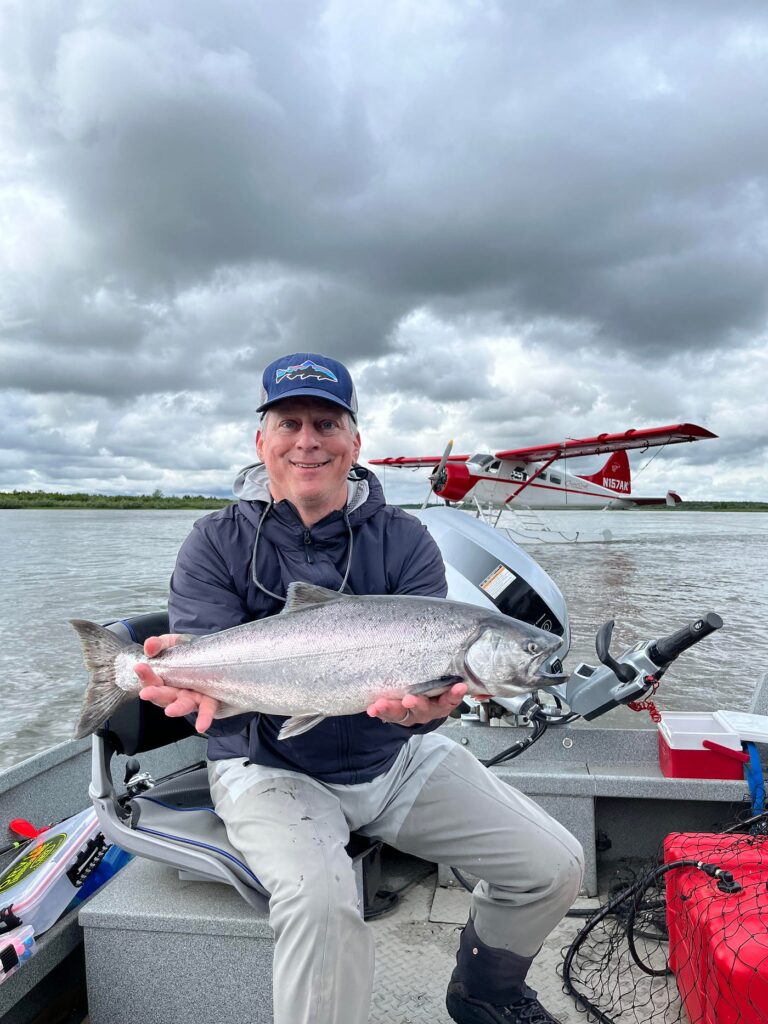
Yeah. And it wasn I was in on the, my Peninsula and it wasn just a classic. I was so fortunate I wrote that story for Garden and Gun Magazine and I just, from the second I got there, I was like, just couldn’t believe my good fortune to be able to do stuff like this, you know? It was one of these classic,
Dave (24m 29s):
Was this up near the Bristol Bay? What was the name of the Yeah, this, was this out of a lodge or what was
Jon (24m 34s):
It? It was, it was out of Crystal Creek Lodge. It’s a well-known lodge.
Dave (24m 37s):
Oh, okay. Crystal Creek. Yeah.
Jon (24m 38s):
Yeah. And terrific people. And you know, it was your classic Alaska flow plane trip and you know, every morning we’d get on the plane and they’d bomb us out to some place that, you know, or another that barely been fished, you know, or if a fished at all. And it was just spectacular. And, you know, we did some salmon fishing. We, I caught my first ever salmon on a fly. We did, you know, caught a bunch of rainbows, some arctic char, and it was just, you know, I couldn’t get over the scale up there, you know, I’ve been to some pretty cool places, but I’ve been very lucky. But, but yeah, everywhere you look, it’s the biggest river you’ve ever seen or the biggest mountain range you’ve ever seen.
Jon (25m 19s):
And then there’s a hundred more rivers just like that and a hundred more mountain right behind it, you know,
Dave (25m 23s):
It’s like, that’s awesome.
Jon (25m 24s):
Mind blowing.
Dave (25m 25s):
What, what time of year were you there?
Jon (25m 27s):
I was there in June, yeah.
Dave (25m 28s):
Oh, June. So you’re there early king
Jon (25m 30s):
Salmon run for the king salmon run.
Dave (25m 32s):
Did you guys actually fish for kings? We
Jon (25m 33s):
Did. It was pretty cool. And Oh, you did?
Dave (25m 35s):
Yeah. What river was the, the king of salmon fishing on?
Jon (25m 39s):
I’m gonna, off the top of my head, I wanna say the nak nack.
Dave (25m 44s):
Oh yeah, yeah. One of those. The nak. Yeah. So you fish, so basically you’re at this lodge, which isn’t on the nak nack, but you fly into these places. Yeah,
Jon (25m 51s):
The lodge actually is on the nak nack, and you fly out of there to, you know, all kinds of places, you know, within whatever, an hours flying distance from there.
Dave (26m 1s):
Yeah, I gotcha. Wow. So yeah, you’re on one of the, ’cause that’s the thing about Chinook, and I’m sure back then the runs were heading down too, but I mean, Chinook runs have been closed and the Kenai Peninsula, they’ve, there’s lots of really talk about uncertainty. You know, one of the greatest salmon, you know, fisheries in the world is on the brink right. Of with closures and stuff. So there’s not a lot of places you can fish for king salmon anymore in Alaska, but you’re fishing one of the great ones. What was it like, did you, were you guys spa casting there or single hand rods? But what were you doing there? First Kings,
Jon (26m 33s):
It was single hand rods and it was, it was, you know, we were very lucky. Like I timed it pretty well and there was a good run that year, even though, yeah, I’m well aware of all the issues you’re talking about also, and that is a lot of uncertainty, but we got into some good ones. Of course. You know, my best story is the one that got away, like it always is, you’re gonna think I’m making excuses, but I swear to you it’s true. We had a equipment failure, you know, the guide himself was, you know, took it on ’em. So they were all great guys and put me on some incredible fish. So I don’t, I’m just joking when I say this, but we had a bad knot and we had probably a 25, maybe bigger pound salmon right next to the boat, you know, and snap there goes the, you know, right at the knot and it wasn that.
Jon (27m 18s):
So yeah.
Dave (27m 19s):
Were you guys, so you guys were fishing outta the boat for the most part?
Jon (27m 22s):
Yeah, for the most part, yeah. We also did some wade fishing, and I didn’t catch any kings that way, but I did catch some silvers and it wasn cool. Just, you know, wading in a river like that, hooking into a big salmon, you know, knee deep with, you know, you’ve seen the pictures of course, or maybe you’ve been there, you know, with like a whole, you know, a dozen or two dozen grizzlies, you know, just 200 yards up river from you, you know, it was pretty heavenly.
Dave (27m 48s):
Oh yeah. So you’ve seen, you guys saw some bears while you’re there?
Jon (27m 51s):
Oh yeah, we saw a lot of bears. Yeah, yeah,
Dave (27m 53s):
Yeah. No, that’s awesome. We just got back, I spent last month in Alaska doing a couple trips, so I’m hot
Jon (27m 58s):
Off. Oh, amazing. Good for you. Yeah,
Dave (27m 59s):
Yeah, I’m, I’m hot off the everything and yeah, it’s exciting because the, especially the Chinook, it wasn a big goal of mine to, to get a Chinook on the fly and finally to have them. Do you remember the salmon? Were they chewing the gum a little bit when they first bit your fly? Do you remember that a little bit?
Jon (28m 14s):
I do. You know, I, I I don’t know, you know, that I have a whole lot more to add to that, but yeah, it was all super different and interesting.
Dave (28m 22s):
Yeah. Good, good. Yeah, it wasn the, you know, the George Cook who’s been on this podcast a number of times, when he first said it, he said, man, you just, you know, his biggest advice when fishing for Chinook Salmon has led him chew the gum, you know, because if you try to set the hook too early, you lose them. And, and I did that a couple of times, but then once you figure it out, it’s this, it’s this crazy, you know, and, and a fish that’s, you know, more powerful than a steelhead and, and a crazy experience. So That’s cool. So you did Alaska and it sounds like you’ve done some other places. What, what does it look like for you? Are you, as you look out, are you, you know, well enough where you can now plan out, you know, your next bucket list trip? How, how does that look? And, and are you, you know, and where would that be, I guess, your next trip?
Jon (29m 5s):
Yeah, I’m just starting to think about it. I am well enough at the moment. And like I was saying before, you know, I try and take advantage of these things as quickly as I can because, you know, I, I, I do maybe have a heightened appreciation for, you know, striking while I’m capable, you know, while the iron’s hot. So I don’t, I’ve been thinking about New Zealand, you know, that’s kind of one of the last of the epic, epic places I haven’t managed to get myself, you know, I hear all kinds of stories, same as I’m sure you have, or again, maybe you’ve been there, but makes me a little nervous. ’cause you hear these stories of, you know, monster, you know, 32 inch browns, but you also hear people going all the way over there and catching, you know, two fish in 10 days.
Jon (29m 47s):
So, you know, I, I don’t know that that’s a hundred percent true. You know, you don’t, you don’t always, you know, these, you know, kind of stereotypes aren’t always a hundred percent true, but I guess there’s probably something to it, which makes me a little nervous. On the other hand, I’m the kind of person who, once I get that image in my head of like a 32 inch brown, it’s like, yeah, maybe it, maybe I’m going, you know, maybe it’s worth the risk, you know? Right.
Dave (30m 10s):
Yeah. That’s the thing. It, it, it, there’s always the fishing where, you know, it’s fishing regardless of what happens, even if you don’t catch a fish, which, which happens, you know, especially if you’re doing steelhead or something, you know, you can still have a great trip, a great experience because God, you go to New Zealand, how can you have a bad time in New Zealand?
Jon (30m 25s):
Yeah, absolutely. And you took the words right outta my mouth because as much as I joke about, you know, catching a big fish, it’s like, I’m sure I’d have an incredible time and see some incredible things and you know, it just is a part of the world. I haven’t been to it all. So yeah, that’s definitely high on my bucket list.
Dave (30m 39s):
Yep. It is always whenever I hear the catch, ’cause I think of the, we’re all the same way. It’s like, oh man, I wanna catch a big fish. But it always sounds funny to me ’cause I’m like, well, catching a big fish, you know? And I did that Chinook fishing, like, well, I wanted a, a big fish. But at the end of the day, you know, regardless, it’s, it’s gonna be good. So, so yeah. So it sounds like you’ve been to a number of places around. I mean, there’s so many places too. We talk about this like even in a lifetime, you know, if you’ve got probably the most more money than anybody or more opportunity, you still can’t get everywhere, right? Because you’ve got, you know, Kim, Chuck, you’ve got all around the world, but it sounds like you’ve been a lot of places. Is that what your writings, you talk about that. So you’ve written for the New York Times, you’ve written for Oprah, have, have all of these articles been focused on your illness and really fly fishing or have you gone deep into some of these specific, like areas you fished?
Jon (31m 26s):
Yeah, you know, the stories I’ve done for the Times have all been places I’ve fished and Patagonia, Chilean, Patagonia was one spectacular trip. That’s another place where I lost a big fish. Although that, you know, those are always the ones you remember, like I was saying, that one was a hundred percent my fault. I had, you know, probably the biggest brown I’ve ever had on my line within about three feet of the net. And I just got too excited and lost my concentration and just kind of bowed to him with the rod maybe, I don’t know, not even that much, but enough to like give him a tiny bit of slack and spit the hook and bye-bye. But I saw him, so, you know, like you say, you know, there’s lots of, you know, and I got ’em to eat so it wasn all cool and that too, it wasn like Alaska.
Jon (32m 14s):
Like I just, the scale of it blew my mind. I, I have some incredible pictures and just even in my mind’s eye, I can remember it so vividly. And the rivers are so clear there, they have a lot of that glacial silt in them too. And so they have that almost sapphire blue color, which is also unforgettable. And, and I stayed at a place down there called Magic Waters Lodge and same thing, terrific lodge, amazing people, all the usual stuff for a, you know, a, a high end lodge like that. Incredible food, great guides, great lodge itself. And we fished, I dunno, same thing I was saying about Alaska, I dunno, probably 10 different places and half of ’em had probably barely been fished if maybe not fished at all for me these days.
Jon (32m 58s):
It just gets more and more about the solitude, you know, and getting away from the crowds. And maybe it’s to someplace that, you know, is, is slightly fished and as I was saying earlier, I’m lucky to have this, you know, gig doing it that allows me to do that. As far as the salt goes, you know, I’ve been to The Bahamas a number of times and got into some good bonefish. I went with a, a buddy of mine who is also a guide, another guy. And the fun part of that trip is he’s about a hundred times better fisherman than I am, but I got into maybe like a seven pound bone one day. It wasn the fish of the trip. And you know, I’ll never forget that either. That one I actually landed, I have a nice picture of.
Jon (33m 40s):
But you know, he of course caught, you know, way more fish than I did. And like I say, on any day would always out fish me. But that’s always the way it goes, right? It’s like somehow the beginner always gets the best fish and it wasn me that trip.
Dave (33m 54s):
Right, right. Nice. Gotcha. So you’ve been to some of these cool places on the, you know, back to the book on an exercise in uncertainty. What is, you know, again for somebody who hopefully people will pick up the book and read it, but for those that haven’t, how do you, you know, maybe talk about, you know, what was the hardest part of writing that book? Or give us the synopsis of like what people can expect on that?
Jon (34m 16s):
Yeah, I’d say probably the hardest part was just reliving a lot of what I’ve been through. You know, the human mind is really pretty incredible about erasing stuff, you know, that it doesn’t wanna consciously remember. And you know, some friends and family of mine had said when I started writing the book, wow, do you really want to go back down that road? And you know, I was, I was a little concerned about it, but for the most part it wasn’t a problem. From time to time, I’d come across one moment along my, you know, along the road I’ve been down it wasn, you know, maybe more upsetting than some of the others. And those, you know, it wasn, it wasn hard. But the truth is, compared to, you know, I have a number of friends doing what I do who’ve written books and I’m almost a little sheepish about saying this ’cause I feel like they’re gonna kill me.
Jon (34m 58s):
But, you know, writing a memoir, a book about yourself is a lot easier frankly, than writing a book that requires a ton of reporting, you know? Oh, right. About things that you don’t know of
Dave (35m 9s):
Or tips and tricks or if you’re writing a book like Tom Rosenbauer might write where it’s like whatever, how to learn to Euro Nph, like
Jon (35m 16s):
Yeah, exactly. Where you gotta gather a lot of information. You know, the truth is, there’s a quite a bit of reporting in this book both about like the psychological aspect of dealing with uncertainty and we talked about that a little bit earlier and also about the science behind what I’ve been through. You know, for anyone who’s interested in science or medicine, there’s quite a bit in the book about that. But mostly it’s just, you know, my story and so, you know, 70% maybe. So that part of the book was actually sort of, I don’t wanna say easy, but not especially complicated to write and in a weird way, enjoyable in spite of what I said earlier. There were definitely some moments of reliving things that were upsetting, but it’s kind of cool to go back and really think hard about like, how often do we ever do that?
Jon (35m 59s):
You know, maybe for a minute or two here and there. But it was like in a, in a way some of it was like looking at a cool photo album or something, you know, where you’re like, oh, I remember when that happened. It wasn nice or you know, and, and as I was saying earlier, you know, in spite of dealing with something pretty heavy and intense, there’d been some great moments along the way when good things have happened. And so reliving those parts was, you know, actually really nice
Dave (36m 22s):
Step into the world where the river whispers and the fishing is nothing short of legendary. This year I ventured into the heart of Eastern Idaho’s Yellowstone Teton territory where the fish were larger than life and the waters held the secrets of the best fly fishing out West Yellowstone Teton territory is not just a location, it’s a gateway to adventures that will etch themselves into your memory with crystal clear rivers like the Henry’s Fork and the South Fork of the Snake and enough lakes to keep you going all year long. Make your way to Yellowstone Teton territory and embark on a journey to one of North America’s finest fly fishing destinations. Whether you’re planning your trip now or just dreaming it up, the YTT is where those dreams turn into reality.
Dave (37m 4s):
Remember Yellowstone Teton territory, that’s Teton, T-E-T-O-N. It’s time to experience eastern Idaho for yourself and support this podcast at the same time. Do you have a background, like, talk about that a little bit for your writing. You’ve written, it sounds like not only the book but all the articles. Is that kind of what you’ve done or, or talk about how you got to that level?
Jon (37m 28s):
Yeah, that’s my career. I’m a magazine editor. I worked at Men’s Journal magazine, I worked at New York Magazine, I’ve worked at a number of other magazines. Right now I work at Fast Company Magazine, the business and technology publication. And I started out like, I was one of these people who kind of knew what he wanted to do from a pretty young age. I was the editor of my high school newspaper, I was an editor on my college newspaper, you know, came outta school and fairly quickly got a job as like a fact checker, which is, you know, the lowest rung on the ladder at a newspaper magazine pretty much. And just kind of started working my way up from there. My first job was in San Francisco, actually Chicago. I had an internship then in San Francisco and then I moved back here to New York where you know, most of the publishing businesses.
Jon (38m 14s):
And I worked for Men’s Journal magazine, which does a lot of outdoor adventure sports coverage or did at the time. And that’s kind of where it wasn around the same time my wife and I took that trip to Jackson and we were, I had been working on stories about fly fishing and you know, other outdoor sports. So all it wasn kind of in my mind, it all just kind of came together at that point. My career, my hobbies, my marriage, all of it. And just kind of meshed into one.
Dave (38m 44s):
Gotcha. So now you’re currently working at Fast Company, what magazine is that right?
Jon (38m 49s):
That’s right.
Dave (38m 50s):
Okay. Yeah, I don’t, I’m not familiar with that one. So that one you guys focus on focusing on business and tech. Is that, describe that a little bit what somebody could expect from the next, you know, an article or a magazine there.
Jon (38m 60s):
Yeah, it’s a great publication and it started in during the first.com boom and it focuses on a lot about entrepreneurship and people running their own businesses and also on some of the companies that are more maybe fun or exciting than like the old st dodgy companies, you know, so we focus on a lot of tech startups and a lot of the also issues that people are, you know, going through in their own work lives. There’s a lot of coverage that I work on having to do with, you know, how to get ahead in your career or you know, how to learn new skills or how to navigate office politics and you know, all the kind of day-to-day stuff that we all experience at work. Some of that stuff’s relatable to everybody as opposed to some of the stuff that’s maybe about being a tech company founder or something that’s exciting and interesting and I enjoy working on that, but maybe a little bit less relatable to the average person.
Jon (39m 52s):
So it’s a nice mix of both of those things.
Dave (39m 54s):
So yeah, that sounds like a magazine. I would probably be one of your, probably a target customer of that since, you know, with the business and entrepreneurship and stuff like that.
Jon (40m 1s):
I think you’d really enjoy it for sure. There’s a lot about, you know, running your business and we do, we cover a lot about media and the creator economy and yeah, I think there’s a lot on there you’d find interesting.
Dave (40m 11s):
Yeah, it, it has been a very, you know, the changes we’ve seen right, have been pretty amazing to see where we’re at now, where everybody has the social, not only social media, but can literally start a business in, you know, per a, a lot easier than before. And then, you know, and then the creator economy and, and, and all that, which is not easy. You know, business will never be easy, but if you stick with it, you know, you can have success. What is your, you know, without going too deep into this, what is your, you know, your, since you’re an editor there, what’s your best advice to a new business or somebody who wants to kind of have success? Like is that easy to break down or where would you point somebody?
Jon (40m 49s):
Yeah, it’s actually, it’s funny you asked because you just said it and I was thinking it before you even asked the question when you said you gotta stick with it, you know, and related to that, I guess closely related, it’s maybe, you know, other side of the same coin. You, you have to be passionate about it. I mean, it’s not gonna, especially with the creator economy, you know, people hear these stories of like, somebody starts a TikTok account and something goes viral and next thing you know they’re an influencer and they’re making, you know, $300,000 a year, that’s one in a billion, right? Yeah. That’s like making it to the NBA. Yeah. The rest of us who do this sort of thing for a living know that it’s not, it’s about hard work showing up every day, caring about it, respecting your audience, that’s another of your customers, you know, a big part of it.
Jon (41m 31s):
And not talking down to them or trying to trick ’em. You know, being honest and straightforward with your deals and not putting up clickbait headlines that, you know, maybe get you a little attention in the short run but aren’t gonna get you any business, you know, repeat business in the long run. So yeah, it just, I would say set your expectations realistically. It can definitely work, you know, and it works for a lot of people, but it’s not gonna happen overnight. You know, one in a million it does, but you know, you gotta really maybe have a three to five year plan and, and stick with that and you know, then you get some nice traction and, and you know, can have a decent business. Awesome.
Dave (42m 7s):
Yeah, that’s great advice. Cool. Well, you know, before we get outta here in a little bit, what other, you know, takeaways should we have from your book? You know, obviously we’ll, we’ll send people out to where they can pick it up there, but I mean, it sounds like it’s pretty, it sounds to me like it’s inspiration, right? I mean, you’ve dealt with a lot of adversity and you maybe still will have a adversary, but you sound like you’re positive to me and, and I feel like that’s how I am too. I’m always thinking like, man, you never know what the world’s gonna deal you, but you gotta kinda stay in the game. Any other takeaways we’d have from this book or any other work you’ve done before we head out here in a bit?
Jon (42m 42s):
Yeah, I would say, you know, a lot of people have told me something along the lines of what you were just getting at, you know, like, well I heard this book was about cancer and I thought, you know, well that’s gonna be kind of heavy or depressing. It’s, and then they say, but it turns out it was incredibly inspiring and I’m really glad I read it and you know, that makes me incredibly happy ’cause it wasn my purpose, you know, it wasn my intention is not to bring people down, but to lift them up basically. And to help people see that you can, like I was saying before, get Delta pretty nasty, blow and still, you know, kind of come through it. Like I said, I’ve been lucky enough that quite a few people have told me they find that uplifting and inspiring just to be a little more specific with it, you know, as far as what I would say, you know, I’ve learned or what the value of the book is going way back to when I literally, the first day I was diagnosed, I remember thinking to myself that there’s this kind of death force, for lack of a better word, you know, where like, you know, we’re all gonna die someday and you know, we know that that’s gonna, you know, come knocking on our door.
Jon (43m 42s):
And I remember thinking that day, like, wow, this is, you know, by far the closest I’ve ever been to that. But I also remember my very next thought was, well there’s also like a life force, a survival instinct, you know, and we all have this programmed into us super deeply, you know, that to survive. And I just thought to myself, you know, I gotta believe in the life force. You know, I gotta count on the fact that, you know, I still am pretty healthy and the scheme of things and I’m relatively young and I’m just gonna try and best I can trust that like this powerful instinct we all have inside us to survive and enjoy our lives and be happy and spend time with our families and our friends and doing the things we love fishing, other things that it wasn gonna kick in and at least gimme a fighting chance.
Jon (44m 29s):
And you know, here I am 21 years later, so, you know, it turned out to be the right idea I think.
Dave (44m 34s):
Nice. Perfect. Well let’s, let’s take it out here today with our, our gear review segment. I’m not sure if you guys do this as an editor. I love the magazines because sometimes you see these, I think sometimes they’re very popular parts of the magazines where they do this. Oh yeah, definitely write gear reviews. But we also do that here and we have some partners on. And so today I’m gonna give a, a big shout out to Patagonia, their swift current waiters. I just got off a trip I’ve been living in, in their waiters and, and they’re awesome. There’s a few features on ’em that make ’em unique to, you know, and obviously there’s great waiters out there all the time, but the, the kind of the, you know, the piss zip, right? The zipper down the middle for guys is a game changer, especially if you’re in cold weather and all that stuff.
Dave (45m 14s):
But, so we’re gonna give a big shout out to Patagonia. We love them, we love all the conservation work they do. But for you, as we get into this segment, first off, do you guys do that? Have you ever done any of the gear review stuff with any of the magazines you’ve worked with?
Jon (45m 27s):
Yeah, we definitely do gear reviews, you know, going back to Men’s Journal, we did a lot of fishing stuff and hiking stuff and biking and climbing and, you know, other places I’ve been, you know, when I worked at New York Magazine here in the city, we didn’t do gear reviews, but we did a lot of restaurant reviews and shopping guides. So I happened to be the editor of our restaurant critic and I got to go out to eat with him a lot, which was kind of a sweet gig. And at Fast Company we de we do tech reviews, you know, new software releases, new phones, that sort of thing. So yeah, it’s always, you know, people love it, like you were saying before, you know, people really wanna know what’s good and what’s not and what to spend their money on.
Dave (46m 6s):
Exactly. Exactly. So that’s where we’re coming in here. And Patagonia I think also has great, you know, we love them because they’re such a inspiration for conservation and kind of protecting the species we all love. Right. But, but what is it, if you talk about gear a little bit, do you have any, a favorite piece or some stuff that you kind of don’t leave home without, you know, that you’ve been using on some of your travels?
Jon (46m 27s):
Honestly, you know, I didn’t know until just this second that, you know, Patagonia is a partner of yours, but one of the things I bought recently that I love is their waterproof backpack. Oh yeah. I was just in a, you know, absolutely driving rainstorm, you know, the kind where you’re like, there’s no way this stuff’s gonna be dry inside this bag. And I promise your listeners, I’m not paid by Patagonia. I have no partnership with them. You just, it’s coincidence that you brought it up because I was really blown away by it. Like it is truly waterproof. And so I, I definitely like that. I’ve got a nice Orvis Helios two six weight that I like and I’ve got a nice five weight.
Jon (47m 9s):
It wasn given to me as a gift when I left a job to take a new job at one point. That’s kind of like a treasured gift because the folks I worked with had it, you know, my name engraved on it. So that’s like a special piece of gear. Yeah, I’d, so those are the two that come to mind. Nice,
Dave (47m 26s):
Nice, nice. Yeah, I, I love the Orvis obviously is another great company. You know, I mean that’s the cool thing about fly fishing. I think there’s a lot of really amazing companies, Patagonia, Orvis, and we had, and I think we just re-released an episode we did. I interviewed Yvonne Sheard and to have him, you know, sitting, you know, across from him talking, asking this guy who That’s
Jon (47m 47s):
So cool. Yeah. Legend. Legitimate legend. Yeah.
Dave (47m 49s):
Yeah. Legend. And you’re in that space. So, you know, I love, one of the things I remember from that podcast is I asked him, you know, I can’t remember where, what we were talking about exactly, but he basically said in his business, you know, life, he’s always done the opposite, you know, like opposite of everybody. And it’s always worked. That’s interesting. It’s always worked. And so I always think about that, the fact that, you know, be different. You can’t do the same stuff, you know, marketing, whatever, because you just have to be different. And he’s been, you know, and of course he gives the company away and you know, to, you know, basically to the planet, right. To help protect that. What, what is your take on that? Do you find some businesses that out there, I mean the tech company is interesting because you hear a lot of maybe the negative stuff, you know, what stuff going on out there where people are just focused on the money and nothing else.
Dave (48m 35s):
What’s your take on the business side of it? Do you see a lot of positives out there with companies?
Jon (48m 39s):
Yeah, you know, one of the things Fast Company has always focused on is companies that are innovative and do have an eye on things like sustainability. So we do like an annual list of the most innovative companies. And I would point people to that. It’s easy to search just fast company, most innovative companies. And there’s all kinds of inspiring, you know, companies on those lists that are doing things that you can, where you can all feel really good about, you know, and in a responsible way. So, you know, I’m not naive. I know there are plenty of companies who don’t do that, you know, but we try at least once a year anyway with this special issue we do to shine a light on some of the good work people are doing.
Jon (49m 19s):
Some of the more positive things, some of the more optimistic things. And you know, I would point people to that list. There’s all kinds of examples. Perfect.
Dave (49m 25s):
No, we’ll get, we’ll get that in the show notes as well for this so people can take a look at that and we’ll follow up with you on everything here and Oprah I think. But any other big articles you wanna give us head out heads up on, we can take a look at that are out there that you haven’t mentioned yet.
Jon (49m 38s):
Yeah, my, we were, my family and I, my wife and kids were all featured in People Magazine last month. Oh wow. Yeah. So it wasn kind of the biggest fish we’ve no kidding gotten. Yeah. So that’s also very easy to Google. You could just Google People Magazine and my name Jonathan Gluck. Okay.
Dave (49m 56s):
What was that about? What was the People magazine and your family It
Jon (49m 58s):
Wasn about the book? It wasn when my book came out in Exercise and Uncertainty and about, they were basically retelling our story, you know, that I’ve had this incredible, you know, that I am, like I said, in some ways kind of a medical miracle, you know, that I was given 18 months to live and miraculously enough I’m here 21 years later and have a nice family and nice job and enjoy fishing and other things. And it was just kind of a uplifting story that way.
Dave (50m 23s):
Right. And it’s, and fly fishing too. Do you find when you do the more of the national stuff, because I’m guessing the audience for People Magazine is probably whatever point something percent fly Fisher anglers, but do you find that you think you have a big influence on getting people into fly fishing? Is that something you think about?
Jon (50m 40s):
Yeah, you know, I would say the interesting thing about that is it’s more people than you think, you know, come forward and comment on that. You know, it’s like, here I am in the middle of this like super serious story, right about like my life and death and my family and a lot of the letters and emails I get are like, oh, I love what you talked said about fly fishing, you know, and I also have a super, this is actually, you’re asking me about other articles. I should have thought of this. I wrote about, I have this weird habit where I practice my casting on the street right in front of my apartment. So I live in downtown Manhattan on a busy street, 12th Street, west 12th Street. And I tend to try and go on Sunday mornings when it’s relatively quiet, but I go down there, I take the hook off my, off the fly and you know, I, I just go out to practice casting.
Jon (51m 24s):
I could go up to Central Park or something, but it’s a little, you know, outta my way. So I just go out there and what I do is I wait, I kind of follow the light cycle, traffic light cycle. So when the light’s red and there are no cars coming down the street, I kind of step into the street, maybe make 10 or 12 casts, and then the light changes and I have to step back onto the sidewalk.
Dave (51m 40s):
That’s awesome.
Jon (51m 41s):
And people think I’m absolutely outta my mind, you know, the looks I get and the comments and people taking pictures. Actually friends of mine have sent me links to Instagram stories, you know, and and posts where they’re like, holy yeah, sorry, I don’t know if I’m allowed to swear on
Dave (51m 56s):
Yeah, that’s fine. Yeah, that’s fine.
Jon (51m 57s):
They’re like, you know, holy dude. Like, you know, I was just flicking through my Instagram, there’s a picture of you casting in front of your building and I wrote a story about that for the New York Times, I think it was called, what was it called? Fly Fishing in the Street is strange and weird, but I love it. Or something like that. But again, if you just google my name and New York Times fishing or something, you’ll get all my stories and that that should be one of them.
Dave (52m 23s):
That’s awesome. I think that, you know, this goes back to that being different, you know, like that’s a perfect example of yes, you don’t see it, right. You’re doing something different. And that would be a great marketing opportunity if you wanted to get into it. Right? I could see your, something with your book out there right along the street and you’re promoting that, but that’s
Jon (52m 38s):
True. That’s a good idea.
Dave (52m 39s):
You know, the New York Times, we’ve had also had Jim Tini, I’m not sure if you’ve heard of him. He’s kind of a friend of ours and he’s a guy that really started, he’s an old school guy. He’s the guy that you can attribute all the sinking lines that we have today. ’cause he started building those back in the sixties and seventies. But he also had an article in the New York Times back in the, probably the eighties or something there it wasn called something like, man Throws Rocks at Fish or something like that. Right. Because he was a steelhead angler and he got a lot of, well I guess you’d call it bad press, but really it’s probably got him, you know, more people knowing about ’em. But essentially they said something about he throws rocks not at fish, but maybe a down a stream of fish to get them to move up and out in the areas where he might be able to hook the steelhead.
Dave (53m 21s):
Right. Yeah. So, but it was a New York Times article, right? It made it to the New York Times, which is, I mean, is there anything bigger than that? What, what’s your take on it when you do things like, you’re talking about that you’re getting press. Do you feel like you, there’s one form, one area that you enjoy more than others, like you people, I’m guessing you had more, a lot more replies there from maybe some of the smaller stuff. But, you know, what do you love doing most? Do you love the fly fishing? Do you love the, the business? Do you love the, what’s your favorite thing to write about?
Jon (53m 51s):
Yeah, I mean, honestly it’s interesting. Way back toward the beginning of our talk, you were talking about how some people, you know, when they get sick, they decide they’re gonna like chuck it all, quit their job, maybe go fly fishing every day. Interestingly enough, like I thought about that, but I didn’t do it because I basically like my day job and I like what I do. I’m lucky that way. So I enjoy all of it, is the honest answer. But there’s no question that this, like I say, side gig, I’ve kind of developed writing about fishing ’cause that combines two of my passions in the same thing, you know, writing and fishing. So there’s no doubt that I enjoy that, you know? And, and I of course enjoyed writing this memoir my book, you know, but that’s a different kind of enjoyment ’cause it’s so heavy in some ways, you know, and so serious.
Jon (54m 39s):
But like these fishing trips, like I say, I’m lucky I get to go to places I, there’s no way I could afford otherwise to go. But getting paid, you know, to go there to write about them is amazing. And then just the process, the other thing that’s cool about writing about a fishing trip is it makes you pay even more attention. So I kind of feel like I get more out of the trips that I’m on when I have a writing assignment, because I’m constantly paying attention and taking notes. Or if, even if it’s only mental notes, until I can get back to the lodge and take actual notes or just jotting a few thought, punching a few thoughts into my phone, you know, it kind of makes the experience even deeper and more intense then when I’m not writing a story.
Jon (55m 19s):
So I’d have to say, you know, pretty much hands down, that’s my favorite part is the, you know, favorite part of my writing career is the, the fishing writing.
Dave (55m 26s):
Yeah. Because you get to do that stuff. And it’s interesting ’cause we have a similar thing, although I’m, I’m not a great writer. That’s one thing I’ve never enjoyed that much. I bet you are. But I do love the audio and, and we, we do the trips, you know, we come back and have our own form of, you know, telling those stories and, and stuff like that. Nice. But, but let, let’s take it out here with a couple of our, our, well, a little bit of random and a little bit of, not so random, but first on the writing, you know, just influences, you know, I feel like we’ve had a lot of amazing authors on this program. You know, John Gear Rock, one of the best in our space, you know, who passed away and yeah. You know, he was a big inspiration of his writing the way he wrote, just, just him as a person.
Dave (56m 6s):
He was just a great, a great person. But who is that for you? Do you have like an inspiration in your writing? Do you have like influences that you could, people could see in your writing?
Jon (56m 14s):
Yeah, you know, some of ’em are obvious ones. I guess that probably lots of people that you’ve talked about or, or thought about, you know, going all the way back to Hemingway, who obviously was a huge fisherman more recently, Tom McGuin, big influence, Jim Harrison, huge influence. And then some people who are maybe not quite so obvious, but the novelist, Richard Ford, who also is a fisherman and writes about fishing a bit. I’m a huge fan of his work in part because one of the things I’d say all of these people have in common is they’re all very plain spoken. And I try and, you know, be that way in my writing as well. You know, it’s not too flowery or fluffy or over intellectualized, I guess you could say.
Jon (56m 60s):
I, I try and just think and see things as clearly as I can and write ’em down, you know, like whenever I get stuck, that’s kind of like my North star I go back to is like, if you were just talking to a smart friend of yours, you know, what would you tell ’em about this trip? Or you know, what you saw or what you thought or what you felt. And just put that down in, in plain clear language. So I think I learned, you know, I hope I learned from all those folks. Peter Heller, I’ve read all his books. I don’t know if you’ve read Dog Stars or any of the others. He writes beautifully about the outdoors novels. Yeah, I’d say those are some of the, some of the big ones. There’s
Dave (57m 37s):
A lot of great, yeah. And Tom Agway we’re hopeful to have him on the podcast soon as well.
Jon (57m 42s):
He’s got great stories.
Dave (57m 43s):
Yeah, he does. He does. And, and Hemingway of course, we, we had an episode we we did on Hemingway and talked about the influence and probably no person bigger than like Right. The way he wrote changed the game for everybody. Right,
Jon (57m 58s):
Absolutely. And he kind of pioneered this whole idea of, you know, simple sentences, plain spoken language that can convey, you know, he had that whole thing about it. Writing should be like an iceberg, you know, you should only see the tip and Right. The rest should be underneath. So that’s
Dave (58m 11s):
It where people are reading it and making their own, you know, they’re doing their own. What would be the advice? How, how would you explain that with Hemingways? Because it’s not about, like, you’re not telling them the whole story. People are like reading it, getting a little tip of it and then figuring it out as they go, right?
Jon (58m 27s):
Yeah. It’s kind of like, I don’t know, maybe inspiring people to think about what’s happening instead of telling what’s happening, you know, and yeah. And just kind of engaging them into, you know, wow, that’s interesting. And makes him think 10 more thoughts that he hasn’t put on the page, but he’s kind of provoked you to think about them a bit.
Dave (58m 44s):
Perfect. Well one, just to take it out here. So we have podcasts, we have music. I love to get both. The take on this are do you listen to more podcasts or music throughout the day or if you’re on a road trip?
Jon (58m 55s):
Yeah, usually music, to be honest. Although having written this book now, and I’ve been lucky enough to be on a number of podcasts, I’ve got some new favorites, obviously I’ll be listening to yours Yeah. From this point forward. But yeah, I’m more of a music guy and I, my tastes tend to run pretty obvious in old school, you know, Neil Young, van Morrison, the Dead, you know, Pearl Jam, you know, I’ll occasionally sort of move into some bluegrass or something, but those are my, my go-to hardcore, you know, Tom Petty, big Tom Petty fan. Right. You know, so I, I can’t say I have any like super alternative, cutting edge, you know, music based or ideas to share, but
Dave (59m 42s):
It’s hard music and stuff, even with the, I mean, I think Spotify and Apple Podcasts, the way they do the, you know, the algorithm where it kind of picks stuff based on, you know, and it gives you stuff that’s good. We were on a road trip, well, we went up there, like we said to Alaska, we have a membership group, we Life Swing Pro, which is pretty amazing. We’re building now with people who wanna connect with other listeners and you know, it’s just been a cool place. And, and now the trips we do are with members, you know, listeners who are in the, in our community. And so we just went on one night, I was on a road trip with Alex and, and Brandon and we basically drove up from Anchorage and just were on a road trip and Alex had all this great music and pretty much he became the guy, the whole road trip was him playing his music and I can’t remember all of it.
Dave (1h 0m 23s):
I wish I could have. One of ’em was Hound mouth, so I’ll throw out head. I didn’t even know it, but it’s so good. Music is so good because it’s like one, one song or one group can change your whole thing and give you a bunch of new, new things to listen to because I, I love the classic rock as well, but getting a a, you know, a change and maybe listening to something that is new is also awesome too. So it’s
Jon (1h 0m 43s):
Funny you say that because you, you triggered a cool memory where my family and I went on a trip to Iceland. We actually didn’t fish, which was kind of hard for me. I was itching everywhere we went, but, and it was just one of those times where, you know how it is on a road trip sometimes, like you, you hear a new band or a new and it becomes almost like the soundtrack of the trip. I dunno if you know that band Kaleo, but it wasn our band for that trip. And that’s a band that, you know, not everybody knows they’re Icelandic and
Dave (1h 1m 8s):
Oh, okay. Oh yeah, yeah, yeah.
Jon (1h 1m 9s):
Super cool band. And then funny enough, I’m watching, this was a year or two after we were there. I’m watching football on a Sunday and I think Fox was using them as like the intro and outro music from the commercials. So, you know, they kind of had a little mini moment, you know, but that’s a great band. I would recommend. It maybe isn’t as obvious. And they have kind of a fishing outdoors vibe. I don’t know how to explain it, but they sort of do
Dave (1h 1m 33s):
Kaleo, is that, how do you spell that?
Jon (1h 1m 35s):
Yeah, it looks like it’s K-A-L-E-O.
Dave (1h 1m 38s):
Oh yeah. K-A-L-E-O. Yeah. Kaleo. Okay. Perfect. So good. Yeah, I think that’s always a fun. And then on, on the podcast, so you, so we can put a couple in there, right? April ey we mentioned Tom Roland. Are there other podcasts that you’re looking at potentially maybe connecting with or the other ones you listen to out there?
Jon (1h 1m 60s):
I think that’s it phishing wise, you know, I’m super grateful and you know, lucky I’ve been on all your podcasts and it’s funny you mentioned Tom Rosenau earlier and he was nice enough to gimme a little blurb for my book. Oh, he did. And yeah, he’s, he’s great. Super nice guy. But his, it’s funny you brought it up yourself, but like he focuses almost strictly, well, totally strictly on how to kind of stuff. So we talked for a minute and he was very generous about, you know, even hearing me out about me being on his podcast, but I, it’s not the right subject, you know, he is more of a, like you say, like here’s how you your own MPH kind of guy, which is awesome. Yeah, yeah. But, you know, I don’t think I’d be the right fit for him.
Dave (1h 2m 41s):
Right. Yeah. Rosenbauer. Yeah, that’s the interesting thing. ’cause I, I think two of my biggest influences before I started back in really, well, even before to, it’s been 10 years now since I had the idea of this, but yeah, Rosenbauer and, and April and others. But those were two that I listened to a lot because Tom was just, you know, he’s the new, one of the oldest podcasts, but April had a lot of the steelhead stuff. But yeah, I think our show is interesting because we’re diverse, you know, like I said, I’ve interviewed everybody from, you know, Henry Winkler, the Fons. Yeah. You know, to, you know, I mentioned Yvonne Shenar and then people you would never even know of, never heard of. And I feel like it really doesn’t matter who it is as far as listens, I think it’s all about the content.
Dave (1h 3m 22s):
And so I love going, today we’ve gone down some random, right, we talked about business and I, and I feel like our show is totally different than Tom’s show. It’s totally different than April’s and everybody’s, and that’s what, again, that’s why it’s great, it’s unique and it’s, you know, just like anything, you want something to be unique. So I appreciate you for coming on here today, John, this has been awesome. I am excited and hope to keep in touch with you because you have this amazing story about surviving for, you know, 20 years with this illness. And hopefully we’ll be in touch. And thanks for all your inspiration today and, and, and everything you do.
Jon (1h 3m 55s):
Hey, thank you Dave. I really appreciate it. It was a pleasure and yeah, I loved going down the, you know, side roads we went down and like you say, you know, be different. It’s good motto.
Dave (1h 4m 6s):
There we go. If finding perspective through fly fishing to process some of life’s biggest challenges is interesting to you, or if casting as we talked about in the face of uncertainty is important. Hope you enjoyed this one. John obviously has a story that is unique and we want you to follow. John, if you get a chance at JB Gluck, let him know you heard this podcast. You can pick up his book as we mentioned anytime. And we also mentioned We Fly Swing Pro. You can go to wew.com/pro and get on the list when we open this up on our next big launch, which is coming very soon. Get your name on the list and we’ll let you know when it opens up.
Dave (1h 4m 46s):
And we have a big challenge coming during that week as well. I hope you enjoyed this one. We’ve got some big trips coming up this year, including Montana. We’re gonna be in Montana, we’re gonna be out west and we’re working on one on the East side as well. So if you’re interested in any of these trips, we fly Swing Pro. We Fly Swing Pro is the place to be. We’ve got some good ones coming up, as always in the bucket Laur zone, great Lakes dude podcast. If you want to hear more and get feedback to me, send me an email, Dave, at we fly swing.com. I wanna thank you for stopping by today. Hope you have a great morning, great afternoon, or if it’s evening, hope you have a wonderful evening and thanks for spending time with us today. We’ll talk to you soon.
3 (1h 5m 23s):
Thanks for listening to the Wet Fly, swing Fly fishing show. For notes and links from this episode, visit wet fly swing.com.