2:47 – Darren tells us how he got into fly fishing. He grew up just outside of Shelley, Idaho.
4:43 – I ask him about the stillwater opportunities in eastern Idaho.
5:16 – He mentions some lakes in Idaho that are good fisheries.
7:53 – He gives recommendations on planning a trip to Idaho.
9:03 – We talk about Hebgen Lake.
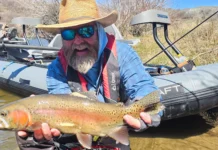
11:15 – His favorite thing about stillwaters is that the fish are bigger.
12:01 – We dig into his stillwater fly fishing technique.
12:53 – One of the focuses of STLWTR Fishing Co. is to get more kids fishing.
13:22 – We talk about boats. He has an old 16ft Klamath which is his favorite boat to fish out of.
17:56 – He shares his setup and techniques in fishing the Chesterfield Reservoir.
22:30 – We talk about the recently held Southeast Idaho Fly Tying & Fly Fishing Expo.
24:38 – He tells what is it that makes Southeast Idaho unique.
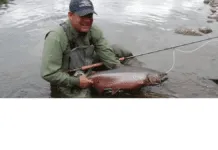
25:36 – He talks about fishing in Alaska. He ran fishing trips from 1991 to 2015.
30:22 – We dig into his plans for STLWTR Fishing Co.
31:46 – We talk about why stillwater fishing has not gotten traction as much as the others like river fishing.
34:15 – He shares more about his experience during the Southeast Idaho Fly Tying & Fly Fishing Expo.
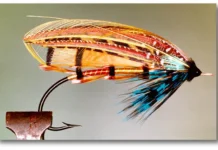
36:55 – He gives us a list of his top flies.
39:06 – I ask him about private lakes in their area and Sheridan Creek. He also mentions the Eagle Ridge Ranch.
41:22 – He tells more about the times of the year they fish in some of the lakes in Idaho.
42:47 – He mentions the species you can find in Hebgen and Henry’s lakes. He also recommends other lakes and lodges in Idaho if anyone is planning to visit.
46:39 – Their area is just a shooting distance almost from Yellowstone Park.
47:05 – He tells about the changes he has seen in Idaho through the years, particularly in the fly fishing scene.
50:06 – His go-to local fly shop is Jimmy’s All Seasons Angler. He gives examples of the fishing stuff he usually gets from Jimmy’s.
52:00 – He gives a list of stillwater fishing must-haves.
53:25 – He highly recommends Bill Schiess’ book entitled “Fishing Henry’s Lake”. He also gives fishing tips that he got from the book and from Phil Rowley.
58:23 – I ask him about the type of music and the bands he loves listening to.
59:24 – I talk a bit about our next episode with Phil Rowley. He also shares a story of their experience in the Pyramid Lake.
1:03:52 – He shares his favorite place to dine in Idaho.
1:07:13 – He used to camp with his family. His parents had a 16-foot Aristocrat lo-liner.
1:08:40 – We tackle a bit of the history of the fishery in Idaho.
Episode Transcript
Dave (2s): Today on Yellowstone Teton’s Traveled podcast. Darren (6s): And so now, you know, standing in a boat, my rod tip is always in the water, but I can watch the little ss of my fly line in between my retrieves. And there are so many times that I’ll just see one of those Ss straighten just a little bit or just twitch. Give it a quick strip set. And yeah, it’ll just surprise you how many times it was a fish that was making it do that, and how you’re getting a fight of fish. But if you can pick up on those real subtle tags, that’s just another one of those puzzle pieces that makes you a better Stillwater angler. Dave (37s): Darren Huntsman on a killer stillwater tip to detect your next strike. Hebgen, Henry’s, Jimmy’s and the ranch today, untraveled, welcome to Traveled where it’s all about the journey we are all on in fly fishing and in life. This is our chance to take a deep dive into a specific area around the country so you have a better feel for the people, the resources, and the community that make this part of the country so unique. Before we jump into it with our guests, I wanna share a little love with our travel sponsor. This podcast is powered by Swing Outdoors, the Wetly Swing podcast and Yellowstone Teton territory. You can head over to wetly swing.com/teton right now. And if you get a chance to visit a hotel lodge or any other business on that page, let ’em know you heard about them through this podcast and you’d be supporting this podcast and great local companies along the way. Dave (1m 27s): That’s wetflyswing.com/teton, T E T O N. This week, Darren Huntsman breaks down some of the great Stillwater fishing in eastern Idaho and beyond. You’re gonna get some huge tips for Stillwater and a ton of passion. We’re gonna dig into it. We’re gonna make a connection to, to Phil Roy as always. And, and this is a fun one, time to experience the road less traveled. Let’s jump into it. Stillwater style. Here we go. Darren Huntsman from stillwater fishing co.com. How you doing Darren? Darren (1m 60s): Dang. Good. How are you Dave? Dave (2m 1s): Good, good. Thanks for putting the time together and, you know, making this happen today. We’re gonna dig into Stillwater fishing and talk about the lakes out in that part of Idaho. You’re kind of on the east side, eastern Idaho, which we’ve been doing a lot of stuff out there. It’s been really cool. It’s been really river focused and I’ve been trying, that’s how we hooked up. I’ve been trying to look at putting together a trip out for Stillwater fishing out there. So we’re gonna get into all that today. But before we do, let’s take a real quick back, cause I know you have a lot of background and some Alaska stuff. How’d you first get into fly fishing and then we’ll take it into all your other stuff. Darren (2m 35s): Yeah. Hey, appreciate the opportunity. First off, I’ve listened to you guys and, and the content you put out is just, in my opinion, it’s top line, so Dave (2m 44s): Appreciate that. Darren (2m 45s): Yeah, I grew up fishing. I’m pretty lucky. I was one of those kids that I got to grow up right on the edge of the river. So yeah. Fishing was, yeah, when I could hold the rod I was fishing. My dad was big into fly fishing, fly tieing. So from early on, you know, as soon as I could walk, I was his shadow and, and we did a lot of things together. Huh. Dave (3m 11s): Where’d you guys, what river did you grow up on? Darren (3m 13s): Right, on the Snake River. We, I grew up just outside of Shelley, Idaho, which is just outside of Idaho Falls. But yeah, that, that snake that you’ve been hearing some of the guys talked to on some of your previous podcasts that that was right? Yeah, I could hit a golf ball into it. Yeah. Dave (3m 29s): You know, that’s the, you know, that area. Yeah, we just, I think our most recent episode was one with the, the guys at out of Pocatello, that fly Darren (3m 37s): Shop. Yeah, yeah. Down Snake River Fly. Good group of guys. Dave (3m 41s): Yeah, it’s, it’s pretty cool. Nice. So, so good. So you know this area very well. You’ve been out there a while. So what was your journey like getting to, you have this, you know, your site here, the stillwater fishing co.com. How did this idea come to be? Why did you start a new website? Darren (3m 56s): Well, what we did is we just see so many people out there that thoroughly enjoy fly fishing our stillwaters. And it’s an opportunity that is just waiting for a bunch of fishermen to discover it. I think probably to most guys, you know, especially the river and stream anglers, you know, it’s easy to be able to tell where those fish are. When a guy pulls up to a lake, it’s, it’s daunting to say the least, but the reward to someone who learns it is just, in my opinion, unequal. Dave (4m 32s): Yeah. What’s that look like around, because I think a lot of people you hear about, you know, the Henry’s Fork and some of the rivers we’ve talked about, and you hear about he lake and some of these places. But I mean, when you look at Eastern Idaho, if you focus in that part of the area where you grew up and everything, I mean, is it like, are there just as many still water opportunities as there are river opportunities? Darren (4m 52s): Oh my gosh, yes. And not to demean by any, by any way, how much fun you can have on the Henry’s Fork and the South Fork and the Teton River and Silver Creek. All of our wonderful world class, you know, streams around here, but we have just as many world-class Stillwater Fisheries, and I mean it, you know, I, I have this bucket list of places that I want to go, but it’s really hard to just leave this area because like you said, we’ve got Hebgen Lake, we’ve got Henry’s Lake, we’ve got Clark Canyon Reservoir, Wade Lake, cliff Lake. I mean, the list just goes on and on and on. And they are all really good fisheries. Darren (5m 34s): You know, they’re, they’re like the Henry’s fork in a way that sometimes these fish can get really particular on what they want to eat, even more so in this area. I’ve heard Phil Rally, and of course he’s one of my idols. I, you know, in the old days I had, you know, big posters in my room of, you know, kiss and bam Halen and all that stuff. Now I got Brian Cham and Phil Raleigh and Dave Stewart, you know, all these guys in here. That’s Dave (5m 59s): Awesome. Darren (5m 60s): But I, you know, one of the things that, that Phil teaches is the DPR depth pattern or depth retrieve pattern. D r P is what he teaches. And up here it’s almost, I switch those back too into depth pattern retrieve, because some of the fish up here can get salt selective that, you know, there’s been days that I’ve stood on the Henry’s Fork and just, you know, worked so hard to find the pattern that those selective rainbows will eat. And it’s no different when you’re on Hebgen or you’re on Henry’s finding that piece of the puzzle. And once you do yeah, the reward is great. Dave (6m 35s): That’s right. And are there, you know, is the pressure, are there just as many people hitting the steel waters as there are the rivers out there? Darren (6m 42s): No, I don’t think so. I I mean, anytime you go to a popular lake or a popular reservoir, you’re going to have the marquee places on that reservoir that, that the fish congregate at, and thus, sort of the boats or the tubes or the pontoons. But there are always so many more opportunities on a Stillwater that you can find and catch fish and get away from the people if that’s what you want. To me, I think sometimes stillwaters can be almost a social event and that, you know, it, the fish will congregate in a certain area and, and so do the fishermen, and as long as you’re courteous and you kind of follow the etiquette of, you know, two casts per boat, you know, give that kind of, of distance between boats, gosh, it’s fun to hear what people are saying and, and watch what people are doing and, and who knows, maybe even you’ll figure the puzzle piece out and you’re the one that gets to put the show on. Darren (7m 37s): And so, you know, it’s just a really fun aspect of, of fly fishing. Dave (7m 41s): That’s right. Nice. Well, this is good. Well, I’m, I’m probably gonna be heading back out there again sometime, hopefully, hopefully this year. Heck yeah. Yeah. What is it, so if, if we’re heading out there, somebody’s heading out there, I mean, where do they start? If they haven’t fished any stillwaters out in that, I mean, they’ve heard about the big ones, and those would be fun to hit for sure, but what would you recommend? Where does somebody start to plan a trip? Darren (8m 2s): Oh, I think some of the sleeper reservoirs that we have now, you know, as you’ve heard on other podcasts, you know, we’re, we’re in a very big ag area, so most of our stillwaters are gonna be reservoirs that are drawn down for ag use, irrigation, that kind of thing. So earlier in the years, you start kind of down low in some of these, these ag areas, because the fishing is better, the water stays up, stays cooler, you know, we’ve got just the ones around here, I can think of Daniel’s Reservoir down South Chesterfield, Western Hawkins Reservoir, those are down south. And so they’re the ones that are gonna ice off earliest. And then from there, we’re gonna move out to Macie Reservoir, which is just west of Idaho. Darren (8m 46s): Falls about an hour and a half. You got Clark Canyon Reservoir, which is north of Idaho Falls just barely into Montana. And then, then you get up into Henry’s and Hek and, and Sheridan Ranch and some of those, and they’re just, you know, it how the opportunity is everywhere. Dave (9m 1s): Right. And when you think of like the Hebgen Lake, Henry’s lake, those versus some of these other ones, what is the big difference between say, a Hebgen Lake and the, these other ones? Darren (9m 11s): Well, he’s a big body of water, and so up there you’ve gotta know basically where you’re gonna go. You know, most of these others, even Henry’s is, is not a big reservoir per se. And so, you know, you can, you can buzz around in a little boat and, and fish several different places. He’s a little different area. It’s, it’s big water and it’s, it’s different water. Myself, I like to stay up on the Madison arm and, you know, you get up in the grayling of Madison arms and, and not only is it shallower, and so you get more feeding fish in that area, but there’s just, there’s just lots of ’em. And of course, the bug life, when you get the golfers up there, that’s, that’s so fun. And you know, even when they’re sipping on dries, you can get ’em underneath real easy too. Darren (9m 55s): Right, Dave (9m 55s): Right, right. Darren (9m 56s): Yeah, everywhere you go. Dave (9m 57s): Yep. So you think fishing wise, I mean fishing, like you said, there’s some pressure, but you have no problem finding fish out there on the Stillwater. Darren (10m 5s): Right. You know, just, just for example, I mean, the Henry’s fork, when we get the good hatches going in, you know, June and July, it’s just, it’s so fun up there, but you’ve got to be there early enough and kind of stake your territory out, or there’s just enough people that, you know, it, it can turn into a little bit of not fun. The South Fork, goodness sakes, it’s, it’s such a, a tremendous river, and you’re gonna see that when you come up. But everybody, you know, especially the guides, the, the traffic on that river is the joke is you gotta take your own thermos full of water to float your boat. There’s so many people on it, and it, you know, it’s frustrating. Darren (10m 45s): Yeah. When you pull into a boat landing up there and you’ve got a dozen boats launching in front of you and you know, and you’re there early, yeah, it gets frustrating. You go to the Stillwaters, you can pull up to Henry’s Lake and have 30 other rigs sitting in the parking lot, you know, boat trailers, but you can get out in areas where if you’re fishing with one or two boats maybe, or you can find areas up there where there’s absolutely nobody. And it’s the same way with Egen, and most of our other reservoirs are like that. They just don’t get the pressure. Dave (11m 15s): So that’s one of the big advantages of the Stillwater is that you just, you can actually find a spot where you’re not gonna be pressured, Roy. Darren (11m 22s): Yeah, that’s one of the advantages. Like I tout, my favorite thing about Stillwaters is the fish are bigger, plain and simple. You know, they just, they grow bigger, especially when we have our reservoirs that are getting planted with triploids and those fish grow really fast. And yeah, like our motto is on our site is, you know, we measure efficient pounds, not inches. Right. And I’ve heard Phil say things similar to that and, and Phil Slogan is the very best one, and that’s never stopped learning. And it is a puzzle every day. And yeah, if you, if you think you know it all, you are gonna get your butt handed to you real quick. Dave (11m 59s): Right, right. Do you do a little bit of everything as far as kind of the, you know, indicator stuff and Dr. Like a little bit of everything? Darren (12m 7s): Yeah. Most of what I’d like to do, and my focus is on cast and retrieve, you know, that’s what I like to teach. That’s, that’s my passion when I get on a Stillwater. And I’m not saying by any means that indicator fishing does not work because it, it, it has changed Stillwater fishing basically for, for the people that, that want to get out there and be successful. Indicator is by far the shortest learning curve and the easiest way to keep your fly down where those fish are. Yep. Yeah, I love it because I take my wife out, I take my, my grandkids out and, you know, getting my grandkids in the boat and getting them onto fish with an indicator, that’s a blast. Darren (12m 48s): Right, Dave (12m 48s): Right. That’s one of the cool things, right. With the, the kids and it’s just Darren (12m 52s): Oh, absolutely. That’s, and, and that’s one of the focuses of Stillwater Fishing Co is, is we’ve got to get our kids fishing. You know? That’s, that’s how I learned it. I mean, it was, that was a big deal when I was a kid, we got done with chores and it was all the cousins and, and uncles and granddads and, and off to the reservoir. We’d go and load into a couple of boats and we’d have a blast. And that was a, that was a big thing. And if we don’t keep that going, we’re gonna, we’re gonna lose our industry. Right. Dave (13m 21s): What’s the boat of choice? Do you have, like, are you like Phil, where you got a bunch of boats? Or do you got one boat you like to use? Darren (13m 26s): Well, I, yeah, I don’t have a bunch of boats. I, I have a pontoon, I have a float tube because we’ve got some, some areas that you can’t fish with a, you know, with a motor on it. And man, if you gave up on those little places, we’ve got one down south that’s called 24 Mile Reservoir that grows some tremendous fish, but you can’t use a motor on it. So pontoons and flow tubes are perfect. But my boat of choice, yes. I have a old 16 foot Klamath that’s, you know, really deep, real stable, and yet it’s got that, that deep V on the front so I can, I can get through the chop and, and get outta trouble real quick. Yep. It’s the little 40 horsepower and it’s, oh, wow. Yeah, it’s, it’s my favorite boat. Really fun to fish out of. Dave (14m 6s): Yeah, that’s great. So yeah, I, I know the Klan with those are pretty popular boats. And do you take it, I mean, I guess you got a little trolling motor on it as well. Darren (14m 14s): I, no, that’s, that’s one thing I will have this year is a trolling motor on it, just simply to move from place to place. A lot of times you get out and I, I love to anchor up and, and fish the water around me. And you know, there’s a lot of times that you find out that you’re maybe just 40 yards one way or the other from where you need to be. And I hate starting my outboard up just to move it that far. And so yeah, a little trolling motor will be perfect for just moving around real quiet. You bet. Right, Dave (14m 42s): Right, right. Nice. And what is your, what’s the gear look like? So if we’re on the water, let’s take it. I always like to think of a case study, you know, or you know, a lake, like what would be, you know, we talked about hege, that’s probably a popular, what would be another one that maybe somebody could easily get up to? What would be a good example here? Darren (14m 58s): Well, probably one of the easiest and one of the sleepers that we’ve got around here is down south, and that’s Chesterfield Reservoir. And it’s outside of a little resort town called Lava Hot Springs. Oh yeah, Dave (15m 8s): Yeah, I know that area. Yeah. Yeah, Darren (15m 10s): It lives right up to that name. It’s got a great soaking pool there. Dave (15m 14s): Oh, it does. Darren (15m 15s): Yeah. And so whenever we fish hit Chesterfield, that’s, you will stay right in lava, which is only, you know, it’s 25 miles from the reservoir. And so, Dave (15m 22s): Oh, this is perfect. So you just made, this is, now we’re building the trip. I was thinking about like hid the hot springs. So we got Oh Darren (15m 27s): Yeah. And from and from there you can, yo, you bet that’s nothing better than, than being out on the lake all day long and throwing that rod and then coming back at night and soaking. Oh yeah. Dave (15m 39s): Can you get a drift boat in there? Pretty, is that a drift boat lake? Yeah, Darren (15m 42s): You could put a drift boat in it, because there’s, that’s one of the lakes that there is really good fishing very close to where you can launch a, a boat or a tube or a pontoon. There’s, when we go down there, there’s a lot of guys that come up from the, you know, salt Lake Ogden area in Utah and, and fish those southern reservoirs. And we see a lot of guys in tubes and, but just not the, not the number of people that you would expect, but yeah, Chesterfield’s a fun little reservoir, you pull up to that and the upper part of it is on an Indian reservation and you can’t fish that, which is strange, you know, because most Indian reservations, you know, we have great fishing on reservations. You got Pyramid Lake and you got the Duck Creek Indian Reservation down south and gosh, great Lakes on there. Darren (16m 26s): But anyway, Chesterfield, you can’t fish the top end. But most of the fish, I, I think hold in the bottom two-thirds of that reservoir anyway. And their rainbows in there, fish and game plants, trip Floyds. So those fish will grow up pretty fast. It gets a lot of pressures from the locals. You know, you’ll get the guys out there with their, their kids and their grandkids on the bank. You’ve got some good bank access on that reservoir. But yeah, if you can get out and explore, you know, the other sides of the reservoir and the deep end down around the dam is, is some of my favorite by the Dave (17m 1s): Dam. And what, what is that, what is it DAMing up, was that, what stream is that? Darren (17m 6s): You know what, it’s the top end of the Port River. Dave (17m 9s): Oh, okay. Darren (17m 10s): And so, and, and that river goes down through lava Hot Springs and, and has tremendous stream fishing down in that area and then goes down into, through Pocatello and then dumps into the Snake River, just Oh, wow. Just above, I believe American Falls Reservoir, so. Dave (17m 27s): Oh, gotcha. Yep, there you go. Wow, this is cool. So there’s one cool lake in, like you said, lava hot springs. Yeah. Darren (17m 34s): And you could stay there from there. You could go over and fish Western Reservoir. You could go over and fish Daniels, which is another one of, of Southeast Idaho’s trophy designated Stillwaters. You got Hawkins. There’s, there’s probably a half a dozen that you could hub out of lava and zip around and fish these different reservoirs and just have a blast. Wow, Dave (17m 53s): This is great. So let’s take it to that Chesterfield. So if you were going there, what would be your setup? What Rod and what line, what would you be fishing there? Darren (18m 2s): Definitely starting off, I mean, like all of the Stillwater gurus teach it, you know, most of your feeding fish are gonna be in that, that 12 feet and shallower type water. So my choice down there would be one of Rio’s intermediate, you know, their camel lux line, probably fishing with about a nine foot liter, nine to 10 foot liter. And then my favorite down there to start off in the morning would be a black, blue, bruised leach and probably about a size tan. And then when the sun comes up, I’ll put on a little teeny blood leach, a baby blood leach in a 12 or a 14. And they just, they love that bug down there. Dave (18m 40s): They do. And then, and that’s something that you’re casting and, and kind of stripping in. Darren (18m 45s): You bet cast, count it down, you know, find the depth. One of the most important things I’ve got on my boat is my hummingbird, you know, fish finder. But I don’t use it to find fish. It’s basically find my temperature and find my depth. That depth is so important. Right. Dave (19m 1s): And how do you find that depth? How do you find the right depth? Darren (19m 3s): Well, just, you know, number one is, is knowing what the depth is. You know, if you pull up to an area and you don’t know what that depth is, then you’re, you’re having to do a lot more puzzle work to find out where those fish are with your finder, you can pull up, you know, that you’re in 12 feet of water, intermediate line, I’m gonna count that thing down probably 30 seconds, and then slow strip. And if I don’t pick anything up there, I’ll count it down a little bit more until I find the depth that they wanna, you know, the fish are at. Dave (19m 32s): Right, right, right. So you have the interview and then what would be the lines you’d have on the boat with you fish in that reservoir? Darren (19m 37s): Oh my gosh. Well, I’ve got my reel bag, so I’ve got ’em all. I’ve pretty much got ’em all. But if I’ve, I’ve usually got three rods rigged up, and those rods are gonna have a hover line in case those fish are in really shallow. I’m gonna have my intermediate and I’m gonna have a sink three. And I figure if you’ve got those three lines, you pretty much can fish any Stillwater anywhere. Now you notice that I didn’t have a floating line in there. Yeah. And that’s, that’s probably one of my biggest differences between how I teach and how I like to fish versus most of the other Stillwater guys. And I do not like floating lines. I’m not saying that they’re not a tool that you’ve gotta have, because up on hep when the goers get going, if you don’t have a floating line, you’re, you’re missing the boat. Darren (20m 23s): But 99% of my fishing is done with at least a hover that will get it under the, the surface of the water. Because up here we always are gonna have some type of breeze. And if, if your line is sitting on top of the water, that wind can affect it. And if you’ve got belly in your line, you’re missing fish. So my, you know, the number one thing that I teach on snow waters is, is to get that, that line underneath the water so that the wind can’t create another belly. It’s tough enough to feel those fish, especially if they’re taking it soft. So if you’ve got any belly on top of the water, God, fish can pick it up soft and spit it out. You don’t even know it. Right, Dave (21m 3s): Right. Gotcha. So, Darren (21m 5s): You know, make your cast, if a guy can make a perfect straight, perfect cast every time, that’s great. I can’t, you know, I’ve always got my little s’s and my, you know, sometimes my fly wants to go one way or the other from where my leader ends. But the very first thing that I do is, after I make my cast, is make a couple of really quick strips to get everything tight and to get it under the water. Now I’ve got a straight line, and if a fish picks it up as it’s falling, I’m gonna feel that if I just make my cast out there and then start counting it down and fish picks it up on the fall, you’re never gonna feel it. So yeah, get that straight line, make a couple of strips, get a straight line, and then, and then let it sink your desired depth. Darren (21m 46s): And then you’ve got a great contact between you and your fly. Dave (21m 50s): And on that bruise leach, what’s the type of fly? Is that a, like what type of hook are you using there when you’re tying that? Darren (21m 57s): You know, my, my favorite hook right now is to hammock. They are so strong, they’re, they’re tough to find fly fish food has them. So, you know, I, I always make orders to them with them. I played a lot with the fire hole 8 39, and I just, I love the looks of that hook and the heavy wire, but I just have had too many of ’em fail on me. And so I, yeah, Daiichi, I love those hooks, tko, you know, all of the good high quality hooks out there will work. Dave (22m 27s): Yeah. Good, good. So you had some, I recently you did some seminars. Were you at the flight tieing, the East Idaho? The flight? Darren (22m 33s): Yeah, yeah. Our, our Southeast Idaho flight tide and fly fishing acpo that’s put on by the sneaker of a cutthroats, that’s our, our local tu and f f i chapter. But yeah, that was, that was a great expo. In fact, I heard your podcast with Bruce Staples and he’s, he’s an icon in this area just because he’s been so involved with fly fishing forever. Dave (22m 54s): He has, is that what makes Spruce unique is that he’s just been there doing stuff. Whoa. Darren (22m 59s): And he knows his stuff. He can tie with anyone. He just, when you, you have names of Mike Lawson and, and all of the iconic names. Well, Bruce is right there. He, he knows his stuff right there with everybody else. Dave (23m 11s): He’s there. Is there a Stillwater person out there that’s kind of the same level as, you know, those guys like a Mike Lawson? Darren (23m 18s): Yeah, there is my brother, I’ve got a brother Wade, he’s up at the college in Rexburg, and he is, you know, he’s really quiet, really reserved about it, but he’s an artist and being an artist, his flies are, I mean, they’re just, they’re words of art and yeah, he, he studies lakes and the entomology around those lakes and then makes his bugs just, yeah, they’re just perfect. But he, he also, he has the touch with a fly rod, his hand. There’s, I don’t think there’s anybody better on a Stillwater anywhere in this country than, than him. Dave (23m 54s): And does he kind of behind the scenes or does he have some stuff out there like, as far as website and everything? Darren (23m 59s): Yeah, no, he’s, like I said, art is his big deal. My dad was an artist with oils and Wade was the one that picked up that passion and, and really ran with that. But he’s, yeah, he’s not just an artist with a brush. You get a fly rod in his hand. And, and there’s not many people, I’ve heard a lot of the old timers up on Henry’s Lake and Hebgen and stuff like that say that, you know, there’s nobody better on the water than Wade is. And I, I concur. You know, it’s tough as an older brother to say that your younger brother’s a better Fishman. Right. Yeah. That’s one I’ve learned a lot from Wade. Dave (24m 34s): Right, right. That’s pretty cool. What is, so, you know, I mean we’ve been doing a lot of episodes out there trying to tell the story of that part of the country in Idaho. For you, what is it, you know, that you really, that kind of makes a different, or you, you think about it, like why is it so unique out Darren (24m 50s): There? Yeah, it’s, well, to me it’s home. You know, I’ve, I’ve lived a, a short stand in a couple different areas of the country, but very short. I spent, you know, a bunch of years, couple of decades running trips up into Alaska and you know, it just, I don’t know how many times I thought I need to move up here. This is just, you know, but when you look at the overall opportunity of what we have to do southeast Idaho, you, it’s tough to beat this part of the west, whether it’s southwest Montana, you know, or here in in southeast Idaho there, we just are opportunities whether you like to hunt, fish, ski. Yeah. Darren (25m 30s): It’s just, you can keep going all the time. Dave (25m 33s): Yeah, it’s good, Scott, everything. So you’re up in now, where’d you go in Alaska? Darren (25m 38s): We ran, we ran trips out of a little river that’s a tributary of Thena River. We’d go into Anchorage and then catch a float plane out of Anchorage for 45 minutes or so and, and fish a river that is just had small, had a tremendous run of Chinook salmon come up. At course it has runs of all five. But yeah, the kings are what we were chasing and they were just, yeah, I, I turned into a big fish addict really early on in life. And I think that’s probably why I like Stillwaters is our fish are bigger. But yeah, those big old dudes up there, we averaged between 28 and 30 pounds of fish up there. And when you’d get one of those on a fly rod, you were doing a, an upper arm workout for a good half hour. Dave (26m 20s): Wow. So you guys were catching Chinook on the fly. Darren (26m 22s): Oh, you bet. Wow. Yeah, a lot of the, a lot of the fishing that we would do up there and a lot of fishing we do around here for steelhead and salmon is, you know, with real good drift gear, otherwise a eight and a half, nine foot rod Loomis or, or some of the others. And, and then use a level wind reel that where you can just, you know, bump your rig down along the bottom, real light. And, you know, it’s, it’s every bit as technical and as fun as fishing with a fly rod, but you get up there on that kind of river and when you get those fish holding in flight conducive waters. Oh my gosh, it’s fun. Dave (26m 59s): Right. And this is the, the Vietnam, is this a trip too, like the lower tna? Darren (27m 4s): Yeah, Thena actually dumps into the ye into the tna and then the river that we were fishing, which is, it’s pretty popular up there. You get a lot of guides fishing at the, especially the lower end. And that’s Lake Creek and that was our river. Dave (27m 17s): Okay. Lake Creek. Cuz there’s the Sna SNAs up there too, right? Darren (27m 20s): Yes. Yeah. Gotcha. Yeah, lake Creek was fun because it’s just Crystal Clearwater most years and, you know, we had a tremendous run of fish and the lake that we had land, the float plane on also had a little cabin on it and we’d get a stay in cabin so it’d stay, you know, dry and warm and you didn’t have to worry about the mosquitoes or the bears quite as much. But then we just, we’d fish, you know, the, a good mile of the river where we’d just every day don our whiters and take off with our backpacks and spend the day on the river and, and you have those fish, they were half Satan, you’d stick a hook at them and they’d just go ballistic. Wow. Dave (27m 56s): And so for the, and the Chinook, and describe that again. So you were up there, you’re doing a little bit of flying then a mix of like some drift fishing too? Darren (28m 3s): Yeah, we do both. You know, most of the guys that I would take up there were, were steelhead fishermen from down here. And so, you know, when I’d book those guys, if, if a couple of their group were good steelhead fishermen and knew how to had a fish for ’em, they’d have a blast up there because it was the same kind of fishing. Oh yeah. And the same way guys, they would take their, their two-handed rods and wanted to swing for ’em, or my dru up there is, is basically nim for ’em, you know, almost, almost like nymphing. But that hadn’t come along yet. So we were doing it that way with a little bit of a weighted egg sucking leach. And those, those kings loved it. Yeah. And that kind of fishing up there, it was extreme, you know, those fish they’d take off down the river and you either broke ’em off or you went with them and, you know, so you were scrambling sometimes a couple hundred yards before you could get a net on ’em. Darren (28m 51s): Wow. A lot of fun. Dave (28m 52s): That is, sounds like it. Then you eventually, was that something you just did for a few years and then you kinda ended to it? Darren (28m 58s): Yeah, I actually ran trips from 91 until 2015 and Oh wow. Alaska’s their Department of Fish and game up there, they’re very conservative when it comes to their salmon runs in most aspects, I need to say, when they have a drainage that has one river that goes bad, otherwise take the sustina drainage, you have the Deka River up there, which is really, really popular. But when the Deka has poor returns, it pretty much limits the whole drainage. So it got to the point to where I’d get guys up there and we didn’t know whether our river was gonna stay open to fish for Kings, and that’s what everybody was targeting. Oh, right. Yeah. The, the last year that we went up there, they shut the river down the last two days of my last group. Darren (29m 41s): And so, you know, I mean luckily we have pike in the lake and it’s a trophy designated river, and so we have rainbows, we’ve got rainbows pushing 30 inches up there and, and true rainbows not steelhead. So that’s awful fun. But that’s not what my guys were going up there for. So 2015 was the last year that we actually did that and we’d love to get back up there and play on that river again. It’s just yeah. A special place. Dave (30m 7s): Right. How do you, how have you filled your time? Not going up to, I mean, you were up there for almost 25 years. What have you been doing filling your summers? Like now Darren (30m 14s): Stillwaters, if I get a chance to fish now I’m on a lake. Dave (30m 18s): Yep. That’s it. Wow. Yeah. And so the website, so how are you, what’s the plan there on the website? What’s your hope there? Darren (30m 26s): Well, Stillwater Fishing Co what we started out is, is more of an awareness company. You know, we just, we kind of wanna do two things with it. Number one is we wanna be the brand that people who, who love to fish steel waters, they wanna wear it. You know, I’ve got a whole closet full of, of steelhead gear because I love to fish for steelhead and you know, I, I love their stuff, I love the look of it, but when I get out on a steelwater, there’s a lot of guys out there that, you know, they have the same patch as fishing for steelhead. And so, you know, our little fish with our Stillwater NoGo in it, I think it’s cool looking and we’ve got good stuff on our website and it’s, it’s functional and we wanna grow that clothing line, but we’re also going to partner with, with lodges and guides that Stillwater specific, we are working with some stuff on some guys down at Pyramid Lake. Darren (31m 17s): I’d love to go down there during the winter because it’s the only place I can fish. So I’ll make, you know, half a dozen trips down there over the winter. And yeah, we wanna partner with people down there on that lake and on Henry’s and on Hebgen and, you know, Crowley Lake and all of these lakes we hear that are all across the country. Yeah. We, yeah, we want to, we wanna be part of that. We love the culture and, and it’s just something that we think will work in the culture. Dave (31m 43s): Yeah. Why do you think it is that Stillwater? I mean, it definitely, some people ha it’s gotten traction. I mean, I’ve been fishing for Stillwaters for a long time, but it’s still, why do you think it hasn’t got as much traction to say the river fishing? Darren (31m 56s): Oh, it’s harder. There’s no doubt. I mean, when people pull up to it, you know, you can’t tell that, you know, where those fish are are feeding or where they’re holding or, you know, you can’t even see any of the, the terrain like you can on a river and and such. But I think that’s part of what makes it so much fun. You know, I’ve done all the river stuff, I’m old enough, I’ve done all that stuff and, and this new puzzle is just, it’s non-ending. Every reservoir you have to figure it out every day because what works one day may not work the next day. Now generally speaking, you know, you’ve got a pretty good idea of what’s gonna work, but there’s been days up the, on these lakes that, you know, you start off and, and you get a good bite going and then everything dies. Darren (32m 39s): And then that’s when the puzzle starts is especially when the fish are still working around you, what are they, you know, what depth are they at? There’s just so many puzzle pieces that you get to figure out. And that’s what’s so fun about Stillwaters. Dave (32m 52s): Right. We recently had Phil, he was on and did a like, kind of like a, you’re new to a lake sort of thing and Yeah. Darren (32m 59s): Yeah. I love those, those new literal zone podcast. You bet. Dave (33m 3s): Yeah, exactly. Yeah. Yeah. The literal zone. Yeah. That’s, that’s pretty cool. We got, you know, the opportunity obviously to have Phil and, but it’s, you know, again, there’s always little things in every lake is a little bit different. Do you think when you learn something from a lake, say Hebgen, can you approach another lake or do you think it’s, you can use the same techniques to approach another new lake around the country? Darren (33m 24s): Oh, most certainly. I don’t, like Phil says, you’re always learning and a guy that doesn’t chalk that up and, and think about it, you know, that’s one of the biggest things about a lake is when I go fish a lake and it, it gets the better of me. That just fuels my fire to not only learn more about that lake, but other techniques that I can use to make me more successful on any lake. Yeah. I love Phil’s part where he says, you know, when you pull up to a lake, take a minute, you know, look around, you know, too many of us get in a hurry to get out there and, and get fishing and we miss too much of what’s, you know, what’s to be seen, you know, where are the birds feeding, why are they there? Darren (34m 7s): You know, there’s just, there’s so many puzzle pieces that you can do before you even get in your boat. Dave (34m 11s): Yeah. That’s pretty cool. Well, let’s go back to the, the seminars that you were at The Southeastern. So I didn’t make it out there, I wanted to and I wasn’t able to. So we had Bruce describe it. Give us a little description from your end. What was that event like? Darren (34m 24s): Oh, it was a lot of fun. I mean, when you can go and watch, you know, 40 fly tires a session, do different things and, and different bugs, different techniques of, of tying, you know, like I said, you never quit learning and so you, you’re always watching those guys. Dave (34m 41s): So you had a big group of people tying and then you had some seminars that were Oh Darren (34m 44s): Yeah, yeah, yeah. They have three sessions on the first day, two sessions on the second day and you’ve got, yeah, between, you know, two dozen and three dozen tires just going at it. And you can walk around and watch ’em sit down, visit with them. One of the coolest tires, there was a, a young man out of ar named Dave Hansen as a young man, he was in a car accident and busted his neck and he’s got very limited use of his hands, but he ties still and he ties some of the most, some of the coolest Atlantic salmon flies. Then he puts them in a box and it’s just, yeah, it was fun to sit there and visit with him. I’ve known him forever, known his family when he had that accident and, and watched how strong he’s been. Darren (35m 27s): He’s been a really good influence on a lot of people. But those guys and, and yeah, just so many noted tires that were there and not just the tying, gosh, you know, they had a casting pool there for the first time we had seminars, clinics, the ladies clinics were really well attended, the youth clinics were attended. I was tickled to death with how well the seminars that I put on, on Stillwater fly fishing. Yeah. What, Dave (35m 51s): What did you cover? Darren (35m 53s): Basically just the, you know, the basics of fly fishing on lakes, what you look for, what kind of equipment you use, techniques flies, all that kind of stuff. And it’s, you know, it was just so well attended. I couldn’t believe how many people would come up to my booth afterwards and continue this, you know, the, the talk. And anytime I can talk fishing, I’m in heaven. But I’ve had several people reach out and they want to know if we’re gonna put on classes. And that’s part of what Stillwater Fishing Co is all about is, is to educate people. You know, if I can shorten the learning curve of someone who is going out on a lake, it’s gonna make it more fun. They’re gonna grab a couple more people and take it out. They’re gonna teach ’em, you know, there’s, there’s flies and techniques and, and little, little tips that, that I hold really close to my, to my vest. Darren (36m 38s): But at the same point, there’s so many things that I see people doing wrong and just, just not knowing. And if I can, if we can help shorten that learning curve for people, man, they’re gonna fall in love efficient stillwaters too. And that’s the thing. Yep, Dave (36m 52s): That’s right. What are your, you know, as far as your flies, you talked about a couple of ’em, but you have to give us a list to say your, your top, you know, eight or nine or 10 flies, what would those be? Darren (37m 1s): Well, you know, and, and everybody’s got their favorite flies. And with the, I think the lakes in the northwest we get, you know, real prolific bug hatches. And so, you know, a a favorite list of flies that I might fish on Chesterfield is gonna be completely different than what I’m gonna use on head gun, which is gonna be different than Henry’s and different than Clark Canyon, you know, but if, if I had one bug to use, it would be that baby blood leach. You know, I hear Phil and Brian talk about baby leaches. Brian, especially talk, Brian Chan talks about baby leeches. And I don’t think fish are much different than us. I think they, I think some of these bugs taste better to them or maybe they prefer to eat it. Darren (37m 45s): You know, it’s no different than us when we go out and have a steak. We don’t want, you know, some 15 year old range bowl. Some big dude, he, we, we want that young, that young cut of meat. And, and I think those, those fish love those baby leeches and that yeah, that baby blood leech using Arizona Semial and that blood leach, I think it’s number 27 color with a little bit of wine ou on the bottom. And I think one of the biggest mistakes people make with their bugs is they, they tie ’em to bulky. There’s nothing in the Stillwater realm other than maybe a dragon flying nim that’s got any bolt to him at all, you know, and, and most of my bugs are just so thin and sparse and they just work. Dave (38m 30s): Yeah, that’s a good point. That is just with flight tank in general, especially starting out, that that’s what people do, they tend to put too much on. Right. And probably less is more. Darren (38m 39s): Yeah. Yeah. You, you hear that old adage that flies catch fishermen not fish and Yeah. You know, I, I walk into fly shops and I just, sometimes I marvel that people can, can actually, you know, especially when you get into your smaller stuff, you get into your calibus and your cadis pupa and you know, your dams will fly imitations and your leeches. I just, most of ’em are just way too bulky and Yeah, Gotti. Dave (39m 5s): Yeah. What about the, the private lakes up there? I know you mentioned one off air, we were talking Sheridan Lake. Are there a few of those? Darren (39m 12s): You know, we don’t have a lot of private lakes around here that actually, you know, that, that you can fish. What do I wanna say? In the warmer months, you know, most of the private lakes are down low and so they, they get lost up really fast. And Dave (39m 26s): Is that how Sheridan is? Darren (39m 27s): No, not at all. Sheridan is one of our high country reservoirs. It’s, yeah, it’s a cool little place. It’s Eagle Ridge Ranch, Matt Hyde, who is Lemoyne Hyde of Hyde Drift boat, that’s his son. And he runs that, he’s run it for years and years and it is just a special place at Sheridan Ranch. Just to go over it real quick, that the guy that owns it is Frank Vandersloot, who owns Melaleuca. Anyway, when he bought the property, he, he had a, a company come in and do some work on the stream because it was so poorly eroded and you know, the cattle had been going through it and everything. And anyway, they gave him a price and he says, well triple that, make it unbelievable. Darren (40m 11s): And so not only is the, the Stillwater great and has wonderful fishing for rainbows, but the Sheridan Creek that runs through that ranch Yeah, it, it’ll make you drool because you’ll see fish in there. They’re 24, 26 inch rainbows that come up out of Island Park Reservoir and just end up living there because there’s so much food in there and Oh, Dave (40m 34s): So they can come up from Island Park and get into Sheridan? Darren (40m 36s): Yes, they can. And and the cool thing about it is, I mean, island Park Reservoir has a, a pretty big population of suckers and you know, most people look down on those, those trash fish type species, suckers, chubs. But man, they create an awful lot of food every year when they run up shirt and crick and spawn and then those fish have all of those fry to feed on and they just Yeah. They grow awful pig up there. Dave (41m 0s): Right. So then that’s kind of the thing with, well, and a lot of still are, it’s the food, right? I mean that’s the thing, fish and especially there cuz you’re in the, essentially you’re in the kind of the desert, right? I mean it’s hot, it’s big growing season. Yep, Darren (41m 13s): Yep. We are high country. Yeah, high desert up here. There’s no doubt about it. It’s, it’s unforgiving country once you get out of the water. Yeah. Dave (41m 20s): Right, right. That’s cool. And then what is a typical, are you fishing in Aug, you’re hitting the high mountain in Aga are you fishing through the whole summer out there on the Darren (41m 27s): Stillwaters? Yeah, we, we can find water pretty much all summer long up here. You know, even Henrys and Hek and Clark Canyon Reservoir, Macie Reservoir, we can fish those late into the year because they’ve got, you know, they’re either at the altitude or they’ve got the water depth that you can find cool water where those fish, you know, not only can you fish for ’em, but you can do it ethically because it’s, it’s not stressing them. Dave (41m 51s): Yeah, that’s okay. And if somebody was going to, you know, back to that planning of the trip, is there a, some sort of a guide or, you know, if somebody wanted to see all these lakes, is there a book or something out there you’d recommend? Darren (42m 2s): Oh, you can, yeah. There’s all kinds of stuff out there that, that you can get on, you know, our internet and just Google everything. But if I were to make a trip up here Yeah, the, you definitely got a fish, Henry’s lake. Dave (42m 15s): Yeah, so Henry’s is one you gotta hit. Darren (42m 17s): We’re in a little bit of a down cycle on that lake right now, but hopefully it’ll come back, you know, to where we’re catching as many big fish as what historically we’ve had in there. The new World record was taken out of there last year for the, you know, the, the Henry’s Lake Cutthroat, and then they hybridize them with another, you know, with a rainbow and it, they tell, they just turn into a mean fish. And we had one that was Yeah, big old fish came out of there last year. Dave (42m 45s): Wow. So Henry’s is a good one. And how big is Henry’s versus Hebgen? Darren (42m 50s): Oh, not, not even close. Yeah, he’s probably four or five times bigger than Henry’s, but it’s, yeah, it’s, they’re different types of fishery. Mostly you got rainbows and browns and Hebgen, you got Cutthroats and the cut hybrids in Brooks in Henry’s. And so they’re different species, they act different, but that’s what makes it so fun. And then you gotta hit Wade Lake and Cliff Lake that are right there in that, that same little loop. You know, you, you take Henry’s Hebgen, cliff Lake, Wade Lake. Yeah. There’s just, there’s a bunch of them right in there that you could just have a blast. Dave (43m 27s): Right, right. And then you got what about the Island Park Reservoir? Darren (43m 30s): You know, island Park Reservoir is another one of those reservoirs that can be really good or it’s just, so it goes with cycles. That reservoir draws down a lot every year and it, it seems like we have more of a problem with chubs and different things like that. And so every once in a while fishing game I’ll take and try to do things to increase, you know, that fishery, it used to be a blast. I mean, it had rainbows that were pushing double digits and yeah, it wasn’t nothing to go on the west thumbs and, and get out in your float tube and, and be able to find some of those fish. But it’s, it’s struggled in the years past, but it’ll, again, it’ll come back and, and then maybe Henry’s will turn off and we can fish Island Park Reservoir, why Henry straightens up. Darren (44m 15s): But it always seems in the high Mountain Lakes we have that cycle. Oh, Dave (44m 18s): Those are high mountains. So Henry is, is a high mountain, like Yeah, Darren (44m 22s): You most certainly. Yeah. Dave (44m 23s): Yeah. Gotcha. Okay, so let’s take this for example. So if we’re coming up there and, and we got Phil coming and we are gonna meet up and bring a few people out there, what would be the trip you would put together for us? Darren (44m 36s): Oh man. A couple of days of school on Sheridan so that everybody gets it down and then go Fish Head and Henry’s and Wade Lake. I mean you could, yeah, you gotta, you gotta spend some time on Henry’s if the, if the weather lets ya Yeah. Dave (44m 48s): So you leave it open, you say, Hey, we’re gonna hit these lakes, we are not gonna be at one. And then is there a, and then what would you say for a place to stay, like a lodging sort of thing? Darren (44m 57s): Oh my gosh. They’re, you know, if you’re gonna fish Sheridan, Eagle Ridge Ranch has some great little cabins there at their facility, but then we’ve got lodges all up and down. We’ve got, you know, places to stay. Lots of Airbnb opportunities. Yeah. Dave (45m 13s): Lots of stuff out there. Darren (45m 13s): Lots of cabins. I mean there’s yeah, Dave (45m 15s): Yeah. Tons of resources. Cool. So I think that would be something would be fun to do. Darren (45m 19s): Yeah. If I had to recommend one place in the Island Park area to stay, it would be the Anglers Lodge there in Last Chance, or Trout Hunter Anglers Lodge. I’m kind of particular to that because I did all the stone work on the outside of that, so. Oh, wow. Yeah, I’m a stone mason by trade and so there’s a lot of places up there that got my signature on him. Dave (45m 35s): No kidding. That’s pretty cool. What about that story about the guy, the up on the, at the, what is it, the headwaters of the North Fork, the, the guy that was building, do you know that story? Oh, Darren (45m 47s): You probably mean Johnny’s cabin. Dave (45m 49s): Yeah, Johnny’s Cabin. The little guy, right. Darren (45m 51s): Yeah, the big spring. Yeah. Oh, let’s see. Johnny Sacks I think is Dave (45m 56s): Yeah, Johnny Sacks. Exactly. Anyway, Darren (45m 58s): Yeah, he was a a, a trapper and explorer back in the day and before anybody had moved in there, he built a cabin and he was really short. And I’m not a, I’m not a big guy and so I kinda, I kind relate with that a little bit. But yeah, all of his doorways on that cabin where it’s on Big Springs and that’s the headwaters of Henry’s Fork. Dave (46m 17s): Of the Henry’s Fork. Yeah, yeah. Darren (46m 19s): Pumps out like 55,000 gallons of a minute and just is crystal clear. Wow. Yeah. And the, yeah, Johnny’s cabin is on the other side of that. It’s a pretty cool place. And of course you’re so close to Yellowstone, that guy comes up here and fishes. You gotta go into Yellowstone. Even, even if you just go into see all the fly shops in West Yellowstone, that’s a lot of fun. Dave (46m 37s): I know. See, that’s, that’s the cool, I think that’s one of the things that separates, you know, this area that makes it cool is that, you know, we’re sitting here talking about these lakes, which are, you know, great famous lakes, but at the same time, you know, you’re, you’re just, you’re shooting distance almost from Yellowstone Park, right? Darren (46m 53s): Oh my gosh. Yes. You know, if you took a two hour drive from where we’re at in Idaho Falls, you, you’ve just got endless opportunities that you don’t need to go anywhere else. Dave (47m 4s): Yeah, exactly. Well, this is a question that keeps, I keep thinking about out there because you know, Idaho, you always, you know, the Montana is kind of the big one, and then Wyoming is kind of, has some, you know, obviously Yellowstones kind of mainly, I guess in Wyoming, but Idaho seemed like it was always the Lord. Do you feel like, you know, from growing up that things have really been grown a lot since you were a kid? Or, and the fly fishing’s more popular? Has it always been really popular in Idaho? Darren (47m 29s): Oh yeah, it’s, I mean, you know, when I grew up doing it, I, you know, I had a lot of buddies that did it too, just because that’s, I mean, that’s what we did. Everybody Dave (47m 37s): Was doing it, so you probably didn’t know it. It was like everybody did it felt like everybody was doing it. Darren (47m 41s): Yeah. But, oh, we’ve definitely seen changes. You know, you, you go up into the Teton Valley and that valley used to be just so hidden and unknown that Teton River was just a gem. And it still is, but it’s just, you know, we’re turning into Park City and, and Veil and Aspen. We just, you know, we’re, we’re gonna love it to death. That’s one of the problems that we’ve got some of our reservoirs is we’re building these big old cabins and big old homes on it. And then, you know, we put the septic systems in and all that water’s gotta go somewhere. And pretty soon we’ve got lakes that we’re basically fertilizing to grow algae and more moss than, than what they’re, what they’re designed to do and that can hurt our fish. Darren (48m 21s): But yeah, we live in a great part of the country. Yeah. Dave (48m 24s): Yeah. That’s great. Cool. Well, I think that we gotta some good opportunity. I mean, I’m kind of like Mastermind trying to put together something, you know, to put, we obviously have the Euro school that’s gonna be going this fall, which is gonna be fun, and we’re gonna get up there and I’m gonna do a little exploring, but I, I would like to come back next year, you know, sometime and do the Stillwater thing. So I think, you know, we’ll definitely, Darren (48m 45s): Oh, there’d be a great opportunity and yeah, that was one of the things that we noticed at the expo is people are just hungry to learn more about fish and Stillwater Sort fly. Dave (48m 55s): Oh, you, you notice that? Oh, Darren (48m 57s): Definitely. You bet. And if, like I said, if those guys who learn and already know how to do it, if we don’t pass that on to these other people, you know, we’re, we’re going to lose the interest in it because, you know, no matter how way, how you look at it, Stillwater fishing with a fly rod is, is tough business. You know, I, I still remember the very first years that we started fishing down south and still you go down in, in fish Chesterfield and you have a lot of guys that are trolling and they look at you with a fly rod and they think you’re outta your mind. Dave (49m 26s): Oh, right. Still lots of trolling with like, just flat lures and stuff. Darren (49m 30s): Yeah, exactly. But you know, when, when they go by and you’re, you’re hooking fish after fish and all they’re doing is moving around you, you know, pretty soon they, they come up to you at the boat dock and say, man, I wanna learn how to do what you were doing. You know? And that’s, that’s what we’ve gotta do. And if, if we have the old mentality that, that most of the public look at Fly rotters is kind of somebody that’s got an upturn, knows we’re not doing what we’re supposed to be doing. And that’s showing people how much fun it is and they can have that kind of fun too. Dave (49m 60s): Yeah, that’s right. It sounds like there’s tons of opportunities out there. Yeah. What’s your, we mentioned a couple shots. What is the closest circuit you consider your kind of local shop, fly shop? Darren (50m 10s): Oh, Jimmy’s all season Angler here in I, Idaho Falls is, yeah, it’s a great shop. I’ve Dave (50m 14s): Heard that a number of times Jimmy’s has come up. It feels like that’s one of the ones that people are like, oh man, Jimmy’s. So what is, what is it about Jimmy’s though? Why is this? Is Jimmy still there? Oh, Darren (50m 23s): Yeah, yeah, yeah. Jimmy Gallus, great guy, great staff. You walk in, if you’ve got a material that you need to tie a bug with, chances are pretty good. It’s in that shop. If not, he can get up for you. But, you know, he carries, I mean, all of the bugs that are, are specific for this area. And it’s, it’s not like most fly shops when you walk in and you’ve got one or two racks, he’s yeah, he’s got bugs coming out the ears. All of the equipment that you would need Carries, Sims, Patagonia, all of the big names. Does Dave (50m 55s): He have some Stillwater stuff in there? Oh, Darren (50m 57s): You bet. And he carries, you know, Stillwater specific things to things that I like. One of the things that I cannot leave home with when I’m fishing Stillwaters is a little piece of fabric that Sims makes. There’s actually several manufacturers, but it’s a stripping garden. You put it on, I put it on my, the middle finger of my right hand. And what it allows me to do is when I make that, that cast out there and I need to kick the couple of strips in really quick, it allows me to strip fast and not burn my finger. But then as I’m stripping that bug in, there’s a lot of times that if you’ve got bare skin on those fingers and you’ve got a wet fly line, you get that just that little bit of grab that little bit of friction there and those stripping guards make it so that I can feel really soft takes when normally all I’m feeling is that that friction of the wet fly line on my, on my skin. Darren (51m 50s): So yeah, those are the little things that he carries in there that are specific to what we, we like. That’s great. So I, yeah, anything you want, he’s got great fly shop. What Dave (51m 59s): Are the things, if you give us a little list of Stillwater items, you know, kind of gear items that you like must haves out there on top of your rod and reel and all that stuff? Darren (52m 8s): Well, you’ve gotta have, I I, I think it’s funny, I, I saw a YouTube video of some guys fishing over in, in England and they call it, you gotta have your eyes and your peak, which you gotta have your glasses and your cap to keep you, you know, so that you can shade your eyes. Yeah. Gotta have a hat, gotta have my glasses, gotta have my long sleeve sun hoodie, you know, and gotta have em, hood and sweatshirt as far as that goes. If I have that and I get out there in the boat, yeah, you’re good. Dave (52m 35s): There’s no like stripping little tools or any other little things that Darren (52m 40s): No, that, that stripping guard is, is so important to have. And your glasses are important. I, you know, one of the things that I teach and, and emphasize so much in my classes is that the subtle takes, I think the difference between a good still water fly fisherman and a phenomenal Stillwater fly fisherman is being able to recognize those real subtle takes and being able to react to it. I would say probably between 40 and, well, 30 or 40% of the fish that I hook with my fly rod is almost more sight seeing my line change rather than feel it now, you know, tug is the drug, that’s why I like to cast and retrieve. Darren (53m 20s): Is there nothing like that fish picking up and just ripping on it? But, you know, I learned a long time ago that I had an old time fly fisherman when I first got into it on Lakes. Bill sch used to fish up at Henry’s and, you know, I mean he’s, he’s the icon up there. He Dave (53m 35s): And who was that? Darren (53m 36s): Bill sch he guided on Henry’s lake for years and years and years and then had BS flies Bill Schiff flies. And is that, Dave (53m 43s): How do you spell that? Darren (53m 44s): It’s S C H I E S, I believe. Dave (53m 48s): Okay. Yeah. I gotcha. But Darren (53m 50s): Anyway, he wrote a book on fish and Henry’s and, and just, you know, it’s still in my opinion, when you’re fish and Henry’s like, that’s kind of the Bible. If you can get your hands on that and they still, it’s still in print. They still sell it. You can find it as sportsmans or Cabelas. And anyway, he taught me that when that rod goes in the water when you’re fishing, and this is back when we were fishing in tubes a lot. And so my rod would go in the water and, and a lot of times I was frustrated because I would feel just a very soft take. But it was usually when that fish was expelling my bug. And so if I hooked him, it was just a sting. And I learned, he taught me that if your rod goes into the water, if in a tube where you could balance it a little bit on the front of your tube, if you’d lift it up outta that water, just a couple of inches, that droop of that line going into the water, every time you’d make a a a strip, it would tighten that loop. Darren (54m 42s): And then of course on the, when you’re relaxed that little it pauses, you know, and it droops back down towards the water. Well, there were a lot of takes that I learned that if I saw that not relax at the end of my strip, I’d give another strip set and it just blew my mind how many fish were at the end of that line when I do that. And so now, you know, standing in a boat, my rod tip is always in the water, but I can watch the little s’s of my fly line in between my retrieves. And there are so many times that I’ll just see one of those s’s straighten just a little bit or just twitch, give it a quick strip set and yeah, it’ll just surprise you how many times that was a fish that was making it do that and now you’re getting a fight of fish. Darren (55m 28s): But if you can pick up on those real subtle takes, that’s just another one of those puzzle pieces that makes you a better Stillwater angler. So Dave (55m 35s): That’s it. So, and then one of the examples we talked about intermediate line, you make your cast, you count to 30 or whatever you get down towards the bottom, you know, and then you start doing your strip, your retrieves and you probably have a bunch of different types of the retrieves, but what you’re saying is between those, you just, you’re watching your line, so as it’s, and if there’s anything weird or different happen, you’re, are you setting the hook when that happens? Darren (55m 57s): Yeah, just a, a strip set. You know that anytime you’ve got a sinking line under the water, if you’re trying to trout set or just raise your rod tip, that’s pretty tough. Now if you’ve got an indicator on that’s a different ballgame, but yeah, you just strip set and you know, if you just do a quick soft strip set and it wasn’t a fish or it was just a weed, then you’re just pulling through that no big deal. You can continue your, your retreat. If you raise your rod tip now you’re pretty much done. You’re gonna have to recast. But yeah, that, you know, depending on, you know, I mean there’s so many different things. You can slow your retrieve down. You can lengthen or shorten your leader and that will affect your sync rate on your line. And that can affect how fast or how slow you can retrieve your line, all those different things. Darren (56m 38s): Yeah. Like Phil teaches it, if you put a bug on there and, and you’re convinced that that bug will work, change your retrieve is the very first thing you do. You know, if you think that you’re at the depth that’s most important. If you think you’re at the depth that those fish are at, find that that bug and that retrieve and yeah, sometimes those days can be just fun. And what’s really fun, Dave, is when you’re in a group of guys, like let’s say you’re at Chesterfield or Heian or Henry’s and you’ve got four or five other boats around you and you’re the one that figures out that puzzle piece, then it’s fun. I mean, there’s days when you almost feel self-conscious cuz you’re out there and you’re the one that’s figured it out and nobody else has. And so you’re hooking fish and they aren’t so. Dave (57m 19s): Right. That feels pretty good. Darren (57m 21s): That’s part of the, the fun competition of it. Dave (57m 23s): Are you letting, when that happens, are you saying, Hey, here’s what I’m doing? Or are you keeping the secrets pretty tight? Darren (57m 28s): You know, for the most part it’s funny because I think most of the guys out there, there’s that group of guys that are hungry to learn and you know, they’ll come up to you and, you know, motor over or kick over to you and say, what are you doing that, that we’re not, you know, and those kind of guys, I absolutely love to help. The problem is, is most of the guys are, you know, they, they get sure themselves or they’ve had a good day out there, and then pretty soon they, they don’t want your help. They think it’s, you know, it’s, it’s not cool to ask for help and that’s, that’s wrong. You bet it. People ask for help, I’ll help ’em. Dave (57m 60s): Right. Yeah, for sure. Darren (58m 1s): Nice. It’s a lot funner when you got three or four boats and everybody’s giggling because they’re hooking fish rather than everybody glaring at you because you’re the one that’s hooking fish, but you don’t wanna share. That’s right. Yeah. No, I’d rather share and everybody have fun. Nice. Dave (58m 14s): Well, I think we’re gonna probably have some follow up on this because, you know, especially if we head out that way. Heck yeah, we definitely, yeah, we’ll definitely keep in touch here. Maybe give a, I like to kind of do a little, couple of random artsy stuff as we get out here. One of them is have a fun time with music. So do you have some music that, I know you’ve been listened to podcasts, but when you’re not listened to podcasts, what type of music are you listened to there? Darren (58m 38s): Oh, I don’t know. Pretty tough to beat. Look Brian and hunting, fishing and loving every day if you’re gonna go fishing. But yeah, I, I enjoy, you know, I’m, I’m pretty much all around. I, I love my old Hard Rock, you know, my old Sticks band, Halen, ac dc type stuff, but Dave (58m 54s): Van Halen with, with David Lee Roth or the, oh Darren (58m 57s): Heck yeah. Nah, yeah, I’d rather have him. Yeah. Yeah. I I’m a David Lee Roth fan. I think he was damn talented with that voice. Yeah, that’s Dave (59m 6s): Right. Perfect. Darren (59m 7s): Yeah, that music’s pretty, pretty simple. But yeah, if we’re gonna go on a long trip, it’s usually, you know, we’ll, like I said, we take several trips down to Pyramid and we’ll revisit all of the podcasts we can find on Pyramid Lake while we’re taking that night dry. Dave (59m 20s): There you go. Well, you’re gonna love this one. This is a good little heads up I’ll give you, is that on Phil’s next episode that he’s working on now? He’s gonna be interviewing one of the guides out at Pyramid. Oh, cool. So it’ll be the first time on the Litera zone that Phil actually interviews somebody else. So that’ll be, I’m excited for this as much as anybody because I want to hear Phil as the interviewer, right? Like, oh yeah, Darren (59m 41s): That’ll be, that’ll be a treat. And that’s, that’s such a fun lake to talk about. It is. I mean, everything from the conservation story of getting those fish back in that lake to the opportunity to the, the way we fish for ’em. Yeah. It’s just, yeah. It’s a cool place. And that’s one lake that can absolutely, absolutely humble you. Last March a year ago, we had such a great trip down there, me and my son and I went back in October with my wife and I was just, oh, I was so excited. And that lake kicked my butt. Yeah. Dave (1h 0m 14s): Windy and it can get cold right. And kind of nasty. Darren (1h 0m 17s): Oh yeah. And the fish can hold in different spots and, you know, you can’t reach ’em and Dave (1h 0m 22s): Are you doing the ladder thing or are you out there in your boat? Darren (1h 0m 25s): You know? Yeah, no, I, you know, that’s, that’s one place that, that I haven’t taken my boat yet. I will, however, that, I had a, a scare on Henry’s like a few years ago when we had the fires and I had a storm move in on me and I was all alone out on Henry’s. And, and man, I thought I was gonna cash it in that night. And that really spawned a respect for the weather. And I’ve seen the weather on Pyramid go from glass to catastrophic in minutes. Oh Dave (1h 0m 54s): Wow. Right, Darren (1h 0m 55s): Right. In fact, you know, last time we were down there, not to take a lot of more time, but we had a, a problem with our truck and the guy that came over from, from Pyramid Lake Lodge and picked us up while we were getting our truck fixed, drove us down so I could visit with the sheriff about my truck sitting Pelican overnight. Anyway, he, as we were driving out, they, they’ve got this big holding, you know, fenced area that, that they keep things in. Anyway, there was a really nice big old truck and a boat trailer there. And he says, yeah, a couple years ago this guy washed his boat, went out, went fishing, and Storm came up and he never came home. We haven’t found his boat, nothing. Darren (1h 1m 36s): Wow. And so here’s this really nice big old Dodge Ram with this big nice trailer, and it just is a really good reminder to crazy people that man, if you don’t respect Stillwaters Yeah. Storms come up, they can turn off a ugly. Dave (1h 1m 51s): So what happened on this he lake where you almost cashed it in? Darren (1h 1m 54s): Oh, it was on Henry’s. Oh, at Henry’s, yeah. A couple of years ago. We had, you know, we just, the stuff right on the Montana, Idaho border there caught fire and the way the wind drove up there, it, yeah, Henry’s was a smoky area that whole summer. Dave (1h 2m 8s): What year was that? Darren (1h 2m 10s): This was two years ago. It would’ve been, yeah, 21. We Dave (1h 2m 14s): Drove through that. Yeah, that’s right. Darren (1h 2m 15s): Yeah. Anyway, we, the storms usually come from the Southwest over saw Tail Mountain, and it was so smoky. I, I couldn’t see anything and oh, I was all alone on a pretty popular part of the lake, and I was catching a few fish and having a good time, and I was wondering why I was all alone. And then I heard some thunder and I couldn’t see the thunderheads coming because of all the smoke. And by the time I heard the thunder and realized what was happening, I could see it marching across the lake and got everything pulled up and got a life jacket on, and then put another life jacket on like a diaper because I just, I knew, you know, you get it. I don’t care what kind of 16 foot boat you’ve got, if you get out there in six to eight foot swells, that’s scary stuff. Darren (1h 2m 58s): Wow. And I finally limped over along the, the bank just, you know, keeping the nose into those waves as they were pounding me in, finally, after a half an hour, got into a place and waited it out. But it, it taught me a very valuable lesson. And that’s don’t Yeah. Don’t, don’t turn your back on what the weather’s doing. Dave (1h 3m 18s): Yeah, right. Right. That’s crazy. So you And that, was that in the 16 foot in that Klamath? Darren (1h 3m 23s): Yeah, that was in my Klamath. And I mean, it’s got a, which, Dave (1h 3m 25s): That’s a good nose. I mean, you could take those in the ocean, right? I mean, some Oh Darren (1h 3m 28s): Yeah, they’re, it’s great. It’s got a 77 inch wide beam, you know, I mean, it’s as stable as any little aluminum boat you can get your hands on, but it just, yeah, that, that night scared me bad. Yeah. Huh. Taught me a good lesson. Dave (1h 3m 41s): There you go. Wow. Good. Well, it’s good you survived and still have the boat going out there. Well, give us a couple, just a couple more and we’ll take it out here. If we go on there, we talked about some lodges. What would be a good place to go? What would you make if we’re gonna get a nice dinner one night, where would you go out there in that part of the world? Darren (1h 3m 57s): Oh goodness. On Island Park Reservoir is the, the Lake Shore Lodge. Oh, nice. And it’s, it’s very well known, but they have got a great menu and I am a cheeseburger connoisseur. Yeah. And they still to this day, have one of the best cheeseburgers you will ever get Dave (1h 4m 18s): Perfect. Darren (1h 4m 19s): At the Lake Shore Lodge. Yep. And it’s cool. It’s in the summer, that’s a place you gotta visit. You know, they got a cool little bar, they got a great deck, a big fire pit out on the, on the shore of the reservoir. It’s just, yeah, it’s Worldclass. Dave (1h 4m 31s): Amazing. Amazing. I love that. Yeah. My kids love cheeseburgers too. So do I. So, we’ll, we’ll, we’re gonna set this up and then in that part of the world, eastern Idaho, who’s a famous person that’s like a name everybody would know that’s kind of either from there or they’re a bunch, or they’re any Darren (1h 4m 46s): Oh my gosh, you got a, yeah, you got a bunch. You’ve got Mike Lawson, you’ve got Jimmy Gues, you’ve got, well, Bruce Staples in my opinion, but then you got Renee Lemke, Ron Cordes, you know, then Bob Jacqueline. Well, Dave (1h 5m 4s): Bob Jacqueline. Yeah. Darren (1h 5m 5s): He’s gotta shop up in West. Dave (1h 5m 7s): Yeah, we just talked to Bob. Yeah, we got Bob. Darren (1h 5m 9s): Yeah. And you just, you just had an episode of Blue Ribbon Flies up there too. Dave (1h 5m 13s): Yeah. With Craig. Darren (1h 5m 14s): Yes, exactly. Dave (1h 5m 15s): Yeah, Craig, that was great, man. Talk about a story. Darren (1h 5m 18s): Yeah, he’s, he’s been around forever. Bill sch, do Dave (1h 5m 22s): You remember that town? Do you remember when you maybe didn’t go there much, but Craig talked about, oh, you bet you remember when it was like a, it sounds like it was a, it was almost like the mob was running the town, Darren (1h 5m 31s): You know, and, and we never stayed in West Yellowstone per se. I mean, every once in a while, my family, my mom and dad would take us up and we’d stay there, but we were campers, so, you know, we had a little mom and dad had a camper and, and if we went into Yellowstone, we were, we weren’t staying west, we were going in, or else we were gonna stay at Head Dinner Island Park Reservoir, someplace like that. But yes, it, I remember the old West Yellowstone and how rowdy it was, and yeah, I can, in fact, huh, I could tell you a story about the sheriff one night up there. Dave (1h 6m 3s): What, which, you mean Darren (1h 6m 4s): Craig? Yeah, way back in the day, and I’m sure he probably doesn’t remember this, but, well, Dave (1h 6m 9s): Sarah, he, we might, Darren (1h 6m 10s): As a youngster, we were up there and yeah, me and a buddy of mine had been in hopping around at the different places in West, and when it came time to drive home or drive back over to Henry’s, it was, yeah. It, we weren’t supposed to be driving. And so we pulled off onto a little shoulder of the road, just right outside of town and I mean, right outside of town. And yeah, the sheriff knocked on our, our window and says, we couldn’t, we couldn’t park there. And I says, well, I can’t drive in here anywhere. And he says, well, buddy, all I can tell you is I’m gonna get in my car and turn around and go back into my town, and when I come back out here, you can’t be here. Huh. Darren (1h 6m 51s): I said, that was pretty cool. So we drove about a mile down the road and pulled off into a little grove of trees and that’s where we stayed. Dave (1h 6m 58s): See, that’s, that’s pretty funny. Well, Darren (1h 7m 0s): Yeah, when I heard his podcast about how he worked with everybody and wanted everybody to get along, that’s a true story. Dave (1h 7m 6s): It is. Yep. Makes sense. Yeah. Darren (1h 7m 7s): Everybody that West Yellowstone is a fun town. Dave (1h 7m 10s): Yeah, it is. It’s a cool town. And, and so your camper, so tell me this, I’m interested in the camper stuff. So what was, back in the day when your parents, what camper would they have? Darren (1h 7m 19s): Oh, my mom and dad had a 16 foot aristocrat, low liner. It was a little teeny camper, and it had, you know, you could pull the couch out into a bed. That’s where mom and dads left. Dave (1h 7m 29s): Was this like a popup, popup talk? Darren (1h 7m 31s): No, it wasn’t popup. It was a hard talk because in West or in Yellowstone Park, if you wanted to go in there and park in the, in the campgrounds, because of the bear problems, you pretty much had to have a hard sided camper. There’s only certain places that you could take a popup or a tent. And so yeah, mom and dad always, they had that little aristocrat low liner, and it was a, Dave (1h 7m 53s): What year was that, do you think? Darren (1h 7m 55s): I wanna say that camper was a 70. Dave (1h 7m 57s): Yeah. I’m, I’m looking at ’em now. So the risc Yeah. And that’s a total old, I mean, that’s a camper that I’ve seen. Yeah. You, you’ve just seen it. It’s, it’s, yeah. Darren (1h 8m 3s): And they were little, you know, you couldn’t go up the second part up to the, where the couch in the bunk bed was without banging your head. Dave (1h 8m 10s): Oh, there’s a bunk bed in there. Yep. Darren (1h 8m 11s): At a bunk bed. My, I had five, well, we had five kids in my family, and so we had to fit them all in there. And so Wow. We, yeah, we doubled up on beds, but gosh, aches, the memories of taking that out while we were fishing for salmon, my dad was a big salmon fisherman, you know, he was addicted to big fish, and that’s where I got it. But yeah, every summer it was several weeks out on the middle fork of the Salmon River, or on the Lemi River chasing salmon and then Dave (1h 8m 38s): Chasing what kind of salmon? Darren (1h 8m 40s): Kings Chinook Dave (1h 8m 41s): Oh Kings. Yep. Up on the Wow. Way up high in the, this is the way up there. Darren (1h 8m 45s): Yep. The farthest, farthest inland run of fish other than the Yukon River is our anju fish that come up into Idaho. Dave (1h 8m 52s): Yeah. Are there any, what’s that look like now? Are there some Chinook still coming back there? Darren (1h 8m 56s): You know what, we’re going to, you know, they’ll have a token fishery this year, but generally speaking, not really. Dave (1h 9m 3s): Not really. And sockeye too, right? Sockeye used to be a, a huge run of sockeye. Darren (1h 9m 7s): Yeah. Sockeye used to come into Redfish Lake. We used to get a ton of oak there, but now, you know, because of the obstacles that they’ve gotta face going the ocean, it’s, it’s pretty tough to get a return. Dave (1h 9m 18s): Yep. Yeah. It’s just, it’s so far, it’s a challenge. Darren (1h 9m 20s): That’s what’s sent us to Alaska is when we lost our fish runs in 1978 down here, then we, you know, we wanted to keep fishing for ’em, so into Alaska we won. Well, Dave (1h 9m 29s): That was it. So 90, yeah. You started in 91 right? To Alaska. Darren (1h 9m 33s): Yep. 1990 was my first trip up there. And then, Dave (1h 9m 36s): And that coincides with, it’s interesting you said, because you know, I’m down lower Columbia, right. Essentially down below you. Right. So I, we’ve talked to people all the way up to Columbia, into Canada too. We’ve, we hear all these different stories, but I remember in the early nineties, because that was when the Endangered Species Act got implemented for a lot of species. And it wasn’t just salmon, it was, and pretty much everything. Like a lot of stuff in the Columbia. And it was tough. Darren (1h 10m 1s): Yeah. I think the spotted Al was probably the first thing we had slap us up there. Dave (1h 10m 5s): Yeah, that’s right. The spotted Al was the big, that’s what got the, the publicity was the spotted out. Yep. And the whole thing. But it, it really was the start of, you know, it was a cycle. Right. It’s all cycles. So it’s up and down. And we saw we were down at the bottom. Darren (1h 10m 19s): Yeah. Yeah. It really is. You know, it’s funny because over the years with our steelhead runs, you know, we had several programs. We had the Shk do a program up here in the old holding ponds of where they used to mine up the Yankee Fork, and their program was tremendous for several years, but then they, they backed off of it, so. Right, Dave (1h 10m 40s): Right. Gosh, Darren (1h 10m 41s): A lot of history. Dave (1h 10m 42s): Amazing. Yeah, it’s great. Well, this has been a lot of fun, dear. I think that, you know, I mean, obviously we’re gonna circle back around with you because this is gonna be a place, we’re gonna spend some time here this next year, and Yeah, Darren (1h 10m 54s): You need to get up here. Dave (1h 10m 55s): Yeah, this is good. I’m excited to follow your journey and, and definitely watch your website as you keep growing that thing. And yeah. Do you wanna just give a, I mean, I guess I always like to look out a little bit over the next year, or are you gonna be, anything, any shout outs you wanna give to anybody listening here? What you got going? Darren (1h 11m 11s): Well, the, you know, the, yeah, my shout out is to everybody that likes to fish stillwaters, you know, go to steelwater fishing coat.com and look at our gear. Look at our message, you know, become part of our culture. We need to get the younger people fishing. And this is, I mean, there’s, there’s nothing better than to, you know, grab a little boat and grab your grandkids and take ’em out and watch them just come unglued when they’re fighting fish. That’s just, they’re nothing better. Dave (1h 11m 38s): Yeah. Stillwater awesome. And your website is, it’s Stillwater without the vow, so it’s s t l w t r fishing co.com. Right. Darren (1h 11m 48s): Exactly. Yep. And our, our logo has that Stillwater without the valves in it. Looks pretty cool. Dave (1h 11m 53s): That’s right. It does look cool. All right, Darren, we’ll be in touch with you and thanks for all your time today, and definitely excited to see what you’re up to next. Darren (1h 12m 1s): All right, thanks, man. Dave (1h 12m 2s): Darren Huntsman on Travel, part of the Wetly Swing podcast and Swing Outdoors. This podcast is supported by Eastern Idaho’s Yellowstone Teton territory. You can support this podcast right now by checking out Eastern Idaho, and you can head over to wetly swing.com/teton, t e t o n. Check out any of the brands and companies over there and let ’em know you found them through this podcast. Don’t forget to check in with me if you have an area around the country you’d like us to travel to. Also, a quick reminder before we get outta here today, the Euro School trip is planned for this year. It’s sold out, but want to give you a heads up. If you’re interested in finding out more, you can check out wetly swing.com/euro school. Dave (1h 12m 45s): That’s Euro school, and enter your name and we’ll save you a spot for next year and check in with you on that. All right, before we get out here, let’s take a quick look at the website. Let’s take a quick look at Yellowstone, at yellowstone teton.org. Right now I’m clicking through past the bunny rabbit, and let’s take a look what we have going here. I’m gonna just bust down to, I’m gonna start, actually, what did we do last time? Regions, Idaho Falls Island Park, Rexburg. Swan Valley. Teton Valley. We talked about all these events. Calendar. Let’s go to guides. Let’s go to guides and outfitters, and then let’s go to travel tools, travel guides, maps. Let’s go to and Outfitters. All right, what did we check with last time? Dave (1h 13m 27s): I do not remember. Let’s see who we have left to chat with here. We’ve got quite a number of things here. Oh, you know what we got coming to Henry’s Fork Lodge. We got Mike Lawson coming up soon, we’re gonna be circling back around with Mike Lawson. That’s gonna be amazing. We had him on quite a while back. We’re gonna dig into another topic. We got, I think, the lodge at Palisades Creek, the Henry’s Foundation, Henry’s Fork Foundation. And yeah, there’s a number of places still that we could look at. Let’s look at, let’s take a look at hunting. Let’s look at hunting guides. There’s not as many, but we got Juniper Mountain Ranch. Okay. Okay. And guides and outfitters. There’s a bunch here. Dave (1h 14m 8s): Let’s take a look at one random one here. Rocky Mountain, elk Ranch, Rexburg Motorsports. Let’s take a look at that. Diamond P Ranch. Let’s take a look at this. Rexburg Motorsports. I’m interested to see what this is. Here we go. Guy doing a tabletop. Exactly. That’s the Madden, that’s the greatness. I love the tabletop. And there’s a guy doing a flip on a snowmobile, and then there’s a like a four by vehicle, but the tabletop is amazing. That’s it right there. Do a tabletop on a motorcycle. So there’s a little bit of information here. You choose where to ride. So there’s some different areas you can ride that’s like Rexburg Motorsports. So there you go, Rexburg and, and what else do we have here? Dave (1h 14m 52s): So a ton of fishing. I mean, there’s a ton of resources here. The point is, is that there’s tons of diversity here. Whether you want fly fishing, some of the outdoor winter sports, lots of lodges. So check it out. Head over right now. We fly swing.com/teton. Take a look and let me know if you’ve been over there. I’d love to hear if you’ve been to one of these locations. All right. That’s all I got for you. I am gonna head outta here. I hope you’re having a great day, a great evening. Great. Whatever it is right now. And I hope you enjoy this episode of travel, and I hope you get a chance to do some traveling and experience that road less traveled. Talk to you soon.