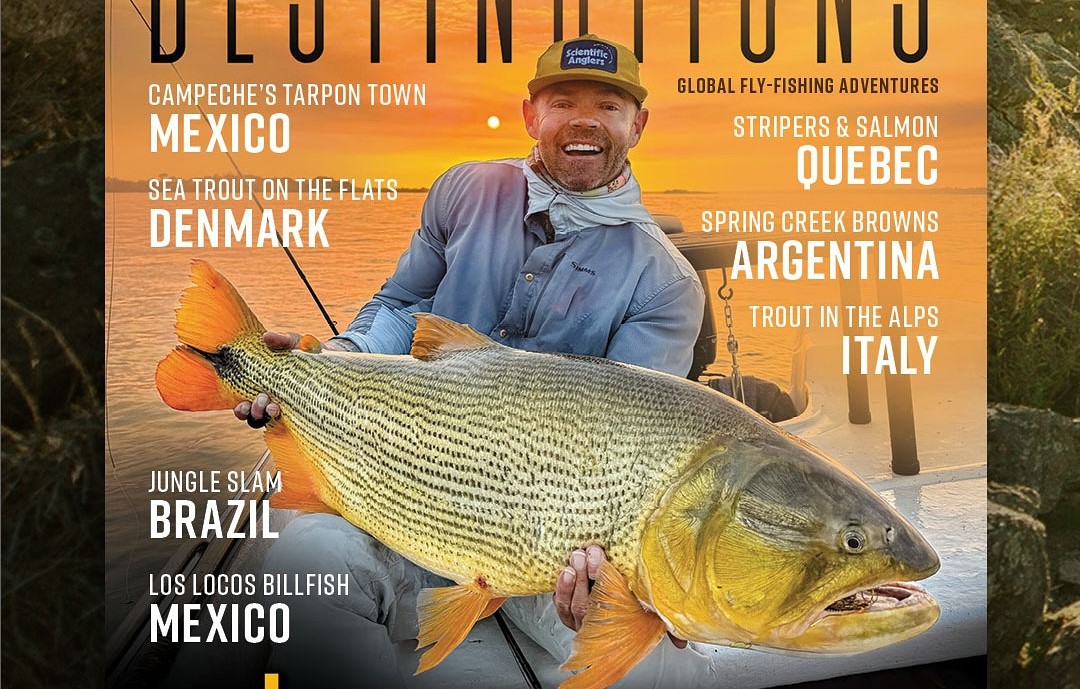
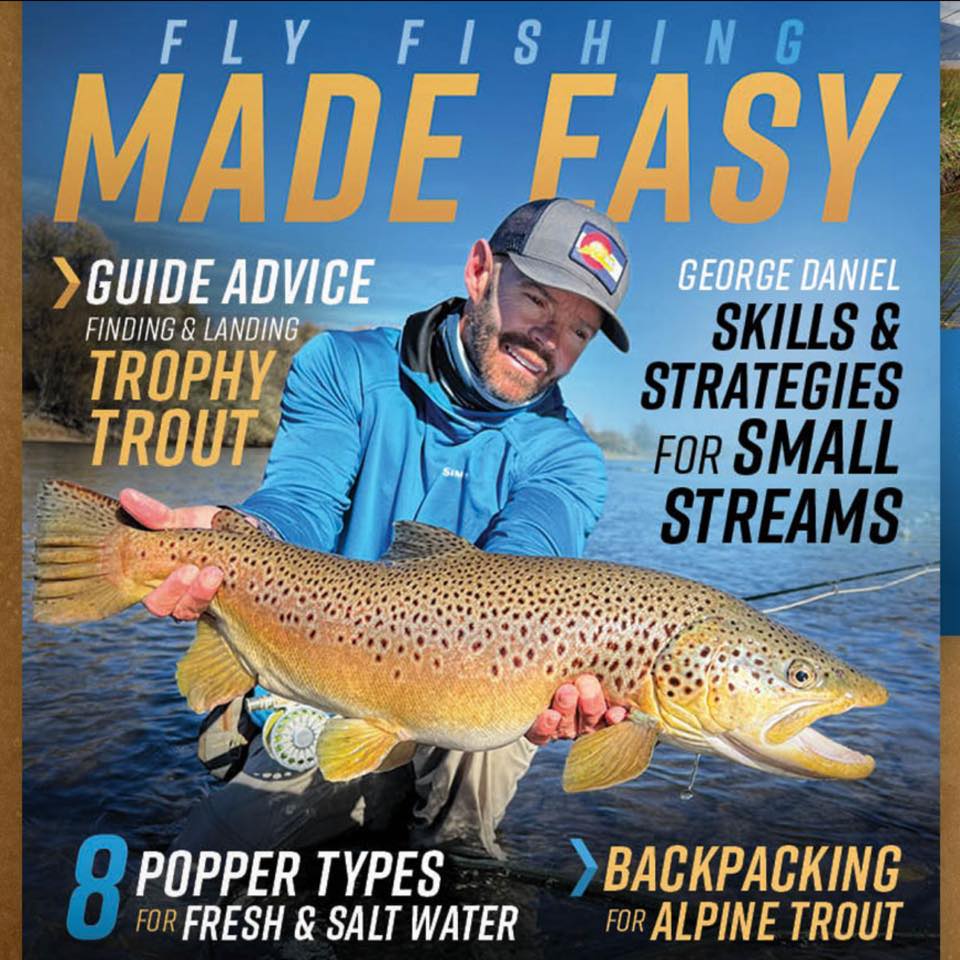
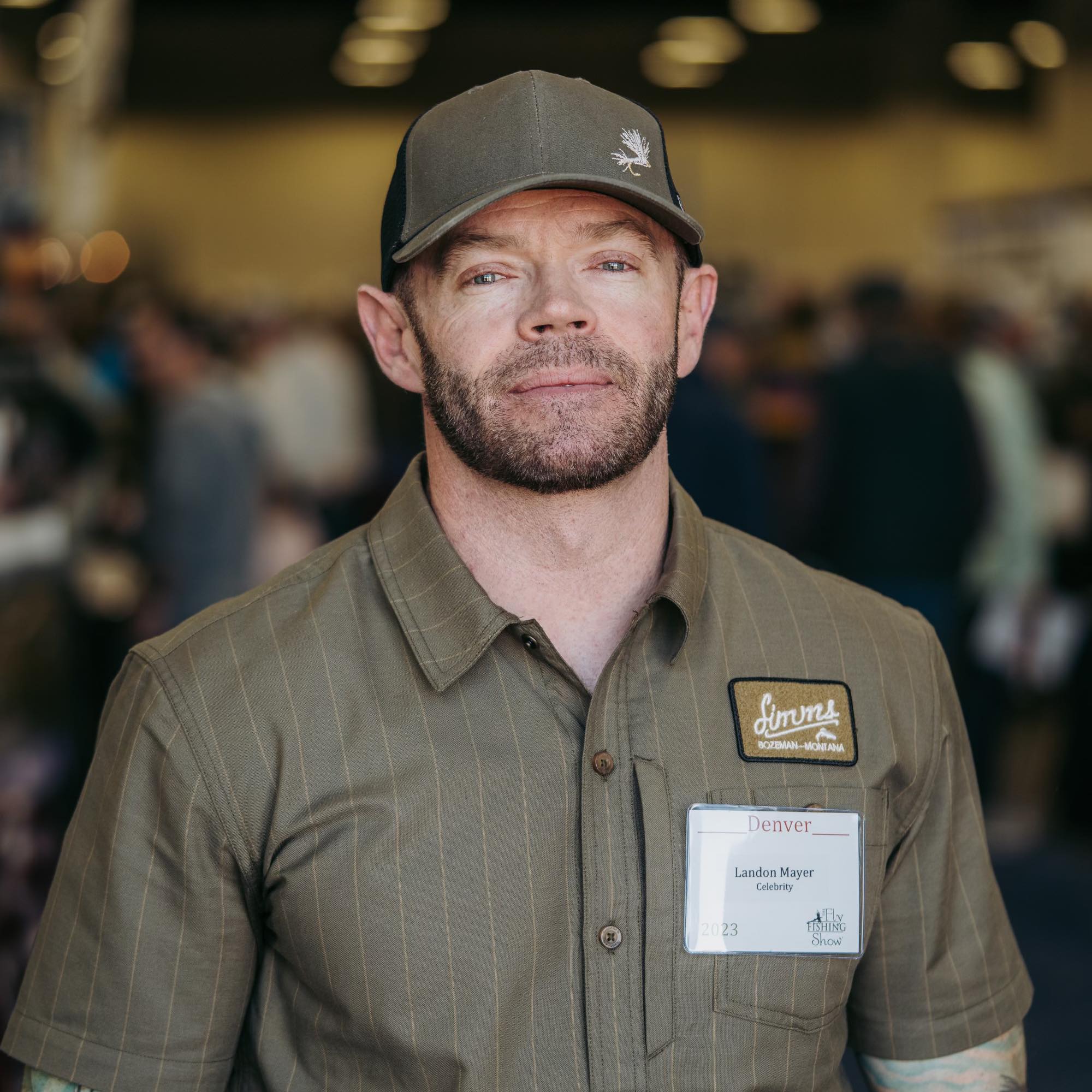
In this episode of CJ’s Reel Southern Podcast, Chad Johnson sits down with Colorado guide, fly designer, and author Landon Mayer to dig deep into the art of hunting trophy trout. Landon shares how leeches became the centerpiece of his fly box, recounting the day a broken Slumpbuster pattern forever changed the way he approached big fish. The two swap stories about fishing together, the lessons passed down from mentors like Dave Whitlock, and the subtle craft of teaching casting fundamentals that can make or break a day on the water.
From Colorado stillwaters to Arkansas tailwaters, Landon explains how leech patterns double as damsels, baitfish, or crayfish depending on how they’re fished — a versatile key for turning followers into eaters. Chad adds his own Ozark perspective, highlighting the region’s emerging sulfur hatch and how local anglers are discovering a brand-new dry-fly game for giant browns. Together, they dig into small-stream tactics, big-river strategies, and why introducing overlooked food sources — whether a micro leech or a catalpa worm — can unlock fisheries in unexpected ways. It’s a rich mix of tactical tips, storytelling, and philosophy on staying a lifelong student of fly fishing.
Episode Transcript
Chad (2s):
Welcome to CJ’s Real Southern podcast. I’m your host, Chad Johnson, fly fishing guide storyteller and southern soul through and through from the front porch to the river banks. This podcast is gonna be about connection, friends, and maybe learning a trick or two about trophy fishing. So grab a sweet tea tie on your favorite fly, and let’s go fishing. Hey, I am real excited about tonight and tonight’s guest. Before we get started, there’s a couple of things I wanted to talk about. One is, as these podcasts go on, guys, I’d like to kind of talk to the audience a little bit.
Chad (49s):
So I’m gonna give y’all a email address, it’s CJs real southern@outlook.com, and y’all send me in some questions. We’ll kind of pick a question or two a month and just kinda answer those and the best we can. And it’s just a little bit of a way for us to communicate. All right, thanks guys. So I got one more thing, little oddball, but like all of you guys know, Mr. Dave Whitlock passed away a couple of years ago, and Ms. Emily has come to me and Ben Levin to see if we would help her sell some of his things.
Chad (1m 29s):
She’s ready to clear some things out, and so we’re not exactly sure how the sale’s gonna go yet, but y’all just start looking at either mine or Ms. Emily Whitlock’s or Ben Levin’s email or Facebook sometime around the 1st of October, and we will start posting what we’re gonna do, how the cell will work, and just kinda where we’re gonna go with it. See y’all just kinda keep your eyes open for that and you know, if, if you wanna be a part of that, we’ll make that available to you. So tonight, man, I’ve got Landon Mayors outta Colorado.
Chad (2m 12s):
He’s been guiding there over 20 years. Most of you guys have heard of him. Good lord, he is done Tons of books, you know, he is got 101 trout tips. Colorado’s best fly fishing Landon’s guide flies site fishing for trout, the hunt for giant trout, and I’m sure there’s more, and I’m forgetting something. He’s traveled the world and taught classes and like he’s all over the place. But it’s good to have you, Landon.
Landon (2m 45s):
Thank you, brother. It’s great to be on, man. Good to hear your voice. And brings me back to some of the days we spent on the, on the boat in your neck of the woods, chasing after those giants. Man, that was fun.
Chad (2m 56s):
I know it was kind of a, yeah, we had a couple of experiences with the low water and different things, but you know, that that is part of chasing these big trout on our tail waters. You just, you never know what you’re gonna get and you, you go with what you, you go, what you got. We had a pretty tough couple of days of fishing, but, but yeah, man, it was fun getting to know each other and kinda making that connection. And I’d say, thanks to you for letting me play in the book and, and be a part of that. Yeah, that was, of course, that was freaking awesome. And of course, brother, so yeah. So what do you have going on these days, Landon? Kind of, what are you doing over in Colorado? Like, kind of, I mean, most people already have read your books or know who you are, but for somebody that doesn’t know who you are, what are you doing over there?
Landon (3m 42s):
Yeah, right now we’re, we’re chasing some of our Stillwater fish that are eating C beta dries, and we’re dropping some of my leach patterns below hoppers and getting after some of the fish in the dog days of summer, trying to focus on the deep water game, not so much the river. We have a really cool cleanup coming on. It’s our 10 year anniversary of Clean the Dream, which is amazing. We get up close to 300 volunteers and we get close to 2,500 pounds of trash, and we clean literally all of South Park, which is 200 miles in circumference. So that’s on August 30th. And we’re, we’re super stoked and it’s exciting to see the families come out and everybody celebrate cleaning and, you know, giving back and protecting the resources.
Landon (4m 24s):
So it’s a lot of fun. But that’s, that’s in the immediate and some trips coming up, I’ll be in Alaska again finally, that’s, it’s been about five years since I hosted there, so we’re gonna be going down to lower Tulare Creek at the end of September. So I’m, I’m looking forward to that. And, and my daughter’s attending college. My son’s growing, seems like an inch every month and love, love being the father. So he’s eating all my food, man. I gotta, I gotta stay in the water, busy, you
Chad (4m 52s):
Know? Yeah, that’s right. You gotta work, baby. That’s
Landon (4m 54s):
Right, that’s right. But yeah, it’s been fun. It’s been fun, man. I’m, I’m just thankful to be out and staying healthy on the rehab from the back injury and trying to be stronger every day. So I’m, I’m thankful for every step and fish and, and all the friends along the way, brother.
Chad (5m 7s):
Right on. You got any, got any projects in the works right now?
Landon (5m 12s):
Right now I’m working on doing a, a casting book with Jay Nichols, which I’m excited about. There’s, as you know, when you get in the boat or you get out on foot and you’re, you know, analyzing and assessing what your clients can do for a cast or how you can help them day to day, that’s, that’s one project I have not done. And I’m, I’m excited about it because from the beginning, taking the Federation of Fly Fishers course, that was probably one of the biggest and best moves I ever made because I can within five minutes kind of see what’s going on, help somebody, and most importantly, as we do when we’re on the water with clients, you know, have them successfully make a cast and presentation. So that’s, that’s in the works right now. And hopefully in the next year that’ll be complete.
Chad (5m 53s):
Yeah, it, it’s, it’s a, it’s crazy how people think that’s so unimportant that they learn their cast and practice their cast. I mean, all of us as guides, we, we determine where we’re gonna take somebody for the day, what fish we’re gonna present to ’em, like the whole thing. And if you’re a good guide, that’s what you’re doing. You’re taking the skill level you have and, and like, hopefully teaching them something for the day. But like, I mean, it is the very first part of getting any of it done. Right. It’s so true. Like, it’s so important, especially when we start talking about not just targeting big fish, but really the way that you’re targeting big fish with sight fishing to ’em and, and I mean, they really have to put it on the money.
Chad (6m 40s):
Like the cast is kinda the first initial part.
Landon (6m 44s):
Yeah, absolutely. No, it’s, it’s so true. And you know, I think a lot of bangers, what I’ve realized over time is that many anglers cast to the river or cast to the water, which is the first step, you know, along with reading water. But then when you get somebody and you teach ’em how to cast long, the hardest thing, in my opinion is to teach them how to cast short when you can’t load the rod with the weight of the line and you have to make, adapt and adjust to where you’re casting 10, 15 feet, and like you said, it’s on the dime or it’s close too. That really is the challenge. And you hit it spot on where you watch somebody cast and within five minutes, it’s not just the preparation the night before, it’s the preparation right there and then on the, on the boat or on the water. And when you do that, it really does make a difference, I think, in how not only successful you are, but also making the client comfortable and then bringing everybody’s success by the end of the day.
Chad (7m 33s):
Yeah, that just reminds me, one time I was talking to Dave and I, I told him, he wrote in one of his books where his favorite thing to do is throw a damsel, fly over a lamb, let it sit and twitch above the water, twitch it off into the water and watch something, eat it. And I was like, Dave, you gotta quit telling people that, like, do you know how many people can throw that into that tree and twitch that out and not get, get hung up? And he goes, well, Chad, did you stop and give them a casting lesson?
Landon (8m 6s):
That’s so true. Right? That’s so true. That’s amazing. That’s awesome.
Chad (8m 11s):
So I never forgot that. I was like, All right, so if they’re not getting it done, it is always worth stopping and taking 15 minutes and trying to work it out because you’re fixing to fish for the next seven hours. Right? Exactly. Exactly. You let ’em do that for seven hours, you are gonna stop and do a 15 minute class and get ’em there. So you really just felt like taking, taking the course for yourself got you to where you could do that like more efficiently?
Landon (8m 37s):
Oh, a hundred percent. I mean, I look back at it and I think to myself, one of my, one of my favorite videos when I was younger was the Mastery Series from Scientific Anglers. And, and one of my heroes on that was Doug Swisher, and he talked about the microsecond wrist, the microsecond wrist, and he is making all these cast on the clock. And later on when I started testing and was finally tested, it was Randy Swisher that tested me. And it’s one of the most valuable positions I’ve had as a, as a guide. And then learning how to become a teacher because it, it allows me to, within the first, you know, hour, five minutes realistically, but within the first hour, not only help somebody cast, but I think this is the most important part. It’s allowing them to learn from you when you break it down into threes or you keep it short, you’re not confusing them by overtalking the situation.
Landon (9m 24s):
And I, I used to do that before I, you know, became certified and now, now I can tell them within three steps or what they can do to make an adjustment. And it’s, it’s quick and it’s easy and it starts the process of that learning catch and experience throughout the day. So yeah, it was, it was so valuable. I I’m so thankful that I actually took that step for sure.
Chad (9m 43s):
That’s cool. How long ago did you do that?
Landon (9m 45s):
I did that when I was 22, so that was my, my fourth year into guiding and, and I’m now, I can’t believe it. Next year is my 30th year, so it was way back
Chad (9m 56s):
30.
Landon (9m 57s):
Whoa, okay. Yeah. Yeah. 30 straight outta high school. And, you know, I remember this too. It was, it was amazing. I had a, another mentor, and you know this, as you know, man, there’s so many people in this sport that help you become a better teacher, just kind of take you under their wing and help you out along the way. And if you remain a student and you put your ego to the side, you learn so much from so many wonderful people. And Dusty Sprague used to be with the Federations and he was the Board of Governors and he opened up Dougherty High School. So every Saturday for like six months we’d go into Dougherty High School and we’d film ourselves casting. And then it was neat because it wasn’t dissecting somebody else’s cast, I was putting myself on the chopping block.
Landon (10m 36s):
And man, I was learning so much about creeping and not pausing and loading the rod and all the different things that will help you get, you know, get distance and help you become a better angler. And for that I’m thankful too. ’cause you just, you see it, you visualize it, and then you become a better teacher that way too. So it was, it was pretty fun, man. Yeah. Good way to spend a Saturday.
Chad (10m 55s):
Yeah. Right. So also understand that just here, pretty recent you moved from Uncle Feather merchant to MFC?
Landon (11m 8s):
I did. Yeah. It was actually, this is the first time really talking about it. And it was, it was a challenging move to be honest, for sure, Chad. ’cause I, I’ve been with Qua for a long time and I have a lot of mentor and friends and there was no bad blood, no burned bridges. It was simply something I prayed about with my family and decided I needed to make sure that my fly stay in angler’s hands. And moving from qua feather merchants to Montana Fly company was not an easy decision to make. I, I prayed with my family, thought about it very hard, and it, it really came down to the fact that I wanted to make sure that my flies were available to anglers and the cost of flies was a factor.
Landon (11m 49s):
Deliverables were a factor in fly shops. And then ultimately making sure that every flight that I use as a guide is one that’s available. And, and after thinking about that and making the decision, I’m happy with the decision. And at the same time it was, it was a, a hard decision to make and one that was tough. ’cause there’s so many friends and mentors with Qua and so many great people that have done a lot of things for me. And it’s, it’s a business thing. It’s not a personal thing. But most importantly, when I decided to give my flies to aqua from the beginning, these were flies I developed for guiding, they were simply meant to help people catch more fish. And I think if I can get more flies in anglers hands and make sure that’s at an affordable cost, that’s gonna be the most important thing long term and allow my flies to continue to have life and continue to help people down the road as well.
Landon (12m 37s):
So it was, it was a hard decision. One, I’m super excited about decision. I think long term’s gonna bring all my flies. Even ones that you haven’t seen on the market and make them affordable and, and I, I’m moving ahead man. I’m just gonna keep pushing and keep delivering and, and keep designing the best I can. So I’m super excited about it.
Chad (12m 56s):
Yeah, right. You know, probably four years ago I did the same thing. Yep,
Landon (13m 2s):
Exactly.
Chad (13m 3s):
So I moved from claw feather merchant to MFC as well. It was just the right move for me at the time as well. Sure. For sure. A lot of the same reasons. So one of the reasons, if you guys don’t know Landon, you know, that like over the last few episodes that we kinda talk about trophy hunting and what it takes to make that next step from just kinda catching numbers of fish to trying to catch a nicer fish. And, and so in the past so far, I’ve had on quite a few streamer guys, and Landon has done a lot of work with, I’m sure several guys.
Chad (13m 45s):
I know John Barr, he does a lot of it in his day-to-day guiding where he is catching really nice trophy browns on smaller flies. And so I kind of wanted to bring him in and talk a little bit about that, about kind of not just maybe what bugs you’re using, how you are approaching those fish, what kind of water you need to be able to pull off what you’re doing. Just kind of tell us a little bit about your game, kinda what you’re, what you kind of, I don’t, I hate to say what you’re known for, but what kinda what your program is.
Landon (14m 26s):
Sure. No, I appreciate that. Well, it all starts, and this is a hundred percent truth. I remember the day it changed for me, it all starts with leeches.
Chad (14m 35s):
I’m a
Landon (14m 37s):
Huge believer, man. They call me leach man for a reason. I, I was up on the North Platte River with the Hamrick brothers and John Barr and we’re fishing a slum buster. And the back of the slum buster was working fairly well that day. We were catching some fish and the wire ended up breaking and busting. So it, it led to where you had the rabbit basically coming off the eye of the fly and that fly was twitching and swinging and drifting through some of the shallow water, then going into the deep runs. And all of a sudden the hookup ratio was just unbelievable. And I remember Jason told me, he is like, yeah man, I was, I I used to get these giant cardboard boxes full of micro pine squirrel and my ears started perking up and I’m like, micro pine squirrel.
Landon (15m 22s):
I’m like, what’s this all about? So he starts telling me about it and talking about some of his flies and how small you can make some of these, you know, imitations to where it’s not just a bait fish, you’re starting to concentrate on things like leeches. And I remember going back to the house when I got done with the trip and looking in my box and I didn’t have anything close. So I decided to grab some of the skinniest looking rabbit and olive that I had tied it onto a 24 88 H and just tried to simplify the fly. And I, I ped around the eye or behind the eye and then tailed off to where it was just straight up like a wing coming off the eye, the hook with a little bit of flash on the body. And I couldn’t believe the next day with Dave Hoover on a guy trip, just how productive that fly was.
Landon (16m 4s):
So I went home, man, and I’m like, oh my God, this is insane. And I started just, you know, cranking, I started tying on bugs and trying to decide, you know, how can I make this look like a leach, obviously years after that just started investigating leches. But ultimately, and I know you can appreciate this first and foremost with the giants you have on your waterway, it’s what I think is happening and this is what I believe in now and I have confidence in, and my game is about making a predator enticed, angry, pissed off to where you’re getting the reaction strike. But what you can do with leeches and smaller bugs is you’re not forcing that predator to the edge to where it’s no longer out of its, or in its comfort zone.
Landon (16m 48s):
You’re forcing it out of its comfort zone. And when I realized that’s what was happening, where the fly, you know, the, the streamers being chased by the giant brown a thousand times, you throw the freaking kitchen sink, the fish won’t take, you start crying profusely into therapy, you know, saying you’re like, yeah, it’s not taking. So mixing that up to where I started tying unweighted and then I started using the jig hooks where I had the mini leach jig, the mini leach jig radiant and the mares mini leach. When I started nipping those and dropping those below hoppers and started getting those to drift into these structure zones on the edge of rivers and then started traveling about the globe, it was unbelievable.
Landon (17m 28s):
The response, not only do you get that predator to really react, but by keeping it in its comfort zone, it’s almost so much confidence in that fly that that’s pretty much what I have on my rig 90% of the time. And it’s, it’s changed the way that I think not only my clients can get into big fish, it changed the way I believe big fish feed. And it really has just allowed me to remain a student to where I’m continuing to try to evolve and try to see how these predators are coming out. Man. And even talking about it now, man, it gets me all amped up. It gives me, you know, those butterflies.
Chad (18m 1s):
Well, you know, the deal is, is I, I’ve, I’ve kinda said that forever about what we’re doing. You know, I, I don’t feel like at all that we are feeding these fish. I mean we, we had a huge portion of the fish that we catch down here are males. It’s because they’re the most aggressive ones. We’re getting aggression bites a lot of the times. That’s why you can come here and you can throw a four inch fly and you’re probably not gonna get the bite that you may get off of a seven or eight inch fly because a four inch fly is not aggressive to that fish. Right. A seven or eight inch fly is aggressive enough that they wanna make that reaction bite. But you pull ’em out of that comfort zone that you mean, and like Dave Whitlock told me one time, like, now I know I keep going back to him, but that was who I, you know Yeah.
Chad (18m 50s):
Was under, he goes, Chad, I don’t want you to quit what you’re doing, but I want to, I want to tell you something. He goes, I just want you to know it takes a special fish on a special day to eat that big streamer. But every one of those fish weighed a two inch minnow and they was just basically going, don’t forget, like you can get a reaction bite from ’em, but don’t forget they also feed
Landon (19m 16s):
Oh, they have to. Exactly.
Chad (19m 17s):
Exactly. And to like, you’re reacting so much more to that feeding bite and it doesn’t bring ’em outta that, that’s their feeding mode. That’s their natural everyday thing that they do. What I’m trying to do to ’em when I drag those big streamers is I’m trying to piss ’em off, be in their face, be in there, they’ve gotta run. And unless they’re in that aggressive posture, then you don’t get that bite.
Landon (19m 44s):
Exactly.
Chad (19m 45s):
And and how often do we find them in that aggressive posture? So it’s like, you know, I a hundred percent understand like the difference between the two. That’s kinda what’s so cool about what you’re doing. You’re, it’s the difference. Us boys are getting reactions. You are feeding those fish, right?
Landon (20m 4s):
Yeah. It, and you’re exactly right. I mean the, I think of it like this, you know, you’re at the Super Bowl party and you’re getting ready to leave and everybody’s saying their goodbyes and you walk past the table, it has a few snacks left and you’re like, oh, why not? I’ll grab another one. Just chew it down. And I think that’s the way a lot of these large predatory fish are. You know, they’re feeding, they’re opportunistic. And then also, you know, from a juvenile state, they’re also feeding on a lot of these different food supplies. And the cool thing about what leeches have led me to is understanding that a leach can imitate exactly that. It could be a leach, if I fish it a certain way and I twitch it and jiggle it and you know, swing it in a run, it can become a bait fish.
Landon (20m 45s):
If I pause and drop it, it can become a juvenile crayfish. If, if it’s olive and below a dry fly, it’s a swimming damsel mi And that’s, that’s one of the things that I think I appreciate the most is that the leeches are not only bite-sized meals, because like you’re saying, and like we both believe in these fish have to feed, it’s also extremely versatile. So it’s, it’s now imitating what could be two to three different food supplies. So there’s another way to really get those fish to react and trust that what they’re doing is the right thing to take that fly. And it’s, it’s just a game changer, man. I’m, I’m literally thankful for the day I had that experience with John Barr and the Hamrick Brothers on the North Plat. But I’m also extremely thankful for the thought and the idea of just coming up with these leach patterns because it allows me to not only be confident in each day that I fish, it also allows me to target different seasons.
Landon (21m 38s):
So, you know, you can be pre and post spawn when the fish are migrating in the fall, let’s say for the Browns. But what a lot of people don’t realize, and I learned this from your waters, it’s the post bond fishing for the browns when they’re incredibly hungry, they’re healed up and they’re ready to maximize any bite-sized meal they can find. Man, it’s, it’s unbelievable.
Chad (21m 59s):
Yes, yes. They’ve on the feed sacks. I mean, they’ve been working Oh yeah. You know? Yeah, exactly. Yeah. They’ve been working and so I mean we even have that in like, something as simple as some of the generic nymphs that we tie can imitate multiple things. Right, exactly. And exactly. So, so yeah, you found a way to make it fit in multiple situations. Like you would feel very comfortable taking that to a small mouth stream and feeding them a baby crawfish.
Landon (22m 29s):
Exactly. Exactly. Yeah. And I’m excited, I’m excited for that. I gotta come visit you and do some more of that. We’ve, we’ve got some bass game in Colorado for sure, but I gotta come and chase some of those red eyes, man.
Chad (22m 41s):
Yeah. You know? Yeah. We’ve got a few spots now that are, that we’ve got, we’ve got some pretty nice small mouth fishing these days. Heck yeah. That’s awesome. That’s awesome. Our issue with our small mouth game is like the places that we go to get ’em aren’t very big. Right. And so they can’t handle much pressure. Sure. And so that’s really a huge reason why you don’t see tons of people in our area, our guides that are really pushing and trying to sell small mouth. Right. Is because most of our creeks can’t handle that pressure. Sure. And so we’re more inclined to have a customer here for the day and go, you know what, man, the white river’s doing this right now are such and such and such such, but I’ve got this beautiful little small mile stream if you want me to go take you down it for the day, like they’re on right now.
Chad (23m 34s):
And I’d love to take you and if you don’t mind me blindfolding you for 30 minutes, then we can go. Exactly. And so that’s kind a lot of our small mouth fishing is, but Yeah. But there is some really good small mouth fishing around here that’s, I appreciate a lot because for us you gotta realize, I mean, and I try not to put too much emphasis on this, but they are our native wild fish, you know, so it’s really cool to kinda get on our native wild fish. It’s just kinda neat. And we have, we have this really cool, I mean, it, it would be called a rock bass, a goggle eye if it was anywhere else.
Chad (24m 16s):
But we have one that’s actually specific to here that’s called a, it’s kinda, it would look like a rock bass or something like that, but it’s actually an Ozark bass. Oh, cool. And you only find it on the White River watershed. Nice. It’s the only place it’s period. Wow. And so it’s always kinda cool to catch one of those and you know, be like, All right, yeah, cool. You can only catch this here. So, I mean, I kinda get some of that stuff I, like I say, I try not to get too much in it. ’cause there’s so many now there’s, there’s so many fisheries now that are tailwaters or weren’t what they were before that now have 50, 60, 70 years behind them that’s, that are turning into real fisheries.
Chad (25m 2s):
Right. Yeah. Absolutely. Not to call anything fake, but you know what I mean, they begin to like ours. You know, e even in the fact that, you know, when I came here, the river was 50 years old. Well, we didn’t have a lot bug life. I mean we had midges, we had a decent little cadi hatch, but it was just that a decent little cadi hatch. Yeah. And now I’ve been here 20 years and we have a prolific cadi hatch. We have a giant prolific mayfly hatch, a sulfur, and we just see our bug life getting better and better and better because we had all those warm water bugs before.
Chad (25m 45s):
Sure. It’s taken a period of time for those cold water bugs to establish themselves. Right. And so they’re just, I mean, to the point that we can, we’re kinda all sitting around going, well I can’t wait to see what’s next. You know? Right. Yeah. ’cause it, it, I mean they keep showing up and different things and, and we’re seeing a few different little things like on our lakes and different things that, that we’re going. Hmm. I wonder if some of these will come over, you know, now that we have this cold water, I wonder if we’ll begin to get a couple more where, I mean, our dream is that we would get a, a big bug, you know Yeah. Of some sort. That would be so cool.
Chad (26m 25s):
You’re like, we’re gonna get some big stars. I dunno if that’ll ever happen, but that would be so sweet to have a, a big bug. But Yeah. But no, it’s been nice to see over the years how the rivers just kinda come around and begin to really produce some pretty cool dry fly fishing. Yeah, that’s
Landon (26m 43s):
Epic.
Chad (26m 45s):
So you said that you fish your leeches like a huge percentage of the time now. Like you, you’re saying that like between that array, but, but I’ve also seen some of your early work with John that, and I don’t even know where you were, I remember years and years ago watching a video of you and John Barr catching giant fish on copper johns and Yeah. Things like that. And y’all were all site fishing and Yeah. So I know over the years you’ve had those experiences with those bugs Absolutely.
Chad (27m 25s):
And producing big fish. I mean obviously that’s kind of time and place, right? Like, I mean, are there times now that you going and you’re site fishing that, that you are using other things? I mean, there’s a hatch going on, you’re not putting a leach on.
Landon (27m 41s):
No, no. It’s, it’s a hundred percent true. Like I’ll have, you know, the Copper John game, the attractor with the Ns. I mean that still is a part for sure. I mean, if we have red as an attractor colors spring and fall, we’ve got green with the CADs. And when I say leeches, you know, it’s just attaching it to the different disciplines instead of, I think now I’m, I’m really turning onto the, the dry dropper game beyond just on the edge of the bank or just doing it. When you start seeing bigger bugs, it’s a better way for me to navigate shallow water. It’s a better way for me to navigate and match the hatch so that, that’s played a huge part. And then there’s always, you know, I love double trouble rigs where you’re doing the nymphs and you’re doing the leches and you’re mixing those together.
Landon (28m 25s):
Yeah. And it’s a solo leach game, you know, if you wanna swing it or streamer style, you can definitely do that. And if it’s an anchor flying a Euro rig, that’s a great way to perform and, and get results as well. But yeah, the copper John is still a staple. And other bugs too. I mean, you mentioned dries, like we’ve, we’ve had so many fish now, for example, we’ll have our migration come up in the spring and we get fish that hold over in the summer. But what we’re starting to find is on our tail water, we’ll have the browns come up in the fall and then they’re pushing water. And the reason they’re pushing water is they’re trying to get it through some of the areas, get it passed through to the cities, you know, wherever the supply and demand is. When that happens though, our browns, we’re starting to see 26, 28, 30 inch browns that will hold over.
Landon (29m 10s):
And the next thing you know, June, July, August and we’ve got these fish sip and trico, we’ve got these fish Oh wow. Sucking in PMDs. And we’re like, you know, you get that freak fish and you’re going, dang, not only are these fish opportunistic and nocturnal, but they’re literally coming out from wherever they’re hiding under the bank or you know, rocks or wherever it is that they find comfort in the river. Then they’re focusing on the hatch. It’s not as long as the other fish and the smaller fish will stand it all day, but in the thick of the hatch, when you have a blanket or theres complexity, you’ve got these monsters feeding, then they go back to hiding. It’s, it’s truly impressive to see that. So I’ve, I’ve become a huge believer in the dry dropper game, a big believer in hatches.
Landon (29m 52s):
And you know, from guiding in Alaska before, the one thing I learned, and that was when I was 23 years old, and this stuck with me the whole time. I remember Don Meam looked at me and he said, you know, the one thing Landon you’re gonna learn from this experience is that your migration is a migration of fish to feed. It’s not a migration for spawn. So when you see these fish moving about the system to eat eggs, you see ’em moving around to eat flesh flies or eat some of the bigger bugs, bigger dry flies. Bringing that back to my house, it was like home waters and sitting at the house thinking, All right, what are these fish doing? That’s what they’re doing, man. They’re migrating up midsummer. And those are, as you know, those are kind of the secret seasons where you know that, you know, July, August the Browns move three months early and next thing you know you’ve got these fish in the river system eating their asses off for two months.
Landon (30m 42s):
So I love that part of
Chad (30m 44s):
It. That’s exactly right. Yeah, yeah, yeah. Our fish are definitely moving way earlier than, than the spawn. Yeah, for sure. They’re not just moving up like, Hey, it’s time to spawn and here we are. Exactly.
Landon (30m 60s):
Exactly.
Chad (31m 0s):
Our fish will begin to push up river. Yes, absolutely they do. Yeah.
Landon (31m 5s):
Love that.
Chad (31m 6s):
We are not seeing our giants, or I’m not seeing our giants on our catis hatch per se. Okay. Not those fish over two foot. Yeah. And I don’t know if that’s ’cause our bugs are all over the place. I don’t really know exactly why, but on the sulfur hatch it’s totally different. Yeah. They’re coming out of the jams, they’re coming off of the bottoms and all of a sudden you’re looking over and there’s a 26, 27 inch fish up and eating sulfur, you know? Yeah, exactly. And it’s so new for us. Yeah. You know, I’ve, I’ve told several of the boys, the boys at the new shop, Andall, the diamond state, that if you wanna make your name here now, you know, don’t chase what’s already been done.
Chad (31m 55s):
We have a new dry fly fishery coming aboard. Be the next dryly guy. Exactly.
Landon (32m 2s):
Right. Exactly.
Chad (32m 3s):
Get that game buttoned down. Yeah. And that’s what you can do here, because we have giant fish on dry. It doesn’t get any better than that. Exactly. We’ve never had it be, we’ve never had it before. And so, like, it’s, it’s a very, very exciting kind of thing that started happening with us here. So it’s, we have, in my opinion, we’ve been a very dirty fishery. Right, sure, sure. Mops. Yeah. You know, mops and girdle bugs and just different things, you know, to get those fish to feed because we haven’t had the bug life that y’all have. It’s more sculpting and minnows and, and you know, so to see a true dry fly fishery starting to come about is pretty cool.
Chad (32m 50s):
I went over to one of my buddy’s house here about a year ago, and older gentleman lives on the river. And I said, yeah, on the way over here I stopped and caught four or five on drives. And he was like, what do you mean? And I went, well, I minute I stopped and caught four or five browns on sulfur. And he goes, where I was like, your backyard. And he goes, no. And I went, dude, come here, let’s walk down to the river. And we walked down to the river and there was just this blanket hatch of sutures in his backyard on the river. And he goes, Chad, do you know how much money I’ve spent to travel the country to fish dry flies? He goes, could you take me fishing?
Chad (33m 31s):
And I was like, yeah, dude, come on. We take you fishing. Like yeah. So it’s, it’s that new that a man would be a fly fisherman, own a place on the river and not even know they were there because he didn’t know to look for ’em, because that’s how new it is. A hundred percent and so hundred percent. Yeah. So very, very exciting for us. That’s kind of a, that’s kind of a mid-June through July event about, you know, we get five good weeks. Okay. And then, you know, and then a little trick couple a week and a half trickle in the front and a week trickle in the back and Right. You know? Yeah. It’s a late game. They don’t come off till four o’clock in the evening.
Chad (34m 13s):
Oh, I love that. You know, so it’s a, you gotta, it’s the best. Gotta do the late game. It’s the best. And the funny thing right now is, so a lot of times here, these last few years, we’ve had big water through that time and you’re sitting there thinking, oh crap, you know, they’re crushing it, they’re not gonna, it’s not gonna work. And no, all of these fish, the bugs are coming off, all of the fish are stacking up behind brush tops and like when you pull up, there’s not a fish. Yeah. There’s 15.
Landon (34m 42s):
Yeah. And they’re all sitting there just gorging Yeah.
Chad (34m 46s):
Gorging behind all these brush tops. Exactly. It’s, it’s, it’s, yeah, it’s, it’s been a lot of fun, you know, of course I’m dealing with a lot bigger river and a lot more water than you’re having to mess with over there, which is very cool. You know, the differences between the two. Oh, huge to you don’t have, you always have somewhere to go fish the type of water you want for the day.
Landon (35m 10s):
Yes. Yep.
Chad (35m 11s):
Is that a true statement? Is that right? It’s true. For the most part. It’s, it’s true. Unless you have Yeah, yeah. Because you can, you can bust to the steel water to the river. Exactly. Now I’m going over to the Wading Creek today. Yeah. You have so many things accessible to you. Right. Totally.
Landon (35m 27s):
The diversities, I mean that, that is really what led me back to Colorado. I mean, when I guided on the nack nack in Alaska for a year, a lot of people ask me questions like, why would you, why would you not stay in AK or, you know, traveling abroad to South America And every single spot that I travel to, I would literally ask myself the question, does this resemble as much diversity as what I have in South Park? And the answer is no. Yeah. I mean that’s what, that’s what allows me the chance these 200 miles and one of the largest plateau basins in North America. It’s, it’s unbelievable. And on the flip side, which you not know, we know this firsthand, it also forces you to be on your a game.
Landon (36m 9s):
Like when you, you know, when you’re on the Stillwater and you’re like expecting it to happen and the wind starts blowing 50 and then you’re like, oh shit, you gotta go down and do the river, then the river’s heat it up. I mean, you just gotta make the adjustments. So it’s worth it, man. It’s worth it in the long run. But yeah, I love, I love that part of it, being able to change it up and dial it in. For sure. Definitely thankful for it.
Chad (36m 32s):
Well, on top of like, I’m kinda on my fishery every day, right? When you’re working, when you’re working six different fisheries to know what’s happening on each one of them on a given day. Oh yeah. I mean, a game, right? Miles, like I get to spend every day. I know what happened the day before I go back out if it didn’t work and I know what my plan B is like, but I mean, I have to deal with all that up and down water, but I get to do it on a daily basis where I, I don’t have to know five fisheries, I gotta know too. I need to know what’s happening. Yeah. I need to know what’s happening on the white and I need to know what’s happening on the Norfolk, you know, outside of my small mouth season.
Chad (37m 16s):
And so it’s just, yeah, what a different game
Landon (37m 20s):
Completely. Yeah. And that, I mean, to be honest, if I asked myself this question, it would be true. It’s before I would say when I started out my first 10 years, I, I felt like I knew some of these fisheries, but now, you know, you hit a couple decades where you’re forced because things change, water changes, fisheries change, and next thing you know, you have to learn ’em all. That’s really the reason I’ve fallen in love with not only rivers, but the Stillwater game too, because it, it gives you options when it’s, you know, the challenge of not only catching larger fish, and I’ll say it ’cause I think this is true, my clients today never been out on the belly boat, never fish stillwaters. The one thing stillwaters do is it forces you, it’s like being in the salt or being in the flats or going after redfish.
Landon (38m 6s):
You’re in control of your line. And if you’re not in control of your line, you don’t have a current, nothing’s helping you drift your line from the start to the end of everything. You have to be able to cast, manage line, hook fish, fight fish, all of it comes to hand. And I think that in turn helps you become a better angler on the river. So it’s nice to see people transition and, you know, make those adjustments and, and build confidence in something that they probably were too intimidated to try to fish before. You know, that’s, that’s how I was when I was young. And now that I have confidence, it’s, it allows you a chance to be a better angler and learn from it too. So it’s, it’s pretty fun, man. I’m definitely thankful.
Chad (38m 43s):
I heard there that you said belly boats, so when you going to these lakes, you’re not, it’s, you’re not like waiting the banks and that kind thing. You’re going out in the belly boat and turning around and fishing back to the bank.
Landon (38m 56s):
Well, it’s a little bit. So that’s where it gets super interesting. So this, I’ll just break down what happened this year. This year, the reservoir, it opened at 47% capacity first time since 1981. And we’re like, oh my God, what are we gonna do? So then the banks and the shorelines, I used to fish and at one point I had a flatboat, a hog island, the flats disappeared, water was dropping. So then I, I’ve got my three man fly craft, I’ve got the oars I’ve got on foot where I usually can wait in stock. But this year, because it’s so low and these fish are so temperamental and open, big sky country, you can’t even get up on a platform on a boat or they’re, they’re gone.
Landon (39m 37s):
So the only way that I’ve been able to find these fish, because the shoreline or edge fishing has disappeared, is to literally be waist deep in the water. So they can’t see within that dome. And it’s surprising how many people will stand up in a boat and wait for the fish to come. What they don’t realize. And you know this firsthand that fish has seen you way back and it’s already bolted on a new path to feed. So it being on the belly boats is not my first choice, but it’s the only choice we have right now. And it’s, yeah. You know, it’s fun. It brings me to my youth when I didn’t, I couldn’t afford a boat and I had to get out to kick my ass up all day. Well I mean,
Chad (40m 12s):
It’s the best tool for the job. It’s the best tool for the job. Right, exactly. I mean, exactly.
Landon (40m 16s):
Yeah. And
Chad (40m 17s):
You’d go Out there and stand on top of a boat and spook their fish off all day and take their money or you can take ’em out and use the right tool. Yeah, mix it up. There’s nothing wrong with that. No.
Landon (40m 28s):
Yeah, no, it’s fun. It’s definitely fun. For sure.
Chad (40m 31s):
So do you have, so you’re doing the flat water thing, do you, what about your rivers? When we’re saying rivers? So I’m saying a river, and today on my river I had 20,000 CFS. Sure. So when you’re talking rivers, are we talking like, are, are they smaller creeks? Are they midsize rivers? So kinda what, what yeah, what are we talking about
Landon (40m 52s):
Small. So what makes the dream unique is you’re talking about a river that today for example, it’s running 112 CFS during the summer it probably gets up to 600. The Arkansas River in Pueblo, that’s about six 50 right now. And then the Blue River in Silverthorne, that’s running about 2 25. So it’s, there’s smaller river systems, but what makes them unique is that they flow into big bodies of reservoirs or they flow to the point where they have enough depth and speed that the fish can migrate up into ’em. And you know, being a hundred right now, the, the saving grace for us is we have tail water. So it keeps it cool, but we also get dog days of summer and I’ve learned, you know, ’cause I’ve had, and you’ve been there too, it’s like you have so many fish you think are healthy when they swim off.
Landon (41m 40s):
And as soon as I get anywhere near that 67, 68, I’m like, we gotta switch, we gotta go do something else and find the cooler water. But it’s, it’s relatively speaking, I’d say an average of two 50 to 500 on a regular basis during the summer and high flows would be, well the 1300, it’s swift and narrow. Okay. Yeah. It’s a lot of walkway. But the Arkansas and the Freestone side of it further up in the valley, a chance to float that and a chance to get people into that fish game, it, it can be fun and it is worthwhile. The challenge is if you get any of that moisture off the 14,000 foot peaks man and you committed a two hour drive, it’s hard to turn around and then find another zone. So you just gotta be careful. Yeah.
Landon (42m 20s):
You don’t blow the day, you know, it’s tough.
Chad (42m 22s):
Yeah, absolutely. I mean like right now dog days of summer, so I mean right now I’m meeting people just after daylight and we’re going out and we’re fishing and let’s be honest, the first three hours are great and we’re catching fish on hoppers and having fun and then that sun gets up and bold and that crap’s over with and they aren’t gonna come up and eat for nothing. Exactly. And I’ve gotta go to garden bugs. You gotta be careful. I’m still gonna, I’m still gonna pick up a few more for, for the day. But like by one o’clock it’s done. Like you, you, you’re not catching anything else. And you can go target some rainbows, you know, here we can kind of do that about any time and you can make the rest of your day.
Chad (43m 7s):
But I mean they’re just not doing it. Yeah. I mean unless you come back out and you do the late, late evening thing, you know, but then you don’t really get in many hours. Now that I understand a little more about what water you’re fishing, I just wanna bounce back a little bit and talk about some of the leach fishing. Every month I try to give the guys like, and girls kinda some nuggets, right? So let’s say I was going to fish a small creek for trout that obviously, I mean most of our waterways have leches. I would think. I would think that is that right? Do most of our waterways, I mean leches are pretty prolific, right?
Chad (43m 47s):
Yeah,
Landon (43m 48s):
They’re very prolific. There’s, I would say at least 75% of the waters you fish are gonna have big numbers. And if not big numbers the leches can represent, which we touched on a little bit before, crayfish, bait, fish, damsel, nymphs, even swimming nymphs too. So you can, you can mix and match if your waterways don’t have prolific amounts of leeches, you’re just trying to versatility or have versatility and try to match another food supply. Yeah.
Chad (44m 16s):
Okay. So the question I was gonna ask is like, so if I’m approaching small creek, we’re fishing for trout, it’s got leeches, what’s your first approach? Like what, how would, if these guys want to go and they go, okay Landon, I’m biting on the Leach thing, All right, I want to go out and I want to try it. They’re on a small creek. What’s the approach? How do you approach it? What would you do? What would be your first thing you’d try? How would you look at that or break that down?
Landon (44m 44s):
Absolutely. Yeah, I love that question too, Ted. It’s so when I love teaching anglers ’cause it’s common for a lot of anglers to become very comfortable and it’s very effective obviously with most of the food supply being subsurface to jump right into nymphs, jump right into the Euro game. Even streamers going down deep, you know, mid column even deep when you’re swinging and trying to search the bottom with leeches, actually do this in reverse. I start from the top and then work my way down. So if I were to first approach leches, I would try to match it with top water gain. Whether it’s an attractor or you’re matching the hatch. I believe that when a fly slaps the water like a hopper is a good example.
Landon (45m 24s):
When the hopper hits, you capture the attention of the fish. Whether or not they take, they’re gonna feel the vibration, they see the movement from above, they see the shadow from below and it allows them to lift up. And the cool thing about leeches, if the trout doesn’t commit to break the surface where they can be exposed to predators and they’re wearer nervous, you’re gonna intercept those fish with the leach hanging below. So I start usually with the top water dry dropper game. And then if that doesn’t work, then I’ll start working down to the mid column. And the mid column could be the fly on a euro rig, on a MPH rig. It can even be swinging flies mid column.
Landon (46m 5s):
But if you’re midco, a lot of times those are moving or drifting food supplies. So that’s the second way.
Chad (46m 12s):
Yes. A little more animated.
Landon (46m 15s):
Exactly. Totally a hundred percent animation. And that’s great that you bring that up because what that represents in my opinion, is a leach that’s balanced. And the cool thing about a lot of the small leches, when I attach ’em with an improved blench knot, the mini leach jig for example, when my pattern’s attached to that knot, it rides balanced. So when you bump, wave, ripple or strip, it’s gonna move and it’s gonna jig up and down, which I think is a huge advantage ’cause you’re capturing the trouss attention. And as you and I both love and we know with bigger fish, you’re dealing with predators and it’s gonna capture their attention to get them a chance to come over and do that reaction strike. So that’s the balance game in animation is definitely huge.
Landon (46m 55s):
And then if, if you do a non-slip monolo knot, then you add movement to the fly. And I typically do that when I swing flies. Instead of it being clenched right at the eye of the hook, I’ll just swing it like you would with the streamer and then you give yourself a chance to really move it on the bottom. And then lastly, if you’re bottom fishing, if you’re popping ’em off the bottom where you’re drifting close to the bottom, you can gauge on a 90 degree nymph rig, you can get close to the bottom. You can even jig in deep sections of deep buckets, especially in narrow waterways where you’re jigging the streamer up and down versus swinging or retrieving. But you’re trying to get that fly to be as low to the bottom as possible.
Landon (47m 36s):
And I believe that’s when the crayfish bite comes to hand. So one of my favorite ways to tie the leches is to do croda orange with the blue body or green body, or you can do olive for the juvenile crayfish and you just pop and drop it on the bottom.
Chad (47m 51s):
Yep. Okay. All of that makes perfect sense to me. So if you was to approach a body of water like mine, see if I, like right now if, if you said, okay Chad, here’s this leach fish, this leach, sure, I would probably, for us, I would go find slow water cut banks, deep cut banks, I’d put it four foot under something and dead drift it down the bank. That would be my first like inkling to go, okay, how will I fish this thing? That would be my first approach. But sir, what you’ve seen our river, you know, I mean obviously when you’ve seen it you got to see it low, you didn’t really get to see it kicking, but like you come up on, you come up on a 10,000 CFS river, you’re not swinging that thing in a riffle, that type thing.
Chad (48m 40s):
So is there a approach with that or is there a certain volume of water that, that you begin to get washed out or, or how would you approach that, that situation? Like if my boys here wanted to try?
Landon (48m 55s):
Absolutely. Yeah. And I, one of those things I’ve always stuck with, and I believe this, especially after fishing your water, even though it was low, I could visualize what it was like when it was high. You could see the high watermark and the, the biggest thing about it for me, when I’m doing the the Leach game in big waterways, instead of trying to attract the fish where they’re not looking up or they’re not always going to be apt to do something close to the surface or a smaller food supply, then you can do double trouble rigs. For example, if you put the lech trailing off a larger streamer, and that way when the fish comes over to chase the big streamer, instead of committing to take that fly, if you have a lech trailing off the back on a loop knot, the fish is gonna see the smaller snack.
Landon (49m 36s):
And oftentimes take that or in reverse, you can have it leading a larger streamer where the streamer’s chasing a smaller bait fish chasing the leach. And then it’s something that’s a double trouble rig where you’re gonna piss the bigger fish off. And I remember on your banks, one of the things I was wanted to do the next time I’m in your neck of the woods high and low water is if there is opportunities to use something large like a mouse or something big to really attract the fish, as we know with whitlock’s history and mouse fishing and all the big fish over there that are willing to eat rodents is to just tie it larger. So when I tie my leach, it’s typically tied with micro pine squirrel, but if I use micro mink, it has a larger profile, I can upsize the hook from like a six to an eight to a 10, even a 12.
Landon (50m 25s):
And then you have a bigger profile where you can drop it below something large on the bank. And again, if you wanted to trail it off of a streamer, you could do that as well. So double trouble rigs are something I’ve started working with in bigger waterways and even, you know, you don’t always see the fish rise, which I think a lot of people are led to reading water, as you mentioned, which is huge. Find the productive zones, the eddies, the side edges, the washouts, the cut banks. And if you find those zones and there isn’t a fish rising again, there’s always the chance to get that fish to look up, even if they’re not willing to commit. And er rodents a great way to do that. We actually tried that and we’re affected doing that with Golden Dorado in Argentina. It’s pretty cool to see ’em react.
Chad (51m 7s):
Okay, yeah, that’s very cool. Okay.
Landon (51m 10s):
Yeah, so that’s it’s fun stuff for sure.
Chad (51m 12s):
Yeah, I mean, you know, my boys here, obviously we have some leeches and I mean, I don’t know how pro exactly, I don’t think they’re crazy prolific, but we definitely, I mean, you go out and flip over a few rocks, you’re gonna find, you’re gonna find some leeches. And, and I know there’s, there’s really not anybody here now, you know, using that or, or using that technique. And so it’s, at least for me, I’m a fly nerd. I love new flies, new techniques teach me too, me a new way to catch a big test. Me too. And I’m all over it. Right? Totally. Totally. And so I’m sure me and my, me and my boys will be out trying a couple of things.
Chad (51m 53s):
And we talked earlier, your flies are available through MFC, correct?
Landon (51m 59s):
Yes. Yes. Yeah. Okay. Starting now. We’re, we’re onboarding everything. So within, within the year we’ll have all the flies transferred over onboarded, and they are already designing and tying and producing and distributing the mini leach jigs and the mini leaches, which I’d love to get your feedback in your boys too, just to see the reaction. A lot of those flies and the radiant series, especially Chad, if you have a chance to fish the color combos, like white and pink, orange and black, rust and green, just something that really can get the fish fired up. That’d be cool to hear the response. Okay.
Chad (52m 33s):
Yeah. Can’t wait to see those. And we’ve had some experiences like that, like whenever I first come here and, you know, we were nipping, one of the things the boys would always use was a little micro jig, you know, and that micro jig was very leechy. And man, I mean, the boys caught the crap out of ’em with ’em. And just over the years, you know how it is over the years, like I’ve got flies that I just don’t use anymore. I know they still work as good as they ever did, and I don’t know, I think we just, we find a bug and it’s working and we stick with it a while, and then we go here and we go there and like, it’s fun to go back in old boxes and pull back out some of the old stuff that you fished and, and see if it still works.
Chad (53m 23s):
And 90% of it still works just as good as it always did. I don’t know why I quit using it, you know, it gets stuffed in the back of a box somewhere and I found something shy, A new shiny toy to play with, but Exactly, exactly. I know that Leach game’s very, very, very interesting. And I just, I don’t hear tons about it. And it’s funny how we can, we can overlook some things that, that our fish are feeding on, and we think we’ve kinda got it pinned down, but they’re, they’re kinda Out there eating all kinds of stuff. It’s, it’s really cool that it seems like every two or three years I’ll hear something and go, oh, well yeah, I mean, we have those, why wouldn’t that work here?
Chad (54m 11s):
You know? Yeah. And it’s really co Exactly. Bring in some of these things from other fisheries that it’s not that they don’t work here, they just haven’t been tried here, you know? Oh, totally. That type thing. Hundred percent. I mean, when I got here, I mean, my goodness, when I got here, everybody was just long line nipping San Juan worms egg patterns with midges and sal bugs type game, whether it was low or high, and Right. They would go up for the shad kill, they would go up and fish a floating shad and, and sunken shad for, for the shad kill when that would come through. And then way back in the day, they would catch ’em on the spawn.
Chad (54m 53s):
And that was really the only times they caught brown trout. Except during the spring when they were fishing worms, they would catch some, a few brown trout doing that. Yeah. But really, they, they’d just catch those brown trout doing that when they were, when we were fishing for the rainbows, you know, and the brown trout were more something that the baked fishermen got. Absolutely. And then we just kind of, a couple of us young guys come in and started doing some things that they were doing in other places, and everybody kind of told us it wouldn’t work here. And, and of course it worked. I mean, their trout. Right, exactly. It was just, it was so new to everybody that they were just like, no, Chad, that’s, that’s not how we catch our fish.
Chad (55m 40s):
And I’m like, oh, I know, but I, I think we ought to try it. You know, get off, get
Landon (55m 45s):
Off the conventional ways. Yeah.
Chad (55m 47s):
Yeah. And so like, anytime you can introduce something new like that, it’s, it’s pretty cool. I, here just a couple years ago, I actually hadn’t said a lot about this, but we have kaaba worm trees all over our rivers, and as a kid, I remember, I mean, we, we would go to the neighbor’s house, buy kaaba worms and catch catfish and buy us and all kinds of things. Right. And never even dawned on me, I mean, been here guiding at that point for like 15 years looking at all those trees, you know. And then I got a house here in town and it had a catava worm tree, and they started falling on my deck.
Chad (56m 33s):
I said, deck as in my porch. Yeah. One of our other things read funny on the paper earlier, and they started falling on my porch and, and it was just like a light bulb. I was like, Chad, you idiot. You know, they’re eating these things. So I went, and so I went and tied my best little worm pattern there and, and, and went immediately to the river, went down the Kotter wall, and I caught four brown trout on the Kotter wall the very first time I threw it. And I just wrapped it up and went home and was like, I can’t believe that I missed that all these years.
Landon (57m 12s):
Yeah.
Chad (57m 12s):
How crazy, crazy is it that I, they were right there staring me in the face and I’m even pointing at ’em and going, oh, hey, look at those trees with the beans on them. You know? I mean, I’m, and never thinking about the worm that’s there to eat ’em, you know? And so that, it’s, that’s amazing. It’s funny how we always, you, you think you’ve kinda got a place pegged and that kind of thing, and you can really come up with these new little tactics or techniques that you may not have tried. Oh, that’s huge. But they can blow it up. And so like, I really will go try this little leach game and see if, yeah. See if it he something Here. He, I’ll have to, I’ll have to get you to email me a couple of pictures of patterns and I’ll tie a couple of things up and
Landon (57m 54s):
Time up. Man, you’ll, you’ll like ’em. I, you know what’s, it’s unique you say that too, because the reason not many anglers, even ones that are fans of the leaches have asked the question, but the way that the mini leach jig was even designed for myself is I would watch conventional anglers come up to our river, the dream stream, other fisheries, and they were using those, those tube jig, the white and pumpkin seed. Yeah. And he would literally pull up to the deep runs, cast out, I’m downstream guiding, you know, two or three folks and I’m watching this guy literally, or gal slay using these tube jigs. And I’m thinking, oh my gosh, first thing’s first thought I got Out there as fast as possible. So I’m like, it’s weren’t watching them paying fish all day.
Landon (58m 34s):
And then I came back.
Chad (58m 35s):
Now when you, when you say tube jig, what do you mean?
Landon (58m 40s):
Like the, the tube jigs kind of the octopus looking white and pumpkin seed jigs.
Chad (58m 45s):
Yes. That they used to catch like croppy with the little bitty ones like they used for crop. The little ones. Yeah. Okay. Yep. Okay, go ahead, go ahead. Two inches. So you got Out there with your customer,
Landon (58m 57s):
Got Out there and I went home and immediately did the same thing in comparison to like what you’re talking about with the worms. It’s, I just designed something where it was a smaller jig leach simplistic in its tie, but also weighted enough where if you get like a 3.2 tungsten slotted bead, it’s gonna sink like a missile. And we went up the very next day and started doing the same thing with white and pink. And I was, I didn’t just, I did white on white, which worked, but then adding that pink was just a little bit different color change in the spectrum. Plus I could use it in different seasons. And then what really took it to another level for me is I was up on the Ku Jack River with John Barr and we were in Alaska and they were fishing a lot of their bait fish imitation.
Landon (59m 40s):
’cause they had some of the bait fish running, and I’ll never forget it, we’re floating down and J b’s like, you know what, let’s just put a slum buster or let’s put one of my flies below an indicator and let’s just dead drift this thing. And once we started doing that on the ques and one of the side channels where you’d only hook one or two fish swinging or retrieving the streamer, as soon as he did that, all of a sudden we started hooking up fish every single drip. And there was a natural limitation, came back home and started doing the same thing with just single leeches or as my anchor fly in the bottom. And it’s, it’s changed the game for myself and most importantly for my clients. I mean that the hookup ratio on still waters and rivers for me with the leach gain is not only for big fish, but just numbers of fish.
Landon (1h 0m 24s):
Because the food supply is prolific, it’s an attractor. And like you said, it’s trying something different. And I’m, I’m a huge fan as well as breaking the conventional mold. And Right. Anytime I have customers, I’m always telling like, bring your flies. Let’s try something new. Let’s mix it up. And then once you find the golden nugget, you’re like, okay, now we gotta mix it up again. Yep. It’s fun, man. It’s worth it.
Chad (1h 0m 45s):
Nope. I had a guy getting in my boat two days ago that broke out his hopper box and I was just like, Man, that ain’t really what we use, but yeah, God, that one right there is awful sexy. Like let’s, let’s ride on. And we, and dude, it caught like, we done great with it. And I was like, that’s great. Do you mind if I, if I keep that one as a pattern? He was like, yeah, dude, you can have it. So like, I actually kept it as a pattern and nice. It’s funny, it’s funny like, I hate to say like us inventors, but the guys that come up with different patterns and different flies and that kind of thing, kinda how things come about, like the worm like a leach from seeing that tube jig and different things.
Chad (1h 1m 31s):
The sluggo for me, I was actually going, everybody fishes it for trout and I was actually going to Alabama to a bass lake and sl I wasn’t getting action outta my big seven inch deceivers in dead water. And so I developed the sluggo so I could get action in dead water. And I actually go do the trip, do great work, great. I have a friend call me and he goes, dude, I’m crushing him on that bug. I was like, where are you bass fishing? And he goes, fast fishing, dude, I’m fishing the white for trout with it.
Chad (1h 2m 13s):
And I was like,
Landon (1h 2m 15s):
Really?
Chad (1h 2m 17s):
I usually use deceivers. Sure. And so like, I wasn’t even the first person to feed a sluggo to a trout. Like I, I I, that wasn’t even what I made it for. I made that fly to go bass fishing. That’s, it’s just funny how these, how things come about for us and kinda how you run into those things through your career that you’re like it, you said it a minute ago, those little nuggets, you gotta keep your eyes open for things like that that happen. And it’s big. I had a scenario on, we talked about on one of my, one of my podcasts, but where my ex-wife was had some handicaps and she, we went spin fishing and I realized that when her hand would come off the rail and the fly would free flaw to the bottom, the next time she’d get her hand back on the rail she’d have a fish on.
Chad (1h 3m 9s):
And I’m sitting there working the rig and trying to bounce it and do all kinds of stuff and I’m not catching jack. Yeah. And she is wearing me out and she can’t hardly hold the rod. And so I’m like, holy crap, they’re eating that on the fall. And I immediately start doing it and it starts this whole progression that turns from small mouth into trout with several different bugs that really a hundred percent changed my mentality and my game on streamer fishing. Like a hundred percent. I mean, not that I’m not still doing a lot of the things I was doing before, but to add that part of the game and as good as it’s been for me is just a game changer.
Chad (1h 3m 55s):
And I just realized it off of a day at the creek when the fish were eating it on the fall, you know, and start this whole development of new flies and new techniques and you, so you really gotta keep your eyes open for the nuggets. They’re easy to miss. Right. Like something happens and you go, oh yeah, that was cool. She caught a couple of fish. Yeah, no, wait a minute. Why did she catch those two fish? Exactly. And you can’t catch crap, you know? Exactly. And so, you know, maybe that’s what makes you the professional that you are, is like being able to grab a hold of those nuggets and actually take ’em and turn those into fish for our customers, you know,
Landon (1h 4m 37s):
It’s huge. I think honestly Chad, I think that’s where fly design in its organic state comes from. I think it’s, it’s not sitting down. And I know a lot of bangers believe that maybe in the off season or when you’re at home, you’re sitting down and you’re developing a fly. You’re exactly right. It’s, it’s witnessing something that triggers the simple details that make you go home and crank out something that’s more complex. But it all starts with the simple details that you get those nuggets. And it’s amazing that I think because of our situational awareness as anglers, but most importantly guides, you see the whole picture. And when we start seeing the whole picture on
Chad (1h 5m 14s):
A daily basis,
Landon (1h 5m 16s):
On a daily man, we, we see it and we’re just like, oh my gosh. Whether it’s fighting the fish or fly design or location or certain, you know, time of day, all of that comes into play. And then when we analyze it at night and we crank something out till one in the morning, we come in the next day and we’re super juiced up, ready to try something new. Even if it fails, it starts the journey. Right. It’s
Chad (1h 5m 37s):
Crazy. Yeah, that’s right. Oh dude. Yeah. There’s how many times if something that you tried didn’t work on the first time? Most, most, you know, most if not, yeah. And then you, when you, you go, okay, why didn’t it work? Okay, maybe I need to do this, maybe I need to do that. Maybe I need to fish it on a different water, the blah blah, blah, blah, blah. Exactly. But we go through those scenarios to try to break that down. And let’s be honest. I mean, it’s hard.
Landon (1h 6m 7s):
It’s hard. Yeah. Right.
Chad (1h 6m 8s):
It’s very hard to figure out what those fish are down there doing and when they’re doing it and when they’re going to eat and when they’re not gonna eat. And like, that’s crazy. Yeah, that’s a great fishery, but we can’t go there today because the oxygen level is low because this flow it. Right. And to fish that particular section, we need 500 CFS and it’s at 600, you know, just whatever that scenario is. And to be able to retain all that knowledge and information and spit it back out for our customers, like
Landon (1h 6m 38s):
Yeah, it’s huge.
Chad (1h 6m 40s):
That’s the big deal. It’s not the the untangling or knots. Yes. It’s not rowing your boat. No. You know, those aren’t the things that you’re paying for. Those are the byproducts. That’s just part of the program. Yeah.
Landon (1h 6m 55s):
Yeah. A hundred percent.
Chad (1h 6m 57s):
Yeah. That’s, it’s so cool. It’s, it’s so cool. It’s, it’s, it’s, it’s a very, very fun game that we’ve gotten to for taking in so to speak. Yeah.
Landon (1h 7m 7s):
I’m thankful for it.
Chad (1h 7m 9s):
So, and I know we’ve got some time under our belt here and all, but like if you have any one thing going on right now, like what do you have going on? What do you, like, do you have any big trips that you’re trying to sell? Are you like, what are you doing? Yeah,
Landon (1h 7m 25s):
It’s, well, I appreciate you asking. As, as you know, it’s, it’s never ending, but I’m, I’m coming up on next, next weekend we have our big event, which is Clean the Dream. It’s where we clean up all of South Park. So we’re 10 year anniversary of that 20, usually 2,400 pounds is what we gather. We clean all the fisheries. We have about 300 volunteers. So we we’re all shocked and disbelief that it’s 10 years running out, it seems like it was yesterday. So that’s, that’s coming up next week. And then I’m going to embark on a journey I guided in Alaska on the nack Nack River in 2002 for 16 weeks. And I’m super stoked to be back there hosting a trip on Lower Tiller Creek. So that’s the end of September.
Landon (1h 8m 4s):
And I’m going to be, I’m gonna be up in your neck of the woods, actually. And that’s coming up October 18th. And I’m going to be going to be doing a presentation and a dinner and I’ll, I wanted to talk to you afterwards and see if you got time to get on the boat together on, on
Chad (1h 8m 21s):
Saturday
Landon (1h 8m 22s):
Or Monday. So it’ll be, I’ll bring some boxes,
Chad (1h 8m 24s):
Don’t some work weekends, so I should be around. Yeah,
Landon (1h 8m 27s):
We’ll do that. And, and you know, the biggest thing for me coming up is I think it’s, it’s this celebration of being back on the wagon, obviously being healthier now, being able to host some trips and tomorrow’s my, my big B dam turning 46, which I can’t believe. So,
Chad (1h 8m 44s):
All right. Happy
Landon (1h 8m 46s):
Birthday. Thank you, brother. Yeah, I’m gonna be out with my little man and we’re gonna go fish spinny reservoir. So I’ll be with my son and celebrating the day of fishing. And you know, people ask me all the time, it’s, yeah, well, and, and you know this because it’s in our blood, but they ask, you know, have you ever gotten burned out? And I tell everybody that the day I don’t wake up in the morning and still get jitters and butterflies about fishing, man is the day I’ll quit. So I’m stoked to be doing that with them tomorrow, but yeah, I’m stoked to be doing this podcast with you too, brother.
Chad (1h 9m 13s):
Yeah. Everybody kinda flips out, don’t they? They go, well, what are you doing on your time off? You’re like, well, I’m gonna go fishing. I’m
Landon (1h 9m 20s):
Fishing,
Chad (1h 9m 20s):
Man, aren’t you tired of it? And you’re like, guys, you don’t understand, like me taking you fishing is not me getting to fish. I don’t exactly me You don’t fish for a living. No, no, we don’t, we don’t fish for bass, pro bass, fishermen, fish for a living. Exactly. They get paid for them going out and catching big fish. We do not get paid to go out and catch big fish. We don’t. Nobody gives a crap what me and you can catch. Exactly. Right. That’s true. Nobody cares. That’s true. It’s true. We can post pictures of the biggest giant holding it all that good stuff. Nobody cares.
Landon (1h 9m 57s):
No, no, not at
Chad (1h 9m 58s):
All. Go and put that fricking 10-year-old kid or that old man, or go the older lady, go put them on a fish and let them hold that big fish. And then people go, Ooh, they like that. Like, nobody cares what we catch.
Landon (1h 10m 14s):
Exactly. And
Chad (1h 10m 15s):
It’s, it’s the
Landon (1h 10m 17s):
Exactly, yeah. It’s always the, the, I’m, I’m interested in this all the time, but I, I think it was well said by one of my clients and he told me, he goes, you know, it’s not about the reward, it’s about the challenge that leads you to the reward. And that’s what we do, man. We challenge ourselves every day being on the water. And we’re at the whim of Mother Nature, which is the hardest commission-based job on the planet, dude. So I’m thankful to be a part of it.
Chad (1h 10m 40s):
I’ve, I for sure, telling my dad, like, the hardest part of my job for me is that it’s the only job in my life I’ve ever had that I can go to work and bust my butt and put in a hundred percent and still end up with nothing to show for it at the end of the day. And I’ve never had a job like that. You know, I’ve always been able to step back and go, All right, look at the productivity I had today, look at this that I built today. Look at the, and on those days that are tough. It can be tough. I take it personally. I do too.
Landon (1h 11m 13s):
It’s like, I don’t sleep all at night from that man. It’s like, you gotta, you gotta figure it out. And as you know, we go, I call my fly time nook the lab, man. You gotta go in the lab and figure it out. And you know, the other thing, I’ll, I’ll leave, I’ll leave the, the listeners with this because it’s huge and I tell the younger guides this, it’s, it’s not about how many fish you catch. What it’s about is, is being prepared to catch those fish. Like preparation is the key to success. And that starts on the vice the night before or week before it starts getting your rigs ready. You know, we’re always contemplating where we’re gonna go. It’s like we’re visualizing the trip before it happens. And if you’re doing that and you’re passionately living the day and vicariously living through your clients, that’s what makes you the best guide on the water.
Landon (1h 11m 58s):
Not the best guide compared to others, but the best guide that you can be on the water. So that’s, that’s a big part of it.
Chad (1h 12m 4s):
Yep, absolutely. Well, dude, I appreciate you taking the time to come visit with us, man. For sure. Thanks for having me. When you come down, when you come down like, let’s get in the boat. Yeah, let’s do it.
Landon (1h 12m 15s):
It’s more crushy, man. I’ll spend a
Chad (1h 12m 17s):
Day shoot, shoot me a text and a date I’ll and all that stuff, and we’ll get something set up on that. Let’s
Landon (1h 12m 22s):
Do it brother.
Chad (1h 12m 23s):
And yeah, guys, Landon mayors, give him a call if people want to contact you and want to go out with you or want to, you know, check you out, where do they go? What do they do? What’s the website? What’s the contact?
Landon (1h 12m 37s):
You bet. Yeah, appreciate that. It’s, it’s Landon mayor fly fishing.com. It’s the same on Instagram, on Facebook, you can dm me, you can reach me through the website and the contact page. Booking trips. I’m, I’m booked every year pretty solid, but I tell people that I don’t book through, so I leave open days so I can transition my days and spend time with new anglers and challenge myself and challenge them and challenge the waters with the fish wheel I love to pursue. So that’s the best way to get in touch with me.
Chad (1h 13m 5s):
Yep. All right, man. Yep. Well, I hope some people contact you. Thank you, brother. Man, it was great having you. And I will contact you in a couple of days.
Landon (1h 13m 15s):
Let’s do it, man. I’ll be in your neck of the woods.
Chad (1h 13m 17s):
Hey, by the way, I need to be hooked up on one of those boats too, so we’ll be talking about that. Oh, let’s do
Landon (1h 13m 23s):
It for sure. It’s happening, brother.
Chad (1h 13m 26s):
All right. Lighter landing.
Landon (1h 13m 27s):
Thanks buddy. Take care, man.