Home Blog Page 44

Littoral Zone #7 – Competitive Stillwater Techniques for the Non-Competitive Fly Fisher with Devin Olsen

Competitive Stillwater Techniques

Today’s episode of the Littoral Zone is a deep dive into competitive stillwater techniques with Devin Olsen, a current member of Team USA. Devin is well-known for euro nymphing, a lethal technique for chasing elusive river and stream trout.

Phil and Devin talk about the techniques Devin learned and used worldwide and how they can be applied to everyday stillwater fly fishing.

This episode is packed with angling expertise that will have you itching to hit the water!

Competitive Stillwater Techniques with Devin Olsen. Hit play below!


apple podcasts

Find the show:  iTunes | Stitcher | Overcast

Subscribe on Android

Subscribe on Apple Podcasts

Subscribe via RSS

(Read the Full Transcript at the bottom of this Blog Post)


Sponsors and Podcast Updates

Competitive Stillwater Techniques

Competitive Stillwater Techniques Show Notes with Devin Olsen

03:00 – Before we jump into today’s podcast, Phil addresses a listener question from our recent two-part episode on stillwater fly lines.

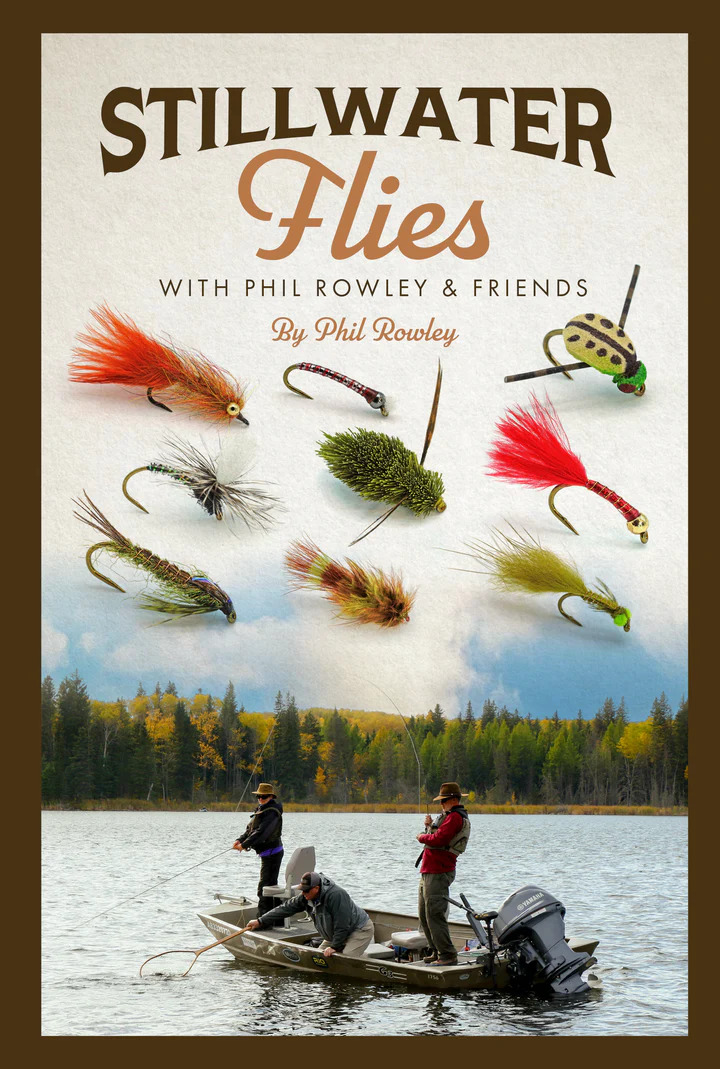
06:30 – Phil also just released a brand-new book titled “Stillwater Flies with Phil Rowley and Friends.” This book is a compilation of Stillwater-focused fly patterns that Phil showcased in his fly-tying column at BC Outdoors Magazine.

09:30 – Devin started casting a fly rod at a young age, and his competitive journey began at 18 with the Fly Fishing Masters competition.

He later joined Fly Fishing Team USA in 2006 and worked his way ever since. He is now preparing for his 13th World Fly Fishing Championships in Slovakia.

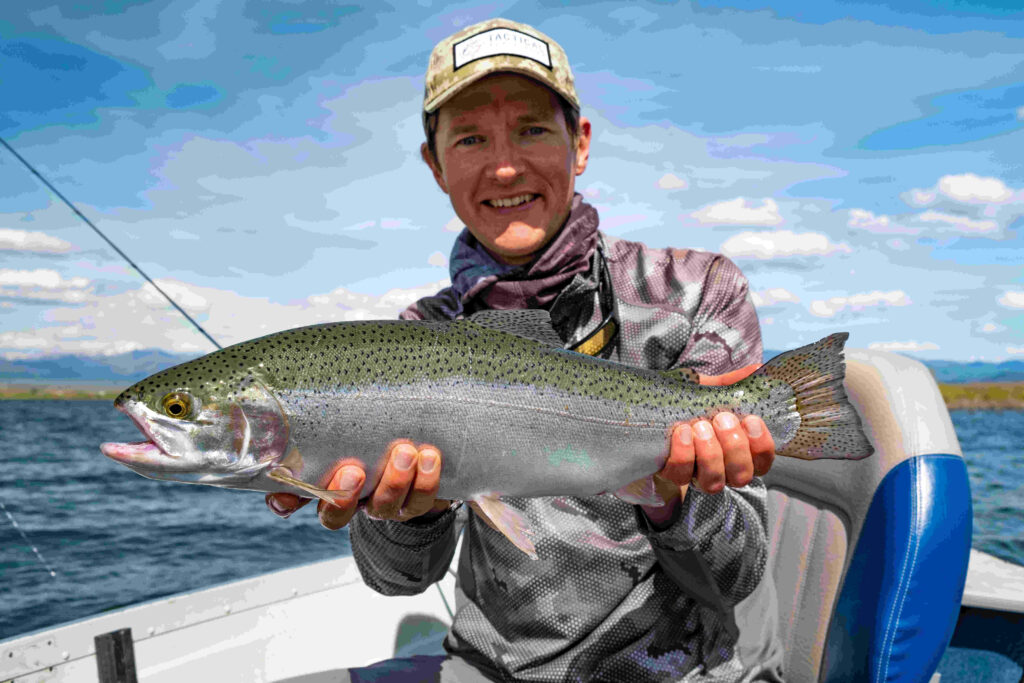
11:43 – Devin is also a former fisheries biologist, accumulating seven years of experience in the field before he started an online fly shop called Tactical Fly Fisher.

Competitive Stillwater Techniques

13:30 – Devin highlights how competitive fly fishing has significantly influenced angling gear and techniques worldwide, even for those who don’t compete.

20:20 – Devin’s early fly fishing experiences revolved around stillwater fishing, influenced by his dad and friends who were enthusiastic float tube anglers.

Loch Style Fly Fishing

27:00 – Devin highlights the difference between traditional North American stillwater methods, such as using indicators or trolling, and the loch style.

28:00 – In North America, boats aren’t often suited for the loch-style approach. However, in the UK and Europe, boats like clinker-style boats are designed with a unique shape that enables them to penetrate the water deeply.

Drogues

29:20 – A drogue is an underwater parachute with a rectangular fabric that attaches to your boat’s gulls and effectively slows you down in windy conditions.

33:00 – The advantage of loch-style fishing is that you’re casting your flies ahead of the boat. This approach keeps the fish unaware of your presence and prevents them from being spooked or alarmed.

38:00 –  Cone-shaped drogues are suitable for drift boats because they have a single rope attachment. The drawback to the cone-shaped drogue is that you can’t use them to direct your boat much.

Devin’s Gear Choices 

56:00 – Devin recommends having a comprehensive range of sinking lines, including slow intermediates to fast sinking Type Seven.

59:00 – In the UK, 10ft 7wt rods are common, while in North America, a split between 10ft 6wt and 7wt is observed.

1:05:00 – In competitive fishing, leaders often feature minimal to no taper. Many anglers in the UK utilize leaders with around 5 to 6 feet to the first fly, and a similar length to each additional fly. The flies are typically placed on dropper tags, allowing for free movement underwater.

Devin’s Top Flies

Polar Humongous

Hook: FM 5095 or FM 5075
Thread: black 8/0 Uni thread
Bead: Silver or gold tungsten bead
Tail: Black marabou
Body: Hareline medium UV Polar Chenille in silver or gold


Tasmanian Treat

Hook: FM 5095 or FM 5075
Thread: Olive dun 8/0 Uni thread
Bead: Fl. orange tungsten bead
Tail: Olive marabou
Flash: Blue Krystal Flash
Body: Olive Spirit River UV2 Scud Shrimp dubbing
Hackle: Olive hen hackle
Dubbing collar: Pearl Ice Dub

Competitive Stillwater Techniques

Blank Saver

Hook: FM 5095 or FM 5075
Thread: Black 8/0 Uni thread
Bead: Fl. chartreuse tungsten bead
Tail: Black marabou
Body: Black Hareline solid Tinsel Chenille

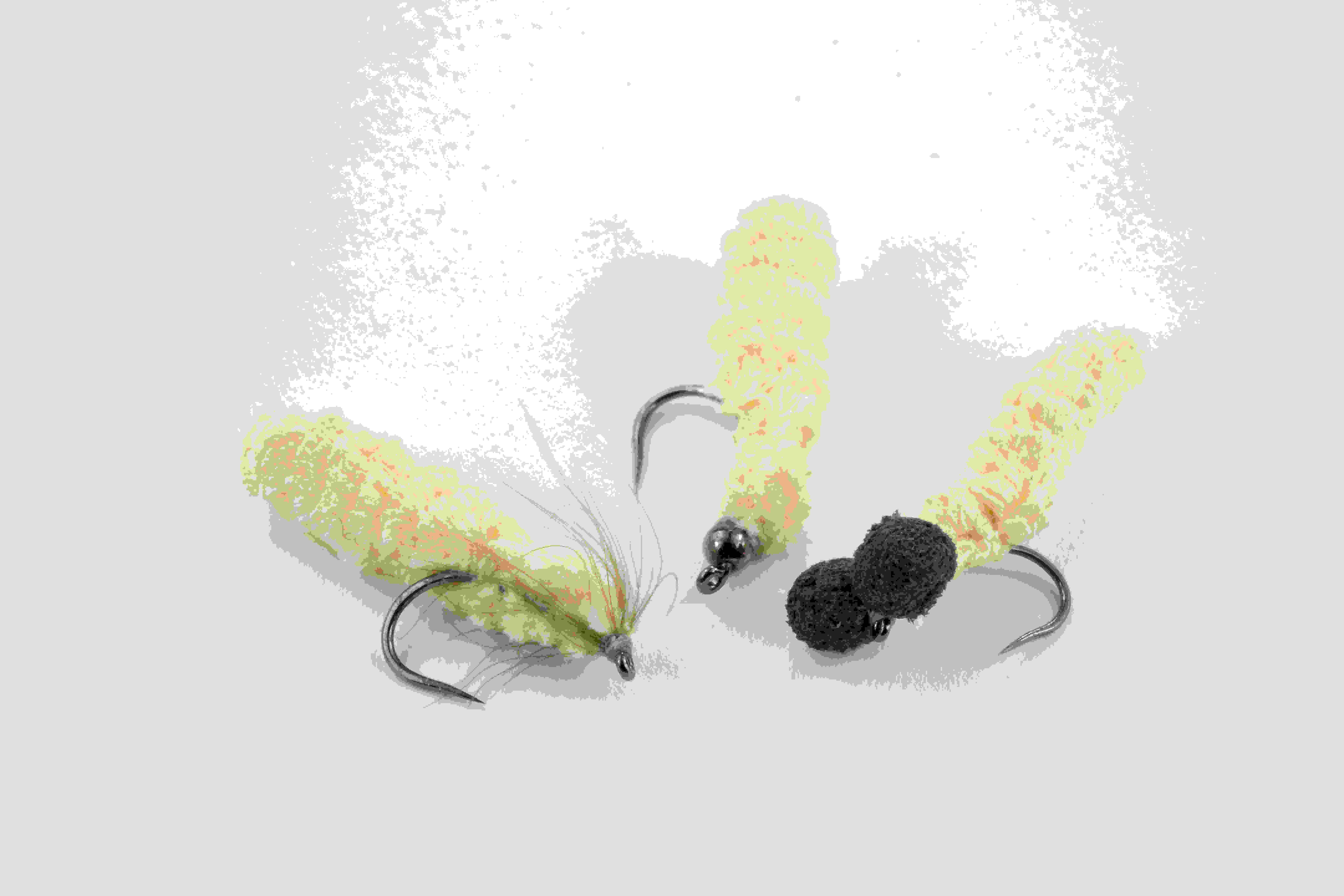
Mop

Hook: FM 5095 or FM 5075
Thread: 8/0 Uni thread with the color similar to the mop body
Body: Mop finger in cream, chartreuse, or any other color you wish to try
Optional bead: Black nickel tungsten
Optional Booby eyes: 5 mm black Booby Foam cylinder

Check out my YouTube video where I break down the 3 Fly Fishing Strategies for Stillwaters:

https://www.youtube.com/watch?v=GzND7RPauGU


You can find Devin on Instagram @tactical_flyfisher

Youtube @tacticalflyfisher3817

Facebook Tactical Fly Fisher

Visit their website at TacticalFlyFisher.com

Competitive Stillwater Techniques Resources Noted in the Show

Competitive Stillwater Techniques
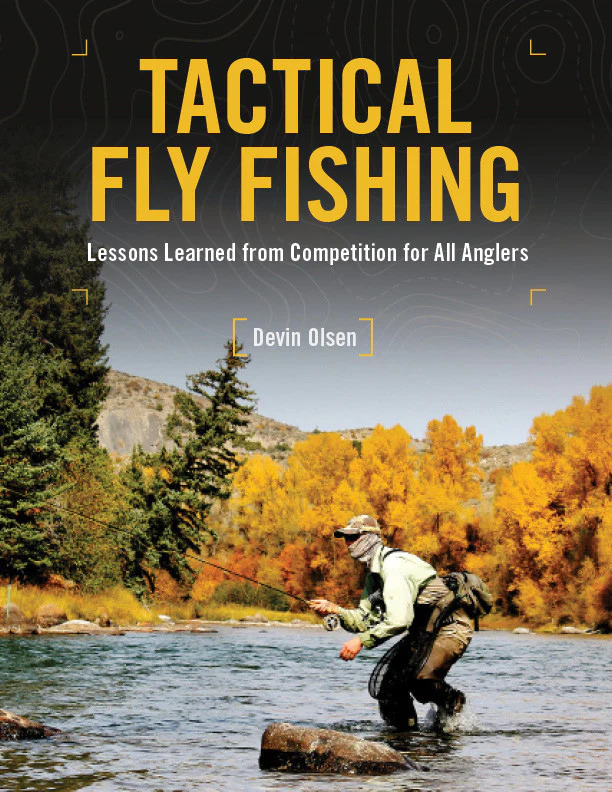
Photo via https://tacticalflyfisher.com/products/tactical-fly-fishing-lessons-learned-from-competition-for-all-anglers-by-devin-olsen

Related Podcast Episodes

Littoral Zone #5: Making Sense of Stillwater Fly Lines with Phil Rowley

Littoral Zone #6: Making Sense of Stillwater Fly Lines with Phil Rowley (Part 2) – Sinking Lines, Hover Lines

Competitive Stillwater Techniques

Competitive Stillwater Techniques Conclusion with Devin Olsen

And that’s a wrap! Get ready to hit the waters and put these tips to the test—your next big catch might be just one cast away!


Traveled #12 – The Pines at Island Park with Corby Egan – Henry’s Fork, Island Park Reservoir, Yellowstone Park

the pines at island park

Corby Egan, owner of The Pines at Island Park, walks us through the rich history, cozy cabins, and amazing surroundings of their lodge. Our chat with him will give a glimpse of what our upcoming Stillwater School will look like.


The Pines at Island Park with Corby Egan. Hit play below!

apple podcasts

Find the show:  iTunes | Stitcher | Overcast

Subscribe on Android

Subscribe on Apple Podcasts

Subscribe via RSS

(Read the Full Transcript at the bottom of this Blog Post)


Sponsors and Podcast Updates


the pines at island park

The Pines at Island Park Show Notes with Corby Egan

1:37 – Corby shares the history of The Pines at Island Park. The lodge used to be called Phillips Lodge which was named after its previous owner, Harry Phillips. Corby and his family bought the lodge in 1997. Read more about their history here.

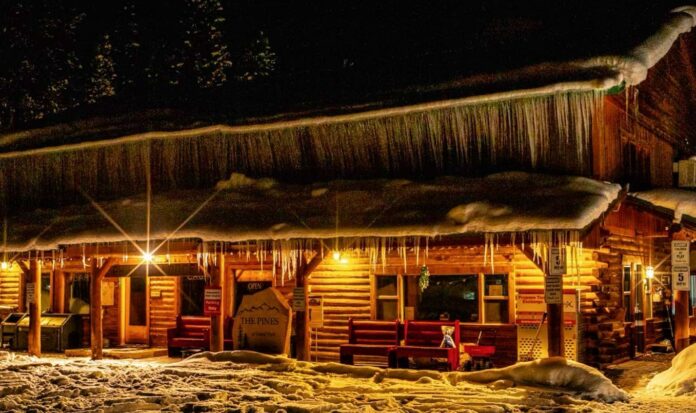
the pines at island park
Photo via: http://www.pinesislandpark.com

10:40 – He talks about the demographics of the tourists who visit their lodge, and also the funny experience of one of their guests who encountered a wild animal during her stay.

14:33 – He describes the Island Park Reservoir.

Photo via: https://yellowstoneteton.org/places/island-park-reservoir/

15:58 – I ask about the Elk Creek Ranch.

19:10 – Corby describes what our Stillwater trip in July 2024 will look like.

25:00 – He shares that time when Gordon Ramsay stayed in their lodge.

26:36 – He talks about the wildlife in their area.

the pines at island park
Photo via: http://www.pinesislandpark.com

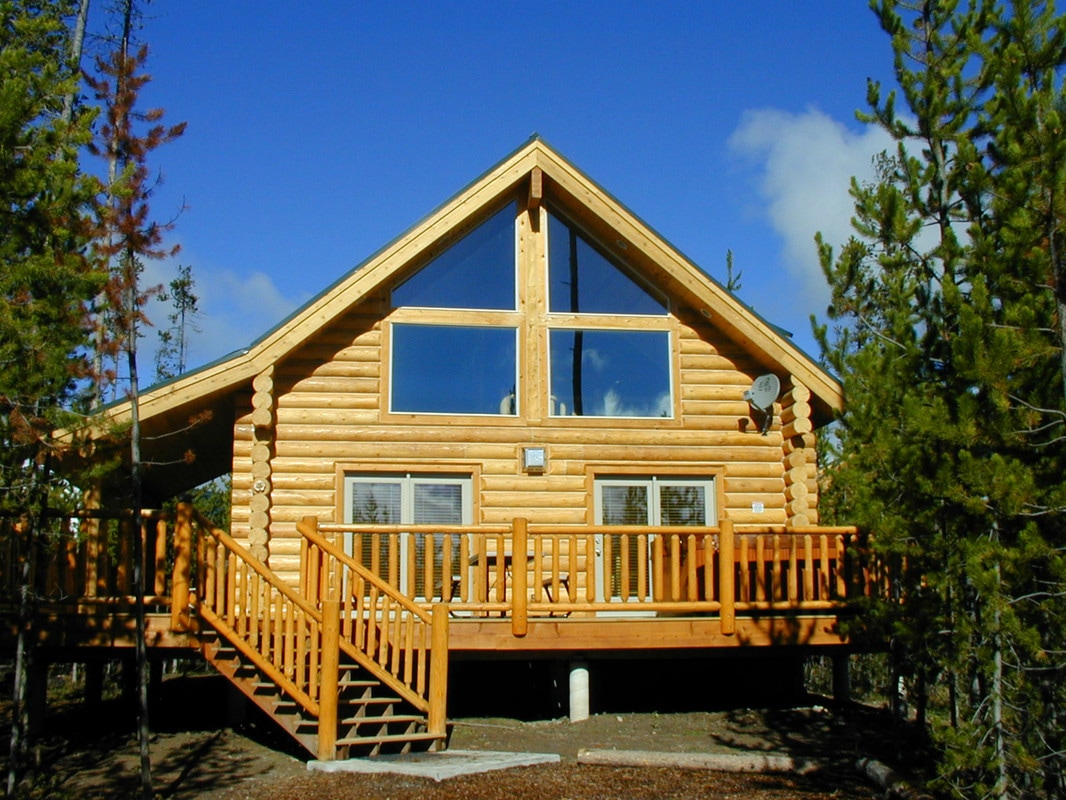
28:02 – He tells us about their cabins.

the pines at island park
Photo via: http://www.pinesislandpark.com/cabins.html

37:16 – He talks about Henry’s Fork and the other popular establishments in their area.

41:22 – He describes what the itinerary would look like if you visit them during the weekends. They have a restaurant that is also open to the public.

45:00 – He recommends going to the Big Springs which he says is the most beautiful iconic spring in North America. That is also where the Johnny Sack cabin is. He also mentions other must-see places in their area such as the Harriman State Park and Grand Teton National Park.

the pines at island park
The Johnny Sack cabin in the Big Springs (Photo via: http://www.pinesislandpark.com)

51:18 – For animal seeing, he recommends visiting Yellowstone Park in the spring and fall.

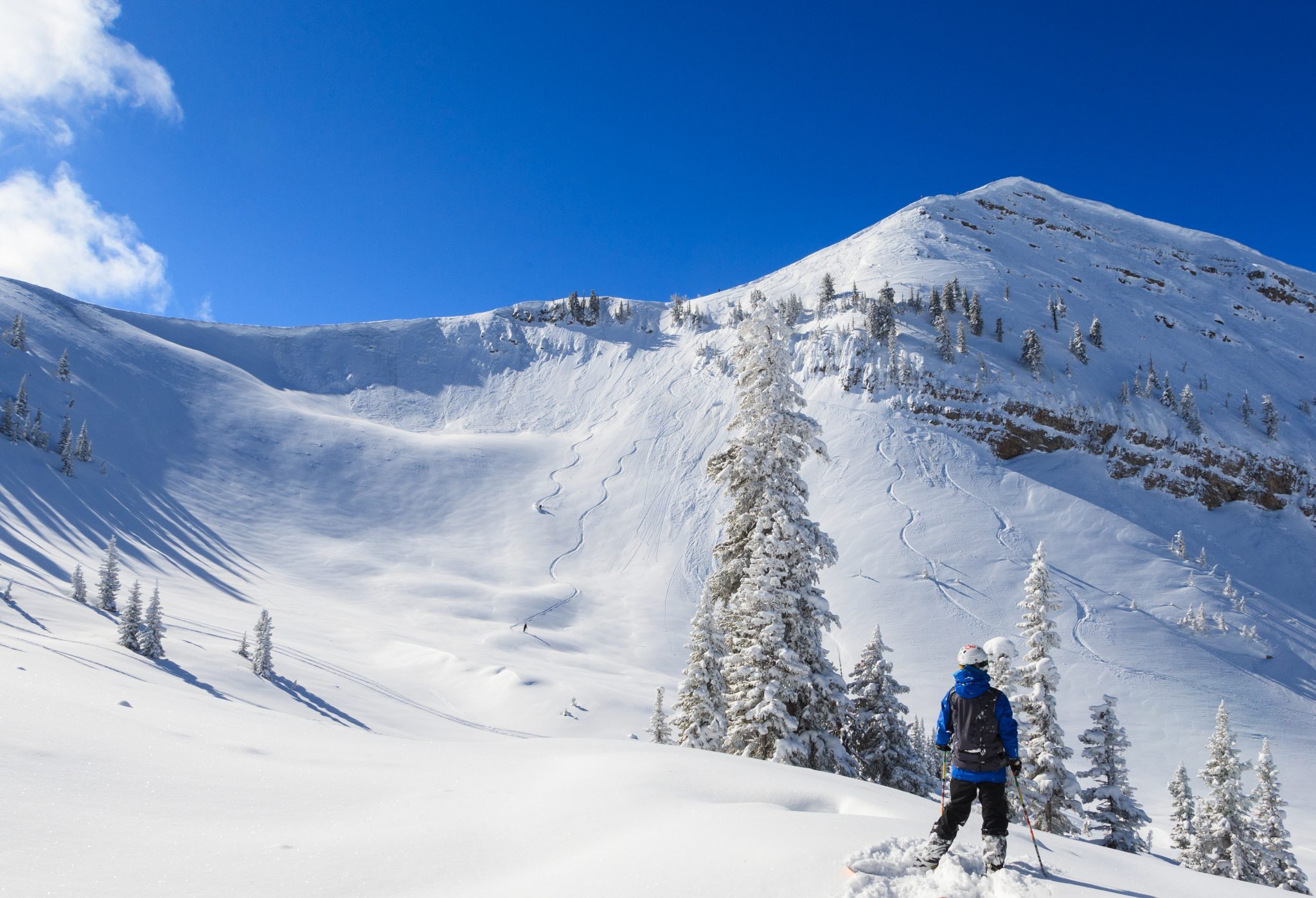
55:12 – The closest place that you could ski in is Grand Targhee. He also mentions some other popular ski resorts.

Photo via: https://yellowstoneteton.org/grand-targhee-resort-has-adventure-for-everyone/

57:02 – He encourages the listeners to go see the lodge for themselves.


You can find The Pines on Instagram @PinesIslandPark.

Facebook at The Pines at Island Park

Visit their website at PinesIslandPark.com.

the pines at island park


the pines at island park

Read the Full Transcript Below

Episode Transcript
Dave (2s): Welcome to Traveled, where we take a journey to a specific region. So you discover what makes this part of the world so unique. Before we get rolling with our guests this week, I wanted to share the love with our Traveled sponsor. This podcast is powered by Swing Outdoors, the Wet Fly Swing podcast and Yellowstone Teton territory. From the Henry’s Fork to the South Fork of the Snake and all the high alpine lakes and streams in between Yellowstone Teton territory provides anglers and other outdoor enthusiasts with all the information they need to plan their next big trip. You can visit wetly Swing dot com slash Teton right now to get the full list of Outfitters Lodges fly shops, and all kinds of inspiration to get you started on your next trip to Eastern Idaho, that’s Teton T E T O n wetly Swing dot com slash Teton. Dave (52s): Let’s do it. Let’s jump in and find out where that road less Traveled is gonna lead us today. How you doing Corby? Corby (60s): We’re doing great. How are you today, Dave? Dave (1m 2s): Great. Great. It’s really great to get have you on here. We’ve been doing a lot of cool stuff out in your neck of the woods. We’ve had a number of episodes on, you know, fly fishing the rivers, and now we’re starting to get into like lake fishing. We’ve got a, a great, one of our gurus, Phil Roy’s coming out there. We’ve got some local folks that are helping put together this trip, and you, it looks like you’re gonna be the place that we’re heading to do our, you know, have our luxury accommodations. And I’ve heard a lot about what you have going, but let’s dig into this because we’re gonna talk about everything you have going now. I want to hear a little bit on the history of the lodge, ’cause I know there’s a lot of that history. Can you first talk about who you are and what your connection is to the, the lodge there? Corby (1m 40s): Yeah, so we’re talking about the, as I refer to it, the historic Phillips Lodge. And the lodge was built basically in the twenties, kind of through the Great Depression part of the, the, the works projects there, built the reservoir and a bunch of different things. And Harry Phillips ended up being the owner. And, and thus the name Phillips Lodge, we bought the lodge in 1997. It came along with 15 acres of land, and at the time it was, it was, the lodge was in, you know, a little bit rundown, but in fair shape for being, you know, almost a hundred years old. And, and it had a few outbuildings, but as we researched the property, the property had a grandfathered in subdivision. Corby (2m 27s): And so we sat down and I remember getting a call. I was actually living up in Seattle area, and I get a call from my dad, and I’m like, well, what are you doing? He is like, oh, we’re gonna build log cabins. And I’m like, what do you know about that? Absolutely nothing. It’s gonna be beautiful. And I was like, man, that’s, that’s really cool. And ended up subsequently moving to help build a bunch of log cabins. So, so yeah, so we, we’ve built 20 of the main units and then as we built the larger units, we built some kind of more, you know, overnight what we call a smaller unit. There’s still about 600 square feet and, you know, two beds, full bath. And so we built those along the ways and we have 26 total units now that surround the lodge. Corby (3m 10s): Wow. And then we inherited one of the iconic Lodges of the greater Yellowstone area and being the stewards of that, you know, as, as a lot of responsibility, as, as anybody that’s tried to restore a lodge knows. So Yeah, you find, you find some interesting things in the attic, so. Right. Dave (3m 27s): What were the, what was one interesting thing you would find in that old lodge? Corby (3m 31s): I think from my perspective, I’m a, I’m a real people person, and so the stories people tell, so one of my, one of my favorite stories, this lady comes barreling in one day, you know, just sunny afternoon, whatever it was, mid, mid-August right. About this time kind of thing. And, and she pulls this huge, I mean, it must have been one of those, like old school l t d just the longest, you know, seventies car, sixties car you’ve ever seen. And she was in her nineties, I mean, and she’s still driving this thing. And I, I’m like, oh my gosh, like, how did she not sideswipe 10 people? What’s going on? And she came in and, and she was just dressed to the nines, you know, just all primm and proper. Corby (4m 14s): And, and she starts telling us that she worked there when she was a teenager. And I’m like, well, man, that’s gotta be like right when this place was like right built. And they’re, you know, every lodge I think up there’s either burnt down or almost burnt down, you know, for better or worse. And so, so I tried to get some details and she, in her, in her exact quote was, you know, young man, I don’t remember much. I just remember it was fun. And the lodge was known as, as truly like a, a dance tell don, you know, bar. So it was part of seven bars. And then there were two sportsman bars, so nine liquor licenses that were established in, in that area. Corby (4m 58s): And so Island Park itself is about a thousand feet wide, the original city, and it was 500 feet of either side of the original Yellowstone Highway. And then it was some odd miles long, like 27 miles long. And so, like, our property was, was actually half in, half out of the original city limits. So as we went to develop, we incorporated in, and, you know, and so the city’s grown and whatnot, but Island Park will never be a, a Jackson hole or a Sun Valley because it’s 27 miles long and it’s a thousand feet wide. So there’s no way to develop in, in that, in that kind of a corridor. Anything that will, that will ever grow in that magnitude. Corby (5m 41s): So it’s always gonna be real mom and pop. And that’s what we found, you know, it took us years before the local population accepted us, you know, all those kind of stories you hear about moving to someone else’s, you know, town, so to speak. But it’s been such a beautiful blessing for our family and, and so rich history, so like this lady, right? She, she was part of that era of just, you know, bands dancing and you can still see on the wood floor like where they danced and how, you know, how like we’ve tried to restore it, but we’ve never replaced it. And it was a true, you know, throw the sawdust on the ground and dance till Don and grown men like myself would come in and say, oh, it’s so nice to be on this side of the windows. And I’m like, what are you talking about? Corby (6m 21s): Like, well, when, when we were little kids, we had to just sit in the car while mom and dad danced all night long right. In the lodge. And so now they’re on the other side of the windows, right. Actually having dinner and whatnot. When we bought the lodge, we transformed the main salon, the bar, basically into a just dining room. So we have the bar open with the food, and it’s more of just a, a nice historic, you know, lodge than the nitty gritty bar that we bought. But that’s, you know, yeah. That’s our, right. I guess. Dave (6m 53s): That’s cool. So the island park, and it is interesting ’cause we had at least one other Guest talk about that story of how it was created. And so when was, and Island Park is actually, is it, it is a city officially. Corby (7m 4s): Yeah. Yeah. It’s official city, so Dave (7m 6s): It’s official city, but it’s got this unique thing where it’s super, you know, not very wide and 27 miles long. And what was the thinking there? Like, these were people back in that day that were traveling. I mean, why create that little strip along the highway? It was just a place to hear some, some bars, some places to hang out. Like do you know that history? Corby (7m 25s): Well, so, I mean, I have my version that I was told, right? And I am from the latter day Saint Faith or the Mormon, you know, heritage, right? So I’m, I’m, I feel I’m well within my rights to say, yeah, it was a dry county. Oh, Dave (7m 39s): Right. And Corby (7m 40s): People wanted someplace to go to have a good time. And so you went up the hill and you know what, it’s like Vegas, right? What happens in Vegas? In Vegas? So you went up the hill and we, we had one lady, she told us that, she goes, she goes, yeah. She goes, I remember my mom and dad, the pastor told ’em, and I don’t know what faith they were, right? So a pastor could have been any faith, right? Said y’all can go to that Phillips Lodge on Saturday nights, so you can come to church on Sundays, but you need to stop trying to do both. Dave (8m 11s): Right. That’s awesome. So, Corby (8m 13s): Yeah. But yeah, so the, the intent there was, you know, was to recreate now the, the ori the area originally started being habitated through the railroad. So the railroad would come through and it crosses the Henry’s Fork of the Snake River just between Big Springs and what is now max in, or the highway area, right? Where Highway 20 goes across and the railroad bridge is still there. You can take UTVs and snowmobiles over it, or just walk over it. It’s beautiful little spot just down from the headwaters of the Henry’s Fork, which is Big Springs. So we go there all the time, have some great pictures of it, you know, it’s iconic spot in the area. Corby (8m 55s): And so they would, the railroad would stop there. The train would stop and people would get out and they’d just camp along the river. And then when the train came back, they’d jump back on and go back home. It eventually stopped at West Yellowstone. And then people got on the stage coach and went into the park if they were traveling that far. So, like, for example, my dad, he is a, a local Utah, you know, born native down in the Rexburg Rry area, just an hour south of Island Park. And for him, a whole vacation would be going up to Island Park and just stopping at the different fishing holes, you, you’d fish the warm Springs area, then you’d, you know, you’d fish the ranch and then you’d work your way through the box canyon, coffee, pot rapids, like different iconic places where they would go fishing. Corby (9m 45s): So for him, that was one of the motivators. We always vacationed there as children because he vacationed there as a child. And then, like I said, in the, in the winter of, of 97, he sees a little ad for, you know, Philip’s Lodge for sale and knew about it ’cause his uncle had a home down the road. So we had been by there to say hi on one of our vacations. And next thing you know, we, we got a, a full fledged resort, and wow, it’s almost 30 years later, you know, so time flies when you’re, when you’re building cabins and, you know, and, and hosting thousands of different people from all over the world. You know, it’s, it’s such, like I said, it’s just such a, a beautiful opportunity to, you know, grow your person with everybody else that comes to say hi. Dave (10m 34s): Yeah. And that’s why people, I guess people are obviously coming there because of the area, just like we are coming there. But in, so currently, you know, over the last, you know, whatever few years, you have a diversity of people, like, describe the, you know, people that are coming there. Like, who are these just a diversity of people around the country, around the world? Corby (10m 50s): Yeah, absolutely. So Yellowstone is, you know, up there with Las Vegas, Disneyland, Disney World, right? Like, it’s, it’s truly people’s dream to see and, and being in such proximity, but having such nice lodging available, you know, we, our our floodgates are opened all summer long with, with a, a very diverse, I think we’ve probably had somebody from about every country. We haven’t kept track. So, but legitimately before the pandemic, the Chinese people were, were probably one of our largest customers. Their sons would be in school and they would come over and do just a tour of the United States, and Yellowstone was always on the spot. Corby (11m 36s): We have a, a lot of European folks that will come in and stay. And then of course, the Western United States is, you know, is, is massive. So probably the Western United States is, you know, 60, 70% of our population are guests. Right. But the, you know, the diversity and just, again, people coming in and, you know, my dad got real good at Google Translate because Yeah. Right. Not everybody’s, you know, speaking English. And, and he is like, this is great, man. You know? Right. I just speak in my phone and it tells me what these guys are, you know, needing and yeah, it’s been really cool. So we’re, you know, we, we use, we use Airbnb and other, you know, V R B O and, and all those avenues to, to get people in. Corby (12m 21s): And then obviously we have a, a really strong, like, we come up this time every year and, and they just book the cabin. They don’t need to own a cabin themselves, they just book ours. And we have standing reservations with a, a really solid, you know, clientele list. So it’s, like I said, it’s a little bit of both. I have the guys that I’ll see, you know, once a year or twice a year, and I have the people I see one time, and I can remember ’em all, you know, the guys from Florida, that this is a cool story, you know, to give you an idea. So they come in from Florida, they’ve never seen snow. They come in around Mother’s Day. So we’re still getting snow, you know, in the area, like at the, it’s a beautiful time. I love that time of year because you have, you have very little park activity. Corby (13m 3s): The fishing is now open everywhere, but the ranch, I believe, if I’m up to my new fishing guide rules. But, so you can really get out and explore, and you might get a snowstorm and you might get like 70 degree, you know, sunshine, you just don’t know. Right. So it’s just that time where you can, you can kind of get all the seasons in a day. And so this lady comes back and there’s just a huge dent in their rental car. Hmm. And I am looking at her and I’m like, oh my gosh, you know, did you guys get in an accident? And she looks at me and she has the funniest look, and I’m like, I have no idea how to read this look. Right. Yeah. And she goes, I just had to touch it. And I was like, you mean the buffalo? Corby (13m 43s): Because it was instantly new, right? Like, what happened? So the buffalo be standing next to your car, she rubs the buffalo’s head or whatever, or rum, it kicks the door in and runs off. Dave (13m 54s): Oh, wow. Corby (13m 55s): Right. Like, subsequently, you know, like, I’ll never forget that family. Right. Like, like who, you know, the door kicked in by a buffalo. Right. Dave (14m 5s): That’s pretty amazing because I, I’ve been there, I remember last time we were there, we had a buffalo that Yeah. Walked right by our car and I thought the same thing. I was like, man, I could touch this thing, but Oh yeah. Well, she did, but you definitely don’t wanna do that. Corby (14m 17s): She went for the ping zoo, you know, option, but Right, Dave (14m 19s): Right. Not a good idea. Corby (14m 21s): Obviously not condoning petting or touching any of the animals. Dave (14m 25s): No, definitely don’t wanna do that. So this is cool because, I mean, yeah, you guys have this really cool lodge. I wanna dig more into, you know, more about the lodge, but, but what is the, so you’ve got a large reservoir lake right next to you. What is that? What is that lake to the, I guess to the east? Yeah, Corby (14m 39s): So Island Park Reservoir, and it sits on the Henry’s Fork of the Snake River. And they basically, they dammed up just above what people refer to as the box canyon. So if you’re gonna float for like, fishing or recreational purposes, that area, you get in just below the dam there, there’s a, an area to, to jump in. And the reservoir itself, it follows like a, like a fish hook. It follows the river. So the river does, it’s kind of a fish hook, and they put the, they put the dam right at the far end of, of the hook before it goes up. But there is like a section that goes up, and then there’s a massive floodplain that goes out to the west that just kind of filled in a valley. Corby (15m 23s): Basically the shotgun valley Sheridan out towards Sheridan Ranch. It’s a beautiful reservoir, full recreation available. The waters are very heavily nutrient rich. And so the, the fishing is great. There’s still lake salmon that spawned. I mean, it’s just, it’s just an amazing ecosystem up there. And so the, the reservoir itself is one of those top of the line reservoirs, right? Yeah. Like the water starts like a couple miles up, up the street, basically. Right? Dave (15m 54s): Yeah. This is high quality. Corby (15m 56s): Yeah. It’s just absolutely stunning. Dave (15m 58s): Yeah. And what is the elk on Elk Creek Ranch? The right near you? That little, what is that? Corby (16m 4s): So about the same time they were building the, the Phillips Lodge, the Elk Creek Ranch was established, and that’s actually about a 500 acre plot of land, give or take a few acres. And they, they have basically a, a dam that they built right. With, with its gates and stuff. So, so they built a causeway or, you know, whatever you wanna call Dave (16m 28s): It. So that’s Elk Creek, that’s like Elk Creek Reservoir or something like that? Corby (16m 32s): Yeah, I mean, it’s a, it’s a, you know, it’s, I I wanna say it’s probably about a 20, 30 acre, you know, lake, right? Like small pond lake, however, you, and then it feeds the Elk Creek River right there, then goes into the Buffalo River that then goes into the Henry’s Fork. So one of the reasons why they call Island Park, island Park, there’s two theories around it, going back to kind of that history side of it. And the one is that as the stage coach and and railroad went through, they had to make so many bridges that they would camp on what they would call islands, because there’s just springs and rivers coming throughout the whole area, right. Corby (17m 12s): And through the, the area. So that was one of the ideas. And then the other idea where the islands were, were kind of the, the volcanic tufts where the trees couldn’t grow so they could get, you know, protection and sea. So, so I think the combination, right, you’re looking for dry land and you’re looking for someplace where you were, you know, able to, you know, fend off any unwanted guess, so to speak. But, but we’re basically in, in the, you know, in the mini Yellowstone Caldera, right? We’re in what they call the Henry’s Fort Caldera. So, so Island Park was a volcano 1.3 million years ago, Yellowstone, 700,000 years ago, roughly, when it went off. Corby (17m 54s): And, and so we’re part of that ecosystem. And then you have the continental divide to the north and basically east, and then Yellowstone right to the east. So, so like from the lodge, for example, if you could go in a straight line, you could hit Old Faithful Lodge, and we’re almost on the same, you know, parallel, right? We’re almost parallel to each other. So you could hit Old Faithful Lodge in like a 25 minute drive. Dave (18m 21s): Oh, wow. Yeah, yeah. Versus Corby (18m 22s): Going up around. So, so your rate there, you know, you’re in the, literally what Yellowstone is, we were a million years ago kind of a thing. And that, that ridge is still there. So you can be, you know, if you’re fishing the lake or you know, on the reservoir, if you’re fishing in the, in the river system, you’re either on one side or the other of that hump, basically of the crater. So it’s pretty, but it’s like, you know, it’s like 15 miles across, so it’s not Yeah, Dave (18m 49s): Yeah, yeah. This is really cool. You Corby (18m 50s): Just think it’s a mountain range. And then you read a little sign that goes, this is actually an ancient volcano. Congratulations. You’re standing in the middle of, and you’re like, wait a minute, what? Right. Dave (18m 59s): This is great. No, I love the history and the geology and stuff is amazing. Yeah. And so that paints the picture a little bit, and we’ll dig probably more into this as we go. But our, you know, what we’re gonna be doing here is we’re gonna be heading out in probably late June, July to fish a bunch of lakes in that area. And we’ve talked about, like I said, we’ve already had, we’ve talked about the Henry’s Fork, we’re actually doing a trip out there to the South Fork as well, to fish the streams. But this trip specifically is gonna be the lakes. And your lodge is in a really perfect spot, because I mean, you’re within minutes of all these cool reservoirs and lakes and, and so, but you also have the history, which is cool. I’m excited. So paint that picture. Let’s say we’re coming in there in late June, early July. Dave (19m 39s): What is that lodge? We’re walking up to it. You’ve got the old historic paint, the picture of what we can expect for what we first see, and then what it’s like if we’re gonna be staying there for a few days. Corby (19m 48s): So the lodge itself sits right on, on the main road. We’re just about a quarter mile off the main highway. So it’s an, it’s an easy, you know, you see the sign you turn and, and drive kind of down to the lodge. It’s actually, for me, it’s super nostalgic whenever I drive down that road, if it was 10 minutes ago that I left, or, or it’s been a week because I was gone or something, it has a couple rolls. So it’s the old highway, it’s the remnants of the old highway. So, so they didn’t use as much dynamite back in the day. So it’s, you know, just kinda rolls with the landscape. And so you kind of come up, up over the, the last little roll. And again, these are just like a ten second, you know, to go over type roll. Corby (20m 28s): Right. Not a hill or anything, but, and then you see the lodge, and as you pull in, you’ll, you’ll see the lights on at the restaurant, the, you know, if it’s evening, if it’s daytime, you’ll just see, you know, the lodge. We have our welcome desk right there, our office right there in the corner of, of the lodge. So you come in, you’re hungry, you sit down, take a bite, you know, take a, a load off, grab a drink, you’re not hungry, you know, get up to your cabin. And then the cabins all sit behind the lodge and up in the trees. That’s why we call it the pines. So the cabins are incredibly private, even though they’re clustered for ease of, you know, you know, maintaining everything, right. Corby (21m 8s): With, with a, a single entity crew that they don’t have to drive a truck a half mile to get to the next location. So you’re very private. Everything’s full log construction between the lodge and the cabins. You’ve got private hot tubs on the cabins. So you’re, you’re in the middle of nowhere, like rustic, but you have all the amenities you need. And I guess that’s where, you know, you go back to being the stewards of this property, right? This property’s hosted gatherings for almost a hundred years, probably we’re, you know, right there on a hundred years old. And so that call to, that’s what we do. That’s who we are, you know? Right. Corby (21m 47s): And so there’s a lot of pride in there, you know, through the pandemic. We created a, a touchless check-in because, you know, nobody knew what you’re supposed to do. And again, not, not to get into any right or wrongs, just that was, you know, the new standard, right? So the nice thing about that is it’s carried over. So now plane get delayed, like things happen, no big deal, right? With a text message or a quick communication. We know you’re coming late, everything will be sitting out for you. You’ll have a beautiful map, little packet with your name on it. You grab your packet and you drive up to your cabin. So it’s really become, you know, with technology and everything, a real seamless from the lodge to your home, your log home, right? Corby (22m 28s): Yeah. I should, I should call it a home versus a cabin. And so that, that, again, that’s just such a privilege to be able to share that with people. ’cause I don’t know about you, but growing up as a child, if I was ever in Old Faithful Lodge or any of these iconic Lodges, I just, I just felt like I was in something that was on purpose and was meant to be. And, and you get the same feeling, you know, these are miniature, you know, miniature Lodges basically. And, and you just have that feeling of Yep, I’m here. I have, I have one buddy. He actually owns a really, really high line hotel in Park City, and there’s a, a couple of his staff members, his, you know, core guys that have been up to our place, and he is like, I don’t know what it is about that lodge, but every time they come back, they are so happy. Corby (23m 17s): So can I just send them, you know, I’m like, yeah, like, you know, gimme a few nights to your Park city place, no big deal, right? So, Dave (23m 22s): Right. Yeah. Let’s do a trade. Right. Corby (23m 24s): So he, you know, and he does, and, and, and we see his guys, you know, twice a year, and he is like, yeah, just recharges their batteries. And it’s our off season. They’re off season. So it works great for everybody. Dave (23m 34s): It’s really cool. You can look at it. I, we’ll put some links or photos in the show notes for this too, so people can take a look. But yeah, these, these Lodges are really spectacular, you know, I mean, they’re log cabins and, and the, the places you’re talking about are beautiful. And I’ve also heard that you guys have some pretty amazing food as well. So is that something, if we had a, a group coming there to do some fishing, you know, we arrive, how’s that look? Do you guys cover everything? Are you gonna cover food? All that stuff. Corby (23m 59s): Yeah. Yeah. Depending on the party, we just set it up, you know, on an individual basis on, Hey, what do you need? And, and what works for you. And it’s a nice thing about Island Park. I mean, you know, competition is, you know, for some people it’s fearful for us, it’s just enjoyable, right? That Island Park is growing again. It’ll never be big, you know, it’s like 400 people or something. Is the, you know, the official, the official signage you come in says like 2 87, right? I, I think there’s, you know, there’s probably about four or 500 people that, that call Island Park home, whether they’re seasonal or not, you know, maybe you get up if you include seasonal folks that only come summers, maybe you get up, you know, near a thousand of like a full-time resident. Corby (24m 42s): I live here for, you know, several months kind of, you know, category. And so it’s just, you know, this, this small oyster basically of a place. And so the nice thing is, is you don’t have to do everything there, but if you need to or want to, that’s your options. And, and it’s pretty fun to see some of the growth as we grow. They, you know, other things have grown. And then it’s also nice just to, like you said, you walk into this lodge and you know that you’re someplace, you know, beautiful. Even we had Gordon Ramsey come up, he did a, he did one of his shows up there on a, a hotel. His, his, I can’t remember what the, the, it wasn’t the, you know, it wasn’t the kitchen, hell’s Kitchen Dave (25m 26s): Was Corby (25m 26s): Like hotel or whatever. And he stayed with us, and we were able to, you know, let him come into the lodge. And, you know, I’m waiting for him to like, do his thing and like critique everything, you know? And, and, and it was awesome. He was like, oh man, this is beautiful. And we take him back to the cabin and we got talking about, you know, the reality of grizzly bears and, and we’re in grizzly country and he’s like, like a real grizzly bear, right? And he is, he is using some colorful language. I’m like, yeah. Like we have grizzly bear walking through all the time, bro. Like, and he’s like, and like they could come through that drum, they could come through anything. If like a grizzly bear wants to get in, he iss getting in, man. There’s like, there’s not a deadbolt that keeps a grizzly bear out. Dave (26m 5s): You guys see plenty of grizzly bears around there. Corby (26m 7s): Yeah. We, we have a, a thriving population of grizzly bear wolf, you know, wildlife in the area. Nice. They don’t let the buffalo come over. They actually keep the buffalo in, in Yellowstone in a few special places near the park. But everything else, we, we probably have more moose, for example, because of our geography with all the rivers and streams than you would ever see in, in Yellowstone and the surrounding area. But yeah, it’s, it’s awesome. But that was, you know, that, that was really fun to, you know, truly one of the most famous chefs in the world, you know, is eating at our lodge. And again, you know, it, it, it wasn’t a critique event, it was a fun event. Corby (26m 50s): And he had that spirit and he is like, this is just such a beautiful place. I gotta bring my family, you know, and, and whatnot. So, Dave (26m 56s): Right. God, that’s really cool. Yeah. Yeah. So, so when we’re up there, yeah, you, we might, we’re out there fishing the lakes we might see, have a chance to see a grizzly, a moose, a wolf, or even a, right. I mean, that’s pretty Corby (27m 6s): Absolutely. I’ve seen like moose, I would be shocked if you didn’t e either see a moose or, you know, come near it. Right. Legitimately the wolf in the grizzly bear, obviously they’re the more exotic Right. Endangered species, all that fun stuff. But they are, you hear ’em all the time, you’ll hear those wolf and, and there’s the Yellowstone packs and then there’s the, you know, they don’t really exist, but they’re there, you know, Idaho packs, there’s, there’s all all sorts of, you know, wildlife. That’s really cool. We had a couple lodge dogs and, and I’m pretty sure we had a big husky and he passed along a few years ago. Corby (27m 47s): But he was, he was, you know, iconic personality right. Fit right in. And I’m pretty sure he tussled with something. I, I, I doubt it was a wolf. ’cause I think a wolf probably would’ve taken him, it could’ve been some coyotes. But he came back one night and he was, he was all mad at him, you know, I was like, it’s like, what? What you been into buddy? You okay? Right. He didn’t wanna go outside for a few days. He was like, yeah, I’m good dude. I’m chilling. Yeah, Dave (28m 12s): No, that’s great. That’s cool. I, man, I love that. I love that you’re out. I mean, yeah, you’re in the middle of you essentially. You are in the Yellowstone, like you said, the, the greater Yellowstone area. So you got a chance to see everything on the cabins. Are these, are there different sizes? Are these like, multiple people are staying in a cabin? Like families? How big are these cabins? Corby (28m 30s): Yeah, so, so the original 20 that we built are roughly a thousand square feet on the main floor. And then they have about a 600 square foot loft. Dave (28m 39s): Oh, wow. So yeah, they’re good size. Corby (28m 41s): Yeah. You’re, you’re, it’s a log home. So you have two bedrooms in the back of the, of the home, a full bath with like a washer and dryer, full kitchen, and then kind of a living room dining nook along the front of it. And then you have a three-quarter loft. So half the, a a third of the loft is kind of open, you know, that, that vaulted ceiling, you know, two stories, high, beautiful windows, see the pine trees sway in gas fireplace. And then in the loft, we have two versions of the loft. So we have a, a kind of open loft where there’s a, a second bathroom and then two queen beds. But it’s kind of, you know, by distance it’s private to below, but it’s not walled in. Corby (29m 22s): And then as we were designing ’em, we were like, what if we walled that in and made like a master suite up there? And then sure enough, we did, my brother kind of designed that layout. So we have a, about half of ’em are the open loft, and then we have a private loft. So we call it a three bedroom, ’cause it creates kind of a third bedroom. So every unit has four beds of that style. And then you either have the open loft or the private loft. So easily two families can be in these cabins comfortably. Oh wow. We’ve done like corporate events where they’ll put, you know, these three or two or three or four people because, you know, everybody’s got their own bed together type stuff. Corby (30m 3s): So, so again, it’s a little different than hotel rooms, but that, you know, we didn’t build hotels. That’s why every cabin has a private hot tub out front, barbecue grills. So you have, you know, again, you have pretty much everything you need to enjoy. Wireless, internet, you know, satellite tv. If there’s a special game that’s coming on that, you know, everybody needs to see, or my wife makes me do when we’re on vacation there, you know, like we sometimes we’ll stay in the cabins, you know, on the off season. Right. And just take a Sure. Take our own little time and take Dave (30m 37s): Your own stay vacation. Right. Corby (30m 38s): She unplugs that little wireless thing. It’s crazy. Huh. Dave (30m 43s): So basically, let’s just say we were coming there, we had say six to 10, you know, clients that were coming in to fish. And then we had, you know, there was the guides that are coming there and maybe me and a couple other people. So, you know, we might have say 11 to 15 people. How would that be split up? How would you recommend that we, you know, to make that as comfortable for the clients that you typically would you, how would you think that might look? Corby (31m 5s): Yeah, so if you need real privacy, so we have five one bedroom cabins. Oh, okay. They have two queen beds. They have a kitchenette versus a full kitchen. So as we were building the larger cabins, we basically replaced, we had a bunch of cabins that were just sitting on dirt. And, and we basically have replaced half of those with a, you know, a foundational, you know, unit that can be here for hundreds of years basically. So, so we have a basically one bed, full bath, little loft area, and then again, a sitting area, private hot tub fireplace. So again, it’s about 600 square feet. So depending on when you’re coming and what you need, we’re gonna do. Corby (31m 48s): Okay. These guys kind of need their own space. Great. You know, me and the guides, we can just be in one room ’cause we know each other or we’re comfortable in that space. So, so you’re gonna, you know, you’re gonna profile your guests in a positive way, right? Yeah, Dave (32m 0s): Exactly. We’ll talk to them. That’s Corby (32m 2s): A catch phrase, isn’t it? Oh yeah, Dave (32m 4s): No, that’s what we’ll do. Yeah, we will definitely, I think we’ll see who’s coming and who needs single occupancy versus double occupant and then we’ll make it work. So I, so that’s great. So, I mean, this seems like, I mean, definitely this is luxury stuff. People can have, you know, different levels and then we’re gonna have the food, because at the lodge you guys actually have, like, this is all full on, or would we be coming in for dinners in the actual, the old historic lodge to eat dinner there? Yeah, I Corby (32m 26s): Hope so. Yeah. Nice. That’s, Dave (32m 27s): That’s Corby (32m 28s): My 2 (32m 28s): Plan. I have a few drinks. Right. Kill the, kill the day the Dave (32m 34s): Right way. That’s right. No, this is what, this is what we’ve been, you know, we’re just putting together now, you know. But this is, you know, the week that we’re doing now, this Stillwater week is really cool because we have Phil Roy who’s our guide. He’s one of our guides who’s gonna be really teaching, and then we’ve got some of some other folks that are gonna be there helping out. But yeah, this is what it’s all about because we’ve been doing these trips around the country and it’s critical. You know, we find that even when the fishing isn’t, you know, it’s fishing right. Isn’t the best. Yeah. Having that really experience that you’re talking about with the great food is something that really makes the trip like over the top, even when the fishing’s not good. Do you feel like, you know, that’s something that, you know, like separates you from kind of some of the other places out there? Or, or what do you think is the one thing that really separates you guys? Corby (33m 17s): I would say it’s that we stayed true to what the intent, you know, the original owner, Harry Phillips, he grand, you know, he did those, that subdivision talking with his grandson, who still has some property next to us. You know, he’ll, he’ll say things like, this was grandpa’s vision. Right. And, and he in turn is, is quite old now, right? So we’re talking a, you know, a, a generation that’s passing. And I think when you do that, when you don’t go greed, but you go for quality, it, it reciprocates itself. It’s pretty dang hard to go there, go there and not have, you know, a top 10 experience. Corby (33m 58s): And it’s not because it’s a Ritz Carlton, right? No, I mean, look, dude, there’s 400 locals, right? Like yeah. Keeping a good chef around, you know, keeping, you know, things tidy, you know, I mean, like, when things break, like I know how to fix a lot of things. I’m not mechanically inclined, you know, so it’s, it’s that kind of, I think we just, my dad and mom were pretty inspired, I believe, quite honestly. And, and they kept it true to what the intent was. And in that I think that it just fits, you know, things just fit, you know, and, and being a little vulnerable, right? We got some, we got some derelict cabins that we just need to, to get into and, and people, ’cause they can’t see the actual cabins, right? Corby (34m 43s): These are the ones that are left over from a hundred years ago. And some of them we just got stuff stored in and we got a metal Roof on it, but it’s leaning a little bit, but it’s like, hey, you know, like it works, right? That’s cool. And so, and so sometimes, you know, we’ve had guests like play tricks on their friends or whatever, you know, like, like it’s, but oh yeah, Dave (35m 1s): Like, here’s your cabin. Like, yeah, Corby (35m 2s): Here you go. They’re just like, what? You know, like, whatcha doing to me. But I think the, you know, again, once you, you know, smell the dirt, you know, like that base level of, you know, the crushed pine needles and you know, it just, one of those mountain thunderstorms just rolled through and everything’s just like a potpourri basically, right? You’re just like, you’re getting everything in you and, and you know, the dude’s dripping off of a pine needle and the sun’s catching it just right. And you just know that that moment is eternal, like that moment never leaves your person. And so, yeah, like, I expect you guys to catch some great fish and have a great success. Corby (35m 47s): And I think that there’s a few people out there that only go for the fishing, but most people that go explore the Henry’s Fork Explorer, you know, island Park Reservoir, Henry’s Lake GaN lake, right up, up to just north of us, they’re there for a lot more reasons. Yeah. And I believe it’s a, I believe it’s just a sacred place, you know, with Yellowstone and, and the whole geological thing. I just think it’s a, it’s a really special place and I have my own experiences to believe that, you know, it’s, it’s not a, if you guys come up there, you’re gonna have another place where you’re like, wow, 20 years from now, you’ll be like, remember that trip? Corby (36m 27s): Yeah. To the wines man. Like we, you know, hopefully it’s not 20 years later that you’re finally coming back, but, but you, you get the idea of it, right? Yeah. Dave (36m 36s): Yeah. No, I think the plan is to do this annually, especially, you know, when we get up there and, and we’re gonna be talking about all week here because we have, this is our Stillwater week. So like I said, we’re gonna have Phil come on, I think we’re gonna do a conservation episode with one of the groups in that area. I think it’s gonna be the Henry’s Lake Foundation. Yeah, yeah. Who’s gonna talk about some of the cool stuff they’re doing. So I, we’ve been doing this program up there and it’s been really awesome because, you know, I’ve been there a number of times just in the Yellowstone area and Yeah, I mean it’s obviously, you know, it’s one of the, you know, most unique places in the world. Yeah. Corby (37m 6s): I come across some, one of my other jobs is skiing. I’m a, I’m a Oh cool. Decorated ski instructor and, and lifelong, you know, advocate. And I’ll talk to people and they’re like, whoa, whoa, wait, you have multiple cabins, like not just a cabin, you have multiple cabins near the Henry’s Fork, what, like, let’s go. Right? Yeah. So the the two sports follow each other pretty iconically. Yeah. You know, but like I said, from my perspective, it’s, it’s really bigger than that. But that’s why the Henry’s Fork is so renowned. Yeah. The fishing’s incredible. I mean it really is, no matter where you go there, it’s also just that it’s this place that, the way it’s laid out. Corby (37m 47s): Right. For better or worse, when they decided to make a town that was 25 miles long and a thousand feet wide Yeah. Just to have some bars Right. And get drunk, like whether that was inspired or not, right. Yeah. Depending on where you wanna go with it. Dave (38m 2s): And your bar was one of the, yeah, I mean was was yours one of the, out of the seven original ones or whatever it was, how many are still there? Corby (38m 9s): Yeah, so, so currently there’s Trout Hunter Lodge, which is down to the south. Beautiful. Great people, right? Yep. World renowned guiding crew there. Across the street from them is where Henry’s, Fork anglers, also Lawson and, and renowned pioneers of the area. They own two bars. They actually own the bar next to them, which is the a bar, which is closed currently. Hasn’t been open for years, but they have two of the licenses as far as I know. Then there’s the Ponds Lodge, which is just down the road from us, our lodge. And then Max in, I believe, had something, but Max in itself burned down. Corby (38m 50s): Oh, wow. So currently they built a, a Marriott there, you know, Envoy Marriott, one of their brands, they have a bar, but I don’t believe they have one of the licenses. They have like more of just, you know, they don’t have the liquor license part of it. And then there’s two private clubs. The North Fork, I believe has one of those Sportsman’s deals. And then going up into the north by Henry’s lake, there was Sunset Village, which was one of them. And that, that building, when we bought the lodge, that building was kind of on the way down. And I believe that’s one of the licenses somebody else’s has taken. But, but you know, like I said, there’s, there’s not five more. Corby (39m 34s): No. You know, ever. So I think, you know, and, and just Lodges, you know, like our lodge, luckily, quite frankly, it was built, it’s like on two different foundation, kinda like, you kinda, you know, it was built in like stages. So you have like, you know, you have some, you know, some character there. Oh yeah. But it was built on a foundation, so it’s at least a few feet out of the ground level and the logs are, you know, maintaining themselves. But it’s a full log, a d log, you know, building and, and it’s just, I lived up upstairs in the lodge for 10 years of my life before I got married and whatnot. And, and you know, to say that the spirits are lively, there is, is an understatement, bro. Corby (40m 15s): Oh, really? Like, has that place has its, it has its history and, and not like haunted or anything, but just like if we have a band play, there’s way more people like there than what you see, right? Like, there’s an energy that just like instantly lights up. Because in the fall they used to have the big harvest, you know, balls. We have a few pictures. As you walk through the lodge, you’ll see ’em of, of, you know, back in the day when they had the, you know, the big, they’d do a pit barbecue and, and just, you know, have the whole town basically come out. And so I think that’s, you know, what you’re trying to carry on, right? You’re trying to make a living, you’re trying to be, you know, good with the land, good stewards, but you’re also making sure that, that somebody, you know, like my daughters or five and three, that they bring their children there. Corby (41m 7s): ’cause there was some reason to go there. Dave (41m 10s): Right. You’re keeping the going. Yeah. Corby (41m 12s): And I think that’s pretty powerful. So it’s been fun. Dave (41m 15s): Yeah. Love the history. So, well, let’s just take it, I mean, I think we’re, like I said, we’re planning on coming there. I think it might even be after 4th of July, maybe. Let’s just say it’s the next weekend. So if we were coming in on say a, a Thursday night, so we roll up, let’s just kind of talk about that a little bit. We roll in, do we roll up to the Phillips, the main lodge first? Is that the first stop? Or, or, or you said there’s check-in without even doing that. Corby (41m 36s): Yeah, you’re, you’re gonna check in there again, you know, depending on the time. So typically we, we keep, you know, office hours till about six ish, you know, five or six. We try to just communicate to every party. ’cause like I said, some parties aren’t getting there till, you know, midnight. And, and that’s okay too, right? Yeah. So let’s say you guys arrive about four o’clock, right? You’re gonna come in the office, we’re gonna kind of, you know, welcome you, make sure everything’s good, make sure we know where parties are going, how to park, how to, you know, make sure you know how to take care of your garbage. Because we are in bear, you know, world grizzly countries, so we have bear proof containers. You can’t just leave it on the porch. Right? You got it in the cabin or in the, you know, in the bear proof containers kind of thing. Corby (42m 19s): Yeah. Dave (42m 19s): What are the bear proof? Are these these metal big containers that are out there? The garbage can things? Yeah, Corby (42m 23s): They’re, they’re like the big dumpster, but instead of the, the easy flip plastics, they have like a huge still lid on ’em. And then they have, they have like the handles that the bear can’t, you know, can’t manipulate. He can still move that sucker around like you every once in a while, you know? ’cause they just smell it. So they’re like, oh yeah, that smells good. And, and they give it a couple pushes and they’ll like, it’ll be kitty wampus, right? Yeah. And you’re like, oh, and you see these, you know, these big paw marks. And then, and then the claws like three inches further. You’ll see like the little pokes where the claw was actually, you know, touching the dusty side of the garbage can, you know. And you’re like, oh, so he’s big, you know? Right. Wow. But yeah, so they, they wander in, they push around a little bit and then they wander, you know, to the next, next food source or next smell they have in their, you know, in their nostrils basically. Corby (43m 11s): But basically, we’ll, we’ll give you the 4 1 1 of, Hey, this is, you know what you do, this is what you need. And in your group’s case where we’re gonna be fairly, you know, hosting on a really larger level, we’re gonna, you know, go over times and, and a little bit with you. We probably already talked about it. So we won’t, won’t do too much of that. We’ll get everybody up to the cabin, walk you through how everything works. The reality is, is in July you still might need to use the fireplace. Hmm. Cool. ’cause it can get cold at, you know, at night, the cabins, you know, they’re insulated log unit. Basically how the, how the log cabin works is as you heat up the log, it radiates the heat bag. So they’re super efficient. That’s why they used them for so long. Corby (43m 52s): And they, you know, they, they kept people relatively comfortable and alive for so long. And so vice verse in the summertime, you wanna keep it cold. So, you know, it comes with the warning of it’s better just to let your cabin get really cold, because Yeah, when it’s 85 in the mountains, it feels like it’s, you know, a hundred sometimes. So, so we go over that. Here’s your hot tub, right? Here’s how it works, here’s where you’re gonna find stuff. And then basically, you know, you guys just chill. Dave (44m 22s): Yeah. And we chill. And then is there a, is there a, a typical, like a dinnertime bell, so people come in and eat dinner or, or you just, is it more of like restaurant whenever you wanna come in? Corby (44m 30s): We’re a restaurant, so we’re open to the public as well. Typically, we do have large, large groups. We can host about 50, comfortable, 50 to 60 people in, in the lodge. So we do have groups that’ll rent, behold, you know, lodge out for an evening. But that’s on occasion, that’s not on a normal stuff. So, yeah. So hey guys, we’re, we got a reservation for seven 30. It’s, you know, four 30 right now. Corby, where’s a couple places we can see? Well dude, you should just go up to Big Springs and you can see the spawning area of, you know, the most beautiful, iconic spring in, in North America, quite frankly. Is Dave (45m 7s): That what the little cabin, the little guy that, yeah. Corby (45m 9s): Johnny Sack cabin, right? Yeah. And there’s a cool story about that too. There’s a, there’s a rumor out there that Estelle Phillips and Johnny Sack were better than friends. Oh, Dave (45m 20s): Really? Corby (45m 21s): Yeah. So there Dave (45m 22s): You go. This is perfect. I got, I Corby (45m 24s): Got that from a, from a hardcore local. So Dave (45m 27s): Are there any small cabins on the Phillips on your ranch there? Any of those tiny cabins? Or did, did Johnny have any, he wasn’t helping build any of the cabins at your place. Corby (45m 35s): No, no. His cabin’s so amazing. So definitely like, if you can, you know, ’cause I, I mean, I’m not a great fisherman, but I know like there’s a certain time where you’re like, yeah, it’s just not worth being out here. Right? Yeah. So whenever that time is right. Yeah. You could go in, in the summertime, so kind of between Memorial Day and Labor Day, you can actually tour the cabin. But he, he did like his own veneer little strips, you know. I mean he was, he was like a four foot nine German. Yeah. You know, homesteader. And he really did some special stuff with that little cabin. He had a a, a water wheel that gave him pumped water up to the cabin, gave him, I think, rudimentary electricity for the time and stuff. Corby (46m 19s): So it’s a pretty amazing little spot. And, and you just look around like, dude, somebody actually lived here. Like, this is silly, right? Like, this is so pristine. But yeah, so, so hey, go up to Big Springs, you know, you’re not gonna go fishing right now. We’ll see you, you know, in an hour for dinner kind of thing. You also have Herriman State Park in Mesa Falls to the south, which again, Herman’s connected to, to the ranch section of, of the Henry’s Fork. And then Mesa Falls is the largest unaltered or, you know, molested waterfall in the Snake River system. And so it’s about a hundred feet high, a little over a hundred feet high and about 150 Wow. Corby (47m 0s): Wide. So it’s a hu huge absolute must go see and cool story about that section. So there’s two falls. There’s upper falls and lower falls, and they’re both too big for fish to go up. Right. Fish can actually go over the falls and, and survive. Apparently, I, I don’t know like how many would survive, right? Right. But my brother and I were, were hiking the, the lo ’cause there’s some fishermen access and you can get down in between them. And so we follow a fishermen down there as we’re exploring the area. And it was one of our first summers up there, you know, owning the lodge. And this osprey comes down and takes a fish and, you know, goes, and as I learned the, the geology, I’m like, so that fish, like for at least a couple thousand years, right. Corby (47m 48s): We don’t know exactly when the earthquake happened that shifted these two waterfalls, but it’s, it’s, you know, it’s been a while, right? Like there’s Yeah. They’re not new waterfalls. And it’s like, so that fish and his buddies have been like, just in this section for how many thousands of years. Right. And, and I think, you know, again, to me, that’s why I go fish, right? That’s why I get out in nature is because I, I look and I, and I realize how small we are, but then how big we are at the same time. Right, Dave (48m 16s): Exactly. Corby (48m 17s): So like, our footprint is an eternal footprint in my opinion. And, and watching that, you know, Osprey come down, take that fish and you know, he just goes up in a la tree and starts, you know, having lunch and I’m like, dude, that is really cool, man. Amazing. Dave (48m 32s): Yeah. This is gonna be great. Yeah. I’m, I’m excited to get out there because I think yeah, you, you offer, you know, that cool, you know what I mean? It’s like that luxury. But at the same time, it’s kind of a rustic too, a little bit, right? I mean, the cabins, but I mean, I love a good wood stove, right. So this is gonna be really awesome. And, and we’re, like we said, we’re gonna come in, it’s probably gonna be maybe four nights there. Yeah. So we’ll probably be, you know, fishing all day. We’ll come back, we’ll probably have a session where we do our school, you know, our fly fishing school at one of the, you know, one of the cabins, one of the bigger cabins. And then we’ll go out and fish and come back and have food and just enjoy everything. So this is all great. I’m glad you painted this picture. So you mentioned a few things. If we were coming up there, what else would you be hitting as far as tourists? Dave (49m 14s): I mean, I guess you’ve already talked about a few of them, but anything else we’d wanna make sure to hit if we go to that area other than obviously Yellowstone Park. Corby (49m 21s): Park? Yeah. Yeah. I mean, I think, again, you got Grand Teton National Park. Oh Dave (49m 27s): Yeah. How far is that away? Corby (49m 28s): So you’re, you’re about an hour and a half. It’s 90 miles to Okay. Jackson Hole, like city center. And so yeah, I mean, you could spend four days not fishing at all and not get bored and not see the same place. Right. Yeah. Dave (49m 42s): Maybe we shouldn’t go there. That’s the thing that we’ve only got four, actually three days of fishing, four nights. Maybe we should just focus on like the, you know, we’re gonna be fishing, enjoying the lodge. Right. Hanging out when we get there. Corby (49m 52s): Yeah. I think the nice thing though about Island Park is while like maybe you do take a day, like a half day and you go in and see Old Faithful, Dave (50m 1s): Right? Corby (50m 2s): I wouldn’t not do that. There’s an app now that you can actually time when geysers are going off. So you can see like not just old faithful, ’cause it’s going off every roughly 70 to, you know, 80 minutes, right? It’s, it’s kind of on an hour and a half schedule, give or take. But you might be able to see, like one time we timed it just, you know, the stars align, seven different guys are, you know, events in one like three hour period. Like, it was just silly. Right. And, and we have, again, two very young children that don’t like to hang out a lot. And, and we did that with, with two kids in tow, right? So the last time we were, we were up there just a, a week ago, you know, we saw two, so that was pretty depressing for us. Corby (50m 48s): But anybody else is like, oh my gosh, like this is so amazing. Right? So, so we’re kind of spoiled at this point, but, so I wouldn’t be, I I would definitely look at your schedule and say, yeah, we’re gonna do an excursion into old fateful and see the lodge and see that area. It’s about an hour and a half drive barring any buffalo traffic jams or, you know, just the congestion of, of summer. Right. That can happen. Dave (51m 10s): That’s right. What are the tips on the summer if, if, because people will be going there, you know, listening now probably throughout the year and when it’s really busy. What’s the tip on getting into the park? Do you just get there real early? Corby (51m 21s): Get in crazy early? Yeah, just like fishing, right? Like, you gotta get, you know, and the, and the animals don’t like the heat, right? They’re in big fur coats walking around. So if you wanna see stuff, you time it, you know, I really, I’m a huge fan of spring and fall for, for the animal seeing, right? And so I, I preach that as people talk to me and I’m like, you know, just do two trips, do your fishing trip, right? Your, your summer trip, right? That’s right. And then, you know, do a Mother’s Day trip, do an early spring trip, the park’s empty, you get the place to yourself, you know, do a later fall trip, hear the elk bugling, right? Like that’s where we’re, we’re going into the rutt and the Elk bugling and stuff. Dave (52m 1s): God, that’d be cool. So the park’s empty. So that’s one of the things when you’re out there, I mean, if you’re camping, obviously with snow stuff, but that’s the cool thing about your place is that it could be nasty out there. You Corby (52m 11s): Just, yeah. You know, you’re in your car and then, you know, you put your umbrella out or you’ve got your, you know, hoodie or whatever. And I mean, again, like with, with your guests, right? Like you’re silly if you don’t pack a raincoat and a sweatshirt even in July. Yeah, absolutely. Right? Because we can have, you know, we can have snow pretty much any of the 12 months of the year, right? Right. Now what will it likely be? It’ll likely be in the eighties and very comfortable, but as soon as the sun goes down, you lose 20 degrees. Another, you know, hour or two, you know, by midnight, you’re typically in the, in the mid forties to low fifties is kind of your average temperature, you know, in the summertime. So it’s nice, you know, you jump in that hot tub, you, you know, you just relax the bones, right? Corby (52m 55s): You’re, you’re sipping your, your favorite cocktail or you know, your rum and coke or whatever it is. Right? And, you know, for me it’s, it’s just a Sprite, you know, I’m pretty simple. It’s okay, right? Yeah. You can still make a mean drink if you need it, you know, no big deal. But that’s the neat thing though about Island Park is you’re, you’re away from the congestion, but you’re really easily accessed into it. Right. Even, like I said to Jackson Hole, it’s an hour and a half drive. You can be in the heart of Jackson Hole, go to the, you know, cowboy, you know, million dollar cowboy bar, wherever you want it to go, your whole life. In Island Park itself, like I said, you’ve got big springs, you’ve got Herman State Park, and again, a bunch of really like little places you can go up to the Warm Springs where the, the spring just comes out of the side of the mountain. Corby (53m 45s): Basically, the Corps of Engineers tried to tap it, so it’s like coming out of a big, you know, conduit now. Oh really? And you know, but, but again, it’s where it came out. They just were trying to like, you know, figure out a way to make it power and, and never did like, like we do. Right. And so that history is all there. And so if you get a dry spot, you’re like, well, there’s only like a million things we could go see that aren’t, you know, that aren’t fishing. So I think that’s the, the beauty of the place is you’ll be able to do a lot within five, 10 minute drive. You can see some pretty iconic things just in Island Park. And so as we have guests that come back, they’re like, well, what else is there? Corby (54m 25s): I’m like, oh my gosh. Like, you know, you’ll never get bored. There’s, I mean, even in the wintertime there’s almost 500 miles of snowmobile trails that are grew. Dave (54m 33s): Oh, right. Yeah. So in the wintertime, you still, people are staying at your lodge throughout the winter too, throughout the whole year? Yeah, we’re Corby (54m 38s): Open year round. The snowmobiling starts up about mid-December and, and typically goes through mid-March. You know, our, our busy time is when the parks open, Yellowstone still draw, so Dave (54m 50s): Yeah. Yeah. So July is a busy, busy time for you guys. Corby (54m 53s): And, and then, and years ago they opened up most of the river section and the lakes to year-round fishing. So there is a lot more now the, the winter up there is big, like you have big snow, so, you know, get into water is, is, is definitely, you know, a task and whatnot. So what, Dave (55m 13s): What is the closest resort, the one that you’re skiing? So Corby (55m 15s): Targe is the closest right? Grand Targe. They’re just on the other side of the Idaho border, but on the Idaho side of the Tetons. And then you’re about another half hour to get to Jackson. And about the same if you went up to Big Sky and then Yellowstone Clubs, right, right next to Big Sky and Moonlight Basin. That’s kind of a big sky, you know, an appendage on the, on the north side there. So those are the three big ones. Cool fact though, Al GaN, who is the, you know, iconic alta, you know, guru, he established Alta basically he did lay out a, a little ski area called Bear Gulch, and it’s, it’s right at the bottom of the upper and lower Mesa Falls is that as the river, you know, the Henry’s Fork drops basically down to the Ashton Plateau. Corby (56m 8s): Right. And through Ashton and St. Anthony, the more of the south Fork, you know, as you’re going down, there’s, there’s this little gulch, right. And they put a, you, you stopped, so you got off the train and you walked over basically, and you skied from the top of it down. So the, the wow, the bottom of the lift brought you back up basically out of the gulch. So there, there is, it’s, it’s defunct. It was only, I think it only ran for a few years, but in the fifties there was another little, you know, ski resort right there. So, and then there’s a, an platitude of, you know, backcountry opportunities. So Dave (56m 44s): Yeah, yeah, lot of stuff. And we’ve talked about a little bit of that, you know, over the last few months on all the opportunities out there. So this is great. Nice Corby. Well, I think we’ve given a, a little insight on what you offer. Anything else you want to, you know, give a shed light on, on anything we missed today that just paints the picture of what you have going there or the area? Corby (57m 2s): No, I just, we appreciate the conversation. It’s hard to, until you’re there, it’s hard to put it in pictures, you know, but I always say this lion is from a funny farm with Chevy Chase, right? Oh, nice. Tell the house and he is like, cue the deer, right? And the deer go running out, right? Right. And it’s like, like all over the place. Like cue just anything you think about the great Outdoors, right? Anything that you’re your inner child, you know, or you’re, you know, you’re adult, I’m in this cubicle and I just gotta get free or you know, or if you just like, I mean, again, you know, mountain people, like people that live in the mountains, you go there and you’re like, dang, this is something, you know, unique and, and, and so, so we appreciate the, that your guests and, and, and you know, your followers are, are gonna be looking us up and, and have another place in that area and another reason to, to maybe, you know, make that journey. Corby (58m 2s): I just, you know, nobody comes and says, oh man, you know, should have, you know, should, should have done something else. No, Dave (58m 9s): Nobody’s disappointed to, to come there. Right? Yeah. Corby (58m 11s): I think that’s what really is neat about it is, and, and you know, again, it’s, as I talk to you, I rekindle the things that I take for granted a little bit, right? Yeah. And, and this is sweet being that steward. But yeah, you know, I think we’ve covered the, the idea and if, if this doesn’t get somebody out there going, oh man, I need to make that reservation, then I dunno what will Dave (58m 34s): We’re, we’re we’re fired off. We’ll, we’ll send everybody out to, like we said, start pines island park.com and they can take a deeper dive into it and they have questions they can reach out to you and, but this is great Corey. I’m, I’m excited for the trip. It’s gonna be right around the corner for us and we’ll be great to meet you in person and, and see you there, you know, and, and just stay in touch and thanks again for all the time today. Corby (58m 56s): Absolute pleasure. Dave (58m 58s): That’s a wrap on travel part of the Wet Fly Swing podcast and Swing Outdoors. This podcast was supported by Eastern Idaho’s Yellowstone Teton territory. You can support this podcast and Eastern Idaho by heading over to wetly Swing dot com slash Teton right now. And you could let any of the brands know that you found them through this podcast and click in there and check out all the great brands. We’ve had a number of ’em on this podcast and, and we would love you to find out all the good stuff they have going. You can also check in with me anytime Dave at wetly Swing dot com if you have any questions or feedback or have an idea of where we should be traveling to next. And one big reminder before we get outta here, the Still Water School is going right now. if you go to wetly Swing dot com slash Stillwater School, you can find out if we have any slots available for the big trip out to this part of Eastern Idaho. Dave (59m 46s): Phil Roy is gonna be our guru. He’s gonna be breaking out the Stillwater Magic. And if you wanted to up your game this year, this is your best chance right now. You can check in there or send me an email, like I said, Dave at wetly Swing dot com. And as we roll outta here, I just want to thank you for taking the time today to check out the Travel podcast. And I appreciate you for your support and all the listens here. And I hope you have a chance to experience that road less travel.

The Pines at Island Park Conclusion with Corby Egan

We hope you enjoyed our episode with Corby. His stories and knowledge have provided us with a fascinating glimpse into the rich history of their lodge, the cozy cabins that offer a home away from home, and the must-see attractions that make their area truly remarkable.


WFS 506 – Madison River Fly Fishing with Alice Owsley – Riverside Anglers, Dry Flies, Montana

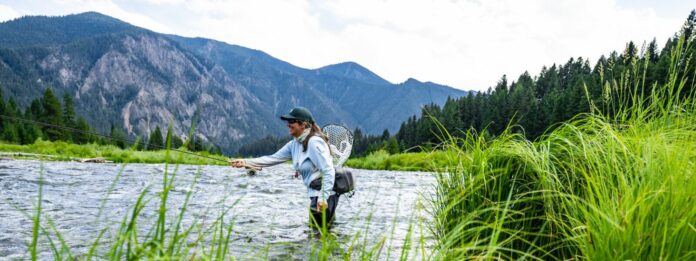
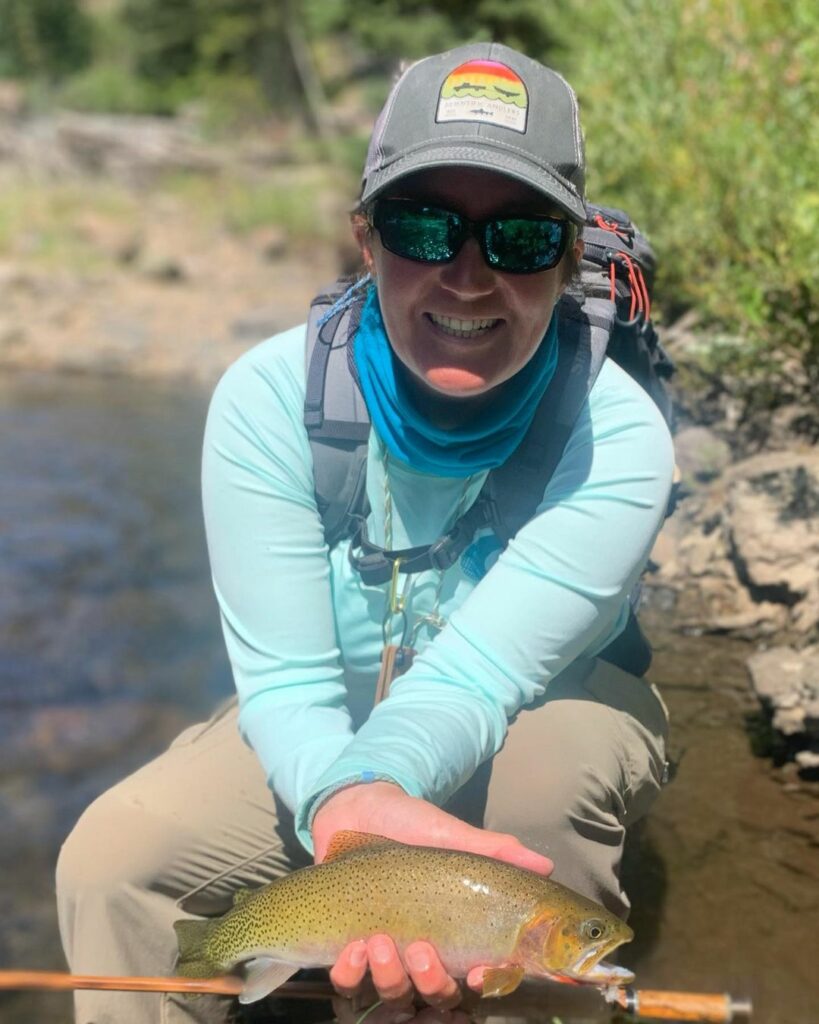
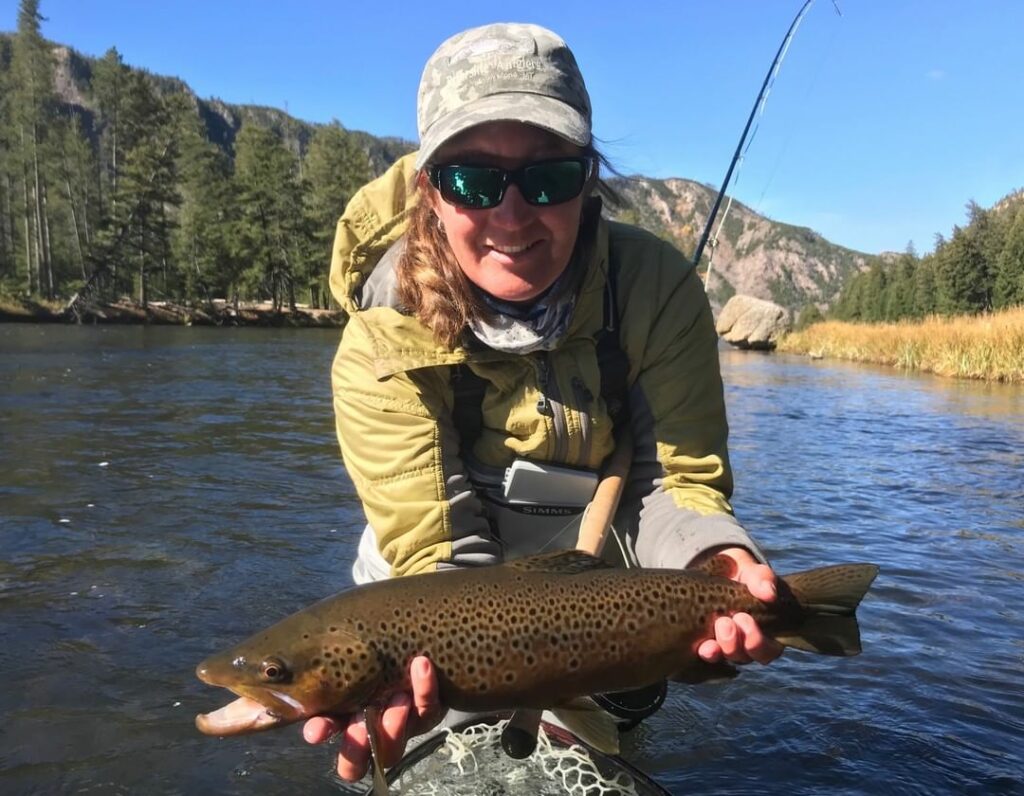
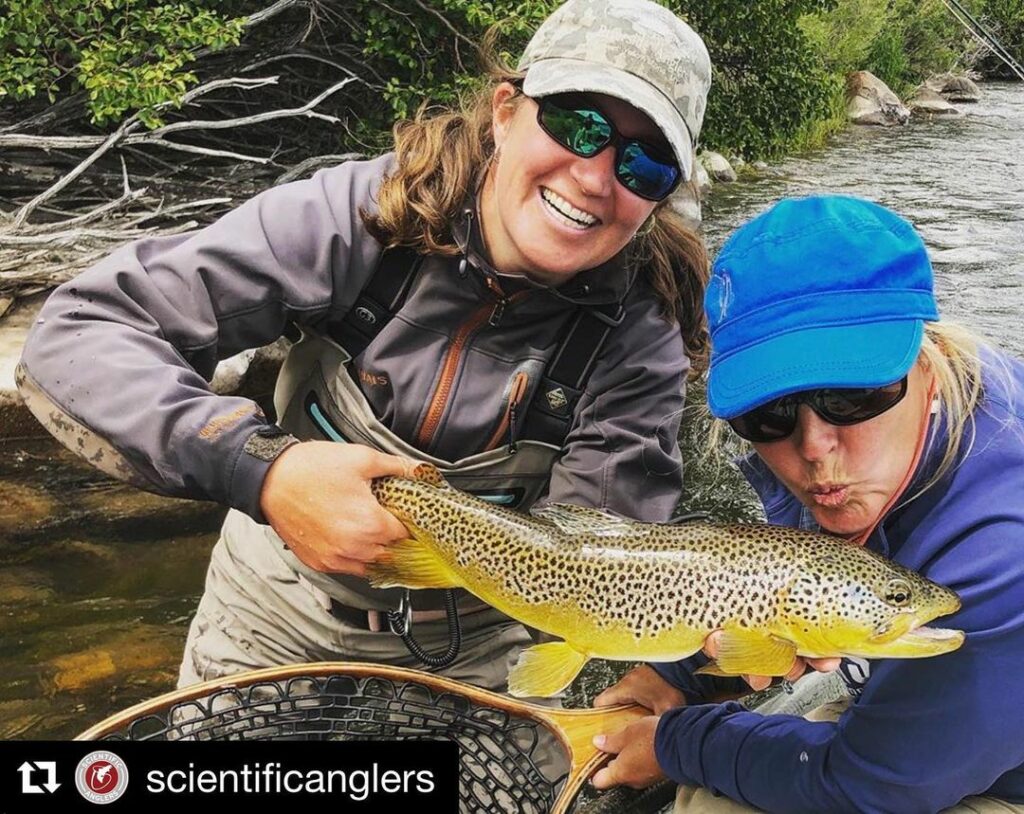
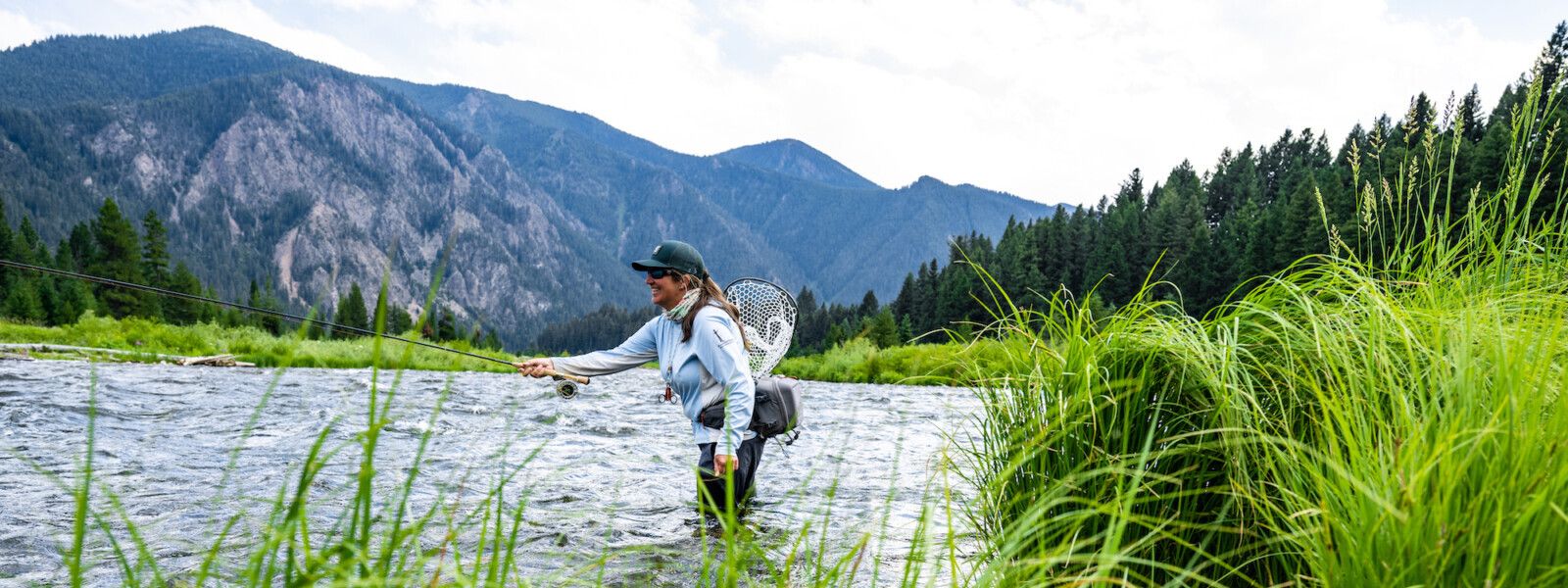
Alice Owsley of Riverside Anglers is our Madison River Fly Fishing guru today, and she’s reeling in a boatload of wisdom.

We unlock the secrets of Montana’s most fished river, share tips for DIY angling adventures, and the different hatches out there.

Madison River Fly Fishing with Alice Owsley. Hit play below!


apple podcasts

Find the show:  iTunes | Stitcher | Overcast

Subscribe on Android
Subscribe on Apple Podcasts

Subscribe via RSS

(Read the Full Transcript at the bottom of this Blog Post)


Sponsors and Podcast Updates

Madison River Fly Fishing

Madison River Fly Fishing Show Notes with Alice Owsley

03:00 – Alice initially aimed to become a forest entomologist and was fly fishing for fun on the side. After a summer job in Oregon and a week-long journey across Montana, her experience at the Federation of Fly Fishers Conclave in Livingston sparked her interest in the fly fishing industry.

04:20 – Alice also connected with the International Women Fly Fishers and met some amazing women. Although she completed her major in Forestry, she really had her sight set on moving west at some point and being in the fishing industry.

The Madison River

09:00 – According to Alice, the Madison River is the most fished river in Montana. She shared valuable tips for those interested in DIY fishing in that region:

A. Do a little scouting.
B. Step back and don’t be in a huge hurry.
C. Wait and see what’s going on.
D. Make a plan.
E. Be safe like you would be in any new water.

17:40 – We delve into what sets the Madison River apart as the busiest river in all of Montana, comparing it to other renowned waters like the Big Hole, the Bighorn, Beaver, and more.

18:20 – Madison River is well-known because of the consistent water temperature maintained by the Hebgen Dam.

21:20 – We also touched upon the Montana Stream Access Law.

23:30 – In some of our earlier episodes, we talked to Kelly Galloup about streamer fishing and also about dry flies. Alice shared her expertise on the various techniques she uses throughout the year when guiding.

25:54 – Alice incorporates wet flies into her guiding program, but we also delve into the reasons some fishing guides might not include wet flies in their programs.

Madison River Fly Fishing

30:00 – We’re headed back to Ohio this year with Jeff Liskay and Rick Kustich for our Steelhead Alley trip. So, I asked Alice where she steelhead fishes when in Ohio.

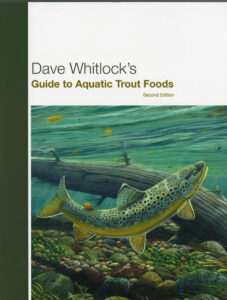
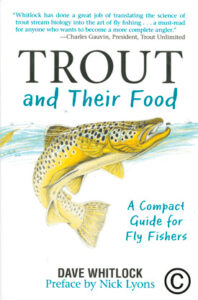
40:00 – We talked about resources for learning about hatches in specific waters. Alice mentioned several options, such as hatch charts available in other anglers’ fishing reports, classes offered at local fly shops, and Dave Whitlock’s book on trout foods.

Photo via https://davewhitlock.com/product-category/books/


44:50 – The Madison River officially starts at the Madison Junction, which is 14 miles from West Yellowstone in Yellowstone National Park, and it is the confluence of the Firehole and Gibbon Rivers.

Riverside Anglers

46:56 – Alice guides both wade and float trips on the Madison River, as well as wade trips in Yellowstone National Park. In addition to that, she teaches at a women’s fly fishing school in June and serves as an instructor at the Anglers Academy.

54:00 – Alice uses the Loon Outdoors Camo Drops Split Shot.


You can find Alice on Instagram @riversideanglers

Facebook at Riverside Anglers, Inc.

Visit their website at Riverside Anglers Inc.

Madison River Fly Fishing Resources Noted in the Show


Madison River Fly Fishing Videos Noted in the Show

Related Podcast Episodes

WFS 421 – The Anglers Academy with John Hudgens – Henry’s Fork, Bolivia, Dry fly Fishing

WFS 195 – Belize Fly Fishing with Lori-Ann Murphy – Bonefish, Tarpon, Permit

Madison River Fly Fishing Conclusion with Alice Owsley

We’ve had a blast riding the Madison River’s waves of wisdom with Alice Owsley today. Have you ever fished the Madison River? Share your adventure with us in the comments!


WFS 505 – Stillwater Fishing Tips with Darren Huntsman – Stillwater School Giveaway, Henry’s Lake, Sheridan Reservoir

stillwater fishing

Darren Huntsman, a seasoned angler and expert in Stillwater fishing, shares his valuable tips and expertise in fishing the Henry’s Lake area.


Stillwater Fishing Tips with Darren Huntsman. Hit play below!

apple podcasts

Find the show:  iTunes | Stitcher | Overcast

Subscribe on Android

Subscribe on Apple Podcasts

Subscribe via RSS

(Read the Full Transcript at the bottom of this Blog Post)


Sponsors and Podcast Updates


stillwater fishing

Stillwater Fishing Tips Show Notes with Darren Huntsman

3:42 – Darren gives us a quick intro about him and his love for Stillwater fishing. We had him in the podcast in Traveled #7 where we talked about the top lakes to fish in Idaho. For this episode, he’ll be giving valuable tips on Stillwater fishing.

Casting

5:50 – Learn how to cast. On still waters, not being able to cast a good distance is a severe handicap. You don’t need to be grandmaster, but you need to throw farther than 30-40 feet.

8:23 – The most common problem people have with casting is timing. Wait a little bit longer for that line to load your rod on your backcast.

8:40 – Keep your rod tip high on your backcast.

10:10 – Keep that straight contact line from the minute you start your countdown to when you start with your retrieve. So have your watch with you.

Gear

7:13 – Use a bit heavier rod like a 6 or 7-wt to be able to cast into the wind.

24:35 – If he can have one pattern to fish a stillwater with, it’s a real sparsely tied black and blue leech that Phil calls a bruised leech. Leeches are one of the most abundant food sources for fish year-round.

39:25 – Bring rain gear. The worse the weather, the better the fishing.

42:52 – Tie your own bugs. If you’re not losing flies and you’re not hanging up on the bottom, you’re not down where the fish are.

45:50 – When done properly, a throat pump will not harm a fish. You only pump its esophagus, not its stomach to see what it ate in the last hour. He describes further how he does this.

Presentation

12:20 – Know the depth of the water so you can count your fly down and be consistent with your presentation to the fish.

19:27 – Watch your rod position. It’s very important to have your rod tip down.

30:00 – The shallower or the clearer the water is, the longer his leaders are, anywhere from 11 to 15 feet for a single bug. If he’s going to throw a dropper, he’s going to lengthen that out to 15 or 18 feet because he wants his first fly to be about 9 feet from where his fly line and leader join.

57:25 – Vary your retrieve until you find the retrieve that the fish want. His basic standard retrieve is about an 8-inch strip.

Retrieve

21:20 – Depth, Retrieve, and Pattern (DRP) –Phil Rowley discusses this in detail in our Littoral Zone #3 episode.

27:48 – Figure out when a fish subtly takes it and you don’t feel it. Darren’s favorite way of Stillwater fishing is to cast and retrieve.

Finding the Fish

36:20 – Find the habitat or the weed beds. That’s where the bugs live which are the food source of the fish.

52:20 – When you’re out on a lake, use your senses. Take a pair of binoculars so you can watch what fellow anglers are doing and don’t be shy to ask questions.

56:27 – Be patient.

56:28 – When you think you’re deep enough, go a little bit deeper.

1:03:40 – We’re giving away a Stillwater fly fishing trip plus a bunch of gear. Visit wetflyswing.com/giveaway to join.

stillwater fishing


You can find Darren Huntsman on Instagram @stlwtrfishingco and @stillwaterskeeter.

Facebook at Stlwtr Fishing Co.

Visit their website at StlwtrFishingCo.com.

stillwater fishing


Related Podcast Episodes

Traveled #7 – Top Lakes in Idaho with Darren Huntsman – Stillwater Fly Fishing, Henry’s, Hyde

Littoral Zone #3: How to Approach New Lakes with Phil Rowley – Stillwater Fly Fishing


stillwater fishing

Stillwater Fishing Tips Conclusion with Darren Huntsman

Darren Huntsman, a seasoned angler and expert in Stillwater fishing, shares his valuable tips and expertise in fishing the Henry’s Lake area.


Traveled #11 – Henry’s Lake Foundation with Damon Keen – Fisheries Biology, Conservation Efforts, Restoration Projects

henry's lake

In this podcast learn about Henry’s Lake Foundation with Damon Keen!


Show Notes with Damon Keen on Henry’s Lake Foundation. Hit play below! 👇🏻

apple podcasts

Find the show:  iTunes | Stitcher | Overcast

Subscribe on Android

Subscribe on Apple Podcasts

Subscribe via RSS

(Read the Full Transcript at the bottom of this Blog Post)


Sponsors and Podcast Updates

henry's lake


Episode Chapters with Damon Keen on Henry’s Lake Foundation


Follow Henry’s Lake Foundation on Instagram @henryslakefoundation

Visit their website at HenrysLakeFoundation.com

henry's lake


Related Podcast Episodes

Read the Full Transcript Below

Episode Transcript
Dave (2s): Welcome to Traveled, where we take a journey to a specific region. So you discover what makes this part of the world so unique. Before we get rolling with our guests this week, I wanted to share the love with our Traveled sponsor. This podcast is powered by Swing Outdoors, the Wet Fly Swing podcast and Yellowstone Teton territory. Please head over to Wet fly Swing dot com slash teton to connect with the great brands that make up this amazing region of the country. Let’s do it. Let’s jump in and find out where that road less Traveled is gonna lead us today. How, you doing, Damon? 1 (37s): Doing great. Thanks for inviting us on. Dave (39s): Yeah, thanks for, thanks for coming here today to talk about Henry’s Lake and everything you have going around some of the conservation efforts, and I guess it’s probably more than just that. I’m sure that, you know, we’ve done a few episodes in that area now and, and we’ve got a little bit of background. I wanna talk about, you know, talk about the importance of Henry’s Lake and then, and what you do as well. But, but first take us into, you know, how you got into your job. How did you get into this line of work where you’re working for the foundation? 1 (1m 8s): Great question. I, I was worked as a fisheries biologist on Henry’s Lake for about 15 years, and I started in 2000. And at that time, when I first started, I made connection with the Henrys Lake Foundation. They were a N G O that was really contributing to habitat restoration improvement on the lake. And so that’s where I made my first contact with the Henry’s Lake Foundation. Worked with them over a period up until 2018 when I retired. Then post re retirement, I stayed involved with the foundation and, and currently the vice president of the foundation, so. Dave (1m 51s): Oh, gotcha. Wow. So you did, and what were the, when you were working there as a biologist on the lake, what were your, you know me over the years, what were, was your focus? 1 (2m 2s): My primary focus was simply Henry’s Lake. We, we had a dedicated employee for decades at Henry’s Lake. Henry’s Lake has been one of the top most important fisheries in the state of Idaho. And so the Idaho Fish and Game dedicated an employee there full-time. And so most all of my work focused on Henry’s Lake, whether it be Fisheries Management Act, aspect of it, the egg cake program, the hatchery side of things, the habitat restoration, that side of thing. And then cooperating with landowners without, without the landowners, we wouldn’t be doing restoration on Henry’s Lake. Dave (2m 41s): Yeah, that’s right. And what is the significance, you know, maybe just give us a primer on that, of Henry’s Lake. You know, we’ve talked, you know, obviously the Henry’s fork, everything downstream. Why is Henry’s Lake so important for that, you know, that whole area, the whole basin? 1 (2m 57s): Well, it’s, as I mentioned earlier, it’s, it’s, it’s one of the most important fisheries in the state, but it’s at the, the top of the system and really feeds the entire Henry’s fork. And most people probably know that the Henry’s Fork Foundation is very active down below Henry’s Lake. We’ve always been dedicated. We’ve been around for over 40 years. You know, a little bit of a contrast between the Henry’s Lake Foundation, Henry Sport Foundation, the Henry’s Lake Foundation just focuses on Henry’s Lake. So we do work on that. But, but yes, significant. It, it’s at the top of the, the system. It’s, it, it feeds everything below it, obviously. 1 (3m 37s): And so critically important. Dave (3m 40s): Yeah. So, or what are some of the, kind of, the factors is, is water temperature, is that something you’re thinking about? Water levels? What are the, and it sounds like you’re also got fish, you know, populations that you’re with a program there, but yeah, what are the major things that you’re thinking about? Like, you worked there for a number of years, is it, or is temperature a ma a major player? Here 1 (4m 0s): It is. Henry’s Lake is a, a nutrient rich shallow lake. So an average depth of 16 feet, 15, 16 feet, really a maximum depth about 23 feet. And really non-st stratified for the most part during this number. So there’s, the surface temperature of the bottom temperature is, is very close to the same. And given the sh it’s such a shallow lake, water temperatures are a concern. And so restoration of the tributaries to feed more cool water to the lake, protecting that or, or keeping that temperature low as it, as it drains down to the lake is, is critically important. Water quality, I, I always said being a nutrient rich lake fish grow very rapidly. 1 (4m 46s): And then Henry Lake, and we have some, you know, trophy size fish. It’s always been considered a trophy fishery and nutrient-rich, though, that also leads to problems in the winter. So high nutrient levels can contribute to potential for low dissolved oxygen in the winter. And so Henry’s lake, you could say is, is somewhat prone to winter cable. So, so restoration and projects, and then also monitoring dissolved oxygen levels through the winter has been a critical component of, of fisheries management. Dave (5m 25s): Right. So what do you do when you monitor dissolved oxygen? How do you, if you feel that the levels aren’t quite right, how do you deal with that? 1 (5m 33s): Well, it’s, you know, that that’s, that’s a real challenge. In, in 91, 19 91, there was a large winter kill on the lake. And so after that there was a variation system put into the lake that has been in place for over 30 years. It’s got really, in my opinion, it’s got minimal benefits because it is, even though it’s a large system, Henry Lake is a 6,400 surface acre lake. And it, you know, once that dissolved, the oxygen drops below a critical level, it’s, it’s hard to restore that oxygen level. And so, but by monitoring and the fish and game monitors, all, all winter now, you could at least kind of project what’s gonna happen and then maybe do some change up on your, on your egg egg in the spring to the, you know, maybe get more, more fish hopefully for the, for stocking in the fall. Dave (6m 33s): Right, right. Gotcha. And this is, yeah. And so Henry’s Lake is the, essentially the headwaters of the Henry’s fork, 1 (6m 40s): Correct. Dave (6m 41s): Yeah. And it’s interesting ’cause when you look at the map, you see, you know, Hebgen Lake, right? Which I’m not sure how far away that is. How, how far away is that if you’re to drive over from Henry’s? Yeah, 1 (6m 52s): Probably about 10 aerial miles, but over the Continental divide. Yeah, Dave (6m 55s): Yeah, right. So it’s pretty close, but over the divide. So you’ve got this, you know, which is a very, probably maybe as famous of a lake right? As Henry’s is the, is Hebgen because of the Madison and all that. Are those pretty similar, are the lakes what they have going or, or I’m not even sure, I guess I’m thinking one is more, a little more natural or what do you know much about Hebgen? 1 (7m 16s): Yeah, we a a little bit, so Hebgen iss in Montana, so we didn’t work, you know, being from I Idaho. But yeah, Hebgen is a, is a, is a, a top fishery. I would, I think Henry’s has, it probably is a much more fishing pressure and fishing hours Ebdon, but, but yeah, two totally unique systems. Ebdon is a fairly deep lake hebgen, you know, Henry’s lake fish grow real rapidly and don’t live very long. So on Henry’s Lake, you fish on three or maybe four years of age class fish, where Hebgen you have several more years of age class Fitch, they live longer, grow slower, not the trophy size. 1 (7m 58s): If you, if you catch fish on, on Hebgen, you’ll see more of the river shaped fish. They’re not, you know, the fat deep fish like you see on Henry’s lake, Dave (8m 6s): Right. Because in those fish are able to migrate out of, well, I guess maybe talk about that with the, the Henry’s Lake. So fish that are in Henry’s, are they migrating, are they able to get outta the lake downstream? 1 (8m 18s): They can’t get downstream. There’s a, there’s a dam in place, but they can go upstream in the major tributaries and hence the restoration efforts over the past 40 years. So they are ad flowal fish, they, they spawn in the tributaries live their, most of their life out of the lake and, you know, head up the tributaries to spawn in the spring. They’re Yellowstone cutthroat primarily as the, is the native fish. They’re also also hybrid trout in the lake cutthroat rainbow hybrids, and then brook trout, hybrid. Hybrid. The hybrids and the brook trout are both sterile. So those are managed in such a way that can control the numbers, so they can’t over peak the, the Yellowstone cutthroat. Dave (9m 2s): Right, right, right. Okay. And what are the major trips? I’m trying to think, are there a few major trips that, that they’re spawning in upstream? Yeah, 1 (9m 9s): Absolutely. Targe Creek would be the largest tributary. Howard Creek, duck Creek, hope Creek. We’ve done some work on, on Hope Creek, timber Creek. Those are, those are five of the, of the big one Dave (9m 22s): Timber. And what are some of the projects that are going on or that have gone on? Just some of the big ones that have helped for Lake habitat restoration there for, for those Yellowstone Cuties? 1 (9m 31s): Yeah. The largest project that we’ve been involved with and, and we’ve been in the Henrys Lake Foundation has been involved with pretty much every project over the last 40 years. But the largest project was a bridge replacement project. We, we had some culverts that were acting as a barrier on Highway 87. So we got involved and it actually initiated the project to replace those Culvers with bridges on both Targe Creek and Howard Creek. And that was a almost $2 million project. So that was our largest project. We’re, we’re currently involved with one of our very large projects, restoration on lower Targe Creek with a, a new landowner there. 1 (10m 12s): Robert t with the Bear Tooth Group. He’s well known for restoration throughout the the West. Dave (10m 18s): Okay, wow. And this is interesting. So, and then on Henry’s, so you have all the work with the restoration, you know, kind of keeping the habitat at a high level. What about the fishing, you know, you hear about these, you know, you got these large fish. How does that look as far as fishing pressure? Do you find that, you know, that it gets pretty, you know, what could somebody expect if they were going there to fish? Or do you have any advice for somebody that that’s maybe gonna be fishing that? 1 (10m 43s): Yeah, I mean it’s, it’s, it’s, it varies greatly. Like I mentioned earlier, we, we fish on just a few year classes of fish though. If you, if you have problems with a year class, you don’t have good survival with one or two year classes. The fishery really tanks and, and catch rates drop dramatically. The benefit to that is when those numbers do drop, that’s when you see your largest fish. So like Right now we’re in a period where we have, our numbers aren’t the best, but we have a very large fish. So if you go to Henry’s Lake, you can expect, you know, if you catching some fish, you may not catch a fish an hour, which is a pretty high catch rate on Henry’s lake. 1 (11m 25s): But you may catch a, a seven pound hybrid or eight pound hybrid. Oh wow. So the, the right, you know, up to 14 pounds larger fish, geez, the largest fish I ever measured on or weighed on Henry’s lake was 14 pound, Dave (11m 38s): 14 pounds. Is that something that was caught by a angler or by, by you or by somebody out there? 1 (11m 43s): That’s a fly angler that caught that. And what we’ve caught, you know, you see a, a good number of fish over 10 pounds over the year. Hundreds Really? And you get, you know, that 12 pound, 13 pound mark, then you see very few, I think over the, over the 15 years I was there, I think I saw four fish over 13 pound. But this, the state record brook trout came out of Henry’s Lake, seven pounds, one ounce. So you you’ll see brook trout four pound, there’s an uncommon, Dave (12m 12s): Right. So you got a chance to get not only some nice, well, and you’re talking, when you say 14 pounds, what, what species is that? 1 (12m 19s): That would be the hybrid, usually the, the largest fish you’ll see, you know, just, just generally speaking, you’ll see cutthroat up to six or seven pounds. Hybrids is up to that. 14 pounds would be the exception, but certainly 10 pounds. Dave (12m 32s): Yeah. And what is the hyper, again, reminds again, what are the species mix? 1 (12m 35s): It’s, it’s rainbow. Cutthroat. Cutthroat. Yeah. Rainbow, rainbow, rainbow, Milt. Dave (12m 40s): Okay. Rainbow, rainbow cutty. So that’s the, the big ones. And then you’ve got also Yellowstone Cutthroats, and you have brook trout. So, and then why is it that, you know, when there’s, there’s a kill or less fish kill, you know, there’s these bigger fish. Is that just because there’s more of an opportunity to, you know? Yeah, just explain that. Why do you get a chance to, to make fish when there’s less fish, 1 (13m 2s): Less competition. So you’ve got, you the, the cow and the pasture analogy. You, you get, you know, there limited resources out there. So if you have a, a large number of fish, fish growth is slower and fewer fish, you, they’re gonna feed better and you’re gonna see large fish. Yeah, Dave (13m 21s): Yeah. Yeah. Gotcha. Okay, nice. Well this is a good, you know, starting point here. And as you look around, it sounds like when you were working, so you work exclusively at the lake. Are there other lakes in that area that, you know, I mean, I know I’ve heard of a few of ’em, I guess, what do you think about when you, if somebody’s thinking about doing some fishing in that area, are there other lakes that people could target on top of Henry’s? Yeah, 1 (13m 47s): As you mentioned, Hebgen is a, is a great fishery. And of course that’s in Montana, but Island Park is, is oh yeah, down the road. And it, it can be a pretty good fishery as well. Flat, a steel water fishery. There are, you know, over in, in Montana there’s some other smaller lakes, elk Lake and, and Hidden Lake, cliff Lake, Wade Lake, those are all long Montana, but relatively close. They’re within a half an hour or so. Kind of Dave (14m 12s): Close by. What about, what about Sheridan Lake? Have you heard of that one? 1 (14m 16s): Absolutely. And and we fish that all the time. Sheridan’s a Oh you do? Yeah. Sheridan’s a a private lake and a lot since my retirement, I, I also do a little guiding, so we Oh, okay. And yeah, Sheridan Lake is a, is a popular fishery. It’s, it’s a, it has rainbows in it primarily, but yeah, really, really terrific Private Fishery’s Limited, I think the 12 rods per name, the public can fish there by paying a rod fee or they can hire a guide and, and yeah, it, it it’s, oh, it’s a great fishery as well. Dave (14m 47s): So, so on Sheridan there’s a limit. So there can’t be more than 12 anglers on the lake at any time? 1 (14m 52s): That’s correct, yeah. Dave (14m 53s): Correct. Gotcha. So, okay. And, and so in is, how does Sheridan size-wise compare to, to Henry’s, 1 (15m 1s): Sheridan, Sheridan Lake and, and it’s kinda like Henry’s, it varies over the year, depending on population fish population, but Sheridan can have their, their really robust rainbows thick, deep up to 20 inches is, you’ll see fairly common over that. Not as many, but I think we’ve cut some 22, 23 inch fish, and then over the years, some larger, but yeah, they’re, they would be, size-wise, a a step below Henry’s lake. Dave (15m 32s): Right. And and is that mainly, why is that, maybe explain that, how is it different from what’s going on at Henry’s? 1 (15m 39s): Yeah, well, each system’s different and, you know, baits on the water temperatures of course feed what’s the Yeah. Nutrients, what the, the feed in the lake. And Henry’s just as you know, I emphasize that Henry’s is just an exception to, as far as steel waters go, it’s, it’s just one of the best for growth. Dave (16m 1s): Yeah, that’s, that’s the thing. It’s not that it’s not the Sheridan or any of these other ones are, are kind of weird. It’s, it’s literally that, that Henry’s is the one that’s just this almost maybe an outlier with these giant fish. 1 (16m 12s): Absolutely. Dave (16m 13s): Yeah. Gotcha. Okay. Wow, this is great. And, and so on, maybe just take us back to the Henry’s Lake Foundation. It, it sounds like it’s been going a while. Do you know the history of how that originally got found? And maybe even think about that, you know, and then also just take us back a step further beyond that and talk about why is, you know, the dam, why is that there? How did that begin? You know, and I have some guesses, but do you know the whole history there? Yeah, 1 (16m 39s): Yeah, pretty much. Most of it. And I’ll, I guess I’ll, I can start at the Dam. Henry’s is a natural lake. It’s always been a, a productive lake and, and produced, you know, back in the 18 hundreds, Henry’s lake with fish were harvested there commercially to supply miners in, in Montana area, lake Butte, Montana area, and others. But then in 19, the around 1920 there was a, a dam was installed to increase the capacity of Ries Lake, and that was installed basically for irrigation purposes. And then years later, and, and I’ve kind of forgotten, I I wanna say excuse, but the dam was elevated to actually store more water. 1 (17m 23s): So it’s been, it’s, it’s a natural lake with a dam in place to, to ra raise the level to store more water. North Fork Reservoir Company is, owns that water above natural lake level so they can, you know, do how they see. And so the good thing really about that is they do a great northfolk Reserv company does a great job of trying to keep water up in Henry’s Lake. Obviously once, once you let water out the dam and go down, you can’t get it back up to the lake. So it takes, if, if the lake level is dropped dramatically like it did in 2001, if it’s down below 50%, it, I think we projected that that would take about three good water years to fill that lake once it went below 50% and that, and that was the case. 1 (18m 11s): But Henry’s Lake Foundation was started in the late seventies. The fishery was, it was in the dumpster for the most part, poor water quality, the, the fish numbers were down. Fishing was really, really tough. And so a group of, of folks got together and started the Henry Lake Foundation and, and they, you know, to see what they could do to help the fishery, and they really ended up with tributary restoration. The tributaries were in poor, poor shape. They, there were fish that were, you know, going up the tributaries to spawn and then, then the fry and the adults were, were diverted out by irrigation diversions and flopping out in the, in fields, pastures, things like that. 1 (18m 57s): So that’s, that’s the, the genesis of the Henry’s Lake Foundation. And it really took off running cooperated with initiated contact with landowners, basically said, Hey, if we can fence and protect, you know, the rip area areas and the tributaries, if we can pay for all that and, and do maintenance work on that, you know, we will, will you allow us to, to do so. And landowners are very cooperative. They wanted to see good water quality in Henry Lake as well, cooperated with the Idaho fishing game. And, and that’s been a, a really an important relationship for over four decades. Dave (19m 38s): Yeah, it sounds like, from what I’ve been hearing, it’s a pretty cool, pretty unique, well, not, maybe not unique, but a very healthy relationship with, you know, the landowners, everybody out there is that we, you know, everybody understands you need, need food. Right. You know, they all Idaho potatoes. Right. That’s kind of the, you know, the, the fun, the joke. But it’s true, right? I mean, it’s a important part of it, but at the same time, the fishing is also important. Do you find that with recreation, you see this in some areas, you know, where you have one industry that really has an important role and then that decreases, and then another, maybe other industry becomes bigger, right? Like, say fishing. Do you see, has that changed over the 40 years? Have you seen less, less demand for water, or do you see now, especially with kind of the, you know, a ification or whatever we have going on now that there’s actually more demand and it’s getting more challenging? 1 (20m 30s): I think, I would say from my perspective, about the same. There’s always been a high demand for water for regions you mentioned. But again, they worked real well. The Northfolk Reservoir company and I don Fish and Game realized the importance of keeping water up high in the system. And so they’ve done a really, really good job. It’s, it’s over, you know, every couple decades we have events like we had in 2000 where we see big, big drops in one. Dave (20m 60s): No, that’s cool. I see it. Yeah. So basically there were groups that basically saw the importance of Henry’s lake and just the fishing. So it’s all, and that’s what you hear, right? So the Henry’s fork is, you know, the Henry’s fork, the South Fork, these famous Rivers. And it got me thinking, we had an episode recently, we were talking about the, you know, the Grand Canyon, the Colorado, like Lake Powell, because they have, you know, because this, the drought or you know, that’s going on, one of the reservoirs is below, don don’t even think it’s really being used because of the intakes, right. They’re below the levels. And I think, I think something like, it took Lake Powell, I think 30 years to fill up, right? That’s how big it is, you know, and then, and then now it’s been going down for many years and, and so it’s getting lower, but I guess that’s a little bit different and maybe a much smaller lake easier for it sounds like easier for you to keep that lake full. Dave (21m 46s): Is it, is it, is that the case like in any given year you can pretty much, unless it’s a crazy drought, you, you can keep a lot of water in there. 1 (21m 54s): Yeah, yeah. For the most part. That’s, that’s true. And you, it’s water in, in Idaho, most people I’m sure know it, it’s a really complicated system. And there, there’s water trade, so they’ll trade trade water from Henry’s lake to, to another system and keep water up in Henry’s lake. It, it’s a, it’s a very, very complicated system. And water rights and, and water issues in Idaho and probably elsewhere in the west are far above my little bit, but, but very Right, very comprehensive. Dave (22m 24s): Yeah, yeah, yeah. It’s not an easy thing to, to think about. And that, that is always the, the water trades, water rights, and, you know, groundwater, you know, how much water is, you know, is out there, the, all these big questions. But, but that’s good to hear. So it sounds like things are in a pretty stable place. I mean, what was it, what was it like for you going from your position in, you know, kind of before you retired to now? Do you, how does that feel where you’re at now? It sounds like, so you’re president of the, of the foundation 1 (22m 53s): Vice president Richard Hod is a president and, and yeah, it’s, it’s, it’s been fairly unique. Hi, Henry’s Lake Foundation, as I mentioned earlier in the, in the early eighties, started off with a bang and really was very active, and towards the turn of the century it became less active. And then we had a, when I moved up there in, in 2000, 2001, it became active again. The, the Henrys Lake Foundation installed a very active president and a very active board, and they really took off running and, and, and started doing projects again in, in earnest. And, and Richard Hodge took over as president four or five years ago. 1 (23m 34s): And that’s about the time I retired. And since then, we’ve been just even more active. We’re as active today as we’ve ever been. And we’re, we’re fairly unique with NGOs. We don’t have have a, it’s all volunteer. We don’t have paid staff people short Oh, wow. Short of one bookkeeper. So every dollar that’s donated to Ary Lake Foundation goes back to restoration, fishery management, research projects, things like that. We’ve, we’ve helped out with research projects as well. So that, that’s the uniqueness of, of our organization. And it’s, we’re composed primarily over the years, historically fly anglers. 1 (24m 15s): But as you probably know, Henry’s Lake over the last decade or so has, has become quite a popular ice angling. Oh, it has, yeah. All right. It has, and and regulations were changed. We didn’t always agree with, with the regulation changes, but, but they’re in place now. But, but we’re, you know, that probably all anglers have benefited from the restoration work and the dollars that the Henry’s Lake Foundation have put out for these projects. But yeah, we would like to see some of the other anglers that, you know, join us and, and because they’ve all benefited from the, from the work, there’ve just been dozens and dozens of projects really. 1 (25m 4s): You can say, I think without, without exaggerating that, that the fishery today exists in a great part by what the Henrys Lake Foundation has done. We, we’ve helped out it, it back about 15 years ago, the Idaho fishing game was considering not stocking Brook Trout because they are, you know, can be an invasive species. And really the only way of stocking those would be to sterilize them. So the Henry’s Lake Foundation purchased pressure machine, which they use still today, to basically sterilize the hybrids and the brook trout so they can, the numbers can be re controlled. 1 (25m 44s): They’re not reproducing, they’re not overpopulating. And that was, that was paid, you know, that the Henrys Lee Foundation paid for that. We’ve always been a, a group that, you know, when when, when cash is needed, we step up. We, we stepped up this year with almost $30,000 in, well over $30,000 in cash commitments for four projects. And that’s kind of an annual basis. We’ve contributed over the years, probably several hundred thousand dollars. Dave (26m 15s): And does that funding come from like just direct contributions from people that are, you know, members or how, where does, where does the bulk of that, the cash come from? 1 (26m 25s): Yeah, members donations and the lifetime, we have a, we really push for lifetime membership that’s $500. And, and with that, you Yeah, we, we give her, what we’re, we teamed up with Temple, the Temple Fork Foundation. And so you, you get a $300 fly rod with your $500 online. Oh, wow. Commitment. So it’s a, it’s a great commitment and helps us out. We turn that money right back into projects, like I mentioned earlier. Dave (26m 53s): This is awesome. so I love this. so I mean in $500 for a lifetime membership. Sounds, it’s definitely reasonable. That’s a great thing. So essentially $500, now you’re part of this, which is great, you know, and also the Temple Fork Foundation. I didn’t know about that. So you’re talking about the Temple Fork rod. So they, so they had to talk about that foundation, how that works. 1 (27m 14s): Yeah, and I, and Temple Forks, rod, I, I should have said probably rather than foundation, but, but yeah, temple, they give us a, a great price on rods. So we, we purchase rods from them and we have our, the Henry’s Lake Foundation, a name emboldened dog on that rod. And then if you, if you purchase a lifetime membership, we give you a choice of one of those rods. Wow. Dave (27m 39s): I love that. That’s a great idea. So you can get a, so it’s a little incentive there to get people in the door, but it also, you know, for $500 and once you get in, what does that look like? What do you see people that, I mean, you probably have all levels, people that just donate money. Do you find people also donating and want to get, you know, kind of on the ground volunteering to other opportunities there for people? 1 (27m 58s): Yeah, absolutely. We, yeah, they, they not only, and we have some, we have some fairly large contributor year after year that will contribute monies, but our volunteer work is really second to none. We have a, we have a great, a volunteer coordinator and she’s on the ground if, if the fishing game or any other entity that’s doing good work. The B L A M, we’ve done a lot of work with B L A M, the Forest Service. If they need, if they need additional hands, we can quickly organize, volunteer, get on the ground and, and, and help them. We’re doing monitoring on, on Targe Creek Right now as we for water flow monitoring for Object with Robert e that I mentioned earlier. 1 (28m 43s): So that, that’s all organized by, by the Henrys Lake Foundation. Dave (28m 47s): Okay. And monitoring of water flows, is that something where you’re taking iStream gauge measurements just to document, kind of make sure the flows are staying up? Or what, what does that look like with the monitoring? 1 (28m 58s): Yeah, just, just, just monitoring flow because our work that we’re, that we’ve initiated, and we already have a project plan in place on lower target. So restoring, storing this, the, the stream on, on lower targe to initiate the floodplain once again and, and restore the hypo reic flow. So the flows, you know, groundwater flow, good water quality that contributes to good spawning potential good water quality throughout the, the summer and winter. And so that’s, that’s a very large scale project. And so yeah, this is just pre-project monitoring. Dave (29m 40s): Today’s episode is sponsored by Eastern Idaho’s Yellowstone Teton territory. Idaho’s most renowned zone for fly fishing. From the Henry’s Fork to the South Fork of the Snake and all the high alpine lakes and streams in between Yellowstone Teton territory provides anglers and other outdoor enthusiasts with all the information they need to plan their next big trip. You can visit wetly Swing dot com slash teton Right now to get the full list of Outfitters lodges, fly shops and all kinds of inspiration to get you started on your next trip to Eastern Idaho. That’s Teton, t e t o and wetly Swing dot com slash teton. Dave (30m 21s): And so we’ll talk about tar, let’s just focus on Taree real quick. And so the issues or the, you know, kind of things you’re trying to deal with, there are, what are the big ones? It sounds like riparian fish passage, you know, what are the big things you’re thinking about? Like you need to make sure to keep the, the river or, you know, targe healthy, is it Targe Creek or Targe? It’s Targe Creek, right? 1 (30m 41s): It’s tar, yeah, targe Creek. And Targe Creek, i, I might have mentioned earlier is, is the largest tributary to Henry’s Lake. So restoring water, we’ve done, targe Creek, I believe has four fish screens on that. So Target Creek, there are laterals going off from Target Creek to irrigate pastured for cattle grazing. And so we’ve installed and paid for installation of fish screens so that adult and, and fry fingerlings won’t be pushed out to those pastures. It can actually be pushed back to the, to the tributary. 1 (31m 21s): That’s a, that’s a big part of it. Maintaining flow, of course, we’re very supportive of, of irrigation and that cattle watering and making sure that those landowners have the, the, the amount they need. But we’ve cooperated, so did they get the amount of water they need? But yet excess water is still diverted down target creek, so that we have constant flow throughout the, the lake summer months and restoring the, the, you can picture lower targe over the, you know, decades ago there was cattle grazing. Now there’s not cattle grazing any longer. There’s actually conservation easement in place. 1 (32m 2s): But over the years that degradation of the riparian area led to an, an entre stream. That tree stream instead of reentering, is shooting right down to the lake. This project that we’ve we’re working with Robert Keith on will involve restoring the ity to the stream. And you know, a lot of people think that, you know, when, when streams flow out of their base, that’s a bad thing, but that’s really not a bad thing. You’re flooding, you’re reengaging the flood plane and, and restoring groundwater flow, hyper reek flow and, and that’s all good. And so that’s what we’re trying to do. Turn that, you know, restoring those, the wetland areas down there, that’s, that’s a big focus. 1 (32m 43s): Targe is, is relatively healthy overall, but this, this project is one of the more exciting projects that we’ve been involved with. Dave (32m 52s): Amazing. Yeah, that’s a great explanation. Or of what you got going there, talk about, you mentioned the $500 are where people can get involved, so where would we send ’em Right now if somebody wanted to just donate some money and help the, the everything you have going on 1 (33m 6s): Two places, you can just search on Google Henry’s Lake Foundation or on Facebook, Henry’s Fork Foundation. and we do have links there where you can, where you can join up and your lifetime membership where we have an annual membership as well. But that yeah, that’s, that’s fairly easy. It’s like I say, there’s, her naming is a little, sometimes people boom confuse us with Henry’s Fork. Malian, but Dave (33m 34s): That’s right. Henry’s Fork. Yeah, it’s, it’s close. Henry’s Fork Foundation, Henry’s Lake. but I mean you’re right there, you’re all connected. Do you, do you actually work closely with the Henry’s Fork Foundation or are you always talking, is that something where you’re meeting up regularly or how, how does that look? I 1 (33m 49s): Wouldn’t say we meet regularly with them, but, but we have, we have contact, they’ve, they’ve supported us in some of our projects on the lake. And, and again, they kind of stayed downstream of Henry’s Lake. They, they leave Henry’s lake to us, but, but they have done some research a few years back. They did the, so they did some, a research project on Henry’s Lake and we helped to, we, we contributed cash to that and helped to complete a grant for that. So we’ve worked, they, they supported us when we initiated the tardy Howard Creek Bridge projects. So they, yeah, they’re supportive. We, and we work in conjunction with them, but primarily they have their area of focus, we have our area of focus and it, it works in tandem basically. Dave (34m 34s): Right. Are there other conservation groups or groups similar to, you know, what you have going and, and the Henry’s Fork Foundation out there in that area? 1 (34m 42s): Yeah, to some, some land trusts organizations, but really as far as NGOs that are active, there’s a, there’s a new one, Henry’s Work Wildlife Alliance that’s doing work of course focused on wildlife. They do other work and they’re very active as, as well. And they, we’ve teamed up with them. We’ve, we’ve just completed a project on the South Shore line of Henry’s Lake in conjunction with the Bureau of Land Management, where we restored b l M as as lead in that we installed some large woody debris, some, and then we, we planted that area as well as the west shoreline of Henry’s Lake with Willows. 1 (35m 26s): And so we contributed volunteers to that and cash. And then Henry Fork jumped in and con contributed some volunteers as well. Henry Fork Wildlife Alliance. Dave (35m 36s): The Wildlife, yeah, wildlife Alliance. This is good. Okay, so you got the Wildlife Alliance, Henry’s Fork Foundation, Henry Lake Foundation. When you look at Henry’s Lake, if somebody was going to be, want to know about, you know, how, whether, like you said sometimes there’s fish kills, could somebody find out about that? Like where, where would they go to figure out, like, are there a lot of fish in there? Is this a good time to fish? What would be your recommendation there? 1 (35m 59s): Yeah, your best contact. I mean, we have some, we have some knowledge of you’re always welcome to contact us and, and, but, but the Henry, the, the, the best, the best contact is the Idaho Fishing game and the region, upper state region in Idaho Falls. They have a, a terrific biologist. He’s been there a couple years now, Nathan Tilston and Henry’s Lake is, there’s a lot of work completed on Henry’s Lake. It’s one of the most aggressive gill net operations every spring to monitor the population trends. So, so that’s done. Nathan does that work, you know, from ice o until, you know, eight or 10 nights of gill netting and then they have a good idea of that tree and they have a target they shoot for, so they can tell you if they’re above or below the target and, and size, yeah. Dave (36m 49s): Be up. How do you spell Nathan’s last name? 1 (36m 52s): Lemme see. I might get a wrong t i l i s t o n I believe. Dave (36m 57s): Okay. Yeah. Tilston. Tilston, yeah. Okay, good. So, so there is a good chance, well, if you wanna just find out more, we can dig in there with, with Nathan, but essentially it sounds like, yeah, I mean, in any given year there’s gonna be some fish there. Some years there’s gonna be even larger fish and, but, but ultimately, you know, I mean if you’re coming out there again, let’s take it back to that you’re coming out there fishing. What is your, you know, recommendation? I mean, or who would we talk to to find out more information on, you know, where to go, what to do if we wanted to kind of, you know, find some fish, you know, get some action out there. 1 (37m 31s): Yeah, again, that old fishing game, primary contact, but, but we, you know, our entire board is composed of avid anglers that really the most of us belong because we love fishing. Henry Lake, Henry Lake of the Are Dave (37m 46s): You a fly angler too? 1 (37m 48s): Absolutely, yes. Yep. Dave (37m 49s): Yeah, there you go. Okay. 1 (37m 50s): Yeah. And, and it’s, you know, Henry’s is a fairly technical lake. It, it, it, it’s really, it can be a challenge with, and it’s, it’s fun from that respect. You probably know it’s a, it’s an infamous for being a sinking line lake, you know, far back as Ted true in the early sixties, talking about a lake that with fish rising that you couldn’t catch with a, with a dry line. And so it’s, it’s, it’s, it’s really, it’s, it can be a challenging lake and it’s, it’s good to know where the fish may be, where the fishing’s, you know, in, in lines and, and of course, you know, mines Flies, you know, depth all that stuff. 1 (38m 31s): And so it’s, yeah, you’re welcome to contact us again. We have several very avid bo board members. Dave (38m 39s): Yeah, gotcha. Okay, good. We, and we have Phil Roy is one of our main contributors for our Stillwater stuff. He’s, he’s gonna be, I think, you know, we’re gonna be putting together a trip there next year and we’re gonna be talking more about this, and he’s, a lot of his techniques, you know, he does a lot of the stuff with like indicators, curid, fishing, you know, he really focuses on some of the other stuff. But do you find much of that out there that people are doing some of the other types of still water fishing on top of just sinking lines or dry lines? 1 (39m 12s): Yeah, absolutely. And it, you know, dry lines using indicators of course is, is getting, and, and yeah, indicators have really over the past decade or so, really grown in popularity. You see a lot of that now. And so, yeah, I, as a matter of fact, one of our board board members, Kevin Skin Door, I think took Philly fill out a couple years ago through the Drift Lodge, and I might mention that Drift Lodge, there is a, is a fly shop there on the lake that does a good job too. They keep, they keep up to date on, on the fishery and, and do a really good job of, of relaying that information to the public. So they’re, they’re a great contact, Dave (39m 51s): Yeah. Drift Lodge. Yeah. That’s awesome. Okay. And between the brook trout rainbows and cutthroat on the lake, are there is one of those species, do you find a lot of differences in the way they, you know, take the fly, any of that stuff? Or are they all kind of similar? 1 (40m 7s): No, they’re really, really all, all different. There’s some, the, the fishing game did a research project a year, about a decade ago or so, and a diet study and yeah, it was, it was really interesting to see the, the differences in the diets between the, the, the three types of fish, the, the hybrids and cuts throat were, were very similar, but brook trout were a little bit different. So yeah, there’s, there’s certainly some differences. Brook trout, you know, seek out the, some of the coldest water, so you’ll see them move around a little differently than you see the, the hybrids in, in the cutthroat. But yeah, there are different techniques and, and different habitats for, for all the fish and Dave (40m 48s): On brook trout. Yeah. I’m just kinda curious about this, why, you know, have brook trout there, it seemed, you know, I mean there’s other species rainbows. What do you think, what does Brook Trout provide that say Yellowstone cutthroat or rainbows can’t provide? 1 (41m 2s): Yeah, Brook trout are, are one of the, probably the most popular fish on the lake. And even though they’re a, a non-native, you know, they’re, they, they fight hard. They, you know, they’re, they’re blocky built. They’re, they’re, you know, anglers really, really like to it. It’s in the, for the lower 48 certainly, you know, catching a four pound brook trout is just almost unheard of. And so, you know, you can catch a, a, a brook trout of a lifetime at, at Henry’s Lake. And so I think that’s some of their popularity. All three types of fish though are just, you know, a a a 20 inch cutthroat is, is great to catch and yellow. 1 (41m 42s): It, it’s a tremendous fishery. Dave (41m 44s): They all have their own thing it sounds like, like, I mean, you know, Brook trout, right? You can go back to the East coast and go find places with trophy brook trout, but I mean literally that’s one of the cool things you can go out to this place in the west and have a chance at catching a trophy brook trout. That seems pretty, pretty awesome. 1 (41m 60s): It does, yes. Dave (42m 1s): And good. Well, as we look at, we’re gonna take it outta here in a bit here. Any other projects you wanna highlight with what you have going out there? You’ve mentioned a few of ’em. I, I think just high level with like you talked about the fish passage and screening and, and riparian. Anything else, you know, coming up or anything else you wanna highlight here? 1 (42m 22s): Yeah, just it, it, it’s, you know, pep that, so we’re always looking to the future. There’s the Shoreline work is something relatively new. We’ve done projects on Pintail Point Shoreline restoration. We’ve worked with Fremont County to do shoreline fencing near fro Park, and as I mentioned the, the Hope Creek area and the South Shore Shoreline Restoration. But one of the really big things that was just, just just happened was ownership change. Tom Cole was a large landowner on Targe and Howard Creek, and he passed away a couple years ago and we were very concerned. The Henry Lake Foundation was very concerned about the, the change in ownership. 1 (43m 4s): And Robert Keith, as I mentioned earlier, bought the Target and Howard Creek property that the Howard Creek property was turned over then and sold to the Nature Conservancy. And so that is something big. Although we work, I, I don’t, I wouldn’t say that we initiate, we, you know, we just supported that project, but protection of, of the Howard Creek property and enhanced protection, I should say, of the Targe Creek property is just, is just gigantic and, and the Henry’s Lake ecosystem. Dave (43m 38s): Yeah, right. This is, this is good. Okay. And, and I wanted to do a quick, we usually take it outta here when we can, doing a little kind of listener shout out segment. And I wanna do that really quick as we start to take it outta here. But gimme a background on your fly fishing. How did you first get into fly fishing? 1 (43m 58s): I first got into fly fishing a year, several decades ago. I worked at for Good Store and had some, actually some really good friends that got me involved. And they were avid Henry’s lake fishermen, and so they actually got me involved. I kind of faded out. I I did a lot of hunting for quite a few years and didn’t do a lot of fishing. But once I, once I moved up to Henry’s Lake in 2000, that’s where I really became active in fly fishing and obviously living on the lake, living on the North Shore, 365 days of the year, you, you, you see the, the benefits of, of going out there and fly fishing on that lake. So that, that was, that was my real active involvement from that point till now. Dave (44m 39s): Gotcha. Gotcha. And, and you still, and like you said, the, a lot of the board members are fly fishing focused. Where are people also fishing? Are you fishing like the streams heading down to the down below, or is it mainly focused on steel water? 1 (44m 52s): Yeah, I focus primarily on steel steel water. I do, I fish year round. I’ve got, I live up in north central Idaho, so I, steelhead and salmon fish and, and, and all that. But really in, in the summer, I primarily focus on, on Henry’s lake. It’s, it’s, it’s hard to take myself a away from that. I, I do fish he a little bit, but, but yeah, Henry’s lake is just a, it’s just almost an addiction and, and we’ll see anglers that fish every day that the, the weather will allow them all summer long. Oh wow. You know, many. So it’s, yeah. Dave (45m 26s): The addiction, is it kind of like a, it sounds like, you know, like, you know, a steelhead right? Especially when numbers aren’t as large as you expect to be out there without touching a fish that takes some addiction, right? Is that kind of what the way it is at Henry’s? 1 (45m 39s): It is, it is. And and it’s, there’s a, there’s a social aspect to it you like, that you’ve known for, for decades and decades and, you know, some of my best friends or I’m sure fishing this morning out there and, and so yeah, it’s, it’s, you know, you, you talk about it, you, you fish and if you go there year after year and it’s just, it’s, it’s one of those things that it’s, you know, you, I always kind of kick myself for living up there that many years and not fishing other waters as often as I should have, but yet Henry Lakes is just one of the best fisheries and it’s just like, it hard to pull yourself away from that. Dave (46m 14s): Perfect, perfect. Well let’s do a quick listener shout out and then we’ll take it out here with a couple of, a couple random fire questions. So we have Alan Bergal sent an email in and, and we will tie this into some of the stuff we’re doing, but Alan said, he said, Dave, I listened to your podcast with Justin at Cape Brenton today. He says, I have been fishing Cape Brenton for many years. I’ve been fly fishing and tying for over 50 years and have a commercial fly tire and raw builder, custom net maker. He said, if you want to talk to someone in Kate Brenton, who knows salmon fishing, you should look up Robert Cha chaison the dryly salmon.com. So, and then at the end, you know, Alan said, you know, basically just let us know where we can go to find this person, because we were in that, in that episode, we were talking about salmon fishing, Atlantic salmon fishing, and first gonna shout out, Alan said, keep up the great podcast. Dave (47m 7s): So thanks Alan for checking in by email. But turning back to you Damon, what is, you know, again, somebody’s coming to Henry’s, like who would be that person, you know, you would, or where would you send somebody if they wanted to kind of get that guide, get the information to maybe get on Henry’s Lake and have some success? Any, any recommendation there? 1 (47m 26s): Yeah, and, and I’m, I’m a little hesitant be because I do, I am a, a licensed guy in the lake and I don’t Oh, Dave (47m 30s): Right, yeah. May maybe you’re the, maybe you’re the, the person we should be caught is that Well let, let’s not put you on the spot. We don’t have to put you on the spot here, but 1 (47m 38s): Yeah, yeah. I, I, I, I, I guess I’d rather not to, I, again, you know, as far as, as far as the retail outlet that Drift Lodge is, is I the best, but I know fishing game and, and there are, there are numerous guides on the lake and, and yeah. Dave (47m 51s): And how do you do, so talk about your guiding, where, where are you, how does that look? Is that something you’re just doing on the site and where are you guiding? Is it just the lake? 1 (47m 60s): So yeah, we guide on, we, we work for Eagle Ridge Ranch has a, a license on Henry’s Lake. And, and so we, we’ve worked for them on Henry’s Lake. We also have a, a, a small group, a, a small company that where we guide on Sheridan Lake. So again, working under Eagle Ridge and yeah, we, we, we guide on those, those two bodies of water. And yeah, we, there, there are about five of us that, that are involved with that. And yeah, it’s a, it gives us a great opportunity to, you know, I, one thing I really enjoyed working at, at Henry’s Lake with not only the fishery but the anglers in contact with anglers and really guiding allows me to keep in contact with them anglers the new angler. 1 (48m 43s): And there’s nothing like I, I don’t know how many times over my, you know, over the last 23 years there that I’ve been involved with entered Lake don don’t know how many times that I was either out monitoring or had somebody out and said, Hey, this, I just caught the largest trout I’ve remember caught in my life. And that’s, has anyone that fishes Henry’s lot knows that’s fairly frequent, you know, and so it, it’s, that’s a unique aspect of being out there and being involved with people. So, Dave (49m 10s): Yeah. How does that work with the guiding when I know the, the Idaho has some regulations on that with the guiding on Henry’s Lake, is it open to whoever wants to guide or is it restricted to certain shops or guides? Can fish the lake? How does that look? 1 (49m 26s): It, so it’s, it’s restricted to, there’s, there’s outfitter license on the Lake. Eagle Ridge Ranch holds one, and that’s who we work for. There’s, I think there’s a total, I I believe seven or eight licenses and that’s limited. There’s no more they, there can be, you know, a set number of bolts on, on the lake at, at one time only, only two for each, for each license. So yeah. And you have to be a licensed guide so you, you’re licensed under that outfit or, and no one and look quite a bit different than, than Montana. Dave (49m 57s): Yeah. So if we wanted to, you know, for example, Phil, if Phil was coming in, you know, we would probably wanna be working with, we’d have to work with an outfitter out there or maybe he wouldn’t even be guiding right. He would be just teaching or maybe just working with the shop or whoever has that license. That would probably be the way that would go down. 1 (50m 14s): Yeah. And not being an expert by being Yeah, if you’re taking somebody out and then you’re not doing it for monetary purposes. I mean obviously you can, you can help people or whatever and that, but yeah, I think the Drift lodge, they, I think they booked Bill in the past. They have license guides, so Dave (50m 31s): Right. They book Bill. 1 (50m 33s): Yeah, Dave (50m 33s): Yeah, yeah. Perfect. All right. And I want to on quickly on Sheridan. So back to Sheridan. So if you were, somebody was getting ready to fish Sheridan, what would be your advice to them? Is that, is that lake a little bit easier to catch fish than, than Henry’s or what, what, what do you, how does somebody get prepared for that? 1 (50m 49s): Yeah, Sheridan is a, is an easier lake to, to catch numbers of fish. And it’s pretty, pretty consistent throughout the year or June, July, there’s a dry fly fishery that we, we normally see in August, fish move up towards the, the, the mouth of Sheridan Creek. And so that, that’s, that’s real exciting. The September fishery can be good. So yeah, really, I, I would say more consistency in Sheridan Lake. Little smaller fish, but really a fish and good numbers and, and it’s, it’s, the nicety again, is, it’s limited to those 12 rod. Right. Dave (51m 27s): So that 1 (51m 28s): Yeah, that’s, Dave (51m 29s): Yeah. If it wasn’t limited to 12 rods, it might be a different situation with the fishing there. 1 (51m 34s): Correct. Yeah. Dave (51m 35s): Cool. All right, well let’s see. Any, anything, anything else you want to give a heads up? I think I was gonna just take us outta here and, you know, a couple of my random questions, but before we get there, just are you, are we good covering all the topics? It feels like if people wanna dig deeper, they can head out to henrys lake foundation.com? 1 (51m 52s): Yeah, yeah. I just, I just emphasize that, and again, even if you’re, you’re not in a fly angler or you, you have, you know, you’ve had, I, I think the, the best use of your money to help protect and Henry’s lake and, and maintain the fish, the great fishery we have is to belong to the Henry Lake Foundation. And, and rest assured that your all all your dollars go toward good projects and, and, and not towards payroll. Dave (52m 21s): Yeah. That’s amazing. That is amazing. Well let, let’s do our quick little rapid fire round. We’ll take it out here, Damon. So are you, I always love the podcast or music question. Do you, do you, have you listened to any podcasts or do you listen to more podcast music? What’s it look like when you’re on a road trip? 1 (52m 36s): Yeah, I’ve got it over the past couple years. You know, I haven’t listened to yours yet. I will now, but I listen to, I listen to a lot of hunting podcasts. Okay. Yeah. And so, yeah, I, I’m Dave (52m 48s): What’s one, what, what would be a hunting podcast you listen to or what’s in your, in your feed? Right now 1 (52m 52s): Elk Talk is, is a good one. Raddy Newberg in in Bo and Bold and, and Corey Jacobson. It’s a great one. But you know, there’s, yeah, that’s, that’s one i I listen to. Oh, good. Almost every one of those. Dave (53m 3s): Good, good. And, and what do you like, it sounds like you’re obviously, you know, information is, is key. What do you love about the podcast? What, like, listening to those podcasts? What, what is it, why not listen to music? Do you, do you just love the, the tips and tricks, or what do you get out of a podcast? 1 (53m 18s): Yeah, the tips and, and, and I guess I, I hate the realness of it and, and you know, I, I like the technical aspects great. And, and, and good. but I I do like the realness of it. And, and when you, when you get people that are talking about what, you know, I, it’s great to hear someone, for instance, in, in a fishing podcast, talk about maybe how tough fishing would on Henry’s late last week instead, how it’s always good. It’s, it’s, it’s good to know that, that people are real and they’re recording, you know, good stuff like that. So Dave (53m 50s): That’s a great, that’s a great point. I mean, today, do you feel like we’ve done it justice? Like we haven’t, as far as expectations, we’ve, we’ve painted a picture that people can be understand what, what to expect? 1 (53m 60s): Yeah, I think, you know, this is the first one. I’ve, I’ve been interviewed a lot, but never, I don’t think done podcast. But yeah, I think you’ve done a, a terrific job. I, I, yeah. I think you really covered good. I can’t, I can’t can’t think of anything. I, Dave (54m 13s): That’s great. All right, David, well, we’ll send everybody out, like we said, henry’s lake foundation.com and then hopefully we can get some more, some more funding coming in there. And, and we’re gonna be heading out next year and we don’t have all the details yet, but I’m excited because I can’t wait to drive out there and cross, you know, some of these creeks that you’ve talked about today and Roy maybe even see some of those projects. Could somebody actually go drive? Is there public areas where they can drive up and actually see one of these projects anywhere there? 1 (54m 42s): Yeah, there, there’s a number of them, but the, the best, probably the best a access Right. now the recent project would be the, what’s called the Cliff area, the South Shore of Henry Lake by Hope Creek. And that’s the right, their Red Rock RV park and you access it via that, go down to the, what’s called the Cliff area and look at that great project at the B L A M spearheaded and, and in that installation of that L w d large woody debris. And, and it’s just, it’s gonna make such a difference and it’s very visible. Dave (55m 16s): Very visible. And give us one more before we get outta here. If we’re coming there next year and we’re getting there late or getting there for dinner time, where’s the place we should go? Do you have a restaurant or some food you would recommend Anywhere in that area? 1 (55m 29s): Yeah, there, there, there are a number. Is there a lot? Yeah. Colonies. I, as far as our side of the, the divide, you know, Connie’s is, is great. There’s Pond Lodge has great pizza and yeah, they’re, they’re, there are a number of probably missing one or two of ’em in there. That’s normally where we headed it. Oh yeah. Great. Mexican restaurant on the river. Dave (55m 51s): Oh, which, what’s that called? 1 (55m 53s): No, I lost the name. I’m sorry. But yeah, Dave (55m 55s): Yeah, yeah. Downstream. That’s on the Henry’s Fork. 1 (55m 57s): Yeah, that’s on Max in Yeah, that it’s, that’s for Max Dave (56m 1s): In, 1 (56m 2s): Yeah, right, right by Max in on the river. Great Mexican restaurant. Yeah, Dave (56m 7s): Max in. Okay, great. All right Damon. Well I think we’ll leave it there and definitely, I think we’ll probably also be in touch with you heading, you know, forward because we’ve got some trips coming up here. But yeah, I appreciate all your, you know, everything today and all the work you’ve done over the years for, you know, obviously protecting and you know, all the conservation work you’ve done has been amazing. So thanks for sharing that today and we’ll talk to you soon. Thank you. That’s a wrap on travel part of the Wet Fly Swing podcast and Swing Outdoors. This podcast was supported by Eastern Idaho’s Yellowstone Teton territory. You can support this podcast in eastern Idaho by heading over to wetly Swing dot com slash teton Right now. And you can let any of the brands know that you found them through this podcast and click in there and check out all the great brands. Dave (56m 52s): We’ve had a number of ’em on this podcast and, and we would love you to find out all the good stuff they have going. You can also check in with me anytime Dave at wetly Swing dot com if you have any questions or feedback or have an idea of where we should be traveling to next. And one big reminder before we get outta here, the Stillwater School is going Right. now, if you go to wetly Swing dot com slash Stillwater School, you could find out if we have any slots available for the big trip out to this part of eastern Idaho. Phil Roy is gonna be our guru. He’s gonna be breaking out the Stillwater Magic and if you wanted to up your game this year, this is your best chance Right. now you can check in there or send me an email, like I said, Dave at wetly Swing dot com. Dave (57m 34s): And as we roll outta here, I just want to thank you for taking the time today to check out the travel podcast. And I appreciate you for your support and all the listens here, and I hope you have a chance to experience that road less travel.
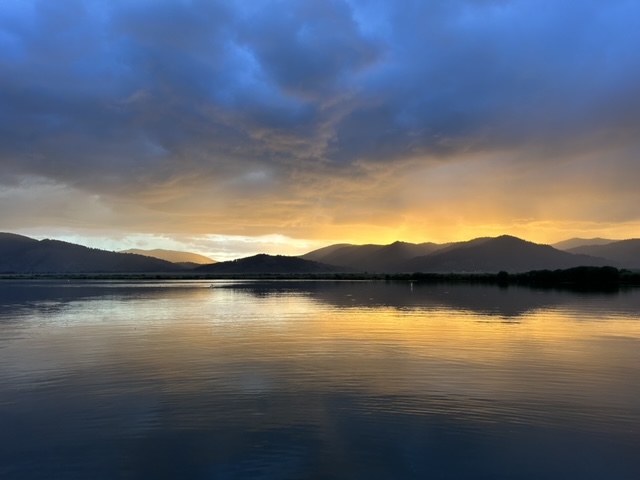
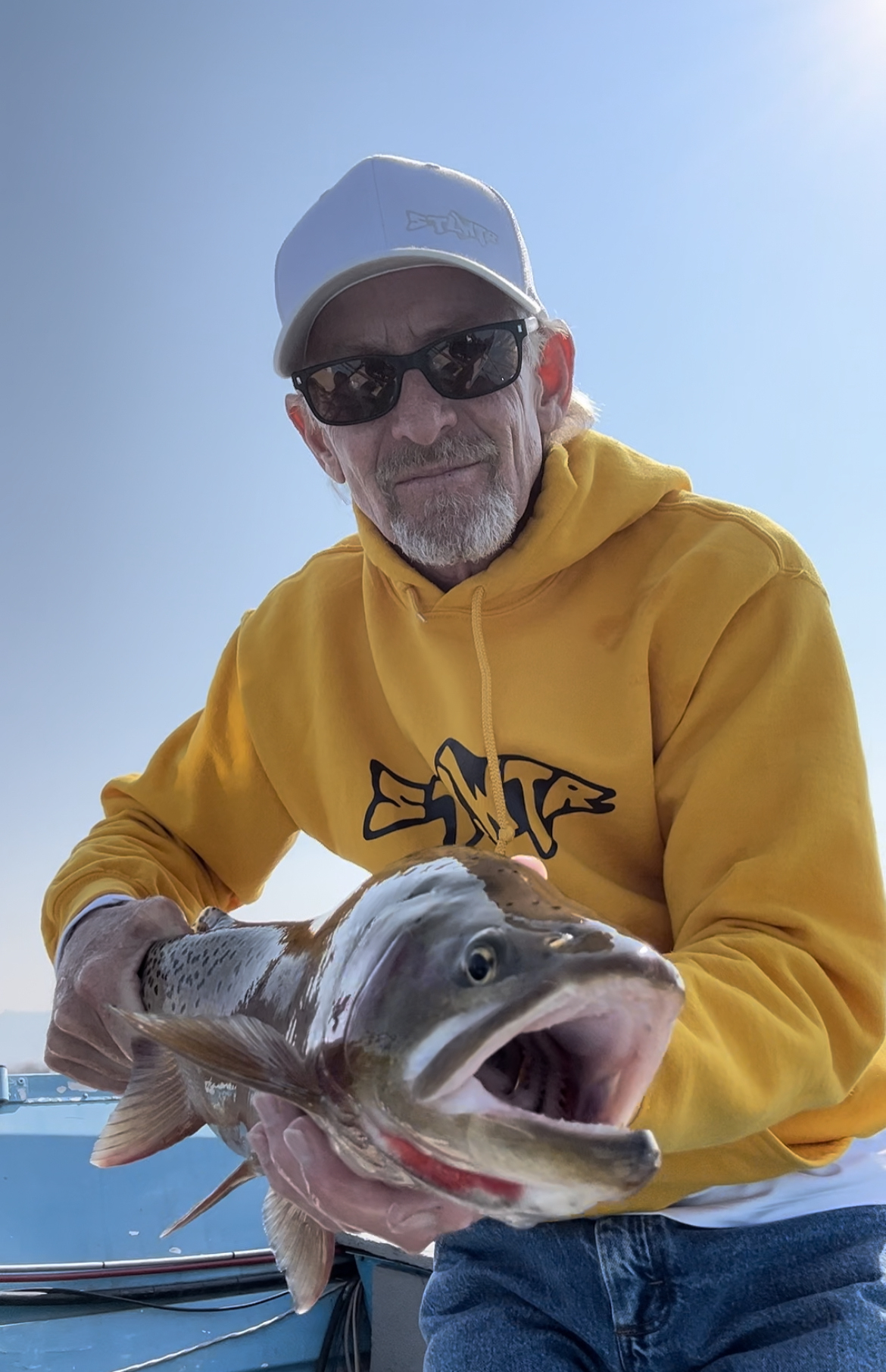
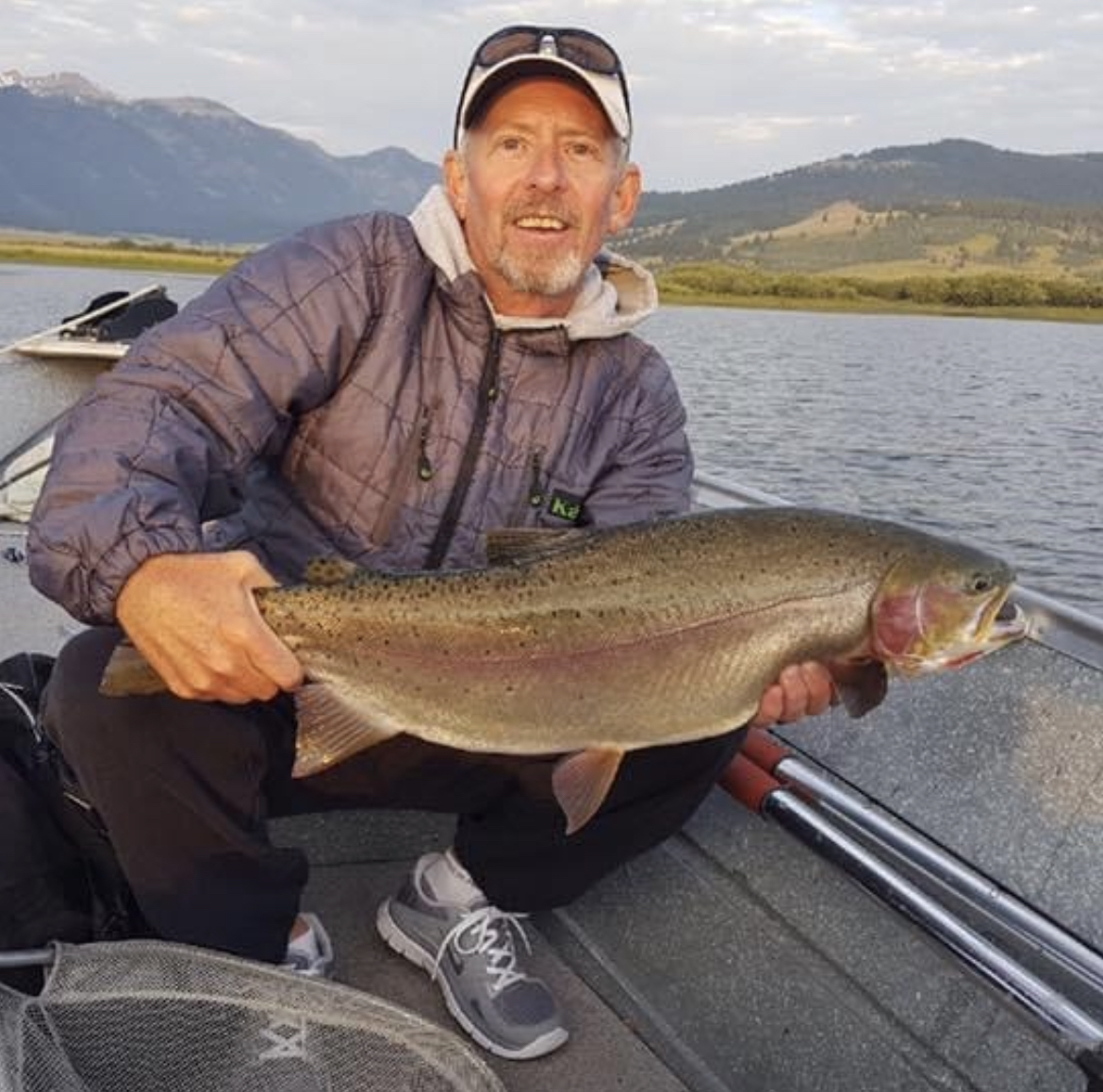
Conclusion on Henry’s Lake Foundation

In this podcast, learn about Henry’s Lake Foundation with Damon Keen!


WFS 503 – Fly Fishing Henry’s Lake with Phil Rowley – Stillwater, Mayflies, Golden Dorado

Fly Fishing Henry's Lake

Phil Rowley joins us today to share his wealth of knowledge on Stillwater, this time zeroing in on fly fishing Henry’s Lake.

We’re gearing up for an exciting event, and a lucky winner will snag a trip to this area, along with a handpicked selection of top-tier gear.

Our stillwater guru also provides updates on his upcoming adventures, including trips to Argentina chasing giant rainbows and Golden Dorado.

Plus, find out the three key factors Phil considers when fishing a new lake.

Fly Fishing Henry’s Lake with Phil Rowley. Hit play below!


apple podcasts

Find the show:  iTunes | Stitcher | Overcast

Subscribe on Android

Subscribe on Apple Podcasts

Subscribe via RSS

(Read the Full Transcript at the bottom of this Blog Post)


Sponsors and Podcast Updates


Fly Fishing Henry's Lake

Fly Fishing Henry’s Lake Show Notes with Phil Rowley

02:50 – Phil Rowley provides an update on his busy schedule, which includes early-year commitments to fly fishing and outdoor shows.

He also mentions an upcoming trip to fish giant rainbows in Argentina’s Jurassic Lake and a unique opportunity to chase Golden Dorado.

03:37 – Phil hosts trips to Argentina in partnership with Estancia Laguna Verde. The lodge owner also owns Golden Dorado River Cruisers, which operates a luxurious refurbished houseboat for cruising along the Parana River.

11:25 – Phil’s initial visit to the Island Park area was for an episode he filmed alongside Bob Jacklin for the New Fly Fisher. They primarily focused on river fishing. However, he did spend one day on Hebgen Lake.

14:00 – Hebgen Lake is known for its abundance of Callibaetis hatches, particularly in August. Unlike many lakes that experience a summer slowdown with trout going deep due to reduced oxygen content, Hebgen Lake offers excellent dry fly fishing opportunities during this month.

17:00 – Callibaetis is one of the few Stillwater-based mayflies. It’s from the swimming nymph family. Unlike many mayflies, which are not commonly found in lake environments due to the lower oxygen levels, Callibaetis has external gills.

18:15 – Another mayfly you might run into in lakes is Hexagenia limbata.

Photo via https://entnemdept.ufl.edu/creatures/AQUATIC/mayfly.html

22:00 – Phil Rowley provides insights into the contents of his fly box when fishing in the Henry’s Lake area.

28:00 – The washing line setup is a multi-fly arrangement where you position the buoyant fly on the point, farthest from the fly line, and then hang one or two flies off independent droppers.

Stillwater Giveaway

32:49 – Just a quick shout-out to the giveaway we have going on right now. You can visit wetflyswing.com/giveaway where we’re offering a trip and a bunch of gear related to this area.

Additionally, we’re working on organizing a live event where you can get more information on the topics we’re discussing today, and we’ll have Phil there to answer questions. Keep an eye on wetflyswing.com/live for more information.

Phil Rowley’s Fly Patterns

33:00 – Phil highlights a couple of fly patterns for each category. Phil has a pattern called the Holo worm. It is a curved scud hook, and a little red Marabou tail to suggest a wiggling larvae.

Another great option is Jerry McBride’s “Bionic Worm.” This pattern features a fluorescent pink tail, a red body, and a hot orange bead for added visibility.

35:00 – Other flies in the pupal stages are your basic black and red chironomid.

36:00 – Phil’s Collaborator pattern’s burnt orange coloration with a red butt is designed to mimic the presence of residual hemoglobin in the pupa.

Fly Fishing Henry's Lake

Tips When Fishing a New Lake

41:00 – Phil emphasizes the importance of prior research when fishing a new lake. He suggests checking online resources, including Facebook groups, forums, and fishing reports from local fly shops.

3 Things to Look for in a Lake

  1. Comfort – Comfort for trout is primarily determined by water temperature and its relation to oxygen content. Phil looks for temperatures between 50 and 65 degrees Fahrenheit.
  2. Protection – Protection factors give trout confidence to feed. This includes rippled surfaces, algal blooms, and underwater structures like drop-offs, weed beds, points, rocky outcroppings, and sunken islands.
  3. Food – Food sources are crucial, and Phil focuses on identifying hatches and where the bugs are most likely to be found.

You can find Phil on Instagram @PhilRowleyFlyFishing.

Facebook at Phil Rowley Fly Fishing

YouTube @PhilRowleyFlyFishing

Visit his website at StillWaterFlyFishingStore.com and

FlyCraftAngling.com

new lakes

new lakes

Fly Fishing Henry’s Lake Resources Noted in the Show

Fly Fishing Henry's Lake


Fly Fishing Henry’s Lake Videos Noted in the Show

Related Podcast Episodes

Littoral Zone #1 with Phil Rowley – Finding Fish on Stillwaters, Fly Fishing Tips and Tricks

Fly Fishing Henry's Lake

Fly Fishing Henry’s Lake Conclusion with Phil Rowley

Don’t forget to enter our stillwater giveaway for a chance to win a fishing adventure in this area.

Keep an eye on wetflyswing.com/live for updates on our upcoming live event, where you can delve deeper into the topics discussed today and have your questions answered by the expert himself, Phil Rowley.


Enter to Win the Stillwater School School Giveaway – School of Fishing

Click the link below to enter the Stillwater School Giveaway with Phil Rowley to the Henry’s Lake area.

This is hosted by our parent brand – School of Fishing

Click here to Enter the Fly Fishing Giveaway Now:

stillwater school giveaway


WFS 502 – Native Fish Coalition with James Suleski – Brook Trout, Brown Trout, Pennsylvania

Native Fish Coalition

Today we dive into fishery science and conservation with James Suleski of the Pennsylvania Native Fish Coalition. James is on a mission to bridge the gap between anglers and fisheries scientists.

We explore the challenges faced by native brook trout, like climate change and the impact of invasive brown trout. Tune in to learn more about the strategies, misconceptions, and hopes for protecting these species.

Native Fish Coalition with James Suleski. Hit play below!


apple podcasts

Find the show:  iTunes | Stitcher | Overcast

Subscribe on Android
Subscribe on Apple Podcasts

Subscribe via RSS

(Read the Full Transcript at the bottom of this Blog Post)


Sponsors and Podcast Updates

Native Fish Coalition

Native Fish Coalition Show Notes with James Suleski

2:45 – James is a board member of the Pennsylvania Native Fish Coalition, where he specializes in science communication.

03:55 – Native Fish Coalition is a grassroots, donor-funded 501(c)(3) nonprofit dedicated to protecting, restoring, and advocating for native fish.

04:20 – James says he’s just a regular angler who found his way into Pennsylvania’s fly fishing scene after college and graduate school.

There, he noticed that anglers and fisheries scientists had completely different takes on what was going on with native fish species, especially brook trout.

Native Brook Trout in Pennsylvania

06:00 – James highlights two critical factors affecting native brook trout: climate change and invasive fish species.

14:40 – James clarifies the misconception about the term “invasive brown trout.” Efforts to address this issue are not about removing them from well-known fisheries on a large scale.

Instead, it involves carefully selected smaller streams with barriers to protect native brook trout populations.

17:40  – Selective conservation efforts in smaller streams where it’s ecologically and socially feasible include stocking reform, catch and release regulations, and controlled harvest of non-native trout species.

Native Fish Coalition

41:00 – James remains optimistic because Pennsylvania has yet to explore cost-effective management strategies. One such approach is stopping the stocking invasive trout, which has shown promise in small streams.

47:00 – James highlights Dr. Shannon White’s research on brook trout, which challenged the previously held belief that brook trout are sedentary.

58:00 – According to the International Union for Conservation of Nature, roughly a third of freshwater fish are at risk of extinction.

1:00:00 – Native Fish Coalition’s strategy involves educating the public, encouraging them to reach out to legislators for stocking reforms, and fostering dialogue to promote responsible conservation practices.


Visit their website at NativeFishCoalition.org

Native Fish Coalition

Related Podcast Episodes

WFS 446 – Maine Fly Guys with Greg LaBonte – Musky, Brook Trout, In the Film Podcast

Native Fish Coalition

Native Fish Coalition Conclusion with James Suleski

We gained insights into the challenges and opportunities surrounding native fish conservation. Reaching out to your local fisheries managers and engaging in discussions can make a big difference in preserving our aquatic treasures.


WFS 501 – The Fly Fishing Rep with Dick Sagara – Lefty Kreh, Jim Teeny, Rick Pope

fishing rep

In this podcast, learn about The Fly Fishing Rep with Dick Sagara!


The Fly Fishing Rep with Dick Sagara. Hit play below!

apple podcasts

Find the show:  iTunes | Stitcher | Overcast

Subscribe on Android

Subscribe on Apple Podcasts

Subscribe via RSS

(Read the Full Transcript at the bottom of this Blog Post)


Sponsors and Podcast Updates


fishing rep

The Fly Fishing Rep Show Notes with Dick Sagara

2:40 – Dick shares his first memory of fly fishing which is watching the tv show starring Gadabout Gaddis.

Photo via: http://www.gadaboutgaddis.com

4:00 – He mentions Joe Brooks. We talked about Joe in the podcast in episode 071.

5:00 – He tells a story about the relationship between Joe Brooks and Lefty Kreh.

Photo via: https://www.rainysflies.com/blog-app/remembering-lefty

7:16 – We go back to his early life. Their family used to go on long vacations to see sights and fish. They used to drive a convertible Buick Electra.

16:25 – We dig into the beginning of his professional career in the fly fishing industry.

23:27 – He talks about Rick Pope whom we had in the podcast in episode 158.

Photo via: https://www.facebook.com/rick.pope.37/

29:35 – He tells a story about Lefty during a trade show he attended with Temple Fork Outfitters (TFO).

37:40 – He talks about how he ran into my dad, Doug Stewart, back in 1977. My dad owned a fly shop in Gresham, Oregon that time. We also had him in the podcast in episode 031.

43:08 – Dick is Jim Teeny‘s longest-serving sales rep. We had Jim in the podcast way back in episode 005. Lefty told him that Jim was the finest salmon fisherman he had ever fished with.

Photo via: https://www.instagram.com/teeny_inc/

46:35 – Jim wrote the book entitled “The Teeny Technique for Steelhead and Salmon: Lefty’s Little Library of Fly Fishing”.

54:05 – Dick donates instructional trips every year. He tells a bit more about his recent one in the Deschutes.

55:25 – We dig into euro nymphing.

1:04:05 – He tells more of his favorite stories about Rick Pope and my dad such as that time when my dad got into a fight while steelhead fishing with the family.

1:10:53 – We talk a bit about racism.

1:19:37 – Currently, he works with several brands such as TFO, Angler Sport Group, Rainy’s Premium Flies, Jim Teeny, and Aquaz.

fishing rep
Photo via: https://www.facebook.com/aquazfishing

1:23:20 – He walks us through what a fly fishing rep does. He likes working with anglers.

1:29:11 – For TFO, he covers Oregon and Washington. He also mentions the areas he covers for the other brands he represents.

1:30:18 – He has a certain love for the Driftless area. We had Geri Meyer in the podcast where we mainly talked about the Driftless area.

1:35:40 – He tries to attend as many shows as he possibly can.

1:39:02 – If he’s traveling down the road, he likes listening to classic rock. He likes The Long and Winding Road by The Beatles and Psycho Killer by Talking Heads.


You can reach Dick Sagara via email at dsagara54@gmail.com.


Related Podcast Episodes

WFS 071 – Joe Brooks Podcast – Salt Water Fly Fishing, American Sportsman, Babe Ruth, Alcoholism


WFS 158 – Temple Fork Outfitters with Rick Pope – TFO Rods, Lefty Kreh, Cosmic Cowboys


WFS 031 – Deschutes River Steelhead with Doug Stewart | Fly Fishing Pioneer, The Max Canyon, Rattlesnake Tales


WFS 005 – Jim Teeny Interview – 60 Years of Fly Fishing, Sinking Lines, Spotting


WFS 468 – Driftless Fly Fishing with Geri Meyer – Driftless Angler, Caddis Flies, Crane Flies


fishing rep

Fishing Rep Conclusion with Dick Sagara

In this podcast, learn about The Fly Fishing Rep with Dick Sagara!


WFS 500 – Klamath Dam Removal with Ann Willis – American Rivers, Snake River, Salmon

Klamath River, Shane Anderson

In this milestone episode, we talk about the Klamath Dam Removal with Ann Willis. Ann shares her incredible conservation journey, starting from a 6-day white water raft trip.

We explore the unique characteristics of the Klamath River, the catalyst for conservation efforts following a devastating fish kill, and the ambitious goals set by American Rivers for dam removal across the nation.

Klamath Dam Removal with Ann Willis. Hit play below!


apple podcasts

Find the show:  iTunes | Stitcher | Overcast

Subscribe on Android

Subscribe on Apple Podcasts

Subscribe via RSS

(Read the Full Transcript at the bottom of this Blog Post)


Sponsors and Podcast Updates

Klamath Dam Removal

Klamath Dam Removal Show Notes with Ann Willis

02:47 – Ann’s journey into conservation began with a 6-day rafting trip on the Middle Fork Salmon River. This led her to work as a white-water raft guide for several years.

After realizing the need for a more sustainable career, she delved into river science for 15 years and ultimately led her own research program at the U.C. Davis Center for Watershed Sciences.

Ann Willis guiding a raft down the Grand Canyon. Photo credit: Amy Quinton

10:00 – The Klamath River was a highly productive ecosystem until around 1918 when the construction of hydroelectric dams began. Among those dams were Copco No. 1, Copco No. 2, Iron Gate, and JC Boyle.

Klamath Dam Removal
Klamath River, Shane Anderson

18:42 – In the early 2000s, a significant event that catalyzed conservation efforts in the Klamath River was a massive fish kill.

During a drought, water shortages and poor water quality caused by the dams led to the devastating sight of dead fish floating for miles along the riverbanks.

30:00 – Monitoring efforts in the Klamath River assess stream flow, water quality, and the presence and distribution of aquatic life such as insects and fish.

35:00 – The removal of dams can have a positive impact on climate change by reducing greenhouse gas emissions associated with reservoirs. Additionally, it encourages the shift towards more sustainable and emissions-friendly energy sources like solar and wind power.

Klamath Dam Removal
Photo via https://www.americanrivers.org/dam-removal-on-the-klamath-river/

About American Rivers 

38:00 – In light of American Rivers’ 50th Anniversary, Ann gives advice to those advocating for the removal of the Snake River dams.

Hells Canyon on the Snake River, ID. The Snake River is one of the next large dam removal campaigns to improve river health for people and the environment. Photo credit: Ann Willis

46:00 – Ann acknowledges the lack of diversity in conservation organizations. She added that there are also Eurocentric notions that need to be reevaluated, like the idea that these natural spaces are resources for us to profit from or benefit from rather than steward and enhance.

49:00 – American Rivers was founded in the 1970s, a period before the establishment of significant environmental regulations such as the Clean Water Act and the Environmental Protection Agency.

49:30 – There was a notable incident where the Cuyahoga River in Ohio caught fire due to extreme pollution. We talked about this in an episode with Alex Czayka.

51:00 – American Rivers has set ambitious goals to address dams across the country that have reached the end of their practical lifespan. Their vision includes the removal of 30,000 dams by 2050.

59:24 – People interested in the dam removal can reach out to the Klamath River Renewal Corporation.

Klamath Dam Removal
Photo via https://www.americanrivers.org/2022/11/five-key-lessons-as-worlds-biggest-dam-removal-project-will-soon-begin-on-the-klamath-river/


Check out American Rivers:

Website: AmericanRivers.org

Instagram: @americanrivers

Facebook: American Rivers

Klamath Dam Removal Related Podcast Episodes

WFS 498 – The Dirtbag Diaries with Fitz Cahall – Duct Tape Then Beer, Climbing, Yosemite

WFS 493 – Western Reserve Land Conservancy with Alex Czayka – Cuyahoga River, Steelhead, Ohio


WFS 495 – cc – Hetch Hetchy Valley, BearVault, Yosemite Outfitters

Klamath Dam Removal

Klamath Dam Removal Conclusion with Ann Willis

Ann Willis has shed light on the remarkable Klamath Dam Removal project and the broader mission of American Rivers. From the challenging journey of conservation to the promising future of river restoration, this conversation ignites hope. What’s your next river adventure, and how can you contribute to the preservation of these vital ecosystems?

         
Support Our Podcast Sponsors         
Support Our Podcast Sponsors       
Support Our Podcast Sponsors         

Support Our Podcast Sponsors

         
Support Our Podcast Sponsors         

POPULAR ARTICLES