Home Blog Page 23

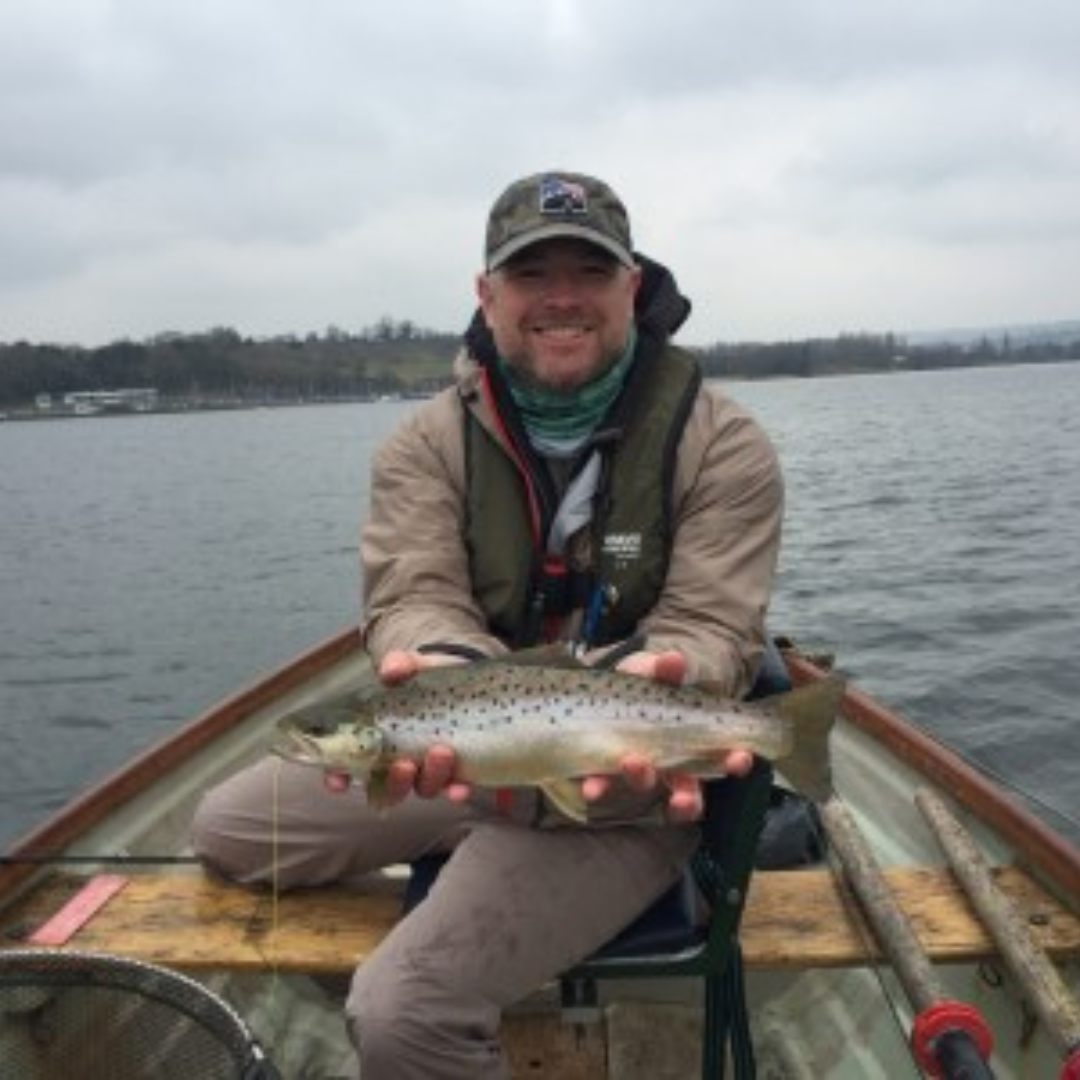
706 | South Carolina Redfish with Capt. Johnny Mainero – Striped Bass, Speckled Trout, Flounder

If you only had one shot to hook that trophy fish while on the water, could you make it? You had one chance to make that perfect cast, that the fish sees it and hooks up. Today we’re heading to South Carolina to find out how you can put it together for Redfish so you can make that shot next time you are on the water.


Show Notes with Capt. Johnny Mainero. Hit play below! 👇🏻

apple podcasts

Find the show:  iTunes | Stitcher | Overcast

Subscribe on Android

Subscribe on Apple Podcasts

Subscribe via RSS

(The full episode transcript is at the bottom of this blogpost) 👇🏻

Sponsors and Podcast Updates

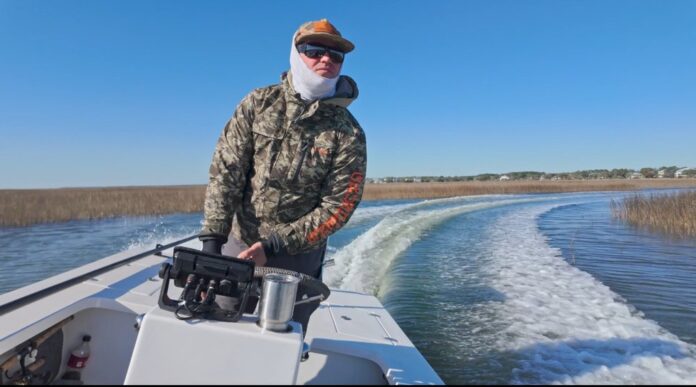
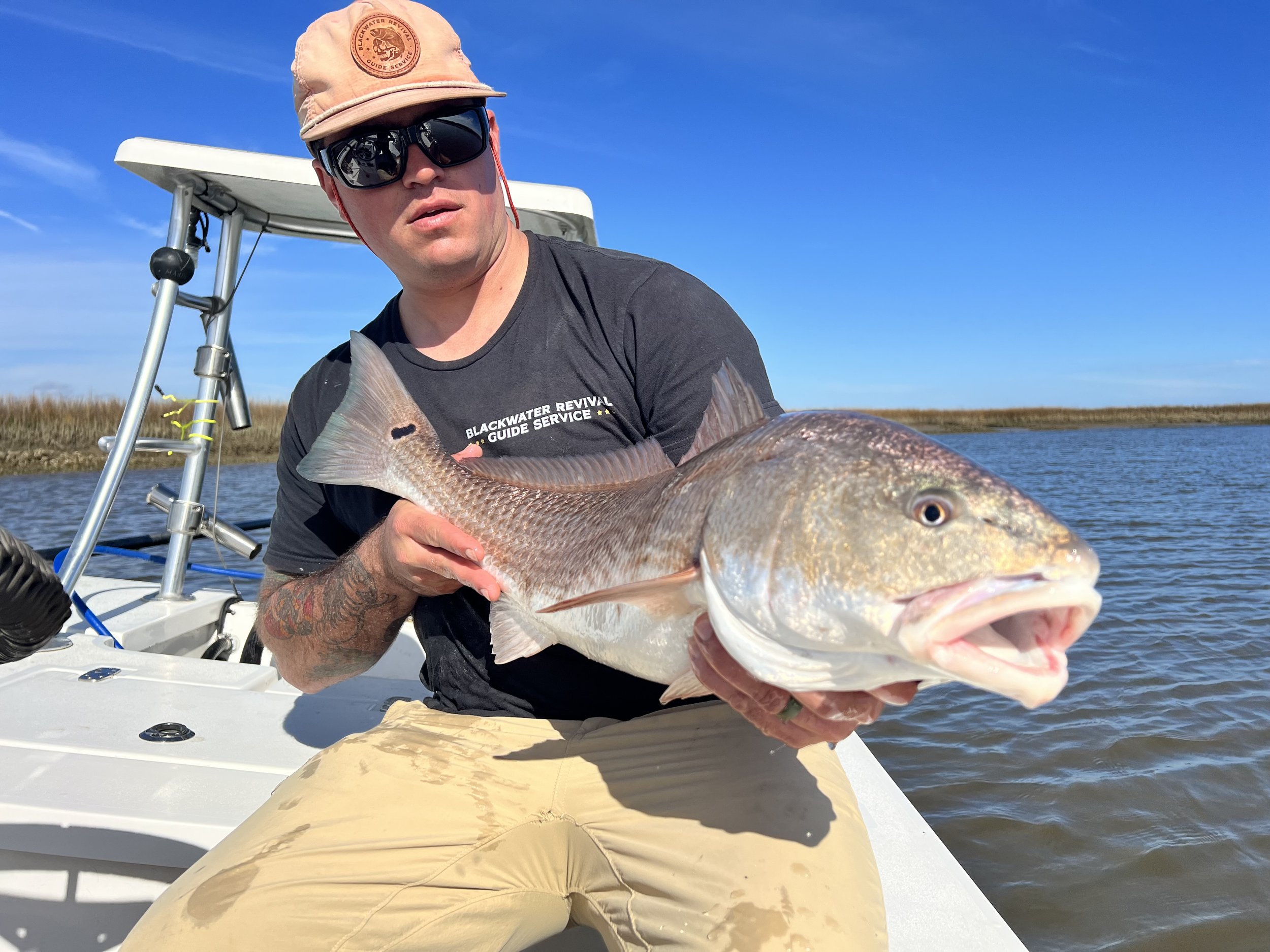
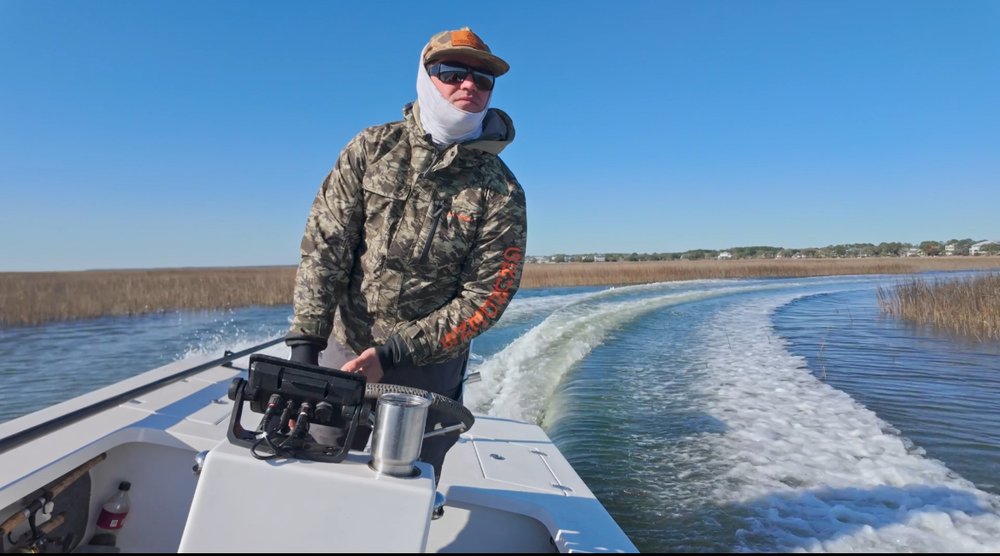
Johnny Mainero from Blackwater Revival Guide Service @fishblackwater is gonna take us on a trip to understand Redfish and the experience fishing South Carolina waters. You’re gonna find out when you should be planning your next trip, what you should be thinking about, and what to avoid. You’re gonna find out how to find the fish and position yourself for success and his take on the best rod to use for Redfish. And a little hint here… this is not a super-fast action rod. Plus, you’re gonna find out why he’s adding sharks to his program potentially in the coming years. Stay tuned!


Follow Black Water Guide Service on Instagram @fishblackwater

Check out their website at FishingBlackWater.com


Related Videos

Related Episodes

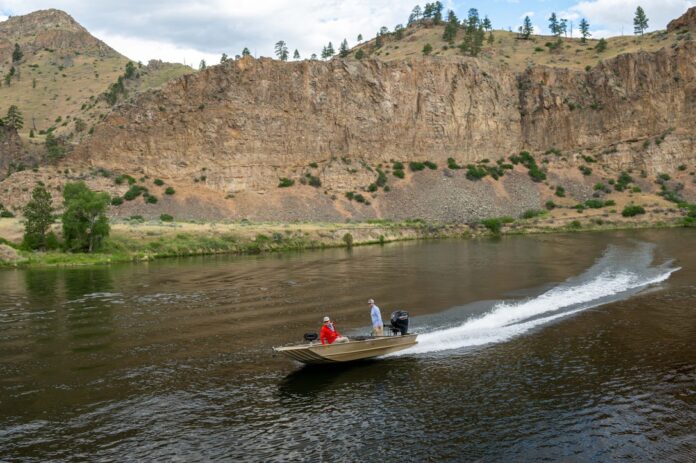
In the Bucket #11 | Steelhead Science: Insights from Fisheries Biologists with Bob Hooton, Brian Morrison, and John McMillan

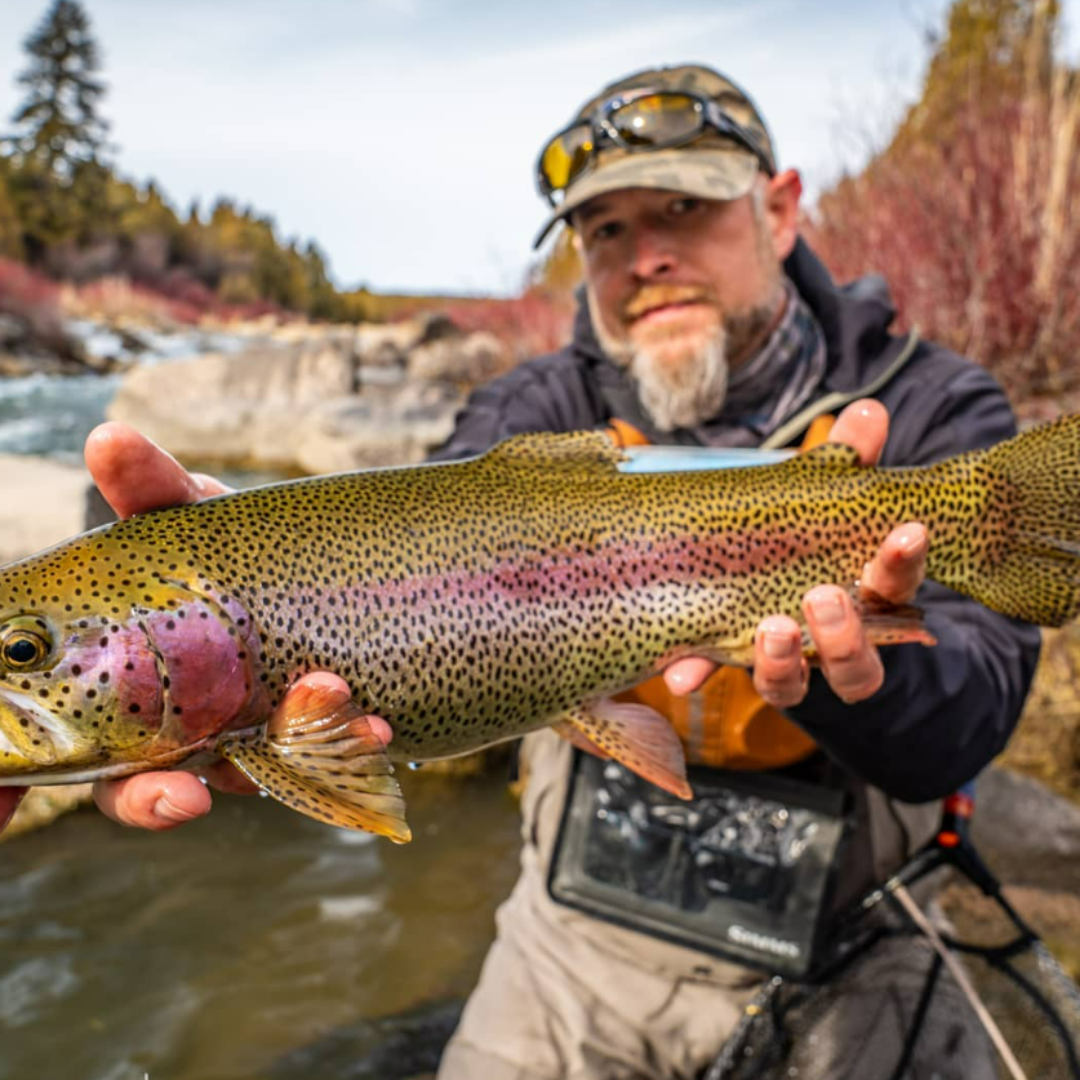
WFS 572 – Sight Fishing For Redfish with the Bay Flats Lodge Crew – Texas Coast, Double Haul


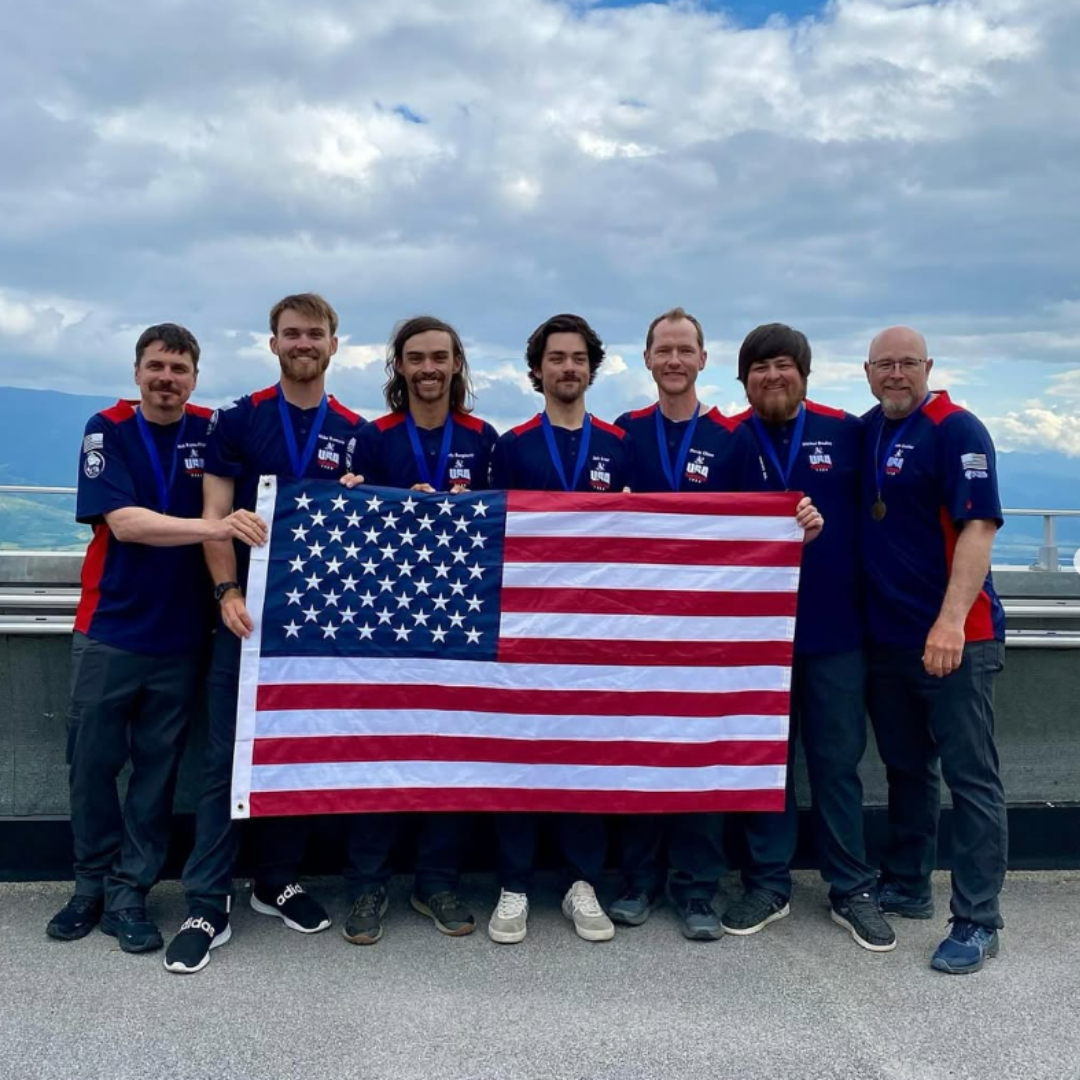
Traveled #23 | Fly Fishing World Championships with Glade Gunther: Inside the Idaho Fly Fishing Event

In this episode, host Dave talks with Glade Gunther, Fly Director for USAngling and member of Fly Fishing Team USA. Glade is also in charge of sharing what’s planned and how people can join in the fun.

Dave and Glade will tell you about the famous rivers in Idaho and how the event works, and they will even give some helpful fishing tips. Whether you want to watch the competition, volunteer, or just become a better fisherman, this episode has everything you need to know!

Show Notes with Glade Gunther on Idaho Fly Fishing. Hit play below! 👇🏻

apple podcasts

Find the show:  iTunes | Stitcher | Overcast

Subscribe on Android

Subscribe on Apple Podcasts

Subscribe via RSS

(The full episode transcript is at the bottom of this blogpost) 👇🏻

Sponsors and Podcast Updates

Episode Chapters with Glade Gunther on Idaho Fly Fishing

1:09 – From casting simple spinners as a child to learning the art of fly fishing as a teenager, Glade Gunther’s journey reflects the timeless appeal of fishing as both a personal pastime and a shared experience.

5:15 – Glade shares how today Fly Fishing Team USA continues to grow, selecting top anglers every two years based on a points system. Glade explains how recent changes have made it easier for people to participate, and how the team is now made up of the best 15 anglers in the country.

7:28 – After COVID paused competitions, Fly Fishing Team USA revamped its selection process by creating a regional system, dividing the U.S. into four sections. This made it easier for anglers to compete locally without extensive travel.

15:12 -Glade proceed in sharing how Fly Fishing Team USA’s selection process allows anglers to compete in up to three regional events, counting their best two scores to account for luck and variability in conditions. Rankings from regional events are combined with points from interregional competitions to determine the top anglers.
 

30:52 – Glade emphasizes how the U.S. aims to minimize disruption and avoid conflicts with local anglers. With careful planning and support from state and federal agencies, the event will promote conservation, safe fishing practices, and a fun, competitive environment for participants.

36:33 – Glade describes their success in securing bids for organizing a fly fishing event and the subsequent planning efforts involved. They mention having a cabin in Island Park, Idaho, which lies within the renowned “golden triangle” of fly fishing, spanning Montana, Wyoming, and Idaho.
 

43:03 – The youth fly fishing team recently achieved remarkable success at the World Championships in the Czech Republic, sweeping the podium with 1st, 2nd, and 3rd place finishes and securing the team gold medal.

________________________________________________________________________

Visit their website at USAngling.org


________________________________________________________________________

Read Full Transcript Below

Episode Transcript
0 (3s): The World Championships for fly fishing make its way to the US about every 10 to 20 years. And this year we are in luck because they will be held in eastern Idaho within the golden triangle of fly fishing. And today you’re gonna find out all the great resources you need to know to check out this event and up your game this year. Hey, this is Dave host of the Travel podcast. I’ve been fly fishing since I was a little kid, grew up around a little fly shop and now we’re traveling all around the country, checking out new destinations. Gla Gunther team, USA member and events coordinator for Team USA. And the US Angling is going to walk us through the events this summer that they have going on in July with some of the famous waters out in Eastern Idaho. 0 (48s): We’re gonna find out where they’re traveling, how all these events are coming together, and what you can do to get involved and check ’em out this year. Plus we’re gonna get a few tips outta Glade in the process as we jump into this and talk about fly fishing, competitive fishing, and what you can do to improve your on the water experience today. This episode of travel is presented by Yellowstone Teton territory, where you can explore great fishing, hunting, hot springs, and much, much more. Alright, let’s get into this one here. We gola Gunther from fly fishing team usa.com. How you doing? Glad 1 (1m 26s): I’m doing well, thanks. Yeah, 0 (1m 27s): Thanks for setting some time aside today to talk about team USA competitive fly fishing. I think this is a always an awesome topic because we’ve had a number of episodes out there and they’ve been some of our biggest, I was just looking back at the past year and Gilbert Rowley, who I know isn’t necessarily, I don’t think on Team USA, but he has a connection to some of the guys. And his episode is one of our largest episodes of the of the year. And, and so we always find that, I think that euro ing I think comp you, sometimes you hear stuff about it, like people are like, oh, what’s competition fly fishing? But I think it’s really important because there’s a lot of fly fishing advances that come through, I think, what’s going on there. So we’re gonna talk about that today. We’re gonna talk about who, who you are and what your connection is to all this. 0 (2m 8s): ’cause I think you’re a big person behind the scenes there. But before we get into that and maybe some tips on, you know, fishing and all that, maybe talk about first how’d you get into fly fishing and, and what’s your first memory? 1 (2m 19s): Oh boy. Wow. First memory. You know, my first memory of fishing broadly was on the little bear up near Higher Utah. My dad took me fishing up there when I was, I don’t know, I want to say, yeah, 10 or 11 years old. I’m pretty sure I was just throwing a spinner or something, you know, just rod and reel, not fly fishing, but hooked into, you know, again, memories are distorted, of course, but what seemed like a monster brown trout. And I, I suspect it was only like a 16 or 18 inch fish, but frankly, that really got me hooked. So it was just, and my, my dad’s not even a, a fly fisher at all, like, or a fisherman at all, for any intents and purposes. 1 (3m 3s): He just, he had me out in the woods in the wilderness and on a river, and we were just standing there, not in waders, just went waiting. And it was a great time. We, we caught fish and it was fun. So that, that really got me hooked in fishing and then fly fishing. I had a scout master of either, I can’t remember, it was when I was 12, 14 years old that really just kind of got me introduced into fly fishing, frankly. We started fishing the bear really kind of like tight line worm fishing. Yeah, right. I mean, almost no weight, really just lobbing worms into holes, you know, getting, letting ’em get down, really trying to play the sensitivity game when you feel that bite. 1 (3m 43s): And we used to wreck rainbow trout doing that. It was a blast. I haven’t fish worms in a long time, but if I was to go try to, to re replicate that, I think I’d have probably have great success. But anyway, that kind of got me going down that kind of, that, those techniques in terms of how to fish with very little weight, you know, how to really use the rod to catch fish, not just, not just bait. And then, and then that really just transitioned, actually a, a future scout leader really got me into fly fishing because that was probably when I was, so I was 16 years old, give or take. And then really just took off from there. 0 (4m 14s): Nice, nice. And where did the, I guess we could probably fast forward a little bit here, but where did the team, USA, where did all that connection start for you? 1 (4m 22s): Oh boy. I actually was the president of a fly fishing club at a, a place that I worked, and this would’ve been back in the mid two thousands range. And I had that during that time period I had invited, or I, I’d gotten to know Lance Egan and Devin Olson in that, in that time period. So of course kind of anchor people within the, the US comm fly fishing community generally. And, and specifically in, in the competition fly fishing. But I’d gotten to know them and they had a event where they held a competition here in northern Utah and they were looking for volunteers, people to come and watch, you know, measure them catching fish. 1 (5m 3s): And I, again, I’d been introduced to Lance, I’d gotten to know them and I volunteered to recruit from amongst the populace of the club that I led. And that was really my first exposure with competitive fly fishing. There you 0 (5m 14s): Go. What was that event they were doing? 1 (5m 16s): They hosted, there was a, I think they called ’em at the time, regionals, but basically eng English from all over over the country came to Utah. They, we set up on the Provo River on the upper and victory ranch section, if you recall, if you know where that is. We had a couple sectors there. And then we fished a lake as well, I think Smith, Morehouse Lake. I had some grayling and rainbow trout in there. Again, I remember meeting just people from all over the country and thinking, well this is great. This is fun. Watching them fish, talking to them while they were fishing, you know, getting a little different insight. I thought at the time that I was a pretty good fly angler. And then being able to watch them and learn from them as I kind of experienced that was really kind of eye-opening. 1 (5m 56s): Seeing different techniques, different flies, things that I’d never really experienced previously. I think really just opened my eyes to a world of possibilities beyond what, what probably the average fly fisher who will go out and spend. I don’t know. I mean, your average fly fisher probably fishes six to eight times a year, you know, really. And it really just broadened my vision of what fly fishing could be in terms of how many fish I catch, what expectations are for what a good day of fishing looks like. Of course, all the days fishing are good days fishing, but, you know. Yeah, 0 (6m 26s): I hear you. No, I, I I imagine two of the best, you know, two guys that you know, are kind of top of the game. And we have obviously have a lot of these episodes where we have people that are, you know, professional fly anglers essentially. Right. We had Mark Razr on recently and he was talking about, you know, he’s on the Missouri and he was talking about how every day, still to this day, he’s been guiding for 25 plus years. He still spends 10 minutes and casts the yarn rod, you know the echo yarn rod? Yeah, 1 (6m 52s): Yeah, yeah. I have one in my basement. I, I was moving some stuff around the other day and I’m like, holy cow, here’s my old school. I mean, I don’t know how long ago I got that thing right. 0 (7m 1s): Yeah. The yarn rock 1 (7m 2s): Ages ago. Yeah. 0 (7m 3s): Yeah. And so, and I think that’s the what separates, I think people like Devon, Lance, everybody else’s that. Yeah. I mean, they’re doing it full-time. They’re kind of top of the game. So now you had, so you had that connection. When did talk about, now what are you doing for team USA? What, what are your, what’s your current role? 1 (7m 17s): Maybe just a really quick rundown. I think that was probably back in 2006. I probably competed in an event the first time. I don’t know if it was 2007, 2008. I went to my first national championships in 2009. I didn’t make the team at that time, but I went, I felt really happy winning a session. Like I, you know, you basically, y’all line up in a river or a lake, whatever it might be. And you know, you get assigned a piece of water and I, I happen to catch the most fish in my little sector in that moment. And of course, again, every little win gives you a little more confidence to take the next step and maybe participate a little bit more. And then another couple years of competing. And I recall, I think I made fly fishing team, USA in, I wanna say it was 2012, been to Oregon, my recollection. 1 (8m 5s): And then really it’s kind of just been a cut and paste since then, every two years minus covid Yeah. Issues. We basically host another national championship. We select another national team that’s based on the accumulation of points over basically a two year cycle where we compete, you know, in different regions. And then we’ve, we’ve kind of restructured it in recent years to kind of try to be a little more sensitive to the amount of, of time and travel required for people who were interested in the sport. But that kind of brings us up to today, right? Where we have a team fly fishing team, USA has a team of 15 anglers that are, again, based on the way that we calculate points and rankings across the country are the best, right? 0 (8m 45s): They’re the best in the last two years of, and there’s a big separation because you know, we had some of the people that were on before, you know, when you go back to and fly fishing team, USA wasn’t quite as organized and they weren’t winning. They were actually losing a lot. Right. And we’ve talked about everybody there and we know we’re, so I think this regional two year thing where you get points basically gives us the team USA, a better chance to win, right? Is that kind of the 1 (9m 8s): I think so, yeah. I think so. I think that, I think that’s true. And we tend to make small tweaks every year. We have made a couple times we’ve made big changes, but we, I mean, consistency is good. I don’t know, within the competitive fly fishing community, I think there’s kind of three groups of anglers. Maybe just generically, maybe the first group is, it’s fun, it’s actually a community. Most of the anglers that participate do it because it’s a good time and they get to learn how to fish better. And really that, I think back, that’s kind of where I started. And I think most people who are in this sport kind of start there where they’re just like, Hey, you know, this fly fishing is fun for me. You know, again, they’re looking for a community and maybe not to equate it to a bar, beer pong, yeah. 1 (9m 53s): League. But, you know, something like that. It’s more of a social endeavor. And I think that that’s fantastic and it brings a, a source of community to the sport and, and I think it’s really useful. And then there’s the kind of the, I don’t know what I would call middlings, but there’s the people who are kind of in that transition. Like they wanna really get better and they’re really working on developing their skill sets. ’cause they actually see a path to advancing their own, you know, personal accomplishments, maybe the chance of making the team. And then there’s the ones that are really super dedicated to the sport that the people who really set aside the time and resources necessary to make themselves the best, have an opportunity to do so. 1 (10m 33s): And the framework that, one of the frameworks I should say that exists is fly fishing team, USA, particularly in the sense that I think about the people on the team who are the best. That’s what they do. Like they set aside two, three, sometimes four days a week. And they are not just prac, they’re not just going fishing. They’re literally working to be the best at the situation. You know, they’re, they don’t just go and say, Hey, I’m gonna go throw NIMS today, or I’m gonna go just throw the streamers today. They walk up to the river and go, oh situationally, what’s the best way for me to catch that fish? And I, I think that’s probably what separates them from the, I’ll say the average or even the better than average angler, 0 (11m 9s): Right? They’re more analyzing it on the stream. Yeah. I’m trying to like, what does that look like? You know, the Devon Dolson, the Lances, those, those, or even the guides like outfitters, right? People that are doing it every day. 1 (11m 20s): I mean they, their career depends upon it to a certain extent. You know, if you’re a guide, right, you need to be able to put your clients on the fish that you know are in the river. It’s incumbent upon you to know your river particularly well. I think maybe one thing that differentiates and, and not to throw shade at anybody in any situation, but differentiate, maybe the average guide from a fly fishing team, USA exceptional angler is that they’re in a, just because of the ty, the different types of rivers they fish all the time. Like I look at Lance or Devin and I feel like, and maybe those two persons with some exceptions, oh, some others as well, of course, but they’re, they’re the closest friends to me, so I’ll use them as examples. You know, I feel like I could drop them on any river in the world and they would figure out how to catch fish. 1 (12m 3s): It’s just, I think that sets ’em apart. And a lot of people have this misconception that competition fly fishing is Euro Ming. And that’s the farthest thing from the truth. I mean literally the farthest thing from the truth. And to be fair, nymphing is one of the most effective ways to put numbers of fish in the net. I will not deny that because I employ that technique myself as often as I can. ’cause I like catching fish. However, the best anglers can do it all. If I wanted to go have lessons on how to throw dries or streamers, I’d go talk to Lance’s only 15 minutes from my house, but I’d go fish with Lance. Right. If I wanted to learn that. But again, people have this broad misconception that at Euro Ming is competition fly fishing. And that’s just the farthest thing from the truth. 0 (12m 44s): Yeah, no, that’s true. And our closest connection, as Pete Erickson has been doing some schools and stuff for us and he, I’ve been on the water with him and he reinforced that, you know, it’s like, hey, we did kind of a, a Euro nipping school, but you know, hey we, we left it open to do whatever the situation brought us. Right. And the, so you mentioned 2012, so you kind of start, you got going there and talk about the every two years. So is it every two years on the even year that you talk about how the selection process works? 1 (13m 10s): We just rehashed the selection process post covid just because it made us reset. Like we literally didn’t compete for a year plus, right? So it was like, hey look, if we were gonna reimagine how we would do this, what would that look like? And this came really from a lot of anglers competitors, close friends. I mean, I’m not sure, there’s a gentleman in New York that had a lot of influence on this named Ken Crane. He’s great, he’s a great competitor, really interested in advancing the sport. And so he was really essential to some of these things. But I got a lot of feedback from a lot of different people. But we, at that point, we basically broke the country into regions prior to that time. We more or less expected anybody at any time to really be able to pick up their gear and fly to Pennsylvania or North Carolina or you know, or Oregon or you know, Utah, Idaho, Montana, whatever, right? 1 (14m 0s): And just go and do these competitions. And we kinda limited it to 24 persons at a time for two purposes. One was at that time we were still basically playing the, you gotta get volunteers to measure all the fish game, which was very hard, right? Getting people to give away two days on a weekend to come watch you fish is a really big lift to ask people to do. And early days we had a lot of success getting people to volunteer to do that. But to be fair, we kind of wore out our volunteer base. Yeah, you know, it, that’s just natural, you know, you use ’em too much and they’re like, I got better things I didn’t on a Saturday. I, I have watched Devon fish enough times, I’m good, you know. Anyway, so we shifted. 1 (14m 41s): So again we did two things. We went to a regional based organization where we divided the country up into forged kind of sections northeast to southeast. We call it the Midwest, but it’s basically the east side of the Rockies and then the west side of the Rockies for all intents and purposes. And of course some of the lines are a little wavy based on where populations of anglers are interested in the sport. So that was the first thing we did. And then what we did is within each of those regions, we hold basically create an a regional scoring system. So you’re only really fishing, quote unquote against the anglers in your region. I don’t have to fish against Pat Weiss in Utah. I fish against, you know, Devon Wyoming’s in the west region. So I have to fish against Devon, you know, others, again, very good anglers in the west. 1 (15m 24s): And of course you live in the Midwest, you’re fishing against anglers in the Midwest. That’s like Cody Bergdorf and Jack Arna and a bunch of other really good anglers in that area. Chris Smith. Anyway, some great anglers there. If you fish in the northeast, yeah, you gotta fish against Pat Weiss. You fish in the southeast. Yeah, you’re fishing against Michael Bradley. And those guys are dominant in their regions generally speaking. But again, we segregate it all out. So we can do that now. So there’s a two year cycle that we call the regional cycle. So over the course of that two years, we in each region will hold, I don’t know, something like 15 different events over the course of two years. Okay. So most of those events are one day, like, so you basically show up in the morning, you fish for the day, you go home that night. 1 (16m 6s): It’s a very limited time commitment and, and frankly resource commitment in terms of having to fly across the country. And that was really part of the purpose is to mi mitigate the resource requirements in order to participate. We also wanted to make it as easy for people to kind of experiment with the sport as possible. So you want to give it a try on a weekend? You can, 0 (16m 26s): Oh you can. So on the regional means, like anybody can do, they have to qualify, how’s that 1 (16m 30s): Work? Nah, regional’s wide open. And we, and in fact we don’t even measure the fish, you know, we, we try to make it, we try to remove as many barriers to participation as possible, frankly. So we used to measure every fish, we kind of just say, Hey look, you know what, we don’t have to measure all the fish, right? Let’s just count the fish that we catch at that level. Also, we do what we call competitor controlled at that level, right? Which means that we basically divide two groups. One group is fishing, another group is watching. And so you’re watching someone fish. I think there’s two really important things to that. First of all, we don’t have to get volunteers, which is fantastic. It makes it much easier to organize an event. And second you get a chance to watch someone else fish, right? 0 (17m 9s): You can learn. 1 (17m 10s): How often do you just sit back on the side of the, I mean now guides get to do this all the time, right? But you know, the average angler doesn’t sit on the side of the river and watch another angler fish for two or three hours and really try to see what’s actually going on. Where were they catching fish? You know, what techniques were they using? And so one of the overarching concepts there is if you can observe and you have the ability to, to glean knowledge there that it’ll actually increase your skills faster, right? So you can really get something from it. Whereas if you were only fishing, you don’t get that opportunity. And actually if you fished first you watch the beat, we call it a beat to stretch a river or the lake, you get watch that same beat that you just fished. 1 (17m 52s): So you can go, oh, I caught a fish there, there, there and there. And you watch that other Engler come by and maybe they’re better than you and maybe they’re not quite as good as you one way or the other. You may watch them go to that same piece of water that you just fish and catch five or six more fish and you’re like, oh, okay, wow, I missed something. Like there’s something I didn’t get. Or they go, they walk up and go, you know what? I bet Glade pounded that piece of water right there. I’m gonna go fish some of the bee water over here first, see if I can catch ’em fishing some of the bee water and then watch them go, oh my gosh, I didn’t even realize that there might’ve been a fish there. You know? So I think there’s a lot of good that comes from just observing other people fishing. Oh, 0 (18m 24s): That’s amazing. Yeah. So, and you, what you’re saying is, so events, you mentioned the four different regions. So if somebody was in, out there in the northeast, how would they get involved if they wanted to like join in like comp? 1 (18m 34s): Yeah, first of all, we have a basic membership process. So it’s, I think it’s like 75 bucks. It covers your membership for a year. For all intents and purposes. It covers operational costs and insurance policies and allows us to function. Now we don’t deliberately don’t charge for events. The organizer might have some kind of a minimal fee. So you know, they may say, Hey look, 20 bucks I’m organizing, send me 20 bucks. So we’ll make it happen. But fly fishing team USA actually doesn’t take any additional funds for the regionals. Again, we wanna make it accessible in the west, I don’t think we ever charge because we’re trying to grow our population here in some of the more established areas that have better a deeper fly fishing competition, fly fishing crowd, they, they, they’re a little more, again, mature in that sense. 1 (19m 18s): They, they charge 20 bucks a person or 10 bucks a person. So, 0 (19m 21s): So is it everything west of the Rocky Mountains is the west region? Yeah, 1 (19m 25s): It’s, it’s gonna be Arizona, Utah, Wyoming, Montana West. 0 (19m 28s): And then you rotate the states. Do you kind of rotate during the events different like the regionals, different states? 1 (19m 34s): You know, we don’t really prescribe where they are. A lot of it is just based on where there’s interest. So we tend to have, we kind of have a hub of interested parties in Utah, Idaho, and Oregon. Of course there was Wyoming as well. But there’s just, I mean it’s really just Devin, some of his friends in that area, they’ll host one or two events a year. And I don’t even like to call ’em competitions by the way, I guess for various reasons. First of all, it has a bad connotation. Are we comparing people? Well, yes, of course, but there’s no prizes, right? It’s not like everyone’s, anyone’s winning any money. And for purposes of definition for forest service and state permitting requirements, it’s a nuanced conversation, but calling it a competition, when it doesn’t meet the definition of a competition, it creates a stigma or it’s not clear. 1 (20m 20s): So I just call ’em events. They’re just like at the Boy scouts got together and went out fly fishing for a merit badge. 0 (20m 26s): Okay, so basically you put these events together and you might have one in Idaho, or let’s just say, you know, Oregon, Utah, whatever. But you, you get together and do you do a call out? Like, I mean is there a limit to the number of people who can join the event? 1 (20m 39s): I mean, technically no. We have a minimum eight eight’s the minimum. So again, we can kind of get a bunch of buddies together and go fishing and have 80 together and make it all happen. And on the Mac side, we don’t really have a constraint, but we do have a maximum number of points that we award, if that’s the right way to say it for an event. We do that just so that we have a level playing field across within the region. You know, you don’t want to have one event be worth way more points, another event. ’cause it, it diminishes interest in the one and accentuates interest in another. Right? So we just try to keep it even Steven, you know, 12 points. So 12 is the average, that means six anglers are fishing, six anglers are watching. Yeah, I see. And there’s another reason for that. It’s low impact, right? 1 (21m 18s): We don’t want to go and stretch out over six miles of a river and then have it be where there’s a maximum amount of conflict between we, we call ’em record recreational anglers or guides for that matter. You know, we don’t wanna be in people’s way any more than they want us in their way. So we try to have as small of a footprint as possible, frankly, just so that we’re minimizing any potential, I don’t wanna call it conflict, but we, you know, we, we’re not looking for a fight. We’re looking to stay low profile. 0 (21m 44s): Yeah, you, you wanna keep it low key for sure. So that makes sense. So basically you have these regionals and every two years, so two years, you go back and look at the points of whoever were the people involved and then you decide, okay, here’s the people that were the best, the best 15. Yeah. 1 (21m 56s): In each region. Well, so we picked the best in each region and then we actually, and then we go into what we call the interregional session or season for intent purposes. And that’s gonna be, again, the time period isn’t specifically defined to two years or something like that. But it’s, we’re gonna try to squeeze ’em all within like a eight to nine month period. And what that means is that each region will host a inter-regional, so the west will do one the Midwest, one northeast, southeast, everybody does one. And then what we do is we take the top X anglers from each region and we invite them to those inter-regional. So that’s an, that’s like an invitation only. And so now what we’re doing is we’re pitting the best anglers in each region against each other to try to suss out who’s the best amongst them 0 (22m 41s): At one spot. Are you doing that per, are you doing like four inner region and four, all these people are at the same four re inner region? 1 (22m 47s): What we do is we allow them to go to three of the four and we allow them to count two. Okay, 0 (22m 52s): Gotcha. 1 (22m 52s): Right. Just because hey, sometimes you don’t always get the best stretch of river. Okay, the draw matters. There’s some luck in this. This is not a hundred percent pure skill-based activity. Of course you gotta be really good angler, but you also, if you don’t get the best beat, hey the best you could do is maybe third place or fourth place on that particular stretch of water. You know. So we want to give people an opportunity to maybe toss one of their poor scores out. Now they don’t have to go to all three, but they can count up to two. Could be to be very basic about it. So what we basically have a amount of the, based on how you did in your region, you get a ranking and you get a score based on that ranking. And then depending on how you do within the inter regionals, you have a, a accumulation of points at the inter-regional level. 1 (23m 35s): And then what we do at the end of that, those two kind of pieces of the process, then we have a national championship. A national championship will be, we, we do at that point, we go down the list, we, we say who’s the best or you just start counting down, boom, boom, boom. We’re gonna take the top 40 in the, in the nation. Okay. And so whoever the top 40 are, we invite those. And of course some of ’em can’t make it, so maybe we stretch it down to 46 or 48 or whatever. So we’re just gonna take the top anglers top again, competitive anglers in the nation, invite them all to a national championship. And then from there we will take the sum of all their scores and get nationals, inter regionals and regional and then the best of the best make the team. And then the rest we thank for coming. 1 (24m 15s): We have a banquet at the end and we do some drawings and you know, give away some rods and prizes and thanks everybody for coming. It’s, you know, and basically just a celebration. 0 (24m 24s): Yeah, you have a good time. So that’s the, and then you also have, within this, you’ve got the different levels, right? You’ve got the youth. Talk about that. Who are the different groups? 1 (24m 32s): Yeah, so layered on top of, or maybe adjacent to on top of, depending on how you wanna say it, the fly fishing team, USA, there’s actually what’s called the u sling confederation, which host, which has the organization that facilitates the world fly fishing championships. So as you note, there are four categories within the fly fishing championship world. At the international level, it’s called FIPs Moosh. I could drop you a link on there for your listeners to check that out. But basically it’s called Fifth Moosh. They’re organized worldwide, they’re organized for a year as you know, it’s youth, they call it the ladies, the seniors, which we would call like adults. And then they call then the masters, which we would call like over 50 range, which I now fit in that category. 1 (25m 16s): Yeah, 0 (25m 16s): Yeah, right, right. Seniors and masters. 1 (25m 18s): So I actually did my first personal fishing in the World Fly fishing championship this year in the Czech Republic. So that was fun. That was a good experience. But yeah, so there’s four disciplines within fly fishing. Again, youth, women, masters and seniors that are selected. Now those teams, again, they’re not a direct connection between fly fishing team, USA and us angling confederation, though we have a nice happy working relationship for nonsense purposes. The best of the best within the US within fly fishing team, USA national championship team for monks. That team, the US confederation selects the best anglers to go represent the United States at the world fly fishing championships. 1 (26m 1s): And the same thing would be true of, you know, the ladies and the youth and the masters as well. 0 (26m 5s): And how are the, and maybe talk about that because we’ve got a couple events now as we’re talking. It’s kind of January, 2025. We’ve got, you know, I think some events come up here. So talk about where the next events are potentially gonna be held. 1 (26m 18s): Yeah, so last 2024, the United States submitted a bid to host the world fly fishing championships for the youth and the, and again, they call it the Ladies for 2024. And the seniors, again the adults in 2026. And they asked me to be what they call the international organizer. So I’ve got my fingerprints all over this, for better or for worse. 0 (26m 43s): Oh yeah, you’re the, you’re the head, you’re one of the head guys behind this whole thing. 1 (26m 46s): Yeah. And again, not to go backwards in this conversation, but I am the captain of fly fishing team, USA, so I kind of do all the organizational aspects. We have a board of directors, I’m on the board, but I, I kind of do all the day-to-day maintenance of fly fishing team USA, I guess if that’s the right way to say it. And I’m also the fly director for the US angling confederation. So I kind of wear two hats there. So I’m involved with it, fly fishing team USA organization at a leadership level. And then I’m also heavily involved in the US angling confederation. 0 (27m 17s): And and what is it, it reminds again, what’s the difference between the US England confederation, the TE and the other, the team USA or the 1 (27m 23s): Fly fishing team? USA was established back in like 1980 something as the, there was a time where it gets pretty complicated not to go into the nuanced details. Okay. So it doesn’t matter if it doesn’t, we don’t need to go there. But the differences primarily the US based competitive fly fishing organization is fly fishing team, USA US angling confederation has the entry point or they provide the access point for all of the fishing world championship events. So it’s not just fly fishing, it’s ice fishing, it’s kayak fishing, it’s predator fishing, you know, offshore it’s carp, it’s, they have a new event called street fishing. 0 (28m 3s): Oh. Oh, okay. So there’s a US angling confederation that, so when we talk, I always think team USA fly because it’s fly fishing, right? But there’s also team USA and like all these other things. Well 1 (28m 12s): Again, they’re not technical called team USA, I think it’s USA fly fishing. So it’s a little different connotate, you know, different syntax around the words, right? But in terms of the world representation of the United States, they are the organization without question. Right? So, but again, they do bass, so you know, can competition bass fishing is normal. 0 (28m 30s): Oh, oh. So now is competition bass fishing, everything we think of all with all the sponsored and all that stuff with the big bass events is that under us angling confederation. 1 (28m 38s): So a lot, many of the anglers who are the best in the country that are involved in the bass master championship or I can’t remember all the different names of them fl, but those anglers that participate in those competitive tournaments, money tournaments, they, many of them, or some of them I should say, are also interested in representing United States in the world Bass championships. Same thing with ice fishing, same thing with, you know, all sorts of different types of fishing. I think there’s like 16, 17, 18 different teams. I probably should know that. Yeah. 0 (29m 11s): Right. So there’s a lot going on. That’s amazing thing. There’s a ton. I mean this is what you realize is there’s, it’s not just fly fishing, TUSA, I mean there is all sorts of stuff and it’s all, it sounds like it’s all wind intertwined. So there’s a bass master champion that’s out there who made whatever millions of dollars on the bass circuit. He’s also maybe fishing for team USA and the bass. 1 (29m 29s): That’s exactly, and and so this, the relationship between us angling confederation, fly fishing discipline and fly fishing team, USA is similar fly fishing team, again, not-for-profit, just out there competitive fly fishing, developing anglers. Okay. US England confederation, again, they are the access to the world fly fishing, world fly fishing championships. So we have a structure nonprofit organization where they are advocating for the sports and again, providing the access to the world fly fishing championships for us. I 0 (29m 59s): See, I see. That makes sense. Okay, so then back to 2024, you guys submitted. So you’re trying to get, what is the potential that the, the events are gonna, where are they gonna be in 2020 5, 26? 1 (30m 9s): We won the bids for both. So yay to us. Of course that’s all, that’s like a yay. Oh crap. That means we gotta get ready. And that means I had a lot of work to do. But of course, because if I was gonna organize it, I knew where I really wanted to have it. I’ve got a cabin up in the Island park, Idaho area and, and if you think they called the golden triangle of fly fishing, right? It’s that kind of corner of Montana, Wyoming, and Idaho, right? That’s the golden triangle of fly fishing. And and I was like, wow, I wonder if there’s a way that we can make that work. I got to it. I started calling around to the forest service and the different state institutions that regulate fishing in the different states. And I have been at least thus far successful in securing, I don’t have all the permits in hand, but I basically have a affirmation from the organizations that I will have them submitted all the paperwork for such P permits. 1 (30m 60s): So it looks like things will be right on task. But we’ve got a stretch. I guess maybe just to be clear, backing up just a tad, there’s actually five different venues that are used for each fly fishing world championship. So then you basically a piece of water, right? Just very basic terminology there. We’ve selected the five different venues. We got Hebgen Lake in Montana, we have a private lake, which you may be familiar with. I know Pete loves this piece of water. It’s called Sheridan Lake in north, well in Idaho, in eastern Idaho up there. It’s just in Island Park area. And that’s fantastic. I love that place. But I tell you what, I never knew how good Heman Lake was until I really started fishing at this last couple of years. And then we are gonna fish a stretch along the warm river, which is a tributary to the Henry’s Fork. 1 (31m 40s): We’ll fish the Grays River, which is a tributary to the snake, the South fork of the snake I should say, to be clear. And then we have a defined stretch all on the Henry’s fork that the Forest Service is looking to give us equip permit to. So, so that was interesting. Again, go back to the kinda the, some of the principles that we had previously, which is we don’t want to be in anyone’s way. A lot of other countries, they will close the water to everybody else so that no one else can fish it. And for the world championships it’s not, that’s not the case for us. You know, the forest service ain’t gonna be like, or the states aren’t gonna be like, no, yeah, we’re not gonna close the Henry’s fork. Nope, not gonna happen. So we had to be really deliberate about which stretch of the river we gonna be able to use. Yeah, we’re just really careful about that. Again, we don’t wanna be in anybody’s way. 1 (32m 20s): We’re try to be as low conflict as possible. We’re out there for the same purposes as everybody else. We are interested in conservation, we’re interested in having a good time fishing, we’re interested in catching a lot of fish. We do our best to catch fish quickly and safely. Get ’em in the net as quick as possible, measure ’em. ’cause that’s what we do as quick as we can and get ’em back in the water as fast as possible so we can go catch more fish. I think everybody has the same basic guiding principles in fly fishing, right? We care for the water, we care for the fish, and we wanna catch lots of them. 0 (32m 48s): Perfect. That’s perfect. Okay, so that’s the venues. And then when potentially could this the event start? Yeah, 1 (32m 53s): So the actual opening ceremony, so the youth, the Ladies World Fly Fishing championship, so it’ll be the fourth women’s or ladies world Fly fishing championship and the 22nd youth world fly fishing championship that will, we’ll have our opening ceremonies on July 12th and the last day of the event will be on the 19th of July. There you go. Now someone will ask, why in the world would you do it in July? Well, it’s because of the kids really, when it comes right down to it, yeah, they’re in school. It’s very difficult to get, I mean they’re traveling from all over the world. We’re not just a catering to a a few anglers that are local here. We gotta ask people from all over the world to travel to Idaho to go to go represent their countries at the world Fly fishing championships. 1 (33m 34s): And so we had to pick a time that worked for everybody, right? And in just looking at some of the, I worked with the local travel bureaus that are in the area and said, when’s the best time, you know, for you guys? And we kind of picked that week between in Idaho there of course after the 4th of July, but there’s another big holiday on the, on the 24th of July weekend called Pioneer Days. And it gets a lot of traffic at those two weekends of course. So we just say, Hey, let’s plop this time right in the middle. And that was, that seemed like the best time to pick. So we did 0 (34m 2s): So. And then will the youth and women’s be concurrent kind of during the same time? Kinda, 1 (34m 7s): They’re not fishing against each other, but they are fishing basically at the same time. Probably what we will do is divide up the women. So the women may fish in the morning and the, the youth will fish in the afternoon. They’ll be fishing at least on the rivers, they’ll be fishing different stretches of the river. So that one piece of water doesn’t get beat up continually. And frankly for the people who have concerns about events of this type, they’re only on the water for like three hours. So it’s not like we’re out there all day long beating up the river, right? We’re literally there. We’ll start fishing around nine for the ladies in the morning and around noon. And then the youth will come by in the afternoon, probably between two and five and fish for another three hours. Again, a different stretch of river. So not even on the same water. 1 (34m 48s): So again, our preference is to not, we’re not looking for negative impact on the fishery, right? We’re looking for, you know, we’re just, we’re out there just catching fish. 0 (34m 55s): That makes sense. Okay, so that’s 12 through the 19. So if somebody wanted to get involved, maybe volunteer or just check out the events, what would you recommend there? There’s 1 (35m 3s): One message that I wanted to get across for today’s podcast is that, hey, we, we love, we we need help. We need volunteers to help at this event. We need something between 50 and 70 people every day, you know, to come help. And what does help look like? Well, I mean for the most part it looks like, you know, watch observing the anglers fish right now. So again, there’s a three hour stretch where you’re gonna be sitting there on the bank, they’re gonna be catching fish, they’re gonna bring the fish over to you in the net. They have to keep the fish wet, we have to fish with barbless flies, right? So we all those good things. 0 (35m 36s): So a big chunk of these 50 70 are people that are, that are watching. The cool thing about this is like you said, is that you could literally be a person to watch the greatest anglers right in the country fishing. And I’m sure you would learn a lot just watching. 1 (35m 47s): Right? And in particular this summer, again, that’ll be the ladies and the youth. So I’d love to get women to volunteer to come and, and walk. Right? I wouldn’t turn around any man to come and help either. But some of these women anglers are just, I mean, I don’t think they get enough credit. They’re some of the absolutely fantastic lady anglers both on our national team, but particularly from some of the other world teams as well. Right? The last three world championships were all won by the Czech women. I put these Czech women, they live and die by this sport. They love it. And I put them up against most of the guys that I know. No kidding. They probably whi their pants off of ’em. 0 (36m 24s): Right, right, right. Well it’s cool, we, I’m just doing a little kind of a video summary of, we’re kind of doing our end of the year thing right now. It’s gonna end of 2024. And I did a summary of the most, I mentioned the most listened to podcast episodes. Well one of ’em, which was really interesting was Maxine McCormick, who I had Chris Kch who’s her coach, right. And she’s the 12-year-old 13-year-old that won all the cha casting championships. 1 (36m 46s): Yeah, yeah. Casting, 0 (36m 47s): Right. And so it doesn’t matter, you know, male, female, small, little, what a big whatever. It’s like literally if you have the skills you can win, you can beat anybody. 1 (36m 56s): Absolutely. I mean it’s, and again, the la some ladies in our national, our world team in the USA are again absolutely bonkers. Good. You know, we held a joint event between, with fly fishing team, USA and the Women’s national Team selection back in September. And you know, some of these ladies were in the top 10. Exactly. So I mean, they’re really skilled anglers, so don’t discount them. Of course. Right. ’cause women can do, I mean, come to fly fishing except for maybe some overall general height advantages. Women are just as many skills and capabilities as the guys do. Right. Everywhere it comes right down to it. 0 (37m 30s): That’s totally true. And, and then the youth is a thing that’s been going on for quite a while too. What is, I know the youth, they’ve been doing pretty well talk, talk about that 1 (37m 37s): This year in the, in the Czech Republic. So the youth team was in the Czech Republic this year, fishing in the world championships, and they dominated, they swept the podium first, second, and third place individually. And of course you would expect that means they also took the home, the team gold. I mean they’ve, again, I I would say in that particular case as well, consistency is key. They’ve got a coach and Josh Miller who has kind of set up a, a system with them to kind of nurture to develop their skill sets. They’ve got a manager, Jess Westbrook, who’s great, you know, so those two guys have got basically created the system and may be calling back to boy, I don’t know, maybe 10 years ago when there was a couple other guys running the, the youth team that really just set up a system that really developed the skills of some of these really good impressionable youth anglers. 1 (38m 23s): You know, the nice thing about youth compared to adults, I mean we, we, it’s like teaching old dog new tricks is tough. The but these youth man, they are just some of the best. They’re some of the best anglers out there. They’re so good. Yeah. 0 (38m 33s): Yeah. And what is the youth, when do you become, when do you leave the youth? Well, 1 (38m 38s): You can no longer fish in the world fly fishing championships if your 19th birthday happened in the year of the championship. So if you turned 18 in the year of championship, you can still compete. But if you turn 19, you, I, I think that’s the role. But basically I think if you’re 19, maybe if you’re 18 during the year, maybe that’s what it is. So if your birthday’s January 2nd, you turn 19, you can still compete in that year rolled fly fishing championship as a youth, but otherwise you’d not be eligible. 0 (39m 5s): Okay. That makes sense. Okay. So it’s basically adults. So 1 (39m 7s): They’re in it for a very discreet set amount of time. 0 (39m 10s): Do they start what, what, what’s the youngest youth? 1 (39m 13s): Boy, I wanna say you have to be 12. I don’t know that that’s even, I think that’s true, but I mean, again, there’s pretty, there’s some pretty significant disadvantages. You know, if you’re too small, you know, it’s like, it’s hard to weigh deep if you’re really short. And not all 12 year olds are short because there’s some super tall 12 year olds. But there’s some principles that tend to hold true in terms of waiting and being able to get the angles on the fish that you want to get. 0 (39m 34s): So that’s July. So if people wanted to learn more, where, where should we send them? 1 (39m 38s): Yeah, so there is, there’s a couple different places to go. First is the Phipps website. 0 (39m 43s): How do you spell that? The Phipps? 1 (39m 44s): It’s, well I, I just call it colloquially FIPs, but it’s FIPS Phipps and then it’s got a hyphen, moosh M-O-U-C-H-E. So it’s phipps moosh.com. Okay. And if you check there, you’ll find different links for the Road Fly Fishing championships. And what you’ll see is that for next year there’ll be a specific website set up for the youth and one set up for the women. So again, while they’re concurrently being held, they are technically considered two different championships. So again, there’ll be two, there’ll be two links there. And then the third one, which is, so again, I’d love people to go there, but the third one is one that I’d really like people to get to so I can, they can get some information as we can start building a volunteer base is us angling.org, us, A-N-G-L-I-N-G. 1 (40m 27s): So us angling.org. And then you can go onto the fly fishing teams link. And then underneath the Women Link and the Youth Link, there should be a section there for the World championship. So I’m just looking at the women’s one right now, and it’ll say 2025 Women’s Fly Fishing World Championship. At the bottom of that page, you’ll find a link to sign up to volunteer. 0 (40m 47s): Oh, okay. Perfect. And then that’ll be in 25 and then 26, there’s the actual seniors are gonna be, and what about, and the masters too? Or is that different? 1 (40m 54s): The masters at that event hasn’t been awarded yet, so I intend to put in a bid for the 2028 version of that. So I hope to be able to get everybody back here for the 2028. 0 (41m 4s): Yeah. And is that, does the masters go skip? Or how does that work typically, or like, ’cause I know Pete, I remember when Pete, we were talking to him, I think he won the gold medal up in British Columbia, right? A while back. Yeah, 1 (41m 13s): He did. Yeah, he crushed it up there. Yeah, he did. That was last year actually. Oh, 0 (41m 16s): That was just last year. 1 (41m 17s): Well, well, sorry, that was, that was 23. Yeah, so I, I’m still thinking 20, 23, 24, but, 0 (41m 22s): So that’s 23. So when is the next seniors world? 1 (41m 25s): So the next seniors world is in a Czech Republic at the end of May. 0 (41m 29s): Oh, so it’s 25. 1 (41m 30s): 25, yep. May 25. So we actually, the senior team was in France in 2024. We took bronze, which I think was a incredible accomplishment by our team. I was super proud of those guys. They just really came together as a team and fished super, super well. Michael Bradley took a individual fourth place and everybody was in the top 50. That’s actually a great accomplishment at the world. Fly fishing level tech. 0 (41m 51s): Yeah. And is the world is, are these worlds every year? 1 (41m 54s): Yes, every year. That’s right. 0 (41m 55s): For, for everybody. For, for youth, women, everything. It’s every year. 1 (41m 57s): Yeah. Yeah. I think this next year is the 44th World Fly Fishing championship for the seniors. Like I mentioned, it’s the 22nd for the youth and the fourth for the ladies. I think the masters is like the 16th. Gotcha. 0 (42m 9s): Okay. So this is an annual thing that somebody like these, you know, Devin, whoever else is on the team, I mean, they’re traveling a lot every year they’re getting ready for a big event. 1 (42m 16s): The burden is heavy. Right. And I guess from that perspective, right, we are all effectively self-funded. We’ve had some very generous persons in the past that have helped to fund the team. And so we’re super grateful for all the work today, all the money that they really put into helping our team develop. And we couldn’t have done it without them. And right now we’re all self-funded, so we’re not really great fundraisers. But if there are people who are interested in helping, you know, we would, whether it’s industry sponsors or, or again, generous individuals, we’re always, we’d be very grateful for any financial contributions that anyone would be willing to put our way. 0 (42m 51s): Well, we’ll, we’ll put links out to all that in the show notes. And then, and so you’re on the, you’re on the masters. So will you be fishing, are you out there? How does that look? Are you fishing with Pete and all 1 (42m 59s): That? Yeah, I fished in my first masters world championship, this in Cze Republic this last year. I, I spent a shocking one day in first place. So I had it, my first two, three days were pretty good. And then I, I had a bad experience on one of the venues that that kind of dropped me down. I finished in eighth place overall, but I still felt pretty good about that being my first World five fishing championship. This next year we’ll be in Spain. So I’m looking forward to that as well with five other teammates. So that’ll be a fantastic experience. And 0 (43m 27s): Who are the five teammates with you? 1 (43m 28s): So again, these are all guys that are over 50. So Pat Weiss, I’m super looking forward to that. I, no pressure on Pat, but I kind of expect him to get a medal. Chris Smith, who’s our team president and our team captain, his wife is actually on the women’s team, so they’re like legit, you know, world championship fly fishing family right there. And then we have Matt Sina, who’s a guide up in Vermont. We have JC or I, I call him jc, but John Cordon who’s in Texas. Let’s see, I gotta make sure I count ’em all. Me, Chris, pat, Matt, jc. Oh, I’m missing one. There’s six of us. 0 (44m 6s): Oh, either way we can put it in the, the show notes. Oh, 1 (44m 8s): Oh, Sean Crocker, Sean Crocker. I can’t believe I missed Sean. Sean is like one of my best buddies in the Pittsburgh, PA area. 0 (44m 14s): Oh yeah, Sean. Okay, so we got those in. Will there be the similar for women and youth? Will there be the five or six people there? 1 (44m 20s): Yeah, yeah, yeah. Again, there’s five anglers fish every day. So we really should be picking the five best anglers to fish those five venues on any given day. It’s not, it’s really about team performance, not individuals. But yeah, there’s five anglers that fish and, and there’s typically one alternate that would travel with a team in the case that, that they offer some specific skill or you know, it’s a chance that someone could get hurt or injured or be sick or something. 0 (44m 40s): Yeah. Has that ever happened? Has anybody ever been injured 1 (44m 43s): Internationally? Yes. On our team, not in recent time, but we have deliberately swapped out anglers where we’ve said, Hey look, yeah, let’s, this person is gonna be able to fish that venue better than that other person. And it’s no dis right? It’s just, hey, let’s put the best angler on the water. We wanna, again, the team metal is way more important than an individual metal, so we want to put our best anglers out there. Gotcha. 0 (45m 4s): Okay, cool. So that’s all coming up here pretty much right around the corner. So like we said, I mean, this is gonna be cool and I’m excited. I think that, you know, I would definitely love to get out there and check this out. What else should we know about before we get outta here today? 1 (45m 17s): Oh boy. Let’s see. We are seeking out sponsors for the World Championship as well. So again, if you are interested in possibly helping to sponsor, or if you know either individuals or corporations that would like to help sponsor the world championship events, I’d love to talk to you. You’ll have my information provided so people can reach out to me if necessary or if they have interest. So that would be something that I’m super interested in. We can’t do it without money, you know, that’s very expensive time of year. And we actually price Phil Phipps actually places limits on the registration fees, just for the very purpose that we’re not prohibiting certain countries from being able to participate. We want, we wanna keep the barriers to entry as low as possible. 1 (45m 57s): So I have a limit to the amount of money that I can get from registration fees. And so all, any deficiencies to cover the budget, something that I’ve gotta find ways to close the 0 (46m 6s): Gap, you gotta come up. So all the, yeah, the, the hotels, the basically everything. Food, you know, you name it, 1 (46m 11s): Food, transportation, opening, closing ceremonies, hotels, you name it. All that stuff matters. And, and of course I wanna make sure I treat the volunteers well. So we’ll be putting together volunteer packages, you know, where they get shirts and hats and things like that. So again, they’re the most important people at the event. We can’t host these events without volunteers and you know, I wanna make sure that we do the very best we can to make them feel that we, that we were grateful for all that they were able to contribute. 0 (46m 35s): Yeah. Perfect. Well, let’s take it out here real quick with our kind of tips and, you know, trips segment here. We, we’ve been talking about, it’s awesome because we’ve covered, we haven’t ever covered this, you know, the full events and that’s awesome. You’re out there competitively fishing, maybe let’s go to your own n and that’s always a, you know, interesting one. It’s a hot topic. Yeah, it’s a hot topic. What do you, so somebody here is listening and they’re wanting to get into it, maybe they’ve done a little bit. What are a few tips you’re telling somebody who kind of wants to improve their game? Well, 1 (47m 3s): First of all, I mean, if someone just really wants to get into it, I’d say look up Lance Egan, Devon Olson, Gilbert, I mean Gilbert, I love Gilbert. He’s one of the greatest guys out there. You know, they put that series together for Advanced Techniques and even beyond Fin. Yeah. Is 0 (47m 15s): That, it’s called Modern What? What was that? 1 (47m 17s): Modern, yeah, modern. 0 (47m 18s): Yeah. And I think that’s super, I think it’s only like $50 for that whole course or something like 1 (47m 22s): That. Yeah, I mean, that’s the best in fly fishing. That is probably the best money you will spend, I guess to be specific, if you’re interested in some of these, you know, non, I don’t wanna call ’em non-traditional, but if you wanna get beyond throwing a dry fly, right? And you really just wanna get excited about fly fishing and being able to catch fish, I think that’s absolutely the best 50 bucks you’ll spend bar none, hands down, no questions asking my opinion. Yep. 0 (47m 45s): Okay. And, and then what about if you’re on the water? What, what’s that look like? Are you, you’re not doing so you’ve never guided, right? You’ve more 1 (47m 51s): Just No, I’m just an average Joe that just kind 0 (47m 53s): Of do, do you think that? Well, I mean, I would say average Joe. I mean, if you think about the guide versus the, I always compare it to, you know, because I kind of talked a lot with Devin and, and Pete and stuff like that, but you’re in that same, you know, that same range, you know, the difference between a guide and you guys I would think is pretty similar. In fact, you probably have skills that guides might not even have, right? 1 (48m 11s): There’s probably some truth to that, but heck, a lot of guides have a lot of skills that I don’t like patience, understanding. Right, 0 (48m 17s): Right, right. You know? Well, I mean, but if you were in that situation and kind of doing the guiding and somebody was sitting there and you were trying to help them, you know, kind of maybe hook a fit, what are you telling them before they’re getting into the water on the Euro, right? If they’re got their euro, they got their set up and they want to get out there and find some fish, how do they have more success 1 (48m 36s): Set on everything? 0 (48m 38s): Yeah. Yeah. You gotta set on everything 1 (48m 40s): And set it like you intend to catch a fish. I mean, I think that’s one of the things that people probably do the most poorly when they’re first learning how to, and again, I’ll speak specifically to, in terms of the Euro Ming styles broadly, because there’s lots of little different nuanced techniques there. But I think that the one thing that people do the most poorly, I mean, I’m talking about when I’ve worked with my kids or anything and I’m like, set it like, set it like you mean it. Like don’t just like lift the rod a little bit. Like really set that thing. Because every single, I think I’ve heard, you know, Kelly Gallop even say this as much, he has his opinions about your own ing. Right? I think one of the things I think I heard him say recently to give him total credit for this is that you don’t catch a fish unless you set on it. 1 (49m 21s): Something like that. Right. And I think, and maybe I’m attributing that quote to the wrong person, but 0 (49m 25s): Either way I think it’s true. Right. And how do you set what, what is a good set? Like how would you describe, oh 1 (49m 30s): Boy, it’s the right direction with the right amount of effort and, and the right speed. I guess it’s really just that, it’s one of those things, you almost have to be holding someone’s hand to do it, right? 0 (49m 39s): Yeah. You have to be there, right? Well, I’m thinking of it like if you’re, you’re fishing in a river, the river you’re on like river, right? You know, the river’s going from left to right, you’re maybe, you know, you’re nipping and so a fish hooks it, you know, you’re setting downstream in that situation, right? Yes. 1 (49m 54s): Yeah. Yes, yes. Well, again, down and up or down depending on the situation. Exactly. Depend. There’s a tree behind you. You probably ought to reconsider that. 0 (50m 2s): Yeah. Well, Gilbert, I was looking to these because I kind of did a little summary. I did like a, these were our, our most listened to episodes. Gilbert was in the top 10, and one of his tips, it was like, you know, it was kind of like common mistakes. I’ll put a link to the, the YouTube video I did, but it was like common mistakes to avoid. And one of ’em for Gilbert was like, people, yeah, just like we’re talking about they’re not playing the fish after you said it and you hook it, you’re not playing it right. And he was talking about how you wanna, yeah, you wanna have your rod upstream and you wanna keep it low, right? And it’s gonna help you land more fish, right? There’s all these little things. Yeah. 1 (50m 31s): Yeah. I mean, I, I think the best instructional on landing fish is probably one of Devin Olson’s videos. He has a little tips and tricks where he goes through how to land fish. And probably one of the biggest differences that I see between, again, the average fisherman and or fisher in a comp and someone who’s doing competition fishing or, or this is that how the efficiency at which they can play and land fish. I watch people that aren’t in, in my, in the sport that I participate in that can hook a fish and land a fish and let the fish go and be fishing again in, in a minute. And I watch other people who will fight that fa same fish for three or four minutes and just contextually, I, that’s not good for the fish. 1 (51m 11s): Like, get that fish in the net, get it back in the water as soon as you can, right? So I, I think that’s a big thing. The other, maybe the one biggest pointer that I’ve learned, I shouldn’t say biggest, but one big thing that I learned over the years doing different events that I’ve participated in is being aware of where you’re standing when you’re fishing. I can’t tell you how many times that, you know, you go to set the hook and you know, get, let’s just say you, you, there’s not a fish there, but you, you set it into a tree behind you. You’ve never done that, I’m sure you know, but just being aware, maybe one of my biggest lessons learned, it cost me a first place at a competition one time. Well, I was fishing, I think we were in, we were in Wyoming on, I can’t remember wherever it was, but it was not putting up any fish. They were fish, the river was blown out, it was flooded, super muddy. 1 (51m 54s): I walked up to it and I just kind of stood there and looked at it and went, I don’t know what the crap happened, but here, pe no one had been catching any fish. I had like a squirmy where I’m on, and you know what those are. I’m standing on the bank above the river and I’m just kind of, just nonchalantly like, I don’t know, I’m like six feet above the river. I’m just being stupid. I’m in an event, I’m in a competition. So if I catch a Fisht matters, my first cast, I plop that thing in there and if she eats that on my first cast and I’m standing at six feet above the bank thinking what the crap am I gonna do now? Right? I fight it for like 30 seconds trying to figure out how to get down to the river bank and then I, and he pops off and I didn’t touch another fish and no one else got a fish. That would’ve been the difference maker for me. 1 (52m 34s): But again, just be aware, like you can make your fishing life so much easier if you’re just cognizant of where the trees are, look over your shoulder, right? Sometimes the bri of your hat blocks your view, you know, cock your head a little bit to the side. Just be cognizant of your surroundings. I think your life experience can be much better if you’re just aware. 0 (52m 53s): Well, and, and I got a couple random ones to toss out at you and then we’ll, and then we’ll take it outta here. So one of ’em, and I think I, I might have asked Pete this in the past, but you know, when you look at the seniors and the masters, you know, I know there’s a lot of similarities, but who’s winning that battle team? USA seniors versus masters? Is that a tough one? 1 (53m 9s): Boy, the old guard. The old guard versus the youth and energy. It reminds me when I used to play racquetball with my uncle, like he was old and slow, but he was way more accurate. Finesse mattered, using your time wisely mattered a lot more to the old guys who don’t move quite as quick. Right. So I guess in terms of who’s best, boy that’s tough. I mean, you’re going experience versus youth. Yeah. 0 (53m 34s): Yeah. So any team either of those teams could win in any given day? 1 (53m 38s): I think so. I mean, it’s tough, right? It, it’s almost a toss up. ’cause again, I, you know, I look at Pete and Brett. So Brett won gold medal a few years back and Pete won in 23. Both those guys are, they’ve been on fly fishing team, USA, they’ve competed in World Fly Fishing Championships for years and years and years. I guess in terms of how much I look at who’s working the hardest to be the best, the senior team right now is probably working the hardest to be the best. But those guys have a wealth of knowledge and understanding they can’t be replicated, right? So it’s a collection of knowledge over decades and decades of fly fish, of world championship fly fishing experience. And I pick on, you know, Jeff Courier, Brett, Pete, Lauren Williams, I mean, you know, Mike Sexton. 1 (54m 21s): Those guys were kind of the core for quite a good number of years. And they’re excellent anglers. They’re just really good. And again, you can’t replicate that knowledge. It’s this knowledge versus energy and youth. I mean, I watch some of the guys on the senior team right now and I’m like, I can’t believe how fast Cody Bergdorf can make his way up and down the river. That dude’s a train. It’s unbelievable. He’s so fast in the river. It’s crazy. And, and that matters too, ’cause time, you know, efficiency on the water matters. Anyway, that’s a really terrible answer, but yes. 0 (54m 47s): No, no, I love it. I think that that’s, I think it’s a hard question to answer, which is great. And, and then as you look out, you mentioned mid-July. What does that look like, maybe talk, have you been doing, getting ready for the food restaurants? How does that look? Are you guys, are you setting that up or are people on their own out there as far as the competition? 1 (55m 3s): Okay, so during the event, we feed everybody the whole time, 0 (55m 7s): Which is two days, right? Oh 1 (55m 8s): No, it’s five days. So we actually, so it’s one venue a day. So every day, one angler on every team goes to, to, it goes to one venue. The next day they go to the next venue and then the next, so they just rotate around. So you just do this little, you know, you, you just complete the circle. So it’s a five days. 0 (55m 24s): So they got breakfast, lunch, and dinner that you are basically in charge of. 1 (55m 27s): Yeah, exactly. So that, that’s a lot of organization just for food. Yeah, 0 (55m 31s): I know. Well that’s what I, that’s what I was going with this. I was trying to pick your regular, like what does that look like? Are you going out to dinner each night or is this more like room service? 1 (55m 40s): Our host hotel is gonna be the Holiday Inn and Suites in Idaho Falls. And they just happen to have a built in restaurant. So yay for us makes it super easy. The practical reality is that, you know, the angler go out and fish, they’ll have breakfast, they’ll get fed lunch somewhere out on the road, you know, after their session or before their session starts. And then at the end of the day, they want to come back and get ready for the next day. And so we wanna make their dining experience as simple and fast and as efficient as possible so that they can spend most of their time preparing for the next day. So we, we’ll actually be eating at the hotel restaurant. So shout out to the Holiday Inn Express Sweet or Holiday Inn Sweets in Idaho Falls and Burger Theory, which is the restaurant that’s built into the, the hotel. 1 (56m 21s): Perfect. 0 (56m 22s): Good stuff. Okay. Awesome. Well that sounds perfect. And then, yeah, I mean this is a full on, yeah. So this week event, and you’ve done, have you planned and implemented, been at your current position in putting a event like this together? Well, 1 (56m 34s): This is my first one. 0 (56m 35s): And the other question is, is with that, is there somebody that was doing this before that’s in there helping with a little bit of the transition? 1 (56m 40s): So we’ve had two senior world championships in the United States. We’ve also had a couple youth world championships. I don’t believe we’ve ever hosted the masters. The first world championship that we hosted here in America was in 97. That was based outta Jackson. And then we held it in 2016 based out of, in Colorado. John Knight actually organized that one. He did a great job there. But that was 10, that was nearly 10 years ago. 0 (57m 3s): So that’s what you realize. Yeah. Even though there’s events every year with the world championships, I mean, it’s every more like every 20 years that they’re hosted. Well, every 10 or 20 years. 1 (57m 10s): Yeah. I mean for us it’s, I mean we, it was 20 year span and then then basically a 10 year span. You know, I’d like to get us in the rotation. Some countries are in the rotation ’cause they’re nationally set up. Oh, 0 (57m 22s): Like who are those? Like Czech 1 (57m 23s): Republic? The Czech Republic, just, they could host a world championship every year if they wanted to. They just have a natural set of venues that they use all the time. Of course that gets kind of old, ’cause you just get really good at fishing that water. The, the, the really hard thing about the United States is that we’re such a big country relative to many of the European nations at least. It’s really hard to, because, you know, most places we don’t have water. You know, the water rights situation in America is very different than the water rights situation in Europe. They could literally just close the water for the world championships for the most part. We can’t do that out here. So we’ve gotta be really careful. And again, I’m trying to be very deliberate about the waters we’ve selected so that we’re not stepping anybody’s toes and we wanna be respectful. I’ll be doing hopefully a series of introductions to this local trout and limited chapters and any other interested angling parties. 1 (58m 10s): I’ll be having some conversations with them. I, I’d like to get as many volunteers and as much support as we can. 0 (58m 14s): Sure, yeah. Yeah. Makes sense. No, it’s good. I’m excited. I think this is gonna be a lot of fun. And we will, like we said, maybe remind us again, where is that best place that we should send people to if they want to? Yeah, 1 (58m 24s): Yeah. It’s the, so there’s, again, there’s two places. One is the Phipps Moosh website and another one is the US angling.org. If you check on the Women’s Fly Fishing team and the Youth Fly Fishing team, you should be able to find a link there to the World Fly Fishing Championships where you can volunteer. Also, you should check out our cool logo. We just got this completed a couple weeks back. So I, I think our logo’s really sweet, lots of symbolisms in it. We’ve got like cutthroat trout, we’ve got like the gold triangle, we’ve got little pins for the little stars for the different venues, little red, white, and blue. It’s a, it’s a great looking logo, so take, take a check on that. I, as we get closer, we’ll probably have some world championship stuff that’s for sale for people if they’re interested in buying things like that. 1 (59m 6s): But really wanna create as much excitement about this event as possible. I think there’s a lot of naysayers out there in the, that don’t like competitive fly fishing. I guess maybe some of my parting thoughts would be, Hey, look, we just want to fish and most of us just want to get better. Anything you do in life that’s worth doing, whether you wanna lose weight or get better at, at riding a bicycle or shooting a basketball or playing pickleball, whatever. You go out and do it and you measure yourself. And I think that it just, in general, quote unquote competition, fly fishing is just a way to measure yourself against people. And, and also in those same ventures in life or those sports in life that you enjoy the most, again, people who ride road bikes, the reason why those road bikes are better and faster than they were 10 years ago and 20 years ago is because there are people who are willing to put forth the time, effort, and resources necessary to make the sport better, both in terms of equipment and techniques. 1 (1h 0m 1s): And I look at competition angling and fly fishing in this particular case as that same mechanism. And you know, I, there’s, I could walk into any fly shop in the country and look around at the fly selection, at the line selections, at the rods, the reels at the equipment. I can see in every situation where those anglers who have been willing to dedicate their lives to the sport, have brought that benefit to every other person in this country, in the world who’s interested in fly fishing. Again, while you may not like it and you don’t wanna do it yourself, I would encourage you to keep an open mind in terms of understanding that many, not all, but many of the advancements in the sport that we love the most comes from those people who are willing to compete and put their lives into finding ways and techniques and methods to make it better, easier, faster for them to catch fish. 0 (1h 0m 55s): Exactly. Well said, perfectly. Well, I think we’ll leave it there for this one. And thanks again for all your time and yeah, we’ll look forward to seeing you hopefully on the water there in, in 2025 and beyond, man. Yeah, 1 (1h 1m 6s): I love it. Hey, if you wanna show up and do interviews and fun stuff, we could set you up to, to chat with people while you’re there that week if you wanna show up. 0 (1h 1m 13s): All right, cool. All, all right. Glad we’ll be in touch. 1 (1h 1m 16s): Okay, thanks. Yeah, catch you later. 0 (1h 1m 19s): All right. If you have ever wondered about the events and what a world championships is all about, what it’s like now, is the time coming to near you in this country? If you are in the area or if you wanna fly in to check this out, volunteer potentially, and then watch some of the best in the world. You can do that right now. Check in with Glade, we’ll have some links in the show notes so you can do that and get information right now. And I hope you have a chance to check out some of our other events we have going this year with trips we’re gonna be heading not only to this location, but other locations out in this part of the western part of the us. So stay tuned on that. And I just wanna let you know we’re gonna get outta here right now, but I hope you have a great evening. 0 (1h 2m 1s): Hope you have a great morning or a wonderful afternoon wherever you’re in the world. Look forward to seeing you on the next episode. Thanks for checking in with Travel today. I hope you can live that dream trip or just get off in your neck of the woods and explore and I hope you experience that road less travel.

Conclusion with Glade Gunther on Idaho Fly Fishing

In conclusion, the upcoming Fly Fishing World Championships in eastern Idaho offer a rare opportunity to witness top-tier competitive fly fishing right here in the USA. With expert insights from Glade Gunther and valuable resources shared, you’re well-prepared to get involved, whether as a spectator or volunteer.


705 | Fly Fishing the Land of the Giants with Jeff Lattig of Living Water Guide

Fly Fishing the Land of the Giants

Are you ready to fish one of the best tailwaters out west? Today, we’re talking about fly fishing the Land of the Giants on the Missouri River with Jeff Lattig from Living Water Guide.

Jeff shares tips on fishing rivers and reservoirs, even in winter. We’re talking about the must-have fly color for winter, how to avoid a sloppy mend, and why the short leash nymphing method might just change the way you fish.

Show Notes with Jeff Lattig on Fly Fishing the Land of the Giants. Hit play below! 👇🏻


apple podcasts

Find the show:  iTunes | Stitcher | Overcast

Subscribe on Android

Subscribe on Apple Podcasts

Subscribe via RSS

(The full episode transcript is at the bottom of this blogpost) 👇🏻

Sponsors and Podcast Updates


Fly Fishing the Land of the Giants

Episode Chapters with Jeff Lattig on Fly Fishing the Land of the Giants

03:06 – Winter on the Missouri River is slightly different, but it’s still a great time to catch some big fish. The day usually starts later, at around 9:30 or 10 AM, just to let the sun warm things up a bit.

Jeff talks about fishing deep, slow winter water and using flies like pink scuds and worms. If the wind is calm, you might even get some great midge fishing with dry flies. Jeff says pink flies, like pill poppers and lightning bugs, are popular in winter.

Fly Fishing the Land of the Giants

Winter Fishing vs Summer Fishing in the Missouri

Winter fishing on the Missouri River can be easier than fishing in the summer. Fish are a bit slower and less picky, so it’s easier to catch them. But they’re also not as hungry, so it’s all about finding the right depth and being patient. Jeff said the best part about winter fishing is fewer anglers.

Dry Fly Fishing on the Missouri

09:16 – Dry fly fishing on the Missouri can be trickier than on rivers like the Clark Fork or Blackfoot. The flies are smaller, so even a small mistake, like a sloppy mend, can cause your fly to sink. Plus, the weeds in the water add an extra challenge.

Jeff said downstream hook sets can be challenging for beginners. You must wait for the fish to take the fly before setting the hook.

Fly Fishing the Land of the Giants

When to Set the Hook and How to Avoid Sloppy Mends?

Jeff says the key is patience. You want to wait until the fish completely takes the fly. Here’s what Jeff recommends to avoid sloppy mends:

  • Avoid sloppy mends by using a reach cast to place your fly where you want it.
  • Stack your line out to feed it properly and get that perfect drift.
  • Short leaders (9 to 12 feet) are usually enough—no need for crazy long leaders!

Leader Size and Technique for Dry Fly Fishing on the Missouri

The leader size for dry fly fishing in Missouri depends on the fly you’re using. Here’s the breakdown:

  • For smaller flies (like size 18), choose a 4x to 5x leader.
  • For larger flies (like chubby Chernobyls or grasshoppers), use 2x or 3x to prevent twisting and get a good turnover.

The technique stays the same even in the winter. Jeff says that if there aren’t many fish rising, they fish blind.

Hopper Season on the Missouri

13:03 – Hopper season runs from late July through September. During this time, Jeff targets shallow waters (less than 2 feet deep) with grasshoppers. Here’s what you should look for:

  • Faster, choppy water with good oxygen levels
  • Current breaks and structure, especially wood (as Jeff says, “wood is good”)
  • Fish with a single hopper or a hopper dropper

Missouri is known for its epic grasshopper fishing, but other hatches like PMDs, caddis, tricks, and pseudocloeons.

What is Short Leash Nymphing?

17:34 – Short leash nymphing is a technique where you target super shallow water, where larger fish tend to feed. The method involves using soft landing indicators placed a few feet above the flies, typically two to three feet.

Anglers cast to specific spots like gravel bars or drops where fish feed. The technique requires precision and frequent casting. Check out this article on Short Leash Nymphing on the Missouri River.

How Do You Find Fish in Shallow Water?

To find fish in shallow water, look for areas where the water gets shallow, like gravel bars, shorelines, or center river flats. These are the spots you want to target when nymphing.

Make sure your flies, indicators, and weight are set for that depth. Short leash nymphing makes it easy because you can visually spot those shallow areas and focus your efforts there.

Dealing with Weeds When Nymphing

Weeds can be a big issue when nymphing, especially in the summer months in Missouri. Sometimes, you might need to switch to unweighted flies to float over weed beds, especially in faster or deeper water.

Jeff says that areas near the dam have less vegetation due to cooler water, but warmer temperatures bring more weeds further downriver.

Fly Fishing the Land of the Giants

The Land of Giants is a stretch of river below Hauser Dam, about 3 to 4 miles long, and known for its huge fish. You can catch fish around 18 to 22 inches, with some reaching 24 inches or more.

This section is regulated with permits. Only 50 guides can operate there for commercial use. Jeff says they use jet boats when fly fishing the Land of the Giants.

26:45 – You don’t need a drift boat to fish the Missouri, but it helps. Wade fishing can be great, especially when flows are low. Below Hauser Dam is the sweet spot for guided trips. If you’re into walleye or spin fishing, places like Hauser or Canyon Ferry Reservoirs are options, too, but most fly fishing happens below Hauser.

Best Time to Fish

June and July are the best months for fly fishing in the Land of the Giants. The main hatches are pale morning duns and caddis. As summer turns into fall, expect Trico and pseudocloeons, and then in late October, the Blue-wing olives show up. Even in winter, there’s still fishing with midges and chironomids.

Tips to Catch More Fish in the Land of Giants

40:33 – Jeff Lattig shares two key tips for fishing the Land of Giants:

  1. Let Your Fly Hunt: When fishing with an indicator, let your flies hunt instead of constantly casting.
  2. Know Your Depth: Make sure your flies are at the right depth. If you’re fishing 10 feet of water, keep your flies close to the bottom.

Top Winter Flies for the Land of the Giants

You don’t need to match the hatch exactly—it’s more about the drift and timing. Here are some top choices for flies that work great in winter:

  • Pill Popper
  • Pink Lightning Bug
  • Radiation Baetis
  • Thin Mint
  • Parachute Adams
  • Griffith’s Gnat

Support Wet Fly Swing Sponsors


Follow Jeff on Instagram 👉🏻 @livingwaterguides

Connect with him on Facebook 👉🏻 Living Water Guide Service

Visit their website at LivingWaterGuide.com


Related Podcast Episodes

Read the Full Podcast Transcript Below

Episode Transcript
Dave (2s): Do you think you have a better chance to catch a trophy trout in a steel water or in a stream? And are you interested in finding out how to get to the right depth on a fish every time so you have more action on the water This year? Today we are heading into the Land of Giants, and you’re gonna get some amazing tips on fishing. One of the great tail waters out west. This is the Wet Fly Swing podcast where I show you the best places to travel to for fly fishing, how to find the best resources and tools to prepare for that big trip, And what you can do to give back to the fish species we all love. Hey, what’s happening today? This is Dave host of the We Fly Swing podcast. I’ve been fly fishing since I was a little kid. I grew up around a little fly shop and have created one of the largest fly fishing podcasts in this country. I’ve also interviewed more of the greatest fly anglers and outfitters than just about anyone out there. Dave (46s): Jeff Ladi, Missouri River Guide and Outfitter is going to show us how to fish rivers and the reservoirs in the great Missouri area. You’re gonna find out how to catch fish in the middle of winter and what the number one color is you have to have if you’re fish in the winter. If you’re heading out there today, this is the color we’re gonna talk about today. Plus we’re gonna find out how to avoid a sloppy mend, how to present that fly, and what the short leash nip method is all about. This might surprise you today, the short leash nip method. Plus, we’re gonna take you up the river on a jet sled and fish back down in the quiet comfort and experience the big mo. Let’s find out why we need to leave it in the water longer. Jeff la from living water guide.com. Dave (1m 29s): How you doing, Jeff? 2 (1m 31s): I’m doing fantastic. Thanks for having me. Dave (1m 33s): Yeah, thanks for setting some time aside today to dig into, you know, the Missouri River. We’ve been talking a little about the Missouri, we’ve been up and around Helena, you know, This year I actually drove through there. We stopped in and had a, had a beverage and hung out a bit. And yeah, we’re excited because I think I’m gonna be doing more in that area. So today we’re gonna talk the Missouri is I think your focus. So we’re gonna talk Missouri River and just kind of throughout the year what you’re doing out there. So first off, yeah, how are things going? What are you up to this time of year? We’re in the holiday season. 2 (2m 1s): Yeah, so things are, well, yeah, kind of booking season for us. So yeah, a little bit of office time, kind of playing catch up on, you know, recording trips with the Board of Outfitters and you know, gathering w nines from guides and booking trips. And then when we can break away, we’re, we’re doing a little bit of fishing, but mostly chasing upland birds. Dave (2m 20s): Yeah, good. I, I love that. I think there’s a lot of hunters in our audience and you know, I’m not sure how many, but, but quite a few. And I love upland bird. It’s been a while. What’s that look like out there? Are you hunting? Do you have to drive far to get some upland? 2 (2m 34s): Yeah, so really, you know, the Helen, so it really just depends on, on what we’re targeting. So, you know, five minutes from my house, actually, you know, in my backyard we’ve got mountain grouse, which, you know, fall under the rough grouse, blue grouse and spruce grouse. And then, you know, we can drive a little further towards the prairie and get into pheasants and Hungarian partridge and sharp tail grouse. Dave (2m 55s): Nice. So, yeah, I mean that’s another thing out there and we’ll talk about this as we go because I think, I think there’s a lot of things to do out there, especially, I mean, the wintertime, so the cold weather in Montana isn’t slowing you down for hunting at all. 2 (3m 6s): Yeah. You know, so we had a really, I mean so far it’s been really, really mild. We haven’t had a lot of snow. I mean, there’s a little bit of snow at elevation. We haven’t had much snow and we haven’t had any brutal cold. So yeah, we’ve been able to get out and recreate and I, I, you know, went for a, a little hunt yesterday and it was 45 degrees and sunny, no wind. And I’m like, man, probably should’ve went fishing today. But no, our, our weather’s been really, really nice. So, you know, kind of the other side of the coin is getting nervous, like ba we need some snow, you know, we need some snow to stay in our rivers, so hopefully wind will show up here soon. Dave (3m 39s): Yeah, definitely. Well, let’s talk about the Missouri, maybe let’s just start with, I know you fish mostly during the typical season, which would be, you know, after the springtime, you know, throughout the summer. And the Missouri is known for, you know, a lot, a lot of fish, a lot of big fish and all of that. So we’re gonna talk about that, but what does it look like this time of year? So let’s just say it’s mid-January, you’re in January and you weren’t doing a guide trip that you were going, you had a day. Maybe talk about that. What does the day day have to look like to get out there in the water and say the wintertime? 2 (4m 5s): Yeah, so it, it would really depend on the client whether we were doing the land of giant section in the jet boat or we were doing what we constitute as a lower river, which is below Holter dam. But you know, for the most part, you know, a little bit later starts, you know, probably launch at nine 30 or 10, just let the sun get up just a little bit. And yeah, we’re targeting that real slow, deep winter water, you know, this time of year as far as bugs we’re, we’re fishing a lot of junk flies, you know, pink stuff, so bugs, you know, that’s kind of the deal. So bugs and scuds worms, just anything pink really they eat, you know? And then if there’s no wind we can get some pretty darn good midge fishing for dry fly fishing. Dave (4m 44s): And why is pink the secret color in the winter? 2 (4m 47s): It’s a Missouri River thing. They just like pink, you know, anything fire bead this time of year is great. You know, sow bugs are in our system, you know, all year long. So that’s pretty much the staples, you know, to be more specific, like, you know, pill poppers, radiation betas, you know, anything that’s got a pink bead, you know, pink lightning bugs. They tend to not be too picky this time of year as long as it’s pink, as Dave (5m 11s): Long as it’s pink. That’s awesome. And what, what does that look like on the, so you’re talking slow, deeper waters, how are you fishing these pink flies in the winter? 2 (5m 19s): Yeah, so we’re running them pretty, you know, fairly deep maybe, you know, indicator five to six foot to a BB split shot and then dropping two NIMS off and looking for that slower water. You know, those fish don’t want to expend a whole lot of energy. So we’re just looking for that slower water, you know, and just kind of hunt that stuff, you know. And then like I said, we can get some pretty good midge fishing in the winter and you know, and in those cases we’re just looking for those, looking for rising fish and we’ll park on ’em and, you know, and throw midge clusters and Griff of gnats and, and that kind of stuff at those fish. Dave (5m 51s): Okay. How do you know, I mean, you’re gonna see these mid, maybe talk about that a little more on the midge fishing. If you, are you parking anchoring up in a, a spot? Are you getting out? What does that look like as far as trying to target those fish? 2 (6m 3s): Yeah, so typically, you know, we say drive fly fishing on the Missouri for the most part. You know, we anchor above the fish and we do downstream presentations. So good reach cast stack men feed the fly into the fish and hopefully they eat Dave (6m 17s): It. And what are the sizes of those midges that you’re typically using? 2 (6m 21s): I mean, so if you’re fishing like an actual midge, you know, 18 to 20, I lean more towards the clusters just ’cause you can get away with a little bit bigger fly. So I would, you know, fish is 16 or 18 Midge cluster, you know, ’cause when you see all those midges on the water, they’re definitely starting, you know, they mat up, they, they stick together in those clumps and that’s really what those fish are taking. Dave (6m 40s): Oh, okay. And so is the Midge cluster and what would wait, what would be a fly be that’s mimicking that? 2 (6m 46s): You know, a stand would be a griffis nat. Yeah. Dave (6m 48s): Gotcha. Okay. So that’s, you mean there’s or a darker 2 (6m 51s): Buzz ball. Dave (6m 52s): Okay. Buzz moment. Gotcha. And then is it easier to catch fish, I mean, take away the weather, but do you think it’s easier to catch fish in the winter versus summer spring or much harder? 2 (7m 3s): Yeah, I mean, winter, you know, the fish aren’t quite as educated, but you know, their metabolism isn’t quite what it is. You and water temperatures are right. You know, they, the fish are cold and, and a little bit lethargic. So, I mean, I like the winter fishing mainly because, you know, you have solitude, you know, there’s nobody, so, yeah, I mean, you know, they’re still Missouri River fish, they can still be picky. They can still, you know, be, you know, they, these fish are definitely, you know, they see a lot and they’re smart. So drift is everything. But yeah, as a rule, I feel like they’re, they’re a little dumber. Yeah. You know, they, they don’t get the pressure that you see, you know, in the months like June and July, so you can get away with a little drag or a little, you know, a little sloppy cast here and there. 2 (7m 43s): Yeah. Dave (7m 44s): And, and what does June July look like versus the winter and the, you know, the boat traffic? 2 (7m 49s): Yeah, June July is kind of peak season for us. You know, we’re written into PMDs and Cadis and all that kind of stuff in the dryly world. Yeah. So our, our PMD hatch is probably the most popular one. You know, you can just see blankets to these yellow mayfly just sailing down the river and fish up in every direction. Yeah. Yeah. And that’s what’s cool about the Missouri is, you know, like we talk about it as a, as a dry fly fishery. And it is, it’s, it’s an epic dry fly fishery. But the cool thing about the Missouri is you could take the very best angler and throw a dry and humble that guy, but then you could take someone who’s never touched a fly rod and go to the other side of the river and put on two nymphs and a bobber and a split shot and that person could catch fish. 2 (8m 31s): So, you know, you can deploy any methods that, that you choose based on angler skill level. You know, we, like I said, we talk a lot about dry fly fishing, but you know, some folks are just getting into just getting into fly fishing and, you know, dry fly fishing in the Missouri isn’t something that you’re gonna figure out or learn in a day. You know, it can be very, very technical, you know, so that’s what makes the river, I think, super special is you could dry fly fish and then you could fish with a, a, a brand new angler and and have success. Dave (8m 58s): Gotcha. Is dry fly fishing the Missouri harder than dry fly fishing? The, the Clark Fork or other rivers out there? 2 (9m 6s): You know, I think what makes the Missouri a little bit more technical is, is just the flies are smaller. So for example, let’s say we’re, you know, on the Clark Fork or the Blackfoot and we’re throwing a grasshopper or a big chubby Chernobyl and I do a sloppy mend. My fly’s gonna stay riding high, where if I’ve got a little 18 parachute or a 20 parachute and I sloppy mend, you know, that fly has now sunk, you know, so that makes, you know, that adds to the difficulty, you know. And then in the summer, you know, we do have weeds. So we get, you know, weeds floating through the water columns, weed floating on the surface, so you know, you can make the perfect cast a perfect presentation and then your fly picks up a weed. So there’s just a little bit more variables to drive fly fishing on the misery. 2 (9m 46s): Gotcha. And I think most folks, they’re not used to anchoring above fish. You know, for the most part, you know, guys will get out and they’ll cast upstream where 90% of what we’re doing is a downstream presentation. So, you know, aerial mends are critical, you know, being able to stack, mend and feed line are critical. And then, you know, obviously setting the hook when you have all that line out. So a downstream hook set can be challenging for people because they see the fish come up and what they think, the fish eats the fly and they, they pull the fly. So you really gotta wait for them to take it. Mm. Dave (10m 17s): So talk about that. How, what’s the tip on waiting to take? How do you know when to wait before when to set the hook? 2 (10m 22s): Yeah, so you hear some people say like law the queen or whatever. I, I usually just, hopefully there’s enough slack in the system where your client, you know, by the time they recover the slack then they, they’ve got the fish. But I like to see the fly completely disappear, you know, come up, they roll on it and let the fly completely disappear and then, and then you rod. Dave (10m 41s): Right, right. That makes sense. And you mentioned the mens, so I guess you talked about a little bit, but how do you avoid the sloppy men and then what are the mens everybody you should know when you’re, before you get out there? 2 (10m 50s): Yeah, so aerial mens are a big thing, like recoil cast, the, the number one thing that we use on the Missouri when drive flight fishing is probably your reach cast. You know, so you’re, you’re casting at your target and then you’re moving your rod upstream and then as soon as you do that you start stacking line out, you know, feeding it by either wiggling tip or you know, whatever method you use. But we’re, we’re trying to get line out in a straight line to feed. So that fly just, you know, rides perfectly clean and doesn’t drag and doesn’t sink. Now, I mean the beauty of the, you know, anchoring above the fish is the first thing the fish sees is the fly, you know, so you hear a lot of guys talk about these extraordinary long leaders and all this stuff. Yeah. I don’t get real crazy with long leaders, you know, 12, you know, mainly, you know, if a guy can catch a 15 foot leader, yeah you’re definitely, you know, that’s the way to go. 2 (11m 37s): But most folks can’t turn over leaders that long. So when you’re above the fish and the first thing they see is the fly, I think you can get away with a little bit shorter leader. When I say short leader, I mean, you know, nine foot, 12 foot. Dave (11m 48s): Yeah. Gotcha. Okay. And what’s your typical, I guess we could take it to, you know, in the summertime, what’s your typical leader kind of x are you using there? 2 (11m 59s): So really it depends on fly size, but you know, throwing like eighteens we’re doing, you know, four to five x is pretty standard. If we’re using, you know, chubby chernobyls or grasshoppers, we might, you know, go to two or three x so it doesn’t twist and it turns over well. Dave (12m 11s): Okay. Yeah, your standard dry fly. So that’s it. So, and then we’re talking midges. So same thing, you’re gonna obviously go down smaller, but is the reach cast still, I mean, same thing in the wintertime, you’re still anchoring above and drifting it down to these fish in the winter. 2 (12m 25s): Yep. Yeah, same, same program. Yep. Same program. And then a lot of times where, you know, if there’s not a lot of fish up, we’ll fish blind, you know, sometimes we get the dry fly only guy, you know, so we’ll put on a big Cass or a big atoms and they can cast it and we’ll just chase it down. So we’re just fishing blind to, you know, whatever, you know, pretty much hitting objectives like, you know, that looks like a fishy spot. Pick it up, put it down, let it run down the bank. But usually when we talk dry fly fishing on the Missouri, it’s, it’s anchored above the fish. But there are times that we do fish, you know, blind, especially during hopper season. Dave (12m 59s): Okay. During hopper season. And what, what is that? So once hopper season comes up, what, what does that look like? 2 (13m 3s): Yeah, so that’s usually, you know, end of July through August and into September. Yeah. Mainly just targeting shallow water, you know, with the grasshoppers, you know, I like to fish water that’s less than two feet, you know, your faster, choppy, more oxygen aged stuff, little current breaks, structure, obviously wood, you know, the old saying is wood is good and you know, we can fish it just a single hopper or a hopper with a dropper. Dave (13m 28s): Yeah, just hopper dropper. But 2 (13m 29s): I would say as a rule, the misery is an, you know, an epic grasshopper river. Dave (13m 34s): So the PMDs, as far as what it’s kind of known for, kind more of that epic stuff is PMDs. What, what are the other hatches? 2 (13m 41s): PMDs caddish tri goes pseudo callons, which are pretty much essentially the pseudo is like a small bluing olive. So if you looked at it, it looks just like a bluing olive, but really small, you know, size 20 to 24 probably. Hmm. And usually, you know, when we get a spinner fall from them is when the fish will come up. You know, once those fish spinner fall, then those fish will be in the slicks, you know, eating that stuff. Dave (14m 6s): Okay. Talk about that a little bit on the spinner fall. We’ve talked a little bit about this in the past, but what is the difference between the spinner fall and the other part of the life cycle of the hatch? 2 (14m 15s): Sure. Yeah. So, you know, the mayfly hatches, you know, we can talk about trico ’cause that’s kind of the big one. So, you know, we launch in the morning, you know, you’ll see these big swarms of trico and those are mating trico. So you know, you’ll see these big clouds above the trees and above the river. And you know, there’s some folks that’ll say, okay, once the air temperature hits a certain point or time of day, but typically between nine 30 and 10 30, once those flies are done mating, they die and then they’ll hit the water and their wings will be laid out spent and they’ll just be big mats of them. And then that’s when those fish will come up and just start gorging. Wow. So, you know, that season a lot of dryly only guys will kind of want to get to their spot, drop the anchor and and wait for it to happen. 2 (14m 59s): Now with that said, if we get any bit of wind, that’ll definitely affect it. So you want no wind, it seems like those real hot humid mornings or the, or the, or the mornings where it really, really goes down. Dave (15m 10s): Oh, right, right, right. Yeah. So you don’t want, and wind is pretty common out there, right? 2 (15m 15s): It can be, yeah. Yeah. The Missouri’s known to be windy and I, and that’s why you see a lot of guides in, in skiff style drift boats. You don’t see a lot of that, you know, big bowed McKenzie style drift boats. A lot of, a lot of Missouri River guides are in skiff style boats with the leg braces removed. Dave (15m 33s): Oh really? Yeah. Which 2 (15m 34s): Is kind of unique. You know, you, you look at a lot of western rivers and everybody’s, everybody’s standing up and there are legs in a leg brace where, you know, if you’re serious about dry fly fishing or you’re serious about, you know, a tactic that we use called short leash Ming, where you’re targeting shallow water, sitting down is key. You know, I really think the fish see you, you know, you don’t use your legs to cast. So, you know, on my personal boat we remove the leg braces to, you know, encourage clients to stay seated. Right. Dave (15m 60s): Well that’s kind of a bogus too for some people, right? Like not having to stand all day that, that, that’s kind of probably some people love that. 2 (16m 6s): Yeah. A lot of folks will say like, man, I don’t know that I can fish sitting down. And you know, we kind of force ’em like, hey, there’s no leg braces on the boat, so like, keep your bottom in the seat. We don’t need you falling out. And by the end of the day they’re like, man, I I, I don’t have the leg fatigue, I don’t have the back fatigue. And I think once people sit down, they can really appreciate it. And I think you get more fish than that, you know, especially, like I said, when you’re targeting that shallow water, you know, and especially when you’re dry fly fishing, staying seeded is, is stealthy and yeah, just, it just keeps your profile down. Dave (16m 38s): Pescado on the fly offers a full range of fly fishing gear for any angler in any budget with premium rods delivered directly to you. This saves you money by eliminating the middleman markup. The L ray G six is the most packable high performance fly rod on the market, performing like a four section rod. But with unmatched portability, never fly without your G six. Discover the L ray series and more at pescador on the fly.com. Don’t let the chill keep you from your next big fish. Heated core’s next to skin heated base layer is your secret weapon for staying warm and comfortable during those early morning fishing trips or late seasoned adventures engineered with advanced heating technology. This base layer keeps you toasty all day long, ensuring you can focus on what really matters. Dave (17m 23s): Gear up with the heated core base layer and make every cast count this season. Well, let’s hear bit more about that shortle nipping and maybe just nipping in general what that looks like. So yeah, what is the short leash nipping? 2 (17m 34s): Yeah, so short leash nipping is probably, it’s probably one of my favorite ways to fish. So what we’re doing is we’re targeting really shallow water. And something that you hear a lot of from clients is like, I never would’ve believed a fish that big would be in that shallow of water. So yeah, with a short leash, we’re using soft landing indicators. One of the most popular ones you see on the Missouri is the puls indicator, the stick ons. Mm. And a lot of guys will take the stick-on indicators and just sandwich them between their leaders, you know, and, and you’re setting that based on the ti you know, the depth of water that you’re targeting. But you know, as a rule, a lot of guys are putting those soft landing indicators, you know, two foot above the top fly. So it’s just two nymphs and then a soft landing indicator, no weight, and you’re just casting to those really shallow objectives. 2 (18m 20s): You know, gravel bars, little drops. I would say a lot of our biggest fish that we see off the river come out of water that’s less than a foot. Dave (18m 28s): Wow. No kidding. You would think that, you know, just the bigger fish are holding down, hunkered down in the deeper water. Right. But they’re not, they’re probably what out there, it’s a better place to feed or why do you think they’re in the shallow water? 2 (18m 38s): Yeah, I think they move up, you know, so it’s, it’s almost like, so I come from a salt water background. I, I got it in salt water for 10 years before I, you know, moved to Montana. But I think it’s a lot like flats fishing. Those fish will hold in a little deeper water for safety. And then once the bugs get moving and we get a pretty good hatch, you know, those fish will move up shallow and begin to feed. They don’t have to travel far to, to take dries. You know, if it’s in eight inches of water, they don’t need to move far to take those flies off the surface or an emerging insect. Yeah. Yeah. And I think, you know, like a 12 inch fish, you know, might be worried about getting taken off by an osprey or an eagle and eight inches of water, but a two foot fish, I don’t think is worried about it. Dave (19m 15s): Right, right. This is awesome. So the short sniffing is basically, yeah, you’re, you’re kind of like you said within, is it a couple feet? The indicators two feet above the fly? 2 (19m 23s): Yeah, two to three feet, you know, and obviously, you know, that’ll change, you know, sometimes, we’ll we’re coming up on a flat that we know it’s a little shallow and your angle is hanging a little bit, we’ll pull over and make a little adjustment, you know, drop the indicator down six inches. But the key to that is a soft landing indicator. Some guys use a little ORs bobbers, a little airlock bobbers. But I, I think if you’re, you’re getting serious about it, you for sure want a soft landing indicator to not spook anything off that flat when it lands. But the cool thing about the short leaching thing is it’s just a little more active, you know, it’s not like just flopping a bobber over the side of the boat and your guide’s just chasing the bobber down. You know, it requires a little more precision from the angler. You know, a lot more casting, hitting objectives, making sure that those flies are that six inches to a photo water. 2 (20m 5s): And the, you know, the bites are incredibly explosive. Dave (20m 7s): Really. Are you doing this from a boat or are you getting out and doing this? 2 (20m 12s): Oh, we’re doing it from a boat. Yeah, we’re doing it from a boat. Yeah. Dave (20m 14s): So the boat’s just, you can cover more ground and I mean, you guys aren’t needing to get out at all of the boat. You’re not fishing off the bank at all. 2 (20m 21s): You know, there’s some side channels that, you know, we, we might park a boat out, you know, park a boat and get out and wait a little bit, you know, and sometimes anglers want to get out, they’re, you know, they see a fish and we feel like we might be able to make a better approach on foot, you know, we’ll, we’ll definitely do that. But you know, most of the time we’re, we’re in the boat. Dave (20m 38s): Gotcha. Okay. Yeah. So the short lease, so the, the idea being like, how are you finding, so, I mean obviously you know where these fish hold, but if somebody’s new, they’re going down the river and they’re wanting to find these fish in the shallow waters, how would they find the fish? How would they know what spot to fish? 2 (20m 52s): Yeah, so you can, I mean, you can just pound the shorelines so you know that you’re in the right depth. So, you know, when we’re talking about nymphing on the Missouri, it, it’s all about the depth. You know, make sure that your indicators and flies and weight is set for the depth that you want to target. You know, I think those fish live in a wide array of depths, but you just need to make sure that you’re hunting that. And that’s kind of the beauty of short leashing is, you know, you can see where the water gets shallow and that’s the stuff you want to fish. So those center river flats, you know, shallow gravel bars, shorelines, you know, that’s the stuff that you’re targeting. Yeah. Dave (21m 24s): That is the thing on the, on the Missouri, right, you get the, the summertime you get the vegetation. Are you guys still nipping, like what happens when you get that those weeds and the vegetation is growing? Is it still nipping or are you, are you not doing as much nipping 2 (21m 36s): Still? Yeah, still nipping. Yeah, still nipping. Yeah. And then it just becomes a little bit, you know, I tell clients, you know, hey, if catching fish is important to you Today, you got it to make sure your flies are clean. You know, ’cause we’ll go through sections of river that have a little more vegetation than than other sections. You know, periodically, you know, you’ll go through a really good run nim thing and you’re like, man, we should have caught a fish out of there. Alright guys, bring them up, let’s check ’em. And you know, we bring our rigs up and, and we’ve got some weeds on our flies. So, you know, you gotta be diligent, especially in August. You gotta be diligent about keeping your flies clean. But you know, there’s things that we can do. We, we target a little bit different water once, once we get into heavy vegetation season, which would be August. You know, we just target that faster choppy water. And that seems to kind of take care of the weeds when flows start changing. 2 (22m 19s): You know, if, if you know, the people who are regulating flows at the dam, if they release water and they stop releasing water, those changes can definitely dislodge some weeds and cause I don’t wanna say issues, but definitely put some weeds in the water column. Yeah, Dave (22m 34s): Right in the water column. So typically if you’re fishing, so the tip there, what is the biggest tip on staying out of the weeds? ’cause it seems like you would be getting snagged up all day on stuff. Like how do you know? Do you just, are you just checking your fly a lot? 2 (22m 45s): Yeah, a lot of checking your fly. Sometimes in, in certain areas I’ll fish on weighted flies and float those flies over the weed beds, you know, areas where the water’s a little faster and a little deeper. You’re, you’re not getting the vegetation, you know, and then obviously closer to the dam you’re getting less vegetation ’cause water temperature. But as the days get longer and the water gets warmer, you know, you start seeing a lot more weeds further down river. But yeah, it’s just hard fish in Missouri and yeah, just something you learn to deal with and you know, just knowing that those weeds are a whole ecosystem, you know, when you grab ’em outta those weeds and look in there, it’s just, it’s full of worms and sow bugs and, and yeah. Just an important part of the fishery. Dave (23m 24s): Right, right. Yeah, that’s the thing about it is that you got these weeds that, which make it harder for fishing, but I mean there’s a reason why there’s so many big fish in the river. Right. It’s probably because of those weeds in the bug life. 2 (23m 34s): Absolutely. For sure. Dave (23m 35s): Talk a little about your area. So you cover, and, and I know that you mentioned land of giants and you have a jet boat. Talk about kinda where you’re fishing and how this jetboat fits into it. 2 (23m 44s): Sure. Yeah. So we, you know, we offer, you know, standard drip boat trips below Holter dam and then we also offer jet boat trips below Hauser Dam. So below Hauser Dam is a stretch of river, it’s, you know, three to four miles and it’s, it’s called the Land of Giants. A lot of the fish in there are, you know, 18 to 22 inches would be a standard fish. It’s not uncommon to see a two foot fish, a 24 or you know, maybe every other trip. So there’s a lot of big fish in there. And so that stretch of river flows down into Holter reservoir and I think that’s what makes those fish so big because they can move between the lake system and the river system so they can go down to that lake and eat those still water flies like kiid and Caba and not expend any energy. 2 (24m 31s): And then they can move back up river for to spawn. But yeah, so that system’s pretty special. Dave (24m 36s): Yeah. And remind us again, where are you putting in the jet boat? Yeah, 2 (24m 39s): So we’re putting in at the gates in the mountains marina. And so yeah, we put it at the marina and then we use jet boats to jet up the river. So we go across Holter lake and then we make our way up the river and once we get to the grounds that we wanna fish, we, we drift down. So just like a drift boat, our, our jet boats are set up with oars and we drift down and you know, we’re either drive, fly fishing, knitting or streamer fishing, and then once we go through a productive run, we simply crank the engine and go right back up again. So that’s kind of the beauty of the jet boat is you get to stay in that a plus water all day, where, you know, in the drift boat you go through a really productive run and once you go through that run, it’s over. You went through it and you caught some fish and now you’re onto the next one where in the jet boat we just crank the engine and go right back up. Dave (25m 22s): Right. Gotcha. Okay. Talk about the areas again. You got Craig and the typical areas that people are floating with the drift boats. 2 (25m 29s): So yeah, drift boats, you know, typically people are, you know, Craig’s kind of like the hub. That’s where all your fly shops are. It’s where most of the guides you’re going morning to get their shuttles and their ice and and flies and you know, gear they might need. But, so we got 40 miles a river, you know, so we can fish from Holter dam all the way down to the town of Cascade. Craig is kind of just kind of, I don’t wanna say it’s in the center, but it, it’s, it’s the hub. It’s where most people meet the clients in the morning and you know, if you, if you go to Craig in the end of June or be beginning of July, it’s, it’s a busy place. Dave (25m 59s): Yeah. Right. Yeah. Lots of drift boats right on trailers. 2 (26m 2s): Yeah. Lots of drift boats on trailers. Dave (26m 4s): Are people able to fish out there if they were just on their own fish from the bank? Is a drift boat a important thing to have? 2 (26m 12s): Yeah, I mean, I think, you know, wade fishing can be, can be really, really good. But it, it all depends on flows. You know, if the river’s running, you know, 50 508,000, I mean those flows are, you know, I don’t wanna say that it’s unweight able, but I wouldn’t wanna be standing out there on those higher flows. Dave (26m 27s): Gotcha. So 2 (26m 28s): Yeah, seasonally, you know, so I think a lot of the wade fisher, a lot of the wade fishermen are kind of praying for low flows and the drift boat fishermen are, you know, praying for higher flows. Dave (26m 37s): Yeah. Right. And, and what, and the higher flows. So there’s no, I mean, why are the higher flows better for the drift boat fishermen? Just, it gets more fish spread out or what’s the difference there? 2 (26m 45s): Well, I mean, yeah, I mean, so yeah, the fish spread out, they have more places to go. It opens up our side channels and it’s just better for the fish, you know, it’s better for the fish keeps temperatures down a little bit, you know, higher flows are definitely better. Right, right, right. Yeah. Gotcha. Yeah, and you know, in the spring, you know, we’re looking to kind of scour the bottom and move some gravel and, and you know, get a good flush of the river. Where this season, you know, we kind of hung around 4,000 cubic feet a second for most of the season, which is, you know, a little bit below average. We need about 4,000, 4,500 to keep our side channels opened up and not choked out with weeds and, you know, keep ’em fishable. Dave (27m 21s): Okay. And as you go up the river, you go into eventually Canyon Ferry, are there other areas to fish upriver from that section you do with your sled? 2 (27m 30s): Yeah, I think you asked me that before when we, we got off court, but yeah, so just Holter dam you have Hol Reservoir, so that’s, you know, 20, 30 miles of reservoir. Then it turns into upper Holter. That’s where we launch our jet boats is upper Holter. And that will go up another three and a half miles to Hauser Dam. And then above Hauser Dam you have Hauser Reservoir and then Canyon Ferry and Tossed. And so there’s a series of dams leading all the way up to the headwaters and three forks. Most of our fishing takes place below Hauser Dam. So yeah, below Hauser Dam is pretty much where we start. Now there’s some folks that, you know, walleye fish and, and you know, spin Fish Canyon Ferry and Hauser, and there’s some folks that fly fishing as well. But as far as guiding and outfitting, our main focus is below Hauser. Dave (28m 14s): Yeah, gotcha. Okay. And then talk a little bit about, you know, throughout the year, so, you know, again, somebody’s sitting here, we talked a little bit about the winter time, you know, January, February, when do things start turning around, typically on a year, on your average year and, and start getting into that, you know, prime time. 2 (28m 29s): Yeah, so prime time, yeah. June, July. June July is our, our busiest months. And that’s kind of just the peak of bug activity and just the perfect water temperature. Fishing is exceptional. You know, we see Cas and Pale Morning Duns, and then once we get into the August, september, we’ve got the Trico and the pseudo Chos. And then into fall, that’s when we start seeing, you know, bluing olives. You know, once that water hits the low fifties, we’ll start seeing Bluing olives in, you know, October, late October we’ll start showing up. Dave (29m 2s): Okay. And, and then through late October and then, and then you said the mins are just kind of, once you start to hit the winter, that kind of more that sets in, that’s when you’re gonna start to see more midges? 2 (29m 11s): Yeah, all, all year long. Yeah. Yeah, all year long. And then on Holter reservoirs where we see the bigger ones, the CIDs, you know, and they’re size 12 to 14, where, you know, the midges we see below Holter are much smaller. Dave (29m 24s): Oh, right, right, right. So that is, so yeah, the CIDs are, maybe talk about that a little bit, you, because you do have this tail water and you have the reservoir. So CID is a Midge and, but it’s just a larger Midge that you find more in the Stillwater. 2 (29m 36s): Yep. Just a larger Midge. Yeah. So they, they build a little tube on the bottom of the lake and then they, you know, they, they come out of that tube as like a Mitch larvae kinda red. And then as they go through the water column, they change color and, and the trout just love ’em. So we do, we do a fair amount of lake fishing when we’re fishing the land of giants, because like I said, those fish will move from Holter lake up into the land giant section, and they’ll go back and forth. So there’s times where there’s more fish on the lake, and there’s times where a lot of the lake fish will move up into the river. So we’re always incorporating both of those systems in our trips. So at some point in an eight hour trip, we’ll, we’ll more than likely fish the lake at some point, you know, either on our way up into the river or on our way out. And most of the time you’re, you’re truly trophy, disgustingly large trout are caught off a lake. 2 (30m 22s): A good friend of mine caught, his client caught a 31 inch, 15 pound brown trout off a lake This year. Oh, wow. I’ll say that again. 31 inch, 15 pound, Dave (30m 32s): That’s a 2 (30m 32s): Knockout. I mean, that is just an absolute to, and then, you know, for me personally, every, every trout that I’ve caught that’s been over two foot has been in the lower reaches of the, of the river and in the lake, you know, so most of your really, really bit trout come off the lake. Dave (30m 49s): Okay. 2 (30m 49s): And that fishing can just be exceptional. Yeah. So the hatches on the, in the Stillwater section of Holter is mainly the Caba, which is just kind of like a creamy white may fly and the curid, right. Dave (31m 4s): That’s it. And are you doing on the lake, are you changing your tactics a little bit and doing things under a indicator? How does that look on the lake? 2 (31m 12s): Yeah, so a lot of times we’ll fish under an indicator and we’ll fish a small leach top, you know, a small balanced leach, and then drop off a Cali beta nymph or a curid before curid fishing, typically we’re, we’re putting that fly pretty darn close to the bottom. So depth finder and, or you know, a set of forceps clip to your fly and drop it down to the bottom to get an actual depth of where the boat is sitting, and then set your indicator so that fly is six inches a foot off the bottom. And that can be the difference between, you know, catching ’em and not catching ’em. Dave (31m 44s): And how do you go about, same on this, you know, finding the fish, the lakes, that’s always the challenge, right? You got these bigger reservoirs, lakes, how do you find those? 2 (31m 51s): Yeah, so we’re looking for drops. So on my jet boat, I have a small sonar, and that just gives me an idea of the depth. So typically those fish, they’re always moving, you know, unlike in the river where a trout might just be holding behind a rock all day when the trout on the lake are feeding, they’re constantly swimming, you know? So I think like most creatures, you know, they’re, they’re reachers of edge. So you find those little drops, those little ledges, and that’s where they’ll be, you know, if we’re having a hard time finding them, a lot of times drifting, you know, we do get a little bit of flow outta the river into the lake, so we’ll drift. And you know, if we catch a fish, you know, we mark the spot and then we will, we’ll do that drift again and then, you know, maybe even anchor. Dave (32m 31s): Yeah, that sounds awesome. I mean, I love the fact that you’ve got the mixing the two, right? You got what you think of as the river, you know, the drift boat’s down there, but you’re talking more a little bit of that as you go up higher, but it’s also, you know, the more you go down into hol, and this is into like the Holter lake, right? 2 (32m 46s): Yep. Into Holter Lake. Yeah. And there’s, I mean, there’s tons of species, you know, we catch, you know, you get some really neat bycatch. I mean, you could catch a Coke and eat salmon, you could catch a walleye, you could catch a perch, you know? Wow. So in the spring, surprisingly catch quite a few walleye as we’re stripping streamers. Dave (33m 3s): Helena exists as a crossroads between past and present, tame and untamed mountainous wilderness and hometown warmth, A place where you can float the river without seeing a soul stroll through their charming downtown and joy breweries and breathtaking views all in the same day. It isn’t a secret for passion anglers that Helena is most sought after for its close vicinity to world class blue ribbon fishing on the Missouri. Then what is the secret about fly fishing in Helena? The continual slow ripple of the river animals roaming the banks, the solitude of this river surrounded by mountains, and of course the sound of a rod bending to an epic trout for those looking for serenity and a low key fishing destination. Helena’s, Missouri River begs to challenge new and advanced fly fishing anglers in Montana. Dave (33m 46s): They are unexpected unfussy unspoiled. They don’t pretend to be anything they’re not, and they are proud of who they are. But don’t take it from us. Come discover Helena’s fly fishing secrets for yourself. Visit Helena Montana right now, that’s helena mt.com. Yeah, this sounds awesome. It sounds like a, a good part of the trip. How would somebody, if somebody was thinking about doing this, I mean, when do you decide to hit the Holter lake, you know, with your jetboat versus just doing the drift boat, lower river stuff? 2 (34m 15s): Yeah, so it really depends on the client and the experience that they’re looking for. You know, if someone’s really serious, like, hey, I want to try to catch a really big fish, I would encourage ’em to do a jetboat trip. Those fish are, are big. Like I said, the average fish is 18 to 22 inches with, you know, 24 inch fish seen pretty regularly. Our biggest fish this season was a 27 inch brown, you know, caught on a, a black balance leach. So, you know, that’s kind of unheard of for the lower river. You know, you don’t see a lot of two foot fish. I mean, I’m sure they’re there, but you know, you, the frequency at which you see really large fish in the land of giant section is, is much more. Dave (34m 56s): Wow. Yeah, this is exciting. What is the, the boat, it looks like you have kind of like, is it like a 18 foot sled or what, what’s the boat you got there? 2 (35m 3s): Yeah, so what I’m running, I mean a series of different jet boats trying to kind of find the perfect boat. But you know, what I’m in now is an 1860 crest liner with a 90 60 tiller. So that just gives us a good wide open platform for plenty of room. And then, you know, outside of guiding it, it kind of doubles as a hunting boat. But yeah, it, it rows good enough, it’s stable, it’s safe for crossing the lake when the lake, you know, gets rough, you know, and you’re trying to get home in the middle of a thunderstorm or something like that. So it’s a nice stable platform for the anglers, you know, and it roses well enough to get the job done. Dave (35m 41s): Yeah. Is it pretty much a flat bottom or does it have a little v on the bottom? 2 (35m 45s): Yeah, pretty much flat bottom, so no dead rise in the stern. And then once you get up into the bow, it’s probably like two or three degrees up front, you know. So like the more dead rise you have, the obvious obviously the, the smoother the ride’s gonna be. But then as you increase dead rise in a boat, you have the tip factor, it’s real tippy. Dave (36m 2s): Oh it is. 2 (36m 2s): Yep. So our boat is about three degree dead rise up front to answer your question. And it’s super stable. Dave (36m 7s): Yeah, super stable. Okay. And you can go in pretty shallow water. Did you? But it has a tiller, right? So it’s not a pump, it’s not a jet pump, 2 (36m 13s): It’s jet pump, yeah. So you just take lower unit off and put a jet pump on? Yeah. So we can run, you know, four to six inches of water on plane. Dave (36m 21s): Oh, right. Okay. Nice. Yeah, it seems like this would be a fun part to definitely mix it up and you’re getting some action at some of these really large fish. Do you find people are a lot of boats, are there a lot of slight, I mean obviously you got all the drift boats down, but do you find fly anglers doing kind of what you’re doing with the sled? 2 (36m 37s): Yeah, so the kind of the beauty of the laying the giant section is it’s, it’s, it’s permitted. So, you know, a few years ago the marina decided to cap the number of guides and captains that can use that ramp for commercial use. So they’ve got a capped at 50 guides, so you don’t see that heavy crowding like you might see in other western rivers peak season. So it helps kind of keep the crowds down and, and yeah, so there’s only 50 of us that are permitted to guide up there. Dave (37m 5s): Wow. 50 and there’s a ton, like how many miles is it when you, that you have to cover in that lake reservoir river up above? 2 (37m 12s): Yeah, so what I can I guess land a giant section is about three to four miles, but the, the system from dam to dam is probably, I’ve never really mapped it out, but I would say it’s probably 20 to three miles from Hauser Dam to Holter dam. So there’s a lot of water to cover. Dave (37m 28s): Yeah, okay. That’s the beauty i i of the, the boat, the jet boat is that you can cover a bunch of ground, you can get away from people and kind of have your own spot and feel like you’re out there as you’re, it’s cool because you, you got the motor, you get to your spot and then you just cut it and you’re drifting down and you’re just as quiet as you’d be if you’re in a drift boat. Right, 2 (37m 44s): Exactly. Yeah, exactly. And you know, a lot of folks, you know, that been fishing western rivers, they’re like, man, I don’t, you know, you offer it to ’em and they’re like, I’m not sure what that is. Like, what do you mean there’s a jet? Like they don’t understand it. But then once they experience it, they’re like, this is really cool. You know, we’re running 35 miles an hour across the lake and then we run up into this steep canyon and then we shut the motor off, it’s quiet and we’re fishing. You know, so it’s a really, really unique experience, you know, especially for folks, you know, if a guy wants to bring his wife, we can, you know, we can do a JPO tour, we can take him through, you know, beautiful canyon and the gates of the mountains area and break the day up, you know, not into just fishing, but you know, a little bit of sightseeing, decent wildlife. 2 (38m 24s): So yeah, it’s really cool. It’s something I think everybody should experience after they fish in Missouri for at least one day. Dave (38m 30s): Sure. And when you get up there, just back to the fishing a little bit, so if you, once you cut that boat and you’re, you’re the motor and you’re drifting down, are you, I guess it depends if you’re in the reservoir or more in the river, but talk about that. How are you using those balanced leches? Are you just kind of toss ’em out the side or are you guys, you know, how are you finding fish there? 2 (38m 45s): Yeah, mainly we’re fish and balance leches on in the lake section where it’s, you know, calm water. So yeah, we’re, we’re hanging those under an indicator and just twitching, if we have some chop that chop is swimming the leach for us. We don’t need to do anything. And then really that is just kind of figuring out the depth at which the fish are, are swimming at. So if I have two anglers, you know, I might set a leach at three foot on one, one rod, and then I might set a leach at, you know, five or six foot on the other rod and, and just try to get it dialed in. And then we, we figure out the depth we go from there, you know, and a lot of the guides at the landed giants, you know, we all communicate, you know, if you see your buddy, you know, 300 yards down the way and, and he’s got two bent rods, I’ve got no shame. 2 (39m 26s): I’ll pick up the phone and say, Hey, you know, what do you using, what’s your depth? You know, and it’s usually, we’re all fishing pretty close, but sometimes just those little minute details of, of adjusting your depth six inches or a foot can make all the difference. Dave (39m 38s): Right, right. And, and that’s the cool thing about the, the guiding, right? That’s what you’re, you know, you could definitely do this on your own, like always right. And kind of learn and, and figure it out. But that’s what you guys as guides are doing. You’re talking, you kinda, you’re getting things dialed in, right? So you know the best place you’re getting through your clients. Yeah, 2 (39m 53s): We, we, yeah, we help each other. Yeah, we all, we all help each other, you know, that’s the big thing is we, we, we want people to come out here and have a great time and we want ’em to come back so we all help each other and, you know, pass information and you know, hey, what were you getting ’em on yesterday? Or what wouldd you get ’em on today? And, and, yeah. Yeah, it’s a good community up there. Dave (40m 9s): Nice. Well, let’s start to take it out here with our kind of our quick tips segment here and, and I wanna stick on the steel water. So, you know, back to that. So we’re fishing, you know, this area. What are a couple of tips you’re telling, you know, that client on your boat for the day, you know, to give them better, more success? 2 (40m 25s): So we’re speaking to fishing Holter Lake, landed giants, or just as a whole? Dave (40m 31s): Yeah, yeah, just the land of giants like you’re fishing up there. 2 (40m 33s): So yeah, I mean, just as a whole, in, in any fishery, you know, if you’re fishing an indicator, leave it in the water. You know, we all fly fishing and we like to cast and casting’s part of fly fishing, but when we’re fishing an indicator, leave it in the water. You know, you see a lot of folks that they want to cast or they want to hit a target of or an objective, and it’s like, just let it hunt. Leave your flies in the water and let ’em hunt. So that’s one tip. Another tip is if you’re, you know, coming out here with your own boat is, you know, just know the depth. You know, if you’re, if you’re running your, your nymphs, you know, six foot from the bottom and you’re in 10 foot of water, you’re probably not gonna catch any fish. So, you know, you’re talking about Ming, we want our bugs on the bottom, you know, of course, unless you’re fishing in spots where trout might suspend. 2 (41m 14s): But you know, as a rule, you know, make sure that your indicator and your flies, everything is set for the depth that you’re looking for. Yeah, Dave (41m 20s): That’s perfect. Okay, so 2 (41m 21s): Those are probably the two big things when it comes to nipping. Dave (41m 24s): Yeah, nipping. Okay. And, and then that’s pretty much what you’re doing when you’re fishing the, the reservoir above Holter there, I mean, you’re not finding a lot of dry fly, or are you getting some dry fly action? 2 (41m 33s): Yeah, the dry, yeah, the dry fly fishing can be epic. Some of the best dry fly fishing that I’ve had have been on our lakes and reservoirs. The Cali beta hatches can be intense. I mean, just blankets of Cali Beta and then those trout are just swimming around in pods, just gorging themselves. So a lot of times they’re not super picky, you know, you can throw a grasshopper at, at the fish and they’ll eat it, you know, catch a lot of fish on ants. So yeah, the dry fly fishing on the lakes can be exceptional. Dave (41m 59s): Okay. Then taking it back to the winter where we kind of started there, what are your couple of good tips for winter time? Somebody’s out there in, you know, January, what are you telling them to get ’em, you know, give ’em more success? 2 (42m 8s): Yeah, just fish slow, you know, make sure you’re in the right water and fish slow. So if you’re a guy who likes to, you know, strip flies, you know, woolly buggers and stuff, just look for that deep, slow water and strip real slow. And then if you’re, you know, in the Nin thing game, just dump the right water, put something on that’s pink, and if you’re not catching fish, make an adjustment. If you feel like you’re in the right water and you’re not catching them, you gotta do something. So add weight, add depth, keep playing around until you get figured out. ’cause the fish are there, you know, the Missouri, like, there’s days where you know, you have a tough morning and you’re like, man, we’ve probably run over 50,000 fish. How did we not catch one? You, so you gotta make an adjustment. 2 (42m 50s): There’s days where you’re doing everything right and the fish just aren’t cooperative. But for the most part, you know, if you’re, you’ve gone through some good, what you know to be good water, what looks like good trout water, you’re not catching ’em. You gotta make a change and you gotta go deeper. You gotta change bugs, you gotta add weight, you gotta do something. Don’t get stuck in that rut. Yeah. Dave (43m 6s): You’re doing the same thing over and over again. So if you’re out there and you’re fishing for, you know, whatever it is sometimes. 2 (43m 11s): Yeah. Where I think, you know, as anglers, we’re all guilty of it. Like, man, I, you know, we whacked him yesterday on an 18 zebra midge, and you’re just married to that thing the next day, and it’s like, they’re not eating it. You gotta make a change, you know? So just to work yesterday, just ’cause it worked this morning doesn’t mean it’s gonna work all day and, and you need to make an adjustment. Dave (43m 29s): Yeah. Perfect. And what about, we talked flies a little bit, but just remind us again on that. So let, let’s stick it with the winter time. What are your, say top, you know, four or five flies that you know, and it’s gotta have pink in it, but what are the names of some of those? 2 (43m 40s): So yeah, I would say a pill popper for sure, which is just a cell bug with a hot bead on it, a pink bead, you know, for nipping any, anything in the cell bug variety pink lightning bug. I really like the radiation beta. You know, it’s kind of got a pink back on it with a pink bead. You know, the thin mint is kind of a staple. So if you’re more of a, a guy who needs to, to strip leeches or wooly buggers, like a, a thin mint is a staple on the Missouri River. I wouldn’t wanna, you know, come to the mo without a thin mint. Yeah. And in this time of year, you know, parachute atoms or a griffis nat would get it done i, I believe on most days. Gotcha. Dave (44m 18s): That’s right. So you don’t have to be the exact, you know, that’s the thing, right? The exact imitation, your more suggestive patterns. 2 (44m 24s): Yeah. Drift is king here, you know, and you know, like for me, like I’m, I rarely will throw it like we talked about Trico earlier, you know, real small may fly, real techie may fly. I rarely will throw a trico at trico eaters, you know, just as long as you have the drift and timing for the most part, they’ll eat it. And, and in my, you know, my limited experience, I think a fish will move for a cas and I think a fish will move for an ant as long as it’s in their lane and as long as it’s on their cadence, you know, sometimes those fish will have a rhythm, so he’s coming up every three seconds. If the fly goes over him as he goes down, he’s obviously not gonna take it. So that timing and that lane that the fish is in is, is critical. Dave (45m 7s): Yeah. So what you’re saying is it’s not critical. That’s always the thing, like you said, these blanket spinner falls on the water. How does the fish see your fly? But that’s part of, it’s like you’re not trying to match the hatch necessarily. Exactly. You’re, you’re, how are you doing that? How are you picking yours out of the thousands of bugs? 2 (45m 22s): Yeah, well, we’re picking, yeah, we’re, so we’re trying to pick a fish, you know, we’re not, when we have a pot of fish up, you know, we’re not, the worst thing you can do is just block shoot, just, just throw it out there and run it through the pot of fish. Like, try to pick a fish, be patient, watch ’em, figure out its cadence. And like I said, if it’s in their lane, and you know, so if we’re talking where there’s bugs every three inches on the water, that’s the precision that we’re looking for is that that thing is a hundred percent gonna hit him in the nose. So yeah. Big tip is practice, practice, practice, practice, practice your reach cast, yeah. Practice. That’s so important. You know, you see a lot of times guys get buck fever and they’re great casters and the wheels fall off. 2 (46m 3s): You know, I saw it a lot when I was guiding in saltwater where, you know, you have really great casters and good anglers and you know, you’re pulling the boat and you get ’em into position to make a cast. It’s 25 feet a chip shot and they just, they fall apart. They’re standing on the line. It, it just, you know, the wheels fall off. So same thing, you know, drive fly fishing on the mow. So when guide anchors the boat, like make sure that’s, you’re red, Hey, my fly is dressed, I’ve got enough line off the re onto the deck of the boat. I’m not standing, it’s not hung in my bag or wrapped in my flip flop. Like, take a minute and make sure everything is right. And then the fish aren’t going anywhere. You know, there’s no rush. So take five minutes and enjoy it and watch the fish, pick the fish out that you want to try to catch and make the cast. 2 (46m 46s): I think one of the big mistakes in dry fly fishing is people land the fly too far from the fish. So like we could agree that I can manage a drift that’s 12 inches long, but when I’m trying to manage a drift that’s 12 feet long, all kinds of things come into play there. So cast right at the fish, you know, that’s the one we’re trying to catch, right? So if we throw the fly six inches above, 12 inches above, that’s really all we need. Where you see a lot of folks will throw 4, 5, 6 feet above the fish and then they’re trying to manage this teeny little techy fly all the way down into the fish and it just, it doesn’t work out. Dave (47m 18s): Oh yeah. Right, right. So you see a fish rising, you got this fish that you’re on and you want to cast that fly, you know, you’re above it. You wanna cast it within 12 inches or six inches to that fish and then, and then you just let it drift. 2 (47m 29s): Yeah, I do. I do for sure. Yeah. Yeah. I think it’s a, you know, just, you know, as a guide you observe a lot, you know, you’re able to see, you know, you watch hundreds of people cast watch, you see it all happen. And I just feel like when folks land the fly pretty close to the fish, they get a bite, you know, and you throw it far from the fish, you can still a bike. But like I said, when you have weeds in the column and you have kind of junk in the water, it’s hard to manage that drift. Especially if you know the guy men or twitches a little bit as he is stack mending that fly now sinks. Dave (48m 1s): Right, right. That’s the challenge. And dry fi, so it sounds like, like, oh yeah, real close. The Missouri dry fi fishing is, is not super easy. Like that’s the challenge. It’s the, that’s what you’re saying is it’s not easy, but the nipping Yeah, it can be. Can 2 (48m 12s): Be. Yes. Yeah. And the dry fly fishing can be, I mean, there’s days where those trout will eat it as you’re stripping the fly back to the boat, you know, and that’s early season when the PMDs are going and it’s just the fish, they don’t, they’re not educated yet, they’re hungry. The water temperature’s perfect. But as we go through the season, you know, every boat that stops on those pods of fish, those fish are getting an education. You know, that’s why I tell people like, make the first cast count, you know, you’re gonna get one shot and there’s times where you might get 20 shots but’s a rule, like just the first one count and let’s hook that fish and get into the net and move down to the next pot and get another one. Dave (48m 47s): That’s perfect. 2 (48m 48s): So, but yeah, as the season goes on, the fish, the fish definitely wisen up. Dave (48m 53s): Yeah. They get smart. Okay. And you mentioned the salt water. Where were you guiding before you, you came to Montana? 2 (48m 59s): Yeah, so I, I guided in South Carolina. I lived in a little town called Paul’s Island, and I guided from Paul’s island to the Charleston Harbor. Dave (49m 8s): And what were the, what was the species focus there? 2 (49m 12s): Red fish, tarpon, speckled sea trout flounder. Dave (49m 15s): Yep. Flounder, right? Yeah. 2 (49m 17s): With a fly rod mostly it was, yep. Red fish and tarpon were, were the, were the game. Dave (49m 23s): Right. And are these big giant tarpon or more the baby tarpon? 2 (49m 26s): Big giant tarpon. Yeah. Yeah. 80 pounds, 120 pounds big fish. Dave (49m 30s): Wow. How’d you make the move? What, what, what got, what got you to Montana across the country? 2 (49m 34s): Yeah, so I was a career firefighter, so I did 20 years in the fire department and ran a guy in outfitting business on my off days. And my wife and I and I, we started talking about, you know, what do we want to do when I leave the fire service? Do I wanna stay in South Carolina and guide? We talked about the at length. And then we started coming back and forth to Montana. I got a Montana guide license and left a jet boat here and started bringing some clients here. And once I did that, it just, it seemed like every time I got on an airplane to go back to South Carolina, I just, I missed Montana. Mm. Yeah, it just captivated me. Like what, once I fished the Missouri River, I was pretty ruined. So, yeah. 2 (50m 14s): You know, my wife and I started talking about it and we bought a house and, and I sold everything in South Carolina. I was able to pass my book of salt water clients to a good friend of mine. Yeah. Sold everything, moved to Montana and yeah. Started guiding a bunch and got an outfitting license and here we are. Dave (50m 33s): Yeah. Wow. That’s what, what’s the, between the two, South Carolina, you know, kind of Helena in that area, what’s the biggest, obviously they’re to a lot different, but what is it about, you know, Montana versus South Carolina? The biggest difference? 2 (50m 47s): Yeah, so just the sheer lack of people, you know. So I live just outside of Helena, it’s a capital city, but in five minutes I can be in remote wilderness and not see anybody. Yeah. Where in South Carolina, that was the case of my early guiding years, you know, so I could get in my skiff and run 20, 30 miles and not see a boat and fish all day. And you know, like any fishery across the world, I think you could talk to any guide or outfitter across America and they say, man, it’s getting busy. There’s a lot of, a lot of people guiding, a lot of people outfit. It’s changing. Where I could kind of, I don’t wanna say that I saw the writing on the wall, but the things that I loved about South Carolina were starting to change a lot of people, a lot of guides, lot of boats on the water. At that time, the fishery was kind of declining. 2 (51m 28s): And I came to Montana and was like, man, there’s nobody here. You know, I, the first time I fished in Missouri was like late September and we pulled and we were the only boat and there was just outright everywhere. And I was like, this is incredible. You know, the next day we got my buddy’s dogs and we went out upland bird hunting and I was like, what do, like we’re missing it. We need to get here. So yeah, just the Montana, the lifestyle, just the sheer lack of people and the change of seasons and the mountains and the trout and the wildlife. It’s just, it’s a magical place. Dave (52m 1s): Yeah. Yeah. It is. And it’s still, even though it’s growing, you know, and you know, you’ve got some places like Bozeman and other places that are definitely growing. I mean, there’s still not many people in Montana. Right. And it’s a giant state. We were just talking, I was interviewing a guy up in Ontario here this week earlier, and he, you know, looking at the province of, you know, Ontario is I think three times as big as Montana tells you a lot about Canada, but Montana’s a huge state. Right. It takes you probably a day to drive it and so, and there’s a million people still. Right. Something like that in the state. 2 (52m 30s): Oh, for sure. Yeah. I think we maybe just hit a million people population last year, maybe the year before. So, you know, that’s not a lot of people. Dave (52m 39s): No. 2 (52m 40s): Not when you look at the size of the state. Dave (52m 41s): Yeah. Size of the state. Exactly. Cool. Well, let’s talk a little, a little kind of people coming in just quickly before we get outta here focusing on Helena. So if they were gonna be fishing with you, where would you be sending people in Helena to go maybe find some lodging food, talk about that a little bit. 2 (52m 57s): Sure. Yeah. So again, you know, it’s their trip. It’s not my trip. So, you know, I like to try to talk to folks and see what type of experience they’re looking for. You know, some people want that. We wanna be in Montana, we don’t wanna see anybody. So then, you know, I encourage ’em to go the Airbnb route. There’s a, a bunch of really great Airbnbs that are kind of out and out in the middle of nowhere. And then there’s some folks that come in and they still want to have some amenities. They want to be able to go to the breweries and, you know, grab a good bite to eat after finishing, you know, so those folks I recommend just yeah, go to downtown and, you know, get a little Airbnb in town or in one of the hotels in town and yeah, walking distance to a couple breweries and a couple get to eateries and a lot of times we can arrange where the, I just pick you right up in the morning. 2 (53m 41s): You don’t have to worry about anything and take you to Craig or take you to the Land of Giants section. Mm. Dave (53m 46s): Right. And which one’s closer between going to Craig or Land of Giants from Helena? About the same. 2 (53m 51s): Yeah. From downtown Helena, you’re probably 25 minutes to the gates of the mountains, marina, artificial land of the Giants. And then from downtown Helena to Craig, you’re probably 40 minutes, 45 minutes. Dave (54m 3s): Okay. And do you go into Helena a little bit? What would be some of your advice, like things to, something to do in Helena? What are, what are people doing if they’re in, in the town? You mentioned, I guess brew pubs and stuff like that for sure. Anything else going on? Yeah, 2 (54m 14s): Going to breweries, going out to dinner. There’s a lot of great places to eat. Yeah. A little art galleries, you know, your, your standard downtown stuff. Do a little shopping. Yeah. Dave (54m 22s): But 2 (54m 23s): For the most part, you know, folks that are, you know, they’re here, they’re here to fish, you know, most of my clients, like, they’re here to fish. Yeah. They’re like, man, we want to hit it from dark to dark, go to bed, wake up and do it again. You know. So again, it just really depends on the client and the experience that they’re looking for is, is where we recommend that they fish and where we recommend that they stay. Yeah. Dave (54m 40s): Gotcha. And are you living, or do you live around or more, what part of that area are you at? 2 (54m 45s): I live just outside of town in Montana City. You know, I can be town 15 minutes. Dave (54m 51s): Yeah. So that’s where you guys go do all your shopping. You gotta head into Helena to get grocery stuff like that. Yep. 2 (54m 56s): Head into town and do the grocery shopping and, and all that stuff. So yeah, where I live it kind of feels like we’re away, but in five minutes we can, you know, we can be in the thick of it Right. Downtown, the capitol. Dave (55m 7s): Oh, perfect. Okay, cool. Well, let’s hear some podcast music. The question I like to ask when we have time, are you, you know, on your road trip or when you’re heading out for fishing, are you listening to music or podcasts? You know, when you’re on the road, 2 (55m 20s): Man, I listen. When I’m driving, I listen to your podcast. Oh, Dave (55m 23s): Really? That’s good to hear. 2 (55m 26s): No, I’m a, I’m a big music guy. Yeah. I, and it varies, you know, I like all kinds of music, anything but death metal. Other than that I could be listening to nineties hip hop and Dave (55m 39s): Then, so, so everything, so country, everything. Yeah. 2 (55m 41s): Like I said, I could go from nineties hip hop to Hank Williams, Jr. In the same, you know, 20 minutes. So I love all kinds of music and appreciate all kinds of music. Dave (55m 49s): What’s, give us something to take it outta here today. What, what would be nineties hip hop, what would be a band person, group, whatever. I’m trying to think back to nineties. 2 (55m 57s): Oh, I would say Wu-Tang Wutang buddy. Dave (55m 59s): Yeah, Wu-Tang. Nice. Okay. Yeah. 2 (56m 1s): Wu-Tang Or, or or Biggie Smalls. Dave (56m 5s): Okay. Biggie Smalls. Cool. All right. We’ll put some of that in the show notes. Wu-Tang or Biggie Smalls. And then maybe we’ll get some of that out on a, on a reel as well. So cool. All right, well this has been good, Jeff. I think we will leave it there for today. I, I, I really love the conversation we had, especially as we got into some of that with the Jetboat and kinda what you have going, you’re in this amazing place, so hopefully we will, we will be out there. Maybe we’ll see you down the line. But yeah, appreciate all your knowledge and kind of sharing everything today. We’ll talk to you soon. Yeah, for sure. Thanks 0 (56m 32s): Dave. Dave (56m 34s): Alright. If you get this and you’re listening all the way to the very end, please check in with Jeff. Let him know you heard this podcast. You can check in with him living water guide.com and anytime and find out more there. We’re gonna be following up with Jeff’s past operation in South Carolina, so stay tuned for that as well. We’re gonna be talking redfish there, but this was a great episode. Please check in with Jeff if you get time and if you haven’t already, please follow the show. Click that plus button on Apple podcast or wherever you listen to, to podcasts right now. And you’re gonna get that next episode delivered to your inbox. A big reminder as we’re going here, the Steelhead School is out there. If you’re interested in heading to the Skeena River This year, it’s a big one. Dave (57m 14s): Not only do we have Jeff Lige on on hosting this, but we also have John McMillan is gonna be there at the lodge. So the Ski Bay Lodge, Brian Ska, of course, this is gonna be a big one This year. We’re bringing together to the East coast and the West coast into one big steelhead trip, limited spots. So check in with me, Dave, at we fi swing.com if you’re interested anytime or on any other trips, and we’ll talk to you then. All right, time to get outta here. I’m not sure where you are right now. Maybe you’re hiking in the woods and you’re just listening to this. Maybe you’re hiking into a stream, maybe you’re in the Missouri area. Not sure where you are. But if you are on a walk, I just wanna say, I hope you enjoy your walk. Check out the next episode and we have it coming here. Dave (57m 54s): But I hope you have a great morning. Hope you have a wonderful afternoon and a spectacular evening, and we’ll talk to you soon.
Fly Fishing the Land of the Giants


Conclusion with Jeff Lattig on Fly Fishing the Land of the Giants

Be sure to check out the Living Water Guide for more information. Don’t forget to follow the show if you haven’t already done so—plenty more great content is coming! Thanks for listening!


704 | The Perfect Packable Fly Rod with Jeff Ditsworth – Pescador on the Fly, El Rey, Versa Pack

packable fly rod

In this episode, we sit down with Jeff Ditsworth, owner of Pescador on the Fly, to talk about the perfect packable fly rod: their six-piece travel rod.

Jeff, an expert in fly fishing travel, shares insights into his innovative line of rods, including the El Jefe and El Rey, which are designed to make traveling with your fishing gear easier and more efficient. We delve into the common misconceptions about multi-piece rods and explore the exceptional quality and convenience they offer. Plus, Jeff reveals the inspiration behind the creation of the Trout Hero bag for Trout Unlimited and shares his daily routine that keeps him at the top of his game.

Join us as we uncover how this game-changing equipment could transform your fly fishing trips and simplify your travels.


Show Notes with Jeff Ditsworth on The Perfect Travel Fly Rod. Hit play below! 👇🏻

apple podcasts

Find the show:  iTunes | Stitcher | Overcast

Subscribe on Android

Subscribe on Apple Podcasts

Subscribe via RSS

(Read the Full Transcript at the bottom of this Blog Post)


Sponsors and Podcast Updates


packable fly rod

Episode Chapters with Jeff Ditsworth on The Perfect Packable Fly Rod

1:55 – Jeff recalls his first introduction to fly fishing. He used to go camping with his father and grandfather, both of whom owned very old fly rods. His first fishing experiences were on lakes and ponds, targeting species like bluegills and bass.

3:44 – He shares his journey of creating the brand Pescador on the Fly. While traveling for work, he found it cumbersome to carry traditional four-section rods and sought a better travel rod. He spent two years in research and development, eventually launching the brand with the El Cinco, a seven-section rod.

9:54 – We dig into their six-section El Rey rod. Jeff mentions that the rod was recently featured in Fly Fisherman magazine’s 2025 gear guide, highlighting its recognition in the industry.

packable fly rod
Photo via: https://pescadoronthefly.com/products/el-rey-the-king

12:35 – We ask him for tips on going on a travel for fishing trips. Jeff emphasizes the importance of traveling with more than one rod as a backup. He mentions the unpredictability of trips, such as rods breaking due to accidents, and suggests bringing a lightweight, compact rod like the six-section rod that fits easily into a backpack. Jeff also suggests varying the types of rods based on the fishing environment, such as bringing different weights for different water sizes and fish types.

14:48 – We get into their El Jefe line that includes rods from zero to 10-weight, available in both four and six-piece configurations. He mentions the affordability of their fishing combos making them accessible to newcomers to fly fishing.

packable fly rod
Photo via: https://pescadoronthefly.com/products/el-jefe-freshwater-complete-travel-backpacking-fly-fishing-outfit-high-performance-six-section-complete-packable-combos

18:42 – Jeff criticizes the industry’s tendency to overcomplicate fly fishing with too many options, which can intimidate newcomers. He suggests that simplifying the approach to gear is often sufficient for most anglers.

23:22 – Jeff discusses the origins of the names for the brand and its product lines. He explains that “Pescador” means fisherman, a name inspired by his love for fishing in Mexico and speaking Spanish. “El Jefe” means the boss, and “El Ray” means the king. Jeff also addresses the Econ 101 series, which emerged from his desire to offer durable, non-disposable starter fly fishing kits.

25:49 – We touch a bit on this fishing trip to Ascension. On more recent trips, Jeff has been using their El Jefe rods and reels. He mentions that the El Jefe reels are saltwater capable with fully sealed drags, making them versatile for both freshwater and saltwater fishing.

27:11 – Jeff shares some of the new things coming up for Pescador on the Fly.

33:04 – We ask Jeff for his essential gears when going to fishing trips. Besides the six-section rod, he highlights the need for packing flies suited for the location, fly boxes, leaders, tippets, and small accessories like weights and fly line dressing.

He also mentions their Versa Pack, a small, efficient bag that caters to minimalist needs. This pack is ideal for carrying essential items such as a couple of fly boxes, ensuring that the angler is not burdened with unnecessary gear.

Photo via: https://pescadoronthefly.com/products/versa-pack-fly-fishing-system-budget-friendly-versatile-fly-fishing-pack

35:27 – Jeff highlights the importance of considering weather and location when deciding to use waders or opt for wet wading. He also shares his experience of packing efficiently, often including a suit, waders, boots, and fly fishing gear in his carry-on for both meetings and fishing.

40:18 – Jeff shares a heartfelt tribute to his father that was published in Colorado Trout Unlimited magazine. He also highlights their commitment to exceptional customer service, noting they quickly resolve issues like broken fishing rods, often providing replacements within two days, a stark contrast to industry norms.

Photo via: https://pescadoronthefly.com/blogs/blog/a-tribute-to-my-dad-the-man-who-taught-me-to-fish

42:48 – Jeff discusses his commitment to supporting Trout Unlimited, a prominent organization dedicated to protecting waterways and improving fishing access. One of his significant contributions to TU is the creation of the Trout Hero Bag. This reusable mesh bag is designed for anglers to collect trash every time they’re near water bodies, promoting consistent environmental stewardship beyond occasional cleanup events.

Photo via: https://pescadoronthefly.com/blogs/blog/join-our-stream-clean-up-initiative-with-trout-unlimited

46:09 – We ask Jeff about some misconceptions surrounding six-piece fishing rods. Jeff explains that earlier versions of multi-section rods, like the original six or seven-section rods, were not as high-performing as current models.

48:44 – Jeff shares his regimented morning routine which involves meditation with an app called Calm.


You can find Jeff on Instagram @pescadoronthefly.

Facebook at Pescador on the Fly

Visit their website at PescadorOnTheFly.com.

packable fly rod


Read the Full Podcast Transcript Below

Episode Transcript
Dave (2s): If you think about it right now, what is your most important piece of gear when traveling for a fly fishing adventure? And on that same note, what’s your most annoying piece of equipment that you have to travel with? If you were thinking of your fly rod, then we’ve got an amazing solution Today on the podcast, we’re gonna break down the six piece travel rod and why this might be a game changer for you This year. This is the Wet Fly Swing podcast where I show you the best places to travel to for fly fishing, how to find the best resources and tools to prepare for that big trip. And what you can do to give back to the fish species we all love. How’s it going? I’m Dave host of the We Fly Swing podcast. I’ve been fly fishing since I was a little kid. I grew up around a little fly shop and have created one of the largest fly fishing podcasts in this country. Dave (42s): I’ve also interviewed more of the greatest fly anglers and business owners than just about anyone out there. Jeff diss worth Pescador on the fly owner and fly fishing travel expert is gonna walk us through his line of rods, including the six piece el hee and el ray lines. We’re gonna find out what the most common misconception is about the six piece rod. We also discover how he was able to get a super high quality rod to the market in six pieces and why he created the trout hero bag for Trout Unlimited. Plus, you’re gonna get Jeff’s morning routine. This might be a game changer for you. We’re gonna love it, Jeff, with the morning routine. I’m excited for this one today. Dave (1m 22s): You know, I love travel, so let’s get into this one. Here we go. Jeff Titsworth from Pesca Tour on the fly.com. How you doing, Jeff? Jeff (1m 31s): I’m doing great, thanks. Dave (1m 33s): Yeah, thanks for putting this together. We’re gonna jump into, you know, a lot on, on your company, you know, Pescador on the fly. We’re gonna talk about this rod you have, which is pretty unique. I think six pieces, you know, I think is something you don’t see all the time out there. We’re gonna talk about that, maybe a little bit of travel, but let’s just, before we get into all the pescador, let’s bring it back to fly fishing. How’d you get into it and what’s your first memory? Jeff (1m 55s): You know, I’d say my first memory was probably camping with my dad. And, you know, my, my grandfather, they had fly rods, very, very old stuff. And we would fly fish all over the place when we would go camping. And I specifically, most of my fly fishing started out on lakes ponds, that kind of thing. So we’d be fishing for blue gills or bass or whatever. And it was a different way of fishing back then. You know, when I was pretty little, that was, was kind of intriguing to me. And it would, I don’t know, I, I got hooked pretty early. Yeah. Dave (2m 27s): And, and so, and what were the rods? I, I’m interested in the rod stuff. It’s gonna be cool today because we’re gonna talk about your rods, which I have one, they’re great, they’re really clean and we’re gonna talk about that. But I’m interested also in the, the older rods, because we just had a guest on Chris Koic who’s a fly casting, you know, champion instructor. Yeah. And he’s the guy that taught basically Maxine McCormick, who was the 10-year-old who won, beat all the men in the world to be the champion, you know, at 11. And he talked about the rods that they used and they used these rods, specifically rods from like the seventies and eighties. Jeff (3m 2s): Interesting. Dave (3m 2s): Which because of the way they are full flexing, you know, the fact that, and he made this, he talked about how, you know, the full flexing rod is really nice because especially for beginners, you get a feel of the line. Right. So I’m really interested in that conversation, you know, today. ’cause we’re gonna talk a little bit about this, but what were those rods back then with? Weird, do you remember what those were? Jeff (3m 21s): Yeah, I mean, back then, the first one I started using was my grandfather’s bamboo rod. And, you know, that that was just what I had. And that was, that was what I was what I was given to you. So it’s, yeah, that it was bamboo. Dave (3m 32s): Yeah. Gotcha. So that’s it, bamboo. And so there’s, talk about a full flexing rod, that’s one of ’em. And so after that, what was the, the process like to getting up, take it full, you know, we’ll skip ahead Pescador. When does this come to be as a, as a brand? Jeff (3m 44s): I’m an executive in the financial services space and I, I’ve been traveling since, call it the early two thousands, all over the country. Training, mentoring, coaching that kind of different people on specific, you know, financial planning concepts. And I would find myself all the way from the west coast, east coast, Florida, you know, all, all over the Midwest. And when I first started traveling, I thought to myself, what better opportunity than to explore some of these places I’d never been and bring a fly rod with me. So I was bringing, you know, my normal four section 30, 32 inch tube with me running through an airport in a suit and back, back then a tie. And you know, it was just like, okay, this is kind of a pain. Jeff (4m 25s): It’s like I, I’m gonna go fish in the Marriott parking lot pond for a bass over here. And I’m like, I don’t know, this is just too much of a pain. So I started searching to see if there was a really, really good travel rod and I found the seven section rods on the market through a pretty major brand. I don’t think they make ’em anymore, but I thought that was the answer. And I got one and I got it out and casted it and it felt like a telephone pole. It was heavy, it just, I hated it. I’m a gear guy, so I love nice equipment. So it just, I don’t know, it didn’t feel right. So I stopped bringing a fly ride with me for many, many years and probably, probably a decade went by and I decided that I really wanted to maybe see if there was something that I could do inside the fly fishing industry that would make me fish more, that would make me get outdoors more. Jeff (5m 14s): And you know, obviously, you know, best case scenario, maybe we can make a little money on the side and start a business out of it. So I, you know, I started reading, started doing tons of research, started trying to find some of these factories at the major brands are using to manufacture their fly rods. I found some of them and just probably went into two years of r and d mode where we started getting prototypes built and I’m like, Nope, too heavy, Nope, too stiff, you know, that type of thing. And I, I finally had a, a factory make one that was pretty good. And it, we started off with a seven section rod called El cinco. And El el Cinco was a five, five weight, nine foot seven section rod. And it was way better than anything that I, I’d found on the market, but it still wasn’t great. Jeff (5m 58s): So, you know, we launched with that product and, you know, got some good traction, got our name out there, really partnered with Tu to, you know, give some back and do some good good with the money that we were, we were earning through sales. And that was fun ’cause it good network people there. And you know, from there I just, I didn’t stop trying to make these rods more and more epic. And then we found a, an another group that made a prototype for us with a six section rod, which is where the L hefe series was built, which is now our mid-level section of rods and l hefe was, was a significant step forward for us with performance and, you know, the feel, the, the weight. Jeff (6m 40s): It was a great step forward from there. We launched econ 1 0 1, which is our entry level set of gear. We’re making both of those in four and six section rods because, you know, six section rods aren’t the right tool for the job all the time. But when you’re traveling and maybe you’re not going on a specific week long fly fishing destination, you’re going on a family vacation, you wanna bring a great fly rod with you. The 30 inch tube or the fourth section rod probably isn’t the right tool for the job if these six section rods feel incredible. Yeah, Dave (7m 10s): That’s what I like about it. Jeff (7m 12s): Yeah, I mean, you know, you, you might, I don’t wanna bring, you know, six extra bags of stuff to go fish for two hours in one evening, but I can definitely bring a rod and a reel and a little pack and I can go out and fish for a few hours after a meeting or, you know, sneak out in the morning when you’re on a vacation. But yeah, they, we moved, I think the, the next origin came when I still didn’t stop trying to make an even more epic rod because, you know, the el hee line really compares with rods that, that sell for around five, 600 bucks. And I wanted to go after that, call it thousand dollar rod that gets advertised everywhere in the market. And I wanted to, to build something that felt like those, so we went out and we found, we kept, you know, this is probably a two year project where we found actually a, an incredible state-of-the-art factory in Korea where we’re, we’re making our L ray series and you know, I, I’ve had these rods in the prototypes in the hands of guides that, that fly fish and take people out, you know, 150, 200 days a year and you know, the rods that they’re comparing that six section l ray to would blow your mind. Jeff (8m 22s): Yeah. Dave (8m 22s): So these are, these are high quality higher end rods that are essentially not at kind of the higher end price. Jeff (8m 28s): Yeah. And you know, I think, I think one of our biggest value propositions, if not being scrappy and trying to find out, you know, where these these great rods are being made by the big brands is the fact that we go direct to the angler. So, you know, distribution costs for any product or service get expensive the more, you know, call it middlemen, we put in the middle in between the, the manufacturing and the end consumer. It’s just a, a math question, right? Yeah. Dave (8m 53s): It’s the overhead. Jeff (8m 54s): Yeah. Big grants pay somewhere between 40 and 60%. It just depends to distribute it. So if I can bring a higher quality rod to the market at a lower price point, I think that’s a pretty good niche and it’s working pretty well for us. So I, I think the consumers are loving the fact that they can, you know, get 40% off a rod and not compromised performance or quality. It’s been pretty fun for us. Dave (9m 18s): Exactly. Yeah. I think that’s what’s cool about, you know, kind of how it is now, and we’ve heard this a lot on the podcast, you know, people have talked about this is that, you know, maybe like I said, 40 years ago or whatever, 30 years ago you couldn’t buy a, you know, it was hard you to find that great rod, but now there’s lots of great rods. Oh yeah. You know, there’s, there’s lots of like high quality, almost everything’s high quality now. So that’s what’s cool, right? Jeff (9m 40s): They’ve gotten better. I mean, I think, you know, I could name which brands manufacture their rods in the same factories that we’re using. Exactly. Dave (9m 48s): That’s what I mean about your rods. And when I see your rod and I have one of your, I think is do I have the l huffy the six six piece? Jeff (9m 54s): You got the six section L Ray, which is our new, our new rod that we’re super proud of this Rod just got featured in Fly Fisherman magazine’s 2025 gear Guide. Oh, cool. And, and we’re stoked. It’s Dave (10m 5s): Been fun. Oh man, that’s amazing. Yeah, so the l ray, so it, and when you look at it, I mean it’s, it’s definitely higher end. I mean you could tell right away just by looking at it how, you know. And the other thing that you notice about is that, yeah, it’s six piece, but I really don’t see a, a drop from the four piece. I mean when you put it together, all six pieces, you know, you break it in half and you still have a two piece rod. Right. You could still, it’s just like a normal And the other cool thing, like you said, the sixties, you do notice that that when it’s a four piece okay, that is packable and it works. But if you on a backpack, it’s sticking up at the top. The cool thing about this thing is, I mean, it’s so small that you could throw it in pretty much most backpacks and it’s gone, it disappears. Right. That exactly. Tell me about that. Like that six piece, I don’t think people probably realize how cool that is for travel. Dave (10m 46s): Gimme a couple of examples of where that thing works so well. Jeff (10m 50s): Yeah, so I mean, if, if you’re taking a standard carry on on a plane, it’s gonna fit inside that, which is awesome. ’cause like I think, I think what you said a second ago is super important that you can just stick that in a backpack and it disappears. It’s not hanging out by, by 18 inches where exactly. You know, I went on a hike in Colorado earlier the summer up to a, up to a kind of a mountain lake and I passed so many people with these giant tubes sticking out and they’re dragging on trees and Yeah. Right. I mean, you know, it’s some, some people that’s just a rod they have, that’s what they’re gonna take. That’s great. Right. But there is a better way, and I’m smiling a little bit about when we first started our conversation earlier when you were talking about casting competitions and national world champions and all that kind of thing. Jeff (11m 31s): I think those are the only people out there that are honestly gonna be able to tell the difference between a four and a six section rod. Right. Dave (11m 38s): I’ll Jeff (11m 38s): Bet you 98, 90 9% of all fly fishermen, like aren’t really gonna tell the difference. And I don’t mean that in a derogatory sense, I’m saying that the technology is caught up in such a big way that the performance is there. And I mean, if you’re not gonna bring a rod with you because it’s inconvenient to travel with where who loses there. Yeah. I mean you’re gonna lose ’cause you’re not gonna fish. And these, these rods will make you fish more if you have ’em, you know what I Dave (12m 5s): Mean? Yeah, definitely. No, that that’s, and that’s cool. I think so that’s one big thing, obviously the travel and you know, that, that makes total sense on, you know, maybe talk about that a little bit. When you’re traveling, what are your, I mean you guys have the rods, that’s your focus. You’ve got the new, the l ray out. What other things are you telling people on travel as far as kind of getting ready? It sounds like you’ve done a lot of travel. Give us a couple of, like you’re going on an adventure, like a trip somewhere. What, what are your couple of travel tips you’re telling somebody other than bring the, the six piece rod? Yeah, Jeff (12m 34s): I mean I, I think this is what I would say, and this is call it, I also work in the risk management space in the world. So think about some of my philosophies that are kind of, kind of applicable there. But I almost never travel with only one rod. Yeah, Dave (12m 47s): Right. I Jeff (12m 48s): Always bring two rods because you never know whether it’s gonna be a, a frigging car door or a ceiling fan or you’re gonna trip and fall. Like, I don’t, I don’t know what’s gonna happen in, in the world, but think about, you know, you’ve been, you’ve been planning this trip for a month, you hike a mile from the parking lot to get to this sweet spot and you fall and snap a rod. Now I think, like I would never go out fishing without a backup rod. And that’s just one of my, one of my philosophies. So if I’m definitely not gonna travel a long distance without one. So what’s great about the six section rods, like you said, you can throw it in a backpack and it disappears, it’s not gonna bother you. Yeah. I got some guys that say, listen, I’m gonna fish my a thousand dollars rod and I’m gonna stick l ray in my backpack and if something happens, I got it and I wanna fish a nice rod, so this, this is what I’m gonna do. Jeff (13m 39s): So I, I’d say my first tip is really always have a backup rod. And, and that could be like, it doesn’t mean I’m gonna travel with two, five weight rods. I might throw a three weight in and I might throw a six weight in or whatever, or Yeah. Right. I don’t know. I, I love fishing streamers, so I’m a big fan of a seven or an eight weight. So I’m almost always bringing those rods with me. Yeah. Dave (13m 59s): What, what are your go-to rods If you had to throw two in if you’re going for trout? Jeff (14m 2s): Trout is a funny species. Yeah. So it depends on where I’m going. Right? Dave (14m 6s): Right. Jeff (14m 6s): So if, if I’m going for big water in Montana, I’m always bringing a six and an eight, which, you know, the, the five weight is fine ’cause you might fish a six weight line on that. So it’s, you know, whatever you wanna do. But if I’m going to a, to a place where the water’s a little bit smaller and I know the fish are a little bit smaller, like I love fish in small rods, so I’m probably gonna focus on a three weight the whole time or, or smaller. Dave (14m 31s): Gotcha. Cool. Are you more, I always love to talk about the even versus odd, you know, you, you said six, eight weight. Are you more of a 4, 6, 8, even weights? Are you more like 3, 5, 7, 9 weights? Jeff (14m 42s): It depends. Yeah. I mean, say I’m, I’m lucky because I can pretty much grab anything I want. Right, Dave (14m 47s): Right. Do you have, on your lineup, do you have all, like what weights do you cover? Jeff (14m 51s): In my, in my entire line right now we go zero to 10. Dave (14m 53s): Oh wow. Yeah, you got everything. So Jeff (14m 55s): The l hee line goes from zero eight to 10 weight. We have 7, 8, 9, 10 in saltwater and both six and four piece rods. And you know, we’re, we’re doing some pretty cool stuff there. So we, we sell a lot of complete combos too. So we’re a lot of guys that get into our, you know, our favorite sport fly fishing, they look at it and they, you know, sometimes they walk into a shop and they’re like, okay, well I just talked to the guy and basically in order for me to get started fly fishing, I gotta spend two grand. Yeah. It’s like, that’s a pretty big barrier to entry to some people. So, you know, I’m, I’m pretty happy to be able to offer a, a pretty sweet combo in the el he a line for 500 bucks for the most part. And that’s gonna come with some flies, a pack, a bunch of accessories and that kind of thing. Jeff (15m 38s): And you know, I mean, you’re fishing right out of the box. So Yeah. I mean your, your question of even or odd Yeah, it just depends. But I laugh when you ask the question ’cause I know a lot of guys that are like, listen, I fish a five and a seven, that’s it. Dave (15m 50s): Right. And Jeff (15m 51s): Like, or hee packable rods are gonna be a little bit different than l ray. El ray will be one line specific, but the packable l hee rods are like a five six. Right. Yeah. And generally speaking on our, our l hee packable are three four or two three, I’m fishing the line up on it. So I’ll, I’ll generally fish like the six weight line on that five six l half a and you know, it cuts the wind a little bit better. It’s, you know, just, just a few little preferences. And I, I know guys that’ll fish a six weight line on five weight rod all day, or an eight weight line on a seven weight rod all day. It’s just, I think it cas easier. So I think for guys that are just getting started, that’s a, that’s a nice little pro tip to just line up once and makes things easier, specifically when you get into the wind. Dave (16m 35s): Yeah. When you get in the wind and Yeah. And that, that’s another interesting topic too. I know we’ve had some lying companies on that have talked about that whole and just, and we’ve talked about that whole change in the industry where, you know, some people line up two lines, you know, and then, you know, depending on what you have. But then the thing is, some of these line companies are actually making, you know, all these specialized lines that are already lined up two lines. Right. That’s true. Right. That’s true. And so they don’t even say it. They say like, this is the, whatever they call it, the streamer surge line, and it’s already two, it, it’s a six weight, it’s actually an eight weight, but it’s called a six weight in the packaging. Yeah. So if you’re to line up on that one, you’d be fishing a nine weight. So it’s this interesting thing, you know, that’s kind of going on. And I think that, you know, like I said, the Chris Ridge, you know, I’m just hot off that episode that just went live this week, but it was so interesting ’cause he talks about the nuclear arms race of the fly rod industry in the last 30 years, how people went from slower action rods to, you know, sage and everybody like faster, faster, faster. Dave (17m 32s): And everything’s pretty fast action now, right? Yeah. And so it’s this super fast. I, I guess, you know, that’s, that that’s that whole conversation there. But I think the tip you said is that now and can you buy, do you have the whole package? Are you saying you have not just the rods, but you have the kinda the reels lines as well? Jeff (17m 48s): Oh, yeah, yeah. So we, we private label our own fly line and, and it’s ridiculously adequate. I mean, it, it Phish is good. We also offer, we have a partnership with scientific anglers, so we offer an upgrade option there. Okay. I mean, you know, scientific anglers, just like a lot of these, a lot of these fly line companies, they make great stuff. So it’s, you know, it’s an upgrade option. So some, some guys just, you know, they, they wanna fish a better fly line and I have no issues with that. So that’s why we got the partnership. Dave (18m 15s): Yeah. That’s it. No, and at Scientific Anglers, that was actually the company that we had on. I, I’ve had, we’ve talked to them quite a bit and, and that was, we were talking to their RD about that and he was talking a little bit about the history. We, we also had Bruce Richards on who we’re gonna have back on. He’s the guy that pretty much was there that started scientific anglers. Oh, very cool. And so Bruce Richards was episode 6 47, the, the six step method of perfecting your cast. He’s obviously a casting master as well. Yeah. Jeff (18m 41s): And guys like that. I mean, they’re, they’re invaluable, right? Yeah. But I do think one thing that some of these line companies and some of the rod companies are doing that’s probably not helping us all is I think they’re overcomplicating things by offering too many options. It’s just my opinion. I mean, I think, you know, when I talk to some people that have never fly fish, they’re like, oh my gosh, I’ve been fishing my whole life. I’m never getting into fly fishing kit is way too complicated. And I adamantly disagree with that. And I think some of the marketing of our industry is making people have this perception that it’s too complicated when it’s really not. You just need to oversimplify things and get started and get on the water and then upgrade over time if, if you feel the need. Jeff (19m 21s): But you know, when I, when I talk to some people that say, yeah, I’m gonna go out and I’m gonna fish this tail water and I’m gonna bring like six different fly lines with me, right? And it’s like, what, what do, what are you doing, man? Well, well what if, what if, what if this happens? Yeah. It’s like If you fish your weight forward floating and you’re gonna be fine, it’s like, come on man, maybe bring a sink tip if you’re gonna fish a streamer. I don’t know. But you don’t, you don’t need that many, many things. So it’s just an industry, like many industries that keep innovating and keep complicating things and the stuff they’re making is amazing. But it’s unnecessary for 80 to 90% of anglers in my opinion. Yeah, Dave (19m 56s): That’s a great point. Yeah, I agree. Yeah, you don’t need, probably you don’t need six rods or even four rods in the boat, right. Probably a couple is fine, maybe three. But unless Jeff (20m 4s): You’re me and you’re testing stuff or, you know, I’m just kidding. Right. But yeah, I mean, you, I’m going to fishing in Montana, I’m probably gonna have three, four rods with me that are ready to go in the boat. And even if I’m fishing solo, and it could be, you know, just to spend a little bit of time with this rod or you know, I’m gonna fish a seven and an eight weight just to see which one I like better or you know, whatever. But I mean, you know, just getting out there is what’s important. That’s what brings us all to peace that we all look for, in my opinion, with fly fishing. I mean, I fly fishing is the coolest sport in the world because I think it’s one of those things where you can’t concentrate on other stuff if you’re fly fishing. And we all need that. Right? Right. Like, there’s so many little variables that you have to keep straight in fly fishing and that prevents you from thinking about work or thinking about, you know, something else. Jeff (20m 52s): I, in my opinion, I, I don’t get that from golf. I don’t get that from bass fishing. I, I get that from fly fishing and maybe it, maybe I’m unique, but I think a lot of guys can relate to that. Dave (21m 0s): Yeah, no, I think that’s totally true. Yeah. That’s, it’s kind of the yeah’s the meditative thing, right? The thing, you’re out there, you’re zoned in and you’re in the zone. And it’s interesting ’cause that, you know, it’s like, we’ve talked about this quite a bit too, but the, you know, professional athletes tend to, some of the best anglers are also, you know, had, they were high level at other sports, but the, you know, the all sports need that focus if you’re gonna get to the highest level. Right. And fly fishing is no different. Jeff (21m 25s): Yeah, I agree. I think it’s, you know, I, I go back to some of the comments about, you know, world casting competitions or fly fishing competitions like that. I mean, you can’t see it, but I’m kind of rolling my eyes a little bit. Like yeah, it’s amazing. Those guys are doing such cool stuff, you know, that’s so awesome. But I don’t know, to me, fly fishing isn’t a competition. It’s, this is where I find zen. This is where, you know, where I can relax and this is where I can become close to nature. And I don’t know exactly. Like, like I said, those guys are amazing, but that’s not for me. Yeah. Dave (21m 56s): Right, right, right. Yeah, it’s kinda like the, I think a lot of people with the team USA and the competition fly fishing, I think you hear that too a little bit. That the competition really isn’t, although a lot of, you know, new things have come out of that obviously. Right. I think the, whether it’s the Golden Gate Casting club or you know, Devin Olson or you know, Pete, some of those guys, a lot of cool techniques and things have come out, but Yeah. Oh gosh, Jeff (22m 17s): Yeah. I mean, I, I got a good buddy of mine that’s part of the team and, and you know, he’s amazing. He has tons of fun on it. They do good stuff for people while they’re out there. So it’s, I mean, I’m not throwing stones, it’s just Yeah. Yeah. That’s just not Dave (22m 28s): My Well, it’s your own thing. I mean, it’s, it’s all of our own things that that’s what’s cool about it, right? I mean, you can Yep. You can go extreme and be like, I’m gonna learn every piece and I’m gonna be an entomologist and I’m gonna, you know, have a hundred rods. Or you can just be like, Hey, I got my l hee, you know, one rod and this is all I need. I got everything I need. Couple flies, boom, I’m going for it. Yep. Jeff (22m 49s): For sure. As I warn most people when they, because I, I help a lot of guys get started in this, in this industry because, you know, or in, in the hobby of fly fishing, because we offer the complete turnkey package. So I warn a lot of guys kind of like with a wink that be careful because fly rods sometimes multiply, so I’m just warning you up front. So don’t think that you’re gonna go get your five weight and that’s gonna be the only thing you get because Right. You Dave (23m 14s): Know, Jeff (23m 14s): You, you might end up with three, four rods over time, but that’s okay, man, this is a healthy sport. Yeah. Dave (23m 19s): Over time for sure. What is the, so the, the name, so, I mean, you obviously got pescado on the fly, you know, but the el hee where, where does all that come from? Where’d you get the kind of the name? Jeff (23m 28s): So I, I spent a lot of time in Mexico in Ascension Bay, fly fishing for a permit, bonefish, tarpon, that kind of thing. And I’ve, you know, I grew up speaking Spanish in school and all that. And I don’t know, I always had so much fun sitting on the, on the boat with these guys trying to speak Spanish and I’m gonna say, trying to speak Spanish with ’em and be like, okay, today’s Tuesday I’m, I’m not gonna speak English all day, let’s do this. Right. And, you know, we almost make it through a day, but pescado means fishermen. Right. And my wife came up with the pescador on the fly, which means kind of like fishermen on the go. Yep. So, you know, the travel, the packable, all that, that’s kind of like our mantra. This is what, what we’re kind of, that’s kind of our niche in the market, if you will, direct to the angler packable fly fishing gear. Jeff (24m 11s): El hefe means the boss and El ray is the king. So, you know, this is just, we’ve just named our, named our gear that direction. Econ 1 0 1. I’m gonna give myself a pass. I’m not going Spanish on that one. Right. I wanted that one to be be like this, this is the foundation that I think a lot of people need to start on. There’s a lot of, and, and I think the reason we we started that line wasn’t because that’s where I wanted to focus. The reason I started that line is ’cause I felt that there was way too much disposable fly fishing gear being built and sold on, you know, some of the online retailers, insert name here. But I got my hands on a couple of these things because people would say, yeah, I, I, I’m just gonna go buy one of these. Jeff (24m 56s): And I’m like, all right. So I I, I bought one online before I launched Econ 1 0 1. And I was like, this rod is horrible and I’m pretty sure it’s gonna fall apart within a year. And, you know, some people may have different experiences with it, but I was not a fan. So what I did is I, I started this because Trout Unlimited and I, we were talking about some, some issues and I said, well, I think I can actually build a, a starter kit that’s not disposable that could be sold at a budget budget level. And it’s not the cheapest stuff in the world, but this is also two, three notches up from your traditional starter gear. So it’s something we could be proud of to, to put out there and help some guys, you know, get into the fly fishing for, for less, less investment. Jeff (25m 38s): We sell a ton to people for kids getting started and fly fishing and it’s gear they can have for a long time. So that’s kind of that, that lineup. But Dave (25m 45s): Yeah, that makes sense. So you have a good Yeah, the starter lineup is awesome. Talk about that with permit. Describe your a trip down there and, and maybe what, what rods you were bringing down there on the, on that trip to Ascension. Jeff (25m 55s): Yeah, I mean, back in the day, you know, when I was gonna be flying to Mexico for six days of flats fishing, you know, primarily we were bringing, you know, our, our four section rods. I, I would generally, again, I’m a, I’m a gear guy and this is before I started the company, but I would have a, a 7, 8, 9, 10 lined up on the boat for, you know, whatever I was going on with my seven would be my, my bonefish rod, my eight weight would be, call it bonefish slash permit. Nine would be my traditional permit rod. And, and 10 would be for small tarpon. That’s kinda like what I was normally bringing. But the last couple times I’ve been down there, I was fishing our six section l he a rod. So I had a couple of those lined up. Jeff (26m 37s): And then, you know, we also have four section rods. So I had those l he a salt rods out on the last time I was, was down there and they were, they were fantastic. So our jefe reels are all salt water capable, so they have fully sealed drags so you can fish ’em in fresh or salt. And that’s kind of a nice, nice little thing where, you know, I’m, I’m generally fishing an eight weight, what might look like a salt water rod on for streamers just ’cause you know, I don’t need a freshwater eight weight and a salt water, eight weight. It’s, you know, the same fast action rod. So. Gotcha. Dave (27m 7s): Gimme a little rundown on where you’re going from here. New rods and new things coming up. Jeff (27m 11s): We’re actually in the process of, of doing some pretty cool stuff with, with all of our manufacturing. So after starting to meet that new factory in Korea that’s making our L ray series, we, we have prototypes being built right now. I’ve seen one of them. And I’m gonna move the production of the el hee rods to, to that factory in Korea. So the el hee line will, will go over there and we’re gonna, we’re gonna rebuild that one in this Korean factory. The factory’s incredible. They make ridiculously good gear. So I’m super stoked on that one. So that’ll, that’ll start happening here shortly. We’re gonna expand the LRA series and we’re gonna build probably three or four more l ray rods right now. Jeff (27m 54s): I got four weight, I got five weight, we’re building a 7 0 8 right now in the sixth section. And then you’ll probably see three more of those launch next year. And then we’re also gonna be building four piece in the L ray just ’cause they’re just ridiculously good rods. And a lot of guys that are just, you know, traditionally fishing and not traveling, they love that that four piece rods that we’re gonna build them. And you know, it’s kind of like my in tongue in cheek comment like, look, we also built a thousand dollars rod, you just don’t have to pay a thousand dollars for it. So yeah, that’s, we’re pretty excited about that. I’ve got a new completely waterproof pack Oh nice. That it is ridiculously cool. We’re probably 30 days out, so that’s gonna hit the, hit the shelves here in probably beginning of December, 2024. Jeff (28m 39s): So super excited about that. Think about that. You get a, a lumbar pack and you know, there’s a lot of cool ones out there on the market, but you start adding this direct to consumer pricing and we can knock 40% off the retail price of, of our competitors just by going direct. So we’re, we’re, we’re stoked on that one. I think it’s gonna be, be providing a huge value to our customers and I think it’s gonna attract a bunch of new customers for us as well. ’cause you know, you can get a really, really high quality gear for a lot less money. And that’s just, that’s been fun. So we’re selling flies now too. Okay. So I’ve got a project with my son right now to kind of get him a little bit more involved in the business. So he’s learning a little bit of entrepreneurialism. Jeff (29m 21s): So he’s getting, he’s getting paid to distribute the flies for us, which has been fun. So it’s a cool way to, and, you know, weave my 15-year-old son into our business and teach him about, you know, having a good value proposition. And the cool thing is, is like for, you know, nymphs, Midge dries, that kind of thing. I’ve got a ridiculously good network of fly tires and they can tie flies for us for a really reasonable price. We don’t make a lot of money on the flies and you know, we use ’em really as leads, you know, so we break even pretty much on the flies, but we sell ’em for 75 cents a piece. Dave (29m 57s): Oh wow. Jeff (29m 58s): And we sell ’em in three packs. So like, say two and a quarter, you’re gonna get three, three beheaded wooy buggers that are really high quality. Huh. So that’s pretty solid and it’s a cool little project to get my son more involved in the business. So it’s a great value. We’re selling large articulated streamers for two bucks each, or six bucks for three of them. And you know, you think about that, you go into a shop that’s gonna cost you six bucks for one or 12 bucks for one. I mean I’ve seen, I’ve seen some crazy stuff. So providing good value and I, I think the, the market likes it. So we’re happy to do that and that’s gonna expand for us as well. Dave (30m 32s): Nice. Nice. That’s awesome to hear. So you got a bunch of good stuff going here. So we talked, you know, basically you’re gonna have your background and so on the six versus the four, it feels like the six is pretty equal to a four piece. Do you feel that that’s the case on, on your lineup or is it just some people maybe don’t need the six piece if they’re kind of not doing all the travel, Jeff (30m 52s): You know, call it biases that are out there. I mean, you go back and you, you mentioned, you know, 30 years ago, the only way you’re gonna be able to buy a fly rod is walk into a specific fly fishing store and that’s not the case anymore. Right. Back then people, you know, when they’re gonna buy a fly rod, there was the same issue of I’m not gonna buy a four piece rod, I want a two piece rod. ’cause four piece rods suck. Right? Yeah. And you and I both know that that’s, that’s hasn’t been the case for 20 years Right. Or more. Right. But there’s still people out there that are like, oh I I, you have these old biases in your head that this is no good. And I think once people figure out that the six section rod cast just as good as a four section rod, if you’re buying the right one, I think they’re gonna open their mind to making sure that they have one of these in their arsenal or two of these in their arsenal of fly rods. Jeff (31m 41s): I mean, again, if you’re, if you’re out in Colorado and you’re just, you got your, your four piece rod in your truck, there’s no need to get a two six piece rod. You’re already set. So we wanted to be able to offer the four section rod because people want Dave (31m 56s): ’em. Yeah. People want ’em. Yeah, exactly. Just like back in like you’re saying that people wanted the two piece. Yeah, Jeff (32m 1s): For sure. Yeah. I, I fish four piece rods too, but like if I’m traveling or packing, I’m always bringing six section rods. And even if I’m, if I’m out and about, I have a four section or a six section tube on my pack as a backup rod at all times. So even if I am fishing a four section rod, I definitely have my backup rod or rods with me. So, I mean, to your point, could you replace the four section rod with six section rods if you wanted to And I got guys that do that. Yeah. But I, I think, you know, it’s the right tool for the right job. Right. I I don’t mind bringing the four section rods. They’re just sitting in the back of my car. Dave (32m 35s): Exactly. Jeff (32m 36s): But if I’m packing, packing somewhere, I’m a hundred percent bringing, bringing six section rods with me. ’cause they travel so perfect and they fish. Great. Dave (32m 42s): Yeah, definitely. Definitely. That’s awesome. And on the keeping on the gear a little bit, what, back to, you know, kind of the travel, so we’re on our trip, what’s your essential, you’ve done some travel and what is your essential gear other than obviously having the, the six section rod? What’s on that bag when you’re, you’re carrying it on that you’re not going to, you know, leave without? Jeff (32m 60s): Yeah, I mean I, you always, you think about it, you gotta, you gotta have flies, right? Flies for the right place. Right. So your staple of flies that you’re gonna bring everywhere you go, it’s, so it’s fly boxes. You gotta have your leaders in tip it all your little accessories. Like you might need some weights, you might need some fly line dressing, all that kind of stuff. I have a very, very small pack that we sell. Yeah. Dave (33m 21s): Is that the versa pack? Jeff (33m 22s): The versa pack? Yeah. Yeah. Dave (33m 24s): That, that looks sweet. Yeah. So the Versa pack is tiny. And I love too the tiny packs because I’m kind of more the simplicity and that looks like that’s kind of big enough for what, just like a, a nice fly box and some flies and some liter, Jeff (33m 34s): Couple fly boxes. Everything you need in there. I mean, you know, I’m a minimalist by heart. So like I, I play tennis too and I always laugh because there’s guys that I play tennis with that are bringing these tennis racket bags that have the capacity to put 12 rackets in. Right. I’m like, okay, when, when was the last time, you know, one, one of us guys that are middle age playing amateur tennis needed more than one racket? Yeah. Like, yeah, I have two in case I break a string, but it’s like there, there’s no situation on the planet where I would ever need 12. But what happens is these guys fill the, these bags with stuff that they never use. So I unpacked one of my bags like four years ago and I looked at it, I was like, I haven’t used any of this stuff in five years. Jeff (34m 14s): And I think your fly fishing bags, the giant ones are the exact same way. So you got stuffed with everything that you may need, but you never do. So I love bring being traveling small and you know, when I, when I’m just going on a quick trip that Versa pack is the, like the most perfect day pack. It’s got every room for everything you need. You know, you can stick a fly reel in there if you wanted to. I mean it’s, but it’s, it’s not huge. Right? Yeah. So it doesn’t take up a ton of space. So you can throw the rob the reel, you know, in that pack in there and you’ve got everything you need for a trip. I actually use it in combination with that new lumbar pack, the, the waterproof one. Jeff (34m 55s): Okay. So it’s, you know, that stays on my back and it holds the net and it has a water bottle holder and all that stuff on it. And then this kind of comes up front like a call it chest pack. Yeah. Or you know, off to your side. And that is where I keep my flies a a lot of times. And you know, if I’m, if I’m fishing all day or I’m hiking in somewhere, I’m probably taking both with me just ’cause So I can bring some more flies just in case. But yeah, I mean that versa pack is sweet. Dave (35m 21s): Yeah. That’s it. Yeah. Versa pack. Sweet. Yeah. Jeff (35m 23s): And I think, yeah, I think the other thing that I was gonna say when, when I’m traveling is, you know, waiters are no waiters. So obviously it depends on where you’re at. Depends on the weather. It depends if you can wet wade, it depends if you’re gonna, you know, just stay dry. There’s a lot of kinda like what ifs there. I love traveling with waiters. Yeah. I, me too. I say that kind of tongue in cheek. I like having ’em with me because like traveling with ’em is kind of a pain. ’cause then, you know, you’re always bringing like a a, a kitchen bag or something like that to wrap ’em up so you’re not soaking the rest of your, your gear If you’re checking your bag or you’re carrying on your bag or whatever. But I mean, I can’t tell you how many times I’ve traveled with a suit in my carry-on waiters and boots and my fly fishing gear and I still have everything I need for my meetings as well as my, call it extracurricular fly fishing afterwards. Jeff (36m 13s): And it can be done, but you gotta be pretty methodical about your packing and it takes a little bit of time. But packable boots are a pretty cool thing. Dave (36m 21s): Oh yeah. What are those, are those like the, you make the neoprene things or? Jeff (36m 25s): Yeah, so you can go a couple different ways. You can, you can look at, there’s a few brands out there that make like water shoes and they’re like tennis shoes. You know, I like, I, I’m pretty sure Sims makes, makes some, I haven’t bought theirs yet, but I’ve, I’ve definitely looked at ’em. But they’re more of like a hiking shoe versus a, a fly fishing boot. And so you can, you can kind of like smash those up a little bit and then you can still lay some on there so they’re not gonna come off. So that’s kind of a cool invention. And obviously those are great for wet weighting too, because I mean, if you can get away with wet weighting and not bringing waiters, amen. I mean that’s, that’s beautiful. But you know, if you’re gonna be fishing somewhere in February, that’s dangerous. Jeff (37m 5s): So. Yeah. Dave (37m 5s): Yeah. That’s right. Yeah. Jeff (37m 7s): So it, it’s it’s, you know, know your conditions, know your surroundings and, and all that kind of good stuff. But, you know, if, if I can bring waiters and boots, I’m, I’m doing Dave (37m 14s): It. Yeah, me too. Yeah. I, I love, I love wearing waiters, that’s for sure. Waiters and boots is, is good. So this is awesome. And we’re talking gear. What, what about your kinda your luxury you’re packing that maybe isn’t fly fishing gear? What, what’s your one luxury item you’re taking on that you’re throwing in there along with your, your boots and everything? Jeff (37m 32s): You know, it’s funny because like the only thing that comes to mind for me is, I mean, obviously polarized glasses. Yeah. And I’m a close to Delmar guy, so I’ve, I’ve always been using those since like, I turned onto those 20 years ago or whatever. So that’s kind of fly fishing gear. But I’d probably say my, my iPad. Dave (37m 50s): Oh yeah, Jeff (37m 51s): Man. That, that thing is everything to me. I got, got an iPad Pro and Dave (37m 55s): Do you take an iPad and a laptop or just the iPad? Jeff (37m 57s): I don’t travel with a laptop, I just use the, I just use the iPad and obviously that that works with your phone. So your phone’s not your camera and all that good stuff. And you know, these phones today, their, their cameras are so good. So I’d say my technology package is is pretty minimalist. It’s, but I’m, I’m an Apple guy. I have been forever, so it’s, you know. Dave (38m 18s): Yeah. Yeah. Me too. Me too. Well, I, I haven’t been forever. I was a, a PC guy until about eight years ago or whenever it was and, and I made the switch and ever since I made the switch, it’s like, yeah. It, it was a pretty good switch. Jeff (38m 29s): Yeah. You know, well, what’s funny for me is I, I had, I had gotten an iPhone. I didn’t get the very first one, but I laughed about it because, you know, this is back in the day when you would have like, I had like an iMac, but big one that was just like the desktop. And I remember going to buy a new phone and I went and bought the new iPhone and I don’t remember which, which version it was. And I thought to myself, and I was like, oh, this is awesome. I’m so excited. That was back when you had to like plug it into the back of it to like, oh yeah. Sync it, right? Yep. So I bring it home, I’m super excited. I plug it into the computer and the thing says, your computer is too old to download the new iTunes software Sure. That you need to run your new phone. Jeff (39m 11s): And I thought to myself, I was like, you evil geniuses. So like I had to, after buying the phone, I did two things. I went back to the Apple store and I bought a brand new computer so I could actually use my new phone. The next thing I did is I bought Apple stock. Dave (39m 26s): Oh, right. And both Jeff (39m 27s): Of those decisions were pretty good. Right. Dave (39m 28s): Nice. Back Jeff (39m 29s): Then. And we’re talking like 2008. So that was a, that was a good run. But it was like, yeah. So it’s just, you know, it’s a funny world how things give you clues and what to look for and that, that was a clue to me. And I was like, you evil geniuses, I’m gonna have to go buy a new computer. So I use the phone I just bought. Dave (39m 44s): Right. I know. I, well, that’s exactly what, what Apple has done, you know, they get you in your, in the Apple universe, Jeff (39m 51s): They made themselves successful in my life and, you know, good for them. Right? Dave (39m 55s): Yeah. Yeah. Exactly. Yeah. They’re, they’re good. Well, Steve Jobs was definitely, they call him, you know, whatever. Right. He was pretty much a genius regardless Jeff (40m 1s): Of Yeah. No Dave (40m 2s): Doubt about it. What you think about him. Yep. Good. Okay. So we got some, some bonus travel stuff in there. Well, anything else, you know, you’re thinking about, we wanna touch base on about pastors door on the fly. We, we missed today. Jeff (40m 14s): I don’t know, man. It’s, we’re a very small business. So what I love the most is when, and, and I say this humbly because I’m really proud of it and I don’t talk about it a lot, but every once in a while I love going onto the website and reading all the reviews and it comes out really, really clean that people really enjoy their experience with us. I’m a very hands-on guy. I love helping people. I still answer our phone. I still answer the majority of our emails. I help people all the time figure out which gear’s right for them. I love doing it because I love getting guys into fishing and just ’cause it’s, it’s been such a great sport to me. Jeff (40m 54s): It makes me feel close to my, my dad and my grandfather and my dad just passed away this summer. So it’s like, fly fishing to me is a very, very personal thing. I have so many memories in it as do a lot of other fly anglers. Right? Yeah. So when I, I shared kind of like my tribute to my dad that I wrote up that, that actually got published in one of Trout Unlimited’s Oh, wow. Colorado Chapters Magazine. You know, I, I still kind of cry every time I read it a little bit, but that, that’s all real stuff, man. We’re we’re real people out here. We’re a cool family business. We’re growing, we’re really appreciative to guys like you that, that are kind of helping us get the word out. And, you know, it is been a really fun little journey and we’ve probably been rolling about eight years now, which is, you know, statistically speaking a pretty good sign in a in a business that we’re, we’re up and running. Jeff (41m 43s): But yeah, I mean, people break rods and we take care of ’em, you know what I mean? Yeah. So you, you look at some of the industry where, you know, somebody breaks a rod and they know that they’re gonna get that, that new section of the rod back somewhere between three and six months. Yeah. And we’re shipping out new stuff and triaging these situations for guys to get ’em back on the water in two days. So it, you know, customer service matters and we care about it. So I, I think that’s probably something that I don’t brag about enough, but I’m super proud of what we do there. Dave (42m 14s): Love that. Yeah. I think the customer service and you family, you said a lot of things there that are so key, you know, and the reviews, you know what I mean? People like, that’s awesome. You know what I mean? People that are loving the products and that, that shows there’s, that’s great to hear. Well, I think, you know, I think this has been good today. Let’s take it outta here real quick with our conservation shout out, and you’ve mentioned it a couple times, trout Unlimited, who’s a great organization out there. Let’s start off with that. Tell us a little about Tu what have you done with them? Like what are the, are you guys doing projects or gimme a little info there? Yeah, Jeff (42m 44s): So at, at the very beginning before we had made any, any money at all, I wanted to use a piece of our revenue to support Trout Unlimited. And I’m a firm believer in kinda like dividing and conquering and Trout Unlimited does an amazing job of fighting for projects that mean something to anglers, right? They’re, they’re trying to protect the water that we, that our fish live in, right? And they’re trying to give us better access to fishing and they’re doing some really cool projects. Like some of these dam removal projects that are, they’re, they’re, they’re at the forefront fighting Pebble. Mine is another one up in Alaska. Alaska is a near and dear place to my heart. I’ve been up there many, many times with my dad. Jeff (43m 24s): It’s, you know, fighting some of these projects. I love being involved in them, but I also love supporting groups that do the work. And when I support Trout Unlimited, I know that they’re getting jobs done and they allow me to focus on what’s near and dear to my heart more, you know, stuff that I’m good at. They’re good at that. They got that I’m good at what I do for my family and I got that. Yeah. Right. So a couple different things that I’ve done with Trout Unlimited, other than, you know, diverting a chunk of our, of our revenue to that organization to help, you know, clean water support and all that good stuff, is through a, a conversation with a number of their, their executives over the years I came up with the concept of the trout hero bag. Jeff (44m 10s): Hmm. So the trout hero bag is nothing ridiculously amazing, but basically what it is, is it’s a, it’s a mesh bag that’s reusable that somebody can put in their pack with the absolute intention of every time they’re out on the water, filling that thing up with trash and carrying it out Nice. So not just, not just carry out what you, what you’re bringing out there, but bring a little bit more out and I love tr to unlimited sponsored stream cleanups. Those are great once, twice a year, but I think the compound effect of tens of thousands of anglers doing this every single time they’re on the water is actually bigger than a one day event with 30 guys. Jeff (44m 54s): So we built these bags using some of our connections overseas, and I give those to Trout unlimited chapters at our cost. So no, no profit whatsoever. And so like we send thousands of those out to try unlimited chapters every single year. And then on our website, there’s a individual listing for the bags and there’s a coupon right on the listing, which you don’t see very often for a free one. So you pay shipping and we’ll get you, we get you your own for free. And so it’s a way where, where we’re able to help support different organizations in these stream cleanup efforts and that that’s something we’re really proud of. Jeff (45m 36s): That partnership’s been pretty cool. Dave (45m 38s): Nice. Love that. Yeah, that’s, I think the, we’ve talked some about the stream cleanups, and it’s a real important part, you know, and I think it’s not just about picking up the garbage, but just getting people aware, you know, of all the things that are going on right there. So that’s, that’s really amazing. Totally Jeff (45m 53s): Agree. Dave (45m 53s): So this has been good. So well gimme one more on, you know, just the six. I wanna go back to the, I always say six piece, I think you say six sections, the same thing, right? A piece, a section. Yeah. Jeff (46m 3s): Yeah, for sure. Yeah, yeah, yeah. Dave (46m 5s): So the sixth section, rod, I mean, I just think it’s, I, I do kind of think it is a game changer for the travel because it’s, it, like we said, because it just disappears in your stuff. What is, do you think the most common misconception about the six piece rod? Or, or, you know what I mean, like that people aren’t, because I, I know a lot of people use four pieces, but probably a lot of people listening don’t have a six piece. So what do you think is that misconception they have? Jeff (46m 27s): I think that the fact that the original, the original six section rods, or the original seven section rods were not remotely as good as they are now. And I think it’s just like anything that, you know, the first product on the market, it’s, it’s innovative. It’s very cool. Kinda like my l cinco rods, right? Those seven section rods. Dave (46m 44s): Well, yeah. Or like the phone, you go back to Apple, the iPhone was not the first cell phone ever. Right. But they perfected it. Right, Jeff (46m 50s): Exactly. So we’ve worked at that over years to get it out there. But, but again, I’ll, I’ll bet, you know, 96, 97 out of a hundred people, If you handed this six section L Ray, rod two, they’re not gonna be able to tell the difference between that and a, and a very, very high end four section rod. And that’s, that’s something we’re really proud of. So the fact that the biggest misnomer is that people do not think that they perform well and these rods are ridiculously good. Dave (47m 16s): Yeah, I think that’s, that’s a good take home. I always love to get a little bit of music, Audi or, or podcasts. Before you get outta here, what, what’s your, are you listening to more podcasts or more music when you’re on a road trip? Jeff (47m 28s): Road trip? So I’m, I’m a combination. I listen to a lot of audio books. Dave (47m 32s): Oh yeah. Audio books. Cool. Jeff (47m 33s): So it’s either an audio book or music. And I’ve been into country a little bit lately. Yep. So, big fan of Chris Stapleton, big fan of Zach Bryan and some of these guys. But yeah, I mean, just, yeah, Tyler Childress. But those are kind of like some of my newest stuff. But I keep drifting back to Jack Johnson and John Mayer and Dave Matthews and some of these other guys. But it’s, I think being a a fan of music makes you pretty damn lazy now. ’cause you just throw Spotify on and be like, okay, I wanna listen to something like this. And all of a sudden they’re throwing you new stuff and it’s like, Hey, I like this stuff too. So Dave (48m 6s): I know. I love it. Yeah. Spotify’s a game changer. Jeff (48m 9s): I methodically listen to and consume books and podcasts because daily education to me is a, is kind of a mantra. I, I thoroughly believe that, you know, the, the sum of of our success is built up in our daily routine. So my daily routine starts out in the morning with a pretty cool little, little process that I run through every day. And it keeps me centered, it keeps me grounded and keeps me focused on what’s most important. So the sum of our success is built into our daily routine. So Dave (48m 40s): What’s that? I’ve heard of the, I’m not as good with the morning routines, but I know there’s some of those out there. Give us a little snippet. Can you give us a little snippet on what your daily morning routine’s like? Jeff (48m 51s): You know, during the week it’s a little more regimented than not, but I get up fairly early and I, I put coffee on and I do, I actually use an app called Calm. Dave (49m 2s): Oh yeah, calm, yeah, yeah, I know that app. Jeff (49m 4s): Yeah. And, and, and they have like a 10 minute, 10 minute daily meditation. Yep. Dave (49m 8s): That’s great. Jeff (49m 9s): And for me, it, it grounds me. But right before I do that, I read a book called The Daily Stoic, and it’s one day, it’s kind of a weird thing, but it’s basically every day there’s a new message and you read it every single day. And there’s a date, like, you know, today’s date is the 13th of November, so I read the 13th of November section. It takes 30 seconds and it just, it’s just good stuff that kind of like, I, I think centers you on what’s important in life. And then I do the daily calm for about 10 minutes, and my son wakes up and right when he wakes up and he gets in the shower, I jump on the, the hydro, the rower, and I row for 10 minutes. Dave (49m 50s): Oh, nice. Jeff (49m 51s): And so I, I try to get my little grounding when the house is, is super quiet. I do my row for 10 minutes. Then he comes down, he has breakfast, we hang out, and when, when he, he has a school permit, he’s 15, he drives to school. So I see him out and I go, I go for a, a short run. I run like a mile, and then I walk on a mile and I listen to a book. So that gives me Wow, you know, awesome. 20 minutes of, of learning along with a little bit of heart rate up and I get back shower, and then I’m, then I’m off. So that, that whole little, little thing from wake up until I’m back and showering is probably about two hours in all honesty. That’s so cool. Dave (50m 29s): And I get about Jeff (50m 30s): 30 minutes of cardio and Dave (50m 31s): Yep. And you’re done. So that’s the thing. You, you break it out. So by the, by that time you’re feeling good, you got your exercise in, you’re, you’re ready to roll? Jeff (50m 37s): Yeah, I’m, I’m ready to roll. Yep. So that’s, that’s what my morning looks like, like, you know, during the week. That’s Dave (50m 42s): So cool. That’s a great routine. I Jeff (50m 44s): Keep a couple of those things on the weekend. I just don’t, I don’t do the row and I don’t do the, the run. Usually I’m playing tennis on the weekend, so I’m playing tennis for hour and a half, two hours every day. So it’s all good. Dave (50m 54s): I love it. Love it. That’s a great, yeah. That’s some inspiration for all of us here. Get the, get the routine. And tell me this, I’m also interested your kids, so my kids are a little bit younger, but what does that feel like your kid’s driving? Are you just, are you totally freaked out on the first day when he dri like on his own? Are you always worried every day? Jeff (51m 11s): Oh yeah, man, yeah. This is, this is real stuff. Right. So, Dave (51m 14s): Yeah, because the phones, I mean, think about it, we’re the same. I mean, adults are just as bad. I mean, you got the phones in the cars. I mean, how do the kids, or like, that would just freak me out right now thinking about that. Jeff (51m 24s): It’s funny because I actually think the kids are better at not looking at their cell phones than we are. Oh, Dave (51m 29s): Wow. Nice. I, I Jeff (51m 30s): Really do. ’cause I, I don’t know, it’s like we grew up in the, let’s just, you know, I, I remember back in the day, 20 years ago, driving around at the Blackberry trying to type, when I’m driving in the inner Detroit, I’m like, am I the stupidest person in the world? Exactly. It’s like, yes, I am. So I I, I put this thing down, I’m not gonna do this. And I, I luckily never had a problem. And now I don’t do it anymore because it’s just obviously so stupid. Yeah. But I remember when I was in my early twenties, it’s like, that’s just like what you did. I’m just like, what’s, what’s the matter with us? But I, I think the kids today for the most part, don’t do it. Like when you’re driving somewhere and you look up and you see some idiot with their face Right. In their cell phone and they’re driving next to you, generally speaking, it’s not a, it’s not a 16-year-old kid, it’s like a 20 something. Jeff (52m 14s): I, I don’t know, it’s just maybe that’s just what I noticed, but no matter what it is, they still make you nervous no matter what they’re doing. You still worry. But that’s like our job, right. We just, you’re trying to do our best to prepare ’em for life and Dave (52m 26s): Yep. Jeff (52m 26s): Some days we, we win, some days we Dave (52m 28s): Don’t. Well, I remember my brother, my brother, when my kid was like one or no before, actually when my first daughter was born, he’s like, the first year you’re just trying to keep ’em alive. Yep. You know, like he kind of said that tongue in cheek, but it’s actually not just the first year. Right. Jeff (52m 42s): Yeah, that’s Dave (52m 43s): True. You know, you’re, their entire life you’re sitting there basically doing that. Yep. Because it’s like, there’s always something out there, whether it’s the, you know, I don’t know. Right. You’re worried about drugs, alcohol, other kids being in that zone for sure. Them getting in a car with somebody. Right. All this stuff. But no, I appreciate it. I, I think being a parent, I think a lot of people that listen here, there’s a good chunk that, you know, maybe their kids are already out of the house, but for those that have him in or are younger, I think it’s a, it’s a scary moment, but, but cool to hear your kids on it and he’s driving on his own, it’s for Jeff (53m 11s): Sure scary, but I, I don’t know, it’s like, I always laugh. I think, I think my wife gives new mothers like the best advice ever. And I heard her do this like when we first got married. We’ve been married for over 16 years now. But I, I think it was the best advice I’ve ever heard her give a new mother is trust your own instincts and don’t listen to everybody. Right. And I think that is so profound because what’s odd about the, about us as parents and human beings or whatever, somehow we kind of know what we have to do. Yeah. Right, Dave (53m 41s): Right. Jeff (53m 42s): And it’s just, it’s amazing. We’ve survived as a species without, you know, the internet or whatever, but it, it’s like you don’t need all this extra advice. You, you’ll know what to do when, when the time comes and trust your instincts. So I I, I love our advice on that Dave (53m 56s): One. That’s a great, yeah, I’ll remember that one too. ’cause I think in this day and age, you know, with all the information and misinformation out there, you know, sometimes you just gotta be like, yeah, I’m gonna put that aside and not even look at that stuff and just trust my instincts. Right. That, that’s great advice. Cool. This is awesome Jeff. Well, I think we’ll leave it there for today. We’ll send everybody out to Pescado on the fly.com and I think, yeah, I’m excited for everybody to take a look at these six section rods and, and get ’em in their hands and stuff because I think it is awesome what you have going. So yeah, I appreciate all your time today and all the good work you’re doing with, with Tu and everything out there. Jeff (54m 26s): That’s great. Thanks Dave. Man I app, I had a lot of fun today, so thanks again. Dave (54m 30s): Alright. Quick call to action for you. If you are fired up about this, if you wanna check it out, the six piece rod, the six section rod versus the four and the difference here, check in with Jeff Pescador on the fly.com and get a look at this thing and you’ll find out why this is so nice for traveling. Like you said, if, even if it’s just a backup rod in your suitcase, in your pack on that just goes with you, doesn’t stick out anywhere, this is your chance right now. This is gonna make your life 100% easier, I guarantee it. Here we go. And also, if you get a chance before we get outta here, please follow this show. If you’re on Apple Podcasts, you can do that. Spotify, any podcast app, if you’re listening out there, check in with me as well. I wanna hear from you dave@wetlyswing.com. Dave (55m 12s): We got a big trip going on right now. We’re looking for a couple of people to join Schultz Outfitters and we’re headed to Michigan to Fish Smallmouth Bass, one of the great places, one of the great outfitters, Schultz Outfitters. We had James on recently to talk about the trip. It’s all set up and ready to go. If you want big smallmouth bass, a chance to, to learn this program and take it back to your home waters, now’s the time. You can go check in with me, dave@wetlyswing.com and, and you can get some information there. I’ll, I’ll let you know what we have available. All right, I gotta get rolling. Hope you have a great morning. Hope you have a fabulous afternoon or a super duper evening. Look forward to talking to you and seeing you on that next episode. 2 (55m 54s): Thanks for listening to the Wet Fly, swing Fly fishing show. For notes and links from this episode, visit wet fly swing.com.


packable fly rod

Conclusion with Jeff Ditsworth on The Perfect Packable Fly Rod

In this episode, we delved into the world of packable fly rods with Jeff Ditsworth, exploring how his innovative six-piece rods from Pescador on the Fly can revolutionize your fly fishing adventures. Jeff shared insights into the design and functionality of these rods, highlighting how they address the common challenges faced by traveling anglers. Whether you seek a high-quality primary or backup rod that fits seamlessly into your travel gear, Jeff’s creations promise to enhance your fishing experience.

If you’re intrigued by the versatility and convenience of a six-piece rod and want to explore more, visit Pescador on the Fly to discover how Jeff’s rods can make your life easier on the go. Don’t forget to follow the Wet Fly Swing podcast on your favorite platform for more engaging content and expert interviews. Happy fishing!


In the Bucket #13 | The Conservation Angler with John McMillan and Tom Pero

In today’s show, we’re gonna be learning more about The Conservation Angler, or TCA as it’s often referred to. We’ll be speaking with our friend John McMillan, president of TCA and one of his board members noted author and publisher, Tom Pero. These two gentlemen have a long history in fisheries conservation and also happened to be passionate anglers. We’re very excited to feature TCA as our conservation partner and our recently announced Wet Fly Swing Skeena Steelhead School promotion. We have a tremendous amount of respect for this organization and the people involved. Let’s get into it. Time to get in the bucket…


Hit play below! 👇🏻

apple podcasts

Find the show:  iTunes | Stitcher | Overcast

Subscribe on Android

Subscribe on Apple Podcasts

Subscribe via RSS

(The full episode transcript is at the bottom of this blogpost) 👇🏻

Sponsors and Podcast Updates

John McMillan

Tom Pero


Follow The Conservation Angler on Instagram @theconservationangler

Visit their website at TheConservationAngler.org


Related Episodes

In the Bucket #11 | Steelhead Science: Insights from Fisheries Biologists with Bob Hooton, Brian Morrison, and John McMillan

WFS 018 – Interview with Wild River Press Founder Tom Pero – Atlantic Salmon and Steelhead Fly Evolution


702 | Inside the Skeena Spey School with Brian Niska and Jeff Liskay

skeena spey

In this episode, Brian Niska and Jeff Liskay talks about our upcoming Skeena Spey School and what makes the Skeena River a prime location for steelhead fishing.

Expect to learn the art of spotting fish upstream, techniques to keep your fly in the “bucket” longer, and discover the best rods and lines suitable for both the West Coast and Great Lakes regions. This episode is packed with essential tips for anyone looking to enhance their steelhead fishing experience, including the top four criteria for finding fish on any steelhead water.

Whether you’re planning a trip to the majestic Skeena River or simply looking to improve your angling skills, this episode promises to equip you with the knowledge and inspiration you need.


Show Notes with Brian Niska and Jeff Liskay on the Skeena Spey School. Hit play below! 👇🏻

apple podcasts

Find the show:  iTunes | Stitcher | Overcast

Subscribe on Android

Subscribe on Apple Podcasts

Subscribe via RSS

(Read the Full Transcript at the bottom of this Blog Post)


Sponsors and Podcast Updates


skeena spey

Episode Chapters with Brian Niska and Jeff Liskay on the Skeena Spey School

2:46 – Jeff expresses excitement about visiting the Skeena Spey Lodge, emphasizing the value of learning from experienced steelhead guides and the camaraderie among participants. Brian, the owner of the lodge, describes its unique appeal, highlighting the opportunity to catch pristine steelhead in shallow waters.

skeena spey

5:39 – Jeff shares that the biggest steelhead he has seen in the Skeena is close to 30 pounds. Brian explains that while the fishing season runs from mid-July to the end of October, late August to early September is particularly favorable because as water temperatures drop, fish begin to settle in the runs, increasing catch rates.

12:00 – We discuss the differences and similarities between fishing in the Great Lakes and the Skeena River, particularly for steelhead. Jeff emphasizes the importance of understanding how to fish the fly properly, noting that techniques learned in the Great Lakes can be valuable when applied to the Skeena.

14:29 – Jeff asks Brian about his approach to guiding anglers on the lower Skeena River. Brian explains that he doesn’t typically have anglers fish one after the other in a step-and-cast manner. Instead, he assigns each angler their own section of the river, focusing on specific features such as diagonal bars or clusters of rocks, which can indicate where fish might choose to linger.

skeena spey

21:44 – We discuss the fluctuations in steelhead fish populations on the West Coast and the Great Lakes. Brian notes that natural variability in fish numbers has always existed, but modern technology and communication amplify awareness of these changes.

26:50 – Brian describes the Skeena, highlighting that within 15 minutes in any direction, one can experience solitude, yet the area is easily accessible due to its modern airport and proximity to town amenities. The lodge is conveniently located near the airport, equipped with Wi-Fi, and benefits from fresh supplies due to its closeness to town.

skeena spey

27:57 – Brian outlines the itinerary for those who are planning to fish the Skeena. He also emphasizes the importance of using a 12 to 13-foot rod with a Skagit or Scandi head, rather than larger rods, to fish effectively. He advises guests to maintain a mindset of optimism and confidence, believing that any suspicious movement in the water could be a fish.

30:59 – I share a memorable experience where I caught a bright coho, initially mistaking it for a steelhead. Brian explains that the catch varies year to year, with some years having more steelhead than coho, and vice versa. He notes that coho are aggressive fish that often hit harder than steelhead, describing them as tough fighters resembling Chinook salmon in build.

33:09 – Jeff provides valuable tips for fishing the Skeena River, emphasizing the importance of using one’s eyes as the best tool. His first tip is to let the fly dangle in a foot of water for potential success. His second tip involves working through a run and paying attention to the movement of the fly.

skeena spey

34:57 – We talk about strategies for effectively fishing in challenging water conditions, particularly when dealing with obstructions like rocks. Jeff explains his approach by imagining himself as the fly to better understand fish behavior. He notes that fish often lay in front of or beside rocks, contrary to the common belief that they stay behind them. Jeff describes his technique of slowly moving his weight down to allow the fly materials to undulate and then positioning the rod toward the middle of the river to slow down the swing and keep the fly in place longer.

36:29 – Brian, although experienced, admits he hasn’t fished every tributary but shares his insights on different sections of the river, emphasizing the importance of adapting fishing techniques based on the environment. He highlights the contrast between moving fish and those that linger in specific areas, particularly in the Bulkley and Morice rivers.

42:00 – We discuss the nuances of steelhead fishing, emphasizing the use of spoons and fly presentations. Brian advises focusing on changing presentation methods rather than the fly itself, and underscores the importance of patience when a fish strikes, recommending anglers allow the fish to take the fly without interference.

45:02 – We get into the click and pawl vs disc drag reel. Jeff advises against doing nothing, referencing the classic advice from George Cook, and mentions that while click and pawl reels are good for beginners, they can lead to challenges as the fight progresses. He also shares experiences of anglers struggling with these reels during intense fish fights.

Brian adds that while some guides prefer click and pawl reels for personal use, they often provide clients with disc drag reels for better control. He personally favors disc drag reels, particularly the Islander TR3, for their strong drag and capacity, especially when dealing with exceptional fish.

Photo via: https://www.islander.com/shop/troll/mooching-reels/tr3/?srsltid=AfmBOoqKe49p1nt3fTPAMAKnnvCMQQ112dIMjsi5p8OT5eNXuncLOssM

48:45 – Jeff provides some insights into the importance of proper reel backing, especially when fishing for steelhead. He emphasizes checking for loops in the backing to prevent accidents and ensuring it’s wound tightly. He also prefers using 40-50 pound gel spun backing, as it holds up well during long fights with fish, especially in challenging conditions like across boulders.

Photo via: https://scientificanglers.com/product/xts-gel-spun-backing/

50:16 – Jeff provides valuable tips on the fishing gear used in the Great Lakes and how it transitions when fishing in the Skeena region. As a general strategy, Jeff advises having both a light and a heavy rod setup in both regions. This allows for flexibility, accommodating shallow and deep water conditions.

53:38 – Brian elaborates on the rods and lines he uses. He also describes various setups he might have in a boat. He highlights the flexibility of using a boat on the Skeena River, allowing for multiple gear setups, compared to the limitations when hiking along the bank.

1:00:10 – I raise the common challenge of locating fish in unfamiliar waters. Jeff suggests observing the river from an upstream perspective, as it reveals subtle features like flat spots and resting areas that are less obvious when looking downstream. This approach helps anglers identify potential fishing spots, whether on a small river or a larger one like the Skeena.

Brian expands on Jeff’s idea by emphasizing the importance of location and understanding the river’s dynamics. He outlines four key criteria for finding fish:

  1. Structure: Look for features like salmon reds, woodydebris, or large rocks.
  2. Speed and Depth: Ideal fishing spots often have water around two and a half to three feet deep.
  3. Location on the River: Areas near rapids, tributaries, or bends can be promising.
  4. Lane of Travel: Anglers should focus on areas where fish are naturally traveling.

1:05:08 – Brian discusses how he manages expectations for guests at his lodge, stressing the challenges of steelhead fishing. He also emphasizes that fishing is more than just catching fish; it’s about the knowledge and confidence gained.

1:08:49 – Jeff shares his enthusiasm for the Great Lakes Dude podcast, highlighting the wealth of information and knowledge he gains from engaging with experts like biologists and fishing guides.

1:12:19 – Brian talks about their collaboration with The Conservation Angler (TCA), led by John McMillan. John is both a scientist and a passionate steelhead angler, which uniquely positions him to contribute to conservation efforts.

John McMillan, Science Director at TCA (Photo via: https://www.theconservationangler.org)

1:15:06 – We give a shoutout to The Deep Wade podcast, hosted by John McMillan and Nick Chambers. Brian mentions on of his favorite episodes of the said podcast where they interviewed Bill Herzog, aka the Metal God, and one of the best steelhead anglers.

1:15:38 – For those who want to get a chance to win a spot in our Skeena Spey School fly fishing trip and gear giveaway, head on to wetflyswing.com/giveaway.

Skeena spey


You can find Brian and Jeff on Instagram @whistlerflyfish and @greatlakesdude.

Visit Brian’s website at SkeenaFlyFishing.com.

Skeena spey


Related Podcast Episodes

WFS 449 – Skeena Steelhead Spey School with Brian Niska – Finding Fish, Spey Tips, Eco Boost


WFS 370 – Skeena River Spey Lodge with Brian Niska – Steelhead, Salmon, Skagit


In The Bucket #1 | Spey Fishing Mastery with Brian Niska – Chinook Salmon, Steelheading, Skeena Spey Lodge


skeena spey

Conclusion with Brian Niska and Jeff Liskay on the Skeena Spey School

As we journeyed through the Skeena Spey School, listeners were treated to expert tips and strategies that promise to enhance their fishing trips, whether on the West Coast or the Great Lakes.

As we look forward to our upcoming trip to the Skeena, remember to apply the top four criteria for finding steelhead to improve your chances of a rewarding catch. If you’re interested in our upcoming steelhead fishing trip in the Skeena, join our giveaway at wetflyswing.com/giveaway or click this link.


701 | The Best Pop-Up Camper for Fly Anglers with Stan Kennedy of Four Wheel Campers

The best pop-up camper

Are you looking for the best pop-up camper for your adventures?

Stan Kennedy from Four Wheel Campers takes us through the history of the largest pop-up camper company in the country. Discover how their narrow, low-profile design, aluminum frame, and unmatched durability make these campers stand out.

Stan also shares how the Project M camper offers full use of your truck bed while weighing just over 400 pounds. Wondering how these campers handle real-life scenarios—like forgetting to lock the latches while driving? We’ll hear about that today.

Find out why Four Wheel Campers might be the best pop-up camper for your next outdoor adventure!

Show Notes with Stan Kennedy on The Best Pop-Up Camper for Fly Anglers. Hit play below! 👇🏻


apple podcasts

Find the show:  iTunes | Stitcher | Overcast

Subscribe on Android

Subscribe on Apple Podcasts

Subscribe via RSS

(The full episode transcript is at the bottom of this blog post) 👇🏻

Sponsors and Podcast Updates

About our Guest

02:25 – Stan Kennedy was born and raised in Northern California. His journey with Four Wheel Campers started in 2002 when he stumbled across the company. He did some research, checked out their website, and was drawn to their unique product.

Over the years, he’s watched the market evolve. Originally, Four Wheel Campers focused on outdoor enthusiasts like hunters and anglers. In the past five to eight years, especially with the pandemic, a new generation has embraced these campers for outdoor adventures.

Four Wheel Campers

04:39 – Four Wheel Campers is the largest manufacturer of pop-up truck campers in the U.S. Their customers are mainly older generations, but lately, younger and middle-aged people are getting interested.

These pop-up campers are designed to fit any pickup truck. Unlike bulky campers that add extra height and weight, these campers collapse to a lower profile, making them easier to drive with and park. When you’re ready to camp, just pop it up, and you get extra space and protection from the elements.

The Best Pop-Up Camper

Top Features of Four Wheel Campers

 10:16 – Four Wheel Campers are built for adventure and convenience. They’re easy to drive with and fit perfectly on any pickup truck. Here are a few things that make them stand out:

  • Narrow Design: easy to see out of your side mirrors while driving.
  • Low Profile: reduces wind drag for better fuel efficiency and smoother rides.
  • Aluminum Frame: built to last with a welded frame, preventing issues like dry rot.
  • Lightweight: easy to handle and perfect for off-road adventures.
  • Durability: made to withstand harsh conditions and years of use.

Scott says their approach at Four Wheel Campers has always been about practicality, not fancy details. They focus on building campers that are built to last, without all the extra frills.

Watch this video on YouTube to see how Four Wheel Campers are made:

What Happens If You Forget to Lock the Latches on Your Pop-Up Camper?


12:25 – Scott explains that it’s usually not a big deal if you forget to lock the latches. The original design of the pop-up camper is incredibly sturdy. Here’s what might happen:

  • If you forget all the latches, the roof might pop up at high speed, but the pop-up camper is built to handle that. You’ll get some attention from other drivers, but it’s easy to fix by pulling over, latching it, and continuing your trip.
  • If you only forget a couple of latches, the roof could bend slightly where it’s still connected, but it’s rare to see any major damage.

A simple way to make sure you don’t forget to lock your pop-up camper’s latches is to create a checklist. Put a checklist on your dashboard to remind you to check everything before you hit the road.

Make it a habit to lock the latches right after you pop down the camper. It’s a quick and simple step to avoid camper mishaps while traveling.

The History of Four Wheel Campers

Stan shared the story behind Four Wheel Campers. It all began in the 1970s when Dave Rowe built a camper in his garage for his hunting and fishing trips in Colorado. Friends saw it and asked if he could build one for them, and soon enough, he was making campers for everyone.

Over the years, the company grew, but the basic design has stayed true to its original look.

The best pop-up camper
Photo via: https://fourwheelcampers.com/

The ORVIS Special Edition Pop-Up Camper

The ORVIS Special Edition pop-up camper is based on the usual slide-in style but designed specifically for fishermen. Stan explains that ORVIS worked closely with their engineers to create a camper that would be perfect for a guide or fly fisherman. Here’s what sets it apart:

  • Wet room
  • Fly rod holders
  • Custom interiors
  • Battery solutions

Check out this Orvis Special Edition Four Wheel Camper Walkthrough:

How Much Does a Pop-Up Camper Cost?

Pop-up campers start around $12,500 and can go up to $60,000 or $70,000 for the more expensive models. Stan says that despite the price increase, mainly due to inflation and the pandemic, Four Wheel Campers still offers one of the most affordable price ranges in the truck camper market.

What’s Inside a Four Wheel Camper?

23:57 – Four Wheel Campers offer all the essentials you’d expect in any camper, like a sink, stove, fridge, furnace, batteries, propane, and water beds. The real difference is in the layout and style, with each camper feeling unique depending on the model.

Whether you choose a Project M or another model, you can customize the colors and floor plan to match your needs.

pop-up camper

Best Mattress for Your Pop-up Camper

26:51 – Four Wheel Campers offer customizable mattress options. The stock mattress is high-density foam, but you can add a memory foam topper if you prefer something softer. You can also customize your mattress to suit your needs and the interior of your camper.

Power Setup for a Pop-up Camper

27:50 – Setting up solar power in a pop-up camper is pretty simple. The solar panels are typically placed on the roof, and you can just “set it and forget it.”

The smallest solar system is around 250 watts, but on smaller trucks, it can be as low as 160 watts. For larger campers, you can get up to 500 watts. As for battery power, you can choose from one, two, or even three lithium batteries, depending on the model.

For heating, Stan shared that Four Wheel Campers typically use propane. Most regular slide-in campers and flatbed models have a built-in water heater and a forced-air furnace.

However, for the topper models, there’s no factory-built furnace option at the moment. Customers usually need to use a portable heater, like a diesel heater.

Four Wheel Camper Rally

Four Wheel Campers hosts rallies where customers can meet, camp together, and have fun. These events often occur at cool spots like Lake Tahoe, Anza-Borrego, or Oregon.

The rallies usually feature camping, food, drinks, seminars, and music. It’s a great way for customers to show off their pop-up campers, share modifications, and enjoy the outdoors together.


Want to Learn More About Four Wheel Campers?

Check them out on Instagram @fourwheelcamper Facebook: Four Wheel Campers

Visit their website: FourWheelCampers.com


Related Podcast Episodes

Read the Full Podcast Transcript Below

Episode Transcript
Dave (2s): This year I took a road trip with family across the country of over 5,000 miles. And for the first time on a road trip of this size, we had the four wheel camper on the back of the pickup. And although the trip wasn’t perfect, I have many amazing stories that were made possible with Four Wheel Camper. Today we’re going to talk about some of these stories so you have a better feel of why you might want to check out these pop-up campers for your pickup this year. This is the Wet Fly Swing podcast where I show you the best places to travel to for fly fishing, how to find the best resources and tools to prepare for that big trip And what you can do to give back to the fish species we all love. Hey, how’s it going? I’m Dave host of the Wetly Swing podcast. I’ve been fly fishing since I was a little kid. I grew up around a little fly shop and have created one of the largest fly fishing podcasts in this country. Dave (45s): I’ve also interviewed more of the greatest fly anglers and camper brands than just about anyone out there. Stan Kennedy, four wheel campers. The brand champion is going to take us into the history of the largest pop-up camper company in the country and how you can learn more information today. Today you’re gonna find out why the narrow profile, the low profile top, the aluminum frame and durability has set four wheel campers apart for many years. You’re gonna also find out how the Project M gives us a camper, but also gives us the full use of the pickup while we have the camper on there and how they did it all for around 400 pounds. A little bit over 400 pounds is all this thing weighs. Dave (1m 25s): We’re gonna get into all this details, plus you’re gonna find out about upcoming rallies and how you can learn more there and what happens if you forget to pop down your four-wheel camper. You’re gonna find out how these things are injured so well. You could be traveling highway speeds even with your pop-ups still popped up if you make that mistake. We’re gonna get into it all today. Here we go, Stan Kennedy from four wheel campers.com. How you doing Stan? Stan (1m 49s): Hey, good morning. How are you? Dave (1m 51s): I’m great, I’m great. I’m really excited about this conversation today because we’re gonna talk all things campers, four wheel campers and specifically, I mean, what you guys do best is the popup campers. I think for those that don’t know, I wasn’t totally aware I’d seen ’em out there before, but before I had one I didn’t know how great these things are and kind of all the uses and we’ve been using it for now. Gosh, I guess we bought it earlier this year. We had a big road trip on it, like over 5,000 miles. So we’re gonna talk about that today. But before we get there, let’s take it back first to you, like four wheel campers, how’d you come into working for this company? Stan (2m 25s): I kinda stumbled across it. I’m a northern California native, like born and raised in Northern California. And really I was working in the Bay Area for a few years and kind of just stumbled across it. It’s four wheel campus is only about 15 miles from my house. Dave (2m 43s): Oh, okay. Stan (2m 44s): And so found out about it, kind of started doing some research, did a couple drive-bys, looked at their website. This is 22, 23 years ago, so Oh wow. Yeah, it’s been a little while. I started here in 2002. The company’s been around since the early seventies, so I’m new on the scene, but I’m like, nowadays I kind of feel like the old timer here. So we’ve seen a lot and we’ve done a lot, but I just stumbled into it and I just, it looked like a very unique product that caught my eye and I started working here and I fell in love with him. Dave (3m 19s): Right. Have there been a lot of changes over the years in, you know, 20 years or whatever you’ve been there, have you seen a lot of changes, new companies coming in and out as you’ve been working there? Like new, like I see ’em out there, some, like even being around town, like when I drive I’m like, wow, that thing looks a lot like a four wheel camper. You know what I mean? Stan (3m 35s): Yeah. We had, I think we had the market share for a long time and we are still kind of the, the og, like the original popup campers other than the Alaskan campers up in in Washington that have also been around for a long time, probably longer than we have. And our market back in the seventies and eighties was hunting and fishing and outdoor people. But like you said, I think in the last five to eight years, especially with Covid, markets changed. There’s a whole new generation of people coming on board that are looking for this kind of product, whether it’s they’re just getting outdoors more. Stan (4m 17s): There was a period of time where people weren’t and then covid hit and then it spurred a whole new generation of people that want to go out and explore. Dave (4m 25s): Yep, exactly. That’s it. And the camper itself, maybe maybe we could start, we’ve got a bunch of history there, but maybe for those listening now that aren’t familiar with four wheel campers, maybe describe how, how do you describe to somebody who’s kind of new to what you do? Stan (4m 39s): So it’s weird because our company is, or a big company, we’re the biggest popup manufacturer, like popup truck campers in the the US probably in the world. Wow. But we’re invisible. Like if you don’t know what we are, like we’ve had customers come in, it’s funny, they, they’re like, my neighbor’s had one of these for about 15 years and I never noticed it in his driveway until I started looking at them. Right. And that now I see’em everywhere. So kind of like when you buy a new truck, a new car, you start to see that thing on the road. Yeah, we’ve been around forever, but it was all used to be a lot of like baby boomers and retirees and kind of the older generation and the last 10 to 15 years our demographic has grown and we’re getting more and more younger people, middle-aged people. Stan (5m 30s): And so anybody with a pickup truck, whether it’s big or small, they can throw it on their truck and go and they have complete like safety and comfort and they’re out of the weather and they’re off the ground and they still have a truck as a truck when they wanna take the camp out. Dave (5m 47s): Right. And that’s the cool thing about, you guys have a few things going on with this And you know, I look at it like because you do see the campers like the full size things on the back where they’re not pop up. And the thing about those, the thing I never really liked about those or I thought was a challenge is they’re so high and big and you get all this weight bouncing around and it’s just kinda cumbersome. The four wheel campers are, because they’re pop up and I, you could talk more about the dimensions, but they pop up like, you know, like a couple feet, few feet high, right? So it becomes this giant thing, but you pop it down when you’re driving and it’s almost like a regular, you know, canopy, you know, or a smaller can right on the back. So that’s what I really love about. And then we have the Project M, which is pretty cool because it becomes this thing where it can be the camper we’re sleeping up there, but like the other day I was loading wood into it and it’s on there all the time. Dave (6m 29s): Right. I’m driving around town with it, I don’t even take it off. So the pro, maybe talk about that a little bit. So the Project M versus some of the other models you guys have, you guys have quite a bit talk about the different selection of what models you have. Stan (6m 41s): Yeah, so over the years we always were just like slide in pop up truck camper guys and then we kind of expanded our market and added in more floor plans and more options. And then we added in flatbed camper models, which are a whole different beast, like kind of an all in to compete with like sprinter van kind of quality and comfort. And then in the last three years, three and a half years we expanded into the topper like popup camper shell in some, I guess in a few words, like it’s a bolts to the bed rails, leave your tailgate on truck beds wide open, but you still have what looks like a popup four wheel camper on there with, I don’t know, six foot most models, like six foot four or six foot six or more interior headroom. Stan (7m 33s): So you can stand up, you can move around, you can walk around and then you’re off the ground outta the weather and you have a big, big bed up top to sleep in. Dave (7m 40s): Yeah. That’s it. And and the bed is in ours we have a, a tundra, so it’s a full size pickup. And is the bed, it’s a big bed, is it a king size or what is the size of that? Full size. Stan (7m 51s): Yeah. It’s not exactly like the same king measurements, but it is like if it gets inside about 72 by 80, so pretty big. Yeah. Dave (8m 1s): And in it, the cool thing is you could, you know, if you weren’t super tall you could sleep across Right. You not, you don’t have to do it lengthwise. So you could, and we’ve been doing it ’cause I have a couple of you know, kids and with us four in there, you know, we could sleep all of of us up there if you wanted to, you know what I mean? And still have that room. And on our trip and we went across to Wisconsin, it was cool because one of the great things was this is the thing we struggle with. You’re out there driving on these road trips and it’s late sometimes. Right. And where do you camp? And if you had to put up a tent and find a campground, that’s hard to do. But if you got this popup, and we did this a few times, we just pulled off the side of the highway sometimes the freeway into a town and we popped it up right there, slept, you know, popped it down in the morning we were out, had breakfast at the local place, you know. Dave (8m 42s): Do you feel like a lot of people are doing that? Or is there a mix of people doing that in the hardcore camping? Stan (8m 48s): No, that’s so common. I think a very, maybe a small percentage of our camper owners are no end up at like traditional RV park or KOA, but that’s probably like 1%. I think the 99% of the people, they’re off the grid. They don’t typically want to pay for $50 campsite for a night just to sleep for four or five hours. So they’ll find a, a little side street or they’ll pull off the side of the road or BLM land and pop it up and do their thing. Get up in the morning, have some coffee and hit the road again or make camp depending on what they’re doing. Dave (9m 27s): Yeah, that’s cool. And we’ve heard that out there. In fact, just this weekend we were, right now it’s kinda the holidays and we were out in a Trader Joe’s parking lot. That’s the other cool thing about these, right? You can literally park this thing in a normal lot. Like I backed it right into Titan, trader Joe’s, the parking lot was so tight that I could, people were hawking at each other, but I was able to park right there and this guy was behind me and he was, I get this right, you’re out there and people look at you a lot now. Right? And he looked and I was in the back and I opened up and I said, Hey, you got got any questions? And he is like, oh man, he, he just started talking about it. He was, you know, basically complaining about how his camper was so big and tall And you know, and I was like, yeah man, this is kind, this is great. And so we get that a lot out there and it’s been kind of fun. But what do you feel is, are the best features other than the popup? Dave (10m 8s): I mean that’s obviously a thing that is what you guys are, that’s your name, your name’s sake of sort of thing. But what are the other features people really love about these campers? Stan (10m 16s): I mean, well I think what’s kept us going all these years and, and what’s kept the market going and our popularity is like the maybe top three to five things is we kind of focus on making the campers narrow so they, it’s easy to see out the side mirrors when you’re driving. Yep. We want ’em super low profile so they’re not dragging a lot of wind. We build it with all aluminum frame construction, so welded frame so you don’t have to worry about like breaking or like dry rot like on the old school wood frame campers from the seventies like brought away. And just really sticking with our approach all these years around durability and utility. Stan (11m 2s): Just lightweight, low profile and super durable. So anywhere you want to go, anything you want to do, Dave (11m 8s): That’s it. And then, so that’s the idea that if you’re off road, you know, on a bad gravel road, whatever for buy-in these things are are, you don’t have to worry about that. Right. That’s something that you can kind of go and they’re gonna, you’re gonna be able to bump down a road. Is that the case? Yeah, Stan (11m 22s): That’s our following all these years. Like not fancy, not a lot of frills and we don’t hire interior decorators to make swirls and fancy fabrics. We just build them to last. Dave (11m 36s): Exactly. That’s awesome. And yeah, we’ve had a couple, here’s a couple of questions I wanna talk more about the the no frills, because I think you do have some of these campers that are pretty nice, you know what I mean? Well we could talk about the Orvis partnership you have going, which is pretty cool. But what about the popup? So, and I wanna get some tips on how to avoid this, but what if somebody is, you know, it’s popped up basically the way it works again for people that don’t know you’ve got this, you know, these six latches around, you undo the latches from the outside and then you go inside and you hit two things, basically push up on the camper and within like, I mean a minute. I mean you could have this thing up and it’s already boom and slide the thing out and you’re sleeping in a few minutes, right? Then putting it down is the same thing. You pull it down, you lock the latches, what happens if you pull it down, you shut it and you forget to lock the latches and while you’re going down the freeway that thing pops up on you. Dave (12m 22s): Obviously something you wanna avoid. But is that a major problem? Stan (12m 25s): No, luckily like the original designer of this thing back in the seventies is just amazing that whatever he did that first time around, he nailed it. And so the engineering behind the lift system and the roof structure and all that stuff, the best case scenario is you do leave all those latches off, you forget all of them. Usually the front pops up 70 miles an hour, you’re driving down the freeway And you know people are waving at you from, from the next lane over, like pointing at your roof and you pull over, you bring it down, you latch it and off you go. There’s like very rarely, I don’t even know if I’ve ever seen any damage from that. Stan (13m 8s): Wow. It’s such a strong design. The only time that I’ve actually seen a problem is if they forget, like if they latch a couple of latches and then they forget the other four and that roof goes up, it’ll usually bend the, the roof latch where the two are still hooked. Dave (13m 26s): Oh Stan (13m 26s): Sure. So all of them are on, or none of them are on, that’s your best case scenario. But overall the roof’s very forgiving for that kind of stuff. Dave (13m 35s): Yeah. And, and that is amazing ’cause if you look at these things when you’re popped up, you know, and we can talk more about the material but you would think like, wow, you’re driving 70 or on the highway that the thing would just blow off. But that says a lot about it, kind of about what you do there. So this is good. So what would be, I mean I guess I would have a tip. What would be your tip for somebody to avoid that? ’cause obviously you wanna lock it down. How do you make sure that you lock it down, what your, you guys have a recommendation there? It’s Stan (13m 59s): Pretty funny because all of us here at the factory that have been around for a while, all of us have forgotten at one time or another. Yeah. I drove from about 15 miles on the freeway, not even thinking about it. I forgot to latch him at night, got up in the morning, had to work and got to work and the front of it lifts up from the wind. It, it kind of just, that front folding panel locks in and it just, it doesn’t move. So the only thing I’ve seen may be helpful for customers and my dad used to do it with his motor home. He’d have a checklist he’d put on his dashboard. So before he leaves, check this, check this, check the lock check where his keys and wears the latches. Like just stick a little clipboard on the steering wheel of your truck before you leave. Dave (14m 43s): That’s it. Yeah, I think that’s an awesome tip. And, and I’ve been just, you know, I just make it a mental note like as soon as you know, when I pop it down inside, it’s like instantly, no matter what, I go outside and lock the latches. That’s just like, do not get distracted. Right. And Stan (14m 57s): Get locked. Yeah. It’s very easy to do. Dave (14m 59s): It is. And it’s simple. So I love the engineering. Maybe we can go back a little bit on the history. Do you know a little about the history of the company? Could you talk about, you know, the originally how it kinda came to be? Who those people were there? Stan (15m 12s): Dave Row, I believe, if I’m saying this right so hopefully I won’t butcher it, but yeah, Dave Rowe and Robbie Rowe. Dave Rowe and his wife started the company in Colorado and in the seventies and in all the stories I’ve heard started out of his garage and built his first one for either like a Ford Bronco or a Chevy Blazer with a removable top. Oh wow. And then like built it for himself to go hunting and fishing in Colorado. And then this might have got morphed over the years, but it was kind of one of those things of, hey dude, that’s awesome. Can you build me one, you know his, one of his friends kind of thing. Stan (15m 54s): And so he built another one for a friend and then built another one for a friend and built another one. Hey can you do one for my truck? You know, and hey I can do that. And it just grew from there to what is now an amazing company. Yeah. The, the design and the engineering and the style hasn’t changed all these years. Dave (16m 15s): It hasn’t. So this is the same. So is it, it’s 1973, right? Is when it was founded? Stan (16m 19s): Yeah, 72 ish. Dave (16m 20s): 72 ish. So yeah, Stan (16m 22s): The, if you put ’em side by side, the campers are totally different now and, and way more modernized and more options, more features, I mean and lots of changes behind the scenes to make them like stronger and more durable. But the overall look has stayed the same, almost like in a different world. But like the Airstream trailers, like they always have that iconic look to ’em. Dave (16m 46s): Yeah, that’s it. They have the same, yeah, when you see it now, and I’ve seen it a lot when I see the four wheel campers around town, you know, instantly, you know, you’re like, okay, yeah that’s four wheel campers. And yeah it’s pretty awesome. Right. And the campers kind of thing. ’cause we have another camper, like a pole behind and, and we’ve had, and the problem with the pole behind is, and ours isn’t even that big, it’s like 20 feet but it’s just so big, you know, like getting it hooked up, driving it around takes you twice as long it seems like everywhere, you know, parking it. And so that’s what was so cool when I got the four wheel camper. ’cause I knew this was gonna make it easier for us to get out and kind of do this stuff. Right. And so I feel like, I feel like that’s one of the biggest things. But you guys not only like ours with the project, I mean we’ve, we haven’t built it out. You know, we’ve got some power in there and stuff, but it’s pretty much open when we go camping. Dave (17m 28s): We just throw our stuff in there And you know, we’re kind of good to go. But there are some other, you know, and the Orvis might be the newest thing you guys have, but there’s some other models that are totally loaded. Can you talk about, maybe talk about Orvis first, that model and how that’s different from maybe some of the other models that, that are out there? Stan (17m 43s): In many ways it’s very similar. It’s based off of our all, all of our normal slide in style campers. But they partnered up and our engineers and their team kind of designed the camper the way they would want one as a guide or a fisherman or a fly fisherman. They said, Hey, if we were gonna build one for ourselves, this is how we do it. And so they took all of that to heart and we, we worked on it for six, six months to a year and got fabrics and interiors and samples and prototypes. And so it’s built around the same style of campers that we do today, but geared towards fishermen and what they would want in there as far as like the wet room and the fly rod holders and just different battery solutions and just kind of a whole different layout. Stan (18m 37s): Yep. Dave (18m 38s): And where could folks listening now, where can they find all that to take a look at some of these models Stan (18m 42s): To see one in person, you’d have to call your local dealer and see if they have one or not. Not all of our dealers stock ’em. We have one at both factory locations, Northern California, Southern California. And then our website is loaded with information and a specific page for that. And then lots of videos. Dave (19m 2s): Yeah, lots of videos. Cool. So maybe some of the, you know, if people are thinking and obviously a pickup, you know, you have to have a pickup or like a flatbed. But you mentioned even the Ford, do you guys still do stuff for that type of, are you doing custom builds if somebody has something like, like you mentioned they started with the Ford Bronco, the popoff? Or is this more standard just for pickups Stan (19m 22s): As we’ve grown over the years, we’ve done 180 degrees the other direction. Like years ago when I started here and, and probably for all the years before that smaller company hungry wanting to grow and we would do just about anything custom it did. Like if we could get a sale, we’re like heck, let’s do it. We’ll lay it out, designed it out and build it. Nowadays we’re so big, everything’s handbuilt, but more automation CNC and cut files and all that stuff. So we have a lot more standardization and I think camper to camper to camper, very consistent quality. Stan (20m 4s): But it kind of restrains us and restricted us from doing custom. Right. Yeah. Every camper’s custom built. So we have four different floor plans and a million different options and colors and fabrics. So you can build it, but it’s almost like buffet style. So if it’s not out there on the menu, then we’re not gonna take it back to the kitchen and do a special mix for you. Dave (20m 28s): Right, exactly. So if you have a pickup, pretty much any pickup pretty much out there, you guys can build it. Yes. Stan (20m 33s): Yeah. 99% of ’em we can do small truck, pick truck, little bed, long bed flatbed. There’s just few weird ones like cyber truck and the right avalanche and some weird shaped truck beds. Dave (20m 47s): Yeah, the Honda Pilot. Stan (20m 48s): Yeah, exactly. But regular pickup trucks, we got it. We, we do ’em all. Dave (20m 54s): Yeah, it’s interesting with the cyber truck because when you see that thing out there, I mean it looks so different. Right. And I think that was part of Elon’s idea, right? How to make it totally different. But yeah, it’s the four wheel camper kinda looks a lot different too because it’s got those hard edges, you know what I mean? It really sticks out. It’s not a rounded, you know, like you mentioned the, that camper that the, the rounded what, what’s the silver one you see the old school camper you mentioned earlier? Oh yeah, Stan (21m 17s): The Airstreams. Yeah, Dave (21m 18s): Yeah. Those are just totally rounded and they look unique. But you guys have this really unique camper, you know, looking as well. But what are some of the say objections people might have to this? They’re thinking about like getting one of these and I think one of that comes to my mind is like, you know, gas mileage. Okay, you put a camper on it. Is that a major draw on your gas mileage? Do you guys get some OB objections from people that you kind of have to talk ’em through? Stan (21m 40s): We’re fortunate because if they have a lot of hesitations or objections up front, they usually will wander the website and then move on to a different product. They usually won’t come in here and kick tires for years if it’s not something they’re interested in at all. People that end up in our showrooms usually know what they want and they, they know what they like and they’re coming in to check ’em out. Versus like an auto dealership on the side of a freeway where just any random people just want to come in and look around by the time they find us, they know pretty well about us or, or they’re learning. Stan (22m 21s): The biggest objection’s probably for some people is cost. Like they can get expensive, but it’s, I think it’s all relative because I even sometimes I do a price quote for a customer, I’m like, holy smack, this is expensive. Yeah, right. Because I’ve been here for so long and I saw the prices back in 2020, you know, 2005. But when I look at other brands of campers or trucks or side-by-sides or boats, everything’s expensive. It is, we still have probably the, the easiest price range of any company out there building truck campers. ’cause we start around 12 five and go up to 60 or 70. Stan (23m 2s): But we have a huge range of, of prices available. Dave (23m 7s): Yeah. And like I say, and I’ve seen that too. I mean our camper, that pull behind we bought whenever that was five, six years ago. I mean I think it’s, if you bought the same one, it’d be twice as much now. Stan (23m 17s): Yeah. Yeah. Unfortunately with covid and inflation things shifted a little bit. Dave (23m 23s): Exactly. But like you said, you know, and, and that’s cool. You know, the project demo I think is the model that you can get in for that. You know, kind of that 12 five price range, which is, you know, and again if everything’s expensive So it kinda gets you in the door and, but I’ve been loving it. I’ve been really loving. What, what are some of the other features? Anything we haven’t talked about here that are features, whether it’s the Project M or just four wheel camper that, you know, people are loving, like talk about if they’re in that thing, that’s the, that’s got everything right? It’s got the stove, it’s got the fridge. Is it pretty much like you walk into any type camper and that’s what you’re gonna see in the four wheel camper? It’s kind of a similar deal. Stan (23m 57s): I think it feels different like each brand of camper in each style, whether it’s a, like a wedge style or a pop-up style or a flatbed or a van or whatever people are using out there, each floor plan feels different inside. But all of our campers have the same basic stuff inside sink, stove, fridge, furnace, batteries, propane water beds and all that. It’s just picking your colors and picking your floor plan that that best suits you. Dave (24m 24s): Right, right. It is. Okay. And so, and like you said, it’s got, they all have the large bed up top. And so you mentioned this a little bit earlier on the, the customers who are some of your, you know, kind of ideal customers coming in. It sounds like they, it started out with a real heavy hunting fishing and now it’s, is it a mix of like kind of all sorts of age groups and demographics? Stan (24m 46s): It is, it’s a wide range now because we offer more stuff and there’s more people in the market out doing stuff and wandering around the country. We don’t fit the old, old market like seniors that are just too old to get out and about. I don’t like to say this ’cause we get a, the, a wide variety, but most of our customers are, when they come in the showroom and you talk to ’em for whatever, 20 minutes, half an hour, hour, they’re outdoor people. They’ve been outdoor people their whole lives. Hunting, fishing, biking, hiking, canoeing, kayaking. They’re active, but they’re just getting older. They don’t wanna sleep in a tent anymore. Stan (25m 27s): I’m like, man, I’m just, just turned 50 and I’ve been outdoors my whole life, but my kids are in college or, or they’re kids are outta the house and they’re like, we want to go explore while we still can. We’re active, we’re out there doing it. We want to go see some things and do some stuff, but we don’t wanna backpack anymore. Dave (25m 49s): Right. Yeah. Yeah. That’s, that’s a And I feel like the, that’s kind of the comfort and I’m kind of in the same way. We still love backpacking and getting out and camping on the ground, but I find as you know, you get older, like a lot of us, you know, the back isn’t quite, doesn’t love sleeping on the ground as much as it used to. It kind of loves the comfort. So we’ve been looking at this ’cause there’s different things to do, right? You guys, when you buy one, you can get to the mattresses, talk about what the pad is up there. And do you guys have other recommendations as far as what you should be using for the, the top, you know, the pad on the bed? Stan (26m 17s): Yeah, so there’s differences in the project M topper, like the topper model that you have. The mattress is optional and we do that so the customer can customize the interior or keep the cost down and do their own, if they order a mattress from us, it’s just like high density foam cover on it, whether it’s a fabric cover or vinyl cover. But I’ve, I’ve always, I’m a bigger guy. I am like six three. Yep. So I’ve always needed and wanted like a couple of inches memory foam. Dave (26m 50s): Yeah, the memory foam. Yeah. Stan (26m 51s): So sleeping on the stock mattress on a cold night. The foam to me is firm. Some people love it. Some people are like, I sleep better in the camper than I do in my house. Yeah. I find it the opposite. I’m always bringing some kind of me, like a little topper from Costco or whatev a add in. So three inches of regular stock foam and two inches of memory foam. And I’m, I’m good. Yeah. Dave (27m 17s): And that’s what I feel like even a bed, you know, if you go by the bed, I think all the, you know, it seems like that’s what we like. I think you don’t want a super soft thing. You want the firm below and then some sort of a soft right. Beverage foam. So that’s kinda what this is. And then the mattresses, so you can kind of get those to customize to your, you know, your interior. What is the, so you have, you have that, are there any other things to be thinking about with the actual, I think the, I think a solar, right? You have solar, like if you have that set up, how challenging is getting solar set up in this to get kind of, have your arrays and all that stuff? Because you wanna have the solar panels typically on top. Stan (27m 50s): Yeah, putting them on top is easiest if you kind of just set it and forget it kind of thing. Just, it’s up there and whenever the sun’s on it, it’s good. You don’t have to think about it. You don’t have to turn it on or off. And then, so we can do like our, our smallest system with some exceptions. Our smallest system is like 250 watts. Unless the camper roof is really, really tiny for like a little five foot bed truck, we do like 160 watts on those. So 250 to 500 watts on some campers for the longer roof. And then we can do a single lithium battery or dual lithium batteries on some models or triple and like some of our flatbed models. Stan (28m 33s): So people nowadays are asking for more and more and more power. They want more battery power and they want more solar power. It’s, that’s the trend. They, there’s a lot of things that come and go over the years, but battery power and solar is like our biggest questions. How much can they get? Dave (28m 51s): Yeah. And is on the heating, is that your typical just kind of propane? Is that what your standard, the, the other models come with kind of propane heating? Stan (28m 60s): Yeah, the toppers are different because they don’t, at the, the moment we don’t have a built-in factory furnace option. So the customers are having to do like a little portable diesel heater or something, Mr. Buddy or something like that. But our regular slide ins all these years, whether it’s a empty shell model or a regular slide in camper or a flatbed, we offer hot water heater and also the forced air furnace. Okay, Dave (29m 28s): So Stan (29m 28s): You’ve set it and go to bed just like your Dave (29m 31s): House. Yeah, exactly. That’s sweet. Are you, as far as people around the country, if you look at the us are you guys spread around? Are you seeing four wheel campers on the east coast, west coast, kinda all over the country? Or do you guys have hot spots for what you guys do Stan (29m 44s): It? Yeah, no, I, I have a, I don’t know stat wise, I’m sure we have like Google stats and all that stuff. But all these years here, working with our dealers and working on the phone with customers by the thousands over the years, we’re all over the world. But our biggest international dealer is in Europe and Germany. And, and that’s relatively small. He might sell like 30 to 50 campers a year. So it’s big for there, but it’s small for us. And then when you come to the states, that’s our bread and butter all over the United States, mostly the, the eastern states and the western states is most of our buyers. Stan (30m 24s): ’cause in the middle of the us, North Dakota, South Dakota, Nebraska, Kansas Oak, there’s, that’s not a lot of camping going on out there. Oh yeah. So there is less people, less money and different kind of weather. But the west coast, east coast is where the people are and the, the land, like the 10 western states, there’s unlimited places to camp, unlimited amount of people and you can just go anywhere. So the 10 Western states is definitely our bread and butter always has been. Dave (30m 53s): Okay. And on the camping, so there are some western states obviously that have more snow and more kind of crazy weather. But are you finding people also camping or if you even take it to Oregon or some of the west where it’s like rains a lot, you know, and it’s really kind of wet necessary. Are people camping throughout the whole year? Are there any issues with camping, you know, during snow, you know, wet, all that stuff? Stan (31m 15s): No, there’s always stuff you have to deal with, whether you’re in a van or in a camper or in a motor home or whatever it is. We have customers full time in it, year round, all kinds of weather. We have dealers in Canada, in Washington, in Oregon that sell campers hundreds a year at, at each location. So there’s thousands and thousands of campers in, in all the different environments. Pretty easy to deal with. You just need ventilation so you don’t get too much condensation inside. Right? So if you got two people and a dog breathing all night and the whole camper’s closed up and you’re in a real wet area, like scrim Washington in the rainforest and the Pacific Northwest where everything’s just dewy all the time, you just need airflow. Stan (32m 3s): It’s like, yeah, you need airflow, crack the vent, crack a porthole, turn on a fan, turn the furnace up a couple degrees and go to bed. And then when you wake up in the morning, it’s still pretty manageable, all things considered. Gotcha. It’s like anything, you just gotta manage it. Dave (32m 16s): Yeah, yeah. No, and on the windows you have, they’re, they’re kind of cool because it, you know, it pops, well, it’s got multiple windows, you know, but you have the, if you want, you can have windows on the actual hard side of it. So when it’s popped down, you’ve got those windows which you can slide, but then up top there’s four windows that are part of the material and it’s not canvas. Right. What is the material that the popup is made of? Stan (32m 36s): Vinyl. Dave (32m 36s): Yeah, it’s vinyl, right? Stan (32m 37s): It’s, it’s like, I think most people find it like for a reference point, like zodiac boats, those inflatable boats, like the Coast Guard uses in river raft material like river rafts, inflatable kayaks and Ss and stuff like that. It’s super, it’s like waterproof, air proof, rip stop fabric, just super durable. Dave (32m 59s): Just bomber. Yeah. And that’s why it’s so cool because it’s totally waterproof and the way you guys have it set up too, the windows are, you’ve got this basically you can, you know, open up, it’s a mesh, so you’ve got this mesh, so you protect from the bugs and then you close up this plastic clear window, which keeps you sealed from the rain. So you can be looking out, get light in, but then it’s got the full window that closes up, you know, that, that, that material. So it’s totally sealed. And so that’s kind of cool too. But that’s basically what you could do. You could pop a couple of those windows and just get some airflow during the night and that, that’d probably be good enough. Stan (33m 27s): Yeah. Crack the vent or just peel just like an inch of that side window down just so you can have some air going, coming in. It’s like a bathroom. Like you either have a, a window that opens or you have a fan, like you just need airflow. Dave (33m 42s): Yep. That’s all it is. Okay. So there’s a good tip. And then the heater, you mentioned that. What, so if you had, if you didn’t have the build out heater, you say had one of these project S, you said people are bringing in just a little like portable heater. Talk about that a little bit. Stan (33m 53s): That’s a thing like a Mr. Buddy or like this portable propane heater. Oh, Dave (33m 57s): Those are propane, right. So you could bring propane in there and that wouldn’t be an issue. Stan (34m 1s): Scares me. Dave (34m 3s): Yeah. Right. But as far as if you got a vent open, like yeah, the propane’s going on Stan (34m 7s): Out. I’ve used them and I, I still own one and I’ve used one on my boat, but I’m not leaving one of those on all night. No. You know, just like wake up and turn it on, take the chill off. Awesome. Best thing ever. But I guess I’ve been so spoiled because all these years we’ve always had slide ins with a furnace and like we just order the factory furnace with a thermostat and just go to bed. The toppers are a newer thing for us. Dave (34m 36s): Right, right. And it’s kind of cool because there are some pool, and again, I think you guys, part of that is you, you kinda have a, a bigger lineup for people, right? Maybe. So for people that either want a less expensive camper or wanna build out something, because I’ve seen some videos of people that have the project S and they’ve really customized and built these what is essentially a full camper. Do you find that there’s a a, a lot of people doing that where they’re actually, they get these because they wanna design their own inside camper? Stan (35m 1s): Yeah, it’s a mix. It’s a, I don’t know, a third, third, third. Like third of the people leave it empty. Third do just a little bit. And then, I don’t know, even maybe less than a third 10% do a full build inside. But said they’re always doing something and they’re always adding something, whether it’s a lower bed or a storage boxes or battery or whatever. Bare bones doesn’t seem to be, doesn’t seem like it stays like that for very long before they start wanting to add. Dave (35m 33s): It doesn’t, it’s even us because we kind of are bare bones. But I’m starting to think, okay, what’s the next thing? And you guys also have the things, right? Like we didn’t get any of this, but you can add stuff to the outside of it, right? Whether that’s, you know, extra water, gas, talk about that. What are the things people could get on the outside to have, you know, those things. Stan (35m 50s): Yeah, for the topper, the exterior stuff is easy. Like roof racks or tracks only or solar on the roof. And then for the side you can do an awning, a couple different style awnings or the gear track. Gear rails on the outside for attaching hooks or roto packs or max tracks or any of that stuff. Like very utility oriented. Dave (36m 13s): Right. And the roof racks are how much weight, like if you get the roof racks and you have, I mean, talk about that. What can, can you put a bunch of weight up there and still open the topper? Or do you have to kind of take the weight off? Stan (36m 26s): Most people will have to take it off the roof is super solid. Design very strong. It’ll, so in, you know, a weight example, our old brochures way back in the days, like it’s stronger now than it ever was, but back in the like eighties and stuff and all the brochures, the roof is rated for a thousand pounds of snow weight in the up position. Wow. So it’s Oh wow. ’cause Colorado based company for 25 years snow camping. Yeah. Winter, you know, six months out of the year they’re, they have snow out there. So it, it had to withstand all of those kind of environments. Stan (37m 8s): But we always tell people usually like a hundred pounds or less of gear on the roof for their ability to lift it or not. Like that’s the biggest weight restriction is how strong are you to pop that thing up Because it mostly, in most of our models, it’s you, it’s a customer just pushing it up, which is awesome because it so simple, so reliable. No cranks, no cables, no motors, no hydraulics, no motors, none of that stuff to break. God. The roof goes up and down for 40 years and never has any problems. Dave (37m 42s): That’s so true. And it’s just a basically two hydraulics on the front and back. Right? I mean it’s, it’s literally just like a, almost the same. It looks like the hydraulic you’d have in the back of a a, you know, whatever, tailgate of a car, right? Stan (37m 53s): Yeah. And for 40 years we didn’t even have those. We just pushed it up. Dave (37m 57s): Oh you did? Oh so they originally didn’t have hydraulics at all? Stan (37m 60s): None. It was just muscle power. Oh, Dave (38m 2s): Amazing. So Stan (38m 3s): Those things just make it a little easier to go up. Dave (38m 6s): Yeah. And you do have a couple of different poundage, right? Isn’t there, aren’t there two hydraulics you can use? Stan (38m 10s): Yeah, the customers can ask their sales rep to do like 30 pound, 40 pound or 50 pound. The tricky part is finding the, the right amount of pressure. So it helps lift the roof for you but not so strong where the roof won’t come down. Oh Dave (38m 26s): Right. ’cause you have to pull it down, right. Stan (38m 27s): Yeah. You’d have to like hang on it. Yeah. It’s not that bad but it’s that same kind of theory. Dave (38m 32s): Yes. That’s pretty standard. Okay. Yeah, no, this is awesome. Well, anything we’re, we’re leaving out here you wanna touch on with four wheel campers or anything you guys maybe have coming new or, I know you’ve been tweaking some things like the Project M was, I’m not sure when you launched that, but that was kind of a, a different model. Any other things we haven’t talked about today? Stan (38m 49s): Not really. I mean we’re always working on new stuff for the future, so that’s good. We’re not for everybody, but we love people to come check us out and see what we do and see what we build and our history. We’re kind of like, we’ve been around forever. So we’re the company that hopefully is gonna be around another 50 years. We’re not, not a fly by night startup working out of our garage. So we have a huge dealer network. Huge is probably relative. Like we have 10 to 15 really good dealers in the US so warranty support across the country, showrooms across the country, installs all over. Right. But yeah, there’s a lot of choices. Stan (39m 30s): We, we kind of just, a lot of people come to us for our reputation in the history of the company ’cause they such a known product. Dave (39m 39s): Yeah, right. You guys have been out there for so long and, and that’s a big part of it, right? Trust in knowing that you’re gonna get something that you’re not gonna be out there, you know, like, you know, on a road trip across the country and have to worry about something breaking down, you know? Yeah. I feel like, I feel like that is, you know, a some issue with some of those, like probably some of the campers out there, whether it’s a pole behind or whatever that, you know, they’re in the shop a lot, you know, because there’s a lot of stuff that can break on ’em. Yeah. You know, and I feel like what you guys have is, there’s not a heck of a lot that can break on this, especially like what we have. I mean it’s a camper, you know what I mean? Like if I, I can’t imagine what problem we’d have, but it feels like, you know, there’s not too much to worry about. Right. Stan (40m 17s): There’s not, it’s, it’s usually simple stuff like battery management or furnace adjustments and stuff like that. But it’s, it’s usually not a structural thing. Dave (40m 26s): Yeah. Yeah. Cool. Well this is again, I mentioned the gas mileage on before and I think one of the cool things is the project MI think only weighs like four low, over 400 pounds. So it’s not like you’ve got this giant thing on there. Right. So I haven’t seen a, you know, I’ve seen a little bit of a decrease in the gas mileage, but it ha really hasn’t been bad. But that’s probably something that, and I know on our other camper that when we pull that behind that, you know, that drops way off just because it’s so big. Yeah. But is that something you guys hear about a little bit? People are, you know, have questions about that or probably the people that are in the model, the market for buying this, they’re probably not as worried about that mileage piece. Stan (40m 59s): No. They, they want it and it’s not that final decision. Like they’re gonna buy it either way, but the better the gas mileage, the happier they are. I think probably a, a solid estimate all these years is two miles of the gallon drop with a, a regular sliding camper. So that little little bit of wind resistance and the extra weight and then maybe if you’re butting a head headwind or something a little, little bit more and a little less if you’re going downwind, but probably two miles to gallons if you were, you were getting 16 now you’re getting 14. Or if you’re getting 14 now you’re getting 12. Dave (41m 34s): Yeah. And, and, and I found that I think, you know, with the project dam, I think it’s not, it’s because probably ’cause it’s lighter, you know, you don’t Yeah. Less Stan (41m 41s): Weight. Dave (41m 41s): Quite that weight. Yeah. Less weight, not as much drop. And, and again, if you think about campers, like I said with the pole behind, I think you’re dropping from 16 down to 10, you know, or something like that. Right. It’s a bigger drop if you’re pulling, obviously the more weight, the more wind resistance up there. But yeah, it’s interesting ’cause we, I was, I have this other podcast I do, which is kind of a like for the family and I interview family members and I just was listening to my aunt. We had her, she was talking about my grandpa was sold campers back in, I think it was the 60 seventies in that range. You know what I mean? And they were talking about how the camper, he was doing great until, you know, whatever that was the mid seventies when that crisis hit. Gas Stan (42m 18s): Embargo. Dave (42m 19s): Gas embargo. Right. And he was like, pretty much he had to move on to a different job. But I don’t feel like you guys have been through that. I don’t feel like that’s because of what we talked about. That’s probably not as big of issue. It feels like you guys have your little niche and you kind of, you’re just out there just kicking away. Stan (42m 32s): Yeah. I think if people are logical and they get outta a calculator and estimate how many times they’re gonna go camping every year in this thing, there’s no benefit and cost of buying one of these things. Like you could just go get a hotel for two weeks a year and you’d come out ahead. But we’ve always kind of joked around is like MPG instead of miles per gallon, it’s memories per gallon. Right. You’re not, you’re not buying this thing to save money or doing this to actually go out there and do some really cool things. Dave (43m 2s): Love it. That’s perfect. That’s actually a great quote. Memories per gallon. I love that. That’s the way, definitely. Cool. So well let’s take it out here with our, our kind of our travel shot. I’m not sure with you, you know, obviously people are traveling, you know, we put 5,000 miles on this thing and I know people are all around the country getting out there. Do you, are you a big camper? Are you traveling around? Is this something that, you know, you’re kind of into still this days? I’m Stan (43m 24s): A, I’m a mix. A lot of our travels these days ’cause we work so much is work trips, camping trips, rallies, events Oh yeah. Expos and all that. So a lot of my nights out every year are work slash fun related. Both my kids are in college, so both my kids grew up around these campers. So we did a lot of that stuff when they were younger. But now I’m in just that, a different phase of my life where I’m working more than I want to, but it’s just right. Dave (43m 56s): Yeah. Stan (43m 56s): It’s just what we do. And then later in life I’ll be able to hopefully be able to like slow that down and, and do some more traveling. But yeah, we still get out there and we’re always playing around with these things. Dave (44m 8s): Definitely. What are the rallies and, and the talk about that. What, because I’ve seen some of these out there is this where, describe what these are, these little events you guys do. So Stan (44m 15s): These are kind of just mini get togethers with our customers. Just kind of a, I don’t know, get out there and have fun. We’ll, we’ll do this last summer we did it in Oregon, but normally it would be like Lake Tahoe area up in the Sierras or Southern California down in the desert in Anza, Borrego. And we would do a, a southern California winter trip for a weekend and have 125 trucks there, like a hundred and 125 campers out in the desert with 175 people. And do just a weekend of camping and hang out and do seminars and, huh. Food and drinks and just get together. Stan (44m 58s): And same thing for NorCal. Just gives all of our customers a chance to come camp with us, meet each other, see all the different modifications, music and drinks and food and God, that’s great. Just get out there and use their camper. Dave (45m 12s): That’s so cool. Where can, do you guys already know, like looking ahead where these rallies are gonna be for the upcoming years, Stan (45m 18s): We had a pretty set schedule and now we’re kind of rotating, we’re mixing it up, trying to go state to state to state just for something new and different. So this next year, I’m not sure where it’s gonna be, but it, it will be in the, the spring of 2025. Dave (45m 33s): Yeah, spring of 20. Okay. So we can check in where, and we could just go to the website if people wanna find out where the rallies are. Is that kinda the best thing to do? Yeah, Stan (45m 41s): Website’s got everything from models, prices, videos, events, page, like the calendar for all of our shows and all that. Dave (45m 50s): Okay, good. I think that sounds great Stan. I think we’ll maybe leave it there. We’re gonna be doing some more good stuff. We’re gonna have our own, you know, kind of rallies I guess as we talk on this podcast about some of the good stuff coming. You know, we’re gonna be obviously out there. We’ve got a cool thing coming up actually in 25 we’re gonna be taking it up to Alaska. Driving the Alaska Highway Nice. And, and doing that with the kids. So I’m really excited about that. Any, any, any, well, one thing I think we’re gonna probably have to add is the, we haven’t talked about is the thermal like up top, right? There’s a way if you’re in some colder weather, you can add the, talk about that real quick before we get outta here. What’s that thermal layer that goes on the top? Stan (46m 26s): Yeah, so like mo in a regular slide in camper, most of the heat loss is in the popup fabric. So the, the roof is insulated and the walls are insulated, but the popup fabric is soft sided fabric. So the, the thermal pack in, in the old days we call the arctic pack, but it’s just a, a second layer of fabric insulated material that goes around the popup soft popup portion of the camper. Just almost like a dual pane window. So it creates an air barrier up there so the heat and the cold won’t go back and forth so quickly. So you can just, it keeps the camper warmer at night. Dave (47m 6s): Right. That’s it. So it just keeps it, yeah, Stan (47m 7s): It just, it velcros in, velcros out so you can leave it in all year round top goes up and down with it in place. Or you can yank it out in the summer if you don’t want it in there. Dave (47m 18s): Perfect. So yeah, I think this is great Stan, I appreciate all your time today. We’re gonna be following up, like I said, we’re gonna be doing some road trips coming up and always and so we’ll have some follow up with you and questions from everybody as we move forward. But yeah, just wanna thank you for all your time today and, and all the great work you’re doing at four Wheel Campers. Thank Stan (47m 35s): You. Yeah, keep it up. I love what you do. Dave (47m 39s): All right, we’re heading out here pretty quick, but just wanna give a shout out here if you get a chance, wanna find out more, just go to four wheel campers.com. That’s FOU are wheel campers.com and check in. You can see all the designs and what they have. Check out the Project M, check out the Orvis camper, check out everything there. You can also shoot me an email anytime, dave@wetlyswing.com and, and I’ll answer any questions you have. We’ve been using this thing a ton and we’d love to fill you in on everything we have going. Alright, before we get outta here, please follow this show if you haven’t already. If you’re on Apple Podcast, Spotify, wherever you are, that’s the best way to get that next episode delivered to your inbox. I wanna also give you a heads up before we get outta here. We are heading out very soon on the Steelhead School. Dave (48m 21s): At least we’re kicking off the big event we have going here. We’re gonna be heading up to Northern Canada to the Steelhead School with Brian Ska, Jeff Liske on that trip. It’s gonna be amazing. If you’re interested in getting more about this, you can enter to win. Next week we’re gonna be giving away one spot for that school, and then later in the year we’re gonna be heading up there to the Skeena Basin to Fish won the Great River. So if you have any questions there, check in with me by email again and I’m gonna let you get outta here. I hope you have a wonderful morning. I hope you’re having a great afternoon, or I hope you have a spectacular evening. If it’s evening, wherever you are in the world, even if you’re traveling right now, maybe you’re in your camper, maybe you’re in your four wheel camper. Listen to this right now. If you are, just wanna give you a big shout out and let you know that. Dave (49m 4s): I hope you have a great day. We’ll talk to you soon.
pop-up camper


Conclusion with Stan Kennedy on The Best Pop-Up Camper for Fly Anglers

Head to fourwheelcampers.com to explore all the pop-up camper designs, including the Project M and Orvis models. You can also contact me directly at dave@wetflyswing.com if you have any questions—I’m happy to share more about our experience with these campers!


Top Fly Fishing Mistakes to Avoid and Most Listened to Podcasts of the Year

700 episodes. That’s how many conversations, insights, and stories we’ve shared with you over the years. To mark this milestone, we’re sharing 10 top fly fishing mistakes every angler should avoid from our biggest podcast episodes of the year.

These actionable tips from expert guests like Phil Rowley, Tim Rajeff, and Chris Korich will help you fish smarter, cast better, and make the most of your time on the water.

Can you guess what the number one fly fishing mistake is? Are you guilty of it? Let’s find out!

The Top 10 Fly Fishing Mistakes to Avoid this Year from Our Greatest Fly Fishing Guests 


apple podcasts

Find the show:  iTunes | Stitcher | Overcast

Subscribe on Android

Subscribe on Apple Podcasts

Subscribe via RSS

Watch the Full Video of the Top Fly Fishing Mistakes on YouTube:

Mistake #10 – Incorrect Rod Angle when Landing Fish

This one’s from Gilbert Rowley, the mastermind behind the Modern Nymphing Series.

Gilbert says many people don’t use the correct angle when landing fish. The proper angle should be to keep your rod positioned upstream when the fish is downstream and keep the rod as low as possible.

It’s a minor tweak but can make a huge difference when you’re out there. Give it a try next time, and you’ll see what Gilbert’s talking about.

gilbert rowley

Check out Episode 576 with Gilbert Rowley for more fly fishing tips and tricks.

Mistake #9 – Not Following the Wind Direction

Phil Rowley said that one big fly fishing mistake to avoid when fishing stillwaters is not following the wind direction. He says that many anglers miss this.

You should follow the wind’s direction and look at where it is pushing food for fish and warmer waters.

phil rowley fly fishing

Follow the wind, the food, and the temperatures, and you will find the fish.

Mistake #8 – Failure to Use Different Grip Pressure when Fly Casting

Tim Rajeff brought this one up in Episode 573: Grip Pressure. How often do you think about it when casting?

Tim said many anglers use the same grip pressure when casting and lose efficiencies here. Instead, Tim says to change the grip pressure based on different conditions.

If you’re not experimenting with your grip pressure, you’re missing a simple way to optimize your casting. Give it a try, and you might notice a huge difference.

And check out Episode 573 with Tim Rajeff for more fly casting wisdom. 

Mistake #7 – Not Watching the Top Leg of Your Casting Loop

Bruce Richards said one of the biggest fly fishing mistakes anglers make is not looking at the top leg of your fly casting loop.  Instead, look back at your fly casting loop to verify it is 100% straight.

If it’s not straight, you know you must adjust your cast. Continue tweaking your cast until you have a straight top leg.

bruce richards fly casting

You can listen to the full episode with Bruce Richards here, where he talks about his 6-step method to perfecting your cast.

Mistake #6 – Using Too Much Abrupt Force

One of the biggest fly fishing mistakes spey legend Al Buhr sees is using too much abrupt force during your cast.

How do you fix this?

Al recommends the power-up method: gradually build up force throughout the cast. This progressive approach helps manage the depth of your D-loop and improves your cast’s overall energy and control.

Al Buhr - Fly Fishing Mistakes

Listen to that episode here to hear Al’s full casting advice.

Mistake #5 – Ignoring Fish Feedback 

This tip comes from Deck Hogan in Episode 651, and it’s all about paying attention to fish feedback. Dec says one common mistake in fly fishing for steelhead is failing to adjust your technique after a fish shows interest. 

When a steelhead plucks or touches your fly but doesn’t commit, that’s your cue to make a change. It might mean slowing the fly, speeding it up, or tweaking the swing path.

fly fishing mistakes

Catch more steelhead tips from Dec Hogan in Episode 651.

Mistake #4 – Choosing the Wrong Fly Line for Distance

This tip from Topher Browne is especially helpful for Atlantic salmon fishing or when you’re casting on big rivers. Topher points out that one common fly mistake anglers make is choosing a Skagit line when a Scandinavian line would give you more distance.

A Scandinavian line allows you to reach more fish, especially in big rivers. They are better balanced for those longer casts and make it easier to shoot your line up toward the tops of the trees during a spey cast.

fly fishing mistake

So, if you’re trying to cover the middle of the river, don’t just stick with the Skagit. Keep a few different lines in your satchel to make sure you’re prepared for any situation. Hear more about it here. 

Mistake #3 – Neglecting Practice Drills 

Kaylyn Hoggard talks about the importance of practice drills—especially the grass drill in Episode 629.

The glass drill involves casting on the ground to visualize the perfect loop before taking it to the air. You can watch the loop by casting on the side as it moves back and forth. Doing this helps you understand your line’s dynamics and improve control.

fly fishing mistake - Kaylyn Hoggard

Discover Kaylyn’s 5 Tips to Improve Your Fly Casting

Mistake #2 – Poor Positioning and Casting Angles in Mixed Currents

in Episode 566, Jason Randall shares that a big fly fishing mistake anglers make when fishing mixed currents is neglecting proper positioning and casting angles.

Poor positioning can lead to shorter drifts, increased drag, and fewer strikes. Drag is a killer issue with dry flies, and failing to manage your casting angle and line positioning often results in spooked fish.

fly fishing mistake - Jason Randall

To avoid this, focus on the angle of your cast to maximize drift length and minimize drag.

Sometimes, a downstream presentation is the key to extending your drift and giving the fly a more natural movement in the water. It’s not always about casting upstream!

Mistake #1 – Not Choosing the Correct Rod

Chris Korich shared this game-changing tip in Episode 678: many of us use the wrong rods.

Most anglers stick with fast-action rods, but Chris explains that full-action rods are a better choice for most people. They let you feel the line better, which helps you time your cast perfectly.

Hear more from Chris Korich in Episode 678

Support Wet Fly Swing Sponsors

Read the Full Podcast Transcript Below


699 | The New Fly Fisher in Southern Ontario with Rob Heal – Grand River, Brown Trout, Great Lakes Steelhead

What are the five top species that come to your mind right now for fly fishing? Are brown trout, steelhead, smallmouth bass, muskie, or largemouth on that list? And have you ever wondered about fishing some of the great waters of Canada? Today’s guest is a guide in Southern Ontario and is The New Fly Fisher host, and today he’s gonna give us a roadmap to success on some of the great rivers of the Great Lakes.


Hit play below! 👇🏻

apple podcasts

Find the show:  iTunes | Stitcher | Overcast

Subscribe on Android

Subscribe on Apple Podcasts

Subscribe via RSS

(The full episode transcript is at the bottom of this blog post) 👇🏻

Sponsors and Podcast Updates


Episode Show Notes

Rob Heal, Southern Ontario Guide and The New Fly Fisher host is going to share his experience fishing the Grand River, the Saugeen, a bunch of great rivers that include not only steelhead but great trout fishing. You’re gonna hear about these unique rivers and this holdover steelhead species that doesn’t out-migrate until a year later. So you got a chance to catch these larger fish. We’re gonna find out about these big brown trout in the area as well, and how to target them and some of his other go-to rivers that he fishes. 


Follow Rob on Instagram 👉🏻 @rob_heal

Connect with him on Facebook 👉🏻 Robert Heal

Visit their website at TheNewFlyFisher.com!

Check out their YouTube for more content and action!

Instagram 👉🏻 @theofficialnewflyfisher


Related YouTube Videos

Related Episodes

696 | Fly Fishing Saskatchewan with Alyx Parks – The New Fly Fisher

GLD #6 – Grand River Fly Fishing with Tyler Dunsmore – Fly Fishing BC, Steelhead, Wet Flies


698 | Dry Fly Fishing Tips with Mark Raisler from Headhunters Fly Shop

dry fly fishing
Screenshot

In this episode, we dive into the art of dry fly fishing with Mark Reisler, owner of Headhunters Fly Shop and a passionate angler with over 25 years of experience. You’ll learn expert tips to improve your casting technique, discover Mark’s go-to dry flies, and explore strategies to hook more fish on the surface this season.

Show Notes with Mark Raisler on Dry Fly Fishing Tips. Hit play below! 👇🏻

apple podcasts

Find the show:  iTunes | Stitcher | Overcast

Subscribe on Android

Subscribe on Apple Podcasts

Subscribe via RSS

(Read the Full Transcript at the bottom of this Blog Post)

Sponsors and Podcast Updates

Episode Chapters with Mark Raisler on Dry Fly Fishing Tips

1:11 – Mark discusses the December and Christmas season which highlights the popularity of trout spey fishing on the river. He further explained how the river is described as ideally suited for spey rods, with skagit lines, sink tips, and streamers (such as leeches and flashy patterns) being effective during the winter months.

4:21 – Mark recalls the changes that led him to steelhead fishing and how his father introduced him to it.

9:05 – The guest went into detail about how he came up with the fly shop idea back in the fall of 2008. Mark shared how he started as a shuttle driver, transitioned to running the kitchen, and eventually decided to become a fly fishing guide. He proudly shares how he and his partner just celebrated  their 17th year into fly fishing business.

22:40 – Mark talked about how to become a great professional angler. He proudly shared that he has been practicing five times a week with a yarn rod to stay sharp in rowing and fundamentals, consistently following the same routine for 30 years.

33:35 – Mark then shared the variety of insects found in each season. He explained the importance of presenting the hatches and perfecting casting techniques.

34:38 – He further explained how the “Hail Mary” cast has a low success rate. Additionally, he went into detail about how an angler should approach rising fish and elaborated on the best techniques for using a fly and achieving a proper drift.

44:45 – Mark proudly shared how the river easily adapts to each season. He explained that the nature of the river makes it very easy for wading. He also shared that the best technique is to sneak up on fish slowly “like how to catch a deer”.

50:39 – He then shared his insights on drifting and how to properly cast to the front side of the bell curve and the centerline. He offered advice on how he assesses the water and determines what needs to be done first before diving further into his technique.

________________________________________________________________________

Follow Mark Raisler on Instagram @headhuntersfly

Check out their website! HeadHunters Fly Shop

Read the Full Podcast Transcript Below

dry fly fishing

Conclusion with Mark Raisler on Dry Fly Fishing Tip

In this session, Mark shared his journey and expertise in steelhead fishing, offering a wealth of knowledge for anglers of all levels. He emphasized the importance of consistent practice, maintaining a routine for 30 years to master rowing and fundamentals to dry fly fishing.

         
Support Our Podcast Sponsors         
Support Our Podcast Sponsors       
Support Our Podcast Sponsors         

Support Our Podcast Sponsors

         
Support Our Podcast Sponsors         

POPULAR ARTICLES