Home Blog Page 17

762 | The Feather Thief with Kirk Johnson: The Natural History Heist of the Century

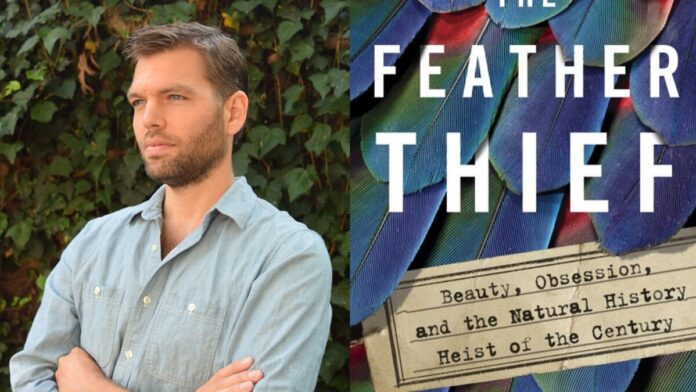
the feather thief

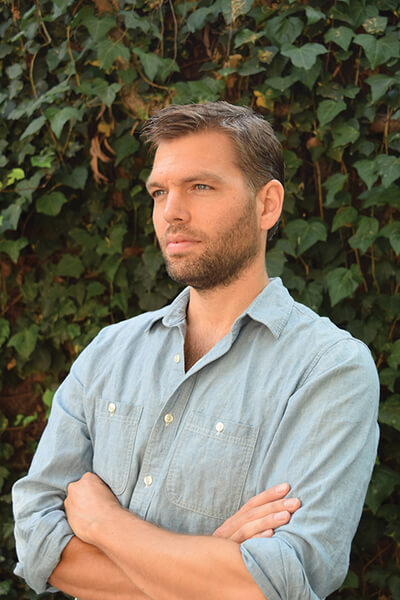
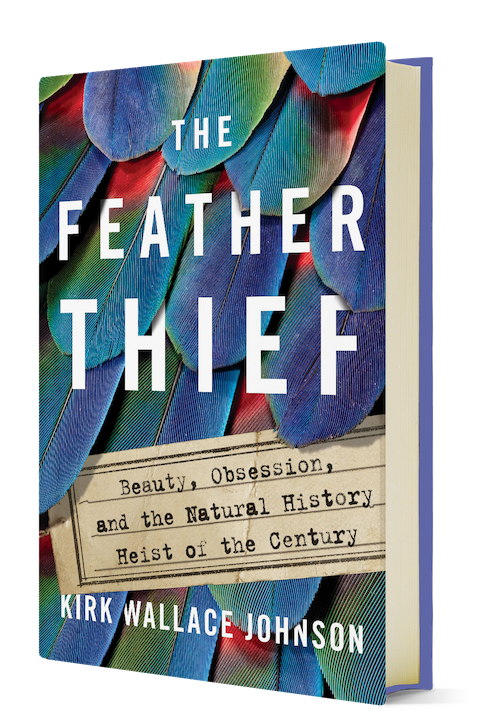
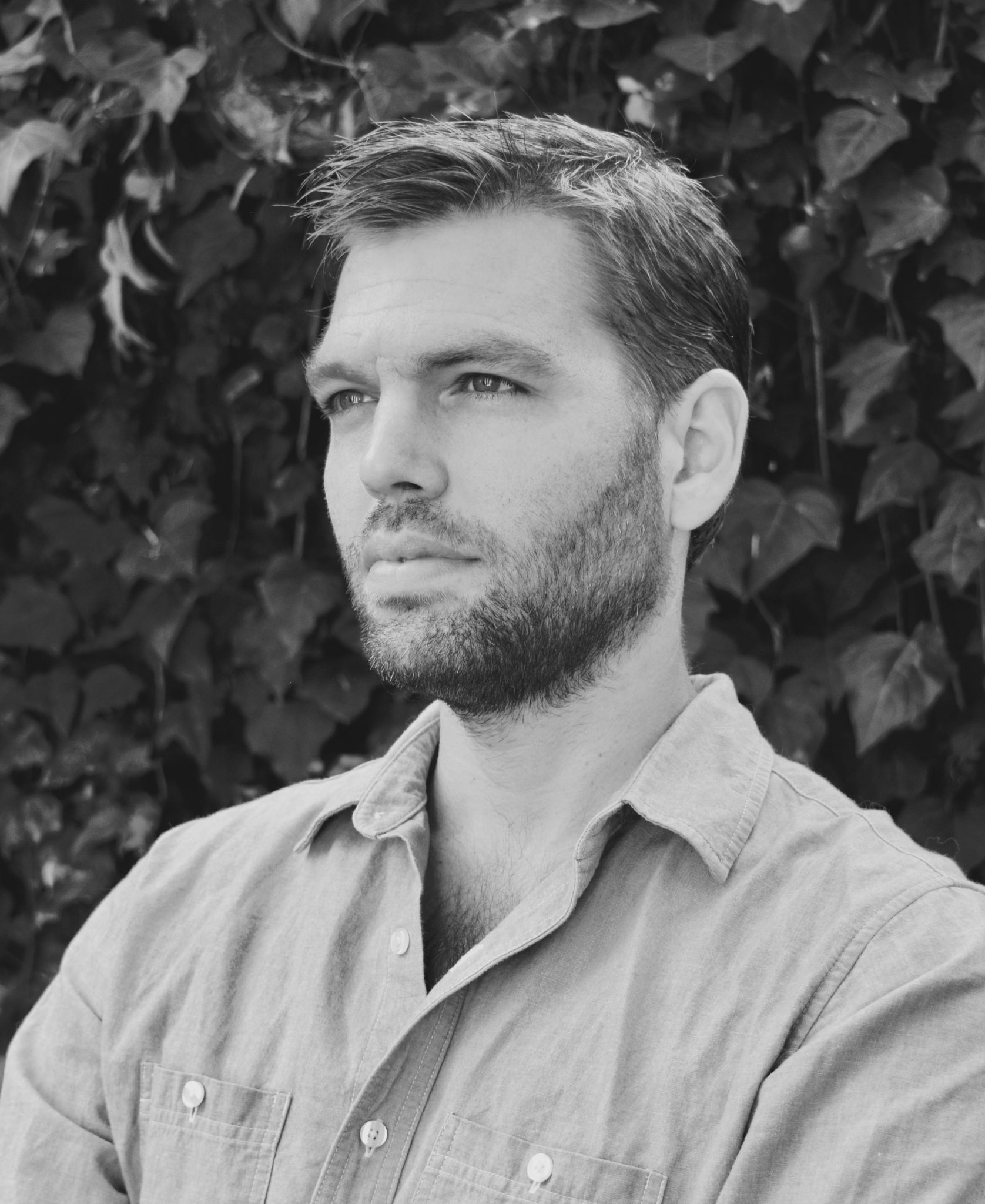
Kirk Wallace Johnson, author of The Feather Thief, joins us to share the wild tale of a world-class fly tyer who broke into a British museum and stole nearly 300 rare bird specimens—all to tie classic salmon flies. We explore the strange subculture behind the heist, the science lost with those birds, and how a flute-playing prodigy nearly got away with it. This conversation digs into conservation, obsession, and the ethical line between passion and crime.


Show Notes with Kirk Johnson on The Feather Thief. Hit play below! 👇🏻

apple podcasts

Find the show:  Follow the Show | Overcast | Spotify

Subscribe on Apple Podcasts

Subscribe on Android

Subscribe via RSS

(The full episode transcript is at the bottom of this blogpost) 👇🏻

Sponsors and Podcast Updates


the feather thief

Episode Chapters with Kirk Johnson on The Feather Thief

How Fly Fishing Helped Kirk Johnson Heal

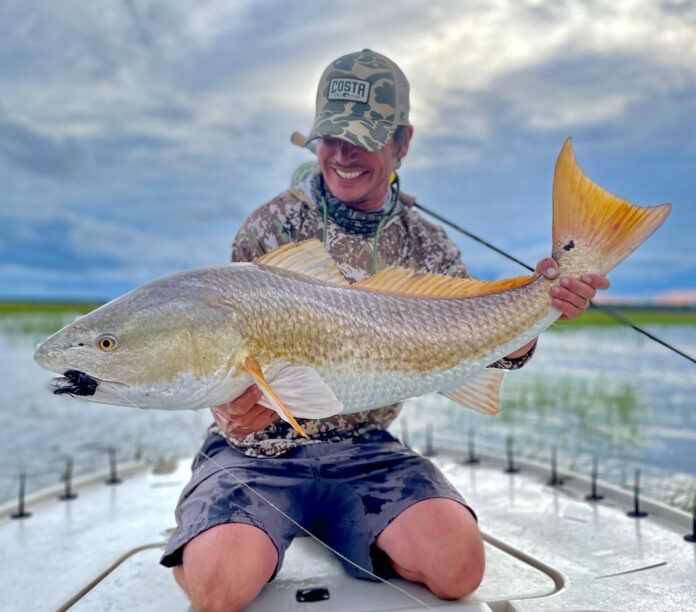
Kirk didn’t grow up fly fishing. In fact, he was taught it was just for the rich. But after surviving a year in Iraq and a near-fatal accident triggered by PTSD, everything changed. While recovering from serious injuries, a friend invited him to try fly fishing in Maine. At first, he resisted. But within minutes of casting, he knew this was something different—something he’d do for life.

Fly fishing gave Kirk peace when nothing else could. It helped him sleep, eased his mind, and became his escape from the stress of daily life. He says it best: the world faded away, and it was just him and the trout.

How a Fly Fishing Trip Led to an International Crime Story

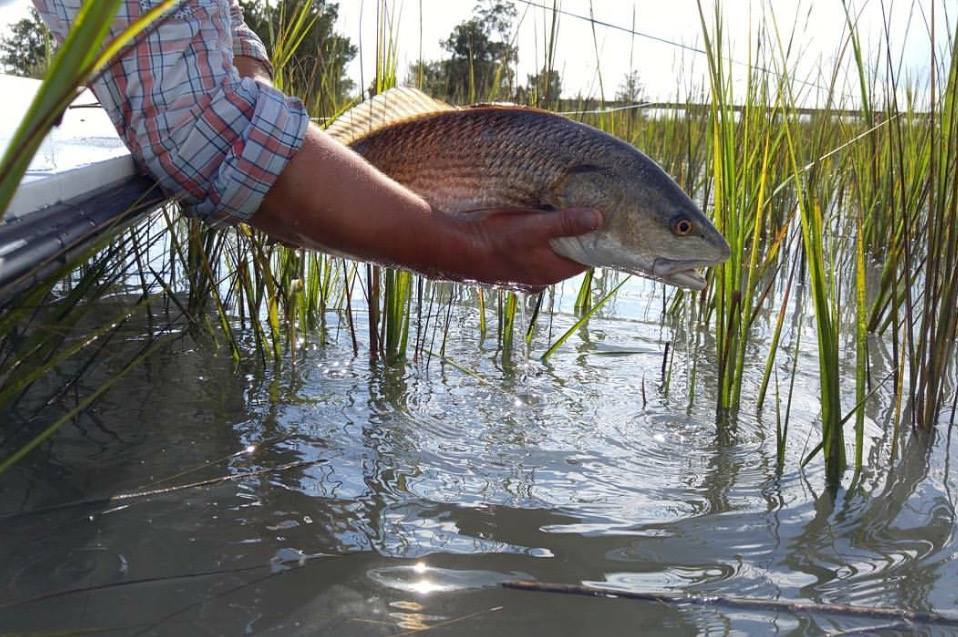
Kirk first heard about the bizarre true story behind The Feather Thief during a guided fly fishing trip in New Mexico. While chasing trout, his guide casually mentioned a young man who broke into a British museum and stole nearly 300 rare birds—all to sell feathers to a niche group of Victorian salmon fly tyers. That moment changed everything for Kirk.

What started as a casual cast on the river turned into years of investigation, deep dives into museum records, and exposing an underground world few anglers know about. Kirk reveals that most of these elite fly tyers aren’t even anglers, yet their obsession with rare feathers has fueled a black market—one that’s still active today. He didn’t plan on writing a crime story, but the deeper he went, the more twisted it got.

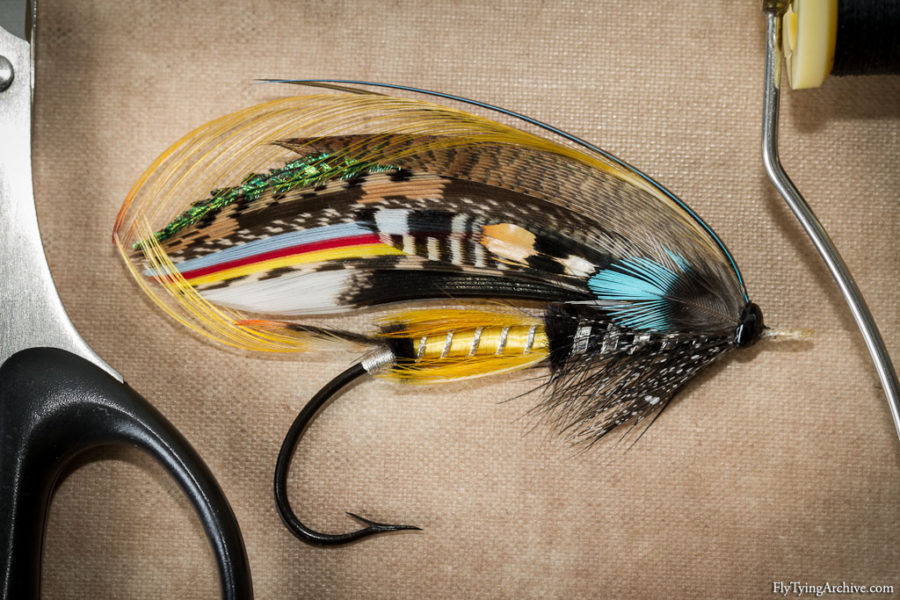
A Jock Scott salmon fly, tied according to the original T.E. Pryce-Tannatt recipe.Timo Kontio (Photo via: https://www.thisamericanlife.org/extras/salmon-flies)

Meet the Feather Thief: Who Is Edwin Rist?

Before becoming infamous for one of the strangest museum heists ever, Edwin Rist was just a gifted kid who loved fly tying. He was a flute prodigy, a national fly tying champ by age 13, and completely obsessed with creating perfect salmon flies. But he didn’t have the exotic feathers needed to tie the “real thing.” Those rare feathers cost thousands—and Edwin didn’t have that kind of money.

the feather thief
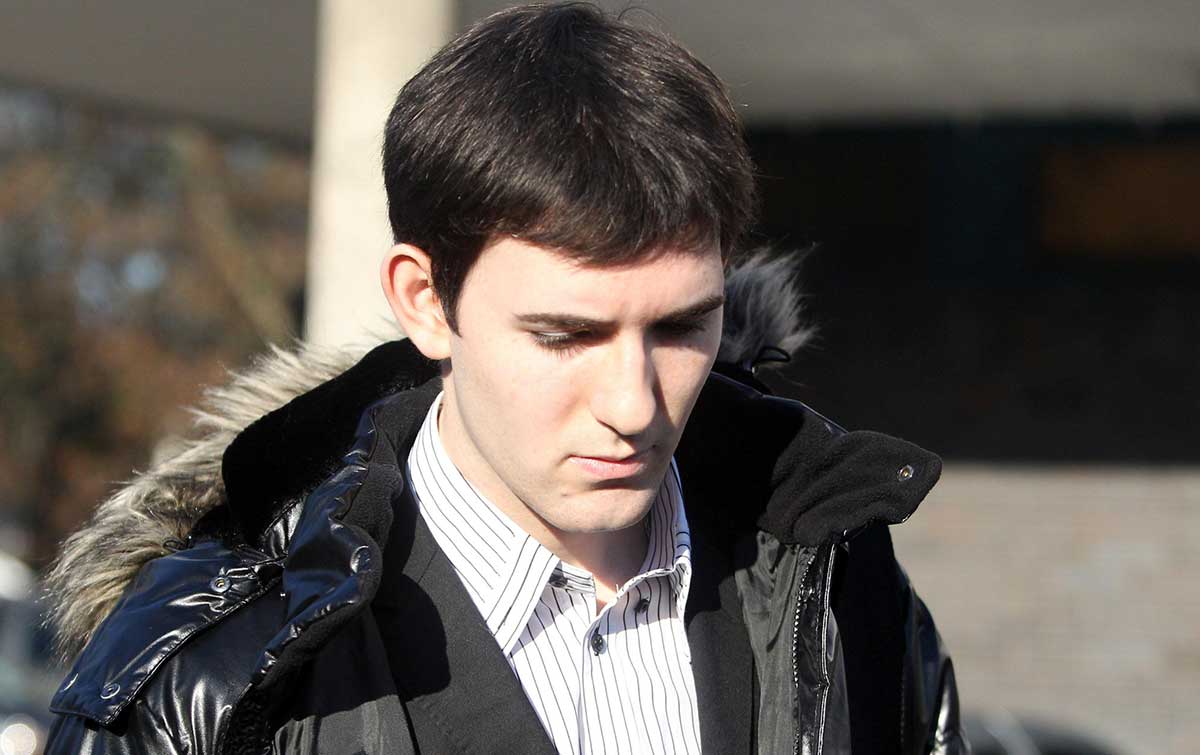
“Edwin Rist on his way to the court hearing, 2010. Source: The New York Times” (Photo via: https://www.thecollector.com/feather-thief-story/)

That obsession eventually led him to break into the British Natural History Museum and steal nearly 300 rare bird specimens. Why? To tie flies with feathers most anglers wouldn’t even fish with. Kirk sat down with him for a rare, hours-long interview. What he found was a mix of genius, obsession, and a community willing to look the other way when it came to the birds behind the art.

Turns out, the heist wasn’t just about birds—it was about identity, status, and a hidden world where some still refuse to give up endangered feathers in the name of tradition.

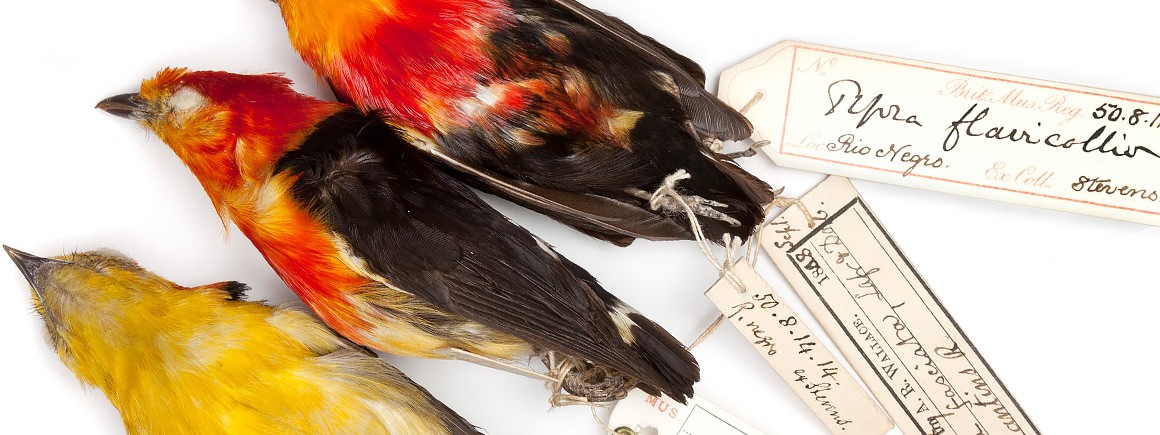
Photo via: https://www.nhm.ac.uk/our-science/services/collections/zoology/birds/skins/wallace.html

Was It Just Obsession — or a Crime Against Science?

Edwin wasn’t some cartoon villain. He was smart, gifted, and deeply obsessed. But obsession doesn’t excuse theft, especially when the victims are priceless scientific specimens, some collected in Darwin’s time. While Edwin walked away with barely a slap on the wrist, the damage to science—and trust—still lingers.

“Your values or your ethics are meaningless until they’ve been tested, until you’re alone in a situation and it’s up to you to decide how you’re gonna act.” —Kirk Johnson

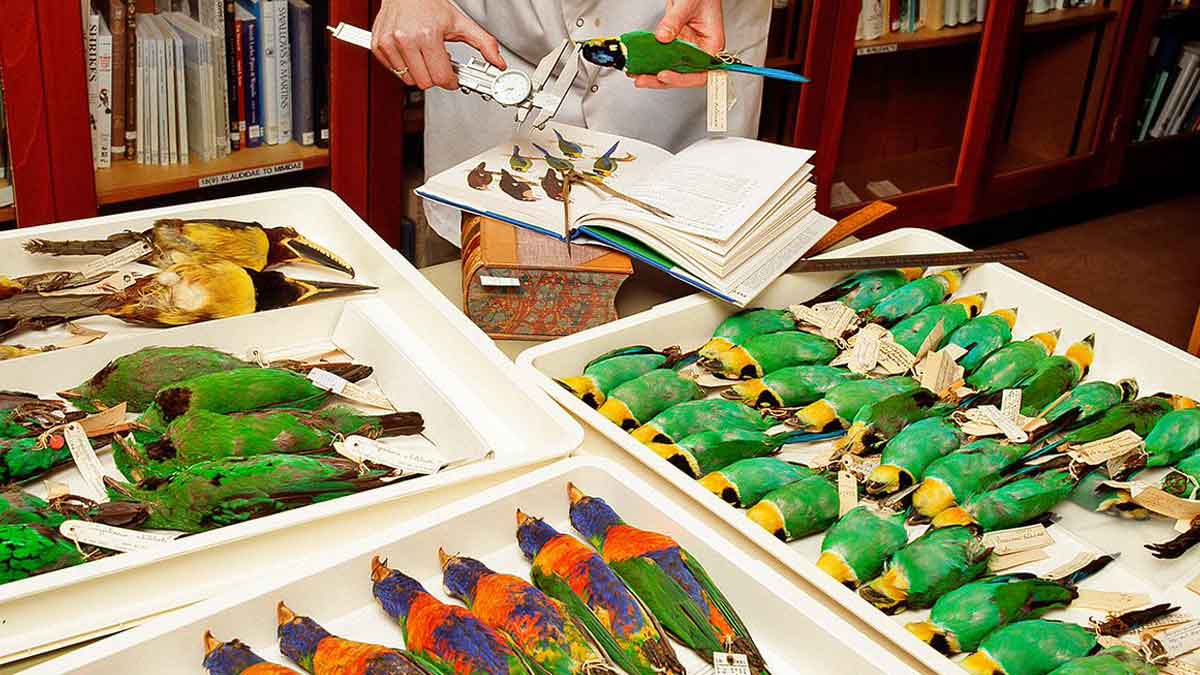
“Birds skins from the Natural History Museum. Source: Natural History Museum London Twitter” (Photo via: https://www.thecollector.com/feather-thief-story/)

Preparing for the Interview with Edwin Rist

When Kirk finally sat down to interview Edwin, he didn’t take it lightly. He flew to Germany without even knowing if Edwin would show up. With over 100 hours of prep and a detailed question flow, Kirk planned the interview like a chess match. Every early question was designed to lock Edwin into answers that couldn’t be contradicted later. Even then, Kirk found Edwin sharp, calculating, and quick to adapt.

In the end, while Edwin left plenty of digital breadcrumbs, he still managed to dodge real consequences. No jail time. No real accountability. And for Kirk, that made the story even more haunting.

The Feather Thief and the Ethics of Fly Tying

Kirk leaves us with a clear message: he’s not attacking all fly tiers—only the dark corner of the hobby where ethics are ignored. Most fly anglers and tyers care about conservation and protecting wildlife. But there’s still stolen bird skins from museum heists out there, and parts of the salmon fly tying community continue to trade them.

Kirk’s challenge? If you’re in this world and you see or suspect something, do the right thing. Report it. Return it. Because whether it’s 1800s bird skins or warming trout streams, it’s all part of the same conversation about how we care for what’s left of the natural world.


You can find Kirk Johnson and his books at kirkwjohnson.com.

the feather thief


Resources Noted in the Show

the feather thief


 Read the Full Podcast Transcript Below

Episode Transcript
Dave (2s): The story in today’s episode is pretty bizarre. Why would a Phenom fly tyer who fly Fisherman Magazine call one of the great fly tyers, commits a felony robbery to steal almost 300 rare birds? And this gets even more bizarre as we find out how today’s guests avoids jail time after committing a felony robbery. And today, you’re gonna find out the why behind the Feather Thief and the crazy characters that make up this real life thriller. This is the Wet Fly Swing podcast where I show you the best places to travel to for fly fishing, how to find the best resources and tools to prepare for that big trip, And what you can do to give back to fish species we all love. How’s it going? This is Dave. Dave (42s): We’ve got Kirk Wallace Johnson on the podcast today, author of The Feather Thief, and one of the greatest books that you likely will read this year if you’re new to it. We find out about the Victorian salmon flies, this classic fly tying forum, and the members who purchased some of these stolen goods. We get into some of that background. We find out about Edwin’s diagnosis with Asperger’s and how that actually changes this whole dynamic in the book here Today, we find out how Sasha Baron Cohen’s cousin was actually the man behind this diagnosis. Another interesting spin, and it’s just one bizarre turn after another. Definitely conservation. We talk about, you know, pretty much everything around the salmon flies that we talk about here today. Dave (1m 27s): Plus you’re gonna find out why this feather thief and the person behind the heist is now covering Metallica Master of Pub’s albums on his flute, and why he’s not tying flies in the public. Anymore respect, here he is, Kirk Wallace Johnson. How are you doing, Kirk? Kirk (1m 45s): I’m doing great. Thanks for having me. Dave (1m 46s): Yeah, I appreciate you putting some time aside today to talk about this topic. I think this is really an interesting topic, the Feather Thief, the book that you wrote, which, you know, in our world of fly fishing, I feel like, you know, even though this is so extreme, I feel like it’s not too far off because we’re all so dedicated to fly fishing that you feel like almost you can almost put your place in the yourself in his place a little bit. You know, these fly tires, we get so addicted to it, but we’re gonna talk about this crazy story about a person who essentially commits a crime. And, and then we can talk about that a little bit around tying flies and stuff. But first off, take us back to fly fishing real quick. What’s your experience in fly fishing? Do you have a kind of a first memory? Kirk (2m 26s): Oh, yeah. Well, so the truth is, I grew up in the Midwest, in Illinois where my dad taught us that fly fishing was really just for like elitist snobs. And that’s not, that’s not what our family did. And so I, I grew up, we had a, literally a radioactive river running through our backyard that I would just spin cast for, for carp and bullheads and things like that. And I, I just never once even considered fly fishing. And this will seem like a crazy detour, but I studied the Middle East and Arabic and college, and I ended up in the war in Iraq. I was working for the US government. Kirk (3m 6s): I was in charge of the reconstruction efforts in Fallujah, which was a, I don’t expect people to even remember it at this point, but oh yeah, it was not a, not a friendly place. And after a crazy year, that was capped off with, ironically, after surviving all kinds of stuff. I had a, a near death experience while I was on vacation from the war. I sleepwalk out of my hotel window. It was some PTSD triggered thing, but I was, I was in what’s called a dissociative fugue state, but I basically fell a couple stories to concrete, geez, broke both my wrists, my jaw, my nose. I cracked my skull in a couple places. Kirk (3m 47s): I had, you know, 150 stitches in my face. And I was like, kind of circling the drain. But I, I survived and basically came back to the states for a year of surgeries and just general badness. I, I just was totally screwed up by the war in all of this. And at the time I was living in, in Boston and a friend of mine said, Hey, you should, you should try, come out and do some fly fishing. Let’s give it a shot. And I did the ki I kind of hemmed and hawed and just had some mental block up about it that was really, truly just like a hereditary, nah, no, I don’t, I don’t fly fish. Kirk (4m 28s): But I went up, we hired some guide and it was on the Pset River in Maine. I think we, it must have been two hours north of Boston and had my guard up was being just generally close-minded. And then it was about, honestly, it was about like eight or 10 minutes into casting for the first time and realizing what was being activated in my mind that it sounds so melodramatic, but like I, I knew I was gonna be doing it for the rest of my life. I was, you know, in a loving way, annoyed with my dad that I hadn’t been exposed to this earlier, but I saw this whole world of knowledge and skills and things that had nothing to do with my normal life at that point. Kirk (5m 16s): ’cause at the time I was in a very intense battle with the US government, which took up the better part of a decade. But to help my Iraqi colleagues who were being assassinated because they worked with us during the war. When I got back from that first day fishing, I slept better than I had slept in years. I remember closing my eyes and I could, I could see trout kind of fanning on my eyelids, and I just, I just fell into this deep sleep. And that really became something of an addiction where any chance I could get, I would just throw my gear in the trunk of the car at four in the morning and just basically flee up into the mountains. Kirk (5m 58s): I was trying to get away from the stresses of my job, the, my cell phones. I would excitedly wait until my cell phone signal dropped and, and the world kind of just would be walled off and it would just be the trout in me. And however much I had sort of absorbed or learned or improved from the last time that I went out fishing. And that really, I just, I think I kind of unwittingly or luckily just stumbled into fly fishing as some form of, I don’t know, therapy or Yeah. Or mental health. It was just right. Your listeners will all know this better than I will, I ever did at that point, for sure. But it was, it was demanding enough of my concentration that I would be relaxed at the same time, but I would be so focused on trying to balance all these different variables that nine hours would truly feel like about 45 minutes to me. Kirk (6m 52s): And now, I mean, my wife, like I don’t, I live in Los Angeles now, and I, it’s not a mecca for, for anglers, right. But she knows that if we are in a spot in the country where I’m, I can go fly fishing, and I, you know, she knows if I tell her that I’m, I’m just gonna go out for the morning, I’ll be back by noon. Like, she, she knows that I, I may not be back for until after dinner. So that, that’s really the origin. But I didn’t, I did not cast a, a fly for the first time in my life until I was probably 27. Dave (7m 22s): That’s amazing. I think that’s the great thing about fly fishing or any of these hobbies or sports or whatever, right? You, it doesn’t matter when you start. We’ve talked to people that have fished for, you know, 80 years and people that just got started yesterday. And it’s always, there’s very similar, right? That passion seems to be the thing with fly fishing and the project healing waters, you know, we’re doing an event with them, the project, and they’re, I mean, I think that’s kind of what you’re speaking to, right? This stuff, you know, people that are in war and things like that, and what fly fishing can do, you know, to help you, right? So you’ve, part of that is what you’ve seen. So how did, how did for you, you know, you have that going on, and when did the, the whole Feather Thief, when did you first hear about that, this story, about this kid essentially committing this crime? Kirk (8m 2s): So it was a, I believe the fall of 2011, there’s a writer’s residency down in Taos, New Mexico. So I was, I was running my nonprofit, but I was also supposed to be working on, on a book about this whole sort of battle on behalf of my Iraqi colleagues. And I’m down in New Mexico. I was not really making any progress on the book. I didn’t really know how to write a book at that point. I didn’t even have an agent. I didn’t have a book deal, and the war was still kind of raging. And so I just felt really trapped. I wanted to do something else with my life. At some point, the nonprofit that I started had gotten thousands of people out. Kirk (8m 46s): And So that, it was rewarding, but I just, I felt like if I didn’t have some big change, that I was gonna be doing this for the rest of my life. And I, I wanted to try other things, things. I didn’t even support the war in the first place. And now I was, I had spent almost like a decade of, of my life trying to kind of mitigate the consequences of it. So that was my, my mental state was basically just feeling trapped. And I brought my, my fly fishing gear down with me to Taos. But I, I was still pretty, I mean, I still think of myself as, as pretty nude to it all, even though I, I probably always will feel that way, but I was like, all right, I know there’s, there’s waters all around here. I gotta hire a guide. Just ’cause I had done enough on my own to know that I needed to just fork over the money for a guide, at least the first, first time out on, on a new stream. Kirk (9m 33s): So I go on Google, it’s just like a few results. I just honestly picked one at random and I get this guide by the name of Spencer Simon. He takes me out, I think the first day we went out was on the, on the Red River, and I just want to fish. I’m like, I’m drilling him with questions about fly fishing. And he had like, Googled me. So he’s trying to talk to me about the war, but I didn’t really, I didn’t really want, like, I wanted to escape all that, right? But I mean, it was a, it was a good conversation. We were like quickly becoming friends, but he could tell, like I just, you know, what my priorities were, we’re like hooking into some, some decent fish. And then at some point he opens up one of his fly boxes, we’re like in the, the middle of this, of this stream. Kirk (10m 20s): And I catch this glimpse of like, this just hulking huge fly in there that was unlike anything I had seen before. And I was like, what is that thing? Like, it was just had a dozen different colors on it. It was, you know, whatever, 15 times the size of a, of a normal fly. I had never seen a, a salmon fly, much less a sort of Victorian dress salmon fly. And so he starts sort of introducing me to the, that realm of fly time and about the species and about the Victorian era that gave rise to it. And he starts talking to me about Kelson and blacker and these other, you know, the, the feather trade and you know, we’re fishing and working our way up this stream, but I’ve, I’m just pumping him for, ’cause I just had never heard of this world much less this subculture of, of guys that are tying it. Kirk (11m 12s): And I swear I’m in the middle of a cast and he is like, like mean, man, if you think all this is so interesting, you ought hear about this kid that just broke into the British Museum of Natural History. And he, he stole like, like a million dollars worth of these dead birds in order to sell to this, this cultish community of Victorian salmon fly tires. And as he was saying it, I kind of just froze because it was, it was such a bizarre idea that it didn’t even seem like it could be true. But I felt like I could see like the whole book right there in front of my eyes. And for the rest of the day, I just, like, I was peppering him because he, he knew the, the feather thief at that point. Kirk (11m 57s): He, Spencer is a, you know, one of the best salmon fly tires there are. He is an incredible guide. And at first when I got back to my place, I, I didn’t even think, you know, it’s like all love to Spencer, I’m guilty of it too, but you know, the, it rises the closer you get to a a, a riverbed, right? Right. And so it’s like, right. And so I was like, how much of this is really happening? Like, how much of this is true? And I just started this descent into this forums and then into these private Facebook groups. And I, I had never, I did not think of myself as even a journalist at that point, or an investigative journalist I had, again, I had never written a book. Kirk (12m 39s): I had this dream of writing this memoir about my Iraq stuff, but it became this truly like an obsession for me. So whenever I couldn’t fish and whenever I was not working on my nonprofit work, I was basically just following this crime, figuring out how to get people to talk to me, doing screenshots and just amassing this, you know, mountain of evidence and information and trying to basically figure out what happened. Because at that point there were still tons of aspects of the crime that had not been solved. Kirk (13m 19s): That’s Dave (13m 19s): Right. So the crime just, when did it happening? Was it 2009 or 2010? Kirk (13m 23s): 2009 was the crime. And then Dave (13m 27s): They caught him a year later. Kirk (13m 28s): Caught him, yeah, I think around 15 months later. And then I think he had just received what they call a suspended sentence. But basically, you know, they said, go on your way. No real punishment. Dave (13m 42s): Let on de Mark Lodge give you the Montana fly fishing experience you deserve. The gin clear waters of the Missouri River offer a world-class experience with one of the finest rainbow trout and brown trout fisheries in the world. Whether you’re a seasoned angler or new to the sport, their family of guides will tailor a trip just for you. You can head over to on demark lodge.com to fish one of the great trout streams in the country. One of the things about this story, I mean the whole book, you’re on your edge. It’s one of those books where you can’t put it down, you just gotta keep going on it. But I think that’s partly ’cause you don’t know what’s gonna happen. You’re really good. It’s amazing. That was your first book at the time, because the way you wrote, the way you wrote it, you just, you kept everybody on to see their pants. Dave (14m 23s): But I’m interested, you said, you know, you could see the book at the start, like early on. Did the book that you saw early on, how did that compare to the book that actually came out later? Kirk (14m 33s): I would say that there’s something about this story that every step of the way got way more absurd and crazy and bonkers than I expected back on the river that day. And so there are, there are times where even now, like, I mean, sometimes I’ll think about it, I’m like, I can’t believe that happened. And we can get into this, but it’s not an isolated incident anymore. Dave (14m 54s): Now what, what do you mean what’s not an isolated? Kirk (14m 57s): A month ago I would’ve said that I’m at five separate museum heists that have been done in the name of stealing these exotic birds for fly tires. Edwins was the most egregious, but now we’re at six because a, a museum in France in a kind of smaller town museum in France just got, there was a big heist of I think roughly 600 birds. And I’m figuring out where, like I’m talking to all these ornithologists and curators ’cause we’re trying to get the, the list of species to see if they match those that were, that are mostly targeted by this community. But the demand for these things is only increasing. Kirk (15m 37s): And I think one of the consequences of the book is that, I mean, I’ve been told by several sources that after it came out, it basically pushed the trade deeper underground and made it harder to buy and sell these feathers. And a result of that is that the value now has roughly quintupled. Dave (15m 56s): Oh wow. So it’s gone. It’s just getting crazier. That’s the really interesting thing about this story. I think you hit on that, right? The fact that, you know, you’ve got this kid essentially who was a kid who stole these things because of this addiction to fly tying, you know, but it’s really interesting ’cause you have this whole other piece, and you talk about in the book about the Darwin and, and Wallace, about how there’s this whole history of these biologists, ecologists, I mean most, I mean, Darwin, right? Nobody’s bigger than that. And there’s that piece where they’re doing it for research and to improve humanity, right? And everything and our knowledge. But then you have these fly tires, essentially they’re stealing it for fly tying, right? I mean, what’s your take on all that? Like, because it seems so crazy. ’cause at the same time I also think of fly fishing and fly tying is very conservation minded. Dave (16m 38s): Like I think that’s a big thing people talk about. We are, we’re all interested in protecting these species even as we see climate change and stuff going on. What is your take on the book? Did you think about that when you’re writing it? That that’s was gonna be a theme, a big part of it? Kirk (16m 50s): No, it’s a great question. I mean, when I started I knew Darwin, but I didn’t know anything about the historical stuff that’s in the book. And it really is just for people who haven’t read it, it’s kind of fascinating because some of the birds that were stolen by Edwin were central to us unlocking the theory of evolution. They have been used by scientists that have gone into the Natural History Museum for centuries. The same specimens have been interrogated by generation after generation of scientists. Each of them bringing new technology and new questions. Alfred Russell Wallace, the naturalist that gathered a number of the birds that Edwin stole, he really incredibly described these specimens as the individual letters that make up the words of the deep history of the earth. Kirk (17m 44s): And that if we allow these things to disappear or to be damaged or stolen, we’re basically losing a glimpse into the past. And so a, a biologist now can pluck a single feather. And with the technology that that exists with, you know, isotopes and all that stuff, like they can completely reconstruct what the food web was for that bird. At that moment in time, scientists have understood that these birds and all specimens in these natural history museums, they hold answers to questions that people haven’t even thought of yet. And you know, I started this investigation with basically a grade schooler’s understanding of natural history museums that I, I thought you just go, there’s a, you know, a hundred birds in glass cases and then that’s it. Kirk (18m 32s): I had no clue about the vastness of the scientific collections. And so the Natural History Museum in tr, which was the museum that, that Edwin targeted second largest collection, ornithological collection in the world behind New York, if my memory serves, it’s something like three quarters of a million birds in there. And these are not, their wings aren’t outstretched, they’re not on display. They’re in, everything’s drawn tight to the body and they’re in thousands of cabinets in tens of thousands of drawers. And they are, you know, it’s a vault you have to have, it’s not easy to get in there. Well, it’s not that easy to get into, right? Kirk (19m 12s): And literally some of them have been there for five generations of curators. So I didn’t know any of that. I had no clue about any of that. There, there’s two and a half miles of shelving just for birds that are preserved in spirits. There’s a half million eggs there, efforts to sort of ward off extinction. They’re drawing on DNA from these old specimens. Anyways, it’s endless what these things can be used for. The other touch point, since you talk about conservation is that in the Victorian era, you know, Victorian salmon fly time didn’t come out of a vacuum. It’s the result of what has been described as the single largest direct extermination of wildlife in the history of the planet was hunters killing all these exotic birds for women’s hats. Kirk (19m 58s): And anyone listening to this who’s tied a a classic or a salmon fly understands they know all of this. They know that there was the, everyone’s looking for their great grandma’s hat in the attic because it might still have some of these birds in it. And so all of the stuff, blacker Kels and all of that coincides with this sort of glut of literally hundreds of millions of birds being killed and showing up in the feather districts in London and in Paris and New York. And so they, all these guys started, you know, inventing their own salmon flies. And it was also just as women were using these birds to sort of display status, these guys were, were sort of showing off and flaunting what exotic feathers they could tie into their patterns. Kirk (20m 42s): So again, all of that I started out with zero knowledge of. Now there’s one point in your question that I like, I always feel like I always want to jump at, which is there is a like laser beam, bright red line in the fishing community between guys who actually know how to fish, who actually go out and fish. And then this tiny subset of Victorian salmon fly tires, the overwhelming majority of whom have never even fished with any of them. Dave (21m 16s): Oh, really? So most of these tires have not, are not fly anglers. Kirk (21m 19s): No. That’s Dave (21m 20s): Amazing. I didn’t know that. Kirk (21m 21s): To this day, I don’t think the feather thief has ever fished. Dave (21m 24s): Oh wow. No kidding. Kirk (21m 26s): Yeah. And so there is a, you know, I give talks all over the, everywhere about the Feather Thief. And if I meet an angler, I know, like, this guy’s a fan and he, and he loved the book. If I meet a Victorian fly tire, like I’ve got my, yeah. I’m like wondering, you got your work Dave (21m 43s): Cut up for, it’s gonna be a, it’s gonna be a battle. Kirk (21m 45s): Those guys hate me. They hate you. Oh yeah. And so, you know, which fine, no big deal. I don’t, I’ve got a full life. But, but there is a, so you talk about the sort of conservation ethos and, and fly fishing, that’s exactly what I’ve seen. But that’s because these guys are out there, they’re seeing the impacts of, of humanity on these streams that they love and on the fish and all of this. And so you’d have to be an idiot if you love fly fishing to not take up that call and to try to do something about it. These guys are completely divorced from reality. And as you know, there’s no f-ing fly in the world that looks like a green Highlander. No real bug in the world. You don’t have to be like a, some PhD biologist to understand that there’s no reason on earth that a salmon in Scotland is going to be naturally attracted to a bird of paradise feather from the highlands of New Guinea. Kirk (22m 38s): Those two creatures are never gonna meet each other. And so there’s, there’s an artifice to all of this. There’s a and like, listen, I haven’t done hardly any salmon fishing. I had tons of salmon anglers write to me and sent photos of flies that they’ve caught salmon on. I know they’re not easy to catch, but I also know that they, I have seen flies where it’s a literally a candy bar wrapper tied to a hook and desperation, you know, dog fur, everything. Everything. Yeah. And so these guys have all bought into this religion that the only way you can tie these things is if you’re using the exact species referenced in these 19th century books that they look to, like monks, look to religious texts. Kirk (23m 24s): When it was, it was then and it’s now, yeah, none of this stuff matters. And the result of this kind of monastic adherence to recipes that should be updated, that should be like, for God’s sakes, just dye some, some pheasant or chicken feathers or whatever. And, and it’s incredible what people can do now with dying. Oh yeah. But they won’t do it. And as a result, it is like a conveyor belt to breaking international laws. And I see these young kids that are getting hooked just like Edwin. And they’re, they’re being told that the only, the real deal, only the true tires are tying with CES’s protected species. Kirk (24m 7s): And lo and behold, I mean, some of the other crimes I can’t get into now, but they, you know, there’s a lot of museums that have been broken into where these guys, this is the end point of this obsession is basically just thievery and lying to others and lying to yourselves. And I’m just, you know, it’s like I sound like a moral scold, but no, if there’s an edge to my voice, it’s that one of the results of this book coming out is that Spencer, the fly fishing guide that first told me about this story, he has twice had to go to law enforcement for, for death threats that he has received from this community for the sin of telling me this story. So this is not like I’m so tired of the kind of crocodile tears that these guys have about this book, calling them out because they have not reformed at all and they cannot defend what they’re doing. Kirk (24m 57s): The only thing that we’re seeing here is that they’re not embracing sustainable tying, they’re not embracing dyed feathers. Because I get it, if you’ve spent stupidly 50 or a hundred grand over your life on exotic feathers, you’re gonna view suddenly tying with some, you know, whiting, chicken hackle dyed or something like that’s a threat to you. Yeah. You know, that’s a And so they, they, there’s a hostility that they have towards all this. Yeah. Dave (25m 25s): It’s a crazy story. So this is, and I didn’t even realize this. I mean, I’ve known about Atlantic salmon flies for a long time, always thought they were beautiful. Didn’t know this. In fact, I know I’ve had a few guests on who have tied Atlantic salmon flies and you know, I have some videos and stuff too. And they are actually fishermen, right? Steelhead fishermen, stuff like that. So I think there is some, there are some people out there, but this extreme thing you’re talking about is crazy. And, and I think Edwin is, is such a good example. That’s why your book does such a good part of it, because it explains about this person. So maybe take it there because you actually interviewed him, right? I mean, you, you sat down with this person and then there was other people who thought you were, may have been accomplices who you talked to. What do you say, you know, what, what do you talk for somebody who hasn’t read the book about Edwin, what did you learn about that person? Dave (26m 10s): Yeah. Kirk (26m 10s): So one quick thing about your friends that are fishing for steelhead. My guess is that they’re probably like, it’s not like I have some beef against salmon fly tying in, in principle. Like I, sometimes I always feel like I need to say, like, it’s not like I got, it’s not like I got bullied when I was a kid by fly tire and this is my revenge. But my guess is that they’re probably tying with, with dy with subs. ’cause some of these flies to tie them right, require thousands of dollars of feathers. So I don’t know, there’s not that many anglers that have that kind of money to, to chuck a $2,000 fly into, into a river. So they’re just so the audience understands, it’s like there’s a, these things are ultimately the ones that are tied with exotics are meant to be put in a display case. Kirk (26m 54s): They’re pieces of art. Okay. Dave (26m 55s): Yeah. And, and I am thinking about, now I think about the flies. I’ve actually got two of ’em on my, he tied me. They’re more like spay flies and defies. So they are a little bit different than the Atlantic Sam and stuff. Kirk (27m 4s): Yeah. So on Edwin, I’ve often said this, that if we had met in a different context, I think we probably would’ve become good friends. He’s a remarkable guy. You know, he grew up in like Hudson Valley area and was not an outdoorsy kid. He was homeschooled with his younger brother, you know, pretty gifted. He was a virtuo flutist. And So that was the kind of ordering influence in his life, was practicing the flute night and day. But when he was around 10, his dad, who was a journalist, was, was working on, I think it was for Popular Mechanics or something, but it was an article about the physics of casting a fly. Kirk (27m 51s): And as part of his research, he was watching one of those Orvis 1 0 1 videos. It was A-A-V-H-S back then. I don’t know if it was Rosenbauer doing it or what. Right. And there was a brief section on just tying a, a rudimentary trout fly. And young Edwin is walking through the living room at that moment when the host was demonstrating how to Palmer hackle around the hook. And Edwin saw this kind of ordinary chicken feather. And as it was coiling around the, the shank of the hook, it just transformed. And suddenly it was like just splayed out in every direction. Kirk (28m 31s): And, and how could something so ordinary just suddenly with this little bit of thread becomes something different. And for whatever reason, that just transfixed him. And he, he like sprinted to his parents’ room. He pulled some feathers out of his mom’s pillow. He went, he ran to the garage looking for hooks, and he just started trying to tie a fly very quickly. His parents doing what? You know, any, I mean, I would, I’m doing this now with my own kids, like they’ve just fed it. And so they, they set up trout fly tying classes at the, at the local fly shop. And that led to, he was so good at it and so sort of devoted to it that they start bringing him to fly time, you know, shows and festivals throughout New England. Kirk (29m 18s): And he starts competing as like a 12-year-old, 13-year-old in fly time competitions where, you know, they’re like, whoever ties the most perfect wooly buggers in an hour wins a trophy. And he, he is like, he’s like dominating, right? Just mopping up these older dudes that have been doing this forever. And in one of these shows he is, is wandering around, I think he is waiting for the, the judges to, to sort of tally up his flies. By the way, I think he was tying in one of them. I think he tied over 60 perfect flies in one hour. Oh Dave (29m 53s): Wow. 60. Kirk (29m 54s): Yeah. Dave (29m 54s): Wow. That’s amazing. Kirk (29m 56s): Yeah. My son is now getting into fly tying and he is a friend of mine was like, just make sure you don’t get him into the flute. Like, we’re right. But, so anyways, he’s wandering, Edwin’s wandering around this, this show, and he stumbles across the booth of a kind of legendary classic fly tire named Ed Seral out of Maine. Everyone calls him Muzzy. And it’s like this alien art form to Edwin. He’s been tying all these, you know, IES and stuff and, and they’re, they’re not beautiful. And suddenly they’re, here’s all these gorgeous, just other worldly looking colorful flies that have a completely different sort of heritage to them. Kirk (30m 41s): And he’s just gripped and he starts talking to Muzzy and, and he’s, how do you do this? And his dad sets up a, a weekend that they’re gonna go get private lessons with Muzzy to basically start learning how to tie a classic salmon fly over the course of the weekend. You know, they’re doing eight hours to tie a single fly. And Muzzy is kind of introducing him to this world that Spencer introduced me to when he was first telling me about fly tie. And sure enough, Edwins gifted at this too. And it’s, it’s different from, I mean, I can tie an LK or CAS that’ll catch me some trout, but this is like, this is a world apart, you know, you’ve gotta like, you’ve gotta marry fives together and Dave (31m 25s): Takes out, it’s the opposite of five dozen per hour. So literally these could take you hours to tie one flyer, right? Kirk (31m 30s): Yes. I had Spencer, I wanted to tie one just to see what it was like, and I think I was, I wanted to see if it activated anything in my brain. And after about seven hours, I’m like, yeah, okay, this is not like too much. Yeah. It’s just not, I don’t, I know not really getting it. But at the end of that weekend, during which they had been tying with dyed feathers, Muzzy gives Edwin a a little envelope and he goes, you gotta, you gotta earn the right to use these, you gotta work your way up here. But this is the real deal, essentially, this is what separates the men from the boys. Yeah. And Edwin opens it up and it’s, I think it was like around a few hundred dollars worth of, of exotic feathers. Kirk (32m 11s): They weren’t illegal, they were just expensive. But that sort of set up the kind of stakes of this all. So, you know, Edwin was, he starts just tying like a maniac, but he’s just using, you know, Turkey and chicken and pheasant stuff. And he’s, he is so good at what he does that he is hailed as the future of fly time in Fly Tire magazine. But as he told me, there was this, the way that he described it was he knew he was tying fakes. They weren’t the real thing because they weren’t the real species. And he said that the, he could tie one that looked almost virtually identical to a, a, a lay person, but that the knowledge of the falsity of the feathers would eat away at him. Kirk (32m 60s): Wow. But whenever he would find some bird that would pop up on eBay, he was always getting outbid by, you know, grownups who had disposable income. And so as good as he was, it was a sort of, there was this longing for, for more and for being able to tie the real thing. And there are some, this is getting into it, but there are some like series of flies. Like there’s a, something called the series, I think it’s maybe 20 or 25 flies, I can’t remember that literally only a few living people have tied the complete set. And so there’s huge bragging rights to basically have acquired enough of the feathers in order to tie the whole series. Kirk (33m 43s): And so he had kind of these, these dreams that could only be unlocked with real feathers. And so he, he’s still doing the flute. He wins admission into one of the best schools in the world, the Royal Academy of Music in London. And right before he gets there, one of his mentors in the fly time world tells him about this museum and says, you gotta, you gotta get in and see these birds. You’re all weak in the knees. Like it’s, it’ll change your life. Dave (34m 9s): And who was that? Who was that person that told him about Kirk (34m 12s): That? That guy was a, a French Canadian by the name of Luke Ture. Dave (34m 17s): Yeah. Kirk (34m 18s): Right. Yeah. And so he, who Edwin referred to as the Michelangelo of fly Time. And so basically that first visit, which he basically lied in order to, to get access to the museum and into that sort of research vault, from that point on, he started plotting the heist to go and, and, and ultimately steal these things. Dave (34m 39s): So that’s it. So that’s where the whole plot, you know, thickens and you know, and then he goes through the whole thing of doing the act and doing it, and then you’re unsure if he did it alone and, and everything. But yeah, there’s just so much going on. And like we said, we got these different ends of it, all the people. But at ultimately, you know, you’re, you’re wondering whether he did it alone at, at, are you pretty convinced now that it was just Edwin that was out there? It sounds like from the book that’s what you, you kind of, the conclusion you drew? Kirk (35m 7s): Yeah, I mean it’s, it was one of the most sort of devilish parts of the whole investigation, which is there were moments in my interview with him and it, it took me by the way, I think almost four years to get him to agree to an interview. Oh, Dave (35m 22s): No kidding. So it took four years to get him and then, And then you spent like eight hours with them or something like that, right? Yeah. Kirk (35m 28s): Yeah. And so there, there were moments in that interview where there were some answers where I was like, oh, that’s, that’s a little odd. That’s, I don’t know if, you know, I asked him like, what kind of suitcase? Right. How big was a suitcase? And then he didn’t, and then I asked him what color it was that he stole the birds in and he didn’t remember what color it was. And I was like, I might be weird, but I feel I, like, I know what color my suitcases in my life have been, you know? Right. But after a ton of back and forth and actual studying the, the specimens themselves, I do think that a single person could have gotten them all out themselves that night. Kirk (36m 8s): But I, I can never be 100% sure that he didn’t have some kind of help that night. And I, I certainly know that he did not act alone when it came to selling them. Dave (36m 20s): No. And that’s what you get into with the, one of the, the people you are you interviewed as well. Right. That somebody who was helping to get, and then it gets back to the whole fly time, right. Where you get into that piece where, you know, they sold ’em. So there was 299 right. That he stole. They recovered some. And then there’s about, I think, what was it, 60 or something like that, that, that were never recovered. Is that what’s left? Kirk (36m 40s): The numbers were always so frustrated. ’cause I was also going up against the Natural History Museum, which has always been trying to kind of minimize the severity of this to, as a sort of face saving exercise. ’cause they, they’re just embarrassed. But he stole 299 birds, I think about a hundred were recovered with their tags intact. Meaning that they were still good for science. There was about a third that were recovered in fragments. And so to me what that means is that they might have gotten like a breast patch from a red ruff fruit crow and then counted that as a red ruff fruit crow returned. But that’s, they Dave (37m 21s): Lost the best feathers. Kirk (37m 22s): Yeah. Yeah. That’s not like the, that’s not the whole thing or whatever. Right. And so it roughly broke down into I would estimate a hundred, a hundred, a hundred and the value, especially now since the book has come out. But I mean, it’s still, there are still hundreds and hundreds of thousands of dollars worth of materials stolen in this heist that are out there circulating. Right. Dave (37m 44s): And they’re circulating between, essentially, I mean, they’re the fly tires. That’s who these people they’re tying have these, these stolen necks and or whatever. Kirk (37m 53s): Yeah. And they’re, some of them, like I have tons of sources in this community that their heads are screwed on straight, but they, they still love tying classics and, you know, they were people calling me from fly time shows. I just got a call recently. The earlier ones were right before the book came out. Multiple sources called me to say they had overheard conversations of from the Fly Time show saying, we’ve gotta sell this before Kirk’s book comes out. Oh wow. And the feds come, come down on us. Another source just called me two weeks ago to say that they had the, I went to one of these fly time shows early on in my investigation, and I was a, apparently there were a ton of the T tring birds, a ton of Edwins birds being sold in the hotel room while I was there. Kirk (38m 41s): And so I was, I was right there when it happened. It’s just this one guy finally revealed this knowledge that he was in the room when they were discussing where they came from. And so again, it’s like there are Victorian salmon fly tires that have their heads screwed on straight that have not become sort of compromised by this. And they’re totally happy to tie with, with dyed feathers. Or they, they do the due diligence to make sure that they’ve got lawfully acquired feathers. There are also a ton who don’t ask questions because they don’t, they don’t wanna know the answer. And there’s also a kind of silliness that I have witnessed in parts of the subculture where they think that if they just say this magic phrase that this is a pre-site bird CES being the convention that will outlaw the, the trade of, of endangered species. Kirk (39m 39s): They think that if they just say this phrase, oh, it’s a pre-site bird that it, it gives them license to, to buy or sell it. It doesn’t, Dave (39m 49s): You think you need a bush plane to fish Alaska’s legendary waters? Think again. Fish Hound Expedition specializes in road accessible adventures that don’t skip on excitement. Picture yourself fishing for massive rainbow trout, arctic grayling, and plenty of salmon species all within Alaska’s epic road system. It’s doable. I fish the road system on our first day with Adam and the crew, and it did not disappoint. The largest leopard rainbow I caught and landed was right off the road system. And we’ll be driving up again this year, heading up from the lower 48 all the way up to Alaska to hit those streams again. You’ll experience the breathtaking beauty of Alaska’s wilderness from mountain streams to hidden rivers Perfect for anglers of all levels. Dave (40m 31s): Fish hound expeditions makes it easy to explore Alaska. Why wait? Your Alaska adventure is just a drive away. Book your spot now before spaces fill up. That’s fish hound exhibitions.com. F-I-S-H-H-O-U-N-D expeditions.com. Don’t miss out When it comes to premium flies that deliver results. Drift hook.com is the name to trust this season. Whether you’re chasing trout with dry flies, swinging streamers, or dialing in those euro nymphs, they’ve got everything you need. Here’s a quick story. I was fishing a tricky Spring Creek earlier this year and nothing was working then. I pulled out a royal wolf from the drift hook box. I cast upstream letting it drift effortlessly toward a holding fish. Dave (41m 14s): It was textbook one of the biggest fish in the run. Rose si the fly and the fight was on. That’s definitely a moment. I’ll never forget their fly kit. Ship free straight to your door, fully stocked and ready for action. You can support a great small business right now. And this podcast by heading over to drift hook.com today. That’s drift hook. D-R-I-F-T-H-O-O-K. Use the code swing at checkout to get 15% off your first order pre-site birds. So they’re saying it’s like grandfathered in that doesn’t sell because they’re old. Okay. Kirk (41m 46s): Right. And so what they don’t understand, and this is just the most basic like legal framework. If you find a Victorian hat in your grandma’s attic and you’ve got these birds, and obviously like society was 71, I think Okay, then yes, you can tie with those feathers, but just because you found it in grandma’s attic, even if it’s pre 71, you can’t then sell them. You’re not grandfathered in to sell. It bans the trade of these things. And so you can, you can go on eBay right now and there are people selling illegal species of feathers for fly tying and they do this little tap dance like, oh, it’s pre-site. It’s, it’s nonsense. Dave (42m 24s): Oh wow. So everybody and, and eBay’s not, I mean, it must be a, a big, so they’re not doing, how do they get around that? Because there’s a law there. How do they not get cracked down on Kirk (42m 34s): What they do is they’ll take a listing down if someone flags it. And so they, eBay when I started sending questions, when I was writing the book saying like, how can you explain like you guys are making money off of these sales. I would send them numerous listings of, in some cases critically endangered species that were being sold. And then the listings would just disappear. eBay would just swat them down, but it was just damage control. And so, so the, the fly tires are using, you know, slang words and things like that to try to, they’re not putting the, the Latin binomial name of the species on there. I gotcha. So at any rate, there are ways for them to get around it, but honestly, a lot of this now happens in private Facebook groups where they Oh, they’re quite clear. Kirk (43m 19s): They just, it’s a trusted community. They explicitly say don’t publicly talk about deals if you do delete it right away. So they they know what they know what they’re doing. Dave (43m 29s): Yeah. And it’s a private group, right. So, and Facebook, again, it gets into that whole thing of why Yeah. I mean you’ve got all these social media groups and ways to get around it. But, you know, getting back to Edwin, which I mean, there’s some amazingly crazy characters in this story, but one of them was, I think this is kind of bizarre too, Dr. Barron Cohen, right? Like Sasha Barron Coen is the, the LEG, right? I mean it’s his cousin or brother or which one was it? Kirk (43m 54s): It’s a cousin. Dave (43m 55s): A cousin. So literally Ali G’s cousin is this, well talk about him a little bit and how Asperger’s comes into this because did Edwin know he had Asperger’s at any point before this came up? Kirk (44m 6s): He told me that he had never even heard of it, if I recall. He certainly didn’t have a diagnosis or anything before all of this. But basically right around the, the time that Edwin was arrested, there was this huge case playing out in the UK of an autistic kid that had hacked into the Pentagon, I think, and had disabled something. And the US was trying to extradite this kid to hear, I mean, there it was a huge, there were members of Parliament, pink Floyd recorded a song like in, in support of like, to defend this kid against being sent to, and ultimately it was Baron Cohen’s diagnosis and recommendation against incarceration. Kirk (44m 54s): That was the decisive thing that allowed the Brits to basically reject the extradition request. Oh wow. So, right. That’s the kind of context of what’s happening. And so, you know, I can’t say exactly what discussions happened in the, or what was going on in the mind of Edwin’s attorneys, but here you have a gifted kid who had a obviously obsessive love of these feathers and a fly tie that the case or the theory of the case that they put forward was that it was a mental disorder. That it was an obsession. It was a compulsion driven by an Asperger’s diagnosis that he ended up getting from Baron Cohen that basically he wasn’t even really in control of his own, he was, he was almost like autopiloted into committing this thing. Kirk (45m 45s): And it was impulsive, right. And, and impulsive. Dave (45m 48s): And for this crazy, he’s a fly tire, this girl who would go for just fly tire, right? Yeah. He’s, because he is this passionate, impulsive thing, Kirk (45m 54s): Right. And that resulted from, I mean, and you know, I had some exchanges with Baron Cohen about this, that diagnostic that Baron Cohen invented to do this assessment. You could download it and you could also download basically like the grid for, for scoring it. And so I asked him, I was like, well, is it possible that it could be gamed? Could someone fake it? And Baron Cohen did tell me paraphrasing, but essentially yes, he said, yes, it could be faked, but you know, this is where expertise comes in, into it. But Baron Cohen, I don’t think spent more than a, a couple hours with him and was kind of charmed by him and really marveled that the beauty of these flies. Kirk (46m 37s): So he, he wrote a letter to the court basically saying, you can’t put this kid in prison. Like it’s gonna be bad for him. He cited the lawyers were able to cite another case of a kid with Asperger’s whose, whose sentence was tossed out on appeal because of that diagnosis. And so basically the judge’s hands were, were tied. And so Edwin was essentially given a slap on the wrist. He was, he was given a suspended sentence. So a a year or so for just don’t commit any other crimes and you’ll, you’ll be good. He had to cough up what money he had in his bank account, maybe like, I think it was maybe 15 grand or something. And then there was some kind of restitution that that, that he’s supposed to pay back, but that rarely happens. Kirk (47m 18s): Astonishingly, he was still awarded a degree by the Royal Academy of Music. Wow. After all of this, I’ve known people that have, you know, stolen a hundred bucks or something and they, they ended up, they get expelled from their university, you know, so and so, one of the hardest parts of the, the book to write was that one, because I wanted to make sure that, you know, I’m not a clinician. I don’t, I’m not some expert on this. So I wanted to treat it with the sensitivity it deserved, but I I think the reader can make their own conclusions about where I fall on the, the validity of that. Dave (47m 51s): That’s right. Did justice prevail, right? Is the, and you have this thing here and you kinda, that’s interesting about being an author, and you probably know this now obviously, is that you get in the characters of the people even when they’re potentially criminals or have done some violent, you know, even violent crimes, right? That you have these stories you get and you’re like, oh, oh, I could see how Edwin could do that. You know, oh, maybe it’s not that big of a deal. You know, like the birds, you know, do we really need 300 of those bird or whatever it is, hundreds of thousands of those birds. Right? And you start to convince yourself, I think that’s what Edwin probably did. And and I think a lot of people you can do that. You can justify it. Right. Do you find that that’s a common theme out there with a lot of the, your experience in talking to people with the story? Kirk (48m 33s): Yes. Yeah. I mean, it’s a great point. It’s that as outlandish as this crime was, I think all of humanity is on the same spectrum with Edwin. And I think all of us have something that we love so much that it might cloud our judgment a little bit. There aren’t so many hobbies that so quickly push you to the other side of the law as classic salmon fly time. Right. But to me there’s a simple clear moral line of like, Hey, I know you like this stuff, but sorry, it’s illegal. You may not agree with the law, but you certainly can’t go break into museums and steal this stuff. It’s not yours. Right. However, however much sort of moral justification you can sort of dupe yourself into, into buying like that, that’s on you. Kirk (49m 18s): But this is still like a, a theft from humanity because we don’t, we don’t have those birds And we don’t know what kind of breakthroughs they, they might have afforded because you can’t go back and get a bird from 1840 anymore and the world has changed since 1840. And so there might be something in that specimen that is crucial. Dave (49m 38s): Yep. That’s why this is such a huge, I think, story is that, you know, we’re talking about Darwin and the evolution and like the what, what is lost, you know, in those a hundred or 200 skins. But Kirk (49m 50s): You know, you and I are like, I mean I’m, I’m talking to you on an iPhone, right? It’s chockfull of rare metals that are rare earth metals that are being, in some cases there are armed conflicts where there are militias that are destroying countries and devastating communities in order to get access. The Democratic Republic of Congo has basically reinstated slavery in its cobalt minds. Geez, there have been, you know, allegations of like child labor on the, to assemble these things, but I’m using it, right? And we’re both, it’s, we’re benefiting from it. Like, there’s one of the bigger themes of this book is like, it’s about our relationship to a, a, a natural world that is kind of disappearing before our eyes. Kirk (50m 33s): And whether or not we can pull back from the brink, the Victorian feather trade is the reason why we have wildlife areas in the United States. The very first conservation laws were passed to stop feather poachers from basically pushing the, the eg grit into extinction. The very first game wardens ever appointed to protect wildlife in 1901 to two or whatever the first game wardens ever sent to protect birds were were murdered by feather poachers. And they were basically exonerated because people couldn’t imagine why there would be a law to protect wildlife or to set aside natural areas. Kirk (51m 16s): And so in some ways, the modern conservation movement emanates from the excesses of the feather trade. And it has been a, an incredible result, at least as far as the recovery of a lot of these bird populations that were pushed to extinction, near extinction. So this is a very niche crime, but what it is touching is are these central sort of veins of modern existence and we’re all complicit to some extent. And it’s impossible to live a, a kind of totally pure like, but you have to try, right? Yeah. Dave (51m 53s): You gotta do your best. I think that’s where it comes back to the, the recycling, all this stuff. It’s like, Hey, what am I gonna do by recycling one plastic bottle? But you know, that’s the wrong mentality, right? It should be like, I’m gonna do every bit, even if it’s small, and then that’s gonna add up the small, you know, these little small things will add up over time. Kirk (52m 10s): Yeah. And so I, and I think that’s the kind of central devil and angel on either shoulder. It’s like, you know, there’s a, yeah, whatever. I could do this and this’ll be mine or no, what’s, what are my values here? And like your values or your ethics are meaningless until they’ve been tested, until you’re alone in a situation and it’s up to you to decide how you’re gonna act. And I think a lot of people are surprised by how they act in that moment, but I can, at least for all of the kind of rationalizations, and I have critiques of the museums as well, but like, I at least can say very black and white. Like, sorry, this was wrong. Even people that bought this stuff that know it’s from Edwin to this day, years after the book came out, they should send it back to the museum. Kirk (52m 58s): Even though it will do nothing for scientific research. It’s wrong to have it. Dave (53m 2s): Yeah. It’s wrong. Yeah. I feel like when I look at this again, I’m trying to make comparisons and I, I go back to the, the kid thing in it. I mean, Edmond wasn’t a kid, he was an adult. But I think in myself, you know, and, and he probably shouldn’t say this, but when I was a kid, you know, I was probably 12, I don’t know what, I was 1110. I got around this one older kid who was stealing stuff from the local store. And I found myself eventually doing that and, and I got caught. And I remember sitting down with my dad that night, it was like the scariest thing ever. And it was like I had to wait for him to get home. I’m acting like I’m sleeping in my room. And he comes in and says, get up. You know? He has that conversation and it was actually a really good one. And to this day, I haven’t stole anything. Right. Yeah. And I feel like, like I, that’s a kid. Dave (53m 42s): Right. But do you think, like, looking at Edwin, yeah, I don’t know, You know what I mean, I’m not trying to make a comparison, but is there, does that mean anything? Like, does Edwin have some, maybe that’s the Asperger’s thing that you’re kind of more like on that mentality, if that was true. If that was true. Kirk (53m 56s): Yeah. Well, so anyone who, and by the way, Asperger’s doesn’t even exist as a standalone diagnosis anymore. Oh, it doesn’t. It’s just been folded into autism spectrum disorder. My son is on the spectrum, and anyone who has met anyone who is on the spectrum can tell you in a heartbeat, they have a heightened sense of right and wrong. They are deeply wounded if there’s something unfair or there’s something. And so from a young age, I mean my, when my son was four, we weren’t paying attention. He watched some, it was a documentary on, it was for grownups, but it was on the destruction of the oceans and all the trash and stuff. Kirk (54m 38s): And the next vacation, he spent the entire time not swimming, just combing the beach, looking for trash to pick up. Oh, wow. You know, to your point, I was five when I stole a pack of gum that my mom went by me, and I was a 5-year-old. I had a 5-year-old brain. And so my genius self, I started and I, I couldn’t wait to get home. And I started chewing the pack of gum in the car so she could, she could smell it. And she like whipped the car around and dragged me into that shop. And I was bawling. And, and the, the shop owner was upset and I, I had to basically do all of these chores to earn the money back. And I, you know, same. But I, that was a cauterizing moment. Yeah. In my, in my mind of like, oh God, no, you can’t just ’cause you can get away with something doesn’t mean you, you can do it. Kirk (55m 22s): There’s a such a thing as a, a, a value or, or, and so, you know, Edwin did tell me, he is like, well, I was homeschooled, so I never really got in trouble. I had to call up like some national homeschoolers organization, some advocacy group, and ask them like, Hey, do homeschool kids have like an increased Oh yeah, right. Like amount of, of crime that they commit later. And they were like, who told you that? Now? Of course not. And so I don’t think, and also just to close one point, like his lawyers argued to the court that this was impulsive. I don’t know how to just say it other than that they gave wrong information to the court in suggesting that it was only a couple weeks of planning. Kirk (56m 5s): He planned this thing for something like seven months. There was nothing impulsive about it. It was so deliberate. And he got away with it. Dave (56m 13s): He got away with it. Although he’s not really Italian flies anymore, I’m guessing. Or at least in the public. Kirk (56m 18s): Yeah. Not in public. If he, if he is, he’s not posting them anywhere. That I’ve seen, part of the reason why that diagnosis bothered me so much was there’s a, there’s a sense that like, people who are on the spectrum should be given a pass because they don’t know the difference between right and wrong. And I just fundamentally reject that and so does the sort of just evidentiary record. So no, I don’t, you know, I, if I were to guess this is just armchair analysts. Yeah. But I think as a general rule, I think Edwin usually is the smartest guy in the room. And I think, you know, when that’s the case, that can get you into trouble. That can lead to a sense of, I don’t wanna say Im immunity, but just sort of like, well, you know, they’re never gonna figure this out. Dave (57m 3s): Yeah. I mean, that’s on Edwin, I think that’s one of the interesting things. You know, he’s obviously the kind of the main character in this story, but, you know, in that interview, like how did you, and I’m interested on this because I obviously do these interviews too. How did you prepare for that interview with Edwin? What was that like? Did you have any, were you nervous at all to talk about there? Take us there a little bit. Kirk (57m 21s): I don’t think I’ve ever prepared more intensely for an interview than, than the one with Edwin. I was very anxious because I was flying halfway across the, the globe to meet him in Germany. And I didn’t, I didn’t even have any assurance that he was gonna show up. I didn’t understand ultimately why he even agreed to the interview because there was not much upside. He didn’t need to talk. And a huge part of my, my mind leading up to it was just whether or not I was gonna, I had just been played and I had just shelled out several grand to fly to Germany at the drop of a dime or whatever. And, but then I spent a hundred plus hours preparing the sequence of questions So that if I got him to tell me this in the first hour, this point, if I got him to acknowledge that, then he couldn’t then deny it in the fourth hour when I got to this question. Kirk (58m 18s): Because we’ve already established that he knew this person or he met or he was there. And that, and even with all of that planning, he was a formidable, I mean, if we’re viewing it like a chess match, he was a, he was a formidable opponent. Dave (58m 32s): He was good, he was good at it. Kirk (58m 34s): He could see my lines of attack coming way in advance. And if I didn’t have a perfect poker face, if my brow furrowed just a little bit, he would read it and then adjust on the fly. And so, I mean, he’s a, an incredibly savvy, smart guy, but I also didn’t know if he was gonna leave after 10 minutes. So I, I had to really kind of balance, like, let’s just talk about happy stuff and childhood and all that before we get into it. Right. Dave (59m 2s): Well, and that, I wanna break there just for a sec. This is the thing that gets back to me and maybe we could follow up after you wrap this question up, but he a savvy and smart guy, but he did this heist, which when you look back on, it seems like he was bound to get caught, right? It seems like kind of cra like he wasn’t that savvy and smart actually when you look at it. But keep going and we will follow up on that one. Kirk (59m 20s): Yeah, I mean, in my mind he had done things that were pretty brazen and in hindsight, not very bright. I mean, he had, he had a personal website that where he was listing photos of what are obviously museum specimens with their Latin names. And so that’s pretty obvious, like how you could track that down. But he had this great advantage, which was that the victim of the heist, the museum was not very aggressively trying to find out where it went, where all of its stuff went because they were just so embarrassed by this. And so the only reason this all came crashing down was that there’s a, a classic salmon tire who happens to be in the police service of Northern Ireland, whose identity I like, I can’t reveal, but he’s the one that, he was at a, a fly tying show somewhere in Holland, and he saw a suspicious specimen that one of Edwin’s customers was showing off. Kirk (1h 0m 20s): That customer was basically bragging and just happened to be bragging to like one guy in law enforcement that, you know, his moral compass was functioning. And that, that quickly led to the tip that, that then once you had that, that data point, then everything snaps into focus and you can see Edwins everywhere and you can see his website and all of that. So then it was Dave (1h 0m 40s): The way back machine and all of that. Kirk (1h 0m 42s): Yeah. But in my mind, I’m like, he didn’t get caught that night. He didn’t get caught immediately thereafter. He was, he was very diligent in terms of who he sold to at, at first. He was able to buy what he wanted to buy with it. And so it’s, you know, and ultimately he never spent a night behind bars. Dave (1h 0m 58s): Right. That’s true. That’s true. So I guess that is, yeah, he did achieve that. Kirk (1h 1m 2s): Yeah. Dave (1h 1m 3s): Well, I wanted to touch base before we get outta here on the classic flight. Is it classic flight tying forum? Or Describe that again. What was the name of the, the forum that those, the website that kind of where everybody was? You talked about it quite a bit. Kirk (1h 1m 14s): Yeah, well, it’s now defunct, but I, I think it was classic fly tying.com. I think so. I mean, I’m, I’m staring at a filing cabinet that’s just, I’ve been meaning to put it into storage, but it’s just, it’s literally like thousands of pages of, of printouts from that forum that are, is completely kaput now. Dave (1h 1m 31s): So that just go kaput because of all this, or just because of it? Just, Kirk (1h 1m 35s): I don’t, I don’t know. I mean, it’s, I don’t think forums are, I think they’re, but I don’t think they’re very costly to keep up. But I just, but I think a lot of stuff has now just moved on to Facebook and, and elsewhere. Gotcha. Dave (1h 1m 46s): Okay. Well, anything else about, I mean, I, I guess, you know, I think I’ve answered a few questions. This has been good for me. Anything else you wanna highlight about the book or just the story or anything that, you know, we could do to maybe help find those missing skins? Kirk (1h 1m 60s): I guess what I would say is it’s like, you know, because I, I’m sure you’re gonna hear from people in your audience that are like, Kirk’s painting us with two broad a brush, and they’re, they’re gonna frankly whine about that. Yeah. I just wanna be really clear, I have no beef at all with people who are tying with legally obtained feathers. I think there’s a lot of self-deception and kind of living in a fairytale land where at this point, sorry, I can walk you through like offline. But there are so many crimes that have been committed now to feed this market. There’s a university in America where the, their ornithological collection has basically, it has gone into kind of, there’s a lack of oversight on it, and there was a corrupt grad student stealing birds from there and selling it to these guys. Kirk (1h 2m 52s): Oh, wow. So there’s a point where I’m sort of like, who are you gonna believe me or your lion eyes? So that that’s one, and that sounds combative, I guess it is. But there are also, you know, I’ve gotten tips from guys who have read this book. You know, there was a guy, I won’t go into details, but who was working in a fly shop and some estate agent came in and said, Hey, one of my, I’m handling an estate of a guy that passed away and he was an obsessive fly tire. Can you come help me, you know, put a value on these bird skins? And that guy was like, these are probably, and that guy had been told that the deceased guy was bragging that these were from the Trin heist. And so if you’re in this world, like you’re probably getting hints of this. Kirk (1h 3m 36s): And I guess it’s just the challenge of like what you do when you’re, when that radar comes up, that this is all stuff that is part of a felony heist that where the, the stuff is still circulating out there. I don’t care about birds that have been legally purchased. Fine, go with God, show your license for it. Great. But don’t, don’t attack the messenger here. I mean, you can, I don’t care. My, like, I’m, my last book was about the clan. My wife was worried about like, am I gonna get taken out by a fly tire? I don’t, I don’t think so, but like, so I’m just, if people are mad with me, that’s fine. But like, none of the reporting of the book has changed because none of it has been factually everything in there. Kirk (1h 4m 17s): The last a hundred pages of that book are the end notes that show you exactly the date and time and the location of who told me what, where on the record. And my guess is the people that listen to this podcast actually know how to, you know, chuck a fly out. Yeah. And So that like, they’re, they’re not gonna, they’re gonna, they’re gonna understand. Dave (1h 4m 37s): Yeah. But they probably know some, I’ll bet you some of those people know somebody who knows somebody who has a Yeah, I mean, it’s flight time, the classic fly time forum, the, the fly time show Rimsky show back there. Right. That’s a major, I mean, that’s connected. He owns the whole flight fishing shows. Yep. Right. I mean, that whole flight tying, I mean, that’s all connected and those fly, are those flight tires still there? Are they these classic flight tires at that show? That’s an annual show, right? Kirk (1h 5m 1s): Yes. Although Spencer was told me that he was disinvited from that show. I don’t know if that’s Oh, no kidding. That he wa and that he was told that there’s no room for sustainable salmon fly tires. So I don’t, you know that, I don’t know if that’s still the, the case or if that was, was a formal policy. Maybe it was just a beef between Spencer and them. I don’t know. Dave (1h 5m 21s): Wow. Yeah, I think it’s such a, again, like we talked the conservation thing, I mean, there’s nothing more important than that, I think, right? I mean, the challenge is, like you said, if you’re a a a person, for example, I always go back to the person who is struggling defeat his family. You know, like you, you start there before you have to, you’re recycling, you know, so there’s certain things that happen in your life, but for most people, if you’re kind of just an average person, you know, I think that especially a fly angler, conservation is big. You wanna do everything you can. We know what’s going on with climate change. I’ve heard, I’ve done stories all over the country with conservation groups And we know water temperatures are warming And we, you know, we’ve gotta do some stuff. So I think it’s interesting to hear this connection now because in, you know, exotic birds is not that much different, right? Dave (1h 6m 3s): If you kill off all these birds and the history of ’em we’re losing, we’re losing out on this. Is that kind of, do you feel like now when you look at the book, that is kind of your, your message or maybe one message? Kirk (1h 6m 15s): Yeah, no, I, it’s certainly one of them. I don’t think these, I do know fly tires that are, that have poachers that they’re, they’re hiring for to go and kill these from the wild. But for the most part, their supply is stealing from museums. But no, this is like an ultimate question of like, how do you wanna exist in, in the planet that’s changing what kind of person do, and and that is ultimately like a, you are constantly gonna be confronted with decisions and I’m no saint. Yep. Dave (1h 6m 42s): You’re still flying, right? You still fly around the world. Kirk (1h 6m 45s): Of course. Yeah. I still, I still chuck stuff that I probably could recycle and I convinced myself like, oh, well LA doesn’t right? Sort it well enough or whatever. But, so it’s, I’m not, I have no holier than thou position in all of this. It’s just like, there is a virtue in the struggle of just wrestling with what it means to be a human in the 21st century and what our relationship is to the natural world. If you decide that you don’t give a shit about it, okay, fine. But if you do, then that creates certain obligations and it’s something that you gotta teach your kids and instill those values in them and hope that they stick and, and all of that. But I, I don’t really have any, you know, I try to live in a reality-based world and in a truth-based world. Kirk (1h 7m 32s): And so the truth is, there’s no number of rationalizations that could ever convince me that tying 19th century recipes with critically endangered species or stolen specimens is somehow justifiable or defensible when the salmon that you might conceivably hook with it aren’t even, it’s, you’re not even aping an insect. They’re just literally striking that out of aggression. And so there’s just, there’s all of it is just this river of fancy that they’ve, they’ve all convinced themselves means something when it doesn’t mean anything. And so if it doesn’t mean anything, then you can change it and you can change it to use totally ethically harvested feathers. Kirk (1h 8m 19s): And like, I have no, I’ve been to Tom Whiting’s operation. Yeah, Dave (1h 8m 23s): Yeah. It’s amazing. Kirk (1h 8m 24s): Whiting’s a pal of mine. Like I’ve, I’ve seen him, I’ve walked through his, these huge hangers where he is, he’s literally killing hundreds of chickens and baby chicks in front of me because he is culling the ones that aren’t up to genetic match. And I gotta tell you, like little discomforting, but I’m like, yeah, it’s fine. I’m okay with it. You know, like that’s what is, it’s, he is not taking him from the wild. It’s like, you know, I eat, I eat meat. I’m like, I’m a grown up with this stuff, but I’ve like, anyway, so I’m, I don’t know if I’m making any sense. Dave (1h 8m 54s): Yeah, no, you are. Well, and I was gonna say, I think, yeah, that, that is, that makes total sense. I think it, it’s kind of the whole thing’s a little bizarre, but that’s, and I think for me, the biggest thing that I didn’t really know about was the, that these tires are not even fly anglers for the most part. No, that’s the other, I think very bizarre part of this is that somebody that’s tying these salmon flies does not even fish. And that would change the whole thing. ’cause if they did, you know, it’d be a different thing. But one quick one before we get outta here, Edwin, I’m just curious. You pro, I’m not even sure if you know anything, but last time you heard of him, any idea what he’s doing? Because I remember, I saw, and I think I saw a video of him playing the flute, like Metallica song or something. Oh yeah. Any idea what, what he’s up to these days? Kirk (1h 9m 32s): Not really, no. I mean, I think he’s still, I think he’s living in Europe and I think he’s like a professional musician, but, but yeah, I’m, I’m, I’m not in touch. Yeah, Dave (1h 9m 40s): You’re not, you’re not in touch. Yeah. Okay, Kirk, well I think we can leave this one here today. We’ll send everybody out to kirk w johnson.com if they want to connect your book’s obviously out there everywhere. The Feather Thief, you know, like we said today, amazing book. I think of anybody who hasn’t read it yet, we’ve kind of given away some of the, you know, the take home message on it. But it’s really awesome and I appreciate all your time today. Oh, Kirk (1h 10m 3s): Thank you so much for having me. Dave (1h 10m 5s): Alright, here it is. Please check in with Kirk if you get a chance, get his book Kirk w Johnson. If you go to kirk w johnson.com right now, check in there. Go to Amazon, search for Feather Thief. Any place you get your books, you’ll find this book. If you haven’t read this thing yet, you definitely are gonna wanna check this out to hear a lot of the stories we didn’t talk about today and hear how all the twists and turns. And if you get a chance to say hi to Kirk while you’re out there, please subscribe to this podcast if you wanna get the next episode delivered to your inbox. And the next one’s a good one. We’re back with the Great Lakes dude podcast. Jeff Liske is back to bring his a game. Stay tuned on that and, and also wanna give one shout out to our Missouri River trip. Go to web fly swing.com/missouri and we’re heading out there this fall. Dave (1h 10m 48s): If you want, get involved with this, enter your name, your email, and I’ll follow up with you on details to let you know on availability the Big Mo this year. If you are in the Missouri River area, anywhere out there, Montana, around the country, you wanna check it out. We’ve got a spot in the trip for you right now. Alright. Hope you have a great afternoon. Hope you’re having a great evening. If it’s morning, maybe it’s early in the morning, you’re getting up for fishing, getting ready to get going, and you’re just listening to this. First off, I just wanna say Thanks for listening to the very end, and also appreciate you for supporting the podcast. We’ll see you on that next one. Outro (1h 11m 20s): Thanks for listening to the Wet Fly, swing Fly Fishing show. For notes and links from this episode, visit wet fly swing.com.

 the feather thief

Conclusion with Kirk Johnson on The Feather Thief

This episode is a deep look at how far obsession can go—and what it can cost. Kirk gives us an inside view of a true story that touches on conservation, science, and the strange corners of fly tying culture. Whether you’ve read The Feather Thief or are hearing about it for the first time, this one will stick with you. Check out the links in the show notes for Kirk’s book and more about the story.


761 | Tails of the Tides: Fly Fishing for Redfish in South Carolina with Caleb Andrews

Fly Fishing for Redfish in South Carolina

Caleb Andrews of Tails of the Tides is here to help you make the most of your trip if you plan on fly fishing for redfish in South Carolina.

We’re talking perfect trip timing, his go-to fly materials, how scent actually plays into hookups, and even what to look for when you’re creeping across those oyster flats. If you’ve ever dreamed of sight-fishing redfish in a truly wild place, this episode is for you.

Hit Play Below to Listen to Caleb Andrews on Fly Fishing for Redfish in South Carolina. 


apple podcasts

Find the show:  Follow the Show | Overcast | Spotify

Subscribe on Apple Podcasts

Subscribe on Android

Subscribe via RSS

(The full episode transcript is at the bottom of this blogpost) 👇🏻

Sponsors and Podcast Updates


Fly Fishing for Redfish in South Carolina

Show Notes with  Caleb Andrews on Fly Fishing for Redfish in South Carolina

Caleb is based in Charleston, South Carolina. He says that while redfish in South Carolina are around the whole year in their area, the way you fish for them will depend on the season. Here’s how he breaks it down:

  1. Warm months:
    • Redfish in South Carolina push into the grassy flats to chase fiddler crabs when the tide gets high enough. That’s when the real fun begins because you can actually see their tails sticking out of the water.
  2. Cold months:
    • The water gets super clear in colder months, and redfish start to school up. So even though you might not see many tailing fish, you’ll find bigger groups of 30 to 200 fish pushing through the water.

When to Catch Tailing Redfish in South Carolina

Fly Fishing for Redfish in South Carolina

Caleb says you can find tailing redfish over several months, but it still all comes down to flood tides. The tide needs to be high enough to flood the grassy flat, and that’s when redfish will hunt fiddler crabs. Here are some things to remember:

  1. These tides are tied to the moon phases. You’ll want bigger tides, which could happen around full moon and new moon.
  2. Certain wind directions can help hold water in and make those flats even more fishable. In some cases, wind can also push water out and ruin your chances.
  3. Caleb says tide charts are your best friend when planning a redfish trip. You can look months ahead to pick good dates, but remember that the wind is always the wild card.

But even on lower tide days, Caleb says redfish are still out there. Just moving in different spots like grass lines, sandbars, oyster beds, or other types of structures, they feel safe around. You can sight fish for them during those times.

Fly Fishing for Redfish in South Carolina

Fly Patterns and Tying Tips

Caleb’s go-to is a modified Borski Slider with rabbit fur, deer hair, bead chain eyes, and weed guard. He also uses both natural and synthetic materials, depending on what he wants the fly to do.

New synthetics like craft fur and others move well in the water and hold up longer than some traditional stuff. That said, nothing beats the way natural materials like chicken feathers or rabbit strips move in the water. They just have a certain flow to them that fish respond to.

Caleb also noticed that sometimes beat-up flies work better after being eaten a few times. It might be because those flies smell like real food, especially when they’re made with natural materials.

Fly Fishing for Redfish in South Carolina

Common Challenges for New Anglers

Caleb says casting is usually the hardest part of fly fishing for redfish in South Carolina, especially if the angler is not used to casting in windy or tricky spots like the shallow flats.

Spotting fish can be tough, too, especially for older anglers who may have trouble seeing fish because of the glare. Caleb always keeps a few extra pairs of polarized sunglasses for these instances.

Caleb’s Casting Tips for Fishing Redfish in South Carolina

Most anglers struggle because they don’t let the rod fully load with the line. This makes a big difference especially in windy conditions. Give your line time to roll out either in front or behind you to help the rod bend and store energy.

Why fast action rods help?

Fast action rods bend more toward the tip, which helps them load quickly. That quick load is super helpful when you don’t have time to wait, for example, when a fish shows up and you need to get your fly out fast.

Caleb’s Go-To Rod Setup

  1. A 9-ft, 8-wt rod is a good all around option.
  2. Lately, he’s also been using a 9-ft, 9-wt rod more often. This one casts like an 8-wt but punches through wind like a 10-wt, and it’s perfect for newer anglers who need a little more help with distance.
Redfish in South Carolina

Tails of the Tides

Caleb runs a charter called Tails of the Tides. It was inspired by a quote from Henry David Thoreau:

Follow Caleb on Instagram: @capt.candrews

Visit their website: Tails of Tides

Fly Fishing for Redfish in South Carolina


Related Podcast Episodes

Read the Full Podcast Transcript Below

Episode Transcript
Dave (2s): The flood tide is a fantastic time in the low country for one of the most popular species in this country. It’s time when red fish start to show themselves more and you get the opportunity to hunt. Today’s guest is going to walk us through his South Carolina program and the seasons and cycles of red fish. So this year you have a chance to experience that fishing story of a lifetime. This is the Wet Fly Swing podcast where I show you the best places to travel to for fly fishing, how to find the best resources and tools to prepare for that big trip And what you can do to give back to the fish species we all love. Caleb Andrews tails of the Tides guide and Eagle Scout takes us into South Carolina. Today you’re going to find out how to plan the perfect trip around the tides, what tides to look for the moon cycles. Dave (46s): We’re gonna find out what some of his favorite materials are and how you can get your fly to stand out. We’re also gonna get into a little bit on the hunting, the oyster flats and water clarity, why this is so important in some areas as the seasons change, where you can find these fish and still cite fish for ’em. Plus, we’re gonna talk a little bit about scent and how fish are smelling and how this can affect your hookup percentage. Here we go. Without further ado, Caleb Andrews from tails of the tides.com. How are you doing Caleb? Caleb (1m 15s): Doing well, thanks. Dave (1m 17s): Yeah. What’s going on with you right now? We are getting in close to April. It’s always interesting ’cause you’re down in a part of the world that I always think is, you know, having has a little bit better weather, although it’s today up here, it’s nice. But what’s that looking like for you? When do you start your season? Is it going right now or what do you have going? Caleb (1m 35s): So I would say that I’m in Charleston, South Carolina and I would say that it’s, we’re we’re ultimately a red fishery, I would say by and large. And it’s a year round, year-round fishery. I kind of break it up into you got your warm months fishing And then you got your cold months fishing. We’re kind of transitioning into that warm month period, or warm month time of the year. And so the red fish, the unique thing about Charleston’s fishery and just the, the low country fishing in general is it’s a very tidal fishy. And so we have these five to seven foot tide swings that happen every six and a half hours. Caleb (2m 19s): And so by and large, that’s kind of what you’re, what you’re going about trying to do is you’re fishing a tide swing basically, and that’s how you go about your business. In the warm months, the red fish will push up into the grass on a high tide when the tide gets high enough to flood the grass and the fish will kind of root around and dig for fiddler crabs and their tails poke out of the water. And I would say that that’s kind of the marquee, you know, feature of the fly fish in the low country basically is the idea of these red fish getting up into the grass and you know, their tails poking out. Caleb (3m 3s): And at that point you know exactly where the fish is. And so that’s a behavior that you get in the warmer months. You need a bigger tide for that. The tides obviously are a function of the moon, but that said, you can also have great time fishing for redfish in the winter too, because the water’s a lot cleaner. The fish will school up and so now you’re fishing for these big schools of, you know, 30 to 200 fish. All Dave (3m 32s): Right. Which aren’t tailing as much. Caleb (3m 36s): I wouldn’t say they’re tailing as much. I mean, not to say that you’re not gonna find them tailing, but a lot of times you’re seeing these big schools pushing through the water. I mean, at the end of the day, what I’m telling folks a lot of the time is these fish don’t want to get seen and it’s, they’re really good at not being seen, but sometimes they, they’re so big and they’re so shallow that they can’t help but be Dave (3m 60s): Seen. They can’t help their fish. They’re probably not just like fish, right? They’re not as smart as maybe they could be. What’s their, why are they, what are they hiding from? What’s their big predator out there? Caleb (4m 9s): I think by and large in nature, you got dolphins And then you got birds, obviously, Dave (4m 17s): Right? And they’re used to it as probably a, I think of these pictures of, of you guys holding these giant red fish and you’re like, wow, that thing is, you know, kind of out there top maybe up to the top of the food chain sort of thing. But really they, they’re, they start small, right? So they’re always, they’re hiding and probably they remember a lot about that. Right. Getting, I don’t know, I guess that’s part of their life history, right? Trying to not get eaten. Caleb (4m 37s): Absolutely. Yeah. I think one of the coolest parts about the redfish is it’s one of your older living inshore species, and so they can live 35 plus years in age. Yeah. And what’s cool about that is you can almost parallel it to humans lifecycle. And so when they’re juvenile redfish, when they’re, you know, really before they’re about five years old, it’s just, you know, they’re just trying to make it basically, and then by the time they hit about 35 inches or so, they’ll start migrating offshore in the winters and you can find these big bull red fish, you know, out in the ocean off of wrecks and stuff like that. Caleb (5m 19s): But in the warmer months, I think it’s just a, a, you know, kind of a behavioral thing that’s kind of ingrained into ’em. Sometimes these bigger fish will float in shore and so if you can get, you know, get close to the ocean, you can have opportunities to site fish these, you know, bigger red drum. So. Yeah. Dave (5m 40s): Right. And what are the, typically, when you say warm months versus coal, what, what, what are those months? Caleb (5m 45s): So I think if we, you know, it’s interesting ’cause I think if you look at just nature in general, we’re kind of seeing some seasonal trends kind of shift along. But I would say that sometime between March and April you kind of start hitting the warm months down here and that’s where the water temperature ultimately, ’cause that’s really by and large what’s governing things is the water temperature. And so once I think that water temperature gets into the high sixties, low seventies, that’s when you’re starting to see them turn into, break into their, you know, warm month pattern. And then when it drops below that, they’re starting to get into their, their cold month patterns. Dave (6m 30s): Gotcha. And what are they, and I’m trying to think about what they’re doing. So right now it’s kind of coming up to April, so things are kinda warming up and are they getting, what, what, what changes there? Does that get their feeding behaviors changed? Is that kind of what it is? Or is there more something around spawning as well? Caleb (6m 46s): I think that there could be a, a like smaller spring spawn that you kind of see they, they’re, it’s well known that they spawn around these parts in the fall, but I think that you could see kind of like a smaller spring spawn. But yeah, at the end of the day as it’s warming up, you’re going to start seeing more bait start to show up. And so as the bait starts showing up more, the fish are gonna be, you know, getting more and more active. Additionally, what happens here is in the winter months, the water gets cooler and so less stuff can grow in the water. The water gets a lot cleaner. The fish are schooled up together, you know, as a function of safety in numbers. Caleb (7m 31s): As it starts warming up, you can start, you know, algae grown in the water. And it’s not that it’s unh un you know, bad algae blooms or anything like that, but just, you know, the water’s a lot more of a coffee color at that point. And so the fish will kind of break up and they’re not, not as schooled up as they, they’ll be in the winter. Not to say that you won’t find groups of fish at times, but you know, they can go and roam around and do their thing and Dave (7m 57s): Yeah. That’s awesome. Yeah, so basically it’s, yeah, right now you’re starting to get into more of, it’s warming up, there’s gonna be, it’s gonna start getting some color. When can you catch the tailing fish? When do you think, is there a peak time of that or is there a wide bunch of months there where that’s good? Caleb (8m 12s): There’s a bunch of months that it’s good. By and large, the way you find those tailing fish is you need a flood tide. And so to get a flood tide, the water has to get to a certain height basically to eclipse that grass line. And so what ends up happening is tides, like I said, are by and large are, are a function of the earth’s gravitational pull with the moon. And so on your full moons and your no moons, you have bigger tide swings. And then on your ha on your, you know, your half moons, you got your knee tides, smaller tide swings. And so if you’re trying to plan a trip, look at the calendar and look at the moon. Caleb (8m 53s): And I would say when that, when you’re looking at a 70 or so percent full moon, that’s a decent time to start planning a flood tide around. Or when you’re on a, you know, 30 or so percent, no moon, probably a good time to start looking at a flood tide there. But then you got the, the wind and so the wind is also, you know, ever present in the game. And some directions of the wind are gonna hold water in and some directions of the wind are gonna push water out. And so you kinda look at the tide charts because one of the cool things about the tides is that that’s the most predictable of all our, our weather patterns. So we can, we can look, you know, eight months in advance And we can have an idea of what the tide’s gonna be, right, what the wind’s gonna do. Caleb (9m 41s): Eight months from now, we have no clue. But if we kind of have an idea that this is the water level that we want, at the end of the day, it’s a gamble, but we can gamble with, with more confidence, more information and hopefully we’re getting it right. Dave (9m 58s): That’s perfect. And then, and then, so as things, when they start cooling down, is that kind of more, when does that start? Is that more of a September, october, November, when does it start changing again? Caleb (10m 10s): Yeah, I would say probably right about mid-November at this point is kind of you, you, you get the, you know, I would say fall, probably starting right about September. It’s been interesting being here on the coast just ’cause we’ve been very fortunate to kind of not have any of these severe hurricanes that have kind of hit Florida and other parts of the country. And so that’s a big part of that, you know, that time of the year is hopefully one of those doesn’t come and crush you because if it does then you know, that changes the game for a month or so and you’re just trying to figure out the pattern. Right. But yeah, I would say that by and large, you know, you get a, a push of the Bull Reds in September, October, by November it’s cooled off enough to where you’re really starting to break into, you know, the winter fishery and then you’re kind of winter fishing through early March basically. Caleb (11m 9s): And then things are warming up, Dave (11m 11s): Then they warm up, then changes back. What is the, and what, what home or what town are you in? Caleb (11m 16s): Charleston, South Carolina. Dave (11m 18s): Okay. And what is it, do you think, I mean I’m not sure if you’ve fished in other areas, and I think we’ve talked about a little bit on this, but the distribution, I mean, how is fishing the redfish in South Carolina different from the other parts in the us you know, whether you mentioned a few, Florida, Texas, all those places, or is it pretty similar, like what you learn here? Does it apply in some of those areas and then also in kind of what makes your area unique? Caleb (11m 41s): Yeah, so it’s, I mean, at the end of the day it’s fishing, right? Yeah. And so there’s certainly plenty of parallels that you can draw from one fishery or even, you know, trying to compare one fish to another. But yeah, so I would say at the end of the day, the thing that makes Charleston’s Red fishery more unique than any other is, or, and I say Charleston, but it’s really, yeah, you know, South Carolina, Georgia, not North Carolina. So I, we can even touch on that at some point. Yeah. But really, Dave (12m 12s): Oh you said the low country too. You said the low country, right. And so that’s, And we could talk about that too, how, where is, there must be South Carolina that’s a little bit different than the low country. Caleb (12m 22s): Yeah. So really it happens right about at Charleston. And so if you look at a map, you’ll see Charleston Harbor’s formed from Three Rivers coming together. You got the Wanda River, the Cooper River, and the Ashley River. And then as you go south you’ll see, you know, you got the Stone River and so on and so forth. And so as you keep going south, there’s a lot more inlets that really cut into the coast. But then if you go above Charleston, there’s not near as many inlets. The next one above us is, is the Santee River system. And then above the Santee River system you got Georgetown, and then above Georgetown you got, you know, Merle’s Inlet and all that. Caleb (13m 7s): And so, And then you go up into North Carolina and North Carolina doesn’t have too many rivers really cutting into it. You know, you have have the sound and, and Hatteras and all that, but it, it, the coastline changes significantly as you go north of Charleston versus as you go south of Charleston. Dave (13m 27s): I see, okay. And the temperatures right, the temperatures also change as you go up north. Caleb (13m 32s): Exactly. And, and so there’s some great red fish in, up in North Carolina and even, you know, Chesapeake, Virginia, but the inshore red fishy, I think it’s tougher because those fish just, you know, there’s, there’s only but so many places for those fish to be. And as the, you know, as fishing gets more and more popular, how many people are fishing there, so on and so forth. So yeah. Dave (13m 57s): Right, right. And you’re, and you’re seeing that down there. Are you seeing the popularity increasing more pressure on the fish and all that? Caleb (14m 4s): Absolutely. And I think that’s one of the, one of the cool things, but it’s certainly cool Red fish are very patentable. Dave (14m 11s): Yeah. They’re they’re on the map, right? And and and the everywhere pretty much. Yeah. Any, anywhere you can find them, I’m sure it’s growing. Caleb (14m 17s): And so I think that like, at the end of the day, what I end up telling my clients a lot is what we’re trying to do is we’re trying to be in the right place at the right point in the tide. And when, when we’re in the right place at the right point in the tide, that’s where the fish are, Dave (14m 30s): That’s where they are. What happens when you get a, you know, it’s not a full moon or a new moon, it’s kind of a half moon where they’re may be not getting these giant flood tides. What’s that look like? Are you stable able to get some action and then, or is it just in, are you still seeing some tailing fish and it’s just not as crazy or what’s that look like? Would it be okay if you found this spot that wasn’t the prime high tide? Caleb (14m 52s): Yeah, so I think that, I mean at the end of the day when we’re fly fishing a lot, by and large we’re trying to sight fish ’em just ’cause it’s cool to see the fish and watch ’em meet your fly. Not to say that, like, I think there are times too where if you want to catch more fish that if you start blind casting a bit more that you know, maybe you’re gonna find someone, right? So at the end of the day, the those in, in-between tides, the fish are always gravitating towards structure. So that’s what we’re doing is on any given point in the tide, these fish are moving from one structure to another, be it a grass line or oyster bed or a sandbar or you know, whatever. Caleb (15m 40s): Yep. But they’ve got this pattern that they like to go through where they’re like, we feel comfortable here and then we feel comfortable here and then so on and so forth. And that’s kind of their schedule. And on any given day, the wind’s gonna be blowing in some direction. And so some of the spots that, you know, the fish are there, you can’t get to or you can’t see ’em. And so I think that’s what you’re ending up trying to do on any given tide. The way I’m going about my game is I’m trying to get us the best scene conditions possible So that we can see these fish if they tail, you know, you see the tail and that there he is polarized. Caleb (16m 20s): Sunglasses go a long way to being able to see the fish. You know, underwater oysters are a, are a structure that they really enjoy hanging out on. I think it’s a good source for them to, you know, it’s a good structure for them to be able to eat food and then also, you know, be in a position where they feel like, you know, they’re more comfortable and so they’re not having to worry about getting eaten as much. And the nice thing about oysters is their filter organism. So these oysters will clean the water around them a bit, so you can kind of see these fish sitting on the oysters because the water around this little patch of oysters is clean And then, you know, you shuffle off of it two yards and it’s coffee, so, Dave (17m 9s): Right. Oh wow. That’s cool. So some of these times in the warmer months where it’s coffee, you can find these oyster beds and it, and they’re, it’s clear enough where you could see the fish and they could see your fly And then you could still, I don’t know, are they still, and they’d be tailing, right? Potentially. Caleb (17m 22s): Yeah, yeah. They might tail on the oysters, but there’s one second that his tail was up. Hope you were looking there. But you know, you work around them slow and you look and sometimes they’re sticking out like a sore thumb. Dave (17m 35s): This year I ventured into the heart of Eastern Idaho’s Yellowstone Teton territory where the fish were larger than life and the waters held the secrets of the best fly fishing out west with crystal clear rivers like the Henry’s fork and the South fork of the, the snake and enough lakes to keep you going all year long, make your way to Yellowstone Teton territory and embark on a journey to one of North America’s finest fly fishing destinations. It’s time to experience eastern Idaho for yourself and support this podcast at the same time. If you’re looking for a world, world-class fly fishing experience, it’s time to check out Mountain Waters resort. Nestled along Newfoundland’s legendary Portland Creek. This spot has a history that runs as deep as the Atlantic salmon that caught home once they fly fishing retreat for the great Lee Wolf. Dave (18m 20s): Today it’s your turn to step into these historic waters and swing up your salmon this year. You can head over to wet fly swing.com/mountain waters right now and make it happen. That’s wet fly swing.com/mountain waters. Let’s get out there today. So is that something where you’re focusing, do you have all these oyster beds mapped? Is it something where you’re, you know, any given day you go, right, we’re heading out to this, that oyster bed again? Caleb (18m 48s): Yeah, yeah. There’s certainly banks that I’m like, they like this bank, like let’s work down this bank. We got good visibility, we can put the sun at our back and you know, let’s see what we see. Dave (18m 59s): That’s sweet. And then when you’re in there and then the flyer, you just tossing the similar flies that you’d toss anywhere else or you have different specific patterns in those, those areas. Caleb (19m 7s): Yeah, so I’m a big fly tire. That’s something that I really enjoy about the whole fly fishing game is I like the act of being able to go out and think I learned something and then go home and try and recreate it on the vice. And, and so by and large I think that I tie a lot of flies based on different sink rates. And don’t get me wrong, I’m trying to get ’em to imitate shrimp or minnows or crabs or whatever. But the more I’m out there, the more I observe these fish and I see them sitting in spots and it’s like, okay, I need a fly that’s going to be an easy fly to cast and I can throw it, you know, 60 feet or whatever. Caleb (19m 56s): But I also want it to land soft and I want it to sink really slow So that they have, you know, have some time to look at it. Or sometimes I want it to, you know, drop to the bottom ’cause they’re looking down or whatever. So I enjoy playing around with that and infinite possibilities. Right. Trying to get the right thing that, you know, never gets turned down or whatever. Dave (20m 22s): Yeah. What is your, what’s a couple of the patterns that you’re using out there typically Caleb (20m 28s): I would probably, my favorite fly is like a, a derivative of the Borsky slider. Okay. Dave (20m 38s): Borsky Caleb (20m 38s): Slider, you know, tie a little rabbit on a borsky slider and, and some bee chain eyes and a weed guard. And I would say that’s probably one of my go-tos. Dave (20m 48s): Yeah, the Bo Bosky side. Okay. Yeah, it’s just kind of a, is that deer hair mostly you’re using? Caleb (20m 54s): Yeah, it’s a deer hair rabbit and flash not too much to it kinda suspends in the water. Dave (21m 1s): Yeah, we heard, we had gunner gunner breer on recently. He was talking more about up north fishing, but he was talking about he loves tying flies to some of the, the really big stuff. And he was saying how he really loves the natural material versus the synthetic because it like, you know, it’s easier to cast. It’s, it’s just overall there’s no question to him. Do, do you find that you like tying the, you know, more of the traditional natural stuff versus that the synthetics? Or do you use both? Caleb (21m 28s): I use both. I think both have their place. I like the natural materials because I think you’re able to get some properties from the natural materials that they’re not able to emulate in synthetics. But then, you know, I also think that the way I’ve looked for bait plenty of times and the way I find it a lot of the time is I see the bait flashing in the water. And so I think that flashes is something that, you know, certainly helps your, helps your fly look a lot more realistic. I think that, you know, if the old timers had as much flash as we did now we would see more flash in some of the old classic patterns. Caleb (22m 14s): Yeah. But I do think that at the end of the day, you know, there’s properties that you get from these natural materials that are cool. And so Dave (22m 24s): What are some of those, do you know much of the, well we haven’t really got into your history, but I know you have a, a really long background in fly fishing, but do you know some of those old traditional patterns? Because I think of my, now I think about old, right? It’s funny, it’s all relatively, you know, as you get older you’re like, well man, those eighties days back in the 1980s that was actually, I guess that is old. Right. That is old now. And there was stuff back then, right? You had, you always had flashabou, you had some of these materials. But is is, have things changed a lot on the flash or are there a lot of things that other than crystal flash that people are using that are good, that are kind of newer materials? Caleb (22m 57s): Oh yeah, yeah. I’d say that that there’s, you know, I mean there’s tons and tons of synthetics now You got all these eps and all that jazz and you know, craft fur, all that stuff. Great materials, plenty of movement in the water. But yeah, again, there’s something to be said about the way a chicken feather moves in the water that, you know, or the way a rabbit strip or you know, mib boom moves in the water. And so I think that there are times that it’s, you know, you can tie these flies that are great because you can put in both old materials and new materials where these new materials, maybe they don’t move quite as good as the old materials do, but they’re a lot more durable. Caleb (23m 43s): And so that’s true. You catch five fish on a, on a bu fly, maybe all that BU’s ripped out at that point and it’s no longer a usable fly, but you tie a little bit of craft fur in with the bu and that flies life just doubled. So yeah, Dave (24m 0s): There you go. That’s it. So that’s a big bonus. And do you find that, so, so that’s one thing. So that are gonna be more durable for the most part. And are they kind of, you know, as those flies get chopped up, are they still working as effectively as the fresh fly out of the box? Caleb (24m 16s): Yeah, I mean I think that there are times that I’ve certainly had buddies argue that some of these, you know, a fly that’s been eaten is a lot more likely to be eaten again. And I, I almost wonder if it’s just because that fly now smells. Dave (24m 31s): Oh right. Yeah Caleb (24m 32s): That’s good’s. Good point. ’cause I think that the way salt water fish find their food first and foremost, maybe it’s all fish, but I think that it’s an element of scent first. Then I think it’s like percussion vibrations in the water. And then lastly I think it’s sight. Yeah. And So that kind of goes into, you know, my fly design, et cetera, et cetera. But I’ve questioned if maybe they prefer the natural materials at times because the natural materials still have just a little bit of, you know, scent to ’em. And so yeah, Dave (25m 11s): They don’t have the plastic smell, the new car smell. Right. They’re actually natural. Yeah. Caleb (25m 15s): The new car smell isn’t near as good as the old dead deer smell. Dave (25m 19s): Yeah. The old dead deer. Right. That’s pretty awesome. And so smell, and you said in sight cell, oh well smell vibration and then sight is kind of the last Caleb (25m 28s): Yeah, that, that’s my thoughts at least. Dave (25m 30s): Yeah, no, that makes sense. I think that probably does apply to a lot of species. ’cause you think about it, you know, there’s lots of times where you’re out there and you said it yourself, I’m sure this happens, you know, the water is not clear, not clear at all, and you’re still hooking into fish and you’re like, wow, how did that fish see the fly? I could barely even see it. You know, you barely, do you find that, like what is, does it get to a point sometimes when it’s too, the turbidity is too high where it’s just, you know, super coffee and you can’t fish at all? Or are you guys out there in all conditions? Caleb (25m 57s): Yeah, I think, I mean ultimately you can always go, I would say that there’s never an instance where I’m like the I, well maybe not never. I, yeah, you’re trying to find clean water at the end of the day. Dave (26m 11s): That’s the key, right? The cleaner the better. Yeah. Caleb (26m 13s): Go try and find the best water you can, but at the end of the day you’re gonna get what you get. And you know, if it’s dark water, a lot of the time I’m gonna throw a dark fly that gives me a profile in the water, you know, that put more flash in it to make it reflect more light. You know, there’s all sorts of different thoughts that you can kind of apply to trying to solve the problem, if you will. Dave (26m 38s): Okay. So I guess going back on it and, and you have, I was looking at I think a little bit of your background that’s, there’s something there talking about like conventional fishing. Do you still incorporate some of that? And I know we haven’t talked much about some of the nonprofit stuff you do, but is the conventional, is that something you’re doing out there, mixing that in? Or, you got me thinking when you mentioned the smell of the fly. Caleb (26m 59s): Yeah, so kind of, I mean the way it went for me is I grew up with fly fishermen and like fly fishing was, was the only, only way I knew. Dave (27m 10s): And this was up north, was this up in Virginia? Caleb (27m 13s): This was in Virginia there did this fly fishing camp with my dad, the brotherhood of the jungle cock. Dave (27m 19s): Oh wow. I think I’ve heard of that before. The brotherhood of the job. Is this a pretty big group that’s out there? Caleb (27m 25s): It’s probably smaller now, but it was the Federation of Fly Fishers at least somewhat affiliated with it. And basically it was a father’s gonna take his son fly fishing for a weekend. And so they did this, there was two chapters, one up in Michigan and one in Maryland. We did the Maryland chapter. Yeah. Dave (27m 50s): Is it still out there? Caleb (27m 51s): I couldn’t tell you. I know it was for a good while. I know when at some point the Federation for Fly Fishers became the international fly fishing whatever. And so yeah, I I, I honestly couldn’t speak to it. Dave (28m 7s): Yeah, there’s still a website. The Brotherhood of the Jungle Cock originated organized in Maryland. 1940. There’s a patch there. Yeah. Caleb (28m 14s): So that’s kind of how it started. Always fly fishing for trout. Ended up going to school at the University of Tennessee. I studied engineering there. By the time I got done with school, I, you know, I had been doing a bit of fishing. I kind of went into engineering with the thought process that I would work my way into the outdoors industry via the engineering background, Dave (28m 44s): Like designing products and stuff like that. Caleb (28m 46s): Yeah, that was kind of my thought. I actually almost got a job with Rio Outta school designing fly line, which would’ve been cool. But one thing led to another and engineering job moved me to South Carolina and then went fly fishing for red fish with a buddy of mine and, and I was like, man, that’s where it’s at. And so, yeah, figured I’d move to Charleston and finding an engineering job there. And then it was slower finding an engineering job on the coast than I expected. And so I was like, you know what? Like we’re here. Maybe we’ll just buy a Dave (29m 19s): Boat. Caleb (29m 20s): Yeah. Well I had already bought a boat at that point. I was fishing around a lot and one thing led to another and what ended up happening for me is a guy that I fly fished a lot with, got hired by a charter company down here, Redfin Charters. And I ended up taking a job with them and then taking a job with them. I ended up basically getting immersed into the bait fishing, charter game bait fishing for redfish. And so in doing that, I’m catching a lot more fishing than I was when I was fly fishing. And so I’m, you know, just taking notes basically the whole time and you can draw parallels between the two. Caleb (30m 6s): And so one thing led to another and, and so yeah, that’s kind of, Dave (30m 10s): Yeah, we’ve heard that and we’ve talked about that quite a bit. The parallels, you know, whether it’s, you know, trout fishing for streamers or steelhead or you named a species. There’s probably any species, you know, there’s conventional fishing and then, and, and some of the people that are the best people out there seem to be the people that have that conventional background or at least know people and talk to ’em. But what do you think is the, the, is there a few things you’ve learned from the conventional that you apply, you know, with the fly for redfish? Caleb (30m 36s): Yeah, for sure. I think that, you know, like we said, the scent thing’s certainly a big part of it. So, Dave (30m 44s): But scent, is there scenting because you hear this is like the extreme, I don’t think some people do this right, but scenting the fly, right? There’s some places where people have scent a fly. Is that something that people do out there or, or what’s that look like? Caleb (30m 56s): I’m sure they do. I mean it’s one of those things where, you know, unspoken and it’s kind, you know, it, Dave (31m 2s): Yeah. It might not even be legal in some place ’cause it’s kind of bait. Right. It is bait really if you’re adding sent to your fly. Caleb (31m 8s): Yeah. I guess. I mean, you know, is it bait when you put sent on an artificial lure and start pitching around? I don’t know. Oh Dave (31m 15s): Right, right, right. Caleb (31m 16s): Yeah. But yeah, I mean at the end of the day, like having done the bait fishing a bit, if there are times that you put a piece of cup mullet on the bottom and it’s out fishing a live mullet that’s sitting right beside it. Mm. And it’s just because they can smell that bloody piece of mullet right there. And yeah, it’s easy like right, just pick the thing up and the rod goes off. And so yeah, I think that, you know, that’s one of the cool things that you can kind of learn from the bait fishing aspect of it is you’re gonna catch more fish more quickly. So the learn you can sharpen your learning curve, catching ’em on the fly rod’s a whole lot cooler and a whole lot more challenging. Caleb (31m 60s): But I don’t know that any anyone ever started fly fishing for fish because they wanted to catch more fish. Right, Dave (32m 8s): That’s true. So if you went out there today or Yeah, any day you’re probably going to have a better chance of catching more fish with conventional tackle Caleb (32m 17s): Probably. Yeah. Yeah. Dave (32m 18s): Because you can get down to the fish better and you could use, can you use bait? Can you use actually live bait for red fish and stuff like or or just any type of bait? Oh Caleb (32m 26s): Yeah, yeah, yeah, yeah. Dave (32m 27s): You can. Whatever. Caleb (32m 28s): Yeah. And so I mean, you know, there are times where the question is are do we wanna fly fish or do we want to catch fish? ’cause it’s, you know, it’s gonna be challenging to do both. But I think that’s the fun part about fly fishing at the end of the day is it’s challenging and, and it’s, you know, it’s a team dynamic out there and you know, I’d rather fly fish any day than bait fish. But it’s also, you know, it’s a progression of the game. Right. So yeah, Dave (32m 55s): Definitely. Nice. Okay. I guess getting back to, I’m always thinking, you know, the, the timing, the trip. So if you, if somebody wanted to find more of those tailing fish you’d shoot for the warmer months, you’d shoot for, you know, either the, the full moon or no new moon where you have those bigger flood tides. So you’re in there. What, what is it once you get down, you talked a little bit about the oyster beds I guess, but what does that look like once the fish, you’re down on the water, you find the fish and you’re kind of making that cast. Talk about that moment a little bit. What does that look like for you? Caleb (33m 25s): So the reason why I say the tailing fish is kind of your ideal scenario is because one, it’s easy, you know, when you see ’em it’s pretty easy to see ’em. And two, I think my favorite part of fishing as an angler is the adrenaline dump that you get when you see a fish and you’re hunting that fish. That’s probably my favorite part of the whole game is like the, the adrenaline dump when before it’s even happened. But like you think that it’s gonna happen. And so that’s why I think the tailing fish is so cool because a lot of times you can see ’em from, you know, a hundred yards away and now you got two minutes of trying to get to that fish and he’s so shallow that he can’t really disappear on you hopefully. Caleb (34m 18s): Oh right. But like you’ve got that adrenaline pumping the whole time and that’s what’s cool about it. That’s Dave (34m 24s): Awesome. Right. And then you’re sneaking, are you, and you, if he is a hundred yards out, are you just kind of pulling yourself, how does that look like, what does that look like in the perfect situation where you’re, you have to make some distance on ’em, Caleb (34m 36s): Pull fast and pull quietly. Dave (34m 37s): Yeah. You just get, you get good at it. Caleb (34m 39s): Yeah. Yeah. But yeah, I mean it’s one of those things where quieter you are probably the faster you are too. Once they know you’re there, they don’t wanna play the game. Yeah. Dave (34m 50s): Say you’re a hundred yards out, how close are you trying to get? Do you just keep getting, trying to get closer and closer? Or do you say I’m gonna get to 40, 40 feet or 60 feet and be good with it? Caleb (34m 59s): I mean you can get really close to ’em sometimes. Oh you can. Like how close it’s all, it’s all different and I think that that’s part of the fun thing and the guiding is you’re trying to figure out your angler and figure out, you know, what they’re capable of doing. Well and so, you know, if the guy can only throw a 20 foot cast, I guess we gotta get, you know, get to 20 feet. But Right. If you’re a good angler and you can throw 60 feet of line, then we can kind of play the game a little bit more and maybe we are gonna throw a 60 foot shot at it just ’cause it’s more fun. But like we can also kind of take our time and maybe we’re able to get 40 feet from him And we, we got a slam dunk at that point. Caleb (35m 41s): Oh Dave (35m 41s): Yeah. Once you’re 40 feet. Yep. When you make that cast, if he’s tailing, what’s the fly? You talked about a little bit on the weight. What is that fly you’re likely dropping in there? It probably depends a little bit on how well he’s in shallow water. Right? So do you have something that’s got a little bit of weight or, or no weight? Caleb (35m 55s): I like something with just a little bit of weight. I mean you can throw a lot of the times, you can show ’em about anything. I mean half the time with a lot of guys that do it joke around half the time they’ll eat a shoestring if you put it in front of them. So at the end of the day I think what’s happening is they’re up in the grass feeding. That’s why they’re there. And so if you can put something in front of ’em and they don’t know how it got there, they’re like, I guess I’m supposed to eat that thing. Dave (36m 23s): Oh right. Yeah. Even if it’s not food, it just could be anything they’re, they’re curious a little bit. Caleb (36m 27s): Yeah. A grasshopper hops in front of ’em, they’re probably not eating a ton of grasshoppers, but like if it’s there, why not? Dave (36m 34s): Yeah, it’s interesting. Yeah. These aren’t permit, right? That this is the difference. Caleb (36m 38s): Yeah, sometimes they identify as permit, but yeah, by and large they’re red fish and I think that a red fish is going to eat what’s in front of ’em. However, there are the ones that identify as permit and then you’re just scratching your head. Dave (36m 54s): Stonefly nets makes nets with soul, each one handcrafted to stand out and built to last. When you spend time on the water, your gear matters and these are the kinds of nets you can pass down for generations. I know my stonefly net goes with me everywhere and has seen the abuse, but it seems to get better each day. I’m on the water. Every net is shaped from premium hardwoods, balanced by hand and finished to handle a lifetime of use. We all love a big fish story, but it’s the moments around it that stick stonefly helps turn every one of those into something you’ll remember head over to stonefly nets.com right now to see what stories you can create with this beautiful custom landing yet that’s stonefly nets.com. Dave (37m 35s): What is the, you mentioned somebody that maybe ha can’t cast as far, what’s the most common, you get somebody pretty new on the boat. What’s the biggest struggle new anglers have out there? Is casting the biggest one? And then what other struggles do you see? Caleb (37m 49s): Yeah, I would say casting. Casting is always gonna be the biggest one. I mean, certainly tough at times if you’re fishing with, you know, someone that’s a little older, sometimes it’s harder for them to see the fish. I try and bring extra pairs of polarized glasses with me to help folks out. But yeah, I mean I think that’s part of the game as well as a guide is you’re trying to articulate to them, this is how I expect things to go and so this is what I want you to anticipate. And sometimes that message gets received better than others. But you know, that’s part of the cool thing about fishing with guides multiple times is you know, your, your rapport gets better and better and you know, a lot of times you’re catching more fish the more times you fish with a guy than you are, you know, a one off. Caleb (38m 41s): So Dave (38m 41s): Yeah, I see it. And I saw some, a picture of, of your boat out there, but what’s your, the boat, do you have the same boat that you pick up your first boat? Or do you, is this something where you get new boats as you go? Caleb (38m 51s): I actually got the same boat I started with basically, I mean I started with a John boat but I bought a a 1998 Dolphin super skiff back in 2012 I want to say. And I’ve just keep repowering it, repainting it, it’s a solid boat. It does everything pretty well. There’s a lot of great new boats out there, but they’re also expensive. I got mine on a blue collar deal and so it yep, it floats good. It pulls good and you know, it’d be nice if it got a little shallower but yeah, it’s Dave (39m 28s): Got a little bit of a So is that the difference some of the, these other boats that that I guess if you get a boat that goes shallow then it probably loses on some other things. Right. Maybe going in heavier water, stuff like that. Caleb (39m 37s): Yeah, I think at the end of the day, you know, engineering law 1 0 1 is you don’t get something for nothing. Yeah Dave (39m 44s): That’s, we’ve heard that talking about fly rods and I always forget this but you know, you can’t have the fastest, most durable, you know, whatever the third thing right on fly rods you gotta pick. Caleb (39m 53s): Yeah, there. Yeah, you’re always gonna have to sacrifice a little something and maybe it’s cost is the third thing, right. So like yeah, maybe you know, you want the baddest skiff out there, well you’re paying a hundred grand for it, you know? Yeah. Dave (40m 7s): Is that what it’s, so that’s what it’s gonna cost you for that You get the, the best skiff for what you do. It’s gonna be a hundred k Caleb (40m 13s): Probably something like that. I mean I think chidas is how Chidas probably putting out, well not probably is putting out the best boat out there right now, but yeah, it’s also expensive so Dave (40m 25s): That’s interesting ’cause And why do you think, why is that boat the best one? Caleb (40m 30s): I think it’s the combination of everything. I mean the dude’s a legendary boat builder and then they’ve got the best materials going into it and so I would say that’s it at the end of the day. Dave (40m 41s): Yeah. The design is probably has dialed in as it gets it’s per, is it, is it a boat that has a more less V than your boat or is it more of a flatter bottom? Caleb (40m 49s): Yeah, he is. I mean they’ve got all different degrees on him now and, and all that. I mean, Dave (40m 55s): Whatever you want. Caleb (40m 56s): Yeah, they, I mean for the most part. Dave (40m 59s): Yeah, there you go. It’s interesting that as things get more expensive, you know, the, the boat that you know, just look at cars and trucks, I mean how much more they cost. It seems like everything costs a lot more these days. Caleb (41m 9s): Oh exactly. But my boat floats and I don’t mind pulling it right through or over an oyster. So like, oh that’s the nice thing is it’s Dave (41m 18s): Durable. Caleb (41m 19s): Well, less heartbreak too. Dave (41m 21s): Yeah. You, Caleb (41m 23s): You start putting scratches in a hundred thousand dollars boat, it cuts a little deeper than That’s Dave (41m 28s): True. Yeah. Well what are those things on the boat? So what are the, the gi you know, we talked about with fly rods, but what are the, the things, you know, if you had to say that, are there three things you, can you, you know, you can only get one or two of those things or what, what are those things you got? Probably weight. Caleb (41m 40s): Yeah, you got, I think, I mean what we’re all looking for is we’re looking for something that’s gonna, you know, float and spit basically we want it to ride in four foot seas. We want it to be cost efficient and then we want it to be dry. I think another one is quiet, we want it to be quiet. And so like you’ve got all these things that are going into it and at the end of the day, you know, what do you want to sacrifice? I’ve had guys ask me like, why don’t you see more aluminum boats in the Charleston area? Yeah, no, why don’t you, I think it’s, you know, it’s gonna be a louder boat and so, you know, but that’s part of the cool thing about it all is there, you know, plenty of designs that have yet to come about to you know, try and tackle the same old problem. Caleb (42m 30s): So yeah. Dave (42m 30s): Yeah, definitely. No that’s cool. I love, I love, I always love the boat talk, whether it’s talking about skiffs or rafts, you know, you name it. It’s always interesting because there’s, it is that you mentioned, you know, the engineering is interesting ’cause you’ve been through that, you know, I mean Caleb (42m 42s): That’s what do Yeah, I think that’s one of the fun things I’ve enjoyed with my boat is owning it. As long as I have, I kind of go through renditions of trying to make the thing more and more efficient. When I first got it, one of the things I always said, space is a premium on a boat and you’re never gonna get more of that. So like how can you, multipurpose is much of everything in the boat as possible So that you know, you’re bringing it on board because it serves five different purposes, you know, therefore it’s worthy of taking up that space. Dave (43m 17s): Is that how your boat, do you have it compartments through there? It’s all pretty much fully like decked, you know, standing. Caleb (43m 23s): Yeah. So my boat I believe was an old tiller skiff and then it eventually got converted over into a side console and I really enjoy the side console layout because it leads the center of the boat more wide open so you can, you know, oh war stuff and all that. But there’s no real storage on my boat. Dave (43m 48s): Yeah, there’s no storage. You don’t have any compartments below or Caleb (43m 50s): Understanding? I don’t, yeah, I bring dry bags. There’s one hatch and that’s where the gas tank is and I can kind of jam a little bit of other stuff up in there, but most of the spaces, or at least the quote unquote dry space is spoken for and, and so we’re filling up dry bags and stuff, but it’s been cool. Like I built a lean bar system for the boat and that Oh nice. That’s kind of kind of fun ’cause you know, if you’re fishing with someone that’s older you can, they, they now can feel a little bit more stable on the bow and if you’re, if you’re sight fish and I’ve found that the, the higher up you get the better better you can see the better vantage point you have. Caleb (44m 37s): And so, you know, you stand on the cooler sometimes you’re that cooler rocks, but then you can put that lean bar in and feel a lot more stable up there and so Wow. Dave (44m 48s): Yeah, this is awesome. It sounds like you got it pretty dialed in. Well let’s kind of start to take it outta here. We’ve been doing something, you mentioned casting a little bit. We have a casting challenge we’ve been doing where we’re trying to get some tips on casting and we’ve talked a lot about, we’ve had some expert instructors on here and just had Bruce Richards on talking about his, you know, basics, essentials of casting as well. But today this one’s presented by Togiac River Lodge. We’re doing a, we’re doing a trip down there this summer, but also they’re giving away a custom fly rod that Jordan’s dad, Jordan Zach’s dad built. So the challenges we’re getting everybody to take, do some tips that are from our guests. So for you, I think one of the things we hear about with the saltwater, or just in casting in general is that a full action rod can be better for especially a new angler, but there are times when fast action is good, right. Dave (45m 35s): Especially where you’re at. Talk about that a little bit. What would be your casting tip for somebody? They’re coming on, they’re getting ready to fish with you, what are you telling them, you know, to kinda have more success? Caleb (45m 44s): So I think probably the issue most people run into, at least in most instances is they’re not letting the rod load up with the line. Right. And so I think that that’s where a faster action rod will help folks in salt water, fly fishing. ’cause by and large you’re having to contend with that wind too. And so with the wind, you know, the wind’s blowing in some direction, you gotta let that line roll out either in front of you or behind you to load that rod up. And if it’s a, you know, full action rod, it’s gonna just take longer for that to happen. Caleb (46m 27s): Yeah. A faster rod, you know, it’s gonna happen faster. So I think that that that can help folks out but yeah. Dave (46m 37s): Yeah. So that is a big one. What is your, do you have, like rod wise, what’s your typical rod kind of length weight and do you have some brands that you, you like to use? Caleb (46m 46s): I mean your go-to is probably a nine foot eight weight. Yep. And I would say a, you know, a nine foot eight fast action rod. There’s, you know, tons of good ones. Yeah. Dave (46m 57s): Everybody’s got a good, yeah, nine foot eight weight is pretty common, right? Caleb (47m 1s): I started throwing a couple years ago, started throwing a lot more nine weights and I really like the nine weights because they kind of throw more similar to an eight weight but it, you know, it punches through the wind a lot like a 10 weight. So you can kind of, if you’ve got a less skilled caster, I’ll a lot of times give them a nine weight and they can throw it, you know, five, 10 feet further. They then they can throw the eight weight just ’cause it’s loading up a little bit harder. But it’s not quite heavy enough to where like you start getting those bigger rods and bigger reels, it’s getting heavier on the angler and it’s just harder for them to put enough force into that rod to get it to load up anyways. Caleb (47m 47s): So you know, that’s why the nine weight’s kind of one of my more favorite rods for this area. Dave (47m 55s): So the heavier weight gives you a little more, it actually helps kinda load it up even more a little bit and deal with the wind and all that. Caleb (48m 1s): I think so. Okay. Dave (48m 2s): And what about just on generally, so if we had like, you know, a few tips, you know, somebody just redfish in general, you’re gonna leave them with, you know, talk to somebody on the phone here or they’re coming on your boat tomorrow. What are like two or three things you’re telling them? Caleb (48m 16s): I would say ultimately we want to, you know, a good pair of polarized sunglasses and a hat is gonna be, be important for us. And then I think that just kind of getting our clocks coordinated So that we’re looking the same directions when we’re calling shots and stuff goes a long way. Yeah. Dave (48m 37s): So being in tune, how do you get those people in tune with you when you’re, if somebody’s brand new, you haven’t been with them before, you’re going out there and you’re talking about 10 and two and all that stuff, how do you get ready? Because is it something where you might some days only have one good shot at a, a nice fish or are you potentially getting multiple shots or what’s that look like? Caleb (48m 57s): I mean, for me that’s kind of how I evaluate the day is, is how many fish did we see? How many fish did we really get shots at? And then how many fish did we catch? And so somewhere in that is is the equation of a good day. But as far as kind of taking the angler, you know, a new angler, what we’re, I’ll get on the bow. I’m have no problem kind of doing a quick demo on casting to where I think if you’re coming from a freshwater background, I had never done a lot of backhand casting. And so I think a backhand cast certainly goes a long way in the salt water just ’cause we never know how we’re gonna have to have to approach an area based on the wind. Caleb (49m 45s): And so sometimes it’s necessary for our success to have a good backhand. But I know that generally everyone wants to throw an overhand. So like, yeah, that’s what I’m trying to do is I’m trying to get ’em the best shot that I think they can throw. And then, you know, the more shots you can throw, the more options I have and that’s kind of how we’ll go about playing the day. Dave (50m 9s): Do you, on your backhand cast, are you as accurate as you are with your forward cast? Caleb (50m 15s): No. Dave (50m 16s): And that, is that hard to get? How far away are you? ’cause I feel like I’m not either, but there’s sometimes where you make that backhand catch, you’re like, oh man, that was perfect. Caleb (50m 23s): Yeah. And I mean I would say I practice it just as much as the forehand cast and I think that, you know, if I’m a b caster on my forehand, then I’m a B minus on my backhand. Yeah. Pretty close. But yeah, I think that, you know, ultimately I, when I’m talking to new anglers and trying to explain the backhand cast to ’em, I’m like, it’s just the reciprocal of your forehand cast. So, you know, throw a forehand, cast the opposite direction and let it go on the backhand. And now we’ve got a good backhand cast. Yeah. So that seems helpful at times. Yeah, Dave (51m 1s): It’s the same. That’s the cool thing about it, the back cast, the forward forecast, it’s, I mean essentially they’re identical. You’re kind of setting it up. Right. But you should be kind of doing the same thing. Caleb (51m 10s): Yeah. Just casting on a different plane at that point, so, Dave (51m 13s): Yeah. Yeah. Nice. Well I got a couple random ones here And we then we’ll take it outta here. You mentioned the Eagle Scout was, I think, interesting. It sounds like that had a, a, a pretty large influence on you. I remember back in the day it was Cub Scouts for me, so I didn’t quite make it to the Eagle. But what, what was that, take us back there. Was that something that you did for quite a while? Caleb (51m 31s): Yeah, it was, it was just something that I got into and I had had a couple guys that you know were my age And we kind of went through it together and kind of enjoyed the whole aspect of, you know, hiking and camping and all that in, in the outdoors. And yeah, the, I think having done the brotherhood of the jungle cock fly fishing camp, that kind inspired the idea of doing a fly fishing camp for the Eagle Scout project and yeah. So, yeah, Dave (52m 6s): So that’s it. So that was, and how long is that typically? When did you get out of it? Is that kids are typically taking that into high school or when, when would you wrap it up? Caleb (52m 14s): So you, you gotta get Eagle Scout before you turn 18. So I did that when I was my Eagle Scout project I did when I was 17 and I’m 38 now, so, Dave (52m 28s): Yeah. So you did it, so you did it when you were 17. And then what happens after you turn 18? Do people stay in it for like, for a long time? Caleb (52m 36s): No, not really. After that you kinda, if you go into the military, apparently, you know, you can get some credentials for that. Oh, okay. You know, something to accomplish, but yeah. Yeah. Dave (52m 47s): Right, right. It’s, yeah, that’s it. Okay. So basically that’s it after you become an adult, no more Eagle Scouts there. Okay. And Whitten, you mentioned also on the, what was the group you were working with as you know that you, the nonprofit Caleb (53m 1s): Therapeutic adventures. Dave (53m 2s): Yeah. And was that your, what was your project, your Eagle Scout project that you worked on? Caleb (53m 7s): So it was Adaptive Anglers on the Fly, kind of what we called it. And basically teamed up with Therapeutic Adventures who is a nonprofit that takes folks into the outdoors and folks with different handicaps or disabilities into the outdoors and kind of take some skiing or paddle sports and, and fly fishing was the one that kind of, I went after. And so what I had done was for the Eagle Scout project, the project has to get approved by a committee. And so I went to the committee and I told ’em I’m gonna put on a fly fishing camp for folks with different disabilities. Caleb (53m 51s): And they were like, that’s all well and good, but it needs to have a lasting effect. And while this is a great thing, I, we, we don’t know that it’s gonna have an enough lasting effect. And so I’m like, well tell that to the people that are doing it. But what my thought process was, was at that point, what I’ll do is I’ll put on the camp and I’ll write a manual that’s a step by step as to how I went about putting on the camp. And now you’ve got a hard copy of how to do it, so now it’s lasting. And So that, that got approved. And so I wrote a manual about the camp, put on the camp, and then the nonprofit picked it up and basically has been doing it for the past 20 years. Caleb (54m 37s): So. Dave (54m 38s): Right. And so they’re doing that same, that same like manual probably, right. Some form of that. Yeah. They’re still doing. Yep. That’s pretty amazing. And are you still connected with that or is that just, it’s all in its own thing now. Caleb (54m 50s): I certainly stay connected, but it’s self-sustaining. Cool. Dave (54m 53s): Well that’s, I mean, I think, I guess, you know, before we get outta here, anything else we wanna talk about your program, what you have going as far as if people are interested in, you know, checking in with you. Caleb (55m 3s): No, my charter company is called The Tails of the Tides. The reason it’s called Tails of the Tides is I always enjoyed this Thoro quote, which is basically most people fish their entire lives only to realize it wasn’t the fish they’re in pursuit of. Yep. And so I always enjoyed that and I’ve thought to myself, if that’s the case, if most people fish their entire lives only to realize it wasn’t the fish they were in pursuit of Right. Then what were they in pursuit of? And what I’ve come up with is I think we’re in pursuit of a good story, don’t get me wrong, a lot of my best fishing stories, I’ll talk about a fish somewhere in the story. Caleb (55m 48s): However, if you go fishing enough, probably your best fishing stories, you’re probably not talking about Phish as much. And it was, but a moment in time that was just, you know, awesome. Dave (56m 2s): That’s right. And in fact, at the start of this, I was thinking about, you know, kind of, well, how do you catch a, a big red fish? You know, or something like, you know, but I mean, we haven’t even talked about really, I mean, we’ve talked about the fishing, but You know what I mean, that hasn’t even come up because really just getting your story of kind of what you do is always more interesting. Right. You know, than the fish. Well, I mean obviously we’re all here for, for the fish. I’ve had that question come up too a few times with guides where I say, yeah, is it, you know, it seems like it’s kind of half phishing, you know, and half the experience, you know, and sometimes you’ll get a guide, they’ll say, no, I’m, I’m a hundred percent it’s about the fish. But what about for you? Is it is, it sounds like the experience is about half for you. It’s equal. Caleb (56m 41s): I mean, at the end of the day, I really want to catch the fish ’cause I’m competitive. Yeah. And I feel like I’m losing if I don’t, you know, if I don’t catch the fish. But it’s also, there’s so much more to it than that, that if that’s, if that’s always the straw that breaks the camel’s back, then you’re gonna be disappointed. Probably, you know, probably more times than, than you really should. Dave (57m 4s): So yeah, definitely. Definitely. Cool. All right, Caleb, well I think we can leave it there. We’ll send everybody out to tales of the tides.com and, and if they have questions, they can check in with you or also we’re on social. Are you, where’s your best place you’re most active out there? I’m Caleb (57m 17s): On Instagram and that’s Cap C Andrews. Dave (57m 23s): Okay. Awesome man. Well, we’ll send people out there and definitely would love to stay in touch with you eventually. Get down in your neck of the woods. We’d love to get on the water. So yeah, appreciate all your time And we, we’ll definitely be in touch. Caleb (57m 33s): Yeah, be awesome. Thanks Dave. Dave (57m 36s): All right. Call to action today. Check in with Caleb right now. You can go to Tale of the tides.com. You can also check with him on Instagram and let him know you heard this podcast. And if you’re down in that area or if you want to get into Redfish, this is the trip to check out. We’re definitely gonna be hitting up Caleb as we move forward here. And can’t wait for that trip to South Carolina before we forget, don’t forget to subscribe to this show, apple Podcast. You could follow it there. However you get your podcast, whatever app you’re on right now, Spotify, follow the show and you’ll get that next episode delivered to your inbox. We’ve got some good stuff coming. We’ve got a, another not too far from this area in South Carolina. Dave (58m 16s): We’ve got another real Southern podcast episode coming up next week, so you don’t wanna miss that. Chad always brings, brings his good stuff and a great episode. So check out the show there. And, and that’s all I have for you today. I hope you have a great morning, great afternoon, or a fantastic evening, and we’ll see you on the next episode.

Conclusion with Caleb Andrews on Fly Fishing for Redfish in South Carolina

If you’re thinking about redfish or you simply want a great day on the water, now’s the time to connect with Caleb. Let him know you heard him on the podcast.


Moccasin Fly Club with John Hunt – Curated Fly Fishing Travel Experiences

John Hunt, founder of Moccasin Fly Club, is here to help us understand how to find trips on a budget, what makes a great fly fishing guide, and why some of the best adventures are still DIY.

We also dig into two-handed casting, gear tips, and why and how Mocassin Fly Club keeps things fun, flexible, and community-focused.

Hit Play Below to Listen to John Hunt on Moccasin Fly Club. 


apple podcasts

Find the show:  Follow the Show | Overcast | Spotify

Subscribe on Apple Podcasts

Subscribe on Android

Subscribe via RSS

(The full episode transcript is at the bottom of this blogpost) 👇🏻

Sponsors and Podcast Updates


Moccasin Fly Club

Show Notes with John Hunt on Moccasin Fly Club

Today’s story started with a pair of forgotten wading boots, a group chat, and a long hike into Cheesman Canyon… with only a pair of moccasins! Hear how this mishap not only turned into a fun story to tell around a campfire but also sparked the idea for a company that’s now helping anglers plan better trips, save money, and fish more often.

In this episode, you’ll learn how to stretch your travel budget, pick the right guides, and build unforgettable trips that fit any style or wallet.

About our Guest

John’s love for fishing started when he was a kid, spending weekends with his grandfather in Missouri. John mainly did spin fishing, but watching his grandfather use the fly line sparked John’s initial interest in fly fishing.

He picked up fly fishing again while in Colorado for college, thanks to some guide friends who helped him get back into it.

John shared how Moccasin Fly Club all started with a funny experience back in 2018. He was heading out at 4:30 AM for a fishing trip at Cheesman Canyon. But in the rush, he forgot one important thing: his wading boots. So he ended up hiking and fishing all day in a pair of Minnetonka moccasins.

That day became a running joke with his fishing buddies, and they even had a group chat they nicknamed “Moccasin Fly Club.” Later that year, they started printing shirts and hoodies (they were so good, people couldn’t help but ask where they came from). By 2019, it officially became a business.

Things really took off after their first group trip to Pyramid Lake with Pyramid Fly Co. People kept asking what was next. Now, they help people fish everywhere, from Alaska to Argentina and even the Cook Islands.

What started as a small clothing drop turned into a full-on travel gig, and the gear’s still part of it. For example, if you book a trip, you get a sun hoodie or buff.

They also try to keep things fun and personal on every trip. Guests get gift bags when they arrive, usually packed with a sun hoodie (designed with the local target species), maybe a fly line from a sponsor, and a few other surprises. If you’re heading to Brazil, expect a peacock bass on your shirt. In New Mexico? Probably a trout-inspired merch.

But that’s not all. Every trip comes with a bit of friendly competition. They give you awards for categories like:

  • Biggest fish
  • First fish caught
  • Most fish landed
  • Smallest fish (because why not?)
  • And many others

These awards aren’t fancy. Just simple wooden plaques with labels, but they’ve become a tradition. Some anglers try to collect them like Pokémon, while others proudly display them in their office.

Moccasin Fly Club

How to Travel and Fish on A Budget (and Why It’ll Make You a Better Angler)

One thing John has figured out from his many fly fishing trips is how to do it without spending a fortune. If you’ve been dreaming about exploring new waters but your wallet says “not today,” he’s got some solid advice. Here are a few of his go-to tips:

  1. Pick a species or a new place you’ve never fished before. He says feeling a little reluctant about fishing in new water is normal. You want your trip to be worth it, especially if you don’t have much time. But John says stepping out of your comfort zone is how you become a better all-around angler.

  2. Don’t skip the first-day guide – If you’re heading somewhere totally new, hire a local guide even just for the first day. Use that time to gather intel: flies, techniques, water flows, and timing. Treat it like a hands-on class.

  3. Go DIY after that – That one day with a guide can give you the resources to fish on your own for the rest of the trip. DIY trips help cut down on costs.

  4. Talk to the local fly shops – They are gold mines of free info. Ask what’s working, what the flows are doing, and what bugs the fish are hitting.

  5. Take time to observe – Spend a few minutes by the water first to see what’s happening.

  6. Use your existing gear – New waters don’t have to mean new rods. If you can stick with your current setup and maybe swap out lines or flies, then use that.

  7. Fish smarter, not farther – Try finding waters within a few hours’ drive from home. Even if it’s just a weekend trip, every time you fish that spot, you’ll get better.


Travel Programs at Moccasin Fly Club

John shares some of the most popular programs they offer at Moccasin Fly Club. Here’s a breakdown:

  1. Colorado DIY Programs
    • South Boulder – Just 30 minutes from their home base
    • Cheesman Canyon or Deckers River – About 45 minutes to an hour from their office.
    • Glenwood Springs – John says they have a house in Silt, Colorado, just 3 minutes from the lower Colorado River. This is their most popular float trip destination, which is close to waters like:
      • Fryingpan River
      • Roaring Fork
      • White River
      • Harvey Gap and Rifle Gap
  2. New Mexico – San Juan River
    • The San Juan River is a technical fishery where you’ll float past thousands of fish every 100 yards. You can explore on your own or get tips from local guides (even if you’re not hiring them). Here are the three main spots they go to:
      • Punta Allen in Ascension Bay
      • Casa Vieja in Xcalak
      • Blacksmith and the Spiritual
  3. Saltwater Trips in New Orleans
    • New Orleans is John’s favorite starting point for saltwater fishing. You can target redfish, black drum, and sheepshead and get a feel for it before jumping into permit or tarpon.
    • Here’s what’s included in their hosted trip:
      • 3 full days of guided fishing on a skiff
      • 3 nights of lodging
      • Airport pickup and drop-off
      • Welcome dinner on the first night
      • Gift bag with some great gear (yep, it’s a good one)
      • Help planning any custom add-ons if you want to extend your trip
  4. Bonus Destinations – If you’re looking for something a little different, they also offer trips to:
    • White River, Arkansas – Known for big browns and streamer eats
    • New England Waters – Fly fishing options across Maine, Vermont, and more
    • Private Water Access in Colorado – Through a partner outfitter, they offer exclusive access to select stretches of water
    • Mongolia
    • Argentina
    • Brazil
    • Honduras
    • Costa Rica
    • Many others

Three Ways to Travel with Moccasin Fly Club

  1. Full-Service Trips
  2. Hosted Trips
  3. Guide-Only Bookings


Follow Moccasin Fly Club on Instagram: @moccasinflyclub

 Visit their website: Moccasin Fly Club


Related Podcast Episodes

Read the Full Podcast Transcript Below


Episode Transcript
Dave (2s): It all started with a forgotten pair of wading boots, a group chat, and a long hike in a Cheeseman Canyon wearing nothing but moccasins. What began as a few buddies trading fishing reports and planning weekend trips slowly grew into something much bigger. An amazing resource for anyone interested in Fly fishing travel. By the end of this episode, you’ll know how to travel on a budget, find the right guides for the trip, and build Fly fishing trips that fit any style or wallet. This is the Wet Fly Swing podcast where I show you the best places to travel to for fly fishing, how to find the best resources and tools to prepare for that big trip, And what you can do to give back to the fish species we all love. John Hunt, founder of Moccasin Fly Club, helps us understand how to find trips on a budget and why some of the best adventures are still DIY. Dave (46s): We also get into fishing gear, two handed casting and how the club keeps things fun, flexible, and community focused. Whether you’re chasing red fish in New Orleans or permitted Mexico, John’s got a trip for you and he’s gonna show us how to travel smarter and fish with more success this year. Here he is, John Hunt from moccasin flight club.com. How you doing, John? John (1m 10s): Doing great, man. It’s a nice day here in Denver and, and happy to be on the pod. I appreciate the time. Yeah, Dave (1m 15s): Yeah. This is, this is gonna be good. We’re gonna definitely talk Colorado today. I think you guys have a travel program where you’re not only in Colorado, but around the country. Not only Fly fishing, but some hunting. And so you guys have a diverse background with your program. We’re gonna get into all that today. I’d like to take it back to the start real quick and just talk about, you know, how you got into all this before moccasin came to be is, do you have a first memory in Fly fishing? What, what’s that look like? John (1m 40s): I mean, yeah, I guess first memory in fishing in general is just as a kid with my grandfather, originally from Missouri. And I used to spend weekends driving all over from lakes and rivers and ponds and different stuff with my grandfather fishing. At that point, I was young and, and spin fishing, but he was a, a fly fisher and I, I have one of his old rods still here at the house that is from like 1940 or something. That was like my first ever introduction into the fly world was, you know, me with a bobber and a worm and watching him doing all of this kind of elaborate things with a fly line and et cetera. John (2m 20s): And then throughout my travels in college and everything else, I ended up, up in Aspen where there’s, I mean, tons of water to Fly fishing. I wasn’t Fly fishing at that point avidly, but had a bunch of buddies that were guides and whatever, and that kind of brought it back around. And then, I mean, was Fly fishing a ton all over the front range of Colorado. And then in 2018 is kind of when moccasin slowly formed from a, a bunch of buddies on a group chat that the name of that group chat turned into Mox and Fly Club. And then from there kind of turned into its own brand. But I left my house one morning at like four 30 in the morning to drive down to Cheeseman Canyon. Got there we’re all suiting up in the parking lot to get ready and noticed that I don’t have my boots, I have waiters, I have all my other stuff, but don’t have the boots. John (3m 10s): And was wearing the, the house shoes that I ran out of the house at Yeah. To try to get on as fast as possible. So ended up hiking in and walking around Cheeseman Canyon for a full day and hiking out in a pair of Minnetonka moccasins. Oh really? That shortly thereafter turned into how the name came to be. But you know, I still, every now and then I’ll get a text from somebody that says, you know, make sure you bring your boots and don’t show up in moccasins. But that Cheeseman Canyon hike is not too strenuous, but it’s definitely uphill and downhill and all over. And I was wet weighting in, in a pair of shorts and no socks and moins, because that’s what I had. So that’s, a lot of people ask about the name there, there is no fly club to speak of. It was kind of a joke about the, the group text for about a year or so after that. John (3m 56s): And by the end of 2018, we had some shirts made, had some hoodies made, had other stuff going. And then that eventually turned into like the, the first trip out to Pyramid Lake was through all of those and how it came to be. And so 2019 actually like, you know, formed a company, got it all set up and whatever, but the, the moccasin is more of just a, a laugh and a poke at, you know, a funny gag that happened to me years ago that now even still comes up, but yeah. Yeah. So I mean, officially not a club as much of it, it’s just a business. Yeah. Dave (4m 28s): But it is kind of a, I, I like the club. It sounds different, you know, it’s always good to be different right when John (4m 33s): You have there. Yeah, for sure. For sure. And I mean, those, those guys are still fishing and doing stuff. Some of them are on our trips. Some of ’em do do other stuff. One of ’em is one of our designers that makes a bunch of the, the clothing designs and stickers, designs and stuff. But I mean, that, that hike and that day fishing in moccasins was a, a lot of laughs. It was some fish. But Dave (4m 53s): What, what’s the hardest thing about fishing in moccasins other than trying to keep ’em off? Staying on your feet. Right. John (4m 58s): Yeah, keeping ’em on the feet is one thing I, I, I tell everybody the worst part was like the mile and a half hike out with sopping wet leather moccasins to like get to your car and not having any, I ended up driving home, like I drove home barefoot with the heater on blast on my feet. ’cause I was like, freezing. Was, Dave (5m 14s): Were these the moccasins, were these the moccasins that actually had, some of them don’t have like a sole, like they’re not even made for outdoors. Were these or these, like those type or were they more the type? No, John (5m 23s): No, no. So they had the little, little like rubber bumps on the bottom. And I mean, I, I literally wore, you know, would wear them around the house or whatever, but in the excitement of trying to go fish jumped out, got it all done. And I mean, when I got home I looked right by the front door and my waiting boots were just sitting there like, you know, what the hell happened? But yeah. Yeah. So the hike out was probably some of the hardest part, trying to go uphill and, and threw things in, you know, soaking wet leather moccasins and then get into your car and just being like, I don’t have anything to put on no socks. Right. Needless to say, now I always have like a dry pair of socks. Yeah. Dave (5m 56s): Your backups. John (5m 57s): Yeah. Even if they’re gonna freeze in the car, they’re still in there the night before because I just, Dave (6m 2s): You don’t wanna make that mistake. John (6m 3s): Yeah. It’s not, it’s not worth going through that again. Dave (6m 5s): That’s awesome. That’s a great, a great story, you know, to, to a great reminder. And the group chat is good too. So in that group, you guys, what, what were you doing? Were you just kind of chatting about where you’re going fishing or were you guys always fishing together as kind of a group? John (6m 17s): Yeah, so it’s, you know, it’s, it’s the same old thing where it’s like, starts with like, you know, three or four buddies that are always trying to figure out if, if people are free to fish, you know? Yeah. This Thursday night I may be able to get out and this was a, a world before I had had kids and other stuff, so it was, you know, like gonna go to South Boulder on Thursday if anybody wants to go, gonna go here. And then all of a sudden you’d have, you know, multiple guys bite on it. I think that day it was all four of us driving to Cheese, McCain and I was only solo car, so I was in a car by myself. The other guys had all picked each other up. Oh, gotcha. So it got out to that one. And then after that it kind of, I think it grew to like six or eight different people in the chat just to see like, you know, how we could get people to get, you know, Saturday we’re gonna go out early over here. This looked good. John (6m 58s): It almost, it turned into more of a, like a intel and kinda like a beta information type thing. Like, oh, you know, I was out in gypsum this past weekend and these were hitting or out, right. You get your fish picks and all the stuff. And it was a way for all of us to kind of, you know, stay on the same page fishing wise, but then also able to kind of figure out where to go, what was in, you know, I’m gonna go up there on Friday and if I see anything, and then other guys are gonna go up there on Saturday. And that chat just evolved over time. And that’s, I think, I wanna say the first, the first run of t-shirts, I think we did like 12 and it was for those guys. And there were some other buddies and friends that were like, oh, you know, I’d, I’d rock one of those shirts. Yeah, so that one looks good. John (7m 38s): And then shortly thereafter here in Colorado, it was getting cold, so we did some hoodies. And those hoodies are actually what kind of spawned into taken and mold for like full fledge on the clothing aspect. We had, you know, 12 hoodies that were out there, people wearing ’em while they’re fishing, while they’re not, and, and other people asking questions about like, oh, you know, where’d you get the hoodie? How’d this work? And then that’s how, I mean, it originally started just making clothes and Dave (8m 0s): Oh, it did. So before you had all the travel, that’s that kind of how it started? Yeah, John (8m 4s): So like 2019, at the end of 2019, we did our first trip to Pyramid with 12 anglers, but end of 2018 we made our first run of shirts. And then all of 2019, it was just kind of like small batch exclusive run stuff here in the front range where like we’d come out with, you know, 12 or 24 hoodies or 12 or 24 shirts and they would sell out within, you know, the first week of being there. I mean, all the guys in the text thread would all, would all buy a shirt, but most of them would take an extra one with them and be able to sell it within the next three or four days to somebody else that they knew to fish. It was this, you know. Yeah. Kind of like a, an old school, almost like members only club or like a cheese and wine club. John (8m 44s): Like, you know, they’d come out and within the week they’d all be gone and then people would line up for the next one and hey, you know, my buddy once won this time. And I think the biggest run we did was, was probably like, almost like 30 of an an older design shirt mid 2019 right before the summer. And that one went real fast and went good. And then at that point it was like, all right, now we need to keep some clothes in stock instead of just selling out every time. And that actual run is what prompted six or seven of these people to be like, you know, we want to figure out how to go to Pyramid, mid Lake y, yada yada. And so that, that’s when I was like, look, I’ll figure out all the lodging, I’ll figure out all the guides, figure out what’s happening. And the, and Pyramid, mid Lake Outfitters was the, the first guys that, that we started working with. John (9m 24s): And we took a group out that year, a group out the next year before the pandemic. And then at that point it was like those now clients were asking questions about, you know, pyramid Lake was great, but what’s next? Or we wanted to figure out this or we wanna know about that. And then that was, you know, led to us kind of developing this program where now we cover, you know, Alaska to Argentina, to Mongolia and wherever else. But I mean, we still have clients that may went on a trip, they went on a trip three years ago and now they wanna figure out a new place or somebody that went, you know, like last week we got a phone call about the Cook Islands off of Australia. You know, can you find anybody there? Do you know anything that’s going on there? How do we get out for a day fish on a family trip? John (10m 5s): And just like it started in 2019 with Pyramid Lake, that’s kind of how it, it continues to develop. Now. We have a huge network of people where if you want to DIY fish, we’ll find out the information for you to, to DIY. If you wanna talk to a guide, we can put you with a guide if you wanna hire a guide for a day and then fish on your own. And it’s almost, you know, it’s, it’s crazy how it goes even more full circle now where our clothing line does well, but everybody that goes on a trip still gets a sun hoodie for every trip that they go on, or they get a gator or buff. So we try to, you know, that that’s still from like the, the original start in 2018 and 2019 was, you know, people that we’d go fish with, we’d give gear to, to let them rock. John (10m 48s): And even now, like we have a lot of conversations about do we make clothing for the lodges that we have or do we just have box and fly club clothing for that and certain species on the shirts. And I mean, it, it kind of gets into a weird deep dive with the team on, you know, how many different ways you can turn it around. Dave (11m 5s): How many ways can you do it? Yeah. Because you could, yeah, I could see it working well. Yeah. I mean, having both almost You go to a lodge and you’ve got the lodge on the front side and, and you guys on the back or whatever. Right. You got a kinda a partnership. Yeah, John (11m 15s): Yeah, yeah, yeah. For sure. Yeah. And we, I mean now we do, we give out coozies and certain things at the lodges in Colorado and New Mexico for everybody, whether or not you have it. But then if you are on a moccasin trip, you know, you still get a moccasin sun hoodie of, of whatever that is. And usually it’s the target species. So, you know, when you go to Brazil, you get one with a peacock bras, when you go to New Mexico, you get one with a trout. And those things were like, what? That’s what we did when we started off, you know, like everybody got a shirt when they went to the Pyramid Lake trip. Everybody that was in the group chat, you know, we got shirts going for that. So Dave (11m 49s): You did the same thing. John (11m 50s): Yeah. Trying to at least keep that, you know, a pseudo part of the roots that now we call it a gift bag though, because it’s got, you know, a fly line from a sponsor and it’s got a sun hoodie and it could have some other stuff. And the, I mean, the biggest thing that is always, even to this day, talked about in the text threads, we make a little plaque that says big as fish for every trip. So like, you know, if you go to, if you go down to Argentina and you fish for Golden Dorado, we have a little wooden plaque that’s nothing special, but it says, you know, Argentina Boxing Flight Club, biggest fish award. Yep. And we have guys that, you know, try to collect ’em like Pokemon And we have other guys that, you know, have send us pictures of ’em in their office. Right. John (12m 30s): That started with Pure Midlake as well, is that, you know, the guy that caught, we had a, a couple side bets going, you and our biggest fish, most fish, smallest fish, first fish. Right. All these little side bets that had a dollar amount or something with it, plus biggest fish had a, had a prize. And those things still continue now, no matter where we do it, no matter who from our group is hosting a trip, no matter what, it goes down to it, it’s, there’s always the same fun aspects of a fishing trip to get people happy. On the hunting side, it’s a little different ’cause most of those guys are, are trying to, to take home a trophy no matter what it is. Oh, right. But in the fishing world, you know, you get your old school clothing just like we’ve always done. Plus there’s a little competition for everybody to have fun. John (13m 10s): And when you get back at night, everybody’s having a drink talking about who’s this, who’s that. I will tell you they get, now it gets even more technical about, you know, a guide’s gotta, you know, length or weight. You gotta have a picture of it over the years, there’s all kinds of ways to be, be a little bit more sure that everybody’s being accurate and there’s no big fish tails coming out. Oh, right. Dave (13m 30s): Yeah. That that, that’s the thing. It’s, there’s always the, I hear that about the 30 inch trout. Like, you know, I think Chad Johnson was talking about that the other day. He was like, man, you hear all these guys talking about 30 inch trout, they’re talking about the White River. And he was like, man, he’s a guide every day. And he’s only seen a handful of ’em in his career over 30. Right, right, right, right. So I I feel like we all kind of stretch. It’s, it’s fishing, right? We stretch it a little bit. Yeah. John (13m 51s): Over the years there’s a bunch of stuff that gets added on. I mean, same thing, you know, the, the 30 inch trout, the bull red, a 20 pound plus bull down in, in the marsh, or a 20 plus pound peacock or a 20 plus pound Dorado. I mean, I think there’s, there’s a lot of numbers that, you know, most people are trying to hit 24 inch trout, then all of a sudden there’s somebody that talks about a 30 inch trout, then you talk about a, you know, 20 pound or 30 pound this or a, you know, huge marlin and a hundred pound tarpon. There’s all these numbers that I think are kind of like a staple for what, you know, there’s, there’s what a guide, like he would, a true number that they would call a trophy and there’s all these other things and Yep. John (14m 32s): I tell everybody all the time, I’m like, if, if your hands are too close together, everybody knows it can’t be that big of a fish, so Right. No matter how far you push it out towards the camera and Yeah. Dave (14m 40s): Right. The bush out. Yeah. John (14m 41s): It’s like, you know, hands are an easy way to, to figure some of it out. But I will say that, you know, you, you hear about 30 inch trout. You, I mean, people show pictures of all this thing, oh, you know, the guy says it was this, it was that. But it it, it is interesting nowadays we have a lot of things where like, you know, tape measures, there’s new technology with the little ball thing that you can take a picture of when it’s in with the fish to figure out the length. Oh, okay. I mean, all kinds of stuff that we, that people bring on the trips or people talk about it. And usually on night one, when we bring out whatever the trophy’s gonna be for that trip, then all of a sudden it’s like, well how do we know and this and that and yeah. Well, you know, if the guy if take a picture of the tail, take a picture of this, you can weigh it. John (15m 21s): The guide can weigh it in the net. That’s, it’s always a, yeah, it’s always a part of the trip that Dave (15m 27s): Adds a little, I mean I think that’s the fun part about it, you know, and it’s of course not always about the biggest fish, but it’s kind of about just kind of the, you know, experiencing and keeping it fun right out there and having Yeah, John (15m 36s): Of course. Yeah. Dave (15m 37s): Yeah. Yeah. Well you mentioned a little bit, I, I’m interested in this ’cause we have people that listen that definitely, you know, talking about traveling, they want to get out and travel, but maybe don’t have quite the, you know, money to go on these major trips. Right. And I think that the idea of, of how do you travel on a budget? I think you’ve done, I’d say you’re probably an expert with all the travel you’ve done, but I wanna talk a little bit about that. Like where do you start that conversation? I’m sure that leads into your DIY stuff, but what would be a few tips you would give somebody if they’re, they’re thinking, Hey, I want to go do some traveling, but I, I wanna do it on a budget. What, where do you start that conversation? John (16m 7s): So, you know, my personal opinion is I usually am focused on more of e either a species or a location. Right? Yeah. So some place you haven’t been before. Now talking about new waters in a place you’ve never fished does make some anglers reluctant. I won’t use the term scared or afraid. Yeah. I will use the term reluctant. You know, you’re used to going to a certain place and you’re used to catching fish and you have a certain amount of time and you want to make sure that it’s productive for what you’re putting in. And home waters are like that. You should be able to go to home waters and catch fish and be good at catching fish there. I think in my career of traveling and fishing, a lot of places will tell you that to be the best angler that you can ever be, you gotta be able to go almost anywhere at any time and catch fish. John (16m 54s): So it’s not that you’re the best trout angler, it’s not that you’re the best red fish angler. It’s not that you’re the best walleye angler, it’s the fact that you are a great angler in general of whatever that is. Now, you know, you want to be a pure Fly fishing angler. I understand that. ’cause that’s what I love too. So finding new waters has a bunch of different ways. And if we’re we’re focused on budget, you know, I think we’re looking at drive time and lodging and do it yourself type of fishing. If we wanna actually go learn new waters, then I think there is some strategy about travel and being with a guide on the first day and then having the rest of the trip be DIY so that, you know, the flies, you know, the current, you can ask questions about the water and that day with the guide isn’t necessarily a, a super hard let’s fish day and catch fish as much as it’s an educational class type of day. John (17m 44s): Yeah. Like if you’ve never been to the San Juan New Mexico and you go there, it’s a technical tailwater and they’re throwing a bunch of different bugs depending on the flow and the time of the year and what’s happening and where you are in the river, what time of day it is on the river. And I think those are things that you can learn in new waters that will help you put fish in the net. And I think that’s overall the goal. Now, if you wanna stay domestic and you want to be in the States and you want to be within a three or four hour drive time, you know, pick something that does that and then you gotta drive there and fish for the day and drive back Every day that you go there, you’re gonna get better and learn something new about the new waters, which is, is part of the fun is that you get really good at catching something else. So here in Colorado we fish a lot for trout, we have cutthroat, we have brookies, we have rainbows, we have browns, we have whatever at pyramid mid lake in Reno, which is a 14 hour drive or a 90 minute flight, they have the biggest cutthroat trout in the world. John (18m 37s): And for me, I wanted to catch the biggest cutthroat trout that I could ever catch. Just so happens that the biggest in the world are relatively close to us compared to the other biggest fish in the world of a certain species. So that’s why the pyramid lake trip happened. I, oh yeah. I have been bitten many times by the bug of just wanting to catch big fish. I love catching a bunch of different species, but I also want to catch the biggest fish of species if I can. So that’s why we did a trip to Pyramid Lake in our first trip. You know, you’re standing on ladders and spay casting out into the middle of a shelf and trying to catch fish. And you get into it, you catch an eight pound cutthroat. That’s awesome. If the guy next to you catches a 12 pound cutthroat, you know that there are bigger fish out there and you’re learning all of those things, you probably are gonna learn new techniques on fishing. John (19m 23s): You’re probably gonna learn new techniques on how to tie rigs. You’re gonna learn new techniques on what type of weather you want and what type of things the fish are doing. And weather and learning about the fish and the environment and the new waters. We’ll always have help you when you go back home no matter what it is. Yeah. Like when you see them throw a suspended film rig at the San Juan that’s two inches under the surface and you catch a 20 inch trout, you’re like, oh, well now I know when I see those fish always rising, they may not be eating on the surface. They may be eating just below the surface. So I need to get my rig right below the surface of the water. And then at home, all of a sudden you’re catching fish that used to not hit the dry because they weren’t actually eating dry as they’re eating, you know, suspended things and stuff like Dave (20m 5s): That. Right. That’s crazy. Yeah. Is that one at Pyramid Lake? ’cause the ladders is the unique thing. You don’t find ladders, you know, you’re not pulling that out to your local lakes, but there are things there. You were taken home back to Colorado and other places. John (20m 16s): Yeah, I mean, I think some of the, I mean the, the understanding of where the shelf is, so, I mean, you’re on a ladder in Pyramid Lake because there’s like this, there’s this gradual kind of like, almost like a kitty pool, how you walk into a pool. Yeah. There’s this real gradual slope. And then, you know, another 20, 30 yards out there is a plummet. And this shelf is where the fish are rolling. The fish either come up the shelf down the shelf, but most of the time they’re around the shelf. The reason you’re on a ladder is because if you weren’t on a ladder, you’d be, you know, almost up to your shoulders in water and you can’t cast to the shelf. I mean, the first thing is, is understanding that, you know, those fish are on that shelf at Pyramid Lake. Another thing you learn real fast is the, the weather, the bigger the fish are. John (20m 59s): Oh really? Yeah. When the water’s chaotic and there’s snow and rain and waves and it’s not that fun to be out of the water, it kicks up and moves a lot of the things that are sedentary in that lake because there’s not a lot of water motion. But when you get the water moving, more of that aquatic life comes out and those big fish come out and eat. So, you know, being on the shelf knowing that even though it’s windy and it sucks out of the water, in the water, the fish are probably having the best day that they’ve had in a month. Right. And then also just, I mean, in general for me it was the first time I ever spa casted. Dave (21m 30s): Oh wow. So yeah, you guys are doing two handers down there. John (21m 33s): Yeah. So you’re on a ladder, two handed spa casting out to a shelf. You know, you’re, you got a, a like a long distance connect on a fish. So I mean, you’re not high sticking a river trying to, you know, fight a fish that’s only maybe 10 feet from you, you’re fighting a fish that’s probably, you know, 30 yards from you. So all of those things are great things to learn on being a angler in general. Dave (21m 54s): So are you, when you’re casting with the spay, are you guys doing the overhang cast or is it just like a roll cast, like a typical spay cast? John (22m 0s): Typical roll cast. Dave (22m 2s): Okay. And is that what the majority of people are doing out there, is the spay? John (22m 5s): I think a lot of guys are, are double hauling streamers or are double hauling when they can, if they wanna really get it out there. I think if you’re, if you are indicator fishing, you’re looking at more of a, a spay roll ’cause it’s a longer, a longer rig on that. I have done a lot of double hall single hand casting out there on ladders. And then I’ve also done a lot of spa casting. I, I think it really depends on the day and what’s happening on what’s more productive. And they will say, you know, the guys out there will say the, the double hall single hand casting is gonna be more for like stripping in something as opposed to YouPay casting is for more of an indicator fishing. It’s gonna just stay there and the indicator’s gonna get pushed in. You’re gonna have to spa cast again. But yeah, it’s just a a, a true normal roll cast, spa cast and it, it will get you further than any single hand cast. John (22m 49s): I mean that’s the bridging that distance to get to the shelf is the biggest part. And trying to hit the shelf is one thing. The what all the, the guides will teach you is that you need to be past the shelf. Right. You want your bugs to be the presentation to be real and they need to look proper while they’re drifting towards the shelf. And that’s when you get the most, the most bites. Gotcha. If you’re at the shelf drifting in, you’ve kind of missed that kill zone. Yeah. But yeah, and I think that’s, those are things that no matter where you go for this, you know, new waters on a budget no matter where you want to go, the biggest thing is just being a student. You know, learning what’s happening there, talking to people there. The other parts that I will tell you is that no matter where you’re gonna go, that’s new, stopping to a fly shop or figure out where there’s a guide service and go and ask them before you go fish. John (23m 36s): Yeah. Any good angler before you get down to the water, you shouldn’t have bugs tied on in the parking lot and go down there and say this is what’s gonna work. Go down to the water, spend 10 minutes looking around, see what the fish are doing, see what the bugs are doing. All of that intel is the same as, you know, going to a fly shop or going somewhere and being like, Hey look, we’ve never been here before. Drove all the way out here. Wanna have a good day? What can you tell us? Or what are your guides throwing? What’s been going on? Is it gonna be good? Is it gonna be blown out? What’s the weather gonna do? Yeah. You know, all of the know before you go, things that are preached in backcountry skiing or any outdoor sport are the, are the same in this as well. Like you, you’re not gonna go hunting in some field that you don’t know that there’s birds at or you don’t know is, is proper. John (24m 18s): Just like you don’t wanna go fishing that some river that doesn’t have the fish that you want or isn’t the right time of year to fish for what you want. So I think there’s a lot of stuff. Yeah. Even on a budget, there’s free information and freeways to make that better. Then obviously you get into, if you actually need different gear. Right? If you’re throwing a, a nine foot five weight here in Colorado and you wanna go down and fish for red fish in New Orleans, it’s not an expensive trip, but it probably requires different gear. So if you wanna find new waters on a budget, find new waters that you can use your existing gear with. You’re same rod and reel, but maybe you just need a different line. You’re same rod reel and line, but maybe you need different flies. John (24m 59s): Yep. I will tell a lot of people, especially here in Colorado, like if you can get out and get some bass fishing in, you’re gonna learn, you know, not only how streamer fishing works, you’re gonna learn setting the hook on a streamer set. You’re also gonna learn fighting a bigger fish. In a stronger fish. You can catch 12 to 14 inch trout all day in a river out here. It’s not the same as, you know, having a small mouth or a large mouth bass rip line out and and et cetera. So those are just different ways to get better at being an anchor that it is new. Do Dave (25m 27s): You guys have quite a bit of those? Is there quite a bit of small mouth fishing in Colorado? John (25m 31s): Yeah, so we up in Fort Collins, we have some small mouth fisheries, not as easy, but there are some, if you want to go, you know, drive an hour and get on trout and do other stuff, obviously we can make that happen for you. But as, as an angler, if you’re trying to learn new stuff, anything that’s new is, is better than doing some of the same stuff you can now I understand home waters and that you may not have the time to drive there and do this and whatever, but if you’re saying, look, I got a three day weekend coming up next month, I want to figure out where I can go. I can get within two hours from here and fish and get two hours home. There’s a whole new world for you to probably find some new fish and find new waters. That is gonna be a challenge And we will most likely make you a better angler. Dave (26m 12s): Yeah. What do you guys, what is your program? Maybe talk about that a little bit. Some of your popular, you know, most popular places people are coming to you for. Is this more kind of Colorado, you know, us or talk about that a little bit. John (26m 25s): Gotcha. So yeah, I mean we, we have a big base here in Colorado. We’re based in between Denver and Boulder. So in, I don’t know, about 30 minutes, we could be in South Boulder fishing or you could be down in 45 minutes to an hour. You could be at Cheese Min or Deckers or some of those infamous well-known places where I am at the office, we’re about three hours from our lodge by Glenwood Springs. So we have a house in Ilt, Colorado that’s three minutes from the lower Colorado River and that’s probably the easiest program that we talk to people about that aren’t from Colorado. If you want to come here and you wanna float fish, which again is a new thing, if you’re always walking and waiting and you wanna try something different, you know, fish on a boat with a guide and see how different that is, you’re gonna cover 10 miles worth of water as opposed to maybe half a mile. John (27m 14s): You’re gonna learn, you know how men’s really help out drifts, you’re gonna be in a bunch of different pockets. You’re also gonna be pretty much whitewater rafting down a, a river in Colorado. That’s our, our biggest DIY program. That’s Dave (27m 27s): The Glenwood Springs. John (27m 29s): Yeah. So right outside of Glenwood Springs, we have a place where people can fish reservoirs. You can do the frying pan, the Roaring Fork, the Colorado. You could drive up and do the white, you can do Harvey Gap. Rifle gap. You could also drive up into the flat tops for any of those high alpine things. And those are all, you know, DIY accessible or we have guides that people can talk to to get information or those same guides will book days and and do other stuff. But yeah, that’s probably our biggest, most well known one just because there’s a lot of people already coming to Colorado for trips so they can get in a half day, they can get in a full day. Some people come out for two or three days and stay there and fish as much as they can. The second one, that would be the, the cheaper aspect on New Waters would be the one in New Mexico at the San Juan. John (28m 13s): You’re gonna float past thousands and thousands of fish every a hundred yards, but it’s a very technical tail water that you need to, you know, know what’s going on. You can walk and wave the braids on your own. And we have a great group of people down there too that you know, whether or not you’re going out with a guide, the guides will all let you know what’s happening there. Yeah. Dave (28m 31s): How far is that from you guys? How far is the, that that sand line? John (28m 35s): So from Denver down there is probably like a six hour drive. Oh, Dave (28m 38s): It’s not bad. John (28m 39s): Yeah. And you can fly into Albuquerque and drive two and a half hours. You can fly into Durango and drive an hour and a half. You can fly into Denver and drive down there. I mean the getting there is, is the harder part when you get here to Denver, if you take 70 West in three hours, you’re in Glenwood Springs where, where the other place is. But there’s a ton of water in between here and there. You know, you can do Cheeseman and Deckers, you can do the Eagle, you can do the upper Colorado. So I mean we have a massive amount of water in Colorado. Plus we have a whole different program that is more on private aspects of waters with a, a big outfitter here that we have a partnership with. So, I mean there’s tons of stuff that when people come to Denver and they say they wanna do a half day, we have options. John (29m 21s): If you wanna do a full day, we have tons of options and those would be like the easiest fresh water DIY stuff After that. Our biggest destination that we do the most trips to year round is New Orleans. Hmm. It’s kind of like a intro to salt water. If you’ve never stood on the front of a skiff and sight fished for anything in the salt, red Fish and Black Drum and Sheep set are, are an unbelievable way to kind of see how you like it before you want to go through with Permit and Tarpon and other stuff. You can always go down and fish in New Orleans. It’s a domestic trip. You fly right into New Orleans, an hour away, you’re on a boat fishing. And we do four to five trips there a year in between November and February for a bunch of different things. John (30m 5s): Some of our corporate events go down there. Some of our clients will take their whole group down there. I personally love it just because it’s a way to go get on Big Fish. You know, you have a, a great chance of hitting some 20 pound plus reds in November, December, and January. And that one isn’t necessarily, I mean, compared to other trips, it’s kind of a, a better budget. But you know, it, it’s not the same. Like if you’re looking to stay in a car and only have an Airbnb and fish, new waters, you gotta stay in your general region. If you wanna fly somewhere and fish fresh water, those present themselves in a bunch. Dave (30m 37s): Yeah, you can’t, you’re not gonna be sleeping in your rental car right out, out in John (30m 40s): Orleans. No. You hope not. Yeah, so I mean if you wanna do the White River in Arkansas or you wanna do Colorado or New Mexico, we also have a bunch of stuff in New England and Maine and Vermont and et cetera. So, you know, we work with people on, you know, what’s closest and easiest. Then we kind of have our normal stuff that, you know, new Orleans is always a good one before you try to get out there and get after some crazy saltwater fish go down to New Orleans. There’s great food, usually great weather as long as there’s no hurricanes. Right. And then, you know, we get people on that one a lot. Who Dave (31m 10s): Are the people down there on the New Orleans trip? Who are the, the guys and is this something where the, what’s the lodging and all that stuff look like down there? John (31m 17s): We used to work with the lodge and Guide service together. Now we do more offsite lodging. So we’ll be getting Airbnbs and places for us to stay as a group. Dave (31m 25s): So you’ll set that up. So that’s kind of what you’re doing behind the scenes? Oh yeah. You’re setting up the Airbnb, you’re kind of doing everything. So people just come and Yeah. John (31m 31s): Yeah. And we, we talk more now as like a concierge service. So I mean if you want ground transportation, air transportation, private or commercial, you want lodging or lodging with or without chef’s food or et cetera. You want fishing on your own, fishing with a guide, hunting on your own, hunting on a, with a guide, everything all the way up to like travel insurance and et cetera. We do all of it kind of a la carte start to finish. We have trips that none of us go on as hosts And we just set up custom trips for clients to go do whatever they’d like to do and, and as much of what they want us to set up, we set up. Then we have hosted trips where we actually have one of our moccasin people on the trip with you. John (32m 13s): They’re your driver in the rental car. They pick you up at the airport, they take you around, they’re with, they’re with the guides, they’re helping you out, understand everything. And then the other one is just booking a guide. So like we have a lot of people that are already traveling and they just call us up and say, look, you know, I’m gonna be over here for this weekend. I’d like to find a guide for this date. Yeah. And we most likely have a guide already in that area. We see if they’re available or we can see if other ones are available. But yeah, I mean like that Alaska to Argentina to Mongolia type of tagline. I mean we do everything from, you know, cars, planes, helicopters, boats. Right. Fishing. Dave (32m 50s): So you’re setting up everything. So if somebody wants the full service, you know, everything covered, you do that or just to the opposite. John (32m 56s): Correct. Yeah. Like if you just call us up and say, look, we just want to be able to fish in Colorado on our own. You can, you know, stay at our place and fish on your own and not do anything else and drive yourself in, fly yourself in whatever. Gotcha. Dave (33m 8s): I, I’m interested on the New Orleans show ’cause I know I’ve been talking to a few people about that. You know, because redfish is a big species. I think a lot of people it’s on the list. Oh yeah, yeah. Describe that trip. Like if somebody wanted to do more of a all inclusive thing, they, you know, they wanted you guys to take care of everything. What, what would that trip, is there a timing already ready for that one? Are you guys like doing that the same time? Yeah. Yeah. John (33m 27s): We have dates in November. We have two trips in December And we have one trip in January as of right now that are locked and loaded. So it’s technically a four day trip. Day one you fly into New Orleans, you get picked up at the airport. We drive out to our lodging. It’s about an hour long commute from the airport out there. I’d say more really like 40 minutes. But depending on traffic we, we always like to say an hour. Yep. So night one is just, you know, setting up at camp, hanging out, talking to everybody. We do a opening dinner sometimes that’s going out somewhere where we can do local cuisine. Sometimes it’s a, a crawfish boil at the house that we’re staying at. Then day two is your first day on the water, you’re on the water all day, you get off, you have dinner. John (34m 10s): Day three is another day on the water. Then you’re off day four, you’re on the water all day. We get off the water and you go, you get driven right back to the airport. So you fly out the night of day four, you got three nights of lodging, three days of fishing on a skiff. It is two people per boat depending on how it works. Some people want their own boat And we can move around, but five spots on that one. 2,500 per angler gets you the three days fishing, the three days lodging, the opening dinner, the gift bag, the ground transportation. Wow. So everything except for your flight to New Orleans that’s cool. Is part of that hosted trip. And if you want to do other stuff, you know, we have some people that’ll stay instead of flying out the night of day four, they stay in New Orleans and go do something and fly out the next day. John (34m 55s): None of that matters to us. How you wanna set it up, we’ll get you to wherever you need to go. And I think, I wanna say right now I think we have one or two spots in November. I think we have one or one spot on each trip in December. And then we have three spots left in the January one. And I mean, it it, we set those trips up often though for multiple things. So if it’s you and a buddy that just want to go down there and fish, you know, we can find you the place to stay. Dave (35m 21s): Right. So you don’t have to. So if you could do, I mean the $2,500 is a great deal. You’re talking three days on the water, three nights like you said. I mean that’s a great value. And you can go down there and have it all inclusive essentially. You ba basically just get your flight to get to New Orleans and then everything else is taken care of. John (35m 37s): So you dinners for nights two and three would be on your own. Yep. We all have to bring our own lunches ’cause that’s just how it works. Gotcha. So we, we don’t say all inclusive. Dave (35m 47s): Yeah. It’s not all inclusive, but John (35m 48s): It’s Yeah. Like one trip to the grocery store and your tips, everything that was Dave (35m 51s): Covered. Yeah. But the lodging. Lodging is covered and the guides are covered. And who are the guides, I think, I think that’s another thing that is maybe challenging. Right. How do you find, how have you guys found all the guides and how do you kind of do your, your vetting system? How does all that work? John (36m 6s): So I mean, the biggest thing that we can say is that, you know, I’ve, I’ve been on everybody. I can’t say I’ve been on everybody’s boat. We as a company have been on everybody’s boat at least once. We let people know if we haven’t done. So what we do, we vet out outfitters often throughout the year, but we do what’s called a confirmation trip. So we fly there, we see what the transportation’s like, we see what the lodging’s like, we see what the food’s like, we go out fishing for a day with the, with them. So we kind of vet everything out in person on site to make sure we know what we’re getting into. Now what’s a good example? August of 2026. We’re going to Mongolia for the first time ever. Dave (36m 44s): Oh right. Mongolia. Now that, that’s a, that’s a far a little bit further, right? Yeah. John (36m 49s): So this trip we haven’t done a confirmation on and this trip we’ll have myself and another person from Moccasin on the trip with our clients. But we’re very honest about the fact that like, we haven’t been there before. We haven’t done the fishing. We can vet out as much as we can beforehand, but we’re gonna be there with you on site. We’ll be on the planes flying there, we’ll be in the truck driving to the camp, we’ll be there fishing with you for the week. We’ll be there getting you back, whatever. So that’s a, a different Dave (37m 16s): Type of thing. Different. And there can’t be that many. I’m, I’m guessing Mongolia, there can’t be that many operations out there. Right? Or, or they’re like no. Yeah. So these are kind of already vetted because there’s not a lot of choices. Right. You got, they’re probably all pretty good John (37m 27s): And we, I mean vetted meaning they have other people that have come out and gone fishing with them. Dave (37m 32s): Yeah. You could talk to, I mean that’s something you could do, right? You could talk to the people. I’m sure you guys have already done that. Right. Talk to Well, And John (37m 37s): We, and I mean we have a lot of that. So like in, in Mexico, if you want to go fish for permit, we have three different locations that you can go fish. We have Punta Allen in Ascension Bay, we have Casa Riha that’s in Ishak And we have another place, blacksmith and the spiritual. So I mean we have different places where we’ve been all over and know what it is, but it’s finding the right fit for what the client wants. Whether that’s budget, timing, time of year, and dates that are available. But yeah, I mean like in New Orleans with our guides, we’ve been going there since 2021. Now we have in the past three years, I think we’ve done almost 15 trips there. So I mean we, we have it. I can’t say it’s down to an exact science ’cause there’s always weather. John (38m 18s): Yeah. The reason why we do three days is that if you do get hit with weather, you hopefully still get two days of good fishing in. Yeah. Dave (38m 25s): This is Mexico? John (38m 26s): No, that was in, in New Orleans. Oh, Dave (38m 28s): That’s New Orleans. Yeah, John (38m 29s): In New Mexico we can do three days, five days, seven days, 10 days. Like we, we can set up almost anything. Dave (38m 34s): Okay. And what about the permit stuff on the Mexico that you mentioned? So John (38m 37s): The and the permit stuff is the same thing. You know, if, if you’ve never gotten into the salt water fishing and you wanna go after permit, they are finicky and they are hard and that’s why everybody wants to chase them. And why it’s kind of like a, a notch in the belt to hold a permit so that if if you’ve never done it, it’s gonna be a long week. You know, permit fishers talk about having shots in a week. They don’t talk about holding fish in a week. Dave (38m 60s): Yeah. So do you think it’s better to, if you haven’t done the salt water thing, do you think it’s better to maybe plan a trip to bonefish first or maybe bones and permit the same thing? Or do you guys do that, offer that? Yeah, John (39m 10s): I mean I think bonefish save a lot of trips if you don’t touch any permit and you can get in some bonefish or you can go after tarp and it’s great for us. Usually we tell people before you spend, you know, for five days permit fishing in Mexico, you’re probably at like three grand to 3,500. I always tell people, go down to New Orleans, get on the front of a skiff, try to catch some red fish, see how that goes. Right. If you like what that is, you can keep doing that and probably save yourself some money and be able to catch big fish. Or then we need to get you on, you know, the shot that you take at a bone, at a red fish, you’re probably gonna take twice to three times that at a permit. Right. Like you may, you may cast 12 feet, 15 feet at a, a red fish, you’re gonna be 40 feet. John (39m 52s): Oh yeah. At a, at a permit to try to get some eats going. So I think it always depends on, you know, what the ability is and what they wanna do. If, if you’re just want to go start putting in time catching permit, the more days you go, inevitably the more permit you’re gonna catch. So if you’ve only fished for permit for five days, you may not catch any, once you hit 15, 20, 30 days, you’re probably starting to get better at permit fishing and most likely you’re gonna hold some And some people are great right off the bat and that’s awesome too. But I, I would say that you wanna have expectations where they are. Like if you’re trying to go out and catch a hundred pound plus tarpon, it’s gonna take some time and you’re probably gonna get some forties and fifties and sixties and seventies. But hitting the triple digits is a special fish on a special day where it all comes together and, and you land a tarpon, you don’t always land those. John (40m 37s): No. If you hook into a small permit or a brake permit, you’re most likely landing the permit because that’s, their lips are soft and that’s how it works. Dave (40m 43s): Yeah, yeah. What about on the permit, if you were, what about if you wanted to do the permit thing? Again, you’re on kind of on a budget, let’s just stay on that budget idea. Is there a trip you guys offer, something you could put together where maybe somebody can go do a similar thing, like you said Colorado, get a couple days guided and then go off on your own? Or is that harder with permit? Oh John (40m 60s): Yeah, yeah, yeah, yeah. Yeah. We have, we have a couple places in, in Mexico and also another place in Honduras. You can go out and stay, you’d be in the same lodging the whole time. But you can have a a, a day or two with a guide and then try to go out on your own and do other stuff. Also, I think Belize would have some of that. Oh, Belize, right. When you’re DIY fishing for permit, most likely you’re on foot because you’re not renting a skiff, driving a skiff and fishing on a skiff. No. Just not how it works. So I think, yeah, you’re looking for beach and flats and being able to wade into flats and all this other stuff. So there are options for that too on a budget. You know, you’re probably still at around $2,000 on, on lodging, food and everything for the week. John (41m 42s): The guides aren’t necessarily more expensive when you’re staying at one of those lodges. It’s kind of like all rolled into the thing together. Yeah. And Dave (41m 49s): Is that Belize or is that Mexico for the permit on the budget? John (41m 53s): I would say Mexico, we could probably do that. That 2000 to 2,500 in Belize. I think you’re probably looking more at like three grand more just because it’s a little stronger economy. Yep. Honduras is probably around the same price as Mexico, but you’re either fishing from a beach and probably not on a flat. Or you want to be with a guide. And I think a lot of people, you know, if you wanna do three days, do three days with a guide. If you wanna do five days, do two days with a guide and three days on your own, you can get into your own fish and, and other fish. I mean there’s, you know, as the line goes, there’s plenty of fish in the sea. So you may not, you may not be right on your target species, but you still may get into some snappers and some jacks and some other awesome stuff. John (42m 34s): Yeah, you’re close. So I mean it, it’s kind of a what you wanna have happen. If you wanna get really good at fishing for permit, then you know it, it’s not gonna be the same budget as if you just want to catch some fish and, and Honduras and, and have a guide for a couple days. Yeah, yeah. But I think the, I mean the budget is all relative, right? Like if you wanna go down to Argentina and catch Golden Dorado, it’s not a cheap flight and it’s probably not as cheap of lodging and fishing. If you want to go to Brazil and catch peacock bass, that’s a different thing, you know? And I think if we break it down, you know, you can fish for under a thousand dollars, you can come to Colorado and New Mexico and fish for trout on your own. If you want to be in that, you know, $2,000 range, then you obviously got New Orleans and some other places. John (43m 14s): If you wanna be in a $3,000 range, then you’re talking Mexico, Belize, and probably most of Central America you can figure something out then if you want to do, you know, truly international stuff. Dave (43m 26s): Yeah. Is that the 4,000 plus or more John (43m 28s): I’d? Yeah, I’d say you’re probably five, six, something like that. And I mean, you know, our trip to Mongolia is 5,500 for Oh wow. Seven fishing. Dave (43m 37s): That seems pretty reasonable. John (43m 38s): Yeah. So it’s not, and and the flights are probably about a thousand, but there’s not, you know, a lot of people go into Mongolia all the time. Dave (43m 46s): No. Is that 65? So 6,500 for, is that everything? If you had the flight, is the 5,500 all inclusive? John (43m 53s): Yeah, so the 5,500 has domestic flight, all your logging, all your fishing, all your food, everything included in the 5,500. And then the flights are like 800 to 1200 or yeah, 800 to 1200 depending on when and how. So you’re probably talking, you know, under seven grand, you’re all inclusive. I mean for us in Colorado we’re going Colorado, New York, New York, Istanbul, Turkey, Istanbul, Turkey Mongolia. Then in Mongolia you gotta do some domestic moving and you’re in Northern Mongolia is the easiest way to describe it. But you are at a lodge. So we spend some time in the lodge fishing on property, then we have boats and go out and kind of do camping and Riverside meals and site fishing, Tamen, Lennox, grayling, Dave (44m 40s): Tamen. John (44m 41s): So it, yeah, it’s a whole different, you know, experience so to speak. And if you like the traveling and you like the expedition part of it, that’s an unbelievable one. If you want AC and wifi and being on a yacht, then Brazil would be a whole week in the Amazon rainforest. But you got AC in every room, your own bathroom and shower in every room you’re on a mother, you’re on 120 foot yacht for a week. Right, Dave (45m 3s): The yacht. Yep. Driving, John (45m 4s): Yeah, driving around in the Amazon, you’re fishing every day on the equator will catch lots of peacock bass. I mean I think my, my week down there in January, I did like 200 something peacocks in a week. So Wow. It’s a, a different thing now. If you want more luxury and wine and other stuff, then you can go down to Argentina and fish for Golden Dorado or trout. But either way you’re gonna have a siesta in the afternoon and bottles of wine and Yep. Unbelievable food And it’s kind of all depending on, you know, what people are looking at. As I said at the beginning, my personal opinion is I’m always looking at, at a species. So if I want to go catch the biggest tarp I possible, I’m trying to figure out how I can get to wherever I can be for migratory tarpon. John (45m 47s): If I want to catch the biggest Golden Dorado possible, then I want to figure out that if you just want to be at a new place And we work with tons of clients that as myself, like my family travels with me sometimes. So like if you want you, you and the family and the kids are gonna go to Costa Rica and mom and dad wanna fish for a day, we can figure that out. If you wanna come out to Colorado and do a bunch of stuff and then you also fly fish for a day, we figure out those things. It’s not like you only have to be a, a solo angler or a group of anglers only that want to go out and do stuff like trips or trips. So as much as you can get out of the trip, you should do that. Yeah, Dave (46m 24s): I like the way you broke it down, you know, on this because, and, and we’re gonna take it out here in a little bit, but you know, you kinda started with, you know, Colorado Springs, the San Juan, new Orleans for the permit And we didn’t talk about hunting or anything. I think we’ll probably get into that on the next one, but, you know, and then permit on a budget, but these different ranges, a thousand, 2000. So it sounds like, you know, that’s what you guys especially, I mean what would you say is your, you’ve described it here today, but what do you think makes you guys stand out apart from the other, you know, whatever you call the service you guys provide here? John (46m 54s): I mean I think there’s a little bit more hands-on with us. I mean one, we’ve probably done a lot of the stuff that we’re talking to you about doing. I think that the, the biggest thing is us trying to be more of a concierge service for all of this is that, you know, your satisfaction is a big part of what this wants to be. So if you tell us what you want, we’re trying to make that happen. We’re not trying to make what we want happen as much as it it’s, you know, trying to put you on where is the best place at the best time to do that. Yeah. If that’s family fishing or if that’s you trying to get a bucket list fish or if that’s you wanting to go someplace you’ve never gone before. And I also think it, you know, know we’re small and we’re also out there in the field. So I mean you can, if you’re traveling in New Mexico and you’re not staying at our lodge and you’re not fishing with our guides, you can still ask us questions And we may know what bugs are working or where to go. John (47m 41s): There’s no like gatekeeping or holding stuff back. We’re pretty open about everything that’s happening. And I think the biggest thing for us is our truest positivity is that every year we have our clients bringing their other friends that probably have fished with some of the big names that you know, do what we do. But now they come and they fish with us because maybe they have more fun on our trips. Maybe it’s a little bit more relaxed. Maybe it’s because we actually have a human being on the trip with you. You know, it’s not like you book a trip with us and you get an email and never talk to us again. We have phones, we talk to people all the time. Our travel agent is 24 7. No matter where you are in the world, you can call them if you book with them, you can use them wherever you want. John (48m 26s): We help clients figure out trip insurance. So a lot of our big hunters, like if you’re spending 25 to 40 grand to go on a hunting trip, we have ways to ensure that trip that if something goes wrong on your connection flight or something goes wrong somewhere else. Oh right. You may be able to recoup some of that. We work with a lot of our clients on just getting, you know, global entry and TSA pre-check and clear like all the little things to make your travel life easier. We help out with that as much as Dave (48m 51s): We can’s. So you have a whole checklist of things that you guys are covering that the people probably aren’t even thinking about if they haven’t done a lot of this. John (48m 58s): Correct. I think, and I think that’s the biggest thing that kind of makes us slightly different is that people text me all day. People text our team all day, they email us, you can call us also, you know, if you wanna talk about someplace that we haven’t been before, we’re most likely trying to figure out how to go. The Mongolia was brought on by our clients that want to go there. So we just figured out how to make it happen and also wanted to be sure we could go see it firsthand. You know, other places that I’ve never been, like Galapagos Islands and Australia, New Zealand and all these other places like those would all be awesome. But we try to stay as busy as we can, keeping clients happy, where they want to go and what they want to fish for. John (49m 37s): Whether that’s, you know, trout in fresh water or salt water or the most exotic, craziest location you can think of it. Us putting people on the water and putting people in the field is the biggest thing for us. Dave (49m 51s): Yeah, that’s it. Nice. Well this is cool. I think we could probably leave it there. I was gonna do a quick little, you know, plays of the week for you. I always like my sports analogies to, you know, think of, I always think of like LeBron doing a highlight dunk in on ESPN SportsCenter for you. You, we talked about some big fish yeah. You know, on this, but do you have a, like a play of the week you think of like some story fishing story that you, you mentioned Pyramid, is there one that sticks out over, John (50m 17s): I mean as, as a, as a personal accomplishment in November I was in Argentina for three days to w work without Outfitters there and I was able to net 34 and a half, half pound Golden Dorado. Oh Dave (50m 28s): You did, you got a Dorado. John (50m 30s): Yeah, so I mean I, we’ve caught tons of Dorado and Big Dorado, but 34 and a half pounds biggest fish that they had caught in any of their, their whole year of 2024. So I mean it was, it’s unbelievable. It’s something that I, I love, I love the Golden Dorado in general just because of the veracity and, and how crazy they are. So I mean that, that was a cool play of the week for me that wow happened. I think the other one would be, you know, my hopes this year is to try to land a big tarpon so that yeah, Tarpon, Dave (50m 59s): That’s a big one. So you’re thinking not baby Tarpon, you’re, you’re thinking big Tarpon John (51m 4s): I’d like to be over 75 pounds. Dave (51m 6s): Yeah, over 75. I’m not even sure. I’m not the on where the, you know, transition is between baby and large, but it doesn’t matter. 75 pounds is huge. John (51m 15s): Yeah, I mean your, your juvie that are under 15 and then yeah, you know, normal size whatever, 15 to 50 or something. But yeah, I mean if I could have some sort of mega tarpon that, that’d be cool this year, but there’s not a ton of time to figure out when that’s gonna happen, so we’ll see. Dave (51m 30s): Yeah. Okay, well we’ll leave some of the other questions I have for you on the next one and we’ll send everybody out to moccasin fly club.com if they have questions for you. And this has been awesome, John. I appreciate you shedding light on your operation and I think there’s obviously we can hear just in this hour everything you have going and it’s pretty, pretty overwhelming to think about planning trips. I mean that’s the challenge, right? This is not easy. So I think it’s good to have you on here and we’ll, we’ll be in touch. John (51m 53s): Awesome man. Thanks a lot Dave and anybody that’s listening, if you guys have any questions or thoughts or need any info, feel free to reach out. We’re always available. Dave (52m 3s): Quick call to action today. If you’re interested in getting more information on Moccasin Fly Club, you can check in right now, moccasin fly club.com. They’ve got a wide range as we talked about today and we’re definitely gonna be putting some of these together. I know Redfish is a hot topic we’ve talked about and Colorado, a number of these different, so if you’re interested, check in with John and then check in with me and let me know if you wanna get this wrong, if you haven’t already, you, you can subscribe to this podcast, click that plus button, you’ll get the next episode delivered to your inbox and the next episode that’s coming up next week, you don’t wanna miss this. The Feather Thief is coming up Monday. This is a crazy story about fly tying and, and a heist that is kind of a crazy heist. Dave (52m 47s): We, we get into the feather, if you haven’t heard this story, classical salmon fly tires and the feathers they use. Stay tuned. Kirk Wallace Johnson is up Monday, the Feather Thief. All right, it’s getting late in the evening right now, so hope if you’re listening right till the end here. You have a great evening and if it’s morning, hope you’re having a great morning if it’s already afternoon for you, I hope you have a good day and look forward to checking out with you on the next episode. Talk to you then.


Conclusion with John Hunt on Moccasin Fly Club

If you want more info on Moccasin Fly Club, you can check in with John right now. They’ve got a solid lineup, whether you’re looking to stay closer to home for redfish or trout or dream about something bigger, like chasing Taimen in Mongolia or peacocks in the Amazon. It looks like they cover a lot, depending on what you’re after and how far you (and your wallet) want to go.


760 | Fly Fishing Colombia with Andres, Nick, and Jason – Baku Lodge, Giant Peacock Bass

Episode Show Notes

One of the most iconic fish you’ll see across social media is the peacock bass – massive, vibrant, and found deep in some of the most remote jungle waters on the planet. Today, we’re heading into one of those places, Baku Lodge in Colombia. They’re the local indigenous community, welcomes you like family, and you’ll hear firsthand from three people on the ground and on the water of what it’s really like to chase giant peacocks in untamed waters.

Hit play to start listening! 👇🏻🎧

apple podcasts

Find the show:  Follow the Show | Overcast | Spotify

Subscribe on Apple Podcasts

Subscribe on Android

Subscribe via RSS

(The full episode transcript is at the bottom of this blogpost) 👇🏻

Sponsors and Podcast Updates

Today, Andres, Jason, and Nick are gonna take us deep into the Colombian jungle to show us what it’s really like to target these giant peacock bass, some up to 25 pounds. Along the way, you’re going to learn why Colombia is much safer to travel to than most people think, and how this adventure is surprisingly affordable. We’re gonna talk about that today – a full week at this lodge, a price we talk about at the end that is pretty amazing of what you get here and what to expect when you’re out there and how to prepare for your first jungle trip.

Plus, you’re gonna find out what the underloop cast is all about from Nick. Nick, the stick. He gets it done. Today, we’re gonna talk Lamson liquid outfit, and all the rest.


Follow Baku Lodge on Instagram @bakulodge

Visit their website at BakuLodge.com

Check out LamsonFlyFishing.com

Instagram 👉🏻 @lamsonflyfishing


Related Episodes

WFS 410 – Peacock Bass on the Fly with Lane Forrer – Columbia, Ecuador, Payara

Full Podcast Transcript

Episode Transcript
Dave (2s): One of the most iconic fish you’ll see across social media is the peacock bass, massive, vibrant, and found deep in some of the most remote jungle waters on the planet. Today, we’re heading into one of those places, Baku Lodge Outta Columbia. They’re the local indigenous community, welcomes you like family, and you’ll hear firsthand from three people on the ground and on the water of what it’s really like to chase giant peacocks in Untamed Waters. This is the Wet Fly Swing podcast where I show you the best places to travel to for fly fishing, how to find the best resources and tools to prepare for that big trip, And what you can do to give back to fish species We all love. How’s it going? I’m Dave host of the We Fly Swing podcast. I’ve been Fly fishing since I was a little kid, grew up around a little fly shop, and created one of the largest Fly fishing podcast out there. Dave (45s): Today, Andres, Jason and Nick are gonna take us deep into the Colombian jungle to show us what it’s really like to target these giant peacock bass, some up to 25 pounds. Along the way, you’re going to learn why colo is much safer to travel to than most people think. How this adventure is surprisingly affordable. We’re gonna talk about that today, a full week at this lodge, a price we talk about at the end that is pretty amazing of what you get here and what to expect when you’re out there and how to prepare for your first jungle trip. Plus, you’re gonna find out what the under loop cast is all about from Nick. Nick, the stick. He gets it done. Today, we’re gonna talk Lampson, liquid outfit, and all the rest. Dave (1m 26s): Here we go. Without further ado the boys baku lodge.com. How you guys doing? Doing Andres (1m 34s): Great. Yeah, good, bud. Dave (1m 36s): Awesome. This is great to have you guys on here. I, I’m excited because I always talking to Nick, Nick Torres from Lamps in there. We’ve had some, some pretty amazing journeys over the year, Nick, we’re, we’ll probably talk a little bit about some of the trips, notably the Alaska trip, which we tend to go back, but you’ve been on the podcast a number of times. Andres, Jason, you guys are new. We’re gonna talk about Baku Lodge, a couple of species, peacock bass, the vampire fish, some fish that we’ve talked about, you know, Columbia. I think it’s a place that’s definitely a bucket list place. I mean, I think probably everybody listening wants to get down there and I want to kind shed some light on this to let them know what it’s like, maybe how to get down there and how to put together a trip. Does that sound okay for you guys? Andres (2m 17s): Absolutely. Dave (2m 18s): Okay, cool. Well, let’s, let’s just jump into a quick little round of intros and maybe Andres maybe we’ll start with you and just do a, just tell us who you are and maybe how you came to be connected to Baku Lodge there. Andres (2m 31s): Yeah, okay. My, my name is Andres Campos. I’m originally from Columbia, but I live in South Florida in Miami. I’ve been there for 20 years and I started doing this since I was a kid, like fishing and hunting because my grandparent was a big guy and, and being named Columbia for, for hunting and fishing. And he started, this is like probably 30, 40 years ago. And my family’s been in the business for, for that time. So I got together with Jason. Actually Jason had the, I think always said that he’s the one that started all this because he called me one day and, and, and asked me if I knew someone that had a lodge down here in Columbia to send some people to fish. Andres (3m 11s): And I, and I kind of, at that particular time, my uncle who had this lodge for a few years was a living lodge. So I knew that. So I just told you guys, Hey, just wait a minute. Let me just make some phone calls. And I did, and I called the community here that we talk about it later and they told me when we are looking for someone to run the lodge, and I say, okay, I’ll do it. And that’s how really it started. That was that easy. But I mean, it’s a lot, it is a lot of story behind my family and fishing, and my uncles and my grandpa and my granddad was a pioneer on pickle butts fishing in Colombia and also in Brazil like 34 years ago. So I mean, our background in, in, in fishing is, is been pretty big and very important for the Colombian and Amazon Basin, you know, or in our river too. Andres (3m 57s): So then we had this lodge that we, we’ll talk about it, and, and my uncle had it for like two years and I jumped in and we had our first season this season, which went very, very well. And we are looking forward for the future coming you. Wow. Dave (4m 11s): Amazing. We’ll definitely get into some of the family. I always love hearing some stories of the family and the history too. Yeah. So, so cool. Well, let’s keep this going. Jason, why don’t you give us an intro of how you came to be connected. Well, we heard a little bit of it there, but are you, have you been doing a lot of these trips out in the kind of southern part of the world, you know, in recent years? Yeah, Jason (4m 31s): Yeah. I, my side hustle, so to speak, I do, I work with a company called Truck Safaris, 50-year-old company that kind of, along with, I mean, was involved in it with Eric’s, Eric and, and Andres’s family for, you know, 30 years maybe. Yeah, maybe more. And I, I travel a lot with them and the owner of the company asked me a few years ago to come check out what was called Las Laguna was the name of the lodge. And it actually was across the river. It was just more of a camp. And I flew in and spent a couple of days with Andres’s uncle, caught some freaking monster peacocks, but really fell in love with the Pacheco people that they’re our hosts, the community here, indigenous tribe, just kind people and, and hardworking and, and just kind of bonded and connected, albeit with very poor Spanish. Jason (5m 32s): And yeah, so when I called up, well, I’ll say that social media can be terrible, but in the case of Alogia was great because Andres reached out to me and I said, Hey, I, I hear you’re going and you know, let me know how your experience is. And so we kind of made contact through Instagram and then, you know, I was asking him about flies to use. He, he sent me a bunch of flies and didn’t even know me and sent me probably a couple hundred bucks worth of flies and to Olivia that he had. Right. And he made a real, like, of his experience and he included pictures for mine. And, and then, you know, his son’s a competitive shooter, so he came to Jacksonville to compete in, in sporting clays. Jason (6m 18s): Yeah. And we got together and we just, you know, we bonded and, and so I definitely fell in love with Columbia and, and wondered, I’ve always had a dream of, of fishing lives. I mean, I think most people who fish enough like dream about a place that, a special place that’s like home, like cheers, but in the jungle, right? And, and so yeah, I mean, I, I, I, I reached out, I was like, Hey, what do you think about doing something down there? And he was like, yeah, my, my uncle’s, he’s, he’s pulling out and we, we got this place across the river from the old camp, and this is a very nice, amazing, like, walled rooms with, they’re cool with fans, you know, a lot of little touches, you know, but, but it’s still in the middle of the jungle. Jason (7m 7s): And, you know, we just had a vision to make the experience, you know, and, you know, try to bring groups in who had the passion that we have. You know, we’re calling friends and they’re putting our groups together, you know, Nick got involved, sent us a bunch of fly gear, you know, he’s here now and, and like this is the dream is, is just sharing the, the experience of this amazing place with other people, people, you know, and, and, and new friends that you meet. Dave (7m 35s): Nice. Yeah, I love that. I love the, the Cheers analogy that’s always was a classic show. And, and it makes a lot of sense because you want that place, right? You want that place where you can kind of keep coming back to and, and you kinda know everybody. And I think that probably the people, like you mentioned the indigenous people is a big part of that. But, well Nick, let’s, let’s hear from you. Give us a quick little update. You’ve been on this podcast before, but for those that are new, tell us who you are and what you do. Jason (7m 60s): Sure, Nick (8m 0s): Yeah. My name is Nick Torres. I work for Lamps and Fly fishing. I’m the community manager there. I manage our pro program marketing, do a few things. But yeah, so Andres reached out to me last fall. He had been fishing some of our gear there in Florida already and was just like, you know, I really like your guys’ stuff. I’m taking over the family business down here in the jungle and, you know, we could use some gear. And after hearing the story about, you know, his, his pedigree and his, you know, family history and how long they’ve been doing stuff down here, really pioneering the peacock bass experience in, in Columbia, you know, I was like, it’s a no brainer, so let me send you a bunch of stuff. Nick (8m 44s): And they’ve been fishing it all year and then he reached back out to me and was like, you know, we love this stuff. We’d love to have you down. And basically I was like, you don’t have to twist my arm to have a good time. So I’ll, I’ll see you in March. And here we are. Dave (8m 58s): Yeah. And so what has it been for you, Nick? You get there? I’m not sure, I think you’ve been down in some of that part of the world, but what’s it like for you to get back there? Have you been there? Have you been that area? Nick (9m 8s): So it’s been about 33 years since I’ve been to Columbia. Oh, wow. When I was eight years old. My dad’s from Argentina, mom’s from the States. I grew up in South Dakota when I was eight. My parents kinda got a wild hair and decided to sell everything we had. And my dad bought an old beat up suburban diesel and we drove from South Dakota to Argentina and I got to spend about a week and a half in Columbia. This was back in 1991. And so it’s always been a dream to, to get back down here. And especially, you know, once I really got into fishing, peacock bass have been kind of an obsession of mine for a long time. Nick (9m 49s): I’m, I’m a big bass guy. I like catching any kind of bass, but these are kind of the, the king of bass. Right. And so I really had to jump at the opportunity to get down here and I’m so happy I did. Dave (10m 1s): Nice. Jason (10m 2s): Yeah. I can attest to the fact you don’t have to twist next arm to do it to do anything fun. No. You don’t have to get anywhere near as hard. That’s Nick (10m 10s): The name of the game. I’m all about the fun. Dave (10m 13s): Yeah. I know people on this podcast have heard the stories, but the, the road trip Nick and I had up into Alaska was, was one for the we, we’ll never forget for sure there’s, it’s gonna be pretty hard to beat that, that road. I mean, but I am interested, you know, Dave. Yeah. What was your take Nick on that, on that trip? Nick (10m 29s): I mean, that Alaska trip was one for the books. I, it’s something I’ll always remember getting to connect with you and Adam from Fish Hound Expeditions was just so cool. And that was, you know, one of the most remote things I, I’ve done. But I, I gotta say where I’m at right now, it’s by far the most remote place I’ve been on the planet. And it’s so cool to just get away and get to a place like this. Yeah. Jason (10m 54s): When you were in Alaska, did Nick make you stay up till all hours of the night? Or did Dave (10m 59s): Oh, we got stories. I could go an hour hours. Talked about the stories. The one, the great one that I love about Alaska is that we stay up late at this poker tournament. I can’t remember the name of the place, but it was amazing ’cause Nick almost took, it was Nick (11m 10s): The VFW in Dave (11m 12s): Tna. In tna, Jason (11m 14s): The vfw. Really? Dave (11m 15s): Oh, it was so good. It was so good. But yeah, you remember that night, Nick, the, the old poker tournament, oh, Nick (11m 20s): Can’t forget it. Hustled a bunch of old guys at the VFW for your Jason (11m 24s): Money. You, you have no shame my man. I mean, why Nick (11m 28s): I like to play cards, Jason (11m 29s): Say, yeah. Dave (11m 31s): So what I’d like to do, you know, is paint the picture of, of what this is. I mean, I think that, I’m thinking, I’m starting to think about this right now, what this looks like in the middle of, you know, the jungle. You’ve got all these amazing fish and I think the peacock bass is one. I think you guys are, maybe this area is known for some of the large, the largest bass down in there. But talk about that. Whoever wants to take it, what is, what is it about peacock bass that gets people so fired up and are they bass species? Are they similar to a, like a small mouth bass, large mouth bass? Jason (12m 0s): No, they’re CIDs totally different species. But you know, they definitely have, you know, sort of a, a large mouth bass shaped to them. And bass anglers are, are very drawn to fishing for peacocks because it’s the very similar type of fishing, using the same types of lures and flies, but just like four or five times, six to 10 times the size of about flies and lures. But, but yeah, the thing is honestly, people come down here to catch a big peacocks and you know, we, the average fish we get here is typically, you know, eight to 10 pounds. And we get a lot of fifteens and twenties. Jason (12m 42s): Andre’s caught a 25 pound peacock this year on the fly. And in fact he alone has like how many I got, Andres (12m 48s): I this one I caught like 15 fish over 18 pounds. Jason (12m 51s): Yeah. So, and a lot of, a lot of our clients have have caught plus 20 pound peacocks. But I think ultimately, I mean, they take a lot of top water for conventional guys. They love top water and, and even like a five pound peacock on top water, it’s like an explosion. They’re, they’re mean, they, they pull hard. You have to have, you have to have stiff rides, you have to have 60 pound test line, you have to have your, your drag like tightened all the way down. And they just, even with all that, I mean, they can take you into structure and you have to be on your a game at all times. So I think the reason why people, you know, come to fish, peacock bass is because it’s like, that experience is like large mouth bass fishing on like steroids for like, I mean for like 20 years. Jason (13m 39s): Like, it’s insane. The takes are insane. The fight is insane. And then landing the fish, they’re just beautiful fish and they make great pictures. Nick (13m 48s): I gotta tell you Dave, I’ve never felt a freshwater fish pull like these fish. It is, I mean, they are violent, they’re aggressive, they’re mean. And it’s just so fun. I mean, I don’t know how Andres landed a 25. Like I’ve had, I’ve had a couple of fish so far in like the 10 to 12 pound range that kicked my ass. Let’s be Andres (14m 11s): Real. Yeah. I was lucky. I was lucky to have it on the, on the open water. I had no structured nearby. So yeah, we wouldn’t have a structure like close by. I, we will never get that fishing. Yeah. We Jason (14m 20s): Had a, we had a client earlier this year, a very, a very good fishing guide in Florida who he, the fish were on bed and he hooked the, the same fish twice and both times broke him off. And then, you know, very disappointed. But on the last day, on the last half of the last day, he caught that fish. And yeah, I mean it’s, it’s just, and and I think the idea of, of fishing in the jungle, like it takes you back to almost childhood. I mean, Nick and I were talking about this is like pretending you were Tarzan or whatever and, and you know, this is it, man. I mean, you’re, this is it. But it’s a, it’s a nice place. Jason (15m 1s): The food is great. Like all the, the, our team loves people and the tribe loves people, but you know, the people do this trip annually, they’ll come back year after year after year because of the total experience. Right. Yeah. Dave (15m 16s): And what is it, for somebody who hasn’t been down the jungle, how would you describe that? How is it, you know, what is the jungle like? Are you, is it the noises, the plants, the animals? Like what, what what makes it different down there? It’s Andres (15m 26s): Hard to explain because it’s like a unique place that you can compare to anything. You just, I mean, the heat is probably the same as South Florida sometimes, but at night is very cool and sometimes it’s as quiet as it can be and there’s nothing moving, nothing No, no birds flying. And some other days it’s just the whole jungles kind of wakes up and, and, and his is monkeys screening and, and Macau and the fish jumping and, you know, it’s like a, in the middle, like one of those Disneyland, like the, what’s it called, the blue with the, with the Macau and the movie. Yeah. It’s just like that. And somewhere that is just quiet and peaceful and I mean, I love both part, but, you know. Jason (16m 6s): Yeah, I think it is, it is like you hear a lot of sounds here like at night after the rain. I mean, it’s like the, we have some light here. I mean, you can kind of see a little bit around, but you’re, but you’re in the midst of mostly pitch dark and just hearing all the noises and stuff, like thinking about what’s that? We did have some Jaguar tracks. Yeah. Some outside, outside camp one night and Andres (16m 31s): They found coming. Jason (16m 33s): Yeah. We had some crazy snakes and stuff. But yeah, I mean, I think it is, it’s, it, it’s a little bit like, I think it feeling of like, what were the ancestors, what was their life like, you know, what was it like to, you know, be somewhere, you know, in a primitive environment. I mean, we spoil people here with the, with the facility, but, but you still have that feel. I mean, when you wake up, you hear the sounds and you know, you walk out to grab a drink outta the cooler, you know, there’s always a chance the jag might come in here. I mean, you know, Nick (17m 5s): I’ve been looking for ’em, I’ve been trying to spot one, but we’ll see, we’ll see if we get one by the end of the week. But no, the facilities are amazing picture, you know, thatched roof buildings. We have a dining room, we have a tackle room. Everybody has their own private cabana room. Beautiful. Yeah. Couldn’t be happier with, Andres (17m 26s): And everything was made by the Indian community. Oh, really? So that’s more special. Yeah. Yeah. They did everything. And it’s, this is such a nice job with it. And you can tell you’ll seen the pictures. Jason (17m 36s): Yeah. I mean, Andre is, we talked about like what we wanted to do here that was different or better an improvement over the previous place. And, and we’ve both been to many other jungle lodges. Yeah. And we definitely wanted to have attention to detail. So like he, he has been so good with the members of the Pacheco tribe to create this really special like, yeah, when you roll up the first time and you walk in, it looks native, but it’s like the, the of the fauna and you know, all the little, the wood details and like, he added all these, the wood on the doors and you know, around the bathrooms and stuff like that. Jason (18m 19s): And it’s just like, I mean, it, it just, I don’t know. I mean it’s, I put us up against any jungle lodge in the middle of nowhere. I mean, it’s, it’s a really amazing place. Andres (18m 29s): Also, food is very important for us. I mean, for me food is like, I mean, we can’t control fishing, you know, how fishing is. But I mean, if at least you, you are having a tough day out there and you come back and you have a good dinner or lunch, and then you have a good bed and good weather and everything and everything else goes fine. I mean, it makes it easy, you know, for, for an anglers that are having hard time catching fish. And if you catch fish and you have everything else, I mean, that’s, that’s a, that’s a trip of a lifetime. Jason (18m 55s): Yeah. And I’m, I, I’m definitely, you know, one thing we do when we talk to people who are talking about coming here, you know, this is a place, as you mentioned earlier, where you have a really good shot at getting a 20 pound peacock, like a really, really good shot. Like the water’s a little high right now, and you know, it’s a good thing. We have really good anglers here because you’re having to get really close to structure and stuff. And, but typically when the water level is normal, you’re gonna catch quite a few big fish and you’re gonna have a great shot at a 20 pound peacock. And it’s, this Andres (19m 30s): Is, and also the vampire fish, Jason (19m 32s): Well, the ra as well, man. I mean that, that’s, we just had a, an angler catch a 22 pound, 22 pound ra, which is wow. It’s a big boy. Yeah, that’s a big, we, Andres (19m 43s): We don’t advertise ra because I, we will specialize in pickup bus, but ra can change your week, you know, I mean, I love ra I mean, RA’s gonna fly or badass, Jason (19m 52s): But this is not a place, this is not a place for people to expect to come. And like, I’m gonna throw in and I’m gonna get a fish every 10 minutes or 20 minutes. Like, you come out here and you hardcore fish for, you know, a few big fish a day and hopefully you hit the jackpot and hit that 25 pounder. Andres (20m 10s): Yeah. I think every, every client on this trip, on this system. So at least you, you, you breaking your own records, Nick (20m 17s): You gotta work for these fish Dave. But if you’re like me, I enjoy working for my fish. And if they come too easy, you get a little bored after a while and I’m like, but the rewards have been awesome. I haven’t had a day without at least a couple decent fish. Almost snapped a couple route. Well we did break one rod. Oh, you did? Broke one round. It, it wasn’t a lamps in, it wasn’t a lamps in the rod, luckily. But the lamps rods have been holding up pretty good so far. They’re holding up pretty good. Dave (20m 48s): If you’re looking for a world-class Fly fishing experience, it’s time to check out Mountain Waters Resort. Nestled along Newfoundland’s legendary Portland Creek. This spot has a history that runs as deep as the Atlantic salmon that call it home once they Fly fishing. Retreat for the great Lee Wolf. Today it’s your turn to step into these historic waters and swing up your salmon This year. You can head over to wetly swing.com/mountain Waters right now and make it happen. That’s wetly swing.com/mountain Waters. Let’s get out there today. Discover Smitty’s fly box for premium flies. Their monthly subscription service delivers expertly crafted flies and materials tailored to your fishing environment, boasting over 30 years of experience. Dave (21m 30s): Smitty’s is your trusted source for a diverse range of flies, enhance your fishing experience and make life easier with their carefully created selections. You can subscribe right now at smitty’s fly box.com and join a community of passionate anglers. Well, let’s take a little, little gear break and talk about that a little bit on, on the rods. What is, you know, if somebody’s setting up for this trip, are they typically bringing their own stuff down there or is this something where you want to get geared up and and are you guys have all that gear for clients? Well, Nick (22m 2s): Now, now Baku has a lot of gear. So if, if somebody doesn’t have, you know, a nine weight or an eight weight that they, you know, if they’re coming from trout country or something and they don’t have one, Andreas can definitely provide one. We brought a bunch of new stuff down this year, so we’re fishing our liquid max outfits. That’s, I Andres (22m 22s): Tried that today. Yeah. Yep. Nick (22m 23s): That’s kind of our big game rod reel outfit. It’s been working great. I’ve been using a lot of the Cobalt nine weights and cobalts are kind of like our, our saltwater rod. But you know, they, they transfer across a lot of different fisheries and they’ve been perfect for down here, especially the nine weight for throwing big flies. Yeah. Andres (22m 43s): That covered this. I mean, I covered everything pretty much. Nick (22m 46s): Yeah. Didn’t you get that 25 on a, on a Andres (22m 49s): I got that Nick (22m 50s): On a nine weight. Yeah. On the liquid outfit. Yeah. So it, it’s been really fun putting the gear through the ringer this week and so far it’s been holding up to the test, so I’m happy. Dave (23m 2s): And what are you guys doing? What is the line? Talk about that a little bit. What, what’s the setup? Are you guys fishing? Is it all dry lines on the surface? Or how do, what are you using? Andres (23m 9s): We, I mean we use like floating lines for poppers when you wanna use pops on, on on fly. Intermediate has been the most successful line for this season so far. Nick (23m 20s): With the water a little bit higher, I would say you definitely want an intermediate line, but I know like they’re saying when the water does drop, the floating lines are are pretty much Yeah. Goes Andres (23m 31s): The buffer. Like candy when the water is dr is is low with the, and and, and it’s nothing like catching a pickup on a fly and a pop, you know, it just on a, on a top of water, you just, yeah. That’s the ultimate this season I got two on a, on, on a top water, big ones that’s, and the rest of them have been streamers on intermediate. Dave (23m 49s): Gotcha. And you’re just imitating bait fish and casting out and stripping it, casting towards structure and stripping it across. Is that what you’re doing? Andres (23m 56s): Yeah, pretty much. I mean, I kinda, I mean it’s hard to get like side fishing here because the water will be darker, but what I do when I go out there and I have time because it’s different me that I spend three months here in, in the jungle that I have a lot of time to try different things. But for the clients just catch as, as many times as you can, just try to throw to structure and listen to the guys, the guys know where they’re moving, where they are. So just listen to them and they show you where to cast and you’ll, you’ll, you’ll get ’em. Nick (24m 27s): It’s bass fishing, I mean Yeah. It’s, it’s, it’s exactly what I do back in Idaho for large mouth and small mouth throwing at structure, trying to get it under the trees. But we’re just using bigger stuff, you know, and, and we’re catching way bigger fish obviously and more beautiful. These things look so cool. Dave (24m 46s): Are you catching some small fish as well? Is there a big diversity in size? Jason (24m 50s): Yeah, we, we catch butterfly peacocks also known as Masos and you know, they’re smaller. I mean they, we’ve we’ve picked up yeah, quite a few of those. Andres (25m 1s): Yeah. But the butterflies average is about three or four pounds. Right. Jason (25m 5s): And you can And they’re powerful too. Yeah. So I mean, it’s, it’s crazy because I had a, I had a take that I, I could have sworn this week that was, you know, gonna be like a 10 pound fish. And I, I have, I get the thing in, I’m like, what? You know, it was like maybe two pounds. I mean, they’re mean as well. And the, the cool thing about those guys is if you get into ’em, like they, they school up, they’re called Nest and they’ll school up and sometimes you can catch a bunch out of like, you know, right under, Andres (25m 34s): We have three species of pickle here. Like the, the, the poses butterflies that Jason was talking about. We had the Pinal laa, which is like the treat mutation of the, of the three bar. Right. Nick (25m 44s): So that’s the one with the spots, the small spots, Andres (25m 47s): They’re very strong because they like the current, so they’re like fit for, for the current and the three bar, which is the, the, the price, you know, the the big one one, you wanna get the big one. But the Pinta, I got a 20 pounder in Pinta in November. Jason (26m 1s): Yeah. He’s gonna keep bragging about the 20 pounders. I can see that Nick (26m 5s): Andreas is kind of the peacock wizard. I do. That’s his nickname got secret Jason (26m 9s): Touch. His nickname is the Wizard. Andres (26m 11s): I encourage fi about three weeks ago. I mean, I lost my magic. Nick (26m 16s): We just got back. Dave (26m 17s): Nice, nice. No, it sounds amazing. I think for me, I would be thinking, I’m almost like thinking like Jeff Courier, right? The species. I would love catching the small, the big, like everything and come outta there with as many as possible. You know, it’d be great to catch a giant peacock bass, but you know what I mean, if I didn’t catch one or if I cut a small one, I’d be okay. And then the vampire fish, I feel like for me, probably a lot of people that would be almost equal. You know, you catch those like what, what is that? For sure. Is the vampire fish something where you have to really target those or are you catching them as kind of bycatch while you’re fishing peacocks? Jason (26m 46s): No, you, you definitely target ’em because most of the peacock bass fishing is around the lagoons and, and the lagoons and the pyra hangout in sweat current. So we typically find that the pyra fishing is, is great for the last hour and a half of the day. So like kind of suggestion, you know, if you’re wanting ra like dedicate every day for that last hour and a half to go and get one. And, and the thing about RA is you, it’s a little bit like tarpon and that you hook and lose a lot of ’em because the bony mouths that they have and good job. And we’ve even seen like, they’ll like I, I got a, a top water that has a tooth sticking out of it. Jason (27m 28s): Yeah. You know, they’ll just, they’ll just hold onto it. Andres (27m 30s): Oh, they destroy your lures. Jason (27m 31s): Yeah. They’ll they’ll hold onto it with their teeth and then realize that hey, this ain’t right. And then they’ll just spit it. Right. Yeah. Andres (27m 38s): Fly fishing I recommend to use obviously big flies with a lot of flies and have a tail hook Nick (27m 42s): And brought some muskie flies down Dave and Oh yeah, me and Andres are gonna go out tonight and see if we can’t Yeah. Swing one Dave (27m 48s): Up. Oh nice. So you use big stuff for those guys. Yeah, Andres (27m 51s): Absolutely. That’s like 10 inch shift flies and Dave (27m 53s): Yeah. Giant. Okay. Andres (27m 54s): Cast there on the current and Yeah. Dave (27m 56s): Cast out in the current and then yeah, let the current kind of swing it down across and they’re just sitting there eating whatever. Andres (28m 1s): Yeah, a little bit. Let it sink you sink in lines for that because they’re down deep, just strip is low and eventually you’re gonna get one once you feel it, it is like hitting a rock on the bottom. I it’s like, Dave (28m 13s): Oh it is, you feel it, you think it’s a rock. Andres (28m 15s): Just pull a, set it as hard as you can. Don’t even, I mean as hard as you can give with three big hits and then you got, if not, you’re gonna lose. I mean, you, you probably cut, they say you guys probably two out of 10, you, you, you landed two out 10, right? Right. Jason (28m 29s): Yeah, we have a buddy, Miguel and Colada, he runs Fin Chaser’s lodge in Mexico and we had him down really early in the season. Yeah. First week maybe Andres (28m 41s): In November. Yeah. Jason (28m 42s): And he, you know, he was coming to catch peacocks. Right. And then we, we went out the first day ra fishing and he caught two. And then after that he was like, I just wanna fish ra. But you know, like, like he ended up whacking them, man, I think he got like five or six during the trip. Andres (28m 58s): Big. They’re very acro. You see those big, big teeth and I mean he just, everything, they Nick (29m 3s): Have holes in the roof of their mouth that can accommodate those giant vampire teeth. And so when they close their mouth, the teeth actually stick up through the holes through the top of their head. Yeah. Crazy. It’s pretty Andres (29m 14s): Wild. And then you have like the same like a, like a shark. You have like, like the, the, the three behind it. They lose one teeth Right. And right away come the, another one comes up. Dave (29m 22s): Oh yeah, it does. Okay. It’s Andres (29m 24s): Crazy fish. Dave (29m 25s): This is amazing. Yeah. So, so that’s the v. Now is there any, that’s always the question right? Is safety, right? Is are you guys, is there issues being in the water or is this all you’re in boats? Is, are there safety concerns out there? Jason (29m 36s): Nah, there’s not. I mean we rarely, I mean, I, I have, I haven’t seen like a, like a reptile there Andres (29m 43s): Nothing like snakes. I mean Jason (29m 46s): Like Nick (29m 46s): It been the same risks that you’re on anytime you get into a boat anywhere. Andres (29m 51s): Yeah. You go to the everglade, Nick (29m 52s): We got life jackets, we have good ga. Dave (29m 55s): Yeah. So it’s more safe. There’s no animals or snakes that are gonna, they’re gonna take you down out there, Roy. Andres (29m 59s): Nothing different that we ha you have in Florida on the, on the Everglades. You know, you gotta you gotta be careful. Anyway, I just tell, I told the guys, when you walk at night, just pay attention because I mean, this is the jungle Nick (30m 9s): So far. No, no. Gators have tried to bite the hand off of any guys. Andres (30m 13s): We have no gators here. So Nick (30m 16s): I had a story about that. Andres (30m 17s): And this jungle is so huge that, I mean I’ve never seen a jaguar. I saw, I saw the footprints like a month ago, but I mean, I never seen anything like big here. Just parrots and birds and fish, you know, Jason (30m 31s): Monkeys. Andres (30m 31s): Monkeys. And we Jason (30m 32s): Got the, we got the tree frogs, we got some, I mean pea corpus as well. Andres (30m 37s): I wish we got the river. Nick (30m 38s): That’s that. That was really cool. First day here, Dave, we get to our first spot where we’re gonna fish and all of a sudden I hear the water moving behind us and we look back there and there’s like three big pink, like bright pink dolphins, purpo. Oh, Dave (30m 53s): No kidding. Jason (30m 54s): Yeah. Nick (30m 54s): Really cool freshwater dolphins. Dave (30m 56s): What, what’s, what are they called? What’s the name of the species? To, Andres (30m 59s): To Nina. Dave (30m 60s): To Nina? Andres (31m 1s): Yeah. Tona. Same as Brazil. Yeah. Dave (31m 3s): Wow. That’s cool. Andres (31m 4s): There’s like a, a dolphin, a pink dolphin. Yeah. Dave (31m 7s): Do they look just like, like the body morphology? Just like a regular dolphin? Yeah. Andres (31m 10s): More or less. They’re a little bit allier than Yeah. Yeah. They’re, they’re, they’re, they’re, they’re pretty good. Dave (31m 16s): God, that’s so cool. So that’s the great, and I think that is part of the jungle, right? All of those species that, you know what you’re gonna see. Andres (31m 22s): We have piranhas too that don’t worry about the piranhas and my kid comes here every time and he jumps in the water and he and swims and Oh Dave (31m 28s): Yeah, piranha. You guys have piranha there? Andres (31m 29s): Yeah, piranhas and, and my kid fishes for and he jumps right after in the water. Dave (31m 34s): Yeah. That’s another species. I would love to catch a piranha. That would be really cool. Jason (31m 38s): We can get you a piranha pretty easy. Dave (31m 40s): Are those the easy ones? What about the, what are the other species that you guys have out there that are kind of maybe the lesser known? Anything else? We have Jason (31m 46s): The, we have the ceru, the tiger cat, tiger catfish, and you can catch those on the fly as well. So Nick (31m 53s): Those, those are the big kinda shovel head catfish that are gray with like black stripes and spots. They have them in Bolivia and Argentina as well. It’s one of my bucket list fish. I I’ve still never gotten one. Andres (32m 6s): Yeah, they get big, they get pretty big. They get Jason (32m 9s): Big and Dave (32m 10s): They look like a shark a little bit. Right. They look kinda like a shark almost to the female. Jason (32m 13s): Yeah, Andres (32m 13s): Yeah, yeah. Kind of. They have like a dorsal famous Jason (32m 16s): Yeah, they’re kind of built, built for speed, man. Andres (32m 18s): Yeah. And they’re like a story fish and not like, they don’t act like a catfish, you know, they’re no, no hunt. And they’re, they’re, they’re more like a, you know, they’re Jason (32m 25s): Aggressive eating and, and they, they, they run pretty good, so yeah. Dave (32m 30s): Wow. Andres (32m 30s): Yeah, they don’t hide holes. They just stay like in the, in the beaches. And, and, and Dave (32m 34s): Is it typical to, is this a normal trip, like a week long, like six, seven days on the water? Like what, what are people doing? Are they coming down there mostly for peacocks or are they trying to get some other species? Jason (32m 44s): Six days for most everyone is, is targeting big peacocks. I mean, that’s, that’s it. But you know, it’s like, it’s cool. Like this group, you know, it’s, we got a group of guys kind of like, it sounds like you are, they, they’re interested in like the total, like, you know, what else they can catch and you know, what, what fly they need for it and, and what line and all that stuff. So, you know, but we’re, we’re, we’re focused primarily on catching big, big peacocks. Big Dave (33m 15s): Peacocks. Okay. And what does it look like, kind of the, the day in the life of the week? Take us to a day maybe. So you get out there. Yeah. So right now, what time is it there? Andres (33m 24s): The way get here, the, the easy way to get here from the states is just take a flight to Bogota and whenever you are, I mean, Bogota’s a big city with the international airport and come flight from Atlanta, from Houston, from Miami, and they just fly straight to Bogota. We pick you up there, take you to the hotel for that night, and the next morning we take you to the airport again to take a small flight to an hour flight to Puerto Iida, which is the closest city town to the lodge. Nick (33m 52s): So like I was telling you Dave, as far as being remote, now these guys live in Florida, so it’s a little bit different, a little easier access. But me coming from Idaho, four flights and a three hour boat rag and two days of travel. But I love that stuff. I mean, I like to get as far away as I can and it’s kind of part of the adventure, right? Like you, you’re catching flights, planes, trains and automobiles. Exactly. We, we had a really nice, Andres (34m 20s): Everything is far, so Yeah. Jason (34m 22s): I mean from Miami or Houston. Yeah, it’s about a four hour flight to Bogota. We pick you up and you know, we go out for a nice dinner the first night somewhere really good in, in Bogota and kind of go through the, the expectations and talking about communicating with the guides and what to expect at camp and all that. The next morning we fly out and it’s an hour and 15 minutes to Anita and then we get on a boat and that’s another three hours. Or if you go in the dark like we did, or like four hours, Nick (34m 55s): Which is pitch black, full speed up the river using kidding spotlights to get here. Dave (35m 1s): Yeah. Oh wow. Andres (35m 2s): But you get earlier and early morning on the flight that morning, you can even fish that afternoon. Jason (35m 7s): Right. That’s typically what we do. And, and you, you’ll get a couple rigs rigged up and then go out and, and fish that, that first evening. I mean it’s, it’s 50 50. If there’s any flight delays or anything like that, you won’t have time for it. And then a typical day, I kind of going back to the original question, o one thing we like to say is it’s two to a vote, but if you and your partner agree, like you wanna go super early, we go super early. Well, I mean the, our our kitchen team is in here at three 30 in the morning getting everything ready. So if you want to get up at five 30 and get out kind of first light, then you can do it If you don’t want to, if you want to sleep in a little, it, we don’t care. Jason (35m 48s): Like, like we’ll have breakfast for you made to order go out, we fish till about noon. Yeah. And, and then we come in and we have a, a lunch is is just ready when you come in. And then a lot of, a lot of people like to take a, I don’t know if there’s a monkey back there, but something’s going on. Some people like to take a little siesta, Nick likes to just sit around and drink and wait for everybody to wake up. Yeah. But then, yeah, we go back out, we fish till dark. So we’ve Nick (36m 17s): Using the midday to do work. Andres (36m 19s): Yeah, Dave (36m 20s): Yeah. That’s part of the, the whole experience I think, you know. Jason (36m 24s): Yeah. And then come in and, you know, shower up and, and meet for dinner or cocktails and dinner and, and then the, it comes, you know, after a few drinks and it’s, it’s time to tell your lies. Nick (36m 35s): It’s a split day, right? Yeah. Split day. So it’s my favorite way to fish. I like to fish first light and last light and getting the break in the middle of the day to come back and have lunch, relax a little bit, take a shower. It’s my favorite way to do it. Jason (36m 49s): Yeah. Dave (36m 49s): Okay. So, and then is the fishing, you know, when you’re out there, is it kind of better, is it better in the mornings evenings or is it kind of you could fish anytime of the day? Andres (36m 59s): It pretty much depends on the, on the water levels. I mean, when it’s good it’s pretty much, and when it’s on, it’s on all day. I mean, I, I cut it on the mornings, I cut it on close to noon. I kind of in the afternoon, obviously when it’s hotter like it is right now. Mornings have been better than the afternoons. But I mean, I’ll say like, I mean they can Nick (37m 19s): Can happen, happen at any time. Anytime. Dave (37m 21s): Yeah. Anytime. Okay. Jason (37m 22s): Nick and I slept in this morning and got a little bit of a late start. We hit the lagoon closest to the lodge and he stuck a nice one, like within 15 minutes of being out out there. So yeah, Nick (37m 35s): Best of the, Jason (37m 35s): So far, but, but also we, you know, we’ve, we’ve gotten up early and, you know, whacked him early in the morning. So it’s, it’s hard to say. I think overcast is good. Yeah, for sure. Especially with the water’s high. I think the overcast overcast Nick (37m 49s): Is key. Jason (37m 49s): Yeah. Overcast is good not to, to get ’em out, out of the bushes and, you know. Yeah. Andres (37m 54s): We had a year season this year because of the rain. It’s been raining all over the South America, so it just gonna change things a little bit. And the behavior of the fish kind of changed because of, I guess the temperature of the water they spawn earlier than they’re supposed to spawn. And I mean, it’s been, it’s been a grind. Oh Dave (38m 11s): Yeah. Do they spawn? Are they spring spawners? Andres (38m 13s): They’re supposed to be spring spawner like the, like April, but for some reason they spawn on February this year. I think it’s has to be with the, with the, with the rain and, and the level of the water, you know? Dave (38m 26s): Right. Cool. So that’s pretty much it. What is, you know, the, going back to the lodge itself, maybe let’s get into, you mentioned the indigenous people. Talk about that a little bit. I’m trying to get to, you know, it sounds like that’s what really separates this experience. A little bit of the people down there. Yeah, Andres (38m 41s): You’re right. Jason (38m 42s): Well, when, when Andres and I talked about doing this, I told him, and he completely agreed, our number one goal is to take care of the Bachao people and provide the opportunity for them. And then we’ll come next, you know, the client, the bachas and you know, really trying to make sure that, you know, we financially, that they’re well taken care of, that they feel fer Bernardo, that they feel valued and you know, that we have a partnership that is sustainable and, and long lasting. So this is their land, it’s it’s their lodge. They built it. We don’t own anything here. We bring people here and they take care of everything else. Jason (39m 25s): And so we want to take great care of them. They’re very kind, humble people. They are warm, they’re, they’re hospitable, warm, they work really hard. They’re never thinking about what time it is to go in. They’re, they get so excited when you catch a nice fish. Their smiles are amazing. Like the, if Calvin Klein hears about these people, like he’s gonna come try to recruit ’em. Like they’re all just really beautiful people. And yeah, I mean, to me that’s like that. And, and the clients, you know, our friends and the new friends we make, man, that’s the best part of this for me. Andres, what do you think? Andres (40m 2s): Yes, I mean, I, we a hundred percent with you. I mean we, we we’re in the same pace. We start this and, and I mean just, there’re the land I say many times and we just lucky enough to, to be here and then to allow us to, to run this place. And, and I mean we just thank God every day that, that we here and, and we sharing this streets with them, you know. Dave (40m 22s): Wow. And is there a section down there? I think I might have been reading like a, a 15 mile section or that’s only fishable. Andres (40m 29s): Yes, we have about 15 to 20 miles of the river. That, that is only for, for us. That’s, that’s their, their land. I mean, the Basiaco tribe owns that part of the river, and we are the only ones that are allowed to fish here. Dave (40m 42s): So you’re not gonna see other, other camps out there fishing that water. Nick (40m 45s): I’ve not seen another human being other than, other than the tribes on the, on the banks of the river. Oh, that’s Andres (40m 51s): Cool. And they take care of the pickup bus. They know they can, they, they can fish them and eat ’em. So they’re, they are some more species they can eat. And so they know, they know the importance, the pickup bus, you know, and they, and they’re, I mean, they’re making a living out of it. So they understood that, that they have to take care of it and, and it’s what they’re doing very well, you know, and that’s keeping away from illegal mining from cocaine, plantations, all that stuff that happen in Columbia. So they understand that all the communities around here, this is a pretty safe area. You know, people that concerns about Columbia and security. I mean, it had so many important people that came here to the lodge asking questions about it. And I mean, we have never had any issues with security here in this area of the, of the jungle. Andres (41m 32s): You know, you just, I I don’t know. One of the reasons pretty much because it’s not illegal mining around, there’s no roads. It’s only, you can get here only by plane or by boat. That’s the only two ways you can get here. So that makes it a lot harder for the criminals to get in here, which is a good thing for us. And, and the communities, they’re, they’re, they’re good people, you know, and, and they just don’t want that in their lives. And they understood that. Jason (41m 55s): They, they do. In fact, there’s another Andre sin, he is a member of the Baca tribe. His father is the chief of the tribe, and he is, Andres was recently elected as the governor of all the tribes on the, on the Kanye. Okay. So we, I did ask him, I said, what are your goals for the, for, you know, for this leadership opportunity you have? And he said, you know, his number one goal is that we maintain, that they maintain on the river the, that they protect from those, you know, mining and the other elements that can draw in the wrong kind of people here. Jason (42m 35s): And so I, I thought, man, what, how lucky are we that we have that guy, you know, representing, you know, what our, our partnership is and what we’re hoping to accomplish here. Yeah. Dave (42m 47s): That was amazing. It sounds like you got the right cast of characters and the people down there that you’re, Jason (42m 52s): It’s a really good crew they got here. Dave (42m 55s): Do you think you need a bush plane to fish Alaska’s legendary waters? Think again. Fish Hound Expeditions specializes in road accessible adventures that don’t skip on excitement. Pitch yourself fishing for massive rainbow trout, arctic grayling, and plenty of salmon species all within Alaska’s epic road system. It’s doable. I fished the road system on our first day with Adam and the crew, and it did not disappoint. The largest leopard rainbow I caught and landed was right off the road system. And we’ll be driving up again this year, heading up from the lower 48 all the way up to Alaska to hit those streams again. You’ll experience the breathtaking beauty of Alaska’s wilderness from mountain streams to hidden rivers perfect for anglers of all levels. Dave (43m 37s): Fish hound expeditions makes it easy to explore Alaska. Why wait? Your Alaska adventure is just a drive away. Book your spot now before spaces fill up. That’s fish hound exhibitions.com. F-I-S-H-H-O-U-N-D expeditions.com. Don’t miss out Patagonia’s new Swift current waiters are here and they’re changing the game for anglers who demand more from their gear designed for mobility, comfort, and real durability. These waiters come in a range of styles from ultra light and packable for backcountry trips to Bombproof expedition. Waiters ready for big days on the water. And of course they’re built with recycled materials, smart seam construction and technical features like fast drying booties, removable pads, and easy waste to chest conversion. Dave (44m 21s): They’re also backed by Patagonia’s amazing guarantee. So they’re made to last season after season. You can check out the full swift current lineup right now at wetly swing.com/swift current or stop by your local shop. That’s Swift current, S-W-I-F-T-C-U-R-R-E-N-T wetly swing.com/swift current. Go check it out. Now we’re gonna start to take it out here slowly, not right away, but I wanted to start this off with our, our plays of the week segment and this one Dick, I wanna go back to you because I, it sounds like you just got a pretty nice fish, so maybe take us there. I, I don’t know, I can’t remember what your experience is with the peacocks, but talk about that fish that you got and maybe take us there and how did, how did it all happen? Nick (45m 7s): Sure. Yeah. So I’ve gotten a pretty decent one each day. I’ve been here at least one, but usually it’s about three to four per boat today. I think I got my best one so far. I’m gonna top it tomorrow of course. But no, me and Jason got out, you know, Jason needed to sleep in a little bit today and I had some work to get done this morning. So it worked out. We just kind of took it easy, leisurely pace and went to one of the, the lagoons really close to the lodge here, just around the corner. I had a good feeling about a certain side of it, stepped up, probably fifth cast. I hooked into a fish, lost it and was a little bummed about that. Nick (45m 48s): But about five minutes later I hooked into a real one. We figured about 11, 12 pounds. But I mean, you say that and it doesn’t seem quite, you know, super crazy. I like, I have no idea what a 20 or 25 would feel like, but these things, I mean, you can’t give them an inch. So as soon as that fish eats, I’m locking that line down on my rod. I’m not moving an inch. The fish isn’t moving an inch, it takes a minute, but we finally got it in the net. Dave (46m 17s): Was the real, was the drag locked down? Much stiffer than you would with like a steelhead. So Nick (46m 22s): If the fish gets on your drag, you’re gonna lock it down to a hundred percent. I try not to let them get on the reel. So if, if they have a chance to get on the reel, they have a chance to get in the trees, which, which is what you don’t want. So, I mean, I try to be just as violent with them as they are with me. Like I said, I lock that line into my finger against the rod and I’m like, you can either break my rod or I’m gonna land you. Dave (46m 49s): Oh wow. So you’re literally like locking down. I lock it down. You’re, you’re just other way to do it. They’re not going anywhere. Nick (46m 54s): Yeah, you gotta throw punches ’cause they’re throwing punches at you. But I love it, man. It’s, it’s been a while since I had a fish fight me like that. Dave (47m 2s): Yeah. What do they do? What is the fight? Do they, do they dog you do they dog you do they jump? Yeah, they’re just going boom. Nick (47m 8s): Yep. Imagine, you know, a 10 pound, oh, Dave (47m 11s): I’m, I’m thinking chinook salmon because we’ve got this trip coming up for, up in Alaska and I’m thinking like what a chinook would be. I’ve heard these stories about Nick (47m 17s): No, so a chinook is gonna run, right? So salmon, trout, steelhead, most fish, most game fish outside of the bass world are gonna run on you. What I would liken it to is like a 40 pound striper out in the Atlantic. That’s what a 10 pound peacock feels like. So I, I’ve done that. I’ve caught big stripers in the Atlantic and the, the delta in California and they fight similar, you know, in the ocean. Those fish have a lot more room, so you can put ’em on the drag. It’s, it’s a lot easier to put a striper on the drag where these fish, you’re in close quarters, you got trees right in front of you, you gotta stop ’em and if you don’t stop ’em, you’re not gonna land them. Nick (48m 1s): Yeah. Right. So Andres (48m 1s): That 20 pond is a little bit different because they’re gonna get into your reel. Right. That’s 20 punter you can hold with. I mean, I tried many times, I just burn my fingers and I had to give him some space and, and get the drag and hopefully you got a good drag and, and good drill and, and and, and start fighting with the drag. And if it gets to the structure, you got two options. One is you lose it right away. And the other one is like, just get tangled and our guys would dive into it and get the fish for you. Dave (48m 27s): Oh wow. You’ll go for the line. Yeah, they Andres (48m 29s): Go for, yeah, they just got, they goggles on it, jump on the water and, and that happens many times, many manys times even with regular taco, you know, so, so Nick (48m 37s): My guy hobby has had to take a couple of swims this week, Dave Dave (48m 42s): For That’s Nick (48m 43s): Amazing. Not for the fish, for the drones. Dave (48m 45s): Oh, oh, for the drones, right. We lost, Nick (48m 47s): Lost a couple drones, but we got ’em back because Javi’s pretty quick on the draw with that. Andres (48m 53s): Yeah. Dave (48m 54s): Oh cool. So, so there’s gonna be some drone footage after this trip? Yeah, Nick (48m 57s): There should be some footage. Yeah. Yeah. Jason (48m 59s): I will add on to Nick’s story from this morning. If you haven’t seen Nick fight a fish, that’s something that should be on your bucket list. I, I just, I was so elated and it was like, I mean, Nick is like a sizable man. I mean, he is, he is a beast of a man. And watching him up there, like with this le, well, first of all, a nine weight fly ride looks like tiny in his hands and he’s like shaking and just freaking going nuts. And I was like, it was like someone gave a little, like a kid a toy for Christmas and he just like so excited. He just crushed it in his bare little bare hands. I mean, it was just like amazing, man. Jason (49m 40s): I can’t wait to get it like Eric, you know? Oh yeah. Like Andres, his uncle was like, that dude, his hands were like six times the size of a normal human’s hands, you know, you shake his hand, right. Absolutely. Get lost in there. And yeah, I was, it was, watching him fight dude or fight a fish was like, I, I was really worried that he was gonna stroke out and, and, and thankful that he didn’t, but it was, it was something to see man. Dave (50m 3s): Yeah. This is good. Well, well, anything else we wanna talk about that we’ve kinda missed Today? You know, that you guys wanna shed line on it sounds like, you know, we talked about a little bit on the local community, the, the fish species, the experience. Yeah. What, what are we missing here? Jason (50m 17s): There’s one thing I’ll, I’ll, I’ll touch on and it was something that I was concerned about. The very first time I came down was just like the perception of Columbia in general as being an unsafe place. And, and I get asked from pretty much most everyone, yeah. You know, is it safe? And I can tell you that Columbia, I think is projected to be one of the hi highest growth countries in the world over the next five to 10 years. And I think the perception of Columbia is, is fading that, that old perception of the cartels and all that stuff, right? And when this program that we have, we, you know, it’s so safe and nobody can guarantee safety. Jason (50m 59s): But I’ve been down here, I mean, Anders has been down here his whole life and I’ve been down here now like a dozen times. And I can tell you I’ve never one time felt unsafe. I mean, I’ve been places like Belize City where I felt terrified, but like for where we stay in Bogota and then when we fly out this whole region that, that we’re in Illa Yeah. Is, is one of the safest places. And if you look at a heat map of the, of South America, it’s one of the safest places in all of South America. So the fear factor, I mean, I just always say, you know, I got, I got kids, Andres has kids, like, we’re all, we’re not, we don’t have death wish for anything like this is, this is a place where the people are super friendly, by the way, you, you know, our dinners and drinks and Bogota are super cheap. Jason (51m 49s): Like, it’s just such a wonderful country that even if you’re not coming down here to fish a ACCA lodge, you should not overlook Columbia. It’s somewhere you should go. Everyone should go. That Nick (51m 58s): Was the only other thing I was gonna touch on as well. David and Jason pretty much covered it. But what I’ll say is, you know, in America and in the US you know, if you haven’t traveled much, there’s a lot of fear about leaving the country and coming to Latin America or you know, going to Asia or wherever it is Africa. But when you actually do these things and you meet the people and you go to these places, you realize that it’s just like anywhere in the world. You could go to a bad neighborhood in Chicago or LA and you’d be in a lot more danger than you’d probably would be anywhere in Bogota. You know what I mean? Nick (52m 38s): So my only thing would just be to say, you know, broaden your horizons, get out there, experience things. You’ll realize that people are generally good everywhere you go. And you just gotta, you gotta approach it with your eyes open and, you know, keep your head about you, but for the most part you’ll just meet the greatest people out there. And that’s been my experience. Dave (53m 0s): Nice. Yeah, I agree. I totally agree with that. I think that it’s, there’s, you know, just like anything, there’s always some bad apples in the bunch, but for the most part people are, you know, are good. And it sounds like Bogota’s a cool place that you wanna get to. Well, before we get out here, let, let’s do our little tip segment. I, I, I wanna talk, and this maybe it will apply to some bass in other places too, but what would be a tip? Think about this, you guys, each of you, well maybe Andres maybe we’ll start with you on, somebody’s gonna be going on this trip, they’re gonna be on the water going for a bass. What kind of tip are you giving them to have a better chance at catching one of those? And and maybe that applies to other places. Yeah, Andres (53m 35s): The best if I can give you is keep the fly in the water all the time. You know, don’t, don’t stop just fish hard and grind and, and you’re gonna get rewarded. I mean, just, just stay. I mean it will, it will come. Dave (53m 46s): So you can catch, could you catch a fish? Could you hook up like right at the base of the boat just as easy as you could out further? Andres (53m 52s): Absolutely. Yeah. Yeah, absolutely. It happens to me many times and just, I just tripping, tripping. And when I get it right out, out the boat and just get the, I mean, it’s scared the shadow really. Yeah. But you get it ride because they’ve been following the, the, the fly since they got on the water and just decide to go ride when is next extra boat, you know? Dave (54m 9s): Oh yeah. Are you guys doing the, the, like the muskie figure eight thing at all at the end? Andres (54m 13s): No, no, no, no. We don’t do, Dave (54m 14s): That’s just muskie, that’s just a muskie thing. That’s Nick (54m 16s): A muskie thing. But they do follow to the boat, similar to a muskie. Andres (54m 20s): Most of the times they just float right away out. I mean, I say 90% of the time, three, three Nick (54m 25s): Strips, Andres (54m 26s): Three or four strips. You, you, you, they’re there, you know? Yeah. Dave (54m 30s): Okay. Andres (54m 31s): And so, so pretty much what I do when I’m flying, so I don’t get all my energy is just, I strip like five, six times and pick it up and do it again. So I don’t, you know, because I, that that’s my screens with ’em. But I mean, Dave (54m 42s): What’s the strip like? Does the strip depend on the water clarity or is it always the same type of strip? It Andres (54m 46s): Depends on the, on the, on the feeling you have. I mean, you just, sometimes it’s low. I mean, you just gotta play with it all the time. I Nick (54m 52s): Like to change it up a lot like I do with any bass fishing. Sometimes slow, sometimes aggressive, sometimes twitching, you know, sometimes letting it drop. Jason (55m 2s): I told, I told Nick this morning, because we went to the lagoon, closest to the lodge, and I told him, if you were, if you were just die hard, like I gotta catch a 20 pound peacock and you wanna make the absolute best of your time, you get to one lagoon and you fish that lagoon a different way every time and don’t run to another lagoon, I can’t do that. But I’m just saying if you really wanted to, because that, that lagoon in particular, like, you can, you, you can go fish it and then leave and then the next group, the next person goes in there catch. Yeah. Nick (55m 35s): I’m just say it, it’s the juiciest looking ba there I’ve probably ever seen in my life. I mean, yeah, every single hole it looks like there should be a 20 pounder there. Yeah, Andres (55m 44s): I I think it is just keep working on it probably is. I mean they’re just, you know, I mean I seen with the guys like the other, the other day one of the guys came up to me, he went diving at night, spear fishing for some other species and he told me, Hey, the laund was fishing in the morning. I saw like 15 or 20 big because she was sleeping there and where I was casting all day, you know, and, and, and they don’t move. I mean they’re like, like a regular large, they don’t move. They’re territorial. Territorial. Dave (56m 12s): Oh. They stay, they hold it and that’s why they’re aggressive. Yeah. Right, Jason (56m 15s): Right. Andres (56m 16s): And they just work those lagoons and give three, four rounds and, and I mean, I’m that type of fisher in the angler that I don’t change flight too much, I just stick with one fly the whole day and Dave (56m 26s): Yeah. What’s your one fly? What what? What’s your fly? What, what color do you have? Like a color Andres (56m 30s): Probably is redhead and, and white A streamer. Dave (56m 33s): Red and white. Yeah, Andres (56m 33s): That’s my, you choose one is pretty good. Yeah, Dave (56m 37s): Chartreuse Okay. Re Andres (56m 38s): Is really good right now. Nothing too flashy. They don’t like too much flash. I mean he just, you know, like plain colors and Dave (56m 45s): Yeah. So you’re imitating. Are there just a ton of bait fish? Dave? Nick (56m 48s): I gotta give a quick shout out to my buddy Hogan Brown, captain Hogan down. Oh yeah, in, in California. You know him, right? Dave (56m 54s): Oh yeah. Nick (56m 54s): He sent me some of his big striper flies with the giant dumbbells in the rattles in ’em. And man, that has been the ticket for me this week because with the water so high, you gotta get ’em down a little bit. Yeah. But they’ve been working great. I don’t think I’ve changed a fly in the last three days. Dave (57m 11s): Yep. Yeah. Hogan’s the, he’s doing the striper or the stripers down there, isn’t he? What, what’s he doing? Yeah, he’s Nick (57m 16s): Been guiding stripers in the Delta for 20 plus years. He also does steelhead and trout. One of the best people you’ll meet in the industry for sure. Yeah. So shout out Hogan. Yeah, Hogan’s Dave (57m 26s): Good. Yeah, for sure. Yeah, Andres (57m 28s): You’ll be ready to cast and cast and cast you. I mean, you gotta cast all day long. Dave (57m 32s): Yeah. So let’s go back to the gear really quick on the, so is the, is it a eight or nine that’s good or is or sometimes a 10 weight? Is it pretty much what it is? The standard? Andres (57m 40s): I don’t use 10 weights. I mean, people like them, I just, it wears me out. I think nine weights is enough. You have a good rod with a good reel. I mean that’s plenty. And I cut 20 punchers on eight weight also, and then have look pretty good. So obviously eight weights is more easier to cast and everything. So I prefer the eight weights sometimes, but nine weights is plenty. Dave (57m 58s): Nine weights plenty. Okay. And, and Nick, on your nine weight, is it a, what do you call that? Is that kind of a, a medium action, a full flex? What, what type of rod is the one you’re using? We’re Nick (58m 7s): Doing a fast, fast action rods down here. That’s fast. Yeah. To throw those, to throw those big flies and really even more so for stopping the fish, right. You don’t want a ton of flexing a rod, you don’t want a fiberglass rod or a bamboo rod or anything like that down here. You’re gonna want a fast action, probably salt water oriented fly rod for this, this kind of fishing, which the cobalts and the liquid max outfits have just been perfect. Dave (58m 34s): Okay, gotcha. And what is the liquid max between the liquid max and the cobalt? What’s the difference? Is it the, the finish or? Nick (58m 40s): Well, so the, the liquid max outfit is a rod reel outfit. So you, you buy it with the liquid max reel and it’s a liquid max rod, whereas our cobalt rods are specifically suited for salt water fishing. They’re, they’re a standalone rod. The cobalt’s gonna be a little bit stiffer than the liquid max, but the liquid max is still a pretty stiff stick. I mean, it’s made for kung through wind, it’s made for big game fish, right. Like that’s exactly what we designed that rod for. Anything from, you know, muskie to salmon to tarpon to peacock bass in the jungle. Dave (59m 17s): Gotcha. Okay. Well let, let’s keep wrapping this up. Jason, why don’t we go to you, you, did you have a, think of a tip, you know, you’re on, did you give Nick all of the best tips already on this trip? No, Jason (59m 27s): Man. I mean, Nick’s is, he’s got a fish brain, so he didn’t need a whole lot. I guess my biggest tip would be just practice throwing tight because that, that’s huge here. I mean, you can catch ’em in the middle against, like during the, you know, when the water’s low. It’s always super beneficial. I do a lot of permit fishing, so you know, I’m not used to it really throwing it like when I want to swing by a fish, if I go five feet by ’em or two feet, it’s fine, I can make up for it on the retrieve. But out here, I mean, the tighter you get to structure the Nick (1h 0m 5s): Two inches off the tree right, Jason (1h 0m 6s): Right. Is what you want. So, so I would just say spend a little time, you’re gonna be down here six days and don’t wait till your third day to get like in a groove with it. Like try to practice, go somewhere and practice because it’ll, it’ll pay dividends. Nick (1h 0m 20s): My biggest tip would be, and this applies to any kind of bass fishing, and I know it applies to a lot of the salt guys for permit and tarpon and stuff. When you’re casting, your stripping hand is another guide. You don’t wanna drop the fly line outta your hand when you, when you’re casting, you keep that line in your left hand or your right hand depending on how you cast. But it allows you to stop the fly before it gets into the trees and really put it right on that bank. Right. And it also allows you to be tight to the line as soon as that fly hits the water. So, because in a lot of situations the fish is going to eat the minute that fly hits the water. Right. And you wanna be tight, you don’t wanna be, you know, having to reach for your fly line to set the hook. Nick (1h 1m 2s): It’s something that’s really easy to practice at home. I can’t say enough like keep that line in your other hand. Jason (1h 1m 10s): And he is saying that because I didn’t do it, but Jason Nick (1h 1m 12s): Was struggling. Jason was struggling with it a little bit. Right. I had to tell him a couple times. Yeah, Dave (1h 1m 17s): Yeah, yeah. That’s right. No, that is a good tip. Yeah. Being able to stop it before it gets hung up on the bank or on a stick or something like that, drop it in. Is, are you doing like a kind of a tuck cast to get it dropped down or are you just casting normal just to right to the spot and letting it sink? Nick (1h 1m 31s): I mean, I do kind of a weird cast. Yeah. You, you weird because I do a lot of bass fishing, but it’s almost like an under loop so that the fly comes up under the trees rather than down. Dave (1h 1m 42s): Oh right. The under Nick (1h 1m 44s): Loop. Something I kind of picked up from bass fishing on, on. Dave (1h 1m 47s): Well it sounds like kind of throwing a curve ball. Yeah. How do you do the under loop? I don’t Nick (1h 1m 50s): Know. I tried today, I couldn’t do it. I do a lot of the curve balls too, so if you’re doing a really hard side arm cast, you can really buck that fly around the corner, you know? Yeah, Dave (1h 2m 1s): I gotcha. Nick (1h 2m 1s): That helps a lot too. Dave (1h 2m 3s): Nice. This is awesome guys. Well I think we could probably leave it there. There’s plenty more to talk about. I think maybe we’ll save it for the next one. Yeah. Anything else? You guys, you feel good about this? I, I think that, I mean, one thing I think when I hear people talk about these trips, I feel like, you know, one objection might be cost. You know, what does it cost to do something? Do you guys, do you wanna talk about that a little bit? What it takes to put something like this together? Is this kind of a, a really high end trip or what would you guys say to that? Jason (1h 2m 30s): Yeah, I mean, I think for a six day trip, I mean, we’re around five grand and with Oh wow. Dave (1h 2m 35s): That’s, that’s amazing. And Jason (1h 2m 36s): That includes the, it’s not bad. That includes your no overnight hotel in Bogota that includes your, all your transfers. The boat trip here, which is the, the fuel for the boat trips are, is expensive. It includes your flight satana from Bogota to Anita and all the Nick (1h 2m 54s): Beer. You are Jason (1h 2m 55s): Through all beer. Wow. Yeah. And, and yeah, I mean, and your guide. Dave (1h 2m 60s): So you get your flight to Bogota and then you’re pretty much all in for 5K. They Nick (1h 3m 4s): Took care of us from the minute we got off the plane in Bogota. I had a guy with a sign with my name on it. Oh, Dave (1h 3m 9s): There you Nick (1h 3m 10s): Go. It goes to a really nice hotel. Met up with Jason. We went to one of the best restaurants and Bogota just had an awesome first night. And then the transfers are all taken care of. Hop a quick flight out of Bogota to come out here. Super smooth. Jason (1h 3m 24s): Yeah. And shameless plug here. Yeah, we will hold our price. It’s 4,900, it’s probably gonna go up. But anybody who wants to, to go on the website and Nick (1h 3m 34s): Reference this podcast, Jason (1h 3m 35s): Reference the podcast and the email and we’ll, you know, we’ll hold that price for them for next season. Dave (1h 3m 41s): Love that. That’s amazing. Yeah, I feel like that is, from what I mean, again, I haven’t been there, but just for you guys painting this picture, and I know the cost of trips around, you know, the world like 5K is, is amazing for, you’re talking a full a week out there. That’s, that’s pretty Nick (1h 3m 55s): For this kind of experience. It’s, it’s a deal. Dave (1h 3m 58s): Yeah. Cool. Well, we should send everybody out to, is it baku lodge.com? Is that the best place to track you down? That’s Jason (1h 4m 4s): It. Baku lodge.com or Baku Lodge on Instagram and hook up with us on IG and we’ll do some live streams and stuff. It’s gonna be good. Perfect. Yeah. Dave (1h 4m 14s): All right. We’ll do that and then, and then we can track Nick, just lampson, where should we send folks, if they wanna check out some of the gear we talked about today? Nick (1h 4m 20s): Lampson Fly fishing dot com is where you’re gonna wanna go. We have our entire product lineup on there. You all the specs, all the info you need. Dave (1h 4m 27s): Perfect. All right, guys, Andres, Jason, Nick, this has been amazing. I hope fingers crossed that eventually I can get down your neck of the woods and experience this as well, but Andres (1h 4m 36s): Absolutely, you’re very welcome. Let us know and, and, and, and this is your house, wherever you got time and next season or wherever you wanna do it. And Jason (1h 4m 44s): Yeah, we’ll put you with a fine group. Yeah, Dave (1h 4m 46s): Perfect. Jason (1h 4m 47s): One, one of our friends and family groups. Dave (1h 4m 50s): All right. Sounds great. All right guys, well, thanks again and we’ll be in touch. Awesome. Jason (1h 4m 53s): All right, Nick (1h 4m 54s): Thank you very much. Thanks a lot, Dave. Andres (1h 4m 55s): Have a good one. Dave (1h 4m 58s): All right. Your call today is to check in with Baku Lodge, B-A-K-U-L-O-D-G e.com, Baku Lodge. Check in the price we set, they’re $5,000. Actually, 4,900 for a week is pretty hard to beat and it sounds like you’re gonna get a chance to customize your trip. Whether you wanna get up early, sleep in a bit, stay out late, take that siesta midday. I think they, the, the guy shared the details stay, which was good. If you haven’t already, check in and you can follow this show. Just click that plus button or subscribe on any podcast. You’re out there. If you’re interested in learning out more about some of our trip and travel programs, you can go to web fly swing.com/pro, sign up there and you can get information next week’s episode. Dave (1h 5m 45s): If you haven’t heard CJ’s real Southern podcast, it’s out. It’s going strong. CJ’s real Southern podcast, we need to get this going. If you haven’t heard of Chad Johnson, he’s bringing it every week with some great guests and talking big fish. All right, we gotta get outta here. Hope you have a great afternoon, and if it’s evening, hope you’re having an amazing evening. If it’s morning, even if it’s bright and early 4:00 AM in the morning right now and you’re getting ready to head off, hope you have a good day and we’ll see you on that next episode. 6 (1h 6m 13s): Thanks for listening to the Wet Fly, swing Fly fishing show. For notes and links from this episode, visit wet fly swing.com.
         

759 | The Soul of Fly Fishing: Jerry Kustich on Bamboo Rods, Steelhead, and Sweetgrass

jerry kustich
Photo via: https://www.sweetgrassrods.com/craftmasnship

In this episode, we sit down with Jerry Kustich—bamboo rod builder, author, and one of the pioneers of Great Lakes steelhead fly fishing. From his off-the-grid cabin days in Idaho to building rods with legends like Tom Morgan at Winston and starting Sweetgrass Rods, Jerry takes us on a soulful journey through decades of fly fishing evolution. You’ll hear about his early fishing adventures, the rise of the Great Lakes fishery, his passion for writing, and the powerful stories behind the rods, rivers, and people that shaped his life. If you love stories that go deeper than just catching fish, this one’s for you.


Hit Play Below to Listen to Jerry Kustich on Bamboo Rods, Steelhead, and Sweetgrass

apple podcasts

Find the show:  Follow the Show | Overcast | Spotify

Subscribe on Apple Podcasts

Subscribe on Android

Subscribe via RSS

(The full episode transcript is at the bottom of this blogpost) 👇🏻

Sponsors and Podcast Updates


jerry kustich

Show Notes with Jerry Kustich on Bamboo Rods, Steelhead, and Sweetgrass

From Seminary to the Stream: Jerry’s First Fly Fishing Quest

Jerry’s fly fishing journey started in the 1970s—right after he left the seminary and set off in search of adventure. Inspired by Joe Brooks’ book, he loaded up his truck and drove west with one goal: catch a Dolly Varden. That road trip led him to northern Idaho, where a local helped him reach a remote river. He caught the fish—illegally, he later found out—but more importantly, he found where he belonged.

He built a cabin, lived off-grid, and learned fly fishing one cast at a time. With no internet and few books, it was all trial and error. Later, his younger brother started fishing New York’s Great Lakes and soon they were both chasing big fish, big water, and big dreams—coast to coast.

Mapping the Great Lakes: Jerry and Rick’s Steelhead Adventure

In the early 1990s, Jerry and Rick Kustich set out on a bold mission—to explore and fly fish as many Great Lakes steelhead rivers as they could. They were told it couldn’t be done. Fly fishing for steelhead in these waters wasn’t common, and swinging or nymphing flies was considered useless. But they didn’t listen.

They traveled across the region, fishing around 75 rivers and learning by trial and error. From Lake Superior’s remote shores to New York’s tight tributaries, they not only proved the doubters wrong—they helped pioneer fly fishing for steelhead in the Great Lakes. Their work eventually led to the book Fly Fishing for Great Lakes Steelhead.

Photo via: https://www.amazon.com

The Story Behind Sweetgrass Rods: From Winston to Legacy

Jerry shares the inside story of how Sweetgrass Bamboo Fly Rods was born. After decades of rod building and working alongside legends like Tom Morgan and Glen Brackett at Winston, Jerry and a small crew walked away from the brand when the vibe shifted—clock punches and corporate culture didn’t mix with bamboo rod making.

Sweetgrass started with no plan, just passion. But when Glen began getting flooded with orders after leaving Winston, they built something new. Jerry didn’t want another rod company named after a person—he wanted a legacy. Sweetgrass was born to last beyond its founders, built on craftsmanship and soul.

Now, the torch is being passed to a new generation, with David Serafin carrying on the tradition in Livingston, Montana. Jerry’s chapter in that story ended in 2013, after the loss of his wife and a brief adventure in Mexico, but Sweetgrass lives on.

jerry kustich
Photo via: https://www.sweetgrassrods.com/craftmasnship

A Song for Ruby

Jerry isn’t just a rod builder and writer—he’s a songwriter too. During a tough time in his life, Jerry wrote a sweet tune for a little girl named Ruby, the daughter of his friend Jack. Jack had Ruby at age 63, and the connection between them inspired Jerry to create a heartfelt song. It’s called “Ruby” and you can find it on Spotify and Apple Music. It was recorded as part of a local music project in Virginia City, Montana.

How Jerry Kustich Became a Writer (and Why He Keeps Going)

Jerry didn’t set out to be a writer. But living off-grid in Idaho gave him time to read—and dream. Books by Robert Traver and Patrick McManus sparked his interest, and eventually, he started writing his own stories. It all began with short pieces on birds for a local Audubon newsletter. That led to a weekly bird column in a Montana newspaper. He wasn’t paid, but it forced him to write every week. Later, when he published his first book, At the River’s Edge, that same paper gave him a full-page feature—and his book took off.

Now, Jerry’s written multiple books, keeps writing articles, and even mentors others. His advice? If an opportunity shows up, take it. Don’t wait for perfect. Just go.

jerry kustich

The Stories Keep Going

Jerry sees writing and storytelling as a way to pass things on. Just like Joe Brooks once inspired him, Jerry now inspires others through his books and life. One fun connection? He recently had a beer with Joe Brooks’ nephew—right in the same region Joe used to fish, the Susquehanna and the Chesapeake Bay. Jerry says everything in life seems to come full circle.

He also reflects on the “golden age” of fly fishing, which he says faded in the early 1970s with the decline of bamboo rods. But a new wave came in the ’90s, sparked by A River Runs Through It and carried forward by people like Lonnie Waller and Lefty Kreh. They were the bridge from quiet tradition to the big, modern world of fly fishing we know today.

From the Great Lakes to BC: The Spey Revolution and a Steelhead Life

Jerry  had a front-row seat to one of the biggest shifts in modern fly fishing: the rise of spey rods in both the Great Lakes and the Pacific Northwest. Back in the ’90s, few people were using two-handers in British Columbia or Michigan. But Jerry saw it all change—he went from skating Waller Wakers on the Bulkley River to swinging flies in the Manistee. He and his  brother were part of the early wave proving that yes, you could catch steelhead in the Great Lakes on swung flies.

At Winston, Jerry pushed for smaller spey rods when most people were still casting 15-footers. He helped bring the idea of the 11-foot Great Lakes spey rod to life, even when others scoffed at the region’s potential. Years later, that “cesspool” comment about the Great Lakes fishery didn’t age well—it’s now one of the biggest and most vibrant fly fishing scenes in North America.

Fishing, Music, and a Life Well Traveled

Jerry never planned to be a world traveler, but one trip led to another—and suddenly, he’d fished for Atlantic salmon in Quebec, Newfoundland, and Nova Scotia, and chased summer steelhead in places like the Dean River. His favorite salmon fly? The Green Highlander. And when it comes to comparing Atlantic salmon to summer steelhead, Jerry says salmon are “majestic,” while steelhead fight with grit.

His best advice for younger anglers with big travel dreams?

  • Look into guiding—many travel the world and get paid for it.
  • DIY trips are still out there, but they’re harder to find (and more expensive).
  • Don’t rush into buying a fishing house in the tropics—rent instead.

Now living in Maryland near the Chesapeake Bay, Jerry fishes for stripers and other species close to home. He’s also a lifelong musician and folk-rock fan, inspired by legends like Jimmy Buffett. His favorite song to end the day with? Knee Deep by Jimmy Buffett and Zac Brown.

As Jerry says, “It all kind of ties together.” Fly fishing. Music. Soul.


You can find Jerry at sweetgrassrods.com.

jerry kustich

Related Podcast Episodes


Read the Full Podcast Transcript Below

Episode Transcript
Dave (2s): Today’s guest is one of the pioneers of Great Lake steelhead fly fishing. He’s chased steelhead across nearly every state, Canada and Russia, and is known for his soulful voice of fly fishing literature. In this episode, you’ll hear some incredible fly fishing history, amazing stories and surprising lessons that will leave you inspired on your fly fishing journey this year. This is the Wet Fly Swing podcast where I show you the best places to travel to for fly fishing, how to find the best resources and tools to prepare for that big trip, And what you can do to give back to the fish species we all love. Jerry Kustich, Sweetgrass Fly Rods owner and fly fishing innovator is gonna take us on a vast journey of his knowledge of the history of fly fishing and how it all started with this cabin. Dave (45s): He built this off the grid cabin he built out west in Idaho, And it all started there. And how he’s worked around to connecting and working with Tom Morgan at Winston Rock Companies, how he turned that into Sweet Grass, the bamboo and fly fishing Renaissance movement. So much good stuff here today. I’m just gonna get right into it. So without further ado, here he is Jerry Kustich. You can see him at sweetgrassrods.com. How you doing, Jerry? Real Jerry (1m 12s): Good. How are you, Dave? Good, Dave (1m 14s): Good. Yeah, it’s, it’s great to have you on here. We’ve, we’ve had your brother on Rick a number of times here. He’s, you know, got a bunch of stuff going on. We’ve actually, I fished with Rick too, which has also been amazing. We did a trip out. Oh, I didn’t know it. Wow. Yeah, we did a trip out to, we are, we called it our steelhead school, and we did a trip with Jeff Liga and Rick, and Rick was out in our New York, and it was awesome. It was really cool. We had a good, good crew out there. So, but we haven’t really touched base with you. I’ve heard a lot about you Sweetgrass, rods, you know, your books that you have going, you’ve been called some pretty amazing things, the soulful voice of, you know, of fly fishing literature. I’ve heard some things out there and, but we’re also gonna just talk about, just in general, what you have going. Dave (1m 54s): So first off, give us an update. What’s going on this time of year with you? It’s, I guess we’re almost into April. Are you, are you fishing this time of year or more hanging low? Jerry (2m 2s): Yeah, I’m starting to, I don’t, I’m not as aggressive at fishing as I used to be. I’m pushing 79, but yeah, I just was out last night on my kayak. That’s primarily what I do is fish outta my kayak now. And I was on the Susquehanna River looking for some stripe bass, which have become more of a, more of a mythical fish these days. The have gone down considerably. At least they’re, it’s not like they’re gone, but if you have a boat where you can travel and chase ’em long distances, it’s one thing. But the places that I usually find fish, I’m just not finding as many anymore. So it’s a, it’s been kind of frustrating that way. Dave (2m 42s): Gotcha. Yeah. So Kai, so that’s something maybe we will, we’ll talk more about, you know, as we get into it. But, but let’s take it back ’cause we’ve heard Rick’s intro story to fly fishing. I’d love to hear yours, you know, so do you have a first memory of fly fishing? Have you been doing this a while? Yeah. Oh Jerry (2m 57s): Yeah. I, yeah, it’s one of those things. I write about it in the early seventies. I don’t know, I don’t want to get too much in the weeds here. Yeah, go for it. But, but I was in the seminary for eight years and I left the seminary, I was teaching school in Utah and left in 1972. I was going to continue to teach and get my master’s degree. And at one point I just decided, and I was sitting in class and I said, I’ve had enough education, I guess that, that I just kind of wanted to just go off and look, you know, and discover what’s out there. So at that time, it was in 1975 and I had been reading Joe Brooks’ book, trout fishing, And it just captured my imagination. Jerry (3m 45s): He was traveling all over the world at the time. It was unique because fly fishing travel wasn’t that common back then. And, and I saw a picture of a dolly garden, which is now a bull trout and char and hanging on a, a log, and I think it must have been the Flathead River. And I just wanted to go and catch one. So I, I, that was my quest. I hopped in the car, or in my pickup. I packed up everything I owned and was living outta my truck looking for a dolly vardon. Wow. And one road led to another. I went through Montana and I was kind of a hippie looking guy at the time, and Montana wasn’t too much, I don’t think, into hippies then. Jerry (4m 29s): And they kept saying, sent me down the road and essentially to northern Idaho, which was where the hippies were. Right. And I met a guy who was a minister in the, I met him in a restaurant, corner restaurant in Priest River, Idaho, which was ironic since I was studying to be a priest. And he said, you know, I know a guy who could probably get you into a dolly garden. So he took me way back up into the back woods, and I met this guy, John Landon, his name was, and he was an artist, his wife was an artist, and they built somewhat of an artist type of house in the middle of nowhere. Jerry (5m 11s): And he took me out fishing up into what turned out to be illegal water. It was closed, but I did catch a dolly garden. I didn’t catch him though, on a fly at that time. I was in fly fishing. But I knew this is a place I wanted to be. And as it turned out, John was from Buffalo, New York, which is where I was from. And then I found out, I told that story to my parents when I was telling them on the phone. They became very quiet. And then they asked me why did I end up in Priest River? And, and I just told them, and, and they said I had an uncle who in 1993 had died in Priest River, Idaho. Jerry (5m 54s): Wow. He was working for the Conservation Corps, the CCCs at the time. So I kind of felt that was probably where I was meant to be. So I, I ended up buying a piece of land, building a cabin living off grid. And within that same timeframe, started to fly fish and met someone who knew someone and how to tie flies at the time. There wasn’t, other than Joe Brooks’ book, there wasn’t much written about how to fly fish, where to go to fly fish. What year was that, Jerry, when you started that? It was, I built the cabin in 1976. Jerry (6m 34s): 76, okay. And from there I ended up getting a job. I worked, I, so I lived in a cabin in the wintertime off grid. And then I got a job with Forest Service in central Idaho on the Locksaw River, just about 60 miles from Montana. And so it was just perfect. I was able to fly fish, the lock saw after work every night. And on the weekends, every weekend I’d head to Montana and fish someplace different. And it was seated. Your, your pants fishing. I really, I just learned one cast at a time. I mean it, you know, just, there was no shortcuts to learning. Jerry (7m 17s): It was just kind of like, you just had to do it, unlike nowadays where you can pick up any of this information easily. So, so, so it was fun. But I, that’s the, that’s the thing. And at that time then my brother figured into it, he was, he’s 15, 15 years younger, and he used to come out and visit me for a week or two and we’d traipses around Montana primarily, and then go up and stay in my cabin as well. So, and he at the time was, I think, thinking about coming out to moving maybe to Montana. But at that same time, the, the Great Lakes, he was, we grew up on the Niagara River, and at the same time the Great Lakes were coming back strong. Jerry (8m 0s): And he was one of the, well, probably one of the few people not, there wasn’t a lot of people fishing that magnificent fisheries in the late seventies and early eighties. And he used to tell me over the phone these great fishing stories of these big fish. And he wasn’t, at that time, he was fly fishing, but he wasn’t thinking in terms of using a fly for the big fish. And we talked about it and, and he started swinging big flies up there and Ira probably in the late seventies and the early eighties. And it, you know, never looked back. And from that, you know, I, from, I was tempted to come back. It was, it was so good, but it, so I was able to kind of do a little of both every year. Jerry (8m 46s): You know, eventually moved outta Idaho into Montana in 1983 and was able to fish all around Montana and then hop in the car and spend four or five, six weeks in, in New York. And it, as I got more and more into working with fly rods and making fly rods, I’d do two short trips, two to three week trips a year to New York. So, so it’s kinda an overlay of how all of this works. Dave (9m 18s): That’s amazing. Yeah. So you basically had this west, you know, you exploration, right? You’re out in the west. And I wanna hear more about that too, about this cabin off the grid at the same time. It’s really interesting ’cause your brother, you guys are kind of picking up, it sounds like fly rods, although you’re older, so you kind of picked it up first, but doing your own thing on the east and the West Coast, is that kind of how it worked than your exchanging stories as you went? Jerry (9m 40s): Oh yeah, it was, I mean, you know, and that was, that was a neat thing. And although he was a little more in his younger year, he, he is sort of been able to travel a lot more obviously as he got older. But we’d pick up all these different stories and we’d, you know, TRAs after him, whether it was the, another river in the Great Lakes or another place out west. And, and it just kept on doing different things. That was the thing. And it was more inspired. All of this for me was more inspired. It wasn’t a matter of, I always examine it, it wasn’t a matter of the catching of the fish, it was looking for the fish and these journeys that would take me to different places. Jerry (10m 22s): And that, because I was inspired by Joe Brooks. Joe, that’s what he, at least that’s what the, his book indicated is that he just loved, you know, loved going to these different places and catching different species and different situations. Right. And Rick shares that same, same gene, I guess. Yeah. And between us, we’ve covered a lot of water. Dave (10m 43s): Were your parents into like outdoors angling or any of that stuff? Jerry (10m 48s): Not at all. My dad, he’d go fishing. I often, I’ve written about it, my uncle and my mother’s father. So it would, my grandfather, they, they fished regularly and, but my dad would go, he wouldn’t go on his own and he would go fishing if someone asked him. But if he had something better to do, he wouldn’t Dave (11m 10s): Go. He didn’t do it. Was your grandfather fishing in, was he like conventional or fly fishing? Jerry (11m 15s): Oh, no, just conventional. Yeah. Dave (11m 17s): Out, out in the east out in New York. Yeah. Jerry (11m 19s): We lived just about probably a quarter mile from the Niagara River, unfortunately, when the Niagara was pretty, pretty polluted. But he, And it was still fish around, but it was pretty crappy. A lot of, a lot of the stink and all of that, a dead fit. Dave (11m 33s): Oh, right. Jerry (11m 34s): And, but he’d sit on an old cement dock and catch bullheads and sheephead freshwater drum and, and some bass. You get some bass and, and some perch. There was still, there was still smattering of different fish around. Dave (11m 48s): Wow. This is great. And so, and you mentioned a few on the book, so, and we’ve talked about that book quite a bit. ’cause that is a huge book. The what, what is the big, the first steelhead book you guys did? You and Rick did. Jerry (11m 59s): It was, yeah, I think we just called it Great Lakes Fly Fishing. Dave (12m 3s): Yeah. Great Lakes Fly Fishing. Jerry (12m 4s): Yeah. Yeah. Rick and I, at one point in all our discussions, I think it was in the early nineties, we recognized that this was a great resource. You know, I was working at Winston Rods at the time. Oh yeah. And then in early, I think in 1991 is when I started building bamboo rods with Glen bracket there. And Rick and I realized there was just a great resource throughout the Great Lakes. We’d been talking to different people in the different states, and there was steelhead in every river at the time. And one of the places that had a, a better history of, of steelhead was Michigan, of course. Jerry (12m 46s): And then, then there were remnant populations up in Lake Superior of fish that probably, that nothing was being stocked up in Lake Superior. And, and there were words coming from a lot of the north shore rivers that there were still steelhead up there. They were smaller fish, but they were linked to fish that were planted way back in the late 18 hundreds. So we embarked upon a several year mission to explore as many rivers as we could possibly explore around the Great Lakes. And, and our intention was to catch a steel head out of every river in the Great Lakes. But that never came to fruition because there were so many lakes or so many rivers. Jerry (13m 29s): But on the other hand, we, we explored a whole lot of ’em. I think we probably caught fish out of about 75 of ’em, which was pretty Dave (13m 36s): Wow. 75 out. How many, how many are there? Or how many were there then? Jerry (13m 40s): Oh, I, you know, I, that was a good question. I don’t know if I ever come up with the exact number, Dave (13m 45s): Like the bigger ones, right. Jerry (13m 47s): Yeah. There’s, there’s probably at least a couple hundred river streams that carried steelhead. And so I, I was charged with doing the western part of the lakes. And, and so I, a couple, I mean at least three or four times, I did the Lake Superior to North Shore, and I stopped at different rivers. I hooked up with a couple different guides every now and then. And not knowing really what we were doing at the time. There was, that was the thing. We were not only exploring rivers, we were developing techniques. The catches fish Dave (14m 22s): Right by with a fly. This was with the fly. Jerry (14m 24s): Yes. And at the time, in the early, in the mid eighties, I had started steelhead fishing on the West coast, and especially in Idaho. It was the Salmon River, And it was swinging flies back then. But we were told that it really can’t swing flies in mon or in, in the Great Lakes to catch a fish. You know? In fact, they’re never, a lot of, a lot of guys said, you’re never gonna catch a fish on a fly in the Great Lakes. It’s tributaries. And, and so we were fighting a lot of just local lore that it wasn’t possible. And so, but we kind, you know, we’re nim fishing for ’em. We didn’t really think in terms, because this, the water was a little confining on a lot of the, a lot of the rivers that we were just fishing and just nipping techniques and, and we were starting to catch some fish, you know, and said, bologna, you can catch fish on a fly. Dave (15m 18s): Right. Were you that early nipping, were you guys doing like eggs or stone fly? Jerry (15m 21s): Yeah, yeah, eggs. Yeah, exactly. Yeah. And then there was just a variety of blow bugs and, and as, as eggs and little flashy little things and Yeah. You know, and, and so that was, that was the original technique. And we were defy, essentially, I’ll have to say we were defying the odds because not many people were doing any of that. In fact, I don’t think anybody was doing it. Dave (15m 45s): What year is this now? Eighties. Jerry (15m 47s): This would’ve been the early nineties. Dave (15m 48s): Early nineties. Yeah. So early nineties. Great Lakes. Yeah. There’s not many people out there swinging, flies, flies for, or even doing any fly fishing for steelhead. Jerry (15m 56s): Not at all. Yeah. And then, and then it just gradually progressed. We, so I, I’d do some North shore rivers and I’d stop at St. Mary’s River and, and then I’d go and hook up with Rick and we’d hop in the truck and go, you know, so I would go to Western New York, which he was covering pretty good. And then he was covering the rivers up in Ontario that went into both Lake Ontario and Lake Erie from Grand River, the Maitland River, Saugeen River. And he was doing all of those. And then I’d hop in the truck when I’d get out there and do a lot of that with him as well. And then we’d go back to Michigan and we’d fish the Manistee and the, and the White River and, and p Marquette and, and Oay o able, and, you know, so it just, we spent probably six or seven years just doing, purposely doing research. Dave (16m 53s): San Juan Rod works started with a simple belief, great fly rods and gear shouldn’t cost a fortune as a family run company. They focus on building high quality fly fishing products that perform on the water without the premium price tag. You can try San Juan Rod works for 30 days risk free right now. And if you’re not satisfied, send it back for a full refund. You can go to San Juan rod works.com. That’s S-A-N-J-U-A-N, rod works.com. Fish to Fly Guide Service is dedicated to sharing the incredible fly fishing opportunities around Jackson Hole. Whether floating the Scenic Snake River in search of native cutthroat trout, or hiking into the mountains to explore pristine tributaries every day on the water is an adventure. Dave (17m 36s): You can join them for an unforgettable fly fishing experience in the heart of the tetons@fishtofly.com. And what were you doing? What was your, how were you making your money back then? Jerry (17m 48s): Well, I was, the best thing of this whole thing is when I joined up with Winston Rods in 1984, they, Tom, when I say they, it was Tom Morgan who owned it. Yeah. Glen Bracket was co-owner. And they were excited to, because they were expanding their, their workforce. They hadn’t, didn’t have many people working for ’em at the time. And they were excited to hire someone who was passionate about fly fishing. So, so that was one of the requirements is they, they said, we really would like you to do, you know, to fly fish. Oh, Dave (18m 25s): Really? That was it. That was part of the job. Jerry (18m 27s): Yeah. Get out there and do stuff and kinda lend some credibility to all of this stuff. And, and so for several years all I really did was wrapped rods at home and they’d gimme rods to wrap and, you know, the guides on, and then I’d wrap. So I had all of this latitude. I could wrap rods till two in the morning, which I did. So I would have the, the day to fish. And eventually they, they moved me in and I was, I do part-time work in the morning, not part-time. I was sort the managing the area, the coating area or coated the, the wraps. Jerry (19m 7s): And, but then in the afternoon, and I was a free to go fishing and still wrap rods at two in the morning. And so, you know, so I, it wasn’t sleeping a whole lot back then. And then, but it, it worked out really nice. And then when Glen got me into building bamboo rods in 1991, he kind of still, he encouraged me to do, you know, this tremendous flexibility in my schedule. And he, he enjoyed the fact that I was writing a book and, you know, so I give Glen all the credit in the world for encouraging this sort of off wow. Fashion. Yeah, it was, Dave (19m 46s): That’s really cool. Yeah. And it Jerry (19m 47s): Worked out really well. I Dave (19m 48s): Thought this makes a lot of sense. So you’ve got, and I’m looking at the book now. It’s, it’s Fly Fishing for Great Lake Steel at an advanced Look At an Emerging Fishery. That was the first one, because I think Rick came in and did one another book called Advanced, or there was another book out. I think Rick’s done a few, right? Yeah. Jerry (20m 2s): I, I forget. Yeah, he did it on his own, of course. Yeah. I sort of, as I faded more and I, I got more into, well, owning my own business, he, he kind of went off a little more on his own and updated that was that, that his Dave (20m 18s): Oh, that was the updated, right. So that was the, yeah, so we’re looking, so there is original one. Yeah. It Jerry (20m 21s): Was kind of not the same, but it was updated as far as the techniques and all of that kind. Dave (20m 26s): Yeah. All that stuff. Right. Now this is interesting. So basically you’re out there, you’ve, and we’ve heard this from a few people, you know, I mean, I always go back to John Gear Rock because he, you know, said this on the podcast when I talked to him a few times about why he, you know, got into fly fishing and why he did what he did. And he said it was mainly because his dad loved fishing, but he never had time because he was working all the time. And so he wanted to create a life where he was out there. And it sounds like you also had created that life, right? You figured out a way to fish all the time. Jerry (20m 53s): It was, and I think I came about at a time, you know, John Garak, the Ultimate Trout bu you know, I was independently doing the same trout bombing thing Dave (21m 4s): At the same time. Yeah. Really at the same time. Jerry (21m 6s): Yeah. So, in fact, I’m just reading a little manuscript of a friend who wrote his experiences with John ACH during that period of time, so Oh wow. Yeah. So it’s, it’s a nice little manuscript. Gotcha. Dave (21m 21s): So you’re reading somebody’s manuscript that they’re hoping to publish after you give him some feedback? Jerry (21m 26s): Yeah, a friend of Dale Darling, actually, his name is, and Dale is used to own a couple fly shops in Colorado, one in Longmont. And I met him through Winston. Dave (21m 37s): Yeah. This is interesting. I I love all this ’cause it sounds, you know, the more I love these conversations ’cause the more we talked, you’re, you, you’ve been around for so long, you’ve got all these stories and one of ’em is like the Winston, and we, I was just doing a podcast with someone who was describing the fact that he was talking about Bower reels and he didn’t know a lot about Winston, even though he worked for him, the history. But do you know a little bit, can you get shed some light on that history? I know I’ve heard Glen bracket’s name quite a bit. Were you there when Winston first kind of got going or did you jump on early on? Jerry (22m 4s): No, let’s see. Winston started in 1929. Dave (22m 9s): Oh wow. Yeah. Winston’s been around forever. That’s right. Jerry (22m 11s): Yeah. And Lou Stoner and a guy named Robert Winter were the original owners. And, and Stoner eventually bought Winther out, but the name Winston came from a contraction of their names Winther Winston. And Lou owned and ran the company until the fifties. He sold his share to Doug Merrick. And our, our, you know, they worked together and, and Stoner eventually passed and Merrick took out over, and then Merrick sold the company to Tom Morgan, who Tom was a native Montana, and he used to guide out of Ennis when he was a kid and went to California and chased a few things down there. Jerry (23m 2s): And met, apparently met Merrick at a certain point and thought he’d like, like to bring Winston up to Montana because it was, you know, that was a, Dave (23m 14s): That was the place, Jerry (23m 15s): The place to be, you know, not in San Francisco, which, that’s where it was. And Right. So Tom brought it up and Tom had this impeccable knowledge of fly rods at the time. I mean, what a fly rod should be. And it was at the time that he bought the company in like 1970, early seventies. And it was a time when composite graphite was starting to come around, but it was right in the height of fiberglass. And so Tom had all these ideas of what a good fly rod should be from his years of guiding. And, and at the time, he, Glen was working with them and during the transitional period, and, and Glen then I, from what I understand, got 25% of the company through flood equity and, and in the early seventies. Jerry (24m 11s): And, and then when they moved it up to Montana and little Twin Bridges, Montana, just down of 400 people, it just worked out real well. And that’s, I I ended up in Twin Bridges, like in 1983 because I wanted to fish the big hole river and be near the big hole river. And so we, that’s when I met Tom and Glen. And then in 1991, Glen and Tom sold the company to the present owner who is David Che from, he’s a Canadian from Toronto. And it more of an absentee owner though. I mean he, you know, which was a departure from the previous owners who were all hands-on owners Dave (24m 57s): And Tom Morgan. We’ve heard the stories on him. I mean, he’s well known about Yeah. Just that whatever he had. And then he eventually got into his own company right after he sold, or he, he was kept making rods. And that became a pretty famous story as well. But basically, essentially you’re in there with Tom Morgan, one of the greatest, you know, I, I think, you know, when people think about that Right. Bought Rod building. And so you learned quite a bit. And then, so talk about the sweetgrass. Where does that come to be? Where you, you’re involved in that Jerry (25m 26s): During the nineties? You know, the bamboo craze grew after the movie, A river runs through it. Oh yeah. It’s amazing. That river, that movie, the impact it had on, Dave (25m 39s): Oh, it was huge. Yeah. Jerry (25m 40s): And so bamboo enthusiasm grew from that point, because in the early seventies, bamboo sort of was a dying, not only a dying craft, it, the interest was dying on Dave (25m 55s): It. Yeah. There was nobody, ’cause you had basically, you had these fiberglass period, which were great, and then you got into graphite And it just got like everything I remember because then, and then the like, why would you need a bamboo rod? Right? You had these great graphite rods Jerry (26m 8s): And that was it completely. And, and so it, the movie just from a romantic standpoint, I’d say just stimulated an interest in the past. And, and Bamboo was a beneficiary of that. And so we at Winston started to make a lot of rods for that period anyway. And we still maintained a real flexible lifestyle. There was no question about it because a, a lot of bamboo rod making is hurry up and wait, you know, you Yeah. Do something. You do something, you glue and you have to wait on it. So, so the thing was, Glen was living in town. Jerry (26m 48s): I was, so there was always someone at the shop working at some time because there was always something to do. But there, you didn’t have to do it nine to five, you could do it eight o’clock in the evening till midnight or whatever. So it just, you know, it just was that type of operation and, And it worked out good again for me. And there was no, it worked out good for Glen. And, and, but somewhere in the early two thousands that we were getting, Winston had built a big factory outside of town, just on the outskirts, not outside of town, it’s just in a cow pasture outside of town. And there was rumblings that they wanted the bamboo department to come into the big building and that, because when they set up that factory, they also set up a time clock, you know, you punch the card and going in and you punch. Dave (27m 39s): Oh, wow. So you had a time clock now. Yeah. So you’re going from, you’re going from this hippie river bum, trout bum sort of thing back in the day. And now you’re coming in, they’re like, Hey, we’re gonna be clocking in now and doing all this stuff. Jerry (27m 51s): That was their intention. It wasn’t ours, so. Right. We resisted and, and just said, you know, you just can’t, you can’t build a bamboo rod on a time clock, you know, is what it boiled down to. And you know, it just has to kind of come from the soul, come from the heart. And as long as they’re getting done and out into people’s hands, what’s the point? You know? So, And it just sort of went downhill from there, you know? Yeah. And Glen, at one point had had enough of it, and he said, you know, I’m just gonna move, move on. You know? And, and that was like in 2005, late 2005, he decided to call it quits. Well, I was fishing, I was steelhead fishing in Montana at the time, or in, in New York at the time. Jerry (28m 37s): And I got a call and from Glenn and said, you know, I just quit. But, you know, and I was beyond flabbergasted and I Dave (28m 48s): Was p Right. You weren’t, you were surprised you weren’t expecting that. Oh, no. Jerry (28m 50s): And I was, yeah. And I, and I even talked to the, at the time, the CEO of the company, and I just chewed him out. I Dave (28m 58s): Said, oh, really? So yeah, you, you heard what happened then you had to call with him. Jerry (29m 1s): Oh man. I had chewed him out. Well, anyway, so at that point, there was another fellow working Jeff Walker, who’d been working for Glen with Glen for 20 years and myself. And then there was another fellow, Wayne Maka, who would help out upon occasion when we needed extra help. And we decided to all quit in solidarity with Glen. You know, we just said, you know, we’re just gonna go off on and do our own thing. And so we did, and we gave Winston a three month period where we kind of cleaned up all the odds and ends that needed to be cleaned up. And, and on February the end of February of 2006, our time at Winston was over. Jerry (29m 47s): But at the time, we had no plans. There was no plans whatsoever. And Glen started, as it turned out, there was this solidarity of people out in fly fishing world who were somewhat flabbergasted with, you know, with what just happened. And he started getting orders. At one point he had over a hundred orders on, on the books, Dave (30m 10s): On bamboo rods. Jerry (30m 11s): On bamboo rods. They, you know, if you ever get around a building and we gonna, now we wanna rod from you. Well, Glen approached the three of us, Wayne, Jeff, and myself, and said, you know, I’m getting all these orders and, you know, we could set up a little business type of thing if you’re interested. And Wayne wasn’t, he was doing his own thing. Jeff was semi interested, but he, he then after a little kind of just faded off, he didn’t want it to either. And I saw it as a wonderful opportunity. So, yeah. So we ended up doing all, it was in, shortly after leaving in 2006, we started the process. Jerry (30m 52s): We kind of got a business license and all that. By April, mid-April, we were officially Sweetgrass rods, and we just decided to come up with Sweetgrass rods, because I, we didn’t wanna make it the Glen bracket Rod company, historically speaking, every company that was named after a primary Yeah, Dave (31m 12s): They all had names. All, all the rod companies he worked for had names of people. Jerry (31m 16s): Right. And the thing is, other than Winston, a lot of, a lot of old bamboo companies just faded after the primary builder, Payne. And, and Oh, Dave (31m 26s): Right. Jerry (31m 27s): Phillips and all of those companies all ended up, once the primary builder was gone, yeah. You could never kind of pass it on and, and be a viable company after that. So we decided that if our mission statement was to be sweetgrass Rods and to have a company that would be a legacy company, that after Glen was gone, and I didn’t consider myself that significant of a part at that point, other than just kind of being his partner. But after, after he was gone and I was gone, that the company could be passed on seamlessly and still operate as Sweetgrass Rods. Jerry (32m 7s): And I, at this point, we are on track to do that. Glenn has a fellow David Serafin who’s working out in Livingston, Montana, and who is the heir apparent to the company. And hopefully that will be what will happen down the road. Wow. Dave (32m 26s): Yeah. And, and now you are basically still affiliated, but not connected at all to Sweetgrass? Jerry (32m 33s): The one major influence in my life that kind of changed the direction of my life was my wife, who, you know, we lived together in Montana for 30 years, and she passed away. She had Oh, wow. A LS and yeah. And she passed away in 2009. It was difficult living in a small town after she passed away. And I, you know, so Sweetgrass started in 2006, and I stayed till 2013. And, you know, I, you know, talked it over with Glenn and I went, you know, and we, I was training a fellow to take over for myself, and then I would leave. Jerry (33m 14s): And the idea was, you know, just to start kind of afresh somewhere else. I had, then I had met someone and we, I had this wild hair off my butt to have a ha build a little place in Mexico and go fish. Oh wow. Mexico. Dave (33m 31s): No kidding. Yeah. Jerry (33m 32s): So I ended up from a farm, had a little, little beach house built on the beach about 50 feet from the, from a bonefish flats and near Ishak, Mexico, just part the Belize. And yeah. So I went down there, we went, we lasted about 10 months. It, Dave (33m 54s): It was Oh, it didn’t work out. Jerry (33m 55s): Oh, yeah. It was a little too much of a stretch. Dave (33m 59s): What was the, was just the challenge of like getting there? Or was it, oh, Jerry (34m 2s): Just everything. Yeah. I mean, there was this little, a little Mayan town, which was kinda a little funky little town that had been somewhat destroyed by a, by a hurricane several years beforehand. And it was limping along and, and that was the main source of getting a few things. And then from there, the house was five miles up on the beach. So it was just a major, major effort. And I was pushing, you know, my late sixties at the time. Dave (34m 32s): Right. Things aren’t getting any easier at that point. Jerry (34m 35s): No, it just, you know, the fishing was great and, and I, that was the one thing I, I was able to, in my dreams, I wanted to be a Jimmy Buffett. I wanted to have my Oh yeah. Cars and fish, you know, live on the beach. And I did. So I can actually claim I did that for, you know, almost a year and caught fish on my own. That’s the other thing. I didn’t wanna have to go get a guide. So I was, had bonefish that were accessible to me right in front of my house. Oh, wow. But they were kinda like Spring Creek bonefish. They, I kind of got to know there was a pot of about 50 of them, and it just seemed like the, you know, they’d seen a lot of flies over years. Jerry (35m 19s): So, so it was just sort of, it was tough to get ’em, but it was fun, you know, tra you know, every couple days or every day I’d go out for a couple hours. And then there was a few slews lagoons that had snook and ba tarping and that were all accessible by canoe. And I did that and, and Barracuda. And, and the only thing I, I did, I hooked every now and then a permit came by. I did hook permit. I, I was fortunately never got a permit down there, but I was able to get all this other fish and a few other. Dave (35m 57s): What were you thinking at the time? Were you thinking kind of like you were gonna be the, like moving down there like full-time? Well, Jerry (36m 3s): Yeah, the idea was, you know, I actually had, we had a little guest house built next to it, next to our prime house there. And also a little, what we thought would be a, possibly a t-shirt shop, something like that, you know? Yeah, sure. You know, and, and kind of just hang out. That was the original plan. But as it turned out, just the effort of just living there was a, you know, And it just, and you didn’t realize you don’t wanna send a bad impression of the people, but, you know, you just couldn’t let things, you couldn’t leave your house, you know, without worrying about someone walking in and getting some Dave (36m 44s): Oh, really? Yeah. Jerry (36m 45s): And so there was that aspect of it. And then my partner, she got sick and then you realize that, boy, if you get sick down here, it’s not anything to deal with, you know? So, and the closest, the closest places were, were you could get the groceries you needed was at 40 some miles away. And it town awa and a mile we would go once a week, which was 120 miles away. And so, so it became evident that, you know, just a lot of, yeah. Dave (37m 22s): How does that compare to when you think, ’cause it sounds like it was just an amazing amount of work doing that when you compare it back to the start of this episode when you were talking about that cabin off the grid in Idaho was, you know, was that at the same age, say you’re in your twenties, right? This probably would’ve been a lot easier. This this thing Jerry (37m 38s): E Exactly. I mean that, I think what I was trying to do is relive those days. That was the whole point. And those days, you know, that even living off grid way back then was difficult, but doable. Dave (37m 50s): Yeah. But what about if you were in your sixties trying to live, do that Idaho thing off the grid? Jerry (37m 55s): Oh, it would’ve been tough. I mean, all that. Yeah, you’re right. It just, it, I think there was a point at which, you know, and I gotta say, you know, some of it was just influenced by the fact that, you know, I was kind of living a nice good life without all the hassle, you know? Yeah. And, and I didn’t, I didn’t factor in all the hassles. Dave (38m 16s): Yeah, you, you, you were, you were, it’s not taking it for granted, but you know, we do that. Right. You’re someplace, someplace. I’m not sure where you are now, but you’re at that place in, it’s probably a pretty good place. ’cause you got a lot of luxuries. Right. And life is fairly easy. Is that kinda how it looked at the time that you didn’t realize that? Oh Jerry (38m 33s): Yeah. I mean, because we’d been gone down there a couple, two or three times to that same area. And all you do is, you know, and stayed in a bed and breakfast And it was just great. You know, you had everything you needed and, you know, you just sort of sorta didn’t have to deal with the day to day life that you do when you’re there, when Dave (38m 53s): You actually, yeah, you’re down there all the time. And what is, you mentioned, you know, Lonnie Waller earlier too, he’s a person that, you know, I think it’s interesting ’cause he, I think he might have moved down south too, but he was a big steelhead guy. You know, I remember watching his videos and his books and stuff, but talk about that back on the, the book there. So you guys worked with him on one of his books that he did? Jerry (39m 12s): Yeah. So the interesting thing with Lonnie was I knew, I know I still know him, I still know Jack Waller, his brother, who was this offbeat character who lived in Virginia City, Montana. Jack is this very philosophical theological man of the earth type of guy. He lived in a teepee for a while. Oh wow. And yeah. And then, and so I knew Jack, and then I met Lonnie through Jack. And then there was this cross linking when we were researching that book. And I don’t know how I got, I can’t remember the specifics of how we would’ve talked to Lonnie about Steelheading, because at that point he was really into, you know, the Steelhead guru at that time. Jerry (39m 60s): He was one of the more notable guys. Dave (40m 2s): Yeah. He was working for, I think like a scientific anglers or something like that, doing those videos. Yeah. Jerry (40m 6s): Yeah. And that was really put him on the map was he was doing videos before anybody ever thought of doing those types of things. And some of them were pretty spectacular. And so I think we, I utilized Jack’s connection to talk to Lonnie. And Lonnie at the time was, you know, he was always a real gracious guy. And somehow he, when the whole Great Lakes thing really started to flourish, he went out a few times to do some Steelhead symposiums. And Rick met him at one of those symposiums, and we approached him somewhat cautiously. Jerry (40m 47s): We didn’t know how he would accept our offer to write an introduction to Great Lake Steel a but he did, he graciously accepted it. So, and then subsequently we published a book, which was a collection of stories, which a neat collection of stories that Ani wrote called River of Dreams. I think that’s what we, that was what it was. And it did real well. Yeah. It just, it sold, you know, 3,300 copies or something like that. So that, yeah, that was our connection. And I still, heck, I just got a email from Jack the other couple weeks ago, and a little story story with Jack is he, he got married to a professor from Montana State University in Bozeman, and he had a little girl when he was 63. Dave (41m 41s): Oh wow. Jerry (41m 42s): And her name was Ruby, this cute little gal. And, and at the time, I, it was when my wife was kind of ill and, you know, going downhill. And I, I’ve off and on played guitar and always, and myself is writing songs and I did write some songs, you know, kind of, kind of goofy songs. But I wrote ’em and, and I did write a song for, for Ruby, her name was. And we subsequently a guy who was a music producer actually. And he, and he was from Virginia City and he put together a neat little CD of local talent. And I did a couple songs on it, and one of ’em was, and so I, and I just found out recently that you can dial up Ruby on Spotify or Apple Music or something. Dave (42m 33s): Oh, you can, you can get it right now. Jerry (42m 35s): Yeah. So I guess so. But anyway, you know, the story is Ruby is now 20 years old And it sort of this genius little girl now young lady. And so it’s just kind of this, it was this sort of like string of connections that all Dave (42m 52s): That’s amazing are Jerry (42m 53s): Coming together. But Dave (42m 54s): There it is. There it is Ruby. I see it. Ruby on, on Spotify, Jerry (42m 58s): So Dave (42m 58s): That’s amazing. Yeah. Jerry (42m 59s): And she grew into the song. She, that was what it was so funny. I always say she became the song as is what it boils down to. Dave (43m 7s): We’ll put a link in the show notes. Yeah. Here’s a little clip, Jerry, I’ll just let it play. Is, is this, it, it falls 3 (43m 12s): Down from the tree, but sometimes there can be a surprise. Dave (43m 20s): Is that, is that it? That’s it, Jerry (43m 21s): Yep, yep, yep. Dave (43m 22s): Amazing. There you go. Okay, well we’ve got that, we’ve got that now in the show notes. We’ll put a link to that and Oh, that. Jerry (43m 28s): Yeah. Pretty funny. Yeah. So Dave (43m 29s): This is good. So you got, that’s really cool. And, and so this is, and it’s awesome because this goes back to Lonnie, which he, yeah, I remember I’ve talked about this a little bit, but I remember one of those videos, he was on the Deschutes swinging and run that I’ve phished before and actually caught a really nice fish and, you know, splash, what do you call it, splasher in the tail off. He had all these, he was super excitable. Right. And he’s out there. Oh yeah. Yeah. It was really cool. So that’s the Lonnie connection. So he, and he is down, I think he, didn’t he move down south somewhere? Yeah. It seems like Hess not really in Yeah. Yeah. He Jerry (43m 57s): Moved to a, what we would say, an ex expatriate enclave of sorts. You know, a place where a lot of Americans and Canadians and Europeans. The idea behind that is that they could somewhat be a self-contained and even self protected area. And I, it was fairly close to Mexico City, but I think the town was called San McWell. I think it was a sort of an artist type of gathering. Dave (44m 30s): Yeah. And what do you, what do do you mean self protected? Well, Jerry (44m 33s): You know, they, they could, you kind of watched out for each other. You didn’t have to worry about, like we did, you know, a house in the middle of nowhere in Mexico. Dave (44m 42s): Oh, right, right. Gotcha. Jerry (44m 44s): You subject to whatever Dave (44m 46s): Yeah. Random stuff happening. Right. Because there are, yeah, because you’re talking Mexico, the drug cartels. Right. There’s even all that crazy stuff. Jerry (44m 53s): Yeah. All sorts of possibilities. And you know, I want, you know, again, the police weren’t all that, you know, Dave (44m 59s): They weren’t up to, up to the law all the time, I’m guessing. Yeah. Jerry (45m 3s): So, so there were a lot of things you felt like you were at, at out flapping in the wind when you were in Mexico. And, and, and that was somewhat taken care of because whether they had their own kind of little security system, I had no idea. But that was the idea of kind of having a bunch of like-minded individuals living in a general area. So, so yeah. And Lonnie, you know, again, passed away in the fall, unfortunately. Dave (45m 30s): Oh, he just passed away this, this last fall. Jerry (45m 32s): Yeah. Yeah. Dave (45m 33s): Oh, I didn’t know that. Oh, Jerry (45m 34s): You didn’t? Yeah, unfortunately he did. And even more unfortunate, according to Jack, he had, he developed dementia, so it was kind of kinda Dave (45m 42s): Tough, you Jerry (45m 43s): Know, it was too bad. And I talked with Jack about it a bit, And it could add something to do with, you know, he had that terrible plane crash going into the Baine somewhere. I forget when that was. I think it was after we hooked up with him. I can’t remember the exact date. And he did, boy, he suffer his head and, you know, suffered great trauma. So it could have been all linked to that, but it was, you know, a sad ending to a noble soul. I thought just, it just really made me feel, you know, kind of down in the dumps about that. Dave (46m 19s): Yeah, that is, that is pretty tragic. Yeah. Jerry (46m 21s): So especially a guy who was, you know, so he was, you know, he could have been, you know, one of those snooty guys, but he wasn’t, he just kind of, kind of, you know, was ingratiating to everybody he met and encouraging to everybody who needed encouragement. So, so always, I kind of will always remember Lonnie from that standpoint. Dave (46m 45s): Yeah, no, I think I, I definitely, yeah, I think just the movies, I always go back to that, the videos, you know, that was so, so powerful. But yeah, I mean, you’ve in your own right, you know, written a number of books. Maybe talk about that a little bit just on your writing. You know, I mentioned at the start the kind of the soulful voice of fly fishing literature I’ve heard, but what has, what has writing meant for you? Like, how do you look at writing and do you, are you still writing now? Yeah, Jerry (47m 7s): I am actually, I hope to come out with one last book at, at the end of this year. But yeah, the writing, I was kind of interested when I lived in my little cabin up in Idaho. I read a lot at that time. I read Louis Lamore Cowboy Stories and, and Rex Stout Mystery stories. But I also read a lot of fly fishing stories, Robert Weber at the time, and Roger Ha Brown and, and Patrick McManus and, and a few others. And, and for whatever reasons, especially McManus, I just kind of liked his stories And it was kind of fishing outdoors. Jerry (47m 53s): And he wrote Last Laugh, a column for Outdoor Life for many. Dave (47m 58s): Yeah. And he was kind of a like comic, right? He had a lot of comedy in his writing. Yeah. Jerry (48m 3s): Light, light hearted. Yeah. He kind of little quirky stories and, and so, you know, you kind of make you chuckle. So, so yeah, I, I kind of was interested in, in that, but I never thought about writing until I, when we moved to Montana and my wife was into, we were both into Birdwatching and she was more so because she came from a bird watching family and she resurrected the local Audubon chapter, and I was able to, well, we had a newsletter and she said, why don’t you write something for it? Jerry (48m 45s): And I said, okay. And I wrote a monthly vignette on a local bird, and I kind of made, tried to make it creative just more than just what they ate and what they looked like, and, you know, kind of just kind, kind of give a little tale about ’em. And the local newspaper, which, which Southwest Montana newspaper, Montana Standard, it was called out out of Butte, the editor of the magazine or the newspaper called me once and said, yeah, would you be interested? Because she was a birder. And she said, would you be interested in doing a weekly article about a bird? Jerry (49m 26s): And I said, oh man, you know? And I said, well, yeah, I great opportunity, you know, and, and so I did, and I, I draw, I was, at the time, I was doing a little drawing and, and I draw a bird and do a kind of a three to 400 word vignette of, you know, with little folksy tails that I could find about particular species. And I did that for eight years, never got paid. But the thing was, it forced me to write every week. And at that time we were, my brother and I were doing the Steelhead book, and then it just sort of got me into thinking, well, heck, you know, maybe I can start doing some of those stories that I like to read, you know, like the McManus stories. Jerry (50m 11s): And, and, and I had to accumulated in my mind quite a few little possibilities over my, throughout my travels. And that’s what inspired coming out with at the River’s Edge, which was in 2002, I believe. And the good thing about that, you know, was when it was published, the Montana Standard, because I had done all of that, those over the years, and I had a bunch of followers following my third article every week, which, you know, a lot of ’em were like, I’m sure little old ladies who put, you know, seed in her bird feeder. Jerry (50m 53s): Right. And, but the Standard did a full page with a colored photo of me standing next to the big Old River review of that book, and geez, did I sell a lot of books. Oh, wow. So, so I always say to people, if an opportunity knocks for whatever it might be, take advantage of the opportunity, you know, don’t get paid for it. It somehow comes back to you. And I’ve always been, I’ve always encouraged people to, you know, to not be picky If something, if, if something comes along, take it and run with it. Jerry (51m 33s): And I did. And that was it. It’s kickstarted me into writing, which then I, after that at the Rivers Edge, I released three other books. But also, it just opened up a lot of other writing opportunities along the way, whether it was articles or other books, things like that. So, you know, and then just recently as guys doing a, opening up, starting a, another online magazines, I don’t know how many online magazines there can be, but on the other hand, he wants me to write a, you know, a quarterly article. So, you know, so the opportunities keep coming, you know? Yeah. And it, so something you can do when you’re old like me. Jerry (52m 15s): So that, that, as I always say, and a lot of people will ask me. Yeah. And I’ve done that with music. When I used to teach, teach Kids, I taught school for three years in Salt Lake City, Utah. And we started a little, me and another fellow started a music club, and at least eight to 10 of those kids learned to play guitar. And several of them became professional musicians. Hmm. Not, they were not famous professional musicians, but, you know, they, they’d do Holiday Inns and things like that. So, so like I said, you, you know, if these opportunities come along, grab hold of ’em and you never know where they’re gonna leave. Jerry (52m 59s): And that’s even with me, I try to encourage people, you know, if they need, especially with writing, I try to, you know, I’ll read, if someone sends me a manuscript, I’ll read it and I’ll try to get’em hooked up with wherever they can get hooked up with. So, so it’s just, you know, one of those things you can kind of just keep passing on and hopefully be beneficial to making someone else’s life and come true, I guess, is what I say. So, Dave (53m 27s): Yeah, that’s great. I mean, it’s cool to hear that because you have all these experiences in your life and, you know, and stories. That’s what’s amazing about the stories. I mean, we’re doing a little bit of that, telling some of that. Oh yeah. But it’s not, it’s not like a book, you know, it’s not like a book that you could sit down and, you know, relive, you know, put yourself in the play like you did. You know, that’s a cool thing, right. Joe Brooks, you go back to your influences. You had this person before you were writing Right. Heavily, you were learning from him, and now people are doing the same for you with your stuff. Yeah, Jerry (53m 55s): Exactly. And, you know, just sort of pass it on. And that interesting thing about Joe Brooks is just a little suck, like a lot of Yeah. Make, get these little stories. As I was recently, last fall, I went, went out for a beer with Joe Brooks, his, his nephew. Dave (54m 13s): Oh yeah, his nephew. Yeah. Jerry (54m 15s): Yeah. So, so I was able to, he was in the area. Joe, Joe Brooks is actually from this area, so Oh yes. Okay. Now, I, I mean, I kind of all, I, I, all of these different threads that kind of tie back to Joe Brooks and I am living in northern Maryland right now, just right down the street to three blocks is the Chesapeake Bay and, and Northern Chesapeake Bay. And so I have that connection with Joe Brooks too. He, last night when I was fishing, the Susquehanna, Joe Brooks used to fish the Susquehanna. So, so it’s just all of these kind of connections Dave (54m 53s): In the same area. Yeah. We had, we did an episode with, with Joe Brooks, not the Joe Brooks, but episode 71. We’ll put a link in the show notes with the person you’re talking about. His, I think it was his cousin, or not his cousin, but his nephew, I believe. Right? Jerry (55m 5s): His nephew, yeah. Dave (55m 7s): Yeah. So we did a whole episode and he, because he wrote, yeah, he wrote the book and then we talked, And it was really interesting because it was pretty deep. Joe Brooks’ life is really interesting because, I mean, it’s at one point in his life with alcoholism, it got so bad that he was like living off the streets. Jerry (55m 21s): Yeah. That thing. Yeah. And fly fishing saved his life. Dave (55m 26s): Yeah. And fly. Exactly. And so it’s a really powerful story, but he told that story and so we’ll put a link to that one. But I’m kinda the same way, you know, I mean, or at least here when you think about this, it’s, you know, like Lonnie, we talked about. I mean, it’s tough because some of these people that paved the way for all of us and help with stories, you know, are slowly going away. So I think I would love to talk more with somebody could tell maybe Lonnie’s story, you know, I think that would be a kind of a cool episode to do as well. Yeah, Jerry (55m 53s): It would be. I wonder who would be out there that could give you a little background on that. Dave (56m 1s): You think you need a bush plane to fish Alaska’s legendary waters. Think again. Fish Hound Expedition specializes in road accessible adventures that don’t skip on excitement. Pitch yourself fishing for massive rainbow trout, arctic grayling, and plenty of salmon species all within Alaska’s epic road system. It’s doable. I fished the road system on our first day with Adam and the crew, And it did not disappoint. The largest leopard rainbow I caught and landed was right off the road system. And we’ll be driving up again this year, heading up from the lower 48 all the way up to Alaska to hit those streams again. You’ll experience the breathtaking beauty of Alaska’s wilderness from mountain streams to hidden rivers. Perfect for anglers of all levels. Dave (56m 43s): Fish hound expeditions makes it easy to explore Alaska. Why wait? Your Alaska adventure is just a drive away. Book your spot now before spaces fill up. That’s fish hound expeditions.com. F-I-S-H-H-O-U-N-D expeditions.com. Don’t miss out. I am sure there’s plenty, there’s plenty of people that knew him, probably fished with him since he’s fished all over the, you know, everywhere. But Jerry (57m 9s): Yeah. Yeah. Oh, that would be a, that would be a, you know, a really good story. Yeah. Yeah. Dave (57m 13s): Definitely. Jerry (57m 14s): You know, would be a, some insights into his background. Yeah, I, I was just thinking, there’s, the interesting thing is there, there was the golden period of fly fishing that sorta ended when the bamboo rods started to fade away. Dave (57m 33s): Oh, is that it? So when is that, when, when the golden period end? Jerry (57m 36s): Oh, I would say, you know, the golden age. I mean, I’m just throwing it out there. Is that, that it was, is probably the early seventies things just sort of died, you know, fishing was sort of, sort of, you know, in a limbo state, I would have to say. And then, and I think Wes Jordan said something to that effect, you know, when he passed away that, you know, I forget the, it was of that sentiment and, and, and then, you know, it just sort of waffled along and, you know, people like me kind of stumbled into it. John Garak stumbled into it, and there was, you know, a lot of these in Inbetweeners, you know, eventually, you know, the Kathy Becks came in and then Lonnie Wallers, and they all, all of them somewhat, you know, were the link between that period of time where fly fishing faded and what I call the new or the Renaissance age, you know, the nineties Dave (58m 34s): The river runs through it was part of that, right? Jerry (58m 36s): Yeah. Yeah. The river runs through, it started the whole Renaissance, but the people who were connecting it were the Lonnie Wallers, the, you know, and of course the lefty was, yeah, there, he was sort of a thread that strung through all of it, but, you know, but there was just this, you know, group of people that just sort of emanated before fly fishing was real famous, you know, just kind of were just kind of hanging on and, you know, doing this sort of esoteric pursuit with no really intention other than doing it, you know, and then eventually the doors opened to kind of profiting off it to a certain degree. Jerry (59m 16s): And, and we all did to a lot of, to that point. Yeah, Dave (59m 20s): That’s right. It’s pretty cool to see how it worked because, and we talked about that with the Great Lakes. That was really interesting too, because the whole spay, you know, we just had an episode this week that came out with George Cook and our in the bucket series that, that we’re doing. And, and I’ve heard some of that where he was talking about, yeah, it’s the history, right? I mean, the spay, it didn’t get started in the Great Lakes until that period that you talked about. You guys started writing that, those books and all of a sudden like, bam, this thing, whole thing changes. And now you go back there and it’s pretty popular, right? Jerry (59m 50s): Oh, it is. Yeah. What’s interesting, I just don’t go off on another little tangent here, but yeah, the neat thing about working at Winston and then at, I’d always get these hot tips, and a lot of times I was able to hop on them. Well, Ken High used to be is Dr. Slick. Dave (1h 0m 8s): Oh, yeah, Dr. Slick. Sure. Jerry (1h 0m 9s): Yep. And he used to go up to British Columbia, steelhead fish in a lot. And he came into the shop once in the nineties. And I got to know Dr. Slick, pretty good at Ken High over the years. And he told me that you, you know, because I would really started to really get into the steelhead fishing in the mid eighties and in Idaho and particularly, and he encouraged me to go up to British Columbia. He said the fishing, he said it was down in the eighties, but it’s coming back and, you know, not too many people are known about it. So I went up in 94 fish for, I drove up and fished for eight or nine days, and there wasn’t hardly anybody up there because fishing hadn’t, hadn’t been, you know, hadn’t been good apparently. Jerry (1h 1m 0s): And, and I caught some fish. I was pretty excited. Dave (1h 1m 4s): Were you up on the Skinna? Jerry (1h 1m 5s): No, I, I went up at Bulky. Dave (1h 1m 7s): Oh, the bulky, yeah. Jerry (1h 1m 8s): Yeah. And found some neat runs and kind of frequented them and, and yeah, they had a really neat week and even accidentally started hooked up with another guy. I just, just kinda, yeah. Hooked up with another guy, a friend of mine who we, we were up there together and, and we, we were swinging some green butt skunks and stuff like that, and we weren’t doing real well. And, and, and so Dick decided, you know, he, he had a Waller waker and he, he decided to just skate a fly up top and within a less than an hour he had a fish. Jerry (1h 1m 49s): Well, I started skating Waller waker up top, and I, I got a fish and we never turned back, never looked back. We always then continued to skate. We got way more activity up there on a surface. And we did, you know, just swinging wet flies. And we always, you sat around the campfire and talked about why, but, you know, it could go on on that. But on the other hand, during that period of time, it wasn’t like everybody, ’cause there wasn’t that many people, but they, nobody was using a spay rod, nobody up. And by the time I’d gone, gone up there at, in 2000 year, 2000, I would say it was 10% spay rods. Jerry (1h 2m 32s): And Mike, Matt Maxwell was a guide up there at the, he, he had spay roding, somewhat quirky, but I think he had some rods made for him by somebody. And he was the one guy, you know, pushing spay rods up there. And, and, but by 2000 or 2000, everybody was using rods. It just was sort of this revolution, spay rod revolution that was unfolded within that period of time. And again, going back to the Great Lakes, I was interested in a smaller spay rod for the Great Lakes. Jerry (1h 3m 12s): Talked to, talked to, at the time, there was this pompous guy who was the general manager at Winston, and I said, you know, we really should come out with a spay rod for the Great Lakes. I, he, he said, why would we come out with a spay rod for fishing in a cesspool that was a Oh wow. Word. Wow. And I said, man, oh man. I said, you just, that’s crazy, right? Yeah. He, you know, he just started chuckled off. He said, what kind of business can we do there? Geez, no vision. No vision whatsoever. And at the time, a friend who he has eventually, he since then passed away. He was Rod Designer, Sam Druckman and Sam came up with the two B two X series, which was actually a boron, a four piece with boron butt. Jerry (1h 4m 2s): And, and actually that was probably the, the second best series of rods ever Winston ever made the first best. And still as classic as Tom Morgan’s, I am six series, yeah. I call it the Coca-Cola rods. You just can’t do anything better than what those rods were. But Sam came up with this interesting, real, I still fish with him B two X series, and, and I talked to him about 11 foot rod for the Great Lakes and a two-hander, and that, and the day that, whatever, I don’t know why that general manager left, but the day he left, Sam came to me and gave me this 11 foot rod that he’d been working on. Jerry (1h 4m 47s): And it was a single handed, I still have it. And it’s a single handed 11 footer that’s wor it’s just really neat functional rod. But, and then he, then he converted into a mini bay. And that rod sold so many rods is sold pieces throughout the Great Lakes, but people onto the Deschutes, every place was, you know, using the, the 11 foot smaller space. That was the thing I found with spay rods is that when in the first few years everybody was using these 15 footers, and I was watching these people trying landing fish with a 15 footer. It looked like, it looked like they were hunching them in. Jerry (1h 5m 28s): I mean, we, yeah. Like, you know, they were just sort of outta touch with reality. And so eventually the rods got down into that 12 to 13 foot range, which was a lot more manageable, but these little, little mini space, you know, and a lot of the smaller rivers in, in the Great Lakes and even the West coast took on, and I still, that his, that general manager’s words still echo in my head, you know? Yeah. Cesspool the great right. Cesspool and, and now it’s a couple billion dollar industry and a couple Great Lakes, so, oh, yeah. And that was the other thing. I, I think Rick and I eventually when I, we, as I said in the earlier, we were fishing the bead heads, you know, little esda eggs and bull bugs and, and we were fishing the Manistee River, one of those on one of our journeys. Jerry (1h 6m 26s): And we were swinging egg sucking leaches at the time. I forget the water was coming up, it was raining. Geez. We, one afternoon we hooked fish after, couldn’t land ’em because there was this big log we couldn’t get around. But, but, but we hooked one fish after another. We landed a few. But, you know, and it was, I think that was the dawning of the era of, Hey, you can just swing flies on these fish just like you do on the West Coast. And we never looked back, is what the point, the thing was. How was that? Yeah. It was just, it was sort of this eye-opener for us. We just accidentally said, well, you know, geez, we bought into the fact that you couldn’t catch fish. Dave (1h 7m 8s): You couldn’t catch fish. Yeah. And what was the reasoning behind that? Why, why do you think Jerry (1h 7m 11s): People thought, I have no idea. I have no idea. You know, the thing, and it was even the Michigan people, and, but this was, this was when we were in the initial stages, the way they used to fish, they didn’t use fly lines, they just used straight mono and a little baggy, a little kind of nylon filled weight of bbs. And they’d put a, you know, so it was this sort of like a pencil pencil weight, but it, you know, it was kind of a made up little baggy of a shot that they’d put, and then they’d extend eight foot liter beyond that and a fly. Jerry (1h 7m 52s): But essentially they were dragging the bottom with these flies. And that’s, that was the way we were told. That was the only way you could catch a fish on a fly there, you know, because for whatever, Dave (1h 8m 3s): Right. Down and dirty down to the bottom. Jerry (1h 8m 6s): Yeah. And, and I, we watched them sometimes and, you know, a lot of the fish they hooked were all hooked on top of it, you know, it just made no sense. And so, again, we went back to, well, we would, we’re gonna just, you know, nim fish for ’em. And, and that, you know, obviously was working. But so that refuted that the fact that you couldn’t catch ’em on a fly, which they were telling us that there was just no way that would work. And then we gradually got into just accidentally, but a hundred percent committed then to swinging the flies somewhere in the late nineties. Jerry (1h 8m 47s): And with that came what I always thought, with the Great Lakes, I’ll Give Great Lakes. And the people really got into it after that, a whole series of flies that, that were unique to the Great Lakes. And, and they had, and they were, my brother was riding, you know, in the front end of all of that, using bunny strips. Just a lot of maroo, just a lot of flies that had a lot of action. And as compared to the West coast, were, a lot of the flies we were using out there were just real static, you know, just green butt skunks, you know? Jerry (1h 9m 27s): Yeah. Dave (1h 9m 27s): Traditional, like traditional wet flies, which was just a little, little tiny little wet fly. Jerry (1h 9m 33s): Yeah. And they were just sort of static. They didn’t have that much flow on ’em, you know, general practitioners. And they were just, and so that was unique to the Great Lakes. But then I started using some of, you know, and my green butt skunks out west, I started tying instead of just a a a wing of, of a white white Dave (1h 9m 57s): Cocktail Jerry (1h 9m 57s): Cocktail. Yeah. And I start using, I’d start using bunny strips, white bunny strips, and it give more Dave (1h 10m 4s): That’s the wing. Jerry (1h 10m 5s): Yeah. And give it a lot more life. And so I think a lot of the, a lot of the Great Lakes flies started showing up on the West Coast a little with a lot more action. I know that’s sort of my interpretation. If I could see, I could, the one unique aspect that I kind of bring into this stuff, I, after I started Sweetgrass, I didn’t steelhead fish as much, but, but, but for 20 some years I sta I really fished steelhead fished a lot. The one thing I did do over the years was I, I didn’t know too many people that fished the Great Lakes and the West Coast and British Columbia. Jerry (1h 10m 50s): And I also had, I spent six weeks over in Russia. Wow. So I’m kind of a, like a unique person because I’m not sure how many people have done all, all of those. Dave (1h 10m 59s): No. There’s not too many people We’ve talked to a lot, we’ve done a ton of steelhead episodes, but I don’t think there’s too many people that have Yeah. Have, I mean, just that the Great Lakes to the West, I think most people haven’t done that. You know, I think that it’s always you, you know, the, you know, all the stories of whatever, you know, the great lake Steelhead not being steelhead. I think that that’s kind of, I think it’s behind, I think it’s like, Hey, there’s steelhead. It’s just a different way to fit, you know, a different area, you know, a different way to fish. Jerry (1h 11m 25s): Yeah, yeah. Yeah. And they’re just in there. The thing is, they ha have at least the connection the steel had because they’re genetically steelhead. Dave (1h 11m 35s): Yeah, exactly. Jerry (1h 11m 36s): You wanna make that point. But yeah, so I was, you know, the one thing I, the only place in this north of had, the only place that I haven’t caught a steelhead is Indiana. Dave (1h 11m 47s): Oh, Indiana, right. In Indiana does have a steelhead. Yeah. Jerry (1h 11m 50s): But one or two steelhead streams. But I, I’ve caught ’em in every province or in every state and you know, California and Oregon and Washington and Dave (1h 12m 1s): Right. Wow. So you’ve caught, you’ve pretty much caught fish in every state where they live. Jerry (1h 12m 6s): Yeah. Except Indiana. Dave (1h 12m 8s): Except for Indiana. And then, and then, then the province. You’ve obviously BC you’ve been up there. Jerry (1h 12m 12s): Yep, yep. So it’s, so it’s just sort of an interesting, I, I kind of have a unique perspective of a lot of, a lot of this. I’m never gonna be known for my steelhead prowess, but I, but I did, I have to say I did fish in a lot of different steelhead, you know, steelhead venues for sure. Dave (1h 12m 31s): That’s awesome. Well, that’s a, I think that’s a perfect segue to take it out here in our kinda, this is like our travel segment here. And today, I’m just gonna give a shout out. This is presented by Mount Waters Resort. We’re actually doing a trip to, for Atlantic Salmon. So that’s something I haven’t, it’s been on my bucket list we’ve talked about. But we’re gonna be heading out to the East Coast to Newfoundland. And the cool thing about this, this trip is it’s Mountain Waters Resort is the same resort where Lee Wolf used to fly. It was his resort right back in the day. And he used to, he really popularized Atlantic salmon fishing up in newfound out to this area. So I’m gonna be fishing, kinda like you did with Joe Brooks, you know, in your area. I’m gonna be fishing these places where Lee Wolf literally at the same cabin locations and stuff. Dave (1h 13m 11s): So I’m pretty excited about that. And the cool thing, your brother too, also I was gonna mention might be going on this trip with, I’ve been talking to him to see if he wants to, to join us up there and, and chase these fish. ’cause he’s a big, obviously he’s got Atlantic salmon, but, so I want first start off with a shout out to Mountain Waters Resort on that. And then, yeah. And for you, what is your, I mean obviously you’ve talked travel this whole, this whole episode. Do you, was this, when you look back at your, say your 25-year-old self or you know, that early ages, did you foresee, how much of this did you foresee? Did you think this is the way it was gonna turn out with all the travel Jerry (1h 13m 44s): Wood? No, I never really even thought about, you know, that aspect. It’s just one thing, one thing unfolded to another and then one thing led to another. And like you said, Atlantic salmon. I drove from Montana to the maritime states, maritime provinces nine times from Montana to Atlantic salmon fish. Dave (1h 14m 7s): So at maritime provinces. Are those, what, what are those? That whole east, Jerry (1h 14m 11s): Oh, I, you know, so I’ve caught Atlantic salmon and Quebec and Newfoundland and in Nova Scotia I did fish the Mihi in New Brunswick, but I, I didn’t catch a fish there. But yeah, I just, well Dave (1h 14m 28s): You’re a good person to ask about this because you’re in the, you fish for summer steelhead, right? Winter steelhead are a little different, but you hear summer steelhead are a lot alike Atlantic salmon. What is your take on Atlantic salmon versus the summer steelhead? How similar are they? Jerry (1h 14m 43s): Interesting. Yeah. Nice. My one summer steelhead, I guess it’s couples experiences were on Dean River. I was able a couple times in, in I think July. And then fishing for Atlantics. I do a couple times in Quebec in June. And yeah. So those two would be, timeframes would be very comparable. I just, you know, the interesting thing I would have to say, I always said with Atlantic salmon, I say they tend to, I won’t say delicate isn’t the word, they tend to fight a lot more majestically, where steelhead fight more doggedly. Dave (1h 15m 28s): Oh, okay. Jerry (1h 15m 29s): Might have to say, you know, yeah. Know that that would be the, if I have to classify them. But when I think about it, yeah, they, those two never really did think about it. But those two would be exact con comparisons. Dave (1h 15m 46s): Yeah. That’s it. And so the, the Atlantic salmon you caught, were you catching those? What patterns were you fishing for those? Jerry (1h 15m 53s): Oh, green Highlander is one that I liked the most. I probably, you know, I, I, you know, when I get a fly I, you know, other than changing every now and then, if it’s catching fish, you know, I don’t change it a whole lot. But, you know, I like the green butt stunk out out west. Plus a couple of the fly, especially in the fall flies that somewhat imitated the October cadi type of fly. And then, then the green butt skunk, and let’s see, the black bear green, but black bear I think was another one I used to fish for Atlantic salmon and the green green Highlander. Jerry (1h 16m 35s): And I forget if they, you know, doors of few other ones and some of the wakers that I used. But usually it was just kind of riffle hitch, some of those patterns and stuck with those. Dave (1h 16m 49s): Gotcha. It seems like, you know, there’s, that’s always the, we talked about that a little bit, just the challenge of so many cool places to go. Not enough time. Do you still have a few places that you’d like to get out to that you haven’t been to? Jerry (1h 17m 2s): Oh boy. Yeah. I kind of, yeah, as it turned out, you know, I, yeah, I had really kind of planned on doing a lot more and then 2020 came along and, you know, Dave (1h 17m 12s): What would be your advice for somebody listening now maybe is younger and thinking like, oh man, I want to do as much as possible. What would you tell them? Jerry (1h 17m 22s): Boy, you know, to a certain degree I do see the people who are doing that kind of stuff are the ones that are doing the guiding, you know, that Yeah. That seems to be, you know, if you’re a younger guy and you’re ambitious enough and all of that, it’s, it’s tough. Any of these things are tough to do, affordable, affordably. So what I do notice is the ones that are doing them are the guy Are the guy, Dave (1h 17m 50s): Yeah. The guy. Because the guides are able to dial in their own fishery, and if they get really good, then they’re known for it. And then they take their clients off and go travel on like hosted trips around the world Jerry (1h 17m 60s): And they can do other things. Yeah. So they can offshoot it. So that, that would be the difference between nowadays and the trout bumming days. I always say that trout buing is not as affordable these days. Dave (1h 18m 16s): Right? Yeah. Trout buing is not as easy. Well, trout bumming probably is doable in some Yeah. Like, you know, permit bumming or, you know, bonefish bumming. Right. All that stuff is kinda spendy. Jerry (1h 18m 27s): Yeah. You just can’t up and do it, you know, I, and I, and I always said, that’s why I went to Mexico. I just wanna do stuff on my own. And you, as it turned out, I spent a lot of money to do that, where I, I felt if I would’ve had the opportunity to do it over again, I would use the money that I spent my on on that place on the beach and just gone, gone down to Mexico for a month every year. Dave (1h 18m 56s): Yeah, right. You Jerry (1h 18m 57s): Know, so, so there there’s sort of a, a lesson learned there, but, but yeah, it, it’s, it’s, it’s tough to do, find a lot of doit yourself types of places. And that’s what kind of always was always my driving force, you know, to find the doit yourself places. And, and they’re still out there. I mean, that’s, you’re still out there. It just, and, and now here I am, talk about where I am now. I didn’t really, I’m three blocks away from the water here. And when I first moved here 10 years ago, there was stripe bass all over the place. Dave (1h 19m 36s): So you are still in the Buffalo area? Jerry (1h 19m 38s): No, I’m in northern Maryland. Dave (1h 19m 41s): Oh, you’re in Maryland, okay. Jerry (1h 19m 42s): Yeah, just, just as a three blocks away from, it’s called the Northeast River, but it’s a very upper, upper edge of Chesapeake, it right near the Susquehanna River. And this is, was, And it still is a prime spawning area for stripers, but the striper population has gone down tremendously and, and unfortunately just poor management again. And I’ve noticed it in my, in, in my fishing where I can normally, when I used to, it’s just three, three years ago and be beyond that, I’d be able to pop in my kayak and just kind of puts around all this water that’s just right available to me. Jerry (1h 20m 30s): And during the right, and I only go out for two or three hours and during, during the right tide I catch, you know, two to four fish, you know, And it, And it is more of a rearing area, so you we’re not, I’m not talking about huge, you know, just nice size. They’re just nice fly rod fish, you know, it’s like 16 to 24 inches, you know, sometimes bigger, sometimes smaller. But, you know, and last year doing the same thing where first few years I was catching a few hundred, you know, just putzing around like that, you know, last year I caught seven. Oh wow. So, you know, fishing the same, same intense, same stuff, the same areas, same water, same, you know, and, and it just really, really sad to see things going downhill. Jerry (1h 21m 23s): And, and the thing that kind of still makes it worth going out is you never know what you’re going to hook. There’s tidal, like we call ’em tidal, large mouth, large mouth. ’cause the tide comes up, the large mouth kind of swim with the tide. And so you, you’re not finding ’em under lily pads and stuff like that, you know, they, they kind of move with the tide. So you never know where you’re gonna find the, the large mouth. And, and then there’s snake heads, you know, I just don’t catch many snake heads, but I’m always looking for ’em and introduce species. And then you got small mouth and, and, and my whole intention when I retired, and that’s why I moved to Mexico, was to fish for non trout species. Jerry (1h 22m 6s): I just kind of wanted to just try some new stuff. Yeah. New, new species and new techniques, new everything. And, and, and then other part of it is I had, you know, had my fun in the sun with, with a trout and steelhead and, you know, give other people the opportunity. And, and so, but all, all this is leading to is that, you know, I’m just fishing mediocre water. I’m not fishing elbow to elbow with anybody. There’s hardly anybody fishing any of the water, fish. And it’s nice to be out there and just kind of not be crowded and catch a fish now and then. And I kind of, the pisser about the whole thing, I said just, I don’t need 20 fish striper days. Jerry (1h 22m 50s): I just like the opportunity to catch some stripers, which have sort of been taken away from us by poor management as it boils down to a lot of, a lot of technique, a lot of things that have led. That’s Dave (1h 23m 5s): A bummer. That’s a bummer. Well, I think that’s something we could probably keep up on. I would love to hear more, maybe on the next one we could chat to you more about the kinda stripers where that’s going. I, I would like to take it away on kind of our random segment. You mentioned the, the guitar. Let’s just take it back there and we’ll take it out here on, you know, your music. It sounds like that’s a pretty big part. You mentioned that Spotify song you have or the song on Spotify. What is your music? How would you describe it? Who are your influences? Is that something you do regularly? Jerry (1h 23m 33s): Oh yeah, that’s good question. Yeah. Well, you know, I grew up during the Folk rock era. Dave (1h 23m 42s): Oh yeah. Like Bob Dylan. Oh, Jerry (1h 23m 44s): Yeah. Yeah. So it was all, you know, the Dylans, the Jim Roches, the Harry chickens. And, and that’s kind of what I always, at one point in my life, would’ve loved to be one of those guys, you know? Right. You know, but traveling, you know, I at one point, what kind of fantasized being the rambling man, you know, kind of barred driving around and singing here and singing there. I never got to that point, but I, but I was, you know, I, I I played a lot of, you know, learned. And Dave (1h 24m 16s): Have you played, have you played in front of some audiences? I, Jerry (1h 24m 18s): Yeah, I did, but you know, and I’m, I’m just not an in, that was the other thing I realized. I’m more of a private guy. I am not an guy, you know, so I never was really comfortable doing that. And so, but you know, I’d, you know, and some of my initial writing was just writing songs. I just write, you know, some folky folk rock types of songs is what I use. And to a certain degree, I think my, when I’m rereading or rewriting some of the stuff that I write for my stories, I kind of have a little rhythm in the story that it is probably imperceptible to people reading it. Jerry (1h 24m 59s): But it, to me, it’s just sort of, there’s a almost a song like quality in the, in the, in what I write. It just sort of, sort of, you could, I’m almost thinking that you could put it to music, you know? And so, yeah. So that was, I kind of got into, into like Martin Guitars. So I bought, at one time I had 10 Martin Guitars, you know, was the only one of the things I used to collect a little of. And I still have a couple of them, but I really, my hands with, after building so many rods, my hands are really kind of arthritic. So I am playing, playing just as, as lot more difficult now than I was. Jerry (1h 25m 42s): So it sort of faded out of my, out of my life. But there was, there was a period of time, especially when my wife was dying, where I, I was, spent a lot of time at home and, you know, played a lot of music and was writing at that time too, so, so yeah, it’s been a big in, it was a big influence in Dave (1h 26m 0s): A lot. It was music is power, but what is the, you mentioned Jimmy Buffett. Is there somebody a tune we could leave maybe a, a musician or a song that we could leave in the show notes as we take it out here? Jerry (1h 26m 11s): Oh, geez. Yeah. Let me, Dave (1h 26m 13s): Is Jimmy Buffett, was he one of your, like, did you like his music? Oh Jerry (1h 26m 17s): Yeah. Come Monday it All right. You know, type of thing that, yeah, that was one of the big, you know, that was the type of type of music I liked, you know, the kind of emotional kind of that grabs you. But yeah, there was one i, I wrote about it. It just, it’s a Jimmy Buffet, Zach Brown did it. Oh, Dave (1h 26m 39s): Here, here’s one. I’m just looking at Zach Brown collaborating with Jimmy Buffett on the hit song Knee Deep. Jerry (1h 26m 43s): That’s it. Dave (1h 26m 44s): Oh, awesome. I, we had a great song. Okay. So we’ll get knee deep in the show notes. So right now people can, everybody listening can listen to that as we take it and all do the same. Yeah, Jerry (1h 26m 53s): Yeah, exactly. Cool. Dave (1h 26m 54s): Well this has been great, Jerry. I think we could probably hold this one there for now. We’ll, we’ll send everybody out to sweetgrass roz.com and then they could also find you on Facebook just search and ru Jerry cui fly Fishing probably, or something like that. Jerry (1h 27m 6s): Yeah, yeah, that would be, and if anybody’s interested in the books that, you know, they’re, they’re on Amazon too, so Yeah, Dave (1h 27m 13s): They’re all on Amazon. Yeah. We’ll put links to all your books as well on the show notes so they can take a look at all those and Yeah. And check out some of that soul. Right. I, I feel like the soulful writing, the soulful bamboo, the Soul and the bamboo rods, right. It’s, it’s all kind of a similar, and the music feels like that’s kind of your thing, right? Jerry (1h 27m 30s): Yeah. It was all, it all kind of all tied together. You know, I’ve kind of always looked at, you know, my life to a certain degree is, there was something that kind of led me along, you know, whether it’s the Great Spirit or whatever it was, it seemed like, you know, something came along whenever at a time when I needed it to come along, you know? Dave (1h 27m 52s): Yeah. It worked out. Sounds like it worked out to me. Sounds like you’ve had a pretty amazing journey along the way. So, so we’ll, we’ll send everybody out there and then, yeah, Jerry, this has been great. We’ll, just until we talk to you again on the next one, we’ll look forward to us following you and then keeping in touch. Yeah, Jerry (1h 28m 6s): I appreciate it, Dave. This was great to talk. You know, I, I, like I say, I, I like to talk and when I used to, when we used to have that shop, you know, when I worked, that’s what we did. You know, people come in and I was able to work and talk at the same time, Dave (1h 28m 23s): So yeah, you got the best. Yeah. Jerry (1h 28m 25s): So it worked out nice. And that’s kind of what I miss. I I, that’s if I miss anything in my life now, it’s the fact that I don’t have that kind of intermingling with angler like I used to. Yeah. Which, which I used to really, really like. Dave (1h 28m 41s): Yeah, definitely. You know, I, I think that’s, that’s what’s cool about the podcast is it allows me to do the same thing. Yeah, Jerry (1h 28m 46s): It does, it, it it’s a, at least kind of is that connection. Dave (1h 28m 50s): Yeah. It’s not, not totally, you know, in person, which is all always the best, but, but it’s the second to that. But cool, Jerry. All right, well, we’ll be in touch. Thanks again and Jerry (1h 28m 58s): Well thank you Dave. Dave (1h 29m 0s): If you get a chance, check in with Jerry today. You can do that. Go on Facebook, track him down. We’ll have a link in the show notes. Also, if you want to go to Sweetgrass Fly Rods, you can go check ’em out right now. See their amazing work and, and do that. If you get a chance, if you haven’t yet, subscribe to this podcast. You can follow the show on your podcast of app. And wanna give one shout out before we get outta here. We are heading to the Missouri the Big Mo this year with On Mark Lodge. If you’re interested in that, send me an email, dave@wew.com or you can go to wet fiw.com/missouri and, and we’ll follow up with you on availability there. Hope to see you and talk to you there. Dave (1h 29m 41s): Thanks again for checking out the show today. Hope you have a great morning. Hope you have a great afternoon or a fantastic evening if it’s evening, and we’ll talk to you on that next episode. Outro (1h 29m 50s): Thanks for listening to the Wet Fly, swing Fly fishing show. For notes and links from this episode, visit wet fly swing.com.


jerry kustich

Conclusion with Jerry Kustich on Bamboo Rods, Steelhead, and Sweetgrass

Jerry’s journey proves that fly fishing is more than a sport—it’s a way of life shaped by people, places, and stories that stick with us forever. From steelhead in New York to skating flies in B.C., from handmade bamboo rods to heartfelt songs written for friends, Jerry reminds us what matters most: staying curious, passing it on, and making time for the water. Be sure to check out his books, music, and Sweetgrass Rods to dive deeper. Thanks for joining us—until next time, keep your line wet and your stories flowing.


758 | Colorado Fly Fishing with Alex Xenie Hall – Nymph Fishing,  BC Steelhead, Low & Clear

Alex Xenie Hall — legendary Colorado fly fishing guide, steelhead nut, and self-proclaimed trout bum — takes us deep into his world, from the Upper San Juan to the far end of the Babine River.

Hit Play Below to Listen to Alex Xenie Hall on Colorado Fly Fishing. 


apple podcasts

Find the show:  Follow the Show | Overcast | Spotify

Subscribe on Apple Podcasts

Subscribe on Android

Subscribe via RSS

(The full episode transcript is at the bottom of this blogpost) 👇🏻

Sponsors and Podcast Updates

In this episode, we dig into how to nymph a pool with an indicator, why the shoulder season is a goldmine, and the old-school strike indicators Alex Xenie Hall still swears by. You’ll hear his full nymphing setup, how to read a tasty run, and the trick to spotting fish through those “fish windows” in the water.

By the end of this episode, you’ll have a nymphing setup from one of the legends in trout fishing! Let’s go!

Colorado Fly Fishing, Alex Xenie Hall

Show Notes with Alex Xenie Hall on Colorado Fly Fishing

Alex Xenie Hall’s love for fishing started with a little bit of frustration. His dad was an avid fisherman, but he says he was often left at home as the younger kid. And that only made him want to go more.

After moving to Colorado, fly fishing became part of everyday life. He started out with a spin gear but slowly switched to fly fishing. These days, fly fishing makes up 90% of his time on the water.

Low & Clear

Alex was part of a group of four friends who all loved fishing, but he admits that he and JT Van Zandt were the most obsessed. Alex met JT Van Zandt in Pagosa Springs back in the ’90s. JT was working at the town’s only fly shop and heard about Alex being a “local legend”.

Their buddy Tyler, who used to guide with Alex, was wrapping up film school and had this idea—why not film Alex and JT doing what they do best?

Watch the official trailer of Low & Clear here:

Low & Clear came out in 2012, and it’s been a huge part of Alex’s journey. He says people still reach out to him on social media to tell him how the movie inspired them.

Chasing Steelhead in BC

Steelheading was always on Alex Xenie Hall’s radar. After reading and studying everything he could, he knew BC was where the real steelhead magic happened. And once he got there, the fever hit hard.

That was back in the ’90s. And he’s made around 25 trips, nearly every year except when travel shut down during COVID or when BC closed the rivers. He mostly fishes solo these days, swinging and nymphing for steelhead.

Colorado Fly Fishing, Alex Xenie Hall

Colorado Fly Fishing

Alex guides on the upper San Juan River in Colorado, not the famous Tailwaters down in New Mexico, but up in the headwaters where it’s more private and harder to reach.

Back in the ’90s, he used to guide on the New Mexico Tailwaters. It’s a consistent fishery, but it meant driving 75 miles each way. Eventually, he backed off from it and stayed away for years. Recently, though, he fished it again and noticed some changes, like bigger brown trout showing up.

Colorado Fly Fishing, Alex Xenie Hall

While Alex has explored different parts of Colorado, he focuses on his home area, especially the upper San Juan. He also loves the Gunnison area, which is only about three hours away. Regarding guiding, Alex prefers a seasonal approach (only about 50-75 days a year) to still have time for his own fishing.

Alex says the upper San Juan is a classic freestone stream where stoneflies rule. You can catch fish on dries, but nymphing is your best bet for steady action, especially since the bigger trout hang deeper.

Alex Xenie Hall

Alex Xenie Hall’s Nymphing Setup

Alex likes to keep it light and sensitive. He uses two pulse indicators, spaced about one foot apart. Some people may not like this set up because they’re not reusable (well, at least if you’re someone who breaks down your rod each day). But Alex says they do a great job of detecting soft strikes, especially when using small flies.

Alex typically fishes a stonefly and egg pattern combo, aiming to get deep enough to reach the fish. Here’s a breakdown of his setup:

  1. Indicators: Alex uses two Pulse indicators, spaced about a foot apart and placed roughly 18 inches from the fly line.
    • They’re sensitive and cast better than bulkier indicators like Thingamabobbers.
    • He’s also tried Oros indicators and says they’re an improvement.
    • Not reusable if you break down your rod each day.
  2. Leader Setup:
    • 6 to 8 feet from the indicators to the first fly (heavy stonefly).
    • Tapered down to about 4X, or 5X in low water conditions.
  3. Tippet & Second Fly:
    • About 18 inches of tippet from the first fly to the second fly, usually a beadhead or egg.
    • Most of the time he’s running a stonefly to an egg rig.
Alex Xenie Hall

Colorado Fly Fishing: How Alex Xenie Hall Reads the Water

  1. Alex like to focus on deep runs and pools. Bigger fish prefer these areas because they offer better real estate (good depth, cover, and food).
  2. He respects anglers who work riffles and pockets (like Czech nymphers) but says it’s just not where he prefers to spend time.
  3. For him, fish in shallow water usually have to weigh food value vs. safety. Most big fish don’t take that risk.
  4. In Colorado, birds are a major threat to trout, especially in low water. As a result, fish stay in deeper water where they’re safer.

More Nymphing Tips from Alex Xenie Hall

  1. Depth & Weight Are Key – It’s all about how deep your flies are and how much weight you’re using. Alex doesn’t over-adjust his rig. He focuses on getting a clean, natural drift.
  2. Fishing in Summer vs. Winter – In summer, fish are more willing to move out of their way to eat a fly, even from 2–3 feet away. While in winter, your strike zone shrinks. Fish won’t move much, so you have to drift the fly right by their nose.
  3. When to Adjust Your Rig? – If Alex knows a fish is there and it’s not biting, he’ll start making tweaks. He’ll try changing the depth, swap to a lighter dropper fly, or make small adjustments to the weight or the position of the indicator.
  4. Reading the Water – Alex doesn’t even use polarized sunglasses much. Instead, he looks for “windows” in the water (clear spots where you can suddenly see the bottom). The more time you spend on the water, the better your eyes get at finding those little clues like structure, depth, fish holding spots.
  5. The hardest part of nymphing for beginners is imagining what the flies are doing underwater. Once you get it, it becomes second nature. But it takes time and practice to really see it in your mind.

Connect with Alex Xenie Hall on Instagram @alexxenie


Related Podcast Episodes

Read the Full Podcast Transcript Below

Episode Transcript
Dave (2s): Do you consider yourself a nfer or a swinger? Do you love dry fly fishing or do streamers get you more fired up? And do you love to focus on one thing in fly fishing, or are you more a jack of all trades? I found today’s guest in a movie documentary about BC steelhead fishing, and Today we hear the rest of the story. By the end of this episode, you will have a nipping set up from one of the legends in trout fishing and another tool in your toolbox as you move forward this year. This is the Wet Fly Swing podcast where I show you the best places to travel to for fly fishing, how to find the best resources and tools to prepare for that big trip, And what you can do to give back to the fish species we all love. How’s it going? I’m Dave host of the We Fly Swing podcast. I’ve been fly fishing since I was a little kid, grew up around a little fly shop and created one of the largest fly fishing podcasts out there. Dave (46s): Alex Xenie Hall, legendary Colorado Trout Fishing Guide and Self-proclaimed trout bomb. Steelhead Nut is gonna take us into his world of the Upper Sand Juan. And we’re gonna talk about the other end of the Baine River. For steelhead, we find out how to fish a pool with a nymph, an indicator why the shoulder season should definitely be on your radar, and which old school strike indicators he really loves. We get into that, the exact setup for nipping with these indicators and what you should be looking at in a tasty run, how to find these fish in pools. Plus, we’re gonna find out how to see fish into fish windows in the water so you can spot and catch more fish this season. Without further ado, here he is, Alex Xenie Hall. Dave (1m 27s): You can find him at Alex Xenie on Instagram. How are you doing, Alex? Alex (1m 32s): Oh, doing good. Thank you for having me. Dave (1m 34s): Yeah, yeah. Thanks for coming on here. I’m excited to talk to you. I think like a lot of the great things out there in fly fishing or just around the world, word of mouth is a lot of getting the word out there. And I heard, I’m not even sure now who told me about it, but Low and Clear was a movie, a documentary you were on that was really awesome about a place I love Up North, you know, on the in steelhead country. But also you have a bunch of experience guiding your, I’ve heard you be called a legend before, you know, so you’ve got this legendary stats as well. So we’re gonna talk about that and some of your guiding in in Colorado and around the country. But before we get there, take us back to fishing. I always love to start really quick. What’s your, how’d you get into it? What’s your first memory of fly fishing? 0 (2m 11s): Well, my first memory of fishing, my father was a pretty avid fisherman and I was the younger son, so I got left home a lot, which didn’t sit well with me. Yeah, that was my first, yeah, my first instinct of fishing was I want to go and I can’t. So, and then from there it just kind of led moving to the, you know, the Rocky Mountains living in Colorado. It, it’s kind of natural to, you know, fishing is available. And so I spent a lot of time just, you know, out on the rivers and streams and just learned as I went. I had a few mentors here and there. I mean, definitely the, you know, nudge. ’cause I started out fishing, spin gear and stuff and yeah. 0 (2m 52s): Gradually moved towards fly fishing. But yeah, it’s been nice to do. I keep an open mind though. I still do both. Yeah. But fly fishing is 90% of what I do. Dave (3m 2s): I was gonna say, it seems like in some areas around the country you hear about fly fishing is more the predominant, you know, like for example, we’re heading over to the East coast to fish for Atlantic salmon and, and there’s nobody gear fishing over there. There’s no conventional fishing. It’s all fly. Right. But some places you go and there’s a lot Is Colorado, do you still see a lot of people spin fishing versus fly 0 (3m 21s): A fair amount, but I would say the fly culture is pretty strong in Colorado. I mean, it definitely, I mean, like a place I’ve recently have been to Pyramid Lake in Nevada, it has a very developed fly culture and gear culture that coexist very well, is what I find interesting. Yeah. It’s nice to see, you know, people get along even if their methods are different. Dave (3m 43s): Yeah, exactly. Well, we’re gonna get into some of your methods and some of your guiding, because I wanna talk about that. We have a bunch of listeners in Colorado and around the west, so I wanna talk there, but low and clear the movie. I want to talk about that because I think that is a good, you know, juxtaposition as well, like putting you and, you know, JT Van Zant. Right? The, it’s really awesome because the story is like him, the spay, we have a lot of Spaying Lu as well, but he trying to get a fish on the spay. Right. And he struggled and you were out there, I think Nipping talk about that. How did that movie come to be? 0 (4m 13s): Well, the movie, there was four friends. I mean, JT and I were the more serious fishermen. Tyler, one of the producers of the movies, he’s a pretty serious fisherman. He used to guide with me and the fourth Khalil, he was around, but probably not as fishy. But we all knew each other and they, they knew the chemistry between JT and I, how serious we would get on our fishing and stuff. And I think they were finishing up film school and kind of looking for a project to do. So it just sort of, it sort of came together real, you know, just without a, a tight plan, oh, let’s just film these guys and see what happens. It’s, it’s gonna be good. Yeah. So Right. And they just went from there, you know? 0 (4m 53s): Yeah. Dave (4m 53s): Where’d you guys go? Where, where, describe it a little bit so people that haven’t seen it there. Where, where were you at and what were you focusing on? 0 (4m 59s): Well, we focused a little bit on j t’s life in Texas. I mean, he primarily guides for red fish and salt water species in the flats. And then I do the trout thing here in Colorado. And he, JT has also lived in Colorado at different times and spent quite a bit of time trout fishing with me. So, I mean, he knows it real well. And then, yeah, steelheading has been, you know, it had been on my radar as I grew up as a fisherman. And eventually in the late nineties, I’ve got to the point where I could make a trip and go to British Columbia. And that was the thing. I wanted my skill editing to be in a special place. And, you know, from reading and studying, I knew that British Columbia was probably where I would get the best experience. 0 (5m 40s): And yeah, it’s, the fever took hold, as they say. Dave (5m 44s): Yeah. And do you go up there regularly? Is is that a place you’ve been up to many times? 0 (5m 48s): I’ve been, I’ve made about 25 trips over Oh, wow. Almost every year except for Covid and a year that they closed down and Oh yeah. It’s, you know, I’ve tried to make it every year, but it, the challenge is there. It’s, it’s, you know, it’s expensive and it’s not easy. Yeah, no. And the steelheading gets more and more popular. It’s, you know, the guiding has gotten heavier up there, and so it’s, yeah. I mean, yeah, I hate to miss a year, but sometimes you do. Dave (6m 14s): Right. And were you up there when you go up there now? And what’s your technique on the steel heading up there? 0 (6m 20s): I swing and nymph and generally fish by myself. I have a few friends. I mean, I, I was guy, I went with a lot of guides in the beginning and, you know, learned what I could from ’em. And I’m at the point now where don’t, don’t need the guiding as much. I mean, there’s some places I would like the access of course, but it, it allows me to stay up there longer, two to three weeks if I kind of do my own thing versus going, you know, a week at a lodge and boom, you’re done. And on the, on the way home. Yeah. It’s always nice to have more time, you know, I mean, really you feel like about a week into it, you’re kind of back on track, you know, and then all of a sudden it’s time to go. Dave (6m 59s): I agree. Yeah, we’ve been up there a few times and yeah, it’s always nice to get the, the two or three or weeks or even more if you can. Yeah. 0 (7m 6s): It protects you from weather and I mean, all, you know, gives you a down day if you need it. I mean, stuff breaks up there invariably. I mean, you need to fix something or just need a day to regroup, so it’s nice to have time on your hands. Dave (7m 19s): Nice. And then, and over to your, the Colorado stuff, what does that look like? Are you kinda, what’s your home water? What areas are you guiding there? Oh, 0 (7m 27s): I’m up on the upper San Juan River. I mean, you’ve probably heard of the Tailwaters in New Mexico. Pretty famous tailwaters, but the headwaters is quite a bit more private and harder to access. So through smaller private land leases and stuff like that. I tried to get on some of the headwaters. I mean, I spent seven years guiding on the Tailwaters back in the nineties, and it just, it’s a long distance drive, you know, 75 miles each way. And I mean, but it is a consistent fishery. And so it’s, I started there and then I really shied away from it. And just recently, I, I went back and fished there, but I mean, I’d avoided the place for years and years and it, it’s changed some, there’s a lot more bigger browns in there these days and more pressure. 0 (8m 12s): But I think I might end up fishing there again, not guiding per se, but Yeah. Yeah, I’m looking to, you know, hopefully spend a little more time down there. Dave (8m 21s): Down there. Yeah. What and what is on jt? Where did you, have you known him a while? Where’d you meet him originally? 0 (8m 28s): I met him here in Pagosa. His mother has lived in Pagosa for quite a few years, so probably over 20 years. Oh, okay. So he was up here living for the summer working, and he decided to work, And we only had one fly shop in the town back in those days that was in, in the, God would’ve been in the nineties. And yeah, he was working there and he heard about the legendary fishermen of the town. So he, he wanted to meet me and yeah, one day, one day I walked in the shop and he is just like, Hey, you wanna go fishing? And kind of, we just, yeah, let’s go fishing. And kind of from there, we, we spent quite a bit of time, you know, together during that summer and fished a lot. 0 (9m 9s): And then he moved back to Texas and he would always come up every year. So, though, so, I mean, lots of trips frequently, but then as he got older and got more and more into the salt water, you know, then we started drifting apart a little bit. Yeah. And then, you know, having children, that’s the big separator. Yeah. I can’t think of how many buddies I’ve had that once they have children, it’s just, that’s it. Yeah. I mean, no, you know, unless you’re the favorite uncle and make a huge effort, you’re just kind of out of the picture all of a sudden. Dave (9m 40s): Right. Yeah. The kid factor is huge. It’s definitely, that is a challenge. So you’ve managed to basically, I I, we’ve, you of course, the trout bu word I think is great because of gear rock. Right. And he’s up to Exactly. You know what I mean? I bet that’s essentially what you, you’ve this life you’ve created, right? Is that what, what would you, how would you describe your life? Because it seems like, you know, there’s all these words, legendary, you know, trout bomb. Did you plan this originally? Or if you look back at it, 0 (10m 5s): I didn’t plan it, but fishing is always featured heavily in my, you know, big life decisions. I think I chose not to go to college right away. I, you know, I told my mother, oh, I’ll wait a few years. And of course, that turned into many years. And yeah, I think just being close to good fishing and fishing has been at the forefront of my brain, which, you know, good or bad, it is what it is. Yeah. Dave (10m 33s): That’s awesome. Well, you know, John Gerich, you know, RIPI mean, he, I remember we’ve had him on a, on the podcast a few times, and one of the things he mentioned was about his dad, that his dad loved fishing, but because he worked so much, he almost never got out. And he said that a big part of becoming, like he called him, you know, trout bum, was that he didn’t wanna be like his dad. And so he built this life around fishing. And it feels like that that’s kind of the same thing you’ve done, right? You’re, is that kind of how it looks for you? 0 (10m 59s): Pretty much, yeah. I mean, my dad, he, he got time sometime to fish, but yeah, he had a lot of other passions, and so, yeah, I think I took it to the next level. And I mean, my dad, he passed away early in life, but before he did, I, I think he realized what fishing meant to me and where it was taking my life. I mean, I, yeah, I, I would’ve liked to him, him to have watched low and clear though, and seen that next stage of what I was doing. But no, he, he, he knew. Dave (11m 27s): Yeah, he knew is, is low and clear. Did that, when that came out, did you see a, a big, you know, outreach of people? Or what did that look like? 0 (11m 36s): I did, I mean, yeah, in the beginning, I mean it, and then even through the years, I mean, even, yeah, now I, someone will just reach out to me on Instagram or something outta the blue, and they’re like, you know, that movie really took me, you know, inspired me to do something. So, I mean, it’s a good feeling. Yeah, Dave (11m 51s): Because that was what, like 10 years ago or something like that? 0 (11m 54s): It came out in 2012, so yeah. 13 years. Yeah. So time goes quick. Dave (11m 59s): Yeah, it does, it does. Well, I wanna talk a little bit about your guiding, because I think that’s, you know, getting a few tips and tricks outta yet for sure will be cool today. But maybe talk, you mentioned a little bit the upper San Juan. Have you fished everywhere? I mean, Colorado wise, have you fished all around that state? Is that something, or do you focus your areas kinda in that San Juan area? 0 (12m 19s): I focus at home because, I mean, yeah, it’s just, you know, time and funds. I mean, I always try to fish closer to home, but now I have a great passion for the Gunnison area, which is Oh yeah, only about three, three hours away. And yeah, untold opportunities there. And really Colorado, I mean, there’s a lot of water in this state, and I’ve dabb dabbled here and there. I know the southwest probably the best, but now the state has grown so much. I mean, there’s a lot of waters I still want to go to, but I realize it’s, you know, it’s not quite gonna be the same as what it was 20, 30 years ago. Dave (12m 53s): No. Just ’cause more people, or, or is the fishing actually getting changing too? 0 (12m 58s): Fishing changing because of people and just Yeah, just the influx of people. I mean, Colorado got really busy in the last 15, 20 years, and so it, I mean, it’s good and bad from a guiding aspect, you need business. But that’s always been kind of a, a, you know, a problem for me is my own fishing versus guiding. Right. Dave (13m 18s): You know, 0 (13m 19s): And some guides don’t have that problem. They just dive in and, I mean, they’ll guide 2, 250 days a year on a, a place and just no problem. I’ve never been like that. My guidings always been kind of seasonal, 50, 75 days a year max. And it just, it’s just the nature of the beast. I mean, like right now we have great spring fishing, but there’s zero people around that are interested in taking the plunge. Dave (13m 43s): But why is that? Why is it just ’cause it’s kind of random this time of year, 0 (13m 47s): Little random, the tourists just aren’t here. And the fact that we’re not a destination destination, you can’t, you know, it’s just, it’s hard to convince somebody to come here in a shoulder season, you know, even though if they’re willing to try, you know, they might get into the fishing. They really want, I mean, it’s, but most people, you know, their thought of a guided fishing trip is gonna be during the summer, you know, the hatches are good and what have you. But, but personally, I love spring fishing. I mean, it’s, you know, Ming and streamers and just seeing fish that haven’t been pressured for a while too. I mean, it’s more people fishing in the winter than they used to, but the fish still, they get a break. 0 (14m 27s): I mean, and I feel like in the spring, you’re kind of seeing the river, you know, reborn, things are starting up again. And that’s what I enjoy about it. Dave (14m 35s): Yeah. What is that, the spring fishing time? When does that kind of start as there, I guess that’s changing too, right? With the changes in climate, but it was 0 (14m 42s): Typically, yeah, I was gonna say, yeah, with global warming. I mean, this river typically for years, mid-March, but now, yeah, the last four or five years, it’s been more like mid-February. So yeah. And we’re, we’re looking at significantly low snow pack this year. I mean, we’re really, we’re 40%, which is concerned. Oh, wow. Yeah. So, you know, it leaves you a little worried about the summer. But I mean, I’ve lived here long enough that we’ve seen similar conditions before And we seemed all, we always bounced through with rain and what have you. But, but it is concerning. I mean, yeah, you wonder, as the west heats up, how many fisheries will be lost over the years. Dave (15m 20s): Right. Yeah. That’s the question. Do you, do any of the warmer water stuff? Have you, do you, are you have any interest in the, the, you know, the, all the carp and all, any the warmer fish? 0 (15m 30s): I enjoy carp fishing a little bit. I do a little bit of guiding for pike. I do like pike, which are, you know, cold water, warm water. But yeah, different niche. And yeah, I mean, I enjoy fishing for pretty much any species, but I would say I specialize trout and steelhead for most of what I do. Just, just where I Dave (15m 48s): Live. And you have, I mean, that’s interesting about Colorado is you have this love of steelhead, it sounds like, but you have to travel quite a ways for that, right? But you have the Colorado, what’s your closest steelhead? Have you mostly gone up to BC or are there other areas you’ve kinda looked at? 0 (16m 2s): I, I did try Idaho in the beginning. Yeah. I caught one steelhead in Idaho. And I have seen lately, it seems like the clear water. I mean, this year particularly, the clear water was good. Seen a lot of big fish. So, I mean, that’s something in the future I would like to learn that because yeah, it is, it’s a little more accessible, a little closer and a little more affordable. But yeah, now BC is really where I’ve, you know, yeah, two to three weeks a year is all I can spend, but every year that I can. So it’s been pretty consistent. Dave (16m 32s): Yep. Is is it the, the two weeks over there, two or three weeks, is this a, like later in the fall sort of thing? Or are you going earlier? 0 (16m 38s): I usually prefer November. ’cause I mean, the classic steelhead season is September and October, but with this warming weather, the guides have started to push into November a lot more than they used to. Which, you know, it’s, oh, you can’t blame ’em guy’s gotta make a living. Right. But I do. Yeah. In the time that I’ve been steel adding up there, I’ve seen the pressure increase considerably. So by going late season, I’m always protected by that a little bit. I mean, even this last year, a friend of mine up there, he is like, yeah, he goes, you wouldn’t have believed the bulky in September and October. He was like, he said, it was just almost not worth doing. So, Dave (17m 15s): No kidding. Just ’cause it’s so busy, just the 0 (17m 17s): Volume of boats. Yeah. Yeah. It just so much traffic, you know? And so it, yeah, I’m, I’m kind of glad I haven’t experienced that, you know, I mean, there’s the odd, the odd day in the late fall where you’re like, there’s a lot of people around still. But in general, I’ve been lucky. Yeah. I mean, there’s days where you don’t see anyone, which, I mean, that’s almost a fantasy, but I like to get it if you can. Yeah. Dave (17m 41s): Can you find that in Colorado when you’re fishing in the upper San Juan, can you find places where there’s not a ton of people? 0 (17m 46s): Yeah, I mean, on the lease water for sure, because we control the access. Oh, right. The least. But yeah, in the forest around here, hiking is your answer. I mean, we have a multitude, multitude of small streams that offer good wild trout. And yeah, you’re gonna be, you know, you walk a mile or two, you’re gonna be away from people. And that, that’s the saving grace. Because yeah, a few of our more well-known streams, I mean, they do by midsummer, they get guided to the point where it’s not an experience I would want to give to someone. No. The fish, you know, the fish have just seen too much, I think, you know, at some waters are much more resilient to guiding than, you know, small streams and private headwaters. 0 (18m 27s): I mean, a lot of people don’t realize it, that yeah, you can fish ’em, but they need a rest to provide good fishing in between some of the little lodges I work for on private streams, you know, you’ll get a group in for four or five days and you know, the first three days are good, but then, you know, they’ve put enough pressure on the water, it’s starting to show. Yeah. And they look at you like, oh, why, you know, why isn’t as good as the first day? And yeah, I like people to, I enjoy people that think as they fish and see the whole experience and not just focus on, you know, oh, I’m catching, I’m having a good time. Right. I mean, because it, ’cause it comes and goes. I mean, it can’t be just constant catching fish. 0 (19m 10s): I mean, we all need a day like that every once in a while. But yeah, you know, I prefer working hard for a few quality fish and appreciating the experience more than just always being concerned that everybody gets a bucket full of fish. Dave (19m 27s): Trout Routes is the most comprehensive mapping app for trout anglers. With over 50,000 trout streams, 350,000 access points, public land maps and more trout routes is the number one resource for navigating, researching, and exploring trout streams. You can download trout routes for free in the app store today. Just search for trout routes on your phone and take your exploration to the next level. That’s trout routes. T-R-O-U-T-R-O-U-T-E-S. When it comes to high quality flies that truly elevate your fly fishing game, drift hook.com is a trusted source you need. I’ve been using Drift hook’s expertly selected flies for a while now, and they never disappoint. Dave (20m 9s): Plus they stand behind their products with a money back guarantee. Are you ready to upgrade your fly box? Head over to drift hook.com today and use the code swing at checkout to get 15% off your first order. That’s drift hook. D-R-I-F-T-H-O-O k.com. Don’t miss out. So the San Juan, the upper San Juan that you’re fishing there versus say the lower Tailwater, how would you describe that? The differences there between those two? 0 (20m 35s): Well, Freestone Stream fishing stone flies are your predominant bug. I mean, it’s, we do get decent dry fly fishing, but I think it’s one of those rivers that you’re always gonna do better with nymphs. I mean, the bigger fish just hang deeper in the water and what have you. But that’s another thing about drive fly fishing. I mean, I love drive fly fishing, but you know, there either has to be the good opportunity visually that you can see it’s time to drive fly fish. Or I want an angler that knows how to fish a dry fly well enough that he can bring fish up. And that’s, you don’t find as many people that are, you know what I’m saying? If you love dry flies, you believe in dry flies and you can actually fish them effectively enough to actually turn fish on. 0 (21m 22s): I mean, that’s a challenge and it takes work. But I mean, at times, if you want one to eat it dry, that’s what you’re gonna have to do. Dave (21m 30s): Right. So you do more. Do you think you’re doing more nipping throughout the year? I guess it depends on 0 (21m 34s): Definitely. Definitely. Yeah. Yeah. Well, I mean, even in midsummer, I mean, for most of my anglers of modest skills that are looking for numbers, it just, it’s better to fish ’em with a nymph, you know? But, but other people, I mean, like I say, if you’re confident in it and believe in it, I’m happy. I mean, I’ve had guys fish dry and what I thought in my head was pretty marginal conditions. But because of their confidence and willingness to stick with it, you know, they caught, caught what they needed to. Dave (22m 4s): What is your nipping setup typically look like? How would you describe that as this like leader and all that stuff? 0 (22m 10s): I’m a big fan of the little puls indicators, the real light indicators. Usually I use a couple of them spaced about 12 inches apart. And I mean, I like ’em ’cause they’re light and sensitive. A big beef for a lot of people is that they’re not reusable. Oh. I mean, as, as long as you leave them on that rod rig, they are. But if you’re a guy that breaks down his rod every day, the stick ons have to come off. So, I mean, like a, a manager that I work for you, he’s not about the pulses unless he Oh yeah. He, but he will acknowledge that with small, small flies that, you know, they trigger a light strike a lot better. But, and I think a aerodynamically, they cast a little better too than Dave (22m 52s): Like the thing a bobbers or the 0 (22m 53s): Thing of a bobbers. Yeah. They, you know, they kind of clunk out there. The newer ones, those oros, they’re better. I mean, that it’s coming along and I mean, and I, I’m not like a lot of people have, I don’t know, hatred towards strike indicators. I’ve never been, never been that kind of a person. No. I mean it’s, you know, yeah. I’ll tell people I’m like, you know, if they’re carping about ’em, like, just pretend it’s a dry fly. Right. Dave (23m 16s): Well, that’s interesting. There’s always gonna be some people hating, right? Like you think of the office, right. Even people that the, they’re hating the Euro nippers because they’re doing Euro nipping. There’s no indicator there. Right? Yeah. I think there’s always gonna be some haters out there. Totally. 0 (23m 27s): I mean, yeah. That’s one thing about fly fishing that has always been, I find it funny, but irritating is just the, well, the nitpickiness, like you say, the Euro guys don’t like the nim first, the dryly guys, you know, it’s like, whatever. I mean, I much, much prefer to see a guy that is competent in a variety of techniques, understands when and where to use them, and just doesn’t, doesn’t have this preconceived, you know, idea, oh, I’m loftier than you are. Dave (23m 54s): Right. I’m a dry fly only 0 (23m 56s): Angler. It’s like, yeah. Yeah. You know, when I was learning at 13, that attitude kind of turned me off then, and it still does. Dave (24m 3s): Yeah. Yeah. I, I feel like that attitude’s kind of gone out or slowly is going away. I feel like, You know what I mean? It’s probably still out there a little bit, but do, do you still see it a little bit out there, that kind of uppity? 0 (24m 14s): I do. I think, like you’re saying, less and less in younger generations of anglers, but yeah, no, in the middle, middle aged to older guys. Yeah. They clinging to it like a life raft. Yeah. Dave (24m 25s): Right, right. 0 (24m 26s): And it’s like, well, whatever. Yeah. And as I’ve matured as a guide, I think I’ve mellowed a lot. I used to be real hard charging, you know, you’re gonna do it this way. And just, and I’ve just learned that for most people, you get more if you relax a little bit and let things just let it happen, you know, the way, the way it’s gonna, I think. And that, that’s worked better for me. I mean, yeah. I’ve, you know, in the past I’d upset a few people here and there. Dave (24m 54s): Sure. Yeah. Right. Just ’cause your personality. Right. You’re pretty passionate about it. And then I think it came out in the low and clear movie right. Where you kind of got pissed and, you know, there’s lots of swear words and stuff versus like, JT who’s kind of quiet. Is that how that movie was? 0 (25m 6s): Exactly? Well, yeah. I mean he’s, yeah. A little more even keeled, you know, and just, we just have different perspectives on Phish for sure. And it, yeah, it comes out all the time. Right. Dave (25m 19s): What was that like in that movie when he was just struggl? I mean, I’ve there too. In fact, I’ve been up on the Bain, I remember with a couple friends, and it was the same thing where I had one guy was struggling, you know, one of our buddies and, you know, and I was catching some fish. We were catching some fish. And it’s tough, you know, and somebody’s not catching fish and you’re catching fish. Like how did that, how was that up there with JT in the movie? 0 (25m 39s): Yeah, well that was, it bothered me, like first or second day out. It just, you know, I knew it was kind of heading that way, and I would think I was frustrated And we had a little blow up, and then I just realized, you know, it’s, you can’t control. Yeah. It’s gonna play out. Like it’s gonna play out. So from that point on, I think I just fished, but I did, I felt bad. I mean, there’s another friend I steelhead with for years and years, And we had a better system going where if, you know, one guy was struggling a little bit, if you fished a run and suddenly you hooked into a fish, you, you laid rod down and you went and got your buddy and said, Hey, come try this run. Because I mean, not, you know, nine out of 10 times, if you hook a fish in a nice run, there’s probably at least a couple more laying in there. 0 (26m 25s): Yeah. You know, it’s just having the ability to stop fishing, get your buddy talking him into coming down there. Yeah. You know, and that, yeah. And that’s, it’s a good feeling. But with jt, I just, you know, I didn’t get that feeling like he w you know, wanted to do it. Yeah. And then he just like say he was obsessing on the cast so much that, and for me, I mean, yeah, we all wanna cast beautifully, gracefully or whatever, but I mean, the fish don’t see it at all. No. And they really don’t care. I mean, it’s what happens to that bug after it hits the men? You know what, you know, the manipulation, I mean, the cast has to get it there, but you know, you can’t obsess over it. No. But people do. Dave (27m 5s): Yeah. He was learning the spay cast, right? Was that, or he was kind of, that was part of it, right? He wasn’t a pro. 0 (27m 12s): He’d done it a little bit before. I’m trying to think. I think, yeah, the first time we steelhead in 2001. Yeah. It was pretty much single land rods. People were getting into spay fishing, but we didn’t yet. Yeah. I mean, myself, I resisted it for two or three years. Dave (27m 26s): Did you, did you eventually, you got into it eventually? 0 (27m 28s): Oh, one day, A cold day on the Bain. I was fishing to run and a guy below me was space casting. And I just looked at how much line management I was having to do, how much ice management, because it was cold. And this guy had a fixed length of 70, 75 foot and I swing and just won, won. Punch it out there, swing it, you know? No, yeah. And I was like, man, gotta quit fighting. Yeah. Fighting the obvious, you know? And yeah. And I’ve come to love it. Yeah. Dave (27m 55s): What’s your space setup look like now? Out there? 0 (27m 58s): I fished, you know, I, I fished a seven, seven weight Z axis. And then what a, a kind of more traditional 13 foot eight weight. I mean, I like, I like middle of the road spare rods. I mean, the seven is a really nice rod for me. And I think the eight, the eight’s good, those cover the bases. And then nim fing, I use a nine just because I had it. It’s a little bit of a heavy rod, but it works good to turn over the indicator and what have you, you know, but, and then lately I just got a switch rod for fish and pyramid and yeah. The way spay rods have, you know, the transition to shorter and shorter coming down from 14, 15 foot down into 13, 12, I think, you know, they’re, yeah, they’re manageable, they’re nice rods. 0 (28m 43s): I mean, so yeah, I think for a guy, you know, going steelhead seven and an eight in the 12 and a half, 13 foot range is gonna cover your bases pretty well. Dave (28m 53s): Yeah. And are you using your, your typical kind of like Skagit style lines? Are you using more of that longer belly stuff? 0 (28m 59s): Yeah, I like the older s gadgets, the ones that were, you know, it’s all the running line and the head is all in one and they’re getting harder to find. But yeah. You know, the new setups with the slick shooter and stuff, you know, they throw great and everything just take a little bit of getting used to. I’m kind of a guy that if I find something I like, I I stick with it for a long, long time. Dave (29m 19s): Right. Which is the, like the pulse indicators, right? Those are old school, but they still make those, I’m guessing 0 (29m 25s): They do, but Yeah. I mean, but like you’re saying, yeah, most people are not using them. I think in tail waters where you’re fishing smaller flies, they’re still pretty popular on the stand, Juan. Mm. But you know, just from the point of the reusability, I think for a lot of people it makes sense. Just, you know, they’re not having to constantly buy something. Yeah. Dave (29m 45s): Yeah. Gotcha. So back to that indicator setup. So what is that? So you have the two indicators. Maybe describe your, you know, maybe from the fly, a typical nymph trout leader that you’re fishing. Yeah. 0 (29m 55s): Typical leader on the San Juan. Yeah. So the indicators will be, you know, not too far down the butt section, maybe 18 inches from the fly line itself. And then I’m gonna go, hm, six to eight feet to your heavy fly, your big stone fly. And then, and that’ll be on, you know, tapering down to about four x, maybe five and lower water conditions. And then about 18 inches of tip it to your, your bottom behead or whatever. And that, that’s your basic setup. I mean, that’s it for, yeah. Spring and winter. I mean, I’m fishing a stone, flying an egg 90% of the time rigged. Yeah. You know, maybe eight to the first fly and close to 10 to the second fly. 0 (30m 37s): You wanna get deep, I mean, yeah. The whole, whole point of an indicator rig, making sure you’ve got enough depth to get down there. Dave (30m 44s): Right. So that’s what the, the big stonefly, is that kind of just your weight or you using other weight on the, on the leader? 0 (30m 50s): I’ll add an additional weight if need be, depending on the current. But yeah, I mean, sometimes it’s nicer to just keep it to just flies and just have a heavy fly, good anchor fly that gets you down. Dave (31m 2s): Yeah. So the anchor fly gets you down and does it get down near the bottom, on the bottom and then, or how does that work? 0 (31m 8s): Pretty close. I mean, you know, like they say a good nm for you. If you don’t feel the bottom fairly frequently, you’re you’re not down there. Yeah. But I dunno, some rivers are different though. There’s a river over the past from here, the canose and fish there are consistently mid-level. I mean, if you nymph on the bottom, you, you consistently get in, you too much snags and just, there’s a lot of woody debris on the bottom and yeah, for some, so I think some rivers it can be different. But San Juan, I hear in the headwaters, you wanna be pretty deep down on the bottom. Dave (31m 39s): Yeah. And how big are the, the, the creeks or the rivers you’re fishing up on the San Juan in that upper area? 0 (31m 43s): Well, the upper San Juan’s 60 to 75 feet wide up there. Oh Dave (31m 48s): Yeah. So they’re still pretty decent size. Yeah. Yeah. 0 (31m 49s): It’s pretty good. You know, a good fishing flows are between, oh, a hundred and 125 to two 50 CFS, you know, is a nice comfortable level. I mean, it’s fishable up to around 500 or so, but you can’t weight it, you know, I mean Yeah, yeah. To be able to weight it easily and stuff. Yeah. About about two 50 or less. Dave (32m 8s): Two 50. Okay. And that’s what you guys are doing typically up there, you’re walking, waiting in there. 0 (32m 12s): Yeah, it’s, yeah, you can, there’s, you can float from downtown. There’s some private water with about 400 CFS you can float. It’s a 14 mile float and it’s popular, but it’s a real short window to do that, you know, you’re, yeah. And you’re private land the whole way. There’s a takeout area for lunch, but yeah, you’re, you’re floating, Dave (32m 31s): So you gotta, so you gotta float. How can you anchor up now there, if it’s private land, 0 (32m 35s): You cannot Yeah, no, that’s the problem. Yeah. It’s, you gotta float free or just being an eddy. Yeah. But it, you know, during the time there’s fly shops in Durango, the town an hour west of us, they come over and fish it pretty hard. So, I mean, it’s on the radar. There’s not that many secrets anymore. Dave (32m 52s): No. Right. 0 (32m 53s): I mean that’s, yeah, I mean, the internet, I love the internet, but at the same time, I, I’m try to be protective. I mean, you know, spot burning is a big thing to me. I mean, it just, you try to, I just try to think of how other people would feel and just, you know, I mean, especially if it’s the first time you’ve been to a place, why would you wanna just go and blow it up? You don’t know. You don’t know anything about it. And, you know, I can understand being excited or whatever, but you really have to think. Dave (33m 20s): Oh, right. And you’re saying like, people coming in maybe kind of into an area and then Yeah, maybe they’re new to it and they fish it and they blow it up a little bit, that sort of thing. 0 (33m 28s): Yeah. You know, and it’s, yeah, it could be innocent, but no, I learned as a kid. I mean, I told a friend of mine in school about a spot one time, and the next time I went up there, he was up there with his whole family. Oh, wow. Fishing the place out. Dave (33m 40s): Oh 0 (33m 41s): Man. Yeah, it was a clear, yeah. I was like, huh, I won’t do that again. So, Dave (33m 45s): No, that is tough. 0 (33m 46s): So yeah, I’ve always been kind of secretive, whereas now it’s, you know, the internet, there’s a wealth of information and it’s, it’s neat how guides, I mean, there’s guides. I’ve watched their progress in four or five years. They’ve, you know, it’s amazing how far they can go compared to what it took me to, you know, gradually learn through books and just over time things which, and a slow progression. I mean, I enjoyed it. I mean, it’s, yeah. I mean, sometimes too fast is not as good. Yeah. But it, it’s the way things work nowadays. Dave (34m 20s): Yeah, I agree. I think there’s something to that to, to learn, write, learning and going out to someplace where you don’t have all the answers and you’re actually on the water trying to figure it out. Yeah. 0 (34m 29s): And just in books and stuff, it just, things just happen slowly. Yeah. You just kind of, well, you enjoy that slow progression where, I mean, now. Yeah, I mean, with the internet, I mean, gosh, you can be fishing the best stuff within a year or two and I mean, it just, I don’t know, sometimes it seems a little quick. Yeah. Dave (34m 48s): Wow. Well, so that’s kinda your nipping setup and as you’re getting into it, I guess maybe give us a few more highlights on that. So some of this water, what, what’s your, you get to the stream, I mean, you know, these like the back of your hand, I’m sure, but if you’re trying to find these fish out here, you know, how do you do that in a new water? What are you looking for? 0 (35m 5s): Yeah, I mean, I’m a pool guy, which, you know, I mean, I like runs and pools. I always believe the fish are in the deeper water. And I mean, the Czech nim infant guys have, have shown me, you know, that the pockets and the riffles, you know, there’s things happening there too. But I mean, I think I’ll always be a guy that, you know, when I read rivers, I’m looking, I’m looking for those tasty runs and deep bigger. I just believe that the better fish want the better real estate, and most of the time they do. So it, but, you know, in a, in a stream that only has pocket water, I mean, you kind of have to learn. Yeah. I mean, my hat’s off to some of those guys that can fish that intensive little pockety water and get a fish out of each little Clyde of water. 0 (35m 52s): I mean, it’s good to know that, but it’s not where I like to spend time myself. Dave (35m 57s): No. And maybe not the biggest fish are sitting in those shallower pockets. Right? Potentially 0 (36m 2s): Not, not that often because it’s a safety thing. I mean, the food value has to outweigh the safety thing for big fish to park in shallow water. I mean, as, yeah, I feel in our neck of the woods, birds are probably the highest predator. And with these low, low water years we’ve been having, birds are, you know, they’ve definitely been ruling the game for a while. And So that, I think that, yeah, the smart fish learn deeper water cover and what have you is, and a lot of our streams are, the populations of brown trout seem to be getting stronger. Maybe partially water temperature, partially pressure. They seem a little more resilient to fishing pressure. 0 (36m 44s): So, you know, that’s an interesting change that’s coming about. Right. Dave (36m 48s): I was gonna say more on that. And if, I’m just trying to get a feel for, you know, I think it is a struggle. I think the nipping is hard for people, I think fishing pools. But like, how does that, when you got your setup out there, you’re, you have a pool that you think is gonna hold fish. How are you adjusting your indicator of getting down to the fish, you know, as changes in depths and things, you know, stuff like that is occurring. Yeah, 0 (37m 8s): I mean that’s, I I change depth somewhat. I mean, they say, you know, the top nm fors, it’s all about depth of presentation and weight. So I, I don’t change it. I think mending and drifting, I just try to get a decent presentation in there, or with my client. And I mean, in a lot of these waters that I fished over and over, you know, I’ve got a lot of time on the water, I know, know about what rig is gonna get the job done. Yeah. And I, and in, you know, fish in the summer, they will move more of the strike zone is bigger in the summer fish, you know, they see a bug two, three feet away, they’re gonna move over and grab it. Where in the winter, the strike zone is a lot smaller. 0 (37m 49s): I mean, that’s why you wanna be down on the bottom, drifting it right in their nose, you know, basically putting the fly right to ’em. So I think, yeah, in the summer I’m just focused on getting it in the water column that they’re gonna feed in. But, you know, not obsessing over it. I mean, but you know, I mean, if there’s a difficult fish there that you know is there and you’re rigging, you try your rigging, nothing happens, then it’s time to tweak it a little bit. You know, try. Yeah. Maybe a smaller dropper. And I lo I love that when you come to a pool where you can actually maybe even see a fish, you know, and then yeah, it’s, spend some time working that fish. And that’s always a good experience with a client if you can get ’em to, if you can get ’em to settle down and, you know, you know, a lot of times they don’t even see it. 0 (38m 32s): So, I mean, it’s, yeah. As a guide, that’s one thing I’ve learned over 35 years of guiding is perspective. You know, I mean, your idea of what you think the client is seeing with what they’re really seeing. Right. And yeah. Well, yeah, I mean, you can’t overthink it, but a lot of times they’re not understanding what you’re seeing and you, you need to come up with a, another way to present it or just work harder to get the idea across. Dave (38m 59s): I see. Yeah. So if you see a fish there, how does that work? You see a fisher with a client, how do you get him into that fish? Or maybe he’s not even seeing the fish, right? Well, 0 (39m 7s): Right. I’ll try to get him to see it, but if that’s not working, then I’ll just go off positioning. I’ll try to get him to cast to a point I want, you know, X feet above it or you know, mark it off of something on the bank or whatever. And you know, butch flies there, let him drift through and that way he’s gonna get the drift I want without having to see the fish. ’cause that’s the problem with Nim fing a lot of guys, you need that three dimensional picture in your mind of understanding what the rigging is looking like, how it’s coming through the water, and what you’re trying to achieve. And to a guy that, you know, likes the drive fly, believes in that more, it’s hard for him to get that mental picture. Dave (39m 47s): Right. Yeah. The mental, like under the surface. Yeah. 0 (39m 49s): Yeah. Just the, you know, the imaginary of what’s happening. You know, a guy that’s, you know, done a lot of fishing where it’s all visual, visual, visually he is watching for it. It’s hard to get ’em to, you know, loosen up and just fish like that. I think for a lot of people, that’s what retards them and learning to be a good nim for in the beginning is just the three dimensional picture and being able to visualize what you’re trying to do and make it happen. Yeah. But once you do it, I mean, to me, yeah, Dave (40m 20s): Once you get hook up, 0 (40m 20s): Yeah. It’s second nature. I mean, well just reading the water, I mean, I’ll always have a kind of a visual picture, you know, I’m looking under the water and you can see some of your clients as you get to the pool, you almost can see their vision just bounce off the surface of the water. Yeah. Dave (40m 35s): Right. How, How are you seeing that? How are you looking through the water? Like, if you can’t see totally clear, How are you figuring out what that structure and habitat looks like? 0 (40m 43s): Well, wind, I mean, a lot of, I don’t use polarized glasses a lot, which is rare. I mean, most guides use ’em pretty consistently, but I look for the windows and the water. You know, as you’re walking up the river, all of a sudden there’s that spot maybe behind you where you can suddenly see the whole bottom. Everything you have to find that spot, you know? And a lot of it’s just practice, I think the more you’re looking and then knowledge of, you know, yeah, I’ve been on that river before, so I mean, you kind of, you learn where the fish live and that’s where you’re looking for right time on the water, I think. Dave (41m 17s): Yeah. Time on the water, is it, and spotting fish and seeing fish in the windows and stuff you’re talking about is something that takes time. Right. I mean, a lot of people, like you said, you get a client out there, he might not have any idea to be looking for that window where you can see the fish. Right? 0 (41m 30s): Yeah. And the ability to just make your eyes penetrate the surface. I mean, there’s a little bit of surface glare, but yeah. There, you know, then there’s that window and just being able to, you know, see the window and use it. So I think it just, some of that stuff, it just takes more time to learn. And bottom line for a lot of fishermen, they just don’t get enough time. No. Because they’re not drought bums, you Dave (41m 53s): Know? Yeah. Right, right. 0 (41m 54s): I mean, that’s probably what I feel the most for clients is just, you know. Yeah. Especially the, yeah. The guys that get to do it once, twice a year, you know, they really love it, but they’re kinda like a skier that’s just stuck in that rut because they just can never get over the hump. They’re still good guys, but yeah. Yeah. Dave (42m 11s): You feel definitely still fun to get out, but yeah. What would you tell, so if you see the fish there, How are you presenting that indicator setup to the fish? 0 (42m 20s): I’m trying, you know, like I said, let’s say the fish is four to five feet deep. I’m probably gonna lead it by at least eight to 10 feet. I’m gonna want the drift, I’m, I want the indicators to come a little bit on the inside of them, you know, not necessarily over the top of them in super clear water, you know, and that way you’re presenting, you know, the flies are gonna come to ’em, but not the indicator. Yeah. And sometimes even changing your position, coming in a little bit above So that the flies come down first. I mean, it’s, you know, yeah. Like I say, a fish, once the fish is refused what you got going on, then you have to reevaluate and try to, you know, Hmm. Give ’em something different. 0 (43m 0s): But a lot of times, I mean, we try to rest our fish in there, you know, so I mean it’s, yeah, most of ’em are pretty willing. Dave (43m 7s): Yeah. They’re willing once they see it. What is your, the setup, you talked about the stonefly, what’s a typical, what’s a pattern you might use and then what are you using on your droppers? 0 (43m 15s): IU you know, I use turds a lot of time because they’re a quick, easy tie. And I mean, impressionistically, they’re as good as a stonefly that takes you 30 minutes to tie, I mean, I love Ken Morris’s weapon of mass destruction, but the time to tie it, or like beef’s wired stone, I mean, they’re beautiful flies. I love fishing them, but just, you know, the extra time to tie that fly just kills you. Yeah. Dave (43m 39s): Right. 0 (43m 40s): Whereas, so, you know, yeah. Turds and, you know, probably a size 10 is what I use a lot during the year. Most of our stones are, yeah, from that size all the way up to maybe a six or even a four depending, but it seems like the 10 is just a good across the board size. Dave (43m 56s): And are you, you’re weighting those a little bit? 0 (43m 58s): Yeah, I, I do, well about 20 wraps of oh, 20 in the shank. And then some I’ll put a bead on or something. But generally I like to fish most of ’em without a bead. Dave (44m 10s): Yeah, without a bead. Why is that just a why without a bead? 0 (44m 13s): Just subtle, you know, there’s a time for flashy flies. But yeah, if you’ve got the water clarity, I think a lot of times something subtle. And then for nymphs, I mean pheasant tails, little pheasant tails are one of my go-tos, you know, eighteens and twenties that just a good, good may fly imitation. Just a good little fly Dave (44m 31s): All round. Yeah. But do you put any on the, on those, just a traditional pheasant tail or put any flash in that 0 (44m 37s): Little bit of flash on the back, a little flash booth sometimes. Yeah. I like a little flash on those Dave (44m 44s): Step into the world where the river whispers and the fishing is nothing short of legendary. This year I ventured into the heart of Eastern Idaho’s Yellowstone Teton territory where the fish were larger than life and the waters held the secrets of the best fly fishing out West Yellowstone Teton territory is not just a location, it’s a gateway to adventures that will etch themselves into your memory with crystal clear rivers like the Henry’s Fork and the South Fork of the Snake, and enough lakes to keep you going all year long. Make your way to Yellowstone Teton territory and embark on a journey to one of North America’s finest fly fishing destinations. Whether you’re planning your trip now or just dreaming it up, the YTT is where those dreams turn into reality. Dave (45m 27s): Remember Yellowstone Teton territory, that’s Teton, T-E-T-O-N. It’s time to experience eastern Idaho for yourself and support this podcast at the same time. And how is it, when the stone flies are going down, are you fish? Are they, they’re kind of, the natural insect is just kind of tumbling down, right? Is that what you’re imitating? Yeah, 0 (45m 47s): They’re under the rocks and you know, they get dislodged every once in a while. Or, I mean, you know, I’m sure the fish will even pick ’em right off the rocks. Yeah. I mean, they’re just, the bread and butter on this water system. Dave (45m 57s): They are. What percentage of the fish? Just on a, you know, you say just guessing, you know, you got the two fly or hooking the stone fly versus the dropper 0 (46m 5s): Early season, I’d say 75% the big stone, you know. Oh, wow. And then, yeah, and then as the water clears, you know, midsummer to late summer, you’re gonna get way more fish on the nymphs. Dave (46m 15s): Oh you will? Yeah. 0 (46m 16s): They seem like they’re, you know, they’re focusing in on seeing the bigger stone, but then, oh, I want the little tasty. Yeah. You know? Yeah. Dave (46m 24s): Right. And that’s also after like the stonefly kind of slowly, well, the big stones, don’t they? It’s earlier, right? June, July. Is that in your area? 0 (46m 32s): June is when we’ll get the hatch and you know, yeah, most years they hatch when the water’s too high. I think it was two years ago, I got ’em pretty good. I mean, that’s one plus of these low water years is you’re gonna see a better chance at, at a good stonefly hatch when the water is at a fishable level, you know, because yeah, I think it was June 10th a couple years ago, so I mean, yeah, I’ll be looking for that this year. I mean, nah, you gotta love it when it comes together. I mean, Dave (46m 59s): Since 0 (46m 59s): The only time, only time of the year that you’ll have fish swimming downstream to eat a dryly. I mean Oh wow. I know. Just, just chasing it, you know? I mean, it just, you know, and you pull fish from water that, you know, rarely produces at other times of the year, you’re like, man, how can there be a fish there? Right. Dave (47m 15s): Because they’re going in like, under the, towards the bank, under the trees, that sort of stuff, or 0 (47m 19s): Towards the bank, and they’re just up and looking. It’s like once the word’s out in the river, I mean, those fish are, I mean, yeah, anything orange hits the water. I mean, they’re just waking for it. Dave (47m 28s): That’s it. What, what’s your, what’s your big fly you’re using pattern for those? I 0 (47m 32s): Like the rogue stones. The rogue foam stones. And like about a six. Yeah. For me, that’s a really good pattern. You know, it, it holds up to a few fish. I mean, the, their teeth start catching in that, you know, that’s got that bullet head. Yeah. Bullet. Yeah. The hair, it starts getting ripped Dave (47m 47s): Off. Does it work better? So it works better and it gets ripped 0 (47m 50s): Off. It does, yeah. Yeah. When it’s getting chewed up a little bit, it doesn’t float as well, but it starts, yeah. Dave (47m 55s): Yeah. The bullets. So do you do that and on the, when you’re doing that, is that just strictly that, or you putting a dropper off of 0 (48m 0s): I’ll just go, yeah. When they’re hot, I’ll just go with the stone. Yeah. You, you just, you you want, yeah. You wanna see those fish chasing it, and you just don’t need, yeah. I mean, I maybe fished for an hour that day and shoot, I had probably 10 or 12 nice fish, and I was like, oh, that’s good enough. You know? Dave (48m 17s): What, what’s the, you’re kind of know, I’m not sure if you still do this, but in that, in the movie, you were known for the, I think the, all the photos, right? I think you guys talked about that. Why do you have to take all these photos? But talk about that a little bit because I think photos are, I think they’re really powerful and, and I mean, I, I love a good photo ’cause you, it’s a memory and stuff, but you hear a lot of this stuff about, you know, the keep ’em wet and, and all this stuff that’s going where it’s saying, Hey, do we need to take photos anymore? And people are not showing phish photos as much. Talk about that. What’s your take on photos and what, what do you do out there? 0 (48m 44s): Well, I, yeah, I love photos and yeah, I don’t, I don’t take a photo of every fish. I mean, that’s pumping it up a little bit, but like you say, memorable fish. And for me it’s kind of a, I used to journal, you know, journals in my fishing, and for me, the photos are like a mini journal. I mean, the classic grip and grin, which, like you say, it gets a lot of heat from people. But to me, if I can see the river, the conditions of the river, the fish, the fly in its mouth, you know, the weather conditions, I mean, there’s a story in that picture to me. Right. And there’s a memory of a good fish. I think people, people get a little carried away with complaining about it. But, you know, and I think that comes from an artistic level too. 0 (49m 27s): They’re like, oh, another grip and grin. Right. But I mean, so yeah, I could see where it, for some people it’s gets to be too much. But that’s, you know, it’s personal. If you don’t wanna picture, don’t take one. Yeah. Dave (49m 39s): You don’t have to. Yeah. 0 (49m 40s): Don’t beat a guy up over taking a photo then. No, I agree. And you brought up a good point with the keep ’em wet. Yeah. Thing that started up, you know, I don’t know, five, 10 years ago. And it’s definitely good thought. And it’s definitely, you know, there’s a lot to it, but there’s a multitude of other factors in every catch of a fish that can contribute to the successful release of that fish or not. So I think when people focus just on the keep ’em wet, they’re kind of losing, you know? I mean, yeah, you kept it wet, but you played the thing for 15 minute minutes on six x in 70 degree water, that’s probably Dave (50m 19s): Worse. 0 (50m 19s): Right. It’s, you know, the fish is dead. Yeah. So, I mean, yeah. And you know, like steelhead. Yeah. I’ve even had people bitch at me about a grip and grin. But I mean, my deal on steelhead, I try to fight my fish pretty aggressively, more so than a lot of people land them quick and try to get a photo and get ’em back on the way, you know? Yeah, Dave (50m 40s): Definitely. But 0 (50m 41s): Bottom line, any fishing, I mean, the moment you put a hook into something, you Dave (50m 46s): Know Yeah. You’re putting stress on the fish. 0 (50m 48s): Yeah. You’re pr I mean, the door’s open. And so I just, I can’t stand these people that, oh, I fish catcher release Barbless Hook, and I’ve never harmed a fish in my life and Dave (50m 57s): I don’t hurt the fish 0 (50m 57s): At all. Yeah, yeah. It’s like, please, dude. Dave (50m 60s): Oh yeah, there, there’s some harm. Yeah. We’re all, that’s the, we’re all har I think, I feel like they keep ’em wet is really good because there’s a lot of people that don’t know any, you know, they’re new to it or they don’t know anything, and having them just understand, like some of people don’t even know. Right. They’re like, wow, that’s great to know. But for people like you, people that have fished their lives, you know, you’re keep ’em wet probably isn’t as critical or, you know, you know how to keep a fish healthy. Right. So pulling a fish outta the water for a couple seconds and taking a photo probably isn’t the end of the world. Right. 0 (51m 26s): It shouldn’t be. Yeah. If the fish was hooked in a decent spot’s not bleeding, you played it quickly. I mean, if you, yeah, there’s, you know, a handful of things that you need to do. Right. And the fish will probably be all right. But it’s, yeah. You can’t put yourself on a soapbox though. And Dave (51m 43s): No, you can’t. Well, it’s for the people that, like you said, played it for way too long, the water’s too hot, then they take it outta the water and maybe they’re even in their boat. Right. You hear these things like people taking ’em in their boat and it falls in the bottom of the boat, you know? And Yeah. 0 (51m 55s): Nuts. No. Well, And then, you know, dry handing is a big pet peeve for me. I mean, even, I’m not gonna name anybody, but you’ll see a lot of professional anglers, you know, that it seems like in the heat of the moment getting their clip or their video or whatever, they just seem to forget to wet their hands thoroughly before they handle that fish. And for me, I mean, that’s a real important point, you know, that yeah, you can keep the fish wet, but if you don’t wet your hands And then you handle it, you’re removing a lot of slime and you’re just Yeah. You’re not doing the fish any favors, so, right. I mean, yeah, we all need to work harder to do a good job at taking care of fish. And then, you know, a big thing in steel heading up in British Columbia now is because of the pressure that everybody’s putting on them is, hey, you know, if you have a day where you catch one or two or three steelhead, maybe you should stop fishing. 0 (52m 46s): Oh, right. You know, and that’s, you know, it’s kind of a hard sell to a guy that’s spent a hell of a lot of money to get there. And sure, he caught three fish today, but tomorrow you may not catch any. That’s true. True. So, I mean, it’s, you know, I can understand both sides of the point. I mean, I, I’ve been lucky enough to catch five or six or seven steelhead in a day, and at that point I don’t have any, any problem laying the rod down. Well, you just, you get to the point where if you can’t remember each individual fish, you probably, you’re not doing them justice. So, Dave (53m 17s): No, that’s right. Do you remember on, on, you look at your trout, I mean, do you remember like all the member, like, I’m sure there’s some monster fish that you probably have forgotten, or what, what’s that? Or do you go back to your photo log and say, wow, I remember that one? 0 (53m 30s): Yeah. Every once in a while. Yeah. Because it goes so deep in there, but I, yeah, I remember memorable fish from years ago, and like everybody says, the ones that you lose, the ones you always remember, I mean, yeah. Those are the ones that stay with you forever, you know? Yeah. And that as an angler, you gotta get to a point where you can lose a decent fish, you know, and not necessarily shrug it off, but I mean, don’t let it destroy your day. And I mean, when I was a kid, I’d lose a lung ke Oh yeah. I’d fall on the bank and, you know, yeah. Just go into all kinds of fits. But no, you just, you gotta, you know, accept what happened and get the line back out there and maybe something even better will happen. 0 (54m 11s): But on, on some days though, you know, when you know you’ve been presented with a chance that you worked hard for and if you screwed it up and you know, there’s probably not another chance coming along, it can be hard, but you gotta be able to deal with it. Right. Dave (54m 26s): Definitely 0 (54m 26s): The pain and the pleasure. Dave (54m 28s): Yeah. Yeah. That’s what we love. What is the, well, we’re gonna take it out here in a little bit, but I wanted to get a few more tips outta you on the nipping, you know, especially for trout as we’re talking about. So on, you know, we had the setup, so we’re looking at, we talked about that, the double, and why do you use the double SSA indicators? Why not just use one 0 (54m 46s): With single fly or small flies? I will use one at a time, but when you’re fishing the heavy stone and a smaller bug behind, it seems like the two pulses give you that Levi, the little bit of buoyant, the buoyancy, you need to make the drift. You don’t, you just don’t want it crashing into the bottom and not going anywhere. You need that little Yeah, Dave (55m 5s): Gotcha. A little more flotation. 0 (55m 7s): Yeah. Now putting three on there doesn’t really work for me because you just starting to get too much. Yeah. If, if I’m going with a rig that’s too heavy, then I would switch to the big pulses. I mean the big Oh, okay. You know, big, just a big strike indicator. Like in BC when I’m nipping with, with a heavier hook with an egg, with a heavier hook I use, it’s just like a styrofoam indicator, maybe three quarter inch bright fluorescent, but it just, it’s got a little more buoyancy. Dave (55m 34s): Is that how you do it? How do you do your nipping for steelhead in bc? 0 (55m 37s): Yeah. The same basic thing. Keep the indicator maybe foot and a half from the end of the fly line, and then about eight to 10 feet to the fly. You know, you’re only fishing single fly in bc of course. Oh, single, yeah, yeah. Single on everything. And I mean, they’re, they’re barbless stream and lake province wide, which I mean, that’s pretty awesome, I think. Dave (55m 57s): Yeah. Bar and you are using the egg patterns. 0 (55m 59s): Yeah. Egg pattern. Yep, that’s right. Yeah. That egg patterns, you know, some guys up there are all about to swing, but the eggs, you know, when they get tired and it’s funny and you can swing an egg. And it was, my buddy went out and fished with a guy from Oregon one time, and he started telling him how we swing eggs in BC and his Oregon guy looks at him and he goes, you can’t swing an egg. Yeah. And my buddy’s like, what do do you mean? And it was like, and, and, and the guy goes, eggs don’t swing, but they do. Yeah, they do. So it’s just, oh yeah. Yeah. I mean, you can totally swing an egg, so, yeah, Dave (56m 33s): Right. It’s just the egg tumble and it swinging, tumbling down. Right. It’s just like tumble down the gravel. Well, 0 (56m 38s): Swinging. It’s a tight line grab. You’re gonna feel it. I mean, I will say that, yeah, eggs you do with aggressive fish. You gotta be careful. Sometimes fish can take it hard, take it deep. But that can be set of a leach too. Yeah. I mean that’s, that’s, you know, back to what we were saying. I mean, any fly guy that tells you, oh, I’ve never heard a fish. Sometimes fish hurt themselves just with the violence that they take a fly. Yeah. And, and there’s really nothing, you don’t have any control over that. I mean, I love streamer fishing and a lot of times you’re, you know, you get some violent takes with streamers because the fish is chasing something to kill it. So I mean, they hit with force and so sometimes things can happen. Dave (57m 17s): Definitely. What’s your typical fly on that and steelhead setup for if the egg pattern? 0 (57m 23s): I tie my own eggs, just, you know, glow bug yarn from California. I tie ’em big, a little bigger than most people, you know, half inch to three quarter inch. I’m on a big old egg floating down there. Sometimes we’ll even tie ’em bigger. But yeah, it’s just a spot of color. Dave (57m 40s): What’s your color? What do you do? Put a little ice spot in it. What’s your color combo you like? 0 (57m 43s): I’m not big on ice spots. I apr cotton peach. Dave (57m 46s): Yeah. And peach. Yeah. And 0 (57m 47s): Salmon just kind of more natural row colors are what I lean towards most of the time. I mean, I’ve seen guys do good with pink. I mean red, red seemed to be good on the Bain, you know, at times. But yeah, when I first started fishing. And then even blue, I guess some eggs as they rot or fungus, I guess they can turn like a bluish color. Mm. Yeah. You don’t hear much about blue eggs, but I mean, they are commercially available and I know one guy that caught like a 25 pounder on the blue egg, so I mean, it can happen. That’s it. Personally, I haven’t fished them though. Dave (58m 23s): Yeah, no, I, and I never fished ’em either. I, I, and I’ve seen ’em, I guess I’ve seen that. But yeah, I think that what you said, the other code are good. The bad bean, you have it in I the name. Right. So even in, I think your email Bain, that’s not an easy river. We fished that. Well, we floated it once down, all the way down through. It was kind of this crazy trip we did. But it’s pretty hard to get in there. Right. You can pay a lot of money to get to the lodges. Where did you guys go to? I’m, or we don’t have to, you don’t have to tell the spots or anything. 0 (58m 49s): No, I fi yeah, I fished out of Nor Lakes Lodge that, that’s the upper lodge, which, yeah, I, I did that lodge probably five or six years. And I mean it, it was owned by Pierce Clegg at the time. He is a great steelhead angler, good friend of mine. And then he sold the lodge to another guy, Billy Labonte, another steelhead guy that used to work for one of the lower lodges. And he’s a great guy too. He is done some improvements. I still have still have friends that go there and I mean, I would do the lodge thing again. It’s just financially, it’s man, I mean, when I started in 99, I think you could do a freeze out week at the Bain for about 1800 bucks. And now, you know, the weeks are seven, eight, 10,000. 0 (59m 34s): Wow. You know Dave (59m 35s): What, and what’s the freeze out week? That’s the last week of the season. 0 (59m 38s): The last week of the season. Yeah. And that’s kind of where I got the feel for the end of the season, I think was just the first couple times I took that discounted trip. Yeah. There was a fly shop in Durango that was hosting a week up there and you know, they had the discounted week and yeah, it sounded doable. I mean, it’s always been hard for me to get away in the fall. I mean, steelheading, it’s comes right at a busy time. So yeah, a lot of work getting ready for winter and just, things are still happening down here. So it, you know, it took a lot for me to finally prime myself away and say, look, you, you know, you want a steelhead, you’re gonna have to break away at this time of the year and do it. So Dave (1h 0m 16s): Yeah, that’s right. 0 (1h 0m 18s): But back to what you were saying on the Ba bean, it’s a, yeah, the Baab Bean is one of those rivers that, it’s weird. I mean, sometimes the guy can come there on his inaugural trip and do really well. I mean, that happened to JT in 2001. I mean he, you know, he did well. Oh he did. Dave (1h 0m 33s): Swinging flies. 0 (1h 0m 34s): Yeah, swinging flies. Yeah. Had a great trip, you know, and then when he came back, was it, it was five or six years later with me on his own, he struggled. But it was, you know, different rivers, different time of the year. That’s one thing I’ve noticed, the colder it is at the end of the season, the Ming with eggs, you know, it can be the secret. Yeah, those fish. Oh right. Kind of the fish are slowing down. They’ve seen so many leeches on the swing, they’re just kind of, they’re turned off. So that subtler drift, you know, works. And I think he just, by not locking into that, he missed out on some opportunities. Dave (1h 1m 10s): Yeah. When were you there? When was that JT trip? The one on the video or the film? 0 (1h 1m 15s): That was 2009 in the film. He’s been up there three times with me. The first time 2001 we did the lodge. He did great. 2006, we kind of fished on our own. He struggled a little bit. We got invited to the lodge for a couple of days to help close it down. He caught a few fish out there. But, you know, just tougher. It was, that was a big, big snow year. They got a lot of snow early up there and just things, but, but back to what we were saying, the bad bean. Yeah. It’s a river that demands you fish your best, but be humble. I mean, when I do the best on the baan, it’s, yeah, I, I fish well, but I don’t, I don’t know. You don’t have expectations. 0 (1h 1m 56s): I don’t go out there. Oh, I’m gonna cut this river in half. I mean, you just, you know that it, yeah, it’s a funny river. I mean, ’cause yeah, it’s, you can fish your ass off and Yeah, you get nothing. I mean, it’s humbled a lot of people, but then you get those days where you Dave (1h 2m 11s): Course could be great. Yeah. God, yeah. We, I’ve talked about this before on the show, but back when we did the first, we floated down all the way through the canyon. It was super intense. We didn’t know what we were getting into. It wasn’t guided. We just went in and it was, 0 (1h 2m 24s): Yeah. And that, that’s a rough trip. I mean, like you say, I mean that’s, it was more the experience of just doing it. Yeah. Right. And it if, yeah, if you catch a few fish on the way, good enough. That’s Dave (1h 2m 34s): Exactly how it worked. So 0 (1h 2m 35s): You guys didn’t helicopter out at the Gale Creek or whatever you Dave (1h 2m 39s): No, no. We float it all the way. Yeah. All the through. Yeah. We, we had these route I and I was lead, I had more experience. So I was kind of the lead boat. We had a pontoon boat and a bigger and a smaller boat. Yeah. We got this, we had this guy from Canada who gave us like back of the napkin sort of directions on, you know, where to go. You had this one called, you know, stay, ride or die Rapid. He had this one that was like the boulder garden and everything was way bigger than we thought, you know, in technical. And yeah, there’s one rapid down there that’s so tight. You gotta ship your oars in. You could barely fit the boat through the, the slot. 0 (1h 3m 7s): Well, yeah, the sphincter, I believe Dave (1h 3m 8s): They call it ser. Is that what it’s Yeah, yeah. Sphincter. So luckily the water was kind of lower, so it made it a little bit easier. I couldn’t imagine doing that at a higher flow. It would’ve been intense, but it was still already intense. We were, we had dry suits on And we were all, like, we, we like literally ate for 10 days, ate those freeze dried foods. Right. The meals to save weight. But we survived. We survived. I can tell you my top three steelhead of my life to this day still are from that, that float. 0 (1h 3m 34s): Sweet. Dave (1h 3m 34s): Yeah. So it was worth it. 0 (1h 3m 35s): Yeah, no, that’s, I mean, like you say, yeah, you’ll, you’ll be on your deathbed and you won’t forget that one. Yep. Dave (1h 3m 41s): Yeah, 0 (1h 3m 41s): Exactly. That’s awesome. Dave (1h 3m 42s): Well, what should, before we get outta here in a bit, I do, I wanna, like I said, I wanna get a couple tips outta you, but what is your, you know, again, looking at all these fish, you know, you can’t look at all of ’em, but what would be your story? Do you have one that’s like memorable that you think back, you’re like, man, that your deathbed story, do you have one out there? 0 (1h 3m 58s): God, there’s a lot of ’em, Dave (1h 3m 60s): Or is it too many at this point? Do you kind of go back and probably forget? 0 (1h 4m 3s): Yeah, it’s hard. I mean, well this year, as you might have heard, I mean the runs rebounded a lot. Dave (1h 4m 9s): Oh yeah. So you were there this year? I 0 (1h 4m 11s): Did, yeah. I went, yeah, I skipped last year and then went this year and yeah, it was, it was good. Good season. It was, yeah. And you know, the weather was funny though. I mean, a lot of people got burned. I mean, it was good. It was good in August, which is really weird. I mean, early fish and then the first part of September was good and then a lot of people got burned on the back half of September high water and just, you know, and then another high water in October, you know, so me coming late, there was even, there was another blow on the bulky when I was there late, but I was able to work around that. And so part of my plan is mobility. I mean, you know, that’s the key. Not being at a lodge that’s tied to one or two rivers is if you have a vehicle and you’re not afraid to drive, there’s more out there and it just gives you more versatility and that that tends to work. 0 (1h 5m 0s): But yeah, no lifetime fish, I mean, yeah. On the baine there’s, you know, I’ve been lucky to get a handful of big fish here and there and you just, yeah, they’re all memorable. I mean, one, one thing I like to do is sometimes I’ll go out on the river in the public areas and just pick up trash, you know, I mean, trash on the rivers bugs me. So sometimes I’ll just go out and do a couple bags of trash first just to see if I can improve my caramel a little bit. Right. And sometimes it works. Yeah, no, I remember cleaning up a fire pit under a bridge at the baine bunch of broken glass and just nasty, you know, I got done with that and went up to a flat and started fishing and hit about five in a row. 0 (1h 5m 42s): Oh wow. The last one was like pushing 40 inches. And I was like, geez, that’ll work. Wow. Those are, yeah, fish like that, you’re just like, you know. Yeah, Dave (1h 5m 51s): That’s huge. 40 inches. Yeah, that’s giant. 0 (1h 5m 54s): Oh, you realize how special they are. I mean, you know, it’s, it’s funny. Yeah, with steelhead, I mean everybody wants one of those, but I’ve found, you know, it’s best to not even think about it. The guys that are always screaming, I want the big one, man, it chases them away. You know, those guys catch 10 pound hens their whole life, which, you know, I mean every steelhead is wonderful. But no, there’s something about a big buck you wanna, yeah, it’s nice to get into a big buck every once in a while. Dave (1h 6m 22s): Yeah. It’s, god. That’s great. Well, give us a couple before we jump outta here, you know, back to the, just on the trout takeaway, give us a few, so somebody’s out there nipping, they’ve got their set up, you know, what are a couple, two or three tips you’re giving them to have, you know, more success out there? 0 (1h 6m 36s): Just yeah, be, be good at your men’s. I mean, natural drift is important, I think. Yeah, I think back to what we’re saying, yeah. Being able to get the drift, you know, lead the fish by enough, put a nice mend in there and you know, get the flies to come by the fish naturally. Line management I think is, yeah, presentation. Yeah, that’s the biggest, I mean, yeah, some guys believe that presentation trumps selection, meaning, you know, it’s not, you don’t have to have the right fly. You just have to have a decent looking fly that fishes Well, and I mean, and in a lot of situations I, I think that’s true. I mean, you know, you’ve got a happy fish that’s up working, feeding. Yeah, he’s not, but then there’s other times, man, you see fish like on ants where fish will just dial in for whatever reason and it’s like, I want an ant and that’s all I want. 0 (1h 7m 24s): Yeah. I think it’s something about the taste with ants. I mean, oh yeah, yeah. We see that with fish in the summer, you know, that’s one, that’s one thing I would say. Yeah. Some of our fish that are getting difficult in the summer on top, you know, we’ll fish a little ant pattern bomb behind a dryly. That’s, you know, because ’cause yeah, when they kind of half sink, they’re hard to see. But if you can kind of key off of that front drive fly and see what’s going on, that’s, that’s a good tip for fish that, yeah, Dave (1h 7m 50s): That’s, so ants are killer. And what size ant typically are you using? 0 (1h 7m 55s): 14 to eighteens, you know, nothing huge and sparse little patterns that kind of drop into the film a little bit. Right. Dave (1h 8m 2s): Yeah. Juicy little ant. Yeah. Amazing. Well, one more random one here before we get outta here. I know I do, I love a lot of wood splitting as well. I’m out there. I kinda love a good fire. I’ve, So that came, came out in the, in the movie as well. Some of the, I think they talked about that. But what is that for you? Are you, is what? Is wood cutting wood, are you still doing that and what does that do for you? 0 (1h 8m 22s): I am, but I’m starting to slow down. I mean, I’m 58 and a half this year, so it’s, yeah, I’m kind of transitioning whether I want to or not. And it’s a challenge, you know, because yeah, in the wood businesses I’ve always worked for myself and it, yeah, it’s tough, you know? Yeah. Dave (1h 8m 38s): Loading up a pickup, right. 0 (1h 8m 40s): Yeah. And then tree work and stuff. Last year I had a pretty good job at a big ranch doing tree work, which I’m hoping to get back, but it’s, you know, I don’t know the economy’s, it’s interesting times, you know? Yeah. Dave (1h 8m 52s): It’s a lot of questions out there right now. 0 (1h 8m 53s): A lot of questions, a lot of hesitancy. So yeah, it’s gonna be an interesting year. And then on the, on the guiding, you know, we’ve got our water issues and stuff, but I’m, I’m looking forward to a good season and just gotta stay positive I think, and focus on your own little world as much as you can and you know, Dave (1h 9m 9s): Yeah. Keep going. How many days on the, what you mentioned of the guiding, are you getting quite a few days on the water yourself? Just for personal still? 0 (1h 9m 18s): Oh yeah, I, you know, I mean I try, I mean I, you know, and a lot of times I’ll work most of a day and then sneak off for an hour or two. I mean that, that’s what I always used to do and it’s gotten a little harder to do now that the town’s so much busier and bigger. But I still have, still have places I can sneak off to. But yeah, no, I never get enough fishing. But I will admit as I get older, yeah, sometimes it’s harder to fish like I used to when I was younger. I mean you want to, but it’s just, you know, sometimes it’s just harder to get out there. Dave (1h 9m 51s): Yeah, definitely. Well we haven’t been the San Juan. Yeah, that’s a famous river. You know, you hear a lot about it. I’ve never fished it, but I’m hoping, you know, maybe this will be the year that we can get out there and check it out, but, but yeah. Alex I think we can leave it there for today. I think this has been really cool to hear a little bit of the insider information on, you know, kind of what keeps you going there. Anything else you wanna leave us with before we get out here? 0 (1h 10m 12s): Well, if you, yeah, if you’re seriously thinking about the San Juan, there’s a guy there that he started working there just in the last few years. A guy, James Garrettson, he calls himself about trout. He might be an interesting guy for you to talk to. Okay. Dave (1h 10m 26s): Yeah, 0 (1h 10m 27s): He’s got a pretty good, you know, he’s out there on Instagram quite a bit and I think he might be open to talking to you and if you do decide to go there and fish, he would be a great person to fish with. I mean there’s a lot of other good guides there, but he’s come a long way in a short time and yeah, he’s a good guide so check him out if you get a chance, we’ll do that. Yeah, and as I said earlier, yeah, I mean I’d be happy to appear with you again sometime. There’s always more to talk about with phishing. Dave (1h 10m 53s): Yeah, definitely. No, I think we could probably go deeper on any of these topics we kind of covered highlighted today, so. So we will send everybody out to Alex Zini on Instagram if they wanna connect with you and learn more there. And we’ll keep up and also low and clear. We’ll have a link in the show notes if people wanna take a look at that, that movie there. And yeah, Alex, appreciate it again to your time and we’ll be in touch moving ahead. 0 (1h 11m 14s): Alright, thank you Dave. Yep, enjoyed it. Dave (1h 11m 18s): All right. If you had any interest in checking out this part of the world, would love if you checked in with Alex, go to Alex Zini on Instagram or just let him know you heard this podcast, upper San Juan. The San Juan, I definitely want to get out there. Love that. We talked about the turd stone, some of these patterns, he kind of breaks it down and makes it sound easy. All we know it’s not. So check in with him, please subscribe, follow this show if you get a chance. You wanna get that next episode right to your inbox. That’s a good way there. And wanted to give a shout out before we get outta here, the Missouri River trip. Go to swing.com/missouri. You can check in there. We will have more details on that trip and you can get more information. We got a limited slots for that. Dave (1h 11m 58s): We’re gonna be hitting the big, the Mighty Mo this fall about the same time, maybe a little earlier than Alex is gonna be heading to the BC and Phish if he’s going this year. But we’re gonna be hitting the Missouri big trout, big fish, lots of fish. So check in with me if you want that information and we’ll get outta here. I hope you have a great morning. Hope you have an amazing afternoon or a fantastic evening if it’s evening, wherever you are in the world. And appreciate you for stopping in all the way to the end. Talk to you then.


Colorado Fly Fishing, Alex Xenie Hall


Conclusion with Alex Xenie Hall on Colorado Fly Fishing

If today’s episode got you fired up about fishing the Upper San Juan, check in with Alex Xenie Hall! You can find him on Instagram and tell him you heard him on the podcast.


757 | Top Survival Tips for Anglers and Adventurers with Brett Stoffel of Outdoor Safe

What would you do if your wading boot slips, your ankle snaps, and you’re stranded miles from help—in the cold, wet, and dark? In this episode, we bring on Brett Stoffel from OutdoorSafe.com, a survival expert with deep roots in military and search-and-rescue training. Brett breaks down the top survival tips for anglers, the three most important items to carry with you on every fishing trip, why most people get survival wrong, and how you can be prepared without packing your entire garage. If you’ve ever wondered whether that shiny space blanket actually works (spoiler: it probably doesn’t), this episode is a must-listen.


Show Notes with Brett Stoffel on Top Survival Tips for Anglers and Adventurers. Hit play below! 👇🏻

apple podcasts


Find the show:  Follow the Show | Overcast | Spotify

Subscribe on Apple Podcasts

Subscribe on Android

Subscribe via RSS

(The full episode transcript is at the bottom of this blogpost) 👇🏻

Sponsors and Podcast Updates


survival tips


Episode Chapters with Brett Stoffel on Top Survival Tips for Anglers and Adventurers

From Family Roots to Survival Expert

Brett Stoffel grew up around survival training. His dad was a well-known instructor who started teaching during the Vietnam War. For Brett, learning how to prepare for emergencies was just part of everyday life. After college, Brett joined the Air Force and kept building his skills. He went through Survival School, Search and Rescue training, and even worked with combat pilots. After his military service, he joined the family business, helping everyone from Coast Guard pilots to local sheriffs learn how to stay safe.

Brett says survival training has changed a lot over the years. It used to be all about mountain man tricks, but now it’s based on science and real-life data. Still, he warns that there’s a lot of bad info out there—especially on TV. His advice? Keep it simple and stick to what really works.

Forget the Myths—Survival Is Simpler Than You Think

Brett  breaks down some of the biggest survival myths—and shares what really matters in a real emergency. One of the top questions he gets? “What do I eat?” But the truth is, food isn’t your first worry. You can go over a month without it. Most people are found within 72 hours, so survival is all about the short game.

The top three things you actually need? Shelter, fire, and signaling. Whether you’re in the desert or the Arctic, Brett says the rules are the same: figure out what will harm you first, and fix that problem. Then ask it again. Survival isn’t about eating bugs—it’s about being smart, staying dry, and keeping warm.

Why the Space Blanket Isn’t Your Best Bet

Most people think a space blanket will save them in a survival situation. Brett says: not so fast. These Mylar blankets might look high-tech, but they tear easily, don’t hold heat well, and can actually hide you from search and rescue infrared sensors. Not great when you need to be found fast.

Instead, Brett recommends using a heavy-duty plastic bag that traps warm air around your body and keeps you visible. That’s the thinking behind his 98.6 Bag—an emergency shelter that’s about the size of a wallet. You just unfold it, climb in, and let your body heat do the rest. Here’s why it works:

  • Holds your body heat like a mini greenhouse
  • Protects you from wind and rain
  • Makes you easy to spot in any terrain

If you’re wet, cold, and injured in the backcountry, staying dry and visible is your best chance at making it out safe.

survival tips
Photo via: https://outdoorsafe.com/shop/ols/products/the-98-6-bag-adult-uncut

Fire: The Second Survival Must-Have

Once you’ve got shelter, it’s time to think fire. Brett recommends building a simple fire kit with cotton balls and petroleum jelly. It sounds basic, but one cotton ball can burn for up to 10 minutes, even in the rain. That’s more than enough time to light up dry twigs you gather at the base of a pine or fir tree.

Why fire matters in survival:

  • Dries your wet clothes
  • Warms your hands so you can still use them
  • Lifts your spirits and calms your mind
  • Acts as a signal to rescuers
  • Keeps animals (and bugs) away

Forget rubbing sticks together—keep it simple. Pocket fire kit, dry twigs, and a spark rod. Fire is your friend.

Don’t Lose It: Bright Gear Can Save You

Brett’s tip is simple but smart: avoid camo gear for survival tools. It might look cool, but if you drop it in the woods, it’s gone. Go for bright orange, blue, or anything that stands out. You’ll thank yourself when you can actually find your fire starter, knife, or kit when you need it.

Pro Tips:

  • Use bright duct tape or paint on important gear
  • Store your fire kit in a bright orange case like this waterproof match case
  • Choose tools you can see, not just ones that look tactical
survival tips
Photo via: https://outdoorsafe.com/shop/ols/products/waterproof-match-case

How to Be Seen (and Heard) When It Matters Most

One of the biggest challenges in a survival situation is letting people know where you are. Brett explains how to do this the right way. It starts with simple gear like a signal mirror and a loud whistle. These tools let you reach rescuers—especially aircraft—fast and effectively.

Key Takeaways:

  • A proper signal mirror can reflect sunlight up to 30 miles
  • Use the aiming dot to flash directly at aircraft
  • A whistle works better than yelling—it saves your energy and lasts much longer
  • Bright gear and fire also help make you visible
survival tips
Photo via: https://outdoorsafe.com/shop/ols/products/outdoorsafe-survival-kit

What About Water?

Once you’ve tackled shelter, fire, and signaling, the next big thing is water. Brett breaks it down simply: yes, water matters—but not always how people think. You can usually go about three days without it, but that depends on temperature, exertion, and how hydrated you were to start. The good news? You’ve got options.

Best ways to stay safe drinking water:

  • Use a water filter like a LifeStraw or Sawyer
  • Carry chlorine dioxide tablets for a super lightweight, packable option
  • Bring a container like a collapsible water bag or steel bottle (for boiling if needed)
  • When in doubt, drink it—dehydration is more dangerous than a possible stomach bug

The bottom line: don’t wait until you’re in trouble to think about clean water. A few smart items in your kit can make all the difference.

survival tips
Photo via: https://outdoorsafe.com/shop/ols/products/mp1-10-tablets

Survival Medicine: Keep It Simple, Keep It Smart

When you’re out in the woods, you can’t count on calling 911. That’s why survival medicine matters. It’s not just first aid—it’s what helps you stay safe when you’re the only help you’ve got.

Here’s what to pack:

  • Boo-boo kit: Band-aids, Neosporin, medical tape, and antibacterial wipes—things that keep small injuries from getting worse.
  • Personal meds: Bring a 10-day supply of any prescription meds you need, like allergy pills or insulin.
  • Comfort stuff: Ibuprofen, Benadryl, baby aspirin, and maybe some Imodium—just in case.
  • Food for the mind: A protein bar or hard candy helps more than you think. It keeps your head in the game.

Survival Tools: Be Ready for Anything

Tools can save the day. A good survival kit has a few solid items—not just one all-in-one gadget you might lose. Brett says to stick with simple, strong tools that actually work in the wild.

Here’s what you should pack:

  • Solid knife: No folding blades—get one strong enough to chop or spark fire.
  • Small saw: Helps with shelter and firewood when your hands aren’t enough.
  • Multi-tool: Think pliers, scissors, screwdriver—little tools for big fixes.
  • Compass: GPS is great, but it can fail. A real compass won’t.
  • Light source: Handy at night and works as a signal.
  • Avoid one-tool-does-it-all gadgets: If it breaks or gets lost, you’re out of luck.

Bring tools you know how to use, and make sure they’re easy to find if dropped—bright colors help. It’s all about being prepared without carrying a toolbox on your back.

https://youtu.be/7MQUIYsmQhc?si=Z2STwy0T0MEDKp8u

Three OutdoorSafe Survival Kits for Any Trip

Brett keeps it simple: start with the basics, then build up if needed. He offers three survival kits, each designed for different levels of preparedness.

  • Outdoor Safe Survival Kit – This is the starter. It has the “Big 3” items: shelter, fire, and signaling tools. It fits in your pocket and covers the essentials.
  • 98.6 Kit – Adds water, medicine, and tools to the mix. Designed for pros like air crew, it still fits in a small pouch but packs way more gear.
  • Emergency Survival Kit – This one’s big and built for vehicles or families. It has everything you need to help up to four people in a longer emergency.

You don’t have to buy the full kit. Brett says even a garbage bag can be better than a fancy space blanket. Just make sure whatever you carry, you know how to use it. Practice before it matters.

survival tips
Photo via: https://outdoorsafe.com/shop/ols/products/emergency-survival-kit

Visit their website at OutdoorSafe.com.

survival tips


Resources Noted in the Show

survival tips
Photo via: https://outdoorsafe.com/shop/ols/products/handbook-for-survival-sense-in-the-outdoors

Read the Full Podcast Transcript Below

Episode Transcript
Dave (2s): You hear the stories, but never think it can happen to you. Maybe you’re dropping into a steep section of river, you slip on a rock, slide down and hear it break, and now what do you do? And it’s cold, it’s wet, and it’s getting dark. There are a few key pieces of gear that could save your life. And by the end of this episode, you will know which three items are a key to have on you at all times, and what common myth you should be avoiding about these. This is the wet fly swing podcast where I show you the best places to travel to for fly fishing, how to find the best resources and tools to prepare for that big trip And what you can do to give back to the fish species we all love. Brett Stoffel, outdoor survival master and search and rescue teacher is gonna give us his six steps to building a survival kit and staying safe out there. Dave (45s): You’re gonna hear about the top miss, including why the survival blanket doesn’t work and what you should be using instead, how to start a fire, even if it’s pouring down rain. We’re gonna talk about how to get us fire started in any conditions and how to signal aircraft overhead, even if they’re at 20,000 feet. We’re gonna talk about all this today, so you’re gonna have to not worry at all about getting in trouble while you’re out there. Plus he’s gonna share and tell us what we need to know about treating water and some of the other common myths around this and what you should be avoiding. I can honestly say this one might save your life. Here he is, Brett Stoffel from outdoorsafe.com. How you doing Brett? Brett (1m 25s): Doing well, thanks for having me. Dave (1m 26s): Yeah, yeah. This is gonna be a real fun one. I think. You know, we talk a lot about fly fishing and outdoors. We haven’t done a ton of outdoor survive, although I know we’ve had at least a few episodes out there. The great thing today is that you are a leading expert in this field. You’ve got a, a long background that goes all the way back to your father and, and that and all that. So that’s great. And we’re gonna get into some things, I think some things that people think are basic, like, you know, shelter, like, you know, the, the survival blankets you see which out we’re gonna, we’re gonna debunk some of that. We’re gonna talk about fire signal, but really how do people stay safe because we’re out there, fly fishing and traveling around the world and stuff could happen, right? You could break an ankle, break a leg, and how do you survive, you know, say for two or three days out there in a while. So we’re gonna get into all that. Dave (2m 7s): Before we do, take us back, because I know your history is amazing. How did you get into this survival? Did it start with your dad? Brett (2m 12s): It did. So, you know, kind of growing up, my father, his name is Skip, and he is a bit of a guru in this field. So I was born and raised. He was teaching this stuff and he dealt a lot with search and rescue teams and emergency preparedness kind of at, at just about every level. So I just thought it was kind of normal. That was just kind of regular thing for me. When I got into the Air Force after I graduated from college, I had an opportunity, I was, I was flying airplanes for Uncle Sam and there’s a position there called life support. And so I was, I kind of gravitated that way just by because of my background. So I was a natural fit. So the Air Force sent me to Survival School and then they sent me to Accident Investigation School and then Search and Rescue School and, and I ran the parachute shop and the guys that did all of the training and equipment for the combat pilots in the squadrons that I was a part of. Brett (3m 6s): So that was kind of the, the formal background. And then once I finished with my, my tours in the Air force and, and that sort of thing, I eventually came back to the family business and that was really what it, you know, the, a lot of our, our, our clients were kind of ex-military flyers and, and that sort of thing. And I, I speak pilot, so that’s, that’s handy. And so working with those folks, I started kind of on, in the field and in the classroom kind of bringing what, you know, my, my background and my just, you know, expertise in terms of, of how pilots work and how what they’ve been trained on so far. Brett (3m 46s): And then how to kind of integrate that if they got themselves into trouble. So customs and border protection pilots, coast Guard pilots, and then obviously expanding out into those same arenas that my father had established in our business in terms of, you know, county sheriff’s departments looking for. They’re the ones who are, you know, boots on the ground If you get in trouble, you know, what is it, what is it you can do to make yourself, you know, a good customer of search and rescue, so to speak. Dave (4m 8s): Mm, gotcha. That’s awesome. And going back to your dad, skip stale, I love that. Right? It’s, it’s, it rhymes, it’s all that stuff, but have, have things, you know, back to the day, I’m not sure when your dad started, but If you go back, I’m guessing this is many, many years ago, have things in the survival changed that much from then until now? Brett (4m 25s): Oh my goodness. Yeah. And you know, it’s continuously, so his start, it was the Air Force as well. He was a, an actual survival instructor. So there’s a, the number of schools that the military branches use and, and he was part of the Survival School for the Air Force kind of Vietnam timeframe. And so he trained the folks that were headed to Southeast Asia directly and was part of that. And then that’s, you know, kind of the genesis of where, where our family business kind of came from when he separated from the military. But in terms of the, the, there have been several kind of watershed moments as far as survival stuff is concerned. And it was, you know, old school mountain man kind of stuff in kind of evolving and developing and adding some real science into it. Brett (5m 11s): And then a little bit of, of statistical background. But it has radically changed. And unfortunately, a lot of the stuff that’s out there, it’s kind of, you know, it’s a hard to shake kind of situation because there’s some bad information out there that I’m not, I’m not exactly sure where it comes from, but a lot of people think they know and you know, you watch TV and you watch, you read stories and magazines and all of that. And that’s the, that’s kind of where people go awry, you know, it’s, it’s common sense, honestly. Most of the survival stuff. But it’s not common knowledge, you know, that’s a little cliche statement, but that’s generally how it goes. Dave (5m 44s): Yeah. It’s common sense. That’s right. And we’re gonna talk about that today. What, maybe just on on that bad info, I mean, I know one of those things like, I think everybody has probably right now or seen as the survival blankets, but what’s some of the mis, you know, misinformation or bad information that’s out there? Oh, Brett (5m 58s): For sure. Well, the big one that people come in. So yeah, we’ll get into space blankets and, and, and all of that sort of thing as well. ’cause there’s misinformation in that department. But the first thing that people always ask me is when we’re out there in the woods, it’s like, what do I eat in a survival situation? I mean, a human being takes 45 to 60 days before you even are in the realm of, of having to worry about starving to death. So I mean, that’s, you know, that’s measured in months, not measured in, in days or hours like most people. ’cause you know, most of us have people in our families or things that are going on where, you know, If you, If you miss lunch, you know, you get hangry and, and it’s a, it’s a life or death struggle. So there’s a lot of misinformation about food foraging for edible plants and animals and, and all of that sort of a thing. Brett (6m 43s): And frankly, it, it just isn’t that big of priority. It’s not that it’s a zero priority, but it’s, it’s generally speaking, I mean, most survival situations, this is another myth. People think, you know, castaway or you know, Robin Caruso kind of situation where you’re gonna be isolated for weeks on end. We have a database of hundreds of thousands of cases that we, that we take a look at. And, you know, 98% ish are completely resolved in 72 hours or less. So when you start thinking about how long is one of these situations really, what should I expect? It’s possible to go longer, obviously, but statistically speaking, three days is not very long. Brett (7m 26s): But If you look at the timing, that in and of itself kind of colors up what you should do in terms of getting ready and the equipment that you take, protecting yourself in the Pacific Northwest, for example, for three days, is that can be a challenge. Yeah. Especially, you know, you’re in the Central Cascades or if it’s February or, or whatever the case may be, a little bit of a challenge. And it’s relatively hostile to human beings kind of in our, you know, especially if we were out there in our birthday suit. So that’s, that’s kind of where we start and let’s we use what, what we call the priorities and necessities to kind of color that, that discussion. Dave (8m 1s): That’s amazing. No, I love, I love where you’re going here because I think simplifying this is a great way and getting rid of the misnomers out there, right, which is Yeah. Food and trying to survive. So I, I mean, that’s one big thing, you know, we’ll talk more about that, but, you know, we’re traveling also This year we’re heading up to Alaska, right? We’re actually gonna be doing like a road trip up there. I’m gonna be doing some remote stuff and, and does this, everything you talk about, does this apply whether you’re up way up in the Alaska where it’s super cold or way down in the desert where it’s super Brett (8m 26s): Hot? Yeah. It, it applies everywhere. And so the base needs that a human being kind of comes together with, they’re the same. I mean the human animal, the human machine, however you wanna look at it, If you provide the things that the body needs, you get survival. And that’s kind of the way to approach it as opposed to, you know, where in particular you are, the, the body’s needs are the same, the environment changes. So I still need the same things, but if I am in the tropics of, say, Panama versus the North Slope in Alaska, though, providing those requirements is, is a different situation. I, I need to get to the same place, but now I’ve got different challenges, you know, cold versus hot, humid versus dry, you know, snow and frozen versus windy rain and mosquitoes. Brett (9m 15s): You know, there’s, there’s all kinds of different potentials. Dave (9m 17s): Yeah. Is your the kit, and we’re gonna talk about that. That’s when we, I think I first, we first connected, although I’ve seen your name out there, but you have a kit you can get, which is amazing. And I think you were showing me how to start a fire and stuff, but maybe talk about that a little bit, and I don’t know If you wanna talk about the, the fire shelter and kinda the three top things. Brett (9m 35s): Yeah. So there’s kind of a priority list and you’ve, you’ve intimated it a couple of times and, you know, shelter, fire and signaling are kind of the top three priorities, especially in, you know, we kind of focus on North America just because that’s where most of us are. There are other considerations depending on, you know, open water or desert or tropics, you know, all of those kinds of things. And we start to get into that as you start to travel south in the United States in particular, but you’re talking, especially in Alaska, that sort of thing. Shelter really does rise to the top. And it’s all about, you know, the priorities in necessities. You have to ask yourself in this environment, what is the thing that’s gonna kill me first? And not to be macabre, but it’s, it’s truly, that’s the question to ask. Brett (10m 17s): So what’s gonna kill me first? And that’s what you focus on and that becomes the problem at hand. And when you solve that problem, guess what question you ask now, now what’s gonna kill me first? Dave (10m 28s): Right, right, right. Yeah, Brett (10m 30s): Rinse and repeat until you’re not in the situation in anymore. And that, that truly is the, the, the scenario. The other thing that I’ll add, just on a myth and misconception, there’s nothing really glamorous about being risk taking and or doing goofy things, you know, forwarding the river or swinging from a cliff on a jungle vine or something like that, that you see in some of the popular materials. If you’re, if you’re bored and warm, you know, so much so that you’re falling asleep. I mean, that you, you kind of are the ultimate survivor. So it’s, it’s a, it’s a bit of a paradigm. Dave (11m 3s): So If you can fall asleep, if you’re in a survival situation, I, and I always love to think of examples like the cool, I mean, not, not the cool, but the interesting thing is we we’re around water a lot, you know? Right. And I’ve heard lots of things. I have friends that are kayakers and they say the number one death is when people are just walking in the stream because of foot entrapment. But, you know, I can imagine somebody’s out there, they’re fishing or they’re doing whatever, and they maybe break an ankle or, or leg and they can’t walk out. Right. But they’re, and they’re wet. So what would be in that situation? Is that something where you could guide us today? You know what I mean? Like, just talk Brett (11m 33s): About it. Oh my gosh, absolutely. Okay. So the first, you know, when you’re, so you start talking about wat, and this ties right into that number one priority as far as shelter. So when you’re wet, you’ve got a real obstacle course in front of you. And the reason is because of water’s heat carrying capacity. So not to get into the weeds too much, but, but water by itself, just solid water conducts heat 25 times better than air at the same temperature. So what happens is, when you’re in the water, the danger is how much heat is dumping into that water. It’s a, you know, it’s a law of thermodynamics that the, the thing that’s warmer dumps heat into the thing that’s colder, and that water is a lot colder and it just keeps carrying your heat away and your body can’t keep up with it. Brett (12m 15s): So If you get into the water, you know, there’s some, some interesting examples of this. Most of it have been in a swimming pool, in a hot environment or something. You get out of the pool and there’s a gust of wind and it feels cold on your skin, and so you’re like, oh, I need to get back in the water because it feels warmer. Hmm. If you follow that, that urge, that’s the wrong answer. Your body can deal with the wet way better. So getting un wet starts to be a priority, but not to the point. I’m not, I’m not advocating that you strip down naked or anything like that. This gets into clothing selection. So things that have insulating value, even when they are wet. So that’s where, you know, your wolves and some synthetics that are out there as well, that will keep insulating. Brett (12m 55s): They’re hydrophobic, which means they, they don’t tolerate, you know, water, they, they wick the water away, et cetera. So that’s a real help. So getting as dry as you can and then starting to insulate yourself such that you can be protected from the wind, which generates convective heat loss and the water that’s associated with that as well. So protecting yourself. And there’s some pretty simple things that you can do in that regard. So if you’ve got good gear and you can fish out your, your rain gear, for example, that’s, that’s great. But If you don’t even something like a big plastic bag, you can put that on there. The bag creates a volume of trapped air. Your body heats up that air that’s inside of that bag with you, and now you’ve got a protection from the wind and the colder environment outside. Brett (13m 37s): So even something like that is a, is a good technique to carry, like in a hip pocket or something like that. Dave (13m 42s): Gotcha. So that, and that goes back to, so If you, If you were to, in this example, fall into the water, say it’s wintertime, you’re steelhead fishing and you’re freezing, it’s cold out there, you get out, you’re like, oh my God, what do I do? Maybe you’ve even broken something, you can’t walk. So the first thing isn’t to strip naked, it’s to literally hope you have some gear on that’s still wet as that, and then you get the bag around you. Yeah, Brett (14m 2s): Exactly. So getting as much of the water off as you can, so you want to get it as dry as possible. So here’s another tip, being prepared for something like that. There are some things that really do enhance your comfort. And IE you know, I would say maybe a base layer that’s in a big Ziploc bag or something that’s a, you know, that’s waterproof. So that If you do have a situation like that, you can kind of change that layer and down below. So now you can put some dry socks on. You can put maybe some dry long underwear and you know, if you’ve got even like a food saver vacuum packer or something like that, you put a, a thin dry base layer in a bag and vacuum seal it, it doesn’t take up much room and it doesn’t weigh very much. Dave (14m 45s): If you’re looking for a world-class fly fishing experience, it’s time to check out Mountain Waters Resort. Nestled along Newfoundland’s, legendary Portland Creek. This spot has a history that runs as deep as the Atlantic Salmon that call it home once they fly fishing. Retreat for the great Lee Wolf. Today. It’s your turn to step into these historic waters and swing up your salmon This year. You can head over to wetly swing.com/mountain Waters right now and make it happen. That’s wet fly swing.com/mountain Waters. Let’s get out there today. Check out Jackson Hole Fly company today. Premium fly gear straight to your door without the premium price. Jackson Hole fly company designs and builds their own fly rods, reels, flies, and gear delivering quality you can trust at prices that let you fish more and spend less. Dave (15m 33s): Whether you’re picking up a fly rod for the first time or guiding every day they’ve got what you need, check ’em out right now. That’s Jackson hole fly company.com. Jackson hole fly company.com. Part of this too, we might not get to this today, but I’ve also been thinking about the go bag, right? You hear about this a lot. Oh yeah, you live on the coast, tsunami warnings, you know, you live, you’re living town. You’re like, well, earthquakes. I mean, you know what I mean? Like, stuff could happen. Like that’s the reality of it. And so the go bag, I think is another level, right? Because you maybe are out there longer than three days or something, but for what we’re talking about, you know, you’re saying, yeah, have that gear in there, have the extra base layer, the wool I love, I mean, I think wool feels like it’s like just that one natural thing that nothing has ever come close to. Dave (16m 18s): But so If you, if that person was wet and let’s say they didn’t have a backup layer, so you basically would say, take your stuff out, squish it out, get out the water, put it back on. Now it’s still damp, but now you have that. And then let’s talk about this bag because I have, right now I have a one of those space blankets. It folds up so small, but tell us why that is kind of a myth and why that maybe isn’t the best thing. Oh Brett (16m 39s): Yeah. Where do I, I’m on a bit of a crusade against these space blankets. Yeah. And, and not from the fact that they’re useless. They’re, that’s not the case. But there are so many better options. So this, this Mylar space blanket, you know, and there’s a lot of different varieties out there. There’s not one that’s in particular, but they’re, they are ubiquitous, they’re everywhere. You, they go by the bucket full, it’s sporting goods stores and, and things like that. The blanket itself, what it’s claim to fame is that it, it doesn’t absorb heat, it reflects a hundred percent of the infrared energy that hits it. So the idea is you’re like, oh, that’s awesome. I’ll just wrap it around myself and my heat will reflect back to me and it’ll help to keep me warm. The problem is with those little blankets, they don’t reflect it, it doesn’t contain the heat. Brett (17m 22s): So the heat does hit it and reflect off. It just bounces around and then leaves and they’re a little bit noisy. Yeah, they’re number two, number three, kind of changing gears from a search and rescue perspective, because they don’t absorb any heat and they reflect it completely. They work as active camouflage for any kind of infrared sensor. So a forward-looking infrared, say on a helicopter or an aircraft, you get underneath it, you will literally disappear. Oh wow. The other is the, the reflective coating on the outside. People are like, oh, it’s shiny. It’ll be easy to see. No, the common distance where you get away from that, it’s a mirror. So it reflects all of the, of the, the surrounding terrain and, and vegetation and everything else. Brett (18m 8s): So it’s active camouflage. I mean, you can’t see it visually. It makes you blend in it, it hides from the infrared and it doesn’t do a super good job of protecting you from a heat perspective. Now, If you have nothing else, and that’s all you have, yeah, it is windproof and waterproof If you can get it to stay together. Most of those space blankets are about 10 microns thick. So that’s the width of a human hair. And If you poke a hole in it anywhere, it loses all of its strength and integrity. So it shreds. So, and you know, it’s one thing in a gymnasium or in a, you know, kind of, Dave (18m 45s): Yeah, like a without without sticks and pokey things, right? Brett (18m 48s): So we, when you wrap this thing around and lean up against a tree, for example, you know, the bark on a tree or a, a sticker bush or something like that, that grabs it. What you end up with is Swiss cheese as far as that. And then when you sneeze, it comes apart. So it’s literally, you know, I say that kind of ingest, but that’s, it’s kind of this, this avalanche of negativity when you deal with it. So I always think about space blankets and say, okay, I’m gonna put ’em in my first aid kit. So there, it’s a windproof waterproof layer that I could potentially use. We use ’em, I’m a volunteer ski patroller. So if, if we get a, a patient that is hypothermic, you know, we’ll wrap ’em in a space blanket like a burrito, and then we put a wool blanket around that. Dave (19m 27s): Okay. So you will use that, that splay spank for in some situations? Brett (19m 31s): In some situations, yes. But the problem is the rough and tumble is where they just are miserable. And then the connection to what they do to search and rescue sensors. And they make it difficult to see what you end up with in an integral bag. Instead now we start moving up, you get a heavy duty plastic bag, for example, that’s, that’s lined with Mylar. So that would be what we would call an emergency bivy. That’s kind of the next step up from a basic plastic bag and or space blanket. The combination of the two is actually effective. So If you have something there, but unfortunately what you get with an emergency bivy is something that costs you 30, 40 bucks. So we’re out of the, put it in your pocket, don’t worry about it. ’cause it’s super cheap, which is where the plastic bag comes into play. Dave (20m 12s): What is the, maybe we can go, I mean, your kit essentially maybe talk about, you had that there, this thing that’s like over six feet tall, it’s three feet wide. Talk about this. Is that what this thing is? Yeah, Brett (20m 23s): It’s exactly, we call it an immediate action shelter bag. My, my brand name is called a 98.6 bag, but really it’s a big plastic bag. And the plastic itself, the actual bag, I mean, If you went and got a contractor bag at Home Depot, it would do the same thing. It’s just kind of a different color and maybe not as big. But what happens is it traps air inside the bag and that air cannot circulate to the outside. So similar to the way a wetsuit works, you know, it traps that material on the inside and then your body becomes the source of heat on the inside and it just raises it up. So, you know, environmentally it could be, you know, close to freezing outside, maybe even into the teens, your body can warm that air that’s inside the bag and it can’t circulate. Brett (21m 6s): So you’ll create an environment that’s 50, 60 degrees Fahrenheit inside the bag as opposed to the freezing subfreezing temperatures that are outside. And that is much, much easier to deal with. Now you couple that with brightly colored, so that’s where the, that’s where the blue color of our bag comes in. The blue color that we use, it’s a bright royal blue. It doesn’t occur in the natural world. So it contrasts with every environment. So you stand out, you stick out like a sore thumb If you use a black contractor bag, yes, they’re, they’re cheaper. You can get, you know, 200 of ’em for, for 20 bucks at a, at a home improvement store. But you, you look like a shadow or a rock from distance. Right. So, you know, those are, there’s just, there’s kind of a multi-layered kind of approach. Brett (21m 49s): So you kind of, we try to hit a lot of these things, you know, just kind of without saying. Yeah. Dave (21m 54s): Got it. So I’m looking at now, yeah, the 90, 98 0.6 bag on outdoor safe.com. And actually right here it’s $10 nine. Nine nine. Yep. Brett (22m 1s): That’s for a vacuum packed one. Okay. So a vacuum packed one. And it has a face hold that’s precut in it. That’s a, that, so there is one for $7, that’s just basically a bag and we put a little razor blade in there. ’cause you can do a lot of different things with those as well. Dave (22m 13s): So the cool thing about this bag is first you have the color. So now people, they can see you out there. And this thing has, so it’s lined with the Mylar inside of Brett (22m 20s): This? No, no, this one is not, it’s just a plastic bag. So If you put the Mylar inside, that becomes an emergency. Vivy is kind of the class for that is, and that you’re gonna be talking, you know, 30 bucks. Oh, I see. 40 bucks for something like that. Dave (22m 33s): But for our pack that, let’s say, I’m trying to think of the pack. Okay, you’re out there fishing or, or hiking. How small does this, is this something like that would go in your pocket? Brett (22m 40s): It would. So it’s about the size of a, of a wallet. Oh wow. It’s kind of what it’s, yeah. So you fold it up, it’s vacuum packed, vacuum sealed down, and it doesn’t have an expiration date or anything like that. As long as it stays vacuum sealed, it stays small. There’s nothing expiring about it or anything like that. It just makes it really small when it’s vacuum packed like that. And, and then when you need it, you take it out. And the point about some of this gear and some of these concepts, yeah, you can do a lot in terms of protecting yourself, but you, you know, give me a, the back of a pickup truck and I’ll make a hell of a survival kit. Is, is kind of what it boils down to. You’ll be comfortable, but if it’s complicated and difficult to carry and heavy and, you know, people won’t, they don’t use it because, you know, there there’s this, this another myth, you know, it always happens to someone else. Brett (23m 23s): Oh, right. Yeah. So these comments, you know, these, these concepts are, you know, it’s, it’s not a big deal until it’s a really big deal. Yeah, Dave (23m 30s): No, and that’s what we’re getting at today. I mean, I think that probably a lot of people listening, you know, probably have never had a need for this. Right, right. But you never know when that next time could happen, you know? And that’s, I think what we’re building. So, so your kits are basically built, you have some different levels, but they’re made to be pretty compact and you could take with you, so you could throw it, you know, everybody here is probably gonna be wearing a fly fishing vest or, you know, something like that or a pack. Brett (23m 53s): Totally. So my thought is, okay, let’s do, let’s make some kind of immediate action shelter that someone can put in their fishing vest or they can put in their back pocket while they’re wearing their fishing vest. And that way if it’s easy and you just kind of put it in there and forget about it, then you’re good to go. And that’s the, we, we’ve kind of won the battle and you don’t need it till you need it. And then, you know, there we go. Dave (24m 13s): That’s it. Is it better to use, you have the two here, the one that’s the precut with, you know, already the f Is it better to have that, or should you have the one that’s not precut that way you can build like a tank? Brett (24m 22s): You know, it really depends on how much you want to get involved in terms of different environments and different ways to, to use it. Right. So, so the precut is literally, you don’t have to do anything. All you have to do is open the package. You can put it on. So that’s the idea. The one with the, the razor blade in it. Now you’ve got a little bit of a cutting tool, but there are other instances, other things that you can use the bag with. So, you know, like for example, if I go to out on a boat, I mentioned it works like a wetsuit. It actually does work just like a wetsuit. So as long as you had some kind of flotation, you can get inside the bag full of water and literally use it, you’d triple your survival time in cold water because of that. Brett (25m 5s): So like If Dave (25m 5s): You Oh wow. Brett (25m 6s): If you were offshore or If you were out, you know, if you’ve got one of those, so there’s, there’s more uses Dave (25m 11s): For it. No kidding. So If you were out in the ocean, you didn’t have a whatever suit, you could literally put this thing on and it would do it be like a wetsuit. Brett (25m 18s): Exactly. Right. And you do it inverted. So in the land, I’d put it with the closed end on top of my head. And then I’d have a face hole that I could stick my face through in the ocean, in the water, open water. I would get into it, you know, kind of feet first in the bottom of the bag and pull it up over the top of my head where the opening portion was and hold it closed while I’ve got a life preserver on, you know, that sort of flotation. And that’s the, the effectiveness of it. So your body starts to warm that water up and now you, that heat carrying capacity of the water, it starts heating up immediately. And the trick is, you know, you know, huge body of water, the water just keeps circulating, right? The warm water just moves away. But If you trap it and it’s connected to your body inside the bag, that gives you that, that amount of water that you can actually warm up and then it starts to provide a little bit of insulation for you instead of just kind of dumping your heat continuously. Dave (26m 7s): Amazing. So this is awesome. So we’ve got this now itch. And again, back to our story. Let’s say you fall in the water, you’re wet, you’ve maybe broken something so you could get your clothes kind of squeezed out and they’re still wet, but you could put this over you and do you just keep this over you for hours and hours? Brett (26m 23s): You do. And so what will happen eventually, especially if you’re wet, the heat will start to evaporate some of that water and it’ll start to condense on the inside of the bag. ’cause it’s like any, you know, most people have worn like a rubber rain suit, you know, or If you button up a tent, you know, with the rain fly on everything you get, it gets a bunch of moisture on the inside. So after an hour or two, when you start to visibly see that condensation on the inside, you simply take the bag off, vent it, turn it inside out, and put it on again. And you keep doing that. So it’s not, you know, a misconception, you know, people think they’re like, oh gosh, this is gonna be like the, the Hilton, right? It’ll be, it’s not like cuddling up into a, a feather bed at the Hilton Hotel. Brett (27m 5s): No, no connection to Hilton by the way. Right. So, but what you end up with is, you know, it’s protecting you. It’s giving you that layer of protection so that your body can compensate for the environment you find yourself. Dave (27m 18s): When would you use the, you know, have the tent, why build a tent versus say this? ’cause If you have the tent, let’s just say you have one of these things, then you’re gonna have this tent without anything over your body. Brett (27m 28s): Yes, exactly. So you know, you put over, you know, like a tent, like pitching a tent. Yeah. Dave (27m 33s): Like actually making a shelter. Why would you do that? Why not? If it’s, If you’re out there for say, let’s just say the seven two hours, why not just use this bag? Brett (27m 39s): Yeah. So the effort that’s required to put something like that as a shelter is concerned. I don’t know If you’ve ever tried to build one of these shelters that you’re describing. Dave (27m 47s): Yeah. It’s not easy. Brett (27m 48s): No, it’s not easy at all. And windproof waterproof is something that, I mean, I basically, I stand up in front of classrooms all the time and I say in an improvised scenario, it’s impossible to build a windproof waterproof shelter with nothing but natural stuff in your hands. I mean, that’s, it’s not actually impossible, you know, on from a MythBusters kind of sense. Yeah. But it is incredibly difficult. And when you throw injury in, and the environment itself, If you’re a, a fisherman and you’re in cold water, I mean your steelhead scenario in particular, I mean, you lose dexterity and strength in your hands very quickly when you get exposed to those cold environments and when you’re wet. And so we have to prevent that. And the, the faster you, If you don’t guard that 98.6, you lose your mental capacity, you lose your ability strength. Brett (28m 34s): I mean, it’s hard to even button up your coat or use a zipper, let alone construct some fantastic shelter out of natural materials. Dave (28m 42s): Right, right, right. That’s awesome. So basically the number one thing is like we’re saying, and the photo is great because it’s a guy that’s at on your website, outdoor safety.com. It’s a guy wrapped up and he is got his head sticking out and he’s, you know, looking like he’s getting ready to fall asleep, maybe, you know, not super. Yep. But so you have that go to the next, let’s talk about the next thing because fire fire’s tough. Brett (29m 2s): Okay, so fire, so fire becomes the next stage. So shelter, fire. So, and this, by the way, this list of priorities are the pieces of equipment that I, that I recommend that you carry. So something, it doesn’t have to be a 98.6 bag, although, you know, it wouldn’t hurt my feelings if that was what people carried. But you go through there, it’s something to protect yourself from the environment. That’s windproof, that’s waterproof and that stands out. So the next category is fire making, fire craft. So a way to reliably make a fire no matter what the environment is, when it’s wet, when it’s windy, when it’s cold, you know, all of those. Can you do it when you’ve got your dominant hand injured, for example. So that’s some, it’s a skillset for sure. But there are some materials that you can use. Brett (29m 42s): And we use, we use erum and cotton and Vaseline of all things. Those two in combination. So I usually have a little fire kit that I put together and it takes up even less room than the shelter bag does. And so this gets, just gets added into maybe another pocket or into a container that, you know, I I, in case of emergency, you know, unzip this pouch. Dave (30m 3s): Yep. And so the kit, so the fire is, and you did this when we were there, you know? Yeah. And I saw you, you were like, this is how it is. Because the struggle is, again, let’s say you’re in a wet environment and everything’s wet around you. How do you even start the fire, first of all? And this is what you do, you get caught in mixed with a bunch of Vaseline put into a little container. Brett (30m 20s): Yeah. So the Vaseline and the, the, so the cotton burns really, really easily. It catches on fire with a spark. That’s what makes it great. But all of us have have seen what a cotton ball would do. If you expose it to a couple of drips of water, it just absorbs it. And then you don’t have a snowballs chance and you don’t where of getting it started. So what you end up with the Vaseline petroleum jelly, it coats all those cotton fibers and protects ’em. ’cause Vaseline doesn’t mix with water. So it repels the water. And Vaseline actually burns really well. It just has a high flashpoint. So the cotton takes, the sparks starts burning lights, the Vaseline, it’s like a candle. It’s kind of the effect. So it’s a Vaseline candle that you’re packing around with you. But a little, a single cotton ball will burn for almost 10 minutes. Brett (31m 2s): And so it’s 10 minutes of open flame to get something else burning. Now in the Pacific Northwest in certain areas, I mean you go over to the Olympic peninsula, for example, in Washington state, I mean 144 inches of rain every year. That’s 12 feet of water on every square inch of the land. So everything is soaking sopping wet. And so what you need is something small. So you’re asking, Hey, what do I burn? You’re not gonna rub two sticks together in that environment ever to get a fire started. So you need something that works well. And this, this pharaoh rod metal match is what I call it. It’s an alloy of a combination of metals that makes sparks no matter what. And it doesn’t matter what the temperature is, whether it’s wet or dry, you make those sparks and those sparks are like 5,000, 6,000 degrees Fahrenheit. Brett (31m 46s): But they’re really, really brief. And so what you end up with is a, a shower of sparks. They hit those cotton fibers, you tear one that cotton ball apart that you’ve packed and it hits those, those sparks hit those little cotton fibers and they light. And then you have 10 minutes of flame. So before you light up the cotton ball going out into the environment and you want something that’s as protected from the environment, wet as you can find. And the best place to get it is think toothpicks is kind of the size of the wood that you’re looking for. But If you get into conifers in particular, that’s a, you know, cone bearing, right? So people say pine trees, that that’s one type of cone bearing, you know, fur trees, same thing. Brett (32m 28s): Spruce trees will do that. You get up underneath right next to the trunk of the tree, a a one that’s kind of a juvenile or even a, a fully mature one. The canopy of needles that are on the outside prevent light from getting into the core of the tree right next to the trunk. And what will happen is you’ll get a whole bunch of toothpick size branches from when the tree was younger that don’t have needles on ’em anymore, and the tree isn’t wasting energy on ’em. ’cause there’s no light for photosynthesis in there. But you’ve got all these little toothpicks on the inside that are, that are protected from the environment and bone dry. And that’s what you’re looking for. So you get up in, right next to the trunk of a conifer, and you look for those little dry toothpicks and you gather ’em and you get a big bundle, like a whole handful. Brett (33m 13s): And that’s gonna be the first stage even in the, in the rainforest of the Pacific Northwest. That technique will work. And the small branches, the little cotton ball fire, it dries ’em out, then they, the temperature comes up and then they catch on fire. Dave (33m 27s): So what you’re saying is you go to the base of any of these conifer trees and just Right, right at the base of the trunk, just grab some of the, the foliage or whatever’s right there. Brett (33m 35s): It’s not the foliage, it’s literally the, the branches themselves that don’t have any needles on ’em. The branches, the wood on the inside, the little tiny, this thin as you can find, I mean the thinner the better if it’s the diameter of a toothpick. You’re right what I’m talking about. And it’s dead and dry. So standing dead is what we talk about. The a big mistake in fire craft that people make, they do two things. Number one, they pick up off the ground anything that they can find and the stuff that’s on the ground is wet. And that just means all that water has to be evaporated before it will catch on fire. And 10 minutes might not be enough, especially if it’s larger. But If you get in something that’s toothpick size, even if it is moist on the outside, it’ll dry out. Brett (34m 18s): The other technique, especially in a wet environment, if there’s any moss or lichen, you know, they call that goats beard or oats old man’s beard on that stuff. Get rid of all of that before you try to light it on fire. Dave (34m 28s): Oh, you don’t want moss or any of that stuff either. Yeah, Brett (34m 31s): Moss actually gets its water from the air, from the relative humidity in the air. So I mean there’s, and water, if water’s a fire extinguisher, it doesn’t make things burn better. Right? Yeah. So we wanna get rid of the water if we can. Dave (34m 42s): Yeah. So, and that’s what we’re doing with the fire. The fire is kind of burning some of the, but If you get the small toothpicks and that’s gonna start your fire. And then what would be, and then what do you do? Do you just get branches that are Brett (34m 51s): Now branches? Exactly. So go into the same place. Those branches, the little tiny toothpicks are gonna be attached to things that are the size of a pencil or your little finger. And then that’s the next stage. And then after that, you get something that’s, you know, the diameter of your thumb and then you get something that’s, you know, the size, you know, maybe an inch and a half in diameter. And at that point when you’ve got inch and a half in diameter burning, you can put wet wood on that and it’ll eventually dry out and catch and everything else. So it’s just, it’s a building process and that’s the part what you don’t want is, you know, when your cotton ball burns out after 10 minutes to have a bunch of black sticks and not a burning fire. And that’s the, that’s the way you do it. Dave (35m 29s): Okay. And why is, you know, let’s just take this scenario. You’re gonna be out there for seven, two hours. Why is fire important if you’re not cooking anything? Brett (35m 36s): Well, so what we end up with is a heat source. Okay. So the heat source, now we’ve got a way to continue to dry out and as soon as our materials, our clothing is dry, so we put the, the shelter bag on, we’ve got a way that infrared actually goes through the plastic and it warms up the air on the inside. So you got a little bit of a muggy environment inside of that thing. But I’m trying to get rid of the moisture in my clothing, number one. And number two, now I’ve got a way to get my hands warmed up to get some circulation in there. And now my hands are gonna work better. I’m protecting my faculties. That 98.6 temperature on the inside, it enhances that. Dave (36m 13s): Yeah. Gotcha. And then once you get a fire going, you can what, start to take off some of those clothing layers and dry ’em off. Brett (36m 19s): You can, you can take off the layers, dry ’em out, and then when they’re dry, put ’em back on and now you’ve just enhanced again. And that’s kind of the, that’s kind of the ultimate in your situation, those getting dry and getting a fire started are probably the two big. Dave (36m 32s): Yeah, those are the big ones. Brett (36m 33s): And then what you end up with, with the fire is it’s a signal of a sort as Dave (36m 36s): Well, oh, and a signal. So it serves Brett (36m 38s): Multiple purposes. Right. The smoke is visible, the light is visible at night when it gets dark, now you have, you know, you can actually work a little bit. It’ll keep the critters away. You know, animals and, and insects are both, you know, so fire becomes an enhancement for mental state. It becomes, it’s multi-tiered, but you know, it’s an enhancement to the shelter as well. And then the final, the final piece at that point is, is signaling. That’s the big three, right? Shelter, fire signaling. Dave (37m 5s): Yeah. Well, before you get into signal, I wanna, I wanna tee this up because this is great. First of all, you said that the fire is good for like, if people worried about edibles, like cougars do not like fires if they see a big fi a fire going Exactly. They’re probably not gonna come mess with your bears or whatever if you’re up in Alaska. Yep. We did this, it was interesting. I, you know, I wish I would’ve had your survival kit. I probably would’ve been less worried. But we, we were in the middle of Alaska, this was quite a few years ago. Our, our boat broke down and we were just like on a gravel bar in the middle of like literally the Yukon Delta 20 million acre wildlife refuge. Yep. And we were like, okay, what do we do? No food, you know, we had waiters on, so literally we started a fire, I, we slept in our waiters, had the shotgun with this. Next we go for bears and we went down and caught a couple coho and ate some food. Dave (37m 48s): You know what I mean? The next morning our friend came, like you said, less than seven, two hours, the next boat came and they found us broke down. But you know, in that situation, the fire was key because it, it felt like, you know, we stayed warm. Right. That was key. But it just kept our mental right. Yeah. We call Brett (38m 1s): It survival tv, you know? Yeah. It’s always the same channel, but everybody loves it and it’s always the same show. Right, Dave (38m 7s): Right. You never get tired of it. That’s awesome. Okay, so we’re gonna add the feral rod basically to our gear kit. And then also you mentioned the cotton, you know, the Vaseline and that can just go into whatever, like waterproof container sort of thing. Brett (38m 19s): Exactly. So some people will put it into, you know, they try to get a little chintzy and they’ll, they’ll put it in a Ziploc bag. And that works great for, for a few minutes. I it longer than a few minutes, but a season in your bag, If you put a, a Ziploc bag into your gear and then leave it there for a year, it’s gonna get a bunch of pin holes in it. And then the next summer when it’s in the trunk and it’s 120 degrees in the trunk, it will melt and it’ll get all over your gear. Dave (38m 45s): Oh. So don’t do that. So what is the, is it the little orange, like Brett (38m 49s): Yeah, there’s little orange match case. Those work. Well you can go. And so here’s another key, just a generalized tip. If you have a piece of equipment, Americans in particular are infatuated with tactically colored stuff od green black steel, gray camo stuff, right? Well, If you drop something that is camo steel gray or forest green in the forest, you do not have any chance of finding it again. So something that is critical, your survival gear bright orange, I have blue duct tape, for example. I, you know, I put these flashes of color on my gear that I don’t wanna lose. I mean my survival knife, it’s got just search and rescue orange on the tip and on the, the sheath is that color as opposed to the one that I could get. Brett (39m 35s): I mean, it looks cooler to carry an od green knife on your hip, I guarantee you. As opposed to this one that looks like a, you know, a clown should be carrying it, but, but when you drop that, you can find it, it sticks out. It’s like, oh, there it is. I mean, from 20 yards away you can see it. And that’s one of those things that, you know, something that you don’t want. So your fire kit, I mean, put it in a, in a bright orange bag, your little Tinder source that you’re gonna, you know, light cotton on fire, put it in a, don’t put it in an od green plastic one. Get a bright orange or a bright blue one. Dave (40m 5s): Okay. So that’s good. So use the bright orange and then you mentioned the blue. So do you need, in this kit, do you need matches? It seems like the feral rod is, is pretty much your Brett (40m 13s): Match. No, I, well, so they always talk about using, you know, this is an old a boy scout trick, you know, when I was a kid there’s like always have two methods to start a fire and it’s, it’s one of those well, so i, I mistakenly thought, oh, I’ll get a, a method that works and then I’ll have to do something else. So the classic would be like a feral rod or a lighter and then matches as a secondary. Right. It’s like me personally, I take two feral rods. Yeah. The reason for that is If you lose your primary, you’ve got something that works as a backup. Well that feral rod, it is universal. I mean, matches work great as long as you keep ’em dry. I dunno If you ever try to light a wet match, but it’s, it’s not fun or easy. Dave (40m 50s): Yeah. I don’t like the ma. Yeah, this is great. So I could see us having Yeah, the little quick pocket thing with the feral rod and then maybe in your, in your pack you got another feral rod in there. Brett (40m 58s): Totally. That’s how I do it. Yeah. Dave (40m 60s): In case something happens and you lose your pack and now you at least have the three things. Brett (41m 4s): Well, and it, even those little, even those little match cases that we recommend, those have a little tiny strip of feral rod on the end. Oh they do. And so there’s maybe two or three strikes worth of sparks that you get there just as an absolute backup. So there’s, you know, again, there’s multi-layers of, of being prepared as you go through there. Dave (41m 22s): Yeah. This is awesome. Yeah. So the fair rod’s huge. So the third thing, at least in this is the signal, which is another game changer for me because explain that you showed me that. But this, this is pretty awesome because there’s lots of planes overhead, right? There Brett (41m 35s): Are, and so what you end up with is you’ve got so aircraft for sure search and rescue teams, but you, you already hit the nail on the head as to why you need this signal. You, you were talking about this 20,000 acre Yeah. You know, wildlife refuge, right? That’s a big piece of ground. And so how do you reach out and let someone know that you are in trouble? And that’s the thing, I, I have to get the attention of someone who can potentially help me. And that’s what signaling is all about. So there’s a couple of ways to do it. Probably the most effective daytime signal that’s out there is what’s called a signal mirror. So that reflects the sun, but you need the sun in that case. So there are pieces of equipment now signaling at night some kind of an artificial light source is appropriate. Brett (42m 19s): So that’s where your fire comes in. The smoke in the daytime is also a signal if there’s search and rescue in those areas, and this is where that multi-tier kind of stuff comes in. So if our shelter bag is bright blue and sticks out like a sore thumb and we enhance that shelter with the fire, and then when it starts to get dusky, that fire sticks out like a sore thumb. And now a helicopter’s out there with forward looking infrared and low light night vision, they can see that fire from 50, 60 miles away if they’re up at altitude. Wow. So I mean all of a sudden all of these things and then when they get close, it’s like there’s this wash of green vegetation and then this little bright blue thing over there and they’re like, what is that blue thing? So now all of a sudden it starts to make sense why you integrate all of these things together to make it easier. Brett (43m 3s): You know, one of the most important signals, and this it’s a little bit, I’m tongue in cheek when I’m saying this, is to let somebody know where you’re going and what your plan is so that when you don’t come home on Sunday night, they realize that you’re not just being a flake and you’re gonna be out there for three extra days or whatever. And that’s what starts the rescue process. Dave (43m 20s): The one I always go to on that is the guy that remember that book that the guy cut his arm off to get up. Remember his Brett (43m 25s): Yeah. Yes. Aaron Dave (43m 26s): Ralston. Aaron Ral. Right. He was nobody knew. Right. And that was the That’s right. What was the name of that? What was, do you remember the name of that? Brett (43m 32s): It’s a certain number of days. I wanna say it was like, like 27 days or whatever his, Dave (43m 36s): What was his name? Aaron. Brett (43m 37s): Aaron Ralston? Yeah. Dave (43m 39s): Aaron Ralston. Brett (43m 39s): Yeah. He’s a climber. He is a professional climber. And that was in Colorado that, that Dave (43m 44s): Happened. Oh it was, Brett (43m 45s): Yeah. He was pinned and he was pinned for so long. His arm was basically crushed. Anyway, he cut his arm off with a leatherman. Dave (43m 51s): Yeah. 127 hours, Brett (43m 53s): 127 hours. That’s what Dave (43m 54s): It was. Yeah. And, and so what is that? So you said the average 98% is, is within three days, which is 72 hours. So he went a little bit longer. Brett (44m 1s): He went a little bit longer than the, than the average. But why did he go a little bit longer? Well he was at the bottom of a rock canyon and he didn’t tell anybody. Yeah. And you know, everybody had to notice that he was gone before they started the rescue to go, you know, look at it, Dave (44m 17s): Step into the world where the river whispers and the fishing is nothing short of legendary. This year I ventured into the heart of Eastern Idaho’s Yellowstone Teton territory where the fish were larger than life and the waters held the secrets of the best fly fishing out West Yellowstone Teton territory is not just a location, it’s a gateway to adventures that will etch themselves into your memory with crystal clear rivers like the Henry’s Fork and the South Fork of the Snake, and enough lakes to keep you going all year long. Make your way to Yellowstone Teton territory and embark on a journey to one of North America’s finest fly fishing destinations. Whether you’re planning your trip now or just dreaming it up, the YTT is where those dreams turn into reality. Dave (44m 60s): Remember Yellowstone Teton territory, that’s Teton, T-E-T-O-N. It’s time to experience eastern Idaho for yourself and support this podcast at the same time. Do you think he would’ve, if he would’ve had your kit there, do you think that he wouldn’t have had to cut his arm off? Potentially? Brett (45m 19s): That’s a good question. Potentially he thought that if he didn’t cut his arm off, that he was gonna be stuck there because nobody would ever find him, find him. So on the signaling side of that, you know, bottom of a box canyon, really difficult. It’s an open question. So would he have been able to last longer with my kit? Unquestionably, whether he would’ve actually had to cut his arm off or not? That’s a tough one. Yeah. Dave (45m 44s): Right, right. Because like you said, the food you don’t really need for 127 hours water, I guess. Well, let’s talk about that. So, well first, before we talk about water, I wanna get into that. Let’s talk about how to signal the plane, because you mentioned how you can actually point, so the airline pilot actually gets the flash. Brett (45m 60s): Exactly. So what you end up with, there’s, and you know, I, it’s hard to show on, but you know, If you get an improvised signal, I dunno If you can see my hands or not, that you go in there. So you actually can use your fingers like a gun site, and you can, you could point the reflection of a mirror through that. But what works even better than that is they’re mirrors that are designed to flash aircraft. So the military uses them all the time. That’s why I’m familiar. I was a military life sport Dave (46m 28s): Guy. Oh Brett (46m 28s): Yeah. So there’s a little fiberglass mesh that’s a, that you can see in a little, there’s an aiming circle on the inside that’s basically, it punches right through the mirror itself. And on that fiberglass mesh, there are all these little microscopic glass beads that are oriented in just the right way. That refract part of the, the light source that you’re reflecting, IE the sun. And when you look through that little clear aiming window, you can see a glowing dot. And that glowing.is basically the reflection where it’s going. So when you look through the site, you put the little glowing dot on whatever you want to get the flash. So if an airline pilot is flying by you, you literally put that on the airplane and you just wiggle the, the mirror back and forth. Brett (47m 10s): And they will get that flash from the ground. And I, my background in aviation, If you see something that looks like the sun from the ground and it keeps flashing you, it’s really hard to ignore. Dave (47m 23s): Yeah. So basically, so this device isn’t just a mirror, like Right, right. This is a, and this is on your side, I think I’m, it’s, yeah. It’s called just the signal mirror glass. Brett (47m 32s): It is, it’s from the original company that made them, was called Vector one. They’re glass signal mirrors and they’re, it’s a military specification or mill spec glass signaling mirror. Coghlan’s actually bought Vector one when the, when the founder of that company passed away. Oh yeah. So a coghlan’s glass signaling mirror and you, I mean, you can get these things online, you can get ’em from me, I sell ’em. And then there is actually a plastic version that’s called a rescue flash company called SOL Sells those. Dave (48m 5s): Oh yeah. SOL sure. Brett (48m 5s): Survive outdoors longer. Right? Dave (48m 8s): That’s right. S right, that’s well, okay. And so that’s the mirror. So the cool thing about this mirror is that you can actually, you know, it’s not just a, a regular mirror flashing things. You could pinpoint this thing. So it goes to the PI by zooming in, like you said. Brett (48m 19s): And so anecdotally, I mean, you’re talking as far as long as they’re visible in the horizon. So something that, you know, 15, 20,000 feet, you could signal them, you know, 30, 40 miles away potentially from the sun. And they, you know, it happens all the time in the military context. You know, there are stories about, you know, signals at 50, 60 miles. That might be a bit of a stretch. But again, 20, 20, 30 miles is definitely within realm. And that’s to be able to reach out in the middle of the day, 20 to 30 miles really does make you stand out. And that’s, that’s Dave (48m 49s): Okay. And where could be, I know on your website you have some DVD, is there a place where somebody can watch you signaling or seeing this demonstrated? Or what would you recommend to follow up to kind of take more that, to learn how to do this? Brett (49m 1s): I do have some literature on there. I’ve got a Survival Basics blog. I do sell a video, but it’s a little bit like watching paint drive. Okay. It’s an older colleague of mine that actually does that. So, you know, we do sell, it’s a little, at this point, it used to be A DVD, now it’s a USB drive, If you were interested in that, that is something that I, I should probably pursue now that you’re even thinking about it. Yeah. Most of the time I demonstrate. Dave (49m 25s): You demonstrate. Yeah. Because you’re where people can find you as at your show. Now, talk about that real quick. Let’s take a, on what you do, because you go around to shows. Are you covering mostly the Northwest or are you going around the world? The country, Brett (49m 36s): I do go all over the world. I do air crew survival training, and then I do people survival training, obviously, that are just outdoor users, that sort of thing. So you and I connected at the Sportsman show. Yeah. In, in Portland, Oregon, I believe. Yeah. And so as you go in there, that’s, that’s a kind of a public safety aspect. So Toyota sponsors me to come in and give talks to people, and I demonstrate and show how a lot of this stuff works because there is so much myth and misconception out there. But I spend a lot of time working with search and rescue teams. I train them on how to search. So what I’m trying to do is pass as much information to the public. You know, your listeners in particular are a good example of that, of a demographic that could potentially need search and rescue services. Brett (50m 18s): And so, hey, how do you be a good customer for search and rescue? And then on the, on the search and rescue side, hey, how do we effectively look for people? What do lost people do? What’s their behavior? How do you manage an, an operation like that? Dave (50m 28s): Yeah, gotcha. Okay, cool. This is awesome. So, so we’ve got the signal mirror, we’ve got some of that. So really we’re still in the, the, the three things. We’re Brett (50m 35s): Still in the big three. The one other thing I would add in addition to the signal mirror is a whistle, a really loud whistle. And the reason is because I don’t know If you’ve ever been to a rock concert or not, but if you’re yelling and screaming at the top of your lungs, I’ll give you maybe 10, 12 minutes of that. And I mean, really making as much noise with your voice as is humanly possible. Your vocal cords just don’t last. But you can, you can blow on a whistle all day for a week. And it’s, it doesn’t take a lot of effort. And what you want is somebody, ’cause that your whistle blast can carry literally for a mile or two. And again, it just makes you, your footprint larger so that anybody who comes within that zone can actually see you or hear you or figure out that you’re there and need some help. Dave (51m 16s): Right. So whistle’s good. We mentioned water. So you’re out there. How do you, what do you tell people about water? Do they need to be drinking water? Brett (51m 24s): So water disinfection and storage. So what I have is a six category list. So the big three, that’s the minimum. That’s what I always focus on. So If you got nothing else, shelter, fire signaling, those are the three that you, that you definitely want to concentrate on. The next three, water disinfection and storage, survival medicine, and then tools. And so those are the next three. So a survival kit actually has six component groups. And this is literally where I start. So I’ll do survival kits that you’re gonna put in a vehicle, for example, or I’ll do ’em for a sheriff’s department or whatever. So getting back to what you’re talking Yeah. Water disinfection storage. So is water a big deal? It can be. So 72 hours, you know, the old scouting rule of threes, you know, they say you can go three days without water. Brett (52m 7s): It’s really variable depending on how hydrated you are when you start, what your activity level is and the environment. So I mean, if I have you sit in a La-Z-Boy chair in your living room and don’t move, you know, you could go much longer than three days probably without water it wouldn’t be pleasant. But if I, if we go down to Death Valley on the 4th of July at noon and we do a CrossFit workout, we’re gonna need water way faster than three days. And so that’s the, a little bit of variability there. What you end up with in, in water, it’s a bit of snake oil. You kind of need to know what you’re filtering and what the situation is. So in North America we’ve got pretty good hygiene stuff and sanitation. Brett (52m 51s): As far as the water’s concerned, the primary threat is Cryptosporidium and Giardia, which are protozoa that are from animals, you know, pooping and peeing in the water. And the interesting thing about that is those pathogens are not necessarily deadly. They just make you miserable. I don’t know If you’ve ever had Giardia or not. Yeah, Dave (53m 13s): I’m not sure. It’s Brett (53m 14s): Not very much fun. Really, really bad gas pains and stomach cramping and, and and diarrhea even. So obviously we wanna avoid that. So the good news about Cryptosporidium and Giardia is they’re relatively big on the microbial scale, so they’re relatively easy to filter out. So there are carbon filters that you can get. Yeah, Dave (53m 38s): Like the life straw. Brett (53m 39s): Yeah. Sawyer life straw. That’s a good example. Yeah. So really, really effective. So what you’re doing, I mean, you think like a Brita filter, you know, you have to make the chlorine taste go outta your water, you know, at home or something like that. It’s a very similar technology that goes through there. So it’s still a screen and the microbes are kind of like, you know, the basketballs of the microbial world. So they’re easy to filter out. So I would highly recommend doing that, especially if you’re gonna be drinking out of a stream or a creek or something like that. Dave (54m 4s): Yeah. So have one of those little straws or something like that in there. Yeah. Brett (54m 7s): The other option is chemical disinfection. Dave (54m 10s): Yeah, like water tablets. Brett (54m 11s): Yeah, water tablets. So the old school solution was iodine, like a, a company called Potable aqua. They had you put iodine tells. And the irony of this, and I mean I was a, I was in scouting when I was a kid too, and we put this potable aqua iodine tablets in, and they had these little pills that you put on the after the iodine to make it taste better, like the little lemon drops. And iodine is not effective in controlling protozoa. So the part of their lifecycle is a little cyst and the the cell wall is so thick that the iodine can’t get through it. So what you’re doing is, is the iodine was killing bacteria and viruses for sure. And, and is effective at doing that. You need a more powerful chemical. Brett (54m 52s): And what you’ll find is chlorine dioxide is kind of the chemical of choice. There are other things that are out there. Be very wary of buying old water disinfection materials at a swap meet or something like that. Just go in. Chlorine dioxide has about a five year shelf life. Each tablet, the way that they’re designed is for a liter of water. So, you know, half a pot bottle, big, big pot bottle bottles, kinda what, how much water you can disinfect. The big mistake that people make when they’re disinfecting water chemically is they don’t give it enough time to actually work. It takes at room temperature, so say 70 degrees Fahrenheit, it takes 30 minutes for those chemicals to kill all the critters in the water. Brett (55m 33s): So If you just put the, the tablets in the water, shake it up and drink it, it just makes the water taste bad. It doesn’t really do any good for you at freezing temperatures or right before the water goes solid into ice. It takes four hours of contact time to disinfect the water. So there’s a little bit of a caveat with that. Very, very dense, very, very effective for small amounts of water. In fact, for a micro kit that you could carry in a pocket and you’re worried, you know, about three or four days, you know, to disinfect water, chlorine dioxide tablets would be a very effective solution. ’cause a, a life straw even takes up more room and, and weighs a little bit from a density standpoint. Dave (56m 10s): So that’s it. So, and I see on your website you have micro Pure. Yeah. Are those tablets, Brett (56m 14s): Haines, micro, pure one. Yep. That’s probably the most popular version that’s out there. The most easily available. Dave (56m 19s): Yeah. And you got 20 tablets. So literally, I mean like one per bottle, I mean, mean you could probably just throw in five tablets and probably be good. Totally. Brett (56m 27s): That’s exactly what I’m saying. Now the other thing on the water side, you need something to put your water in. So you know, If you, you know, let people will carry a, you know, like a, a Yeti bottle or a hydro flask or something. ’cause they work great, but those are like thermos. So I’ve got another option, another brand, you know, a clean canteen, what you use for those, because they can actually, you can use ’em to heat water up. So another disinfection technique for water If you run out of the tablets is to boil it. So that’s the one that you can do long term, but it presupposes that you have at least something that you can heat the water up in. Right. So, you know, when you’re really looking at a small low impact weight and space, you know, taking a collapsible platypus water bag is not a bad example as well. Brett (57m 15s): ’cause when it’s empty, it doesn’t take up any room at all and it weighs almost nothing. But you can actually put a liter of water into it Dave (57m 21s): And you could pump into it. Yeah, I see your, yeah, you can get a, bring a filter pump too, so you could pump into your Exactly. Platypus. So there you go. Okay. And that’s awesome. I mean the, the tablets, so, and you’re saying when you put those tablets in, you need to let it sit in there for hours before you can drink the water? Brett (57m 35s): At least 30 minutes. Dave (57m 36s): Oh, at least 30 minutes. Okay. Brett (57m 37s): At least 30 minutes. So room temperature water is 30 minutes, freezing water is four hours. So it’s a spectrum from those two, depending on what the temperature of the water is. So if you’re up in Alaska and it’s like glacier fed stream, it’s gonna be longer than 30 minutes. Oh, okay. As you go out there, the thing about water filters, you know the answer’s money. Now ask your question. You can get a reverse osmosis filter pump that you know they use in life rafts and that’ll desalinate the water. Oh wow. I mean, the screen on that is so fine that a molecule of salt will not fit through the screen. But a but H2O, a single molecule of water goes through. So that purifies the water. Now all the way back to your little Sawyer life straw, what I’m trying to disinfect is important because, okay, so Cryptosporidium and Giardia, those protozoa that I mentioned, they’re relatively large and easy. Brett (58m 26s): But if I, let’s say we have an earthquake, a 9.0 earthquake on the I five corridor in the Pacific Northwest, or you’re south of Seattle or something like that. Okay. We’re the sewer line breaks and now we get e coli in the water supply. So what happens every once in a while, you know, when they’re doing construction or something, you get a notice from the water company and they’re like, Hey, boil your water for the next couple days. Right. Well what they’re telling you is there’s, there’s bacteria in there. Well, a soiler life straw will not factor the bacteria out. They’re too small, they get through the screen. So what you’re trying to do, if I go to Sub-Saharan Africa and I’m worried about Ebola virus or something like that, right. Viruses are orders of magnitude smaller than bacteria. Bacteria are orders of magnitude smaller than protozoa. Brett (59m 7s): So it takes successively thinner and thinner filters to get the small, when I say thinner, I mean smaller pore size filters. So when you go out there, and this is why I said snake oil at the very beginning, every water filter salesman is gonna tell you his is the very best. So you beware of weasel words, you know, things like Dave (59m 27s): Yeah. Good for everything. Brett (59m 29s): Well, nominal is what you’re look is, you know, you, when somebody says what’s the nominal filtration size as opposed to absolute. So IE what is the, what is the biggest thing that’s possible to get through this screen? And that’s where you go in there. So it, there are good filters out there and there are filters that will filter viruses and that sort of thing. They, they’re just a lot more expensive. So a life straw is gonna cost you, you know, you’re talking 20 bucks, you know, you get one of the filters, viruses, you’re gonna spend three or 400. Dave (59m 58s): Right. Right, right. Gotcha. So for what we’re talking about, which is, you know, maybe in, you know, the us in our example, again, somebody’s in the stream, you know, that might be good enough. The, the lifestyle or the tablets sort thing. Brett (1h 0m 10s): Exactly. Right. Exactly. Right. Now one other, one other caveat, and then we can move on away from water. If you have no filtration or disinfection capability, drink the water. Dave (1h 0m 19s): I was gonna ask you about that because we had, we had Yvonne Ard on, I believe it, he, he said this, you know, from Patagonia, the founder. Yep. And he said on that podcast like, Hey, I’ve been drinking the water straight from the stream for my whole life. Yep. And what is going on with that? Is that because he’s get his body’s used to it or what? Well, Brett (1h 0m 35s): Yes, his body is used to it, number one. And number two, there’s a lot of water volume that doesn’t have protozoa in it. And I told you the ineffectiveness of iodine and killing. Yeah. Protozoa. I drank water as a scout. I, we were up in the, we did 50 mile hikes and got the hiking merit badge and all that kind of stuff. And we were drinking outta streams all the time and think just fat, dumb, and happy putting these little tablets in the water. That wasn’t protecting us at all. And so, and you know, some of us got sick, but it was usually attributed to not doing your dishes well enough or, you know, you know, some kind of a, of an issue like that. But we all survived it. And so what you end up with is some discomfort and you’ve had a an incidence of it. Brett (1h 1m 17s): Can it be serious? It totally can. So you, it it’s prophylactic, but we can cure sick. We cannot cure dead from dehydration. Yeah. So, right. You know, being overly scared. It’s, it’s an evaluation. Right. What’s gonna kill me if I need water and I have a water source, it’s absolutely silly not to drink the water in that context. Dave (1h 1m 37s): Yeah, that’s a great point. That’s a great point. Cool. So that’s a little on water. And again, all of this we can follow up with you on your, on your site. You’ve got the survival blog as well, which I’m sure goes into some of this. So, so, and I’m looking at now what’s, yeah, this is cool. I’m at your blog now. What’s wrong with the space blanket? You got tools and supply. So cool. This is gonna be a good resource I think for people that want to move further. But let’s get the last, you, you mentioned six, so let’s go to the last number five. Yeah, Brett (1h 2m 0s): The last two. Yeah. So the next one, this one’s pretty straightforward. It’s survival medicine. So when I say survival medicine, first aid is not what I’m talking about. So first aid is a totally different subject. And am I advocating you carry a first aid kit? I absolutely I am. And it should be commensurate with whatever training level you’ve received. But you should get some, number one, it should be focused on wilderness. Especially if you’re gonna go out in the woods. And that means where you, you may be outside of being able to call 9 1 1 or what do you do If you come upon somebody in your party or you yourself are injured, you are definitive care at that point. So that’s where wilderness medicine comes in. But the survival medicine piece on the survival kit, there’s two aspects of this. Brett (1h 2m 41s): Number one is kind of a bandaid booboo kit. So If you, something that, you know, If you, If you stick a fish hook in your thumb and you know, you, you get it out and everything else, but you don’t wanna cancel your trip because of that. So there’s some basic stuff that I, that you put in there. So this is like a neosporin and a good set of bandages or maybe some medical tape that will actually stick so that you can protect your hands. So that a little annoying injury like that doesn’t become a life threatening injury. That’s the first aspect. So that’s where you get your bandaids, generic antibacterial soap and some antibacterial ointment, some just basic bandaid and bandaging from varying sizes, et cetera. Brett (1h 3m 25s): You do have to cycle those out every couple years. ’cause the adhesive on those things will go bad. The other is any personal medications. So let’s say you’re on blood pressure meds or you’re a diabetic or you have an, an allergy to bees or through something like that. What we recommend in a survival kit is a 10 day supply. So you, you know, you’re just, your medication, whatever, it’s, you know, if you’ve got beta blockers, ’cause you’ve got, you know, AFib or something like that. I mean this, as you get into, you know, older demographics, a lot of them have a regimen of medicines and that sort of a thing. So that just takes that off the table as something that is, is gonna sneak up on you. And it can be extremely serious and it can be more of an inconvenience. Brett (1h 4m 7s): But like I said, a 10 day supply of the medications that you’re on is what we recommend. Yeah. Dave (1h 4m 12s): 10 day. Okay. So basically medicine is just literally, that’s the medications you need just to, to survive again, to keep you from dying. That’s kind of the focus of that for the most part. And Brett (1h 4m 21s): It is now the, the basic comfort stuff. So generic pain relievers, so your ibuprofen, If you twist your ankle, you know, and anti-inflammatory like ibuprofen obviously don’t do that. If you have medications that that conflict with, you know, NSAIDs and stuff like that. But If you go in and then there’s also, you know, baby aspirin for example. If you have, you know, as a, as a potential treatment for somebody in your, you know, somebody has a heart attack or, or something like that. These are all little things that you could add to a kit that are kind of over the counter medications that are effective Benadryl as a generic anaphylactic. So If you have an aller allergic reaction to something you’re not even aware of, that can be helpful. Imodium or Peptizole tablets. Brett (1h 5m 2s): Right. So these are things that make you feel a little bit better. They make something that could be relatively miserable, a little bit more tolerable. Because when all of is, this is said and done. And even when we talk about food, you know, I, we, we mentioned that food is a myth that you need it, it is a powerful psychological benefit to have something to eat or to chew on or to suck on or something. So when somebody says, should I put food in my survival kit? They usually get a lecture that lasts an hour long first. And then I say absolutely yes, put some food in it. Yeah. Dave (1h 5m 32s): Right. Brett (1h 5m 33s): Because it makes you feel better, right? Yeah. So you put a little, you know, that’s the, that’s the key because if your psychological state goes up, then your, your physical reaction to the harsh conditions and everything else gets better. Dave (1h 5m 46s): Okay. So in food could be what, like a cliff bar or Right, like anything Totally Brett (1h 5m 50s): A cliff bar or a, a protein bar. Even like the little power snacks that you can get, you know, If you bunk on the trail or something like that. You know, any of that kind of stuff. Something that keeps, well, depending on the, how long it’s been, you know, you, you replenish it before you go out on the trip, you put something decent in there. Even some hard candy is beneficial in that regard. So again, it makes you feel better. I’m hungry, I’m bored and I’m scared or kind of synonymous with gimme something to eat and I’ll feel better. Yeah. Gotcha. Dave (1h 6m 16s): God, that’s perfect. Well I think the last one is gonna be good because is is it tools? Is that the last tools? Brett (1h 6m 21s): That’s exactly it. Dave (1h 6m 22s): Yep. So we all love tools, right? We all love a pocket knife. Brett (1h 6m 25s): Absolutely. So a knife is a good, a good survival tool. I would say a solid shank knife, that’s what I put in. And the reason is because a knife with a hinge in it, the hinge is the weak point on the knife. Even if it’s a high quality one. And we start batoning IE pounding on a knife with a big stick or a hammer, you’ll break the hinge. So another one is a saw of some sort. So it’s, these are force multipliers when you’re dealing with, with creating shelter, with creating fire, with fueling the fire and that sort of a thing. Signaling all of that is just, you have the ability to kind of expand out into the environment a little bit so you’re not just, you know, stuck with breaking sticks that you can do with your, with your hands and things like that. Brett (1h 7m 8s): So a solid shank knife, try to avoid one that’s got spikes, you know, k bar piece spikes on the back of the handle or a saw blade or anything like that. Because when you baton, which is literally hit the back of that knife with a larger piece of wood or something like that, you’ll chew through that hammer very quickly if it’s got a blade on the back of it. Gotcha. So anyway, that’s a backup. By the way, the knife is a good backup for the feral rod. ’cause it usually takes, you know, carbon steel is the best thing to make sparks with it. Oh, Dave (1h 7m 38s): So you could use that. Yep. Brett (1h 7m 39s): Saw knife and then your a leatherman, like a, not leatherman in particular a multi, let’s say multi-tool, right? So there’s a lot of different brands. It doesn’t have to be leatherman, but for repair, for going in and and monkeying with stuff for taking apart or, or putting a something together, using the resources, improvising a Phillips head screwdriver or improvising a set of pliers is just not practical. You either have ’em or you don’t. Yeah. Dave (1h 8m 8s): What might you use a, a pair of pliers on out there for? Brett (1h 8m 12s): Well, so think about this. You know, depending upon what your equipment is, right? So everything from, let’s say you, you break your, you know, you damage your rod and reel when you drop or something like that. You know, there’s some, there’s potentials for, you know, I’m, I’m thinking more in context. Like a, one of the examples that I have, I was doing mountaineering and I was skinning up a slope that was covered on in snow and my, my binding broke. And so I used the pliers to disassemble the bindings. Right? I didn’t have a wrench. And so what you ended up with is it, like I said, it’s just that Dave (1h 8m 47s): Leverage. You never know right? You never know. You Brett (1h 8m 49s): Don’t know. And it’s, it’s amazing what you can do from an improvisational standpoint when you have some basic tools that help you with that Dave (1h 8m 56s): Stuff. Yeah, yeah. There’s all sorts of stuff on there, I’m sure. And, and the one that I have, I’ve had a few, but like, you know, the leatherman wave, you, you know what I mean? It doesn’t matter what multi do do they Brett (1h 9m 4s): All, it doesn’t take a look at the tools. They’re all useful. I mean, people are like, oh, what do I need a, a pair of scissors for? Well you’d be surprised, right. You know, so cutting a plastic bag, for example, the face hole in a plastic bag, a set of scissors makes that process really easy. A nail file, If you tear a fingernail, that can be a pain in the tush to deal with, right? Yeah. And you don’t want to just bite it off. ’cause then, you know, you, you get down in it starts to hurt. Right? So again, there’s just all these little things that could potentially let alone, you know, sharpening hooks or, or whatever the case might be. Yeah. You’re, that you’re dealing with some of this stuff, you know, an all or a punch is another one that’s on there. Some of them will have a little Phillips head screwdriver head on them. There’s variations. Brett (1h 9m 45s): Take a look at what the tools are and say, well when would I use this? Okay, maybe I don’t need the magnifying glass, but if I’m reading little tiny instructions on another piece of equipment, that magnifying glass is really handy. Dave (1h 9m 57s): That’s a good point. Yeah. Especially if you’re older. Like, like me, you know, the glasses If you Brett (1h 10m 1s): Right. My eyes stuck. Dave (1h 10m 2s): Yeah. If you lose your glasses or you don’t have ’em, it’s Brett (1h 10m 4s): Like, now what do I do? Dave (1h 10m 6s): Good. So that’s tools and, and pretty much like you said, everything, they could look at all the tools on your site. Do you have probably a place that they could look at some of the other ones? Brett (1h 10m 13s): I do. So, and the tools kind of vary back and forth. So there are some electronics things, you know, a compass, people who know how to use a compass, guess what, they don’t get lost. Right? Yeah. Right. A compass is a good thing. It’s a, it’s kind of a, it’s a vanishing skill and that, you know, your cell phone is a fantastic signaling device by the way. Right. It’s not a good compass. Even If you download an app that says it’s a Compass app. Dave (1h 10m 36s): Yeah. So even OnX, if you’ve got OnX or trout routes, right? It’s not, those aren’t perfect. They Brett (1h 10m 40s): Are not perfect. So having something that will actually wait, ’cause they’re dependent on That work coverage and they’re also now A GPS is another tool. Now as technology keeps getting better, there are some phones and apps that have decent GPS and don’t need network connectivity. So it is possible to have that. But that goes in the tools category. Anything electronic, you know, when you start talking about signaling, you know, having a light source that you can use to flash at an airplane or to flash at rescuers, but then also so you can see what you’re doing at night are things to add. So a light is kind of a tool, but it’s also a signal. Does that make sense? Yeah. And so If you get multiple uses from these different items, it’s just more incentive that that’s a good item to carry. Brett (1h 11m 22s): With that being said, try to avoid all in one survival tools. And the reason I say that is because If you lose and all in one survival tool, you just lost all your survival. Dave (1h 11m 33s): Right? Yeah. Don, no, you get it. What, what’s the word for it? You, you wanna have multiple layers, right? You don’t, yeah. Brett (1h 11m 38s): Yes, exactly. Right. So fallbacks, you know, it’s alternates. Yes, exactly right. Dave (1h 11m 43s): Okay, we’re gonna take it outta here pretty quick. We have a segment we call our Instagram story segment. And this is where we’re gonna get a story out of you on maybe some survival situations that, you know, where you applied some of this. But today this is presented by four wheel campers. So four wheel campers is with a camper. We’re gonna be taking up to Alaska. We mentioned this trip. We’re gonna be traveling up there all the way. And, and you never know what could happen along the way. Right. We might break down, you know, who knows, right? But we’re gonna, we’re gonna have your gear. That’s the point is on this trip, I’m gonna make sure to get all this stuff. So we’ve got this in the truck, but let’s go to that first because you know, on the stories part of it, first shout out to four wheel campers. But do you have something that would maybe a, a story out there that we can remember what we’re talking about here? Brett (1h 12m 25s): You know, there are a couple, I’ve got a couple of stories where what you end up with is, is not necessarily a, an example where everything gets applied. So most of my stories are, it’s a one-off, like there’s one investigation terms, we call that the accident chain, right? There are all these links that come together in the accident chain. And if any one of those links get broken, the accident doesn’t happen or the situation doesn’t occur. And that’s kind of where, where you come into these, these kind of situations. So, so what, let the first example, so, so this example of this kind of story, so I’m a a deer hunter, right? Yeah. So Pacific Northwest, Washington state, I am hunting for mule deers in the area where we are. Brett (1h 13m 11s): It happened to be foggy that morning. So coming down the hillside, it was foggy enough that I couldn’t see the surrounding area. So I went up the hill in the first part of the morning and then when I was not successful, was turning around and trying to come back down to the road where I parked my truck earlier and I went down, I was on a ridge line. So I thought, I’m just gonna walk this ridge line and I’m walking the ridge line and all of a sudden I get to the bottom of the hill and there’s no, not only is there no truck, there’s no road. Oh wow. Right. But it’s foggy. I mean, I can only see maybe 10 yards. I mean, that’s probably the distance. Right? Well, so that’s the first step where you’re like, okay, yeah, Dave (1h 13m 53s): Like stop that. I always get to that step where I’m like, okay, what is the first thing you do? Do you backtrack? Do you sit down? What do you do? Brett (1h 14m 1s): So the Air Force had a little acronym for me that I, it works great. It’s called Stop think, observe plan. STOP. So stop is absolutely what you do. So the the s the S in stop is literally stop moving. When you’re outta control, you feel uncomfortable, whatever the case is, it is literally a, it feels better because you have control over your movement. Dave (1h 14m 23s): Right? You’re not potentially getting worse off than you were. Brett (1h 14m 25s): You’re right. And so I’m just, I’m gonna drive some of this nervous energy into my feet and I can dispel it that way and it feels good ’cause I’m doing something not necessarily the best solution in every case because you could potentially make it worse. So sit down, take a drink of water, think a little bit about what was going on. ’cause you know, the first thing that comes into your mind in a situation like that is, I just went through the twilight zone and I’m now back in time when there’s not a road there. And it’s like, you know, that’s what comes to mind. Yeah. It’s like, ’cause I couldn’t possibly have taken a wrong turn. Right? Yeah. So that’s where you start to rationalize a little bit and you say, okay, what is it that’s going, okay, no, this is not some science fiction movie that I’m a part of. Now I, I came down the wrong ridge line, so how do I fix this? Brett (1h 15m 9s): And this is where it’s the point of convenience, which is like, well I can start walking along the bottom of the hill. I think that that’s where, that’s where people get into trouble. Yeah. Because the real solution is to go back up the hill, go Dave (1h 15m 21s): Back, follow your steps If you can back yes, Brett (1h 15m 24s): Go right back up to where you know where you were. And then pay attention a little more specifically so that you don’t take the wrong finger ridge. And that’s exactly what I did. So I hiked back up the hill and it took me a whole extra hour to hike up the hill, go back to where I was, and then I went down the right and guess what was at the bottom of the hill? Yeah. Your truck. My truck. And so yeah, get getting lost in the fog is my example. Now where could that have gone If you didn’t handle it correctly? All of a sudden now I’m in some valley or drainage that I’m not familiar with and now I’m walking and I start looking and, and instead of using that powerful survival tool between your ears, you turn around and you’re just, you’re kind of following your nose. And that’s a good way to get in trouble. Dave (1h 16m 4s): Yeah. Have you seen a lot of those, you know, the search and rescue, have you been a part of those things where you’re searching for people? Brett (1h 16m 11s): Oh my god, yes. Absolutely. And that’s exa so that’s how it starts. So I’ve got a, I have a presentation that I gave, it’s called I was just, and then.dot dot. Oh right. That’s how it starts. I was just, and now you fill in the blanks. Yeah. Dave (1h 16m 23s): I was just, I was just fishing out my back door sort of. Brett (1h 16m 27s): Yeah. I was just gonna run over there real quick. I was just gonna go behind this, this rock for some privacy so I could go to the bathroom. You know, I was just gonna run back up the trail to the campsite to get my camera ’cause I forgot it. Hey you guys keep on I’ll, I’ll meet you at the lake. Oh right, right, right. And then that person then starts the week long search and rescue mission. Dave (1h 16m 46s): Right. That’s it. So on that stop mode, was that a acronym? STOP. What’s it stand for? Brett (1h 16m 51s): STOP. Yes. Stop. Think, observe plan. So what you’re doing is you’re stopping, you’d stop moving. So now you’re, you gather your wits, take a drink of water. If you’re scared a drink of water, we’ll kinda wash that coughy fear, taste outta your mouth, get rid of the anxiety a little bit. Think about the situation, okay, what is it that actually is going on here? Observe the environment, figure out what it is that you’re seeing. I know where I am, I don’t know where I am. And then put together a plan to fix the situation. Dave (1h 17m 21s): That’s good. Okay. So we’ll put down, hopefully we’ll have maybe on our Instagram we’ll have a little story of this that we can put down. Maybe get some photos, some stuff. Well we’re definitely, and I Brett (1h 17m 28s): Was trying to come up with a fishing one. You know, my dad and I, we actually had, we were trying to follow a compass bearing across the straits. We were fishing up in British Columbia. Oh wow. So on the Sunshine Coast up on the northern, up towards Port Hardy. So we’re in the Canadian San Juans in there. And from where we were staying, we took a compass shot out to where it was. ’cause in the morning it’s foggy. So it’s fogging fog story. Right. Well there’s, but there’s shipping out in this, this lane that we’re trying to get across. What we didn’t remember was that there’s current in the ocean, right? Hmm. So we take our little compass bearing out in the front and this is my 12-year-old self. And I’m like, oh, yep, that’s the direction, you know, and I’m giving my dad back and forth. Well we’re going and we’re going and we’re going, we missed the island completely because we drifted to the south with the current. Brett (1h 18m 16s): And when we figured that out, we spent the whole rest of the morning trying to figure out where the hell we were to get back. And it took the fog lifting for us actually to get back to safety, so to speak. So again, it’s this a variation on the same thing, but you know, since your listeners are fishermen, Dave (1h 18m 29s): So Yeah, that’s right. Well I love the, the compass I think is interesting because I feel like the compass is very important, especially If you know how to use it. Yes. But you know, like for me, for example, I’ve never, you know, I’ve had compasses, but I just, you know, again, I do the thing you probably shouldn’t do my phone I have out there and you know, it, it worked great for me forever. I haven’t had that one situation yet. But, but how would you recommend on the Compass is there, is there a class that people would take? Do you think it’s an important thing? If somebody’s listening right now, do you think they should learn how to use a compass? Oh Brett (1h 18m 57s): Absolutely. I think they should buy a compass and I should learn how to use it. That’s just one of those, it’s an emergency gear. It never needs batteries. It always works. As long as the earth is spinning, you will have a compass. Dave (1h 19m 8s): Where should they go? Is this something where you just pop up 10 minute YouTube video and or where would you send people? Brett (1h 19m 13s): Yeah, there are YouTube videos out there. There are books written on the subject. It is not intuitively obvious. Dave (1h 19m 18s): It’s kind of confusing, right? Because you gotta turn this thing and then there’s some compasses probably that aren’t very good too. Right. Well, well I think again, the safety, going back to this, the blanket thing I think is so perfect because everybody’s got one, the kits are on Amazon, but like, they also sometimes have these compasses that are kind of flimsy and probably, are those really work? Brett (1h 19m 36s): No, my joke for that when I’m in the class is I pull one of these out and I say, this compass is very inexpensive and it always points to the country where it was manufactured. Right. Not to the North Pole. Dave (1h 19m 49s): Right. Brett (1h 19m 50s): So yeah, that’s, that’s a joke. Dave (1h 19m 52s): How does that happen to this data? So the blankets, these compasses, how does that get, because those are, there’s millions of those things out there and they’re not all Chinese made, right? I mean, no, how is that possible? Because that seems like that’s a dangerous thing to have out there. Brett (1h 20m 4s): I would agree completely. And you know, welcome to my world is, is what I would say. But yeah, that what, what you get is well-intentioned, uninformed people. And so what they get is, and you know who the worst is? I, and I’m not disparaging this group because they’re, they’re great, but it’s, it’s your hometown scout leaders for example. Dave (1h 20m 22s): Oh really? Like the scout, like the boy scouts. Brett (1h 20m 24s): Yeah. And not across the board, this is not a universal term, but I’m, you’re giving you an example of how this could go. Somebody doesn’t really understand. They think they do and they pass on bad information or the other really primary source. So that’s part of it. And now, you know, the university of YouTube is fantastic. I mean here we are on a podcast. I know. But when you talk about looking at popular media is, you know, real survival is not necessarily sexy or exciting when it’s done appropriately. And so what you get is somebody who’s making a a 20 minute segment for use for 30 minutes on a, on a network and they’re literally saying, we need more jeopardy. Brett (1h 21m 7s): We need something, you know, we, we’ve got the two minute culture, right? We’ve got this. Yeah. It has to be funny or exciting or jaw dropping or gets you within two minutes or we’re gonna click on something else. God. And that I think is part of the problem as well. And so what you get then because of that is the information that’s out there, the individual points that are appropriate get lost in the weeds. Dave (1h 21m 31s): Yep. That’s it. No, I love, that’s one of the things I love the podcast because we’ve been on here for over an hour now and we’re just, and it’s great because people, you know, there’s some people that are listening right now still in, in with us. And it’s beautiful because we don’t have to have these short little social media like Yeah, like you’re saying the junk, you know, the junk out there. We’re really getting, trying to get down to our essence as much we can in an hour or so. Right. How can we go? And I feel like, I feel like we’ve done good because I go back to like you, I think you simplify things. You know, you got three things, there’s three things right now we can get that we could throw in our pocket and we can take with us everywhere. There’s, you know, the six things that If you wanna make something bigger and, and I wanna just point people as we get outta here to your website because you have a couple of products, what would you recommend if somebody wanted to get one of these packages? Dave (1h 22m 14s): ’cause you have some different levels, what do you tell them? Yeah, Brett (1h 22m 16s): I do. So we’ve got three different levels. So I have a starter kit, we call it an outdoor safe survival kit. And that is a shelter, fire and signaling kit. It comes in a little cordura, which is a heavy nylon pouch with a zipper up on the top of it. It literally has a feral rod. It’s got two of those little waterproof match containers for cotton and Vaseline. It has an immediate action shelter bag in it. It has a signaling mirror and a whistle and a little piece of flagging tape actually that you could tie up in a tree. You know, so the, the, from a signaling perspective, you know, color contrast size movement, it sticks out and it does all of those things. So it, it’s an attention grabber for either for you or for someone else. Brett (1h 22m 58s): So that’s the starting kit. We have another, which is, we call it the 98.6 kit. And that one has all six of the categories. So it’s got shelter, fire signaling, water disinfection and storage survival medicine and tools that go into it. And it’s designed, we actually built that one under contract for customs and border protection. So it was a DHS product that we, and the pilots still use it by the way. We still supply it. They’re for air crew. So the idea was to put it in the leg pocket of a flight suit. So it’s, it’s about the same size as the pouch that we have on the starter kit. It comes in a little royal blue pouch that goes in there and it’s got an immediate action shelter bag. But what some of the added items in that, there are two of those MP one tablets and a small collapsible water bag that goes in there. Brett (1h 23m 45s): There’s a little LED flashlight that’s inside of it. There’s a little solid shank neck knife that goes with it. There’s 40 feet of cordage that’s in there from a sheltering perspective. And then there’s a instruction booklet. Oh, Dave (1h 23m 58s): This is the emergency survival kit? That’s correct. So this is the kinda the big thing that’s got pretty much everything. No, Brett (1h 24m 4s): No, no, no, no. This is the in between. This one’s called the, the one that I just described is called the 98.6 kit. Dave (1h 24m 8s): Oh yeah, that’s the 98.6. Yep. Yep. Brett (1h 24m 10s): Now the, the emergency survival kit is the one that’s designed for a vehicle and that’s like, that’s like four people, right? So, and that one’s gonna be, you know, it’s almost a foot across and maybe three or four inches thick. It weighs maybe seven pounds, five to seven pounds. And it’s got, it’s got enough stuff, it’s got all of those categories and you know, you could put all of those materials inside of that. Dave (1h 24m 30s): Okay, perfect. So yeah, you got these different level and I think again, the easy thing would be, right now, a good step would be for everybody to get that first kit, which is your top, your three things. Right? Brett (1h 24m 39s): Right. Now if most people also, when I talk to them, they’re like, oh, I already have a survival kit. And it’s like, okay, well let’s evaluate that. So every one of those individual items that’s in there, most people do have some decent stuff. They also have some, you know, like they’ll have a space blanket in there, right? And I’m like, okay, you should get rid of the space blanket and you should put a bag in there, right? That’s the, don’t even use my bag. Go to go to Walmart and get a garbage bag and use that. That will do you more good than the space blanket will, et cetera. So all of the individual components are available as Dave (1h 25m 10s): Well. Okay. And that’s the good thing is that, yeah, you don’t have to necessarily buy your stuff, although the way you package it and everything here is makes a lot of sense. Yeah. Brett (1h 25m 17s): Yeah. Makes it convenient. We’re trying to, you know, you can, you can spend a lot of money on survival kits and or equipment and not necessarily get any improvement. So you don’t want trinkets, but you don’t have to break the bank either. And that’s where it really comes into play. And, and the best advice in that department, I could give you whatever it is that you buy, try it out. Don’t just throw it in the trunk of your car or in your bag. Like literally play with it. And if it’s that good, I mean hell buy two, right? So, you know, beat the snot outta one and figure out how to use it and then put the other one that’s in pristine condition for when there’s an emergency. Yeah, Dave (1h 25m 50s): That’s a great point. So get it out, use it just like anything. Do the reps, you know, you gotta try stuff so when the situation happens, you’re ready to go. Brett (1h 25m 57s): Exactly right. Dave (1h 25m 58s): Cool. Well this has been great, Brett. I think we’ll kind of hold it there and send everybody out to outdoor safe.com if they wanna check more into this. And this has been a lot of fun. I really appreciate you going in deep here and we’ll, we’ll look forward to keeping in touch with you and Brett (1h 26m 11s): Absolutely, absolutely. Anytime And anybody can reach out as well at the website. Dave (1h 26m 14s): Yeah, that website, is that the best way? Just go to your website? It is, Brett (1h 26m 17s): Yeah. No, yeah, exactly. So there’s a, we have a little, you know, info at, there’s a, you know, contact us on the website, you can just drop me a note. And I, we’re a small business, so I do travel a lot and I do train a lot, but I’m, I come up for air every couple of days. So that’s, I answer all my email. Dave (1h 26m 34s): Okay, I see. And you even have a, yeah, you have a office phone too, email, office phone. So you got exactly both of those things. Okay, good. Well, and then any other questions? So we’ll direct ’em there and then yeah, until we talk again, Brett, appreciate all your time. We’ll talk to you soon. Roger Brett (1h 26m 46s): That. Stay safe. Dave (1h 26m 48s): All right, you have to, If you want to have a chance to stay safe out there, head over to outdoor safe.com and check in and maybe pick up that 98.6 pack that sounds like, I think it’s about a little over a hundred dollars and all the items are there. He talked about today, you could also just get the smaller pack, the three key items, that one as well. I’d go for EI mean, If you, If you do anything, it’s pretty easy, especially that small pack and just fit in your pocket and, and why not? It might save your life. If you haven’t yet, please subscribe to this podcast. You can do that on Apple Podcast, Spotify, or any app that you are on out there. If you haven’t heard about Wetly Swing Pro, I wanna give you a little heads up here. We are relaunching, we actually already launched Wetly Swing Pro through our founders, and now we are launching the next cohort. Dave (1h 27m 37s): And this is gonna be pretty amazing. If you’re interested in, we Swing Pro, go to wew.com/pro and If you go there, you can sign your name up and we’ll follow up with you as we launch the next cohort. And essentially we’re doing these throughout the year to provide a better, better resource, better value for those, for that group that’s going in. So If you want to get involved in this next cohort, this next group, go there right now and you can find all the great stuff about Wetly Swing Pro and, and you can get involved in that. We’re, we’re trying to keep this to like a limited number as we get into this so we can make sure that this is the best experience possible. So If you haven’t yet, check out Wetly Swing Pro, sign up there and we’ll follow up with you on details. Alright, next episode. Alex Zini Hall Zini. Dave (1h 28m 18s): This guy is a, is what do you call this guy? He’s unique. We watched a, a short film on Alex, it was pretty awesome. Steelhead Angler. So we’re gonna get it with Alex Zini. If you know Zini, stay tuned for that next episode. He’ll be here. All right. Appreciate you for stopping in today. Hope you have a great afternoon. Hope you have a great evening. Or if it’s morning and you’re cooking up those eggs, enjoy them and we’ll see you on that next episode. Outro (1h 28m 42s): Thanks for listening to the Wet Fly Swing Fly fishing show. For notes and links from this episode, visit wet fly swing.com.

survival tips

Conclusion with Brett Stoffel on Top Survival Tips for Anglers and Adventurers

Whether you’re heading to a high mountain lake or deep into steelhead country, this episode with Brett Stoffel offers clear, no-nonsense advice that could save your life. From why a plastic contractor bag beats a space blanket to the power of a signal mirror, Brett’s six-part survival kit plan is something every angler should consider. Check out Brett’s gear and resources at OutdoorSafe.com, and remember—survival isn’t about fear, it’s about being ready.


756 | Fly Fishing Seattle Washington with Dave McCoy – Emerald Water Anglers, Skagit Spey, Patagonia

Episode Show Notes

Would you guide steelhead anglers through Washington’s wild rivers, then hop on a flight to Gabon or French Polynesia to chase something completely different—all while pushing the fly fishing industry to care more and do better?

Today we’re joined by Dave McCoy, Patagonia Fly Fish ambassador and owner of Emerald Water Anglers. Dave breaks down the real state of steelhead conservation, the overlooked opportunities in warmwater fly fishing, and why swinging flies is more than a method—it’s a mindset. He shares the story of helping launch Patagonia’s Fly Fish social presence, his conversations with Yvon Chouinard, and why guiding should include deeper dialogue—yes, even about politics.

Hit play to start listening! 👇🏻🎧

apple podcasts

Find the show:  Follow the Show | Overcast | Spotify

Subscribe on Apple Podcasts

Subscribe on Android

Subscribe via RSS

(The full episode transcript is at the bottom of this blogpost) 👇🏻

Sponsors and Podcast Updates

You’ll also hear about his global travel program, from sea-run cutthroat in Seattle to tarpon in rivers and bonefish in the Bahamas. Plus, Dave explains why your first fly fishing trip shouldn’t always be for trout, how Patagonia is rethinking wader design, and how listening—really listening—might just save the sport.


🔗 Links and Resources Noted in the Episode

Related Videos

Full Podcast Transcript

Episode Transcript
Dave Stewart (2s): Today we get into steelhead conservation, the evolution of Skagen, and what new angling opportunities you might want to explore this year. From spay rods to global travel, warm water species to Patagonia gear. By the end of this episode, you’ll have a better understanding of your northwest angling opportunities and the right mindset to move forward with this year. This is the Wet Fly Swing podcast where I show you the best places to travel to for fly fishing, how to find the best resources and tools to prepare for that big trip, And what you can do to give back to fish species. We all love. Dave McCoy, Emerald Water angling guru and Patagonian ambassadors shares an inside look at the ever changing and expanding world of Washington. Fly fishing. You’re gonna find out what makes sea run cutthroat so special. Dave Stewart (43s): How to approach steelhead with the right mindset, like we said before, and why spa casting is more accessible than ever. This year we’re gonna talk about the spa clay. There’s a few updates there. Plus we’re gonna dig into warm water species like carp and bass, and how to travel with purpose and why politics should be a topic on your next guide trip with your guide. Alright, let’s get into it. This is Dave McCoy from emerald water anglers.com. How you doing, Dave? Dave McCoy (1m 11s): I am fabulous now. Thanks for asking. Dave Stewart (1m 13s): Awesome. Yeah, we had a little bit of, a little bit of effort to get going this morning, but we love the tech. The tech is out there. We love it because it keeps us doing podcasts and Oh, yeah. And all this good stuff. I’m, Dave McCoy (1m 24s): I’m petting it as we speak. I just love tech so much. Right? Dave Stewart (1m 27s): Yeah. You’re in the tech, you’re in one of those tech world. We were just up in Seattle. I tried. I was gonna stop by the shop, but you guys closed a little bit early, so I missed you. Mm. Dave McCoy (1m 34s): Bummer. Dave Stewart (1m 35s): We were up for a ballet of, of some family. Dave McCoy (1m 37s): Oh, wish I would’ve been there. It would’ve been great to see you. Dave Stewart (1m 40s): Yeah, yeah. But, but we miss it. But Seattle’s a cool, a cool town. You’re up in, in Seattle on the west side, and, and you got some good stuff. So we’re gonna talk maybe a, a clay, we’re gonna talk an update on what you guys do with your travel program, Washington, but let’s take it back. For those that didn’t hear the episode, episode 77 back in 2019, Dave McCoy (1m 58s): I was gonna ask you how long ago that was. Dave Stewart (2m 0s): Yeah, it’s amazing. You could say it’s been like six years ago, but it has, so what, what’s been anything new? I know there’s a lot new, but give us a quick update on who you are, what Emerald Water anglers, what you do up there. Dave McCoy (2m 11s): Yeah, so probably the biggest news for the company is the moving of the store. So we relocated the retail space, not very far, only about a block and a half from the old location down onto California Avenue, which is the main thoroughfare for commerce in, in our little business district. So we’re literally right on the right in the epicenter of our business district now, so, which is fantastic. It’s gonna provide us so much more foot traffic and exposure and be able to have so many more conversations with people about fly fishing that have never really encountered it before, outside of TV commercials or movies or something like that. Dave McCoy (2m 53s): But out of curiosity, walk into the store and, And we can have, you know, hopefully those conversations that get people to just maybe take a casting class and see if they like it. And then voila, we got a new fly angler on our hands. There Dave Stewart (3m 7s): You go. And that’s kind of on the Yeah, you’re on the, I mean, your west side, you’re not too far from the water, right? I mean, there’s water everywhere in Seattle, but Yeah, we’re Dave McCoy (3m 15s): Surrounded. Dave Stewart (3m 16s): You’re surrounded by water, but, but at least you’re not near the, the Space Needle, right? You’re a little bit further west. Yeah, Dave McCoy (3m 21s): We’re in what’s called West Seattle, which is a little bit of a peninsula, kind of across from downtown. So we’ve got, literally, Elliot Bay is on our east side and Puget Sound proper is on our, on our left. So we’re right in the center of it. Dave Stewart (3m 36s): Nice. Yeah. Well there’s, you know, like I said, there’s a couple things, and I wanna check on the podcast too, because I know you’re a big Patagonia supporter and and they’re doing great stuff. We love talking about them. And so, and you had a podcast with Yvonne Sheard back a while. You had a conversation with him. Yeah. I wanna check in on that, but let’s just go back, you know, real quick to what you guys do up there. So you’ve got all this water. I think last time we talked, we talked about fishing, like seed run cutthroat. Yeah. But give us a little, like if somebody’s in Washington or coming up through Washington, what are the opportunities up there? Dave McCoy (4m 8s): Well, that’s so hard to put that. Yeah, this’ll take us an hour. It’s a Dave Stewart (4m 13s): Lot. Dave McCoy (4m 14s): So as we speak, we’re sort of at that junction of, it’s a little bit like pro sports. You have basketball coming to an end, hockey coming to an end, but then you’re having baseball kind of get into full swing. It’s kind of the same thing with fishing around here. Puget Sound is just starting to hit its stride for the year. So chum Fry and other bait fish forms are starting to enter the sound. And the cutthroat are starting to, you know, do their Nat geo around the shorelines of trouncing, little bait balls of them and stuff like that. So that’s super exciting. We had the Skagit and Sock Rivers open seven days a week for the first time in quite a while for wild steelhead this year. Dave McCoy (4m 57s): And I was driving by, I was driving back from up there yesterday and the sock, oh my God, there was so many people up there. Oh, were there. Holy cow. Dave Stewart (5m 5s): The river was packed. Dave McCoy (5m 6s): Oh my goodness. Yeah, it was, every pullout had at least one or two cars, and the boat ramps were loaded. So that’s coming to an end here in about a week and a half up there on the Skagit and Sock for the season. And then the Yakima, you know, typically starts to show it’s, it’s hatches about now. I mean, people like to talk about the Squala hatch. I think that’s mostly from people that rely a hundred percent on the Yakima, trying to get people excited to get over there sooner. When people talk about hatches of stone flies and they’ve been in the Rockies, they probably envision trying to, you know, talk with their mouth closed So that they don’t swallow terra narcissist or something by accident. Dave McCoy (5m 49s): This hatch for the squalls is not that prolific. So it happens, but it’s just not a, it’s not as huge a deal as it is in other parts of the country. But March Browns beta, we’ll start seeing PMDs here soon. And then Cadis of course, in May. And then that’s kind of in, in its full swing mode too. Bass in the lakes are starting to warm up. That’s kind of a new direction for us trying to pay a lot more attention to warm water species around here. So carp and bass and muskie. Yeah, there’s a lot going on. Dave Stewart (6m 21s): Yeah, you got a ton. So, and you guys cover not just the west side, so you’re heading over on the east side a little bit of in Washington. Yep. Dave McCoy (6m 28s): Absolutely. Always have. Dave Stewart (6m 29s): So I mean, the Skagit, so that’s a always a big topic because we, And we’ve talked a lot about that, this, because of all the steelhead stuff. What is going on do, is that, I mean, that must be a good sign if it, it’s opening it up for seven days. Do, do you have a good kind of finger on the pulse of, of the run and all that? Dave McCoy (6m 46s): It’s, I was just talking about this with Joe Sano yesterday up at his studio. And you know, I think the thing that people have to keep in mind when they start getting excited about steelhead in the Pacific Northwest is that the number of fish returning and how we base whether rivers are open or not, or open for periods of time, and then calculate interactions to d determine whether or not they’re gonna stay open or not is not an exact science. It’s observational science at best. And so, you know, I just don’t know that anybody, I’m sure that there’s somebody that wants to get in my face and argue about that and that’s totally fine. Dave McCoy (7m 28s): I’m happy to do it because it is true. It is observational science at best. And so we get really excited about a big year and for good reason, everybody wants to wield their spay rods and get out and swing flies and you know, Bob or fish, you know, however they’re gonna do it, pull plugs, whatever. It doesn’t even have to be fly fishing. But at the end of the day, we just have to realize that those numbers are a lot of times inflated for one reason or another. And it’s not often, it does happen occasionally, but it’s not often that the numbers come back either as expected or above what is expected. A lot of times it’s less than expected. Dave McCoy (8m 9s): So just have to be pragmatic about that. And I know that in the angling community with the ability to get your information in a hundred different places, right? It’s difficult for people to be pragmatic and not emotional. Dave Stewart (8m 22s): Yeah. It seems like you could get, depending on who you talk to, you know, you can get a different answer. Right. And find, absolutely. Find your answer Dave McCoy (8m 29s): A lot like our political world. Right? Dave Stewart (8m 30s): Right. Yeah, exactly. Yeah. You can Dave McCoy (8m 33s): Justify however you feel, just look in one place. Yep, Dave Stewart (8m 36s): Yep. So, and I asked that because we’ve had, you know, on the podcast, I know on our, In the Bucket series, Brian nis has been talking about that quite a bit with the, just the difference in the closures. And if you look it up in Canada, you know, like the Chena system, they have a, a little bit of a unique, it’s not perfect, but they have a different system. The Z system, they’ve been talking a lot about, were over, you know, and a lot of people like that, I guess. ’cause it’s kinda limited entry, it’s a random draw, you know, but, so, I dunno, I I start to think about that for some of these rivers, like you say, it’s packed the river, you know, like think of impacts, you know, are there maybe, maybe there aren’t many impacts when the river’s totally packed, you know, and people are catching a few fish and releasing. I don’t know. But Dave McCoy (9m 15s): I have to believe there is. I mean, when you’re talking about, I mean, it would be, it’s a good question. I’d love to see the numbers of licenses sold. And if you could get people to be honest about where they fished and, you know, just determine how many people put a line in the water on the hoe or the Skagit in a year. And there’s been data in the past that said that, you know, on when the, so duck was really low, that we caught every one of those fish two and a half times based on how many interactions were had with fish on that watershed versus how many people were fishing or how many fish returned. So I have to believe there’s impact. I mean, there’s some science that can back that up saying, you know, we’ve got a between a two and a 10% chance of mortality from catch and release phishing. Dave McCoy (10m 3s): So, and you know, you see pictures of people not handling fish well, so you have to assume that that’s, you know, Dave Stewart (10m 12s): It’s happening. Dave McCoy (10m 12s): That’s happening. So yeah, I, I mean, I have to believe that there’s impact there. You’d be literally turning a blind eye to try to deny that. Dave Stewart (10m 20s): Right. And I know Jeff was down there at your spa claim. Give us a little update on that. What, what’s the, the name of that claim? Was this the first year you guys did it in a while? Dave McCoy (10m 28s): No, this is our, this was, this was our 10th year this year. Oh, wow. Dave Stewart (10m 32s): 10th year. Dave McCoy (10m 33s): Yeah. I mean, it’s not a spay clave. Dave Stewart (10m 35s): Yeah, it’s not a, okay. Dave McCoy (10m 36s): It’s not, I mean, it is, and it’s not, it’s not inclusive in that, that we are doing it in conjunction with a bunch of other shops or anything like that. It’s something that I know is a deficit here in this part of the Pacific Northwest. And I have the willingness and the energy to do it. So I do it, and I’m fortunate, extremely fortunate to be able to call on some wonderful people in this sport, in this industry who will come and be present and assist with it and add value to it. I mean, like a clay, it’s free. We get as many of the brands there So that you can cast rods as possible. Dave McCoy (11m 19s): My intention with it is that it’s not a, you know, have a bunch of celebrities come in and, and spend all the time on the water listening to guys talk about, you know, spay orama or rod design, or how to, you know, how to cast. We do two to three really short presentations. And then the rest of the time, those people that are there between sales reps and everything else are there to help you learn how to cast. So it’s either, it’s either come and bring what you have to figure out the right head on the rod that you’ve got because it maybe hasn’t been working Right. Or you’re curious about spay and you want to just get in the water and have somebody help you figure it out for free. Dave McCoy (11m 59s): And it’s growing. It’s, it’s gotten better every year. And, and so I’m, I’m excited to do it. And it’s, it’s fun to see people learn something that for a long time the sport kind of shoved in a dark corner because it wasn’t single hand casting. Dave Stewart (12m 14s): Yeah. Is that kind of how it rolled out the spay? I mean, ’cause it’s been out there a while now if you think about it, right? The, yeah. Late nineties when it started kind of picking up. But, but it’s been, I guess, yeah, it took a while to get traction and that’s because the industry didn’t want to really embrace it. A new rod series. Dave McCoy (12m 30s): Yeah. I mean, you’ve done 900 podcasts, is that what you said? Dave Stewart (12m 34s): Yeah, something like that. So Dave McCoy (12m 35s): You’ve, you’ve talked, you know, the full breadth of people in the sport, right? So there’s people that are true blooded single hand, you know, aficionados and have zero desire to pick up a two-hander. And that’s, that is totally fine, I get it. But at one point in time, and this is just my personal feelings, there was a segment of those people in, I don’t wanna say in charge of, but that held significant purse strings in the sport to be able to say, look, fly fishing is single hand oriented and this spay thing that people are doing, this two-handed stuff people are doing doesn’t really fit into what we’re, you know, trying to do here. Dave McCoy (13m 17s): And so we wanna separate ’em. It’s totally fine that you’re here, but we don’t want cross pollination here. And you know, what we did, and I’d say this in every spay class I do, is we just, we really, you know, put a ball and chain around progress in the sport by not just allowing people to learn spay immediately. Because there’s so many elements of that that you’ll use in your single hand casting. You don’t even, I do things, and I don’t even think about it, snake rolling to change direction on the front of a skiff in The Bahamas, do it all the time. But would I have ever been taught how to do that had I not picked up a two-handed Rob? Dave McCoy (13m 57s): I don’t see FFI teaching that in the single hand process of examination. Dave Stewart (14m 3s): Yeah. So it’s bigger now. What, what is it on at your, you’re a good example, like, you know, spay versus single hand, are you still kind of 80% single people coming in there? Or is it more spay? Dave McCoy (14m 15s): Yeah. You mean into the store? Dave Stewart (14m 16s): Yeah, just in the store in general. Yeah. Dave McCoy (14m 17s): It’s, it’s still probably 80% single. But you know, I’ve tried to position our store as one that is very space centric. So ironically it means that a lot of the steelheaders that are using bobbers don’t necessarily come to us all that often because they know all we do is swing. And so therefore I don’t carry a lot of nymphs For steelhead fishing. I mean, we’ve got nymphs for trout and a lot of times they’re just exactly the same big stone flies. And you can get all fancy with the colors and huge print nymphs and other stuff. But, but yeah, I’d for people coming in For steelhead, it’s probably 90% two handers that are coming to the store for, for it. Dave McCoy (15m 4s): So we carry 11 brands of spay rods or 12, because there’s a lot of really good rods out there right now. It’s scary actually. Dave Stewart (15m 13s): Yeah, definitely. No, that’s awesome. Okay, so, so definitely spay is big and it’s cool to see the, the, like we said, the Skagit open, you know, because that’s again, the Skagit, you know, it’s this famous river. We’ve heard lots of stories about it. I mean, it sounds like, and I was talking to Jeff, like I said, he’s, I think he mentioned, you know, just numbers, right? I mean, so people are catching fish, but you gotta put your time in. What, what’s that look like out there? Is it kind of a, putting in a, a few days to find a fish, something like that? Dave McCoy (15m 39s): Yeah, I think I was talking with Joe about this yesterday And we both kind of feel as though, you know, steelhead are an amazing creature as far as their sense of timing on return based on their world and their intuitiveness to understand that water is getting lower and warmer kind of overall seasonally. And so a return during the temps that are conducive to them returning is sort of trending to be sooner than in the past. I mean, this is a very, very long conversation, so I’m just gonna barely touch on it. But yeah, in general, I would say that depending on the time of year that you’re here, you should expect to take a few days to hopefully come connected to one. Dave McCoy (16m 29s): Instagram is this lovely place where you kind of get lost in time on people’s feeds. And sometimes, you know, if you’re on the water every day, you don’t necessarily get to Instagram that day to post the Phish or no fish that day. And there’s a lot of people that are gonna just post Phish, so it’s gonna look like they’re catching fish every day. I hate to pull the, you know, the wool off of this, but they’re not Dave Stewart (16m 54s): No, no, no. And even steelhead in general, you know, or really Phish, they’re not Yeah, Dave McCoy (16m 60s): Yeah. Catching fish every day. No, sorry, sorry if I blew that up for people, but it just doesn’t happen all the time. Yeah. So yeah, you should dedicate a few days ’cause you’re gonna have bright, sunny weather one day. You’re gonna have pissing rain the next, and you might have inflated rivers through part of that. And you’re just gonna have to take what you get and hope that you’re there at the right time and that you’re covering the water well. Dave Stewart (17m 24s): Fish Hound Expeditions offers world-class fly fishing right off Alaska’s incredible road system for monster rainbow trout to feisty arctic railing. You’ll chase big species in the stunning landscape. Whether you’re a seasoned angler or just starting out their expert guides, ensure an unforgettable adventure. Book your trip today before spots fill up and experience Alaska’s diversity like never before. Check ’em out right now. That’s fish hound expeditions.com. Let on DeMar Lodge give you the Montana fly fishing experience you deserve. The gin clear waters of the Missouri River offer a world-class experience with one of the finest rainbow trout and brown trout fisheries in the world. Whether you’re a season angler or new to the sport, their family of guides will tailor a trip just for you. Dave Stewart (18m 7s): You can head over to on demark lodge.com to fish one of the great trout streams in the country. Well, this is, I think this conversation always, I think for you, and it’s great because it tends to go back to the conservation stuff because I think that’s a big part of, you know, what you’re always thinking about. And I, and I mentioned Yvonne Chenard. I think that was really exciting. I remember when I saw that podcast you did with him, I saw it come out. I was like, man, what was that like for you? And just tell me like how you put that together. Because I mean, the guy is a, you know, this epic, you know, billion dollar company, but more than that, right? He’s giving his company away to the planet, right? Like, what is that like when you’re sitting across from him talking to him, asking him questions? Dave McCoy (18m 46s): It’s, it’s pretty intimidating. I mean, just to kind of briefly cover my history with Patagonia, I remember when I was first wearing their waiters and I was standing, I was, I remember standing in the John Day in November in freezing freezing ass cold water wearing Patagonia at the time. It was 20 years ago, literally 20 years ago, maybe 21 and or 22 even. Holy cow times going by fast. But I had the felt, it was coming off of one of my boots and I had some seam issues and I was soaking wet and all of my clients were standing there and other brands, and they were dry and warm and whatever. Dave McCoy (19m 33s): And I was standing there giving ’em grief about how the companies that they were wearing were doing absolutely nothing for the resources that we’re standing here enjoying nothing, you know, or very near nothing. Right? And so, and it, you know, several of those people still fish with me and, And we love to laugh about that. But that was the kind of the beginning of my journey towards my relationship with Patagonia now. And I remember when Bart, you know, I’d been trying to, I’d been looking at the ambassador team when, when I was not one and, and was trying to identify the traits of that collection of people at the time that I would need to mirror in some form or another in order to, for lack of a better way of saying it qualify to be considered. Dave McCoy (20m 24s): And so I started checking as many of the boxes as I could, you know, become a writer, become a photographer, stand up for what I care about within the sport conservation wise, and be, you know, vocal about it. And basically try to live a life publicly that mirrored or was on the same path, the ethos of the company, which is, in my opinion, what, what the brand is asking of anybody that, that it endorses or, or has in the front door, right? And so when I finally did ask Bart about the possibility of that, and I was brought on as one I, it was at a very pivotal time. It was when Instagram was really starting to become the prominent form of social media. Dave McCoy (21m 10s): I said to Bart, I’m like, look, we, you know, if Phish is growing phish within Patagonia, the, that arm of it was growing as fast as it was then we needed to have our own unique voice under the company umbrella. And he asked me what I meant and I said, well, I think, you know, when you look at Patagonia Global, we were at best getting one to two posts a month on Patagonia social media, you know, Instagram. And I said, I like, you know, we’ve got a community that’s starved for the kind of content that we can provide and are willing to provide, and I think we should entertain the idea of having our own channel. Dave McCoy (21m 51s): And so he’s like, well, we have, we have the GSM coming up down in Ventura here, and I’m like, a month, why don’t you come down and have some ideas ready to maybe present to a couple people? And so I was like, okay. And so I came down and, and sat at a table in the middle of the GSM with Bart and Mark Harbaugh and Yvonne and a handful of other people that were, you know, pretty high up and kind of gave my pitch. And they asked a few questions and got the nod of approval from everybody. And I had already had everything all set up. And so I was like, okay, perfect. ’cause here you go, boom. And I hit go, there’s Patagonia Fly Fish, Instagram, there’s the Facebook, here’s a Tumblr, set the Tumblr up as a, you know, as a more of a blog like thing for longer content under the Phish umbrella. Dave McCoy (22m 44s): And that was on the website for a while. Like a lot changed in that first five years. But basically I, the first time I really got to meet Yvonne was that I had to, you had to pitch him. Yeah, I kind of had to tell him that, you know, and I didn’t know if you knew who the hell I was or what. And so I was pretty intimidated by it. And then we were getting ready to leave the meeting and go to dinner and we’re standing out front waiting for some cars to come pick us up. And he’s standing next to me like he does with his, you know, his hands in his pockets and just acting, you know, being very nonchalant about things. And he looks over at me and he is like, so how’s that new shop coming along? Dave McCoy (23m 24s): Pretty excited about it. Oh, wow. And I about crap, my pants on the spot. I’m like, how in the world would you even know that I was about to open the store and this and that? Oh, wow. So this is before the store was opened. Yep, exactly. So it blew me away. So then, you know, I’ve had the privilege of spending a little bit of time with him here and there, and when we started our podcast, I’ve tried to look at how I want to do it as a form of longer format conversation in the element that we would be in with that person and the Yvonne podcast that we did. Dave McCoy (24m 4s): We were supposed to go out to Montana And we were gonna snowshoe into a section of the Madison with him and Craig Matthews to fly fish, And we were going to shoot the podcast or record the podcast while we were doing that. And unfortunately, CO had everybody a little bit spooked. And I certainly didn’t want to compromise either of those two gentlemen whatsoever. So we ended up having to just shoot it in kind of a standard format. But I mean standard, if, as standard as it gets sitting there talking to Yvonne one-on-one. Right. As you know. Yeah. Dave Stewart (24m 41s): I was lucky enough to similar. I, well, I had Craig and Yvonne on the podcast. Yeah. And, and it was, yeah, it was, it was probably one of the, the most nervous I’ve been, but, you know, because he’s, he’s so, you know, like everything he says, I, I go back to one of the questions I I, you know, I can’t remember all of ’em, but you know, he, I asked him a question and he goes back to talk. I, I was talking about the R two fleece, I think, you know, and I was saying how cool it was and how much I loved it, and he went to, you know, do you know how many micro fibers come out in the laundry that are ruining the environment and here’s what we’re doing to fix it, you know, this new washing machine by Samsung, you know, so he’s al his mind’s always there. It’s really cool. Right? Yeah. He, he never wa you know, waves from that. Dave McCoy (25m 24s): No, he is, he’s a lightning rod for people, for better and for worse. And I think, you know, the biggest thing I’ve taken away from, from being involved with him and the company is, you know, integrity for one and your perseverance to really drive yourself to follow your passion and, and what it is that means the most to you and unw from it, regardless of the flack you catch for it. And I’ve, I will thank him for the rest of my life for that leadership and sort of opening that door for me to see that that was a possibility. Yep. Dave Stewart (26m 1s): And I love that story you just shared about the shop opening and Yvonne and, and the meetings and, you know, and kind of pitch them, although you were pitching ’em the idea that was like, for them, I mean, it was a bonus. Like literally you created, you helped to start that Patagonia fly fish is essentially what you’re saying. I did start it. Yeah, you did start it. Yeah. You start, which is now it’s just you, you look now you’re like, yeah, it’s a no brainer. Of course you’ve got Patagonia, is it Fly Fish or Fish? Dave McCoy (26m 25s): Patagonia underscore Fly fish. Dave Stewart (26m 27s): Underscore Fly Fish. Yeah. So now you have just Patagonia fly, which makes total sense because Patagonia’s huge, but they do all this other stuff. Yep. And now you can go to one place. Dave McCoy (26m 36s): Yeah. I mean, it was, it was funny ’cause they, you know, their questions when we, when I pitched that was like, well, you know, where’s the content gonna come from? And the, you know, this can’t just be, you know, it needs to represent the company and, you know, all the, all the, all the normal concerns you’d have for, from a company looking at, at exposing themself like this. And we were the first sport line to have its own its own channel for the, for the brand. And I think it took, it was probably a year or two before, I can’t remember if it was surf or Climb or Alpine that came next behind us, but had conversations with them about that. And I have to be totally honest on this, my intent was to not self-promote. Dave McCoy (27m 19s): So if you go to the bottom of that scroll, the first photo on the feed is me and Travis Rummel in front of the cinema here in Seattle for, it was either a filming of, or a showing of one of his films, or it was a fly fishing film tour, I can’t remember which. And I don’t remember if it was damnation or which one it was. I’d have to go look. But, but anyway, that was the first one. And then the rest of the time I had, you know, been talking with my other friends in the sport that were willing to kind of help lift it off the ground. Josh Hutchins being one of ’em at Ozzy Fly Fisher. And basically they were just feeding me photos And we were just trying to smatter the world under that channel, showing people how cool the world was in a way that wasn’t grip and grin adhering to ke you know, keeping fish wet and being, you know, jostling between scenic and funny and conservation. Dave McCoy (28m 16s): And, you know, the things that should be should still be entertaining. But, you know, alas, our appetite for content is insatiable. So yeah, Dave Stewart (28m 27s): There’s a lot we need to keep feeding the, the, the, whatever the thing is, you know, just keep feeding, feeding it until it’s to the point where you’re, you’re just like, wow, what, what are we doing here? This is nuts, right? We’re trying, but, but you know, I think it’s interesting ’cause I think, you know, and politics is something you mentioned at the start. We don’t talk a lot about politics on here, right? It’s like the, the guide trip don’t talk politics, religion, or whatever the other thing. But it seems like, you know, Patagonia, they are a lightning rod for some, right? But how do you balance that with what you have? I’m sure you, you hear from some people, but the political stuff versus just doing the right thing about conservation and protecting, like how do you, how do you balance that and how do you, how do you deal with that? ’cause you also guide, right? Dave Stewart (29m 7s): You’re out in the water with people. Yeah, yeah. Dave McCoy (29m 10s): No, it’s a great question. I think, you know, that cliche statement of don’t talk religion, politics, and money with, with your clients is, I’d love to have that cliche as well as a few others just get thrown down the garbage disposal and never brought up again. I think if you are incapable of having that conversation with somebody, then sure. But if you’re incapable of having that conversation and in earnest being able to converse about it and hear and listen, you know, that’s, that’s a big problem with anybody anymore, is the ability to listen then yeah, you probably not only shouldn’t have that conversation, but maybe you shouldn’t be guiding as a profession. Dave McCoy (29m 56s): I mean, I, I hate to say it like that, that’s gonna ruffle a lot of feathers, I am sure. But at the end of the day, it’s mutual time that you’re spending with your clients in whatever element that you’re in. And this is just my opinion, but if you want to have that time become more precious, you have to be able to delve deeper with people than just being on the surface of what you’re doing. If that makes sense. Like, you’ve gotta be able to have earnest conversations that get into people’s heart and emotions. And if you’re incapable of being able to stand next to somebody that doesn’t necessarily see eye to eye with you on a number of different things and still have an enjoyable experience on both sides, then you know, you’ve got some learning to do. Dave McCoy (30m 45s): I think. And for me, that’s where I believe that I am pretty adept at this. And I’ve used a number of different tools to, to do so. One is the camera that we’ve talked about in the past. I, I believe that when you reach a point of mutual agree to disagree kind of moment in space like that, it it’s good you found that you, you found the place where, you know, you guys differ in in how you feel about stuff. And that’s where I can use, I choose to use the camera to capture photos to present to them later, to soften and kind of blur that, that moment or that space, because they’re gonna see that, that moment through my eyes now and not just through theirs. Dave McCoy (31m 34s): And I think it helps lead to a deeper appreciation of each other’s time and the place, the location, the, the fish, the water, all these different things. And over time people start to listen better, I believe, if you’re able to, to come to the table with, with more than just your opinion. Dave Stewart (31m 54s): Right? So that’s the key takeaway is that it’s just not the listening, right. The opinion’s and listening. So it’s not just your opinion you’re bringing, but it’s, you’re listening to the other person. I think that is the biggest thing, right? I think that’s the, the political thing that we’ve lost. It seems like recently the, the ability to, you know, the, you hear these stories about back in the day with the, the senators and stuff where they used to hang out and chat from different sides of the aisle and get stuff done. Right? I feel like that that’s, that’s the struggle. And same thing here. You’re just saying that like, hey, we’re, we can have disagreements on stuff, but we still should be talking, right? Dave McCoy (32m 28s): Yeah. We have to, you know, and at the end of the day it’s, it’s a little bit cheating on my part because I’m gonna get my point across to them. It’s just not gonna be through the front door, if that makes sense. You know, I’m gonna, I’m gonna get you to care about the same way I do, even though politically we might disagree on, on a lot of things. But I’m gonna get you there because I’m gonna, I’m gonna show you elements of this fishery or, or what’s, you know, what’s in peril here from the back door. I’m gonna get you to care about it through showing you a really unique experience that you may not have anywhere else or with anybody else. I’m going to allow you to relive it through capturing it through photos and video and, and present that to you afterwards So that it just constantly resonates with you, ends up being your screen screensaver on your computer. Dave McCoy (33m 17s): And slowly but surely that’s gonna just bleed its way into you. And, and next thing you know, you’re gonna start to think about that in a way of that affects how you live your daily life. Dave Stewart (33m 30s): Fish to Fly Guide service is passionate about sharing Jackson Hole’s world class fishing from its iconic rivers to hidden backcountry waters, the legendary mutant stone and other fantastic hatches bring explosive top water eats during peak season. Backcountry creeks hold hidden gems where every band offers something new and wild. Trout rise in untouched waters. Jackson Hole sits in the golden circle for trout home to the headwaters of three major river systems, the snake, the green, and the Yellowstone. Here you can chase native cutthroat trout, big browns, wild rainbows, and even K on the fly. If this is your kind of fishing fish, the fly guide service is ready to take you there. Book your trip right now@fishthefly.com. Dave Stewart (34m 12s): You have a travel program. You guys, I, I know you’ve been everywhere it seems like, but talk about that a little bit. This has been going on a while. Where are you guys traveling? Do you do an equal amount of kind of fish in the home waters around there versus the travel out and broad? Dave McCoy (34m 27s): Yeah, I mean, I, I try to, for me travel is, is just a way for me to become better, make new friends. I’m curious. Like so many other people are curious, right? I’m curious. I, I see things on the news or I, I read things in magazines and I’m just curious. I wanna go see it. And I’ve, you know, again, been extremely fortunate to have accumulated this vast network of friends all over the world. And what do you want to do more than anything with your friends? Go see ’em, right? Yep. And so, you know, and so I was in Gabon earlier this year just in French Polynesia. Dave McCoy (35m 7s): Again, it’s kind of one of the places I’m continuing to go back to through Indie Fly Foundation and then Hof to The Bahamas down to see Kyle, one of my fellow Patagonia ambassadors next week. And yeah, I, I don’t know, I just, everything’s exciting to me. Whether it’s carp or aer or bone or tarpon in a river, like just, it’s all exciting to me. It’s all good. Especially for the first time. Yeah. Dave Stewart (35m 35s): Yeah. And you mentioned a few, like your warmer water stuff you guys are getting into. I mean, that’s something we just did an episode with. We were in Arizona, Phoenix, just talking about fishing for, you know, carp and, and different, you know, the grass canals Dave McCoy (35m 48s): Down Dave Stewart (35m 48s): There. Yeah, exactly. The canals. Well there’s even some, he was even saying there’s some, some flats fishing on some of the lakes and reservoirs. Dave McCoy (35m 55s): That’s fantastic. How’s that not exciting to people? I don’t get it. Dave Stewart (35m 58s): That’s what I mean. I, I feel like when I’m always fired up, I feel like it is. But yeah, I guess carp, it feels like carps kind of on the map now because people have, you know, we’ve heard about it’s getting there. Yeah, it’s getting there. But then you got bass, you got all these other warm even, you know, the smaller fish, right. All of the sunfish and stuff. Right? Totally. Is that what you guys, what’s that look like for your program? ’cause you have this already, you’ve already talked, you’ve got this travel program all around the world. You’ve got all your steelhead and the stuff at home. How do you go into the next thing? What does that look like? Dave McCoy (36m 25s): Yeah, I, I mean, I think that while Carp is on the map, like there’s two big carp events here in Washington in the next little bit. House of Flies hosting one down on the Columbia. And then we’re quietly kind of helping host one over on Banks Lake in mid to late July through Bill Marts. Oh Dave Stewart (36m 45s): Yeah. Yeah. Dave McCoy (36m 46s): And it’s still an uphill climb. We’re still trying to get people to realize that there’s more diverse opportunities around here than just going to the Yakima. And you know, I think like anything else I can talk about till I’m blue in the face and we’re starting to see this, so my next comment isn’t meant to slam anybody ’cause it is actually starting to happen. But we need the magazines And we need the brands to start showing the public that there’s stuff other than steelhead and tr Oh, Dave Stewart (37m 17s): Right. Dave McCoy (37m 18s): And I’ve had this conversation with people at multiple brands. I’m like, look, it’s, it’s on your plate. I’m face-to-face with the customer, but the customer is gonna believe everything outta my mouth is subjective. And it has to be under the umbrella of the brand saying, for lack of a better way, saying it granting a thumbs up to Yes, you can go do that with our stuff. Right. Dave Stewart (37m 45s): And we have the stuff Dave McCoy (37m 46s): Exactly. You can go do, you can go chase carp, it’s okay, you should go do that. See, look here, we’re showing you a carp with one of our rods. You know, as soon as, as soon as we get the brands to really start pushing that agenda, instead of it always being trout and steelhead or bonefish, then I think you’ll start to see the public turn more quickly. But as of now, it’s still mostly us trying to push that agenda. Dave Stewart (38m 8s): Right. And then there’s certain areas where maybe the, you know, the, I’d go back to Schultz, you know, we’re heading out with those guys to do some stuff in Michigan. Yeah, cool. You know, the places where it’s saying, you know, their home waters. Right. You’re talking, those are the native range, but, you know. Yeah, for sure. Not that that, not that that matters. ’cause there’s lots of non-native fish that people are fishing for over there as well. Yep. But, but it’s, yeah, I see it. You know, and then the, the companies come out with the rods and the lions that’re specific to carp or bass or whatever it is. Right. And then everybody’s Yeah. And you’re seeing the photos. Yeah. From my perspective, I guess because I have interviewed so many people, I feel like, you know, we’ve talked a lot about it, all these species. But what do you think on the salt, because that’s another piece, right? The salt, I mean, you guys have salt near you, but yeah. Dave Stewart (38m 49s): More of the warm water stuff versus the carp. I mean, I, I feel like still the car bass is a bigger potential audience because it’s all in, you know, the US or, you know. Right. We have all these species here. How do you see that, or how do, what does the evolution look like for a flyr they come into your shop as a new person? Do they still start with trout or do you think starting them with bass or something else might be a good way to go? Dave McCoy (39m 11s): That’s a fabulous question, Dave. I mean, that is the question. My personal hope is, and it’s why we embrace so many of the different things that are around here, is that anybody that’s gonna pick up a fly rod is going to be a 12 month a year fly angler. You know, I think that when you direct people into the world of trout, depending on where they live, trout might only be a seasonal target for ’em. And if fly fishing is that is valuable enough for people to choose to do that with their time, then you, you know, again, by you, I mean me and other, you know, point of sale professionals in the, in the sport need to be trying to help people embrace everything that that fly rod can bring to them. Dave McCoy (40m 4s): Like, we need to, we need to make sure people feel comfortable chasing bass and carp and catfish and whatever it is that they can do on the fly rod. Like, and maybe it’s a little bit of travel for ’em, but at least then they’re still doing it. You know, there’s people catching carp, I think close to 12 months a year around Washington depending on where they, where they go. And so I don’t know that a lot of people know that in, even in our neck of the woods. But that would be something that if we can get people past the idea that it’s not a trout and get to the point where they’re sight casting to a fish that puts a pretty deep bend in a rod, which hello, if we leave the species out of it, isn’t that really what we’re there to do and to do so without there being, you know, 500 people around us, then I think we’ve accomplished our goal. Dave McCoy (40m 58s): Right. Dave Stewart (40m 59s): Yeah, definitely. And you have some tribe, I mean, that’s what we talked about in the last episode. The, it’s pretty unique. I mean, the sea run, the cutthroat trout that are in that area is you’ve got this cool, unique thing going on, which you can’t do everywhere, right? I mean Right. But you, what you don’t have is these giant trout, well you have steelhead of course, but you don’t have the giant trout that maybe grow on the east side. Right. Or maybe Montana. They’re bigger fish. Yep. Dave McCoy (41m 21s): I mean, we do, we have some, but I would never, that’s never gonna be the first five things out of my mouth talking to somebody. Dave Stewart (41m 29s): Yeah. You’re not gonna be talking about big brown trout. Dave McCoy (41m 31s): Nope. Or big. Or big Rainbows. Rainbows. Yeah. No, I’m gonna talk about the experience first that I think the result oriented sales pitch is lost on so many people now. Dave Stewart (41m 42s): Oh, you mean the result being like, you’re gonna catch a giant fish. Dave McCoy (41m 45s): Yeah, exactly. You’re gonna become a, i I start with you’re gonna be become a better angler. You’re gonna see some really cool stuff. You’re going to be in an absolutely gorgeous place and you’re not gonna see hardly any other people, if any at all. And we might encounter a fish, and if you’re into that, we’re gonna be good friends. Dave Stewart (42m 5s): That’s it. Yeah. So regardless whether you catch, I mean, that’s the cool thing about whether you catch a big fish, a bunch of fish, or even maybe a fish, right? You’re still gonna learn, learn about the area, be able to bring those skills back to, you know, your next day on the water. Yeah. Which is pretty cool because we just had our group, we have a, a small, you know, wetly swing pro community, you know, that’s growing now. And we had our a meeting a little q and a last night. It was really cool because we were all just sitting around talking about what we’re saying here, like where people were going, where they’re traveling to. And definitely funding is part of it. You know, not everybody can, you know, afford a $10,000 trip or 8,000 Right. Dave McCoy (42m 40s): Or a 3000 Dave Stewart (42m 41s): Trip or a 3000. Yeah. I mean, so it’s like we’re, I’m trying to think more of the, you know, out of the box on Yeah. What are the things. And I think the getting a guide trip for a day, if you can, is a good way to do it because you can learn a day on the water and then go out the next day on your own Right. And explore. Yeah. Dave McCoy (42m 57s): Yeah. And I, I mean, and I, I have my opinions on things. Everything outta my mouth is mostly subjective, you know, out of, you know, curated through my personal experiences. Right. I try to be as objective on a lot of it as I can. And, you know, that’s where I would say this. And that is, if you are going to hire a guide, do some due diligence and really be thoughtful on what you want out of that experience, the more due diligence you do as the person hiring a guide on what your expectations are, come to the table with that on very, very out front and give the guide or the guide service or the shop the opportunity to see if that’s a good fit. Dave McCoy (43m 42s): Because at least I’ll speak for me, at least for us and at Emerald Water anglers, I don’t want to take somebody’s money and take them on a trip where we aren’t going to exceed their expectations. Absolutely. Do not wanna have to apologize at the end of a trip. And I would say that the majority of the people in this space, in our sport feel that same way, but maybe aren’t comfortable enough to say that out loud. Dave Stewart (44m 16s): Yeah. Because of the, the expectations of Well, we’ve heard that a lot. Money. Yeah. The money. You don’t Dave McCoy (44m 22s): Wanna turn somebody away, Dave Stewart (44m 23s): Right? Yeah. You don’t wanna turn somebody away, but if you can, you actually do. Yeah, that’s Dave McCoy (44m 27s): Right. I hate to say it. You Dave Stewart (44m 28s): Actually do. If you can’t deliver Yeah. If you can’t deliver for them. Dave McCoy (44m 30s): If it’s somebody that’s all about, Hey, I want 20 big trout today. Well you’re in Seattle, that’s not gonna happen. Dave Stewart (44m 37s): Or I want to catch a steel, I wanna land my first steelhead today Dave McCoy (44m 41s): No matter what. Yeah. It’s gotta happen. Well, you know, there’s, you gotta talk through that with somebody like that, right? Yeah. Dave Stewart (44m 48s): Like I’m coming in saying, man, I’ve been wanting a steelhead for my whole life, you know, and I, this is it. I mean, I’m gonna put everything In today to get it done. That’s, that’s my number one goal. And if I don’t, if I don’t get a steelhead, I’m gonna be disappointed. Dave McCoy (45m 2s): Yeah. And I, I mean I, again, I think you have to talk through that with somebody because a lot of people are gonna come with that. And I think after a more in depth conversation, if you’re, if you’re paying attention, you can read between the lines on what that means. Yes. Everybody’s gonna come wanting a steelhead. Yeah. Dave Stewart (45m 21s): Right. Dave McCoy (45m 21s): Right. That’s the goal. Are you kidding me? That’s the goal, right. Always the goal. Yeah. But if you can talk through that and determine that, and it, I can usually tell in the first sentence or two outta their mouth if it’s, if this is a good fit or not. And usually, and believe it or not, I still hear this is, you know, how many fish are we gonna catch? Dave Stewart (45m 40s): Right? Dave McCoy (45m 42s): Like, well, wow, okay, so I’ve already sort of written this off as I’m gonna suggest you probably look at a different guide service ’cause this isn’t, we’re not gonna be a good fit for you. You just don’t, nobody catches that many fish anymore. No. Even the bobber guys have days where they don’t catch fish. So either the whole sport has to shift how we are promoting, pursuing steelhead, at least in the Pacific Northwest. Or we are gonna have to do, some of us have to do a little bit better job of determining who our clients are and who they’re, who aren’t. And it, you know, it’s, it’s a shifting baseline. Not everybody’s gonna stay in their same lane the whole time as far as, you know, how they want to pursue fish steelheads, just like any other thing. Dave McCoy (46m 25s): Somebody’s gonna do whatever it takes to get that first one, and then they’re gonna want a day where they catch a bunch of those and then at some point they start to care enough about it that they start to see that the numbers aren’t what they were 20, 30 years ago. And that’s concerns ’em. And so then they, you know, are open to, they, they become spay curious and, and whether that’s spay with a single or spay with a actual two-hander, then you start to have that conversation, then you’ve Yeah. And I don’t say that you’ve arced them, maybe they’ve arced themself in, in that, in that way, where now it’s process oriented. It’s, it’s not result oriented. And that’s, and that’s a huge difference. Dave McCoy (47m 7s): And I even look at that as for our international travel. Dave Stewart (47m 10s): Yeah. You look at, you mean as far as when people are booking trips? Yep. Same thing because you can’t control, I mean, you’re now, you’re not the guide. Right. There’s somebody else, but you can still control the expectations. Yeah, Dave McCoy (47m 21s): I, I, exactly. I know what my expectation is from the trip and if I can convey how I chose to book this destination to somebody, and it sounds amenable to them on all fronts, perfect. But I literally shot an email off to a guy this morning telling him that one of our trips I don’t think is a good fit for him, you know, for a number of reasons. But one of them is that, you know, he wants to catch a lot of fish. And I’m like, we just don’t catch a lot of fish here. Dave Stewart (47m 51s): You mentioned the waiters, Patagonia, as we were talking about Patagonia interest, I remember, you know, I don’t currently have a pair of Patagonia or any waiters, but I remember when they first got going, I had a friend Shannon, shout out to Shannon, he had some waiters and I remember, yeah, there may have been some early on some issues with them. I feel like things have changed now that they’ve been doing this so long. What are the, you guys have all the gear in there, like waiters, all the lines, all that stuff. Yep. Yeah. Yeah. What’s the, is it the swift current waiters? Is there a new line or what’s your take on Yeah, Dave McCoy (48m 19s): The, the new traverse waiters are, you know, I don’t want this to become an ad, but one of the things that we look for is, you know, customer service on the brand side. And Patagonia is as good as it gets. The fact that the waiter has been built, the way that it’s been built with the recycled material for the, for the bulk of the material is unbelievable. Dave Stewart (48m 41s): So it’s recycled literally old waiters and stuff that have come back. Dave McCoy (48m 45s): Yeah. I can’t, I don’t know to go into the de tech details of it, Dave Stewart (48m 49s): But Yeah. Dave McCoy (48m 50s): But that is, I mean, I do, but, but I’m not gonna be able to deliver it in a way that’s gonna sound great. But, you know, between that and, you know, paying attention to the PFAS and not having any of that in any of the materials anymore and haven’t had it for a while, the fact that you can get a zip front for 5 49 now is outstanding from a company like Patagonia and the zipper’s a hundred bucks by itself Oh wow. On any pair of waiters. Damn. At least a hundred bucks. Yeah. So to be able to get into a waiter with that sort of backing from a company and built the way the traverse is built is a commitment from the brand to the consumer that they want to be able to more affordably put, and I hate the word best, but the most suitable equipment on you for what you’re gonna go do possible. Dave Stewart (49m 44s): Which is for what we’ve been talking about, you know, maybe steelhead fishing in a cold river, you know, up to your waist Yeah. All day long. Yeah. Dave McCoy (49m 53s): Trying to steal all day long. Yeah. Good luck with that. Right? Dave Stewart (49m 56s): Yeah. Right out all day long. I, I joke about some of the, the trip I took to New York when I was with, with Rick ic. Yeah. And it was, it was one of those cool days that I was not fully ready, you know, but you know, he, that’s winter steelhead fishing, You know what I mean? That’s, that’s part of the deal. But no, cool. I, I like that because I think, you know, hopefully I’m gonna be wearing a pair of those waiters soon and I don’t take off my, like I said, my R two, that stuff, I wear that all the time. It’s, it’s cool to see because again, you, you’ve got products that are, I think even though organic, I think maybe Patagonia was the first, the first company that kind of came out with the organic t-shirt or at least promoted it out there. But Sure. It’s like this stuff that actually works, that’s the cool thing. And it’s recycled right. And it has all this conservation benefit and that, that’s, I think, what’s exciting about all this. Dave McCoy (50m 40s): Yeah. It’s, I totally agree with you. And it’s, it’s frustrating at times how, you know, people really bash the brand for a number of different reasons these days. It’s mostly political and you know, I, I think being objective when I talk to people about waiters in the store, it’s my least favorite product to sell because I don’t know how you use your waiters. Yeah, Dave Stewart (51m 2s): That’s true. Dave McCoy (51m 3s): You know, and I think people need to hear this. ’cause I don’t know that every shop’s gonna articulate it this way when they go in to talk to ’em about it. But I don’t know how you’re gonna use these when you leave. I don’t know that you’re not going to decide that you’ve got a big blackberry thing in your backyard. You’re gonna clear out and you think your waiters are bomb proofs. You’re gonna use that to keep from getting scratched and Right. Dave Stewart (51m 23s): Or if you throw your waiters in the back of the truck wet and just leave ’em in there Dave McCoy (51m 26s): For Right. Leave them in there. Or you slide, you decide the easiest access to the river is just to slide on your butt down 50 feet of hillside. That’s right. They’re gonna fail on you. I don’t care what brand they’re gonna fail on. You. You know, and I say this because I see how people treat our rental waiters that we have for the guide service, and I’m like, oh my God, we got three weeks out of these. Are you kidding me? Dave Stewart (51m 47s): Wow. Yeah. Dave McCoy (51m 48s): And I look at ’em, I got holes everywhere and I kind of get on my guides. I’m like, you can’t let people do this stuff on in these things. I think you have to come prepared for the fallibility of, of the product. It’s, it’s all got a lifespan regardless of the brand. And I’ve seen every single one of the brands have a quality control issue at one point or another. You know, and so yeah, all Dave Stewart (52m 14s): Companies, probably every Dave McCoy (52m 15s): Single one of them, or at least the five or six that we’ve ever dealt with, I’ve seen every one of them leak out of the box brand new with clients, every single one of them. So, sorry, nobody’s better than another on that one. It’s just a quality control issue. It’s humans are fallible and these things are being made by humans. Right. It’s just, just put two and two together here, there’s gonna be some failures in in there occasionally. Nobody wants that. They’re doing everything they can to not have that happen, but it happens. So get out of the space of holding that against whatever brand did that to you, and just realize that that’s part of it Dave Stewart (52m 55s): And that’s where the customer service comes in place. Dave McCoy (52m 58s): You took the words right outta my mouth. Dave Stewart (52m 59s): Yeah, that’s it. That’s what’s cool about it. So they have a good customer service, so if there are issues, they, and, and they have of course the the repair thing I think, which is really cool, right. Where they’re repairing your, your garments for free. Dave McCoy (53m 11s): When I helped Pat Jenkins start recycled waiters, we did this thing where we, early, early on first couple of years when, when I was helping him with that, you know, one of the things that I, that I sort of brought up to him was that waiters become an emotional part of, of your equipment for a lot of people. These have traveled the world with you. Sometimes they’re Dave Stewart (53m 32s): Living out of them. They’re living Dave McCoy (53m 33s): Exactly that big purple spot on your left leg is where you guys were drinking wine after, you know, a huge sea run brown in Argentina and you, and you got, you know, two drunk and you spilled half a bottle on you. And, and, and every time you look down, that memory is with you wherever you are wearing those waiters. Right. And so, you know, initially we were taking people’s waiters in and, and offering to make them a specific, you know, piece upcycled piece from that portion of the waiter So that that could be still with them, like a wallet with that stain on it or the satchel with that stain on it or, you know, whatever it was. Right. And so the idea that Patagonia is trying to allow people to get more life out of the waiters that they’ve come to love just speaks volumes to where the company stands with regards to a smaller footprint and, you know, trying to get as much out of your equipment as possible. Dave McCoy (54m 29s): You know, knowing that waiters are, you know, it’s one thing to have a ski jacket and have snow, you know, not penetrate, but that is completely different than full immersion constantly. Dave Stewart (54m 41s): Yeah. It’s, Dave McCoy (54m 42s): It’s as far as waterproofness. Dave Stewart (54m 44s): Yep. And what is the, I mean, it’s probably all over the board, but what do you think is a good average person lifespan? They take care of their waiters for a pair of, you know, a set of waiters. How long do they get out of them? Dave McCoy (54m 55s): I think if you, I mean, I’m gonna go out on a limb here, and I think if you were conscious of how you used them, like you chose to walk around to that set of bushes as opposed to go right through it, you turned them inside out after every use So that they would dry So that your delamination wouldn’t take place on the inside or thoughtful about not dropping down to your knees to, you know, land fish and you know, all the things that if you in a perfect world, you wouldn’t do to ’em. Yeah. You could probably get several years out of ’em. I mean, without question. And several years that, you know, 50 plus days a year or more. And the last, this last generation since the swift currents have come out, I’ve been getting, I haven’t gone through waiters anywhere near as fast. Dave McCoy (55m 38s): Like I, I’ve, I’m getting a couple years out of each of my pairs and I don’t take care of mine. Right, absolutely. Do not take care of mine. My garage isn’t heated. Yeah, Dave Stewart (55m 49s): Exactly. Dave McCoy (55m 49s): They stay wet all the time. Yep. Dave Stewart (55m 51s): Nice. Cool. Well, well this is good. I think we’ve got a nice update from you, Dave, on what you have going here. I think maybe, maybe we can get you back on, we’ll talk more down the line about some of the other stuff you have going and go a little bit deeper dive. But before we get out here, give us anything we missed, you wanna give a heads up on anything you have come, we talked about the, your, your spay event a little bit, but anything else do you wanna shed light on here? Dave McCoy (56m 15s): We have, we’ve got some really cool stuff coming over the next six or eight months. I mean, I’m fairly event oriented. I like to engage with the public as much as possible. So we’ve got Travis Johnson coming up in May for a space school. We will have Kaka Grova coming out in either late September, early to mid-October for women’s and co-ed sort of school. And we haven’t really determined what the topic of that’s gonna be. So, and she’s in, you know, she’s a energetic, super excited, just permanently wears a smile on her face personality. That’ll be fun to introduce to this region. Dave McCoy (56m 57s): And found out, she just used to, she used to live in Seattle for a few years, found that out a couple days ago. Sandy River Spay Clay is coming up with Marty and Mia and, and Wet Fly or with Swing The Fly. Dave Stewart (57m 10s): Yep. Swing the Fly. Yep. Dave McCoy (57m 11s): Yep. Zach. So that’s something to look forward to down on Sandy. And there’s spay a Palooza event up north too, so if spa’s on your radar, you’ve got some events coming up in the near future and we’ll have ours in January again next year. Dave Stewart (57m 26s): Okay. That’s, I was gonna ask you that. So January and do you typically have it a certain time just sometime in January? Yeah, Dave McCoy (57m 32s): It’s at the end of the month. It’s, I think it’s the 24th or 25th next year. And we’ve got an Instagram account for that now So that we can sort of keep people a little more publicly updated. It is Seattle Bayla, Seattle underscore Bayla, and then we have Art Walk at the store every two months and wine walk every three months. Yeah, we’ve got a lot going on. Dave Stewart (58m 0s): Oh, and, and, and that’s the art walk is that people come in the store and can look art in the store or, or you’re walking. Yeah. Yeah. Yeah. Dave McCoy (58m 7s): We’ve got a lot of really cool art from a lot of people in the sport in the store, and some of it’s for sale. A lot of it’s just to admire and Yeah. So it, it’s worth, it’s worth a visit if you’re, if you’re making it to Seattle and we’re on the side of the city of the airport, so it’s a pretty easy jaunt from the airport too. Dave Stewart (58m 26s): Yep. Perfect. Yeah. Well, I’ll, Dave, I’ll definitely try to hit you up next time and, and be there. I’ll, I’ll give you a heads up and so we can meet up it, it’s been a little while since I think one of the shows we connected with, but yeah, I mean, either way, maybe I can make it up to your spay event next year as well in January. That’s a good time to, to head up there. Gimme an excuse to get back to Seattle. Dave McCoy (58m 45s): Yeah, well, I’d love to see you and we, it’s not like we can’t reach out to one another, so just let me know when you’re coming up. Okay. I’ll let you know if I’m coming down too. Dave Stewart (58m 54s): Awesome. All right, Dave. Well I appreciate the time today. We’ll send everybody out to emerald water anglers.com and, and Oh, hey, one more thing before we get out here. Is the podcast still going? I know you did some episodes, are you still doing episodes out there? Yeah, Dave McCoy (59m 5s): I’ve got one tentatively coming that I’m still working out details on. Believe it’s gonna be Tim Ray. Jeff. Oh, nice. And we’ll be doing it out on the water talking about, oh wow. Rod Design and, and Cool. Just sort of how that company started and where he sees everything now and be doing it while we’re fishing for Sea Run cutthroat probably. So it’ll be, it’ll be a fun one. Dave Stewart (59m 28s): So that’s what’s cool about you, right? You’re making a little different there. So you’re on the water doing some stuff, which is not easy to do, but that’s great. Dave McCoy (59m 34s): No, it’s not. Yeah. Yeah. And it’s, they’re longer, you know, a lot of ours are two hours, two and a half, so set it up for a long drive or a long plane ride or something like Dave Stewart (59m 43s): That. What’s the name of the podcast again? Dave McCoy (59m 46s): It is EWA Undercurrent. Yeah, Dave Stewart (59m 48s): Undercurrent. Okay, cool. We’ll put a link to the show notes on that one. We’ll take a look. Yeah, Steve’s or, I mean Tim, Steve, we’ve been working on hopefully getting Steve on ours, but Tim, that would be cool. Tim is one of the biggest, I think, podcast episodes we’ve had over the past year or since, so, but Good. All right, Dave, we’ll definitely appreciate your time today. We’ll be in touch and thanks again. Yeah, Dave McCoy (1h 0m 8s): Dave, thanks for the opportunity buddy. Wish you the best and I’ll talk to you soon. Dave Stewart (1h 0m 14s): Quick call to action for you today. If you get a chance touch base with Dave, you can go to emerald water anglers.com. If you’re passing through Seattle in the area or fishing up north for spay, whatever you’re doing, check in with Dave. Let him know you heard this podcast. And if you get a chance, check out his podcast, that episode with Yvonne Chenard. We’ll also have a link to the one we did as well. If you have a chance, please subscribe to this podcast, follow the show on Apple Podcast, Spotify, wherever you listen, that would help you assure that next episode gets delivered into your inbox. And we’ve got another good one. The next one In the Bucket, Jeff Liske, who was actually up at Dave McCoy’s, spay Clave, and Jeff is gonna have another episode of In The Bucket. I don’t have that topic for you right now, but it will be good as always. Dave Stewart (1h 0m 57s): So stay tuned and subscribe for that. If you haven’t yet checked out our Missouri River Dryly School yet, you can do that right now. Wetly swing.com/missouri. You could also send me an email, dave@wetlyswing.com and I’ll let you know what’s going on there. We’re putting together an amazing trip for the end of the summer. If you’re interested, get in on that right now. Thanks for stopping In today. Hope you enjoyed this episode. Hope you’re having a great afternoon. If you’re having a spectacular evening or if it’s morning, hope you have a good morning. Talk to you then. 4 (1h 1m 25s): Thanks for listening to the Wet Fly Swing Fly fishing show. For notes and links from this episode, visit wet fly swing.com.
         

755 | Fly Fishing Travel Hacks with Jeff Ditsworth of Pescador on the Fly

fly fishing travel

If you’ve ever tried to sneak in a little fly fishing on a business trip or family vacation, this episode is for you. Jeff Ditsworth of Pescador on the Fly shares his fly fishing travel hacks from 25+ years of experience. We dive into how to pack light, avoid common gear mistakes, and make the most of those bonus fishing hours. Jeff also gives us the lowdown on his G6 packable rod and why he always brings at least two rods on every trip. Whether you’re headed to Montana or Mexico, you’ll walk away with simple tricks to fish more and stress less.


Show Notes with Jeff Ditsworth on Fly Fishing Travel Hacks. Hit play below! 👇🏻


apple podcasts

Find the show:  Follow the Show | Overcast | Spotify

Subscribe on Apple Podcasts

Subscribe on Android

Subscribe via RSS

(The full episode transcript is at the bottom of this blogpost) 👇🏻

Sponsors and Podcast Updates


fly fishing travel

Episode Chapters with Jeff Ditsworth on Fly Fishing Travel Hacks

Pack Light, Fish Smart: Jeff’s Go-To Travel Gear Tips

When Jeff heads out on a trip—whether it’s a business meeting or a beach getaway—he keeps things simple. He skips the bulky gear and focuses on packing light but smart. His favorite hack? Fitting two rods into one El Rey fly rod tube. It takes a little care, but it works!

Here’s what Jeff usually brings on the road:

– 2 travel rods (packed tight in a single tube)
– A small day pack like the Versa Pack for reels, leaders, and fly boxes
– Water shoes or sandals for wet wading
– Optional waterproof lumbar pack for longer outings
– Light layers like packable puff jackets for cold mornings
– Polarized sunglasses (a must!)
– Cheaters for tying tiny flies
– A compact gear setup that fits easily in a carry-on or backpack

And when it comes to where to fish, Jeff loves exploring. He uses Google Maps and apps like TroutRoutes to find fishy-looking water near his hotel or wherever he’s traveling. The best part? Sneaking in a few casts before meetings—or even in a suit jacket when the moment’s right.

fly fishing travel
Photo via: https://www.instagram.com/pescadoronthefly/

Fly Fishing on the Go: Why Jeff Never Leaves Home Without a Rod

Jeff has a simple rule—never fly without your El Rey G6. Whether he’s headed to Mexico, Montana, or Austria, he always packs a travel rod in his carry-on. Why? Because you never know when the water will be calling.

Some of Jeff’s favorite vacation catches:
– 5–10 lb jacks off the beach in Mexico
– Snapper, pompano, and even the occasional tarpon
– Quick casts in Missoula’s Clark Fork River
– And next up—Austria’s hidden trout streams

fly fishing travel
Photo via: https://pescadoronthefly.com/collections/el-rey-g6-the-king

Top 3 Reasons to Travel with a G6 Fly Rod

Jeff shares the big three reasons he always packs his G6 fly rod—and why you should too. It’s not just for the convenience, it’s about being ready anytime, anywhere.

  • Travel Friendly: Fits in carry-ons and backpacks. No more wrestling through airport gates or hiking trails with a long rod case.
  • Backcountry Ready: Hike deep, fish remote water, and always bring a backup. The G6 rides along easily.
  • Always Be Ready: Want to switch from nymphing to dries? Need a streamer rod? Pack two G6 rods and you’re set for anything.

Bonus tip: the biggest mistake is not bringing a rod. Don’t get caught staring at perfect water with nothing to cast.

Quick Travel Tip: Always Call the Local Fly Shop

Before your next trip, give the local fly shop a call. They’ll tell you what flies are working and maybe even tip you off to a secret spot.

Here’s why it’s smart:

  • You get up-to-date info.
  • You might find a great guide.
  • You support the shop when you buy flies or gear.

Trout Unlimited and Tiny Habits That Matter

Jeff shared how his company partnered with Trout Unlimited from the start. Here’s why it matters:

  • TU helps remove dams and restore fish runs.
  • Jeff believes in small acts repeated often.
  • Picking up trash every time you fish really adds up.

You don’t need a big cleanup event to make a difference—just a bag and a habit.

fly fishing travel
Photo via: https://pescadoronthefly.com/

Drift Over Details: A Simple Take on Fly Fishing

Jeff shares one of the biggest debates in fly fishing: match the hatch or perfect the drift? He’s team drift. Jeff tells a funny story about a fly shop worker saying he had to fish a size 24 fly to catch anything. Jeff tied on a size 18 instead—and still caught fish. His point? You don’t always need the perfect fly. Just get a good drift.

Here’s what he believes:

  • The fly doesn’t have to be exact.
  • Fish care more about how the fly moves than how it looks.
  • Don’t overthink it—go simple, focus on the presentation.

As Jeff says, “There’s a lot of ways to catch a fish on a fly. I like all of them.”


You can find Jeff Ditsworth on Instagram @pescadoronthefly.

Facebook at Pescador On the Fly

Visit his website at at pescadoronthefly.com.


Videos Noted in the Show


Related Podcast Episodes


Read the Full Podcast Transcript Below

Episode Transcript
Dave (2s): At times, fly fishing travel can be very challenging. Am I gonna miss the flight? Did my bags get to the next destination? Where’s my Rod? Today’s guest is a world traveler and created a business in fly fishing to help reduce the stress of traveling for fishing. By the end of this episode, you’re gonna have the top most important tips to assure you have less stress and more fun while traveling to your next destination This season, This is the Wet Fly Swing podcast where I show you the best places to travel to for fly fishing, how to find the best resources and tools to prepare for that big trip, And what you can do to give back to the fish species we all love. How’s it going? I’m Dave host of the Wet Fly Swing podcast. I’ve been fly fishing since I was a little kid, grew up around a little fly shop and created one of the largest fly fishing podcasts out there. Dave (46s): Jeff Ditsworth, Pescador on the Fly Guru is gonna share what he’s learned in 25 years of traveling, whether that’s for business or with the family. He’s gonna get into a bunch of tips. You’re gonna find out today why and how most rods are broken. This might surprise you on these trips, and it’s not from a fish. What the number one mistake is to avoid when traveling. And then why he thinks match the hatch is, is overrated. We’re gonna get into this today. This is a good discussion. Match the hatch versus not. We’re gonna talk about that. Plus, you’re gonna find out how to get two rods in one Rod tube. If you haven’t thought about this in a while, we’re going to talk about that as well. He’s a master traveler here He is. Dave (1m 27s): Jeff Ditsworth from pescadoronthefly.com. How you doing, Jeff? I’m Jeff (1m 33s): Doing fantastic. How you doing today? Great, Dave (1m 35s): Great. Yeah, I’m excited for this one because travel, whenever I’m thinking about travel, that always gets me fired up. We’re traveling, you know, to a few places this year. We’re gonna be heading up to Alaska, heading to Newfoundland, some other places around the country. And, and we’re gonna be taking on some of your, your rods for sure. Your Rod, maybe rods. We might be be having multiple rods, but you have this six piece packable Rod. You have four piece, you kind of do everything in the fly Rod space. We’re gonna get an update on that today, but we’re also gonna get some tips on traveling while you’re on maybe a business trip or a family vacation. How do you sneak away? So, so first off, how are things going? What’s been going on since we chatted last? Maybe give us folks an up is 2025. What’s an update on Pescador on the fly right now? Jeff (2m 15s): Yeah, man, we’re, we’re right in mid-March, right in the swing of spring sale. So, you know, life is good. We’re, we’re, we’re talking to a ton of anglers that are getting ready for trips and like a lot of spring break people that are grabbing a packable Rod to take with ’em. So, yeah, I mean, all’s well we we’re getting ready to launch a new call it l Hfe V two. Hmm. Which is our mid-level line. We’re getting ready to launch that in April. We’re gonna start rolling those out. So I think right now we’re still doing our, our warehouse clearance sale right now on the L Hfe V one, but the new El Ray G six is out, which I know you’ve seen. Yeah. And we’re just having a ton of fun talking to a ton of anglers and just having a lot of fun with everybody. Jeff (2m 58s): That’s Dave (2m 58s): Awesome. Yeah, I think the, the one I have is the, the six piece, which is amazing because it packs up when you compare it to a four piece, it’s kind of crazy, right? Because the four piece Rod is, I’m not sure the length, but I think yours packs down into like, you know, almost 20 inches, 21 inches. Do you know the length on the, the distance? It’s Jeff (3m 14s): Like 20 inches. I think you have the five weight, so it’s a nine foot five weight and that that tube’s like 21 and a quarter or something like that. That’s Dave (3m 21s): Right. Yeah. And I, and I love the, just the quality, you know, I think even when you grab the tube, you know, you get the tube, everything is kind of high quality, the Rod, the components, everything there. But, but that’s the biggest thing. I think that sticks out. And we’re gonna talk about some travel tips today. You know, if you’re on that trip and you know, which a lot of us are, right? You’re traveling with the family, your own business, how do you sneak away? And, and we’re gonna get into that today. So, so maybe let’s, let’s just talk about that first for you. I mean, do you, do, is this, you know, something that you’ve been doing a while where you’re sneaking away and, and kind of you got some other trip going and you’re, you’re getting a couple hours here or there. How does that look for you? Jeff (3m 55s): Oh, for sure. I mean, I, I think it’s, this is where I find my zen right on the water. This is where I decompress. This is where I relax. And I’ve been notoriously traveling with a fly Rod. I’ve been traveling for business for about 25 years and I’ve been notorious to be bringing a, a fly Rod with me everywhere I go. And that’s, you know, the genesis of how we started the company. It’s just I couldn’t find something that I like fishing nice gear, right? And I’ve, I’ve always been fishing those high end rods and I couldn’t find anything that felt good to cast. So, you know, we went out and figured out if we could make ’em ourselves. So we got that going and I, here we are, man. You Dave (4m 31s): Did it. You did it. What is your kind of gear setup for, you’re, you’re doing this trip, talk about that, not only the Rod, but talk about the Rod, but also the other gear, the bags. Like how do you, how are you packing compact? Do you have this thing where it’s like all fits down into a little, little nap sack or how do you do it? Yeah, Jeff (4m 47s): So you know, every trip’s different, right? So I would say if, if I’m going on a business trip, unless I’m going somewhere ridiculous where I’m gonna need waiters and boots, I’m generally probably not bringing waiters and boots. In the summer it’s a little bit different ’cause you could do a little wet weighting. That’s great. I’ve got, you know, some like water shoes type thing. But when I’m just thinking about like not waiters and boots, if I’m going on a business trip and I’m just gonna go stand next to the river or stand next to a lake or whatever, I’m just, I’m thinking Rod reel, super small pack. Yeah. So oddly enough I’ve actually got the fly Rod tube that you have. Yeah. If you roll your Rod up really, really gently, you can actually get two rods in that tube. Jeff (5m 31s): Oh wow. So little pro tip on the l ray series. Dave (5m 34s): Can you get it with two Rod ca sleeves or is it with the sleeves or? No. Jeff (5m 39s): So basically what would happen is it, I just take the sleeve out of the other tube and I pack ’em in together. Dave (5m 44s): Oh. Together. So you can put two rods in one sleeve. Jeff (5m 47s): We also sell some other packable tubes where you can get like three rods, two or three rods in them. Just, they’re just like a little bit wider. Right. So that’s, that’s just kind of a, just to make it easy to make sure that you’re bringing what you, what you want with you. ’cause I generally bring a couple rods with me, even if it’s just a business trip. But if I can get ’em both in a, in a pretty tight tube, that’s pretty sweet. Dave (6m 8s): That is, that’s right. There is the first tip of the game, you know, I’m kind of thinking about. Right. Okay. That’s a big one because I never thought you could even do that. I mean, but you, you can fit, so in that Rod case, two of your rods, you can get in there and probably putting the handle down the bottom for one and the handle at the top for the other sort of thing. Jeff (6m 23s): Correct. Correct. Like I said, If you, If you pack it carefully, you’ll get ’em in there. And I, I’ve traveled with that one where I got my, my eight and a half foot four weight, and then the nine foot five weight I put ’em in there. And I, you might have an issue in the, in the l ray carbon tube, if you’re bringing the seven weight, it’s got the fighting butt little bit bigger. But again, we do sell kind of like a, it’s a Corda tube. That’s not carbon, but I mean, if you’re just looking for, for something for simplicity, but I mean, they’re, they’re cheap. So it’s just a fun way to go. Yeah. But yeah, I, I like, I like to bring two generally just ’cause you, like, you never know. And I love fishing streamers a lot, so, and I love to do that with like a seven weight or eight weight or something like that. So that’s generally something that I’m, I like to bring, or especially on, maybe I’m going down south and I’m gonna be throwing like a big streamer type thing for bass or that kind of thing. Jeff (7m 10s): That’s, you know, I’m usually using a seven or eight way for that. But generally speaking, I’m going as tight as possible and I wanna make sure it goes in my carry on. I wanna make sure it’s not sticking out. I wanna make sure it’s something that kind of melts into the rest of your luggage, If you will. So you don’t really know, know what’s with you. So generally, you know, I got a very, very small pack. We make one that’s called the Versa Pack and it’s super small and you got your, your fly boxes in there. You got your leaders, your tip it all your, all your gear that you’re generally gonna need in a very, very tight pack. That fish is amazing. So it’s a perfect day pack. So I’m bringing that, I’m bringing a reel, bringing the Rod rods, you know, that kind of thing. Jeff (7m 52s): That’s probably about it. Yeah. There’s a hundred packs on the market and we, we make packs. Everybody makes packs. But If you, you have a pack and you can get your reel or reels in there and a few fly boxes you don’t need to bring, you know, sometimes I’m out on the water and I see a guy that has something that looks like he’s gonna climb Everest on the back. Right. Dave (8m 9s): I Jeff (8m 9s): Know he’s walking 30 feet to his car and that, that cracks me up a little bit. But hey man, two each of their own. Right? Dave (8m 14s): Yeah, definitely. No, I, I know I see those. I, I’ve always been, I think we might talked this on the last one. I’m, I’m old school. I’m like the old guy now, you know, I guess I am old, but it’s, I used to love the vest. Yeah, man. Just the fly fishing vest. I love that thing. And I’ve gone away from it just ’cause you don’t really see ’em. I guess they’re still out there, but I’ve gone to the sling and the slings are cool too, you know, they’re different. But then also I see what you’re talking about. The ones where you got these, I don’t know what you call ’em, but there’s a big pack on the front, big pack on back and it looks weird. Right? It looks weird. And I guess it is comfortable though, I guess If you want all that gear, it, it’s a good thing to hold all your gear, right? Jeff (8m 46s): Yeah, no, I mean I, I like, again, if you’re gonna be bringing in like a bunch of gear, just, you know, make sure you’re comfortable. We make the lumbar pack, the river vault, which is that waterproof pack that we just launched a couple months ago. And I mean, that’s actually not a bad travel pack because it’s not one of those huge packs. Dave (9m 3s): What does that fit, what is the ri river vault? And I’m looking at it now, what do you fit in that waterproof bag? Is that kind of like, you could fit a lot of stuff or is it a little on the smaller side? For me Jeff (9m 11s): It’s a lot, but for other guys it’s probably not enough. I like it because it has the water bottle holder on it and like, if you’re hiking in somewhere, but, so if I’m going somewhere and I have room for that, I’m actually bringing my fly boxes and all the gear inside of that and then I can keep all my reel. Like if I’m bringing two reels to write in there, I can stick, you know, hats, gloves, jackets, you know, whatever inside of that. Then all my fly fishing stuff’s kinda like your go pack, right? That thing’s just ready to go and it actually has straps on it to attach your Rod tube. So it’s, it’s, it’s a pretty cool setup. And I think generally if, If you got room, that’s a great way to go. Just ’cause then you got everything and then you got room for like a lunch or something like that when you’re out in the water. Jeff (9m 56s): But, you know, it all depends. I try to be a minimalist when I’m traveling for this kind of thing because I really don’t need the kitchen sink if I’m just gonna go fish for an hour, you know, at the end of the day twice I wanna bring what I wanna bring, fly box leader, little bit of tbit, few weights, you know, that’s it. Dave (10m 14s): Yeah. Basics because Jeff (10m 15s): I’m not, I don’t wanna focus on that on a business trip or a family vacation. I wanna, you know, I think about when I’m, you know, our kids were younger and we were going on spring break down to like Mexico or something like that. I’m an early riser, so generally speaking, you know, If you go to a all-inclusive resort south of Cancun or whatever, the beach in the morning is pretty darn empty. And generally speaking, the water’s not rolling crazy yet. The wind hasn’t picked up yet down in there. So I would probably walk the beach by myself listening to a podcast or whatever, or just listening to the ocean and just walk in there with an eight weight or a seven weight just looking for anything. And I’m, you know, you’re casting this stuff, you could, you could find all kinds of stuff doing that in the morning. Jeff (10m 58s): So that’s my, you know, when I’m doing a family vacation kind of thing. And that’s my me time. ’cause the family’s still asleep. So Dave (11m 5s): That’s another good tip. Right? You’re on the family vacation now. Not the business trip, but the family vacation. Yeah. So one big one would be, yeah, you gotta find your time. So the mornings are a good time. And actually that’s the same for me too. The family a lot of times sleeps in, get out there in the morning, you Jeff (11m 18s): Know, generally speaking. And I, and I think for those beach vacations, that’s when the beach isn’t crazy busy because the last thing you want to do is be swinging a salt water fly when there’s 400 people standing behind you on a beach. Right. That’s a bad recipe. Dave (11m 30s): Yeah. Gotcha. Okay. And, and then on the river vault, which I love, I mean this thing’s, we’ll, we’ll put a link in the show notes to this on that. Can you get a net? I see in one of your photos there’s a net. Does that slide in between or is there like a holder for the net on that? Yep, Jeff (11m 42s): Little holster on the back for the net. Dave (11m 43s): Oh, cool. There is, yep. Amazing. Okay, so I, I’m looking at it now. So yeah, you can pretty much get everything. So this is something, yeah, we’re gonna, we’re gonna have to follow up because I haven’t seen this thing in detail. So this looks like an amazing pack. And it’s waterproof, so that’s another big thing. A hundred percent waterproof. Jeff (11m 58s): Exactly. It’s, you know, our business model going direct to the angler. We can bring a pretty incredible price on this too. So If you look at some other similar packs in the market, we’re coming in way lower on that, which is pretty fun. So great, great value for the anglers. Dave (12m 11s): Perfect. So staying on the gear, so we’ve got basically now the pack, you know, the basics to get in there, the fly box, the Rod, anything else on the travel stuff that you’re, when you’re thinking about this, that you’re, you have that’s connected to all this Jeff (12m 25s): Seasonality? I mean, obviously it depends, like if you’re heading up in the mountains in the winter or whatever, you gotta be dressing with some, some extra clothes. So I love those little kinda like puff jackets from Patagonia. It’s just what I own right now. And they, they pack up so tight and a little package and you can just smash those things into your, into your luggage. So making sure you’re warm is obviously super important. Make sure you got a good spot for your, your polarized sunglasses. ’cause that’s, that’s kind of a must travel for me anyway. I think for most, most people. Definitely. And then, you know, for, you mentioned being old earlier, now I gotta bring cheaters with me. Yeah. So I can tie my, tie my 20 like size 20 flies on, otherwise I’m in trouble. Yeah, Dave (13m 3s): That’s right. Yeah. You got your cheaters. Okay. So that, and that’s pretty much, I mean, I guess that’s the idea, is that going minimalist, right? Like you don’t need Yeah, no waiters, no boots. Jeff (13m 12s): You don’t need everything. And again, you’re not gonna go out and on the water for 12 hours a day for five days in a row. This is bonus time, man. And you don’t need all that stuff. Just bring a good assortment of flies. Have Dave (13m 22s): You ever been out there in a suit fishing? I’m just, this is kinda a random que you know, but is that you? Jeff (13m 27s): Oddly enough, I, I think I do remember bringing some guys out for drinks somewhere and there was a really cool looking pond in the parking lot and I had stuff in the back of my rental car. Nice. So we, we did a, we did a quick impromptu fly casting lesson and caught a few bass at a place before, so Yep. Obviously there you go. I’ve done that. We wear a lot less, less ties than we used to 20 years ago, but, right. But yeah, I’ve done it, man. Yep. Dave (13m 49s): So you’ve done it. Awesome. So you’ve done the suit. That’s perfect. Okay. But, but that’s it. Well let’s go on that. So you talk about the pond in the back. So how do you go about, you’re going to a new place, you know, what’s your strategy to figure out where you’re gonna be fishing? You know, what, what do you do there? Well, Jeff (14m 1s): So it’s fun ’cause a lot of the places I would go, I would be going like repeatedly. For example, I used to, I used to work for a company that was out in, out in Connecticut like Hartford, Connecticut. So you just, you go online, do a little bit of research and you find out that you got the Farmington River right there that, you know, if you’re from there, you might’ve just went you or something like that a little bit. But I mean, there are trout in the thing and you know, it’s, it’s, they’ll, they’ll eat. So I would just bring my gear with me and slip out in the morning before, before meetings or after the deal. So I think now with, you know, there’s, there’s some pretty sweet apps that can help you, help you find, and I’m, I’m not an expert of these, but I’ve just, I’ve talked to a handful of these guys that are building these apps that, that help, you know, find, find good, good places and give good feedback on, you know, what to fish for. Jeff (14m 48s): But I mean, Google Maps does so much for you because you can say, okay, here’s my hotel, or you know, just the internet. There’s plenty of research out there. Dave (14m 56s): Yeah, there is, there’s lots. Yeah, there’s tons of resources. And one thing that we’ve been utilizing a lot is trout routes. I think that’s, you know, there’s a couple of great mappings, onyx, you know. Yeah. But just having the land, the land ownership stuff is also key. That’s Jeff (15m 8s): A great app. And I think I, I haven’t used it a ton, but I’ve talked to a lot of guys that love it. And yeah, I think that’s a really good tip in of itself too. Just do a little bit of research beforehand. And I mean, half of like, when you go to a new place and you’re gonna explore brand new water, I mean, that’s kind of a big chunk of the fun to me. Like I wanna have a good chance of success. And I think once you fly fish long enough, you kind of see the area, you think about it, you’re like, yeah, that looks pretty fishy. I I’m pretty sure I can get into that. Yeah. Dave (15m 37s): Anywhere. I think that’s what’s cool about it is that, and we’ve done the talked about this on recent episodes with some of the team USA stuff. Is that, I mean, yeah. Anywhere, you know, you can these days catch fish anywhere. Right? For sure. Like you said, whether it’s a pond of, you know, warm water, fish, whatever. I did want to give a shout out. We had a episode, it was episode 4 24, the French Fly Fisherman. So we talked about the Farmington River. We have a whole episode on that. And nice Antoine, he’s the French fly fisherman. He’s, we talked to Euro Nipping and stuff like that. But yeah, I think the Farmington is, is a, definitely a destination out there for sure. Jeff (16m 8s): Yeah. I mean I would, I would catch fish every time I was there, so it’s, yeah, it’s, it’s awesome. Dave (16m 14s): Pescador on the fly offers a full range of fly fishing gear for any angler at any budget with premium rods delivered directly to you. The L ray G six is the most packable high performance fly Rod on the market, performing like a four piece Rod, but with unmatched portability in six pieces. And you can get 10% off your next order right now If you use the code wet fly swing at pescador on the fly dot com. Never fly without your G six. Discover the L race series and more at pescador on the fly dot com. Well, what about on, so we’re talking now, we’re getting into the vacation. What are a couple of trips or vacations you think you’ve done in the past maybe that have been either business or, or family that have really worked out well for this? Dave (16m 56s): Is there, and other than the Farmington? You Jeff (16m 57s): Know, I, I’ve got a bunch of ’em. Yeah. Just ’cause I’ve, I’ve been bringing a fly Rod with me everywhere I go, you know, with our, our new L ray series. Like, I kinda laugh about it ’cause like it’s a tongue in cheek tagline, but I always say never fly without your G six because I never go somewhere without one anymore. It’s been pretty fun. I would say that probably some of the coolest ones have been those little beach trips down in Mexico or even Florida or if you’re, you’re in the Keys or whatever, but Mexico and Riviera May area Cancun or whatever. I’ve gotten into five to 10 pound jacks. Hmm. Just randomly cruising the beach, Pompano bonefish snapper, you whatever. But just out there cruising by myself and looking for tails and just see seeing something and throwing a little shrimp fly right in front of ’em. Jeff (17m 44s): And you know, it’s on. I’ve, I’ve had some shots at some decent tarpon really Dave (17m 48s): Off the beach. Jeff (17m 49s): Yeah. It is just you, you never know what you’re gonna find down there. ’cause those, this is just a very fishy area and especially when there’s nobody pounding on the water. This, this stuff kind of comes in and is, is cruising a little bit. So I’ve caught some pretty cool fish just doing that like totally by myself out there. Plenty of, you know, trout situations too. Like our daughter lives in Missoula, Montana, so we go out there a lot and you know, we, we generally stay at a double tree, which is right on the Clark Fork River. And every day I’m out a couple times for an hour just casting a little bit out there. It’s super, super nice. I do have a couple trips this summer that, that should be interesting. So my wife’s got a big birthday and we’re actually gonna go to Austria. Jeff (18m 30s): Oh wow. So I’m doing some research now to figure out exactly as we’re cruising through Austria. ’cause there’s some ridiculously good fly fishing over there. So Right. Austria, Dave (18m 40s): I’m Jeff (18m 40s): Super excited to do that and like talk about, like, I don’t want to pack on a fly fishing trip on my wife’s birthday trip. Right. Yeah. So you gotta be sensitive to that. So, you know, l ray G six will be in there and there’ll be two of ’em with me and there’ll be opportunities. I just dunno exactly where they, when they are or where they are. But I’ll definitely fish. Dave (18m 57s): Amazing. Then there’s a good example. Yeah. You’re going international and you can easily, you know, have issues with the rods, the, you’re gonna throw ’em in your pack and nobody will even know they’re there. Right. Jeff (19m 6s): It’s kind of strange. So after the first podcast episode we, we recorded together, I got a call from a guy who listened to the episode and he just got back from The Bahamas and he had his, his Rod case that he always carries on with his four piece rods. And he said that the airline would not let him carry it on. Right. And I’ve flown the four piece rods all over the place and I’ve never had an airline tell me I couldn’t do it. But I’ve talked to probably a dozen people in the last 12 months that have said some random international thing. Like, oh, even Mexico was one of them on the list too. They said, yeah, you’re, you’re not, you’re not carrying that on. Dave (19m 43s): I heard that. Yeah. Jeff (19m 44s): And I’ve never encountered it, but I think it’s, it’s starting to become real, especially when you get international that you know, these, these aren’t our rules anymore and they make their own rules and the flight attendants or the gate agents can make their own rules too. They’re like, nah, I don’t like that thing. He, he said that they checked his bag and they lost it. Wow. Which is almost impressive that they lost it from the gate to the plane. But you know, what, what are you gonna do? And he said he, he fished with, you know, a couple rods from the lodge that were just completely beneath his level of rods for three days until they, they brought it over to the lodge. And so he, he picked up a couple travel rods, just says, listen, I’m, I’m gonna have these things in my carry on every single one of these trips from now on. Dave (20m 25s): That’s it. I think that that’s probably the biggest tip of, of, you know, today is that, and I’ve heard that too, that I think Canada, I think I’ve heard some people having issues with that as well. So, so yeah, you, you can pretty much just avoid all that by putting your G six, the six piece along with your reel and everything really. Your whole thing could go into your, your pack. You know, nobody even know you’re fly fishing. Right. Jeff (20m 46s): No, for sure. Yeah. I mean I, I’ve never checked flies before, even though, you know, every once in a while I have people ask me if they’ll allow you to take a tarp and fly on and I’ve never had an issue, but, you know. Oh Dave (20m 56s): Yeah. Yeah. How does That work when you’re on the, so are you bringing your flies on the carry-on? Jeff (21m 0s): I generally do. Yeah. I think most people do. ’cause I mean, you start looking at some of those fly boxes and you start adding up your investment in those things and all of a sudden you’re like, damn, that’s a chunk of chunk of money. I’d prefer not to have that in my checked bag that may or may not get rifled through. Dave (21m 15s): Oh, exactly. So have you ever had any issues with that one, with the carry-on the flies when they see the flies and like, hey, this is a weapon sort of thing? Jeff (21m 21s): No, I’ve had a few TSA agents look at me kind of sideways every once in a while and then you give a little, little bit of education and usually they smile and I think most of ’em have seen it before. I like, again, I’ve never had an issue, but you never know these days. But I, I generally carry ’em on. Dave (21m 36s): Yeah, you carry ’em on. Okay. Well and before we get to this, I wanna ask you some TSA kind of tips or whatever, but Austria, so I guess this, we’re talking Alps, right? Are you thinking you might not be able to get out to the big, you know, on your trip, but that’s what I think it’s known for. Is that something you’re looking into? Jeff (21m 51s): We are gonna fish one day, so we’re gonna go out and get a guide and just go out for, for one day. So on a trip like that I’m planning on like, you know, borrowing waiters from the guide versus bringing my own to travel on trains and planes and all that stuff all through Europe. But that’s my plan. So it’s gonna be Rod reel, handful of flies, basically everything I would need to be able to catch fish on my own Yep. Without waiting. Right. And then we’ll get into it and I’ll, I’ll fish the same rods obviously out there ’cause I’ve fished these G six all over the place and you, you can’t even tell the difference between that and a four section Rod. So they’re, they’re great. So I don’t have an issue with that. Dave (22m 29s): And is that mainly because the technology, and that’s what I’ve noticed too, because I’ve got the six piece and Yeah, you can’t tell the difference at all is it, has the tech just what’s changed? Because we’ve talked about that before on here, like the history, just the ferals. I think one of the greens invented the feral back in the day. Right. But talk about that. Why is the six piece now at the same level as a four piece? Jeff (22m 48s): I’d go out there and say not all six pieces are at that level. Yeah. Dave (22m 51s): Right. Jeff (22m 52s): Gotcha. And so our recent gear review and Trout magazine, they just said, Hey, this is different than what was out there before. So I think it’s better blanks, but it’s also better ferals. I would also say we’ve, we’ve taken the investment, we’ve gone a little bit further than the other companies have in the past because most companies in the past have never focused on it. So when they’re building these rods that are building ’em with subpar components, from what I’ve seen, and that’s the exact thing I felt when I was using these packable rods from yesteryear, If you will, they were used with entry level components because they didn’t wanna put a lot of money into it because it wasn’t a ridiculously popular thing. Jeff (23m 32s): Right? Yeah. So I kind of flipped it on its head and said, listen, I wanna invest and put the best blank, the best ferals the best, you know, guides and really just do this right in a broad factory that’s consistently making thousand dollar fly rods from the big brands. And you know, by going directly to the angler, we’re gonna, we’re gonna bring this to the market at five, 600 bucks. So it’s really intentionally building a better packable fly Rod is I think why it’s different versus, well I don’t know how, if this is gonna be a tiny section of their sales, they’re not gonna invest the money into making it great. We went the opposite direction and I told you earlier Yeah. Jeff (24m 13s): That as far as six section four section rods go, we probably sell about an equal amount because you know, you get out there and I’m gonna go to Montana at the end of of April and I’m gonna be bringing four section rods with me. I’m gonna be bringing six section rods too, just kind of for backup. So if I’m gonna fish for three days in a row, I’m probably just gonna bring the four section rods. They’re easy to travel with when you’re bringing ’em all together. But I’m a backup Rod guy. So like if I wanna bring a backup Rod with me, generally speaking, I’m, I’m bringing a six section. Dave (24m 43s): Yeah, exactly. Yeah. That’s the thing that, so that’s, I’m glad you made that point is that you’re not just the, the six piece, six section guy. You’ve got the four piece and is that, are those the main, I mean, ’cause remember when there used to be the three piece too, and there’s obviously two pieces, but are there any three pieces out there still? I Jeff (24m 59s): Don’t know if there’s three piece anymore. There’s a, there’s a few two piece. And I actually talked to a guy the other day that was, was like, listen man, I take my Rod, I fish two piece rods, I take it from my truck and I go to the river and I fish. He’s like, I don’t need a six section Rod. And I, and I, I said, I’m not gonna debate you on that one, man. You, you sound like you’re set, you got, you got all your gear that works perfect for you. Dave (25m 20s): Exactly. Jeff (25m 21s): I think, you know, 20 years ago a two section Rod was, was way better than a four section Rod. Right. But I think as technology has made the pharaohs better and the blanks better and the production better, a four section Rod is pretty darn comparable to a two section Rod. You know, and I don’t make two section rods. I have a lot of guys kind of complain about that, but it’s like, hey, there’s other guys making good two section rods. That’s not my niche. I’m not all things. No. Dave (25m 46s): Right. And that’s such a small niche. I mean, I would say in the fly fishing industry of people who want the two section, I would guess it’s like 10% or less. Right? Jeff (25m 55s): It’s limited. And I think a lot of it is just based on, you know, what they’re used to and everything. And there’s nothing wrong with that. I just, I think for, for a fly Rod company to make a two section Rod, the, the transportation costs to get it from the factory to their warehouse is way higher. The shipping cost is way higher, so you get one, you’re gonna pay for it. And I really don’t think you’re gonna see too much of a difference between that and a, and a really nice four section Rod. But I mean, if, If you like two section rods, man, fish ’em, I’m all for it. Dave (26m 24s): Nice. Well, as we’re talking about the rods, I want to, we’re gonna be having, and we’ll put a link out to a video we’re gonna do, we’re, we’re kind of kicking off our YouTube channel and it’s been kind of fun. So we’re gonna be doing a review, well, it’s more an unboxing of, you know, just so people can see what this Rod looks like. So we’ll put a link in the show notes to that video. But in that, I wanna talk about some, you know, some of the benefits. So what would be a top like maybe three benefits of that G six, the six piece Rod that you would say would be top obviously maybe just what, what would you say if I was going to, you know, talk about those, what would those three be? Jeff (26m 57s): I’d say the, the, the easy transportation of it to get it to and from where you’re going and really not even know it. So, you know, If you, if you’re gonna be hiking someplace and you’re throwing all your gear in a backpack, not being the guy that’s like ducking underneath trees the entire time. Like, it, it’s, it’s just way more convenient for transportation. Dave (27m 18s): Oh. So that’s another one. I’m glad you went down this ’cause I wasn’t thinking about that, but, so you’ve got the easy transport really, which is broad flying, but also yeah, the backpacking. I mean, I remember those days with the four piece or even the two piece. I remember doing that too, where we’re backpacking in and you’re ducking under branches and getting caught and falling down. So that’s one big, another big thing. So the backpacking is another part of this? Yeah, Jeff (27m 39s): I mean I, I’m, I’m gonna nail with nail it with three things. It’s the flying, the backpacking, and then the backup Rod is what I do. And, and like the backup Rod is two different things. Right? So I think about bringing a backup Rod when I’m actually flying somewhere with the specific purpose of fly fishing. I mean, I don’t break a lot of rods, but I know some people that generally, you know, whether it be a car door or God forbid the, the infamous ceiling fan down in, down in the Oh wow. In the flats. That’s the one that gets people a decent amount. Oh Dave (28m 6s): Dang. That’s bad. Jeff (28m 7s): I talked to just about everybody that breaks a Rod from our company, so I hear a lot of stories. Yeah. But it’s yeah, cardo and, and ceiling fans prior to the top two. Oh Dave (28m 14s): Man, that’s crazy. Jeff (28m 15s): Fallings another one too. It’s, it’s just kind of, you never know what’s gonna happen, but having that backup Rod, but think about the combination of a backup Rod and then the backpacking Rod. So every once in a while you’re gonna go out and you’re gonna hike a mile or two to get to some pretty sweet water and you know, you’re, you’re gonna set up your Rod at the truck and you’re gonna, you’re gonna be hiking in and you’re walking there with your Rod and that’s all good. Well, I’m not gonna hike two miles with one Rod because if something happens, or think about it this way, you get out there in the water, you just hike two miles, you’re nipping, you’re doing your normal, normal routine, and then all of a sudden you’re looking around and there’s a ridiculous hatch and you wanna switch over and do dry fly. Well, I mean, you can clearly do that with a, with normal, you know, nine foot, five weight, six weight, whatever you want. Jeff (29m 1s): I love dry fly fishing with an eight and a half foot four weight. So think about l ray, G six in the tube attached to the pack. I’ve got a dry fly Rod with me at all times. I can set both up while I’m back there and then I can nm or I can go to the dry fly Rod. Or like I mentioned earlier, with me being kind of a streamer nut, I’m not walking two miles into trout territory without a streamer Rod. So I’m gonna have my seven way with me and it’s gonna be super compact. Then I’m even gonna know I’m gonna have it and all of a sudden I’m gonna find this new water that has this giant pool and I’m gonna wanna swing a giant streamer through this thing and find the biggest fish in the water. So I, I’m generally bringing more than one Rod out there on those hikes. Jeff (29m 41s): You know what I mean? Yeah. Dave (29m 42s): What about kind of common mistakes if people make, when they’re trying to put together one of these either family vacation or business trip, you know, where you do a fishing trip along the way? Jeff (29m 52s): I think the biggest mistake is not bringing a fly Rod. Yeah. And honestly, that, that’s huge because how many of us are like, ah, it’s a pain. I’m, I’m not gonna do it. Right? Yep. And then you get there and you look out there and you find this water and you instantly regret it. Yeah. I can’t tell you how many times I’ve done that, but never again. Right. So not bringing a Rod with you on these trips, I think is probably the biggest mistake. I’d say that the second biggest mistake that I think of is not really having all your stuff organized. I mean, it’s kinda like the, the old adage that, you know, I’m gonna start running. So the first thing you do is you’re gonna set out your clothes in the morning and make sure that my clothes and shoes are ready to go. Jeff (30m 34s): So I’m gonna stumble into ’em and I’m not gonna forget, just have your little go pack ready to go that’s got your fly box, your general assortment of flies and yeah, you, you may swap out flies. ’cause okay, this, this is a trip. Like say for example, I’m gonna go down to, to Phoenix for either a family trip or like a little business trip. Well, Phoenix is not known for their fly fishing, but I’ve caught plenty of bass and ponds around Phoenix and they’re also known for these canals that have ridiculously nice carp. So having your carp fly box, you know, and be like, all right, I’m going to Phoenix. I’m bringing carp gear. And like that is so fun. I don’t know that I’m kind of a, a carp nerd. Like I Oh nice. Jeff (31m 14s): Love fly fishing for carp. There’s such a blast. And they’re almost everywhere. So do a little research. There’s nerds like me that’ll will punch you in the right direction if they know the area. Dave (31m 24s): There you go. Okay. So, and again, I love to get a shout out on the podcast. So episode 3 71, urban Carp on the Fly with, with Chris Bearer. He’s from one of the fly shops out there in, in Phoenix. So we’ll put that link out there. Good. So organize is another big thing of it, but I love the number one mistake. Yeah. Just going out and thinking you’re not gonna need your Rod. And then you get there and you’re like, oh dang. Jeff (31m 45s): Yep. Dave (31m 45s): Good. Okay. And then like trips wise, you’ve talked about a couple of ’em. I mean, I think some of the big things are, yeah, reducing the size. Anything else on the travel stuff, the travel gear, the travel tips that you would give people just to, you know, a little nugget to help ’em on that next trip? Jeff (32m 1s): I would probably check local before you go out. Like, I’ve called fly shops all the time and generally I’ll come in and pick up some flies or a shirt or a hat or something like that as a thank you for the information. I mean, I always, I always, I, I had this debate, which is kind of funny all the time where since we’re direct to the angler and we don’t sell through the fly shops, I have a lot of people think I’m anti fly shop, but oh right. I spend a lot of money in fly shops on guides and just, just random other gear. I love fly shops and always will. So I, I think they’re a great source of information and I don’t think it’s cool to just like, use ’em for their information and not buy anything from ’em. So I think think if you’re going to someplace that actually has fly shops and not every place does, that’s a great place to check for a little bit of intel. Jeff (32m 46s): And you might get some good tips. And I would also say that if, if there’s a place that you’re traveling to for business a lot that’s kind of like a trout area where you, you may have a fly shop, I would 100% go in there and hire a guide for an afternoon or something like that and just get to know these guys a little bit. Support ’em, you’re gonna learn something. I don’t care how good of an angler you are, you’re gonna learn something just about every time you hire somebody to, to take you out. Maybe you find a new spot or two, you know, whatever it is, that’s gold. If you’re gonna be traveling to a place three, four times a year and then, you know, you can go out and DIY all on your own after that. But that’s, that’s I think pretty, a huge tip is that there’s some great local intel out there for some guys. Jeff (33m 29s): And you’re probably gonna meet, meet somebody. Pretty cool. Dave (33m 34s): Not many companies are building their own gear these days, but Intrepid Camp Gear is changing that based in Boulder, Colorado Intrepid designs and manufactures some of the most rugged, technically advanced rooftop tents and aluminum cargo cases on the market. Their gear is built in-house with patented designs that stand up to the elements and the miles. Whether you’re chasing elk deep in the back country hunting for fresh powder or heading out for your next fly fishing trip. And Trepid gives you the confidence to go further. Their rooftop tents keep you warm, dry and off the ground. Their cargo cases bombproof weather tight and ready for just about anything. So stop settling for flimsy mass produced gear, level up with the gear that’s built to last and engineered for real adventure. Dave (34m 17s): Go to web flight swing.com/intrepid right now to get started. That’s I-N-T-R-E-P-I-D Intrepid Camp Gear. Get started right now. Patagonia’s New Swift current waiters are here and they’re changing the game for anglers who demand more from their gear design for mobility, comfort, and real durability. These waiters come in a range of styles from ultralight and packable for backcountry trips to Bombproof expedition. Waiters ready for big days on the water. And of course they’re built with recycled materials, smart seam construction and technical features like fast drying booties, removable pads, and easy waist to chest conversion. They’re also backed by Patagonia’s amazing guarantee. Dave (34m 59s): So they’re made to last season after season. You can check out the full swift current lineup right now@wetflyswing.com slash swift current or stop by your local shop. That’s Swift current, S-W-I-F-T-C-U-R-R-E-N-T wetly swing.com/swift current. Go check it out now. Well let, let’s start to take it out here slowly with our, this is kind of our conservation shout out. We always love giving a shout out to that. And as we go, we might have some other random tips that pop up here. But we’ve got, and I, and I know you know Kirk, Kirk Dieter, right? With Tu Yeah. Are, yeah, you’re familiar. We have him coming up. Dave (35m 39s): We’ve been talking and we’re gonna have a podcast episode coming up with him soon. I’m excited ’cause his name has been on my list for a long time. But maybe talk about that real quick on Kirk, maybe, maybe this is higher level stuff, but do you know his role, what’s his connection to Trout Unlimited and then what your thoughts are on Tu? ’cause you have a connection there with them, right? Jeff (35m 56s): Yeah, for sure. So he’s their, you know, chief editor Oh, okay. Of the Trout magazine and he’s just, he’s really involved. He’s in, you know, advertising, that type of thing. And like before we spent any money on advertising, the very first money we spent was joining Tu as a business member and then buying a ridiculously tiny ad in Trout magazine. The very first thing we did, I contacted these guys and said, listen, I’m gonna give a portion of of our sales to Trout Unlimited because you’re doing what I would love to do and I don’t see any reason for me to try to do something extra. I’m just gonna support them. So from the beginning of our inception, that’s been something we’ve been doing and you know, we, we’ve been with him ever since, Kirk and I, he, he’s a great dude. Jeff (36m 37s): He, he actually just did a, did a review of the, the G six. Oh nice. And yeah, I think so when you talk to him, he’ll probably have some familiarity, but yeah, great guy. Ridiculously knowledgeable. Yeah, Dave (36m 51s): That’s perfect. We’ll get a link out there to that review. I haven’t seen that yet, so I’m excited to get that in. Oh, cool. So, and what would be the, if, if we have Kirk on what would be, obviously there’s so many things we could talk to him about. What would be one thing you would love to hear him go deeper into? Jeff (37m 5s): I think there’s, there’s a handful of things. I mean obviously those, those guys are doing great work to promote some cool stuff. They’ve been doing a bunch of work and not, not as the magazine, but as Tr Unlimited the organization. He’s obviously got a lot of involvement in it. We’ve been kind of spearheading some of those dam removals out west. Dave (37m 21s): Oh, that’s right. Which Jeff (37m 22s): Is pretty cool. And I, I think you’re starting to see some, some salmon enter some places that haven’t, haven’t been there in 50 years, which is kind of cool to see it working. They do some pretty cool work behind the scenes. I think as far as conservation goes, probably the biggest thing we did is probably about five years ago we started building stream cleanup bags in partnership with Trodden Unlimited. So everybody that buys a combo from us, we put one in free and then coincidentally, we, we have it on our website, I have the code for a free one. So If you just want to get a a trout hero bag, there’s a code on it for a free one, just pay shipping. But we send out thousands of those to Trout Unlimited events and that kind of thing at our cost just to promote stream cleanup. Jeff (38m 4s): And this wasn’t necessarily in partnership with him, but it was in partnership with Trout Unlimited. I’m a big believer in very, very small things repeated over time, ended up to huge results. I love big stream cleanups. Those are great. But I think that if every single time an angler goes out on the water and brings back a bag of trash, that impact to cleanup of our beautiful waterways is gonna be way bigger than these one or two time a year big stream cleanups. Every single time we’re out, out, bring out a bag of trash. And it’s sad, but you can do it because there’s that much trash out there. Right. So I promote that pretty heavily just ’cause we’re all there. Jeff (38m 46s): We all love the outdoors and we all want to try to make a little bit of difference and it, it takes like no effort. Love Dave (38m 51s): That. Love that. Yeah. I, one of Atomic Habits, James Clear that book is one that I definitely, I’m glad you mentioned the habits. Yep. ’cause that daily habit stuff is real. Jeff (39m 1s): We had, we had James out, I met him. Oh, you did? Last year. Oh wow. Super good dude. Not for this business. A different business I’m involved in, but Oh yeah, a hundred percent awesome guy. Great book. I, I highly recommend everybody listening like picks that one up and does a listen or reads it. It’s great. Great stuff. Dave (39m 18s): Amazing. Okay. And so a couple random ones here and then we, we’ll take it out on this one today. So first random one of the days. So phishing, you know, it sounds like you’re just like me and a lot of us listening now, we’re just kind of, fishing is our thing right. Fly fishing. But if, if fly fishing disappeared, how would you fill that space? What, what would you be doing with your time? Jeff (39m 39s): You know, honestly, I’d probably do, I have to have something on the water. Right? Right. So I’d, I’d probably become like a, like a kayaker of some sort of, all of a sudden I couldn’t fly fish. Right. You know what Dave (39m 48s): I mean? Yeah. Yeah. Would that be, would that be like extreme kayaking, like whitewater, would that be more like river kayaking or, or Jeff (39m 55s): I would say more peaceful. More peaceful. I, I, we, we have a, we have one of those hydro rowers that’s kinda like a Peloton Oh yeah. For rowing. Sure. And every morning I hit that thing and I just do what, what they call like a journey row. And all it is is like a scenic pretty place. And it’s just like, you like rowing. And so it’s a great little exercise, full body workout. But, but also I’m sitting there looking at water, which makes me, makes me happy. That’s cool. For some reason. So like, if I had to pick something that I was gonna do, I’d probably need it to have something to do with water. I have other hobbies. I play a ton of tennis, but that doesn’t replace my water. Dave (40m 29s): Have you tried pickleball yet? Jeff (40m 31s): You know, it’s funny, every time I mention tennis, somebody always brings up pickleball. That’s right. And I’ve tried it. Yeah. But it’s not my thing. Dave (40m 37s): Yeah. I, I saw it just today. I was going by a place that I’ve been by many times and it used to be like a mark, a big store, and I’m like, wow, it’s a pickleball arena now. I’m like, wow, this, this is really blowing up. Jeff (40m 47s): It’s a ridiculously fun sport. And it’s, you know, I have so many buddies that do it and have tons of fun and it’s a good social thing and get a little bit of a workout and, you know, I’ve, I’ve even had some of our tennis brother in like, stop playing tennis and jump over and play pickleball full time and Yeah. Dave (41m 3s): Yeah. That’s me. Jeff (41m 4s): It’s cool. I I think it’s like one of those things where I’m pretty competitive at tennis right now. And as I get older, I would imagine I’m probably gonna play a little bit more pickleball. Yeah. Dave (41m 13s): That’s The funny thing. Jeff (41m 14s): Just ’cause it’s a, it’s a cool social thing, but yeah, I’m, I’m mainly mainly tennis. Yeah. Dave (41m 18s): Pickleball. Yeah, it is kind of the thing. It’s, it’s a, yeah, it’ll be interesting to see. Is it a fad or is it something that that sticks around? I feel like for me, ping pong was my sport, or not my sport, but ping pong I loved, I was, I’m pretty good at ping pong. Yeah, man. I think ping pong and tennis come together and that’s pickleball. I feel like it’s very similar. Jeff (41m 36s): It’s pretty close. Yeah. Pretty close. Yeah. All of ’em are good man. Yeah, Dave (41m 40s): They’re all good. Okay. And what about, so we, you know, again, this question, fly fishing wisdom, you know, things that you hear out there. Any, anything you think you’ve heard, like there’s fly fishing that’s kind of accepted that you maybe disagree with a little bit? Jeff (41m 54s): I don’t know the, now we’re gonna get in into fly fishing lore and you’re gonna get me Dave (41m 58s): Yeah. These are, these are random. Jeff (41m 60s): You’re gonna get people to, to hate on me a little bit. No, I’m just kidding. So, so you go back and look at the, the dawn of, of fly fishing in one of the biggest debates ever. Is it matching the hatch or is it the perfect drift? Dave (42m 11s): Ooh, yeah. Jeff (42m 12s): I’m probably of the school. It’s the perfect drift. Dave (42m 15s): Yeah. It’s the perfect drift. Right. Jeff (42m 16s): But here’s a quick story. So I had, I had a business trip in, in Colorado two years ago, and I flew out on a Sunday, drove up in the mountains and I, I went into a fly shop real quick and I was just gonna grab a few things and see what’s going on. And I get in there and I’m talking to, to one of the kids in the shop and I’m like, all right, I’m gonna go out and fish this. And he’s like, okay. Yep. All I gotta tell you is that if you’re not fishing a size 22 or a size 24, you’re not gonna catch anything. Right. And I laughed a little bit. I was like, well, I’m probably gonna fish in 18 for two reasons, dude. I can’t even tie on a 24 anymore. I, I, I, I don’t know what it is. I can’t hardly see it, even if I have my cheaters, like I would need better binoculars or something like that to be able to execute that. Jeff (43m 1s): So I said, I appreciate your advice and I’m not disagreeing that you wouldn’t catch fish on this catch fish, but I have a feeling I can drift a fly good enough to be able to catch fish on an 18. And I did. And it was just one of those like funny little, little things. Oh yeah. But I think having a fly that looks very, very similar versus perfect. You gotta have the right shape and the right, right. Relative size of the insects that are hatching, you know, Dave (43m 24s): But it’s more, it’s more that Dr I kind of agree. It’s, yeah. Jeff (43m 28s): Yeah. And, and it’s, you know, I, I’ve had so many fun debates over a beer with people on that, and, you know, if that’s your, your feeling, you know, two weeks, your own man, it’s all good. I think if you’re matching the hatch. Exactly. I don’t disagree. You’re gonna have success. I don’t think you have to work that hard, though. I think sometimes in the fly fishing world, we overcomplicate things and I think just going simple and working on that, that perfect drift. I think you’re gonna get hookups. I don’t think the, the amount of hookups you get from that philosophy versus the absolute meticulous perfect fly, I don’t think you’re gonna notice any difference for most of us, you know, called mere mortals. Dave (44m 6s): Love that. I, I love that wisdom there because that’s the perfect one. Really think about it, the matching the hatches is just the epitome of fly fishing, right? The, the dry fly fishermen on the water, you know, the matching the hatch. And, and it’s amazing because yeah, that’s the cool thing about fly fishing is you can go as deep and nerdy as you want. If you wanna tie a size 28 and get into that, like go for it. That’s awesome. But Yep. Yep. But at the same time, you know, we have, yeah, Josh Miller was just on team USA, he’s, he’s coached the youth team into the last couple of world championships and he’s just this all star out in pa and he was saying that on that episode, like, man, and you can just see it with euro. You don’t have to look at the Nu Iss, the best example. Those things are pretty much as Right as, as basically not matching the hatches possible. Dave (44m 48s): And they work better than anything. Yeah. Jeff (44m 50s): They look like something that, you know, maybe they look like something, I don’t know, but like a fish sees it and it eats it. So who am I gonna argue? Right? Dave (44m 57s): Yeah. So that, that reinforces your, your case there. So that’s good. I’m glad we went down that road. It’s always good to get a little, and that’s actually a good headline on a, you know, a, a video or a title, right? Like match the hatch. Yeah. Or right to get that going. So If you Jeff (45m 10s): Go Google that right now, you’re gonna see a million hits on that. ’cause it’s, it’s, it’s a topic that a lot of people hit. And I don’t know, I, I think it’s like, you know, I go, I go out to Montana and I fish with my buddy who, who’s a great guy out there, Jake from Montana Fly guy. Oh yeah. Really good dude. And we, we will fish almost not always the same fly, but over 20 days out on the water. I bet we’re fishing fairly similar flies like almost the entire time. And, and he jokes about some of the guys that he fishes with or has seen in the past that said, listen, I don’t care. I’m out here on vacation. I’m from Connecticut or Boston or whatever. I wanna drive fly fish the whole time. He’s like, Hey man, it’s your day. And they’ll catch a few fish, but floating a giant, giant stone fly or something like that up top, then floating, like putting one below it. Jeff (45m 58s): There’s a lot of stone flies in those waters and there’s a lot of fish eating them. And they will swim three feet to go eat one of those big bugs versus a tiny dry, they might not rise for that. So you just never know, man. All kinds of ways to catch a fish on a fly. And I, I like all of them. Dave (46m 14s): That’s why we love it. This is great. Well give us one before we get outta here, just on a resource, again, back to the travel. So we’re playing this trip. Maybe we’re with the family, maybe we’re on a business trip. What would be a, a resource that you would say, Hey, you gotta go do this. Look at this, download this or check this out before your trip. What would be the big thing out there? Jeff (46m 31s): You know, I think you nailed it with trout. Trout Dave (46m 34s): Routes. Yeah. Trout routes. Yep. I Jeff (46m 36s): Haven’t used it yet, but it’s one that I need to, so that’s kinda like on my to-do list. I think just Google is amazing where you say, listen, I’m gonna go to this place. Are there fly fishing opportunities? And you’re gonna find some interesting information. Just, it’s a 10 minute search, right? You don’t have to go down the rabbit hole and be on there for four days. Yeah. Checking out this, this information. ’cause you probably could, ’cause there’s so much information out there. And then If you are going to a, to a place that you know, out in the mountains or wherever where obviously if you’re going to a place where you’re gonna be fishing for bass in a pond, you’re probably not gonna find a a fly shop. And that’s, that’s fine. You probably don’t need it. But If you are going to someplace like that, utilize the local resources. And again, at the beginning, highly recommend you hire somebody to take you out that knows the area a little bit. Jeff (47m 19s): Even If you are a very, very accomplished angler, you do a couple things, you’re, you’re supporting somebody trying to make a living and you’re gonna get some information. And it’s okay to pay, pay a little bit of of money to learn something. It’s, we make tuition payments in life every day. Yeah, Dave (47m 33s): Definitely. Jeff (47m 33s): Either you learn or you don’t though. Dave (47m 35s): I agree. Yeah, I would just add, I think you mentioned it before, but you know, If you do have the time, you know, if it’s more like a half day or a day, I think, you know, getting a guide is always a cool way to, If you want to go that route, you don’t have to. Obviously DIY is great, but that’s another thing. And then I’m not sure I use it a lot. I think probably a lot of people do, but the chat GPT seems to be getting, or the, the AI seems to be getting better and better at things. And I’m sure eventually it’s just gonna be like right there just like, okay, you know, you’re just talking to you. It’s like your guide, you know what I mean? Like, it’s kind of, it’s kind of like embarrassing to say that, but I feel like it’s going there, right? This, the knowledge is getting so good. Jeff (48m 12s): I think you’re spot on. The technology’s getting better every single day. The outputs that they give you is better every day. We, we used it a little bit for, for planning the Austria trip. We ended up going with kinda like a, a guide to help book everything for us. But I would say that, to get the outline of it, it’s just such a cool tool. So we wanna do, you type in there stream of consciousness, everything that you wanna do, and all of a sudden it says like, well here, here’s a list of things you should do and here’s a list of things that you weren’t thinking about that maybe you should. So it’s pretty cool. Fly fishing the same way, man. It’s like, you, you put that in there. The, the search engine in there, like you said, is getting better every single day. So I can’t even imagine where we’re at in the future with that. Dave (48m 50s): No, I, I just put in the phoenix, that example, the, you know, Phoenix. I just basically said, I’m fishing phoenix, where should I fly fish? And it gave a bunch of, you know, lower salt river, SRP canals, oak, and then even gave a video now at the bottom like, here’s Phoenix on the fly. Boom. Wow. You know what I mean? Yeah, Jeff (49m 5s): That’s awesome. Dave (49m 5s): There’s your YouTube video in chat, GPT. So I feel like it’s just, I’m not sure how it differs from Google. ’cause Google’s using their own ai, right? I mean, I think there’s probably overlap, but Jeff (49m 16s): Probably a little overlap. I think they, they work together a little bit, but I, I would, I would imagine. But yeah, I, I think you’re right. It’s gonna keep getting better. Perfect. Which is exciting. Dave (49m 24s): Awesome Jeff. Well this has been a great episode here. Love always the travel tips. We will send everybody out to pescador on the fly dot com if people wanna check out the G six, check out the six piece, the four piece, anything you have going. But yeah man, this has been great. Really appreciate it and looking forward to hopefully, you know, seeing you on the water here as we move ahead. Jeff (49m 42s): For sure. We gotta do it. Yeah. Appreciate it man. This has been fun. Thank you. Dave (49m 47s): All right, your call to action for today is check in with Jeff, let him know you heard this podcast and check out that six piece Rod right now. You can go to pescado on the fly dot com or check him out on social media. We also have a view, If you wanna see on YouTube right now, we’ll have a link to that, the unboxing video. If you wanna see me unboxing this, this Rod and some fun stuff there, we’ll have all sorts of links in the show notes. Just go to wet fly swing.com and check in with Jeff this week. That’s the best way to support us and Pescado on the fly. Shout out before we get outta here. Landon Mayer Tripp. If you’re interested in Landon Mayor right now, you can send me email dave@wetlyswing.com and we do have a spot available for Landon Mayor. Dave (50m 31s): This is Epic Colorado trip from one of the best out there. Send me an email if you’re interested. That’s all I have for you today. Appreciate you for stopping in and listening to this one all the way to the very end. And I definitely hope you have a great morning, great afternoon, or great evening, wherever you are in the world, and we’ll see you on that next one. Outro (50m 50s): Thanks for listening to the Wet Fly Swing Fly fishing show. For notes and links from this episode, visit wet fly swing.com.

fly fishing travel

Conclusion with Jeff Ditsworth on Fly Fishing Travel Hacks

From beach mornings in Cancun to hidden trout spots near hotels, Jeff proves that travel and fly fishing can go hand in hand. His advice? Always bring a rod, pack smart, and keep it simple. Don’t overthink it—just get out there. Want to see the gear in action? Check out our YouTube video unboxing of the G6 rod and grab more info in the show notes. Whether you’re a frequent traveler or just dreaming of your next trip, Jeff’s tips will help you stay ready to fish wherever you go.


In the Bucket #17 | Down the Path with Will Rice, Jason Rolfe, and Travis Bader – Fly Fish Journal, Outdoor Safety

Episode Show Notes

In today’s show, we’re gonna be expanding our discussion topics beyond the traditional scope of In the Bucket. Since we started the show, we’ve spent a lot of time talking about space-specific ideas like casting improvement, gear selection, and what to do when a steelhead grabs your fly. In this episode, we’ve got Will Rice, Jason Rolfe, and Travis Bader joining us. These guys are journalists, outdoor educators, and travel experts. Surely we’ll get into steelhead as we do, but today we talk about fly fishing, travel adventure in general, personal safety on the water, and dig into a fly fishing mystery or two. Let’s get into it…

Hit play to start listening! 👇🏻🎧

apple podcasts

Find the show:  Follow the Show | Overcast | Spotify

Subscribe on Apple Podcasts

Subscribe on Android

Subscribe via RSS

(The full episode transcript is at the bottom of this blogpost) 👇🏻

Sponsors and Podcast Updates

Will Rice

Follow them on Instagram 👇🏻

Jason 👉🏻 @writers_on_the_fly

Travis 👉🏻 @bader.trav


Jason Rolfe

Resources Noted in the Show

🎧 Podcasts & Media

Travis Bader

📰 Articles and Stories


🛠 Products and Tools


📚 Books Mentioned


Related Episodes

In the Bucket #16 | Sandy River Spey Clave with George Cook, Mia Sheppard, and Josh Linn

Full Podcast Transcript

Episode Transcript
Will (2s): The saying, you know, I didn’t come up with it, but a friend of mine did. So many times you’re, you know, you’re out in these different places and it’s like, it’s so beautiful. And then you’re like, and we get to go fishing. You know what I mean? Like, the environment is so awesome and just amazing and beautiful And it’s blowing your mind. And then you’re like, oh my gosh, I have a fly rod here in my hand. And we’re gonna go deeper out there into the unknown and, and greatness and, and all of that. So that’s a very longwinded answer to why I love to travel and, and fly fish. Brian (42s): Welcome to In The Bucket, the podcast that explores the culture of spay fishing in the Pacific Northwest. A spectacular land of mountains and wild rivers where every cast has a story to tell. I’m your host, Brian Ska. In today’s show, we’re gonna be expanding our discussion topics beyond the traditional scope of In the Bucket. Since we started the show, we’ve spent a lot of time talking about space specific ideas like casting improvement, gear selection, and what to do when a steelhead grabs your fly. In this episode, I’ve got Will Rice, Jason Rolfe, and Travis Bader joining me. These guys are journalists, outdoor educators, and travel experts. I’m sure we’ll get into steelhead as we do, but today I wanna talk about fly fishing, travel adventure in general, personal safety on the water, and dig into a fly fishing mystery or two. Brian (1m 35s): Welcome folks. I’m really excited for today’s show. This is one I’ve been hoping to put together for a while. I’ve got three super interesting guests for you sitting with me today. I’ve got Will Rice, Jason Rolf, and Travis Bader. Will, why don’t you tell our listeners a little bit about yourself? Yeah. Will (1m 50s): Hey, thanks for having me on the show. My name is Will Rice. I’m originally from upstate New York, spent a lot of time out in Colorado and I’m now up here in Vancouver, British Columbia, I should say, back up here in Vancouver. And I’m a freelance writer and content creator and I love to love to fly fish. So that’s, that’s, that’s pretty much it. Jason (2m 14s): My name is Jason Raul from the editor of the Fly Fish Journal and the founder of a reading series called Writers on the Fly. I live in Olympia, Washington, lived here pretty much most of my life, so get up to get up to BC at least a couple times a year to go fishing or climbing or find some other adventures to, to do. Travis (2m 39s): Brian, thanks so much for having me here. Great to see you again, Jason and Will Great to see you guys for the first time. My name’s Travis Bader. I am passionate about the outdoors. I’ve got a company called Silver Core Outdoors, and for the last five years I’ve hosted a podcast called the Silver Core Podcast. Brian (2m 55s): Well, isn’t this fun where we got four podcasters here on the show, don’t we? Travis (3m 1s): We might be able to figure something out here, right? Brian (3m 3s): Yeah, I was joking with my wife that eventually there’s gonna be more podcasters than listeners, so it’s important that we all, we all stick together and listen to each other’s shows. Yep, Will (3m 12s): That’s right. Brian (3m 13s): So Will your podcast is really unique And it was honestly probably the first podcast I actually listened to, aside from, from Joe Rogan back in the day. You know, what’s the heck’s the podcast? Oh, comes Joe Rogan, my buddy says this is gonna be a big deal. And you know, sure enough he was right. So your podcast is a little bit different. How would you characterize that style of a podcast? ’cause really it, you know, it it told a story and there was chapters to it. Will (3m 40s): Yeah, well thank thanks for that. Yeah. Down the path, it was created a little bit of a science project really. I first had set out to write a long form story, so you know, an article that that might appear in a magazine or, or on a website. And as I was thinking about that story that, that I had originally started working on about 10 years before that I had listened to Serial, which is a, is a podcast that probably a lot of people have heard. And you know, in, in going through the, the process of creating the article, you know, you interview people and I record people and so the the dots kind of connected and, and I thought, you know, hey, in addition to writing this long form article, that at some point I’ll find, hopefully find a home for, I can do these recordings and maybe put together something like Sarah Kig put together with, with Serial. Will (4m 36s): So that was, I mean, there was a little bit of a lift and lay there as I was trying to think about how it could be done. And yeah, that’s the origin of it. And, and you know, it ended up, we, you know, we did publish the article on the fly fish journal.com and in the process as well, I, I talked to Jason about kind of my idea And it was just an idea at that point, very much. And we put our heads together and, and collaborated and, and I, I owe a ton of thanks to Jason, you know, for his, his style edits and, and he did all the digital sound and was a tremendous source of creativity when, when the whole thing came together. Will (5m 17s): So yeah, that’s kinda, that’s how I, how I would describe it or I guess the origin of the, of the podcast. Brian (5m 24s): Excellent. So essentially, if I’m picking up what you’re laying down, the story came before the podcast, is that right? Will (5m 29s): Yeah, absolutely. It really did. You know, in, in fact when I was interviewing people for the story, you know, I would always mention, Hey, you know, this could come out in some other type of digital form. I don’t even think I used the word podcast when I was talking to people and interviewing people that you hear in down the Path season one. It was more of like a concept like, yeah, there might be some digital form of this recording. And I would always ask them, obviously if, if I could record them and get permission. And, and that’s its own whole thing, you know, kind of getting people to do that and, and some of the folks I had to actually interview twice to get them to go on record for the recorded portion of it. Will (6m 10s): So yeah. Yeah, very much. We did not have a, a real firm understanding of what down the path was gonna look like when we started. Brian (6m 19s): And we’re definitely gonna do a bit of a deep dive on, on season one down the path. But before we do, I want to talk podcasting with our other guests. So Jason, your podcast is a, you’ve actually, I think, been involved with a couple different podcasts, but totally different style. Let’s talk about your introduction to podcasting. Jason (6m 36s): Yeah, you know, I come from being obsessed with writing background. That’s all I ever wanted to do growing up. And you know, after I got into fly fishing, then I discovered the very rich and massive world of fly fishing, writing and fly fishing literature and, and especially got to know a couple of, you know, really great writers that we have up here in the Pacific Northwest. And so, boy, I honestly, I think I started, so I think I started this thing called Writers on the Fly first, which is the reading series that I mentioned that it’s like a literary reading. Jason (7m 17s): The first one happened at a fly shop in Seattle called Emerald Water Anglers. And we’re actually having the 10th anniversary reading next month. But it’s just, I got a three different readers fly fishing writers and they get up in front of the crowd and they read a few stories or poems or whatever they have. And that really kind of came from just my love of that kind of thing. When I was in college, you know, there was a literary reading every weekend And it was fun and we’d drink beer and wine and listen to stories and totally nerd out about words and you know, that kind of thing. And then I think kind of similar to Will with the podcast, I was a big fan of a couple of podcasts, one being the Mark Marin’s WTF podcast. Jason (8m 3s): I really liked that, the interview style. And so I thought, well, maybe I can try to do that with some of these writers that I know. So Dylan Mina was one, Steve Duda, who at the time was the editor of the Fly Fish Journal, was another, and there’s been a handful of others. Will was a writer that I interviewed for the Fly Tapes. And so yeah, that, the podcast that I initially started was called The Fly Tapes, And it was interviews with writers and eventually artists as well. And just conversations really like this, hearing about people’s backgrounds, hearing about how they got into writing, how they got into fly fishing and just really having fun conversations was kind of where I came into it from. Jason (8m 49s): And I really, you know, was kind of learning as I went and figured it out. And one day will hit me up and he said, Hey, you know, there’s this story that I’ve been following for I think almost 10 years at that point Will, right Ron Sheep’s story. And he, he asked me if I would help him, you know, create a, a podcast version of the story. And I was like, yeah, let’s do it. Sounds fun, sounds like a challenge. Sounds like I will definitely be a fish out of water, but I think we’ll figure it out and we can, you know, I really felt like we could do something compelling and do something interesting and the rest is history. Brian (9m 28s): Well, I certainly found it to be interesting. I had to binge listen to the whole thing and I don’t wanna give anything away so I won’t express my thoughts or frustrations right now. Podcasting, art form, perhaps relatively new, evolving. We’re figuring it out as we go. Travis, I was the guest on your show and you were early in on podcasting. How many years have you had the Silver course show now? Travis (9m 50s): Oh man, I don’t feel like it was early in, but about five years. And now I’m not the target demographic for podcasting. And even now, if people say, oh, you’re a podcaster, I’m like, yeah, I guess so. Like I’m sitting in my studio, I’ve got a microphone and I’ve been putting a podcast out every couple weeks. I guess I’m a podcaster, but I, it was about five and a half years ago, my wife got me tickets for Christmas to go watch a live taping of a podcast and I’ve got a DHD and my attention’s all over the place and I don’t, I don’t really listen to podcasts and I’m not the average consumer of content like most people would consume it, a little dribs and drabs here and there. But I look at this, I’m like, what kind of present is this? Travis (10m 31s): I mean, I don’t listen to podcasts, I’ve never listened to one at that time. And it’s for this group called Meat Eater. I’ve never heard of Meat Eater, I don’t know anything about this. Right. Well, meat Eater was kind of a big deal even at that time. And we go down there, I ended up meet and greet getting to meet Steve and Janice and actually met this really nice girl who grew up in my hometown from Surrey and talked with her for a bit, our mutual friend April Vokey. And she’s big into podcasting and she was a big inspiration for me. So I kind of took the plunge Friend came by and says, everyone’s gotta be a media company. I’ve watched this guy called Gary Vayner Ju and that’s what he says. And I, again had no clue who this person was, but trusted my friend and turned my office into a studio, moved the staff to a different office and here we are now. Brian (11m 21s): So Podcasting’s just basically part of your empire down there. What else does Silver Core do? What’s Silver Core about Travis? Travis (11m 28s): Well, I guess again, a DHD, a little bit of everything, but I started Silver Core when I was in high school and it was basically firearm safety training in Canada under the new government program that the RCNP put out. I applied for policing in my early twenties at around 20 years old. They said, come back with more experience. I said, tell you what, I’ll start a business. That’ll be my experience. When it fails, I’ll come back and I’ll be a cop. Well, the business didn’t fail and I’ve been doing firearms repair and maintenance across Canada for law enforcement agencies and private security and public companies. And we do instruction for like mineral exploration and parks and ministry of forest, DOF on firearms, situational awareness, bear awareness, basic safety. Travis (12m 17s): And over the last number of years, I’ve been sitting behind a desk more than anything. Well, other very talented instructors are, are carrying the torch forward. So that’s a little bit about what we do online training as well. And then we’ve got the provincial contract for Hunter education training online in British Columbia. Brian (12m 35s): And if we could only go back in time and if, well, Ron had only picked you as one of his fishing partners, maybe he’d still be around. Travis (12m 42s): I don’t know. I don’t know. I’ve been looking a little bit about this case, but there’s always the benefit of being the armchair quarterback in, in hindsight and what we could have done. But hopefully I’ve got a couple of points here that might resonate with the listeners that can help them if they decide to go out and do something similar. Brian (12m 57s): So Will, let’s, let’s talk about how you first became aware of this particular unfortunate situation. Will (13m 5s): Sure. So back then, so 2009 I’d, you know, been writing different articles for fly fishing magazines and, you know, I never really was a kinda where to or, or how to writer and, and I was really trying to chase other types of stories that were interesting to me. And I’d written a story in 2007 about a lodge owner in The Bahamas, a fly fishing lodge owner in The Bahamas who went missing with a few of his employees and a few boats, which was a really interesting story for me. And that kind of got the, the door kicked open into the magazine writing on my end. Will (13m 45s): And then I did a couple other stories about people, you know, kind of just getting into bad situations while, while fly fishing. One guy in Montana who was, he was a guide who got hit by Lightning, another guy in Colorado who had an accident and had a self amputate his knee. Another story about an angler who was down in Florida and was, was DIY tarpon fishing, fell off his boat and nicked an artery. So kind of those just interesting off the beaten path stories, I guess. And so in 2009, a friend of mine had just sent me a random email ’cause he knew I was, you know, into those kind of different types of stories. Will (14m 26s): And it was super short. It was like, Hey, did you hear about this guy who went missing down in, down in southern Mexico? And I had not heard about it. And so that kind of kicked me into gear and I just started, you know, to see what, you know, what was being reported locally there ish, KLA, Mexico. I mean, there’s not a lot of infrastructure, it’s a super small village. So there wasn’t a lot of information about the story. So I just started kind of digging in and I pitched the idea, you know, like, Hey, let’s write a piece about this because, you know, he’d been missing for a couple weeks at that point. And you know, I’d reached out to people close to him and I wasn’t getting a lot of information and I reached out to people who were at the lodge he was staying at and they didn’t wanna talk about it. Will (15m 14s): And you know, maybe Travis, I’m like you a little bit, you know, that that kind of gets me going even more when people don’t wanna talk about things. And so, you know, at the time, you know, at the time, you know, there’s a deadline for that magazine issue. And it was just the basics. It was like, you know, who, what, when, where, why, what do we know? And I kind of figured, you know, in the next couple weeks, you know, he’d be found and you know, that would be it. And he wasn’t. And I would continue to go back just to look to see, you know, hey, what happened, what happened? And nothing. And, and that just kind of took me down the path, so to speak. Brian (15m 51s): Well, it’s a, it’s a fantastic title for the show and we’re giving the listeners here just a little bit of taste as we go, which I hope what we would encourage them to do to get the full story is to check out your show. So let’s take a quick moment and tell ’em how they can find episode one of Down the Path Online. Will (16m 7s): Yeah, you can check out episode one or there’s a short trailer. It’s like a five minute trailer. It’s still at down the path podcast.com. Or you can find down the path at, you know, apple Music or Spotify, just about anywhere that you listen to your, your podcast. Brian (16m 25s): Now, Jason, your magazine of course did a, a fairly large feature on this particular situation to access that. Is that online or do people need to find back issues of the magazine? Jason (16m 36s): No, we did that, we did that as a, as a online only feature. So it wasn’t in print. You just go to the, go to the website, the fly fish journal.com and just probably search down the path and it’ll come up. I think we’ve done a couple things with Will with Down the path over the last several years. So might find a couple things in there. But yeah, that original story about Ron Sheep’s disappearance is just on the website Brian (17m 6s): And it’s important for me to mention that, you know, there’s three seasons of Down the path isn’t there? Will, Will (17m 11s): Yeah, three seasons or three very separate stories. Yeah. Season one is about Ron Shera and his disappearance from Ishak Mexico. Season two is about the murder of a fly fishing guy named Mario Grene and his client named Gary Swank in Belize. And the third season is, it’s called The Disappearance of Stanley Bain. And that’s that original story I was telling you about, about the lodge owner who went missing from South Andros Island in The Bahamas back in, back in 1995. So that, yeah, those are the three distinct seasons, quote unquote, or, or, or stories. Dave (17m 51s): Stonefly Nets build handcrafted landing nets that are as tough as they are beautiful. They’re shaped, sanded, and finished by hand from premium hardwoods. You’ll feel the difference the moment you land your first fish light in the hands, strong at the hoop and made by someone who knows what it means to earn your trust. You can head over to stonefly nets.com right now and see what they’ve got in the shop today. That’s stonefly nets.com. Discover Smitty’s Fly box for premium flies. Their monthly subscription service delivers expertly crafted flies and materials tailored to your fishing environment, boasting over 30 years of experience. Smitty’s is your trusted source for a diverse range of flies, enhance your fishering experience and make life easier with their carefully created selections. Dave (18m 36s): You can subscribe right now at smitty’s fly box.com and join a community of passionate anglers. Brian (18m 46s): So what’s compelling to me with, with season one with Ron Shera is you were, you were in it right away. So essentially you were taking on the role of a private investigator and you know, you were talking to people much in the same way. Perhaps an officer of the law might be trying to extract information. And one of the things that really dug me into those episodes was people’s behavior wasn’t what I would expect. And I always think that when things aren’t what you would expect, there’s more to the story. And, you know, it was, it was a, it’s a heck of a mystery. It really is. Travis, I know you weren’t, you’re kind of new to this story, but I know you’ve done a little bit of looking into it. Brian (19m 27s): Can you give some quick insight into what Ron could have done pre-trip, you know, before he even got on the plane to help put himself in a better situation? And Travis (19m 37s): I like the way that you put that. Whenever I break these things down, I like to look at a before, during, and after sort of an outline. It helps me to be able to kind of think about like compartmentalize different things that I can do. So basic trip preparation beforehand, you want to take a look at what your risks are gonna be. I mean the, the fact that there are risks are what make these sort of adventures exciting. They make them adventurous. There’s a big question mark out there. You’re never gonna be able to eliminate all of those question marks, but you can manage them pretty good ahead of time and you can do that without even leaving your desk. You can get onto ai, any can start using that to say, what are some of the environmental risks that I could be looking at? Travis (20m 21s): What are the social risks that I could be looking at? What are basic things that I might wanna pack with me in this area at this time? You can call up police stations and given, depending on the place that you’re calling, they might be able to give you a little bit of insight like, Hey, I’m planted to stay in this area. Would you let your kids stay in this area? Like is this a place where I should be st staying around or would you recommend some other place? So a little bit of prior planning is helpful, putting together an itinerary, very itemized list of kinda what you plan to be doing. And even having a check-in if you’re doing this all by yourself and there’s an adventure to that. A quick way to help minimize risk is the buddy system. Like they say in Rex Kwando, we use the buddy system, right? Travis (21m 3s): So having somebody else with you can be helpful, but if you’re doing it by yourself, having somebody who knows what you’re doing that you can check in with, maybe if you’re gonna be with a guide, research ’em, I mean, it’s all online, it’s easy enough to do, get on Google, do a little bit of Google Fu and then you kind of wanna establish a baseline. And that can be done partially prior and when you first arrive and establishing a baseline will kind of tell you what the norm is. So you can establish a baseline for people and their patterns establish a baseline for the wilderness and what to expect. And that will allow you to more easily identify the absence of normal ’cause that is oftentimes when you will run into issues. Travis (21m 50s): That would be a few of my before tips. Brian (21m 52s): Those are great. And I always remember my mom growing up when I would, and this was before we had in reach satellite messaging, before cell phones. My mom would always wanna know when I’d go off my fishing adventures, you know, where I was going and who I was going with basic stuff. You know, I, I’m bouncing around a little bit as we do with this show, but season two will, you know, that was, you know, whereas the, the Sheep store case is, is really fascinating. We know exactly what happened in season two And it really seems a situation of someone who went on a fishing trip and ended up in the wrong place at the wrong time with the wrong person, didn’t it? Will (22m 30s): Yeah. And they’re very different, you know, season one and the, and the story of Ron, you know, it, it’s probably the most fascinating one for me just because the lack of any type of evidence that points to any one of the things that could have happened. I mean, it’s just, it, the sum is zero. Season two is very different. I I agree. It’s, you know, it, it’s pretty clear what happened in season two. It wasn’t clear when we started the podcast. That was one of the things. So you know about Midway, you know, these, these projects take, you know, anywhere from I think seven or eight months to a year plus. And so midway through the work on season two, the police in Belize, you know, released a report that, you know, was shocking in its detail in a way and really kind of outlined. Will (23m 20s): But when we started it was still kind of a mystery. And you know, to some degree, I think, I think you summed it up exactly right and that was just being at the wrong place at the wrong time with the wrong person. And you know, it’s, you know, I I think you can do as much preparation as, as you, you want and those things can happen. But I would say this too, you know, one of the things there is, I’ve talked to people in the travel industry, you know, working with some, some of the professional travel agencies there who do a lot of that pre-vetting and they know and they’ve been out with these people. I think there is a level of, you know, risk elimination. You know, if you work with some of these companies who have hands-on experience versus just, I mean, and I’ve done it, right, I am totally guilty of, you know, walking into a village and going knocking on a door because I got a name, you know, at the bar of a guy who’s who drives a boat and I go out with him. Will (24m 17s): So, I mean, I’ve done that many, many, many times and you know, probably that’s a little bit riskier than, you know, working with a travel company who’s really vetted these companies and guide services and guides. Well, Brian (24m 29s): So will, you know, to me you’re, I’ve guided you for steelhead. I can’t remember, I don’t think we caught any steelhead, but we tried. That’s right. But you’re, you’re a pretty well-rounded angler. You’re, you’re big into warm water, salt water stuff, aren’t you? Yeah, Will (24m 40s): I, I’m a I’m a dabbler of everything. I, I would say I’m a, I’m an expert of nothing and a and a dabbler of, of everything that swims. So yeah. That’s a good, that’s a good way to put it. Brian (24m 49s): Jason, I know you’ve done some, some guiding. We, we talked a bit about that before working with, I believe that same fly shop right? In Washington. Jason (24m 58s): Yeah, yeah. Emerald Water anglers. Brian (25m 0s): I’ve never been in there, but I’ve heard nothing but good things about that shop. So let’s talk about your fishing. So you’re down in Washington. Are you a steelhead guy primarily, or do you do a little bit of everything? Jason (25m 10s): Yeah, I definitely, when it’s steelhead season, I go fishing for steelhead, you know, something I enjoy every year, but I, I do like to mix it up the rest of the year. I don’t do a whole lot of summer steel heading because, you know, I’m usually out salmon fishing or trout or carp or bass, you know, I, I really do like to, to mix it up in the warmer months. But yeah, January through, you know, mid-April if I have a free day or a free weekend, I’m, I’m going out steelheading somewhere. And it’s something that, it’s something that, that I, I grew up with my, you know, there’s pictures of me as a little kid with steelhead on the Soul duck. Jason (25m 53s): And it’s funny because I, you know, I grew up steelheading and, and fishing for salmon, and then there was a long period where when I was younger that I, when I didn’t fish as much, and then sort of after college, I, when I got into fly fishing, I eventually got into fly fishing for steelhead. And that whole, you know, walk of, of misery, I guess that is swinging flies and, you know, yeah, that’s what I do nowadays. Brian (26m 23s): So, you know, for myself dabbling in this podcast stuff, I also obviously run a lodge and teach casting. Those are my main jobs and have a family. So I tend to record a bunch of the shows one after another. So I’ve got ’em sitting there ready to go. And yesterday I, I had a real fun one. I, I sat down with Richard Harrington, who’s also a podcaster. Richard has got a great show called The River Rambler, and another guest, a guy I’d never met before, but super interesting, Kat, a guy named Adrian Cortez, and not trying to scare you guys, but we talked for about three hours. I’m gonna have to edit that one down to make it work. But it, you know, we had just a fantastic discussion. Brian (27m 3s): And Adrian in particular is fascinating to me because he ties his flies in his hand. He doesn’t use a vice, he fishes bamboo, he fishes a dry line, prefers to fish a dry fly. So essentially Adrian’s made fly fishing for steelhead as challenging as possible, and doing it in a way that’s true to the history, you know, using, you know, established patterns. And once again, you know, not a numbers guy by any means. And I think, you know, steelheading is different to me than other types of fly fishing because it’s a bit of a mental exercise. You know, we don’t get that positive reinforcement of knowing that the fish are in the lake, or we can see the fish on the flats. We have to believe they’re there and we just have to, you know, one more cast, one more step, one more cast. Brian (27m 46s): Travis, you’re fairly new to Steelheading, I think, you know, less than a decade, right? Travis (27m 51s): Yeah, yeah, yeah. No, I’m, I’m newer actually. The first time I tried Steelheading was ski spay up there with you. And I got some amazing casting lessons and a very jealous wife as you were showing me some how to cast there. And I caught my first steelhead with, with Pat, pat Behan. I met him at your lodge, but I actually caught my first steelhead on the Squamish and, and then proceeded to catch another one right afterwards. So that was kind of, kind of a good day. It was pretty good. Well, Brian (28m 22s): That’s, that’s Steelheading, isn’t it? It’s just, it’s hilarious how things go. Squamish, widely regarded as a challenging place to catch a steelhead guy who’s never caught one goes out and gets two in the same day, right? Yep, yep. There you go. Yep. Will (28m 34s): You’re making me mad Travis. Travis (28m 37s): That was my first one, and then after I got, I was like, oh, this is easy. Oh God, I got another one. This is easy. About half an hour later, I got my second one. Brian (28m 45s): Travis, you’re at the core. Your company’s an educational company and the business that you’re in is, is teaching people and essentially sharing your passions. So you’re, you’re an outdoors guy. What is it about steelheading that speaks to you and and do you have similarities there with, with your hunting? Travis (29m 2s): I love standing in the water. I love connecting with nature. Any way that I can deepen my connection with nature and I view hunting and fishing as an excellent means to be able to do that. And people say, well, isn’t that a cruel way to connect with nature? You’re just out there teasing these poor fish or injuring these poor defenseless animals. But that’s a very, very small part of the whole process. And of course when you’re hunting all, everything you get can be used. You’re steel heading, we’re catch and release. And that was a whole new concept to me, which was, I know when we first came in there, and I think I probably just peppered you with 101 different questions about like, why are we letting these fish go afterwards? Travis (29m 44s): I mean, like, I, should I be buying a cooler? I can, that was new to me. But standing in the water, connecting with nature, the stillness is something that speaks to my A DHD in a way that nothing else ever has. Brian (29m 57s): Now will, what is it about saltwater fishing that gets you going? Is it the visual aspect? Will (30m 2s): There’s a couple of different things I would say about salt water fishing that really tip me over that, that’s what I would call it. I always liked to travel, I always liked the, you know, as Travis mentioned before, the, you know, the adventure, the unknown of travel. So even before I really got into fly fishing, I, I dug that, whether it was, you know, here in the states or overseas. And then I started to fly fish and then, you know, very quickly realized that like when you’re traveling, you know, you can bring a four piece rod and there’s fishing opportunities everywhere around the globe. And, you know, that just took like the, what I always think of the, you know, the puzzle of fly fishing, trying to put it together all the different pieces, whether it’s on your little local river or creek and the time of year and, and all that kind of thing. Will (30m 50s): And it just, you know, takes that puzzle and up levels it. And now you’re, you know, you’re visiting these, these amazing places and you’re checking out new species and there’s the culture to it, all of that, you know, just, you know, really kind of, you know, tipped me over, as I always say, it tipped me over. And that put me on a, you know, I, I always said I’m a better person when I have a, when I have a trip on the books and you know, maybe I’m tying flies or I’m doing research and, and then yes, finally like at the end of all of that, there is that, you know, visual aspect of saltwater fishing that you get many times, but not all the times. You know, the, there’s plenty of times you blind cast and that kind of thing, but, you know, permit bonefish, tarpon, you know, that visual aspect of stalking a fish, seeing a fish, making the cast, watching it eat, you know, that to me is, is pretty pinnacle. Will (31m 43s): I love that. And you know, and then again, I, you know, the the saying, you know, I didn’t come up with it but a friend of mine did. So many times you’re, you know, you’re out in these different places and it’s like, it’s so beautiful. And then you’re like, and we get to go fishing. You know what I mean? Like, the environment is, is so awesome and just amazing and beautiful and it’s blowing your mind and then you’re like, oh my gosh, I have a fly rod here in my hand and we’re gonna go deeper out there into the unknown and, and greatness and, and all of that. So that’s a very long-winded answer to why I love to travel and, and fly fish. Brian (32m 19s): So, you know, the trip Ron was on and once again, I, I hesitate to give too much information here ’cause I want people to go and, and check out your show because, you know, the way you’ve put it together, it’s such a good listen. But I think it’s important for people listening to have some idea of, let’s call it the trajectory, the decisions that were made and how, how Ron’s day went when he went down the path with this particular story had, do you fish the waters that Ron was fishing that day? Will (32m 46s): No, I’ve never fished ishak. I fished just south of there down at Belize and Agi Key. I think we actually fished probably illegally north into, into Mexico on, on one trip. And then I have fished quite a bit just north of, of Ishak in Ascension Bay. So I fished around the area, but never in Ishak per se. Brian (33m 7s): Jason or Travis, have either of you fished in that neck of the woods? Will (33m 11s): No. No, I haven’t, Brian (33m 12s): Never Jason (33m 12s): Have. No. Brian (33m 14s): You know what’s interesting Will is I have numerous friends who fish that area. I’m not a a burn in the sun. I’m not a, I’m not a warm water guy, but you know, the friends that I I have that have visited down there, none of them were aware of this. And I’ve, I keep pointing them to your, to your show, right? So it doesn’t seem like this is something that really gets discussed down there by anglers fishing it. I don’t wanna say it’s forgotten, but it’s not the topic of conversation I would’ve thought it would be. Will (33m 38s): Yeah, I think that, you know, generally is the case, right? It, it’s kind of a tourist, not tourist area, but you know, it, it’s not something that if you were running a business down there, I guess you’d probably wanna really advertise people going missing around your, your commercial place of business. So I, I get that for sure. And you know, the podcast was, was kind of popular, but it’s a pretty nerdy topic, so I don’t think it’s, you know, it’s not been widely, widely listened to. So yeah, that doesn’t, that doesn’t completely surprise me. Brian (34m 12s): Well, let, let’s summarize it a little bit. So Ron’s on a fishing trip with his buddies, people, I believe that he, he knew fairly well on this particular day. He makes a decision where he is fishing on his own. What was he fishing for that day? Will (34m 27s): I am guessing, you know, primarily permit, you know, Ishak is a place that’s really known as a, as a permit fishery. And then, you know, obviously, well not obviously, but there are bonefish down there, so I’m sure they were having shots at, at bonefish as well in that specific little lagoon area. I’d say those are probably the two, two species that they would be coming across as well as, you know, probably like smaller barracuda, that kind of thing as well. Brian (34m 55s): Nice. So he’s out there fishing, people see him leave, he doesn’t show up when he is supposed to. What happened then? Yeah, Will (35m 2s): That part of the day is kind of a mystery. You know, there’s about four to six hours there that, you know, I really dug into it and, and tried to get as much information, you know, hour by hour, minute by minute of like what actually happened. And as best I can tell, you know, there’s a couple odd things, you know, four people out there, they had two cars. That’s not normally how they fished. So that group of folks, four folks, they had fished there two years prior, so they knew the area. This, the third year was a little bit different. So they had two cars and Ron told his friends he wasn’t feeling that well and was gonna go back to the car and so he kind of walked out of the flat outta sight of his, his buddies and just kind of vanished. Will (35m 48s): And his buddies then left. They saw his car, they figured that maybe he didn’t go back to the hotel like he said he was going to, they went about and fished some more, went back to the hotel during midday, then went back out to the flat again. His car was still there. They went back to the hotel in the evening. And then later in the evening at dinnertime is when they, you know, let the staff know that Ron Ron was missing. So yeah, that six hours, that four hours, I mean everyone I’ve talked to, you know, kind of agrees. It’s just, it’s a little bit of a mystery and it’s not really well documented. Brian (36m 27s): Jason, when you guys came out with, you know, the online article, did you get any feedback from, from readers, people with ideas? Jason (36m 35s): I think that we probably got more feedback and theories from people listening to the podcast. ’cause you know, there was Will and I would get emails from people through the, the link on the down the path podcast website and, you know, ranging from messages, ranging from just surprise and amazement at this story and just wondering like what had hap ’cause it, it really is just such a compelling mystery. There is absolutely nothing to point in any one direction and Will in the podcast goes through kind of some theories of what the possibilities are, but there’s really nothing that points strongly, you know, in any one direction as far as I can remember. Jason (37m 27s): And, but we would, you know, I think we would get messages from people here and there that maybe pointed a little bit in one direction and then, you know, it maybe follow it up a little bit And it kind of would, would peter out, will might be able to speak to some of those things a little bit more. But yeah. And as far as, you know, through the, the online article that was on the website, I don’t remember whether we got any messages through that, but it was definitely, you know, we could tell after that first season of the podcast was released, I I think we could tell that it had struck a chord. Jason (38m 10s): People were certainly, certainly interested, certainly intrigued and, and that was fun. It, it was, it felt good to know that we had created something that was resonating with people Brian (38m 22s): And building awareness, right? Yeah. If the gentleman was still alive, someone’s, I mean, he’s gonna stick out down there, right? Yeah. Jason (38m 30s): You would think. Travis (38m 31s): And he walked off and that was the last will, that was the last anybody ever heard of him? He said he wasn’t feeling well, he walked off. Will (38m 36s): That is correct. Travis (38m 38s): Did anybody say anything like he didn’t look well as well? Or do we have an idea as to his mental health prior to going in here? Was there any indicators that perhaps there was a physical health issue? Will (38m 52s): So yeah, so Ron was a big guy. He was over 300 pounds. He was known to have some type of heart condition, you know, as it was explained to me, you know, he, he kind of was not behaving normally, kind of walking around in circles a little bit. And this is all relayed by his friends to Mexican law enforcement and folks from the US government afterward. So he was kind of not behaving normally, said he wasn’t feeling great and was gonna, you know, walk back now the mental health piece of it. And this was one that was, you know, you know, looked at very, I guess in depth by the US government and the consulate. Will (39m 39s): And that was the thought of like suicide. You know, was he, was his mental health not there. And from all accounts, I mean everyone, his wife, the proprietor of the hotel who, who knew him fairly well, his friends that he, he did not have any, you know, depression or mental health issues that would lead in that direction. And I feel like that one was pretty, pretty much ruled out within the first few days of the investigation. Travis (40m 8s): Interesting. When we’re talking before, during, and after, if we’re to jump to the after, his friends that saw him walk off have probably replayed this through their head 101 times, what would I do differently? Gavin de Becker wrote a book called The Gift of Fear. And aside from it being an excellent sales piece for Gavin de Becker, it also highlights some really valuable insights on how people can trust their gut reaction or should trust their women’s intuition or their gut feeling. And oftentimes people say, well how come I didn’t do something? Well, how come they didn’t? If he’s my friend’s not feeling well, why did I just let him walk back on a zone? Maybe something happened. And oftentimes it’s because people are are embarrassed or they, they figure nothing’s gonna happen. Travis (40m 52s): I would say as a ’cause Brian, you said, if I have ideas and thoughts to, to share these with the listeners, if it goes through your head as a possibility and now that you’ve heard this podcast, there’s a possibility, take that next step. So you never have to ask yourself that question later. What could have I done differently? It’s like a person who’s starts to choke in a restaurant, oftentimes they go into the bathroom ’cause they don’t want to cause a scene. They’re gonna figure this thing out on themselves, follow the person down who looks like they’re having a difficult time. If they look like they’re having a disjointed thought, they verbalize that they’re not feeling well. Take a few moments and spend that time and do that, that extra work with that individual. Travis (41m 34s): So you don’t have to ever turn around later and say, I should have coulda, woulda. Brian (41m 38s): So, you know, back to my mom, don’t go anywhere alone. You know, the relationship with a fishing partner is a special relationship because a lot of times you’re within sight of each other but not necessarily able to talk. So you know, you, you’ve got each other’s back, so to speak. And you know, when we’re out steelhead fishing, wildlife’s a bit of a concern, especially as we approach the river. And especially at the end of the day when we leave the river, when we’re fishing. You know, if, if the bears wanted us, they could just sneak up behind us and whack us and drag us off. We would be none the wiser. But, you know, when we’re moving to and from the river, that’s when we really need to pay attention to our surroundings. And the times that I’ve personally got myself in bad situations with bears, it’s usually a series of things. Brian (42m 21s): So I, I think back to the, the last one, I was with two friends, so I was doing everything right. There was three of us in the group. Now what we’d done wrong is we’d fish till dark. So it was, it was pretty dark when we were going out, there were salmon spawning in this little creek and the trail went parallel to the creek. So it’s, you know, it’s a single file trail and here we are hiking out and lo and behold there’s a just a black bear you fished away, oh look, it’s a black bear with a cub fishing in this creek. Okay? But what we didn’t realize because we weren’t as situationally aware as we should have been, is there was actually two cubs and the other cub was not with the mum in that cub, it was actually on the other side of us. Brian (43m 3s): Once the mother realized what was going on, she was not very pleased. And she expressed that to us in ways that we won’t soon forget. Luckily we at that point did something right and she gathered up her cub, her cubs and they sauntered off up the hillside the same direction we were going. And, and me and my two buddies sat there and said, huh, I wonder how, how long we should give her before we, we hike out in the dark with no flashlights Travis. ’cause this was, you know, a series of bad decisions. And, and so these are, these are lessons you learn. And I think it was probably honestly pure luck that that situation didn’t go bad. Will with Ron, is there a chance that, you know, he encountered some wildlife? What’s down there that’s dangerous? Will (43m 43s): Yeah, there, I think the biggest one, so when we, when we talk to folks it like it pretty quickly. There’s, there’s four like very possible scenarios that people would talk about. And I think the second one was an encounter with some type of wildlife. And I think the only apex predator down in that very specific area, which is these little back lagoons that are very, very shallow, would be a saltwater crocodile. And so that was definitely, you know, something that as far as I can tell was something discussed by local law enforcement right out of the gate. Like did he get eaten by a croc? Will (44m 25s): And I think that one was pretty quickly ruled out just because of the timing. So where he was and the, you know, the amount of time between a lot of people got into that area searching for him. The conclusion was that if a salt water croc did attack him, which is, you know, definitely a possibility there would be evidence of that, right? So like his fly rod or his pack or a shirt or a body part, you know, something there would have, you know, there would’ve been a sign of that kind of explosive attack that might have happened and there wasn’t, and people were on the scene, you know, within, you know, eight hours, within 12 hours, there was a lot of people all around that area. Will (45m 14s): So that was kind of ruled out. Brian (45m 16s): And I remember on the show will, one of the locals said, Hey, you know, the birds will tell us where to find them. Will (45m 22s): Yeah. That, that was the big thing. I mean everyone down there basically, you know, said, Hey, within two or three days, regardless of what happened, if he’s down there dad, like the vultures would be there. And that’s not from, you know, like other, like missing people. I think it was from like, you know, wildlife and, you know, that would be the signal that unfortunately, you know, Ron passed away and was there, but the birds would, would kind of be what shows everybody where, where he is. And once that didn’t happen, I mean the, it, it was interesting to me at least to interview people once that didn’t happen. The, everyone was like, he’s not here. Like, it’s just straight up. He is not here. However he left here, that’s unknown, but he’s not down in that log water flat. Brian (46m 6s): So whenever I’m steelhead fishing, you know, I’m, I’m thinking about wildlife, I’m thinking obviously about water safety. I’m thinking about, you know, not tripping and fallen as I, as I get older and a little more clumsy. I think the most dangerous thing we do is steelheaders is probably getting in and out of the boat. That tends to be a tripping hazard. But you know, there’s this whole other thing of, you know, there’s other people out there and maybe the most dangerous things that are you find in the woods aren’t on four legs, but they might be on two. And is it possible that, you know, are there, is there organized crime or any type of idea that he ran into an individual who would do him harm down there? Will (46m 44s): I think that scenario which, you know, we kind of called, you know, wrong place, wrong time with bad guys, that’s probably the one that his family member really thinks, you know, happened. That he ran into someone or some folks who for whatever reason they wanted to kidnap him or they wanted to rob him and something went wrong. I think that is the, you know, predominant theory that his family has. It certainly makes, you know, some logical sense, but you know, there was no ransom. So I mean, typically if you’re gonna kidnap somebody, it’s for, and that’s, that happens, you know, there’s gonna be a ransom involved. There was never any type of ransom call or anything like that. Will (47m 25s): You know, that part of Mexico is not a, you know, is not a, a drug transshipment point, meaning people don’t believe that there’s a lot of drugs coming up into Ishak and then going somewhere else. You know, they’re like, yeah, it’s come, you know, there’s things coming up from the south, but they’re going right by Ishak. It’s not a point that’s that people, you know, stop at. And one of the big reasons for that is there is a military base that’s like within miles of where Ron went. So it is a, it is an area that has quite a few military folks in the area. So most people I talk to just think, you know, thought like kind of a random kidnapping out in that area was pretty low probability. Will (48m 9s): But again, possible, you know, there’s nothing again about the story. There’s nothing that kind of points to anything including that. Brian (48m 16s): Jason, you’re down in Washington there. Jason (48m 18s): Yeah. Brian (48m 19s): Sasquatch reel or what do you think? Jason (48m 21s): Ha it’s funny that you ask, ’cause this is something I’ve been thinking about and I was, I just started reading this novel just the other day that opens with this discussion of sort of cryptozoology and I mean, you know, I think that it’s likely that Sasquatch isn’t real, but you know, you can’t really say what is the, the saying like the lack of proof isn’t, you know, you can’t prove a negative or, or whatever it is. And so that’s kind of where I stand. Brian (48m 55s): I bring it up because, you know, I know some people who hunt and fish and spend a lot of time in the back country who have stories that, well they haven’t seen a Sasquatch. They have stories that lead to, to believe that they may have been in the vicinity of one. And they’re, they’re interesting stories. Now the simplest answer is usually the right one. Who knows what the heck it was. But to them it, it created a question. Mark Travis and I had a discussion a couple weeks ago and I was telling him, you know, when, when I was in school, you know, being an a DHD person myself, I really didn’t excel with the regular school system. I had, I had real struggles with this idea that we were gonna do something for half an hour and then we’re gonna switch. I wanted to get into something and just go for it. Brian (49m 37s): So I, they called it the gifted program, but essentially they would give us, you know, just a couple of projects for the whole year. And I remember I did a, a really deep dive on Sasquatch encounters, and this is pre-internet of course, but I got my hands on, you know, whatever I could find detailing Sasquatch encounters. I had this big map mostly with Pacific Northwest, you know, different types of markers, this type of encounter. Someone heard something, this was a footprint, this was someone who saw something, this was a kidnapping, which actually, you know, there used to be a few of those stories, but two things stuck out to me. The first was the geographical area where most of these encounters took place was your neck of the woods and my neck of the woods, the Pacific Northwest and the rugged part of the Pacific Northwest. Brian (50m 22s): And the second thing was in the early days of, of what I was able to access, you know, kind of just post turn of the century type of thing, you know, forties and fifties, those encounters were taking place with people who were, you know, foresters or hunters or fishermen, people who were in the back country by themselves or in small groups. So if it was a situation where, you know, their buddies were trying to have a laugh at their expense, someone had, would’ve had to go to a lot of trouble to, to fake these footprints and, and put them on this, this creek bed, you know, a 10 kilometer hike from the, the nearest cabin. So they, they had some credibility to me. But one of the other things about the Sasquatch stuff that is kind of neat is, you know, we don’t have videos. Brian (51m 5s): Never seen one. I’ve never seen a cougar. I spent a lot of time in the back country. I’ve never seen a cougar, seen lots of cougar prints, lots of friends who’ve seen cougars usually scooting across the road or what have you. I’m a hundred percent confident that cougars have seen me and I’m just lucky that they didn’t want to chew on my neck at that time. So maybe with Sasquatch is, if they do exist, you know, they see us before we see them. Travis, you put me onto a, a fun podcast I’ve been paying attention to lately called the Telepathy Tapes. And for anyone listening it, it’d be probably interested to go check that out. It’s a a pretty neat show and you know, maybe there is different ways that things can communicate and know what’s going on, but when we’re talking about a, a true missing person’s case, we also have to think of, okay, well what’s the most logical explanation? Brian (51m 52s): And in this situation, maybe Ron wanted to disappear. Is that a possibility? It’s kinda Jason (51m 58s): Where my head goes. Yeah. Well, and I think that goes back to what I mentioned earlier is that it’s definitely a possibility that will, I think, investigated, you know, as, as much as he could and, you know, as much as these other possibilities. And I think maybe there’s a little part of me that thinks there’s a little part of me that thinks that might just a little bit sort of edge out the other possibilities as being most likely, but just barely. And it goes back to, you know, none of these sort of explanations, you know, there’s, there’s no evidence for any, any one of them that is that really kind of makes it stand out from the others. Jason (52m 49s): And that’s what, and you know, there’s, there were lots of other things around the story that made it difficult to come to a conclusion. And, and I think something that will, and I, you know, we spent a lot of time discussing how to present the story in a way that was responsible without sort of, you know, without sort of making too many assumptions and, and trying to sort of, you know, really push the mystery aspect of it, will really wanted to just stick to the facts and, and not try to go out on too many tangents. And I think when you do stick to those facts, you know, you just come back to this feeling of, you know, what the f happened. Jason (53m 37s): And that’s what makes it so compelling. Even, you know, it’s been 15 years now since Ron disappeared and there’s, you know, it’s never gotten any closer to resolution. Will (53m 47s): Yeah, I mean, the hardest question, interview question that I asked, and all of the people I spoke to was to Ron’s wife Cindy. And I, I had to ask, you know, I had the, the journalistic responsibility to ask her if she thought it was a possibility that Ron simply walked away, you know, which again, it’s not illegal, people can do it, people have done it. But, you know, I asked her that question point blank, and that was the hardest question that I had to pose to anyone for this entire project. And, you know, she was steadfast and her belief that that was not a possibility, as did many other folk that I spoke to, you know, who didn’t think that that was a possibility. Will (54m 29s): But again, there’s no, there’s no evidence that that really points to it. But you can’t rule it out because there are, you know, other cases of people who have self engineered their own disappearances. And sometimes it’s successful and sometimes it’s not. And there are cases where, you know, people are either caught or they come back and you know it is, it is possible. Dave (54m 54s): Trout routes is the most comprehensive mapping app for trout anglers. With over 50,000 trout streams, 350,000 access points, public land maps and more trout routes is the number one resource for navigating, researching, and exploring trout streams. And it deserves a place in every anglers toolkit. I was in New York fishing recently, my first time in New York fishing. I had the Trout Routes app, and I was able to check out and access public access points through the maze of private property on the rivers we were fishing. And after I got into the stream and was fishing down through a run, I wasn’t quite sure I saw a house down below. I wasn’t quite sure where the property lines ended, but given that I had trout routes, I was confident where I was fishing and I was able to assure that I wasn’t trespassing. Dave (55m 42s): You’ll be fully prepared With offline maps, you can get driving directions to points of interest, drop pins, add your notes in the app all while keeping all of your data private to your account. Only you can visit trout routes.com right now to learn more and download the Trout Routes app for free in the app store today. That’s Trout Routes. T-R-O-U-T-R-O-U-T-E-S. Start exploring today on Demark Lodge offers a world-class experience with one of the finest rainbow trout and brown trout fisheries in the world. Their family owned and operated in Missouri River Lodge offers comfortable accommodations, delicious home cooked meals and personalized service that make you feel like family days on the water are capped off by appetizers, beverages, dinner and stories on the back deck and around the campfire. Dave (56m 32s): Book your stay for an unforgettable fly fishing adventure where memories are made and the fish stories are real. You can head over right now to wet fly swing.com/on DeMar, that’s O-N-D-E-M-A-R-K on DeMar right now to book your magical Missouri River trip. Brian (56m 54s): I’ve always been obsessed with this, this idea of, you know, could I just walk off onto the woods, into the woods, disappear without a trace, reinvent myself somewhere else and never be found again. It’s really unfortunate. But there was a, a murder situation in Kitimat, which is south of Terrace years ago, and the gentleman that committed the murder walked off into the woods and no one’s seen him since. And it is a very remote part of the world. And, you know, did he hop a train? Did he build a boat? There’s also, if you know, talking about great books, Jason, you’re probably familiar with the Golden Spruce, right? Yeah. So that’s, that’s a pretty interesting story too. That gentleman was last seen getting, getting in his kayak and you know, no one’s seen him since. Brian (57m 36s): What, what the heck happened? So these, these missing persons cases where people disappear and with the idea that maybe it was self engineered, you know, how do you do that? But then we go back to the Sasquatch thing. Where do we see Sasquatch or where do Sasquatch encounters typically get reported? Well, it’s in these certain type of really remote terrain around Bella Kula, north of Harrison Lake, you know, exactly the type of places that if a Sasquatch did exist, that it could hide from people. So if a guy like Ron who is gonna stick out like a Sasquatch down there, 300 pound white guy, if he truly wanted to get away, you know, the first 24 hours is gonna be really crucial. He’s gonna need to get as far away from there as possible whether, and he’s gonna probably need an accomplice, right? Brian (58m 20s): He couldn’t have done that on his own. He would’ve need someone to come pick him up on his boat, right? Will (58m 23s): Yeah. I mean that, you know, to do something like that. And I, I’ve talked to, you know, I mean I talked to law enforcement, you know, the guy who investigated the whole situation who is from the Netherlands, and you know what he told me point blank was, number one, it’s massively complex and number two, it’s massively expensive. Those are the two things that, you know, would have to, you know, you know, you’d have to kind of solve for. One thing that makes it less complex is, you know, the proximity of where Ron was to the Belize border. I mean, that’s something that, you know, geographically, you know, I mean, it is right there on the border and I think I literally took a skiff from Belize up into that area and you know, there’s nothing really there. Will (59m 13s): So it is, the proximity to Belize is something that I considered at least that was, that was something there. But yeah, you know, it didn’t seem that, you know, at least from his wife’s per perspective, from Cindy’s perspective, that there was any like massive amount of money that was missing his passports were still in the hotel room. So, you know, it’s, again, as Jason said, you know, you just don’t know. Brian (59m 37s): So that book, the Golden Spruce, John Valent, I believe also wrote the Tiger Book, you know, two really interesting books, but they both kind of tie into with this discussion a little bit because the gentleman from the Golden Spruce went missing, whether it was an unfortunate accident at sea or whether or not he disappeared, no one’s seen him since. And then, you know, there’s the tiger thing, and geographically where that set is really interesting to me because it’s that part of Asia that looks similar to northern parts of British Columbia, but you’ve got cats now. A house cat is one thing, but you know, a seven or 800 pound orange colored tiger that hangs out in a, in a snowy forest, you know, cougars, cougars are scary. Brian (1h 0m 19s): But you know, that’s, you know, to me that’s like next to a polar bear. That’s probably the most terrifying creature there is. But those, those saltwater crocodiles will, are they something that you’re, when you’re fishing in these tropical environments, are they something that you’re concerned about Will (1h 0m 31s): A little bit here and there? You know, I certainly in Ascension Bay where I fished before and in Belize, you know, you see them, they’re not massive. They’re usually like tucked up in a mangrove and a lot of times we’re fishing out of a boat, so we’re, you know, we’re on the bow of a skif, so we’re not in the water per se. So you’re, you know, they’re not an issue there. You do, you know, you do think about them a little bit when you’re walking around a flat, you know, if you’re, if you’re covering a lot of ground on a flat, you know, you’re, you’re thinking about that a little bit. You’re also thinking about, you know, stepping on a ray. So you wanna have a bit of, of awareness always when you’re, when you’re out of the boat, that kind of thing. You know, lemon sharks, little black dip sharks, those kinds of things. Will (1h 1m 13s): But I did, you know, one thing, you know, I’ve never seen like a big, big one and in doing the research for, for this story, I did kind of go down the rabbit hole on saltwater crocs and, and attacks. And there’s a whole website that’s actually, they try to keep track of how many human attacks happen, you know, in Asia, in Central America, south America. And I did come across one video, I think I sent it to Jason of a crock down in Ascension Bay. That was massive. I had never seen anything like that. I know right where it was, it was like a, if you’ve been down to Ascension Bay and you cross the bridge south of Tulum into the area going down to Punta Allen, you cross this bridge and there’s a YouTube video out there of a crock. Will (1h 2m 1s): And I was like, wow. I had no idea that something that big was in that area. So, yeah, you know, kind of concerning. So, you know, spatial awareness, I guess, Brian (1h 2m 11s): Travis, when you’re out, out hunting, you know, obviously you’re, you’re the predator, but have you found yourself in situations where you felt that you were, you were actually actually the prey? Travis (1h 2m 20s): Sure, yeah. Yeah, A few times. I remember one time we were on a moose hunt, limited entry moose hunt. And I went up a couple days early, a buddy of mine who was organizing it doesn’t believe in dropping pins or GPS coordinates, he just gives kind of verbal directions of where this place would be hours out into the bush. And so I got a trailer in tow and I figure, you know, my son was, I think 11 years old at the time. I said, tell you what, I’m gonna take the side by side out, you drive it, I’m gonna give you a radio, you get ahead. I don’t know if I’m gonna be able to back this trailer down this place, but you know, we, we got some calms going here, we’re going through. He found a spot parked the trailer, sun’s going down. Travis (1h 3m 2s): And I mean, it got dark real quick. And as I’m in there trying to make some food for my son, a nice big black bear tries to get inside the, the back, the converted utility trailer that we’re, we’re sleeping in. So that was an interesting one. And I, I’ve had bears mama bear and, and cub 10 yards away from me. And you think you can get that rifle off your shoulder quick? Well, I don’t care how quick you are, it’s not quick enough whether that close, that one with the bear trying to get in, everything sorted out in the morning. We were checking it out. It had paw prints all around the side of the, the trailer ripped the seats outta the side by side. Travis (1h 3m 43s): I heard it doing that. I went out there with my shotgun and it, I had a head torch on which batteries were dying, barely illuminated the front side, couldn’t see anything but these giant glowing eyes. And it must have been up on its back legs on the propping itself up on the side by side. It turned out we had a gut pile right beside us in the area that we were camping in. And had we done a little bit more of a Iraqi around the area prior to, I would’ve said, this is probably not the best place for us to be setting up. We just popped ourselves right into an area which would be very enticing to a bear, which it was. So you brought up a bunch of different things that you’re talking about. Travis (1h 4m 26s): I took a few notes and I didn’t want to miss ’em ’cause I thought there could be some interesting points for the listeners. First one, as an aside, I think in Washington, I think it’s Spokane. There’s actually a law that says you’re not allowed to shoot Sasquatch. There’s no hunting allowed. And I think that was enacted because they didn’t want some guy in a costume to get shot at at the one of the areas there. They actually have something on the books about Sasquatch. I think there’s a lot of value to a debrief like this to like down the path provides where the general public can be made aware of situations where things have gone awry and maybe they can help bring closure to the family. Travis (1h 5m 6s): I don’t know if you guys have seen that Netflix series Don’t f with Cats, but this guy basically killed a few people here in, in Canada, but prior to it, he was a and torturing cats and he did it on the internet. And this online group dedicated their life and got more people in, not because of the people, but because of this whole cat situation that was going on. And they use Osint or open source intelligence to find, I think it was Luca, Magda I think was the name of the individual who was doing this. So huge power to the way that you guys are presenting just the information that you’re not tainting it with your own personal biases. Travis (1h 5m 46s): And I’d say that’d probably be a, a hard thing to do, Brian, you’re talking about going down and you fished too late and you ran into mama bear in the Cub, and whoops, there’s another cub in the security and law enforcement world. They call the rule of one plus one. If there’s one bad guy, there’s gonna be two. If there’s, if you find one weapon on a person, there’s gonna be two. And if non-security individuals can keep that mindset of one plus one, whoop, my spidey senses went off, there’s a threat or there’s something that’s outside of normal, look around, get your head on a swivel, where’s the second one? Maybe there isn’t. But that mindset will definitely help you. Travis (1h 6m 27s): And you talked about situational awareness. The listeners may or may not be aware of Colonel Jeff Cooper, who famously kind of put together some situational awareness protocol that the military was using. But he put into a color code system, white, yellow, orange, red, and black. And it provides a little bit of a mental and visual indicator for an individual and their own situational awareness. A situational awareness of white is essentially that of a victim. You’ve got the situational awareness of a victim, you’re the person on their phone, head down, walking down the street, you’ve got no clue what’s going on around you yellow, okay, we’re aware, we’re gutter heads up, we’re looking at what’s going on around us. Travis (1h 7m 11s): And that does a couple things that allows us to be aware of what’s going on. But it also sends a message to those two legged predators that you’re alert that you’re not a soft target. Orange you’ve identified a threat, red fight is on. And black would be, you’ve succumbed to what’s going on around you. You’re so overwhelmed, you don’t know how to respond. And the benefit of knowing black is if you find yourself in a situation where you’re that overwhelmed, you know, you can deescalate that, ah, I’ve identified ’em in black, I can bring it back down. So those are a few of the different points that, that I jotted down while you’re talking there. And then roleplaying, the other thing that people can do, what would I do if I ran into a bear? Travis (1h 7m 54s): I was, as I was coming down this trail, what would I do if somebody wanted to do me harm as I’m going back to my vehicle? The more we mentally role play and mentally prepare for these events that may never happen, the more likely we are to react in a way that’s gonna be beneficial to ourselves. Brian (1h 8m 11s): So to expand on that a little bit, and thinking about down the path, and specifically season two, the client there, you know, he really was, he wasn’t on his phone, but he, he really was pretty close to white there, wasn’t he? Will (1h 8m 24s): Yes, but I mean, I would say I’ve done that a million times, you know, not a million times, but quite a few times where, you know, there’s a level of, you know, trust that you just have to kind of put out into the world if you decide that you’re gonna go on an adventure or you know, a saltwater mission or whatever you wanna call it. And one thing I wanna point out is I don’t want, like, I never wanted down the path to do two things. Number one, I don’t wanna like scare people out of traveling and doing rad shit because like, that’s the opposite of what I wanna do. You know, I, I wanna encourage people to go out and to travel and to explore and find new species and do all those things that, you know, I think, you know, it’s at the heart of of travel. Will (1h 9m 7s): So I never wanted to do that. And number two, I never wanna scare people about some of these great locations like Belize or Mexico. I mean, I’m going back, I, I was just in Mexico like a month ago. I’m going back down to Mexico and a couple months from now. So I also don’t, I never want down the path to be some type of, you know, scare tactic for a certain location like Belize or, or Mexico or The Bahamas. You know, they’re great places. They’re wonderful people. These things are like one-off situations. You know, I, I can’t say that, you know Gary, you know that, that Gary Swank was a white ’cause I don’t know what was in his head at the time, and there’s just no, I mean, it’s like, that’s trying to be like, you know, you just walk across the street and you get hit by a bus, like, were you white? Will (1h 9m 54s): You know, were you in that kind of, you know, that situation I guess you got hit by a bus, you know, it, it’s that random of a thing. So I wanna, in defense of travel and you know, Gary Swank in that situation for sure, it’s just like, man, sometimes you’re at the wrong place at the wrong time and there’s no way that you would’ve known, you know, that kind of thing was going on when you booked somebody. I certainly wouldn’t have. And you know, I certainly have put myself in way, you know, more precarious situations than that. Brian (1h 10m 23s): Yeah. You wouldn’t, you wouldn’t expect him to quiz the guide and say, Hey, do you, do you have any type of beef with people that would involve them showing up with a firearm while we’re out fishing? Will (1h 10m 32s): No, you could never, never that. There’s no research that could’ve got you into that situ, you know, outta that situation other than, you know, you, you know, you make a diff totally different decision in the decision tree and say, Hey, I’m gonna go with a guide service that has been completely vetted by a, you know, by a travel company. Still, even if you do that, you’re not eliminating, you know, a hundred percent eliminating the risk. You’re just, you know, taking it down considerably versus just going with somebody that you’ve never come across before. Brian (1h 11m 2s): You know, with Jason and Will being super aware of, of how these stories and these situations transpired, has it affected the way that you travel and, and the decisions you make when you’re, you’re out in the back country fishing? Jason (1h 11m 15s): I’ll let Jason go. Yeah, I don’t know if these specific stories have, I mean, for one thing, I, I haven’t spent as much time in those kinds of locations as Will has, you know, my tropical fishing experience is a bit more limited. I’ve been to The Bahamas, I’ve been to the Keys, you know, but when I was in The Bahamas, I was with a pretty well known lodge and actually Andros South that I think Bain was a part of. And you know, I I would say that when I’m fishing closer to home or you know, around the west or up in bc, I think that my level of preparedness has to do more with just what I’ve learned growing up and, and just being in this area and knowing what some of the dangers are and knowing what it’s like to find yourself out in the woods after dark without a headlamp and how much the situation can just really change and really become a lot more difficult if you put yourself in that situation. Jason (1h 12m 22s): And another thing is, I’ve gotten a lot of this sort of preparation knowledge from my wife who is a mountaineer and an alpinist and who, she has this thing called the 10 Essentials, which is a part of her, you know, if she’s going to climb a mountain or if she’s even just going to go on a day hike, you know, she has these 10 things and I can’t remember that, you know, each thing, Travis, you might know exactly what the 10 essentials are, but it’s essentially, you know, have some way to make fire, have a light with you, have some form of navigation, have some food and water, you know, have a knife with you, you know, having just, and it’s something that it’s a little kit that you, you know, first aid obviously have this thing that you can easily grab and throw in your fishing pack anytime. Jason (1h 13m 14s): You know, if I’m just going to fish in town, I’m obviously not going to worry about that maybe. But if I’m going somewhere and I do, you know, one thing I really love about fly fishing is going and finding new places to fish. So I’m often going to places even within an hour or two of my home that I’ve never been to before, you know, up in the woods or on some river or whatever. And so I think, you know, having that thing that you can throw in your fishing pack and, and be prepared for, you know, things that might come up that’s really important. And then I think the other part, and Travis, you know, went into this, is just letting people know where you’re going, whether that’s friends or family or whoever, my wife, anytime she’s going on, you know, she’ll go and spend a couple days up climbing a mountain and in the climbing community at least they make these very, very detailed trip plans that explain when they’re going to start, what trailhead they’re gonna start at, what sort of route they’re going to be taking, you know, what would be the most likely sort of search and rescue agency that you would contact if they went missing when, when to contact search and rescue, if you don’t hear from them by a certain time. Jason (1h 14m 33s): And these things are very detailed and, and very long, and she does that anytime she goes out on one of these trips. And, you know, maybe might not need as much detail for a, you know, fishing trip to, you know, the upper hoe river, but still like some amount of detail and some amount of letting people know what your plans are and when you plan to be, you know, back in service and, and able to call somebody. And so that, you know, if you do, if something does happen and you’re out in the middle of nowhere with a broken leg, you know, 24 hours isn’t gonna pass before they, you know, somebody starts looking for you. Jason (1h 15m 13s): So I I, I think that for me has been the more, the more important part of it, you know, in terms of just thinking about being prepared for fishing trips and really any trip away from home where, where something can go wrong. But yeah, I don’t know will have, have you experienced that with, with reporting on this stuff and Will (1h 15m 35s): Yeah, I think, you know, like anything, right? Like, I mean I, you know, when you’re younger you do some things that are a little bit, you know, more wild and, and you know, carefree and you know, I probably wouldn’t operate in that same, or I don’t operate in that same manner anymore. You know, to the point of, you know, like the example I said, you know, talking to a bartender in Placencia and then getting a few names and directions and walking up and knocking on a door and you know, the next morning I’m out on a boat with somebody, I have no idea who that is. So like that kind of thing, you know, at this point. And, and part of it is technology, right? So now I love going to places where, you know, there’s not a lot of information about, you know, because there’s gonna be less fishing pressure, but I can do some things like, you know, talk to the person where I’m staying, Hey, do you know anybody? Will (1h 16m 25s): They might not be an angler, but they drive a boat. Okay, cool, you get a WhatsApp number, you make contact with that person. You might not speak that same language, but there’s Google Translate. And so you can start to like ahead of time, you know, create a communication and a relationship with the person you’re gonna go out fishing with and get a feel like, do they actually know what they’re talking about? Do they have, you know, do they have the right skill sets to take you where you want to go? And that’s actually turned out to be pretty fun. I’ve done that on a few trips lately where, you know, I might talk to a guy that I’m going fishing with two weeks ahead of time and we know what we’re going after, we know kind of where I wanna go, where I wanna explore what I don’t wanna do. Will (1h 17m 6s): And so that, that’s probably one of the biggest changes when I’m out, you know, in South America or Central America or you know, the Caribbean, that kind of thing. I do a lot more prep work with the person I’m gonna go with. So I think the answer is yes. And then to your point here, you know, up in BC I’m fishing a lot on my own now and I way over communicate with, with my wife Sarah, you know, I’m like, Hey, this is where I’m going, this is where I’m gonna be fishing, this is when I’m gonna come out. And, you know, and she’s always like, well, you know, I’m not gonna need this. And I’d be like, no, you’re probably not gonna need it, but you have it here in case I don’t show back up and that’s what I’m fishing on my own. So yeah, you know, you, you just start to be, to do those little things that, you know, kind of would contemplate a worst case scenario if something were to go wrong. Will (1h 17m 53s): And again, but it’s not like, you know, you’re not gonna not go fishing. So Brian (1h 17m 57s): Travis, it seems that, you know, when we, when we make these plans and we have this level of communication, and obviously Jason Mountaineers are, are doing this with the added consideration of, of weight, right? And, you know, they don’t wanna be stuck in the mountains for extra time. So when you make these plans ahead of time, what you’re doing is you’re facilitating a timely search or rescue effort, aren’t you? Travis (1h 18m 18s): Yeah, a hundred percent sure are. And you know, there’s always cool pieces of kit that we can bring along with us. There’s all, they got prepper forums, there’s all these different things that people can have. But I, I’d say the most important thing that somebody can have is some knowledge. And to be, to be forewarned is to be forearmed. If that’s, is that it is that even a saying, forearmed will, I really like your point about to not dissuade people, to not make them fearful from coming in and, and seeing these sort of events because with enough knowledge you’ll realize that these are sort of extraordinary situations. These aren’t the norm, but there are lessons that we can learn from this. Travis (1h 18m 59s): Now, if you’re out in a place where you can carry some sort of olem, capsicum or a bear spray, that’s a fantastic tool. ’cause it works on two-legged predators. It works on four-legged predators. If it means a difference between your survival or are we allowed to be using this on two-legged predators? They can, the states maybe in certain states and BC you can’t. But I know they’re saying I’d rather be judged by 12 than carried by six. There are things that you can bring with you. One of the biggest things somebody can bring is just that communication piece. Our phones, our new satellite enabled phones, as of I was out hunting in an area with zero cell service and a pop-up kept coming up, do you wanna send a text with satellite? Travis (1h 19m 42s): Do you wanna send a text with satellite? I’m like, what is this thing? Right? I’m like, I don’t have any cell coverage. And, and my wife, she’s like, Hey, I’m sending a text message with a satellite with our new iPhone. I mean, there really isn’t a, a reason why nowadays why people can’t have some sort of a personal locator beacon or a, a satellite enabled communication device or their phone. I’d say that communication piece would be a, a very useful one for helping effective self rescue and pretty lightweight. Will (1h 20m 12s): And for the record, when I’m here in BC I typically have two bear sprays on me, one on my hip, one in my bag, and I did just self detonate one for the first time, like in my face takeout earlier this fall. So that was, that was pleasant. Travis (1h 20m 31s): Yeah, that’s not fun when you inhale. I actually detonated one in this podcast studio, but we were doing hot wing challenges and I brought out the bear spray in a bag full of wings there. But yeah, breathing that stuff in, never fun. Will (1h 20m 43s): No, no, no, no. Brian (1h 20m 45s): So Travis, you’ve had a, a wide array of podcast guests, you’re not really stuck on one, one theme. Can you give us some three or four of your favorites so that if anyone’s listening and they wanna check out the Silver Core podcast, we can kind of steer ’em to specific episodes? Travis (1h 20m 58s): You know, I don’t know if I can label my favorites because it gets difficult to be able to disassociate the before talk and the after talk, which of course, that’s where all the, the juicy tidbits tend to come out. The during talk can be very good. But we’ve had some amazing guests on here. We’ve had Navy Seals and Green Berets and SAS Operation Nimrod, where they stormed the Iranian embassy. We’ve had you on here. I mean, the Silver Corps podcast is really a story podcast, and it’s about people who are bringing positivity, they’re pushing their boundaries, they are bringing something into the world that’s gonna be interesting. Travis (1h 21m 38s): And learning about those personality types and finding out they’re just like you or I, they’re just putting in a little bit extra sometimes in different little areas. Brian (1h 21m 48s): Yeah, I got this actually, I, I referenced Richard earlier, Richard Harrington at the River Rambler Podcast, and you know, rivers, the River Rambler podcast in a lot of ways is similar to this one. It’s just talking to people who love to fish and getting their stories, but podcasting’s all about stories and, and Jason, your, your podcast takes that to another level because, you know, you’re, you’re talking to writers who, who write these stories. So it’s, it’s essentially, it’s kind of multimedia, isn’t it? Jason (1h 22m 12s): Yeah, yeah. That, you know, I did the Fly Tapes and now with the Fly Fish Journal, you know, this last summer we started a podcast getting into it a little bit late, but called Side Channels that it kind of picks up where the fly tapes left off. ’cause soon after I started the Fly Tapes, my wife and I had our, had a kid who he’s six now. But that kind of put a, put a bit of a damper on things back then. But yeah, and so with the Side Channels podcast now, it, it’s a lot of the same thing. And it’s like you’re saying, I think that people’s stories are so interesting and so compelling that, you know, there’s just no shortage of what you can do with the medium and, you know, the, the stories you can get and the conversations you can have. Jason (1h 23m 6s): We, I talked to David James Duncan this past summer, which was just a phenomenal opportunity. He was so gracious and, and so much fun to talk with. But you know, everybody else, whether it’s a famous author like David James Duncan, or you know, a fishing lodge owner in The Bahamas, people’s stories are compelling and their, their backgrounds and how they got to where they are. And that’s, that’s what I love about it. That’s what I’ve always loved about podcasting as a medium. I mean, obviously I love the, you know, the, the sort of investigative journalism side of it too, like Will did with Down the Path. But, you know, my, the thing that I always fall back on is these, you know, more conversational interviews and just learning about people. Jason (1h 23m 51s): People are endlessly interesting to me. And, and I I like to find out what makes ’em, what makes ’em tick. Brian (1h 23m 59s): And your magazine and, and obviously magazines these days, there’s less of them than there used to be, but your, your magazines, you know, are, are still, still thriving. What is it about Fly Fish Journal that sets it apart? Is it, is it the writing? Is it the photography? Or is it the, the combination of both working together? I Jason (1h 24m 16s): Think it’s definitely the, the combination of both working together. So, you know, I’m, I’m the editor. I’m essentially responsible for the words, and then my colleague, Kobe Vota is the photo editor. And we work really closely to curate each issue and curate, you know, the stories and the photography and or art that will accompany each story. We put a lot of effort into that. And I think the thing that really sets it apart and sets any print publication apart that is still thriving and still doing well in this day and age, is creating something that you, you want to hold it in your hands. Jason (1h 25m 5s): You know, you’re creating something that you don’t want to look at on a screen. If you’re looking at it on a screen, something is being lost or, or it’s something that can just easily be found online. And so what’s the point of, you know, buying a physical object? And so we’re, you know, I we’re, we’re making something that the best way to experience it is holding it in your hands, sitting on your couch or sitting next to a river around campfire, wherever you’re reading it, you, you want to be flipping through it and having that tactile experience with it. And I think that, that, yeah, bringing it back, the, the combination of those two things together, the, the visual and the the words are really what has allowed us to, you know, keep going and, and keep thriving. Jason (1h 25m 54s): And it’s what makes it fun. I mean, I, even now, I don’t get to see each physical issue before anybody else sees it, because I don’t, I don’t work up in Bellingham where, you know, it’s made and where the, it gets shipped, so it gets shipped, each new issue gets shipped to me. And even though I know what is in each issue, I still get excited to get it in the mail and open it and hold, you know, look at the cover and flip through it and, you know, all this stuff that I’ve read, you know, maybe dozens of times by the time it comes to me in the mailbox, you know, it still is exciting to me because it’s this, you know, it’s this great physical thing that our team has worked really hard to create and it’s thanks to contributors, I I should say, like Will, will, has contributed since the very first issue of the Fly Fish Journal like 16 years ago, will has been a regular contributor to the Fly Fish Journal. Jason (1h 26m 54s): And it wouldn’t be without people like Will and the many other writers and artists and photographers who go out there and find the stories and write the stories and take the pictures and make the art. It wouldn’t be, you know, possible without the just wealth of creative people that the fly fishing world has. So thanks to them as well. It, it’s a fun job. I’m, I’m a pretty lucky guy, you gotta say. Brian (1h 27m 23s): So for your subscribers, how many issues do they receive each year? Jason (1h 27m 27s): Four issues each year, and I believe that we now, if it hasn’t started at starting soon, but subscribers now too, so you get four issues each year, spring, fall, winter, summer. And then you also, if you’re a subscriber, get digital access to our entire archive, I believe, don’t quote me on that, but I’m pretty sure that’s what we’re doing now. So, you know, you might read something from Will in a issue coming up and then think, man, that, you know, that was a great story. I wonder what else this guy has done. And you can go back to, you know, volume one, issue one and see the story that Will did there in like 2009 or, you know, 2013 or whatever. Jason (1h 28m 9s): So that’s a great feature that, you know, we’ve been working really hard to digitize it all so people can have that access if they want to go back and see. And, and there’s still back issues available to purchase as well. So, but yeah, four issues per year. Brian (1h 28m 25s): So essentially that’s evergreen content at that point, right? Jason (1h 28m 28s): Yeah, that’s definitely what we shoot for. We’re, you know, we will hit sort of current events here and there, you know, conservation topics are often a little more, you know, temporal and, and whatnot. But a lot of the content really is very evergreen. You know, there’s stories that I love to go back and read from, you know, 10 years ago or, you know, six years ago. There are stories that they still resonate. And that’s definitely, definitely the goal is, is evergreen content rather than really hitting the sort of current event type thing. Brian (1h 29m 7s): I’ve got one of my most valued possessions, so I am 51 years old, born in 1973, and I remember as a young kid, you know, always being obsessed with Phish. I got a picture in my office of, of me at four years old holding my first trout that I caught in Okanagan Lake while we’re kone fishing. And I, I remember the lures, I remember, you know, we were trolling, spinning, glows for the KI remember the bright colors. And I just, I’d get excited to go to Woodward’s to the tackle section, you know, I was just obsessed with fishing. And my dad had a collection of old fishing and hunting magazines. I think there’s a few different ones mostly about BC not like Western Fish and Game. And some of these would have these great illustrations in ’em, photography for sure. Brian (1h 29m 50s): But great illustrations. And the illustrations somehow stuck with me more than the photographs. And there was a style of journalism that was present in these older magazines that was very much about an adventure. It was like a, a travel log of a trip that someone made and, you know, it just, it took you on a journey. And I still have these magazines, you know, from the fifties, sixties, seventies, and, and a rubber made. I go back to them and, you know, the way they, I can smell ’em right now, the way they smell. You know, I’ll never throw these things away. And the problem with, you know, reading stuff online is, it’s not the same, is it? So to produce a magazine or a journal, a book, something like that, that you’re going to, you know, treasure and hold and keep going back to, you know, I think one of the things at the lodge that it has to happen organically over time, but one of the things that gets better every year at the lodge is our library. Brian (1h 30m 41s): Those days when the river blows out or people aren’t fishing and you know, they go find some interesting stuff and, you know, I don’t have those magazines in the library ’cause I’m, I’m not quite willing to share those just yet, but, you know, but I do have a bunch of other magazines. We talked Jason about Tom Perrow’s magazine and I had Tom on as a guest. Actually that episode just came out today. If anyone’s wondering the timeline on this stuff. That episode, here we are in January. That episode just dropped this morning. That’s Tom Perro and John McMillan and Tom used to produce this, this really cool book, I’ll call it a book, it was a magazine, I believe it was called Wild Steelhead Atlantic Salmon. And it, it was like 16 inches by 12 inches or something. Brian (1h 31m 23s): It was like bigger than a, it was a cumbersome magazine, but, but it really created this, this really neat vehicle to transport you to these far off places with these large photographs and everything. I imagine it was horrifically expensive to produce and cumbersome to ship and all the above and that’s probably why it was short-lived. But, but I have a bunch of those and we do have those in our library and I know our guests love to, to dip into those. So, so I really appreciate anybody, Jason, like yourself who’s, who’s documenting the culture and doing it in a way that’s tactile rather than, you know, just online. And I mean, I, I wonder about all this stuff online, you know, know, we, we snap all these photos on our, on our iPhones and maybe we look at ’em again and then they go off, they disappear into the cloud. Brian (1h 32m 5s): There’s so much clutter up in space or wherever they keep this stuff now, right? And meanwhile, in the old days, you’d take a photo and you’d keep that thing, you’d write on the back who it was and you’d go back to it. So it’s this sort of disposable media stuff is, is a little unsettling. And I, I think at some point maybe we will go back to, to actually printing, printing photos. Travis, I know you’re a big, big gear guy. This is something I I noticed about Silver Core. Obviously you’re, you’re training people, but you’re always kind of early in on any new technology. Is there anything that you’re carrying now in the back country or fishing that people might be interested to hear about? Travis (1h 32m 40s): Well, calm device, I mean I’ve, I’ve done the GPS mountaineering, backcountry skiing, really your, your phone’s gonna be the thing that they’re getting better and better. They’ve got their waterproof, their IPX ratings, so that would be the one thing that’s generally always with me. And now that it’s got satellite comms available with it, I always carry a knife. Doesn’t matter where I am in the world, I’ll have a knife very often I’ll have a flashlight with me too and which could be used as a striking object if I’m concerned about two legged predators. I will research the laws for the knife and I’ve never had to use it other than a tool, which I’ve used it as a tool a heck of a lot. Travis (1h 33m 23s): I think. What am I carrying right now? It’s a spider co PM two, one of their, their their newer steels. Aside from that, I try to go as minimal as possible if I’m going out into the back country, I really like what Jason was talking about, have a little bit of a kit that you can just grab and go with you. I’ve always got something in my vehicle. I’ve got a first aid kit in my vehicle. I’ve got the ability to stay warm if I need to, some sort of shelter, some hydration, be able to fix up injuries if I have it, be able to light a fire if I need to be able to do that. But all of the cool kit in the world, again is pretty useless if you don’t have the knowledge. And so being able to learn ways to start fires as minimally as possible and then carry the nice little piazzo igniter torch so you can get something going. Travis (1h 34m 11s): But the knowledge piece would be the one that I would encourage people more so than all of the cool kit, even though it’s easy to get stuck in that trap. Brian (1h 34m 19s): So investing in training is investing in yourself. Travis (1h 34m 21s): Training’s available everywhere. The, we just happen to curate it. You can go on YouTube and you can find everything for free. You can go on the internet and go through AI and start finding these things are free. I think the reason why people will pay for training or they will, the reason we even have influencers out there is ’cause they’re information concierges. You say, I like that person, I like what they have to say. I don’t have to sort through all of this other stuff in order to find out. I can likely trust their opinion on it. But yes, training would be what I would say would be the one that I would recommend to people. Brian (1h 34m 53s): Excellent. And will you, you’re talking about some upcoming fishing trips, some warm water, salt water stuff. Are you gonna be writing articles about these trips or is this pure recreation? Will (1h 35m 2s): I typically can find a story in a lot of my, my travels and fishing. And so it always kind of depends on, on what happens. I do have a trip coming up to Mexico again that I’m looking forward to, which is gonna be really focused on trying to catch a permit, which I’ve been really challenged with over my, over my lifetime, let’s put it that way. But, but yeah, so you know, usually, usually on those trips I can some something needle happen and, and my philosophy is that if something fun or interesting happens that, you know, I think other people typically are interested in hearing about it and you know, that kind of thing. Will (1h 35m 43s): So I try to keep it pretty simple. But yeah, I’m sure, I’m sure my words will continue to be on pages at some point. They better be. Brian (1h 35m 52s): Before we wrap up, I’ve gotta hit each with a question and we’re gonna talk a little bit about the fishing that you’re looking forward to doing in the coming year. But before we jump into that and, and there’s no way we can put a bow on it because it’s a great unknown. Are there any final thoughts about Ron Shera and will we learn more or is, is, is all the information we’re gonna get out there already? So let’s start there. Will, Will (1h 36m 16s): You know, I put it out there in the podcast, you know, an invitation to anyone who knew Ron, who might’ve been down in Ishak in April of 2009, who had any information, it’s still an open invitation. We could have a conversation on the record or we could have a, a conversation off the record, which means that, you know, I wouldn’t, you know, it would be in confidence. That is an open invitation. I continue to go back to see if anything ever pops up. But right now, I I kind of, I’ve exhausted my, my efforts I guess with what I’ve tried and who, you know, I always, I always end my interviews with people asking two things. Will (1h 37m 1s): I I always ask, is there any questions that I should have asked you that I didn’t ask you? That’s one. And then I always ask, who should I talk to? Who else should I talk to? Who else might know something? And I, I feel, you know, that’s a good way for me to always wrap up my interviews. And based on that I kind of, I got got to the end of the road and I’d love to hear more. If anybody has more information out there and you can still submit thoughts and ideas or questions through the little info at, there’s a spot on the website at down the path podcast.com where you can, you know, if you have information or you have questions, you can submit it anonymously as well. Will (1h 37m 44s): So I’m very open to it, but at this point, you know, my efforts have kind of ceased unless something pops up. Brian (1h 37m 51s): So Jason, what I I I hit you earlier asking you if you’d got any, any comments, theories from, from people who checked out the article online and obviously same to Will. I was hoping someone was gonna tell me that they, they’d seen this guy down in Chile or something, you know, fishing for Brown trout in Patagonia. There hasn’t been anybody any reported sightings has there, there Will (1h 38m 11s): Was one reported sighting in 2010, I believe, down in Argus Key Belize. And that was actually, that’s what brought a law enforcement officer from the Netherlands all the way to Belize to investigate that. And there was no, no conclusive identification made there at all. So that’s it. Jason (1h 38m 33s): Yeah, I forgot about that. When I think about the story and how inconclusive it is, I think about Ron’s wife in Texas. I don’t know if she’s still in Texas, but you know, if anything it would be great if, if she could get some closure and you know, just kind of know what happened. And I, I think that’s, you know, there’s a, there’s a few, I mean not a few, but you know, there’s people out there who really cared about Ron and for those people at least aside from hopefully Ron is alive somewhere, but, you know, just allowing those people to get some closure, I think it’s easy to kinda forget how much this story I is their story as well. Jason (1h 39m 20s): And that’s a real big part of this tragedy. So Brian (1h 39m 24s): We’re here talking about it essentially for education and maybe entertainment. But yeah, there’s a real human element to this And it is a tragedy and you know, you like to think that the guy’s waiting a flat somewhere casting to, to permit hiding out. But you know, that’s, that’s probably not the case. But I would encourage anybody listening to go, go check out the episode, check out the online story. It’s really, really well done. And like I said, it was, it was really my introduction to, to podcasting and that style of podcast. So here’s what we’re gonna do. I’m gonna abandon my questions I was gonna ask you ’cause Will, your questions are so damn good. I’m gonna get you guys to, to each answer the, the questions that will put out there, but I also want you to tell me two things. Brian (1h 40m 6s): The first is the phishing you’re looking forward to doing this year and second if anybody wants to connect with you, anyone wants to get a magazine subscription, book some online training with Travis, check out Will’s new article, how do they get ahold of you? Will, we’ll start with you then we’ll go to Jason and then we’ll go to Travis. So I’m, I’m hitting you with your own, your own two interview wrap up questions. Go for it. Who should I talk to next and what should I ask you that I haven’t asked you? Those are great questions. Will (1h 40m 31s): Oh man. Well you can, I’m on Instagram, I just kind of plot along there with some photos and such. That’s will underscore rise. RIZE, not RICE so will underscore RIZE Instagram. And probably the best way, if it’s like a down the path thing, go to down the path podcast.com and then you can submit a, you could submit a question there and I always, always, always write back, I’ve never not written someone back. So you will definitely get in contact with me if you submit through that, through that little forum on down the path podcast.com. Brian (1h 41m 9s): Okay. And so you, the questions for you, what should have I asked you and who else do you know that I should be trying to get on here? Will (1h 41m 15s): You should have asked me, Hey Will, do you wanna come up and fish the cheena? And I would, I would say yes, Brian, yes, that would be the answer to that question. And then, oh, who else should you talk to? I don’t, geez, I gotta think about that Babababababa. Oh, so many, so many great people. You mean for your podcast for this? Brian (1h 41m 39s): Oh yeah, yeah, for sure. Who, who else should we have for a guest? Will (1h 41m 42s): Oh gosh, you know, a guy who’s got a gazillion stories and you could just have ’em on strictly to talk about Brown trout is Kirk Dieter great guy, definitely has helped me out along the way. He’s in one of the episodes of, of Down the Path. He, he does a reading for me in the, in the podcast, but he’s got a gazillion great stories and probably caught more brown trout on more continents around the world than anyone else I know that I could kinda speak to. So yeah, Dieter is an awesome, awesome guy. Also, I would say Jason brought him up a great buddy of mine, Voda who is the, he’s the what photography director there at at FFJ Photo Jason (1h 42m 29s): Editor. Will (1h 42m 30s): Yeah. Get coppi on the show. Coppi Rocks. Brian (1h 42m 33s): Right on. And you know, you talked about your upcoming saltwater trips, but what other fishing trips do you have planned this year that you’re looking forward to? Will (1h 42m 40s): Well, I’m interested to get, to get up and do some steelhead fishing here in bc. Really looking forward to that. And then, you know, yeah I got, I got a trip, the salt trip coming up in, in May and then just, you know, maybe getting over and exploring some of the islands that are close by. I don’t talk about where I go too much. Jason (1h 43m 2s): Yeah, yeah, Will (1h 43m 4s): We’ll leave it at that. Brian (1h 43m 5s): Beautiful, right on Jason, so same two questions for you. Jason (1h 43m 9s): Well, I don’t know what else you could have asked me. I, I, this was a lot of fun. So thanks for Will (1h 43m 15s): Jason. Do you wanna come and fish the Chena with Brian and I? Yeah, Jason (1h 43m 19s): I’ll, I’ll take, I’ll take Will’s question people to talk to. I, I, my good friend another fly fish journal contributor Greg Fitz who he, he’s down here in Olympia as well. He’s one of the best steelhead anglers I know and works for Trout Unlimited kind of West coast. Really great guy, great stories, great mind for conservation and a lot of the conservation issues up and down the west coast. I think Great would be a good guy. If you haven’t had Dylan Tona on another fantastic storyteller. Dylan is full of stories, he’s spent tons of time up into your neck of the woods over the years. Jason (1h 44m 1s): I mean, he goes up there every fall. Dylan’s a great guy. So yeah, I think that’s a, that’s a couple people that I would, I would recommend chatting with. As far as fishing coming up for me, I’m actually going to Argentina next week for the first time. Really looking forward to that. I’m going to Terra Dego for Sea Run Browns and then up to Jurassic Lake for a few days. So I’ve got that going on a little, little further afield. And as far as just kind of closer to home, looking forward to just fishing some of my home, you know, steelhead Rivers, whose names I won’t say and, and just getting out and the local flows. Jason (1h 44m 42s): Yeah, yeah, just, just getting out and, and looking for a couple steelhead this season, hopefully that I won’t lose. I’m, I’m very good at losing fish, so I’ve got new hooks this year and new techniques and I’ve been just really not wanting to lose fish this year. Brian (1h 45m 3s): Okay. You brought it up. I, I gotta, I gotta ask, what are these hooks you’re switching to and, and what are your techniques? Because one question I have asked a lot of our guests, especially guides, is what do you do when a steelhead grabs your fly? The best answer to date probably came from, from Dax Mess, who I believe most of us know. And Dax is great answer was, you’ve worked really hard to get this bite, don’t interrupt this fish. So Jason, what, what techniques are you gonna try to hook more fish and not lose them? And what are these crazy new hooks you’re talking about? Jason (1h 45m 33s): The hooks were recommended to me by Greg, who I just mentioned. The, it’s the Gam Kasu big River bait hook. So I don’t know if you’re familiar with that one. It’s got kind of a more of a angle to the hook bend rather than like a circular hook bend. It’s got a little bit of that kinda angles down and then angles back in, is the best way to describe it. So I’m gonna be trying those out. Greg recommended them. I think, I mean, I think, you know, losing fish probably is a little bit of bad luck. But I think, you know, one thing I could probably do better is just in that initial 10 seconds or so of hooking a fish, just, you know, keeping cool, keeping my rod down and to the side, not moving, not backing up, not lifting the rod up, you know, just staying planted where I am and waiting for things to unfold. Brian (1h 46m 32s): Great advice. So lastly Jason, someone wants to get a magazine subscription or learn more about Writers on the fly or just connect with you of course. Is there a way they can get in touch? Jason (1h 46m 42s): Yeah, the Fly fish journal.com. Of course, the Fly Fish Journal on Instagram as well. My stuff Writers on the Fly is kind of a, a side project of mine and probably the easiest way would just be to look for writers on the fly on Instagram. I think it’s writers underscore writers on the fly with underscores in between each word. But just search writers on the fly. I’m, I’m not on there a ton, but you can get a good sense. And then the website is an old website URL that I’ve never changed, but it’s, you know, the, the website itself is somewhat up to date. It has a lot of information, even some films that have been made about writers on the fly. Jason (1h 47m 25s): And it’s syzygy fly fishing.com. It’s S-Y-Z-Y-G-Y fly fishing.com. So a lot of info there. One more time, Jason, for the listeners, that one just S-Y-Z-Y-G-Y fly fishing.com. Brian (1h 47m 44s): Right on. Okay, Travis, these questions, same questions for you? Travis (1h 47m 48s): Sure. If they wanna get ahold of me, silver core.ca, that’s a website or you can just google my name or the word Silver Core. It’ll come up, you can see the podcast. We on all major platforms. I can’t think of what you could ask me. I can’t think of a question better than what will brought up. I think I’m gonna be lazy and I’m gonna default and I’m gonna mirror what Will said there. Looking forward to coming up and fishing in the schema there with you in, in the not too distant future. Other people he should talk to on the Bear thing, interesting fellow, he is, one of my earlier guests was Colin Dowler, might be one that you want to get up there. He fought off a grizzly bear while in the grizzly Bear’s Jaws. Travis (1h 48m 28s): He was able to get his pocket knife out and stab it in the neck while it was just destroying him. Massive injuries. And then he crawled back, he says, you know, the worst part about it was the, how painful it was to crawl on the gravel back to his bike. He almost gave up there and then he got on his bicycle and uses one good lake to pedal back another seven kilometers and help affect his self rescue. So that might be an interesting one for your listeners. Amy Batam. So if go on social media, if you wanna laugh, I think it’s Amy Fly Fish is what her social media handle is. She’s like a female Russell Brandt. She is hilarious. New into the fishing world and really taken it by storm and I think would speak to a different demographic than what you’re typically speaking to. Travis (1h 49m 18s): So that might be an interesting thing for you as well. Upcoming trips, of course. Yes. Fishing zipper, mouth Creek here in, in bc but I was invited over the big island. I’ve never been to the big island. I’ve hunted and fished on most of the other islands over there in Hawaii. So I was invited to hunt over there. I always throw in a pair of flippers, mask and a snorkel. I learned I can use a little bit of silicon on the mask and actually make a seal with a mustache. So that was kind of nice to learn. And I just bring a stinger head and I find some bamboo, chop it down, make a little Hawaiian sling with some surgical tubing and they, and some paracord. Travis (1h 49m 59s): I really enjoy snorkeling and and fishing that way. Brian (1h 50m 2s): Right on. Well, hey guys, this has been a fun discussion slightly outside of the norm of, of how in the Bucket episodes typically go where we talk about click and pull reels versus drag reels. But I’ve truly enjoyed this and once again, I encourage anybody listening to, to follow up three really fascinating guests today, and guys really generous with your time. And yes, I would love to invite each of you up to the lodge. Woo-hoo. A silver Core hosted Week. Writers on the Fly and Artist in residence, you know, will Rice. Will (1h 50m 31s): There we go. Brian (1h 50m 33s): And, and hey Will, we’re in. Thank you for sending me those photos. Will, when I took you out fishing, I brought my dog Rayen and our, our new pub’s quite similar, so it was a nice trip down memory lane to receive those from you. Yeah, Will (1h 50m 42s): That’s nice. Well I appreciate the, the casting lesson. Brian (1h 50m 45s): Yeah, right on guys. Thank you very much. Thanks Travis (1h 50m 48s): Brian. Thank you. Brian (1h 50m 51s): Well, that was a bit of a different episode, wasn’t it? I wanna thank Will Jason and Travis for sharing their stories and expertise with us today. Thank you to everyone tuning into the show. I hope you’ve enjoyed this conversation as much as I did. I would encourage the folks listening to check out the podcast shows that Jason, Travis, and Willie host, I want to also take a moment and throw out additional thanks to those listeners that have reached out on email with comments and show ideas. I appreciate your feedback and ideas. Please keep ’em coming. You can reach me directly on email at info@skeenaspay.com. You can find in Theb Bucket Podcast online at www in theb bucket podcast.com. Brian (1h 51m 32s): If you’re on Instagram, you can follow us at in Theb Bucket podcast. Look for the next episode of In Theb Bucket Coming Your Way in the first week of June. Until then, I’m Brian Ska and you’ve been listening to In Theb Bucket Podcast, brought to you by the Wetly Swing.
         
Support Our Podcast Sponsors         
Support Our Podcast Sponsors       
Support Our Podcast Sponsors         

Support Our Podcast Sponsors

         
Support Our Podcast Sponsors         

POPULAR ARTICLES