Home Blog Page 13

801 | Tying Classic Salmon Flies with Tony Smith

Episode Show Notes

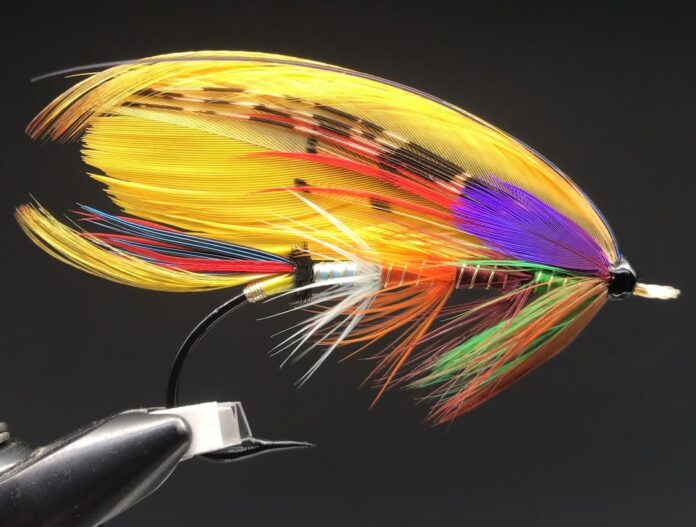
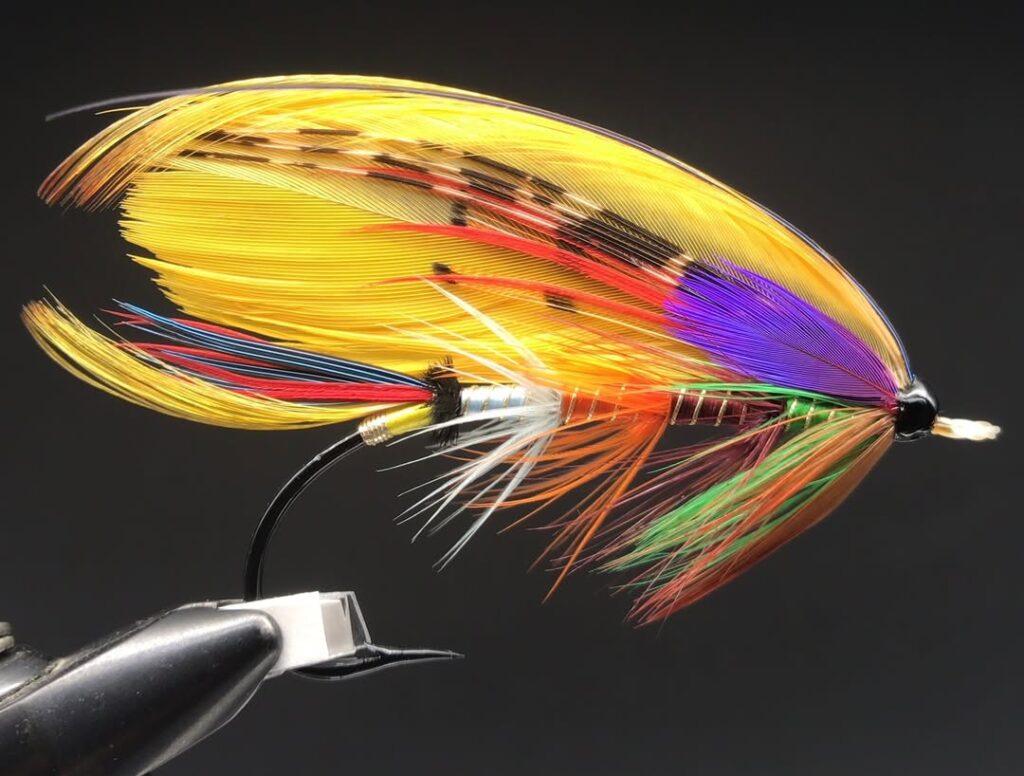
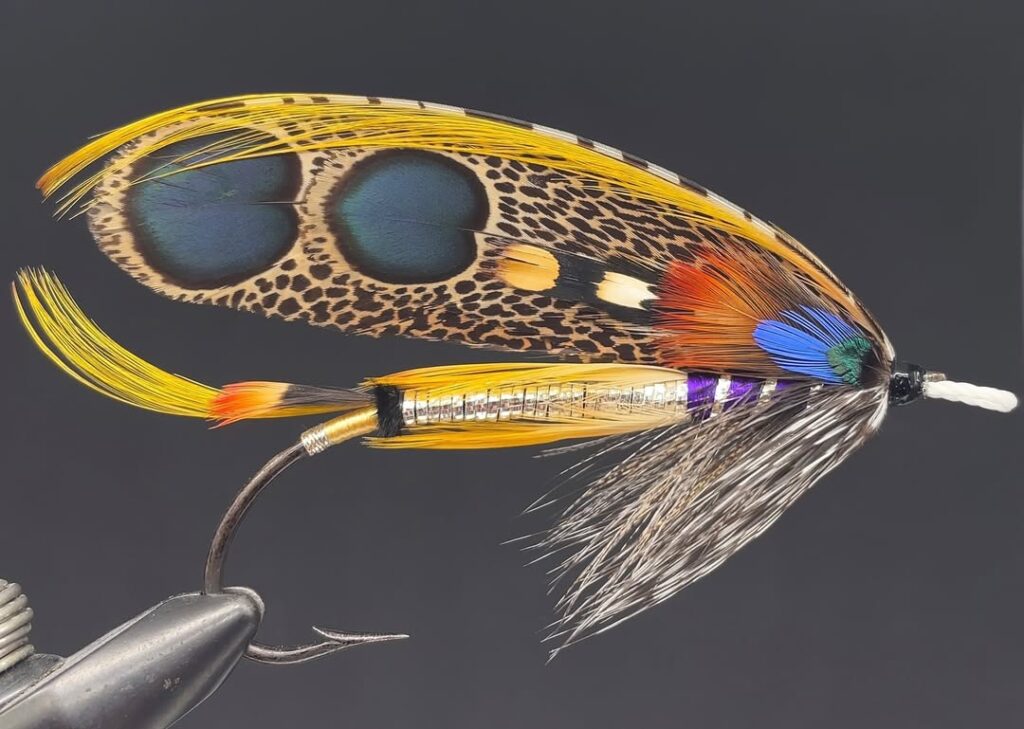
Today’s guest traded trout strains for silk thread vintage hooks, and the history-packed world of classic fly tying never looked back. From his first salmon fly at age 12 to becoming a leading voice in preserving old school craftsmanship, Tony Smith has spent decades chasing the perfect thread wrap. By the end of this episode, you’ll know what really defines a classic salmon fly, why wax silk and antique hooks still matter, and how tying flies helps Tony navigate OCD social anxiety and come out on the other side.

Hit play to start listening! 

apple podcasts

Find the show:  Follow the Show | Overcast | Spotify

Subscribe on Apple Podcasts

Subscribe on Android

Subscribe via RSS

(The full episode transcript is at the bottom of this blogpost) 👇🏻

Sponsors and Podcast Updates

Tony Smith is here to share what it’s really like inside the quirky and passionate world of classic salmon fly tying, what the feather thief story got right and wrong, and why sometimes keeping it simple is still the most beautiful thing you can do at the vise. Plus, we’re going to find out why reaching out to your fly-tying heroes might be the smartest thing you do all year.

Resources Noted in the Show

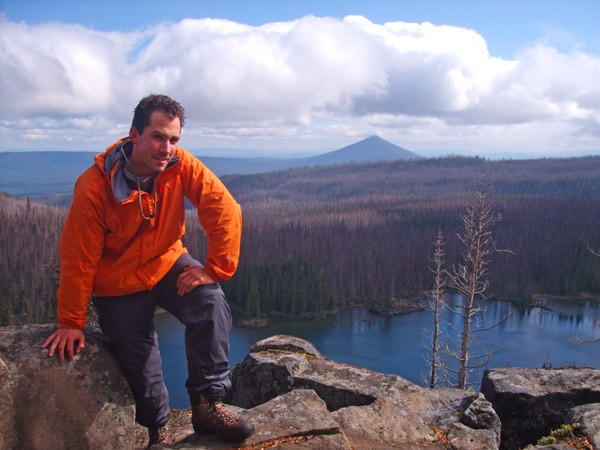
Follow Tony on Instagram 👉🏻 @feathersandfreud to check out more of his work.

Related Episodes

Full Podcast Transcript

Episode Transcript
Dave (2s): Today’s guest traded trout strains for silk thread vintage hooks and the history pack world of classic flight time and never looked back from his first salmon fly at age 12 to becoming a leading voice in preserving old school craftsmanship. Tony Smith has spent decades chasing the perfect thread wrap. By the end of this episode, you’ll know what really defines a classic salmon fly, why wax silk and antique hooks still matter, and how tying flies help Tony navigate OCD social anxiety and came out on the other side. This is the Web Fly Swing podcast where I show you the best places to travel to for fly fishing, how to find the best resources and tools to prepare for that big trip And what you can do to give back to fish species we all love. Dave (44s): Tony Smith is here to share what it’s really like inside the quirky and passionate world of classic salmon fly tying what the Feather thief story got right and wrong and why sometimes keeping it simple is still the most beautiful thing you can do at the Vice. Plus, we’re gonna find out why reaching out to your fly tying heroes might be the smartest thing that you do all year. Here we go. Here he is, Tony Smith. You can find him at Feathers and Freud on Instagram. How are you doing Tony? So Tony (1m 12s): Far so good. Yourself? Dave (1m 13s): Not too bad. Not too bad. I think we’re gonna have a good chat today about fly tying a topic that I think, You know, a lot of people are interested in fly fishing. We’ve done a number of episodes, You know, in recent months here, talking about some crazy stuff with the Feather Thief. You know, we had the, the author of that, You know, Kirk was here, we had Spencer talked a little about it, but also just, I think we wanna get into some tips on tying, You know, and helping people maybe learn about tying some classic patterns and what you do, what you’re an expert in this space. But before we get into all that, maybe take us back. Are you more of a, did you get into fly fishing or flight tying first? What’s your story there? Tony (1m 50s): So, my family was pretty outdoorsy, You know, after dinner most nights when I was a kid, me, my mom, my dad, sometimes my, my sister and niece, we’d all head over to the river and hang out. Sometimes I’d come home from school and my mom would be bragging that she got a bigger fish during the day while we were at school than I got the night before. So it was kind of baked in that we hit the river, grew up, You know, drowning worms and using spinners. And when I was about 10, my cousin who’s about 15, 20 years older than me, my dad said he’s a fly tire. And I was like, I had no idea. Like he made it sound like it was connected to fishing. So I was like, ah, that’s kind of cool. Tony (2m 31s): I’ll go over and see Mark. And I didn’t really watch him tie flies, but he showed me what flies looked like and You know, he had some drawers full of materials and I got pretty wide-eyed about it. And my local library had a few books. One of them was Harder’s Professional Fly Ty and Tackle Making. And I just destroyed that thing, just like turning pages. And I tried using like my dad’s bench vice to, You know, hold hooks and my parents bought me a fly tying kit from LL Bean that year. So it was Christmas of 88 and 37 years later I never looked back. Dave (3m 7s): That’s it. So you get that kit and you start tying, what did you start, You know, probably started some of the basic stuff. When did you get into, did it like slowly evolve into these where you’re known for the classic patterns or did that happen more recently? Tony (3m 21s): It wasn a pretty distinct line. So I started off, there’s a Eric Lyer little booklet in there that showed you how to tie four or five little flies. And I dabbled at those and my dad found that there’s a, an old materials company called Universal Vice that used to be over in Westfield, mass here. They created like one of the original rotary vices and did materials and all. And they put on tying classes at a local Polish American club for like eight weeks every winter. And it dovetailed with when I got the kit. So my dad was like, hell, let’s do that. And so he, he tied a little bit alongside me, but I, You know, it became my thing. He’s a woodworker, but tying just consumed me. And so we did those classes like three winters in a row and You know, it was trout and some salt water. Tony (4m 5s): And then I saw Joe Bates’s Atlantic Salmon Flies book and the library and was just awestruck. I must’ve been like 12. And I, my parents still have the very first classic I some considered a classic, some don’t. It’s a classic Canadian fly. The lady Amherst was in there. I happened to have the feathers and I put one of those together at about 12. And when I was 14, a series of events happened maintaining my own sanity. And I really delved into the salmon flies ’cause it was just like the next level and I just couldn’t get enough. And that’s where it really took off when I was about 14. Tony (4m 47s): Yeah. Dave (4m 47s): So with the classic salmon flies, the, the highly dressed, the flies that take hours to tie and the materials that are hard to find and all that. Tony (4m 55s): Yeah, I mean every, well I didn’t care. It was like hair wings to Jock Scotts to whatever. Like I wanted it all. And I was just enamored by the Bates book. And Bates actually lived two towns over in Long Meadow and his wife was still alive and kindly corresponded with me a little bit and that just like put me over the moon more as a 14-year-old kid. Right. Dave (5m 14s): Wow. How many back then when you were 14 were, You know, were there a bunch of kind of to you famous, You know, Bates, you got Herb Johnson, were there a lot of those guys out there? Were there just a few? Tony (5m 26s): I’m gonna go by granted, You know, there’s no internet or anything yet. So this was what, 90, 92, 93, 94 I really got rolling. I mean, in terms of salmon flies, there’s like jorgensen’s book from the late seventies. There was Bates book. I had heard of guys like Kelson and Price Tannet, but I didn’t have their books. Dave (5m 46s): Oh yeah, right. Tony (5m 48s): And of course, like Dave Whitlock was a huge hero of mine. I had a couple of his books and jorgensen’s trout books. So those were my first real reads. And then it just, You know, books kind of took on its own thing for me after a while. Dave (6m 2s): Nice. Nice. Yeah, I I wanna talk about, You know, some more of that history and more of the people there and, and tying in tips too. I wanna get into that too, but I wanna just take it back, You know, because we, we have talked Feather Thief just for a sec here, Kirk, You know, Wallace Johnson obviously wrote an amazing book. I mean, the Feather Thief is like one of those books you don’t put down pretty much. Right? But it’s a crazy story about the fly tying and somebody who, You know, stole feathers like these classic birds from a museum and stuff just to tie flies. What’s your take on all that, You know, given that you’ve been in there? Is that, I mean, I know that’s kind of crazy, but there’s kind of a split right between people in there where some people have some of the materials probably of what were stolen and then some people that maybe are more like, Hey, you need to return those materials. Dave (6m 46s): Well, what’s your thoughts on all that? Tony (6m 48s): So I, You know, like most people, I was like, wow, what’s, You know, chatter and Indian Crow and Buster? And I had no idea. And I ended up through the Bates family getting in touch with a fellow named Phil Castleman, who’s mentioned in the book. And Phil was a local attorney and businessman amongst other things. And when I was in college of grad school, I needed a, a job and he was like, oh geez, please come work for me. Like, you can run the showroom, do the orders, I’ll just run the credit cards. He is like, I got so much going on. So I got to know Phil really well, and Phil was an attorney and he had had collectible firearms and fly fishing business since the late 1950s. Tony (7m 28s): And he did, we had fish and wildlife right in the building. He did things by the book, You know, if he was getting something, if he was moving something, he wasn’t just buying blindly. He knew that people were, You know, smuggling and being screwy with how they got stuff. And so he was really careful and I, I learned right away, like, if you’re gonna play with this stuff, You know, don’t go getting raptor feathers from people or, You know, question if something’s too good to be true because this stuff is pretty darn rare. Right. And so Phil became like the grandfather I never had and he, he died back in 2019 at the ripe old age of 92 and still fishing the summer before he died with his boys. Yep. So I learned a lot right there. Tony (8m 9s): But I also had raised birds when I was a kid, pheasants and, and whatnot. And I, I had a lot of connections in the bird world, So I had a lot of molts of stuff. It wasn harder to get, You know, parrots and pheasants and things like that. So I was, I was playing the materials field and I, I knew it really well. Fast forward, You know, I crossed paths with guys like Paul Schmucker and, and those people and You know, Indian Crow isn’t a protected species. One of the, one of the subspecies is on ces, but You know, Paul was known for, for distributing that in the day and it wasn kind of what everybody was after. So I of course, You know, got some crow from Paul and we’re still good friends. I dunno if you’ve seen a, if you’ve seen a recent issue of fly tire, but there’s a photo of him and I from this winter. Tony (8m 52s): Oh Dave (8m 52s): Cool. Tony (8m 53s): Yeah, yeah. He’s still going, still fishing, still shooting. Nice. And so fast forward a little bit more and You know, I got, I got better and better at tying and I, I started dawning on me. I was like, even the guys, the classic tires like Kelson with all of his exotics, he mentioned substituting materials like, You know, it’s, it, it wasn’t foreign, it’s why blow all your money on this stuff was just more readily available back then. And, You know, things, things were different. So I, I started subbing stuff early on and fast forward again, I knew the wrist kids, I would see them at shows when they got started. Dave (9m 30s): Oh, now who are these? Tony (9m 31s): The wrist kids? Edwin and his brother. Oh, Dave (9m 34s): Right. So yeah, Edwin. So these are the two, right. And I forgot about his brother. Yeah. So Edwin was the person who broke into the museum and then he had a brother as well, Tony (9m 40s): Correct, Anton. Yeah. And So I knew them. I mean there were kids that were just, they were homeschooled. Like you read it all in the book probably kind of really into the arts and cooking. And so this was another hobby that just put them over the, over the moon to get involved in. And they seemed like nice kids. His parents seemed cool and then like their appetite went through the roof and they got really well known. And I remember when Edwin went off to Flautists school or whatever in London, ’cause like he kind of dropped off the radar. He was posting flies and whatever. And then I remember seeing this list that he put out of like all these exotic materials and I was like, there is no effing way he’s been floating around the UK finding these garage sales. Dave (10m 26s): Right. Tony (10m 27s): Absolutely not. I haven’t seen this much stuff in the 15, 20 years. I had been tying at that point. Dave (10m 32s): It wasn the interesting book that I asked Kirk about the book. ’cause it seemed like, You know, he was a super intelligent kid, but You know, he was bound to get caught. Right. Because it was just so, it seemed so obvious, all this things. Right. So he I guess wasn’t that smart. Tony (10m 46s): I mean it was just brash and arrogant at one point, at some point. Right. And So I remember seeing that list and I was like, delete, not interested. And a couple of people had asked me about it and I, I had said, ah, you’re clear man. Yep. Dave (11m 1s): So you knew, so you being in, you obviously had a lot of experience because of Phil, You know, the connection there, but you were, it was clear this was not the on the up and up Tony (11m 11s): There was no way, there was that much availability of these things that some people probably never even heard of, You know, these different birds of paradise and, and all of that. So it was a surprise, no surprise that somebody had called me and said, Hey, did you listen to NPR tonight? Like off the BBC there’s this kid Edwin Wrist. I was like, here it comes. And so, yeah, I mean, a lot of people I knew they bought stuff from him and he was, I don’t know, apparently forging the CES things. And I don’t think most of the people that bought stuff from him were trying to be involved in anything nefarious. They were excited, they had a lot of money and he sold a good story. Tony (11m 50s): And most of the people I know that bought stuff from him sent stuff back. Dave (11m 55s): Oh really? Yeah. So people did, yeah. People did send stuff back. Tony (11m 58s): They never got reimbursed. No, not one of them. No. And Kirk, the la I mean, I haven’t been in touch with Kirk for years, but I, I remember back in 2015 or 16, he sent me a list of the stuff it wasn still missing that Edwin had sold and it was extensive. Yeah, Dave (12m 12s): It was a lot. It was Tony (12m 13s): Definitely. So yeah, there’s still stuff out there and Dave (12m 15s): Gotcha. So it’s, You know, that’s just part of it. You got this in the community. What is that community like? If you had to explain the classic fly tire community, like, I mean, I, I think it’s, it’s interesting because, You know, fly fishing just in general is so, we’re so passionate, right. And we’ve got these niches, it’s fly tying, it’s streamer fishing. Yeah. You know, and it’s like, there was some good stuff and some crazy stuff that happens in there. So it’s kind of not surprising, but is the classic fly tying community that much different than the other sector of fly fishing that, You know What I mean? Tony (12m 47s): I, I laugh just because how do I it’s it’s eccentric is the only way I could put it. Yeah. You know, I mean there are people who are like straight up nerds. There are people who are like, You know, straight up just like into feather art kind of stuff and call it salmon flies. There are people who nerd out on just keeping the classic, the actual classic flies front and center in, in maintaining old world craftsmanship because, and and that’s the, that’s the boat I’m in because I mean, this stuff was getting lost and I’m kind of a history buff. Dave (13m 20s): Yeah. Tony (13m 21s): It wasn all getting lost in the nineties when feather art came around. Oh, Dave (13m 24s): Gotcha. So that’s your style. Your style is the classics. I mean, you, you do a lot of different things, but you definitely have the history, You know, what those classic patterns were all about. Tony (13m 33s): Yeah, I mean I tie only with, You know, silk thread and wax. I don’t use any adhesives. I don’t use any tricks. Like I study antique flies, I have thousands of photos of ’em. I have a small collection. I am fortunate to have contacts with people who have huge collections. Like I, I wanna preserve the history and maintain the old world craftsmanship. And that’s what, that’s what we push on our couple of Facebook groups and like my Instagram page. Dave (13m 57s): Yeah. What, what’s a, what’s a couple of those groups, if somebody’s listening now and they really wanna learn more about this, maybe learn about tying these but also just get the history. Is there a couple Facebook groups you’re involved in? Tony (14m 7s): Yeah, definitely. So the two that I’m on and help run are Facebook vintage fly tying and then classic fly tying. Classic Dave (14m 20s): Fly tying. Okay. Yeah. And what is the, what was the group that Edwin was really involved when that went away? That there wasn’t there a group that’s gone now? Classic fly tying forum or something like that? Tony (14m 30s): I always remembered it as the fly tying forum, but I think you’re correct in that it was called like classic Fly tying forum. It was run by Bud Guidry back in the day. Dave (14m 39s): Yeah. And what happened to that one? Did that one go down just because it got old or was it part of that whole thing? Tony (14m 44s): To be honest, around that time, I probably in the mid 20 teens, I slid off of that ’cause it was a cesspool. I, I mean it was pissing contests about, You know, there’s a lot of ego. Dave (14m 55s): Oh yeah. Tony (14m 56s): You know, the, the feather artists versus the true classics versus the people who are, You know, wanted to talk about Edwin and the people who wanted to shoot it down and, You know, I mean, it just exploded and went sideways and I, I just got out of there. It was so, So I like the Facebook groups. They have much more focus and it’s kind of part of our, our mission to preserve the actual classic Dave (15m 16s): The classic. And what is that like if you just had, I know the history is obviously that we could talk for a long time on that, but how do you explain the history? Like on the, You know, we talked about a few of the people, but where would somebody start if they’re listening now and they wanna learn about the classic flight tying the classic whether salmon patterns or some of the other stuff, where do they start with that? Tony (15m 35s): You mean in terms of history or terms of how to tie? Dave (15m 38s): Yeah. In terms of history. First, maybe let’s start there. Like if somebody wanted to learn about that history, where’s a good place to start? Is there a person you could, let’s say take and maybe just blend that in? ’cause I’ve seen Herb Johnson mentioned a lot and, and talk about that a little bit. Tony (15m 50s): Yeah, well, herb Johnson was a, a streamer guy. He was more of a trout guy from North America. But if you wanted to get back into like, You know, vintage period salmon fly tying, I mean that goes back to pre Georgian England. And you, you’ll see a lot of that stuff on, on the Facebook Vintage Forum. There’s a collector named Jason Lewis over there who has a collection like nobody’s business that he shares very openly online that pre Georgian flies on up till now. Dave (16m 18s): And what are pre Georgian? What is the preor? Well Tony (16m 21s): They’re a little more primitive than the classics you see now maybe, You know, less less perfect per se, more more functional art, You know, but very gaudy. And it was kinda like the, the big stepping stone into the classics like the Jock Scotts and all that stuff people know now. And, but even that, those were, it wasn, functional art, those were fishing tools. They weren’t meant to hang on the wall and tied very daintily. So, but I think Bates, Joe Bates, the book that his daughter Pamela did posthumously with her father is probably a good start just to get a thumbnail sketch of the history from way back till up until now. And, You know, be acquainted with the names. And Dave (16m 59s): What’s the name of that book? The Joe Bates book. Tony (17m 2s): So there are a few Bates books. I am, it’s the one with Pamela Bates Richards, I think it’s it Atlantic Salmon Flies and Fishing was Joe’s book in the sixties. Dave (17m 13s): Yeah, I got it. I got it. Fishing Atlantic Salmon. Yeah. You Tony (17m 15s): Found it. The green cover. Similar title. Dave (17m 18s): Yeah. Fishing Atlantic Salmon, the Flies and the Patterns. Joseph Bates. Exactly. Kamala Bates. Yeah. Tony (17m 23s): Yeah. Actually my, my fall article on Fly Tire talks about some of the Bates books. I I rediscover for people a bunch of books from the last century that I feel they’re still relevant to all around fly tying. So, so they can get a taste. Dave (17m 40s): Grand Teton Fly Fishing is a premier guide service and fly shop that has access to some of the most coveted rivers and lakes in Western Wyoming. Their simple goal is to share their valued resource and have you experience a native cutthroat trout rising to a single dry fly in the shadows of the Tetons. You can check out Grand Teton right now at Grand teton fly fishing dot com. Let them know you heard of them through this podcast. Fish Hound Expeditions offers world class fly fishing right off Alaska’s incredible road system for monster Rainbow Trout to feisty arctic grayling. You’ll chase big species in the stunning landscape. Whether you’re a seasoned angler or just starting out their expert guides. Ensure an unforgettable adventure. Dave (18m 21s): Book your trip today before spots fill up and experience Alaska’s diversity like never before. Check ’em out right now. That’s fish hound expeditions.com. So you got, let’s just, if we had to say like four or five of those books, so you got the Joe Bates, this one with the green cover. What would be a few more of those books you would recommend? Tony (18m 39s): So, So I cover not just Salmon flies in the list. So you have like both of those Bates books. I have Sylvester, neem Soft Tackle Flies Art Flick, streamside Guide. Dave (18m 47s): Oh, art Flick. Sure. Tony (18m 49s): Whitlock and Boyle’s Fly Tires Almanac The first Volume. Oh, okay. Yep. There’s a couple others on there that are escaping me at the moment. Dave (18m 58s): Do you have that list somewhere where we can kind of take a look or maybe throw it in the show notes here? Yeah, Tony (19m 1s): We could definitely put it in the show notes. Show notes. Show notes. The, the article will be out for the fall issue. Dave (19m 6s): Okay. Okay, good. Tony (19m 7s): There’s, there’s just six titles, like big ones that I thought people should know about. Dave (19m 11s): That’d be great. No, I’d love to get that in the show notes. Then we can take a look and people can follow up on books. Yeah, definitely. So it’s gonna be in the Fly Tire. Where’s that gonna be published? Yeah, Tony (19m 20s): Fly Tire for the Fall edition. Dave (19m 21s): Okay. Yeah. And that’s where you do a lot. Is that kind of the magazine? I know a lot of magazines obviously have gone out since COVID. Is that one that’s still going strong? Tony (19m 28s): It is. Flight Tire’s going pretty well. You know, Russ Lumpkin came on as the editor a couple years ago and we, we struck up a good relationship. I, I like to to write a lot about more historical things or, You know, whether it’s the literature or technique or blend, You know, psychology with fly tying. And I, I’m fortunate to usually have an article in each, in each edition lately. But going back to the books that people might like, I think yeah, those Bates books to really get acquainted. And then going back to guys like Kelson and Price Tannin, they’re very popular but they’re kind of a little bit obtuse to learn how to tie. I think if they want classic books, You know, the, the big authors from back then to learn how to tie, I would go right to Tavern and Hail. Dave (20m 15s): Okay. Tavern and Hale. Okay. Tony (20m 17s): So Tavern’s Fly Tying for Salmon is a spectacular book and Captain Hale’s book, how to Tie Salmon Flies is really Good Instruction without all of the Fanciness of Kelson and sort of not good instruction from Price Tanic. ’cause he was only tying like two, three years when he wrote that book. Dave (20m 37s): Okay, cool. And, and another good book, which we talked off air a little bit is we’ve had John Chewy on who’s a friend of the podcast and he’s a great guy. He’s written some amazing books. Right on. Yeah, on classic. You know, I, I am trying to think now his his what what’s his recent, he’s done all sorts of stuff. Obviously he’s got the magazine as well. Maybe just give us that because we love, You know, John, what, what’s John shoey your connection to him? Have you guys been talking tying for a while? Yeah, Tony (21m 3s): I met Shoey for the first time back in 2004. I was invited to do the show out in Oregon when it used to be in Dave (21m 12s): Oh, and before Albany was in Eugene. Tony (21m 14s): In Eugene, correct. Yeah. And So I, I met Chewy there. We had corresponded via email. I was buying some feathers from him here and there. But yeah, we met there and kind of hit it off and we’d, You know, meet up once in a while when I was out there he had me do an article or two here and there for his magazines and then he asked me to do some flies for his books. And yeah, we’ve, I mean, it’s kinda long distance. Obviously he’s on the other side of the country from me, but that’s my connection. Yeah. That’s Dave (21m 42s): It. Yeah. Okay. And and are you, now, I know with the classic there’s the classic tires, there’s some people that don’t even fly fish at all. Are you more in that or do you do some fly fishing as well out there? And what’s your take on overall? Do you think it’s kind of a 50 50 people that are like real hardcore just fly tires? Tony (21m 57s): I think there’s quite a few of those out there. I I still do fly fish. I don’t have a lot of great fly fishing water around me here. Dave (22m 5s): Now where are you at physically? Where do you live? Tony (22m 7s): Western Massachusetts. Dave (22m 8s): Okay. Yeah. You’re ma So if you wanted to fish some of the classic, You know, maybe Atlantic salmon, you’d have to head up north to, You know, up Newfoundland or wherever up there Right. To get some of that water. Tony (22m 16s): Yeah. And that’s a whole lot of money and a whole lot of time for a big maybe, So I Dave (22m 21s): Yeah, right. For a big maybe. Yeah. Tony (22m 23s): I, I tend to bring my little freeway rod with me. I do a lot of backpacking, most mostly out west. Sometimes in New England, I was just up in the, up in New Hampshire in the White Mountains fishing for the little Brooks. So I’ll bring the rod. You know, I’m not, I’m not as graceful as some, but I, I just always enjoyed tying flies more. Yeah, Dave (22m 41s): Definitely. No, I think that’s what’s really awesome about it, You know, I think that, You know, I think fly fishing and fight tying is just so cool because yeah. You can nerd out on any of this stuff. Right. Whether that’s entomology and like yesterday we were talking about entomology, we were talking about some bug species on the south fork, the snake, You know, on hatches and we’re talking PMDs, You know, and you could, you could go in and just like, go into Mayflies right. And learn about the etymology of bugs and just be the total nerd or, You know, you could just grab a fly and cast it. Right. I, I think that’s what’s kind of fun. Is that what you’re on flight tying? Is that what, like what stuck with you? What was that thing early on when you were 14 and it just like hooked you? What was that thing? Tony (23m 18s): Pun intended with the hooking? Let’s see. So, well one, like I said, there’s not a hell of a lot of great fishing water around here. There’s a couple of local streams that are okay. And So I could tie flies whenever I wanted. And so when I was, when I was 14, I told this story in the recent edition of Fly Tire, I grew up pretty debilitated by OCD to the Tourette syndrome and oh, Dave (23m 43s): OCD is a obsessive compulsive Tony (23m 45s): Disorder. Obsessive compulsive disorder. Yep. Yep. And I also developed some pretty significant social anxiety. You know, I, I just felt like I didn’t fit in. Like being a teen isn’t hard enough. Right. Even though you got friends, they want you to hang out, you just don’t feel like you fit in. So I, I really kind became, You know, sheltered myself and I looked around one day and I was like, damn, I’m just gonna get good at that. And I tied flies like crazy when I was 14, 15, 16. And that’s when I really got into salmon flies because I mean, it wasn just a major attention getter and got my mind off stuff. And one of the things pop culture doesn’t realize about OCD is that it’s not just people who are like organized or like fearful of germs. Tony (24m 29s): A big component is, is these intrusive thoughts. They’re the nerd, the, the technical term is ego dystonic thoughts, meaning they’re thoughts way against any way you would voluntarily think. So you can get these intrusive thoughts like, oh my God, what if I just like got a knife and butchered myself out of the blue? Right. Dave (24m 47s): Or, or here’s a good one. I was just talking with my kids who are 11 and 13 and I struggle with this and I, and we’re going into this little psychology here because you do have a background, you’re clinical, but we could talk about that. But You know, I obvious, and I’m trying to explain this is just bigger picture, like trying to explain the whole like world, it’s like you got Nazi, the whole thing. You got all these like all sorts of crazy stuff, right? I mean, I, I believe the world is, You know What I mean? There’s all sorts of good, obviously great stuff, but trying to explain to somebody, You know, a kid especially like, wow, why is that person doing, why did that happen? Why did somebody slaughter millions of people? But we were just, because there’s this mountain nearby and I was talking about, we were, we were talking about going up to climb to the top and I just said like, Hey, I remember when I was a kid, this girl, it wasn basically about my daughter’s age, fell off that thing and died. Dave (25m 34s): And I threw that out there mainly just ’cause I like to throw stuff so they realize, hey, there’s danger and You know, don’t fall off sort of thing. Yeah. But I start to think of it as my kid, it’s like, wow, it’s death. You know What I mean? Then you start thinking like, okay, wow, I could die tomorrow. You know, and you get all these thoughts and I have the same thing. It’s like, I don’t know if it’s OCD, but yeah, you have these crazy thoughts like, gosh, what if I so and kids do that, right? Kids do commit suicide. So what what’s your take? I’m kind of going rambling a little bit, but I, I feel like OCD and those thoughts probably have happened to me or probably happened to a lot of people. Tony (26m 7s): I mean, a lot of people, most people have experienced some symptom of like most mental illnesses, right? Yeah. It’s, it’s when the symptoms become like pervasive and they really impede your ability to, to lead a, a, a, a productive life, right? I mean, people who have, I’m gonna stick with obsessive compulsive disorder, You know, it’s a chronic train of these intrusive thoughts of just like grotesque things that are completely against your normal way of thinking that jack up your anxiety that then they ritualize over. And that could be anything from having to think about it a certain number of times to make sure that they really don’t wanna do those things. Or it could be, You know, arranging things for what we call the just right experience. Like, You know, you see stuff have to be like tapped into place just right. Tony (26m 49s): So it’s not just being orderly, it’s being orderly, but they realize there’s no point to it, but they can’t not do it. Dave (26m 56s): Right. Right. Tony (26m 58s): So they’re compelled the compulsion. So, so there’s, there’s all these components and pop culture just, You know, doesn’t understand what it is. Yeah. Dave (27m 6s): It doesn’t understand what it is. But then it also don’t, you feel like some of that leads to, like your example, you’re an amazing fly tire, You know, I, I’ve heard that lots of professional athletes at the highest level have those things because, and they allowed them to focus very. Right. Do you see that too, where it can be a positive? Tony (27m 24s): Oh, definitely. Because it’s not only a distraction, but like I, I recently wrote in Fly Tire, there’s an article by a, a neuro a scientist, Kelly Lambert outta Johns Hopkins, when she did this research who basically discovered that when people use their fine motor activity, they’re engaging the effort driven reward circuitry in your brain. And, You know, big surprise fly tying is using fine motor skills just like knitting or doing whatever else. And So I think it was more than distraction for me. Like there was also that going on and it wasn part of what helped keep my head above water. You know, engaging the effort driven reward circuitry creates emotional resilience. Tony (28m 5s): And her research, actually the springboard for it was she discovered that back during the Great Depression per capita, a percentage wise, the population had much less depression than the modern era. And she’s like, this does not make any sense. What’s the variable? And the article that she wrote coming out of it, wasn called Depressingly Easy, meaning that nowadays you have to just push a button. You don’t have to walk or ride a bike, you don’t have to garden, you don’t have to prepare your food. Like your clothes are all made for you. You don’t wash clothes by hand. Like all of these things with fine motor activity have gone by the wayside unless you like play an instrument or a fine artist or, and so, You know, us fly tires I think have a natural, even if you are struggling emotionally, it’s probably a lot better than it would be if you didn’t engage in fly tying and use your fine motor skills. Dave (28m 53s): Wow. So there is, so there is some legitimacy to that, like the fly tying and all this stuff, anything like that can help you if you have some of those problem or whatever you call that. Some of those. Tony (29m 3s): Absolutely. And it actually got me out of, out of my shell because at 16 I was like, You know, f this like, I’m so goddamn lonely and like I wanna hang out with people. And like I identified with fly tying so much, I was like, I wanna get better at this. I knew about guys like Smuckler and stuff and Pam Bates told me on the phone, she’s like, I’ll introduce you to these guys, just come to the shows. And I was starstruck and I actually started coming outta my shell and talking to these guys at the shows and then Oh wow. Dave (29m 33s): So what did it take you to get that, to get outta that shell? It wasn literally you’re starstruck, you’re there and then you just broke out of it because you were in your world, you knew it well sort of thing. You knew those people and the tying and you were good at it. Tony (29m 45s): Exactly. I mean, it was kind of like asking a girl out for the first time. I wasn’t sure it was gonna happen. You’re afraid of rejection. Like these people are giants and gods in the fly world. Right. And they were so nice. Dave (29m 55s): And then they say yes that they take you in. Right. That is amazing. And so at 16, now, when that happened, did you break out of the OCD and did or did it slowly evolve? Were you kind of, or do you still have some of that to this day? Tony (30m 7s): I mean, it’s, it’s one of those things where a major inroad was made and I started socializing a lot more. I was, You know, feeling better overall. The, the OCD took into my, my twenties to really gain control of, and there’s a point where it becomes just sort of this nuisance, it’s a bit of a trait. You’re like, oh, that’s still there. Right. But overall, overall it’s really well under control. Dave (30m 29s): I agree. I agree. I had this thing for me, I think, again, we all have these things, but You know, I, I think I definitely had some sort of OCD what, whatever, what’s the other one that they say a lot of the kids have where they’re distracted? The Tony (30m 42s): A DH adhd. Yeah, Dave (30m 43s): A DH adhd, right? Yeah, I think I had that. I probably still have that, but I had this thing with reading and part it was, I probably didn’t, You know, read enough or my parents didn’t read to me enough, but I struggled with all the way up through college, You know, and, but eventually something clicked and I was also really shy partly because of that, You know, I didn’t, I wasn’t the one in front of the class ever, but after that something clicked and all of a sudden it’s like, whoa, okay, I can do all this now. And, and then I kind of excelled and that now I love it. Obviously I’m sitting here and I do all these conversa, right? So it’s kind of funny. I think that in some ways I don’t know how my story worked, but again, it, it worked out I feel like, but it doesn’t always right. Some people, some kids never probably pop out of that their whole lives. Tony (31m 24s): It really depends. And You know, I mean, there’s not a lot of reliable therapy out there these days. There’s many therapists as there are. Therapy has gotten really watered down. Mental healthcare has gotten really watered down. It’s hard to find people who know what they’re dealing with. You know, insurance companies want people run in and run out. So like it’s, it’s like, oh, let’s try to work on these three big symptoms and see you later. And they wonder why people don’t maintain stability. Oh man. And also like, You know, parents, they really want to help, but they don’t understand. And You know, thankfully my parents were like, were like pit bulls. I mean, I had a doctor say they should put me on disability and they basically told them where to go. And I, You know, who knows where I’d be if they didn’t, if they did something like that. Dave (32m 6s): No kidding. Or gave you medication Right. And all that stuff too. Yeah. Tony (32m 10s): I mean it has its place, but you don’t need to be on it forever. And you need a really good treatment team. And people also need to be willing to, it’s scary to step outta that. ’cause that’s what people know, right? And So I think exposing yourself, You know, there’s actually a thing called exposure therapy to the thing you, you fear kind like, You know, just taking a risk that the sky isn’t gonna fall if you don’t do this ritual or whatever, or ask the girl out or, You know, anything that you’ve never done before, you’re anxious about, You know, the change leads to, leads to better insight to keep yourself going. Dave (32m 41s): Yeah, no, I think this is a, a great conversation. And, and tell us about that, just so we know. So you have a background that’s kinda your day job as the psychol, or describe that a little bit. Tony (32m 51s): Yeah, So I have a master’s degree in, in psychology, an MS in psychology. And I worked in the forensic arena for most of my career. Well, all of my career really, it’s 23 years in a jail for about nine years. And now I do psych evals for court proceedings in the juvenile court, but I had a therapy practice. Insurance made me crazy, So I quit that. Dave (33m 14s): Oh, gotcha. Well, and that’s kind of the, You know, back to that story with the Feather thief, right? Edwin basically got off on, what was his thing? He got off, he, he didn’t even do any jail time right. For stealing millions of dollars. Tony (33m 26s): What was it? He, yeah, he got off on allegedly being autistic and that the theft was part of an autistic obsession, which yeah, Dave (33m 35s): Autistic and, and obviously autistic people. That’s, that’s real. But it wasn seemed a little farfetched, right? That kind of just everything came together. Tony (33m 43s): It seemed like a stretch to me and most other people that read it, You know, coming from a professional and a fly tire, it just, there is a lot of things that didn’t add up like Kirk talked about. Dave (33m 54s): Yeah. The autistic. Yeah. Okay. Well let’s, let’s jump back into, You know, on the flight tying and talk on just again, like maybe getting going on it, You know, somebody has some experience tying, what is a good place to start? You mentioned a few books. Do you recommend, is YouTube a good place go? What would you say if somebody wanted to tie some of these in, do you think it’s better to start with more of like Herb Johnson style, You know, or You know, or where would you start Tony (34m 18s): For, for like general fly tying or classics again? Dave (34m 20s): Yeah, more for classics. More for the, either the the streamer stuff or the classics or any, any of that. If you wanna tie some, let’s just say you’re going Atlantic salmon or steelhead fishing and you want to tie some beautiful stuff for that. Tony (34m 31s): Well, I, I think you can’t go wrong watching some Davey McPhail videos. Dave (34m 34s): Oh, McPhail, right. Tony (34m 36s): He does a really good job, obviously he has gazillions of followers and he’s like a god on there. He does everything from hair wings to spay and defies to more full dress stuff. And he doesn’t necessarily tie them 100% as they did in the Victorian era, but I mean, most of the skill and technique is there. He doesn’t, You know, use adhesives and tie things in very daintily that could easily fall off. I, I think that the most satisfaction comes from functional art. Like, it, it looks good, but it can be, You know, thrown around and, and catch something. Dave (35m 9s): That’s What I think for me, if I got into it, which I’ve tested the water a little bit, but I feel like it’d be cool to, to be able to tie the fly for the wall, but to fish it, right? And to catch something on that fly would be, I don’t know, that would be kind of cool to catch a salmon or steelhead on that or truck. Yeah, Tony (35m 23s): I had a, I had sent Chewy a bunch of flies back in the day. A bunch of classics tied on, You know, modern hooks and he was swinging ’em for steelhead and Oh, nice. It was kind of cool seeing those in the jaw of the fish, You know. Dave (35m 35s): What was the one, do you remember any fly pattern that that shoe got one on? Tony (35m 38s): Oh man, I wanna say it was this, I have the picture somewhere. I wanna say it was a silver AEA from Kelson Silver Fly with a gaudy wing and a a, a blue spay hackle on it. Dave (35m 47s): Yeah. Gotcha. Okay. Yeah. So you got McPhail. What about other, are there, is YouTube other channels out there, other people that would be good to follow to kinda look at some of these? Tony (35m 55s): Yeah, I mean, I think there’s a handful of other people out there. I, I don’t spend a heck of a lot of time on, on YouTube anymore, but let’s see, McPhail, I believe, like Long Noian who’s mentioned in the book. I mean, regardless of that, he’s very talented. I believe he has a few videos up on, on YouTube or you Oh, Dave (36m 12s): Okay. What what’s his name? What’s his name again? Tony (36m 14s): Longen. How Dave (36m 15s): Do you, do You know how to spell that? Tony (36m 17s): N-G-U-Y-E-N. Dave (36m 19s): Okay. Yeah. Okay. Yeah. Okay. Tony (36m 21s): But, You know, our group, the classic fly tying group I mentioned on Facebook, there’s a lot of tutorials on there. People can become a member and, and get really deep in it, or they can, You know, just kind of peruse and get more surface stuff. I think it’s, I think it’s like $15 for a year Robert charges Dave (36m 39s): Oh wow. 15 bucks for a year in the group. Tony (36m 41s): Yeah. And you get archives, You know, all kinds of old articles from the old fishing gazettes things he’s uploaded from books and tutorials and, and all of that. But I, I think it really got complicated in the nineties when people wanted to start tying 10 knot flies to look a very certain way with a big grizzly bear hump and perfectly preened, You know, and they would like tie flies with kid gloves on to not mus anything. And my friend Matt Bashaw, he’s fond of saying, you just slap it on and his flies look like really nice versions of antique flies. And so once I took that approach, it was just, it makes so much more sense. Your fly’s durable. It looks, it looks tastefully, antique. It’s all good. Tony (37m 22s): And I, I can’t stress enough tying flies with silk thread like Parasols or Guterman or YLI, it’s like a hundred denier it’s gonna take getting used to, and, and, You know, you keep it well waxed, but that is one, maintaining the old world craftsmanship. Two, it grips like nobody’s business. It doesn’t flatten out and slide all over the place, like a lot of modern threads. And people wonder why stuff won’t stay in place or their, their heads go all over the place. This stuff stacks like cordwood. When it’s waxed and you’re gonna get beautiful heads, it grips like crazy. Like two turns of that to six of a modern thread. Dave (37m 56s): Oh, right. Tony (37m 57s): So that’s another big, another big thing people, another big step people take in learning to really tie actual classics. Dave (38m 6s): We’ve heard many of the stories on this podcast. Togiak River Lodge is one of the great destinations for sw flies, for Chinook stripping for coho all day and unwinding in a lodge right on the riverbank of the Togiak River with access to all five salmon species plus rainbows, Dolly Varden and more Togiak offers a true Alaskan experience picture over 30 miles of river season guides, high quality boats and low fishing pressure. It’s fly fishing Alaska at its best. I’ll be heading up this summer. So reach out to Jordan and the crew to see what dates they have available this year. You can learn more right now at wetly swing.com/togiak. That’s togiak, T-O-G-I-A-K Alaskan fly fishing like you’ve always dreamed about. Dave (38m 53s): And what about hooks? Is that where, where, where do people get the, do you have to get a classic style hook? Where, where do you get your stuff? Tony (38m 59s): So the, the general, You know, stuff put out by Partridge or whoever they’re, You know, they’re okay for fishing. I mean, I think some of ’em are a little too ugly to show to a fish. It’s almost insulting, but Dave (39m 11s): Yeah, Tony (39m 12s): There’s still some really good hooks out there. Dave McNees, blue Heron Hook Dave (39m 16s): Oh yeah. Tony (39m 17s): Is good for, You know, space flies. They tend to come kinda long. They’re not made in smaller sizes unfortunately. Dave (39m 24s): Yeah. Tony (39m 25s): But there’s a lot of modern hook makers out there. Like say Garrin Wood out in Oregon, who, You know, he makes classic hooks for, I don’t know, between 10 and $25 a piece with, You know, real Japan finish on them and he’ll do custom stuff or he, he does runs of, You know, more popular like Harrison Bartletts or Phillips Jones and all those. So people freak out. Spencer and I talk about this a lot. People freak out about, oh my God, where am I gonna get this crazy exotic material to tie these flies, quote unquote Right. Yet they neglect the things that make the fly and give it its style. Those things are little accentual feathers easily subbed. Tony (40m 7s): It’s ironic that they don’t care what hook they put that on, whether or not they tie the fly very well or use high quality common materials, the stuff that makes or breaks the fly, like the golden pheasant feathers or the waterfowl or You know, the, the dyed goose and all of that. All of that can go by the wayside so long as they get these exotics and show them off, which is a waste of these expensive feathers because the rest the fly looks like trash. They’re so crazy to get these things, like, they feel like their lack of skill can be compensated for by slapping heavy duty, expensive feathers on, on flies. And that’s, sometimes people contact me and they’re like, oh, what do you think? What do you think? I was like, you gotta back off and get back to basics and screw putting on four pair of Indian crow on this fly just ’cause you can. Dave (40m 53s): Right. Tony (40m 54s): You know, it’s Dave (40m 55s): Yeah. It seems like, I mean, some of those Yeah, you got the extreme. I, I’m not sure what the most extreme pattern is, but You know, with all the materials. Right. But it seems like simplicity is kind of cool too, right? Like almost the more simplistic you could get. That’s kind of a cool fly too. Do you find that with some of these flies that there’s some that don’t have a bazillion feathers on ’em? They’re and they’re still like classics. Tony (41m 16s): Absolutely. And You know, that’s the other thing. People equate classics with crazy, You know, $400 worth of feathers on ’em. But that’s not true. I mean, most classics weren’t dripping with Indian Crow and Chatterer and, You know, golden Bird of Paradise. They, a lot of ’em had jungle Cock that’s not really exotic anymore. You know, the, the flies relied on good hackle, good tinsel, good silk, nice hooks and good quality basic material that really makes or breaks the fly. The other stuff can be easily substituted and it’s little accentual things usually that use Indian Crower chatter for, You know, so it’s, that’s one big mistake I see a lot of people make is just, oh, I have to, You know, blow my retirement account on all this to tie these flies. Tony (42m 0s): It’s just not true. Dave (42m 1s): Right. God, that’s great. Well, let’s take it outta here. We got, I got a few more some questions for you Yeah. And some random ones, but we like to start this off with our Wet Fly Swing Pro. You mentioned the group in your, the, the classic flight. We have our own kind of community here, wet Fly Swing Pro, and we’re basically connecting, we don’t have a huge fly tire segment in there yet, but we’re gonna be building that as we go. But today this is presented by Patagonia Swift Current Waiters and Patagonia is a great, obviously a great brand. I don’t think they’re selling fly time materials yet, but they do have some great products and, and we’re gonna be wearing the swift current waiters up in Alaska, So I wanna give a big shout out to them first. So let’s go to you on, as we get in this gear segment, this is what this is for us is kind of talking gear. Dave (42m 45s): So fly tying, we’re gonna stick on that a little bit. What’s your, I always like to start with vice, You know, what is your go-to vice that you’re tied on? Do you have a bunch or do you have one that you’ve used for years Tony (42m 55s): Before you say that? I wanna give my own shout out to Patagonia because I love my Patagonia jacket. Dave (43m 0s): Oh, nice. Tony (43m 2s): And I, I have the utmost respect for Y Yard, especially after reading, let my people go surfing and how he Patagonia helped out back in the 20 teens with the whole public land sale thing and all that. So definitely props there. Yeah. Dave (43m 16s): Yeah. We’re, we’re super excited to have them on as a, as a sponsor this year. And, and same thing, we had Yvan, we’ll put a link in the show notes that episode Right interview. Oh, sweet. And it was really cool to actually hear him one-on-one, You know What I mean? Well, Craig was there as well. And who’s, who’s an allstar too. But yeah, just to hear like the direct, the, You know, the, the man talking about all this stuff and yeah, his mind doesn’t veer too far from saving the planet, You know What I mean? That’s what he’s always thinking about. So, so cool. No, I love that. And, and what’s your jacket? So are you, is this a jacket, just like a Goretex jacket or you use it for like skiing or fishing? What, what’s your It’s, Tony (43m 52s): It’s actually just kinda like my general winter jacket. It’s one of the ones they, they call their, their sweater I guess because it’s casual, but it’s like the most comfortable thing ever. It’s, I get hot easily. Dave (44m 1s): Okay. And what is it, what’s the name? Just, is it something older? Is it something we could still find out there? Tony (44m 6s): Oh yeah, it’s the, the Patagonia, they just call it their sweater. Dave (44m 8s): Oh, the sweater. Tony (44m 9s): It’s the down sweater. Dave (44m 10s): Okay, so it’s, yeah, sweater, jacket, whatever. Yeah. Let’s see what pops up here. Okay. Oh yeah. And is it waterproof? Tony (44m 16s): Oh boy. I mean it’s, it’s a, I wanna say yes. Dave (44m 21s): Yeah, right. Is is it the better sweater Fleece jacket? Tony (44m 24s): Nope. No. It looks like one of their standard puffy jackets in a lot of ways. Oh, Dave (44m 28s): Okay. Yeah. Insulated. Is it insulated, like with down feathers in it? Tony (44m 33s): It does. It’s a down. Dave (44m 34s): Oh, okay. Yeah. Yeah. So it’s cool. Okay. I wanna look at that. Well, we’ll definitely, I’m always looking for new gear, so we’ll, we’ll check out that. Good? Okay. Yeah, the men’s down sweater jacket. Tony (44m 43s): Yes. Yes. That sounds right. Yep. It’s great for backpacking packs down to nothing like a turn around and use it for work. Dave (44m 49s): Oh, perfect. Okay. Good deal. Awesome. All right, so we got our nice shout out here and thanks for that on Patagonia. Yeah. And so, yeah, so what about Vices? Yeah. What do you got there? Tony (44m 58s): So I’ve, I’ve had my Regal Vice since I was 16 and I was tying commercially for Hunters and American angling. It’s literally from like 1994 and 1995. And then Phil Castleman was a rep for, he sold Regal Vices also, and when he passed away he had a small stash of ’em left and his son gave me another one. So I can, I can have two projects going at once now, but I see no need for any other vice. Dave (45m 23s): I know the Regal, that’s my go-to. And, well, same thing, I probably, I probably had it got in the eighties or nineties, whatever, but it’s so simple. Right. The clamp and it’s just like, boom, it’s one motion. You’re, it’s just, they definitely, I, I don’t think we’ve had Regal on the podcast. I’ll have to work on that, but yeah. Good. So we got the Regal shout out. What about some other go-to tools when you’re talking flight to anything else people should be having, other than the basics, You know, what’s that look like? Tony (45m 48s): Well, so if you’re a classic tire, that’s not gonna go back to tying in your fingers, which is becoming in Vogue again. I did an article on that in the Winter Edition to Fly Tire with Adrian Cortez who you’ve had on. Oh yeah, Adrian’s an old friend of mine and he, he did a step by step in photos and I did the article around Oh, nice. Art of tying in hand. And a lot of guys are doing it, but the Vice will help maintain sanity too. I feel like the Vice and Scissors are your two biggest friends. Yep. And so Scissors, Pierre Sino out of Italy, Piero Sino out of Italy has copter, K-O-P-K-O-P-T-E-R, scissors. And I really like his micro serrated blades for trimming up around the head area because it makes like these weeny teeny little steps that helps grip that silk thread and make a really nice tight head that doesn’t slide anywhere. Tony (46m 40s): I also have a pair of Miltech scissors I bought from Hunters 30 years ago that have never been sharpened. They paid $150 for them as a 16 or 17-year-old kid. They have never been sharpened, they’ve never needed to be adjusted. Very fine point. And You know, you, you don’t want lumps and bumps, obviously tying a tiny Catskill dry or one of these, it’s a very fine pointed straight bladed, scissors, also a must. Dave (47m 5s): Yeah. There you go. Love it. Tony (47m 7s): And go with German ones if you can. ’cause they have never blown up on me. Dave (47m 10s): Okay. Okay. Good. Tony (47m 12s): And other tools, I mean like a, a handy, You know, good old dubbing needle and a couple of, pair of tweezers and that’s about it. Dave (47m 20s): That’s it. It’s pretty simple. Right. That’s the cool thing about tying is that it’s, it is pretty simple. And then you have, but you got all the materials which aren’t so simple. Right. You could, do you, are you still, now, You know, it’s funny ’cause we started talking Feather Thief at the start, but are you still getting new materials or do you pretty much, since you’ve tied your whole life, have everything you need? Tony (47m 38s): It’s part of the addiction, man. Yeah, I know, Dave (47m 40s): Right. Another fly rod. Right. You need another piece. Tony (47m 44s): I mean, I have literally the fly tying room in my house. Of course my dad being a woodworker may be this stellar eight foot long bench with these drawers that fit specific boxes for Dave (47m 54s): Oh, nice. Tony (47m 55s): About a hundred of those boxes with everything I, I regularly need. And then I have shells with Tupperware, but I, I don’t buy like I used to, but if I see a nice dryly neck in a weird color or like there’s a flash sale on antique tinsel somewhere, I’m gonna buy it. Dave (48m 11s): Right. And are you doing all the shows too still? Or are you going out to travel around and doing all that? The tying demos Tony (48m 18s): I used to do, I used to go to like New Jersey and like the Marlboro Mass show was big, kind of out towards Boston and used to do the Oregon show. And then I was part of, Rocky Hammond is a great friend of mine and he was the president of the Northwest Atlantic Salmon Fly Guild. And when I met Chewy, I met Steve Brocko and Harry Lame, who told Rocky to have me out in 2006. And So I befriended that group and so Rocky and I got really close, actually our families got really close and back in 2012, he had me on his committee to do Atlantic Salmon Fly International. And we did that in 2014 and 2016. We had guys come from 20 countries each time and those were the, the last big shows I did. Tony (49m 4s): And it was, it was just phenomenal. We had like Sebastian la from, from Chile come up meeting all these guys you just knew online for 15 or 20 years and everybody just kind of converged and had a, it was quite a hoot, Annie. But I, I don’t do the shows too much anymore. I wanna remember ’em the way they were. Right, Dave (49m 24s): Right. Do you think it’s changed a lot? I mean, is that your guess? You think things are a lot different than they were 10 years ago? Tony (49m 30s): I feel it’s much more focused on people selling trips than people like hanging out and time flies together and You know, a lot of guys, I’m 47, but a lot of guys have either got disabled and don’t do it anymore or just gone, You know? And so it’s, yeah. And, and it ebbs and flows. So like the new crowd isn’t into the same stuff as the old crowd used to be. And it’s, Dave (49m 52s): Yeah. Are there still new, You know, like, well, like, You know, the kids coming up, are you seeing those still out there or is that Oh yeah. Tony (49m 59s): If you go on Instagram or Facebook, there’s this kid out in New York, Aaron Miller, I think he’s 17 or 18, he just graduated high school and he took to this like a bulldog ties, flies in his fingers, very traditional. So kids like him and some guys over in Europe, similarly, they’re, they’re taking up the torch, but it’s not with the same volume as we used to see for whatever reason. Dave (50m 20s): Yeah. Gotcha. Okay. Well what about, let’s get a couple of tips outta you on flight tying before we get outta here. So somebody’s getting, You know, on the vice they’re gonna be tying maybe one of these classics or something, You know, in the range. What are a few things you would tell them to have more success? A few, like high level fly tying tips Tony (50m 38s): For, for tying the, the classic salmon flies. Dave (50m 40s): Yeah. Either the salmon or, yeah, any of those. Fly. And Roy you mentioned Catskills dries too. I mean that’s another one that I’m always interested in hearing about, but yeah, what would be some just general fly time tips? Tony (50m 49s): Oh boy. Well obviously material quality like we, we’ve already touched on, but remember that you’re tying something that you, You know, the art of it’s cool, but you want it to function, you want it to be tied solidly. You want it to, You know, not fall apart. So I think focusing on that from the start is gonna be really important. And that could just be like, You know, making sure you use tight thread wraps or follow Davey McPhail lead and always have that piece of wax in your fingers and constantly be waxing the thread so stuff stays Dave (51m 18s): So you wax the thread. So when you’re using the silk thread, you’re always waxing that thing while you’re tying the fly Tony (51m 24s): Most often. Yes. Unless it’s going under like a silk body or something and it could bleed through. But yeah, everywhere else it’s, it’s wax, it’s wax. You use like the old, the heavy tacky cobbler’s wax. Dave (51m 34s): Yep. Yep. How do You know when you’re tying the thread that it’s so to get it tight enough but not to break it? Are you breaking your silk thread much Tony (51m 43s): Silk thread is a, a much lower breaking point, so that’s a little sense you develop, but You know, you, you don’t need to be Hulk Hogan on the thing. Just, You know, enough to be darn tight. And so yeah, that’s, that’s one tip. Another would be, I can’t stress this enough, learn from your heroes. If there are guys that you feel are just tops, and I don’t care if anybody else thinks they are or not, but if you think they’re great, reach out to ’em. I mean, people are often like, oh, I’m just gonna be bothering them. Everybody probably reaches out to ’em nine times outta 10. They’re glad to hear from me. It’s not like they have fan clubs, they’re flattered that people wanna learn from them. That’s What I did with guys like Schouler and Bill Wilbur. Tony (52m 25s): And, You know, I’ve always thought it was really important to reach out to people who inspire you and have your heroes and, and contact them because they probably are gonna wanna share and you’re gonna learn fastest from them. Whether that’s, I do that in my profession. I reach out to my clinical heroes and it’s opened a lot of doors. I’ve made a lot of great friendships and connections and had clinical growth and I’ve done it in fly tying and it does not disappoint. Dave (52m 50s): Yep, definitely. Nice. Well that gives us a little bit of juice to head into the day. Anything else you want to shed light on or talk about, You know, flies or anything we covered today that we missed on kind of what you have going? We didn’t get into Freud at All. Right. So that’s, that’s one big name we haven’t gotten into. But yeah, give us anything else we missed. Tony (53m 9s): Wow. No, it wasn it wasn quite a lot of stuff for 60 Minute Chat, various topics and all. But no, I I just think it’s really important that, You know, the tradition is always gonna be there in some ways and, and things change. You know, stuff evolves. I was recently talking to Tom Rosenbauer and You know, he really encourages people to experiment with new materials, but, You know, kind of improving on, on classic ideas with modern materials. So, You know, let yourself be creative and, You know, use it, use it as that outlet too. I mean it’s, it serves a lot of purposes more than just tying something that’s gonna reel in a fish. Dave (53m 46s): Yeah, definitely. Definitely. I think it’s, I think it’s exciting. I’m always thinking about, okay, what’s the next thing You know, the the next technique trip, You know, whatever the new thing is. Right. And, and then how do you, You know, how do you go in and kind of ma I don’t know if it’s mastering it, do you ever think of it like, are we, I guess you’re kind of mastering stuff, but that’s kind of a weird word, isn’t it? Like, ’cause we’re never really mastering everything completely, are we? Tony (54m 10s): It seems like ideals are always changing and when I started tying salmon flies, I just wanted to be able to get a semblance of something that looked like, You know, Meghan Boyd flies, I saw in Joe Bates’s books and then I was starstruck with the guys in the nineties. I was like, no, it has to be like that. And then when I started studying like actual classic vintage flies, there was something about them that made me think like, no, I’ve got it all wrong. Like, You know, there’s nothing wrong inherently wrong with feather art per se, but don’t call it classic salmon fly. Like, I wanna be like these guys, like I wanna make something again, functional art, You know, pretty and practical and, and, and know this thing can function. And I think it’s, it’s harder to, to pull that off than to sort of paint by numbers and, and You know, create this, You know, thing to just look at in a way, You know, that’s just, just my opinion on it. Tony (55m 1s): I know there’s gonna be people that vary, but it’s definitely evolved for me and even within What I think an actual classic should look like as I’ve discovered, You know, how things were tied in from, from pulling apart antiques and, and whatnot. You know, that’s always evolving and I don’t think the guys back in the day always did it one way and just stopped evolving. It’s kinda like whatever works so long as it looked good and was secure. Dave (55m 28s): Yeah, definitely. How long does your typical, what’s an average fly pattern you’re tying one of those classics take? If you had to say kind of on average, Tony (55m 36s): If I was to sit down and tie a moderately difficult pattern from start to finish, I don’t know, a couple of hours. Dave (55m 44s): Yeah. So a couple hours. Yeah, it Tony (55m 46s): Usually takes me a few nights. You know, I dabble on it for a half hour here and there and yeah. Right. Dave (55m 52s): Well it’d be a flight you could tie in say, You know, 45 minutes or under an hour. What would be a, a Roy popular pattern that, or what would be Tony (56m 1s): Like the spay and d flies? A lot of those, yeah. SD or You know, the, the simpler strip wing flies like thunder and lightnings or Dave (56m 8s): Oh yeah, thunder and lightning Yeah. Tony (56m 9s): Or things like that. But You know, a jock Scott or silver doctors and things like that. A couple, a couple of hours probably. Dave (56m 16s): Okay. And if you were gonna fish for Atlantic salmon, You know, well right now it’s, as we’re talking it’s June, it’s prime time. Yeah. What would be a fly you would fish with? What do you think would be the one if you had to pick one? Tony (56m 28s): Ooh. To be, to be honest, the people that I know that are actually really successful in Canada in the summer are usually using salmon, dry flies. Oh Dave (56m 37s): Real. Oh, dry flies. Like the, yeah, Tony (56m 40s): Like the Macintosh are like skaters and Yeah. And think or bombers, but Dave (56m 44s): Bombers. Right. The bomber, Tony (56m 46s): I knew Bill Wilbur, he’s in some of the books. He was sort of under the radar, but a fantastic tire. He had a shop here in Central Mass and he would hit up the moisey every year and he would swear by fishing with a Dun ke up there. Dave (57m 1s): A dunkeld? Tony (57m 2s): Yeah, it’s a, it’s a, the gold bodied fly that’s in most of the Victorian books. Dave (57m 8s): Okay. Tony (57m 9s): You know, fairly moderately complicated. Nothing crazy, but that comes to mind. Oh Dave (57m 14s): Yeah, the Dunkeld. Yeah, I’ve seen that. Right, right. That’s beautiful. Yeah, it’s got the silver tinsel body, all that. Tony (57m 20s): Yeah. That, that comes to mind for some reason, but I don’t know, my friends who fish for salmon tell me that it’s, pick something you’re confident in and and go and Dave (57m 29s): Go. Yeah. The Don Ke is really a cool fly. I’ve seen that one and heard about, yeah, I mean it’s got, is that your classic, You know, it’s very thin and sparse, which, which is What I like about my steelhead flies, right in sand, it’s sparse is kind of good, but it’s got a really thin body of what looks like tinsel and some hackle. But then the wings, it’s got red and red and yellow and blue under there. Now is that a pretty much, that fly is tied one way? You know What I mean? Like if you the patterns or can you mix up the variation of what’s on the wings, stuff like that? Tony (58m 0s): Well, I mean, if you go looking through antique flies, You know, through books, there’s a couple of books that came out by Martin Lanigan O’Keefe. He found the, the shop notes and the sample flies for Hardy and for Farlow. And if you look at those books, you’re gonna see these flies that are very well known, have all kinds of variation, whether it’s from customer request or just how Farlow or Hardy decided to do it, it’s still recognizable as that fly. But You know, they might have JC or not, it might be something in the Wing or not. And they’re also tied thinner or fatter or whatever, depending on conditions or the tire style or, or whatever. So there’s not, it’s not as hard and fast as, as I think beginners think that it is. Tony (58m 43s): Like, oh, well Kelson said it’s done this way and, and so that’s it. And well, not really. No, Dave (58m 47s): No, not, not really. Gotcha. Okay. Yeah. Either way that that’s a good fly. That’s one I’ll definitely have to work on. Tony (58m 54s): Yeah, bill had a fly, he called the Moisey Dunkeld, he, I’ll try to find a picture of it and send it to you. He varied it a little bit. Dave (59m 1s): Okay. Yeah. Yeah. This is sweet. Cool. Well I think Tony, we could probably leave it there for Today. We will send everybody out to Feathers and Freud on Instagram. They can track you down if they have questions and Sure. Yeah, this will be fun. Maybe we’ll follow up with you if time allows for you, You know, in the future and, You know, do a follow up. Maybe we’ll get you on for a flight tying session. That’d be, be fun to see some of this too as well, You know, I like that. Oh, good. Good, good. All right, well thanks for all your time. We’ll, we’ll definitely be in touch. 3 (59m 28s): Yeah. Glad we crossed paths. Take care. Dave (59m 31s): There we go. You can find Tony over at Instagram, feathers and Freud, where classic Flies history and occasional psychology come together. It wasn pretty fun today. Get a little bit of the, his social psychology and background there. I hope you enjoyed that. If you get a chance and you haven’t yet, please follow this show. You can do that really quick whatever app you use and just click that follow button. You’ll get updated when that next episode goes live. And we got good ones going all summer long. We’re midsummer, we’re loving it. It’s, it’s hot out, it’s good right now. So if you’re enjoying this, please check in with me anytime. I’d love to hear what you have going. If you haven’t heard of Wetly Swing Pro yet, you can head over to wetly swing community.com right now. Dave (1h 0m 14s): That’s wetly swing community.com, and you can check out everything we have going there. It gives a little summary of what Fly Swing Pro’s all about. Would love to have you in the shop. We’ve got a special bonus going on right now. If you’re interested, you can sign up to that page, learn more, and, and we’re gonna be closing the doors soon on that. And so we’re gonna be bringing in the next cohort of Wetly Swing Pro members. So if you have any questions there, as always, you can check in with me and, and we’re gonna be heading out all Summer, Montana is gonna be one of our destinations. If you haven’t checked in with on Demark Lodge, we’re sending up some pretty cool stuff with on Demark this year and next year, so please check in with them on Demark Lodge anytime. Dave (1h 0m 58s): All right, appreciate you. It’s super late in the night. I am getting ready to head out for North, I’m heading to Alaska in just a few hours and it’s late in the night. I’m, I’m not taking the red eye flight, but it’s early morning flight. I’m excited because I’ve got the TSA pre-check, which is gonna make things a little bit easier, but got that coming right around the corner and I’ve got some, hopefully some big stories to share when I get back of, of Chinook, Chinook salmon and all the species up in Alaska. We’re heading to Tok River Lodge, we’ve been talking about this for a while. And finally gonna get up there and fish with all the great guys and hang out on the Togiak River, which is interesting enough where we’re going on Togiak is a dry, a dry village, which means there’s no alcohol allowed. Dave (1h 1m 46s): Pretty exciting for me because I’ve been going on a series of my, what I’m calling my beer challenges, no beer break. And so this is a good chance to do that. If you’re interested in TOK as well and want a beer break or a a challenge, it’s the best way to do it. Go up to togiak, catch a giant king salmon, and start your journey on, on staying away from alcohol. All right, that’s What I got for you tonight. Hope you enjoyed it and, and hope you enjoyed this episode. And I appreciate you for stopping all the way till the very end. And I hope you have a great evening. Great morning, and if it’s afternoon, wherever you are, I hope you’re enjoying that day and we will talk to you soon. 4 (1h 2m 27s): Thanks for listening to the Wet Fly, swing Fly fishing show. For notes and links from this episode, visit wet fly swing.com.


800 | Fly Fishing the Delaware River with Bob Lindquist from Flies for Fish

Fly Fishing the Delaware River

Episode Show Notes

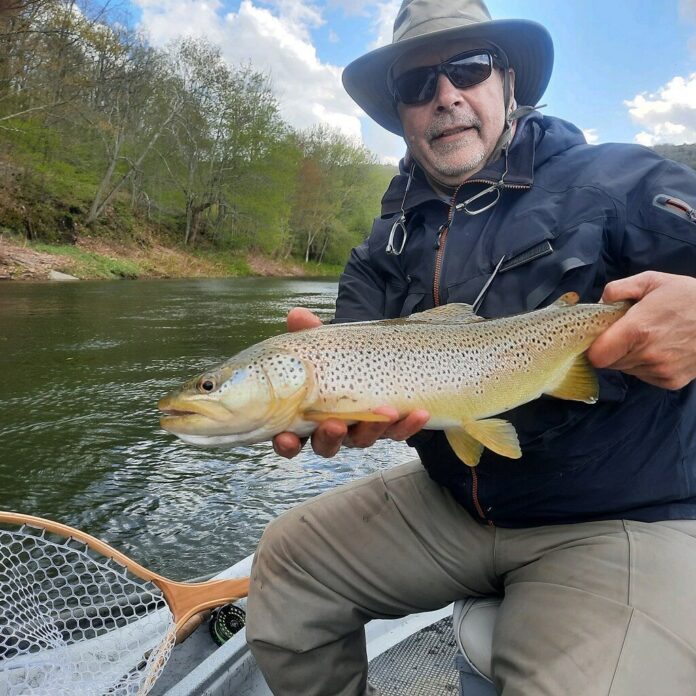
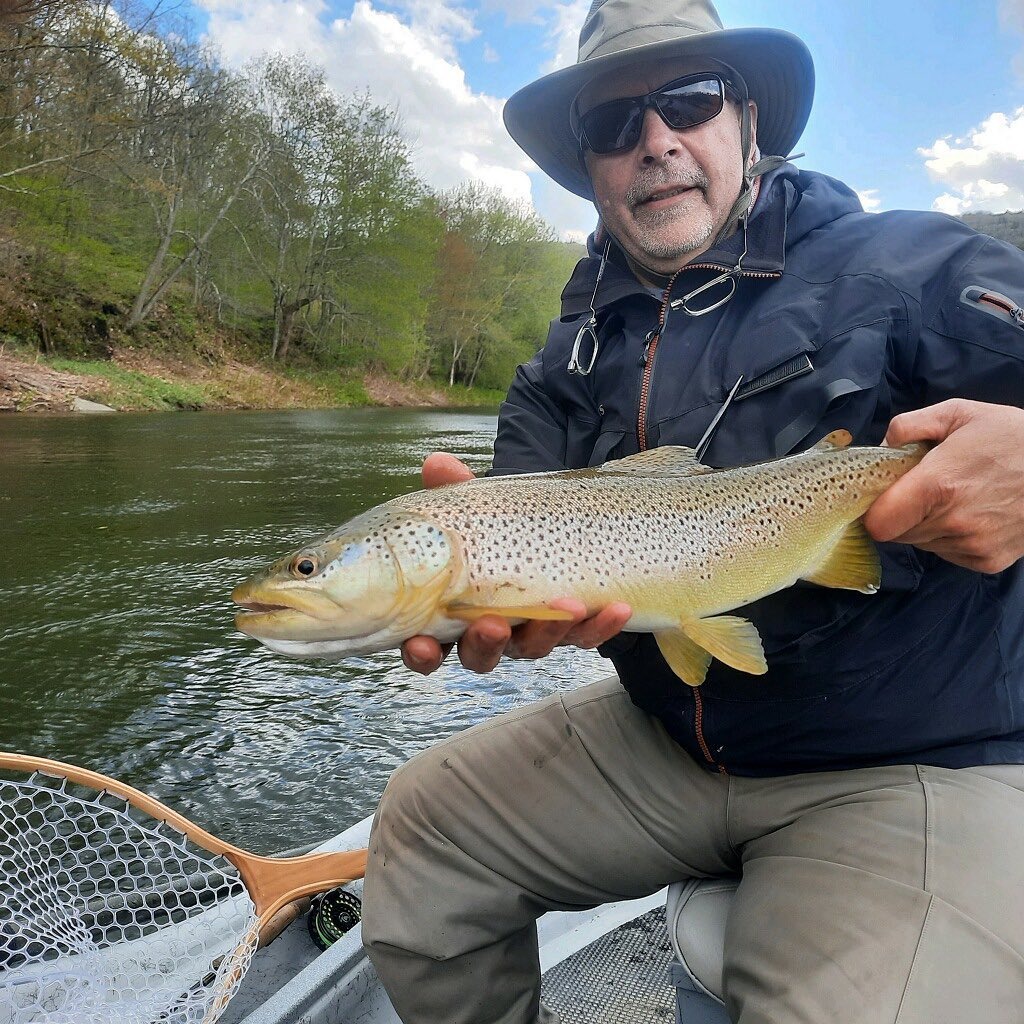
In this episode, we sit down with Robert “Bob” Lindquist of Flies for Fish to talk all about fly fishing the Delaware River. Bob grew up fishing Montauk beaches from a ’55 Willys Jeep, learned to tie flies on common nails, and eventually dedicated his life to guiding and teaching others on one of the most technical tailwaters in the East.

We dive into how to read rise forms, why line management can matter more than casting distance, and how a bar merger pattern can outfish a dry fly four-to-one. Bob also shares the truth behind the Delaware’s legendary rainbow trout, his go-to patterns for the river, and why furled leaders and reach casts are game changers in this fishery.


Hit play to start listening! 👇🏻🎧

apple podcasts

Find the show:  Follow the Show | Overcast | Spotify

Subscribe on Apple Podcasts

Subscribe on Android

Subscribe via RSS

(The full episode transcript is at the bottom of this blogpost) 👇🏻

Sponsors and Podcast Updates


Fly Fishing the Delaware River

Show Notes with Bob Lindquist on Fly Fishing the Delaware River

How Bob Found Fly Fishing

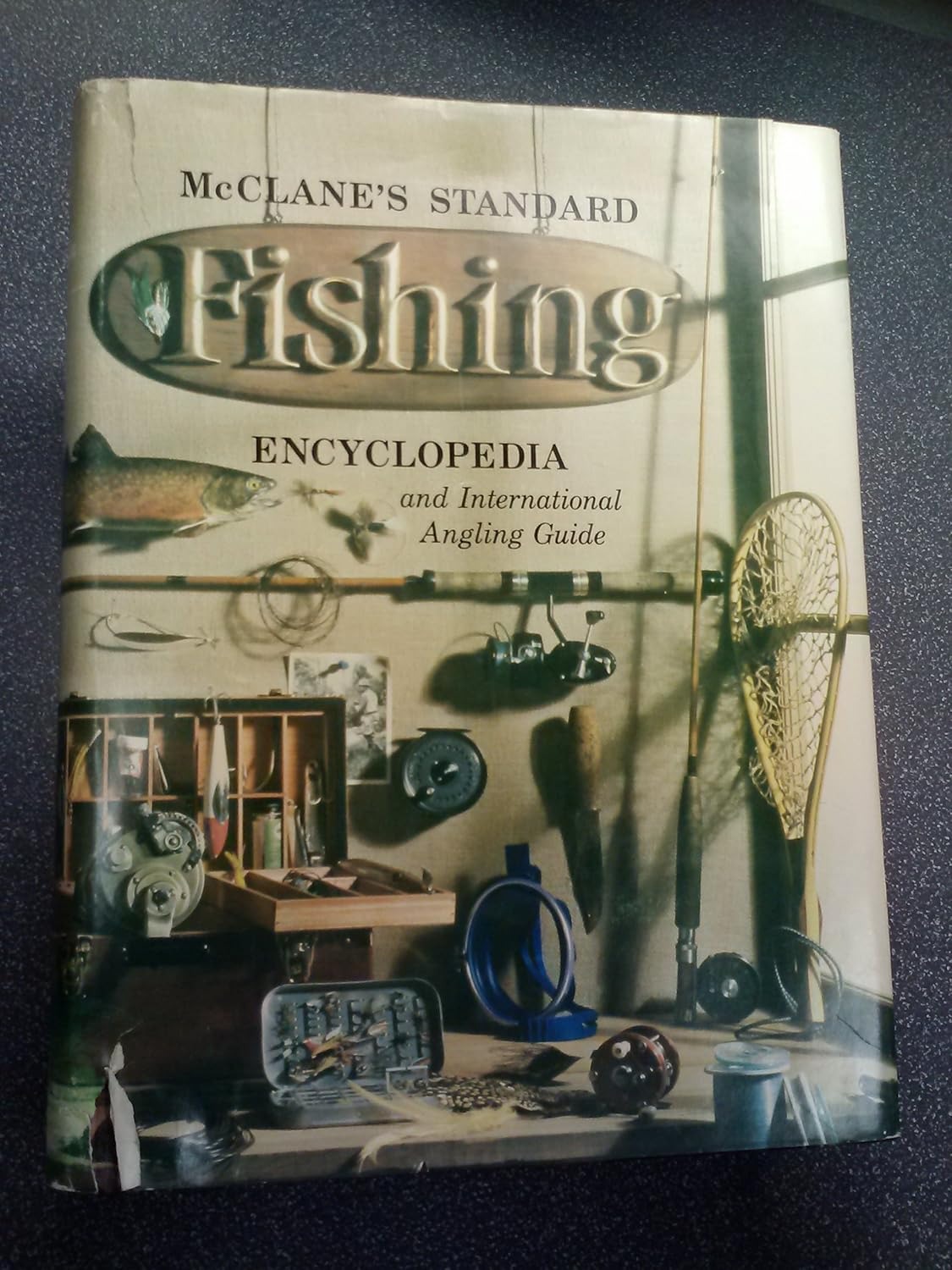
When Bob was seven, a car accident left his right leg badly injured. Recovery was slow, and he became an angry kid. One day, his parents took him to the library and told him to pick a book. Bob found AJ McClane’s Standard Fishing Encyclopedia and it changed everything.

He borrowed the book, stole thread from his mom’s sewing kit, pulled feathers from a pillow, and tied his first flies on common nails using his dad’s woodworking vice. By 10, he was hooked.

Photo via: https://www.amazon.com/McClanes-Standard-Fishing-Encyclopedia-International/dp/B000RQD8Y2

Summer on the Delaware River

In June, Bob’s home waters are alive with variety. On a recent drift from Long Eddy to Callicoon, he and his crew landed 25 fish from six different species: chubs, shad, brown and rainbow trout, walleye, and smallmouth bass. Some days even bring rare encounters with 30-inch stripers chasing trout right to the boat.

The Delaware’s bug life is just as diverse. Early season brings Hendricksons, Grannom caddis, and March browns, followed by sulfurs, drakes, and olives. But thick hatches don’t always mean rising fish. Bob explained his “fishing the under hatch” approach, watching rise forms closely to know when trout are feeding just below the surface on emergers instead of on top.

Bob’s Go-To Emerger Patterns

When it comes to mayflies, Bob keeps it simple. His go-to fly is the Barr Emerger. He’s tweaked it over the years, swapping the original dry fly hackle wing bud for wet fly hackle or EP trigger point fibers to give it a more lifelike look under water. An unweighted pheasant tail fished just under the surface is another solid option.

For caddis hatches, Bob rotates between three favorites:

  • Tabou Caddis – a proven, legendary pattern
  • Serendipity – an excellent dropper under a dry
  • Main Points Pupa – Bob’s simplified take on Gary LaFontaine’s Caddis Pupa, tied without the wing for quicker tying

He’ll also fish patterns like the Iris Caddis or his own Bob’s Usual Emerger—both sitting partly above and partly below the surface—when trout get picky.

Line Management and Dry Fly Success

For Bob, the biggest key to fishing dry flies on the Delaware isn’t a long cast. It’s line management. Without it, even skilled casters struggle. He prefers casting across or down-and-across, followed by a reach cast to keep the leader and line upstream of the fly. Then it’s all about feeding slack to get a long, drag-free drift.

On faster water, trout often rise from the bottom behind structure, so you can lead them a bit. In slower pools, pods of fish cruise just under the surface, feeding as they move. In that case, your fly might need to land within a foot of the fish softly, like a snowflake so you don’t spook them. Mastering when and how to present is all about reading the situation and controlling your line.

Perfecting the Reach Cast

Bob uses the reach cast for both dry flies and emergers, but says most anglers don’t execute it correctly. The key is remembering that the line always follows the rod tip. Many people “swoop” upstream during the cast, which puts the leader in a U-shape below the fly causing drag.

Instead, make a normal cast, pop the rod toward your target, then reach upstream. That pop sends the line straight where you want it, so the fly lands first. Over time, the pop and reach become one smooth motion.

To improve, Bob recommends:

  • Watch quality YouTube videos that explain the target “pop”
  • Practice breaking the cast into two steps before blending them together
  • Film yourself so you can see exactly where you’re going wrong

Done right, the reach cast and the line management that follows can give you 20 extra feet of drag-free drift.

Visit their website at FliesforFish.com.


Full Podcast Transcript

Episode Transcript
Dave (2s): Today’s guest grew up fishing Montauk Beaches from a 55 Willie’s Jeep got hooked tying flies on common nails after reading AJ McClain and never looked back from Catskills cast to Delaware sulfur. Today’s guest is built a life around teaching others how to fish, one of the most technical tailwaters in the east. By the end of this episode, you’ll learn how to decode rise forms, why line management matters more than casting distance, and how a bar merger can out fish your dry four to one. This is the wet fly swing podcast where I show you the best places to travel to for fly fishing, how to find the best resources and tools to prepare for that big trip And what you can do to give back to the fish species we all love. Dave (43s): Bob Lindquist breaks down his top fly patterns for fishing the Delaware River. Today we find out about the myth behind the river’s legendary rainbow trout. We’re gonna relive this story and find out what happens when a 30 inch striper follows your trout all the way in. Plus, you can also hear how a furled leader and a reach cast are completely changing the game where Bob fishes. All right, here we go. Bob Lindquist. You can find him at fliesforfish.com. How are you doing, Bob? Bob (1m 14s): I am rocking and roll and moving and grooving. How about yourself? Dave (1m 17s): I’m Doing great. Yeah, I’m looking forward to this conversation. You know, I’ve seen a lot of your stuff out there online. You’ve got a, a big long background. We’re gonna probably talk Delaware today, maybe some trout fishing, dry flies, but you also have some Atlantic salmon, salt water. So I think that’s gonna always be the challenge is, You know, figuring out, You know, where to focus. But, But yeah. How are things going this week? Bob (1m 39s): Things are going really well. We had three really good days of fishing. One of the things I do in addition to fly fishing, guiding, and just trying to do it for myself, is I’m also an adjunct professor at a college, And I do some tutoring. So this is a big week, it’s state exam week, so we tutored half the days and we’re fly fishing half the days. Dave (1m 60s): Oh, okay. Is fly fishing part of the college? Bob (2m 2s): No, it’s, I actually, I have a degree in mathematics and physics, so, Dave (2m 7s): Yeah. No, that’s great. Okay, so yeah, so you got that going and that’s, so that’s wrapping up. And then are you gonna be fully a hundred percent fly fishing for the summer? Yeah, Bob (2m 15s): I run a camp for kids, a tu camp, and I’m actually second in charge and I’ll do a whole lot of fishing throughout the summer. And my wife loves dog shows, so I try to support her as best I can with dog events. Oh, Dave (2m 29s): Nice. Okay. So yeah, I wanted to jump in. You know, we’ve got a number of pieces we can go here. I love tu obviously all the great stuff they’re doing. We might circle back on that. The, the dog show I think is, is interesting as well. But maybe first for my small mind, I just, I’m curious, the adjunct professor, what is the adjunct? What does that mean exactly? Bob (2m 49s): Well, an adjunct is someone who teaches a lesser number of classes through a college. So I taught for 33 years And I coached wrestling, I coached baseball, softball, And I taught, and when I retired, I, well first my teaching was very much a calling and the only regret I had leaving teaching was you just felt that there’s always a little more you can do. So I retired from teaching and this girl I went to college with, who was the head of the math department at Centenary University, she calls me up and she says, you gotta come work for me. I said, absolutely not. She said, no, come work for me, please. I said, no, there’s no way. I, I, it’s time to fly fish. I’ve been spending my whole life working. Bob (3m 31s): And she said, what’ll it take? I said, well, I’ll tell you what, if I get to teach from my flyting room, never step foot on campus and just talk to my computer. I’ll do it. And she goes, done. So that’s what I do. I, I teach a couple hours a week for my fly tying room and that’s it. Dave (3m 46s): Wow, that’s cool. That is really awesome. Yeah. So, and then you also do some presentations. Are you doing some stuff like video stuff around or is it mostly in person? Bob (3m 56s): Well, some zoom, but I, I do love to give presentations and that goes along with the teaching background. And I have a, a twin passion. It’s photography. I’ve been really blessed And I have known so many great fishermen, unbelievably great, phenomenal that catching phish really hasn’t been a, a very difficult thing in my life because of all of these people. And on the other hand, photography I was the worst. I was pathetic at, I was terrible. And I’ve worked really, really hard to get pretty good at photography. So between the photography and then the presentations is a chance to show the photography. Bob (4m 36s): So I, I enjoy doing the presentations as well. And a lot of writing too. Dave (4m 40s): And a lot of writing. Awesome. Well, it sounds like you’ve got a ton of diversity of topics today. We we’re gonna touch on as we go and including some of the people, some of your, your influences and mentors and things like that. But maybe let’s take it back to the start real quick. It’s just on your fishing. I, I’d love to hear you got such a diverse background. How did you get into it and kinda, You know, what’s your first memory in fly fishing? Bob (4m 60s): Well, at the risk of making your podcast run a little long, when I was seven years old, I got hit by a car and my right leg got completely destroyed. And a couple years later, it was like three and five eighth inches shorter than my left leg. So I became a really angry kid And I was very difficult for my parents to deal with. So one day they brought me to a, a library and they said, go find a book, You know, no YouTube back then. Go find a book, find something in here that you like. So I’m going through the library And I found AJ McLean’s Encyclopedia of Fishing, and I’m looking through the pages and there’s all of these diagrams and photographs about how to tie flies and this just captured me. Bob (5m 42s): So my parents checked the books out for me, I brought it home And I stole thread from my mother’s sewing box. I ripped open my down pillow, and then I went and my dad really didn’t fish, so, but my dad had a woodworking vice and he had common nails. So I took the feathers and some other doodads laying around and the thread, And I tied my first slides on common nails at about 10 years old. Wow. And It just sparked a passion in me. And that led one thing to another. And then my grandfather, he started, he was a good fisherman and he started noticing that my anger stopped whenever I got on the water. Bob (6m 25s): So I went through a whole bunch of surgeries. The legs got 99% better, and my grandfather started taking me fishing a lot. And the passion just grew from there. Dave (6m 34s): Yeah. Where did you grow up? What river were you fishing then? Bob (6m 38s): I actually grew up on Long Island, a town called Bayport, which incredible town, right smack in the middle of Long Island on the South Shore. But my grandfather was very into camping. My grandparents were, and they would, they had a old 55 Willies Jeep that I still own. And they would take me to Montauk And I would spend weeks at a time in Montauk as a young boy, and if you like, catching striped ass and, and all the saltwater species that you can get. And you have a, an old Willie’s jeep to drive up and down all the beaches around Montauk. You got a pretty good youth. So that was mine. Wow, Dave (7m 9s): That’s cool. Yeah, I love the, I was just talking about the Willie’s Jeep. I had this friend, kinda this crazy friend back in high school who had this willie’s, I think it was about the same, and it was, I guess a willie’s wagon, but it was all, You know, fixed up. Right. So it looked brand new, 55, I think. Same thing. Right, right. Bob (7m 25s): Well, those Willie’s wagons are worth a fortune. Dave (7m 27s): Are they? Yeah. Yeah, they’re pretty, what is the, the, it’s the Jeep, right? Like Jeep Woolies wagon, Bob (7m 32s): Right. Like these, these were jeeps before Jeeps were Jeeps. Like the one I had, the model I had was what they used to fight the Korean War. Dave (7m 39s): Oh, wow. Yeah. So it’s kind of like a, it’s almost like a, the first sport utility vehicle. Right? Not really, but that’s kind of what, yeah. Yes, Bob (7m 46s): Absolutely. They don’t like to go faster than 45 miles an hour. They shake violently. Dave (7m 50s): Yeah. Bob (7m 52s): But they’re, they’ll go over and through anything, so they’re a lot of fun. Dave (7m 55s): Yeah. Yeah. Good. Well there’s obviously so much we covered here. Like I said, I think we wanna start on the Delaware, You know, we’ve done some episodes. That’s a, i I love the trout fishing, You know, especially dry flies. I think that’s really interesting. Maybe take us there, it sounds like, are you fishing, so right now as we’re talking, it’s in June, You know, and the summer’s here. What’s that look like? What’s going on right now and how’s trout fishing? Well, Bob (8m 17s): I can tell you that a week and a half ago we drifted the section from Long Eddie to Calhoun, which goes right by my house because I’m really, really blessed and live right on the river. And we got around 25 fish to the boat and six different species chubs, which fall fish. Those are fairly easy to catch. And then we had shad brown trout, rainbow trout, walleye, and small mouth bass. Dave (8m 44s): So this is the time to be, the diversity is, is that throughout the year or just this time of year? Bob (8m 49s): Yeah, the, the diversity is outrageous and to be honest with you, the diversity is pretty much a year long thing depending on which section you go to. Because as You know, the, the Delaware is a tailwater fishery and come summer, it varies from year to year. We had one year where the lower river was trout cold into the second or third week of July. Some years is the second or third week of June. And as the, if it warms up like on a warmer year, this year’s no problem. This year’s been nice and cold. But if it is a warmer year, you just have to go up river and get closer to the dams. Dave (9m 22s): Right, right. So long Eddie is a little bit, is that below the, the confluence of the west and east and west? Yeah, the Bob (9m 29s): West and east come together in a town called Hancock and Cal Coon where I live is 23 miles below Hancock. Dave (9m 36s): Yeah, 23 miles. Gotcha. Okay. Maybe talk about that a little bit on the Delaware. I, You know, again, it’s pretty huge, but You know, hatches wise, what do you love focusing on throughout the year? Bob (9m 45s): Well, I’ll get into that in one second, but I also forgot to tell you something really cool that happened. Each of my last two trips, the Shad in the river and the strip bass follow the shed up the river. So two trips ago we had a striper following a shed in that we had caught. And yesterday we had a saltwater sized striper. This, this fish was well over 30 inches and it was following a rainbow in about, wow. About a 17 or 18 inch rainbow. And he didn’t eat it, but he was following it and he had his eyes on it. So that’s another species that you don’t get a lot of them, but it’s still pretty cool to watch a, a log come up and follow your right, your fly in. So, or your fishing that you got. Yeah, that’s, Dave (10m 25s): And that’s so far up. I mean, how many miles do these stripers travel up the river? Bob (10m 29s): Hundreds. Dave (10m 30s): Yeah, hundreds. So they, they’re going way up. Bob (10m 32s): Yeah, absolutely. So as, as far as the hatches go, the Delaware, it’s an absolute bug factory. I’ve never been out west to fish like around Montana and Idaho and stuff, but I’m told that generally speaking, the major difference between those rivers and most eastern rivers is the bug density. That there’s, the hatches are just thicker and better out there. But I don’t know that that’s the case on the Delaware, the Delaware’s hatches are, are truly prolific, as are a lot of our tailwaters. There have been multiple days this year where from bank to bank, and that’s 500 plus feet wide. So from bank to bank and over miles of river, it’s just carpeted with mayflies. Bob (11m 17s): So some of the best particular hatches, the hendrickson early in the year is a great hatch this year it was a little weird. I never had a day of super thick hendrickson hatching, but they were constantly on the water and the fish were taking them. I think that the thing that makes the Hendrickson hatch so great is the fish haven’t eaten dries for the most part since early November. So they’re aggressive and they’re also hungry. So they’re, you have a chance to catch more big fish than normal because they’re not as cautious and they’re really, really hungry. Then we get into some, a catis hatch, the Granum, which are like the Mother’s Day cas out west, and it’s just as thick and just as prolific. Bob (12m 2s): It can drive you crazy because you’ll, it’ll literally look like a blizzard on the river and there’s not a fish rising anywhere. They’re just chewing down on the bottom. We had, we had a great day this year where we were out and there were grans absolutely everywhere. And the guy I was with And I were talking about the fact that some days you can do pretty well on the hatch, but other days you, you won’t see a fish rise. And we were talking about why that is, And I said that one of my mentors firmly believed that the fish were just down on the bottom feeding on larvae and pupa and et cetera, on the bottom of the river. So we happened to drift over this one patch of the bottom that was black. Bob (12m 42s): And sure enough you could see the trout sitting on the bottom just chewing on larva and pupa and just ignoring everything that was coming over the top. So those are two dominant early season hatches. And then we get the inver, which is kind of like, for argument’s sake, a yellow hendrickson, a size 14, it’s a big sulfur. That’s a fantastic hatch on the river and, and a little hendrickson. And then you’ll get into March browns, which the fish, the March browns are great hatch. It’s one of the few hatches where fish will move out of their feeding lane to go get a natural or your imitation. And yeah, then we get into the Drakes and more sulfur and olives and the cycle goes through every year, but they’re thick and they’re heavy. Bob (13m 24s): They’re really good hatches. Dave (13m 25s): That’s really cool. So that’s interesting about the feeding behaviors, ’cause that’s always a challenge. Sometimes you’re out there and you got this hatch going on and you can’t figure it out. You know, that’s, that’s kind of the big challenge. You had this, I think it was a presentation flies under the hatch. Bob (13m 40s): Yeah. Fishing the under hatch. Yes. Dave (13m 42s): Maybe describe that a little bit. I, I think that might shed light on some of this. Was that focused on the Delaware or just in general? Bob (13m 49s): It’s a general thing, but You know, because I’m on the river so much, most of it was taken off the Delaware. But here’s the thing, one of my mentors on this river, Mike Koski, taught me everything else is checkers. The Delaware is chess. And, And I think that’s really true. One of the things that Mike has drilled into my head is to really pay attention to rise forms. You know, Vince Marro kind of stuff in the Ring of the Rise book. And what you’re looking for is if the fish is taking the fly on the surface or if they’re taking it under the surface. And what you frequently see many anglers do is the minute they see what looks like a rise, and I’m using that term loosely, it’s a disturbance on the surface, they immediately look for a dry fly and they often look for the one that worked well for them the last time they’re out on the water. Bob (14m 38s): And that’s a, a big mistake. What you should be doing is analyzing the rise form. Did the fish really break the surface or did it stay below the surface? If you remember back in high school, you would take chemistry class and you’d have these things called graduated cylinders and you would fill them with fluids and the max height of that fluid at the top, it would actually form a little bit of a bend, almost kind of three dimensional parabolic. And that little surface area was called the meniscus. And that meniscus for us is very easy to penetrate the meniscus, but for a little tiny bug with very little mass and very little muscle breaking through that meniscus, it’s life or death. Bob (15m 18s): And it’s extremely difficult for most bugs to get through it. Some people seem to think cadis rocket through there. That’s not what LaFontaine would say. And it’s not been my experience either. The bugs hatch and they hit this meniscus and it’s like a rubber wall and they bounce down and up and down and up. And it’s an ambush point, it’s a choke point. So all of these bugs are trying to get through the meniscus and it’s actually where the concentration of food is. And that’s why a mergers are so deadly. It’s like an iceberg. 10% is above the water, but 90% of an iceberg’s below the water. And with a hatch, a small amount of the bugs are above the water from most of the duration of the hatch, especially the beginning and the middle. Bob (16m 2s): But under that meniscus, that top say six inches of the water column, it’s just jammed with food. So the fish know this and they will concentrate their efforts on wherever the most food is. It just makes sense. So people are casting a dryly, which is sitting on top of the meniscus, but the fish aren’t even looking there. A lot of the times they’re feeding below the meniscus. And I don’t think anything is more indicative. One of the things we love to fish is a dry dropper, but not like out west where you do a chunky Chernobyl and a stone fly niv, we’ll take for argument’s sake, a sulfur dry size 16, and then about 15 inches down off the bend of the hook, we’ll put a little borrower merger size 16, both imitate the hatch. Bob (16m 45s): You’ll catch four or five fish on the borrower merger to every fish you get on the dry until later in the hatch. So you are watching these rise forms and in the beginning of the hatch, in the middle of the hatch, and for some fish straight through the whole hatch, there’s this quote rise, but they never break the surface. You’ll never see their head, and you’ll never see a bubble left after they rise. The only way to get a bubble is if they took in air. And the only way to take in air is if their mouth breaks the surface of the, of the water. So if a fish is again, quote rising, and you never see a bubble and you never see their head, then they’re actually just taking emerges underneath if you see their head. And during the hatch there will be a point when the emerges peter out a little bit and now there’s more bugs on the surface and now you’ll start seeing heads or you’ll see bubbles. Bob (17m 34s): And now, okay, now we can start and fish just to dry. And you, you take off the dropper. The other night we were out and some people had seen my presentation about this and as they were fishing in the beginning, I’m saying one of ’em had a dry fly only on, and he wanted to fish just to dry only, which is fine, whatever you want to do. But I said, look, do you see that there are absolutely no bubbles and you cannot see a fish’s head, you see bulges and you see tails of fish, you are not seeing a head. And the tail is when they come off the bottom and they turn and the tail breaks through the the surface. So he goes, yes, I can see that. I said, let’s throw a dropper on, pick a couple of fish. Bob (18m 14s): And then when we start seeing heads, so we threw on a dropper, he and he and the the guy in the boat with them each caught. And then maybe 20 minutes later or so, all of a sudden the guy goes, oh my God. It’s like they threw a switch. Look, I’m seeing heads everywhere. So I didn’t see any heads before. Now there’s heads all over the place. We get to trip, we take off the bar merger and we just throw out drives and, and he picked I think another three or four fish on drives before the night was done. Dave (18m 41s): Pescador on the fly offers a full range of fly fishing gear for any angler at any budget with premium barrage delivered directly to you. The A g six is the most packable high performance fly rod on the market, performing like a four piece rod, but with unmatched portability and six pieces. And you can get 10% off your next order right now if you use the code wet fly swing at pescador on the fly.com. Never fly without your G six. Discover the L Race series and more at pescador on the fly.com. Located in Boulder, Colorado. Intrepid Camp Gear is dedicated to designing and manufacturing the best and most highly engineered automotive camp gear on the market. Intrepid Camp Gear specializes in rooftop tents and aluminum cargo cases designed for skis, rods, hunting gear, and any other gear you may be hauling. Dave (19m 27s): Elevate your adventure with Intrepid camp gear right now. Head over to wetly swing.com/intrepid right now. That’s intrepid I-N-T-R-E-P-I-D Intrepid Camp Gear. And what are the mergers that you’re fishing? Do you have some common emerges that maybe apply for, You know, catalyst may flys, lots of different flies, or what’s your fly selection look like? Bob (19m 52s): Well, if it’s a mayfly hatch, my dominant merger that I love is a bar merger. I don’t think anything beats a bar merger. I play with it a little bit. It was made by a man in Colorado, a a dentist, John Barr, I, I think his first name’s John. Yep. And it’s a brilliant fly and I’m not, and please understand, I’m not trying to say I have a better version of the bar and merger. It’s not, yeah. It’s just the way I kinda look for things in a fly. His wing case trimmed back into a wing bud was dry fly hackle. And I, I kind of thought about it, I said, You know, let’s try some wet fly hackle a little bit thicker. And now I started to actually play with EP trigger points fibers and they look a little more like a wing under the water and they, they got a little, little quality that I like and I’ve been fishing those lately. Bob (20m 40s): So for Mayfly hatches, I really like the bar merger and I’ve never, I’ve never had any inkling that I needed anything but a bar merger. The other one that you can use if you want, because this is not new, this is goes back to Frank Sawyer on the Avon River in England. He used to fish a little pheasant tail just under the surface. Yeah. So sometimes we’d do an unweighted pheasant tail under the surface. And then for Cadis, there are three flies that I really like for Cadis. There’s a fly that’s a bit of a legendary pattern called the Taboo cadis, fantastic fly, excellent fly, I like a fly a serendipity. Bob (21m 21s): That’s another productive, really good dropper to hang over of a sry. And then the other one that I like to use is one that it’s a, a testimony to Gary LaFontaine and his LaFontaine Cadis. But if you’ve tied LaFontaine Cadis, You know that they could be a bit cumbersome to fly to tie by comparison to other trout flies. And You know, when you come home at night, you get home at 11 o’clock, you, you write up your river report for the day and you gotta get to bed. I can’t be taking too long to tie flies. So I simplified it a little bit in a pattern that I called the, the Main points pupa, which is it’s just a LaFontaine without the wing and without having to pull those antron yarn sections forward, It just simplifies it a little bit. Bob (22m 6s): It’s very much his pattern and and his idea and his style. So those three through Cadis and just the bar for Mayas. Dave (22m 13s): Perfect. Perfect. So, and then throughout the year, are there other, You know, species or I guess families of patterns that using for mergers or those, if you had those four, is that pretty good? Bob (22m 23s): That pretty much does it. And it’s so funny because, well here’s a fly that catches a lot of fish and to me it isn’t a merger even though it’s treated as a dry fly. It’s called an iris cas, that’s a deadly fly. It’s extremely good. So I’ll fish that a decent amount at a time And I have one may fly pattern. Alright, so here’s the thing about an iris Cass. It sits, the wing is above the water and the rest of the flies below the water, kinda like a clink hammer. And I do that with it. And there’s also one that I, I came up with years ago, again, a testimony to a fly that Rick Whaley made that I call a bum. Actually my friend John Hague calls it a bum. It’s Bob’s usual merger and it’s basically a tuft to snowshoe rabbit at the thorax area and then the rest of the fly hangs below the surface. Bob (23m 10s): That’s a really good one. And it tends to catch fish that you can’t get on anything else. The, the issue with that fly is it can be very difficult to see. So it’s kind of my, if they won’t take anything else, I’ll go to that one pattern. Dave (23m 25s): Gotcha. Wow, this is awesome. Yeah, so we got, I mean I love the emerge chat and dry flies. This is so good. Maybe talk about how you’re fishing in the dry flies. You talked about the dry dropper, but describe that. Are there other ways you’re fishing it and how would you like talk about the casting? Describe that a little bit. Bob (23m 40s): I’ll tell you what, years ago when I was on Long Island fishing, a ton of salt, my best friend was a captain and his name was Kenny Turko. So I went up to Kenny one time And I said, Kenny, what’s the biggest difficulty that you see with fly fishermen? Where did they struggle the most? And being the salt I, I figured he was gonna tell me it was casting but he didn’t. And without missing a beat, he said line management. And now that I guide, he was so right. People have a really hard time managing their line and that goes in so many different directions. But in how to fish a dry fly, the great ones are amazing at handling line, they’re so efficient and there’s no waste anywhere. Bob (24m 23s): On the other hand, the ones who struggle are ones who haven’t mastered that skill yet. I’ll give you an example of what I mean. The Delaware, it doesn’t have a lot of pocket water for the most part. It’s generally very difficult to catch a fish on the Delaware or it is absolutely much more difficult if you cast upstream to that fish. These fish wanna see the fly first. Anything else, the leader, any drag, any anything, and you, it’s very difficult to catch them. This is some of the toughest water in the country. So we like to cast either across or down and a cross to the fish. And to do that you need to do your regular cast plus a reach cast. Bob (25m 4s): A reach cast is an absolutely critical skill and a lot of people think they’re doing it right and they’re not a lot of the times. And then you have to learn how to control your slack and feed line down the river to that fish. If you can’t do that, you’re gonna get a one or a two foot drift and if you can do that, you can get a 31 or a 32 foot drift. So really knowing how to manage line is the key to being able to fish a dry flight. And people would say, You know, it’s all of these other things but it’s not, it’s being able, if you could throw 30 feet but manage dryly and and manage your line so that you get a drag free drift, we could get fish every day, but if you could throw 70 feet but you can’t understand how to not get drag, I don’t care you, you’re gonna have a really hard time picking fish. Dave (25m 54s): And is that because a lot of these fish are, You know, they’re pretty, you gotta be stealthy and you gotta float the fly down. You can’t just cast a foot above the fish where you saw it rise sort of because you’re gonna spook it. Bob (26m 4s): Well that’s all of that’s a situation. It’s funny because like someone was asking me the other day out on the boat, he, he said, do these fish come up and stay at the surface or do they go to the bottom? And the answer is yes. Yeah, they do both, You know, right. A lot of times. Alright, so let’s separate the water types. There’s faster sections of the river and then there are these longer, slower pools in the faster sections of the river. It’s kind of your classic trout thing where the fisher are in say two or three feet of water and they’re behind a boulder and they see a bug come over their head and they rise up from the bottom and back and they take the bug and they come down. But in the pools, a lot of the times they’ll come up to the surface and they will stay on the surface and they will work their way up literally against the current. Bob (26m 49s): And they will go up river as they’re feeding as a pod and they’ll, they’ll cover maybe a hundred or 200 feet of water at most. Then they kind of disappear and they go back where they started and they come up again. So it’s almost like watching bonefish cruise the flats down in The Bahamas. But these fish are cruising the surface and when that’s happening you can’t be too far in front of ’em because they don’t necessarily stay in a straight line. So you think you make the perfect cast and he moved over a foot and a half so you don’t catch ’em. So you need to be close to the fish on those circumstances. And when that’s happening, you, you sometimes you have to hit ’em in the head, you gotta be a foot above them. Bob (27m 29s): But you gotta, again, line management, you make your cast but that fly has to flutter to the water as if it was a snowflake falling on the water and it doesn’t disturb it at all and you’ll catch the fish. But if you hit the water hard bing, It just moves 15 feet away. Right. So yeah, sometimes you need to lead it and sometimes you need to be within a foot or two of the of the nose and everything’s a situation you, you have to see the particular fish to know. Dave (27m 57s): Okay. And and is this the same for, we talked about these emerges is, is phishing the emerges or the dryly same sort of technique with your reach cast or are there different things you’re doing there? Bob (28m 7s): Yeah, you definitely want that reach cast. And this is gonna be a little difficult to understand what a podcast because there’s no visual component here. But I’ll try to describe the difference between a reach cast done properly and what I see a lot of people do, people always have to remember that 100% of the time the line follows the rod tip always, it never changes. So when people do a reach cast, they see the motion of reaching upriver with the rod to finish the cast. If you can imagine doing this, You know, put your hand up above your head and make the casting motion and then reach upriver if that’s a very smooth continuous motion and that hand never changes all the way through, you reach is wrong. Bob (28m 54s): I call that a swoop. But if you, in the middle of it, if you snap towards your target and follow through and for argument’s sake push the fly out or snap the fly out towards your target, now you’ve told the line where to go Anytime after that instant you can reach the fly up river and it’s still gonna go where you want it to go. Now what’s the difference in the output there if you do it the second way where you snap towards your target cast toward the target and then reach up river? Well now what’s happening is the fly is gonna go where you want it to do and when it lands, it’s gonna land so that the fly is first and the first thing the fish is gonna see is the fly. If you swoop because the line follows the rod tip, the rod tip’s gonna swoop and then the line’s gonna swoop and the what you actually end up with is, okay, at the end of it, your leader is still below the fly and it forms the shape of a U below the fly and now the water can push on that U when you get dragged in a hurry. Dave (29m 52s): So when you do the reach cast properly, you wanna, it’s not a smooth transition. You, you make your normal cast and then when you reach, it’s almost when you say kind of more of like an abrupt reach over to the upstream side, Bob (30m 3s): Here’s what it is. Do you watch baseball at all? Dave (30m 5s): Oh yeah, I love baseball. Bob (30m 7s): Okay, so you remember when you played ball as a little kid and they said don’t take your head out. Dave (30m 10s): Oh yeah. Like watch the ball meet the bat. Right, Bob (30m 12s): Exactly. Watch the ball but don’t pull your head and then you go to a ball game and when the pros are done swinging, their heads are pulled out every time they take a swing. Yeah, right. But what people don’t understand is when the ball is crossing the plate, their eye is on the ball. It’s just that the, the torque is spinning their head after they’ve completed their swing. So, and to understand that they almost have to slow the camera down for you to see that. Now when you do the reach cast, it can be very similar. You see someone who’s done the reach cast a million times and is great at it, you don’t see that there’s an instant where they’re, they’re popping for argument’s sake. They’re, they’re making sure their line is going there. It’s such a smooth and quick transition that you don’t see it, but it’s there. Bob (30m 53s): There’s a moment where they pop. So whenever I try to teach somebody this, I tell ’em, make a regular cast pop towards your target and then just take the rod and reach upstream and there can be a half a second in between and it’s not a problem. Your reach cast will come out fine over time you get to the point where it’s so smooth that unless you knew what you were looking at, you would never notice it. And the problem is when it’s done by someone and you go watch a YouTube video and they’re good at it and they’re capable of teaching it, you don’t see that stop because they’re doing it all together in one silky smooth motion and they’re actually doing it right, but they’re not breaking it down enough that you can see the pop, then the reach, so in the beginning pop it, then reach it and after you do a thousand of them, you’ll never do that again. Bob (31m 35s): It’ll be one smooth, just like a baseball player with it Dave (31m 38s): Swing. Okay, that’s perfect. And what would you recommend, it sounds like maybe somebody wanted to see the reach cast or follow up on it. What do you think is the best advice there? Bob (31m 46s): There’s a lot of videos on YouTube, so you can watch YouTube videos or talk to somebody who’s great at it. But if you, if you watch the YouTube videos, just some of them talk about how you have to get your momentum going toward the target, the pop for argument’s sake. And some of ’em don’t try to get, if you’re watching it and the guy just doesn’t talk about that, skip it, go find another one. Yeah. Please find one that does that say, okay, this is the one that I wanna Dave (32m 12s): Watch. That’s great. Yeah, We have, we’ve been working with Kaylyn and, and Marty and they have basically an online tool where they can, You know, you video your cast and they can kind of do some coaching. They’re, they’re FFI certified instructors, so we’re gonna be having a new video, a new presentation coming up with them. So I’m hoping to create some content to help You know, well Bob (32m 32s): That, You know what, can I tell you something that is brilliant and even if I’m allowed to just take it a step further Yeah. To line management, because I was showing someone on the boat the other day, I was trying to explain to him this whole idea of feeding line. Okay, so you make your cast, it’s online, you do a reach cast, you do it right. He had done it right, but it wasn’t working its way all the way down to where the fish was. And, and what you do then is you feed line. So you, you strip about six inches of line off your reel and you just flick your rod tip up a little bit and then strip feed, strip feed, strip feed, strip feed and It just works its way down and you can add 20 feet of drift to the fly doing that well and he just, he couldn’t comprehend it and he couldn’t see where he was making his mistakes no matter how hard I tried to explain to him and no matter how hard I tried to show him. Bob (33m 19s): So I said, here, gimme your phone. And I just took his iPhone And I just recorded him doing it. And then I said, okay, now watch yourself. He goes, oh, now I get it. There Dave (33m 27s): You go. Bob (33m 27s): So the fact that you guys are willing to look at, take video of people doing it and saying, here’s your mistake and then here’s your correction. That’s the quickest and best way to get people to learn how to do Dave (33m 38s): It. That is great. Yeah. And I, And I wanna give a shout out to Nolan and our wetly swing pro Kim. It just been like, man, this has been great. It’s really been. So again, it goes back to that instructor, right? We’re talking about it through a podcast, but You know, if you could get some help, whatever that is, You know, if you can pay somebody for a casting instructor, that’s one way. But just even videoing yourself, right? Like you said, just video yourself casting and take a look at it. Do you think that could be helpful? Yeah. Bob (34m 1s): Oh, very helpful. And then the other thing too is, You know, it’s funny as, as someone who guides on the river, I, I get people who are really, really good And I get people who are not so good. And what’s great is if you’re really, really good, okay, we’re gonna just hunt heads. We’re gonna do, You know, we’re gonna fish streamers, we’re gonna do whatever we wanna do. And then the other people, they’ll look right at you and say, You know what? I don’t care if I catch a fish. And that’s not completely true, but they’re making a point. What they’re saying is, teach me just spend the day making me a better fisherman. Dave (34m 33s): Right? Like, like don’t worry about necessarily catching a bunch of fish, but teach me what I need to know. Bob (34m 38s): Right. What are the skills I need and, and that that person is paying the 500 bucks to be on the river to learn. So You know, if you’re on the river for eight to 10 or 11 hours in a day and you’re getting one-on-one instruction, well to me that’s a really good way to spend money. Dave (34m 53s): Yeah, I agree. That’s so cool. So line management and emerges and You know, I love this topic because I feel like, You know, I always love hearing about Cadi. ’cause for me that’s always been a big struggle fishing the cadis, right? I, I’ve had success, You know, I’ve phished it, You know, a merger maybe on the swing sort of thing. But it sounds like here are you fishing the emerge just solo emerges? Or are you usually fishing it with the tandem with the dry Bob (35m 16s): I will definitely fish dry dropper with cadi as well. Cas is an interesting bug. I tend to catch more fish subsurface And I tend to go back to the old British ways of doing things and fish a cast of wets. Dave (35m 31s): Yeah. And by subsurface you mean just in the surface film just blow not down like deep Bob (35m 36s): Nearer to the surface. But like my typical rig that I would use would be like a cast of three flies. And I’ll actually have two different rods rigged up and I’ll explain how to do this. The first is for argument’s sake, a searching down and across classic. And I love the name of your podcast, the Wetly Swing, right? Because it’s old school. Yeah. And it’s a great way to catch fish. Oh my god. We had a quick side story. We had a day last year. One of the guys, I hate using the word client because I’ve become really good friends with just about every person I take out. So one of ’em is a buddy named Rick. And Rick calls me up on September 12th and he goes, are you free on September 14th? Bob (36m 19s): And I go, yeah, I’m free. He goes, good, I’m taking, let’s go out. My wife just gave me a birthday gift. She says, go fishing for the day. I said, okay. So he go, I go, you wanna hunt heads? He goes, yeah, I wanna fish drives. So we drifted about four or five miles of river. We didn’t see a head, nothing. Yeah. And I look at him And I go, Rick, have you ever fished a wet fly in your life? He goes, no, I don’t fish wets. I go, will you please be willing to fish a wet today? Just please do it. And he goes, all right, what the heck? I’ll do it. So he popped open a beer, he is drinking a beer And I’m bringing up his line for him. And what I do is I get outta the drift boat ’cause we’re very close to some very fast water, but we fish the seam between the fast and the the medium current. Bob (36m 59s): And I’m just walking the boat down the river. I walked about 125, maybe 150 feet of shoreline. And he landed 12 rainbows, 15, 16 inches each just swinging wets. That’s all he had to do. It’s such an effective way to fish. Now what I’ll do in a circumstance like that is I often, my point fly is often a very small bead headed pheasant tail soft acro pheasant tail. And then I will put the next two up will be whatever’s matching particularly the cadis in the area. And You know, we’ll just fish down and across, maybe put a mend in the line and I’ll teach ’em what a swing should look like and you’re into fish and you catch ’em right away. Bob (37m 39s): So that’s what I would call fundamental one oh one wetly fishing. But the difference between 1 0 1 and 4 0 1 is when the fish is rising upstream of you. And that on this river I mentioned before, it’s very difficult to catch fish on dry flies in this river upstream. But if you take a soft tackle, a cast of soft tackles or wets, and you cast them upstream. So instead of trying to catch that fish on the surface, you cast upstream above wherever he’s rising. And again, this sounds like a British chalk stream, but you’re basically contact nipping the top of the water column. And when I do that one, by the way, I don’t put the beat head on there. Bob (38m 20s): So I actually have two different rods rigged up on my boat. So I cast up and across, just above wherever the the rise form is and I’ll just keep contact with it as it comes down raising my rod. And then if you should see any boil or disturbance in the water, I do what I call a zone strike where I just lift my wrist and a little of my elbow bends and I’m coming up and if I feel weight I’ll carry through to the shoulder and if I don’t feel weight, I just put the rod back down a little And I keep drifting. And what happens is if you twitch that fly a little by trying to lift to feel, if there’s weight, then that just moves the fly a little and that attracts fish. So by doing that, you’re basically nipping the top of the water column up and across deadly, incredibly deadly technique with cat Super. Bob (39m 9s): Just when you can do that, you are an outstanding fly fisherman and you will really increase your cat catch rate. Dave (39m 17s): Right. Wow. And that’s mostly upstream or could you do that out and across or even down? Bob (39m 22s): I try very hard to go up and across. I’m praying the fish is rising there. If they’re directly upstream, man, that is so hard. We do it and sometimes you catch them. The good news is if you hook those fish, you usually get them in the other really hard spots when they’re directly downstream and then you can get them to come up. But then you usually lose ’em. So Dave (39m 45s): Some places are just different. You feel at the second you step into the water. Mountain Waters resort sits on the legendary Portland Creek, a place where Atlantic salmon runs strong. And where fly fishing history was written, Lee Wolf himself fished these waters. And now you get to experience the same world class fishing in a setting that feels untouched by time. Whether you’re swinging flies for fresh chrome or kicking back in a cozy riverside cabin, this is the kind of trip you’ll be talking about for years and years to come. And guess what, I’ll be there this year as well. But here’s the deal. Prime time season fills up fast. So don’t wait. Check in now and join me on this historic river this year. You can head over to wetly swing.com/mountain Waters right now. Dave (40m 25s): That’s Mountain Waters Resort. You can go to wetly swing.com/mountain waters right now and save your spot for this epic adventure. Now, You know, we haven’t talked a ton about the dry fly, but that sounds like it’s a small piece. So there’s a PA part of the cycle where fish or hatches are going, and then you hit that 10% where they’re on the surface. What does that look like? That, so that’s when, describe that one that you’re actually seeing the heads and when You know to pull out your actual like, and are we talking Catskills dry flies? Are you using those as part of your repertoire? No, Bob (41m 0s): I, I I’m, I actually for the first time in six years on the boat the other day, a guy slayed fish with a Catskill dry. Usually I don’t catch that many fish on a Catskill dry. And I know that the, it might sound like heresy living here in the Catskills, but Right. Dave (41m 16s): Is that because the Catskills dry fly is because they’re just mostly in that surface film or because there’s better dry flies? Bob (41m 24s): I think both. It’s so funny, like if you were to look in my fly boxes, the cas side of the box has two patterns. It has a parachute cas and it has iris cas, it’s the whole box, everything. There’s no other flies in there. Right? Wow. If you look at the dry flies, there’s a couple of different patterns. I really like, I love a parachute. One reason that I love a parachute is it’s a great floater and you could put the bar off of it and it’ll float all day long. So in addition to being a great fish catching pattern, it’s also a heck of a strike indicator. So, so that’s that one. A pattern that was developed here on the Delaware by Al Coochie is called the compare Done. Bob (42m 6s): Oh yeah, Dave (42m 6s): Compare Bob (42m 7s): Done, sure. Yeah. But I actually prefer a pattern that we call a compare usual, which is just, it’s a compare done with a rabbit foot wing. And then my buddy Mike Bakowski, he actually simplified that by turning it into what he calls the unusual. Now the usual was a fly by Francis betters from the Adirondacks up up on the sable. This is the Compare Dun body, which basically means it matches the hatch. Whereas for the snowshoe, for the usual, it was the whole fly the body and everything was snowshoe, not with a compare. Usual for that one you got a wing of snowshoe and then if you make an unusual mike also made a tail of snowshoe and it was all one fiber, one set of fibers together. Bob (42m 47s): And then you make the body to match whatever the particular may fly is on the water. So that’s a good one. Compare, usual, unusual. That’s one pattern I carry. I carry the parachute. I also really like a fly called, it’s a pattern. I have, it’ll, it’ll, it’s coming out in Fly Tire pretty soon. It’s called a sailboat Done. And all it is is like a slightly modernized thorax done that you would’ve seen Vince Marro fishing in Pennsylvania in the 1960s. That’s a really good fly. But on this river cripples are, are very important. And with bigger flies, I really like what you call a, a quigly cripple. Bob (43m 29s): And if it’s a smaller fly, I really like what they call the last chance cripple. It’s a any ha pattern. So cripples are the other dry flies that I’ll, I’ll bring and those are extremely good flies. Dave (43m 42s): Right. So that’s the difference is that everything you’re talking about here is really, it’s still kind of down in the cer. It’s not a like these traditional Catskills, which are very much trying to sit right on top. Right. Is that the big difference? Yeah, Bob (43m 54s): We want ’em in the film. Dave (43m 55s): Yeah, you want ’em in the film. What is it about the Catskills? I think it’s the history, right? I feel like those, they’re beautiful. You know, like seeing, And I, I’m terrible at dry flies, that’s the thing. I’ve never been a good dryly tire, You know? But is there a place when those Catskills, like what, what were they originally meant for? Is It just because things have evolved? Fish are smarter now? Bob (44m 13s): Well, the first thing that I should mention is that I don’t think I have all the answers with this because I have friends, one’s a guy named Ricky Bassett who is a great fisherman and he catches really big fish and all he uses is Gaskill drives another guy, Davey Brant, he passed away unfortunately, but a fantastic fisherman. All he used was classic Catskill drives. So I’m not saying I’m a hundred percent right about this, I’m saying that it works for me. I know that what you were getting at a minute ago about sitting in the film, I think that’s an important quality for a lot of these fish. The, the average fish that we catch on at fly in the Delaware is 16 to 18 inches. And they’re all wild, Dave (44m 53s): Wild brown trout Bob (44m 55s): Browns and rainbows. So, And I don’t know if You know it or not, but there’s a really cool story about how the rainbows came to be in the Delaware. Dave (45m 1s): Oh yeah. This is the dumping of the train, right? The railroad, yeah, Bob (45m 4s): Yeah. And You know that actually I, I live the train tracks run right behind my house, a couple hundred feet behind my house. Oh wow. So yeah, but the, the legend in that is that the conductor who saved the fish was Dan Cahill as in light Cahill and dark Cahill. Dave (45m 19s): Oh really? Bob (45m 20s): Yeah. That’s, that’s the legend. That’s some people, yeah. Some people have actually gone out of their way to look up, try to find the time card and see if it’s true or not. Nobody knows for sure. Dave (45m 29s): Man. So what, what year was that roughly? Would that happen? Bob (45m 32s): 1896, Dave (45m 32s): Yeah, 96. So that was, that was fish that were what what Remind reminds us again, fish were coming out. What was going on there. Bob (45m 38s): They were adult fish coming from the McLeod River in Northern California and they were going to a hatchery on Long Island. So what happens is the train derails, they, they grabbed whatever containers these fish were in and they brought them to a trip of the Delaware called Cal Coon Creek. And they released them in there. Back then water temperatures, I guess generally didn’t get as high because you had very little buildings and it was all natural and you had overhanging foliage and stuff like that. So they managed to survive and then they went into the main river. And this is actually fascinating because the dams on the Delaware were not built until 1964. Oh wow. So yeah. Bob (46m 18s): So from 1896 to 1964 in what was a small mouth bass fishery, a warm water fishery, these rainbows, they didn’t explode in population, but they had a healthy right Dave (46m 30s): Breeding, Bob (46m 31s): Strong population of rainbows Dave (46m 33s): Living in the trips probably because it was cooler water. Is that Well, Bob (46m 36s): No, they were right out in the main river and the, the locals who knew their stuff were, were fishing for ’em and catching them. There are a lot of springs in the river, so the, the fish would know where the springs are. And one of the adaptations that the rainbows made in this river is that they love to feed it low light. They, they are up in the dark feeding like crazy on dry flies. So that has caused them to be there. And that’s where the rainbows came from. Now, many years ago when I first started fishing this river in, in 83, it was about 90% or or more rainbows in the lower river. And the browns were in the upper river primarily, which is backwards of what you would think. Bob (47m 17s): But the adaptation that these particular rainbows showed, the warmer water didn’t bother them at all. In fact, there’s one hatch in August that we used to have a heavy hatch called the Whitely, A four on Luon. And when I was younger it was a blizzard hatch and then there was a flood in 2004 or oh six, I forget which, and really haven’t had the numbers around. So I went down river to try to find the hatch. One night I was way below cal coun, six miles below cal coun, and the water temperature was 78 degrees. Geez. Yeah. I’ll never forget this. 78 degrees. And I see a fish rising. Now this particular hatch is famous for getting small mouth to rise like trout and take like trout. Bob (47m 58s): So I wanted to catch some small mouth on a dry fly for the whitely. So I tie on a white fly, I cast down on a cross reach feed, feed, feed, fish sucks it in, I set the hook, I get it in 16 inch rainbow trout. Wow. Yeah. Now I feel terrible because I’m sure I killed the fish. But to know that it’s 78 degree water. Yeah. And the rainbows are rising in this. That’s how hardy the rainbows in the Delaware are. But now, now it’s, it’s downriver is more like, I don’t know, 50 50 browns and rainbows. So the browns are definitely increasing their foothold in the river. Dave (48m 35s): Right. Wow. This is great. Well, You know, as always, it’s hard to, You know, cover everything. I, I feel like this is a real awesome topic because I think it’s, it’s challenging. Let’s, You know, I got a few more questions that we wanna take it out here in a little bit, but maybe we can start with our, we’ve got a segment we call kind of our, our conservation corner segment. And, and today this is presented by Patagonia. We’re helping to get the word out on their swift current waiters. So I wanted to give a big shout out to Patagonia. I was talking to somebody on a call yesterday, and Patagonia came up, I was asking him about brands, and he brought, he pulled out this belt. He is like, I, this belt a client left. And he was like, this is the most amazing belt ever. Dave (49m 15s): And it was a Patagonia belt. So I’m a big fan of all their gear, but we wanna give them a shout out to start this off. But for the conservation part of it, You know, we haven’t talked about that today. We always love to talk there. How are things going out there? Does, You know, we talk, we hear a lot about climate change, stuff like that. It sounds like you guys are still having great fishing. Do you feel like you’re seeing any changes or, You know, is there, You know, maybe a group we should look into to learn more about the area? Bob (49m 39s): I’m, I’m comfortable saying this, that the hatches seem to be a little bit earlier than they used to be. And that I think can likely be attributed to the fact that there has been a more of a warming trend recently with temperatures. I don’t know if this is a permanent thing or if it’s just a, a cyclical thing. I, I don’t know enough to determine that, but I can tell you that the hatches are definitely a little earlier in the year. And one of the things that I’m happy to see is that I’m actually on the, the board of a major organization, a community one that helps oversee keeping the river healthy and vibrant. Bob (50m 22s): And it’s the Delaware River Council and people are much more aware of the import of agriculture on the bug life in the river. And I think you’re seeing a concerted effort to try to beat back the knotweed, which is a real hassle in this river system. It’s, it’s terrible. And to plant more traditional native species of plants. And these like oak trees, river birches, willows, these things are, they host all of the bugs. The mayflies hatch, the cat is hatch, the stone flies hatch, and they, they go up in there and this is where they can hide. Gotcha. Dave (51m 2s): So the Japanese knot weed does not do well for the bugs life at all. Bob (51m 6s): Oh God, no. And, and the other thing that’s so terrible about knotweed absolutely awful is it’s so thick. It, it’s basically a member of the bamboo family, and it is so thick that no light penetrates to the dirt beneath it, so nothing grows. So if you get a really bad storm and the river raises and it rips through that knotweed, it takes a lot of the silt with it. And the other thing that we learned about knot wheat, I went to a seminar on this, knotweed apparently is one of the plants that draws the most water for, its, its, it grows incredibly fast. And when it grows riverside, it apparently actually the cumulative effect, and there’s so much of it up here, it actually they think lowers the level of the river. Bob (51m 55s): And now when the river’s getting lower, more rocks are getting exposed. And like right now, the river’s flowing at 5,000 cfs and there’s not a rock exposed on this river. And I’m 23 miles below Hancock. The water coming outta the dam is actually warm right now because it’s, it’s, they’re over a hundred percent and it’s spilling over the top. So we’re getting the top of the lake water coming through, yet it’s colder down here in Calhoun than it is up higher or just about the same temperature because there’s no rocks exposed. Now, if the knot we, if there was no water coming over the top of the dam, if the river levels were lower and the knotweed was sucking some of that water out of the river system, you expose more and more rocks and the rocks get baked by the sun, and then the baked rocks transmit the heat to the river and the temperatures in the river rise. Bob (52m 45s): So that knotweed is a really big deal. Dave (52m 47s): Yeah, the knotweed, that’s, that’s a good reminder. And, and yeah, the Delaware River Council, that sounds like a great group. So they’re, they’re doing some stuff with riparian vegetation and kind of fighting some of that back, Bob (52m 57s): A lot of education, trying to educate people on what you can best do to live cooperatively with the river. I, I believe that, You know, we’re, we’re put on earth to be stewards and, and it’s our job to care for the river. And the way we care for the river is by taking care of the bugs, by taking care of not letting the silt get washed into the river. It’s a responsibility I think each of us have. And the Delaware River Council is a bunch of concerned people. It’s actually a state organization and we apply for grants and we get grants to educate people on it and to, We have weekends where we’re doing things to educate and promote conservation on the Dave (53m 37s): River. Amazing. Yeah, that’s perfect. I think that’s the exact type of group that, as we said, Patagonia, we love supporting them because they’re such a great conservation group, then the tagline that they have is, right, we’re on, we’re here to save our home planet. You know, I think that that’s a pretty powerful thing to be thinking about. But this is great. So We have that covered, You know, again, we’re gonna leave a lot on the table, but I feel like we’ve done a good job on this table. Maybe we just take it out here with a few, I’ll have a couple random ones for you, but just some tips on today. You’ve really nailed a bunch of good ones. But if we’re talking about phishing, these emerges, what are, You know, maybe two or three things you’re telling somebody if they’re phishing mergers tomorrow to be thinking about, to maybe have more success. Bob (54m 15s): Well, first and foremost is, is watch your rise forms. Dave (54m 18s): Is there only two on that now? Now Bob, is it really those two? Is it you’re seeing heads or that other one you said where you’re kind of seeing Bob (54m 24s): The, well the, the first thing that you’re trying to break it down to is are they on the surface or not? If they’re not on the surface, then you have to go subsurface if you wanna maximize your catch. And a lot of times sometimes we tend to think it’s either or sometimes it’s not that. Sometimes you might have a pot of say, eight fish that you can reach that are rising in your area. And you might see some of them taking drives and some of ’em staying subsurface. So you don’t necessarily have to change flies, you can change fish. Dave (54m 51s): Right. So that could be happening in the same, literally you could have like 20 fish and half of ’em are doing one thing, half of ’em are doing the other happens Bob (54m 57s): All the time. Constantly happens. And then you’ll get the weird fish that’s schizophrenic, who takes the dry, takes the dry, and then he takes three, emerges, right? Then he takes the dry and a emerge. So you just have to watch and, and see what’s going on. So first and foremost, watch your rise forms. The second thing is, with an emerge when you’re fishing it, you, you want as close to possible as that same drag free presentation. And the last really cool thing, just to show you how much these fish are on a mergers, it’s truly mind blowing until you’ve seen this. The impact of what I’m about to say is hard to fathom. But you will, ’cause especially in a drift boat, you’re up high, you can see really well, you will watch that fish rise and you will swear that he took your dryly. Bob (55m 44s): Absolutely swear it and you’ll get it in and it’s gonna be the emerge in the corner of his mouth. Happens all the time. That’s Dave (55m 50s): Great. And is the merger reminds again, are you fishing your point with the merger or what’s your typical dry dropper setup? Bob (55m 57s): First, I, I fish a fer leader. So I’ll have a fur leader and that’s important because it’s got a little bit of stretch to it. And that’s really helpful when you’ve got only the leader in the rod tip and an 18 or 20 or 22 inch fish on five X Tippi. So that really comes in handy. Then I will tie that to the end of that. I’ll generally do about six feet of whatever tipt I’m gonna use four x, five x, six x. So to that tipt I tie to obviously the eye of the dryly and then to the bend of the dryly hook, I will tie a piece of fluorocarbon 15, 18 inches long. And to the other end of that, that’s where I put the merger. Dave (56m 34s): That’s it. And then the mergers there. Okay. And the ferral leader is, and describe that just quickly on the furled leader, that that’s basically, how is that different from your typical leader? Bob (56m 43s): Oh, a, a fur leader, there’s good ones and there’s bad ones. You want ones that are made by a machine, not by hand. The reason for that is you want tight twisting of, usually they use mono or floral maybe to make these tit. So there was a guy who lived in the state of Washington who made the best ones ever. And I always bought a whole bunch of ’em and I’d have like 15 of ’em laying around at any time because I hoarded them, because I knew there would be a day where I wouldn’t be able to get ’em anymore. And that day has arrived. Oh, I can’t get them. Yeah. However, there’s two possible reasons. I certainly hope the man didn’t pass, but I’ve heard some reports that he sold his company, if you will, to Feather Craft. Bob (57m 29s): And that Feather Craft now has his leaders. So I ordered two from Feather Craft a while back And I just used them for the first time the other day and they worked great. So the ones that Feather Craft sell, they’re about 15 bucks. They’ll last you between five and 10 years. Wow. And what’s so great about ’em is at the end of ’em, there’s a tip it ring and you’ll see there’s a little bit of a taper to them. And they could be anywhere from three to to eight feet long. And then to that tipt, you just take straight whatever you’re gonna fish. There’s no need to break it down anymore. So what I usually do is I’m six feet tall, a little over six feet. So I’ll just take the tipt and spread it apart the length of my arms, that’s a little over six feet snippet and tie it on. Bob (58m 15s): And then if I need a little bit of a longer drift or a little bit delicate situation, I’ll add a couple of feet to that. Or if it’s really windy, I’ll, I’ll take a foot off and just tie that straight mono or straight fluoro is what I fish to the Tippet ring on that and that’s it. You’re done. That’s all you need. Dave (58m 32s): That’s it. Wow. And the fur leaders, again, the main point there is it gives you more stretch. Are there other benefits of the furled leader? Bob (58m 38s): Oh, it’ll turn anything, anything That’s a strong statement. But yeah, it’ll turn virtually anything over much better than a regular leader will, but not too much turnover. You know, George Harvey talks about how you want it to turn over, but you want some slack in it and it’s, it’s really good at giving you the slack and the turnover combination that you’re looking for. Dave (58m 57s): Right. That’s huge. Yeah. Because the dryly, like you said, the presentation is key. So when you’re fishing these subtle flies, You know, it’s important, like you said, to drop it naturally. Is that, is that kind of the tip? Use the fri leaves or do you have another tip to make sure that thing drops nice like a feather? Bob (59m 12s): No, it, it’ll take care of itself. I, I don’t think you, you need to do anything particularly special for it. Dave (59m 17s): Okay. Nice. Well this is awesome. I got a couple random ones and then we’ll take it outta here from what we talked today. So I wanna go back at the start. You mentioned a couple of things. First let’s, I always love to start with sports ’cause I was a big sports. I still am a big sports fan, but Nice. Yeah. So baseball, basketball, all this stuff. What was your sport? Did you have a sport? Like if you were gonna go pro in a another sport, what would it be If it wasn’t fly fishing, Bob (59m 46s): You know, because of that knee surgery I had when I was a kid, I really couldn’t play a lot of sports until about 10th grade. And I started wrestling And I played some baseball. I don’t think I’m particularly good. I stink at basketball, loved hockey, loved okay. Loved, loved hockey. Yeah. But again, You know, God did not give me great athleticism. Dave (1h 0m 9s): What if he had to choose? You could choose whatever sport you go pro in. Which one would it have been? Bob (1h 0m 13s): Probably hockey. So I can get the summers off and go fishing. Dave (1h 0m 15s): Right. That’s so good. We had a, it’s pretty awesome. I love the stories. We just, I was listening to one of, Brian Ska does our in Theb Bucket podcast, which is a west coast steelhead fishing kinda space. And he just interviewed, well, he was a singer, a Portugal man, kind of a famous band that’s toured around for many years. But he talked about how he was part of this band for 20 years, and then just recently, basically because a couple things happened, quit the band and now is a fly fishing guide. Bob (1h 0m 42s): Nice. Dave (1h 0m 42s): Right. And so it’s like, it’s this amazing story, but I feel like everybody comes back, like, we’re all in the same thing. We’ve got this passion, whether you’re full-time in it or part-time or just getting started, I feel like it’s all about finding that time Right. To get out. And is that kind of how it was for you? Did you, I mean, you’ve been doing it forever, so you, has it always been there for you? Or did you ever think like, well, You know, maybe I’m not gonna be fly fishing, You know, tomorrow? Bob (1h 1m 5s): Well, when I first started coaching, wrestling, I made a really big mistake. I, I started thinking that like if a kid didn’t wanna wrestle, there was something wrong with the kid. And I started to realize that wrestling’s not for everybody. And what, what I believe is, You know, faith is important to me. And I, I believe that God directs us to what matters most in this world with our passions. And I think fly fishing is a vehicle that can bring us back to what matters most in this world. Things from stewardship to fellowship, to the environment and being on the water. The, I used to live on the island where, man, the stress of living on Long Island will kill you. Bob (1h 1m 47s): Yeah. And now I sit here And I sit on a riverside with a friend in a boat casting to rising fish and it’s just, life is good. Right. I, I don’t know if You know who a man named Rich Strollers is? Oh Dave (1h 2m 2s): Yeah, yeah, of course. Yeah. We’ve had him on the podcast. Bob (1h 2m 4s): Oh, great. Great. So Rich is a friend of mine, and we were fishing together last year. And him and another guy by the name of Brian Ensi, who’s an amazing streamer guy, they’re both fantastic streamer fishermen. And they’ve, they’ve really helped me and, and brought my streamer game up on the river. And the Delaware’s a great streamer river. I have rich out on the boat and, and we’re going through this one particular run and he makes this cast. And so if You know Rich, he, he’s a former state trooper in Connecticut. He’s a man’s man, You know, You know what Dave (1h 2m 32s): I mean? Yeah, yeah. Totally. Right. Bob (1h 2m 34s): So, and he’s a great guy and, and he stands for right and wrong and, and he’s, everything about the man oozes like the greatest generation of American, You know? Yeah. Like, he could have been a guy that stormed the beaches at Normandy. Oh yeah. Dave (1h 2m 49s): That kind of thing. Bob (1h 2m 49s): Oh yeah. And he lets out this cast and he starts working his streamer. And this Tortuga comes out from behind a rock just chasing his fly. And he never took, but to see Rich go from a guy who could storm the beaches in Normandy to like a 5-year-old boy being so giddy at what he just witnessed. And so we’re out on the river every day and it’s this great vehicle that’s bringing us back to the things that matter most in this world. And that’s what I love about fly fishing, and that’s what I think it does so Well, Dave (1h 3m 25s): That’s great. That’s well said. Yeah. It’s, it’s connecting us right to that, that thing that visceral whatever that is nature really. And Bob (1h 3m 32s): Each other and each other. Yeah. It connects us to the world. It connects us to each other. It really does bring us back because there’s so many distractions in this world that can make us either angry or just pull us in a million different directions away from what really matters. So that’s what I think fly fishing is a fantastic mechanism to bring that to Dave (1h 3m 55s): Us. Love that. That’s so good. Cool. Well, I’m gonna leave it with one quick story. Calvin, who is part of our Wetly Swing Pro member members group. He, he’s been talking a lot about Shad, he’s been out there, he’s big into swinging flies with the spay. Do you focus on Shad at all, or is that something where you’re just catching, You know, the other day? Or you said you caught some shad along with other species? Bob (1h 4m 15s): Yeah, yeah. We’ll, we’ll we will somewhat focus on them. They can be a pain in the butt because they’re in the river right now, so thick. But I will tell you a really cool Shad story that Calvin would really like this one. Okay. So, You know, there’s a couple of different types of shed. There’s like hickory shed. Right. Dave (1h 4m 31s): Okay. Bob (1h 4m 32s): And then there’s, there’s also Gizzard shed, which I don’t see a lot of, but there’s also a type of shed called an American shed. Dave (1h 4m 38s): The one that migrates, or do they all migrate? Bob (1h 4m 40s): Yeah, they, they all migrate, they all come up the river, but the American shed is bigger. It, it is significantly bigger than a hickory shed. Hickory shed, 16, 18 inches American shed, you could get 20 to maybe 25 inches, You know. Wow. Significantly bigger. So I had a father son out on the boat the other day, and there’s nothing better than taking fathers and sons or fathers and daughters out on the boat. I just love doing it. And they’re fishing and, and the sun had caught a nice hickory shed and they’re taking dry flies. All right. This, you don’t have to swing like a shed dart or, or a small shed fly in particular, they’re just in there feeding on sulfur. So, and, and by the billions they’re in there. Bob (1h 5m 22s): Wow. Like, they’re all over the place. So the sun catches a hickory shed and he gets it in and it was a nice fight and it worked well. And I have a photo of it. The, the sun is, he’s beaming in the photo. It’s great. And the sun’s in his, he’s a grown man at this point, but it’s still father son. And, and then the father switched spots and, and he’s fishing and he hooks a shad And I see the thing jump outta the water. And it was an American and it was, it was truly poor man salmon or a tiny tarp and whatever you wanna call him. Yeah. He came up like three times outta the water, and then he dug down deep and he, he got him on a five weight, it must have taken 20 or 25 minutes to get this fish in. Oh wow. Bob (1h 6m 1s): But we did get him in and he, he wound up being 22 inches long, probably about four maybe, maybe four and a half, five pounds. Really nice fish. Dave (1h 6m 9s): No kidding. So, Bob (1h 6m 10s): So they’re sitting there sucking down dry and borrower mergers and the mergers in the film, in fact that that 22 took a borrower merger. That’s Dave (1h 6m 18s): So right. Wow. I I Calvin’s gonna love that, that one because Yeah, he talks a lot about swinging and, and You know, spay. But I think that Yeah, you don’t wanna pass up some dry fly action. Right. Tell Bob (1h 6m 28s): Calvin if he can get out to the Delaware area around the 1st of June of like Memorial Day of the 1st of June. A little after the 1st of June. Look me up. I’ll go get him, Michelle. Oh, dry. Good. Dave (1h 6m 40s): Alright, good, good. I’ll, I’ll have him hit you up, but I, in fact, I think he is in your neck of woods somewhere in the northeast, so we’ll follow. Oh, there you go. Good. Good, good. Well, and the last one for you today, I love to leave on a random one here is, is the dog show. I think that we’ve been talking about maybe getting a dog, You know, dogs are great. Talk about that. So what, there was used to be a movie, it was a funny comedy about dog shows, right? Oh, Bob (1h 7m 2s): Best in Dave (1h 7m 2s): Show. Best in show. So we’ll get a best in show link in the show notes here, but talk about that. What, what is a dog show like these days, if you were to what your wife does? Bob (1h 7m 11s): First off it, it tends to be a community thing, at least the United Kennel Club where people will tailgate, they’ll bring trailers, RVs, and they’ll all stay at the dog show. And they, and they become friends. A KC not as much. That tends to be a little more uptight, but UKC, it’s like this. So the first thing you get is just like you, you get what I like to call the Fellowship of the Fly. And we fly anglers who love being together. It’s the same thing for the dog show people. And what my wife does is, is she’ll go to the dog shows and there’s two types. There’s where it’s like best in show, where you’re trying to go for the, the best confirmation or performance. And my wife loves to do agility and obedience, and she’s thinking of doing like some nose work with dogs and stuff. Bob (1h 7m 55s): So what it is ultimately at the end, just like fly fishing brings us closer to the things that matter. These shows build the bonds between the people in the shows and their dogs if, if it’s being done right. Right. So my wife, I love our dogs too, but my wife loves the dogs and she’s really close and fantastic with what she does with them. So that’s kind of her game. And my job is support, logistics and sometimes finances. Dave (1h 8m 23s): There you go. And, and what, do you have a couple dogs around the house? What, what type of breeds are they? Bob (1h 8m 28s): Yeah, we, We have some older dogs now that are called Central Asian Shepherds. They’re very serious dogs. And we, we were not gonna breed them and we’re getting out of them because I’m 62 years old now And I cannot imagine holding this breed at, at age 70 to them a pit bull. Oh, Dave (1h 8m 44s): They’re a big, they’re a big dog. Bob (1h 8m 45s): Yeah. And they’re, they’re aggressive to other dogs. Oh wow. They’re not aggressive to people. Yeah. They’ll kill a pit bull. Geez. Like not a big deal. Dave (1h 8m 53s): Crazy. Bob (1h 8m 53s): Yeah. They’re bred to fight leopards, wolves and bears. Wow. But we, we don’t really deal with them as much anymore. We love them, they’re fantastic with us, but we now also have miniature Australian Shepherds. Okay. And the mini Aussies are great dogs. We can take ’em out on the boat. We can, You know, have a good day with them. In fact, I just said to my wife yesterday, I’ve been guiding so much, I haven’t spent any time with her. And I said, listen, how’s it about tomorrow night we, we go out on the boat, we’ll take one of the pups with us ’cause we breed them and You know, we’ll, we’ll just go for a ride and go out there and fish with one of the dogs for the day. Right. Dave (1h 9m 28s): ’cause you have the Australian Shepherds and, and a friend of mine, Tyler used to have some of those dogs and so they’re full grown like a lab sort of thing. But these are just same. They look the same. They’re just tiny. Bob (1h 9m 37s): Yeah. And they, well, they’re not tiny. They’re about 30 to 40 pounds. Okay. But they have, they have literally, literally the same exact names in the pedigrees. They just selected for the smaller ones. Dave (1h 9m 48s): Yeah, the smaller ones. Gotcha. God’s so interesting. Nice. There you go. So best to show. We’ll definitely ever have to re-watch that movie. I, I feel like it had some, it was a pretty good movie, but I can’t remember. Bob (1h 9m 59s): It was, it’s a funny movie. Definitely. And very, very true to life. Dave (1h 10m 3s): It is. Bob (1h 10m 4s): They overdo everything. But there’s a lot of truth in that movie Dave (1h 10m 7s): Without giving it away for somebody who hasn’t watched it, what’s the premise? What is the, I, I know it was a comedy, but was there, there was some life lessons there. Bob (1h 10m 14s): You know what, what it is, is you, so you got the dog shows and they kind of exploit, kind of make fun of overdramatize the quirks in it and like, here’s a phenomenon. Boy oh boy. Some of the people in the dog show world might hit me for saying this, But yeah, hopefully they don’t listen to the podcast. Dave (1h 10m 34s): No, I don’t think so. Probably not many. Bob (1h 10m 36s): It’s a very true thing. And you can see it in that movie, the dogs, I’m telling you, they look like they’re owners. Oh, Dave (1h 10m 43s): Right. They do. Bob (1h 10m 44s): It’s unbelievable. Yeah, it’s really true. Gosh. So they kind of exploit that or hint at that in the, in the movie. And then they’ve got this play-by-play guy who just says the funniest things and then the, well, sorry, the color commentator. So it’s like going to a baseball game where they, the play Byplay guy would say, You know, okay, and here comes the two and two fastball and the other guy, he goes, yeah, I’ll tell you about fastballs this particular one. So they got all these funny things to say about the dog. So it’s, it’s really good people. That’s so good. If you watch it, I think you’ll enjoy it. I’ve never had anybody say they didn’t like it. Dave (1h 11m 17s): Nice. Yeah. That’s awesome. Cool. All right, Bob. Well I think we’ll leave it there. We’ve got definitely a ton of good knowledge here. We’re gonna hopefully follow up with you and get some more good stuff down the line. But we’ll send everybody out to flies for phish.com or they can check you out Bob linguist on Facebook. And does that sound good? Like a plan? And definitely appreciate all your time. Yeah, Bob (1h 11m 35s): That, that sounds like a great plan. I do appreciate it. I’m really thankful for the opportunity to be on here. And You know, Delaware’s an incredible fishery. It really is remarkable from the drive flies to streamer fishing is incredible on the river. If people are in the area and they get a chance to fish it, if you like a challenge, if you don’t like a challenge, don’t come to the Delaware. But if you like a challenge and you, I’ve heard it said that you don’t go to Delaware to learn how to fish. You go to Delaware to see how good you are at fishing. And I think that’s a really good way to summarize the Dave (1h 12m 3s): River. That’s perfect. Awesome. All right, Bob. Well thanks again. We’ll be in touch. Yes, thanks. Bob (1h 12m 7s): Take care and have an awesome day. Dave (1h 12m 10s): All right, there we go. If you ever wanted to fish a river where truck crews like bonefish and Rise for are your roadmap, Bob Linquist Delaware is the place you can connect with Bob right now. We mentioned it flies for fish.com or you can follow his work on Instagram Flies for Fish. And this one, we’re gonna be keeping up with this one for sure. There’s no question Bob will be back And I think we might even get a webinar out of him. If you’re interested, send me an email, dave@wefflysewing.com. I’d love to hear if you’re interested in hearing maybe Bob go deeper, seeing some photos and just digging deeper on dry flies and mergers, everything we talked about today. Do that and that’s the best way. Also wanna remind you, wet Fly Swing Pro, if you haven’t already, wetly swing.com/pro. Dave (1h 12m 54s): It’s where you can take this conversation further. It’s where you can connect with a community of passion anglers. It’s the best place we know of to go deep with this community in Fly Fishing and on the Wetly Swing podcast. All right, just a heads up, the Belize giveaway is going right now. You can check in wetly swing.com/giveaway. Enter to win a trip to the Iguana house. This is gonna be a full week trip. Two spots are available for the giveaway right now. Check in on that and if you’re interested in learning more about just picking up a spot, you can check in with me as well. The iguana house, they got it going. A little bit of DIY, a little bit of guiding. Pretty awesome. And we’re talking about this week. Alright, that’s all I got for you. Hope you have a great afternoon. Dave (1h 13m 35s): Hope you’re having a good evening, and if it’s morning, hope you have a great morning, great day, and you’re enjoying what you got going. We’ll talk to you soon and see you on that next episode. Outro (1h 13m 43s): Thanks for listening to the Wet Fly, swing Fly fishing show. For notes and links from this episode, visit wet fly swing.com


Conclusion with Bob Lindquist on Fly Fishing the Delaware River

Whether you’re new to the Delaware or you’ve fished it for years, Bob’s insight offers a fresh way to approach this iconic river. From understanding subtle rise forms to mastering line control, his tips can help turn a challenging day into a productive one. You can learn more about Bob Lindquist and his guiding at fliesforfish.com. And if you’re ready to up your game on technical water, this conversation is a great place to start.


799 | Night Fishing for Brown Trout in Pennsylvania with Frank Landis

Night Fishing for Brown Trout

Looking to unlock the secrets of night fishing for brown trout? Imagine swinging mice and streamers under the glow of your headlamp, hooking big browns long after the sun goes down.

In this episode, you’ll discover how glow-in-the-dark flies work, why unweighted streamers can turn the bite on, and how to read water by feel, not sight.

Frank Landis, a Pennsylvania fly fishing guide, shares his expert insights on stream temperatures, seasonal triggers, the truth behind mouse patterns, and why slowing down is the key to success after dark.

Hit play to start listening! 👇🏻🎧


apple podcasts

Find the show:  Follow the Show | Overcast | Spotify

Subscribe on Apple Podcasts

Subscribe on Android

Subscribe via RSS

(The full episode transcript is at the bottom of this blogpost) 👇🏻

Sponsors and Podcast Updates

Night Fishing for Brown Trout in Pennsylvania

Show Notes with Frank Landis on Night Fishing for Brown Trout

Summer trout fishing is slowing down across most of Pennsylvania, and many anglers are now focusing on smallmouth bass. But for Frank, it’s a different story… he’s out night fishing for big browns when everyone else is done for the day.

One of the coolest highlights for Frank was the 17-year periodical cicada hatch in central Pennsylvania. This rare event sparked an epic feeding frenzy, mostly for wild brown trout but also for stocked rainbows. He says it was like bringing western-style salmon fly fishing right to Pennsylvania’s backyard.

Night Fishing for Brown Trout in Pennsylvania

What Makes Night Fishing for Brown Trout Different?

Frank says night fishing flips all the rules around. You lose most of your senses, so everything feels new and different. It’s not always about catching more fish than you would during the day, but about the fresh perspective it gives.

Plus, nighttime opens the door to chase big trout! Frank also loves that fewer people fish at night, so there’s less known about it. He night fishes mostly in Pennsylvania and Colorado using heavier gear than during the day, like a 6-weight rod with 12 to 16-pound tippet.

He targets big fish using mouse or frog patterns on the surface or big streamers and wet flies underwater. These could also work during the day, but Frank says his local fish rarely react well to mice in daylight. He says darkness loosens their inhibition, so big trout take more risks chasing bigger meals.

Things You Need to Know Before Night Fishing for Brown Trout

Frank says the biggest thing to avoid when night fishing is bright light, like a full moon or streetlights from nearby towns. He doesn’t stick to a set time to fish; he’s had success right at sunset, midnight, or early morning. Sometimes fish will hit dry flies at dusk, but the big predators might only show up later at night.

One thing he does avoid is high water. He prefers lower, clear flows in summer and early fall for the best night fishing conditions.

Night Fishing for Brown Trout in Pennsylvania

Frank says you really need to know the river well before fishing it at night. That means scouting during the day to learn where fish hold and to avoid surprises like branches or rocks you can’t see in the dark.

Fish move around at night, so the spots that worked for daytime nymphing might not be best at night. Usually, you’ll want to look for shallow, skinny water instead of deep, fast runs. Once you get a feel for it, you start picking out good night spots based on what you saw during the day.

Seeing your fly is super important too. Even though brown trout use their lateral line to sense vibrations, Frank believes they still rely a lot on their eyesight to decide when to strike.

Night Fishing for Brown Trout in Pennsylvania

Fishing Big Streamers at Night

Fishing big streamers at night means focusing on slow but moving water, but not the super still “frog water.” Frank likes to cast perpendicular to the bank and let the fly swing naturally across the current, similar to swinging for salmon or steelhead.

He says the key is getting a good dead drift at first, with just enough movement to make the fly look alive but not rushed. And the best chances for strikes come right when the fly starts its swing and when it stops at the end.

Fly Choice and Depth

Frank usually fishes with big, dark streamers around 4 to 5 inches long—something with a good silhouette that moves well in the water. He says any large woolly bugger, especially unweighted or lightly weighted, is a great place to start for night fishing for brown trout.

Most of his flies are unweighted or neutrally buoyant, so they sink slowly as they get waterlogged, usually staying within about six inches to a foot below the surface. You don’t need to fish too deep; a slower retrieval or adjusting your mends can help control depth. Dumbbell eyes or some lead wraps can be added for when you really want to get down, but 95% of Frank’s streamer fishing is with articulated, unweighted flies that push water and give a strong silhouette.

Fly Lines

Frank sticks to all floating lines when night fishing because it’s easier to mend and control the fly near the surface. Floating lines also let him switch quickly between streamers and surface patterns like mice.

He likes to use the Scientific Angler Infinity Glow. This line also works just like a normal line during the day, so it’s versatile. Sometimes he uses it when guiding on new water to see how his flies behave and where they’re drifting. But often, Frank prefers the challenge of fishing in total darkness without seeing the line. Some anglers even add glow tabs to their mouse patterns to track strikes better.

Night Fishing for Brown Trout: What Else You Need

Frank always carries two lights when night fishing: a headlamp and a powerful handheld light. The headlamp has both white and red light settings. The white light is for normal tasks like taking pictures, but the red light is key for preserving night vision and not spooking fish. He avoids shining white light on the water while fishing because it often scares the fish.

The handheld light is for after fishing. It helps Frank scan the water to see where fish are holding or if they’ve moved to different spots. He doesn’t use this light while actively fishing because it can spook the fish.

Night Fishing for Brown Trout in Pennsylvania

Check in with Frank on Instagram @frankflyfishes

Related Podcast Episodes

Full Podcast Transcript

Episode Transcript
Dave (2s): Today’s guest is known for mastering both summer hatches and after dark hunts, he leans into the thrill of chasing brown trout by headlamp swinging mice and streamers long after most anglers have packed it in. By the end of this episode, you’ll learn how glow in the dark flies work. Why you’ll want to fish an unweighted streamer and how to read water by feel, not by sight. This is the Wet Fly Swing podcast where I show you the best places to travel to for fly fishing, how to find the best resources and tools to prepare for that big trip, And what you can do to give back to fish species we all love. Frank Lantis is a Pennsylvania fly fishing guide and one of the most thoughtful voices on how and why night fishing works. We’re gonna dig into stream temperatures, seasonal triggers, the myths around fishing, mouse patterns, and the power of slowing everything down. Dave (50s): Here he is, Frank Lanis. You can find him at Frank Fly Fishes on Instagram. How are you doing, Frank? Frank (58s): Good. How we doing today? Dave (59s): Not too bad, not too bad. Really excited to jump into this with you today and talk. We’re gonna dig into some on Brown Trout. I know, You know, that’s a big focus. We’re probably gonna touch on some nighttime fishing, maybe mixed up with a little daytime and just kind of give people some, You know, background on, You know, improving their brown trout game. I think that obviously that’s a species a lot of people are interested in. So first off, maybe just gimme a heads up, what’s going on this time of year as this goes live? It’s probably gonna be live in, You know, August, but right now it’s kind of July. Are you out there busy fishing right now? Frank (1m 30s): Yeah, we’re in the doll days. The, the long summer days. Right now the trout fishing is kind of slowing down through most of the state. You do have a few places where you can, You know, kind of pick and choose your spots wisely. But really a lot of it’s shifted over to small mouth for a lot of people. We just had a local pretty cool smallmouth bass tournament called the Bass Thumb Tournament, the TCO sponsored, so that was just this weekend, so we’re mid-July, it’s summer. People are thinking bass more than trout. But on that note, I kind of switch over to Target and Trout at nighttime this time of year. So that’s kind of a cool thing that I do. And then the real cool thing that we just wrapped up was the 17 year periodical cicada. Oh yeah. That kind of wrapped up at the end of June. That was a really, really awesome time in the middle part of the state. Frank (2m 13s): That was a, a good month of, of, of amazing fishing really. So that was, that’s all wrapped up. That’s all over, but that was the highlight of the last season, so, Dave (2m 23s): Hmm. Nice. So the cicadas, that was, I mean, I guess, yeah, we’ve talked a little bit about that, but describe that again, was this is something that’s gonna come again next year or not quite at the same level? Frank (2m 33s): No, it’s a 17 year cycle. So these, there are annual cicadas that come every year, but not in the numbers. These periodical cicadas, they come once every 17 years and, and what’s called broods and they come in certain parts of the state or parts of the east coast really. And the, the one that was in and around like the central part of the state, like center county was this year that was brewed 14 and that was just awesome fishing for about a month and really, really, really amazing. I can’t, I can’t put in the words how cool it was, it was like kind of giving you western fishing right here in Pennsylvania that we don’t normally get to do. Kind of reminiscent of salmon flies, but Oh yeah, your, your MPA, so, yeah, pretty cool. Frank (3m 14s): And Dave (3m 14s): Were you targeting brown trout, or which species were you focusing on? Frank (3m 18s): Yeah, just mostly focusing on brown trout, wild brown trout. The, the stocked rainbows that you encountered along the way. Didn’t, didn’t mind the cicada either. They were happy to cooperate. But yeah, mostly our wild, our best wild brown trout rivers in the state, probably our most famous ones. Those were the ones that got the best cicada activity, which ended up being just an amazing kind of lineup, stars kind of aligning for us. So, Dave (3m 41s): Yeah. Nice. Are most of the people, when they come to you for a guide trip, are they thinking brown trout? Is that the species you’re usually guiding? Frank (3m 48s): Yep. Some people are, are thinking along those lines if they’re thinking about that at all. We do get a lot of beginners who are just, You know, they just wanna catch a fish. They don’t care if it’s a brown trout or a stocked rainbow trout or, or a, a fall fish or, or whatever. They just kind of wanna learn the, the ropes of fly fishing. There’s that population. But the, the ones that are a little bit more, You know, pointed to what they’re trying to do, they’re definitely looking for brown trout. Dave (4m 9s): And if we’re coming there and maybe hooking up with you, let’s just say it’s mid-August or even getting towards September, what does that look like as far as, do things start to cool off a little bit or when does the brown trout daytime stuff come back in? Frank (4m 23s): Yeah, right now if you wanna fish for, You know, a wild shot in the daytime, it’s, it’s typically a morning game. So you can still do it throughout the summer, but you might be relegated to a shorter window of time. Like for instance, my local creek that’s kind of right, right across the road from me, there is some awesome like, You know, dry flight terrestrial fishing, but it’s, it’s like a two hour window. You fish at dawn, the water might be, You know, 62 degrees or something like that and you have a, a short window. And even though the fishing is, is safe to do at about 65 degrees, our trout in this local creek, they just shut off at the 65 and you might as well just go home. So you got about two hours until, until that happens. And that kind of is now until August. And then obviously once the nights get a little longer and the night and the nights get a little cooler, then that really changes things. Frank (5m 7s): ’cause right now, June and July, the nights are short and warm sometimes, even though August days might be warmer, if the nights are kind of longer and the nights are a little cooler, that can open up a longer window, You know, obviously the following day. So. Dave (5m 20s): Okay. And what are those temperatures again, you, you, that you feel like we should be thinking about if you’re fishing out there where you, where things shut off? Is it pretty, is it like day and night like that when you get that certain temperature It just clicks? Frank (5m 31s): Yeah, I’ve seen like on like the, the yellow breaches, which is my like local trout stream, which has good populations of wild brown trout in certain sections. They’re not big, but there’s, there’s a good number of them. I’ve seen it like time and time again the fishing is really good and then all of a sudden, You know, that water hits 65 and it’s not as if like you catch a fish, you’re gonna kill ’em. But the fish just don’t, they just stop cooperating. They kind of, they kind of shut off and kind of hang low. So under 65 degrees in terms of the quality of the fishing in terms of keeping things safe for the trap, we’re looking more like 68 degrees in the water out of the, You know, the typical rule of thumb. So Dave (6m 4s): Yep, 68. That’s right. Okay. And are these, and we’re talking today we’re gonna talk mostly about Pennsylvania fishing, but I know you’ve traveled out west are some of the things, techniques and stuff that you’re doing in Pennsylvania, are they applying for browns out west as well? Frank (6m 19s): Absolutely, definitely. In fact, I think, You know, having techniques that work for wherever you’re at at home when you go to a new place, don’t be afraid to try ’em because I found myself in some pretty, some pretty fun situations in, in places because I’m doing things that maybe the local scene in that neck of the woods doesn’t do, but there’s still fish. That doesn’t mean it doesn’t work. And You know, those same people could maybe come to my backyard and try something And I might be surprised at what works here too. So there’s still fish and you can definitely apply whatever you do at home. Yeah, don’t be afraid to mix it up. There might be a program and that might be worth listening to as well, like wherever you’re going. I can think of some places in Colorado where they’re like preaching like the, the tail waters where they’re preaching, You know, small bugs. Small bugs. Frank (6m 59s): And I found that, You know, there are definitely times in situations where that’s, that’s certainly true. But there were also a lot of situations where that wasn’t true and you can get away with doing some, some quite different things that just to probably just because the fish aren’t used to seeing it, it it works really well. So. Dave (7m 13s): Right. That’s a great point. Nice. And then on the night fishing, is that strictly, yeah. Why is the night fishing so good? I mean, could you go out in the day, like the morning or maybe in the fall and catch as many fish during the daylight or is the, talk about that a little bit. What does the night provide? Frank (7m 29s): Yeah, so part of the, the fun of the night fishing is just how different it is. So sometimes it’s not necessarily that it’s good, it’s compared to the daytime fishing for instance, like you might catch more fish during the day, but at night You know, you’re, you’re stripped of most of your senses and It just completely flips the rules around. And so you’re just kind of, kind of approaching everything from a completely new perspective. And that’s mostly the fun of it for me is just like how different it is. Obviously. Then alongside of that there’s the big fish, You know, side of the coin there, right? So a big part of night fishing is chasing the large trout, like chasing the big one and that definitely the night gives you that opportunity. So that’s, that’s definitely part of it. Frank (8m 10s): But honestly I just kind of like that less people are doing it, there’s less known about it. It’s kind of the final frontier of like what we, what’s out there to learn. Not that there’s not plenty to learn during the day too, but so much is written about during the day at nighttime, You know, you’re hard pressed to find information and honestly whatever information you do find, it’s probably pretty localized and pretty how to put this, it’s boxed into an area, You know, one guy might have an idea and it might work for him, but there’s probably a lot more out there that there, there is to learn that just hasn’t been tapped into yet. So the kind of, the excitement of kind of treading in new waters is, is pretty cool so. Right, Dave (8m 43s): Right, right. And have you fished nights in other states? Because I know some states don’t allow it, right? Frank (8m 48s): Yeah, I’ve spent most of my night fishing out of Pennsylvania and Colorado. That’s definitely where I Okay. The most days in at night somewhere else. Obviously some of our surrounding states too, like, You know, east coast I’ve spent some, a little bit of time, but like in my travels I spend the most time in Colorado, You know, after dark, so. Dave (9m 6s): Gotcha. Okay. And, and that after dark. So maybe describe that a little bit. What does that look like? You know, it sounds like there is a good chance to get some bigger fish. Describe what people would be thinking about if they haven’t done it yet and what You know they should be prepared for. Frank (9m 19s): Yeah, so you’re typically using a much heavier setup in terms of rod and leader and tip it and everything that you would during the day just because you can get away with it. So I’m fishing a six weight rod with down the maybe 12 or 16 pound on the, on the, You know, tippet side of things. So it’s a pretty, pretty heavy stuff compared to the typical shot rig. And then I’m fishing bigger flies, I’m, you can definitely mph and dry fly fish at night. There are situations where that works. That’s not really what I set out to do. I’m looking for the predatory fish, so whether that be like top water stuff like a, like a mouse or a frog style pattern or like a subsurface pattern like, like a big streamer or a big wet fly or something like that. I’m looking for the, it’s fun for me to, to chase them with the, with the big fly and get that predatory response and you’d be surprised. Frank (10m 5s): I mean plenty of 10 inch fish will eat a fly half their size. It’s pretty cool so. Dave (10m 9s): Right, that is cool. So it opens up more opportunity. I mean, can you fish like, You know, going back to the daytime, is it harder to fish mouse and the big streamers in the daytime to find bigger fish? Frank (10m 21s): Yeah, we’re, you can definitely fish the big streamers certainly in the daytime And I’m not saying you’d never catch one on a mouse in the daytime either, but I just don’t think that, at least my fish here locally are gonna respond very well to a mouse getting, You know, stripped or, or swung across the surface during the day. They might, you might get a random, You know, fish to slash at it, but it’s something about the cover of darkness that yeah kind of are g loosens there inhibitions a little bit. So like, kind of similar to how you might get a big fish to chase a big streamer in, on a cloudy, rainy day with off colored water with some color in it, maybe some muddy or some really green water that big trout might be willing to chase that really large meal and then take that risk exposing itself to eat it. Frank (11m 1s): You have that same effect at night just because the sun’s not out. So you can kind of see that same right correlation there. So I, I liken like if you spend a lot of time fishing for brown track, You know that the, they don’t love bright sunny days, at least as a rule of thumb that rule can be broken. But they definitely seem to consistently like cloudier drizzly days and at night it’s kind of the same thing. A dark night is, gives you the same advantages as those cloudy dary days. And on the other hand a full moon might actually kind of be counterproductive at night, so. Dave (11m 32s): Oh right, okay. And if we were, You know, let’s just take it to September. Let’s just say we were looking, we were gonna be there in September, haven’t really fished much of the Pennsylvania streams, focusing on brown trout would be the key, You know, what would you be telling us? Would, would night still be best or do you think day or what would be the questions we’d want to ask? Frank (11m 51s): I love night fishing in September. It’s probably like the, my favorite time ’cause it’s just getting a little bit cooler, but the fish are still kind of on that nocturnal schedule because at some point when it was warm they shift a lot of fish shift to night feeding because of thermal reasons, right. The day is just a little too warm, they’re not gonna die, but like, they’d rather just expend their energy at night when temperatures are, are kind of more conducive. So they kind of get used to that and they kind of get in that pattern. What’s nice about September is things are cooling down. Some of the earlier pres spawn behaviors are starting to show themselves towards the end of the month. Maybe Fisher are getting, they’re not really spawning, but they’re getting started moving around so you can kind of cross paths with some, some fish that might surprise you at that time of year. But I love night fishing in September, however, during the day the terrestrial fishing is still pretty good. Frank (12m 34s): You can kind of continue on the summer program through September fishing like, You know, beetles, ants, those types of bugs. Not so much the aquatic insects to as much of a degree, but you just kind of some more flexibility with temps. You know, you might be able to fish a few more hours and not have to worry about, You know, having to bag it because of warm water temperatures or fishing kind of come into a halt for some reason. So September is still totally fine to fish in the day, but that is like one of my like favorite times to, to night fish, so. Dave (13m 4s): Okay, perfect. Well let’s stick on that a little bit. So if we were getting ready to come in there for the night, what, what you talked about the gear, so the heavier gear that makes it better, right? Easier to land some of these bigger fish. Yeah. What else should we be thinking about? Is this you kind of, you’re wait until a certain time of the night, You know, are you fishing throughout? Talk about that a little bit. Like what flies? Yeah, sure. Frank (13m 24s): Yeah. The only thing that I really avoid at night fishing is really bright moon or like a lot of like ambient light from towns and street lights and, and houses and whatever. Sometimes like clouds can help you or hurt you in that sense. So maybe in a remote area, if clouds roll in that could block out a pretty bright moon and make it darker, which could be good. However, in an urban area if clouds roll in, they’re just gonna bounce and reflect a lot of light from the town down onto you and make things actually extremely bright. You could almost tie a knot without a flashlight on. So in that sense, I avoid the light. So it’s not necessarily, You know, there can be some different conditions depending on where you are. It’s not a, there’s no blanket rule, but I definitely avoid the bright conditions, otherwise I don’t, I haven’t found a real rhyme or reason to fish, You know, right when the sun goes down versus middle of the night versus early morning. Frank (14m 14s): I’ve done them all And I’ve had success and failures in, in all of those situations. And it’s just situational. There might be fish that were, You know, out eating dry flies are at a dusk, You know, kind of sipping spinners or something on the surface, whatever was, You know, hanging around. And they might hold in that same water and if you, you strip a mouse over their head, they might come and eat it, You know, on the other hand it might take a few hours for the fish that really has like, wants to eat a big meal at night to come out and you might not be able to catch him at 10:00 PM but maybe he’s out and really feeding at 2:00 AM But those are just, I, You know, those are not rules, those are just kind of right observations. I, I’ve seen it all kind of work and fail. But the one, the one thing that I really do avoid is, is bright moonlight or, or bright streetlight or something like that. Frank (14m 54s): Okay. And then obviously I try and avoid high water is something else I avoid. So lower clear water, the summertime, early fall flows kind of go hand in hand with the night fishing. So Dave (15m 2s): Yeah. So clear water too. Okay. And How are you go about, is it typically where you really wanna get to know the stream and the daytime beforehand where fish hold or How are you kind of finding fish? Are they hiding or holding in different areas during the night? Frank (15m 16s): Yeah, you, you should probably know the river you’re gonna fish at night really well during the day first. I think that’s, that’s key for success. If you don’t know where to wait or you don’t know where a fish might be, that’s the starting point. And it’s also kind of from a safety perspective and, and yep or a minimum not having headaches while you’re out there and You know, knowing what you’re casting into and knowing where the, the, You know, the, the wall with a bunch of branches that sticking out, you can’t see it at night so you better know it’s there so you don’t cast right into that, right. I mean you could see a little bit, but there’s gonna be a lot of stuff surprises you. So knowing the river, just from the, You know, understanding the layout of where you’re going is really important. And then having some ideas on where fish could be is super important too. But they do move at night. Frank (15m 57s): So the place that you might, You know, go fishing NIMS or something, it might be like your prime nimron, you always go there and catch fish that might be not productive at night for different reasons. Maybe it’s really deep and the water’s a little faster that’s not as conducive to night fishing. Maybe you wanna find the more skinny shallow water near that, that’s not necessarily right where you were having success during the day, but you don’t have to stray far either, right? So one you kind of get used to where you have success at night and you’ve night fished a little bit and you kind of get a, You know, an index of what works and what doesn’t. And then when you’re fishing a a stretch of river in the daytime you might say, ah, that’s a place I wanna try next time I come back at night. Frank (16m 36s): Just because you have the reference. Dave (16m 38s): Okay, yeah, that makes sense. So it sounds like yeah, you, you’re getting, since conditions are darker, it’s harder to see the fish can’t see as well either. So you want the low, You know, lower clear water, You know, so they can just see better. And that sounds like that’s a big key. Frank (16m 51s): Yeah, I think them seeing your fly is pretty important. A lot of people know that brownout feed on their lateral line, which is basically that, that simply means they sense vibration. But I don’t think that’s the only, they, they definitely use their eyesight quite a bit. Kind of my theory on how they feed at night is I think they, they use their lateral line to sense the vibration, like to kind of alert them so that the prey is near. But then I think they do use their eyes to kind of seal the deal, like their eyes kind of pick it up and that’s the last thing that they see and then they choose to strike or not. But if it was all lateral line, it was all vibration. We’d have a lot more successful when the water was muddy and and stuff like that. And we just don’t. So I definitely think the eye, the, the visual component of the fish feeding I think is pretty important too. Frank (17m 32s): So Dave (17m 34s): San Juan Rod works started with a simple belief, great fly rods and gear shouldn’t cost a fortune as a family run company. They focus on building high quality fly fishing products that perform on the water without the premium price tag. You can try San Juan Rod works for 30 days risk free right now, and if you’re not satisfied send it back for a full refund. You can go to San juan rod works.com. That’s S-A-N-J-U-A-N rod works.com. This year I ventured into the heart of Eastern Idaho’s Yellowstone Teton territory where the fish were larger than life and the waters held the secrets of the best fly fishing out west with crystal clear rivers like the Henry’s fork and the South Fork of the Snake and enough lakes to keep you going all year long, make your way to Yellowstone Teton territory and embark on a journey to one of North America’s finest fly fishing destinations. Dave (18m 27s): It’s time to experience eastern Idaho for yourself and support this podcast at the same time. How are you presenting? Let’s just take it to, let’s start with maybe a streamer, big streamer. What’s that look like? Does this depend on the water type or How are you, You know, How are you fishing that fly? Frank (18m 43s): So I’ll just go through some generic water that would be good at night. So I kind of like the slower water, but not the slowest water. So I don’t love like the frog water that’s barely moving. I like water that’s moving along, but moving along slow. Kind of like a really slow walk versus like a, You know, the water that’s just creeping along that’s hard to fish because it’s, you need that current to help move your fly. So most of our presentations are using some type of swing, right? So I’m gonna cast not, not too, not dissimilar to like salmon and a steelhead swinging, right? You’re where, You know, you’re starting that fly across. That’s kind of the starting point of my presentation is you’re just getting a good dead swing where we don’t give it too much animation or don’t move the fly too much. Frank (19m 24s): From there, once you kind of get a good swing dialed in, you can mess with, You know, men’s and strips and, and ways to animate the fly a little bit. But You know, a typical presentation would be stand, You know, casting perpendicular to the bank and maybe you think there’s fish holding on side structure land that fly as close to the bank as you can if you’re fishing a streamer, maybe a few upstream thens to get to allow it to sink a little bit and then kind of just pick a point where you want that swing to begin and hold the rod still. And then that, You know, as soon as the tension reaches your fly, it’ll start kind of kicking across the surface and then eventually it’ll stop at the end of your swing. And both that start and that stop are likely times of fish would strike. Dave (20m 4s): So right when you make that first cast and right at the very end the hang down is our two good places. Frank (20m 9s): Yep, definitely. Dave (20m 10s): Okay. So yeah, we’re on the water. We’re doing a kind of a, a nice slow swing, like slow walk speed and it’s kinda interesting ’cause we just got back from Alaska, we were up with Togiak River Lodge fishing for king, You know, Chinook salmon and we were fishing some water that was like you’re describing pretty like slow walk stuff and You know, we had some sinking lines out and we were doing some work and mending was a big part of it. Right. Depending on whether you’re mending downstream or upstream. Talk about that a little bit. What types of mends are these? Does it depend on the water? Are you doing big mends, little mends? How would somebody understand that? Frank (20m 45s): Yeah, so at the beginning of the drift, if you, you want your fly to sink more, you do as big of a mend as you can without pulling it off the bank. We don’t wanna move the fly closer to us. Oh, okay. Because you want it to stay where you put it, obviously, or in that lane, or if you do move it, you just need to compensate or understand that. But the mends, just similar to nim fing, right? If you stack mend above your indicator or your, You know, or your dryly or whatever, it’s gonna kind of drift more freely that’s allowing it to sink. And then eventually, You know, as the belly forms in the line, it’ll kick and start to, You know, swim and kick across the surface. And at any point in there you could add another smaller mend to speed up the swing or to maybe even pause the swing temporarily or, or kind of, I almost like try and explain it to people as like you start a new swing. Frank (21m 30s): So like I was sometimes during the middle of a swing as the fly’s getting downstream of me a little bit, I’ll actually throw a downstream man with some slack. So it’s kind of a man, but it’s also, you’re putting a little slack there, which causes it to pause one more time, but then the tension kicks up pretty quickly and so you kind of, it was swinging you, you put that slack in that mend in in the, in the presentation it paused is, and then the tension kicks up again and it kind of gives it some mild, like some, some pretty subtle but pretty good action because I don’t, You know, some people have definitely had success like ripping flies across and just making a lot of commotion. But there’s so many times where a subtle, You know, less is more kind of presentation is good at night where you give the fish a chance to see the fly, you make it look alive, but you don’t pull it out of their zone too quickly. Frank (22m 15s): That’s a good recipe for success. Now at the same point, You know, there’s a time and place to strip a little fly, You know, real fast. They, they’ll, they’ll respond to that too. But especially with the big streamers and some of the bigger, some of the bigger flies I’m using, I definitely have success kinda with the slower, more patient presentations with with subtle action and, and using men’s just to kind of speed up and slow down that swing. Dave (22m 37s): Right, okay. So yeah, it depends on the situation and and what you want to achieve. Do you, do you find that as far as depth, You know, are you trying to get down towards the bottom? Are you, You know what, describe that a little bit. How do You know when you’re at the right depth? Frank (22m 51s): Yeah, you definitely don’t, I don’t even think you want to be down towards the bottom most of the time. I think there’s some extreme situations where that might be a good idea. So like the fish are, the fish are really not active and they’re laying really low. So I’ve had a couple times where getting super deep was kind of the only thing that worked at night. But if they’re, if if, if it’s a good night, if the fish are actually feeding and doing what they’re supposed to do, I think staying within six inches to a foot of the surface is totally adequate. And then probably good. I think they probably see the fly better silhouette against the sky and above them than they do kind of imagine you have a fly, You know, looking at it against the sky, you can kind of pick out that silhouette, but if you sink it too low and maybe the fish is seeing it against the bank, that’s not lit at all. Frank (23m 32s): That’s probably a harder food form to see. So I think just keeping it up and the reason We have to mend and stuff to get depth is because I’m not using, I’m often not using any weighted streamers. I’m using streamers that sink pretty slow. So even to get a couple feet just to get it down a little bit, we will take some that if you start swinging right away, it’s gonna be like almost pushing awake right on the surface. Even though the, the fly isn’t, You know, a, a surface pattern. If you, you say have a deer hair head, it’s like a spon deer hair head or, or whatever that’s not weighted, it will still kind of be very close to the surface. So you can kind of mess with fishing anywhere from right on half on the surface, kind of pushing awake, but under the water down to like a couple feet deep. But I wouldn’t go too much or deeper than that unless the going’s getting tough. Dave (24m 14s): So yeah. Okay, that makes sense. And, and on the lines, so are you using sinking lines or dry lines? What that, what does that look like? Frank (24m 20s): All floating lines, everything is so close to the surface that that’s, that’s kind of easier and also mending, like you have a little bit more control mending a floating line to the leader. Yeah, obviously on a sinking line there’s gonna be a point where you, you can’t really adjust that, You know, the tip of that line at all with the mends so that the floating line gives us a lot more control. Also the versatility, I might go from fishing a mouse or sorry fish fishing a streamer to fishing a mouse. So I want everything to float sometimes. So there’s that. Yep. The one little nuance about, You know, lines at night is they do make glow on the dark lines, which are awesome. You basically charge ’em up with a flashlight. So you just take a really bright light, run it through your, your kind of cup, the light in your hand and run the line through your hand and just kind of slowly pull it through. Frank (25m 2s): And scientific angler infinity glow is my favorite line to use at night just because it’s a, it’s a half size heavy, it turns over the big fly, it mends really well, but it also gives you that glow feature. And the glow line is no different during the day than any other line in terms of its function. So you can still use it for your daytime fishing. It’s not like it’s a dedicated nighttime line. You can just kind of, you have that added ability to see it when you want to. I often don’t use it because I think it’s more fun to not be able to see anything to kinda have the challenge. Right. So like if it was all about effectiveness and just like catching as many fish as possible every single time, maybe I would charge that line up a little more often. But I kind of like the, the feeling of being totally like, You know, just totally dark. Frank (25m 44s): Yeah. And just not, not being able to see it. It’s like it’s more of a fun element. It’s just more of a choice I make when I’m guiding at night. I’ll almost always put it on, if I’m fishing new water And I’m not quite sure what my flies are doing in a certain, You know, piece of water, have what the currents are doing, where I’m at, where I’m landing, I might charge it up then. But if it’s the run I’m really comfortable with, I don’t even bother because I think it’s more fun to just kind of be blind out there. It’s kind of the point, right. We’re out there at night, so. Dave (26m 8s): Right, right. That’s great. So the glow in the dark line just gives you the ability to see what you’re line’s doing, where it’s at and, and kind of track your fly better essentially. Frank (26m 17s): Absolutely. And some guys will even put like little glow tabs on their mouse patterns so that you can actually even see your fly out there. Oh wow. So like a stick on piece of foam. I’ve tied some mice with like glow in the dark yarn as like a little post on ’em. So there’s some things you can do to even see your fly if it’s a surface fly. I don’t ever really do that at all. I think that’s, You know, You know, to the point that I mentioned earlier, it’s even more down the, the road of making it easier, which is totally fine. I mean it’s so effective. I’m, I, I actually talked to a guy I got message him back and forth on Instagram. He’s just another, You know, night fishing maniac like myself. He thinks it’s funny because the way he fishes, he, he almost couldn’t detect a strike without the clothes tab because he’s giving the flies so much action. Frank (26m 58s): So much action. There’s so much slack in his presentation, he would never feel the strike. Right? Oh yeah. He would even maybe not even hear it if they sip it in. So like him seeing that glow tab disappear, that’s his indication on a strike, which I found interesting ’cause I don’t fish like that at all. Kind of getting back to the point of like, there’s a lot of ways to do this and, and depending on what it is you’re doing, maybe that glow liner that, You know, that glow tab that you put on your fly that might be like critical to what you’re doing depending on how you wanna fish and where you’re fishing and what type of presentation you’re doing. I’ve just kind of gravitated towards the, the techniques that don’t really need it. But You know, it would always help. Dave (27m 32s): Yeah, it would always help. Okay. And on, on the fly, describe that a little bit. What it sounds like you’re using streamers and mouse for streamers. Describe the, you talked about the size, but maybe some fly patterns that you like using out there. Frank (27m 45s): Yeah, basically if you take any of your daytime trout streamers that you like, that are, let’s say the size of your, anywhere from, like, if you look at your hand on the big side, the length of your hand, maybe half of that size often pretty too. I mean I, I like a fly that’s like, You know, maybe four or five inches tops, You know, so that’s kind of what I’m looking at. And just something that has a little bit of movement, has a big silhouette and pushes a little bit of water. So like, You know, a lot of the flies I use are kind of just my patterns that I tie myself. But I mean, if you just go to the fly shop and just take a big dark streamer that’s lightly weighted, that will work at night. In fact I give a a good a good place to start that I tell people like, if you just wanna fly that’s gonna work at night, just tie or b or purchase the biggest wooly bugger you could do. Frank (28m 27s): Like that would be totally fine. That would work at night. So. Dave (28m 30s): Okay, so the biggest wooly bugger you can get, make it easy. So biggest wooly bugger black, no weight and throw it on there with with. And then how do you, well you’d probably want to have some weight or describe that in the fly to get it down. It’s gonna sink just ’cause the hooks got some weight or How are you getting it below? Frank (28m 45s): Yeah, I mean if you just like a, an unweighted mph will kind of sink slowly or You know, a drive by the sinking is not gonna necessarily hold on the surface, You know, after maybe some patterns at first will float, but after they get waterlogged they’ll sink, You know? Yeah. So honestly, like you don’t need, you could have a little bit of weight and it wouldn’t hurt. And I have a few patterns that I’ll tie with some weight for those extreme situations. Like, okay, I really wanna get down, but mostly I’m tying ’em unweighted and like the six inches below the surface, which is, is pretty easy to achieve with an unweighted. But I just, just on the way to the, the hooks and the materials getting water logged and everything, they kind of become n even if they’re just neutrally buoyant and they just aren’t buoyant and they just kind of go with the flow, just the slow pool of gravity down is gonna pull ’em down by the hooks. And that’s good enough often. Frank (29m 25s): So you don’t need to get super, super deep and, but if you do, You know, the more you men and the more you kind of adjust your angles, you can get a little bit deeper as needed. Even with unweighted flies, but yeah, but also, also, yeah, You know, dumbbell eyes on your streamer isn’t gonna like make it unfishable at night either. Either. So if you just wanna go out there and experiment, I mean, I wouldn’t put too much thought into the weight, just don’t, I, I would encourage people to not try and dredge the bottom necessarily. Right. Keep it closer to the surface and you can do that by, You know, retrieving a little faster If you have a weighted fly, pulling it in quicker, we’ll keep it closer to the surface. So that’s a simple thing you can do to kind of work around that. So I don’t think it’s too important, but I, when I’m tying for specifically for night patterns, I’m either doing going completely unweighted or maybe I’m throwing a bunch of lead wraps in there for the or or some dumbbell eyes or something for the few times I really wanna get deep. Frank (30m 13s): But You know, 95% of what I’m doing streamer side is articulated and unweighted and You know, gives a good silhouette and moves a little bit. Dave (30m 22s): Okay. Is on the fly action, are you getting that mostly through the articulation or are you doing some, You know, stripping things with your fly with the fly line? Frank (30m 31s): There’s a time and a place to strip things like strip flies and fast, but I’m kind of relying on the, the movement of the material itself, whether, whether that’s bu or something else or like you said, the articulation oftentimes when you pause a fly or, or it speeds up and like when you incorporate those changes into your presentation, the fly will then kind of show a little bit of movement there. And then obviously like with some material, like with bu it’s, it’s an awesome material if you just let a, a bu fly dangle in the current, it’s just wiggling just sitting there. Right. Yeah. So there’s gonna be a little bit of action just on the materials that you select, You know, just like any other fly you don’t need, it doesn’t need to be doing anything like acrobatic. I think the fish, yeah, if they see something stop close to the surface that’s like slowly wiggling, there’s not many things in nature that can just come to a dead stop close to the surface. Frank (31m 17s): Right. Yeah, I mean think of anything that’s like dead floating down like a stick or a branch or something. Like your fly stopping is kind of a tell to the fish that it might be alive and if they’re in the mood they’ll, they’ll just come and get it. So yeah, you don’t have to do any, You know, crazy, You know, acrobatic action to your fly. You know, you don’t need like a game changer that’s gonna swim really awesome and look really cool swimming though, I think that would work. I don’t think it’s necessary just a little bit of kick a little bit of side to side kick. If you can get that fly to turn a little bit when you pause it, that’s all that you need. So sometimes just having it go from facing one way to kind of face in broadside, that’s just, that’s all the action you need. Dave (31m 53s): That’s it. Okay. And if we take it to, You know, somebody’s preparing for this, let’s just say they’re in, You know, their home water, they’re thinking about doing the night, they’re getting prepared. What are the questions, You know, they maybe should be asking themselves to get ready for a nighttime excursion for Browns. Anything else that we haven’t really talked about that might get them prepared? Frank (32m 11s): Yeah, a good thing that would help would be what lights you choose to carry. So you have, I carry two lights pretty much anytime I night fish, which would be like a headlamp and a handheld, like a really powerful handheld light And I use them differently. The headlamp will have two things that you’d need, two things you need a white light to get, You know, just to take a picture, You know, just normal flashlight use on the headlamp. But then also a red light is super important. I mean if you’re gonna change your flies or you might be shining towards where you’re fishing and you need to see something, maybe you get your getting your fly out of a tree or something. If you don’t wanna kill your night vision and you don’t wanna spook the fish, I would use the red light from what most of our experience of white light on the water doesn’t always, always spook fish, but it very often does. Frank (32m 54s): So we try to avoid putting the white light on the water at all until we’re done fishing. Or maybe you caught a really nice trout and you wanna take a picture of it then yeah, throw the white light on. But for just getting around for tying a nod for switching flies, untangling something, You know, whatever, try and keep that red light on. So you want your headlight, you want your headlamp to be able to go from off to red to off without cycling through any white setting. Mm Dave (33m 22s): Yep. Frank (33m 23s): So just having that like flexibility there. And then I have a really bright handheld light that’s, I think it’s really important to kind of how I do things because that’s what provides me information once I’m done fishing. So let’s say I fish through a stretch of water and maybe it was slower than it was the night before, I might shine that light in there and that’s gonna cut through the water. I’m gonna be able to see fish, I’m gonna be able to see where they’re holding and say okay, like the fish aren’t actually holding in the places where they would typically hold when the night fishing is good, maybe they’ve dropped, You know, closer to their cover or You know, more into their shelter spots or they’re not really feeding. So that bright light is kind of more to give information and I wouldn’t shine that light until I was done fishing or like ev maybe even when I’m going home, I don’t try and spot a fish and then come back and fish at the same night. Frank (34m 8s): Besides the point that that’s like kind of not what I’m really trying to do out there. It’s also likely that the fish will be spooked anyway. So maybe if you gave it a few hours and like circled around it might be uns spooked, but like, You know, I’m not trying to like spot it and come back for, it’s kind of the, the, the fun of the chase, the fair chase of it is to not do that and to kind of be a little more blind, but Right. That’s not to say though you see a nice fish when you’re spotting. Maybe you come back next week and try and get ’em right. I think that’s fair. Good. So Dave (34m 35s): Exactly. Do you find these fish, if you did that, you found a, a nice big brown trout in there and they’ll hold in that same pool if nothing changes the next week or longer. Frank (34m 44s): Yeah, yeah. I’ve caught ’em actually one of the better fish I’ve caught in the last two years, I caught him about a year apart and within 10 feet of where I caught him the past year. Huh, Dave (34m 56s): Amazing. Frank (34m 57s): And he would, and he grew quite a bit. He went from, it was, it was a bigger fish. He went from 22 inches even to 23 and a half in one year. Yep. Exact same fish I would say within a 10 foot circle of where I caught him the year before. So that was kind of a cool thing just to kind of see the A the growth of a, the, A big fish growing that much is, that’s pretty cool in and of itself. But then just like the, You know, it was the same time of year I believe it was like, kind of what we were talking about late September. Yeah. Kind of that, that sweet spot time of year and like I said, it was like literally almost the same place, but I’ve gone back to that spot so many times like before and after and shined the light there and he wasn’t there all a lot of other times. So they’re not like always, always there, but they have their spots and they’ll, they’ll go back to him. So Dave (35m 37s): Check out Jackson Hole fly company today. Premium fly gear straight to your door without the premium price. Jackson Hole fly company designs and builds their own fly rods, reels, flies and gear delivering quality you can trust at prices that let you fish more and spend less. Whether you’re picking up a fly rod for the first time or guiding every day they’ve got what you need, check ’em out right now. That’s Jackson Hole fly company.com. Jackson Hole fly company.com. Trout Routes by Onyx is built for fly anglers who want better intel without spending hours digging for the information. You’ll get access to public land maps, stream access points, regulations, and even road and trail maps all in one place. Dave (36m 20s): It’s become my go-to app for scouting new trips. You can check ’em out right now. Go to wetly swing.com/trout routes and download the app today. Are the streams you’re fishing at night here? Are they like spring creeks versus free stones, other types of water? What are you fishing there? Frank (36m 38s): Yeah, so we, in Pennsylvania We have a lot of true spring creeks that are 100% like spring fed. Like I live in the Cumberland Valley, so I’m living, I live in Carlisle right on the Latote and close to Big Spring and close to falling spring and close to some other classic like spring creeks that, that honestly all, they don’t fish as well as they did. If you, if you read about what guys wrote about in the seventies and before our spring creeks aren’t as good as they used to be. At least these, these ones in, in the Cumberland Valley, but they still hold fish and they’re totally different. Those true spring creeks are like a totally different, You know, kind of a schedule or program than like what you’re gonna see on some streams that are limestone influence. I mean there’s some spring influence but there’s also a lot of runoff or certainly from creeks that are like totally runoff. Frank (37m 23s): It’s a totally different angle at night because in some of these places, like I mentioned earlier, fish are like kind of thermally cornered into feeding at night. So We have some of our good trout streams in central Pennsylvania, You know, up north of here, center County, Andro State College within an hour they’re gonna get a little too warm during the day, but they might kind of drop to kind of a nice temperature at night when it’s like that the fish are feeding at night like they would feed during the day. It’s kind of kind of crazy. You can catch really good numbers of fish in those situations. However, on a Spring Creek when the water is 52 degrees every single day of the year, day and night, there’s no thermal reason for them to feed at night. So you don’t have like the predictability of these fish on Spring Creeks. Frank (38m 5s): It’s kind of takes a little bit more patience. You have to find a fish when he is hungry, You know, brown trout in general, You know, especially the bigger ones they eat when they’re hungry and that’s not all the time. And just because it’s nighttime doesn’t guarantee that a big fish is just gonna jump on a mouse pattern because the sun went down. So the luck component or like the persistence and kind of staying after it. If I am fishing the Spring Creek And I think there’s a big fish around, what I kind of do, my, my plan there is to try and figure out where they live and then keep a memory of that and hit that spot over and over until hopefully we find a day that equal operates. But I find that I don’t catch as many fish on Spring Creek set night. However, if there’s a, a freestone with some spring influence somewhere, We have tons of rivers like that in PA where, You know, there’s spring and runoff mixed, You know, those can be quite good at night kind of across the board, so. Dave (38m 56s): Okay. Yeah, that makes total sense. So, so there is a little variation there. Okay. And then let’s just take it real quick back. We didn’t talk about this at the start, but maybe just to remind us again, your area, You know, what part of the, your, it sounds like you’re near central PA or describe the, the streams. Yeah, kinda some of the big streams you’re, you’re near. Frank (39m 15s): Sure. I live in South central Pennsylvania, so I live in the Cumberland Valley, so We have, You know, a mix of some spring creeks and a couple also a couple little free stones too and, and some kind of, You know, the yellow breaches kind of mix of the two. There’s some springs, but it’s also a lot of runoff. That’s where I live, but I’m not far from like the state college area, which I, I’ll also fish and guide up there quite a bit too. So that’s like kind of dead center and dead middle of the state. If you, if you did a, did an X through the state would be right where the, the cross airs are. Right. So state college Dave (39m 44s): And Frank (39m 44s): All that, that’s state, the state college and the vicinity up there is is another area that I frequent. You know, you do have some good stuff in the northeast and the southeast too. I don’t get out that way as much. You know, I spend most of my time south central or like main central. Sometimes I’ll get up to like north central to fish the more true free stones and like the smaller streams up there, there’s some good small stream fishing up there, but most of 90% of my time is south central and like dead central. Dave (40m 8s): And you are right in the heart of some of the most, You know, kind of famous waters, right? I mean you hear a lot about state college and, and that, is that mainly because of the, the spring creeks? Why is that area so known around, You know, the country? Frank (40m 22s): Yeah, so that’s, yeah, year spot on the water temperatures are conducive to year-round fishing both in the summer and the winter. Now, like I said, in the summer, some of the rivers can get a little on the borderline, the marginal side and then some of them stay quite good, You know, and some of them it’s like more like the section that you’re in, maybe the, maybe a big spring comes in to a section of the creek and there’s actually rivers where the upper stretches a little warmer than the lower stretch because a huge spring comes in, in the middle of their creek somewhere. So you have a lot of spring influence, the bug life, the hatches are really good, especially in the springtime. We have great hatches in central Pennsylvania and there’s a really great populations of brown trout. We don’t have, we don’t have as many giant, giant fish. Frank (41m 4s): Like you’re not gonna find many fish in the mid to upper twenties. Like you hear about, You know, in Montana or some of these other right famous rivers where like, yeah, you, you have better chances of these huge fish. But We have fantastic numbers of fish and, and a lot of them are good like, You know, catching an 18 inch wild brown trout. I think that’s a, personally I think that’s a good fish. Yeah, I mean some’s a big, some people might, it’s not 20 inches or whatever, but I think an 18 inch brown is like awesome. I mean I, I’ll take that any day and We have for sure, We have plenty of that variety throughout the state, honestly. And they showed themselves sometimes in places you wouldn’t suspect. And obviously We have the big fish too. Like we, you get a couple of ’em and everybody has a few honey holes that they’re not gonna share with you. But overall, like you’re not just gonna show up to a river and plan on catching a 22 inch brown trout. Frank (41m 47s): That’s just not a, that’s not what We have. However, the quality of our fishing and the, the year round like aspect of our fishing, whether that’s winter fishing, night fishing in the summertime or whatever, we could, you could fish every day of the year in Pennsylvania. And if you were in some more, You know, like, let’s call it extreme climates like in the West where, You know, the elevations factoring in and it’s like super miserable winters, right? You just don’t have the, it’s not gonna be enjoyable if, if, if at all possible in some places. So we really have like a nice year round opportunity for some really, really good, good wild brown trout fishing. That’s, You know, compares to a lot of places that I have traveled to fish, honestly. You know, obviously I love the Rockies, but there’s there, we, We have some good stuff here at home, so, Dave (42m 29s): Yeah, definitely. Okay, and, and you mentioned, You know, a mix between the free stones and all that. What it would be if you had a if you were on a Freestone, what would be a typical way to find some of those springs? It sounds like the fish would be around the springs. How do you find springs in within free stones? Frank (42m 46s): Yeah, so it’s a good question and it takes some, it’s gonna take some exploration or some research and there’s no, sometimes the spring’s come in quite randomly and if you wade, if you wet wade some places in the summertime and you’re walking up the, the bank and you’re like, oh wait, why are my feet cold right now? Mm, right. That’s a little spring. That’s a little bit of groundwater coming in. And so sometimes they’re obvious. Sometimes it’s like, we call it a spring, but really it’s a creek that feeds in and that creek is predominantly spring fed and it’s just very obvious that that creek coming into the other river is colder than the river that you’re standing in. So that will cool down at least one of the banks or maybe the whole thing, depending on the, the size differential there. Another thing you can look for is like the vegetation on the bottom. Frank (43m 26s): So the stable water temperatures of spring creeks allow like some more greener weeds to kind of grow. So if you see like a little trickle coming in to the off the bank and you see some like weeds that are kind of bright green that you weren’t seeing anywhere else in the river, it’s a good indication that that water quality and the water temperature is different than the rest of that could be a spring. Also, one thing that I’ve noticed is where anytime you have a bank that’s kind of like high up, almost like a cliff, not actual cliff, not a sheer cliff, but like one bank is way higher than the other one by a lot. Oftentimes there’s some groundwater coming in on that high side of that bank. That’s another thing. And those are a little harder to find, but, but I’ve seen that in a, in a bunch of situations where, okay, there’s a spring coming in, I know about it. Frank (44m 10s): Oh there’s always a big high bank there. So I’ve seen that time and time again throughout the states. That’s another little clue you could maybe find, but it’ll take some exploration. It’s not, like I said, sometimes It just says it’s obvious as like the tributary is a Spring creek, but then sometimes it’s just like groundwater coming in, You know, down where I live here We have some wa the rivers that are pretty much warm water rivers that like have weird little springs in ’em that you would just never know unless you locked into ’em. So. Dave (44m 34s): Right, right. That’s it. Okay, so we talked streamers on the mouse. If you’re kind of doing the mouse thing, talk about that a little bit. What type of mouse size? Is it the same thing where you’re casting towards the bank and letting it swing across? Frank (44m 47s): Yeah, you could do that exact same presentation and, and have success. Obviously you don’t have to worry about the fly sinking ’cause it’s not, but you can still pause it and speed it up with the men’s in, in a similar way. So you have that, there’s kind of two, we’ll call ’em mouse patterns. I don’t know that fish always eat ’em for mice, but that’s a different story. We, we will just call ’em mice. Right. So there’s two kind of styles. You could have one that sits like totally flushed to the surface that would be like a good, like commercial one would be like, like a master splinter. You, you can see that on, find that online. That’s like a really easy to tie like foam mouse pattern with a single hook and like a little tail. You could use like a size four size two hooks, like a a B 10 S stinger and just kind of basically tie a foam over that like gurgler style and, and as long as it’s pushing awake that’ll be pretty effective. Frank (45m 34s): And then you can kind of get more extravagant with your top water flies where like portions of them actually hang under the water a little bit. So it’ll still have a, a floating, You know, component up near the eye that’ll push awake. But then some of that fly kind of dangles below if you ever like watch a video of a real mouth mouse like swimming. Yeah, it’s whole butt. It’s whole rear is completely like under the water kicking and that’s what’s actually swimming it. So an actual mouse has a good bit or even think of what a frog might look like. Swimming, that’s a lot of that’s gonna be under water. So I like to have surface patterns that, You know, have some part of them that’s a little bit, You know, just under the surface and inch or two, it doesn’t have to be a lot, but just not totally flush. So that would be like a good, You know, two styles of flies anyway. Dave (46m 17s): Gotcha. That makes sense. Kinda not too different than even going to the dryly insects. Right. Where it seems like a lot of those flies that sit down the surface tend to perform a little better Right. Than the ones sitting high. Frank (46m 28s): Right. And if you ever listen to like the Trout Bitten Guys podcast And I think you might have had them on them on as guests. Yeah, We have don’t even, they they call it like mouse a murder, just like to like to that point that like it’s a dry fly but it kind of hangs low. I don’t call it that just because I don’t know. I just don’t. Yeah. But it makes sense why you would, You know, I just think of it as like a, You know, a fly I guess. I guess it’s a good name for it. I just don’t, yeah, It just, I never called it that But yeah, that’s a good point. Like it’s very similar to a fish that like might not want the dry fly that’s totally in the flush to the surface. They might want it in the film they want, might want that A merger. Yeah. Yeah. Similar concept for sure. Maybe for different reasons, but effectively it feels the same to us, so yeah. Frank (47m 8s): Yeah, Dave (47m 8s): Definitely. That’s cool. How did you come into the, you’re working with a couple, You know, TCO Fly Shop and Relentless to pretty decent names. How’d you come into working with them? Frank (47m 21s): Yeah, so I’ve been living here in Carlisle for probably 10 or 11 years now. I’m actually a teacher full time, so that’s like, like my main, You know, job. And then I started working at the TCL location in Boiling Springs, just part-time in the shop. And then, You know, one thing led to another a couple years later I was guiding for them and it was kind of that easy just kind of getting some time on the floor, just like, You know, working the cash register, selling stuff, talking to customers and You know, kind of getting to know people and then you fish with people and kind of build your reputation and You know, ended up guiding and it’s been working with them ever since. And it’s been great because TCO has stores throughout the, the state. Dave (47m 59s): Oh right. Frank (47m 59s): We have a state college shop, We have a shop here like 10 minutes from my house so I can kind of, You know, guide and fish out of a couple different locations and You know, it’s kind of good to cover bigger chunks of the state. ’cause You know, someone might, they wanna fish Spring Creek up in State College, they’re gonna call the state college store and You know, so It just kind of, it’s kind of good for the, almost like the networking side of the business, just kind of getting to getting to know more people and kind of, You know, finding your way around some new locations and meeting different anglers that are, that are other guides and other anglers that are good that you can learn from. So it’s been good on those fronts. So Dave (48m 31s): That’s awesome. And then Relentless did give us the head, we’ve talked to them before, but give us a little heads up on what Relentless does. Yeah, Frank (48m 38s): So basically Jake V Walk is the owner of Relentless Fly Fishing and he used to work for TCO for years and then he kind of broke off and kind of started his own business, which is the guide service for TCO. Dave (48m 49s): Oh, okay. That’s what it is. Yeah. Frank (48m 51s): Yeah. So for a while State College was kind of doing their own thing, but it’s kind of like, it’s kind of all become a big family at this point where if you call a TCO location, you’re pretty much not, not always. ’cause we do work with some other guides, but you typically get a relentless guide or You know, most of the time. Yeah. Dave (49m 8s): Gotcha. Okay. So Frank (49m 9s): It’s like the contracted guide service for TCO generally. Yeah. Dave (49m 13s): Yeah. Yeah. Okay. Perfect. Perfect. So, well let’s take it real quick and then we will start to take it outta here. But if, let’s just give a couple of tips in the daytime. Let’s say we’re searching for Brown’s, You know, daytime out there and we’re still in that September window, what does that look like? Are you still really focusing on streamers? Are you mixing this up with different types of techniques? Frank (49m 32s): I’d say towards the end of like September, early October, I can, you can start getting on those streamers as the fish kinda shift towards like a pres spawn mentality. So that’s definitely fun when, when that comes. Some water would be nice for that. Sometimes our flows are low that time of year, so like when we do get a little bit of rain, that’s when that maybe the streamer fishing would be good that time of year towards the later in the month, but through the early mid part of the month, I think like all forms of terrestrials is, is kind of what I like to fish. Whether that’s, You know, your typical dry fly terrestrials, sunken terrestrials, anything in between. Like, and that goes from that could be hoppers, crickets, Beatles ants. You could kind of even throw like your green weenies or like mod flies into that mix. They kind of tend to work really well. Frank (50m 12s): They’re in this window too. So kind of like a, a smattering of all those like non aquatic insects, kind of the, You know, things that fall from above and those, those all work really well. So I, I enjoy fishing. All of those flies through the month of September. And yeah, like I said, the mornings are good when it’s warmer, but You know, as the days cool down and the night cool down, you can really kind of branch out and, You know, start fishing midday a little bit more too. So, Dave (50m 35s): Okay. Frank (50m 36s): More opportunity even in the summer, so Dave (50m 37s): Yeah. Yeah. But that goes back to that 65 degree temperature. If you’re, if you’re staying at or below that, you’re probably good to be fishing. Frank (50m 44s): Definitely. I mean, you’re good to be. I I think you’re like realistically you’re, you’re probably fine fishing up to 68 as long as you’re like being mindful of how long you’re fighting fish and not holding ’em out of the water forever to take pictures and stuff for too long. If you’re, if you’re thoughtful with your handling, I think you’re probably, most people are fine up to 68. Maybe if you’re less experienced, maybe give yourself a couple degrees of leeway in case you make some mistakes. ’cause that’s normal for, for people who just aren’t as experienced to fumble fish around a little bit more. So if you’re not as sharp with your skills, maybe kick it back a couple degrees. But You know, I just found in some places that like even though you can fish up to 68 degrees, the fishing itself might not be good as you approach it. Frank (51m 24s): It might shut off the Ford. That’s not everywhere. I’ve had some, I’ve found some fish that are feeding really hard up close to 68 because there’s a food form available, but in a lot of places it’s not the case. Dave (51m 34s): Yeah, okay. And on those sunken terrestrials, what would those be like? I mean we, I think of ants, You know, or whatever on the surface, but are you just a different pattern where it’s kinda like we’d said before, just like part of it’s down in the surface film? Frank (51m 46s): Yeah, that that, that definitely works too because like they definitely don’t all float like perfectly. I find with like the smaller terrestrials, they’re either floating or they’re like sunk. Right. So yeah, you can almost fish them like a nymph. So like mm, like a small beetle pattern or whatever terrestrial you would fish on the surface and just add a, some split shot or tie it with the tungsten bead and You know, that’ll catch fish, You know, as a same thing, just, I mean, think of like any bug that falls in from a tree and then it drifts down the pool and hits the white water and gets churned around and it might not be floating anymore and it’s just as available to the fish. We think of ’em as dry flies often, but they’re super, super available at all anywhere in the water column. You know, you could fish a dry dropper where the terrestrial is floating, they might eat that and then you could have just something small off the back that’s just like, just inches below. Frank (52m 33s): And that can be really effective, You know, during these terrestrial moments, so. Dave (52m 37s): Right, right. Awesome. And on the cicadas, that was really interesting ’cause I know there was a lot of information out there on it. Are you thinking for next year or years to come you’re gonna be fishing those or do you just kinda wait until that next big one? Frank (52m 49s): So, You know, that’s a good question. Like, do the phish remember it? I mean, they’re, they’re not gonna see that bug for 17 years, right. So. Right. Yeah, definitely not. Like, so gonna be something we look forward to. At least we’re gonna, I’m looking forward to it, but like, man, so many things can happen in 17 years. Who knows what’s gonna, You know? Yeah, I’m not even thinking about that. I’m, I’m hopeful that I’m, I’m able to fish it again in the same way. That’d be great. But like for next year, say, I don’t think the Phish will remember it. We have annual cicadas and they could definitely like eat something big randomly, but it won’t be like the mayhem that it was this year. Dave (53m 20s): Okay. So the annual, so those annuals aren’t anything, like, you’re not gonna go out there and have a big targeted Yeah. Okay. Frank (53m 27s): It would be like a rare occurrence for you to see an annual cicada on the water at all when you’re fishing in the summer. Oh, even, yeah. Like they, they, I’m sure they, they fallen hit sometimes, but like you might fish for three days and not see one at all and that would be totally normal. You might hear with the trees a little bit, but these periodical ones, it was like, there was millions of them in like each, in each like drainage of each river. So it was crazy like you’d see them coming down and you’d be like, all right, there’s one, see when it’s gonna get eaten and then it would drift 30 feet and sure enough a fish would come and eat it, so. Wow. Yeah, that’s what it was. It was pretty cool. And so the fish, I think they’ll remember them this year a little bit. So like if you’re out fishing next month and You know, throw a cicada on like that, that might get a response. Frank (54m 10s): It’s not gonna be like gangbusters, like all day long fish rising to it, like left and right, but like you’ll be able, I think you’ll be able to get ’em to eat, but I just not at a, at a high rate so they remember but it kind of drifts away, You know, like any other big attach anywhere. So Dave (54m 25s): Yeah. Perfect. Cool. Well this is awesome. I think we’ve definitely, You know, scratched the surface pretty well on this. I wanted to take us outta here with our, You know, it’s not Friday today, but we do a fly shop Friday segment. We had you, you mentioned TCO first off, I want to present, this is presented by Patagonia’s Swift current waiters. Today we’re gonna give a big shout out to Patagonia. I was just, like I said, we were just up in Alaska fishing for salmon and pretty much lived outta the waiters. It, it was awesome. Super comfortable. So we’re gonna give a big shout out to Patagonia there making a push for these wares for you. Before we get into the fly shot Friday segment, what are your go-to waiters? Are you a big waiter? You, are you fishing in the summertime? Like no waiters, what’s that look like? Dave (55m 6s): Yeah, Frank (55m 6s): We’re about at the point of the year where I take the waiters off and just run the, the, the boots with the, You know, the little knee pre wet weighting fold overs. I just run that right now. But yeah, I’ve been wearing gron waiters for the last Oh, Dave (55m 19s): Grins. Frank (55m 20s): Yeah. Yeah. Last year and a half now. Yep. So Awesome. Awesome. I have a couple pairs of their waiters, the between the disease, like the boundary zips and then the, the vectors too, which are kind of a new material different than Goretex been experimenting with them. So yeah, TC started carrying them a little while ago and that’s been good. That’s what I’ve been wearing for a little bit, so Dave (55m 38s): That’s awesome. No, it’s cool to hear. We actually at, on that trip at Togiak, we were on the, we had a couple of the marketing guys from Grins were there, so I was hanging out with them for the week. It was really cool and they were giving us some, some insight onto that. So yeah, grins definitely is doing some good stuff too, so that’s great. Yeah, Frank (55m 53s): I mean they’re well known in the commercial fishing, You know Yeah. Realm. And they’re kind of starting to make some products for us that, You know, as fly fishing guys that are just, You know, walking around a creek. So that’s great. Another awesome product for them, I’ll plug it in, is their, their deck boots are awesome. You know, that’s just like, oh yeah, that’s the flip flop of the winter for me. I mean summer I wear flip flops in the winter I wear those and that’s kind of how I roll when I’m fishing because you jump out of the car and it was like snowy or muddy or rainy and it’s cold, you can just slide those things on so easy. They’re waterproof, they’re, that’s kinda like, that’s the, the, that’s the thing I’m most excited about from any of these companies with, from the, that side of things. So, yeah, they’re great. Dave (56m 29s): That is good. So the deck boots and that, and do the deck boots, do they slip on really easy or does it take a little bit of work? Frank (56m 35s): I have the shorter ones, so I have ones that just go over your ankle. Those slip on super easy. Yep, Dave (56m 39s): They do. Okay. Because I’ve worn some deck boots from other companies that, man, I don’t know if it was the wrong size, but they just, it took a little work to get ’em on. So I feel like run’s probably has that, You know, figured out. Right. Frank (56m 49s): Yeah. That’s never been, like I said, they feel like to me like they’re the flip flops that that’s how easy they are. They’re like sliding the flip flop on. That’s cool. Yep. Dave (56m 56s): Yeah. Yeah. Good. Okay. So we got some good shout outs to sub gear, which is always awesome. And then the fly shop. So we mentioned TCO. Are there other fly shops? Are there a ton of fly shops? I would imagine Pennsylvania has a ton. Are there a bunch in Pennsylvania around Carlisle and your area? Frank (57m 10s): Yeah, We have another, there’s a couple that are like kind of unique to certain like rivers. So like there’s, right, you have like the feather hook that’s just on Penn Creek and that’s kind of what they service. We have a couple other ones that are kind of, You know, scattered throughout the state too. So yeah, there’s a bunch. There’s a, there’s, yeah, there’s a variety so. Dave (57m 29s): Okay, perfect. Well yeah, I just wanna take it outta here real quick with just a couple of tips on what we talked about. So we covered this, You know, we got people a good, You know, fired up and ready to go for this. But what would you be telling somebody if they’re thinking now they’ve got this information, they’re gonna be heading out on the water here and focusing on some of these browns, just a couple tips to help them, You know, find some fish, have some more success. What would you be telling ’em? Yeah, Frank (57m 51s): On the, on the night fishing side, ’cause that’s kinda what we talked about most, I guess. You know, I would go out during the day And I would fish like you would, right? Just go fish nims, fish drives, whatever, You know, whatever you wanna do. Just go fish and kind of be observant of where is it easy to wait, where does the water slow down a bit and where are some like skinnier, slower spots in near obviously good spots. And just pick one or two spots that you have just like kind of stored in your mind. Study the bank, see what the trees are giving you see where the water drops off, where it’s deeper, it’s shallow, remember that. And then just hammer a couple spots for the, especially at the start, don’t try and cover a ton of water. Frank (58m 33s): Right. Take a couple, especially if you’re getting any response for fish or sorry from fish. Don’t, don’t move. I’ve had plenty of times where I’ve re fished the same water back and forth two and three times and still catch fish after multiple passes. Unlike daytime fishing where like right. You know, I might lose a lot of confidence if I’ve fished through something And I wade through it and that’s that I might move on at night. I don’t lose the confidence I keep, I can keep fishing the same water if it’s good water. If you’re, if you’re getting a response from fish, I would not be afraid to fish it more than one time. So cover less water would be my big tip. And just kind of have a good mental map of where you are so that way you can, You know, avoid some of the, the obvious challenges of just being blind out there. Frank (59m 13s): Right, Dave (59m 14s): Right, right. That’s awesome. No, that those are, that’s a great tip for sure. And you mentioned, You know, headlamps and stuff. Well let, let’s just stay on the gear for a little bit. What, do you have a type of headlamp that you love? A brand or what, what are you using there? Frank (59m 26s): Yeah, I really like, I really shifted to a brand called Coast. Oh yeah, coast Headlamp. Yeah. Coast, yeah. They’re my favorite. They make a pretty cool light that’s, it’s more of, I don’t know how necessary it is, but it’s definitely awesome. It’s a voice controlled light. Oh wow. So I could be wearing it and if it’s like turned on, I could say Coast Red and the red light will come on Nice. And then I can say Coast off and it will turn off. Right. Dave (59m 51s): That’s sweet. I Frank (59m 52s): Have to be a little careful because if you don’t enunciate really well and you mumble a little bit, it could mishear you. I’ve had that happen a couple times, but if you speak clearly, it’s gonna pretty much get it right. And I’ve been really impressed with it. It’s been great for taking pictures of fish or like handling fish. ’cause I can just like kind of turn, I can like say, you can even adjust the brightness. I can say coast high or coast low and it’ll dimmer brighten the light accordingly. Hmm. So like, You know, while you’re trying to, like you have a big fish, you’re trying to get a picture at night by yourself and you have now lights are involved. It’s, it’s a mess. It can be, it can kind of be funny and kind of a, just a disaster. It’s chaos sometimes. And not having to hit a button with your finger can be nice. So I’ve, I’ve been experimenting with that light that’s, You know, not too crazy expensive. Frank (1h 0m 35s): It’s a hundred, a hundred dollars I think, or at least it was when I bought it. Wow. So it’s nothing nuts. But then they make a really good one that’s like 30 bucks that I love too. I forget the model name, but it’s just like the basic one that has a red and white light and it’s really good. And then the, the handheld light that I use from them is really awesome. It’s called the XP 11 R and it’s a handheld light. It’s about the size of a mag light, maybe a little bigger, but it’s like of the mini mag light rather. And it’s, it has like 2000 lumens on like the turbo mode, which doesn’t hold that brightness like, like indefinitely. You turn it on and off, but like for a few seconds to see some fish, I’ve turned that light on and people are like, whoa. Frank (1h 1m 15s): Like what is that? And I’m like, yeah, this is, isn’t this awesome? So Oh wow. That, that is, that is the handheld light that I, that I roll with. Okay. And it’s really, really, really good. So this is Dave (1h 1m 23s): Great man. Frank (1h 1m 24s): Those and they’re all, a lot of them are storm proof. They’re not like, you can’t dunk ’em in the water though. I have dropped, if you, if you grab ’em outta the water real fast, you might be good if it sits there for a few seconds and water starts to creep in, it’s not good. But they’re pretty weatherproof I’d say. They do make a couple that are totally waterproof. I haven’t messed with those yet. Dave (1h 1m 41s): Wow. That’s sweet. No, this is awesome. Those are great products for sure. And then, and you mentioned on the pitcher. So give us, before we get outta here, one tip on the photos, I guess getting the right light and stuff, but how do you get a good photo in the dark and like, are you doing this with your phone? What, what’s your tip there? It sounds like it would be hard to do, Frank (1h 1m 57s): It’s tough to get a good photo by yourself. Some guys will set up the tripod and go for the hero shot. That’s a little much for me. I kind of try And I try and use the net as scale, right? Mm. And then get a good picture, get your phone close to the fish and just kinda capture the essence of it. It’s not gonna be perfect. It’s not gonna be like, You know, you just have low expectations for the pictures by yourself. ’cause it’s a mess. Don’t have the brightest part of your light shining right on the fish. ’cause it creates like a, a reflection, a glare, a really bright spot. It doesn’t show up well. So maybe turn your headlight to a dimmer setting and then get that phone close to the fish. Also be mindful you, you, if you’re wearing a hat or something, you can easily cast shadows or like if you hold your phone right in front of your face, your phone casts a shadow. Frank (1h 2m 44s): So like kind of hold your phone off to the side and then have the light on the fish and then maybe hold the fish’s tail with your hand. Keep ’em in the water a little bit. It’s tough, it’s not easy, but it’s, it’s tricky. Yeah. But it’s way easier with a friend so Dave (1h 2m 58s): It is. Right, right, right. So yeah, having a friend out there is probably better too. So. Okay, cool Frank. Well this has been awesome today. I think we could leave it there. We’ll send everybody out to at Frank Fly Fishes on Instagram and they can track you down at TCO Fly Shop, relentless fly fishing as well. And yep. Yeah, man, appreciate all your time today. This has been really great. Hope to keep in touch with you and maybe get on the water down the line eventually and we’ll talk to you soon. Frank (1h 3m 21s): Hey, if you’re ever my way, gimme a call man. We’ll do it Dave (1h 3m 25s): If brown trout are your thing, especially ones that come in after dark, I hope this episode gave you a little insight and some freshness on what you can expect in Pennsylvania and other areas around the country. You can follow Frank at Frank Fly Fishes on Instagram. You can also find him TCO, fly Shop and Relentless Fly Fishing. Appreciate Frank for all his time today. If you’re interested in Wet Fly Swing Pro, this is our community where we’re connecting. You can get on the waiting list for our next launch, which will be this year. You can go to wetly swing.com/pro, enter your name there and then we’ll be following up with you when we open this up, when we open up the carts later this year. Dave (1h 4m 6s): Wetly Swing Pro, we’re doing the good stuff in there. Thanks again for stopping by today. Hope you had a great podcast. I hope you have a great day And I hope you have a great year and we’ll talk to you very soon.
Night Fishing for Brown Trout in Pennsylvania


CJ’s Reel Southern Podcast #5 | Stories from the Water with Chad’s Fishing Crew

Episode Show Notes

In this episode of CJ’s Reel Southern Podcast, Chad brings on his fishing crew — a mix of guides and friends he’s traveled and fished with for years. They share funny and crazy stories from the water, like breaking gear, getting stuck in shallow flats, and even mistaking big bonefish for sharks.

The crew talks about the teamwork it takes to fish together, the challenges of different waters like the Louisiana marsh and Florida flats, and how they’ve learned (and laughed) through plenty of mistakes. They also share how to book trips with them, whether it’s tarpon in Florida, redfish in Louisiana, or even fishing in Cuba. It’s a fun, laid-back conversation filled with good laughs, fishing tips, and the bond that comes from years of adventures together.


Hit play to start listening! 👇🏻🎧

apple podcasts

Find the show:  Follow the Show | Overcast | Spotify

Subscribe on Apple Podcasts

Subscribe on Android

Subscribe via RSS

(The full episode transcript is at the bottom of this blogpost) 👇🏻

Sponsors and Podcast Updates


Resources Noted in the Show

Guests & Contacts

Trips & Destinations Mentioned

  • Florida – Tarpon and redfish fishing

  • Louisiana marsh – Redfish trips

  • Wisconsin – Smallmouth bass fishing

  • Cuba – Bonefish, tarpon, and permit hosted trips

  • Turks & Caicos & Freeport, Bahamas – Bonefish fishing


Related Episodes

CJ’s Reel Southern Podcast #4 | Sulfur Hatch, Hopper Fishing, and the Legacy of Dave Whitlock with Ben Levin


797 | Fly Fish Belize on Your Terms with Mary Alice Hoppe from Iguana House

fly fish belize

Episode Show Notes

If you’ve ever dreamed to fly fish Belize on your terms to chase bonefish and permit, this episode is for you. We’re heading to Ambergris Caye where Mary Alice Hoppe and her husband Chris created Iguana House, a beachfront lodge built with DIY anglers in mind. In this episode, Mary Alice shares what it’s really like to run a fishing lodge, how to plan your trip for tailing permit and migrating tarpon, and why a golf cart might just be your most valuable gear item. We also dive into what to expect on the island, from fishing conditions to local adventures like snorkeling Belize’s incredible reef systems.


Hit play to start listening! 👇🏻🎧

apple podcasts

Find the show:  Follow the Show | Overcast | Spotify

Subscribe on Apple Podcasts

Subscribe on Android

Subscribe via RSS

(The full episode transcript is at the bottom of this blogpost) 👇🏻

Sponsors and Podcast Updates


fly fish belize

Show Notes with Mary Alice Hoppe on Fly Fish Belize on Your Terms

How Iguana House Got Started

Mary Alice and her husband Chris started fly fishing in Colorado. Then they tried saltwater in Mexico, and got hooked. After fishing Ascension Bay, Mary Alice found Belize. It was easier to get to, had fewer crowds, and best of all, you didn’t need a guide to fish.

In Ambergris Caye, the shoreline is public. That means you can explore and fish the flats on your own. No panga (boat) required. Mary Alice loves the freedom to fish just a couple of hours, walk the beach, or cast from the dock without the pressure of a full-day guided trip.

fly fish belize
Photo via: iguanahousebelize.com

Fishing from a Golf Cart? Yes.

At Iguana House, you don’t need a boat to chase fish. Rent a golf cart and cruise the island’s shoreline. You’ll see bonefish pushing water, sometimes right from the road. Mary Alice and Chris have even spotted permit just 20 feet off the beach. One time, she slammed the brakes so hard that Chris flew off the back seat because, yep, permit tails.

This DIY style of fishing is fun, flexible, and builds confidence. You’re not relying on a guide to find the fish. You’re doing it yourself and that’s the whole point.

fly fish belize
Photo via: https://www.instagram.com/theiguanahouse/

When’s the Best Time to Fish Belize?

Mary Alice says it depends. The weather has become harder to predict, and traditional “high season” (December to May) doesn’t always mean good fishing. In fact, the past few years, wind and sargassum made it tough. Her top picks? July through September. During this time there are fewer crowds, hungry and aggressive permit, and big migrating tarpon. She says to avoid December when it is rainy and cooler which is not ideal for fishing. So if you’re flexible, late summer and early fall might just be the sweet spot.

Why Tarpon Are So Special

If you’ve never hooked a tarpon, Mary Alice says you’re in for something wild. These fish are built like dinosaurs, mostly bone, and that makes setting the hook a challenge. You have to strip set hard, unlike any other species she’s fished. No gentle lift here.

There are two ways to target them:

  • Open water: Tarpon roll and show themselves on the windward side. You’ll get long runs and big jumps.
  • Mangroves: The real challenge. Cast tight under cover, watch them charge out and eat. It’s intense and super technical.

Tarpon hang in the mangroves for food and protection. And since they’re bony, predators tend to leave them alone unlike bonefish and permit, which get picked off by barracuda and sharks.

fly fish belize
Photo via: https://www.instagram.com/theiguanahouse/

Planning a Family Trip to Belize

If you’re thinking about bringing the whole family to Belize, Mary Alice has some great tips. First, rent a golf cart. They come in 4- and 6-seaters and are perfect for exploring the island together. They work with local guides who can take the whole family on the water. Other fun activities include:

  • Snorkeling and scuba diving
  • Kayaking on calm days
  • Visiting the eco-museum or iguana sanctuary
  • Exploring San Pedro town and trying Belizean street food
  • Relaxing at resort pools (many are open to the public!)

Is Belize Safe for Travelers?

Mary Alice says yes, Belize is safe, especially on Ambergris Caye. Most of the bad news people hear is about Belize City, which isn’t a tourist destination anyway. If you need to stay there overnight, Mary Alice has safe hotel recommendations.

Here are her simple tips for staying safe:

  • Don’t pick up strange stuff on the beach
  • Don’t leave valuables in your golf cart
  • Use the buddy system if exploring far north
  • Be polite, stay aware, and mind your own business

If you’re traveling with kids, just be smart and prepared. Pack light, bring water, and you’ll have a great and safe time on the island.

How to Get to Iguana House Belize

Getting to Iguana House is easier than you might think. Mary Alice recommends flying in on a Friday or Saturday, since those are the most common days for direct flights into Belize City. Some airlines offer great deals, just check their low-fare calendars.

Best Trip Setup

Mary Alice recommends their 7-night / 4-day DIY package, which includes four guided days on the water and two days to fish on your own. This way you can have a flexible arrival day to settle in without pressure

And before you show up? Practice a lot. Saltwater fly fishing is a totally different game than trout fishing. You’ll need tight loops, quick hauls, and accurate shots.

Safety at the Beach vs. Inland

Mary Alice says most of the critters (like boas or scorpions) stay inland and usually only show up during heavy rain when they’re seeking fresh water.

Here’s what to keep in mind:

  • Croc sightings are rare in open water but can happen after flooding.
  • Do NOT wade in the lagoons or on the leeward (west) side. That’s croc territory.
  • Stick to the windward (reef) side for safe, easy DIY fishing.

Tips for DIY Bonefishing from the Beach

Mary Alice says the best place to start chasing bonefish is right out front. The flat in front of Iguana House is called Bonefish Flats, and it’s loaded when the water’s clear. You can walk the beach and spot fish before even wading in.

Here’s how to do it right:

  • Start your first morning walking the flats near the lodge
  • Don’t wade until you see fish
  • Look for tails, pushing water, or nervous movement
  • Use the beach’s slight elevation to your advantage
  • Always have someone spotting. Mary Alice or Chris will often help early on

Pro move: One person stands on the golf cart to spot, while the angler moves in quietly. With no boat, fish often stay relaxed. Bonefish, permit, even tarpon may swim right up.

They’ve had days where all three showed up in the same spot—bonefish, permit, and a 50lb tarpon. The key? Signs of life. Stingrays, blitzing jacks, bait movement. Anything alive means it’s worth stopping and scanning.

fly fish belize
Photo via: https://www.instagram.com/theiguanahouse/

Watch Out for Sargassum

Sargassum is a floating seaweed that blooms between February and June, fueled by agricultural runoff. It can pile up on beaches and affect visibility. When it’s bad, the best move is to get out on a panga and fish the leeward side, where the water stays clean.

fly fish belize
Photo via: https://www.sanpedrosun.com/community-and-society/2025/07/17/sargassum-may-become-a-national-emergency-coastal-communities-continue-tackling-the-influx

What Mary Alice Wishes She Knew on Day One

If Mary Alice could go back to her first Belize trip, her advice would be simple: don’t turn around too soon. When she and Chris first tried to explore the north road, it felt sketchy like they were lost. But if they’d kept going, they would’ve found the best DIY access on the island: quiet flats, minimal development, and pure wilderness near Tranquility Bay.

Final Tips for Your Belize Trip

  • Take the flight, not the ferry. It’s just 14 minutes and offers stunning views of the flats you’ll fish.
  • Plan for longer if you can* Saltwater fly fishing takes time and patience. A longer stay means more chances.
  • Don’t stress. Chris and Mary Alice have your back. They’ve made every mistake, felt every frustration, and built a place where you’re supported and heard. Whether it’s a blown shot or a bad day, they get it.

At Iguana House, you’re not just another guest. You’re part of something. They’ve been through the ups and downs of this fishery, and they’re here to help you learn, explore, and enjoy every step of the trip.


You can find Iguana House on Instagram @theiguanahouse.

Facebook at @iguanahousebelize

Visit their website at IguanaHouseBelize.com.

fly fish belize


Related Podcast Episodes


Full Podcast Transcript

Episode Transcript
Dave (2s): Today’s guest traded Colorado Trout streams for Turquoise Flats of Belize and never looked back. After chasing bonefish and permit across Ascension Bay. Mary Alice Hoppe and her husband Chris built something different on Ambergris Caye, a place where anglers can explore the flats on their own terms. No panga required. By the end of this episode, you’ll know when to plan your trip for tailing permit and migrating Tarpon. Why Golf Carts might be the best DIY fishing tool on the island, and how snorkeling belize’s reefs can be just as addicting as stocking the flats. This is the Wet Fly Swing podcast where I show you the best places to travel to for fly fishing, how to find the best resources and tools to prepare for that big trip And what you can do to give back to the fish species we all love. Dave (45s): Mary Alice shares what it’s really like running a lodge on the beach. How to avoid rookie mistakes many anglers make down there. And what happens when a 50 pound tarpon shows up just steps from your front porch. Plus we’re gonna find out why learning to haul and cast in the wind is the biggest thing you can get ready for on your next trip to Belize. Here she is, Mary Alice from iguanahousebelize.com. How you doing, Mary Alice? Mary Alice (1m 11s): Hey Dave, thanks so much for having me. I’m doing great. How are you? Good, Dave (1m 14s): Good, good. I’m, I’m excited to jump back into this. I always love when we get chances to dig back into these topics. ’cause I know one podcast is never usually enough. So we had you guys on episode 6 87, Chris, and it was, it was cool because you have a unique program going down there in Belize. You know, it’s, it’s kind of a hybrid, I think a hybrid program is the way we, I’d call it. But you know, you got all the great species, you’re in Belize, obviously right in the heart of, you know, and we have a lot of listeners, I was just talking to some of ours that are excited about Belize. It’s like a bucket list trip. So I wanna talk about that a little bit. Maybe we’ll talk Tarpon, but take us back real quick. I know you gave us your kind of intro last time, but for those that didn’t hear that episode, who are you? Dave (1m 54s): How did the Iguana house come to be? Mary Alice (1m 56s): Yeah, so I met Chris about 13 years ago and he was fly fishing for trout in Colorado. We were living in Colorado and brought me along. I learned how to fly fish, then salt was introduced to Chris and then that’s when we were truly ruined. We fished a lot up in Mexico in Ascension Bay. And then I started doing more research about Belize and it just seemed like a really neat little country. Direct flights out of Denver and many major cities out of the us much smaller airport than Cancun. It wasn’t a five hour drive to get out to Ascension Bay. Mary Alice (2m 36s): You hop on a hopper flight for 14 minutes and you’re on the island and you could potentially be fishing that same day. And then the biggest, I guess draw for us here was access without a guide. And so this entire island, you know, it’s 66 feet of the shoreline is the Queensland, I guess technically now the King’s land, but they still call it the queen’s land. And so it’s all public, which is really unique. You know, you can’t really find that in Mexico with the resorts and stuff. And so to be able to traverse this entire island, both windward and leeward side, is really unlimited. Mary Alice (3m 17s): And that’s really what attracted us because I, you know, I love being on a panga, but I’ve been fishing for so long now that eight hours on a panga is just kind of too much at this point. I would rather be able to take a couple hours and go fish. And you know, they say if, If you wanna not fish, become a lodge owner. And that’s the truth. Yeah. And so the ability to just hop out front on the dock in front of the lodge and actually catch permit is one of the most unique experiences I’ve ever had. Dave (3m 47s): Wow, that’s really cool. Yeah. And in your, and we talked a little bit about about that last time, the fact that you have kind of this, you know, hybrid approach where people can come down and they don’t have to be guided for like seven days fully. They can do some other things. Maybe talk about that. What is it that, you know, there’s a lot of blea you hear a lot about, but how is what you do, you know, you and Chris there are different than say some of the other operations around there? Mary Alice (4m 9s): Well, my experience being on a guided boat with Central American guides can just create pressure intensity. It is, I mean, everybody gets intense on the boat and it’s fun and I, and I love the adrenaline of it, but I think all of our roots really start from this connection with nature, bringing us into these different ecosystems to connect and to connect with nature and also disconnect from the real world and really try to learn the fishery. And so being on a panga, having a guide kind of direct you in everything, didn’t really afford me the opportunity to feel free and connected with my environment. Mary Alice (4m 56s): And so the ability to get out there and do it myself, learn to find fish on my own, learn how to present to fish, all of those kind of elements of doing it yourself, similar to trout fishing, I guess just allowed more freedom. It, it really helped to fill that gap because, you know, there’s no really wilderness or camping or fishing here. The wilderness is the ocean. And so for us back in Colorado to really reset, regroup was that time in the wilderness. And so the ability to get out into the flats, especially on the windward side, on the reef side, so all of San Pedro is like a quarter mile away from the meso American reef, has just really like given us that freedom, that sense of connectedness with our environment, with a new ecosystem and just feeling free. Dave (5m 47s): So when you’re there, somebody could come in there and like you’re saying for bonefish especially, you could hop in and this is kinda your program, right? People can get, stay a week, stay whatever they want to, but they can get a, a golf cart and just go fishing on their own. Is that kinda how that looks? Mary Alice (6m 2s): Absolutely, yeah. And the cool part is, so when you, so about seven miles north of us is kind of where the road, it’s really one main road across the entire island that inevitably leads up to the cut at Ishak. And so that road goes, it turns closer to the water as you go, go further north. And so for about, I’d say 10 miles of Tranquility Bay up there, you’re just driving your golf cart along the water and you can clearly see bonefish pushing water tails from your golf cart. Wow. So the ability to, to cover a lot of, a lot of ground, but have the visibility to find fish, it’s amazing. Mary Alice (6m 49s): Yeah. Dave (6m 49s): That is amazing. No, this sounds, I love the whole, the whole picture in the golf cart is amazing too. I think that it’s just, it’s, it’s kind of funny but it’s really awesome too to think like, man, you’re just cruising around in a golf cart. Mary Alice (7m 0s): I actually have a funny story about that. Yeah. When we first bought the place and we were down here in discovering, Chris and I were up north in the golf cart and sometimes one of us will stand on the back seat and hold onto the roof of the golf cart to get that elevated position. And we’re driving along and I can’t take my eyes off the water. I’m driving, Chris is up looking and I see permit tails not 20 feet off the shore and I slammed on the brakes of the golf cart and Chris went flying off the golf cart. And it, this just can even just show like how fun and intense it can be and, and it’s just you, you don’t have a guide Yeah. Yelling in your ear about this that, don’t you see it? Don’t you see it? No, I see it because I found it myself. Mary Alice (7m 43s): And so I think it’s, it really builds confidence as a salt water angler. I Dave (7m 47s): Hear you. That’s, I think it’s really cool. And, and it’s interesting too because I mean, like you said, you, you purchased this lodge and we had Jerry IC on recently and he told these great all sorts of great stories and, but one of them was the fact that he, you know, had been living around in the US and he just, later in his life, I think he was in his sixties, he was like, we’re gonna, I think we’re just gonna buy this place down near where you are. And you know, it wasn’t for a lodge, it was just to have a place. But when he got down there, he realized wow, it was too much work to keep it up and to kind of do the whole thing. Yeah. What’s it like for you, because you have this, I mean, it’s probably a lot different, but I mean, you’ve been doing this thing, is it a lot of work? How, what are the challenges of, of what you’re doing there? Mary Alice (8m 30s): And not many people can understand the challenges of having a property specifically here. Beachfront. Our house is one of the oldest houses on the island. It’s over a hundred years old. It’s made of old Belizean hardwood, which is not typical of what we’re seeing with development now. It’s really starting to become more and more like South beach style, big white concrete mansions. And, and for me that’s not authentic bullies. And this is actually an authentic bullies in bungalow barge from the mainland. And so, you know, the upkeep is incredible. Huh. You know, it’s, it’s hard to explain unless you’re here. So things like your deadbolts on your doors are gonna seize up. Mary Alice (9m 14s): Oh yeah. And have to be replaced every year because of corrosion. Just the constant upkeep, you know, any sort of appliance with a computer in it, you’re lucky if that’s gonna last you three years. Oh Dave (9m 27s): Wow. No kidding. Mary Alice (9m 27s): And so really learning new ways to work with the conditions that we have while trying to have the best maintenance of the property, the appliances and all of those things has been the steepest learning curve of my life For sure. Dave (9m 43s): Right. Are you down there, what time of year are you down there more than you’re up in Colorado? Or how does that look? I know, I know Chris has been, yeah. Has been in Colorado recently. Mary Alice (9m 52s): Yeah. So due to Chris being an rn, his ability to find supplemental income in the states is much easier. So I’m here pretty much full time with my two black labs. Dave (10m 3s): Amazing. And talk about that. So you’re down there all the time, which is amazing. And, and what are the times, so people listening now, like I said, people wanna go to Belize and I think this is, we can talk more about what you offer there too, but what is timing? You know, you’ve got Tarpon, you’ve got bonefish permit. What would you tell somebody if they’re listening down like, man they wanna do this trip, when should they be thinking about it? Mary Alice (10m 22s): That’s the toughest question we get, Dave. Yeah. ’cause the weather has just not been consistent anymore and we’re seeing a huge shift. Like this year was the worst sargassum year we’ve ever seen. And the entire high season, high season being really from December through May was relatively tough conditions. We’re talking 15 knots plus every day and it never really calmed down. The year before was incredible. There was no sargassum, the winds were lower. So it’s really hard to predict. However, with me being down here for about two straight years now, to really see the seasons, what I saw in August and September, outside of a few storms that came through was the most lights out fishing I’ve ever experienced. Mary Alice (11m 9s): I caught four permit in front of the house in one afternoon. Oh Dave (11m 13s): Nice. Mary Alice (11m 14s): And they were hungry, like much different behavior than what you see in high season. They weren’t picky, they were aggressive and they were eating. And that’s typically not a time of year that people would wanna come down. Right. Dave (11m 27s): Because it’s kind of the summertime Mary Alice (11m 28s): And it’s hurricane season. But you know, to be honest, because of our location really close to the tropic of cancer, we do not experience a huge shift in temperatures here. The humidity can get you, but you know, I haven’t really noticed a big shift from from temperatures. You know, a lot of people are like, oh summer it must be way too hot. It really isn’t. If there’s no wind. Yeah, it’s hot. But that’s great fishing. Dave (11m 55s): Yeah, that’s great fishing. So, so that’s August, September, and pretty much, I mean there throughout, I mean I guess the question might be when is not the good time to be down there? Right. Is there a time, Mary Alice (12m 6s): Not the good time would be December, what’s Dave (12m 8s): Going on in December? Mary Alice (12m 9s): December’s like our winter, the temperatures drop. It can be really rainy. It’s just, you know, every December that I’ve been here, which has been maybe four Decembers, they’ve just not been great weather. And a lot of people wanna come for Christmas and it rains the whole time. Dave (12m 26s): Oh it does. Yeah. Mary Alice (12m 27s): Yeah. So that would be the one month that I would not recommend. I’ve had excellent luck in October and November, you know, but that’s still storm season. But the thing is, you know, with most airlines now you can change flights, we can see when storms are developing and we can stay on top of of those kind of things. But even the guides say July, August, September, ’cause July you get the migrating tarpon too. So we have a lot of really decent sized resident tarpon here, probably up to 80 pounds. But then the big boys come through in the summertime, those migrating tarpon a hundred, a hundred pound plus. Dave (13m 4s): Right. So, and I’m glad you mentioned that ’cause I wanted to hear more on Tarpon because that is a species that I’ve asked that question a number of times throughout our podcast is like, what is that number one species? And you know, whether it’s Jim Tini or Bruce Chard or whoever, you know, you always hear Tarpon, tarpon, tarpin. But what is it for you talk about that because Tarpon, and again it’s, it’s on my bucket list. I mean I, if I had to think of one species I’d wanna catch, like Tarpon would be up there. Right. But, but what is it like, how do you explain Tarpon to somebody who’s never caught a tarpon? Mary Alice (13m 33s): Well, they’re like a prehistoric fish to begin with. So the way that their bodies are built are mostly bone, which makes it very difficult to set the hook on a tarpon, which is my favorite part. It goes against everything you’ve learned really from every other species of fish, at least that I have fished for. You’re ripping that line to set that hook that you wouldn’t do for a permit. You wouldn’t do for a bone fish, you wouldn’t even do for a snook. And also the accuracy of cast. So there’s, there’s different ways to fish for Tarpon. Sometimes they present out on the windward side and they’re rolling out on the windward side in open water. Mary Alice (14m 14s): That’s super fun. ’cause they have tons of room to run and jump. So the fight is really awesome. And then, and then you have the opportunity to start casting into the mangroves. And that for me is such a challenge and so fun. ’cause I’m always trying to improve my cast. So really trying to get your cast underneath the mangroves for me is, is the biggest casting challenge here. So I, I love being able to do that. And when you see those tarpon come out from under the mangroves and eat, it’s really unique. Dave (14m 46s): And why are they in the mangroves? They’re in the mangroves because they’re protection or hiding or why are they there? Mary Alice (14m 51s): Protection. And there’s a lot of smaller fish in there. So the mangroves are habitats for breeding. And so baby fish are all tucked back in those mangroves. So it’s a great place for tarpon to not have to work hard for food. Yeah, Dave (15m 8s): I see. And tarpon, as far as the food chain, what are out there eating tarpon, they’re a big predator, right? But there’s probably something that’s, or are they not that afraid? You know, I’m always trying to think like, Mary Alice (15m 18s): I mean, I think, I think because of their bony nature that they don’t have a lot of meat on ’em. Dave (15m 23s): Yeah. Maybe they’re not a big prey. Mary Alice (15m 25s): I don’t know for sure. But that would be my guess because I don’t really hear of tarpon like getting eaten by a barracuda or a shark. Whereas that happens with bonefish and permit all the time. Oh Dave (15m 36s): It does. Okay. So if we’re doing tarpon, if we wanted to get tarpon, so you’re saying again, remind us again what would be a good month or you know, to go down there? I Mary Alice (15m 44s): Think honestly, again, I’m gonna save the summer months because there’s also less pressure. So if, If you can’t seem to locate the migrating tarpon, the resident tarpon are gonna have less pressure in the summer months. Oh nice. So more of an opportunity to hook up. Okay. Dave (15m 60s): So summer, it sounds like summer’s a good and that’s actually good for some people, you know, If you have kids right, that’s a definitely a good time. Mary Alice (16m 6s): Well, and that’s what’s so cool about here is if you’re a fisherman, you wanna have a family trip, there’s so much to do for your family. Yeah. That and you can still fish. So like, you don’t have to feel like it’s just a selfish fishing vacation because your kids are out snorkeling. Whole chain marine reserve, that’s an underwater aquarium. Like it’s incredible. Dave (16m 25s): Oh man. See, so you’re on the right, and this is, I’m gonna be selfish here a little bit. I usually, I’ve always think of our listeners and I know our listeners have definitely plenty of kids at home and stuff, but there is a chunk of older people that maybe don’t have. But for me, that’s a big thing for me. Like when I think about Belize, I think about getting the family. My kids are, you know, 11 and 13 now it’s like the perfect age. Like please I feel like would blow ’em away. So let, let’s dig into that a little bit. Let’s take us down that path. So if we’re right now I’m talking to you, I’m excited, I want to get the four of us down there. What should we be thinking about? What are you telling me first? Mary Alice (16m 59s): Definitely run a golf cart so you guys can explore. Dave (17m 3s): Is the golf cart, does that hold actually four people? Yeah, Mary Alice (17m 6s): There’s four seaters and six seaters. Dave (17m 8s): Oh, cool. Okay. So you get your golf cart and maybe come down there for a week. Mary Alice (17m 13s): Yeah, it kind of depends on how serious you are about wanting to catch fish. It’s really hard to meet goals in six days to catch fish. So if you’re coming diehard fishermen, I always recommend more than a week. Chris and I used to do two weeks Dave (17m 29s): Experience the waters of Bristol Bay at Togiak River Lodge where fly fishing meets Alaska’s rugged beauty. This is the place to complete the Alaska Grand Slam with all five salmon species, rainbow trout, arctic char and more where each day offers a new Alaskan adventure. You can visit togiak lodge.com right now to start planning your Bristol Bay experience with Togiak River Lodge. Fish Hound Expeditions offers world-class fly fishing right off Alaska’s incredible road system for monster rainbow trout to feisty arctic railing. You’ll chase big species in the stunning landscape. Whether you’re a seasoned angler or just starting out their expert guides. Ensure an unforgettable adventure. Dave (18m 10s): Book your trip today before spots fill up and experience Alaska’s diversity like never before. Check ’em out right now. That’s fish hound expeditions.com. What If you did something like two weeks we came down maybe, you know, a good saw week was just all the family stuff, all that. And then maybe there was, you know, a week of fishing and, and then it would be, you know, bonefish, tarpon permit, doesn’t matter. That sort of thing. And you know, so you’re saying summer would be good. I mean I, let’s just keep it on tarpon. So summertime would be a good time to do it. Mary Alice (18m 42s): It is, yeah. Summertime’s a great time to do it. And then there’s also a really cool option that I work with guides here. Some guides are just fly fishing guides that also have access to, excuse me, larger boats. So they could take the whole family out. You bring your fly rods, you can still fly fish, the kids can be snorkeling. Oh wow. Watching them spear fish. Then you go do a beach barbecue with the fish that you guys caught out there with the guides. Wow. And then where they actually take you to do your beach barbecue is right next to the Tranquility Bay resort. That’s, I mean, just massive bone bonefish. Mary Alice (19m 22s): I was just up there a couple weeks ago and just huge bonefish and big permit come through there too. And so there’s a lot of opportunities to combine activities Yeah, wow. With the whole family. So you can still, you can say, I’d like to just get dropped off the beach and you guys can go out and snorkel and you know, any guide is happy to do that. So the flexibility here is really awesome. Dave (19m 46s): That is awesome. And, and is that, so those are the things that, the other things other than the fly fishing, it’s the snorkeling. I mean, what are some of those things? Is that kind of the big other thing that you’re doing out there? Mary Alice (19m 56s): Snorkeling, scuba kayaking on calm days. And then we have lots of other, you know, just kind of interesting little things. We have this new eco museum that’s an old Mayan museum that’s up to the north. They actually just had a poke to poke festival. Poke to poke is an ancient Mayan ballgame where they use an eight pound rubber ball and play with their hips. Hmm. It’s pretty, it, I, I, I just went and it was one of the coolest things and we’re trying to promote more of that here on the island for tourists, because I think a lot of tourists would be interested in, in something like that. We have an iguana sanctuary down near town. It’s really cool to see. Mary Alice (20m 37s): Really. That would be cool. Beautiful. Huge iguanas. And then just like, you know, San Pedro itself is a major melting pot and the town itself is just a hustling, bustling place that I think surprises quite a bit of people when they get here. And so just the sites just to go into town and people watch, try the local food, try the street food. All the food is fantastic here. Belizean food is amazing. Oh it is. And so once you have that golf cart, your freedom to explore is endless. And another cool thing that happens here in Belize is a lot of the resorts allow public into the resorts. So you can go in and grab a drink and an appetizer and use their pool and hang out at these beautiful pools. Mary Alice (21m 24s): Oh, nice. And so it’s all very inclusive, which is much different than Mexico. Dave (21m 28s): Yeah, right. That is really cool. So, and is it, I guess one of the things you, you know, people think about whether you’re traveling Mexico, anywhere in the world is safety. Right. And, and I think that, you know, we’ve recently in the bucket, I, Brian did our series and he, he covered with Will Rice and they talked about down the path, you know, and I think that wasn’t too far, that was that, I don’t know If you heard about that story, but about the missing fly angler who was never discovered Mary Alice (21m 54s): In ish Collect. Right, Dave (21m 55s): Yeah. Ish collect. Yeah. And it was, it was this crazy story. It was really bizarre. And again, random stuff happens, you know, wherever. But, you know, it brought up the thing of safety. Like, is there a chance, what, what’s your take of somebody’s thinking? Like right now, man, is it gonna be safe? I’ve heard things about, you know, Belize. Like what are your thoughts there? Mary Alice (22m 12s): So a lot of the information that’s relayed to Americans about the, the unsafety of Belize is really around Belize City. That’s not a place to stay for tourists. I’m just gonna say that now. Like, there’s nothing in Belize City for you to really see or do. If you have to spend a night there. We have safe recommendations of places to stay, but as far as the island goes, it’s very safe. I’ve never felt unsafe here. The biggest issue are the drug runners. And that’s just the nature of Central America. We are in that area of, you know, drugs being moved around. And so, you know, the conversation that I have with guests when they arrive is If you see something interesting laying on the beach, leave it alone. Mary Alice (22m 59s): Right. That’s the biggest thing. You know? And, and just, and just playing dumb. Just be a nice tourist. And if, you know, If you run into somebody that looks a little bit sketchy, just say hello and then mind your business. And that’s how I’ve done it for all these years. And I’ve never run into an issue. Yeah. Dave (23m 15s): And you’re, and you’re on your own, right? You’re down there like doing your thing? Mary Alice (23m 18s): Well, I’ve never, I would never go all the way up north alone. Okay. I would definitely have a buddy with me and you know, but there’s plenty of places to fish closer that’s not all the way up north. Dave (23m 29s): And by North do you mean towards Mexico or, yeah, Mary Alice (23m 31s): North towards Mexico. But there’s some places just like 15 minutes north of the house compared to, you know, an hour north where there’s still great fisheries, great permit shots, but going all the way up there, I do recommend having a buddy system. Dave (23m 47s): Yeah. That’s good. No, and I, I know that, you know, just thinking about this, if we were on this Megan, I know, I was gonna say, well how safe is this? Right. Are we gonna be good with the, with our kids, with our girls? Mary Alice (23m 56s): No, it’s, it’s totally safe. The biggest thing is really like petty theft, leaving things in your golf cart, especially up north, you know? Yeah. And so just being mindful about what you’re packing, how you’re packing, can you take it out with you on the water? I always pack very light and just make sure I have plenty of water. Gotcha. Dave (24m 17s): Yeah. Yeah. No, and I think it is is, you know, like you said, anywhere it doesn’t, it could be any country, but even where we live, you know, in, in the US you got these places that are long corridors Yeah. Where there’s a child, you hear about these crazy things Right. Where kids are getting taken away Yeah. And stuff. So it’s, Mary Alice (24m 32s): Or even people just stealing your Amazon packages off your porch. Right. Like, you know, honestly I treat this place like, so I lived in Denver for 20 years, I’m not gonna go out walking the streets in Denver at night, so why would I do that here? Right. Dave (24m 46s): Same Mary Alice (24m 46s): Deal. So a lot of it’s just common sense and don’t ask too many questions. Yeah. Just say hello and, and, and mind your business Dave (24m 53s): And call it good. Okay. So, so we kinda got that, you know, behind us here. So, you know, again, back to the trip. So if we were coming down there, let’s just say we were doing this thing in, you know, in the summertime, what’s the typical fly in? You know, like talk about that. When’s the best day to come down there? Does it matter? Are you guys pretty flexible on that? Mary Alice (25m 12s): We’re flexible on that, but as far as like the direct flights go, they’re typically on Fridays and Saturdays. So like, depending on where you’re flying out of, I would pull up one of those low fare calendars that they have and start to get a feel of where those affordable flights are. ’cause as we’ve seen since the pandemic, air travel has just really shifted. Dave (25m 34s): Yeah. What, what’s happened to air travel since then? Travel? Mary Alice (25m 37s): Well in my experience it seems to be that there’s less staff available for certain things like the baggage staff and stuff like that. And so I definitely recommend trying to find the direct flight. If not, you’re usually routed through Miami, Dallas or Houston, which is fine. Yeah. It’s not that big of a deal. You know, it’s still a much shorter travel day than going to Punta Allen. Dave (26m 3s): I don’t mind that at all. For me, I, I think maybe I’m one of the weird ones out there, but I love all the, the travel stuff, you know, the extra stops and I, the takeoff and the landings, you know what I mean? I think some people don’t like all that, but I feel like Mary Alice (26m 15s): Yeah, that’s unique. Dave (26m 16s): That is unique. Yeah. So I, that’s, that’s why I need to do more traveling ’cause that’s actually the stuff that I love. But, but it is pretty easy to get down there. So we get down there, let’s just say it’s a Friday. You get down to, and you fly into Belize City and then take your hopper from there. Mary Alice (26m 28s): You fly into Belize City, it’s all open air. So you’ll get off the plane outside, you walk inside, go through customs. And depending on the time of your arrival on a weekend, sometimes it can be quite crowded. But again, during the summer months or slow months. So you shouldn’t really see the same amount of tourists, which also helps getting through. And usually it’s just a breeze. You go right through, you get your luggage, you exit where customs is. And right there is the ticketing counter for Tropic Air, which is the airline we use to get over San Pedro. And, and part of our packages include those flights. So we arrange that travel on behalf of the guests. So all you have to do is show your passport. Mary Alice (27m 10s): They take your luggage, you’re ready to go, you go grab a beer at the Pelican Draft house that’s right across from the tropic, the Tropic Gate. And yeah, just wait for your flight. You just let them know that, hey, our party’s all here. And sometimes they’ll get you on an earlier flight. The worst thing that can happen is your bag might not make it over to the island, but not to worry, it’s usually on the next flight. So we’ve never had anybody, you know, lose any luggage or anything. Not they’re really great about that. And then we have our taxi driver junior meet you right there at the airport, pick you guys up. Your golf cart will be at the house. So he’ll drive you up to the house If you guys need, wanna make any stops or anything before you come up, you can certainly ask Junior for that. Mary Alice (27m 53s): And then make it to the house. And usually day one guests arrive between three and five. We have appetizers ready, people start rigging. So our, my biggest recommendation and our favorite package is the, the seven night. Four day do it yourself package. So that’s four days guided, two days off. Nice. And the way that I like to set that up is your first day, you’re not on a paga. So it immediately takes the pressure off. You can enter into vacation mode first, rig up your rods, not in pressure when it’s dark the night before, having to wake up at five 30, be on the boat at seven, all that’s eliminated, day one. And then you can rig up and you can go fish the first day and just get your feet wet a little bit. Mary Alice (28m 37s): Go try and find fish, go cast into the wind and see what your cast looks like. And that’s a whole other aspect, Chris and myself. But more so Chris is just an excellent teacher. We love helping people with their cast. You know, we’ve had a lot of conversations with guests about what flies, what leaders, and we always bring it back to how’s your cast, because none of that matters If you can’t cast. And this is nothing like, I explain it as a completely different sport from trout fishing. It is nothing the same. Nothing. And so a lot of people come down here thinking that they’re experienced anglers and then they just get completely burned right when they’re down here ’cause they can’t haul. Mary Alice (29m 18s): And the importance of that, you know, these fish are not just sitting there like a trout eating. They’re moving. And you have, you have to have precision and accuracy and timing needs to be on point. And a lot of people can get, you know, let down pretty quickly when their skillset isn’t there. So my number one recommendation is practice, practice, practice, go to a park. Practice, practice, practice. Dave (29m 43s): Yeah. That’s it. Practice. And then the, and the weight of the rod. You’re typically, let’s just on the tarpon, what’s your recommended for Tarpon? What Mary Alice (29m 49s): Weight? My personal favorite Rod is a 10 Weight Hardy’s Everest. For everything. For Dave (29m 55s): Everything. So you fish that for For every Mary Alice (29m 57s): Yeah, for everything. That’s my go-to Rod. I love it. I love how it can cast into the wind and the power that it has. It really is depending on what you are comfortable with. And a lot of times too, when we’re fishing for tarp and we’re using a shooting line, so that’s an entirely different cast when you can just shoot line. It really depends. If you’re coming down for the big boys, you need an 11 weight or a 12 weight. But you know, a nine 10 is such a versatile rod, you can use it for so much. Yep. And, and I do, I do like my favorite line is the Rio Flats Pro and I do like the Flats Pro Plus with that little intermediate sink tip, I find it very effective. Dave (30m 41s): Perfect. Okay, so, so I think we’re building this thing out pretty good. So day one, so you get there Friday, let’s just say it’s Friday, you’re at the lodge, three to 5:00 PM you’re potentially fishing that day. But then day one, the next day Saturday could be your solo. You just have the data and if you’re there with the family, you guys are just hanging out, maybe checking stuff out or at the golf cart, getting a feel for the, and doing a little bit of fishing. Yep. Okay. So that’s day one and we’ve got six more days left. And then would you say now the next day you get ready for guided or when, when would you pick those four days? Well, Mary Alice (31m 11s): Typically how we do it yeah. Would be the next two days on a ponga and then the next day would be off. And so what we had been doing in the past was setting up a different type of tour on that off day in the middle of the week where you would go out and snorkel, spearfish, deep sea fish, not fly fishing, just a different experience to try and see what Belize has to offer. But really honestly, the, the feedback that I’ve gotten is everybody ends up getting dropped off on the beach and fly fishes. Dave (31m 40s): Oh, okay. Mary Alice (31m 42s): So I’m kind of considering mixing that. It could be an option if the group wants to do it, but I might trade that out in the package and then the golf cart would then be included in the package. So that’s something that we’re considering, you know, no matter how many times I tell people please get in the water, you have to, you have to see what’s here. And they get back and nobody got in the water. Right. You missed, you missed it. Yeah. Dave (32m 5s): You mean by, by getting in the water, you mean, you mean get out and snorkel or do something like that? Mary Alice (32m 9s): Yeah, get out and snorkel and see what’s under the water. And you know, I’m a, I’m diehard fishermen. We have the in iguana house because we’re such permit junkies. But when I get in the water with a snorkel mask, it rivals how much I love fly fishing. It’s that cool. I mean it’s really amazing and Dave (32m 25s): It seems like as we’re on this family trip thing, you know, that seems like that would even be more beneficial. Right. Because that seems like the I know the, my kids would love it. Mary Alice (32m 34s): Well, and even taking the golf cart up. So Tranquility Bay Resort is just a great central location. They have a restaurant and a bar on Sundays. They do barbecue for a really great price. It’s super fun. Oh good. And you can, they’re, they have great coral pods right around the resort there. So right on, like it’s over the water, the restaurant. And you can just get your snorkel gear, walk down the steps and just go snorkel right there next to the, the place while you can fly fish up and down the beach and like I said, big bone fish, nice permit. And then you can all come back and have some lunch and then keep fishing, maybe hop in the golf cart, drive a little further north. Mary Alice (33m 17s): I will make mention of that. We are in turtle nesting season. Mm. And so driving north past Tranquility Bay Resort, there is a new route where you can’t drive the beach, you have to go back through the jungle and that’ll take you all the way up to Rocky Point. Rocky point is where the reef meets the land and it’s a really cool area. And outside of turtle nesting season, you’d be able to drive the beach all the way up there. But it’s not necessary. You know, sometimes it’s a little daunting. Dave (33m 47s): No, I, for me, I think it’d be cool to explore all, all that the jungle. Mary Alice (33m 51s): I love the jungle drives, but just don’t go venture into the jungle. Dave (33m 54s): Don’t go into the jungle. Why, why what’s into the jungle that you could potentially get in trouble with? Mary Alice (33m 59s): You name it. I mean like snakes, fire ants, scorpions. Tarantulas. Right. Dave (34m 4s): Wow, Mary Alice (34m 4s): That’s so cool. And there’s not poisonous snakes on the island. It’s mainly boa constrictors. But If you see some of these big boas, it’ll scare Dave (34m 12s): You. Oh, it’s a big boa. Is it? How long is a big boa? Oh gosh. Or how big these are like, like they could strangle you right. Sort of thing? Or how does Mary Alice (34m 20s): Absolutely. They could strangle me. We’re talking like 10, 12 feet. Wow. I don’t know, maybe like 10 inches around. Maybe more personally, I’ve been fortunate enough to not see a full grown boa. I’ve had quite a few babies around the property and you Dave (34m 33s): Know, how big is a baby? Mary Alice (34m 34s): Maybe like four or five feet. Dave (34m 36s): Okay. Which is still, that’s a normal, that’s just a normal Yeah. Giant snake for anywhere else. But, Mary Alice (34m 41s): And the scorpions that we have here are, are the black scorpions. So it’ll hurt If you get bit by one, but they’re not, it won’t kill you. Dave (34m 48s): So nothing. Yeah. So, and that is go, but when you’re at the beach, like everything you’re saying where you’re, there’s all those critters aren’t there? There’s really nothing that’s gonna take you down out there? Mary Alice (34m 57s): Not really, no. Like sometimes what we run into in heavy rain season are those animals coming out to get the fresh water and that’s when you see them more. So like, it’s very rare to see a crocodile in open water. But last summer we saw a couple in open water Oh yeah. Because of flooding easements that would attract them into that fresh water and then they’d eventually make it over into the open water. That’s pretty atypical. Okay. And then, you know, I will on on that topic of crocodiles, do not wade in the lagoons, do not wade on the, the leeward side of the island. Unless you go all the way out to Secret Beach, you can drive all the way out to Secret Beach. Mary Alice (35m 40s): Super fun, tons of bars, tables in the water. It’s a really fun environment. Just it’s tough to do it yourself over there. They’ve been doing, unfortunately a lot of dredging over there. There’s just been a lot of development. And so you can get caught in some of this clay where they’ve dredged and it goes right down to your hip. Oh wow. And here’s the other thing just to note about the difference of the fisheries here. So on the windward side, the bottom is very diverse. You have turtle grass, you have coral heads, you have sand bottoms. So the, the backs of the fish are darker. Hmm. So they’re easier to identify. Whereas on the leeward side of the island, it’s all your beautiful sand flats and those fish turn in the ghosts. Mary Alice (36m 24s): That’s why they’re called, you know bonefish are the ghosts of the flats. Yeah. But the bonefish on the reef side are clear as day. Dave (36m 31s): Oh wow. Okay. Yeah. And the leeward side is the, is kind of the western side of Agh key. Mary Alice (36m 39s): Yeah. The lagoon side. So that’ll take you back up into the bay and a lot of people with guides run up to Bacca, Chico Marine Reserve Park up there. And a lot of that stuff is accessible with your golf cart. But again, I just, I don’t recommend doing it yourself so much on the leeward side. Dave (36m 58s): All right. Got it. So, so this trip we’re doing, so we’ve got, you mentioned the Sunday Tranquility Bay doing some stuff there and then the guiding. Do you think it’s typically good to that first week just get your four days guided or is it better to kind of break it up to a guide day here and Mary Alice (37m 12s): Then I think it depends on, you know, if you’re coming with a family you might not want for four days. And what’s unique about us is we can really work with each group to create a package or a week that works for that group. You know, we have our website and everything listed there, but we’re willing to create different packages for people. It’s not just black and white. Dave (37m 34s): Yeah. You could do that. And I’m just thinking as I’m kind of building this out, is that, yeah, I think it’d be cool to break it up. Let’s just say we had two weeks, you know, where you do what you said the first three days and then maybe get a guide and then maybe do a couple days doing some other stuff around there and you just, you know, over those two weeks you break it up. Right. And then, yep. So that would be pretty cool. And then talk about staying at your place. So could you stay at your place potentially for those whole two weeks or do you recommend doing some other stuff? Mary Alice (37m 60s): Well I highly recommend spending a few days on the mainland in the jungle. Okay. Either on the front end of your trip or the back end of your trip. I think I would recommend it more on the front end. The Dave (38m 12s): Front and then by the jungle mainland you mean out of Belize City? Mary Alice (38m 15s): Out of Belize City, there’s several different jungle lodges, Mayan ruins. Oh yeah. There’s cave tubing, there’s zip lining, there’s the zoo. We have the Maya Mountains that are 6,000 feet tall. There’s fresh water systems with waterfalls. I mean it’s endless. There’s so much to do and, and so I think how I would do it would be to come down and start three days at a jungle lodge, which we have recommendations for those places and, and what to do and where to go. And that immediately gets you into vacation mode. Right. And then you come out here and so you’re already in vacation mode and now it’s kind of like the top goal is is fishing. Mary Alice (38m 57s): Right? Yep. And so you’re kind of saving the best for last. Dave (39m 0s): Gotcha. Okay. So that meant now we’re adding on, this is good. So now we could say the Friday, we might still be coming down to your lodge, but maybe Tuesday, Wednesday, Thursday we start with the Jungle Lodge sort of thing, right? Mary Alice (39m 11s): Yeah. And so like to, you know, it depends on on cost too. So if you’re wanting to fly over here then fly back, it’s just gonna end up costing more. So like for cost effectiveness, I would recommend flying into Belise City, going to the Jungle Lodge first, then coming over here. And the nice thing about coming over here from the mainland If you do that, is you don’t have to fly out of the international airport. We have a municipal airport in Belize City that’s about $30 cheaper each way. Oh cool. Which is kind of a, a nice option ’cause it’s just faster. Like you can certainly take the ferry but you have to wait for the certain ferry times and then it’s about an hour, hour and a half to get to the island. Mary Alice (39m 53s): It’s about $38 a person to take the ferry. So it’s all depending on what your budget is, there’s lots of different options to get here. Dave (40m 3s): If you’ve been holding off on getting a new fly rod because of the price tag, San Juan Rod works just changed the game. These rods are dialed in with the right action, clean design and built to fish hard without the high price tag. Whether you’re stripping streamers tight lining or dead drift andries, they’ve got a setup that feels right from the first cast. And the best part is you can try any rod reel or fly line for 30 days risk free. And if you’re not 100% satisfied, you can send it back for a full refund. Check ’em out right now. That’s San Juan Rod works.com. S-A-N-J-U-A-N Rod works.com. You support this podcast by checking in with San Juan. Dave (40m 43s): Now not many companies are building their own gear these days, but Intrepid Camp Gear is changing that based in Boulder, Colorado Intrepid designs and manufactures some of the most rugged, technically advanced rooftop tents and aluminum cargo cases on the market. Their gear is built in-house with patented designs that stand up to the elements and the miles. Whether you’re chasing elk deep in the back country hunting for fresh powder or heading out for your next fly fishing trip. And Trepid gives you the confidence to go further. Their rooftop tents keep you warm, dry and off the ground. Their cargo cases bombproof weather tight and ready for just about anything. So stop settling for flimsy mass produced gear, level up with the gear that’s built to last and engineered for real adventure. Dave (41m 28s): Go to web flight swing.com/intrepid right now to get started. That’s I-N-T-R-E-P-I-D Intrepid camp gear. Get started right now. So I think we’ve kind of built out the general, you know, part of the trip we’re looking at in I think two weeks would be amazing on there. And then the fishing. So when you’re out there, let’s go back to the tarpon. So if Tarpon is something, you know, you’re in there in the summertime, that’s something where you need, you need a boat or are there any ways you can get out for Tarpon without a boat? Mary Alice (41m 59s): You need a boat. Dave (41m 60s): Yeah, you need a boat. So that’d be one of your days, one of your guide days potentially you can go out and have that. Yeah. Focus on Tarpon. There’s Mary Alice (42m 6s): Opportunities on some docks in town at nighttime, but there’s so many obstructions that I just don’t think that it would be a smart idea. Yeah. If you hooked into a tarpon. I mean it’s just dock after dock with huge boats on these docks and stuff and so it’s, it’s a cool thing to see for sure. There’s definitely places I can recommend at night to go have dinner and you’re gonna see a bunch of rolling tarpon off the end of the dock. Oh nice. It’s really cool. Yeah, that’s fun. There’s actually also a tarp in Marine Preserve over on Cocker where you can hand feed Tarpon off the boat. Hmm. And they jump up and eat the fish outta your hand. It’s pretty cool. Oh my gosh. Dave (42m 44s): Cool. Mary Alice (42m 45s): Yeah, no fishing allowed over there, Dave (42m 46s): Right? No fishing. Yeah. So you got the, so the tarp in there and I think it might be cool Yeah if, if again going out there, maybe starting with the bonefish right? And that’s something you could do on that first day just cruising around your, your own, what’s your tip there? So you’re out there on the golf cart on your own solo. How do you, you know, spotting fish, getting a chance to get a a bone fish? What’s your tip there? Mary Alice (43m 5s): Well my first place to start going for bonefish is the stretch in front of the house. This whole flat in front of the house is actually called Bonefish Flats. It’s amazing how shallow it is. It really surprises a lot of people in front of the house. You, you can pretty much walk out to the reef. I don’t recommend doing that because this is a thoroughfare for boats going through. So you kind of have to be careful with that, with how far out you go. You need to have a buoy or some sort of I identifier so boats can see you. And that goes for snorkeling too in front of the house. There’s definitely great snorkeling in front of the house, but you need to take a kayak and we have these like blow up bright buoys that you put on your back and let people know where you are. Mary Alice (43m 48s): But the bone fishing and, and, and again all of this is weather dependent. Yeah. We’re talking good conditions, clear water, you can see, right. You go out front in the house, you’re gonna find bone fish for about a half mile stretch down the beach. And that’s what I recommend starting with because that also allows Chris and I to get out there with you, practice cast practice, finding fish, that kind of stuff. And then typically that first day, that’s what happens in the morning. Everybody fishes around the house in the morning. We do lunch that day here at the house typically. And I let guest aside, we’re very flexible, but then everybody comes in, has lunch and then typically after that people hop in the golf carts. Mary Alice (44m 30s): I, we drop pins on point person’s phone who’s willing to have service on you? Can you have service all the way up to Rocky Point? And so then yeah kind of hit those, those places of where we drop pins and, and what happens a lot and what I see a lot with fishermen that come down to do it yourself is you get up north and you see this water and it’s just magic. It’s every color blue you could imagine. And you just, you can’t even believe your eyes and you just wanna walk out into it. And the best way to do it is to not get into the water until you see fish. And so what we’re looking for is along the shore, the fish itself bonefish, sometimes blitzing jacks, sometimes tarpon are rolling through there. Mary Alice (45m 16s): They’re very hard to catch on the move as singles up there. And then you get to start to see pushing water for permit potentially tails. And that’s where you’re starting to identify how you should approach the water. ’cause you have an elevated view from the beach. You know, the beach kind of comes up so you can really see what’s going on out there. And and the biggest presentation for permit is gonna be tails are pushing water. That v Dave (45m 41s): Right. So that’s what you’re looking for. So once you see that, you know you’re kind of in the right area, Mary Alice (45m 46s): Then I’m getting into the water. Yeah. Then, then typically how Chris and I do it, one person stays on an elevated position, typically on the back of the golf cart and they’re directing the angler towards the fish so that that looker never takes their eyes off the fish. There was a time we were up there once, Dave, it was really awesome. We were with the writer Scott Sadel. He does a lot of fly tying books and stuff like that. Writes for Gray’s Sporting Journal. He came down and we were up north and, and we had seen bonefish right off the shore from the golf cart. He gets into the water with Chris is fishing for the bonefish. I’m standing up in the back of the cart. I see two permit coming in all in the same place. Mary Alice (46m 28s): He hasn’t moved at all. So then he gets like 20 shots of permit. They’re not spooked at all ’cause there’s no panga. Oh right. You’re standing still in the water. They’re not spooky. They’ll come swim right up to you. Dave (46m 38s): Oh, no kidding. It’s Mary Alice (46m 39s): Really interesting. When there’s no boat in play, they don’t spook. Wow. They’ll just keep coming back around. So they got to change flies like five times. And while this is happening, here comes a 50 pound tarpon down the shore. Oh man. All in one place. Wow. And so it’s pretty incredible once you start to see life. And that’s, that’s been our experience. Even if it’s not a, a fish that you’re targeting, If you start to see stingrays or other things, that’s a great sign of life. Stop there and start looking. Right. Dave (47m 8s): That’s it. Yeah. You want, you want the activity that shows you you’re in the place. ’cause it’s not just the bonefish, there’s other things going on there. Mary Alice (47m 14s): Yeah. And there is a spiritual aspect of it. You know, there’s, I can’t tell you how many times that I’ve been out there waiting the flats and I feel it like you walk into a wall and you’re like, whoa, this just feels like the place. That’s cool. And you stop and I’m telling you like nine times out of 10 here comes a school permit 20 minutes later. So listening to your instincts as a fisherman. Yep, Dave (47m 38s): That’s right. This is, like you said, it’s different than trout fishing, but, but similar in some ways as far as that, the instinctual stuff kind of knowing or, or what’s your take on that? You’ve, it sounds like you do a lot more kind of saltwater fishing now, but you know, when you compare it to the trout, Mary Alice (47m 52s): I mean I could go up to any trout stream and identify where trout are gonna be. I can’t walk up to the ocean and identify where fish are gonna be. Dave (47m 59s): Oh yeah. You can’t. Right. Mary Alice (48m 1s): It’s more of a feeling. Yeah. Dave (48m 2s): It is different. Okay. So the guide, so you would get these four days. Talk about that when you’re out on the ponga, who are the guides and how does all that work? Mary Alice (48m 12s): Sure. So we work with actually a group of brothers. We love ’em. They’re wonderful guides. And you know what I, what I really recommend a guest is let your guide do their job. A lot of people come down here with expectations and an agenda. And in my opinion, If you’re coming down here with expectations, you’ve already failed. You really have to be open-minded. You have to trust your guide. I think, you know, some days are tough. It’s, it’s the ocean, you know, you can’t really tell fish to show up. And so I’ve had a lot of experiences of, you know, people having a day of catching nothing and that’s just how it goes. And then they wanna blame the guide. Oh geez. Mary Alice (48m 51s): Yeah. And that, and that’s just, that’s a really tough conversation to have because these guides wanna catch fish just as much, if not more than you do. Yeah. And so that’s again what makes this sport so much more difficult than any other fishing. Dave (49m 7s): It is. So this is like super, the mo, one of the most difficult types of fishing you can do, Mary Alice (49m 11s): Especially for the permit. And we actually have a BA, we have a bumper sticker that we had made and we have it in the house and it just says, no wimps, Dave (49m 19s): No wi, no way Mary Alice (49m 20s): For that. And that’s really what it takes. Like you really have to harden yourself and just, of course you’re gonna remember the fish that you lost more than the fish that you’ve caught. I do. I could sit here and explain like moment by moment beautiful fish that I’ve lost. But that just makes you a better angler. You identify what you did wrong, how you could do it better next time. But nothing is guaranteed here. Nothing Dave (49m 43s): So cool. No, I love that. No wimps is perfect because, you know, we’ve heard some of those permit stories, we’ve had lots of people on that have talked about, you know, it’s this, it’s one of those cult like following things, right? People just will spend their all their money all their time trying to get that permit. And then you hear these stories about people that aren’t getting ’em right. Even some of the best. Right. Some of the best people out there that have time and money to do it. You know, it’s still a challenge, but, but there is an o opportunity. That’s a cool thing where you’re at getting a permit. You could get one like literally on your first trip. It’s possible. Mary Alice (50m 13s): We have had so many first time salt saltwater anglers catch permit. It’s amazing. And that’s a cool thing about this fishery is that there are opportunities for smaller permit. So like say five pound permit schools to get your feet wet because a lot of the bigger permit here, the bigger resident permit, they aren’t in big schools. Like say Ascension Bay, I fished in Ascension Bay and have come across schools of 5,000 permit. That’s not really how it goes here. And so when you really do find the bigger permit, they’re singles or doubles and that’s where you really have to have your skillset. And even If you do, there’s still permit. Mary Alice (50m 53s): And that’s why we love them. Everything can go right. Yep. And those black hearted fish can just turn away at the last minute and it’ll crush you. Yeah. Dave (51m 3s): And then, but you still have also bonefish, which is nice and like you said, right. Yeah. Which is are known to be a little bit easier to catch, I guess. And then, yeah, then Tarpon, well this is cool. Well, let’s kind of start to take it outta here today. We’ve got a couple, I’ve got a few more questions for you here, but this is gonna be our wet fly swing Pro. Shout out. We’ve, we’ve launched a new kind of membership platform, which has been really cool for some of our members in there. And it’s just a way to basically connect everybody in there who’s kind of a paid member to more of these great trips. So I’m gonna give a shout out to one of our members, Mike, Mike Willis, who’s in there. He is. We’ve been chatting about, he’s gonna be on a trip coming up with us. And you know, we’re talking about kind of what’s next. Dave (51m 43s): And so first wanna give a big shout out to Mike and Wily Swing Pro. But on that line, so when you’re, again talking to somebody, let’s just start there. What is your, what’s your first question? If somebody picks up the phone and they’re like, oh man, I’ve heard about your place. This sounds great. What, what do you ask them? What’s the first thing? Mary Alice (52m 0s): What are you looking for for your trip? Dave (52m 2s): There you go. And then the question could be, well I just want to catch, I haven’t been saltwater fishing. I’d love to catch something. Mary Alice (52m 9s): Great. We can certainly help you with that. This is what I would recommend doing. You know, I think you really have to gauge how diehard of a fisherman they are. First. You know, there’s plenty of people that wanna come and be on a panga. That was Chris and I, we would, we would come down for two weeks and we would fish 12 days on a panga only for permit. And 11 of those days we would catch nothing. And on the 12th day we’d catch a permit. There Dave (52m 34s): You go. So you were the diehard, you, you were and yeah. You guys are obviously the diehards. You were going for it. Mary Alice (52m 39s): Yep. And that’s, I mean, it was happening two, three times a year and we’re like, oh my gosh, we’re spending all this money just to catch permit. And you know, the time that we bought the Iana house was just the perfect time and it worked out great. And then the pandemic hit and you know, when we first got the place, the intention was not for it to be a watch. Oh it was, it, it was really to be an Airbnb for fishermen to come down. Right. And kind of do it themselves. ’cause that’s what we did when we first came down here. Here. Yeah. We got a cheap Airbnb, not even on the water. We didn’t even care and got our own food and did our own thing and fished. And what we came to find was not many people wanted that. They wanted the whole package put together. Mary Alice (53m 21s): And, and honestly, we’re about 4.2 miles north from town, so it’s quite laborious to have to worry about getting food. So to have a package where food’s included lunch or breakfast, lunch apps, dinner, dessert, two drinks a day, it makes it easier. And also the more the people are here at the house, the more they don’t wanna leave the house. Yeah. They go to town and they’re like, I’d rather just be back at the house. It’s really quiet and tranquil. We’re off the main road. Dave (53m 48s): I could see that. Yeah. So that’s it. So you have the house and you’re, you’re doing all the, the food, right? For the majority. You’re doing the bulk of that, Mary Alice (53m 55s): Correct? Yeah. Glenda and myself are your cooks for the week. Yeah. Dave (54m 1s): Wow. And, and so what does, what does that look like? Is that a challenge? Is that something that you really enjoy? What, what are the meals? You know, because I know some people, like for me, If it was me, I would be, it would be painful for me to try to cook a bunch of meals for people. Right. But how’s it for you? Mary Alice (54m 16s): Yeah, it’s totally, well, I love cooking. It can get, you know, a little crazy. But that’s just the job. And it’s doing something that I love. And I love to cook people good food. And I love to do something that’s different. You’re not gonna get a peanut butter and jelly sandwich. You’re gonna get something different, you know, as not many sandwiches every day. And you know, Glenda is Belizean and makes just the most amazing belizean authentic cuisine. And I’ll tell you, we have had several guests say that the highlight of their trip was the food. Dave (54m 47s): Oh, there you go. Mary Alice (54m 48s): So we, we use all local ingredients and make everything fresh. And you’re gonna get better food here than going out. Yeah. You will. I promise you that. You will. Dave (54m 58s): Okay. Now that’s another huge bonus. So, so we’ve got the food covered, we’ve kind of got our, our dates and of course we’re focusing on this. And you know, there’s lots of different times of the year. Mary Alice (55m 8s): The timing is, is tough because a lot of people wanna come down in the winter. I don’t, I’m not trying to tell you to not come in the winter, but be prepared for some higher winds, you know? And so as a new saltwater angler, that’s quite intimidating for everybody. And they’re like, is this the wind that we’re gonna have all week? And I’m like, yep. Luckily our guides are very experienced in getting you placed with the wind at your back and even if you’re doing it yourself. So the winds are generally coming from the east. If you’re on the reef side fishing and the wind’s coming right at you and you start to identify fish again, it’s all very shallow. You can wade out far enough to then cast back towards the shore and have the wind at your back. Mary Alice (55m 54s): And then, then again, that also depends on sun. So if that’s the way you wanna do it, you wanna get out there, you know, between 10 and one before the sun is at your back. And then, then you’ll have glare. Gotcha. Dave (56m 5s): Okay. Yeah, there’s all that. And that’s all stuff that we can figure out as we’re, that’s Mary Alice (56m 8s): All stuff we talk about. Yeah. Yeah, for sure. Dave (56m 11s): What is your, If you were going back, you know, look at the first time you were there in Belize, what would be your advice now, knowing what, you know, what, what would you be telling yourself back then when you first got there? Mary Alice (56m 21s): That’s a tough question. Yeah. Dave (56m 23s): ’cause you were, did you go with Chris when you got there the first time? Yeah. Did, yeah. You guys, that was your, and you were, you were brand new, like your first saltwater trip and Chris had some experience at that time. Mary Alice (56m 32s): No, it, I, I had fished for many years up in Ascension Bay, which is way harder. The guides are way more intense. Oh, Dave (56m 39s): Okay. So you already had experience with saltwater before this, correct. Mary Alice (56m 43s): Yeah. So coming down here, the guides are more laid back. You’re still gonna get some of the guides that you know, have ego. Right. And that’s just the game. And you’re gonna get that anywhere. I guess the first trip, what we didn’t really realize when we were trying to do it ourselves is the road north. It gets a little confusing. Like you feel like you’re in the wrong place and you shouldn’t be there. And we turned around and we shouldn’t have turned around. And I wish that I would’ve known that you keep going. ’cause that’s really where it’s just that endless access, minimal development. Oh, it’s where it’s like wilderness. Dave (57m 21s): Oh this is, and then where is it? This is up towards like Mary Alice (57m 24s): Tranquility Bay. Dave (57m 25s): Tranquility Bay, okay. Mary Alice (57m 26s): Yeah. But other than that, I mean like, I can’t express how easy it is to get here. Everybody speaks English, everybody accepts us money. The direct flight game, I mean there’s direct flights out of Charlotte, Georgia, Atlanta, Miami, Houston, Dallas, Denver, sometimes Minneapolis, LA JFK. So like that covers so many places in the country for a direct flight to get here. And then it’s a 14 minute flight to the island and you’re here. That’s crazy. And I, a lot of people don’t wanna spend the money on the flight. They’re like, oh, I would rather do the ferry, take the flight. It is the most beauti you get to fly over the flats that you’re gonna fish. Oh nice. Mary Alice (58m 5s): It’s incredible. It’s beautiful. Dave (58m 8s): Right, right, right. Now this is all, this is all coming together. I think it sounds like, again, like a lot of these things you would, I would love to have a month there. You know, if, if we can make it work to, Mary Alice (58m 17s): That’s, I mean that’s honestly the longer the better because that’s what saltwater fishing is. Dave (58m 21s): Yeah, it is. You gotta put your time in. Yeah. This is good. Okay. So yeah, anything else we wanna, before we head outta here, leave people with on kind of, you know, the trip, we talked about one, you know, kind of period. But anything else we’re, we’ve been missing today? Mary Alice (58m 34s): I mean, I think it’s just important to note that If you come down here, you’re gonna be with two people, Chris and I that have experienced everything you’re gonna experience. So all of your frustrations or high points, everything’s validated. I just had a guy down here, oh my gosh. He had this excellent shot at a huge permit and that morning at breakfast, ’cause I knew they were going out early to, to go for Tarpon. So I was talking to him about the tarpon set while he was eating breakfast. And then he goes out for the day and there’s this big permit on the, the left side of the boat coming in and he hooks it and then he stripped it like a tarpon. Oh. And I like my, I felt exactly what he felt, God, because it’s happened to me. Mary Alice (59m 18s): I’ve done the same thing and Chris and I have made all the mistakes that you’re going to make. We’ve had the issues with guides, we’ve had guides be tough to us on the boat, all those things. And so I think creating an environment where guests can come back and really feel supported and heard. And even when ge, I mean we’ve had guides step completely out of line and those guides are no longer with us. And, and we hold a line of respect, period. We are here to treat each other with respect no matter what. And If you can’t do that, then you’re not gonna be part of our team. Love that. And I think that that can be hard to find in places. We had a tough experience in Mexico with guides and the owner sided with the guides and then nobody talked to us after that. Mary Alice (1h 0m 2s): Geez. And it felt horrible. It broke our hearts. Like it really was one of the most heartbreaking experiences. That’s a bummer. So to be able to have a place that is safe and everybody says, man, this just feels like home. And that’s our goal. We want you to feel safe and comfortable here. Even if you’re frustrated and you had a hard day, let’s talk about it because I know how you feel. Dave (1h 0m 22s): Yeah. God, that’s so good. I love that. You mentioned a couple times on, on the set. So what is the difference between the tarpon set and the, the permit or the bonefish set? Yeah. Mary Alice (1h 0m 32s): Delicacy and violence. Dave (1h 0m 34s): Yeah. Roy, I saw when a, when you got a permit, If you talk, that’s just a total difference. Mary Alice (1h 0m 39s): It’s a really soft, so you, you feel something on the fly and it’s a soft pull back and lift up your rod very slowly. Dave (1h 0m 47s): So a soft pullback, a soft strip back, Mary Alice (1h 0m 49s): Really soft. And you know, personally, I’m one to never really lift my rod all the way. A lot of times when I’m fighting, fighting fish, my rod tips in the water at the opposite way that that fish is swimming. Because in my experience, you can land that fish faster. They’re not gonna run as far guys will tell you differently. They’ll say lift your rod all the way up. You know, I am a little bit more aggressive in my fighting of a fish. The tough thing with permit, and I see this happen often and this goes against like everything that we know about catching fish. If you hook into a big permit, drop your line, just drop it. Don’t have any tension on that line. Mary Alice (1h 1m 29s): Drop it, let that fish run. Huh. Until your line gets tight. Because If you add any additional tension, that fly’s gonna pop out of the mouth. Oh Dave (1h 1m 37s): Wow. Mary Alice (1h 1m 38s): And it’s a really weird thing to learn and do. Dave (1h 1m 41s): So If you feel, If you feel the permit, it, it hits, it’s a big permit. You do the soft strip set to make sure it’s on and then let it loose. Mary Alice (1h 1m 49s): Yep. Let it run. Dave (1h 1m 50s): Gotcha. Wow. Mary Alice (1h 1m 51s): Yep. Unless it’s running right at you. Dave (1h 1m 53s): Right. Yeah. Yeah. Gosh, this is exciting. Mary Alice (1h 1m 57s): Yeah. That’s a goes against all instincts. Dave (1h 1m 60s): What are the chances, and I, I know this is fishing, but you, we plan a trip in this summertime. What are the chances that, you know, let’s just say the conditions are pretty decent, that you can get all three species on on one trip? Mary Alice (1h 2m 12s): It’s rare. Dave (1h 2m 13s): Yeah. That’s the, that’s the grand slam, right? Mary Alice (1h 2m 16s): The grand slam would be in a day. Yeah. Dave (1h 2m 18s): Oh, it’s a day. Well let’s, let’s, yeah, not a day. I just say a trip. Mary Alice (1h 2m 21s): A trip slam. Let’s say a trip slam. Yeah. It’s definitely doable. I think especially in the summer months. Summer meaning July, August, September, sometimes October. But October is when the waters are the hottest and when we’re seeing the most storms. So it’s just kind of a hit or a miss, you know? Yeah, gotcha. Even just all of June. June is typically the sargassum’s gone, the water’s clear. That is none of us. June has been at all. Dave (1h 2m 49s): And what is the, the sargassum that’s a plant. What is, what is Sargassum? Mary Alice (1h 2m 53s): The sargassum seaweed. It’s that floating seaweed. So it has these kind of like floating beads on it that it can survive just independently on top of the water. Oh wow. And what’s caused it to kind of go into hyper bloom more recently, let’s say in the past decade has been runoff from typically Brazil and the United States. Oh. From fertilizers and things like that. And it’s only gonna get worse. And that’s what we’re seeing got. And so unfortunately Belize is still a third world country. They really struggle with infrastructure. They have plans to mitigate sargassum. Mary Alice (1h 3m 33s): Those plans don’t come to fruition. And so when it is sargassum season, that’s when it is really nice to get out on a ponga. ’cause you avoid it completely. You go on the leeward side of the island and there is no sargassum. Oh, Dave (1h 3m 47s): Okay. And Sargassum, is that typically in the springtime? Mary Alice (1h 3m 49s): It starts really February through June. Gotcha. Dave (1h 3m 53s): And that’s the time we, right now as we’re talking, it’s kind of June, right? We’re almost come up to July. Mary Alice (1h 3m 58s): Yeah. It’s not, we don’t have any fresh sargassum right now, but because it was such a heavy season, the piles of it up on the beach are, are pretty tremendous. Yeah. Dave (1h 4m 8s): God, this is great. Well, I feel like, again, these conversations are hard to leave because I, I wanna, and I haven’t been there yet, you know, in all transparency, this is gonna the Mary Alice (1h 4m 17s): I hope one day. Dave (1h 4m 17s): I know. Yeah. I hope, I hope one day soon I can get down there. ’cause I think this would be really cool. Yeah. But, but I think we can leave it there, Mary Alice, and we can send everybody out to iguana house belize.com or they can find you on Instagram as well. And yeah, I think this is really exciting. I, I think what you have going is unique and, and I’m excited to follow you and, and hopefully, like we said, get down there soon. Thanks for all your time today. Mary Alice (1h 4m 39s): Thanks Dave. It was great chatting with you. Dave (1h 4m 43s): All right, there you go. If you want to connect with Mary House, go to iguana house belize.com right now and you can follow along on their adventures. The Fishing and everything going on at Amber Geese key. If you’re interested in a trip, let me know. I’d love to connect with you and see if we can put something together out there by get enough people with interest in this trip. Then we definitely will be putting something together here. We just launched our Belize giveaway. If you haven’t yet, you go to wetly swing.com/giveaway. Check in right now, get that rolling and you will get updated soon on whether you win this trip to Belize. If you haven’t yet and you’re near the show, please click that subscribe button. This is the best way to get your next episode delivered to the inbox. Dave (1h 5m 25s): And I wanna thank you today. Hope you’re having a great night. Hope you’re having a great morning or great afternoon wherever you are in the world and I look forward to talking to you on that next episode. We’ll see you then. Outro (1h 5m 37s): Thanks for listening to the Wet Fly, swing Fly fishing show. For notes and links from this episode, visit wet fly swing.com.

fly fish belize

Conclusion with Mary Alice Hoppe on Fly Fish Belize on Your Terms

Whether you’re planning your first flats trip or looking for a new way to explore Belize, Mary Alice offers a laid-back but dialed-in approach to DIY flats fishing. From windy-day casting tips to spotting tarpon from your front porch, this episode brings the Ambergris Caye experience to life. To learn more or book your trip, check out iguanahousebelize.com.


796 | Fly Fishing the San Juan River with Drew Bone – New Mexico, Fly Fishing Championship

Would you rather compete at the World Fly Fishing Championships or spend a season guiding on the San Juan River?

Today’s guest made that leap from Team USA gold medalist to full-time San Juan River guide. He’s dialing in tiny size 26 midges, handling 40-fish days, and teaching anglers how to hook 20-inch browns on a 6X tippet.

By the end of this episode, you’ll learn how to fish the San Juan’s tailouts, why ant falls spark some of the river’s best dry fly action, and what it really takes to catch fish year-round on one of America’s most technical tailwaters.

Hit play to start listening! 👇🏻🎧


apple podcasts

Find the show:  Follow the Show | Overcast | Spotify

Subscribe on Apple Podcasts

Subscribe on Android

Subscribe via RSS

(The full episode transcript is at the bottom of this blogpost) 👇🏻

Sponsors and Podcast Updates


Show Notes with Drew Bone on Fly Fishing the San Juan River

Drew Bone of Bone Fly Fishing is here and he’s breaking down the river he knows best. Hear why presentation always beats pattern, how a confidence fly can change everything, and what winning gold in Bosnia taught him about fishing the slow, deep waters of the San Juan.

This guy fished under the greatest pressure at the World Championships and now brings that same precision to every trip in northwest New Mexico. I’m gearing up to fish the San Juan River next year, so I’m really excited about this one! Let’s go!

About Drew Bone

Drew started fly fishing super young, thanks to camping trips with his parents in New Mexico and Colorado. Some of his first clear memories are of stocked ponds where his dad would cast for him, and he’d feel the trout take.

By the time he was a teen, he found out about the US Youth Fly Fishing Team and knew that’s where he wanted to be. After grinding through tons of practice and competitions, he earned his spot on the world championship team in 2021. Drew fished in Italy in 2022 and then Bosnia in 2023, where he won individual gold and helped secure team gold. Josh Miller was the coach at that world championship and was even standing next to Drew when he caught the winning fish.

Want to hear more from Josh? Check out our episode with him:
Traveled #27 | Josh Miller – Euro Nymphing Tips and Tactics, Team USA Fly Fishing, Visit Idaho

The San Juan River

The San Juan River is famous for lots of fish, and lots of big fish. Drew says he’s traveled all over the world and fished countless rivers across the US, but he’s never seen another river that has this many big trout. It’s common to catch fish that are 18 to 20 inches.

The San Juan is really technical, with lots of slow water and tiny bugs. Drew says they mostly use indicator nymphing because the Euro Nymph style doesn’t always work here. Flies are super small — usually size 22 or smaller, sometimes even 28. There’s also a lot of pressure on the river from guides and private anglers, and you have to match that to catch fish.

Drew’s Setup for Tiny Flies on the San Juan

Drew’s setup is designed to handle those tiny flies and tricky fishing conditions on the San Juan. Here’s how he rigs up for size 22 and smaller flies:

  • Drew likes to use a really thin, long leader (usually 10 to 12 feet) with the thickest part around 10-lb test, tapering down to 4X tippet.
    • His leader formula starts with three feet of 10-lb Maxima, then three feet of 8-lb Maxima, and ends with three feet of 4X tippet.
    • To avoid tangles, the leader ends with a micro swivel, and the split shot sits just above that.

For rods…

  • Drew sticks with 10ft 3wt or 10ft 4wt rods. The distance from split shot to indicator can vary from 3 to 7 feet to give enough length and gentle pressure on the fish.
  • He sometimes goes up to 11 feet for bigger flies like leeches or when heavier casting is needed.

When it comes to setting up the indicator…

  • The distance from split shot to indicator can vary from 3 to 7 feet.
  • Sometimes, to fish right under the surface for emerging midges and baetis, Drew uses a tiny piece of lead just a few inches below a small indicator to keep flies in the top few inches of water.

Drew prefers tying his flies eye to eye instead of using dropper tags because with tiny, unweighted flies, droppers tend to tangle more. Since the hooks are so small, tying off the bend can close the hook gap.

He uses the Davy knot, which is small and refined and way less bulky than a clinch knot, so it doesn’t overpower tiny flies like a size 28.

Best Time to Fish the San Juan River

Drew says there’s never a bad time to fish the San Juan. The bugs and flies you use just change with the seasons. During much of the year, tiny midges and baetis, size 22 and smaller, are key.

But in the winter months, those small flies won’t work as well. Red larvae, egg patterns, and leeches become the top choices because the water tends to be a bit murkier, so bigger, brighter flies with heavier tippets work best. Water clarity can also affect fly choice and tippet weight.

Summer Flies and Hopper Fishing on the San Juan River

Summer on the San Juan River means smaller flies and lighter tippets as the water clears and pressure builds. Hopper fishing also becomes a solid option, especially in shallow water where fish are more likely to rise for big dry flies.

The first four miles below the dam have strict catch-and-release rules and lots of big fish, and the lower river is a nine-mile float through private water where fish are more traditional and less pressured. You can expect more big fish and higher numbers in the quality waters, while the lower river offers a good mix but fewer 20-inch-plus fish.

Tips for Fishing New Waters

Fishing in new waters can be tricky and overwhelming. Drew breaks down how he gets ready, whether it’s the San Juan or a river he’s never seen before, by mixing local guidance, research, and plenty of practice to build confidence and a smart game plan.

  1. Hire a local guide.
  2. Do your homework. Research online!
  3. Schedule a practice trip if possible.
  4. Collaborate with your team.
  5. Study competition venues.

Competition Tips for Anglers

  1. Fish as much and on as many different waters as you can.
  2. Tackle the tough spots to build your skills.
  3. Master all fishing styles: nymphing, dry fly, streamer, and lake fishing.
  4. Show up with an open mind every day.
  5. Build versatility to handle any water and situation.

Follow Drew on Instagram: @boneflyfishing

Visit his website: Bone Fly Fishing


Related Podcast Episodes

Full Podcast Transcript

Episode Transcript
Dave (2s): Today’s guest made the leap from a team USA gold medal to full-time as a San Juan River guy, dialing in size 26 Midges, navigating 40 fish days, and teaching anglers how to hook into 20 inch browns on six x Tippet. By the end of this episode, you’ll learn how to fish the sand wands, glassy tail outs, why ant falls trigger some of the river’s best dry fly action and what it really takes to catch fish all year long on one of America’s most technical tailwaters. This is the Wet Fly Swing podcast where I show you the best places to travel to for fly fishing, how to find the best resources and tools to prepare for that big trip And what you can do to give back to the fish species. We all love Drew bone of bone, fly fishing breaks down the river. Dave (45s): He knows best why presentation always beats pattern, how a confidence fly can change everything. And what winning gold and Bosnia taught him about fishing the slow deep waters of the San Juan. He’s fished under the greatest pressure in the world championships and now brings that same precision to every trip in northwest New Mexico. Here he is. You can find him@boneflyfishing.com. How are you doing, drew? Drew (1m 11s): Doing great. Thanks for having me on. Yeah, thanks Dave (1m 14s): For coming on here and we’re looking forward to this episode. We have, You know, the San Juan is, You know, a famous river. It’s a river that I’m hoping to get to in the next year. That’s one of my big goals. So I’m hoping that today we can talk a little about that as along with team USA. You have some serious experience. I, I think you were a part of some of the big teams there that had some championships. So we’re gonna dig into that and maybe talk about, You know, how to prepare for a new stream. But before we get into all that, take us back to fly fishing. Always love to start kind of from the beginning. I’ve heard that you got started young. What, how’d you first get into it? Drew (1m 47s): Yeah, so, You know, both my parents, they always did it to an extent. It was kind of something that they’d do a few times a year in the summer and we’d go camping and, you know, being in New Mexico, we’d go camping a lot in northern New Mexico and Southern Colorado. So there’s, there’s always somewhere to go, go fishing for trout. And so the first time I ever, ever fly fished for trout was when I was two years old. And, and so can’t even remember the first time I did it. So I had a, I had a really, really early start and then as I got older, I just had a lot more interest in it and became a lot more passionate about it. And eventually that led me to my competitive career. Dave (2m 24s): Yeah. And, and the competitive career led to it eventually a world championship, right? Drew (2m 30s): It did. I did. I did. I fished in, in two world championships. I fished in my first world championship in Italy in 2022 and I fished my second world championship in Bosnia in 2023. And that’s the, that’s the one that I took individual golden and we, we were all able to secure the team gold medal. Dave (2m 50s): Right. Awesome. Well, I think we’re going to definitely touch base on that today and all the details there, but take us back, You know, maybe so two years old. So eventually you, I guess maybe the next question would be, what is your first memory, you know, of fly fishing after that? Drew (3m 5s): Yeah, I think there’s a few like stocked kids ponds kind of in Northern New Mexico that I remember remember going to. And there’s a few vivid memories of of, you know, when my dad would cast the fly rod out for me into the pond and I’d feel a stock trout, You know, taking all the line out and I don’t know, those are kind of some of the early memories that just kind of hooked me on it and really started that passion for me. ’cause I can’t, can’t remember the very, very first few times I did it. But I do remember as I got a little bit older, some of those really early memories that kind of, kind of started that passion for me that led me down this path. Yeah. Dave (3m 42s): What, what were, how did you, how did the team USA, you know, when did that idea begin? Drew (3m 49s): I’ve always been a super competitive person and, and so I kind of found out about it ’cause I was like, I wonder if there’s a way that I can fly fish competitively. And through some research I found that there was a, a US Youth fly fishing team, and I think I was about 13 when I found out about that. And as soon as I found out about it, I knew, I was like, all right, this is something I wanna do and this is something I wanna pursue. And I eventually wanna fish on a world championship team. And, and so I, I got involved with some of the team events pretty pretty early on, and then COVID kind of put a stop in that for a little bit. And then right when everything kind of got fired back up with the team, I, I was able to, to make, become a member of the team after fishing my, my first world or my first national championship. Drew (4m 34s): And then got to spend a lot of time fishing, various competitions on the East coast. That kind of led to me also becoming a team member. And then, and then was really, really excited to be part of that first world championship team. ’cause there’s about 15 kids on the team and they only sent six members from each team to represent the world championship each year. And so I was actually able to become a team member and a world championship team member at my, my first world or at my first national championship, which was held in, held out of North Carolina. Dave (5m 7s): Okay. And and what year was that? Drew (5m 10s): That was, I think the World champ or the, that national championship is in 2021 and then we fished that first world championship in the following summer. And that’s the one that was in Italy. Dave (5m 21s): Oh, in Italy. Okay. And does it feel like when you look back at that, that there was a lot of, You know, in the right place at the right time sort of thing? Or I’m sure you worked your butt off, but what did all that look like? Were, you know, you look back. Yeah, yeah. Drew (5m 33s): You know, I think, I think there’s certain times when I got to be in the right place at the right time and got to fish in front of the right people at the right time. That, You know, I was able to kind of showcase my abilities too. But there was also a lot of, a lot of extensive work that went into being able to put myself in those positions and be able to perform at the level I needed to. And, You know, those years leading up and then even during the, the peak of my competitive career, I was probably fishing 250 days a year. So there’s a lot of, a lot of work that went into making that all happen and making that a reality. Dave (6m 10s): And so 2023, the gold, and I’m guessing you were around 18 by then in ready, or 17, 18. So you had to head out, you’re finished with the youth. Drew (6m 19s): Yeah, you can fish on the youth team until you’re, you’re 19 and or as long as you’re 19 in the same year that that world championship took place. So when I won, I had already turned 20, but because I was 19 at some point in that year, I was, I was still eligible for that, that last one that year. Dave (6m 36s): Oh, gotcha. Okay. Yep. So you win that and then, and then next steps, I mean, are you still, did you think about the next level of team USA or is are, did you just think like, man, I just want to get rolling on the guiding? Drew (6m 48s): Yeah, You know, there’s definitely some time I spent considering pursuing the men’s team, but, You know, I really, really enjoyed my years on the, on the youth team. And as I got towards the, the tail end of that, of my competitive career, I had already started my, my guiding career on the San Juan. And then as that just became busier, that kind of became, became the main focus point for me. And so, You know, maybe later on the road I’ll, I’ll start getting back into the competitive scene, but for now I’m kind of, kind of focusing all my, all my time and effort on my, my business and my guiding career on the San Juan right now. Dave (7m 28s): Nice. That’s awesome. And so you’ve got the San Juan and do You know, You know, I guess the kids that are, you know, in there now, the youth that are in there now, it’s, You know, it’s 25, right? So they’re, you probably know some of the kids or is there some A lot of turnaround. I Drew (7m 43s): Know some of ’em, some of ’em are new that I never really was, was involved with, but because some of the kids that I, I fished those last world Championships with were a few years younger than me, they’re still eligible to fish the World Championship last year and this year. And so I would say there’s probably about half of that world championship team that, that I still keep in touch with and that I’m still pretty close with and have also had experience fishing with. So it’s, it’s a little bit of a mix now, a few years later, You know. Dave (8m 13s): Yeah. Well, knowing what you know, and the cool thing is this year it’s in eastern Idaho, right? In the Henry’s Fork. It is on our home water. Do you think they have a cha a from what, you know, a chance to take the gold maybe? Drew (8m 25s): You know, I think no matter where it’s at, I think they have a, a chance to take the gold. You know, we, we won the world championship that I was a part of in Bosnia. We also, that year we, in 23, 1 of my teammates also took the individual silver and we had someone take individual fourth, so we just missed that third place. And then last year they were in the, I believe they’re in the Czech Republic and they also won the team gold and they had the clean sweep on the individual podium with first, second, and third. So the last last couple years, the team u USA has really kind of dominated all the other teams at the world championship. So I think that having that, that home field advantage is, is only gonna Dave (9m 6s): Make it better, Drew (9m 6s): Gonna make that better for ’em. So yeah, I think that no matter where it’s at, I think that team is just so dominant right now that, that I think that, that they have a really, really good shot at at taking another gold medal. Dave (9m 20s): What do you think, what do you attribute that when you look at the Domina? I mean, You know, I guess I didn’t wanna say the last one ’cause I was talking to you, I’ve had Josh Miller on and you know, we had Jess on and we were talking about some of this, and I didn’t wanna say, I didn’t wanna say Dynasty, but you know, three in a row, You know, the threepeat. Like what do you attribute that to, like where you guys are at, Drew (9m 38s): You know, at least on, I think that to win a world championship as a team, you really have to have a team medal mentality. And it has to be, you know, I think that there’s been other teams where everyone was, there might be other teams or other years where people might be out for themselves a little bit more and out for that, that individual medal. But I think to really dominate a world championship, you have to have a team medal mentality. And you have to be wanting your teammates to be as successful as you want yourself to be successful. And so if everyone’s really working together and everyone really has a good team dynamic and all is all in on that, that mentality where it’s, it’s a team medal goal, You know, if that’s the mentality, those individual medals are just naturally gonna follow. Drew (10m 25s): You know, like If you were all helping each other out and we’re all being successful, like we’re inevitably gonna take those individual medals along with the, the team medal. So I think to be successful as a team and individually the team medal mindset is really, really crucial to being successful. Dave (10m 42s): Yeah, it is. Okay. And we’ve heard that before. That’s awesome. I, I’m not sure who, where that started or who the, You know, the team USA coach was that kinda got that thinking, but we’ve heard about before, I mean Josh Miller, I’m sure you were, was he he Yeah, he’s, he was your coach right at the time. Drew (10m 57s): He was, yeah, he actually at that world championship I, Juan, he, he stayed on on the lake session the whole time. ’cause no one’s allowed to talk to the anglers except for each team’s coach. And so he kind of stayed on that lakes, on that lake venue, the entire course of the world championship and was just, You know, watching it every day. He was really, really dialed into what was going on out there. And I fished the lake session on the final day and it was a really tough session. By the end, it was only taking one or two fish to win a session. And so Josh was actually, he actually stood right next to me when I caught my winning fish for that world championship. Dave (11m 36s): Wow. How did that feel when you, you take that championship, the goal, like what’s, describe that a little bit that, that moment Drew (11m 43s): It was incredible, You know, and I, going into the session, I knew it was only gonna because of where I was at, if I caught one fish in that three hour session that was gonna be enough to, to, to take the gold. And I actually hooked and lost my first fish. So that was pretty heartbreaking. And you could kind of feel the silence of, of everyone around me watching. And then I was able to get a second chance at another fish and landed that fish and gave Josh a big hug. And it, It just, you know, he kind of knew that, that I had it in the bag at that point, even though there was another hour in the session left. And, and so that was, You know, from the very beginning of my competitive career, winning a world championship was like the pinnacle for me. Drew (12m 24s): And that was like the big goal in involved in this whole deal, taking a, a team goal and an individual goal. And, and so making that that happen at my last world championship that I was eligible for was just super surreal, really, really incredible experience. And it was really awesome to have Josh standing by my side when, when I was able to make that all happen at the end. Dave (12m 47s): Yeah, that’s really cool. Well, we’ll probably talk a little more about this as we go. And, you know, I wanted to talk a little about your home water, You know, what you’re doing with the guiding and maybe talk about how to apply somebody’s listening now and they’re thinking about going to a new water. You know, I think a lot of people are out there always thinking, okay, I go to a new water. How do I prepare, how do I plan? So maybe we could talk about that a little bit, but, but first describe the San Juan we’ve talked about a little bit, but haven’t done the deep dive. What would people, why would they love to go to the San Juan River? Drew (13m 16s): So the San Juan River is famous for, for big fish, lots of fish and lots of big fish. It, You know, I’ve gone gone to travel all over the world. I’m, I fished so many places all over the country and I’ve never fished a river that has the number of fish and the number of big fish. You know, a number of fish that are over 18 to 20 inches. Like that’s a very, very common fish in the San Juan. And there’s not many rivers when that’s, when that’s a, can be an average sized fish on some days. And so that’s that number fish and number of big fish is kind what it’s famous for. Dave (13m 52s): And what is the technique wise? Are you using a lot of the stuff you use, you learned in the world championships that you’re applying for the San Juan? You Drew (13m 59s): Know, a little bit, You know, there’s a lot of, of very slow water We fish and it’s a lot of, so there’s certain places that that Euro NPH style fishing can be conducive, but there’s a lot of water that that style of fishing is really not conducive to, and, and so we do a lot of, a lot of indicator nph and the bugs in there are very, very small. And so, like the last month I haven’t fished a, a fly bigger than a size 22. Hmm. You know, recently we, we just had a, it’s pretty famous for its Amil every year. So there’s a lot of big sandstone cliffs surrounding the river and there’s these big size 12 flying ants that live up in the cliffs. Drew (14m 43s): And so after the first big rainstorm of the year, they all get washed into the system and the fish just absolutely go crazy for ’em. I think they like have a little bit of poison that the fish get addicted to when they start eating them. So once they start eating ’em, it’s just nuts. Like you, every, every time you see a fish rising, If you throw something about a size 12, if it’s floating and it’s black, the fish are gonna eat it every time. It’s, it’s some of the most incredible dry fly fishing. So with the exception of some of those, those days out there, it’s a lot of, a lot of midge and beta, You know, we fish a lot of size 22 and all the way down to size 28 sometimes. And so it’s really hard to fish weighted bead head flies that are size 26, You know, so that’s kind of a time when you have to fish really small unweighted flies with, with split shot under a strike indicator and so, so it’s a little, little bit different than normal rivers. Drew (15m 35s): You don’t have have as many big bugs and big bead head flies and Yeah. You know, you don’t, it’s not, not a typical river at all. Dave (15m 43s): Sounds like it’s pretty technical would you say overall, at least throughout the year? It Drew (15m 47s): Is, it is. I think that for someone that’s never been there showing up there for the first time, You know, even if they have extensive background in fishing, a lot of traditional trout rivers that the San Juan can, can kind of throw ’em off and can be come across as really technical. But You know, when you’re spend every day out there and you’re really dialed in, it’s not, it’s a really great place to take people that have never fly fished before, you know, have never had someone not catch a fish. And so it’s, it’s, there’s a lot of opportunities to catch fish, You know, you just gotta give ’em what they want. Dave (16m 20s): Experience the waters of Bristol Bay at Togiak River Lodge where fly fishing meets Alaska’s rugged beauty. This is the place to complete the Alaska Grand Slam with all five salmon species, rainbow trout, arctic char and more where each day offers a new Alaskan adventure. You can visit togiak lodge.com right now to start planning your Bristol Bay experience with Togiac River Lodge. Do you think when you get that, You know, you’re using size 20 twos there, is that mainly because the bugs are just smaller or because there’s a lot of pressure and you have to kind of get smaller? Drew (16m 55s): The bugs are so small. Yeah. The bugs are so small and there is a lot of pressure, there’s a lot of, lot of private angular pressure and there’s a lot of guiding pressure. It’s a really heavily guided river, but You know, if you’re dialed in and giving ’em what they want, yeah, fish numbers are, are very high. It’s not a low number fishery at all. You know, it’s not uncommon to go out there and catch 40 50 fish a day and with a lot of those fish being over 16 to 18 inches and, and so Wow. It’s a really, really incredible fishery Dave (17m 27s): And the, so the poison and that’s really interesting. What is the, it sounds like that’s dependent on rainfall, but when is that typically Drew (17m 33s): It is, You know, it kind of ha it happened about a week and a half ago this year, which is kind of early. It usually happens late June and early July. Okay. And we might, because it happens so early this year, we might might get it to happen again this year Yep. If we get a good rain. But it has to, it has to rain really, really hard to flush all those ants into the system. And then the, then that next day after that happens is usually a pretty incredible day of dry fly fishing. Dave (18m 0s): Are you guys fishing year round out there? Drew (18m 3s): I am, yep. It, You know, we’re fishing right below the dam and so the water temperature stays around 42 to 43 degrees year round, no matter how hot or cold it is outside. And being in northwest New Mexico, You know, we’re, we’re less than 6,000 feet of elevation, so it’s kind of high desert country. And so we’re not too low, we’re not too high in the mountains, so the summers aren’t terribly hot and the winters aren’t too cold that you can’t be out there and fish pretty comfortably If you dress for it. And so the fishing in the wintertime is just as great as the summertime. And because it’s so consistent, there’s always great bug hatches year round and, and the fish are always super happy down there. Dave (18m 46s): Right on. And so you got the Midge and you talked about the small flies. Maybe let’s take it there a little bit and talk about this setup. If you’re using some of those 20 twos or smaller, talk about your rig, how do you fish that? Drew (18m 58s): Yeah, so I mean, with an indicator rig, which is most of our fishing, I fish, You know, fish that light or fishing flies that small we throw, You know, especially when when fish are high up in the water column or fishing a lot of shallow water or fishing really light. And I really like to throw a really thin liter. And so usually I’ll the, the thickest part of my liter is 10 pound maximum and that’ll go all the way down to Forex Tippet and, You know, just to avoid twists and tangles, that leader always terminates in a, in a micro swivel. And then that my split shot goes above that swivel and then I usually fish about 14 inches between each fly and I tie each fly eye to eye. Drew (19m 39s): And so, You know, we’re fishing about a anywhere from a 10 to 12 foot liter and, and there’s a lot of deep water we fish too, so we might be fishing size 24 flies, seven feet down. And so it really varies. There’s a really wide variety of water type from, You know, really just big deep slow, almost kind of still water runs to a lot of shallow riffles. And so the water type that we’re fishing varies so much, but You know, the bug stayed the same and, and so, you know, It just kind of varies on the water type you’re in. But yeah, I really always just throw a really long, long thin liter and, and then flies about 14 inches apart so it’s nothing too crazy, You know, it’s, yeah, kind of a standard nfr but everything’s kind of refined down. Drew (20m 22s): You know, you’re not throwing big taper leaders and Right. Big flies and big shots. It’s kind of the same concept that you would use with a, a traditional nfr but everything’s just a little bit thinner, a little bit smaller, a little bit lighter and just kind refined down a little bit. And You know, with our flies being so small, I throw a lot, I don’t really fish rod shorter than 10 feet and You know, even if we’re catching two foot fish, we’re still gonna throw like a 10 foot three weight or 10 foot four weight. And the reason behind that is, you know, when our flies are that small and our tippets, You know, six xtid and you have fish that big, you kind of need that extra length on that, that light rod just to have that extra cushion and give, you know, like a nine foot five weight’s gonna kind of be like a broomstick and a yeah, you have a two foot fish run on a size 24 midge, that hook is either gonna pop out or break off. Drew (21m 12s): So we, we use that, that extra length and that white rod to just have that cushion to kind of protect those small flies and small tip it. Dave (21m 19s): So 10 foot. And what would be the longest rod you might use? Drew (21m 23s): Maybe an 11 foot rod. Yeah, I kind of like that. I find that 10 foot four way to kind of be the, the, just the bread and butter the most, yeah, most virtual rod out there, you throws dry flies really well. It’s really great for, for the nip rigs we throw, if we do throw some heavier weight and some longer rigs, it, it has enough back one to turn over those big areas. ’cause while a lot of our fishing is with really, really small flies, sometimes you, you go down there with a size eight or size 10 leach and they’ll crush a leach too. There’s a lot of the, the bottom river is really lush and we have a lot of moss down there and there’s a lot of bugs in the moss. So sometimes those fish will grab those moss clumps and shake the bugs out of them. Drew (22m 6s): And so throwing a big leach can kind of imitate those moss clumps. And so sometimes those fish will just eat a, eat a big giant leach or in the wintertime they’ll eat a eat a big egg as well, or, or some really, really small worms as well. Yeah. Dave (22m 19s): And are these mix of browns and rainbows? Drew (22m 22s): It is, yeah. It used to be almost all rainbows, but the last decade it’s, it’s, I would say it’s probably 60% rainbows and 40% browns. Okay. So a little bit heavier rainbows, but still a pretty good mixture. Dave (22m 36s): Yeah. And what is your typical length of a, a typical indicator rig on your leader? Drew (22m 42s): You know, from my split shot to my indicator it can be anywhere from three feet to seven feet to that split shot. And then there’s sometimes that fishery, a lot of emerging midges and betas just under the surface. And we might throw one of those small pulse of pinch on indicators and have a number nine split shots, six inches under our indicator. And all that’s gonna do is just break the surface so that we can fish those flies just in those, those top couple inches of the water column. You know, sometimes even if you’re a foot and a half down, you’re, you’re below where those fish are feeding. So sometimes like it’s sounds kind of goofy and it’s not something you’d do on most trout rivers, but we’ll throw a really small piece of lead under a, a really, really small indicator and that distance might only be four to six inches and then It just breaks the surface just so we can fish in that, You know, kind of top three to six inches of the water column. Dave (23m 38s): I see. Okay. So the, and there is some variation, I guess that’s the question. If you’re fishing, it sounds like the water might be shallow in some areas, but How are you figuring out what depth to get to the fish? Drew (23m 47s): You know, it really depends on the water depth we’re in and in that shallow water, the water’s clear enough that you can, with the fish being that big, you can see ’em all down there, You know, when the water’s clear this time of year you can look down there and the whole river, It just looks like an aquarium with, with big fish swimming all over the place. And so it’s really easy to just kinda look down in the river off the boat and and see how deep those fish are, how deep the water is, and then you can kind of tailor your rig to that. Dave (24m 13s): Wow. So a lot of the year you can actually see, you’re seeing the fish, you’re spotting them, you’re fishing, do specific fish, is that kind of how it looks? Drew (24m 21s): You know, I mean there’s so many that you’re not always fishing a one individual fish. Like you might look down and there’s 25 fish in a pod down there and they’re four feet down. And so you might then you throw a four foot rig at that pod of fish and, and catch those fish until you’re done with them. But there’s, You know, it’s not uncommon to see browns 28 to 30 inches in the river too. And usually those fish kind of roll solo. And so if we’re gonna sight fish to one of those fish, You know, we’re really trying to dial in our rig to the exact depth and weight and we’ll fish to that individual fish sometimes. But the majority of the time we’re, we’re fishing to pretty good sized pods of fish and whether it be big, deep, slow water or You know, two foot riffles and the fish will sit in all of it, so. Drew (25m 5s): Hmm. So everywhere you look there’s fish in the river Dave (25m 9s): And to get down to those on the deeper runs, are you fishing those differently or is it the same just getting deeper down? Drew (25m 16s): You know, it kind of varies. Like if we’re fishing some water’s so slow that it almost looks like a lake out there and so you don’t need a whole lot of weight because the water’s not moving so fast that you need to get down to ’em instantly. And you can throw a really light long rig with a really small piece of shot, even if you’re six feet down and you can really kind of let it sink down and nice and slow. And then there’s some deep water that’s really heavy and has a lot of current to it and You know, we might throw some really, really heavy lead to, to get down to those fish. And so it really just depends on the speed of the water, You know, that that faster water’s gonna need more weight than the, than the slower water will. Okay. Dave (25m 53s): And just wrapping up the, on the rig on that for a second. So you said you start with the 10 pound, is that just a short section or is that, how long is that? Drew (26m 1s): Yeah, so my liter formula for Nph rig starts with three feet of 10 pound maxima and then goes to three feet of eight pound maxima and then that ends in three feet of four X tidbit. And then I’ll either end in a, in a tippet ring or a micro swivel. Dave (26m 17s): Okay. A micro swivel I got. And then, then you said you tie your flies on to the hook eye. So each in, what is the reason for that versus say other dropper methods? Drew (26m 27s): Yeah, so You know, if I’m fishing weighted flies like we do when we’re Euro infant, I always throw everything off off a off a short dropper tag like most people do. But with those flies being unweighted and not small, I kind of feel like they’re a little bit more prone to tangling up when they’re, when they’re that small and unweighted, If you tie off a dropper tag and because the, the hooks are so small, I don’t really like to tie off the bend just to keep that whole hook gap a little bit more open. So I tie everything eye to eye and then I always tie all my flies on with a Davy knot and that Davy knot’s just such a small knot and it doesn’t have a lot of wraps in it. And so when you have a size 28 fly, If you tie two clinch knots off the eye, those knots, you’re gonna be as big as the fly you’re fishing. Drew (27m 14s): And so yeah, so that Davy knot’s just such a small refined knot that it, it doesn’t, there’s not a lot of bulk to that knot. And so I, I really, really love fishing that knot with those small flies or really any of my flies for that matter. Dave (27m 28s): Okay. No, that’s awesome. I’ve heard a lot about the Davy Knot. I actually haven’t, I should probably practice that one. Yeah, yeah. Is it pretty easy to learn? It’s Drew (27m 36s): Super easy to learn. Yeah. And it doesn’t, it, it wastes very little tip it, If you get good enough at tying it, you can tie it on with without even having to clip your tags off just ’cause you can cinch it down with that tag being so short. And I find it to be, be a stronger knot and it doesn’t have a lot, like when you tie a clinch knot, there’s all those wraps around it. So when you cinch it down, I find that it burns your knot just a little bit and it kind of compromises your tbit strength. But that Davy knot does has so, so minimal wraps that it, when you cinch it down, there’s no friction on the knot and so it’s not, there doesn’t compromise your strength either. Dave (28m 17s): Nice. That is a huge one. Yeah. And then is that Davey Watton? Do You know, is that who that is? Drew (28m 21s): It is, it is the Davey Watton. Yep. Dave (28m 23s): Yeah, the Davey Watton. That’s right. Do You know Davey, have you, you’ve, I’m guessing you met a few of those big names, old timers o over the years? Yeah, Drew (28m 30s): I’ve met quite a few of ’em. I never met Davey though. Yeah. One of my big mentors, Norman Tima. Oh yeah, he’s a, yeah, yeah, he’s a big team. USA guy. Sure. And he’s, he’s also based outta New Mexico and recently he is also been been guiding a little bit on the San Juan and he, he learned that one from Davy himself and, and passed that one down to me a few years back. Dave (28m 54s): Oh, there you go. Nice. Yeah, we, we had, let’s see, I think it was episode 3 48, we had Norman on and we talked about Oh nice. Yeah. Yeah. So it was a little bit ago. I guess that’s been 22. But yeah, no, awesome. I think we’ve been working around connecting with a lot of the, the team USA stuff, so, so this is great. So you’ve got, we talked about your rig, talk about the, the time of year, like throughout the year. Do you, like if somebody’s listening now and they’re thinking, You know, maybe they’re nearby but they haven’t fished the San Juan, is there a better time or worse time to go to fish? It, Drew (29m 25s): There’s never a bad time to be on the San Juan. Yeah, never. It’s always good. Never a bad day out there. It’s always good, You know, the, the, the bug choice and the fly selection and the water type that you fish can change based on the time of year. You know, right now it’s, we’re fishing mostly bugs, size 22 and smaller, all midges and betas. But you show up in the middle of January and you’re not gonna, not gonna catch very many fish thrown size 22 midges and betas in that time of year. You know, just a red larvae is gonna be a really good choice and egg pattern’s gonna be a really good choice and a leach is gonna be a really good choice. So that time of year it’s, you’re fishing a little bit brighter and bigger kind of standard wintertime flies and so a lot of your, your standard wintertime trout flies that you’d fish on a lot of rivers or will actually work, work really well in the San Juan as well that time of year. Dave (30m 17s): Okay. And why do the, why do the leeches work? Well during the wintertime, Drew (30m 22s): You know, there’s the bug, while there are still great bug hatches during that time of year, those fish just really like those bigger junk flies and those bigger, bigger brighter patterns. And in the wintertime the water is a little bit more off colored and so you can just get away with throwing those bigger flies a little bit heavier tip it. Whereas this time of year, you know, you might show up out there first thing early in the morning when the light’s low and catch some fish on a leach or an egg. But for the most part, with the water being this clear, you gotta kind of refine everything down and go with a little bit of a more technical approach with those, those smaller flies in that lighter tidbit. Dave (31m 2s): Okay. Yeah, that makes sense. So June, so right now as we’re talking, it’s kind of early mid-June and you’re hitting the, the smaller stuff. And then what happens as you go into the summer, into the hotter parts of the season? What changes with the hatches? Do you guys have a little bit of everything there with hatches? Drew (31m 16s): It is, yeah. It’s kind of the same thing. So, but our, our flies and our tippet size will probably drop a little bit, You know, once we get into later July and August, just ’cause that water’s gonna get more clear. Those fish are gonna get a little bit more technical as they get more pressure throughout the summer. And so you just go kind of refine everything down just even slightly more. Once we get later in the summer there can be some great opportunities for hopper fishing as well so we can, You know, while our nymphs are really small sometimes you can go out there with a, a big giant dry fly and, and catch plenty of fish doing that as well. And so once we get even probably starting about now through the rest of the summer, that that hopper fishing’s gonna be gonna be something that, that can be successful as well. Dave (32m 1s): Yeah. And that changes all up when you got a big hopper on there, you’re, you’re going bigger with everything and is It, just talk about that a little bit or what are you doing to get those fish to eat the hoppers? Drew (32m 12s): You know, I find that when I’m throwing hoppers I’ve gotta really target the shallow water. I don’t find very many fish in, in the big deep pools coming from seven feet of water to eat a hopper. But You know, when you’re fishing water that’s four feet on the deep end all the way down to a foot deep, those fish are gonna be the fish that are usually willing to willing to come up and eat something big off the top. Dave (32m 34s): Okay. And do you, are you on the drive fly with those hoppers? Are you just casting any specific way against the bank? Are you doing any movement, anything like that? Drew (32m 43s): You know, there are a lot of fish against the bank and then sometimes there’s just some big shallow riffles where you can see pods of fish out there that are sometimes at the right time of the year pretty happy to just come up and crush a big dry fly too. And then, You know, once we get a little bit higher flows in the river as the summer goes on, when they release some more water out of the dam, there’s, there’s also a lower river float we’ll fish. So the water that we’ve kind of been talking about is, is the what’s considered the quality waters. And that’s all catch and release and really strictly regulated and that’s the first four miles below the dam. Then there’s a about a nine mile float we do that’s all through private water and that’s what kind of everyone refers to as the lower river and down being down that low below the dam. Drew (33m 27s): If fish is a little bit more like a traditional freestone and that’s kinda the water that I was talking about that is a lot more conducive to tight line fishing. You know, you’ll get ’em to eat a size 14 bead head with no problem. There’s a lot of overhanging brush on the river that you can throw hoppers against on the water comes up a little bit higher, we’ll throw a lot of traditional dry droppers with a big hopper and You know, just a size 14 or size 16 bead head NA few feet below that. And so once you go down there, You know, you don’t have to throw as much of the super small technical stuff and there’s a lot of brown trout down there and those fish don’t see as much pressure and that kind of fish is more like a traditional trout river. But when everyone comes to the San Juan, the quality waters in that first four miles of the dam is, is is what it’s the river’s famous for. Drew (34m 14s): Oh. It’s, that’s kind of kind of where everyone wants to go and that’s where there’s the highest number of fish in the river and that’s where there’s the most big fish, You know, on the lower river there’s a lot of fish, there’s still a lot of great opportunities at some big fish, but you don’t see the, the number of those 20 plus inch fish. It’s kind of, You know, If you catch a couple fish that big in one day, that’s, that’s great. And You know, you’ll catch a lot of 16 and 17 inch browns down there. So there’s still great fish. But yeah, you don’t see as many of those 20 plus inch fish as you do in that, that first four miles below the dam. Dave (34m 46s): And is that just because the water is cooler throughout the year or any reason why? Yeah, Drew (34m 51s): You know, the water temperature might late in the summer be a slightly warmer down there, but it really doesn’t, doesn’t change a whole lot. And I think that, You know, being all catch and release and strictly regulated up there, it’s also stocked a little bit heavier with those rainbows and so, You know, it has more fish in it and those big fish have a lot more small fish to eat. ’cause they s stock all the rainbows as as fingerlings. So they’re really small fish when they s stock ’em and You know, a lot of those big fish will kind of go crazy for those, those little fish. And once they get big enough to start eating other fish, they grow really fast. Dave (35m 27s): Which is in the, what the, the 20 inch range they start eating feeding on other fish. Drew (35m 31s): Fish, yeah, yeah, yeah. I mean I think they even, I’ve seen 16, 18 inch fish eat other, other small th without a problem too. So once they start getting to that size, they, they tend to grow pretty fast. Dave (35m 43s): Cool. So that breaks it down then. Is it roughly, there’s about 13 miles of river that people are fishing then below that it’s not quite worth the time. Drew (35m 52s): Yeah, so there’s that first four miles below the dam and then in between the lower river float and the quality waters, there’s about three miles that there’s a lot more relaxed tackle restrictions. It’s stocked a little more heavily and people are allowed to keep fish in there and that’s still public and so there’s still some big fish in there, but that gets, gets fish pretty hard by people that, You know, are throwing fish on a stringer. But once you get below that three miles, that’s where it’s all private land. There’s very minimal fishing pressure, there’s a lot less boat traffic. And and that’s kind of that nine mile float is the, the lower river float. So we have about 15 miles of Floatable River. Dave (36m 33s): Okay, nice. And are you guys floating in drift boats or rafts? Drew (36m 37s): We’re all in drift boats. Yeah, there’s a, there’s not any, any crazy rapids or anything that, that you need a, need a raft for. So, You know, it’s pretty standard that everyone’s in a, in a, in a low profile boat or, or most people are, are in in skiff style drift boats. Just, just ’cause you don’t, you don’t need a, a high side on your boat in the San Juan and, and the yeah that skiff is just a lot, a lot easier to row and it, it doesn’t get blown around in the wind as bad. Dave (37m 5s): You think you need a bush plane to fish Alaska’s legendary waters. Think again. Fish Hound Expedition specializes in road accessible adventures that don’t skip on excitement. Picture yourself fishing for massive rainbow trout, arctic grayling and plenty of salmon species all within Alaska’s epic road system. It’s doable. I fished the road system on our first day with Adam and the crew and it did not disappoint. The largest leopard rainbow I caught and landed was right off the road system. And we’ll be driving up again this year heading up from the lower 48 all the way up to Alaska to hit those streams again. You’ll experience the breathtaking beauty of Alaska’s wilderness from mountain streams to hidden rivers Perfect for anglers of all levels. Dave (37m 47s): Fish hound expeditions makes it easy to explore Alaska. Why wait Your Alaska adventure is just a drive away. Book your spot now before spaces fill up. That’s fish hound expeditions.com. F-I-S-H-H-O-U-N-D expeditions.com. Don’t miss out. Well let’s take it to, You know, maybe more higher level kind of think of a new river. So if somebody’s listening now and they might be fishing in San Juan or really any other river, what would you tell them as they prepare us? You know, I’m guessing you’ve done quite a bit of this through your team USA stuff, but You know, how do you prepare? How would you, what sort of tips might you give somebody for that? Drew (38m 24s): If I was preparing for the San Juan? Dave (38m 26s): Yeah, well maybe even take it to, let’s just say you were preparing for a river that you haven’t fished before. Drew (38m 31s): Yeah. So like, I think a good example would be, You know, preparing for a world championship Yeah. Because we’re going to new places that we’ve never been. Yeah. New rivers that we’ve never fished. And so for the months and months leading up to a world championship, the team hires a local guide and for those months leading up to the world championship, we stay in really good contact with him and he’s, You know, always giving us kind of the UpToDate intel and giving us all the local knowledge that we have and we’re just kind of doing as much online research on the rivers as that we can find. And You know, so based on on that knowledge that we’re gaining, we’ll kind of prepare our fly patterns and kind of try our best to prepare for the, the water that we’re gonna be fishing. Drew (39m 17s): And then when we show up there, we get about a week of practice fishing so we can kind of take that knowledge and information and apply it to our practice fishing and we can, You know, try our own stuff that we’re really confident in and, and kind of come up with a, with a game plan for how we’re going to gonna approach that river through those competition days. And so, You know, that’s kind of, yeah kind of breaks down how, how I prepare for Right. Prepare for a new river. Dave (39m 46s): So you start off with, which is great, you know, pay a local guy. I think that’s always something that we talk a lot about, You know, even if it’s just for one day Right. Getting that experience. Yeah. And then you mentioned the online research. What do you think is the best online research? You know, I mean you could obviously Google up, but do you think that’s sufficient? Just Google up the river, the technique? Yeah. How would you, yeah, yeah. What would you do? Yeah, Drew (40m 7s): I think that there’s a lot of places in the US where our, our famous famous rivers like the San Juan or you know, a lot of the big famous rivers in Montana or just any of your, your big famous rivers in, in the, in the US have a lot of, You know, online resources that you can come across and and apply to what you’re doing and where you’re fishing. But some of those places in Europe have kind of minimal online resources, right? We’re kind of trying to do our best, trying to look at pictures of the river, look at videos of the river, trying to get an idea of what the bug hatches are like there. And that’ll kind of help us figure out, You know, how we wanna tie flies leading up to that competition and, and you know, try and get an idea of how we’re gonna approach that. Drew (40m 51s): And then when we show up there we’ll see, You know, how much of that that really helped us. And You know, we kind of go into it with an open mind of kind of trying everything and then when we show up with a big team, you know, everyone’s trying different stuff and we kind of by the end of that practice week we can kind of combine all our information and our knowledge and research from that that week along with the information we had prior to going over there. And so we kind of, kind of combine all that to come up with the best game plan that we can. Right. Dave (41m 21s): And that practice week. So that’s where you guys, would you do all your research then you get over there a week before is you have a week to practice before the event starts? Drew (41m 28s): Exactly. Exactly. Yep. Yeah, so the guide will take us to all the, all the local practice spots, put us on as much different water as we can. We’re not allowed to fish the competition venues leading up to the competition, but we can, You know, go look at the venues, look at what the water looks like and compare that to the practice water that we were able to fish earlier that week in 2022 when we fished the world championship in Italy, we actually went over there a few months early, so the world championship took place in July and I think we went over there in either March or April for just a practice trip. And because we were, we fished it far enough in advance, we were able to fish all the competition venues and so, You know, there was some water that I fished in March or April during our, our practice trip that I had in the competition. Drew (42m 16s): So I already had some familiarity with the water that I was competing on and, and had that local knowledge. So there’s definitely, definitely a lot of confidence going into, into that world championship just ’cause we, we had had already spent that time out there and, and You know, kind of got familiar with the water and familiar with the fish and the bug activity and, and everything that was going on out there. Right. Dave (42m 38s): What as you, You know, the, the youth that are there this year it’s gonna be, actually it’s right around the corner July actually by the time this episode goes out I think it’ll already be over. But You know, as you look ahead, they’re obviously doing it every year doing these events. What would be your, your tip to the, the youth, You know, the kids that are out there now to have more success or what would you tell ’em from your experience what You know, Drew (42m 59s): You know, as far as just trying to get to that level where you can compete with those people? I would just fish as much as you can and fish, fish on as much different water as you can. You know, I would fish is I, If you have any places that are really difficult to fish, I would always, always go fish those places just ’cause they would always make you better and, and fish with as many other people as you can and just try and try and just always go into everything with an open mindset and just always show up to the river without having any preconceived notions going into everything. And know that every day on the river’s a new day and, and just work on as many styles of fishing as you can. ’cause once you get to that level in the world championship, while there’s a lot of that European style nphi and You know, while that is really important to be able to do that well, you also gotta be able to fish a dry fly just as well as you can n and fish a streamer just as well as you can n and fish a lake, You know? Drew (43m 53s): Yeah. Because when they, you go to a world championship, they’re gonna put you on a lot of different types of water and there’s gonna be some water that you can’t nip very well and you have to throw dry flies. You’re also gonna have to fish lakes. And so it’s just, there’s just a, a wide variety of skill sets that you gotta gotta have in your tool bag and you gotta do all of them really well to compete at that level. And so just try and try and really test all your skill sets and, and work on everything that you can. ’cause You know, if you’re really good at one thing that might, might be good on one day, but then you show up to your session the next day and If you can’t, you it very well and you don’t know how to fish the dry fly very well, that’s gonna gonna be kind of different. Yeah. It’s gonna be tough. So just try and try and work on as many different things as you can and fish as much as you can and fish as much variety of water as you can. Dave (44m 42s): Yeah. The variety, right? So not just the, not just the riffles, but you, you try, try to hit it all, all all different water types, you Drew (44m 48s): Types, you gotta fish it all, you gotta know how to fish all water types and fish all those water types with, with all different styles. Dave (44m 55s): Nice. Well we’re gonna take it outta here in a, in a little bit as we go here, but I, you mentioned lakes. Is that something down on in the San Juan that you’re fishing a lot of out there? Is it mostly streams? Drew (45m 5s): It’s mostly so around the, the lake that the San Juan is coming out of, it does have trout in it, but it’s more of a, a small mouth bass and, and pike fishery. Mm. So we don’t do as much of that style of lake fishing, but we go just north of the border, You know, about an hour and hour and a half away. And there’s a lot of really, really great trout fishing lakes up in the mountains that I would spend a lot of time practicing on in my, in my competition years. And, and so, You know, knowing how to, how to fish a lake well from the bank or out of the boat, You know, throwing all the different sinking lines and all the different flies and, and all the, all the different, different styles that you had you’d use to fish a lake is, is really, really important to, to the competition game. Dave (45m 51s): Perfect. Well, I’ve got a few more and then we’ll let you get outta here and I wanna kick it off here just with our kind of a Wetly swing pro segment. And this is where we’re kind of giving a shout out to our, our community in here and we’re in there always thinking of new places to go and, You know, getting the tools and, and things like that. So people can go out to wef fly swing.com/pro if they wanna get some more information there. But talk about, as we take it outta here, your fly box. What’s your fly box setup look like as you’re preparing for your river? Or maybe just talk about your box there in the San Juan. Are you a, a bunch of boxes or how, how is your organization method set up? Drew (46m 26s): You know, I have a bunch of boxes. My, my main box is just a magnetic fly box just ’cause those flies that we fish on the sand, Juan are so small. Yeah. And it’s organized by style flying color a little bit, but there’s just, there’s probably 4,000 flies just all piled in there. And so I’m not, I don’t have the most organized box, but as far as my, you know, competition boxes, my boxes, they, you know, I always had those very organized and organized by weight. Weight on the flies and fly size and, and fly type. And You know, I used to fish a lot of flies, but as I competed more, I kind of went to a more simple approach where I think the whole world championship, I fished outta outta one fly box. Drew (47m 10s): Mm. And, and, You know, most trout are not too picky. And, you know, I would always, I always were, was big on just fishing, my confidence flies and making them work and not worrying about having 40 different fly patterns. And, You know, instead maybe that whole world championship, I fished six different fly patterns the whole time. Oh wow. You know, if that, you know, I was probably like three or four different nips I fished the whole time. And crazy, you know, I really liked the approach of just having, having a, a simple selection of flies and, and not, not worrying about your fly pattern too much and focusing more on your presentation more than anything. Drew (47m 52s): Right. Dave (47m 53s): That’s really cool. What are those, what were those six flies that you used through the world championship? Was that a mix of tries and Drew (47m 58s): There was one that was like kind of a, a variation of a blowtorch. It was just a, a big tag. N and then there was some paragon style flies. And then there was also just like some big heavy hair ears. And in the Bosnia world championship we were only allowed to fish one fly. And so, You know, we were fishing a lot of big, deep heavy water. And so we You mean Dave (48m 23s): One fly the whole time? Drew (48m 25s): No, you, you can, I mean, you could fish different flies, but you’re only allowed to fish one fly at a time. Oh, gotcha. So you couldn’t fish like a double nim fig. Yeah. And so there was a lot of, you know, we had a big four millimeter ts and bee on that, on that hook with a lot of, lot of lead weight hidden in the body underneath all the materials. Just ’cause we needed, we couldn’t fish two flies. So that one fly that we were fishing had to have, have a lot of weight to get down there. So a lot of our flies were, You know, pretty big. We fished a lot of size 10 and 12 nymphs, you know, 14 on the small side throughout that world championship. So a little bit different, but you know, for what we’re doing over there, it worked really well. Dave (49m 1s): Yeah. So basically a blowtorch variation, paragon variations, a big hairs ear. And was that kind of, that, was it as for the world championships or do you have some dries mixed in there? Yeah, Drew (49m 12s): A lot of dry flies mixed in there too. You know, a lot of just like big CDC catalyze and then, and a big egg pattern was incredible too. Dave (49m 21s): Egg pattern for the worlds. Drew (49m 22s): Yeah. Yeah. I fished, I think our, that was kind of like the winning fly pattern that, that we fish, You know, those nymphs are really productive too, but I think everyone kinda fish that egg pretty hard throughout that competition. Dave (49m 35s): Oh, and is this just this, what, what’s the A what type of pattern is it? Drew (49m 39s): It’s just, just that EC toy material. So just that the egg chael that, that we wrap up the hook. Okay. Dave (49m 45s): Yep, yep. Eggs. Gotcha. Okay, cool. So yeah, that’s pretty easy. So you, you’ve got the basic patterns, your confidence fly and then really it’s about technique. You know, you’re on the water figuring out how to present the fly essentially to get down to the fish at the right level. Drew (49m 58s): Right, Dave (49m 59s): Right. Yeah. So pretty simple. Do you, when you look back at it, do you see that, you know, I mean it could have gone either way on some of those things or do you feel like, you know, you kind of had your game ready. I, I guess I’m going back to the 23 when you took the gold, You know, were there a few chances that kinda like that went the right way or may, how would you describe that? Drew (50m 18s): Yeah, I mean I think that, You know, going into it, I kind of just had a game plan and, and kind of stuck with that game plan. That game plan was pretty simple and I didn’t, wasn’t one of those guys that had 4,000 flies in my chest pack Right. And had one box that I fished out of and I was like, I’m gonna fish an egg a tag into a hairs ear and that’s what I’m rolling with and I’m gonna Yep. Gonna make it work. And I just stuck with that game plan and had a hundred percent confidence in it the whole time. And, and it worked really, really well for me, obviously the whole time. Dave (50m 51s): That’s awesome. Yeah, I, I feel like with some species, You know, I always go back to kinda steelhead for example. You know, you have to have confident doesn’t really, the fly isn’t as critical as knowing that it’s the fly that works or it’s a fly that works. Right. And, and so, right. You know, I feel like that’s a big part of this. Right. Even with trout is that having confidence in your fly, is it, is that critical here? Drew (51m 11s): Oh yeah. Yeah. I think that, You know, If you have confidence in the fly, you’re gonna fish. If someone else is throwing the same fly and doesn’t have confidence in it, I think you’re gonna fish that fly a lot better just ’cause you have confidence in it. You’re not worried about trying other flies. You know, you’re all, your only concern at that point is how you’re presenting that fly to the fish and, and trying to, to make it work the best you can. And, and You know that that’s the fly. You wanna be fishing and you have, have confidence that it’s gonna work for you. And so at that point you’re just, just looking for trout to eat it. Dave (51m 40s): What do you think is a, a big overlooked kind of skill that, You know, competition or just maybe fishing in general, something that you, You know, that you utilize or some skill you have that a lot of people don’t think as much about? Drew (51m 53s): I think for me it’s, it’s reading water. Yeah. I think that, you know, that’s something that maybe some people don’t, don’t, maybe they can overlook a little bit Dave (52m 4s): Or not even know how to do it. Or not even really know where to start on it. Drew (52m 7s): Not know, not knowing how to read the water. Yeah. And then not knowing how to tailor your presentation to different water types, You know, ’cause we might fish the same fly, but it, you might have to fish that fly heavier, you might have to fish it lighter, you might have to fish it deeper, shallower, you might have to fish a different drift in different types of water. And so just knowing how to tailor your presentation to those different water types is, is something that’s really important. And I think there’s a lot of water that gets overlooked by people that has a lot of fish to be, be caught that, You know, a lot of people will walk right past. And so fishing all the water and knowing how to fish all the waters is really, really important. Drew (52m 46s): More, more so than your, than your rig or your, your fly selection. Dave (52m 50s): Right. And, and a good, like you said, a good way to do that is potentially get a guide trip or go with somebody who maybe has some of that experience. If you don’t have it, You know, the, the reading water is challenging, right? Because you have the reading the water of like, okay, where are the fish? And then presenting the fly, You know, are you casting upstream across down? Right. There’s a lot of, there’s a lot of unknowns. Do you, I guess you can experiment I guess if somebody wasn’t gonna get a guide trip, what would be your, You know, tip there? Just experiment with techniques. Just Drew (53m 15s): Do experiment a lot, You know, and You know, as a guide, You know, I can take people to a lot, a big variety of different water types throughout the day and I can explain to people why we’re gonna throw more weight in this spot. Why we’re gonna take off weight in this spot. Why are rig needs to be a foot deeper or why it has to be shallower or why our fly selection is different in, in different types of water. You know, like on the San Juan for fish water, riffle water, I throw a lot more beta ’cause the beta live in the riffles. And so it’s like, just explain why my fly selection, why my presentation and my, my weight and death changes. Why you need to mend a certain way, why you need to cast in a certain spot and explain the thought process behind all those decisions in those different spots that a lot of people don’t think of. Drew (53m 60s): And You know, I see all those things and can explain to people my, my thought process and my, my psychology behind all those decisions that I make on the water throughout the day and those different situations. Dave (54m 12s): Perfect. Well cool. Well you mentioned boats. I, I wanted to just touch base on a little gear real quick on the boat. What, what’s your boat that you’re using out there, your skiff? Drew (54m 21s): I’m, I’m rowing a clock of craft headhunter right now, now. Dave (54m 25s): Oh yeah, yeah, the headhunter. So like what, what length is that? Is that a 16 footer or Drew (54m 29s): That’s about a 15, I think it’s about a 15 or 15 and a half a boat. Dave (54m 33s): Okay. Yeah. Good. And, and what’s it like in the summer? How are you always interested? We’ve got, I’ve heard the sun is getting stronger out there. How do you stay, you know, safe out there in the sun? What’s you’re, because you guys probably, I’m guessing the summertime it gets pretty hot. Drew (54m 47s): It does. It’s, You know, with the water being so cool, if there’s a little breeze blowing off the water, it doesn’t get too hot where you can’t be out there. But as far as sun protection goes, I’m always wearing long sleeves, You know, really lightweight pants and lightweight long sleeve shirts with a, with a hood. And Dave (55m 4s): So yeah, that’s it. Drew (55m 5s): So the only thing exposes my hands and my face and my feet and so Yep. And Dave (55m 10s): Your feet. I Drew (55m 10s): Don’t do a good job at wearing sunscreen, but I should, I should probably be better about that. Are Dave (55m 14s): You, are you wearing, are you wearing the like sandals out there? What, what’s your Drew (55m 17s): Yeah, I’m always wearing flip flops. Oh, Dave (55m 19s): There you go. Yeah. That’s awesome. We, we did, I can’t remember the name of, we did a trip with Pete Erickson on, in the Eastern Idahos a couple years ago, but he had this South African guide who was one of our guides on the trip. And yeah, he was wearing, actually he just, he just walked barefoot most of the time. Oh really? Yeah, so, but he did have a sandals, but yeah, he was walking barefoot. It was pretty funny. But yeah, I’ve always been kinda a boot probably ’cause I’m more of a northern guy. Right. It’s a little bit colder, but it is nice to have the sandals. Are you, so what’s your go-to sandal? Is this like a flip flop or what, what do you got there? Yeah, Drew (55m 50s): Just like a Chaco flip flop. Yeah. Dave (55m 52s): Chacos are great. Cool. Nice. Drew. Well I think, You know, there’s always a ton of questions, You know, we could ask, but I think we’ll leave it there and we’ll send everybody out to bone fly fishing.com if they have questions or bone fly fishing online. And, and like we said at the start, the, the World championships are in eastern Idaho, near kind of the Henrys Fork. They’re gonna be on the South fork of the Snake. So it’s gonna be exciting and hopefully, You know, we’ll we will take home a gold, we’ll know by the time this goes live, whether they, they won I think so. I Drew (56m 19s): Know we’ll have to wait and see. Dave (56m 20s): Huh. Awesome. All right Drew, well appreciate all your time and look forward to staying in touch. Touch. Drew (56m 24s): Awesome. Sounds good. Thanks for having me on. Dave (56m 28s): If you ever been thinking about fishing the San Juan or wanting to know how to catch 20 inch trout, how to get Big Days, drew Bone, San Juan is the place for you. You can check in right now with Drew. Go to bone fly fishing.com and check in and ask him any questions you have. And if you’re thinking about technical tailwaters, this is the place to go. So let check in right now. If you haven’t yet, please subscribe to this podcast. You’ll get that next episode delivered to your inbox next week. We’re back with CJ’s real Southern podcast and you know, CJ always brings it, You know, CJ’s always bringing it. All right, I am gonna let you get outta here and we’re off. Do some good stuff today. Hope you have a good morning. Hope you have a great afternoon. Dave (57m 8s): And if it’s evening, hope you’re enjoying that evening, kicking back and, and I appreciate you for stopping today. We’ll see you on the next episode.


Conclusion with Drew Bone on Fly Fishing the San Juan River

If you’ve ever thought about fishing the San Juan or want to learn how to catch 20-inch trout and score big days, Drew Bone is your go-to guide. Go check him out now!


795 | Missoula Fly Fishing with Jake Hensley – Bitterroot, Clark Fork, Rock Creek

missoula fly fishing

Episode Show Notes

We head to western Montana with Jake Hensley to talk about Missoula fly fishing. With nearly 20 years of guiding experience, Jake breaks down the essentials of fishing the Bitterroot, Clark Fork, and Rock Creek – three of Missoula’s most iconic rivers. We cover how to rig for high water, why dry-dropper setups are so effective, and what makes floating Rock Creek such a game-changer. Whether you’re new to the area or planning your tenth trip, Jake’s got real tips to help you fish smarter and enjoy more of what Missoula has to offer.


Hit play to start listening! 👇🏻🎧

apple podcasts

Find the show:  Follow the Show | Overcast | Spotify

Subscribe on Apple Podcasts

Subscribe on Android

Subscribe via RSS

(The full episode transcript is at the bottom of this blogpost) 👇🏻

Sponsors and Podcast Updates


missoula fly fishing

Show Notes with Jake Hensley on Missoula Fly Fishing

How Jake Got Hooked on Fly Fishing

Jake Hensley didn’t grow up fly fishing. He got into it later in life—thanks to A River Runs Through It. That movie still brings visitors to Missoula, and it’s what lit the fire for Jake too.

He grew up spin fishing with his dad in Wyoming, but once a college buddy took him up to Rock Creek, everything changed. Jake watched his friend catch 30 trout in one day while he tangled, struggled, and maybe landed three.

The Rod That Feels Like a Feather

Jake’s been guiding with the Pescador on the Fly rods especially the El Rey series. He loves them because they’re light, fast, and work for all kinds of rigs. Lighter rods help anglers fish longer without getting tired. Even Jake’s kids are getting ready to rock one soon.

Photo via: https://pescadoronthefly.com/products/el-rey-g6-763-6-7-6-3-weight-six-section-fly-rod
missoula fly fishing
May 24, 2025 “Just got back from an unforgettable adventure in Montana—three days of chasing trout on some of the most iconic rivers in the West. We fished the Lower Clark Fork, the Upper Clark Fork, and wrapped it all up on the legendary Missouri River. I brought our full lineup of El Rey G6 rods and put them to the test in all kinds of conditions—and they delivered. Light, accurate, powerful, and compact enough to travel anywhere.” (Photo via: https://www.instagram.com/pescadoronthefly/)

Why Jake Floats Rock Creek in High Water

In spring and early summer, most of Missoula’s big rivers like the Clark Fork and Bitterroot run high and dirty. That’s when Jake turns to places like Rock Creek, where he can still find clear water and willing fish.

Even though Rock Creek looks small, Jake floats it in a full-sized drift boat when flows push over 1,700 CFS. It’s fast, technical, and full of rapids, so it’s not for beginners. But Jake says the reward is worth it, sometimes landing 40–100 fish in a day during salmon fly season.

Tip: Use high-strength tippet so you don’t lose flies in the bushes or fish in the whitewater.

Top 11 Montana Fly Fishing Secrets

Why Missoula Is Still a Hidden Gem

Jake loves Missoula because it gives you options: Clark Fork, Bitterroot, and Blackfoot, plus side channels and creeks, all within an hour. Even in busy season, you can still find water to yourself.

Jake never pre-plans trips the night before. He checks flows, forecasts, and shuttle info the morning of to decide where to go. That flexibility keeps things fun for him and his clients. Some stretches he’s fished with people for years, and they’re still discovering new water together. That’s the magic of Missoula. It’s always got more to explore.

Missoula Fly Fishing
At Blackfoot River (Photo via: https://www.instagram.com/missoulaflyguy/)
March 4, 2025 At Bitterroot River (Photo via: https://www.instagram.com/missoulaflyguy/)

Why Missoula’s Dry Dropper Game is So Good

Jake says Missoula’s rivers are made for dry dropper rigs especially in spring and early summer. The rivers are mostly freestones, which means tons of stoneflies and shallow riffles where fish feed actively. Jake’s go-to rig are Chubby Chernobyl (size 6–8) and 3 feet of tippet to a nymph like Pat’s rubber legs, hare’s ear, pheasant tail, and frenchie or perdigon.

He rarely fishes deep nymph rigs. Most fish move into shallower water as temps rise and bugs hatch. The dry gets attention, and the nymph cleans up. It’s a perfect combo.

missoula fly fishing
“Salmon Flies! June is prime time for big stone fly dry fly fishing 🎣” (Photo via: https://www.instagram.com/missoulaflyguy/)

How to Read Water and Fish the Dry Dropper Like a Pro

Jake breaks it down simply: find compression. That’s where water speeds up and pushes into structure. That’s where fish live. Don’t waste time in slow, featureless water unless you see a rise.

Key Tips to Read Water:

  • Look for seams where fast meets slow water
  • Focus on wood structure and inside bends
  • Target compressed water: boulders, banks, or drop-offs

Jake calls it spot hopping. He floats 8–17 miles a day, skipping dead water and only fishing the best spots. Once he finds where fish are holding, he replicates that water type all day.

Fly Shop Friday: Shoutout to The Missoulian Angler

Jake gives full credit to The Missoulian Angler as his go-to shop in Missoula. Whether you need flies, tying gear, or just real info on local conditions, this is the place. According to Jake, this shop has friendly crew, a huge selection of fly tying materials and local bugs, solid guide service, and fly tying classes.

Photo via: https://www.instagram.com/missouliananglerflyshop/

Final Tips for Fishing Missoula in Summer and Fall

Jake says don’t sleep on August. While some anglers worry about heat and hoot owl closures (which restrict fishing after 2 PM), Jake embraces it. With early starts and a flexible mindset, the fishing can be incredible.

Jake’s Tips for Summer Success:

  • Start early – 6:00 AM beats the heat and protects the fish
  • Be flexible – Trust your guide if plans change based on water conditions
  • Master dry-dropper rigs – Still effective all summer
  • Watch for hatches – Tricos, hoppers, and nocturnal stoneflies are all in play
  • Use strong tippet (3–4x) – Helps land fish fast in warm temps

More Than Just Fishing: Missoula Vibes

Jake isn’t just about fish counts, he’s all about the full experience. Missoula offers great food, music, and walkable downtown spots to relax after your float. Below are some of his recommendations:


You can find Jake on Instagram @missoulaflyguy.

Visit his website at MissoulaFlyGuy.com.

missoula fly fishing


Read the Full Podcast Transcript Below

Episode Transcript
Dave (2s): Today’s guest has been guiding fly anglers through Montana’s legendary waters for nearly two decades, floating high water on Rock Creek, dialing in the dry dropper, rigs on the Clark Fork, and adapting on the fly when the Bitterroot blows out. By the end of this episode, you’ll get practical tips for reading water, how to choose bugs during the stonefly season, how you can rig for high water, and how to fish Missoula like a pro. This is the Wet Fly Swing podcast where I show you the best places to travel to for fly fishing, how to find the best resources and tools to prepare for that big trip and what you can do to give back to the species we all love. Jake Hensley, the Missoula fly Guy joins us today to talk tactics. He talks about why a shorter rod might be a better choice in some situations, how to actually fish a chubby Chernobyl correctly and the mistake most anglers make wind mending. Dave (52s): We also find out why floating Rock Creek can unlock a lot more water than just hiking it. How to match your rig to pressure and depth and what Jake teaches his daughter that most adults miss entirely. Here he is Jake Hensley. You can find him at missoulaflyguy.com. How are you doing, Jake? Jake (1m 11s): Good. How are you doing, Dave? Great. Dave (1m 13s): Great. Yeah, this is really great to have you on the podcast. Today we are gonna talk about an area, I think we’re gonna talk Missoula, which is an area I’ve been to quite a few times, that part of the, the world in Montana. But also we’re gonna talk about just probably some techniques, maybe get into some rainbow brown trouts and brown trout fishing and all that. But before we get in there, real quick, let’s take it back to fly fishing. I always like to start there, you know, how’d you get into this? What’s your first memory? And then we’ll take it into your, your outfitting. You do there. Jake (1m 40s): I’ve been fly fishing here in Missoula, Montana for about 18 years now. Kind of got into it the way a lot of people do as far as seeing some videos or having a friend or a family member that was doing it. And I’d say my first look at it was living in Missoula. Obviously a river runs through it, the video mode, the movie, the book. Dave (2m 1s): It’s also to go back to the book because that has come up obviously a lot over the years. You know, we’ve had the, actually had the creative director of that movie was on the guy that actually was like, you know, stood in for Brad Pitt and some of the cha. Right. We, so we’ve covered a lot of, it’s been amazing and, and actually that was the time, right? 2005? No, when was, no, it was a decade before when that movie came out, I think. Right. Yeah. Jake (2m 22s): And I, I feel like the buzz is still around with that movie. You know, people that are getting into it or that come to visit in Missoula or have any know about it, still touch back on that movie. Dave (2m 32s): So you still hear from people that are coming through, like on trips or just in general around Missoula? Jake (2m 38s): Mostly the trips and the people that are still interested in the fly fishing or that I talk to. But the people that are visiting here, everyone ha kind of has something to say about it. A lot of people just think it’s a movie and don’t really understand how it all comes from a book. But just the whole aspect of that is was a great introduction to fly fishing and for people that had no clue what it was, I feel like, and for me, going to college, you know, sitting around in the, the dorm room popping that movie in after and then, you know, exploring the book a little bit too. It just seemed like it worked out great to kind of get me, I guess, fueled to go out into the, into the river and try it. And you know, growing up, I grew up in Wyoming and my dad took us out and we did a lot of spin rod fishing and at least, you know, touched the water and got involved with angling at a young age. Jake (3m 24s): But the fly fishing thing came later on in life and I would say when I saw that movie, it just kind of lit the fire for me. I got out and a good friend of mine who was born and raised in Helena, he kind of had the gear and, and just kind of showed me a few tricks and he took me up to Rock Creek and Rock Creek is just east of Missoula and it’s just a blue ribbon fishery. At the time I kind of still didn’t know quite anything about it. And he took me up there. We went up to the Dows walking bridge, which is a few miles up there on the dirt road. And we walked across the bridge and I watched him catch 30 trout on a fly rod. Wow. And I sat there learning, tangling, untangling, but it was just like the wow factor was there for me. Jake (4m 8s): I said I watched him catch him. I caught probably three or four fish, lost I think 50% of those and realized that man, this is quite the journey you can get into. And seeing him do it, you know, that just led me to continue to wanna do it more. And so I spent, you know, two years at least just learning and struggling with the fly rod. Not, not having a lot of success, but still getting out there and enjoying it and enjoying what comes with being in the river. And that’s kind of how I got, just got my hand on my first rod and got into it. Dave (4m 40s): That’s it. Yeah, I love, I love that you mentioned Rock Creek. ’cause that’s a place I’ve spent a lot of time. We, I went out there for my first time, I think when I was like 12 or 13. My brother, I was just actually talking to my brother just yesterday. But I went out with him, you know, him as an adult with my other brother and a friend. And we did this road trip and I was like the little 13-year-old kid that was tagging along. I hooked myself in the eye like three times on that trip. But I remember all that because rock, we, that’s where we fished. We fished Rock Creek that, you know, we went up to the the blast area above. What is it about Rock Creek? ’cause you’ve got all these other big rivers, these famous rivers, the Bitterroot, the Clark Fork. What is Rock Creek? How is it different from the others? Is it just smaller? Is the fishing as good there? Dave (5m 20s): Do you feel like it’s kind of not on the radar quite as much? I Jake (5m 23s): Feel like it is. It’s, you know, it’s off the grid a little bit. You’re up in the mountains, no cell phone service obviously. It’s been a pretty rugged road as far as I’ve always known. It’s getting better, they’re improving it, but it just, it’s kind of out there. And I think for the angler or person that wants to explore, if you want, if you’re willing to drive, hit a crappy road and go explore a little bit, it’s just got these hidden pockets. You can still find some quiet spots to fish by yourself and it’s got a high fish count, you know, I think that that’s a big thing. You get someone on there that if you get in the right spot you can catch the numbers. And I know above the dowels last, I, I haven’t checked for years, but last I checked, I think it was in the 1500 fish per mile range, which is in that upper stretch of river. Jake (6m 10s): And I think it drops the lower you get. But you go there And you kind of have some quiet fishing in a really pretty spot and the fish are there, the numbers are there. I don’t see a lot of size in there, but you know, you go out there And you, you can catch a lot of fish And you can get the rod bet and that gets a lot of people excited about fishing. Right. Yeah, Dave (6m 27s): It does. You know, another thing we want to touch on I want to today is gonna be a challenge because we’ve got a lot to talk about. You know, I wanna definitely talk about Rock Creek, I wanna talk about the Clark Fork and everything else you do there. But I also wanna talk about Pesco on the fly because you know, we’ve been working with Jeff and what he has going and I just got off the river on a trip. I was fishing and I was fishing mostly his rod, the five weight. And it’s just like a super awesome rod. Like I don’t know what it is exactly, you know, Jeff could probably explain better, but it’s light, it casts kind of super effectively for everything. We’re gonna get into that in a little bit later, but maybe just give us a primer on that. What’s your, what are you using for pesto? Are you kinda using a number of different sizes, weights or what’s your typical rod? Jake (7m 7s): You know, I’m rocking that l he a, which is his mid-range rod for a six weight right now. And he’s working on getting the l ray out I think in a four piece six weight as well. But, so for me, the, the l he a mid-range six weight is a rod I’m carrying for clients and myself. And then I’m also, for my main rods in the boat right now, I’m rocking the five-way L rays and they’re just, I like ’em. The main thing is about ’em that I’m noticing is how light they are. And sometimes people don’t notice that at first, but when you hold a rod all day And you got a guy like me that’s instructing you to kind of just beat the water and hit all these spots, you know, a full day of fishing, that extra weight starts to show off in the end. Jake (7m 52s): And I will say that L ray is light and it is, I do prefer a six weight in some scenarios, but what I’ve noticed is I like the fast action little stiffness with that L ray five and that rod will carry whatever I need it to. You know, I had clients throwing little streamers on it, slop rigs, which is a streamer nymph setup because I’ve just been wanting to, I’ve been wanting to rep that rod because I like it so much and everybody says the same thing. It’s like, man, it feels like I’m casting a feather. Dave (8m 20s): Yeah, that’s one of the big things. You’re right. It, it’s super light And you notice it right away because I was using a few different rods And you’re like, oh wow, this is, there’s that. And then, you know, I was fishing the salmon fly, you know, the giant salmon fly hatch. So I was casting big bugs all week and it was just super easy, you know, super smooth. So I, I’m excited And in fact at the end it was pretty cool for the trip because my daughter, who is almost 13, she’s been ca you know, she’s had a rod for a long time, but she’s never really gotten fully into fly fishing. And this trip she kind of, I think we did it and she was like, at the end, by the end of the coasta, I was like, hey, she was using this fiberglass rod, which I got her when she was probably seven, you know, which was great, right? It was recommended from one of our guests back then a few years back and it’s great, but she’s ready for the next level. Dave (9m 3s): And I was, and I was like, you know what, why don’t you take this rod? And I, and I gave her and she was stoked. So she’s gonna be using the pescado on the fly, that’s gonna be her new, her new rod, the five weight, same thing. Oh Jake (9m 14s): Yeah, that’s, that’s, I mean, what a great rod to get somebody into. And that’s what keeps fishing fun for me is seeing, you know, the future And you get these kids involved. I have two, two little boys and we’re getting there, but we’re not quite to the fly fishing part yet. We’re just getting the rod in the hands. But that’s what really makes it exciting. And you take a l ray and Jeff’s also got this four weight, I believe it’s the el ray four weight that is really impressive as well. And that’s probably gonna be one of the first rods my kids are rocking right there is that seven foot four weight, which is similar to what we’re on right now. Dave (9m 45s): Yeah, that’s it. The seven foot. Yeah, that and that’s, there’s something about that when they’re small, right? They don’t need a nine foot, actually the smaller rods are a good, a good way to go. Jake (9m 53s): No, and you know, as, as well as I do, when you, when you start seeing those kids get into fly fishing, that, I mean I feel like it rejuvenates my excitement for fly fishing. Yeah, Dave (10m 2s): It does. It does. I know my, my daughter was sitting in the boat in the drift boat, like going through all my fly boxes and like studying the flies. Right. And you know, as she had giant sand flies, in fact there was a, I’m not the best on theology, but there was also like some sort of a, a dray hatch. It wasn’t huge, but you know, you know it right. You notice it. Yeah. ’cause these giant mayflies and I don’t know, what would that be? What would be your guess? This was a, I’m not sure if you know the, the Deschutes are just in general, but what would be this time of year, what Drakes would you see potentially out there Jake (10m 31s): Just from comparing it to the Montana time of year? I bet Gray Drakes, that’s kind of like our big hatch that kind of happens the late spring is Gray Drakes March Browns obviously are, seem to be part of that Drake family. But the Gray Drakes have been popping off and we’re seeing some big bugs here right now too. I saw some big mayflies and you know, you’re, you’re branching into that PMD time of year. So, but I’ve seen, you know, June we get the Green Drakes Gray Drakes and which is which of the bigger the Mayflies. And man you sure know when they show up because they’re big, they fly right by you And you go, wow, look at that may fly. Dave (11m 6s): Totally. That’s awesome. Well that, that’s a perfect segue ’cause I wanna talk more about the areas you fish and kinda what you’re doing as far as techniques and things like that. So, you know, when this episode goes live, I think it’s probably gonna be closer to August, which is definitely a time of year where things get really hot and all that. But let’s take it to right now, you know, it’s springtime, it’s kind of, you know, may, June, what’s that look like for you? Are you fishing, you know, all these rivers? Are you focusing on more on, on one of them for your clients? Jake (11m 33s): You know, for us, June, may and June typically are our high water runoff seasons. I will branch over and fish the Missouri River a lot, which is a short drive. It’s two hours, hour and 45 minutes from Missoula. I was over there yesterday, you know, some nymphing, the PMBs have showed up over there. So the dry flying fishing can be fantastic over there. Dave (11m 54s): Oh right. And is that the only tailwater in that, in your area? Jake (11m 58s): It is. There’s some small tailwaters, but as far as like a big main Tailwater, that is it, I you branch further towards the Enni area and get to the Bieber head. And as far as close to Missoula itself, the Bitterroot has this small little tailwater, kind of a Tailwater I’d say, which is a damn Fed River, which is the west fork of the bid root. Now that meets with the east fork of the bid root. And there’s a lot of tributaries that pour into that as well. So it kind of eliminates what I consider like a true Tailwater. So as far as the Tailwater and main Tailwater, so you’re gonna just get the Missouri River with those, you know, Sal Bugs Scuds and stuff like that. But for rest of Missoula, we’re looking at free stones. Jake (12m 39s): And that’s why it’s hard to balance the time of year for the runoff, our water levels. Right. It’s, it’s very unpredictable. And right now, coming into June, speaking of salmon flies, which you were, you were talking about Yeah, it’s that time of year. And, and so when our, when our main rivers, like the Clark Fork, the Blackfoot, the Bitterroot are too, are too big and muddy. You start to get these tributaries around here that are really starting to punch and they have enough flow to some of ’em, you can get a boat down, for instance, rock Creek. Oh wow. Yeah. So Rock Creek is, if you’ve, you’ve weighed fished Rock Creek. Rock Creek, you look at it And you go, no way. You’re getting a boat down this, well, I think I checked today and it’s pushing at 1700 cubic feet per second. Dave (13m 20s): Wow. 1700. No kidding. Yeah. And Jake (13m 22s): I fished Rock Creek from the top end, about 2100 all the way down to about 700 is the lowest I’ve really floated it. Now there’s a stretch of Rock Creek that’s a special permit for outfitters and guides there. I think they only allow 200 a year, but the upper stretch of Rock Creek is not permitted for Oh wow. Outfitters and guides. And Dave (13m 41s): Are you floating it in like a small little like pontoon boat one man thing? No, Jake (13m 45s): I’m running, I’m running a full-sized boat through there. Dave (13m 48s): Wow. You can get a full-size, I guess my, it’s been a while since I’ve been out there, but I pitch a rock creek. I, I mean sometime, I guess in the summer, yeah, July. You can wait across it, but you’re talking Yeah. Water’s pushing and it, it’s not wide though, right? It’s not a wide creek. No, Jake (13m 59s): No. I would say it’s probably one of our most dangerous rivers to fish and float here too. You know, it’s one of those things you need to be on your, on your a game and know what you’re doing on the sticks and people get themselves into trouble. But it does, it goes from this 300 to 600 CFS of very wadeable water. And you’re looking at like, oh, this is the perfect walk and wade water other than the slippery, slippery rocks, obviously. But then all of a sudden you get this big push of water and it is like strap on and go for a whitewater fishing ride. Dave (14m 29s): Right. So why does the, why would the boat, it seems like access is pretty good from the road. What does the boat give you during those high higher water times? So just Jake (14m 39s): Typically with that high water runoff, you’re starting to get these fish that are living in the middle of the river. They kind of get conglomerated push towards the banks, I’d say, or into that pocket water that’s off the banks. And when you get higher water, you, you’re having a hard time getting a drift. You know, you know, when you’re getting a big push of water trying to fish it from the bank, you’re getting these lightning quick drifts, right? Dave (14m 58s): Yeah. Right. Jake (14m 59s): Small short seconds worth of drifts where when you’re from the boat, you still have the ability to make long drifts along those banks, kind of pinpoint your shots. Dave (15m 10s): Gotcha. So you’re drifting, so you’re pretty much not anchoring up, you’re kind of floating and drifting and fishing. Jake (15m 15s): It is float and drift. And I would say when it’s firing up there, I have clients, you know, I I I prep them, you do a safety spiel. You do a prep on, hey, 95% of the fish that my clients catch, we net, I net them, I do all the work, but man on that river, I’ve had multiple times I hand the net to my guy or lady and say, here it’s all you that you, you might have to net your own fish. You might have to pull a hook out. It can get sporting up there and it, and the guy or person rowing needs to be on their a game. And that might include you doing a little bit of your own work, even though you’re on a guided trip. But that’s how you keep everybody safe. Dave (15m 49s): Gotcha. Wow. That’s awesome. Yeah. This sounds cool. So, and so you could be doing that right now. I mean, when things are, when the bitter roots blown out, you might be able to head up to a rock creek or a trip to some of these bigger ones and do this or you know, or walk and wait it Yeah, Jake (16m 1s): For sure. I definitely think the Upper Rock Creek, middle Rock Creek is a play right now. A good friend of mine’s heading up there today. I’ve heard the salmon flies are buzzing around already. The West fork of the Bitterroot and the East Fork of the Bitterroot, you know, those are same things. Small kind of higher up tributaries that flow into the big rivers And you get a boat on there if you know what you’re doing. And man, I mean, big days on Rock Creek, the numbers are so good and the hatches are so prolific. Anywhere from Drakes salmon flies cadis to where on a big day on the Rock Creek. Man, I’ve had a hundred fish days, you know Wow. With clients, with friends with my wife. I’ve seen it all up there. And I, you know, running dry droppers and as the season progresses and the, the more years I’ve spent on these smaller rivers, I, I changed my tactics and, you know, depending on the expectation of clients and stuff, but you know, there’s many a days I’ve ran Upper Rock Creek later in June when it’s still high and just thrown single dry flies and man, what a blast. Jake (16m 58s): Go catch 40 fish. Maybe not the, maybe not, you know, 18 inches, but you know, a lot of nice 14 to 15 inch fish and catching ’em on single dry flies, obviously running pretty high, high powered tipt on that because you don’t wanna be breaking off in the bushes And you don’t wanna be, you don’t wanna be taking your time on a 14 inch fish that’s ripping 1700 CFS when a white water’s ahead of you. Dave (17m 20s): Yeah, yeah. And you got, you got rapid and, and there are some, some kind of like rapids and things like that in there. Jake (17m 26s): It seems like it’s a lot of rapids, a lot of white water mixed with strainers, a lot of boulders, a lot of, a lot of rock dodging. But you know, the, the thing that makes our rivers dangerous, any river to me is, is the wood, you know? Yeah, Dave (17m 38s): It is. Jake (17m 38s): Yeah. Put a life jacket on, fall in the river in, in a boulder section, you know, as long as you got your feet in the air And you, you know, swim and navigate the boulders. But man, those logs and strainers, that’s what makes things dangerous. And with our high water and you, you know, you, you go from 600 CFS to to 2000 ccf s you’re gonna see some wood being moved down the river and trees that have ever fallen or that got attacked by a beaver, they’re gonna make their way down to a place that might set you up for a, a gnarly scenario on the boat you gotta be ready for. So the people that are still guiding Rock Creek consistently, those, mostly it’s a young guy game. I do know some guys, some older guys are still up there getting it, but man, you, you gotta be in shape, you gotta be ready to go and that’s it. Jake (18m 19s): Yeah. It’s exciting. I will say it’s a very exciting trip up there. It’s like, like I said, you’re getting a kind of full mix of emotions when you’re running Rock Creek. Dave (18m 27s): That sounds awesome. It sounds like, you know what I mean, you’re talking, I mean I, like I said, I’ve been up there a number of times and never had done that, although I thought about it and I think one year I might even have brought up something, but I’ve always thought about that, like, yeah, this would be cool to float with a little pontoon boat, you know, or whatever. Something like that. Yeah. Jake (18m 41s): You know, the access is great up there, but still there’s plots that, you know, you would have to bush whack for miles to get to, to some really sneaky, I’d say holes where you get to ’em from a boat and pour over some spots, you’re knocking cross a river certain times of year up there, especially now. And, and when you have that boat and that access, man, you do have a, a big advantage. And to fish have fish that aren’t getting played at very often. Yeah. Dave (19m 5s): It separates you from, it’s just like anything, right? You kind of, if you’re hiking, hike a little further, you get away from the people. Here’s a way to do something that you can get away from the crowds in some other areas. Right, yeah. Because people either don’t have a boat, don’t wanna, you know, don’t have the experience and stuff like that. Have you been, have you been rowing a raft of drift boats or, I’m not sure. Have you, have you been doing this quite a while? Jake (19m 25s): I have been, I’ve been on Rock Creek doing the whole boat thing for quite a while with myself. I started off, my wife and I at the time were dating and I found a good deal on a boat and I think I was, man it’s, I have to go back, but it has to be about 14 years ago. Dave (19m 42s): What was your boat, the first boat you found? Jake (19m 44s): First boat was like a 14 foot air, Dave (19m 48s): Air puma or something like that. Jake (19m 49s): Yeah, no it wasn’t, it was like a, a d class, like a definitely a big whitewater overnight excursion boat. Got into the whole trailer, the whole setup was a great setup. But I think I paid, I wanna say we paid $4,000 for frame boom trailer. That was pretty good. Straight outta college getting set up. Dave (20m 6s): That’ll probably cost you 10,000 now, right? Jake (20m 9s): Oh, easily. You know, and, and it’s a big market, so a used boats don’t last long around Missoula, that’s for sure. And you know, we started just the Clark Fork and, and I’d say the middle, lower Clark Fork and the Blackfoot are pretty safe plays. And we started just kind of venturing there and making our way up to, we’ve even the Flathead River and kind of just doing all the rounds in Montana. And that’s what got me into the boating. And as I got more experience on the, on the sticks, I started venturing off and doing, I’d say more technical rivers. The Bitterroot is a sneaky river, you know, there’s, it changes every year, so you have to be ready to navigate new wood and, and fresh wood there. And then same with Rock Creek. You know, you don’t want to go up on Rock Creek unless you know what you’re doing. Jake (20m 50s): And I was at least smart enough, or was advised by mentors of mine to, you know, make sure you’re on your game before you get ’em branch off into these kind of more technical rivers than I was. And the more years I got under my belt, under the sticks, everything got easier. And I’d say, say that to anybody, you know, go, go find the river that’s easier to row. And once you start learning the basics, then branch off. And I also had a bunch of friends around here that were, you know, kayakers and whitewater specialists that they definitely gave me a, a heads up on how to row a boat at, at a young age. So That was beneficial to me when I started guiding, you know, I had that, I had that set of skills when I stepped in the boat with clients that, you know, I was safe. And that’s a big thing. Why are you taking people down the river, right? Jake (21m 29s): Is let’s be safe first. Dave (21m 31s): Yeah, safety’s for sure number one. Well, you know, obviously you have Missoula fly guy, you know, Missoula is in your, you know, in your brand. Talk about that a little bit. What makes Missoula so special? What are the, you’ve talked about all the rivers I think are, are there any other ones you’d mentioned here? Jake (21m 46s): I think what makes Missoula so unique and special is that those three rivers and our rivers are basically fishable for the most part year round. Obviously we have our inset seasons, which is usually March through October just because that’s when you are getting the bugs and the water temps are conducive to fishing. But Missoula just a little more, I used to kind of spurred out these numbers to clients, but I wanna say there’s like 60 boat ramps within Missoula. So what I kind of take from that is I take my clients out and a lot of times we’re not running into a lot of people still, you know, I would like to say that Missoula is still kind of a secret on the map as far as come to a place where you’re not gonna run into a lot of boats. Jake (22m 27s): If you have the right guide or the right friend that’s taking you down the river, you know, there’s three different main rivers around here, including these tributaries like Rock Creek or the Bitterroot West Fork of the Bitterroot East Fork of the Bitter. Like I said, you can branch off, but man, I, I definitely wake up in the morning and make my mind up where I’m going as I start making phone calls. I’ve never called or phoned in a trip the night before. Dave (22m 52s): Oh righty. So you wait till then that morning And you decide where you’re going? Jake (22m 55s): Yeah, and actually when I send, I send an email out to my clients to let them know, you know, our, our decision isn’t made. And if you, if you have a preference, hey, you know, my grandpa like to fish the Bitterroot, I’d like to get up there, you know, we’re gonna go do that. But man, I wake up the morning, I’m looking at forecasts, I’m looking at the water flows and the shuttle guys, these guys that run our cars around and make sure that our cars are waiting for us at the next takeout. These guys and girls, they hold the keys to our success as far as not putting on around a bunch of people. So I think what does make us unique is you can see a lot of different things in Missoula. You’re gonna see different types of fishing methods of fishing types of rivers. And then if you have the right guide, like I said, you’re gonna go out there and find a little hole and maybe have the whole river to yourself. Jake (23m 40s): And that is sometimes during our busiest times of year, I will find myself out there all alone with just our, me and my clients catching fish on a Montana River without seeing five other boats around you. Dave (23m 51s): Right. That is amazing. The Clark Fork, the Blackfoot, the Bitterroot, are they all kind of equal to you or do you have one that you kind of tend to fish more throughout the year? I try Jake (24m 0s): To look back on that every year. Sometimes I find that maybe one year I’m more of a Blackfoot guide than I, and one year more, maybe more of a bitterroot guide than I should be. But I, I tell people that hop in the boat, you know, we’re trying to stay nomadic, we don’t really want to make our mind up on a river. Certain years, like last year we kind of had a lower water year, the Blackfoot and the Bitterroot, they kind of drained out a little bit as far as our drought went. So I would obviously utilize those and, and bounce back to them at, on, you know, during a week. But I kind of stayed on the Clark Fork a lot last year ’cause they, we seem to have more water on there. So I’d say for last year for me the Clark Fork was a big play just because it did have the water. But that is like, once again, that’s what makes Missoula awesome is you wake up in the morning and you know there’s three rivers anywhere from 10 minute drive to an hour drive, you can find yourself doing something completely different. Jake (24m 53s): And I have clients that I fished a long time going on 10 years now that I swear I took a girl the other day. I bet I fished this lady 25, 30 times in the last eight years. And she told me we have never done this stretch of river. I mean that’s, that’s an amazing feat. Dave (25m 10s): So you’re able to fish a ton of different area. That’s what’s cool about it. I think that, you know, and it’s not, and we’ve heard this before from some rural experts, you know, guides and people that have been on is that that’s like, that’s the cool thing you can do. You know, you don’t have to fish the same exact stretch every week or you know, every year even. Right. You can find these different, it sounds like there’s plenty of new areas in your area every you can fish. Yeah, Jake (25m 32s): There is. And I, I would say that’s one of my selling points for clients as I, I tell ’em, you know, I’m not gonna bring you here every year and take you do the same thing. Obviously if that’s something you wanna repeat and do and see again ’cause maybe it was so awesome, let’s do that, but let’s go explore and let’s go do new things. And I, as you know, as a guide, that’s one thing that keeps me really interested in guiding and I don’t, I don’t feel like I’ve ever gotten burnt out or close to it. You know, I’m going on my 10th year guiding, not that I’m the most veteran seasoned guide out there, but for being 10 years into it, man, it’s still exciting to me because I get to go and do adventures. I I go, I never have a, a plan made up that week and, and most of my clients that hop in are all cool with going on an adventure. Jake (26m 13s): So That is one thing I’d say like, let’s go fish the upper Blackfoot tomorrow and then you might find me an hour and a half away on the upper bid route one day. And then on the very third day with like with Jeff dts Worth, yeah, we drove over to the Missouri just to go chase something different and he’s, he’s down for a drive and so am I. So let, we hopped in hour 45 minute drive and we cruised over and fished the canyon of the Missouri and yeah, he had a three day trip. It was just completely all over the board. Dave (26m 41s): Oh he did. So where’d where’d you guys start out? So when Jeff came up, where was the day one? Jake (26m 45s): So day one I, you know, Jeff comes down here the last week of April, which is a sneaky play because if we hold on to our lower water, you see some phenomenal hatches, fluttering, squalls and, and very, very low competition as far as other outfitters guides and recreational floaters tend to get off the river. So we started our, our first day on the lower Clark Fork there around like Superior Montana or St. Regis and we did catch the fluttering Squala hatch and a big march brown hatch the water was coming up so it was starting to get a little murky but we, we got it done. I think we ended like a nice 15 fish day and a couple heavy ones Dave (27m 22s): Are these mostly a mix of browns and rainbows Jake (27m 24s): That day was strictly rainbows and cut bows and cutthroat. You know, we get that hybrid cut bow in there. Dave (27m 30s): What are the cutthroat, are those West Slope Cutthroat? Jake (27m 32s): Yep, west Slope Cutthroat, you know those, those are our native fish here. The West Slope Cutthroat are the main stayers. They’ve been here forever. So rainbows and brown trouts were obviously introduced a long time ago, but you get that main, the cutthroats of what a lot of people wanna come here and fish. So, you know. And then to the next day with Jeff, we switched from the lower Clark Fork. Everything was starting to trickle out. The Bitterroot was kind of blown out and we ran up to the upper Clark Fork there I’d say around just like not too far out east of Missoula, I’d say around like the Clinton to Rock Creek area, kind of where Rock Creek pours in there. Dave (28m 6s): Does Rock Creek pour into the Clark Fork? Jake (28m 9s): Yep. Rock Creek flows into the Clark Fork, which makes it bigger. And then the Blackfoot flows in same thing, making it a bigger river and they all kind of flow into the Clark Fork. But you know, in the Upper Rock Creek you kind of get more brown trout fishery and the day with Jeff, I think we just caught brown trout. I think we ended the day with the same thing about 15 to 16 mm Dave (28m 26s): Where’d you fish on day two? Jake (28m 28s): The upper Clark Fork there. Dave (28m 29s): Oh, okay. Yeah. So you fished that upper area around Rock Creek. Yeah, Jake (28m 32s): Which is crazy ’cause the Clark Fork being one river, the upper Clark Fork is a vast difference in the lower Clark Fork. The lower Clark Fork is a huge river. You can run a jet boat down there. Oh wow. A big boat. Yeah, I mean, so it’s, you know, a very large river. You know at that point in the lower Clark Fork, the Bitterroot, the Blackfoot, rock Creek, the little Blackfoot, they’ve all, you know, converged into the Clark Fork making it the biggest river on the lower end. And then if you drive east on the Clark Fork, you go through Missoula And you go to where it is very small. I mean we’re talking the size of a, the interstate if not smaller, right like a two lane road at, at some points. And it turns from same thing rainbows, cutthroat and brown trout to more of a brown trout fishery. Jake (29m 17s): The higher you go, even all the way up towards Deer Lodge, it just becomes more brown trout, more brown trout. So with the, or the second day with Jeff, it was the upper Clark Fork and it was all, all brown trout. And we had the same thing fluttering squalls and the, actually our best bug that day was a a cadis. We got this Mother’s Day Cadis hatch that he kind of landed on the nose when he showed up and landed some big, big brown trout, which was cool. And then fast forward to day three, you know, Jeff’s always loving the Missouri, he likes to go And you can also branch off and use all of his different rods up there. So we’d loaded up the quiver. I think we had six rods ’cause he’s obviously doing a little RD. So we had all six rods in, in the Tailwater skiff there. Jake (29m 58s): And we fished the canyon of the Missouri to finalize our three day trip. And like I said, all over the board and same thing, I mean landed some big brown trout, consistent, great size rainbow trout. And yeah, we, like I said, high five drive home and Jeff, Jeff will probably be back to experience it all again. Right. Dave (30m 16s): Yeah, no it sounds like a great three day and diverse too. What’s your in, on your boat? Are you floating? It sounds like you got a drift boat. Is that what you’re mostly using out there? Jake (30m 25s): Yeah, so for the most part I run a drift boat and a wrap. I’d say the drift boat’s my Cadillac, right. Yeah, I mean I’m, I it’s comfort space, ease, you know, stand up a lot of room, we’ll cruise mostly lower bid route, lower Clark Fork and Upper Clark Fork in the Drew boat. And then I’m using my raft, which is my Jeep, right? Yep. The four wheel drive. Oh yeah. Rock Creek, west Fork of the Bitterroot, upper Bitterroot, same thing, it’s some diversion dams and stuff. You want to be, you wanna be pretty nimble and and mobile up there. I’d say so. And same with, same with the Blackfoot. The Blackfoot has a lot of white water and some tricky rowing spots. It just great to have the old four wheel drive raft with you. Jake (31m 5s): Yeah. Dave (31m 5s): Is that a row drift boat? Jake (31m 7s): Yep, I’m running the, the row drift boat, Tailwater skiff and then I’m running an NRS Otter, the 13 foot. And I like to keep everything really light in the raft, just so portages dragging around down trees, stuff like that. And then I do occasionally I got a jetboat, like a 18 foot John boat Jetboat style and I’ll run that around on the lower Clark Fork and cover some ground. Sometimes we do a little pike fishing around here too. Oh sure. Yeah. You can branch all the way down into like Plains area, which is way down on the lower Clark Fork And you can find yourself in the middle of some trout fishing, some bass fishing and some pike fishing down there. So Dave (31m 45s): Where does the Clark Fork eventually flow into? Jake (31m 48s): Flows into this Lake reservoir called Lake Ponder Array. Dave (31m 52s): Oh, ponder Array, right in Idaho, right? Yeah, Jake (31m 54s): It is in Idaho and that’s where it all kind of settles up there. And there’s a big dam there called Cabinet Gorge Dam and kind of flows and there’s a series of dams between Missoula and Lake Ponderer. You get Thompson Falls. So you get a lot of dam control in there, which is why the fishery changes a little bit through there. It kind of goes from this cool cold water fishery to almost a warm water fishery similar to the Missouri and the more dams that stack up, you get more bass fishing. You know, there’s another reservoir, Knox and Reservoir in the town called Trout Creek down there that has, it’s phenomenal for Pike bass, walleye, all that stuff. And that’s all still connected to the Clark Fork and then Clark Fork. Dave (32m 33s): Okay. Jake (32m 33s): Yeah, you branch your way east back towards Missoula And you run into just majority, just mainly rainbows and cutthroats and brown trout, so, Dave (32m 41s): Oh, okay. Yeah. So yeah, the Clark Fork and it is the Clark Fork, not the Clark’s Fork, right? It’s just Clark, no, Jake (32m 46s): Just Clark Dave (32m 47s): After Lewis and Clark. Right. Obviously the Yep, Jake (32m 49s): Exactly. And you know, if you had to ask me if, what kind of guy I’m a, I probably consider myself a Clark Fork guy, you know, it runs right through Missoula. I am miss a fly guy, so. Yep. Dave (32m 59s): I feel like that’s the, when I was starting to, you know, thinking about this, I was thinking the Clark for kept coming up to me. I just felt like, and I haven’t fished the Clark for, I really haven’t fished any of those big ones. I’ve mainly just fished Rock Creek, but you know, it’s the big one, right? Everything’s flowing into it and it’s diverse. And maybe talk, let’s go into this a little bit. We, we mentioned it and maybe we could just take it back to that day with you and Jeff on day two up near Clinton. What is the separation, is it Missoula that separates the upper from the lower Clark Fork? Jake (33m 25s): Yes. Yep. Missoula, basically I, I, I’d say the lower Clark Fork really builds below Missoula west of Missoula. And that’s mainly where the Bitterroot, which is a big river, flows into the Clark Fork. And when you have those two main rivers converging together, that’s creating that big, you know, the big body of water that consider the lower Clark Fork, the upper Clark Fork really too would be more above the Blackfoot. So east of Missoula, back towards Butte Anaconda, you have that upper Clark Fork there and it hasn’t really picked up all of our tributaries. Like Clinton, you’ve started to see where Rock Creek pours in, you get a little more water. But once you make your way up towards Drummond and these small little kind of ranch farm towns up there, the river’s really small. Jake (34m 10s): So the Clark Fork can be, you know, not much wider than 20 feet across at some points. Wow. And you could walk across the whole thing, walk and wade the whole entire, Dave (34m 20s): You can. So you can float it And you can walk and wade, there’s a lot of, are there a lot of access points, Jake (34m 24s): Lot of access points for the upper Clark Fork and you know, the numbers aren’t as high up there. The trout numbers are a little lower on the upper Clark Fork, but if you know where they’re at, you’re gonna get into ’em. And like I said, it seems to be predominantly brown trout the higher you go up there. So you can find quite a bit of brown trout and some big brown trout up there too. I think they’re trying to get the numbers in check. I think they’re running into issues with, they’ve had, you know, some old tail mine tailing issues. So we have basically the world’s largest Superfund site is all that area between Butte and like Deer Lodge where they’ve Oh wow. Yeah. Where they’ve had issues from, you know, bad mining years ago or just long time mining. Jake (35m 6s): I don’t even know if it’s bad mining. I just, you know, times have changing so they know how to do things a little better now, but, but that’s what makes the Clark for cool. It’s, I mean, one day you’re throwing hoppers on a 25 foot wide river, you know, you’re throwing big giant hoppers of brown trout and the next day, you know, drive 70 miles and you’re fishing a, a river that’s 150 feet wide and you know, in, in a drift boat, you know, chipping away at a little pod with Trics. Dave (35m 32s): Yeah, with Trics. Right. What did you guys do when you were talk about that day with Jeff on day two? Did you guys, guys, where’d you guys put in? Or what was the area you were, did you float it? Jake (35m 40s): Yeah, we, we were floating up there. I’d say we were, we were right there. It’s kind of like a, you’re almost not even naming off towns there. Yeah, just boat ramps. It’s kind of between Drummond and, and Clinton, the towns and it’s like beaver tail area we chipped away at like the hopper droppers seems to be pretty consistent for me. I call it the hopper dropper, even though that time of year we don’t have the hoppers, but I’m running like a, a chubby Chernobyl. Dave (36m 7s): Oh yeah. And when you’re running the chubby and that was a funny thing ’cause you know, it seems like that pattern is just so good for so many things. Do you think that if you had to pick one big pattern is, is that kind of the one Jake (36m 17s): Yeah, for Missoula, just because of the free stone, right. We just do have so many stone flies coming down the river. The chubby Chernobyl works great all year because you have that big section of diverse stone flies that are coming down the river. So yeah, it works great. And then you can also use it as kind of your indicator for getting your nymph down there. And so you get a two for one, right? You get the fish to kind of come up, possibly grab that, that big chubby Chernobyl and if not you’re running your nymph kind of shorter, I call it like a short leash nymph setup underneath your chubby. And a lot of times I’m running, same thing as stonefly a patch rubber legs, A hairs ear. Dave (36m 53s): Oh, okay. So you’re running a bigger, bigger bug may talk about that a little bit. What does that setup up that rig look like for your dry dropper? Jake (36m 60s): So my setup for that dry dropper is I’m running usually that chubby Chernobyl. I like a size eight, size six depending on what time of year it is. And then I’m going about three feet, depends same thing on time of year and stuff. But usually about three feet from the hook shank of that chubby Chernobyl down to my dropper. And a long time ago I learned from like one of my mentors that taught me to fly fishing, that Missoula’s a great dry dropper fishery. You know, we’re, we’re too shallow. It seems for deep nipping, you don’t need to run deep nymphs around here. It seems like when those fish are up and feeding and ready to go, they’re not in those deep holes. They kind of move into those shallower riffles. So, and when the time of year if it’s bright and sunny, you know you’re not really getting all of the dry fly each you, you might hope for. Jake (37m 42s): So you kind of get the best of both worlds when you’re running that chubby I call the chubby with that little drop off of it. And a lot of times, you know, I’m running pheasant, tail patch rubber legs, some sort of frenchy or tigon these days, which is really popular. And yeah, chasing those, those fast riffle seams and it’s, it’s awesome because I really enjoy, as the season progresses and our water comes warm water shows up with, with the bugs, you know, you’re fishing some fast water and people get shocked at how fast the water can be that we’re catching fish out of. Dave (38m 15s): Right. So you’re fishing could be fishing a faster water riffle and looking for the seam within that. What does that, what does that seam look like? Is this seam just like on a, a break of a rock or what, how do you find those, you Jake (38m 25s): Know, lower Clark Fork, you’re probably looking them where they’re gonna come off like a, a jetty rock point where you can see a riffle mending with the fast and slow water on the upper Clark Fork or the Bitterroot Man, you might be chasing a seam right off some really sneaky wood. It seems like when you’re fishing the bitterroot, you’re fishing those seams that just textbook what you would imagine fly fishing, right? You see the big root wad with a branch coming off and you’re throwing your dry fire, your whatever setup you have on right off that stick that leads into the foam. And that’s, it’s pretty, you know, I’d say textbook drift of what you can imagine fly fishing would be. And it’s, it seems like it’s interesting, every river has a different flow and a different type of setup that you’re gonna fish up there. Jake (39m 7s): And that’s what Missoula, I think that’s one of the things that makes it great. Right? One day you’re throwing hoppers on the undercut bank on the upper Clark Fork and then the next day you’re on the upper bitterroot throwing it right off the wood somewhere. So. Dave (39m 19s): Gotcha. When you guys are floating down on that day, what does that look like? Are you mostly drifting and Jeff’s casting to certain spots or are you anchoring up? How do you do that? Jake (39m 28s): Yeah, we’re always drifting with the boat. I mean the only time I’m, you’ll really ever see me drop, anchor or set up is if we’re chipping away on an up and in which I would consider like a big inside turn inside bank and you’re throwing it from the inside dead water up into the fast shallows and let it drift through the run like you would if you were wade fishing. Sometimes we’ll do that Dave (39m 48s): Now. You mean by up and in, you’re saying you’re drifting down and you’re coming down into a big bend. Jake (39m 54s): Yeah. So imagine just like the, the river taking a big loop to the left. You position yourself on that inside of that left hand turn. Just like if you’re wade fishing from the bank Dave (40m 3s): In the pool kind of in the more of the, in the eddy the slower part. Yeah, Jake (40m 6s): Exactly. And then chipping up into the fast water and doing a drift almost. If you were just standing there wade fishing, kind of that proper wade fishing technique, you’re doing it from a raft so we’ll, we’ll pull in and do that. The only other time I’m really fishing off anchors if we see a pod and we’re trying to chase some heads and headhunt, but for the most part it’s, I mean it’s really, I’d say conducive for beginner anglers or people that wanna get long drifts. ’cause I’m get, we’re getting to fly out there in the water that works for us and the rig that we have going and we’re doing these long drifts. So you’re sitting or standing in the boat and trying to get these, you know, I always say the longest drift winds, you know, the longer your drift, the more natural you can keep your drift going, the better chance you have of catching those fish. Jake (40m 46s): And I fish a pretty specific program once I get my clients to hop on board with what we’re doing and once they believe it all works pretty good. And I don’t fish everything, you know, I’m only fishing to the spots where I have memorized fish. You know, there are fish throughout the river. I try to hone in and zone in on where the fish I know live. And then we spend our time fishing to those fish. We don’t wanna waste our time fishing to negative space. Right. The there, needless to say, there isn’t a fish behind every rock. Dave (41m 15s): How do you find, is that typically, like if somebody’s listening now, you know, and they wanted to find those fish, is it just trial and error, get out there and fish it? Or how would you, what would be your tip to them? Jake (41m 25s): I’d say trial and error. Memorization is what’s got me, I’d say to my success on the river is just memorizing where fish live And you do, you go, you figure out, well man, I went through here three times, I never got one. And obviously you’re trying to read the build, right? So I start my day off with a rig, like a, a chubby dropper. And then what I’m gonna do is start throwing that rig in the water that I know it works in. And then once I know once I find the fish, I’m just gonna replicate that build of water all day long. Right? Every now and then I’ll switch rigs up to go, oh, we’re really shallow riffle here where they’re just heating dry flies, you know, I’ll switch over, either switch rod or switch the rig. But for the most part, once we get our rig dialed in for the day, like our hopper dropper or our N rig, we’re just gonna go and replicate the build of that water. Jake (42m 10s): And I find what it is is it just makes you, I’d say you’re kind of not wasting your time in the spots where the fish might not be, if there’s not a lot of compression, if there’s not a lot of water, pushing those fish to make ’em stay in a certain spot. I’m gonna skip those spots and kind of focus on the areas I know that we can be productive and catch the fish. You know, you get to a big lake, a big, big wide lake of section of the river, I call ’em lakes where it’s really dead kind of quiet water. Obviously if a fish rises he’s gonna show himself and we can go target that fish. But I’m looking at this, you know, let’s just say a hundred yard stretch of river that there’s not a lot of fast moving water and not a lot of boulders for the water to trickle around, which I call compression. Jake (42m 51s): I look out there, I see no compression, I go, man, where are the fish at? I know they’re in here, but are they 10 feet from the bank? Are they 20 feet from the bank? Unless they show themselves, I can’t really pinpoint and cash right at ’em and be highly effective with it. So I’m gonna go to where there’s a big bend in the wa in the river and find where all the water compresses into a a hard bank and there’s a soft inside. And that is where we’ll kind of spend most of our time during our days. And what I do is, I call it, you know, spot hopping and it seems like every guide runs a different program around here, but I try to do long floats, you know, anywhere from eight to 17 mile floats in a day and we’re just gonna pick our spots, you know, hot spot fish up to this spot. Jake (43m 31s): Right, Dave (43m 32s): Right. That’s a good way to do it. And you get to cover, see some country, right? You see a little more country during the Jake (43m 36s): Day. I’ve never had anybody complain about seeing more of the river. Dave (43m 40s): Yeah, more of the river. That’s awesome. So, and describe the, the leader. So you mentioned a little bit, so you have, you have your, say chubby is on your main, you got off of that, it’s a three foot liter down. What are you typically use in like what size tip it or on that dropper? Jake (43m 54s): So I’m running like six pound usually for like four X would be standard for most of the year. Honestly, a lot of the times I’m running three x ’cause I like to land those fish that we’re catching when you’re catching ’em around wood, when you’re catching ’em around, you know, obstacles or hazards in the water. You gotta be able to horse ’em outta there every now and then. So sometimes I, you know, I’ll, I’ll go back to fishing some lighter tip it if, if they’re being picky. But for the most part, running three to four feet droppers, sometimes a two foot dropper, anywhere from three x to four x to get it down there. You know, when you run a lighter tipper tip it too, some of those bugs drop a lot faster into the column. So I will, I have noticed like some, sometimes I have to switch up to Forex to get that little small nip to want to drop down into the column a little faster. Jake (44m 39s): When you have that thicker tippet floating around, sometimes you’re still wavering behind your, your chubby there and not getting into the column as fast as you’d like. But I will say I’d rather be geared up for the fish i, I want to catch rather than being geared up for the fish that we’re going to catch. Dave (44m 55s): Okay. So, so three or four x and then on your, from your chubby, what does your leader look like? Is that pretty standard? How long are you typically your leaders? Jake (45m 2s): I’m running about a seven foot liter. People are more beginners. We’ll shorten it up just to give ’em like a, a shorter casting style there, right? You don’t have to, you’re trying to flip big bugs over. It’s harder to do that with a nine foot liter. But for our little chubby hopper dropper setup, I think a seven foot liter, three x, same thing, seven foot, three x liter. Sometimes I’ll bring the last of that off with some mono to keep it floating if I want it to float a little better. But the fluorocarbon, just floral flex, seven foot tapered liter is a great way to go And you can always chop it back and add to it if you need to make some adjustments. Okay. Dave (45m 37s): And so that’s the hopper dropper sort of thing. And were you, on that day, were you guys fishing that mostly or did you do any other techniques? Jake (45m 45s): We did hopper dropper. We did throw a little single squala for a little bit. We had some fish look at it, but it wasn’t as productive as we were getting ’em on the nymph. We caught ’em. It seemed like that for the hopper dropper, our best bug that day was either a patch rubber leg because of the fluttering squalls. But we also was throwing this little mayfly cadis, it’s called a Duracell and it actually works great. It looks like it has kind of like that body, the slender profile of a mayfly. But then you know, you get kind of that CDC squiggly ski, you know, buggy looking stuff that makes it wanna look like a cadis as well. So we actually did caught our bigger fish on that. And then Jeff threw a streamer too. Jake (46m 25s): I like to throw JJ sparkle minow round up there, couple different colors in that. But yeah, a little cix as well. He stripped the streamer around, you know, trying to chase a couple, couple dragons outta some holes. But it seemed like our best fishing still came on that hopper dropper. And with the amount of stone flies we have around here, it’s hard to go away from a big stonefly. Dave (46m 45s): Yeah, the stone flies ’cause you have the, the everything, right. I mean the squa. And what is the squala, how does that compare to say a, a golden stone or the other stone flies? Jake (46m 54s): I’d say that the squala is the S smaller, it’s the first stonefly that, one of the first stoneflies that we get that kind of starts off our season. We get some numera and capias, which are the smallest of the stone flies that come first. But then it’s followed up with the squala. And then after the squala we get our salmon flies, which are giant, right? You’re looking at size four, size six for a dry or even your dropper for your, for your stonefly dropper. But then after that you get your golden stones, which the golden stones vary on, on the upper Blackfoot. You know, I’d say the, the golden stones could be a size 10 and up to a size eight. And then on the Bitterroot we have almost what I call bitterroot stones. Jake (47m 35s): And they can get really small, you can get these little golden stones that look like size twelves. So, and then our final stonefly that comes in usually is in August and late July it starts to kind of build up and it’s the nocturnal stoneflies and nocturnal stoneflies are big Dave (47m 50s): Now nocturnal. What are, what are the nocturnal, are those the ones that describe those a little Jake (47m 54s): Bit? So nocturnal stoneflies are almost the same size as salmon fly and the nocturnal stoneflies usually hatch. I think the water temps need to be a little warmer. So that’s why you start getting that hatching in July and August. And when those nocturnal stoneflies hatch, they’re big, they same thing, size six. And they seem to be more of swimmers I think. I don’t see ’em flying as much probably because they maybe are flying at nighttime when they’re most active because they are hatching in the middle of the middle of the morning or the middle of the night and you’re trying to pick up on that hatch when you put on early in the morning obviously. But it seems like when I see those nocturnal stoneflies, they’re swimming on the top of the water more than I see ’em actually flying through the air. Jake (48m 39s): And so I get a lot of clients, you know, we, when we’re met making mends to you know, continue our drift to be a longer drift and we’re mending it down river, mending up river, whichever direction I tell clients don’t be afraid to put a little movement on that stone, fly on that, on that chubby when you’re mending because you’d be surprised how many fish want to come up and attack that stonefly when you move it. And then a lot of times with our stone flies around here, the dead still perfect drift man. They’ve seen that. Sometimes you need a little, if you can teach the twitch, the twitch can, the twitch can add a little special bonus. Dave (49m 13s): What is the twitch, how would you describe the twitch? There’s Jake (49m 15s): Different ways I think the, I try to teach people this method. The rake mend is the way I was taught where you’re doing like a little zoro loop with the tip of your rod and you’re doing a small little articulated mend. And that mend is just gonna drag your fly down river without sinking it. Right? And so you get these little short drags of the squala stonefly, whatever, which one it is also tip up in the air with a little shake works. It seems like when people try to do that, it, it sometimes makes it harder to set the hook on those ’cause you’re kind of rod tip up in a little awkward angle and you’re, you’re giving a little shake on the tip. But the fluttering stonefly can be a very productive way to fish up here. Obviously our big stoneflies are definitely those flutters, right? Jake (49m 58s): It seems like the squala hatch on the bitter root’s kind of a smaller squala, they don’t really flutter as much as you would get on the lower Clark Fork in late April. Those squalls are a lot bigger and they move man and the fish wanna see ’em move the fish. You know, I tell people man, that all of a sudden you start twitching that fly, it makes that fly become real life and comes alive and those fish want to eat it. And same with Hoppers man. Yeah. Hoppers same thing. Dave (50m 21s): Yeah. ’cause we’re talking stone flies here. You mentioned, you know, the whole series like I guess six or seven different species. But yeah, you’ve got hoppers too. And that chubby Chernobyl also right, can imitate a hopper during the season. Jake (50m 32s): Definitely. It definitely can imitate a hopper you’ll find. I’d like to fish the hopper a little different too. And a lot of times in the, in the late summer and August, I’m fishing a single dry fly a lot, a lot more than you’d expect. Whether it is a no, a single nocturnal stonefly or I’m necking it down to just like a Moorish or a more or less hopper. And same thing, I like to run heavy tippet on those things because you get some aggressive takes and me, you know, making a move, the rake men seems to be the best with teaching people. It just mend it. I’m telling people, oh mend, you know, another mend mend it again and all of a sudden every time you mend it, that fly is just doing a little bit of the happy with that. Dave (51m 10s): Yeah. How do you mend, describe that a little bit. What’s your tip on mending? How do you, or does it matter if you mend and the fly goes down a little bit or you got different currents? What are your tips there? Jake (51m 20s): I’d say any men’s a good mend when people start mending on their own, that’s great. I’m always constantly reminding people to mend. I’m a talker on the boat. I don’t ever go quiet. I would say that I learned that, I learned that at a young age playing sports and stuff. When your coach stops talking to you, you know that you’re, you know, that you’re not doing, you’re like, man, I, I’m, he lost me. You know? So, right. I don’t ever stop talking. I got the gift of gab and, and I, I stay on my clients for the men. So I tell ’em, man, any men is better than no men. You know, if you’re getting a drag free drift, that’s what we want. Obviously there’s certain scenarios if you’re head hunting, you don’t wanna, you don’t want that fly to move. You know, you’re head hunting, you’re throwing slack, you gotta have this clean drift. But man, when you’re, when you’re talking about these big stone flies And you big giant size four hoppers that I like to throw fish, wanna see those things come live. Jake (52m 8s): So when you’re mending upstream, men’s downstream, men’s man bring that fly alive. You know, you don’t wanna move it four feet but you know, a couple inches every time. It, every time you mend it makes a difference, I think, on getting these fish to eat it. I think these fish are used to seeing that time of year, they’re used to seeing these dead calm drifts that everybody thinks that you wanna, you wanna fish. And I’ll throw a curve ball out there and say, Hey let’s, let’s put some movement on this thing. Let’s trick these fish. They’re used to the calm drift. They’ve seen everybody do that. Let’s bring this thing alive. So you know, a little two inches, four inches every time you mend it. If you get a little skate on the water, you obviously don’t want to go under, but I think you’re using the right float and and stuff. Yeah. Dave (52m 47s): Do you do that with your fly? I mean it’s got a lot of foam on array, but do you put some floating on it? I do. Jake (52m 51s): I run my own floating. I like that fly ara set up a lot and then I’m running like the, a gel loon for a top of a foamy for the most part. ’cause a lot of times I’m like, run a plan B fly or these little hoppers and they have this little foam post. Right. Well I also like that hopper body to lay low in the water. So I’ll only lube up the top of it just to get those posts riding above the water. And I think a lot of these fishmen, when they see that, that fly three quarters of the way or halfway down in, into the water, same thing that makes ’em think, oh this thing’s dead. You know, it’s, it’s time to eat this thing. So I I, I do use a little bit of the good lube. I like to make my own a little bit. Jake (53m 32s): I’ll use a little lighter fluid and Abilene makeup remover. Man, it makes some, it makes some good stuff. But it’s basically the same concept as as the fly agra. Dave (53m 41s): Oh really? So fly now this is to make your own fly foot. Gotcha. And, And you do that just because you like what is the, you know, why make your own, why not just go to fly agra? Jake (53m 50s): I use a lot of it and I also can control the viscosity, the thickness, my own recipe. I know some guys that like it lighter. I like to make it kind of thicker and heavier. I feel like you don’t have to reapply as much, but it all depends on what your day’s like. ’cause if you’re getting a lot of those eats, you’re reapplying all day. You know, the fish are drowning that thing. It’s time, it’s time to reapply and relo. Yep, Dave (54m 13s): Relo. Cool. And then it describe the, the, the take. What do you do when a fish hits on one of those big bigger bugs? Jake (54m 19s): Oh man. How exciting. Right? Because that is the thing you get, you fly all the way here to watch a fish explode on a hopper or just nuke a big chubby or a squala, you gotta wait. Right? You gotta wait. Everybody wants to give it the Olay. And I don’t blame ’em because you know all that, a lot of times we’re fishing in this clear water in that anticipation. You see the fish coming a lot of times, right? You see the big cutthroat and sometimes these cutthroat comes slow. It’s crazy. I swear they’re testing people. They’re like, I’m gonna come slow and let you see my body. Right? Or I even get to the surface and you’re gonna pull, I i’ll know if it’s fake ’cause you’re gonna pull that thing right outta there. I don’t have to worry about getting hooked. But yeah, I see the cutthroat tend to make this big slow takeoff at it. Jake (55m 3s): They look like a great white shark coming up. And if you can control your emotions, you know, the Canadians say God save the queen. I think some Canadian anglers, that’s their saying, right? For what? I don’t know what it be in the United States like one Mississippi, Dave (55m 16s): Right? So God save the queen is just, you basically say that before you set the hook. Jake (55m 21s): Yep. Let ’em put their mouth on it, man, I have had to pull over and like, let’s do some visualization guys. The the cutthroat are coming slow, but then you throw it on the undercut bank on the upper Clark Fork And you watch a 18 inch brown trout come out of there like a firecracker. You never knew it was coming. And all you see is the explosion on the top of the water. So it’s always different up here and which makes it, once again, makes it cool. You, you can get some different eats and see some different kind of explosive dryly eats And you see the sippers And you see all that stuff. But I’d say for most people, man, I gotta tame everybody down on the, the early hook sets. You gotta wait, you gotta let ’em clamp down on it and I’ll, I’ll pull over. I’ve, I’ve had to pull over lots of times with, with clients, you know, I’ll do some, some stuff like some techniques where we’re like, let’s close our eyes and think about this. Jake (56m 7s): You know, let’s think about the fish swimming up and eating your bug. Imagine the fish putting its mouth around the bug before you set the hook. ’cause a lot of people wanna say that. I don’t know if it really ate it. You know, that’s the saying. I think they’re mouthing it, Jake. Yeah man, these things might die if they just mouth all these bugs. I don’t know if they’d survive a winter. If, if they didn’t know how to eat that bug, they might not survive. So, Dave (56m 29s): So what are you doing when the, when the big, you got a big chubby on it rises And you set the hook too early, you’re just, just didn’t give it time to, to bite it is essentially what’s, yeah. Yeah. Jake (56m 39s): I’d say most of the time I would say I definitely will will side with my clients. I’m not here to hurt anybody’s feelings. There’s lots of times maybe the fish, you know, missed connection, right? There’s two people. There’s, it takes two to tango, right? Maybe we’re just off a little bit. Maybe the fish, the fish is just off. It’s a little bit, maybe we were a little early, but yeah, I’d say half. I’d say most of the time people are missing fish on those dry flies is that they are too early. Dave (57m 4s): Yeah, it’s too early. Jake (57m 5s): Yeah. And my experienced anglers show up, man, sometimes they, the experienced guys get me, I’m thinking, man, you should set. But they wait a one second longer set and a lot of them are, are nailing it. Jeff, Jeff had some good dry fly eats and he was letting them, letting him meet it when he was here on his trip. And it’s awesome to see it when it happens. And the dry fly bite is on up here. You see the right anglers making those moves. And I teach the anglers how to make those moves too. And being patient, you know, you drive a long ways, you fly a long ways to catch these fish. Let’s, let’s be patient and make sure it happens. Right. Dave (57m 36s): That’s awesome. Well, let’s, let’s start to take it out here with our fly shop Friday segment. Always love to give a shout out. I’m not sure, I know there’s a few shops, I’m not sure if there’s new ones, but let’s give a shout out to your local fly shop. Do you have a few out there in your area? There’s Jake (57m 51s): A bunch of good fly shops here in Missoula, but there’s one fly shop that I stand by. These guys are awesome. This guy Taylor from the Missoulian Angler Best fly shop in Missoula. These guys are pros. Everybody that works there, you go in there, they got a smile on their face, they’re gonna line you up anywhere from fly tying stuff, any gear you need for tying your own flies, they’ll tutorial. Dave (58m 13s): Oh, they have a bunch of, bunch of resources online and stuff too. Jake (58m 16s): Yeah, they do classes and the, they do some classes and stuff in the winter, but man, these guys, they got a variety of bugs. They have all the stuff for tying, they have the knowledge on the creeks and all those guys at the shop are out fishing, which I love, right? They’re all out there beating the water up themselves. So when you go into the Missoula angler, those guys are gonna give you some knowledge, they’re gonna be friendly and they’re gonna make sure you leave with the right bugs. You know, nothing but good things to say about those guys at the shop. I mean, they’re, they that guy that he actually manages some guides to. They, they have guides and they do guided trips outta the Missoulian angler and off all their guides are great and you know, he doesn’t like to put out a lot of boats. One thing I got a lot of respect for the OU angle and some of these outfitters like him, is that he’s not gonna go put 10 boats out on the river. Jake (58m 60s): And that’s a big thing in Montana. You got a lot of outfitters coming up, myself being one of ’em. But he’s limiting the pressure in which I, I have a lot of respect for that. He’s not gonna put more than five boats, six boats out on the water, even though I’m sure he has enough business to do lots of it. So hats off to the guys at the Missoula angler are always doing a, a professional job. Dave (59m 19s): That’s awesome. No, that’s a great shout out. And I wasn’t, I mean, I’ve heard of those guys, I just hadn’t chatted with them yet, so that’s great to hear. Well let’s, let’s start off with this as we kind of start to wrap it up here, just a, a few tips. So we’ve been talking, you know, the big bugs, but let’s just talk, let’s stay on the Clark Fork and just in general, if somebody’s either fishing, you know, summertime, let’s just keep it into the summertime into the fall, what are you telling somebody if they’re, they’re coming up there, what are some general tips you give ’em? Or maybe they’re on the water with you? How are they having more success? Jake (59m 47s): Man, I’d say let’s use August, right? Yeah. August is a, a downtime. Sometimes people think that August can be efficient in Montana if you show up, hey, ready to wake up early, that’s a big thing. You know, if you’re on vacation, sometimes it’s not easy to wake up at five 30 in the morning, but you know, let’s get going early. Let’s save these fish and, and get ’em when the water temps are cool, right? I always say show up ready and be adverse. Be ready to go somewhere else that you weren’t expecting, right? Like you might be ready to fish the bid root and your guide throws you a curve ball and says, let’s go up to the upper Clark Fork. And I’d say follow that guide. They, he or she’s gonna know where the fishing is that time of year. And I think if you can show up, like I said, being ready to go early in the morning and then adapting with the conditions, I’d say you’re gonna have a good time. Jake (1h 0m 34s): I think that being able to throw the small flies and being able to throw the hopper dropper is a big thing. You could run into some trico or some big fish ship. So if you can be diverse in your abilities to angle and and learn from your guide, I think you’re gonna have a lot of success. Especially in August. I love that time of year. Yeah, Dave (1h 0m 52s): That’s good to hear. So August is a great, And you, you know, people think of it, I think now because you hear a lot of the, what’s it called, the hoo hoo or what’s it called when they clo do the closures Jake (1h 1m 1s): Yep. Hoo out. Dave (1h 1m 2s): They do the hoo out stuff and that’s kind of, you know, August. But so August is still like even with the hoo out, are there places you can fish if you start early and all that? Yeah, Jake (1h 1m 10s): You know, Al’s a 2:00 PM off the water timeframe. But I mean if I, I get our clients out we’re, we’ll be hitting the water at 6, 6 30. You’re still getting a full day of fishing in. But just like most people, most people want to be off when it’s a hundred anyways. Dave (1h 1m 23s): Yeah, in some ways that’s a lot better because it gives you, the cool thing is it makes your day longer that way at 2:00 PM you’re like, man, I already got my fishing in now I got a whole half a a day to go. Jake (1h 1m 31s): Yeah. And Missoula’s got a lot to offer, man. We have a lot of good food around here. There’s always live entertainment, there’s street venues going on, there’s just a lot of stuff to do. So getting off the water early is not necessarily the worst thing because there’s a lot of things to do here. But I would say that August is a very underrated time in Montana. You’re gonna find a lot less competition out there, a lot less guides working, a lot less recreational floaters aren’t, aren’t wanting to go out there, but man, if you get the right day, Trico fishing, hopper fishing, it’s just fantastic man. And I like you took, from what I said, I like being by myself on the river. So it’s a good time to be doing that. Dave (1h 2m 5s): So that’s a, so Trico is hoppers, that’s a summer. So in the summer you’re definitely fishing And you could you also nymph do other types of techniques? Oh Jake (1h 2m 13s): Yeah, like I said, we’re still seeing a big push of those nocturnal stone flies, like big, big stone flies, size six stone fly. So we’re doing a lot of ni infant, I dry dropper more than just deep nipping, but dry droppers still at that time of year. And that’s also the best part about Missoula is there’s not just one way to skin a cat here, you’re gonna have a good time fishing and, and if your skills are high, well go out and head hunt with Trico. And if, if you’re just looking to put a couple fish in the net and enjoy the scenes man hopper dropper and go see some pretty floats. We definitely have a lot, we have the views and the scenic routes to go along with the fishing here too. Yeah, Dave (1h 2m 49s): Definitely. Yeah, you got the big sky country, right? Jake (1h 2m 52s): Oh man. Yeah, I could talk about it all day, man. Dave (1h 2m 54s): Nice. Give us a heads up before we head outta here on just some of the, anything with Pesco on the fly we missed? Anything you wanna highlight? You know, with Jeff, we talked about a couple things I asked him. I think the six piece rod is really, you know, I think there’s other six piece rods, but it’s kind of cool because his, his rod, that’s the one I was using was the six piece And you can’t tell it’s a six piece right? It feels just like a four piece. What else would you say, any other things on Pescador that, you know, as you’ve been out with Jeff A. Little bit? Jake (1h 3m 19s): You know, I like the straight to consumer, right? Direct to consumer. Yeah. I’ve, I fished all the rods. I have a whole stack of rods out here in my garage and they’re all, they’re all, I like the quality, you know, but the price point that Jeff’s giving that high quality rod for is hard to beat. And like I said, you’re going with this light action rod. I mean, it makes a big difference. If you are only fishing two hours a day, maybe you don’t notice that, but you hop in my boat and I’m, and I’m on you to fish a full seven, eight hour day, you’re gonna notice that, man, it’s nice to have a high quality rod that’s very lightweight. That goes a long ways. And I also like the fact that this is one kicker that Jeff came up with. Jake (1h 3m 59s): He throws an extra tip in there. Yeah, Dave (1h 4m 2s): I know Jake (1h 4m 2s): That is you many, I mean, whether it’s on the accidents happen, but I mean, a tip’s gonna get broken. The fact that you already, you’re starting your purchase off with a backup tip. I mean, right there, I I just love that, that part of the game because we’re breaking rods in my boat at some point. I don’t want to, but it’s just, it’s just the name of the game. If you have a rod long enough and you know, crazy stuff goes down on the boat when people are landing big fish and rods get broken or stepped on whatever. So I like the fact that he’s thrown in that extra tip. I like the light weight action of the rod. And the other thing, like you said, if you’re traveling with the six piece, that’s great, but he also has that four piece for my rod vault that travels just great. And then you also throw in that that man, the seven weight that he’s rocking right now for streamers. Jake (1h 4m 47s): So throw a streamer all day with that thing. Just ease of effort. I like the stiffness of that one too because you know, I feel like you’re not having to do a lot of hard casting to get it to where you want to go. So I think that’s one thing I like about all the Rod Jeffs making out is that the performance is high, but the product is great, you know, lightweight, so definitely, yeah. Exciting stuff outta that guy, man. He’s always got some new, something new coming out too, so every time, every time I hear from Jeff I’m always, I’m always waiting to hear what’s the next thing that he’s got lined up, man. It’s something new every time. Dave (1h 5m 18s): Yeah, definitely. Yeah, I love his, he’s also got, I think with the first podcast we did with him, he was talking about his morning routine, which is like, he’s got it, he’s got it dialed. I always love, because that’s a struggle for me, you know, getting the, the good morning routine. He’s, he’s kind of got his workout done, he’s got, he’s eating good, you know, he, he’s got his, he’s definitely got his game together. Right. Yeah, I think that’s inspiring. Jake (1h 5m 40s): He does, man. And gotta appreciate, he’s a, he’s a mentor of mine too, man. The guy sends me down the right path all the time, every time I got a question, he’s seems like he’s got the right answer for me. So it’s good to have out, have him on my side. Awesome. Dave (1h 5m 51s): Well a couple of random ones here and then we’ll take it out. So we talked about the boats a little bit. You mentioned Missoula. So Missoula is kind of a college town, right? University of Montana. Yeah. Give us a couple, if somebody’s coming through, they’re excited now, they’re gonna be maybe fishing Rock Creek, Clark Fork. Where should we be stopping by if we’re gonna get some dinner or some food at one of the evenings? Oh Jake (1h 6m 9s): Man, Missoula just, it’s on the spot. You know, back when fly fishing started getting big in Missoula, it was like fly shops or like a lodge, right? It was like, oh, you gotta have a lodge. And the hotels weren’t awesome here, you know, 15 years ago. It has everything, right? It’s a booming college town. Everyone wants to be in Montana right now. And so you come through, you want to do, you know, I want to go see where the, the book A River runs Through it was written about. Yeah. Dave (1h 6m 35s): Is and is that where it was? So was it the Blackfoot? What was the river? Yeah, it was the Blackfoot. Yep. Jake (1h 6m 40s): The big Blackfoot River. Right. So you come here, you see the big Blackfoot River, you poke all the way from there into Missoula And you go grab yourself a beer at the Kettle House Brewery. There’s an amphitheater where you can go see, I think the Black Keys were just there last night maybe. Oh cool. Yeah, right. So it’s a small amphitheater and then come into town, you know, you got your ice cream shop, big Dipper World class ice cream on a hot day you can go get dinner at the depot deck. Yeah. Just have everything. I would say back in the day, that was the thing is people were trying to pitch these lodges and stuff like that, but man, we got multiple hotels here at great price points. Jake (1h 7m 20s): Everything could be walking distance if you want it to be. So you could go get a hotel room at the AC Marriott downtown And you don’t even have to have a rental car. You can just walk to every restaurant. You can go see a live show and then be back at your hotel in five minutes. Oh, Dave (1h 7m 37s): That’s pretty cool. Yeah, because see it’s not a huge city really. You can walk, it’s a good walking city. Yeah, Jake (1h 7m 42s): I’d say everything’s kind of circulates around. Like downtown is kind of the scene And you have plenty of restaurants. The bar scene is great if people want to come here and it’s, you know, it’s not like a, a fancy nightlife, but man, you go there And you can go to the Missoula club, which is like a kind of a dive bar, but a really cool history dive bar And you can get one of the best cheeseburgers you’ve ever had and followed it up with a microbrew that is probably a local microbrew from Missoula. Yeah. So the diversity’s there, the cuisines there, they got plenty of good food. And then all summer long, like they, I think the Roots Festival where they have multiple bands coming in and playing downtown all over. I mean, nice. I mean my music here is great too. Jake (1h 8m 22s): So that’s the thing that’s changed in Missoula. It’s, it’s not just this quiet, this off grid fishing destination now it’s, you have a lot of BBOs, you have a lot of hotels and the food and the entertainment goes with it. And, and I’d say that’s, that’s what is putting us on the map big time right now. Not only do we have world-class vision here, but you just have all the amenities to go with it. Dave (1h 8m 44s): Yeah, definitely. No Missoula. Yeah. Is, is amazing. Excited to get back there for sure this year. Well I guess, you know, Jake, we could probably leave it there. I think we’ll be chatting more, you know, moving ahead. We could send, I guess everybody out to Missoula fly guy.com if they wanna check in with you on trips, availability, and just maybe pick your brain on anything. Does that sound like a good plan? Yeah, Jake (1h 9m 4s): I’d say send me an email if anybody wants to ever book a trip. I run Missoula fly guy on my Instagram that I, a lot of people get, see what I’m doing all the time. I, I try to post my pictures and videos of what’s going on there constantly. I would say, I’m like, man, I’m in the business of getting, you know, the, the guys that have fished all over the world. I take those people fishing, that’s great too. But I’m trying to get people in my boat that wanna, they wanna learn and they, I’d love to make new relationships and form new relationships with people that wanna learn and get into this fishing stuff. So if there’s anybody out there that you know is just trying to branch off and learn more and get more involved in fishing, send me a message, send me an email, let’s talk about it. Because just like your situation, man, you got a 13-year-old daughter Yep. Jake (1h 9m 48s): Who’s picking it up and man, I tell people I specialize in getting those, those little kids really into it. Nice. And people talk about bringing their wives fishing. Missoula’s great for that because you’re not just stuck out in this podunk town where there’s nothing to do after the fishing trip. You’re gonna go get some good food and man, I make sure the wives catch ’em too, man. Right. Yeah. Sometimes wives and a lot of times the wives end up being better anglers than, than any of us will ever be, so. That’s Dave (1h 10m 13s): Right. Love Jake (1h 10m 14s): It. I’d say tell your friends and, and, and definitely bring your kids man. It’s a very family friendly place to be in the summertime is Montana. Dave (1h 10m 21s): Yeah, definitely. We’ll, we’ll be, we’ll be seeing more of it this year for sure. So cool Jake, well we’ll leave it there and send everybody out. We’ll put links in the show notes to all that. And yeah, I just wanna thank you again for all the time today and definitely appreciate all the insight and look forward to keeping in touch. Jake (1h 10m 35s): Yes sir. I appreciate it. Dave (1h 10m 37s): If you’re fired up to Fish, Montana’s Iconic Rivers or want to see what it’s like to float Rock Creek like we talked about most people, you’re not seeing them do this, you can head over to missoula fly guy.com right now. We covered today from Technical drive, fly to the Clark Fork and everything in between. Jake’s gotta go on. If you’re thinking about playing a trip here And you want us to connect and, and get some more information for our Wetly Swing Pro community, you can check in right now. Go to wew.com/pro And you can find out more how to get inside Scoop on trips and everything we have going this year. If you haven’t yet, please subscribe to this podcast. You can do that really quickly on Apple Podcast, Spotify, wherever you listen, click that plus button, you’ll get the next episode delivered to your inbox. Dave (1h 11m 22s): And just wanna give one shout out before we get out here, the lodge at Palisades Creek, we’re gonna be doing a big event with them this year. If you haven’t checked out the lodge at Palisades Creek, the South Fork of the Snake, you can do that right now. Check in with them and check in with me. Alright, appreciate you for stopping in today. Hope you have a great afternoon. Hope you’re having an amazing evening, and if it’s morning, hope you have a beautiful morning and your day is a good one. We’ll talk to you then. Outro (1h 11m 45s): Thanks for listening to the Wet Fly Swing for Fishing show. For notes and links from this episode, visit wet fly swing.com.

Missoula Fly Fishing

Conclusion with Jake Hensley on Missoula Fly Fishing

Jake Hensley gave us a full run through of what it’s like to fish Missoula’s rivers, from timing hatches to reading water and choosing the right gear. His insights are perfect for anglers who want to step up their game, explore new water, or finally understand why that chubby Chernobyl isn’t working like it should. Be sure to check out Jake’s trips and reports at missoulaflyguy.com and follow him on Instagram for daily river updates. And if you’re heading to Missoula this season, don’t forget to start early, stay flexible, and always watch your mend.


794 | Lani Waller’s Untold Story with Brother Jack Waller

lani waller

Episode Show Notes

In this episode, we take a heartfelt journey into the life of one of steelhead fishing’s most influential figures, Lani Waller. Through his brother Jack Waller, we hear untold stories about Lani’s early years, his deep connection to rivers, and the life-changing events that shaped him. From a childhood trauma that led him to the fly rod to the plane crash that forever changed his path, Jack shares what made Lani more than just a great angler. He was a true steward of the sport. If you’ve ever been moved by a cast, a river, or a story, this one’s for you.


Hit play to start listening! 👇🏻🎧

apple podcasts

Find the show:  Follow the Show | Overcast | Spotify

Subscribe on Apple Podcasts

Subscribe on Android

Subscribe via RSS

(The full episode transcript is at the bottom of this blogpost) 👇🏻

Sponsors and Podcast Updates


lani waller

Show Notes with Jack Waller on Lani Waller’s Untold Story

How Lani Got Hooked on Fly Fishing

Lani Waller wasn’t always a steelhead legend. It started when he was around 10 years old. A family friend introduced him to fly tying and he was hooked. While other kids were out cruising the main street, Lani stayed home tying flies. He was drawn to the detail, the focus, and the connection to nature.

His love for water started on family camping trips in Northern California. He’d sit by streams, just watching. Even as a kid, he was fascinated by fish, frogs, and the little things most people missed.

Why Lani Chose Fishing Over Hunting

Lani had a tough moment as a kid. After a bad hunting experience where a wounded deer was left suffering, he made a promise that he’d never hunt again. And he didn’t. That moment shaped the rest of his life. He found something different in fly fishing. Something peaceful.

He told Jack that fishing gave him a real connection through the fly line, to the fish, the river, and nature itself. He didn’t feel that way about hunting. Even though he kept his emotions private, Lani had deep feelings about the outdoors, animals, and what it meant to fish with respect. Later in life, he spoke more about these ideas. He believed fly fishing should be thoughtful and ethical, something that gives back as much as it takes.

Lani’s Life in Mexico

In his later years, Lani and his wife moved from California to San Miguel de Allende, Mexico. They were ready for a slower pace and a place with less status and stress. They loved the culture, the history, and the beauty of the town. Lani kept writing, guiding, and running his travel business from there.

He picked up tropical fly fishing and chased species like permit and bonefish across the Caribbean and Gulf of Mexico. He even led exclusive trips to places like Argentina. Even far from the steelhead rivers, Lani found new waters to explore.

The Crash That Changed Everything

In 1992, Lani survived a plane crash while flying into the Babine River near the Silver Hilton Lodge. The plane lost power after a failed landing attempt and went down hard. Lani was badly injured but he survived.

That crash became a major turning point in his life. Jack became his caregiver during recovery. The injuries were serious and long-lasting, both physically and emotionally. But Lani didn’t let the fear win. On the crash’s one-year anniversary, he returned to the same location this time by helicopter. He wanted to reconnect with the place and the people, not let trauma keep him away.

Jack believes the crash may have contributed to Lani’s later struggles with dementia. Despite that, Lani kept writing, guiding, and fishing for years after. He stayed connected to his passion right to the end.

lani waller
Photo via: https://www.laniwaller.net

More Than an Angler

Lani was known for his fly fishing but there was so much more to him. He was a talented artist, musician, and craftsman. He painted, sculpted, and even built a powerful anti-war piece featuring a skeleton in a wheelchair titled “I Am a Hero”.

He also had a creative side outside the arts. Lani was a skilled leatherworker and ran his own shop in Chico, California. Over the years, he worked as a house painter, helped run a peach testing program, and stayed busy with hands-on, meaningful work.

But fly fishing eventually became his career. He launched one of the first travel-based fly fishing businesses under Eddie Bauer and later ran his own operation, Worldwide Anglers. From Russia to New Zealand, Lani helped anglers chase fish in some of the most remote places on earth.

lani waller
Photo via: https://www.flyfisherman.com/editorial/secret-season-steelhead/466598

Lani’s Early Years

Lani and Jack grew up in a world far from the spotlight. Born during World War II, they spent their early childhood in rural Missouri before moving to the San Francisco Bay Area after their dad left the Navy.

lani waller
Photo via: https://www.flyfisherman.com/editorial/lani-waller-steelhead-bum/519923

Their new life in California was a big change—more people, more diversity, and more challenge. Their dad, once a Navy musician, had high expectations and strong discipline. That created tension at home, especially for two curious and creative kids.

Even in those early years, Lani loved the outdoors. Later, the two brothers went to Chico State together, even roomed in multiple places. Lani was outgoing, active in campus life, and known around town not for fishing, but for his energy, charm, and creativity.

He was also politically engaged. Lani stood against far-right groups like the John Birch Society and was shaped by events like JFK’s assassination and the rise of the counterculture.

Lani’s Family

Lani never had children. Jack, on the other hand, became a father at age 63 and says it was the greatest experience of his life. His daughter Ruby brought joy not just to him, but also to Lani, who bonded with her during family visits.

Lani’s adult life wasn’t just defined by fishing. He studied sociology, explored Eastern philosophy, played music, and even ran a leatherwork shop. But when he turned to fly fishing and travel full-time, it caused friction with his father who struggled to understand how fishing could be a real career.

Still, Lani made it work, with help from his wife Judy, whose family gave them the freedom to travel and eventually settle in a mansion in San Miguel de Allende, Mexico. They lived well, with a full staff and a beautiful home. Sadly, in Lani’s final years, dementia set in. After his passing, Judy was left alone with her own memory struggles.

What Lani Would Want Us to Remember

If Lani could leave one message, it wouldn’t be about his legacy. It would be about the future. He believed deeply in conservation, in protecting wild places, and in passing those values to the next generation.

He worried about where things were heading. Climate change, political division, and a growing disconnect from nature weighed heavily on him. Jack says it simply: “Lani would want the work continued.”

Visit Jack Waller’s website at jackwallertreeart.com.

Learn more about Lani at LaniWaller.net.


Resources Noted in the Show

lani waller
Photo via: https://www.flyfisherman.com/editorial/lani-wallers-grasshopper-bridge/509542

Full Podcast Transcript

Episode Transcript
Dave (2s): Today’s guest brings us deep into the life and legacy of Lani Waller, a pioneering, steelhead guide, writer and philosopher whose name still echoes through the Skeena River today. From his early obsession with flight, tying at age 10 to building trust with First Nations and creating conservation movements. Lonnie didn’t just fish rivers, he listened to ’em. And today you’re gonna get all the great stories of Lani Waller and some of the background, so you understand who this person was. This is the Wet Fly Swing podcast where I show you the best places to travel to for fly fishing, how to find the best resources and tools to prepare for that big trip, And what you can do to give back to the fish species we all love. Dave (43s): In today’s episode, Jack Waller shares intimate stories of his brother, how a childhood hunting trauma turned Lani toward fly fishing for good, the crash, the plane crash on the Babine River that reshaped his life, and the quiet emotional depth behind one of fly fishing’s most charismatic figures. You also hear why Lani walked away from the spotlight in the U.S., how he shaped conservation efforts across the northwest, and what he believed truly connected us to the fish. All right, this is a big one. Here we go. Jack Waller. You can find him at jackwallertreeart.com. Dave (1m 24s): How are you doing, Jack? Jack (1m 25s): I’m doing fine. I’m very interested in what you have in mind. Dave (1m 29s): Yeah, yeah. This is gonna be a really great episode because I guess it’s, you know, it’s been a little while. Lani Waller was a famous person in fly fishing. Still is. He was a great steelhead angler. We’ve, I’ve had steelhead in my life for most of my life, and I remember, I always go back to the story of one of Lonnie’s Scientific anglers, 3M videos where he was fishing a tail out of the Deschutes River. I just watched it again last night, and it was a run. I know that I’ve caught one of my largest fishing, but he, back in the eighties, did these videos. He’s, he’s so, he is done a lot. We’re gonna talk about Lonnie War. You’re his brother Lonnie has passed away, but we’re gonna try to get some insight from you on, you know, Lonnie, who he was since we never had a chance to have ’em on the podcast. Dave (2m 13s): But before we get there, Jack, maybe just take us back to your story. Are you, have you been doing any of the outdoor stuff, fishing, hunting, any, are you into any of that stuff? Jack (2m 24s): I am not. I, I’m embarrassed, I’m embarrassed to say, But I do. One thing I would like to say right away is I do have a family background that I shared with Lonnie. Our family was an outdoor family, a camping family. Oh, yeah. My dad was an avid hunter, fishermen, sportsmen of all sorts. So, along with Lonnie, I grew up in a family that really enjoyed the outdoors. We took numerous camping trips every summer, all over northern California. Jack (3m 4s): Yosemite was one of our favorite destinations. So I, I shared that family background with Lonnie. I was not a hunter or a fisherman, and yet we had in depth, I don’t know exactly how to non-professional communications that I’d love to tell you about as the, as this interview goes on. But I now live in, in southwest Montana, in a little town called Virginia City That’s right in the, it’s 14 miles from Ennis, Montana, and right in the heart of the Madison big hole Bieber head, Gallatin all the rivers. Jack (3m 48s): And Lonnie visited here several times and really loved it. So we share that and did share that love at the outdoors, and my furniture making was a big part of that. Dave (4m 1s): Yeah. So, good. Well, let’s, and what I wanted to do is, we’re gonna kind of jump around a little bit today. And I, I’m on Lonnie waller.net on the website right now, looking at some of his history. And I think one of the things, like I mentioned the video, the legacy. He, he had this video that came out that was kind of a how-to steelhead fishing and I think is still known as regard as one of the best out there. But do you remember, like, take us back. Do you remember when Lonnie started steelhead fishing? Do you remember his first interaction? Or, or even just with fly fishing? Jack (4m 33s): Yes. I, I do. One of the things that sticks out in my mind that might surprise you is Lonnie started tying flies when he was nine or 10, and he had had an interest in fishing, bait fishing and other things. But my mom and dad had a, a couple of family friends, and the woman, Ernestine Bower was her name. She was a, a fly tire and a fly fisher. And Lonnie was fascinated with her. And she was the one who first introduced him to Playtime about 10 years old. Jack (5m 14s): And he loved it. He always had a fascination for hobbies that involved great detail. He loved to make small models. He had collections of all sorts of little intricate things that he collected. But I remember that distinctly because he was so taken with something that, that was that detailed, that interesting and very different from bait casting and all the fishing that my dad did. Yeah. Dave (5m 45s): So he started at 10 years old. And did he then get into fly fishing pretty quick after that? Jack (5m 51s): He did. My dad was not involved with fly fishing, so he began reading magazines. I remember he loved to read Outdoor Life. It was big surprise to me because I didn’t really know anything about that genre. And he read articles by Joe Brooks, and that’s the one thing really sticks in my mind. So he, he began to pursue that. And another vivid memory that I have is very early, late middle school, early junior high. He was so involved with ply tying that friends would stop by and say, let’s, let’s go drag the main, or let’s go do this other adolescent activity. Jack (6m 42s): And he, he wasn’t interested. Dave (6m 44s): He wasn’t into it. Jack (6m 46s): Yeah. He said, I, I really like this, this is what I wanna do. And his friends were amazed. Dave (6m 53s): Yeah. So he was in, in it since 10, pretty much fly fishing, fly tying, and, and just really the outdoors his entire life. That was his thing. Jack (7m 2s): Yes. And his early fascination on the camping trips was with waterways. He loved, I can remember him just being along a, a stream bank somewhere in the Sacramento Valley or in the foothills of the Sierra, and just sitting by the water and looking at it. He, he actually even wrote a poem very early on about poly wags. He, he, he sent me a copy of it years ago, and I still have it. But he was fascinated and very observant with wildlife of all sorts. Jack (7m 42s): And that came into focus with Phish. Dave (7m 45s): Yeah. With Phish. And I did hear the story that part of the focus was not hunting. He had some story, I think, where his dad or your dad wanted him to shoot a dough, a wounded dough or something like that. And he left it. What, tell us that story a little bit. Jack (7m 59s): That was a real departure. Our dad was a dominant man. Lonnie inherited all kinds of dad’s characteristics. His personality, his people skills, his charisma, but dad, his hunting, there were several traumatic experiences when he was trying to introduce Lonnie to hunting. And one of ’em that I vividly remember was a bad shot. And the animal, the deer was suffering. Excuse me. Dave (8m 34s): Yeah. Jack (8m 36s): Lonnie was deeply, deeply moved by that and vowed that he would never hunt again. Wow. And he didn’t, Dave (8m 47s): He didn’t, he didn’t ever hunt after that mo And that was when he was a, a young kid. A young adolescent, Jack (8m 53s): Very young. Yeah. I don’t know if you can edit that out. I, I really, that’s such a valuable story. I really, yeah. Regret getting emotional, but Dave (9m 3s): Oh, yeah. No, there’s nothing wrong with, that’s why a podcast is, you know, that’s why we do the podcast. You know what I mean? Like some of the Well, Jack (9m 9s): Yeah. The emotional side of Lonnie is, is one that I know very well. Dave (9m 15s): Oh, Roy, tell us about the emotional side. ’cause I think everybody sees, you know, from the videos and my experience of seeing Lonnie, like I said, I just watched that old video again, is he was this big, bigger than life character that loved Yes. You know, but you never saw, well, at least I didn’t see the emotional side. Tell us about that a little bit, Jack (9m 32s): Bit. It means a lot to me to share that. Lonnie, as I said, had incredible charisma, social skills. I observed countless examples of his ability, his, his sensitivity, how articulate he was, how engaged he could be. But he was also, and Angel Bokey and I have talked about this, he was also a very private person. And the emotional side, he kept private. Yeah. And that was one of my thoughts, anticipating our conversation is what not to say. Jack (10m 14s): Yeah. Actually, because especially the last year of his life was very tragic and very emotional. And but to go back to his early life, one of the things that he just felt that the suffering of animals was so deeply wrong. And he clashed with my dad about that. The whole idea of, well, he, God, I’m jumping, but he compared what he found in fishing, what he called his connection. And he was very articulate in conversations with me and with our dad, saying that the difference between hunting and fishing is that the hunting was a violent and disconnected sport. Jack (11m 12s): And he didn’t even like to call it a sport. But he said the difference that he found in fishing was the literal connection through the fly line that connected him with the deepest mystery of the fish, the river, everything. In a way that was, he even used the word so intimate, whereas hunting was so removed, there was, you know, the bullet didn’t convey any connection. Right. So he had a, he had a sensitivity that was, I mean, emotional for sure, But I would, without getting too Yeah. Jack (11m 57s): Abstract was existential. He had a, an awareness that, and I think he did a great deal to communicate that in his videos and, and in his writings. But I think he withheld a certain, almost anger at the way the animals are treated, the way environment is treated. Dave (12m 21s): Yeah. So he didn’t, he didn’t speak about that. I’m, I’m guessing, I, I’m not sure, but he, did he speak much? No. Yeah. He, he didn’t go, he wasn’t outspoken about how he was against hunting and all that. Jack (12m 31s): No. Dave (12m 32s): Yeah. Because it’s interesting because yeah, if he, if he would’ve done that, which is fine, he probably would’ve had about 50% of his audience that would’ve thought, wow, that’s, well, I love hunting. Why would I not? You know what I mean? Like Yes. So he probably would’ve, yes. And that’s a challenge I think, in fly fishing and conservation as well, and all sorts of things that you’ve got these politics, you know, you’ve got, you’ve got politics. Everybody’s got their own politics. And I think that part of the challenge is you wanna support things you believe in, but at the same time, you don’t want to, you know, people that love you for other things, you don’t want to dissuade them Right. From being a Yeah. And that’s probably how he thought Jack (13m 10s): That sums it up. And that the symposium that I’ve referenced brought a lot of that into focus of the Philosophical Fly Fisher was a symposium that we held here in Virginia City, 2001, I believe. And Lonnie was a, a guest speaker and participant in that symposium. And he did at that, in that setting, discuss a lot more of, of his feelings about, you know, philosophical being ethical, being metaphysical, being aesthetic. He really had a lot that he contributed along with some other, at least locally known, I don’t know if, if you know the name, Russell Chatham. Jack (13m 57s): Yeah. Yeah. He participated in it, another local author, fly fisherman. Greg Keeler participated in it. Robert Lee, Jerry Tic was part of it. And in that symposium, one of the discussions, one of the panels included fellow from Missoula performance artist who had a routine about catching a trout and comparing that to, okay, how would you feel if you ran a 200 yard dash and at the end of the 200 yard dash, they submerged you in water. Right. Jack (14m 38s): And that I just mentioned that, because that was a very emotional discussion. Dave (14m 44s): Yeah. With, with Lonnie. Basically Lonnie hearing somebody say how he was actually hurting herding phish. Jack (14m 50s): Yes. Yeah. It was a criticism of the whole sport of fly fishing, of interfering with the steelhead or the trout, whatever it, it happened to be. And actually, in a way, being a predator, I didn’t intend to Oh, yeah. Even go into this. But my point is that Lonnie was very open to that discussion. He shared how he felt about it, everything he did to mitigate any of those negative aspects of it. And he actually almost had an ethical sense of balance of all the good that’s coming out of the sport of fly fishing and the, including all his involvements with the, the scheme of drainage and the First Nations people. Jack (15m 43s): And I’m sorry, I’m really jumping around. Dave (15m 46s): No, this is great. This is great. I think I totally agree. I think that that’s part of the, you know, the dilemma is that, you know, fly fishing a hundred percent hurts fish. And, and that you’re hooking them, and potentially fish are even dying, especially people that don’t know how to handle fish, how to release ’em. The water’s too warm. But the thing is, is that fly fishing also adds a lot to conservation, because we’re all supportive of conservation. So it’s this balancing, it’s almost like, it’s like, you know, other things, recycling, you know, these little things that you can do that you seem like, well, maybe they’re not doing much, but they do add up. Right. There’s all this stuff. Right. Yeah. So, no, I get it. I think it makes sense. But it was a, a dilemma for him. Dave (16m 27s): You mentioned later in life, I think this sounds like, you know, this was a challenging part. Maybe take us there. He moved to Mexico, is that, talk about his last few years. Jack (16m 37s): The move to Mexico was a result of a number of factors. One being that he lived in San Rafael, California right. In Mar Marin County. And it was evolving into a very aristocratic, very expensive, very high status. Yeah. He and his wife had a very, very nice home. But he, he just was getting tired of all the affluence, all the status stuff. And he and his wife had been going to San Miguel, Dede, a really historic, lovely city up in the high foothills, about 70 miles north of Mexico City. Jack (17m 22s): And they loved it. But the move to Mexico, as is true of a lot of Lonnie’s life, was his wife’s idea. She’s devout Catholic and loved the, the history, the Catholic church history there, all the architecture, everything about it. So she was the motivating factor in their move there. But it also removed him geographically from a lot of the changes that were happening in the area where he grew up and that he didn’t like. Dave (17m 59s): When it comes to high quality flies that truly elevate your fly fishing game, drift hook.com is the trusted source you need. I’ve been using drift hooks, expertly selected flies for a while now, and they never disappoint. Plus they stand behind their products with a money back guarantee. Are you ready to upgrade your fly box? Head over to drift hook.com today and use the code swing at checkout to get 15% off your first order. That’s drift hook, D-R-I-F-T-H-O-O k.com. Don’t miss out. Wanna experience a magic trick on a certain river at a certain time of day, time slows down. Where is this place located? In the heart of Montana is a place where people go to slow things down, to float down a historic river and to watch the birds dance across the sky, watch animals explore the open land, and of course, to fish. Dave (18m 48s): If you’re looking to slow things down, Helena Montana is waiting for you. Visit Helena Montana right now. You can head over to helena mt.com to get a change of pace This year. So they left there in, how long did they live in Mexico, Jack (19m 5s): Roughly? They lived there at least 10 years. Dave (19m 8s): Oh, wow. Yeah. A de a lot, a decent amount of time before Jack (19m 11s): He died. Oh, yeah. And I, and my family, my wife Kristen, and our daughter Ruby, who Jerry Cu wrote the song about. Oh yeah. Dave (19m 20s): Right. Yeah. Jack (19m 21s): We went down and had a very nice visit with them shortly after they’d moved down there And we could understand what they loved about it. There was quite an Amer expatriate American presence there compared to Marin County. Their, their lifestyle was a lot less expensive, so there were a lot of values in his being down there. He also had a great office where he continued to write and to communicate and do his travel business. So the essence of his professional life could be continued down there. So you put all that together and they loved it. Dave (20m 4s): They did. So he did love it down there. And he, I’m guessing, did he, did he get some fishing in down there as well? Jack (20m 9s): That was one thing that surprised, even surprised me, but a lot of his fishing buddies is he got into all kinds of fly fishing for permit, for bonefish, for, he fished the Caribbean, he fished the Gulf of Mexico, and I don’t know if he was initiated a lot of it, but he really got into fly fishing for tropical Dave (20m 35s): Fish. Yeah. And that doesn’t surprise me at all. I mean, obviously I don’t know him, you, you know, we’re trying to clarify that, you know, more on his life. But I feel like he was just loved the outdoors, like a lot of us, you know what I mean? Like for me, yes. I just love the outdoors. You, you name any species, any place on the world, in the planet, and I would probably love to do it. And that seems like that’s him too. Yes. Jack (20m 56s): Another thing that he did while he was there is he did a lot of private guiding. And one trip in particular, I remember one client flew Lonnie, the two of them flew together down for 10 days, and somewhere in a really gorgeous part of Argentina on private land where I, I don’t, I don’t know, ever heard of anyone having access to it. So he used his time down in Mexico as kind of a jumping off place to do trips like that as well. Very exclusive guiding trips. Dave (21m 36s): Yeah, definitely. You mentioned the plane. That’s another big piece. I think maybe a turning point in his life. There was a plane crash. Do you remember that? Jack (21m 44s): Oh boy. There was no greater turning point in Lonnie’s life than that plane crash. It happened in 1992, and I, I was living up here in Montana, and I got word about the plane crash, and so I dropped everything and drove out there, and I lived with Lonnie and his wife for two months as his caregiver, so she could continue, wouldn’t miss time with her teaching career. So I, I have a lot of direct You do experience. Dave (22m 21s): What was in the, just a high level, what happened there? Where was it at? What were they doing? How’d it happen? Jack (22m 27s): Well, the plane crash happened on the Bain River at what I think became known as the Silver Hilton Lodge. It was a small plane flight. I think there were four people, pilot and three Lonnie and it, two of his buddies. The landing strip was a real challenge because it was in a horseshoe. The landing strip was in a horseshoe surrounded by the river. The pilot came in too fast, tried to abort the landing, had to pull up very abruptly. He got up about 500 feet, and the engine died. Oh. So the plane just turned and became a, a heavy object, and it plunged all the way and crashed in the river. Jack (23m 13s): Geez. There is, Lonnie gave a talk, and I have a Transcript of it, which he sent me, and I don’t have the exact date. It’s the most detailed description of not only the physical events of the crash, but what he calls his spiritual experience. It’s way too much to go now. Yeah. Dave (23m 35s): Is that something that is available out there? Is that something other people could read? Jack (23m 40s): I don’t think I’ve ever seen any, it was a talk that he was invited to give at a Unitarian church, and it’s the most in-depth description he ever gave of what happened. I, I have a copy of it, which I just re-read this morning. And when I arrived there, he had just been life flighted on a, I guess they call it a emergency room jet from Vancouver to San Francisco. And so I, I was with him within hours of his landing. Jack (24m 21s): And without going into detail, my memories of the crash and and surrounding events differs from his account. And I don’t know quite what to make of that. My wife also heard accounts that differ from his official account, but the account that I have is, even to use the word is even more miraculous, his survival. Right. Than the story that he tells. But that’s probably too much detail. Dave (24m 55s): Yeah. That might be too much detail Yeah. For now. But we’ll maybe follow up on that, but, well, so he had, and then how did that plane crash? 1992. So how old was he in 92? Jack (25m 6s): In 92? He was born in 1940. Dave (25m 10s): So he was about 50, 52 years old. Yeah. So 52. Wow. So about a couple years older than I am right now. And he, oh boy. He, you know, so I mean, that is a, an interesting time, right? Because you’re kind of in your, yeah. I don’t know. I always think of it as in your prime. I still think of it as the prime, but how did that change him, that that crash? Jack (25m 31s): Well, the first thing is all the surgeries and years of recovery, physical, mental recovery. But one of the biggest things that stood out to me is that he insisted, and I think it was on the one year anniversary of the crash, he insisted on going back Dave (25m 53s): And flying. Yeah. Oh, wow. He flew a plane the same thing back. Jack (25m 58s): It actually, they wouldn’t, I don’t know the, the details, but they wouldn’t fly him in in a plane. They brought him in in a helicopter. Dave (26m 6s): Oh, sure. Hell. Well, similar thing. I mean, I’ve, yeah, helicopters. Wow. So he’s, so he wanted to, yeah, basically, I, I mean, kind of conquer the fear, probably. Right? Jack (26m 15s): Yes. That’s exactly what it was. And, and reconnect. He didn’t want that fear and all that trauma to destroy his connection with the place, with the river, with the fish, with the people. Wow. And that was remarkable. Another thing I want to add, though, very quickly, I think the plane crash, even though it was greatly distant in terms of years, I think that contributed heavily to his dementia. Oh, Dave (26m 46s): It did. Jack (26m 47s): I think the brain damage that, I mean, again, I, I don’t want to give too many details. Sure. But the, the damage to his face, his head, his entire body was horrible. Dave (27m 1s): I think the, all these, you know, stories are important because I think we all deal with this stuff. Like right now, my dad, who was, I don’t think ever met Lonnie, although he’s very similar age. He’s 86 now. He was a kind of a famous fly angler out in Oregon, and a steelhead fisherman fished the same waters that Lonnie fish probably in the same time. Ah, Jack (27m 20s): All Dave (27m 20s): Right. And, but my dad right now is dealing with dementia, and, and it’s really a challenging time because, you know, I just saw him. Yeah. I just saw him this week, and he doesn’t, he’s starting to really not remember me or anybody, you know. Oh boy. And, and it’s, it’s a challenge because you’re in that place and, but he’s still, you know, he’s still there. So I think, how do you deal, how would you tell somebody like myself who’s starting to deal that with my dad, how would you tell somebody to deal with, how can you deal with dementia to be positive? Jack (27m 48s): I would quickly say, don’t deal with it like I did. I was very concerned about Lonnie and his lack of communication. So in the December of the year before he died, I flew down out of concern for his lack of communication, the fact that I was getting calls from his fly fishing clients. I even got a message from the Lonnie had an interest, ownership interest in the silver Hilton, which I don’t know all the business arrangements, but he was receiving checks, quarterly checks Oh, wow. Payment from them. Jack (28m 29s): And he wasn’t cashing them. Geez. So, anyway, I flew down and it, I’m gonna try to be very brief. It’s the ugliest experience I’ve ever had socially, and especially in our family. I arrived there, he was so decrepit, physically, mentally I was shocked. So it was awful. My point is, it can get extremely emotional and just be very prepared. I regret the way I handled it. I, if I would’ve been calmer and tried to connect with Lonnie instead of clashing with her, who knows what the outcome would’ve been. Dave (29m 17s): Yeah. So that was kind of the, the last kinda year of his life. I mean, and going back between the plane crash and that time he was in, well, he still did a lot of writing. Do you remember, like, he was pretty active in those years after nine two, after he healed? Jack (29m 33s): Oh, yeah. Oh, yeah. We corresponded often via email about his writing, and he sent me drafts of the Grasshopper Bridge thing in its earliest stages. He sent me a number of other things that he was working on that I don’t know if they ever got published. But part of what happened was when I was there, something happened with his publisher, and it was also part of his wife’s paranoia. She’s, she interfered with the publishing, the actual publishing of the book. Not just the digital stuff. Jack (30m 13s): But he did, he continued to write. I think he, the last two years of his life, he quit. But up until then, he loved to write. Dave (30m 24s): Yeah, he did. And he wrote, he wrote a number of books and articles and Yes. Lots of Did you, in all your time, did you ever, were you ever on the water watching him fish? It sounds like you didn’t fish with him, but were you out there? Jack (30m 38s): I’m glad you asked. In 19, I believe it was 1981. There were some, at that point, I was living another life. I was involved with real estate development and a number of other things that he asked if I would accompany him up to the Bain, partly to deal with business things as a kind of quasi consultant, I guess. So we took a, a flight, just he and I, And we flew, the route was right over Mount St. Helens, which had just erupted the year before. Oh, Dave (31m 14s): Wow. Yeah, 1980. Wow. So you went above st He’s a year after the eruption. Jack (31m 18s): Yes. And we had the most incredible conversation about the power of nature, about the, just the view below us was just staggering. Wow. So that was kind of the beginning of our trip. And then we got to the Babin, and he wanted Bob and Jerry Wickwire, I think owned it then. I don’t know if you know that name. No. But anyway, he wanted me to just witness be part of, and so I got to see him interact with his clients, and he was so skillful. It, it wasn’t anything like I had expected. Jack (32m 0s): It was so much fun. And just the, the communications they had and all the way he teased them, and the way he helped them with getting all their gear together and everything. He was like a mother hand, you know, just, he was wonderful with him. Dave (32m 19s): Yeah. He was a host. Right. Essentially. He was like a gracious host pretty much. Jack (32m 23s): Oh, yeah. Oh, they, and they loved him. Everyone, whoever fished with him loved him. But then he said, let’s go out on the river. And he said, I’ve got this special hole. And I, I’m sorry, I can’t remember the name of it now. Yeah. But he said, there are eagles nesting there. It’s just fantastic. So I just sat on the bank and watched him finish. Hmm. And it was like, he went into another world. Wow. Dave (32m 53s): That was his happy place. Right. On the river swing Boy, steelhead. Jack (32m 56s): Oh, Dave (32m 56s): Boy. Yeah. Well, the St Helen’s thing is really interesting because, you know, like we said, the conservation piece, St. Helen’s erupts it, it basically, there’s a steelhead run in the Tootle River. Right. Which flows out of St. Helen’s. It wipes out the volcanic eruption, wipes out that steel, all species in the river, but they recover. Jack (33m 13s): Yeah. I, the drainage part, the Skeena River system is really elaborate. And I, I don’t know much about the overall, you know, all, all the flows and everything, but he, he got very involved. And even back then, he told me, I think it was at least 15 years, that he tried to establish trust with the First Nations, the native peoples, and they would not talk to him. They didn’t trust him. And he worked with them, I believe it was 15 years to gain their trust. Jack (33m 54s): And eventually, you know, he did at least two foundations, numbers of other advocacy groups, environmental protection groups. And from what I witnessed when I was there, his sense of was way beyond that river. And, you know, the hole that he was fishing in, and the, he was connected with that entire region. Dave (34m 21s): Yeah. The chena, the whole Chena system. Yeah. Yeah. Which is known as one of the great, you know, steelhead basins in the world. Right. We’ve been doing, we actually have a whole podcast series that Brian Ska, it’s called In the Bucket. We do. And it’s all based on, you know, the Chena system, essentially. Right. The, the Bain. And I’ve been on the Bain, that’s one river I have been on, so I’ve floated right by the lodge there. We, I haven’t stayed at the lodge, but we, we know the river. I know why it’s so powerful. You know, it’s just this, it’s hard to explain, you know? Yeah. But that’s one of those places. Well, you know, as we look out, you know, back, I guess at Lonnie, anything else you would kind of shed light on about him that would help us understand, you know, the person he was, sounds like he was fairly secretive with some things, or just private, more private life. Jack (35m 10s): Yes, he definitely was. But one thing I think is related is, and I think I mentioned it in one of our emails, people don’t know how artistic Lonnie was in his entire field of, I mean, he was a, obviously a writer, but he was a painter. Hmm. A sculptor, a folk musician, guitarist. He was really a good, good guitarist. He did a, this was early on, he had a very strong political reaction to the Vietnam War. And he had a show, he actually did a, a show of his sculpture. Jack (35m 51s): And the feature piece was an assemblage sculpture that he put together with a wheelchair, a skeleton in the wheelchair. And the skeleton was decorated with all kinds of military metals and ribbons and honors and all that. And the title of this sculpture was, I Am a Hero. Yeah. It was a really powerful presentation, But I, I just wanted to make that known, because all the focus is on him as a fly fisherman. Yeah. And he was, he was so much more than that as an artist. Dave (36m 31s): Right. Wow. That is pretty powerful. You know, as you look at Lonnie, I mean, like you said, we, we can’t touch on everything today, But I, I feel like just getting a, a high level feel of some of the things and is really interesting. What is it that he, for work, did he, was it fly fishing or did he have other work he did? What was that? How did he make his money? Jack (36m 51s): Well, actually, he was, the one thing I, I forgot to mention just now, he was a leather craftsman for years. He had, in Chico, California, he had a, a shop called Saxon Handcrafts. Hm. Where he did incredible leather work, purses, bags, all all kinds of really intricate leather work. Then he, he combined that. He was a craftsman. We both inherited that from our dad. He did all kinds of, not handyman stuff, but he was a house painter. Jack (37m 32s): That was one of the main things he did. He also was very involved in the Sacramento Valley with the Cling Peach Advisory Board. And that, that was a high level job that where he, I don’t monitored, administered all the testing of cling peaches in the, in the valley. That was one of his main sources of income. And then with his other related work, I don’t know if it’s what you’re asking, but he was the first person to ever have a fly fishing travel business under the auspices of Eddie Bauer. Jack (38m 19s): Oh, wow. And he, he had an office, a travel office on Union Square, downtown San Francisco in the Eddie Bauer building. And so, Barry, I, I don’t know, I couldn’t give you a year. Yeah. But he started his travel business as a young man, and that evolved to where he eventually left Eddie Bauer and formed Worldwide Anglers and went off on his own. Oh. But in addition to the actual fishing, that was his source of income. He had great stories that he went to Russia with Eddie Bauer just all over New Zealand. Jack (39m 3s): His travel business was quite expansive. Dave (39m 8s): It was, yeah. So that’s a big part of what he did, was the travel. That Jack (39m 12s): Would be number one. Actually, Dave (39m 16s): If you’ve been holding off on getting a new fly rod because of the price tag, San Juan Rod Works, just change the game. These rods are dialed in with the right action, clean design, and built to fish hard without the high price tag. Whether you’re stripping streamers, tight lining or dead drift andries, they’ve got a setup that feels right from the first cast. And the best part is you can try any rod reel or fly line for 30 days risk free. And if you’re not 100% satisfied, you can send it back for a full refund. Check ’em out right now. That’s San Juan Rod works.com. S-A-N-J-U-A-N, rod works.com. You support this podcast by checking in with San Juan. Dave (39m 56s): Now, We’ve heard many of the stories on this podcast. Togiak River Lodge is one of the great destinations for swine flies, for chinook stripping, for coho all day, and unwinding in a lodge right on the riverbank of the Togiak River. With access to all five salmon species plus rainbows, Dolly Vardon and more Togiak offers a true Alaskan experience picture over 30 miles of river seasoned guides, high quality boats, and low fishing pressure. It’s fly fishing Alaska at its best. I’ll be heading up the summer. So reach out to Jordan and the crew to see what dates they have available This year. You can learn more right now@wetflyswing.com slash togiak. Dave (40m 36s): That’s togiak, T-O-G-I-A-K. Alaskan fly fishing like you’ve always dreamed about when you grew up as kids. Did you, you grew up in California? Jack (40m 49s): Lonnie was born in 1940. I was born. I and my twin sister were born in 1942 in Missouri. And my dad joined the Navy. And because my mother was full-blooded German, we moved down to Southern Missouri for the course of the war and lived in a, I wouldn’t call it, not a ghetto at all, but definitely a very removed German farming community. And then when my dad got out of the war, he had, prior to the war, he had been working with the Steel fabrication company, and they offered him a job in San Francisco. Jack (41m 34s): So when Lonnie was seven, I think, and I, my sister and I were five, we moved to the San Francisco Bay area, and that’s, that’s where we grew up from there. Dave (41m 46s): Oh, you did? In San Francisco Bay. Yeah. Interesting. Yeah. Yeah. Gotcha. And, and so you Yeah. Then World War, I mean, that was it, world War ii. So your dad was in World War ii? Jack (41m 55s): Yes. I’m soon to be 83, which accounts for some of my conversational lap. Dave (42m 2s): You’re you’re Doing Great. Jack (42m 4s): But we lived in the East Bay at that time, was just farmland, basically. So we, we had a outdoor life there. Lonnie and I hunt. We hunted rabbits with bows and arrows. We never, ever shot, actually shot one. But he loved that. He loved the outdoors. And we had, actually, we raised chickens and other farm animals and stuff. So our upbringing was not urban. It was even in the East Bay. It was more country life. Oh, Dave (42m 38s): Wow. Yeah. It was probably a lot different in the, well, you grew up, when were you born? Jack (42m 42s): July, 1942. Dave (42m 43s): Yeah, 42. Yeah. Right. So, so you were born right in that time, which was Yeah, world War ii. So did your dad, how long was he in the war? Jack (42m 52s): I would say four years. Wow. Yeah. He, he was a musician. Dave (42m 59s): Yeah. Do you know what he did in the war? Jack (43m 1s): Well, his rank was a boiler maker, but he was actually a professional orchestral guitarist prior to the war. Oh, wow. And so he did a lot of musical Dave (43m 14s): Sure. Entertainment stuff. Jack (43m 16s): Yes. In the Navy. Yeah. On board, on ship. So, and that’s interesting. I guess Lonnie, his name is often misspelled. It’s actually spelled LANI. Yeah. Which is a Hawaiian name. And that was the name of the band leader whose band and orchestra dance orchestra my dad played in. And so he named Lonnie after Lonnie McIntyre. Oh, was his name. Dave (43m 44s): Oh, wow. So Lonnie, Lonnie was named after your dad was in a, in a band, this orchestra. And the band leader was, was Lonnie. What was his last name? Jack (43m 52s): McIntyre. Dave (43m 53s): And he was Hawaiian. Yeah. Jack (43m 55s): Wow. Dave (43m 56s): That’s, that’s amazing. So there you go. I always wondered about that. Yeah. Lonnie, it’s not LONI, which is kind of, I guess the more of the female typically, but this is LANI. Okay. And so your dad’s over in the war for four year or in that period. And then, and then you’re born. So he’s comes back and that’s when things changed. Right. World War II’s over and, and then you get towards 1950s. What was it like for you growing up? What was, was it a pretty good life back then? Jack (44m 20s): Well, actually, dad’s return was traumatic for all of us, partly because of family dynamics. My mom’s family being all German, dad was British and Scottish and all that. They met actually, my, my mom met my dad by attending one of the dances, and she caught his eye. And so, but what I’m trying to say is the in-law situation was not good. Dave (44m 50s): Oh, it wasn’t. They didn’t get along. Jack (44m 52s): No. So there was that problem. But also, Lonnie and I talked a lot about, we had a great fear of our dad when he came back from the war, partly because I think he was trying to reestablish himself as the head of the family and a number of other things. But also the fact that he just wanted to uproot us and take us to a strange place, Dave (45m 18s): California. And Jack (45m 19s): Yes. And when we arrived in the Bay Area, the Bay Area was so immensely different from the farm country. Dave (45m 28s): Oh, wow. Yeah. Yeah. Populated and pollution and all sorts of stuff. Right. Jack (45m 32s): Oh, and the demographics. I had never seen black people or, right. That’s so amazing. Asian people or Hispanic people. And it was a melting pot. And so those early years were really traumatic. They even put me in a speech therapy class because I had a southern drawl that made my, Dave (45m 55s): Oh, Missouri, Jack (45m 56s): My talk. Difficult to understand. Dave (45m 58s): Yeah. You had in the Missouri, well, do you look back at that now and think that, you know, because the diversity is, I, I feel like diversity, just like fish species, the more diverse, the better. Do you feel like that was a very positive in retrospect, being around such a diverse Jack (46m 13s): Definitely. Definitely. We, we grew up and learned, actually unlearned, so many prejudices that had prevailed in our early childhood. And as we grew up through elementary school, junior high school, high school, and then of course college that Lonnie and I both went to the same college, Chico State. Dave (46m 38s): Oh, you went to Chico State. Okay. Yep. Jack (46m 41s): We were actually roommates. Well, he and I were roommates probably in a half a dozen different homes from Crockett down at the ba the mouth of the Sacramento River to a farmhouse in Chico to a bookstore in San Inel prior to his marriage. We lived together almost constantly. Dave (47m 4s): Oh, wow. So you spent a ton of time through your life and through college. Oh, yeah. What were the college days like? It sounds like he wasn’t into the party scene. What, what was that like? Jack (47m 13s): Well, too much information, But I was a born again Christian at that time. Dave (47m 17s): Okay. So you weren’t doing a lot of like drinking of alcohol and partying. Jack (47m 21s): None. None. And that’s one of the connections I found I had with Jerry ic, is I was also in seminary. Hmm. Dave (47m 30s): Oh, that’s right. Jerry was too. Yeah. Jack (47m 32s): Yeah. I went into seminary, but Lonnie was, he was a man, big man on campus. He was a pioneered day sheriff. He was, I mean, he, he was a celebrity. Dave (47m 46s): He was. And why, why was that, why was he a celebrity back? Was this, was he famous for, was he doing steelhead videos back then, or No? Jack (47m 54s): No, no. It didn’t, at that point, it didn’t have anything to do. I mean, he was fishing then, and he loved it, but he was a fraternity guy, and he had all kinds of social interactions. Of course, he loved the girls. Right. He was always a ladies man. Yep. But he got involved in all kinds of extracurricular activities. And coincidentally back then, one of the biggest things that was happening, this is early 1960s, was the John Birch Society was forming, and Chico had a huge chapter. So Lonnie got, he was very much against that. Dave (48m 36s): Oh, really? Yeah. I’m not even sure what, what that is exactly. Oh, Jack (48m 39s): It’s a, it’s one of the precursors of the MAGA Dave (48m 43s): Movement. Oh, gotcha. Jack (48m 44s): It’s a super right wing conservative, Dave (48m 47s): Ultra conservative political advocacy group. Yes. Known for its anti-communist stance, social conservatives Yes. And promotion of various far Right. Jack (48m 54s): And then one huge event happened in November of 1963 when John Kennedy was assassinated. Dave (49m 4s): Oh, right. Geez. That was a rough time. We, we’ve had, you know, it, it’s crazy. And it’s interesting because you guys lived through all these, I mean, I, a lot of this stuff, you know, we’ve had some horrific things too, but you know, I mean, obviously nothing more horrific than Hitler. Right? Yeah. You know what I mean? Like, that’s where you, your dad fought against him. You guys grew up after that. Yes. And I mean, that was, but everything else, also the assassination of, of John F. Kennedy. Right. I mean, and, and all this stuff. Jack (49m 31s): Yeah. And then Lonnie and I were living together during the, the whole hippie. Dave (49m 37s): Oh, you were Summer Jack (49m 38s): Of Love. Dave (49m 39s): Oh, wow. Was Lottie, was he, was he kind of a hippie? Jack (49m 42s): Oh God, yes. Oh yeah. That’s, Dave (49m 46s): Yeah. Jack (49m 47s): He and a friend of his took a trip in 1960, I’m thinking early sixties. He and a friend of his took a trip entirely around the world, and they returned to the United States, and they returned to New York. And I will never forget him telling me, I heard this guy, young kid who’s incredible, a folk singer, Bob Dylan. Dave (50m 17s): There you go. So you heard Bob Dylan in the early days Jack (50m 20s): Yeah. In New York. Yeah. And when he came, when Lonnie got back home, he said, we gotta buy this guy’s album. He’s just got an album out. And it was the first self-titled Bob Dylan album. And Lonnie was hooked. Oh, yeah. He played all Bob Dylan’s songs. He sang He was really big into folk music, all of the folk music Dave (50m 44s): At that time. Was he playing the guitar already, or did he get into it because of Bob Dylan? Jack (50m 49s): He got into it actually after he got back from his worldwide trip. But my dad was still playing then. Dave (50m 56s): Yeah. Your dad was a, a, a professional. Jack (50m 58s): Oh, yeah. He, he wasn’t playing professionally anymore, but that was part of the problem. My brother and I, when we were home, would bring our dates or our girlfriends and my dad would get his guitar out and start serenading him. And the girls forgot about Lonnie and me. Dave (51m 16s): Right. Jack (51m 17s): Yeah. Dave (51m 17s): So your dad, your dad was kind of a ladies man too. Oh, Jack (51m 20s): Yeah. That’s, by the way, that is one area we cannot discuss. Yeah. Lonnie was a ladies man. Dave (51m 28s): Right, right. Lonnie was ladies man. Yeah. Right. Jack (51m 30s): Big, big time. And that’s all we can talk about on Dave (51m 33s): That. Yeah. That’s all we can say. Yeah. Because when you look at, when you look at Lonnie, you look at a guy who’s a, I’m not sure how tall he was, but he’s kind of a tall, handsome guy, right? Jack (51m 42s): Six Dave (51m 42s): Three. Yeah. Oh, he was so perfect. Yeah. So he’s six three. He’s a big guy. He’s, he’s tall, handsome. He’s got, he’s got all ev all the skills you need. Oh boy. To do what you want. So, so there you go. So you got that part of Alani, but he did. Now, did he have kids? Jack (51m 56s): No. Dave (51m 56s): No. Never had kids. Jack (51m 57s): No. And that, that’s a huge part of our relationship. When I became a father. I was 63 years old when my wife and I had Ruby, our only child. That’s Dave (52m 11s): Right. Yeah. Jerry mentioned that. Yeah. So you were in your older age when you had your kid. Oh, well, what was that tell us like, ’cause I was a, I mean, I wasn’t a young buck when I had my first kid, but you know, I wasn’t 63. What was it like having a child at 63? Was it, you think it’s any different than anything else? Jack (52m 27s): The biggest event of my life, for sure. Quick background, my dad, as I said, was an elk hunter. And in 1968, I was a carpenter among other things. And he asked me if I would come to Montana and build him a elk hunting cabin on land that he owned. So I, I did, that was my introduction to Montana in 1968. I eventually retired. I lived in Mill Valley, California, and I sold out there, and I moved to the log cabin. I lived there as a poet and philosopher and furniture maker. Jack (53m 10s): And then in 1994, I bought property down where I am now in Virginia City. I moved down here and I lived in a teepee for a winter through a Montana. Wow. Winter. Dave (53m 24s): A real teepee. A Jack (53m 25s): Real teepee. Yeah. Very, everything authentic. I had a mountain man friend who was very inspirational. Lonnie was fascinated with that. He thought I was crazy. But he was fascinated by that. I had moved outta the teepee and was building a cabin when this young woman who had just earned a doctorate from Columbia University came to Virginia City. Her parents lived in a town, twin Bridges, which is a whole other thing we could discuss Lonnie’s love of Southwest Montana and his connections here. Anyway, she came to town and through her parents, I met her. Jack (54m 7s): And much to my surprise, she liked me. And we spent time together and eventually got married and had our daughter, who is just amazing. She’s as a junior now at Montana State, but she is, Jerry IC loves her. Dave (54m 25s): Yeah. And he wrote the song, the Ruby wrote the song about her. Jack (54m 28s): Yeah. And, and there’s another friend who never had any children. Oh, Jerry did. And Jerry and I, yeah. Jerry and I have talked and corresponded about that. And I did with Lonnie too, before, when we took the trip down to Mexico, Lonnie loved Ruby and was so great with her. Dave (54m 51s): Yeah. So Lonnie had, and you think he looks back at that, or looked back at that as, you know, maybe thought like, what would it be with kids? Or he just loved your, your child once you had her. Jack (55m 0s): Well, you know, Dave, the, the remark that he made, and I, this just popped into my mind, he said the reason he never had children was because he was afraid he would be like our dad. Oh, right. Dave (55m 15s): What’s your dad and dad? How did he, what did he mean by that? Your dad was, what was the biggest, what did he not like about how your dad was? Jack (55m 23s): Well, part of it is generations, but Dad was a very harsh disciplinarian. He, he whipped us. We were physically whipped. Right. Dave (55m 32s): And that is a, I feel like there’s, these, the times have changed, right? I mean, obviously now is different. Oh, definitely. But I mean, even myself, when I was a kid, I remember, I remember, you know, we had the wooden paddle. We had spanking, we had even a fishing rod. I think at one point, maybe one of my brothers got whipped by a fishing rod. Right. Or, I don’t know. Maybe not. But those were different times, you know, when you guys grew up. When I grew up, yes. And now obviously that’s child abuse, you know, but, but it was just the way of life. Were there other things other than that? That, that, yes. Yeah. Jack (56m 2s): Yes, there were, dad was really critical of Lonnie and of his choices, his lifestyle. And I think more than anything else, dad was, he was a thoughtful man, but he wasn’t educated. And you know, he basically told both Lonnie and me, he said, I don’t know, you just went to college to get confused. Dave (56m 30s): Right. A waste of money. He, he thought it was like maybe a waste of money. ’cause you guys don’t have a real job. Jack (56m 35s): It was, it was, and he was very, very prejudiced. I mean, based on his experience in the war, he hated Japs. Oh, right. Sure. I mean, that’s his term. Japs. He was prejudice against the Jews. He was prejudice against Hispanic people. Dave (56m 54s): Yeah. That’s tough. And Jack (56m 55s): Obviously blacks, he, he just, his whole, that I would say more than anything else, his lack of education and his prejudices. Yeah. Really. Lonnie. And then there were, later in life, there were No, I should go ahead and mention that. When my dad was ill, he chose me to be the executor of his estate because of his fraught relationship with Lonnie. And that really, that hurt Lonnie as the eldest son. And, you know, dad had his reasons for it. A lot of ’em were financial. There were some financial problems. Jack (57m 36s): Yeah. Between dad and Lonnie, but, Dave (57m 38s): Gotcha. Wow. So, so your dad had challenges, like, like everybody. Right. We all have challenges. And Lonnie looked at that, like, yeah, that was definitely a, a tough, maybe not somebody to look up to on those things. What did Lonnie study in college? Jack (57m 52s): Actually, his major was sociology. And then he, that kind of specialized more into, he was very into social psychology. And then during the, the sixties and seventies, he got deeply, deeply into Eastern philosophy, especially then Buddhism, he was an avid reader of Alan Watts, I don’t know if that name. Yep. Alan Watts. Sure. You know that name. But part of his academic background was like, so many of us, it was just a liberal arts education. And that was one of my dad’s criticisms is that it had no vocational application. Jack (58m 36s): And then when Lonnie decided fly fishing was, was his calling. As much as my dad loved the sportsman life, he just could not comprehend. Dave (58m 48s): No. He couldn’t get it. He was like, wow. So the, no. Yeah, I got it. So that was the big riff between Lonnie doing what he loved, which now, I mean, I, again, it’s like you look back and, but yes. At the time it was challenging for your dad, you know, did he ever, he must have seen, did your dad see the, how, how famous Lonnie became? Did he appreciate that ever? Jack (59m 8s): You know, that’s a good question. I think to some degree, Dave (59m 13s): And the influence, I mean, that’s the thing about Lonnie think of this, we’re having this podcast right now because, you know, I, I’m younger and I remember Lonnie and a lot of people, he influenced a lot of people around the world and still does. Yes. You know what I mean? Yes. Like, that’s, that’s something pretty powerful that, that maybe if he was just a, a regular job, you know, did something, you know, wouldn’t have the impact. I feel like Lonnie has had a major impact. Jack (59m 34s): I think Dad just didn’t recognize the environmental values. A large part of it was Lonnie was largely, his career was made possible by his wife. Dave (59m 47s): Oh. It was Jack (59m 48s): Her money. And that didn’t sit well with dad. Dave (59m 52s): Oh, so she had money from like family money. Yes. Jack (59m 54s): Yes. I don’t think they would’ve been able to afford where they lived and how they lived. Right. Had it not been for her. But he, he had an income. He earned money. Yeah. Dave (1h 0m 6s): Wasn’t he? He made money. Yeah. Yeah. But he had, he had somebody she made And was this a family? This was just like a wealth in the family. That was what was her family? Yes. What would her, her parents do? Jack (1h 0m 14s): Marin County Real Estate. Dave (1h 0m 16s): Oh, sure. Real estate. Gotcha. Jack (1h 0m 18s): Yeah. Actually, that’s a whole other story as well. Yeah. But they sold Lonnie and Judy, his wife, they sold their home and paid cash for an incredible mansion in San Miguel. Dave (1h 0m 33s): Oh. So when they moved to Mexico for those 10 years, they lived in a mansion. Jack (1h 0m 37s): Oh yeah. A gated mansion. Dave (1h 0m 39s): Right, right, right. Jack (1h 0m 40s): Wow. Multi-level. They had a full staff. They had a gardener. Dave (1h 0m 46s): Wow. Full deal. Jack (1h 0m 47s): A cook, a property manager. Dang. Dave (1h 0m 50s): Okay. Yeah. They were living, they were living the good life. Jack (1h 0m 52s): Oh yeah. Big time. Yeah. Which is again, which is a problem now because of the way Lonnie died and the isolation of his wife. No one knows. Dave (1h 1m 6s): Did his wife pass away? Jack (1h 1m 7s): No, she’s alive, but she’s got dementia and they have a tremendous amount of money. And nobody knows. Someone unbeknownst to us has taken over her money and, you know, there she is all alone there. And that’s the situation I went down there to try to avoid and instead the disaster. So. Dave (1h 1m 32s): Gotcha. Yeah. Crazy. Yeah. Well, that’s definitely a whole, whole nother world. Well, I think, you know, today, Jack, this has been amazing just to hear, you know what I mean? Like, what, what would you leave somebody with today? Somebody’s listening now. They, they love outdoors. Just like Lonnie. We love fly fishing. We love steelhead, we love outdoors. What would you tell somebody who’s just getting ready, listening now, and what would you leave ’em with today? Any, any stories, any, any things that we haven’t talked about, about Lonnie that you’d highlight? Jack (1h 1m 60s): Well, if I, if I could attempt to speak for Lonnie, I think he would say he’s not that concerned about his legacy, but he told me oftentimes about how important it was that there are young people that the values that he devoted his life to would not end. He was, here I go. He, he was very concerned when Trump was elected the first time. Very concerned. He would be horrified now. Right. So I guess in a simple say is keep up, continue. Jack (1h 2m 42s): Lonnie would want the work continued. Yeah, Dave (1h 2m 45s): Yeah. Yeah. He would. Well, and I, I mean, that makes sense because conservation is so important. You, not only to fishing, but just the world, you know what I mean? The whole Yes. Whole thing. Like if we don’t protect our environment, we’re, we’re in trouble. And I think that definitely a lot of people maybe look at the, the policies of the right side of it and think like, well, they’re not protecting the environment as much as we need. Jack (1h 3m 6s): Well, climate change was already a big problem long before he died, and he was very concerned about climate change. Right, right. Dave (1h 3m 15s): Yeah. Climate change for sure. Wow. Well, Jack, I mean you, this has been amazing. I really love all the insight and the stories. I, I definitely appreciate you coming on. We’ll, we’ll send everybody out to, now that it’s up, I’m gonna try to track down the, the owner, but Lonnie waller.net is still fully up. It’s on online. Somebody’s paying for that. So somehow that website’s still up there. We’re gonna, we’re gonna track down more, but there’s a great resource there at Lonnie Ward to give us a heads up. You have a website, right? Tell us where people can track you down, or how could they connect with you if they had more questions for you? Jack (1h 3m 45s): Well, I have a blog, I think it’s Jack Waller Southwest Montana Tree Art. That’s a pretty focused on my furniture making sculpture and stuff. Dave (1h 3m 57s): Well, that’s, I’m looking at it now. I’m actually looking at Jack Waller tree art.com right here, and I see, yeah, I see some lodge pole. Yeah, this is it. Okay. Oh wow. Beautiful. Yeah. Yeah. You’ve got some lodge pole. A pine, I’m guessing, and a cabin. Now what cabin is that? That’s a beautiful cabin. Is that the one you built? Jack (1h 4m 15s): I built yet a number of ’em. The one that we’re living in, in Virginia City right now is wonderful. It’s a very rustic hand hue, thoughtful log framed timber frame house. So that, I don’t know if that, if that’s it or not. It is. Dave (1h 4m 32s): But Jack (1h 4m 33s): I just want to add that in closing, I can’t imagine how this conversation could be helpful to you, but I’ll take your word for it and I look forward Oh, yeah. To whenever, Dave (1h 4m 44s): No, this is gonna be a Jack. I can tell you this will be a a, this is a great conversation just because we’ve had, you know what I mean? All this, I think we’ve probably got a lot of stuff out there that people hadn’t heard some amazing things. And I just wanna leave it with, we mentioned the Jack Waller tree art.com. Is there also, I see you don’t have a social, I’m guessing you’re not on social media. Is there, is there a phone number or any other way people could connect? Are you on Facebook? Just if people had a question for you. Jack (1h 5m 10s): I actually am on Facebook. Oh, you are? But I don’t post. Dave (1h 5m 13s): Yeah, you’re on Facebook. Okay. We can track you down there. We’ll, we’ll look at Facebook just in case. ’cause I know that there might be somebody out there that Roy wanted to ask you a question I didn’t ask, so I always love checking in on that. Jack (1h 5m 23s): Yeah, well, I, I mean, the website has contact information. I’m not sure it’s all update, but whatever. I’m available. Dave (1h 5m 32s): Yeah. We’ll, we’ll track you down, so, okay, Jack. Well, thanks again and we’ll be in touch. Jack (1h 5m 36s): Thank you very much, Dave. Dave (1h 5m 39s): If you’re drawn to these stories behind this legendary figure, or wanna walk the same waters as Lonnie once did, you can head over to lonnie waller.net right now. That’s L-A-N-I-W-A-L-L-E-R net from the Bain to the heart of the Chena. His legacy continues every cast and in conservation throughout the year. And if you’re thinking about putting together a steelhead trip to the BC or planning something new, you can check in with me anytime, Dave, at wet life swing.com. I would love to hear if the Bain is on your radar and love to work on getting some details on that. If you get a chance before we get outta here, please subscribe to this podcast. You’ll get updated when that next episode goes live. Dave (1h 6m 21s): And I think we’ve got an in Theb bucket episode coming this week. Brian Ska, stay tuned for that. Appreciate you. Appreciate you for stopping in and hanging out all the way to the very end and want to thank you again and hope and wish you have a great morning, great afternoon, or an amazing evening, wherever you are in the world, and we’ll talk to you on that next episode. Outro (1h 6m 40s): Thanks for listening to the Wet Fly, swing Fly fishing show. For notes and links from this episode, visit wet fly swing.com.

lani waller

Conclusion with Jack Waller on Lani Waller’s Untold Story

Lani Waller left more than a mark on the water. He left a legacy of purpose, humility, and deep respect for wild places and wild fish. Through Jack’s powerful storytelling, we get to see the man behind the myth, and the values that guided him both on and off the water. If this episode resonated with you, share it with a fellow angler who values more than just the catch.


793 | Fly Fishing the Tongass in Alaska with Kevin Main – Tongass on the Fly, Steelhead, Cutthroat

When you think of Alaska, you probably picture places like Bristol Bay or the Kenai Peninsula. But tucked away in southeast Alaska is the Tongass National Forest, a wild, untouched rainforest full of remote streams where you could be the only angler for miles around.

Sounds pretty awesome, right?

Hit play to start listening! 👇🏻🎧


apple podcasts

Find the show:  Follow the Show | Overcast | Spotify

Subscribe on Apple Podcasts

Subscribe on Android

Subscribe via RSS

(The full episode transcript is at the bottom of this blogpost) 👇🏻

Sponsors and Podcast Updates

Show Notes with Kevin Main on Fly Fishing the Tongass in Alaska

Kevin Main from Tongass on the Fly spends his days guiding fly anglers through some of the most untouched rivers of Southeast Alaska.

In this episode, find out why fly patterns matter more than just covering ground in certain times of the year, why tides pretty much run the show up there, what it takes to chase steelhead and sea-run cutthroat in spots only reachable by mothership, and why a Stikine River float might be one of the most underrated trips in Alaska.

The Tongass National Forest

The Tongass National Forest is America’s largest national forest, covering just over 16 and a half million acres. It’s basically an archipelago with dozens, if not hundreds, of islands around it.

Kevin says none of these islands are connected by a road system, so everything has to be flown or taken by boat, whether it’s people, goods, or cargo. The Tongass stretches from just north of Haida Gwaii (Queen Charlotte Islands) all the way up to Yakutat, Alaska. It’s a vast region of public land with lots of unexplored, really fun places to check out.

Tongass on the Fly

Kevin grew up in Denver, where he first learned to fly fish and developed his love for the outdoors. He had the opportunity to visit Alaska for a steelhead fishing trip in 2011 and spent 10 days exploring Southeast Alaska. He was blown away by the water, the mountains, the weather, and the old-growth forests. That trip made him decide to make Alaska his home.

After working for a few years guiding in Bristol Bay, which is a famous fishery, his heart kept pulling him back to the Tongass. A few years ago, he finally fulfilled his longtime dream and started Tongass on the Fly. Kevin is now based in Petersburg, right in the heart of the Tongass, which gives him prime access to some of the world’s most amazing freshwater fisheries.

Steelhead and Rainbow Trout in the Tongass

Steelhead fishing in the Tongass isn’t your classic steelheading experience. You’re carrying multiple rods, fishing smaller waters, and mixing up techniques. Nymphing one run, swinging flies in the next.

Their main run happens in spring (March to May), with fish also showing up in winter (October through December). They run trips off a 45-foot liverboard mothership that moves around the islands and streams. They also use a jet raft and skiff to reach rivers after anchoring.

As for rainbows, Kevin says their fishery isn’t huge compared to places like Bristol Bay. They have some resident rainbow trout, but not many.

Other Fish and Seasons in the Tongass

Along with steelhead, there’s awesome sea-run cutthroat fishing in the spring. They’re gorgeous fish, and at that same time of year, dolly varden are also hanging out in estuaries chasing pink salmon fry. Both species are around pretty much all season.

The Tongass is also called America’s salmon forest, so you’ll see all five species of salmon showing up, but Kevin mainly focuses on:

  • Sea-run cutthroat (up to 18-20 inches)
  • Dolly varden
  • Coho salmon (late summer into fall, very popular after steelhead)

They don’t target sockeye salmon much because they’re more of a catch-and-keep fish, and they’re mainly catch-and-release.

Chinook (king salmon) runs are not strong enough in his area to specifically target, but you’ll occasionally see them spawning in some clearwater tributaries of big rivers like the Stikine.

Kevin says you’ll probably catch steelhead, sea-run cutthroat, and dollies all on the same trip. It’s pretty physical fishing—mostly hiking, not fishing from a boat. Here’s what gear you’ll likely be using:

  • Single-hand 8-weight rods
  • Switch rods (11’7″ 7-weight) for both swinging flies and indicator fishing
  • 6-weight rods for cutties and dollies

Kevin likes swinging for steelhead, and because the rivers are small, you can usually see the fish. This means you can watch exactly how they react to your fly. Typical setups are lighter than usual, with a sink tip that’s mostly floating with just a short sinking section (like a 5-foot float with a 5-ft T8 sink tip).

  • Common sink tips:
    • 5 feet floating / 5 feet T8 (most common)
    • 2.5 feet T8 (when fish are shallow)
    • 10 feet T8 or T11 (rarely, for deeper spots)

Flies and colors for steelhead

Kevin says they use lots of bright colors, such as purple, pink, and orange.

Black and blue are classic too, and he’s had luck with those even on sunny days. Here are some of their go-to flies:

  • Hobo Spey in bright colors
  • Egg-sucking leeches in purple and black
  • Liquid Wrench, a popular local pattern

Flies and Colors for Dollies and Sea-run Cutthroats

A standard six-weight rod with a weight-forward floating line is perfect for Dollies. You don’t really need sink tips. Dollies feed just below the surface, so a nine or ten-foot leader is usually enough.

Top fly patterns include:

  • White Clouser Minnows (hook size 6 or 8, trimmed short)
  • Small chum or pink fry imitations
  • Sound Searcher tied by Dave McCoy (topwater popper for Sea-run Cutthroat)

Check out our episode with Dave McCoy

Tongass on the Fly
Photo via https://emeraldwateranglers.com/

Stikine River Float Trips

The Stikine River is a massive glacial river with clear tributaries perfect for fishing. In July, they offer float trips down the Stikine using jet boats to access clear tributaries. The river’s glacial silt makes visibility tricky. Sometimes you can’t tell if the water is shallow or deep just by looking. These float trips last six or seven days.

Sally Girl

Kevin runs the mothership, Sally Girl, with his business partner. They guide, captain, and have a third person onboard to help with cooking and deckhand duties. Their trips run best with 3 to 4 people, which keeps the experience comfortable and gives everyone good fishing time. The boat is booked by the week, so whether you come solo or as a group, you get the whole boat to yourselves. No strangers on board!

Tongass on the Fly


Check in with Kevin on Instagram @tongassonthefly

Visit their website: Tongass on the Fly

Tongass on the Fly


Related Podcast Episodes

Full Podcast Transcript

Episode Transcript
Dave (2s): Today’s guest is navigating Alaska’s Forgotten Frontier, guiding fly anglers through the wild streams of the Tongass national forest chasing steelhead where log jams outnumber anglers, and swinging flies in rivers is where you might be the only one for miles. By the end of this episode, you’ll know how to target sea run cutthroat on top water, what it takes to access remote steelhead streams from a mothership, and why this to Keen River float might be one of the most underrated trips in the state. This is the Wet Fly Swing podcast where I show you the best places to travel to for fly fishing, how to find the best resources and tools to prepare for that big trip, And what you can do to give back to the fish species we all love. Kevin Main of Tongass on the Fly breaks down the rhythms of Southeast Alaska. Dave (46s): Why fly patterns matter more than stream miles this time of year? How tides and tides alone can dictate your entire day and what it means to chase fish in America’s largest national forest. From pop eating cud to glacial tributaries filled with dollies and salmon. We’re heading deep into the rainforest here he is, Kevin, Maine. You can find him at togas on the fly.com. How are you doing, Kevin? Kevin (1m 11s): I’m doing well, Dave. Thanks. Thanks for having me on. Dave (1m 14s): Yeah, yeah, this is, I’m really excited about this episode because we’re always, you know, Alaska is one of those places that we definitely have talked a lot about, but it’s always, you know, finding new places in Alaska I think is always interesting. And the tongass is something, you know, I’ve heard about. I actually don’t know much about it. So today you’re gonna explain that what the, you know, the resources like where you kind of work and you know, your trips and things like that. So we’re gonna get into all that today. But first take us back, maybe let’s just start today. It’s, it’s kind of time-wise, I guess we’re in kind of June now. What’s it like, what’s the tongass like and how are you doing out there this time of year? Kevin (1m 48s): Yeah, well that’s a tough question because right now it feels more like October than June. We’re still having a lot of rain. It doesn’t feel like, like really spring or summer’s kind of started for us yet, but I, that is abnormal. We’ve had, after a really mild winter, we’ve had more rain in April and May than we’ve ever had on records here in southeast Alaska. So typically May and June we are in a rainforest. So it’s always a little bit wetter than, than a lot of places. But yeah, I think we’re excited to get into summer and hopefully some more sunshine and mild weather. Kevin (2m 29s): So that’s, yeah, I’m looking outside and just waiting for the skies to clear. Dave (2m 34s): So you guys get plenty of rain down there. Are you getting what, like a hundred inches of rain or more per year? Kevin (2m 40s): You know, I, we’re probably around there. Yeah, I think, so we’re located in Petersburg, Alaska, and I guess we can kind of zoom out a little bit and just explain where the Tongass is, because a lot of people that maybe know about Alaska but are unfamiliar with the specifics. It’s kind of the region that gets forgotten about. So if you’re looking on the map, most people see the mainlands kind of up to the northern side. And we are in southeast Alaska, which is actually the panhandle section of the state that borders Canada. So we’re kind of that little sliver that separates Canada from the Pacific Ocean. Kevin (3m 22s): And it’s an archipelago and we have a lot of, a lot of islands here. But yeah, we are, it is the Tongass National Forest, and it is temperate rainforest. So, I mean, everything here requires moisture and so we do get a lot of rain usually, you know, most of that rain is kinda in the fall throughout the winter. But yeah, so just to give a little background Yeah. About, you know, our climate in general, it can be pretty wet. Right, Dave (3m 51s): Right. And the TNG is, and is it the, the National Forest is the entire island a national forest. Kevin (3m 57s): So basically the entire Archipelago is, Dave (4m 0s): Yeah. And what is the difference between an archipelago and an island? Kevin (4m 4s): Yeah, so basically it’s just a series of islands. So we live in a place where there’s, I mean, there’s dozens if not hundreds of violence just around us, and none of them are connected by a road system. So everything has to be either flown or taken by boat, whether it’s people, goods, cargo, all of that. So we’re in a series of violence. Basically the entire region is, is public land, is national forest. And so the Tonga is America’s largest national forest and by substantial amount, so we have, it’s, it’s about just over 16 and a half million acres is, is the Tonga. Kevin (4m 50s): And the next largest national forest is actually the Chuga, which is in South Central Alaska. And that one is a little less than half of what the Tongass is. And I think that’s closer to a third actually, just to give kind of a sense of scale on how large this region is. And it stretches all the way from kind of just north of Haida Gwaii or, or Queen Charlotte all the way up to Yak tat Alaska. And so for listeners, if they look at it on a map, I mean, Alaska’s enormous, so you kind of lose some of that sense of scale. But the region here is, is really big and leads to a lot of unexplored and really fun places to check out. Dave (5m 36s): Right. That’s amazing. Well, take us back real quick. How did you find yourself up on that area in the Tongass? Like, it’s so remote. How did you get there? And then how did your program start? Kevin (5m 45s): Yeah, that’s one of my favorite stories to tell actually. So I grew up in Denver and that’s where I learned how to fly fish. That’s, you know, kind of where my love for the outdoors and and passion came from. And I had the opportunity back in my twenties to visit Alaska. I’d never been before. You know, it’s, I think for every, everybody that fly fishes Alaska is kind of this mecca Yeah. That everybody dreams about and has on their bucket list. And I had a family friend that was living up here in Southeast Alaska, and I had the opportunity to come up and visit for a steelhead trip. And this was 2011, and I was here for 10 days. Kevin (6m 30s): And it was incredible. It blew me away. Everything about it. I mean, the water, the mountains, even the weather and the way that the mountains breathe and the forests and the old growth and the trees, I mean, I, I was just astounded. And so that’s when I decided that I wanted to make this home. And so I moved up here, I started looking for jobs. I ended up getting a job up here a couple years later who was living in southeast Alaska, but actually guiding out in Bristol Bay for a few years, which I, I mean, I think people are a lot more familiar with Bristol Bay and that’s an incredible, incredible fishery. And I had a blast and loved it. But my heart was always calling me back to, to Tonga. Kevin (7m 13s): And so after kind of a roundabout more circuitous path, I ended up back here and we started Tonga on the fly just over three years ago. Which, you know, looking back in college, this was always a dream of mine and, and it took longer than expected, but here we are and it feels pretty great to, to be putting it all together. Dave (7m 37s): Amazing. So talk about that. What does that look like? So you’re, and is there a town, what is the nearest town to where you actually live out there? Kevin (7m 44s): Yeah, so we’re in Petersburg, Alaska, which is actually smack dab in the middle of the Tonga. So here we call it central southeast. There’s a lot of directions that get thrown around when you’re describing Southeast Alaska, but we’re in central Southeast and we think that that gives us kind of a prime location to access a lot of amazing freshwater fisheries. Dave (8m 7s): Yeah, that’s right. Okay. So Petersburg is kind of the main hub there. So talk about that. What are, what are the trip, what are the species you’re focusing on? What are people coming there to fish for mainly? Kevin (8m 17s): Yeah, it’s a great question and it’s takes a while to even describe kind of all of the, the offerings that we have here. You know, it’s a longer season than a lot of places in Alaska. And basically we start in early April and our season kicks off with our steelhead, which is, you know, what we look forward to all year. I’d say it’s, it’s kind of what it was, the catalyst for the whole outfitter. It’s really what we love. I mean, these fish are incredible. We could spend hours just talking about that. But that season kicks off in April and our trips, a lot of ’em are done on a liverboard. Kevin (8m 58s): So we have a 45 foot liverboard that we run our trips off of, using that as a mothership. And then we take that around from Petersburg to the different islands and you know, the dozens of freshwater streams in the area. And then we have a jet raft and a, and a skiff that we use to access those rivers after we anchor up. But steelhead seasoned here, you know, kind of prime time, at least when we’re running our trips is about six weeks long. The fisher around a little bit before and a little bit after, but that’s when we’re operating. And man, it’s exciting because just about every blue line that you look at on a map has fish. Kevin (9m 44s): I mean, whether it’s a run of 15 fish or a few hundreds, you know, yeah. That’s the variable. But they all have fish and I, I just think that’s an incredible thing. Dave (9m 54s): Oh, that’s cool. And so six weeks, so this is a, when is that timing where people could actually fish for steelhead? Kevin (10m 0s): So we run our trips from the first week of April into mid-May. Dave (10m 5s): So you guys just wrapped up the season. Have you, how was the season up there? Do you guys fish? Is it more of a diversity of techniques? Are you nipping swinging? What do you do there? Kevin (10m 14s): Yeah, I’d say diversity is the name of the game and they’re also pretty physical trips, so it’s a lot different than I think your classic steel heading. Right. And so a lot of the waters that we’re fishing are pretty small. And again, all all, most of what I’ll talk about is in generality. Yeah. But all of this has nuance and, and there’s specifics to it. But you know, generally speaking, most of our water’s pretty small. There are a handful of rivers that we fish there are a little bit bigger, but we’ll be, you know, carrying multiple rods in a day. So we might be nipping one run and then a hundred yards up. We’ll be swinging a run for a little bit and then kind of continuing that cycle throughout the day. Kevin (10m 57s): And then throughout the trip, because what we’re doing is fishing, you know, over the course of a week long trip, we’ll probably fish four or five, potentially even six different river systems over that trip. And so there’s a lot of variety. You know, our season this year to get to that, you know, back to the weather, it was tough because we had a really mild winter, so we didn’t have a lot of snow pack. But then spring became really, really wet. Yeah. And we just were getting hammered by rain. So the rivers were fluctuating pretty heavily. I mean, we would have two foot rises and then two foot drops within the span of, you know, 12 to 36 hours. Kevin (11m 39s): So the conditions weren’t ideal. I mean, we were still able to get into fish. Yeah. I’d say we had to work a little bit harder for them this year. But that’s kind of really the name of the game here anyways. You’re always gonna be working a little bit harder because, you know Yeah. Because Dave (11m 57s): Of where you are Kevin (11m 58s): When we’re accessing these rivers. Yeah, exactly. And the togas is where we’re fishing is not, it’s not that accessible, which is what keeps people away from it, you know? Yeah. You’ve only want run into one other group of anglers in our three years of running trips, which, wow. I mean, just to have these places to yourself is like, that’s a pretty special thing in and of itself. Dave (12m 22s): So that’s steelhead. So you guys have the steelhead. Do you also have, you know, it’s a, a rainbow fishery. How does that, because it seems like there’s these areas where there’s steelhead and then maybe there’s not as many rainbow and then there’s places where there’s no steelhead and then these giant rainbows. Do you guys have a good rainbow fishery? Kevin (12m 37s): Yeah, so we, we, I wouldn’t say it’s good, but that it’s all relative, right? Yeah. Compared to Bristol Bay, it’s nothing like that. We have our, our steelhead and then there’s a few resident rainbows, but they’re not as prolific and not, I would say in our region specifically, they’re not as prolific. There’s some other areas even within Southeast Alaska that I think have, yeah. Some better rainbow trout fishing. Yeah. Dave (13m 2s): It’s interesting ’cause you’re kind of on a transitional, it’s really interesting ’cause we’ve obviously done episodes up and down the Pacific Rim, you know, everywhere from, you know, pretty much almost Mexico all the way up and you know, and then you have summer steelhead. And I’m guessing you guys don’t, well maybe you do ’cause you got the Cheena basin, which is, you know, which is south of you, which does have kind of a spring and a fall summer run. But do you guys have just the winter run? Is that what the steelhead run is there? You don’t have anything later in the year. Kevin (13m 29s): Yeah, so yeah. Dave (13m 31s): Or is it a mix? Is my favorite question. You’re in this transition zone, right? You’re in the zone of, of where the steelhead are eventually ending. You know, that’s an interesting thing, right? Eventually you go up around the Pacific grin and steelhead go away completely. And I’m not quite sure why that is either, but you’re in that zone of, it’s unique, right? It’s a cool area. Kevin (13m 47s): It is, yeah. And you know, I, our big run is definitely, you know, in the spring, so march there’s a lot of fish showing up. But we do have winter run fish, fish that are coming in in October, November, November, December, you know, and they’ll hold over in some of the lake systems. It all depends on the watersheds. Dave (14m 8s): Would you call those fish like fall, summer, fall or winter run fish? Because I would think the, the fall, the April fish are more like winter fish. Would those October fish be summer fish then summer, fall? Kevin (14m 19s): You know, we kind of classify ’em as winter and then spring. I don’t know scientifically if that would be Yeah. You know, yeah. How accurate that would be. But that’s colloquially what we refer to them as is we, we have the winter run fish that are showing up in November, December. And then we have the spring run, which is primarily when most of the fish is showing up. And, and that’s kind of the interesting thing too. I think that’s what makes our season so short is although there might be fish around, really the highest density of them is gonna be in that spring. And I should caveat that with, you know, a lot of people are familiar with the sea tuck river, which is in southeast Alaska up by Yakutat there. Kevin (15m 2s): And I think the run timing, I mean that’s the largest steelhead run in Alaska. I mean they get several thousand fish just in that one river. And I think they might have a little bit different timing, but that’s, while it’s in the same region, it’s still pretty far away from where we are. And our systems are a lot smaller than that. So it’s not a quite an apples to apples comparison. But I do, you know, for the people that know the sea tuck, I wanna make that distinction that they do have, I think more a a little different run timing and have a larger fall run and all of that. Dave (15m 40s): Check out Jackson Hole fly company today. Premium fly gear straight to your door without the premium price. Jackson Hole fly company designs and builds their own fly rods, reels, flies and gear delivering quality you can trust at prices that let you fish more and spend less. Whether you’re picking up a fly rod for the first time or guiding every day they’ve got what you need. Check ’em out right now. That’s Jackson Hole fly company.com. Jackson hole fly company.com. Pescador on the fly offers a full range of fly fishing gear for any angler at any budget with premium rods delivered directly to you. The LAG six is the most packable high performance fly rod on the market, performing like a four piece rod, but with unmatched portability in six pieces. Dave (16m 25s): And you can get 10% off your next order right now If you use the code wet fly swing at pescador on the fly.com. Never fly without your G six. Discover the L race series and more at pescador on the fly.com. So you have the steelhead and then you’ve got some rainbow there mixed in. What are the other species, like times of year people are coming up? Do you guys have another focus species or give us maybe the top five? Or do you, or do you guys focus more on just a couple? Kevin (16m 52s): Yeah, so I can kind of go through just a general sense of the season. So in the spring, along with the steelhead, we have a great, I mean phenomenal sea run cutthroat fishery. Oh wow. And so, yeah, they, and they’re, they’re beautiful, especially that time of year. They’re really, really colored up. I mean they’re just gorgeous fish. And then the dollar garden are also kind of in the estuaries because at the same time that steelheaders showing up is when we’re having a lot of the fry out migration. So a lot of the pink fry are making their way outta the river system and sea run cuds and the dollies are kind of hammering them on their way out. Kevin (17m 34s): So we have phenomenal fishing for both of those in the spring as well. And that’s kind of a year round deal dollies and sea run cuds we can find pretty much throughout the season. And we, the, the sea run cutthroat, we do have some rivers that have some pretty good size. I mean they’ll get up, you know, 18 to 20 inches and I mean just gorgeous, gorgeous fish. And then we have all five salmon species that show up. I mean the togas is also known as America’s salmon forest because it thrives on salmon returning to all of these different streams. So, you know, you’ll walk across something that looks like a trickle and you’ll find pink salmon in there. Kevin (18m 17s): But I would say, you know, later we, we catch pink chum sockeye are round, but it’s not something that we really focus on. There’s some decent runs for ’em, but it’s not really a main part of our program. I mean we, we’re all catch and release and sockeye a lot of the people that wanna catch that wanna take ’em home in fish boxes. Right. And that’s, you know, just not really part of what we do. Yeah. And then obviously the coho kind of late summer into fall I’d say is, is the behind steelhead the second most popular target species. What Dave (18m 53s): About Chinook? Kevin (18m 55s): We don’t target Chinook a whole lot just because the runs aren’t too strong. So just to kind of give a complete picture about what’s happening with them up here. All the islands that I spoke about don’t have Native King runs. So it, we get all four of the other salmon species plus steelhead, then the sea run cuties and the dollies and you know, a couple other ISTs. Yeah. But there’s a handful of these large mainland rivers. So you mentioned the Skinner earlier. We have some big rivers like the Stick is the one that’s really close to us and we love going up there and spending time and it’s this huge glacial river. Kevin (19m 38s): It’s just impressive to check out. And there’s all of these Clearwater tributaries. And so the US Alaska has about 40 miles of the bottom end of the stickin from where it crosses into Alaska and then empties out into the Pacific Ocean. But it continues for another, you know, 200 miles into Canada and that entire way there’s these Clearwater tributaries and kings do run and spawn in a lot of those Clearwater tributaries. And that’s the case, whether it’s the Kin or the Taku or, or a number of these other systems on the mainland. Kevin (20m 18s): They do have king runs, but they’re not, you know, it’s not like the noac. Yeah. Where there, there’s ton of ’em. So we’ll see ’em, it’s incredible to watch ’em, you know, we’ll see ’em spawning and we, we’d love seeing ’em in small clear water. It’s one of the coolest things I think. But we, I wouldn’t say that we necessarily, I mean we don’t go out and target ’em, you know? Yeah. Dave (20m 43s): And it makes sense because it’s, Kings are kind of bigger river, you know, fish, you know, they, they, you look at where they come back and all the big rivers, you know, they can come back to smaller ones as well, but you probably just don’t get as much of the run. So historically, you know, but you do have this kin, which is a massive river, which I’ve heard about and I forget about that. Yeah. It goes from Canada and then you have that 40 mile section down flows in just north of Wrangle, which I’ve heard a little bit about Wrangle Alaska. Yeah. Cool. So that gives us a good high level. I think that, you know, again, I, I like to go back to planning a trip. Like if we were planning a trip, what would be, I mean, steelheads off obviously huge, you know, sea run. Would you, If you did that steelhead trip, could you fish catch potentially steelhead sea run cutthroat and dollies on the same trip? Kevin (21m 26s): Yeah. Yeah. So usually and and our steelhead trip, so I, we started talking about this, but we’re able to access the mouths and a lot of the time we’re kind of stopped by log jam at the bottom of the river. ’cause again, these are are very natural rivers, so they all have log jams. We can only make it so far. And then it’s a lot of hiking. Hmm. So we’re spending a lot of time walking up these rivers. You know, we’re not fishing out of a boat. It’s a pretty physical fishery, you know, to get up here and, you know, you can go on forever. But yeah, we’ll carry, you know, usually a single hand, eight weight rods, we’ll have a switch rods, you know, 11, 7, 7 weight is pretty ideal to use both as a swing setup. Kevin (22m 10s): And then also you can throw an indicator on there and kind of get a, a longer roll cast out. But then also a six weight. You know, if we come to a slower pool and there’s a bunch of cuties or dollies and the tide flats that are popping off and slapping. Yeah. We’ll definitely spend some time, you know, messing around with those guys. So I would say yeah, it’s almost guaranteed that you’re gonna catch all those things. Dave (22m 33s): So you guys are swinging for steelhead, so you have a kind of a, a smaller, shorter rod you’re using for steelhead, you can swing up there. Kevin (22m 40s): Yep, exactly. And that’s, you know, still my favorite way to do it. And so we try to do that as much as we can. It’s just not like fishing, you know, the big classic waters. So you’re, you’re finding different ways to swing into these fish and stuff. But we’re able to site fish a lot of these, you know, again, being on a smaller system, we’re able to spot ’em. We can sight fish ’em, which you know, from a guiding perspective is really exciting. ’cause a lot of times we’re able to watch exactly what the reaction is to the fly and so on a swing rather than having a binary outcome of digit catch catch fish. Yeah. Or not. And you don’t know if you’re 1% there or 99% there to getting a take. Kevin (23m 23s): We have a lot more feedback. I mean, number one, a lot of times we can confirm if there’s actually a fish round. And then number two we can judge well did was it a decent swing? Did we present the fly well? Were we in the right area and was there a reaction? And you know, that’s gone from not seeing a fish move at all to watching them, you know, either come across 10 feet and hammer a fly or move up 10 feet and hammer a fly. I mean it’s, it’s really, really exciting stuff and I think it helps us learn a lot about these fish behaviors and kind of how they’re reacting under the water where a lot of times you just aren’t able to see that. Yeah. Dave (24m 0s): Yeah. Is that you’re technique typically since you’re kind of out there in the winter spring that you’re fishing, kind of sinking lines getting down to ’em? Kevin (24m 8s): I would say our setups just due to the size of the systems, are gonna be a lot lighter than most of the places. So I mean we’ll be using, I’d say our most standard sink tip is like a five five of T eight. So five feet of floating and five feet of T eight. And you know, there’s times when that’s even a little bit too heavy and we’ll go to two and a half feet of T eight and then, you know, on rare occasions we’ll go a little bit heavier with a full, you know, 10 foot section of T eight, maybe T 11. But you know, in the grand scheme of things, all of our, our stuff is gonna be a little bit lighter. Yeah. A Dave (24m 45s): Little bit lighter. Okay. And is it typical, you know, fly a wise, just using the, maybe describe that a little bit. What are your top flies you’re using up there? Kevin (24m 53s): Yeah, so we use a lot of hobo spades, a lot of bright colors, you know, purple and pink. And then also orange is a big one for us. I think it really stands out in the tannic waters. And then black and blue also is, is kind of a classic and you know, there’s a lot of discussion about different weather patterns and when to use different colors. But yeah, I’ve had just as much luck on black and blue on really bright sunny days, so, yeah. Dave (25m 21s): Yeah. Would the egg sucking leach work up there? Kevin (25m 24s): Yep. Both purple and black. Yeah. And then a liquid wrench is another one that’s pretty popular around here. Oh, Dave (25m 32s): Okay. I haven’t heard of that one. The liquid wrench. Kevin (25m 34s): Yeah. Yeah, that’s a, that’s a good one to have in the box. Dave (25m 38s): Okay. So this is cool. I think we’re getting a little flavor of kinda what it is you guys, you know, have up there for your operation. And is it po and I’m gonna talk more obviously, you know, if somebody’s going up there, it would be much easier to connect with you, you know, to, you know, at least a day on the water if not a full week to kind of do the trip and all that ’cause it’s so remote. But could people also go into Petersburg and maybe if they wanted to try to DIY it, is that possible? Or I guess because you have a boat, could you walk? It’s probably not that easy to do. Kevin (26m 8s): Yeah, it’s, I mean I’d say it’s doable, you know, but it is difficult. There’s other ways to do, you know, you could hire a float plane, fly out to a river and do things like that. So there’s ways to do it. But yeah, logistically I think southeast is just really, really hard because it’s not even just having the boat or the float plane, but, and especially where we are in South Central, there’s a lot of really, really big tide flats and a lot of big tide swings. So even getting up to the river mouth, you kind of really have to be aware of what the tide’s doing, where the channel is, how much water is in the river, because that’s gonna dictate, you know, if the tide’s out, are you gonna be able to make it up or down? Kevin (26m 52s): So short answer is yes, you can absolutely figure out a way to do it, but there is a lot of, a lot of our job is thinking about, you know, how best to access these places. Dave (27m 6s): Gotcha, gotcha. I wanna focus on a little bit here, you know, we mentioned steelhead, so Dolly varden and you know, and C run cutthroat trial. Maybe describe that program a little bit. Are you up there? Is that something where a guy might spend, you know, a full day targeting them? How are you doing it and kind of, you know, is it lower in the system mostly? Kevin (27m 24s): Yeah. So when we’re on our steelhead trips, I feel bad for these fish ’cause they kind of get, they get forgotten about because the steelhead are there. So people, you know, bycatch of a, of a beautiful sea run Cuddy is kind of like, ah man, it’s not, it’s not what we’re looking for. But after the steelhead are gone, you know, so from May into June and even into like early July, that’s kind of our what’s around and our main focus. Okay. So we’re using a lot of small streamers, so fry imitation and then even some top water stuff. Dave (27m 58s): So right now, as we’re speaking kind of in June, this is a good time. Like you could be getting into those, both of those species. Kevin (28m 5s): Oh it’s, it’s phenomenal time. That’s what we spent yesterday doing actually. We were out catching Sierra run Cuds on, on poppers on top water and it’s, it was a blast. Wow. It was, it was a lot of fun. So yeah, that’s, that’s kind of the program right now. And yeah, they’re fun. They’re aggressive. They’re, I mean, I, I just, I said it earlier and I’ll say it again. They’re just such beautiful fish and they, they fight hard. They’re aerial so, you know, catching them on lighter tackle five, six weights is, is a great time. So yeah, we’ll do that for a day. Absolutely. No problem. Dave (28m 41s): So you mentioned sea run on top water. Describe that a little bit, maybe that day yesterday. How does that look? How are you guys fishing that? Kevin (28m 47s): Yeah, so I’d say they, they’re aggressive. We like to catch ’em on top water just ’cause it’s the most fun. And we like to use kind of bigger streamer patterns. So we’ll use poppers for them, kind of, you know, bolt skating it, but then also just like almost fishing it like a polygrapher silvers where you’re getting a lot of action on the surface, big strip and letting it sit. And they’ll, I mean, they’re aggressive. They’ll come, you know, a foot or two outta the water to try and eat fly and they miss it a lot. So your hookup rate is pretty low, but it’s a lot of fun to see the takes. And then for the dollies it’s a lot more subsurface stuff. So still using a lot of fried patterns, but just trying to get it a little bit deeper into the water column. Kevin (29m 34s): But they will, you know, there’s times if they’re really in a feeding frenzy where it doesn’t really matter what you throw out there, if it even resembles something that might be foods, they’re, they’re gonna be on it. Yeah. Dave (29m 46s): Right. Okay. So, so you’ve got that going in for cutthroat and for dollies. Now are you mostly in the estuary or is this like just lower in the system where you’re catching these? Kevin (29m 57s): A lot of ’em are. So the dollies will start lower, you know, they’ll be in the estuary areas, the tidal zones, kind of the flats. And at low tides, especially when there’s kind of the corridors and pinch points where it’s funneling the fry out through, they’ll be really aggressive and sitting in there. The sea run Cuddy are kind of more spread out through the entire systems. So you’ll find them all the way up, you know, basically as far as you can hike in a lot of these systems. So be, they’ll be up there and then the dollies will kind of work their way up throughout the year. So, you know, as, especially as the salmon starts to show up, you know, they’re gonna follow and come up with the salmon and get ready for them to start to spawn. Kevin (30m 45s): And then that’s when, you know, you transition into the eggs and they’re just, oh, hoing themselves on the spawning, you know, salmon eggs that are getting swept down. Oh, Dave (30m 57s): I see. So that starts in what, in like August, September? When does that start The eggs? Kevin (31m 1s): Yeah, so I mean it can be as early as July kind of towards the end of July and then it just gets better and better through August and September. They’re getting fatter, they’re getting the dolly specifically and they’re getting more colored up. You know, they’re getting that traditional like orange lipstick colors. Right. They’re getting the bright dots on ’em and the, the kind of orange bellies on ’em and yeah, they’re, it’s a lot of fun. So Dave (31m 29s): That’s the time. If you want to get one of those colored up dollies with all the beautiful colors, what, when’s the best time? Kevin (31m 34s): I’d say August into September is, is when they really start to kind of pop like that. So yeah, they’re still pretty silvery in the spring. And then even right now you’re starting to see a little bit of color change on ’em, but it’s not anything like the fall. Dave (31m 51s): Okay. But you’re fishing a similar way now. If you wanted to catch ’em in June, July, you’re fishing kind of streamers down deep. Kevin (31m 58s): That’s what we’re doing right now. And then once the salmons show up, we’ll be, you know, dead drift and beads and egg patterns for ’em. Okay. And that’s what they’re primarily keyed on. They’ll still hit a streamer, but you know, they’ll just be working through the salmon beds waiting for anything to float down that they’re able to eat. They’re anything. Yeah. Dave (32m 20s): What is the fly if you’re fishing, maybe talk about that for dollies. What’s your fly line and the flies and that setup look like? Kevin (32m 27s): Yeah, so it’s pretty standard. Just a a six weight, you know, is what we’re using. And then just a, a weight forward floating line. And we might have a little bit of weight on our fly if we’re fishing a clouser, maybe, maybe a little bit of bead chain eye or dumbbell eyes on that to get it down. But we’re typically not using any sort of sink tips or anything like that with them. We’re able to get down to where we need to go just with, you know, maybe a nine or 10 foot liter and then a little bit of weight on the fly, you know, ’cause they’ll be, they’re feeding not too deep under the surface. There’s times, I’m thinking about a couple specific pools that we really like where they’ll be deeper down and maybe you’re gonna change your tactics a little bit to get a little bit more sink on your fly. Kevin (33m 16s): But primarily, you know, just a, a standard six weight floating line set up is gonna be able to get the job done. That’s Dave (33m 23s): It. So six weight standard. And then, and you said clouds are so are, what are your top, say top, you know, two or three flies you’re using for dollies? Kevin (33m 31s): Yeah, so I’d say, let’s see, probably, I really like a white clouser. Any little chum or pink fry imitation. Hmm. So even a little bit smaller than a clouser. And even on the Clouder it’s like smaller the better really, because a lot of what they’re chasing is fairly small. Like Dave (33m 53s): What is small? What would small be, Kevin (33m 55s): Shoot probably so hook size, I would say six, even eight. But really, you know, a lot of clouds get tied with like a really long trailing like material right? And so we even like to kind of clip those off so that it’s just behind the hook. So you don’t really want a lot of extra on there because you wanna reduce the size of the bait fish that you’re trying to present. And so that’s why some of the fry patterns are really good. And then the sound searcher is kind of the top water popper that we, we really like. Dave (34m 34s): We wrapped up a 5,000 mile road trip to Wisconsin last year. And our project M from four wheel campers made the entire journey better than we imagined. From remote camp size to spontaneous detours. We had the freedom to go where we wanted in total comfort. For over 50 years, four wheel campers has been building ultra durable, lightweight pop-up campers that fit almost any truck bed. The pop-up design sets up in under a minute and with the Project M like we have, I can set up and still use my tailgate and truck bed whenever I need it. Whether you want a minimalist set up like mine or something fully built out like the premium Orvis edition, four wheel campers as a camper to match your adventure goals. Dave (35m 14s): Do you have a truck? Head over to four wheel campers.com right now. Customize your camper, find a local dealer. See upcoming events and more. Trust me, you’re gonna love checking out four wheel campers. Are you an avid angler looking for the perfect fly selection or perhaps you’ve just started out fly tying? Smitty’s Fly Box offers a monthly subscription service that delivers a range of flies, fly time, materials and fishing accessories. They tailor their selections based on your fishing location, ensuring you get exactly what you need. And Smitty’s isn’t just any fly supplier. They’ve been in business for over three decades delivering quality and expertise. I can personally vouch for their quality having picked up some dry flies and they were perfect. Dave (35m 57s): It’s a perfect time to stock up on flies for your next adventure. Check out their offerings at smitty’s fly box.com. By subscribing you’re not only getting top-notch flies, but you’re also supporting a small business that has had a significant contribution to the fishing community. Remember that smitty’s fly box.com and let ’em know you heard about them through this podcast. And are these flies the sound searcher, is that something that, do you know where that one came from? Is that a pretty common fly I guess out there? Kevin (36m 26s): Yeah, I’d say especially in the Pacific Northwest. So we actually got them from Dave McCoy. Oh, McCoy at Emerald Water Anglers. Yeah. Yeah, he’s good friend. So he Oh nice. Sent up a bunch of those and you know, he does a lot of sea run Cuddy fishing around Puget Sound. And so we brought some of those patterns up here and, and they’re just as as useful here. And so it’s Oh that’s cool. I’ve kinda how we, Dave (36m 52s): I’ve seen him now the, the Puget Fly McCoy’s sound searcher and it’s Emeral water and other. Cool. Yeah. And we actually have an episode on the, we’ll put a link to the show notes to that episode we did with Dave on Sea Run Cutthroat Fishing. But it’s essentially a, you know, it’s got a little bit of a tail, it’s got a little bit of a body, some fur something and then a a, it’s got the foam foam is home, right? It’s got a bunch of foam on top. Kevin (37m 12s): Exactly. Dave (37m 13s): And, and eye it’s got what’s, what’s down the bottom. Does it have like an ice spot or what’s that below on the bottom? Kevin (37m 18s): It does, yeah. It’s got a little, little eye glued to the bottom. Yeah, so it’s like basically a fry kind of laying on its side almost with the eye facing down and struggling. Wow, Dave (37m 28s): That’s cool. So how do you fish that? How do you fish that fly? Kevin (37m 32s): We’ll skate it if there’s enough current kind of just bring it across just like you would a mouse pattern or even just casting it directly across. ’cause a lot of the pools that we’re fishing for sea run cuds are, are, it’s kind of frog water. It’s, it’s pretty slow. So you can just cast directly across and then, you know, one or two kind of big strips trying to get water to move and then letting it sit. And a lot of times we’ll get hits on the pause and you know, it’s something that we’re always varying the retrieve because some days it seems like they want it moving consistently and then other days, you know, to move it a couple times, get their attention and then all of the hits will be when it’s stopped. Kevin (38m 15s): And those are usually like the big torpedo takes where they’re coming up like jaws directly from underneath and then, you know, coming back down on top of it. Wow. So that’s, yeah, I’d say it kind of depends, you know, and, and don’t be afraid to change the way that you’re doing your retrieve. Especially if you’re seeing fish surface around you and you’re not getting hits. Maybe, you know, try a little bit faster, try a little bit more aggressive couple pops and then let it sit. Don’t be afraid, you know, there’s not one size fits all. No answer to that. Dave (38m 48s): You can try all sorts of things. Well it’d be a typical one you might start with out there. Like as far as a retrieve, you got this fly, you cast it out across the pool. Is it kind of like a quick, quick quick stop or what’s that look like? Kevin (38m 58s): Yeah, yeah. Usually two, two quick and then a stop for maybe even one to two seconds. So let it like sit there for a while and then, you know, do that again and then try that for a few times and then move on to more like consistent just like strip, strip, strip, strip. And if it doesn’t seem, sometimes I think the pop can be a little too aggressive, like if you’re getting a lot of water spraying off of it. Oh right. Maybe just kind of take it down a notch and make it a little bit more subtle. Yeah. And sometimes that’ll induce a take. Okay. Dave (39m 31s): And when you stop, is it just floating there right in the surface film? Kevin (39m 34s): Yep, exactly. I mean just like dead, you know? Dave (39m 37s): Right, right. Just dead. Okay. So you have that kind of, that top water stuff a little bit, but then you also have, and I guess are we still talking about sea run cutthroat and will dollies also hit that fly on the surface? Kevin (39m 47s): They will, but they definitely like more movement. So they almost need the movement for them to be interested. If it’s sitting on top, it’s really, really rare for them to take it. They, they, they like the chase. So for them it’s almost like the faster you can retrieve the better. Dave (40m 6s): Yeah, the better. Okay. Wow. Yeah, this is awesome. So you’ve got, essentially you’ve got lots of different diversity of fishing there. The dollies are lower in the system for the most part, but as the season goes on, they’re kind of moving up in the system and cutthroat are spread throughout. You’ve got steelhead. So all three of those species are there kind of early in the season. Steelhead eventually close. And you have just this, when does the, you know, somebody was thinking salmon, you know, I guess pinks you got pinks you’ve got, what are the other ones you got? Chum Kevin (40m 34s): Hum. We have some summer rum chum. Okay. That, that show up. And then, you know, the sockeye, like I said, will be around and, and every once in a while we’re run into one of those. But the way that we structure our season is we kind of, you know, a big part of our trips, especially I’d say like right now in June and then kind of like early August is being out on the boat. Right. Yeah. So we’re, we’re a lot of, like I said, a lot of the stuff that we’re doing is Liv aboard. And so you’re anchored up in this bay with not anybody if maybe another boat or two around. And you know, we’re fishing areas with brown bears, black bears, moose. Kevin (41m 16s): Oh wow. Wolves. I mean, we’ll see orcas, a lot of humpback whales, corpses that’ll come route ride the bow wake while we’re, we’re running to the fishing spots. So, you know, I’d say there are times in the season where fly fishing is the vehicle to get people up here to experience what Southeast Alaska has to offer. I mean, the fishing’s incredible. You’re gonna catch more sea run cuties than you could probably imagine. Yeah. But for a week long trip, like there’s a lot more to it. But then in July we also offer a couple float trips down the stick river. Oh, cool. So, so we kind of talked about this a little bit, but we have access to the forest service cabins that we can stay in. Kevin (42m 3s): And so we have people in 12 foot fixed bottom rafts and they’ll, they’ll float down the Sta river and then we will bring our jet boats up and use those to access some of the Clearwater tributaries and run up there to where we want to go fish. And it’s a really, really fun program. And again, the Ian is just, it’s one of those places that you walk into and, and it seems like you’re taking a step back in time and it’s, it’s impressive. I mean, just gorgeous mountains, there’s glaciers, you know, the water in the kin is kind of, it’s mind blowing because when you’re floating you can hear there’s so much silt Oh Dave (42m 45s): Yeah, I can hear it. Kevin (42m 46s): The friction on the boat. Oh, that’s cool. And you don’t know if you’re in 20 feet of water or six inches because the visibility is so poor, which is why we have to go into the freshwater tributaries to actually do any of the fishing. Dave (42m 60s): Oh, the fishing, right. Wow. This is cool. So when you guys are motoring up in the mothership up to like the mouth of the stickin and parking it there. Kevin (43m 8s): So from there we’re actually able to just launch our boats from where we are and run up there. And so we’ll kind of do a drop off with all the gear up at the high point and then, you know, do the float down from there over six or seven days. Dave (43m 23s): Oh, so you’ll run the mothership up the st Kevin (43m 25s): No, not these are just on, on our regular jet boats. Oh yeah. These are the, the mothership stays home for this one. And this is just, just the smaller boats that we use to access there. So it’s a little different program, you know, so the boats, the mothership’s basically working for a steelhead season and then she gets rest. Sally girl gets to stay at home for a little bit. We do our float trips up to st Okay. And then starting in August, September we’ll get back on the big boat and start doing liverboard trips again. I see. Dave (43m 56s): Cool. And the boat is that, are you the captain of the, and what was the name of the, the mothership? Kevin (44m 1s): Sally girl. Dave (44m 2s): Sally girl. And are you the captain? Kevin (44m 4s): Yeah, so myself and my business partner are the ones who run the boats and then we’re also guiding, and then we usually have a third person on to help kind of a, a guides Yeah. Cook position to help out deckhand on the boats. You know, it’s kind of a jack of all trades deal. But yeah, we’re all, all kind of doing everything. That’s Dave (44m 23s): Cool. Yeah. So the boat is, and what is the boat? It’s how many people can you get on a trip on the boat? Kevin (44m 29s): Yeah, that’s great question. So we like to run our trips with three to four people. Steelhead season three is kind of our sweet spot. It’s what makes the boat most comfortable, but it also makes the fishing and the experience the best for us. You know, I’ve said it multiple times, but with the smaller rivers, three people, it’s nice to have less people to be able to get everybody a chance to fish and you’re gonna be potentially taking turns and, and all of that depending on conditions and where we are. But you know, it’s nice to have a, a lower group number. And then we also on these trips, we don’t book out like single spots, so we just book out the boat for the Yeah. Kevin (45m 13s): The boat Sure. For the week. And then, you know, it doesn’t matter if it’s one person or three people, it’s gonna be the same price and we’re not gonna put like a single with two people that they don’t know. So everybody on the boat’s gonna know each other already before they show up. Yeah, that makes sense. And yeah, that’s the way we like to do things, so Dave (45m 35s): Yeah, I think that’s awesome. It sounds like a cool program. I mean, and it’s, it’s small, right? So you got three people out there and get the boat for the week. So is that typically how, maybe describe that a little bit. Do you fly into Petersburg and then, and then you’re out like what, five days on the water? Describe your program. Kevin (45m 51s): Yep. So we get two flights a day, Alaska Airlines flights. So if you’re looking to come up to Petersburg, you’re able to get a, you have to go through Seattle, but from Seattle you can get here pretty easily. And then, so you’ll come in, we recommend people show up a day early and then plan to leave a day after the trip end date. Just, you know, due to weather or any other potential, you know, things that could change our schedule a little bit. But yeah, you’ll show up, spend the night in Petersburg and then we’ll get on the boat the next day and we’ll head out to where we wanna fish. And we have a huge area that we’re able to fish. Kevin (46m 33s): And so it’s kind of a game time decision based on current conditions. Okay, Dave (46m 38s): Cool. And how many total days is it on the water? Kevin (46m 41s): So our steelhead trips we do week long. Yeah. So there’s seven days, six nights, seven day trips. And then, you know, we try to get five, five and a half days of fishing because a lot, you know, because it’s such a big area, there is a fair amount of runtime that we’re on the big boat, which is what’s nice, which all, all everything else to see. Yep. And then our summer trips are a little more customizable. So we’ll do anything from three to week long, three days to week long trips on the big boat in the summer. And that’s mostly because steelheads fishing is a little bit tougher, so we don’t wanna limit our chances. We wanna have the full week Sure. To really kind of put in the work to try and make that happen. Kevin (47m 24s): But the rest of the year we have a lot more options on where we can go and, and the fish are a lot more abundant so we’re not as kind of pressured on needing the full time. Dave (47m 35s): Yeah, yeah. The full time. Okay, cool. Well this is awesome. I think I want to, I had a few more questions for you. Some random ones about the, the boat and kind of some of the operation, but let’s take it outta here. You know, we’ve been doing this a little bit of our plays of the week segment, which is the throwback to, you know, our sports analogies, you know, the Michael Jordan taking off from the free throw line and you know, doing the, you know, the dunk or whatever. But what is your, as we get outta here, so this is gonna be our play of the week, so think of a, it doesn’t have to be a big fish, just some, you know, trip, some event, some memory you have on there. We’ll think of that for a second. And we’re gonna give a shout out today to Patagonia. They have their new swift current waiters. I’m not sure what kind of waiters you use, but we’re big, big Patagonia fans and we’re helping them get the word out in the waiters here. Dave (48m 17s): So wanna give a shout out to Patagonia? We’ll put a link in the, in the show notes to an episode I did with Yvan and our the founder, which was pretty epic and tells a story more about them. But, so first shout out to Patagonia. Let’s go to the plays of the week. So what do you have, I mean, you must have some crazy stories. You’re in Alaska, you’re on this mothership boat. Do you have one that would be, that would help share what the experience is like? Kevin (48m 41s): Man? Yeah, that’s, there’s lots of stuff going through my head right now, you know, it’s, yeah, shoot. But I, I think some of the moments that I get most excited about are, which we talked about earlier, but I have some very vivid memories of walking up some of these rivers. We’re walking up, you know, moose tracks followed by very fresh wolf tracks Oh wow. That were probably there an hour or two before we were. And then walking up to a pool and seeing some fish in there and then being able to swing into a fish and watch like one of those just arm rip takes just in, in this beautiful, beautiful country. Kevin (49m 23s): Like there’s those moments always stick out to me. Yeah. And then actually on the kin we, you know, some of the best days of sea run cutthroat fishing, I’ve had like watching these torpedoes come out of the water and then, you know, hearing a bear across the river because it’s all really thick, thick woods and brush and so, you know Yeah. Signs everywhere and you’re kind of walking up there and you know that they’re around. Dave (49m 50s): You’re not necessarily seeing tons of wolves or, or moose necessarily up there, but there you’re seeing signs of them. Kevin (49m 56s): Yeah, absolutely. And same with the bears. Yeah. And we do see a fair amount of bears like you do, especially Yeah. On the, on the beaches and stuff. And being on the big boat is a great way to do that. ’cause when we’re anchored up, you know, they’ll be out on the, the beaches and we can watch ’em from the big boat and everybody’s happy. And are Dave (50m 14s): You seeing wolves out? Have you seen some wolves and do you hear ’em out there? Kevin (50m 17s): So wolves are like, they’re on a lot of these islands and they’re almost like my white whale that I just, I’m always a day late, mid dollar short. Yeah. Where, where I have not seen them like out a lot of sign. No. Yeah. It’s kind of one of these crazy things. They’re, I mean, they’re extremely elusive. They’re smart. We’ll go howl for ’em on the back deck at night and we’re still waiting to get them to howl back from the boats. But yeah, they’re around and it’s, I mean, for me it’s just really amazing knowing that they’re, they’re Dave (50m 50s): There. That they’re there, that you’re in there. That’s kinda the cool thing about it. Yeah. They’re there, you’ve got all these species and it’s just, yeah, it’s Alaska. Right. It’s totally wild. And then you add the mothership or a remote float down the Toke and you’re even more remote. Right. Have you had any situations where, you know, you’ve been in a, a little sticky situation out there where it’s been, you know, we always, you hear, you know, the bears and the bugs and all that, but has it been pretty smooth for you the last few years? Or you, have you had any close encounters? Kevin (51m 18s): I mean, you know, most of our close encounters I would say come from like trying not to get our boat stuck. Yeah. Or you know, having some issue with the tides where we’re anchored up and then there’s a big rock that sure. He couldn’t see when the tide was in, but all of a sudden is exposing itself now. So I think, you know, again, a lot of what we’re stressing about during our trips are, are the logistics and the, the access of the fishery once we’re on the river. And I’m knocking on wood while I say this, but you know, it’s fairly smooth sailing. You know, we’re very bear aware, our wildlife encounter, you know, we stay in groups. Kevin (51m 58s): We’re, we’re carrying bear protection. We both, myself and Lucas, my co-owner, have a lot of bear experience. So I wouldn’t say we, we push our limits or our luck in those situations, you know? But every time you’re walking through the woods and you kind of hear Russell or you, you bump something in front of you that you didn’t know was there. It can be a pretty heart pounding few seconds. Yeah. Until, until it’s sober. Yeah. Dave (52m 28s): Yeah. Do you guys have, are the bugs pretty bad down there? Kevin (52m 32s): They can be, yeah. Yeah, they definitely can be. You know, July can be pretty rough. Yeah. And Dave (52m 39s): What, what’s your recommendation? Is it bring you guys wearing head nets? Just det? What? What do you do to if it gets a bad day? Kevin (52m 45s): Yeah. So every once in a while we wear head nets. There’s times and there’s certain locations that we’ll wear head nets. Other than that, it’s pretty standard, just det and you know, I like to use the strong stuff just ’cause I get tired of the bugs. So I, I’m using like the jungle juice, 95% deets. Dave (53m 5s): Yeah. Yeah. What is the stuff, if somebody wanted to get the best buy it right now, what would that be called? Kevin (53m 11s): So that’s, I, I think it’s called Jungle Juice. I have some in my waiters right now, but it’s like the very concentrated don’t use a lot, it’s like a drop or two and rub it on the back of your hands. Oh, Dave (53m 21s): Jungle juice. I see it. Yeah. Sawyer jungle juice, insect repellent. Kevin (53m 25s): Yeah. So that stuff’s pretty serious. It’s the real deal. But even just, you know, like you’re off, you know, If you don’t, if you’re not out every day and it, the off does the trick. Yeah. Like we always carry some in the boats with us so that we can, you know, reapply Right. As necessary. But don’t get me wrong, bugs can be bad and there’s certain days where they’re horrific. Yeah. But it’s not as bad as when I was in Bristol Bay like that, that I’d say the bugs out there took the cake. They were a lot worse. They Dave (53m 57s): Were a lot worse. Okay, cool. And yeah, it’s interesting, I mean, your whole program is cool. I mean, the mothership is unique. You’ve got, like you said, the teke and you know, so people listen to you got a few different options, but it sounds like one option wouldn’t be necessarily a float trip on the Teke and a mothership. Is that not the same? That usually doesn’t work out together? Kevin (54m 17s): Correct. Yep. That would be two different, different deals. And you know, it’s what I think I really love about our program is the diversity of it and we’re able to do so much. And even the mothership trips are there, no two of them are gonna be the same. There’s no canned product like the this, the places we go are gonna be different from place to place. It all changes and it keeps it exciting for us. And I think for, you know, anybody looking to come up here and do a trip, we try to have personal conversations with them before anybody books just because, you know, each trip and each time of year is gonna kind of offer different pros and cons. Kevin (55m 0s): So we really like to understand, you know, what are you gonna define as a successful trip, right? Like what are you wanting to get out of this and how can we best provide and tailor an experience that’s gonna match those Yeah. Expectations and those, you know, wants that you’re looking for. Yeah, Dave (55m 16s): Definitely. Definitely. And on that Stine trip, so, you know, describe that just a little bit. Is that what, what sort of, you guys are floating these hard bottom rafts, so is it like a, describe that, what are the rafts you’re running? Kevin (55m 28s): Yeah, so they’re just, yep, 12 foot fixed bottom. So it’s the Stine’s a fast flowing river, but it’s not, there’s no rapids, there’s no technical water. So even though it’s kind of quick, it’s not, you know, you’re not having to navigate Gotcha. The Grand Canyon. Yeah. Yeah. At least not the section we’re in. There’s other parts of the tokin where that’s different story. Okay. Where we are, it’s pretty simple, it’s an easy float. We’re not, you know, it’s 40 miles covered over six days, so it’s not like really long sections. You’re basically doing it to get from point A to point B and then, you know, we’ll stop at the cabin, we’ll get camp set up and then usually we’re gonna take you up fishing into, you know, one of the several areas that we can go fish depending on time of year and all that. Kevin (56m 22s): And again, we’ll kind of get up as far as we can. And then it’s a lot of walking again, so you’re hiking up into these places and just fishing the different bands and you know, it’s like this crystal clear, just beautiful water in these big mountain valleys. And you know, that’s one too where if people want to go take a look at the glacier, we can run up one of the rivers and go take a look at a glacier. There’s hot springs up there. There’s a lot of different things that we can work into a week long trip. Yeah. To kind of, so there’s other stuff, show people what it’s like. Yeah. Dave (56m 56s): There’s, and I was gonna thinking that’s the difference is that separating you from the other places that you do have some other stuff, the glaciers, other stuff you can check out. Kevin (57m 4s): Yeah. And that’s honestly, you know, I’d say our biggest thing is allowing people to experience what the tongass is. And that’s kind of an all encompassing thing. It’s not just the fishing, but the fishing, like we talked about in the salmon specifically is what drives the entire ecosystem, the entire region. Right. I mean, not even, not even just the natural world, but also the people here, you know, it’s South Alaska is a huge commercial fishing industry. It’s what a lot of these towns have survived on are, are the salmon runs. Oh, right. Dave (57m 36s): Is that what Petersburg still is a major hub for fishing, commercial fishing. Kevin (57m 40s): Yeah. Yeah. And Petersburg, you know, it’s a Norwegian town so they, they call it little Norway. We have a lot of that going on. But yeah, commercial fishing has kind of been the, the lifeblood of the community here. So I mean salmon is, is what, what drives everything, right. Including our business and what we do. But that’s like the base layer that then provides like this incredible area that is the tongass and you know, we’re looking at big mountains on the coast and then, you know, like I was saying earlier, just thick, beautiful old growth forests and, and all of this and, and the region’s just spectacular. Kevin (58m 22s): All the marine life and the marine mammals and the, the wildlife on the land, it’s, yeah. And our job I think is to show what this place is and how special it is. Dave (58m 32s): Right. Are people coming up there on those, you know, like cruise, big cruiser boats, you know, like stopping in or is there, is there some of that going on? Kevin (58m 41s): Yeah, yeah. So that’s what most people know southeast Alaska for is the inside passage. Yeah. And that’s because there’s a lot of cruises that go from, you know, Vancouver all the way up to, you know, there’s, there’s different ending points. But yeah, they come through and they stop in a lot of these southeast communities. Petersburg is interesting because we don’t get a lot of the big cruise ships, so we get smaller ones, we get National Geographic like, you know, 2, 3, 400 person ones. But it’s not like the 4,000 person ships. And that’s because of our location. We don’t have a big, big deep water port. Dave (59m 22s): Yeah, you’re tuck down south, you kind of have to And what is the inside passage? What, where is that defined as? Kevin (59m 28s): Yeah, so the inside passage is basically making your way through all of these islands. Dave (59m 33s): Oh. So that’s the inside passage you make your way, you start at the down at, you know, Haida Gwaii and you make your way through instead of being in the open ocean, you’re just going through all these islands. Kevin (59m 42s): Exactly. Yep. So, you know, we’re fairly protected, which I guess is worth mentioning about our liverboard trips. Like we’re, you know, seasickness is a big question we get. Oh yeah. But you know, we’re not out on the open ocean where we have a bunch of swell. And that’s not to say that it can’t get rough. I mean weather, these are still big bodies of water and if we have bad weather, like it can absolutely be be rough. But you know, when we’re choosing to run our trips, you know, and run the big boats and then where we’re anchoring, like we’re, we’re pretty still, we’re protected. And so that’s basically what the inside passage is, is all, all of these boats that are traveling through there, it’s a little bit calmer waterway than, you know, going out into the open ocean. Kevin (1h 0m 28s): Gotcha. Dave (1h 0m 28s): Well cool. Well let’s take it out. I had, you know, another question just on the mothership and then we’ll kind of take it out here. So what is that like living for somebody who hasn’t been on one of those boats, you know, and what is it, how, how many feet is the, is your boat? Kevin (1h 0m 40s): Yeah, so Sally Grove’s, 45 feet and you know, the accommodations we have basically there’s a v birth in the front with another bunk. So that’s where we sleep the three clients. And you know, boat life can be a little tight. It’s intimate and honestly it’s kind of what makes it fun. Yeah. I think you leave the boat and we’re all best friends, right, right. Like there, there’s a lot of bonding and, and you really able to form a relationship with people because it’s not like we’re getting back from a day of fishing and everybody can just go hide in their quarters. Right. Kevin (1h 1m 20s): So again, I think about, you know, after these trips it’s like you, these are people that you still stay in touch with and I still talk with a lot of our clients on a regular basis because you kind of have a different relationship with them after a week than you would If you were just doing like a few day trips out of town or, or you know, kind of the turn and burn type stuff. Dave (1h 1m 43s): Yeah, I gotcha. No, I think it’s cool. I think it’s, you know, and it would be really awesome and I, I love the small right three people. That’s perfect. You can get, you and a couple people go up there on the trip and try to, you know, track down a steelhead and you have some of these other species that, that are going on. And right now as we look ahead, maybe talk about that. So you’ve got your season ends. When is the kind of, when do you guys close things up for the end before the winter? Kevin (1h 2m 6s): Yeah, so we’re usually done by mid to late September. And to be honest, we, we we’ll fish later than that, like the fishing stays good into October, so it’s not a matter of the fish being gone, it’s more you start running into weather challenges on a more consistent basis. Right. The later in the year you get. But yeah, I mean we kind of wrap up, I would say mid to late September is when we’re ending things and then starting up again, you know, early April. So. Dave (1h 2m 39s): And what are you doing in your off season? October through that kinda march, April. Kevin (1h 2m 44s): Yeah. That’s when all the boring stuff, all the admin work, you know. Yeah. Right off the behind the scenes Dave (1h 2m 49s): Is the weather. What’s the weather like that do you guys, it’s southeast so you’re not quite as socked in with the snow or does it get a period where you’re just snowed in? Kevin (1h 2m 56s): Nope, that’s, you’re, you’re spot on. We don’t get, you know, the negative 40 degree weather or you know, as much snow. I mean, again, I hate to speak in absolutes. Right. Especially here. Yeah. But typically it’s not as, as snowy, it’s not as extreme of the weather, you know, it’s, we’re not dealing with 24 hours of darkness, although, you know, our days will be nine hours long. So it’s, it can be really short, gloomy, dark. It’s not like a beautiful winter season. But yeah, we, so we’ll do you know, a lot of the admin stuff. And then also I like to try and get out and do some fishing. Like last year I was on the op for a couple weeks chasing steelhead just for fun. Kevin (1h 3m 39s): And then most years I didn’t do it this past winter but I, I like to try and get somewhere warm and do some flats fishing. Oh yeah. And sure at least see some sun for a little while. Yeah, yeah, Dave (1h 3m 50s): Definitely. No, this is awesome. Well Kevin, I think we could probably leave it there. I think we touched on a little bit of your program. We’ll send everybody out to Tongass on the fly.com or they can find you there on Instagram as well. And I think, yeah, you know, it sounds like an amazing area, something I’ve heard about. I’m glad we’ve had a chance to dig into it and you know, hopefully we’ll be in touch with you down the line. Appreciate all your time today. Kevin (1h 4m 11s): Definitely Dave. Well, hey, I really, really enjoyed the conversation and thank you so much for having me on. Dave (1h 4m 18s): Hope you love that one man gets you thinking. Right. The rainforest of Southeast Alaska Wolf, moose Fly for Sea Run Dollies swinging for Steelhead, the mothership, Kevin’s bringing it all together. You check ’em out right now. Go to Tongass on the fly and, and let Kevin know you heard this podcast and give him a shout out on Instagram as well. If you haven’t yet, please subscribe to this podcast. So you get that next episode delivered right to your inbox and we got some good ones coming here. If you haven’t yet, we’ve got Wetly Swing Pro, the shop is going strong, go to wetly swing.com/pro and If you want a chance to connect with a group of passionate fly anglers. Dave (1h 4m 58s): If you want a safe place to build trips together, answer questions. If you’re going to a new state, a new province, a new location, you want somebody who’s been there, who has local experience, wetly Swing Pro is a place to be. I’ll also be doing Q and as there all year long and, and we got it rolling. Just go to wetly swing.com/pro, sign up there, I’ll give you more information and you can get started for the price of a little bit more than a cup of coffee and you can get access to a deep dive with to take this further. Alright, that’s all I have for you. I hope you appreciate this episode. I hope you enjoyed it. Look forward to seeing you on the next one. Hope you have a great afternoon. Hope you have a great evening. And if it’s morning, maybe it’s late in the morning, maybe you’re getting up late today and you’re just kicking off this podcast just opened up on your channel. Dave (1h 5m 42s): Maybe you’re listening in there and watching on YouTube. I’m not sure what you got going, but I hope you enjoy it and looking forward to seeing you and talking to you soon.

Conclusion with Kevin Main on Fly Fishing the Tongass in Alaska

I hope you loved this one. It really gets you thinking, right? The rainforest of Southeast Alaska, wolves, moose, swinging for steelhead… and the mothership. Kevin’s got it all covered.

Check out Tongass on the Fly and let Kevin know you heard it here. Or give him a shout on Instagram. And if you haven’t already, hit subscribe so the next episode lands right in your inbox. We’ve got some good ones coming up.


791 | Smallmouth Bass Fishing with Wesley Hodges – Virginia

In this episode of the podcast, we sit down with expert fly fishing guide Wesley Hodges to explore the art and science of chasing smallmouth bass in Virginia’s river systems. Wesley shares tactical advice on how just a slight depth change along the riverbank—often no more than a few inches—can hold a trophy smallmouth, and why understanding river structure is critical for anglers of all levels. From reading water to gear selection, his tips are a must-hear for anyone passionate about smallmouth fishing.

But there’s more to this story than fish. Wesley also pulls back the curtain on the lifestyle of a full-time guide and lodge owner—living in an Airstream, raising his daughter riverside, and navigating tricky river access laws. Whether you’re planning your own smallmouth adventure or simply love hearing about life on the water, this episode is packed with heart, humor, and helpful advice you won’t find anywhere else.

Hit play to start listening! 


apple podcasts


Find the show:  Follow the Show | Overcast | Spotify

Subscribe on Apple Podcasts

Subscribe on Android

Subscribe via RSS

(The full episode transcript is at the bottom of this blogpost) 👇🏻

Sponsors and Podcast Updates

Wesley with a Smallmouth Bass

Show Notes on Smallmouth Bass with Wesley Hodges

01:13 – Wesley Hodges discovered fly fishing as a teen at a Boy Scout camp, but it wasn’t until after his military service that he returned to the sport. That rediscovery led him to launch Virginia’s first dedicated fly fishing and hunting lodge, where he now guides guests through some of the state’s wildest rivers.

05:41 – After a transformative period living in Ecuador, Wesley Hodges returned to Virginia and launched a guiding business that evolved into the state’s first true fly fishing and hunting lodge. Located in Eagle Rock at the confluence of the Cowpasture and Jackson rivers, his lodge now operates year-round with a full staff, offering multi-day fishing and hunting experiences across a vast, fishable watershed. Here for more information.

Historic white two-story fly fishing lodge with green porch steps and rocking chairs, set against a clear blue sky in Eagle Rock, Virginia.
Photo provided by Wesley

09:58 – While Virginia has trout, Wesley Hodges positions the state as a true smallmouth bass destination. With fishable waters nearly year-round—from March through Thanksgiving—he emphasizes that fly fishing is a tool for all species, and smallmouth are the primary focus across his guided trips.

Man in a wide-brimmed hat holding a smallmouth bass in a boat, with a brown dog looking on and a forested riverbank in the background.
Wesley Hodges with a smallmouth bass catch on Virginia’s scenic rivers—where fly fishing meets year-round adventure.

11:34 – Wesley explains that smallmouth bass fishing in Virginia transitions from pre-spawn in early spring to a topwater-focused season from mid-June through early October. During summer, anglers throw frog patterns and poppers all day, targeting big fish in just 1.5 feet of water, only inches from the riverbank.

14:01 – Wesley emphasizes that the biggest smallmouth are often found just inches from the riverbank, citing an old rule: “one inch from the bank equals a 20-inch fish.” Subtle depressions and undercut edges create ideal ambush spots for fish feeding on crayfish, cicadas, and frogs, making precise casting near the bank both strategic and more engaging for anglers.

15:24 – Wesley and his team primarily use Blue Ridge drift boats for guiding, having moved away from rafts due to the boats’ quiet, low-impact design, ideal for shallow Virginia waters. Built from durable UHMW material, these boats slide silently over rocks—minimizing fish disturbance—and come with exceptional on-site support, making them perfect for their smallmouth operations.

Two men in a Blue Ridge drift boat fly fishing on a calm Virginia river surrounded by bare trees in early spring or late fall.
Blue Ridge drift boat—crafted with ultra-durable UHMW material for quiet, low-impact navigation over shallow waters, making it an ideal vessel for smallmouth bass fishing in Virginia.

21:21 – Wesley leads summer topwater floats through Virginia’s river systems, favoring evening windows from 6:00 to 8:30 PM when the smallmouth bite peaks. His team utilizes highly technical rigs—customized floating lines, 10 to 13-foot leaders, and lightweight crayfish patterns—to quietly target fish in low, clear water, where precision and stealth are essential.

24:45 – Wesley’s team targets calm tailouts with floating lines, casting downstream close to the bank so flies reach the fish before the boat does. In these slow waters, they dead-drift subtle poppers for up to 20 seconds, drawing in large smallmouth with minimal movement and intense visual takes.

27:19 – Wesley and his team primarily use Boogle Bugs in size 4 for topwater—favoring yellow, white, and electric blue sliders or poppers depending on fish behavior. When bass grow picky, they switch to more subtle patterns like Mr. Wiggle Legs, observing how fish react and adjusting presentations based on subtle visual cues.

Close-up image of colorful topwater fly patterns, including Boogle Bugs and Mr. Wiggle Legs, used for smallmouth bass fishing.
A selection of topwater flies including size 4 Boogle Bugs—Wesley Hodges’ go-to choice for smallmouth bass—designed to match fish behavior with bold colors and subtle movements.

33:42 – Wesley shares that his guides typically float rather than anchor, covering 4 to 12 miles depending on water levels, through remote stretches of western Virginia rivers where development is scarce. With vast tracts of farmland and surrounding public lands like George Washington and Jefferson National Forests, anglers experience a true wilderness float, often without seeing another boat all day.

36:27 – Wesley shares that anglers from around the world, including Europe and beyond, are now traveling to Virginia to fish its wild rivers and experience its remote beauty. They’ve trademarked the phrase “Virginia is the New West” to highlight that the state’s rugged landscapes rival those out west, with strong local efforts to keep it preserved.

38:46 – In addition to fishing, Wesley’s operation offers a standout upland bird hunting experience focused on wild grouse and woodcock. His team has spent over a decade scouting remote Appalachian terrain to locate thriving bird populations rarely accessed by other hunters.

40:45 – Wesley’s outfitting service offers popular turkey and upland bird hunts, with seasons spanning October to March for grouse and woodcock, and April to May for turkey. His cast-and-blast packages are highly sought after, often selling out early due to his expert-guided approach and deep understanding of Virginia’s diverse terrain.


42:58 – Wesley’s team regularly welcomes newcomers to hunting, offering educational experiences centered around wild game and conservation. Beginners are guided through the full process—from casting or dog-assisted upland hunts to cleaning and preparing the birds—without needing to purchase any gear upfront, making it accessible and informative.

47:00 – In spring, Wesley notes that anglers enjoy prime smallmouth bass and wild trout fishing as warming waters trigger aggressive pre-spawn feeding. This season also offers the chance to mix in a day of bird hunting before preserve seasons close in mid-to-late April.

51:33 – Wesley explains that anglers with personal boats can freely access the region’s smallmouth waters via public launches. However, trout fishing on the Jackson River is more complicated due to King’s Grant laws—some sections legally prohibit fishing, even while floating through. Because of this, he recommends hiring a guide to avoid potential trespassing fines, which can be severe.

56:38 – Wesley shared that in summer, his essential gear includes Chaco flip flops and Patagonia’s natural fiber sun hoodies for breathability and sun protection. He also highlighted the Orvis Tippe boat bag and Helios rods, noting their beginner-friendly design that makes it easy to feel the rod load for more effective casting.

60:31 – Wesley emphasized that proper casting tempo and thumb positioning are crucial for fly casting success. He advises anglers to slow down their cast and lead with the thumb on both the back and forward casts, helping maintain control and avoid excessive wrist break, which can misalign the rod and fly line.

63:00 – Wesley emphasized that smallmouth bass are almost always willing to eat, especially if anglers present a crayfish imitation, which makes up the bulk of their diet. While known for their aggression, he noted they can also become selective, often requiring smaller flies and longer leaders in shallow, clear water to entice strikes.

67:00 – Wesley shared that he’s been living full-time in his 30-foot Airstream, which he keeps parked at the lodge during the season and uses to travel for bird hunting in the off-season. From a third-party perspective, his deep appreciation for the Airstream reflects his commitment to durability, mobility, and comfort. This lifestyle choice complements his work as a guide and outdoorsman.

You can find Wesley Hodges on his Instagram and Website.


Top 10 tips of Small Mouth Bass Fishing with Wesley Hodges

  • Look for subtle shoreline features – A few inches of depth change near the bank can hold massive fish—watch for small ditches, undercuts, or structure.
  • Match the hatch with crayfish – 90% of a smallmouth bass’s diet is crayfish. If you’re unsure what to use, start there.
  • Use your thumb when casting – Lead both your backcast and forward cast with your thumb to improve timing, accuracy, and reduce wrist strain.
  • Practice casting all day – Smallmouth trips require nonstop casting—perfect for improving roll casts, mending, and double hauls.
  • Invest in a guide for trout water – Trout access laws can be complex. Hiring a guide for even one day can save you from accidental trespassing.
  • Topwater is fun, but not always the answer – While smallmouth love surface bugs, they can get picky. Downsize your fly and presentation if they’re shy.
  • Fish shallow for big results – Many 20-inch smallmouth are caught in just 12–18 inches of water. Don’t skip the skinny stuff.
  • Wear the right summer gear – Chacos and Patagonia sun hoodies help you stay cool and comfortable for long days on the water.
  • Not all access is legal—even while floating – In parts of the Jackson River, you can float through but not fish—know the King’s Grant rules before you go.
  • Don’t rely on just one approach – Flexibility is key. If the fish aren’t hitting streamers, try a hopper-dropper rig or something more subtle.


Videos Noted in the Show of Smallmouth Bass with Wesley Hodges 


Full Podcast Transcript

Episode Transcript
Dave (3s): Today’s guest grew up fishing with a can pool in Texas. Discovered fly fishing at a boy scout camp, and years later made a decision in a tiki bar in Ecuador that changed everything. He came home and built Virginia’s first dedicated fly fishing and hunting lodge. This is the Wet Fly Swing podcast where I show you the best places to travel to for fly fishing, how to find the best resources and tools to prepare for that big trip, And what you can do to give back to the fish species we all love. In today’s episode, Wesley Hodges takes us behind the oars on the new and James Rivers. We get into why smallmouth bass are the most underrated species out there, how he built a year-round program that blends drift boats, dogs top water eats, and what it really takes to guide people from all walks of life, including brand new anglers and seasoned travelers. Dave (50s): By the end of this episode, you’ll learn how to think differently about trip planning, why you need to get super close to the bank, and why one inch can make a difference in a 10 inch white casting. Three inches off the bank is gold. And what makes Virginia feel like the New West? Here he is. Wesley Hodges from Wesley Hodges fly fishing.com. How you doing, Wes? Wesley (1m 12s): I’m Doing Great. How are you guys doing? Dave (1m 13s): We’re Doing Great today. Yeah, always good to have a conversation about fishing. We’re gonna talk about your area. I think you have some unique things going, not only fishing, but hunting. We’re gonna talk about the lodge you have out there and, and kind of where you’re coming from, which I think we have a, a decent chunk of people up in that part of the country, the northeast part. So we’re gonna get into all that today. Gives people some small mouth tips as well. But before we get there, take us back real quick on fly fishing. You know, how’d you get into it? What’s your first memory, Wesley (1m 42s): Man? I was, well, I think that, you know, the, the evolution of, of this, this career that I have, it starts way before I ever touched a fly rod. I was born and raised in, in Texas, northeast Texas, on a big piece of property that my family had. And it was a endless, you know, amount of adventure with rivers and ponds and hunting and fishing. I was always more fascinated by the fishing side of things with cane poles, you know, graduating up to zep code 30 threes bait casters, spin rods. And then I was also heavy in the Boy Scouts where I got my Eagle scout. Wesley (2m 25s): And the first time I touched a fly rod or even read about a trout, was in Colorado at a boy scout camp. And I snuck outta my tent one morning and went down to this high mountain lake, and there was an old man fly fishing on this lake. And I was watching him mesmerized completely by it. And I slowly creeped over there to him, like a little 13-year-old creep. And he asked me if I wanted to try it, and I did. And then I had about a hundred bucks that my mother gave to me for the trip, the week long trip. And I convinced the scoutmaster to take me into a local Walmart, and I bought a rod and some flies. Wesley (3m 6s): And that’s, that was the start of my fly fishing. Oddly enough, I did not do it again until I was about 26 and I of the military. But it did stick with me. It stuck with me basically until I was 26 and went to school at Virginia Tech. That’s why I started doing it again. Dave (3m 24s): Gotcha. Wow, that’s amazing. I, I always love, you know, it’s always cool to hear these stories because they’re always different, you know, but there’s always a connection, you know, like the planting the seed, the, you know, the guy there, which I’m guessing you only saw, you never saw that guy again. Wesley (3m 36s): Never again. No, never Again, someone, some would say that he was an angel and then, you know, some would say that have been in the fishing game for as long as, you know, as they have, they might say that he was a demon, however you wanna look at it. But it, it, it definitely, whatever, whatever happened, or me watching that guy do that and then catch these trout, it, it stuck with me. I remember, I remember laying, you know, in the, the sand of Iraq and on a mission, and it was really hot. And I was, I would reflect back on that, that morning and how cold that water was that we were standing in fishing for trout. And it stuck with me, it still sticks with me today that, that first memory of of, of seeing the fly cast go out and catch trout. Dave (4m 22s): Yep. Wow, that’s amazing. And what happened when you were 26? What triggered you to get back into it? Man, Wesley (4m 28s): I, I had gotten outta the military. I’d done, you know, spent quite a bit of, you know, just over seven years in the 82nd Airborne Division. And it was a very intense time. You know, the war was really going on. That was in 2000 and I guess 10 when I got out. So I, I was in 2002 to 2010 during the heat of the, the wars. And, you know, man, I was, I was laying in my house. I’d just gotten discharged from the military medically and trying to figure out what I was gonna do next. And I just had this desire to go camping in the mountains of North Carolina. And from there, you know, I, I went and bought a fly rod at an orvis shop on the way, and then just went to the Maggie Valley, North Carolina, set up my tent and just went and fly fishing and met another old man that had caught a bunch of fish and was kind of showing me how to swing nymphs in some of those mountain streams in Maggie Valley, North Carolina. Dave (5m 26s): Wow. There you go. And so eventually you get into where you are now, where you have outfit or guide operation, you’ve got a lodge. Maybe talk about that. Let, let’s talk about where you’re located now and kind of the main rivers and species you’re fishing for. Wesley (5m 41s): Yeah, man, it’s getting to where I’m at now was one hell of a process and journey. It’s, it’s comical, you know, it was absolutely necessary that it all happened the way that it did. But it was, it’s, there’s a lot of humor involved in it. I was, you know, going to college at Virginia Tech and I, I wasn’t really finished with my service to the country. I could say psychologically I was not finished. I still wanted to keep doing it. And that got me involved in some interview processes with some, some agencies, and which ultimately led me going to Ecuador and living down there for a little while, studying Spanish, getting cultural acclimation, becoming fluent in language, I guess you what? Wesley (6m 27s): And as well as the culture. And while I was down there, I was surfing, kinda living out of a t tiki hut, if you will, on the beach in between my classes. And I just said, you know what? I don’t want to work for the government anymore at all. I don’t wanna do it. And I made my mind up at a little tiki bar that I was gonna go back home and start a fishing business on the New River, which I did. I came back home, started a fishing business in December of 2013, and went, broke as hell within the first few months because no one starts a fishing business in the middle of winter. Oh, right. Yeah. And so that kind of led me down this journey of getting a corporate job for a little while, which worked out well for guiding, I was able to grow my business up. Wesley (7m 17s): And then I got offered a job in, in Maine, grand Lake Stream, Maine, to, to help manage a lodge. So I kind of put my guide business kind of on hold and moved to Maine and got to run this lodging operation at Weatherby Sporting Camps, which is a really historic lodge in the country. And in doing that, I fell in love with the hospitality, hospitality side of it all meeting clients, you know, showing them something different than just a casting class and, and landing fish. It’s a bigger picture that We are ultimately trying to make here, and that is creating a, an experience that is unmatched. Wesley (7m 58s): And when I left that season, I traveled around the country hunting, fishing, living out of a tent, and had this idea in my head that I was gonna start the first true hunting and fishing lodge in the state of Virginia. And that’s, that’s what I did. I came back from that, that time away from Maine, called the owner and told him that I wasn’t coming back, and I was gonna start one in Virginia. And that is, that was what I did. And yeah, man, it’s awesome. I love it. We know the, the lodge is located on the, basically the headwaters of the James River where the cow pasture and the Jackson merge. And, you know, we run year round bird hunting and fishing 365. Wesley (8m 40s): We’re taking people out somewhere to do something. We have a wild trout fishery just outside, just outside the, the bank, the, the lodge itself. Then we have the James, the Jackson, the ma, the cow pasture, the New River, and many other tributary rivers, you know, in the area. This place is unique because there’s so much water all merging into this major river system, the James River, that any given day, if one river’s high and muddy, there’s another one that’s, that’s fishable, so we don’t have to stop trips. Dave (9m 11s): Yeah. Wow. That’s awesome. So, and what’s the closest town to where you’re at? Or where is your lodge located? Wesley (9m 16s): It’s technically Eagle Rock, Virginia. Dave (9m 18s): Yeah, Eagle Rock. Okay. And then, so basically, and people are coming in year round for whether fishing, hunting, or both. Are you guys doing a lot of trips where people come in and do both? Wesley (9m 27s): We do, yeah, we do multiple days. It might be two days of fishing, two days of hunting. I mean, we, we have people to stay for a week up to just single day floats. We, we kind of do it all. We’ve got a pretty big operation, got about 10 guides, four hunting guides as well, the whole staff chef, everything at the lodge. And yeah, we can get, you know, we try to keep it to about 10 people at a time that show up to the lodge, kind of keep it small and intimate so it’s not, you know, overwhelming, but we can get up to 15 people. Dave (9m 58s): Yeah. Okay. And the species is, or one of them you, you mentioned is smallmouth bass, that that’s one that a lot of people are coming for. Yeah, man, Wesley (10m 7s): We are making a huge push, you know, across the board to inform people of small mouth baths, you know, all, all too often, I was just in a really deep conversation with the anglers at the lodge last night, and I was asking them why trout? Like, why is trout what, what you want to catch? And they said, I don’t know, it’s just what we, what we, what we see everywhere. And it’s like, okay, well we’re gonna change your mindset, you know, you know, a lot of people think that fly fishing equals trout. Well, fly fishing is simply just a tool. The fly rod and reel line is just a tool to catch any species you want to catch. And smallmouth is, is our game here in Virginia. Wesley (10m 48s): I tell people often that Virginia, we have trout, but We are a small mouth state. That’s what We are, you know, unlike, you know, Montana, they have some small mouth, but they’re a trout state. And so kind of the same concept here. You know, we, everywhere you go, you can catch smallmouth in the state of Virginia and that, that makes it just a really unique, you know, system itself. And on top of that, smallmouth are readily available and ready to eat roughly nine months outta the year. You can almost push that to 12 months outta the year if you, if you wanna fish in the dead of winter. But our season starts March 1st, and it runs all the way until basically almost Thanksgiving, to be honest with you. Wesley (11m 30s): We pushed the, we pushed it last year And we were catching lots of small mouth all the way up until Thanksgiving. Yeah. Dave (11m 35s): Gotcha. Okay. And, and the, and March 1st. So now as we’re talking, we’re kind of going into June’s, like right around the corner. This probably will go live later in July, maybe even August. Talk about that, like if it’s, let’s just take it to like August, early August. What’s that look like for Smallmouth during that time of year? Wesley (11m 52s): Well, you know, the, so the seasons we have, as far as smallmouth are concerned, we start calling out pres spawn roughly March 1st. It’s really dependent upon water temperature. But March 1st, you know, we, we have officially put away our shy guns up until Turkey season, And we start just going after smallmouth. You know, it’s not a numbers game in March, it is a quality game, is what it is. You’re looking at potentially catching four to five fish a day that are gonna be just world class, you know, four to six pound bass. That’s what you’re looking for each day and catching, you know, multiple of fish like that, of that size. Then you go into the spawning timeframe, you know, that usually runs somewhere on average, late April until early May. Wesley (12m 38s): You know, you’re looking at a two week window for the vast, the large amount of small amount to be spawning in that timeframe. We always say the last full moon in April is the trigger for that, that to actually occur. So you got pres spawn up until that last full moon in April, then you go into your spawning phase, then you go into posts spawn, and that usually is mid-May, you know, all the way until about beginning of June. So we’re, I would say that we’re kind of in post spawn now. This year is a little bit, I would say forward of that, meaning I think they spawned earlier and they’re more into their trying to get into their summer haunts right now. Wesley (13m 20s): We had a warm spring, and then you get into that, that mid-June all the way until about early October, and you’re in nothing but top water season and just throwing big frog patterns, boole bugs, some homemade cork poppers, stuff like that. All, all summer long. I mean, you’re talking top water from sunrise to sunset, that, that’s what we’re trying to do. It’s interesting fishing these river systems, you know, everyone thinks that, you know, you’re casting at big logs in the middle of the river, and yeah, you do catch fish, but what we target is about three inches off the bank and about a foot and a Half of water. These big fish Dave (13m 59s): Three, three inches off the bank. That’s Wesley (14m 1s): Right. Yep. It’s, you know, there’s an old rule of thumb by a guy named Ellie Rhodes, who used to get on the James one inch from the bank equals 20 inch fish, two inches from the bank equals a 10 inch fish. Dave (14m 12s): And and why is that? Is, is that because the, what are the, what do the big fish know? Why do they wanna be closer to the bank? Wesley (14m 17s): Well, the couple reasons the, the topography of the river system, there’s always a small ditch right along the bank that can be from current, kind of, you know, causing kind of an undercut bank. It could be from logs and rocks, getting pushed down river off the bank, but it creates a little bitty depression for the most part, the entire length of the bank. And it’s just a small ditch, you know, and it only takes a couple inches in change in depth, couple inches I say. And that can hold a big fish, a 20 inch fish that doesn’t take much for these fish to hold, but they’re in there eating crayfish, they’re eating cicadas, falling off the trees, frogs, stuff like that. Wesley (14m 58s): Now, I’m not saying we don’t catch big fish in other places, but that’s typically what we do. Also, psychologically that gives a target for the clients to cast at, which kind of keeps their head in the game the whole day, you know, hit that rock just off the bank, hit that log, hit that little, that little depression along the bank. It’s much easier to keep clients entertained when they have a a bullseye. They’re trying to cast that than just have ’em throw it aimlessly out in the middle of the river. Dave (15m 25s): So when you guys are floating down, are, are you guys floating this? Talk about that. What are the boat, are you guys using rafts or drift boats? What’s that look like? Wesley (15m 32s): That’s correct. Yeah. We’re using graf, grafs and Drift boats. We’re recently, you know, gotten away from our rafts and using this one particular model of drift boat that is kind of our go-to go anywhere kind of drift boat. I think they’ve been on your podcast Blue Ridge Boat work. Oh, yeah, blue Ridge, yep. Yeah, those boats are, they’re, they’re incredible for what, what we do. Nice. Yeah. So we’re kind of getting away from our rafts altogether and using just the drift boats. Dave (15m 59s): Yeah. And, and is Blue Ridge drift boats? Are they, what type of boat is that? Is that a wood boat? Wesley (16m 4s): No, no, it’s a, don’t get my, Dave (16m 8s): Yeah, Wesley (16m 8s): Think it materials nomenclature wrong here, but it’s like A-U-H-M-W really high dent. That’s right. Kinda like a Boulder Bow works, but maid, specifically for this kind of east coast fishing we do, they, they don’t catch on rocks or logs, they just slide right off of them, which makes it really nice for us, you know, and we’re, when we’re fishing in these areas, you talk, we’re only fishing in a foot and a half, two foot of water sometimes. And these big fish get really spooky by a boat that rocks and makes a lot of noise. We call it a boat that’s pushy, if you will. And having the right boat does help us out because when we’re in those really shallow gravel flats targeting these fish, it, we gotta be completely still and noise free to, otherwise we’ll spook these fish out. Dave (16m 56s): Gotcha. Yeah, it was episode 5 83 with Brownie Lyles Drift boat. Yeah. He talked about, yeah, it’s a real unique boat. We’ll put a link in the show notes to that because it’s, it definitely has a unique design and like you said, with the material is also a pretty unique, so, but that’s quiet. So that boat is pretty quiet in the water. Pescador on the fly offers a full range of fly fishing gear for any angler at any budget. With premium rods delivered directly to you. The L ray G six is the most packable high performance fly rod on the market, performing like a four piece rod, but with unmatched portability in six pieces. And you can get 10% off your next order right now if you use the code wet fly swing at pescador on the fly.com. Dave (17m 40s): Never fly without your G six. Discover the L Race series and more at pescador on the fly.com. Patagonia just launched the next evolution in waiters and they’re built for anglers just like you. The Swift current line includes ultralight, packable options for the hiking crew and expedition ready waiters. If you’re hard on your gear like me, they’re designed for comfort, built from recycled materials, and backed by Patagonia’s ironclad warranty. You can check them out right now at wetly swing.com/swift current. That’s wetly swing.com/s W-I-F-T-C-U-R-R-E-N-T Swift current waiters. Check ’em out now. Dave (18m 23s): Some places are just different you feel at the second you step into the Water. Mountain Waters Resort sits on the legendary Portland Creek, a place where Atlantic Salmon runs strong. And where fly fishing history was written, Lee Wolf himself fished these waters. And now you get to experience the same world class fishing in a setting that feels untouched by time. Whether you’re swinging flies for fresh chrome or kicking back in a cozy riverside cabin, this is the kind of trip you’ll be talking about for years and years to come. And guess what, I’ll be there This year as well. But here’s the deal. Prime time season fills up fast, so don’t wait. Check in now and join me on this historic river This year. You can head over to wetly swing.com/mountain Waters right now. Dave (19m 3s): That’s Mountain Waters Resort. You can go to wetly swing.com/mountain Waters right now and save your spot for this epic adventure. Not many companies are building their own gear these days, but Intrepid Camp Gear is changing that based in Boulder, Colorado Intrepid designs and manufactures some of the most rugged, technically advanced rooftop tents and aluminum cargo cases on the market. Their gear is built in-house with paned designs that stand up to the elements and the miles. Whether you’re chasing elk deep in the back country hunting for fresh powder or heading out for your next fly fishing trip in Trepid gives you the confidence to go further. Dave (19m 43s): Their rooftop tents keep you warm, dry and off the ground. Their cargo cases bombproof weather tight and ready for just about anything. So stop settling for flimsy mass produced gear, level up with the gear that’s built to last and engineered for real adventure. Go to wet life swing.com/intrepid right now to get started. That’s I-N-T-R-E-P-I-D Intrepid Camp gear. Get started right now. Wesley (20m 8s): Oh, it’s very quiet. Yeah. I mean, you know, a fiberglass boat, you hit a rock and it makes a loud hollow Yeah. Thud these boats, it just absorbs it super well. You don’t really get that crash, if you will. It’s more of a slide on top of a rock and then slides off of it. Oh yeah. Which is really unique. That’s Dave (20m 26s): Awesome. Yeah, I think I joked with Brody on that episode. I think I was like, this thing looks, it’s like the Tesla of, right. I mean, it’s so unique and it kind of has those cuts almost like, actually, now that I think about the new, you know, the Tesla truck or whatever, but it does your boat, is it, does he have one standard or what, what would your boat, how would we see a picture of your boat out there? Wesley (20m 45s): Well, so you’ll see, we, we can get you a picture of it. Yeah. The, I personally use what is a different boat called a high country drift boat, which are custom made in banner elk. That’s the one that I use. I’ve been using those for a while. But all my guides, I supply their boats for them. And we just using the, the, the Blue Ridge boats just because it’s so, it’s such a workhorse boat. And the best part in my opinion is if anything goes wrong with it, Browning and his team will drive up on site and fix it on site and then leave. Hmm. Wow. Which is, you don’t see that kind of service in the industry. Dave (21m 21s): Yeah. That’s service. Yeah, that’s right. And where, where are they located? What’s their, where’s Wesley (21m 25s): Their brownie is out of, like, down by Bristol, Tennessee. Dave (21m 29s): Okay. Tennessee, yeah. Wesley (21m 30s): Yeah, on the, on the Watauga River. So he has his operation. Yeah, he has his operation down there. Dave (21m 36s): Yeah. Perfect. Okay. So, so you have the drift boats that are there and then, you know, as you’re floating down, maybe describe that a little bit. Let’s, I mean, we’ve got these different seasons. You talked about, you know, the summer. Let’s just go to the top water because I think that’s something people are interested in. What does that look like when you’re floating down the river? Give us a, a kind of a day in the life. Are you guys, you know, describe that when you’re on the water. Wesley (21m 59s): Yeah, so the, the days, you know, they’re, they’re, they vary. Some days it’s gonna be an early morning float. We’ve done sunrise floats to about noon when it’s really hot, get guys off the water, they come back to the lodge and they hang out. We’ve done noon to, to dark floats. Typically speaking, we see the evening bite is best. Typically speaking that, that six o’clock till about eight 30 by window is usually really, really, you know, incredible. We start seeing significant drops in water levels, usually late June. Right now. We’ve had a lot of rain recently, so the water’s up, which has made really epic frog bites, big chugging motions, disturbing a lot of water. Wesley (22m 42s): But in the summertime we’re talking low water conditions, little reference point, the James River is probably about 2000 CFS for good summertime. Top water flows like we’re looking for, we’re talking 700 to 600 flows. The New River, which is a massive river system, it’s pushing three to 4,000 right now, maybe a little bit more, which is still fishable for us, even on top water and streamers, you know, we’re looking for around a thousand to 1500 in the middle of summer is what we’re wanting. Yeah. Just because it opens up the river bottom so much so that we can target certain things, logs, rock piles, depressions in the river, bottom ledges, stuff like that. Wesley (23m 29s): So anyways, you know, our floats typically run eight hours long, you know, and it is a lot of casting, a lot of floating lines. I mean, we’re getting really technical with ’em too. You know, 10 to 13 foot liters we’re using floating lines that we cut down, down and kind of custom taper ourselves by adding different monofilaments to ’em just to minimize the amount of splash and spook, you know, that we might cause with these fish. You know, there’s a couple fly lines out of there, and I don’t know the names of them yet. Hotlines fly company, they use them a lot. They have a clear shooting head on ’em so that, you know, the, the, the shadows won’t spook the fish as they float over top of them. Wesley (24m 11s): Yeah. All that comes into effect. We’re getting really technical with these big small mouth in the middle of summer. Really technical. Yeah. And then if a top water bite is not working, we custom tie these specific crayfish patterns that we use that we almost dead drift down super banks, very lightweight, very small in size. But these, these, these crayfish that we have are just, they’re everywhere in our river systems everywhere. You can’t get in the water without spooking out 30, 40 crate fish. Dave (24m 45s): Oh, wow. Nice. So if they’re on the poppers, you guys are going strong on that. If not, you’re getting down. Are you, and are you using sinking lines to, to get those down? No Wesley (24m 54s): Sir. Floating lines. Yeah, Dave (24m 55s): Just all floating. Okay. Yep. What does that, let’s take it to the top boil, let’s say it is a good, you know, it’s that summertime you’re floating down, they’re, they’re on the top water. Are you still casting towards that, you know, within as close as you can get to the bank, typically? Wesley (25m 8s): Yeah, We are. And it’s kind of a team effort and it’s kind of hard to really, you know, show this without being on video. The guy in the front of the boat. So there’s no angler that cast or lands his fly parallel to the boat. Every cast is going downstream of the boat. ’cause we want our flies to reach those fish before the boat does, if that makes any sense. So a lot of downstream casting, very, very, very, very minuscule movement. Just the dimple of that fly hitting the water alone will alert fish within 10, 15 feet and then we just dead drift them. If we do move them, it is a very faint little wiggle just to make the, the legs move a little bit and then we dead drift. Wesley (25m 49s): Oftentimes we’re dead drifting 15, 20 seconds and then we pick up and drop it again toward, towards a rock, towards a log. A lot of times we can see these fish move, we see the big shadow come up underneath the poppers and stare at ’em. It’s incredibly exciting. You know, we have a lot of clients that blow it. I mean, we as guides blow it too, because we’re watching the fish and he’s hovering underneath your popper, staring at it. And if you tickle it too much, they go away. It’s really intense. Wow. Really intense. But, but a lot really enjoyable too. Watching a 20 to 22 inch small mouth bass just basically have his lips against your popper and you can’t move it. Wesley (26m 31s): Wow. Dave (26m 31s): Oh, and you can’t, yeah, you can’t mess with it. So how does that look? Let’s, so if you, you’ve got this fly drifting down, trying to not putting any movement on it, and I’m, I’m assuming the water’s pretty slow. Are you guys fishing kind of like pool type slow glides, or what, what, what’s the water current look like? Wesley (26m 46s): That’s right. Yeah. A lot of times what we’re looking for is, you know, we have a couple rods rigged up with different things. We get into a riffle, we’re gonna throw crayfish and we’re gonna strip some small streamers bait fish patterns through riffles. Once we get into that tail out, that long tail out into a long pool, we’re picking the poppers up and we’re targeting fish on poppers. We typically are not throwing popping movie like poppers in fast moving water. It’s typically what we call pond water or frog water. The long tail outs in between the next rapid. Dave (27m 19s): Right. The long tail outs. Gotcha. Okay. So, so as that fly is drifting down the popper, maybe first talk about that. What, what are some of the fly patterns that you guys are using? Are these your own custom creations or what does that look Wesley (27m 29s): Like on the top water side, and we’re Boole Bug guys, we throw Boole bugs left and right. I just dropped five grand on Boole bugs. Dave (27m 35s): Wow. What’s the history on the Boole bug? The, Wesley (27m 37s): Well, those are made by Boole Bug and Cell. I think they’re outta Alabama. They’re really hard to come by. They are just a cork popping bug. They make a couple different variations of them. They have a, you know, a, a lip face if you will, like, you know, a standard popping bug kind of face. Then they make a slider similar to a sneaky pea, but it’s something about those bugs. They’re cork and then they, they dip them in like an epoxy paint and they just slap the water really well. A nice little slap is what we’re looking for. They’re not big at all. They’re, they’re, I think the size we use typically a size four. We use yellow white And we use baby blue or electric blue is their actual color and the popping bugs and the sliders. Wesley (28m 25s): Some days you give a little, the, the chugging action, you get a little movement. It makes a little bubble. The fish don’t like it. So you throw a slider that kind of dives under the water really, I guess you’d say delicately. And that’s what the fish want and they eat it. Oh. Depends how spooky. They’re Dave (28m 40s): So, so sometimes they’ll want it just under the surface. Sometimes they’ll want it on top. It depends. That’s Wesley (28m 45s): Right. Dave (28m 46s): Well, how do you know, are you just experiment? Do you start with just floating it dead drift, no movement or how, what’s your process look like to find out what they’re taking that day, how they’re taking it? Wesley (28m 55s): Well, it depends, you know, a lot of times it’s what we had tied on the last trip. So we start with that. And then the guides, you know, we’re on, we’re standing on top of coolers, we’re watching and seeing spotting for fish. And then we, We are watching the bug And we see a fish swim underneath it and like swirl at it, but not take it after a chug. We know that’s too much for ’em. So we change the fly out. Then you can go back to that same fish that you saw come out, drop it in there and give it a little tickle and it kind of dives under the water. And that’s what they take. They like that, that non chugging action. Hmm. We use other bugs when they’re really technical and getting really spooky. It’s called, it’s variations of the Mr wiggle legs, which is a tot lines fly from up in Wisconsin. Wesley (29m 42s): That’s really good and really low water kind of mimics the dams will fly on the surface. Really No splash, no movement at all. Just little tickles. And those weg, those legs really kind of get moving quite a bit. If we do get high water, shots of high water in the summertime, we’ll go right back to our big frog patterns. Chugging those things. Yep. Dave (30m 3s): Gotcha. Yeah. So frogs and the, the, the Boole boole bug. And then what was the other, what was the, the other one? The wiggle Wesley (30m 12s): Mr Wiggle Dave (30m 12s): Legs. Yeah, Mr. Wiggle legs. Okay, perfect. Yeah, we’ll try to get some pictures and videos if we can in the show notes. Here. Notes. So, so, and these flies are imitating and on the surface, what are they imitating? Typically? A bunch of different things or One thing. Wesley (30m 26s): So flies is some of the things that we kind of try to emulate. Frogs is another thing we try to imitate quite a bit. Bait fish, you know, of, of some sort. We do throw some non legged slider patterns that have their small little diving minnow head with maroo. We’ve even gone as far as doing stuff called a popper dropper rig. Throw a big popping bug with like a, a weightless crayfish underneath it. And you dead drift that down. Banks or in, in, in, you know, certain runs like ledges give the popping bug a little chug. It’ll draw the fish out and they eat the crayfish that’s drifting below it. Dave (31m 7s): Oh, right. Gotcha. Wow. And, and the crayfish pattern. What, what are you working there? What’s a typical pattern? Wesley (31m 12s): Man, it could be on, it can be a weightless wooly booger. It could be like just some of the, the, the custom stuff we tie up that have like, like rubber eyes on ’em. If you can imagine a rubber barbell eye just enough to get it below the surface, then it’s just bu and, and hackles and stuff like that. That’s the beautiful thing about smallmouth is they really don’t give a shit. They, they, it doesn’t have to look great to them. They don’t, they, they’d much rather eat a crayfish than a size 22 Midge. And so that’s the thing is if it’s in the water and it looks edible, they’re gonna eat it. They Dave (31m 48s): Are. Wow. What’s the, what’s the craziest thing you think one of these basses has eaten? You’ve seen or heard a potato chip. Oh really? A potato chip. Wesley (31m 57s): Yeah. During lunch, you know, we drop potato chips and water and you’ll skin up and just smack ’em. Oh, wow. Dave (32m 2s): Potato chips. That’s, yeah. It’s funny. We just did an episode a while back here of carp fishing in the middle of like, Phoenix, Arizona. And they were talking about how Yeah, Cheetos, they eat lots of Cheetos, right? Huh? They’re eating all sorts of stuff. But it’s interesting ’cause these fish are, you know, I mean, trout are opportunistic too, but they’re not going to eat really. But I, at least I’ve heard, you know, haven’t heard that as much. But the bass and some of these species are really just whatever. What, what do you think, I mean, do you think they’re eating this stuff and then spitting it out? What, what’s that look like as far as the, or when they hit it? Are they on Wesley (32m 35s): No, I mean, you know, that’s why I love smallmouth is that they, man, to be honest with you, they really just don’t care. Yeah. They’re just so aggressive that once they commit, they’re pretty much gonna eat it no matter what it is. Yeah. And that’s what I love about ’em is their aggression of it. They don’t, they don’t care. Yeah. And even if that fish does want to eat it and spit it back out, we’re gonna be, we’re gonna have that hook set on ’em before you can do that. Yeah, that’s right. Yeah. And you know, they’re, they’re very forgiving fish. You can have a horrible cast. That’s okay. These fish don’t care if they see it and they’re gonna eat it, they’re gonna go after it. Wesley (33m 15s): Outside of, you know, some of the stuff I’m talking about them being technical of splashing water, man, they’re a very, very forgiving fish for any angler. I mean, we get many of young kids, eight to 12, 13 years old that have never held a fly rod before that are slamming these small mouth baths and They can only cast 30 feet by the end of the day. Hmm. It just, they just don’t care. And that’s what we love about ’em. That’s, that’s Dave (33m 42s): What’s awesome. When you’re on the water floating down. Talk about that getting set up. It sounds like you guys are, are you drifting? Are you ever, do you ever anchor up or are you always drifting? Wesley (33m 52s): Yeah, we will anchor up some. It’s not a common practice of ours. We’re typically just drifting right along. Floating, you know, depends on water levels, you know, high water, 12 miles, low water four miles, just depends on, on what’s going on. It’s not uncommon to not see another guideboat all day long, very isolated where we’re at. It’s not, it’s rare that you see a home on the river banks, oftentimes you think that you’re in a complete wilderness area. We are very agriculture based in most of the rivers that we got on. Wesley (34m 33s): Huge tracks of land owned by the farmers. And you, you can’t develop the, the farmland, which yields, you know, this, this, this allure of being in the middle of nowhere. Right. Which means you, you kind of are, I mean, Western Virginia is, is very remote, but yeah, man. And you, you float. We don’t wade fish a lot. I mean, at lunchtime guys will get out and wade fish and riffles and stuff, but it’s just a lot of ground to cover. There’s very little public access except for the boat launches. So once you’re out there, you’re just floating the whole day. You Dave (35m 5s): Are. Wow. And this is awesome. And, and it sounds like Yeah. So there’s not a ton of lease in that area of gut. I mean, we were down there a couple years ago. We were up actually in Harrisonburg doing, doing the Mossy Creek, and that was pretty awesome. Right. That was for trout. But you’re not, I mean, you’re, you’re a little distance. How far are you from all that, that area up there and, and kind of the, Wesley (35m 26s): About an hour and a half. Okay. Dave (35m 28s): Yeah. You’re pretty Wesley (35m 28s): Close. You know, I know the, the tr brothers fairly well. And it is, it’s a, that that whole area, especially along the Shenandoah, it’s, it is developed. That’s just the, the geographic location of it. Where we’re at. It’s not at all, man. I mean, it’s crazy. You know, we got boat ramps. We’re dragging boats with ropes and cables up river banks to get ’em out of there. Right. It’s, it’s a wilderness area. Right. We’re about, as a crow flies maybe 15 miles from the West Virginia border. Oh, okay. We are surrounded by hundreds of thousands of, of acres of national forest. Wesley (36m 8s): Huh. Dave (36m 9s): Well, what, what, what National forest is that? That’s Wesley (36m 11s): The Jefferson and George Washington. And George Washington. Dave (36m 14s): Right. Wesley (36m 14s): Wow. Yeah. And then to our west, we have the Mangala in West Virginia. Yeah, of course we have the Greenbriar State Forest too, just over the border, which yeah. I mean we’re just surrounded by public land that just yields almost no development whatsoever. Dave (36m 27s): Amazing. I think, you know, I think it’s really cool because, you know, we’ve been, I’ve been out east, you know, a few times now and it’s cool because, you know, the west is kind of known as the mountain and you know, the mountains and all that stuff. But really, you know, once you get out in the east, you realize, like you’re talking about, you got these little areas, well, not even little, they’re huge of, you know, forest and it’s remote. Right. And you got these rivers in this, this picture of you’re painted. It’s pretty cool. Did, do you feel like, I mean, it’s a little bit, you know, under the radar a little bit. I mean, are people coming out now more from the west? Are you seeing people from all over the country coming out with you guys? Yeah, Wesley (37m 2s): All over the country. We get a lot of people from overseas France, Spain, Italy, Russia, Yugoslavia. We’re trying to get a guy that wants to come in from Pakistan to fish and hunt with us just because it’s, it is, you know, our reach is pretty strong as far as getting the name out there. We, we have it trademarked that Virginia is the New West. Anything that someone would want to fly out west for, they don’t have to. It’s right here in Virginia. Wild River systems. Big Rapids. Oh really? We have Whitewater. Yep. Oh yeah. Yeah. We have good, great white water in certain areas. Great. Whitewater kayaking, world class kayaking on John’s Creek when the water’s up. Wesley (37m 46s): I mean, there’re when the water levels are up. I guarantee you today ’cause all the rain we got there is gonna be a waiting line for kayakers to get into some of these areas to kayak. These Dave (37m 56s): Are whitewater kayakers. Wesley (37m 58s): Oh, big town. Yeah. Big town. Yeah. And you look at like the New River, for example, they’re trying to put in a new white water park. Sure. Roanoke, Roanoke, Virginia is a great place to fly into. You know, matter of fact, we’re hosting the, the man Ben sitting the huge fly fishermen. Oh yeah. He’s bringing a big group of people from out west here to stay for a week and fish with us. And he was scouting out Roanoke and he is like, dude, this is incredible here. Yeah. How easy it is to get into this, this airport and then be in the middle of nowhere in 40 minutes. Yep. Yeah. Yeah. So it’s, it’s a really unique location. I’m super fortunate to have, have found this place. Wesley (38m 38s): And the best part is the, the local governing bodies. They wanna keep it that way. So they, they are very strong in protecting this area. Right. Keeping Dave (38m 47s): It wild. Keep development and all that. Yeah. Nice. And then you also have the hunting piece, right? So, which is a whole nother thing that kind of separates you, you know, you have this hunting and talk about that a little bit. What, what is the, is this mostly bird hunting? What, what are people coming in there for? Wesley (39m 2s): That’s correct. Yeah. We do, we’re not big game hunters. I mean, we do guide people that wanna do that, but it’s not something that we push publicly. The big thing we do is our wild bird hunts, the grouse and woodcock hunting we have, especially the grouse. You know, a lot of people are under the impression that the grouse are non-existent in the Appalachian Mountains anymore. And we will argue strongly against that. Well, to be honest with you, we want people to think that, ’cause they just don’t come here. And it’s more birds for us. But we have been honing in on these birds for, for over 10 years now. And there is plenty of rough grouse in the area. Wesley (39m 43s): The only thing that’s hard to find is people’s physical abilities to go get ’em their desire to work that hard to find them because it’s a lot of work. I mean, you’ve gotta, it is comparable to an elk hunt. You’re up and down mountains, you know, crossing over creeks into big, big canyon style stuff to find these birds. But they’re there and they’re really strong population of’em here too. Oh wow. And we know, we know how good the seasons are gonna be because during the spring season when we’re Turkey hunting with clients, these, we hear the grouse drumming all spring long. So we know the population is growing even more, but they’re in areas that people would not often look because they, they typically are on map looking for forest cuts and the birds don’t need that. Wesley (40m 31s): They need, they have different areas they hold in, so people often don’t look there. Yeah, Dave (40m 36s): Gotcha. Wesley (40m 37s): Which is kind of good for us. ’cause we, you know, we scoured these mountains over 10 years finding these birds And we, we’ve honed in on where the birds actually are living at. Dave (40m 46s): Huh. Are, are the, you said you have some guys out there this week. Is, is this time of year kind of the, you know, late May June Good for hunting? Wesley (40m 54s): The seasons are technically over. Turkey season ended for us two weeks ago. Our bird hunting seasons, they start in October and go all the way until March 1st. That is when we, that’s our upland, woodcock and grouse. And then our Turkey season starts the second week, usually in April and then goes all the way until the third week in May. And then it’s, it’s over as well. Yeah. Our Turkey hunts are a really hot thing. We sell out every year, usually by Thanksgiving for Turkey season because the way in which we do it, and I’m not gonna say that’s proprietary. Yeah. But in some ways it is. But it is a true cast and blast. Wesley (41m 35s): I’ll put it to you. That Dave (41m 36s): Word. Right. Yeah. It’s good that it seems like that would be the cool thing. It sounds like the hunting, you know, might be a little more work maybe than the bass fishing, But I, it, it would be cool to do both or people coming there for, you know, like a day, a couple days week. There’s a diversity of kind of how long people are staying there. Wesley (41m 53s): Yeah. So our hunt, our hunts are always a two night, two day minimum stay. Those are all inclusive from the alcohol, food, lodging, hunting, fishing, whatever it is. It’s built into a package and it’s a two night, two day minimum. We do during woodcock season. ’cause those birds are migratory. We do allow people to come in and do one single day hunts for those. But they typically will batch a couple days together. Now our woodcock hunts, those actually take place east of the mountains, Charlottesville, Virginia area, east towards Richmond. That’s the major migration route for those birds. And we, you know, we pack up the, the, the airstream and head that way with the guides And we camp out along certain areas where the birds are coming through. Wesley (42m 38s): That’s where we hunt ’em at for, you know, a week or two at a time. Dave (42m 41s): I see. So you had had basically east to rich towards Richmond. That’s Wesley (42m 44s): Correct. Yeah. Just set up a little base camp and guys meet us and hunt with us. Yeah. While we’re out there. Yeah. So it’s fun, you know, we have guys that stay for, like I said, a week up And we do people that just come out for the day to fish with their kids or friends. Oh, gotcha. Dave (42m 58s): Whatever, it’s, do you ever get any, a lot, do you ever get any people that are there that, you know, with the hunting, you know, that are like brand new to it, they heard about, they’re like, oh, I’ll give this a shot. Do you take on like new hunters? How, how would that work? Wesley (43m 9s): We do, yeah. That’s a good question. We do, We are, We are not known for being, lemme rephrase that. We are known for being purists when it comes to wild game. We only go after wild fish and wild birds is what we go after. Yeah. We do not, I should say we will take people to stock trout water, we will take people to preserves, but that is pretty much on a educational basis. Yeah. If we’re teaching someone, you know, the sport of fly fishing and or bird hunting and they wanna learn more about it, we take ’em out there. We, we teach ’em the casting techniques. We complete the full circle experience by getting ’em on fish or having dogs go on point and point some birds so They can see what it looks like, fulfill that trip, if that makes any sense. Wesley (43m 57s): Yeah. And then we take that, not fish, but the birds, we take back the lodge And we prepare them and show them how to clean them and cook them and stuff like that. Just making good stewards, making good people that are fully educated on what this process looks like so that, you know, maybe they don’t like it and they don’t want to invest that time and money into it anymore, but at least they know what the full process looks like. Yeah, that’s awesome. Outta respect for the, the birds, the fish, the sport itself, just, that’s one of the ways in which we, we practice conservation. Is that through education? Right? Dave (44m 29s): Through education, yeah. I think it’s, you know, I feel like for those people who haven’t hunted, you know, you know, birds just take it to that. It seems like it’s a, there’s a good overlap there. You know, I know we’ve talked a little bit about bird hunting on here. You know, John Chewy is a big author out, you know, out west and he’s, you know, talked about, you know, he’s a big bird hunter and there’s a lot of overlap, right. But it’s getting into it, right? So you don’t have a gun, you don’t have anything. It feels like you might be that place that you could, you know, kinda get people that first touch of what, what does hunting feel like? Do you, do you find like it’s a small percentage of people that are kind of new to it? Or do you get a good mix? Wesley (45m 4s): Oh yeah. All the time. Yeah, all the time. And we make it easy for people too, because that was the one of the big hiccups I saw in the sport is to get into this, you know, you, you know, you’re dropping thousands of dollars. Dave (45m 17s): Yeah. You need a gun. You need, first of all, you need a shot. Although there are shotguns out there, pretty good ones that, that don’t cost probably. They’re probably less than a, than a fly rod. That’s Wesley (45m 24s): Right. Yeah. And, And so we, we, my concept kind of my, my, I guess vision of this was anybody new that wants to come in, don’t buy a damn thing yet. Just come to us. We’ll, we’ll show you what works, what is good. We’ll show you why it’s good and why we, we use certain things that way. That when you buy it, you buy it once and you’re done. You don’t have to go out and buy all this different stuff, buy different shotguns for different purposes. We’ll show you how to buy or pick the right gun, how to fit it for yourself. Same thing for the fly rods. If you’re looking to buy, you know, a fly rod, but you’ll know what, what species. We’re gonna help you navigate that as well. We have people that come here that wanna try out drift boats before they go buy one. Wesley (46m 7s): So we take ’em and got ’em down the river, let ’em feel the boats, see what the boat’s about, and then we help them purchase that next boat for themselves. Dave (46m 13s): Sure. Yeah. It, it sounds pretty awesome. I think as we’re, you know, like you said Ben, the huge fly fishermen, you know, I think that’s like he’s bringing, I’m guessing, bringing out some fly anglers, but I I feel like a trip would be cool where you’re bringing out a group and Yeah, you’re doing a little bit of everything. Right. You got the drift boats. That’s right. You got the hunting and all that. What would be, if we were talking to you right now saying, okay, we’ve got a small group that want to come out and and fish maybe do a little hunting. What would be the time you think would be a, a good time to do that for some folks if you had a mixture of really experienced and non-experienced? Wesley (46m 44s): Yeah, sorry. And you got the lawnmower going in the background now. Oh yeah. So that’s a good question. And you know, the, if, if hunting is more of your pursuit, I would say for the group you need to be looking in that early to mid-fall timeframe. Dave (46m 59s): Yeah. So like October, the Wesley (47m 0s): Fishing will That’s right. The, the fishing will still be good. It’s not a peak season fishing, but it’ll still be good. But you can overlap some hunting with a day or two of fishing as well. Now if, if fishing is your thing and you want to dabble with some hunting, look to the spring, the preserve that we take people to is open all the way until about mid to late April. So we can still run some hunts, you know, run a couple days of fishing trip, really hot fishing time, and then overlap a day of bird hunting in there too, just to break it up. Dave (47m 34s): Yeah. So that, that would be the time. So if you had that, it would, and then people, if they could hunt maybe for a day or maybe they just stick fishing, but the fishing’s really good in the spring because that’s the, is that the, that just that pre that spawn period where they’re just super, talk about that. Why is that? And it’s also not a lot of top water, or are you getting some top water then Wesley (47m 52s): You can Yeah, we, we, I was, my guides make fun of me because I throw top water year round. You Dave (47m 57s): Do, right? Wesley (47m 58s): Yeah. And we catch, we will catch smallmouth year round on top water. Just depends if you’re willing to only get one bite all day in the middle of winter. But, you know, we were catching fish as early as March the second This year on top water. We had a couple really warm days in a row and I told the client, Hey, if you catch another fish on a streamer, we’re gonna switch over to top water and give that a go. And he did. And then we caught fish on top water throughout the day as well. So the, the reason to answer your question on, on why that is, you know, why is spring so good? It’s because they, the fish, their metabolism is speeding up, okay, they’ve gotta get ready for this spawn and they’ve got to feed up and gain some weight. Wesley (48m 42s): There’s bug life going crazy as the water temperatures warm minnows are starting to come out, crayfish are coming outta rocks, everything is starting to move. And it just triggers this response for fish to start feeding heavily as they prepare for the, the spawn and the females, the big females, the ones we’re really going after when they, when they go onto their nests to start laying eggs, they’re not leaving there until the eggs are laid. Okay. And so they’re not there to eat more. They’re simply there to, to, to lay eggs and then, and then, you know, produce babies basically is what they’re there for. So you’re trying to catch these big fish in that window when they’re really aggressively feeding because they’re not gonna be feeding when they go into spawn. Wesley (49m 25s): So Dave (49m 25s): Yeah, we were talking about, you know, this trip, like if we were to put one together, I feel like the spring would be a good time because you’ve got the good water, you’ve got the good spawn action and like you’re saying, maybe describe that again. So the key with the, the spawn is so key because fish are getting just fired up for that time of year and they’re just aggressive on, you know, if it’s not top water, it’s something else. Wesley (49m 45s): That’s right. Yeah. That, that springtime bite again, those fish are, they’re getting, they’re, they’re filling their feedback for, for the spawn, which will happen, you know, anywhere from a month to a few weeks after that kind of peak prespa timeframe again, that’s triggered by water temperatures coming up, getting into the 50 degree mark bait fish are moving, crayfish are out, you know, darting around bugs are starting to hatch off the water just triggers this whole ecosystem to start moving. Yeah, there’s a lot of streamer fishing. Some days we get really good top water fishing on frog patterns, sinking lines, intermediate lines, but you know, big moving flies is what we’re going, going or fishing with. Wesley (50m 28s): Now also, keep in mind then our wild trout fishery is on fire at that time too. So a lot of guys will come in and they’ll book a day or two of small mouth a day or two of trout. Okay. And the Jackson River is a really unique river system. Again, those are all wild fish. They don’t stock it whatsoever. Dave (50m 46s): Are these wild, are these browns or what, what are the species? Wesley (50m 49s): Yep. Browns and, and rainbows. Yeah. They do not supplemental stock that river system whatsoever. It is. They left them to the wolves and then we have ’em and they’re, they’re big brown trout. I would say that on a day, on the water, you should expect, you know, on the right conditions to get multiple fish over 18. Between 18 to 22 inches. Yeah. It’s a, it’s, it’s a, it is truly a quantity, or, sorry, a quality fishery over than a quantity. And Dave (51m 20s): That’s in the spring. So you could, you could do some brown trout and bass fishing during the same time. That’s Wesley (51m 25s): Right. That’s correct. And also we got about a month window where it’s really good. It can be really good dry fly fishing. Yeah. Really good. Dave (51m 33s): Gotcha. We have, you know, I think a lot of people out there we’re trying to, you know, paint the picture of this operation you have, which is obviously you’ve got a doubted in because you’re guiding there with the lodge and everything too. But sometimes people are out there thinking, you know, where do they, you know where to go. Right. Let’s, let’s just take it to that. If somebody was out there and they’re thinking, this is interesting, they’re in this area. What sort of advice would you give that person if they don’t know where to start and maybe they couldn’t get out right away with you on a trip, what would be your recommendation? Wesley (52m 3s): Well, so our small mouth waters and, and if you have your own personal boat, you can fish anywhere you want to. Yeah. Launch at a public launch and float down the next one. The trout water is a little bit different because we do suffer from the King’s grant issues. Now. You can wait fish at any of the public boat launches on the Jackson River, you know, in that area. And all those areas that you can wait fish from are actually really good fishing, especially if you’re a MP fisherman. They’re really good. So, you know, it’s just technical because there’s certain sections of the Jackson River that you can’t, you can’t access by boat. Oh, you Dave (52m 40s): Can’t. One foot. Oh, right, right. Yeah. There’s certain places where there’s no boat ramps, so you just can’t get there. Wesley (52m 44s): That’s right. There’s places that you, you can’t even fish in. You can float through it, but you can’t fish it. Dave (52m 52s): Oh, really? So you can’t even, I mean, not you can’t anchor up, but you can’t even fish at all, even if, even if you’re not anchored. Okay. That, that’s an interesting, that’s one law we haven’t heard of. It sounds like most places are, you know, you could at least float through. Maybe you can’t anchor, but there’s places where you can’t even fish while you’re floating through. That’s Wesley (53m 9s): Correct. That’s correct. Yep. That’s part of the issue with the Kings Grant area that we have. And so, you know, when, when, when people ask me, they call and say, Hey man, we want a fish on our own. Where’s a good place to go? You know, you know, the question is, do you have a boat or not? Right. Well, if they have a boat, then we typically point them typically to small mouth water, because once you’re on the water, you can fish wherever you want to. On the trout water, it gets complex. If they’re gonna wade fish, that’s fine. We point out the public boat access points and They can wade fish right there. But if they’re gonna float the Jackson River, it’s my recommendation to everybody to get a guide for a day and just have the guide fish you and show you where you can and can’t float at. Wesley (53m 56s): Because the landowners, they, they 100% will prosecute you. Dave (54m 0s): Right, right. Yep. Gotcha. Then that is a smart move. And yeah, you do have some, you some tools out there, you know, trout routes, onyx and things like that, that have lanter, but still there sounds like there, there’s some questions you probably want to get that more dialed in. And a and a guide trip is a easy way, you know, a good way to do it for maybe even if it’s a day just to show you the where you’re at and then fish the rest. That’s Wesley (54m 19s): Right. Yeah. You know, a $500 guide trip is way more economical than a $10,000 fine for, for getting caught up in a trespassing, you know, issue. Dave (54m 29s): Yeah, that’s no good. Yeah, that’s, that’s totally it. Yeah. We’ve, we’ve had some, actually, I think we’ve had at least one episode on here where we talked about some of that, you know, just the law and, and it is very confusing ’cause it’s by state, you know, state by state, you know, I’m sure even province by province, wherever you’re at, things are, the law is different, so it’s confusing. Yeah. Wesley (54m 48s): If it’s something, if it’s something you guys are interested in talking more about, there’s a man by the name of Bo Beasley. Dave (54m 53s): Yeah, I was just gonna say, we, we’ve had Bo Bo on, and he’s, I was trying to remember his name, but yeah, Bob Beasley was on the podcast. He, he did, he’s been on multiple times, in fact, and we’ve done a few episodes. So he did talk about that, and so that’s great. Wesley (55m 7s): Yeah, he, he wrote a book about it, I mean, not a book about that specifically, but warning anglers, Hey, this is what you might run into. But he went down a, he went down a pretty dark rabbit hole trying to get to the bottom of that. And, you know, I heard a, I don’t know if you wanna go over it, But I heard something recent that kind of, kind of blew me away and made sense on why that all happened, actually. Dave (55m 28s): Oh, now what happened? Exactly. Wesley (55m 30s): So this is just a rumor from different landowners that I talked to, and I know, I know some of the guys that own the land, I mean, I’ve guided them and they explained that it wasn’t a problem until local government started taxing them for owning the river bottom. And because they were taxed more Oh, on the river bottom, they said, fine. Well, you’re taxing me on it then that is my property. Yeah, Dave (55m 52s): Right, right. So before when there were no taxes, they were like, well, yeah, it’s, But I own it, but I’m not gonna worry about it. So go ahead and fish it. You can whip the way there. But as soon as the government said, no, no, we’re gonna start taking more money now, it’s like, okay, well we can lock it down then and not allow people to Yeah, Wesley (56m 8s): That’s right. That, and that is, I’m sure it’s deeper than that, but that is the most recent thing that I’ve heard. And that, I mean, to be honest with you, that, that kind of makes sense to me from that perspective. If, if navigable water is gonna be deemed taxable to the landowner than, than it’s no different than owning extension of your yard at that point. So, you know, who knows who’s right, who’s wrong, who’s different, but that is the case of the Jackson. Dave (56m 39s): Yeah, that’s the Jackson, right. You have some of that going on. And I do, I did find it here. It was River Access Laws with Bo Beasley. That was back in August of 2024. So we’ll have a link to that one. People can take a look and that was a good one. So, well, let’s, wes let’s take it outta here with our, our gear talk. I mentioned that before our gear talk segment today. This is presented by Patagonia Swift current waiters, which is Patagonia obviously has some great stuff. You mentioned Orvis, who’s also a great company. Patagonia obviously is leading in a lot of the conservation stuff and everything they’re doing. I was out this week with the swift current waiters and yeah, they’ve got a couple features on there I think that are a little bit different than some of the other waiters. But let, let’s start there with our gear talk segment for you. Dave (57m 22s): First shout out to Patagonia. We all love them and what they’re doing out there, but what’s your, what’s your go-to gear? If you’re talking summertime, is there some piece of gear that is like you’ve gotta have when it’s in the heat of the summer out there? Wesley (57m 34s): Yeah, man, number one, my Chaco flip flop. Dave (57m 38s): Oh, Chacos, me too. I’m a Chaco. Yep. Chacos Wesley (57m 40s): Are the best. I love them, dude. They’re great water shoes. We, we wear the hell out of those. As far as clothing’s concerned, man, I really believe that the Patagonia with their natural fiber sun shirts are incredible. Okay. I love those hoodies they make. They’re, they’re incredibly breathable and I love ’em. As far as, let’s talk about terminal gear. The, the boat boxes that are made by Orvis with the Tippe spo, those are absolutely incredible too. The train coming through. Oh yeah, I Dave (58m 13s): Hear that. Yeah. Yeah. Let’s let, let’s let him, let’s let him stop his horn. He’s really laying on that horn. Wesley (58m 20s): Yeah. He doesn’t like fly fishermen. Dave (58m 22s): Wow. That’s, that’s a quite a, is that, that’s not because somebody’s on the track, he’s just kind of letting folks know he’s coming through. Wesley (58m 28s): That’s right. Yeah. Yeah. They, they do that through all that, the mountain towns tradition. Dave (58m 33s): Yeah. Tradition. Right, right, Wesley (58m 34s): Right. Yeah. They, because workers, apparently workers would run down the train to jump on the train to go to work. So it’s kind of a tradition. They kind of keep up. Dave (58m 42s): Oh, right. Got yeah. Let everybody know. Awesome. Are they, are they about good there? Wesley (58m 46s): Yeah, they’re done now. Yeah. So the back to the gear stuff, you know, we’d love the, the Orvis boat bag that they made This year. Oh yeah. Tippo boat bag. That’s a great bag that carries everything for us. We love those rods themselves. I mean, we love rolling the, the new Helios rods. They’re great rods for beginners to use. You can feel the rod load. It really helps with the Dave (59m 15s): Cast. Oh, you, are they more of a Oh yeah. Are they more of like a, a medium action rod? Wesley (59m 19s): A little bit stiffer than that. Yeah, but they’re, they’re a little bit stiffer, but the way that they design the tip of it, you can feel that tip flex, which is, is so it’s stiffer through the butt section up to the middle of the rod, probably the last third of that rod. You can feel it flexed really well. And then when you hit that sweet spot as a new, you know, I guess you say client or new angler with the fly rod, you can really feel that rod load and know when to go make your forward cast. Yeah. So that really helps a lot too. Yeah, that’s huge. Yeah. And that’s stuff that we carry all the time, you know, as far as equipment’s concerned. Wesley (1h 0m 0s): I’m trying to think of anything else. Yeah, that might be, yeah, those are Dave (1h 0m 2s): All really important. Those are all huge. I mean, I think you mentioned the, the chacos, the sun shirt, the, the Orvis bag, the rods. I mean that’s definitely a good, we’ll we’ll get some links out to some of that gear too in the show notes. You know, we talked casting a little bit. It sounds like that’s an important piece to have there because what maybe an inch might make the difference between a, a giant fish versus a small fish. What’s your tip with somebody with casting? You know, we have kind of always thinking about that. What, what are you telling somebody? Do you have a tip that would help somebody get more accurate or better at casting? Wesley (1h 0m 32s): The number one thing that I would say is, is typically probably the most important thing involves timing of the tempo. Slow your cast down, number one, your thumb. The thumb and how it lays along the spine of the rod. And what your thumb does in the cast is one of the most important aspects of it. Your thumb on your back cast, you should be trying to create a thumbs up position with your rod. Your thumb should be, you should be making a thumbs up. And then when you start your forward cast, your thumb actually should be pushing that rod forward the whole time. Dave (1h 1m 9s): Yeah. Your thumb. So you should be actually putting pro, not just your arm motion, but your thumb should be really be Wesley (1h 1m 15s): That’s right, yeah. That thumb. You, we, we always tell people to lead with your thumb on the back cast, lead with the thumb, and then lead with the thumb on the forecast, push that thumb forward, which is gonna create, it’s gonna eliminate that whole wrist flexing action, if Dave (1h 1m 30s): You will. Oh, right. Oh, so that’s gonna stop you from like breaking your wrist? Wesley (1h 1m 34s): That’s correct. Yeah. Dave (1h 1m 35s): Oh, right Wesley (1h 1m 36s): Now this is the, the obvious, this is the, the the strange thing, you know, people always hear don’t break your wrist, don’t break your wrist. Well there’s a difference between a break in the wrist and a flex in the wrist. ’cause there is a slight flex on the back cast and a slight flex forward as well. But it’s not a break. Yeah, it’s not a break. ’cause that flex moves the rod tip out of the way of your fly line, otherwise your fly line is gonna collide with your rod tip, which I’m sure we’ve all done before. Yeah, Dave (1h 2m 5s): Gotcha. So, so there’s a difference there, right. Between the flex and, and breaking the wrist and then, okay, so, so yeah. So I think that’s an awesome tip. The thumb for sure. That’s something we haven’t talked about specifically. I think that’s a killer tip. We’re, we’re doing a kind of a fly casting challenge coming up here, actually it’s gonna be close to when this goes live. So we’ll have that going. But let’s just give us, you know, as we get out here, a couple of random ones for you and then we’ll jump out. First I wanna give a shout out to our Wetly Swing Pro community, you know, wet fly swing.com/pro is where we’re doing some good stuff and we’re basically bringing the community together there. Brandon Farley, I wanna give a shout out to Brandon. He’s actually up in your neck of the woods. I’m not sure if he is aware of your operation, but he is this, you know, fanatical fly angler. Dave (1h 2m 50s): Right. And he’s also got a connection to some of the, the military stuff as well. You know, he does some stuff with project healing waters and everything. So why don’t we give a big shout out to Brandon today, but give me, as we take this away, just a couple of tips. We’re talking smallmouth bass. What are you telling somebody if they’re coming on the water with you, you know, to have success? Maybe a couple things. Wesley (1h 3m 9s): Smallmouth bass, a couple things about them that, you know, people should always keep in mind is, number one, there’s always gonna be an aggressive smallmouth bass no matter what time of the year it is always. And if, if, you know, you’re out fishing for a bass and wondering, you know, what do I throw, where do I throw it? Whatever it is, just know that 90% of a small mouth bass diet is crayfish. That is like, what they’re designed to eat is crayfish. So if you’re throwing crayfish, chances are you’re gonna have a high chance of catching one of those small mouth. And you know, for the guys that, that are small mouth fanatics, they love fishing them in top water. Wesley (1h 3m 50s): Oftentimes what I see is they do have a sensitive side to them, meaning that, that, you know, they will eat a whopper popper off the surface. They’ll eat a huge musky fly if they want to, but there are times in which they get really sensitive and you’ve gotta really go down to a, you know, a size six hopper and throw a double taper floating line on a 13 foot liter because they’re getting really spooky. So, you know, don’t, don’t, don’t think just because they’re really hyper aggressive fish, they don’t get sensitive. And then the last thing we catch more 20 inch small mouth bath out of a foot to a foot and a half water than probably anywhere else in the water column. Wesley (1h 4m 36s): Wow, Dave (1h 4m 37s): That’s amazing. Wesley (1h 4m 38s): Yeah, those pitchbooks are super shallow and they will sit like a rock and not move it all until a fly comes right in front of ’em and then they dart out after. That’s Dave (1h 4m 47s): So good. I mean, it makes sense too, right? Because I mean, if fish is down in the deep, they could be eating cr crawfish and stuff, But I mean, the shallow water, it’s easy for them to get all that top water stuff, right? It’s just less work. That’s Wesley (1h 4m 58s): Right. Yeah, yeah, that’s exactly right. Dave (1h 5m 0s): They’re just, just, they’re the, are they, how, how similar are they to a muskie kind weight in their lie and weight? Right. Then they attack Wesley (1h 5m 7s): Not, Dave (1h 5m 8s): Not that much. Wesley (1h 5m 9s): I mean, they will, they, they will attack anything, but, you know, typically speaking, what we find is these, the small mouths are constantly roaming constantly. Oh right, Dave (1h 5m 17s): Yeah. Wesley (1h 5m 18s): Yep. Constantly moving. You know, they don’t get in super, they don’t get in schools per se, they’re kind of isolated. So when you’re out fishing, you know, you know, just, just, it’s a lot of casting and we’re gonna have people casting from the time they start to the time they finish. So if you’re looking to really enhance your cast and really become a really good fly angler, go small mouth fishing. ’cause you’re gonna be working on shooting line stripping, line roll, casting, mending. You’re gonna be doing all the casts throughout the day and the guides, you know, if they’re not getting you or working you up to that double hall or to where you’re casting 70 feet of line out, you know, then, then you know, that guy probably needs to be pushing that angle a little bit harder. Wesley (1h 6m 7s): But, you know, the, the, you know, to answer your question more about that, that muskie comparison to smallmouth, they have some similarities, but overall it’s, they’re almost nowhere close. You know, that muskie’s gonna hang out beside that log for the most part of a day until something comes out in front of them, a small mount. They’ll, they’ll cruise. Yeah. They’ll kind of cruise along like little marines looking for something to attack. Yeah. Dave (1h 6m 31s): Gotcha. That’s interesting. That’s such a good one that we haven’t even talked muskie, so maybe we might, might have to leave that for another one. But no, I think this is good. I will a couple, like I said, a couple random ones here and then we’ll take you out here. The Airstream, I, I’m always interested in the camper camper chat. How long have you had that Airstream? Why, why are Airstreams all, you know, they look different than everything else. Are they everything that they’re, they look like, are they pretty much the best camper out there? Wesley (1h 6m 57s): Yes, they are. Number one. They are worth every single penny. They’re incredible. Yeah. Dave (1h 7m 2s): How are they different from say, you know, just any other normal camper, you know, you, you name whatever the camp, you know, you see ’em out there. How, how is the Airstream different? It looks like it’s just like a bomber, super durable. Is that it? Or how, how would you describe it? Wesley (1h 7m 15s): That is correct. Yeah, it’s the, the materials they’re made out of are super durable. Meaning it’s not a vinyl side, it’s actually aircraft aluminum. Oh, right. Yep. They’re, they’re fairly lightweight. They have aluminum framework built into ’em, so they’re very rigid. They have very little wood in it so it doesn’t Dave (1h 7m 35s): Rot. Oh, No kidding. So there’s not much wood in those things. Yeah. Wesley (1h 7m 38s): Like the cabinetry and stuff like that, but it’s not a lot of wood, which is really beneficial in the long run. I mean, this campers up Dave (1h 7m 47s): Oh, that is a big thing because these, these things, I mean, basically it’s a moving campers are like moving homes on, right. So if it’s a lot of wood, it’s eventually gonna come apart probably. Wesley (1h 7m 55s): That’s right. Yeah. The way that they do their coatings on the outside and the, the maintenance on it is pretty damn simple. You know, you just kind of re-talk it. But you know, if a walnut falls on a vinyl Coleman, it’s gonna put a hole through it that the Airstream, you just get a little dent in it, you know, big deal from solar panels to, I have two AC systems in mine. I live in mine year round. Oh, you do? All time. I live in mine. Oh yeah. Yep. Dave (1h 8m 23s): Goes this is the big one. How big is this guy? Yep. How many feet? Wesley (1h 8m 25s): Mine is a 30 footer. Dave (1h 8m 27s): Oh wow. Yeah. This is a big camper. Wesley (1h 8m 29s): Yep. Big camper. My daughter and I live in this thing. It’s at the lodge. We park it at the lodge And we live out of it while the, the season’s going crazy. And then during bird season, I pack that thing up And we chase birds all over the state. Dave (1h 8m 43s): Oh, that’s amazing. Wesley (1h 8m 44s): Yep. It’s nice. And I, I love it. Is it expensive? Yes. Is it worth the money? Yes. Is it the best one on the market? Yes, it is. Dave (1h 8m 53s): It is. Yeah. Yeah. So there you go. I love that. No, I, I’ve always thought of it. ’cause you see ’em out there and you’re just like, man, they look so cool. Again, back to the Tesla, it looks different than everything else out there, right? I think that was the, yeah, the Tesla came up with their truck for, you know, there’s all, it’s got all the, the stuff in it, right? It’s got all the technical stuff, aerodynamics, but you know, I think he wanted it to look as weird as Right. As different as possible. So it sticks out. And the Airstream does that too. Right? And the Airstream does that as well. You’re gonna about to buy another Airstream? Wesley (1h 9m 21s): Yep. Oh yeah. I’ll have it for another place for, for clients to sleep on or sleep at if they want to. If they want something more private, I’ll just, I’ll park it on the riverbank and let clients just stay in that, you know, especially husbands, wives, couples that come in, you know, they might want a little bit more privacy than the main house we could put ’em in. Put ’em in the Airstream. Dave (1h 9m 40s): That was great. Awesome. Well, well Wes, this has been great as always on these great podcast episodes, it’s hard to leave them because you got so much good stuff going. But I think we’ll send everybody out to Wesley Hodges fly fishing.com if they wanna connect with you, have questions on any of these trips, which sound amazing. And yeah, hopefully man down the line, we’ll be getting out with you too. Maybe we’ll get a crew and follow up with you. But I appreciate all your time today and all the wisdom and we’ll talk to you soon. Wesley (1h 10m 4s): Awesome. You guys take care. Thank you. Dave (1h 10m 7s): If you’re fired up and excited to fish Virginia’s Wild Rivers and get going here at the true cast and blast, if you wanna get it dialed in, you get over to Wesley Hodges fly fishing.com. If you’re interested in this trip, if you want us to put this together, you can go to we fi swing.com/pro, sign up there or send me an email, Dave, at we Fly swing.com. And if I get enough interest, we will talk more on this. I’m feeling like this is gonna happen. We haven’t yet done the cast and blast. I think this might be a good springtime trip. So check in with me, check in with Wesley, let him know you heard this podcast and, and that’s all we have for you today. Just wanna let you know, we’re also heading down very shortly to the White River. If you’re interested in this trip, if you wanna get involved, you can head over to we fly swing.com/giveaway. Dave (1h 10m 52s): You can also send me the email, Dave at We Fly Swing, like I said, and I’ll let you know what’s going on. We’re fishing with CJ CJ’s real Southern podcast, our host down south there. It’s gonna be an epic trip. We’ve been talking a lot about it. So if you wanna get involved in that, please let me know. And I just wanna thank you for sticking in to the very end today and hope you have a great morning, great afternoon, or an amazing evening wherever you are in the world. And I appreciate you for stopping in for an hour today. We’ll talk to you on that next one.


Conclusion with Wesley Hodges on Smallmouth Bass

In this episode, Wesley Hodges shares expert insight into smallmouth bass behavior, fly presentation, and how subtle changes in river topography—like those shallow bankside ditches—can hold surprisingly big fish. He explains the legal complexities of Virginia’s Jackson River, offers practical tips for solo anglers, and emphasizes the value of hiring a guide to avoid trouble. Wesley also reveals his must-have gear, from Chaco flip-flops to the latest Orvis rods, and explains why crayfish patterns are a reliable go-to when targeting smallmouth.

From stealth casting tips to surprising shallow-water hotspots, this episode is packed with knowledge for serious anglers.

What’s the most surprising place you’ve ever hooked a big smallmouth bass?


Support Our Podcast Sponsors         
Support Our Podcast Sponsors       
Support Our Podcast Sponsors         

Support Our Podcast Sponsors

         
Support Our Podcast Sponsors         

POPULAR ARTICLES