Scott Harkins has spent decades traveling the Rocky Mountains, working with some of fly fishing’s best-known brands and exploring rivers across Colorado, Wyoming, Utah, and New Mexico. With the Yampa River in his backyard and the Green River and North Platte within reach, he’s built a career that keeps him close to some remarkable trout water.
We get into fly fishing around Steamboat Springs, finding lesser-known trout streams, and how drought and changing river conditions have affected fishing across the Rockies. Scott also shares how a chance move to Telluride led to a career representing companies like Winston, Lamson, and Simms.
Scott Harkins is a longtime fly fishing industry sales representative based in Steamboat Springs, Colorado. His career began in Telluride, where he helped establish Telluride Angler and worked with the local guide service. He later moved into independent sales representation, working with major brands across the Rocky Mountain region.
Today, Scott travels throughout Colorado, Wyoming, Utah, and New Mexico, representing fly fishing equipment companies and supporting specialty retailers.
Scott’s Ford Transit started as a cargo van he used to transport fishing gear and product displays while representing Simms. When his work changed, he considered selling it before deciding to turn it into a vehicle he could use for both business travel and fishing trips.
The finished build includes an elevated bed, storage cabinets, approximately 20 gallons of water capacity, an outdoor shower, electrical power, a single-burner induction cooktop, and a heater connected to the vehicle’s fuel tank.
One of Scott’s favorite features is the overhead rod storage system. Nine PVC tubes run close to the ceiling, allowing him to carry multiple assembled rods without sacrificing living space. The tubes are accessed through the rear doors, making it easy to grab a rod when he reaches the river.
Scott’s van has an east-west bed positioned across the vehicle, with recessed pockets that provide extra sleeping length. The raised platform creates a large storage area underneath that he calls the garage.
Both front seats swivel to face the living space, creating additional seating when the van is parked. He also has an outdoor shower and a heater for colder nights, although he intentionally left out a permanent toilet and air-conditioning system.
Scott expects to put approximately 20,000 miles a year on the van, depending on his work schedule and the weather. He plans to use it primarily between snow seasons, since the tall, long-wheelbase Transit isn’t his preferred vehicle for difficult winter driving, despite having all-wheel drive.
The biggest advantage is being able to finish a day of work, find a campsite near a river, and wake up ready to fish without setting up a tent.
The Yampa River is one of the main reasons Scott settled in Steamboat Springs, Colorado. When he first started fishing the river, its dry fly opportunities reminded him of the Henry’s Fork, with consistent hatches and rising trout.
The Yampa once offered an unusual combination of trout, northern pike, and smallmouth bass. Scott remembers floating the river and switching between trout fishing, casting larger flies for pike, and targeting bass along rocky banks.
Scott describes a particularly difficult year for trout fishing across the southern Rockies. Low snowfall, limited runoff, and unusually warm conditions affected rivers throughout Colorado and New Mexico.
On the Yampa, he recalls a voluntary fishing closure beginning around June 24 during the year of recording. Anglers largely respected the restrictions, and Scott says the lack of water made fishing difficult even after temperatures began improving.
He also discusses severe flooding in parts of southern Colorado and New Mexico, including reports of major sediment movement on the San Juan River.
Although Scott has access to famous rivers, he increasingly enjoys fishing places that receive less attention.
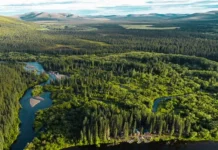
The Green River below Flaming Gorge is roughly two and a half hours from his home, while the North Platte is about an hour and a half away. Both provide opportunities for multi-day trips and exploring water away from the busiest sections.
Scott also spends time hiking into tributaries and looking for places where he can fish without seeing many other anglers. He says the experience has become as important as the fishing itself.
Scott’s career in fly fishing began with an unexpected move to Telluride, Colorado.
After working at a fishing lodge in Alaska during college, he followed friends to Telluride, initially planning to spend a season skiing before pursuing work related to his geology degree.
During his time there, Scott Fly Rods relocated from Berkeley, California, to Telluride and became involved in opening a retail fly shop. Scott helped launch the operation that became Telluride Angler and worked with its guide service.
That opportunity introduced him to the business side of fly fishing. He met industry representative Jim Klug, who later moved to Montana and offered Scott the chance to take over some of his brands.
Scott represents multiple fishing brands across Colorado, Utah, New Mexico, and portions of Wyoming.
His experience includes more than 20 years working with Winston across two different periods, along with relationships with Lamson, Solitude Fly Company, TroutHunter, Dr. Slick, Barlow sunglasses, and Rising.
He also spent time as director of sales for Simms in Bozeman, Montana, before returning to independent representation. He later represented Simms in his territory for approximately 13 or 14 years.
Scott spends much of the year driving between fly shops, and he genuinely enjoys the time on the road.
His territory covers four states, but most of his accounts are within approximately eight hours of Steamboat Springs. He often combines business trips with camping, fishing, and visits to new destinations.
He also recalls driving from Key West, Florida, back to Colorado after a permit fishing tournament, stopping in Atlanta to visit family along the way.
The van gives him more flexibility to explore remote areas of public land and spend extra time near rivers. He particularly enjoys Wyoming, where the wide-open landscapes and relatively remote fishing opportunities make road trips appealing.
Although Scott spends much of his working life around trout streams, he often chooses saltwater fishing when he takes a vacation.
He grew up in Georgia and spent considerable time fishing southwestern Florida, where his family had connections around Fort Myers Beach.
Scott keeps a boat in Florida and enjoys exploring Estero Bay and Pine Island Sound. His primary targets include snook, redfish, and tarpon.
He admits that understanding tides and locating fish can be challenging when he isn’t fishing those waters regularly. But figuring out those details is part of what makes DIY saltwater fishing rewarding.
Scott has traveled extensively for saltwater fly fishing, including trips to Mexico, Belize, Cuba, and the Seychelles.
One of his regular trips takes him to Ascension Bay, Mexico, each January. It’s an opportunity to escape the Colorado winter and spend time fishing warm-water flats.
He also describes visiting Cayo Romano on Cuba’s northern coast. During that trip, he witnessed serious economic difficulties, including limited transportation, closed resorts, and challenges facing local communities.
One of Scott’s most memorable fishing adventures took him to Providence Atoll in the Seychelles.
The opportunity came through Jim Klug, who invited Scott to join a trip with only a couple of weeks’ notice. Scott traveled to the Indian Ocean, where the group used a larger vessel as a floating base camp.
The trip took place shortly after the area reopened following a period of piracy concerns. Scott recalls having two armed security guards aboard the vessel, an unusual experience for a fly fishing trip.
Scott keeps a list of places he’d like to fish, but some of his best trips have come from unexpected opportunities.
He explains that friends and industry contacts occasionally call with openings on trips to destinations like Mexico or Cuba. Leaving room in his schedule allows him to take advantage of those invitations.
At the same time, he maintains recurring trips to favorite destinations and plans independent fishing adventures whenever possible.
New Zealand and Australia remain on his list. Scott would especially like to spend an extended period exploring trout fishing in New Zealand rather than rushing through a short visit.
Scott also discusses his long relationship with Lamson and the company’s development of saltwater fly reels.
He highlights the Lamson Litespeed Marine, describing its lightweight construction, carbon-fiber drag system, and fast line pickup.
Scott says anglers targeting tarpon, permit, and large redfish have responded positively to the reel’s performance.
He also talks about Lamson’s history of developing lightweight reels, including the original Force, and how the company’s products have evolved over time.
Episode Transcript
WFS 1016 Transcript 00:00:00 Dave: With the Yampa River in his backyard and the green, the North Platte and Colorado rivers within reach. Scott Harkins has built a life around some remarkable trout country. Today, we’re heading into the Rockies to talk about exploring lesser known trout streams, building the ultimate fly fishing van, and what it’s like spending decades working with some of the best brands in fly fishing. Scott Harkins is a longtime fly fishing industry rep based in Steamboat Springs. He’s worked with brands like Winston Lamson, Sims and Scott Fly Rods, and his career has taken him to some amazing fishing destinations. Today we’re going to talk about fishing, the Rockies, how Scott approaches these rivers, and how he’s trying to find some lesser known parts of the states. We’re gonna hear about this ultimate fishing van, how he transformed a Ford Transit cargo van into a mobile fishing camp, complete with nine overhead rod tubes, a bed, a heater. It’s all there. We’re going to talk about that today. Also, how it all started in Telluride, the connection there with Telluride Anglers and Scott fly rods. We’re going to hear about how that got Scott into the space here and all of his adventures, including saltwater DIY and his trips to Florida. We’re going to get into it. Some road tripping, some fly fishing. It’s all here today. You can find Scott at thirty four on Instagram. Here he is, Scott Harkins. How you doing, Scott? 00:01:19 Scott: I’m doing great Dave, how are you? 00:01:21 Dave: I’m doing great. Yeah, great to have you on here. We’re going to have a great conversation. We’re going to talk a little about, I know you’re very much mixed into kind of all the gear and fly fishing around. You’re kind of in the we’re going to talk about your home waters kind of in the Rockies area and that. And also you’ve got a van built out. We’re going to talk about. You’ve been working, I think, with a VC rig. We’re going to describe that process. We’re always interested in hearing better ways to get out on the water and, you know, in more comfort and stuff. So does that sound like a good plan for today? 00:01:49 Scott: That sounds great. Yeah, let’s do it. 00:01:50 Dave: Cool. Well, maybe just start us off there on your kind of the, you know, we’re going to get into the fishing a little bit. But how did this, this van, Did this build out come? Have you had a van for a long time, or is this something that’s a little bit newer to you? 00:02:02 Scott: Yes, I had the van as a cargo van. I mean, literally nothing on the inside, just sort of metal on the outside and metal on the inside. And I used it for work. I’m a fly fishing sales rep in the Rockies, so I was basically a haberdasher for a while. I worked for Simms and had multiple rolling racks and all sorts of different duffel bags. And so that was my, my work truck for showing the line a couple times a year. I got away from Simms about a year and a half ago and, uh, was going to get rid of this fan. And, uh, a friend of mine had kind of said like, hey, you know, this guy Matt down in Loveland, Colorado does a great job on converting vans. And I thought about it for a while and I thought, oh, this is a waste of time and money. And then I started thinking, you know what seems like a great way to maybe use as a work vehicle and camp and fish out of it. And so started working with Matt and we went through plans. He kind of showed me some ideas that he had, and lo and behold, I picked it up in June of this year, just a few months ago. So I didn’t have a ton of time to use it, but enough to know that I feel like I made the right decision. It’s really cool. I really like it. 00:03:18 Dave: That’s awesome. So so this is one where you dropped the van off and he built it out or were you building out yourself? 00:03:24 Scott: Yeah, I actually, it was kind of funny. I was coming back from a trip in New Mexico and my transmission gave out somewhere around Salida, so I had to deal with going back to pick it up and get it to him in Loveland. And then he kept it for about six months, maybe seven months, which is kind of nice because I live in a place where usually it snows a lot. So having a storage unit that wasn’t in Steamboat Springs was kind of nice. So yeah, I picked it up and I’ve been really pleased with the work that he did, you know, and he didn’t do you know, it’s not a filled out like you would think of from some of these sprinter vans. Um, it was really well thought out, you know, like, what do you really need? Right, a bed. I kind of wanted to sink some storage cabinets, that sort of thing. Water capacity. So it’s really built, uh, you know, sort of minimal in line with batteries, uh, water. I think it holds like twenty gallons of water. So it’s not a lot, but enough. It has power and, you know, so you can have lights in the front or the back of the van. And, you know, obviously it has a heat. Does it have heat that’s tapped into the gas tank, which is pretty cool. And then one of the coolest things about it, which is a very simple piece, is the rod system that Matt installed. It’s built not on the roof, but on the ceiling of the van. But it’s the way he he constructed it. It’s really close to the ceiling of the van. And I’m not a tall guy, so I’m not bumping my head on anything in this van. I mean, it’s a it’s the tallest version of the van that they built, but, um, it’s completely out of the way. Even when you’re in the bed. He did a really nice job on that. And I think that was the first one that he ever built. So if he just improves on that, he’s got a pretty good program. But, uh, yeah, I’ve been pretty, pretty happy about it. And it’s sitting out front of my house right now. And I do have to put it in storage. You know, it’s just not really a vehicle. We drive around in the winter time out here with. So I’m bummed, man. It’s going away for a little while. 00:05:23 Dave: Oh really? So it’s not a wintertime van just because it’s not, uh, not four wheel drive or. 00:05:27 Scott: Well, it’s a all wheel drive. 00:05:30 Dave: What type of van is it? 00:05:31 Scott: It’s a Ford Transit, but it’s their longest and tallest, which, you know, the first time you get in this thing, you feel like it’s going to tip over. And I. If I haven’t driven it for a while, it comes back real quick. I’m like, oh my God, I’m about to about to fall over in the van. So it’s, you know, when it’s windy and nasty and snowy, it’s not necessarily, you know, I don’t think you’re taking your life in your hands, but it doesn’t feel like the vehicle that you should be in for sure. But hey, whatever, you know, it’s, uh, the years get shorter and shorter every year, so I’ll be back in it soon. 00:06:03 Dave: That’s right. Yeah. You’ll be back and going. And what is your main. Are you going to be traveling around? Maybe talk about that? What is the area that you’re using when you’re doing your travels using that van for? 00:06:13 Scott: Yeah. Yeah. So I’m a sales rep for, uh, nine different brands. I cover Wyoming, Utah, Colorado, New Mexico. So yeah, I will use this in strategic areas. I cover Denver and Salt Lake, you know, so those aren’t places that I would really typically think about going and camping. But the rest of my territory has great camping. A lot of my accounts are based in rural areas. And so it’s sort of kind of brings you back to, you know, maybe a period a long time ago where you were doing a lot of camping while you were fishing. And I can do that with my work and camp in a spot where I can fish as well. So that’s what makes me excited about it. And you know, the areas around where I live. I mean, I sort of live in northwestern Colorado, and just to the west of where we are is just an expanse of BLM and Forest Service. And you’re out in the middle of nowhere pretty quickly. And so this kind of gets you into spots where, you know, you might not want to throw a tent up, you know, if it’s raining or nasty weather, it’s certainly nice to jump into a jump into the van and, and, uh, stay warm and dry. So, you know, that’s kind of the scenario where I’d be using it is either for work or personally. And, you know, a lot of times that line is pretty blurry, you know, so but that’s my justification. Dave. 00:07:31 Dave: That’s right. Yeah. It is a blurry line. That’s the great thing about it. You’ve chosen a field that fishing is part of the job, right? 00:07:37 Scott: Yeah. Yeah, exactly. Exactly. 00:07:40 Dave: Yeah. That’s awesome. And what are the maybe give us a rundown on the brands. Who are the name brands you’re working with? And have you been with all these for a while? 00:07:47 Scott: Well, some of them I’ve been with for a long time. I work for Winston, and I’ve done two different stints with them, and that one’s been over twenty years. I worked for Lampson, uh, fishing, uh, which is a relatively new brand out of Bozeman. Solitude Fly company is great brand. I’ve been with them a long time. Two different stints trout Hunter leader and tippet, Doctor Slick Barlow sunglasses. So, you know, I’ve got a good, you know, sort of stable of of brands and ones that have, uh, you know, sort of stood the test of time. Last year I picked up a new, new brand for me called rising to kind of complete the whole thing that was actually purchased about a year and a half ago by, you know, a few guys who were super enthusiastic about fly fishing and had been in the outdoor biz for a long time. Of course, Kevin Sloan, the guy who started Scala, was one of the founders at Sitka. So, you know, it’s kind of funny. You know, I’ve come full circle that when I first started doing this, you know, I had all these small brands and all you wanted was when I was young. All I wanted was like the big brand. You know, I wanted to be recognized by some of these big brands. And, you know, after a while, you start to work for some of these and you realize like, you know, it comes at a price. It’s a different mindset, I guess. So when I say that I had two different stints of some of these companies, I actually left the rep world in twenty twelve and moved up to Bozeman. And I took the director of sales job for Simms. You know, I’d been working for myself at that point for long enough where I didn’t fit in, and it just did not work for me at all. I was working, you know, seven days a week. I wasn’t seeing my friend. I was so psyched to be in Bozeman, but I just wasn’t really enjoying what what it had to offer. So my wife at the time had not told me that she didn’t really like Bozeman. So we left Bozeman, came back to Colorado, and, um, I got back into the repping thing. I had given up all of the brands that I was working for at that time, so I had to kind of rebuild. So, you know, it’s part one and part two for me, and I’m in part two at this point. And you know, I worked for Sims. The funny thing was that for me, it was sort of a lesson in how to how to quit a job, you know, not coming out with guns blazing and just saying, hey, you know, this really isn’t for me. I really enjoyed the rep thing. I’m going to go back and do it. And they were sort of like, hey, do you want to rep for us down there? And I didn’t know that was an option. So I did that for, you know, thirteen or fourteen years. And as I mentioned earlier, I got out about a year and a half ago, but I’m now I’m working for these brands that are specialty retailer oriented. They not necessarily concerned about, you know, the, the profit number like other brands are, they’re in it for the right reasons. And for me doing this for a while, that’s refreshing. I really enjoy who I work with. I like the people behind it. I like their ideas. Everybody wants to be successful, but not necessarily trying to take over the world, if that makes sense, right? 00:10:45 Dave: That does make sense. Yeah, you’re in it. In it for more of a lower key. Uh, I don’t know, you know, not as much pressure. It sounds like maybe there’s some of the bigger companies. 00:10:54 Scott: Yeah, yeah, that’s well put, well put. 00:10:57 Dave: So cool. Well, it sounds like you’re in a pretty good place. What is the describe what a rep does. What’s your you know, it sounds like during the summertime or during the spring summer, driving around a lot and showing off gear. Describe that a little bit. 00:11:08 Scott: Yeah, yeah. And I think it varies depending on where you are, what territory you have. But for me here in the Rockies, it’s just kind of a counterintuitive. I, I say I just finished, but I’m just finishing my tour for twenty twenty seven orders. So, uh, started in early August, sort of gear up, you plan, you schedule, and then you go out and show all the new product programs for your brands for the next year. And predominantly that was in, you know, August, September, deadlines in October. And you try and collect all that paper and submit it. You might have a little break, you know, after this set of travel. And then for for us, really it again, it is also counterintuitive. The season out here starts earlier than you’d think. I mean, people start to kind of like think fishing in February. The Denver fly show kicks off in February. And that’s kind of the the kick off for for our season. You know, that’s the that’s the barometer for us to, you know, we just kind of see how many how many people show up to that and go, hey, you know, what’s it going to look like for, for the coming year? And then it’s, you know, it’s gangbusters from February through October. There’s not a whole lot of, uh, opportunity for, for breaks. You get some here and there, but, you know, it’s during the season. So, um, that’s pretty much the program. And, you know, for me, it’s, I’m driving around in cool places. I mean, I, I, uh, I don’t know if this, this area picked me or I picked it, but, you know, I love a good road trip. And, you know, every time I jump in the car, Ah, save a few few spots in my territory. I’m in a great spot, right? And I kind of look around and go, hey, this is great. I’m not driving around in Alabama right now. I’m, I’m actually looking in the mountains and looking at beautiful places and get to stay and camp in great places and fishing great places. So it’s fun, but it’s also it’s also a tough job too. I mean, I’m gone a lot. It’s tough on relationships. You know, it’s something that you have to be okay with for sure. Like not being at home for, you know, great parts of time. And, and it’s funny, I think I become more comfortable with that the longer I’ve been doing this. And, and maybe it’s just that I really like the places I go and the people I work with, but for whatever reason, you know, I miss my wife and, uh, missed my dogs when I’m not not home, but I like where I go. 00:13:29 Dave: Yeah. You love it. No. That’s great. Yeah. So, so February through October is the, is the busy season. It’s on, you’re going and you’re traveling. And is that pretty much that’s it. You got the van. You’re kind of for the most part, traveling around to all in your area. As you mentioned. Again, you’ve got how many states are involved in this? 00:13:46 Scott: Four. 00:13:47 Dave: Yeah, four. So you got Utah, Colorado, New Mexico. What was the fourth? Wyoming? 00:13:51 Scott: Yeah. And I have I have all the brands I mentioned earlier today, uh, for Utah, Colorado, New Mexico. And I have three brands for Wyoming. So it’s a little, a little bit of gerrymandering of the territory. Usually that’s part of the northern Rockies, but I sort of inherited that. And I really like going to Wyoming. I think it’s super authentic. You know, there’s a lot of space in between stores, but there’s some great fishing up there. And, uh, you know, there are more people fishing up there than there were, but, um, it’s still one of these like wild places and I just enjoy it. 00:14:21 Dave: Yeah, it’s a little more. It’s not quite as the population is a little bit smaller up north. Northern Rockies. 00:14:26 Scott: Yeah. Oh yeah. Oh yeah. I mean, there’s a half million people, I think in Wyoming for, you know, one of the larger states in the country. So, you know, there’s not a whole lot up there. And it’s funny, like my wife, especially with this band, my wife loves getting in the van And she loves Wyoming. So like when she’s like when you go into Wyoming. So that’s another way that I can sort of like break this up and be away from home is, you know, have her jump in the, in the car with me. And, and, uh, the dogs are a different story. That’s a whole nother level of, of trying to, you know, maintain things. 00:14:56 Dave: Are you taking the dogs with you? You got the dogs with you in the van sometimes. 00:14:59 Scott: Yeah. My little black lab. Hazel, she demands to be in between the seats up front. We’ve tried to keep her out. She just. The easiest thing is just to let it happen. But Henry, my old lab, he just lays in the back and sleeps and. But, you know, you know what it’s like. You travel around. Especially when I’m traveling for work. Like I’m on the go. I’m late for this meeting. Gotta go. And so the dog just had this whole other layer of maintenance, right? And they have no idea, but, you know, so it’s fun. But you know, that that adds a little bit of a factor to it. 00:15:31 Dave: It does, it adds a little bit. That’s really cool. And describe how the van is, uh, you know, just like the bed and the breakout. So you’ve got the sink in there. You’ve got the storage of the rod. Yeah. Describe that a little bit. The inside as best you can. 00:15:44 Scott: Yeah. So the inside so like I said it’s the it’s the big version of the Ford Transit van. The bed is what they call east west. So Matt created a couple of pockets in the insulation or the upholstery. So it, you know, you can really go to the edge of the van if you’re super tall. I don’t think the east west would work. You’d have to go north south, which takes up more space. So anyway, that’s elevated and you can actually take the bed out of the van if you wanted to. But I have not done that. And so below the below the bed is what we call the garage. That’s, you know, the back of your truck or SUV. That’s where you’re going to put all your stuff. And, you know, clearly it goes all the way through, but that’s kind of the back of the van. It does have a shower in the back. Like when I say shower, it has a, you know, kind of a nozzle. 00:16:30 Dave: Yeah. There’s this outside like an outdoor shower. 00:16:32 Scott: Oh, yeah. Oh, yeah. Totally. So like, you know, it’s got to be the right scenario to make that happen. And, um, like this fall I was using it and I was like, oh gosh, man, I could really use a shower at this point. But you know, you pull into a camp spot and it’s, you know, seven thirty or eight at night, it’s dark. You’re like, I don’t, I don’t feel like it. Right. I’m not going to go out there and spray myself down, wait for the water to heat up that whole thing. So but it is there if you if you need it in a pinch, it’s there. So anyway, and Rob storage is accessed from the back of the van to you kind of stand up on the bumper and slide these through these PVC tubes. But he’s put in nine different tubes up there, which at first I thought, you know, that might be a little overkill, but, you know, I, I quickly found out, you know, if you have half a dozen rods that you’re showing that are new from Winston and then a few of the ones you’re fishing like it takes up the whole thing really quick, or a couple you’re fishing out of there, you know, with multiple rods, it’s pretty much sucked up. So it’s actually perfect. And then the front of the van, um, I had him put in swivel seats for the driver’s seat and the the passenger seat. So you can turn those things around when you’re not in motion and actually face the back of the van. And it just gives you another place to, to sit and hang out. Exactly. I mean, it is a van. Like there’s not a ton of room in there to begin with, but you have a couple people in there. You know, you’re kind of jockeying around a little bit. And then like, like I said, he has a heater built in there that’s tapped into the gas tank. 00:17:59 Dave: Oh, into the gas. So not propane. It’s actually into the gas tank. 00:18:02 Scott: Yeah, into the gas tank, which is super cool. 00:18:05 Dave: Do you have a stove cooking area? 00:18:07 Scott: Yep. There is an induction range on it. Just one burner. Um, I’ve yet to use it, to be honest with you. 00:18:13 Dave: Yeah, you got it all. 00:18:14 Scott: Got it all. I mean, it’s got everything you need. 00:18:16 Dave: Other than it sounds like maybe you don’t have, like, the toilet and stuff like that, but you got everything else. 00:18:20 Speaker 3: Yeah. And you know what? I don’t want that. 00:18:22 Dave: No, I don’t either. I’ve actually we we’ve had this pull behind camper. We have a like a twenty foot. We’ve had this for a while, but we’ve never used the toilet in it just because it’s like, man, I never really wanted to get to that point. Right. You know what I mean? 00:18:36 Scott: You feel like you’re living in the, you know, the toilet bowl, right? 00:18:39 Dave: Exactly. 00:18:40 Scott: At that point. So, you know, that’s, that’s one of the things we have one of those, uh, it’s called like a sunny toilet things, you know, that wraps everything up and, and honestly, like I’ve never even used that. So generally, like I try and go to a campground that has a toilet and whatever, but we’ll see how that sort of, you know, expands as we start to use a little bit more. 00:18:59 Dave: That’s right. Well, that’s the fun part. We’ve got the, the build out. You have this thing now. So I mean, we’ll have to circle around with you in a year from now and see how you’re feeling, you know? Yeah, totally. Have you got some miles? How many miles do you think you put on this next year? Do you think you’re, you know, you’re going to put on your, your van. 00:19:14 Speaker 3: You know. 00:19:14 Scott: Because it is sort of limited in when I use it and which is going to be sort of after it stops snowing until it starts snowing, I probably will put, you know, twenty thousand miles on it. And I, and I also have a truck too. So I sort of like intersperse, you know, depending on what I’m doing, I’ll use one or the other for, you know, a dealer event or from going on a big road trip. So that gives me an option to kind of spread those miles out a little bit. I mean, my truck has two hundred thousand miles on it. Nothing I have has like, you know, is new, let’s put it that way. So it’s, uh, it’s nice to be able to kind of spread it out between the two. 00:19:49 Dave: Definitely. That’s cool. Now, describe your area as far as kind of your home water. I mean, what would you consider some of your home streams? 00:19:55 Speaker 3: Well, um. 00:19:56 Scott: The real main home stream and probably the reason that I moved to Steamboat Springs is the Yampa River, which flows through town and, uh, ends up joining the green River, which, you know, goes into the, to the Colorado. So that is, you know, and when I first moved here, well, let’s take it back a step. When I was coming through here for work back in the day, I was blown away at the dry fly fishing that that river had to offer. It was the closest thing for me at that time to the Henry’s Fork, as far as the hatches go and just consistent rising fish. I don’t know the reason, but we don’t see that as much anymore. The hatches and the rising fish. And I don’t know whether that’s pressure or sort of environmental issues with, you know, things going into the river for the hatches. I’m not really sure about that. But and at that time when I first started fishing here, we had big trout, we had really big pike and we had smallmouth all in the Yampa River. And you, you could float the Yampa and fish for trout, get out at a slew, pull out your seven or eight, wait for pike and then you’d find a rocky little, you know, outcropping along the way and throw for smallmouth. They started. Shocking for smallmouth and pike not long after I moved here. So it’s pretty much a trout fishery at this point. But. And it’s a good one too, although this past year, and I’m sure you’ve talked to other people about this, but we had this incredible drought, you know, this time last year, it just, uh, and maybe even, you know, before that, it just stopped raining and then it didn’t snow last winter. We had probably more days of rain than snow in the middle of the winter, which was just unheard of. So really high temperatures. Um, we had rain in December and January. Like I’d never seen that before. At night, you know, it’s usually just heavy snow. And then, you know, we got to the point where, you know, it came February. I don’t know. Hopefully we get a bunch of snow now and then march. Hopefully we get a bunch of snow. Hopefully it rains in May and it just didn’t. And so they closed the Yampa River. I think June twenty fourth this year. 00:22:08 Dave: Oh wow. Completely closed the river. 00:22:10 Scott: Well, it’s voluntary, but people were pretty good about adhering to that. And I to my knowledge, they have not reopened it. And, um, you know, there’s places downstream or upstream where I think people are jumping in and fishing, but I think those signs are still up. And that’s just, you know, the temperatures are better now, but I think that’s just due to flow at this point. Now, I will say we’ve been getting a lot of moisture here over the last few weeks, and the rivers are looking better than they have all year long. The runoff was not really a factor this year at all. 00:22:43 Dave: When does your snow typically start? 00:22:45 Scott: We had some this week here at my house. We had some snow. It didn’t really. Yesterday it was snowing. Um, I imagine that the higher peaks probably kept it, but it’s gone. I’m looking outside right now. I’m not really seeing anything at this point, but, um. Yeah, you can get snow here in September, like heavy snow in September, but usually it sort of goes back and forth. It’ll get nice again and then go back and forth and back by November. I think that we’re pretty much in a pattern typically. 00:23:11 Dave: So that’s the up and the Yampa flows. Which way is it flow and what is it flowing into? 00:23:15 Scott: It flows west from where I am here and flows into the green River. So, you know, you’ve I don’t know if you fished the green before, but the green comes out of Flaming Gorge Reservoir and then goes through a series of different beats. They call, you know, the A section, B section, C section. And below that is pretty much there’s some trout fishing down there, but that’s pretty much a recreation for rafting and for floating. And the Yampa comes into the green somewhere down in that section. I’ve never done that. 00:23:44 Dave: Yeah, it comes down. Looks like Dinosaur National Monument is the area. 00:23:48 Scott: Yep, yep. So and apparently that lower Yampa float is amazing. It’s beautiful. I think the water is too warm for trout. But you know, there’s some really great fishing down low in the Yampa for carp. Uh, I mentioned Pike. They did a pretty good job of shocking the entire system to get rid of those fish, but, um, they’re pretty resilient, so I imagine there’s probably some still some pretty good fishing down there. 00:24:12 Dave: That’s awesome. What are the other big ones in your area that you’re as you’re driving, you’re fishing or you’re hitting throughout the year? 00:24:18 Scott: Oh man. Well, you know, when I for work, it’s, uh, it’s a myriad of rivers. You know, the Colorado rivers are obviously a big one, and that’s not too far from me. I can I can get to Colorado in about an hour and a half, but that’s a long one too. So that that sort of impacts a lot of different areas in the state, the Gunnison River, the, you know, in Southwest Colorado, the Dolores, the San Miguel, the Rio Grande, uh, which, you know, starts in Colorado and goes through New Mexico and Utah. Obviously, you’ve got the green and the Weber, Wyoming, the Bighorn, you know, is the, is the big one up there, the North Platte. So those, those are kind of the big ones around here. And then, you know, the one that’s probably, you know, I left out, it’s probably maybe the most impactful to my business is the South Platte, which ends up flowing into Denver. And you know, that area gets hit pretty hard. A lot of pressure closest to, you know, a major metro area. So that’s not one that I go to very often. But, um, I’m glad we have it there for sure. 00:25:18 Dave: Yeah. Wow. Yeah. You’re in an amazing area, you know, because yeah, you’ve got New Mexico, Colorado, Wyoming, Utah. I mean, yeah, that’s that’s pretty there’s a lot in there. 00:25:27 Scott: There’s a lot. And unfortunately, this year, what I described about the situation in my area that was widespread. I mean, we had really tough water conditions this year and all the way up into, you know, Idaho and Montana too. But I think we we bore the brunt of it down here, especially the farther south you went. You know, southern Colorado, New Mexico was just rough. And coincidentally, over the last three weeks, they have had two hundred year floods in those areas. Jeez. And, um, it’s been crazy to, to watch the videos. Yeah. So I feel really bad for those guys. And it’s so weird to go from like one extreme to the other on that front. So, um, we’ll see what the impact is there. I know one of my customers down on the San Juan River, which is another, another river in my zone, just sent an email yesterday saying they’re closed for a while and, you know, indefinitely, they don’t know when they can open again because so much sand and silt filled in that that part of the San Juan River that created a new channel. So they’re trying to figure out what to do, if anything. I mean, I don’t even know if you can do anything in that respect other than hope for a flush of some time, which this was. Yeah, this was a big flush that created another problem. So I don’t know, man. There’s always something. 00:26:41 Dave: There’s a lot going on. Yeah. We talked to we were talking to James Garretson down there with about trout. And he’s obviously right in the middle of it being impacted. And he was saying that, you know, I think that there are obviously some challenges, but I think, you know, it is eventually going to clean itself out, mother nature and all that stuff. But I think, you know, it’s just going to take a little bit of time. 00:26:59 Scott: Yeah. Yeah, absolutely. Yeah. All these things we think are devastating. And I know James and he does a good job down there. Those guys are going to persevere. They’ll end up pulling through. And the fish seem to find a way to do it too. You see some of these videos and you think there’s no way that fish survive that, you know, just that it looks like, you know, it’s viscous, right? I know, and you’re like, there’s just no way. And then, you know, you find out now they’re they’re they’re so they they find a way. There’s no doubt. 00:27:28 Dave: This episode is brought to you by AVC rig Adventure Vehicle Concepts out of Colorado. These guys build next level adventure vans designed to help you explore farther and stay out longer. Are you dreaming of a full van build? Or maybe you just need the best aluminum cabinets and storage for your DIY rig? AVC rig makes it easy to turn your vehicle into the ultimate mobile base camp. You can check them out right now at avc dot com, that’s a v c rig dot com. You mentioned the Yampa. That’s one that we haven’t finished yet. Haven’t really heard a lot about. Maybe we could talk a little about that and maybe just go to kind of a normal year. You mentioned dry flies and that. So you’re fishing right? Is the Yampa steamboat is that kind of can you fish right there through town? Is that what’s the sections. Yeah. You’re covering. 00:28:18 Scott: Yeah, absolutely. I mean, there’s, uh, a couple of reservoirs that the river flows through and out of, and there’s quite a bit of private property up in this area, which is, you know, a little restricting, but I think there’s twelve miles through and around town that you can, you know, wade fish or float. I don’t want to say that, you know, my recreational activity is like better than, uh, or more important than another. But the tubing has just started here. So once the river gets to a certain stage, uh, yeah, it just becomes a different animal. But prior to that, I, I really like to float the upper Yampa, which takes you through town. It kind of meanders through town and, uh, you get the ski area in the background and the fishing can be really good, good hatches. Uh, we get, you know, pmd’s, green drakes, big caddis hatch, some big stoneflies, but not, you know, not super prevalent. And, you know, that can be really amazing. And then, you know, for me, you know, once the, you know, the tubers start and the paddle boarders, and there’s just so many people and you have to kind of watch your back cast and all that. I’m like, all right, I’m done here. I’m fortunate to have some friends who have different spots with private property on the Yampa and the Elk River, which flows into the Yampa, about eight miles west of town here. So, you know, I’ll go fish those. But, you know, really for me, and especially this year with the water situation going a field is, is, uh, you know, my jam, like finding some of these tributaries, hiking in, getting away from people. And I think maybe in general, like that’s kind of my thing anymore. Like I enjoy trout fishing more when I’m not seeing a ton of people. Like it just makes me happier, right? So I generally try and find those places and, and I also have the green, the green is, is pretty close. I can hit the c section of the green in about two and a half hours, maybe, maybe a hair less. Heirless. And if you’re floating, you still have to run a shuttle and whatnot. But you know, you can go over there and camp for a few days and, and, uh, bring a couple cars and do your own shuttle. And, and, you know, that sort of, you know, there’s a lot of people that don’t make that drive and, you know, the North Platte for, for us, and I often forget about myself is only an hour and a half north of where we are right here. So we’re really close to the Wyoming border. And again, that doesn’t get a ton of pressure. Um, we have some people who come over from Fort Collins to fish it and, but the people here in steamboat don’t seem to go over there very often. And so you can find places here and there that you can kind of get away from folks. And, and again, you know, you’re in a cool spot. Like nowhere in my zone are you looking around going, this is, this is ugly, right? You’re, you’re, you’re like, oh, I’m in an amazing place. 00:31:01 Dave: You’re in the right and you’re in the, I guess the southern Rockies. Where does the southern Rockies start in, you know, where does the transition from northern to southern? 00:31:09 Scott: Oh, gosh. Well, you’re talking about like Telluride, Durango, Pagosa Springs, Creed, which is the Rio Grande. And that kind of encompasses like the Animas River, the Rio Grande, the San Miguel, the Dolores. That’s what I consider sort of like, you know, southern Colorado, uh, southwestern Colorado for sure. And it’s kind of funny, you know, I, when I found myself out west, I actually was working in Alaska during college at a fly fishing lodge. And, uh, I had a couple of friends who were moving to Telluride, Colorado. And if you’ve been to Telluride before, but it’s one of the most beautiful towns in the state, if not the country. And they were moving there because they went to a Gregg Allman show like years before. Like they were like, this place is amazing. We’re moving. I’d never been there before, and I was fresh out of college. I had John Rock as a client at my lodge, and I was a huge fan. Yeah, I love the guy. Right? Oh, really? Trout bum was like, you know, the Bible back in the day. And, um, he had told me, like, you know, I don’t know anything about Telluride, but like, that Aspen area’s got some really good fishing. Uh, that Roaring Fork valley. And so I was trying to convince my buddies like, hey, why don’t we try, you know, the Aspen area? And they were like, well, if you want to go there, you can go there. But we’re going to Telluride. And it was, it was one of these life changing events for me because I went to this place I’d never been to before. And I, I stayed for a year. I actually went down there to ski and summer came around and I was like, well, I wonder if they’ve got any guide services there. No fly shops. And so I ended up hooking up with this guide service and this, this place called Telluride outside had fishing, rafting, hot air ballooning, jeeping, I mean, everything that you could imagine, right? So we had a little fishing component and I was like, wow, fishing is really, really good around here. So right as I was planning on, you know, pulling the plug and going back to try and pursue, you know, something in my major, which was geology, not knowing what I was doing. Scott. Fly rods moved from Berkeley, California, to Telluride while I was there, and they wanted to open a retail store. There was no fly shop in town, as I mentioned. And so a friend of mine, John Duncan, who actually owns the store now, he said, hey, you know, why don’t you help me open this store? And anyway, I did and we the store is still there, as I said, and we, I managed the guide service and did some of the buying for the store in my early years, and one of the reps was calling on us. His name was Jim Klug. And Jim eventually said, hey, you know, I’m moving to Montana. Do you want to take over my brand? And I was like, oh yeah, give it a I’ll give it a shot. Right? And of course, Jim went up to Montana and ended up starting Yellow dock fly fishing. But I never planned on doing this as a career. It was always some stepping stone along the way. Love to fish. Never knew that you could actually do this as a career, you know, and one of the things I really appreciate about it is that there are a lot of people like that in the industry, a lot of people who could be doing something else to make a lot more money. But they stay in this industry because they really, really love it. You know, with all the things that are happening right now with, you know, corporate America invading fly fishing or private equity invading fly fishing, it’s nice to see a little pushback from these people who maybe they came from a corporate job and they left it to go and, you know, take a job behind the counter and a fly shop or start guiding or whatever. They don’t want to see that. And I’m sort of going off on a tangent now from what you originally asked me about Southern Colorado. No, that’s my that was my roots. That’s kind of how I got going in this whole thing. And yeah, so here I am years later, still doing the same thing, unqualified to do anything else at this point. 00:34:52 Dave: That’s great. I was going to ask you about that, more of your story. That’s awesome. So basically you’re, you’re in Telluride and Scott comes there. Scott fly rods there. And now you say, what was the name of the store, the shop you started? 00:35:03 Scott: It’s called the Telluride Angler. So if you’ve been there and been on Main Street, it’s on Main Street. 00:35:08 Dave: I haven’t been to the shop, but we definitely heard about Telluride angler. 00:35:12 Scott: Put it on your list. I mean, it’s a cool store, great folks that work there. Those guys do an amazing job of, uh, selling product, but especially fly rods and they know their stuff. But you know, you’re walking down Main Street to Telluride and you’re looking around going, oh my God, I must be in Switzerland. It’s beautiful. 00:35:28 Dave: Right? 00:35:29 Scott: It’s absolutely beautiful. It’s a great place. So put that one on your list. 00:35:32 Dave: Yeah, definitely. Definitely. Well, and then I love the Jim Klug story. So you so you’re there. He’s a rep. He gives you all his brands and he goes on to start Yellow Dog, which is obviously doing great stuff. 00:35:43 Scott: And yeah, he’s put in his time. Yeah, absolutely. And I like to credit myself, uh, another buddy of mine in Telluride and I brought Jim down to, uh, Andros Island. Uh, we had a friend living down there at the time and he was still there, by the way, which is insane, but he’s been down there for so long. But we brought Jim down there on his first saltwater trip. Oh. No kidding. Uh, yeah. Yeah. So, you know, I don’t know if that was the inspiration for Yellow Dog or not. I like I like to take a little credit for that. 00:36:12 Dave: That’s pretty cool. The connections are made. You must see it as a rep. You must look around and just be like all these connections that are out there. Yeah. 00:36:20 Scott: It’s insane. The longer you do it, the less weird it gets, to be honest with you. But everybody’s connected in some way, which is one of the cool things about it. You know, the smallness, the uniqueness, you know, and it can be sort of imposing at times. But, you know, the fact that people are doing this for a certain reason, it’s the love of the sport. Um, it’s pretty insane. I, it’s hard to think of anything else that’s similar, you know. 00:36:44 Dave: Yeah, definitely. And you got some great brands you’re working with here. That’s cool. Well, let’s go back to the van because I don’t want to miss anything there on the van. We’ve talked a little bit about I think we know your area. We know where you’re traveling. You’re going to start up as soon as the snow gets off and get out in that thing. What’s a long drive for you? Could you just drive across three states no problem. Or are you kind of, you know, are you getting tired as you go? Describe that a little bit. 00:37:05 Scott: I don’t know. My wife tends to think I’m some sort of freak of nature when it comes to driving. But the thing is, where I’m situated right now, I’m no more than about eight hours from my farthest account. Even in four states, so I generally don’t drive longer than that. We’ll drive to Bozeman from here, which is about ten hours, but I generally don’t have any longer drive than that. But I have no problem making that drive. I just drove a car back from Florida. My dad lives in Florida and I was I. We kept a car down there and had it, you know, after a series of hurricanes. I was like, you know what? I’m getting that thing out of there. And I drove down to Key West to fish in a permit tournament. And after that I drove to Colorado from Key West, and I did it in just about two and a half days. And I didn’t have a problem with that, you know, sixteen hours I don’t have an issue with, you know, at some point you think this is probably not safe. You probably should like, go get some sleep. But, um, I just, I enjoy the road trip, I really do. 00:38:06 Dave: Me too. That’s it. You’re just like me. Yeah. I’m the same way I could drive. It was different when I was younger. I couldn’t go, but now I could just go forever. I could pretty much hop in and throw on a podcast, right. And just listen. You know, just go with it. That’s pretty awesome. 00:38:19 Scott: If you’re in a good area. I often when I’m down in the southeast and the trees are so tall and the canopy kind of takes over and there’s really nothing to look at. I think this might be sort of, you know, tiresome after a while. But, you know, if you’re in a good area where you can look around and go like, wow, this is beautiful. Yeah. That just keeps you going, right? 00:38:37 Dave: What’s that like? So from Florida, what’s your route? Florida to steamboat. Where did you go? 00:38:42 Scott: Well, I went from Key West to Atlanta, which is where I grew up. My stepfather still lives there. And so I spent a couple days with him there. And then from from Atlanta, I blazed to somewhere in Kansas in one day. And I, you know, thinking like, hey, you know, I could maybe keep going here. And I was like, you know, it’s getting dark. I should probably like, pull over at that point. And you know that that next day was only like an eight hour drive home, so it wasn’t too bad. I mean, there are some spots where, you know, there’s nothing really to look at. But, you know, I think back to like, you know, the movie vacations, like the world’s largest house of mud or, or ball of twine or whatever he was singing out there. You see some weird things like that out there and. 00:39:22 Dave: Stuff, right? 00:39:23 Scott: Yeah. Yeah, exactly. Makes it a little more interesting. So whatever. This country’s awesome. There’s a lot of cool things to see out there, you know, and I, I would really like to make that drive from here down to Florida via, um, you know, Louisiana, the Florida Panhandle kind of go that way. And I’ve never done that. That’s obviously a longer drive, but I think, you know, stopping and fishing along the way would be awesome. So that’s on my list. 00:39:49 Dave: All the saltwater stuff down there, right. And the redfish. I mean, that would be an amazing. 00:39:53 Scott: Oh yeah. And the thing though, you know, you talk about that would be a great trip with the van. But the one thing I do not have on the van is an a c unit. 00:40:02 Dave: Which you can add. I’m sure you can add that at some point if you needed to. 00:40:05 Scott: Yeah, Matt told me that was an easy, easy add and I, I don’t know if it’s like just sort of being stubborn. I’m like, I don’t need it, right? I don’t need it out here at least. Right. Yeah. And so why do I need it? But you know, if you did a trip like that down south, you’d wish you had it for sure. 00:40:20 Dave: That’s right. No. That’s cool. That would be a fun trip. So and you’ve done a little bit of travel right with with the salt. Maybe describe that a little bit. Where are some of those areas that you’re you’ve been to or you’re thinking about going? 00:40:29 Scott: Well, you know, I told you I grew up in Georgia, and so I fished southwestern Florida a lot as a kid. My grandparents lived down there. My dad lives down there right now. I have a boat down there. So I love the DIY thing, which, you know, if you ever come fish with me, you’ll say like, oh, maybe next time we should go hire a guide. Um, and that’s, that can be true every once in a while, you know, the blind squirrel thing comes into play. 00:40:53 Dave: What is that? What is the, uh, well, first off, southwest Florida, what is the what’s the town? 00:40:58 Scott: Uh, Fort Myers beach. So yeah, just sort of north of the Everglades. So I have been bold enough to trailer my boat down to the Everglades. I’m smart enough now to know like, that’s probably better to hire somebody to go in there to do that next time. But I’m super comfortable fishing Estero Bay, Pine Island Sound, which is just up north. I know those areas really well. I’ve got great spots, but you know, not living down there, you know, the tide thing still kind of screws me up a bit, but that’s the fun of it, right? That’s what I enjoy a lot is trying to figure that stuff out. And when you do come across, you know, we’re fishing for snook, redfish, tarpon mostly. And when you do, you know, link up you go. All right. You know that was awesome. Like it’s so much more satisfying. Right. But you know, beyond that, I still travel to fish and Cuba, Mexico, the Seychelles a few times. You know, my salty areas. I really enjoy that. And I, and I know that, you know, this is the wet fly swing. When I have time off, I generally think about warm places to go where I’m, you know, barefoot on a boat. So that’s kind of my thing. And, and, um, I so, you know, we, we’ve got an annual trip we do to Ascension Bay in Mexico every year in January, which is a great spot, you know, kind of getting out of the typical year, you know, getting out of the freezer here and going somewhere nice. And Belize. I fished Belize a lot over the years. And, um, so I try to sprinkle it out a little bit. We went to Cuba in April this past year, a few weeks before they, they closed it. 00:42:29 Dave: Oh, they closed it again. 00:42:31 Scott: Well, I, I think so, you know, the place we went fished the northern part of the island, Cayo Romano and there’s a hotel up there and most of it are these giant resorts in Cuba, these government run resorts. I think everything’s government run. Even this hotel we were staying at. But we get up there and they’re there, you know, four or five different big resorts, which are, you know, like cruise ships, you know, essentially they’re all closed. The only thing that’s open in our zone is our little hotel. And I understand they closed it after we left, but it was weird. I mean, having been down there a bunch before we flew into this place called Camagüey, and it’s about a two and a half hour drive north and just not seeing cars on the road because people can’t afford gas right now and or if they can even get it. It was, um, eye opening for sure. The number of people who were begging this time versus the previous trips, um, was heartbreaking. 00:43:27 Dave: Oh, wow. 00:43:28 Scott: Yeah. They’re in serious trouble down there. 00:43:30 Dave: So it’s not getting better. 00:43:31 Scott: It’s not getting better. And, you know, I’m hearing stories that they have maybe an hour a day where they have power. So, you know, they’re kind of living around that. You know, how do you, if you have food, how do you how are you cooking it? I mean, I don’t know, it’s in rough shape. 00:43:46 Dave: It’s kind of crazy to think because, you know, all this, you probably see it because you’ve done more traveling than a lot of people, especially to some of these remote areas. But, you know, you talk to I’ve talked to some people that are living in, you know, islands down in, you know, some place you’ve never heard of. Right. And they’ve been there and it’s, it’s a different story like that. They’re, they, I mean, you know, that’s amazing. Right? They have there’s very few people there on this island. They don’t need much, you know, like they’re in this spot. And I feel like Cuba, you know, I haven’t been there. But I’m guessing that’s a different story because it’s there’s other stuff going on. Right. And you see a lot of the poverty and stuff like that, right? It must be different than some of these indigenous kind of communities, which are amazing. Right? 00:44:24 Scott: Yeah. Yeah, absolutely. I mean, you know, you go to places in Mexico or Belize and you think, you know, they don’t have as much, but they have more than the Cubans do. There’s no doubt about it. And they’re they seem perfectly happy, you know, they have what they need. And and they’re a happy people. And Cuba, you’re not you’re not getting the necessities, you know, water. Right. 00:44:45 Dave: Yeah. You don’t have the basics. 00:44:46 Scott: Yeah. They don’t have the basics. So there’s a big difference. And whatever it’s you can place the blame in a lot of different areas there. But it’s, it’s heartbreaking to watch, for sure. 00:44:56 Dave: Yeah, definitely. Well, I think that, yeah, the island I was looking at was, uh, we just talked. It was utila down out of, uh, out of Honduras. We had a guest who’s a local, uh, you know, in the community there. And he described that growing up in Utila, which is this small island off of Belize. And yeah, it was really cool. It was just I don’t I can’t remember the population, but there’s the bigger island is, um, is just kind of up Roatan. Yeah. Roatan. Exactly. Yeah. It’s kind of the bigger and he’s, he’s on Utila, which is just this little smaller place. And he just was talking about how he loves it, you know, and it’s just, it’s very remote. And so hopefully we’ll be hitting. That’s the thing about all this, right? You have all these places that are so amazing. How do you do that? That’s always a thing I’m thinking about. How do you choose your next place? Is it based on the brands you’re working with, or do you kind of have a list that you’re thinking like, this is my next place I want to try to hit? 00:45:42 Scott: I always have a list, right? I always have some, you know, sort of bucket list or things that are on the horizon. But funny, a lot of my trips happen from someone bailing out, right? You know, everyone now is a host of a trip. I mean, it used to be that, you know, Frontiers and Yellow Dog were the place you go. But every fly shop across this country now has a has a travel program. And, and so, you know, yeah, I’ll have something on my mind. Hey, I want to go do this or that. And then Rich Penny from trout Hunter will call. And those guys do like four trips to Cuba and a few to Mexico every year. And they’ll be like, hey, got a good deal for you to go to Mexico. You want to go? Here’s the dates. And I’ll be like, okay. So, you know, that happens quite a bit too. But you know, we’ve got some standing trips. You know, like I said, this trip to Ascension Bay is in January. Every year we keep the same week. And then, you know, I like to keep it open a little bit too, because I like to do my DIY thing. And then, um, I’ll fish in the keys a couple times this year, plan trips. And, um, so I kind of have a few things that are set and I just sort of leave the other things open for whatever might happen. 00:46:46 Dave: Yeah, yeah, I leave. That’s a good idea. Yeah. Don’t fill the schedule completely. Right. You want to be. Yeah. 00:46:50 Scott: I’ve been burned by that before, you know, having planned something. And then this amazing trip falls in my lap and then you’re like, wow. I mean, the first, first time I went to the Seychelles, I had reached out to Jim Klug. We just talked about Jim. 00:47:02 Dave: Oh, yeah. 00:47:03 Scott: Yeah. And I saw on social media his his dog died, the one that, you know, he sort of named the company after. And I said, hey, man, sorry to hear about Beau. And he said, yeah, thanks. Hey, do you want to go to the Seychelles? And in like two weeks and I literally had been sort of thinking about, hey, I’ve got this little time frame in October, I’d like to go somewhere. And it was right in the middle of that. And I was like, yeah. He goes, all you got to do is get there. And I was like, okay, you know, that was an amazing trip. I mean, that that was the first we went to this, this place called Providence Atoll in the middle of the Indian Ocean. And they had just opened it after five years of being closed because of the piracy issues that they had down there. The whole, you know, Captain Phillips thing. And one of the you know, I don’t call a fishing boat, but a boat like we were on got hijacked and they held people hostage and all this stuff. So we go out and this mother ship in the middle of the Indian Ocean, like we were the first trip back in there after it opened. And we have two armed guards on the boat, which was really disconcerting, you know. Um, these guys would dress up in fatigues at night and carry a case and the whole nine yards. So you were sort of on the edge of your seat the whole time. And there were a couple times where boats approached us from afar. These guys are on ready. And it ended up being, you know. 00:48:23 Dave: Like God. 00:48:24 Scott: Fishermen who wanted to like, you know, get smokes or, you know. 00:48:28 Dave: Oh, right. 00:48:28 Scott: Liquor or something. You’re right. 00:48:30 Dave: So you’re on a boat heading out. Describe that a little bit. You’re on this boat that’s heading out to go fishing a bigger boat, and you’ve got armed guards on it. 00:48:37 Scott: Yeah, yeah. It was an old like, research vessel that they sort of called the dugong was the name of the boat, and they sort of made it into a charter boat for, you know, these types of trips. And I can’t remember who owns it at this point. It might have gone through a few different hands, but there’s a few operations over there in the Indian Ocean, and so I don’t know if they lease it or own it. But anyway, you go you take this thing from, um, where the airstrip is on Farquhar. And I think we went eight hours overnight in this big vessel, and you kind of wake up in this new spot on Providence Atoll. And then every few days you move to a to a different area within the atoll. So you’re getting different species in one area than the other. And they generally just take, you know, these boats on a davit off of the big vessel and lower them into the water. They’re not flat skiffs or anything. They’re just transportation. And then you sort of, you know, perilously get onto these boats and, you know, two or three will go to a spot and you wade fish most of the stuff. So you kind of get out and you’re fishing for bonefish or jetties or milkfish or, you know, whatever. And it’s like, it’s wild, man. I mean, some of the areas are infested with sharks and that, you know, the GT fishing is a mind blowing experience. Like, I love that. It’s crazy to see how fast those fish are. But you know, even the bonefishing in those areas, the bonefishing is amazing. And the fish are just larger on average. And so, you know, but it’s also a tough place to get to. And the last time I came back, I thought, you know what? I’m going to give this a break for a little while. That was a long, long way home. 00:50:14 Dave: It was. What’s the what’s the way home from there? 00:50:17 Scott: The last time we were there, we were on Farquhar. And we. You know, you have to take like a three hour prop plane flight from Farquhar to Mahe after overnight in Mahe. Or maybe there’s a plane flight at night on Mahe. You fly to Dubai, you go to Dubai, to Seattle. I missed my flight in Seattle to Denver, so I had to take another one. So you don’t really know how long you’ve been flying or awake. I finally got to Denver at local time, four thirty in the morning, and I was wide awake because I guess, you know, the days have kind of flipped at that point and drove home. And then on that trip, I got incredibly sick when I got home, just not having slept. And it was kind of funny. It was right, right before Covid kind of came out. And I was thinking to myself, did I have Covid? You know, and it just had all the symptoms and whatnot. But, you know, it was a few months before that whole thing broke out. So but regardless, I was sick as a dog and I thought, you know what, I’m going to give that thing a rest for a little while. Amazing trip, but a long way to go. 00:51:15 Dave: Yeah. No, those are that’s one of those bucket list trips that, yeah, you’re probably not doing every year or probably most people aren’t. Right? 00:51:20 Scott: Yeah, some people do. And some people do it, you know, multiple times a year and kudos to them. But, you know, it’s, you know, I travel so much for work anyway, like doing a trip like that is a, you know, kind of an imposition to fit it in because you can’t do it in a week, right? That’s the thing we figured out like the travel to go fishing for seven days. It’s, you know, it’s twelve days. So and then you start thinking like, you know, five days of travel for seven days of fishing isn’t worth it. So I want to go a little bit more. Right? 00:51:48 Dave: Yeah. Make it longer. Now you need two weeks. 00:51:51 Scott: Exactly. Or more. Exactly. 00:51:53 Dave: I feel like it would always be good to be able to do that, right. I feel like trips are always, you know, a week. Oh, man. It’d be nice to have two weeks or even a month, right? Think of that, right. If you could have a month in these places. Totally amazing. Cuba. Cuba for a month would be cool too. 00:52:05 Scott: It would be really cool. And I, you know, my bucket list. You know, I’d love to do Australia. I’ve never fished New Zealand. I would love to go fish trout in New Zealand and and do that for a month. And I just can’t I can’t fit it in quite yet. But those are the things that I, I think yeah, you got to have more than a week for this. There’s just no way. 00:52:23 Dave: Exactly. So on the reels you mentioned lamps at the start. Is that, uh, are you saltwater wise? I can’t remember what lamps it has, but do they have a reel for some of that bigger stuff? 00:52:31 Scott: Oh, yeah. Yeah. The light speed marine reel is an amazing reel. Lightweight carbon fiber drag. 00:52:38 Dave: The lightest aren’t lamps are known as kind of one of the lightest, maybe the lightest reels. 00:52:42 Speaker 4: Yeah. They kind of, you know, put. 00:52:44 Scott: Their claim on that a long time ago with this real called the force, which was the lightest real with the least number of parts. And it was sort of a design thing, like, here’s what we can do. And then, you know, so they don’t necessarily sort of rest their laurels on, on the weight thing in general. But I will tell you that light speed marine rail is it’s an amazing riel. And the pickup, I think it’s like fourteen inches with every revolution on it. I put that in friend’s hands when we’re fishing and they’re like, oh my God, this thing’s so light the rod and reel. The whole outfit is so light and the people who are fishing them now for, you know, tarpon or big redfish or permit are coming back and they’re like, this drags amazing. So we’re really getting some good footholds with that whole program. And, and I think there’s really good opportunity right now to, in the, in the world of reels, like there’s always a shake up with rods or reels or what have you. And I think there’s a really good opportunity for Lamson right now in the saltwater world. I mean, they’re kind of known more as a freshwater real company, and they’ve had some forays in the saltwater thing. But, you know, they haven’t really like jumped in, uh, you know, over their head on that at this point. And, you know, so I think that we’re at the stage right now, we can really start pressing on that. And, you know, a lot of that, you know, that saltwater world really impacts the freshwater world. You know, you got a real that can stop a truck in saltwater, even though you don’t need that for trout. It doesn’t hurt to have that as a sales point, right? So, um, yeah, man, you know, and I’ve worked for lamps and it’s kind of funny. And I worked for lamps. And when it wasn’t called lamps, it’s called the waterworks. 00:54:19 Dave: Yeah. Waterworks. That’s right. They have the they’ve been around a while. They changed their name. What about four years ago. Something like that. 00:54:25 Scott: Yeah. They finally dropped the waterworks part of it. So I’ve worked for them four different times, you know. And nowadays, you know, back in the day it was you built a rod and you built a reel and this company built, you know, boots and this company built waders, but you didn’t do it. All right. And now you’ve got all this crossover and conflict. So over the years, you know, I’d be working for a company like lamps. And then one of the other companies I work for bought a real company. And so then I said, well, I gotta, I gotta drop lamps and to do this. And then a few years later it comes back up as an opportunity again. But what’s cool about that company and I have, I have a few companies like this, is that all of the people are the same. You haven’t seen this turnover and people have been there for I mean, still the same owner. 00:55:12 Dave: I know Nick’s still there, right at Lampson doing their stuff. 00:55:15 Scott: Yeah. Yeah. And I think he’s he’s one of the young pups over there. 00:55:18 Dave: Like, oh yes, Nick’s the young pup. That’s awesome. 00:55:20 Scott: Yeah. And he’s been there a long time. But like my salesman, ah, Jen has been there for, I don’t know, twenty five years. And Tim Volk, our production manager, has been there for twenty something years. Like it’s, you know, and then that speaks to going all the way to the top of the company. You know, it’s got to be a good place to work if people are sticking around there that long. So I enjoyed it for that reason too. 00:55:41 Dave: That’s great. Well, we’ll put links in the show notes to all the brands you mentioned so people can check them out. And then we’ll have at shark thirty four on Instagram if they want to track you down there. And then also AVC dot com, we’ll make sure to have a link there. And I’m not sure if there’s some photos out there. I’m sure Matt probably has some photos of your build out. Is there a place we could look at your van? Somewhere out there. 00:56:01 Scott: I can probably send you some. 00:56:02 Dave: Dave that’d be awesome if you had one, we could throw them in the show notes. That way people can take a look at it. And yeah, because I feel like the van build out for a lot is some people have never even, you know, don’t have a van. But we all love what you’re talking about, right? Being down by the river, being able to not have to put up the tent necessarily, just roll up and you’re sleeping and get up in the morning and fish, right? I think that and so understanding what that looks like, and there’s all different levels of build outs. But no, this has been cool hearing your story. And we’ll hopefully we’ll circle around with you next year and maybe see how it’s doing after you’ve had a full year. 00:56:30 Scott: Great. Good talking to you. 00:56:33 Dave: All right. If you’re interested in learning more about anything that Scott’s working on here with brands or you’re going to this part of the country. I want to learn more. Check in with Scott on Instagram. We mentioned that if you’re interested Wet Fly Swing Pro, the doors are open to our membership community right now. You can go to Wet fly swing dot com slash pro, and we’ll follow up with you on details and and we’ll get you some information there. We’re excited to launch this right now as we speak. This is our membership community where we’re building trips together and we’re doing some good stuff this year. Thanks again for checking in all the way till the very end. I hope you’re having a great day and we’re looking forward to seeing you on the road. Have a great morning, evening, or afternoon. Talk to you soon. 00:57:15 Outro: Thanks for listening to the Wet Fly Swing Fly Fishing show. For notes and links from this episode, visit Wet Fly swing dot com.
Scott Harkins has spent much of his life traveling between fly shops, rivers, and fishing destinations. His career has taken him from the mountains of Colorado to the saltwater flats of the Indian Ocean, with plenty of unexpected adventures along the way.
Whether he’s exploring a small tributary near Steamboat Springs, fishing for tarpon in Florida, or camping beside a remote Wyoming river, Scott enjoys the process of discovering new water.
His story is a reminder that a great fishing trip doesn’t always require a distant destination. Sometimes it starts with a road trip, an unfamiliar stream, and enough time to see what’s around the next bend.