Ask ten Montana anglers where to fish, and you’ll probably hear ten different answers. Every now and then, someone points you toward a stretch that still feels a little overlooked. Today, we’re heading into southwest Montana for some Gallatin River fly fishing with someone who has called Bozeman home for more than 30 years.
Ryan Kirt has lived in Bozeman for 32 years and has been connected with Gallatin River Lodge for more than a decade. He shares what makes the Gallatin different, from private-access fishing and wade fishing to late-summer terrestrials, streamers, and nymphs.
We also cover the best rods and flies for the Gallatin, how to build a three-day Montana fishing trip, and what makes Gallatin River Lodge a special base for exploring Southwest Montana.
Ryan Kirt shares what makes the Gallatin River unique, from its changing flows and distinct valley and canyon sections to private-access fishing and wild trout. In this episode, we explore late-summer terrestrials, streamer and nymph tactics, the best gear and flies for the river, nearby waters, and how to build a flexible Montana fishing trip around current conditions.
After 32 years in Bozeman, Ryan has seen the area change significantly. He talks about what keeps him connected to the lodge, the wildlife and quiet atmosphere just outside town, and how he looks for new fishing opportunities when popular stretches get busy, including floating lower toward Graycliff for terrestrial fishing.
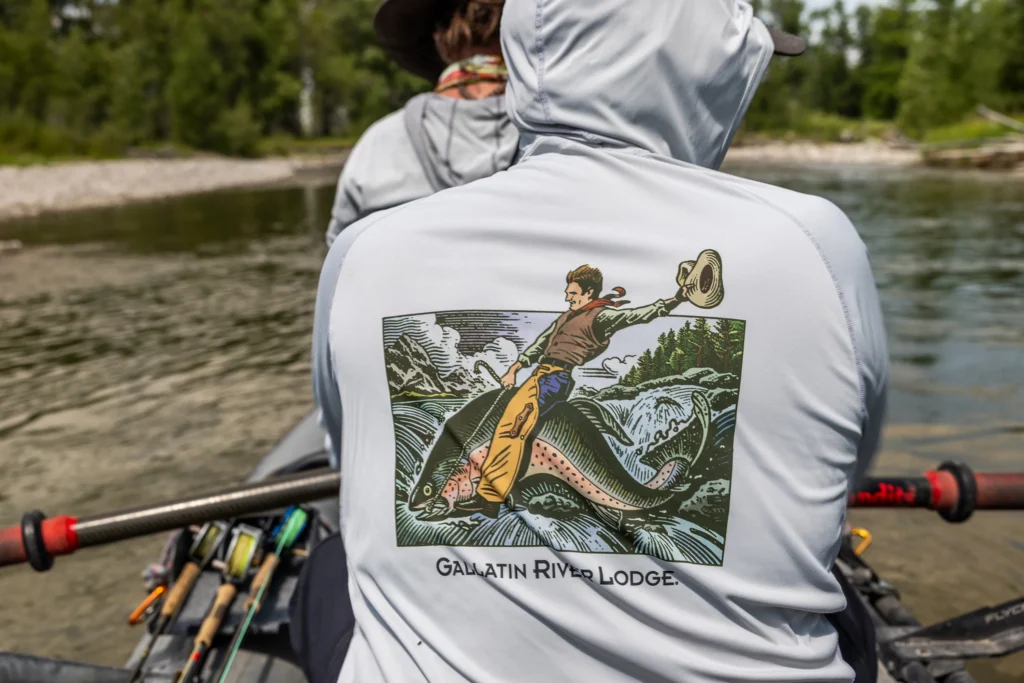
The lodge float is a physical trip with private launch access and limited boat extractions. Anglers don’t fish from the moving raft. Instead, they get out at each bucket and fish the water on foot, allowing them to pick apart productive spots.
The trip started with strong nymph fishing and size 8 Thin Mints before the trout began looking up. Caddis were present, but large foam attractors drew the most attention. Ryan considers 500–600 cfs the ideal flow for the lodge float.
(10:39) The Gallatin has distinct canyon and valley sections that fish very differently. Ryan prefers the valley because it is closer to Bozeman, easier to access, and seems to hold bigger fish. It also tends to stay cooler later into summer, though hoot-owl closures can still occur.
The Gallatin flows north as a multithread river, with side channels that can change from one trip to the next. Ryan has fished the lodge section a couple dozen times and rarely takes the same path twice.
Below the lodge, irrigation ditches reduce the river’s flow and make the lower float difficult during irrigation season. Once irrigation ends, the full 10-mile float may be possible with an early start and confidence navigating in the dark.
(16:25) There are two ways to fish the Gallatin from the lodge. For the private float, Ryan recommends contacting outfitter Ryan Eisfeld, while wade anglers can check with Catherine and the lodge staff for access to the river.
Ryan warns that the Gallatin is extremely freestone, with some of the slickest rocks he’s encountered. The river also has plenty of wood and structure, while low fishing pressure gives trout plenty of places to hold.
Wade fishing is an excellent option for a travel day when you have a later flight and don’t need a full-day float.
The lodge float fishes best from July through September, with late August especially good for terrestrials, fall beetles, and nymphs. Ryan also uses streamers on a 7-weight with a 10- to 12-foot sinking head, targeting deeper buckets with casts around 30 feet.
For late August, Ryan recommends big foam flies, a couple of beadhead nymphs, and 4X tippet. In colder weather, he looks for three days in the high 40s or low 50s and tries to fish the third day.
(20:55) Ryan was throwing a 7-weight with a 10- to 12-foot sinking head, focusing on deeper buckets. Swinging nymphs was also producing fish.
When Ryan tried to move around what he thought was a rock, it turned out to be a massive log with a “crazy suck.” The boat flipped sideways instantly, but both anglers landed on their feet and walked away safely. They lost some boots and possibly a fly box or two.
(24:00) For a three-day trip based at Gallatin River Lodge, Ryan recommends coming after runoff, with July through September offering the best window if conditions cooperate. He especially likes late August for terrestrial fishing, when fall beetles and other insects become active and anglers can keep things simple with foam flies and a few nymphs.
The Gallatin itself gets overlooked because you can’t take a boat in there. Unlike the Madison and Yellowstone, anglers need to fish it on foot, which changes how guides approach the river.
(30:15) The Gallatin River Lodge is well positioned for winter activities, sitting roughly halfway between Big Sky and Bridger Bowl. Ryan says both offer excellent skiing and snowboarding, with Big Sky providing a larger resort experience and Bridger Bowl offering a more local, nonprofit feel.
Ryan also explains how the Lower Madison differs from the Gallatin. He finds the Gallatin easier to read, with obvious buckets and holding water, while the Madison has more complex hydraulics and subtle weed beds that require more experience to fish effectively. The Lower Madison is about 25 to 30 minutes from the lodge.
He would avoid the Gallatin during the first three weeks of June because of peak runoff. He prefers around 400 cfs and says flows of 5,000 to 6,000 cfs can make the river unsafe.
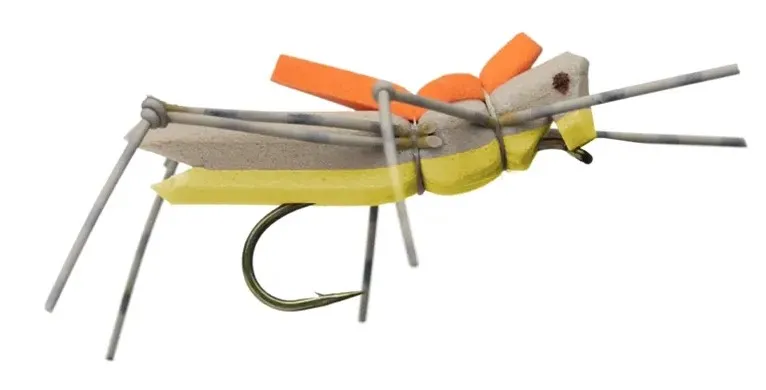
For August, Ryan recommends yellow Moorish Hoppers, Chubbies, and a few nymphs. Rather than always pounding the banks, look for trout holding in riffles when warmer water pushes them toward oxygen.
(44:00) Ryan’s favorite lodge meal is the duck, while Chef Trey’s “chef pot” offers a rotating surprise from the kitchen. Happy hour features affordable drinks and dishes like walleye fingers, sliders, and fondue. In good snow years, guests can also cross-country ski roughly 20 acres of trails around the lodge.
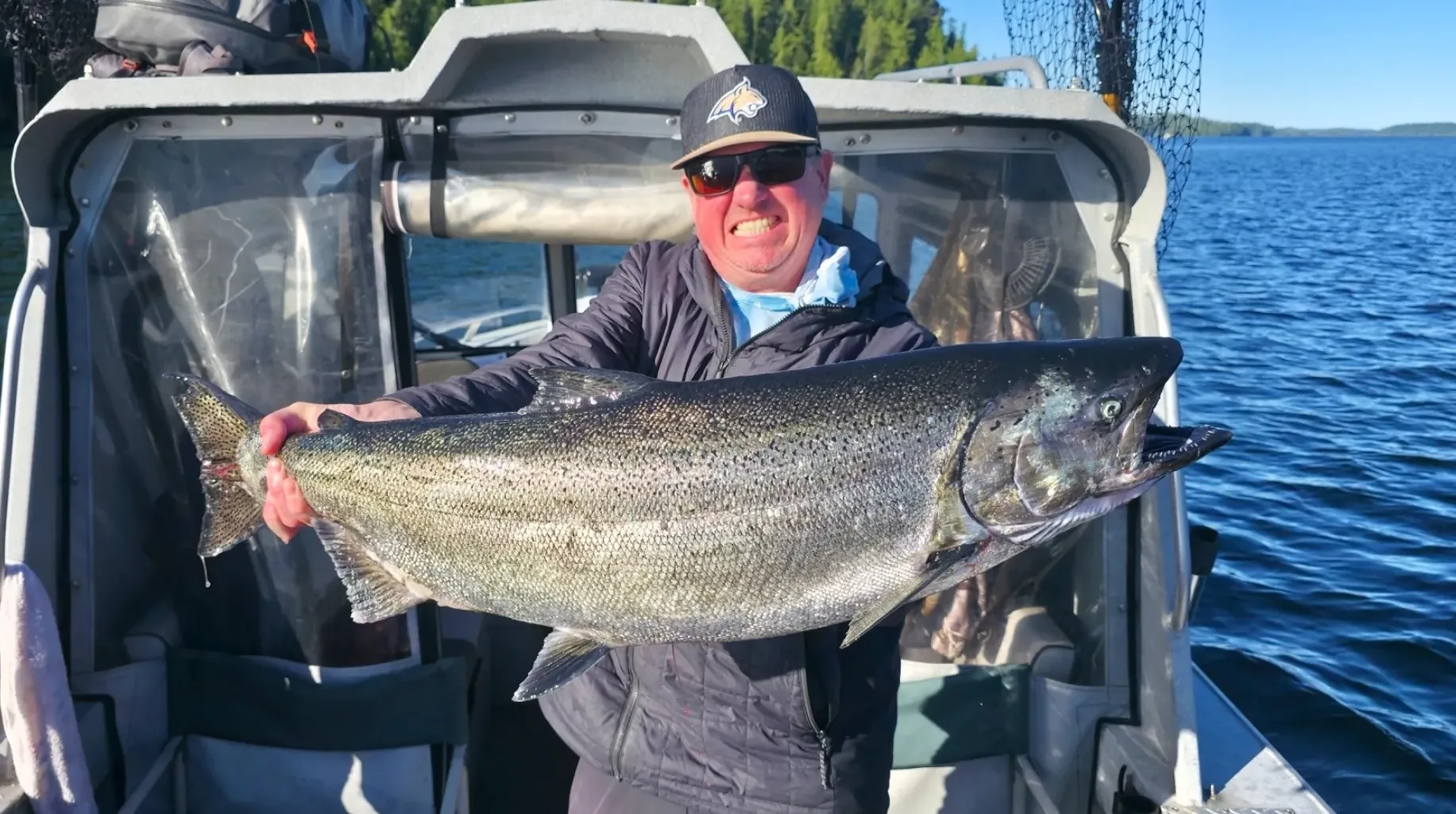
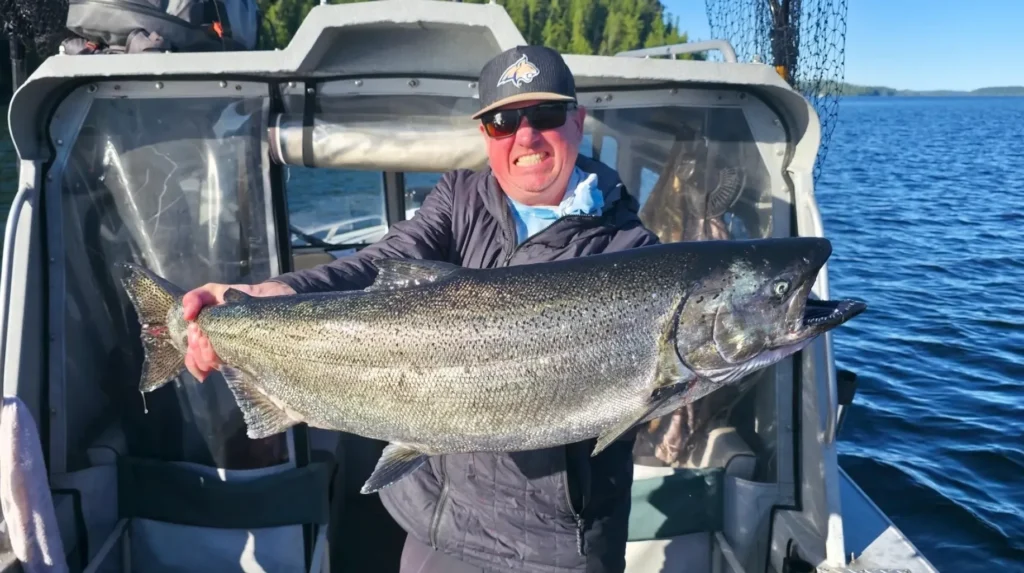
Ryan moved from the Minneapolis suburbs to Bozeman in 1994 to attend Montana State University, where a roommate introduced him to fly fishing. He now grabs a fly rod about 92% of the time, though his next trip is to Vancouver Island for downrigger fishing, targeting Kings, Silvers, and halibut.
Ryan Kirt has lived in Bozeman for 32 years and has been connected to Gallatin River Lodge for nearly two decades, first as a guest and later through the ownership group. He fishes throughout southwest Montana and brings a local angler’s perspective on the Gallatin, Madison, Yellowstone, and Missouri.
Ryan grew up spin fishing in Minnesota before moving to Montana in 1994. He picked up fly fishing shortly after arriving in Bozeman, when a roommate introduced him to the sport.
Episode Transcript
WFS 975 Transcript
00:00:00 Dave: Ask ten Montana anglers where to fish, and you’ll probably hear ten different answers. Every now and then, though, someone points you towards a stretch of water that still feels a little overlooked. Today, we’re heading into southwest Montana to explore the Gallatin River through the eyes of someone who’s spent more than thirty years calling Bozeman home. We’re talking about why the river fishes differently than its famous neighbors, how one private stretch has become a special experience for the right anglers, and what makes the Gallatin River much more than just a place to stay. This is the Wet Fly Swing podcast, where I show you the best places to travel to for fly fishing. How to find the best resources and tools to prepare for that big trip, and what you can do to give back to the fish species we all love. Ryan Kirt from Gallatin River Lodge is here, and he’s going to be sharing what is drawing him and others around the country into the Gallatin. In this part of the world, you’re going to hear about this unique float fishery, this access point that is very hard to get to, but something that he was just recently fishing. We’re going to find out about Ryan’s favorite summer flies. Late summer flies for hopper season and terrestrial fishing. Also, we’re going to get into how changing flows can affect trout and how you should be approaching the water as things change, and also the most overlooked opportunities around Bozeman that many anglers and visitors never experienced. We’re going to get into all of that, plus the ideal three day Montana fishing itinerary you’re going to need if it’s your first time to Montana or if you’re just passing through. All right. This is a fun one. We’re going to get into it with Ryan at. You can find him at gr lodge dot com. Here he is. Ryan. Kirt, how you doing, Ryan.
00:01:34 Ryan: Doing great. Thanks.
00:01:35 Dave: Yeah. Thanks for putting some time aside today to dig into a little chat on the Gallatin River. We’re going to talk, head back into the Montana area, and we’re going to be talking about we’ve had one episode on the Gallatin River Lodge. We could send everybody out to GR Lodge dot com if they want to check in on that. So we know a little bit of the background, we know about the great food and the kind of the location, how it’s not too far out of town and all that, but it’s still on a gravel road, right? So we’re gonna, we’re gonna dig into that, but maybe before we get there, talk about how you came into the GR Lodge, the Gallatin River Lodge, how did you connect with the folks out there?
00:02:11 Ryan: I initially connected with that on a anniversary dinner with my wife. I can’t remember which anniversary, and it was an early ish one, but maybe eighteen years ago had amazing dinner, and then we kind of just became serial lodge visitors for dinners and fly casting lessons and all that kind of stuff over the next ten to fifteen years. And then after some tragedy befell the lodge, I wound up representing an ownership group in purchasing the lodge. And then I’ve sort of been in the periphery ever since. And that was like, I think twenty twenty one, maybe, maybe twenty twenty two. I can’t remember exactly when that happened, but it was just a few years ago.
00:02:58 Dave: Oh, there you go. And we’re gonna chat fishing because you were just on the Gallatin, and we’re excited because that’s the river. I haven’t fished yet. We’re hoping to get out there, you know, in the next year. But, um, but before we jump in there, talk about that. What brought you back to the Gallatin when you’re, you know, why did you keep going back to the Gallatin and not going back to some other place out there.
00:03:17 Ryan: Back to the river Lodge or to the Gallatin River itself?
00:03:20 Dave: Yeah, to the lodge. And it sounds like you were doing some heading out there for dinner and stuff. What kept you, kept you coming back?
00:03:25 Ryan: I mean, it’s just it’s an experience that it I, I’ll back it up. I’ve been in Bozeman for thirty two years. Oh, wow.
00:03:32 Dave: And this is awesome.
00:03:34 Ryan: There’s been some change, believe it or not.
00:03:36 Dave: And we’ve heard about it. We’ve heard about it.
00:03:40 Ryan: And, you know, change is inevitable. But there’s something about the consistency of just kind of the vibe at the River Lodge. You pull up there and your blood pressure just instantly drops. There’s a fifty over fifty chance you’re going to pull up, and you’re gonna have to wait for turkeys to kind of peel through the driveway or I mean, I’ve seen moose, I’ve seen, I mean, infinity whitetail deer and mules out there. So it’s just, it feels like you’re not in any it doesn’t feel like you’re anywhere near Bozeman in a good way because it, you know, it takes you ten, fifteen minutes to get there and boom, all of a sudden you’re in this different world, right? And that’s what kept bringing my wife and I back and other friends and family members and all that kind of stuff.
00:04:19 Dave: That’s cool. Well, you’re the best person to talk because I think Bozeman’s come up a number of times over the years where people talk about how it’s grown and kind of, you know, kind of getting crazy out there. What’s your take on Bozeman? You’ve been there for thirty plus years. Have you seen is a lot different than it was thirty years ago?
00:04:35 Ryan: It is. But I kind of have a nasty habit of seeing change as opportunity. So maybe my favorite float on the Yellowstone. I don’t do as often as I used to, but that might have coaxed me into trying something that I might not have tried because I was locked into the same thing on, you know, whatever river, just for instance, like the bird float on the Yellowstone is pretty busy these days. So maybe you go down lower and float to Graycliff or something. Yeah, and find out. Wow, that was pretty darn good. You know, terrestrial fishing or whatever. Just I don’t necessarily hate the change. I just, you know, maybe get better for a second, then move on and find something different.
00:05:10 Dave: Right? Right. Yeah. What are the, the positive? I mean, all I mean, pretty much all of us live in places for the most part, right? Towns are growing, the population is getting larger. So it’s not like it’s the only place. You know, we all see this, but what is it? What are the good things about Bozeman that like, what do you love about the Bozeman area and what’s kind of good about the some of the growth? That’s been a good thing.
00:05:30 Ryan: The food.
00:05:31 Dave: Yeah, the food sounds terrible.
00:05:33 Ryan: Like my wife and I love, um, Thai food is our, that’s our like weakest link. And for the longest time, there was nothing that even resembled Thai food here. Now we have options like which one do you want to go to? But you know, again, problem creating opportunity. We just learned how to cook a lot of Thai food ourselves, so we do that too. But now we can go out and grab it if we want. Uh, other things, you know, more people. I think you just get different perspectives on stuff.
00:05:59 Dave: Yeah. More diverse. Right? I mean, that’s the cool thing about having more people is that it tends to increase the diversity, which is, which is always a good thing. It seems like.
00:06:06 Ryan: one hundred percent.
00:06:08 Dave: Cool. All right. So, uh, so yeah, and we’ll probably circle back to a little on Bozeman, maybe at the end as we get into some other, uh, questions there. But, um, but talk about your trip. I know you’re on the water with the, the one of the guides for Gallatin. Um, what was that like? Maybe describe that Gallatin trip this time of year. It’s right now we’re in summertime. Really. It’s it’s July. August is going to be right around the corner. What’s it like out there right now?
00:06:32 Ryan: Yeah. Okay. So right now, um, the Gallatin was kind of hovering at about five to six hundred cfs, which is about the perfect flow to go do what I refer to as the lodge float. We had a few days of rain, um, actually about sixteen inches of snow, and so the river spiked up to about one thousand two hundred, which is a little bit more, uh, nautical than I care to try to get down that river in a small raft. But the timing worked out to where it dropped to just about a grand yesterday. And so you can get down at, uh, we didn’t know what the clarity was going to be like. The clarity, actually, it was just perfect fishy green. And the fish were super grabby. And so the way that trip works is it’s, it’s not a, it’s not the kind of thing for everybody because it’s pretty physical, like your hand launching a raft kind of down a little cut bank. And it’s probably a four foot high cut bank and you got to do some dragon to get to it. Uh, so at some point it will be ready for the right lodge guests, but they have to kind of be vetted by the outfitter. And Ryan Eisfeld is who I was fishing with yesterday. He’s the outfitter from 3D fly fishing here in town. And he and I have sort of been working on how do we figure out this program for the last, I don’t know, three years maybe. And, um, I think I’m pretty sure in Catherine’s episode, the manager of the g r l the River Lodge, she mentioned that we have a neighbor that allows us access. Yeah. From the lodge. So the way the float that I did yesterday works is you kind of, uh, wrangle a raft into the river on some private a private parcel that the ownership group of the lodge owns. And then you dunk their float down to the River Lodge’s neighbor’s property, where they’ll allow a certain number. I don’t know the number, but a certain number of boat extractions a year, just because you know it’s there, it’s their private parcel. They don’t want it to feel like they are at the fishing operation, right? For the right people. If you have the physicality to get back there and, um, do that program, it’s pretty amazing fishing. And in my opinion, the cool part of the Gallatin, um, in that zone, kind of in the in the Central Valley zone is you cannot fish from a moving boat.
00:08:50 Dave: Oh, you can’t.
00:08:52 Ryan: No, you cannot. And I frankly love it. It keeps numbers down. It keeps the pressure way down. And I personally love weight fishing. So it’s kind of the best of both worlds. You can, you can kind of do some of the weighting by just snaking down the river. And then every little bucket you come to, you jump out and you know, you just give them whatever you got.
00:09:15 Dave: Yeah. That’s it. Yeah. There’s something and we’ve talked to some great guides over the years, and I think some of them, they say that, you know, the fishing from the bank, you know, you just get more, I don’t know if it’s a well, it’s a different experience, but it’s, you know, it’s more like almost you can zone in on the spot, right? You can get into this spot and you can really get dialed, things dialed in, right? As opposed to drifting where you’re just, you got to make the cast and then you’re gone, right? You’re floating by.
00:09:41 Ryan: Yeah. I think it’s like covering water versus like, okay, what are they actually doing? I cool, I caught one fish, but can I catch ten fish out of the same hole? Yeah. And I feel like when you can get out of the boat and pick the water apart, I think you can absolutely do that. And that’s kind of how I was fishing yesterday. The fish were super grabby yesterday. I think after that little pulse of bonus runoff, they got a little grabby, which I was not complaining about.
00:10:04 Dave: Right, right. And were you guys doing, uh, was it like some dry fly, uh, nymphs? What, were you guys working there?
00:10:11 Ryan: It was all the above. Um, it started the nymph game was really good out of the chute. And then, um, we were single hand swinging streamers and they were all over him. They were so grabby. Little like size eight Thin Mints. They were all over him. And then at the end of the day, they started looking up. Um, there were tons of caddis out. The fish weren’t super keyed in on them. And so we just started throwing big foam like attractors and they were swatting those pretty good.
00:10:39 Dave: Yeah. So yeah, we’re just starting to get a little feel for the Gallatin, which again is a river that is new to some of us. And I feel like it’s, um, it’s maybe doesn’t get as much pressure or maybe you just don’t hear about it as much. What is the how does the Gallatin different than you mentioned the Yellowstone, some of the other rivers around there? Is it kind of a lot smaller? Is how is it different there?
00:11:01 Ryan: It is definitely smaller. Um, it comes from a much higher drainage than some. So it typically holds on to cooler water longer in the summer. I mean it’s still prone to hoot owl closures like everything else out here. Yeah. Uh, but it has, it stands a better chance a lot of times to keep the water a little bit cooler and keep the trout, you know, happy and all that. Um, I don’t think it necessarily gets less pressure. It gets a lot less, uh, guide pressure because you can’t fish from a moving boat just right there. That factor alone takes a certain percentage of that type of usage out of the equation. Uh, plenty of local foot traffic, and there are some pretty cool guide outfits that have different. Operations kind of up by big Sky. And the major differentiator for me for the Gallatin anyway is there’s kind of the canyon section heading up towards big Sky. Yep, that fish is one way. And then there’s the valley section, kind of from the mouth of the Gallatin Canyon down to its confluence of the Missouri. And that’s a they’re two totally different rivers.
00:12:05 Dave: Oh, they are okay.
00:12:07 Ryan: I mean, the same river technically, but I mean, they fish completely different. And I personally, um, for a number of reasons, enjoy the valley stuff more. A, it’s closer and easier for me to go sneak out and fish for an hour and a half from Bozeman. Um, and I just find the fish to be a little bit bigger kind of down in there. I’m sure there’s the anomaly, you know, big guy up in the canyon, but I seem to bump into more, um, bigger fish down low.
00:12:34 Dave: Gotcha. That’s right. Okay. And and like you said, the Gallatin River Lodge is I’m kind of looking at it on a map. It’s it’s right there. I mean, it looks like you could, uh, kind of go through, take a trail down to the river, uh, ways. Is that what you guys did? So you put in near the lodge there and floated down.
00:12:50 Ryan: We put in above the lodge?
00:12:52 Dave: Oh, above lodge? Yeah.
00:12:53 Ryan: And the Gallatin flows to the north, and that can kind of mess with people’s brains sometimes.
00:12:57 Dave: Oh it flows north. Right, right. It’s flowing north.
00:12:59 Ryan: Yeah. So we put in south of lodge, floated to the neighbor’s property. And then there’s kind of a slew that you can, um, it takes some doing, but you can get a boat out there. And that’s where it’s again, that the, the, the lodge stretch of the river is fantastic fishing. It’s just, it’s, if you’re floating it, it takes a lot of work, frankly. Yeah. Um, and so for, you know, that’s the way it needs to happen. Like if somebody reaches out to Ryan Eisfeld and then they talk and he has this kind of vetting process.
00:13:30 Dave: Yep.
00:13:31 Ryan: If you are an experienced angler and you’re willing to put some work in, it’s a pretty fun experience. And frankly, it’s we, it’s not open all the time. You can’t always do it. And frankly, we found yesterday there’s a new tree down in there that we’re going to have to hope for another pulse of runoff to push this tree out of the way, because we had to portage a boat a little bit more than I think a client, a client might want to.
00:13:51 Dave: Right, right. Yeah.
00:13:53 Ryan: But if the stars align and everything and you get the opportunity to get in there, it’s pretty fun. Um, let me let me rephrase that. It’s unbelievably fun.
00:14:01 Dave: Right, right. Yeah. That’s a good thing. Those little barriers to entry are good because it keeps people out. Right. That’s the nice thing.
00:14:08 Ryan: Yeah, yeah. And it’s one of the few spots in the Gallatin where you’ve got a massive probably, I would guess, ten miles between bridges.
00:14:17 Dave: Nice. So yeah.
00:14:19 Ryan: So it just yeah it is. And you don’t float that whole way. And reason being basically the neighbor’s property that we have access to right below that property, there’s two massive ditches that suck an unbelievable amount of water out of the river. So during irrigation season, if you try to float below where we go, you’re going to have a world of hurt and a lot of dragging, right? So it’s just every like I said, the stars have to align. And when they do, it’s, it’s special. Um, you know, in the fall, once irrigation is over, you could probably do that ten mile float if you get started real early, but you better be, you know, pretty good at navigating in the dark.
00:15:00 Dave: Yeah. When you look at it from a map, satellite image, it’s cool because it’s not just a single thread channel. You’ve got the main river and then you’ve got like one, two, three. I mean, there’s channels way off into the floodplain. Like it seems like it’s a multithreaded channel, right? There’s water kind of running all over the valley.
00:15:17 Ryan: Yes. And a lot of those could be irrigation ditches that you’re seeing.
00:15:20 Dave: Oh, okay. Yeah.
00:15:22 Ryan: And I mean, that’s a whole different episode. Maybe talk about fishing, irrigation ditches.
00:15:26 Dave: Oh really? You can fish those.
00:15:28 Ryan: Well, I mean, if you have access to them, you know, there are definitely fish in there. I’ve seen some crazy ones. I mean, in my line of work, I’m in the real estate world. And so I’m on all sorts of different properties all over the place. And I’ve seen some really big trout in irrigation ditches. But as far as the gallatin’s concerned, yes, it is indeed a multithread channel. And there’s um, a lot of times the side channel is awesome. One time you go down and the next time you go down, you can’t even get into it, even at the same flow, because the water is just always moving.
00:15:54 Dave: It’s always changing. Yep, yep. Because it’s not. Yeah. It’s one, it’s not a tailwater obviously. So it’s always it’s up and down and, and so you gotta, you got to know the river, right? Which is why it’s probably good to call an outfitter like Ryan there to help out, right?
00:16:08 Ryan: Absolutely. Because, I mean, I’ve been through there a couple dozen times, and I don’t know that I’ve ever taken the exact same path twice. And he’s been through there. I don’t know how many more times than I have, probably three times more than I have.
00:16:19 Dave: Yeah.
00:16:20 Ryan: So if you were there two days ago, you have a pretty good idea if you were there eight months ago. Good luck.
00:16:25 Dave: Yeah, it’s totally changed. But let’s I’m thinking, you know, people are going to be coming through Montana, driving through, we’re driving through, You know, again, if somebody was going to come in and take a night or two at the Gallatin River Lodge, is that something pretty easy to do? I guess. Call Catherine there and find out about some availability on on trips and, and an outfitter. What’s your recommendation? If somebody wanted to get a day on the water while they’re staying at the lodge, how do they do that?
00:16:51 Ryan: I think there’s two answers to that. If you wanted to consider and see if the stars are aligning for that float we’re talking about, you’d probably want to start with Ryan Eisfeld.
00:17:00 Dave: Okay.
00:17:01 Ryan: And see a, if he has availability or one of his guides have availability, he is an outfitter. He’s not like the Walmart of Outfitters. He’s. He probably runs maybe five boats. And it’s all super vetted, super experienced guides. So availability is everything in Montana, you know, so you if you wanted to do that, you’d start with Ryan. If you wanted to do the other option with that same access point that we have is just a walk. Wade.
00:17:26 Dave: Okay.
00:17:27 Ryan: And that’s where I think you could probably start with Catherine to see Because the walkway you jump in the the the lodges Ranger and zip down there. And it’s actually kind of fun just driving down the dirt road for a quarter mile. And then you go through this field and more turkeys and all that business.
00:17:41 Dave: Oh, cool. So you can actually hop in from the lodge and you don’t have to get an outfitter. You could just walk and wait and go from the lodge there.
00:17:48 Ryan: Yes, yes. Um, and again, there will be a, there’ll be some level of vetting as far as, because it’s, it’s, it’s freestone as freestone gets. And in my opinion, the Gallatin has some of the slicker rocks I’ve ever experienced anywhere. So the lodge guest that is in their flip flops that wants to learn how to fly fish, might want to start at the pond on site, okay. And then work on some footwear because I’m sure, you know, happy feet make for happy fishing.
00:18:13 Dave: So yeah.
00:18:14 Ryan: Um, you would have very unhappy feet if you’re trying to fish the Gallatin access point in your flip flops.
00:18:20 Dave: Right, right, right. Yeah. And you got the pond and Catherine mentioned that. I think it sounds like maybe they stocked that with some trout down there. So there’s some fish in it.
00:18:27 Ryan: Oh, yeah. You see fish working in that pond all the time?
00:18:29 Dave: Yeah. That is really cool. Okay, so so we have some options. So that so somebody was coming in and maybe it was a more of a last minute thing and who knows on availability. But obviously the sooner the better to call. But check in with Catherine there. Maybe a walk in wait. And I see that I mean, both I love kind of everything. I love the walk and wait. I love the boat fishing, but it would kind of be cool to jump down there and just hop in the creek and, you know, get some good boots and maybe a waiting staff and just kind of cover some of the water, work your way upstream. I can see it now. I mean, from satellite, you can see lots of wood, which is always fun. Oh yeah.
00:19:01 Ryan: There’s infinity structure in there. There’s so many reasons for trout to be in there. And one of the best reasons is the lack of pressure, right? It’s a great way to fish that river, especially if it’s like your shoulder day where, hey, we’re flying out at six p m tonight and I don’t want to book a guide for the whole day.
00:19:15 Dave: Exactly.
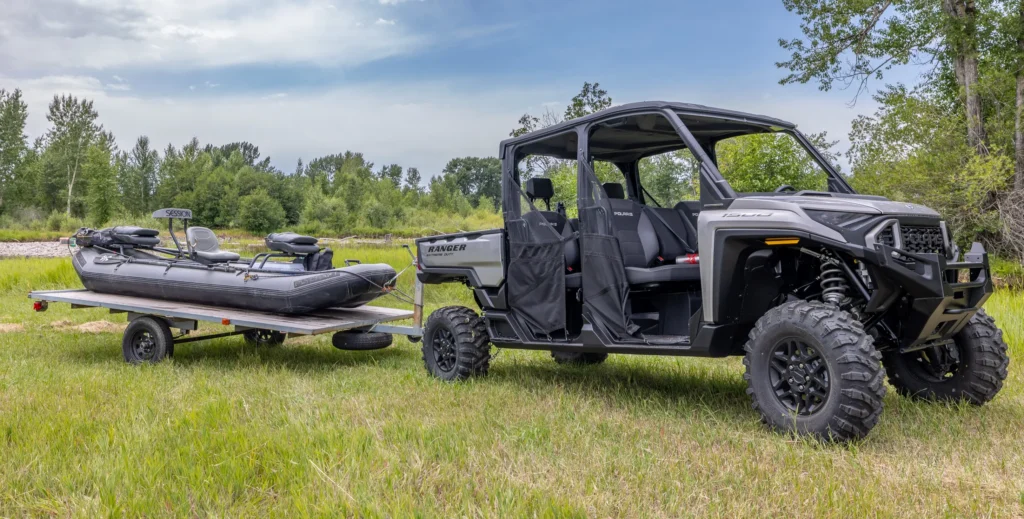
00:19:16 Ryan: An awesome way to do it. And I, the lodge employee, can run you down there. They have a, um, a pretty beefy Polaris Ranger, but then they’ve got like an electric golf cart thing that gets you down there too. So it’s pretty easy to get in and out of there with, you know, jumping through the hoops to with the lodge staff.
00:19:33 Dave: The golf course is perfect. Okay, so I wasn’t realizing this is a good option. So that kind of is nice. And then and when you guys are out there. So you were floating, floating down. What’s the, um, you know, it sounds like you got a little bit of everything. So streamers dries, is there a time of year on the Gallatin that you’re really loving out there for, you know, for fishing? Or is there a hatch out there you’re thinking about?
00:19:55 Ryan: Uh, my favorite hatch is probably not a hatch. I love the grasshopper fishing. The terrestrial fishing is amazing, but I mean, it gets everything. There’s it gets everything you’d come to Montana for. But sometimes it can be such a compound hatch that you’re going out there thinking caddis, and you wind up, you know, getting them on PMDs or something, which. Oh, darn.
00:20:16 Dave: Right. Yeah, exactly. So it sounds like in the the time of year, you’ve obviously got the summer, but are you able to fish throughout the year? Is there a time when it gets a little bit too cold out there to go for it?
00:20:28 Ryan: Um, the Gallatin Shelf ice will get you, but my rule of thumb is if I see three days, I don’t care what month of the year it is, if I, if I see three days in the high forties, low fifties, I’ll do whatever I can to go fish that third day.
00:20:42 Dave: Right.
00:20:43 Ryan: Um, let let the river open up a little bit. Let the fish kind of, you know, shake the rust off. And then it’s usually fish is pretty darn well and anytime, but it’s hard to plan that, you know, from six months out.
00:20:55 Dave: Yeah. It is. Okay. And the rig you guys were fishing, so you had, uh, it sounds like some streamers. What was that looking like? Were you using like a six way with, uh, what were the streamers you’re using there?
00:21:07 Ryan: Um, I was throwing a seven weight with a really short, uh, like a ten foot sinking head. And that’s too much rod. That’s just what I had here. I kind of split time between Bozeman and Cascade, and a lot of my gear is up in cascade right now. So I had a seven weight here. It’s a ten foot, maybe a twelve foot sinking head. And I got down a little bit too much. But, I mean, the river is pretty segmented where it’s pretty obvious where you don’t want to be casting.
00:21:33 Dave: Yeah.
00:21:33 Ryan: So the deep buckets is fine. And anything that was, you know, long enough thirty feet that I could just swing it from one bank to the middle. You’re just getting swatted.
00:21:42 Dave: You were so you just, you had your sinking line. So you just kind of cast out and across and let it swing down. Yep. Nice, nice tight line.
00:21:50 Ryan: And frankly, that was working with the nymphs too. I mean we were getting nymphs on a on a dead drift, but swinging the nymphs, uh, was getting him to come and grab them too.
00:21:57 Dave: Yeah. With the nymphs. What was the. And you guys had a raft in there. What was the boat you were using?
00:22:01 Ryan: Oh, a fourteen foot fly craft.
00:22:03 Dave: Oh, the fly craft. So they make a bigger boat now? That’s right. Fly craft.
00:22:06 Ryan: They do. And it’s self-bailing, which is awesome. I personally have, uh, twelve foot like the original twelve foot non bailing fly craft.
00:22:13 Dave: Yep.
00:22:14 Ryan: And I love that. I absolutely love that boat. But that’s the only boat I’ve ever flipped in thirty two years of rowing, drift boats and rowing boats.
00:22:21 Dave: Oh, really? You flipped it?
00:22:23 Ryan: Yes.
00:22:23 Dave: Oh, man. But you gotta. We gotta hear that story. What’s that? We gotta hear that story.
00:22:29 Ryan: Well, that was. I mean, on the float we’re actually talking about last year, a buddy and I. It was the water was probably even too skinny for the twelve footer. And we went and did it anyway. And it since it was non bailing and we were in and out a bazillion times because you can’t fish from the boat, which is part of the allure. But we were dragging water in and got enough of it sloshing around in the boat that um, we came to a spot that I probably should have had both of us jump out and just walk the boat around what I thought was a big rock. I figured the rock, you know, pressure of the water hitting the rock would kind of push the bow of the boat around, and I’d be able to scoot behind it. Yep. And it turns out it was just a massive log. So it had this crazy suck.
00:23:08 Dave: Ooh.
00:23:09 Ryan: And the second the bow hit that suck, it just I mean, the boat flipped and I mean in a microsecond.
00:23:14 Dave: Did it flip sideways or back over the top?
00:23:17 Ryan: It flipped sideways.
00:23:18 Dave: Yeah. Sideways.
00:23:20 Ryan: And so luckily both my buddy and I are thirty or plus snowboarders. We landed on our feet and walked away and said, well, that happened pretty quick.
00:23:28 Dave: Oh, right. Right. So he wasn’t a dangerous thing. You didn’t lose a ton of gear or anything.
00:23:32 Ryan: Oh, there’s some boots that maybe didn’t make it home and maybe a fly box or two, but I mean, it’s you’re in a raft, so you kind of have everything lashed down right now. Straps, you know.
00:23:41 Dave: Yeah. There you go. Wow. Yeah. That’s never a good feeling when you I’ve been in that a couple of times where. And it happens like in an instant, doesn’t it? You’re like instantly. Yeah, it’s that quick.
00:23:51 Ryan: So yeah, we’re swimming now.
00:23:53 Ryan: Oh nice.
00:23:54 Dave: Again, another good reason to get an outfitter. Get a guide out there so you don’t run into any crazy stuff.
00:23:59 Ryan: Yeah.
00:23:59 Ryan: One hundred percent.
00:24:00 Dave: Yeah. Okay. Well, and I kind of sometimes think of this as, you know, when we do these trips around the country, we’re always typically getting a few days together, you know, because it seems like, well, you’re flying out somewhere or driving, you know, getting a few days on the water is great. If we were going to do that, let’s just say we were picking next year, next summer, you know, a few days. Do you think? What would be a time? I guess the summer time could be tricky because of the the hoot owl. Although when they do hoot owl, you still can fish, right? It’s just that you have to stop at two p m. So it’s not like you can’t fish at all necessarily.
00:24:30 Ryan: Yes.
00:24:30 Ryan: And that’s frankly the that float. You’re pretty much done by two anyway.
00:24:36 Dave: Oh you are.
00:24:37 Ryan: It’s an early start. Get in early, get them early. And then um since there is some athleticism to it, it’s maybe a four mile float, but it really depends on, I think what a person would want to do. But to answer your question, um, if you wanted to come out to the lodge and think of having a shot at that, I would probably roll the dice on after runoff.
00:25:01 Dave: After runoff. Yep.
00:25:03 Ryan: So July through September. Um, and then of course, you know, it’s like anything, it just depends how much water we have this year and this and that. But sure, if everything’s good. Um, I personally really like, like late August because you’re going to get good terrestrial fishing. Um, fall beetles. Nymphs are starting to crawl around. So you can drop a, you know, a TNT or something behind. Um, you can, I mean a Moorish hopper or, uh, royal chubby’s super good in there. They seem to grab that for whatever is on the surface. So I really enjoy traveling light. So if I know what’s going on in there and I can just grab a box of big foam and a couple beadhead nymphs and just take that and some forex. Yeah. Done deal.
00:25:45 Dave: Yeah, right. Keep it easy. And so late August, that would be a good time to do it. And if we were doing that, what would be let’s say day one we’re out there floating maybe this section we’re talking about here. What would be the other two days? What do you think would be good to fill that on the, you know, hit the hit the Gallatin each day or a different section or what do you think?
00:26:03 Ryan: Um, yeah, there’s a couple different ways you can do it. There’s the Gallatin or I mean, I mean the Laura Madison super close. Yeah.
00:26:09 Dave: Laura.
00:26:10 Ryan: Super good. Yeah. Laura. Laura. Madison’s typically fishing really good. Right about that middle August on when the nights start getting cool again.
00:26:17 Dave: Mhm.
00:26:18 Ryan: The tuber hatch will kind of go away out there and and the fishing picks up. Um, but, you know, it just depends on the conditions. It’s it’s for me. If I was coming out for three days. I would be hard pressed not to want to fish somewhere in the Paradise Valley on the Yellowstone. It’s just, I mean, it’s great fishing and it’s I mean, you you really feel like you’re in Montana over there too. So it’s a pretty cool spot. Yeah. Uh, but I mean, frankly, that time of year, the carp fishing could still be good on on the way upper Missouri. Mhm. And that’s an easy shot from the lodge to go sneak up that way. So it just depends on how things are lining up.
00:26:55 Dave: Yeah. Depending. And that’s the other cool thing about that area is that you’re, you’re kind of in the middle of everything, right? You got a bunch of opportunities. And, and then again, the lodge is so close to Bozeman that it’s, you know, you could literally fly if somebody was flying in stopping in Bozeman, they could drive out there, take a night at the lodge, fish a day, and then hop back in and you’re right. Twenty minutes back to the airport or whatever it is.
00:27:16 Ryan: Yeah, it’s very centrally located. Um, there’s good fishing right there in the proximity to the lodge. But if you’re doing it really doesn’t matter where you’re staying here. Most people do the lower Madison, Yellowstone, um, some, there’s some stuff on a couple other trips and that sort of thing. But the Gallatin River itself just just gets overlooked because you can’t take a boat in there and then just, you know, like if somebody can’t get out of the boat, they can’t fish.
00:27:44 Dave: Yeah. Right. Right. Is that the only one out there where you can’t fish out of a boat? Or the, the main one?
00:27:52 Ryan: That’s the big one that I’m aware of. And I’m pretty centralized between this little pocket of Montana. There’s probably other ones that I don’t know about.
00:27:59 Dave: Yeah.
00:28:00 Ryan: But as far as out here, I’m trying to think of anything else.
00:28:03 Dave: Um, yeah, the Madison, all the other ones. Yellowstone.
00:28:07 Ryan: Oh, yeah. All that other stuff. You’re fishing from the boat. And frankly, you could get out and wade fish there too. But most guides have their days set up to where they know exactly where they need to be, at what time, and fishing from a moving boat helps them accomplish that.
00:28:20 Dave: Yeah. Right. And, and then in highway in ninety, right. That’s the cool thing is that ninety, a lot of people, if you’re driving through Montana, you’re definitely going to be taking ninety from east to west.
00:28:30 Ryan: Oh, yeah. Absolutely. Yes.
00:28:31 Dave: So it’s right there. You go through Bozeman and then three Forks and then eventually, um, yeah, I mean, there’s just so much out there. What is the, um, talk about the Lodge experience a little bit. I know Catherine talked about this a little bit, but it sounds like the food is definitely a big part of this. But what can we expect if we’re going to be heading to the lodge there and we’re rolling up that first night?
00:28:51 Ryan: Uh, the food is spectacular. As she said, the menu is kind of always changing. It’s very seasonal. Um, you pull up to the lodge, you’d kind of walk by the pond and go in and you’d be greeted by whomever get situated in your room. If you like alcohol, they would have anything you could ever want. Yeah. Um. Full bar and full. Yeah. And it’s a really cool, chill bar. Like plenty of people there experiencing Montana for the first time. Plenty of people there that have lived in Montana for their entire life. So you kind of get a cool mix of people. There’s always conversation happening. Every time you walk in there. There are people laughing, there are people just conversing. And like, I mean, Montana is one of the easiest things to sell. And that and at the end of the day is what the River Lodge sells is Montana. And but they’re in a really cool part of it, right? So it’s a fun spot.
00:29:42 Dave: Yeah. So it’s kind of a, and it sounds like it’s a place for you to. You go there almost. I always go back to the. You’re probably too young for this, but the, uh, the show. Cheers. You know, remember the show? Cheers. Where. Yes. Right. You come in and it’s like Norm and everybody knows your name and stuff. Do you get. Is that kind of the feeling you get when you go there?
00:29:59 Ryan: To an extent. And I think if you were staying there for four days, regardless of where you’re from, you’d be norm for those four days because the people that work there are, they’re masters of hospitality. They will make you feel unbelievably welcome and whatever you know, if you have an issue with something, they’re going to get it figured out.
00:30:15 Dave: Yeah. Wow. Very cool. So that’s part of the yeah. So the lodge and then the and obviously the fishing. But there’s other stuff you I mean, it’s not just this. Right. What else are people doing out in Bozeman area if they’re not if they’re not fishing.
00:30:31 Ryan: I think, um, maybe an underutilized component of the lodge would be its location in the winter. Uh, it’s almost exactly halfway between big Sky and halfway between Bridger Bowl, both of which are fantastic ski areas. Um, I don’t know where big Sky lands right now, but I know in the not too distant past, it had the most vertical drop in at least the contiguous US.
00:30:55 Dave: Oh, really?
00:30:57 Ryan: So I mean, it’s an easy day trip. It’s not even a day trip. It’s probably forty five minutes down to big Sky.
00:31:03 Dave: No kidding. So big Sky is one of the places as far as skiing and snowboarding. That’s one of the best places you could hit.
00:31:09 Ryan: Yes. And then Bridger is the polar opposite. Big Sky is kind of like the big international resort, and Bridger Bowl is the same distance, just the other direction. And that’s kind of the ma and pa.
00:31:19 Dave: Oh, nice.
00:31:20 Ryan: Local non-profit ski area. That’s I mean, it depends what you’re looking for, but both one of those two places will have the type of train you’re looking for if you’re into skiing or snowboarding.
00:31:29 Dave: That you want. Yeah. How is the, uh, the snow bend or typically, you know, I guess we’ve had some changes. I guess this year was a little bit lower snowpack. Are you guys still able to get out and go for it?
00:31:40 Ryan: Oh yeah. You could ride all year. Um, it was definitely a low tide season on the snow. I mean the season previous was unbelievable. So we, I don’t I’m uh no weatherman, but whatever made last year what it was. Let’s just hope it’s not the same this coming year. But typically you’d be concerned about the rivers, um, with as little snow as we did have. We’ve just been super lucky to get some really late snow. June. The June we had was unbelievable as far as putting some, like trout habitat on layaway up in the mountains. I mean, just not even a week ago, we got almost eighteen inches up high.
00:32:17 Dave: Oh no kidding.
00:32:18 Ryan: Yeah. So that that just that helps so much. Keep water levels and temperatures in line.
00:32:24 Dave: That’s crazy. So you’re still. Yeah. So in July or June, July, you can still get snow up in the mountains, which is helping, obviously helping the streams because that’s going to be coming out later in the year.
00:32:33 Ryan: Oh yeah. Yeah, yeah. No, I was, I’m, I’m twenty eighth of June or something. We got sixteen inches.
00:32:39 Dave: No kidding.
00:32:40 Ryan: Yeah.
00:32:40 Dave: Wow. What is the, um, you mentioned the Madison. That’s another river that I, I’ve actually fished. It’s been a while, but how is the Madison different from, say, the Gallatin? It sounds like they’re quite different.
00:32:52 Ryan: The Gallatin for me is, um, it’s easier for me to read, I’ll be honest, because it’s typically just buckets and like, like go go fish that seem that’s a pretty obvious spot, right? The Madison’s got these weird hydraulics and, like, just crazy little weed buckets, and you need to be on it a lot to know where the fish are. So for me, it’s harder to fish like the Lower Madison, especially, uh, casually. So fishing with somebody like Ryan with three D, he’s on that river as much as anyone. He’ll know where the fish are at, and it’s just not as obvious to a recreational angler like myself. Maybe I’m a little bit more than just a recreational angler, but it’s just harder for me to read the Lower Madison. Yeah, the Gallatin is pretty easy to pick apart.
00:33:36 Dave: And what was Ryan’s last name?
00:33:38 Ryan: It’s Eisfeld.
00:33:40 Dave: Nice. Felt awesome. Yeah. We’ll be we’ll throw some links in the show notes to, uh, 3D and all that stuff. That’ll be great. Um, so yeah, so it’s basically the Madison is, is different. And then there’s, um, you know, of course, Kelly Gallup’s name comes up a lot as his shop. There’s a few shops out in that area. Where’s the closest fly shop to the Gallatin River Lodge?
00:34:01 Ryan: Okay, so I don’t know Kelly Gallup personally, but I do know he’s definitely all over the Upper Madison.
00:34:07 Dave: Okay.
00:34:08 Ryan: And that’s a whole different world. Oh, it is Ennis Lake. That’s above Ennis Lake. Um, and a lot of I think his outfit is even further up than Ennis. But a long story short, the lower Madison would be the closer part to the River Lodge. That’s about a thirty minute drive, twenty five, thirty minute drive to get out to that. Yep. And that’s below Ennis Dam. The chunk that’s closest to the lodge is below Ennis Dam.
00:34:32 Dave: Okay.
00:34:33 Ryan: The chunk that’s above Ennis Lake is below Hebgen Dam. So they’re both tailwaters there, but they’re completely different. Tailwaters.
00:34:40 Dave: Yep.
00:34:41 Ryan: Uh, but the closest shop to the lodge would probably be river’s Edge West. Uh, in Four Corners. It’s right next to the Simms building.
00:34:51 Dave: Oh. It is. Oh, so four Corners? Yeah. Is right there. That’s right. So we’re totally and I haven’t explored obviously this area out there, but four corners and that’s there is that four corners. What is that for? Is that four counties or what is the corners there.
00:35:04 Ryan: It’s literally it used to be a four way stop.
00:35:06 Dave: Okay.
00:35:07 Ryan: And it was like a gas station.
00:35:09 Dave: No, it looks like there’s lots of it’s bigger.
00:35:12 Ryan: Oh yeah. It’s, uh, it’s, it’s literally just a, it was just a four way stop. So they called it four corners to my knowledge. And. Yeah.
00:35:20 Dave: Right. Four corners. This is good. Now, I love looking at the map because you can kind of see how Bozeman’s expanding and four corners is kind of a almost, I guess, a suburb of Bozeman kind of.
00:35:30 Ryan: Yeah, technically it’s a Bozeman address. Um, and it’s, you know, you drive down Huffine Lane and you’re over there in eight minutes. It’s not really any big deal.
00:35:38 Dave: And it’s right on the is that the, the Gallatin right there, right next to the, the four corner. Right. The river. Yeah. That’s it. Yep. So Gallatin flows from like you said, it flows from south to north. Yep. Yeah. And so and as you go up, obviously you go further south, you go closer into the mountains and then and then you’re up. Yeah. Okay. Gotcha. Okay, so there’s a shop right there in Four corners.
00:36:00 Ryan: Yeah, there’s a couple others. Um, yellow dog has a shop over there.
00:36:05 Dave: Oh, yeah. Yellow dog. That’s right. They just started, they bought a purchased. Right. An older shop. Right.
00:36:09 Ryan: Yeah. I’m trying. And that’s what I was trying to think of. I think they bought a shop that was called. I think it was fins and feathers is what it was.
00:36:14 Dave: Oh yeah. Right.
00:36:16 Ryan: And yeah, so that’s right there. But if we’re talking geography, the closest shop geographically speaking would be river’s edge.
00:36:23 Dave: West river’s edge. Yeah. That’s it. Now, I love looking at the shops because whenever I’m going somewhere, I’m always thinking, okay, we’re flying in here. You could swing by the shop, you know, hit it up and then head and you could do that literally, you come off. I’m not sure where the airport is, but you come in, then you fly to, you know, head over to four Corners, then you head right up north to the Gallatin River Lodge. Right. And you’re there. Yep. Perfect. Well, anything else we should be knowing about this? If we’re planning a trip out to fish. You know, I’m thinking the Gallatin obviously is going to be on the list. The Madison probably. What else would you be telling us if we were kind of planning something, looking ahead to twenty seven or something like that, or maybe even later this fall?
00:36:56 Ryan: Um, I would definitely put streamer fishing on the Yellowstone on your list.
00:37:00 Dave: Okay.
00:37:01 Ryan: Um, there’s a chance, uh, depending on how late you’re coming out, that you can get into that fall bay window and basically everything fish is great when the fish want to eat those. You know, that’s an awesome time. Uh, frankly, on the Missouri, not a lot of people do it from here because it’s about a two hour drive to Craig. But some people that are really motivated will get up super early and do a, you know, about a three quarter day up on that chunk.
00:37:28 Dave: Yeah, you might as well. I mean, Montana’s huge. So two hours is nothing, right? I mean, you’re drive. That’s an easy drive.
00:37:34 Ryan: Yeah. That’s like going out for coffee.
00:37:36 Dave: Right. Exactly.
00:37:38 Ryan: But yeah, and there’s, there’s other parts of the Missouri that are closer, but they’re a little bit more kind of shoulder high water where they heat up a lot because they’re between, you know, shallow lakes. And so the lakes warm up and then that kind of blows out the river, but that pushes the trout up. But maybe the carp come in or walleye come in or something else like that. Um, so it’s really, I think the key is if you know, you’re going to fish, talk to a local professional as soon as you’re thinking about it, because they will have a better grasp on what opportunities have been happening in your window of time. And then you can focus your efforts on what you want to do.
00:38:14 Dave: Right? So it really doesn’t matter when you’re going to come there. But the important thing is to check in with somebody, whether that’s a outfit or shop or something.
00:38:22 Ryan: Yeah, I personally wouldn’t come out maybe the first three weeks of June for a lot of stuff, because that’s typically peak runoff. Yeah. But then what that just focuses people on tail water. So it’s not like you can’t fish. But if you came out and you were hell bent on fishing the Gallatin and you insisted on fishing June fourteenth, you’re probably going to have a bad time because it should be high tide. It should. I mean, I fished the Gallatin yesterday at one thousand cfs and that was more than I wanted. I preferred at like four hundred. Yeah. And if you came out on June fourteenth, you can pretty much count on like five to six thousand cfs.
00:38:55 Dave: Oh, wow. It’s raging. It’s raging.
00:38:57 Ryan: Oh yeah. And it’s like you’d be fishing in Yoo-hoo and it wouldn’t be safe at all.
00:39:01 Dave: Yeah, five thousand is big.
00:39:02 Ryan: Bad idea.
00:39:03 Dave: Yeah, yeah. Gotcha. Okay. So, well, I’m kind of picturing this, you know, this year, you know, we’re heading out there and let’s just say the August time and I think this episode is going to probably go live kind of somewhere in there in August. Okay. Give us a few tips where you know that area a little bit. If we’re heading out there in August, it sounds like terrestrials. Like what would be. Yes. What would be a few? You mentioned a few of the chubbies. What’s your tips on terrestrial fishing?
00:39:27 Ryan: I would say Moorish hopper, yellow kind of medium ish size. I don’t remember if it’s a ten or an eight or whatever they, you know, whatever, whatever the big one, not the small one.
00:39:36 Dave: Yeah.
00:39:37 Ryan: Uh, royal chubby, same kind of medium size black, chubby, black and purple. Chubby is a good one.
00:39:43 Dave: What’s the royal chubby? Whenever I hear royal, I like, you know, it seems like it’s a good. What does the royal have that makes it royal?
00:39:49 Ryan: It’s got kind of that peacock. Hurley looking peacock with a little red section in the middle. It’s like an old school rail wolf.
00:39:55 Dave: Oh that’s awesome. Wow. That might be. That’s one I got to check out.
00:39:59 Ryan: It’s certainly not a purist type fly.
00:40:02 Dave: No. But is the chubby at all? I mean, the chubby really is not a purist type fly either, right?
00:40:07 Ryan: Very good point. Yeah. No. Uh. Effective. Yes.
00:40:11 Dave: Yeah. You’re not fishing. Catskills dries out there. I mean, that’s the funny thing about it. I feel like, you know, Montana is known for the dry dropper, right? It feels like you just hear the dry dropper is so effective. But I mean, there’s times I’m sure where you could fish get more technical on the dries, right. And fish, you know, fish that exact, like you said, the PMD hatch or something like that.
00:40:30 Ryan: One hundred percent. And there’s plenty of that to go around. I don’t get I, I’m a family person. I don’t get to fish as much as I used to. Right. So when I do get out, I’m trying to maximize the catching and things like the chubby that TNT, uh, they make a PMD nymph and a beta nymph and probably other versions of that. That’s a great just if you have one beet head dropper.
00:40:51 Dave: That’s it, the TNT.
00:40:52 Ryan: Yeah, that’s a good one. Um, there’s some ants too. I mean, little red ants. Little red ants. Uh, they’ll eat those.
00:40:59 Dave: Yep.
00:41:00 Ryan: Uh, I doubt you’ve ever heard of a prince nymph, but they eat that, too.
00:41:04 Dave: Oh, I’m the prince. Just kidding. Yeah, Prince. So they still use the prince?
00:41:09 Ryan: Yeah, that’s their twenty incher. Prince. Nymph?
00:41:11 Dave: Yeah.
00:41:12 Ryan: Uh, all those are effective. And again, you can get as tech as you want, but if you’re looking for one shot kill, those are good places to start.
00:41:20 Dave: Okay. And if you’re fishing terrestrials in August, what would you be telling us to kind of maybe a tip or two to have some success out there?
00:41:28 Ryan: I would say that royal chubby and then a yellow Moorish hopper.
00:41:31 Dave: Yeah. And just pound the banks. Is that kind of typically what you’re doing or does it depend.
00:41:35 Ryan: Not necessarily. No. Um the water can be on the warmer side and sometimes the fish will be stacked in like right in the riffles just trying to breathe and get air.
00:41:44 Dave: Oh, right.
00:41:45 Ryan: And sometimes you have to run them right down the middle of the riffles, or maybe into the tail out and kind of swing your, you know, or swing or twerk your, your chubby into the into the riffle and then into the tail out. And sometimes they’ll eat it right as you’re kind of transitioning out of that riffle.
00:42:00 Dave: Right? Perfect is the, is your favorite rod, uh, six weight or a, you know, a five weight or what’s your go to out there?
00:42:09 Ryan: My all time favorite rod that I don’t currently have in my possession is a nine foot six weight Loomis glx x.
00:42:16 Dave: Oh, the gr x yeah.
00:42:17 Ryan: I fished that rod from like ninety five until about two years ago and I broke my last one.
00:42:23 Dave: Oh you did?
00:42:24 Ryan: Yep. Um, I still have the tip section. I actually broke the handle.
00:42:27 Dave: And could they not fix it? Is that something that’s too old?
00:42:30 Ryan: Well, they took care of it, but I wound up with a a four piece, nine foot six weight GNR X plus, which fantastic rod. Absolutely love it, but just different. It’s not a ton different, frankly. The major difference is that it’s a four piece, but it fishes pretty much the same. But there’s just I have so much history with that goal that that’s kind of the sentimental thing. But to answer your actual question, nine foot six weight is kind of my go to rod. I can throw pretty much any nymph rig with it. You know, you can throw a huge zonker for a point bug on that. And yeah, you can throw everything with that.
00:43:06 Dave: And the GL or the Loomis are known right there, pretty, pretty powerful fast. They can be fairly fast. Rod or is it lightning?
00:43:14 Ryan: Lightning fast action for my horrible caveman casting stroke.
00:43:18 Dave: Right, right. Yeah. It’s cool when you hear we’ve been talking a lot about casting and rods and stuff this year. And it’s pretty interesting because you hear that, you know, some of those older rods are actually just as good, if not better than some of the newer rods. Right. Because the action was a little bit different, maybe slower. And things have gotten faster as we’ve gone in the last twenty years. Right?
00:43:38 Ryan: It seems like it. And I get really excited, like when somebody has or I grab somebody else’s fly rod and they’ve got the exact right line paired with whatever rod it happens to be. It’s like, oh, this is the recipe for this one. And I just focused on one thing for so long. I just knew that recipe and, um, but yeah, I do feel like things have gotten faster in general.
00:44:00 Dave: Yeah, this is great. Well, tell us this as we start to take it out of here on, you know, we’ve obviously got a couple of great resources here. We mentioned 3D fly fishing. We’ll have some links out to that. Um, what is the so so we’re at the lodge. We’re going to be going there. What’s your go to meal. What’s something you’d be having this week if you’re going to go for food.
00:44:20 Ryan: Oh the duck.
00:44:21 Dave: Oh duck.
00:44:22 Ryan: There’s always a duck preparation. That’s insane. And then there’s something called the chef pot, where Chef Trey just kind of just does some magic. Yeah. It’s just like, hold my beer. I got this, and then something shows up and you go, okay, I’ll take that again, please. Thank you very much.
00:44:40 Dave: Oh that’s great. So you could get the chef pot. It’s kind of a whatever you get. It’s the thing. It’s the kind.
00:44:44 Ryan: Yeah, the duck is always fantastic. And frankly, they’ve got a pretty awesome happy hour usually.
00:44:49 Dave: Uh huh.
00:44:50 Ryan: Um, a good, you know, five dollars, six dollars mixed drink, you know, old fashioned, whatever it happens to be at that moment in time. And, and then some really fun stuff on the, the I, I’ve had everything from like walleye fingers to sliders to, um, they did a really good fondue for a while a couple winters ago. Um, and that’s an interesting, that brings me to a point that may not have been made. And it’s really winter dependent and good winter dependent is a couple of years ago they had a local service cutting at cross country ski trail in over the acreage. And people were loving that last year it would have been, um, there was no snow in the valley, so it wouldn’t have worked. But if you’re into cross country skiing, be worth checking into it.
00:45:30 Dave: Oh, really? From the lodge you can go through literally.
00:45:33 Ryan: Yeah. It was you would all over the lodge you just ski out the door and go, you know, twenty acres of. It’s not massive, but it’s certainly plenty for a decent trail system.
00:45:42 Dave: Right? Well that’s great. That’s really cool. Nice. And. Well, let me give you a couple random ones, Ryan. Then we’ll get out of here. Um, one of them. I’m interested in this. We haven’t talked about this for a little. Bit, but the, uh, the Madison show that’s out there on Montana. Have you heard about that at all?
00:45:58 Ryan: I have heard of it. I have, I have not seen it.
00:46:01 Dave: Yeah. You have not seen it. Well, it’s I’ve heard a couple of people, a number of people have said they’ve been on the podcast. They said, you got to check it out. Right. So so I watched it and I watched, of course had to watch it. That’s part of the job here. And I checked it out. Yeah, it is, it is good. It is good. I definitely the, you know, it’s Montana, right? It’s showcasing a little bit of Montana, but I’m curious to see if it’s going to have an effect. You know, I always wonder about these things, some of these TV shows right out there, but, um, but it paints the picture of, you know, Montana versus New York. You know, this guy’s in New York, he’s basically wants to live in Montana, but he makes all of his money in New York and this whole thing. Do you guys what’s your take? Have you been there a while in Bozeman? It sounds like you’re sticking around. You’re not leaving there. What’s what’s been the thing that’s kept you in Bozeman all these years?
00:46:45 Ryan: I think how centrally located it is. Um, the fact that I could go choose whichever river happens to be fishing. Good. On the day that I can get out to go fish. Yeah, that kind of stuff. Um, proximity to all sorts of things. And frankly, snowboarding brought me.
00:47:01 Dave: Oh.
00:47:02 Ryan: Yeah. Well, technically, Montana State University brought me here, but it was really a guys to snowboard more.
00:47:09 Dave: Oh, gotcha.
00:47:10 Ryan: And shortly after moving here in ninety four is when I picked up a flyer out and said, oh, this is kind of fun too.
00:47:15 Dave: Oh that’s amazing. So ninety four right in literally the river runs through it. Movie came out somewhere in there.
00:47:20 Ryan: Yes.
00:47:21 Dave: Yeah. That’s amazing. So you moved there in ninety four?
00:47:24 Ryan: Yep. And I haven’t been here for I mean, there’s people that have been here a lot longer than me, but I do remember plenty of times you’d go wade fishing on the Yellowstone and go, what the heck is that? And like, oh, that’s a drift boat, right? Oh, wow. And now, now you see a little bit more than just a few, but that’s just the way it is.
00:47:40 Dave: Yeah, that’s the way it is. Where did you come from before? Bozeman.
00:47:43 Ryan: I moved here from suburbs of Minneapolis.
00:47:46 Dave: Oh, nice.
00:47:48 Ryan: Yes, lots of fishing there as well. Different kinds of fishing, as it turns out.
00:47:51 Dave: Yeah. Different kinds of fishing. Yeah. More maybe. Maybe more bugs. More cold, I guess. Is it colder? Yeah. It’s kind of not. Maybe not. I don’t know, I guess, but Minnesota’s a cool place to write. Minnesota, Wisconsin. Those are all sorts of fish in there.
00:48:04 Ryan: Yes. And for me, growing up, it was all spin fishing. Um, and then when I go back there, I bring a fly rod and do other things with the fly rod that I could never do with the spinning rod there. That’s super fun.
00:48:15 Dave: Yeah. Who’s the person that got you into fly fishing or how’d you first see it?
00:48:21 Ryan: Uh, a roommate of mine.
00:48:22 Dave: Yep.
00:48:23 Ryan: Yep. He, uh, had an interest in it, and we actually drove way, way, way, way up the Gallatin, actually about two feet from Yellowstone Park because he didn’t have a license to fish in the park and then, um, fish. Just a tiny sliver of the Gallatin.
00:48:39 Dave: Yeah. Right. That’s right. Because it comes from the park. And that’s something we haven’t even talked about today. The fact that Yellowstone National Park, this amazing park is, is right there, you know, just south of you, right? Not too far.
00:48:50 Ryan: Not far at all.
00:48:51 Dave: Yeah.
00:48:52 Ryan: And it’s definitely another reason to come out here.
00:48:54 Dave: Yeah. That’s another right. That’s another big reason we, we, I mean, just to go to Yellowstone and see the buffalo, you know, would be would be worth the effort.
00:49:02 Ryan: Yeah.
00:49:03 Dave: Cool. Well, this is great. I think Ryan, we could leave it there for today. If people have questions, we can definitely send them out to gr lodge dot com. And and also we mentioned 3D fly fishing. I think it’s exciting to, uh, you know, get out there and have some opportunities to fish diversity of kind of really, it sounds like everything, right? Dries nymphs and it sounds like you’re into everything is there, is there one thing that your next trip, are you already thinking about like getting on the water, what you’re going to be doing?
00:49:29 Ryan: Yes, I’m fishing the west side of Vancouver Island in two weeks and I can’t. And definitely no fly rods involved with that one. It’s downrigger fishing.
00:49:37 Dave: Oh yeah.
00:49:39 Ryan: I love all of it. It’s a different kind of swinging.
00:49:41 Dave: Sure. Yeah. You’re going for is this like getting salmon?
00:49:45 Ryan: Uh, just saying that it’s going to be fishing on the west side of Vancouver Island with Downriggers. And hopefully Kings and Silvers will be there.
00:49:52 Dave: Yeah.
00:49:53 Ryan: And then if we’re lucky enough to be sick of catching those, then we’ll target halibut.
00:49:58 Dave: Yeah. Halibut. Yeah. That’s what’s great about the fishing. I always wonder about that. You know how many people you know we all love fly fishing. But how many people are also into conventional fishing? I feel like it’s a pretty large number, right? Because I think we all just love fishing and getting outdoors, right? It doesn’t really matter as much what it is.
00:50:14 Ryan: I would one hundred percent agree, and I’m trying to think if I’ve ever said anything other than I’m just going fishing and then it’s all whatever rod I happen to grab that day is what I’m doing that day, you know?
00:50:23 Dave: Yeah.
00:50:24 Ryan: But I would say ninety two percent of the time I’m grabbing a fly rod. But I do very much appreciate, uh, I appreciate catching in all different capacities.
00:50:33 Dave: Yeah, and having some salmon in the freezer is pretty nice too, right?
00:50:37 Ryan: Does not suck.
00:50:39 Dave: Nice. All right. Ryan. Well, I think we’ll leave it there. And like we said, GR lodge dot com and we’ll be following up with you. And definitely hopefully here we can connect with you in person and see you out there at the lodge. But thanks again for all your time today and we’ll look forward to keeping in touch.
00:50:53 Ryan: Yeah, man. Look forward to seeing you in Montana.
00:50:56 Dave: All right. Hope you enjoyed that one. Please check in with Ryan at gr lodge dot com if you want to get more information. Uh, and check out the pond out back if you want to check in on some of the Gallatin River. If you haven’t fished the Gallatin yet. Hope this kind of got your appetite, uh, ready for a little bit of a different type of fishing out there. And, and we’re going to be heading as well. So check in with me anytime, Dave at swing dot com if you’re interested in learning more about our program as well, where we’re building trips around the country. That’s the best way to support this podcast. Check in with GR Lodge anytime and you’ll be making that happen. All right. Final thought. Rivers are always changing. The fun comes from learning something new. Every time Ryan talked about that, he got us fired up for not only the hatches, but some of the good, uh, streamer fishing, which we can also be focusing on this year. So if you’re interested in hearing more about streamers, check in with me and we’ll let you know how to get in touch with, uh, with the other Ryan at 3D fly fishing and put this trip together. I want to thank you again for stopping in today. If you get a chance, you can check in with me anytime. We’d love to hear from you. Dave. I fly swing dot com. We’ll catch you on the next one. Have a great morning, afternoon, or evening. We’ll see you soon.
00:52:05 Dave: Thanks for listening to the Wet Fly Swing Fly Fishing show. For notes and links from this episode, visit Wet Fly swing dot com.
Gallatin River fly fishing offers a different Montana experience, especially in the valley where moving-boat fishing is off the table and changing channels reward anglers willing to get out and explore. Ryan’s experience shows how understanding the river, adapting to conditions, and knowing when to seek local guidance can make all the difference.
Whether you’re planning a trip to the Gallatin, exploring the waters around Bozeman, or looking for a different way to fish Montana, this episode offers practical insight into making the most of your time on the water.