Today, we’re digging into dries and dry dropper fishing beyond the basics with Jason Randall. We talk about better drifts, longer leaders, strike detection, presentation, and the small rigging changes that can completely change how your flies fish on the water.
Jason also shares where dry droppers work best, where they fall apart, and a few subtle tricks that help your flies look more natural instead of just floating by.
He also says dry droppers are underrated as a searching technique. Even without a hatch or rising fish, they can still be a great way to cover water and find trout.
(4:25) Jason Randall says the choice between dry dropper and euro nymphing mostly comes down to the type of water you’re fishing.
Dry droppers work best in slower, smoother currents where the drift stays more even from top to bottom. In faster or rougher water, the dry fly floats too fast while the nymph drifts slower underneath, so the setup starts working against itself. That’s when he’d rather switch to Euro nymphing.
(7:19) Jason says he stopped rigging dry droppers the old “truck and trailer” way with the nymph tied off the bend of the dry fly hook.
Instead, he runs the nymph on the point fly and ties the dry fly off a short 5 to 6-inch tag above it so he can high stick, dab, twitch, or skate the dry fly while the nymph drifts underneath.
Jason says finding the right rod, line, and leader setup made a huge difference once he got back into fishing dries and dry droppers again.
(19:36) Jason says it still comes back to the type of water he’s fishing.
If the water lets both the dry fly and the nymph drift naturally together, then he likes the dry dropper setup. But in faster or rougher water, he says the setup can actually hurt your presentation because neither fly is drifting the way it should.
A lot of anglers think adding a second fly automatically doubles their chances, but he’d rather fish one fly really well than fish two flies poorly.
Tip: For shallow or faster water, instead of rerigging, he’ll sometimes lift the dry fly completely off the water and just fish the nymph below.
And when fish aren’t fully committing, he likes being able to twitch, pop, dab, or skate the dry fly to imitate egg-laying caddis and trigger more eats.
(21:57) Jason says the rod really depends on the type of water you’re fishing.
(24:12) Jason says a dry fly in a dry dropper rig becomes an “edible indicator,” especially since most fish are usually eating the dropper underneath.
Because of the way he rigs it off a short tag above the nymph, he says the dry fly becomes much more sensitive as a strike indicator. Instead of waiting for the fly to go completely under, Jason watches for three subtle signals:
Jason explained that many anglers wait too long for a dramatic take, but in softer water trout often sip and reject flies very quickly.
(28:14) Jason says the dry fly still matters in a dry dropper setup, especially if you want it to fish naturally in the surface film.
For blue-winged olive hatches, one of his favorite flies is Taka’s Dun from Ed Engle’s latest book. Here are a few others he mentioned:
(46:10) Jason says he doesn’t always fish upstream. On smaller water, he’ll sometimes get above the fish and feed slack line into the drift so the fly floats naturally down to them. He also shared a few line control tips:
Jason says these little adjustments help reduce drag and avoid spooking trout in slower water.
(54:25) Jason says he’s spending a lot of time teaching fly fishing schools now, especially through the TFO-sponsored programs he runs around the country.
Jason says one of the best parts of these schools is the time on the water with instructors, plus the evenings hanging out, sharing stories, and meeting new fishing friends.
Episode Transcript
WFS 928 Transcript
00:00:00 Dave: You can replay your best day on the water, but the detail that made you most successful on the water might not be the one you remember. Today, we’re digging into dries and dry droppers at a deeper level. How small changes in rigging water choice and presentation can completely change what happens in front of you. And we’ve got Jason Randall back on the show, author, educator, and someone who spent years dialing in everything from uniform to dry fly precision. And today, he’s bringing it all back on the surface. This is the Fly Swing podcast, where I show you the best places to travel to for fly fishing, how to find the best resources and tools to prepare for that big trip, and what you can do to give back to the fish species we all love. Jason Randall today is going to share some of his best tips, including the exact currents where dry dropper actually works and where it falls apart. We’re going to talk about a different way to rig your system to give you more control, better drifts, fewer tangles. We’re going to talk about three subtle signals the divot, the pivot, and the twist that tell you a fish is already eaten. And why longer Leaders in the twelve to fifteen foot range can change everything. And how this actually turns over cleanly in the water. Plus, you’re going to get a few small presentation tweaks that can make your fly look alive instead of just floating by. All right, you can find Jason Randall at Jason Randall Fly fishing on Instagram. Here he is. Jason Randall, how you doing, Jason?
00:01:19 Jason: Oh, I’m doing great Dave. It’s great to be back. Thanks for having me.
00:01:23 Dave: Yeah, yeah. Great to chat with you again here. I was looking back at the past episodes. We’ll have links out to those in the show notes. We’ve had some good podcast episodes over the years. And, you know, we’ve had an in-person school we did a little while back. And I think we’re going to circle around today on a kind of dries and dry droppers, things like that. But before we get into that, give us an update. What’s going on with you right now? It’s, you know, maze right around the corner. What are you getting ready to do? Some fishing out there?
00:01:48 Jason: You bet, you bet. I’m in Wisconsin and the heart of the Driftless region, and it’s just getting beautiful here. Uh, spring is here. Our water temps are starting to rise and our fish are happy. We’re getting good amounts of rain this spring, so I think that’s going to start our trout season off pretty well. Um, this is typically our dry dry dropper season so I’m pretty excited.
00:02:13 Dave: Well this is good. I think, you know in the past obviously you’re an expert in a number of different topics. We’ve talked nymphing we’ve talked, you know, had some other podcast content, but, um, talk about, you know, with dry droppers and all the setup, how do you know when that’s the right time, you know, say dries versus dry droppers and everything in between?
00:02:31 Jason: Well, yeah, for sure. You know, and I know we’ve talked about Nymphing before and, you know, I certainly did a deep dive into Nymphing with, uh, with the, all the research and material that went into the book nymph masters. I, I spent a lot of time overseas fishing with some of the, what I would call grand masters of, uh, of Euro nymphing in Europe. And I got so into that, that I just had to pause and say, hey, you know what? You know what about I need to circle back on these dry flies again, you know, and, and, uh, and I did, I took probably two seasons and just step back and say, hey, I need to get back into dry flies and dry droppers. And so, you know, I had to dust off my cast and, and it was a little bit rusty from all the nymphing and Euro nymphing I’d been doing. And I just really, uh, just really did a deep dive into it and I’ve enjoyed it. Um, there’s so much versatility with these techniques, uh, so much opportunity for us as anglers to really, uh, kind of shine. And, uh, I have really, uh, kind of really gotten into the, the setups a lot more, uh, the lines, matching lines and rods and leaders and, and then also rigging for dry eyes and dry droppers. And it’s been fun. It’s really I think sometimes it’s overlooked as a searching technique. I know sometimes when we don’t see some type of a visible activity, like a hatch or some other surface feeding indicators, I think we tend to just default into other techniques, but a lot of times it can be a very effective searching pattern as well. And I think I’ve really come to appreciate it. I’ve really enjoyed this journey back into dry eyes and dry droppers.
00:04:25 Dave: Yeah, it is interesting because you hear a lot. I mean, I think all around the country, but you know, especially like guides are out there, the dry dropper, you know, they’re fishing the, you know, the, the snake or something like that. And it’s like all dry droppers. But I feel like, um, like you’re saying searching, there’s this whole other part of this that we could dig into here, but when do you, when do you go say you got a dry dropper set up? You know, let’s just say it’s a dry on top and a nymph on the bottom versus say, a Euro nymphing. How would you know when to choose between those two?
00:04:51 Jason: Well, a lot of it is based on the water you’re looking at. There’s some water types that aren’t suitable, at least well suitable for dry droppers. And I would say, you know, probably the faster water where we’re asking that dry fly to float at the surface speed, while we are hoping that the nymph is, you know, going to drift at a slightly slower speed relative to the lower part of the water column, well, that’s impossible when they’re connected together. And so certainly there are certain types of water that are well suited for dry dropper and others waters that are not. What I like for dry dropper is I like like long decelerating currents where there’s more uniformity to the bottom depth, and maybe there’s some undulations and some depressions along the bottom, but it’s not a real rough and broken substrate. And that current is going to be just a little more uniform from top to bottom in that decelerating water, maybe a little slower water. And that’s where I think dry dropper can really shine. And so it’s kind of the mantra of foam is home. That type of water is what I’m looking for. Dry dropper. If it’s a different type of water, say it’s real fast, then yeah, I think maybe that’s nymphing water and maybe we shouldn’t be using dry dropper there. But I think most of these waters are are pretty well suited for a dry fly by itself. It’s when we hook the dropper on it that we, I think we have to be a little more discriminant in that choice. And also it depends on the season for me too. And, and the circumstance. Um, if there is a hatch that I’ve timed and have been fortunate enough to, to be there to fish, certainly I’m going to, uh, adjust my fishing accordingly. Um, there’s nothing like catching a trout on a dry fly during a hatch or an event. Right? So I’ll do that. But in the summer, I think it really shines as a searching pattern. I know and our our driftless dreams. We have a lot of a lot of. Occasional caddis is what I would call them. They’re not like a prolific hatch. But you’re seeing this egg dabbing caddis and there’s a few caddis around and you go through the bushes and there’s a few caddis there. I think that’s where I maybe just a catastrophe. I can just be a very, very good summer searching pattern.
00:07:14 Dave: Gotcha. So that’s where you might go. No dry dropper just to have a searching pattern. That’s just one dry fly.
00:07:19 Jason: Absolutely, absolutely. Or I don’t have a problem. Uh, you know, in that circumstance as well, putting on maybe one of La Fontaine’s deeper sparkle sparkle pupas and use it as a dry dropper. But the way I rig it is quite different. I’ve changed the way I’m rigging this to give me some versatility on the water, and I don’t tie them in line anymore. Like the truck and trailer way we used to do, where we tied the dropper off the the bend of the dry fly hook. I’m putting all of my droppers down. Um, you know, on the point essentially what would be the point position? And then I’m tying my dry flies off of about a five or six inch tag above that. And then what I can do then is I can high stick and animate that dry fly so that my dropper would be, you know, beneath the water kind of anchoring the rig, if you will. And then I can lift and dab that caddis dry fly on the surface. And I’m using, oftentimes I’m using a modified exodus kind of along the Craig Matthews route, and I’ll just be dabbing that and letting it kick and skip along the riffles and the surface. And boy, it just looks like that egg dabbing female caddis. And that can just be a real killer tactic for summer trout.
00:08:40 Dave: Wow. That’s cool. So so basically the rig is you’ve got, uh, yeah, instead of the truck and trailer, you’ve got your main nymph on the bottom, the lead fly, and then you’ve got like, what’s the dropper you’re using for the dry? Like what’s the not?
00:08:51 Jason: There’s a lot of different choices. You could get a lot of opinions on that too, Dave. I mean, everybody’s kind of got their favorite. Uh, a lot of people use a tip at ring, um, or, um, a blood knot, but some of these are prone to spinning around, um, and kind of, uh, wrapping themselves up in a tangle. Um, the figure of eight knot is a real common one to, uh, to split two flies, one on the tag and one on the point. And it’s a fairly easy not to tie. I think it was also called at one point, the Orvis knot. But it’s a very easy, uh, much easier than a blood knot. And it offers certain advantages over the blood knot to where the blood knot. Um, you’ve got one fly that comes, you know, down kind of in line with the knot, but that dry fly off the tag is going to be coming off the center of the knot and a good fish on that, uh, you know, on that dry fly might degrade the quality of that knot by pulling it and folding it. And so it comes off kind of in an unusual way on a blood knot where the figure of eight knot doesn’t. But a tippet ring is also an acceptable alternative. And I think it addresses some of those concerns as well. And so my dropper length is typically going to be a little longer. I think as we’ve played with this over the years. Um, I found that maybe twenty eight to even thirty six inches is the length of my dropper. And you think, well, okay, well, is that too long? But again, I’ve chose the right water for this rig. And so that water might be typically a little bit deeper. But if I do want to go into shallower water, I will typically just kind of lift and high stick, um, you know, keeping that dry fly maybe on the surface, but lifting the connection above the water or if it’s really shallow water, I can just hold the dry fly completely off the water and just fish the nymph by itself. So I think it gives me a little more flexibility on the water without having to constantly rerig.
00:10:55 Dave: Yeah. And then how far? So it’s twenty eight, thirty, twenty eight inches or thirty six inches from your dry down to the nymph to the lead fly.
00:11:02 Jason: Correct.
00:11:02 Dave: Yeah, I gotcha. And then how long is your tag typically on your on your dry.
00:11:06 Jason: I’m usually around five to six inches. And I love long leaders too, which was another learning curve for me as I did my excursion back into dry and dry droppers, especially on the small spring creeks that I love here in the Driftless area. Even those larger secondary streams and small rivers that we have. But it would apply anywhere as well. Um, I like really I’m looking at between twelve and fifteen foot leaders and I really think where those trout can be just a little bit. Yeah, they can be a little bit spooky, a little twitchy, if you will. Those long leaders can really pay dividends, but it took me a while to get used to casting those. And it wasn’t, uh, it was a bit before I found that matching the right fly line to the right circumstance that you’re going to be fishing or facing that day is crucial. And so if I’m fishing these smaller spring creeks or, you know, even secondary streams where my average cast might be, you know, no longer than thirty five feet or so, and I’m fishing a fifteen foot leader. That can be a real challenge for some fly line. Some of my casts here on Spring Creeks might only be twenty twenty five feet, and then I’m only using ten feet of the fly line. And that’s a hard challenge for a lot of fly lines to do. So I found, um, kind of the perfect fly line for me was Scientific Anglers Creek trout line because it’s got a real aggressive thirty foot head Mhm. And you put that with the right rod. So a little softer, maybe a more medium action rod with that creek trout line. That longer leader and I can get that to land to unroll and land beautifully. You know, even if I’m only casting twenty, twenty five, thirty feet. And it gives me the kind of presentation that I’m really looking for. And, um, I think finding that is really, uh, is, was really a blessing for me as I did that excursion into dries again.
00:13:16 Dave: Wow. That’s cool. Yeah. So the creek trout line and that makes sense because you’re fishing a long leader. So you want more of a, I don’t know, a heavier or more of that fly line up front to give you the weight to turn it over.
00:13:27 Jason: That’s absolutely it. Yeah.
00:13:28 Dave: Versus a light you don’t want like a light, you know, like there’s probably lots of lines out there that kind of rule the subtle, not weight forward, not as big of the weight forward, right. You’re right.
00:13:37 Jason: Yeah, that’s absolutely right. It’s at that short, aggressive head. It actually came over from the Trout Spey world. And so it just is able to turn over that long leader when you’re not using too much of the fly line on those shorter casts. Now, if I’m going to a larger river, I’m going in a different direction. You know, I still like those long leaders, but a lot of those trout can be a little twitchy, too. They get heavily pressured on a lot of those larger rivers as well. And so in that situation, though, I’m certainly going to be using, um, a line that has a longer head. And I like those new clear tip lines too, because I think, again, it just gives us a little bit more subtlety in that approach to those fish. And but I’m not going to use a short bellied line, aggressive line in that situation. And that’s where I might go with a, a little faster action rod to, um, just to be able to cast a little bit further, maybe shoot line a little bit further, but also to mend and manage the drift at greater distances. And so I’m pretty excited. Some of the newer lines that Scientific English brought out recently, some of their trout expert clear tip lines. I think that might be my new favorite line for those types of situations. It would be the magnitude textured line. It it shoots line very, very well for longer casts, but it still gives us the subtlety of presentation. And it’s going to be able to, you know, be a line that you can mend greater distances that when you’re in, in larger water, right? I think matching the right scenario, uh, to the right fly line. Fly rod, all that stuff is sometimes just it’s overlooked.
00:15:23 Dave: Check out Montana Fly Fishing Lodge, a twenty twenty four Orvis endorsed Lodge of the year finalist, where luxury meets adventure on one point five miles of private, wild and scenic East Rosebud River frontage. Experienced world class fly fishing on numerous Yellowstone Basin streams. Gourmet cuisine made from locally sourced ingredients and rustic luxury accommodations surrounded by breathtaking wilderness. You can book your all inclusive Montana fly fishing adventure today and discover why they are the premier destination for unforgettable fishing experiences. Head over to Montana Fly Fishing lodge dot com right now. When it comes to high quality flies that truly elevate your fly fishing game, Drift hook dot com is the trusted source you need. I’ve been using drift hooks expertly selected flies for a while now, and they never disappoint. Plus, they stand behind their products with a money back guarantee. Are you ready to upgrade your fly box? Head over to Drift Hook dot com today and use the code swing at checkout to get fifteen percent off your first order. That’s drift hook. D r I f t h o o k dot com. Don’t miss out. I think it is. I think a lot of people are like, well, I’ve got my rod, my dry fly rod, I’ve got this app and I use it kind of everywhere the same line, you know, whatever that is. And, and I mean, I fall on that too. But what you’re saying is depending on the water, the river, the size, all that, you might have multiple setups and rigs.
00:16:43 Jason: Absolutely. I think it’s important to have maybe that, you know, that small stream, Spring Creek secondary stream type of rig where it’s going to be set up for those shorter casts. And then I’ve got what I would call a large river pairing where I’ve got the right rod, you know, paired up with the the right line and it’s all ready to go. And in my line, a lot of times the leaders too. Um, I think we overlook the importance of the leader. I like, uh, you know, some of those twelve to fifteen foot leaders where they have a longer but section, um, and then they have an aggressive taper than the last twenty percent would be the level part of the leader. I’ll usually cut that level part off at the end. And then I will, um, put in my tippet and I’m all fluorocarbon now, even for my dry flies. I like the way it settles into the film a little bit better. It’s not. It doesn’t sink. People have the. I think sometimes the the mistaken assumption that it’s going to sink. Yeah. But it just settles into the film. And when it does. So it’s because more it becomes more invisible to the trout. And so I like to put on. If I cut that level section off, I’m putting it put on something, you know, like a fluorocarbon trout Supreme, something like that. And so what I have then at that point, at the end of the taper is I’ve got a very abrupt transition or a change from hard nylon that’s a little thicker to something that’s a lot softer and more supple and thinner. So I get a failure of energy transfer at that point in the leader. So my casseroles out, the leader rolls out, but the energy transfer at that point is much weaker because of that abrupt change. And so it tends to collapse at that point. And it just kind of flutters down, allowing the dry fly to land and settle beautifully on the water with the slack in front of it, right there in front of the fly where it needs it to establish the initial drag free drift.
00:18:47 Dave: That’s awesome. Makes a lot of sense. You hear a lot about the transfer of energy, how you want it to transfer perfectly over and go down. But what you’re saying is you’ve got this little break here. So it actually throws a little almost slack kind of into the dry. Is that the case. Does it give your fly a little time. Almost like a reach cast sort of thing. Is it the same sort of situation?
00:19:05 Jason: Yeah. That’s perfect. Yeah, exactly. That’s what we want. I don’t want that to land straight and tight to the fly. I want that leader to land straight. But that last two feet, I want that to flutter down, you know, and float down with a failure of energy transfer. I don’t want it to turn over and smack the surface. I want it to float down. And then it’s going to have just that right amount of slack right to the fly. Yeah, exactly. It’s like a mend cast or so, you know, like a pile cast used to try to do that.
00:19:36 Dave: Right? Right. This is great. Okay. And what about when you’re fishing the dries versus dropper like you could, I mean, this setup you could use with just a dry fly alone or a dry dropper. When are you choosing to you mentioned the water type. Is that pretty much apply to this, whether it’s a. I mean, I guess that’s the thing. If depending on the water type, you’re going to pick whether it’s a dry or dry dropper.
00:19:54 Jason: Exactly. Yeah. That’s going to be the biggest determinant for me. But, you know, and I think, I think sometimes people think that by putting two flies out there, they double their chances. And you know, you know, that’s not necessarily true. I’d rather fish one fly well than two flies poorly. And so if the water system or the water type allows me to get a good drift for the dry fly and a good presentation for the dropper two, then yeah, I do think we get better chances, but too, oftentimes we’re putting in, in circumstances where we’re not necessarily doubling our chances, we’re probably actually cutting them him in half.
00:20:34 Dave: Exactly. You’re making it worse because you’re not fishing either. Very right. As long as you could.
00:20:39 Jason: Yeah. That’s right.
00:20:40 Dave: Yeah, yeah. I feel like that’s the case with you know, it feels like you’re nymphing. You know, you got this nymph, right? You’re just fishing it exactly how you want to fish it. And then the dry only you’re fishing it exactly how you want to fish it. Right. Hopefully. But the dry dropper, what you’re saying is it takes a certain water type to do that. You wouldn’t want to do that and say like you’re saying the riffle faster water. There are certain situations where it’s just not good.
00:21:00 Jason: You’re right. But then again, in that kind of water, it might be a little shallower to just just nymph. The dropper.
00:21:06 Dave: Yeah. Nymph and pull it out.
00:21:08 Jason: Yeah. Get the dry fly up out of the water and just drive the nymph by itself.
00:21:12 Dave: That’s a great tip too on, on that where you just. Yeah, you nymph. And then you pull your dry literally out of the water and even dab it if you want. Right. And do that.
00:21:20 Jason: Yeah, absolutely. Right. And I think if we do it that way, if we adapt, you know, in the day’s fishing, you know, we’ve got one of the most versatile ways of fishing because we can just fish the nymph. When the water is suitable, we can fish a dry dropper and we can animate that in so many different ways, not just dabbing it like the egg laying caddis. I mean, we can twitch it and pop it and do kinds, all kinds of fun things with that rig. Sometimes you got to be a better salesman to the trout when they’re not all that willing to commit. And sometimes those little things can add fish to the bag.
00:21:57 Dave: Nice. What is the, um, you know, you’re obviously you’ve designed rods. So I mean, you’re the nymph rod. We’ve talked about that. But what is a good dry fly rod? What we’re talking about here, what length, weight, all that stuff we’re talking. Let’s go Spring Creek. Let’s go to the Driftless and then let’s go to bigger.
00:22:12 Jason: Oh yeah. That’s a great way of looking at it too, because the rods are going to be different, those different types of water. So my, uh, Spring Creek and maybe small stream rod would be, you know, something that’s maybe more of a mid flex, uh, kind of a rod, a softer, uh, presentation oriented rod that has, uh, I don’t know, not kind of a, an intermediate action to it. So I would say, uh, in the TFO line, which I’m going to be most familiar with, um, I think like the blue ribbon is a good choice. Uh, the solution is a great choice as well. When I do get into the larger water where I’m going to want a little faster action, uh, the TFO line that I would use would be, uh, would be like the elk legacy, something that’s just going to be a little bit quicker. And, uh, the thing that I think we overlook so often is, yes, we expect that rod to make the cast, but we also need it to manage and mend line and manage the drift. So I think sometimes those, uh, those stiffer rods can help us in that way as well.
00:23:21 Dave: Okay, so there’s a few there. And then also probably the, when you say softer, I guess I think glass too might be good. Is that more of a spring Creek? Uh, you know, that sort Or bamboo.
00:23:30 Jason: Yeah. Bamboo, something like that would be more suitable for that type of a situation too. And those rods too. I think they roll cast better too with that, uh, action, that intermediate action where, you know, we really roll cast is kind of an underpowered cast. And if we set up that roll cast and we begin that forward stroke, uh, it’s going to load a little bit more deeply into the rod to give us a little more distance and a better looking roll cast. I think the hardest thing to do for me anyway is to roll cast with a really fast action stiff rod. Um, they just don’t load as effectively with that underpowered roll cast as a, maybe a different action rod would.
00:24:12 Dave: Yeah, that makes sense. What is talking about? The dry fly on the dry dropper? You know, you think of it sometimes as like an attractor, an indicator. What is that? Are you thinking about? Is there, does it change depending on where you’re at? Is that sometimes are you putting something on there that’s maybe attracting something and then it’s eating the nymph or the merger, or are you using it more as an indicator only? How do you adjust that as you’re fishing? Or is it always, are you trying to catch a fish on that dry?
00:24:36 Jason: Well, yeah, I think it becomes our edible indicator. Right. But I think we have to keep in mind too, that oftentimes with dry dropper, at least in my experience, I’m going to be catching more fish on the dropper typically, um, unless there is some type of an event or something that’s happening that is really surface oriented. And so I need to think of my dry fly, then at least as much of a strike indicator as it is a fly itself. And so by hooking it up though, um, from the tag dropper from a five or six inch, you know, upper dropper position, if you will, um, it becomes a lot more sensitive, a strike indicator that way. And because when we do the truck and trailer, um, arrangement, uh, That really fixes the dry fly, um, front and back. And so it doesn’t have the, it doesn’t have the liberty to move and act like a floating insect, but it also dampens its value as a strike indicator. Um, when we teach these schools, or if I’m talking dry flies at one of the shows, um, I call the strike indication of that, the divot, the pivot or the twist. And so when we’re hooking it up, the way that we’ve described, and I could put that on my Instagram account as well. Um, I’ve got an illustration that I can pull out and put up there on how I do set that up, but we’re hooking it off of the, the front then of the dry fly is the only part that’s tethered, if you will. And so is it floating along in those decelerating currents. Oftentimes the strikes on the droppers in that slower water situation are really subtle. It’s not a fast water strike where they just, you know, they grab and duck where you strike with a strike indicator or the dry fly will go underwater. That’s not if I’m waiting to see that. I probably missed that fish already. But if that is drifting along and it just dips down in the nose, kind of divots a little bit, where the nose just goes down, set the hook. Okay, that’s kind of the strikes that we’ll often see on the drop or in those slower waters where that fish can just kind of kind of just float along with that, fly under the water and just suck it in with flaring the gills, and they can eject it as fast. So if that dry fly dips, set the hook. So that’s the divot. If it’s also coming down and it turns to the side like a forty five or a ninety degree turn in the water where it actually pivots, that’s oftentimes a trout that’s picked up the dropper and moved sideways with it, causing the dry fly to rotate. That’s the pivot. And then when I’m essentially high sticking where the dry fly is up off of the water or just gently resting on the water, but the intersection of the of the two is above water. Sometimes it will actually twist. And, um, usually if you’re resting it like that, the dry fly will be ahead of the dropper and the dropper will be dragging behind a little bit because the surface current is going faster. And then if it twists where it inverts, then that also is a dropper hit. So that’s kind of what I’ve coined the pivot, the pivot and the twist.
00:28:03 Dave: There you go.
00:28:04 Jason: And it becomes a much more reliable, much more sensitive strike indicator to pick up those subtle strikes than it would be if we didn’t hook it up that way.
00:28:14 Dave: That’s sweet. Does it on pattern for your dry on the dry dropper. Does it matter what you put on there? Because you know, you hear a lot of people talking about, you know, fishing down in the surface film or maybe not riding super high. What would be some top dry dropper drys to put on there or that you’re using?
00:28:29 Jason: Well, the actual types of flies, if I’m looking at a bluing olive hatch, um, I really love a fly that Ed Engle introduced in his last book called Taka’s done. And it was just a little lower in the film. And it’s not necessarily the greatest fly to suspend a dropper off of because it’s really small and it’s not that buoyant because it is a little lower in the film. But if you’ve got a real small like, um, size eighteen, yeah, something really tiny, it’ll work. Um, size eighteen or twenty, um, waltz, worm or fly or something like that. It will work just fine with that. But um, I love that Taka has done for, um, you know, for anything that should look like a bluing olive. That’s a great.
00:29:17 Dave: Play. Taka. Like t a c a tacos.
00:29:20 Jason: No, it’s t a k a apostrophe s. Yeah. Taco was a gentleman that Ed used to fish with over the many, many years. And it was kind of a secret fly. He wouldn’t. Yeah. We would be out there fishing it in Colorado and fishing the bluing olives out there, you know, ten years ago. And at the end of the day, he would cut it off and take it with him. He would give me one to fish and he’d take it back. And because he could, he’s a man of honor. He’s an honorable man. And so he had the agreement with Taka that he couldn’t release this fly or publish this fly until, you know, the talk had either perfected it or Taka passed away, you know, at what point. But Ed finally got the go ahead to publish The Fly. And so it’s in his recent book. But to me, it’s one of the best bluing olive flies out there.
00:30:09 Dave: BW oh yeah, and that’s of course a great big pattern throughout the year.
00:30:12 Jason: Oh yeah.
00:30:13 Dave: So it does make it, but it sounds like you do fish. Those flies that sit down. What if you were fishing a bigger nymph? What would be the fly you might be. Are you going to. I guess depends on what’s hatching. Right. On what you’re going to put on.
00:30:23 Jason: Exactly. I like, uh, like a, I have a, a modification of the purple haze where I tie up with a purple, uh, for the body. I like that one. Um, it’s a parachute style fly. So it does ride nicely. Um, you know, in that film as well. I do also for my exodus, the Matthew’s version of Exodus. I modify mine a little bit too. For that one, I’ll not leave that nose, uh, that big tuft of, of either deer, deer or elk hair up. I will flatten it down into a cone. So it’s a little bit more like a wet fly. And then when I do pair that with a, um, you know, like a sparkle pupa or something, that’s, uh, a dropper that’s got some weight to it. I’ll, um, go ahead and do a kind of that drag free portion of the drift when it’s at the end of that, I’ll give it a little twitch and I’ll pop it so that the dropper will pull the dry fly underwater. And without that big tuft at the nose, it kind of will stream like a rising insect. And I’ll do a little line slip then during the swing. So I’ll almost fish it like a wet fly and I’ll line slip. So it kind of pops up to the surface and goes back under and pops up to the surface and goes back under it. Did that the first time out on the Yakima years ago, fishing some of their great caddis activities out there. And it can be another deadly tactic to, you know, kind of give it a different look after you’ve done, you know, the drag free portion of the drift, you just pop it and swing it and pop it and, you know, up and down, it just kind of pops up to the surface and goes back under. And it can be another a little bit more salesmanship to try to talk those trout into taking that fly.
00:32:12 Dave: Yeah. That’s good. That’s a good one. So popping it and then you and that cone. So you’re actually yeah, the elk hair or the caddis. You’ve got that tough. So you’re just it’s so the tough’s still there, but you’re pushing it down and forcing it into a cone. Is that what you’re doing.
00:32:23 Jason: Yeah. Yeah. And again, if somebody’s really interested in that, I can certainly I’ve got a picture of the way I modify that. It’s not my fly. It’s not a new fly. It’s his fly. I just, uh, you know, flattened it down a little bit so that it will kind of swing almost like a, you know, like a wet fly will be. But the way I slip it through the swing is it just kind of pops up and down and it just imitates a very effectively the activity of caddis during a hatch.
00:32:49 Dave: Yeah. What about on these dries? Are you using fly floating. What are you using to keep these things dry throughout the day?
00:32:56 Speaker 3: There’s been some really good.
00:32:57 Jason: Innovative products come out on the market that I’ve really, really just come to love. And high and dry makes, uh, a whole lineup of float. And they actually have a pretreatment float that you can put on the night before. And it sold me at the shows one time when, uh, when at their booth, they were, um, they had pretreated the fly. They put a little bit of desiccant on it, and then they just take a magnet in a glass column and they, they, on the outside, they pull that fly down and release it and pop to the surface. They do it like twenty times and that fly still retains its buoyancy. But more importantly, or at least equally importantly, is the fact that it allows that fly to trap bubbles in the fly itself. And having done a lot of underwater photography over the years, um, I know how important the footprint and the bubble patterns are in, uh, in our flies that need to match that of the natural, uh, and bubbles still trapped air bubbles on their gills or on their feet or different hair parts of their bodies, those little areas will trap bubbles. And if we use a gel float that’s more like Vaseline, It really doesn’t imitate that, and it won’t continue to maintain its buoyancy over the course of a day. These pretreatments in high and dry. It’s got a magnificent product. It lasts. I’ve not really had it wear out in the course of the day’s fishing. All I have to do is put on a little bit of the dry fly powder on it, maybe every twenty minutes or so. And it even with CDC, it retains its buoyancy. So it’s an excellent product. I’ve been very, very happy with it. I’ve been using it for probably about two years now. And if anybody’s at the shows, they should stop by and see that demonstration.
00:34:55 Dave: That is a good one.
00:34:56 Jason: You know, and it’s not just the maintaining the buoyancy, but it’s the air pockets that it tracks. And those little air bubbles that the insects traps, those are like little, uh, I don’t know, they sparkle in the sunlight. And so they’re so obvious. And when our fly doesn’t have it because we put a goop on it, then it doesn’t look the same.
00:35:18 Dave: Yeah, that’s a great point. And they could sparkle. Yeah, it could be a fly that’s sitting there in the surface film that’s sparkling. Or like you said, you pop it under and it collects bubbles and the fish are seeing that. Is that kind of where you’re seeing those bubbles?
00:35:28 Jason: Yep.
00:35:28 Dave: Yeah. That’s great. So we’re talking dry droppers. We’re talking nymphs. What about when you have the dry dropper on. When do you choose between going nymph on the dropper versus saying a merger. Is that something you’re really thinking about a lot to changing?
00:35:40 Jason: It depends on what’s happening. There’s a lot of times where I’ll put two drives together, you know, and, and fish a double rig of dries. I do that probably most commonly for the trichos and smaller bugs where you almost using one fly as a marker fly. And it’s another trick that Engle taught me, because I think he’s one of the best magicians in the industry. But fishing out there with him, you know, we would take, um, you know, like a hackle stacker, um, size Eighteen or twenty hackle stacker that’s tied in the colors of of a tricot. And then we would maybe nine inches to a foot away. We would put a spent wing troika, which you can’t see if it’s only by itself. And so we were using then the hackle stack, it would catch fish. They would take the hackle stack or two, but it’s kind of more of a visible aid to us as it’s drifting through there. You can see that you can’t see the second fly that might be up to a foot away, but any rise that occurs within a foot of your fly, you set the hook because it would very likely be on the fly you couldn’t see. So in that situation, we’re fishing a dry fly with kind of a film fly lower in the film. It’s not a merger, but it’s a spent wing trico. The same thing you could do with other insect hatches or activities as well, where you could put, you know, like a blue wing olive. Go back to tacos. Done. And now put a another smaller, maybe one of those bead topped, um, bluing olives. That does look like a little bit of a merger that might be writing in a, you know, within an inch of the surface.
00:37:24 Dave: This episode is brought to you by AVC rig Adventure Vehicle Concepts out of Colorado. These guys build next level adventure vans designed to help you explore farther and stay out longer. Are you dreaming of a full van build? Or maybe you just need the best aluminum cabinets and storage for your DIY rig? AVC rig makes it easy to turn your vehicle into the ultimate mobile base camp. You can check them out right now at ABC dot com. That’s a v c rig dot com. Fishing expeditions offers world class fly fishing right off Alaska’s incredible road system for monster rainbow trout to feisty Arctic grayling, you’ll chase big species in the stunning landscape. Whether you’re a seasoned angler or just starting out They’re expert guides. Ensure an unforgettable adventure. Book your trip today before spots fill up and experience Alaska’s diversity like never before. Check them out. Right now that’s Fishing expeditions dot com and that will be the case. Yeah, some of these hatches that are these epic hatches. And we’re going to be fishing the Tricos on the Missouri this year. So I’m excited.
00:38:30 Jason: I’m jealous.
00:38:31 Dave: I’ll have to hear. I’ll have to check in with Ed and all that and make sure I’ve got my Trico, you know, game going.
00:38:37 Jason: Yeah, he’s got that dialed in. But you know, try a you know, the kind of the grizzly hackle stacker and, uh, as a, as one, as your primary fly, um, at least a marker fly, if you will, and then, you know, some other form of a trico, a spent wing. And that is a fun hatch. Isn’t that a fun hatch to fish?
00:38:56 Dave: Oh man, I’m excited. And I really haven’t. This would be the first time I’ve really hit it big, you know, I mean and so it’s going to be yeah, it’s going to be pretty exciting to see these blankets of what looks. Some people say like snow coming down right?
00:39:08 Jason: Yeah it is. It’s fun to watch kind of evolve. Um, because you’re standing there and you get to a good spot and you’re just kind of sipping coffee or, you know, something like that. And, and now the first bug start to float, you know, start to appear and, um, you know, nothing’s really happening, but you’re starting to see it build. And then you see these big mating swarms come in from the trees and then it happens. Yeah. It’s like the anticipation. And we’ve had it happen, you know, pretty regularly. And, uh, you get some spectacular fishing for an hour or an hour and a half or so and it’s fun. Then you go have lunch right now.
00:39:50 Dave: Do you get the trichos? Where have you fished the trichos? Mostly.
00:39:53 Jason: Yeah, we get them here. They’re in the driftless areas. In certain streams. Yeah. Um. They’re not. I don’t think they’re there. We don’t see the abundance of them that they see on some of those Western rivers. We don’t get the, the, uh, the, the size of the mating swarms that you get out there. But we get a pretty reliable activity and it’s, it’s very fishable where the fish really pay notice. And it can be a really fun time to be on the water.
00:40:18 Dave: Yeah. That’s awesome. It seems like, you know, between the east and the west that there’s a, you know, there’s definitely overlap. You got bugs there different, like you said, the same bugs, different sizes. Maybe they look a little different. Do you find that there’s a lot of overlap between kind of east west, depending where you go on some of these hatches that they’re or which ones would you find? We mentioned one that, you know, that’s kind of bigger in the West, but you know, how does that look when you’re teaching people? Are you really focusing on east versus west or just kind of being more general?
00:40:43 Jason: Yeah, I think you can I think there, you know, certain areas certainly have their very, um, defined and particular bugs. And I think sometimes we’ll have flies that are specifically tied for those hatches. Sulphurs or, you know, um, you know, the, any of the other mayflies. Um, but I think I oftentimes will go to if I’m going to kind of do a general fly, a search pattern style fly. I like Tom Bowles’s pair of nymph. And it does set a little bit differently in the film than a lot of the other flies that you might see. But I think that particular fly can pass for a lot of different mayflies. And so I think I usually will have some of those in my box as well. And I do find that they work pretty much everywhere. Everywhere. Exactly. But I know some of the like the eastern Tennessee hatches, you know, the trout can be pretty persnickety and very focused on, you know, maybe a specific fly for that specific hatch.
00:41:47 Dave: Yeah, I think I heard Landon Landon was on with Phil on the littoral zone, which you’ve been on with Phil on the Littoral Zone podcast, and he was saying they were talking about flies, you know, and the and Landon was saying like, man, some of these guys come and they’ve got like one hundred fly boxes just jam packed with everything. And he’s like, Atlanta’s like, you know, that’s fine. But he takes him down and says, you know what? Grab your thirteen top flies. Like have those, you know, go to flies. And just because he feels like if you’ve got those, those whatever guide flies, those confidence flies, you’re going to be, oh, yeah, probably better than the hundreds of. Right.
00:42:19 Jason: And that’s so true though, Dave. You know that too. Yeah. Um, you know, we use ten percent of the flies in our box ninety percent of the time, right? That means we should probably give the other ninety percent away.
00:42:32 Dave: Yeah.
00:42:33 Jason: Donate them to the next to banquet or something. Right. You know, because you don’t use them.
00:42:37 Dave: No, you.
00:42:37 Jason: Don’t, you know, you get a couple of flies and it’s like, well, you go to the same flies that seem to produce all the time. And I could do the same thing that Landis suggests. I could go to my fly box and pick out probably a half a dozen patterns, maybe eight patterns that I use ninety percent of the time.
00:42:54 Dave: Yeah. That’s it. When you’re fishing, you mentioned the rig set up, so I think we’ve got that we can follow up with you if we have questions. Um, are you pretty much staying at that standard length. Are you adjusting that? Do you ever drop below the twelve to fifteen foot for some certain situations, or is that pretty standard for you?
00:43:08 Jason: Twelve to fifteen foot for the leader, you mean?
00:43:10 Dave: Yeah. For the.
00:43:10 Jason: Leader. No, that’s pretty much what I do. Um, and again, if I’ve got the right line paired and the right action on the rod, then I find that that usually works pretty well for me. And um, you know, I don’t vary that as much.
00:43:26 Dave: Um, there’s no need to.
00:43:27 Jason: No, there really isn’t. Um, I just like the way it performs with those, uh, in those particular circumstances.
00:43:34 Dave: Okay. And then what about on the, you know, just it sounds like you’ve come back to this, right? You were on the nymph for a long time. Obviously, you do everything, but I think that sometimes, you know, you guys that are the superstars out there, you’re known for this one thing. And then people think, I think another joke. I think it was Lance. I heard Lance was Lance was really mad, kind of. Pablo was telling me about this because everybody thinks he’s just this Euro guy. I know, right. And you get stuck. He’s not. No he’s not.
00:43:58 Jason: He’s a great dry fly angler actually.
00:44:00 Dave: Yeah, exactly. Yeah. He’s great. And so and same for you. So you’ve got all this stuff. What has there been anything on this dry dropper that you’ve maybe abandoned from what you used to do that you think people are still doing that? Maybe they should think about tweaking a little bit. I think.
00:44:13 Jason: Yeah, yeah. I think their rigging styles, the biggest thing for me, the biggest revelation, I think, and, and some of the things we’ve already talked about have been, you know, very, uh, very effective for me. But, you know, to bring back your point, uh, you know, I don’t do everything. Well, you know, I’m not a, I don’t use streamers a lot. And I wouldn’t say I’m a great streamer fisherman. I can do it. But there’s so many people that are much better at it. And I get on the saltwater and, you know, and I’ve got to push out an eighty foot cast. I’m like, oh my goodness, okay. You know, and so you do kind of you stay in your lane to a certain extent. And, um, you know, I love to fish in saltwater. I love to streamer fish, but, um, I’m a learner. I guess we’re learners at all of it Exactly. If you look at it that way. But I’m less experienced at those techniques, I would say. And so I don’t you won’t find me teaching streamer classes because there’s, there’s people that are going to do so much better at it.
00:45:11 Dave: Right? Yeah.
00:45:12 Jason: But yeah, I think it’s good to be versatile though. On the other side of that, and, uh, we do use a lot of leeches and wooly buggers and, you know, that kind of streamer ish, nymph ish, you know, kind of along those lines, I think, I think it pays to be versatile. Um, you know, and I think that’s certainly something we should all strive for.
00:45:32 Dave: Do you fish leeches and buggers in wooly buggers in streams as well. Oh yeah.
00:45:37 Jason: Yeah yeah yeah for sure.
00:45:39 Dave: I think that was the conversation that Phil and Landon were having was leeches for more lakes, you know, fishing and all the leech and.
00:45:45 Jason: Oh yeah.
00:45:46 Dave: Yeah. Landon’s got all his leech stuff.
00:45:48 Jason: Oh, and they’re good too. I love his, his mini leech. Yeah. That’s great Leech. Yeah. But I mean, you go up in the upper part of Wisconsin here, uh, into the boundary waters and leeches are killer up there. You know, there’s a lot. You go swimming up there, you’ve got to check yourself when you get out. Yeah. You know, you’ll be getting some.
00:46:08 Dave: No kidding.
00:46:08 Jason: Yeah. You’ll be getting some.
00:46:10 Dave: Oh, man. Yeah. That’s great. Okay. Um, well, what about the downstream versus upstream? I think that’s always a challenge for people to thinking about this. Are you fishing both down and up or how are you presenting the fly if you’re using the setup?
00:46:22 Jason: Again, I think it depends on the circumstance, but I don’t want to get locked into the upstream angle. Approach is the only way to do that, because there’s some scenarios where a downstream presentation of the dry fly is going to be better downstream, meaning that you are above upstream of the fish that you’re targeting perhaps, or the area you’re targeting and you’re drifting your, your fly down to that position. And here in, in the small water that I like, sometimes it’s the only way you can do it because there might not be an accessible way of reaching that fish. Otherwise, that fish could be, you know, in a position where it’s just impossible to reach from a downstream position. And so I’ll go above that and I will literally, um, just drop my fly in the water in a feed line into the drift until and allow that fly to approach that trout’s position from an upstream angle. And the way you add line to a drift, um, is you’re actually using both your rod hand and your line hand. You’re feeding, uh, slack coils into, uh, with your, into the drift with your line hand. And then you’re flicking the rod up and down, not side to side, because that puts too many s slack in the water. You get S curves and too much slack. And so up and down will give you a more linear arrangement. And you just drift that fly down to that fish. And I’ve also gotten into a lot of my line management techniques too, that I think are effective when those trout are a little persnickety or a little twitchy. Um, I’ll do a lot of spiral pickups so that I don’t get that big slurp. Oh, right. When you go to recast you, you know, and then all the trout are gone. You know, they don’t like that. And so if you do a little bit of a spiral pickup and then go right back into the cast, I think not only is you avoid that big slurp, but there’s also less surface disturbance. Um, and if you’re fishing slower water pools and stuff like that, when you go to yank up a fly line, that’s, uh, that you haven’t done a spiral pickup. It can cause a lot of surface disturbance on the water.
00:48:41 Dave: What is that? Describe that a little bit. The spiral pickup. How do you do that?
00:48:44 Jason: It’s essentially it’s doing a real, um, fast, but small oval with the rod tip circle. So it’s about a circle and a half. Yeah. And what it does is it causes the line to snap off the surface of the water without dragging it through the water, which is where we get most of the disturbance and most of the sound. So it lyses the line before you go to recast. And that’s the way we should mend too, when we’re mending. And I think, you know, mending is a lost art for dry flies and dry droppers. And I think the first men should occur in the air with a mend cast or a reach cast or something, so that we at least start adrift, you know, in a mended position. And then subsequent meds are easier to do. But I think when we do those subsequent mends, too often, we just kind of drag it in a big upside down U and we reposition the fly. The fly gets pulled back towards us. And oftentimes we make a noise or a surface disturbance with that too. So, I mean, you know, we’re not as effective as we should be. Whereas if you’ll do that same kind of like the spiral pickup we described, where you’re actually going to realize the line first by doing that circle and then repositioning the line afterwards. So it’s a lot like that spiral pickup where we’re just going to do a real fast circle with the rod tip. It’s not a big circle either. I’m not talking about a six foot oval. I’m talking about a about an eighteen inch oval or circle. That area lies the first thing that we should do, that first part of that circle should go up in the air. Okay? So that we lift the line off the water, then the next part of the circle should go upstream so that we send the line upstream. You’ll be amazed at if you practice this, how much more effective amend you’ll get with less disturbance to the water itself and without repositioning your fly. Because we really want to try to mend the line and about half of the leader at least. But we don’t want to move the fly itself.
00:50:58 Dave: So this is great. I love the spiral. I think that a lot of people think of mending just, you know, flipping the line over, like you said, doing a dragging the whole thing out and pulling your fly. But really what you’re talking about is lifting up a little bit and then, and then doing your mend, right? A little circle the spiral.
00:51:11 Jason: Correct? Absolutely.
00:51:13 Dave: And then pulling your line. And that means your line and a little bit of your leader, but it doesn’t pull your fly because you still have a little bit of slack. Is that the case in it?
00:51:20 Jason: That’s right. Yeah. That’s right. But again, it’s a quick it’s more of a snap. Get the water up off or get the line up off of the water. Get it out of the friction. The grab that the line gets from the water when it’s laying down in the water, get it up in the air and then reposition the line. And it’s done very, very quickly. And I think there’s some pretty good YouTube tutorials.
00:51:43 Dave: Okay on that. Yeah, we’ll look for some of those. And, and what about just on the drift? We’re talking about the drift here is that flies coming down. You’re mending. Are you trying to usually get a perfect dead drift. Or there are other things, you know. Is that what you’re doing most of the time?
00:51:55 Jason: Most of the time, yeah. Especially with the first few presentations in a new area. I’ll try to do a couple drag free drifts. If that’s not really doing it, then I’ll try some animated, uh, you know, twitches and pops and some of the other things that we’ve described. Those might be my, uh, you know, the after I’ve done six or eight, you know, typical, um, drag free drifts, then I’m going to try something else. I’ll try to animate it, pop it, you know, try to get it to look a little bit more enticing, a little more salesmanship.
00:52:23 Dave: And I think I go back to that trip we had when we did the Driftless School out there, and we were where you are. I think now you’re at your cabin there on the river. You’ve got the creek in the backyard.
00:52:32 Jason: Yeah.
00:52:33 Dave: And I remember fishing that, right. It was really cool because, you know, I was fishing. I know exactly now where you’re at. And yeah, I remember I was downstream, I was casting up, but then we had, I think Brandon and some of the guys went upstream. Had a good day. What is, is the Driftless just that area. Does it change a lot over the years? Is it pretty much. If I went there, you know, this year, would it be pretty similar to the way it was when we fished it?
00:52:52 Jason: It’s going to be similar. But I mean, we’ve we’ve, you know, we get a couple of good high water events. You know, we’ve had a couple here recently. So I’ve walked the stream. Um, you know, after some of those and it changes a little bit. We get some of the beaver dams and some stuff like that gets blown out a little bit and it’ll change some holes and move some stuff around. But it’s essentially the same, very, very similar. Yeah. Yeah. But it’s fun. I mean, if you haven’t prefer people that haven’t fished out here before, it’s a very unique area. Um, I can’t remember how many thousands of miles they have in the driftless area of spring creeks. And I think in our county alone, and our county is only one of dozens of counties in the driftless area. I think we’ve got three hundred miles of public access water. So, I mean, it’s crazy good. And we’ve got a great local fly shop that supports it real well and they’ve done a good job. The Driftless.
00:53:48 Dave: Area. Driftless angler.
00:53:49 Jason: Yeah, yeah. And you met Matt and Jerry, and they’re before and they’re fantastic people and they’re so I don’t know. They’re so good stewards of this resource, the driftless area. They’re really just been a great influence in the sport of this area.
00:54:04 Dave: Definitely. Yeah. It’s a cool it’s definitely something everybody should be hitting if you know, at least once. It’s funny. You want to hit it more, you know, sometimes like for folks like me that are around the country, it’s hard to get, you know, you want to go back, you know, every year, but it’s just time wise, you can’t. But I think, you know, getting out there and we drove, we actually our trip, we drove all the way out and and.
00:54:23 Jason: You had your family. Yeah. We had was awesome.
00:54:25 Dave: We did the family did the family trip. Had a great, you know, had a the Airbnb we stayed out, worked out really well. I feel like there’s lots of great opportunities to do that. Do you find people are coming from, you know, traveling around the country fishing? I mean, are you doing are you meeting up with people doing more schools or are you guiding or what are you doing out there now?
00:54:41 Jason: Yeah, I’m doing a lot of schools. We go from, you know, from the show season into the school season. We’re going to be doing four schools this year, similar to the one that we did with you. You guys have an awesome school that was your wet fly schools are awesome and people should really take advantage of that. It’s fun and, uh, educational and it’s you go away with a bunch of new friends. And so the schools that I’m going to be doing this year, we’ve been doing t f o sponsored schools now for a couple of years. Um, and what we do is we bring in different people to teach different subject matters. This we’ve got one that’s starting here in mid April that Josh Miller who is a head coach. And I know, you know.
00:55:25 Dave: Yeah. Josh.
00:55:26 Jason: Yeah. Head coach for, uh, youth team USA. And he and I and Nick Conklin will be doing a Euro Nymphing program, um, for the Driftless. We’re going to do that again in September too. We still have some openings for the September one, so it’ll be the same, um, core of instructors plus several other instructors.
00:55:44 Dave: Is that out there? Is that in your on the driftless?
00:55:47 Jason: Yes. Those both will be on the in the driftless. And and we have other great on stream on the water instructors. So usually we’ll have six sessions, seven sessions, eight sessions, something like that on the water fishing with, you know, someone, um, you know, that’s a qualified instructor or Josh or I or Nick and that’s, I think that’s just some of the most effective ways of learning. And then we have two schools coming up this summer in Colorado on in Lake George on the South Platte. And, um, we’re going to be doing that school is going to have kind of a going to hit all different types of techniques there. Uh, Pat Dorsey is going to be teaching that as well. And Landon will be at that school. There’s two schools running back to back, and I know Landon’s at one and Pat’s at one. And, uh, Nick and I will both be there for both of those schools. It’s going to be streamer fishing. Obviously, that won’t be me. Um, Um, but, uh, Nick Conklin is a phenomenal streamer, uh, educator, and he’s got a new book out now called Fish Fly Fishing Pressure Waters. I think you’ve talked to him as well.
00:56:53 Dave: Yeah, we talked to him. Yeah, yeah.
00:56:54 Jason: We talked. Yeah. He’s awesome. He’s a rising star in our sport. And he’ll be you know, he’ll be teaching I think streamers. I think Pat Dorsey is going to do some dry flies and some nymphing as well. And some specific tail water, um, techniques. And, uh, Landon, I think he’s going to be looking at, uh, I think he’s going to be working with this leech and a variety of different techniques. I’ll be teaching different forms of nymphing, and I think I’m going to be doing some dry dropper there as well. So it’s, uh, these are fun. I mean, you, you come in and it’s, uh, gosh, it’s really affordable to, you know, you come in and you get well taken care of for four or five days and you get to fish. Uh, and I don’t know, it’s what happens afterwards too, in the evenings, having a drink or two and sharing stories and you walk away with a whole bunch of friends and a good time. And hopefully if we’ve done our job right, you walk away as a better angler, too.
00:57:49 Dave: Exactly.
00:57:50 Jason: And we all do. I mean, again, this is a sport for life. I look at it myself this way. When I stop learning, I’m at that point, the best angler I’ll ever be. And that’s not good enough.
00:58:01 Dave: No. Definitely not. Yeah. We’re always learning. That’s what we love about it, is that we’re always picking up new things and all that. So, so good. Well, let’s take it out of here. Kind of our tips, tools and our random segment here on today as we take it out. So, you know, we’ve covered a lot. Obviously there’s a lot we can’t cover everything. But what would be a few things, you know, if we’re talking dry dropper, maybe two or three things, you’d be telling somebody who’s going out, you know, this week fishing that we didn’t cover here. What are some big tips you’d tell them to have more success out there?
00:58:28 Jason: You know, I think, uh, some of the biggest stuff would be just, uh, you know, to have the right tools for the right, um, job at hand, whether you’re going small water, big water. I think that’s so important. Oftentimes overlooked and practice. I think too often I think we look at fishing as just, I’m just going to go out there and have fun and fish. And that’s what it’s about to believe me. But, um, I think, uh, when you approach water, you should have a game plan. And it’s just like a sport. We should stop looking at our fly fishing as a hobby or a leisure pursuit. It’s a sport. And like any athlete approaches their sport, whether you’re a professional golfer or you’re a basketball player or whatever that is, there’s a lot of practice that goes into it. And I think we overlook that and overlook the the need of having a game plan. And that when I look at a specific situation I’m facing on the water, that water is going to tell me the best style of fishing. Uh, that is going to tell me the best position to take in order to achieve those goals. Uh, my position on the water and it’s going to tell me what problems or challenges I might face in trying to execute that game plan, whether it’s drag, whether it’s needing to mend an aerial mend, um, what that might look like. And I think if we can take that a little more disciplined approach to it, and if the tendency is always just to jump right in and start flailing away, right. It is, you know, and we all, you know, you get excited and that’s what we should get excited. But I think if we pause just a moment and kind of look at some of the variables that that are there and some of the challenges that we need to address, I think we will be more successful.
01:00:16 Dave: Yeah, definitely. Yeah, I always love, I love the, you know, that you said sports because I feel like sometimes people are thinking, well, it’s, you know, it’s not a sport, it’s a hobby. But I feel like it is. And there’s a lot of similarities to if you think even pro athletes, you know, the highest level, whether that’s LeBron or, you know, some golfer. But it’s, I think understanding the history, right? Do you feel like that’s part of knowing the history of fly fishing? I know I love that. Is that something that you kind of really think about a lot and, you know, the people that paved the way before you?
01:00:45 Jason: Oh, I do, I do, I think it’s really critical. Um, you know, we’ve learned from those that went before us. I like to use Isaac Newton’s quote, if I can see any further into the distance, it’s because I stand on the shoulders of giants.
01:00:58 Dave: All right.
01:00:59 Jason: And that’s so true in our sport. And we’re so blessed by our mentors. And, uh, you know, when we, when we build on that and we can continue to share that, that knowledge and wisdom that we received. And that’s the only way we can really, you know, that that’s not what we get is a blessing. And the only way you can ever pay it back is to share it.
01:01:18 Dave: To share it. Exactly. Nice. Well, a couple of random ones and then we’ll let you get out of here. Jason. So the we mentioned the leeches. I want to go. We’ve got a couple of, uh, some movies and some music stuff here. But what is the, you know, when I think I think of Stand by Me, the classic eighties or whatever that was. Right? The leech, the leech. Right.
01:01:36 Jason: You’re gonna have to explain that one. Yeah. I mean, how did you come up with that song? Associated with leeches?
01:01:42 Dave: Yeah. No. Sorry. Sorry. I think the I think it was the movie Stand by Me. Right.
01:01:47 Jason: Okay.
01:01:48 Dave: Yeah, yeah. The movie. So when he’s in there and he’s in the in the pool or he’s in the, in the pond and he looks down, he’s like, oh my God, he’s got leeches on.
01:01:54 Jason: Yeah. Well, the one thing I think of is that Rambo movie where they pulled him up out of the the pond and he was covered.
01:02:01 Dave: Oh, God. That’s right.
01:02:02 Jason: You remember that? That was insane.
01:02:04 Dave: Yeah.
01:02:04 Jason: That was. Oh, man.
01:02:05 Dave: So there’s been some classes. What is your are you a big movie buff? What? Do you watch it out there?
01:02:09 Jason: Um, probably. I don’t watch an awful lot of TV, so, I mean, you could stump me on almost any movie.
01:02:16 Dave: Yeah. Me too. Do you have any, um, like in the evening? What are you doing when you’re sitting back and then just kicking back? Are you time flies. Or what’s your thing you’re doing when you’re not fishing?
01:02:25 Jason: Oh yeah. I love to tie flies. I’m not, I won’t profess to be a, you know, a phenomenal fly tire. I guess it probably because I know so many phenomenal tyers who really are, yeah. You know, the, the, uh, Tim Flagler’s and the Ed Engels and people like that. I mean, I, I’ll never overstate my fly tying ability because I know too many really good ones. But yeah, I like the tie flies. I do a little bit of reading, you know, usually in the evenings. Um, you know, you met both my wife and my dog. Oh yeah. You know, it’s a lot of that. It’s a lot of, uh, when I’m not fishing, um, you know, or if I’m not here up in the driftless area. I’ll be at our family farm in Illinois. And, you know, I live twenty minutes from kids and grandkids, and that’s a blessing in itself. And we do a lot of family stuff like that. And in the summers, we’ll be outside, um, until eight o’clock or nine o’clock. Um, we’ve got livestock on the farm too. So by the time I come in and we’re cleaned up and I’ve sat down and Joe and I have had a chance just to visit a little bit and pet the dogs. It’s bedtime.
01:03:31 Dave: Yeah. It’s bedtime. What about what about the opposite? When it’s winter out there, you’re in the Midwest.
01:03:36 Jason: I’m on the road with you, dude.
01:03:38 Dave: Yeah, exactly. Yeah. You’re doing the show season, right? Yeah. You’re in other parts of the country?
01:03:41 Jason: I’m in a hotel room.
01:03:43 Dave: That’s right. Yeah.
01:03:44 Jason: Yeah. I remember running into you. Oh, yeah.
01:03:47 Dave: Yeah, it was it. No. We saw let’s see. The last one was at Colorado, I think.
01:03:50 Jason: Okay. Okay. Yeah. And didn’t I see you at Bellevue too?
01:03:53 Speaker 4: Oh, yeah. Yeah we did.
01:03:54 Dave: That’s right. Yeah, it was at Bellevue too.
01:03:56 Jason: So you’re at all these shows?
01:03:57 Dave: Yeah. Oh, I bet a few. I need to get out to more of the eastern shows.
01:04:00 Jason: Well, you’re you’re doing pretty good.
01:04:02 Dave: Yeah. Yeah. Good.
01:04:03 Jason: It’s good to see you out there, man. You’ve got a great podcast. I always love, you know, spending time on your podcast. It’s, it’s, it’s one I listen to too.
01:04:12 Dave: Oh, nice. Yeah. No, I think that we’ve done some cool things. Like I said, having some, you know, I’m not the only host. I think that’s something cool that not everybody’s doing where we’re able to actually bring on somebody like Phil and host some shows.
01:04:23 Jason: Yeah, yeah. And that’s been fun too.
01:04:26 Dave: Yeah. And you were on. Yeah. You did. Well, shout out to that. You did a two episode series with Phil.
01:04:30 Jason: Yeah, I.
01:04:31 Dave: Did about how fish. It was like, like the whole your whole. holding it. We haven’t touched on that today, but how fish kind of use their senses, right?
01:04:37 Jason: Oh, absolutely. And Phil’s he’s just really a very innovative, not only innovative angler, but he’s very, uh, intellectual. And, and, uh, boy, I don’t think there’s a better Stillwater angler anywhere than Phil. No. And he’s fun. Yeah. We’ll go out and have a Moscow mule together.
01:04:53 Dave: That’s right. All right. Take us out here. We mentioned your books a little bit, but give us a heads up if we want to touch on some of the stuff you have going on. Are you working on another book here? Looking ahead?
01:05:01 Jason: No, I, uh, I did the four books. I did four books in five years. And I guess you kind of get to the point where you’ve said what you’re going to say in a book. Yeah. And I love, uh, in-person teaching. Um, I do a lot of the, you know, the shows and the schools. I love that kind of connection. Um, and there’s so many people that are putting out good books and it’s their turn now. Yeah. And, um, you know, I know so many really great books that have come out in the last year or two. And, and, uh, real supportive of that. right? In a lot of book forwards now, I guess.
01:05:35 Dave: Oh you are. There you go. And do you have one that focuses on dry flies and some of the stuff we talked about today.
01:05:40 Jason: I don’t. I don’t know.
01:05:42 Dave: So it’s mostly the nymphing right?
01:05:43 Jason: Yes. Yeah. The most recent one was Nymph Masters and it was, uh, again, a lot of background and research went into that years of, of, uh, training and learning from some of the best in our sport. And, and now most of the dry fly teaching I do is at school. So I would encourage people take a look at, uh, the, the, uh, host that’s doing, uh, the TFO and sponsored schools is, uh, you can reach them, uh, at their website is the fly fishing school dot net or dot org. It has to be all together. The fly fishing school dot either either one and go on and look at some of the programs that we’re showing there. Um, and it’s not just my programs. I’m one of many instructors there that that they’re offering. And it’s just, I don’t know, it’s just a great way to learn and fun too.
01:06:39 Dave: Yeah. And these are things that they’re setting up are these kind of like all inclusive or people meeting up there or how does that look?
01:06:44 Jason: Yeah, some of them include lodging, some of them, you know, a lot of times in the Driftless area we don’t do because we have a lot of people that are local and they don’t need lodging. And so there’s so many Airbnbs around, so many different lodging choices. Everybody’s got a different idea on what that might look like. So we leave that up to them. But the neat thing about it is, and over the course of a four day school or something, you get to you get to be friends, you get to really know someone, um, you know, like Pat Dorsey or Landon, you’re spending time with them, you’re eating with them and a lot of workshops too, and stuff that you can’t put into a, you know, any other format than an in-person thing. And then the time on the water is invaluable.
01:07:25 Dave: Exactly. No, that’s good, I think. And one thing we were going to share on is this boot camp that we have going. This is something I think, um, probably similar on a lot of these things to some of the stuff that’s going, but you don’t hear a lot about. I think people first hear fly fishing boot camp and they’re not quite sure what that means, but we’re doing that this year. I think that’s our newest thing that we’re excited about.
01:07:44 Jason: Oh, what are you doing? Is that one you got one coming up?
01:07:47 Dave: Yeah, we got one coming up. And hopefully that’s what I was gonna maybe share with you. I think that would be awesome if you could, uh, you know, we could talk more about what that looks like, but, um, but yeah, it’s a pretty cool event we’re basically doing. It’s all online. I kind of think of it almost like a, it’s kind of more similar to, say, a fly fishing show, you know, essentially where people are. You got a group of expert speakers, some of the best in the country, and everybody comes together for a short window to present.
01:08:11 Jason: Oh, you know, I think I did see some of your, your, uh, social media promotion on that. Yeah. I think you had like twenty people or something like that.
01:08:18 Dave: Yeah, yeah, we’re tweaking it a little bit. So this next one, fly Fishing Boot Camp two point oh is going to be a little bit different. I think it’s going to be even better. So so that’s cool. But but I think we’ll have a link to to that in the show notes and everything. And then for you, of course, at Jason Randall Fly Fishing. We’ll send everybody out there on Instagram. And then, yeah, Jason, this has been awesome. Again, always a good conversation. And hopefully we’ll, we’ll definitely stay in touch with you this year.
01:08:40 Jason: Oh, absolutely. My best to you and your family and, and hopefully you get out on the water quite a bit.
01:08:46 Speaker 4: All right.
01:08:47 Dave: Hope you enjoyed that one with Jason. Always an amazing episode when Jason’s on the show here. If you get a chance, go to Jason Randall fly fishing and follow him on Instagram and you can get some of the content we talked about here. We’ll be sharing that as well. And on the blog post, if you want to check any of that, you can go to the blog post for this episode in the show notes. And if you’re interested, we mentioned a couple of schools. We’ve got some of our schools going this year as well. We mentioned Landon, if you’re interested in checking out Landon Mayer’s school that we’re doing with him, send me an email, Dave at web dot com and just let me know. Put show actually put, uh, school, uh, information in the subject line or just shoot me an email and I’ll follow up with you. Big week this week, big episodes. We’re wrapping this one up at the end of this week with the lateral zone, so stay tuned for that. We talked about that as well. Another lateral zone episode coming out this week. And also if you’re interested in joining our community Wet Fly Swing Pro, you can go to wet fly swing dot com slash sign up there, and we’ll let you know when we open that next cohort. We do have the boot camp, which I mentioned is going live, and that’ll be a big week when we launch the boot camp this year. All right. That’s all I have for you. Hope you enjoyed it and appreciate you for stopping in all the way till the end here. Hope you’re having a good morning, good afternoon or evening, and we look forward to talking to you on the next episode. We’ll see you then.
01:10:01 Speaker 5: Thanks for listening to the Wet Fly Swing Fly Fishing show. For notes and links from this episode, visit Wet Fly swing dot com.
This was a fun one with Jason. He shares a bunch of little details in this one that can really change how you fish dries and dry droppers. Hope this one helps you fish a little smarter next time you’re out there.







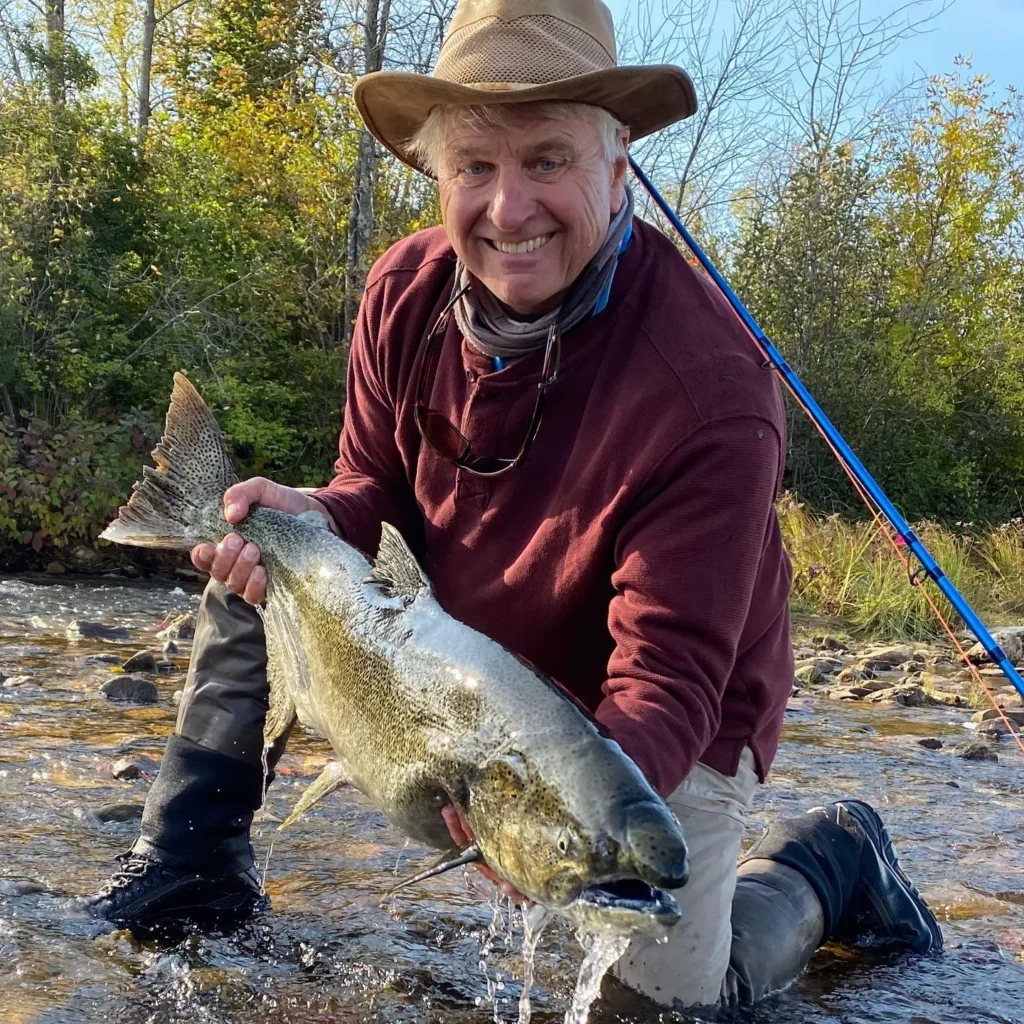

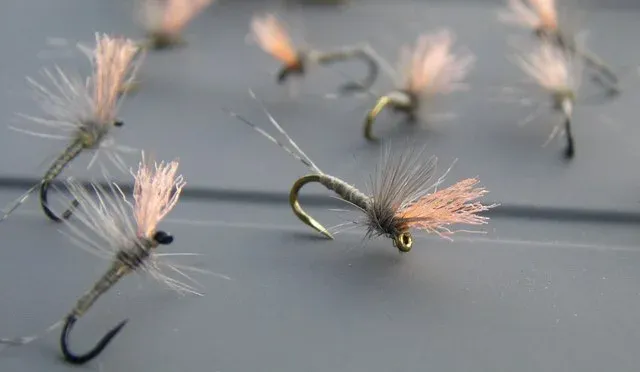
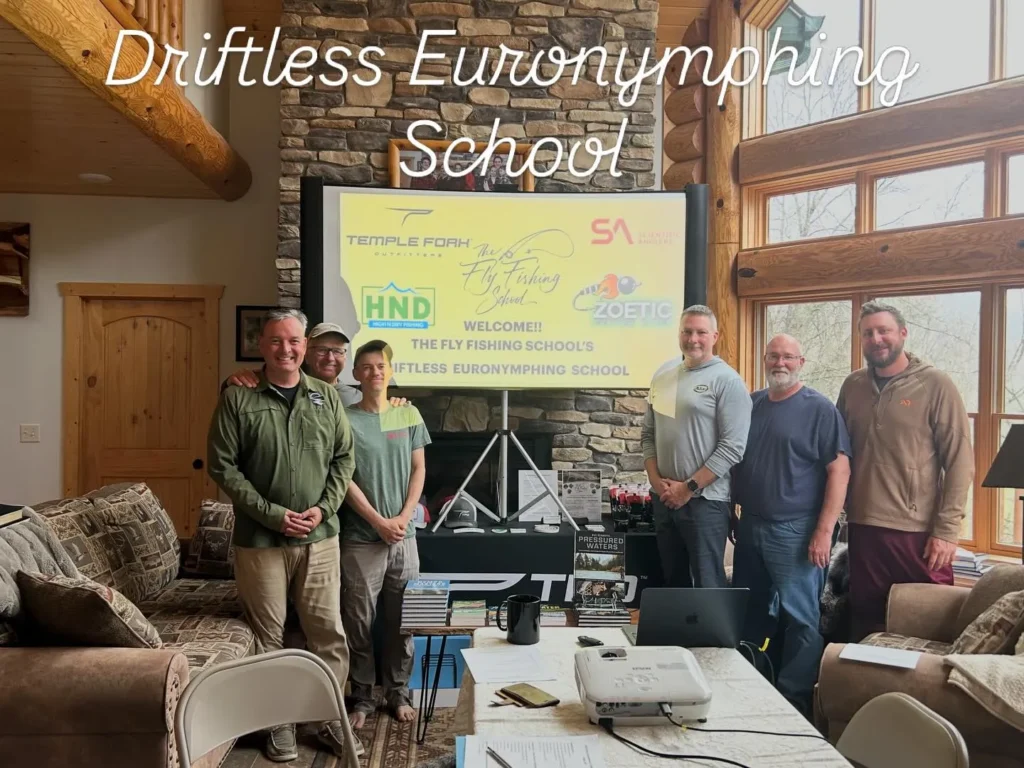
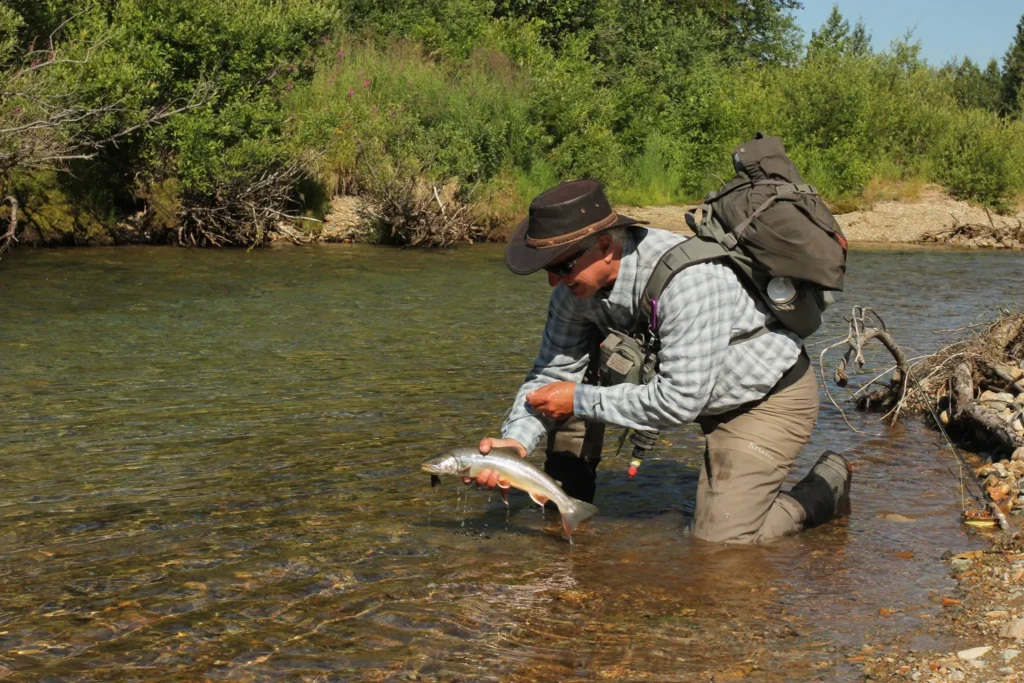






thanks a lot of information greatfull