Today, we’re digging into what’s happening right now across Alaska, from the fight over West Susitna and Alaska public lands to bycatch, mining, and road development, and why it matters to anyone who cares about wild fish.
I sat down with Rachel James and Ryan Astalos from SalmonState, along with Adam Cuthriell of Fishhound Expeditions. We talk about Bristol Bay, the proposed West Susitna Road, trawl bycatch, and how public lands decisions in Alaska ripple across the entire country.
This one goes beyond fly fishing. It’s about protecting the future of wild fish and the places we all depend on.
This episode covers the biggest conservation issues in Alaska right now, including mining threats, bycatch, and road development in critical habitat. We also break down how grassroots advocacy works, why coalitions matter, and what you can do today to help protect these fisheries.
(05:14) We talked about some of the biggest issues happening in Alaska right now and why they matter to anglers, local communities, and anyone who cares about wild fish.
Rachel says one of the biggest wins recently was keeping mining out of Bristol Bay. She says that only happened because people from all over the country got involved and spoke up. She also talks about protections for 28 million acres of federal land in Alaska, including huge salmon and caribou habitat.
Ryan says things are looking better for the Pebble Mine right now, but there are still other major concerns across the state.
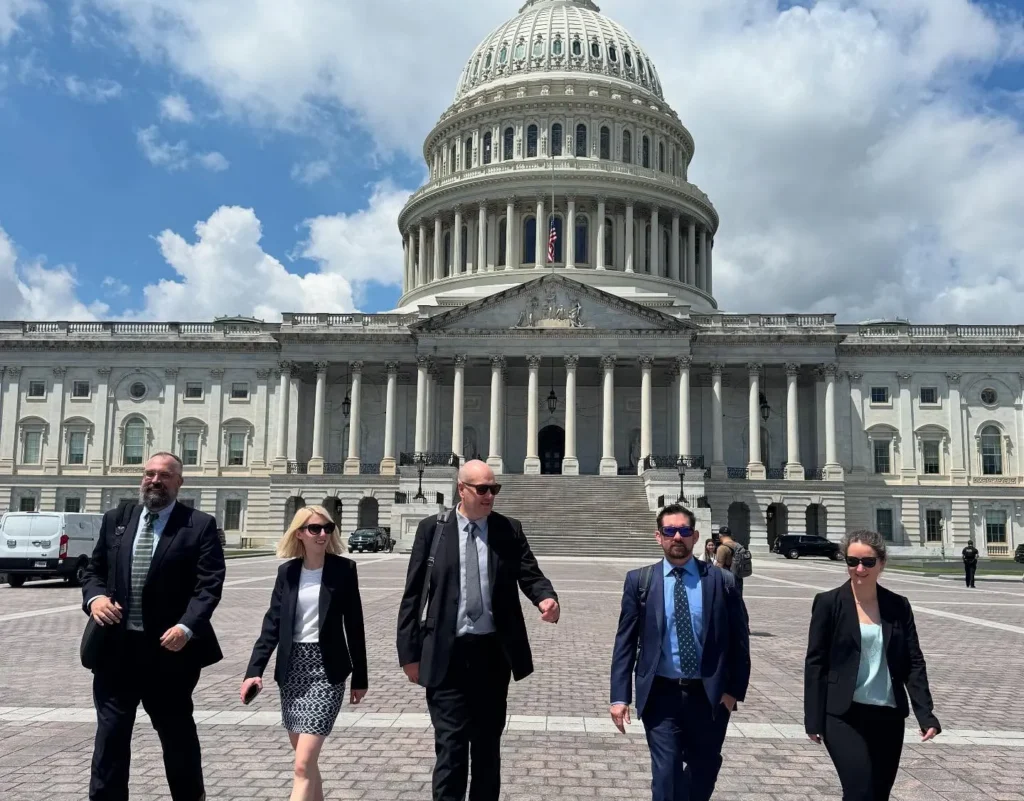
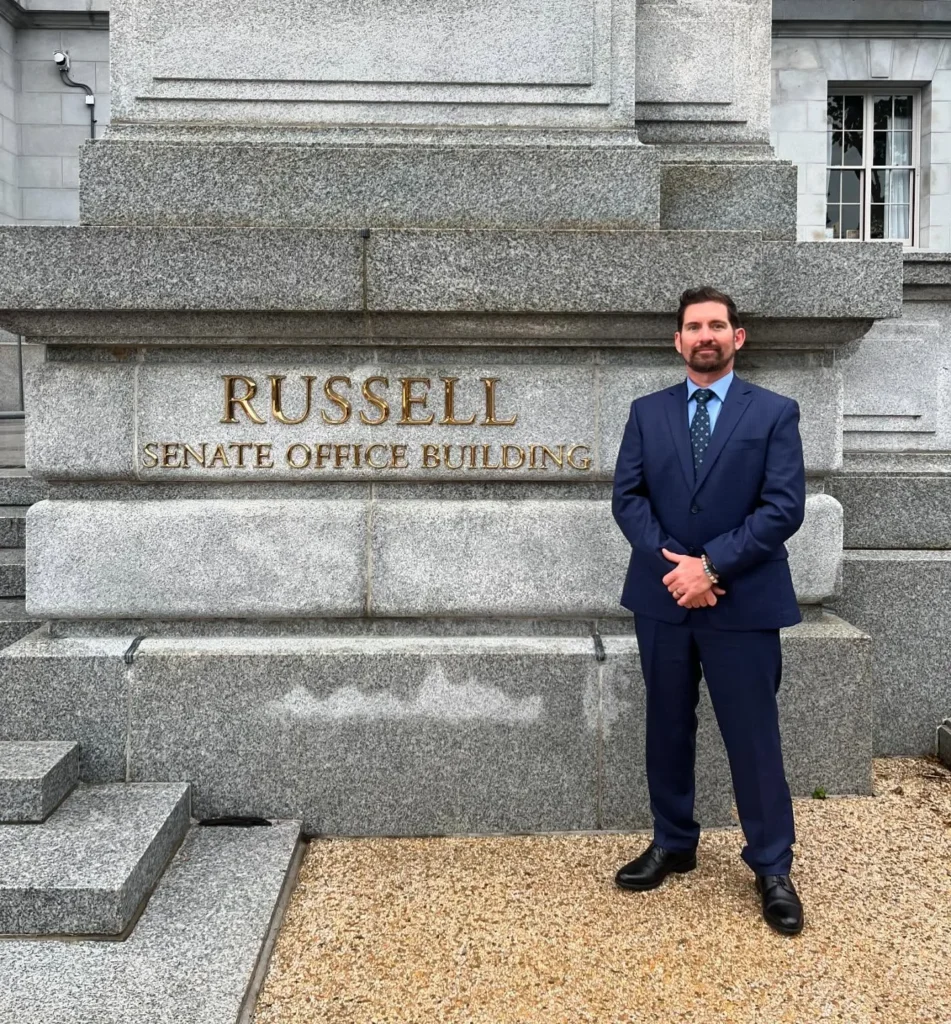
(12:30) Adam talks about traveling to Washington, D.C. with SalmonState and other conservation groups to meet with lawmakers and speak up for Alaska’s rivers and public lands.
He says it was a strange experience at first because he had never even worn a suit before. But the biggest thing was being able to put a human face on these issues and explain how decisions in Alaska affect real people.
(14:52) Rachel says protecting these places takes a broad coalition of people. Tribes, business owners, anglers, and local communities have all come together to defend salmon habitat in Alaska.
(22:17) Adam says Bristol Bay showed that people coming together really can make a difference. Calling senators, signing petitions, and speaking up helped stop Pebble Mine.
But he says the fight never fully goes away. As long as resources are in the ground, companies will keep trying.
Rachel says what made the campaign strong was how many different people came together around it, from anglers and guides to tribes, local communities, and business owners.
(27:1A6) Even if you live outside Alaska, you can still make a difference. Here are a few things they recommend you can do:
Adam says if you enjoy public lands, you also need to help protect them.
He says whether you’re putting on wading boots to fish or hunting boots to chase moose or caribou, at some point you need to “put on advocacy shoes” too and speak up for the places you care about.
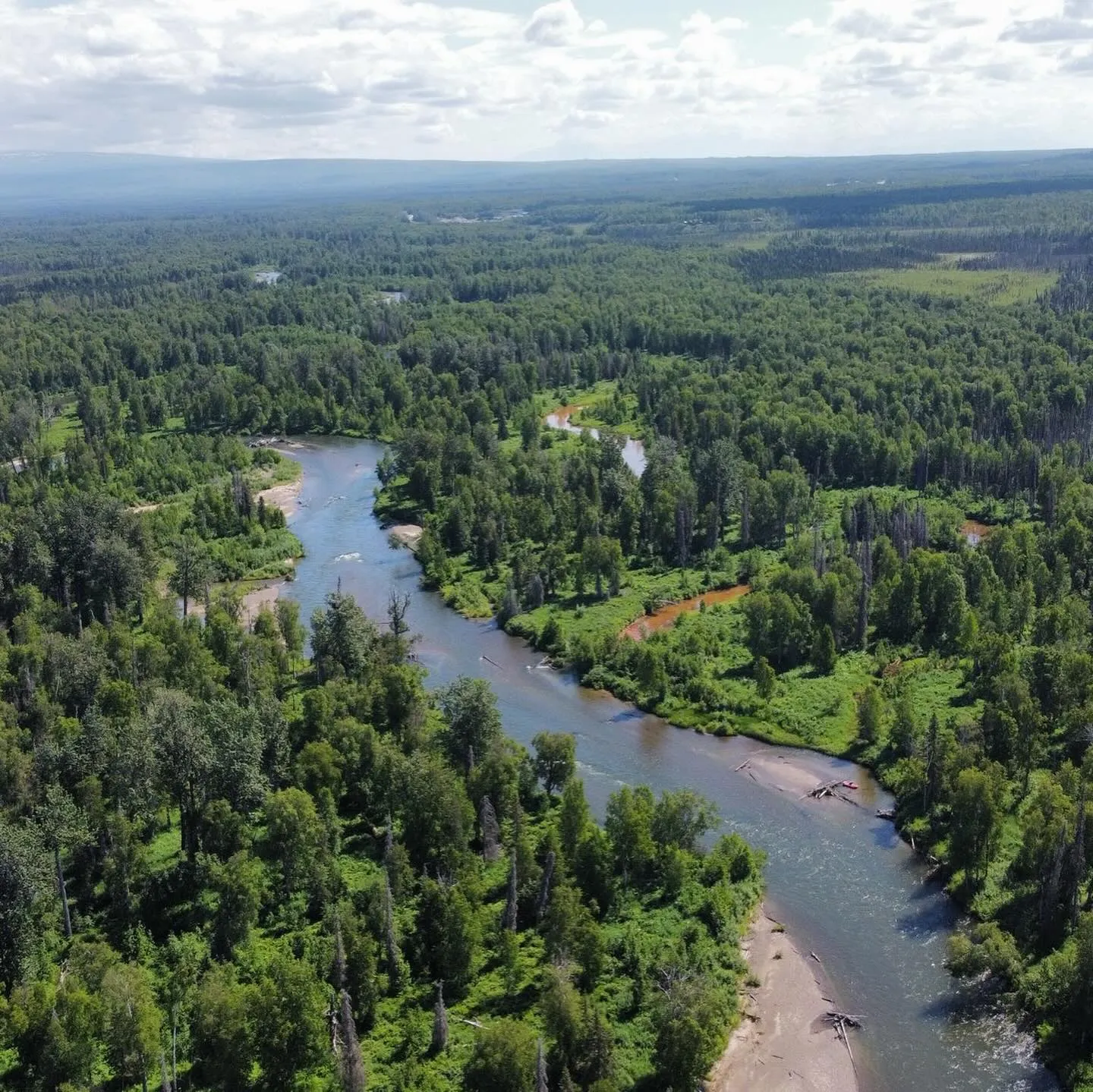
Adam says the West Susitna area has some incredible trout and salmon fisheries, but many king salmon runs there are now gone or closed compared to what they used to be.
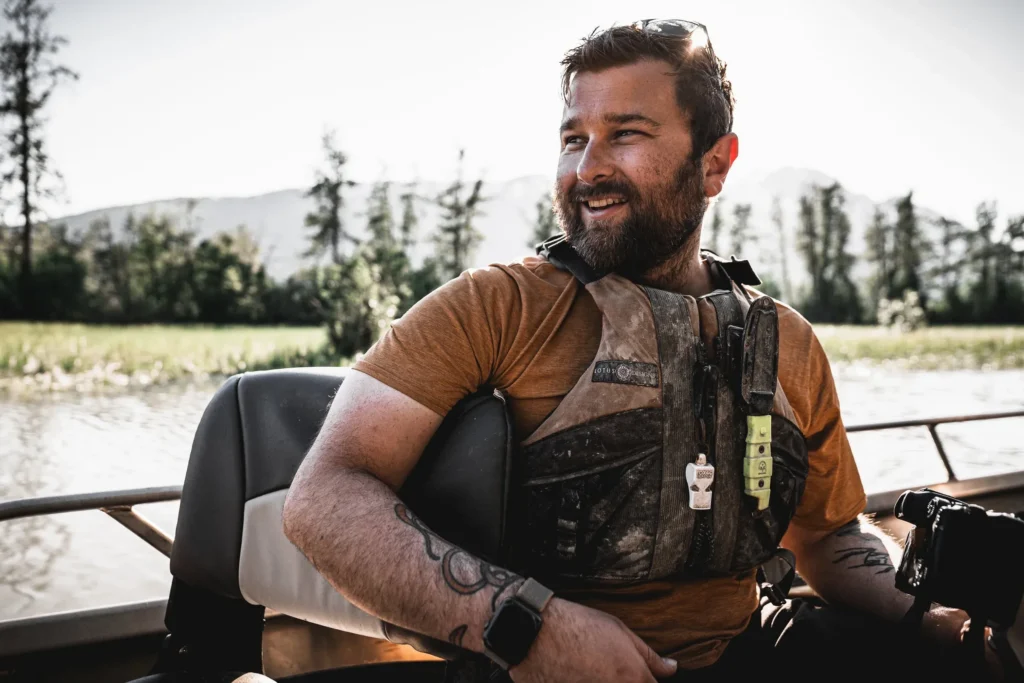
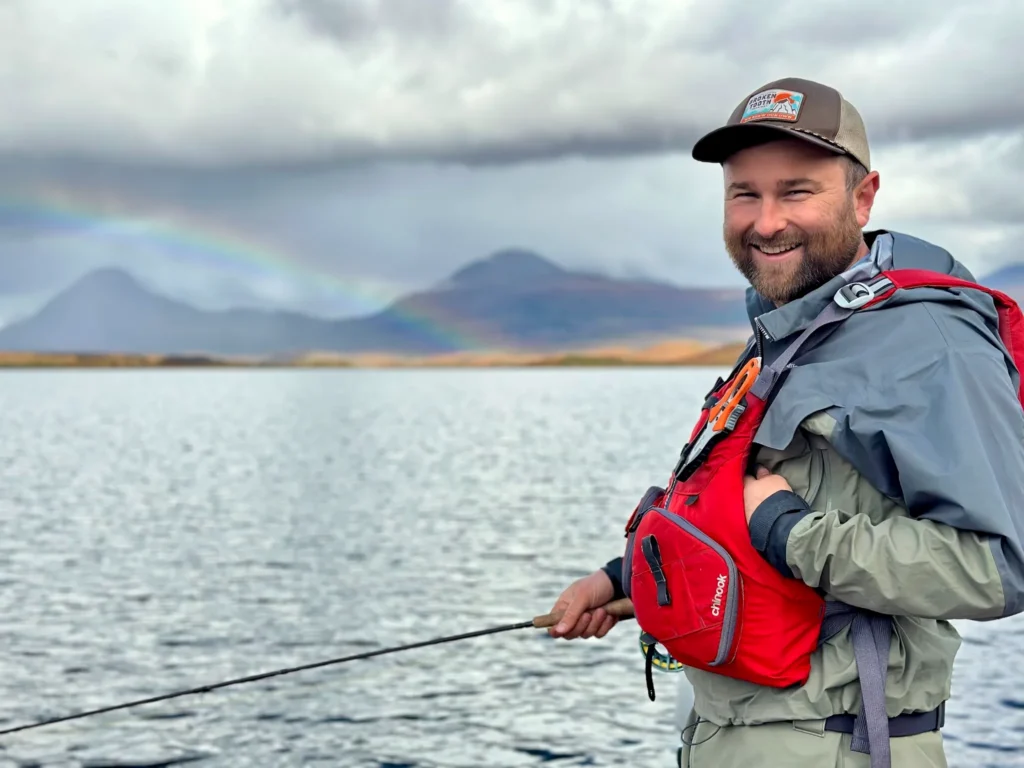
Adam Cuthriell owns Fishhound Expeditions in Alaska and has guided fly fishing trips around the world since he was 20 years old. He says after getting deeper into fly fishing, he realized he wanted to do more to protect rivers and fisheries for future generations.
If you want to follow the work they’re doing in Alaska or get involved with these issues, check out the links below.
Episode Transcript
WFS 922 Transcript
00:00:00 Dave: There are places in this country where one decision can change the entire river system. Today, we’re looking at what’s happening in Alaska right now, from bycatch to mining to roads, public lands, and how those decisions are shaping the future of wild fish. I’ve got Rachel James Ryan from the Salmon State, along with Adam Cuthrell from Fishing Expeditions. And this one goes beyond a single river or species. It’s about the bigger picture. This is the Wet Fly Swing podcast, where I show you the best places to travel to for fly fishing, how to find the best resources and tools to prepare for that big trip, and what you can do to give back to the fish species we all love. In today’s episode, you’re going to hear how public lands decisions in Alaska affect anglers across the country, what it actually looks like to take action and why this works and what you can do today. We’re going to also talk about some simple ways you can get involved, even if you’re far from Alaska. We’re going to talk about some issues in your backyard likely as well. We’re going to talk about this proposed West Susitna Road and what it could mean for trout and salmon habitat impacts across Alaska, and the role of coalitions, and why different voices matter most. We’re going to talk about how to get some good stuff done today. I want to let you know before we get into it. If you want to join our giveaway, you can go to Netflix dot com slash giveaway for a chance to win a trip and all the gear up to Alaska with fish on expeditions. Check it out right now dot com slash giveaway. All right, let’s get into it. Here we go. Rachel, James Ryan, and Adam Cuthrell. Let’s get into it. How’s everyone doing?
00:01:32 Adam: Doing good, Dave. Thanks for having us on. Rachel. Ryan, good to speak with you guys. As always, at least in this format. We’re not yelling at people behind a speaker.
00:01:42 Rachel: Yeah. Excited to be here. Thanks for the opportunity.
00:01:45 Ryan: Yeah, likewise.
00:01:47 Dave: Cool. No, this is good. I’m excited to talk today because we’ve got a really important issue. You know, I, we’ve had Adam on the podcast before. We’ve talked, you know, a lot about fly fishing and, and all that. And we’ve been up there and we’ve done this all the all the great trips. But there’s some concerns in Alaska. And today we’re going to focus on, you know, let our listeners kind of know a little bit about what’s going on. And, and we have had an episode with Sam and State before. We’ll have a link in the show notes to that. But let’s go around kind of introduce everybody first and maybe, Rachel, we can start with you. Maybe you just talk about just first who you are and how you’re connected to the Salmon State.
00:02:21 Rachel: Yeah. Thanks, Dave. Um, well, my name is Rachel James. I’m sitting here in Anchorage, Alaska. I was born and raised in Palmer, a tiny town to the north of Anchorage. And I’ve been working on public lands issues since I was about twenty two years old. So over twenty years ago, I started, um, focusing on protection of big, vast swaths of federal land in Alaska. Kind of cut my teeth on, um, BLM lands issues. And I’ve made my way to Salmon State about eight years ago. Um, the public lands and waters lead and have worked a lot on the Pebble Mine campaign, as well as other federal and state issues.
00:03:03 Dave: Okay. Thanks. And, uh, and Ryan, how about you?
00:03:06 Ryan: Yeah, this is Ryan. I’m, uh, also located in Anchorage. I’ve been here for about twelve years. I actually grew up in Ohio, um, and moved up here the day after I graduated college. I, uh, received a bachelor’s degree in biology and got my start in conservation in Alaska by, uh, knocking doors about the pebble mine. Um, and ever since I’ve been, uh, working in various different organizations and, and campaigns in the conservation field.
00:03:39 Dave: Perfect, perfect. And Adam, uh, why don’t you give us an update of who you are and why you’re here on this call?
00:03:44 Adam: Yeah. My name is Adam Cuthrell. I own a guide service here in Alaska named Fishbone Expeditions. I’ve been a fly fishing guide all over the world since I was twenty years old, and after becoming truly passionate about waving sticks at fish, I realized I needed to do more and fight for not only my daughter, but future generations of anglers. And I started working with Salmon State and other organizations, probably here in Alaska about seven or eight years ago, and I’ve had the good pleasure of going to Washington, DC several times with Rachel to fight for rivers and watersheds here in Alaska, and have had infinite amounts of help with Ryan battling bycatch as well as the issues in the West Sioux region.
00:04:34 Dave: There you go. Perfect. Well, that’s a great introduction. And yeah, I think you all mentioned, uh, things we’ve heard about, you know, whether that’s bycatch, the pebble mine, um, you know, federal lands, there’s nothing bigger. I think the this country, right. The United States is known like we have this amazing, you know, these, uh, millions of acres of these lands that are kind of public use, which is really unique. But, um, but how do you focus this when somebody’s listening now, they’re probably not sure. I know Alaska is a big place everybody wants to go to, but a lot of people don’t know the issues that are going on. I don’t know, maybe we can start with either Ryan or Rachel. Um, you know, what are the main things we’re worried about right now that we should be thinking about and maybe stuff we can do to help with.
00:05:14 Rachel: Yeah. Dave. Well, I’ll, uh.
00:05:16 Dave: I know that’s a big that’s a big general question, but I mean, you mentioned public lands and I feel like that’s like there’s nothing more, you know, visceral than that, right?
00:05:25 Rachel: Yeah. Well, we’re used to talking about big things. It’s big state. We got a lot of incredible, vast landscapes that we, um, that we, we often are talking about. And so I’d say the state of play right now, Dave, is we’ve got quite a few threats across the state. Um, we were really successful, uh, recently in securing some safeguards for some of the large landscapes still intact. As you know, it’s the last Wild salmon stronghold on the planet. Um, we have been successful in beating back the attempts at opening up Bristol Bay to industrial mining. And so I’d say, um, it’s important for listeners to know that the only reason that has happened is because people have become very active in standing up for protections from across the country for that place. And I think that continued support for solutions to keeping mining out of Bristol Bay is really an important one to highlight. I would say that there’s another large, um, federal land issue up here that that Adam mentioned. We’ve been to DC together several times, you know, dressed up all fancy walking on the pavement and trying to knock on doors. And we’re really successful in twenty twenty four, uh, saw a historic action to put in place safeguards for twenty eight million acres of Alaska’s federal lands. The threat there again, has been mining. Um, and opening up landscapes that have no roads, no industrial activity that are the nurseries for salmon for the largest caribou herd in North America. And of course, um, what we’re on this podcast for, which is all kinds of fish that people love to travel to and, um, have the recreational experience that they have fly fishing. So, um, you know, that’s another one that’s been under threat, the twenty eight million acres that we’ve supported protections for. And so I think folks listening, I mean, I think we can look to, um, a lot of success recently in the Western states, people showing up in other states really from all walks of life that are spending time on public lands. Wyoming, Montana, Idaho. We’ve seen a lot more people that are recognizing that these public lands are ours. And it takes not just participating in activities on the lands, but people have to take action and step into advocacy roles. So I think with Alaska right now, those are some of the biggest threats is, you know, reopening Bristol Bay to mining and then these twenty eight million acres of lands which we could get into a bit more. But I’d say I’d like to just start by highlighting those two.
00:08:00 Dave: Yeah, yeah, we hear that about Bristol Bay. I think it feels like it’s out there. It goes away and then it comes back. Right. And I guess that’s probably changes in politics and things like that. But so those are definitely big ones. Um, you know, maybe we can swing back to you. Ryan Watts you mentioned the Pebble Mine. It sounds like that’s been a big thing for you. Once that settles down a little bit is you kind of take a deep breath. Or is that always something you’re always thinking about every week you’re out there?
00:08:25 Ryan: Yeah, I think for the Pebble mine, things are looking good, you know, especially with, uh, the decision from the EPA and, uh, the Trump administration to hold that decision, um, has been pretty successful. But, you know, I think that the next action that we’re seeing is state legislation to protect the Bristol Bay reserve, uh, and make sure that, uh, mining doesn’t happen in Bristol Bay because of all of the wonderful opportunities to fly fish and all the jobs in the commercial fishery and recreation and tourism, you know, is really important to the region. And, and not to mention the folks that live there, uh, practicing their indigenous ways of life. Um, a couple other issues that I’d like to touch on is, you know, you might have seen in the national news, uh, the Ambler Road, which is up in the interior. And that’s not necessarily an issue that Salmon State works on, but, you know, it’s a two hundred, uh, plus mile road, uh, that is looking to access mining claims. And, you know, the one project that we are, uh, working on that’s a little less known is the proposed West Susitna Industrial Access Road. Um very similar. Right. It’s this idea of public resources going towards foreign mining companies. And so this proposal actually would leave Big Lake area and head west into a roadless area, um, an area that’s roadless, but it’s not not accessible. Right. And so we have a lot of folks who take boats and even planes and, and in the wintertime, even can ski or snowmachine or even dog mush out into this area to access cabins, lodges and prime fishing habitat. And so some of the, you know, best trout fishing is actually in this region. And this road, you know, uses public money. Um, it’s estimated somewhere around six hundred million dollars to do that and, you know, crosses one hundred and eighty two streams, and some of them don’t even account for fish passage, which is crazy to me because we’re actually spending millions and millions of dollars fixing old dilapidated, uh, culverts and things like that. So, um, that’s an issue that is up and coming. Um, the state and the federal government is trying to push that forward under false pretenses and using taxpayer money to do that. Um, and then probably the top issue right now is probably trawl by catch. You know, uh, polling has shown that seventy four percent of Alaskans, um, actually want to ban trawling altogether. And for listeners that might not know what trawling is, it’s essentially this method of fishing where they drag a giant net the size of a football field and it’s cone shaped through the water column. Targeting typically one species. And they bycatch on average one hundred and forty one million pounds of species that can’t be marketed or sold. And so that’s actually hurting Alaskans and visitors alike. Um, ability to fish for things like king salmon and halibut. You know, I think that this is really impacting the way that, um, folks are able to fill their freezers or, you know, take a little fish, uh, home with them if you’re visiting and we can get into some more nuances with the issue as we continue this conversation. But that is definitely a hot button issue for Alaskans.
00:12:22 Dave: That’s a big one. Yeah, the bycatch and we’ve talked a little bit about that. You know, Adam, we touched on on an episode we had on bycatch. And so there’s a lot, definitely a lot going here. Uh, you know, we talked, I guess you mentioned Adam, you know, about going to Washington, D.C. and you. It sounds like you went with Rachel and Sam. What was that like when you got ready for that trip? What were the thoughts there? Because take us to the because it sounds like I mean, that’s a major, um, you know, ordeal traveling across the country. Um, and then it sounds like it was good. It was good. You did. It sounds like there was a positive outcome.
00:12:54 Adam: Yeah, it was a very good experience. Uh, went with, uh, Rachel as well as other great organizations in the outdoor space like the Conservation Alliance, backcountry hunters and anglers. But it was quite an experience. Honestly, I had never worn a suit ever in my life. Uh, so that was quite an experience to, to wear a suit and go to the capital and be able to meet with members of the Senate and members of the House and really put a human face on a lot of these issues. You know, everyone hears about DC and DC and all. It’s just a bunch of suits there, right? It is a bunch of suits in little tiny rooms that really have lost touch with a lot of society and going there and putting a human face on it and telling the members of our government that the decisions made in Alaska have huge, far reaching aspects from local economies, indigenous people, tourism. I mean, the list just goes on and on. And to be able to sit there with members of government and explain to them that, you know, all the employees that we have and the industries that it affects from hotels, bars, restaurants, shuttle drivers, just the huge economic impacts that tourism have here in Alaska, as well as elsewhere in our nation, and that preserving these economies is of the utmost importance. You know, we in the outdoor space feel inherently that our wild places should be protected for their intrinsic value because we love them. And as that should be enough reason. But sadly for people in Washington, they want to see a price tag. And the outdoor industry in America is a multibillion dollar industry, and it keeps a lot of jobs going and putting that monetary value on and explaining that to politicians really help them make a decision, uh, which is sad, but, you know, if it’s able to get the decisions to protect our wild places, whatever spin we need to put on it, I suggest we do.
00:14:52 Dave: Wow. Okay, that makes sense. So you’ve got to give them a couple of angles. It’s not just that we should do this because it’s the right thing, but there is a monetary piece. How does it work in Alaska when you take it to and I’m not sure how the federal state works, but, you know, you’ve got people at the state level that it sounds like they’re trying to open up a road. But at the same time, I’d imagine they love salmon, too. How do you go into those conversations? Is that something where you’ve got a coalition of people talking to the state or, you know, maybe describe that a little bit, and I’m not sure who wants to take that one.
00:15:23 Speaker 5: Yeah, I’ll kick it off to you.
00:15:24 Rachel: Um, I mean, I think with defending the West, you sit in an area that Ryan briefed you all on just a few minutes ago requires really broad coalition, and I’ll let Ryan speak to some of the details. And Adam’s right in the mix here, too. But, you know, here in Alaska, our state government and its priorities, um, I think have lost touch with the majority. I think it’s pretty safe to say. And while they do posture that they love salmon, I think the actions are absolutely, um, the opposite. So we have linked arms with people that are maybe even employed by resource extraction companies who will do anything to defend these beautiful, beautiful lands. Um, just across from Anchorage up along the Iditarod Trail, lots of wetlands, lots of really important salmon habitat, all five species. And so I think, you know, we’ve, there’s people that are on all sides of government that have come together. There’s indigenous tribes. Um, there’s folks that are contributing and writing letters to the editor and diving into this campaign called Defend the West Sioux to try and keep the state government in check. Um, so we talk about, of course, the need for, um, safeguarding the places where the salmon return each year because the state of salmon right now is pretty grim in a lot of the state in terms of, um, making sure they’re coming back and staying healthy. They have a lot of adversity right now. And so people that want to show up to that conversation come from all walks of life. And we are being very loud and telling our state government that this road is the last thing these salmon need. And I’ll kick it to Ryan for a bit more.
00:17:07 Ryan: Yeah, I would just add to that that, you know, I think that we’re seeing a similar thing that is happening in the trial by catch space. So a lot of the management and active fishing is happening in federal waters. So that is happening from three to two hundred nautical miles off the coast, and then the state waters are actually managed from up to three, three miles out. And so a state legislature or, excuse me, a state legislator, introduced a bill that would prohibit bottom trawling in state waters. And so that has really seen a broad coalition of folks who support that piece of legislation. Unfortunately, there’s only been one public hearing on the bill, and we’re we’re running up to the end of our legislature for the year. Um, it’s scheduled to end at May twentieth unless it gets, you know, extended. But from that hearing, we saw lots of people and, uh, tribal leaders, um, business owners and other outdoor enthusiasts, um, speak up in support of this bill because, you know, at the end of the day, folks really like to fish. And, you know, this method of fishing is, is not sustainable for the long term, um, as it’s impacting a lot of other species that Alaskans and visitors alike, uh, care about.
00:18:41 Dave: Okay. Perfect. So it sounds like part of this and we’ve talked on a few, but what you’re saying here is there’s this state, uh, Bill, potentially that could protect the three miles that the state controls and maybe removing the trawlers is that. And then maybe that can potentially get out into the federal side and longer. Is that kind of how this is looking?
00:18:59 Ryan: Yeah. So there’s, uh, two types of trawling and one being mid-water. It’s also known as pelagic. And so these trawlers are supposed to be in the mid water column, right. And they’re fishing. However, reports from the National Marine Fisheries Service has actually shown that these trials are touching bottom between forty and one hundred percent of the area fished. And so that is creating loopholes in areas where they’re actually not supposed to touch bottom. So for instance, in state water, it’s a pelagic fishery that is being managed. And that’s in Prince William Sound, where a lot of, you know, charters and um, personal use fishermen enjoy. In South central. And so, um, the other thing with this is that, uh, senators that introduced this bill, um, have been hearing from Alaskans and took it upon themselves to really make a bold statement by introducing this bill. And so, you know, the idea is also, um, our congressional delegation, you know, US representative and senators kind of take what this state senator has done and introduced federal legislation to impact three to two hundred nautical miles off the coast.
00:20:27 Dave: Gotcha. So, yeah, so it is potentially this if this bill passes or even people realize it’s it’s a good bill, even if it doesn’t, it could apply. They could bring this out to further the federal. And is it species wise? We hear a lot, you know, the Chinook fishery. And there’s obviously for other species too. Are you thinking is all this applying to kind of all the salmon species up there and as well as some of the other ones? Or is this focused on a few big ones.
00:20:55 Ryan: In the state fishery, the primary bycatch of salmon is actually king salmon. Um, so that’s the big one there. And then, um, the way that um the trials are fishing and the time of year that they’re fishing and where the different species of salmon are in the water column and where their food sources are is kind of what happens with the bycatch. So, for instance, the two main species of salmon that we’re seeing be caught are our chum salmon and Chinook, which is also known as king king salmon. So yeah. And um, this bill that I talked about is, uh, looking to prohibit bottom trawling. And so because those mid-water trolls have been found to be on the bottom and by catching, uh, other indicator species in the state fishery in particular, thereby catching, um, short raker and roughy, rockfish. Again, you know, these are species that, um, folks will like to fish, uh, on their personal crafts, but in the process they’re, um, you know, these, uh, rockfish in particular, they are, um, benthic species. So they’re, they’re living on the bottom of the ocean and, you know, they can grow up to one hundred to two hundred years old. And so yeah.
00:22:17 Dave: Jeez. Yeah. That’s considerable. Um, so okay, so we’ve covered some of the issues here. We’ve mentioned a lot of them. And, and I feel like Bristol Bay is one of those that’s been kind of a success. Do you all look, um, I’m not sure. Adam, if you were, um, you know, what roles, if you have specific, you know, issues that you’ve been more involved with, but I feel like the Bristol Bay one is one that’s been successful. Do you look at that as a way you say, man, let’s do more of what we did there to apply to these other ones. Is it that easy or is it a lot different when the trolls or the West Sioux?
00:22:49 Adam: Um, I think that’s a great example, Dave, of, you know, community coming together to raise awareness of our wild places and actually have it at work. You know, pebble, um, is still an issue just like Rachel brought up, you know, as long as that, uh, resource, quote unquote resources in the ground, there’s going to be people wanting to pull it out of the ground. So though we have the protections in place. Right now, people are still trying to constantly get ways around it. So that’s why we do need to stay vigilant with Pebble Mine. But yes, at the end of the day, I think that very much is a feather in our cap to show that grassroots movements, people coming together, raising awareness, calling your senators, calling your congressmen, banding together, signing petitions, making phone calls, all that nitty gritty that goes into winning over such a huge issue like this does make me optimistic for other issues such as bycatch and, and the West Sioux. I mean, initially when I was up here and saw the downfall of the Kings, it was pretty doom and gloom because it happened so quickly. There were all these factors, such as bycatch, that were known, factors that were obvious in the numbers, you know, thousands and thousands and thousands and thousands of kings thrown dead overboard. You’re like, oh, this is really bad. And that’s a big reason right there. But to see such a huge industry that has a ton of mining money, I’m sorry, and finances to protect itself. It can be brought down. You know, we saw that with Pebble Mine. So I think it very much is a shining light to give us hope that we can combat these other factors that are going against our public lands and our wild fish.
00:24:33 Rachel: Yeah. And I’d like to add to that. I mean, I think that what we’re doing as an organization and as a coalition in the Defend the West is sit in a campaign that we’ve been talking a lot about what we did with the pebble campaign really well, um, is bring a lot of different people together. So you don’t need to have a certain ideology, you don’t need to vote a certain way or look a certain way or do a certain thing. You just need to care about these wild places. And it turns out that that umbrella, that tent is quite large. And so I think what Adam is saying is the human power that came together. I mean that I mean, I think we all know these numbers with Bristol Bay. Um, you know, it’s a two point two billion dollar fishing industry. Twenty two thousand jobs in commercial and sport, including the lodges that host a lot of the fly fishermen. Um, you know, people could come together behind those numbers. But more than that, I think what we’re seeing across Alaska and across the West too, is just this movement of people coming together from a lot of different walks of life. And I think the strength in those diverse coalitions and the people that are kind of helping stitch all that together, be having some skill sets that, um, I think are pretty unique. It’s all coming together right now. And I have a lot of hope as well as, as Adam said that we can do this, we can rise over some of the, um, the hurdles and challenges that are facing us right now.
00:25:52 Adam: Yeah. And I’d just like to piggyback on that. You know, when I got more involved, uh, with advocacy, you kind of view it through your own two eyes, your specific lens and how you view the world. And then when you actually get into these spaces and meet the different people who care about these lands and care about these watersheds from all different walks of life, you kind of realize like, oh, this isn’t left or right or center. This is just people who care about their environment and where we live. And to see such a broad viewpoint and seeing how that lens gets so much bigger when you look at these places, I just think is pretty cool. You know, we as fly fishermen look at, you know, from standing in a river waving sticks at fish. But like when we’re advocating for these lands, you meet people who are indigenous, who have lived there for thousands upon thousands upon thousands of years. You meet people who snowmachine out to these places for those in the lower forty eight, uh, snowmobile, uh, we call them snowmachines in Alaska. But we’ll go out to these places and run traps, you know, and get furs to feed their family, to sell on different marketplaces, just to see the amount of people out there using and protecting these lands is pretty cool. And, you know, once you get such a big voice from all walks of life, you know, our government will listen to us. And if they don’t, we just got to keep yelling louder and louder and louder.
00:27:16 Dave: Yeah, that’s well said. And so, you know, you mentioned a few of the issues. Obviously we’re talking about Alaska here. Can people that are listening now that are in the other states around, you know, that aren’t in Alaska, what can they do? You know, can you know, everybody else have an impact there? What would you tell them?
00:27:32 Adam: Yeah, one hundred percent. You know, everyone asks, what can I do? What can I do? And these issues of losing our public lands is sadly on most people’s radar, whether you’re in Alaska, Montana, Utah, Wyoming. I would just like to bring to light the Boundary Waters. When Rachel and I were in D.C. last year, one of the issues we were helped trying to bring to light was the proposed mine that they want to put in the Boundary waters, and it was actually just voted today by the Senate and it lost by a single vote. And I can’t just help think that if more people didn’t call their senators, call their congressmen, sign petitions, and make their voice heard, that that one vote could have gone our way and protected one of the largest roadless areas in the lower forty eight. And by I mean this is my personal example. I now have my senators on my contact list in my phone. So when I get an email saying contact your senator, boom, you just hit one button. Everyone in the United States can put two senators phone numbers on their phone. And when something happens that’s going to impact lands and issues that you care about it, you push a button and you leave a voicemail. It’s pretty easy to do, and it only takes a couple seconds of your time a day to make your voice heard. Part of a democracy and part of being a citizen is you got a voice. You have to use that voice. And if you don’t use that voice, then they’re not going to hear you. But if you take the seconds a day to program your senator’s number into your phone, take two seconds out of your day on petitions that you care about it to have it autofill on your phone or computer, and actually let your elected officials know your voice. It does matter. And I think that’s just one little thing that everyone in the states can do. Call your senators. Fill out petitions. Be an active citizen and pay attention and make your voice heard.
00:29:30 Dave: Yeah. Love that. That’s a great, great advice.
00:29:34 Ryan: I strongly echo what Adam just said. Um, and I will just add a little bit on the trial by catch front here. Um, I think, you know, I started off by, by citing that seventy four percent of Alaskans actually want to ban trolling. Um, but whenever you start talking to folks, um, you know, on the rest of the country, it might not be such an issue that people even know about. So I think, you know, educating your family and friends is also huge. If if you’re, you know, listening from a different state, I think that one of the things that will eventually, um, be a way that you can engage is if there is a federal piece of legislation, um, that were to ban trawling, for example, or, um, you know, help reduce the amount of bycatch that is occurring. I think that, you know, folks from other states will need to, uh, call their senators and representative just like Adam just said. And I think that, um, educating, um, folks on like what type of, uh, fish are actually coming from these trials, right? It’s largely Pollock. And if you’re unfamiliar with what Pollock is, it’s actually a forage fish that feeds, you know, the entire ocean, including king salmon. And, you know, they’re pulling three billion pounds of pollock out every year. And you know, I think it’s going towards um things like fish fillet or.
00:31:06 Dave: Um.
00:31:07 Ryan: You know, fish sticks or imitation crab. Um, a lot of, uh, the roe and um, is shipped out of country even. And you know, I think that, you know, this is a low value fish that, um, ends up all over the country and, and people are probably consuming it, you know, and not knowing the negative impacts that it’s having. And so I think that, um, you know, looking into this issue a little bit more and having conversations with your family and friends is really important as well.
00:31:39 Dave: Do you think you need a bush plane to fish Alaska’s legendary waters? Think again. Fishing expeditions specializes in road accessible adventures that don’t skimp on excitement. Picture yourself fishing for massive rainbow trout, Arctic grayling, and plenty of salmon species, all within Alaska’s epic road system. It’s doable. I fished the road system on our first day with Adam and the crew, and it did not disappoint. The largest leopard rainbow I caught and landed was right off the road system, and we’ll be driving up again this year, heading up from the lower forty eight all the way up to Alaska to hit those streams again. You’ll experience the breathtaking beauty of Alaska’s wilderness, from mountain streams to hidden rivers perfect for anglers of all levels, fishing expeditions makes it easy to explore Alaska. Why wait? Your Alaska adventure is just a drive away? Book your spot now before spaces fill up. That’s fishing expeditions dot com. F I s h h o u n d expeditions dot com. Don’t miss out. I’m building my list as we go here. We’ve got lots of good stuff. I think the sender’s numbers in your phone is a great one and that can come. It sounds like really any issue the federal or I mean the boundary waters, right? That’s what we’re talking about. The kind of the upper Midwest there. those waters. And we’ve talked a little bit about that over the years. I know we’ve had River horse on and and he’s spoke up a lot through Patagonia and all that as well. But, um, so this is good. What else are we missing here? You were covering some topics. I know we’ve talked about a bunch topics. What else would you want to leave folks with here listening, you know, with, you know, takeaways before we’re not getting out here quite yet. But just so I don’t miss any of the big items.
00:33:19 Adam: Yeah. One thing that I would just like to reiterate to everyone out there, you know, whether you’re putting on wading boots to walk up and down a river to go fish hunting boots, uh, to go chase moose or caribou, whatever footwear you put on to get out and enjoy the outdoors. At the end of the day, you need to take off those boots and put on advocacy shoes and pay attention and help the places that we like to recreate in because they are on the chopping block right now. And if we don’t collectively put on advocacy shoes and fight for our public lands, they will be gone. The Boundary Waters proves that, sadly.
00:33:54 Dave: Yeah. And what is the take? So the Boundary Waters with that vote. Does that open up these things we’re talking about here mining and other industrial extraction.
00:34:04 Adam: As of today. Yes.
00:34:07 Speaker 5: Yeah.
00:34:07 Rachel: I think just to elaborate a little bit on that, because I think it speaks to kind of what we started talking about early on, just some of these broad threats. Dave. Um, we’re seeing some pretty unprecedented moves from, um, from this Congress administration and the way the Boundary Waters got unraveled today is very disturbing. It’s the use of, uh, a pretty archaic part of the, um, part of the law called the Congressional Review Act. And it’s never been used on public lands. And this is where people need to sit up in their chairs and really think about, um, the playbooks changed. It’s not the same as it used to be. And so that’s where this advocacy comes in. Like Adam said, one vote would make or break this. And I think that there are a lot of people in Congress that aren’t aware of what’s going on with when it comes to some of the different avenues that are trying to unravel the public lands staying in public hands. And I think that the sell off, the wave of sell offs, um, last year was quite a wake up call, but the use of this Congressional Review Act is really the, the wonky way to say, um, there’s a lot that’s moving quickly. And I think just committing, like Adam and Ryan are saying two to five minutes a day to, to cruise your channels, see what you can do, um, to take action. You know, I’ll be honest, I was a single parent of a little kid working full time for a part of my life. And I know how hard it is to carve that time out. But I did it. I mean, I just tried to be disciplined. A lot of people, it’s a time it takes to buy a latte. You know, you get in line. Yeah. Look and try and take some time. And I think, um, I think that these shenanigans are different than what we’ve seen before. And so that’s where it does take a little bit more just engagement and tracking either your backyard or I mean, I just want to emphasize, I don’t think we’ve quite said it overtly yet, but like these, these lands in Alaska, people listening, you may never get here. It’s a long ways. It’s a lot of money. Um, they’re amazing, these corners of the state that we’re talking about. But they are your public lands no matter where you are across the United States, these are your lands. And so just knowing that they’re there, knowing you have the opportunity to come. Um, I just really encourage people to, you know, do what you can to, to keep them wild and intact. And then I think taking action in your backyard, as Adam has been encouraging too, is, is really important. Um, yeah, I’ll just, I’ll leave it there.
00:36:29 Adam: And just, uh, you know, kind of hop in on that. Whether you’re in Alaska, Utah, Wyoming, wherever these are our public lands. And being an outfitter here in Alaska, how many people call me and like, oh, I want to go king salmon fishing? I say, yeah, so do I. We haven’t been able to the last five years. People are like, well, what do you mean it’s closed? It’s closed again. It’ll be closed next year. And this bycatch. There are other issues, but the bycatch is really a huge issue. So this does affect our nation. It does affect us. Whether you actually call Alaska home year round like we do, or you’re coming up from the lower forty eight to visit, or you’re coming from wherever in the world and you want to catch a wild Alaskan king salmon. Those opportunities are gone now. And by making your voice heard, we can possibly get that fishery back. So that is of the utmost importance for everyone in the world to make your voice heard, to fight for our fish because they are ours.
00:37:26 Ryan: Yeah. And I’ll just add in, um, you know, I think that, you know, if you have the opportunity to come visit Alaska and, you know, fly fish in these remote, majestic places, I think, you know, you got to ask questions. Ask questions of the people that live here. Ask questions of your. Guide your hosts, and ask how the lands that you’re using are being impacted, right? So for instance, if you get into remote areas, uh, you know, in the West, you sit in a region and you’re at a lodge catching trophy fish. I think that, uh, it also is important that, you know, that there’s a threat on the horizon, which is a mining road, um, which will drastically change the way that landscape looks and how the fish will be impacted. And I think that an issue that we haven’t necessarily brought up yet, but it’s another important one if you’re down in the Tongass National Forest, which is the large swath of southeast Alaska, you know, targeting amazing steelhead, I think, and salmon and other species cutthroat. I think that you also need to take into account that the Forest Service is currently rewriting their management plan. And they haven’t mentioned wild salmon and the importance that the Tongass National Forest provides. And, you know, they’re really trying to push clear cutting, uh, particularly of old growth. And I think that that’s something that we need to move away from. And, you know, really ensure that we have, uh, cold, intact, healthy waterways for our fish.
00:39:11 Adam: Yeah, yeah. Ryan. That’s awesome. Dave. I know having fished with you a bunch and, you know, listening to the show a bunch that steelhead, wild steelhead in particular are pretty important to your listeners. And the issue in the Tongass that Ryan brought up is another one of the issues where folks down in the lower forty eight can help pay attention and make their voice heard. Uh, because that is on the cutting block. Uh, again, Barry said, great steelhead fishery in the southeast.
00:39:37 Dave: So that’s another one. So we’ve got another species. We talked about the five Pacific salmon, but you’ve also got steelhead in Alaska, which you don’t hear quite as much about. But down in the southeast in this area, the Tongass is kind of southeast Alaska.
00:39:48 Adam: Yes, sir. Yeah.
00:39:50 Ryan: That’s a national forest. So even the folks that are living out of state, you know, you can comment on these, uh, record making decisions that the Forest Service is, is pushing on.
00:40:01 Dave: Yeah. Could people right now go to the salmon state dot org and just follow what would be the best way to keep track of this? I think we’ve talked about a few things they can do. Is that a good way to sign up to your newsletter sort of thing, or are there other groups too? You should, we should be thinking about connecting with.
00:40:18 Ryan: Yeah, absolutely. Salmon state dot org provides, um, a lot of different things. Yes. We have a weekly newsletter that goes out on Saturdays and kind of, you know, talks about the week of news on salmon issues, public lands, etc.. Um, and then if you want to get more minute on the, um, petitions, we have a take action tab at the top of our website as well.
00:40:43 Rachel: And I’ll put a plug in for that newsletter. The cool thing is it’s condensed. So if you’re a person that doesn’t have much time, you get that newsletter. There’s probably five or six calls to action. You just click on them. It makes it really easy for you. So if you see something that resonates, you can you can take action. And I would also for those that are interested in learning more about this Wes Susitna campaign, which is very active right now. And, um, you go to defend the West Sioux dot org. It’s a kind of a clearinghouse information, get a better sense of the region. And it’s very near and dear to Adam’s heart. Um, having been born and raised in that area, I could talk on and on about it. And, and in my lifetime, you know, born in nineteen eighty, we had king salmon that were four or five feet long. I’ve got photos and, uh.
00:41:30 Dave: Wow.
00:41:30 Rachel: Have a baby in my belly catching a huge salmon. And now they’re gone. And so in my lifetime, I’ve seen that. Um, so it’s a really important area. So I would encourage listeners to check out Defend the West Sioux as well.
00:41:42 Adam: Yeah. Along with what Rachel said there, the West Sea region is such an important region for fly fishing as well as other outdoor activities, obviously. But with this being a fashion show, I mean, the Tyler was one of the first designated catch and release trout fisheries in the state. One of our local, uh, heroes, Ted Stevens, former senator to our airport, is named after he was the one who gave it that designation because he saw years ago the importance of that fishery. And I, like Rachel, was born in nineteen eighty. And days of catching, you know, four or five foot long massive kings, just one after another. I was very fortunate to be able to experience that. And now just to see it closed and not even a glimmer of what it once was, is, is very sad. Not only because kings are awesome, they’re just amazing fish. Uh, but the economic importance to that area and to outfitting is extremely important. And just. They want to put. What is it, Ryan, one hundred and eighty bridges. Is that correct out there?
00:42:48 Ryan: Well, uh, so they would.
00:42:52 Adam: one hundred and eighty stream crossings.
00:42:53 Ryan: Right, right right. Right. So yeah, there’s like eleven bridges and you know, a lot of culverts. Um, but not all culverts, uh, have the build for fish passage.
00:43:05 Dave: Yeah. I mean, when you look at it on a map, the city is an amazing river and we’ve been up there, Adam was saying in Willow in that area, we fished those streams and but it goes all the way up right in towards towards Denali National Park. And it’s, uh, could you give us a little anybody on a rundown on, on the size of that or where the headwaters is? It seems like it’s fairly unique.
00:43:26 Rachel: It’s an amazing river. It’s, um, statistically, it’s, uh, believe the eighth largest river in North America. Um, when you look at the map, you imagine Denali, you know, the biggest mountain in North America. That part of the Alaska Range kind of is in a big arc of big glaciated peaks. And it’s just it starts way over in the middle of the state. Uh, the headwaters are in the, what we call like the central to eastern Alaska range. And those waters, you know, the glaciers melt flow down across the tundra into the Susitna. I’ve been up on several different glaciers at the headwaters. Um, and yeah, it’s, it’s just ginormous. It comes out into the Cook Inlet here. Um, you can almost look at it from the window of our office.
00:44:09 Speaker 6: Oh, wow.
00:44:10 Rachel: Um, and the, when that freshwater hits this really narrow body of water, not narrow. I’m sorry, shallow. It has this incredible mixing going on. Um, you know, the mouth of the Susitna is really a dramatic place and there’s, there’s just a lot of history of people moving and using that, that river. Um, for millennia you know, and just people were used it as a form of transportation and, um, getting over to the other side of the mountain. So it’s, it’s a very powerful, um, pulsing body of water that’s close to the biggest population in Alaska. As you know, Anchorage is over half the state’s population. And the mouth of Sitka is right across from the city. Um, so it’s, it’s very central to a lot of different people’s lives. Um, and I think it’s, it’s a campaign that really represents, again, a diversity of folks coming together under the banner of salmon.
00:45:04 Dave: Right on. We mentioned about calling the senators what would be if you were going to have that, you know, you had a number or you could send an email. What would be the message? I guess it would depend on what issue. But, you know, how would you frame that? What would you say? What should people that are thinking about this? You know, let’s just take it to the, the West Sioux. You know, it sounds like there’s some actions they can actually go to your website and kind of click some buttons there and do some stuff. But what are your thoughts on the message?
00:45:29 Ryan: Yeah, they could definitely, um, go to the website, uh, to stay up to date. Currently the action is, you know, pointed towards the Alaska state legislature to, uh, not fund the road because as I had mentioned earlier, you know, this is a, a public resource, uh, funded project that is essentially a giveaway for foreign mining companies at the end of the road. And so, you know, as far as folks that live outside the state, I think that they need to stay in tune with the issue because at some point, you know, there’s going to be permits, uh, that are on the federal register that, you know, folks can comment on and ensure that these wild spaces are protected and accessible for future use.
00:46:20 Speaker 6: That’s it. Yeah.
00:46:20 Dave: I’m on your website now. And yeah, you’ve got the take action button. So there’s, there’s right there. You can add your name, like I said to all these most of these things we’re talking about, it sounds like you can actually go right to your website and add your name to the list and show support.
00:46:35 Adam: One hundred percent. And kind of like Rachel alluded to earlier, being a single mom working, you know, takes a few minutes a day to do this. You know, same thing, self-employed family, daughter. It takes just a matter of minutes. You can have it on your phone when you’re waiting for your kid to come back from school. Just click on it. Auto fill, sign it, take two seconds, call your senators, leave a voicemail. It doesn’t take much to make your voice heard this day and age.
00:47:02 Dave: Nice. Yeah, I’m looking at it now. There’s I just clicked on the the bottom trawler and you’ve got it right here. You can add your name and then quickly you’ve got the message all ready to go. I’m writing to you to regarding the Senate bills and. Right. It’s all here. This is awesome. Um so good. So those are and I was hoping to get that today was some call to actions because like you said, I think Adam, at the start, a lot of people feel like, man, what do you do? But like you said, one person could maybe make the difference, right? I mean, if you that one senator and, you know, that might be we might be able to do that today. So, so good. Well, I think, you know, we did a decent job today. I just want to touch on a few other things before we get out of here. And, um, you know, one of them was we talked about species. We talked about steelhead. Are there any other species? I know we’ve talked, you know, I know you all know Margaret at the, uh, one of the other local conservation groups up there, she was mentioning somebody who’s involved with lamprey research up there. Are there other species that we should be thinking about other than, you know, you’ve got the five Pacific salmon. We talked about steelhead. There’s a lot of other ones. Do these issues all or could they be impacting these other species as well?
00:48:07 Adam: I can only speak at it through a viewpoint lens of fly fishing. But yes, the the lamprey are a super critical component to the health of our fisheries. One of our go to flies up here, the Dalai Lama imitates all sorts of things. But one of the things that it imitates is a lamprey, and the amount of lampreys that we have seen guiding and fishing on our own over the last handful of years has been significantly less. And it all does tie together, you know, this type of commercial fishing, um, the trawling, the negative impacts that it has will probably be studying for years and years to come because they are so huge. Um, and it does affect everything from the trout to the salmon to the steelhead, everything.
00:48:52 Dave: Yeah.
00:48:53 Ryan: Yeah. I would just add to that. Um, you know, I think, you know, salmon connects, uh, a lot of Alaskans and we know that and that’s kind of where, where our name was born from salmon state, right? But, you know, a lot of the rivers that salmon occupy, uh, to spawn and, and die eventually is, uh, you know, home to great, uh, rainbow trout and Dolly Varden. And, you know, I think that like, Even though some of the messaging on a lot of these campaigns speaks to the importance of salmon. Um, rightfully so. You know, I think that, you know, I’m, I, I myself will go to these same rivers that, uh, are under threat and, and fly fish for catch and release. Um, you know, a lot of people will put salmon away, uh, to consume, but, you know, there’s still great fish and a lot of these rivers, uh, throughout the entire state. It’s, it’s a huge state. You know, you cut it in half and Texas is still the third state, so.
00:49:56 Dave: Oh, really? Right. It’s that big.
00:49:58 Rachel: And I have to add my favorite fish up here, Arctic grayling we haven’t mentioned. Um, gosh, they’re just beautiful fish. They live to be up to thirty. Um and yeah, they’re in a lot of these waters that we’re talking about as well. Uh, so got to give a shout out to the grayling.
00:50:14 Dave: There you go. What about the, the salmon itself? We had, we did an episode a while back on the Salmon state, the organization, but maybe give us a little background on that real quick. Is that something you’ve been out there for a little while, and maybe just a heads up on some other groups that are working on. I know Trout Unlimited is a national group that’s been up there doing some things. What is the history? How did it get started? Was it did it start from one person or a few people?
00:50:39 Ryan: Yeah. So as you had mentioned, Trout Unlimited, that’s actually where our executive director, Tim Bristol, came from before he started Salmon State. And you know, I think I also kind of mentioned it before, but, you know, it doesn’t matter what side of the aisle you think politically, salmon connects everybody that lives in Alaska. And so, you know, I think that whenever the organization got started eleven years ago, that was kind of the catalyst. And we’ve historically protected a lot of freshwater habitat. And over the last several years, we’ve also included much of what Rachael has been talking about with public lands and ensuring that our federal fisheries are managed in a way that doesn’t harm the species that we care about. So that’s through the trawl bycatch advocacy that we’ve talked about as well. You know, um, kind of our mission statement is we work to ensure that wild salmon and the people that depend on them thrive into the future. And we do that work by working with tribal entities, organizations, businesses, sport, commercial and subsistence fishing interests. And, you know, we have staff in Anchorage, Homer, Juneau, Petersburg and Haines. So we’re spread out. And, you know, we really care about this state. We care about the future of salmon. And, um, you know, I think that, uh, it’s yeah, I just want to thank you for having us here. And, you know, Adam has been a huge, huge supporter. And, you know, we we just love working with him. And this has been great.
00:52:20 Dave: Yeah. No, I think it’s awesome to hear. I think it’s I think sometimes that you get you get a feeling of, you know, when you hear about all the stuff out there, right. Climate change and downturns. And it feels like sometimes, you know, there’s not much you can do, but I think it’s inspirational to hear the partnerships because it sounds like, you know, from what I’m hearing, Ryan, from what you said, that you’ve got a diverse like a cold, like you said, a coalition of people that you work with. It’s not just anglers. It sounds like it’s kind of everybody. And you’ve got to I guess that’s probably the secret to the success, right? But you’ve got to how does that work when you’ve got this great coalition and then you’re trying to convince or, you know, the state or, you know, other folks to change what they’re thinking, right? Is that what is the biggest challenge for you as you look ahead at the next five years?
00:53:09 Rachel: Yeah, I’ll I’ll chime in, Dave. I mean, I think honestly, this coalition building that we’re talking about with pebble, with the federal lands that Adam and I were working on for years, together with trawl bycatch, with, you know, trying to defend the West Midlands. I’d say looking ahead, I feel really good about the diversity of folks coming aboard. I do think that something I hear a lot from folks is apathy and overwhelm. And honestly, that’s where I’m a little bit, um, concerned just figuring out how to, how to reach people when they’re overwhelmed, when politically and economically, they are maxed and they don’t think their voice matters. Honestly. Dave, that’s what I’m most concerned about. I mean, I think that there will always be salmon defenders, there will be people that will come out of the woodwork. But I think when it comes to growing, I hear this theme of apathy. And I think just figuring out how to reach people where they’re at and meeting them where they’re at and not, um, you know, not making someone feel bad for where they’re at. I think that, that we’ve been through a lot in terms of figuring out how to protect public lands and protect the things we love. And, um, I think we need to really take all that into consideration in this next chapter together.
00:54:23 Dave: Yeah, I agree. I feel like it’s, I mean, we’re in probably one of the best countries to, you know, if you look at the, you know, the history and just how what it’s all about, I mean, the government changes and there’s struggles, you know, back and forth. But I feel like we’re in a we’re a place where, you know, you can be heard. Right. I mean, we’ve seen that throughout history that it feels like, you know, apathy is not a good thing, obviously. But, um, I think what you’re doing is inspiring us today to just know that, hey, we can do something. Like there’s actually something today that we can do. So this has been awesome. Um, I just want.
00:54:55 Adam: To say, Dave, I’m sorry I dropped you, but I think that just the point that you made there, that we are so lucky to be where we’re at, you know, the amount of public lands that we as Americans have is awesome. That’s not found in many other parts of the world. The amount of public land that we do have for fishing, for hunting, for skiing, for snowboarding, snow machining, rafting. We can go on and on, bird watching. Like that’s not found elsewhere. And that is pretty a unique American feature is our public lands. And that I think, you know, along with what Rachel is being able to speak to people, no matter where you’re at, what you’re into, that these are our public lands and we do need to fight for them because they are our lands. They’re not some foreign mining company’s lands. They’re not your senator’s lands. They’re our lands. And I just think that is super important. No matter what side of the political fence you’re on. Doesn’t matter if you’re red or blue or purple or independent, whatever. There are lands, and just making your voice heard is of the utmost importance right now.
00:55:58 Dave: Awesome. Well, let’s take it out of here. I’m going to leave it on a this has been really awesome. You know, I think there’s a lot of positive takeaways from today. I’m excited. I’ve got a couple random ones and then we’ll get out of here today. I always love to leave it with some listeners. Love some random questions here, but let’s start as we go around. Um, we were talking food. Um, I’ve been talking to some different, uh, you know, we’re putting together some trips and stuff like that. I feel like food is always a big thing for everybody. Let’s start with you, Rachel. I’ll put you on the spot here. Do you have a as you look out a like comfort food up in Alaska, do you have something that is your go to up there? Um, I’m not sure. I’ve heard there’s been some pretty good, uh, with all the salmon. I’m not sure if you eat much salmon or any other foods. What’s your go to comfort food?
00:56:40 Rachel: Oh, definitely easy one low hanging fruit. I mean, we eat a lot of moose in our family. My partner is, um, super cub pilot air taxi. He moves a lot of hunters around. So shepherd’s pie with moose and a lot of cheese. Like comfort food. Easy to make, keeps you warm. And, um. Yeah, we do a lot of hamburger with our moose.
00:57:02 Dave: Oh, man. Moose, I gotta get. Yeah, that’s something that definitely I don’t get enough of his moose, so I’m gonna have to partake in that, I think, next time, but. All right. And how about you, Ryan? We’re going to talk instead of food. Let’s take it to beverages. What’s yours? Are there any local beverages up there? Are you more of a what’s your drink of choice in the evening?
00:57:22 Ryan: I mean.
00:57:24 Dave: Is that a hard one?
00:57:26 Ryan: Well, I mean, are you talking about adult beverages?
00:57:29 Dave: Well, I will say I’ll just say mine. Mine usually is an adult, but mine would be adult beverage. I’d usually say I’ll just give mine out. Mine would usually be an IPA, right? Some local IPA. I know Alaska is actually known for that. So to answer your question, it could be anything, but I’m actually on a little bit of a, you know, like a beer, no beer challenge. So I’m kind of would be something else. It’d probably be kombucha right for me now. But but yeah, so what would it be? Any drink you could have in the evening, you know, what’s your go to?
00:57:52 Ryan: Oh, definitely. Okay. Um, yeah, I really like our local breweries. We have, you know, a whole host of them right now. My favorite is whenever they use local ingredients. So I just had a Spruce Tip IPA last night.
00:58:07 Dave: Ooh, nice. Yep. Yeah. What’s that? Because I think I had one when I was up there last time. Is there a there’s a local brew there that. Right that has that in Alaska.
00:58:17 Ryan: Yeah. There’s a few of them that will work. Yeah. Uh, the one that I was at was, uh, on site brewery in Anchorage.
00:58:24 Dave: Okay.
00:58:24 Ryan: Yep.
00:58:25 Adam: Dave, you drink like a whole twelve pack of the Denali Brewing Company beer when you’re up here, bud.
00:58:30 Dave: I did, I did. I know, I love the I love it all. All the Alaska brews are good. Um. So good. Okay, so we got we got it. So, Adam, I got my random for you isn’t going to be food or beverage. It’s going to be focused on your, um, your, and I’ve probably asked you this before, but I love I’m on this movie track. I don’t know why I’m on this. I don’t watch a ton of movies. But but are you what’s your media when you’re sitting there in the evening when you’re not doing this good work here, what do you and you’re not hanging with your kids and your family? Do you have a movie or what’s taking your time up?
00:59:00 Adam: Uh, I do like a good movie, but, um, showing my age, I try to read as much as possible, whether that be, uh, entertaining, you know, sci fi stuff or, you know, more historical fiction, you know, like learn about Teddy. Teddy Roosevelt. I just finished a River of doubt, uh, which was a pretty cool book. Oh, cool. But yeah, entertainment is good. Entertainment is good. Something to help massage the eyeballs for a little bit in the evening while having moose biscuits and gravy or an Alaskan IPA.
00:59:32 Dave: That’s right. Or what’s the the when we’ve had this on the trips, the you break out the barbecue and what are we eating there on the the burgers there.
00:59:39 Adam: Uh, well, we eat a lot of reindeer brats on our trips. Moose burgers. Yeah. We try to do as much, uh, local Alaskan stuff as we can.
00:59:48 Dave: Yeah. It’s amazing. Good. All right, well, I think we could leave it there for today. This has been definitely amazing. I think that, uh, we’ve given people some actions to dig in, and we’ll send everybody out today to Salmon State or fishing expeditions if they want to connect with Adam here. But yeah, I appreciate all your time today. We’ll be staying in touch because these issues are not going away. And we’re going to continue following this, but appreciate everyone for coming in today and we’ll talk to you soon.
01:00:13 Ryan: Thanks a lot, Dave.
01:00:14 Rachel: Thanks, Adam. Thanks, Dave.
01:00:16 Adam: Yeah, thanks, Rachel. Ryan. Dave, thank you as always, for giving us a voice and a platform to talk about waving sticks at fish.
01:00:26 Dave: All right. Uh, hope you enjoyed that one. Like we said, lots of calls to action for you today. Uh, one big one you can do is head over to salmon dot org and check in with them. And you can see some of your actions there. Uh, also definitely if you’re interested and help and support and protect species, check in with your senators today and make a difference. I want to remind you also, we’ve got the giveaway going right now, just launched. So if you’re interested, Wi-Fi dot com slash giveaway, this is your chance to get access and win a big trip up to Alaska. Uh, heading up to Fishtown again. fishing expeditions. All right. I have to take a deep breath on that one. We’re going to do more of this. If you enjoyed this episode, if you’ve stuck around to the very end, I appreciate you and and for supporting and taking action today. Please do that. Reach out to Sam and State Fishing Expeditions. Let them know you are interested. You want to get involved. That’s the best way to move this forward. Thanks again for all the good stuff you do. And, and I want to appreciate you for your support and hope you have a great afternoon, morning or evening as always, and I’m glad you could stick around with us today. Hope to see you on the next episode. We’ll talk to you then.
01:01:33 Speaker 7: Thanks for listening to the Wet Fly Swing Fly Fishing show. For notes and links from this episode, visit Wet Fly swing dot com.
I hope you enjoyed this one. We covered a lot today, from bycatch and mining to public lands and what people can actually do to help protect these fisheries.