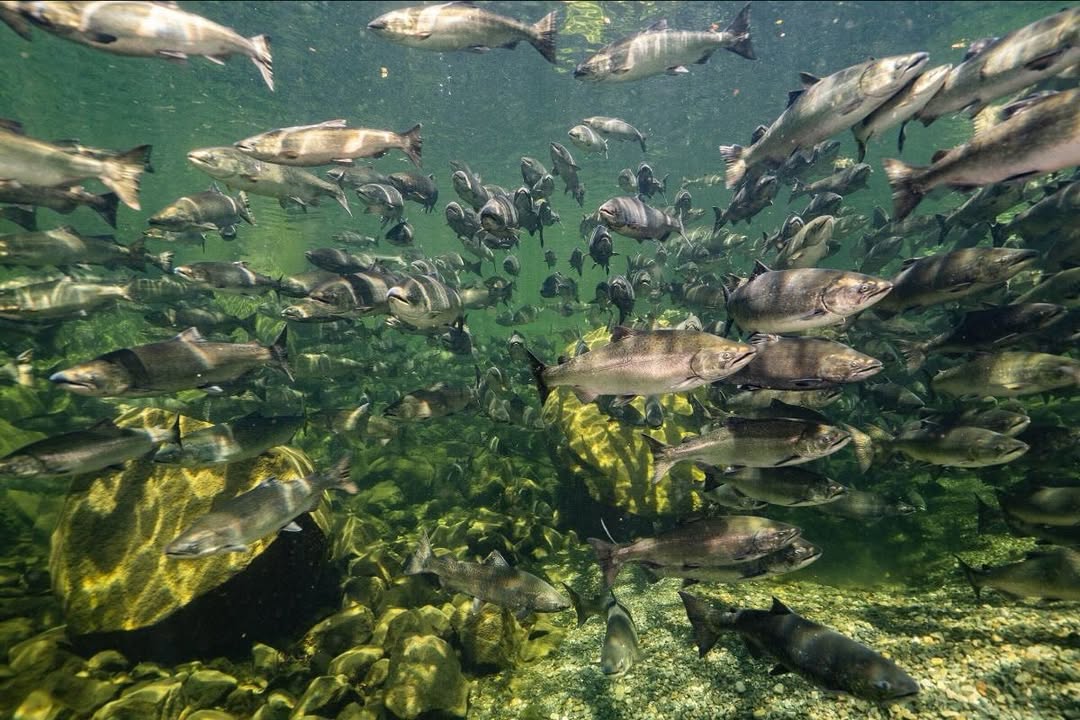
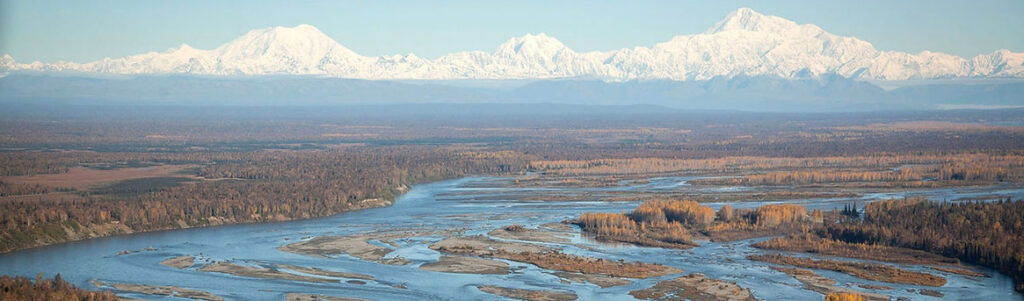
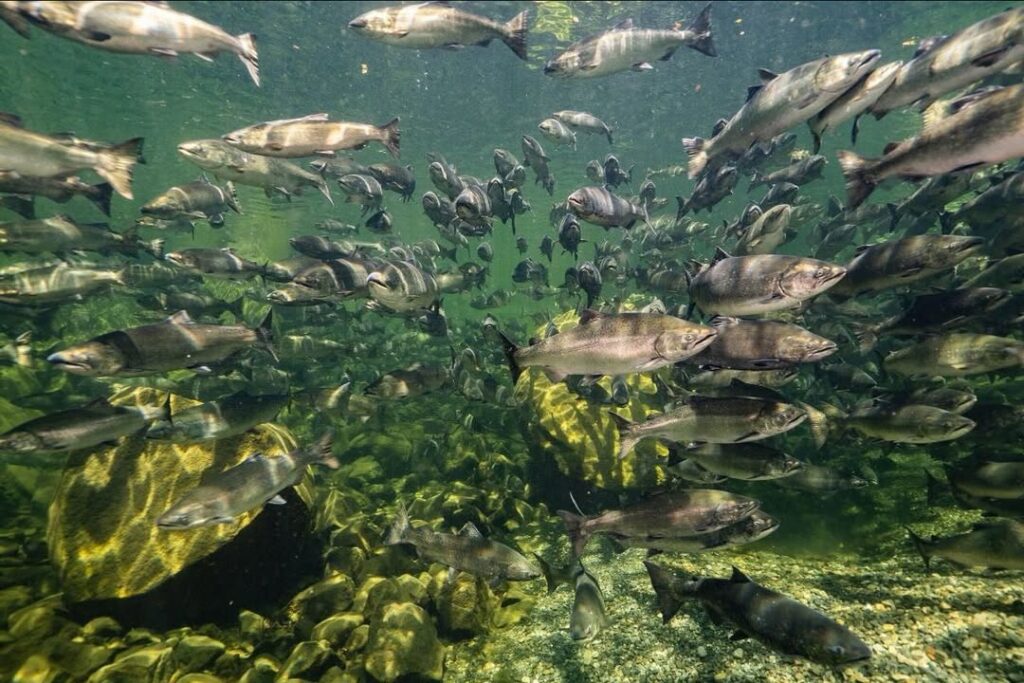
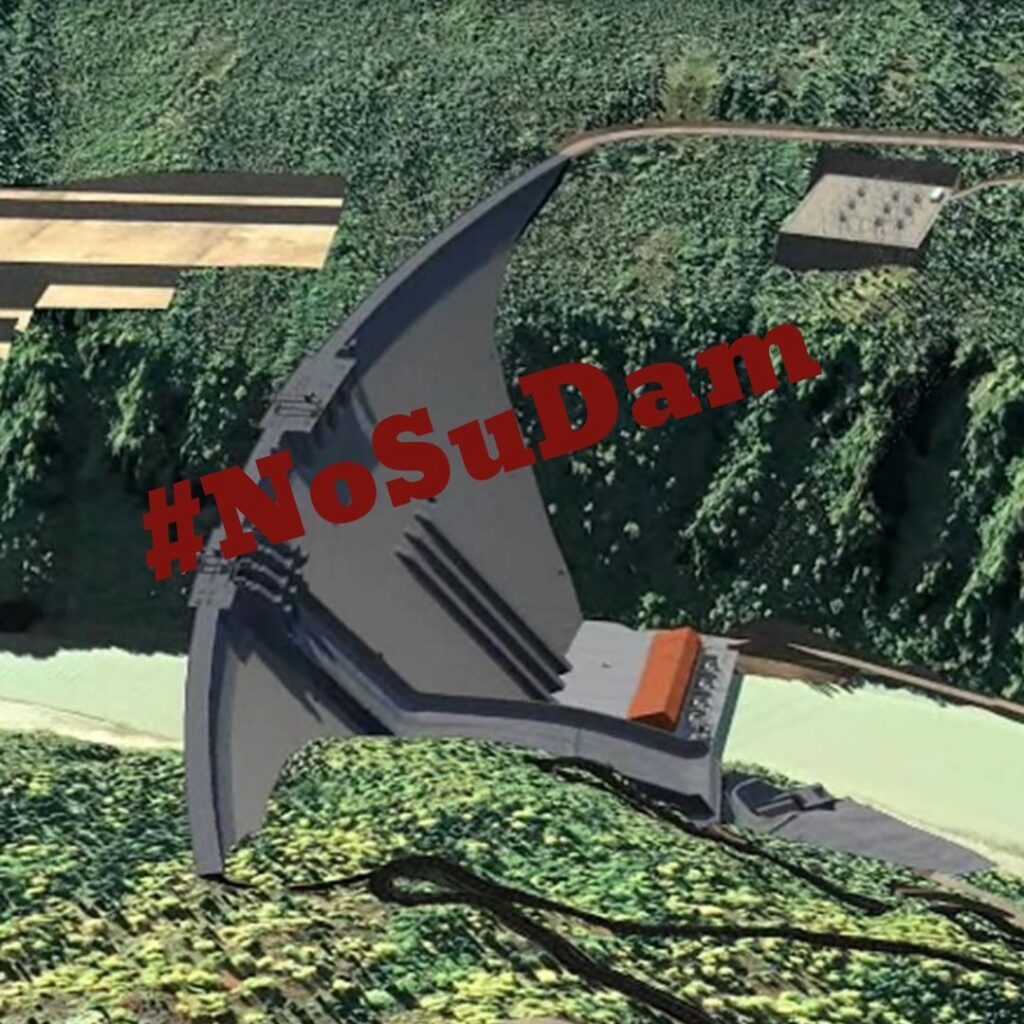
How does one of the largest free-flowing rivers in the United States end up back on the table for major development projects? In this episode, Margaret Stern from the Susitna River Coalition returns to the podcast to share what’s happening right now across Alaska’s Susitna watershed—from a proposed hydroelectric dam to a massive access road that could permanently change the region.
We talk about why the Susitna remains such a unique and accessible wild river system, how local communities are organizing around conservation, and why public comments matter more than most anglers realize. Margaret also shares details on the coalition’s river cleanup efforts, citizen science projects, and practical ways anyone—whether you live in Alaska or not—can help protect these fisheries for future generations.
00:00 – 02:00 — Margaret Stern Explains Why the Susitna River Faces Growing Development Pressure
Dave introduces the proposed dam and road projects that could dramatically alter one of the country’s largest free-flowing river systems.
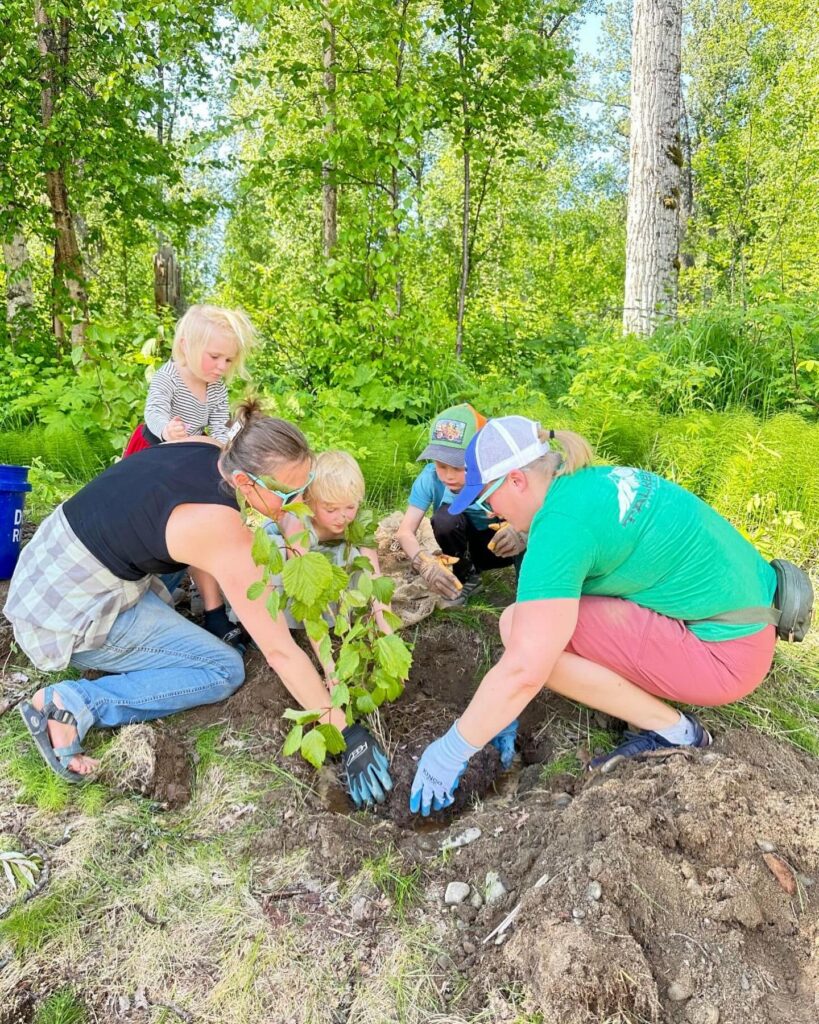
08:35 – 10:30 — Getting People Outside Is One of the Strongest Conservation Tools
Experiencing a river firsthand often creates long-term stewardship and motivates people to protect places they’ve personally explored.
14:30 – 18:00 — Glacial Rivers Require Different Skills Than Standard Float Trips
Cold, silty water and hidden structure create unique rafting challenges, but also make the Susitna one of Alaska’s most rewarding river systems.
20:00 – 22:45 — The Proposed 110-Mile Access Road Could Open Large-Scale Mining Development
Margaret outlines how the road project could increase industrial access deep into currently roadless areas of the watershed.
22:45 – 25:30 — Citizen Science Programs Are Helping Study Overlooked Species Like Pacific Lamprey
New watershed projects are using environmental DNA and volunteer data collection to better understand lesser-known native fish species.
28:15 – 31:00 — Conservation Information Often Becomes Too Complicated for the Public to Follow
One role of grassroots organizations is simplifying permitting, development, and policy information so local communities can stay informed.
34:00 – End — Margaret Shares Why Coalition Building and Local Voices Are Essential for the River’s Future
The episode closes with a broader discussion on bringing together anglers, communities, scientists, and policymakers around shared conservation goals.
Episode Transcript
00;00;02;00 – 00;00;28;17
Dave
How does one of the largest free flowing rivers in the country end up back on the table for dam construction? Today, we’re heading up to Alaska to look at what’s happening right now on the Sydney River. From the proposed dams to the road system to the people working on the ground to keep it wild. Margaret Stern from the Sydney River Coalition is back on the podcast to give us an update on what’s changing, what’s at risk and how a small local team is helping connect the dots for anglers, communities and anyone who cares about these rivers.
00;00;29;00 – 00;00;47;08
Dave
This is the Wi-Fi Swing podcast where I show you the best places to travel to for fly fishing, how to find the best resources and tools to prepare for that big trip, and what you can do to give back to the fish species we all love. Margaret Stern is going to take us into this sitting today. We’re going to find out what a massive dam project can mean for a completely free flowing system.
00;00;47;28 – 00;01;09;00
Dave
Find out how local communities are stepping up and out to protect what they love. And why your public comments actually matter more than you think and how the role of anglers can play, even if you’re not in Alaska. So right now, even if you’re not in Alaska, you can have a role in helping protect these natural waters. We’re also going to find out about this great river cleanup that they’re doing this year.
00;01;09;00 – 00;01;22;12
Dave
So if you want to get involved in that, we can do it right now. All right. Hope you enjoy this one. You can find Margaret at the Source sitting the River Coalition dot org. Here we go. Here’s Margaret Stern. How are you doing, Margaret?
00;01;22;23 – 00;01;26;03
Margaret
Hey, I’m doing great this morning, Dave. Thanks so much for having me on here again.
00;01;26;10 – 00;01;40;24
Dave
Yeah, Thanks for setting some time aside to talk about some important topics up in Alaska. We’ll have a link on the show notes. The last time we had you on, we talked about some of the current events that are going on up there. I think we’re going to continue that a little bit, maybe get an update on this.
00;01;40;24 – 00;01;56;01
Dave
We’ve got a really cool giveaway right now. All we’re doing with fishing expeditions, we’re giving away a spot for somebody to go up and fish with fish down. This week, we’re actually doing a couple of really cool episodes with with you and then also with the Salmon State and Adam and really trying to highlight some of the good stuff.
00;01;56;01 – 00;02;03;08
Dave
Well, I mean, some of the issues, but also some of the good work going on up there. So so first off, how are things going and what what’s keeping you busy this time of year?
00;02;03;20 – 00;02;33;19
Margaret
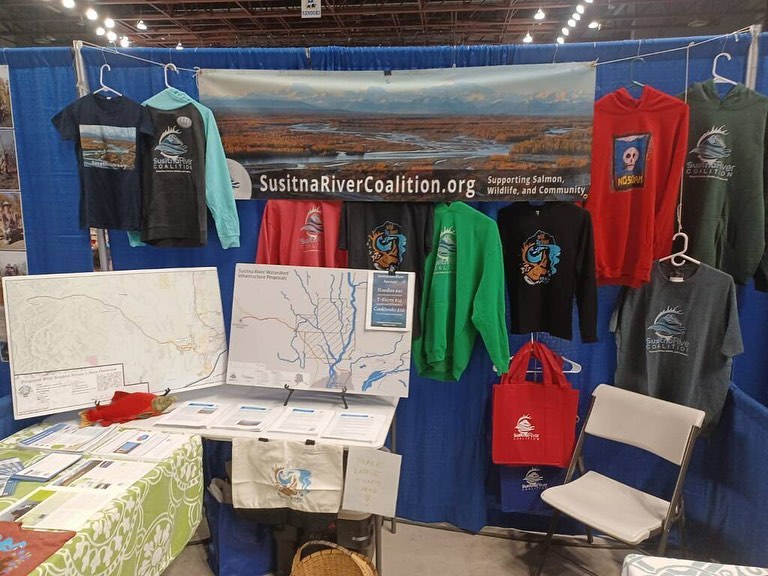
Oh, things are going pretty well. It did snow quite a bit yesterday, so that’s cool. Kind of a kind of a bummer as well. Yeah, right around. But this weekend we were actually at the Mat-Su Outdoorsman show. We had a big table there and we were talking to folks about all of our work in the watershed. And that is such a fantastic event to get outside and chat with or not get outside, get outside Talkeetna where we’re base and talk to folks and the surrounding area about what’s going on.
00;02;34;09 – 00;02;47;18
Margaret
So we have been spending a lot of time prepping for that event. But more exciting as they’re prepping for a field season this summer and just prepping for a lot of outreach and getting folks involved in all of our summer activities that we have going on.
00;02;48;06 – 00;03;04;06
Dave
Nice. Yeah. And I think one of the summer activities we’ve been talking about is the river cleanup. I think you have quite a bit going, but that’s one that is coming up here. Maybe you can just describe that for people, you know, that are in the area, I guess specifically that might be able to help win. Is that is that all set this year?
00;03;04;19 – 00;03;33;15
Margaret
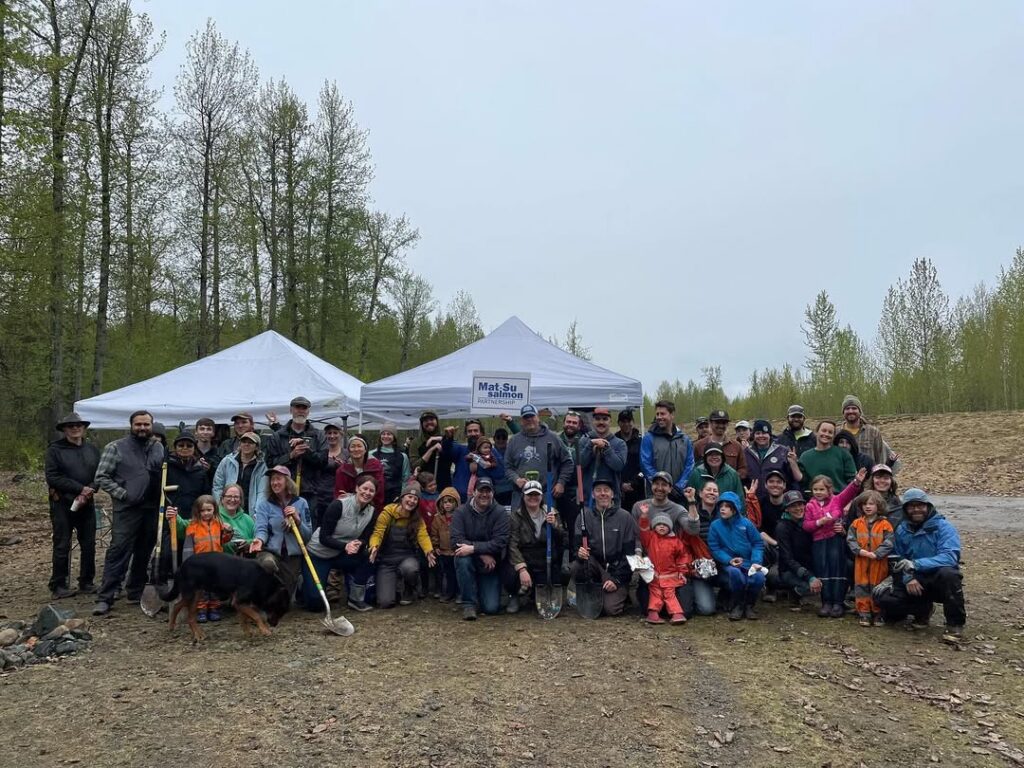
Yeah, that is all set for this year. So last year we hosted a wild salmon weekend. Alaska Wild Salmon Day is a state holiday and we’ve been trying to really lean hard into that because it is such an important fish for our communities and our ecosystems up here. And so last year we had a full weekend event with Nature Guided nature walks about river ecology and a big wild salmon burger feast, too, with silk screening and kids activities.
00;03;33;25 – 00;03;57;18
Margaret
So one part of that was an event that we’ve held for maybe seven or eight years, and that was also a river cleanup along the sea sitting in Talkeetna and partnership with Denali National Park Service. Included in that was an invasive weed pull there. Quite a big number of invasive weeds along that waterfront. And so that was really exciting to loop in to that riverside cleanup.
00;03;57;27 – 00;04;22;01
Margaret
But I think one of the most exciting things about that I one of the coolest parts was right as I was pulling weeds along the riverfront, there were two folks from out of state that were catching salmon, right? It says Main Street and downtown Talkeetna and it really drove home just how amazing these fish are and how special they are for us to still have in such abundance in Alaska.
00;04;22;25 – 00;04;27;26
Margaret
And just the excitement that they were experiencing was really was it was just fun and special.
00;04;28;00 – 00;04;46;06
Dave
Yeah. So there are fish. And I remember because we were up until Kina on one of the trips we did and we were we stayed there a few days in town. It was really cool because yeah, you have this is sitting one of the channels is running right there. You could walk out there on the kind of the beach or on the bank and look at the Denali or the mountains right off in the distance.
00;04;46;07 – 00;04;49;09
Dave
Is that where those people were fishing? Kind of right off that that main walkway.
00;04;49;18 – 00;04;57;26
Margaret
Right there at the end, the main street on that main walkway and beach. And just such a special thing to see folks pulling up fish as we are celebrating them.
00;04;58;08 – 00;05;19;28
Dave
So. Right. Yeah, that is cool. And you know, we’ve talked a little bit about I think there are definitely have been some challenges. You know, I think Chinook, I’m not sure of the current status and stuff like that, but I know there’s been some closures around Alaska and there’s definitely some concerns. What is it you know, we’re going to talk more on the cleanup, too, but what are the things keeping you busy as far as, you know, some of the issues or things we should be aware of out there?
00;05;20;09 – 00;05;41;15
Margaret
Yeah. One thing that to sit in a river coalition focus has a great deal on is the Western Sydney Access Project, and that is the 110 mile road that we spoke about. Last time I was out here that would go from the road system over and Big Lake now all the way into the Alaska range, and that could have some serious impacts to fish that.
00;05;41;15 – 00;06;01;13
Margaret
The other project that we formed in response to in 2014 is the city sitting on a ton of hydro project and that is a mega dam that would be upstream of Talkeetna and that is coming back to the in the conversation. And so something that we are very conscientious about and starting to organize around again, right?
00;06;01;13 – 00;06;08;01
Dave
There you go. So there’s a a dam project and right now it does this is sit in a have what does it look like four dams on this is sitting right now.
00;06;08;11 – 00;06;10;19
Margaret
It is a free flowing river.
00;06;10;19 – 00;06;18;21
Dave
Yeah completely free flowing So you’ve got I’m sure there’s probably some passage with roads and things like that out there. A little minor but nothing. No dams on the river.
00;06;19;00 – 00;06;41;17
Margaret
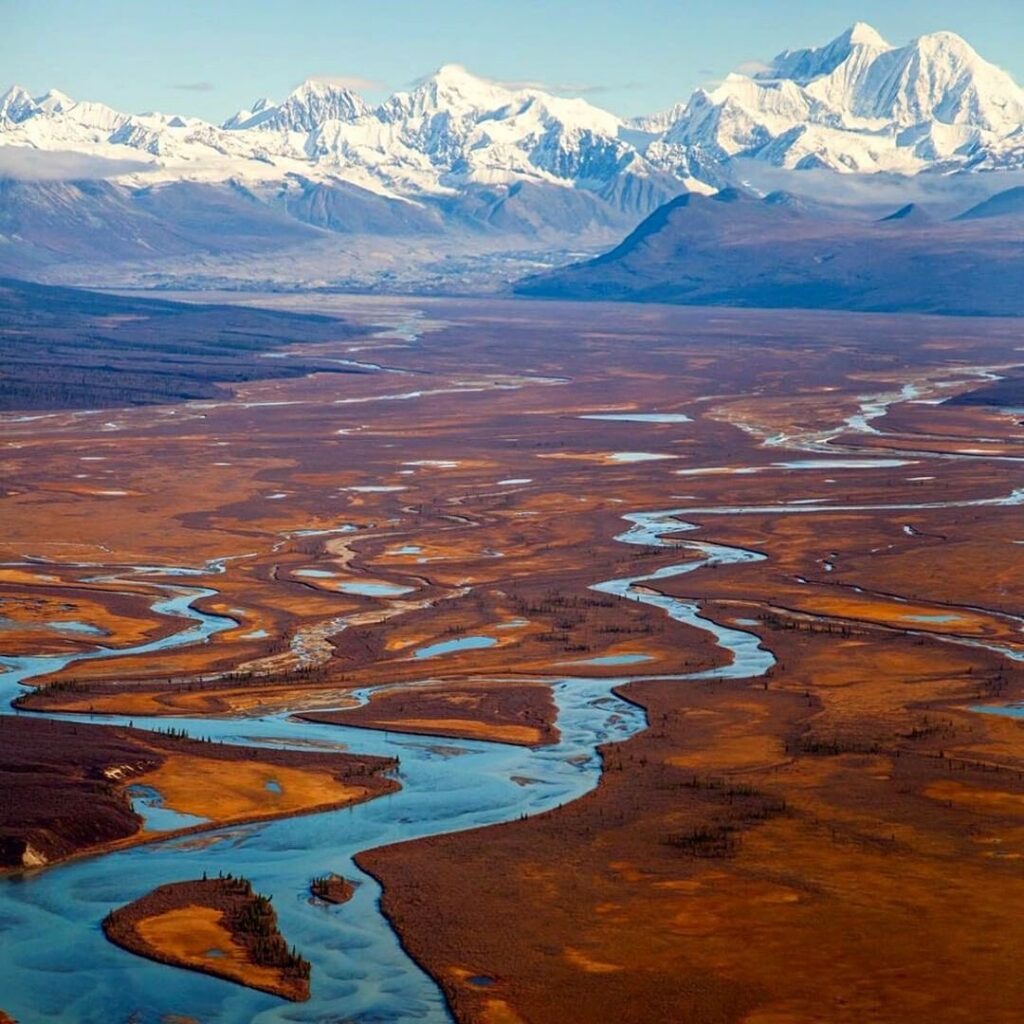
No, no dams on the river. There are two bridges across the city sitting there right now, one on the Park Highway and another, I believe, on the Denali Highway. But it is a free, flowing, wild river. And so this would massively change its ecology. And what’s interesting is the 13th largest, the Sioux City is the 13th largest watershed in the United States.
00;06;41;27 – 00;07;04;21
Margaret
And there are just a multitude of tributaries that flow into it. And when you look at the map and we had this incredible watershed map, and when you look at the ground that is drained and this is sitting there, it is really mind blowing. And the other interesting piece is about 75% of Alaskans live within that watershed. And so that’s another or the majority of Alaskans live within this.
00;07;04;21 – 00;07;09;16
Margaret
Is that the watershed? And so that’s also another piece that’s really exciting to think about. And yeah.
00;07;09;27 – 00;07;21;06
Dave
Right, that’s it. Yeah. Because you have yeah, basically it’s all kind of there. I mean, where you’re at up the Denali Highway in I guess Anchorage is even kind of in that you would consider that right in that same area.
00;07;21;16 – 00;07;28;17
Margaret
Right. So there’s just enough flows all the way from those who sit in Glacier in the Alaska Range and then empties into Cook Inlet near Anchorage.
00;07;28;17 – 00;07;45;01
Dave
That’s right. So and for those that don’t I mean, we definitely talk a lot about dams. We know the impacts. But what are the alternatives to, you know, the hydro? It sounds like it’s a mainly a hydro project. What are the alternatives to if you if you don’t do that? It sounds like there somebody is thinking you need more power.
00;07;45;14 – 00;07;48;01
Dave
Did you guys get into that a little bit? That discussion?
00;07;48;11 – 00;08;09;04
Margaret
We do get into it a little bit. However, you know, our our job is not to be the energy decision makers. Yeah, there are a lot of really smart people out there, but there are alternatives and there are good hydro projects to for example, there are some run of river projects and micro hydro projects that are really good.
00;08;09;13 – 00;08;35;25
Margaret
And the idea that we would build this massive mega project with fairly outdated technology in a state that still has salmon, when we’re watching dams being taken down in other parts of the country, it’s upsetting and doesn’t make too much sense. So yes, there are other energy options and there is some really interesting research going on. And we do have an energy policy person on our team that they would be the one to talk to about those items.
00;08;36;08 – 00;08;38;16
Dave
Yeah, you do have somebody there, right? Yeah.
00;08;38;16 – 00;08;38;28
Margaret
Yeah.
00;08;39;09 – 00;08;56;29
Dave
That’s cool. Yeah. Yeah. Well, definitely the biggest challenge, obviously as you put a dam and all the you mentioned the ecological impacts, but you know, there’s a lot of different things, fish passage and timing and stuff like that. But so that’s a big issue. The two sit in the Watton Dam project and then you mentioned the access road.
00;08;57;03 – 00;09;00;11
Dave
Are those kind of the big ones right now on your radar that you’re thinking about?
00;09;00;23 – 00;09;13;05
Margaret
Yeah, those are the two big ones. There are a lot of other issues that are cropping up and but they’re all kind of interrelated and but those are the two big projects that are really focused on.
00;09;13;18 – 00;09;31;24
Dave
Okay. And so and back to the I guess some smaller project, but probably I think equally as important as like education. Right? And part of that, I think the river cleanup. So maybe talk about that a little bit. What do you think is the most important? Why do the river cleanups, why are those so important? And talk about why you expect that you said this is going to be number your number eight.
00;09;32;04 – 00;09;34;29
Margaret
Yeah, I wouldn’t need to that number. It’s something like.
00;09;34;29 – 00;09;36;21
Dave
Yeah, something like that. Something close.
00;09;36;26 – 00;10;04;13
Margaret
Yeah. Yeah. One thing that well I’ll start with on Saturday at the Mat-Su Outdoorsman Show, my friend Israel McKay, who owns the Hayes jet boat Adventures here in Turkey. Then I gave a presentation on five ways to get out on the South. Sydney’s some of the best trips and the reasoning behind that was because when you leave a place and you get out into it and you experience it, you want to protect it.
00;10;05;03 – 00;10;28;06
Margaret
And so along with that is this education of how important a place is. So people, one thing that’s your Sydney River Coalition is really in support of as people getting out and recreating, you know, our, our entire board and staff spends a lot of time out in the watershed, whether it’s hunting or snow machining or mushing or we even have some folks that live off grid within the city sit in a watershed.
00;10;28;24 – 00;10;54;10
Margaret
But that education about the place, how big it is and how interconnected it is and how little is actually known about it is so important. The other thing that SIRC really focuses on is just education, how to get involved in public processes and where where your individual voice can matter. And it it does far more than most people think that your comments do make an impact.
00;10;54;10 – 00;11;15;09
Margaret
And we see that all the time where when we have as folks in our community right into specific comment periods, their comments are addressed. And so that’s one thing that we really work on. But with that river cleanup, it’s just important to get people out on the river in a very approachable way and making a small difference for the day.
00;11;15;22 – 00;11;27;20
Margaret
And it’s so exciting at the end of the summer season to have folks come out and, you know, clean up the river and you take a walk the next day along that river front and Talkeetna, and it just looks very different.
00;11;28;08 – 00;11;32;10
Dave
Right? It does. It does. Yeah. There’s a lot of garbage out there that you guys get your hands on.
00;11;32;17 – 00;11;33;24
Margaret
Yeah, yeah.
00;11;34;03 – 00;11;37;16
Dave
Yeah. And is it typically during the same time each year on the cleanup?
00;11;37;25 – 00;11;40;01
Margaret
Yeah, we typically do it in August each year.
00;11;40;12 – 00;11;44;27
Dave
Okay. And what is the day. Do you have that now for those people that might be up there this year?
00;11;45;06 – 00;11;48;22
Margaret
I do. The river cleanup is August 16th.
00;11;49;02 – 00;11;49;14
Dave
Okay.
00;11;50;01 – 00;11;51;29
Margaret
And that is Sunday. Yeah.
00;11;52;05 – 00;11;59;20
Dave
Yeah. And break down what that looks like. Is this something where and so no. And what is the day? The Alaska Wild Salmon Day. Is that also the 16th?
00;12;00;02 – 00;12;35;23
Margaret
No, it is not. The Alaska Wild Salmon Day is the previous weekend, but we are celebrating the next weekend. So for that cleanup day we set up outside of the ranger station in downtown Talkeetna, we give a short safety talk with National Park Service and then we send people out with hi vests and gloves and trash bags and they can clean up the waterfront either across the trestle bridge in Talkeetna or along that Main Street riverfront.
00;12;36;06 – 00;12;43;29
Margaret
And we’re also saying that there’s quite a bit of something that’ll which is an invasive plant that we’re picking up and a few other weeds.
00;12;44;11 – 00;13;05;18
Dave
Right. So people get out there, they meet there in the morning, get their vests, get the bags, and then I mean, obviously the sit in is you mentioned the 15th largest river in the country. So it’s not like you’re you’re capturing the whole thing. Are you mostly focused right in right in the tail, keeping the area there, other people around this is sit in the valley that, you know, are out there doing this.
00;13;06;02 – 00;13;27;24
Margaret
So it is just right in downtown Talkeetna. So Talkeetna is the only village that is right on the sea, Sitka. But we know that because of that, we get a whole lot of traffic. And along that waterfront, specifically with visitors coming in from out of state all summer. And again, it’s just kind of a hub for recreation right there at the end of the road.
00;13;28;03 – 00;13;44;02
Dave
Yeah. So this is and as you go up, I guess maybe for those that haven’t been there, the Talkeetna, may we talk about that, where it’s at located and what because that’s kind of a hub. It feels like a lot of people are making that drive up to tell Chena Can you describe that a little bit, the road system up there?
00;13;44;12 – 00;14;06;01
Margaret
Yeah, it definitely is. So if you landed in Anchorage and gotten a car, it would take about two and a half hours to get north south Kena And so to get there you would drive up the main highway, that’s the park’s highway, and eventually you’d get a sign that said Turn us. And that would be under the Talkeetna Spur Road and downtown Talkeetna as a dead end on a 15 mile road.
00;14;06;11 – 00;14;27;19
Margaret
And it dead ends right at this river system and the end of Main Street in Talkeetna is right where three rivers meet. You know, the Talkeetna, the Sioux City and the Juliana. And they are just these three massive rivers that meet right there at the end of Main Street. And you can get a full view of the Alaska range, which is just absolutely spectacular.
00;14;27;19 – 00;14;43;20
Margaret
A great place to go. Just take in the views. And it’s also a tourism hub because of all of these pieces that come together. And we do get a lot we have a strong tourism economy in the summertime and a lot of visitors come through.
00;14;44;01 – 00;14;58;20
Dave
Yeah, yeah. And if you look at on the map when you go to Talkeetna, and I remember it now because I remember a walk in the morning we were there, I think it was a little bit cloudy and then broke. It broke. And as you look up the city, you can see it on a clear day, the Denali National Park, right.
00;14;58;20 – 00;15;07;20
Dave
The giant 20,000 foot mountain. Yeah, that’s right. Right, right there on a beautiful day. Do you ever get tired of looking out the door? I’m not sure if you could see it today, but looking out there and seeing those mountains.
00;15;08;01 – 00;15;20;04
Margaret
You know? No. And I remember when I first moved up here driving down the road, and I thought, if I ever get tired of this, this view, something is wrong. Yeah. Oh, it is just so spectacular. This.
00;15;20;16 – 00;15;22;00
Dave
It is spectacular. Yeah.
00;15;22;00 – 00;15;25;26
Margaret
So looks those mountains. What’s so much bigger than you think they should be?
00;15;26;14 – 00;15;44;26
Dave
Right? Right. Well, they’re huge. It’s the largest. Definitely the largest mountain. Tallest mountain in North America. Yeah. Yeah. And, but just the wilderness area right over a millions of acres. But yeah. So when you’re in town, I remember walking up the little boardwalk and then looking up. So you have the Talkeetna River, which is a giant river coming in from the right.
00;15;45;06 – 00;15;52;23
Dave
And then to your left is just this is sitting right, which is this massive. And then and then the other one was what’s the third river that’s flowing in there the.
00;15;52;24 – 00;15;53;16
Margaret
To now.
00;15;53;24 – 00;15;56;23
Dave
And the Chula now which is that must be the next river just upstream.
00;15;57;02 – 00;16;07;12
Margaret
Exactly. And so the Sue you can see it flowing right in the main street but they all meet just upstream of where you would be looking at it at the end of Main Street.
00;16;07;23 – 00;16;21;29
Dave
Yeah, that’s it. Okay. So basically that’s the river clean. And you guys do that mostly for obviously cleaning up. Do you use it kind of as an educational piece to really get the community fired up and people around it? Or what’s the main reason you continue to do the cleanups?
00;16;22;08 – 00;16;44;10
Margaret
Oh, definitely. It’s a great community event. We get a lot of families that come out. A lot of our events are educational, events are in the evening and it’s really fun to do. And on the weekend, kind of right when school is starting and we get Boy Scout troops and other things like that, just good family activity. And we continue to do it because it’s important.
00;16;44;10 – 00;16;57;14
Margaret
Right? We we have people show up every year. We have we pick up a lot of trash every year. It’s a great partnership with the National Park Service. We like having their support and we’ll continue to do it as long as it’s needed.
00;16;57;14 – 00;17;12;14
Dave
When you when people talk about this is sitting, I feel like, yeah, you hear a lot about if you’re going up to Alaska’s because it’s it’s there, it’s that river, but it seems like it’s there is a bunch of those there’s the Yukon, you know, we’ve been up on the cusp. Sequim There’s all sorts of giant rivers, Alaska and around Alaska.
00;17;12;24 – 00;17;19;20
Dave
But what do you think people miss about this city that maybe makes it unique, a unique system compared to maybe some of the other ones out there?
00;17;20;03 – 00;17;43;15
Margaret
Well, that’s a great question. I think one of the really unique pieces about this city is it is so accessible. I’m talking about the Custer, Kwame or the Yukon. Those are much harder to get to. And this is sitting there, you know, if I wanted to friends of Chena, I could take a 30 minute, 45 minute raft trip, you know, at the end of a workday or something.
00;17;43;23 – 00;17;47;00
Dave
Wow. Have you done that? Have you have you tried the rafting up there?
00;17;47;12 – 00;17;48;23
Margaret
Oh, yeah, definitely. I do a lot of.
00;17;49;11 – 00;18;01;01
Dave
What’s that like? Is that because I remember when I first went up there many years ago and I remember hearing about people floating on it because it’s just glacial. Is it pretty like extreme or people falling out? Is it like, what’s it like?
00;18;01;14 – 00;18;23;14
Margaret
So it definitely has a different skill set. It’s fairly flat water, but you do need to be able to read glacial rivers because you can’t see that much. You have all that silt in there and it is cold and it is fast and there is a lot of energy that’s happening. But I’ve been very lucky to have had some training and to do some training and and some of that river work.
00;18;23;14 – 00;18;40;28
Margaret
And there are some very easy or to tackle trips right out of Talkeetna that you could do, you know, as a short evening trip. And my favorite part I was just telling someone about this the other day is when you sit in the raft and you’re quiet and you can hear the sound of the silt as a.
00;18;40;28 – 00;18;41;20
Dave
While.
00;18;41;20 – 00;19;00;29
Margaret
And it just has this really unique noise, just kind of magic. And when you get out there as well that you have all these migratory birds. So, you know, in late spring you’re seeing all the ducks come through and just a massive variety of goals and shorebirds that come through and nest on the Lusitania. And so that is really cool.
00;19;01;07 – 00;19;05;14
Dave
That is cool, yeah, because that’s the final destination for a lot of these migratory birds right there.
00;19;05;14 – 00;19;06;11
Margaret
Oh, I see.
00;19;06;28 – 00;19;17;02
Dave
So you hit it right? And typically the best time, I guess most people are visiting Alaska between what say like July, August, September is at that short of a window or is it expanded out a little bit?
00;19;17;07 – 00;19;38;16
Margaret
I think it’s expanded out a little bit. And we have a lot of interest now in the winter time as well. And but I think so that summer season, it really starts in June again. We’ll have snow on the ground until May likely. So yeah, but the other cool thing about the Sioux City is that it frequently freezes up to be used as kind of like a winter highway in the wintertime.
00;19;38;27 – 00;19;51;01
Margaret
So, for example, there is a sled dog race, the Sioux Dog 300 that went down to a big section of the Sioux sitting and this winter. And so it’s not only a summer recreation, have it as a winter recreation hub.
00;19;51;12 – 00;20;00;25
Dave
Yeah, it is. That’s right. So people are still coming up there in the winter. It’s not just summer and there’s things to do. Yeah, there’s that and I’m sure skiing and all sorts of winter activities if you wanted to.
00;20;00;27 – 00;20;01;23
Margaret
Exactly.
00;20;02;07 – 00;20;18;11
Dave
Yeah. And that’s also the accessibility, which is cool. I think we’ve talked about that with Adam at Fish Town is that, you know, the road system, you know, a lot of people go up to Alaska to remote lodges, which is amazing. If you have the resources. But you know, another way to do it is to be on the road system in come in Alaska, get a car and just travel.
00;20;18;11 – 00;20;23;19
Dave
Right. And do that do that thing and you can experience to now you can go to the national park, do everything we’re talking about from the road.
00;20;24;00 – 00;20;45;04
Margaret
Exactly. And there’s some fantastic fishing that I read on the road system as well that’s very easily accessible, like Montana Creek and Willow Creek. There are a lot of places where you could, you know, go fishing for an evening, can’t buy a really incredible creek system that’s just beautiful and then head up and try another one the next day.
00;20;45;17 – 00;20;53;24
Dave
Yeah, that’s cool. That’s exactly what we did last time we were up there. We just kind of hopped around and hit the Montana and all the different road system. Yeah, So it was good.
00;20;54;05 – 00;20;56;23
Margaret
Very cool.
00;20;56;23 – 00;21;17;29
Dave
Fish Down Expeditions offers world class fly fishing right off Alaska’s incredible road system, from monster rainbow trout to feisty Arctic grayling. You’ll chase big species in the stunning landscape, whether you’re a seasoned angler or just starting out there. Expert guides ensure an unforgettable adventure Book your trip today before spots fill up and experience Alaska’s diversity like never before.
00;21;18;10 – 00;21;39;27
Dave
Check them out right now that’s Fish Town expeditions dot com. So we’re kind of talking here. You mentioned a couple of the big projects. You know, again, I always love to think about what people can do if they’re listening to help out. So you’ve got this sounds like a potential dam project on the horizon. People are trying to at least start up and you’ve got the road, you know, kind of some of that.
00;21;40;01 – 00;21;46;11
Dave
What would you tell somebody now to have them help out, maybe to have an impact? Well, could it can anybody, if they’re outside of Alaska, help with this?
00;21;46;24 – 00;22;14;10
Margaret
Oh, definitely. We are expecting with the West, Suzanne, access projects that are for for wetland permit, which is an Army Corps of Engineers permit, will be coming up. You know, it’s hard to pin down exact dates or an exact timeline, but we we anticipate that we’re getting closer and closer to that. And that is an opportunity for anyone in the United States to say, this is crazy, this is an incredibly unique system.
00;22;14;11 – 00;22;39;27
Margaret
I like the idea of having this roadless Alaska region that people are so getting out and accessing. And I don’t want to 110 mile mining road going out to Australian and Canadian gold mining claims. So that’s an opportunity for folks to weigh in. Also last year, the Sioux City now was designated as one of the most endangered rivers in the United States.
00;22;40;06 – 00;22;47;07
Margaret
And so that just really drives home how much is at risk with all of the development pressures coming in on this Sioux City?
00;22;47;26 – 00;22;58;01
Dave
Wow. So it was labeled as one of the most endangered just because of the the threats of so much like waters that. Come on. Is that just like there’s so many things up in the air right now?
00;22;58;14 – 00;23;13;08
Margaret
Yeah, there are so many and continue to be so many potential development projects that would just inexorably change the river system. And that was by an organization for the American Rivers that does that designates endangered rivers every year.
00;23;13;19 – 00;23;34;02
Dave
Right. Right. And I’m on your website now and yeah, you’ve got a great shot list right now in the banner of the mountain range. And it doesn’t Yeah, you know, you’ve got to be adverse because it doesn’t quite do it justice. You’re looking at it, it looks amazing. But when you see the light but, but then the floodplain right in this huge floodplain which you’re looking at, but if we are on the website, we could go to where we go to get more information.
00;23;34;02 – 00;23;38;19
Dave
Or do you would be signing up to a newsletter, Would that be a good thing to do here to follow up?
00;23;38;20 – 00;23;56;14
Margaret
That would be the best thing to do. And you can scroll down to the bottom and we have it on that homepage and there’s a newsletter sign up. But the other thing that we do a lot of is educational events. And so, for example, we do a Winter Speaker series every year. And so this year two of the most popular were about adventuring.
00;23;56;22 – 00;24;19;15
Margaret
And we spoke with a fellow who had rafted the entirety of the Sioux, sitting up from the glacier down to the mouth of Mississippi. And so we we put all of those on Zoom and YouTube. And so we have some really fun, fun items on there as well. You know, we’ve talked about Invasive Pike with AIDS and, gee, biologists talked about Pacific lamprey with biologists.
00;24;19;25 – 00;24;28;04
Margaret
So we have a lot of interesting educational stuff that’s out there. And we always the back end to the issues that we’re experiencing and seeing on this new perfect.
00;24;28;04 – 00;24;39;22
Dave
And what are the would you say are some of your priority species that you’re thinking about as far as fish out there? We always hear about the salmon and are there do you have kind of top priority species or how do you look at that?
00;24;40;08 – 00;25;09;19
Margaret
So I wouldn’t say that we necessarily have priority species. I think, you know, I have an ecology background and they all sell a certain role and they all, you know, they’re all important. I think we think so frequently about salmon and they are. I love salmon, so they’re the most impressive species group of species. But one thing that we are so excited about in particular, and we recently received an EPA granted that as our you know, we’re a small, scrappy nonprofit.
00;25;09;19 – 00;25;37;09
Margaret
We have three staff and a very devoted volunteer board. We got a grant from the EPA to do something called Watershed planning and Water. So the planning is essentially creating this framework for what are the issues that we are facing where what our priorities for research. And as a part of that, we will be kicking off a citizen science program that will be looking at Pacific Lamprey.
00;25;37;09 – 00;25;59;22
Margaret
Within this you sit in a drainage and this is so exciting because, you know, we hear a lot about salmon, but there are a lot of other important species in the ecosystem. And for a large river system that so many people live near and recreate and we know very little about what is actually out there and where the fish are.
00;26;00;12 – 00;26;26;01
Margaret
So this is a project we’re connecting with folks that are out hunting or fishing or hiking, doing hiking trips, and we’re making these small little packets for folks to go out and collect DNA, which is environmental DNA that can be shared into the environment or water quality sampling and habitat assessments. And so that’s something that’s very exciting that we’re working on.
00;26;26;12 – 00;26;35;06
Dave
That is so another another species to add that’s not a salmon or trout, right? Which is cool. There’s others. They’re not all salmon, right. The important species aren’t just salmon.
00;26;35;14 – 00;26;48;23
Margaret
Exactly. Yeah. They’re the most charismatic, I think. And we all love them so much. They play such an important role in our communities. And, you know, and they’re in my freezer. I had salmon patties for dinner last night.
00;26;49;15 – 00;26;51;06
Dave
But that’s awesome.
00;26;51;11 – 00;26;52;15
Margaret
Yeah, that’s good.
00;26;53;04 – 00;27;22;14
Dave
Nothing. Nothing is better than. I mean, the salmon is I guess maybe some people don’t like it, but it’s pretty good, right? You’ve got. Yeah, you’ve got lots of good species. Yeah. What if you gave, you know, let’s look at a little bit. So we’ve been kind of looking back what you have gone, if you look out in the future, say ten years, what do you think is the kind of best case scenario for this city and what is something that keeps you up at night as you think as you look out at maybe what’s going to be your legacy or, you know, as you look back, what’s it what would be that scenario?
00;27;22;27 – 00;27;27;29
Margaret
Yeah, we would love to see permanent protections for the city. Certainly no dam on the cities that now.
00;27;28;07 – 00;27;42;12
Dave
Yeah. Is it right now. I don’t know what the protections would be but you know, wild and scenic, I mean are there certain things like that that could be it could be designated and that would keep it from, you know, because it’s already a national park, right? It’s already got a chunk in there that’s a national park.
00;27;42;26 – 00;27;55;26
Margaret
Well, I think there are there are a lot of options for how those protections could be pursued. But I think, you know, as long as we say that there can never be a dam on this free flowing river, that’s it. That would be the key.
00;27;56;04 – 00;28;01;21
Dave
That’d be huge. Yeah. If you could in ten years, look back and see it still as a free flowing stream. That would be a huge win, wouldn’t it?
00;28;01;28 – 00;28;15;02
Margaret
Oh, yeah. I mean, what keeps me up at night is this idea that the river that we get to see and experience every day would be just changed. And it makes me very sad.
00;28;15;02 – 00;28;34;00
Dave
Yeah. How do those come into play? Because I think you have certain things protections. The EPA, you know, you mentioned some of this that are there to protect the most important, you know, or just protect the species. Right. You can’t let things go extinct all that. How does that play where it keeps coming back? Some of these things like even Bristol Bay, right?
00;28;34;00 – 00;28;42;08
Dave
You hear these things that keep coming back, they get pushed. Do you are you involved in that process where it’s like, okay, you don’t hear about it? And also it’s back who’s who’s kick started these ideas.
00;28;42;17 – 00;29;11;06
Margaret
Yeah. So for each project it’s different. But I think one thing that we have to remember is and I think about this quote quite a bit whenever I’m doing work or communicating with people and they say, Oh no, they’re talking about that dam again, because this would be the fourth time it came back up. And there’s a quote that’s along the lines of, well, the the site and I hate to call it a fight is never over because the dam site is always there or the mineral is always in the ground.
00;29;11;14 – 00;29;32;29
Margaret
And so as long as that’s there, someone is always going to want to take advantage of that. And so I think for all of these projects, there will be different players that, you know, identify those things as items of interest. And so the only way to get away from that is for permanent protections.
00;29;32;29 – 00;29;53;23
Dave
That’s a and you mentioned a few of these. So when you think of development, because obviously there’s humans that are out, you know, we have to live out there and we have to do certain things. But as far as development, you mentioned a couple of the dams, the roads. Yeah, these are the two are there are other risks out there and this is sitting other than those two, you know, things that, you know, maybe aren’t as big but are out there as well.
00;29;54;03 – 00;29;54;22
Dave
Yeah.
00;29;54;23 – 00;30;27;14
Margaret
So we have a variety of different things that are going on and most of them are somewhat tied to, you know, for example, the road project and yeah, we are not opposed to development but believe it should be done the right way and with the highest standard of protections and with the greatest amount of transparency to the to the state residents and other projects that are out there, there are some oil and gas leases in near Willow, which is in between Wasilla and Talkeetna that have been opened for exploration permitting.
00;30;27;24 – 00;30;48;08
Margaret
There is a coal plant, coal power plant that’s proposed. There are data centers that are coming up. And so these are a lot of the things that we are hearing about from our community and our members. And some of them like, for example, with oil and gas leases, we’ve taken a stand on that. We have not on things like data centers, but there’s just a lot of stuff popping up.
00;30;48;08 – 00;31;08;12
Margaret
There’s a lot of proposed development and it’s all happening at once, which I think makes it hard for the everyday person whose job it is not to track these issues, to follow. And that that is concerning to me. For example, with the road project, I had people come up to me again at the outdoors and in show saying, I can’t figure out what’s going on.
00;31;08;23 – 00;31;14;20
Dave
You know how you got this because you got the general public that’s sitting there like, Well, what is going on? Like, why am I hearing about this dam again?
00;31;15;04 – 00;31;34;21
Margaret
Exactly. And I think that’s what’s the most troubling to me is that it’s is it is people’s jobs to follow this. And the information is so spread out and so convoluted. How does the average person whose job it is not to follow these projects put it together? And of course, that is our job to consolidate that information.
00;31;34;21 – 00;31;46;12
Dave
Yeah, exactly. That’s why you’re there. That’s why you’re so important, because you’re actually there to help guide people that don’t now and they can follow you right now. They have you on social media. They can get to your newsletter and we can actually keep up to what’s going on.
00;31;46;22 – 00;31;54;22
Margaret
Exactly. But just the information is so dispersed and I think it makes it hard for people to figure out what’s actually going on and so many things to follow.
00;31;55;04 – 00;32;15;14
Dave
Yeah, yeah, definitely. The and the news whole thing with the news has been really confusing, too, right? Because the whole media has changed a lot. And I feel like that’s the reason the podcast is actually a cool space because you’re telling her, you know, you can hear somebody just tell their side of the story. Yeah, I mean, you can actually listen to them like, okay, and then you can bring somebody else on maybe from the other side and hear them talk.
00;32;15;21 – 00;32;16;12
Margaret
Exactly.
00;32;16;13 – 00;32;22;02
Dave
Like there’s not it’s not a snippet, right? It’s not like a little sound bite. It’s hard to figure out what’s what’s real.
00;32;22;02 – 00;32;22;16
Margaret
Right.
00;32;22;26 – 00;32;41;03
Dave
So this is good. Well, what are what about like, you know, I feel like again on these same thing, misconceptions. What do people maybe anglers have, you know, some misconceptions about how this whole process works when you get to a, you know, permitting environmental review and how that works in Alaska, do you feel like there’s a lot of people that don’t understand how it actually works?
00;32;41;13 – 00;33;04;26
Margaret
I think one thing that happens that I see is we ask folks to comment repeatedly. And so you think so a lot of people think, okay, I already commented on this. That’s still happening. Right. But the whole the whole point is that, yes, it is hard to keep sending in economics. It’s hard to keep track of. That’s why, again, we send out a lot of information about how to comment and where to send your information and when the deadlines are.
00;33;05;11 – 00;33;27;04
Margaret
But as you’re committing over and over, you’re building a record and you’re showing opposition at different steps. And so every time you comment, it is important. And the other thing that I that people should know is that and this this goes for all over the country when comments are being made. You don’t have to be technical, You don’t have to be an expert.
00;33;27;16 – 00;33;56;07
Margaret
You need to have a connection to the place. Right. And so if I go out and I say, well, you know, I’m not I’m not a X, Y or Z, I’m not a hydrologist and not an expert, for example, like we were just talking about rafting, I raft this is sitting at this date every year or I have and I have seen this bird species or I have seen this habitat being utilized by X and you use site that person connection.
00;33;56;16 – 00;33;59;27
Margaret
That is what is so important and that’s that gets listened to.
00;34;00;11 – 00;34;09;15
Dave
That’s right. Yeah. Everybody’s voice matters, right? You don’t have to be an expert. You could just love, right. And kind of want to protect something that you love. Like, that’s good enough.
00;34;09;16 – 00;34;30;09
Margaret
Exactly. And they’re bringing that personal experience to and you are seeing things when you are out recreating wherever you are out fishing or, you know, hunting or doing your thing, you are seeing things that others are not. And so you you do have an expertise. And I think that’s important to remember. And that comes into play when making comments like these.
00;34;30;22 – 00;34;48;05
Dave
Yeah, definitely. Yeah, there’s a lot going on here. What do you think as far as you know, and some of these questions are probably, you know, like you said, it might be a higher level, but I think a policy and and all of that are there is there anything that you might, you know, make a change to a certain policy out there that you think could benefit?
00;34;48;23 – 00;34;56;11
Dave
This is Sydnor is there does anything come to mind that’s you know kind of like out there that might be changed in a better way for the stream?
00;34;56;11 – 00;35;11;00
Margaret
You know, I don’t think that I have any specifics on that. And we are. Yeah. Yeah. So unfortunately, I don’t at this moment we we follow a lot of issues but we’re a501c3 nonpolitical gig, right.
00;35;11;11 – 00;35;20;15
Dave
Yeah. You’re kind of, you’re kind of in the I guess more in. Yeah. You’re, you’re actually bringing people together, right. I mean that’s kind of the role part of what you guys do.
00;35;20;16 – 00;35;22;12
Margaret
Exactly. Which is cool. Exactly.
00;35;22;13 – 00;35;32;11
Dave
You’re not necessarily there’s groups out there probably in Alaska that are actually, you know, in taking a stand and maybe even filing lawsuits against some of this stuff. But that’s not what you guys do.
00;35;32;15 – 00;35;58;16
Margaret
Yeah, we we view ourselves as members of our community. We are the only grassroots organization advocating for conservation between Anchorage and Fairbanks. And that’s a massive area. And What we what we do is we talk to we talk to folks in our communities, get their input, and we advocate for the health of the river and educate people on how how to engage in all of these processes.
00;35;58;28 – 00;36;19;22
Dave
That’s awesome. Well, on that, on that same track, you know, I feel like building those broad coalitions are probably a big part of what you do, right, Bringing everybody together. Is that something where you’re trying to work out there, where you have, you know, can industry, government, anglers, all the people that are up there and interested, you know, and you’re in those meetings trying to work together, Is that is that kind of how it looks up there in the perfect world?
00;36;19;29 – 00;36;58;17
Margaret
Oh, definitely. You know, I think we chat with people across a broad spectrum of beliefs and values. And again, I’ll return to that watershed plan that we’re working on that is bringing in a huge swath of folks from our, you know, local government to community councils to tribal entities and then general public and that’s been a really exciting process to bring in all of these experts from different areas, you know, thought areas and areas of expertise and really delving on what a vision for us to sit in that so the future would look like.
00;36;58;27 – 00;37;11;10
Dave
That’s huge. Well, it sounds like you’ve got a lot of good things going on here. Anything else you want to give a heads up on before we get out of here In a little bit? Just on broad pictures who sit in, you know, Waters, you know what you have going in the watershed.
00;37;12;10 – 00;37;42;28
Margaret
That’s a great question. I think generally the takeaway is this you sit in is currently this amazing free flowing river. And this is sitting in this currently in this incredible free flowing river that’s incredibly healthy and it’s facing a lot of threats right now. And there are ways, whether you live in Alaska or out of state to get involved in it, then protecting it and making sure that it remains a place that your children can go fishing and your grandchildren can go fishing and enjoy.
00;37;42;28 – 00;37;49;16
Margaret
And we would love to get in touch with anybody that has a special connection to this place or wants to learn more about it.
00;37;49;28 – 00;38;13;25
Dave
Yeah. No, it’s awesome. I, I heard a story. That’s the cool thing about the stories that we hear on the podcast. You know, I feel like, you know, you’ve got lots of stories that probably we could share in the future. One we heard recently by another nonprofit and they were talking about she was talking about how she was kind of just getting in to fly fishing and she had a connection through a I think it was a mining job she was working on.
00;38;13;25 – 00;38;27;09
Dave
But anyway, she it turned out her grandma, she didn’t even know it, but her grandma was like kind of this famous flying lure. Well, it’s it had, you know, the fish. Yeah. Yeah, exactly. I said the same thing. So it just turned out she had over the years, kind of slowly gotten into fly fishing and then she was in it.
00;38;27;09 – 00;38;47;20
Dave
And now she it’s actually she is the executive director of science, The Fly, which is a group that fishpond kind of founded or helped found. And anyways, but she was telling the story of how after she got into it, she realized because she had this connection, her grandma is this epic angler anyways. And so she’s like, Oh, I got it in my blood sort of thing.
00;38;47;28 – 00;39;05;13
Dave
But, you know, I guess the point there is is that, you know, you never know, you know, where this can lead, right? I feel like we’re talking here about some of these issues, But I mean, we had all brings back to us because we’re flying gears, Right. You know, And that’s the connection, right. And I feel like now tell us on that is as far as your story, have you you’ve done a little fly angling, right?
00;39;05;13 – 00;39;06;23
Dave
Well, what’s your what’s your status there?
00;39;07;01 – 00;39;30;25
Margaret
I’ve done a little bit of flying going, not extensive. But one interesting thing and kind of along the lines of the story you just told, my grandfather passed away this year and he was an avid fly fisherman. And I, I am very excited. I have all of his flies that he tied. Oh, I’m his older rod. And so I’m really excited to get out with him this summer and learn some more.
00;39;30;25 – 00;39;34;18
Margaret
Although I’m very I’m going to be a little protective of the fly as he it. I don’t think I’m going to.
00;39;35;04 – 00;39;37;10
Dave
Oh yeah you got to be careful, right?
00;39;37;10 – 00;39;53;17
Margaret
Yeah, but I’ve signed up for a couple of courses just, you know, with community members to, to do a bit. But I do I have worked for fish fishing game and did a lot of like did a lot of fishing when I was working with them and fish every summer for salmon.
00;39;53;17 – 00;39;57;29
Dave
So that. Right. Where did you where did you work in with Fish and Game. What part of the Alaska.
00;39;58;15 – 00;40;09;27
Margaret
So I worked in a couple of different spots. I worked the out of Yakutat on the SeaTac River. That was amazing. Had a big steelhead run.
00;40;10;00 – 00;40;11;06
Dave
Yeah. Steelhead right.
00;40;11;12 – 00;40;25;17
Margaret
Steelhead run, which was just wild to see and just these beautiful kings that would come up there too. And then I worked out of Mueller on the Alaska Peninsula under river called the Sandy River, that also had some steelhead coming up. That was my favorite place on the planet.
00;40;26;12 – 00;40;32;17
Dave
I’ve heard about that. Yeah. Port wall. That’s Port Moller. I’ve heard about the Sandy. Yeah. Is that the sandy river?
00;40;32;27 – 00;40;36;25
Margaret
Yeah, Sandy River. It is pure magic. Yeah.
00;40;37;01 – 00;40;40;19
Dave
Wow. And on the Alaska. What is that like out there? Lots of bears.
00;40;41;02 – 00;40;41;11
Margaret
Yeah.
00;40;41;12 – 00;40;43;20
Dave
Oh, those brown bears. Brown bears. The Grizzlies.
00;40;44;07 – 00;41;06;02
Margaret
Great question. Big grizzlies. Big brown bears. I don’t but I think that plays like just so much life when you’re out there the bird and this was amazing just tons of bears every day there’d be a mother and three cubs that would come walk past the cabin every day. Lots of bad weather, but great, great. Just wild space.
00;41;06;14 – 00;41;23;22
Dave
Yeah, it’s that’s it’s pretty special place. Well, good. Well, like we said, we’re doing this event at the Starburst, so we’re doing a giveaway. Somebody right now is going to actually get a chance to win a trip to head up to Alaska and this is with the fishing expedition and then all of our other partners on this. So it’s going be really fun to announce this next week.
00;41;24;03 – 00;41;41;11
Dave
And so we’re going to be doing that and I’m going to be talking to a who’s going to be heading up there this summer. So. Well, this has been great, Margaret. I think we could leave it there for now and until the next one will definitely be following up with you on and and keeping in touch. We’re going to grab that newsletter and stay in touch with you.
00;41;41;11 – 00;41;43;04
Dave
So thanks again for all your time today.
00;41;43;14 – 00;41;51;00
Margaret
Yeah. Thank you so much for your interest. And as we sit there and really appreciate you giving us the opportunity here.
00;41;51;00 – 00;42;09;00
Dave
All right. If you get a chance, please connect with the sitting the river coalition. Sit in the river coalition talk and let them know if you’re going to be up in Alaska during the time of the river cleanup. Sounds like a great time. Please check in there And also stay tuned. Sign up for that river newsletter for the.
00;42;09;28 – 00;42;34;02
Dave
We want to make sure that you’re aware when things change and when they need support. So do that today. That’s your big call to action. We’ve got a bunch of great trips going on, including this giveaway. So this is just launching this week if you want to get access what play swing dot com slash giveaway this is your best chance to join the giveaway and get a chance to go up to Alaska fish with fish town expeditions and one of the great rivers in Alaska.
00;42;34;23 – 00;42;54;08
Dave
The road system is awesome All right that’s all I have for you today. I hope you’re enjoying this one. I hope you have a great afternoon. A great evening or morning whether you’re traveling on the road or at your desk. Glad you could stop in for this one. And we will see you soon. Thanks for listening to the wet fly swing fly fishing show for notes and links from this episode.
00;42;54;10 – 00;43;05;13
Dave
Visit Wet fly, swing, dotcom or.
This episode highlights how quickly even the most iconic wild rivers can face major development pressure. Margaret Stern shares why the Susitna remains one of Alaska’s most important free-flowing systems, but also why long-term protection depends on public awareness and local involvement. From river cleanups to citizen science and public comments, the message is clear: small actions from everyday people still matter. Whether you fish Alaska or simply care about wild rivers, this conversation is a reminder that these places only stay wild if people continue speaking up for them.