Episode Transcript
Dave (2s):
Welcome to Traveled, where we take a journey to a specific region. So you discover what makes this part of the world so unique. Before we get rolling with our guests this week, I wanted to share the love with our Traveled sponsor. This podcast is powered by Swing Outdoors, the Wet Fly Swing podcast and Yellowstone Teton territory. Please head over to wetly Swing dot com slash teton to connect with the great brands that make up this amazing region of the country. Let’s do it. Let’s jump in and find out where that road less Traveled is gonna lead us today. How, you doing Sam?
Sam (37s):
Very well, Dave. Thank you Thanks for having me on.
Dave (40s):
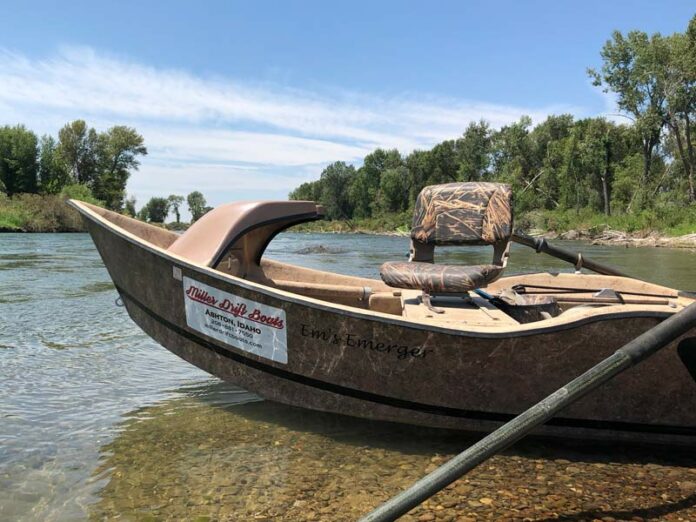
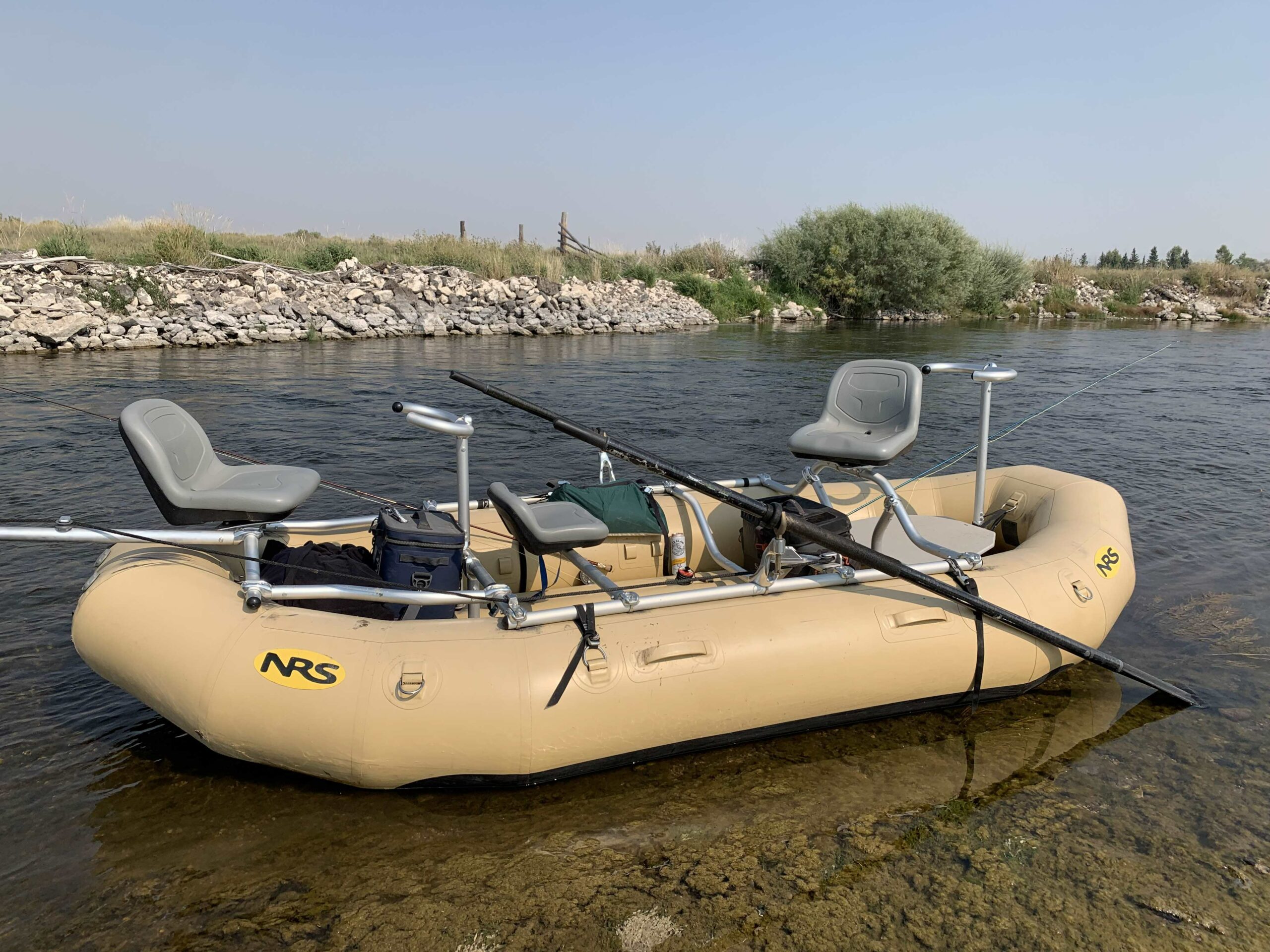
Yeah, yeah. Thanks. Thanks for coming on here. I also wanna thank you for letting me use one of your boats. We had our Euro school trip here this year, and I was out. I was lucky enough to float, take one of your hide boats out. And I mean, for me, I love fishing, but I love boating almost as much, so it was a pleasure using the boat. So I wanna talk about the boats, what you do, what Miller drift boats is and all that. But first let’s get into fly fishing. How did you first get into fly fishing? What’s your first memory?
Sam (1m 7s):
Ooh, okay. Well, we’re taking it way back then. My very first memory of fly fishing, so I grew up in South Dakota and I grew up in Sioux Falls.
Dave (1m 18s):
Oh, wow. Not a hot place for fly fishing, right?
Sam (1m 21s):
No. Nope. Not a whole lot of fly fishing going on out there. And I, you know, didn’t even hardly know what it was. No one in my family really does it, but there was a, a place there called the outdoor campus, where they take really people of all ages, but mostly it’s for kids, and the goal is to get them outside. And so, and that, that’s what I love, you know, just being outside and fishing and hunting. So I was there as much as I could. And then when I got older, I actually ended up volunteering there quite a bit. So my very first memory was taking the fly fishing class there where you go and you, they give you a little vice and they’re gonna teach you how to tie a little fly. And I don’t remember what fly it was, but after that we took our fly rods and we went out to the pond that they have there that’s got blue gill and some big hole bass in it.
Sam (2m 9s):
So my first memory fly fishing was, I was probably eight years old, standing on the banks of that pond trying to cast. And you know, as an eight year old with little instruction in a group of kids, it’s, it’s not super easy to cast. And so that wasn’t working out. So I went over to the dock and I stood on the dock, and then I just dipped my fly on the top of the water and kept hooking all these little blue gill. And then I noticed as soon as I did that, that six pound bass were trying to eat them.
Dave (2m 40s):
No way.
Sam (2m 41s):
So
Dave (2m 41s):
That’s cool. Yeah,
Sam (2m 43s):
I’m ashamed to admit it, but my first fly fishing experience was me trying to use live bait, basically.
Dave (2m 49s):
Right, right. That’s okay though. I think
Sam (2m 52s):
It was a good time. Either way.
Dave (2m 53s):
I think any of us have had that moment. I’ve, I’ve got one of those actually in high school, which is pretty funny, but, oh yeah, I probably shouldn’t admit this, but, but it’s one of those things where we were out there and it was like a stonefly hatch. Okay. and it was a crazy stonefly hatch and the bugs, and they were not eating our, our, our stonefly or imitation. But, but if you put on a, you know, a live bug, it would take it. So I don’t have to tell the rest of the story, but, you know, live, live bait works just like live fish or live bugs. But, you know, it’s funny because, you know, you think about fishing, it can get like that right. To a point where sometimes man, you just wanna catch that fish. What did you take? Was that how you were eight year old kid?
Dave (3m 34s):
So it’s a different deal there.
Sam (3m 36s):
Yeah. Well, and that’s, that’s why we like fly fishing now, right? Is that it is frustrating and it’s more of a challenge. I always like to tell people fly fishing is not the way to catch more or bigger fish, but it’s the best way to catch fish if you have to choose one way to do it. That’s the most fun way, I think.
Dave (3m 54s):
Yep. Yeah. That’s why we do it. We love it. So, awesome. So that’s eight. So you start young in South Dakota, how do you eventually work your way or you’re in, you know, you’re out west a little further now. How’d you get yourself out, out west?
Sam (4m 7s):
So I went to college at BYU Idaho in Rexburg, which is a great place to learn to fly fish. Right. It’s smack dab in the middle of a whole bunch of awesome fly fishing. And so I was there going to school and I decided, you know, it was time to get back into fishing. I I grew up fishing quite a bit and I loved it. and it hadd been a long time since I had really gone after it. And so I decided, man, there’s so many rivers around here, I’m just gonna start fishing. So that actually started out, me and a few of my friends, we just, you know, got our fishing poles and we were using crank baits and things like that, you know, just spinning gear. And so we’d go out and we’d work hard for fish.
Sam (4m 48s):
And then at one point we’re there at a certain place on Henry’s Fork, and there’s two or three of us there fishing. And then we see this boat pull up and those guys are just catching fish after fish after fish. I was like, what in the world? What are they doing differently? We’re not doing? And so we watched ’em for a while and then we could see, oh man, they, those guys are fly fishing. And they, and it was springtime and you know, I have no idea what flies they were using, but, but that kind of started all of us down the path of we need to figure out what that is. ’cause that looks like way more fun than what we’re doing. And so, so after that day, me and a few of my friends, we just went all in on fly fishing and it only takes, you know, a few days where you’d really have your flies dialed in and you’re catching fish after fish and your arms get tired and then, you know, you’re kind of hooked after that.
Dave (5m 43s):
Right. So you had that experience. So you had a, you got into it and were catching a bunch of fish on the fly.
Sam (5m 49s):
Yeah, I mean, it, it wasn’t that easy. Right. And I had some relapses where I’m like, you know what, I’m not gonna fly fish anymore. I’m just going back to my spinning gear. But now it’s kind of the opposite now. I hardly ever use spinning gear and mostly I just fly fish.
Dave (6m 3s):
Yeah, that’s right. ’cause you’re in that spot. I mean, the Henry’s Fork. Definitely. Yeah. When you chose Rexburg, did you have any idea you were going into the Henry’s Fork in those famous rivers?
Sam (6m 12s):
No idea whatsoever.
Dave (6m 14s):
I was just lucky. Yeah.
Sam (6m 15s):
It really, truly lucky in a life changing way, I would say.
Dave (6m 19s):
Yeah. That’s really cool. That’s part of our Euro school. I was, when we were setting that up, I was thinking, Hey, where’s, you know, the best place? I’m always thinking about that, that we can go and that part of Idaho and really that part of the West is, is just amazing. So many waters, but so cool. So you got this going now you’re, you’re Fly angler and then the Miller Boat came a little bit later. When did, when did that happen? Because you have this company where people can rent drift boats, which is a pretty awesome idea. It worked great for us. I’m sure a lot of people used this service. When did the Miller Boats come to be?
Sam (6m 50s):
So it came to me about two years ago. And so what happened was, I just, I saw that there was so many, so much opportunity on the river for people to catch more fish. Right. Because I myself had waited all up and down, especially Henry’s Fork, the South Fork too, a little bit, but also, you know, the Fall River and the Teton and I, I just saw that there’s so many, you can access so much more water with a boat. And I thought, man, people really need to know about this. They need to have this opportunity. And so what happened was I started my own drift boat rental company with just my one little fly craft.
Sam (7m 31s):
And then I was just doing some research on the competition. And so I called up Miller Drift boat just to get to know him. And they said that they were closed for the season. So I talked to the owner and I said, well, why are you guys closed? And he said, well, I didn’t get a fish at all last summer, and I’m old, so I wanna sell this company and, you know, get to fish more. Wow. And so I thought, okay, well that’s kind of perfect. So that, that started me down the, the path of purchasing that company from him. And then I just combined that with the one that I had started previously, and now it’s Miller Drift boats.
Dave (8m 7s):
Hmm. There you go. And Miller Drift Boats. This is good. And the Miller Drift boats is pretty awesome because the wa was the logo set up before you got on? Or is that how it’s, it’s always been, or it was, yeah. Yeah. So he must have had, who, who was the previous owner?
Sam (8m 20s):
His name was Mike Belu.
Dave (8m 21s):
Mike Blue. Yeah. And, and Mike had, it looks like the, it almost like the Miller beer, right? Yeah. Kinda looks like a similar logo. Is it, is it kind? It’s based on that, right?
Sam (8m 29s):
It potentially is. I haven’t asked him.
Dave (8m 32s):
You haven’t asked him. Okay. No, that’s what it looks like. But so you now are the owner of Miller Drift Boats. And so describe what it is you guys do. If somebody is out there heading out that part of the world, how does it work? Because I’d imagine there’s some problem, I mean, we did see, we’ll put a link in the show notes, the video. We talked beforehand about this, but there, there’s this video that I think Mike or somebody did about pulling a drift boat out of the middle of the river. It was stuck, swamped upside down. It looked super dangerous. Whoever was doing that. I mean, that was sketchy. But so, so talk about how you avoid people flipping and then how the whole process works.
Sam (9m 5s):
Okay. So most of the time what happens is people call me up and they’re either have their trip and they decided, Hey, we’re gonna go do this many days on this river and this many days on this river. Or maybe they just show up randomly and they’re like, Hey, we just want a drift boat for one day. We’re just gonna go hang out. So I usually, I hesitate to say this ’cause I don’t know if it’s gonna sound believable, but I care deeply whether or not people have a good time. And so, so I really do my best to work hard and make sure that if they’re fishing, that they’re gonna catch fish and that they’re pointed in the right direction. So a lot of times that looks like me giving them flies, even though, you know, we’re not a fly shop, we just rent drift boats and rafts.
Sam (9m 52s):
But I’ll give people flies or I’ll say, Hey, let me look at your fly box and I’ll show you what, what I’ve been catching on lately.
Dave (9m 58s):
So nice I can catch
Sam (9m 59s):
Some fish. And part of that is because yeah, I want them to have a good time so they come back. But the other part is I have been on all kinds of DIY fishing trips myself, and I’ve had people do that to me. Like in Alaska, you go into the fly shop and some guide, you know, really takes care of you says, Hey, use this fly, go try this place when you want more of a challenge, go try this place. And they, they give you that good local knowledge. I try my best to do that for everyone without sending, you know, sending them all to the busiest places on the river. But I also ask them, how experienced are you with steering a drift boat? Have you been in one, you know, on big water or through rapids or things like that.
Sam (10m 44s):
And I think for the most part, people are pretty honest about that. So sometimes they say, wow, I’ve never been on a drift boat. And I say, that’s no problem. I’ve got places that you can go where it’s, you know, flat water. There’s not gonna be deadfall on the river, there’s no rapids. It’s a great place to learn. And so I’ll send ’em there. Other people say I’m very experienced on a drift boat. I, you know, want to go target some big fish. I wanna get away from people and there’s even more opportunities for that. So I think a lot of people they, they look at the Henry’s Fork and the South Fork and they say they might, well depending on what month they visit, they might say, man, that place is busy.
Sam (11m 27s):
It’s crowded. And that that is true. you know, if you’re fishing Henry’s Fork in June for salmon flies, it’s gonna be crowded if you go to the crowded places. But everywhere on all of Idaho’s rivers, there’s places to get away from people and to feel like you’re not, you know, bumping into people waiting or other boats all down the river. Yeah, you can, you can feel like you’re by yourself.
Dave (11m 51s):
Yeah, that’s right. And and we saw that too. I mean I think a lot of people, part of the reason we went in October, you know, early October because you know, Pete Erickson was like, Hey, this is a good time to avoid some of those, you know, the traffic and the weather was great. I mean we had, I think a rain the last day when I met you, dropping the boat off, I think it was blood, like 50 balls an hour and stuff. But other than that, I mean it was a great, we had great weather and, and there, you know, the boat ramps for sure the South Fork were, there were lots of people, but once you got on the water, you know, it wasn’t that bad. And then same with the Henry’s Fork. We floated a section that, you know, there were some boats out there. We saw the, saw the trout hunter, they were out there definitely. But it wasn’t like as crazy as you hear.
Dave (12m 32s):
you know, you hear like, wow, it’s gonna be just shoulder to shoulder. And so, I don’t know, I think the experience, maybe from social media, it makes it sound worse than it is. But do you feel that way too? That there are, like you say, there’s places, plenty of places on all the famous rivers to get, get your spot.
Sam (12m 46s):
Yeah, absolutely. I mean, especially if you’re willing to put in a little bit more sweat or if you’re willing to go earlier or later. So like last weekend I was fishing at South Fork and there was almost no one out there. Oh wow. And we had a great day catching big old fish and, and the weather is a little more hit and miss this time of year. But, but yeah, we had a great day. The weather was perfect and I was, and I can’t believe more people don’t fish in November.
Dave (13m 20s):
November, but Yep. Because we’re early, we’re basically early first week of November right now. So it’s, and when does that, when do you, or when are people, you know, as far as your business, I know you’re kind of slowing things down, but are you fishing through into like December?
Sam (13m 36s):
Yeah, I mean, so for me personally, I’ll fish until my guides start freezing. And then after that it’s, it’s a little bit harder to get me out there. But if people want to go fish, I’ll still rent them boats all through the winter.
Dave (13m 50s):
Oh you will? Okay. So if somebody calls you up and they can go, like we said at the start, the miller drift boats.com, anytime of the year, really, they can call you and even if, if there’s a good day, a good week, you, they could get a boat.
Sam (14m 1s):
Yeah. And I’ve had some of my best days, you know, in the middle of winter, if you get one of those weird days where it’s above freezing, man, you can just catch a whole bunch of fish and it’s a great time.
Dave (14m 12s):
Right on. So let’s just so people, we don’t miss that as far as, you know, if they’re listening now, they might be planning a trip out that way. Talk about the area. So how far out can people go? I mean, ’cause we’re talking about this area of kind of Eastern Idaho, but are, are people able in other states around the west able to use your service? Or how far do you go?
Sam (14m 32s):
Yeah, so most of the customers that come to me, they’re, they’re either fishing the South Fork or the Henry’s Fork and probably a little bit more Henry’s Fork. There’s also a good amount that will come up from Utah or Arizona and they’re just on their way to the Madison in Montana. And so they’ll stop by and pick up a boat and go fish in Madison. But I mean, I don’t really mind if people, I had one guy ask if he could take a boat down to the Green River and I was like, yeah, that’s totally fine. So I guess we’re, we’re more located for, yeah, Eastern Idaho and Montana.
Sam (15m 12s):
But if people want to get crazy then, then I can work with ’em if they want to go really far.
Dave (15m 16s):
Really far. Okay. And then how does that work? I’m sure this is just an insurance thing and I’m thinking about that boat that’s upside down or really anything you think of. Rental cars. you know, I always go back to the, yeah, the rental cars, people driving rental cars. I sure, I’m sure most of ’em aren’t or some people aren’t taking real good care of the car as far as Right. It’s not their own car. Do you find that that’s an issue for you? You on your boats, are they getting banged up? I mean, I’m not sure, are these hide drift boats, fiberglass pretty, can they run into rocks or are you finding people coming back with dings and maybe even holes?
Sam (15m 45s):
No holes so far. I mean the hides are one of like the most bulletproof boats out there and so you have to do something pretty horrible to ’em to, to put a hole in it. Okay. But yeah, every once in a while people come back with, with dings. But yeah, so far noted.
Dave (16m 6s):
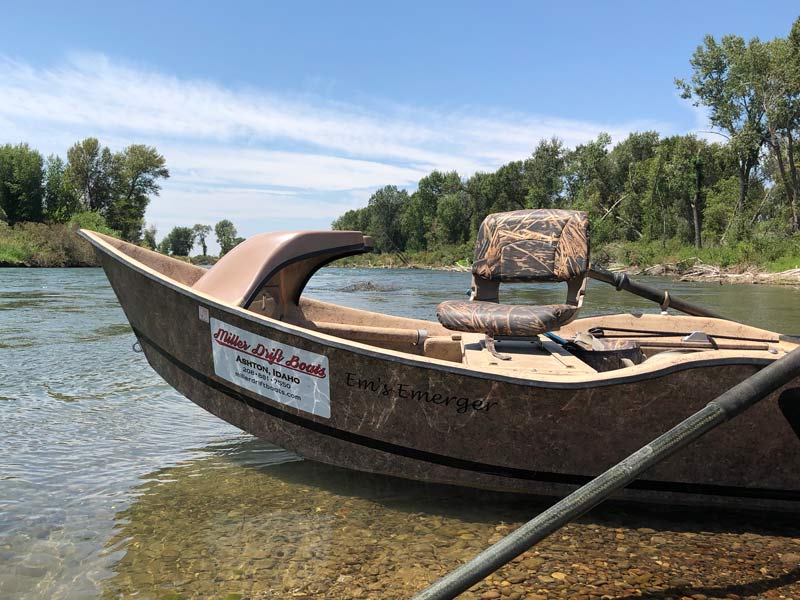
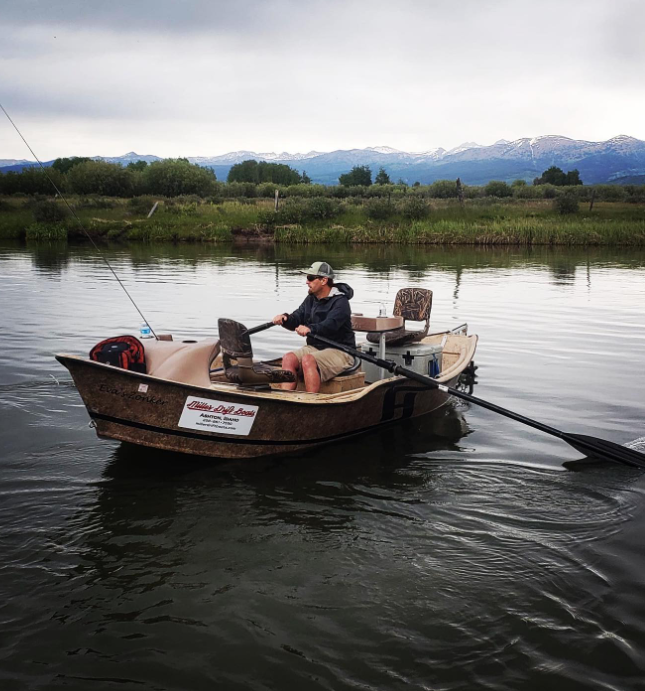
So on the hide, talk about that a little bit. ’cause I think Hyatt is one of those companies that I’ve been wanting to connect with for a while. We’ve, we did a little drift boat series quite a while back where we covered some of the big brands that are out there. And, and Hyatt is one that I, I had, I didn’t talk to, but talk about why hide and, and talk about the boat because that boat I rode was totally different than the drift boat. I have, I have a Koffler aluminum boat, you know, out here and it’s for a different purpose, but that height being able to get in and out, super easy, low profile. Is that unique for height or are there other boats doing a similar thing?
Sam (16m 41s):
As far as I know there’s other boats that also do low profile, but what sets Hyde apart is they started out making airplanes. Right. So Lemoine Hyde, who, if you go down to Hyde, he’s usually there and you can talk to him and he’ll tell you all about the history of Hyde. But if I’m not mistaken, he was a crop duster and then he started making crop dusters himself outta fiberglass. And so, and he also loved to fish, so then he started making drift boats. And what sets Hyde apart also is that they make their drift boats. Man, I don’t wanna sound like an idiot here, but they, the best way I can explain it and they can explain it a lot better, is they do it, it’s one solid piece.
Sam (17m 26s):
Whereas other drift boat companies that I know of, they basically get a mold and just spray in the fiberglass. And so it’s, it’s a lot thinner and it breaks a lot easier. And so, and I’ve, I’ve been down to hide and they’ve showed me, you know, hey, this boat was on the bottom of the river, the bottom of the south fork for a week just getting smashed against rocks because someone flooded it. and it definitely did not break the fiberglass. It’ll break everything else in the boat before it breaks the bottom of the fiberglass.
Dave (17m 57s):
Wow. So that is crazy. Like
Sam (17m 60s):
There’s aluminum for your, your leg stands, you know, that you fish out of that was totally bent over and the fiberglass was just fine. I shouldn’t say just fine. I mean you could tell it was rubbing against a rock, but it wasn’t floated perfectly,
Dave (18m 15s):
But it wasn’t collapsed. It wasn’t like, no, it’s funny you say that because you know, on our river over here we do see a lot of aluminum boats and some I’ve seen lots upside down. And what happens with those is typically once they go under and flip, a lot of times they’ll lose their structural integrity and they’ll just tin can. Yeah. And just write. And that’s, so that’s amazing to think fiberglass is actually more durable than, than aluminum, which I guess makes sense a little bit.
Sam (18m 39s):
Yeah. And Matt Hyde, who kind of runs the show down there at Hide now, he thinks that I shouldn’t even rent out rafts because in his opinion, you can do everything in a drift boat that you could do in a raft. And so I usually tell him, you know, if I have a new customer that has never been in a drift boat before, I’ll almost always send ’em in a raft first. Because a raft is a much better way to learn. You can bounce off rocks and
Dave (19m 5s):
Yeah.
Sam (19m 6s):
Yeah. That’s it. Don’t slam into whatever you want. You’re not gonna hurt the raft. But it’s his opinion that, well, if you’re in a drift boat and you’re headed towards a rock, it’s a lot easier to just do a couple backstrokes and get away from that rock Yeah. Drift boat. Which is true, the highs is true handle like a sports car. Whereas a, a raft might be a little bit more of a
Dave (19m 27s):
It’s true
Sam (19m 28s):
Thing to row.
Dave (19m 29s):
Yeah, no, I agree. I think it is true that, and I see what he’s saying, I, I kind of disagree a little bit too. I, I’m more, ’cause I’ve run lots of rafts and Yeah. I mean the drift boat. Yeah. If you’ve, if you square broadside t-bone or, or come, you know, with a rock Yeah. You could pin your boat, but a raft you could get stuck and spin off and they, they’re a lot more forgiving for sure. Right. You can run into stuff, but, but I also think that, you know, I mean I love the drift boat because it’s so nimble. I mean, like I, I know on my boat I’ve, like I said, I’ve got a big a 17 foot coffer and we just got back from our deer trip and we were loaded, I had my whole family in it. We had two deer on the front. Nice. We had, you know, six days of gear. I mean we were, so, but the coffer, the way he makes it, you know, shout out to Joe out there is his boat is made for gear.
Dave (20m 14s):
In fact, he says put as much gear, the more gear the better it floats.
Sam (20m 17s):
Okay.
Dave (20m 17s):
And so I’ll, I’ll pack it in a little more on the bow. And so we’re going through some class three and four rapids and the thing is just nimble and it, it floats awesome. you know what I mean? So that’s a drift boat. If I had a raft with that same weight, it would be a slug, it’d be a tank floating down the river. Right. Yeah. Unless there’s, there’s probably also some rafts, let me not riff on all the RAFs. I’m sure there’s some designs out there that are, that have, that are made for it too. But just on my little experience, that’s what I would take. Is that, do you think that’s true for, for the drift posts too?
Sam (20m 45s):
Yeah. And as far as the rafts go, it’s the same thing. you know, you can get big rafts that you can put a ton of stuff in, but then there’s also smaller rafts like the fly craft and that thing handles really smoothly and you know, it is much more nimble than a bigger raft would be. Oh
Dave (21m 2s):
Right. The fly raft. Yeah. Right on. So this is good. So I think we got a little summary of in in the hide history. I would love to hear that. Hopefully I can get them on the podcast to hear that directly from them. But it sounds like you basically, your drift boats are hides. Is that what you run? You don’t have any other brands?
Sam (21m 18s):
Yeah, as far as drift boats go, we just do hide. And part of that is because I, it’s a great boat. The other part is they’re, they’re local here in Idaho Falls and they’re just super nice guys that they’ll take care of anybody that comes in. Plus there’s no, like, there’s not really a gatekeeper there, you know what I mean? You can walk in and say, Hey, can I talk to Le Moine Hyde, the guy who started hy and he’ll probably talk to you all day long. You’ll
Dave (21m 42s):
Be there. Yeah. So Awesome. And, and I’m hoping to, like I said, do that as well. So on the high, let, let’s talk about features a little bit on the boats. So those people, I’m sure lots of people in your area know what these boats look like, but talk about the height. ’cause I remember a couple things that were really cool. you know, it was really comfortable sitting in the seat and the back person that was in the standup race, it was kind of elevated all that. So what do you think are the key features that make that boat you guys have and are they all kind of the same profiles at the same exact boat that you rent?
Sam (22m 13s):
Almost all of ’em are the same that I have. So we do, so most of ’em are hide low side pro series XL is what they’re called.
Dave (22m 22s):
Okay. That’s what it’s, so somebody will, and we’ll put a link in the show notes to that. It’s called Say, say that again? Hide ProSeries.
Sam (22m 28s):
Hide ProSeries xl. Okay. And it’s the low profile one. And so I, I would only probably run low profile on the rivers around here because if I’m gonna do anything with Big Rapids then I’m gonna take a raft anyway. But, but yeah. Why I like the hides is first of all the leg locks. It’s unique to hide and it’s, I don’t know how to describe this, it’s like a four leaf clover, but a three leaves. And so where other leg locks, it’s just kind of round and you’d stand in it. This one has three different places to lock your legs. So if you’re facing to the left or the right, it locks your legs in better than if it was just round.
Sam (23m 11s):
Oh,
Dave (23m 11s):
That’s amazing. Yeah, we, we noticed that
Sam (23m 13s):
And aim where you want to rather than having to like, you know, twist your torso to shoot to the right or left. So I do like that a lot. So we’ve got a few of those. We also have one aluminum boat that’s the same thing. It’s just made out of aluminum.
Dave (23m 31s):
Yep. And so why aluminum? That was one question I had for hide. So it seems like a lot of boats are either aluminum or they’re fiberglass or they’re wood or they’re whatever. Why, why does hide have aluminum?
Sam (23m 41s):
You know, that’s a great question. You probably have to ask them. I still don’t know what the advantage of aluminum is over fiberglass. I’ve had a few customers request the aluminum one ’cause they think it’s stronger.
Dave (23m 53s):
Stronger,
Sam (23m 53s):
Which maybe it is. But I feel like unless you’re doing something real crazy, the fiberglass is gonna take great care of you.
Dave (24m 2s):
Yeah. We’ll have to have a, that’d be a great episode. Bring somebody on who is the expert on aluminum Yeah. Versus the fiberglass. ’cause it feels like fiberglass is, you know, I think it seems it’s quieter. It seems like it, it it’s, maybe it’s warmer. Yeah, that’s, it’s warmer. I don’t know if that’s true. you know, there’s some of these things, but either way, fiberglass, aluminum, I mean they’re, they’re both good. But yeah, so. Okay. And the, the braces are big too. Like you said, we noticed that on the boat. It was awesome.
Sam (24m 27s):
And then we also have a Montana skiff, which for those that have used it, it’s oftentimes their favorite boat. And the reason for that is you can stand in the very front of the boat. So most drift boats, the bow is pointy. Right. And so it creates a few feet of space between you and the very front of the boat. The Montana skiff is a smaller version and it’s shorter in the front. So the reason people like that one is because if you’re fishing outta the front of that boat, you can be right on top of the fish. There’s, you know, they like to say there’s nothing between you and the fish. And so that one is a, it’s a little bit smaller boat still good for three people, but you can get it into some tight spaces too if you need to.
Dave (25m 7s):
Yeah. Okay. So that’s the biggest thing with removing that point is it just gets you kind of more above the water kind of Right. On the action. Yeah,
Sam (25m 15s):
Exactly. Yeah.
Dave (25m 16s):
Okay. And, and the back too is, well, I guess the back square flattened all of the other boats too. So you got that. And, and like you said, the brace is nice too. I know notice as the rowing frame, you know, with that seat was comfortable, but you could also lean back on the, the standing platform be or the brace behind you, right? Yeah. So you just, yeah, it was easy to take a nap if you wanted to. And some other features the rod holders, which was, was nice, you could put your extra rods protected right in the sleeve there.
Sam (25m 43s):
Yeah. I also appreciate they, they make the bottom flat. So wherever you’re standing in the boat, you have something flat to stand on, you know, standing in something that’s beveled and you’re gonna slide to the middle. and it also, if you have, you know, any less than two inches of water in the boat, you’re not standing in the water. Even if you’re the rower and you’re in the lowest part of the boat, you don’t have water, you know.
Dave (26m 8s):
Oh, no kidding. Oh, the water’s down below.
Sam (26m 10s):
Yeah. Unless of course you’re in like heavy rain and then you have to just bail some water out. Or for some reason you got a wave over the bow or something like that. But yeah. Yeah. Wow. For most relaxed floats, it’s just super comfortable ’cause you’re not standing in the water.
Dave (26m 28s):
Today’s episode is sponsored by Eastern Idaho’s Yellowstone Teton territory. Idaho’s most renowned zone for fly fishing. From the Henry’s Fork to the South fork of the snake and all the high alpine lakes and streams in between Yellowstone Teton territory provides anglers and other outdoor enthusiasts with all the information they need to plan their next big trip. You can visit wetly Swing dot com slash teton right now to get the full list of outfitters lodges, fly shops, and all kinds of inspiration to get you started on your next trip to Eastern Idaho. That’s Teton, T-E-T-O-N wetly Swing dot com slash teton.
Dave (27m 9s):
Nice. So, so that gives a little rundown. Like we said, this is an easy, just call you up miller drift post.com if people wanna find out more and get a boat. But talk about that. I’m just curious ’cause on that flipping thing, was that something when Mike was running the company, that boat that was upside down and they flipped it? And have you had any other stories of, of that happening? Of people dump boats?
Sam (27m 31s):
So, you know, I try and like I said, I wanna make sure people have a good time and part of that safety. So, so I really do my best to gauge whether or not they’re gonna flip a boat or, you know, whether they know what they’re doing and recommend where they go. And I haven’t had to do it yet, but there’s been times where I’ve considered saying like, well, no, I, I’m not gonna rent you a boat if you’re gonna go to this place. But most of the time people’s self-preservation kicks in. And so if they’re a brand new angler, they don’t want to go to the lower stretches of the South Fork with their drift boat, you know, where that’s, there’s turns and dead trees and things like that. So as far as that, that one flip goes that is in a section called Cardiac Canyon.
Sam (28m 17s):
Oh
Dave (28m 18s):
Wow. That’s a mesa fall. They mentioned something about Mesa Falls.
Sam (28m 21s):
Yeah. So right below Lower Mesa Falls
Dave (28m 24s):
And which river is this?
Sam (28m 25s):
This is the Henry’s Fork.
Dave (28m 26s):
Oh wow. So this is up Wow. Cardiac canyon. So where is this from? Say, I’m trying to think of where we put in, but give us a landmark. Where would this be from? A town.
Sam (28m 36s):
So Ashton is probably 10 minutes outside of Ashton. Oh, gotcha. Really close. And Cardiac Canyon is one of those stretches where I was talking about if you’re willing to put in a little bit of sweat, then you can get away from people and that, that canyon’s a good option. But hard sided boats are not allowed in that canyon.
Dave (28m 55s):
Oh wow. They don’t even allow ’em,
Sam (28m 56s):
Because there’s no boat ramp. The boat ramp, quote unquote, is actually a boat slide. And so you’re required to take a raft or some soft boat and you just drag it down the hill. Right.
Dave (29m 8s):
But can’t you get, and this isn’t the, I mean question because I’ve drug plenty of drift boats, downhill slides. Couldn’t you just drag your drift boat down?
Sam (29m 16s):
You could. And you know, I’ve talked to the guys at Hide and they said they used to do it all the time. But according to the Forest Service, there’s, you know, you’re not supposed to do that. There’s a sign there that says no hard sided boats. And you know, I think most of that is because of the boat, the boat slide there. But also that canyon has a few rapids in it. And, and when the water levels in there go up and down, you’re probably gonna hit rocks no matter what. So on a raft, it’s not that big a deal in a drift boat. It’s pretty abusive to the drift boat. But yeah, that video, which you can see on our YouTube channel, Miller Drift Boats, they go down, they ignore that sign, they take their, the drift boat down that hill.
Sam (30m 1s):
And then there’s really only one big rapid in there. It’s called Surprise falls. It’s a super easy rapid to shoot through, as long as you know where it’s at and which way to hit it. But right after that rapid, there’s a rock that if the water’s at the right level, it’s gonna cause you issues. And that’s what happened to those guys. They got stuck on that rock, swamped the boat, and then I think it was there for three days before they finally got it off.
Dave (30m 27s):
Yeah, yeah. and it was funny watching the video because they set up a series of ropes and Yeah, pullies and guys were floating down the river and Yeah. Yeah. They fi they finally got it and it was still, that’s amazing thing. Right. They flipped it and it was still, and the guy actually got in the boat with the or Yeah. And rode it to shore like a, like a madman. It’s pretty, pretty good video.
Sam (30m 48s):
Yeah, that was, that was probably, you know, a little more thrilling than they wanted. But wow.
Dave (30m 52s):
God. I mean, I’ve been in a couple situations. I remember I had this old God, what kind of boat was it aluminum? It was probably a boat made in the eighties. I can’t remember the brand, but I was on the Deschutes floating through one of the big rapids in Whitehorse. And I had my dad and and Russ in the boat. And we hit this, the first top of the rapid, this is kind of like a class four, and I just, we had a ton of weight in the boat and I took a wave, like over the side and over the front. Nice. and it put about maybe two feet of water in the boat. So we were instantly, and I was swamping and you know, this is like five day trip. So I was just doing all I could to get to shore, trying to row that thing before we hit the next big rapid, which was gonna, basically, we would’ve sunk it and I managed to do it, you know what I mean?
Dave (31m 37s):
And then after that, like the next weekend I bought a new boat. I was like, all right, forget about that old crappy design. Do you feel like, I feel like that was the old design. Do you think these drip boats nowadays or have mastered the design? Or do you think there’s room for tweaking the design? I’m not, I mean, I’m, I know you’re not with Hyde, but do you feel like, do you see Hyde coming out with new models, new designs, things like that?
Sam (31m 58s):
You know, I guess I don’t, because as far as drift boats go, I don’t, I don’t see anything that I can even complain about and I hide. And if I’m trying to go somewhere crazy, right? There’s other watercraft that I would take instead. So as far as the drift boats go, I feel like they’re maxed out. But if I’m trying to, so for example, I had a customer that came and they wanted to float the upper section, you know, above Mesa Falls, which you’re not gonna find much about that online ’cause hardly anyone does it. Sheep Falls is there, which is just a big waterfall. It’s not as big as Mesa Falls.
Dave (32m 39s):
How big is it? Are and are, did those guys in the Drift boat that dumped, did they go over Mesa Falls?
Sam (32m 43s):
No. No. Okay. Mesa Falls, have you seen Mesa Falls before? No. No. Okay. So that’s like a, I wanna say it’s like a hundred foot waterfall.
Dave (32m 51s):
Oh wow. Big fall. Yeah, big deal.
Sam (32m 53s):
So, so, and actually Mesa Falls is the divider between where Browns live and Henry’s fork and where they don’t
Dave (33m 2s):
Oh, I’m looking at it now online. Yeah. It’s mass. It’s amazing. Yeah. This is your typical
Sam (33m 6s):
Below Mesa
Dave (33m 7s):
Falls. Yep. This, this is Yellowstone. This looks like this is, yeah. This is really cool. Right. Wow.
Sam (33m 12s):
But above that section, there’s, or above Mesa Falls, you can get into some pretty crazy whitewater. And so I had some guys show up and they’re like, Hey, we’re gonna go float above Mesa Falls and get out when we get to Mesa Falls. and it was a guy that had rented from you a few times. And I said, I mean, okay, like you, you do, you, you know, you’re responsible for the raft, so just, you know, take care of yourselves up there. But, but I just posted that the pictures of that that they took on my Instagram. ’cause that is a crazy float that they did.
Dave (33m 48s):
Oh, no kidding. And, and the raf or it was a raft, not drift.
Sam (33m 51s):
Yeah, well they took two rafts and I think they only went down with one of ’em. but you can see that the raft just disappears into the water and they caught, you know, awesome fish in there because they’re willing to, to go the extra mile. And I, I’m fairly confident they saw no one else in that whole stretch waiting or fishing from a boat.
Dave (34m 13s):
Right. Did you, do you do, if people come in, do you ever take people out on like a section and teach them, like if they’re brand new to drift boating, like that sort of thing? Or you consider yourself like a master Osman?
Sam (34m 25s):
I don’t know if I consider myself a master Osman. I mean, I’ve rode quite a bit of white water and I think what would make you a master Osman is one hours of experience, but also getting into sketchy situations, which that part I feel like I have done, like when I was in my early twenties, I swamped a canoe and almost killed a few of my friends when I did a log jam.
Dave (34m 49s):
Oh wow.
Sam (34m 50s):
So, so things like that have, you know, taught me to not, well they’ve taught me to read the river better and to, to be more cautious. And so I guess, no, I’m not a master Osman yet, because
Dave (35m 3s):
Yeah, you’re not taking people out, teaching them step by 1 0 1. Well, drift boat rowing,
Sam (35m 9s):
I do try and teach people as much as I can, but Idaho is very strict on what you can and cannot do commercially on the river. And for me to be on the river teaching somebody and getting paid for that, you have to be an outfitter with the state. And they’re not giving those out very readily. you know what I mean? Yeah,
Dave (35m 31s):
Yeah. Gotcha. Well, what would be your, you know, just on this podcast here, if, if you were able to do that, would you have some tips? What would you be telling somebody? Or even if you tell ’em what, what are your tips like boating to, for safety? Getting down the river? Sure, yeah. What, what would you tell somebody?
Sam (35m 46s):
So the first thing I tell people is that if you’re the, in the rowing seat, you need to be more worried about the people in your boat than the fish. So if somebody catches a fish, a lot of times it’s distracting and you’re looking around and thinking like, oh, well we really wanna get this fish in the boat. We can’t lose this fish or whatever. And so they’re looking at the angler, they’re looking at the fish and they’re not looking down river. And that can cause problems sometimes. There was a time, my, my friend, I wasn’t there unfortunately, but this exact thing happened. And so they’re floating down the river, everyone is looking at the fish ’cause it was a big fish and they’re floating down and they hit a rock. And the rock, you know, the rock’s in the river, they don’t move, the drift boat does move.
Sam (36m 30s):
So they just came to a screeching hal and the guy that was fighting the fish just launched outta the boat and into the water.
Dave (36m 36s):
Oh wow.
Sam (36m 37s):
And so, and luckily it wasn’t very deep and you know, he was fine. But yeah. But you know, I tell people that story so that they just pay attention. They look down the river and look at where they’re going. The second thing I tell ’em is, look at the danger. Point your nose towards the danger and row backwards away from it. Because for whatever reason, I have such a hard time convincing people that when you’re rowing backwards, you’re stronger and faster than if you’re pushing the oars. Yeah. For whatever reason, everyone wants to push the oars and like they’re running away from the danger. You just gotta pull away from it and it goes a lot better.
Dave (37m 14s):
Yeah, that’s right. That’s, that’s a huge dip because yeah, if you front row, the problem with that is it increases your speed and it, but it back rowing it actually slows down. Gives you more time to react and get away from it. Right?
Sam (37m 24s):
Yeah. Yeah. So always point the bow down the river, row backwards away from things and then pay attention. And then the third thing that, especially this year, I’ve had to tell a lot of people is when you drop the anchor, make sure it’s not in fast deep water with big rocks. Yeah. Because I think a lot of people think that the anchor is much more effective than it is. They think wherever I drop the anchor, I’m gonna stop immediately. Right. And it’ll be really easy to move again. And so we’ve lost a quite a few anchors where people just drop ’em and it gets stuck between two rocks and then they either have to cut the rope or let the anchor go. And so we’ve had to replace anchors that way. But I, those are my, and then of course, you know, wear a life jacket.
Dave (38m 9s):
Yeah. The life jacket. That was something that, you know, the life jacket’s tough because especially with life jacket Right. It’s kind of cumbersome. Do people, do you ever recommend, I used to have one of those life jackets that was you pull the thing and it self inflates. Yeah. So you almost don’t notice it. Are those still good to use? Yeah, just for smaller. Right. You wouldn’t wanna take that on a class four or something, but just floating down the, like a calm section.
Sam (38m 32s):
Yeah. Yeah. I think that’s a great thing to have. What I do is, so my fishing vest is actually a life jacket. Oh yeah. So, so I have that on whether I’m waiting or
Dave (38m 42s):
Yep. Is that the NR s is that the NR S Life jacket?
Sam (38m 45s):
Yeah, I think NR S has one.
Dave (38m 47s):
I’m Yeah, they have a That’s right.
Sam (38m 48s):
Had it forever. But that’s, that’s a good move. But yeah, those, those CO two inflatable life jackets are good too.
Dave (38m 56s):
Yeah. I’m looking at it now. It’s called the NR s Maik Maik Inflate. At least that’s one of ’em. Yeah. Pretty sweet. Yeah, they’re super low pro and NR s has great stuff, so I’ll have to look into that one. Good. And you the anchor too. I wanna remain on the anchor. That was another cool feature. The, it’s got, I mean really basic, but it’s got a cool load. You pop the anchor off when you’re done at the end of the day and there’s a little anchor mount on the side of the, of the trailer. Right. That’s what most of ’em have.
Sam (39m 22s):
Yeah. So all of our drift boat trailers have the anchor nest because we don’t want people driving around with the anchor in the boat when you hit a bump that if you have a 30 pound steel anchor bouncing around your boat, you’re gonna damage the boat. And I know I just got done saying about how tough those are, but a 30 pound steel anchor can do some damage if you’re going down a bouncy dirt road. Yeah.
Dave (39m 47s):
Well and that anchor too you have is not, I’ve used the, the, the diamond or the triangle anchors, you know, but this one you have is a, it’s got like four metal, it’s, it’s a super sticky. That was the one nice thing about that anchor is that when we did put it down on a normal section, it stuck for the most part. Right. Yeah. Because it clea, it digs down into the, the river bottom.
Sam (40m 7s):
Yeah. They’re pretty effective. When, when it’s not super fast water that’s ultra rocky at the bottom or you know, sometimes you drop it in that fast rocky section and it sticks too well. Goes between two rocks into a hole and you never see it again. Yeah.
Dave (40m 23s):
That’s the problem. That is, that’s the one thing when I first saw the anchor, I was thinking I could see this thing getting stuck pretty, pretty easy. Yeah. But no, it, it never got stuck. We never had a problem. It was great. What about the, just kind of going off on a tangent here. Sure. The tornado anchor, have you seen the, heard about the tornado anchor?
Sam (40m 40s):
Yeah, yeah. I’m familiar with them. I haven’t used one, but some, like, so a lot of my customers, surprisingly have their own drift boats and they just don’t drive from wherever they come from. So, so I’ve had people talk about like, yeah, well I have a tornado. And I think for the most part it’s just as, it’s not any more effective than the, the spike anchor.
Dave (41m 5s):
No, I, I wouldn’t think so because the spike has the same thing it digs in. That’s why the tornado anchor the same Id I think it digs in a little bit, but Cool. Okay. So, and that makes sense with people coming up driving. I could, same thing for me when I was coming up, you know, I could have taken my drift boat all the way out from where I was coming from, but I was like, man, do I want to pull a boat for 12 hours?
Sam (41m 26s):
Yeah. you
Dave (41m 26s):
Know, you got just the hassle of the boat, you got the gas mileage, everything. And that’s why, and plus I was really excited about trying out Thehy Thehy boat, you know what I mean? Yeah. And that whole thing. So. Nice. Well, anything else we wanna know about, you know, your, your boat, the boats, what you do? Anything we’ve missed here?
Sam (41m 44s):
I would just say if, if you’re planning a trip to come fish East Idaho or the Madison, give me a call because I can help you figure out what you want. If you already know what you want, that’s great. But if you’re thinking, man, I really want to get away from people, I definitely have some recommendations on that. If you’re thinking I really want to catch a big fish and that’s all I care about, I have some recommendations there too. And so I feel a lot of people, they show up and they, they don’t, haven’t planned that well and so they think, oh well I’m just gonna go fish this section that everyone else fishes. Which is fine. I mean, there’s no bad fishing on Henry’s Fork, but there are definitely places it, it’s a diverse place to fish.
Sam (42m 26s):
And so if you have something specific in fi in mind, just let me know and I’ll, I’ll give you some recommendations.
Dave (42m 33s):
Perfect. That’s good. So, so I want to take it outta here kind of quickly with our, I was just gonna do a shout out to one of our kind of local, this is like our Fly shop, fly Shop Friday, shout out segment. This is presented by Yellowstone Teton territory, which is obviously, I’m sure you’re aware of that area. Yeah, we’ve, we’ve been, that was part of our trip. We were helping to, you know, get the word out on some of the great brands and, and we’ve talked about some of ’em today. I mean Hyatt is a great brand out of that part of the, the world. So if anybody wanna check, wants to check out more of this wetly Swing dot com slash teton, check out what they have all some other brands. But for you, let’s give us, let’s start with the Fly shop. Who is their, your local closest fly shop.
Dave (43m 16s):
Give a shout out there and let’s start with that and then we, we’ll take us through a couple other rapid fire questions.
Sam (43m 21s):
Sure. I would say Jimmy’s, which is,
Dave (43m 23s):
Oh yeah, Jimmy’s
Sam (43m 24s):
Now Jimmy’s fly fish food.
Dave (43m 26s):
Yeah. Is did they change the name? Is it Jimmy’s Fly Fish food?
Sam (43m 29s):
Yeah, so Fly Fish food bought it ’cause Jimmy retired and so yeah, now I think it’s, it’s Fly fish food at Jimmy’s I believe
Dave (43m 38s):
Fly fish food at Jimmy’s. There you go. That’s good. All right, so Jimmy’s, yeah and he’s another person I’ve been wanting to connect with. So Jimmy’s is well used to be Jimmy’s all season anglers, right?
Sam (43m 47s):
Correct. Yeah. And that was awesome ’cause you know, Jimmy’s kind of like a local legend, but there again, you can just walk in the fly shop and he’ll be in there ready to help you find what you’re looking for, but also just, you know, tell you, hey, this is what you should use and then tell you stories as well.
Dave (44m 6s):
Right. And where is Jimmy’s, what town is Jimmy’s in?
Sam (44m 8s):
It’s in Idaho Falls. Yeah, Idaho Falls. That’s in Idaho Falls.
Dave (44m 11s):
Yeah. Perfect. And and is Jimmy, is he gonna still stick around? Is he there now? Can people still meet up with him at the shop?
Sam (44m 17s):
That’s a good question. I haven’t seen him there lately, but, but I’m not sure. Yeah,
Dave (44m 22s):
Yeah, I know Mike Lawson, you know, we’ve had him on a couple times, I know that. Yeah, he sold his shop I like 20 years ago, quite a while ago and he still, you know, is connected. So it’s, I’m guessing Jimmy might still have a connection, but you never know. Right?
Sam (44m 37s):
Well, I mean, if you own a fly shop, who would ever wanna totally step outta that? ’cause it’s too much fun.
Dave (44m 42s):
I know. Yeah. That, that would be hard to step out of for sure. Okay, so, so good. So let’s go a couple rapid fire here and we’ll take it outta here. We haven’t talked Stillwater at all. Are these boats, do people ever take these hides out on, you know, Henry’s lake or any of the steel waters around there?
Sam (44m 58s):
Yeah, yeah, all the time. And we have some boats that have a motor mount too. I don’t provide motors, but if somebody wants to bring a trolling motor and put it on there, then yeah, they can go tool around Henry’s four called, or sorry, Henry’s Lake all day long.
Dave (45m 11s):
Okay. Yeah. Henry’s lake. And do you, are you a still wa do you fish still waters as well? Or are you more rivers and streams?
Sam (45m 17s):
You know, I grew up fishing Stillwater for Northern Pike all the time. And so when I moved out here I, I was kind of confused like how do I fish a river? And now I fish rivers so much that when I go fish Stillwater it’s hard for me to pick it apart and, you know, find structure and think like, oh well this is where the fish are. But I do fish Henry’s lake once in a while, but for probably 95% of my fishing I’m doing river fishing rather than Stillwater.
Dave (45m 45s):
Yeah. River fishing. Okay, perfect. And so if somebody is coming up to that area, they have a full day on the water and they want to go get some food, where, where would you rack, you got a spot like some good food around your area that people should check out?
Sam (45m 58s):
Yeah, well that’s a good question. So I’m actually helping to start a new restaurant. Wow. That’s, that’s gonna be right off the banks of the South Fork.
Dave (46m 8s):
Nice.
Sam (46m 9s):
And so that’s, that’s called the farmhouse table at seven and half. So you’ll definitely want to check that one out.
Dave (46m 15s):
’cause Yeah. When’s that gonna be open?
Sam (46m 16s):
That’s opening in January. So by the time fishing season rolls around, we’ll be, we’ll be going strong. Right
Dave (46m 23s):
On.
Sam (46m 24s):
Other than that, let’s see, smoking fins in Idaho Falls is pretty good.
Dave (46m 30s):
Okay.
Sam (46m 30s):
Yeah, I wish I had some better recommendations.
Dave (46m 33s):
Yeah, that’s good. No, that’s great. I get, I, we got a couple,
Sam (46m 36s):
So where our shop was last year in Rexburg, Rexburg doesn’t have a ton of restaurants and so when people ask, oh, okay, I’ll say this, if you want good pizza, righteous slice in Rexburg is definitely the best pizza around.
Dave (46m 50s):
Oh good. Righteous slice.
Sam (46m 52s):
Yeah,
Dave (46m 53s):
That is perfect. Yeah, I think, who doesn’t love a pizza? Pizza? Especially after a day on the water, so, okay. Right. So we got righteous slice and then you’re, and the, the, what was it called? The farmhouse table?
Sam (47m 4s):
Yep.
Dave (47m 4s):
Perfect. Is that gonna be kind of like a farm to, or Yeah, I guess farm to table or sort of thing, like you’re actually logging the goal? Yeah, yeah, all
Sam (47m 11s):
That. Yeah, we’re, our goal is to source most of the food, if not all of it locally in Idaho. But of course there’s some things you can’t get, like oranges don’t grow in Idaho, so that’s not gonna work. But yeah, as much as we can, we want to get our food from Idaho. Okay. And then, and then actually, we’ll, we’ll have drift boats right there on site as well if people want to go fishing.
Dave (47m 32s):
Okay. And what about, what about local fun What do you do for, you know, if you’re not in the drift boat working, do you have any, you know, kind of pastimes or anything you enjoy doing outside of this?
Sam (47m 43s):
Me personally, if I’m not fishing then I’m probably hunting. And if I’m not hunting then I’m probably playing hockey.
Dave (47m 50s):
Oh, hockey.
Sam (47m 52s):
Yeah. So I mean we have to do what we can to survive the winter in Idaho. Especially if it’s too cold to fish and hockey is what does that for me. But Idaho has just endless things to do. I mean, skiing, I used to think that, man, I’m glad when the summer and fall in so that I can stop fishing and ski now. I kind of still wish I was fishing, but I still like skiing as well.
Dave (48m 19s):
Yeah. You guys have some good skiing and Well, yeah, all that outdoor winter stuff, right? You gotta nailed Yeah. ATV or whatever all that stuff is, is there. Nice. So, okay, good. So we got hockey and hockey. I just recently went to a hockey game. It had been a long time. I went to a professional hockey game up in Seattle. Oh nice. and it was really cool in person, like way better. And that’s probably, everything in person is better. Yeah. But it was really cool, even though we were kind of up high, we still had great, great seat, great visibility and stuff. But what, what now in hockey in Idaho, is this a big thing? Are there lots of, are there college is, are there any like semi-pro or what do you have there?
Sam (48m 55s):
So I think Idaho Falls just got a hockey team, but it’s definitely not as big of a deal as it was in, in South Dakota where I grew up. you know, so close to Minnesota and Canada where hockey is a huge deal. But you know, that’s because they don’t have mountains to ski in my opinion. Yeah.
Dave (49m 14s):
Not as much to do.
Sam (49m 16s):
Right. It’s just flat and it’s snowy and colder, so Right. Play hockey. But yeah, I think hockey is one of those underrated sports as far as watching and playing and so, you know, just like the underrated sections of the river that people never fish. I’ll do my best to get people doing that ’cause I feel like it will make their lives better. But same thing with hockey.
Dave (49m 40s):
Yeah. Perfect. So, so hockey hockey is awesome. And, and so give us one, this is the final one to take us outta here. I always go into the music or podcast. Do you, do you listen to more music or podcasts or how does that look for you?
Sam (49m 54s):
A mix of both. So I guess it’s probably pretty even or podcasts. I really like the Me Eater podcast.
Dave (50m 1s):
Yeah.
Sam (50m 2s):
’cause those guys are located in Montana and so,
Dave (50m 5s):
Oh yeah. And they have a ton of different podcasts right in that network.
Sam (50m 9s):
Yeah, they, yeah, they’ve got a few, but you know, they’ll come down and phish the, the South work in one of, in one of the Weater videos. They actually do that. And so
Dave (50m 17s):
Oh they did?
Sam (50m 19s):
Yeah. And I, I was talking to their, their director of fishing a while ago and trying to get him to do, come down and do a show about this salmon fly hatch on Henry’s fork. But so far no luck on that.
Dave (50m 33s):
Not yet. What, if you look at your feed and your podcast, do you have, what would be the last five podcasts you listen to? Or, or just, or a few? What, what would those look like?
Sam (50m 42s):
Sure. So I mean obviously Wet Fly Swing, oh, there
Dave (50m 46s):
You go.
Sam (50m 47s):
On the list. ’cause that’s a great podcast.
Dave (50m 50s):
Nice.
Sam (50m 51s):
Let’s see. And then also the Me Eater podcast. Other than that, I listen to some religious podcasts. Oh,
Dave (50m 58s):
Nice. So that’s mostly, so you listen to either kind of outdoor, religious podcast, you don’t have like business podcasts. Have you haven’t dug into any of that stuff yet?
Sam (51m 7s):
Well, no, that’s okay. So how I started this, have you heard of that podcast?
Dave (51m 12s):
Oh, no, no, I haven’t. How? Oh, maybe I have how I started this. Okay.
Sam (51m 15s):
How I started this. So it’s just stories of entrepreneurs. Oh
Dave (51m 18s):
Yeah, I have heard of that. That’s a good one. Right. Yeah,
Sam (51m 19s):
That’s probably my Go-to business podcast.
Dave (51m 22s):
Oh good, good, good. Yeah, I like that. This is great. I always, I always love getting like scratching my own itch. ’cause I’m a big obviously podcast. I love listening to you. Yeah. New ones. So I’ll re I’ll check that one out as well. And, and so give us some music. So something to put into the show notes or on Instagram, you know, what would be something you’d be listening to on the river? You’re on your way back from a big trip. What’s on, what, you know, one song, one group, what would you put on there?
Sam (51m 45s):
Okay, let’s see. Well, let me go to my playlist real quick that I’ve been,
Dave (51m 50s):
Are you on Spotify or Apple or how do you do your playlist?
Sam (51m 53s):
Yeah, I do Spotify. Okay. So White Horse by Chris Stapleton. Oh yeah. So sometimes, so like last weekend when I was coming back from the South Fork, I was just blasting that song on the way back. Nice. Because, because we were pretty amped up. Right. I took my father-in-Law out and he likes to fish, but I think he mostly does it so that we can hang out, which, you know, I’m all for that. But anyway, I caught probably a three pound 20 inch rainbow, which I was pretty happy about. But he caught a 22 inch brown. And so, so you know, for a little four hour float in November where we weren’t, you know, working super hard, we were pretty stoked.
Sam (52m 36s):
So yeah, I was blasting that song when we came back.
Dave (52m 40s):
Perfect.
Sam (52m 41s):
Other than that, I’m also kind of like a, the old school country fan and so I don’t know if you know the song I’m a Man of Constant Sorrow.
Dave (52m 51s):
Oh yeah. Johnny Cash, right? Or Well, he sang it, but, well,
Sam (52m 54s):
Yeah, I think it was Johnny Cash, but then it was also in the movie.
Dave (52m 57s):
Oh yeah, I know what you’re talking about. The,
Sam (52m 60s):
What’s that movie called?
Dave (53m 1s):
Yeah, with what’s his name? The, the, the
Sam (53m 3s):
Oh Brother where
Dave (53m 4s):
Yeah. Yep, yep, yep. With I’m, I I’m always thinking George Clooney. George Clooney.
Sam (53m 7s):
Yeah, exactly.
Dave (53m 9s):
Okay, so this is good. We’re getting some bonus stuff and I’m gonna throw in an extra bonus for everybody listening. I recently found the Broken Record podcast, which is, which is all about music. And what they do is, I’m not sure if it’s a new, I just started listening to it, but I listened to the Rick Rubin episode and Rick Rubin is the guy who produced Johnny Cash’s last five albums, you know, air American Recordings before he passed away, and The Chili Peppers and the Beastie Boys, Rick Rubin’s a huge guy. But in that episode, he just remind me how good that was Johnny Cash records were. So if anybody hasn’t heard those American recordings, like one through five and I’ve been trying to play a little bit of it on, on the guitar, you know what I mean? I, but, but so I always say, so I’ve been listening to a lot of that recently.
Dave (53m 51s):
So not just old Johnny Cash, but new his, do you, do you remember those? Did you ever listen to any of those records?
Sam (53m 56s):
I mean, I listened to most of the popular Johnny Cash stuff, which I probably learned from my dad, but
Dave (54m 0s):
Yeah, you should check out if you haven’t checked out, just type in Johnny Cash American recordings and there’ll be five discs, but especially one through four. Crazy. He basically Johnny Cash covers with the acoustic guitar, a bunch of other bands like Sound Garden and, and, and does it in his own way. It’s, yeah, it’s pretty amazing. But, so anyways, okay, so we got our music fixed. This was like a bonus. We got a bonus music and podcasts, which is always good. So, all right Sam, well I’ll let you get outta here. We will send everybody out to miller drift boats.com if they have questions or want to, you know, pick up a boat or a raft. And yeah man, until we talk again, just thanks again for letting me get that boat on the water and looking forward to keeping in touch with you
Sam (54m 43s):
Absolutely. Thanks for having me. Dave,
Dave (54m 46s):
That’s a wrap on travel part of the Wet Fly Swing podcast and Swing Outdoors. This podcast was supported by Eastern Idaho’s Yellowstone Teton territory. You can support this podcast and eastern Idaho by heading over to wetly Swing dot com slash teton right now. And you could let any of the brands know that you found them through this podcast and click in there and check out all the great brands. We’ve had a number of ’em on this podcast and, and we would love you to find out all the good stuff they have going. You can also check in with me anytime Dave at wetly Swing dot com if you have any questions or feedback or have an idea of where we should be traveling to next. And one big reminder before we get outta here, the Stillwater School is going right now.
Dave (55m 26s):
If you go to wetly Swing dot com slash Stillwater school, you could find out if we have any slots available for the big trip out to this part of eastern Idaho. Phil Roll is gonna be our guru. He’s gonna be breaking out the Stillwater Magic. And if you wanted to up your game this year, this is your best chance right now. You can check in there or send me an email, like I said, Dave at wetly Swing dot com. And as we roll outta here, I just want to thank you for taking the time to today to check out the Traveled podcast. And I appreciate you for your support and all the listens here. And I hope you have a chance to experience that road less Traveled.