Home Blog Page 35

In The Bucket #3 | Steelhead Secrets: Insights from Pacific Northwest Guides with Dax Messett and Scott Baker McGarva

steelhead secrets

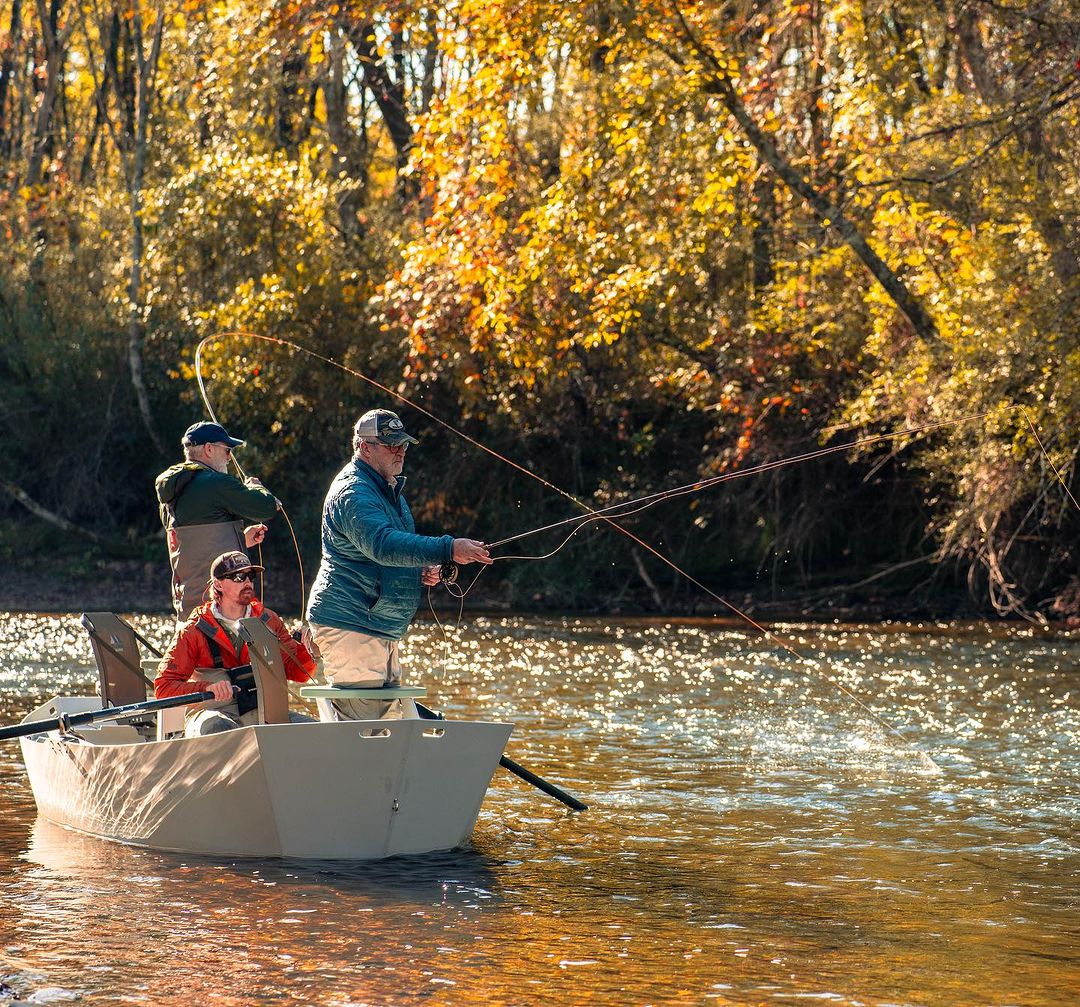
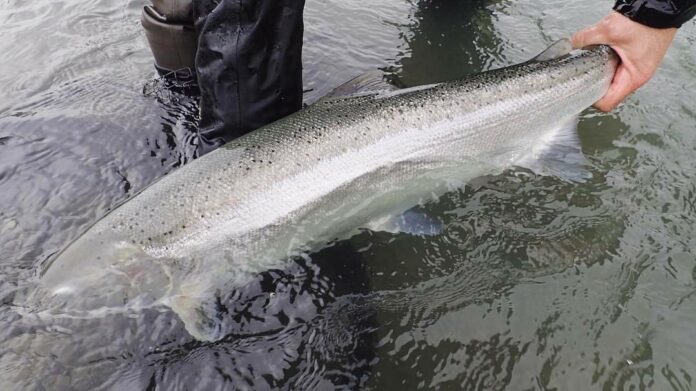
In this episode of “In The Bucket,” we dive into the captivating world of fly fishing in the Pacific Northwest, a region celebrated for its majestic landscapes and challenging steelhead fishing. Joined by seasoned anglers Dax Messett and Scott Baker Mcgarva, listeners are treated to an engaging discussion filled with expert casting tips, memorable fish stories, and practical advice for making the most out of guided fly fishing trips. Whether you’re a veteran angler or just starting out, Dax and Scott’s insights into the nuances of successfully landing steelhead, the evolution of fly fishing gear, and the importance of conservation efforts offer invaluable lessons that promise to enrich your fly fishing experience and ignite your passion for the sport.


Show Notes with Scott and Dax. Hit play below! 👇🏻

apple podcasts

google podcast

Find the show:  iTunes | Stitcher | Overcast

Subscribe on Android

Subscribe on Apple Podcasts

Subscribe on Google Podcasts

Subscribe via RSS

(Read the Full Transcript at the bottom of this Blog Post)

Sponsors and Podcast Updates

steelhead secrets
Scott Baker McGarva
steelhead secrets
Dax Messett
steelhead secrets
Brian Niska

Topics Discussed in the Episode

  • The unique draw and challenge of steelhead fishing in the Pacific Northwest.
  • Transitioning from guiding to tackle sales and what it teaches about the fishing industry.
  • The evolution of fly fishing gear and techniques over decades.
  • The importance of conservation efforts to sustain the sport for future generations.
  • How varying water conditions and seasons affect fly fishing strategies.
  • The cultural shift in fly fishing from the 1970s to today, with insights into gear and technique evolution.
  • Personal anecdotes from guiding on renowned rivers, highlighting memorable catches and lessons learned.
  • Strategies for successful fly fishing, including casting tips and reading river conditions.
  • The significance of community and shared knowledge in the fly fishing world.
  • Debates on gear preferences and the philosophy behind choosing equipment.

Key Takeaways: 

  1. Embrace the unpredictability of steelhead fishing. Sometimes, the less you try, the more you catch. This reminds us to enjoy the process, not just the outcome.
  2. Conservation is key. Engage in and support river conservation efforts. Healthy rivers sustain the fish populations we love and the sport that brings us together.
  3. Master the art of casting. Spend time perfecting your casting technique. Efficiency and accuracy can significantly enhance your fly fishing experience.
  4. Gear up wisely. Choose your equipment based on the specific conditions and species you’re targeting. Remember, the right gear can make all the difference.
  5. Patience pays off. Fly fishing is a game of waiting and watching. Patience not only increases your chances of a catch but also deepens your connection with the natural world.
  6. Learn from every trip. Whether you catch something or not, every outing is an opportunity to learn something new about the river, the fish, and yourself.
  7. Connect with the community. Fly fishing is as much about camaraderie as it is about catching fish. Share stories, tips, and support one another.
  8. Respect the environment. Practice catch and release whenever possible and leave no trace on your fishing adventures to preserve the beauty and integrity of our waterways.
  9. Stay curious. Always be open to new techniques, locations, and perspectives. The world of fly fishing is vast and full of surprises.
  10. Enjoy the journey. Remember, fly fishing is about the experience, the places it takes you, and the people you meet along the way. Treasure these moments.

Follow them on Instagram 👇🏻

Scott 👉🏻 @uliwon

Dax 👉🏻 @daxmessett

Brian 👉🏻 @skeenaspeyfishing

Visit their website at 👇🏻

DaxFly.com

SkeenaFlyFishing.com


Related Episodes

In The Bucket #2 | Steelhead Secrets and Ski Adventures in Northern BC with Riley Leboe, Kye Petersen, and Feet Banks

Episode Transcript

steelhead secrets

Conclusion

In this episode of “In The Bucket,” listeners are whisked away to the scenic Pacific Northwest, where the thrill of fly fishing for steelhead is vividly brought to life. Expert anglers Dax Messett and Scott Baker Mcgarva share their profound insights, ranging from the intricacies of casting techniques to the pivotal role of conservation in sustaining the sport. Their stories and advice not only illuminate the evolution of fly fishing gear and strategies but also emphasize the importance of community, patience, and respect for nature in enhancing the fly fishing journey. Through discussions on the challenges and rewards of steelhead fishing, the significance of gear selection, and the value of every fishing trip as a learning experience, this episode offers a treasure trove of knowledge. It promises to fuel listeners’ passion for fly fishing, encouraging them to embrace the unpredictability of the sport, engage with the angling community, and, most importantly, enjoy the journey and the unparalleled connection with the natural world it fosters.


585 | David Bishop’s Masterclass on Gaspe Peninsula Atlantic Salmon: Unleashing Your Potential on the Water

Gaspe Peninsula

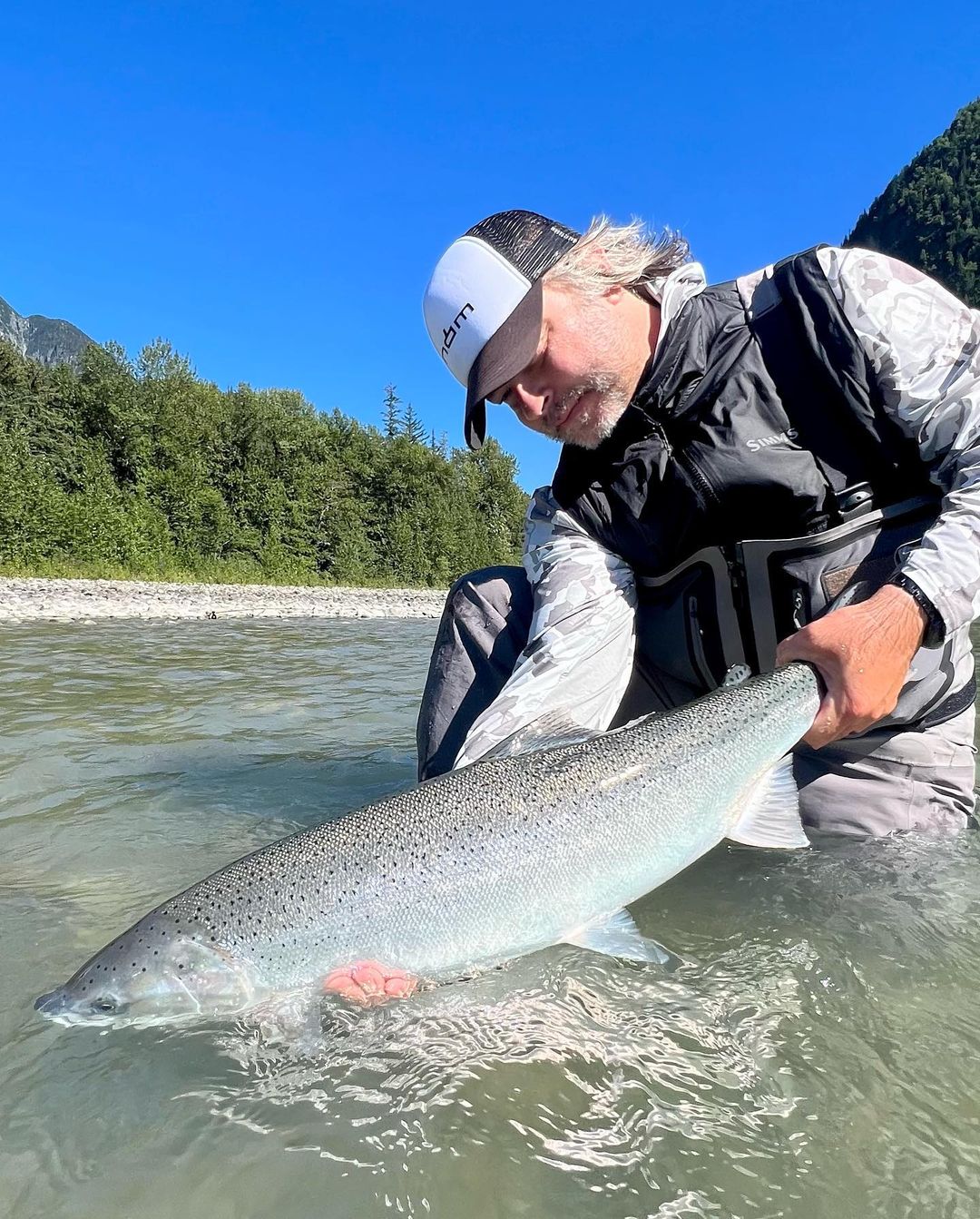
Have you heard of the Gaspé Peninsula and thought maybe it was out of your reach for a trip? Are you worried that your spey game isn’t at a high enough level to hook a salmon?

Today, we have David Bishop to share tips for success and three key takeaways that will ensure you not only can do this trip but have a chance at hooking an Atlantic Salmon.

Learn about fly speed, when to use dry flies versus wet flies, and uncover a fly pattern you may not have seen before. Discover how to recognize a take and why David recommends using 6lb and 8lb tippets.

Show Notes with David Bishop on Gaspe Peninsula Atlantic Salmon. Hit play below! 👇🏻


apple podcasts

Find the show:  iTunes | Stitcher | Overcast

Subscribe on AndroidApple Podcasts 

Subscribe via RSS

(Read the Full Transcript at the bottom of this Blog Post)


Sponsors and Podcast Updates
 

Gaspe Peninsula

Episode Chapters with David Bishop on Gaspe Peninsula Atlantic Salmon

01:38 – David Bishop delves into the unique challenge of fishing for Atlantic salmon and why it’s often seen as an intimidating species:

  • Species Specificity: Atlantic salmon are highly dependent on water conditions and fish behavior, unlike other species that may feed more readily.
  • Success Rate: Internationally, the success rate for catching Atlantic salmon can be challenging, with an average of about one salmon per three days of effort.
  • Enigmatic Nature: The mystery surrounding why Atlantic salmon take flies adds to the allure and complexity of fishing for them.

Exploring the Diverse Rivers of Gaspe Peninsula

4:00 – Rivers in the Gaspé Peninsula vary in fish population and size, with some rivers known for smaller but abundant fish runs, while others like the Caspapedia River boast large, genetically healthy fish.

The Gaspé Peninsula is hailed as the most accessible salmon fishing destination globally, thanks to the democratic draw system implemented by the Quebec government.

9:00 – Gaspe Peninsula offers a plethora of rivers for salmon fishing, and anglers can also explore nearby areas like the St. Lawrence River and New Brunswick for additional fishing opportunities.

Compared to other international destinations, fishing in Gaspe is affordable, with daily ticket costs ranging from $60 to $180.

Gaspe Peninsula

David Bishop’s Fly Fishing Journey

14:17 – David Bishop shares his early memories of fly fishing, tracing back to childhood experiences with his father and grandfather behind Simsbury High School.

At the age of 10, David caught his first Atlantic salmon. Then at age 14, David worked at a fly shop and later ventured into guiding.

Access to Fishing in the Gaspe Peninsula

17:00 – David elaborates on the democratic access system in the Gaspe Peninsula. Unlike some regions with exclusive and elite fishing practices, Gaspe’s model ensures public access while balancing private interests.

The lottery-based system ensures that a percentage of water remains open to the public each day, with clear guidelines on pricing.

Comparatively, regions like the UK and Norway maintain a more privatized approach, limiting access based on wealth and waiting lists.

Gaspe Peninsula

24:00 – There are two main ways to access the rivers: purchasing a daily access permit for non-reserved waters or participating in the draws organized by the FQSA. Saumon Quebec provides information on river access, draws, and permits.

27:00 – David Bishop discusses various lodging options for anglers visiting the Gaspe Peninsula.

Gaspe Peninsula

Choosing the Best Time for Atlantic Salmon Fishing in the Gaspe Peninsula

36:00 – For hardcore spey anglers, early June or late September are ideal for fishing gin-clear waters with fewer competitors. However, the prime time for dry fly fishing is from late June through August into early September when water temperatures are optimal.

Dry Flies vs Wet Flies 

45:00 – David explains the transition from wet fly to dry fly fishing based on water conditions and visibility. He distinguishes between rivers with clear visibility and those with stained waters.

  • Clear Rivers (e.g., Bonaventure, Petite Cascapedia): Optimal for site fishing and dry fly opportunities.
  • Stained Rivers (e.g., Cascapedia, Dartmouth): You can switch to dry flies if no action with wet flies is observed.

46:00 – When not fishing dry flies, David Bishop describes his typical setup and approach for different months and water conditions:

  • In June with higher water, he uses larger flies ranging from size 2 to 3.0 for swinging traditional salmon flies. Some favorite flies include John Olin Longwing, Picasse, and Paul Caron’s Stonefly.
    https://www.gaspeflyshop.com/products/paul-caron-s-stone-fly

    For more detailed insights and information about David Bishop’s fly fishing techniques and favorite flies, you can visit his blog here.

Fly Speed and Presentation

David stresses that fly presentation plays a massive role, comprising about 90% of the success in fly fishing. He also mentions that fly selection is only about 5% of the game, debunking the idea of a “best fly”.

He explains that using floating lines allows him to manipulate fly speed effectively. By adjusting casting angles and mending downstream, he can control how fast the fly moves across the water, which is crucial for enticing strikes.

His strategy involves covering as much water as possible to find fish that are actively taking the fly. He prefers this approach over repeatedly casting in the same spot, focusing on quality fish rather than sheer numbers.

Spey Fishing Gear and Technique

59:00 – David recommends using a 12.5-foot rod ranging from 450 to 540 grain weights, with a preference for 480 or 450. He emphasizes using long leaders of 15 to 20 feet for better fly tracking and action. David also highlights the importance of tapered leaders for efficient casting and fly presentation.


Follow David on Instagram: @bishguide

Check out their website: www.atlanticsalmonguides.com

Related Podcast Episodes

WFS 568 – Catching Atlantic Salmon on a Dry Fly with Robert Chiasson – Margaree River, Nova Scotia, Cape Breton


Gaspe Peninsula

Conclusion with David Bishop on Gaspe Atlantic Salmon

David Bishop takes us on a journey into the heart of Gaspe Peninsula’s Atlantic salmon fishing. With his wealth of experience and passion for the sport, David unravels the mysteries of fly speed, presentation, and gear selection, offering practical advice for both seasoned anglers and newcomers.


584 | A Guide to Backcountry Fly Fishing with McKenna Hulslander – TroutRoutes, Trophy Trout, Outcast Adventures

backcountry fly fishing

In this episode, McKenna Hulslander takes us on a journey through her most recent backcountry fly fishing trip, offering insider tips and thrilling stories from the wild.


Show Notes with McKenna Hulslander on Backcountry Fly Fishing. Hit play below! 👇🏻

apple podcasts

Find the show:  iTunes | Stitcher | Overcast

Subscribe on Android

Subscribe on Apple Podcasts

Subscribe via RSS

(Read the Full Transcript at the bottom of this Blog Post)


Sponsors and Podcast Updates


backcountry fly fishing

Episode Chapters with McKenna Hulslander on Backcountry Fly Fishing

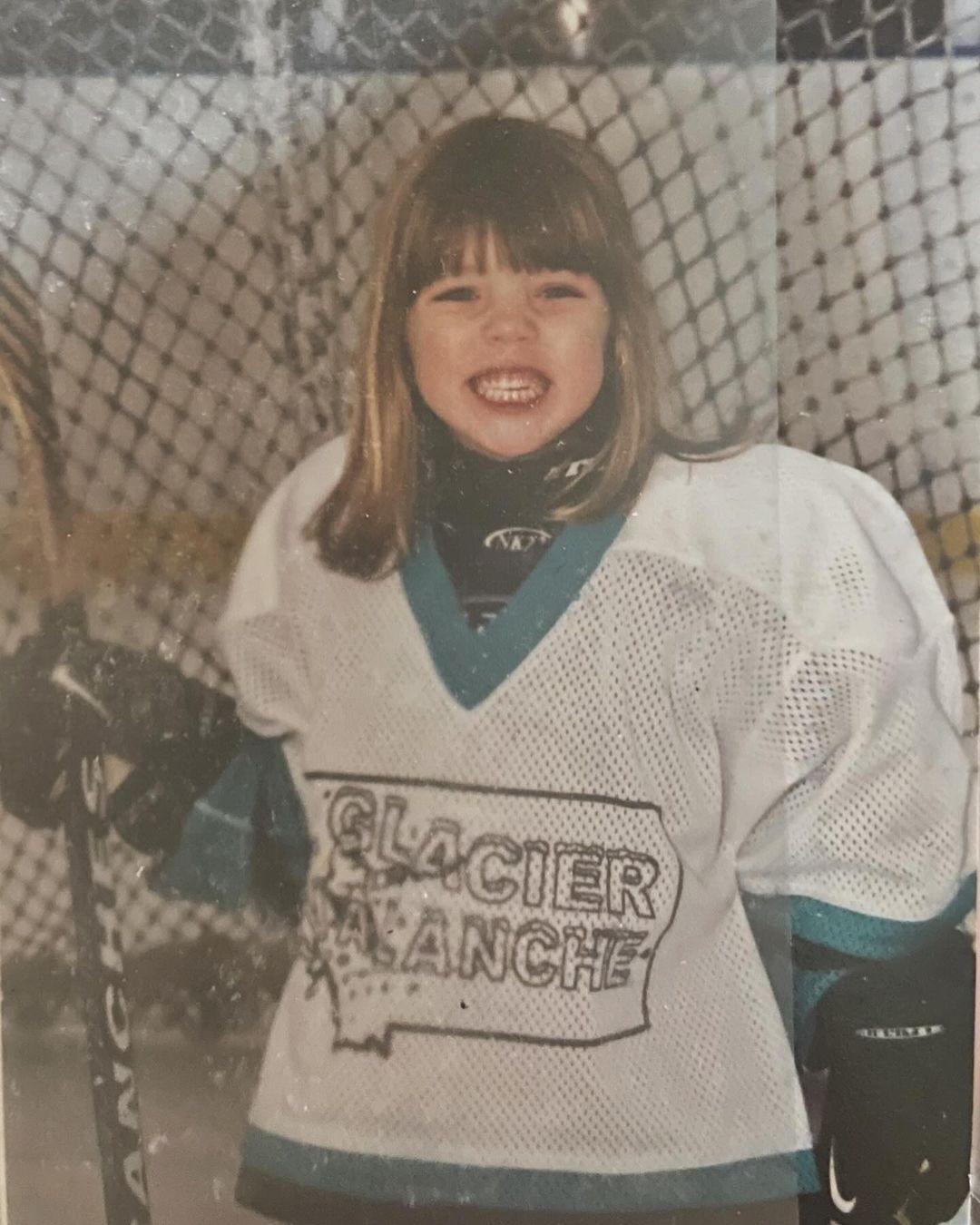
1:22 – With a childhood rooted in the outdoor traditions of her family, McKenna was naturally drawn to the rivers and streams of northwest Montana. Her story is not just about fly fishing; it intertwines with her pursuits in athletics, notably college hockey.

Photo via: https://www.instagram.com/mckennahulslander/

8:06 – McKenna shares the inspiring journey behind her wilderness fly fishing trip in Montana, highlighting the unique blend of adventure, conservation, and education that fueled the expedition. With a desire to share this rich heritage and address the gap in backcountry knowledge among newcomers, she, alongside her videographer friend Riley Connell, embarked on a mission to capture the essence of remote fly fishing through a documentary.

The film, aimed for submission to the Fly Fishing Film Tour (F3T), represents a heartfelt effort to bridge generations, celebrate the sport’s traditions, and encourage responsible engagement with the natural world.

14:04 – She shares her enriching experience of meeting John Fraley, a respected writer and fisheries biologist known for his significant contributions to understanding bull trout and cutthroat trout in Montana.

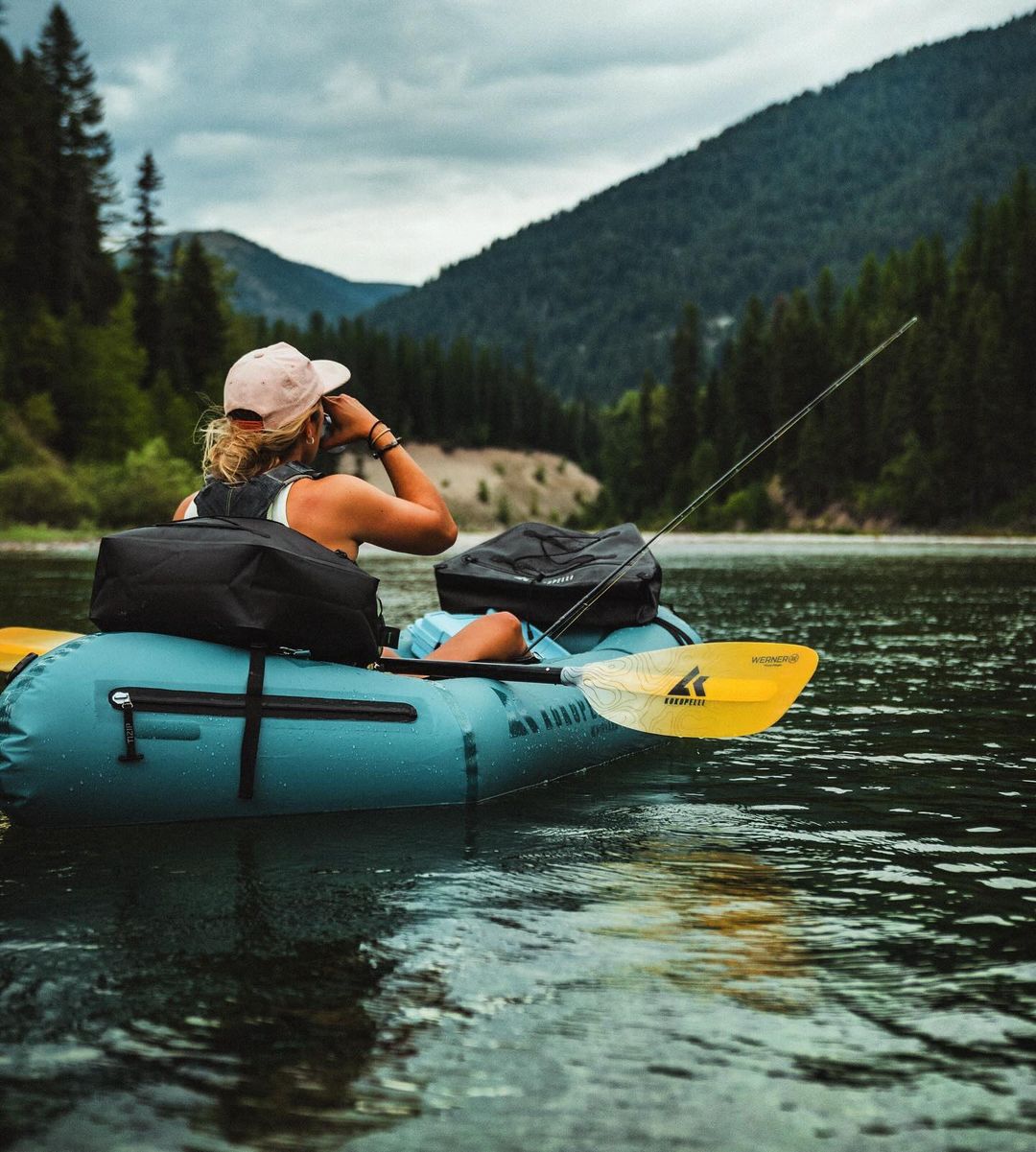
15:05 – She describes the process of getting dropped off in the wilderness in Montana with just a car, her pack, and a packraft from Kokopelli, setting the stage for a multi-day journey of exploration and fishing.

McKenna on her Kokopelli packraft (Photo via: https://www.instagram.com/mckennahulslander/)

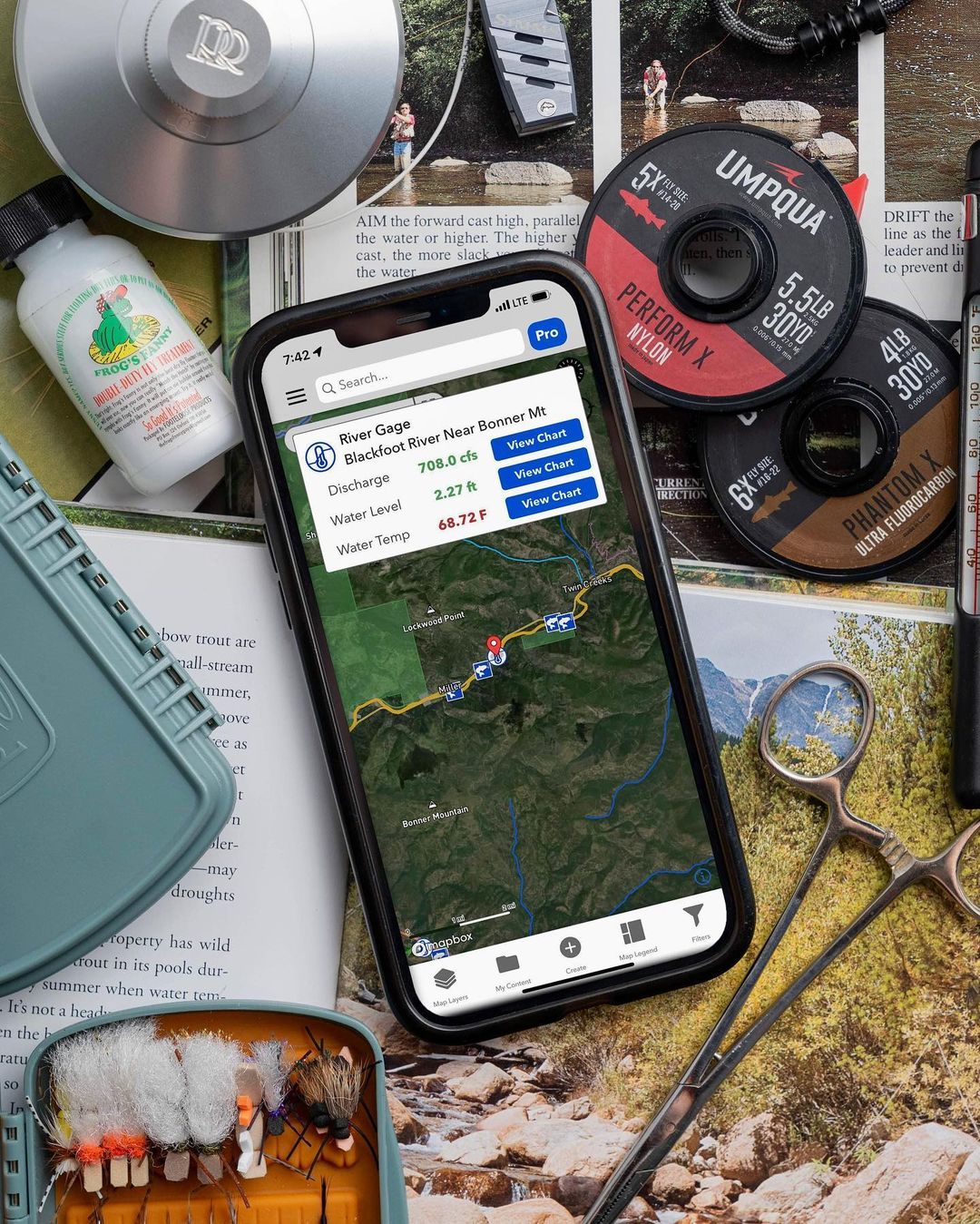
22:35 – She offers valuable advice for planning remote hiking and fly fishing trips, emphasizing the importance of using tools like TroutRoutes for effective trip planning. She highlights how the mobile app not only provides detailed maps but also offers crucial information like water temperature and flow rates (CFS), which are vital for ensuring safety and successful fishing experiences.

Additionally, McKenna mentions the importance of monitoring water conditions before the trip to make informed decisions about fishing times and conservation efforts, especially during warmer months.

backcountry fly fishing
Photo via: https://www.instagram.com/troutroutes/

25:38 – She discusses the focus on fishing for Westslope cutthroat trout and the occasional “cutbow” (a hybrid between a cutthroat and rainbow trout) during their wilderness trip in Montana. She highlights the importance of conservation, especially concerning the endangered bull trout, explaining their decision to avoid targeting this species to align with ethical fishing practices passed down through generations.

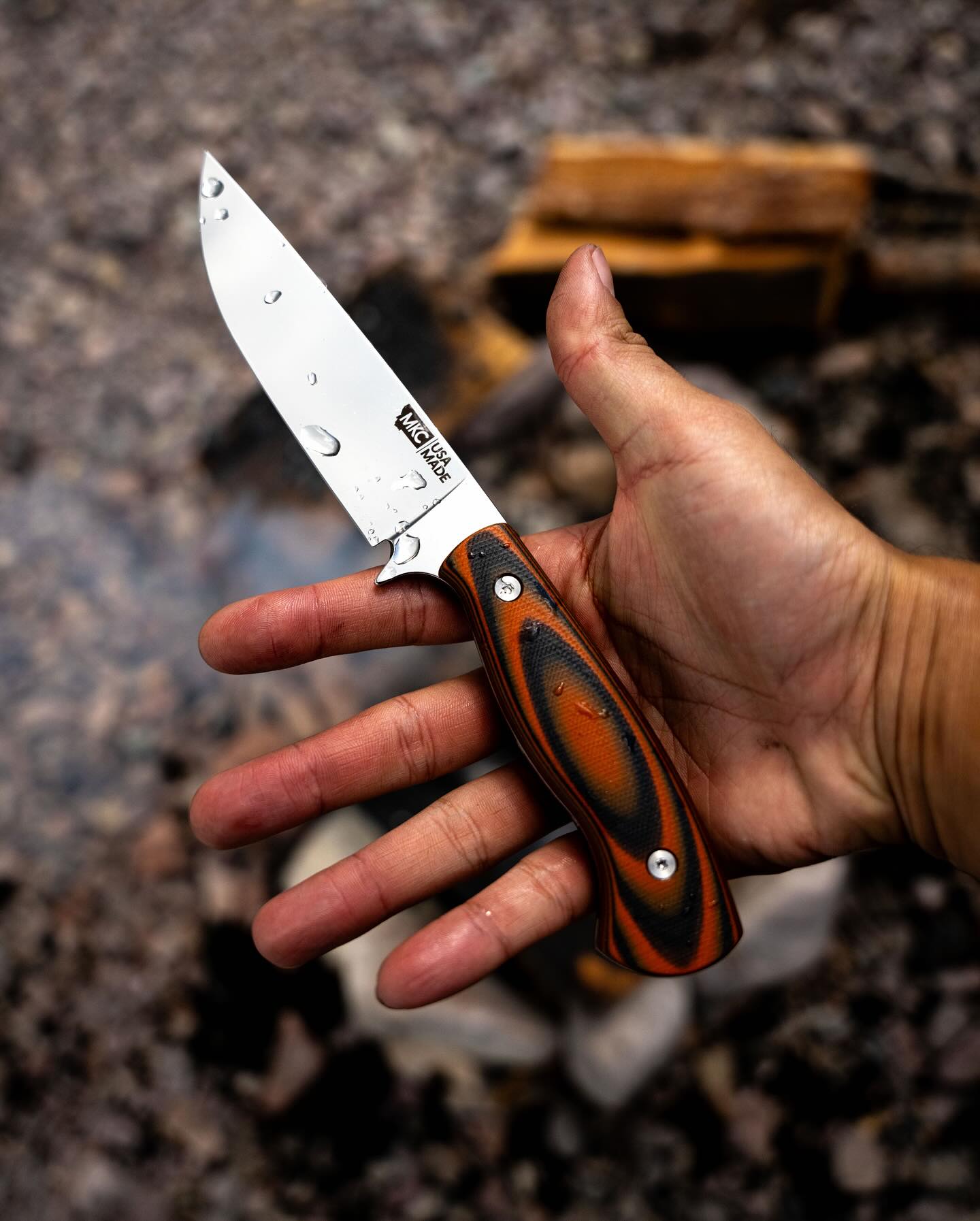
28:16 – McKenna dives into the essential and luxury gear that made her wilderness fishing adventure memorable. She emphasizes the importance of dry bags, highlighting how co-sponsors like Kokopelli and Filson provided high-quality dry bags crucial for keeping equipment dry and safe during the float trip. Essential gear also included a Garmin GPS for navigation and a knife from Montana Knife Co., emphasizing the importance of safety and preparedness in remote settings.

Photo via: https://www.facebook.com/MontanaKnifeCo

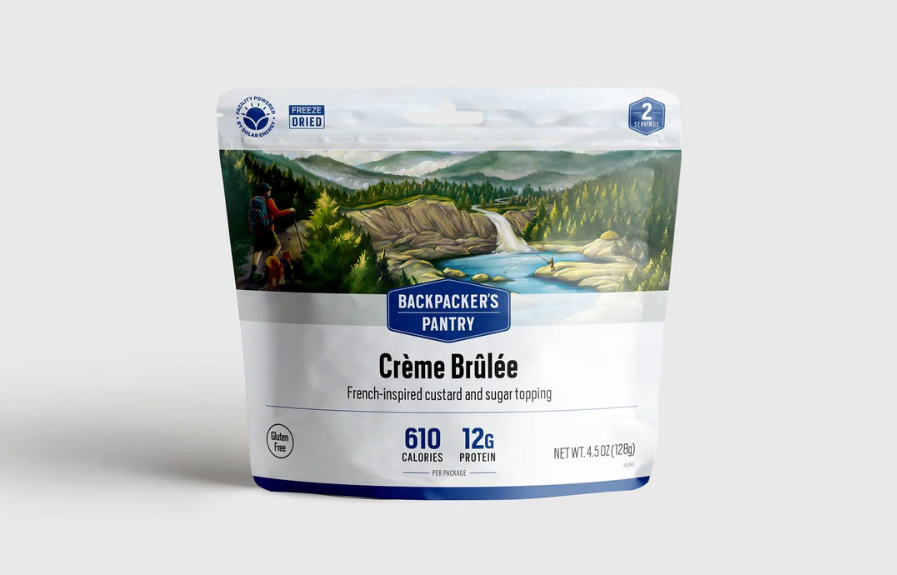
As for luxury items, McKenna shares her fondness for bringing along Backpackers Pantry’s crème brûlée and indulging in beer supplied by Sacred Waters Brewing Co., naming the Catch ‘Em Lager as her favorite for its thematic fit with fishing.

Photo via: https://backpackerspantry.com/products/creme-brulee

31:43 – During their multi-day wilderness trip, McKenna and her crew experienced a mix of weather conditions, including a notable thunderstorm on the first day which, despite its intensity, was something McKenna enjoyed while on the river. The storm added some water to the river, slightly raising its level, which turned out to be beneficial for their journey.

McKenna also shares a learning moment from Mr. Fraley regarding the correct terminology for insect activity on the water, distinguishing between a “hatch” and an “emergence,” with the latter referring to the phase when insects transition from water to air with wings.

34:36 – Fishing proved fruitful during their trip, with McKenna emphasizing the excitement of trying different flies, especially those that were guaranteed to be successful based on her experience. She hinted at the effectiveness of flies with rubbery legs and the color purple in attracting West Slope cutthroat trout, which are the primary species targeted.

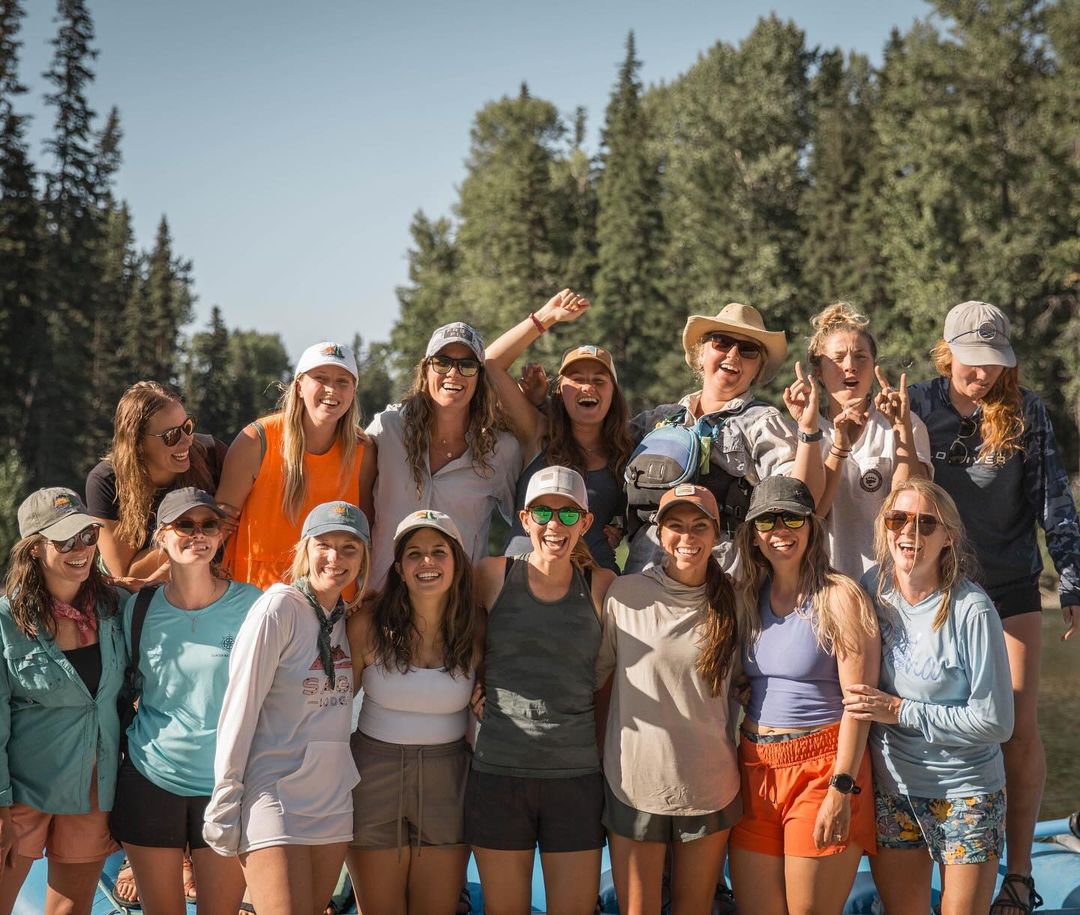
36:56 – We dig into Outcast Adventures which focuses on organizing women’s trips into the wilderness, aimed at groups of 12 to 14 participants. These trips are designed not only to introduce women to fly fishing, camping, and floating in the backcountry but also to foster deep connections among people from diverse backgrounds. McKenna emphasizes that no prior experience in fly fishing is necessary to join, opening the door for participants with varied levels of experience.

backcountry fly fishing
Photo via: https://www.instagram.com/outcast_adventures_/

41:34 – Key takeaways for anyone considering a similar trip include the significance of understanding the destination, planning for unforeseen events, and maintaining a detailed timeline for the journey. This timeline is crucial not only for managing supplies like food but also for ensuring the safety of everyone involved by keeping those at home informed of the expedition’s progress.

For emergency situations, such as potential injuries, McKenna highlights the value of carrying a Garmin device. This piece of equipment offers peace of mind by enabling communication with people outside the immediate area, even in locations without cell service.

backcountry fly fishing
GPSMAP 64x (Photo via: https://ph.garmin.com/products/outdoor/gpsmap-64x/)

42:56 – McKenna shares a remarkable story of surviving a plane crash while on a wilderness trip with her family, including her brother, dad, and one of her brother’s friends from the Air Force Academy. Despite the severity of the crash, McKenna recalls the experience with a sense of adventure, comparing the anticipation of the crash to the excitement of sliding down stairs on a sleeping bag as a child.

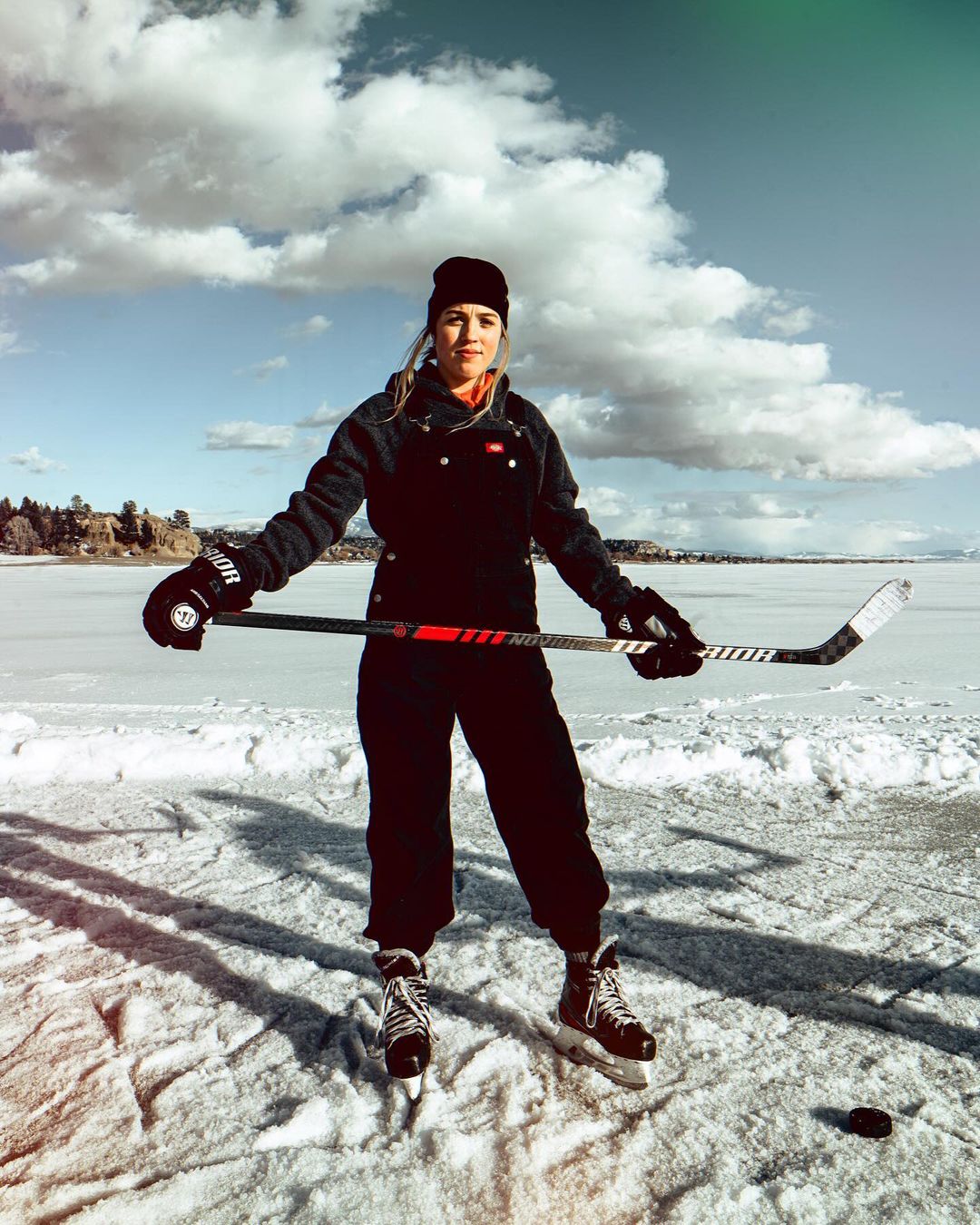
51:49 – From a young age, McKenna was deeply involved in hockey, despite growing up in Montana where the sport was uncommon. Her passion for hockey led her to play on a Canadian boys’ team and later for a team affiliated with the St. Louis Blues organization. Pursuing her dream, she traveled extensively during high school to play in college, highlighting the growth of hockey in Montana and its contrast to the hockey culture in Minnesota.

Photo via: https://www.instagram.com/mckennahulslander/

You can find McKenna on Instagram @outcast_adventures_ and @mckennahulslander

Visit her website at mckennahulslander.squarespace.com.

backcountry fly fishing


backcountry fly fishing

Conclusion with McKenna Hulslander on Backcountry Fly Fishing

In this episode, McKenna Hulslander takes us on a journey through her most recent backcountry fly fishing trip, offering insider tips and thrilling stories from the wild.


WFS 583 – Drift Boat Building with Brownie Liles – Blue Ridge Boatworks, East Tennessee, Watauga River

drift boat building

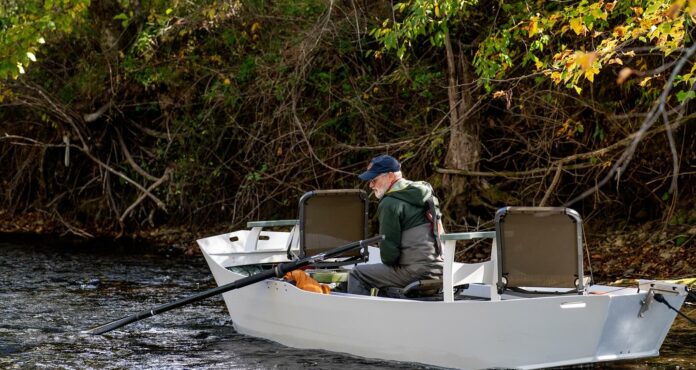
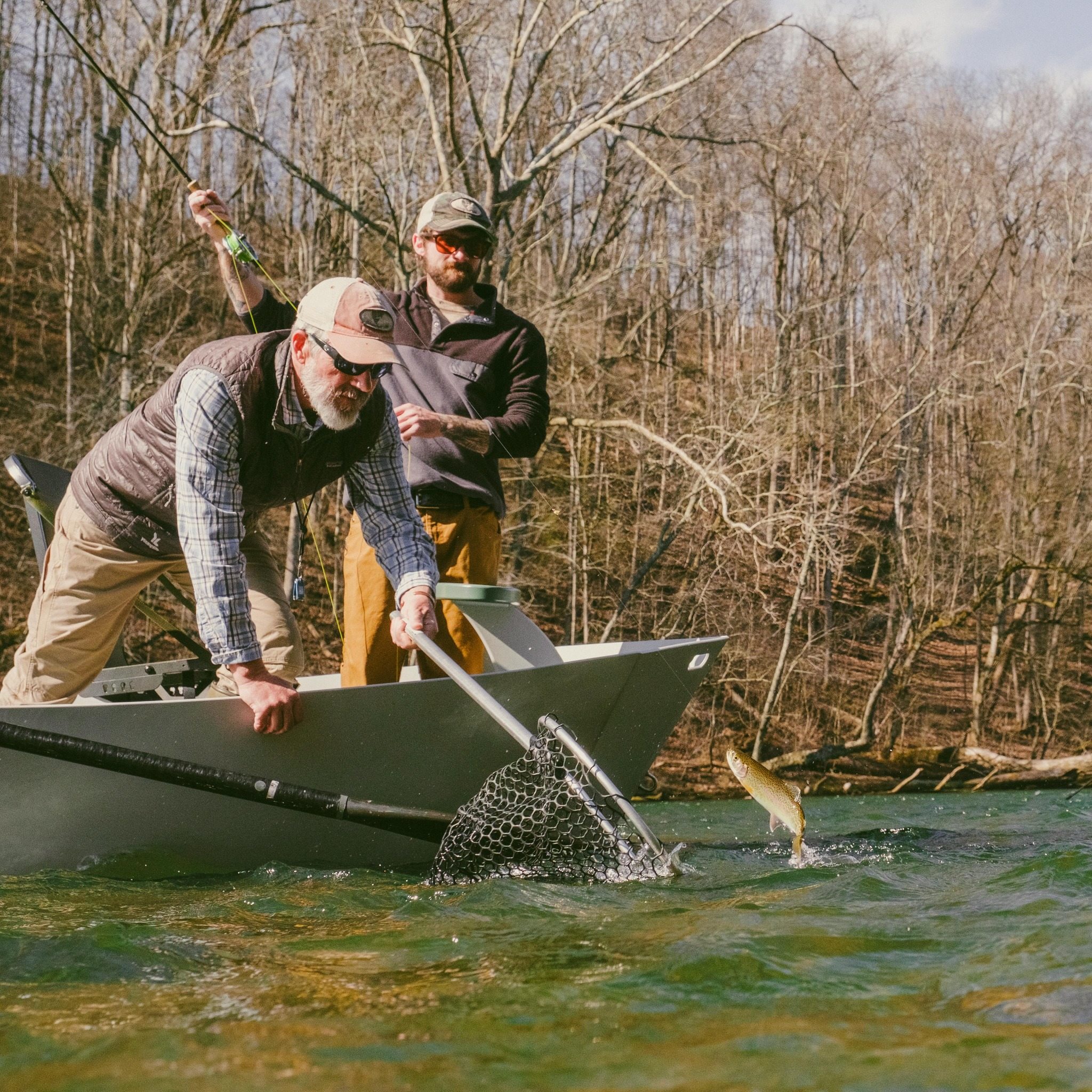
In this episode, we chat with Brownie Liles, a seasoned guide with over 25 years of experience and the innovative mind behind Blue Ridge Boatworks. Brownie takes us on a journey of drift boat building and the scenic rivers of East Tennessee, sharing insights into his unique designs crafted specifically for the challenges and joys of fly fishing in the region.

Listeners will dive into fly fishing conservation, the thrill of chasing fish in East Tennessee’s vibrant waters, and how Brownie’s passion for guiding and boat building led to creating a drift boat that blends tradition with cutting-edge design.


Show Notes with Brownie Liles on Drift Boat Building. Hit play below! 👇🏻

apple podcasts

Find the show:  iTunes | Stitcher | Overcast

Subscribe on Android

Subscribe on Apple Podcasts

Subscribe via RSS

(Read the Full Transcript at the bottom of this Blog Post)


Sponsors and Podcast Updates


drift boat building

Episode Chapters with Brownie Liles on Drift Boat Building

01:37 – Brownie shares his transition from whitewater kayaking to fly fishing in the mid-90s, sparked by a Christmas gift from his sister—a fly rod that ignited his passion for fly fishing. This newfound obsession led him to guide on the Tow River and eventually shift his career towards fly fishing in East Tennessee.

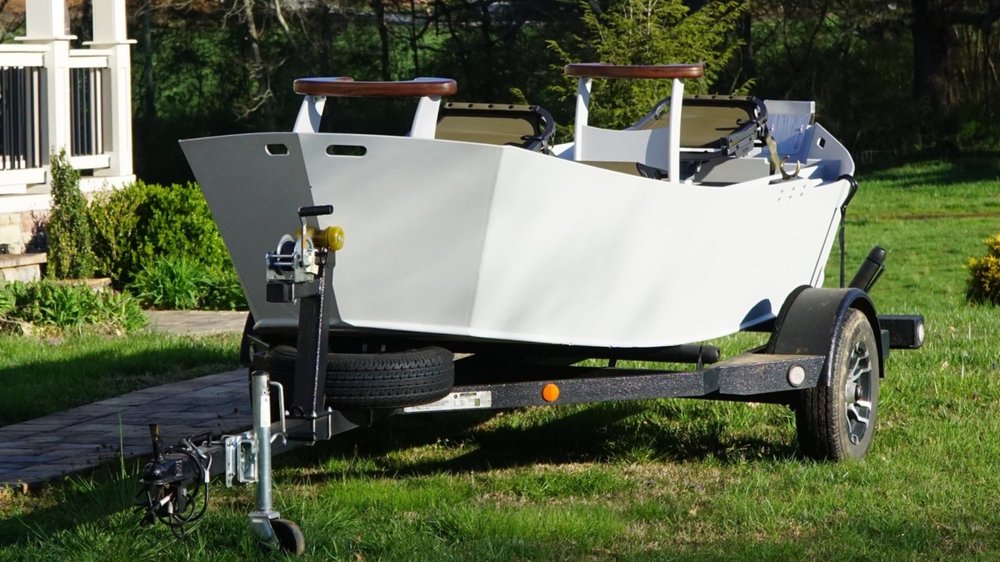
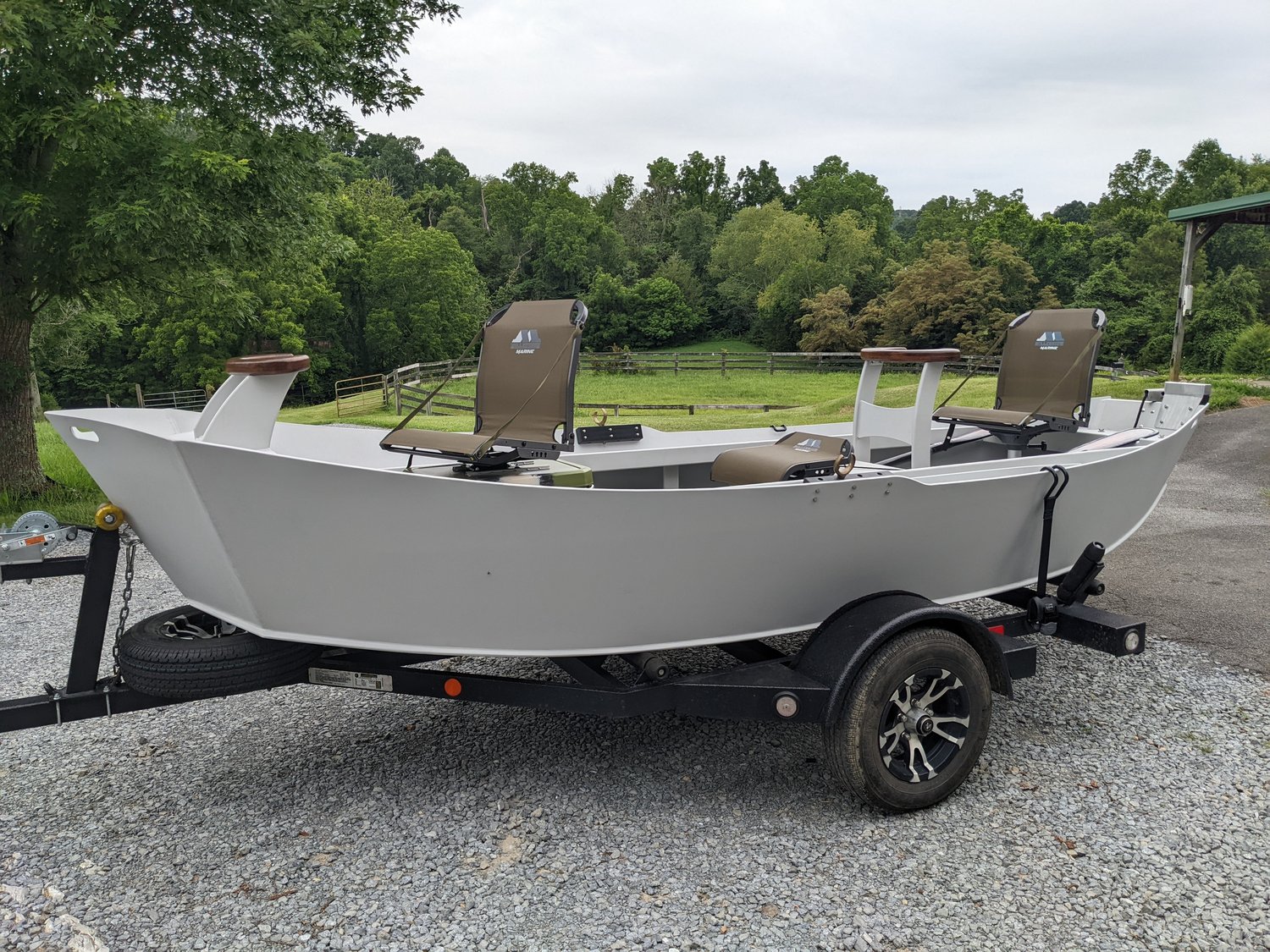
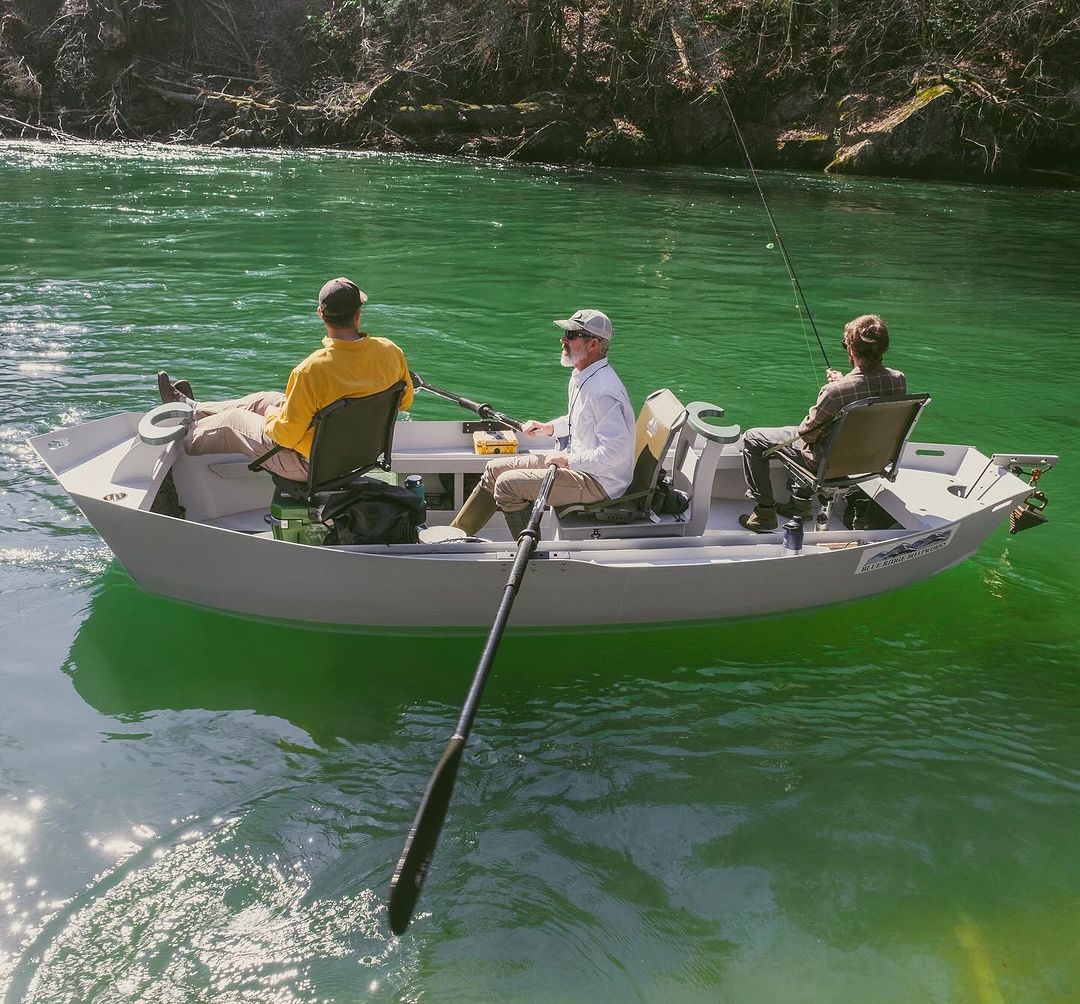
07:20 – He tells us how his company, the Blue Ridge Boatworks came to be. Drawing from his whitewater kayaking background and a lifelong passion for building, he crafted the perfect plastic skiff—a durable, high-density polyethylene vessel designed to navigate the challenges of river fishing. The result is a series of almost indestructible guide boats that cater specifically to the needs of fly fishing enthusiasts, proving that with vision and craftsmanship, traditional boat building can meet modern innovation.

drift boat building
Photo via: https://www.blueridgeboatworks.com

11:14 – He shares the intricate process behind constructing their unique boats. Unlike traditional methods, building these high-density polyethylene skiffs involves an innovative approach where every piece is precision-cut and then welded together using a state-of-the-art extrusion welder—a tool likened to an expensive, Swiss-made “glorified hot glue gun.”

14:33 – Skiffs, according to Brownie, generally offer a wider platform, granting more room within the boat and significantly enhancing side-to-side stability that traditional dories lack. This increased stability stems from the broader width, which provides greater surface area and displacement, causing the boat to ride higher on the water. Brownie points out that while all skiffs enjoy this inherent stability due to their width, his boat maintains this advantage from front to back, diverging from some skiffs that narrow at the ends, showcasing how thoughtful design can impact a boat’s performance and angler’s experience on the water.

drift boat building
Kingfisher Skiff (Photo via: https://www.blueridgeboatworks.com)

20:30 – He highlights the boat’s thoughtful features, like increased gunnel height for dryness and safety, and the slickness of the material that enables easy maneuverability over obstacles. Despite its sturdiness and innovative features, the boat’s weight remains competitive, aligning closely with industry standards. Brownie also emphasizes the boat’s practicality for guides, ensuring ease of entry and exit, especially in challenging river conditions.

26:31 – Brownie explains that the traditional gunnel rail, while aesthetically pleasing and structurally important in most drift boats, was intentionally omitted in their designs to achieve a maintenance-free vessel. Instead, they opted for rod trays below the gunnel line to provide the necessary structure, eventually moving towards using plastic for parts like thigh braces, which were initially made from wood due to cost constraints.

33:03 – He discusses the Watauga River’s appeal for fly fishing, emphasizing its accessibility for both wading and drifting, thanks to its manageable flows. It’s particularly known for its caddis hatch, making it a prime location for year-round fishing.

Watauga River (Photo via: https://www.instagram.com/blueridgeboatworks/)

35:04 – Brownie also highlights the lodge and guide service he’s associated with, providing top-notch accommodations and expert guidance for anglers looking to explore the best fishing spots on the river. Despite the river’s popularity among anglers, the community maintains a friendly and respectful atmosphere, making it an inviting destination for fishermen of all levels.

38:28 – For those planning a fly fishing trip to the Watauga River, Brownie recommends late March through July as the optimal period, highlighting late March for its abundant bug activity and eager fish. Despite potential traffic, spring promises great fishing conditions, transitioning into productive summer months, especially with sufficient rain.

40:25 – The famed caddis hatch, peaking in early to mid-April, presents challenges and opportunities with various techniques, from swinging flies to precise dry fly casting. While wade fishing is an option, the local float guide culture predominantly favors fishing from drift boats for convenience and efficiency, with most guides preferring to stay onboard throughout the fishing experience.

47:33 – We give a shout-out to one of our avid listeners and also Drifthook. They have an interesting article on their website entitled “Top 21 Places to Fly Fish in Tennessee and What Flies to Use”.

53:57 -As a lodge owner and former guide, Brownie offers insights into his daily operations and his transition from guiding to focusing more on his lodge and growing boat business.  His success, he believes, came not from being the best guide but from taking care of his clients and making lasting friendships.

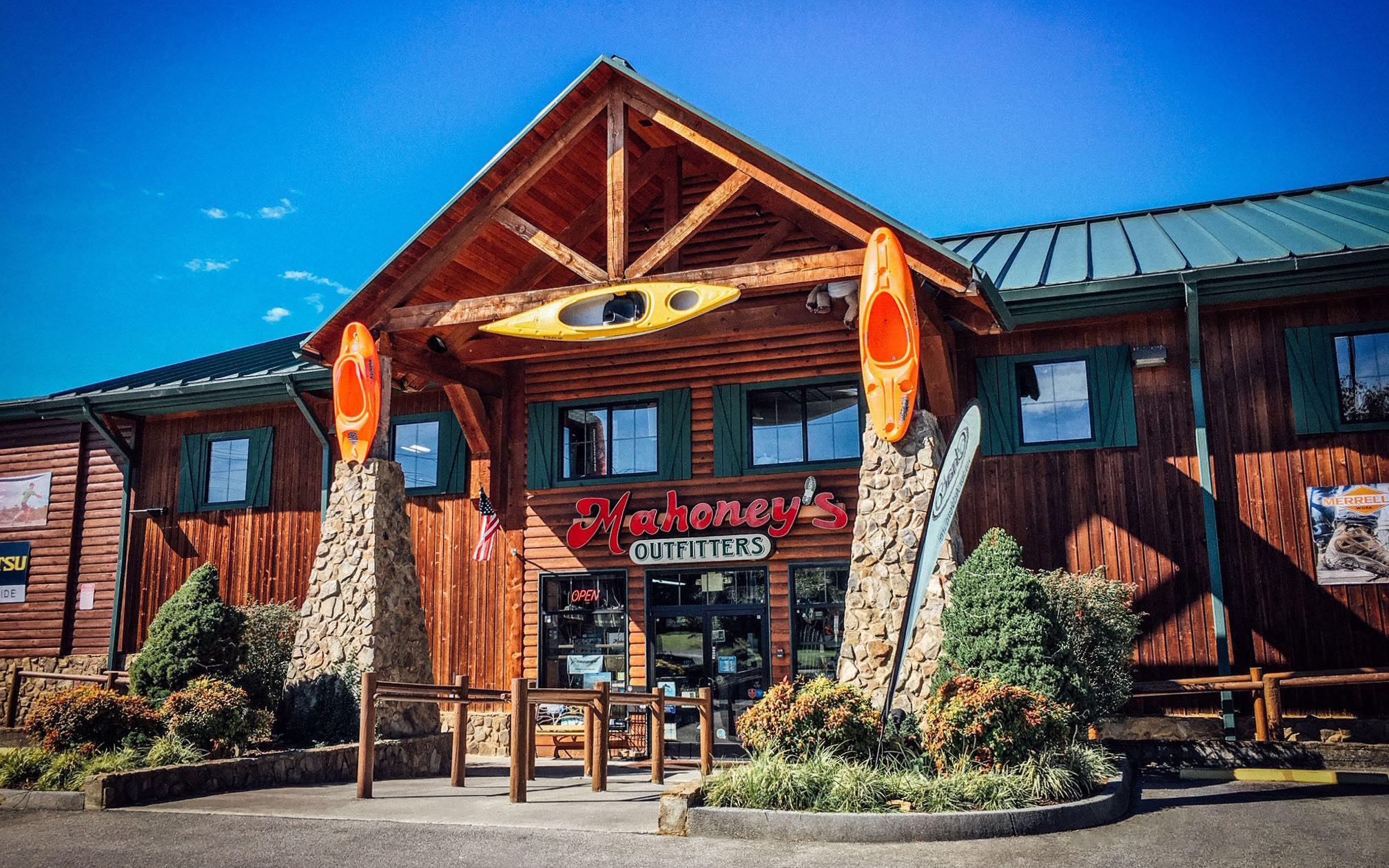
58:22 – For those looking to fly fish in the South Holston area, Brownie Liles recommends Mahoney’s Outfitters in Johnson City for a comprehensive range of fishing gear and The Fly Box near the South Holston River, known for its knowledgeable staff and quality guide services.

Liles’ lodge offers a guide service, preferring to provide a full-package experience to guests, from lodging to guided fishing trips. However, he also collaborates with other local guides, ensuring visitors have various options for their fishing adventures.

Photo via: https://www.facebook.com/mahoneysoutfitters

49:43 – For those spending a day on the water near Johnson City and looking for dining options, Brownie mentions some places in the city’s downtown area. He also suggests an alternative for guests preferring a more intimate setting: purchasing groceries and utilizing the outdoor kitchen facilities at his lodge.

1:00:44 – Brownie shares his love for classic rock bands such as Pearl Jam and Led Zeppelin.


You can find Blue Ridge Boatworks on Instagram @blueridgeboatworks.

Facebook at Blue Ridge Boatworks

Visit their website at BlueRidgeBoatWorks.com.

drift boat building


drift boat building

Conclusion with Brownie Liles on Drift Boat Building

The importance of investing in quality fly fishing gear, including durable and functional boats like those from Blue Ridge Boatworks, is a key takeaway from this episode. Quality gear not only improves your fishing performance but also ensures a safer and more enjoyable experience on the water.


582 | Northern BC Fly Fishing with Daniel Schildknecht from NR Adventures

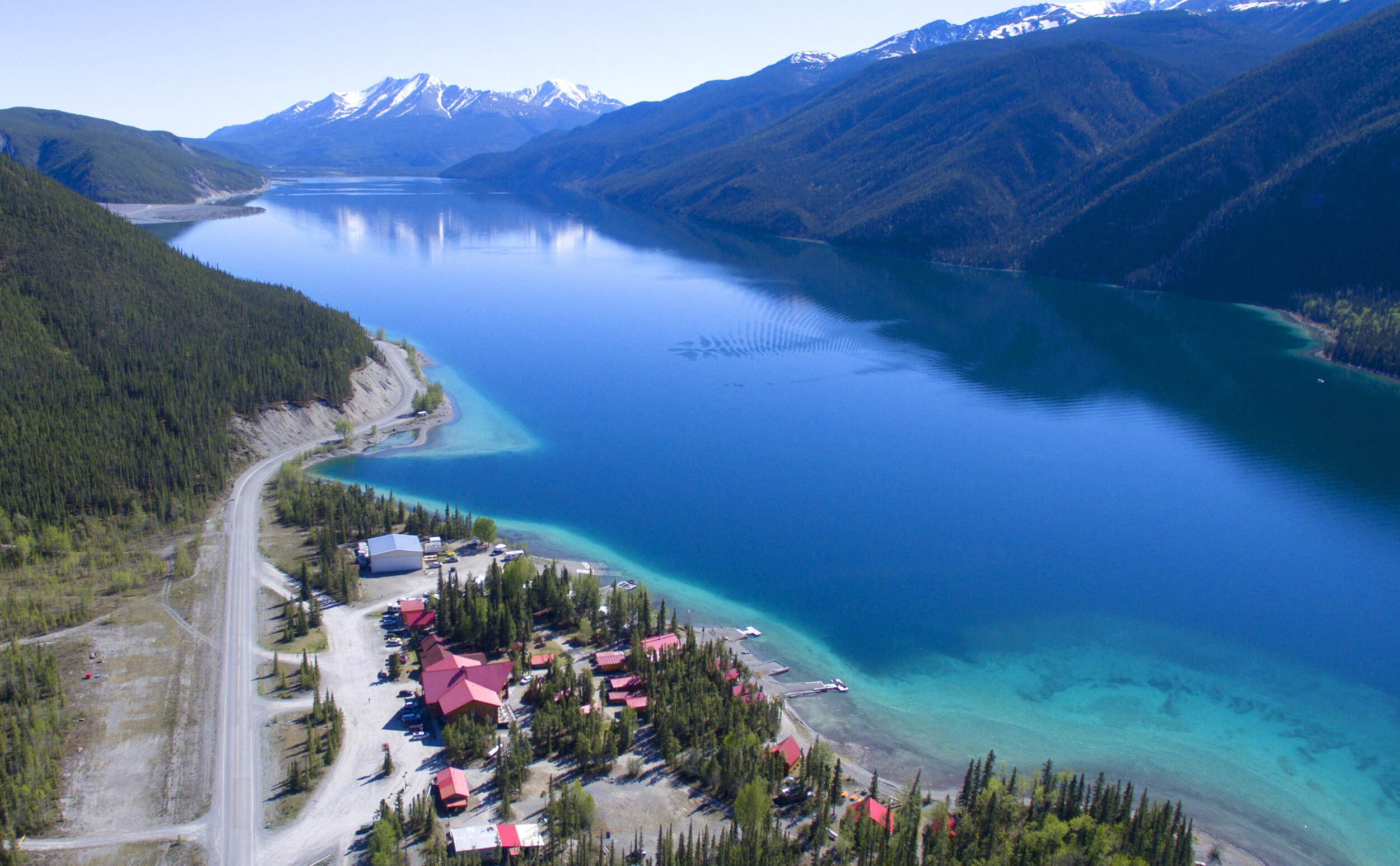
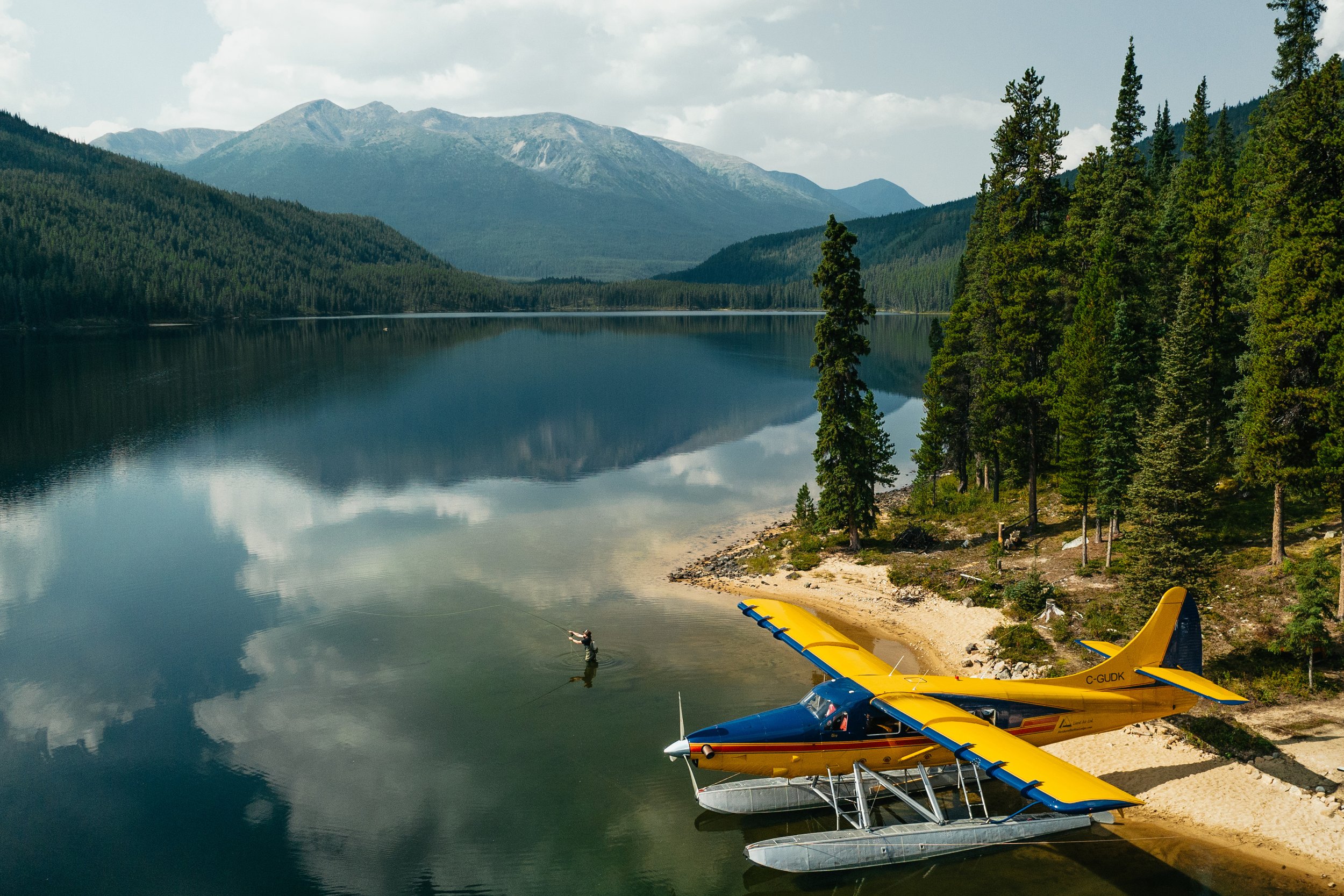
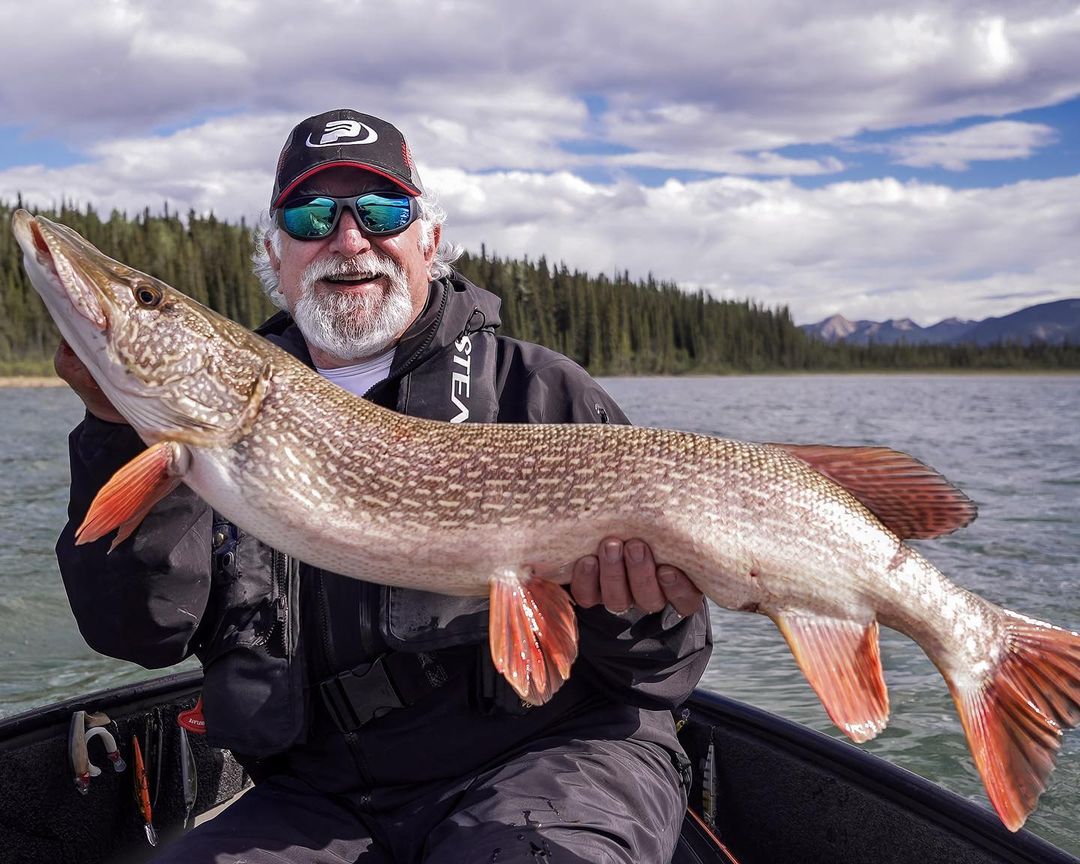
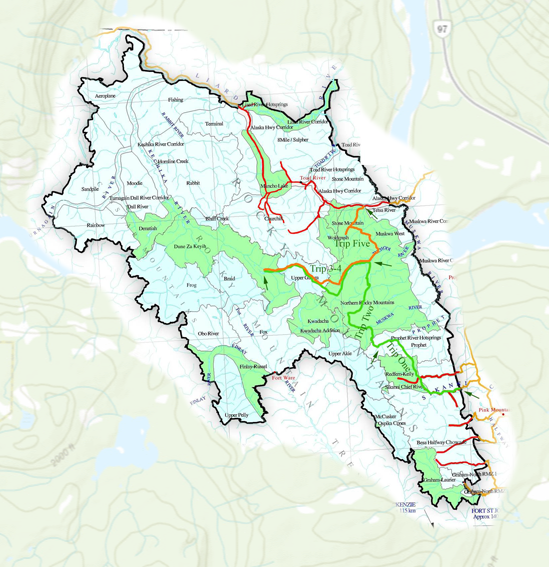
Today we are heading into Northern BC Fly Fishing with Daniel Schildknecht from NR Adventures.


Show Notes with Daniel Schildknecht – NR Adventures. Hit play below! 👇🏻

apple podcasts

Find the show:  iTunes | Stitcher | Overcast

Subscribe on Android

Subscribe on Apple Podcasts

Subscribe via RSS

(Read the Full Transcript at the bottom of this Blog Post)


Sponsors and Podcast Updates


northern rockies adventures


northern rockies adventures

northern rockies adventures
Photo Courtesy of @petebowman_fishing


northern rockies adventures

northern rockies adventures


northern rockies adventures


northern rockies adventures


northern rockies adventures

northern rockies adventures


northern rockies adventures


northern rockies adventures
Photo Courtesy of @petebowman_fishing

Follow NR Adventures on Instagram 👉🏻 @northernrockieslodge

Check out their website at 👉🏻 NRadventures.com

northern rockies adventures


Related Videos

Resources Noted in the Show

www.muskwa-kechika.com

northern rockies adventures

Related Podcast Episodes

WFS 542 – Northern Rockies Adventures with Urs and Daniel Schildknecht – Canadian Rockies, Float Plane, Fishing Lodge

WFS 432 – Reel West Coast with Brendan Morrison – Hockey, Fly Fishing

Conclusion – NR Aventures

Daniel from NR Adventures is here to take us into Northern BC for a remote fly fishing journey.


581 | Master the Art of Two-Handed Casting: Inside Secrets from Spey Legend Al Buhr

TWO-HANDED CASTING

In today’s episode, we’re diving into the world of two-handed casting with spey legend, Al Buhr. Level up your spey casting game as Al shares his top three casting tips that will revolutionize your approach.

Discover Al’s unique fly pattern techniques for enticing steelhead and gain insights into the rich history of spey casting, from Jim Green’s legacy to present-day innovations.

Tune in to uncover the secrets that will make your casts easier and more effective than ever before!

Show Notes with Al Buhr on Two-Handed Casting. Hit play below! 👇🏻


apple podcasts

Find the show:  iTunes | Stitcher | Overcast

Subscribe on Android

Subscribe on Apple Podcasts

Subscribe via RSS

(Read the Full Transcript at the bottom of this Blog Post)


Sponsors and Podcast Updates

Episode Chapters with Al Buhr on Two-Handed Casting

01:22 – Al Burr takes us back to his early days in fly fishing at the age of 15. Despite being mostly self-taught, Al’s keen observation and persistent curiosity paved the way for his mastery of fly casting.

03:31 –  Al’s journey into two-handed casting began when he received a 16-foot boron rod from Jim Green. Eventually, Al learned the figure of eight method from Canadian experts on the Skagit River.

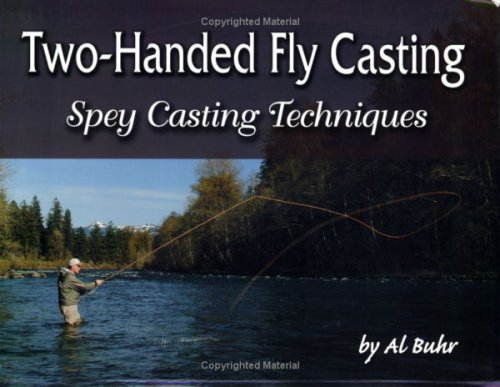
Two-Handed Fly Casting: Spey Casting Techniques

12:22 – Al’s journey to writing his book began with his involvement in the Federation of Fly Fishers. As the program expanded to include two-handed casting certification, Al took on the role of chair and recognized the need for a clear instructional guide.

Over time, this booklet evolved into a larger technical manual, covering basic and advanced casting techniques

two-handed casting
Photo via https://www.amazon.com/Two-Handed-Fly-Casting-Spey-Techniques/dp/1571883959

Understanding Constant Tension in Spey Casting

18:00 – Constant tension eliminates the need for pauses in the back cast, ensuring a smooth, continuous motion crucial for efficient casts.

Regardless of line length or shape, constant tension allows anglers to regulate the depth of the D loop, enabling them to cast effectively without needing ample space behind them.

29:00 – The stop-and-go approach or forced turnover involves pausing or stopping during the casting motion, causing the rod to unload and reload with power. This pause can lead to slack or waves in the line, affecting the efficiency and accuracy of the cast.

32:53 – Besides constant tension and the power-up technique, another key aspect is using a modified D loop for casting efficiency.

48:04 – Al recounts a conversation with Tim Rajeff during a casting event in San Francisco.

“The man who straightens his rod the fastest will win.” – Tim Rajeff

55:48 – Al explains the figure of eight casting technique as visualizing an eight laid horizontally. You perform a crescent lift and a round lift for one side of the eight, drop down to form an X, and then curve back up for the other side.


Videos Noted in the Show

Related Podcast Episodes

WFS 451 – Simon Gawesworth on Spey Lines, RIO Products, Skagit and Scandi

WFS 573 – The Subtle Art of Fly Casting with Tim Rajeff – Echo Fly Rod, Rod Technology, Double Haul


Conclusion with Al Buhr on Two-Handed Casting

Al Buhr shared invaluable insights into the art of two-handed casting, from his early fly fishing days to mastering spey casting techniques.

We delved into constant tension methods, the power-up technique, and the efficiency of a modified D loop, all aimed at enhancing your casting proficiency. How will you incorporate Al’s tips into your next fishing adventure?


Finding the Perfect Fly Rod and Line Combo (Part 2) with Jeff Liskay – Great Lakes Dude #9

fly rod and line

In the first installment, Jeff Liskay masterfully explored the world of rods and floating lines. Now, prepare to plunge into the depths with our next episode, where we’ll learn more about and two-handed lines.


Show Notes with Jeff Liskay on Fly Rod and Line Combo. Hit play below! 👇🏻

apple podcasts

Find the show:  iTunes | Stitcher | Overcast

Subscribe on Android

Subscribe on Apple Podcasts

Subscribe via RSS

(Read the Full Transcript at the bottom of this Blog Post)


Sponsors and Podcast Updates


fly rod and line

Episode Chapters with Jeff Liskay on Fly Rod and Line Combo

00:57 – Sinking Lines and Modern Innovations

Jeff begins by recalling the early days of experimenting with sinking lines in the Great Lakes, attributing pioneers like Jerry Darkes and Capt. Brian Meszaros for laying the groundwork. Fast forward to today, advancements in fly lines, coupled with forward-facing sonar technology, have transformed the game, enabling anglers to present flies at previously thought unattainable depths.

05:37 – Deep Dive into Sinking Lines

Delving into the specifics, Jeff highlights the categories of sinking lines into types based on their sink rate, ranging from intermediate to type eight. These advancements have allowed for precise control over the depth of the fly, with real-time feedback from sonar technology shedding light on the actual fishing depth, a revelation that was once a mystery.

08:00 – Exploring New Frontiers

Jeff’s passion for pushing boundaries shines through as he discusses strategies for targeting deep-water species in the Great Lakes, particularly during the late fall. Techniques that once seemed futile, like fly fishing for muskies at depths of 30 feet, are now within reach thanks to the evolution of sinking lines.

14:05 – Mastery of Fly Lines

Transitioning to the core of his expertise, Jeff breaks down his go-to fly lines, offering a peek into his arsenal, which includes a blend of floating, intermediate, and sinking lines designed to tackle the diverse fishing conditions of the Great Lakes. This tailored approach ensures optimal presentation and effectiveness in various scenarios.

19:43 – The Evolution of Two-Handed Fly Fishing

A significant portion of the discussion is dedicated to two-handed and switch rod lines, where Jeff shares his fascination with the intricate balance between rod action, line weight, and casting technique. He emphasizes the importance of experimentation to find the ‘wow factor’ that signifies a perfect match between the rod and line.

36:02 – Mastering the Scandinavian Fly Line System 

Jeff delves into the Scandinavian fly line system’s popularity around the Great Lakes, highlighting its adaptability and efficiency for various fishing conditions. The system’s versatile design allows anglers to switch entire heads for precise depth control, from floating to sinking, without changing tips. He also covers the importance of matching leader length with rod length for optimal casting performance.

50:27 – Mastering Shooting Lines: Enhancing Cast Distance and Precision

Jeff dives into the intricacies of selecting and using shooting lines in fly fishing, particularly with Scandinavian or Skagit head systems. The discussion covers the benefits of mono and standard fly lines, emphasizing the importance of matching the diameter to the head weight to avoid tangles and ensure effective casting. Special attention is given to the trade-offs between mono’s memory and slickness and the easier handling of standard fly lines.


You can find Jeff on Instagram @GreatLakesDude.

Facebook at Jeff Liskay

Visit his website at GreatLakesFlyFishing.com.

great lakes dude


Related Podcast Episodes

Finding the Perfect Fly Rod and Line Combo (Part 1) with Jeff Liskay – Great Lakes Dude #8


fly rod and line

Conclusion with Jeff Liskay on Fly Rod and Line Combo

Jeff’s enthusiasm and deep respect for the sport are palpable. His journey through the nuances of fly fishing in the Great Lakes serves as a valuable resource for both seasoned anglers and newcomers alike, encouraging all to venture beyond conventional limits and discover the boundless potential of fly fishing in this region.


579 | Farming and Conservation in the Driftless with Carol Abrahamzon of the Mississippi Valley Conservancy

Mississippi valley conservancy

In this episode, our guest, Carol Abrahamzon, Executive Director at Mississippi Valley Conservancy, shares her remarkable transition from nursing to farming and her eventual foray into conservation work.


Show Notes with Carol Abrahamzon from Mississippi Valley Conservancy. Hit play below! 👇🏻

apple podcasts

Find the show:  iTunes | Stitcher | Overcast

Subscribe on Android

Subscribe on Apple Podcasts

Subscribe via RSS

(Read the Full Transcript at the bottom of this Blog Post)


Sponsors and Podcast Updates

Mississippi valley conservancy

Episode Chapters – Mississippi Valley Conservancy

(0:00:05) – Conservation Efforts in the Driftless
Nature’s interconnectedness in the Driftless Area, sustainable farming, and conservation efforts to protect land and biodiversity.

Mississippi valley conservancy

(0:08:29) – Conservation Projects and Climate Change Impact
Nature’s conservation projects protect rivers, engage landowners, and rely on partnerships and community support.

(0:19:50) – Addressing Climate Change Through Conservation
Nature’s challenges for farmers in MN and WI due to climate change, benefits of native species, cover crops, and actionable steps to combat it.

Mississippi valley conservancy

(0:26:44) – Conservation Programs and Events Overview
Nature’s restoration efforts, events like ‘Link to the Land’, guided hikes and Mushroom forays, and the importance of bio blitz program.

Mississippi valley conservancy

(0:32:20) – Conserving Nature and Sustainable Farming
Nature’s protected land corridors expand, focusing on Devil’s Backbone and Chase Creek for stream protection and brook trout. Emmy-winning video on Driftless area. Visit website for public nature preserves and activities, with La Crosse and Verroqua as notable spots.

(0:45:10) – Local Conservation Follow-Up and Appreciation
Nature’s conservation efforts and achievements in the local area were discussed, with a call for ongoing support and excitement for future visits.


Follow MVC on Instagram 👉🏻 @mississippi_valley_conservancy

Visit their website at 👉🏻 mississippivalleyconservancy.org

Mississippi valley conservancy


Related Videos

Related Podcast Episodes

WFS 376 – Susitna River Coalition with Margaret Stern – Alaska Wild Salmon Protection

Mississippi valley conservancy

Conclusion – Mississippi Valley Conservancy

In this episode, our guest, Carol Abrahamzon, Executive Director at Mississippi Valley Conservancy, shares her remarkable transition from nursing to farming and her eventual foray into conservation work.


578 | Conquering the Driftless: Technical Dry Fly Fishing with Geri Meyer

In this episode, we have one of the biggest names in the Driftless area give us her best tips on technical dry fly fishing and what you can do to have success on the surface.

Geri Meyer, Driftless Angler Fly shop owner and guide, is going to walk us through the steps to catching fish with dry flies. Geri shares her expert tips on catching fish with dry flies.

You’ll also learn her top three secrets to presenting the fly and discover how to fish Tricos and other species. Plus, gain insights on the best times and spots to fish in the Driftless area.

It’s all here today, and guess what? We’ve got an exciting giveaway—a spot on a huge trip happening this September!

Show Notes with Geri Meyer on Technical Dry Fly Fishing. Hit play below! 👇🏻


apple podcasts

Find the show:  iTunes | Stitcher | Overcast

Subscribe on Android | Apple Podcasts 

Subscribe via RSS

(Read the Full Transcript at the bottom of this Blog Post)


Sponsors and Podcast Updates


We’ve just launched the Driftless Dry Fly School and we’re diving into the details of what’s in store for the lucky winner who will snag a spot on this exciting adventure.

We’re also offering six slots for those who want to join us on this epic trip with Geri Meyer and Jason Randall.

Click Here To Save Your Spot Now!

Episode Chapters with Geri Meyer on Technical Dry Fly Fishing

01:42 – Geri provides a quick update on the current conditions in the Driftless region. Overall, fishing remains solid despite the challenges posed by the ongoing drought.

5:00 – Geri discusses the challenges of dry fly fishing in small, technical streams, emphasizing the need for stealth and delicate presentation.

She highlights the prevalence of blue-winged olives and Tricos as key hatches, with sizes ranging from 16 to 22.

technical dry fly fishing
Geri with a nice dry fly brown. Photo via https://www.instagram.com/driftlessangler

Presentation Techniques for Successful Dry Fly Fishing

08:00 – Geri Meyer underscores the significance of considering water conditions and adopting a stealthy approach. With potential weed obstacles and a focus on tail outs, seams, and tight banks, anglers must proceed slowly and deliberately to avoid spooking fish.

10:00 – Whether targeting specific fish or exploring promising areas, Geri emphasizes the importance of precise placement, typically aiming a foot or two ahead of the target. Additionally, she highlights the versatility of streamer fishing as an alternative strategy when traditional methods don’t produce results.

Technical Dry Fly Fishing

Exploring the Driftless Region: What Makes it so Different? 

11:38 – The term “Driftless” originates from the lack of glacial drift due to the absence of ice coverage. This resulted in the formation of spring-fed streams and picturesque landscapes, attracting anglers from far and wide.

14:00 -Geri discusses the impact of drought conditions on the spring-fed streams of the Driftless Region.

Technical dry fly fishing
Photo via https://www.instagram.com/driftlessangler

Driftless Dry Fly School Giveaway

15:14 – We discuss the upcoming trip to the Driftless Region with Geri and Jason Randall. Geri tells us about her longstanding friendship with Jason Randall, praising his expertise and fun personality. We look forward to not just fishing but also enjoying delicious meals and relaxed hangouts.

Click here to join us in the Driftless Region!

18:17 – Geri emphasizes the importance of leveraging local expertise for a successful trip. She recommends contacting their shop, Driftless Angler, or checking their daily reports online to stay updated on hatches and conditions.

The Gunch. Photo via https://www.driftlessangler.com/

21:00 – Geri shares essential fly patterns to include in our boxes for late September fishing. Here are some recommendations:

  • Parachute Adams in sizes 12 to 18
  • Trico patterns
  • Micro olive patterns
  • Terrestrial patterns such as hoppers, preferably in natural colors
  • Cricket patterns like the Marsh Cricket

Essential Casting Tips for Success in the Driftless Area

25:00 – Geri emphasizes the importance of precision over distance, noting that shorter, more accurate casts are often more effective than long ones. She encourages anglers to hone a solid 25-foot cast, allowing for better control and presentation.

Additionally, Geri highlights the significance of delicate casting to avoid splashing. While precise casts are crucial, a subtle movement can sometimes be advantageous.

Choosing the Right Gear for the Driftless Area

42:00 – When it comes to gear selection for dry fly fishing in the Driftless Region, consider the following recommendations:

Rod Selection

  • Opt for rods in the 3 to 5 weight range.
  • A 4-weight rod is versatile and suitable for various fishing conditions.
  • A 3-weight rod excels in perfect conditions with abundant hatches.

Glass rods offer a soft presentation and precise casting, ideal for shorter casts and precise placement in tight spots. However, if you’re new to using glass rods, practice casting beforehand and adjust your technique and timing for optimal performance.

Leader Setup

Start with a 9-foot 4X leader and adjust based on conditions. Use a 4X tippet and tie it to the leader with a surgeon’s knot.


You can find Geri Meyer on Instagram @driftlessangler and @womensflyshop.

Facebook at Driftless Angler

Visit their website at DriftlessAngler.com.

technical dry fly fishing


Resources Noted in the Show

Videos Noted in the Show

Related Podcast Episodes

WFS 468 – Driftless Fly Fishing with Geri Meyer – Driftless Angler, Caddis Flies, Crane Flies

WFS 566 – Dry Fly Fishing Mastery with Jason Randall – Texas Fly Fishing and Brew Festival, Driftless Area

Conclusion with Geri Meyer on Technical Dry Fly Fishing

Are you as excited as me to get on the water and check out the Driftless, this amazing part of the world? We’re gonna be heading there this fall and the fall colors are gonna be shining. We’re gonna be hitting some organic food at our all-inclusive event.

Click here to join us in the Driftless Region!


577 | Redefining Fly Fishing: Private Waters and the Quest for Sustainability with RJ Hosking – RareWaters

rarewaters

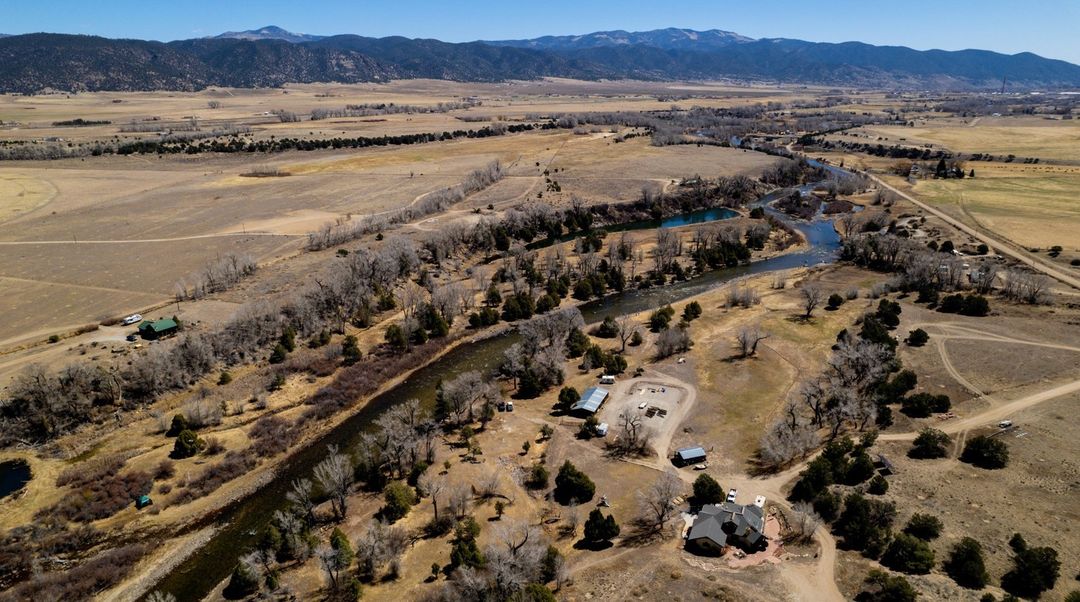
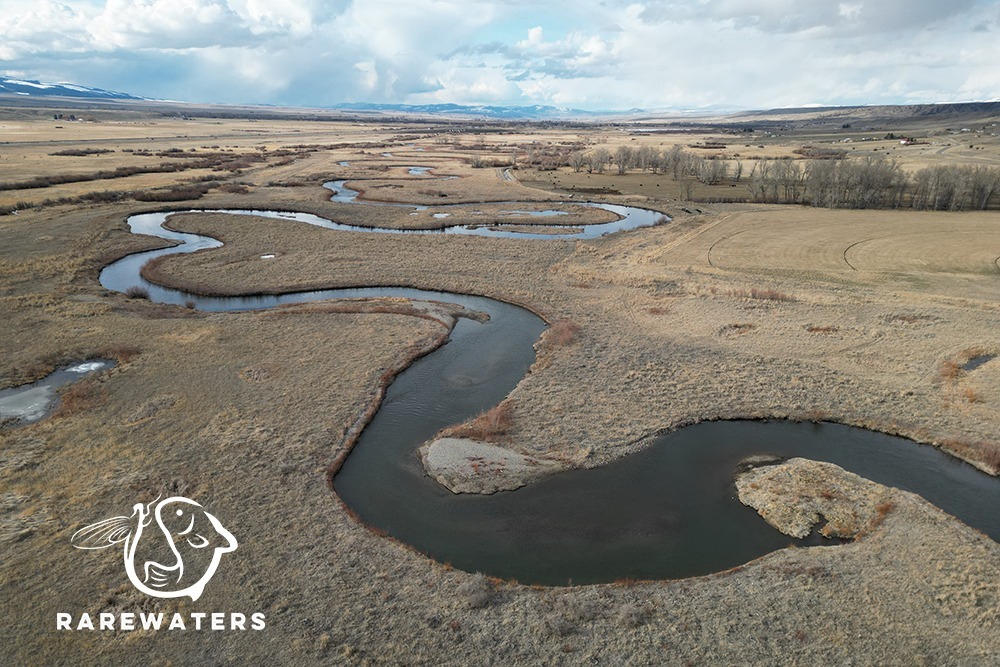
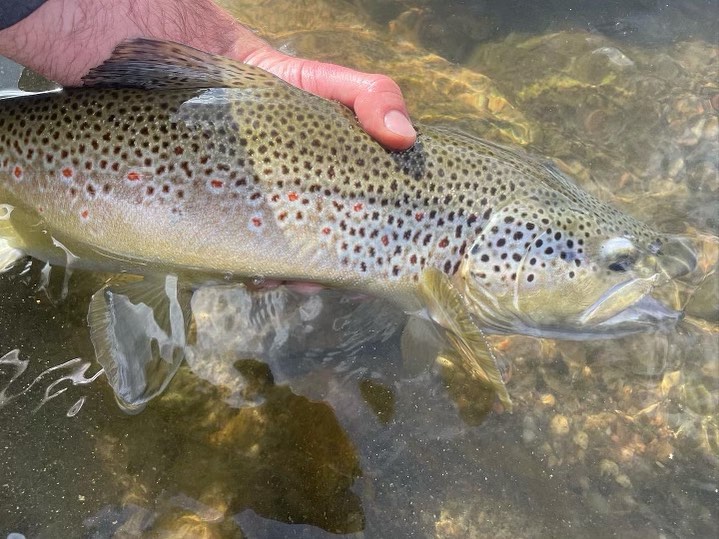
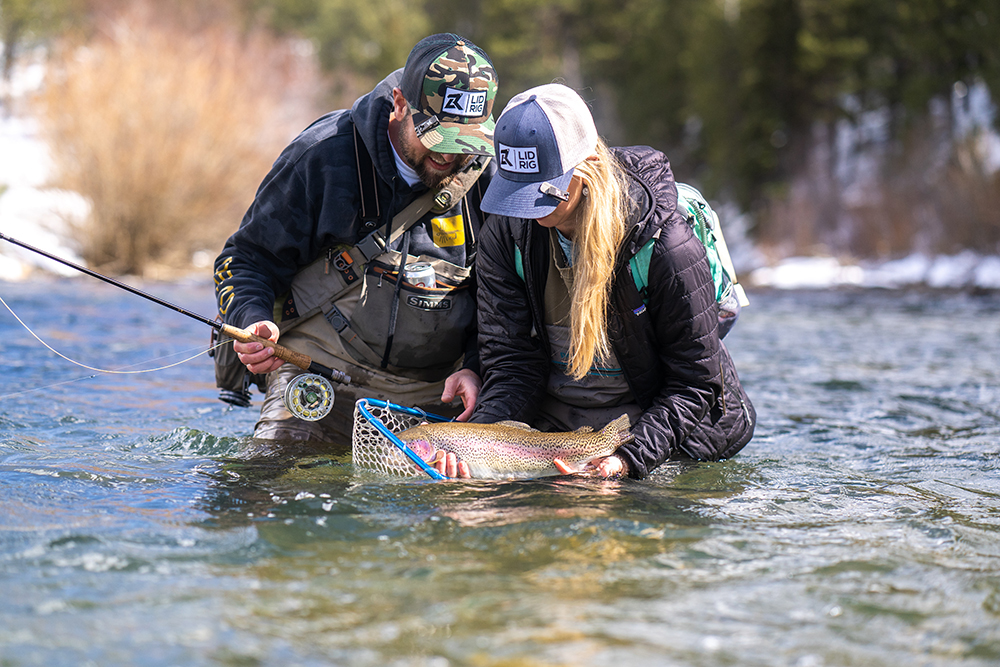
In this episode, learn about Redefining Fly Fishing with RJ Hosking!


Show Notes with RJ Hosking – RareWaters. Hit play below! 👇🏻
apple podcasts

Find the show:  iTunes | Stitcher | Overcast

Subscribe on Android

Subscribe on Apple Podcasts

Subscribe via RSS

(Read the Full Transcript at the bottom of this Blog Post)


Sponsors and Podcast Updates

rarewaters

Episode Chapters – RareWaters

(0:00:05) – Industry Disruption
RJ shares his fly fishing journey, Patagonia’s impact on the industry, and his transition to RareWaters.
(0:13:38) – Expanding Private Fishing Property Market
Nature’s growth of private fishing platform, focus on expansion, advisor guidance, organic growth, property selection, serene experiences.

rarewaters

(0:21:43) – Fishing Properties With Camping and Lodging
Nature’s unique offerings for anglers at rarewaters.com, including camping, lodging, and private properties, with a community-driven approach.
rarewaters

(0:28:57) – Expanding Access to Fly Fishing
Transforming fly fishing industry by increasing diversity, accessibility, and environmental benefits through affordable private fishing options.

rarewaters

(0:43:41) – Conservation Shout Outs and Camper Life
Nature’s conservation partners, travel tips for visiting RareWaters properties, and our love for camping and fishing.

(0:52:04) – Balancing Family and Travel Responsibilities
Family, sports, and work-life balance are discussed, emphasizing the importance of involvement and a healthy culture.

rarewaters

(0:54:49) – Balancing Work and Family Life
Maintaining work-life balance, supporting team members, and being present in personal roles, with a focus on rarewaters.com.

rarewaters


Follow them on Instagram 👉🏻@rarewaters_

Visit their website at 👉🏻rarewaters.com

rarewaters


Related Podcast Episodes

WFS 565 – TroutRoutes with Zach Pope – Fishing App, River Guide, Trout Streams


Conclusion – RareWaters

In conclusion, my conversation with RJ from RareWaters has illuminated the evolving landscape of fly fishing, revealing a narrative that transcends the traditional boundaries of exclusivity.

         
Support Our Podcast Sponsors         
Support Our Podcast Sponsors       
Support Our Podcast Sponsors         

Support Our Podcast Sponsors

         
Support Our Podcast Sponsors         

POPULAR ARTICLES